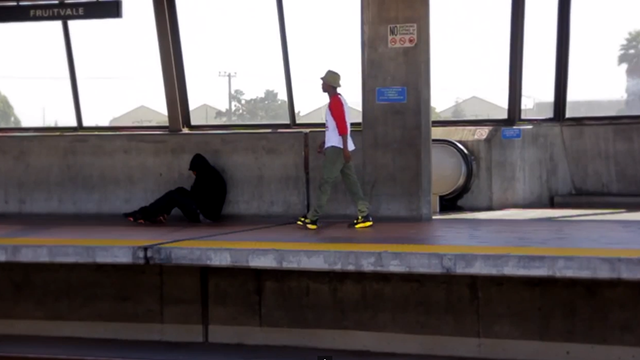
'Street Literature' - Richmond, CA Youth Speak Out
Sponsored
Player sponsored by
window.__IS_SSR__=true
window.__INITIAL_STATE__={
"attachmentsReducer": {
"audio_0": {
"type": "attachments",
"id": "audio_0",
"imgSizes": {
"kqedFullSize": {
"file": "https://ww2.kqed.org/news/wp-content/themes/KQED-unified/img/audio_bgs/background0.jpg"
}
}
},
"audio_1": {
"type": "attachments",
"id": "audio_1",
"imgSizes": {
"kqedFullSize": {
"file": "https://ww2.kqed.org/news/wp-content/themes/KQED-unified/img/audio_bgs/background1.jpg"
}
}
},
"audio_2": {
"type": "attachments",
"id": "audio_2",
"imgSizes": {
"kqedFullSize": {
"file": "https://ww2.kqed.org/news/wp-content/themes/KQED-unified/img/audio_bgs/background2.jpg"
}
}
},
"audio_3": {
"type": "attachments",
"id": "audio_3",
"imgSizes": {
"kqedFullSize": {
"file": "https://ww2.kqed.org/news/wp-content/themes/KQED-unified/img/audio_bgs/background3.jpg"
}
}
},
"audio_4": {
"type": "attachments",
"id": "audio_4",
"imgSizes": {
"kqedFullSize": {
"file": "https://ww2.kqed.org/news/wp-content/themes/KQED-unified/img/audio_bgs/background4.jpg"
}
}
},
"placeholder": {
"type": "attachments",
"id": "placeholder",
"imgSizes": {
"thumbnail": {
"file": "https://cdn.kqed.org/wp-content/uploads/2024/12/KQED-Default-Image-816638274-2000x1333-1-160x107.jpg",
"width": 160,
"height": 107,
"mimeType": "image/jpeg"
},
"medium": {
"file": "https://cdn.kqed.org/wp-content/uploads/2024/12/KQED-Default-Image-816638274-2000x1333-1-800x533.jpg",
"width": 800,
"height": 533,
"mimeType": "image/jpeg"
},
"medium_large": {
"file": "https://cdn.kqed.org/wp-content/uploads/2024/12/KQED-Default-Image-816638274-2000x1333-1-768x512.jpg",
"width": 768,
"height": 512,
"mimeType": "image/jpeg"
},
"large": {
"file": "https://cdn.kqed.org/wp-content/uploads/2024/12/KQED-Default-Image-816638274-2000x1333-1-1020x680.jpg",
"width": 1020,
"height": 680,
"mimeType": "image/jpeg"
},
"1536x1536": {
"file": "https://cdn.kqed.org/wp-content/uploads/2024/12/KQED-Default-Image-816638274-2000x1333-1-1536x1024.jpg",
"width": 1536,
"height": 1024,
"mimeType": "image/jpeg"
},
"fd-lrg": {
"file": "https://cdn.kqed.org/wp-content/uploads/2024/12/KQED-Default-Image-816638274-2000x1333-1-1536x1024.jpg",
"width": 1536,
"height": 1024,
"mimeType": "image/jpeg"
},
"fd-med": {
"file": "https://cdn.kqed.org/wp-content/uploads/2024/12/KQED-Default-Image-816638274-2000x1333-1-1020x680.jpg",
"width": 1020,
"height": 680,
"mimeType": "image/jpeg"
},
"fd-sm": {
"file": "https://cdn.kqed.org/wp-content/uploads/2024/12/KQED-Default-Image-816638274-2000x1333-1-800x533.jpg",
"width": 800,
"height": 533,
"mimeType": "image/jpeg"
},
"post-thumbnail": {
"file": "https://cdn.kqed.org/wp-content/uploads/2024/12/KQED-Default-Image-816638274-2000x1333-1-672x372.jpg",
"width": 672,
"height": 372,
"mimeType": "image/jpeg"
},
"twentyfourteen-full-width": {
"file": "https://cdn.kqed.org/wp-content/uploads/2024/12/KQED-Default-Image-816638274-2000x1333-1-1038x576.jpg",
"width": 1038,
"height": 576,
"mimeType": "image/jpeg"
},
"xxsmall": {
"file": "https://cdn.kqed.org/wp-content/uploads/2024/12/KQED-Default-Image-816638274-2000x1333-1-160x107.jpg",
"width": 160,
"height": 107,
"mimeType": "image/jpeg"
},
"xsmall": {
"file": "https://cdn.kqed.org/wp-content/uploads/2024/12/KQED-Default-Image-816638274-2000x1333-1-672x372.jpg",
"width": 672,
"height": 372,
"mimeType": "image/jpeg"
},
"small": {
"file": "https://cdn.kqed.org/wp-content/uploads/2024/12/KQED-Default-Image-816638274-2000x1333-1-672x372.jpg",
"width": 672,
"height": 372,
"mimeType": "image/jpeg"
},
"xlarge": {
"file": "https://cdn.kqed.org/wp-content/uploads/2024/12/KQED-Default-Image-816638274-2000x1333-1-1020x680.jpg",
"width": 1020,
"height": 680,
"mimeType": "image/jpeg"
},
"full-width": {
"file": "https://cdn.kqed.org/wp-content/uploads/2024/12/KQED-Default-Image-816638274-2000x1333-1-1920x1280.jpg",
"width": 1920,
"height": 1280,
"mimeType": "image/jpeg"
},
"guest-author-32": {
"file": "https://cdn.kqed.org/wp-content/uploads/2025/01/KQED-Default-Image-816638274-1333x1333-1-160x160.jpg",
"width": 32,
"height": 32,
"mimeType": "image/jpeg"
},
"guest-author-50": {
"file": "https://cdn.kqed.org/wp-content/uploads/2025/01/KQED-Default-Image-816638274-1333x1333-1-160x160.jpg",
"width": 50,
"height": 50,
"mimeType": "image/jpeg"
},
"guest-author-64": {
"file": "https://cdn.kqed.org/wp-content/uploads/2025/01/KQED-Default-Image-816638274-1333x1333-1-160x160.jpg",
"width": 64,
"height": 64,
"mimeType": "image/jpeg"
},
"guest-author-96": {
"file": "https://cdn.kqed.org/wp-content/uploads/2025/01/KQED-Default-Image-816638274-1333x1333-1-160x160.jpg",
"width": 96,
"height": 96,
"mimeType": "image/jpeg"
},
"guest-author-128": {
"file": "https://cdn.kqed.org/wp-content/uploads/2025/01/KQED-Default-Image-816638274-1333x1333-1-160x160.jpg",
"width": 128,
"height": 128,
"mimeType": "image/jpeg"
},
"detail": {
"file": "https://cdn.kqed.org/wp-content/uploads/2025/01/KQED-Default-Image-816638274-1333x1333-1-160x160.jpg",
"width": 160,
"height": 160,
"mimeType": "image/jpeg"
},
"kqedFullSize": {
"file": "https://cdn.kqed.org/wp-content/uploads/2024/12/KQED-Default-Image-816638274-2000x1333-1.jpg",
"width": 2000,
"height": 1333
}
}
},
"education_538519": {
"type": "attachments",
"id": "education_538519",
"meta": {
"index": "attachments_1716263798",
"site": "education",
"id": "538519",
"found": true
},
"title": "IMG_4077-2",
"publishDate": 1736993124,
"status": "inherit",
"parent": 538495,
"modified": 1736993330,
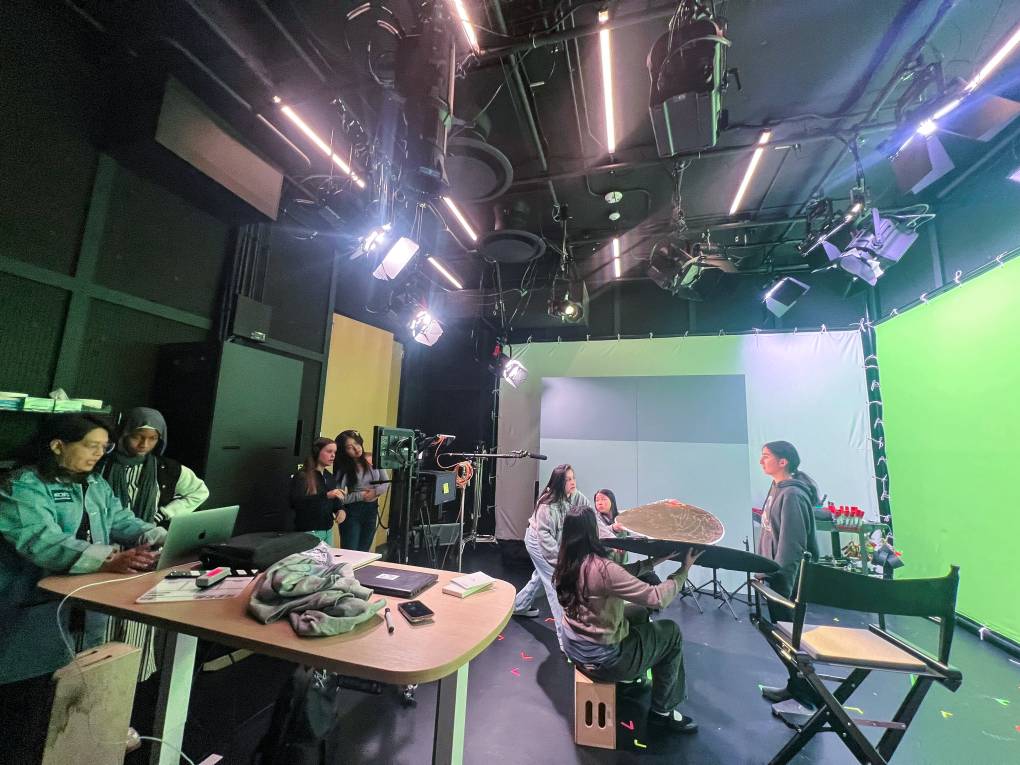
"caption": "KQED's Youth Advisory Board film television interstitials at the program's inaugural production day meeting inside the DPS. Photo by Warren Lam.",
"credit": null,
"altTag": null,
"description": null,
"imgSizes": {
"medium": {
"file": "https://cdn.kqed.org/wp-content/uploads/sites/38/2025/01/IMG_4077-2-800x600.jpg",
"width": 800,
"height": 600,
"mimeType": "image/jpeg"
},
"large": {
"file": "https://cdn.kqed.org/wp-content/uploads/sites/38/2025/01/IMG_4077-2-1020x765.jpg",
"width": 1020,
"height": 765,
"mimeType": "image/jpeg"
},
"thumbnail": {
"file": "https://cdn.kqed.org/wp-content/uploads/sites/38/2025/01/IMG_4077-2-160x120.jpg",
"width": 160,
"height": 120,
"mimeType": "image/jpeg"
},
"medium_large": {
"file": "https://cdn.kqed.org/wp-content/uploads/sites/38/2025/01/IMG_4077-2-768x576.jpg",
"width": 768,
"height": 576,
"mimeType": "image/jpeg"
},
"1536x1536": {
"file": "https://cdn.kqed.org/wp-content/uploads/sites/38/2025/01/IMG_4077-2-1536x1152.jpg",
"width": 1536,
"height": 1152,
"mimeType": "image/jpeg"
},
"2048x2048": {
"file": "https://cdn.kqed.org/wp-content/uploads/sites/38/2025/01/IMG_4077-2-2048x1536.jpg",
"width": 2048,
"height": 1536,
"mimeType": "image/jpeg"
},
"post-thumbnail": {
"file": "https://cdn.kqed.org/wp-content/uploads/sites/38/2025/01/IMG_4077-2-672x372.jpg",
"width": 672,
"height": 372,
"mimeType": "image/jpeg"
},
"twentyfourteen-full-width": {
"file": "https://cdn.kqed.org/wp-content/uploads/sites/38/2025/01/IMG_4077-2-1038x576.jpg",
"width": 1038,
"height": 576,
"mimeType": "image/jpeg"
},
"full-width": {
"file": "https://cdn.kqed.org/wp-content/uploads/sites/38/2025/01/IMG_4077-2-1920x1440.jpg",
"width": 1920,
"height": 1440,
"mimeType": "image/jpeg"
},
"kqedFullSize": {
"file": "https://cdn.kqed.org/wp-content/uploads/sites/38/2025/01/IMG_4077-2-scaled.jpg",
"width": 2560,
"height": 1920
}
},
"fetchFailed": false,
"isLoading": false
},
"education_533537": {
"type": "attachments",
"id": "education_533537",
"meta": {
"index": "attachments_1716263798",
"site": "education",
"id": "533537",
"found": true
},
"parent": 533535,
"imgSizes": {
"twentyfourteen-full-width": {
"file": "https://ww2.kqed.org/app/uploads/sites/38/2020/04/ABTN_412_Uncertainty-CoronaVirus_TN_1-1038x576.png",
"width": 1038,
"mimeType": "image/png",
"height": 576
},
"thumbnail": {
"file": "https://ww2.kqed.org/app/uploads/sites/38/2020/04/ABTN_412_Uncertainty-CoronaVirus_TN_1-160x90.png",
"width": 160,
"mimeType": "image/png",
"height": 90
},
"post-thumbnail": {
"file": "https://ww2.kqed.org/app/uploads/sites/38/2020/04/ABTN_412_Uncertainty-CoronaVirus_TN_1-672x372.png",
"width": 672,
"mimeType": "image/png",
"height": 372
},
"kqedFullSize": {
"file": "https://ww2.kqed.org/app/uploads/sites/38/2020/04/ABTN_412_Uncertainty-CoronaVirus_TN_1.png",
"width": 1920,
"height": 1080
},
"large": {
"file": "https://ww2.kqed.org/app/uploads/sites/38/2020/04/ABTN_412_Uncertainty-CoronaVirus_TN_1-1020x574.png",
"width": 1020,
"mimeType": "image/png",
"height": 574
},
"full-width": {
"file": "https://ww2.kqed.org/app/uploads/sites/38/2020/04/ABTN_412_Uncertainty-CoronaVirus_TN_1-1920x1080.png",
"width": 1920,
"mimeType": "image/png",
"height": 1080
},
"medium": {
"file": "https://ww2.kqed.org/app/uploads/sites/38/2020/04/ABTN_412_Uncertainty-CoronaVirus_TN_1-800x450.png",
"width": 800,
"mimeType": "image/png",
"height": 450
},
"medium_large": {
"file": "https://ww2.kqed.org/app/uploads/sites/38/2020/04/ABTN_412_Uncertainty-CoronaVirus_TN_1-768x432.png",
"width": 768,
"mimeType": "image/png",
"height": 432
}
},
"publishDate": 1585772201,
"modified": 1585772201,
"caption": null,
"description": null,
"title": "ABTN_412_Uncertainty CoronaVirus_TN_1",
"credit": null,
"status": "inherit",
"fetchFailed": false,
"isLoading": false
},
"education_530852": {
"type": "attachments",
"id": "education_530852",
"meta": {
"index": "attachments_1716263798",
"site": "education",
"id": "530852",
"found": true
},
"parent": 0,
"imgSizes": {
"small": {
"file": "https://ww2.kqed.org/app/uploads/sites/38/2018/10/ATN-Voting-thumbnail-520x293.png",
"width": 520,
"mimeType": "image/png",
"height": 293
},
"twentyfourteen-full-width": {
"file": "https://ww2.kqed.org/app/uploads/sites/38/2018/10/ATN-Voting-thumbnail-1038x576.png",
"width": 1038,
"mimeType": "image/png",
"height": 576
},
"thumbnail": {
"file": "https://ww2.kqed.org/app/uploads/sites/38/2018/10/ATN-Voting-thumbnail-160x90.png",
"width": 160,
"mimeType": "image/png",
"height": 90
},
"fd-sm": {
"file": "https://ww2.kqed.org/app/uploads/sites/38/2018/10/ATN-Voting-thumbnail-960x540.png",
"width": 960,
"mimeType": "image/png",
"height": 540
},
"post-thumbnail": {
"file": "https://ww2.kqed.org/app/uploads/sites/38/2018/10/ATN-Voting-thumbnail-672x372.png",
"width": 672,
"mimeType": "image/png",
"height": 372
},
"xsmall": {
"file": "https://ww2.kqed.org/app/uploads/sites/38/2018/10/ATN-Voting-thumbnail-375x211.png",
"width": 375,
"mimeType": "image/png",
"height": 211
},
"kqedFullSize": {
"file": "https://ww2.kqed.org/app/uploads/sites/38/2018/10/ATN-Voting-thumbnail.png",
"width": 1920,
"height": 1080
},
"large": {
"file": "https://ww2.kqed.org/app/uploads/sites/38/2018/10/ATN-Voting-thumbnail-1020x574.png",
"width": 1020,
"mimeType": "image/png",
"height": 574
},
"xlarge": {
"file": "https://ww2.kqed.org/app/uploads/sites/38/2018/10/ATN-Voting-thumbnail-1180x664.png",
"width": 1180,
"mimeType": "image/png",
"height": 664
},
"complete_open_graph": {
"file": "https://ww2.kqed.org/app/uploads/sites/38/2018/10/ATN-Voting-thumbnail-1200x675.png",
"width": 1200,
"mimeType": "image/png",
"height": 675
},
"guest-author-50": {
"file": "https://ww2.kqed.org/app/uploads/sites/38/2018/10/ATN-Voting-thumbnail-50x50.png",
"width": 50,
"mimeType": "image/png",
"height": 50
},
"guest-author-96": {
"file": "https://ww2.kqed.org/app/uploads/sites/38/2018/10/ATN-Voting-thumbnail-96x96.png",
"width": 96,
"mimeType": "image/png",
"height": 96
},
"medium": {
"file": "https://ww2.kqed.org/app/uploads/sites/38/2018/10/ATN-Voting-thumbnail-800x450.png",
"width": 800,
"mimeType": "image/png",
"height": 450
},
"guest-author-64": {
"file": "https://ww2.kqed.org/app/uploads/sites/38/2018/10/ATN-Voting-thumbnail-64x64.png",
"width": 64,
"mimeType": "image/png",
"height": 64
},
"guest-author-32": {
"file": "https://ww2.kqed.org/app/uploads/sites/38/2018/10/ATN-Voting-thumbnail-32x32.png",
"width": 32,
"mimeType": "image/png",
"height": 32
},
"fd-lrg": {
"file": "https://ww2.kqed.org/app/uploads/sites/38/2018/10/ATN-Voting-thumbnail-1920x1080.png",
"width": 1920,
"mimeType": "image/png",
"height": 1080
},
"fd-med": {
"file": "https://ww2.kqed.org/app/uploads/sites/38/2018/10/ATN-Voting-thumbnail-1180x664.png",
"width": 1180,
"mimeType": "image/png",
"height": 664
},
"full-width": {
"file": "https://ww2.kqed.org/app/uploads/sites/38/2018/10/ATN-Voting-thumbnail-1920x1080.png",
"width": 1920,
"mimeType": "image/png",
"height": 1080
},
"detail": {
"file": "https://ww2.kqed.org/app/uploads/sites/38/2018/10/ATN-Voting-thumbnail-150x150.png",
"width": 150,
"mimeType": "image/png",
"height": 150
},
"medium_large": {
"file": "https://ww2.kqed.org/app/uploads/sites/38/2018/10/ATN-Voting-thumbnail-768x432.png",
"width": 768,
"mimeType": "image/png",
"height": 432
},
"guest-author-128": {
"file": "https://ww2.kqed.org/app/uploads/sites/38/2018/10/ATN-Voting-thumbnail-128x128.png",
"width": 128,
"mimeType": "image/png",
"height": 128
},
"xxsmall": {
"file": "https://ww2.kqed.org/app/uploads/sites/38/2018/10/ATN-Voting-thumbnail-240x135.png",
"width": 240,
"mimeType": "image/png",
"height": 135
}
},
"publishDate": 1540502531,
"modified": 1540502531,
"caption": null,
"description": null,
"title": "ATN Voting thumbnail",
"credit": null,
"status": "inherit",
"fetchFailed": false,
"isLoading": false
},
"education_530804": {
"type": "attachments",
"id": "education_530804",
"meta": {
"index": "attachments_1716263798",
"site": "education",
"id": "530804",
"found": true
},
"parent": 0,
"imgSizes": {
"small": {
"file": "https://ww2.kqed.org/app/uploads/sites/38/2018/10/SAT_Thumbnail_YT-520x293.png",
"width": 520,
"mimeType": "image/png",
"height": 293
},
"twentyfourteen-full-width": {
"file": "https://ww2.kqed.org/app/uploads/sites/38/2018/10/SAT_Thumbnail_YT-1038x576.png",
"width": 1038,
"mimeType": "image/png",
"height": 576
},
"thumbnail": {
"file": "https://ww2.kqed.org/app/uploads/sites/38/2018/10/SAT_Thumbnail_YT-160x90.png",
"width": 160,
"mimeType": "image/png",
"height": 90
},
"fd-sm": {
"file": "https://ww2.kqed.org/app/uploads/sites/38/2018/10/SAT_Thumbnail_YT-960x540.png",
"width": 960,
"mimeType": "image/png",
"height": 540
},
"post-thumbnail": {
"file": "https://ww2.kqed.org/app/uploads/sites/38/2018/10/SAT_Thumbnail_YT-672x372.png",
"width": 672,
"mimeType": "image/png",
"height": 372
},
"xsmall": {
"file": "https://ww2.kqed.org/app/uploads/sites/38/2018/10/SAT_Thumbnail_YT-375x211.png",
"width": 375,
"mimeType": "image/png",
"height": 211
},
"kqedFullSize": {
"file": "https://ww2.kqed.org/app/uploads/sites/38/2018/10/SAT_Thumbnail_YT.png",
"width": 1920,
"height": 1080
},
"large": {
"file": "https://ww2.kqed.org/app/uploads/sites/38/2018/10/SAT_Thumbnail_YT-1020x574.png",
"width": 1020,
"mimeType": "image/png",
"height": 574
},
"xlarge": {
"file": "https://ww2.kqed.org/app/uploads/sites/38/2018/10/SAT_Thumbnail_YT-1180x664.png",
"width": 1180,
"mimeType": "image/png",
"height": 664
},
"complete_open_graph": {
"file": "https://ww2.kqed.org/app/uploads/sites/38/2018/10/SAT_Thumbnail_YT-1200x675.png",
"width": 1200,
"mimeType": "image/png",
"height": 675
},
"guest-author-50": {
"file": "https://ww2.kqed.org/app/uploads/sites/38/2018/10/SAT_Thumbnail_YT-50x50.png",
"width": 50,
"mimeType": "image/png",
"height": 50
},
"guest-author-96": {
"file": "https://ww2.kqed.org/app/uploads/sites/38/2018/10/SAT_Thumbnail_YT-96x96.png",
"width": 96,
"mimeType": "image/png",
"height": 96
},
"medium": {
"file": "https://ww2.kqed.org/app/uploads/sites/38/2018/10/SAT_Thumbnail_YT-800x450.png",
"width": 800,
"mimeType": "image/png",
"height": 450
},
"guest-author-64": {
"file": "https://ww2.kqed.org/app/uploads/sites/38/2018/10/SAT_Thumbnail_YT-64x64.png",
"width": 64,
"mimeType": "image/png",
"height": 64
},
"guest-author-32": {
"file": "https://ww2.kqed.org/app/uploads/sites/38/2018/10/SAT_Thumbnail_YT-32x32.png",
"width": 32,
"mimeType": "image/png",
"height": 32
},
"fd-lrg": {
"file": "https://ww2.kqed.org/app/uploads/sites/38/2018/10/SAT_Thumbnail_YT-1920x1080.png",
"width": 1920,
"mimeType": "image/png",
"height": 1080
},
"fd-med": {
"file": "https://ww2.kqed.org/app/uploads/sites/38/2018/10/SAT_Thumbnail_YT-1180x664.png",
"width": 1180,
"mimeType": "image/png",
"height": 664
},
"full-width": {
"file": "https://ww2.kqed.org/app/uploads/sites/38/2018/10/SAT_Thumbnail_YT-1920x1080.png",
"width": 1920,
"mimeType": "image/png",
"height": 1080
},
"detail": {
"file": "https://ww2.kqed.org/app/uploads/sites/38/2018/10/SAT_Thumbnail_YT-150x150.png",
"width": 150,
"mimeType": "image/png",
"height": 150
},
"medium_large": {
"file": "https://ww2.kqed.org/app/uploads/sites/38/2018/10/SAT_Thumbnail_YT-768x432.png",
"width": 768,
"mimeType": "image/png",
"height": 432
},
"guest-author-128": {
"file": "https://ww2.kqed.org/app/uploads/sites/38/2018/10/SAT_Thumbnail_YT-128x128.png",
"width": 128,
"mimeType": "image/png",
"height": 128
},
"xxsmall": {
"file": "https://ww2.kqed.org/app/uploads/sites/38/2018/10/SAT_Thumbnail_YT-240x135.png",
"width": 240,
"mimeType": "image/png",
"height": 135
}
},
"publishDate": 1539291919,
"modified": 1539291919,
"caption": null,
"description": null,
"title": "SAT_Thumbnail_YT",
"credit": null,
"status": "inherit",
"fetchFailed": false,
"isLoading": false
},
"education_530395": {
"type": "attachments",
"id": "education_530395",
"meta": {
"index": "attachments_1716263798",
"site": "education",
"id": "530395",
"found": true
},
"parent": 530393,
"imgSizes": {
"small": {
"file": "https://ww2.kqed.org/app/uploads/sites/38/2018/07/maxresdefault-520x293.jpg",
"width": 520,
"mimeType": "image/jpeg",
"height": 293
},
"twentyfourteen-full-width": {
"file": "https://ww2.kqed.org/app/uploads/sites/38/2018/07/maxresdefault-1038x576.jpg",
"width": 1038,
"mimeType": "image/jpeg",
"height": 576
},
"thumbnail": {
"file": "https://ww2.kqed.org/app/uploads/sites/38/2018/07/maxresdefault-160x90.jpg",
"width": 160,
"mimeType": "image/jpeg",
"height": 90
},
"fd-sm": {
"file": "https://ww2.kqed.org/app/uploads/sites/38/2018/07/maxresdefault-960x540.jpg",
"width": 960,
"mimeType": "image/jpeg",
"height": 540
},
"post-thumbnail": {
"file": "https://ww2.kqed.org/app/uploads/sites/38/2018/07/maxresdefault-672x372.jpg",
"width": 672,
"mimeType": "image/jpeg",
"height": 372
},
"xsmall": {
"file": "https://ww2.kqed.org/app/uploads/sites/38/2018/07/maxresdefault-375x211.jpg",
"width": 375,
"mimeType": "image/jpeg",
"height": 211
},
"kqedFullSize": {
"file": "https://ww2.kqed.org/app/uploads/sites/38/2018/07/maxresdefault.jpg",
"width": 1280,
"height": 720
},
"large": {
"file": "https://ww2.kqed.org/app/uploads/sites/38/2018/07/maxresdefault-1020x574.jpg",
"width": 1020,
"mimeType": "image/jpeg",
"height": 574
},
"xlarge": {
"file": "https://ww2.kqed.org/app/uploads/sites/38/2018/07/maxresdefault-1180x664.jpg",
"width": 1180,
"mimeType": "image/jpeg",
"height": 664
},
"complete_open_graph": {
"file": "https://ww2.kqed.org/app/uploads/sites/38/2018/07/maxresdefault-1200x675.jpg",
"width": 1200,
"mimeType": "image/jpeg",
"height": 675
},
"guest-author-50": {
"file": "https://ww2.kqed.org/app/uploads/sites/38/2018/07/maxresdefault-50x50.jpg",
"width": 50,
"mimeType": "image/jpeg",
"height": 50
},
"guest-author-96": {
"file": "https://ww2.kqed.org/app/uploads/sites/38/2018/07/maxresdefault-96x96.jpg",
"width": 96,
"mimeType": "image/jpeg",
"height": 96
},
"medium": {
"file": "https://ww2.kqed.org/app/uploads/sites/38/2018/07/maxresdefault-800x450.jpg",
"width": 800,
"mimeType": "image/jpeg",
"height": 450
},
"guest-author-64": {
"file": "https://ww2.kqed.org/app/uploads/sites/38/2018/07/maxresdefault-64x64.jpg",
"width": 64,
"mimeType": "image/jpeg",
"height": 64
},
"guest-author-32": {
"file": "https://ww2.kqed.org/app/uploads/sites/38/2018/07/maxresdefault-32x32.jpg",
"width": 32,
"mimeType": "image/jpeg",
"height": 32
},
"fd-med": {
"file": "https://ww2.kqed.org/app/uploads/sites/38/2018/07/maxresdefault-1180x664.jpg",
"width": 1180,
"mimeType": "image/jpeg",
"height": 664
},
"detail": {
"file": "https://ww2.kqed.org/app/uploads/sites/38/2018/07/maxresdefault-150x150.jpg",
"width": 150,
"mimeType": "image/jpeg",
"height": 150
},
"medium_large": {
"file": "https://ww2.kqed.org/app/uploads/sites/38/2018/07/maxresdefault-768x432.jpg",
"width": 768,
"mimeType": "image/jpeg",
"height": 432
},
"guest-author-128": {
"file": "https://ww2.kqed.org/app/uploads/sites/38/2018/07/maxresdefault-128x128.jpg",
"width": 128,
"mimeType": "image/jpeg",
"height": 128
},
"xxsmall": {
"file": "https://ww2.kqed.org/app/uploads/sites/38/2018/07/maxresdefault-240x135.jpg",
"width": 240,
"mimeType": "image/jpeg",
"height": 135
}
},
"publishDate": 1531512727,
"modified": 1533313991,
"caption": "Name / Org",
"description": null,
"title": null,
"credit": null,
"status": "inherit",
"fetchFailed": false,
"isLoading": false
},
"education_475692": {
"type": "attachments",
"id": "education_475692",
"meta": {
"index": "attachments_1716263798",
"site": "education",
"id": "475692",
"found": true
},
"parent": 475423,
"imgSizes": {
"small": {
"file": "https://ww2.kqed.org/app/uploads/sites/38/2017/04/ADAM-SAVAGE-THUMBNAIL_large-520x293.png",
"width": 520,
"mimeType": "image/png",
"height": 293
},
"thumbnail": {
"file": "https://ww2.kqed.org/app/uploads/sites/38/2017/04/ADAM-SAVAGE-THUMBNAIL_large-160x90.png",
"width": 160,
"mimeType": "image/png",
"height": 90
},
"xsmall": {
"file": "https://ww2.kqed.org/app/uploads/sites/38/2017/04/ADAM-SAVAGE-THUMBNAIL_large-375x211.png",
"width": 375,
"mimeType": "image/png",
"height": 211
},
"kqedFullSize": {
"file": "https://ww2.kqed.org/app/uploads/sites/38/2017/04/ADAM-SAVAGE-THUMBNAIL_large.png",
"width": 640,
"height": 360
},
"guest-author-50": {
"file": "https://ww2.kqed.org/app/uploads/sites/38/2017/04/ADAM-SAVAGE-THUMBNAIL_large-50x50.png",
"width": 50,
"mimeType": "image/png",
"height": 50
},
"guest-author-96": {
"file": "https://ww2.kqed.org/app/uploads/sites/38/2017/04/ADAM-SAVAGE-THUMBNAIL_large-96x96.png",
"width": 96,
"mimeType": "image/png",
"height": 96
},
"guest-author-64": {
"file": "https://ww2.kqed.org/app/uploads/sites/38/2017/04/ADAM-SAVAGE-THUMBNAIL_large-64x64.png",
"width": 64,
"mimeType": "image/png",
"height": 64
},
"detail": {
"file": "https://ww2.kqed.org/app/uploads/sites/38/2017/04/ADAM-SAVAGE-THUMBNAIL_large-150x150.png",
"width": 150,
"mimeType": "image/png",
"height": 150
},
"guest-author-32": {
"file": "https://ww2.kqed.org/app/uploads/sites/38/2017/04/ADAM-SAVAGE-THUMBNAIL_large-32x32.png",
"width": 32,
"mimeType": "image/png",
"height": 32
},
"guest-author-128": {
"file": "https://ww2.kqed.org/app/uploads/sites/38/2017/04/ADAM-SAVAGE-THUMBNAIL_large-128x128.png",
"width": 128,
"mimeType": "image/png",
"height": 128
},
"xxsmall": {
"file": "https://ww2.kqed.org/app/uploads/sites/38/2017/04/ADAM-SAVAGE-THUMBNAIL_large-240x135.png",
"width": 240,
"mimeType": "image/png",
"height": 135
}
},
"publishDate": 1493248897,
"modified": 1493248941,
"caption": null,
"description": "Adam Savage talks to Shirin Ghaffary, co-host of Above the Noise, about why science matters.",
"title": "ADAM SAVAGE THUMBNAIL_large",
"credit": "Derek Lartaud/KQED",
"status": "inherit",
"fetchFailed": false,
"isLoading": false
},
"education_85435": {
"type": "attachments",
"id": "education_85435",
"meta": {
"index": "attachments_1716263798",
"site": "education",
"id": "85435",
"found": true
},
"parent": 83703,
"imgSizes": {
"thumbnail": {
"file": "https://ww2.kqed.org/app/uploads/sites/38/2016/01/SocialMediaRevolution_web-400x225.jpg",
"width": 400,
"mimeType": "image/jpeg",
"height": 225
},
"kqedFullSize": {
"file": "https://ww2.kqed.org/app/uploads/sites/38/2016/01/SocialMediaRevolution_web.jpg",
"width": 640,
"height": 360
},
"guest-author-96": {
"file": "https://ww2.kqed.org/app/uploads/sites/38/2016/01/SocialMediaRevolution_web-96x96.jpg",
"width": 96,
"mimeType": "image/jpeg",
"height": 96
},
"guest-author-64": {
"file": "https://ww2.kqed.org/app/uploads/sites/38/2016/01/SocialMediaRevolution_web-64x64.jpg",
"width": 64,
"mimeType": "image/jpeg",
"height": 64
},
"detail": {
"file": "https://ww2.kqed.org/app/uploads/sites/38/2016/01/SocialMediaRevolution_web-75x75.jpg",
"width": 75,
"mimeType": "image/jpeg",
"height": 75
},
"guest-author-32": {
"file": "https://ww2.kqed.org/app/uploads/sites/38/2016/01/SocialMediaRevolution_web-32x32.jpg",
"width": 32,
"mimeType": "image/jpeg",
"height": 32
},
"guest-author-128": {
"file": "https://ww2.kqed.org/app/uploads/sites/38/2016/01/SocialMediaRevolution_web-128x128.jpg",
"width": 128,
"mimeType": "image/jpeg",
"height": 128
}
},
"publishDate": 1452898767,
"modified": 1452898767,
"caption": null,
"description": null,
"title": "SocialMediaRevolution_web",
"credit": null,
"status": "inherit",
"fetchFailed": false,
"isLoading": false
},
"education_9329": {
"type": "attachments",
"id": "education_9329",
"meta": {
"index": "attachments_1716263798",
"site": "education",
"id": "9329",
"found": true
},
"parent": 9327,
"imgSizes": {
"thumbnail": {
"file": "https://ww2.kqed.org/app/uploads/sites/38/2013/10/Street_Lit-400x225.png",
"width": 400,
"mimeType": "image/png",
"height": 225
},
"kqedFullSize": {
"file": "https://ww2.kqed.org/app/uploads/sites/38/2013/10/Street_Lit.png",
"width": 640,
"height": 360
},
"guest-author-96": {
"file": "https://ww2.kqed.org/app/uploads/sites/38/2013/10/Street_Lit-96x96.png",
"width": 96,
"mimeType": "image/png",
"height": 96
},
"guest-author-64": {
"file": "https://ww2.kqed.org/app/uploads/sites/38/2013/10/Street_Lit-64x64.png",
"width": 64,
"mimeType": "image/png",
"height": 64
},
"detail": {
"file": "https://ww2.kqed.org/app/uploads/sites/38/2013/10/Street_Lit-75x75.png",
"width": 75,
"mimeType": "image/png",
"height": 75
},
"guest-author-32": {
"file": "https://ww2.kqed.org/app/uploads/sites/38/2013/10/Street_Lit-32x32.png",
"width": 32,
"mimeType": "image/png",
"height": 32
},
"guest-author-128": {
"file": "https://ww2.kqed.org/app/uploads/sites/38/2013/10/Street_Lit-128x128.png",
"width": 128,
"mimeType": "image/png",
"height": 128
}
},
"publishDate": 1380659926,
"modified": 1380659926,
"caption": null,
"description": null,
"title": "Street_Lit",
"credit": null,
"status": "inherit",
"fetchFailed": false,
"isLoading": false
}
},
"audioPlayerReducer": {
"postId": "stream_live",
"isPaused": true,
"isPlaying": false,
"pfsActive": false,
"pledgeModalIsOpen": true,
"playerDrawerIsOpen": false
},
"authorsReducer": {
"mattwilliams": {
"type": "authors",
"id": "5232",
"meta": {
"index": "authors_1716337520",
"id": "5232",
"found": true
},
"name": "Matthew Williams",
"firstName": "Matthew",
"lastName": "Williams",
"slug": "mattwilliams",
"email": "mwilliams@kqed.org",
"display_author_email": false,
"staff_mastheads": [],
"title": null,
"bio": "Matthew Williams is a filmmaker and media educator who has recently transplanted to Oakland from Los Angeles. He believes that you are what you eat and feels everyone should have a multitude of dietary options for self-realization. Matthew is the Educational Technologist at KQED.",
"avatar": "https://secure.gravatar.com/avatar/76ed000536cf07023cbb91b346b00c29?s=600&d=blank&r=g",
"twitter": null,
"facebook": null,
"instagram": null,
"linkedin": null,
"sites": [
{
"site": "education",
"roles": [
"subscriber"
]
}
],
"headData": {
"title": "Matthew Williams | KQED",
"description": null,
"ogImgSrc": "https://secure.gravatar.com/avatar/76ed000536cf07023cbb91b346b00c29?s=600&d=blank&r=g",
"twImgSrc": "https://secure.gravatar.com/avatar/76ed000536cf07023cbb91b346b00c29?s=600&d=blank&r=g"
},
"isLoading": false,
"link": "/author/mattwilliams"
},
"asha": {
"type": "authors",
"id": "9546",
"meta": {
"index": "authors_1716337520",
"id": "9546",
"found": true
},
"name": "Youth Radio",
"firstName": "Youth",
"lastName": "Radio",
"slug": "asha",
"email": "asha@youthradio.org",
"display_author_email": false,
"staff_mastheads": [],
"title": null,
"bio": "Youth Radio is the Peabody Award-winning youth-driven production company headquartered in Oakland, California. For more Youth Radio stories and lesson ideas, check out \u003ca href=\"https://www.youthradio.org/\"> www.youthradio.org \u003c/a>.",
"avatar": "https://secure.gravatar.com/avatar/330ce84ff8db1b18c29bcd4343e664a2?s=600&d=blank&r=g",
"twitter": "youthradio",
"facebook": null,
"instagram": null,
"linkedin": null,
"sites": [
{
"site": "education",
"roles": [
"author"
]
}
],
"headData": {
"title": "Youth Radio | KQED",
"description": null,
"ogImgSrc": "https://secure.gravatar.com/avatar/330ce84ff8db1b18c29bcd4343e664a2?s=600&d=blank&r=g",
"twImgSrc": "https://secure.gravatar.com/avatar/330ce84ff8db1b18c29bcd4343e664a2?s=600&d=blank&r=g"
},
"isLoading": false,
"link": "/author/asha"
},
"awunderlich": {
"type": "authors",
"id": "9619",
"meta": {
"index": "authors_1716337520",
"id": "9619",
"found": true
},
"name": "Annelise Wunderlich",
"firstName": "Annelise",
"lastName": "Wunderlich",
"slug": "awunderlich",
"email": "awunderlich@kqed.org",
"display_author_email": false,
"staff_mastheads": [],
"title": "KQED Contributor",
"bio": "Annelise is a documentary filmmaker, educator, and Youth Participation Manager at KQED. Her films have aired on national and regional public television outlets, and she teaches film studies at Diablo Valley College. She loves very spicy food, and traveling to places where people make it.",
"avatar": "https://secure.gravatar.com/avatar/73c6b37759848abd644aaa064ec0fb95?s=600&d=mm&r=g",
"twitter": "Annelise_KQED",
"facebook": null,
"instagram": null,
"linkedin": null,
"sites": [
{
"site": "education",
"roles": []
},
{
"site": "quest",
"roles": [
"editor"
]
}
],
"headData": {
"title": "Annelise Wunderlich | KQED",
"description": "KQED Contributor",
"ogImgSrc": "https://secure.gravatar.com/avatar/73c6b37759848abd644aaa064ec0fb95?s=600&d=mm&r=g",
"twImgSrc": "https://secure.gravatar.com/avatar/73c6b37759848abd644aaa064ec0fb95?s=600&d=mm&r=g"
},
"isLoading": false,
"link": "/author/awunderlich"
},
"dlartaud": {
"type": "authors",
"id": "10621",
"meta": {
"index": "authors_1716337520",
"id": "10621",
"found": true
},
"name": "Derek Lartaud",
"firstName": "Derek",
"lastName": "Lartaud",
"slug": "dlartaud",
"email": "dlartaud@kqed.org",
"display_author_email": true,
"staff_mastheads": [],
"title": "KQED Contributor",
"bio": "Derek Lartaud came to the Bay Area after nearly five years of researching schizophrenia and diabetes at Yale University. Determined to tell visual stories, he’s worked for the BBC, Al Jazeera America, TIME, PBS, and the Center for Investigative Reporting. He has a bachelor’s degree in neuroscience and a master’s degree in journalism. When not holding a camera or editing a story, he’s trying to rebuild his 1969 Honda CL350.",
"avatar": "https://secure.gravatar.com/avatar/e03912790b9252d0f67d68120966e449?s=600&d=mm&r=g",
"twitter": null,
"facebook": null,
"instagram": null,
"linkedin": null,
"sites": [
{
"site": "education",
"roles": [
"contributor"
]
},
{
"site": "quest",
"roles": [
"contributor"
]
},
{
"site": "food",
"roles": [
"editor"
]
}
],
"headData": {
"title": "Derek Lartaud | KQED",
"description": "KQED Contributor",
"ogImgSrc": "https://secure.gravatar.com/avatar/e03912790b9252d0f67d68120966e449?s=600&d=mm&r=g",
"twImgSrc": "https://secure.gravatar.com/avatar/e03912790b9252d0f67d68120966e449?s=600&d=mm&r=g"
},
"isLoading": false,
"link": "/author/dlartaud"
},
"cheyennebearfoot": {
"type": "authors",
"id": "11788",
"meta": {
"index": "authors_1716337520",
"id": "11788",
"found": true
},
"name": "Cheyenne Bearfoot",
"firstName": "Cheyenne",
"lastName": "Bearfoot",
"slug": "cheyennebearfoot",
"email": "cbearfoot@kqed.org",
"display_author_email": false,
"staff_mastheads": [],
"title": "KQED Contributor",
"bio": "Cheyenne (Chiricahua Apache) is a social video producer with KQED and host of PBS Voice’s YouTube series Sovereign Innovations, which celebrates and explores Indigenous technology and innovation and how it allows Indigenous communities from around the globe to thrive. As a reconnecting Urban Native, her personal work challenges audiences to re-think their understanding of Indigenous identity; and she is passionate about decolonizing media and Indigenizing digital spaces by amplifying Indigenous voices and connecting with Indigenous creatives in the Bay Area and around the country. In her free time she practices experimental photography.",
"avatar": "https://secure.gravatar.com/avatar/2fe9d3bfd40713857b5477a3d3b6f72e?s=600&d=mm&r=g",
"twitter": null,
"facebook": null,
"instagram": "https://www.instagram.com/kicking.girl/",
"linkedin": null,
"sites": [
{
"site": "education",
"roles": []
}
],
"headData": {
"title": "Cheyenne Bearfoot | KQED",
"description": "KQED Contributor",
"ogImgSrc": "https://secure.gravatar.com/avatar/2fe9d3bfd40713857b5477a3d3b6f72e?s=600&d=mm&r=g",
"twImgSrc": "https://secure.gravatar.com/avatar/2fe9d3bfd40713857b5477a3d3b6f72e?s=600&d=mm&r=g"
},
"isLoading": false,
"link": "/author/cheyennebearfoot"
}
},
"breakingNewsReducer": {},
"pagesReducer": {},
"postsReducer": {
"stream_live": {
"type": "live",
"id": "stream_live",
"audioUrl": "https://streams.kqed.org/kqedradio",
"title": "Live Stream",
"excerpt": "Live Stream information currently unavailable.",
"link": "/radio",
"featImg": "",
"label": {
"name": "KQED Live",
"link": "/"
}
},
"stream_kqedNewscast": {
"type": "posts",
"id": "stream_kqedNewscast",
"audioUrl": "https://www.kqed.org/.stream/anon/radio/RDnews/newscast.mp3?_=1",
"title": "KQED Newscast",
"featImg": "",
"label": {
"name": "88.5 FM",
"link": "/"
}
},
"education_538495": {
"type": "posts",
"id": "education_538495",
"meta": {
"index": "posts_1716263798",
"site": "education",
"id": "538495",
"score": null,
"sort": [
1736996418000
]
},
"guestAuthors": [],
"slug": "how-does-youth-media-inform-our-collective-future",
"title": "How Does Youth Media Inform Our Collective Future?",
"publishDate": 1736996418,
"format": "standard",
"headTitle": "How Does Youth Media Inform Our Collective Future? | KQED Education",
"labelTerm": {
"term": 3026,
"site": "education"
},
"content": "\u003cp>Do you ever wish you could see into the future – you know, the whole “crystal ball, tarot card, That’s So Raven-style vision” kind of thing? For some, scrolling through social media or turning on the news may reveal a bleak outlook on the state of the world: Climate change is leaving its indelible mark on the earth, buying a house doesn’t cost three hay pennies and a cow anymore \u003cem>(**for journalistic purposes, this is a hyperbolic joke**)\u003c/em>, and the horizon of a new, yet familiar, presidency may make you feel uncertain. As important as it is to be realistic with the present, the same can be said for holding optimism for the future.\u003c/p>\n\u003cp>Here on KQED’s Youth Media Team – a small but mighty team of two, composed of Youth Media Digital Producer / Program Manager \u003ca href=\"https://www.kqed.org/author/amandavigil\">\u003cspan style=\"font-weight: 400;\">Amanda Vigil\u003c/span>\u003c/a>\u003cspan style=\"font-weight: 400;\"> and Youth Media Specialist \u003c/span>\u003ca href=\"https://www.kqed.org/author/cheyennebearfoot\">\u003cspan style=\"font-weight: 400;\">Cheyenne Bearfoot \u003c/span>\u003c/a>\u003cspan style=\"font-weight: 400;\">(That’s me!) – we see the future every day. We sit down and have conversations with it regularly. The future is Youth Media Makers. We believe that the diverse ideas, opinions and perspectives of young people should and must be represented in public broadcasting because oftentimes their voices go unheard – especially on topics being publicly debated related to our collective futures.\u003c/span>\u003c/p>\n\u003cp>This is the work we aim to support and are so thrilled to share with you in our first-ever quarterly blog. We’re covering some exciting new broadcast partnership opportunities, giving a behind-the-scenes look at how youth-produced media goes from ideation to broadcast, celebrating our Youth Advisory Board (YAB) alumni and glimpsing into our collective future. So if you want to peer into our crystal ball and see how we do things, keep on reading!\u003c/p>\n\u003ch4>Youth Takeover (YTO) Season 8 Teacher Cohort: Milestones and Mega-Kickoff\u003c/h4>\n\u003cp>Fall marked the beginning of Season Eight of the \u003ca href=\"https://www.kqed.org/youthtakeover\">Youth Takeover \u003c/a> Program. Although eight whole seasons seems like a long time, think back to what grade you were in at eight years old. That’s \u003cem>third \u003c/em>grade! All that’s to say, we’re still learning and growing. One of those areas of growth is our \u003ca href=\"https://www.kqed.org/education/538388/2024-25-youth-takeover-teachers\">\u003cspan style=\"font-weight: 400;\">Youth Takeover (YTO) Teacher Cohort\u003c/span>\u003c/a>\u003cspan style=\"font-weight: 400;\">. This year, we’re welcoming sixteen educators from twelve school sites across the Bay Area. For the first time ever, Solano County (Rodriguez High School) is represented – a major win – in addition to some returning folks! We have a goal-turned-mantra we like to say on the team: nine-for-nine. Which translates to: nine schools representing all nine of KQED’s Bay Area broadcast counties.\u003c/span>\u003c/p>\n\u003cfigure id=\"attachment_538499\" class=\"wp-caption aligncenter\" style=\"max-width: 800px\">\u003cimg loading=\"lazy\" decoding=\"async\" class=\"wp-image-538499 size-medium\" src=\"https://cdn.kqed.org/wp-content/uploads/sites/38/2025/01/20240930_1825470-scaled-e1736991333554-800x485.jpg\" alt=\"\" width=\"800\" height=\"485\" srcset=\"https://cdn.kqed.org/wp-content/uploads/sites/38/2025/01/20240930_1825470-scaled-e1736991333554-800x485.jpg 800w, https://cdn.kqed.org/wp-content/uploads/sites/38/2025/01/20240930_1825470-scaled-e1736991333554-1020x619.jpg 1020w, https://cdn.kqed.org/wp-content/uploads/sites/38/2025/01/20240930_1825470-scaled-e1736991333554-160x97.jpg 160w, https://cdn.kqed.org/wp-content/uploads/sites/38/2025/01/20240930_1825470-scaled-e1736991333554-768x466.jpg 768w, https://cdn.kqed.org/wp-content/uploads/sites/38/2025/01/20240930_1825470-scaled-e1736991333554-1536x932.jpg 1536w, https://cdn.kqed.org/wp-content/uploads/sites/38/2025/01/20240930_1825470-scaled-e1736991333554.jpg 1694w\" sizes=\"auto, (max-width: 800px) 100vw, 800px\">\u003cfigcaption class=\"wp-caption-text\">The 2024-2025 YTO Teacher Cohort pose for a photo on KQED’s rooftop after the Season Eight Kickoff meeting. Photo by Cheyenne Bearfoot\u003c/figcaption>\u003c/figure>\n\u003cp>Why is this important to us? Well, no single Bay Area county or the communities within them are the same. Each of them represents a facet of what makes Northern California unique, and we want that as part of our program’s cross-section. This year we’re at 7/9 – but we’re remaining hopeful that Season Nine is the year we recruit full representation!\u003c/p>\n\u003cp>[ad fullwidth]\u003c/p>\n\u003cp>Teachers and students are our VIPs, so it’s one of our top priorities to ensure that they feel supported and well taken care of. One of the ways we do this is through our annual kickoff meeting at KQED, a social opportunity to present this year’s program offerings. Watching all faces both familiar and new filing into the space at this year’s kick off; seeing teachers delighting in the little things like forging a new connection or absorbing the timeline of our historical photo wall; devouring scrumptious Goat Hill Pizza (quite possibly the hidden sixth food group if you ask anyone at the Q); and marveling at the production spaces–really uplifts the importance of holding space for our partners. For them, showcasing this behind-the-scenes look at how all the magic happens to bring content to KQED’s audiences perfectly highlights how very real this opportunity is for them and for their students.\u003c/p>\n\u003cfigure id=\"attachment_538504\" class=\"wp-caption aligncenter\" style=\"max-width: 800px\">\u003cimg loading=\"lazy\" decoding=\"async\" class=\"wp-image-538504 size-medium\" src=\"https://cdn.kqed.org/wp-content/uploads/sites/38/2025/01/KQED-Youth-Takeover-Project-Pitching-111424_17-800x534.jpg\" alt=\"\" width=\"800\" height=\"534\" srcset=\"https://cdn.kqed.org/wp-content/uploads/sites/38/2025/01/KQED-Youth-Takeover-Project-Pitching-111424_17-800x534.jpg 800w, https://cdn.kqed.org/wp-content/uploads/sites/38/2025/01/KQED-Youth-Takeover-Project-Pitching-111424_17-1020x680.jpg 1020w, https://cdn.kqed.org/wp-content/uploads/sites/38/2025/01/KQED-Youth-Takeover-Project-Pitching-111424_17-160x107.jpg 160w, https://cdn.kqed.org/wp-content/uploads/sites/38/2025/01/KQED-Youth-Takeover-Project-Pitching-111424_17-768x512.jpg 768w, https://cdn.kqed.org/wp-content/uploads/sites/38/2025/01/KQED-Youth-Takeover-Project-Pitching-111424_17-1536x1024.jpg 1536w, https://cdn.kqed.org/wp-content/uploads/sites/38/2025/01/KQED-Youth-Takeover-Project-Pitching-111424_17-2048x1366.jpg 2048w, https://cdn.kqed.org/wp-content/uploads/sites/38/2025/01/KQED-Youth-Takeover-Project-Pitching-111424_17-1920x1281.jpg 1920w\" sizes=\"auto, (max-width: 800px) 100vw, 800px\">\u003cfigcaption class=\"wp-caption-text\">Amanda Vigil (top right) and Cheyenne Bearfoot (bottom right) join Edward Hill (left) at Skyline High School to facilitate a pitch review session. Photo by Carla Herndanez Ramirez.\u003c/figcaption>\u003c/figure>\n\u003cp>Another way we support teachers is our in-classroom and virtual touch points. Over the course of this season, the Youth Media team will have an impressive \u003cem>\u003cstrong>80 touchpoints\u003c/strong> \u003c/em>with Youth Takeover Classrooms that’s no small feat! These touchpoints include classroom visits to provide 1:1 feedback on students’ scripts and videos, field trip planning and YMC Showcase upload support for teachers, and of course the students’ field trips to KQED’s headquarters.\u003c/p>\n\u003cfigure id=\"attachment_538502\" class=\"wp-caption alignnone\" style=\"max-width: 800px\">\u003cimg loading=\"lazy\" decoding=\"async\" class=\"wp-image-538502 size-medium\" src=\"https://cdn.kqed.org/wp-content/uploads/sites/38/2025/01/KQED-Youth-Takeover-Project-Pitching-111424_11-800x534.jpg\" alt=\"\" width=\"800\" height=\"534\" srcset=\"https://cdn.kqed.org/wp-content/uploads/sites/38/2025/01/KQED-Youth-Takeover-Project-Pitching-111424_11-800x534.jpg 800w, https://cdn.kqed.org/wp-content/uploads/sites/38/2025/01/KQED-Youth-Takeover-Project-Pitching-111424_11-1020x680.jpg 1020w, https://cdn.kqed.org/wp-content/uploads/sites/38/2025/01/KQED-Youth-Takeover-Project-Pitching-111424_11-160x107.jpg 160w, https://cdn.kqed.org/wp-content/uploads/sites/38/2025/01/KQED-Youth-Takeover-Project-Pitching-111424_11-768x512.jpg 768w, https://cdn.kqed.org/wp-content/uploads/sites/38/2025/01/KQED-Youth-Takeover-Project-Pitching-111424_11-1536x1025.jpg 1536w, https://cdn.kqed.org/wp-content/uploads/sites/38/2025/01/KQED-Youth-Takeover-Project-Pitching-111424_11-2048x1366.jpg 2048w, https://cdn.kqed.org/wp-content/uploads/sites/38/2025/01/KQED-Youth-Takeover-Project-Pitching-111424_11-1920x1281.jpg 1920w\" sizes=\"auto, (max-width: 800px) 100vw, 800px\">\u003cfigcaption class=\"wp-caption-text\">Cheyenne Bearfoot (left) listens intently to a student’s project pitch. Photo by Carla Herndanez Ramirez.\u003c/figcaption>\u003c/figure>\n\u003cp>In the first quarter alone, we’ve met with five classes, and we’re thrilled to see these familiar faces and welcome our new friends back for another transformative year of youth-powered media!\u003c/p>\n\u003ch4>2024-25 Youth Advisory Board (YAB): History in the Making\u003c/h4>\n\u003cp>When you hear “advisory board,” what comes to mind? People on a panel offering input and feedback is the general connotation of that role. At KQED, our Youth Advisory Board does so much more than offer their diverse perspectives on programs, projects, and content – they’re making it. For the last 4 years, youth producing their own content has been the norm!\u003c/p>\n\u003cfigure id=\"attachment_538523\" class=\"wp-caption aligncenter\" style=\"max-width: 800px\">\u003cimg loading=\"lazy\" decoding=\"async\" class=\"wp-image-538523 size-medium\" src=\"https://cdn.kqed.org/wp-content/uploads/sites/38/2025/01/IMG_3987-scaled-e1736993864398-800x264.jpg\" alt=\"\" width=\"800\" height=\"264\" srcset=\"https://cdn.kqed.org/wp-content/uploads/sites/38/2025/01/IMG_3987-scaled-e1736993864398-800x264.jpg 800w, https://cdn.kqed.org/wp-content/uploads/sites/38/2025/01/IMG_3987-scaled-e1736993864398-1020x337.jpg 1020w, https://cdn.kqed.org/wp-content/uploads/sites/38/2025/01/IMG_3987-scaled-e1736993864398-160x53.jpg 160w, https://cdn.kqed.org/wp-content/uploads/sites/38/2025/01/IMG_3987-scaled-e1736993864398-768x253.jpg 768w, https://cdn.kqed.org/wp-content/uploads/sites/38/2025/01/IMG_3987-scaled-e1736993864398-1536x507.jpg 1536w, https://cdn.kqed.org/wp-content/uploads/sites/38/2025/01/IMG_3987-scaled-e1736993864398-1920x634.jpg 1920w, https://cdn.kqed.org/wp-content/uploads/sites/38/2025/01/IMG_3987-scaled-e1736993864398.jpg 2000w\" sizes=\"auto, (max-width: 800px) 100vw, 800px\">\u003cfigcaption class=\"wp-caption-text\">The 2024 -2025 Youth Advisory Board Cohort pose for a photo after the Season Eight kickoff meeting.\u003c/figcaption>\u003c/figure>\n\u003cp>With \u003cem>\u003cstrong>over 130\u003c/strong> \u003c/em>applications pouring in this year, the \u003ca href=\"https://www.kqed.org/education/youth-advisory-board\">\u003cspan style=\"font-weight: 400;\">Youth Advisory Board program \u003c/span>\u003c/a>\u003cspan style=\"font-weight: 400;\">continues to gain momentum and traction. Of \u003c/span>\u003cspan style=\"font-weight: 400;\">our twenty members, we’re welcoming fifteen new folks alongside five returning members. The board members reflect the incredible diversity of the Bay Area, representing different ages, genders, races, and ethnicities. This is another area where our mantra – nine-for-nine – comes into play, and this year we’ve achieved a 7/9 broadcast county representation.\u003c/span>\u003c/p>\n\u003cp>Alongside the YAB cohort, we also have our YAB Mentors; these are KQED colleagues from a range of departments and teams who work directly with these young folks to produce media projects for elevation to public broadcast. While we can’t reveal some of the finer details\u003cem> just\u003c/em> yet, we can share that we’ve successfully confirmed six YAB Mentor projects – making this the largest team of collaborative mentors to date!\u003c/p>\n\u003cp>\u003cspan style=\"font-weight: 400;\">\u003cbr>\nNew to this year’s program is a partnership with \u003ca href=\"https://whyy.org/about/\">WHYY\u003c/a>, Philadelphia’s leading public media station. Using Youth Media Challenge curriculum, The YAB will work with WHYY’s video team to develop short videos (called interstitials) that will play on KQED TV channels between programs. The first batch of three, made by Abby K., Oumou C., and Amalia M., will air throughout the month of January 2025, and we’ll continue to roll out each new set of three for the next six months.\u003c/span>\u003c/p>\n\u003cfigure id=\"attachment_538521\" class=\"wp-caption aligncenter\" style=\"max-width: 800px\">\u003cimg loading=\"lazy\" decoding=\"async\" class=\"wp-image-538521 size-medium\" src=\"https://cdn.kqed.org/wp-content/uploads/sites/38/2025/01/IMG_4076-2-scaled-e1736994100918-800x715.jpg\" alt=\"\" width=\"800\" height=\"715\" srcset=\"https://cdn.kqed.org/wp-content/uploads/sites/38/2025/01/IMG_4076-2-scaled-e1736994100918-800x715.jpg 800w, https://cdn.kqed.org/wp-content/uploads/sites/38/2025/01/IMG_4076-2-scaled-e1736994100918-1020x911.jpg 1020w, https://cdn.kqed.org/wp-content/uploads/sites/38/2025/01/IMG_4076-2-scaled-e1736994100918-160x143.jpg 160w, https://cdn.kqed.org/wp-content/uploads/sites/38/2025/01/IMG_4076-2-scaled-e1736994100918-768x686.jpg 768w, https://cdn.kqed.org/wp-content/uploads/sites/38/2025/01/IMG_4076-2-scaled-e1736994100918-1536x1372.jpg 1536w, https://cdn.kqed.org/wp-content/uploads/sites/38/2025/01/IMG_4076-2-scaled-e1736994100918.jpg 1920w\" sizes=\"auto, (max-width: 800px) 100vw, 800px\">\u003cfigcaption class=\"wp-caption-text\">(left to right) Margaret M., Maite del Real, and Cheyenne Bearfoot collaborate on production elements. Photo by Amanda Vigil.\u003c/figcaption>\u003c/figure>\n\u003cp> \u003c/p>\n\u003cfigure id=\"attachment_538509\" class=\"wp-caption aligncenter\" style=\"max-width: 800px\">\u003cimg loading=\"lazy\" decoding=\"async\" class=\"wp-image-538509 size-medium\" src=\"https://cdn.kqed.org/wp-content/uploads/sites/38/2025/01/20241207_153131-scaled-e1736994945825-800x949.jpg\" alt=\"\" width=\"800\" height=\"949\" srcset=\"https://cdn.kqed.org/wp-content/uploads/sites/38/2025/01/20241207_153131-scaled-e1736994945825-800x949.jpg 800w, https://cdn.kqed.org/wp-content/uploads/sites/38/2025/01/20241207_153131-scaled-e1736994945825-1020x1210.jpg 1020w, https://cdn.kqed.org/wp-content/uploads/sites/38/2025/01/20241207_153131-scaled-e1736994945825-160x190.jpg 160w, https://cdn.kqed.org/wp-content/uploads/sites/38/2025/01/20241207_153131-scaled-e1736994945825-768x911.jpg 768w, https://cdn.kqed.org/wp-content/uploads/sites/38/2025/01/20241207_153131-scaled-e1736994945825-1294x1536.jpg 1294w, https://cdn.kqed.org/wp-content/uploads/sites/38/2025/01/20241207_153131-scaled-e1736994945825.jpg 1441w\" sizes=\"auto, (max-width: 800px) 100vw, 800px\">\u003cfigcaption class=\"wp-caption-text\">(font to back) Abby, Kayla, Oumou, and Hannah edit their television interstitials at KQED headquarters. Photo by Cheyenne Bearfoot.\u003c/figcaption>\u003c/figure>\n\u003cp>This exciting opportunity to create TV interstitials has led to some more historic firsts. This past fall, the YAB came to KQED for day-long workshops on video production and post-production.\u003c/p>\n\u003cfigure id=\"attachment_538520\" class=\"wp-caption aligncenter\" style=\"max-width: 800px\">\u003cimg loading=\"lazy\" decoding=\"async\" class=\"wp-image-538520 size-medium\" src=\"https://cdn.kqed.org/wp-content/uploads/sites/38/2025/01/IMG_4083-2-800x600.jpg\" alt=\"\" width=\"800\" height=\"600\" srcset=\"https://cdn.kqed.org/wp-content/uploads/sites/38/2025/01/IMG_4083-2-800x600.jpg 800w, https://cdn.kqed.org/wp-content/uploads/sites/38/2025/01/IMG_4083-2-1020x765.jpg 1020w, https://cdn.kqed.org/wp-content/uploads/sites/38/2025/01/IMG_4083-2-160x120.jpg 160w, https://cdn.kqed.org/wp-content/uploads/sites/38/2025/01/IMG_4083-2-768x576.jpg 768w, https://cdn.kqed.org/wp-content/uploads/sites/38/2025/01/IMG_4083-2-1536x1152.jpg 1536w, https://cdn.kqed.org/wp-content/uploads/sites/38/2025/01/IMG_4083-2-2048x1536.jpg 2048w, https://cdn.kqed.org/wp-content/uploads/sites/38/2025/01/IMG_4083-2-1920x1440.jpg 1920w\" sizes=\"auto, (max-width: 800px) 100vw, 800px\">\u003cfigcaption class=\"wp-caption-text\">(left to right) Warren L. and and Amanda Vigil pose for a selfie during production. Photo by Amanda Vigil.\u003c/figcaption>\u003c/figure>\n\u003cp> \u003c/p>\n\u003cfigure id=\"attachment_538508\" class=\"wp-caption aligncenter\" style=\"max-width: 800px\">\u003cimg loading=\"lazy\" decoding=\"async\" class=\"wp-image-538508 size-medium\" src=\"https://cdn.kqed.org/wp-content/uploads/sites/38/2025/01/20241207_152934-800x450.jpg\" alt=\"\" width=\"800\" height=\"450\" srcset=\"https://cdn.kqed.org/wp-content/uploads/sites/38/2025/01/20241207_152934-800x450.jpg 800w, https://cdn.kqed.org/wp-content/uploads/sites/38/2025/01/20241207_152934-1020x574.jpg 1020w, https://cdn.kqed.org/wp-content/uploads/sites/38/2025/01/20241207_152934-160x90.jpg 160w, https://cdn.kqed.org/wp-content/uploads/sites/38/2025/01/20241207_152934-768x432.jpg 768w, https://cdn.kqed.org/wp-content/uploads/sites/38/2025/01/20241207_152934-1536x865.jpg 1536w, https://cdn.kqed.org/wp-content/uploads/sites/38/2025/01/20241207_152934-2048x1153.jpg 2048w, https://cdn.kqed.org/wp-content/uploads/sites/38/2025/01/20241207_152934-1920x1081.jpg 1920w\" sizes=\"auto, (max-width: 800px) 100vw, 800px\">\u003cfigcaption class=\"wp-caption-text\">(right to left) Warren, Maite, and Amanda prepare for post-production in the KQED Edit Bays. Photo by Cheyenne Bearfoot.\u003c/figcaption>\u003c/figure>\n\u003cp>During these workshop days, they got first-hand experience in KQED’s Digital Producers Space (DPS), recording studios, and edit bays to create high quality media. This has NEVER been done before!\u003c/p>\n\u003ch4>YAB Alumni: Where Are They Now?\u003c/h4>\n\u003cp>KQED YAB truly represents some of the Bay Area’s most outstanding young media makers. Regarding members who have “graduated” from the program, we’re often asked by colleagues, “Where are they now? What are they up to?” And the answer is that in-between their busy schedules and the remarkable things they’re doing, they still find the time to collaborate with us.\u003c/p>\n\u003cfigure id=\"attachment_538507\" class=\"wp-caption aligncenter\" style=\"max-width: 800px\">\u003cimg loading=\"lazy\" decoding=\"async\" class=\"wp-image-538507 size-medium\" src=\"https://cdn.kqed.org/wp-content/uploads/sites/38/2025/01/20241021_Voters_Win_017_JL-800x533.jpg\" alt=\"\" width=\"800\" height=\"533\" srcset=\"https://cdn.kqed.org/wp-content/uploads/sites/38/2025/01/20241021_Voters_Win_017_JL-800x533.jpg 800w, https://cdn.kqed.org/wp-content/uploads/sites/38/2025/01/20241021_Voters_Win_017_JL-1020x680.jpg 1020w, https://cdn.kqed.org/wp-content/uploads/sites/38/2025/01/20241021_Voters_Win_017_JL-160x107.jpg 160w, https://cdn.kqed.org/wp-content/uploads/sites/38/2025/01/20241021_Voters_Win_017_JL-768x512.jpg 768w, https://cdn.kqed.org/wp-content/uploads/sites/38/2025/01/20241021_Voters_Win_017_JL-1536x1024.jpg 1536w, https://cdn.kqed.org/wp-content/uploads/sites/38/2025/01/20241021_Voters_Win_017_JL-2048x1365.jpg 2048w, https://cdn.kqed.org/wp-content/uploads/sites/38/2025/01/20241021_Voters_Win_017_JL-1920x1280.jpg 1920w\" sizes=\"auto, (max-width: 800px) 100vw, 800px\">\u003cfigcaption class=\"wp-caption-text\">(left to right) Mahi, Secretary Weber, Ryan, Emily and Adonal Foyle discuss civic engagement and youth vote. Photo by GSW Staff.\u003c/figcaption>\u003c/figure>\n\u003cp>In late October, YAB alum Mahi Jariwala and returning YABer Ryan Heshmati participated in the \u003ca href=\"https://drive.google.com/file/d/1QZxFOIm0aEGk-uHLYKK5keZG-cT9S16c/view\"> Golden State Warriors’ Voters Win Fireside Chat \u003c/a>at the Chase Center to help underscore the importance of civic engagement and participation in the voting process.\u003c/p>\n\u003cfigure id=\"attachment_538506\" class=\"wp-caption aligncenter\" style=\"max-width: 800px\">\u003cimg loading=\"lazy\" decoding=\"async\" class=\"wp-image-538506 size-medium\" src=\"https://cdn.kqed.org/wp-content/uploads/sites/38/2025/01/20241021_162844-1-scaled-e1736996385793-800x1150.jpg\" alt=\"\" width=\"800\" height=\"1150\" srcset=\"https://cdn.kqed.org/wp-content/uploads/sites/38/2025/01/20241021_162844-1-scaled-e1736996385793-800x1150.jpg 800w, https://cdn.kqed.org/wp-content/uploads/sites/38/2025/01/20241021_162844-1-scaled-e1736996385793-1020x1466.jpg 1020w, https://cdn.kqed.org/wp-content/uploads/sites/38/2025/01/20241021_162844-1-scaled-e1736996385793-160x230.jpg 160w, https://cdn.kqed.org/wp-content/uploads/sites/38/2025/01/20241021_162844-1-scaled-e1736996385793-768x1104.jpg 768w, https://cdn.kqed.org/wp-content/uploads/sites/38/2025/01/20241021_162844-1-scaled-e1736996385793-1069x1536.jpg 1069w, https://cdn.kqed.org/wp-content/uploads/sites/38/2025/01/20241021_162844-1-scaled-e1736996385793-1425x2048.jpg 1425w, https://cdn.kqed.org/wp-content/uploads/sites/38/2025/01/20241021_162844-1-scaled-e1736996385793.jpg 1440w\" sizes=\"auto, (max-width: 800px) 100vw, 800px\">\u003cfigcaption class=\"wp-caption-text\">Youth Media Specialist, Cheyenne Bearfoot (front) snaps a selfie with YAB alum Mahi (right) and returning YAB member Ryan (left) at the Golden State Warriors’ Voters Win Fireside Chat.\u003c/figcaption>\u003c/figure>\n\u003cp>Mahi expertly moderated the panel, which consisted of California Secretary of State \u003ca href=\"https://www.sos.ca.gov/administration/about\">Shirley N. Weber, Ph.D., \u003c/a>Warriors legend \u003ca href=\"https://www.adonalfoyle.com/biography/\">Adonal Foyle, \u003c/a>youth Department of Elections Ambassador \u003ca href=\"https://lwvsf.org/youth-council\"> Emily Gorodetskiy,\u003c/a> and Ryan.\u003c/p>\n\u003cp>In September, YAB alum Khadeejah K. had the exciting opportunity to facilitate a KQED Live event panel , co-presented by Mindshift and Youth Speaks: \u003ca href=\"https://www.kqed.org/event/4431\">\u003ci>\u003cspan style=\"font-weight: 400;\">Rhymes for Reform with SF Poet Laureate Tongo Eisen-Martin\u003c/span>\u003c/i>\u003c/a>\u003ci>\u003cspan style=\"font-weight: 400;\">. \u003c/span>\u003c/i>\u003cspan style=\"font-weight: 400;\">The event was an interactive creative journey for families to explore how poetry can inspire and help us communicate our collective vision for the future of education.\u003c/span>\u003c/p>\n\u003cfigure id=\"attachment_538529\" class=\"wp-caption aligncenter\" style=\"max-width: 800px\">\u003cimg loading=\"lazy\" decoding=\"async\" class=\"wp-image-538529 size-medium\" src=\"https://cdn.kqed.org/wp-content/uploads/sites/38/2025/01/IMG_3810-2-800x594.jpg\" alt=\"\" width=\"800\" height=\"594\" srcset=\"https://cdn.kqed.org/wp-content/uploads/sites/38/2025/01/IMG_3810-2-800x594.jpg 800w, https://cdn.kqed.org/wp-content/uploads/sites/38/2025/01/IMG_3810-2-1020x757.jpg 1020w, https://cdn.kqed.org/wp-content/uploads/sites/38/2025/01/IMG_3810-2-160x119.jpg 160w, https://cdn.kqed.org/wp-content/uploads/sites/38/2025/01/IMG_3810-2-768x570.jpg 768w, https://cdn.kqed.org/wp-content/uploads/sites/38/2025/01/IMG_3810-2-1536x1140.jpg 1536w, https://cdn.kqed.org/wp-content/uploads/sites/38/2025/01/IMG_3810-2-2048x1520.jpg 2048w, https://cdn.kqed.org/wp-content/uploads/sites/38/2025/01/IMG_3810-2-1920x1425.jpg 1920w\" sizes=\"auto, (max-width: 800px) 100vw, 800px\">\u003cfigcaption class=\"wp-caption-text\">Khadeejah K. moderates a panel for KQED’s live event Rhymes for Reform with SF Poet Laureate Tongo Eisen-Martin. Photo by Amanda Vigil.\u003c/figcaption>\u003c/figure>\n\u003cp> \u003c/p>\n\u003cfigure id=\"attachment_538530\" class=\"wp-caption aligncenter\" style=\"max-width: 800px\">\u003cimg loading=\"lazy\" decoding=\"async\" class=\"wp-image-538530 size-medium\" src=\"https://cdn.kqed.org/wp-content/uploads/sites/38/2025/01/IMG_3812-2-800x600.jpg\" alt=\"\" width=\"800\" height=\"600\" srcset=\"https://cdn.kqed.org/wp-content/uploads/sites/38/2025/01/IMG_3812-2-800x600.jpg 800w, https://cdn.kqed.org/wp-content/uploads/sites/38/2025/01/IMG_3812-2-1020x765.jpg 1020w, https://cdn.kqed.org/wp-content/uploads/sites/38/2025/01/IMG_3812-2-160x120.jpg 160w, https://cdn.kqed.org/wp-content/uploads/sites/38/2025/01/IMG_3812-2-768x576.jpg 768w, https://cdn.kqed.org/wp-content/uploads/sites/38/2025/01/IMG_3812-2-1536x1152.jpg 1536w, https://cdn.kqed.org/wp-content/uploads/sites/38/2025/01/IMG_3812-2-2048x1536.jpg 2048w, https://cdn.kqed.org/wp-content/uploads/sites/38/2025/01/IMG_3812-2-1920x1440.jpg 1920w\" sizes=\"auto, (max-width: 800px) 100vw, 800px\">\u003cfigcaption class=\"wp-caption-text\">Khadeejah poses for a photo with MindShift producer and writer, Nimah Gobir (middle) and panelist. Photo by Amanda Vigil.\u003c/figcaption>\u003c/figure>\n\u003cp>Over the summer, Khadeejah also joined the \u003ca href=\"https://namle.org/\"> National Association for Media Literacy Education \u003c/a>(NAMLE) as their \u003ca href=\"https://namle.org/khadeejah-khan/?utm_source=rss&utm_medium=rss&utm_campaign=khadeejah-khan\">social media intern.\u003c/a> More recently, she was selected to be part of \u003ca href=\"https://www.nytco.com/press/introducing-new-times-corps-members/\"> The New York Times Corps\u003c/a>\u003cspan style=\"font-weight: 400;\">, a talent-mentorship program for undergraduates pursuing journalism.\u003c/span>\u003c/p>\n\u003cp>Khadeejah, alongside current YAB member Nico F., was \u003cem>also\u003c/em> featured on PBS Student Reporting Labs’ Edward R. Murrow award-winning, student-led and student-produced podcast,\u003cem> \u003ca href=\"https://studentreportinglabs.org/on-our-minds/\"> On Our Minds\u003c/a>\u003c/em>, for a special seven episode season that focused on the issues and impacts of the 2024 election for young people.\u003c/p>\n\u003cp>We’re so proud of our alums and contributing current members!\u003c/p>\n\u003ch4>Looking Ahead: 2025\u003c/h4>\n\u003cp>As we roll into a busy new year, Youth Takeover Field Trip season is upon us! Considered the ultimate VIP experience for our YTO teachers and students, it takes a minimum of 8 – 12 staff members to seamlessly pull off each classroom’s visit to KQED.\u003c/p>\n\u003cp>Here’s to a season of growth, collaboration, and meaningful change! We hope you’ll join us in meeting the FUTURE of KQED TODAY as we continue to share a more in-depth behind the scenes experience of what it’s like elevating youth voices and youth media to broadcast. To watch and listen to more youth media, check out our \u003ca href=\"https://www.kqed.org/youthtakeover\"> Youth Takeover showcase \u003c/a>and our \u003ca href=\"https://youthmedia.kqed.org/showcase\"> Youth Media Challenge showcase!\u003c/a>\u003c/p>\n\u003cp>[ad floatright]\u003c/p>\n\u003cp>If you have any questions, or would like to know how you can support youth media and youth voice, please reach out to \u003ca href=\"mailto:youthmedia@kqed.org\"> youthmedia@kqed.org. \u003c/a>\u003c/p>\n\n",
"blocks": [],
"excerpt": null,
"status": "publish",
"parent": 0,
"modified": 1737075022,
"stats": {
"hasAudio": false,
"hasVideo": false,
"hasChartOrMap": false,
"iframeSrcs": [],
"hasGoogleForm": false,
"hasGallery": false,
"hasHearkenModule": false,
"hasPolis": false,
"paragraphCount": 26,
"wordCount": 1902
},
"headData": {
"title": "How Does Youth Media Inform Our Collective Future? | KQED",
"description": "Do you ever wish you could see into the future – you know, the whole “crystal ball, tarot card, That’s So Raven-style vision” kind of thing? For some, scrolling through social media or turning on the news may reveal a bleak outlook on the state of the world: Climate change is leaving its indelible mark on the earth, buying a house doesn’t cost three hay pennies and a cow anymore (**for journalistic purposes, this is a hyperbolic joke**), and the horizon of a new, yet familiar, presidency may make you feel uncertain. As important as it is to be realistic",
"ogTitle": "",
"ogDescription": "",
"ogImgId": "",
"twTitle": "",
"twDescription": "",
"twImgId": "",
"schema": {
"@context": "https://schema.org",
"@type": "Article",
"headline": "How Does Youth Media Inform Our Collective Future?",
"datePublished": "2025-01-15T19:00:18-08:00",
"dateModified": "2025-01-16T16:50:22-08:00",
"image": "https://cdn.kqed.org/wp-content/uploads/2020/02/KQED-OG-Image@1x.png"
}
},
"sticky": false,
"excludeFromSiteSearch": "Include",
"articleAge": "0",
"path": "/education/538495/how-does-youth-media-inform-our-collective-future",
"audioTrackLength": null,
"parsedContent": [
{
"type": "contentString",
"content": "\u003cdiv class=\"post-body\">\u003cp>\u003cp>Do you ever wish you could see into the future – you know, the whole “crystal ball, tarot card, That’s So Raven-style vision” kind of thing? For some, scrolling through social media or turning on the news may reveal a bleak outlook on the state of the world: Climate change is leaving its indelible mark on the earth, buying a house doesn’t cost three hay pennies and a cow anymore \u003cem>(**for journalistic purposes, this is a hyperbolic joke**)\u003c/em>, and the horizon of a new, yet familiar, presidency may make you feel uncertain. As important as it is to be realistic with the present, the same can be said for holding optimism for the future.\u003c/p>\n\u003cp>Here on KQED’s Youth Media Team – a small but mighty team of two, composed of Youth Media Digital Producer / Program Manager \u003ca href=\"https://www.kqed.org/author/amandavigil\">\u003cspan style=\"font-weight: 400;\">Amanda Vigil\u003c/span>\u003c/a>\u003cspan style=\"font-weight: 400;\"> and Youth Media Specialist \u003c/span>\u003ca href=\"https://www.kqed.org/author/cheyennebearfoot\">\u003cspan style=\"font-weight: 400;\">Cheyenne Bearfoot \u003c/span>\u003c/a>\u003cspan style=\"font-weight: 400;\">(That’s me!) – we see the future every day. We sit down and have conversations with it regularly. The future is Youth Media Makers. We believe that the diverse ideas, opinions and perspectives of young people should and must be represented in public broadcasting because oftentimes their voices go unheard – especially on topics being publicly debated related to our collective futures.\u003c/span>\u003c/p>\n\u003cp>This is the work we aim to support and are so thrilled to share with you in our first-ever quarterly blog. We’re covering some exciting new broadcast partnership opportunities, giving a behind-the-scenes look at how youth-produced media goes from ideation to broadcast, celebrating our Youth Advisory Board (YAB) alumni and glimpsing into our collective future. So if you want to peer into our crystal ball and see how we do things, keep on reading!\u003c/p>\n\u003ch4>Youth Takeover (YTO) Season 8 Teacher Cohort: Milestones and Mega-Kickoff\u003c/h4>\n\u003cp>Fall marked the beginning of Season Eight of the \u003ca href=\"https://www.kqed.org/youthtakeover\">Youth Takeover \u003c/a> Program. Although eight whole seasons seems like a long time, think back to what grade you were in at eight years old. That’s \u003cem>third \u003c/em>grade! All that’s to say, we’re still learning and growing. One of those areas of growth is our \u003ca href=\"https://www.kqed.org/education/538388/2024-25-youth-takeover-teachers\">\u003cspan style=\"font-weight: 400;\">Youth Takeover (YTO) Teacher Cohort\u003c/span>\u003c/a>\u003cspan style=\"font-weight: 400;\">. This year, we’re welcoming sixteen educators from twelve school sites across the Bay Area. For the first time ever, Solano County (Rodriguez High School) is represented – a major win – in addition to some returning folks! We have a goal-turned-mantra we like to say on the team: nine-for-nine. Which translates to: nine schools representing all nine of KQED’s Bay Area broadcast counties.\u003c/span>\u003c/p>\n\u003cfigure id=\"attachment_538499\" class=\"wp-caption aligncenter\" style=\"max-width: 800px\">\u003cimg loading=\"lazy\" decoding=\"async\" class=\"wp-image-538499 size-medium\" src=\"https://cdn.kqed.org/wp-content/uploads/sites/38/2025/01/20240930_1825470-scaled-e1736991333554-800x485.jpg\" alt=\"\" width=\"800\" height=\"485\" srcset=\"https://cdn.kqed.org/wp-content/uploads/sites/38/2025/01/20240930_1825470-scaled-e1736991333554-800x485.jpg 800w, https://cdn.kqed.org/wp-content/uploads/sites/38/2025/01/20240930_1825470-scaled-e1736991333554-1020x619.jpg 1020w, https://cdn.kqed.org/wp-content/uploads/sites/38/2025/01/20240930_1825470-scaled-e1736991333554-160x97.jpg 160w, https://cdn.kqed.org/wp-content/uploads/sites/38/2025/01/20240930_1825470-scaled-e1736991333554-768x466.jpg 768w, https://cdn.kqed.org/wp-content/uploads/sites/38/2025/01/20240930_1825470-scaled-e1736991333554-1536x932.jpg 1536w, https://cdn.kqed.org/wp-content/uploads/sites/38/2025/01/20240930_1825470-scaled-e1736991333554.jpg 1694w\" sizes=\"auto, (max-width: 800px) 100vw, 800px\">\u003cfigcaption class=\"wp-caption-text\">The 2024-2025 YTO Teacher Cohort pose for a photo on KQED’s rooftop after the Season Eight Kickoff meeting. Photo by Cheyenne Bearfoot\u003c/figcaption>\u003c/figure>\n\u003cp>Why is this important to us? Well, no single Bay Area county or the communities within them are the same. Each of them represents a facet of what makes Northern California unique, and we want that as part of our program’s cross-section. This year we’re at 7/9 – but we’re remaining hopeful that Season Nine is the year we recruit full representation!\u003c/p>\n\u003cp>\u003c/p>\u003c/div>",
"attributes": {
"named": {},
"numeric": []
}
},
{
"type": "component",
"content": "",
"name": "ad",
"attributes": {
"named": {
"label": "fullwidth"
},
"numeric": [
"fullwidth"
]
}
},
{
"type": "contentString",
"content": "\u003cdiv class=\"post-body\">\u003cp>\u003c/p>\n\u003cp>Teachers and students are our VIPs, so it’s one of our top priorities to ensure that they feel supported and well taken care of. One of the ways we do this is through our annual kickoff meeting at KQED, a social opportunity to present this year’s program offerings. Watching all faces both familiar and new filing into the space at this year’s kick off; seeing teachers delighting in the little things like forging a new connection or absorbing the timeline of our historical photo wall; devouring scrumptious Goat Hill Pizza (quite possibly the hidden sixth food group if you ask anyone at the Q); and marveling at the production spaces–really uplifts the importance of holding space for our partners. For them, showcasing this behind-the-scenes look at how all the magic happens to bring content to KQED’s audiences perfectly highlights how very real this opportunity is for them and for their students.\u003c/p>\n\u003cfigure id=\"attachment_538504\" class=\"wp-caption aligncenter\" style=\"max-width: 800px\">\u003cimg loading=\"lazy\" decoding=\"async\" class=\"wp-image-538504 size-medium\" src=\"https://cdn.kqed.org/wp-content/uploads/sites/38/2025/01/KQED-Youth-Takeover-Project-Pitching-111424_17-800x534.jpg\" alt=\"\" width=\"800\" height=\"534\" srcset=\"https://cdn.kqed.org/wp-content/uploads/sites/38/2025/01/KQED-Youth-Takeover-Project-Pitching-111424_17-800x534.jpg 800w, https://cdn.kqed.org/wp-content/uploads/sites/38/2025/01/KQED-Youth-Takeover-Project-Pitching-111424_17-1020x680.jpg 1020w, https://cdn.kqed.org/wp-content/uploads/sites/38/2025/01/KQED-Youth-Takeover-Project-Pitching-111424_17-160x107.jpg 160w, https://cdn.kqed.org/wp-content/uploads/sites/38/2025/01/KQED-Youth-Takeover-Project-Pitching-111424_17-768x512.jpg 768w, https://cdn.kqed.org/wp-content/uploads/sites/38/2025/01/KQED-Youth-Takeover-Project-Pitching-111424_17-1536x1024.jpg 1536w, https://cdn.kqed.org/wp-content/uploads/sites/38/2025/01/KQED-Youth-Takeover-Project-Pitching-111424_17-2048x1366.jpg 2048w, https://cdn.kqed.org/wp-content/uploads/sites/38/2025/01/KQED-Youth-Takeover-Project-Pitching-111424_17-1920x1281.jpg 1920w\" sizes=\"auto, (max-width: 800px) 100vw, 800px\">\u003cfigcaption class=\"wp-caption-text\">Amanda Vigil (top right) and Cheyenne Bearfoot (bottom right) join Edward Hill (left) at Skyline High School to facilitate a pitch review session. Photo by Carla Herndanez Ramirez.\u003c/figcaption>\u003c/figure>\n\u003cp>Another way we support teachers is our in-classroom and virtual touch points. Over the course of this season, the Youth Media team will have an impressive \u003cem>\u003cstrong>80 touchpoints\u003c/strong> \u003c/em>with Youth Takeover Classrooms that’s no small feat! These touchpoints include classroom visits to provide 1:1 feedback on students’ scripts and videos, field trip planning and YMC Showcase upload support for teachers, and of course the students’ field trips to KQED’s headquarters.\u003c/p>\n\u003cfigure id=\"attachment_538502\" class=\"wp-caption alignnone\" style=\"max-width: 800px\">\u003cimg loading=\"lazy\" decoding=\"async\" class=\"wp-image-538502 size-medium\" src=\"https://cdn.kqed.org/wp-content/uploads/sites/38/2025/01/KQED-Youth-Takeover-Project-Pitching-111424_11-800x534.jpg\" alt=\"\" width=\"800\" height=\"534\" srcset=\"https://cdn.kqed.org/wp-content/uploads/sites/38/2025/01/KQED-Youth-Takeover-Project-Pitching-111424_11-800x534.jpg 800w, https://cdn.kqed.org/wp-content/uploads/sites/38/2025/01/KQED-Youth-Takeover-Project-Pitching-111424_11-1020x680.jpg 1020w, https://cdn.kqed.org/wp-content/uploads/sites/38/2025/01/KQED-Youth-Takeover-Project-Pitching-111424_11-160x107.jpg 160w, https://cdn.kqed.org/wp-content/uploads/sites/38/2025/01/KQED-Youth-Takeover-Project-Pitching-111424_11-768x512.jpg 768w, https://cdn.kqed.org/wp-content/uploads/sites/38/2025/01/KQED-Youth-Takeover-Project-Pitching-111424_11-1536x1025.jpg 1536w, https://cdn.kqed.org/wp-content/uploads/sites/38/2025/01/KQED-Youth-Takeover-Project-Pitching-111424_11-2048x1366.jpg 2048w, https://cdn.kqed.org/wp-content/uploads/sites/38/2025/01/KQED-Youth-Takeover-Project-Pitching-111424_11-1920x1281.jpg 1920w\" sizes=\"auto, (max-width: 800px) 100vw, 800px\">\u003cfigcaption class=\"wp-caption-text\">Cheyenne Bearfoot (left) listens intently to a student’s project pitch. Photo by Carla Herndanez Ramirez.\u003c/figcaption>\u003c/figure>\n\u003cp>In the first quarter alone, we’ve met with five classes, and we’re thrilled to see these familiar faces and welcome our new friends back for another transformative year of youth-powered media!\u003c/p>\n\u003ch4>2024-25 Youth Advisory Board (YAB): History in the Making\u003c/h4>\n\u003cp>When you hear “advisory board,” what comes to mind? People on a panel offering input and feedback is the general connotation of that role. At KQED, our Youth Advisory Board does so much more than offer their diverse perspectives on programs, projects, and content – they’re making it. For the last 4 years, youth producing their own content has been the norm!\u003c/p>\n\u003cfigure id=\"attachment_538523\" class=\"wp-caption aligncenter\" style=\"max-width: 800px\">\u003cimg loading=\"lazy\" decoding=\"async\" class=\"wp-image-538523 size-medium\" src=\"https://cdn.kqed.org/wp-content/uploads/sites/38/2025/01/IMG_3987-scaled-e1736993864398-800x264.jpg\" alt=\"\" width=\"800\" height=\"264\" srcset=\"https://cdn.kqed.org/wp-content/uploads/sites/38/2025/01/IMG_3987-scaled-e1736993864398-800x264.jpg 800w, https://cdn.kqed.org/wp-content/uploads/sites/38/2025/01/IMG_3987-scaled-e1736993864398-1020x337.jpg 1020w, https://cdn.kqed.org/wp-content/uploads/sites/38/2025/01/IMG_3987-scaled-e1736993864398-160x53.jpg 160w, https://cdn.kqed.org/wp-content/uploads/sites/38/2025/01/IMG_3987-scaled-e1736993864398-768x253.jpg 768w, https://cdn.kqed.org/wp-content/uploads/sites/38/2025/01/IMG_3987-scaled-e1736993864398-1536x507.jpg 1536w, https://cdn.kqed.org/wp-content/uploads/sites/38/2025/01/IMG_3987-scaled-e1736993864398-1920x634.jpg 1920w, https://cdn.kqed.org/wp-content/uploads/sites/38/2025/01/IMG_3987-scaled-e1736993864398.jpg 2000w\" sizes=\"auto, (max-width: 800px) 100vw, 800px\">\u003cfigcaption class=\"wp-caption-text\">The 2024 -2025 Youth Advisory Board Cohort pose for a photo after the Season Eight kickoff meeting.\u003c/figcaption>\u003c/figure>\n\u003cp>With \u003cem>\u003cstrong>over 130\u003c/strong> \u003c/em>applications pouring in this year, the \u003ca href=\"https://www.kqed.org/education/youth-advisory-board\">\u003cspan style=\"font-weight: 400;\">Youth Advisory Board program \u003c/span>\u003c/a>\u003cspan style=\"font-weight: 400;\">continues to gain momentum and traction. Of \u003c/span>\u003cspan style=\"font-weight: 400;\">our twenty members, we’re welcoming fifteen new folks alongside five returning members. The board members reflect the incredible diversity of the Bay Area, representing different ages, genders, races, and ethnicities. This is another area where our mantra – nine-for-nine – comes into play, and this year we’ve achieved a 7/9 broadcast county representation.\u003c/span>\u003c/p>\n\u003cp>Alongside the YAB cohort, we also have our YAB Mentors; these are KQED colleagues from a range of departments and teams who work directly with these young folks to produce media projects for elevation to public broadcast. While we can’t reveal some of the finer details\u003cem> just\u003c/em> yet, we can share that we’ve successfully confirmed six YAB Mentor projects – making this the largest team of collaborative mentors to date!\u003c/p>\n\u003cp>\u003cspan style=\"font-weight: 400;\">\u003cbr>\nNew to this year’s program is a partnership with \u003ca href=\"https://whyy.org/about/\">WHYY\u003c/a>, Philadelphia’s leading public media station. Using Youth Media Challenge curriculum, The YAB will work with WHYY’s video team to develop short videos (called interstitials) that will play on KQED TV channels between programs. The first batch of three, made by Abby K., Oumou C., and Amalia M., will air throughout the month of January 2025, and we’ll continue to roll out each new set of three for the next six months.\u003c/span>\u003c/p>\n\u003cfigure id=\"attachment_538521\" class=\"wp-caption aligncenter\" style=\"max-width: 800px\">\u003cimg loading=\"lazy\" decoding=\"async\" class=\"wp-image-538521 size-medium\" src=\"https://cdn.kqed.org/wp-content/uploads/sites/38/2025/01/IMG_4076-2-scaled-e1736994100918-800x715.jpg\" alt=\"\" width=\"800\" height=\"715\" srcset=\"https://cdn.kqed.org/wp-content/uploads/sites/38/2025/01/IMG_4076-2-scaled-e1736994100918-800x715.jpg 800w, https://cdn.kqed.org/wp-content/uploads/sites/38/2025/01/IMG_4076-2-scaled-e1736994100918-1020x911.jpg 1020w, https://cdn.kqed.org/wp-content/uploads/sites/38/2025/01/IMG_4076-2-scaled-e1736994100918-160x143.jpg 160w, https://cdn.kqed.org/wp-content/uploads/sites/38/2025/01/IMG_4076-2-scaled-e1736994100918-768x686.jpg 768w, https://cdn.kqed.org/wp-content/uploads/sites/38/2025/01/IMG_4076-2-scaled-e1736994100918-1536x1372.jpg 1536w, https://cdn.kqed.org/wp-content/uploads/sites/38/2025/01/IMG_4076-2-scaled-e1736994100918.jpg 1920w\" sizes=\"auto, (max-width: 800px) 100vw, 800px\">\u003cfigcaption class=\"wp-caption-text\">(left to right) Margaret M., Maite del Real, and Cheyenne Bearfoot collaborate on production elements. Photo by Amanda Vigil.\u003c/figcaption>\u003c/figure>\n\u003cp> \u003c/p>\n\u003cfigure id=\"attachment_538509\" class=\"wp-caption aligncenter\" style=\"max-width: 800px\">\u003cimg loading=\"lazy\" decoding=\"async\" class=\"wp-image-538509 size-medium\" src=\"https://cdn.kqed.org/wp-content/uploads/sites/38/2025/01/20241207_153131-scaled-e1736994945825-800x949.jpg\" alt=\"\" width=\"800\" height=\"949\" srcset=\"https://cdn.kqed.org/wp-content/uploads/sites/38/2025/01/20241207_153131-scaled-e1736994945825-800x949.jpg 800w, https://cdn.kqed.org/wp-content/uploads/sites/38/2025/01/20241207_153131-scaled-e1736994945825-1020x1210.jpg 1020w, https://cdn.kqed.org/wp-content/uploads/sites/38/2025/01/20241207_153131-scaled-e1736994945825-160x190.jpg 160w, https://cdn.kqed.org/wp-content/uploads/sites/38/2025/01/20241207_153131-scaled-e1736994945825-768x911.jpg 768w, https://cdn.kqed.org/wp-content/uploads/sites/38/2025/01/20241207_153131-scaled-e1736994945825-1294x1536.jpg 1294w, https://cdn.kqed.org/wp-content/uploads/sites/38/2025/01/20241207_153131-scaled-e1736994945825.jpg 1441w\" sizes=\"auto, (max-width: 800px) 100vw, 800px\">\u003cfigcaption class=\"wp-caption-text\">(font to back) Abby, Kayla, Oumou, and Hannah edit their television interstitials at KQED headquarters. Photo by Cheyenne Bearfoot.\u003c/figcaption>\u003c/figure>\n\u003cp>This exciting opportunity to create TV interstitials has led to some more historic firsts. This past fall, the YAB came to KQED for day-long workshops on video production and post-production.\u003c/p>\n\u003cfigure id=\"attachment_538520\" class=\"wp-caption aligncenter\" style=\"max-width: 800px\">\u003cimg loading=\"lazy\" decoding=\"async\" class=\"wp-image-538520 size-medium\" src=\"https://cdn.kqed.org/wp-content/uploads/sites/38/2025/01/IMG_4083-2-800x600.jpg\" alt=\"\" width=\"800\" height=\"600\" srcset=\"https://cdn.kqed.org/wp-content/uploads/sites/38/2025/01/IMG_4083-2-800x600.jpg 800w, https://cdn.kqed.org/wp-content/uploads/sites/38/2025/01/IMG_4083-2-1020x765.jpg 1020w, https://cdn.kqed.org/wp-content/uploads/sites/38/2025/01/IMG_4083-2-160x120.jpg 160w, https://cdn.kqed.org/wp-content/uploads/sites/38/2025/01/IMG_4083-2-768x576.jpg 768w, https://cdn.kqed.org/wp-content/uploads/sites/38/2025/01/IMG_4083-2-1536x1152.jpg 1536w, https://cdn.kqed.org/wp-content/uploads/sites/38/2025/01/IMG_4083-2-2048x1536.jpg 2048w, https://cdn.kqed.org/wp-content/uploads/sites/38/2025/01/IMG_4083-2-1920x1440.jpg 1920w\" sizes=\"auto, (max-width: 800px) 100vw, 800px\">\u003cfigcaption class=\"wp-caption-text\">(left to right) Warren L. and and Amanda Vigil pose for a selfie during production. Photo by Amanda Vigil.\u003c/figcaption>\u003c/figure>\n\u003cp> \u003c/p>\n\u003cfigure id=\"attachment_538508\" class=\"wp-caption aligncenter\" style=\"max-width: 800px\">\u003cimg loading=\"lazy\" decoding=\"async\" class=\"wp-image-538508 size-medium\" src=\"https://cdn.kqed.org/wp-content/uploads/sites/38/2025/01/20241207_152934-800x450.jpg\" alt=\"\" width=\"800\" height=\"450\" srcset=\"https://cdn.kqed.org/wp-content/uploads/sites/38/2025/01/20241207_152934-800x450.jpg 800w, https://cdn.kqed.org/wp-content/uploads/sites/38/2025/01/20241207_152934-1020x574.jpg 1020w, https://cdn.kqed.org/wp-content/uploads/sites/38/2025/01/20241207_152934-160x90.jpg 160w, https://cdn.kqed.org/wp-content/uploads/sites/38/2025/01/20241207_152934-768x432.jpg 768w, https://cdn.kqed.org/wp-content/uploads/sites/38/2025/01/20241207_152934-1536x865.jpg 1536w, https://cdn.kqed.org/wp-content/uploads/sites/38/2025/01/20241207_152934-2048x1153.jpg 2048w, https://cdn.kqed.org/wp-content/uploads/sites/38/2025/01/20241207_152934-1920x1081.jpg 1920w\" sizes=\"auto, (max-width: 800px) 100vw, 800px\">\u003cfigcaption class=\"wp-caption-text\">(right to left) Warren, Maite, and Amanda prepare for post-production in the KQED Edit Bays. Photo by Cheyenne Bearfoot.\u003c/figcaption>\u003c/figure>\n\u003cp>During these workshop days, they got first-hand experience in KQED’s Digital Producers Space (DPS), recording studios, and edit bays to create high quality media. This has NEVER been done before!\u003c/p>\n\u003ch4>YAB Alumni: Where Are They Now?\u003c/h4>\n\u003cp>KQED YAB truly represents some of the Bay Area’s most outstanding young media makers. Regarding members who have “graduated” from the program, we’re often asked by colleagues, “Where are they now? What are they up to?” And the answer is that in-between their busy schedules and the remarkable things they’re doing, they still find the time to collaborate with us.\u003c/p>\n\u003cfigure id=\"attachment_538507\" class=\"wp-caption aligncenter\" style=\"max-width: 800px\">\u003cimg loading=\"lazy\" decoding=\"async\" class=\"wp-image-538507 size-medium\" src=\"https://cdn.kqed.org/wp-content/uploads/sites/38/2025/01/20241021_Voters_Win_017_JL-800x533.jpg\" alt=\"\" width=\"800\" height=\"533\" srcset=\"https://cdn.kqed.org/wp-content/uploads/sites/38/2025/01/20241021_Voters_Win_017_JL-800x533.jpg 800w, https://cdn.kqed.org/wp-content/uploads/sites/38/2025/01/20241021_Voters_Win_017_JL-1020x680.jpg 1020w, https://cdn.kqed.org/wp-content/uploads/sites/38/2025/01/20241021_Voters_Win_017_JL-160x107.jpg 160w, https://cdn.kqed.org/wp-content/uploads/sites/38/2025/01/20241021_Voters_Win_017_JL-768x512.jpg 768w, https://cdn.kqed.org/wp-content/uploads/sites/38/2025/01/20241021_Voters_Win_017_JL-1536x1024.jpg 1536w, https://cdn.kqed.org/wp-content/uploads/sites/38/2025/01/20241021_Voters_Win_017_JL-2048x1365.jpg 2048w, https://cdn.kqed.org/wp-content/uploads/sites/38/2025/01/20241021_Voters_Win_017_JL-1920x1280.jpg 1920w\" sizes=\"auto, (max-width: 800px) 100vw, 800px\">\u003cfigcaption class=\"wp-caption-text\">(left to right) Mahi, Secretary Weber, Ryan, Emily and Adonal Foyle discuss civic engagement and youth vote. Photo by GSW Staff.\u003c/figcaption>\u003c/figure>\n\u003cp>In late October, YAB alum Mahi Jariwala and returning YABer Ryan Heshmati participated in the \u003ca href=\"https://drive.google.com/file/d/1QZxFOIm0aEGk-uHLYKK5keZG-cT9S16c/view\"> Golden State Warriors’ Voters Win Fireside Chat \u003c/a>at the Chase Center to help underscore the importance of civic engagement and participation in the voting process.\u003c/p>\n\u003cfigure id=\"attachment_538506\" class=\"wp-caption aligncenter\" style=\"max-width: 800px\">\u003cimg loading=\"lazy\" decoding=\"async\" class=\"wp-image-538506 size-medium\" src=\"https://cdn.kqed.org/wp-content/uploads/sites/38/2025/01/20241021_162844-1-scaled-e1736996385793-800x1150.jpg\" alt=\"\" width=\"800\" height=\"1150\" srcset=\"https://cdn.kqed.org/wp-content/uploads/sites/38/2025/01/20241021_162844-1-scaled-e1736996385793-800x1150.jpg 800w, https://cdn.kqed.org/wp-content/uploads/sites/38/2025/01/20241021_162844-1-scaled-e1736996385793-1020x1466.jpg 1020w, https://cdn.kqed.org/wp-content/uploads/sites/38/2025/01/20241021_162844-1-scaled-e1736996385793-160x230.jpg 160w, https://cdn.kqed.org/wp-content/uploads/sites/38/2025/01/20241021_162844-1-scaled-e1736996385793-768x1104.jpg 768w, https://cdn.kqed.org/wp-content/uploads/sites/38/2025/01/20241021_162844-1-scaled-e1736996385793-1069x1536.jpg 1069w, https://cdn.kqed.org/wp-content/uploads/sites/38/2025/01/20241021_162844-1-scaled-e1736996385793-1425x2048.jpg 1425w, https://cdn.kqed.org/wp-content/uploads/sites/38/2025/01/20241021_162844-1-scaled-e1736996385793.jpg 1440w\" sizes=\"auto, (max-width: 800px) 100vw, 800px\">\u003cfigcaption class=\"wp-caption-text\">Youth Media Specialist, Cheyenne Bearfoot (front) snaps a selfie with YAB alum Mahi (right) and returning YAB member Ryan (left) at the Golden State Warriors’ Voters Win Fireside Chat.\u003c/figcaption>\u003c/figure>\n\u003cp>Mahi expertly moderated the panel, which consisted of California Secretary of State \u003ca href=\"https://www.sos.ca.gov/administration/about\">Shirley N. Weber, Ph.D., \u003c/a>Warriors legend \u003ca href=\"https://www.adonalfoyle.com/biography/\">Adonal Foyle, \u003c/a>youth Department of Elections Ambassador \u003ca href=\"https://lwvsf.org/youth-council\"> Emily Gorodetskiy,\u003c/a> and Ryan.\u003c/p>\n\u003cp>In September, YAB alum Khadeejah K. had the exciting opportunity to facilitate a KQED Live event panel , co-presented by Mindshift and Youth Speaks: \u003ca href=\"https://www.kqed.org/event/4431\">\u003ci>\u003cspan style=\"font-weight: 400;\">Rhymes for Reform with SF Poet Laureate Tongo Eisen-Martin\u003c/span>\u003c/i>\u003c/a>\u003ci>\u003cspan style=\"font-weight: 400;\">. \u003c/span>\u003c/i>\u003cspan style=\"font-weight: 400;\">The event was an interactive creative journey for families to explore how poetry can inspire and help us communicate our collective vision for the future of education.\u003c/span>\u003c/p>\n\u003cfigure id=\"attachment_538529\" class=\"wp-caption aligncenter\" style=\"max-width: 800px\">\u003cimg loading=\"lazy\" decoding=\"async\" class=\"wp-image-538529 size-medium\" src=\"https://cdn.kqed.org/wp-content/uploads/sites/38/2025/01/IMG_3810-2-800x594.jpg\" alt=\"\" width=\"800\" height=\"594\" srcset=\"https://cdn.kqed.org/wp-content/uploads/sites/38/2025/01/IMG_3810-2-800x594.jpg 800w, https://cdn.kqed.org/wp-content/uploads/sites/38/2025/01/IMG_3810-2-1020x757.jpg 1020w, https://cdn.kqed.org/wp-content/uploads/sites/38/2025/01/IMG_3810-2-160x119.jpg 160w, https://cdn.kqed.org/wp-content/uploads/sites/38/2025/01/IMG_3810-2-768x570.jpg 768w, https://cdn.kqed.org/wp-content/uploads/sites/38/2025/01/IMG_3810-2-1536x1140.jpg 1536w, https://cdn.kqed.org/wp-content/uploads/sites/38/2025/01/IMG_3810-2-2048x1520.jpg 2048w, https://cdn.kqed.org/wp-content/uploads/sites/38/2025/01/IMG_3810-2-1920x1425.jpg 1920w\" sizes=\"auto, (max-width: 800px) 100vw, 800px\">\u003cfigcaption class=\"wp-caption-text\">Khadeejah K. moderates a panel for KQED’s live event Rhymes for Reform with SF Poet Laureate Tongo Eisen-Martin. Photo by Amanda Vigil.\u003c/figcaption>\u003c/figure>\n\u003cp> \u003c/p>\n\u003cfigure id=\"attachment_538530\" class=\"wp-caption aligncenter\" style=\"max-width: 800px\">\u003cimg loading=\"lazy\" decoding=\"async\" class=\"wp-image-538530 size-medium\" src=\"https://cdn.kqed.org/wp-content/uploads/sites/38/2025/01/IMG_3812-2-800x600.jpg\" alt=\"\" width=\"800\" height=\"600\" srcset=\"https://cdn.kqed.org/wp-content/uploads/sites/38/2025/01/IMG_3812-2-800x600.jpg 800w, https://cdn.kqed.org/wp-content/uploads/sites/38/2025/01/IMG_3812-2-1020x765.jpg 1020w, https://cdn.kqed.org/wp-content/uploads/sites/38/2025/01/IMG_3812-2-160x120.jpg 160w, https://cdn.kqed.org/wp-content/uploads/sites/38/2025/01/IMG_3812-2-768x576.jpg 768w, https://cdn.kqed.org/wp-content/uploads/sites/38/2025/01/IMG_3812-2-1536x1152.jpg 1536w, https://cdn.kqed.org/wp-content/uploads/sites/38/2025/01/IMG_3812-2-2048x1536.jpg 2048w, https://cdn.kqed.org/wp-content/uploads/sites/38/2025/01/IMG_3812-2-1920x1440.jpg 1920w\" sizes=\"auto, (max-width: 800px) 100vw, 800px\">\u003cfigcaption class=\"wp-caption-text\">Khadeejah poses for a photo with MindShift producer and writer, Nimah Gobir (middle) and panelist. Photo by Amanda Vigil.\u003c/figcaption>\u003c/figure>\n\u003cp>Over the summer, Khadeejah also joined the \u003ca href=\"https://namle.org/\"> National Association for Media Literacy Education \u003c/a>(NAMLE) as their \u003ca href=\"https://namle.org/khadeejah-khan/?utm_source=rss&utm_medium=rss&utm_campaign=khadeejah-khan\">social media intern.\u003c/a> More recently, she was selected to be part of \u003ca href=\"https://www.nytco.com/press/introducing-new-times-corps-members/\"> The New York Times Corps\u003c/a>\u003cspan style=\"font-weight: 400;\">, a talent-mentorship program for undergraduates pursuing journalism.\u003c/span>\u003c/p>\n\u003cp>Khadeejah, alongside current YAB member Nico F., was \u003cem>also\u003c/em> featured on PBS Student Reporting Labs’ Edward R. Murrow award-winning, student-led and student-produced podcast,\u003cem> \u003ca href=\"https://studentreportinglabs.org/on-our-minds/\"> On Our Minds\u003c/a>\u003c/em>, for a special seven episode season that focused on the issues and impacts of the 2024 election for young people.\u003c/p>\n\u003cp>We’re so proud of our alums and contributing current members!\u003c/p>\n\u003ch4>Looking Ahead: 2025\u003c/h4>\n\u003cp>As we roll into a busy new year, Youth Takeover Field Trip season is upon us! Considered the ultimate VIP experience for our YTO teachers and students, it takes a minimum of 8 – 12 staff members to seamlessly pull off each classroom’s visit to KQED.\u003c/p>\n\u003cp>Here’s to a season of growth, collaboration, and meaningful change! We hope you’ll join us in meeting the FUTURE of KQED TODAY as we continue to share a more in-depth behind the scenes experience of what it’s like elevating youth voices and youth media to broadcast. To watch and listen to more youth media, check out our \u003ca href=\"https://www.kqed.org/youthtakeover\"> Youth Takeover showcase \u003c/a>and our \u003ca href=\"https://youthmedia.kqed.org/showcase\"> Youth Media Challenge showcase!\u003c/a>\u003c/p>\n\u003cp>\u003c/p>\u003c/div>",
"attributes": {
"named": {},
"numeric": []
}
},
{
"type": "component",
"content": "",
"name": "ad",
"attributes": {
"named": {
"label": "floatright"
},
"numeric": [
"floatright"
]
}
},
{
"type": "contentString",
"content": "\u003cdiv class=\"post-body\">\u003cp>\u003c/p>\n\u003cp>If you have any questions, or would like to know how you can support youth media and youth voice, please reach out to \u003ca href=\"mailto:youthmedia@kqed.org\"> youthmedia@kqed.org. \u003c/a>\u003c/p>\n\n\u003c/div>\u003c/p>",
"attributes": {
"named": {},
"numeric": []
}
}
],
"link": "/education/538495/how-does-youth-media-inform-our-collective-future",
"authors": [
"11788"
],
"series": [
"education_3026"
],
"categories": [
"education_1"
],
"tags": [
"education_746",
"education_3427",
"education_1240",
"education_3425",
"education_1242",
"education_3027",
"education_3301",
"education_3426"
],
"collections": [
"education_3025"
],
"featImg": "education_538519",
"label": "education_3026"
},
"education_533535": {
"type": "posts",
"id": "education_533535",
"meta": {
"index": "posts_1716263798",
"site": "education",
"id": "533535",
"score": null,
"sort": [
1585772728000
]
},
"parent": 0,
"labelTerm": {
"site": "education",
"term": 2813
},
"blocks": [],
"publishDate": 1585772728,
"format": "video",
"title": "Coping with Uncertainty in the Time of Coronavirus",
"headTitle": "Coping with Uncertainty in the Time of Coronavirus | KQED",
"content": "\u003cp>This whole coronavirus thing is messing up every aspect of society. School is no exception, with millions of students now stuck at home dealing with a bunch of new stress. How do you deal with so much uncertainty in the time of coronavirus?\u003c/p>\n\u003cblockquote>\u003cp>TEACHERS: Get your students in the discussion on KQED Learn, a safe place for middle and high school students to investigate controversial topics and share their voices.\u003cbr>\nKQED Learn: \u003ca href=\"https://learn.kqed.org/discussions/61\">htts://learn.kqed.org/discussions/61\u003c/a>\u003c/p>\u003c/blockquote>\n\u003cp>Here are some general tips to deal with uncertainty and the anxiety the coronavirus pandemic can cause, straight from psychologist \u003ca href=\"https://profiles.ucsf.edu/natalie.todd\">Natalie Todd\u003c/a>, Clinical Director of the \u003ca href=\"https://psych.ucsf.edu/lpphc/cas\">Child and Adolescent Mood and Anxiety Clinic at UCSF.\u003c/a>\u003c/p>\n\u003cp>\u003cstrong>Tip 1: Establish a routine. \u003c/strong>\u003c/p>\n\u003cp>It doesn’t have to be the same routine you had when you were working or when school was still in session. Keep a schedule of basic stuff you need do, like when you’re going to go to sleep, when you’re going to eat, and when you’re going to get your work done. But don’t forget to schedule time to just relax or talk to your friends. That’s JUST as important.\u003c/p>\n\u003cp>\u003cstrong>Tip 2: Reach out to people.\u003c/strong>\u003c/p>\n\u003cp>[ad fullwidth]\u003c/p>\n\u003cp>It sucks to not be able to hang out in person with your friends. But with technology, you can try to recreate those moments.\u003c/p>\n\u003cp>\u003cstrong>Tip 3: Cut back on media consumption.\u003c/strong>\u003c/p>\n\u003cp>Limit how much time you spend reading about coronavirus. It’s fine to keep up-to-date with the latest coronavirus news, but don’t just keep sitting there, constantly refreshing your browser. Turn off your notifications, or set timers for social media use.\u003c/p>\n\u003cp>\u003cstrong>Tip 4: Stretch yourself a bit. \u003c/strong>\u003c/p>\n\u003cp>Challenge yourself with a new activity or learn a new skill that you didn’t have time for before the pandemic trapped you at home.\u003c/p>\n\u003cp>\u003cstrong>Additional Resources:\u003c/strong>\u003c/p>\n\u003cp>\u003ca href=\"https://www.cdc.gov/coronavirus/2019-ncov/daily-life-coping/managing-stress-anxiety.html\">Stress and Coping During Coronavirus Disease (COVID-19), Centers for Disease Control and Prevention\u003c/a>\u003c/p>\n\u003cp>\u003ca href=\"https://www.nami.org/Blogs/NAMI-Blog/March-2020/Coronavirus-Mental-Health-Coping-Strategies\">Coronavirus: Mental Health Coping Strategies, National Alliance on Mental Illness\u003c/a>\u003c/p>\n\u003cp>\u003c/p>\n\u003cp>We partnered with Peer Health Exchange for this episode. Check out their health resources for teens here: \u003ca href=\"https://www.peerhealthexchange.org/\">https://www.peerhealthexchange.org/\u003c/a>\u003c/p>\n\n",
"stats": {
"hasVideo": false,
"hasChartOrMap": false,
"hasAudio": false,
"hasPolis": false,
"wordCount": 364,
"hasGoogleForm": false,
"hasGallery": false,
"hasHearkenModule": false,
"iframeSrcs": [],
"paragraphCount": 17
},
"modified": 1704760628,
"excerpt": "Host Myles Bess talks to UCSF psychologist about tips for dealing with uncertainty and the anxiety the coronavirus pandemic can cause.",
"headData": {
"twImgId": "",
"twTitle": "",
"ogTitle": "",
"ogImgId": "",
"twDescription": "",
"description": "Host Myles Bess talks to UCSF psychologist about tips for dealing with uncertainty and the anxiety the coronavirus pandemic can cause.",
"title": "Coping with Uncertainty in the Time of Coronavirus | KQED",
"ogDescription": "",
"schema": {
"@context": "https://schema.org",
"@type": "Article",
"headline": "Coping with Uncertainty in the Time of Coronavirus",
"datePublished": "2020-04-01T13:25:28-07:00",
"dateModified": "2024-01-08T16:37:08-08:00",
"image": "https://cdn.kqed.org/wp-content/uploads/2020/02/KQED-OG-Image@1x.png"
}
},
"guestAuthors": [],
"slug": "coping-with-uncertainty-in-the-time-of-coronavirus",
"status": "publish",
"videoEmbed": "https://youtu.be/cT77fQ57IP4",
"sticky": false,
"path": "/education/533535/coping-with-uncertainty-in-the-time-of-coronavirus",
"audioTrackLength": null,
"parsedContent": [
{
"type": "contentString",
"content": "\u003cdiv class=\"post-body\">\u003cp>\u003cp>This whole coronavirus thing is messing up every aspect of society. School is no exception, with millions of students now stuck at home dealing with a bunch of new stress. How do you deal with so much uncertainty in the time of coronavirus?\u003c/p>\n\u003cblockquote>\u003cp>TEACHERS: Get your students in the discussion on KQED Learn, a safe place for middle and high school students to investigate controversial topics and share their voices.\u003cbr>\nKQED Learn: \u003ca href=\"https://learn.kqed.org/discussions/61\">htts://learn.kqed.org/discussions/61\u003c/a>\u003c/p>\u003c/blockquote>\n\u003cp>Here are some general tips to deal with uncertainty and the anxiety the coronavirus pandemic can cause, straight from psychologist \u003ca href=\"https://profiles.ucsf.edu/natalie.todd\">Natalie Todd\u003c/a>, Clinical Director of the \u003ca href=\"https://psych.ucsf.edu/lpphc/cas\">Child and Adolescent Mood and Anxiety Clinic at UCSF.\u003c/a>\u003c/p>\n\u003cp>\u003cstrong>Tip 1: Establish a routine. \u003c/strong>\u003c/p>\n\u003cp>It doesn’t have to be the same routine you had when you were working or when school was still in session. Keep a schedule of basic stuff you need do, like when you’re going to go to sleep, when you’re going to eat, and when you’re going to get your work done. But don’t forget to schedule time to just relax or talk to your friends. That’s JUST as important.\u003c/p>\n\u003cp>\u003cstrong>Tip 2: Reach out to people.\u003c/strong>\u003c/p>\n\u003cp>\u003c/p>\u003c/div>",
"attributes": {
"named": {},
"numeric": []
}
},
{
"type": "component",
"content": "",
"name": "ad",
"attributes": {
"named": {
"label": "fullwidth"
},
"numeric": [
"fullwidth"
]
}
},
{
"type": "contentString",
"content": "\u003cdiv class=\"post-body\">\u003cp>\u003c/p>\n\u003cp>It sucks to not be able to hang out in person with your friends. But with technology, you can try to recreate those moments.\u003c/p>\n\u003cp>\u003cstrong>Tip 3: Cut back on media consumption.\u003c/strong>\u003c/p>\n\u003cp>Limit how much time you spend reading about coronavirus. It’s fine to keep up-to-date with the latest coronavirus news, but don’t just keep sitting there, constantly refreshing your browser. Turn off your notifications, or set timers for social media use.\u003c/p>\n\u003cp>\u003cstrong>Tip 4: Stretch yourself a bit. \u003c/strong>\u003c/p>\n\u003cp>Challenge yourself with a new activity or learn a new skill that you didn’t have time for before the pandemic trapped you at home.\u003c/p>\n\u003cp>\u003cstrong>Additional Resources:\u003c/strong>\u003c/p>\n\u003cp>\u003ca href=\"https://www.cdc.gov/coronavirus/2019-ncov/daily-life-coping/managing-stress-anxiety.html\">Stress and Coping During Coronavirus Disease (COVID-19), Centers for Disease Control and Prevention\u003c/a>\u003c/p>\n\u003cp>\u003ca href=\"https://www.nami.org/Blogs/NAMI-Blog/March-2020/Coronavirus-Mental-Health-Coping-Strategies\">Coronavirus: Mental Health Coping Strategies, National Alliance on Mental Illness\u003c/a>\u003c/p>\n\u003cp>\u003c/p>\n\u003cp>We partnered with Peer Health Exchange for this episode. Check out their health resources for teens here: \u003ca href=\"https://www.peerhealthexchange.org/\">https://www.peerhealthexchange.org/\u003c/a>\u003c/p>\n\n\u003c/div>\u003c/p>",
"attributes": {
"named": {},
"numeric": []
}
}
],
"link": "/education/533535/coping-with-uncertainty-in-the-time-of-coronavirus",
"authors": [
"10621"
],
"categories": [
"education_1"
],
"tags": [
"education_2852",
"education_666",
"education_3376",
"education_2135",
"education_2889",
"education_1240"
],
"collections": [
"education_2813"
],
"featImg": "education_533537",
"label": "education_2813"
},
"education_530957": {
"type": "posts",
"id": "education_530957",
"meta": {
"index": "posts_1716263798",
"site": "education",
"id": "530957",
"score": null,
"sort": [
1542390808000
]
},
"parent": 0,
"labelTerm": {
"site": "education",
"term": 2813
},
"blocks": [],
"publishDate": 1542390808,
"format": "video",
"title": "How Can We Get More Young People to Vote?",
"headTitle": "How Can We Get More Young People to Vote? | KQED",
"content": "\u003cp>Voting is a really important part of the democratic process. We all know this, but in reality, many people don’t vote. That is especially true for younger generations who have historically had very low voter turnout rates in the U.S. This is kind of a big deal because younger people have a lot at stake in most elections. By 2020, there will be an estimated 22 million teens who are eligible to vote in their first elections, making it so that people under the age of 29 will represent the largest voting bloc in America. So, why don’t young people vote as much as older people?\u003c/p>\n\u003cp>There are many reasons young people don’t vote, but that doesn’t mean they aren’t politically active in other ways. Young people are engaging with the political process by protesting, boycotting, and posting to social media. While these actions are all great, the question still stands as to why young people are willing to take certain actions but not necessarily head to the polls.\u003c/p>\n\u003cblockquote>\u003cp>\u003cstrong>FOR EDUCATORS\u003c/strong>\u003cbr>\nWant to your students to discuss this Above the Noise episode with peers from around the country? Sign up for KQED Learn (\u003ca href=\"https://learn.kqed.org/\">https://learn.kqed.org/\u003c/a>) and join the conversation (\u003ca href=\"https://learn.kqed.org/topics\">https://learn.kqed.org/topics\u003c/a>)!\u003c/p>\u003c/blockquote>\n\u003cp>\u003cstrong>Are millennials the first young generation have low voter turnout?\u003c/strong>\u003c/p>\n\u003cp>No, far from it! Younger generations have always had low voter turnout rates. When the baby boomers were in their 20s, they also didn’t vote at the rates they do today. Some headlines will suggest that low voter turnout among millennials and generation z is a new thing, but this is definitely not the case.\u003c/p>\n\u003cp>\u003cstrong>What keeps young people from voting?\u003c/strong>\u003c/p>\n\u003cp>[ad fullwidth]\u003c/p>\n\u003cp>This is a complicated question with many answers that are all related to each other (watch the video to find out!), but the simple answer is that campaigns tend not to focus on issues that affect younger people because they don’t think they will vote. This, in turn, gives younger people less incentive to actually vote. It’s a bit of a self-fulfilling prophecy.\u003c/p>\n\u003cp>\u003cstrong>Where can someone register to vote?\u003c/strong>\u003c/p>\n\u003cp>It’s easy! You can go \u003ca href=\"https://vote.gov/\">here\u003c/a>: https://vote.gov/\u003c/p>\n\u003cp>\u003cstrong>FOR EDUCATORS\u003c/strong>\u003c/p>\n\u003cp>Want to your students to discuss this Above the Noise episode with peers from around the country? Sign up for KQED Learn (\u003ca href=\"https://learn.kqed.org/\">https://learn.kqed.org/\u003c/a>) and join the conversation (\u003ca href=\"https://learn.kqed.org/topics\">https://learn.kqed.org/topics\u003c/a>)!\u003c/p>\n\u003cp>\u003cstrong>SOURCES:\u003c/strong>\u003c/p>\n\u003cp>\u003ca href=\"https://www.economist.com/the-economist-explains/2014/10/29/why-young-people-dont-vote\">Why young people don’t vote\u003c/a>\u003c/p>\n\u003cp>\u003ca href=\"https://www.census.gov/newsroom/blogs/random-samplings/2017/05/voting_in_america.html\">Voting in America: A Look at the 2016 Presidential Election\u003c/a>\u003c/p>\n\u003cp>\u003ca href=\"https://www.heri.ucla.edu/monographs/TheAmericanFreshman2015.pdf\">The American Freshman: National Norms 2015\u003c/a>\u003c/p>\n\u003cp>\u003ca href=\"http://iop.harvard.edu/spring-2018-poll\">Institute of Politics Spring 2018 Youth Poll\u003c/a>\u003c/p>\n\u003cp>\u003ca href=\"https://www.census.gov/prod/2014pubs/p20-573.pdf\">Young-Adult Voting: An Analysis of Presidential Elections, 1964–2012\u003c/a>\u003c/p>\n\u003cp>\u003ca href=\"https://www.americanprogress.org/issues/education-k-12/reports/2018/02/21/446857/state-civics-education/\">The State of Civics Education\u003c/a>\u003c/p>\n\u003cp>\u003ca href=\"http://www.pewresearch.org/fact-tank/2018/04/03/millennials-approach-baby-boomers-as-largest-generation-in-u-s-electorate/\">Millennials approach Baby Boomers as America’s largest generation in the electorate\u003c/a>\u003c/p>\n\u003cp>\u003c/p>\n\u003cp>\u003ca href=\"https://medium.com/s/youthnow/ruined-entire-generation-of-young-voters-gen-z-politics-democracy-140d9ead1fa2\">The Most Powerful New Voting Bloc in America Doesn’t Vote\u003c/a>\u003c/p>\n\n",
"stats": {
"hasVideo": false,
"hasChartOrMap": false,
"hasAudio": false,
"hasPolis": false,
"wordCount": 486,
"hasGoogleForm": false,
"hasGallery": false,
"hasHearkenModule": false,
"iframeSrcs": [],
"paragraphCount": 22
},
"modified": 1704760963,
"excerpt": "Voting is a really important part of the democratic process. We all know this, but in reality, many people don’t vote. That is especially true for younger generations. Why don’t young people vote as much as older people?",
"headData": {
"twImgId": "",
"twTitle": "",
"ogTitle": "",
"ogImgId": "",
"twDescription": "",
"description": "Voting is a really important part of the democratic process. We all know this, but in reality, many people don’t vote. That is especially true for younger generations. Why don’t young people vote as much as older people?",
"title": "How Can We Get More Young People to Vote? | KQED",
"ogDescription": "",
"schema": {
"@context": "https://schema.org",
"@type": "Article",
"headline": "How Can We Get More Young People to Vote?",
"datePublished": "2018-11-16T09:53:28-08:00",
"dateModified": "2024-01-08T16:42:43-08:00",
"image": "https://cdn.kqed.org/wp-content/uploads/2020/02/KQED-OG-Image@1x.png"
}
},
"guestAuthors": [],
"slug": "how-can-we-get-more-young-people-to-vote",
"status": "publish",
"videoEmbed": "https://www.youtube.com/watch?v=p25BMBVGd0E&feature=youtu.be",
"sticky": false,
"path": "/education/530957/how-can-we-get-more-young-people-to-vote",
"audioTrackLength": null,
"parsedContent": [
{
"type": "contentString",
"content": "\u003cdiv class=\"post-body\">\u003cp>\u003cp>Voting is a really important part of the democratic process. We all know this, but in reality, many people don’t vote. That is especially true for younger generations who have historically had very low voter turnout rates in the U.S. This is kind of a big deal because younger people have a lot at stake in most elections. By 2020, there will be an estimated 22 million teens who are eligible to vote in their first elections, making it so that people under the age of 29 will represent the largest voting bloc in America. So, why don’t young people vote as much as older people?\u003c/p>\n\u003cp>There are many reasons young people don’t vote, but that doesn’t mean they aren’t politically active in other ways. Young people are engaging with the political process by protesting, boycotting, and posting to social media. While these actions are all great, the question still stands as to why young people are willing to take certain actions but not necessarily head to the polls.\u003c/p>\n\u003cblockquote>\u003cp>\u003cstrong>FOR EDUCATORS\u003c/strong>\u003cbr>\nWant to your students to discuss this Above the Noise episode with peers from around the country? Sign up for KQED Learn (\u003ca href=\"https://learn.kqed.org/\">https://learn.kqed.org/\u003c/a>) and join the conversation (\u003ca href=\"https://learn.kqed.org/topics\">https://learn.kqed.org/topics\u003c/a>)!\u003c/p>\u003c/blockquote>\n\u003cp>\u003cstrong>Are millennials the first young generation have low voter turnout?\u003c/strong>\u003c/p>\n\u003cp>No, far from it! Younger generations have always had low voter turnout rates. When the baby boomers were in their 20s, they also didn’t vote at the rates they do today. Some headlines will suggest that low voter turnout among millennials and generation z is a new thing, but this is definitely not the case.\u003c/p>\n\u003cp>\u003cstrong>What keeps young people from voting?\u003c/strong>\u003c/p>\n\u003cp>\u003c/p>\u003c/div>",
"attributes": {
"named": {},
"numeric": []
}
},
{
"type": "component",
"content": "",
"name": "ad",
"attributes": {
"named": {
"label": "fullwidth"
},
"numeric": [
"fullwidth"
]
}
},
{
"type": "contentString",
"content": "\u003cdiv class=\"post-body\">\u003cp>\u003c/p>\n\u003cp>This is a complicated question with many answers that are all related to each other (watch the video to find out!), but the simple answer is that campaigns tend not to focus on issues that affect younger people because they don’t think they will vote. This, in turn, gives younger people less incentive to actually vote. It’s a bit of a self-fulfilling prophecy.\u003c/p>\n\u003cp>\u003cstrong>Where can someone register to vote?\u003c/strong>\u003c/p>\n\u003cp>It’s easy! You can go \u003ca href=\"https://vote.gov/\">here\u003c/a>: https://vote.gov/\u003c/p>\n\u003cp>\u003cstrong>FOR EDUCATORS\u003c/strong>\u003c/p>\n\u003cp>Want to your students to discuss this Above the Noise episode with peers from around the country? Sign up for KQED Learn (\u003ca href=\"https://learn.kqed.org/\">https://learn.kqed.org/\u003c/a>) and join the conversation (\u003ca href=\"https://learn.kqed.org/topics\">https://learn.kqed.org/topics\u003c/a>)!\u003c/p>\n\u003cp>\u003cstrong>SOURCES:\u003c/strong>\u003c/p>\n\u003cp>\u003ca href=\"https://www.economist.com/the-economist-explains/2014/10/29/why-young-people-dont-vote\">Why young people don’t vote\u003c/a>\u003c/p>\n\u003cp>\u003ca href=\"https://www.census.gov/newsroom/blogs/random-samplings/2017/05/voting_in_america.html\">Voting in America: A Look at the 2016 Presidential Election\u003c/a>\u003c/p>\n\u003cp>\u003ca href=\"https://www.heri.ucla.edu/monographs/TheAmericanFreshman2015.pdf\">The American Freshman: National Norms 2015\u003c/a>\u003c/p>\n\u003cp>\u003ca href=\"http://iop.harvard.edu/spring-2018-poll\">Institute of Politics Spring 2018 Youth Poll\u003c/a>\u003c/p>\n\u003cp>\u003ca href=\"https://www.census.gov/prod/2014pubs/p20-573.pdf\">Young-Adult Voting: An Analysis of Presidential Elections, 1964–2012\u003c/a>\u003c/p>\n\u003cp>\u003ca href=\"https://www.americanprogress.org/issues/education-k-12/reports/2018/02/21/446857/state-civics-education/\">The State of Civics Education\u003c/a>\u003c/p>\n\u003cp>\u003ca href=\"http://www.pewresearch.org/fact-tank/2018/04/03/millennials-approach-baby-boomers-as-largest-generation-in-u-s-electorate/\">Millennials approach Baby Boomers as America’s largest generation in the electorate\u003c/a>\u003c/p>\n\u003cp>\u003c/p>\n\u003cp>\u003ca href=\"https://medium.com/s/youthnow/ruined-entire-generation-of-young-voters-gen-z-politics-democracy-140d9ead1fa2\">The Most Powerful New Voting Bloc in America Doesn’t Vote\u003c/a>\u003c/p>\n\n\u003c/div>\u003c/p>",
"attributes": {
"named": {},
"numeric": []
}
}
],
"link": "/education/530957/how-can-we-get-more-young-people-to-vote",
"authors": [
"9619"
],
"categories": [
"education_1"
],
"tags": [
"education_2852",
"education_2929",
"education_428",
"education_3368",
"education_666",
"education_2889",
"education_865",
"education_2908",
"education_2930",
"education_893",
"education_1201",
"education_1240"
],
"collections": [
"education_2813"
],
"featImg": "education_530852",
"label": "education_2813"
},
"education_530951": {
"type": "posts",
"id": "education_530951",
"meta": {
"index": "posts_1716263798",
"site": "education",
"id": "530951",
"score": null,
"sort": [
1542390031000
]
},
"parent": 0,
"labelTerm": {
"site": "education",
"term": 2813
},
"blocks": [],
"publishDate": 1542390031,
"format": "video",
"title": "Should Colleges Still Require the SATs and ACTs?",
"headTitle": "Should Colleges Still Require the SATs and ACTs? | KQED",
"content": "\u003cp>Taking the SAT or ACT is a rite of passage for high school students applying to college. Millions of juniors and seniors take at least one of the tests every year, albeit reluctantly, and most colleges still require it to be considered for admission. But a growing number of colleges are putting much less emphasis on test scores. Many have made the test entirely optional. The change comes as more schools question the usefulness of standardized tests in predicting college readiness.\u003c/p>\n\u003cblockquote>\u003cp>\u003cstrong>FOR EDUCATORS\u003c/strong>\u003cbr>\nWant to your students to discuss this Above the Noise episode with peers from around the country? Sign up for KQED Learn (\u003ca href=\"https://learn.kqed.org/\">https://learn.kqed.org/\u003c/a>) and join the conversation (\u003ca href=\"https://learn.kqed.org/topics\">https://learn.kqed.org/topics\u003c/a>)!\u003c/p>\u003c/blockquote>\n\u003cp>\u003cstrong>What are the main arguments for and against the SAT/ACT?\u003c/strong>\u003c/p>\n\u003cp>Critics of the test say that, as opposed to grades, it is not a particularly good predictor of college success. Some also say it discriminated against lower income students, who don’t have the same test-prep opportunities.\u003c/p>\n\u003cp>Supporters of the test say it offers another important data point among the many academic variables that colleges consider. The test, they say, is always changing to reflect current academic skills and readiness. And there is little hard evidence, they argue, that lower income students face any measurable disadvantage.\u003c/p>\n\u003cp>\u003cstrong>How many colleges have stopped requiring it?\u003c/strong>\u003c/p>\n\u003cp>[ad fullwidth]\u003c/p>\n\u003cp>Roughly 1,000 schools, mostly liberal arts colleges, give the SAT/ACT limited consideration. Some are “test-optional,” which means the applicant can decide whether or not to submit test scores.\u003c/p>\n\u003cp>\u003cstrong>When did colleges start requiring the test?\u003c/strong>\u003c/p>\n\u003cp>It began with Harvard after WWI, which adapted an army intelligence exam to attract and identify qualified applicants outside the East Coast boarding school mold. Other prestigious schools soon followed, and by the late 1940s, most colleges started to require the SAT.\u003c/p>\n\u003cp>\u003cstrong>SOURCES AND ADDITIONAL RESOURCES\u003c/strong>\u003c/p>\n\u003cp>\u003ca href=\"https://www.fairtest.org/university/optional\">1. National Center for Fair and Open Testing, Fall 2017\u003c/a>\u003c/p>\n\u003cp>\u003ca href=\"https://www.nacacnet.org/globalassets/documents/publications/research/defining-access-report-2018.pdf\">2. National Association for College Admissions Counseling: Defining Access: How Test-Optional Works, 2018\u003c/a>\u003c/p>\n\u003cp>\u003ca href=\"https://www.npr.org/sections/ed/2018/04/26/604875394/study-colleges-that-ditch-the-sat-and-act-can-enhance-diversity\">3. NPR: Colleges That Ditch the SAT and ACT Can Enhance Diversity, April 2018\u003c/a>\u003c/p>\n\u003cp>\u003ca href=\"https://research.collegeboard.org/programs/sat/data\">4. The College Board: SAT Program Participation and Performance Statistics, 2017\u003c/a>\u003c/p>\n\u003cp>\u003ca href=\"https://www.insidehighered.com/\">5. Inside Higher Ed: Renewed Debate on SAT and Wealth, September 2012\u003c/a>\u003c/p>\n\u003cp>\u003ca href=\"https://www.princetonreview.com/college/sat-test-prep\">6. The Princeton Review: SAT Prep\u003c/a>\u003c/p>\n\u003cp>\u003ca href=\"https://collegereadiness.collegeboard.org/sat/register/fees/fee-waivers\">7. College Board SAT Fee Waiver\u003c/a>\u003c/p>\n\u003cp>\u003c/p>\n\u003cp> \u003c/p>\n\n",
"stats": {
"hasVideo": false,
"hasChartOrMap": false,
"hasAudio": false,
"hasPolis": false,
"wordCount": 386,
"hasGoogleForm": false,
"hasGallery": false,
"hasHearkenModule": false,
"iframeSrcs": [],
"paragraphCount": 19
},
"modified": 1704760967,
"excerpt": "When the robots come to take our jobs, what are we all going to do to keep a roof over our heads and food on the table? That’s the question that the universal basic income (UBI) hopes to answer. Where do you stand? Is the universal basic income a good idea or bad idea?",
"headData": {
"twImgId": "",
"twTitle": "",
"ogTitle": "",
"ogImgId": "",
"twDescription": "",
"description": "When the robots come to take our jobs, what are we all going to do to keep a roof over our heads and food on the table? That’s the question that the universal basic income (UBI) hopes to answer. Where do you stand? Is the universal basic income a good idea or bad idea?",
"title": "Should Colleges Still Require the SATs and ACTs? | KQED",
"ogDescription": "",
"schema": {
"@context": "https://schema.org",
"@type": "Article",
"headline": "Should Colleges Still Require the SATs and ACTs?",
"datePublished": "2018-11-16T09:40:31-08:00",
"dateModified": "2024-01-08T16:42:47-08:00",
"image": "https://cdn.kqed.org/wp-content/uploads/2020/02/KQED-OG-Image@1x.png"
}
},
"guestAuthors": [],
"slug": "should-colleges-still-require-the-sats-and-acts",
"status": "publish",
"videoEmbed": "https://www.youtube.com/watch?v=3HUaI2ofyo8&t=1s",
"sticky": false,
"path": "/education/530951/should-colleges-still-require-the-sats-and-acts",
"audioTrackLength": null,
"parsedContent": [
{
"type": "contentString",
"content": "\u003cdiv class=\"post-body\">\u003cp>\u003cp>Taking the SAT or ACT is a rite of passage for high school students applying to college. Millions of juniors and seniors take at least one of the tests every year, albeit reluctantly, and most colleges still require it to be considered for admission. But a growing number of colleges are putting much less emphasis on test scores. Many have made the test entirely optional. The change comes as more schools question the usefulness of standardized tests in predicting college readiness.\u003c/p>\n\u003cblockquote>\u003cp>\u003cstrong>FOR EDUCATORS\u003c/strong>\u003cbr>\nWant to your students to discuss this Above the Noise episode with peers from around the country? Sign up for KQED Learn (\u003ca href=\"https://learn.kqed.org/\">https://learn.kqed.org/\u003c/a>) and join the conversation (\u003ca href=\"https://learn.kqed.org/topics\">https://learn.kqed.org/topics\u003c/a>)!\u003c/p>\u003c/blockquote>\n\u003cp>\u003cstrong>What are the main arguments for and against the SAT/ACT?\u003c/strong>\u003c/p>\n\u003cp>Critics of the test say that, as opposed to grades, it is not a particularly good predictor of college success. Some also say it discriminated against lower income students, who don’t have the same test-prep opportunities.\u003c/p>\n\u003cp>Supporters of the test say it offers another important data point among the many academic variables that colleges consider. The test, they say, is always changing to reflect current academic skills and readiness. And there is little hard evidence, they argue, that lower income students face any measurable disadvantage.\u003c/p>\n\u003cp>\u003cstrong>How many colleges have stopped requiring it?\u003c/strong>\u003c/p>\n\u003cp>\u003c/p>\u003c/div>",
"attributes": {
"named": {},
"numeric": []
}
},
{
"type": "component",
"content": "",
"name": "ad",
"attributes": {
"named": {
"label": "fullwidth"
},
"numeric": [
"fullwidth"
]
}
},
{
"type": "contentString",
"content": "\u003cdiv class=\"post-body\">\u003cp>\u003c/p>\n\u003cp>Roughly 1,000 schools, mostly liberal arts colleges, give the SAT/ACT limited consideration. Some are “test-optional,” which means the applicant can decide whether or not to submit test scores.\u003c/p>\n\u003cp>\u003cstrong>When did colleges start requiring the test?\u003c/strong>\u003c/p>\n\u003cp>It began with Harvard after WWI, which adapted an army intelligence exam to attract and identify qualified applicants outside the East Coast boarding school mold. Other prestigious schools soon followed, and by the late 1940s, most colleges started to require the SAT.\u003c/p>\n\u003cp>\u003cstrong>SOURCES AND ADDITIONAL RESOURCES\u003c/strong>\u003c/p>\n\u003cp>\u003ca href=\"https://www.fairtest.org/university/optional\">1. National Center for Fair and Open Testing, Fall 2017\u003c/a>\u003c/p>\n\u003cp>\u003ca href=\"https://www.nacacnet.org/globalassets/documents/publications/research/defining-access-report-2018.pdf\">2. National Association for College Admissions Counseling: Defining Access: How Test-Optional Works, 2018\u003c/a>\u003c/p>\n\u003cp>\u003ca href=\"https://www.npr.org/sections/ed/2018/04/26/604875394/study-colleges-that-ditch-the-sat-and-act-can-enhance-diversity\">3. NPR: Colleges That Ditch the SAT and ACT Can Enhance Diversity, April 2018\u003c/a>\u003c/p>\n\u003cp>\u003ca href=\"https://research.collegeboard.org/programs/sat/data\">4. The College Board: SAT Program Participation and Performance Statistics, 2017\u003c/a>\u003c/p>\n\u003cp>\u003ca href=\"https://www.insidehighered.com/\">5. Inside Higher Ed: Renewed Debate on SAT and Wealth, September 2012\u003c/a>\u003c/p>\n\u003cp>\u003ca href=\"https://www.princetonreview.com/college/sat-test-prep\">6. The Princeton Review: SAT Prep\u003c/a>\u003c/p>\n\u003cp>\u003ca href=\"https://collegereadiness.collegeboard.org/sat/register/fees/fee-waivers\">7. College Board SAT Fee Waiver\u003c/a>\u003c/p>\n\u003cp>\u003c/p>\n\u003cp> \u003c/p>\n\n\u003c/div>\u003c/p>",
"attributes": {
"named": {},
"numeric": []
}
}
],
"link": "/education/530951/should-colleges-still-require-the-sats-and-acts",
"authors": [
"10621"
],
"categories": [
"education_1"
],
"tags": [
"education_2852",
"education_2929",
"education_1580",
"education_745",
"education_2889",
"education_812",
"education_865",
"education_2908",
"education_2930",
"education_1240"
],
"collections": [
"education_2813"
],
"featImg": "education_530804",
"label": "education_2813"
},
"education_530393": {
"type": "posts",
"id": "education_530393",
"meta": {
"index": "posts_1716263798",
"site": "education",
"id": "530393",
"score": null,
"sort": [
1531513171000
]
},
"parent": 0,
"labelTerm": {
"site": "education",
"term": 2813
},
"blocks": [],
"publishDate": 1531513171,
"format": "video",
"title": "Can You Trust Influencers On YouTube?",
"headTitle": "Can You Trust Influencers On YouTube? | KQED",
"content": "\u003cp>Ah, YouTube. Creators being creative, making videos about stuff they’re passionate about, and sharing them with the world. But YouTube has been around for over a decade now, and it dominates as THE place for video content. Because of that, it’s WAY more of a business now than anyone could have imagined. Enter the influencer — a social media personality with a homegrown fan base that they’ve been interacting with for years. Brands love them, and are paying influencers top dollar to promote their products.\u003c/p>\n\u003cp>In this episode, Myles heads to VidCon to ask fans, brands, and other YouTubers—can you trust what’s on YouTube?\u003c/p>\n\u003cp>\u003cstrong>What are influencers?\u003c/strong>\u003cbr>\nThe advertising world refers to many of the stars on YouTube, Instagram, and other social media platforms as INFLUENCERS, because they have their own, home-grown fanbase that they have been interacting with for years. To capitalize on that fanbase, companies pay these influencers to promote their product or service.\u003c/p>\n\u003cp>\u003cstrong>Why do marketers pay influencers to promote their products instead of just doing traditional commercials?\u003c/strong>\u003cbr>\nAt the end of the day, influencers possess something that advertisers can’t purchase directly — authenticity, and authenticity is YouTube’s thing. According to a study sponsored by Google, 4 in 10 YouTube subscribers between the ages of 18 to 34 said their favorite creator understands them better than their friends!\u003c/p>\n\u003cp>\u003cstrong>What are the rules about influencers advertising products on YouTube?\u003c/strong>\u003cbr>\nNew research out of Princeton University found that out of thousands of videos with paid endorsements, only 10 PERCENT disclosed that information to the viewer. And many of the videos that DID have disclosures didn’t even follow the guidelines outlined by the Federal Trade Commission, which is the government agency responsible for regulating commerce in the U.S. Basically, you can’t just have #ad or something like that buried somewhere in the YouTube description. The disclosure needs to be clear and easy to find.\u003c/p>\n\u003cp>[ad fullwidth]\u003c/p>\n\u003cp>\u003cstrong>SOURCES:\u003c/strong>\u003cbr>\nAn Empirical Study of Affiliate Marketing Disclosures on YouTube and Pinterest\u003cbr>\nhttps://arxiv.org/pdf/1803.08488.pdf\u003c/p>\n\u003cp>Why YouTube stars are more influential than traditional celebrities\u003cbr>\nhttps://www.thinkwithgoogle.com/consumer-insights/youtube-stars-influence/\u003c/p>\n\u003cp>Decline in TV viewership\u003cbr>\nhttp://www.businessinsider.com/tv-vs-internet-media-consumption-average-chart-2017-6\u003c/p>\n\u003cp>Highest Paid YouTubers of 2017\u003cbr>\nhttps://www.forbes.com/pictures/5a275d6931358e286471a7e8/the-worlds-highest-paid-y/#6600c80c2583\u003c/p>\n\u003cp>Warner Bros. Settles FTC Charges\u003cbr>\nhttps://www.ftc.gov/news-events/press-releases/2016/07/warner-bros-settles-ftc-charges-it-failed-adequately-disclose-it\u003c/p>\n\u003cp>\u003c/p>\n\u003cp>FTC endorsement guidelines for influencers\u003cbr>\nhttps://www.ftc.gov/tips-advice/business-center/guidance/ftcs-endorsement-guides-what-people-are-asking\u003c/p>\n\n",
"stats": {
"hasVideo": false,
"hasChartOrMap": false,
"hasAudio": false,
"hasPolis": false,
"wordCount": 453,
"hasGoogleForm": false,
"hasGallery": false,
"hasHearkenModule": false,
"iframeSrcs": [],
"paragraphCount": 13
},
"modified": 1704761052,
"excerpt": "Myles heads to VidCon, the world's biggest online video conference, to ask fans, brands, and other YouTubers---can you trust what’s on YouTube?",
"headData": {
"twImgId": "",
"twTitle": "",
"ogTitle": "",
"ogImgId": "",
"twDescription": "",
"description": "Myles heads to VidCon, the world's biggest online video conference, to ask fans, brands, and other YouTubers---can you trust what’s on YouTube?",
"title": "Can You Trust Influencers On YouTube? | KQED",
"ogDescription": "",
"schema": {
"@context": "https://schema.org",
"@type": "Article",
"headline": "Can You Trust Influencers On YouTube?",
"datePublished": "2018-07-13T13:19:31-07:00",
"dateModified": "2024-01-08T16:44:12-08:00",
"image": "https://cdn.kqed.org/wp-content/uploads/2020/02/KQED-OG-Image@1x.png"
}
},
"guestAuthors": [],
"slug": "can-you-trust-influencers-on-youtube",
"status": "publish",
"videoEmbed": "https://www.youtube.com/watch?v=trZhY_gXgKQ",
"sticky": false,
"path": "/education/530393/can-you-trust-influencers-on-youtube",
"audioTrackLength": null,
"parsedContent": [
{
"type": "contentString",
"content": "\u003cdiv class=\"post-body\">\u003cp>\u003cp>Ah, YouTube. Creators being creative, making videos about stuff they’re passionate about, and sharing them with the world. But YouTube has been around for over a decade now, and it dominates as THE place for video content. Because of that, it’s WAY more of a business now than anyone could have imagined. Enter the influencer — a social media personality with a homegrown fan base that they’ve been interacting with for years. Brands love them, and are paying influencers top dollar to promote their products.\u003c/p>\n\u003cp>In this episode, Myles heads to VidCon to ask fans, brands, and other YouTubers—can you trust what’s on YouTube?\u003c/p>\n\u003cp>\u003cstrong>What are influencers?\u003c/strong>\u003cbr>\nThe advertising world refers to many of the stars on YouTube, Instagram, and other social media platforms as INFLUENCERS, because they have their own, home-grown fanbase that they have been interacting with for years. To capitalize on that fanbase, companies pay these influencers to promote their product or service.\u003c/p>\n\u003cp>\u003cstrong>Why do marketers pay influencers to promote their products instead of just doing traditional commercials?\u003c/strong>\u003cbr>\nAt the end of the day, influencers possess something that advertisers can’t purchase directly — authenticity, and authenticity is YouTube’s thing. According to a study sponsored by Google, 4 in 10 YouTube subscribers between the ages of 18 to 34 said their favorite creator understands them better than their friends!\u003c/p>\n\u003cp>\u003cstrong>What are the rules about influencers advertising products on YouTube?\u003c/strong>\u003cbr>\nNew research out of Princeton University found that out of thousands of videos with paid endorsements, only 10 PERCENT disclosed that information to the viewer. And many of the videos that DID have disclosures didn’t even follow the guidelines outlined by the Federal Trade Commission, which is the government agency responsible for regulating commerce in the U.S. Basically, you can’t just have #ad or something like that buried somewhere in the YouTube description. The disclosure needs to be clear and easy to find.\u003c/p>\n\u003cp>\u003c/p>\u003c/div>",
"attributes": {
"named": {},
"numeric": []
}
},
{
"type": "component",
"content": "",
"name": "ad",
"attributes": {
"named": {
"label": "fullwidth"
},
"numeric": [
"fullwidth"
]
}
},
{
"type": "contentString",
"content": "\u003cdiv class=\"post-body\">\u003cp>\u003c/p>\n\u003cp>\u003cstrong>SOURCES:\u003c/strong>\u003cbr>\nAn Empirical Study of Affiliate Marketing Disclosures on YouTube and Pinterest\u003cbr>\nhttps://arxiv.org/pdf/1803.08488.pdf\u003c/p>\n\u003cp>Why YouTube stars are more influential than traditional celebrities\u003cbr>\nhttps://www.thinkwithgoogle.com/consumer-insights/youtube-stars-influence/\u003c/p>\n\u003cp>Decline in TV viewership\u003cbr>\nhttp://www.businessinsider.com/tv-vs-internet-media-consumption-average-chart-2017-6\u003c/p>\n\u003cp>Highest Paid YouTubers of 2017\u003cbr>\nhttps://www.forbes.com/pictures/5a275d6931358e286471a7e8/the-worlds-highest-paid-y/#6600c80c2583\u003c/p>\n\u003cp>Warner Bros. Settles FTC Charges\u003cbr>\nhttps://www.ftc.gov/news-events/press-releases/2016/07/warner-bros-settles-ftc-charges-it-failed-adequately-disclose-it\u003c/p>\n\u003cp>\u003c/p>\n\u003cp>FTC endorsement guidelines for influencers\u003cbr>\nhttps://www.ftc.gov/tips-advice/business-center/guidance/ftcs-endorsement-guides-what-people-are-asking\u003c/p>\n\n\u003c/div>\u003c/p>",
"attributes": {
"named": {},
"numeric": []
}
}
],
"link": "/education/530393/can-you-trust-influencers-on-youtube",
"authors": [
"10621"
],
"categories": [
"education_1"
],
"tags": [
"education_2852",
"education_666",
"education_745",
"education_2889",
"education_1129",
"education_1240"
],
"collections": [
"education_2813"
],
"featImg": "education_530395",
"label": "education_2813"
},
"education_475423": {
"type": "posts",
"id": "education_475423",
"meta": {
"index": "posts_1716263798",
"site": "education",
"id": "475423",
"score": null,
"sort": [
1493229012000
]
},
"parent": 0,
"labelTerm": {
"site": "education",
"term": 2838
},
"blocks": [],
"publishDate": 1493229012,
"format": "video",
"title": "Adam Savage of Myth Busters on Why Science Matters",
"headTitle": "Adam Savage of Myth Busters on Why Science Matters | KQED",
"content": "\u003cp>In a special episode of \u003ca href=\"https://www.youtube.com/channel/UC4K10PNjqgGLKA3lo5V8KdQ\">Above the Noise\u003c/a>, host Shirin Ghaffary asked the host of the popular TV show \u003ca href=\"http://www.discovery.com/tv-shows/mythbusters/\">MythBusters\u003c/a>, Adam Savage, about why he participated in the \u003ca href=\"https://marchforsciencesf.com/\">March for Science in San Francisco\u003c/a> on April 22.\u003c/p>\n\u003caside class=\"alignright\">\n\u003ch3>Classroom Resources\u003c/h3>\n\u003cp>Use the Above the Noise discussion guide and student worksheet to start a conversation in your classroom!\u003c/p>\n\u003cul>\n\u003cli>\u003ca href=\"https://ww2.kqed.org/education/wp-content/uploads/sites/38/2017/07/Above-the-Noise-Classroom-Guide.pdf\" target=\"new\" rel=\"noopener\">Classroom Discussion Guide\u003c/a>\u003c/li>\n\u003cli>\u003ca href=\"https://ww2.kqed.org/education/wp-content/uploads/sites/38/2017/07/Above-the-Noise-Student-Viewing-Notes.pdf\" target=\"new\" rel=\"noopener\">Student Viewing Notes Handout\u003c/a>\u003c/li>\n\u003c/ul>\n\u003c/aside>\n\u003cp>Savage, who considers himself a scientist despite having only a high school diploma, is a passionate advocate for science. He says that much of the current opposition to science in this country comes from the belief that it’s an “elitist, provocative way of looking at the world. When in fact, it’s just an attempt to look at the world clearly.”\u003c/p>\n\u003cp>He chose to speak at the march last Saturday because “it feels like science is in trouble, ” he said. “That’s terrifying to me. The hostility to facts is super dangerous not just in the short-term of how we listen to our leaders, but in the long-term in the ways in which we treat each other moving forward.”\u003c/p>\n\u003cp>In addition to supporting scientists, Savage says it’s also crucial to teach media literacy so that young people learn how to separate fact from fiction in the media. “One of the sad things about all of this fake news and the bombardment of stories that have come down the pike over the last year is that it exploits this uncritical reading that so many of us do on the web,” he says. “But it’s really vital as citizens, as good citizens of both our world, our country, our culture and our families, that we don’t read things or absorb things uncritically.”\u003c/p>\n\u003cp>Savage feels that the scientific method is “what makes us the most successful species that have ever existed.” Gathering empirical data, testing results and asking good questions, he says, is what keeps us learning and improving — “it isn’t some mystery.”\u003c/p>\n\u003cp>[ad fullwidth]\u003c/p>\n\u003cp>Watch \u003ca href=\"https://www.youtube.com/watch?v=pU52T1HFy6k\">our coverage of youth voices\u003c/a> at the march in San Francisco:\u003c/p>\n\u003cp>https://www.youtube.com/watch?v=pU52T1HFy6k&t=66s\u003c/p>\n\u003cp>\u003c/p>\n\u003cp>And \u003ca href=\"https://www.youtube.com/channel/UC4K10PNjqgGLKA3lo5V8KdQ\">subscribe to \u003cem>Above the Noise\u003c/em>\u003c/a> for new episodes every other Wednesday!\u003c/p>\n\n",
"stats": {
"hasVideo": true,
"hasChartOrMap": false,
"hasAudio": false,
"hasPolis": false,
"wordCount": 391,
"hasGoogleForm": false,
"hasGallery": false,
"hasHearkenModule": false,
"iframeSrcs": [],
"paragraphCount": 10
},
"modified": 1704761751,
"excerpt": "In a special episode of \u003ca href=\"https://www.youtube.com/channel/UC4K10PNjqgGLKA3lo5V8KdQ\">\u003cem>Above the Noise\u003c/em>\u003c/a>, host Shirin Ghaffary spoke with the host of the popular TV show \u003ca href=\"http://www.discovery.com/tv-shows/mythbusters/\">\u003cem>MythBusters\u003c/em>\u003c/a>, Adam Savage, about why he participated in the \u003ca href=\"https://marchforsciencesf.com/\">the March for Science in San Francisco\u003c/a> on April 22",
"headData": {
"twImgId": "",
"twTitle": "",
"ogTitle": "",
"ogImgId": "",
"twDescription": "",
"description": "In a special episode of Above the Noise, host Shirin Ghaffary spoke with the host of the popular TV show MythBusters, Adam Savage, about why he participated in the the March for Science in San Francisco on April 22",
"title": "Adam Savage of Myth Busters on Why Science Matters | KQED",
"ogDescription": "",
"schema": {
"@context": "https://schema.org",
"@type": "Article",
"headline": "Adam Savage of Myth Busters on Why Science Matters",
"datePublished": "2017-04-26T10:50:12-07:00",
"dateModified": "2024-01-08T16:55:51-08:00",
"image": "https://cdn.kqed.org/wp-content/uploads/2020/02/KQED-OG-Image@1x.png"
}
},
"guestAuthors": [],
"slug": "adam-savage-of-myth-busters-on-why-science-matters",
"status": "publish",
"videoEmbed": "https://www.youtube.com/watch?v=V_EnaKkMVhA&t=7s",
"sticky": false,
"path": "/education/475423/adam-savage-of-myth-busters-on-why-science-matters",
"audioTrackLength": null,
"parsedContent": [
{
"type": "contentString",
"content": "\u003cdiv class=\"post-body\">\u003cp>\u003cp>In a special episode of \u003ca href=\"https://www.youtube.com/channel/UC4K10PNjqgGLKA3lo5V8KdQ\">Above the Noise\u003c/a>, host Shirin Ghaffary asked the host of the popular TV show \u003ca href=\"http://www.discovery.com/tv-shows/mythbusters/\">MythBusters\u003c/a>, Adam Savage, about why he participated in the \u003ca href=\"https://marchforsciencesf.com/\">March for Science in San Francisco\u003c/a> on April 22.\u003c/p>\n\u003caside class=\"alignright\">\n\u003ch3>Classroom Resources\u003c/h3>\n\u003cp>Use the Above the Noise discussion guide and student worksheet to start a conversation in your classroom!\u003c/p>\n\u003cul>\n\u003cli>\u003ca href=\"https://ww2.kqed.org/education/wp-content/uploads/sites/38/2017/07/Above-the-Noise-Classroom-Guide.pdf\" target=\"new\" rel=\"noopener\">Classroom Discussion Guide\u003c/a>\u003c/li>\n\u003cli>\u003ca href=\"https://ww2.kqed.org/education/wp-content/uploads/sites/38/2017/07/Above-the-Noise-Student-Viewing-Notes.pdf\" target=\"new\" rel=\"noopener\">Student Viewing Notes Handout\u003c/a>\u003c/li>\n\u003c/ul>\n\u003c/aside>\n\u003cp>Savage, who considers himself a scientist despite having only a high school diploma, is a passionate advocate for science. He says that much of the current opposition to science in this country comes from the belief that it’s an “elitist, provocative way of looking at the world. When in fact, it’s just an attempt to look at the world clearly.”\u003c/p>\n\u003cp>He chose to speak at the march last Saturday because “it feels like science is in trouble, ” he said. “That’s terrifying to me. The hostility to facts is super dangerous not just in the short-term of how we listen to our leaders, but in the long-term in the ways in which we treat each other moving forward.”\u003c/p>\n\u003cp>In addition to supporting scientists, Savage says it’s also crucial to teach media literacy so that young people learn how to separate fact from fiction in the media. “One of the sad things about all of this fake news and the bombardment of stories that have come down the pike over the last year is that it exploits this uncritical reading that so many of us do on the web,” he says. “But it’s really vital as citizens, as good citizens of both our world, our country, our culture and our families, that we don’t read things or absorb things uncritically.”\u003c/p>\n\u003cp>Savage feels that the scientific method is “what makes us the most successful species that have ever existed.” Gathering empirical data, testing results and asking good questions, he says, is what keeps us learning and improving — “it isn’t some mystery.”\u003c/p>\n\u003cp>\u003c/p>\u003c/div>",
"attributes": {
"named": {},
"numeric": []
}
},
{
"type": "component",
"content": "",
"name": "ad",
"attributes": {
"named": {
"label": "fullwidth"
},
"numeric": [
"fullwidth"
]
}
},
{
"type": "contentString",
"content": "\u003cdiv class=\"post-body\">\u003cp>\u003c/p>\n\u003cp>Watch \u003ca href=\"https://www.youtube.com/watch?v=pU52T1HFy6k\">our coverage of youth voices\u003c/a> at the march in San Francisco:\u003c/p>\u003c/p>\u003cp>\u003cspan class='utils-parseShortcode-shortcodes-__youtubeShortcode__embedYoutube'>\n \u003cspan class='utils-parseShortcode-shortcodes-__youtubeShortcode__embedYoutubeInside'>\n \u003ciframe\n loading='lazy'\n class='utils-parseShortcode-shortcodes-__youtubeShortcode__youtubePlayer'\n type='text/html'\n src='//www.youtube.com/embed/pU52T1HFy6k'\n title='//www.youtube.com/embed/pU52T1HFy6k'\n allowfullscreen='true'\n style='border:0;'>\u003c/iframe>\n \u003c/span>\n \u003c/span>\u003c/p>\u003cp>\u003cp>\u003c/p>\n\u003cp>And \u003ca href=\"https://www.youtube.com/channel/UC4K10PNjqgGLKA3lo5V8KdQ\">subscribe to \u003cem>Above the Noise\u003c/em>\u003c/a> for new episodes every other Wednesday!\u003c/p>\n\n\u003c/div>\u003c/p>",
"attributes": {
"named": {},
"numeric": []
}
}
],
"link": "/education/475423/adam-savage-of-myth-busters-on-why-science-matters",
"authors": [
"9619"
],
"series": [
"education_2838"
],
"categories": [
"education_50",
"education_49"
],
"tags": [
"education_2852",
"education_5",
"education_1320",
"education_745",
"education_3381",
"education_1240",
"education_1242"
],
"collections": [
"education_2813"
],
"featImg": "education_475692",
"label": "education_2838"
},
"education_83703": {
"type": "posts",
"id": "education_83703",
"meta": {
"index": "posts_1716263798",
"site": "education",
"id": "83703",
"score": null,
"sort": [
1452834166000
]
},
"parent": 0,
"labelTerm": {},
"blocks": [],
"publishDate": 1452834166,
"format": "standard",
"title": "What Does Being Politically Active Mean to You?",
"headTitle": "What Does Being Politically Active Mean to You? | KQED",
"content": "\u003cp>[audio mp3=\"http://ww2.kqed.org/education/wp-content/uploads/sites/38/2016/01/Perspectives20150924x.mp3\"][/audio]\u003cbr>\n\u003cstrong>Featured Media Resource: [AUDIO]\u003c/strong> “\u003ca href=\"http://www.kqed.org/a/perspectives/R201509240643\">Voting Block\u003c/a>” (KQED/Youth Radio)\u003cbr>\n\u003cem>When it comes to politics, Youth Radio’s Desmond Meagley says young voters like him don’t care about party affiliation, only results.\u003c/em>\u003c/p>\n\u003chr>\n\u003ch2>\u003cstrong>Do Now\u003c/strong>\u003c/h2>\n\u003cp>\u003cspan style=\"font-weight: 400\">Do teens today identify with political parties, or are they redefining political action? What does being politically active mean to you? \u003c/span>\u003cstrong>\u003ci>#DoNowPolitics\u003c/i>\u003c/strong>\u003c/p>\n\u003ch2>\u003cstrong>How to Do Now \u003c/strong>\u003c/h2>\n\u003cp>Do Now by posting your response on social media platforms such as Twitter, Instagram, Tumblr, Vine, Flickr, Google +, etc.\u003c/p>\n\u003cp>\u003cstrong>Be sure to include @KQEDedspace and #DoNowPolitics\u003cem>. Remember: Back up your argument with supporting evidence. Link to legitimate sources that support your view.\u003c/em>\u003c/strong>\u003c/p>\n\u003cp>Go here for\u003ca href=\"http://ww2.kqed.org/education/about-do-now/\"> more tips \u003c/a>for using Do Now, using \u003ca href=\"http://ww2.kqed.org/education/how-to-use-twitter-in-your-teaching-practice/\">Twitter for teaching\u003c/a>, and using other \u003ca href=\"http://ww2.kqed.org/education/category/tools/\">digital tools\u003c/a>.\u003c/p>\n\u003chr>\n\u003ch2>\u003cstrong>Learn More About Teens and Politics\u003c/strong>\u003c/h2>\n\u003cp>When it comes to civic engagement, young people today are a bit of a puzzle. On the one hand millennials are less likely to identify with a particular political party than any previous generation, according to \u003ca href=\"http://www.pewsocialtrends.org/2014/03/07/millennials-in-adulthood/\">a recent Pew study\u003c/a>. On the flip side, having grown up with digital media, many are expert at engaging friends, classmates and community members online in support of the political issues they care about.\u003c/p>\n\u003cp>[ad fullwidth]\u003c/p>\n\u003cp>[media-credit name=\"Desmond Meagley/Youth Radio\" align=\"aligncenter\" width=\"400\"]\u003cimg loading=\"lazy\" decoding=\"async\" class=\"size-thumbnail wp-image-83780\" src=\"http://ww2.kqed.org/education/wp-content/uploads/sites/38/2016/01/DesmondMeagley-400x400.jpg\" alt=\"DesmondMeagley\" width=\"400\" height=\"400\" srcset=\"https://cdn.kqed.org/wp-content/uploads/sites/38/2016/01/DesmondMeagley-400x400.jpg 400w, https://cdn.kqed.org/wp-content/uploads/sites/38/2016/01/DesmondMeagley-32x32.jpg 32w, https://cdn.kqed.org/wp-content/uploads/sites/38/2016/01/DesmondMeagley-64x64.jpg 64w, https://cdn.kqed.org/wp-content/uploads/sites/38/2016/01/DesmondMeagley-96x96.jpg 96w, https://cdn.kqed.org/wp-content/uploads/sites/38/2016/01/DesmondMeagley-128x128.jpg 128w, https://cdn.kqed.org/wp-content/uploads/sites/38/2016/01/DesmondMeagley-75x75.jpg 75w, https://cdn.kqed.org/wp-content/uploads/sites/38/2016/01/DesmondMeagley.jpg 450w\" sizes=\"(max-width: 400px) 100vw, 400px\">[/media-credit]\u003cbr>\nWhen Youth Radio’s Desmond Meagley was a kid, he thought joining a political party was part of everyone’s duty as a member of society. But now that he’s 18 and about to be a first-time voter, he doesn’t think teens need political parties to make change. “My own political involvement mostly happens in front of a computer screen,” he says. “When an online movement like \u003ca href=\"http://blacklivesmatter.com/\">BlackLivesMatter\u003c/a> can force police departments to review their tactics, it’s clear that joining a political party isn’t the only way to make change.”\u003c/p>\n\u003caside class=\"alignright\">\n\u003ch3>TAKING THE PULSE\u003c/h3>\n\u003cp>[polldaddy poll=9275574]\u003c/p>\n\u003c/aside>\n\u003cp>Meagley isn’t the only one. \u003ca href=\"http://ypp.dmlcentral.net/sites/default/files/publications/Participatory_Politics_Report.pdf\">Another study\u003c/a> about young people’s political activities found that 41 percent of young people have engaged in at least one act of “participatory politics.” What does that mean exactly? The study defines participatory politics as “interactive, peer-based acts through which individuals and groups seek to exert both voice and influence on issues of public concern.” In other words: lots of teens are online, connecting to one another to make a difference about issues they feel passionate about.\u003c/p>\n\u003caside class=\"alignright\">\n\u003ch3>FOR DISCUSSION\u003c/h3>\n\u003cfigure>\u003cimg decoding=\"async\" src=\"http://ww2.kqed.org/education/wp-content/uploads/sites/38/2015/11/csloan-header.jpg\" alt=\"\">\u003c/figure>\n\u003cp>Below are suggestions for discussion prompts to encourage deeper thinking about the Do Now topic:\u003c/p>\n\u003cul>\n\u003cli>What’s the relationship between online organizing (e.g., replacing your Facebook photo with an image that shows your support of an issue) and more traditional means of protest (e.g., mobilizing a walk-out)?\u003c/li>\n\u003cli>How have your opinions on social and/or economic issues been affected by social media campaigns?\u003c/li>\n\u003cli>Can you think of other ways young people work towards social change today?\u003c/li>\n\u003c/ul>\n\u003c/aside>\n\u003cp>So what happens when young people use social media to start political movements? While the effectiveness of some strategies, like \u003ca href=\"https://www.washingtonpost.com/news/the-intersect/wp/2015/06/29/more-than-26-million-people-have-changed-their-facebook-picture-to-a-rainbow-flag-heres-why-that-matters/\">changing your profile picture\u003c/a>, remains debatable, other efforts have resulted in real-life results. For example, recently, \u003ca href=\"http://www.nytimes.com/2015/11/09/us/missouri-football-players-boycott-in-protest-of-university-president.html?_r=1\">football players at the University of Missouri\u003c/a> announced via Twitter that they would refuse to play until the school’s president, Tim Wolfe, was removed from office. The players were joining forces with another student protester, who was on hunger strike, who objected to the way school administrators had handled a series of racist incidents on campus. Shortly after the announcement, \u003ca href=\"http://www.cnn.com/2015/11/09/us/missouri-football-players-protest-president-resigns/\">both Wolfe and the University’s chancellor resigned\u003c/a> their positions.\u003c/p>\n\u003cp>Social media can also fuel other youth-driven political strategies, such as student groups pressuring college administrations to divest from industries that profit from social issues ranging from apartheid to fossil fuels. Divestment causes are on the rise at colleges across the country, and \u003ca href=\"http://www.latimes.com/local/education/la-me-divestment-column-20150121-story.html\">yield mixed results\u003c/a>. Last December, the University of California (UC) sold off $2 million of its investments in private prison corporations \u003ca href=\"http://www.theaggie.org/2016/01/08/uc-directly-divests-25-million-from-two-private-prison-corporations/\">after receiving pressure\u003c/a> from the student organization Afrikan Black Coalition (ABC). Whatever the end result, these tactics help raise awareness of the causes young people are rallying behind.\u003c/p>\n\u003chr>\n\u003ch2>\u003cstrong>More Resources\u003c/strong>\u003c/h2>\n\u003cp>\u003cstrong>ONLINE: \u003ca href=\"http://www.wired.com/2015/10/how-black-lives-matter-uses-social-media-to-fight-the-power/\">How Black Lives Matter uses social media to fight the power\u003c/a> (Wired)\u003c/strong>\u003cbr>\nThis multimedia build documents the growth and tactics used by the Black Lives Matter movement to mobilize advocates via social media. “If you’re a civil rights activist in 2015 and you need to get some news out, your first move is to choose a platform. If you want to post a video of a protest or a violent arrest, you put it up on Vine, Instagram, or Periscope. If you want to avoid trolls or snooping authorities and you need to coordinate some kind of action, you might chat privately with other activists on GroupMe. If you want to rapidly mobilize a bunch of people you know and you don’t want the whole world clued in, you use SMS or WhatsApp. If you want to mobilize a ton of people you might not know and you do want the whole world to talk about it: Twitter.”\u003c/p>\n\u003cp>\u003cstrong>WEBSITE: \u003ca href=\"http://www.journalism.org/2015/06/01/millennials-political-news/\">Millennials and Political News – Social Media – the Local TV for the Next Generation?\u003c/a> (Journalism.org)\u003c/strong>\u003cbr>\nThis website breaks down the different ways various generations digest news content. “When it comes to where younger Americans get news about politics and government, social media look to be the local TV of the Millennial generation. About six-in-ten online Millennials (61%) report getting political news on Facebook in a given week, a much larger percentage than turn to any other news source, according to a new Pew Research Center analysis. This stands in stark contrast to internet-using Baby Boomers, for whom local TV tops the list of sources for political news at nearly the same reach (60%).”\u003c/p>\n\u003cp>\u003cstrong>RESEARCH: \u003c/strong>\u003ca href=\"http://ypp.dmlcentral.net/publications\">\u003cstrong>Youth and Participatory Politics: New Media and Youth Political Action\u003c/strong> \u003c/a>\u003cbr>\nLots of research and resources here for teachers looking to understand and build support for new ways to approach civic education in the digital age.\u003c/p>\n\u003chr>\n\u003ch2>\u003cstrong>Do Next \u003c/strong>\u003c/h2>\n\u003cp>\u003ci>\u003cspan style=\"font-weight: 400\">Do Next takes the online conversation to the next level: these are suggestions for ways to go out into your community and investigate how the topic featured in this Do Now impacts people’s lives. Use digital storytelling tools and social media to share your story and take action. \u003cstrong>Make sure to tag your creations with #DoNowPolitics.\u003c/strong>\u003c/span>\u003c/i>\u003c/p>\n\u003cul>\n\u003cli style=\"font-weight: 400\">\u003cspan style=\"font-weight: 400\">\u003cstrong>The Power of Pictures:\u003c/strong> Create a picture that represents a cause that you care about, then post it to social media. Use hashtags and tag people who might find your post interesting to get your idea noticed.\u003c/span>\u003c/li>\n\u003c/ul>\n\u003cul>\n\u003cli style=\"font-weight: 400\">\u003cspan style=\"font-weight: 400\">\u003cstrong>Political To-Do List:\u003c/strong> With a friend or a small group, make lists of the issues you individually think are especially important. Then, compare your lists, and discuss why you chose those issues and put them in that order. If you can, try to consolidate your lists into one you can agree on, and provide reasoning for each issue.\u003c/span>\u003c/li>\n\u003c/ul>\n\u003cul>\n\u003cli style=\"font-weight: 400\">\u003cspan style=\"font-weight: 400\">\u003cstrong>Host a Twitter Debate\u003c/strong>: In the classroom, brainstorm some real-life issues that your class feels strongly about. Narrow it down to a few important ones, then choose sides and stage a mock debate. Create arguments, counter-arguments, rebuttals, and closing statements. To make it a contest, take a poll before and after each debate to see how many viewers changed their opinions. Assign a classmate to live-Tweet the debate and invite others to chime in. The team that sways the most people to their side wins!\u003c/span>\u003c/li>\n\u003c/ul>\n\u003cul>\n\u003cli style=\"font-weight: 400\">\u003cspan style=\"font-weight: 400\">\u003cstrong>Interview the Other Side\u003c/strong>: Interview someone who has different values than you– social, political, economical, moral– and without being judgemental, ask them about how their background helped to shape their ideas. Be on the lookout for things you have in common that you didn’t expect. Use Youth Radio’s \u003c/span>\u003ca href=\"https://youthradio.org/creative-studio/article/diy-toolkit-the-art-of-the-interview/\">\u003cspan style=\"font-weight: 400\">Interview Toolkit\u003c/span>\u003c/a>\u003cspan style=\"font-weight: 400\"> to help you write your questions.\u003c/span>\u003c/li>\n\u003c/ul>\n\u003cp> \u003c/p>\n\u003cp>[ad floatright]\u003c/p>\n\u003cp> \u003c/p>\n\n",
"stats": {
"hasVideo": false,
"hasChartOrMap": false,
"hasAudio": true,
"hasPolis": false,
"wordCount": 1355,
"hasGoogleForm": false,
"hasGallery": false,
"hasHearkenModule": false,
"iframeSrcs": [],
"paragraphCount": 17
},
"modified": 1704763097,
"excerpt": "Are teens today political activists or avoiders? What does being politically active mean to you? #DoNowPolitics",
"headData": {
"twImgId": "",
"twTitle": "",
"ogTitle": "",
"ogImgId": "",
"twDescription": "",
"description": "Are teens today political activists or avoiders? What does being politically active mean to you? #DoNowPolitics",
"title": "What Does Being Politically Active Mean to You? | KQED",
"ogDescription": "",
"schema": {
"@context": "https://schema.org",
"@type": "Article",
"headline": "What Does Being Politically Active Mean to You?",
"datePublished": "2016-01-14T21:02:46-08:00",
"dateModified": "2024-01-08T17:18:17-08:00",
"image": "https://cdn.kqed.org/wp-content/uploads/2020/02/KQED-OG-Image@1x.png"
}
},
"guestAuthors": [],
"slug": "what-does-being-politically-active-mean-to-you",
"status": "publish",
"sourceUrl": "https://ww2.kqed.org/education/category/news-and-civics/",
"audioUrl": "http://ww2.kqed.org/education/wp-content/uploads/sites/38/2016/01/Perspectives20150924x.mp3",
"sticky": false,
"source": "Do Now News and Civics",
"path": "/education/83703/what-does-being-politically-active-mean-to-you",
"audioDuration": null,
"audioTrackLength": null,
"parsedContent": [
{
"type": "contentString",
"content": "\u003cdiv class=\"post-body\">\u003cp>\u003cp>\u003c/p>\u003c/div>",
"attributes": {
"named": {},
"numeric": []
}
},
{
"type": "component",
"content": "",
"name": "audio",
"attributes": {
"named": {
"mp3": "http://ww2.kqed.org/education/wp-content/uploads/sites/38/2016/01/Perspectives20150924x.mp3",
"label": ""
},
"numeric": []
}
},
{
"type": "contentString",
"content": "\u003cdiv class=\"post-body\">\u003cp>\u003cbr>\n\u003cstrong>Featured Media Resource: [AUDIO]\u003c/strong> “\u003ca href=\"http://www.kqed.org/a/perspectives/R201509240643\">Voting Block\u003c/a>” (KQED/Youth Radio)\u003cbr>\n\u003cem>When it comes to politics, Youth Radio’s Desmond Meagley says young voters like him don’t care about party affiliation, only results.\u003c/em>\u003c/p>\n\u003chr>\n\u003ch2>\u003cstrong>Do Now\u003c/strong>\u003c/h2>\n\u003cp>\u003cspan style=\"font-weight: 400\">Do teens today identify with political parties, or are they redefining political action? What does being politically active mean to you? \u003c/span>\u003cstrong>\u003ci>#DoNowPolitics\u003c/i>\u003c/strong>\u003c/p>\n\u003ch2>\u003cstrong>How to Do Now \u003c/strong>\u003c/h2>\n\u003cp>Do Now by posting your response on social media platforms such as Twitter, Instagram, Tumblr, Vine, Flickr, Google +, etc.\u003c/p>\n\u003cp>\u003cstrong>Be sure to include @KQEDedspace and #DoNowPolitics\u003cem>. Remember: Back up your argument with supporting evidence. Link to legitimate sources that support your view.\u003c/em>\u003c/strong>\u003c/p>\n\u003cp>Go here for\u003ca href=\"http://ww2.kqed.org/education/about-do-now/\"> more tips \u003c/a>for using Do Now, using \u003ca href=\"http://ww2.kqed.org/education/how-to-use-twitter-in-your-teaching-practice/\">Twitter for teaching\u003c/a>, and using other \u003ca href=\"http://ww2.kqed.org/education/category/tools/\">digital tools\u003c/a>.\u003c/p>\n\u003chr>\n\u003ch2>\u003cstrong>Learn More About Teens and Politics\u003c/strong>\u003c/h2>\n\u003cp>When it comes to civic engagement, young people today are a bit of a puzzle. On the one hand millennials are less likely to identify with a particular political party than any previous generation, according to \u003ca href=\"http://www.pewsocialtrends.org/2014/03/07/millennials-in-adulthood/\">a recent Pew study\u003c/a>. On the flip side, having grown up with digital media, many are expert at engaging friends, classmates and community members online in support of the political issues they care about.\u003c/p>\n\u003cp>\u003c/p>\u003c/div>",
"attributes": {
"named": {},
"numeric": []
}
},
{
"type": "component",
"content": "",
"name": "ad",
"attributes": {
"named": {
"label": "fullwidth"
},
"numeric": [
"fullwidth"
]
}
},
{
"type": "contentString",
"content": "\u003cdiv class=\"post-body\">\u003cp>\u003c/p>\n\u003cp>[media-credit name=\"Desmond Meagley/Youth Radio\" align=\"aligncenter\" width=\"400\"]\u003cimg loading=\"lazy\" decoding=\"async\" class=\"size-thumbnail wp-image-83780\" src=\"http://ww2.kqed.org/education/wp-content/uploads/sites/38/2016/01/DesmondMeagley-400x400.jpg\" alt=\"DesmondMeagley\" width=\"400\" height=\"400\" srcset=\"https://cdn.kqed.org/wp-content/uploads/sites/38/2016/01/DesmondMeagley-400x400.jpg 400w, https://cdn.kqed.org/wp-content/uploads/sites/38/2016/01/DesmondMeagley-32x32.jpg 32w, https://cdn.kqed.org/wp-content/uploads/sites/38/2016/01/DesmondMeagley-64x64.jpg 64w, https://cdn.kqed.org/wp-content/uploads/sites/38/2016/01/DesmondMeagley-96x96.jpg 96w, https://cdn.kqed.org/wp-content/uploads/sites/38/2016/01/DesmondMeagley-128x128.jpg 128w, https://cdn.kqed.org/wp-content/uploads/sites/38/2016/01/DesmondMeagley-75x75.jpg 75w, https://cdn.kqed.org/wp-content/uploads/sites/38/2016/01/DesmondMeagley.jpg 450w\" sizes=\"(max-width: 400px) 100vw, 400px\">[/media-credit]\u003cbr>\nWhen Youth Radio’s Desmond Meagley was a kid, he thought joining a political party was part of everyone’s duty as a member of society. But now that he’s 18 and about to be a first-time voter, he doesn’t think teens need political parties to make change. “My own political involvement mostly happens in front of a computer screen,” he says. “When an online movement like \u003ca href=\"http://blacklivesmatter.com/\">BlackLivesMatter\u003c/a> can force police departments to review their tactics, it’s clear that joining a political party isn’t the only way to make change.”\u003c/p>\n\u003caside class=\"alignright\">\n\u003ch3>TAKING THE PULSE\u003c/h3>\n\u003cp>[polldaddy poll=9275574]\u003c/p>\n\u003c/aside>\n\u003cp>Meagley isn’t the only one. \u003ca href=\"http://ypp.dmlcentral.net/sites/default/files/publications/Participatory_Politics_Report.pdf\">Another study\u003c/a> about young people’s political activities found that 41 percent of young people have engaged in at least one act of “participatory politics.” What does that mean exactly? The study defines participatory politics as “interactive, peer-based acts through which individuals and groups seek to exert both voice and influence on issues of public concern.” In other words: lots of teens are online, connecting to one another to make a difference about issues they feel passionate about.\u003c/p>\n\u003caside class=\"alignright\">\n\u003ch3>FOR DISCUSSION\u003c/h3>\n\u003cfigure>\u003cimg decoding=\"async\" src=\"http://ww2.kqed.org/education/wp-content/uploads/sites/38/2015/11/csloan-header.jpg\" alt=\"\">\u003c/figure>\n\u003cp>Below are suggestions for discussion prompts to encourage deeper thinking about the Do Now topic:\u003c/p>\n\u003cul>\n\u003cli>What’s the relationship between online organizing (e.g., replacing your Facebook photo with an image that shows your support of an issue) and more traditional means of protest (e.g., mobilizing a walk-out)?\u003c/li>\n\u003cli>How have your opinions on social and/or economic issues been affected by social media campaigns?\u003c/li>\n\u003cli>Can you think of other ways young people work towards social change today?\u003c/li>\n\u003c/ul>\n\u003c/aside>\n\u003cp>So what happens when young people use social media to start political movements? While the effectiveness of some strategies, like \u003ca href=\"https://www.washingtonpost.com/news/the-intersect/wp/2015/06/29/more-than-26-million-people-have-changed-their-facebook-picture-to-a-rainbow-flag-heres-why-that-matters/\">changing your profile picture\u003c/a>, remains debatable, other efforts have resulted in real-life results. For example, recently, \u003ca href=\"http://www.nytimes.com/2015/11/09/us/missouri-football-players-boycott-in-protest-of-university-president.html?_r=1\">football players at the University of Missouri\u003c/a> announced via Twitter that they would refuse to play until the school’s president, Tim Wolfe, was removed from office. The players were joining forces with another student protester, who was on hunger strike, who objected to the way school administrators had handled a series of racist incidents on campus. Shortly after the announcement, \u003ca href=\"http://www.cnn.com/2015/11/09/us/missouri-football-players-protest-president-resigns/\">both Wolfe and the University’s chancellor resigned\u003c/a> their positions.\u003c/p>\n\u003cp>Social media can also fuel other youth-driven political strategies, such as student groups pressuring college administrations to divest from industries that profit from social issues ranging from apartheid to fossil fuels. Divestment causes are on the rise at colleges across the country, and \u003ca href=\"http://www.latimes.com/local/education/la-me-divestment-column-20150121-story.html\">yield mixed results\u003c/a>. Last December, the University of California (UC) sold off $2 million of its investments in private prison corporations \u003ca href=\"http://www.theaggie.org/2016/01/08/uc-directly-divests-25-million-from-two-private-prison-corporations/\">after receiving pressure\u003c/a> from the student organization Afrikan Black Coalition (ABC). Whatever the end result, these tactics help raise awareness of the causes young people are rallying behind.\u003c/p>\n\u003chr>\n\u003ch2>\u003cstrong>More Resources\u003c/strong>\u003c/h2>\n\u003cp>\u003cstrong>ONLINE: \u003ca href=\"http://www.wired.com/2015/10/how-black-lives-matter-uses-social-media-to-fight-the-power/\">How Black Lives Matter uses social media to fight the power\u003c/a> (Wired)\u003c/strong>\u003cbr>\nThis multimedia build documents the growth and tactics used by the Black Lives Matter movement to mobilize advocates via social media. “If you’re a civil rights activist in 2015 and you need to get some news out, your first move is to choose a platform. If you want to post a video of a protest or a violent arrest, you put it up on Vine, Instagram, or Periscope. If you want to avoid trolls or snooping authorities and you need to coordinate some kind of action, you might chat privately with other activists on GroupMe. If you want to rapidly mobilize a bunch of people you know and you don’t want the whole world clued in, you use SMS or WhatsApp. If you want to mobilize a ton of people you might not know and you do want the whole world to talk about it: Twitter.”\u003c/p>\n\u003cp>\u003cstrong>WEBSITE: \u003ca href=\"http://www.journalism.org/2015/06/01/millennials-political-news/\">Millennials and Political News – Social Media – the Local TV for the Next Generation?\u003c/a> (Journalism.org)\u003c/strong>\u003cbr>\nThis website breaks down the different ways various generations digest news content. “When it comes to where younger Americans get news about politics and government, social media look to be the local TV of the Millennial generation. About six-in-ten online Millennials (61%) report getting political news on Facebook in a given week, a much larger percentage than turn to any other news source, according to a new Pew Research Center analysis. This stands in stark contrast to internet-using Baby Boomers, for whom local TV tops the list of sources for political news at nearly the same reach (60%).”\u003c/p>\n\u003cp>\u003cstrong>RESEARCH: \u003c/strong>\u003ca href=\"http://ypp.dmlcentral.net/publications\">\u003cstrong>Youth and Participatory Politics: New Media and Youth Political Action\u003c/strong> \u003c/a>\u003cbr>\nLots of research and resources here for teachers looking to understand and build support for new ways to approach civic education in the digital age.\u003c/p>\n\u003chr>\n\u003ch2>\u003cstrong>Do Next \u003c/strong>\u003c/h2>\n\u003cp>\u003ci>\u003cspan style=\"font-weight: 400\">Do Next takes the online conversation to the next level: these are suggestions for ways to go out into your community and investigate how the topic featured in this Do Now impacts people’s lives. Use digital storytelling tools and social media to share your story and take action. \u003cstrong>Make sure to tag your creations with #DoNowPolitics.\u003c/strong>\u003c/span>\u003c/i>\u003c/p>\n\u003cul>\n\u003cli style=\"font-weight: 400\">\u003cspan style=\"font-weight: 400\">\u003cstrong>The Power of Pictures:\u003c/strong> Create a picture that represents a cause that you care about, then post it to social media. Use hashtags and tag people who might find your post interesting to get your idea noticed.\u003c/span>\u003c/li>\n\u003c/ul>\n\u003cul>\n\u003cli style=\"font-weight: 400\">\u003cspan style=\"font-weight: 400\">\u003cstrong>Political To-Do List:\u003c/strong> With a friend or a small group, make lists of the issues you individually think are especially important. Then, compare your lists, and discuss why you chose those issues and put them in that order. If you can, try to consolidate your lists into one you can agree on, and provide reasoning for each issue.\u003c/span>\u003c/li>\n\u003c/ul>\n\u003cul>\n\u003cli style=\"font-weight: 400\">\u003cspan style=\"font-weight: 400\">\u003cstrong>Host a Twitter Debate\u003c/strong>: In the classroom, brainstorm some real-life issues that your class feels strongly about. Narrow it down to a few important ones, then choose sides and stage a mock debate. Create arguments, counter-arguments, rebuttals, and closing statements. To make it a contest, take a poll before and after each debate to see how many viewers changed their opinions. Assign a classmate to live-Tweet the debate and invite others to chime in. The team that sways the most people to their side wins!\u003c/span>\u003c/li>\n\u003c/ul>\n\u003cul>\n\u003cli style=\"font-weight: 400\">\u003cspan style=\"font-weight: 400\">\u003cstrong>Interview the Other Side\u003c/strong>: Interview someone who has different values than you– social, political, economical, moral– and without being judgemental, ask them about how their background helped to shape their ideas. Be on the lookout for things you have in common that you didn’t expect. Use Youth Radio’s \u003c/span>\u003ca href=\"https://youthradio.org/creative-studio/article/diy-toolkit-the-art-of-the-interview/\">\u003cspan style=\"font-weight: 400\">Interview Toolkit\u003c/span>\u003c/a>\u003cspan style=\"font-weight: 400\"> to help you write your questions.\u003c/span>\u003c/li>\n\u003c/ul>\n\u003cp> \u003c/p>\n\u003cp>\u003c/p>\u003c/div>",
"attributes": {
"named": {},
"numeric": []
}
},
{
"type": "component",
"content": "",
"name": "ad",
"attributes": {
"named": {
"label": "floatright"
},
"numeric": [
"floatright"
]
}
},
{
"type": "contentString",
"content": "\u003cdiv class=\"post-body\">\u003cp>\u003c/p>\n\u003cp> \u003c/p>\n\n\u003c/div>\u003c/p>",
"attributes": {
"named": {},
"numeric": []
}
}
],
"link": "/education/83703/what-does-being-politically-active-mean-to-you",
"authors": [
"9546"
],
"series": [
"education_2837"
],
"categories": [
"education_1"
],
"tags": [
"education_5",
"education_1320",
"education_893",
"education_1050",
"education_1240"
],
"collections": [
"education_2403",
"education_2815"
],
"featImg": "education_85435",
"label": "source_education_83703"
},
"education_9327": {
"type": "posts",
"id": "education_9327",
"meta": {
"index": "posts_1716263798",
"site": "education",
"id": "9327",
"score": null,
"sort": [
1380657616000
]
},
"parent": 0,
"labelTerm": {
"site": "education"
},
"blocks": [],
"publishDate": 1380657616,
"format": "aside",
"title": "'Street Literature' - Richmond, CA Youth Speak Out",
"headTitle": "‘Street Literature’ – Richmond, CA Youth Speak Out | KQED",
"content": "\u003cp>Young artists from Richmond, CA have something to say and the RYSE Youth Center provides support in elevating youth voices in meaningful ways. Street Literature is the result of young folks coming together to share the impact that the deaths of individuals such as Oscar Grant, Trayvon Martin, and Israel Hernandez have had on them. Tired of being ignored, silenced, judged, and criminalized, these youth decided to voice their thoughts on how they are viewed and treated in our larger society. Using hip-hop music as a tool for self expression, these young artists have demonstrated the courage to speak their minds, to make the world see them for who they really are, and to emerge as young leaders in the effort to transform both their own community and communities like Richmond, CA around the world.\u003c/p>\n\u003cp>[youtube=http://www.youtube.com/watch?v=1PHOWoRqCy0]\u003c/p>\n\u003cp>Song is \u003ca href=\"https://itunes.apple.com/us/album/street-literature-feat.-simply/id709988756\">available for sale on iTunes\u003c/a>.\u003c/p>\n\u003cp>ARTISTS:\u003c/p>\n\u003cp>Kai Jewel$, Peeps, Young D, DonBlak, Black Geisha, Simply Nicole\u003c/p>\n\u003cp>[ad fullwidth]\u003c/p>\n\u003cp>PRODUCTION TEAM: \u003c/p>\n\u003cp>Gemikia Henderson (Director / Camera), Chito Floriano (Editor / Camera), Mark Oltmanns (Co-editor / Camera), Xavier “Da KiDD AOB” Polk (Mixed & Mastered), M.A. Da Pilot (Producer)\u003c/p>\n\u003cp>Special thanks to the RYSE Center (www.rysecenter.org)\u003c/p>\n\u003cp>\u003c/p>\n\u003cp>#RyseStreetLit\u003c/p>\n\n",
"stats": {
"hasVideo": true,
"hasChartOrMap": false,
"hasAudio": false,
"hasPolis": false,
"wordCount": 204,
"hasGoogleForm": false,
"hasGallery": false,
"hasHearkenModule": false,
"iframeSrcs": [],
"paragraphCount": 11
},
"modified": 1704764512,
"excerpt": "Young artists from Richmond, CA have something to say and the RYSE Youth Center provides support in elevating youth voices in meaningful ways. Street Literature is the result of young folks coming together to share the impact that the deaths of individuals such as Oscar Grant, Trayvon Martin, and Israel Hernandez have had on them.",
"headData": {
"twImgId": "",
"twTitle": "",
"ogTitle": "",
"ogImgId": "",
"twDescription": "",
"description": "Young artists from Richmond, CA have something to say and the RYSE Youth Center provides support in elevating youth voices in meaningful ways. Street Literature is the result of young folks coming together to share the impact that the deaths of individuals such as Oscar Grant, Trayvon Martin, and Israel Hernandez have had on them.",
"title": "'Street Literature' - Richmond, CA Youth Speak Out | KQED",
"ogDescription": "",
"schema": {
"@context": "https://schema.org",
"@type": "Article",
"headline": "'Street Literature' - Richmond, CA Youth Speak Out",
"datePublished": "2013-10-01T13:00:16-07:00",
"dateModified": "2024-01-08T17:41:52-08:00",
"image": "https://cdn.kqed.org/wp-content/uploads/2020/02/KQED-OG-Image@1x.png"
}
},
"guestAuthors": [],
"slug": "street-literature-richmond-ca-youth-speak-out",
"status": "publish",
"sticky": false,
"path": "/education/9327/street-literature-richmond-ca-youth-speak-out",
"audioTrackLength": null,
"parsedContent": [
{
"type": "contentString",
"content": "\u003cdiv class=\"post-body\">\u003cp>\u003cp>Young artists from Richmond, CA have something to say and the RYSE Youth Center provides support in elevating youth voices in meaningful ways. Street Literature is the result of young folks coming together to share the impact that the deaths of individuals such as Oscar Grant, Trayvon Martin, and Israel Hernandez have had on them. Tired of being ignored, silenced, judged, and criminalized, these youth decided to voice their thoughts on how they are viewed and treated in our larger society. Using hip-hop music as a tool for self expression, these young artists have demonstrated the courage to speak their minds, to make the world see them for who they really are, and to emerge as young leaders in the effort to transform both their own community and communities like Richmond, CA around the world.\u003c/p>\n\u003cp>\u003c/p>\u003cp>\u003cspan class='utils-parseShortcode-shortcodes-__youtubeShortcode__embedYoutube'>\n \u003cspan class='utils-parseShortcode-shortcodes-__youtubeShortcode__embedYoutubeInside'>\n \u003ciframe\n loading='lazy'\n class='utils-parseShortcode-shortcodes-__youtubeShortcode__youtubePlayer'\n type='text/html'\n src='//www.youtube.com/embed/1PHOWoRqCy0'\n title='//www.youtube.com/embed/1PHOWoRqCy0'\n allowfullscreen='true'\n style='border:0;'>\u003c/iframe>\n \u003c/span>\n \u003c/span>\u003c/p>\u003cp>\u003c/p>\n\u003cp>Song is \u003ca href=\"https://itunes.apple.com/us/album/street-literature-feat.-simply/id709988756\">available for sale on iTunes\u003c/a>.\u003c/p>\n\u003cp>ARTISTS:\u003c/p>\n\u003cp>Kai Jewel$, Peeps, Young D, DonBlak, Black Geisha, Simply Nicole\u003c/p>\n\u003cp>\u003c/p>\u003c/div>",
"attributes": {
"named": {},
"numeric": []
}
},
{
"type": "component",
"content": "",
"name": "ad",
"attributes": {
"named": {
"label": "fullwidth"
},
"numeric": [
"fullwidth"
]
}
},
{
"type": "contentString",
"content": "\u003cdiv class=\"post-body\">\u003cp>\u003c/p>\n\u003cp>PRODUCTION TEAM: \u003c/p>\n\u003cp>Gemikia Henderson (Director / Camera), Chito Floriano (Editor / Camera), Mark Oltmanns (Co-editor / Camera), Xavier “Da KiDD AOB” Polk (Mixed & Mastered), M.A. Da Pilot (Producer)\u003c/p>\n\u003cp>Special thanks to the RYSE Center (www.rysecenter.org)\u003c/p>\n\u003cp>\u003c/p>\n\u003cp>#RyseStreetLit\u003c/p>\n\n\u003c/div>\u003c/p>",
"attributes": {
"named": {},
"numeric": []
}
}
],
"link": "/education/9327/street-literature-richmond-ca-youth-speak-out",
"authors": [
"5232"
],
"categories": [
"education_1",
"education_50"
],
"tags": [
"education_276",
"education_5",
"education_1320",
"education_1240"
],
"featImg": "education_9329",
"label": "education"
}
},
"programsReducer": {
"all-things-considered": {
"id": "all-things-considered",
"title": "All Things Considered",
"info": "Every weekday, \u003cem>All Things Considered\u003c/em> hosts Robert Siegel, Audie Cornish, Ari Shapiro, and Kelly McEvers present the program's trademark mix of news, interviews, commentaries, reviews, and offbeat features. Michel Martin hosts on the weekends.",
"airtime": "MON-FRI 1pm-2pm, 4:30pm-6:30pm\u003cbr />SAT-SUN 5pm-6pm",
"imageSrc": "https://cdn.kqed.org/wp-content/uploads/2024/04/All-Things-Considered-Podcast-Tile-360x360-1.jpg",
"officialWebsiteLink": "https://www.npr.org/programs/all-things-considered/",
"meta": {
"site": "news",
"source": "npr"
},
"link": "/radio/program/all-things-considered"
},
"american-suburb-podcast": {
"id": "american-suburb-podcast",
"title": "American Suburb: The Podcast",
"tagline": "The flip side of gentrification, told through one town",
"info": "Gentrification is changing cities across America, forcing people from neighborhoods they have long called home. Call them the displaced. Now those priced out of the Bay Area are looking for a better life in an unlikely place. American Suburb follows this migration to one California town along the Delta, 45 miles from San Francisco. But is this once sleepy suburb ready for them?",
"imageSrc": "https://cdn.kqed.org/wp-content/uploads/2024/04/American-Suburb-Podcast-Tile-703x703-1.jpg",
"officialWebsiteLink": "/news/series/american-suburb-podcast",
"meta": {
"site": "news",
"source": "kqed",
"order": 19
},
"link": "/news/series/american-suburb-podcast/",
"subscribe": {
"npr": "https://rpb3r.app.goo.gl/RBrW",
"apple": "https://itunes.apple.com/WebObjects/MZStore.woa/wa/viewPodcast?mt=2&id=1287748328",
"tuneIn": "https://tunein.com/radio/American-Suburb-p1086805/",
"rss": "https://ww2.kqed.org/news/series/american-suburb-podcast/feed/podcast",
"google": "https://podcasts.google.com/feed/aHR0cHM6Ly9mZWVkcy5tZWdhcGhvbmUuZm0vS1FJTkMzMDExODgxNjA5"
}
},
"baycurious": {
"id": "baycurious",
"title": "Bay Curious",
"tagline": "Exploring the Bay Area, one question at a time",
"info": "KQED’s new podcast, Bay Curious, gets to the bottom of the mysteries — both profound and peculiar — that give the Bay Area its unique identity. And we’ll do it with your help! You ask the questions. You decide what Bay Curious investigates. And you join us on the journey to find the answers.",
"imageSrc": "https://cdn.kqed.org/wp-content/uploads/2024/04/Bay-Curious-Podcast-Tile-703x703-1.jpg",
"imageAlt": "\"KQED Bay Curious",
"officialWebsiteLink": "/news/series/baycurious",
"meta": {
"site": "news",
"source": "kqed",
"order": 3
},
"link": "/podcasts/baycurious",
"subscribe": {
"apple": "https://podcasts.apple.com/us/podcast/bay-curious/id1172473406",
"npr": "https://www.npr.org/podcasts/500557090/bay-curious",
"rss": "https://ww2.kqed.org/news/category/bay-curious-podcast/feed/podcast",
"google": "https://podcasts.google.com/feed/aHR0cHM6Ly93dzIua3FlZC5vcmcvbmV3cy9jYXRlZ29yeS9iYXktY3VyaW91cy1wb2RjYXN0L2ZlZWQvcG9kY2FzdA",
"stitcher": "https://www.stitcher.com/podcast/kqed/bay-curious",
"spotify": "https://open.spotify.com/show/6O76IdmhixfijmhTZLIJ8k"
}
},
"bbc-world-service": {
"id": "bbc-world-service",
"title": "BBC World Service",
"info": "The day's top stories from BBC News compiled twice daily in the week, once at weekends.",
"airtime": "MON-FRI 9pm-10pm, TUE-FRI 1am-2am",
"imageSrc": "https://cdn.kqed.org/wp-content/uploads/2024/04/BBC-World-Service-Podcast-Tile-360x360-1.jpg",
"officialWebsiteLink": "https://www.bbc.co.uk/sounds/play/live:bbc_world_service",
"meta": {
"site": "news",
"source": "BBC World Service"
},
"link": "/radio/program/bbc-world-service",
"subscribe": {
"apple": "https://itunes.apple.com/us/podcast/global-news-podcast/id135067274?mt=2",
"tuneIn": "https://tunein.com/radio/BBC-World-Service-p455581/",
"rss": "https://podcasts.files.bbci.co.uk/p02nq0gn.rss"
}
},
"californiareport": {
"id": "californiareport",
"title": "The California Report",
"tagline": "California, day by day",
"info": "KQED’s statewide radio news program providing daily coverage of issues, trends and public policy decisions.",
"imageSrc": "https://cdn.kqed.org/wp-content/uploads/2024/04/The-California-Report-Podcast-Tile-703x703-1.jpg",
"imageAlt": "KQED The California Report",
"officialWebsiteLink": "/californiareport",
"meta": {
"site": "news",
"source": "kqed",
"order": 8
},
"link": "/californiareport",
"subscribe": {
"apple": "https://podcasts.apple.com/us/podcast/kqeds-the-california-report/id79681292",
"google": "https://podcasts.google.com/feed/aHR0cHM6Ly9mZWVkcy5tZWdhcGhvbmUuZm0vS1FJTkM1MDAyODE4NTgz",
"npr": "https://www.npr.org/podcasts/432285393/the-california-report",
"stitcher": "https://www.stitcher.com/podcast/kqedfm-kqeds-the-california-report-podcast-8838",
"rss": "https://ww2.kqed.org/news/tag/tcram/feed/podcast"
}
},
"californiareportmagazine": {
"id": "californiareportmagazine",
"title": "The California Report Magazine",
"tagline": "Your state, your stories",
"info": "Every week, The California Report Magazine takes you on a road trip for the ears: to visit the places and meet the people who make California unique. The in-depth storytelling podcast from the California Report.",
"airtime": "FRI 4:30pm-5pm, 6:30pm-7pm, 11pm-11:30pm",
"imageSrc": "https://cdn.kqed.org/wp-content/uploads/2024/04/The-California-Report-Magazine-Podcast-Tile-703x703-1.jpg",
"imageAlt": "KQED The California Report Magazine",
"officialWebsiteLink": "/californiareportmagazine",
"meta": {
"site": "news",
"source": "kqed",
"order": 10
},
"link": "/californiareportmagazine",
"subscribe": {
"apple": "https://podcasts.apple.com/us/podcast/the-california-report-magazine/id1314750545",
"google": "https://podcasts.google.com/feed/aHR0cHM6Ly9mZWVkcy5tZWdhcGhvbmUuZm0vS1FJTkM3NjkwNjk1OTAz",
"npr": "https://www.npr.org/podcasts/564733126/the-california-report-magazine",
"stitcher": "https://www.stitcher.com/podcast/kqed/the-california-report-magazine",
"rss": "https://ww2.kqed.org/news/tag/tcrmag/feed/podcast"
}
},
"city-arts": {
"id": "city-arts",
"title": "City Arts & Lectures",
"info": "A one-hour radio program to hear celebrated writers, artists and thinkers address contemporary ideas and values, often discussing the creative process. Please note: tapes or transcripts are not available",
"imageSrc": "https://ww2.kqed.org/radio/wp-content/uploads/sites/50/2018/05/cityartsandlecture-300x300.jpg",
"officialWebsiteLink": "https://www.cityarts.net/",
"airtime": "SUN 1pm-2pm, TUE 10pm, WED 1am",
"meta": {
"site": "news",
"source": "City Arts & Lectures"
},
"link": "https://www.cityarts.net",
"subscribe": {
"tuneIn": "https://tunein.com/radio/City-Arts-and-Lectures-p692/",
"rss": "https://www.cityarts.net/feed/"
}
},
"closealltabs": {
"id": "closealltabs",
"title": "Close All Tabs",
"tagline": "Your irreverent guide to the trends redefining our world",
"info": "Close All Tabs breaks down how digital culture shapes our world through thoughtful insights and irreverent humor.",
"imageSrc": "https://cdn.kqed.org/wp-content/uploads/2025/02/CAT_2_Tile-scaled.jpg",
"imageAlt": "\"KQED Close All Tabs",
"officialWebsiteLink": "/podcasts/closealltabs",
"meta": {
"site": "news",
"source": "kqed",
"order": 1
},
"link": "/podcasts/closealltabs",
"subscribe": {
"apple": "https://podcasts.apple.com/us/podcast/close-all-tabs/id214663465",
"rss": "https://feeds.megaphone.fm/KQINC6993880386",
"amazon": "https://music.amazon.com/podcasts/92d9d4ac-67a3-4eed-b10a-fb45d45b1ef2/close-all-tabs",
"spotify": "https://open.spotify.com/show/6LAJFHnGK1pYXYzv6SIol6?si=deb0cae19813417c"
}
},
"code-switch-life-kit": {
"id": "code-switch-life-kit",
"title": "Code Switch / Life Kit",
"info": "\u003cem>Code Switch\u003c/em>, which listeners will hear in the first part of the hour, has fearless and much-needed conversations about race. Hosted by journalists of color, the show tackles the subject of race head-on, exploring how it impacts every part of society — from politics and pop culture to history, sports and more.\u003cbr />\u003cbr />\u003cem>Life Kit\u003c/em>, which will be in the second part of the hour, guides you through spaces and feelings no one prepares you for — from finances to mental health, from workplace microaggressions to imposter syndrome, from relationships to parenting. The show features experts with real world experience and shares their knowledge. Because everyone needs a little help being human.\u003cbr />\u003cbr />\u003ca href=\"https://www.npr.org/podcasts/510312/codeswitch\">\u003cem>Code Switch\u003c/em> offical site and podcast\u003c/a>\u003cbr />\u003ca href=\"https://www.npr.org/lifekit\">\u003cem>Life Kit\u003c/em> offical site and podcast\u003c/a>\u003cbr />",
"airtime": "SUN 9pm-10pm",
"imageSrc": "https://cdn.kqed.org/wp-content/uploads/2024/04/Code-Switch-Life-Kit-Podcast-Tile-360x360-1.jpg",
"meta": {
"site": "radio",
"source": "npr"
},
"link": "/radio/program/code-switch-life-kit",
"subscribe": {
"apple": "https://podcasts.apple.com/podcast/1112190608?mt=2&at=11l79Y&ct=nprdirectory",
"google": "https://podcasts.google.com/feed/aHR0cHM6Ly93d3cubnByLm9yZy9yc3MvcG9kY2FzdC5waHA_aWQ9NTEwMzEy",
"spotify": "https://open.spotify.com/show/3bExJ9JQpkwNhoHvaIIuyV",
"rss": "https://feeds.npr.org/510312/podcast.xml"
}
},
"commonwealth-club": {
"id": "commonwealth-club",
"title": "Commonwealth Club of California Podcast",
"info": "The Commonwealth Club of California is the nation's oldest and largest public affairs forum. As a non-partisan forum, The Club brings to the public airwaves diverse viewpoints on important topics. The Club's weekly radio broadcast - the oldest in the U.S., dating back to 1924 - is carried across the nation on public radio stations and is now podcasting. Our website archive features audio of our recent programs, as well as selected speeches from our long and distinguished history. This podcast feed is usually updated twice a week and is always un-edited.",
"airtime": "THU 10pm, FRI 1am",
"imageSrc": "https://cdn.kqed.org/wp-content/uploads/2024/04/Commonwealth-Club-Podcast-Tile-360x360-1.jpg",
"officialWebsiteLink": "https://www.commonwealthclub.org/podcasts",
"meta": {
"site": "news",
"source": "Commonwealth Club of California"
},
"link": "/radio/program/commonwealth-club",
"subscribe": {
"apple": "https://itunes.apple.com/us/podcast/commonwealth-club-of-california-podcast/id976334034?mt=2",
"google": "https://podcasts.google.com/feed/aHR0cDovL3d3dy5jb21tb253ZWFsdGhjbHViLm9yZy9hdWRpby9wb2RjYXN0L3dlZWtseS54bWw",
"tuneIn": "https://tunein.com/radio/Commonwealth-Club-of-California-p1060/"
}
},
"forum": {
"id": "forum",
"title": "Forum",
"tagline": "The conversation starts here",
"info": "KQED’s live call-in program discussing local, state, national and international issues, as well as in-depth interviews.",
"airtime": "MON-FRI 9am-11am, 10pm-11pm",
"imageSrc": "https://cdn.kqed.org/wp-content/uploads/2024/04/Forum-Podcast-Tile-703x703-1.jpg",
"imageAlt": "KQED Forum with Mina Kim and Alexis Madrigal",
"officialWebsiteLink": "/forum",
"meta": {
"site": "news",
"source": "kqed",
"order": 9
},
"link": "/forum",
"subscribe": {
"apple": "https://podcasts.apple.com/us/podcast/kqeds-forum/id73329719",
"google": "https://podcasts.google.com/feed/aHR0cHM6Ly9mZWVkcy5tZWdhcGhvbmUuZm0vS1FJTkM5NTU3MzgxNjMz",
"npr": "https://www.npr.org/podcasts/432307980/forum",
"stitcher": "https://www.stitcher.com/podcast/kqedfm-kqeds-forum-podcast",
"rss": "https://feeds.megaphone.fm/KQINC9557381633"
}
},
"freakonomics-radio": {
"id": "freakonomics-radio",
"title": "Freakonomics Radio",
"info": "Freakonomics Radio is a one-hour award-winning podcast and public-radio project hosted by Stephen Dubner, with co-author Steve Levitt as a regular guest. It is produced in partnership with WNYC.",
"imageSrc": "https://ww2.kqed.org/news/wp-content/uploads/sites/10/2018/05/freakonomicsRadio.png",
"officialWebsiteLink": "http://freakonomics.com/",
"airtime": "SUN 1am-2am, SAT 3pm-4pm",
"meta": {
"site": "radio",
"source": "WNYC"
},
"link": "/radio/program/freakonomics-radio",
"subscribe": {
"npr": "https://rpb3r.app.goo.gl/4s8b",
"apple": "https://itunes.apple.com/us/podcast/freakonomics-radio/id354668519",
"tuneIn": "https://tunein.com/podcasts/WNYC-Podcasts/Freakonomics-Radio-p272293/",
"rss": "https://feeds.feedburner.com/freakonomicsradio"
}
},
"fresh-air": {
"id": "fresh-air",
"title": "Fresh Air",
"info": "Hosted by Terry Gross, \u003cem>Fresh Air from WHYY\u003c/em> is the Peabody Award-winning weekday magazine of contemporary arts and issues. One of public radio's most popular programs, Fresh Air features intimate conversations with today's biggest luminaries.",
"airtime": "MON-FRI 7pm-8pm",
"imageSrc": "https://cdn.kqed.org/wp-content/uploads/2024/04/Fresh-Air-Podcast-Tile-360x360-1.jpg",
"officialWebsiteLink": "https://www.npr.org/programs/fresh-air/",
"meta": {
"site": "radio",
"source": "npr"
},
"link": "/radio/program/fresh-air",
"subscribe": {
"npr": "https://rpb3r.app.goo.gl/4s8b",
"apple": "https://itunes.apple.com/WebObjects/MZStore.woa/wa/viewPodcast?s=143441&mt=2&id=214089682&at=11l79Y&ct=nprdirectory",
"tuneIn": "https://tunein.com/radio/Fresh-Air-p17/",
"rss": "https://feeds.npr.org/381444908/podcast.xml"
}
},
"here-and-now": {
"id": "here-and-now",
"title": "Here & Now",
"info": "A live production of NPR and WBUR Boston, in collaboration with stations across the country, Here & Now reflects the fluid world of news as it's happening in the middle of the day, with timely, in-depth news, interviews and conversation. Hosted by Robin Young, Jeremy Hobson and Tonya Mosley.",
"airtime": "MON-THU 11am-12pm",
"imageSrc": "https://cdn.kqed.org/wp-content/uploads/2024/04/Here-And-Now-Podcast-Tile-360x360-1.jpg",
"officialWebsiteLink": "http://www.wbur.org/hereandnow",
"meta": {
"site": "news",
"source": "npr"
},
"link": "/radio/program/here-and-now",
"subsdcribe": {
"apple": "https://itunes.apple.com/WebObjects/MZStore.woa/wa/viewPodcast?mt=2&id=426698661",
"tuneIn": "https://tunein.com/radio/Here--Now-p211/",
"rss": "https://feeds.npr.org/510051/podcast.xml"
}
},
"hidden-brain": {
"id": "hidden-brain",
"title": "Hidden Brain",
"info": "Shankar Vedantam uses science and storytelling to reveal the unconscious patterns that drive human behavior, shape our choices and direct our relationships.",
"imageSrc": "https://ww2.kqed.org/radio/wp-content/uploads/sites/50/2018/05/hiddenbrain.jpg",
"officialWebsiteLink": "https://www.npr.org/series/423302056/hidden-brain",
"airtime": "SUN 7pm-8pm",
"meta": {
"site": "news",
"source": "NPR"
},
"link": "/radio/program/hidden-brain",
"subscribe": {
"apple": "https://itunes.apple.com/us/podcast/hidden-brain/id1028908750?mt=2",
"tuneIn": "https://tunein.com/podcasts/Science-Podcasts/Hidden-Brain-p787503/",
"rss": "https://feeds.npr.org/510308/podcast.xml"
}
},
"how-i-built-this": {
"id": "how-i-built-this",
"title": "How I Built This with Guy Raz",
"info": "Guy Raz dives into the stories behind some of the world's best known companies. How I Built This weaves a narrative journey about innovators, entrepreneurs and idealists—and the movements they built.",
"imageSrc": "https://ww2.kqed.org/news/wp-content/uploads/sites/10/2018/05/howIBuiltThis.png",
"officialWebsiteLink": "https://www.npr.org/podcasts/510313/how-i-built-this",
"airtime": "SUN 7:30pm-8pm",
"meta": {
"site": "news",
"source": "npr"
},
"link": "/radio/program/how-i-built-this",
"subscribe": {
"npr": "https://rpb3r.app.goo.gl/3zxy",
"apple": "https://itunes.apple.com/us/podcast/how-i-built-this-with-guy-raz/id1150510297?mt=2",
"tuneIn": "https://tunein.com/podcasts/Arts--Culture-Podcasts/How-I-Built-This-p910896/",
"rss": "https://feeds.npr.org/510313/podcast.xml"
}
},
"hyphenacion": {
"id": "hyphenacion",
"title": "Hyphenación",
"tagline": "Where conversation and cultura meet",
"info": "What kind of no sabo word is Hyphenación? For us, it’s about living within a hyphenation. Like being a third-gen Mexican-American from the Texas border now living that Bay Area Chicano life. Like Xorje! Each week we bring together a couple of hyphenated Latinos to talk all about personal life choices: family, careers, relationships, belonging … everything is on the table. ",
"imageSrc": "https://cdn.kqed.org/wp-content/uploads/2025/03/Hyphenacion_FinalAssets_PodcastTile.png",
"imageAlt": "KQED Hyphenación",
"officialWebsiteLink": "/podcasts/hyphenacion",
"meta": {
"site": "news",
"source": "kqed",
"order": 15
},
"link": "/podcasts/hyphenacion",
"subscribe": {
"apple": "https://podcasts.apple.com/us/podcast/hyphenaci%C3%B3n/id1191591838",
"spotify": "https://open.spotify.com/show/2p3Fifq96nw9BPcmFdIq0o?si=39209f7b25774f38",
"youtube": "https://www.youtube.com/c/kqedarts",
"amazon": "https://music.amazon.com/podcasts/6c3dd23c-93fb-4aab-97ba-1725fa6315f1/hyphenaci%C3%B3n",
"rss": "https://feeds.megaphone.fm/KQINC2275451163"
}
},
"jerrybrown": {
"id": "jerrybrown",
"title": "The Political Mind of Jerry Brown",
"tagline": "Lessons from a lifetime in politics",
"info": "The Political Mind of Jerry Brown brings listeners the wisdom of the former Governor, Mayor, and presidential candidate. Scott Shafer interviewed Brown for more than 40 hours, covering the former governor's life and half-century in the political game – and Brown has some lessons he'd like to share. ",
"imageSrc": "https://cdn.kqed.org/wp-content/uploads/2024/04/The-Political-Mind-of-Jerry-Brown-Podcast-Tile-703x703-1.jpg",
"imageAlt": "KQED The Political Mind of Jerry Brown",
"officialWebsiteLink": "/podcasts/jerrybrown",
"meta": {
"site": "news",
"source": "kqed",
"order": 18
},
"link": "/podcasts/jerrybrown",
"subscribe": {
"npr": "https://www.npr.org/podcasts/790253322/the-political-mind-of-jerry-brown",
"apple": "https://itunes.apple.com/us/podcast/id1492194549",
"rss": "https://ww2.kqed.org/news/series/jerrybrown/feed/podcast/",
"tuneIn": "http://tun.in/pjGcK",
"stitcher": "https://www.stitcher.com/podcast/kqed/the-political-mind-of-jerry-brown",
"spotify": "https://open.spotify.com/show/54C1dmuyFyKMFttY6X2j6r?si=K8SgRCoISNK6ZbjpXrX5-w",
"google": "https://podcasts.google.com/feed/aHR0cHM6Ly93dzIua3FlZC5vcmcvbmV3cy9zZXJpZXMvamVycnlicm93bi9mZWVkL3BvZGNhc3Qv"
}
},
"latino-usa": {
"id": "latino-usa",
"title": "Latino USA",
"airtime": "MON 1am-2am, SUN 6pm-7pm",
"info": "Latino USA, the radio journal of news and culture, is the only national, English-language radio program produced from a Latino perspective.",
"imageSrc": "https://ww2.kqed.org/radio/wp-content/uploads/sites/50/2018/04/latinoUsa.jpg",
"officialWebsiteLink": "http://latinousa.org/",
"meta": {
"site": "news",
"source": "npr"
},
"link": "/radio/program/latino-usa",
"subscribe": {
"npr": "https://rpb3r.app.goo.gl/xtTd",
"apple": "https://itunes.apple.com/WebObjects/MZStore.woa/wa/viewPodcast?s=143441&mt=2&id=79681317&at=11l79Y&ct=nprdirectory",
"tuneIn": "https://tunein.com/radio/Latino-USA-p621/",
"rss": "https://feeds.npr.org/510016/podcast.xml"
}
},
"marketplace": {
"id": "marketplace",
"title": "Marketplace",
"info": "Our flagship program, helmed by Kai Ryssdal, examines what the day in money delivered, through stories, conversations, newsworthy numbers and more. Updated Monday through Friday at about 3:30 p.m. PT.",
"airtime": "MON-FRI 4pm-4:30pm, MON-WED 6:30pm-7pm",
"imageSrc": "https://cdn.kqed.org/wp-content/uploads/2024/04/Marketplace-Podcast-Tile-360x360-1.jpg",
"officialWebsiteLink": "https://www.marketplace.org/",
"meta": {
"site": "news",
"source": "American Public Media"
},
"link": "/radio/program/marketplace",
"subscribe": {
"apple": "https://itunes.apple.com/WebObjects/MZStore.woa/wa/viewPodcast?s=143441&mt=2&id=201853034&at=11l79Y&ct=nprdirectory",
"tuneIn": "https://tunein.com/radio/APM-Marketplace-p88/",
"rss": "https://feeds.publicradio.org/public_feeds/marketplace-pm/rss/rss"
}
},
"masters-of-scale": {
"id": "masters-of-scale",
"title": "Masters of Scale",
"info": "Masters of Scale is an original podcast in which LinkedIn co-founder and Greylock Partner Reid Hoffman sets out to describe and prove theories that explain how great entrepreneurs take their companies from zero to a gazillion in ingenious fashion.",
"airtime": "Every other Wednesday June 12 through October 16 at 8pm (repeats Thursdays at 2am)",
"imageSrc": "https://cdn.kqed.org/wp-content/uploads/2024/04/Masters-of-Scale-Podcast-Tile-360x360-1.jpg",
"officialWebsiteLink": "https://mastersofscale.com/",
"meta": {
"site": "radio",
"source": "WaitWhat"
},
"link": "/radio/program/masters-of-scale",
"subscribe": {
"apple": "http://mastersofscale.app.link/",
"rss": "https://rss.art19.com/masters-of-scale"
}
},
"mindshift": {
"id": "mindshift",
"title": "MindShift",
"tagline": "A podcast about the future of learning and how we raise our kids",
"info": "The MindShift podcast explores the innovations in education that are shaping how kids learn. Hosts Ki Sung and Katrina Schwartz introduce listeners to educators, researchers, parents and students who are developing effective ways to improve how kids learn. We cover topics like how fed-up administrators are developing surprising tactics to deal with classroom disruptions; how listening to podcasts are helping kids develop reading skills; the consequences of overparenting; and why interdisciplinary learning can engage students on all ends of the traditional achievement spectrum. This podcast is part of the MindShift education site, a division of KQED News. KQED is an NPR/PBS member station based in San Francisco. You can also visit the MindShift website for episodes and supplemental blog posts or tweet us \u003ca href=\"https://twitter.com/MindShiftKQED\">@MindShiftKQED\u003c/a> or visit us at \u003ca href=\"/mindshift\">MindShift.KQED.org\u003c/a>",
"imageSrc": "https://cdn.kqed.org/wp-content/uploads/2024/04/Mindshift-Podcast-Tile-703x703-1.jpg",
"imageAlt": "KQED MindShift: How We Will Learn",
"officialWebsiteLink": "/mindshift/",
"meta": {
"site": "news",
"source": "kqed",
"order": 12
},
"link": "/podcasts/mindshift",
"subscribe": {
"apple": "https://podcasts.apple.com/us/podcast/mindshift-podcast/id1078765985",
"google": "https://podcasts.google.com/feed/aHR0cHM6Ly9mZWVkcy5tZWdhcGhvbmUuZm0vS1FJTkM1NzY0NjAwNDI5",
"npr": "https://www.npr.org/podcasts/464615685/mind-shift-podcast",
"stitcher": "https://www.stitcher.com/podcast/kqed/stories-teachers-share",
"spotify": "https://open.spotify.com/show/0MxSpNYZKNprFLCl7eEtyx"
}
},
"morning-edition": {
"id": "morning-edition",
"title": "Morning Edition",
"info": "\u003cem>Morning Edition\u003c/em> takes listeners around the country and the world with multi-faceted stories and commentaries every weekday. Hosts Steve Inskeep, David Greene and Rachel Martin bring you the latest breaking news and features to prepare you for the day.",
"airtime": "MON-FRI 3am-9am",
"imageSrc": "https://cdn.kqed.org/wp-content/uploads/2024/04/Morning-Edition-Podcast-Tile-360x360-1.jpg",
"officialWebsiteLink": "https://www.npr.org/programs/morning-edition/",
"meta": {
"site": "news",
"source": "npr"
},
"link": "/radio/program/morning-edition"
},
"onourwatch": {
"id": "onourwatch",
"title": "On Our Watch",
"tagline": "Deeply-reported investigative journalism",
"info": "For decades, the process for how police police themselves has been inconsistent – if not opaque. In some states, like California, these proceedings were completely hidden. After a new police transparency law unsealed scores of internal affairs files, our reporters set out to examine these cases and the shadow world of police discipline. On Our Watch brings listeners into the rooms where officers are questioned and witnesses are interrogated to find out who this system is really protecting. Is it the officers, or the public they've sworn to serve?",
"imageSrc": "https://cdn.kqed.org/wp-content/uploads/2024/04/On-Our-Watch-Podcast-Tile-703x703-1.jpg",
"imageAlt": "On Our Watch from NPR and KQED",
"officialWebsiteLink": "/podcasts/onourwatch",
"meta": {
"site": "news",
"source": "kqed",
"order": 11
},
"link": "/podcasts/onourwatch",
"subscribe": {
"apple": "https://podcasts.apple.com/podcast/id1567098962",
"google": "https://podcasts.google.com/feed/aHR0cHM6Ly9mZWVkcy5ucHIub3JnLzUxMDM2MC9wb2RjYXN0LnhtbD9zYz1nb29nbGVwb2RjYXN0cw",
"npr": "https://rpb3r.app.goo.gl/onourwatch",
"spotify": "https://open.spotify.com/show/0OLWoyizopu6tY1XiuX70x",
"tuneIn": "https://tunein.com/radio/On-Our-Watch-p1436229/",
"stitcher": "https://www.stitcher.com/show/on-our-watch",
"rss": "https://feeds.npr.org/510360/podcast.xml"
}
},
"on-the-media": {
"id": "on-the-media",
"title": "On The Media",
"info": "Our weekly podcast explores how the media 'sausage' is made, casts an incisive eye on fluctuations in the marketplace of ideas, and examines threats to the freedom of information and expression in America and abroad. For one hour a week, the show tries to lift the veil from the process of \"making media,\" especially news media, because it's through that lens that we see the world and the world sees us",
"airtime": "SUN 2pm-3pm, MON 12am-1am",
"imageSrc": "https://ww2.kqed.org/radio/wp-content/uploads/sites/50/2018/04/onTheMedia.png",
"officialWebsiteLink": "https://www.wnycstudios.org/shows/otm",
"meta": {
"site": "news",
"source": "wnyc"
},
"link": "/radio/program/on-the-media",
"subscribe": {
"apple": "https://itunes.apple.com/us/podcast/on-the-media/id73330715?mt=2",
"tuneIn": "https://tunein.com/radio/On-the-Media-p69/",
"rss": "http://feeds.wnyc.org/onthemedia"
}
},
"pbs-newshour": {
"id": "pbs-newshour",
"title": "PBS NewsHour",
"info": "Analysis, background reports and updates from the PBS NewsHour putting today's news in context.",
"airtime": "MON-FRI 3pm-4pm",
"imageSrc": "https://cdn.kqed.org/wp-content/uploads/2024/04/PBS-News-Hour-Podcast-Tile-360x360-1.jpg",
"officialWebsiteLink": "https://www.pbs.org/newshour/",
"meta": {
"site": "news",
"source": "pbs"
},
"link": "/radio/program/pbs-newshour",
"subscribe": {
"apple": "https://itunes.apple.com/us/podcast/pbs-newshour-full-show/id394432287?mt=2",
"tuneIn": "https://tunein.com/radio/PBS-NewsHour---Full-Show-p425698/",
"rss": "https://www.pbs.org/newshour/feeds/rss/podcasts/show"
}
},
"perspectives": {
"id": "perspectives",
"title": "Perspectives",
"tagline": "KQED's series of daily listener commentaries since 1991",
"info": "KQED's series of daily listener commentaries since 1991.",
"imageSrc": "https://cdn.kqed.org/wp-content/uploads/2025/01/Perspectives_Tile_Final.jpg",
"officialWebsiteLink": "/perspectives/",
"meta": {
"site": "radio",
"source": "kqed",
"order": 14
},
"link": "/perspectives",
"subscribe": {
"apple": "https://podcasts.apple.com/us/podcast/id73801135",
"npr": "https://www.npr.org/podcasts/432309616/perspectives",
"rss": "https://ww2.kqed.org/perspectives/category/perspectives/feed/",
"google": "https://podcasts.google.com/feed/aHR0cHM6Ly93dzIua3FlZC5vcmcvcGVyc3BlY3RpdmVzL2NhdGVnb3J5L3BlcnNwZWN0aXZlcy9mZWVkLw"
}
},
"planet-money": {
"id": "planet-money",
"title": "Planet Money",
"info": "The economy explained. Imagine you could call up a friend and say, Meet me at the bar and tell me what's going on with the economy. Now imagine that's actually a fun evening.",
"airtime": "SUN 3pm-4pm",
"imageSrc": "https://ww2.kqed.org/radio/wp-content/uploads/sites/50/2018/04/planetmoney.jpg",
"officialWebsiteLink": "https://www.npr.org/sections/money/",
"meta": {
"site": "news",
"source": "npr"
},
"link": "/radio/program/planet-money",
"subscribe": {
"npr": "https://rpb3r.app.goo.gl/M4f5",
"apple": "https://itunes.apple.com/us/podcast/planet-money/id290783428?mt=2",
"tuneIn": "https://tunein.com/podcasts/Business--Economics-Podcasts/Planet-Money-p164680/",
"rss": "https://feeds.npr.org/510289/podcast.xml"
}
},
"politicalbreakdown": {
"id": "politicalbreakdown",
"title": "Political Breakdown",
"tagline": "Politics from a personal perspective",
"info": "Political Breakdown is a new series that explores the political intersection of California and the nation. Each week hosts Scott Shafer and Marisa Lagos are joined with a new special guest to unpack politics -- with personality — and offer an insider’s glimpse at how politics happens.",
"airtime": "THU 6:30pm-7pm",
"imageSrc": "https://cdn.kqed.org/wp-content/uploads/2024/04/Political-Breakdown-2024-Podcast-Tile-703x703-1.jpg",
"imageAlt": "KQED Political Breakdown",
"officialWebsiteLink": "/podcasts/politicalbreakdown",
"meta": {
"site": "radio",
"source": "kqed",
"order": 5
},
"link": "/podcasts/politicalbreakdown",
"subscribe": {
"apple": "https://podcasts.apple.com/us/podcast/political-breakdown/id1327641087",
"google": "https://podcasts.google.com/feed/aHR0cHM6Ly9mZWVkcy5tZWdhcGhvbmUuZm0vS1FJTkM5Nzk2MzI2MTEx",
"npr": "https://www.npr.org/podcasts/572155894/political-breakdown",
"stitcher": "https://www.stitcher.com/podcast/kqed/political-breakdown",
"spotify": "https://open.spotify.com/show/07RVyIjIdk2WDuVehvBMoN",
"rss": "https://ww2.kqed.org/news/tag/political-breakdown/feed/podcast"
}
},
"possible": {
"id": "possible",
"title": "Possible",
"info": "Possible is hosted by entrepreneur Reid Hoffman and writer Aria Finger. Together in Possible, Hoffman and Finger lead enlightening discussions about building a brighter collective future. The show features interviews with visionary guests like Trevor Noah, Sam Altman and Janette Sadik-Khan. Possible paints an optimistic portrait of the world we can create through science, policy, business, art and our shared humanity. It asks: What if everything goes right for once? How can we get there? Each episode also includes a short fiction story generated by advanced AI GPT-4, serving as a thought-provoking springboard to speculate how humanity could leverage technology for good.",
"airtime": "SUN 2pm",
"imageSrc": "https://cdn.kqed.org/wp-content/uploads/2024/04/Possible-Podcast-Tile-360x360-1.jpg",
"officialWebsiteLink": "https://www.possible.fm/",
"meta": {
"site": "news",
"source": "Possible"
},
"link": "/radio/program/possible",
"subscribe": {
"apple": "https://podcasts.apple.com/us/podcast/possible/id1677184070",
"spotify": "https://open.spotify.com/show/730YpdUSNlMyPQwNnyjp4k"
}
},
"pri-the-world": {
"id": "pri-the-world",
"title": "PRI's The World: Latest Edition",
"info": "Each weekday, host Marco Werman and his team of producers bring you the world's most interesting stories in an hour of radio that reminds us just how small our planet really is.",
"airtime": "MON-FRI 2pm-3pm",
"imageSrc": "https://cdn.kqed.org/wp-content/uploads/2024/04/The-World-Podcast-Tile-360x360-1.jpg",
"officialWebsiteLink": "https://www.pri.org/programs/the-world",
"meta": {
"site": "news",
"source": "PRI"
},
"link": "/radio/program/pri-the-world",
"subscribe": {
"apple": "https://itunes.apple.com/us/podcast/pris-the-world-latest-edition/id278196007?mt=2",
"tuneIn": "https://tunein.com/podcasts/News--Politics-Podcasts/PRIs-The-World-p24/",
"rss": "http://feeds.feedburner.com/pri/theworld"
}
},
"radiolab": {
"id": "radiolab",
"title": "Radiolab",
"info": "A two-time Peabody Award-winner, Radiolab is an investigation told through sounds and stories, and centered around one big idea. In the Radiolab world, information sounds like music and science and culture collide. Hosted by Jad Abumrad and Robert Krulwich, the show is designed for listeners who demand skepticism, but appreciate wonder. WNYC Studios is the producer of other leading podcasts including Freakonomics Radio, Death, Sex & Money, On the Media and many more.",
"airtime": "SUN 12am-1am, SAT 2pm-3pm",
"imageSrc": "https://ww2.kqed.org/radio/wp-content/uploads/sites/50/2018/04/radiolab1400.png",
"officialWebsiteLink": "https://www.wnycstudios.org/shows/radiolab/",
"meta": {
"site": "science",
"source": "WNYC"
},
"link": "/radio/program/radiolab",
"subscribe": {
"apple": "https://itunes.apple.com/us/podcast/radiolab/id152249110?mt=2",
"tuneIn": "https://tunein.com/radio/RadioLab-p68032/",
"rss": "https://feeds.wnyc.org/radiolab"
}
},
"reveal": {
"id": "reveal",
"title": "Reveal",
"info": "Created by The Center for Investigative Reporting and PRX, Reveal is public radios first one-hour weekly radio show and podcast dedicated to investigative reporting. Credible, fact based and without a partisan agenda, Reveal combines the power and artistry of driveway moment storytelling with data-rich reporting on critically important issues. The result is stories that inform and inspire, arming our listeners with information to right injustices, hold the powerful accountable and improve lives.Reveal is hosted by Al Letson and showcases the award-winning work of CIR and newsrooms large and small across the nation. In a radio and podcast market crowded with choices, Reveal focuses on important and often surprising stories that illuminate the world for our listeners.",
"airtime": "SAT 4pm-5pm",
"imageSrc": "https://ww2.kqed.org/radio/wp-content/uploads/sites/50/2018/04/reveal300px.png",
"officialWebsiteLink": "https://www.revealnews.org/episodes/",
"meta": {
"site": "news",
"source": "npr"
},
"link": "/radio/program/reveal",
"subscribe": {
"apple": "https://itunes.apple.com/us/podcast/reveal/id886009669",
"tuneIn": "https://tunein.com/radio/Reveal-p679597/",
"rss": "http://feeds.revealradio.org/revealpodcast"
}
},
"rightnowish": {
"id": "rightnowish",
"title": "Rightnowish",
"tagline": "Art is where you find it",
"info": "Rightnowish digs into life in the Bay Area right now… ish. Journalist Pendarvis Harshaw takes us to galleries painted on the sides of liquor stores in West Oakland. We'll dance in warehouses in the Bayview, make smoothies with kids in South Berkeley, and listen to classical music in a 1984 Cutlass Supreme in Richmond. Every week, Pen talks to movers and shakers about how the Bay Area shapes what they create, and how they shape the place we call home.",
"imageSrc": "https://cdn.kqed.org/wp-content/uploads/2024/04/Rightnowish-Podcast-Tile-500x500-1.jpg",
"imageAlt": "KQED Rightnowish with Pendarvis Harshaw",
"officialWebsiteLink": "/podcasts/rightnowish",
"meta": {
"site": "arts",
"source": "kqed",
"order": 16
},
"link": "/podcasts/rightnowish",
"subscribe": {
"npr": "https://www.npr.org/podcasts/721590300/rightnowish",
"rss": "https://ww2.kqed.org/arts/programs/rightnowish/feed/podcast",
"apple": "https://podcasts.apple.com/us/podcast/rightnowish/id1482187648",
"stitcher": "https://www.stitcher.com/podcast/kqed/rightnowish",
"google": "https://podcasts.google.com/feed/aHR0cHM6Ly9mZWVkcy5tZWdhcGhvbmUuZm0vS1FJTkMxMjU5MTY3NDc4",
"spotify": "https://open.spotify.com/show/7kEJuafTzTVan7B78ttz1I"
}
},
"science-friday": {
"id": "science-friday",
"title": "Science Friday",
"info": "Science Friday is a weekly science talk show, broadcast live over public radio stations nationwide. Each week, the show focuses on science topics that are in the news and tries to bring an educated, balanced discussion to bear on the scientific issues at hand. Panels of expert guests join host Ira Flatow, a veteran science journalist, to discuss science and to take questions from listeners during the call-in portion of the program.",
"airtime": "FRI 11am-1pm",
"imageSrc": "https://cdn.kqed.org/wp-content/uploads/2024/04/Science-Friday-Podcast-Tile-360x360-1.jpg",
"officialWebsiteLink": "https://www.wnycstudios.org/shows/science-friday",
"meta": {
"site": "news",
"source": "npr"
},
"link": "/radio/program/science-friday",
"subscribe": {
"apple": "https://itunes.apple.com/WebObjects/MZStore.woa/wa/viewPodcast?s=143441&mt=2&id=73329284&at=11l79Y&ct=nprdirectory",
"tuneIn": "https://tunein.com/radio/Science-Friday-p394/",
"rss": "http://feeds.wnyc.org/science-friday"
}
},
"snap-judgment": {
"id": "snap-judgment",
"title": "Snap Judgment",
"tagline": "Real stories with killer beats",
"info": "The Snap Judgment radio show and podcast mixes real stories with killer beats to produce cinematic, dramatic radio. Snap's musical brand of storytelling dares listeners to see the world through the eyes of another. This is storytelling... with a BEAT!! Snap first aired on public radio stations nationwide in July 2010. Today, Snap Judgment airs on over 450 public radio stations and is brought to the airwaves by KQED & PRX.",
"airtime": "SAT 1pm-2pm, 9pm-10pm",
"imageSrc": "https://cdn.kqed.org/wp-content/uploads/2024/05/Snap-Judgment-Podcast-Tile-703x703-1.jpg",
"officialWebsiteLink": "https://snapjudgment.org",
"meta": {
"site": "arts",
"source": "kqed",
"order": 4
},
"link": "https://snapjudgment.org",
"subscribe": {
"apple": "https://podcasts.apple.com/us/podcast/snap-judgment/id283657561",
"npr": "https://www.npr.org/podcasts/449018144/snap-judgment",
"stitcher": "https://www.pandora.com/podcast/snap-judgment/PC:241?source=stitcher-sunset",
"spotify": "https://open.spotify.com/show/3Cct7ZWmxHNAtLgBTqjC5v",
"rss": "https://snap.feed.snapjudgment.org/"
}
},
"soldout": {
"id": "soldout",
"title": "SOLD OUT: Rethinking Housing in America",
"tagline": "A new future for housing",
"info": "Sold Out: Rethinking Housing in America",
"imageSrc": "https://cdn.kqed.org/wp-content/uploads/2024/04/Sold-Out-Podcast-Tile-703x703-1.jpg",
"imageAlt": "KQED Sold Out: Rethinking Housing in America",
"officialWebsiteLink": "/podcasts/soldout",
"meta": {
"site": "news",
"source": "kqed",
"order": 13
},
"link": "/podcasts/soldout",
"subscribe": {
"npr": "https://www.npr.org/podcasts/911586047/s-o-l-d-o-u-t-a-new-future-for-housing",
"apple": "https://podcasts.apple.com/us/podcast/introducing-sold-out-rethinking-housing-in-america/id1531354937",
"rss": "https://feeds.megaphone.fm/soldout",
"spotify": "https://open.spotify.com/show/38dTBSk2ISFoPiyYNoKn1X",
"stitcher": "https://www.stitcher.com/podcast/kqed/sold-out-rethinking-housing-in-america",
"tunein": "https://tunein.com/radio/SOLD-OUT-Rethinking-Housing-in-America-p1365871/",
"google": "https://podcasts.google.com/feed/aHR0cHM6Ly9mZWVkcy5tZWdhcGhvbmUuZm0vc29sZG91dA"
}
},
"spooked": {
"id": "spooked",
"title": "Spooked",
"tagline": "True-life supernatural stories",
"info": "",
"imageSrc": "https://cdn.kqed.org/wp-content/uploads/2024/10/Spooked-Podcast-Tile-703x703-1.jpg",
"imageAlt": "",
"officialWebsiteLink": "https://spookedpodcast.org/",
"meta": {
"site": "news",
"source": "kqed",
"order": 7
},
"link": "https://spookedpodcast.org/",
"subscribe": {
"apple": "https://podcasts.apple.com/us/podcast/spooked/id1279361017",
"npr": "https://www.npr.org/podcasts/549547848/snap-judgment-presents-spooked",
"spotify": "https://open.spotify.com/show/76571Rfl3m7PLJQZKQIGCT",
"rss": "https://feeds.simplecast.com/TBotaapn"
}
},
"tech-nation": {
"id": "tech-nation",
"title": "Tech Nation Radio Podcast",
"info": "Tech Nation is a weekly public radio program, hosted by Dr. Moira Gunn. Founded in 1993, it has grown from a simple interview show to a multi-faceted production, featuring conversations with noted technology and science leaders, and a weekly science and technology-related commentary.",
"airtime": "FRI 10pm",
"imageSrc": "https://cdn.kqed.org/wp-content/uploads/2024/04/Tech-Nation-Radio-Podcast-Tile-360x360-1.jpg",
"officialWebsiteLink": "http://technation.podomatic.com/",
"meta": {
"site": "science",
"source": "Tech Nation Media"
},
"link": "/radio/program/tech-nation",
"subscribe": {
"rss": "https://technation.podomatic.com/rss2.xml"
}
},
"ted-radio-hour": {
"id": "ted-radio-hour",
"title": "TED Radio Hour",
"info": "The TED Radio Hour is a journey through fascinating ideas, astonishing inventions, fresh approaches to old problems, and new ways to think and create.",
"airtime": "SUN 3pm-4pm, SAT 10pm-11pm",
"imageSrc": "https://ww2.kqed.org/radio/wp-content/uploads/sites/50/2018/04/tedRadioHour.jpg",
"officialWebsiteLink": "https://www.npr.org/programs/ted-radio-hour/?showDate=2018-06-22",
"meta": {
"site": "news",
"source": "npr"
},
"link": "/radio/program/ted-radio-hour",
"subscribe": {
"npr": "https://rpb3r.app.goo.gl/8vsS",
"apple": "https://itunes.apple.com/WebObjects/MZStore.woa/wa/viewPodcast?s=143441&mt=2&id=523121474&at=11l79Y&ct=nprdirectory",
"tuneIn": "https://tunein.com/radio/TED-Radio-Hour-p418021/",
"rss": "https://feeds.npr.org/510298/podcast.xml"
}
},
"thebay": {
"id": "thebay",
"title": "The Bay",
"tagline": "Local news to keep you rooted",
"info": "Host Devin Katayama walks you through the biggest story of the day with reporters and newsmakers.",
"imageSrc": "https://cdn.kqed.org/wp-content/uploads/2024/04/The-Bay-Podcast-Tile-703x703-1.jpg",
"imageAlt": "KQED The Bay",
"officialWebsiteLink": "/podcasts/thebay",
"meta": {
"site": "radio",
"source": "kqed",
"order": 2
},
"link": "/podcasts/thebay",
"subscribe": {
"apple": "https://podcasts.apple.com/us/podcast/the-bay/id1350043452",
"google": "https://podcasts.google.com/feed/aHR0cHM6Ly9mZWVkcy5tZWdhcGhvbmUuZm0vS1FJTkM4MjU5Nzg2MzI3",
"npr": "https://www.npr.org/podcasts/586725995/the-bay",
"stitcher": "https://www.stitcher.com/podcast/kqed/the-bay",
"spotify": "https://open.spotify.com/show/4BIKBKIujizLHlIlBNaAqQ",
"rss": "https://feeds.megaphone.fm/KQINC8259786327"
}
},
"thelatest": {
"id": "thelatest",
"title": "The Latest",
"tagline": "Trusted local news in real time",
"info": "",
"imageSrc": "https://cdn.kqed.org/wp-content/uploads/2025/05/The-Latest-2025-Podcast-Tile-703x703-1.jpg",
"imageAlt": "KQED The Latest",
"officialWebsiteLink": "/thelatest",
"meta": {
"site": "news",
"source": "kqed",
"order": 6
},
"link": "/thelatest",
"subscribe": {
"apple": "https://podcasts.apple.com/us/podcast/the-latest-from-kqed/id1197721799",
"npr": "https://www.npr.org/podcasts/1257949365/the-latest-from-k-q-e-d",
"spotify": "https://open.spotify.com/show/5KIIXMgM9GTi5AepwOYvIZ?si=bd3053fec7244dba",
"rss": "https://feeds.megaphone.fm/KQINC9137121918"
}
},
"theleap": {
"id": "theleap",
"title": "The Leap",
"tagline": "What if you closed your eyes, and jumped?",
"info": "Stories about people making dramatic, risky changes, told by award-winning public radio reporter Judy Campbell.",
"imageSrc": "https://cdn.kqed.org/wp-content/uploads/2024/04/The-Leap-Podcast-Tile-703x703-1.jpg",
"imageAlt": "KQED The Leap",
"officialWebsiteLink": "/podcasts/theleap",
"meta": {
"site": "news",
"source": "kqed",
"order": 17
},
"link": "/podcasts/theleap",
"subscribe": {
"apple": "https://podcasts.apple.com/us/podcast/the-leap/id1046668171",
"google": "https://podcasts.google.com/feed/aHR0cHM6Ly9mZWVkcy5tZWdhcGhvbmUuZm0vS1FJTkM0NTcwODQ2MjY2",
"npr": "https://www.npr.org/podcasts/447248267/the-leap",
"stitcher": "https://www.stitcher.com/podcast/kqed/the-leap",
"spotify": "https://open.spotify.com/show/3sSlVHHzU0ytLwuGs1SD1U",
"rss": "https://ww2.kqed.org/news/programs/the-leap/feed/podcast"
}
},
"the-moth-radio-hour": {
"id": "the-moth-radio-hour",
"title": "The Moth Radio Hour",
"info": "Since its launch in 1997, The Moth has presented thousands of true stories, told live and without notes, to standing-room-only crowds worldwide. Moth storytellers stand alone, under a spotlight, with only a microphone and a roomful of strangers. The storyteller and the audience embark on a high-wire act of shared experience which is both terrifying and exhilarating. Since 2008, The Moth podcast has featured many of our favorite stories told live on Moth stages around the country. For information on all of our programs and live events, visit themoth.org.",
"airtime": "SAT 8pm-9pm and SUN 11am-12pm",
"imageSrc": "https://ww2.kqed.org/radio/wp-content/uploads/sites/50/2018/04/theMoth.jpg",
"officialWebsiteLink": "https://themoth.org/",
"meta": {
"site": "arts",
"source": "prx"
},
"link": "/radio/program/the-moth-radio-hour",
"subscribe": {
"apple": "https://itunes.apple.com/us/podcast/the-moth-podcast/id275699983?mt=2",
"tuneIn": "https://tunein.com/radio/The-Moth-p273888/",
"rss": "http://feeds.themoth.org/themothpodcast"
}
},
"the-new-yorker-radio-hour": {
"id": "the-new-yorker-radio-hour",
"title": "The New Yorker Radio Hour",
"info": "The New Yorker Radio Hour is a weekly program presented by the magazine's editor, David Remnick, and produced by WNYC Studios and The New Yorker. Each episode features a diverse mix of interviews, profiles, storytelling, and an occasional burst of humor inspired by the magazine, and shaped by its writers, artists, and editors. This isn't a radio version of a magazine, but something all its own, reflecting the rich possibilities of audio storytelling and conversation. Theme music for the show was composed and performed by Merrill Garbus of tUnE-YArDs.",
"airtime": "SAT 10am-11am",
"imageSrc": "https://cdn.kqed.org/wp-content/uploads/2024/04/The-New-Yorker-Podcast-Tile-360x360-1.jpg",
"officialWebsiteLink": "https://www.wnycstudios.org/shows/tnyradiohour",
"meta": {
"site": "arts",
"source": "WNYC"
},
"link": "/radio/program/the-new-yorker-radio-hour",
"subscribe": {
"apple": "https://itunes.apple.com/us/podcast/id1050430296",
"tuneIn": "https://tunein.com/podcasts/WNYC-Podcasts/New-Yorker-Radio-Hour-p803804/",
"rss": "https://feeds.feedburner.com/newyorkerradiohour"
}
},
"the-sam-sanders-show": {
"id": "the-sam-sanders-show",
"title": "The Sam Sanders Show",
"info": "One of public radio's most dynamic voices, Sam Sanders helped launch The NPR Politics Podcast and hosted NPR's hit show It's Been A Minute. Now, the award-winning host returns with something brand new, The Sam Sanders Show. Every week, Sam Sanders and friends dig into the culture that shapes our lives: what's driving the biggest trends, how artists really think, and even the memes you can't stop scrolling past. Sam is beloved for his way of unpacking the world and bringing you up close to fresh currents and engaging conversations. The Sam Sanders Show is smart, funny and always a good time.",
"airtime": "FRI 12-1pm AND SAT 11am-12pm",
"imageSrc": "https://cdn.kqed.org/wp-content/uploads/2025/11/The-Sam-Sanders-Show-Podcast-Tile-400x400-1.jpg",
"officialWebsiteLink": "https://www.kcrw.com/shows/the-sam-sanders-show/latest",
"meta": {
"site": "arts",
"source": "KCRW"
},
"link": "https://www.kcrw.com/shows/the-sam-sanders-show/latest",
"subscribe": {
"rss": "https://feed.cdnstream1.com/zjb/feed/download/ac/28/59/ac28594c-e1d0-4231-8728-61865cdc80e8.xml"
}
},
"the-splendid-table": {
"id": "the-splendid-table",
"title": "The Splendid Table",
"info": "\u003cem>The Splendid Table\u003c/em> hosts our nation's conversations about cooking, sustainability and food culture.",
"imageSrc": "https://cdn.kqed.org/wp-content/uploads/2024/04/The-Splendid-Table-Podcast-Tile-360x360-1.jpg",
"officialWebsiteLink": "https://www.splendidtable.org/",
"airtime": "SUN 10-11 pm",
"meta": {
"site": "radio",
"source": "npr"
},
"link": "/radio/program/the-splendid-table"
},
"this-american-life": {
"id": "this-american-life",
"title": "This American Life",
"info": "This American Life is a weekly public radio show, heard by 2.2 million people on more than 500 stations. Another 2.5 million people download the weekly podcast. It is hosted by Ira Glass, produced in collaboration with Chicago Public Media, delivered to stations by PRX The Public Radio Exchange, and has won all of the major broadcasting awards.",
"airtime": "SAT 12pm-1pm, 7pm-8pm",
"imageSrc": "https://ww2.kqed.org/radio/wp-content/uploads/sites/50/2018/04/thisAmericanLife.png",
"officialWebsiteLink": "https://www.thisamericanlife.org/",
"meta": {
"site": "news",
"source": "wbez"
},
"link": "/radio/program/this-american-life",
"subscribe": {
"apple": "https://itunes.apple.com/WebObjects/MZStore.woa/wa/viewPodcast?s=143441&mt=2&id=201671138&at=11l79Y&ct=nprdirectory",
"rss": "https://www.thisamericanlife.org/podcast/rss.xml"
}
},
"tinydeskradio": {
"id": "tinydeskradio",
"title": "Tiny Desk Radio",
"info": "We're bringing the best of Tiny Desk to the airwaves, only on public radio.",
"airtime": "SUN 8pm and SAT 9pm",
"imageSrc": "https://cdn.kqed.org/wp-content/uploads/2025/04/300x300-For-Member-Station-Logo-Tiny-Desk-Radio-@2x.png",
"officialWebsiteLink": "https://www.npr.org/series/g-s1-52030/tiny-desk-radio",
"meta": {
"site": "news",
"source": "npr"
},
"link": "/radio/program/tinydeskradio",
"subscribe": {
"rss": "https://feeds.npr.org/g-s1-52030/rss.xml"
}
},
"wait-wait-dont-tell-me": {
"id": "wait-wait-dont-tell-me",
"title": "Wait Wait... Don't Tell Me!",
"info": "Peter Sagal and Bill Kurtis host the weekly NPR News quiz show alongside some of the best and brightest news and entertainment personalities.",
"airtime": "SUN 10am-11am, SAT 11am-12pm, SAT 6pm-7pm",
"imageSrc": "https://cdn.kqed.org/wp-content/uploads/2024/04/Wait-Wait-Podcast-Tile-300x300-1.jpg",
"officialWebsiteLink": "https://www.npr.org/programs/wait-wait-dont-tell-me/",
"meta": {
"site": "news",
"source": "npr"
},
"link": "/radio/program/wait-wait-dont-tell-me",
"subscribe": {
"npr": "https://rpb3r.app.goo.gl/Xogv",
"apple": "https://itunes.apple.com/WebObjects/MZStore.woa/wa/viewPodcast?s=143441&mt=2&id=121493804&at=11l79Y&ct=nprdirectory",
"tuneIn": "https://tunein.com/radio/Wait-Wait-Dont-Tell-Me-p46/",
"rss": "https://feeds.npr.org/344098539/podcast.xml"
}
},
"weekend-edition-saturday": {
"id": "weekend-edition-saturday",
"title": "Weekend Edition Saturday",
"info": "Weekend Edition Saturday wraps up the week's news and offers a mix of analysis and features on a wide range of topics, including arts, sports, entertainment, and human interest stories. The two-hour program is hosted by NPR's Peabody Award-winning Scott Simon.",
"airtime": "SAT 5am-10am",
"imageSrc": "https://cdn.kqed.org/wp-content/uploads/2024/04/Weekend-Edition-Podcast-Tile-360x360-1.jpg",
"officialWebsiteLink": "https://www.npr.org/programs/weekend-edition-saturday/",
"meta": {
"site": "news",
"source": "npr"
},
"link": "/radio/program/weekend-edition-saturday"
},
"weekend-edition-sunday": {
"id": "weekend-edition-sunday",
"title": "Weekend Edition Sunday",
"info": "Weekend Edition Sunday features interviews with newsmakers, artists, scientists, politicians, musicians, writers, theologians and historians. The program has covered news events from Nelson Mandela's 1990 release from a South African prison to the capture of Saddam Hussein.",
"airtime": "SUN 5am-10am",
"imageSrc": "https://cdn.kqed.org/wp-content/uploads/2024/04/Weekend-Edition-Podcast-Tile-360x360-1.jpg",
"officialWebsiteLink": "https://www.npr.org/programs/weekend-edition-sunday/",
"meta": {
"site": "news",
"source": "npr"
},
"link": "/radio/program/weekend-edition-sunday"
}
},
"racesReducer": {},
"racesGenElectionReducer": {},
"radioSchedulesReducer": {},
"listsReducer": {
"posts/education?tag=youth": {
"isFetching": false,
"latestQuery": {
"from": 0,
"postsToRender": 9
},
"tag": null,
"vitalsOnly": true,
"totalRequested": 8,
"isLoading": false,
"isLoadingMore": true,
"total": {
"value": 8,
"relation": "eq"
},
"items": [
"education_538495",
"education_533535",
"education_530957",
"education_530951",
"education_530393",
"education_475423",
"education_83703",
"education_9327"
]
}
},
"recallGuideReducer": {
"intros": {},
"policy": {},
"candidates": {}
},
"savedArticleReducer": {
"articles": [],
"status": {}
},
"pfsSessionReducer": {},
"subscriptionsReducer": {},
"termsReducer": {
"about": {
"name": "About",
"type": "terms",
"id": "about",
"slug": "about",
"link": "/about",
"taxonomy": "site"
},
"arts": {
"name": "Arts & Culture",
"grouping": [
"arts",
"pop",
"trulyca"
],
"description": "KQED Arts provides daily in-depth coverage of the Bay Area's music, art, film, performing arts, literature and arts news, as well as cultural commentary and criticism.",
"type": "terms",
"id": "arts",
"slug": "arts",
"link": "/arts",
"taxonomy": "site"
},
"artschool": {
"name": "Art School",
"parent": "arts",
"type": "terms",
"id": "artschool",
"slug": "artschool",
"link": "/artschool",
"taxonomy": "site"
},
"bayareabites": {
"name": "KQED food",
"grouping": [
"food",
"bayareabites",
"checkplease"
],
"parent": "food",
"type": "terms",
"id": "bayareabites",
"slug": "bayareabites",
"link": "/food",
"taxonomy": "site"
},
"bayareahiphop": {
"name": "Bay Area Hiphop",
"type": "terms",
"id": "bayareahiphop",
"slug": "bayareahiphop",
"link": "/bayareahiphop",
"taxonomy": "site"
},
"campaign21": {
"name": "Campaign 21",
"type": "terms",
"id": "campaign21",
"slug": "campaign21",
"link": "/campaign21",
"taxonomy": "site"
},
"checkplease": {
"name": "KQED food",
"grouping": [
"food",
"bayareabites",
"checkplease"
],
"parent": "food",
"type": "terms",
"id": "checkplease",
"slug": "checkplease",
"link": "/food",
"taxonomy": "site"
},
"education": {
"name": "Education",
"grouping": [
"education"
],
"type": "terms",
"id": "education",
"slug": "education",
"link": "/education",
"taxonomy": "site"
},
"elections": {
"name": "Elections",
"type": "terms",
"id": "elections",
"slug": "elections",
"link": "/elections",
"taxonomy": "site"
},
"events": {
"name": "Events",
"type": "terms",
"id": "events",
"slug": "events",
"link": "/events",
"taxonomy": "site"
},
"event": {
"name": "Event",
"alias": "events",
"type": "terms",
"id": "event",
"slug": "event",
"link": "/event",
"taxonomy": "site"
},
"filmschoolshorts": {
"name": "Film School Shorts",
"type": "terms",
"id": "filmschoolshorts",
"slug": "filmschoolshorts",
"link": "/filmschoolshorts",
"taxonomy": "site"
},
"food": {
"name": "KQED food",
"grouping": [
"food",
"bayareabites",
"checkplease"
],
"type": "terms",
"id": "food",
"slug": "food",
"link": "/food",
"taxonomy": "site"
},
"forum": {
"name": "Forum",
"relatedContentQuery": "posts/forum?",
"parent": "news",
"type": "terms",
"id": "forum",
"slug": "forum",
"link": "/forum",
"taxonomy": "site"
},
"futureofyou": {
"name": "Future of You",
"grouping": [
"science",
"futureofyou"
],
"parent": "science",
"type": "terms",
"id": "futureofyou",
"slug": "futureofyou",
"link": "/futureofyou",
"taxonomy": "site"
},
"jpepinheart": {
"name": "KQED food",
"relatedContentQuery": "posts/food,bayareabites,checkplease",
"parent": "food",
"type": "terms",
"id": "jpepinheart",
"slug": "jpepinheart",
"link": "/food",
"taxonomy": "site"
},
"liveblog": {
"name": "Live Blog",
"type": "terms",
"id": "liveblog",
"slug": "liveblog",
"link": "/liveblog",
"taxonomy": "site"
},
"livetv": {
"name": "Live TV",
"parent": "tv",
"type": "terms",
"id": "livetv",
"slug": "livetv",
"link": "/livetv",
"taxonomy": "site"
},
"lowdown": {
"name": "The Lowdown",
"relatedContentQuery": "posts/lowdown?",
"parent": "news",
"type": "terms",
"id": "lowdown",
"slug": "lowdown",
"link": "/lowdown",
"taxonomy": "site"
},
"mindshift": {
"name": "Mindshift",
"parent": "news",
"description": "MindShift explores the future of education by highlighting the innovative – and sometimes counterintuitive – ways educators and parents are helping all children succeed.",
"type": "terms",
"id": "mindshift",
"slug": "mindshift",
"link": "/mindshift",
"taxonomy": "site"
},
"news": {
"name": "News",
"grouping": [
"news",
"forum"
],
"type": "terms",
"id": "news",
"slug": "news",
"link": "/news",
"taxonomy": "site"
},
"perspectives": {
"name": "Perspectives",
"parent": "radio",
"type": "terms",
"id": "perspectives",
"slug": "perspectives",
"link": "/perspectives",
"taxonomy": "site"
},
"podcasts": {
"name": "Podcasts",
"type": "terms",
"id": "podcasts",
"slug": "podcasts",
"link": "/podcasts",
"taxonomy": "site"
},
"pop": {
"name": "Pop",
"parent": "arts",
"type": "terms",
"id": "pop",
"slug": "pop",
"link": "/pop",
"taxonomy": "site"
},
"pressroom": {
"name": "Pressroom",
"type": "terms",
"id": "pressroom",
"slug": "pressroom",
"link": "/pressroom",
"taxonomy": "site"
},
"quest": {
"name": "Quest",
"parent": "science",
"type": "terms",
"id": "quest",
"slug": "quest",
"link": "/quest",
"taxonomy": "site"
},
"radio": {
"name": "Radio",
"grouping": [
"forum",
"perspectives"
],
"description": "Listen to KQED Public Radio – home of Forum and The California Report – on 88.5 FM in San Francisco, 89.3 FM in Sacramento, 88.3 FM in Santa Rosa and 88.1 FM in Martinez.",
"type": "terms",
"id": "radio",
"slug": "radio",
"link": "/radio",
"taxonomy": "site"
},
"root": {
"name": "KQED",
"image": "https://ww2.kqed.org/app/uploads/2020/02/KQED-OG-Image@1x.png",
"imageWidth": 1200,
"imageHeight": 630,
"headData": {
"title": "KQED | News, Radio, Podcasts, TV | Public Media for Northern California",
"description": "KQED provides public radio, television, and independent reporting on issues that matter to the Bay Area. We’re the NPR and PBS member station for Northern California."
},
"type": "terms",
"id": "root",
"slug": "root",
"link": "/root",
"taxonomy": "site"
},
"science": {
"name": "Science",
"grouping": [
"science",
"futureofyou"
],
"description": "KQED Science brings you award-winning science and environment coverage from the Bay Area and beyond.",
"type": "terms",
"id": "science",
"slug": "science",
"link": "/science",
"taxonomy": "site"
},
"stateofhealth": {
"name": "State of Health",
"parent": "science",
"type": "terms",
"id": "stateofhealth",
"slug": "stateofhealth",
"link": "/stateofhealth",
"taxonomy": "site"
},
"support": {
"name": "Support",
"type": "terms",
"id": "support",
"slug": "support",
"link": "/support",
"taxonomy": "site"
},
"thedolist": {
"name": "The Do List",
"parent": "arts",
"type": "terms",
"id": "thedolist",
"slug": "thedolist",
"link": "/thedolist",
"taxonomy": "site"
},
"trulyca": {
"name": "Truly CA",
"grouping": [
"arts",
"pop",
"trulyca"
],
"parent": "arts",
"type": "terms",
"id": "trulyca",
"slug": "trulyca",
"link": "/trulyca",
"taxonomy": "site"
},
"tv": {
"name": "TV",
"type": "terms",
"id": "tv",
"slug": "tv",
"link": "/tv",
"taxonomy": "site"
},
"voterguide": {
"name": "Voter Guide",
"parent": "elections",
"alias": "elections",
"type": "terms",
"id": "voterguide",
"slug": "voterguide",
"link": "/voterguide",
"taxonomy": "site"
},
"guiaelectoral": {
"name": "Guia Electoral",
"parent": "elections",
"alias": "elections",
"type": "terms",
"id": "guiaelectoral",
"slug": "guiaelectoral",
"link": "/guiaelectoral",
"taxonomy": "site"
},
"education_1240": {
"type": "terms",
"id": "education_1240",
"meta": {
"index": "terms_1716263798",
"site": "education",
"id": "1240",
"found": true
},
"relationships": {},
"featImg": null,
"name": "youth",
"description": null,
"taxonomy": "tag",
"headData": {
"twImgId": null,
"twTitle": null,
"ogTitle": null,
"ogImgId": null,
"twDescription": null,
"description": null,
"title": "youth | KQED Education",
"ogDescription": null,
"imageData": {
"ogImageSize": {
"file": "https://cdn.kqed.org/wp-content/uploads/2020/02/KQED-OG-Image@1x.png",
"width": 1200,
"height": 630
},
"twImageSize": {
"file": "https://cdn.kqed.org/wp-content/uploads/2020/02/KQED-OG-Image@1x.png"
},
"twitterCard": "summary_large_image"
}
},
"ttid": 1254,
"slug": "youth",
"isLoading": false,
"link": "/education/tag/youth"
},
"source_education_83703": {
"type": "terms",
"id": "source_education_83703",
"meta": {
"override": true
},
"name": "Do Now News and Civics",
"link": "https://ww2.kqed.org/education/category/news-and-civics/",
"isLoading": false
},
"education_3026": {
"type": "terms",
"id": "education_3026",
"meta": {
"index": "terms_1716263798",
"site": "education",
"id": "3026",
"found": true
},
"relationships": {},
"featImg": null,
"name": "Youth Takeover",
"description": null,
"taxonomy": "series",
"headData": {
"twImgId": null,
"twTitle": null,
"ogTitle": null,
"ogImgId": null,
"twDescription": null,
"description": "KQED's Youth Takeover offers a chance for students to learn about the media industry, develop their storytelling skills, and make a difference in their communities.",
"title": "KQED Youth Takeover Series | KQED",
"ogDescription": null
},
"ttid": 3015,
"slug": "youth-takeover",
"isLoading": false,
"link": "/education/series/youth-takeover"
},
"education_1": {
"type": "terms",
"id": "education_1",
"meta": {
"index": "terms_1716263798",
"site": "education",
"id": "1",
"found": true
},
"relationships": {},
"name": "Blog",
"slug": "blog",
"taxonomy": "category",
"description": "Sign up for the \u003ca href=\"https://www.kqed.org/newsletters/kqed-education\" target=\"_blank\" rel=\"noopener noreferrer\">KQED Education newsletter\u003c/a>.",
"featImg": null,
"headData": {
"title": "Bay Area Education Insights: Stories & Resources from KQED's Blog",
"description": "Discover insightful articles, captivating stories, and practical resources for educators, parents, and learners of all ages.",
"ogTitle": null,
"ogDescription": null,
"ogImgId": null,
"twTitle": null,
"twDescription": null,
"twImgId": null,
"socialTitle": "Bay Area Education Insights: Stories & Resources from KQED's Blog"
},
"ttid": 1,
"isLoading": false,
"link": "/education/category/blog"
},
"education_746": {
"type": "terms",
"id": "education_746",
"meta": {
"index": "terms_1716263798",
"site": "education",
"id": "746",
"found": true
},
"relationships": {},
"featImg": null,
"name": "media making",
"description": null,
"taxonomy": "tag",
"headData": {
"twImgId": null,
"twTitle": null,
"ogTitle": null,
"ogImgId": null,
"twDescription": null,
"description": null,
"title": "media making | KQED Education",
"ogDescription": null
},
"ttid": 757,
"slug": "media-making",
"isLoading": false,
"link": "/education/tag/media-making"
},
"education_3427": {
"type": "terms",
"id": "education_3427",
"meta": {
"index": "terms_1716263798",
"site": "education",
"id": "3427",
"found": true
},
"relationships": {},
"name": "YAB",
"slug": "yab",
"taxonomy": "tag",
"description": null,
"featImg": null,
"headData": {
"title": "YAB | KQED Education",
"description": null,
"ogTitle": null,
"ogDescription": null,
"ogImgId": null,
"twTitle": null,
"twDescription": null,
"twImgId": null
},
"ttid": 3416,
"isLoading": false,
"link": "/education/tag/yab"
},
"education_3425": {
"type": "terms",
"id": "education_3425",
"meta": {
"index": "terms_1716263798",
"site": "education",
"id": "3425",
"found": true
},
"relationships": {},
"name": "Youth Advisory Board",
"slug": "youth-advisory-board",
"taxonomy": "tag",
"description": null,
"featImg": null,
"headData": {
"title": "Youth Advisory Board | KQED Education",
"description": null,
"ogTitle": null,
"ogDescription": null,
"ogImgId": null,
"twTitle": null,
"twDescription": null,
"twImgId": null
},
"ttid": 3414,
"isLoading": false,
"link": "/education/tag/youth-advisory-board"
},
"education_1242": {
"type": "terms",
"id": "education_1242",
"meta": {
"index": "terms_1716263798",
"site": "education",
"id": "1242",
"found": true
},
"relationships": {},
"featImg": null,
"name": "youth media",
"description": null,
"taxonomy": "tag",
"headData": {
"twImgId": null,
"twTitle": null,
"ogTitle": null,
"ogImgId": null,
"twDescription": null,
"description": null,
"title": "youth media | KQED Education",
"ogDescription": null
},
"ttid": 1256,
"slug": "youth-media",
"isLoading": false,
"link": "/education/tag/youth-media"
},
"education_3027": {
"type": "terms",
"id": "education_3027",
"meta": {
"index": "terms_1716263798",
"site": "education",
"id": "3027",
"found": true
},
"relationships": {},
"featImg": null,
"name": "youth takeover",
"description": null,
"taxonomy": "tag",
"headData": {
"twImgId": null,
"twTitle": null,
"ogTitle": null,
"ogImgId": null,
"twDescription": null,
"description": null,
"title": "youth takeover | KQED Education",
"ogDescription": null
},
"ttid": 3016,
"slug": "youth-takeover",
"isLoading": false,
"link": "/education/tag/youth-takeover"
},
"education_3301": {
"type": "terms",
"id": "education_3301",
"meta": {
"index": "terms_1716263798",
"site": "education",
"id": "3301",
"found": true
},
"relationships": {},
"featImg": null,
"name": "youth voice",
"description": null,
"taxonomy": "tag",
"headData": {
"twImgId": null,
"twTitle": null,
"ogTitle": null,
"ogImgId": null,
"twDescription": null,
"description": null,
"title": "youth voice | KQED Education",
"ogDescription": null
},
"ttid": 3290,
"slug": "youth-voice",
"isLoading": false,
"link": "/education/tag/youth-voice"
},
"education_3426": {
"type": "terms",
"id": "education_3426",
"meta": {
"index": "terms_1716263798",
"site": "education",
"id": "3426",
"found": true
},
"relationships": {},
"name": "YTO",
"slug": "yto",
"taxonomy": "tag",
"description": null,
"featImg": null,
"headData": {
"title": "YTO | KQED Education",
"description": null,
"ogTitle": null,
"ogDescription": null,
"ogImgId": null,
"twTitle": null,
"twDescription": null,
"twImgId": null
},
"ttid": 3415,
"isLoading": false,
"link": "/education/tag/yto"
},
"education_3025": {
"type": "terms",
"id": "education_3025",
"meta": {
"index": "terms_1716263798",
"site": "education",
"id": "3025",
"found": true
},
"relationships": {},
"featImg": null,
"name": "Youth Takeover",
"description": "Youth Takeover is a half-year to year-long program designed to help partner high school classrooms with KQED's newsroom. Selected students work with KQED mentor journalists to revise, edit and ultimately air stories. Included in this collection is information about the program and curriculum resources for audio storytelling.",
"taxonomy": "collection",
"headData": {
"twImgId": null,
"twTitle": null,
"ogTitle": null,
"ogImgId": null,
"twDescription": null,
"description": "KQED's Youth Takeover program gives Bay Area high school students the opportunity to create media that matters to them.",
"title": "Youth Takeover Program | KQED",
"ogDescription": null
},
"ttid": 3014,
"slug": "youth-takeover",
"isLoading": false,
"link": "/education/collection/youth-takeover"
},
"education_2852": {
"type": "terms",
"id": "education_2852",
"meta": {
"index": "terms_1716263798",
"site": "education",
"id": "2852",
"found": true
},
"relationships": {},
"featImg": null,
"name": "Above the Noise",
"description": null,
"taxonomy": "tag",
"headData": {
"twImgId": null,
"twTitle": null,
"ogTitle": null,
"ogImgId": null,
"twDescription": null,
"description": null,
"title": "Above the Noise | KQED Education",
"ogDescription": null
},
"ttid": 2841,
"slug": "above-the-noise",
"isLoading": false,
"link": "/education/tag/above-the-noise"
},
"education_666": {
"type": "terms",
"id": "education_666",
"meta": {
"index": "terms_1716263798",
"site": "education",
"id": "666",
"found": true
},
"relationships": {},
"featImg": null,
"name": "KQED",
"description": null,
"taxonomy": "tag",
"headData": {
"twImgId": null,
"twTitle": null,
"ogTitle": null,
"ogImgId": null,
"twDescription": null,
"description": null,
"title": "KQED | KQED Education",
"ogDescription": null
},
"ttid": 677,
"slug": "kqed",
"isLoading": false,
"link": "/education/tag/kqed"
},
"education_3376": {
"type": "terms",
"id": "education_3376",
"meta": {
"index": "terms_1716263798",
"site": "education",
"id": "3376",
"found": true
},
"relationships": {},
"featImg": null,
"name": "KQED education",
"description": null,
"taxonomy": "tag",
"headData": {
"twImgId": null,
"twTitle": null,
"ogTitle": null,
"ogImgId": null,
"twDescription": null,
"description": null,
"title": "KQED education | KQED Education",
"ogDescription": null
},
"ttid": 3365,
"slug": "kqed-education",
"isLoading": false,
"link": "/education/tag/kqed-education"
},
"education_2135": {
"type": "terms",
"id": "education_2135",
"meta": {
"index": "terms_1716263798",
"site": "education",
"id": "2135",
"found": true
},
"relationships": {},
"featImg": null,
"name": "mental health",
"description": null,
"taxonomy": "tag",
"headData": {
"twImgId": null,
"twTitle": null,
"ogTitle": null,
"ogImgId": null,
"twDescription": null,
"description": null,
"title": "mental health | KQED Education",
"ogDescription": null
},
"ttid": 2150,
"slug": "mental-health",
"isLoading": false,
"link": "/education/tag/mental-health"
},
"education_2889": {
"type": "terms",
"id": "education_2889",
"meta": {
"index": "terms_1716263798",
"site": "education",
"id": "2889",
"found": true
},
"relationships": {},
"featImg": null,
"name": "Myles Bess",
"description": null,
"taxonomy": "tag",
"headData": {
"twImgId": null,
"twTitle": null,
"socialTitle": "Discover Insights and Stories from Above the Noise host Myles Bess",
"ogTitle": null,
"ogImgId": null,
"twDescription": null,
"description": "Above the Noise host Myles Bess takes viewers on a journey to discuss controversial topics in the news and find out what's really going on.",
"metaRobotsNoIndex": "index",
"title": "Discover Insights and Stories from Above the Noise host Myles Bess",
"ogDescription": null
},
"ttid": 2878,
"slug": "myles-bess",
"isLoading": false,
"link": "/education/tag/myles-bess"
},
"education_2813": {
"type": "terms",
"id": "education_2813",
"meta": {
"index": "terms_1716263798",
"site": "education",
"id": "2813",
"found": true
},
"relationships": {
"ogImgId": {
"data": {
"type": "attachments",
"id": "education_536446"
}
},
"twImgId": {
"data": {
"type": "attachments",
"id": "education_536446"
}
}
},
"featImg": null,
"name": "Above the Noise",
"description": "\u003cimg style=\"float: right;margin: 0 5px 5px 5px\" src=\"https://ww2.kqed.org/app/uploads/sites/38/2023/03/ATN2021_blk_lg-160x83.png\" alt=\"\" width=\"160\" height=\"83\" />\r\n\u003ci>Above the Noise\u003c/i>, a YouTube series for teens, cuts through the hype and dives deep into the research behind the issues affecting their daily lives. The series investigates controversial subject matter to help young viewers draw their own informed conclusions while inspiring media literacy and civic engagement.\r\n\r\nFOR EDUCATORS: Join us on \u003ca href=\"https://ca.pbslearningmedia.org/collection/above-the-noise-collection/\">PBS Learning Media\u003c/a> where you'll find standards-aligned free lesson plans, viewing guides, transcripts, and more for each episode.\r\n\r\nLearn more about our \u003ca href=\"https://www.kqed.org/education/partnerships-and-funders\">partnerships and funders\u003c/a>.",
"taxonomy": "collection",
"headData": {
"twImgId": "education_536446",
"twTitle": null,
"ogTitle": null,
"ogImgId": "education_536446",
"twDescription": null,
"description": "Discover \"Above the Noise\" - a KQED education series aimed at helping teens understand the research behind controversial topics affecting their lives.",
"title": "Above the Noise - YouTube Series for Teens | KQED",
"ogDescription": null
},
"ttid": 2802,
"slug": "above-the-noise",
"isLoading": false,
"link": "/education/collection/above-the-noise"
},
"education_2929": {
"type": "terms",
"id": "education_2929",
"meta": {
"index": "terms_1716263798",
"site": "education",
"id": "2929",
"found": true
},
"relationships": {},
"featImg": null,
"name": "Bess",
"description": null,
"taxonomy": "tag",
"headData": {
"twImgId": null,
"twTitle": null,
"ogTitle": null,
"ogImgId": null,
"twDescription": null,
"description": null,
"title": "Bess | KQED Education",
"ogDescription": null
},
"ttid": 2918,
"slug": "bess",
"isLoading": false,
"link": "/education/tag/bess"
},
"education_428": {
"type": "terms",
"id": "education_428",
"meta": {
"index": "terms_1716263798",
"site": "education",
"id": "428",
"found": true
},
"relationships": {},
"featImg": null,
"name": "election",
"description": null,
"taxonomy": "tag",
"headData": {
"twImgId": null,
"twTitle": null,
"ogTitle": null,
"ogImgId": null,
"twDescription": null,
"description": null,
"title": "election | KQED Education",
"ogDescription": null
},
"ttid": 438,
"slug": "election",
"isLoading": false,
"link": "/education/tag/election"
},
"education_3368": {
"type": "terms",
"id": "education_3368",
"meta": {
"index": "terms_1716263798",
"site": "education",
"id": "3368",
"found": true
},
"relationships": {},
"featImg": null,
"name": "government",
"description": null,
"taxonomy": "tag",
"headData": {
"twImgId": null,
"twTitle": null,
"ogTitle": null,
"ogImgId": null,
"twDescription": null,
"description": null,
"title": "government | KQED Education",
"ogDescription": null
},
"ttid": 3357,
"slug": "government",
"isLoading": false,
"link": "/education/tag/government"
},
"education_865": {
"type": "terms",
"id": "education_865",
"meta": {
"index": "terms_1716263798",
"site": "education",
"id": "865",
"found": true
},
"relationships": {},
"featImg": null,
"name": "PBS",
"description": null,
"taxonomy": "tag",
"headData": {
"twImgId": null,
"twTitle": null,
"ogTitle": null,
"ogImgId": null,
"twDescription": null,
"description": null,
"title": "PBS | KQED Education",
"ogDescription": null
},
"ttid": 876,
"slug": "pbs",
"isLoading": false,
"link": "/education/tag/pbs"
},
"education_2908": {
"type": "terms",
"id": "education_2908",
"meta": {
"index": "terms_1716263798",
"site": "education",
"id": "2908",
"found": true
},
"relationships": {},
"featImg": null,
"name": "PBS Digital Studios",
"description": null,
"taxonomy": "tag",
"headData": {
"twImgId": null,
"twTitle": null,
"ogTitle": null,
"ogImgId": null,
"twDescription": null,
"description": null,
"title": "PBS Digital Studios | KQED Education",
"ogDescription": null
},
"ttid": 2897,
"slug": "pbs-digital-studios",
"isLoading": false,
"link": "/education/tag/pbs-digital-studios"
},
"education_2930": {
"type": "terms",
"id": "education_2930",
"meta": {
"index": "terms_1716263798",
"site": "education",
"id": "2930",
"found": true
},
"relationships": {},
"featImg": null,
"name": "PBSDS",
"description": null,
"taxonomy": "tag",
"headData": {
"twImgId": null,
"twTitle": null,
"ogTitle": null,
"ogImgId": null,
"twDescription": null,
"description": null,
"title": "PBSDS | KQED Education",
"ogDescription": null
},
"ttid": 2919,
"slug": "pbsds",
"isLoading": false,
"link": "/education/tag/pbsds"
},
"education_893": {
"type": "terms",
"id": "education_893",
"meta": {
"index": "terms_1716263798",
"site": "education",
"id": "893",
"found": true
},
"relationships": {},
"featImg": null,
"name": "Politics",
"description": null,
"taxonomy": "tag",
"headData": {
"twImgId": null,
"twTitle": null,
"ogTitle": null,
"ogImgId": null,
"twDescription": null,
"description": null,
"title": "Politics | KQED Education",
"ogDescription": null
},
"ttid": 905,
"slug": "politics",
"isLoading": false,
"link": "/education/tag/politics"
},
"education_1201": {
"type": "terms",
"id": "education_1201",
"meta": {
"index": "terms_1716263798",
"site": "education",
"id": "1201",
"found": true
},
"relationships": {},
"featImg": null,
"name": "voting",
"description": null,
"taxonomy": "tag",
"headData": {
"twImgId": null,
"twTitle": null,
"ogTitle": null,
"ogImgId": null,
"twDescription": null,
"description": null,
"title": "voting | KQED Education",
"ogDescription": null
},
"ttid": 1214,
"slug": "voting",
"isLoading": false,
"link": "/education/tag/voting"
},
"education_1580": {
"type": "terms",
"id": "education_1580",
"meta": {
"index": "terms_1716263798",
"site": "education",
"id": "1580",
"found": true
},
"relationships": {},
"featImg": null,
"name": "college",
"description": null,
"taxonomy": "tag",
"headData": {
"twImgId": null,
"twTitle": null,
"ogTitle": null,
"ogImgId": null,
"twDescription": null,
"description": null,
"title": "college | KQED Education",
"ogDescription": null
},
"ttid": 1595,
"slug": "college",
"isLoading": false,
"link": "/education/tag/college"
},
"education_745": {
"type": "terms",
"id": "education_745",
"meta": {
"index": "terms_1716263798",
"site": "education",
"id": "745",
"found": true
},
"relationships": {},
"featImg": null,
"name": "media literacy",
"description": null,
"taxonomy": "tag",
"headData": {
"twImgId": null,
"twTitle": null,
"ogTitle": null,
"ogImgId": null,
"twDescription": null,
"description": null,
"title": "media literacy | KQED Education",
"ogDescription": null
},
"ttid": 756,
"slug": "media-literacy",
"isLoading": false,
"link": "/education/tag/media-literacy"
},
"education_812": {
"type": "terms",
"id": "education_812",
"meta": {
"index": "terms_1716263798",
"site": "education",
"id": "812",
"found": true
},
"relationships": {},
"featImg": null,
"name": "news",
"description": null,
"taxonomy": "tag",
"headData": {
"twImgId": null,
"twTitle": null,
"ogTitle": null,
"ogImgId": null,
"twDescription": null,
"description": null,
"title": "news | KQED Education",
"ogDescription": null
},
"ttid": 823,
"slug": "news-2",
"isLoading": false,
"link": "/education/tag/news-2"
},
"education_1129": {
"type": "terms",
"id": "education_1129",
"meta": {
"index": "terms_1716263798",
"site": "education",
"id": "1129",
"found": true
},
"relationships": {},
"featImg": null,
"name": "teens",
"description": null,
"taxonomy": "tag",
"headData": {
"twImgId": null,
"twTitle": null,
"ogTitle": null,
"ogImgId": null,
"twDescription": null,
"description": null,
"title": "teens | KQED Education",
"ogDescription": null
},
"ttid": 1142,
"slug": "teens",
"isLoading": false,
"link": "/education/tag/teens"
},
"education_2838": {
"type": "terms",
"id": "education_2838",
"meta": {
"index": "terms_1716263798",
"site": "education",
"id": "2838",
"found": true
},
"relationships": {},
"featImg": null,
"name": "Videos & Interactives",
"description": null,
"taxonomy": "series",
"headData": {
"twImgId": null,
"twTitle": null,
"ogTitle": null,
"ogImgId": null,
"twDescription": null,
"description": null,
"title": "Videos & Interactives | KQED Education",
"ogDescription": null
},
"ttid": 2827,
"slug": "videos-and-interactives",
"isLoading": false,
"link": "/education/series/videos-and-interactives"
},
"education_50": {
"type": "terms",
"id": "education_50",
"meta": {
"index": "terms_1716263798",
"site": "education",
"id": "50",
"found": true
},
"relationships": {},
"featImg": null,
"name": "News & Civics",
"description": "Find civics lesson plans and teaching resources for high school and middle school, including lesson plan ideas on the latest news topics.",
"taxonomy": "category",
"headData": {
"twImgId": null,
"twTitle": null,
"ogTitle": null,
"ogImgId": null,
"twDescription": null,
"description": "Find civics lesson plans and teaching resources for high school and middle school, including lesson plan ideas on the latest news topics.",
"title": "News & Civics | KQED Education",
"ogDescription": null
},
"ttid": 58,
"slug": "news-and-civics",
"isLoading": false,
"link": "/education/category/news-and-civics"
},
"education_49": {
"type": "terms",
"id": "education_49",
"meta": {
"index": "terms_1716263798",
"site": "education",
"id": "49",
"found": true
},
"relationships": {},
"featImg": null,
"name": "Science",
"description": "Find science lesson plans and teaching resources for high school and middle school on topics like engineering, climate change, pollution, and more.",
"taxonomy": "category",
"headData": {
"twImgId": null,
"twTitle": null,
"ogTitle": null,
"ogImgId": null,
"twDescription": null,
"description": "Find science lesson plans and teaching resources for high school and middle school on topics like engineering, climate change, pollution, and more.",
"title": "Science | KQED Education",
"ogDescription": null
},
"ttid": 57,
"slug": "science-education",
"isLoading": false,
"link": "/education/category/science-education"
},
"education_5": {
"type": "terms",
"id": "education_5",
"meta": {
"index": "terms_1716263798",
"site": "education",
"id": "5",
"found": true
},
"relationships": {},
"featImg": null,
"name": "featured",
"description": null,
"taxonomy": "tag",
"headData": {
"twImgId": null,
"twTitle": null,
"ogTitle": null,
"ogImgId": null,
"twDescription": null,
"description": null,
"title": "featured | KQED Education",
"ogDescription": null
},
"ttid": 6,
"slug": "featured",
"isLoading": false,
"link": "/education/tag/featured"
},
"education_1320": {
"type": "terms",
"id": "education_1320",
"meta": {
"index": "terms_1716263798",
"site": "education",
"id": "1320",
"found": true
},
"relationships": {},
"featImg": null,
"name": "full-image",
"description": null,
"taxonomy": "tag",
"headData": {
"twImgId": null,
"twTitle": null,
"ogTitle": null,
"ogImgId": null,
"twDescription": null,
"description": null,
"title": "full-image | KQED Education",
"ogDescription": null
},
"ttid": 1334,
"slug": "full-image",
"isLoading": false,
"link": "/education/tag/full-image"
},
"education_3381": {
"type": "terms",
"id": "education_3381",
"meta": {
"index": "terms_1716263798",
"site": "education",
"id": "3381",
"found": true
},
"relationships": {},
"featImg": null,
"name": "science",
"description": null,
"taxonomy": "tag",
"headData": {
"twImgId": null,
"twTitle": null,
"ogTitle": null,
"ogImgId": null,
"twDescription": null,
"description": null,
"title": "science | KQED Education",
"ogDescription": null
},
"ttid": 3370,
"slug": "science",
"isLoading": false,
"link": "/education/tag/science"
},
"education_2837": {
"type": "terms",
"id": "education_2837",
"meta": {
"index": "terms_1716263798",
"site": "education",
"id": "2837",
"found": true
},
"relationships": {},
"featImg": null,
"name": "Lesson Plans",
"description": "Find lesson plans for high school and middle school that encourage critical thinking and are relevant to current events in social studies, science, and arts.",
"taxonomy": "series",
"headData": {
"twImgId": null,
"twTitle": null,
"ogTitle": null,
"ogImgId": null,
"twDescription": null,
"description": "Find lesson plans for high school and middle school that encourage critical thinking and are relevant to current events in social studies, science, and arts.",
"title": "Lesson Plans | KQED Education",
"ogDescription": null
},
"ttid": 2826,
"slug": "lesson-plans",
"isLoading": false,
"link": "/education/series/lesson-plans"
},
"education_1050": {
"type": "terms",
"id": "education_1050",
"meta": {
"index": "terms_1716263798",
"site": "education",
"id": "1050",
"found": true
},
"relationships": {},
"featImg": null,
"name": "social media",
"description": null,
"taxonomy": "tag",
"headData": {
"twImgId": null,
"twTitle": null,
"ogTitle": null,
"ogImgId": null,
"twDescription": null,
"description": null,
"title": "social media | KQED Education",
"ogDescription": null
},
"ttid": 1063,
"slug": "social-media",
"isLoading": false,
"link": "/education/tag/social-media"
},
"education_2403": {
"type": "terms",
"id": "education_2403",
"meta": {
"index": "terms_1716263798",
"site": "education",
"id": "2403",
"found": true
},
"relationships": {},
"featImg": "https://ww2.kqed.org/app/uploads/sites/38/2015/11/DoNow.png",
"name": "Do Now",
"description": "As of summer 2017, we are no longer publishing new content for Do Now. If you enjoyed Do Now but want fresh, timely topics, please join us on our new student discussion platform \u003ca href=\"https://learn.kqed.org/\">KQED Learn\u003c/a>, where you'll find bi-weekly prompts and multimedia responses from students across the country.\r\n\r\nIf you need access to a specific Do Now post from our archive, please contact our Youth Media team at \u003ca href=\"mailto:donow@kqed.org\">donow@kqed.org\u003c/a>.\r\n\r\nFor more updates about our resources, sign up for our weekly newsletter using the form in the right column of this page.",
"taxonomy": "collection",
"headData": {
"twImgId": null,
"twTitle": null,
"ogTitle": null,
"ogImgId": null,
"twDescription": null,
"description": "As of summer 2017, we are no longer publishing new content for Do Now. If you enjoyed Do Now but want fresh, timely topics, please join us on our new student discussion platform KQED Learn, where you'll find bi-weekly prompts and multimedia responses from students across the country. If you need access to a specific Do Now post from our archive, please contact our Youth Media team at donow@kqed.org. For more updates about our resources, sign up for our weekly newsletter using the form in the right column of this page.",
"title": "Do Now | KQED Education",
"ogDescription": null
},
"ttid": 2403,
"slug": "do-now",
"isLoading": false,
"link": "/education/collection/do-now"
},
"education_2815": {
"type": "terms",
"id": "education_2815",
"meta": {
"index": "terms_1716263798",
"site": "education",
"id": "2815",
"found": true
},
"relationships": {},
"featImg": null,
"name": "Letters to the Next President",
"description": "Join teachers and mentors to power civic participation for a new generation of youth.",
"taxonomy": "collection",
"headData": {
"twImgId": null,
"twTitle": null,
"ogTitle": null,
"ogImgId": null,
"twDescription": null,
"description": "Join teachers and mentors to power civic participation for a new generation of youth.",
"title": "Letters to the Next President | KQED Education",
"ogDescription": null
},
"ttid": 2804,
"slug": "letters-to-the-next-president",
"isLoading": false,
"link": "/education/collection/letters-to-the-next-president"
},
"education_276": {
"type": "terms",
"id": "education_276",
"meta": {
"index": "terms_1716263798",
"site": "education",
"id": "276",
"found": true
},
"relationships": {},
"featImg": null,
"name": "civics",
"description": null,
"taxonomy": "tag",
"headData": {
"twImgId": null,
"twTitle": null,
"ogTitle": null,
"ogImgId": null,
"twDescription": null,
"description": null,
"title": "civics | KQED Education",
"ogDescription": null
},
"ttid": 285,
"slug": "civics",
"isLoading": false,
"link": "/education/tag/civics"
}
},
"userAgentReducer": {
"userAgent": "Mozilla/5.0 AppleWebKit/537.36 (KHTML, like Gecko; compatible; ClaudeBot/1.0; +claudebot@anthropic.com)",
"isBot": true
},
"userPermissionsReducer": {
"wpLoggedIn": false
},
"localStorageReducer": {},
"browserHistoryReducer": [],
"eventsReducer": {},
"fssReducer": {},
"tvDailyScheduleReducer": {},
"tvWeeklyScheduleReducer": {},
"tvPrimetimeScheduleReducer": {},
"tvMonthlyScheduleReducer": {},
"userAccountReducer": {
"user": {
"email": null,
"emailStatus": "EMAIL_UNVALIDATED",
"loggedStatus": "LOGGED_OUT",
"loggingChecked": false,
"articles": [],
"firstName": null,
"lastName": null,
"phoneNumber": null,
"fetchingMembership": false,
"membershipError": false,
"memberships": [
{
"id": null,
"startDate": null,
"firstName": null,
"lastName": null,
"familyNumber": null,
"memberNumber": null,
"memberSince": null,
"expirationDate": null,
"pfsEligible": false,
"isSustaining": false,
"membershipLevel": "Prospect",
"membershipStatus": "Non Member",
"lastGiftDate": null,
"renewalDate": null,
"lastDonationAmount": null
}
]
},
"authModal": {
"isOpen": false,
"view": "LANDING_VIEW"
},
"error": null
},
"youthMediaReducer": {},
"checkPleaseReducer": {
"filterData": {},
"restaurantData": []
},
"location": {
"pathname": "/education/tag/youth",
"previousPathname": "/"
}
}