window.__IS_SSR__=true
window.__INITIAL_STATE__={
"attachmentsReducer": {
"audio_0": {
"type": "attachments",
"id": "audio_0",
"imgSizes": {
"kqedFullSize": {
"file": "https://ww2.kqed.org/news/wp-content/themes/KQED-unified/img/audio_bgs/background0.jpg"
}
}
},
"audio_1": {
"type": "attachments",
"id": "audio_1",
"imgSizes": {
"kqedFullSize": {
"file": "https://ww2.kqed.org/news/wp-content/themes/KQED-unified/img/audio_bgs/background1.jpg"
}
}
},
"audio_2": {
"type": "attachments",
"id": "audio_2",
"imgSizes": {
"kqedFullSize": {
"file": "https://ww2.kqed.org/news/wp-content/themes/KQED-unified/img/audio_bgs/background2.jpg"
}
}
},
"audio_3": {
"type": "attachments",
"id": "audio_3",
"imgSizes": {
"kqedFullSize": {
"file": "https://ww2.kqed.org/news/wp-content/themes/KQED-unified/img/audio_bgs/background3.jpg"
}
}
},
"audio_4": {
"type": "attachments",
"id": "audio_4",
"imgSizes": {
"kqedFullSize": {
"file": "https://ww2.kqed.org/news/wp-content/themes/KQED-unified/img/audio_bgs/background4.jpg"
}
}
},
"placeholder": {
"type": "attachments",
"id": "placeholder",
"imgSizes": {
"thumbnail": {
"file": "https://cdn.kqed.org/wp-content/uploads/2024/12/KQED-Default-Image-816638274-2000x1333-1-160x107.jpg",
"width": 160,
"height": 107,
"mimeType": "image/jpeg"
},
"medium": {
"file": "https://cdn.kqed.org/wp-content/uploads/2024/12/KQED-Default-Image-816638274-2000x1333-1-800x533.jpg",
"width": 800,
"height": 533,
"mimeType": "image/jpeg"
},
"medium_large": {
"file": "https://cdn.kqed.org/wp-content/uploads/2024/12/KQED-Default-Image-816638274-2000x1333-1-768x512.jpg",
"width": 768,
"height": 512,
"mimeType": "image/jpeg"
},
"large": {
"file": "https://cdn.kqed.org/wp-content/uploads/2024/12/KQED-Default-Image-816638274-2000x1333-1-1020x680.jpg",
"width": 1020,
"height": 680,
"mimeType": "image/jpeg"
},
"1536x1536": {
"file": "https://cdn.kqed.org/wp-content/uploads/2024/12/KQED-Default-Image-816638274-2000x1333-1-1536x1024.jpg",
"width": 1536,
"height": 1024,
"mimeType": "image/jpeg"
},
"fd-lrg": {
"file": "https://cdn.kqed.org/wp-content/uploads/2024/12/KQED-Default-Image-816638274-2000x1333-1-1536x1024.jpg",
"width": 1536,
"height": 1024,
"mimeType": "image/jpeg"
},
"fd-med": {
"file": "https://cdn.kqed.org/wp-content/uploads/2024/12/KQED-Default-Image-816638274-2000x1333-1-1020x680.jpg",
"width": 1020,
"height": 680,
"mimeType": "image/jpeg"
},
"fd-sm": {
"file": "https://cdn.kqed.org/wp-content/uploads/2024/12/KQED-Default-Image-816638274-2000x1333-1-800x533.jpg",
"width": 800,
"height": 533,
"mimeType": "image/jpeg"
},
"post-thumbnail": {
"file": "https://cdn.kqed.org/wp-content/uploads/2024/12/KQED-Default-Image-816638274-2000x1333-1-672x372.jpg",
"width": 672,
"height": 372,
"mimeType": "image/jpeg"
},
"twentyfourteen-full-width": {
"file": "https://cdn.kqed.org/wp-content/uploads/2024/12/KQED-Default-Image-816638274-2000x1333-1-1038x576.jpg",
"width": 1038,
"height": 576,
"mimeType": "image/jpeg"
},
"xxsmall": {
"file": "https://cdn.kqed.org/wp-content/uploads/2024/12/KQED-Default-Image-816638274-2000x1333-1-160x107.jpg",
"width": 160,
"height": 107,
"mimeType": "image/jpeg"
},
"xsmall": {
"file": "https://cdn.kqed.org/wp-content/uploads/2024/12/KQED-Default-Image-816638274-2000x1333-1-672x372.jpg",
"width": 672,
"height": 372,
"mimeType": "image/jpeg"
},
"small": {
"file": "https://cdn.kqed.org/wp-content/uploads/2024/12/KQED-Default-Image-816638274-2000x1333-1-672x372.jpg",
"width": 672,
"height": 372,
"mimeType": "image/jpeg"
},
"xlarge": {
"file": "https://cdn.kqed.org/wp-content/uploads/2024/12/KQED-Default-Image-816638274-2000x1333-1-1020x680.jpg",
"width": 1020,
"height": 680,
"mimeType": "image/jpeg"
},
"full-width": {
"file": "https://cdn.kqed.org/wp-content/uploads/2024/12/KQED-Default-Image-816638274-2000x1333-1-1920x1280.jpg",
"width": 1920,
"height": 1280,
"mimeType": "image/jpeg"
},
"guest-author-32": {
"file": "https://cdn.kqed.org/wp-content/uploads/2025/01/KQED-Default-Image-816638274-1333x1333-1-160x160.jpg",
"width": 32,
"height": 32,
"mimeType": "image/jpeg"
},
"guest-author-50": {
"file": "https://cdn.kqed.org/wp-content/uploads/2025/01/KQED-Default-Image-816638274-1333x1333-1-160x160.jpg",
"width": 50,
"height": 50,
"mimeType": "image/jpeg"
},
"guest-author-64": {
"file": "https://cdn.kqed.org/wp-content/uploads/2025/01/KQED-Default-Image-816638274-1333x1333-1-160x160.jpg",
"width": 64,
"height": 64,
"mimeType": "image/jpeg"
},
"guest-author-96": {
"file": "https://cdn.kqed.org/wp-content/uploads/2025/01/KQED-Default-Image-816638274-1333x1333-1-160x160.jpg",
"width": 96,
"height": 96,
"mimeType": "image/jpeg"
},
"guest-author-128": {
"file": "https://cdn.kqed.org/wp-content/uploads/2025/01/KQED-Default-Image-816638274-1333x1333-1-160x160.jpg",
"width": 128,
"height": 128,
"mimeType": "image/jpeg"
},
"detail": {
"file": "https://cdn.kqed.org/wp-content/uploads/2025/01/KQED-Default-Image-816638274-1333x1333-1-160x160.jpg",
"width": 160,
"height": 160,
"mimeType": "image/jpeg"
},
"kqedFullSize": {
"file": "https://cdn.kqed.org/wp-content/uploads/2024/12/KQED-Default-Image-816638274-2000x1333-1.jpg",
"width": 2000,
"height": 1333
}
}
},
"arts_13953337": {
"type": "attachments",
"id": "arts_13953337",
"meta": {
"index": "attachments_1716263798",
"site": "arts",
"id": "13953337",
"found": true
},
"parent": 13953312,
"imgSizes": {
"twentyfourteen-full-width": {
"file": "https://cdn.kqed.org/wp-content/uploads/sites/2/2024/03/2324-Concerts-Prometheus-Bluebeard-Brandon-Patoc_0028-1038x576.jpg",
"width": 1038,
"mimeType": "image/jpeg",
"height": 576
},
"thumbnail": {
"file": "https://cdn.kqed.org/wp-content/uploads/sites/2/2024/03/2324-Concerts-Prometheus-Bluebeard-Brandon-Patoc_0028-160x107.jpg",
"width": 160,
"mimeType": "image/jpeg",
"height": 107
},
"post-thumbnail": {
"file": "https://cdn.kqed.org/wp-content/uploads/sites/2/2024/03/2324-Concerts-Prometheus-Bluebeard-Brandon-Patoc_0028-672x372.jpg",
"width": 672,
"mimeType": "image/jpeg",
"height": 372
},
"kqedFullSize": {
"file": "https://cdn.kqed.org/wp-content/uploads/sites/2/2024/03/2324-Concerts-Prometheus-Bluebeard-Brandon-Patoc_0028.jpg",
"width": 1920,
"height": 1280
},
"large": {
"file": "https://cdn.kqed.org/wp-content/uploads/sites/2/2024/03/2324-Concerts-Prometheus-Bluebeard-Brandon-Patoc_0028-1020x680.jpg",
"width": 1020,
"mimeType": "image/jpeg",
"height": 680
},
"1536x1536": {
"file": "https://cdn.kqed.org/wp-content/uploads/sites/2/2024/03/2324-Concerts-Prometheus-Bluebeard-Brandon-Patoc_0028-1536x1024.jpg",
"width": 1536,
"mimeType": "image/jpeg",
"height": 1024
},
"medium": {
"file": "https://cdn.kqed.org/wp-content/uploads/sites/2/2024/03/2324-Concerts-Prometheus-Bluebeard-Brandon-Patoc_0028-800x533.jpg",
"width": 800,
"mimeType": "image/jpeg",
"height": 533
},
"medium_large": {
"file": "https://cdn.kqed.org/wp-content/uploads/sites/2/2024/03/2324-Concerts-Prometheus-Bluebeard-Brandon-Patoc_0028-768x512.jpg",
"width": 768,
"mimeType": "image/jpeg",
"height": 512
}
},
"publishDate": 1709579203,
"modified": 1709579569,
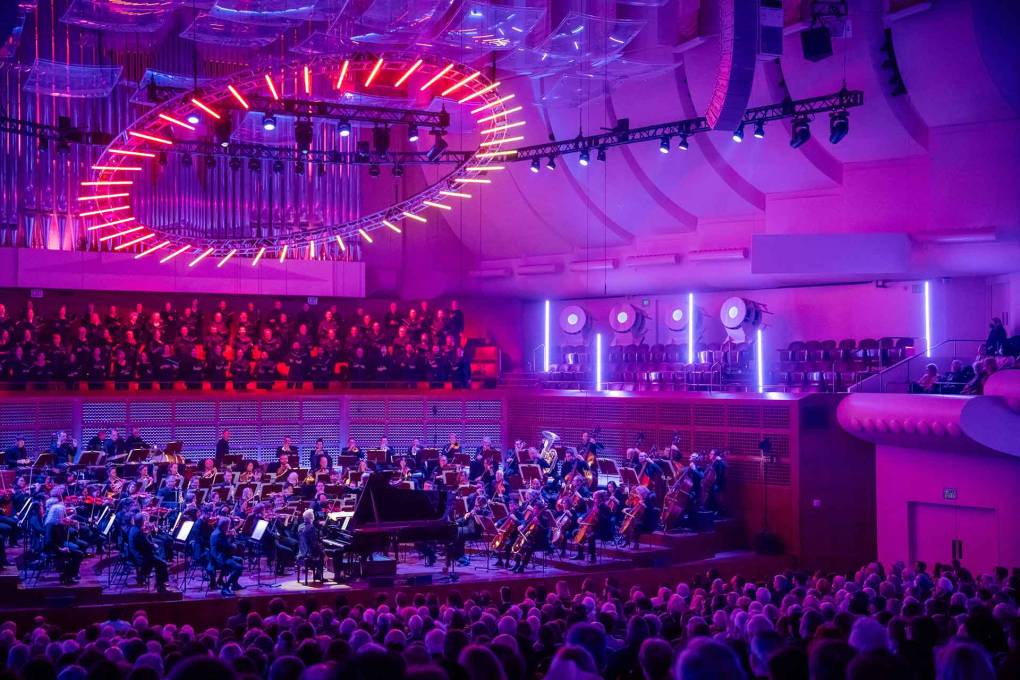
"caption": "The San Francisco Symphony performs Alexander Scriabin's 'Prometheus, The Poem of Fire' at Davies Symphony Hall on March 1, 2024.",
"description": null,
"title": "2324-Concerts-Prometheus-Bluebeard-Brandon-Patoc_0028",
"credit": "Brandon Patoc",
"status": "inherit",
"altTag": "A circle of red lights hovers above a symphony orchestra, bathed in indigo hues, inside a concert hall",
"isLoading": false,
"fetchFailed": false
},
"arts_13938406": {
"type": "attachments",
"id": "arts_13938406",
"meta": {
"index": "attachments_1716263798",
"site": "arts",
"id": "13938406",
"found": true
},
"parent": 13938398,
"imgSizes": {
"twentyfourteen-full-width": {
"file": "https://ww2.kqed.org/app/uploads/sites/2/2023/11/CC_Jennifer-Arcade-COVER-1038x576.jpg",
"width": 1038,
"mimeType": "image/jpeg",
"height": 576
},
"thumbnail": {
"file": "https://ww2.kqed.org/app/uploads/sites/2/2023/11/CC_Jennifer-Arcade-COVER-160x107.jpg",
"width": 160,
"mimeType": "image/jpeg",
"height": 107
},
"post-thumbnail": {
"file": "https://ww2.kqed.org/app/uploads/sites/2/2023/11/CC_Jennifer-Arcade-COVER-672x372.jpg",
"width": 672,
"mimeType": "image/jpeg",
"height": 372
},
"kqedFullSize": {
"file": "https://ww2.kqed.org/app/uploads/sites/2/2023/11/CC_Jennifer-Arcade-COVER.jpg",
"width": 2000,
"height": 1334
},
"large": {
"file": "https://ww2.kqed.org/app/uploads/sites/2/2023/11/CC_Jennifer-Arcade-COVER-1020x680.jpg",
"width": 1020,
"mimeType": "image/jpeg",
"height": 680
},
"1536x1536": {
"file": "https://ww2.kqed.org/app/uploads/sites/2/2023/11/CC_Jennifer-Arcade-COVER-1536x1025.jpg",
"width": 1536,
"mimeType": "image/jpeg",
"height": 1025
},
"full-width": {
"file": "https://ww2.kqed.org/app/uploads/sites/2/2023/11/CC_Jennifer-Arcade-COVER-1920x1281.jpg",
"width": 1920,
"mimeType": "image/jpeg",
"height": 1281
},
"medium": {
"file": "https://ww2.kqed.org/app/uploads/sites/2/2023/11/CC_Jennifer-Arcade-COVER-800x534.jpg",
"width": 800,
"mimeType": "image/jpeg",
"height": 534
},
"medium_large": {
"file": "https://ww2.kqed.org/app/uploads/sites/2/2023/11/CC_Jennifer-Arcade-COVER-768x512.jpg",
"width": 768,
"mimeType": "image/jpeg",
"height": 512
}
},
"publishDate": 1700674529,
"modified": 1700678575,
"caption": "Jennifer Miller Hammel is the host and producer of the KUSC Morning Show and The Opera Show — and now helms Arcade, a streaming channel devoted to video game and classical music.",
"description": null,
"title": "CC_Jennifer-Arcade-COVER",
"credit": "Sarah Golonka",
"status": "inherit",
"altTag": "White woman smiles in an arcade in front of game consoles",
"isLoading": false,
"fetchFailed": false
},
"arts_13932021": {
"type": "attachments",
"id": "arts_13932021",
"meta": {
"index": "attachments_1716263798",
"site": "arts",
"id": "13932021",
"found": true
},
"parent": 13932017,
"imgSizes": {
"twentyfourteen-full-width": {
"file": "https://ww2.kqed.org/app/uploads/sites/2/2023/07/Maxwell_approved-press-photo-2_cropped_credit-Cliff-Watts-1038x576.jpg",
"width": 1038,
"mimeType": "image/jpeg",
"height": 576
},
"thumbnail": {
"file": "https://ww2.kqed.org/app/uploads/sites/2/2023/07/Maxwell_approved-press-photo-2_cropped_credit-Cliff-Watts-160x107.jpg",
"width": 160,
"mimeType": "image/jpeg",
"height": 107
},
"post-thumbnail": {
"file": "https://ww2.kqed.org/app/uploads/sites/2/2023/07/Maxwell_approved-press-photo-2_cropped_credit-Cliff-Watts-672x372.jpg",
"width": 672,
"mimeType": "image/jpeg",
"height": 372
},
"kqedFullSize": {
"file": "https://ww2.kqed.org/app/uploads/sites/2/2023/07/Maxwell_approved-press-photo-2_cropped_credit-Cliff-Watts.jpg",
"width": 1920,
"height": 1280
},
"large": {
"file": "https://ww2.kqed.org/app/uploads/sites/2/2023/07/Maxwell_approved-press-photo-2_cropped_credit-Cliff-Watts-1020x680.jpg",
"width": 1020,
"mimeType": "image/jpeg",
"height": 680
},
"1536x1536": {
"file": "https://ww2.kqed.org/app/uploads/sites/2/2023/07/Maxwell_approved-press-photo-2_cropped_credit-Cliff-Watts-1536x1024.jpg",
"width": 1536,
"mimeType": "image/jpeg",
"height": 1024
},
"medium": {
"file": "https://ww2.kqed.org/app/uploads/sites/2/2023/07/Maxwell_approved-press-photo-2_cropped_credit-Cliff-Watts-800x533.jpg",
"width": 800,
"mimeType": "image/jpeg",
"height": 533
},
"medium_large": {
"file": "https://ww2.kqed.org/app/uploads/sites/2/2023/07/Maxwell_approved-press-photo-2_cropped_credit-Cliff-Watts-768x512.jpg",
"width": 768,
"mimeType": "image/jpeg",
"height": 512
}
},
"publishDate": 1690327403,
"modified": 1690327473,
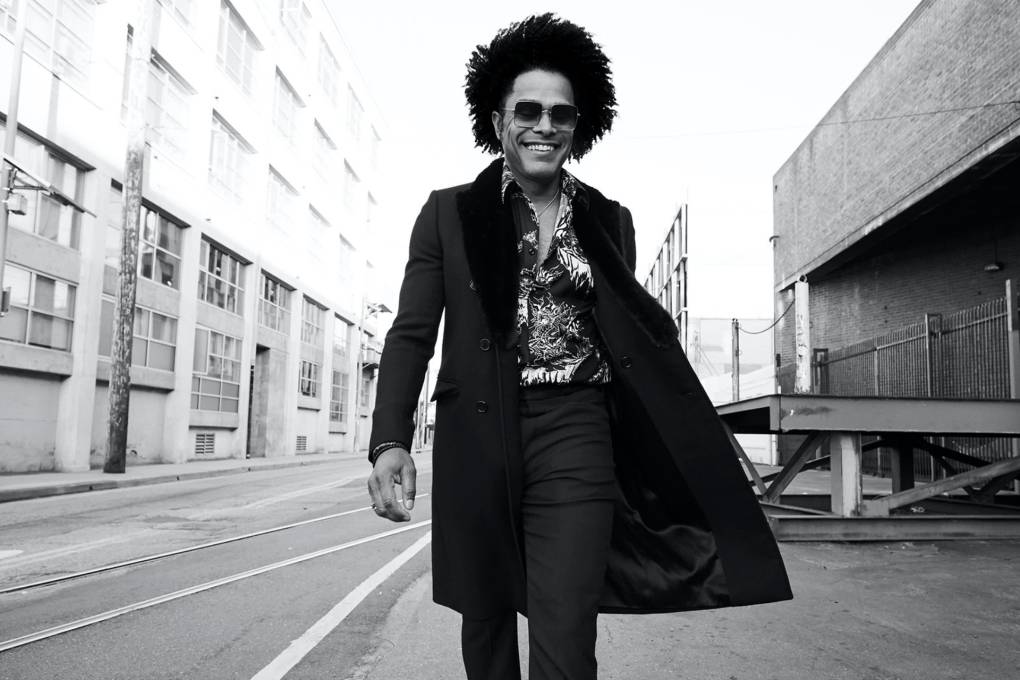
"caption": "Grammy-winning soul singer Maxwell makes his debut with the San Francisco Symphony on Aug. 4 and 5.",
"description": null,
"title": "Maxwell_approved press photo 2_cropped_credit - Cliff Watts",
"credit": "Cliff Watts",
"status": "inherit",
"altTag": "a tall Black man wearing sunglasses and a long coat smiles while walking down a city street in a black and white photograph",
"isLoading": false,
"fetchFailed": false
},
"arts_13931751": {
"type": "attachments",
"id": "arts_13931751",
"meta": {
"index": "attachments_1716263798",
"site": "arts",
"id": "13931751",
"found": true
},
"parent": 13931750,
"imgSizes": {
"twentyfourteen-full-width": {
"file": "https://ww2.kqed.org/app/uploads/sites/2/2023/07/gettyimages-683450390-fde2c92cbca50af84ca2ace772e7e5fe1e4b68e9-1038x576.jpg",
"width": 1038,
"mimeType": "image/jpeg",
"height": 576
},
"thumbnail": {
"file": "https://ww2.kqed.org/app/uploads/sites/2/2023/07/gettyimages-683450390-fde2c92cbca50af84ca2ace772e7e5fe1e4b68e9-160x120.jpg",
"width": 160,
"mimeType": "image/jpeg",
"height": 120
},
"post-thumbnail": {
"file": "https://ww2.kqed.org/app/uploads/sites/2/2023/07/gettyimages-683450390-fde2c92cbca50af84ca2ace772e7e5fe1e4b68e9-672x372.jpg",
"width": 672,
"mimeType": "image/jpeg",
"height": 372
},
"kqedFullSize": {
"file": "https://ww2.kqed.org/app/uploads/sites/2/2023/07/gettyimages-683450390-fde2c92cbca50af84ca2ace772e7e5fe1e4b68e9-scaled.jpg",
"width": 2560,
"height": 1920
},
"2048x2048": {
"file": "https://ww2.kqed.org/app/uploads/sites/2/2023/07/gettyimages-683450390-fde2c92cbca50af84ca2ace772e7e5fe1e4b68e9-2048x1536.jpg",
"width": 2048,
"mimeType": "image/jpeg",
"height": 1536
},
"large": {
"file": "https://ww2.kqed.org/app/uploads/sites/2/2023/07/gettyimages-683450390-fde2c92cbca50af84ca2ace772e7e5fe1e4b68e9-1020x765.jpg",
"width": 1020,
"mimeType": "image/jpeg",
"height": 765
},
"1536x1536": {
"file": "https://ww2.kqed.org/app/uploads/sites/2/2023/07/gettyimages-683450390-fde2c92cbca50af84ca2ace772e7e5fe1e4b68e9-1536x1152.jpg",
"width": 1536,
"mimeType": "image/jpeg",
"height": 1152
},
"full-width": {
"file": "https://ww2.kqed.org/app/uploads/sites/2/2023/07/gettyimages-683450390-fde2c92cbca50af84ca2ace772e7e5fe1e4b68e9-1920x1440.jpg",
"width": 1920,
"mimeType": "image/jpeg",
"height": 1440
},
"medium": {
"file": "https://ww2.kqed.org/app/uploads/sites/2/2023/07/gettyimages-683450390-fde2c92cbca50af84ca2ace772e7e5fe1e4b68e9-800x600.jpg",
"width": 800,
"mimeType": "image/jpeg",
"height": 600
},
"medium_large": {
"file": "https://ww2.kqed.org/app/uploads/sites/2/2023/07/gettyimages-683450390-fde2c92cbca50af84ca2ace772e7e5fe1e4b68e9-768x576.jpg",
"width": 768,
"mimeType": "image/jpeg",
"height": 576
}
},
"publishDate": 1689700998,
"modified": 1689701403,
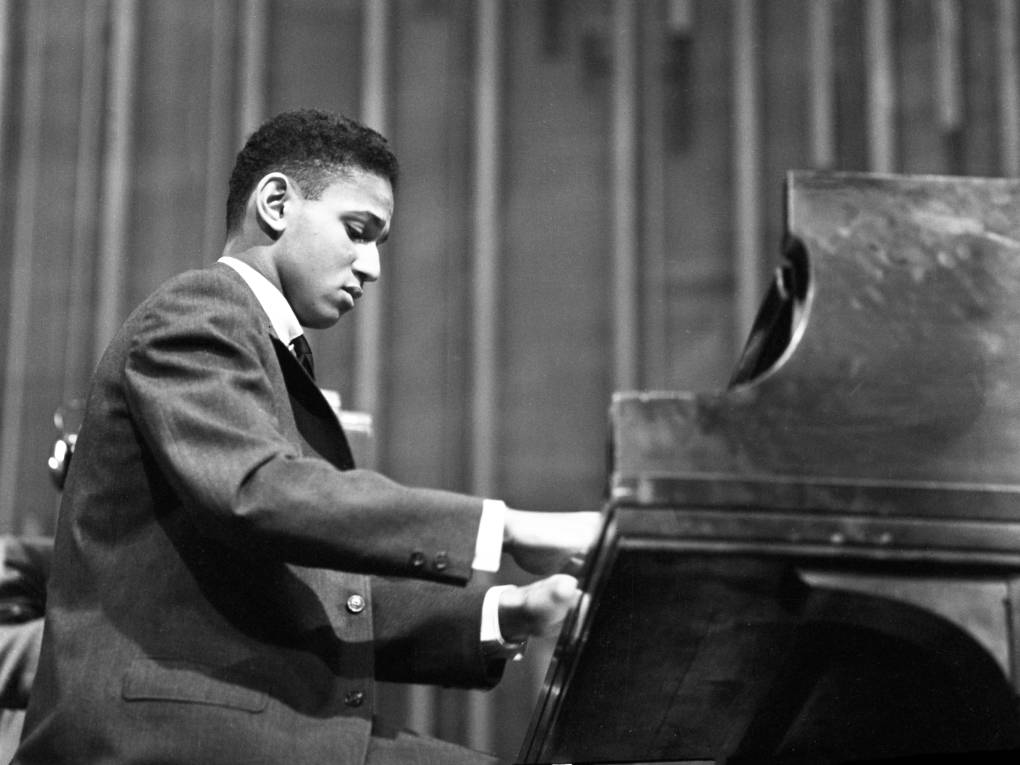
"caption": "Pianist André Watts, age 16, in rehearsal with the New York Philharmonic for one of Leonard Bernstein's Young People's Concerts.",
"description": null,
"title": "Pianist André Watts, age 16, in rehearsal with the New York Philharmonic for one of Leonard Bernstein's Young People's Concerts.",
"credit": "CBS Photo Archive/Getty Images",
"status": "inherit",
"altTag": "A young Black man with short hair in a suit plays the piano",
"isLoading": false,
"fetchFailed": false
},
"arts_13929728": {
"type": "attachments",
"id": "arts_13929728",
"meta": {
"index": "attachments_1716263798",
"site": "arts",
"id": "13929728",
"found": true
},
"parent": 13929691,
"imgSizes": {
"twentyfourteen-full-width": {
"file": "https://ww2.kqed.org/app/uploads/sites/2/2023/05/Marshall.Allen_-1024x576.jpg",
"width": 1024,
"mimeType": "image/jpeg",
"height": 576
},
"thumbnail": {
"file": "https://ww2.kqed.org/app/uploads/sites/2/2023/05/Marshall.Allen_-160x106.jpg",
"width": 160,
"mimeType": "image/jpeg",
"height": 106
},
"post-thumbnail": {
"file": "https://ww2.kqed.org/app/uploads/sites/2/2023/05/Marshall.Allen_-672x372.jpg",
"width": 672,
"mimeType": "image/jpeg",
"height": 372
},
"kqedFullSize": {
"file": "https://ww2.kqed.org/app/uploads/sites/2/2023/05/Marshall.Allen_.jpg",
"width": 1024,
"height": 681
},
"large": {
"file": "https://ww2.kqed.org/app/uploads/sites/2/2023/05/Marshall.Allen_-1020x678.jpg",
"width": 1020,
"mimeType": "image/jpeg",
"height": 678
},
"medium": {
"file": "https://ww2.kqed.org/app/uploads/sites/2/2023/05/Marshall.Allen_-800x532.jpg",
"width": 800,
"mimeType": "image/jpeg",
"height": 532
},
"medium_large": {
"file": "https://ww2.kqed.org/app/uploads/sites/2/2023/05/Marshall.Allen_-768x511.jpg",
"width": 768,
"mimeType": "image/jpeg",
"height": 511
}
},
"publishDate": 1685075153,
"modified": 1685075209,
"caption": "Marshall Allen of the Sun Ra Arkestra performs on stage in the United Kingdom in 2012. ",
"description": null,
"title": "ATP Curated By Jeff Mangum: Day 3",
"credit": "Gary Wolstenholme/Redferns via Getty Images",
"status": "inherit",
"altTag": null,
"isLoading": false,
"fetchFailed": false
},
"arts_13928019": {
"type": "attachments",
"id": "arts_13928019",
"meta": {
"index": "attachments_1716263798",
"site": "arts",
"id": "13928019",
"found": true
},
"parent": 13928016,
"imgSizes": {
"twentyfourteen-full-width": {
"file": "https://ww2.kqed.org/app/uploads/sites/2/2023/04/Screen-Shot-2023-04-19-at-11.40.59-AM-1038x576.png",
"width": 1038,
"mimeType": "image/png",
"height": 576
},
"thumbnail": {
"file": "https://ww2.kqed.org/app/uploads/sites/2/2023/04/Screen-Shot-2023-04-19-at-11.40.59-AM-160x101.png",
"width": 160,
"mimeType": "image/png",
"height": 101
},
"post-thumbnail": {
"file": "https://ww2.kqed.org/app/uploads/sites/2/2023/04/Screen-Shot-2023-04-19-at-11.40.59-AM-672x372.png",
"width": 672,
"mimeType": "image/png",
"height": 372
},
"kqedFullSize": {
"file": "https://ww2.kqed.org/app/uploads/sites/2/2023/04/Screen-Shot-2023-04-19-at-11.40.59-AM.png",
"width": 1796,
"height": 1134
},
"large": {
"file": "https://ww2.kqed.org/app/uploads/sites/2/2023/04/Screen-Shot-2023-04-19-at-11.40.59-AM-1020x644.png",
"width": 1020,
"mimeType": "image/png",
"height": 644
},
"1536x1536": {
"file": "https://ww2.kqed.org/app/uploads/sites/2/2023/04/Screen-Shot-2023-04-19-at-11.40.59-AM-1536x970.png",
"width": 1536,
"mimeType": "image/png",
"height": 970
},
"medium": {
"file": "https://ww2.kqed.org/app/uploads/sites/2/2023/04/Screen-Shot-2023-04-19-at-11.40.59-AM-800x505.png",
"width": 800,
"mimeType": "image/png",
"height": 505
},
"medium_large": {
"file": "https://ww2.kqed.org/app/uploads/sites/2/2023/04/Screen-Shot-2023-04-19-at-11.40.59-AM-768x485.png",
"width": 768,
"mimeType": "image/png",
"height": 485
}
},
"publishDate": 1681929689,
"modified": 1681929866,
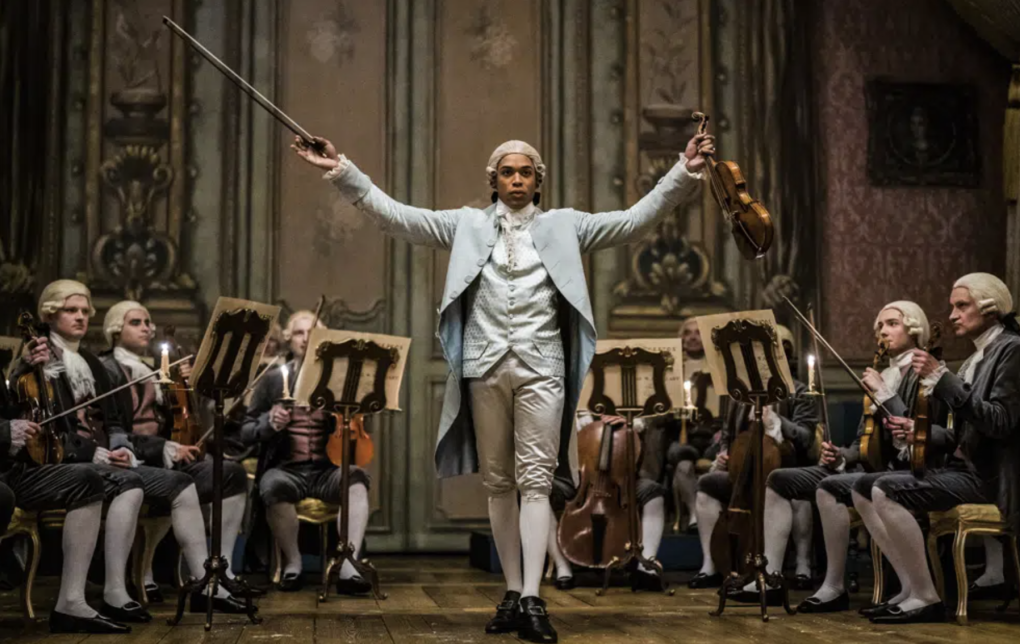
"caption": "Kelvin Harrison Jr. plays real-life composer Joseph Bologne, in ‘Chevalier.’",
"description": null,
"title": "Kelvin Harrison Jr. plays real-life composer Joseph Bologne, in ‘Chevalier.’",
"credit": "Searchlight Pictures via AP",
"status": "inherit",
"altTag": "A Black man in a fine period costume fitting of Marie Antoinette's time stands on stage, proudly holding aloft, in one hand a violin, in the other a bow. Seated musicians are lined up on both sides of him.",
"isLoading": false,
"fetchFailed": false
},
"arts_13927583": {
"type": "attachments",
"id": "arts_13927583",
"meta": {
"index": "attachments_1716263798",
"site": "arts",
"id": "13927583",
"found": true
},
"parent": 13927554,
"imgSizes": {
"twentyfourteen-full-width": {
"file": "https://ww2.kqed.org/app/uploads/sites/2/2023/04/GettyImages-1130639816-1038x576.jpg",
"width": 1038,
"mimeType": "image/jpeg",
"height": 576
},
"thumbnail": {
"file": "https://ww2.kqed.org/app/uploads/sites/2/2023/04/GettyImages-1130639816-160x103.jpg",
"width": 160,
"mimeType": "image/jpeg",
"height": 103
},
"post-thumbnail": {
"file": "https://ww2.kqed.org/app/uploads/sites/2/2023/04/GettyImages-1130639816-672x372.jpg",
"width": 672,
"mimeType": "image/jpeg",
"height": 372
},
"kqedFullSize": {
"file": "https://ww2.kqed.org/app/uploads/sites/2/2023/04/GettyImages-1130639816-scaled.jpg",
"width": 2560,
"height": 1643
},
"2048x2048": {
"file": "https://ww2.kqed.org/app/uploads/sites/2/2023/04/GettyImages-1130639816-2048x1314.jpg",
"width": 2048,
"mimeType": "image/jpeg",
"height": 1314
},
"large": {
"file": "https://ww2.kqed.org/app/uploads/sites/2/2023/04/GettyImages-1130639816-1020x655.jpg",
"width": 1020,
"mimeType": "image/jpeg",
"height": 655
},
"1536x1536": {
"file": "https://ww2.kqed.org/app/uploads/sites/2/2023/04/GettyImages-1130639816-1536x986.jpg",
"width": 1536,
"mimeType": "image/jpeg",
"height": 986
},
"full-width": {
"file": "https://ww2.kqed.org/app/uploads/sites/2/2023/04/GettyImages-1130639816-1920x1232.jpg",
"width": 1920,
"mimeType": "image/jpeg",
"height": 1232
},
"medium": {
"file": "https://ww2.kqed.org/app/uploads/sites/2/2023/04/GettyImages-1130639816-800x513.jpg",
"width": 800,
"mimeType": "image/jpeg",
"height": 513
},
"medium_large": {
"file": "https://ww2.kqed.org/app/uploads/sites/2/2023/04/GettyImages-1130639816-768x493.jpg",
"width": 768,
"mimeType": "image/jpeg",
"height": 493
}
},
"publishDate": 1681155447,
"modified": 1681187500,
"caption": "Director Barry Jenkins and composer Nicholas Britell, seen here in 2019 at an event discussing 'If Beale Street Could Talk.' Jenkins and Britell will be in discussion, and present live performances from their collaborations, at the San Francisco Symphony's SoundBox April 14–15.",
"description": null,
"title": "ArcLight Presents Hitting The High Note Screening Series Honoring 2019 Best Original Score Oscar Nominees - \"If Beale Street Could Talk\"",
"credit": "Amanda Edwards/Getty Images",
"status": "inherit",
"altTag": "a young Black man with glasses in a grey coat and black pants speaks into a microphone onstage next to a young white man in a black coat and glasses, as part of a panel at a film event",
"isLoading": false,
"fetchFailed": false
},
"arts_13921381": {
"type": "attachments",
"id": "arts_13921381",
"meta": {
"index": "attachments_1716263798",
"site": "arts",
"id": "13921381",
"found": true
},
"parent": 13921373,
"imgSizes": {
"twentyfourteen-full-width": {
"file": "https://ww2.kqed.org/app/uploads/sites/2/2022/11/DSC_4439-1038x576.jpg",
"width": 1038,
"mimeType": "image/jpeg",
"height": 576
},
"thumbnail": {
"file": "https://ww2.kqed.org/app/uploads/sites/2/2022/11/DSC_4439-160x106.jpg",
"width": 160,
"mimeType": "image/jpeg",
"height": 106
},
"post-thumbnail": {
"file": "https://ww2.kqed.org/app/uploads/sites/2/2022/11/DSC_4439-672x372.jpg",
"width": 672,
"mimeType": "image/jpeg",
"height": 372
},
"kqedFullSize": {
"file": "https://ww2.kqed.org/app/uploads/sites/2/2022/11/DSC_4439-scaled-e1667849825570.jpg",
"width": 1920,
"height": 1277
},
"2048x2048": {
"file": "https://ww2.kqed.org/app/uploads/sites/2/2022/11/DSC_4439-2048x1363.jpg",
"width": 2048,
"mimeType": "image/jpeg",
"height": 1363
},
"large": {
"file": "https://ww2.kqed.org/app/uploads/sites/2/2022/11/DSC_4439-1020x679.jpg",
"width": 1020,
"mimeType": "image/jpeg",
"height": 679
},
"1536x1536": {
"file": "https://ww2.kqed.org/app/uploads/sites/2/2022/11/DSC_4439-1536x1022.jpg",
"width": 1536,
"mimeType": "image/jpeg",
"height": 1022
},
"full-width": {
"file": "https://ww2.kqed.org/app/uploads/sites/2/2022/11/DSC_4439-1920x1277.jpg",
"width": 1920,
"mimeType": "image/jpeg",
"height": 1277
},
"medium": {
"file": "https://ww2.kqed.org/app/uploads/sites/2/2022/11/DSC_4439-800x532.jpg",
"width": 800,
"mimeType": "image/jpeg",
"height": 532
},
"medium_large": {
"file": "https://ww2.kqed.org/app/uploads/sites/2/2022/11/DSC_4439-768x511.jpg",
"width": 768,
"mimeType": "image/jpeg",
"height": 511
}
},
"publishDate": 1667849809,
"modified": 1667855326,
"caption": "Ensemble Mik Nawooj's resident MC Unity Lewis and composer-pianist and artistic director JooWan Kim (left to right).",
"description": null,
"title": "Joowan and Unity",
"credit": "Pat Mazzera",
"status": "inherit",
"altTag": "Two men in dark clothes back-to-back agains black backgorund",
"isLoading": false,
"fetchFailed": false
},
"arts_13906803": {
"type": "attachments",
"id": "arts_13906803",
"meta": {
"index": "attachments_1716263798",
"site": "arts",
"id": "13906803",
"found": true
},
"parent": 13906802,
"imgSizes": {
"twentyfourteen-full-width": {
"file": "https://ww2.kqed.org/app/uploads/sites/2/2021/12/authors-with-teacher-shannon-potts-e20530656434db606b8b49f8c64f7c3e8b43c15d-1038x576.jpg",
"width": 1038,
"mimeType": "image/jpeg",
"height": 576
},
"thumbnail": {
"file": "https://ww2.kqed.org/app/uploads/sites/2/2021/12/authors-with-teacher-shannon-potts-e20530656434db606b8b49f8c64f7c3e8b43c15d-160x120.jpg",
"width": 160,
"mimeType": "image/jpeg",
"height": 120
},
"post-thumbnail": {
"file": "https://ww2.kqed.org/app/uploads/sites/2/2021/12/authors-with-teacher-shannon-potts-e20530656434db606b8b49f8c64f7c3e8b43c15d-672x372.jpg",
"width": 672,
"mimeType": "image/jpeg",
"height": 372
},
"kqedFullSize": {
"file": "https://ww2.kqed.org/app/uploads/sites/2/2021/12/authors-with-teacher-shannon-potts-e20530656434db606b8b49f8c64f7c3e8b43c15d-scaled-e1638562664331.jpg",
"width": 1920,
"height": 1440
},
"2048x2048": {
"file": "https://ww2.kqed.org/app/uploads/sites/2/2021/12/authors-with-teacher-shannon-potts-e20530656434db606b8b49f8c64f7c3e8b43c15d-2048x1536.jpg",
"width": 2048,
"mimeType": "image/jpeg",
"height": 1536
},
"large": {
"file": "https://ww2.kqed.org/app/uploads/sites/2/2021/12/authors-with-teacher-shannon-potts-e20530656434db606b8b49f8c64f7c3e8b43c15d-1020x765.jpg",
"width": 1020,
"mimeType": "image/jpeg",
"height": 765
},
"1536x1536": {
"file": "https://ww2.kqed.org/app/uploads/sites/2/2021/12/authors-with-teacher-shannon-potts-e20530656434db606b8b49f8c64f7c3e8b43c15d-1536x1152.jpg",
"width": 1536,
"mimeType": "image/jpeg",
"height": 1152
},
"full-width": {
"file": "https://ww2.kqed.org/app/uploads/sites/2/2021/12/authors-with-teacher-shannon-potts-e20530656434db606b8b49f8c64f7c3e8b43c15d-1920x1440.jpg",
"width": 1920,
"mimeType": "image/jpeg",
"height": 1440
},
"medium": {
"file": "https://ww2.kqed.org/app/uploads/sites/2/2021/12/authors-with-teacher-shannon-potts-e20530656434db606b8b49f8c64f7c3e8b43c15d-800x600.jpg",
"width": 800,
"mimeType": "image/jpeg",
"height": 600
},
"medium_large": {
"file": "https://ww2.kqed.org/app/uploads/sites/2/2021/12/authors-with-teacher-shannon-potts-e20530656434db606b8b49f8c64f7c3e8b43c15d-768x576.jpg",
"width": 768,
"mimeType": "image/jpeg",
"height": 576
}
},
"publishDate": 1638561235,
"modified": 1638562708,
"caption": "Three of the student authors of 'Who Is Florence Price?' (left to right: Sebastián Núñez, Hazel Peebles and Sophia Shao), joined by their English teacher, Shannon Potts.",
"description": null,
"title": "Three of the student authors of 'Who Is Florence Price?' (left to right: Sebastián Núñez, Hazel Peebles and Sophia Shao), joined by their English teacher, Shannon Potts.",
"credit": "Courtesy of Special Music School",
"status": "inherit",
"altTag": null,
"isLoading": false,
"fetchFailed": false
},
"arts_13818822": {
"type": "attachments",
"id": "arts_13818822",
"meta": {
"index": "attachments_1716263798",
"site": "arts",
"id": "13818822",
"found": true
},
"parent": 13818821,
"imgSizes": {
"small": {
"file": "https://ww2.kqed.org/app/uploads/sites/2/2018/01/Michael-Morgan-leads-the-Oakland-Symphony-in-a-concert-curated-by-W.-Kamau-Bell-e1515621900776-520x286.jpg",
"width": 520,
"mimeType": "image/jpeg",
"height": 286
},
"twentyfourteen-full-width": {
"file": "https://ww2.kqed.org/app/uploads/sites/2/2018/01/Michael-Morgan-leads-the-Oakland-Symphony-in-a-concert-curated-by-W.-Kamau-Bell-1000x576.jpg",
"width": 1000,
"mimeType": "image/jpeg",
"height": 576
},
"thumbnail": {
"file": "https://ww2.kqed.org/app/uploads/sites/2/2018/01/Michael-Morgan-leads-the-Oakland-Symphony-in-a-concert-curated-by-W.-Kamau-Bell-e1515621900776-160x88.jpg",
"width": 160,
"mimeType": "image/jpeg",
"height": 88
},
"fd-sm": {
"file": "https://ww2.kqed.org/app/uploads/sites/2/2018/01/Michael-Morgan-leads-the-Oakland-Symphony-in-a-concert-curated-by-W.-Kamau-Bell-e1515621900776-960x528.jpg",
"width": 960,
"mimeType": "image/jpeg",
"height": 528
},
"post-thumbnail": {
"file": "https://ww2.kqed.org/app/uploads/sites/2/2018/01/Michael-Morgan-leads-the-Oakland-Symphony-in-a-concert-curated-by-W.-Kamau-Bell-e1515621900776-672x372.jpg",
"width": 672,
"mimeType": "image/jpeg",
"height": 372
},
"xsmall": {
"file": "https://ww2.kqed.org/app/uploads/sites/2/2018/01/Michael-Morgan-leads-the-Oakland-Symphony-in-a-concert-curated-by-W.-Kamau-Bell-e1515621900776-375x206.jpg",
"width": 375,
"mimeType": "image/jpeg",
"height": 206
},
"kqedFullSize": {
"file": "https://ww2.kqed.org/app/uploads/sites/2/2018/01/Michael-Morgan-leads-the-Oakland-Symphony-in-a-concert-curated-by-W.-Kamau-Bell-e1515621900776.jpg",
"width": 1000,
"height": 550
},
"guest-author-50": {
"file": "https://ww2.kqed.org/app/uploads/sites/2/2018/01/Michael-Morgan-leads-the-Oakland-Symphony-in-a-concert-curated-by-W.-Kamau-Bell-e1515621900776-50x50.jpg",
"width": 50,
"mimeType": "image/jpeg",
"height": 50
},
"guest-author-96": {
"file": "https://ww2.kqed.org/app/uploads/sites/2/2018/01/Michael-Morgan-leads-the-Oakland-Symphony-in-a-concert-curated-by-W.-Kamau-Bell-e1515621900776-96x96.jpg",
"width": 96,
"mimeType": "image/jpeg",
"height": 96
},
"medium": {
"file": "https://ww2.kqed.org/app/uploads/sites/2/2018/01/Michael-Morgan-leads-the-Oakland-Symphony-in-a-concert-curated-by-W.-Kamau-Bell-e1515621900776-800x440.jpg",
"width": 800,
"mimeType": "image/jpeg",
"height": 440
},
"guest-author-64": {
"file": "https://ww2.kqed.org/app/uploads/sites/2/2018/01/Michael-Morgan-leads-the-Oakland-Symphony-in-a-concert-curated-by-W.-Kamau-Bell-e1515621900776-64x64.jpg",
"width": 64,
"mimeType": "image/jpeg",
"height": 64
},
"guest-author-32": {
"file": "https://ww2.kqed.org/app/uploads/sites/2/2018/01/Michael-Morgan-leads-the-Oakland-Symphony-in-a-concert-curated-by-W.-Kamau-Bell-e1515621900776-32x32.jpg",
"width": 32,
"mimeType": "image/jpeg",
"height": 32
},
"detail": {
"file": "https://ww2.kqed.org/app/uploads/sites/2/2018/01/Michael-Morgan-leads-the-Oakland-Symphony-in-a-concert-curated-by-W.-Kamau-Bell-e1515621900776-150x150.jpg",
"width": 150,
"mimeType": "image/jpeg",
"height": 150
},
"medium_large": {
"file": "https://ww2.kqed.org/app/uploads/sites/2/2018/01/Michael-Morgan-leads-the-Oakland-Symphony-in-a-concert-curated-by-W.-Kamau-Bell-e1515621900776-768x422.jpg",
"width": 768,
"mimeType": "image/jpeg",
"height": 422
},
"guest-author-128": {
"file": "https://ww2.kqed.org/app/uploads/sites/2/2018/01/Michael-Morgan-leads-the-Oakland-Symphony-in-a-concert-curated-by-W.-Kamau-Bell-e1515621900776-128x128.jpg",
"width": 128,
"mimeType": "image/jpeg",
"height": 128
},
"xxsmall": {
"file": "https://ww2.kqed.org/app/uploads/sites/2/2018/01/Michael-Morgan-leads-the-Oakland-Symphony-in-a-concert-curated-by-W.-Kamau-Bell-e1515621900776-240x132.jpg",
"width": 240,
"mimeType": "image/jpeg",
"height": 132
}
},
"publishDate": 1515621591,
"modified": 1629516891,
"caption": "Michael Morgan leads the Oakland Symphony Jan. 19, 2018 in a concert curated by W. Kamau Bell.",
"description": "Michael Morgan leads the Oakland Symphony Jan. 19 in a concert curated by W. Kamau Bell.",
"title": "Michael Morgan leads the Oakland Symphony in a concert curated by W. Kamau Bell",
"credit": "Photo: Courtesy of Oakland Symphony",
"status": "inherit",
"altTag": "Michael Morgan leads the Oakland Symphony Jan. 19 in a concert curated by W. Kamau Bell.",
"isLoading": false,
"fetchFailed": false
},
"arts_13900720": {
"type": "attachments",
"id": "arts_13900720",
"meta": {
"index": "attachments_1716263798",
"site": "arts",
"id": "13900720",
"found": true
},
"parent": 13900712,
"imgSizes": {
"twentyfourteen-full-width": {
"file": "https://ww2.kqed.org/app/uploads/sites/2/2021/08/GeorgeLi-pianist3-photocreditSimonFowler-1038x576.jpg",
"width": 1038,
"mimeType": "image/jpeg",
"height": 576
},
"thumbnail": {
"file": "https://ww2.kqed.org/app/uploads/sites/2/2021/08/GeorgeLi-pianist3-photocreditSimonFowler-160x107.jpg",
"width": 160,
"mimeType": "image/jpeg",
"height": 107
},
"post-thumbnail": {
"file": "https://ww2.kqed.org/app/uploads/sites/2/2021/08/GeorgeLi-pianist3-photocreditSimonFowler-672x372.jpg",
"width": 672,
"mimeType": "image/jpeg",
"height": 372
},
"kqedFullSize": {
"file": "https://ww2.kqed.org/app/uploads/sites/2/2021/08/GeorgeLi-pianist3-photocreditSimonFowler.jpg",
"width": 1920,
"height": 1280
},
"large": {
"file": "https://ww2.kqed.org/app/uploads/sites/2/2021/08/GeorgeLi-pianist3-photocreditSimonFowler-1020x680.jpg",
"width": 1020,
"mimeType": "image/jpeg",
"height": 680
},
"1536x1536": {
"file": "https://ww2.kqed.org/app/uploads/sites/2/2021/08/GeorgeLi-pianist3-photocreditSimonFowler-1536x1024.jpg",
"width": 1536,
"mimeType": "image/jpeg",
"height": 1024
},
"medium": {
"file": "https://ww2.kqed.org/app/uploads/sites/2/2021/08/GeorgeLi-pianist3-photocreditSimonFowler-800x533.jpg",
"width": 800,
"mimeType": "image/jpeg",
"height": 533
},
"medium_large": {
"file": "https://ww2.kqed.org/app/uploads/sites/2/2021/08/GeorgeLi-pianist3-photocreditSimonFowler-768x512.jpg",
"width": 768,
"mimeType": "image/jpeg",
"height": 512
}
},
"publishDate": 1628184039,
"modified": 1628184076,
"caption": "George Li performs with the San Francisco Symphony on Aug. 6 and 7. ",
"description": "George Li performs with the San Francisco Symphony on Aug. 6 and 7. ",
"title": "GeorgeLi-pianist3-photocreditSimonFowler",
"credit": "Simon Fowler",
"status": "inherit",
"altTag": null,
"isLoading": false,
"fetchFailed": false
},
"arts_13900413": {
"type": "attachments",
"id": "arts_13900413",
"meta": {
"index": "attachments_1716263798",
"site": "arts",
"id": "13900413",
"found": true
},
"parent": 13900411,
"imgSizes": {
"twentyfourteen-full-width": {
"file": "https://ww2.kqed.org/app/uploads/sites/2/2021/07/gabriela-lena-frank72-1-1038x576.jpg",
"width": 1038,
"mimeType": "image/jpeg",
"height": 576
},
"thumbnail": {
"file": "https://ww2.kqed.org/app/uploads/sites/2/2021/07/gabriela-lena-frank72-1-160x90.jpg",
"width": 160,
"mimeType": "image/jpeg",
"height": 90
},
"post-thumbnail": {
"file": "https://ww2.kqed.org/app/uploads/sites/2/2021/07/gabriela-lena-frank72-1-672x372.jpg",
"width": 672,
"mimeType": "image/jpeg",
"height": 372
},
"kqedFullSize": {
"file": "https://ww2.kqed.org/app/uploads/sites/2/2021/07/gabriela-lena-frank72-1.jpg",
"width": 1920,
"height": 1080
},
"large": {
"file": "https://ww2.kqed.org/app/uploads/sites/2/2021/07/gabriela-lena-frank72-1-1020x574.jpg",
"width": 1020,
"mimeType": "image/jpeg",
"height": 574
},
"1536x1536": {
"file": "https://ww2.kqed.org/app/uploads/sites/2/2021/07/gabriela-lena-frank72-1-1536x864.jpg",
"width": 1536,
"mimeType": "image/jpeg",
"height": 864
},
"medium": {
"file": "https://ww2.kqed.org/app/uploads/sites/2/2021/07/gabriela-lena-frank72-1-800x450.jpg",
"width": 800,
"mimeType": "image/jpeg",
"height": 450
},
"medium_large": {
"file": "https://ww2.kqed.org/app/uploads/sites/2/2021/07/gabriela-lena-frank72-1-768x432.jpg",
"width": 768,
"mimeType": "image/jpeg",
"height": 432
}
},
"publishDate": 1627585425,
"modified": 1627600652,
"caption": "Gabriela Lena Frank's new composition 'Contested Eden' addresses California's wildfire crisis. ",
"description": "A headshot of composer Gabriela Lena Frank",
"title": "gabriela-lena-frank72 (1)",
"credit": "Courtesy of Cabrillo Festival of Contemporary Music",
"status": "inherit",
"altTag": "A headshot of composer Gabriela Lena Frank",
"isLoading": false,
"fetchFailed": false
}
},
"audioPlayerReducer": {
"postId": "stream_live",
"isPaused": true,
"isPlaying": false,
"pfsActive": false,
"pledgeModalIsOpen": true,
"playerDrawerIsOpen": false,
"liveAudioPlayStartedAt": 0,
"liveAudioPlayContext": ""
},
"authorsReducer": {
"byline_arts_13931750": {
"type": "authors",
"id": "byline_arts_13931750",
"meta": {
"override": true
},
"slug": "byline_arts_13931750",
"name": "Lara Downes",
"isLoading": false
},
"byline_arts_13928016": {
"type": "authors",
"id": "byline_arts_13928016",
"meta": {
"override": true
},
"slug": "byline_arts_13928016",
"name": "Lindsey Bahr",
"isLoading": false
},
"byline_arts_13906802": {
"type": "authors",
"id": "byline_arts_13906802",
"meta": {
"override": true
},
"slug": "byline_arts_13906802",
"name": "Anastasia Tsioulcas",
"isLoading": false
},
"byline_arts_13900712": {
"type": "authors",
"id": "byline_arts_13900712",
"meta": {
"override": true
},
"slug": "byline_arts_13900712",
"name": "Elijah Ho",
"isLoading": false
},
"gmeline": {
"type": "authors",
"id": "185",
"meta": {
"index": "authors_1716337520",
"id": "185",
"found": true
},
"name": "Gabe Meline",
"firstName": "Gabe",
"lastName": "Meline",
"slug": "gmeline",
"email": "gmeline@kqed.org",
"display_author_email": true,
"staff_mastheads": [
"arts"
],
"title": "Senior Editor, KQED Arts & Culture",
"bio": "Gabe Meline entered journalism at age 15 making photocopied zines, and has since earned awards from the Edward R. Murrow Awards, the Society for Professional Journalists, the Online Journalism Awards, the Association of Alternative Newsweeklies and the California Newspaper Publishers Association. Prior to KQED, he was the editor of the \u003cem>North Bay Bohemian\u003c/em> and a touring musician. He lives with his wife and daughter in his hometown of Santa Rosa, CA.",
"avatar": "https://secure.gravatar.com/avatar/5bebe57be0d8bc2dd318934feb47299e2d2d10cba28d09d8d7afb389a2ce2bdd?s=600&d=blank&r=g",
"twitter": null,
"bluesky": null,
"facebook": null,
"instagram": null,
"linkedin": null,
"sites": [
{
"site": "",
"roles": [
"editor"
]
},
{
"site": "arts",
"roles": [
"administrator"
]
},
{
"site": "artschool",
"roles": [
"editor"
]
},
{
"site": "news",
"roles": [
"author"
]
},
{
"site": "pop",
"roles": [
"editor"
]
},
{
"site": "bayareabites",
"roles": [
"editor"
]
},
{
"site": "food",
"roles": [
"editor"
]
},
{
"site": "forum",
"roles": [
"administrator"
]
},
{
"site": "liveblog",
"roles": [
"editor"
]
},
{
"site": "hiphop",
"roles": [
"editor"
]
}
],
"headData": {
"title": "Gabe Meline | KQED",
"description": "Senior Editor, KQED Arts & Culture",
"ogImgSrc": "https://secure.gravatar.com/avatar/5bebe57be0d8bc2dd318934feb47299e2d2d10cba28d09d8d7afb389a2ce2bdd?s=600&d=blank&r=g",
"twImgSrc": "https://secure.gravatar.com/avatar/5bebe57be0d8bc2dd318934feb47299e2d2d10cba28d09d8d7afb389a2ce2bdd?s=600&d=blank&r=g"
},
"isLoading": false,
"link": "/author/gmeline"
},
"esilvers": {
"type": "authors",
"id": "7237",
"meta": {
"index": "authors_1716337520",
"id": "7237",
"found": true
},
"name": "Emma Silvers",
"firstName": "Emma",
"lastName": "Silvers",
"slug": "esilvers",
"email": "esilvers@kqed.org",
"display_author_email": false,
"staff_mastheads": [],
"title": "KQED Contributor",
"bio": "Emma Silvers is an editor at KQED Arts and a former digital producer at KQED News. Born and raised in the Bay Area, she has previously been an arts and entertainment editor at the \u003cem>San Francisco Chronicle\u003c/em>, \u003cem>SF Weekly\u003c/em> and the \u003cem>San Francisco Bay Guardian.\u003c/em> \u003ca href=\"https://www.emmasilvers.com\">Her work\u003c/a> has also appeared in \u003cem>Rolling Stone\u003c/em>, Pitchfork and \u003cem>Mother Jones\u003c/em>. In 2017 she was the recipient of the Society of Professional Journalists-Northern California's award for arts and culture reporting. In 1993 she \u003ca href=\"https://www.kqed.org/pop/16759/wait-what-my-coworker-was-a-voice-over-hyperventilator-for-jurassic-park\">hyperventilated in \u003cem>Jurassic Park\u003c/em>\u003c/a>.",
"avatar": "https://secure.gravatar.com/avatar/247beada39b88ea5759db1f51dba05cf?s=600&d=blank&r=g",
"twitter": "emmaruthless",
"facebook": null,
"instagram": null,
"linkedin": null,
"sites": [
{
"site": "arts",
"roles": [
"editor"
]
},
{
"site": "news",
"roles": [
"editor"
]
},
{
"site": "pop",
"roles": [
"contributor"
]
},
{
"site": "bayareabites",
"roles": [
"editor"
]
},
{
"site": "food",
"roles": [
"contributor"
]
},
{
"site": "liveblog",
"roles": [
"editor"
]
}
],
"headData": {
"title": "Emma Silvers | KQED",
"description": "KQED Contributor",
"ogImgSrc": "https://secure.gravatar.com/avatar/247beada39b88ea5759db1f51dba05cf?s=600&d=blank&r=g",
"twImgSrc": "https://secure.gravatar.com/avatar/247beada39b88ea5759db1f51dba05cf?s=600&d=blank&r=g"
},
"isLoading": false,
"link": "/author/esilvers"
},
"aproehl": {
"type": "authors",
"id": "11296",
"meta": {
"index": "authors_1716337520",
"id": "11296",
"found": true
},
"name": "Ariana Proehl",
"firstName": "Ariana",
"lastName": "Proehl",
"slug": "aproehl",
"email": "aproehl@KQED.org",
"display_author_email": true,
"staff_mastheads": [
"news"
],
"title": "Culture Reporter, KQED",
"bio": "Ariana Proehl is a Culture Reporter and Host.",
"avatar": "https://secure.gravatar.com/avatar/c96b24567eb5bb3a4f8bb295ed53e232?s=600&d=blank&r=g",
"twitter": "ArianaProehl",
"facebook": null,
"instagram": null,
"linkedin": null,
"sites": [
{
"site": "arts",
"roles": []
},
{
"site": "news",
"roles": []
},
{
"site": "education",
"roles": []
},
{
"site": "forum",
"roles": []
}
],
"headData": {
"title": "Ariana Proehl | KQED",
"description": "Culture Reporter, KQED",
"ogImgSrc": "https://secure.gravatar.com/avatar/c96b24567eb5bb3a4f8bb295ed53e232?s=600&d=blank&r=g",
"twImgSrc": "https://secure.gravatar.com/avatar/c96b24567eb5bb3a4f8bb295ed53e232?s=600&d=blank&r=g"
},
"isLoading": false,
"link": "/author/aproehl"
},
"nvoynovskaya": {
"type": "authors",
"id": "11387",
"meta": {
"index": "authors_1716337520",
"id": "11387",
"found": true
},
"name": "Nastia Voynovskaya",
"firstName": "Nastia",
"lastName": "Voynovskaya",
"slug": "nvoynovskaya",
"email": "nvoynovskaya@kqed.org",
"display_author_email": false,
"staff_mastheads": [
"arts"
],
"title": "Editor and reporter",
"bio": "Nastia Voynovskaya is a reporter, editor and host at KQED Arts & Culture. She's been covering the arts in the Bay Area for over a decade, with a focus on music, queer culture, labor issues and grassroots organizing. She has edited KQED story series such as Trans Bay: A History of San Francisco's Gender-Diverse Community, and co-created KQED's Bay Area hip-hop history project, That's My Word. Nastia's work has been recognized by the Society of Professional Journalists and San Francisco Press Club. She regularly appears on podcasts and radio programs, including NPR's All Songs Considered, and hosts live events where music, culture and conversation meet.",
"avatar": "https://secure.gravatar.com/avatar/5025ee460e5a85d69ca20ea6c6f2f80d7e17795c828f61ea3aecfcd924e9042e?s=600&d=blank&r=g",
"twitter": null,
"bluesky": null,
"facebook": null,
"instagram": "https://www.instagram.com/nananastia/",
"linkedin": null,
"sites": [
{
"site": "",
"roles": [
"editor"
]
},
{
"site": "arts",
"roles": [
"administrator"
]
},
{
"site": "news",
"roles": [
"editor"
]
},
{
"site": "pop",
"roles": [
"administrator"
]
},
{
"site": "bayareabites",
"roles": [
"editor"
]
},
{
"site": "podcasts",
"roles": [
"editor"
]
},
{
"site": "hiphop",
"roles": [
"editor"
]
}
],
"headData": {
"title": "Nastia Voynovskaya | KQED",
"description": "Editor and reporter",
"ogImgSrc": "https://secure.gravatar.com/avatar/5025ee460e5a85d69ca20ea6c6f2f80d7e17795c828f61ea3aecfcd924e9042e?s=600&d=blank&r=g",
"twImgSrc": "https://secure.gravatar.com/avatar/5025ee460e5a85d69ca20ea6c6f2f80d7e17795c828f61ea3aecfcd924e9042e?s=600&d=blank&r=g"
},
"isLoading": false,
"link": "/author/nvoynovskaya"
},
"agonzalez": {
"type": "authors",
"id": "11724",
"meta": {
"index": "authors_1716337520",
"id": "11724",
"found": true
},
"name": "Alexander Gonzalez",
"firstName": "Alexander",
"lastName": "Gonzalez",
"slug": "agonzalez",
"email": "AlexanderGonzalez@KQED.org",
"display_author_email": false,
"staff_mastheads": [
"news"
],
"title": "KQED Contributor",
"bio": null,
"avatar": "https://secure.gravatar.com/avatar/9e291ed34e154df4c662edf858b641d70b4859939bfe40be478408f9dfd057d2?s=600&d=blank&r=g",
"twitter": null,
"bluesky": null,
"facebook": null,
"instagram": null,
"linkedin": null,
"sites": [
{
"site": "arts",
"roles": [
"editor"
]
},
{
"site": "news",
"roles": [
"editor"
]
},
{
"site": "science",
"roles": [
"editor"
]
}
],
"headData": {
"title": "Alexander Gonzalez | KQED",
"description": "KQED Contributor",
"ogImgSrc": "https://secure.gravatar.com/avatar/9e291ed34e154df4c662edf858b641d70b4859939bfe40be478408f9dfd057d2?s=600&d=blank&r=g",
"twImgSrc": "https://secure.gravatar.com/avatar/9e291ed34e154df4c662edf858b641d70b4859939bfe40be478408f9dfd057d2?s=600&d=blank&r=g"
},
"isLoading": false,
"link": "/author/agonzalez"
},
"athapliyal": {
"type": "authors",
"id": "11766",
"meta": {
"index": "authors_1716337520",
"id": "11766",
"found": true
},
"name": "Adesh Thapliyal",
"firstName": "Adesh",
"lastName": "Thapliyal",
"slug": "athapliyal",
"email": "athapliyal@kqed.org",
"display_author_email": false,
"staff_mastheads": [],
"title": "KQED Contributor",
"bio": "Adesh Thapliyal is KQED Arts' Editorial Intern. Previously, he wrote for the experimental newsletter \u003cem>Tone Glow\u003c/em> and the pop music blog \u003cem>The Singles Jukebox\u003c/em>.",
"avatar": "https://secure.gravatar.com/avatar/25c945182616a5283c4f746e7017bca3?s=600&d=blank&r=g",
"twitter": null,
"facebook": null,
"instagram": null,
"linkedin": null,
"sites": [
{
"site": "arts",
"roles": [
"author"
]
}
],
"headData": {
"title": "Adesh Thapliyal | KQED",
"description": "KQED Contributor",
"ogImgSrc": "https://secure.gravatar.com/avatar/25c945182616a5283c4f746e7017bca3?s=600&d=blank&r=g",
"twImgSrc": "https://secure.gravatar.com/avatar/25c945182616a5283c4f746e7017bca3?s=600&d=blank&r=g"
},
"isLoading": false,
"link": "/author/athapliyal"
}
},
"pagesReducer": {
"arts_tag_classical-music": {
"type": "terms",
"id": "arts_1312",
"meta": {
"index": "terms_1716263798",
"site": "arts",
"id": "1312",
"score": 9.892711
},
"featImg": null,
"name": "classical music",
"description": null,
"taxonomy": "tag",
"headData": {
"twImgId": null,
"twTitle": null,
"socialTitle": "From Symphony Hall to Hidden Gems: Bay Area's Classical Music Stories",
"ogTitle": null,
"ogImgId": null,
"twDescription": null,
"description": "Immerse yourself in the Bay Area's rich classical music world! KQED brings you news, educational resources, and event listings.",
"metaRobotsNoIndex": "index",
"title": "From Symphony Hall to Hidden Gems: Bay Area's Classical Music Stories",
"ogDescription": null
},
"ttid": 1324,
"slug": "classical-music",
"isLoading": false,
"title": "classical music",
"pageMeta": {
"site": "arts",
"WpPageTemplate": "page-topic-editorial",
"currentPage": 4
},
"blocks": [
{
"blockName": "kqed/post-list",
"attrs": {
"layout": "cardArticle2",
"query": "posts/arts?tag=classical-music",
"seeMore": false,
"paginated": true,
"page": 4
}
},
{
"blockName": "kqed/ad"
}
]
}
},
"pfsSessionReducer": {},
"postsReducer": {
"stream_live": {
"type": "live",
"id": "stream_live",
"audioUrl": "https://streams.kqed.org/kqedradio",
"title": "Live Stream",
"excerpt": "Live Stream information currently unavailable.",
"link": "/radio",
"featImg": "",
"label": {
"name": "KQED Live",
"link": "/"
}
},
"stream_kqedNewscast": {
"type": "posts",
"id": "stream_kqedNewscast",
"audioUrl": "https://www.kqed.org/.stream/anon/radio/RDnews/newscast.mp3?_=1",
"title": "KQED Newscast",
"featImg": "",
"label": {
"name": "88.5 FM",
"link": "/"
}
},
"arts_13953312": {
"type": "posts",
"id": "arts_13953312",
"meta": {
"index": "posts_1716263798",
"site": "arts",
"id": "13953312",
"score": null,
"sort": [
1709584511000
]
},
"parent": 0,
"labelTerm": {
"site": "arts"
},
"blocks": [],
"publishDate": 1709584511,
"format": "standard",
"title": "Smelling Music? A Multisensory ‘Prometheus’ Delights at the SF Symphony",
"headTitle": "Smelling Music? A Multisensory ‘Prometheus’ Delights at the SF Symphony | KQED",
"content": "\u003cp>So here’s the challenge: How does one present a 114-year-old piece of music by a composer said to be afflicted with \u003ca href=\"https://www.psychologytoday.com/us/basics/synesthesia\">synesthesia\u003c/a> who, in the score, calls for a “\u003ca href=\"https://en.wikipedia.org/wiki/Clavier_%C3%A0_lumi%C3%A8res\">color organ\u003c/a>” — an instrument that does not exist?\u003c/p>\n\u003cp>Furthermore, how does one interpret this composer’s mysticism and artistic philosophy of merging the senses? How does one weave together so many intangibles and unknowns in a way that says, “Yes, yes, this is the way he would want it performed” — even though it involves significant labor and cost, and, oh right, only lasts 20 minutes?\u003c/p>\n\u003cp>[aside postID='arts_13951043']That’s the challenge Esa-Pekka Salonen and the San Francisco Symphony faced when deciding to undertake Alexander Scriabin’s \u003cem>Prometheus, The Poem of Fire\u003c/em>, a piece rarely performed due to risks both aesthetic and logistic. (It’s not exactly an easy commercial sell, either.)\u003c/p>\n\u003cp>And yet on Sunday, with colorful light splashed around the inside of Davies Symphony Hall, and special scents piped throughout the audience, \u003cem>Prometheus\u003c/em> was a dazzling success.\u003c/p>\n\u003cfigure id=\"attachment_13953338\" class=\"wp-caption aligncenter\" style=\"max-width: 1920px\">\u003cimg loading=\"lazy\" decoding=\"async\" class=\"size-full wp-image-13953338\" src=\"https://cdn.kqed.org/wp-content/uploads/sites/2/2024/03/2324-Concerts-Prometheus-Bluebeard-Brandon-Patoc_0005.jpg\" alt=\"\" width=\"1920\" height=\"1280\" srcset=\"https://cdn.kqed.org/wp-content/uploads/sites/2/2024/03/2324-Concerts-Prometheus-Bluebeard-Brandon-Patoc_0005.jpg 1920w, https://cdn.kqed.org/wp-content/uploads/sites/2/2024/03/2324-Concerts-Prometheus-Bluebeard-Brandon-Patoc_0005-800x533.jpg 800w, https://cdn.kqed.org/wp-content/uploads/sites/2/2024/03/2324-Concerts-Prometheus-Bluebeard-Brandon-Patoc_0005-1020x680.jpg 1020w, https://cdn.kqed.org/wp-content/uploads/sites/2/2024/03/2324-Concerts-Prometheus-Bluebeard-Brandon-Patoc_0005-160x107.jpg 160w, https://cdn.kqed.org/wp-content/uploads/sites/2/2024/03/2324-Concerts-Prometheus-Bluebeard-Brandon-Patoc_0005-768x512.jpg 768w, https://cdn.kqed.org/wp-content/uploads/sites/2/2024/03/2324-Concerts-Prometheus-Bluebeard-Brandon-Patoc_0005-1536x1024.jpg 1536w\" sizes=\"(max-width: 1920px) 100vw, 1920px\">\u003cfigcaption class=\"wp-caption-text\">Esa-Pekka Salonen conducts the orchestra with pianist Jean-Yves Thibaudet as the San Francisco Symphony performs Alexander Scriabin’s ‘Prometheus, The Poem of Fire’ at Davies Symphony Hall on March 1, 2024. \u003ccite>(Brandon Patoc)\u003c/cite>\u003c/figcaption>\u003c/figure>\n\u003cp>Before the orchestra played a single note, Davies resembled elements from the film \u003cem>2001\u003c/em>; bathed in red light, the sound baffling conjured \u003ca href=\"https://www.kqed.org/pop/102906/50-years-later-2001-a-space-odyssey-is-still-a-cinematic-landmark\">David Bowman’s spherical helmet\u003c/a>, and the grid of square holes in the stage wall recalled \u003ca href=\"https://www.kinolab.org/FilmClip.php?id=790\">HAL’s central circuit boards\u003c/a>. A giant circular lighting rig hovered over the stage. Around the side terraces and floor were situated 12 \u003ca href=\"https://www.nytimes.com/2024/02/23/arts/music/scriabin-prometheus-san-francisco-perfume-cartier.html\">wooden contraptions looking like space pods\u003c/a>.\u003c/p>\n\u003cp>[ad fullwidth]\u003c/p>\n\u003cp>And then? The piece started in complete darkness. A faint spotlight appeared on conductor Esa-Pekka Salonen, then vertical lights down the orchestra floor turned indigo. Overhead, the circle glowed green, illuminating pianist Jean-Yves Thibaudet.\u003c/p>\n\u003cp>Three minutes in, I could smell the aroma developed by Mathilde Laurent from Cartier. I’d figured it’d resemble women’s perfume, but no — this was a complex, earthy scent. The lights changed colors corresponding to the music. A dextrous solo passage by Thibaudet was bathed in deep purple, and during one loud portion, what I thought was someone opening the concert hall’s doors to the bright afternoon sun turned out to be the side lighting burning bright white.\u003c/p>\n\u003cp>The scent got stronger — I thought of fern, madrone and damp bay leaves — and the music more swirling and intense. Swelling brass played against full-fingered piano runs as Scriabin’s score approached the moment, in the Greek myth of Prometheus (and, coincidentally, the beginning of \u003cem>2001\u003c/em>), when humankind is gifted with the power of harnessing fire.\u003c/p>\n\u003cfigure id=\"attachment_13953336\" class=\"wp-caption aligncenter\" style=\"max-width: 1920px\">\u003cimg loading=\"lazy\" decoding=\"async\" class=\"size-full wp-image-13953336\" src=\"https://cdn.kqed.org/wp-content/uploads/sites/2/2024/03/2324-Concerts-Prometheus-Bluebeard-Brandon-Patoc_0021.jpg\" alt=\"\" width=\"1920\" height=\"1280\" srcset=\"https://cdn.kqed.org/wp-content/uploads/sites/2/2024/03/2324-Concerts-Prometheus-Bluebeard-Brandon-Patoc_0021.jpg 1920w, https://cdn.kqed.org/wp-content/uploads/sites/2/2024/03/2324-Concerts-Prometheus-Bluebeard-Brandon-Patoc_0021-800x533.jpg 800w, https://cdn.kqed.org/wp-content/uploads/sites/2/2024/03/2324-Concerts-Prometheus-Bluebeard-Brandon-Patoc_0021-1020x680.jpg 1020w, https://cdn.kqed.org/wp-content/uploads/sites/2/2024/03/2324-Concerts-Prometheus-Bluebeard-Brandon-Patoc_0021-160x107.jpg 160w, https://cdn.kqed.org/wp-content/uploads/sites/2/2024/03/2324-Concerts-Prometheus-Bluebeard-Brandon-Patoc_0021-768x512.jpg 768w, https://cdn.kqed.org/wp-content/uploads/sites/2/2024/03/2324-Concerts-Prometheus-Bluebeard-Brandon-Patoc_0021-1536x1024.jpg 1536w\" sizes=\"(max-width: 1920px) 100vw, 1920px\">\u003cfigcaption class=\"wp-caption-text\">The San Francisco Symphony performs Alexander Scriabin’s ‘Prometheus, The Poem of Fire’ at Davies Symphony Hall, outfitted with special lighting and smoke cannons, on March 1, 2024. \u003ccite>(Brandon Patoc)\u003c/cite>\u003c/figcaption>\u003c/figure>\n\u003cp>That arrived at the 13-minute mark, when the round doors of the space pods slowly opened, emanating wisps of mist. As the orchestra crescendoed to a climax, \u003cem>boom!\u003c/em> — the space pod cannons launched smoke rings across the hall, zig-zagging over the audience in vibrant red and yellow light. The scent suddenly changed, lighter and less musky, to what seemed like citrus and lychee. I may or may not have whispered, “Oh my God.”\u003c/p>\n\u003cp>Did I say that was the climax? Alas, the joke was on me, because a 77-piece choir started filing into the center terrace to sing thunderously as the music intensified and the scent changed yet again, this time to a sweet herbal note reminiscent of Fernet Branca being poured in a houseplant boutique.\u003c/p>\n\u003cp>What followed in the final six minutes was pure wonderment at the scope of it all, and the capacity of humans to undertake such a vigorous challenge. At the gigantic fortississimo ending, Davies shimmered with red and yellow until a full blackout after the final thrilling chord.\u003c/p>\n\u003cfigure id=\"attachment_13953335\" class=\"wp-caption aligncenter\" style=\"max-width: 1920px\">\u003cimg loading=\"lazy\" decoding=\"async\" class=\"size-full wp-image-13953335\" src=\"https://cdn.kqed.org/wp-content/uploads/sites/2/2024/03/2324-Concerts-Prometheus-Bluebeard-Brandon-Patoc_0035.jpg\" alt=\"\" width=\"1920\" height=\"1280\" srcset=\"https://cdn.kqed.org/wp-content/uploads/sites/2/2024/03/2324-Concerts-Prometheus-Bluebeard-Brandon-Patoc_0035.jpg 1920w, https://cdn.kqed.org/wp-content/uploads/sites/2/2024/03/2324-Concerts-Prometheus-Bluebeard-Brandon-Patoc_0035-800x533.jpg 800w, https://cdn.kqed.org/wp-content/uploads/sites/2/2024/03/2324-Concerts-Prometheus-Bluebeard-Brandon-Patoc_0035-1020x680.jpg 1020w, https://cdn.kqed.org/wp-content/uploads/sites/2/2024/03/2324-Concerts-Prometheus-Bluebeard-Brandon-Patoc_0035-160x107.jpg 160w, https://cdn.kqed.org/wp-content/uploads/sites/2/2024/03/2324-Concerts-Prometheus-Bluebeard-Brandon-Patoc_0035-768x512.jpg 768w, https://cdn.kqed.org/wp-content/uploads/sites/2/2024/03/2324-Concerts-Prometheus-Bluebeard-Brandon-Patoc_0035-1536x1024.jpg 1536w\" sizes=\"(max-width: 1920px) 100vw, 1920px\">\u003cfigcaption class=\"wp-caption-text\">A curtain call for the San Francisco Symphony performance of Alexander Scriabin’s ‘Prometheus, The Poem of Fire’ at Davies Symphony Hall on March 1, 2024. Left to right: Music Director Esa-Pekka Salonen, Chorus Director Jenny Wong, lighting designer Luke Kritzeck, pianist Jean-Yves Thibaudet and Cartier’s in-house perfumer Mathilde Laurent. \u003ccite>(Brandon Patoc)\u003c/cite>\u003c/figcaption>\u003c/figure>\n\u003cp>After the intermission, Béla Bartók’s \u003cem>Duke Bluebeard’s Castle\u003c/em> felt a bit like Carly Rae Jepsen having to follow Beyoncé. Gerald Finley and Michelle DeYoung were in fine form singing the tale of a doomed wife exploring a blood-stained castle, and the special lighting was used intermittently. But it was no match for the first half.\u003c/p>\n\u003cp>Scriabin is a composer with a diehard fanbase. During a 2015 performance of Scriabin’s piano sonatas at SFJAZZ by Garrick Ohlsson, some audience members had sheet music in their laps to follow along. Their passion comes from those moments when his singular, strange vision of music is beautifully realized.\u003c/p>\n\u003cp>\u003c/p>\n\u003cp>It doesn’t happen often. Leave it up to San Francisco to pull it off.\u003c/p>\n\n",
"stats": {
"hasVideo": false,
"hasChartOrMap": false,
"hasAudio": false,
"hasPolis": false,
"wordCount": 878,
"hasGoogleForm": false,
"hasGallery": false,
"hasHearkenModule": false,
"iframeSrcs": [],
"paragraphCount": 16
},
"modified": 1709586547,
"excerpt": "Alexander Scriabin's mystical work soared with radiant lighting and immersive scents at Davis Symphony Hall. ",
"headData": {
"twImgId": "",
"twTitle": "",
"socialTitle": "Smelling Music? A Multisensory ‘Prometheus’ at SF Symphony %%page%% %%sep%% KQED",
"ogTitle": "",
"ogImgId": "",
"twDescription": "",
"description": "Alexander Scriabin's mystical work soared with radiant lighting and immersive scents at Davis Symphony Hall. ",
"title": "Smelling Music? A Multisensory ‘Prometheus’ at SF Symphony | KQED",
"ogDescription": "",
"schema": {
"@context": "https://schema.org",
"@type": "Article",
"headline": "Smelling Music? A Multisensory ‘Prometheus’ Delights at the SF Symphony",
"datePublished": "2024-03-04T12:35:11-08:00",
"dateModified": "2024-03-04T13:09:07-08:00",
"image": "https://cdn.kqed.org/wp-content/uploads/2020/02/KQED-OG-Image@1x.png"
}
},
"guestAuthors": [],
"slug": "scriabin-prometheus-san-francisco-symphony-review",
"status": "publish",
"templateType": "standard",
"excludeFromSiteSearch": "Include",
"featuredImageType": "standard",
"sticky": false,
"articleAge": "0",
"path": "/arts/13953312/scriabin-prometheus-san-francisco-symphony-review",
"audioTrackLength": null,
"parsedContent": [
{
"type": "contentString",
"content": "\u003cdiv class=\"post-body\">\u003cp>\u003cp>So here’s the challenge: How does one present a 114-year-old piece of music by a composer said to be afflicted with \u003ca href=\"https://www.psychologytoday.com/us/basics/synesthesia\">synesthesia\u003c/a> who, in the score, calls for a “\u003ca href=\"https://en.wikipedia.org/wiki/Clavier_%C3%A0_lumi%C3%A8res\">color organ\u003c/a>” — an instrument that does not exist?\u003c/p>\n\u003cp>Furthermore, how does one interpret this composer’s mysticism and artistic philosophy of merging the senses? How does one weave together so many intangibles and unknowns in a way that says, “Yes, yes, this is the way he would want it performed” — even though it involves significant labor and cost, and, oh right, only lasts 20 minutes?\u003c/p>\n\u003cp>\u003c/p>\u003c/div>",
"attributes": {
"named": {},
"numeric": []
}
},
{
"type": "component",
"content": "",
"name": "aside",
"attributes": {
"named": {
"postid": "arts_13951043",
"label": ""
},
"numeric": []
}
},
{
"type": "contentString",
"content": "\u003cdiv class=\"post-body\">\u003cp>That’s the challenge Esa-Pekka Salonen and the San Francisco Symphony faced when deciding to undertake Alexander Scriabin’s \u003cem>Prometheus, The Poem of Fire\u003c/em>, a piece rarely performed due to risks both aesthetic and logistic. (It’s not exactly an easy commercial sell, either.)\u003c/p>\n\u003cp>And yet on Sunday, with colorful light splashed around the inside of Davies Symphony Hall, and special scents piped throughout the audience, \u003cem>Prometheus\u003c/em> was a dazzling success.\u003c/p>\n\u003cfigure id=\"attachment_13953338\" class=\"wp-caption aligncenter\" style=\"max-width: 1920px\">\u003cimg loading=\"lazy\" decoding=\"async\" class=\"size-full wp-image-13953338\" src=\"https://cdn.kqed.org/wp-content/uploads/sites/2/2024/03/2324-Concerts-Prometheus-Bluebeard-Brandon-Patoc_0005.jpg\" alt=\"\" width=\"1920\" height=\"1280\" srcset=\"https://cdn.kqed.org/wp-content/uploads/sites/2/2024/03/2324-Concerts-Prometheus-Bluebeard-Brandon-Patoc_0005.jpg 1920w, https://cdn.kqed.org/wp-content/uploads/sites/2/2024/03/2324-Concerts-Prometheus-Bluebeard-Brandon-Patoc_0005-800x533.jpg 800w, https://cdn.kqed.org/wp-content/uploads/sites/2/2024/03/2324-Concerts-Prometheus-Bluebeard-Brandon-Patoc_0005-1020x680.jpg 1020w, https://cdn.kqed.org/wp-content/uploads/sites/2/2024/03/2324-Concerts-Prometheus-Bluebeard-Brandon-Patoc_0005-160x107.jpg 160w, https://cdn.kqed.org/wp-content/uploads/sites/2/2024/03/2324-Concerts-Prometheus-Bluebeard-Brandon-Patoc_0005-768x512.jpg 768w, https://cdn.kqed.org/wp-content/uploads/sites/2/2024/03/2324-Concerts-Prometheus-Bluebeard-Brandon-Patoc_0005-1536x1024.jpg 1536w\" sizes=\"(max-width: 1920px) 100vw, 1920px\">\u003cfigcaption class=\"wp-caption-text\">Esa-Pekka Salonen conducts the orchestra with pianist Jean-Yves Thibaudet as the San Francisco Symphony performs Alexander Scriabin’s ‘Prometheus, The Poem of Fire’ at Davies Symphony Hall on March 1, 2024. \u003ccite>(Brandon Patoc)\u003c/cite>\u003c/figcaption>\u003c/figure>\n\u003cp>Before the orchestra played a single note, Davies resembled elements from the film \u003cem>2001\u003c/em>; bathed in red light, the sound baffling conjured \u003ca href=\"https://www.kqed.org/pop/102906/50-years-later-2001-a-space-odyssey-is-still-a-cinematic-landmark\">David Bowman’s spherical helmet\u003c/a>, and the grid of square holes in the stage wall recalled \u003ca href=\"https://www.kinolab.org/FilmClip.php?id=790\">HAL’s central circuit boards\u003c/a>. A giant circular lighting rig hovered over the stage. Around the side terraces and floor were situated 12 \u003ca href=\"https://www.nytimes.com/2024/02/23/arts/music/scriabin-prometheus-san-francisco-perfume-cartier.html\">wooden contraptions looking like space pods\u003c/a>.\u003c/p>\n\u003cp>\u003c/p>\u003c/div>",
"attributes": {
"named": {},
"numeric": []
}
},
{
"type": "component",
"content": "",
"name": "ad",
"attributes": {
"named": {
"label": "fullwidth"
},
"numeric": [
"fullwidth"
]
}
},
{
"type": "contentString",
"content": "\u003cdiv class=\"post-body\">\u003cp>\u003c/p>\n\u003cp>And then? The piece started in complete darkness. A faint spotlight appeared on conductor Esa-Pekka Salonen, then vertical lights down the orchestra floor turned indigo. Overhead, the circle glowed green, illuminating pianist Jean-Yves Thibaudet.\u003c/p>\n\u003cp>Three minutes in, I could smell the aroma developed by Mathilde Laurent from Cartier. I’d figured it’d resemble women’s perfume, but no — this was a complex, earthy scent. The lights changed colors corresponding to the music. A dextrous solo passage by Thibaudet was bathed in deep purple, and during one loud portion, what I thought was someone opening the concert hall’s doors to the bright afternoon sun turned out to be the side lighting burning bright white.\u003c/p>\n\u003cp>The scent got stronger — I thought of fern, madrone and damp bay leaves — and the music more swirling and intense. Swelling brass played against full-fingered piano runs as Scriabin’s score approached the moment, in the Greek myth of Prometheus (and, coincidentally, the beginning of \u003cem>2001\u003c/em>), when humankind is gifted with the power of harnessing fire.\u003c/p>\n\u003cfigure id=\"attachment_13953336\" class=\"wp-caption aligncenter\" style=\"max-width: 1920px\">\u003cimg loading=\"lazy\" decoding=\"async\" class=\"size-full wp-image-13953336\" src=\"https://cdn.kqed.org/wp-content/uploads/sites/2/2024/03/2324-Concerts-Prometheus-Bluebeard-Brandon-Patoc_0021.jpg\" alt=\"\" width=\"1920\" height=\"1280\" srcset=\"https://cdn.kqed.org/wp-content/uploads/sites/2/2024/03/2324-Concerts-Prometheus-Bluebeard-Brandon-Patoc_0021.jpg 1920w, https://cdn.kqed.org/wp-content/uploads/sites/2/2024/03/2324-Concerts-Prometheus-Bluebeard-Brandon-Patoc_0021-800x533.jpg 800w, https://cdn.kqed.org/wp-content/uploads/sites/2/2024/03/2324-Concerts-Prometheus-Bluebeard-Brandon-Patoc_0021-1020x680.jpg 1020w, https://cdn.kqed.org/wp-content/uploads/sites/2/2024/03/2324-Concerts-Prometheus-Bluebeard-Brandon-Patoc_0021-160x107.jpg 160w, https://cdn.kqed.org/wp-content/uploads/sites/2/2024/03/2324-Concerts-Prometheus-Bluebeard-Brandon-Patoc_0021-768x512.jpg 768w, https://cdn.kqed.org/wp-content/uploads/sites/2/2024/03/2324-Concerts-Prometheus-Bluebeard-Brandon-Patoc_0021-1536x1024.jpg 1536w\" sizes=\"(max-width: 1920px) 100vw, 1920px\">\u003cfigcaption class=\"wp-caption-text\">The San Francisco Symphony performs Alexander Scriabin’s ‘Prometheus, The Poem of Fire’ at Davies Symphony Hall, outfitted with special lighting and smoke cannons, on March 1, 2024. \u003ccite>(Brandon Patoc)\u003c/cite>\u003c/figcaption>\u003c/figure>\n\u003cp>That arrived at the 13-minute mark, when the round doors of the space pods slowly opened, emanating wisps of mist. As the orchestra crescendoed to a climax, \u003cem>boom!\u003c/em> — the space pod cannons launched smoke rings across the hall, zig-zagging over the audience in vibrant red and yellow light. The scent suddenly changed, lighter and less musky, to what seemed like citrus and lychee. I may or may not have whispered, “Oh my God.”\u003c/p>\n\u003cp>Did I say that was the climax? Alas, the joke was on me, because a 77-piece choir started filing into the center terrace to sing thunderously as the music intensified and the scent changed yet again, this time to a sweet herbal note reminiscent of Fernet Branca being poured in a houseplant boutique.\u003c/p>\n\u003cp>What followed in the final six minutes was pure wonderment at the scope of it all, and the capacity of humans to undertake such a vigorous challenge. At the gigantic fortississimo ending, Davies shimmered with red and yellow until a full blackout after the final thrilling chord.\u003c/p>\n\u003cfigure id=\"attachment_13953335\" class=\"wp-caption aligncenter\" style=\"max-width: 1920px\">\u003cimg loading=\"lazy\" decoding=\"async\" class=\"size-full wp-image-13953335\" src=\"https://cdn.kqed.org/wp-content/uploads/sites/2/2024/03/2324-Concerts-Prometheus-Bluebeard-Brandon-Patoc_0035.jpg\" alt=\"\" width=\"1920\" height=\"1280\" srcset=\"https://cdn.kqed.org/wp-content/uploads/sites/2/2024/03/2324-Concerts-Prometheus-Bluebeard-Brandon-Patoc_0035.jpg 1920w, https://cdn.kqed.org/wp-content/uploads/sites/2/2024/03/2324-Concerts-Prometheus-Bluebeard-Brandon-Patoc_0035-800x533.jpg 800w, https://cdn.kqed.org/wp-content/uploads/sites/2/2024/03/2324-Concerts-Prometheus-Bluebeard-Brandon-Patoc_0035-1020x680.jpg 1020w, https://cdn.kqed.org/wp-content/uploads/sites/2/2024/03/2324-Concerts-Prometheus-Bluebeard-Brandon-Patoc_0035-160x107.jpg 160w, https://cdn.kqed.org/wp-content/uploads/sites/2/2024/03/2324-Concerts-Prometheus-Bluebeard-Brandon-Patoc_0035-768x512.jpg 768w, https://cdn.kqed.org/wp-content/uploads/sites/2/2024/03/2324-Concerts-Prometheus-Bluebeard-Brandon-Patoc_0035-1536x1024.jpg 1536w\" sizes=\"(max-width: 1920px) 100vw, 1920px\">\u003cfigcaption class=\"wp-caption-text\">A curtain call for the San Francisco Symphony performance of Alexander Scriabin’s ‘Prometheus, The Poem of Fire’ at Davies Symphony Hall on March 1, 2024. Left to right: Music Director Esa-Pekka Salonen, Chorus Director Jenny Wong, lighting designer Luke Kritzeck, pianist Jean-Yves Thibaudet and Cartier’s in-house perfumer Mathilde Laurent. \u003ccite>(Brandon Patoc)\u003c/cite>\u003c/figcaption>\u003c/figure>\n\u003cp>After the intermission, Béla Bartók’s \u003cem>Duke Bluebeard’s Castle\u003c/em> felt a bit like Carly Rae Jepsen having to follow Beyoncé. Gerald Finley and Michelle DeYoung were in fine form singing the tale of a doomed wife exploring a blood-stained castle, and the special lighting was used intermittently. But it was no match for the first half.\u003c/p>\n\u003cp>Scriabin is a composer with a diehard fanbase. During a 2015 performance of Scriabin’s piano sonatas at SFJAZZ by Garrick Ohlsson, some audience members had sheet music in their laps to follow along. Their passion comes from those moments when his singular, strange vision of music is beautifully realized.\u003c/p>\n\u003cp>\u003c/p>\n\u003cp>It doesn’t happen often. Leave it up to San Francisco to pull it off.\u003c/p>\n\n\u003c/div>\u003c/p>",
"attributes": {
"named": {},
"numeric": []
}
}
],
"link": "/arts/13953312/scriabin-prometheus-san-francisco-symphony-review",
"authors": [
"185"
],
"categories": [
"arts_1",
"arts_69",
"arts_235"
],
"tags": [
"arts_1312",
"arts_4058",
"arts_6180",
"arts_10278",
"arts_769",
"arts_1146",
"arts_1367"
],
"featImg": "arts_13953337",
"label": "arts"
},
"arts_13938398": {
"type": "posts",
"id": "arts_13938398",
"meta": {
"index": "posts_1716263798",
"site": "arts",
"id": "13938398",
"score": null,
"sort": [
1700680022000
]
},
"guestAuthors": [],
"slug": "arcade-stream-classical-california-video-game-music",
"title": "Video Game Music Finds a Home on Classical California",
"publishDate": 1700680022,
"format": "standard",
"headTitle": "Video Game Music Finds a Home on Classical California | KQED",
"labelTerm": {
"site": "arts"
},
"content": "\u003cp>Jennifer Miller Hammel’s musical tastes draw from classical maestros like Mozart to more recent ones, like Mario, the eponymous plumber of Nintendo’s flagship Super Mario franchise. \u003c/p>\n\u003cp>“I just thought about the games that have stuck with me since I was four or five years old that have affected me personally, since my earliest days playing Pac-Man on the Atari. So within an hour, I had put together 12 hours of music,” she says.\u003c/p>\n\u003cp>[aside postID='arts_13826120']Hammel, an opera expert who studied piano in college, curated the massive playlist to show proof of concept for a new streaming channel focused on video game music for \u003ca href=\"https://www.kdfc.com/\">Classical California\u003c/a>, a classical music radio network that includes KDFC in San Francisco and KUSC in Los Angeles. Hammel is the host and producer of the KUSC Morning Show and The Opera Show. \u003c/p>\n\u003cp>Hammel says she got the green light after her producers suggested that she add classical music to her video game-focused concept.\u003c/p>\n\u003cp>“There’s been so much classical music used in video games,” she says. Integrating those pieces into the program was a no-brainer, allowing her, as Hammel says, to show “how these incredibly important cornerstones of classical music have then served to heighten the experience for a gamer.”\u003c/p>\n\u003cp>[ad fullwidth]\u003c/p>\n\u003cp>The effort eventually led to \u003ca href=\"https://classicalcalifornia.org/kdfc/streams/arcade\">Arcade\u003c/a>, a free, 24-hour streaming channel, which launched around a month ago. Listeners tune in to Hammel hosting and curating a medley of video game music from the 1980s to the present — including marquee series like Final Fantasy and Fallout alongside lesser known indie darlings — interspersed with classical music featured in games.\u003c/p>\n\u003cfigure id=\"attachment_13938414\" class=\"wp-caption aligncenter\" style=\"max-width: 600px\">\u003cimg loading=\"lazy\" decoding=\"async\" src=\"https://ww2.kqed.org/app/uploads/sites/2/2023/11/ArcadeArt_1080.png\" alt=\"Magenta, navy and purple logo for Arcade, with graphic of sound bar and a neon-effect rainbow\" width=\"600\" height=\"600\" class=\"size-full wp-image-13938414\" srcset=\"https://cdn.kqed.org/wp-content/uploads/sites/2/2023/11/ArcadeArt_1080.png 600w, https://cdn.kqed.org/wp-content/uploads/sites/2/2023/11/ArcadeArt_1080-160x160.png 160w\" sizes=\"(max-width: 600px) 100vw, 600px\">\u003cfigcaption class=\"wp-caption-text\">Arcade streams 24/7 on Classical California, boasting ‘music that takes you from Mozart’s Vienna to The Mushroom Kingdom.’ \u003ccite>(Courtesy Classical California)\u003c/cite>\u003c/figcaption>\u003c/figure>\n\u003cp>The creation of this kind of program is a natural result of how entertainment and popular culture have evolved in recent years: Known IP reigns supreme, driving some of the biggest film and television releases in recent years — just look at the commercial and critical success of \u003ci>Barbie\u003c/i>.\u003c/p>\n\u003cp>There’s also a long track record of adapting video games into film and television. Earlier this year, HBO premiered the first season of \u003ci>The Last of Us\u003c/i>, which originated as a video game series created by Naughty Dog, about survival in a near-future post-apocalyptic Earth. Last year, \u003ci>Uncharted\u003c/i>, another video game franchise by the same producers, became a film starring Tom Holland and Mark Wahlberg.\u003c/p>\n\u003cp>We expect visual media to perform in this way. But classical music? There’s a lot of historical and classist baggage connected to the genre, some of it hundreds of years in the making. The difference now is that film and video game music has evolved beyond 8-bit soundtracks — and gotten the attention of the concert halls. So says Steve Horowitz, who’s composed for video games and teaches a class on game scoring at San Francisco State University.\u003c/p>\n\u003cp>“What’s happening with game music is just an extension of what happened with film music coming into the concert hall,” he says.\u003c/p>\n\u003cp>Events calendars for major concert halls, including the SF Symphony, Carnegie Hall and the Walt Disney Concert Hall in Los Angeles now feature live performances by groups like Video Games Live.\u003c/p>\n\u003cp>“For years and years, the symphonies, and especially the established large groups, have been looking for ways to tap into younger audiences, to bring more diverse audiences into their concerts,” Horowitz says.\u003c/p>\n\u003cp>Hammel points to what she describes as a watershed moment from just this summer, when the Hollywood Bowl celebrated the 10th anniversary of the Game Awards. After over a 15-year hiatus, \u003ca href=\"https://www.latimes.com/entertainment-arts/story/2023-04-20/hogwarts-legacy-last-of-us-among-those-to-be-highlighted-by-the-game-awards-at-hollywood-bowl-concert\">video game music returned to the storied venue\u003c/a>, led by composer Lorne Balfe. The concert included a \u003ca href=\"https://www.youtube.com/watch?v=poWhmUIwBmQ\">moving performance by Gustavo Santaolalla\u003c/a>, the acclaimed Argentine musician and composer who wrote the music for both the video game and television versions of The Last of Us.\u003c/p>\n\u003cp>https://youtu.be/poWhmUIwBmQ?feature=shared&t=87\u003c/p>\n\u003cp> \u003c/p>\n\u003cp>“It’s been really validating to see how this music is affecting people in the concert halls just as much as it’s affecting them when they’re sitting at home and they’re playing in front of their console,” Hammel says. She hopes Arcade reaches a variety of audiences: fans of classical music; fans of video games; and those who are new to both worlds. She said the response has been positive so far.\u003c/p>\n\u003cp>“We have a major donor at KDFC in San Francisco who’s in her 70s. She has just fallen in love with Arcade,” Hammel says. “She listens to it nonstop and she’s never picked up a video game in her life.”\u003c/p>\n\u003cp>Anthony Guarino, who runs the retro video game store \u003ca href=\"https://www.gameshopdownstairs.com/\">Gameshop Downstairs\u003c/a> in downtown San José, says he hasn’t heard of Arcade but he’s interested in checking out. At his store, he often puts on background music from older Donkey Kong and Bomberman titles.\u003c/p>\n\u003cp>Guarino, who describes himself a fan of Playstation One and other early console games from the ’90s and early 2000s, says he’d want to hear songs that capture that era. \u003c/p>\n\u003cp>“There’s just sort of an inherent quality in it,” he explains. “I think we’ve gotten to a point where we can sort of look at them as not old or obsolete technology but just sort of like a different flavor.”\u003c/p>\n\u003cp>Hammel said she has gotten music requests like these since Arcade launched. She has plenty of pieces that will make their way into future iterations of the streaming channel on a quarterly basis.\u003c/p>\n\u003cp>“I didn’t want to just pull music down from a certain generation of gamer,” she says. “This is all, in general, a test of getting people outside of their comfort zones.”\u003c/p>\n\u003cp>\u003c/p>\n\u003cp>\u003cimg loading=\"lazy\" decoding=\"async\" src=\"https://ww2.kqed.org/app/uploads/sites/2/2018/03/VideoGame.Break_.jpg\" alt=\"\" width=\"800\" height=\"43\" class=\"aligncenter size-full wp-image-13826333\" srcset=\"https://cdn.kqed.org/wp-content/uploads/sites/2/2018/03/VideoGame.Break_.jpg 800w, https://cdn.kqed.org/wp-content/uploads/sites/2/2018/03/VideoGame.Break_-160x9.jpg 160w, https://cdn.kqed.org/wp-content/uploads/sites/2/2018/03/VideoGame.Break_-768x41.jpg 768w, https://cdn.kqed.org/wp-content/uploads/sites/2/2018/03/VideoGame.Break_-240x13.jpg 240w, https://cdn.kqed.org/wp-content/uploads/sites/2/2018/03/VideoGame.Break_-375x20.jpg 375w, https://cdn.kqed.org/wp-content/uploads/sites/2/2018/03/VideoGame.Break_-520x28.jpg 520w\" sizes=\"(max-width: 800px) 100vw, 800px\">\u003c/p>\n\n",
"blocks": [],
"excerpt": "On Arcade, a new streaming channel hosted by Jennifer Miller Hammel, Mozart plays alongside Super Mario.\r\n",
"status": "publish",
"parent": 0,
"modified": 1726700224,
"stats": {
"hasAudio": false,
"hasVideo": false,
"hasChartOrMap": false,
"iframeSrcs": [],
"hasGoogleForm": false,
"hasGallery": false,
"hasHearkenModule": false,
"hasPolis": false,
"paragraphCount": 23,
"wordCount": 1015
},
"headData": {
"title": "Video Game Music Finds a Home on Classical California | KQED",
"description": "On Arcade, a new streaming channel hosted by Jennifer Miller Hammel, Mozart plays alongside Super Mario.\r\n",
"ogTitle": "",
"ogDescription": "",
"ogImgId": "",
"twTitle": "",
"twDescription": "",
"twImgId": "",
"schema": {
"@context": "https://schema.org",
"@type": "Article",
"headline": "Video Game Music Finds a Home on Classical California",
"datePublished": "2023-11-22T11:07:02-08:00",
"dateModified": "2024-09-18T15:57:04-07:00",
"image": "https://cdn.kqed.org/wp-content/uploads/2020/02/KQED-OG-Image@1x.png"
}
},
"audioUrl": "https://traffic.omny.fm/d/clips/0af137ef-751e-4b19-a055-aaef00d2d578/ffca7e9f-6831-41c5-bcaf-aaef00f5a073/5a67f9fe-acda-4464-84e9-b0c8011cc03f/audio.mp3",
"sticky": false,
"templateType": "standard",
"featuredImageType": "standard",
"excludeFromSiteSearch": "Include",
"articleAge": "0",
"path": "/arts/13938398/arcade-stream-classical-california-video-game-music",
"audioTrackLength": null,
"parsedContent": [
{
"type": "contentString",
"content": "\u003cdiv class=\"post-body\">\u003cp>\u003cp>Jennifer Miller Hammel’s musical tastes draw from classical maestros like Mozart to more recent ones, like Mario, the eponymous plumber of Nintendo’s flagship Super Mario franchise. \u003c/p>\n\u003cp>“I just thought about the games that have stuck with me since I was four or five years old that have affected me personally, since my earliest days playing Pac-Man on the Atari. So within an hour, I had put together 12 hours of music,” she says.\u003c/p>\n\u003cp>\u003c/p>\u003c/div>",
"attributes": {
"named": {},
"numeric": []
}
},
{
"type": "component",
"content": "",
"name": "aside",
"attributes": {
"named": {
"postid": "arts_13826120",
"label": ""
},
"numeric": []
}
},
{
"type": "contentString",
"content": "\u003cdiv class=\"post-body\">\u003cp>Hammel, an opera expert who studied piano in college, curated the massive playlist to show proof of concept for a new streaming channel focused on video game music for \u003ca href=\"https://www.kdfc.com/\">Classical California\u003c/a>, a classical music radio network that includes KDFC in San Francisco and KUSC in Los Angeles. Hammel is the host and producer of the KUSC Morning Show and The Opera Show. \u003c/p>\n\u003cp>Hammel says she got the green light after her producers suggested that she add classical music to her video game-focused concept.\u003c/p>\n\u003cp>“There’s been so much classical music used in video games,” she says. Integrating those pieces into the program was a no-brainer, allowing her, as Hammel says, to show “how these incredibly important cornerstones of classical music have then served to heighten the experience for a gamer.”\u003c/p>\n\u003cp>\u003c/p>\u003c/div>",
"attributes": {
"named": {},
"numeric": []
}
},
{
"type": "component",
"content": "",
"name": "ad",
"attributes": {
"named": {
"label": "fullwidth"
},
"numeric": [
"fullwidth"
]
}
},
{
"type": "contentString",
"content": "\u003cdiv class=\"post-body\">\u003cp>\u003c/p>\n\u003cp>The effort eventually led to \u003ca href=\"https://classicalcalifornia.org/kdfc/streams/arcade\">Arcade\u003c/a>, a free, 24-hour streaming channel, which launched around a month ago. Listeners tune in to Hammel hosting and curating a medley of video game music from the 1980s to the present — including marquee series like Final Fantasy and Fallout alongside lesser known indie darlings — interspersed with classical music featured in games.\u003c/p>\n\u003cfigure id=\"attachment_13938414\" class=\"wp-caption aligncenter\" style=\"max-width: 600px\">\u003cimg loading=\"lazy\" decoding=\"async\" src=\"https://ww2.kqed.org/app/uploads/sites/2/2023/11/ArcadeArt_1080.png\" alt=\"Magenta, navy and purple logo for Arcade, with graphic of sound bar and a neon-effect rainbow\" width=\"600\" height=\"600\" class=\"size-full wp-image-13938414\" srcset=\"https://cdn.kqed.org/wp-content/uploads/sites/2/2023/11/ArcadeArt_1080.png 600w, https://cdn.kqed.org/wp-content/uploads/sites/2/2023/11/ArcadeArt_1080-160x160.png 160w\" sizes=\"(max-width: 600px) 100vw, 600px\">\u003cfigcaption class=\"wp-caption-text\">Arcade streams 24/7 on Classical California, boasting ‘music that takes you from Mozart’s Vienna to The Mushroom Kingdom.’ \u003ccite>(Courtesy Classical California)\u003c/cite>\u003c/figcaption>\u003c/figure>\n\u003cp>The creation of this kind of program is a natural result of how entertainment and popular culture have evolved in recent years: Known IP reigns supreme, driving some of the biggest film and television releases in recent years — just look at the commercial and critical success of \u003ci>Barbie\u003c/i>.\u003c/p>\n\u003cp>There’s also a long track record of adapting video games into film and television. Earlier this year, HBO premiered the first season of \u003ci>The Last of Us\u003c/i>, which originated as a video game series created by Naughty Dog, about survival in a near-future post-apocalyptic Earth. Last year, \u003ci>Uncharted\u003c/i>, another video game franchise by the same producers, became a film starring Tom Holland and Mark Wahlberg.\u003c/p>\n\u003cp>We expect visual media to perform in this way. But classical music? There’s a lot of historical and classist baggage connected to the genre, some of it hundreds of years in the making. The difference now is that film and video game music has evolved beyond 8-bit soundtracks — and gotten the attention of the concert halls. So says Steve Horowitz, who’s composed for video games and teaches a class on game scoring at San Francisco State University.\u003c/p>\n\u003cp>“What’s happening with game music is just an extension of what happened with film music coming into the concert hall,” he says.\u003c/p>\n\u003cp>Events calendars for major concert halls, including the SF Symphony, Carnegie Hall and the Walt Disney Concert Hall in Los Angeles now feature live performances by groups like Video Games Live.\u003c/p>\n\u003cp>“For years and years, the symphonies, and especially the established large groups, have been looking for ways to tap into younger audiences, to bring more diverse audiences into their concerts,” Horowitz says.\u003c/p>\n\u003cp>Hammel points to what she describes as a watershed moment from just this summer, when the Hollywood Bowl celebrated the 10th anniversary of the Game Awards. After over a 15-year hiatus, \u003ca href=\"https://www.latimes.com/entertainment-arts/story/2023-04-20/hogwarts-legacy-last-of-us-among-those-to-be-highlighted-by-the-game-awards-at-hollywood-bowl-concert\">video game music returned to the storied venue\u003c/a>, led by composer Lorne Balfe. The concert included a \u003ca href=\"https://www.youtube.com/watch?v=poWhmUIwBmQ\">moving performance by Gustavo Santaolalla\u003c/a>, the acclaimed Argentine musician and composer who wrote the music for both the video game and television versions of The Last of Us.\u003c/p>\u003c/p>\u003cp>\u003cspan class='utils-parseShortcode-shortcodes-__youtubeShortcode__embedYoutube'>\n \u003cspan class='utils-parseShortcode-shortcodes-__youtubeShortcode__embedYoutubeInside'>\n \u003ciframe\n loading='lazy'\n class='utils-parseShortcode-shortcodes-__youtubeShortcode__youtubePlayer'\n type='text/html'\n src='//www.youtube.com/embed/poWhmUIwBmQ'\n title='//www.youtube.com/embed/poWhmUIwBmQ'\n allowfullscreen='true'\n style='border:0;'>\u003c/iframe>\n \u003c/span>\n \u003c/span>\u003c/p>\u003cp>\u003cp> \u003c/p>\n\u003cp>“It’s been really validating to see how this music is affecting people in the concert halls just as much as it’s affecting them when they’re sitting at home and they’re playing in front of their console,” Hammel says. She hopes Arcade reaches a variety of audiences: fans of classical music; fans of video games; and those who are new to both worlds. She said the response has been positive so far.\u003c/p>\n\u003cp>“We have a major donor at KDFC in San Francisco who’s in her 70s. She has just fallen in love with Arcade,” Hammel says. “She listens to it nonstop and she’s never picked up a video game in her life.”\u003c/p>\n\u003cp>Anthony Guarino, who runs the retro video game store \u003ca href=\"https://www.gameshopdownstairs.com/\">Gameshop Downstairs\u003c/a> in downtown San José, says he hasn’t heard of Arcade but he’s interested in checking out. At his store, he often puts on background music from older Donkey Kong and Bomberman titles.\u003c/p>\n\u003cp>Guarino, who describes himself a fan of Playstation One and other early console games from the ’90s and early 2000s, says he’d want to hear songs that capture that era. \u003c/p>\n\u003cp>“There’s just sort of an inherent quality in it,” he explains. “I think we’ve gotten to a point where we can sort of look at them as not old or obsolete technology but just sort of like a different flavor.”\u003c/p>\n\u003cp>Hammel said she has gotten music requests like these since Arcade launched. She has plenty of pieces that will make their way into future iterations of the streaming channel on a quarterly basis.\u003c/p>\n\u003cp>“I didn’t want to just pull music down from a certain generation of gamer,” she says. “This is all, in general, a test of getting people outside of their comfort zones.”\u003c/p>\n\u003cp>\u003c/p>\n\u003cp>\u003cimg loading=\"lazy\" decoding=\"async\" src=\"https://ww2.kqed.org/app/uploads/sites/2/2018/03/VideoGame.Break_.jpg\" alt=\"\" width=\"800\" height=\"43\" class=\"aligncenter size-full wp-image-13826333\" srcset=\"https://cdn.kqed.org/wp-content/uploads/sites/2/2018/03/VideoGame.Break_.jpg 800w, https://cdn.kqed.org/wp-content/uploads/sites/2/2018/03/VideoGame.Break_-160x9.jpg 160w, https://cdn.kqed.org/wp-content/uploads/sites/2/2018/03/VideoGame.Break_-768x41.jpg 768w, https://cdn.kqed.org/wp-content/uploads/sites/2/2018/03/VideoGame.Break_-240x13.jpg 240w, https://cdn.kqed.org/wp-content/uploads/sites/2/2018/03/VideoGame.Break_-375x20.jpg 375w, https://cdn.kqed.org/wp-content/uploads/sites/2/2018/03/VideoGame.Break_-520x28.jpg 520w\" sizes=\"(max-width: 800px) 100vw, 800px\">\u003c/p>\n\n\u003c/div>\u003c/p>",
"attributes": {
"named": {},
"numeric": []
}
}
],
"link": "/arts/13938398/arcade-stream-classical-california-video-game-music",
"authors": [
"11724"
],
"categories": [
"arts_1",
"arts_69"
],
"tags": [
"arts_1312",
"arts_10342",
"arts_4149"
],
"featImg": "arts_13938406",
"label": "arts"
},
"arts_13932017": {
"type": "posts",
"id": "arts_13932017",
"meta": {
"index": "posts_1716263798",
"site": "arts",
"id": "13932017",
"score": null,
"sort": [
1690393245000
]
},
"guestAuthors": [],
"slug": "maxwell-brings-neo-soul-to-the-symphony",
"title": "Maxwell Brings Neo-Soul to the Symphony",
"publishDate": 1690393245,
"format": "standard",
"headTitle": "Maxwell Brings Neo-Soul to the Symphony | KQED",
"labelTerm": {
"term": 140,
"site": "arts"
},
"content": "\u003cp>\u003ca href=\"https://musze.com/\">Maxwell\u003c/a> has been performing shows in the Bay Area since 1997, when he toured with his first album, \u003cem>Maxwell’s Urban Hang Suite\u003c/em>, a game-changing work that helped shape neo-soul as a genre. He was here two times in 2022 alone, for his \u003ca href=\"https://www.kqed.org/forum/2010101888523/maxwell-promises-a-sexy-show-as-he-returns-to-california-on-the-night-tour\">Night Tour stop\u003c/a> in Oakland and as a headliner for the inaugural \u003ca href=\"https://www.kqed.org/arts/13916940/review-blue-note-jazz-festival-napa-valley\">Blue Note Jazz Festival\u003c/a> in Napa.\u003c/p>\n\u003cp>But the singer’s upcoming visit to the Bay promises to be unlike any other — because the Grammy-winner will be performing with the San Francisco Symphony for the first time, at Davies Symphony Hall on \u003ca href=\"https://www.sfsymphony.org/Buy-Tickets/2022-23/Maxwell-Night\">Aug. 4 and 5\u003c/a>.[aside postid='arts_13916940']\u003c/p>\n\u003cp>“The San Francisco Symphony orchestra is badass. I’ve seen all the stuff. I’ve watched clips. And I’m very excited to share the space,” says Maxwell. “Even though it is a night of music that I’ve written over the course of my life, I am at their house. And so I’ll definitely bring something over. You know, I’ll bring drinks, I’ll bring flowers.”\u003c/p>\n\u003cp>The show will feature orchestral arrangements of some of Maxwell’s biggest songs, like “Ascension (Don’t Ever Wonder),” “Lifetime” and “Whenever, Wherever, Whatever.” Maxwell first premiered these versions — arranged by musician and composer \u003ca href=\"https://derrickhodge.com/\">Derrick Hodge\u003c/a> — when he performed four sold-out dates with the National Symphony Orchestra at the Kennedy Center in Washington, D.C. in 2019.\u003c/p>\n\u003cp>“I love getting down and dirty with the original versions [of my songs]… But when you hear it in an orchestral way, it’s just so beautiful. It feels so angelic,” Maxwell says.\u003c/p>\n\u003cp>[ad fullwidth]\u003c/p>\n\u003cp>https://youtu.be/RkPy4yq7EJo\u003c/p>\n\u003cp>\u003cspan style=\"color: #ffffff\">p\u003c/span>\u003cbr>\nI was in the audience for one of those Kennedy Center shows, and one of my favorite interpretations was for his 2009 hit “Pretty Wings” — a song whose studio version already features a gorgeous horn section. It becomes even more lush and goosebump-inducing with an orchestra.\u003c/p>\n\u003cp>The reimagining of “Pretty Wings” even blew Maxwell away when he first heard it: “What they did with the strings — there’s moments where I want to stop singing and I want to turn around and watch with you.”\u003c/p>\n\u003cp>The show also pulls out some deeper cuts that don’t typically make his setlists, like “Symptom Unknown” from his 2001 album, \u003cem>Now\u003c/em>.\u003c/p>\n\u003cp>https://www.youtube.com/watch?v=-_HaiUvh4YQ\u003c/p>\n\u003cp>\u003cspan style=\"color: #ffffff\">p\u003c/span>\u003cbr>\n“There’s a couple of songs that are very dramatic and kind of medieval, to a degree,” Maxwell says. “And then there’s obviously those really beautiful ballads that just make you want to hug someone.”\u003c/p>\n\u003cp>The SF Symphony audience will also be treated to a few brand-new arrangements —and a side of Maxwell fans don’t typically see. With a symphony performance, says the singer, “the truth of you and your emotion has to be really \u003cem>right there\u003c/em>. You have to be extremely vulnerable.”\u003c/p>\n\u003cp>“I’m in awe of it. And I’m also scared,” he says. “And those are the things that make me know that something good might happen here. Because that little bit of fear means that you care, you know?”\u003c/p>\n\u003cp>[pullquote align=\"right\" size=\"medium\" citation=\"Maxwell\"]‘San Francisco has such a special thing going on with regards to the openness of the people, the music, the culture … I feel like it’s a second home.’[/pullquote]\u003ca href=\"https://cso.org/experience/article/10058/steven-reineke-relishes-his-role-as-a-crown-p\">Steven Reineke\u003c/a>, who conducted the shows in D.C., will reunite with Maxwell to conduct the singer’s SF Symphony debut. Renowned for his work at Carnegie Hall, the National Symphony and others, Reineke has also become known for his collaborations with R&B and hip-hop stars, including Cynthia Erivo, Nas, Common and Kendrick Lamar.\u003c/p>\n\u003cp>As with Maxwell’s other symphony performances, audience members will be asked to lock up their cell phones \u003ca href=\"https://variety.com/2022/music/news/yondr-festival-live-pouch-lockup-1235230522/\">in Yondr pouches\u003c/a> for the duration of the show, a conscious choice intended to pay homage to the orchestra, and to take us back to the old school way of experiencing concerts.\u003c/p>\n\u003cp>“We get to kind of shut the world off for a second and really appreciate the magnitude of what [we]’re hearing,” Maxwell says of the decision. “Because I’m literally falling over inside myself, trying to keep it together because I’m so stunned by the harps and the conviction with which it’s played. It’s something to behold, really. So, I can’t wait. I’ve been practicing.”\u003c/p>\n\u003cp>\u003cimg loading=\"lazy\" decoding=\"async\" class=\"aligncenter size-full wp-image-12127869\" src=\"https://ww2.kqed.org/app/uploads/sites/2/2016/09/Q.Logo_.Break_.jpg\" alt=\"\" width=\"800\" height=\"78\" srcset=\"https://cdn.kqed.org/wp-content/uploads/sites/2/2016/09/Q.Logo_.Break_.jpg 800w, https://cdn.kqed.org/wp-content/uploads/sites/2/2016/09/Q.Logo_.Break_-400x39.jpg 400w, https://cdn.kqed.org/wp-content/uploads/sites/2/2016/09/Q.Logo_.Break_-768x75.jpg 768w\" sizes=\"(max-width: 800px) 100vw, 800px\">\u003c/p>\n\u003cp>\u003c/p>\n\u003cp>\u003cem>‘Maxwell: A Night at the Symphony’ is scheduled for Aug. 4 and 5 at Davies Symphony Hall in San Francisco. \u003ca href=\"https://www.sfsymphony.org/Buy-Tickets/2022-23/Maxwell-Night\">More details here\u003c/a>.\u003c/em>\u003c/p>\n\n",
"blocks": [],
"excerpt": "The acclaimed R&B singer will perform with the SF Symphony orchestra at Davies Symphony Hall Aug. 4–5.",
"status": "publish",
"parent": 0,
"modified": 1726758433,
"stats": {
"hasAudio": false,
"hasVideo": true,
"hasChartOrMap": false,
"iframeSrcs": [],
"hasGoogleForm": false,
"hasGallery": false,
"hasHearkenModule": false,
"hasPolis": false,
"paragraphCount": 18,
"wordCount": 829
},
"headData": {
"title": "Maxwell Brings Neo-Soul to the Symphony | KQED",
"description": "The acclaimed R&B singer will perform with the SF Symphony orchestra at Davies Symphony Hall Aug. 4–5.",
"ogTitle": "",
"ogDescription": "",
"ogImgId": "",
"twTitle": "",
"twDescription": "",
"twImgId": "",
"schema": {
"@context": "https://schema.org",
"@type": "Article",
"headline": "Maxwell Brings Neo-Soul to the Symphony",
"datePublished": "2023-07-26T10:40:45-07:00",
"dateModified": "2024-09-19T08:07:13-07:00",
"image": "https://cdn.kqed.org/wp-content/uploads/2020/02/KQED-OG-Image@1x.png"
}
},
"audioUrl": "https://traffic.omny.fm/d/clips/0af137ef-751e-4b19-a055-aaef00d2d578/ffca7e9f-6831-41c5-bcaf-aaef00f5a073/c565afb7-04a5-4d53-90bd-b04f000b2b4e/audio.mp3",
"sticky": false,
"excludeFromSiteSearch": "Include",
"articleAge": "0",
"path": "/arts/13932017/maxwell-brings-neo-soul-to-the-symphony",
"audioTrackLength": null,
"parsedContent": [
{
"type": "contentString",
"content": "\u003cdiv class=\"post-body\">\u003cp>\u003cp>\u003ca href=\"https://musze.com/\">Maxwell\u003c/a> has been performing shows in the Bay Area since 1997, when he toured with his first album, \u003cem>Maxwell’s Urban Hang Suite\u003c/em>, a game-changing work that helped shape neo-soul as a genre. He was here two times in 2022 alone, for his \u003ca href=\"https://www.kqed.org/forum/2010101888523/maxwell-promises-a-sexy-show-as-he-returns-to-california-on-the-night-tour\">Night Tour stop\u003c/a> in Oakland and as a headliner for the inaugural \u003ca href=\"https://www.kqed.org/arts/13916940/review-blue-note-jazz-festival-napa-valley\">Blue Note Jazz Festival\u003c/a> in Napa.\u003c/p>\n\u003cp>But the singer’s upcoming visit to the Bay promises to be unlike any other — because the Grammy-winner will be performing with the San Francisco Symphony for the first time, at Davies Symphony Hall on \u003ca href=\"https://www.sfsymphony.org/Buy-Tickets/2022-23/Maxwell-Night\">Aug. 4 and 5\u003c/a>.\u003c/p>\u003c/div>",
"attributes": {
"named": {},
"numeric": []
}
},
{
"type": "component",
"content": "",
"name": "aside",
"attributes": {
"named": {
"postid": "arts_13916940",
"label": ""
},
"numeric": []
}
},
{
"type": "contentString",
"content": "\u003cdiv class=\"post-body\">\u003cp>\u003c/p>\n\u003cp>“The San Francisco Symphony orchestra is badass. I’ve seen all the stuff. I’ve watched clips. And I’m very excited to share the space,” says Maxwell. “Even though it is a night of music that I’ve written over the course of my life, I am at their house. And so I’ll definitely bring something over. You know, I’ll bring drinks, I’ll bring flowers.”\u003c/p>\n\u003cp>The show will feature orchestral arrangements of some of Maxwell’s biggest songs, like “Ascension (Don’t Ever Wonder),” “Lifetime” and “Whenever, Wherever, Whatever.” Maxwell first premiered these versions — arranged by musician and composer \u003ca href=\"https://derrickhodge.com/\">Derrick Hodge\u003c/a> — when he performed four sold-out dates with the National Symphony Orchestra at the Kennedy Center in Washington, D.C. in 2019.\u003c/p>\n\u003cp>“I love getting down and dirty with the original versions [of my songs]… But when you hear it in an orchestral way, it’s just so beautiful. It feels so angelic,” Maxwell says.\u003c/p>\n\u003cp>\u003c/p>\u003c/div>",
"attributes": {
"named": {},
"numeric": []
}
},
{
"type": "component",
"content": "",
"name": "ad",
"attributes": {
"named": {
"label": "fullwidth"
},
"numeric": [
"fullwidth"
]
}
},
{
"type": "contentString",
"content": "\u003cdiv class=\"post-body\">\u003cp>\u003c/p>\u003c/p>\u003cp>\u003cspan class='utils-parseShortcode-shortcodes-__youtubeShortcode__embedYoutube'>\n \u003cspan class='utils-parseShortcode-shortcodes-__youtubeShortcode__embedYoutubeInside'>\n \u003ciframe\n loading='lazy'\n class='utils-parseShortcode-shortcodes-__youtubeShortcode__youtubePlayer'\n type='text/html'\n src='//www.youtube.com/embed/RkPy4yq7EJo'\n title='//www.youtube.com/embed/RkPy4yq7EJo'\n allowfullscreen='true'\n style='border:0;'>\u003c/iframe>\n \u003c/span>\n \u003c/span>\u003c/p>\u003cp>\u003cp>\u003cspan style=\"color: #ffffff\">p\u003c/span>\u003cbr>\nI was in the audience for one of those Kennedy Center shows, and one of my favorite interpretations was for his 2009 hit “Pretty Wings” — a song whose studio version already features a gorgeous horn section. It becomes even more lush and goosebump-inducing with an orchestra.\u003c/p>\n\u003cp>The reimagining of “Pretty Wings” even blew Maxwell away when he first heard it: “What they did with the strings — there’s moments where I want to stop singing and I want to turn around and watch with you.”\u003c/p>\n\u003cp>The show also pulls out some deeper cuts that don’t typically make his setlists, like “Symptom Unknown” from his 2001 album, \u003cem>Now\u003c/em>.\u003c/p>\u003c/p>\u003cp>\u003cspan class='utils-parseShortcode-shortcodes-__youtubeShortcode__embedYoutube'>\n \u003cspan class='utils-parseShortcode-shortcodes-__youtubeShortcode__embedYoutubeInside'>\n \u003ciframe\n loading='lazy'\n class='utils-parseShortcode-shortcodes-__youtubeShortcode__youtubePlayer'\n type='text/html'\n src='//www.youtube.com/embed/-_HaiUvh4YQ'\n title='//www.youtube.com/embed/-_HaiUvh4YQ'\n allowfullscreen='true'\n style='border:0;'>\u003c/iframe>\n \u003c/span>\n \u003c/span>\u003c/p>\u003cp>\u003cp>\u003cspan style=\"color: #ffffff\">p\u003c/span>\u003cbr>\n“There’s a couple of songs that are very dramatic and kind of medieval, to a degree,” Maxwell says. “And then there’s obviously those really beautiful ballads that just make you want to hug someone.”\u003c/p>\n\u003cp>The SF Symphony audience will also be treated to a few brand-new arrangements —and a side of Maxwell fans don’t typically see. With a symphony performance, says the singer, “the truth of you and your emotion has to be really \u003cem>right there\u003c/em>. You have to be extremely vulnerable.”\u003c/p>\n\u003cp>“I’m in awe of it. And I’m also scared,” he says. “And those are the things that make me know that something good might happen here. Because that little bit of fear means that you care, you know?”\u003c/p>\n\u003cp>\u003c/p>\u003c/div>",
"attributes": {
"named": {},
"numeric": []
}
},
{
"type": "component",
"content": "‘San Francisco has such a special thing going on with regards to the openness of the people, the music, the culture … I feel like it’s a second home.’",
"name": "pullquote",
"attributes": {
"named": {
"align": "right",
"size": "medium",
"citation": "Maxwell",
"label": ""
},
"numeric": []
}
},
{
"type": "contentString",
"content": "\u003cdiv class=\"post-body\">\u003cp>\u003ca href=\"https://cso.org/experience/article/10058/steven-reineke-relishes-his-role-as-a-crown-p\">Steven Reineke\u003c/a>, who conducted the shows in D.C., will reunite with Maxwell to conduct the singer’s SF Symphony debut. Renowned for his work at Carnegie Hall, the National Symphony and others, Reineke has also become known for his collaborations with R&B and hip-hop stars, including Cynthia Erivo, Nas, Common and Kendrick Lamar.\u003c/p>\n\u003cp>As with Maxwell’s other symphony performances, audience members will be asked to lock up their cell phones \u003ca href=\"https://variety.com/2022/music/news/yondr-festival-live-pouch-lockup-1235230522/\">in Yondr pouches\u003c/a> for the duration of the show, a conscious choice intended to pay homage to the orchestra, and to take us back to the old school way of experiencing concerts.\u003c/p>\n\u003cp>“We get to kind of shut the world off for a second and really appreciate the magnitude of what [we]’re hearing,” Maxwell says of the decision. “Because I’m literally falling over inside myself, trying to keep it together because I’m so stunned by the harps and the conviction with which it’s played. It’s something to behold, really. So, I can’t wait. I’ve been practicing.”\u003c/p>\n\u003cp>\u003cimg loading=\"lazy\" decoding=\"async\" class=\"aligncenter size-full wp-image-12127869\" src=\"https://ww2.kqed.org/app/uploads/sites/2/2016/09/Q.Logo_.Break_.jpg\" alt=\"\" width=\"800\" height=\"78\" srcset=\"https://cdn.kqed.org/wp-content/uploads/sites/2/2016/09/Q.Logo_.Break_.jpg 800w, https://cdn.kqed.org/wp-content/uploads/sites/2/2016/09/Q.Logo_.Break_-400x39.jpg 400w, https://cdn.kqed.org/wp-content/uploads/sites/2/2016/09/Q.Logo_.Break_-768x75.jpg 768w\" sizes=\"(max-width: 800px) 100vw, 800px\">\u003c/p>\n\u003cp>\u003c/p>\n\u003cp>\u003cem>‘Maxwell: A Night at the Symphony’ is scheduled for Aug. 4 and 5 at Davies Symphony Hall in San Francisco. \u003ca href=\"https://www.sfsymphony.org/Buy-Tickets/2022-23/Maxwell-Night\">More details here\u003c/a>.\u003c/em>\u003c/p>\n\n\u003c/div>\u003c/p>",
"attributes": {
"named": {},
"numeric": []
}
}
],
"link": "/arts/13932017/maxwell-brings-neo-soul-to-the-symphony",
"authors": [
"11296"
],
"programs": [
"arts_140"
],
"categories": [
"arts_1",
"arts_69"
],
"tags": [
"arts_1312",
"arts_17317",
"arts_924",
"arts_1367",
"arts_585"
],
"featImg": "arts_13932021",
"label": "arts_140"
},
"arts_13931750": {
"type": "posts",
"id": "arts_13931750",
"meta": {
"index": "posts_1716263798",
"site": "arts",
"id": "13931750",
"score": null,
"sort": [
1689702222000
]
},
"parent": 0,
"labelTerm": {
"site": "arts",
"term": 137
},
"blocks": [],
"publishDate": 1689702222,
"format": "standard",
"title": "Remembering André Watts, the American Pianist Who Opened Doors of Possibility",
"headTitle": "Remembering André Watts, the American Pianist Who Opened Doors of Possibility | KQED",
"content": "\u003cp>At age 7, I’m still so little that I have to tuck my legs underneath me to make myself taller in my seat. I need a clear view of the stage because André Watts, my favorite pianist, is about to make his entrance. He passes through San Francisco every year, and my mother always takes my sisters and me to his concerts. We’re all dressed up, three girls in matching dresses with white tights and Mary Janes, so excited to be here this evening. The stage door opens and he strolls out confidently, elegant in his tux and completely at home in the spotlight. He sits at the piano and my sisters and I lean in, enthralled by this dazzling young man who looks like he could be related to us, little brown girls who never see anyone who looks like us up on that big stage.\u003c/p>\n\u003cp>[aside postID='arts_12131486']Watts died last week of prostate cancer at age 77. He was a legend, from the star-is-born launch of his career in 1963 when \u003ca href=\"https://www.npr.org/artists/15234027/leonard-bernstein\">Leonard Bernstein\u003c/a> presented him at age 16 with the \u003ca href=\"https://www.npr.org/artists/19286842/new-york-philharmonic\">New York Philharmonic\u003c/a> to his long presence as one of the most beloved American artists of his generation. As a kid, it all looked so glamorous and exciting — the fairytale origin story, the old-school Romantic virtuosity, the awards and accolades, the autograph-seekers. Back then, I had no clue about the reality of a life in music, how much it tests you, demands endless devotion and determination. And I didn’t know how lonely it is to be the only brown person on the stage. I know that now.\u003c/p>\n\u003cp>https://www.youtube.com/watch?v=BjsOOri_7IE\u003c/p>\n\u003cp>Like me, Watts was mixed: Black father, white mother. Reading interviews and articles from early in his career, I realize that he was no more able to sidestep the minefields of race than anyone else in 20th century America. He told \u003ca href=\"https://www.csmonitor.com/1982/0429/042945.html\">\u003cem>The Christian Science Monitor\u003c/em>\u003c/a> in 1982: “When I was young, I was in the peculiar position with my school chums of not being white and not being Black either. Somehow I didn’t fit in very well at all.” And in a \u003ca href=\"https://www.nytimes.com/1971/09/19/archives/-im-doing-all-right-im-never-good-enough-but-im-not-standing-still-.html\">\u003cem>New York Times\u003c/em>\u003c/a> profile from 1971, I find this cringe-worthy description: “Depending upon mood and lighting, Watts is capable of appearing as variously as an austere mulatto dominating one of man’s most exclusive professions, a wistful pa’san surveying some Mediterranean terrace, or a bookish adolescent confronting his bar mitzvah.” Granted, times (and language) have changed since 1971, but my own identity has been similarly debated as I’ve navigated an industry that’s found me “exotic” and hard to place.\u003c/p>\n\u003cp>[aside postID='forum_2010101885176']I never had the chance to talk with Watts about the very recent changes in our field — the long-overdue appreciation of Black composers; some progress, finally, toward diversity in American orchestras, opera houses and concert halls. I hope it made him happy to witness those developments. But this I know: Just like me, every single Black and brown musician who is active on those stages today looked to André Watts as a guiding light. He inspired us with his gorgeous artistry, and he allowed us to see ourselves in his world, to hope and dream and work as hard as we could to follow in his footsteps. He led by example, and later in his life he actively mentored the next generation of pianists as a Distinguished Professor of Piano at Indiana University’s Jacobs School of Music. He cared about his students on a deeply personal level; he wrote to me some years ago recommending one of them for a young artists program I directed, describing the young man as “an altogether wonderful human being.”\u003c/p>\n\u003cp>[ad fullwidth]\u003c/p>\n\u003cp>https://www.youtube.com/watch?v=0-RGG4EaEeI\u003c/p>\n\u003cp>Watts loved music with what Bernstein called “a total embrace.” In his later years, he tried to keep performing despite injury and illness. The last time I saw him was in 2016, his first recital after a two-year hiatus, in a marathon program that included no less than \u003ca href=\"https://www.npr.org/artists/15044271/franz-schubert\">Schubert\u003c/a>‘s monumental “Wanderer” Fantasy. The cancer was already taking a toll. Backstage after the concert, he was tired and unhappy with his performance. I don’t remember what I said that afternoon, but I wish I had told him how much it’s because of him that I’m even here — how much I owe my career as a pianist to hearing his concerts when I was a little girl, and to seeing him ahead of me in the lineage that is our musical family.\u003c/p>\n\u003cp>[aside postID='arts_13889101']Reflecting on that lineage, I reached out to Bernstein’s children for their memories of the musical relationship that started André’s career. His daughter Jamie Bernstein sent these words:\u003c/p>\n\u003cp>“Alexander and I were old enough to remember André Watts’ Young People’s Concerts debut and the vibe our dad communicated on that national broadcast. Something unusual and thrilling was about to happen. We know Watts’ path was full of maddening obstacles, as is likely to happen to just about any person of color in this country. But we’re so glad that he was truly embraced and acknowledged by the world he worked and played in. He raised us all. As we Jewish folks say, may his memory be a blessing.”\u003c/p>\n\u003cp>His memory is not only a blessing, but a legacy. André Watts opened a door of possibility and promise for my generation, and we walk through it gratefully, always careful to leave it wide open behind us for the generations to come.\u003c/p>\n\u003cp>\u003c/p>\n\u003cp>\u003ciframe style=\"border-radius:12px\" src=\"https://open.spotify.com/embed/playlist/7d5Fn0V6QqEleEyEXnuhv9?utm_source=generator\" width=\"100%\" height=\"500\" frameborder=\"0\" allowfullscreen=\"\" allow=\"autoplay; clipboard-write; encrypted-media; fullscreen; picture-in-picture\" loading=\"lazy\">\u003c/iframe>\u003c/p>\n\u003cdiv class=\"fullattribution\">Copyright 2023 NPR. To see more, visit \u003ca href=\"https://www.npr.org\">NPR\u003c/a>.\u003cimg decoding=\"async\" src=\"https://www.google-analytics.com/__utm.gif?utmac=UA-5828686-4&utmdt=Remembering+Andr%C3%A9+Watts%2C+the+American+pianist+who+opened+doors+of+possibility+&utme=8(APIKey)9(MDAxOTAwOTE4MDEyMTkxMDAzNjczZDljZA004)\">\u003c/div>\n\n",
"stats": {
"hasVideo": true,
"hasChartOrMap": false,
"hasAudio": false,
"hasPolis": false,
"wordCount": 990,
"hasGoogleForm": false,
"hasGallery": false,
"hasHearkenModule": false,
"iframeSrcs": [],
"paragraphCount": 11
},
"modified": 1705005263,
"excerpt": "Pianist Lara Downes reflects on the magnitude of André Watts, from early performances in San Francisco to his death last week at age 77.",
"headData": {
"twImgId": "",
"twTitle": "",
"ogTitle": "",
"ogImgId": "",
"twDescription": "",
"description": "Pianist Lara Downes reflects on the magnitude of André Watts, from early performances in San Francisco to his death last week at age 77.",
"title": "Remembering André Watts, the American Pianist Who Opened Doors of Possibility | KQED",
"ogDescription": "",
"schema": {
"@context": "https://schema.org",
"@type": "Article",
"headline": "Remembering André Watts, the American Pianist Who Opened Doors of Possibility",
"datePublished": "2023-07-18T10:43:42-07:00",
"dateModified": "2024-01-11T12:34:23-08:00",
"image": "https://cdn.kqed.org/wp-content/uploads/2020/02/KQED-OG-Image@1x.png"
}
},
"guestAuthors": [],
"slug": "remembering-andre-watts-the-american-pianist-who-opened-doors-of-possibility",
"status": "publish",
"nprApiLink": "http://api.npr.org/query?id=1188166323&apiKey=MDAxOTAwOTE4MDEyMTkxMDAzNjczZDljZA004",
"templateType": "standard",
"nprStoryDate": "Mon, 17 Jul 2023 15:28:28 -0400",
"excludeFromSiteSearch": "Include",
"nprLastModifiedDate": "Mon, 17 Jul 2023 17:50:32 -0400",
"featuredImageType": "standard",
"nprHtmlLink": "https://www.npr.org/2023/07/17/1188166323/remembering-andre-watts-the-american-pianist-who-opened-doors-of-possibility?ft=nprml&f=1188166323",
"nprImageAgency": "Getty Images",
"nprStoryId": "1188166323",
"nprByline": "Lara Downes",
"sticky": false,
"nprImageCredit": "CBS Photo Archive",
"showOnAuthorArchivePages": "No",
"articleAge": "0",
"nprRetrievedStory": "1",
"nprPubDate": "Mon, 17 Jul 2023 17:50:00 -0400",
"path": "/arts/13931750/remembering-andre-watts-the-american-pianist-who-opened-doors-of-possibility",
"audioTrackLength": null,
"parsedContent": [
{
"type": "contentString",
"content": "\u003cdiv class=\"post-body\">\u003cp>\u003cp>At age 7, I’m still so little that I have to tuck my legs underneath me to make myself taller in my seat. I need a clear view of the stage because André Watts, my favorite pianist, is about to make his entrance. He passes through San Francisco every year, and my mother always takes my sisters and me to his concerts. We’re all dressed up, three girls in matching dresses with white tights and Mary Janes, so excited to be here this evening. The stage door opens and he strolls out confidently, elegant in his tux and completely at home in the spotlight. He sits at the piano and my sisters and I lean in, enthralled by this dazzling young man who looks like he could be related to us, little brown girls who never see anyone who looks like us up on that big stage.\u003c/p>\n\u003cp>\u003c/p>\u003c/div>",
"attributes": {
"named": {},
"numeric": []
}
},
{
"type": "component",
"content": "",
"name": "aside",
"attributes": {
"named": {
"postid": "arts_12131486",
"label": ""
},
"numeric": []
}
},
{
"type": "contentString",
"content": "\u003cdiv class=\"post-body\">\u003cp>Watts died last week of prostate cancer at age 77. He was a legend, from the star-is-born launch of his career in 1963 when \u003ca href=\"https://www.npr.org/artists/15234027/leonard-bernstein\">Leonard Bernstein\u003c/a> presented him at age 16 with the \u003ca href=\"https://www.npr.org/artists/19286842/new-york-philharmonic\">New York Philharmonic\u003c/a> to his long presence as one of the most beloved American artists of his generation. As a kid, it all looked so glamorous and exciting — the fairytale origin story, the old-school Romantic virtuosity, the awards and accolades, the autograph-seekers. Back then, I had no clue about the reality of a life in music, how much it tests you, demands endless devotion and determination. And I didn’t know how lonely it is to be the only brown person on the stage. I know that now.\u003c/p>\u003c/p>\u003cp>\u003cspan class='utils-parseShortcode-shortcodes-__youtubeShortcode__embedYoutube'>\n \u003cspan class='utils-parseShortcode-shortcodes-__youtubeShortcode__embedYoutubeInside'>\n \u003ciframe\n loading='lazy'\n class='utils-parseShortcode-shortcodes-__youtubeShortcode__youtubePlayer'\n type='text/html'\n src='//www.youtube.com/embed/BjsOOri_7IE'\n title='//www.youtube.com/embed/BjsOOri_7IE'\n allowfullscreen='true'\n style='border:0;'>\u003c/iframe>\n \u003c/span>\n \u003c/span>\u003c/p>\u003cp>\u003cp>Like me, Watts was mixed: Black father, white mother. Reading interviews and articles from early in his career, I realize that he was no more able to sidestep the minefields of race than anyone else in 20th century America. He told \u003ca href=\"https://www.csmonitor.com/1982/0429/042945.html\">\u003cem>The Christian Science Monitor\u003c/em>\u003c/a> in 1982: “When I was young, I was in the peculiar position with my school chums of not being white and not being Black either. Somehow I didn’t fit in very well at all.” And in a \u003ca href=\"https://www.nytimes.com/1971/09/19/archives/-im-doing-all-right-im-never-good-enough-but-im-not-standing-still-.html\">\u003cem>New York Times\u003c/em>\u003c/a> profile from 1971, I find this cringe-worthy description: “Depending upon mood and lighting, Watts is capable of appearing as variously as an austere mulatto dominating one of man’s most exclusive professions, a wistful pa’san surveying some Mediterranean terrace, or a bookish adolescent confronting his bar mitzvah.” Granted, times (and language) have changed since 1971, but my own identity has been similarly debated as I’ve navigated an industry that’s found me “exotic” and hard to place.\u003c/p>\n\u003cp>\u003c/p>\u003c/div>",
"attributes": {
"named": {},
"numeric": []
}
},
{
"type": "component",
"content": "",
"name": "aside",
"attributes": {
"named": {
"postid": "forum_2010101885176",
"label": ""
},
"numeric": []
}
},
{
"type": "contentString",
"content": "\u003cdiv class=\"post-body\">\u003cp>I never had the chance to talk with Watts about the very recent changes in our field — the long-overdue appreciation of Black composers; some progress, finally, toward diversity in American orchestras, opera houses and concert halls. I hope it made him happy to witness those developments. But this I know: Just like me, every single Black and brown musician who is active on those stages today looked to André Watts as a guiding light. He inspired us with his gorgeous artistry, and he allowed us to see ourselves in his world, to hope and dream and work as hard as we could to follow in his footsteps. He led by example, and later in his life he actively mentored the next generation of pianists as a Distinguished Professor of Piano at Indiana University’s Jacobs School of Music. He cared about his students on a deeply personal level; he wrote to me some years ago recommending one of them for a young artists program I directed, describing the young man as “an altogether wonderful human being.”\u003c/p>\n\u003cp>\u003c/p>\u003c/div>",
"attributes": {
"named": {},
"numeric": []
}
},
{
"type": "component",
"content": "",
"name": "ad",
"attributes": {
"named": {
"label": "fullwidth"
},
"numeric": [
"fullwidth"
]
}
},
{
"type": "contentString",
"content": "\u003cdiv class=\"post-body\">\u003cp>\u003c/p>\u003c/p>\u003cp>\u003cspan class='utils-parseShortcode-shortcodes-__youtubeShortcode__embedYoutube'>\n \u003cspan class='utils-parseShortcode-shortcodes-__youtubeShortcode__embedYoutubeInside'>\n \u003ciframe\n loading='lazy'\n class='utils-parseShortcode-shortcodes-__youtubeShortcode__youtubePlayer'\n type='text/html'\n src='//www.youtube.com/embed/0-RGG4EaEeI'\n title='//www.youtube.com/embed/0-RGG4EaEeI'\n allowfullscreen='true'\n style='border:0;'>\u003c/iframe>\n \u003c/span>\n \u003c/span>\u003c/p>\u003cp>\u003cp>Watts loved music with what Bernstein called “a total embrace.” In his later years, he tried to keep performing despite injury and illness. The last time I saw him was in 2016, his first recital after a two-year hiatus, in a marathon program that included no less than \u003ca href=\"https://www.npr.org/artists/15044271/franz-schubert\">Schubert\u003c/a>‘s monumental “Wanderer” Fantasy. The cancer was already taking a toll. Backstage after the concert, he was tired and unhappy with his performance. I don’t remember what I said that afternoon, but I wish I had told him how much it’s because of him that I’m even here — how much I owe my career as a pianist to hearing his concerts when I was a little girl, and to seeing him ahead of me in the lineage that is our musical family.\u003c/p>\n\u003cp>\u003c/p>\u003c/div>",
"attributes": {
"named": {},
"numeric": []
}
},
{
"type": "component",
"content": "",
"name": "aside",
"attributes": {
"named": {
"postid": "arts_13889101",
"label": ""
},
"numeric": []
}
},
{
"type": "contentString",
"content": "\u003cdiv class=\"post-body\">\u003cp>Reflecting on that lineage, I reached out to Bernstein’s children for their memories of the musical relationship that started André’s career. His daughter Jamie Bernstein sent these words:\u003c/p>\n\u003cp>“Alexander and I were old enough to remember André Watts’ Young People’s Concerts debut and the vibe our dad communicated on that national broadcast. Something unusual and thrilling was about to happen. We know Watts’ path was full of maddening obstacles, as is likely to happen to just about any person of color in this country. But we’re so glad that he was truly embraced and acknowledged by the world he worked and played in. He raised us all. As we Jewish folks say, may his memory be a blessing.”\u003c/p>\n\u003cp>His memory is not only a blessing, but a legacy. André Watts opened a door of possibility and promise for my generation, and we walk through it gratefully, always careful to leave it wide open behind us for the generations to come.\u003c/p>\n\u003cp>\u003c/p>\n\u003cp>\u003ciframe style=\"border-radius:12px\" src=\"https://open.spotify.com/embed/playlist/7d5Fn0V6QqEleEyEXnuhv9?utm_source=generator\" width=\"100%\" height=\"500\" frameborder=\"0\" allowfullscreen=\"\" allow=\"autoplay; clipboard-write; encrypted-media; fullscreen; picture-in-picture\" loading=\"lazy\">\u003c/iframe>\u003c/p>\n\u003cdiv class=\"fullattribution\">Copyright 2023 NPR. To see more, visit \u003ca href=\"https://www.npr.org\">NPR\u003c/a>.\u003cimg decoding=\"async\" src=\"https://www.google-analytics.com/__utm.gif?utmac=UA-5828686-4&utmdt=Remembering+Andr%C3%A9+Watts%2C+the+American+pianist+who+opened+doors+of+possibility+&utme=8(APIKey)9(MDAxOTAwOTE4MDEyMTkxMDAzNjczZDljZA004)\">\u003c/div>\n\n\u003c/div>\u003c/p>",
"attributes": {
"named": {},
"numeric": []
}
}
],
"link": "/arts/13931750/remembering-andre-watts-the-american-pianist-who-opened-doors-of-possibility",
"authors": [
"byline_arts_13931750"
],
"categories": [
"arts_1",
"arts_69",
"arts_1564"
],
"tags": [
"arts_1312"
],
"affiliates": [
"arts_137"
],
"featImg": "arts_13931751",
"label": "arts_137"
},
"arts_13929691": {
"type": "posts",
"id": "arts_13929691",
"meta": {
"index": "posts_1716263798",
"site": "arts",
"id": "13929691",
"score": null,
"sort": [
1685106044000
]
},
"guestAuthors": [],
"slug": "10-jazz-and-classical-performances-to-catch-in-the-bay-area-this-summer",
"title": "10 Jazz and Classical Performances to Catch in the Bay Area This Summer",
"publishDate": 1685106044,
"format": "aside",
"headTitle": "10 Jazz and Classical Performances to Catch in the Bay Area This Summer | KQED",
"labelTerm": {},
"content": "\u003cp>They say that jazz is best as a cool, late-night experience, and classical concerts are often a nighttime affair. But don’t let that notion get in the way of enjoying the season where both genres hang a little loose, and let their formal suit buttons out. Here’s a solid list of picks for the club, concert hall and outdoor setting this summer.\u003c/p>\n\u003cfigure id=\"attachment_13929696\" class=\"wp-caption aligncenter\" style=\"max-width: 800px\">\u003cimg loading=\"lazy\" decoding=\"async\" class=\"size-full wp-image-13929696\" src=\"https://ww2.kqed.org/app/uploads/sites/2/2023/05/AndyBrick.GameOn.jpg\" alt=\"\" width=\"800\" height=\"532\" srcset=\"https://cdn.kqed.org/wp-content/uploads/sites/2/2023/05/AndyBrick.GameOn.jpg 800w, https://cdn.kqed.org/wp-content/uploads/sites/2/2023/05/AndyBrick.GameOn-160x106.jpg 160w, https://cdn.kqed.org/wp-content/uploads/sites/2/2023/05/AndyBrick.GameOn-768x511.jpg 768w\" sizes=\"auto, (max-width: 800px) 100vw, 800px\">\u003cfigcaption class=\"wp-caption-text\">Video game composer Andy Brock conducts ‘Game On!’ \u003ccite>(Courtesy Andy Brick)\u003c/cite>\u003c/figcaption>\u003c/figure>\n\u003ch2>‘\u003ca href=\"https://www.symphonysanjose.org/season/\">Game On!\u003c/a>’\u003c/h2>\n\u003cp>\u003cem>May 26 and 27\u003cbr>\nSan Jose Center for the Performing Arts\u003c/em>\u003c/p>\n\u003cp>Like trap music or TikTok, video game music is a generational divider: younger people who came of age playing \u003cem>Super Mario Bros.\u003c/em> recognize it as high art, and a certain older generation dismisses it as commercial decoration. While not all video game scores rise to the brilliant level of, say, \u003cem>Final Fantasy VII\u003c/em>, there’s enough craft in the canon at this point that symphonic concerts of video game music have become frequent — and popular. In \u003cem>Game On!\u003c/em>, game composer Andy Brick conducts the San Jose Symphony in an evening of music from titles like \u003cem>World of Warcraft, Diablo, Assassin’s Creed, League of Legends, Until Dawn\u003c/em> and more.\u003c/p>\n\u003cfigure id=\"attachment_13929695\" class=\"wp-caption aligncenter\" style=\"max-width: 800px\">\u003cimg loading=\"lazy\" decoding=\"async\" class=\"size-medium wp-image-13929695\" src=\"https://ww2.kqed.org/app/uploads/sites/2/2023/05/NavayeAzadiEnsemble-800x600.jpg\" alt=\"\" width=\"800\" height=\"600\" srcset=\"https://cdn.kqed.org/wp-content/uploads/sites/2/2023/05/NavayeAzadiEnsemble-800x600.jpg 800w, https://cdn.kqed.org/wp-content/uploads/sites/2/2023/05/NavayeAzadiEnsemble-1020x765.jpg 1020w, https://cdn.kqed.org/wp-content/uploads/sites/2/2023/05/NavayeAzadiEnsemble-160x120.jpg 160w, https://cdn.kqed.org/wp-content/uploads/sites/2/2023/05/NavayeAzadiEnsemble-768x576.jpg 768w, https://cdn.kqed.org/wp-content/uploads/sites/2/2023/05/NavayeAzadiEnsemble.jpg 1280w\" sizes=\"auto, (max-width: 800px) 100vw, 800px\">\u003cfigcaption class=\"wp-caption-text\">The Navaye Azadi Ensemble sings of the ‘women, life, freedom’ movement in Iran. \u003ccite>(SFIAF)\u003c/cite>\u003c/figcaption>\u003c/figure>\n\u003ch2>\u003ca href=\"https://www.sfiaf.org/2023_navaye_azadi\">Navaye Azadi Ensemble\u003c/a>\u003c/h2>\n\u003cp>\u003cem>June 11\u003cbr>\nBrava Theater, San Francisco\u003c/em>\u003c/p>\n\u003cp>As inspiring as the \u003ca href=\"https://en.wikipedia.org/wiki/Woman,_Life,_Freedom\">Women, Life, Freedom\u003c/a> movement in Iran may be, it’s important to remember that the opposition of the country’s morality police is strong, deadly, and not waning. To keep the movement in the public eye, and to express the issues of women’s rights and democracy through song, the Navaya Azadi Ensemble sings contemporary texts in Farsi, accompanied by violin and piano. The concert is part of the \u003ca href=\"https://www.sfiaf.org/\">San Francisco International Arts Festival\u003c/a>, itself a cornucopia of socially conscious performances over an 11-day span.\u003c/p>\n\u003cfigure id=\"attachment_13929694\" class=\"wp-caption aligncenter\" style=\"max-width: 800px\">\u003cimg loading=\"lazy\" decoding=\"async\" class=\"size-medium wp-image-13929694\" src=\"https://ww2.kqed.org/app/uploads/sites/2/2023/05/FridaDiego.CRED_.CarliKadelSDOpera-800x534.jpg\" alt=\"\" width=\"800\" height=\"534\" srcset=\"https://cdn.kqed.org/wp-content/uploads/sites/2/2023/05/FridaDiego.CRED_.CarliKadelSDOpera-800x534.jpg 800w, https://cdn.kqed.org/wp-content/uploads/sites/2/2023/05/FridaDiego.CRED_.CarliKadelSDOpera-1020x680.jpg 1020w, https://cdn.kqed.org/wp-content/uploads/sites/2/2023/05/FridaDiego.CRED_.CarliKadelSDOpera-160x107.jpg 160w, https://cdn.kqed.org/wp-content/uploads/sites/2/2023/05/FridaDiego.CRED_.CarliKadelSDOpera-768x512.jpg 768w, https://cdn.kqed.org/wp-content/uploads/sites/2/2023/05/FridaDiego.CRED_.CarliKadelSDOpera-1536x1024.jpg 1536w, https://cdn.kqed.org/wp-content/uploads/sites/2/2023/05/FridaDiego.CRED_.CarliKadelSDOpera.jpg 1600w\" sizes=\"auto, (max-width: 800px) 100vw, 800px\">\u003cfigcaption class=\"wp-caption-text\">Guadalupe Paz and Alfredo Daza in the San Diego Opera world premiere of ‘El ultimo sueño de Frida y Diego.’ \u003ccite>(Karli Cadel / San Diego Opera)\u003c/cite>\u003c/figcaption>\u003c/figure>\n\u003ch2>‘\u003ca href=\"https://www.sfopera.com/operas/el-ultimo-sueno-de-frida-y-diego/\">El último sueño de Frida y Diego\u003c/a>’\u003c/h2>\n\u003cp>\u003cem>June 13–30\u003cbr>\nWar Memorial Opera House, San Francisco\u003c/em>\u003c/p>\n\u003cp>[ad fullwidth]\u003c/p>\n\u003cp>In this summer’s most anticipated new work, the story of Frida Kahlo and Diego Rivera’s rollercoaster romance gets a creative treatment by Boonville-based composer Gabriela Lena Frank and librettist Nilo Cruz. Set three years after Kahlo’s death, and weeks before Rivera’s own, the opera imagines Rivera (Alfredo Daza) pining to see his wife Frida (Daniela Mack) one last time. Since it happens to be Día de los Muertos, his wish becomes an absorbing journey for both of them. With a relatively short run time of just over two hours, consider \u003cem>Frida y Diego\u003c/em> a perfect option for introducing first-timers to the opera.\u003c/p>\n\u003cfigure id=\"attachment_10811128\" class=\"wp-caption aligncenter\" style=\"max-width: 640px\">\u003cimg loading=\"lazy\" decoding=\"async\" class=\"size-full wp-image-10811128\" src=\"https://ww2.kqed.org/app/uploads/sites/2/2015/06/TerryDavid.jpg\" alt=\"\" width=\"640\" height=\"427\" srcset=\"https://cdn.kqed.org/wp-content/uploads/sites/2/2015/06/TerryDavid.jpg 640w, https://cdn.kqed.org/wp-content/uploads/sites/2/2015/06/TerryDavid-400x267.jpg 400w\" sizes=\"auto, (max-width: 640px) 100vw, 640px\">\u003cfigcaption class=\"wp-caption-text\">Terry Riley with the Kronos Quartet’s David Harrington at the SFJAZZ Center. \u003ccite>(Evan Neff)\u003c/cite>\u003c/figcaption>\u003c/figure>\n\u003ch2>\u003ca href=\"https://kronosquartet.org/kronos-festival-2023/\">Kronos Festival\u003c/a>\u003c/h2>\n\u003cp>\u003cem>June 22–24\u003cbr>\nSFJAZZ Center, San Francisco\u003c/em>\u003c/p>\n\u003cp>Put the classical canon in an air fryer, send it 50 years into the future, and play it at 1.5x speed, and you’d get something close to the atmospheres created by the Kronos Quartet. The Bay Area institution’s annual festival is always thrilling, with guest performers and daring works. This year’s lineup includes pieces by West African singer Angélique Kidjo, Pulitzer winner Henry Threadgill, Bay Area composer Gullermo Galindo, jazz-thrash polyglot Trey Spruance, and even some reliable standbys like Terry Riley (above) and Philip Glass. With Aizuri Quartet, Attacca Quartet and Friction Quartet joining Kronos, check your preconceptions at the door.\u003c/p>\n\u003cfigure id=\"attachment_13929699\" class=\"wp-caption aligncenter\" style=\"max-width: 800px\">\u003cimg loading=\"lazy\" decoding=\"async\" class=\"size-full wp-image-13929699\" src=\"https://ww2.kqed.org/app/uploads/sites/2/2023/05/IsaiahCollier.jpg\" alt=\"\" width=\"800\" height=\"519\" srcset=\"https://cdn.kqed.org/wp-content/uploads/sites/2/2023/05/IsaiahCollier.jpg 800w, https://cdn.kqed.org/wp-content/uploads/sites/2/2023/05/IsaiahCollier-160x104.jpg 160w, https://cdn.kqed.org/wp-content/uploads/sites/2/2023/05/IsaiahCollier-768x498.jpg 768w\" sizes=\"auto, (max-width: 800px) 100vw, 800px\">\u003cfigcaption class=\"wp-caption-text\">Isaiah Collier. \u003ccite>(Tiffany Smith)\u003c/cite>\u003c/figcaption>\u003c/figure>\n\u003ch2>\u003ca href=\"https://blackcatsf.turntabletickets.com/\">Isaiah Collier & the Chosen Few\u003c/a>\u003c/h2>\n\u003cp>\u003cem>June 22–25\u003cbr>\nThe Black Cat, San Francisco\u003c/em>\u003c/p>\n\u003cp>If you’ve ever wanted to travel back in time to see John Coltrane recording his landmark album \u003cem>A Love Supreme\u003c/em>, Isaiah Collier & the Chosen Few have a deal for you. For the saxophonist’s 2021 album \u003cem>Cosmic Transitions\u003c/em>, he brought his group to the same recording studio where \u003cem>A Love Supreme\u003c/em> was made, and on John Coltrane’s birthday, no less. This quaint anecdote could have ended there — if the results weren’t so vital and stunning. Live, Collier is always on his game, and in the classic confines of this Tenderloin basement club, his sets are bound to be a transporting experience.\u003c/p>\n\u003cfigure id=\"attachment_13929700\" class=\"wp-caption aligncenter\" style=\"max-width: 660px\">\u003cimg loading=\"lazy\" decoding=\"async\" class=\"size-full wp-image-13929700\" src=\"https://ww2.kqed.org/app/uploads/sites/2/2023/05/WillieColon.jpg\" alt=\"\" width=\"660\" height=\"480\" srcset=\"https://cdn.kqed.org/wp-content/uploads/sites/2/2023/05/WillieColon.jpg 660w, https://cdn.kqed.org/wp-content/uploads/sites/2/2023/05/WillieColon-160x116.jpg 160w\" sizes=\"auto, (max-width: 660px) 100vw, 660px\">\u003cfigcaption class=\"wp-caption-text\">Willie Colón. \u003ccite>(Artist photo)\u003c/cite>\u003c/figcaption>\u003c/figure>\n\u003ch2>\u003ca href=\"https://www.livenation.com/event/G5vYZ9Pb4EECE/cafe-con-leche-starring-willie-colon\">Willie Colón\u003c/a>\u003c/h2>\n\u003cp>\u003cem>July 15\u003cbr>\nShoreline Amphitheater, Mountain View\u003c/em>\u003c/p>\n\u003cp>Willie Colón’s name is near-synonymous with the New York Salsa renaissance of the early 1970s. In a series of underworld-themed albums on the Fania label, the trombonist, vocalist and bandleader worked with Hector Lavoe, Celia Cruz, Ruben Blades and many others. The Latin music legend headlines this package tour with Los Hermanos Rosario, Hector Acosta, Los Hermanos Flores and Fulanito. Pro tip: For a free concert of New York Latin music without the snarled traffic into and out of the parking lot, the Latin soul legend \u003ca href=\"https://ybgfestival.org/event/joe-bataan_la-dona/\">Joe Bataan plays with Mission District favorite La Doña at Yerba Buena Gardens\u003c/a> on the same day, July 15.\u003c/p>\n\u003cfigure id=\"attachment_13929728\" class=\"wp-caption aligncenter\" style=\"max-width: 800px\">\u003cimg loading=\"lazy\" decoding=\"async\" class=\"size-medium wp-image-13929728\" src=\"https://ww2.kqed.org/app/uploads/sites/2/2023/05/Marshall.Allen_-800x532.jpg\" alt=\"\" width=\"800\" height=\"532\" srcset=\"https://cdn.kqed.org/wp-content/uploads/sites/2/2023/05/Marshall.Allen_-800x532.jpg 800w, https://cdn.kqed.org/wp-content/uploads/sites/2/2023/05/Marshall.Allen_-1020x678.jpg 1020w, https://cdn.kqed.org/wp-content/uploads/sites/2/2023/05/Marshall.Allen_-160x106.jpg 160w, https://cdn.kqed.org/wp-content/uploads/sites/2/2023/05/Marshall.Allen_-768x511.jpg 768w, https://cdn.kqed.org/wp-content/uploads/sites/2/2023/05/Marshall.Allen_.jpg 1024w\" sizes=\"auto, (max-width: 800px) 100vw, 800px\">\u003cfigcaption class=\"wp-caption-text\">Marshall Allen of the Sun Ra Arkestra performs on stage in the United Kingdom in 2012. \u003ccite>(Gary Wolstenholme/Redferns via Getty Images)\u003c/cite>\u003c/figcaption>\u003c/figure>\n\u003ch2>\u003ca href=\"https://www.sfjazz.org/tickets/productions/summer23/sun-ra-arkestra-adventure-into-outer-space/\">Sun Ra Arkestra\u003c/a>\u003c/h2>\n\u003cp>\u003cem>July 20–23\u003cbr>\nSFJAZZ Center, San Francisco\u003c/em>\u003c/p>\n\u003cp>The music and mystique of Sun Ra just keep growing, and while Ra himself left this Earth to travel the outer spaceways in 1993, his mission is, thankfully, kept alive by 99-year-old saxophonist and bandleader Marshall Allen. (Note: Allen, 99, is no longer performing on the road with the band, and will not appear at these shows.) Cunningly, the group’s residency is split in half: two nights of Ra’s more borderless, avant-garde music, and two nights of his singular take on big-band swing. Attendees are advised to be ready for a journey — no one who experiences the music of Sun Ra in a live setting leaves unchanged.\u003c/p>\n\u003cfigure id=\"attachment_13929729\" class=\"wp-caption aligncenter\" style=\"max-width: 800px\">\u003cimg loading=\"lazy\" decoding=\"async\" class=\"size-medium wp-image-13929729\" src=\"https://ww2.kqed.org/app/uploads/sites/2/2023/05/Peter.Drake_-800x394.jpg\" alt=\"\" width=\"800\" height=\"394\" srcset=\"https://cdn.kqed.org/wp-content/uploads/sites/2/2023/05/Peter.Drake_-800x394.jpg 800w, https://cdn.kqed.org/wp-content/uploads/sites/2/2023/05/Peter.Drake_-160x79.jpg 160w, https://cdn.kqed.org/wp-content/uploads/sites/2/2023/05/Peter.Drake_-768x378.jpg 768w, https://cdn.kqed.org/wp-content/uploads/sites/2/2023/05/Peter.Drake_.jpg 1015w\" sizes=\"auto, (max-width: 800px) 100vw, 800px\">\u003cfigcaption class=\"wp-caption-text\">Tchaikovsky and… Drake?\u003c/figcaption>\u003c/figure>\n\u003ch2>\u003ca href=\"https://www.sfsymphony.org/Buy-Tickets/2022-23/Hackman-Tchaikovsky-X-Drake\">Tchaikovsky x Drake\u003c/a>\u003c/h2>\n\u003cp>\u003cem>July 29\u003cbr>\nDavis Symphony Hall, San Francisco\u003c/em>\u003c/p>\n\u003cp>Dude, I don’t know either. The classical establishment is always looking for ways to make classical music more enticing to younger people, and this seems to be its latest attempt: a touring production that blends the symphonies of Tchaikovsky with the half-melodic melodies and incel-adjacent bars of the famous Canadian rapper Drake. For a more local spin on this experiment, San Francisco rap icon \u003ca href=\"https://www.cityboxoffice.com/eventperformances.asp?evt=2867\">Andre Nickatina hosts a “reimagining” of his music with a classical ensemble\u003c/a> just one block away from Davies on June 24. Attention, NBA Youngboy and Yo-Yo Ma: your move!\u003c/p>\n\u003cfigure id=\"attachment_13929730\" class=\"wp-caption aligncenter\" style=\"max-width: 800px\">\u003cimg loading=\"lazy\" decoding=\"async\" class=\"size-medium wp-image-13929730\" src=\"https://ww2.kqed.org/app/uploads/sites/2/2023/05/Ahya.Simone-800x534.jpg\" alt=\"\" width=\"800\" height=\"534\" srcset=\"https://cdn.kqed.org/wp-content/uploads/sites/2/2023/05/Ahya.Simone-800x534.jpg 800w, https://cdn.kqed.org/wp-content/uploads/sites/2/2023/05/Ahya.Simone-1020x681.jpg 1020w, https://cdn.kqed.org/wp-content/uploads/sites/2/2023/05/Ahya.Simone-160x107.jpg 160w, https://cdn.kqed.org/wp-content/uploads/sites/2/2023/05/Ahya.Simone-768x513.jpg 768w, https://cdn.kqed.org/wp-content/uploads/sites/2/2023/05/Ahya.Simone.jpg 1298w\" sizes=\"auto, (max-width: 800px) 100vw, 800px\">\u003cfigcaption class=\"wp-caption-text\">Ahya Simone. \u003ccite>(Artist photo)\u003c/cite>\u003c/figcaption>\u003c/figure>\n\u003ch2>‘\u003ca href=\"https://operaparallele.org/expansive/\">Expansive: A Showcase of Transgender and Non-Binary Classical Artists\u003c/a>’\u003c/h2>\n\u003cp>\u003cem>Aug. 3 and 4\u003cbr>\nStrand Theater, San Francisco\u003c/em>\u003c/p>\n\u003cp>San Francisco’s first-of-its-kind Transgender District was founded in 2017, and in 2022, it partnered with Opera Parallèle to celebrate trans and nonbinary classical musicians. The series returns in a year that’s seen increased attacks on trans rights, both in distant state legislatures and on San Francisco’s own streets. Performing this year are singer Katherine Goforth, harpist Ahya Simone (above) and mezzo-soprano Nikola Printz. With host Afrika America, expect poignancy, humor and artistry of high order.\u003c/p>\n\u003cfigure id=\"attachment_13929731\" class=\"wp-caption aligncenter\" style=\"max-width: 800px\">\u003cimg loading=\"lazy\" decoding=\"async\" class=\"size-medium wp-image-13929731\" src=\"https://ww2.kqed.org/app/uploads/sites/2/2023/05/Patrice-Rushen-800x494.jpg\" alt=\"\" width=\"800\" height=\"494\" srcset=\"https://cdn.kqed.org/wp-content/uploads/sites/2/2023/05/Patrice-Rushen-800x494.jpg 800w, https://cdn.kqed.org/wp-content/uploads/sites/2/2023/05/Patrice-Rushen-1020x629.jpg 1020w, https://cdn.kqed.org/wp-content/uploads/sites/2/2023/05/Patrice-Rushen-160x99.jpg 160w, https://cdn.kqed.org/wp-content/uploads/sites/2/2023/05/Patrice-Rushen-768x474.jpg 768w, https://cdn.kqed.org/wp-content/uploads/sites/2/2023/05/Patrice-Rushen.jpg 1332w\" sizes=\"auto, (max-width: 800px) 100vw, 800px\">\u003cfigcaption class=\"wp-caption-text\">Patrice Rushen. \u003ccite>(San Jose Jazz)\u003c/cite>\u003c/figcaption>\u003c/figure>\n\u003ch2>\u003ca href=\"https://summerfest.sanjosejazz.org/\">San Jose Jazz Summer Fest\u003c/a>\u003c/h2>\n\u003cp>\u003cem>Aug. 11-13\u003cbr>\nVarious venues, downtown San Jose\u003c/em>\u003c/p>\n\u003cp>It’s remarkably common for small festivals to lose their steam and peter out after a couple years. Rare is the festival, like San Jose Summerfest, that just gets bigger and better each year. This year’s fun comes in the form of headliners like bassist extraordinaire Marcus Miller, experimentalists The Bad Plus, Zambian rock band W.I.T.C.H., soulful vocalist Gregory Porter and jazz phenomenon Veronica Swift. Spread out over central San Jose, the festival offers the sublime opportunity to listen to Patrice Rushen (above) on a Sunday afternoon, laying on a blanket in Plaza de César Chávez. Does summertime get much better?\u003c/p>\n\u003cp>\u003cem>\u003cstrong>Correction:\u003c/strong> \u003c/em>\u003cem>This story previously stated that San Jose Jazz Summer Fest takes place Aug. 3 and 4. The correct dates are Aug. 11-13. \u003c/em>\u003c/p>\n\u003cp>[ad floatright]\u003c/p>\n\u003cp>\u003cem>This story has also been updated to reflect that Marshall Allen is not performing with the Sun Ra Arkestra in Sam Francisco.\u003c/em>\u003c/p>\n\n",
"blocks": [],
"excerpt": "A Frida Kahlo opera, a salsa legend, an afrofuturist big band and, ahem, a mash-up between Tchaikovsky and Drake keep the jazz and classical scene lively this summer.",
"status": "publish",
"parent": 0,
"modified": 1743093841,
"stats": {
"hasAudio": false,
"hasVideo": false,
"hasChartOrMap": false,
"iframeSrcs": [],
"hasGoogleForm": false,
"hasGallery": false,
"hasHearkenModule": false,
"hasPolis": false,
"paragraphCount": 25,
"wordCount": 1441
},
"headData": {
"title": "10 Jazz and Classical Performances to Catch in the Bay Area This Summer | KQED",
"description": "A Frida Kahlo opera, a salsa legend, an afrofuturist big band and, ahem, a mash-up between Tchaikovsky and Drake keep the jazz and classical scene lively this summer.",
"ogTitle": "",
"ogDescription": "",
"ogImgId": "",
"twTitle": "",
"twDescription": "",
"twImgId": "",
"schema": {
"@context": "https://schema.org",
"@type": "Article",
"headline": "10 Jazz and Classical Performances to Catch in the Bay Area This Summer",
"datePublished": "2023-05-26T06:00:44-07:00",
"dateModified": "2025-03-27T09:44:01-07:00",
"image": "https://cdn.kqed.org/wp-content/uploads/2020/02/KQED-OG-Image@1x.png"
}
},
"source": "Hot Summer Guide 2023",
"sourceUrl": "http://www.kqed.org/summerguide2023",
"sticky": false,
"templateType": "standard",
"featuredImageType": "standard",
"excludeFromSiteSearch": "Include",
"articleAge": "0",
"path": "/arts/13929691/10-jazz-and-classical-performances-to-catch-in-the-bay-area-this-summer",
"audioTrackLength": null,
"parsedContent": [
{
"type": "contentString",
"content": "\u003cdiv class=\"post-body\">\u003cp>\u003cp>They say that jazz is best as a cool, late-night experience, and classical concerts are often a nighttime affair. But don’t let that notion get in the way of enjoying the season where both genres hang a little loose, and let their formal suit buttons out. Here’s a solid list of picks for the club, concert hall and outdoor setting this summer.\u003c/p>\n\u003cfigure id=\"attachment_13929696\" class=\"wp-caption aligncenter\" style=\"max-width: 800px\">\u003cimg loading=\"lazy\" decoding=\"async\" class=\"size-full wp-image-13929696\" src=\"https://ww2.kqed.org/app/uploads/sites/2/2023/05/AndyBrick.GameOn.jpg\" alt=\"\" width=\"800\" height=\"532\" srcset=\"https://cdn.kqed.org/wp-content/uploads/sites/2/2023/05/AndyBrick.GameOn.jpg 800w, https://cdn.kqed.org/wp-content/uploads/sites/2/2023/05/AndyBrick.GameOn-160x106.jpg 160w, https://cdn.kqed.org/wp-content/uploads/sites/2/2023/05/AndyBrick.GameOn-768x511.jpg 768w\" sizes=\"auto, (max-width: 800px) 100vw, 800px\">\u003cfigcaption class=\"wp-caption-text\">Video game composer Andy Brock conducts ‘Game On!’ \u003ccite>(Courtesy Andy Brick)\u003c/cite>\u003c/figcaption>\u003c/figure>\n\u003ch2>‘\u003ca href=\"https://www.symphonysanjose.org/season/\">Game On!\u003c/a>’\u003c/h2>\n\u003cp>\u003cem>May 26 and 27\u003cbr>\nSan Jose Center for the Performing Arts\u003c/em>\u003c/p>\n\u003cp>Like trap music or TikTok, video game music is a generational divider: younger people who came of age playing \u003cem>Super Mario Bros.\u003c/em> recognize it as high art, and a certain older generation dismisses it as commercial decoration. While not all video game scores rise to the brilliant level of, say, \u003cem>Final Fantasy VII\u003c/em>, there’s enough craft in the canon at this point that symphonic concerts of video game music have become frequent — and popular. In \u003cem>Game On!\u003c/em>, game composer Andy Brick conducts the San Jose Symphony in an evening of music from titles like \u003cem>World of Warcraft, Diablo, Assassin’s Creed, League of Legends, Until Dawn\u003c/em> and more.\u003c/p>\n\u003cfigure id=\"attachment_13929695\" class=\"wp-caption aligncenter\" style=\"max-width: 800px\">\u003cimg loading=\"lazy\" decoding=\"async\" class=\"size-medium wp-image-13929695\" src=\"https://ww2.kqed.org/app/uploads/sites/2/2023/05/NavayeAzadiEnsemble-800x600.jpg\" alt=\"\" width=\"800\" height=\"600\" srcset=\"https://cdn.kqed.org/wp-content/uploads/sites/2/2023/05/NavayeAzadiEnsemble-800x600.jpg 800w, https://cdn.kqed.org/wp-content/uploads/sites/2/2023/05/NavayeAzadiEnsemble-1020x765.jpg 1020w, https://cdn.kqed.org/wp-content/uploads/sites/2/2023/05/NavayeAzadiEnsemble-160x120.jpg 160w, https://cdn.kqed.org/wp-content/uploads/sites/2/2023/05/NavayeAzadiEnsemble-768x576.jpg 768w, https://cdn.kqed.org/wp-content/uploads/sites/2/2023/05/NavayeAzadiEnsemble.jpg 1280w\" sizes=\"auto, (max-width: 800px) 100vw, 800px\">\u003cfigcaption class=\"wp-caption-text\">The Navaye Azadi Ensemble sings of the ‘women, life, freedom’ movement in Iran. \u003ccite>(SFIAF)\u003c/cite>\u003c/figcaption>\u003c/figure>\n\u003ch2>\u003ca href=\"https://www.sfiaf.org/2023_navaye_azadi\">Navaye Azadi Ensemble\u003c/a>\u003c/h2>\n\u003cp>\u003cem>June 11\u003cbr>\nBrava Theater, San Francisco\u003c/em>\u003c/p>\n\u003cp>As inspiring as the \u003ca href=\"https://en.wikipedia.org/wiki/Woman,_Life,_Freedom\">Women, Life, Freedom\u003c/a> movement in Iran may be, it’s important to remember that the opposition of the country’s morality police is strong, deadly, and not waning. To keep the movement in the public eye, and to express the issues of women’s rights and democracy through song, the Navaya Azadi Ensemble sings contemporary texts in Farsi, accompanied by violin and piano. The concert is part of the \u003ca href=\"https://www.sfiaf.org/\">San Francisco International Arts Festival\u003c/a>, itself a cornucopia of socially conscious performances over an 11-day span.\u003c/p>\n\u003cfigure id=\"attachment_13929694\" class=\"wp-caption aligncenter\" style=\"max-width: 800px\">\u003cimg loading=\"lazy\" decoding=\"async\" class=\"size-medium wp-image-13929694\" src=\"https://ww2.kqed.org/app/uploads/sites/2/2023/05/FridaDiego.CRED_.CarliKadelSDOpera-800x534.jpg\" alt=\"\" width=\"800\" height=\"534\" srcset=\"https://cdn.kqed.org/wp-content/uploads/sites/2/2023/05/FridaDiego.CRED_.CarliKadelSDOpera-800x534.jpg 800w, https://cdn.kqed.org/wp-content/uploads/sites/2/2023/05/FridaDiego.CRED_.CarliKadelSDOpera-1020x680.jpg 1020w, https://cdn.kqed.org/wp-content/uploads/sites/2/2023/05/FridaDiego.CRED_.CarliKadelSDOpera-160x107.jpg 160w, https://cdn.kqed.org/wp-content/uploads/sites/2/2023/05/FridaDiego.CRED_.CarliKadelSDOpera-768x512.jpg 768w, https://cdn.kqed.org/wp-content/uploads/sites/2/2023/05/FridaDiego.CRED_.CarliKadelSDOpera-1536x1024.jpg 1536w, https://cdn.kqed.org/wp-content/uploads/sites/2/2023/05/FridaDiego.CRED_.CarliKadelSDOpera.jpg 1600w\" sizes=\"auto, (max-width: 800px) 100vw, 800px\">\u003cfigcaption class=\"wp-caption-text\">Guadalupe Paz and Alfredo Daza in the San Diego Opera world premiere of ‘El ultimo sueño de Frida y Diego.’ \u003ccite>(Karli Cadel / San Diego Opera)\u003c/cite>\u003c/figcaption>\u003c/figure>\n\u003ch2>‘\u003ca href=\"https://www.sfopera.com/operas/el-ultimo-sueno-de-frida-y-diego/\">El último sueño de Frida y Diego\u003c/a>’\u003c/h2>\n\u003cp>\u003cem>June 13–30\u003cbr>\nWar Memorial Opera House, San Francisco\u003c/em>\u003c/p>\n\u003cp>\u003c/p>\u003c/div>",
"attributes": {
"named": {},
"numeric": []
}
},
{
"type": "component",
"content": "",
"name": "ad",
"attributes": {
"named": {
"label": "fullwidth"
},
"numeric": [
"fullwidth"
]
}
},
{
"type": "contentString",
"content": "\u003cdiv class=\"post-body\">\u003cp>\u003c/p>\n\u003cp>In this summer’s most anticipated new work, the story of Frida Kahlo and Diego Rivera’s rollercoaster romance gets a creative treatment by Boonville-based composer Gabriela Lena Frank and librettist Nilo Cruz. Set three years after Kahlo’s death, and weeks before Rivera’s own, the opera imagines Rivera (Alfredo Daza) pining to see his wife Frida (Daniela Mack) one last time. Since it happens to be Día de los Muertos, his wish becomes an absorbing journey for both of them. With a relatively short run time of just over two hours, consider \u003cem>Frida y Diego\u003c/em> a perfect option for introducing first-timers to the opera.\u003c/p>\n\u003cfigure id=\"attachment_10811128\" class=\"wp-caption aligncenter\" style=\"max-width: 640px\">\u003cimg loading=\"lazy\" decoding=\"async\" class=\"size-full wp-image-10811128\" src=\"https://ww2.kqed.org/app/uploads/sites/2/2015/06/TerryDavid.jpg\" alt=\"\" width=\"640\" height=\"427\" srcset=\"https://cdn.kqed.org/wp-content/uploads/sites/2/2015/06/TerryDavid.jpg 640w, https://cdn.kqed.org/wp-content/uploads/sites/2/2015/06/TerryDavid-400x267.jpg 400w\" sizes=\"auto, (max-width: 640px) 100vw, 640px\">\u003cfigcaption class=\"wp-caption-text\">Terry Riley with the Kronos Quartet’s David Harrington at the SFJAZZ Center. \u003ccite>(Evan Neff)\u003c/cite>\u003c/figcaption>\u003c/figure>\n\u003ch2>\u003ca href=\"https://kronosquartet.org/kronos-festival-2023/\">Kronos Festival\u003c/a>\u003c/h2>\n\u003cp>\u003cem>June 22–24\u003cbr>\nSFJAZZ Center, San Francisco\u003c/em>\u003c/p>\n\u003cp>Put the classical canon in an air fryer, send it 50 years into the future, and play it at 1.5x speed, and you’d get something close to the atmospheres created by the Kronos Quartet. The Bay Area institution’s annual festival is always thrilling, with guest performers and daring works. This year’s lineup includes pieces by West African singer Angélique Kidjo, Pulitzer winner Henry Threadgill, Bay Area composer Gullermo Galindo, jazz-thrash polyglot Trey Spruance, and even some reliable standbys like Terry Riley (above) and Philip Glass. With Aizuri Quartet, Attacca Quartet and Friction Quartet joining Kronos, check your preconceptions at the door.\u003c/p>\n\u003cfigure id=\"attachment_13929699\" class=\"wp-caption aligncenter\" style=\"max-width: 800px\">\u003cimg loading=\"lazy\" decoding=\"async\" class=\"size-full wp-image-13929699\" src=\"https://ww2.kqed.org/app/uploads/sites/2/2023/05/IsaiahCollier.jpg\" alt=\"\" width=\"800\" height=\"519\" srcset=\"https://cdn.kqed.org/wp-content/uploads/sites/2/2023/05/IsaiahCollier.jpg 800w, https://cdn.kqed.org/wp-content/uploads/sites/2/2023/05/IsaiahCollier-160x104.jpg 160w, https://cdn.kqed.org/wp-content/uploads/sites/2/2023/05/IsaiahCollier-768x498.jpg 768w\" sizes=\"auto, (max-width: 800px) 100vw, 800px\">\u003cfigcaption class=\"wp-caption-text\">Isaiah Collier. \u003ccite>(Tiffany Smith)\u003c/cite>\u003c/figcaption>\u003c/figure>\n\u003ch2>\u003ca href=\"https://blackcatsf.turntabletickets.com/\">Isaiah Collier & the Chosen Few\u003c/a>\u003c/h2>\n\u003cp>\u003cem>June 22–25\u003cbr>\nThe Black Cat, San Francisco\u003c/em>\u003c/p>\n\u003cp>If you’ve ever wanted to travel back in time to see John Coltrane recording his landmark album \u003cem>A Love Supreme\u003c/em>, Isaiah Collier & the Chosen Few have a deal for you. For the saxophonist’s 2021 album \u003cem>Cosmic Transitions\u003c/em>, he brought his group to the same recording studio where \u003cem>A Love Supreme\u003c/em> was made, and on John Coltrane’s birthday, no less. This quaint anecdote could have ended there — if the results weren’t so vital and stunning. Live, Collier is always on his game, and in the classic confines of this Tenderloin basement club, his sets are bound to be a transporting experience.\u003c/p>\n\u003cfigure id=\"attachment_13929700\" class=\"wp-caption aligncenter\" style=\"max-width: 660px\">\u003cimg loading=\"lazy\" decoding=\"async\" class=\"size-full wp-image-13929700\" src=\"https://ww2.kqed.org/app/uploads/sites/2/2023/05/WillieColon.jpg\" alt=\"\" width=\"660\" height=\"480\" srcset=\"https://cdn.kqed.org/wp-content/uploads/sites/2/2023/05/WillieColon.jpg 660w, https://cdn.kqed.org/wp-content/uploads/sites/2/2023/05/WillieColon-160x116.jpg 160w\" sizes=\"auto, (max-width: 660px) 100vw, 660px\">\u003cfigcaption class=\"wp-caption-text\">Willie Colón. \u003ccite>(Artist photo)\u003c/cite>\u003c/figcaption>\u003c/figure>\n\u003ch2>\u003ca href=\"https://www.livenation.com/event/G5vYZ9Pb4EECE/cafe-con-leche-starring-willie-colon\">Willie Colón\u003c/a>\u003c/h2>\n\u003cp>\u003cem>July 15\u003cbr>\nShoreline Amphitheater, Mountain View\u003c/em>\u003c/p>\n\u003cp>Willie Colón’s name is near-synonymous with the New York Salsa renaissance of the early 1970s. In a series of underworld-themed albums on the Fania label, the trombonist, vocalist and bandleader worked with Hector Lavoe, Celia Cruz, Ruben Blades and many others. The Latin music legend headlines this package tour with Los Hermanos Rosario, Hector Acosta, Los Hermanos Flores and Fulanito. Pro tip: For a free concert of New York Latin music without the snarled traffic into and out of the parking lot, the Latin soul legend \u003ca href=\"https://ybgfestival.org/event/joe-bataan_la-dona/\">Joe Bataan plays with Mission District favorite La Doña at Yerba Buena Gardens\u003c/a> on the same day, July 15.\u003c/p>\n\u003cfigure id=\"attachment_13929728\" class=\"wp-caption aligncenter\" style=\"max-width: 800px\">\u003cimg loading=\"lazy\" decoding=\"async\" class=\"size-medium wp-image-13929728\" src=\"https://ww2.kqed.org/app/uploads/sites/2/2023/05/Marshall.Allen_-800x532.jpg\" alt=\"\" width=\"800\" height=\"532\" srcset=\"https://cdn.kqed.org/wp-content/uploads/sites/2/2023/05/Marshall.Allen_-800x532.jpg 800w, https://cdn.kqed.org/wp-content/uploads/sites/2/2023/05/Marshall.Allen_-1020x678.jpg 1020w, https://cdn.kqed.org/wp-content/uploads/sites/2/2023/05/Marshall.Allen_-160x106.jpg 160w, https://cdn.kqed.org/wp-content/uploads/sites/2/2023/05/Marshall.Allen_-768x511.jpg 768w, https://cdn.kqed.org/wp-content/uploads/sites/2/2023/05/Marshall.Allen_.jpg 1024w\" sizes=\"auto, (max-width: 800px) 100vw, 800px\">\u003cfigcaption class=\"wp-caption-text\">Marshall Allen of the Sun Ra Arkestra performs on stage in the United Kingdom in 2012. \u003ccite>(Gary Wolstenholme/Redferns via Getty Images)\u003c/cite>\u003c/figcaption>\u003c/figure>\n\u003ch2>\u003ca href=\"https://www.sfjazz.org/tickets/productions/summer23/sun-ra-arkestra-adventure-into-outer-space/\">Sun Ra Arkestra\u003c/a>\u003c/h2>\n\u003cp>\u003cem>July 20–23\u003cbr>\nSFJAZZ Center, San Francisco\u003c/em>\u003c/p>\n\u003cp>The music and mystique of Sun Ra just keep growing, and while Ra himself left this Earth to travel the outer spaceways in 1993, his mission is, thankfully, kept alive by 99-year-old saxophonist and bandleader Marshall Allen. (Note: Allen, 99, is no longer performing on the road with the band, and will not appear at these shows.) Cunningly, the group’s residency is split in half: two nights of Ra’s more borderless, avant-garde music, and two nights of his singular take on big-band swing. Attendees are advised to be ready for a journey — no one who experiences the music of Sun Ra in a live setting leaves unchanged.\u003c/p>\n\u003cfigure id=\"attachment_13929729\" class=\"wp-caption aligncenter\" style=\"max-width: 800px\">\u003cimg loading=\"lazy\" decoding=\"async\" class=\"size-medium wp-image-13929729\" src=\"https://ww2.kqed.org/app/uploads/sites/2/2023/05/Peter.Drake_-800x394.jpg\" alt=\"\" width=\"800\" height=\"394\" srcset=\"https://cdn.kqed.org/wp-content/uploads/sites/2/2023/05/Peter.Drake_-800x394.jpg 800w, https://cdn.kqed.org/wp-content/uploads/sites/2/2023/05/Peter.Drake_-160x79.jpg 160w, https://cdn.kqed.org/wp-content/uploads/sites/2/2023/05/Peter.Drake_-768x378.jpg 768w, https://cdn.kqed.org/wp-content/uploads/sites/2/2023/05/Peter.Drake_.jpg 1015w\" sizes=\"auto, (max-width: 800px) 100vw, 800px\">\u003cfigcaption class=\"wp-caption-text\">Tchaikovsky and… Drake?\u003c/figcaption>\u003c/figure>\n\u003ch2>\u003ca href=\"https://www.sfsymphony.org/Buy-Tickets/2022-23/Hackman-Tchaikovsky-X-Drake\">Tchaikovsky x Drake\u003c/a>\u003c/h2>\n\u003cp>\u003cem>July 29\u003cbr>\nDavis Symphony Hall, San Francisco\u003c/em>\u003c/p>\n\u003cp>Dude, I don’t know either. The classical establishment is always looking for ways to make classical music more enticing to younger people, and this seems to be its latest attempt: a touring production that blends the symphonies of Tchaikovsky with the half-melodic melodies and incel-adjacent bars of the famous Canadian rapper Drake. For a more local spin on this experiment, San Francisco rap icon \u003ca href=\"https://www.cityboxoffice.com/eventperformances.asp?evt=2867\">Andre Nickatina hosts a “reimagining” of his music with a classical ensemble\u003c/a> just one block away from Davies on June 24. Attention, NBA Youngboy and Yo-Yo Ma: your move!\u003c/p>\n\u003cfigure id=\"attachment_13929730\" class=\"wp-caption aligncenter\" style=\"max-width: 800px\">\u003cimg loading=\"lazy\" decoding=\"async\" class=\"size-medium wp-image-13929730\" src=\"https://ww2.kqed.org/app/uploads/sites/2/2023/05/Ahya.Simone-800x534.jpg\" alt=\"\" width=\"800\" height=\"534\" srcset=\"https://cdn.kqed.org/wp-content/uploads/sites/2/2023/05/Ahya.Simone-800x534.jpg 800w, https://cdn.kqed.org/wp-content/uploads/sites/2/2023/05/Ahya.Simone-1020x681.jpg 1020w, https://cdn.kqed.org/wp-content/uploads/sites/2/2023/05/Ahya.Simone-160x107.jpg 160w, https://cdn.kqed.org/wp-content/uploads/sites/2/2023/05/Ahya.Simone-768x513.jpg 768w, https://cdn.kqed.org/wp-content/uploads/sites/2/2023/05/Ahya.Simone.jpg 1298w\" sizes=\"auto, (max-width: 800px) 100vw, 800px\">\u003cfigcaption class=\"wp-caption-text\">Ahya Simone. \u003ccite>(Artist photo)\u003c/cite>\u003c/figcaption>\u003c/figure>\n\u003ch2>‘\u003ca href=\"https://operaparallele.org/expansive/\">Expansive: A Showcase of Transgender and Non-Binary Classical Artists\u003c/a>’\u003c/h2>\n\u003cp>\u003cem>Aug. 3 and 4\u003cbr>\nStrand Theater, San Francisco\u003c/em>\u003c/p>\n\u003cp>San Francisco’s first-of-its-kind Transgender District was founded in 2017, and in 2022, it partnered with Opera Parallèle to celebrate trans and nonbinary classical musicians. The series returns in a year that’s seen increased attacks on trans rights, both in distant state legislatures and on San Francisco’s own streets. Performing this year are singer Katherine Goforth, harpist Ahya Simone (above) and mezzo-soprano Nikola Printz. With host Afrika America, expect poignancy, humor and artistry of high order.\u003c/p>\n\u003cfigure id=\"attachment_13929731\" class=\"wp-caption aligncenter\" style=\"max-width: 800px\">\u003cimg loading=\"lazy\" decoding=\"async\" class=\"size-medium wp-image-13929731\" src=\"https://ww2.kqed.org/app/uploads/sites/2/2023/05/Patrice-Rushen-800x494.jpg\" alt=\"\" width=\"800\" height=\"494\" srcset=\"https://cdn.kqed.org/wp-content/uploads/sites/2/2023/05/Patrice-Rushen-800x494.jpg 800w, https://cdn.kqed.org/wp-content/uploads/sites/2/2023/05/Patrice-Rushen-1020x629.jpg 1020w, https://cdn.kqed.org/wp-content/uploads/sites/2/2023/05/Patrice-Rushen-160x99.jpg 160w, https://cdn.kqed.org/wp-content/uploads/sites/2/2023/05/Patrice-Rushen-768x474.jpg 768w, https://cdn.kqed.org/wp-content/uploads/sites/2/2023/05/Patrice-Rushen.jpg 1332w\" sizes=\"auto, (max-width: 800px) 100vw, 800px\">\u003cfigcaption class=\"wp-caption-text\">Patrice Rushen. \u003ccite>(San Jose Jazz)\u003c/cite>\u003c/figcaption>\u003c/figure>\n\u003ch2>\u003ca href=\"https://summerfest.sanjosejazz.org/\">San Jose Jazz Summer Fest\u003c/a>\u003c/h2>\n\u003cp>\u003cem>Aug. 11-13\u003cbr>\nVarious venues, downtown San Jose\u003c/em>\u003c/p>\n\u003cp>It’s remarkably common for small festivals to lose their steam and peter out after a couple years. Rare is the festival, like San Jose Summerfest, that just gets bigger and better each year. This year’s fun comes in the form of headliners like bassist extraordinaire Marcus Miller, experimentalists The Bad Plus, Zambian rock band W.I.T.C.H., soulful vocalist Gregory Porter and jazz phenomenon Veronica Swift. Spread out over central San Jose, the festival offers the sublime opportunity to listen to Patrice Rushen (above) on a Sunday afternoon, laying on a blanket in Plaza de César Chávez. Does summertime get much better?\u003c/p>\n\u003cp>\u003cem>\u003cstrong>Correction:\u003c/strong> \u003c/em>\u003cem>This story previously stated that San Jose Jazz Summer Fest takes place Aug. 3 and 4. The correct dates are Aug. 11-13. \u003c/em>\u003c/p>\n\u003cp>\u003c/p>\u003c/div>",
"attributes": {
"named": {},
"numeric": []
}
},
{
"type": "component",
"content": "",
"name": "ad",
"attributes": {
"named": {
"label": "floatright"
},
"numeric": [
"floatright"
]
}
},
{
"type": "contentString",
"content": "\u003cdiv class=\"post-body\">\u003cp>\u003c/p>\n\u003cp>\u003cem>This story has also been updated to reflect that Marshall Allen is not performing with the Sun Ra Arkestra in Sam Francisco.\u003c/em>\u003c/p>\n\n\u003c/div>\u003c/p>",
"attributes": {
"named": {},
"numeric": []
}
}
],
"link": "/arts/13929691/10-jazz-and-classical-performances-to-catch-in-the-bay-area-this-summer",
"authors": [
"185"
],
"programs": [
"arts_140"
],
"categories": [
"arts_1",
"arts_69",
"arts_235"
],
"tags": [
"arts_1175",
"arts_1312",
"arts_10278",
"arts_1420",
"arts_1367",
"arts_2078",
"arts_3316",
"arts_2048",
"arts_22188",
"arts_585"
],
"featImg": "arts_13929728",
"label": "source_arts_13929691"
},
"arts_13928016": {
"type": "posts",
"id": "arts_13928016",
"meta": {
"index": "posts_1716263798",
"site": "arts",
"id": "13928016",
"score": null,
"sort": [
1681932489000
]
},
"parent": 0,
"labelTerm": {
"site": "arts",
"term": 137
},
"blocks": [],
"publishDate": 1681932489,
"format": "standard",
"title": "In ‘Chevalier,’ Erased Composer Joseph Bologne Gets a Lush Biopic",
"headTitle": "In ‘Chevalier,’ Erased Composer Joseph Bologne Gets a Lush Biopic | KQED",
"content": "\u003cp>Joseph Bologne, the Chevalier de Saint-Georges, was an extraordinarily accomplished man in Marie Antoinette’s France. He was a scholar, a fencer, a virtuoso violinist and a famous and sought-after composer who wrote string quartets, symphonies and operas. His influence was vast, but he was all but erased from history books because Bologne was also Black, born in 1745 in the French colony of Guadeloupe to a wealthy French plantation owner and an enslaved Senegalese teenager.\u003c/p>\n\u003cp>At the height of his celebrity and renown in France, he even put his name forth to lead the Royal Academy of Music at the Paris Opera. Though qualified for the prestigious post, his appointment was blocked. He would later become a revolutionary and lead an all-Black regiment. Three years after his death in 1799, Napoleon Bonaparte reestablished slavery in France and many of his works were destroyed.\u003c/p>\n\u003cp>[aside postid='arts_13927621']It’s his story — or a fictionalized version of it with the requisite drama, romance, scandal and tears to fill in the many gaps in his biography — that’s told in the new film \u003cem>Chevalier\u003c/em>, which opens in theaters this week with Kelvin Harrison Jr. in the title role. In this France, everyone has English accents and he’s introduced having a very public violin-off with a very flustered Wolfgang Amadeus Mozart in front of a large audience. Though this makes for a rousing start to the film, this is very unlikely to have happened, like quite a bit in the film. But it’s inspired by something real — scholars have posited that Mozart would have been well aware of Bologne and was perhaps even directly influenced by his string concertos.\u003c/p>\n\u003cp>These and many more embellishments are easy to forgive, however. For one, they’re necessary to fill in the vast holes in a history that was purposefully neglected. It’s also entertainment that functions just as well if you have found yourself at \u003cem>Chevalier\u003c/em> not knowing that it is inspired by truth.\u003c/p>\n\u003cp>https://www.youtube.com/watch?v=-LtCIImfSCk&t=30s\u003c/p>\n\u003cp>[ad fullwidth]\u003c/p>\n\u003cp>In the film, directed by Stephen Williams, Bologne’s father recognizes him as a musical prodigy and sends him to a boarding school in France to nurture his talent. This is also likely a fabrication and apparently it was more common than the film shows for the fathers of mixed-race children to send them to these schools. But at school he distinguishes himself in spite of resistance and racism — his father leaves him with a haunting requirement that excellence is his only defense. After a tense bout with a champion fencer, he catches the attention of Queen Marie Antoinette (Lucy Boynton), who gives him the title of nobility.\u003c/p>\n\u003cp>[aside postid='arts_13927175']Harrison and the script (written by \u003cem>Atlanta\u003c/em> scribe Stefani Robinson) make Bologne quite arrogant, at least at first. He made incredible strides in French society and had the talent to back it up. When he decides to put his name in the hat for the Paris Opera position, he rebuffs the advances of an older star, Marie-Madeleine Guimard (Minnie Driver), and fixates on a younger talent Marie-Joséphine de Comarieu (Samara Weaving) who he later starts an ill-advised affair with while writing an opera for her. \u003cem>Fleabag\u003c/em>’s Sian Clifford is a nice presence too as an opera producer and Marie-Joséphine’s cousin. It is quite a bit of soap opera fabrication, that’s a bit melodramatic but not ineffective.\u003c/p>\n\u003cp>And it’s all serving to get Bologne, who had been quite content playing the necessary games to thrive within the system, to reach a moment of radicalization and revolt (along with much of France) as he grapples with injustices and prejudices. The arrival of his mother helps shatter his illusions too.\u003c/p>\n\u003cp>In the end, \u003cem>Chevalier\u003c/em> may be more fiction than history, but it’s worthwhile with effective acting, tension (helped by Kris Bowers’ score) and a decadently beautiful production. And it is especially important in a moment of fanciful \u003cem>Bridgerton\u003c/em>s to focus the lens on important people of color who did actually exist and who have been forgotten and erased.\u003c/p>\n\u003cp>\u003cem>Copyright 2023 Associated Press. To see more, \u003ca href=\"https://apnews.com/\" rel=\"noopener\">visit AP\u003c/a>.\u003c/em>\u003c/p>\n\u003cp>\u003cimg loading=\"lazy\" decoding=\"async\" class=\"aligncenter size-medium wp-image-12127869\" src=\"https://ww2.kqed.org/arts/wp-content/uploads/sites/2/2016/09/Q.Logo_.Break_-800x78.jpg\" alt=\"\" width=\"800\" height=\"78\" srcset=\"https://cdn.kqed.org/wp-content/uploads/sites/2/2016/09/Q.Logo_.Break_.jpg 800w, https://cdn.kqed.org/wp-content/uploads/sites/2/2016/09/Q.Logo_.Break_-400x39.jpg 400w, https://cdn.kqed.org/wp-content/uploads/sites/2/2016/09/Q.Logo_.Break_-768x75.jpg 768w\" sizes=\"(max-width: 800px) 100vw, 800px\">\u003c/p>\n\u003cp>\u003c/p>\n\u003cp>\u003cem>‘Chevalier’ is out on April 21, 2023.\u003c/em>\u003c/p>\n\n",
"stats": {
"hasVideo": true,
"hasChartOrMap": false,
"hasAudio": false,
"hasPolis": false,
"wordCount": 734,
"hasGoogleForm": false,
"hasGallery": false,
"hasHearkenModule": false,
"iframeSrcs": [],
"paragraphCount": 13
},
"modified": 1705005604,
"excerpt": "Joseph Bologne’s influence was vast, but he was all but erased from history books. A new movie finally gives him a spotlight.",
"headData": {
"twImgId": "",
"twTitle": "",
"socialTitle": "‘Chevalier’ Movie Review: A Biopic For Composer Joseph Bologne %%page%% %%sep%% KQED",
"ogTitle": "",
"ogImgId": "",
"twDescription": "",
"description": "Joseph Bologne’s influence was vast, but he was all but erased from history books. A new movie finally gives him a spotlight.",
"title": "‘Chevalier’ Movie Review: A Biopic For Composer Joseph Bologne | KQED",
"ogDescription": "",
"schema": {
"@context": "https://schema.org",
"@type": "Article",
"headline": "In ‘Chevalier,’ Erased Composer Joseph Bologne Gets a Lush Biopic",
"datePublished": "2023-04-19T12:28:09-07:00",
"dateModified": "2024-01-11T12:40:04-08:00",
"image": "https://cdn.kqed.org/wp-content/uploads/2020/02/KQED-OG-Image@1x.png"
}
},
"guestAuthors": [],
"slug": "in-chevalier-erased-composer-joseph-bologne-gets-a-lush-biopic",
"status": "publish",
"templateType": "standard",
"nprByline": "Lindsey Bahr",
"excludeFromSiteSearch": "Include",
"featuredImageType": "standard",
"sticky": false,
"showOnAuthorArchivePages": "No",
"articleAge": "0",
"path": "/arts/13928016/in-chevalier-erased-composer-joseph-bologne-gets-a-lush-biopic",
"audioTrackLength": null,
"parsedContent": [
{
"type": "contentString",
"content": "\u003cdiv class=\"post-body\">\u003cp>\u003cp>Joseph Bologne, the Chevalier de Saint-Georges, was an extraordinarily accomplished man in Marie Antoinette’s France. He was a scholar, a fencer, a virtuoso violinist and a famous and sought-after composer who wrote string quartets, symphonies and operas. His influence was vast, but he was all but erased from history books because Bologne was also Black, born in 1745 in the French colony of Guadeloupe to a wealthy French plantation owner and an enslaved Senegalese teenager.\u003c/p>\n\u003cp>At the height of his celebrity and renown in France, he even put his name forth to lead the Royal Academy of Music at the Paris Opera. Though qualified for the prestigious post, his appointment was blocked. He would later become a revolutionary and lead an all-Black regiment. Three years after his death in 1799, Napoleon Bonaparte reestablished slavery in France and many of his works were destroyed.\u003c/p>\n\u003cp>\u003c/p>\u003c/div>",
"attributes": {
"named": {},
"numeric": []
}
},
{
"type": "component",
"content": "",
"name": "aside",
"attributes": {
"named": {
"postid": "arts_13927621",
"label": ""
},
"numeric": []
}
},
{
"type": "contentString",
"content": "\u003cdiv class=\"post-body\">\u003cp>It’s his story — or a fictionalized version of it with the requisite drama, romance, scandal and tears to fill in the many gaps in his biography — that’s told in the new film \u003cem>Chevalier\u003c/em>, which opens in theaters this week with Kelvin Harrison Jr. in the title role. In this France, everyone has English accents and he’s introduced having a very public violin-off with a very flustered Wolfgang Amadeus Mozart in front of a large audience. Though this makes for a rousing start to the film, this is very unlikely to have happened, like quite a bit in the film. But it’s inspired by something real — scholars have posited that Mozart would have been well aware of Bologne and was perhaps even directly influenced by his string concertos.\u003c/p>\n\u003cp>These and many more embellishments are easy to forgive, however. For one, they’re necessary to fill in the vast holes in a history that was purposefully neglected. It’s also entertainment that functions just as well if you have found yourself at \u003cem>Chevalier\u003c/em> not knowing that it is inspired by truth.\u003c/p>\u003c/p>\u003cp>\u003cspan class='utils-parseShortcode-shortcodes-__youtubeShortcode__embedYoutube'>\n \u003cspan class='utils-parseShortcode-shortcodes-__youtubeShortcode__embedYoutubeInside'>\n \u003ciframe\n loading='lazy'\n class='utils-parseShortcode-shortcodes-__youtubeShortcode__youtubePlayer'\n type='text/html'\n src='//www.youtube.com/embed/-LtCIImfSCk'\n title='//www.youtube.com/embed/-LtCIImfSCk'\n allowfullscreen='true'\n style='border:0;'>\u003c/iframe>\n \u003c/span>\n \u003c/span>\u003c/p>\u003cp>\u003cp>\u003c/p>\u003c/div>",
"attributes": {
"named": {},
"numeric": []
}
},
{
"type": "component",
"content": "",
"name": "ad",
"attributes": {
"named": {
"label": "fullwidth"
},
"numeric": [
"fullwidth"
]
}
},
{
"type": "contentString",
"content": "\u003cdiv class=\"post-body\">\u003cp>\u003c/p>\n\u003cp>In the film, directed by Stephen Williams, Bologne’s father recognizes him as a musical prodigy and sends him to a boarding school in France to nurture his talent. This is also likely a fabrication and apparently it was more common than the film shows for the fathers of mixed-race children to send them to these schools. But at school he distinguishes himself in spite of resistance and racism — his father leaves him with a haunting requirement that excellence is his only defense. After a tense bout with a champion fencer, he catches the attention of Queen Marie Antoinette (Lucy Boynton), who gives him the title of nobility.\u003c/p>\n\u003cp>\u003c/p>\u003c/div>",
"attributes": {
"named": {},
"numeric": []
}
},
{
"type": "component",
"content": "",
"name": "aside",
"attributes": {
"named": {
"postid": "arts_13927175",
"label": ""
},
"numeric": []
}
},
{
"type": "contentString",
"content": "\u003cdiv class=\"post-body\">\u003cp>Harrison and the script (written by \u003cem>Atlanta\u003c/em> scribe Stefani Robinson) make Bologne quite arrogant, at least at first. He made incredible strides in French society and had the talent to back it up. When he decides to put his name in the hat for the Paris Opera position, he rebuffs the advances of an older star, Marie-Madeleine Guimard (Minnie Driver), and fixates on a younger talent Marie-Joséphine de Comarieu (Samara Weaving) who he later starts an ill-advised affair with while writing an opera for her. \u003cem>Fleabag\u003c/em>’s Sian Clifford is a nice presence too as an opera producer and Marie-Joséphine’s cousin. It is quite a bit of soap opera fabrication, that’s a bit melodramatic but not ineffective.\u003c/p>\n\u003cp>And it’s all serving to get Bologne, who had been quite content playing the necessary games to thrive within the system, to reach a moment of radicalization and revolt (along with much of France) as he grapples with injustices and prejudices. The arrival of his mother helps shatter his illusions too.\u003c/p>\n\u003cp>In the end, \u003cem>Chevalier\u003c/em> may be more fiction than history, but it’s worthwhile with effective acting, tension (helped by Kris Bowers’ score) and a decadently beautiful production. And it is especially important in a moment of fanciful \u003cem>Bridgerton\u003c/em>s to focus the lens on important people of color who did actually exist and who have been forgotten and erased.\u003c/p>\n\u003cp>\u003cem>Copyright 2023 Associated Press. To see more, \u003ca href=\"https://apnews.com/\" rel=\"noopener\">visit AP\u003c/a>.\u003c/em>\u003c/p>\n\u003cp>\u003cimg loading=\"lazy\" decoding=\"async\" class=\"aligncenter size-medium wp-image-12127869\" src=\"https://ww2.kqed.org/arts/wp-content/uploads/sites/2/2016/09/Q.Logo_.Break_-800x78.jpg\" alt=\"\" width=\"800\" height=\"78\" srcset=\"https://cdn.kqed.org/wp-content/uploads/sites/2/2016/09/Q.Logo_.Break_.jpg 800w, https://cdn.kqed.org/wp-content/uploads/sites/2/2016/09/Q.Logo_.Break_-400x39.jpg 400w, https://cdn.kqed.org/wp-content/uploads/sites/2/2016/09/Q.Logo_.Break_-768x75.jpg 768w\" sizes=\"(max-width: 800px) 100vw, 800px\">\u003c/p>\n\u003cp>\u003c/p>\n\u003cp>\u003cem>‘Chevalier’ is out on April 21, 2023.\u003c/em>\u003c/p>\n\n\u003c/div>\u003c/p>",
"attributes": {
"named": {},
"numeric": []
}
}
],
"link": "/arts/13928016/in-chevalier-erased-composer-joseph-bologne-gets-a-lush-biopic",
"authors": [
"byline_arts_13928016"
],
"categories": [
"arts_1",
"arts_74",
"arts_75"
],
"tags": [
"arts_4097",
"arts_1312",
"arts_10443"
],
"affiliates": [
"arts_137"
],
"featImg": "arts_13928019",
"label": "arts_137"
},
"arts_13927554": {
"type": "posts",
"id": "arts_13927554",
"meta": {
"index": "posts_1716263798",
"site": "arts",
"id": "13927554",
"score": null,
"sort": [
1681231436000
]
},
"guestAuthors": [],
"slug": "barry-jenkins-nicholas-britell-interview-soundbox-san-francisco-symphony",
"title": "How to Write Film Music That Stops Time",
"publishDate": 1681231436,
"format": "standard",
"headTitle": "How to Write Film Music That Stops Time | KQED",
"labelTerm": {
"term": 140,
"site": "arts"
},
"content": "\u003cp>\u003cspan style=\"font-size: 4.6875em;float: left;line-height: 0.733em;padding: 0.05em 0.1em 0 0;font-family: times, serif, georgia\">T\u003c/span>here’s a standout scene in \u003cem>Moonlight\u003c/em>, Barry Jenkins’ widely acclaimed 2016 coming-of-age film, that doesn’t have the typical “pivotal moment” hallmarks of an \u003ca href=\"https://www.youtube.com/watch?v=GCQn_FkFElI\" target=\"_blank\" rel=\"noopener\">Oscars Best Picture winner\u003c/a>. There’s not a big speech. Not a lot really happens, even.\u003c/p>\n\u003cp>But the scene in which Juan (Mahershala Ali) teaches Little (Alex Hibbert) how to swim is rich text for other reasons. There’s the painterly light, athletic camera work. The symbolism is somehow both striking and understated — a rare glimpse of Black masculinity as a nurturing force, as well as what Jenkins has called a “spiritual transference” between these two characters.\u003c/p>\n\u003cp>Then there’s the music. Bright, anxious violins pick up speed as the figurative baptism progresses; over the course of a two-minute piece, composer Nicholas Britell’s score reflects the beauty and danger of the ocean, as well as the complex sea of emotions in our young protagonist: determination, hope and fear. I dare you to find me someone who didn’t sit in the movie theater holding their breath for the entire scene.\u003c/p>\n\u003cp>https://www.youtube.com/watch?v=z6yMItXePG8\u003c/p>\n\u003cp>In the seven years since \u003cem>Moonlight\u003c/em>’s release, with films like \u003cem>If Beale Street Could Talk\u003c/em> and the limited series \u003cem>The Underground Railroad\u003c/em>, the partnership between Jenkins and Britell has produced numerous breathtaking moments like this. Jenkins tells stories of Black America, consistently turning an artful, unflinching eye on protagonists who are limited or literally trapped by injustice, by poverty and incarceration. And while Jenkins’ writing and direction are deeply empathetic, it’s often Britell’s scores — soaring, evocative works that apply R&B and hip-hop production techniques to classical music — that grant these characters their full humanity, reminding us that even people living in the most tragic of circumstances experience a vast range of emotion, including love and yearning along with anguish.[aside postid='forum_2010101892493']\u003c/p>\n\u003cp>A horn line swells, and we remember — oh, right. Every single person I meet has an entire universe of pain and beauty and unfulfilled dreams swirling inside them at all times. And then we weep uncontrollably into our popcorn.\u003c/p>\n\u003cp>Britell, a classically trained pianist, has been a “\u003ca href=\"https://www.sfsymphony.org/About-SFS/Collaborative-Partners\" target=\"_blank\" rel=\"noopener\">collaborative partner\u003c/a>” with the San Francisco Symphony since 2018. But his April 14–15 events with Jenkins at \u003ca href=\"https://www.kqed.org/arts/tag/soundbox\" target=\"_blank\" rel=\"noopener\">SoundBox\u003c/a>, with Symphony musicians performing works from \u003cem>Moonlight,\u003c/em> \u003cem>Beale Street\u003c/em> and \u003cem>The Underground Railroad\u003c/em>, will present his most personal collaboration yet with the organization.\u003c/p>\n\u003cp>\u003cem>This interview has been edited for length and clarity.\u003c/em>\u003c/p>\n\u003cp>\u003cstrong>Emma Silvers: Barry, your projects have always shown a love of music, even going back to \u003ca href=\"https://www.kqed.org/arts/24154/medicine_for_melancholy\">\u003cem>Medicine for Melancholy\u003c/em>\u003c/a>. Can you talk about where music lives in your writing process? \u003c/strong>\u003c/p>\n\u003cp>\u003cstrong>Barry Jenkins:\u003c/strong> Music has always been part of it. I mean, I’ve always been surrounded by music — I grew up in a household where, even though we were so extremely poor, there was always music playing. Or I would go to the flea market and get tapes — and this is terrible as someone who now makes a living from copywritten material — but people would make these cassette tapes with all these different songs on them, and you could get a tape for like five bucks, as opposed to an album, which cost 15 or 20 bucks.\u003c/p>\n\u003cp>[aside postid='arts_13844783']And I’ve always listened to music while I write. When I first got to college and started pursuing creative writing and working on film, I would go to this café to work. And between coffee, wine and music, I found that I could slip into a place where I could translate the feeling of what was happening in the scene in my head to the page.\u003c/p>\n\u003cp>This was also when I was discovering the filmmakers who became foundational to my idea of what cinema was, people like Claire Denis and Wong Kar-wai, and they used music in a very open, very clear way. In film school, I was taught music is meant to be in the background of a film, which is kind of making it elevator music. So I was like, \u003cem>No, no, no:\u003c/em> I’ve seen films where you can use this combination of sound and images and score to really elevate what the character was feeling. That’s the place it’s always had for me.\u003c/p>\n\u003cfigure id=\"attachment_13927608\" class=\"wp-caption aligncenter\" style=\"max-width: 800px\">\u003ca href=\"https://ww2.kqed.org/app/uploads/sites/2/2023/04/3519cb71-3220-4c5f-bd61-a040847310ed-scaled.jpg\">\u003cimg loading=\"lazy\" decoding=\"async\" class=\"size-medium wp-image-13927608\" src=\"https://ww2.kqed.org/app/uploads/sites/2/2023/04/3519cb71-3220-4c5f-bd61-a040847310ed-800x530.jpg\" alt=\"a black and white photo of a young Black man in a dark collared shirt with glasses, smiling at the camera \" width=\"800\" height=\"530\" srcset=\"https://cdn.kqed.org/wp-content/uploads/sites/2/2023/04/3519cb71-3220-4c5f-bd61-a040847310ed-800x530.jpg 800w, https://cdn.kqed.org/wp-content/uploads/sites/2/2023/04/3519cb71-3220-4c5f-bd61-a040847310ed-1020x676.jpg 1020w, https://cdn.kqed.org/wp-content/uploads/sites/2/2023/04/3519cb71-3220-4c5f-bd61-a040847310ed-160x106.jpg 160w, https://cdn.kqed.org/wp-content/uploads/sites/2/2023/04/3519cb71-3220-4c5f-bd61-a040847310ed-768x509.jpg 768w, https://cdn.kqed.org/wp-content/uploads/sites/2/2023/04/3519cb71-3220-4c5f-bd61-a040847310ed-1536x1018.jpg 1536w, https://cdn.kqed.org/wp-content/uploads/sites/2/2023/04/3519cb71-3220-4c5f-bd61-a040847310ed-2048x1358.jpg 2048w, https://cdn.kqed.org/wp-content/uploads/sites/2/2023/04/3519cb71-3220-4c5f-bd61-a040847310ed-1920x1273.jpg 1920w\" sizes=\"(max-width: 800px) 100vw, 800px\">\u003c/a>\u003cfigcaption class=\"wp-caption-text\">Barry Jenkins’ San Francisco-set debut feature, ‘Medicine for Melancholy,’ will be released by The Criterion Collection in June, with new commentary from the filmmaker. \u003ccite>(Matt Morris)\u003c/cite>\u003c/figcaption>\u003c/figure>\n\u003cp>\u003cstrong>You’ve both spoken about not wanting to tell the audience how to feel, that it’s more about music that sounds the way the characters feel — kind of achieving interiority through music. Which, especially as a non-musician, seems mystical to me. Can you talk about what it looks like to get into that headspace and compose for different characters, especially people with very different lived experiences from your own?\u003c/strong>\u003c/p>\n\u003cp>\u003cstrong>Nicholas Britell:\u003c/strong> It can \u003cem>feel\u003c/em> mystical; I also use the word “alchemy” a lot. And so much of it is about this incredibly close collaboration, searching \u003cem>together\u003c/em> for things — I’m never working alone. Which is why it’s so special that Barry and I are doing this show; we get into this stream of consciousness when we’re in the room together.\u003c/p>\n\u003cp>On \u003cem>Beale Street\u003c/em>, for example, Barry said “I’m hearing brass and horns.” So I started thinking about the scene where Tish and Fonny have finally been able to rent that apartment, and they’re in the street and they start shouting to the sky with joy. I think a lot about shapes. I feel that the shapes of things in music actually affect us all in similar ways. So, OK, I want the music to go upward — to shout to the sky. Well, what if it’s a trumpet shouting to the sky? And then I start doing experiments with brass, French horns, clarinet, trumpet, flugelhorn, piccolo trumpet, and I kind of go off into the wilderness and try things.\u003c/p>\n\u003cp>Then, through experimenting together, we realized it was missing cellos. Like, \u003cem>oh, the cellos are the feeling of love.\u003c/em> And all of a sudden, if I take the chords that I was playing with brass but the cellos play them, everything feels different. It’s never, oh, what key signature is this, or what type of chord is this. It ultimately always comes back to feelings.\u003c/p>\n\u003cp>https://www.youtube.com/watch?v=mmK71ZfaZO4\u003c/p>\n\u003cp>\u003cstrong>Audiences have these incredibly poignant, personal responses to these scores, where the music seems to help them access complicated feelings about their own lives. Have you seen \u003ca href=\"https://www.youtube.com/watch?v=eWQ7neoBhCE\" target=\"_blank\" rel=\"noopener\">the comments\u003c/a> on “Agape” on YouTube?\u003c/strong>\u003c/p>\n\u003cp>\u003cstrong>Barry Jenkins:\u003c/strong> They’re nuts. (Laughs.) Nuts! Way more people have listened to that piece than have even heard of this film. Way more people are going to hear that song than will ever watch \u003cem>If Beale Street Could Talk\u003c/em>. And I remember being there at the moment of its creation, in this really diligent but simple process of chasing what that moment felt like, both within the film and within the characters’ lives. It’s this very aspirational moment, when Tish is at her most hopeful, like everything is on the table for this family. And Nick just did this thing where he had the song keep reaching \u003cem>up and up and up\u003c/em>.\u003c/p>\n\u003cp>[pullquote align=\"right\" size=\"medium\" citation=\"Barry Jenkins\"]‘[James] Baldwin was … bottling this nuclear atom of the hopes, the aspirations, the yearning, the melancholy of Black life in America. And Nick somehow found a way to get in there and really translate that into music.’[/pullquote]But the way that piece of music connects with people, and this is me saying this, not Nick — these are Black films and this is Black music. It really is. And it’s amazing to me there are white people all over the world, we’ve seen this on Instagram, who walk down the aisle to this piece of music. I say it’s Black music because what Mr. Baldwin was writing, and what Regina and Stephan and KiKi are doing in that sequence, is bottling this nuclear atom of the hopes, the aspirations, the yearning, the melancholy of Black life in America. And Nick somehow found a way to get in there and really translate that into music.\u003c/p>\n\u003cp>When I get a little tipsy and I go read those comments on YouTube, I see that the whole journey of making that film, even if people only accessed it through hearing this one song, would have been worth it. Because the way people respond to the feeling of that music … I mean, sometimes it knocks me down. If you want to know the power, the effect, the legitimate movement that a piece of score can create, go look up that thing on YouTube and the things that complete strangers — who have no skin in the game on how successful this film is or isn’t! — and they’re just pouring themselves out about what this piece of music means to them.\u003c/p>\n\u003cfigure id=\"attachment_13927605\" class=\"wp-caption aligncenter\" style=\"max-width: 800px\">\u003ca href=\"https://ww2.kqed.org/app/uploads/sites/2/2023/04/image0-scaled.jpg\">\u003cimg loading=\"lazy\" decoding=\"async\" class=\"size-medium wp-image-13927605\" src=\"https://ww2.kqed.org/app/uploads/sites/2/2023/04/image0-800x533.jpg\" alt=\"a young white man with light brown hair in a black button-down shirt and glasses looks down away from the camera\" width=\"800\" height=\"533\" srcset=\"https://cdn.kqed.org/wp-content/uploads/sites/2/2023/04/image0-800x533.jpg 800w, https://cdn.kqed.org/wp-content/uploads/sites/2/2023/04/image0-1020x680.jpg 1020w, https://cdn.kqed.org/wp-content/uploads/sites/2/2023/04/image0-160x107.jpg 160w, https://cdn.kqed.org/wp-content/uploads/sites/2/2023/04/image0-768x512.jpg 768w, https://cdn.kqed.org/wp-content/uploads/sites/2/2023/04/image0-1536x1024.jpg 1536w, https://cdn.kqed.org/wp-content/uploads/sites/2/2023/04/image0-2048x1365.jpg 2048w, https://cdn.kqed.org/wp-content/uploads/sites/2/2023/04/image0-1920x1280.jpg 1920w\" sizes=\"(max-width: 800px) 100vw, 800px\">\u003c/a>\u003cfigcaption class=\"wp-caption-text\">Nicholas Britell’s other scores include collaborations with director Adam McKay, including ‘The Big Short’ and ‘Don’t Look Up,’ as well as the HBO show ‘Succession.’ \u003ccite>(Emma McIntyre)\u003c/cite>\u003c/figcaption>\u003c/figure>\n\u003cp>\u003cstrong>Nicholas Britell:\u003c/strong> I’ll just add that the music that I write with Barry is unlike anything else that I write. In some ways, I think Barry lets me tap into different emotions, and there are certain feelings that I think we are both drawn to. And I get to figure out: what is the sound of that? So much of what we do is experimentation — Barry will like a kernel of something, so we follow that, but we don’t know where we’re going. Just that when we’re there, we’ll know.\u003c/p>\n\u003cp>\u003cstrong>\u003cem>Moonlight\u003c/em> and \u003cem>Beale Street\u003c/em> were both so rooted in Miami and New York, respectively, the cities where they took place. But \u003cem>The Underground Railroad\u003c/em> takes us to so many different locations, and then also has surreal elements. How do you find the sound for something of that scope, especially without the anchor of a specific, singular time or place?\u003c/strong>\u003c/p>\n\u003cp>[aside postid='arts_13897166']\u003cstrong>Nicholas Britell:\u003c/strong> The scale and scope and difficulty of \u003cem>The Underground Railroad\u003c/em> was unlike anything I’d ever done. I remember Barry saying to me, you know, each state is a different state of mind for Cora — and we thought of it almost like different planets. Because that journey is unlike \u003cem>anything\u003c/em>. As a comparison, it’s not \u003cem>Succession,\u003c/em> where, from episode 1 to 2, we’re probably in New York City, probably in the Roy family. This is like we’re in a different \u003cem>universe\u003c/em>. We’re in a different dimension, possibly.\u003c/p>\n\u003cp>Then there’s the sonic experimentation, just the amount that we were going to push… we look at \u003cem>Moonlight\u003c/em>, where there was the idea of using \u003ca href=\"https://ra.co/features/4040\">chopped and screwed\u003c/a> as a technique, or in \u003cem>Beale Street\u003c/em>, where we’re taking the sounds of love and harming them so they’re broken and they become a sound of injustice. On \u003cem>Underground Railroad\u003c/em>, it was times 100. How do we push things to feel beyond what we can even imagine?\u003c/p>\n\u003cp>Then, what is the architecture? Because if you establish a musical idea at the very beginning of a film, part of the beauty, hopefully, is that if it comes back later, you have a memory of having felt it — even just subconsciously. So multiplying that across 10 episodes, when do we echo back? I remember showing Barry some new ideas at one point, and he was like, ‘You know what? No new ideas. We’re done.’\u003c/p>\n\u003cp>https://www.youtube.com/watch?v=-sUIo56q-Qw\u003c/p>\n\u003cp>\u003cstrong>Barry Jenkins: \u003c/strong>\u003cem>The Underground Railroad\u003c/em> was definitely less of a literal journey, but to me it was also a much more clear emotional one: every state is different, because Cora’s mental state has shifted in addition to the setting. What Nick said about planets — I love that because different planets have different atmospheres, and these soundscapes are like those atmospheres. Venus is not like Mars, you know, it’s got to be completely different.\u003c/p>\n\u003cp>And we’re also responding to the world around us. [At one point during production] Nick and Caitlin, his wife, who’s a cellist, had moved out to L.A., and Nick, do you remember Caitlin took up this hobby of birdwatching?\u003c/p>\n\u003cp>\u003cstrong>Nicholas Britell: \u003c/strong>She’s still doing it. She’s an avid birder.\u003c/p>\n\u003cp>\u003cstrong>Barry Jenkins:\u003c/strong> She had all these feeders around, so there were these hummingbirds always around the studio. And I was thinking the other day, Nick, about the track “Fireflies.” And there’s a harp that’s played really fast, and to me, that’s the hummingbird wings.\u003c/p>\n\u003cfigure id=\"attachment_13927602\" class=\"wp-caption aligncenter\" style=\"max-width: 800px\">\u003ca href=\"https://ww2.kqed.org/app/uploads/sites/2/2023/04/DSC09282-grittani-creative-scaled.jpg\">\u003cimg loading=\"lazy\" decoding=\"async\" class=\"size-medium wp-image-13927602\" src=\"https://ww2.kqed.org/app/uploads/sites/2/2023/04/DSC09282-grittani-creative-800x533.jpg\" alt=\"a crowd of people sits watching classical musicians perform in a dark club-like space with large artworks projected onto the walls and ceiling\" width=\"800\" height=\"533\" srcset=\"https://cdn.kqed.org/wp-content/uploads/sites/2/2023/04/DSC09282-grittani-creative-800x533.jpg 800w, https://cdn.kqed.org/wp-content/uploads/sites/2/2023/04/DSC09282-grittani-creative-1020x680.jpg 1020w, https://cdn.kqed.org/wp-content/uploads/sites/2/2023/04/DSC09282-grittani-creative-160x107.jpg 160w, https://cdn.kqed.org/wp-content/uploads/sites/2/2023/04/DSC09282-grittani-creative-768x512.jpg 768w, https://cdn.kqed.org/wp-content/uploads/sites/2/2023/04/DSC09282-grittani-creative-1536x1024.jpg 1536w, https://cdn.kqed.org/wp-content/uploads/sites/2/2023/04/DSC09282-grittani-creative-2048x1365.jpg 2048w, https://cdn.kqed.org/wp-content/uploads/sites/2/2023/04/DSC09282-grittani-creative-1920x1280.jpg 1920w\" sizes=\"(max-width: 800px) 100vw, 800px\">\u003c/a>\u003cfigcaption class=\"wp-caption-text\">‘SoundBox: Modern Sanctuary,’ conducted by Edwin Outwater in February 2020. \u003ccite>(Mike Grittani/Grittani Creative)\u003c/cite>\u003c/figcaption>\u003c/figure>\n\u003cp>\u003cstrong>What do you want people to know going into these SoundBox shows?\u003c/strong>\u003c/p>\n\u003cp>\u003cstrong>Nicholas Britell:\u003c/strong> These performances are something Barry and I have never really done. While we’ve played \u003cem>Moonlight\u003c/em> live to picture before with orchestras, we have never actually performed in the authentic forms of the film with the original orchestrations. This is something we’ve been talking about since these were first written — like, how could we do this? \u003cem>Can\u003c/em> we do this? Because, for example, \u003cem>Beale Street\u003c/em> is as much an orchestration exercise, with these different instrument colors, as it is about these very special reverbs at times, where you hear the sounds sort of floating and soaring and swirling.\u003c/p>\n\u003cp>\u003cstrong>Barry Jenkins: \u003c/strong>We have heard stories about the reverb quality of SoundBox and we are hoping to put it through its paces. We’ve heard it’s legit. And the cats that work there are out to prove to us that it’s legit, so we’re pushing the boundaries with this concert.\u003c/p>\n\u003cp>I’ll also say — I moved to the Bay at a time in my life when I was incredibly down on myself, and I went through some ups and downs there. And I’d walk past the Symphony all the time, and I just never thought … There are going to be images of Black folks projected all throughout this show. These folks are going to be playing music that I think organically reflects the experience of Black people. And I just never, never thought there was a world in which that would ever happen. It’s gonna be very cool.\u003c/p>\n\u003cp>\u003cimg loading=\"lazy\" decoding=\"async\" class=\"aligncenter size-full wp-image-12127869\" src=\"https://ww2.kqed.org/app/uploads/sites/2/2016/09/Q.Logo_.Break_.jpg\" alt=\"\" width=\"800\" height=\"78\" srcset=\"https://cdn.kqed.org/wp-content/uploads/sites/2/2016/09/Q.Logo_.Break_.jpg 800w, https://cdn.kqed.org/wp-content/uploads/sites/2/2016/09/Q.Logo_.Break_-400x39.jpg 400w, https://cdn.kqed.org/wp-content/uploads/sites/2/2016/09/Q.Logo_.Break_-768x75.jpg 768w\" sizes=\"(max-width: 800px) 100vw, 800px\">\u003c/p>\n\u003cp>\u003ci>‘SoundBox: In Conversation With Nicholas Britell and Barry Jenkins’ takes place at 9 p.m. on Friday, April 14 and Saturday, April 15 at the San Francisco Symphony’s SoundBox (300 Franklin St., San Francisco). Tickets start at $99; \u003ca href=\"https://www.sfsymphony.org/Buy-Tickets/2022-23/SBX-NicholasBritell\">details here\u003c/a>.\u003c/i>\u003c/p>\n\u003cp>[ad fullwidth]\u003c/p>\n\u003cp>[ad floatright]\u003c/p>\n",
"blocks": [],
"excerpt": "Barry Jenkins and Nicholas Britell discuss the alchemy behind their breathtaking scores for 'Moonlight' and 'If Beale Street Could Talk.'",
"status": "publish",
"parent": 0,
"modified": 1726758796,
"stats": {
"hasAudio": false,
"hasVideo": true,
"hasChartOrMap": false,
"iframeSrcs": [],
"hasGoogleForm": false,
"hasGallery": false,
"hasHearkenModule": false,
"hasPolis": false,
"paragraphCount": 36,
"wordCount": 2569
},
"headData": {
"title": "Q&A: Barry Jenkins and Nicholas Britell Discuss 'Moonlight,' 'If Beale Street Could Talk' | KQED",
"description": "The director and composer reveal what goes into a breathtaking film score. The two appear in San Francisco April 14–15.",
"ogTitle": "Barry Jenkins, Nicholas Britell, and Film Music That Stops Time",
"ogDescription": "The director and composer reveal what goes into a breathtaking film score. The two appear in San Francisco April 14–15.",
"ogImgId": "",
"twTitle": "Barry Jenkins, Nicholas Britell, and Film Music That Stops Time",
"twDescription": "Barry Jenkins and Nicholas Britell discuss the alchemy of breathtaking film scores for 'Moonlight' and 'If Beale Street Could Talk.'",
"twImgId": "",
"socialTitle": "Q&A: Barry Jenkins and Nicholas Britell Discuss 'Moonlight,' 'If Beale Street Could Talk' %%page%% %%sep%% KQED",
"socialDescription": "The director and composer reveal what goes into a breathtaking film score. The two appear in San Francisco April 14–15.",
"schema": {
"@context": "https://schema.org",
"@type": "Article",
"headline": "How to Write Film Music That Stops Time",
"datePublished": "2023-04-11T09:43:56-07:00",
"dateModified": "2024-09-19T08:13:16-07:00",
"image": "https://cdn.kqed.org/wp-content/uploads/2020/02/KQED-OG-Image@1x.png"
}
},
"sticky": false,
"templateType": "standard",
"featuredImageType": "standard",
"excludeFromSiteSearch": "Include",
"articleAge": "0",
"path": "/arts/13927554/barry-jenkins-nicholas-britell-interview-soundbox-san-francisco-symphony",
"audioTrackLength": null,
"parsedContent": [
{
"type": "contentString",
"content": "\u003cdiv class=\"post-body\">\u003cp>\u003cp>\u003cspan style=\"font-size: 4.6875em;float: left;line-height: 0.733em;padding: 0.05em 0.1em 0 0;font-family: times, serif, georgia\">T\u003c/span>here’s a standout scene in \u003cem>Moonlight\u003c/em>, Barry Jenkins’ widely acclaimed 2016 coming-of-age film, that doesn’t have the typical “pivotal moment” hallmarks of an \u003ca href=\"https://www.youtube.com/watch?v=GCQn_FkFElI\" target=\"_blank\" rel=\"noopener\">Oscars Best Picture winner\u003c/a>. There’s not a big speech. Not a lot really happens, even.\u003c/p>\n\u003cp>But the scene in which Juan (Mahershala Ali) teaches Little (Alex Hibbert) how to swim is rich text for other reasons. There’s the painterly light, athletic camera work. The symbolism is somehow both striking and understated — a rare glimpse of Black masculinity as a nurturing force, as well as what Jenkins has called a “spiritual transference” between these two characters.\u003c/p>\n\u003cp>Then there’s the music. Bright, anxious violins pick up speed as the figurative baptism progresses; over the course of a two-minute piece, composer Nicholas Britell’s score reflects the beauty and danger of the ocean, as well as the complex sea of emotions in our young protagonist: determination, hope and fear. I dare you to find me someone who didn’t sit in the movie theater holding their breath for the entire scene.\u003c/p>\u003c/p>\u003cp>\u003cspan class='utils-parseShortcode-shortcodes-__youtubeShortcode__embedYoutube'>\n \u003cspan class='utils-parseShortcode-shortcodes-__youtubeShortcode__embedYoutubeInside'>\n \u003ciframe\n loading='lazy'\n class='utils-parseShortcode-shortcodes-__youtubeShortcode__youtubePlayer'\n type='text/html'\n src='//www.youtube.com/embed/z6yMItXePG8'\n title='//www.youtube.com/embed/z6yMItXePG8'\n allowfullscreen='true'\n style='border:0;'>\u003c/iframe>\n \u003c/span>\n \u003c/span>\u003c/p>\u003cp>\u003cp>In the seven years since \u003cem>Moonlight\u003c/em>’s release, with films like \u003cem>If Beale Street Could Talk\u003c/em> and the limited series \u003cem>The Underground Railroad\u003c/em>, the partnership between Jenkins and Britell has produced numerous breathtaking moments like this. Jenkins tells stories of Black America, consistently turning an artful, unflinching eye on protagonists who are limited or literally trapped by injustice, by poverty and incarceration. And while Jenkins’ writing and direction are deeply empathetic, it’s often Britell’s scores — soaring, evocative works that apply R&B and hip-hop production techniques to classical music — that grant these characters their full humanity, reminding us that even people living in the most tragic of circumstances experience a vast range of emotion, including love and yearning along with anguish.\u003c/p>\u003c/div>",
"attributes": {
"named": {},
"numeric": []
}
},
{
"type": "component",
"content": "",
"name": "aside",
"attributes": {
"named": {
"postid": "forum_2010101892493",
"label": ""
},
"numeric": []
}
},
{
"type": "contentString",
"content": "\u003cdiv class=\"post-body\">\u003cp>\u003c/p>\n\u003cp>A horn line swells, and we remember — oh, right. Every single person I meet has an entire universe of pain and beauty and unfulfilled dreams swirling inside them at all times. And then we weep uncontrollably into our popcorn.\u003c/p>\n\u003cp>Britell, a classically trained pianist, has been a “\u003ca href=\"https://www.sfsymphony.org/About-SFS/Collaborative-Partners\" target=\"_blank\" rel=\"noopener\">collaborative partner\u003c/a>” with the San Francisco Symphony since 2018. But his April 14–15 events with Jenkins at \u003ca href=\"https://www.kqed.org/arts/tag/soundbox\" target=\"_blank\" rel=\"noopener\">SoundBox\u003c/a>, with Symphony musicians performing works from \u003cem>Moonlight,\u003c/em> \u003cem>Beale Street\u003c/em> and \u003cem>The Underground Railroad\u003c/em>, will present his most personal collaboration yet with the organization.\u003c/p>\n\u003cp>\u003cem>This interview has been edited for length and clarity.\u003c/em>\u003c/p>\n\u003cp>\u003cstrong>Emma Silvers: Barry, your projects have always shown a love of music, even going back to \u003ca href=\"https://www.kqed.org/arts/24154/medicine_for_melancholy\">\u003cem>Medicine for Melancholy\u003c/em>\u003c/a>. Can you talk about where music lives in your writing process? \u003c/strong>\u003c/p>\n\u003cp>\u003cstrong>Barry Jenkins:\u003c/strong> Music has always been part of it. I mean, I’ve always been surrounded by music — I grew up in a household where, even though we were so extremely poor, there was always music playing. Or I would go to the flea market and get tapes — and this is terrible as someone who now makes a living from copywritten material — but people would make these cassette tapes with all these different songs on them, and you could get a tape for like five bucks, as opposed to an album, which cost 15 or 20 bucks.\u003c/p>\n\u003cp>\u003c/p>\u003c/div>",
"attributes": {
"named": {},
"numeric": []
}
},
{
"type": "component",
"content": "",
"name": "aside",
"attributes": {
"named": {
"postid": "arts_13844783",
"label": ""
},
"numeric": []
}
},
{
"type": "contentString",
"content": "\u003cdiv class=\"post-body\">\u003cp>And I’ve always listened to music while I write. When I first got to college and started pursuing creative writing and working on film, I would go to this café to work. And between coffee, wine and music, I found that I could slip into a place where I could translate the feeling of what was happening in the scene in my head to the page.\u003c/p>\n\u003cp>This was also when I was discovering the filmmakers who became foundational to my idea of what cinema was, people like Claire Denis and Wong Kar-wai, and they used music in a very open, very clear way. In film school, I was taught music is meant to be in the background of a film, which is kind of making it elevator music. So I was like, \u003cem>No, no, no:\u003c/em> I’ve seen films where you can use this combination of sound and images and score to really elevate what the character was feeling. That’s the place it’s always had for me.\u003c/p>\n\u003cfigure id=\"attachment_13927608\" class=\"wp-caption aligncenter\" style=\"max-width: 800px\">\u003ca href=\"https://ww2.kqed.org/app/uploads/sites/2/2023/04/3519cb71-3220-4c5f-bd61-a040847310ed-scaled.jpg\">\u003cimg loading=\"lazy\" decoding=\"async\" class=\"size-medium wp-image-13927608\" src=\"https://ww2.kqed.org/app/uploads/sites/2/2023/04/3519cb71-3220-4c5f-bd61-a040847310ed-800x530.jpg\" alt=\"a black and white photo of a young Black man in a dark collared shirt with glasses, smiling at the camera \" width=\"800\" height=\"530\" srcset=\"https://cdn.kqed.org/wp-content/uploads/sites/2/2023/04/3519cb71-3220-4c5f-bd61-a040847310ed-800x530.jpg 800w, https://cdn.kqed.org/wp-content/uploads/sites/2/2023/04/3519cb71-3220-4c5f-bd61-a040847310ed-1020x676.jpg 1020w, https://cdn.kqed.org/wp-content/uploads/sites/2/2023/04/3519cb71-3220-4c5f-bd61-a040847310ed-160x106.jpg 160w, https://cdn.kqed.org/wp-content/uploads/sites/2/2023/04/3519cb71-3220-4c5f-bd61-a040847310ed-768x509.jpg 768w, https://cdn.kqed.org/wp-content/uploads/sites/2/2023/04/3519cb71-3220-4c5f-bd61-a040847310ed-1536x1018.jpg 1536w, https://cdn.kqed.org/wp-content/uploads/sites/2/2023/04/3519cb71-3220-4c5f-bd61-a040847310ed-2048x1358.jpg 2048w, https://cdn.kqed.org/wp-content/uploads/sites/2/2023/04/3519cb71-3220-4c5f-bd61-a040847310ed-1920x1273.jpg 1920w\" sizes=\"(max-width: 800px) 100vw, 800px\">\u003c/a>\u003cfigcaption class=\"wp-caption-text\">Barry Jenkins’ San Francisco-set debut feature, ‘Medicine for Melancholy,’ will be released by The Criterion Collection in June, with new commentary from the filmmaker. \u003ccite>(Matt Morris)\u003c/cite>\u003c/figcaption>\u003c/figure>\n\u003cp>\u003cstrong>You’ve both spoken about not wanting to tell the audience how to feel, that it’s more about music that sounds the way the characters feel — kind of achieving interiority through music. Which, especially as a non-musician, seems mystical to me. Can you talk about what it looks like to get into that headspace and compose for different characters, especially people with very different lived experiences from your own?\u003c/strong>\u003c/p>\n\u003cp>\u003cstrong>Nicholas Britell:\u003c/strong> It can \u003cem>feel\u003c/em> mystical; I also use the word “alchemy” a lot. And so much of it is about this incredibly close collaboration, searching \u003cem>together\u003c/em> for things — I’m never working alone. Which is why it’s so special that Barry and I are doing this show; we get into this stream of consciousness when we’re in the room together.\u003c/p>\n\u003cp>On \u003cem>Beale Street\u003c/em>, for example, Barry said “I’m hearing brass and horns.” So I started thinking about the scene where Tish and Fonny have finally been able to rent that apartment, and they’re in the street and they start shouting to the sky with joy. I think a lot about shapes. I feel that the shapes of things in music actually affect us all in similar ways. So, OK, I want the music to go upward — to shout to the sky. Well, what if it’s a trumpet shouting to the sky? And then I start doing experiments with brass, French horns, clarinet, trumpet, flugelhorn, piccolo trumpet, and I kind of go off into the wilderness and try things.\u003c/p>\n\u003cp>Then, through experimenting together, we realized it was missing cellos. Like, \u003cem>oh, the cellos are the feeling of love.\u003c/em> And all of a sudden, if I take the chords that I was playing with brass but the cellos play them, everything feels different. It’s never, oh, what key signature is this, or what type of chord is this. It ultimately always comes back to feelings.\u003c/p>\u003c/p>\u003cp>\u003cspan class='utils-parseShortcode-shortcodes-__youtubeShortcode__embedYoutube'>\n \u003cspan class='utils-parseShortcode-shortcodes-__youtubeShortcode__embedYoutubeInside'>\n \u003ciframe\n loading='lazy'\n class='utils-parseShortcode-shortcodes-__youtubeShortcode__youtubePlayer'\n type='text/html'\n src='//www.youtube.com/embed/mmK71ZfaZO4'\n title='//www.youtube.com/embed/mmK71ZfaZO4'\n allowfullscreen='true'\n style='border:0;'>\u003c/iframe>\n \u003c/span>\n \u003c/span>\u003c/p>\u003cp>\u003cp>\u003cstrong>Audiences have these incredibly poignant, personal responses to these scores, where the music seems to help them access complicated feelings about their own lives. Have you seen \u003ca href=\"https://www.youtube.com/watch?v=eWQ7neoBhCE\" target=\"_blank\" rel=\"noopener\">the comments\u003c/a> on “Agape” on YouTube?\u003c/strong>\u003c/p>\n\u003cp>\u003cstrong>Barry Jenkins:\u003c/strong> They’re nuts. (Laughs.) Nuts! Way more people have listened to that piece than have even heard of this film. Way more people are going to hear that song than will ever watch \u003cem>If Beale Street Could Talk\u003c/em>. And I remember being there at the moment of its creation, in this really diligent but simple process of chasing what that moment felt like, both within the film and within the characters’ lives. It’s this very aspirational moment, when Tish is at her most hopeful, like everything is on the table for this family. And Nick just did this thing where he had the song keep reaching \u003cem>up and up and up\u003c/em>.\u003c/p>\n\u003cp>\u003c/p>\u003c/div>",
"attributes": {
"named": {},
"numeric": []
}
},
{
"type": "component",
"content": "‘[James] Baldwin was … bottling this nuclear atom of the hopes, the aspirations, the yearning, the melancholy of Black life in America. And Nick somehow found a way to get in there and really translate that into music.’",
"name": "pullquote",
"attributes": {
"named": {
"align": "right",
"size": "medium",
"citation": "Barry Jenkins",
"label": ""
},
"numeric": []
}
},
{
"type": "contentString",
"content": "\u003cdiv class=\"post-body\">\u003cp>But the way that piece of music connects with people, and this is me saying this, not Nick — these are Black films and this is Black music. It really is. And it’s amazing to me there are white people all over the world, we’ve seen this on Instagram, who walk down the aisle to this piece of music. I say it’s Black music because what Mr. Baldwin was writing, and what Regina and Stephan and KiKi are doing in that sequence, is bottling this nuclear atom of the hopes, the aspirations, the yearning, the melancholy of Black life in America. And Nick somehow found a way to get in there and really translate that into music.\u003c/p>\n\u003cp>When I get a little tipsy and I go read those comments on YouTube, I see that the whole journey of making that film, even if people only accessed it through hearing this one song, would have been worth it. Because the way people respond to the feeling of that music … I mean, sometimes it knocks me down. If you want to know the power, the effect, the legitimate movement that a piece of score can create, go look up that thing on YouTube and the things that complete strangers — who have no skin in the game on how successful this film is or isn’t! — and they’re just pouring themselves out about what this piece of music means to them.\u003c/p>\n\u003cfigure id=\"attachment_13927605\" class=\"wp-caption aligncenter\" style=\"max-width: 800px\">\u003ca href=\"https://ww2.kqed.org/app/uploads/sites/2/2023/04/image0-scaled.jpg\">\u003cimg loading=\"lazy\" decoding=\"async\" class=\"size-medium wp-image-13927605\" src=\"https://ww2.kqed.org/app/uploads/sites/2/2023/04/image0-800x533.jpg\" alt=\"a young white man with light brown hair in a black button-down shirt and glasses looks down away from the camera\" width=\"800\" height=\"533\" srcset=\"https://cdn.kqed.org/wp-content/uploads/sites/2/2023/04/image0-800x533.jpg 800w, https://cdn.kqed.org/wp-content/uploads/sites/2/2023/04/image0-1020x680.jpg 1020w, https://cdn.kqed.org/wp-content/uploads/sites/2/2023/04/image0-160x107.jpg 160w, https://cdn.kqed.org/wp-content/uploads/sites/2/2023/04/image0-768x512.jpg 768w, https://cdn.kqed.org/wp-content/uploads/sites/2/2023/04/image0-1536x1024.jpg 1536w, https://cdn.kqed.org/wp-content/uploads/sites/2/2023/04/image0-2048x1365.jpg 2048w, https://cdn.kqed.org/wp-content/uploads/sites/2/2023/04/image0-1920x1280.jpg 1920w\" sizes=\"(max-width: 800px) 100vw, 800px\">\u003c/a>\u003cfigcaption class=\"wp-caption-text\">Nicholas Britell’s other scores include collaborations with director Adam McKay, including ‘The Big Short’ and ‘Don’t Look Up,’ as well as the HBO show ‘Succession.’ \u003ccite>(Emma McIntyre)\u003c/cite>\u003c/figcaption>\u003c/figure>\n\u003cp>\u003cstrong>Nicholas Britell:\u003c/strong> I’ll just add that the music that I write with Barry is unlike anything else that I write. In some ways, I think Barry lets me tap into different emotions, and there are certain feelings that I think we are both drawn to. And I get to figure out: what is the sound of that? So much of what we do is experimentation — Barry will like a kernel of something, so we follow that, but we don’t know where we’re going. Just that when we’re there, we’ll know.\u003c/p>\n\u003cp>\u003cstrong>\u003cem>Moonlight\u003c/em> and \u003cem>Beale Street\u003c/em> were both so rooted in Miami and New York, respectively, the cities where they took place. But \u003cem>The Underground Railroad\u003c/em> takes us to so many different locations, and then also has surreal elements. How do you find the sound for something of that scope, especially without the anchor of a specific, singular time or place?\u003c/strong>\u003c/p>\n\u003cp>\u003c/p>\u003c/div>",
"attributes": {
"named": {},
"numeric": []
}
},
{
"type": "component",
"content": "",
"name": "aside",
"attributes": {
"named": {
"postid": "arts_13897166",
"label": ""
},
"numeric": []
}
},
{
"type": "contentString",
"content": "\u003cdiv class=\"post-body\">\u003cp>\u003cstrong>Nicholas Britell:\u003c/strong> The scale and scope and difficulty of \u003cem>The Underground Railroad\u003c/em> was unlike anything I’d ever done. I remember Barry saying to me, you know, each state is a different state of mind for Cora — and we thought of it almost like different planets. Because that journey is unlike \u003cem>anything\u003c/em>. As a comparison, it’s not \u003cem>Succession,\u003c/em> where, from episode 1 to 2, we’re probably in New York City, probably in the Roy family. This is like we’re in a different \u003cem>universe\u003c/em>. We’re in a different dimension, possibly.\u003c/p>\n\u003cp>Then there’s the sonic experimentation, just the amount that we were going to push… we look at \u003cem>Moonlight\u003c/em>, where there was the idea of using \u003ca href=\"https://ra.co/features/4040\">chopped and screwed\u003c/a> as a technique, or in \u003cem>Beale Street\u003c/em>, where we’re taking the sounds of love and harming them so they’re broken and they become a sound of injustice. On \u003cem>Underground Railroad\u003c/em>, it was times 100. How do we push things to feel beyond what we can even imagine?\u003c/p>\n\u003cp>Then, what is the architecture? Because if you establish a musical idea at the very beginning of a film, part of the beauty, hopefully, is that if it comes back later, you have a memory of having felt it — even just subconsciously. So multiplying that across 10 episodes, when do we echo back? I remember showing Barry some new ideas at one point, and he was like, ‘You know what? No new ideas. We’re done.’\u003c/p>\u003c/p>\u003cp>\u003cspan class='utils-parseShortcode-shortcodes-__youtubeShortcode__embedYoutube'>\n \u003cspan class='utils-parseShortcode-shortcodes-__youtubeShortcode__embedYoutubeInside'>\n \u003ciframe\n loading='lazy'\n class='utils-parseShortcode-shortcodes-__youtubeShortcode__youtubePlayer'\n type='text/html'\n src='//www.youtube.com/embed/-sUIo56q-Qw'\n title='//www.youtube.com/embed/-sUIo56q-Qw'\n allowfullscreen='true'\n style='border:0;'>\u003c/iframe>\n \u003c/span>\n \u003c/span>\u003c/p>\u003cp>\u003cp>\u003cstrong>Barry Jenkins: \u003c/strong>\u003cem>The Underground Railroad\u003c/em> was definitely less of a literal journey, but to me it was also a much more clear emotional one: every state is different, because Cora’s mental state has shifted in addition to the setting. What Nick said about planets — I love that because different planets have different atmospheres, and these soundscapes are like those atmospheres. Venus is not like Mars, you know, it’s got to be completely different.\u003c/p>\n\u003cp>And we’re also responding to the world around us. [At one point during production] Nick and Caitlin, his wife, who’s a cellist, had moved out to L.A., and Nick, do you remember Caitlin took up this hobby of birdwatching?\u003c/p>\n\u003cp>\u003cstrong>Nicholas Britell: \u003c/strong>She’s still doing it. She’s an avid birder.\u003c/p>\n\u003cp>\u003cstrong>Barry Jenkins:\u003c/strong> She had all these feeders around, so there were these hummingbirds always around the studio. And I was thinking the other day, Nick, about the track “Fireflies.” And there’s a harp that’s played really fast, and to me, that’s the hummingbird wings.\u003c/p>\n\u003cfigure id=\"attachment_13927602\" class=\"wp-caption aligncenter\" style=\"max-width: 800px\">\u003ca href=\"https://ww2.kqed.org/app/uploads/sites/2/2023/04/DSC09282-grittani-creative-scaled.jpg\">\u003cimg loading=\"lazy\" decoding=\"async\" class=\"size-medium wp-image-13927602\" src=\"https://ww2.kqed.org/app/uploads/sites/2/2023/04/DSC09282-grittani-creative-800x533.jpg\" alt=\"a crowd of people sits watching classical musicians perform in a dark club-like space with large artworks projected onto the walls and ceiling\" width=\"800\" height=\"533\" srcset=\"https://cdn.kqed.org/wp-content/uploads/sites/2/2023/04/DSC09282-grittani-creative-800x533.jpg 800w, https://cdn.kqed.org/wp-content/uploads/sites/2/2023/04/DSC09282-grittani-creative-1020x680.jpg 1020w, https://cdn.kqed.org/wp-content/uploads/sites/2/2023/04/DSC09282-grittani-creative-160x107.jpg 160w, https://cdn.kqed.org/wp-content/uploads/sites/2/2023/04/DSC09282-grittani-creative-768x512.jpg 768w, https://cdn.kqed.org/wp-content/uploads/sites/2/2023/04/DSC09282-grittani-creative-1536x1024.jpg 1536w, https://cdn.kqed.org/wp-content/uploads/sites/2/2023/04/DSC09282-grittani-creative-2048x1365.jpg 2048w, https://cdn.kqed.org/wp-content/uploads/sites/2/2023/04/DSC09282-grittani-creative-1920x1280.jpg 1920w\" sizes=\"(max-width: 800px) 100vw, 800px\">\u003c/a>\u003cfigcaption class=\"wp-caption-text\">‘SoundBox: Modern Sanctuary,’ conducted by Edwin Outwater in February 2020. \u003ccite>(Mike Grittani/Grittani Creative)\u003c/cite>\u003c/figcaption>\u003c/figure>\n\u003cp>\u003cstrong>What do you want people to know going into these SoundBox shows?\u003c/strong>\u003c/p>\n\u003cp>\u003cstrong>Nicholas Britell:\u003c/strong> These performances are something Barry and I have never really done. While we’ve played \u003cem>Moonlight\u003c/em> live to picture before with orchestras, we have never actually performed in the authentic forms of the film with the original orchestrations. This is something we’ve been talking about since these were first written — like, how could we do this? \u003cem>Can\u003c/em> we do this? Because, for example, \u003cem>Beale Street\u003c/em> is as much an orchestration exercise, with these different instrument colors, as it is about these very special reverbs at times, where you hear the sounds sort of floating and soaring and swirling.\u003c/p>\n\u003cp>\u003cstrong>Barry Jenkins: \u003c/strong>We have heard stories about the reverb quality of SoundBox and we are hoping to put it through its paces. We’ve heard it’s legit. And the cats that work there are out to prove to us that it’s legit, so we’re pushing the boundaries with this concert.\u003c/p>\n\u003cp>I’ll also say — I moved to the Bay at a time in my life when I was incredibly down on myself, and I went through some ups and downs there. And I’d walk past the Symphony all the time, and I just never thought … There are going to be images of Black folks projected all throughout this show. These folks are going to be playing music that I think organically reflects the experience of Black people. And I just never, never thought there was a world in which that would ever happen. It’s gonna be very cool.\u003c/p>\n\u003cp>\u003cimg loading=\"lazy\" decoding=\"async\" class=\"aligncenter size-full wp-image-12127869\" src=\"https://ww2.kqed.org/app/uploads/sites/2/2016/09/Q.Logo_.Break_.jpg\" alt=\"\" width=\"800\" height=\"78\" srcset=\"https://cdn.kqed.org/wp-content/uploads/sites/2/2016/09/Q.Logo_.Break_.jpg 800w, https://cdn.kqed.org/wp-content/uploads/sites/2/2016/09/Q.Logo_.Break_-400x39.jpg 400w, https://cdn.kqed.org/wp-content/uploads/sites/2/2016/09/Q.Logo_.Break_-768x75.jpg 768w\" sizes=\"(max-width: 800px) 100vw, 800px\">\u003c/p>\n\u003cp>\u003ci>‘SoundBox: In Conversation With Nicholas Britell and Barry Jenkins’ takes place at 9 p.m. on Friday, April 14 and Saturday, April 15 at the San Francisco Symphony’s SoundBox (300 Franklin St., San Francisco). Tickets start at $99; \u003ca href=\"https://www.sfsymphony.org/Buy-Tickets/2022-23/SBX-NicholasBritell\">details here\u003c/a>.\u003c/i>\u003c/p>\n\u003cp>\u003c/p>\u003c/div>",
"attributes": {
"named": {},
"numeric": []
}
},
{
"type": "component",
"content": "",
"name": "ad",
"attributes": {
"named": {
"label": "fullwidth"
},
"numeric": [
"fullwidth"
]
}
},
{
"type": "contentString",
"content": "\u003cdiv class=\"post-body\">\u003cp>\u003c/p>\n\u003cp>\u003c/p>\u003c/div>",
"attributes": {
"named": {},
"numeric": []
}
},
{
"type": "component",
"content": "",
"name": "ad",
"attributes": {
"named": {
"label": "floatright"
},
"numeric": [
"floatright"
]
}
},
{
"type": "contentString",
"content": "\u003cdiv class=\"post-body\">\u003cp>\u003c/p>\n\u003c/div>\u003c/p>",
"attributes": {
"named": {},
"numeric": []
}
}
],
"link": "/arts/13927554/barry-jenkins-nicholas-britell-interview-soundbox-san-francisco-symphony",
"authors": [
"7237"
],
"programs": [
"arts_140"
],
"categories": [
"arts_1",
"arts_74",
"arts_69"
],
"tags": [
"arts_928",
"arts_15393",
"arts_1312",
"arts_10278",
"arts_977",
"arts_1050",
"arts_3087",
"arts_989",
"arts_1367",
"arts_8904",
"arts_585"
],
"featImg": "arts_13927583",
"label": "arts_140"
},
"arts_13921373": {
"type": "posts",
"id": "arts_13921373",
"meta": {
"index": "posts_1716263798",
"site": "arts",
"id": "13921373",
"score": null,
"sort": [
1667859849000
]
},
"parent": 0,
"labelTerm": {
"site": "arts",
"term": 140
},
"blocks": [],
"publishDate": 1667859849,
"format": "standard",
"title": "Ensemble Mik Nawooj Remixes Classical Music at the Asian Art Museum",
"headTitle": "Ensemble Mik Nawooj Remixes Classical Music at the Asian Art Museum | KQED",
"content": "\u003cp>Hip-hop and classical music don’t cross paths too often, but when they do, their alchemy is powerful. The rising tension of a string section or a timpani’s thunderclap can lend a larger-than-life gravitas to a rapper’s storytelling about struggle and triumph. Just take \u003ca href=\"https://www.rollingstone.com/music/music-features/rick-ross-red-bull-orchestra-noir-1234624686/\">Rick Ross’ emotional performance with Orchestra Noir\u003c/a> in Atlanta this past weekend, or Nas’ landmark National Symphony Orchestra concert celebrating the \u003ca href=\"https://www.okayplayer.com/music/nas-pbs-illmatic-performance.html\">20th anniversary of \u003ci>Illmatic\u003c/i>\u003c/a>.\u003c/p>\n\u003cp>Here in the Bay Area, \u003ca href=\"https://www.ensemblemiknawooj.com/\">Ensemble Mik Nawooj\u003c/a> has been holding down the hip-hop and classical connection since 2010. Led by composer-pianist and artistic director JooWan Kim, executive director Christopher Nicholas and rapper Unity Lewis, the genre-bending orchestra has attracted an international following, most recently at the \u003ca href=\"https://youtu.be/l0rDIIIKWVM\" target=\"_blank\" rel=\"noopener noreferrer\">Fringe Festival in Edinburgh, Scotland\u003c/a> in August.\u003c/p>\n\u003cp>Ensemble Mik Nawooj’s sound bridges cultures and time periods, remixing Bach and Mozart with dexterous verses and contemporary drum beats. And in the dark time of the pandemic, the brooding, original compositions their 2021 album \u003ca href=\"https://miknawooj.bandcamp.com/album/death-become-life-2\">\u003ci>Death Become Life\u003c/i>\u003c/a> offered catharsis and hope, transmuting the pain of grief into a prayer.\u003c/p>\n\u003cp>After their time abroad in Scotland, \u003ca href=\"https://calendar.asianart.org/event/hip-hop-orchestra-experience-premiere-with-ensemble-mik-nawooj/\">Ensemble Mik Nawooj\u003c/a> returns for a hometown show in San Francisco this Thursday, Nov. 10, at the Asian Art Museum. The concert will feature rhymes from Lewis and Kirby Dominant; a dance accompaniment from \u003ca href=\"https://www.youtube.com/watch?v=x2rYCB-DszM\">turf dancer Yung Phil\u003c/a>; and a full string section, woodwinds, French horn and other instruments. Fans are invited to stroll the exhibition halls before the show, where a retrospective of \u003ca href=\"https://exhibitions.asianart.org/exhibitions/into-view-bernice-bing/\">San Francisco abstract painter Bernice Bing\u003c/a>’s work is currently on view. And on Nov. 19, the group has an East Bay concert at the \u003ca href=\"https://app.arts-people.com/index.php?actions=16&p=1\">Diablo Valley College Performing Arts Center\u003c/a> in Pleasant Hill.\u003c/p>\n\u003cp>https://youtu.be/B73lg1bcGE4\u003c/p>\n\u003cp>[ad fullwidth]\u003c/p>\n\u003cp>\u003cimg loading=\"lazy\" decoding=\"async\" class=\"aligncenter size-medium wp-image-12127869\" src=\"https://ww2.kqed.org/app/uploads/sites/2/2016/09/Q.Logo_.Break_-800x78.jpg\" alt=\"\" width=\"800\" height=\"78\" srcset=\"https://cdn.kqed.org/wp-content/uploads/sites/2/2016/09/Q.Logo_.Break_.jpg 800w, https://cdn.kqed.org/wp-content/uploads/sites/2/2016/09/Q.Logo_.Break_-400x39.jpg 400w, https://cdn.kqed.org/wp-content/uploads/sites/2/2016/09/Q.Logo_.Break_-768x75.jpg 768w\" sizes=\"(max-width: 800px) 100vw, 800px\">\u003c/p>\n\u003cp>\u003c/p>\n\u003cp>\u003cem>Ensemble Mik Nawooj performs at the \u003ca href=\"https://calendar.asianart.org/event/hip-hop-orchestra-experience-premiere-with-ensemble-mik-nawooj/\">Asian Art Museum in San Francisco on Nov. 10 at 7 p.m.\u003c/a> and at the \u003ca href=\"https://www.dvc.edu/academics/departments/music/events.html#event=73570712;instance=20221119200000?popup=1\">DVC Performing Arts Center in Pleasant Hill on Nov. 19 at 8 p.m.\u003c/a>.\u003c/em>\u003c/p>\n\n",
"stats": {
"hasVideo": false,
"hasChartOrMap": false,
"hasAudio": false,
"hasPolis": false,
"wordCount": 335,
"hasGoogleForm": false,
"hasGallery": false,
"hasHearkenModule": false,
"iframeSrcs": [],
"paragraphCount": 8
},
"modified": 1705006177,
"excerpt": "The Bay Area’s premier hip-hop orchestra creates an alchemy that bridges cultures and traditions.",
"headData": {
"twImgId": "",
"twTitle": "Ensemble Mik Nawooj Remixes Classical Music at the Asian Art Museum",
"socialTitle": "Ensemble Mik Nawooj Brings its Remixes to the Asian Art Museum %%page%% %%sep%% KQED",
"ogTitle": "Ensemble Mik Nawooj Remixes Classical Music at the Asian Art Museum",
"ogImgId": "",
"twDescription": "",
"description": "The Bay Area’s premier hip-hop orchestra creates an alchemy that bridges cultures and traditions.",
"title": "Ensemble Mik Nawooj Brings its Remixes to the Asian Art Museum | KQED",
"ogDescription": "",
"schema": {
"@context": "https://schema.org",
"@type": "Article",
"headline": "Ensemble Mik Nawooj Remixes Classical Music at the Asian Art Museum",
"datePublished": "2022-11-07T14:24:09-08:00",
"dateModified": "2024-01-11T12:49:37-08:00",
"image": "https://cdn.kqed.org/wp-content/uploads/2020/02/KQED-OG-Image@1x.png"
}
},
"guestAuthors": [],
"slug": "ensemble-mik-nawooj-hip-hop-orchestra-classical-asian-art-museum",
"status": "publish",
"templateType": "standard",
"excludeFromSiteSearch": "Include",
"featuredImageType": "standard",
"sticky": false,
"path": "/arts/13921373/ensemble-mik-nawooj-hip-hop-orchestra-classical-asian-art-museum",
"audioTrackLength": null,
"parsedContent": [
{
"type": "contentString",
"content": "\u003cdiv class=\"post-body\">\u003cp>\u003cp>Hip-hop and classical music don’t cross paths too often, but when they do, their alchemy is powerful. The rising tension of a string section or a timpani’s thunderclap can lend a larger-than-life gravitas to a rapper’s storytelling about struggle and triumph. Just take \u003ca href=\"https://www.rollingstone.com/music/music-features/rick-ross-red-bull-orchestra-noir-1234624686/\">Rick Ross’ emotional performance with Orchestra Noir\u003c/a> in Atlanta this past weekend, or Nas’ landmark National Symphony Orchestra concert celebrating the \u003ca href=\"https://www.okayplayer.com/music/nas-pbs-illmatic-performance.html\">20th anniversary of \u003ci>Illmatic\u003c/i>\u003c/a>.\u003c/p>\n\u003cp>Here in the Bay Area, \u003ca href=\"https://www.ensemblemiknawooj.com/\">Ensemble Mik Nawooj\u003c/a> has been holding down the hip-hop and classical connection since 2010. Led by composer-pianist and artistic director JooWan Kim, executive director Christopher Nicholas and rapper Unity Lewis, the genre-bending orchestra has attracted an international following, most recently at the \u003ca href=\"https://youtu.be/l0rDIIIKWVM\" target=\"_blank\" rel=\"noopener noreferrer\">Fringe Festival in Edinburgh, Scotland\u003c/a> in August.\u003c/p>\n\u003cp>Ensemble Mik Nawooj’s sound bridges cultures and time periods, remixing Bach and Mozart with dexterous verses and contemporary drum beats. And in the dark time of the pandemic, the brooding, original compositions their 2021 album \u003ca href=\"https://miknawooj.bandcamp.com/album/death-become-life-2\">\u003ci>Death Become Life\u003c/i>\u003c/a> offered catharsis and hope, transmuting the pain of grief into a prayer.\u003c/p>\n\u003cp>After their time abroad in Scotland, \u003ca href=\"https://calendar.asianart.org/event/hip-hop-orchestra-experience-premiere-with-ensemble-mik-nawooj/\">Ensemble Mik Nawooj\u003c/a> returns for a hometown show in San Francisco this Thursday, Nov. 10, at the Asian Art Museum. The concert will feature rhymes from Lewis and Kirby Dominant; a dance accompaniment from \u003ca href=\"https://www.youtube.com/watch?v=x2rYCB-DszM\">turf dancer Yung Phil\u003c/a>; and a full string section, woodwinds, French horn and other instruments. Fans are invited to stroll the exhibition halls before the show, where a retrospective of \u003ca href=\"https://exhibitions.asianart.org/exhibitions/into-view-bernice-bing/\">San Francisco abstract painter Bernice Bing\u003c/a>’s work is currently on view. And on Nov. 19, the group has an East Bay concert at the \u003ca href=\"https://app.arts-people.com/index.php?actions=16&p=1\">Diablo Valley College Performing Arts Center\u003c/a> in Pleasant Hill.\u003c/p>\u003c/p>\u003cp>\u003cspan class='utils-parseShortcode-shortcodes-__youtubeShortcode__embedYoutube'>\n \u003cspan class='utils-parseShortcode-shortcodes-__youtubeShortcode__embedYoutubeInside'>\n \u003ciframe\n loading='lazy'\n class='utils-parseShortcode-shortcodes-__youtubeShortcode__youtubePlayer'\n type='text/html'\n src='//www.youtube.com/embed/B73lg1bcGE4'\n title='//www.youtube.com/embed/B73lg1bcGE4'\n allowfullscreen='true'\n style='border:0;'>\u003c/iframe>\n \u003c/span>\n \u003c/span>\u003c/p>\u003cp>\u003cp>\u003c/p>\u003c/div>",
"attributes": {
"named": {},
"numeric": []
}
},
{
"type": "component",
"content": "",
"name": "ad",
"attributes": {
"named": {
"label": "fullwidth"
},
"numeric": [
"fullwidth"
]
}
},
{
"type": "contentString",
"content": "\u003cdiv class=\"post-body\">\u003cp>\u003c/p>\n\u003cp>\u003cimg loading=\"lazy\" decoding=\"async\" class=\"aligncenter size-medium wp-image-12127869\" src=\"https://ww2.kqed.org/app/uploads/sites/2/2016/09/Q.Logo_.Break_-800x78.jpg\" alt=\"\" width=\"800\" height=\"78\" srcset=\"https://cdn.kqed.org/wp-content/uploads/sites/2/2016/09/Q.Logo_.Break_.jpg 800w, https://cdn.kqed.org/wp-content/uploads/sites/2/2016/09/Q.Logo_.Break_-400x39.jpg 400w, https://cdn.kqed.org/wp-content/uploads/sites/2/2016/09/Q.Logo_.Break_-768x75.jpg 768w\" sizes=\"(max-width: 800px) 100vw, 800px\">\u003c/p>\n\u003cp>\u003c/p>\n\u003cp>\u003cem>Ensemble Mik Nawooj performs at the \u003ca href=\"https://calendar.asianart.org/event/hip-hop-orchestra-experience-premiere-with-ensemble-mik-nawooj/\">Asian Art Museum in San Francisco on Nov. 10 at 7 p.m.\u003c/a> and at the \u003ca href=\"https://www.dvc.edu/academics/departments/music/events.html#event=73570712;instance=20221119200000?popup=1\">DVC Performing Arts Center in Pleasant Hill on Nov. 19 at 8 p.m.\u003c/a>.\u003c/em>\u003c/p>\n\n\u003c/div>\u003c/p>",
"attributes": {
"named": {},
"numeric": []
}
}
],
"link": "/arts/13921373/ensemble-mik-nawooj-hip-hop-orchestra-classical-asian-art-museum",
"authors": [
"11387"
],
"programs": [
"arts_140"
],
"categories": [
"arts_1",
"arts_69"
],
"tags": [
"arts_1312",
"arts_10278",
"arts_831",
"arts_1420",
"arts_585"
],
"featImg": "arts_13921381",
"label": "arts_140"
},
"arts_13906802": {
"type": "posts",
"id": "arts_13906802",
"meta": {
"index": "posts_1716263798",
"site": "arts",
"id": "13906802",
"score": null,
"sort": [
1638638947000
]
},
"parent": 0,
"labelTerm": {
"site": "arts",
"term": 137
},
"blocks": [],
"publishDate": 1638638947,
"format": "standard",
"title": "These Kids Have Written the History of an Overlooked Black Female Composer",
"headTitle": "These Kids Have Written the History of an Overlooked Black Female Composer | KQED",
"content": "\u003cp>For decades, it was almost impossible to hear a piece of music written by \u003ca href=\"https://www.wisemusicclassical.com/composer/4938/Florence-Price/\" target=\"_blank\" rel=\"noopener noreferrer\">Florence Price\u003c/a>. Price was a Black, female composer who died in 1953. But a group of New York City middle school students had the opportunity to quite literally write Florence Price’s history. Their book, titled \u003ca href=\"https://www.kaufmanmusiccenter.org/mch/event/florence-price-book-launch-concert/\" target=\"_blank\" rel=\"noopener noreferrer\">\u003cem>Who Is Florence Price?\u003c/em>\u003c/a>, is now out and available in stores.\u003c/p>\n\u003cfigure id=\"attachment_13906807\" class=\"wp-caption aligncenter\" style=\"max-width: 800px\">\u003cimg loading=\"lazy\" decoding=\"async\" class=\"size-medium wp-image-13906807\" src=\"https://ww2.kqed.org/app/uploads/sites/2/2021/12/Screen-Shot-2021-12-03-at-12.04.27-PM-800x1084.png\" alt=\"Book cover featuring an illustration of a Black woman wearing a green dress playing the piano.\" width=\"800\" height=\"1084\" srcset=\"https://cdn.kqed.org/wp-content/uploads/sites/2/2021/12/Screen-Shot-2021-12-03-at-12.04.27-PM-800x1084.png 800w, https://cdn.kqed.org/wp-content/uploads/sites/2/2021/12/Screen-Shot-2021-12-03-at-12.04.27-PM-160x217.png 160w, https://cdn.kqed.org/wp-content/uploads/sites/2/2021/12/Screen-Shot-2021-12-03-at-12.04.27-PM-768x1041.png 768w, https://cdn.kqed.org/wp-content/uploads/sites/2/2021/12/Screen-Shot-2021-12-03-at-12.04.27-PM.png 986w\" sizes=\"(max-width: 800px) 100vw, 800px\">\u003cfigcaption class=\"wp-caption-text\">‘Who Is Florence Price?,’ by students of the Special Music School at Kaufman Music Center, New York..\u003c/figcaption>\u003c/figure>\n\u003cp>The kids attend \u003ca href=\"https://www.kaufmanmusiccenter.org/sms/\" target=\"_blank\" rel=\"noopener noreferrer\">Special Music School\u003c/a>, a K-12 public school in Manhattan that teaches high-level music instruction alongside academics. Shannon Potts is an English teacher there.\u003c/p>\n\u003cp>“Our children are musicians, so whether or not we intentionally draw it together, they bring music into the classroom every day in the most delightful ways,” Potts says. “So if you’re talking about themes and poetry, immediately a child will qualify it with the way that a theme repeats in music.”\u003c/p>\n\u003cp>Potts assigned her sixth, seventh and eighth grade students to study Florence Price—a composer born in Little Rock, Arkansas in 1887. She was the first Black woman to have her music played by a major American orchestra: the Chicago Symphony Orchestra performed her Symphony No. 1 in 1933 and her Piano Concerto in One Movement the next year. In 1939, at her \u003ca href=\"https://www.npr.org/2019/08/30/748757267/lift-every-voice-marian-anderson-florence-b-price-and-the-sound-of-black-sisterh\" target=\"_blank\" rel=\"noopener noreferrer\">famed Lincoln Memorial concert\u003c/a>, the contralto Marian Anderson included Price’s arrangement of the spiritual “My Soul is Anchored in the Lord.”\u003c/p>\n\u003cp>Despite Price’s talent and drive, most classical music performers and gatekeepers put her aside, and her work failed to gain traction with the large, almost exclusively white institutions that could have catapulted her to mainstream renown. As she herself wrote in a letter to famed conductor Serge Koussevitzky, “I have two handicaps—those of sex and race.” She was not wrong.\u003c/p>\n\u003cp>[ad fullwidth]\u003c/p>\n\u003cp>https://www.youtube.com/watch?v=5t5nMxqxTO4\u003c/p>\n\u003cp>Recently, though, there’s been a blossoming of interest in Price’s work. A recording of her symphonies by the Philadelphia Orchestra was just \u003ca href=\"https://www.grammy.com/grammys/news/2022-grammys-complete-winners-nominees-nominations-list\" target=\"_blank\" rel=\"noopener noreferrer\">nominated\u003c/a> for a Grammy. In the months ahead, \u003ca href=\"https://www.sfsymphony.org/Buy-Tickets/2021-22/MORGAN-CONDUCTS-PRICE-3\" target=\"_blank\" rel=\"noopener noreferrer\">her music will be performed by the San Francisco Symphony\u003c/a>, the Atlanta Symphony Orchestra and the Chicago Symphony Orchestra.\u003c/p>\n\u003cp>When the students began researching Price, however, they realized that although there were a \u003ca href=\"https://www.newyorker.com/magazine/2018/02/05/the-rediscovery-of-florence-price\" target=\"_blank\" rel=\"noopener noreferrer\">few materials\u003c/a> written about her life for grown-ups, there was nothing aimed at kids.\u003c/p>\n\u003cp>That gave Potts had an idea: She would have her students write and illustrate their own book about Florence Price, and about how her music was rediscovered. As the kids’ book begins:\u003c/p>\n\u003cblockquote>\u003cp>“In 2009, a couple bought an old house outside of Chicago. In the attic, they found boxes filled with yellowed sheets of music. Every piece was written by the same woman, Florence Price. ‘Who is Florence Price?’ they wondered…\u003c/p>\n\u003cp>Florence’s mind was filled with music, but she had a big question. She was a girl and her skin was a different color than so many of the composers she knew about. Could she grow up to be a famous composer, too? When Florence was only 11, her first piece was published. Was it possible that Florence’s music could change things?”\u003c/p>\u003c/blockquote>\n\u003cp>Special Music School is a partnership between the New York City Board of Education and a performing arts center called the \u003ca href=\"https://www.kaufmanmusiccenter.org/\" target=\"_blank\" rel=\"noopener noreferrer\">Kaufman Music Center\u003c/a>, whose executive director is Kate Sheeran. Sheeran was extremely enthusiastic about the students’ work.\u003c/p>\n\u003cp>“This beautiful book emerged that they wrote together, 45 of them together,” Sheeran recalls. “I found out about it when they brought it down to my office, and I was just floored.”\u003c/p>\n\u003cp>Sheeran was so impressed that she ordered a small, self-published print run of their work. She sent it around to various people in the classical music community—including Robert Thompson, the president of \u003ca href=\"https://www.wisemusicclassical.com/composer/4938/Florence-Price/\" target=\"_blank\" rel=\"noopener noreferrer\">G. Schirmer, the company that publishes Florence Price’s music\u003c/a>.\u003c/p>\n\u003cp>[aside postID='arts_13881675,arts_13892514,arts_13874853']“I think it’s one of the few moments in my job where I had to cancel the next meeting and I was just kind of filled with tears,” Thompson recalls. “It was just an incredibly beautiful moment.” Thompson agreed to publish the book; all royalties will go to Kaufman Music Center, which is a non-profit organization.\u003c/p>\n\u003cp>\u003ca href=\"https://www.youtube.com/watch?v=2iYxGHhCuqg\" target=\"_blank\" rel=\"noopener noreferrer\">Rebecca Beato\u003c/a> is a 14-year-old violinist from Queens. She was also one of the lead illustrators of \u003cem>Who Is Florence Price?\u003c/em> and she says that Price has been a personal inspiration. “Her music has been out there, performed by major orchestras,” Beato says, “and she’s a woman of color, which even now—it’s like difficult to get your music shown to the world.”\u003c/p>\n\u003cp>Writing the book was a process of discovery, says \u003ca href=\"https://www.youtube.com/watch?v=dlUudUD2Vkk\" target=\"_blank\" rel=\"noopener noreferrer\">Cobie Buckmire\u003c/a>, a 13-year-old pianist from Brooklyn. “I didn’t even know who she was before I started this,” he notes. “All the other famous composers are white men like Mozart, Beethoven, Bach.”\u003c/p>\n\u003cp>Hazel Peebles, a 13-year-old violist from Harlem, says that you can hear Price’s personal history in her music. “It really is beautiful,” Peebles observes. “She worked in some of her history, some of her Black background into the music. I really just love that and appreciate that.”\u003c/p>\n\u003cp>What the students learned in creating this book goes far beyond music, Kate Sheeran says. “They’re also seeing that they can have a voice in shaping who writes history and who tells stories,” she says, “and that we don’t have to just accept the way music is presented to us or the way music history is presented to us—that they too can shape that. And that, to me, is the most exciting thing.”\u003c/p>\n\u003cp>https://www.youtube.com/watch?v=pSmTa8hvd5U&t=1s\u003c/p>\n\u003cp>“We talk about representation in literature all the time,” Potts observes. “For kids to be able to become authors and activists in a way, to disrupt the story of the way that classical music is being told. They no longer, as a diverse population, become victims of a largely white society. They control the narrative. They can rewrite it. And this project, in the way it’s been received, really shows them that when they speak up, the world is ready to hear them.”\u003c/p>\n\u003cp>[ad floatright]\u003c/p>\n\u003cp>Potts says that the very last lines of her students’ book have already come true, thanks to their hard work and creativity. “Today, Florence’s music can be heard all around the world just like she dreamed of when she was young,” Potts reads. “If someone asks, ‘Who is Florence Price?’, you can tell them.”\u003c/p>\n\u003cdiv class=\"fullattribution\">\u003cem>Copyright 2021 NPR. To see more, \u003ca href=\"https://www.npr.org\" target=\"_blank\" rel=\"noopener noreferrer\">visit NPR\u003c/a>.\u003cimg decoding=\"async\" src=\"https://www.google-analytics.com/__utm.gif?utmac=UA-5828686-4&utmdt=These+NYC+kids+have+written+the+history+of+an+overlooked+Black+female+composer&utme=8(APIKey)9(MDAxOTAwOTE4MDEyMTkxMDAzNjczZDljZA004)\">\u003c/em>\u003c/div>\n\n",
"stats": {
"hasVideo": true,
"hasChartOrMap": false,
"hasAudio": false,
"hasPolis": false,
"wordCount": 1176,
"hasGoogleForm": false,
"hasGallery": false,
"hasHearkenModule": false,
"iframeSrcs": [],
"paragraphCount": 22
},
"modified": 1705007424,
"excerpt": "Florence Price, born in Little Rock in 1887, was a brilliant composer who was marginalized because of her race and gender. ",
"headData": {
"twImgId": "",
"twTitle": "",
"ogTitle": "",
"ogImgId": "",
"twDescription": "",
"description": "Florence Price, born in Little Rock in 1887, was a brilliant composer who was marginalized because of her race and gender. ",
"title": "These Kids Have Written the History of an Overlooked Black Female Composer | KQED",
"ogDescription": "",
"schema": {
"@context": "https://schema.org",
"@type": "Article",
"headline": "These Kids Have Written the History of an Overlooked Black Female Composer",
"datePublished": "2021-12-04T09:29:07-08:00",
"dateModified": "2024-01-11T13:10:24-08:00",
"image": "https://cdn.kqed.org/wp-content/uploads/2020/02/KQED-OG-Image@1x.png"
}
},
"guestAuthors": [],
"slug": "these-kids-have-written-the-history-of-an-overlooked-black-female-composer",
"status": "publish",
"nprApiLink": "http://api.npr.org/query?id=1060468024&apiKey=MDAxOTAwOTE4MDEyMTkxMDAzNjczZDljZA004",
"templateType": "standard",
"nprStoryDate": "Thu, 02 Dec 2021 11:39:55 -0500",
"excludeFromSiteSearch": "Include",
"nprLastModifiedDate": "Fri, 03 Dec 2021 11:56:49 -0500",
"featuredImageType": "standard",
"nprHtmlLink": "https://www.npr.org/2021/12/02/1060468024/these-nyc-kids-have-written-the-history-of-an-overlooked-black-female-composer?ft=nprml&f=1060468024",
"nprImageAgency": "Courtesy of Special Music School",
"nprStoryId": "1060468024",
"nprByline": "Anastasia Tsioulcas",
"sticky": false,
"showOnAuthorArchivePages": "No",
"nprRetrievedStory": "1",
"nprPubDate": "Fri, 03 Dec 2021 11:56:00 -0500",
"path": "/arts/13906802/these-kids-have-written-the-history-of-an-overlooked-black-female-composer",
"audioTrackLength": null,
"parsedContent": [
{
"type": "contentString",
"content": "\u003cdiv class=\"post-body\">\u003cp>\u003cp>For decades, it was almost impossible to hear a piece of music written by \u003ca href=\"https://www.wisemusicclassical.com/composer/4938/Florence-Price/\" target=\"_blank\" rel=\"noopener noreferrer\">Florence Price\u003c/a>. Price was a Black, female composer who died in 1953. But a group of New York City middle school students had the opportunity to quite literally write Florence Price’s history. Their book, titled \u003ca href=\"https://www.kaufmanmusiccenter.org/mch/event/florence-price-book-launch-concert/\" target=\"_blank\" rel=\"noopener noreferrer\">\u003cem>Who Is Florence Price?\u003c/em>\u003c/a>, is now out and available in stores.\u003c/p>\n\u003cfigure id=\"attachment_13906807\" class=\"wp-caption aligncenter\" style=\"max-width: 800px\">\u003cimg loading=\"lazy\" decoding=\"async\" class=\"size-medium wp-image-13906807\" src=\"https://ww2.kqed.org/app/uploads/sites/2/2021/12/Screen-Shot-2021-12-03-at-12.04.27-PM-800x1084.png\" alt=\"Book cover featuring an illustration of a Black woman wearing a green dress playing the piano.\" width=\"800\" height=\"1084\" srcset=\"https://cdn.kqed.org/wp-content/uploads/sites/2/2021/12/Screen-Shot-2021-12-03-at-12.04.27-PM-800x1084.png 800w, https://cdn.kqed.org/wp-content/uploads/sites/2/2021/12/Screen-Shot-2021-12-03-at-12.04.27-PM-160x217.png 160w, https://cdn.kqed.org/wp-content/uploads/sites/2/2021/12/Screen-Shot-2021-12-03-at-12.04.27-PM-768x1041.png 768w, https://cdn.kqed.org/wp-content/uploads/sites/2/2021/12/Screen-Shot-2021-12-03-at-12.04.27-PM.png 986w\" sizes=\"(max-width: 800px) 100vw, 800px\">\u003cfigcaption class=\"wp-caption-text\">‘Who Is Florence Price?,’ by students of the Special Music School at Kaufman Music Center, New York..\u003c/figcaption>\u003c/figure>\n\u003cp>The kids attend \u003ca href=\"https://www.kaufmanmusiccenter.org/sms/\" target=\"_blank\" rel=\"noopener noreferrer\">Special Music School\u003c/a>, a K-12 public school in Manhattan that teaches high-level music instruction alongside academics. Shannon Potts is an English teacher there.\u003c/p>\n\u003cp>“Our children are musicians, so whether or not we intentionally draw it together, they bring music into the classroom every day in the most delightful ways,” Potts says. “So if you’re talking about themes and poetry, immediately a child will qualify it with the way that a theme repeats in music.”\u003c/p>\n\u003cp>Potts assigned her sixth, seventh and eighth grade students to study Florence Price—a composer born in Little Rock, Arkansas in 1887. She was the first Black woman to have her music played by a major American orchestra: the Chicago Symphony Orchestra performed her Symphony No. 1 in 1933 and her Piano Concerto in One Movement the next year. In 1939, at her \u003ca href=\"https://www.npr.org/2019/08/30/748757267/lift-every-voice-marian-anderson-florence-b-price-and-the-sound-of-black-sisterh\" target=\"_blank\" rel=\"noopener noreferrer\">famed Lincoln Memorial concert\u003c/a>, the contralto Marian Anderson included Price’s arrangement of the spiritual “My Soul is Anchored in the Lord.”\u003c/p>\n\u003cp>Despite Price’s talent and drive, most classical music performers and gatekeepers put her aside, and her work failed to gain traction with the large, almost exclusively white institutions that could have catapulted her to mainstream renown. As she herself wrote in a letter to famed conductor Serge Koussevitzky, “I have two handicaps—those of sex and race.” She was not wrong.\u003c/p>\n\u003cp>\u003c/p>\u003c/div>",
"attributes": {
"named": {},
"numeric": []
}
},
{
"type": "component",
"content": "",
"name": "ad",
"attributes": {
"named": {
"label": "fullwidth"
},
"numeric": [
"fullwidth"
]
}
},
{
"type": "contentString",
"content": "\u003cdiv class=\"post-body\">\u003cp>\u003c/p>\u003c/p>\u003cp>\u003cspan class='utils-parseShortcode-shortcodes-__youtubeShortcode__embedYoutube'>\n \u003cspan class='utils-parseShortcode-shortcodes-__youtubeShortcode__embedYoutubeInside'>\n \u003ciframe\n loading='lazy'\n class='utils-parseShortcode-shortcodes-__youtubeShortcode__youtubePlayer'\n type='text/html'\n src='//www.youtube.com/embed/5t5nMxqxTO4'\n title='//www.youtube.com/embed/5t5nMxqxTO4'\n allowfullscreen='true'\n style='border:0;'>\u003c/iframe>\n \u003c/span>\n \u003c/span>\u003c/p>\u003cp>\u003cp>Recently, though, there’s been a blossoming of interest in Price’s work. A recording of her symphonies by the Philadelphia Orchestra was just \u003ca href=\"https://www.grammy.com/grammys/news/2022-grammys-complete-winners-nominees-nominations-list\" target=\"_blank\" rel=\"noopener noreferrer\">nominated\u003c/a> for a Grammy. In the months ahead, \u003ca href=\"https://www.sfsymphony.org/Buy-Tickets/2021-22/MORGAN-CONDUCTS-PRICE-3\" target=\"_blank\" rel=\"noopener noreferrer\">her music will be performed by the San Francisco Symphony\u003c/a>, the Atlanta Symphony Orchestra and the Chicago Symphony Orchestra.\u003c/p>\n\u003cp>When the students began researching Price, however, they realized that although there were a \u003ca href=\"https://www.newyorker.com/magazine/2018/02/05/the-rediscovery-of-florence-price\" target=\"_blank\" rel=\"noopener noreferrer\">few materials\u003c/a> written about her life for grown-ups, there was nothing aimed at kids.\u003c/p>\n\u003cp>That gave Potts had an idea: She would have her students write and illustrate their own book about Florence Price, and about how her music was rediscovered. As the kids’ book begins:\u003c/p>\n\u003cblockquote>\u003cp>“In 2009, a couple bought an old house outside of Chicago. In the attic, they found boxes filled with yellowed sheets of music. Every piece was written by the same woman, Florence Price. ‘Who is Florence Price?’ they wondered…\u003c/p>\n\u003cp>Florence’s mind was filled with music, but she had a big question. She was a girl and her skin was a different color than so many of the composers she knew about. Could she grow up to be a famous composer, too? When Florence was only 11, her first piece was published. Was it possible that Florence’s music could change things?”\u003c/p>\u003c/blockquote>\n\u003cp>Special Music School is a partnership between the New York City Board of Education and a performing arts center called the \u003ca href=\"https://www.kaufmanmusiccenter.org/\" target=\"_blank\" rel=\"noopener noreferrer\">Kaufman Music Center\u003c/a>, whose executive director is Kate Sheeran. Sheeran was extremely enthusiastic about the students’ work.\u003c/p>\n\u003cp>“This beautiful book emerged that they wrote together, 45 of them together,” Sheeran recalls. “I found out about it when they brought it down to my office, and I was just floored.”\u003c/p>\n\u003cp>Sheeran was so impressed that she ordered a small, self-published print run of their work. She sent it around to various people in the classical music community—including Robert Thompson, the president of \u003ca href=\"https://www.wisemusicclassical.com/composer/4938/Florence-Price/\" target=\"_blank\" rel=\"noopener noreferrer\">G. Schirmer, the company that publishes Florence Price’s music\u003c/a>.\u003c/p>\n\u003cp>\u003c/p>\u003c/div>",
"attributes": {
"named": {},
"numeric": []
}
},
{
"type": "component",
"content": "",
"name": "aside",
"attributes": {
"named": {
"postid": "arts_13881675,arts_13892514,arts_13874853",
"label": ""
},
"numeric": []
}
},
{
"type": "contentString",
"content": "\u003cdiv class=\"post-body\">\u003cp>“I think it’s one of the few moments in my job where I had to cancel the next meeting and I was just kind of filled with tears,” Thompson recalls. “It was just an incredibly beautiful moment.” Thompson agreed to publish the book; all royalties will go to Kaufman Music Center, which is a non-profit organization.\u003c/p>\n\u003cp>\u003ca href=\"https://www.youtube.com/watch?v=2iYxGHhCuqg\" target=\"_blank\" rel=\"noopener noreferrer\">Rebecca Beato\u003c/a> is a 14-year-old violinist from Queens. She was also one of the lead illustrators of \u003cem>Who Is Florence Price?\u003c/em> and she says that Price has been a personal inspiration. “Her music has been out there, performed by major orchestras,” Beato says, “and she’s a woman of color, which even now—it’s like difficult to get your music shown to the world.”\u003c/p>\n\u003cp>Writing the book was a process of discovery, says \u003ca href=\"https://www.youtube.com/watch?v=dlUudUD2Vkk\" target=\"_blank\" rel=\"noopener noreferrer\">Cobie Buckmire\u003c/a>, a 13-year-old pianist from Brooklyn. “I didn’t even know who she was before I started this,” he notes. “All the other famous composers are white men like Mozart, Beethoven, Bach.”\u003c/p>\n\u003cp>Hazel Peebles, a 13-year-old violist from Harlem, says that you can hear Price’s personal history in her music. “It really is beautiful,” Peebles observes. “She worked in some of her history, some of her Black background into the music. I really just love that and appreciate that.”\u003c/p>\n\u003cp>What the students learned in creating this book goes far beyond music, Kate Sheeran says. “They’re also seeing that they can have a voice in shaping who writes history and who tells stories,” she says, “and that we don’t have to just accept the way music is presented to us or the way music history is presented to us—that they too can shape that. And that, to me, is the most exciting thing.”\u003c/p>\u003c/p>\u003cp>\u003cspan class='utils-parseShortcode-shortcodes-__youtubeShortcode__embedYoutube'>\n \u003cspan class='utils-parseShortcode-shortcodes-__youtubeShortcode__embedYoutubeInside'>\n \u003ciframe\n loading='lazy'\n class='utils-parseShortcode-shortcodes-__youtubeShortcode__youtubePlayer'\n type='text/html'\n src='//www.youtube.com/embed/pSmTa8hvd5U'\n title='//www.youtube.com/embed/pSmTa8hvd5U'\n allowfullscreen='true'\n style='border:0;'>\u003c/iframe>\n \u003c/span>\n \u003c/span>\u003c/p>\u003cp>\u003cp>“We talk about representation in literature all the time,” Potts observes. “For kids to be able to become authors and activists in a way, to disrupt the story of the way that classical music is being told. They no longer, as a diverse population, become victims of a largely white society. They control the narrative. They can rewrite it. And this project, in the way it’s been received, really shows them that when they speak up, the world is ready to hear them.”\u003c/p>\n\u003cp>\u003c/p>\u003c/div>",
"attributes": {
"named": {},
"numeric": []
}
},
{
"type": "component",
"content": "",
"name": "ad",
"attributes": {
"named": {
"label": "floatright"
},
"numeric": [
"floatright"
]
}
},
{
"type": "contentString",
"content": "\u003cdiv class=\"post-body\">\u003cp>\u003c/p>\n\u003cp>Potts says that the very last lines of her students’ book have already come true, thanks to their hard work and creativity. “Today, Florence’s music can be heard all around the world just like she dreamed of when she was young,” Potts reads. “If someone asks, ‘Who is Florence Price?’, you can tell them.”\u003c/p>\n\u003cdiv class=\"fullattribution\">\u003cem>Copyright 2021 NPR. To see more, \u003ca href=\"https://www.npr.org\" target=\"_blank\" rel=\"noopener noreferrer\">visit NPR\u003c/a>.\u003cimg decoding=\"async\" src=\"https://www.google-analytics.com/__utm.gif?utmac=UA-5828686-4&utmdt=These+NYC+kids+have+written+the+history+of+an+overlooked+Black+female+composer&utme=8(APIKey)9(MDAxOTAwOTE4MDEyMTkxMDAzNjczZDljZA004)\">\u003c/em>\u003c/div>\n\n\u003c/div>\u003c/p>",
"attributes": {
"named": {},
"numeric": []
}
}
],
"link": "/arts/13906802/these-kids-have-written-the-history-of-an-overlooked-black-female-composer",
"authors": [
"byline_arts_13906802"
],
"categories": [
"arts_1",
"arts_7862",
"arts_69"
],
"tags": [
"arts_15393",
"arts_1312",
"arts_7131",
"arts_1367"
],
"affiliates": [
"arts_137"
],
"featImg": "arts_13906803",
"label": "arts_137"
},
"arts_13901635": {
"type": "posts",
"id": "arts_13901635",
"meta": {
"index": "posts_1716263798",
"site": "arts",
"id": "13901635",
"score": null,
"sort": [
1629517758000
]
},
"parent": 0,
"labelTerm": {
"site": "arts"
},
"blocks": [],
"publishDate": 1629517758,
"format": "standard",
"title": "Michael Morgan, Visionary Oakland Symphony Conductor, Dies at Age 63",
"headTitle": "Michael Morgan, Visionary Oakland Symphony Conductor, Dies at Age 63 | KQED",
"content": "\u003cp>Michael Morgan, the longtime music director and conductor of the Oakland Symphony, died on Aug. 20 at age 63, his publicist announced today. He passed away at Kaiser Permanente hospital after being admitted last week for an infection, three months after undergoing a successful kidney transplant.\u003c/p>\n\u003cp>Morgan made his mark on the Oakland Symphony with his boundary-pushing programming and passion for education and outreach. Always one to make classical music accessible to new audiences, he invited comedian W. Kamau Bell and activist Dolores Huerta to curate “playlists” for the orchestra to perform, interjecting the canon with songs by John Coltrane and Jimi Hendrix.\u003c/p>\n\u003cp>As one of the few Black and openly gay conductors in the country, Morgan made inclusive programming standard at the Oakland Symphony—well before other orchestras began to grapple with racism in the wake of last year’s protests. His “Notes From…” concert series celebrated the music of Native American, Korean, Vietnamese and LGBTQ+ composers. And as the host of the \u003ca href=\"https://www.sfsymphony.org/CURRENTS\" target=\"_blank\" rel=\"noopener noreferrer\">\u003cem>Currents\u003c/em>\u003c/a> video and podcast series from the San Francisco Symphony, he examined the cross-pollination of classical music with genres as varied as hip-hop and traditional Chinese music.\u003c/p>\n\u003cp>“Our primary question is ‘who’s not here?’ And we look around the room, and see who is not there,” Morgan told \u003ca href=\"https://oaklandside.org/2021/03/24/oakland-symphony-classical-music-race-social-justice-michael-morgan/\" target=\"_blank\" rel=\"noopener noreferrer\">Oaklandside\u003c/a> earlier this year, describing his vision.\u003c/p>\n\u003cp>One of Morgan’s last public appearances was as guest conductor of the San Francisco Symphony at Davies Symphony Hall on July 23. He led the orchestra through a performance of works by overlooked French composer Louise Farrenc and the 1920s jazz classic “Charleston” by James P. Johnson. “He’s made [the Oakland Symphony] a vibrant hotbed for innovative programming, combining a judicious helping of the standard repertoire with music from a wide array of less familiar sources—including, in recent seasons particularly, works by female composers who have too often been left out of the historical narrative,” wrote \u003cem>San Francisco Chronicle\u003c/em> music critic Joshua Kosman in his \u003ca href=\"https://datebook.sfchronicle.com/music/review-conductor-michael-morgan-jazzes-up-a-guest-appearance-with-s-f-symphony\" target=\"_blank\" rel=\"noopener noreferrer\">review\u003c/a> of the concert.\u003c/p>\n\u003cp>[ad fullwidth]\u003c/p>\n\u003cp>Morgan was born in Washington D.C. and began conducting at age 12. In addition to his duties with the Oakland Symphony, he also held the titles of artistic director of Oakland Symphony Youth Orchestra, music director at Bear Valley Music Festival and music director of Gateways Music Festival. He was music director emeritus of the Sacramento Philharmonic and Opera, and sat on the boards of Oaktown Jazz Workshops and the Purple Silk Music Education Foundation.\u003c/p>\n\u003cp>\u003cspan class=\"\">“This is a terribly sad moment for everyone in the Oakland Symphony family.\u003c/span>\u003cspan class=\"\"> \u003c/span>\u003cspan class=\"\">We have lost our guiding father,” said executive director Mieko Hatano in a statement.\u003c/span> \u003cspan class=\"\">“Michael’s plans and ambitions were set for several seasons to come.\u003c/span>\u003cspan class=\"\"> \u003c/span>\u003cspan class=\"\">He made his Orchestra socially authentic, demanded equality, and he made his Orchestra our orchestra.\u003c/span>\u003cspan class=\"\"> \u003c/span>\u003cspan class=\"\">He fashioned a unique, informed artistic profile that attracted one of the most diverse audiences in the nation.\u003c/span>\u003cspan class=\"\"> \u003c/span>\u003cspan class=\"\">His music reflected his beliefs:\u003c/span>\u003cspan class=\"\"> \u003c/span>\u003cspan class=\"\">reverence for the past, attuned to the future, rooted in his adopted home of Oakland.\u003c/span> \u003cspan class=\"\">His spirit will always guide the enduring future of the Oakland Symphony.” \u003c/span>\u003c/p>\n\u003cp>\u003c/p>\n\u003cp>\u003cem>\u003cstrong>Correction: \u003c/strong>\u003c/em>\u003cem>This story originally stated that Michael Morgan’s final performance was with the San Francisco Symphony on July 23 when it was actually at the Bear Valley Music Festival on July 29-Aug. 1.\u003c/em>\u003c/p>\n\n",
"stats": {
"hasVideo": false,
"hasChartOrMap": false,
"hasAudio": false,
"hasPolis": false,
"wordCount": 586,
"hasGoogleForm": false,
"hasGallery": false,
"hasHearkenModule": false,
"iframeSrcs": [],
"paragraphCount": 10
},
"modified": 1705007922,
"excerpt": "Morgan made a lasting mark in classical music with boundary-pushing programming and an inclusive vision. ",
"headData": {
"twImgId": "",
"twTitle": "",
"ogTitle": "",
"ogImgId": "",
"twDescription": "",
"description": "Morgan made a lasting mark in classical music with boundary-pushing programming and an inclusive vision. ",
"title": "Michael Morgan, Visionary Oakland Symphony Conductor, Dies at Age 63 | KQED",
"ogDescription": "",
"schema": {
"@context": "https://schema.org",
"@type": "Article",
"headline": "Michael Morgan, Visionary Oakland Symphony Conductor, Dies at Age 63",
"datePublished": "2021-08-20T20:49:18-07:00",
"dateModified": "2024-01-11T13:18:42-08:00",
"image": "https://cdn.kqed.org/wp-content/uploads/2020/02/KQED-OG-Image@1x.png"
}
},
"guestAuthors": [],
"slug": "michael-morgan-visionary-oakland-symphony-conductor-dies-at-age-63",
"status": "publish",
"templateType": "standard",
"featuredImageType": "standard",
"sticky": false,
"path": "/arts/13901635/michael-morgan-visionary-oakland-symphony-conductor-dies-at-age-63",
"audioTrackLength": null,
"parsedContent": [
{
"type": "contentString",
"content": "\u003cdiv class=\"post-body\">\u003cp>\u003cp>Michael Morgan, the longtime music director and conductor of the Oakland Symphony, died on Aug. 20 at age 63, his publicist announced today. He passed away at Kaiser Permanente hospital after being admitted last week for an infection, three months after undergoing a successful kidney transplant.\u003c/p>\n\u003cp>Morgan made his mark on the Oakland Symphony with his boundary-pushing programming and passion for education and outreach. Always one to make classical music accessible to new audiences, he invited comedian W. Kamau Bell and activist Dolores Huerta to curate “playlists” for the orchestra to perform, interjecting the canon with songs by John Coltrane and Jimi Hendrix.\u003c/p>\n\u003cp>As one of the few Black and openly gay conductors in the country, Morgan made inclusive programming standard at the Oakland Symphony—well before other orchestras began to grapple with racism in the wake of last year’s protests. His “Notes From…” concert series celebrated the music of Native American, Korean, Vietnamese and LGBTQ+ composers. And as the host of the \u003ca href=\"https://www.sfsymphony.org/CURRENTS\" target=\"_blank\" rel=\"noopener noreferrer\">\u003cem>Currents\u003c/em>\u003c/a> video and podcast series from the San Francisco Symphony, he examined the cross-pollination of classical music with genres as varied as hip-hop and traditional Chinese music.\u003c/p>\n\u003cp>“Our primary question is ‘who’s not here?’ And we look around the room, and see who is not there,” Morgan told \u003ca href=\"https://oaklandside.org/2021/03/24/oakland-symphony-classical-music-race-social-justice-michael-morgan/\" target=\"_blank\" rel=\"noopener noreferrer\">Oaklandside\u003c/a> earlier this year, describing his vision.\u003c/p>\n\u003cp>One of Morgan’s last public appearances was as guest conductor of the San Francisco Symphony at Davies Symphony Hall on July 23. He led the orchestra through a performance of works by overlooked French composer Louise Farrenc and the 1920s jazz classic “Charleston” by James P. Johnson. “He’s made [the Oakland Symphony] a vibrant hotbed for innovative programming, combining a judicious helping of the standard repertoire with music from a wide array of less familiar sources—including, in recent seasons particularly, works by female composers who have too often been left out of the historical narrative,” wrote \u003cem>San Francisco Chronicle\u003c/em> music critic Joshua Kosman in his \u003ca href=\"https://datebook.sfchronicle.com/music/review-conductor-michael-morgan-jazzes-up-a-guest-appearance-with-s-f-symphony\" target=\"_blank\" rel=\"noopener noreferrer\">review\u003c/a> of the concert.\u003c/p>\n\u003cp>\u003c/p>\u003c/div>",
"attributes": {
"named": {},
"numeric": []
}
},
{
"type": "component",
"content": "",
"name": "ad",
"attributes": {
"named": {
"label": "fullwidth"
},
"numeric": [
"fullwidth"
]
}
},
{
"type": "contentString",
"content": "\u003cdiv class=\"post-body\">\u003cp>\u003c/p>\n\u003cp>Morgan was born in Washington D.C. and began conducting at age 12. In addition to his duties with the Oakland Symphony, he also held the titles of artistic director of Oakland Symphony Youth Orchestra, music director at Bear Valley Music Festival and music director of Gateways Music Festival. He was music director emeritus of the Sacramento Philharmonic and Opera, and sat on the boards of Oaktown Jazz Workshops and the Purple Silk Music Education Foundation.\u003c/p>\n\u003cp>\u003cspan class=\"\">“This is a terribly sad moment for everyone in the Oakland Symphony family.\u003c/span>\u003cspan class=\"\"> \u003c/span>\u003cspan class=\"\">We have lost our guiding father,” said executive director Mieko Hatano in a statement.\u003c/span> \u003cspan class=\"\">“Michael’s plans and ambitions were set for several seasons to come.\u003c/span>\u003cspan class=\"\"> \u003c/span>\u003cspan class=\"\">He made his Orchestra socially authentic, demanded equality, and he made his Orchestra our orchestra.\u003c/span>\u003cspan class=\"\"> \u003c/span>\u003cspan class=\"\">He fashioned a unique, informed artistic profile that attracted one of the most diverse audiences in the nation.\u003c/span>\u003cspan class=\"\"> \u003c/span>\u003cspan class=\"\">His music reflected his beliefs:\u003c/span>\u003cspan class=\"\"> \u003c/span>\u003cspan class=\"\">reverence for the past, attuned to the future, rooted in his adopted home of Oakland.\u003c/span> \u003cspan class=\"\">His spirit will always guide the enduring future of the Oakland Symphony.” \u003c/span>\u003c/p>\n\u003cp>\u003c/p>\n\u003cp>\u003cem>\u003cstrong>Correction: \u003c/strong>\u003c/em>\u003cem>This story originally stated that Michael Morgan’s final performance was with the San Francisco Symphony on July 23 when it was actually at the Bear Valley Music Festival on July 29-Aug. 1.\u003c/em>\u003c/p>\n\n\u003c/div>\u003c/p>",
"attributes": {
"named": {},
"numeric": []
}
}
],
"link": "/arts/13901635/michael-morgan-visionary-oakland-symphony-conductor-dies-at-age-63",
"authors": [
"11387"
],
"categories": [
"arts_1",
"arts_69",
"arts_235",
"arts_1564"
],
"tags": [
"arts_1312",
"arts_10342",
"arts_10278",
"arts_1143",
"arts_3281"
],
"featImg": "arts_13818822",
"label": "arts"
},
"arts_13900712": {
"type": "posts",
"id": "arts_13900712",
"meta": {
"index": "posts_1716263798",
"site": "arts",
"id": "13900712",
"score": null,
"sort": [
1628189163000
]
},
"parent": 0,
"labelTerm": {
"site": "arts"
},
"blocks": [],
"publishDate": 1628189163,
"format": "standard",
"title": "Piano Virtuoso George Li Rises Above the ‘Child Prodigy’ Label",
"headTitle": "Piano Virtuoso George Li Rises Above the ‘Child Prodigy’ Label | KQED",
"content": "\u003cp>One might presume that having rare abilities leads to inevitable success in classical music, but that’s not always the case. As the music critic Harold Schonberg sagaciously wrote in 1992, “Not all prodigies develop into great performing artists, but on the other hand one cannot become a great performing artist without having been a prodigy.”\u003c/p>\n\u003cp>If the United States has produced any homegrown piano prodigy of note in recent memory, \u003ca href=\"https://www.georgelipianist.com/\" target=\"_blank\" rel=\"noopener noreferrer\">George Li\u003c/a> of Massachusetts would appear to fit that bill.\u003c/p>\n\u003cp>On Aug. 6 at San Francisco’s Davies Symphony Hall, Li, 25, performs Mozart’s Piano Concerto No. 24 in C Minor, K. 491 with conductor \u003ca href=\"https://www.sfsymphony.org/Buy-Tickets/2020-21/A-Xian-Zhang-Conducts-the-SF-Symphony\" target=\"_blank\" rel=\"noopener noreferrer\">Xian Zhang and the San Francisco Symphony\u003c/a>. The program, which gets an encore Aug. 7 at Stanford University’s Frost Amphitheater, also includes William Grant Still’s \u003cem>Mother and Child\u003c/em> and Mozart’s Symphony No. 39, K. 543.\u003c/p>\n\u003cp>Li’s musical history has no shortage of stupefying anecdotes. At age 7, he was navigating the most treacherous of Chopin Etudes, the barometer of modern, virtuosic piano playing. By 11, there was an appearance on \u003cem>The Martha Stewart Show\u003c/em>. And four years after that, the White House called, and Li refined his talents before an audience of President Barack Obama and German Chancellor Angela Merkel.\u003c/p>\n\u003cp>“It’s funny. People tell me, ‘I used to watch your YouTube videos!’ But I never really saw myself as a prodigy,” Li says. “My parents kept telling me to keep working, that without diligence and hard work, there’s only so far talent can get you. And thankfully, I took that to heart. I was privileged to have great people, great teachers around me, and with my passion, was able to enter an environment where I could grow my mind as well.”\u003c/p>\n\u003cp>[ad fullwidth]\u003c/p>\n\u003cp>https://youtu.be/xRpfaGYcwfc\u003c/p>\n\u003cp>Wha Kyung Byun, Li’s principal teacher, recalls first hearing the pianist when he was 11 years old. “I’ve heard many, many prodigies, but my first impression when George touched the piano was that he and the instrument became one,” she says. “The instrument ignites something in him, and music just burst out and came to life.”\u003c/p>\n\u003cp>The transition from prodigy to artist, historically speaking, has never been quite so straightforward. Schonberg’s perceptive remark, echoed by Byun, doesn’t shirk the reality of failure for most wunderkinds, a path laden with pitfalls, both musical and commercial. For every Josef Hofmann and Martha Argerich, there are cases of \u003ca href=\"https://www.washingtonpost.com/archive/lifestyle/1989/02/02/remembering-her-piano-lessons/df1d8016-0ca6-40a0-9796-0c110b2b95fd/\" target=\"_blank\" rel=\"noopener noreferrer\">Ruth Slenczynska\u003c/a> and \u003ca href=\"https://www.nytimes.com/2000/04/18/arts/music-review-a-onetime-piano-prodigy-returns-at-31-to-carnegie-hall.html\" target=\"_blank\" rel=\"noopener noreferrer\">Dimitris Sgouros\u003c/a>—pianists of high natural fluency, but artists who, for one reason or another, fail to sustain the imagination of the public or take ahold of their own.\u003c/p>\n\u003cp>“Any talented child can mimic,” says Byun, a professor at the New England Conservatory. “I had a young student, a girl, who was a true prodigy. She could play anything. But she got bored, things became mechanical. If you don’t have that curiosity, that fire, you cannot reach the next level. It just dies.”\u003c/p>\n\u003cp>Perhaps the greatest prodigy in history, Wolfgang Amadeus Mozart, braved an arduous transition himself. He penned his beloved Concerto No. 24—a favorite of Byun’s that Li will perform this week—at age 30, just five years before his death. It reveals a brimming imagination fueled by industriousness and the desire to create.\u003c/p>\n\u003cp>“What’s so special about Mozart is there’s a freedom of imagination there,” Li says. “A lot of it has to be pure talent, but it’s the mental capacity—and not just the intellect, [but] the artistic freedom to create so much. His music is written in the classical form, bound by all of its rules, but it’s always changing—almost improvisatory—and the sheer amount of ideas that flows from the music is just astounding.”\u003c/p>\n\u003cp>“I started learning the concerto in May, and there’s this gorgeous balance of elegance, tragedy and sorrow,” Li continues. “Professor Byun painted a scene for me of an orphan on the street looking for his or her parents. It’s a vulnerable and tragic scene, but very beautiful.”\u003c/p>\n\u003cp>https://youtu.be/0b6gSb8ZKX4\u003c/p>\n\u003cp>All musical prodigies are, in essence, artistic orphans, vulnerable to the interests and whims of the world, and always in need of esoteric guidance. The few who find artistic nourishment in the form of knowledgeable mentors and sensible benefactors are the fortunate ones who stand any chance of going further.\u003c/p>\n\u003cp>“You can have the seed of the most beautiful plant, but you have to nourish it,” Byun says. “I love Einstein’s quotation, ‘Knowledge without imagination is nothing.’ That’s where George is very different: he has that fire. Of course, he is very disciplined, very talented, but he also has a great appetite for learning things beyond music.” [aside postid='arts_13900365']\u003c/p>\n\u003cp>As if otherworldly talent, devotion and inspired artistic guidance aren’t hard enough to come by, the fortunate ones of Asian descent face an additional hurdle. They must also learn to navigate prejudices and racial stereotypes that exist within the field to this day.\u003c/p>\n\u003cp>“I’ve had many severe moments,” reflects Li, whose parents are from China. “It’s really important to not racially profile anyone and make generalizations. They’re not helpful. Lang Lang’s musical expression is completely different from Yuja [Wang]’s, which is different from Seong-Jin Cho’s, which is different from mine. Everybody has a different statement.”\u003c/p>\n\u003cp>“As Asians, we have parents who are very much helping us, pushing us to grow,” he says. “We do everything very seriously in music, so of course it’s hurtful when it’s all taken as a joke, or when people say, ‘Oh, you play very fast’ or ‘like robots with a metronome.’ Those remarks aren’t helpful.”\u003c/p>\n\u003cp>https://youtu.be/1K5Jo6IxWtU\u003c/p>\n\u003cp>In spite of these challenges, Li is, without question, a marvel of success. An English Literature major at Harvard, he won the silver medal at the 2015 International Tchaikovsky Competition in Moscow, cementing a career that for decades has appeared on the verge of exploding.\u003c/p>\n\u003cp>“George can do anything at the piano, truly, but he’s very humble,” Byun says. “When he learns how to produce a new sound at the piano, his eyes really shine. ‘I see it! I hear it!’ he tells me excitedly. And that ignites something within me. That’s really what music is all about: music reveals the very best things in life. Otherwise, life is just breathing. It’s all just routine.”\u003c/p>\n\u003cp>Perhaps propensity for growth, which leads to freedom of imagination, is the talent that trumps all.\u003c/p>\n\u003cp>[ad floatright]\u003c/p>\n\u003cp>\u003cem>George Li performs with the San Francisco Symphony at Davies Symphony Hall on Aug. 6 and at Stanford’s Frost Amphitheater on Aug. 7. \u003ca href=\"https://www.sfsymphony.org/Buy-Tickets/2020-21/A-Xian-Zhang-Conducts-the-SF-Symphony\" target=\"_blank\" rel=\"noopener noreferrer\">Details here\u003c/a>. \u003c/em>\u003c/p>\n\n",
"stats": {
"hasVideo": false,
"hasChartOrMap": false,
"hasAudio": false,
"hasPolis": false,
"wordCount": 1213,
"hasGoogleForm": false,
"hasGallery": false,
"hasHearkenModule": false,
"iframeSrcs": [],
"paragraphCount": 22
},
"modified": 1705008018,
"excerpt": "The 25-year-old has been wowing the classical music world since he was 7, and his fiery playing and imagination have set him apart as a star.",
"headData": {
"twImgId": "",
"twTitle": "",
"ogTitle": "",
"ogImgId": "",
"twDescription": "",
"description": "The 25-year-old has been wowing the classical music world since he was 7, and his fiery playing and imagination have set him apart as a star.",
"title": "Piano Virtuoso George Li Rises Above the ‘Child Prodigy’ Label | KQED",
"ogDescription": "",
"schema": {
"@context": "https://schema.org",
"@type": "Article",
"headline": "Piano Virtuoso George Li Rises Above the ‘Child Prodigy’ Label",
"datePublished": "2021-08-05T11:46:03-07:00",
"dateModified": "2024-01-11T13:20:18-08:00",
"image": "https://cdn.kqed.org/wp-content/uploads/2020/02/KQED-OG-Image@1x.png"
}
},
"guestAuthors": [],
"slug": "piano-virtuoso-george-li-rises-above-the-child-prodigy-label",
"status": "publish",
"templateType": "standard",
"nprByline": "Elijah Ho",
"featuredImageType": "standard",
"sticky": false,
"path": "/arts/13900712/piano-virtuoso-george-li-rises-above-the-child-prodigy-label",
"audioTrackLength": null,
"parsedContent": [
{
"type": "contentString",
"content": "\u003cdiv class=\"post-body\">\u003cp>\u003cp>One might presume that having rare abilities leads to inevitable success in classical music, but that’s not always the case. As the music critic Harold Schonberg sagaciously wrote in 1992, “Not all prodigies develop into great performing artists, but on the other hand one cannot become a great performing artist without having been a prodigy.”\u003c/p>\n\u003cp>If the United States has produced any homegrown piano prodigy of note in recent memory, \u003ca href=\"https://www.georgelipianist.com/\" target=\"_blank\" rel=\"noopener noreferrer\">George Li\u003c/a> of Massachusetts would appear to fit that bill.\u003c/p>\n\u003cp>On Aug. 6 at San Francisco’s Davies Symphony Hall, Li, 25, performs Mozart’s Piano Concerto No. 24 in C Minor, K. 491 with conductor \u003ca href=\"https://www.sfsymphony.org/Buy-Tickets/2020-21/A-Xian-Zhang-Conducts-the-SF-Symphony\" target=\"_blank\" rel=\"noopener noreferrer\">Xian Zhang and the San Francisco Symphony\u003c/a>. The program, which gets an encore Aug. 7 at Stanford University’s Frost Amphitheater, also includes William Grant Still’s \u003cem>Mother and Child\u003c/em> and Mozart’s Symphony No. 39, K. 543.\u003c/p>\n\u003cp>Li’s musical history has no shortage of stupefying anecdotes. At age 7, he was navigating the most treacherous of Chopin Etudes, the barometer of modern, virtuosic piano playing. By 11, there was an appearance on \u003cem>The Martha Stewart Show\u003c/em>. And four years after that, the White House called, and Li refined his talents before an audience of President Barack Obama and German Chancellor Angela Merkel.\u003c/p>\n\u003cp>“It’s funny. People tell me, ‘I used to watch your YouTube videos!’ But I never really saw myself as a prodigy,” Li says. “My parents kept telling me to keep working, that without diligence and hard work, there’s only so far talent can get you. And thankfully, I took that to heart. I was privileged to have great people, great teachers around me, and with my passion, was able to enter an environment where I could grow my mind as well.”\u003c/p>\n\u003cp>\u003c/p>\u003c/div>",
"attributes": {
"named": {},
"numeric": []
}
},
{
"type": "component",
"content": "",
"name": "ad",
"attributes": {
"named": {
"label": "fullwidth"
},
"numeric": [
"fullwidth"
]
}
},
{
"type": "contentString",
"content": "\u003cdiv class=\"post-body\">\u003cp>\u003c/p>\u003c/p>\u003cp>\u003cspan class='utils-parseShortcode-shortcodes-__youtubeShortcode__embedYoutube'>\n \u003cspan class='utils-parseShortcode-shortcodes-__youtubeShortcode__embedYoutubeInside'>\n \u003ciframe\n loading='lazy'\n class='utils-parseShortcode-shortcodes-__youtubeShortcode__youtubePlayer'\n type='text/html'\n src='//www.youtube.com/embed/xRpfaGYcwfc'\n title='//www.youtube.com/embed/xRpfaGYcwfc'\n allowfullscreen='true'\n style='border:0;'>\u003c/iframe>\n \u003c/span>\n \u003c/span>\u003c/p>\u003cp>\u003cp>Wha Kyung Byun, Li’s principal teacher, recalls first hearing the pianist when he was 11 years old. “I’ve heard many, many prodigies, but my first impression when George touched the piano was that he and the instrument became one,” she says. “The instrument ignites something in him, and music just burst out and came to life.”\u003c/p>\n\u003cp>The transition from prodigy to artist, historically speaking, has never been quite so straightforward. Schonberg’s perceptive remark, echoed by Byun, doesn’t shirk the reality of failure for most wunderkinds, a path laden with pitfalls, both musical and commercial. For every Josef Hofmann and Martha Argerich, there are cases of \u003ca href=\"https://www.washingtonpost.com/archive/lifestyle/1989/02/02/remembering-her-piano-lessons/df1d8016-0ca6-40a0-9796-0c110b2b95fd/\" target=\"_blank\" rel=\"noopener noreferrer\">Ruth Slenczynska\u003c/a> and \u003ca href=\"https://www.nytimes.com/2000/04/18/arts/music-review-a-onetime-piano-prodigy-returns-at-31-to-carnegie-hall.html\" target=\"_blank\" rel=\"noopener noreferrer\">Dimitris Sgouros\u003c/a>—pianists of high natural fluency, but artists who, for one reason or another, fail to sustain the imagination of the public or take ahold of their own.\u003c/p>\n\u003cp>“Any talented child can mimic,” says Byun, a professor at the New England Conservatory. “I had a young student, a girl, who was a true prodigy. She could play anything. But she got bored, things became mechanical. If you don’t have that curiosity, that fire, you cannot reach the next level. It just dies.”\u003c/p>\n\u003cp>Perhaps the greatest prodigy in history, Wolfgang Amadeus Mozart, braved an arduous transition himself. He penned his beloved Concerto No. 24—a favorite of Byun’s that Li will perform this week—at age 30, just five years before his death. It reveals a brimming imagination fueled by industriousness and the desire to create.\u003c/p>\n\u003cp>“What’s so special about Mozart is there’s a freedom of imagination there,” Li says. “A lot of it has to be pure talent, but it’s the mental capacity—and not just the intellect, [but] the artistic freedom to create so much. His music is written in the classical form, bound by all of its rules, but it’s always changing—almost improvisatory—and the sheer amount of ideas that flows from the music is just astounding.”\u003c/p>\n\u003cp>“I started learning the concerto in May, and there’s this gorgeous balance of elegance, tragedy and sorrow,” Li continues. “Professor Byun painted a scene for me of an orphan on the street looking for his or her parents. It’s a vulnerable and tragic scene, but very beautiful.”\u003c/p>\u003c/p>\u003cp>\u003cspan class='utils-parseShortcode-shortcodes-__youtubeShortcode__embedYoutube'>\n \u003cspan class='utils-parseShortcode-shortcodes-__youtubeShortcode__embedYoutubeInside'>\n \u003ciframe\n loading='lazy'\n class='utils-parseShortcode-shortcodes-__youtubeShortcode__youtubePlayer'\n type='text/html'\n src='//www.youtube.com/embed/0b6gSb8ZKX4'\n title='//www.youtube.com/embed/0b6gSb8ZKX4'\n allowfullscreen='true'\n style='border:0;'>\u003c/iframe>\n \u003c/span>\n \u003c/span>\u003c/p>\u003cp>\u003cp>All musical prodigies are, in essence, artistic orphans, vulnerable to the interests and whims of the world, and always in need of esoteric guidance. The few who find artistic nourishment in the form of knowledgeable mentors and sensible benefactors are the fortunate ones who stand any chance of going further.\u003c/p>\n\u003cp>“You can have the seed of the most beautiful plant, but you have to nourish it,” Byun says. “I love Einstein’s quotation, ‘Knowledge without imagination is nothing.’ That’s where George is very different: he has that fire. Of course, he is very disciplined, very talented, but he also has a great appetite for learning things beyond music.” \u003c/p>\u003c/div>",
"attributes": {
"named": {},
"numeric": []
}
},
{
"type": "component",
"content": "",
"name": "aside",
"attributes": {
"named": {
"postid": "arts_13900365",
"label": ""
},
"numeric": []
}
},
{
"type": "contentString",
"content": "\u003cdiv class=\"post-body\">\u003cp>\u003c/p>\n\u003cp>As if otherworldly talent, devotion and inspired artistic guidance aren’t hard enough to come by, the fortunate ones of Asian descent face an additional hurdle. They must also learn to navigate prejudices and racial stereotypes that exist within the field to this day.\u003c/p>\n\u003cp>“I’ve had many severe moments,” reflects Li, whose parents are from China. “It’s really important to not racially profile anyone and make generalizations. They’re not helpful. Lang Lang’s musical expression is completely different from Yuja [Wang]’s, which is different from Seong-Jin Cho’s, which is different from mine. Everybody has a different statement.”\u003c/p>\n\u003cp>“As Asians, we have parents who are very much helping us, pushing us to grow,” he says. “We do everything very seriously in music, so of course it’s hurtful when it’s all taken as a joke, or when people say, ‘Oh, you play very fast’ or ‘like robots with a metronome.’ Those remarks aren’t helpful.”\u003c/p>\u003c/p>\u003cp>\u003cspan class='utils-parseShortcode-shortcodes-__youtubeShortcode__embedYoutube'>\n \u003cspan class='utils-parseShortcode-shortcodes-__youtubeShortcode__embedYoutubeInside'>\n \u003ciframe\n loading='lazy'\n class='utils-parseShortcode-shortcodes-__youtubeShortcode__youtubePlayer'\n type='text/html'\n src='//www.youtube.com/embed/1K5Jo6IxWtU'\n title='//www.youtube.com/embed/1K5Jo6IxWtU'\n allowfullscreen='true'\n style='border:0;'>\u003c/iframe>\n \u003c/span>\n \u003c/span>\u003c/p>\u003cp>\u003cp>In spite of these challenges, Li is, without question, a marvel of success. An English Literature major at Harvard, he won the silver medal at the 2015 International Tchaikovsky Competition in Moscow, cementing a career that for decades has appeared on the verge of exploding.\u003c/p>\n\u003cp>“George can do anything at the piano, truly, but he’s very humble,” Byun says. “When he learns how to produce a new sound at the piano, his eyes really shine. ‘I see it! I hear it!’ he tells me excitedly. And that ignites something within me. That’s really what music is all about: music reveals the very best things in life. Otherwise, life is just breathing. It’s all just routine.”\u003c/p>\n\u003cp>Perhaps propensity for growth, which leads to freedom of imagination, is the talent that trumps all.\u003c/p>\n\u003cp>\u003c/p>\u003c/div>",
"attributes": {
"named": {},
"numeric": []
}
},
{
"type": "component",
"content": "",
"name": "ad",
"attributes": {
"named": {
"label": "floatright"
},
"numeric": [
"floatright"
]
}
},
{
"type": "contentString",
"content": "\u003cdiv class=\"post-body\">\u003cp>\u003c/p>\n\u003cp>\u003cem>George Li performs with the San Francisco Symphony at Davies Symphony Hall on Aug. 6 and at Stanford’s Frost Amphitheater on Aug. 7. \u003ca href=\"https://www.sfsymphony.org/Buy-Tickets/2020-21/A-Xian-Zhang-Conducts-the-SF-Symphony\" target=\"_blank\" rel=\"noopener noreferrer\">Details here\u003c/a>. \u003c/em>\u003c/p>\n\n\u003c/div>\u003c/p>",
"attributes": {
"named": {},
"numeric": []
}
}
],
"link": "/arts/13900712/piano-virtuoso-george-li-rises-above-the-child-prodigy-label",
"authors": [
"byline_arts_13900712"
],
"categories": [
"arts_1"
],
"tags": [
"arts_1312",
"arts_10278",
"arts_1367"
],
"featImg": "arts_13900720",
"label": "arts"
},
"arts_13900411": {
"type": "posts",
"id": "arts_13900411",
"meta": {
"index": "posts_1716263798",
"site": "arts",
"id": "13900411",
"score": null,
"sort": [
1627588971000
]
},
"guestAuthors": [],
"slug": "wildfire-hits-a-crescendo-in-gabriela-lena-franks-contesting-eden",
"title": "Wildfire Hits a Crescendo in Gabriela Lena Frank's 'Contested Eden'",
"publishDate": 1627588971,
"format": "standard",
"headTitle": "Wildfire Hits a Crescendo in Gabriela Lena Frank’s ‘Contested Eden’ | KQED",
"labelTerm": {
"site": "arts"
},
"content": "\u003cp>Composer Gabriela Lena Frank thinks of the climate crisis in terms of butterflies and worms.\u003c/p>\n\u003cp>“Growing up in Berkeley, I remember putting my hands in the dirt in the garden that we had and insects would come out,” Frank says in a Zoom call. “That’s not just my imagination. Science says 60 percent of our insect life, and our bird population, is down. I remember going back and looking at old photo albums, my mom taking photos of me in the garden, and there were butterflies all around and it was just—it was different.”\u003c/p>\n\u003cp>Frank is an accomplished composer and educator in high demand. Her works have been performed by the Kronos Quartet and Yo-Yo Ma’s Silk Road Ensemble, and her festival appearances are booked years in advance—she has a waiting list that reaches into 2026. \u003c/p>\n\u003cp>Frank is best known for imaginative fusions of Peruvian sounds with Western instruments in pieces like \u003cem>Ritmos Anchinos\u003c/em> and \u003cem>Leyendas: An Andean Walkabout\u003c/em>, multicultural collisions that express her own mixed heritage. Even as she kept busy with regular trips to Peru for anthropological work and running her own music education non-profit, she couldn’t shake her memories of butterfly-filled gardens. She couldn’t ignore that the land around her farm-slash-academy outside of Boonville, in Mendocino County, was changing before her eyes. \u003c/p>\n\u003cp>“I’m going to say 2018 is when I really woke up, when Paradise burned a couple hours from us, a county over,” says Frank. “I had musicians here at my academy, and we were literally breathing in its demise. It was just inescapable.” \u003c/p>\n\u003cp>[ad fullwidth]\u003c/p>\n\u003cp>She became, in her words, “intimate with grief.” Now she’s channeling that grief into her elegy for the climate crisis, \u003cem>Contested Eden\u003c/em>, which premieres in an online stream on Saturday, July 31, to open this year’s all-virtual Cabrillo Festival of Contemporary Music. \u003c/p>\n\u003cfigure id=\"attachment_13900423\" class=\"wp-caption aligncenter\" style=\"max-width: 800px\">\u003cimg loading=\"lazy\" decoding=\"async\" src=\"https://ww2.kqed.org/app/uploads/sites/2/2021/07/CabrilloFest-Contested-Eden-Dance-credit-Crystal-Birns-013-800x533.jpg\" alt=\"Dancers kick up ash and dust among burned trees in the mountains\" width=\"800\" height=\"533\" class=\"size-medium wp-image-13900423\" srcset=\"https://cdn.kqed.org/wp-content/uploads/sites/2/2021/07/CabrilloFest-Contested-Eden-Dance-credit-Crystal-Birns-013-800x533.jpg 800w, https://cdn.kqed.org/wp-content/uploads/sites/2/2021/07/CabrilloFest-Contested-Eden-Dance-credit-Crystal-Birns-013-1020x680.jpg 1020w, https://cdn.kqed.org/wp-content/uploads/sites/2/2021/07/CabrilloFest-Contested-Eden-Dance-credit-Crystal-Birns-013-160x107.jpg 160w, https://cdn.kqed.org/wp-content/uploads/sites/2/2021/07/CabrilloFest-Contested-Eden-Dance-credit-Crystal-Birns-013-768x512.jpg 768w, https://cdn.kqed.org/wp-content/uploads/sites/2/2021/07/CabrilloFest-Contested-Eden-Dance-credit-Crystal-Birns-013-1536x1024.jpg 1536w, https://cdn.kqed.org/wp-content/uploads/sites/2/2021/07/CabrilloFest-Contested-Eden-Dance-credit-Crystal-Birns-013.jpg 1920w\" sizes=\"(max-width: 800px) 100vw, 800px\">\u003cfigcaption class=\"wp-caption-text\">Dancers choreographed by Molly Katzman perform as part of the streamed premiere of ‘Contested Eden.’ \u003ccite>(Crystal Birns)\u003c/cite>\u003c/figcaption>\u003c/figure>\n\u003cp>“Cabrillo, after going through \u003ca href=\"https://www.kqed.org/news/11835949/most-beautiful-place-on-earth-the-citizen-firefighters-who-stayed-behind-to-save-their-santa-cruz-mountain-paradise\" rel=\"noopener noreferrer\" target=\"_blank\">their own difficult troubles with fires\u003c/a>, came to me a few months ago and asked, ‘Would you be open to doing something about the California fires?’” Frank recalls. ”They caught me by surprise, and I instantly just busted out crying. I lost my professional demeanor. I said yes before I even had an idea.”\u003c/p>\n\u003cp>It was also Cabrillo’s idea to add a visual component to Frank’s piece. \u003cem>Contested Eden\u003c/em> will be accompanied by a pre-recorded dance, choreographed by Molly Katzman, performed on the blackened terrain left by the 2020 wildfires in the Santa Cruz mountains. \u003c/p>\n\u003cp>Frank wanted to express, through music, how the threat of fires has come to rule her and her neighbors’ lives. “Every year, my husband and I … we’re in fire preparation mode 24 hours a day, seven days a week,” Frank says. “We’ve been cutting down trees, we installed about 40,000 gallons of water and tanks, we ripped off the cedar shingles on our main house, put on stucco. That cost me like two symphonies.” \u003c/p>\n\u003cp>\u003cem>Contested Eden\u003c/em> is about the fragility of life during the climate crisis; Frank calls it a secular elegy, split into two movements. “The first movement is essentially a prayer, and it goes super intimate. It can be played with a string quartet, just four players.“\u003c/p>\n\u003cp>The second movement, titled “in extremis,” brings in the full orchestra. “It builds up this big orchestral swell. And then it breaks, and as it breaks apart, you’re left with this one singing violin line up at the top. Then, over the next six minutes, it takes its time to wind its way down this one melodic arch before I pass it to the violas, to the cellos, to the basses. During this whole time, all these random bits of music are thrown up against it.”\u003c/p>\n\u003cp>The passage represents the psychological wounds of contingent living, where even “the smallest human error, like a flat tire, can set off the biggest fire ever in Mendocino County.” Some of those random bits of music are quotations from Frank’s previous works, snippets of melody taken out of context, like charred pages from a book landing in a backyard, miles away. \u003c/p>\n\u003cp>“It’s not even necessarily beautiful to listen to,” Frank says. “But that’s life in extremis. You’re just trying to keep going, and bits of you are coming out that don’t make sense.”\u003c/p>\n\u003cp>\u003cimg loading=\"lazy\" decoding=\"async\" src=\"https://ww2.kqed.org/app/uploads/sites/2/2016/09/Q.Logo_.Break_-800x78.jpg\" alt=\"\" width=\"800\" height=\"78\" class=\"aligncenter size-medium wp-image-12127869\" srcset=\"https://cdn.kqed.org/wp-content/uploads/sites/2/2016/09/Q.Logo_.Break_.jpg 800w, https://cdn.kqed.org/wp-content/uploads/sites/2/2016/09/Q.Logo_.Break_-400x39.jpg 400w, https://cdn.kqed.org/wp-content/uploads/sites/2/2016/09/Q.Logo_.Break_-768x75.jpg 768w\" sizes=\"(max-width: 800px) 100vw, 800px\">\u003c/p>\n\u003cp>\u003c/p>\n\u003cp>\u003cem>‘Contested Eden’ premieres Saturday, July 31, as part of the Cabrillo Festival of Contemporary Music’s virtual festival. Tickets are free to the public. \u003ca href=\"https://cabrillomusic.org/\" rel=\"noopener noreferrer\" target=\"_blank\">Details here\u003c/a>. \u003c/em>\u003c/p>\n\n",
"blocks": [],
"excerpt": "The Mendocino County composer's new work conveys the anxiety and grief of California's fire season.\r\n\r\n",
"status": "publish",
"parent": 0,
"modified": 1729111688,
"stats": {
"hasAudio": false,
"hasVideo": false,
"hasChartOrMap": false,
"iframeSrcs": [],
"hasGoogleForm": false,
"hasGallery": false,
"hasHearkenModule": false,
"hasPolis": false,
"paragraphCount": 17,
"wordCount": 827
},
"headData": {
"title": "Wildfire Hits a Crescendo in Gabriela Lena Frank's 'Contested Eden' | KQED",
"description": "The Mendocino County composer's new work conveys the anxiety and grief of California's fire season.\r\n\r\n",
"ogTitle": "",
"ogDescription": "",
"ogImgId": "",
"twTitle": "",
"twDescription": "",
"twImgId": "",
"schema": {
"@context": "https://schema.org",
"@type": "Article",
"headline": "Wildfire Hits a Crescendo in Gabriela Lena Frank's 'Contested Eden'",
"datePublished": "2021-07-29T13:02:51-07:00",
"dateModified": "2024-10-16T13:48:08-07:00",
"image": "https://cdn.kqed.org/wp-content/uploads/2020/02/KQED-OG-Image@1x.png"
}
},
"sticky": false,
"templateType": "standard",
"featuredImageType": "standard",
"path": "/arts/13900411/wildfire-hits-a-crescendo-in-gabriela-lena-franks-contesting-eden",
"audioTrackLength": null,
"parsedContent": [
{
"type": "contentString",
"content": "\u003cdiv class=\"post-body\">\u003cp>\u003cp>Composer Gabriela Lena Frank thinks of the climate crisis in terms of butterflies and worms.\u003c/p>\n\u003cp>“Growing up in Berkeley, I remember putting my hands in the dirt in the garden that we had and insects would come out,” Frank says in a Zoom call. “That’s not just my imagination. Science says 60 percent of our insect life, and our bird population, is down. I remember going back and looking at old photo albums, my mom taking photos of me in the garden, and there were butterflies all around and it was just—it was different.”\u003c/p>\n\u003cp>Frank is an accomplished composer and educator in high demand. Her works have been performed by the Kronos Quartet and Yo-Yo Ma’s Silk Road Ensemble, and her festival appearances are booked years in advance—she has a waiting list that reaches into 2026. \u003c/p>\n\u003cp>Frank is best known for imaginative fusions of Peruvian sounds with Western instruments in pieces like \u003cem>Ritmos Anchinos\u003c/em> and \u003cem>Leyendas: An Andean Walkabout\u003c/em>, multicultural collisions that express her own mixed heritage. Even as she kept busy with regular trips to Peru for anthropological work and running her own music education non-profit, she couldn’t shake her memories of butterfly-filled gardens. She couldn’t ignore that the land around her farm-slash-academy outside of Boonville, in Mendocino County, was changing before her eyes. \u003c/p>\n\u003cp>“I’m going to say 2018 is when I really woke up, when Paradise burned a couple hours from us, a county over,” says Frank. “I had musicians here at my academy, and we were literally breathing in its demise. It was just inescapable.” \u003c/p>\n\u003cp>\u003c/p>\u003c/div>",
"attributes": {
"named": {},
"numeric": []
}
},
{
"type": "component",
"content": "",
"name": "ad",
"attributes": {
"named": {
"label": "fullwidth"
},
"numeric": [
"fullwidth"
]
}
},
{
"type": "contentString",
"content": "\u003cdiv class=\"post-body\">\u003cp>\u003c/p>\n\u003cp>She became, in her words, “intimate with grief.” Now she’s channeling that grief into her elegy for the climate crisis, \u003cem>Contested Eden\u003c/em>, which premieres in an online stream on Saturday, July 31, to open this year’s all-virtual Cabrillo Festival of Contemporary Music. \u003c/p>\n\u003cfigure id=\"attachment_13900423\" class=\"wp-caption aligncenter\" style=\"max-width: 800px\">\u003cimg loading=\"lazy\" decoding=\"async\" src=\"https://ww2.kqed.org/app/uploads/sites/2/2021/07/CabrilloFest-Contested-Eden-Dance-credit-Crystal-Birns-013-800x533.jpg\" alt=\"Dancers kick up ash and dust among burned trees in the mountains\" width=\"800\" height=\"533\" class=\"size-medium wp-image-13900423\" srcset=\"https://cdn.kqed.org/wp-content/uploads/sites/2/2021/07/CabrilloFest-Contested-Eden-Dance-credit-Crystal-Birns-013-800x533.jpg 800w, https://cdn.kqed.org/wp-content/uploads/sites/2/2021/07/CabrilloFest-Contested-Eden-Dance-credit-Crystal-Birns-013-1020x680.jpg 1020w, https://cdn.kqed.org/wp-content/uploads/sites/2/2021/07/CabrilloFest-Contested-Eden-Dance-credit-Crystal-Birns-013-160x107.jpg 160w, https://cdn.kqed.org/wp-content/uploads/sites/2/2021/07/CabrilloFest-Contested-Eden-Dance-credit-Crystal-Birns-013-768x512.jpg 768w, https://cdn.kqed.org/wp-content/uploads/sites/2/2021/07/CabrilloFest-Contested-Eden-Dance-credit-Crystal-Birns-013-1536x1024.jpg 1536w, https://cdn.kqed.org/wp-content/uploads/sites/2/2021/07/CabrilloFest-Contested-Eden-Dance-credit-Crystal-Birns-013.jpg 1920w\" sizes=\"(max-width: 800px) 100vw, 800px\">\u003cfigcaption class=\"wp-caption-text\">Dancers choreographed by Molly Katzman perform as part of the streamed premiere of ‘Contested Eden.’ \u003ccite>(Crystal Birns)\u003c/cite>\u003c/figcaption>\u003c/figure>\n\u003cp>“Cabrillo, after going through \u003ca href=\"https://www.kqed.org/news/11835949/most-beautiful-place-on-earth-the-citizen-firefighters-who-stayed-behind-to-save-their-santa-cruz-mountain-paradise\" rel=\"noopener noreferrer\" target=\"_blank\">their own difficult troubles with fires\u003c/a>, came to me a few months ago and asked, ‘Would you be open to doing something about the California fires?’” Frank recalls. ”They caught me by surprise, and I instantly just busted out crying. I lost my professional demeanor. I said yes before I even had an idea.”\u003c/p>\n\u003cp>It was also Cabrillo’s idea to add a visual component to Frank’s piece. \u003cem>Contested Eden\u003c/em> will be accompanied by a pre-recorded dance, choreographed by Molly Katzman, performed on the blackened terrain left by the 2020 wildfires in the Santa Cruz mountains. \u003c/p>\n\u003cp>Frank wanted to express, through music, how the threat of fires has come to rule her and her neighbors’ lives. “Every year, my husband and I … we’re in fire preparation mode 24 hours a day, seven days a week,” Frank says. “We’ve been cutting down trees, we installed about 40,000 gallons of water and tanks, we ripped off the cedar shingles on our main house, put on stucco. That cost me like two symphonies.” \u003c/p>\n\u003cp>\u003cem>Contested Eden\u003c/em> is about the fragility of life during the climate crisis; Frank calls it a secular elegy, split into two movements. “The first movement is essentially a prayer, and it goes super intimate. It can be played with a string quartet, just four players.“\u003c/p>\n\u003cp>The second movement, titled “in extremis,” brings in the full orchestra. “It builds up this big orchestral swell. And then it breaks, and as it breaks apart, you’re left with this one singing violin line up at the top. Then, over the next six minutes, it takes its time to wind its way down this one melodic arch before I pass it to the violas, to the cellos, to the basses. During this whole time, all these random bits of music are thrown up against it.”\u003c/p>\n\u003cp>The passage represents the psychological wounds of contingent living, where even “the smallest human error, like a flat tire, can set off the biggest fire ever in Mendocino County.” Some of those random bits of music are quotations from Frank’s previous works, snippets of melody taken out of context, like charred pages from a book landing in a backyard, miles away. \u003c/p>\n\u003cp>“It’s not even necessarily beautiful to listen to,” Frank says. “But that’s life in extremis. You’re just trying to keep going, and bits of you are coming out that don’t make sense.”\u003c/p>\n\u003cp>\u003cimg loading=\"lazy\" decoding=\"async\" src=\"https://ww2.kqed.org/app/uploads/sites/2/2016/09/Q.Logo_.Break_-800x78.jpg\" alt=\"\" width=\"800\" height=\"78\" class=\"aligncenter size-medium wp-image-12127869\" srcset=\"https://cdn.kqed.org/wp-content/uploads/sites/2/2016/09/Q.Logo_.Break_.jpg 800w, https://cdn.kqed.org/wp-content/uploads/sites/2/2016/09/Q.Logo_.Break_-400x39.jpg 400w, https://cdn.kqed.org/wp-content/uploads/sites/2/2016/09/Q.Logo_.Break_-768x75.jpg 768w\" sizes=\"(max-width: 800px) 100vw, 800px\">\u003c/p>\n\u003cp>\u003c/p>\n\u003cp>\u003cem>‘Contested Eden’ premieres Saturday, July 31, as part of the Cabrillo Festival of Contemporary Music’s virtual festival. Tickets are free to the public. \u003ca href=\"https://cabrillomusic.org/\" rel=\"noopener noreferrer\" target=\"_blank\">Details here\u003c/a>. \u003c/em>\u003c/p>\n\n\u003c/div>\u003c/p>",
"attributes": {
"named": {},
"numeric": []
}
}
],
"link": "/arts/13900411/wildfire-hits-a-crescendo-in-gabriela-lena-franks-contesting-eden",
"authors": [
"11766"
],
"categories": [
"arts_1",
"arts_22351",
"arts_69"
],
"tags": [
"arts_15393",
"arts_1312",
"arts_1407",
"arts_10278",
"arts_1694"
],
"featImg": "arts_13900413",
"label": "arts"
}
},
"podcastsReducer": {
"isFetching": false,
"fetchFailed": false,
"hasFetched": false,
"podcasts": {}
},
"radioProgramsReducer": {
"isFetching": false,
"fetchFailed": false,
"hasFetched": false,
"radioPrograms": {}
},
"radioSearchSegmentsReducer": {},
"programsReducer": {
"all-things-considered": {
"id": "all-things-considered",
"title": "All Things Considered",
"info": "Every weekday, \u003cem>All Things Considered\u003c/em> hosts Robert Siegel, Audie Cornish, Ari Shapiro, and Kelly McEvers present the program's trademark mix of news, interviews, commentaries, reviews, and offbeat features. Michel Martin hosts on the weekends.",
"airtime": "MON-FRI 1pm-2pm, 4:30pm-6:30pm\u003cbr />SAT-SUN 5pm-6pm",
"imageSrc": "https://cdn.kqed.org/wp-content/uploads/2024/04/All-Things-Considered-Podcast-Tile-360x360-1.jpg",
"officialWebsiteLink": "https://www.npr.org/programs/all-things-considered/",
"meta": {
"site": "news",
"source": "npr"
},
"link": "/radio/program/all-things-considered"
},
"american-suburb-podcast": {
"id": "american-suburb-podcast",
"title": "American Suburb: The Podcast",
"tagline": "The flip side of gentrification, told through one town",
"info": "Gentrification is changing cities across America, forcing people from neighborhoods they have long called home. Call them the displaced. Now those priced out of the Bay Area are looking for a better life in an unlikely place. American Suburb follows this migration to one California town along the Delta, 45 miles from San Francisco. But is this once sleepy suburb ready for them?",
"imageSrc": "https://cdn.kqed.org/wp-content/uploads/2024/04/American-Suburb-Podcast-Tile-703x703-1.jpg",
"officialWebsiteLink": "/news/series/american-suburb-podcast",
"meta": {
"site": "news",
"source": "kqed",
"order": 19
},
"link": "/news/series/american-suburb-podcast/",
"subscribe": {
"npr": "https://rpb3r.app.goo.gl/RBrW",
"apple": "https://itunes.apple.com/WebObjects/MZStore.woa/wa/viewPodcast?mt=2&id=1287748328",
"tuneIn": "https://tunein.com/radio/American-Suburb-p1086805/",
"rss": "https://ww2.kqed.org/news/series/american-suburb-podcast/feed/podcast",
"google": "https://podcasts.google.com/feed/aHR0cHM6Ly9mZWVkcy5tZWdhcGhvbmUuZm0vS1FJTkMzMDExODgxNjA5"
}
},
"baycurious": {
"id": "baycurious",
"title": "Bay Curious",
"tagline": "Exploring the Bay Area, one question at a time",
"info": "KQED’s new podcast, Bay Curious, gets to the bottom of the mysteries — both profound and peculiar — that give the Bay Area its unique identity. And we’ll do it with your help! You ask the questions. You decide what Bay Curious investigates. And you join us on the journey to find the answers.",
"imageSrc": "https://cdn.kqed.org/wp-content/uploads/2024/04/Bay-Curious-Podcast-Tile-703x703-1.jpg",
"imageAlt": "KQED Bay Curious",
"officialWebsiteLink": "/news/series/baycurious",
"meta": {
"site": "news",
"source": "kqed",
"order": 3
},
"link": "/podcasts/baycurious",
"subscribe": {
"apple": "https://podcasts.apple.com/us/podcast/bay-curious/id1172473406",
"npr": "https://www.npr.org/podcasts/500557090/bay-curious",
"rss": "https://ww2.kqed.org/news/category/bay-curious-podcast/feed/podcast",
"amazon": "https://music.amazon.com/podcasts/9a90d476-aa04-455d-9a4c-0871ed6216d4/bay-curious",
"stitcher": "https://www.stitcher.com/podcast/kqed/bay-curious",
"spotify": "https://open.spotify.com/show/6O76IdmhixfijmhTZLIJ8k"
}
},
"bbc-world-service": {
"id": "bbc-world-service",
"title": "BBC World Service",
"info": "The day's top stories from BBC News compiled twice daily in the week, once at weekends.",
"airtime": "MON-FRI 9pm-10pm, TUE-FRI 1am-2am",
"imageSrc": "https://cdn.kqed.org/wp-content/uploads/2024/04/BBC-World-Service-Podcast-Tile-360x360-1.jpg",
"officialWebsiteLink": "https://www.bbc.co.uk/sounds/play/live:bbc_world_service",
"meta": {
"site": "news",
"source": "BBC World Service"
},
"link": "/radio/program/bbc-world-service",
"subscribe": {
"apple": "https://itunes.apple.com/us/podcast/global-news-podcast/id135067274?mt=2",
"tuneIn": "https://tunein.com/radio/BBC-World-Service-p455581/",
"rss": "https://podcasts.files.bbci.co.uk/p02nq0gn.rss"
}
},
"californiareport": {
"id": "californiareport",
"title": "The California Report",
"tagline": "California, day by day",
"info": "KQED’s statewide radio news program providing daily coverage of issues, trends and public policy decisions.",
"imageSrc": "https://cdn.kqed.org/wp-content/uploads/2024/04/The-California-Report-Podcast-Tile-703x703-1.jpg",
"imageAlt": "KQED The California Report",
"officialWebsiteLink": "/californiareport",
"meta": {
"site": "news",
"source": "kqed",
"order": 8
},
"link": "/californiareport",
"subscribe": {
"apple": "https://podcasts.apple.com/us/podcast/kqeds-the-california-report/id79681292",
"amazon": "https://music.amazon.com/podcasts/26099305-72af-4542-9dde-ac1807fe36d5/kqed-s-the-california-report",
"npr": "https://www.npr.org/podcasts/432285393/the-california-report",
"stitcher": "https://www.stitcher.com/podcast/kqedfm-kqeds-the-california-report-podcast-8838",
"rss": "https://ww2.kqed.org/news/tag/tcram/feed/podcast"
}
},
"californiareportmagazine": {
"id": "californiareportmagazine",
"title": "The California Report Magazine",
"tagline": "Your state, your stories",
"info": "Every week, The California Report Magazine takes you on a road trip for the ears: to visit the places and meet the people who make California unique. The in-depth storytelling podcast from the California Report.",
"airtime": "FRI 4:30pm-5pm, 6:30pm-7pm, 11pm-11:30pm",
"imageSrc": "https://cdn.kqed.org/wp-content/uploads/2024/04/The-California-Report-Magazine-Podcast-Tile-703x703-1.jpg",
"imageAlt": "KQED The California Report Magazine",
"officialWebsiteLink": "/californiareportmagazine",
"meta": {
"site": "news",
"source": "kqed",
"order": 10
},
"link": "/californiareportmagazine",
"subscribe": {
"apple": "https://podcasts.apple.com/us/podcast/the-california-report-magazine/id1314750545",
"google": "https://podcasts.google.com/feed/aHR0cHM6Ly9mZWVkcy5tZWdhcGhvbmUuZm0vS1FJTkM3NjkwNjk1OTAz",
"npr": "https://www.npr.org/podcasts/564733126/the-california-report-magazine",
"stitcher": "https://www.stitcher.com/podcast/kqed/the-california-report-magazine",
"rss": "https://ww2.kqed.org/news/tag/tcrmag/feed/podcast"
}
},
"city-arts": {
"id": "city-arts",
"title": "City Arts & Lectures",
"info": "A one-hour radio program to hear celebrated writers, artists and thinkers address contemporary ideas and values, often discussing the creative process. Please note: tapes or transcripts are not available",
"imageSrc": "https://ww2.kqed.org/radio/wp-content/uploads/sites/50/2018/05/cityartsandlecture-300x300.jpg",
"officialWebsiteLink": "https://www.cityarts.net/",
"airtime": "SUN 1pm-2pm, TUE 10pm, WED 1am",
"meta": {
"site": "news",
"source": "City Arts & Lectures"
},
"link": "https://www.cityarts.net",
"subscribe": {
"tuneIn": "https://tunein.com/radio/City-Arts-and-Lectures-p692/",
"rss": "https://www.cityarts.net/feed/"
}
},
"closealltabs": {
"id": "closealltabs",
"title": "Close All Tabs",
"tagline": "Your irreverent guide to the trends redefining our world",
"info": "Close All Tabs breaks down how digital culture shapes our world through thoughtful insights and irreverent humor.",
"imageSrc": "https://cdn.kqed.org/wp-content/uploads/2025/02/CAT_2_Tile-scaled.jpg",
"imageAlt": "KQED Close All Tabs",
"officialWebsiteLink": "/podcasts/closealltabs",
"meta": {
"site": "news",
"source": "kqed",
"order": 1
},
"link": "/podcasts/closealltabs",
"subscribe": {
"apple": "https://podcasts.apple.com/us/podcast/close-all-tabs/id214663465",
"rss": "https://feeds.megaphone.fm/KQINC6993880386",
"amazon": "https://music.amazon.com/podcasts/92d9d4ac-67a3-4eed-b10a-fb45d45b1ef2/close-all-tabs",
"spotify": "https://open.spotify.com/show/6LAJFHnGK1pYXYzv6SIol6?si=deb0cae19813417c"
}
},
"code-switch-life-kit": {
"id": "code-switch-life-kit",
"title": "Code Switch / Life Kit",
"info": "\u003cem>Code Switch\u003c/em>, which listeners will hear in the first part of the hour, has fearless and much-needed conversations about race. Hosted by journalists of color, the show tackles the subject of race head-on, exploring how it impacts every part of society — from politics and pop culture to history, sports and more.\u003cbr />\u003cbr />\u003cem>Life Kit\u003c/em>, which will be in the second part of the hour, guides you through spaces and feelings no one prepares you for — from finances to mental health, from workplace microaggressions to imposter syndrome, from relationships to parenting. The show features experts with real world experience and shares their knowledge. Because everyone needs a little help being human.\u003cbr />\u003cbr />\u003ca href=\"https://www.npr.org/podcasts/510312/codeswitch\">\u003cem>Code Switch\u003c/em> offical site and podcast\u003c/a>\u003cbr />\u003ca href=\"https://www.npr.org/lifekit\">\u003cem>Life Kit\u003c/em> offical site and podcast\u003c/a>\u003cbr />",
"airtime": "SUN 9pm-10pm",
"imageSrc": "https://cdn.kqed.org/wp-content/uploads/2024/04/Code-Switch-Life-Kit-Podcast-Tile-360x360-1.jpg",
"meta": {
"site": "radio",
"source": "npr"
},
"link": "/radio/program/code-switch-life-kit",
"subscribe": {
"apple": "https://podcasts.apple.com/podcast/1112190608?mt=2&at=11l79Y&ct=nprdirectory",
"google": "https://podcasts.google.com/feed/aHR0cHM6Ly93d3cubnByLm9yZy9yc3MvcG9kY2FzdC5waHA_aWQ9NTEwMzEy",
"spotify": "https://open.spotify.com/show/3bExJ9JQpkwNhoHvaIIuyV",
"rss": "https://feeds.npr.org/510312/podcast.xml"
}
},
"commonwealth-club": {
"id": "commonwealth-club",
"title": "Commonwealth Club of California Podcast",
"info": "The Commonwealth Club of California is the nation's oldest and largest public affairs forum. As a non-partisan forum, The Club brings to the public airwaves diverse viewpoints on important topics. The Club's weekly radio broadcast - the oldest in the U.S., dating back to 1924 - is carried across the nation on public radio stations and is now podcasting. Our website archive features audio of our recent programs, as well as selected speeches from our long and distinguished history. This podcast feed is usually updated twice a week and is always un-edited.",
"airtime": "THU 10pm, FRI 1am",
"imageSrc": "https://cdn.kqed.org/wp-content/uploads/2024/04/Commonwealth-Club-Podcast-Tile-360x360-1.jpg",
"officialWebsiteLink": "https://www.commonwealthclub.org/podcasts",
"meta": {
"site": "news",
"source": "Commonwealth Club of California"
},
"link": "/radio/program/commonwealth-club",
"subscribe": {
"apple": "https://itunes.apple.com/us/podcast/commonwealth-club-of-california-podcast/id976334034?mt=2",
"google": "https://podcasts.google.com/feed/aHR0cDovL3d3dy5jb21tb253ZWFsdGhjbHViLm9yZy9hdWRpby9wb2RjYXN0L3dlZWtseS54bWw",
"tuneIn": "https://tunein.com/radio/Commonwealth-Club-of-California-p1060/"
}
},
"forum": {
"id": "forum",
"title": "Forum",
"tagline": "The conversation starts here",
"info": "KQED’s live call-in program discussing local, state, national and international issues, as well as in-depth interviews.",
"airtime": "MON-FRI 9am-11am, 10pm-11pm",
"imageSrc": "https://cdn.kqed.org/wp-content/uploads/2024/04/Forum-Podcast-Tile-703x703-1.jpg",
"imageAlt": "KQED Forum with Mina Kim and Alexis Madrigal",
"officialWebsiteLink": "/forum",
"meta": {
"site": "news",
"source": "kqed",
"order": 9
},
"link": "/forum",
"subscribe": {
"apple": "https://podcasts.apple.com/us/podcast/kqeds-forum/id73329719",
"google": "https://podcasts.google.com/feed/aHR0cHM6Ly9mZWVkcy5tZWdhcGhvbmUuZm0vS1FJTkM5NTU3MzgxNjMz",
"npr": "https://www.npr.org/podcasts/432307980/forum",
"stitcher": "https://www.stitcher.com/podcast/kqedfm-kqeds-forum-podcast",
"rss": "https://feeds.megaphone.fm/KQINC9557381633"
}
},
"freakonomics-radio": {
"id": "freakonomics-radio",
"title": "Freakonomics Radio",
"info": "Freakonomics Radio is a one-hour award-winning podcast and public-radio project hosted by Stephen Dubner, with co-author Steve Levitt as a regular guest. It is produced in partnership with WNYC.",
"imageSrc": "https://ww2.kqed.org/news/wp-content/uploads/sites/10/2018/05/freakonomicsRadio.png",
"officialWebsiteLink": "http://freakonomics.com/",
"airtime": "SUN 1am-2am, SAT 3pm-4pm",
"meta": {
"site": "radio",
"source": "WNYC"
},
"link": "/radio/program/freakonomics-radio",
"subscribe": {
"npr": "https://rpb3r.app.goo.gl/4s8b",
"apple": "https://itunes.apple.com/us/podcast/freakonomics-radio/id354668519",
"tuneIn": "https://tunein.com/podcasts/WNYC-Podcasts/Freakonomics-Radio-p272293/",
"rss": "https://feeds.feedburner.com/freakonomicsradio"
}
},
"fresh-air": {
"id": "fresh-air",
"title": "Fresh Air",
"info": "Hosted by Terry Gross, \u003cem>Fresh Air from WHYY\u003c/em> is the Peabody Award-winning weekday magazine of contemporary arts and issues. One of public radio's most popular programs, Fresh Air features intimate conversations with today's biggest luminaries.",
"airtime": "MON-FRI 7pm-8pm",
"imageSrc": "https://cdn.kqed.org/wp-content/uploads/2024/04/Fresh-Air-Podcast-Tile-360x360-1.jpg",
"officialWebsiteLink": "https://www.npr.org/programs/fresh-air/",
"meta": {
"site": "radio",
"source": "npr"
},
"link": "/radio/program/fresh-air",
"subscribe": {
"npr": "https://rpb3r.app.goo.gl/4s8b",
"apple": "https://itunes.apple.com/WebObjects/MZStore.woa/wa/viewPodcast?s=143441&mt=2&id=214089682&at=11l79Y&ct=nprdirectory",
"tuneIn": "https://tunein.com/radio/Fresh-Air-p17/",
"rss": "https://feeds.npr.org/381444908/podcast.xml"
}
},
"here-and-now": {
"id": "here-and-now",
"title": "Here & Now",
"info": "A live production of NPR and WBUR Boston, in collaboration with stations across the country, Here & Now reflects the fluid world of news as it's happening in the middle of the day, with timely, in-depth news, interviews and conversation. Hosted by Robin Young, Jeremy Hobson and Tonya Mosley.",
"airtime": "MON-THU 11am-12pm",
"imageSrc": "https://cdn.kqed.org/wp-content/uploads/2024/04/Here-And-Now-Podcast-Tile-360x360-1.jpg",
"officialWebsiteLink": "http://www.wbur.org/hereandnow",
"meta": {
"site": "news",
"source": "npr"
},
"link": "/radio/program/here-and-now",
"subsdcribe": {
"apple": "https://itunes.apple.com/WebObjects/MZStore.woa/wa/viewPodcast?mt=2&id=426698661",
"tuneIn": "https://tunein.com/radio/Here--Now-p211/",
"rss": "https://feeds.npr.org/510051/podcast.xml"
}
},
"hidden-brain": {
"id": "hidden-brain",
"title": "Hidden Brain",
"info": "Shankar Vedantam uses science and storytelling to reveal the unconscious patterns that drive human behavior, shape our choices and direct our relationships.",
"imageSrc": "https://ww2.kqed.org/radio/wp-content/uploads/sites/50/2018/05/hiddenbrain.jpg",
"officialWebsiteLink": "https://www.npr.org/series/423302056/hidden-brain",
"airtime": "SUN 7pm-8pm",
"meta": {
"site": "news",
"source": "NPR"
},
"link": "/radio/program/hidden-brain",
"subscribe": {
"apple": "https://itunes.apple.com/us/podcast/hidden-brain/id1028908750?mt=2",
"tuneIn": "https://tunein.com/podcasts/Science-Podcasts/Hidden-Brain-p787503/",
"rss": "https://feeds.npr.org/510308/podcast.xml"
}
},
"how-i-built-this": {
"id": "how-i-built-this",
"title": "How I Built This with Guy Raz",
"info": "Guy Raz dives into the stories behind some of the world's best known companies. How I Built This weaves a narrative journey about innovators, entrepreneurs and idealists—and the movements they built.",
"imageSrc": "https://ww2.kqed.org/news/wp-content/uploads/sites/10/2018/05/howIBuiltThis.png",
"officialWebsiteLink": "https://www.npr.org/podcasts/510313/how-i-built-this",
"airtime": "SUN 7:30pm-8pm",
"meta": {
"site": "news",
"source": "npr"
},
"link": "/radio/program/how-i-built-this",
"subscribe": {
"npr": "https://rpb3r.app.goo.gl/3zxy",
"apple": "https://itunes.apple.com/us/podcast/how-i-built-this-with-guy-raz/id1150510297?mt=2",
"tuneIn": "https://tunein.com/podcasts/Arts--Culture-Podcasts/How-I-Built-This-p910896/",
"rss": "https://feeds.npr.org/510313/podcast.xml"
}
},
"hyphenacion": {
"id": "hyphenacion",
"title": "Hyphenación",
"tagline": "Where conversation and cultura meet",
"info": "What kind of no sabo word is Hyphenación? For us, it’s about living within a hyphenation. Like being a third-gen Mexican-American from the Texas border now living that Bay Area Chicano life. Like Xorje! Each week we bring together a couple of hyphenated Latinos to talk all about personal life choices: family, careers, relationships, belonging … everything is on the table. ",
"imageSrc": "https://cdn.kqed.org/wp-content/uploads/2025/03/Hyphenacion_FinalAssets_PodcastTile.png",
"imageAlt": "KQED Hyphenación",
"officialWebsiteLink": "/podcasts/hyphenacion",
"meta": {
"site": "news",
"source": "kqed",
"order": 15
},
"link": "/podcasts/hyphenacion",
"subscribe": {
"apple": "https://podcasts.apple.com/us/podcast/hyphenaci%C3%B3n/id1191591838",
"spotify": "https://open.spotify.com/show/2p3Fifq96nw9BPcmFdIq0o?si=39209f7b25774f38",
"youtube": "https://www.youtube.com/c/kqedarts",
"amazon": "https://music.amazon.com/podcasts/6c3dd23c-93fb-4aab-97ba-1725fa6315f1/hyphenaci%C3%B3n",
"rss": "https://feeds.megaphone.fm/KQINC2275451163"
}
},
"jerrybrown": {
"id": "jerrybrown",
"title": "The Political Mind of Jerry Brown",
"tagline": "Lessons from a lifetime in politics",
"info": "The Political Mind of Jerry Brown brings listeners the wisdom of the former Governor, Mayor, and presidential candidate. Scott Shafer interviewed Brown for more than 40 hours, covering the former governor's life and half-century in the political game – and Brown has some lessons he'd like to share. ",
"imageSrc": "https://cdn.kqed.org/wp-content/uploads/2024/04/The-Political-Mind-of-Jerry-Brown-Podcast-Tile-703x703-1.jpg",
"imageAlt": "KQED The Political Mind of Jerry Brown",
"officialWebsiteLink": "/podcasts/jerrybrown",
"meta": {
"site": "news",
"source": "kqed",
"order": 18
},
"link": "/podcasts/jerrybrown",
"subscribe": {
"npr": "https://www.npr.org/podcasts/790253322/the-political-mind-of-jerry-brown",
"apple": "https://itunes.apple.com/us/podcast/id1492194549",
"rss": "https://ww2.kqed.org/news/series/jerrybrown/feed/podcast/",
"tuneIn": "http://tun.in/pjGcK",
"stitcher": "https://www.stitcher.com/podcast/kqed/the-political-mind-of-jerry-brown",
"spotify": "https://open.spotify.com/show/54C1dmuyFyKMFttY6X2j6r?si=K8SgRCoISNK6ZbjpXrX5-w",
"amazon": "https://music.amazon.com/podcasts/44420f75-3b0e-4301-ab3b-16da6b09e543/the-political-mind-of-jerry-brown"
}
},
"latino-usa": {
"id": "latino-usa",
"title": "Latino USA",
"airtime": "MON 1am-2am, SUN 6pm-7pm",
"info": "Latino USA, the radio journal of news and culture, is the only national, English-language radio program produced from a Latino perspective.",
"imageSrc": "https://ww2.kqed.org/radio/wp-content/uploads/sites/50/2018/04/latinoUsa.jpg",
"officialWebsiteLink": "http://latinousa.org/",
"meta": {
"site": "news",
"source": "npr"
},
"link": "/radio/program/latino-usa",
"subscribe": {
"npr": "https://rpb3r.app.goo.gl/xtTd",
"apple": "https://itunes.apple.com/WebObjects/MZStore.woa/wa/viewPodcast?s=143441&mt=2&id=79681317&at=11l79Y&ct=nprdirectory",
"tuneIn": "https://tunein.com/radio/Latino-USA-p621/",
"rss": "https://feeds.npr.org/510016/podcast.xml"
}
},
"marketplace": {
"id": "marketplace",
"title": "Marketplace",
"info": "Our flagship program, helmed by Kai Ryssdal, examines what the day in money delivered, through stories, conversations, newsworthy numbers and more. Updated Monday through Friday at about 3:30 p.m. PT.",
"airtime": "MON-FRI 4pm-4:30pm, MON-WED 6:30pm-7pm",
"imageSrc": "https://cdn.kqed.org/wp-content/uploads/2024/04/Marketplace-Podcast-Tile-360x360-1.jpg",
"officialWebsiteLink": "https://www.marketplace.org/",
"meta": {
"site": "news",
"source": "American Public Media"
},
"link": "/radio/program/marketplace",
"subscribe": {
"apple": "https://itunes.apple.com/WebObjects/MZStore.woa/wa/viewPodcast?s=143441&mt=2&id=201853034&at=11l79Y&ct=nprdirectory",
"tuneIn": "https://tunein.com/radio/APM-Marketplace-p88/",
"rss": "https://feeds.publicradio.org/public_feeds/marketplace-pm/rss/rss"
}
},
"masters-of-scale": {
"id": "masters-of-scale",
"title": "Masters of Scale",
"info": "Masters of Scale is an original podcast in which LinkedIn co-founder and Greylock Partner Reid Hoffman sets out to describe and prove theories that explain how great entrepreneurs take their companies from zero to a gazillion in ingenious fashion.",
"airtime": "Every other Wednesday June 12 through October 16 at 8pm (repeats Thursdays at 2am)",
"imageSrc": "https://cdn.kqed.org/wp-content/uploads/2024/04/Masters-of-Scale-Podcast-Tile-360x360-1.jpg",
"officialWebsiteLink": "https://mastersofscale.com/",
"meta": {
"site": "radio",
"source": "WaitWhat"
},
"link": "/radio/program/masters-of-scale",
"subscribe": {
"apple": "http://mastersofscale.app.link/",
"rss": "https://rss.art19.com/masters-of-scale"
}
},
"mindshift": {
"id": "mindshift",
"title": "MindShift",
"tagline": "A podcast about the future of learning and how we raise our kids",
"info": "The MindShift podcast explores the innovations in education that are shaping how kids learn. Hosts Ki Sung and Katrina Schwartz introduce listeners to educators, researchers, parents and students who are developing effective ways to improve how kids learn. We cover topics like how fed-up administrators are developing surprising tactics to deal with classroom disruptions; how listening to podcasts are helping kids develop reading skills; the consequences of overparenting; and why interdisciplinary learning can engage students on all ends of the traditional achievement spectrum. This podcast is part of the MindShift education site, a division of KQED News. KQED is an NPR/PBS member station based in San Francisco. You can also visit the MindShift website for episodes and supplemental blog posts or tweet us \u003ca href=\"https://twitter.com/MindShiftKQED\">@MindShiftKQED\u003c/a> or visit us at \u003ca href=\"/mindshift\">MindShift.KQED.org\u003c/a>",
"imageSrc": "https://cdn.kqed.org/wp-content/uploads/2024/04/Mindshift-Podcast-Tile-703x703-1.jpg",
"imageAlt": "KQED MindShift: How We Will Learn",
"officialWebsiteLink": "/mindshift/",
"meta": {
"site": "news",
"source": "kqed",
"order": 12
},
"link": "/podcasts/mindshift",
"subscribe": {
"apple": "https://podcasts.apple.com/us/podcast/mindshift-podcast/id1078765985",
"google": "https://podcasts.google.com/feed/aHR0cHM6Ly9mZWVkcy5tZWdhcGhvbmUuZm0vS1FJTkM1NzY0NjAwNDI5",
"npr": "https://www.npr.org/podcasts/464615685/mind-shift-podcast",
"stitcher": "https://www.stitcher.com/podcast/kqed/stories-teachers-share",
"spotify": "https://open.spotify.com/show/0MxSpNYZKNprFLCl7eEtyx"
}
},
"morning-edition": {
"id": "morning-edition",
"title": "Morning Edition",
"info": "\u003cem>Morning Edition\u003c/em> takes listeners around the country and the world with multi-faceted stories and commentaries every weekday. Hosts Steve Inskeep, David Greene and Rachel Martin bring you the latest breaking news and features to prepare you for the day.",
"airtime": "MON-FRI 3am-9am",
"imageSrc": "https://cdn.kqed.org/wp-content/uploads/2024/04/Morning-Edition-Podcast-Tile-360x360-1.jpg",
"officialWebsiteLink": "https://www.npr.org/programs/morning-edition/",
"meta": {
"site": "news",
"source": "npr"
},
"link": "/radio/program/morning-edition"
},
"onourwatch": {
"id": "onourwatch",
"title": "On Our Watch",
"tagline": "Deeply-reported investigative journalism",
"info": "For decades, the process for how police police themselves has been inconsistent – if not opaque. In some states, like California, these proceedings were completely hidden. After a new police transparency law unsealed scores of internal affairs files, our reporters set out to examine these cases and the shadow world of police discipline. On Our Watch brings listeners into the rooms where officers are questioned and witnesses are interrogated to find out who this system is really protecting. Is it the officers, or the public they've sworn to serve?",
"imageSrc": "https://cdn.kqed.org/wp-content/uploads/2024/04/On-Our-Watch-Podcast-Tile-703x703-1.jpg",
"imageAlt": "On Our Watch from NPR and KQED",
"officialWebsiteLink": "/podcasts/onourwatch",
"meta": {
"site": "news",
"source": "kqed",
"order": 11
},
"link": "/podcasts/onourwatch",
"subscribe": {
"apple": "https://podcasts.apple.com/podcast/id1567098962",
"google": "https://podcasts.google.com/feed/aHR0cHM6Ly9mZWVkcy5ucHIub3JnLzUxMDM2MC9wb2RjYXN0LnhtbD9zYz1nb29nbGVwb2RjYXN0cw",
"npr": "https://rpb3r.app.goo.gl/onourwatch",
"spotify": "https://open.spotify.com/show/0OLWoyizopu6tY1XiuX70x",
"tuneIn": "https://tunein.com/radio/On-Our-Watch-p1436229/",
"stitcher": "https://www.stitcher.com/show/on-our-watch",
"rss": "https://feeds.npr.org/510360/podcast.xml"
}
},
"on-the-media": {
"id": "on-the-media",
"title": "On The Media",
"info": "Our weekly podcast explores how the media 'sausage' is made, casts an incisive eye on fluctuations in the marketplace of ideas, and examines threats to the freedom of information and expression in America and abroad. For one hour a week, the show tries to lift the veil from the process of \"making media,\" especially news media, because it's through that lens that we see the world and the world sees us",
"airtime": "SUN 2pm-3pm, MON 12am-1am",
"imageSrc": "https://ww2.kqed.org/radio/wp-content/uploads/sites/50/2018/04/onTheMedia.png",
"officialWebsiteLink": "https://www.wnycstudios.org/shows/otm",
"meta": {
"site": "news",
"source": "wnyc"
},
"link": "/radio/program/on-the-media",
"subscribe": {
"apple": "https://itunes.apple.com/us/podcast/on-the-media/id73330715?mt=2",
"tuneIn": "https://tunein.com/radio/On-the-Media-p69/",
"rss": "http://feeds.wnyc.org/onthemedia"
}
},
"pbs-newshour": {
"id": "pbs-newshour",
"title": "PBS NewsHour",
"info": "Analysis, background reports and updates from the PBS NewsHour putting today's news in context.",
"airtime": "MON-FRI 3pm-4pm",
"imageSrc": "https://cdn.kqed.org/wp-content/uploads/2024/04/PBS-News-Hour-Podcast-Tile-360x360-1.jpg",
"officialWebsiteLink": "https://www.pbs.org/newshour/",
"meta": {
"site": "news",
"source": "pbs"
},
"link": "/radio/program/pbs-newshour",
"subscribe": {
"apple": "https://itunes.apple.com/us/podcast/pbs-newshour-full-show/id394432287?mt=2",
"tuneIn": "https://tunein.com/radio/PBS-NewsHour---Full-Show-p425698/",
"rss": "https://www.pbs.org/newshour/feeds/rss/podcasts/show"
}
},
"perspectives": {
"id": "perspectives",
"title": "Perspectives",
"tagline": "KQED's series of daily listener commentaries since 1991",
"info": "KQED's series of daily listener commentaries since 1991.",
"imageSrc": "https://cdn.kqed.org/wp-content/uploads/2025/01/Perspectives_Tile_Final.jpg",
"imageAlt": "KQED Perspectives",
"officialWebsiteLink": "/perspectives/",
"meta": {
"site": "radio",
"source": "kqed",
"order": 14
},
"link": "/perspectives",
"subscribe": {
"apple": "https://podcasts.apple.com/us/podcast/id73801135",
"npr": "https://www.npr.org/podcasts/432309616/perspectives",
"rss": "https://ww2.kqed.org/perspectives/category/perspectives/feed/",
"google": "https://podcasts.google.com/feed/aHR0cHM6Ly93dzIua3FlZC5vcmcvcGVyc3BlY3RpdmVzL2NhdGVnb3J5L3BlcnNwZWN0aXZlcy9mZWVkLw"
}
},
"planet-money": {
"id": "planet-money",
"title": "Planet Money",
"info": "The economy explained. Imagine you could call up a friend and say, Meet me at the bar and tell me what's going on with the economy. Now imagine that's actually a fun evening.",
"airtime": "SUN 3pm-4pm",
"imageSrc": "https://ww2.kqed.org/radio/wp-content/uploads/sites/50/2018/04/planetmoney.jpg",
"officialWebsiteLink": "https://www.npr.org/sections/money/",
"meta": {
"site": "news",
"source": "npr"
},
"link": "/radio/program/planet-money",
"subscribe": {
"npr": "https://rpb3r.app.goo.gl/M4f5",
"apple": "https://itunes.apple.com/us/podcast/planet-money/id290783428?mt=2",
"tuneIn": "https://tunein.com/podcasts/Business--Economics-Podcasts/Planet-Money-p164680/",
"rss": "https://feeds.npr.org/510289/podcast.xml"
}
},
"politicalbreakdown": {
"id": "politicalbreakdown",
"title": "Political Breakdown",
"tagline": "Politics from a personal perspective",
"info": "Political Breakdown is a new series that explores the political intersection of California and the nation. Each week hosts Scott Shafer and Marisa Lagos are joined with a new special guest to unpack politics -- with personality — and offer an insider’s glimpse at how politics happens.",
"airtime": "THU 6:30pm-7pm",
"imageSrc": "https://cdn.kqed.org/wp-content/uploads/2024/04/Political-Breakdown-2024-Podcast-Tile-703x703-1.jpg",
"imageAlt": "KQED Political Breakdown",
"officialWebsiteLink": "/podcasts/politicalbreakdown",
"meta": {
"site": "radio",
"source": "kqed",
"order": 5
},
"link": "/podcasts/politicalbreakdown",
"subscribe": {
"apple": "https://podcasts.apple.com/us/podcast/political-breakdown/id1327641087",
"amazon": "https://music.amazon.com/podcasts/e0c2d153-ad36-4c8d-901d-f1da6a724824/political-breakdown",
"npr": "https://www.npr.org/podcasts/572155894/political-breakdown",
"stitcher": "https://www.stitcher.com/podcast/kqed/political-breakdown",
"spotify": "https://open.spotify.com/show/07RVyIjIdk2WDuVehvBMoN",
"rss": "https://ww2.kqed.org/news/tag/political-breakdown/feed/podcast"
}
},
"possible": {
"id": "possible",
"title": "Possible",
"info": "Possible is hosted by entrepreneur Reid Hoffman and writer Aria Finger. Together in Possible, Hoffman and Finger lead enlightening discussions about building a brighter collective future. The show features interviews with visionary guests like Trevor Noah, Sam Altman and Janette Sadik-Khan. Possible paints an optimistic portrait of the world we can create through science, policy, business, art and our shared humanity. It asks: What if everything goes right for once? How can we get there? Each episode also includes a short fiction story generated by advanced AI GPT-4, serving as a thought-provoking springboard to speculate how humanity could leverage technology for good.",
"airtime": "SUN 2pm",
"imageSrc": "https://cdn.kqed.org/wp-content/uploads/2024/04/Possible-Podcast-Tile-360x360-1.jpg",
"officialWebsiteLink": "https://www.possible.fm/",
"meta": {
"site": "news",
"source": "Possible"
},
"link": "/radio/program/possible",
"subscribe": {
"apple": "https://podcasts.apple.com/us/podcast/possible/id1677184070",
"spotify": "https://open.spotify.com/show/730YpdUSNlMyPQwNnyjp4k"
}
},
"pri-the-world": {
"id": "pri-the-world",
"title": "PRI's The World: Latest Edition",
"info": "Each weekday, host Marco Werman and his team of producers bring you the world's most interesting stories in an hour of radio that reminds us just how small our planet really is.",
"airtime": "MON-FRI 2pm-3pm",
"imageSrc": "https://cdn.kqed.org/wp-content/uploads/2024/04/The-World-Podcast-Tile-360x360-1.jpg",
"officialWebsiteLink": "https://www.pri.org/programs/the-world",
"meta": {
"site": "news",
"source": "PRI"
},
"link": "/radio/program/pri-the-world",
"subscribe": {
"apple": "https://itunes.apple.com/us/podcast/pris-the-world-latest-edition/id278196007?mt=2",
"tuneIn": "https://tunein.com/podcasts/News--Politics-Podcasts/PRIs-The-World-p24/",
"rss": "http://feeds.feedburner.com/pri/theworld"
}
},
"radiolab": {
"id": "radiolab",
"title": "Radiolab",
"info": "A two-time Peabody Award-winner, Radiolab is an investigation told through sounds and stories, and centered around one big idea. In the Radiolab world, information sounds like music and science and culture collide. Hosted by Jad Abumrad and Robert Krulwich, the show is designed for listeners who demand skepticism, but appreciate wonder. WNYC Studios is the producer of other leading podcasts including Freakonomics Radio, Death, Sex & Money, On the Media and many more.",
"airtime": "SUN 12am-1am, SAT 2pm-3pm",
"imageSrc": "https://ww2.kqed.org/radio/wp-content/uploads/sites/50/2018/04/radiolab1400.png",
"officialWebsiteLink": "https://www.wnycstudios.org/shows/radiolab/",
"meta": {
"site": "science",
"source": "WNYC"
},
"link": "/radio/program/radiolab",
"subscribe": {
"apple": "https://itunes.apple.com/us/podcast/radiolab/id152249110?mt=2",
"tuneIn": "https://tunein.com/radio/RadioLab-p68032/",
"rss": "https://feeds.wnyc.org/radiolab"
}
},
"reveal": {
"id": "reveal",
"title": "Reveal",
"info": "Created by The Center for Investigative Reporting and PRX, Reveal is public radios first one-hour weekly radio show and podcast dedicated to investigative reporting. Credible, fact based and without a partisan agenda, Reveal combines the power and artistry of driveway moment storytelling with data-rich reporting on critically important issues. The result is stories that inform and inspire, arming our listeners with information to right injustices, hold the powerful accountable and improve lives.Reveal is hosted by Al Letson and showcases the award-winning work of CIR and newsrooms large and small across the nation. In a radio and podcast market crowded with choices, Reveal focuses on important and often surprising stories that illuminate the world for our listeners.",
"airtime": "SAT 4pm-5pm",
"imageSrc": "https://ww2.kqed.org/radio/wp-content/uploads/sites/50/2018/04/reveal300px.png",
"officialWebsiteLink": "https://www.revealnews.org/episodes/",
"meta": {
"site": "news",
"source": "npr"
},
"link": "/radio/program/reveal",
"subscribe": {
"apple": "https://itunes.apple.com/us/podcast/reveal/id886009669",
"tuneIn": "https://tunein.com/radio/Reveal-p679597/",
"rss": "http://feeds.revealradio.org/revealpodcast"
}
},
"rightnowish": {
"id": "rightnowish",
"title": "Rightnowish",
"tagline": "Art is where you find it",
"info": "Rightnowish digs into life in the Bay Area right now… ish. Journalist Pendarvis Harshaw takes us to galleries painted on the sides of liquor stores in West Oakland. We'll dance in warehouses in the Bayview, make smoothies with kids in South Berkeley, and listen to classical music in a 1984 Cutlass Supreme in Richmond. Every week, Pen talks to movers and shakers about how the Bay Area shapes what they create, and how they shape the place we call home.",
"imageSrc": "https://cdn.kqed.org/wp-content/uploads/2024/04/Rightnowish-Podcast-Tile-500x500-1.jpg",
"imageAlt": "KQED Rightnowish with Pendarvis Harshaw",
"officialWebsiteLink": "/podcasts/rightnowish",
"meta": {
"site": "arts",
"source": "kqed",
"order": 16
},
"link": "/podcasts/rightnowish",
"subscribe": {
"npr": "https://www.npr.org/podcasts/721590300/rightnowish",
"rss": "https://ww2.kqed.org/arts/programs/rightnowish/feed/podcast",
"apple": "https://podcasts.apple.com/us/podcast/rightnowish/id1482187648",
"stitcher": "https://www.stitcher.com/podcast/kqed/rightnowish",
"google": "https://podcasts.google.com/feed/aHR0cHM6Ly9mZWVkcy5tZWdhcGhvbmUuZm0vS1FJTkMxMjU5MTY3NDc4",
"spotify": "https://open.spotify.com/show/7kEJuafTzTVan7B78ttz1I"
}
},
"science-friday": {
"id": "science-friday",
"title": "Science Friday",
"info": "Science Friday is a weekly science talk show, broadcast live over public radio stations nationwide. Each week, the show focuses on science topics that are in the news and tries to bring an educated, balanced discussion to bear on the scientific issues at hand. Panels of expert guests join host Ira Flatow, a veteran science journalist, to discuss science and to take questions from listeners during the call-in portion of the program.",
"airtime": "FRI 11am-1pm",
"imageSrc": "https://cdn.kqed.org/wp-content/uploads/2024/04/Science-Friday-Podcast-Tile-360x360-1.jpg",
"officialWebsiteLink": "https://www.wnycstudios.org/shows/science-friday",
"meta": {
"site": "news",
"source": "npr"
},
"link": "/radio/program/science-friday",
"subscribe": {
"apple": "https://itunes.apple.com/WebObjects/MZStore.woa/wa/viewPodcast?s=143441&mt=2&id=73329284&at=11l79Y&ct=nprdirectory",
"tuneIn": "https://tunein.com/radio/Science-Friday-p394/",
"rss": "http://feeds.wnyc.org/science-friday"
}
},
"snap-judgment": {
"id": "snap-judgment",
"title": "Snap Judgment",
"tagline": "Real stories with killer beats",
"info": "The Snap Judgment radio show and podcast mixes real stories with killer beats to produce cinematic, dramatic radio. Snap's musical brand of storytelling dares listeners to see the world through the eyes of another. This is storytelling... with a BEAT!! Snap first aired on public radio stations nationwide in July 2010. Today, Snap Judgment airs on over 450 public radio stations and is brought to the airwaves by KQED & PRX.",
"airtime": "SAT 1pm-2pm, 9pm-10pm",
"imageSrc": "https://cdn.kqed.org/wp-content/uploads/2024/05/Snap-Judgment-Podcast-Tile-703x703-1.jpg",
"imageAlt": "KQED Snap Judgment",
"officialWebsiteLink": "https://snapjudgment.org",
"meta": {
"site": "arts",
"source": "kqed",
"order": 4
},
"link": "https://snapjudgment.org",
"subscribe": {
"apple": "https://podcasts.apple.com/us/podcast/snap-judgment/id283657561",
"npr": "https://www.npr.org/podcasts/449018144/snap-judgment",
"stitcher": "https://www.pandora.com/podcast/snap-judgment/PC:241?source=stitcher-sunset",
"spotify": "https://open.spotify.com/show/3Cct7ZWmxHNAtLgBTqjC5v",
"rss": "https://snap.feed.snapjudgment.org/"
}
},
"soldout": {
"id": "soldout",
"title": "SOLD OUT: Rethinking Housing in America",
"tagline": "A new future for housing",
"info": "Sold Out: Rethinking Housing in America",
"imageSrc": "https://cdn.kqed.org/wp-content/uploads/2024/04/Sold-Out-Podcast-Tile-703x703-1.jpg",
"imageAlt": "KQED Sold Out: Rethinking Housing in America",
"officialWebsiteLink": "/podcasts/soldout",
"meta": {
"site": "news",
"source": "kqed",
"order": 13
},
"link": "/podcasts/soldout",
"subscribe": {
"npr": "https://www.npr.org/podcasts/911586047/s-o-l-d-o-u-t-a-new-future-for-housing",
"apple": "https://podcasts.apple.com/us/podcast/introducing-sold-out-rethinking-housing-in-america/id1531354937",
"rss": "https://feeds.megaphone.fm/soldout",
"spotify": "https://open.spotify.com/show/38dTBSk2ISFoPiyYNoKn1X",
"stitcher": "https://www.stitcher.com/podcast/kqed/sold-out-rethinking-housing-in-america",
"tunein": "https://tunein.com/radio/SOLD-OUT-Rethinking-Housing-in-America-p1365871/"
}
},
"spooked": {
"id": "spooked",
"title": "Spooked",
"tagline": "True-life supernatural stories",
"info": "",
"imageSrc": "https://cdn.kqed.org/wp-content/uploads/2024/10/Spooked-Podcast-Tile-703x703-1.jpg",
"imageAlt": "KQED Spooked",
"officialWebsiteLink": "https://spookedpodcast.org/",
"meta": {
"site": "news",
"source": "kqed",
"order": 7
},
"link": "https://spookedpodcast.org/",
"subscribe": {
"apple": "https://podcasts.apple.com/us/podcast/spooked/id1279361017",
"npr": "https://www.npr.org/podcasts/549547848/snap-judgment-presents-spooked",
"spotify": "https://open.spotify.com/show/76571Rfl3m7PLJQZKQIGCT",
"rss": "https://feeds.simplecast.com/TBotaapn"
}
},
"tech-nation": {
"id": "tech-nation",
"title": "Tech Nation Radio Podcast",
"info": "Tech Nation is a weekly public radio program, hosted by Dr. Moira Gunn. Founded in 1993, it has grown from a simple interview show to a multi-faceted production, featuring conversations with noted technology and science leaders, and a weekly science and technology-related commentary.",
"airtime": "FRI 10pm",
"imageSrc": "https://cdn.kqed.org/wp-content/uploads/2024/04/Tech-Nation-Radio-Podcast-Tile-360x360-1.jpg",
"officialWebsiteLink": "http://technation.podomatic.com/",
"meta": {
"site": "science",
"source": "Tech Nation Media"
},
"link": "/radio/program/tech-nation",
"subscribe": {
"rss": "https://technation.podomatic.com/rss2.xml"
}
},
"ted-radio-hour": {
"id": "ted-radio-hour",
"title": "TED Radio Hour",
"info": "The TED Radio Hour is a journey through fascinating ideas, astonishing inventions, fresh approaches to old problems, and new ways to think and create.",
"airtime": "SUN 3pm-4pm, SAT 10pm-11pm",
"imageSrc": "https://ww2.kqed.org/radio/wp-content/uploads/sites/50/2018/04/tedRadioHour.jpg",
"officialWebsiteLink": "https://www.npr.org/programs/ted-radio-hour/?showDate=2018-06-22",
"meta": {
"site": "news",
"source": "npr"
},
"link": "/radio/program/ted-radio-hour",
"subscribe": {
"npr": "https://rpb3r.app.goo.gl/8vsS",
"apple": "https://itunes.apple.com/WebObjects/MZStore.woa/wa/viewPodcast?s=143441&mt=2&id=523121474&at=11l79Y&ct=nprdirectory",
"tuneIn": "https://tunein.com/radio/TED-Radio-Hour-p418021/",
"rss": "https://feeds.npr.org/510298/podcast.xml"
}
},
"thebay": {
"id": "thebay",
"title": "The Bay",
"tagline": "Local news to keep you rooted",
"info": "Host Devin Katayama walks you through the biggest story of the day with reporters and newsmakers.",
"imageSrc": "https://cdn.kqed.org/wp-content/uploads/2024/04/The-Bay-Podcast-Tile-703x703-1.jpg",
"imageAlt": "KQED The Bay",
"officialWebsiteLink": "/podcasts/thebay",
"meta": {
"site": "radio",
"source": "kqed",
"order": 2
},
"link": "/podcasts/thebay",
"subscribe": {
"apple": "https://podcasts.apple.com/us/podcast/the-bay/id1350043452",
"amazon": "https://music.amazon.com/podcasts/d800ea4c-7a2c-42f2-b861-edaf78a5db0b/the-bay",
"npr": "https://www.npr.org/podcasts/586725995/the-bay",
"stitcher": "https://www.stitcher.com/podcast/kqed/the-bay",
"spotify": "https://open.spotify.com/show/4BIKBKIujizLHlIlBNaAqQ",
"rss": "https://feeds.megaphone.fm/KQINC8259786327"
}
},
"thelatest": {
"id": "thelatest",
"title": "The Latest",
"tagline": "Trusted local news in real time",
"info": "",
"imageSrc": "https://cdn.kqed.org/wp-content/uploads/2025/05/The-Latest-2025-Podcast-Tile-703x703-1.jpg",
"imageAlt": "KQED The Latest",
"officialWebsiteLink": "/thelatest",
"meta": {
"site": "news",
"source": "kqed",
"order": 6
},
"link": "/thelatest",
"subscribe": {
"apple": "https://podcasts.apple.com/us/podcast/the-latest-from-kqed/id1197721799",
"npr": "https://www.npr.org/podcasts/1257949365/the-latest-from-k-q-e-d",
"spotify": "https://open.spotify.com/show/5KIIXMgM9GTi5AepwOYvIZ?si=bd3053fec7244dba",
"rss": "https://feeds.megaphone.fm/KQINC9137121918"
}
},
"theleap": {
"id": "theleap",
"title": "The Leap",
"tagline": "What if you closed your eyes, and jumped?",
"info": "Stories about people making dramatic, risky changes, told by award-winning public radio reporter Judy Campbell.",
"imageSrc": "https://cdn.kqed.org/wp-content/uploads/2024/04/The-Leap-Podcast-Tile-703x703-1.jpg",
"imageAlt": "KQED The Leap",
"officialWebsiteLink": "/podcasts/theleap",
"meta": {
"site": "news",
"source": "kqed",
"order": 17
},
"link": "/podcasts/theleap",
"subscribe": {
"apple": "https://podcasts.apple.com/us/podcast/the-leap/id1046668171",
"npr": "https://www.npr.org/podcasts/447248267/the-leap",
"stitcher": "https://www.stitcher.com/podcast/kqed/the-leap",
"spotify": "https://open.spotify.com/show/3sSlVHHzU0ytLwuGs1SD1U",
"rss": "https://ww2.kqed.org/news/programs/the-leap/feed/podcast"
}
},
"the-moth-radio-hour": {
"id": "the-moth-radio-hour",
"title": "The Moth Radio Hour",
"info": "Since its launch in 1997, The Moth has presented thousands of true stories, told live and without notes, to standing-room-only crowds worldwide. Moth storytellers stand alone, under a spotlight, with only a microphone and a roomful of strangers. The storyteller and the audience embark on a high-wire act of shared experience which is both terrifying and exhilarating. Since 2008, The Moth podcast has featured many of our favorite stories told live on Moth stages around the country. For information on all of our programs and live events, visit themoth.org.",
"airtime": "SAT 8pm-9pm and SUN 11am-12pm",
"imageSrc": "https://ww2.kqed.org/radio/wp-content/uploads/sites/50/2018/04/theMoth.jpg",
"officialWebsiteLink": "https://themoth.org/",
"meta": {
"site": "arts",
"source": "prx"
},
"link": "/radio/program/the-moth-radio-hour",
"subscribe": {
"apple": "https://itunes.apple.com/us/podcast/the-moth-podcast/id275699983?mt=2",
"tuneIn": "https://tunein.com/radio/The-Moth-p273888/",
"rss": "http://feeds.themoth.org/themothpodcast"
}
},
"the-new-yorker-radio-hour": {
"id": "the-new-yorker-radio-hour",
"title": "The New Yorker Radio Hour",
"info": "The New Yorker Radio Hour is a weekly program presented by the magazine's editor, David Remnick, and produced by WNYC Studios and The New Yorker. Each episode features a diverse mix of interviews, profiles, storytelling, and an occasional burst of humor inspired by the magazine, and shaped by its writers, artists, and editors. This isn't a radio version of a magazine, but something all its own, reflecting the rich possibilities of audio storytelling and conversation. Theme music for the show was composed and performed by Merrill Garbus of tUnE-YArDs.",
"airtime": "SAT 10am-11am",
"imageSrc": "https://cdn.kqed.org/wp-content/uploads/2024/04/The-New-Yorker-Podcast-Tile-360x360-1.jpg",
"officialWebsiteLink": "https://www.wnycstudios.org/shows/tnyradiohour",
"meta": {
"site": "arts",
"source": "WNYC"
},
"link": "/radio/program/the-new-yorker-radio-hour",
"subscribe": {
"apple": "https://itunes.apple.com/us/podcast/id1050430296",
"tuneIn": "https://tunein.com/podcasts/WNYC-Podcasts/New-Yorker-Radio-Hour-p803804/",
"rss": "https://feeds.feedburner.com/newyorkerradiohour"
}
},
"the-sam-sanders-show": {
"id": "the-sam-sanders-show",
"title": "The Sam Sanders Show",
"info": "One of public radio's most dynamic voices, Sam Sanders helped launch The NPR Politics Podcast and hosted NPR's hit show It's Been A Minute. Now, the award-winning host returns with something brand new, The Sam Sanders Show. Every week, Sam Sanders and friends dig into the culture that shapes our lives: what's driving the biggest trends, how artists really think, and even the memes you can't stop scrolling past. Sam is beloved for his way of unpacking the world and bringing you up close to fresh currents and engaging conversations. The Sam Sanders Show is smart, funny and always a good time.",
"airtime": "FRI 12-1pm AND SAT 11am-12pm",
"imageSrc": "https://cdn.kqed.org/wp-content/uploads/2025/11/The-Sam-Sanders-Show-Podcast-Tile-400x400-1.jpg",
"officialWebsiteLink": "https://www.kcrw.com/shows/the-sam-sanders-show/latest",
"meta": {
"site": "arts",
"source": "KCRW"
},
"link": "https://www.kcrw.com/shows/the-sam-sanders-show/latest",
"subscribe": {
"rss": "https://feed.cdnstream1.com/zjb/feed/download/ac/28/59/ac28594c-e1d0-4231-8728-61865cdc80e8.xml"
}
},
"the-splendid-table": {
"id": "the-splendid-table",
"title": "The Splendid Table",
"info": "\u003cem>The Splendid Table\u003c/em> hosts our nation's conversations about cooking, sustainability and food culture.",
"imageSrc": "https://cdn.kqed.org/wp-content/uploads/2024/04/The-Splendid-Table-Podcast-Tile-360x360-1.jpg",
"officialWebsiteLink": "https://www.splendidtable.org/",
"airtime": "SUN 10-11 pm",
"meta": {
"site": "radio",
"source": "npr"
},
"link": "/radio/program/the-splendid-table"
},
"this-american-life": {
"id": "this-american-life",
"title": "This American Life",
"info": "This American Life is a weekly public radio show, heard by 2.2 million people on more than 500 stations. Another 2.5 million people download the weekly podcast. It is hosted by Ira Glass, produced in collaboration with Chicago Public Media, delivered to stations by PRX The Public Radio Exchange, and has won all of the major broadcasting awards.",
"airtime": "SAT 12pm-1pm, 7pm-8pm",
"imageSrc": "https://ww2.kqed.org/radio/wp-content/uploads/sites/50/2018/04/thisAmericanLife.png",
"officialWebsiteLink": "https://www.thisamericanlife.org/",
"meta": {
"site": "news",
"source": "wbez"
},
"link": "/radio/program/this-american-life",
"subscribe": {
"apple": "https://itunes.apple.com/WebObjects/MZStore.woa/wa/viewPodcast?s=143441&mt=2&id=201671138&at=11l79Y&ct=nprdirectory",
"rss": "https://www.thisamericanlife.org/podcast/rss.xml"
}
},
"tinydeskradio": {
"id": "tinydeskradio",
"title": "Tiny Desk Radio",
"info": "We're bringing the best of Tiny Desk to the airwaves, only on public radio.",
"airtime": "SUN 8pm and SAT 9pm",
"imageSrc": "https://cdn.kqed.org/wp-content/uploads/2025/04/300x300-For-Member-Station-Logo-Tiny-Desk-Radio-@2x.png",
"officialWebsiteLink": "https://www.npr.org/series/g-s1-52030/tiny-desk-radio",
"meta": {
"site": "news",
"source": "npr"
},
"link": "/radio/program/tinydeskradio",
"subscribe": {
"rss": "https://feeds.npr.org/g-s1-52030/rss.xml"
}
},
"wait-wait-dont-tell-me": {
"id": "wait-wait-dont-tell-me",
"title": "Wait Wait... Don't Tell Me!",
"info": "Peter Sagal and Bill Kurtis host the weekly NPR News quiz show alongside some of the best and brightest news and entertainment personalities.",
"airtime": "SUN 10am-11am, SAT 11am-12pm, SAT 6pm-7pm",
"imageSrc": "https://cdn.kqed.org/wp-content/uploads/2024/04/Wait-Wait-Podcast-Tile-300x300-1.jpg",
"officialWebsiteLink": "https://www.npr.org/programs/wait-wait-dont-tell-me/",
"meta": {
"site": "news",
"source": "npr"
},
"link": "/radio/program/wait-wait-dont-tell-me",
"subscribe": {
"npr": "https://rpb3r.app.goo.gl/Xogv",
"apple": "https://itunes.apple.com/WebObjects/MZStore.woa/wa/viewPodcast?s=143441&mt=2&id=121493804&at=11l79Y&ct=nprdirectory",
"tuneIn": "https://tunein.com/radio/Wait-Wait-Dont-Tell-Me-p46/",
"rss": "https://feeds.npr.org/344098539/podcast.xml"
}
},
"weekend-edition-saturday": {
"id": "weekend-edition-saturday",
"title": "Weekend Edition Saturday",
"info": "Weekend Edition Saturday wraps up the week's news and offers a mix of analysis and features on a wide range of topics, including arts, sports, entertainment, and human interest stories. The two-hour program is hosted by NPR's Peabody Award-winning Scott Simon.",
"airtime": "SAT 5am-10am",
"imageSrc": "https://cdn.kqed.org/wp-content/uploads/2024/04/Weekend-Edition-Podcast-Tile-360x360-1.jpg",
"officialWebsiteLink": "https://www.npr.org/programs/weekend-edition-saturday/",
"meta": {
"site": "news",
"source": "npr"
},
"link": "/radio/program/weekend-edition-saturday"
},
"weekend-edition-sunday": {
"id": "weekend-edition-sunday",
"title": "Weekend Edition Sunday",
"info": "Weekend Edition Sunday features interviews with newsmakers, artists, scientists, politicians, musicians, writers, theologians and historians. The program has covered news events from Nelson Mandela's 1990 release from a South African prison to the capture of Saddam Hussein.",
"airtime": "SUN 5am-10am",
"imageSrc": "https://cdn.kqed.org/wp-content/uploads/2024/04/Weekend-Edition-Podcast-Tile-360x360-1.jpg",
"officialWebsiteLink": "https://www.npr.org/programs/weekend-edition-sunday/",
"meta": {
"site": "news",
"source": "npr"
},
"link": "/radio/program/weekend-edition-sunday"
}
},
"racesReducer": {},
"racesGenElectionReducer": {},
"racesGenElection2026Reducer": {},
"radioSchedulesReducer": {},
"listsReducer": {
"posts/arts?tag=classical-music": {
"isFetching": false,
"latestQuery": {
"from": 36,
"size": 12
},
"vitalsOnly": false,
"totalRequested": 12,
"isLoading": false,
"isLoadingMore": true,
"total": {
"value": 69,
"relation": "eq"
},
"items": [
"arts_13953312",
"arts_13938398",
"arts_13932017",
"arts_13931750",
"arts_13929691",
"arts_13928016",
"arts_13927554",
"arts_13921373",
"arts_13906802",
"arts_13901635",
"arts_13900712",
"arts_13900411"
],
"complete": true
}
},
"recallGuideReducer": {
"intros": {},
"policy": {},
"candidates": {}
},
"savedArticleReducer": {
"articles": [],
"status": {}
},
"newslettersReducer": {
"isFetching": false,
"fetchFailed": false,
"hasFetched": false,
"newsletters": {},
"isSubscribing": false,
"isUnsubscribing": false,
"subscribedNewsletters": {}
},
"termsReducer": {
"about": {
"name": "About",
"type": "terms",
"id": "about",
"slug": "about",
"link": "/about",
"taxonomy": "site"
},
"arts": {
"name": "Arts & Culture",
"grouping": [
"arts",
"pop",
"trulyca"
],
"description": "KQED Arts provides daily in-depth coverage of the Bay Area's music, art, film, performing arts, literature and arts news, as well as cultural commentary and criticism.",
"type": "terms",
"id": "arts",
"slug": "arts",
"link": "/arts",
"taxonomy": "site"
},
"artschool": {
"name": "Art School",
"parent": "arts",
"type": "terms",
"id": "artschool",
"slug": "artschool",
"link": "/artschool",
"taxonomy": "site"
},
"bayareabites": {
"name": "KQED food",
"grouping": [
"food",
"bayareabites",
"checkplease"
],
"parent": "food",
"type": "terms",
"id": "bayareabites",
"slug": "bayareabites",
"link": "/food",
"taxonomy": "site"
},
"bayareahiphop": {
"name": "Bay Area Hiphop",
"type": "terms",
"id": "bayareahiphop",
"slug": "bayareahiphop",
"link": "/bayareahiphop",
"taxonomy": "site"
},
"campaign21": {
"name": "Campaign 21",
"type": "terms",
"id": "campaign21",
"slug": "campaign21",
"link": "/campaign21",
"taxonomy": "site"
},
"careers": {
"name": "Careers",
"type": "terms",
"id": "careers",
"slug": "careers",
"link": "/careers",
"taxonomy": "site"
},
"checkplease": {
"name": "KQED food",
"grouping": [
"food",
"bayareabites",
"checkplease"
],
"parent": "food",
"type": "terms",
"id": "checkplease",
"slug": "checkplease",
"link": "/food",
"taxonomy": "site"
},
"education": {
"name": "Education",
"grouping": [
"education"
],
"type": "terms",
"id": "education",
"slug": "education",
"link": "/education",
"taxonomy": "site"
},
"elections": {
"name": "Elections",
"type": "terms",
"id": "elections",
"slug": "elections",
"link": "/elections",
"taxonomy": "site"
},
"events": {
"name": "Events",
"type": "terms",
"id": "events",
"slug": "events",
"link": "/events",
"taxonomy": "site"
},
"event": {
"name": "Event",
"alias": "events",
"type": "terms",
"id": "event",
"slug": "event",
"link": "/event",
"taxonomy": "site"
},
"filmschoolshorts": {
"name": "Film School Shorts",
"type": "terms",
"id": "filmschoolshorts",
"slug": "filmschoolshorts",
"link": "/filmschoolshorts",
"taxonomy": "site"
},
"food": {
"name": "KQED food",
"grouping": [
"food",
"bayareabites",
"checkplease"
],
"type": "terms",
"id": "food",
"slug": "food",
"link": "/food",
"taxonomy": "site"
},
"forum": {
"name": "Forum",
"relatedContentQuery": "posts/forum?",
"parent": "news",
"type": "terms",
"id": "forum",
"slug": "forum",
"link": "/forum",
"taxonomy": "site"
},
"futureofyou": {
"name": "Future of You",
"grouping": [
"science",
"futureofyou"
],
"parent": "science",
"type": "terms",
"id": "futureofyou",
"slug": "futureofyou",
"link": "/futureofyou",
"taxonomy": "site"
},
"jpepinheart": {
"name": "KQED food",
"relatedContentQuery": "posts/food,bayareabites,checkplease",
"parent": "food",
"type": "terms",
"id": "jpepinheart",
"slug": "jpepinheart",
"link": "/food",
"taxonomy": "site"
},
"liveblog": {
"name": "Live Blog",
"type": "terms",
"id": "liveblog",
"slug": "liveblog",
"link": "/liveblog",
"taxonomy": "site"
},
"livetv": {
"name": "Live TV",
"parent": "tv",
"type": "terms",
"id": "livetv",
"slug": "livetv",
"link": "/livetv",
"taxonomy": "site"
},
"lowdown": {
"name": "The Lowdown",
"relatedContentQuery": "posts/lowdown?",
"parent": "news",
"type": "terms",
"id": "lowdown",
"slug": "lowdown",
"link": "/lowdown",
"taxonomy": "site"
},
"mindshift": {
"name": "Mindshift",
"parent": "news",
"description": "MindShift explores the future of education by highlighting the innovative – and sometimes counterintuitive – ways educators and parents are helping all children succeed.",
"type": "terms",
"id": "mindshift",
"slug": "mindshift",
"link": "/mindshift",
"taxonomy": "site"
},
"news": {
"name": "News",
"grouping": [
"news",
"forum"
],
"type": "terms",
"id": "news",
"slug": "news",
"link": "/news",
"taxonomy": "site"
},
"newsletters": {
"name": "newsletters",
"type": "terms",
"id": "newsletters",
"slug": "newsletters",
"link": "/newsletters",
"taxonomy": "site"
},
"perspectives": {
"name": "Perspectives",
"parent": "radio",
"type": "terms",
"id": "perspectives",
"slug": "perspectives",
"link": "/perspectives",
"taxonomy": "site"
},
"podcasts": {
"name": "Podcasts",
"type": "terms",
"id": "podcasts",
"slug": "podcasts",
"link": "/podcasts",
"taxonomy": "site"
},
"pop": {
"name": "Pop",
"parent": "arts",
"type": "terms",
"id": "pop",
"slug": "pop",
"link": "/pop",
"taxonomy": "site"
},
"pressroom": {
"name": "Pressroom",
"type": "terms",
"id": "pressroom",
"slug": "pressroom",
"link": "/pressroom",
"taxonomy": "site"
},
"quest": {
"name": "Quest",
"parent": "science",
"type": "terms",
"id": "quest",
"slug": "quest",
"link": "/quest",
"taxonomy": "site"
},
"radio": {
"name": "Radio",
"grouping": [
"forum",
"perspectives"
],
"description": "Listen to KQED Public Radio – home of Forum and The California Report – on 88.5 FM in San Francisco, 89.3 FM in Sacramento, 88.3 FM in Santa Rosa and 88.1 FM in Martinez.",
"type": "terms",
"id": "radio",
"slug": "radio",
"link": "/radio",
"taxonomy": "site"
},
"root": {
"name": "KQED",
"image": "https://ww2.kqed.org/app/uploads/2020/02/KQED-OG-Image@1x.png",
"imageWidth": 1200,
"imageHeight": 630,
"headData": {
"title": "KQED | News, Radio, Podcasts, TV | Public Media for Northern California",
"description": "KQED provides public radio, television, and independent reporting on issues that matter to the Bay Area. We’re the NPR and PBS member station for Northern California."
},
"type": "terms",
"id": "root",
"slug": "root",
"link": "/root",
"taxonomy": "site"
},
"science": {
"name": "Science",
"grouping": [
"science",
"futureofyou"
],
"description": "KQED Science brings you award-winning science and environment coverage from the Bay Area and beyond.",
"type": "terms",
"id": "science",
"slug": "science",
"link": "/science",
"taxonomy": "site"
},
"stateofhealth": {
"name": "State of Health",
"parent": "science",
"type": "terms",
"id": "stateofhealth",
"slug": "stateofhealth",
"link": "/stateofhealth",
"taxonomy": "site"
},
"support": {
"name": "Support",
"type": "terms",
"id": "support",
"slug": "support",
"link": "/support",
"taxonomy": "site"
},
"thedolist": {
"name": "The Do List",
"parent": "arts",
"type": "terms",
"id": "thedolist",
"slug": "thedolist",
"link": "/thedolist",
"taxonomy": "site"
},
"trulyca": {
"name": "Truly CA",
"grouping": [
"arts",
"pop",
"trulyca"
],
"parent": "arts",
"type": "terms",
"id": "trulyca",
"slug": "trulyca",
"link": "/trulyca",
"taxonomy": "site"
},
"tv": {
"name": "TV",
"type": "terms",
"id": "tv",
"slug": "tv",
"link": "/tv",
"taxonomy": "site"
},
"voterguide": {
"name": "Voter Guide",
"parent": "elections",
"alias": "elections",
"type": "terms",
"id": "voterguide",
"slug": "voterguide",
"link": "/voterguide",
"taxonomy": "site"
},
"guiaelectoral": {
"name": "Guia Electoral",
"parent": "elections",
"alias": "elections",
"type": "terms",
"id": "guiaelectoral",
"slug": "guiaelectoral",
"link": "/guiaelectoral",
"taxonomy": "site"
},
"arts_tag_classical-music": {
"isLoading": true
},
"arts_1312": {
"type": "terms",
"id": "arts_1312",
"meta": {
"index": "terms_1716263798",
"site": "arts",
"id": "1312",
"found": true
},
"relationships": {},
"featImg": null,
"name": "classical music",
"description": null,
"taxonomy": "tag",
"headData": {
"twImgId": null,
"twTitle": null,
"socialTitle": "From Symphony Hall to Hidden Gems: Bay Area's Classical Music Stories",
"ogTitle": null,
"ogImgId": null,
"twDescription": null,
"description": "Immerse yourself in the Bay Area's rich classical music world! KQED brings you news, educational resources, and event listings.",
"metaRobotsNoIndex": "index",
"title": "From Symphony Hall to Hidden Gems: Bay Area's Classical Music Stories",
"ogDescription": null
},
"ttid": 1324,
"slug": "classical-music",
"isLoading": false,
"link": "/arts/tag/classical-music"
},
"source_arts_13929691": {
"type": "terms",
"id": "source_arts_13929691",
"meta": {
"override": true
},
"name": "Hot Summer Guide 2023",
"link": "http://www.kqed.org/summerguide2023",
"isLoading": false
},
"arts_1": {
"type": "terms",
"id": "arts_1",
"meta": {
"index": "terms_1716263798",
"site": "arts",
"id": "1",
"found": true
},
"relationships": {},
"featImg": null,
"name": "Arts",
"description": null,
"taxonomy": "category",
"headData": {
"twImgId": null,
"twTitle": null,
"ogTitle": null,
"ogImgId": null,
"twDescription": null,
"description": null,
"title": "Arts Archives | KQED Arts",
"ogDescription": null
},
"ttid": 1,
"slug": "arts",
"isLoading": false,
"link": "/arts/category/arts"
},
"arts_69": {
"type": "terms",
"id": "arts_69",
"meta": {
"index": "terms_1716263798",
"site": "arts",
"id": "69",
"found": true
},
"relationships": {},
"featImg": null,
"name": "Music",
"description": null,
"taxonomy": "category",
"headData": {
"twImgId": null,
"twTitle": null,
"ogTitle": null,
"ogImgId": null,
"twDescription": null,
"description": null,
"title": "Music Archives | KQED Arts",
"ogDescription": null
},
"ttid": 70,
"slug": "music",
"isLoading": false,
"link": "/arts/category/music"
},
"arts_235": {
"type": "terms",
"id": "arts_235",
"meta": {
"index": "terms_1716263798",
"site": "arts",
"id": "235",
"found": true
},
"relationships": {},
"featImg": null,
"name": "News",
"description": null,
"taxonomy": "category",
"headData": {
"twImgId": null,
"twTitle": null,
"ogTitle": null,
"ogImgId": null,
"twDescription": null,
"description": null,
"title": "News Archives | KQED Arts",
"ogDescription": null
},
"ttid": 236,
"slug": "news",
"isLoading": false,
"link": "/arts/category/news"
},
"arts_4058": {
"type": "terms",
"id": "arts_4058",
"meta": {
"index": "terms_1716263798",
"site": "arts",
"id": "4058",
"found": true
},
"relationships": {},
"featImg": null,
"name": "davies symphony hall",
"description": null,
"taxonomy": "tag",
"headData": {
"twImgId": null,
"twTitle": null,
"ogTitle": null,
"ogImgId": null,
"twDescription": null,
"description": null,
"title": "davies symphony hall Archives | KQED Arts",
"ogDescription": null
},
"ttid": 4070,
"slug": "davies-symphony-hall",
"isLoading": false,
"link": "/arts/tag/davies-symphony-hall"
},
"arts_6180": {
"type": "terms",
"id": "arts_6180",
"meta": {
"index": "terms_1716263798",
"site": "arts",
"id": "6180",
"found": true
},
"relationships": {},
"featImg": null,
"name": "esa-pekka salonen",
"description": null,
"taxonomy": "tag",
"headData": {
"twImgId": null,
"twTitle": null,
"ogTitle": null,
"ogImgId": null,
"twDescription": null,
"description": null,
"title": "esa-pekka salonen Archives | KQED Arts",
"ogDescription": null
},
"ttid": 6192,
"slug": "esa-pekka-salonen",
"isLoading": false,
"link": "/arts/tag/esa-pekka-salonen"
},
"arts_10278": {
"type": "terms",
"id": "arts_10278",
"meta": {
"index": "terms_1716263798",
"site": "arts",
"id": "10278",
"found": true
},
"relationships": {},
"featImg": null,
"name": "featured-arts",
"description": null,
"taxonomy": "tag",
"headData": {
"twImgId": null,
"twTitle": null,
"ogTitle": null,
"ogImgId": null,
"twDescription": null,
"description": null,
"title": "featured-arts Archives | KQED Arts",
"ogDescription": null
},
"ttid": 10290,
"slug": "featured-arts",
"isLoading": false,
"link": "/arts/tag/featured-arts"
},
"arts_769": {
"type": "terms",
"id": "arts_769",
"meta": {
"index": "terms_1716263798",
"site": "arts",
"id": "769",
"found": true
},
"relationships": {},
"featImg": null,
"name": "review",
"description": null,
"taxonomy": "tag",
"headData": {
"twImgId": null,
"twTitle": null,
"ogTitle": null,
"ogImgId": null,
"twDescription": null,
"description": null,
"title": "review Archives | KQED Arts",
"ogDescription": null
},
"ttid": 787,
"slug": "review",
"isLoading": false,
"link": "/arts/tag/review"
},
"arts_1146": {
"type": "terms",
"id": "arts_1146",
"meta": {
"index": "terms_1716263798",
"site": "arts",
"id": "1146",
"found": true
},
"relationships": {},
"featImg": null,
"name": "San Francisco",
"description": null,
"taxonomy": "tag",
"headData": {
"twImgId": null,
"twTitle": null,
"ogTitle": null,
"ogImgId": null,
"twDescription": null,
"description": null,
"title": "San Francisco Archives | KQED Arts",
"ogDescription": null
},
"ttid": 701,
"slug": "san-francisco",
"isLoading": false,
"link": "/arts/tag/san-francisco"
},
"arts_1367": {
"type": "terms",
"id": "arts_1367",
"meta": {
"index": "terms_1716263798",
"site": "arts",
"id": "1367",
"found": true
},
"relationships": {},
"featImg": null,
"name": "San Francisco Symphony",
"description": null,
"taxonomy": "tag",
"headData": {
"twImgId": null,
"twTitle": null,
"ogTitle": null,
"ogImgId": null,
"twDescription": null,
"description": null,
"title": "San Francisco Symphony Archives | KQED Arts",
"ogDescription": null
},
"ttid": 1379,
"slug": "san-francisco-symphony",
"isLoading": false,
"link": "/arts/tag/san-francisco-symphony"
},
"arts_10342": {
"type": "terms",
"id": "arts_10342",
"meta": {
"index": "terms_1716263798",
"site": "arts",
"id": "10342",
"found": true
},
"relationships": {},
"featImg": null,
"name": "editorspick",
"description": null,
"taxonomy": "tag",
"headData": {
"twImgId": null,
"twTitle": null,
"ogTitle": null,
"ogImgId": null,
"twDescription": null,
"description": null,
"title": "editorspick Archives | KQED Arts",
"ogDescription": null
},
"ttid": 10354,
"slug": "editorspick",
"isLoading": false,
"link": "/arts/tag/editorspick"
},
"arts_4149": {
"type": "terms",
"id": "arts_4149",
"meta": {
"index": "terms_1716263798",
"site": "arts",
"id": "4149",
"found": true
},
"relationships": {},
"featImg": null,
"name": "video games",
"description": null,
"taxonomy": "tag",
"headData": {
"twImgId": null,
"twTitle": null,
"ogTitle": null,
"ogImgId": null,
"twDescription": null,
"description": null,
"title": "video games Archives | KQED Arts",
"ogDescription": null
},
"ttid": 4161,
"slug": "video-games",
"isLoading": false,
"link": "/arts/tag/video-games"
},
"arts_140": {
"type": "terms",
"id": "arts_140",
"meta": {
"index": "terms_1716263798",
"site": "arts",
"id": "140",
"found": true
},
"relationships": {},
"name": "The Do List",
"slug": "the-do-list",
"taxonomy": "program",
"description": null,
"featImg": "https://cdn.kqed.org/wp-content/uploads/sites/2/2015/11/The-Do-LIst-logo-2014-horizontal-015.png",
"headData": {
"title": "The Do List Archives | KQED Arts",
"description": null,
"ogTitle": null,
"ogDescription": null,
"ogImgId": null,
"twTitle": null,
"twDescription": null,
"twImgId": null
},
"ttid": 141,
"isLoading": false,
"link": "/arts/program/the-do-list"
},
"arts_17317": {
"type": "terms",
"id": "arts_17317",
"meta": {
"index": "terms_1716263798",
"site": "arts",
"id": "17317",
"found": true
},
"relationships": {},
"featImg": null,
"name": "maxwell",
"description": null,
"taxonomy": "tag",
"headData": {
"twImgId": null,
"twTitle": null,
"ogTitle": null,
"ogImgId": null,
"twDescription": null,
"description": null,
"title": "maxwell Archives | KQED Arts",
"ogDescription": null
},
"ttid": 17329,
"slug": "maxwell",
"isLoading": false,
"link": "/arts/tag/maxwell"
},
"arts_924": {
"type": "terms",
"id": "arts_924",
"meta": {
"index": "terms_1716263798",
"site": "arts",
"id": "924",
"found": true
},
"relationships": {},
"featImg": null,
"name": "R&B",
"description": null,
"taxonomy": "tag",
"headData": {
"twImgId": null,
"twTitle": null,
"ogTitle": null,
"ogImgId": null,
"twDescription": null,
"description": null,
"title": "R&B Archives | KQED Arts",
"ogDescription": null
},
"ttid": 942,
"slug": "rb",
"isLoading": false,
"link": "/arts/tag/rb"
},
"arts_585": {
"type": "terms",
"id": "arts_585",
"meta": {
"index": "terms_1716263798",
"site": "arts",
"id": "585",
"found": true
},
"relationships": {},
"featImg": null,
"name": "thedolist",
"description": null,
"taxonomy": "tag",
"headData": {
"twImgId": null,
"twTitle": null,
"ogTitle": null,
"ogImgId": null,
"twDescription": null,
"description": null,
"title": "thedolist Archives | KQED Arts",
"ogDescription": null
},
"ttid": 590,
"slug": "thedolist",
"isLoading": false,
"link": "/arts/tag/thedolist"
},
"arts_1564": {
"type": "terms",
"id": "arts_1564",
"meta": {
"index": "terms_1716263798",
"site": "arts",
"id": "1564",
"found": true
},
"relationships": {},
"featImg": null,
"name": "Remembrance",
"description": null,
"taxonomy": "category",
"headData": {
"twImgId": null,
"twTitle": null,
"ogTitle": null,
"ogImgId": null,
"twDescription": null,
"description": null,
"title": "Remembrance Archives | KQED Arts",
"ogDescription": null
},
"ttid": 1576,
"slug": "remembrance",
"isLoading": false,
"link": "/arts/category/remembrance"
},
"arts_137": {
"type": "terms",
"id": "arts_137",
"meta": {
"index": "terms_1716263798",
"site": "arts",
"id": "137",
"found": true
},
"relationships": {},
"featImg": "https://ww2.kqed.org/app/uploads/sites/2/2014/04/logo-npr-lg1.png",
"name": "NPR",
"description": null,
"taxonomy": "affiliate",
"headData": {
"twImgId": null,
"twTitle": null,
"ogTitle": null,
"ogImgId": null,
"twDescription": null,
"description": null,
"title": "NPR Archives | KQED Arts",
"ogDescription": null
},
"ttid": 138,
"slug": "npr",
"isLoading": false,
"link": "/arts/affiliate/npr"
},
"arts_1175": {
"type": "terms",
"id": "arts_1175",
"meta": {
"index": "terms_1716263798",
"site": "arts",
"id": "1175",
"found": true
},
"relationships": {},
"featImg": null,
"name": "American Conservatory Theater",
"description": null,
"taxonomy": "tag",
"headData": {
"twImgId": null,
"twTitle": null,
"ogTitle": null,
"ogImgId": null,
"twDescription": null,
"description": null,
"title": "American Conservatory Theater Archives | KQED Arts",
"ogDescription": null
},
"ttid": 1187,
"slug": "american-conservatory-theater",
"isLoading": false,
"link": "/arts/tag/american-conservatory-theater"
},
"arts_1420": {
"type": "terms",
"id": "arts_1420",
"meta": {
"index": "terms_1716263798",
"site": "arts",
"id": "1420",
"found": true
},
"relationships": {},
"featImg": null,
"name": "jazz",
"description": null,
"taxonomy": "tag",
"headData": {
"twImgId": null,
"twTitle": null,
"ogTitle": null,
"ogImgId": null,
"twDescription": null,
"description": null,
"title": "jazz Archives | KQED Arts",
"ogDescription": null
},
"ttid": 1432,
"slug": "jazz",
"isLoading": false,
"link": "/arts/tag/jazz"
},
"arts_2078": {
"type": "terms",
"id": "arts_2078",
"meta": {
"index": "terms_1716263798",
"site": "arts",
"id": "2078",
"found": true
},
"relationships": {},
"featImg": null,
"name": "san jose jazz",
"description": null,
"taxonomy": "tag",
"headData": {
"twImgId": null,
"twTitle": null,
"ogTitle": null,
"ogImgId": null,
"twDescription": null,
"description": null,
"title": "san jose jazz Archives | KQED Arts",
"ogDescription": null
},
"ttid": 2090,
"slug": "san-jose-jazz",
"isLoading": false,
"link": "/arts/tag/san-jose-jazz"
},
"arts_3316": {
"type": "terms",
"id": "arts_3316",
"meta": {
"index": "terms_1716263798",
"site": "arts",
"id": "3316",
"found": true
},
"relationships": {},
"featImg": null,
"name": "SF Opera",
"description": null,
"taxonomy": "tag",
"headData": {
"twImgId": null,
"twTitle": null,
"ogTitle": null,
"ogImgId": null,
"twDescription": null,
"description": null,
"title": "SF Opera Archives | KQED Arts",
"ogDescription": null
},
"ttid": 3328,
"slug": "sf-opera",
"isLoading": false,
"link": "/arts/tag/sf-opera"
},
"arts_2048": {
"type": "terms",
"id": "arts_2048",
"meta": {
"index": "terms_1716263798",
"site": "arts",
"id": "2048",
"found": true
},
"relationships": {},
"featImg": null,
"name": "SFJAZZ",
"description": null,
"taxonomy": "tag",
"headData": {
"twImgId": null,
"twTitle": null,
"ogTitle": null,
"ogImgId": null,
"twDescription": null,
"description": null,
"title": "SFJAZZ Archives | KQED Arts",
"ogDescription": null
},
"ttid": 2060,
"slug": "sfjazz",
"isLoading": false,
"link": "/arts/tag/sfjazz"
},
"arts_22188": {
"type": "terms",
"id": "arts_22188",
"meta": {
"index": "terms_1716263798",
"site": "arts",
"id": "22188",
"found": true
},
"relationships": {},
"name": "sun ra",
"slug": "sun-ra",
"taxonomy": "tag",
"description": null,
"featImg": null,
"headData": {
"title": "sun ra Archives | KQED Arts",
"description": null,
"ogTitle": null,
"ogDescription": null,
"ogImgId": null,
"twTitle": null,
"twDescription": null,
"twImgId": null
},
"ttid": 22200,
"isLoading": false,
"link": "/arts/tag/sun-ra"
},
"arts_74": {
"type": "terms",
"id": "arts_74",
"meta": {
"index": "terms_1716263798",
"site": "arts",
"id": "74",
"found": true
},
"relationships": {},
"featImg": null,
"name": "Movies",
"description": null,
"taxonomy": "category",
"headData": {
"twImgId": null,
"twTitle": null,
"ogTitle": null,
"ogImgId": null,
"twDescription": null,
"description": null,
"title": "Movies Archives | KQED Arts",
"ogDescription": null
},
"ttid": 75,
"slug": "movies",
"isLoading": false,
"link": "/arts/category/movies"
},
"arts_75": {
"type": "terms",
"id": "arts_75",
"meta": {
"index": "terms_1716263798",
"site": "arts",
"id": "75",
"found": true
},
"relationships": {},
"featImg": null,
"name": "Pop Culture",
"description": null,
"taxonomy": "category",
"headData": {
"twImgId": null,
"twTitle": null,
"ogTitle": null,
"ogImgId": null,
"twDescription": null,
"description": null,
"title": "Pop Culture Archives | KQED Arts",
"ogDescription": null
},
"ttid": 76,
"slug": "popculture",
"isLoading": false,
"link": "/arts/category/popculture"
},
"arts_4097": {
"type": "terms",
"id": "arts_4097",
"meta": {
"index": "terms_1716263798",
"site": "arts",
"id": "4097",
"found": true
},
"relationships": {},
"featImg": null,
"name": "black history",
"description": null,
"taxonomy": "tag",
"headData": {
"twImgId": null,
"twTitle": null,
"ogTitle": null,
"ogImgId": null,
"twDescription": null,
"description": null,
"title": "black history Archives | KQED Arts",
"ogDescription": null
},
"ttid": 4109,
"slug": "black-history",
"isLoading": false,
"link": "/arts/tag/black-history"
},
"arts_10443": {
"type": "terms",
"id": "arts_10443",
"meta": {
"index": "terms_1716263798",
"site": "arts",
"id": "10443",
"found": true
},
"relationships": {},
"featImg": null,
"name": "France",
"description": null,
"taxonomy": "tag",
"headData": {
"twImgId": null,
"twTitle": null,
"ogTitle": null,
"ogImgId": null,
"twDescription": null,
"description": null,
"title": "France Archives | KQED Arts",
"ogDescription": null
},
"ttid": 10455,
"slug": "france",
"isLoading": false,
"link": "/arts/tag/france"
},
"arts_928": {
"type": "terms",
"id": "arts_928",
"meta": {
"index": "terms_1716263798",
"site": "arts",
"id": "928",
"found": true
},
"relationships": {},
"featImg": null,
"name": "books",
"description": null,
"taxonomy": "tag",
"headData": {
"twImgId": null,
"twTitle": null,
"ogTitle": null,
"ogImgId": null,
"twDescription": null,
"description": null,
"title": "books Archives | KQED Arts",
"ogDescription": null
},
"ttid": 946,
"slug": "books",
"isLoading": false,
"link": "/arts/tag/books"
},
"arts_15393": {
"type": "terms",
"id": "arts_15393",
"meta": {
"index": "terms_1716263798",
"site": "arts",
"id": "15393",
"found": true
},
"relationships": {},
"featImg": null,
"name": "classical",
"description": null,
"taxonomy": "tag",
"headData": {
"twImgId": null,
"twTitle": null,
"ogTitle": null,
"ogImgId": null,
"twDescription": null,
"description": null,
"title": "classical Archives | KQED Arts",
"ogDescription": null
},
"ttid": 15405,
"slug": "classical",
"isLoading": false,
"link": "/arts/tag/classical"
},
"arts_977": {
"type": "terms",
"id": "arts_977",
"meta": {
"index": "terms_1716263798",
"site": "arts",
"id": "977",
"found": true
},
"relationships": {},
"name": "Film",
"slug": "film",
"taxonomy": "tag",
"description": null,
"featImg": null,
"headData": {
"title": "Film Archives | KQED Arts",
"description": null,
"ogTitle": null,
"ogDescription": null,
"ogImgId": null,
"twTitle": null,
"twDescription": null,
"twImgId": null
},
"ttid": 995,
"isLoading": false,
"link": "/arts/tag/film"
},
"arts_1050": {
"type": "terms",
"id": "arts_1050",
"meta": {
"index": "terms_1716263798",
"site": "arts",
"id": "1050",
"found": true
},
"relationships": {},
"featImg": null,
"name": "interview",
"description": null,
"taxonomy": "tag",
"headData": {
"twImgId": null,
"twTitle": null,
"ogTitle": null,
"ogImgId": null,
"twDescription": null,
"description": null,
"title": "interview Archives | KQED Arts",
"ogDescription": null
},
"ttid": 1067,
"slug": "interview",
"isLoading": false,
"link": "/arts/tag/interview"
},
"arts_3087": {
"type": "terms",
"id": "arts_3087",
"meta": {
"index": "terms_1716263798",
"site": "arts",
"id": "3087",
"found": true
},
"relationships": {},
"featImg": null,
"name": "james baldwin",
"description": null,
"taxonomy": "tag",
"headData": {
"twImgId": null,
"twTitle": null,
"ogTitle": null,
"ogImgId": null,
"twDescription": null,
"description": null,
"title": "james baldwin Archives | KQED Arts",
"ogDescription": null
},
"ttid": 3099,
"slug": "james-baldwin",
"isLoading": false,
"link": "/arts/tag/james-baldwin"
},
"arts_989": {
"type": "terms",
"id": "arts_989",
"meta": {
"index": "terms_1716263798",
"site": "arts",
"id": "989",
"found": true
},
"relationships": {},
"featImg": null,
"name": "Q&A",
"description": null,
"taxonomy": "tag",
"headData": {
"twImgId": null,
"twTitle": null,
"ogTitle": null,
"ogImgId": null,
"twDescription": null,
"description": null,
"title": "Q&A Archives | KQED Arts",
"ogDescription": null
},
"ttid": 1007,
"slug": "qa",
"isLoading": false,
"link": "/arts/tag/qa"
},
"arts_8904": {
"type": "terms",
"id": "arts_8904",
"meta": {
"index": "terms_1716263798",
"site": "arts",
"id": "8904",
"found": true
},
"relationships": {},
"featImg": null,
"name": "Succession",
"description": null,
"taxonomy": "tag",
"headData": {
"twImgId": null,
"twTitle": null,
"ogTitle": null,
"ogImgId": null,
"twDescription": null,
"description": null,
"title": "Succession Archives | KQED Arts",
"ogDescription": null
},
"ttid": 8916,
"slug": "succession",
"isLoading": false,
"link": "/arts/tag/succession"
},
"arts_831": {
"type": "terms",
"id": "arts_831",
"meta": {
"index": "terms_1716263798",
"site": "arts",
"id": "831",
"found": true
},
"relationships": {},
"featImg": null,
"name": "Hip Hop",
"description": null,
"taxonomy": "tag",
"headData": {
"twImgId": null,
"twTitle": null,
"socialTitle": "Fresh Off the Streets: Get Amped by the Bay's Hottest Hip-Hop Stories",
"ogTitle": null,
"ogImgId": null,
"twDescription": null,
"description": "Discover rising stars, hidden gems, and live events that'll keep your head nodding. Find your next favorite local hip hop artist right here.",
"metaRobotsNoIndex": "index",
"title": "Fresh Off the Streets: Get Amped by the Bay's Hottest Hip-Hop Stories",
"ogDescription": null
},
"ttid": 849,
"slug": "hip-hop",
"isLoading": false,
"link": "/arts/tag/hip-hop"
},
"arts_7862": {
"type": "terms",
"id": "arts_7862",
"meta": {
"index": "terms_1716263798",
"site": "arts",
"id": "7862",
"found": true
},
"relationships": {},
"featImg": null,
"name": "History",
"description": null,
"taxonomy": "category",
"headData": {
"twImgId": null,
"twTitle": null,
"ogTitle": null,
"ogImgId": null,
"twDescription": null,
"description": null,
"title": "History Archives | KQED Arts",
"ogDescription": null
},
"ttid": 7874,
"slug": "history",
"isLoading": false,
"link": "/arts/category/history"
},
"arts_7131": {
"type": "terms",
"id": "arts_7131",
"meta": {
"index": "terms_1716263798",
"site": "arts",
"id": "7131",
"found": true
},
"relationships": {},
"featImg": null,
"name": "new york",
"description": null,
"taxonomy": "tag",
"headData": {
"twImgId": null,
"twTitle": null,
"ogTitle": null,
"ogImgId": null,
"twDescription": null,
"description": null,
"title": "new york Archives | KQED Arts",
"ogDescription": null
},
"ttid": 7143,
"slug": "new-york",
"isLoading": false,
"link": "/arts/tag/new-york"
},
"arts_1143": {
"type": "terms",
"id": "arts_1143",
"meta": {
"index": "terms_1716263798",
"site": "arts",
"id": "1143",
"found": true
},
"relationships": {},
"featImg": null,
"name": "Oakland",
"description": null,
"taxonomy": "tag",
"headData": {
"twImgId": null,
"twTitle": null,
"ogTitle": null,
"ogImgId": null,
"twDescription": null,
"description": null,
"title": "Oakland Archives | KQED Arts",
"ogDescription": null
},
"ttid": 692,
"slug": "oakland",
"isLoading": false,
"link": "/arts/tag/oakland"
},
"arts_3281": {
"type": "terms",
"id": "arts_3281",
"meta": {
"index": "terms_1716263798",
"site": "arts",
"id": "3281",
"found": true
},
"relationships": {},
"featImg": null,
"name": "Oakland Symphony",
"description": null,
"taxonomy": "tag",
"headData": {
"twImgId": null,
"twTitle": null,
"ogTitle": null,
"ogImgId": null,
"twDescription": null,
"description": null,
"title": "Oakland Symphony Archives | KQED Arts",
"ogDescription": null
},
"ttid": 3293,
"slug": "oakland-symphony",
"isLoading": false,
"link": "/arts/tag/oakland-symphony"
},
"arts_22351": {
"type": "terms",
"id": "arts_22351",
"meta": {
"index": "terms_1716263798",
"site": "arts",
"id": "22351",
"found": true
},
"relationships": {},
"name": "Climate",
"slug": "climate",
"taxonomy": "category",
"description": null,
"featImg": null,
"headData": {
"title": "Climate | KQED Arts",
"description": null,
"ogTitle": null,
"ogDescription": null,
"ogImgId": null,
"twTitle": null,
"twDescription": null,
"twImgId": null
},
"ttid": 22363,
"isLoading": false,
"link": "/arts/category/climate"
},
"arts_1407": {
"type": "terms",
"id": "arts_1407",
"meta": {
"index": "terms_1716263798",
"site": "arts",
"id": "1407",
"found": true
},
"relationships": {},
"featImg": null,
"name": "climate change",
"description": null,
"taxonomy": "tag",
"headData": {
"twImgId": null,
"twTitle": null,
"ogTitle": null,
"ogImgId": null,
"twDescription": null,
"description": null,
"title": "climate change Archives | KQED Arts",
"ogDescription": null
},
"ttid": 1419,
"slug": "climate-change",
"isLoading": false,
"link": "/arts/tag/climate-change"
},
"arts_1694": {
"type": "terms",
"id": "arts_1694",
"meta": {
"index": "terms_1716263798",
"site": "arts",
"id": "1694",
"found": true
},
"relationships": {},
"featImg": null,
"name": "music festivals",
"description": null,
"taxonomy": "tag",
"headData": {
"twImgId": null,
"twTitle": null,
"ogTitle": null,
"ogImgId": null,
"twDescription": null,
"description": null,
"title": "music festivals Archives | KQED Arts",
"ogDescription": null
},
"ttid": 1706,
"slug": "music-festivals",
"isLoading": false,
"link": "/arts/tag/music-festivals"
}
},
"userPermissionsReducer": {
"wpLoggedIn": false
},
"eventsReducer": {},
"fssReducer": {},
"tvDailyScheduleReducer": {},
"tvWeeklyScheduleReducer": {},
"tvPrimetimeScheduleReducer": {},
"tvMonthlyScheduleReducer": {},
"userAccountReducer": {
"user": {
"email": null,
"emailStatus": "EMAIL_UNVALIDATED",
"loggedStatus": "LOGGED_OUT",
"loggingChecked": false,
"articles": [],
"firstName": null,
"lastName": null,
"phoneNumber": null,
"fetchingMembership": false,
"membershipError": false,
"memberships": [
{
"id": null,
"startDate": null,
"firstName": null,
"lastName": null,
"familyNumber": null,
"memberNumber": null,
"memberSince": null,
"expirationDate": null,
"pfsEligible": false,
"isSustaining": false,
"membershipLevel": "Prospect",
"membershipStatus": "Non Member",
"lastGiftDate": null,
"renewalDate": null,
"lastDonationAmount": null
}
]
},
"authModal": {
"isOpen": false,
"view": "LANDING_VIEW"
},
"error": null
},
"youthMediaReducer": {},
"checkPleaseReducer": {
"filterData": {
"region": {
"key": "Restaurant Region",
"filters": [
"Any Region"
]
},
"cuisine": {
"key": "Restaurant Cuisine",
"filters": [
"Any Cuisine"
]
}
},
"restaurantDataById": {},
"restaurantIdsSorted": [],
"error": null
},
"userAgentReducer": {
"userAgent": "Mozilla/5.0 AppleWebKit/537.36 (KHTML, like Gecko; compatible; ClaudeBot/1.0; +claudebot@anthropic.com)",
"isBot": true
},
"requestOutcomesReducer": {
"notFound": []
}
}