window.__IS_SSR__=true
window.__INITIAL_STATE__={
"attachmentsReducer": {
"audio_0": {
"type": "attachments",
"id": "audio_0",
"imgSizes": {
"kqedFullSize": {
"file": "https://ww2.kqed.org/news/wp-content/themes/KQED-unified/img/audio_bgs/background0.jpg"
}
}
},
"audio_1": {
"type": "attachments",
"id": "audio_1",
"imgSizes": {
"kqedFullSize": {
"file": "https://ww2.kqed.org/news/wp-content/themes/KQED-unified/img/audio_bgs/background1.jpg"
}
}
},
"audio_2": {
"type": "attachments",
"id": "audio_2",
"imgSizes": {
"kqedFullSize": {
"file": "https://ww2.kqed.org/news/wp-content/themes/KQED-unified/img/audio_bgs/background2.jpg"
}
}
},
"audio_3": {
"type": "attachments",
"id": "audio_3",
"imgSizes": {
"kqedFullSize": {
"file": "https://ww2.kqed.org/news/wp-content/themes/KQED-unified/img/audio_bgs/background3.jpg"
}
}
},
"audio_4": {
"type": "attachments",
"id": "audio_4",
"imgSizes": {
"kqedFullSize": {
"file": "https://ww2.kqed.org/news/wp-content/themes/KQED-unified/img/audio_bgs/background4.jpg"
}
}
},
"placeholder": {
"type": "attachments",
"id": "placeholder",
"imgSizes": {
"thumbnail": {
"file": "https://cdn.kqed.org/wp-content/uploads/2024/12/KQED-Default-Image-816638274-2000x1333-1-160x107.jpg",
"width": 160,
"height": 107,
"mimeType": "image/jpeg"
},
"medium": {
"file": "https://cdn.kqed.org/wp-content/uploads/2024/12/KQED-Default-Image-816638274-2000x1333-1-800x533.jpg",
"width": 800,
"height": 533,
"mimeType": "image/jpeg"
},
"medium_large": {
"file": "https://cdn.kqed.org/wp-content/uploads/2024/12/KQED-Default-Image-816638274-2000x1333-1-768x512.jpg",
"width": 768,
"height": 512,
"mimeType": "image/jpeg"
},
"large": {
"file": "https://cdn.kqed.org/wp-content/uploads/2024/12/KQED-Default-Image-816638274-2000x1333-1-1020x680.jpg",
"width": 1020,
"height": 680,
"mimeType": "image/jpeg"
},
"1536x1536": {
"file": "https://cdn.kqed.org/wp-content/uploads/2024/12/KQED-Default-Image-816638274-2000x1333-1-1536x1024.jpg",
"width": 1536,
"height": 1024,
"mimeType": "image/jpeg"
},
"fd-lrg": {
"file": "https://cdn.kqed.org/wp-content/uploads/2024/12/KQED-Default-Image-816638274-2000x1333-1-1536x1024.jpg",
"width": 1536,
"height": 1024,
"mimeType": "image/jpeg"
},
"fd-med": {
"file": "https://cdn.kqed.org/wp-content/uploads/2024/12/KQED-Default-Image-816638274-2000x1333-1-1020x680.jpg",
"width": 1020,
"height": 680,
"mimeType": "image/jpeg"
},
"fd-sm": {
"file": "https://cdn.kqed.org/wp-content/uploads/2024/12/KQED-Default-Image-816638274-2000x1333-1-800x533.jpg",
"width": 800,
"height": 533,
"mimeType": "image/jpeg"
},
"post-thumbnail": {
"file": "https://cdn.kqed.org/wp-content/uploads/2024/12/KQED-Default-Image-816638274-2000x1333-1-672x372.jpg",
"width": 672,
"height": 372,
"mimeType": "image/jpeg"
},
"twentyfourteen-full-width": {
"file": "https://cdn.kqed.org/wp-content/uploads/2024/12/KQED-Default-Image-816638274-2000x1333-1-1038x576.jpg",
"width": 1038,
"height": 576,
"mimeType": "image/jpeg"
},
"xxsmall": {
"file": "https://cdn.kqed.org/wp-content/uploads/2024/12/KQED-Default-Image-816638274-2000x1333-1-160x107.jpg",
"width": 160,
"height": 107,
"mimeType": "image/jpeg"
},
"xsmall": {
"file": "https://cdn.kqed.org/wp-content/uploads/2024/12/KQED-Default-Image-816638274-2000x1333-1-672x372.jpg",
"width": 672,
"height": 372,
"mimeType": "image/jpeg"
},
"small": {
"file": "https://cdn.kqed.org/wp-content/uploads/2024/12/KQED-Default-Image-816638274-2000x1333-1-672x372.jpg",
"width": 672,
"height": 372,
"mimeType": "image/jpeg"
},
"xlarge": {
"file": "https://cdn.kqed.org/wp-content/uploads/2024/12/KQED-Default-Image-816638274-2000x1333-1-1020x680.jpg",
"width": 1020,
"height": 680,
"mimeType": "image/jpeg"
},
"full-width": {
"file": "https://cdn.kqed.org/wp-content/uploads/2024/12/KQED-Default-Image-816638274-2000x1333-1-1920x1280.jpg",
"width": 1920,
"height": 1280,
"mimeType": "image/jpeg"
},
"guest-author-32": {
"file": "https://cdn.kqed.org/wp-content/uploads/2025/01/KQED-Default-Image-816638274-1333x1333-1-160x160.jpg",
"width": 32,
"height": 32,
"mimeType": "image/jpeg"
},
"guest-author-50": {
"file": "https://cdn.kqed.org/wp-content/uploads/2025/01/KQED-Default-Image-816638274-1333x1333-1-160x160.jpg",
"width": 50,
"height": 50,
"mimeType": "image/jpeg"
},
"guest-author-64": {
"file": "https://cdn.kqed.org/wp-content/uploads/2025/01/KQED-Default-Image-816638274-1333x1333-1-160x160.jpg",
"width": 64,
"height": 64,
"mimeType": "image/jpeg"
},
"guest-author-96": {
"file": "https://cdn.kqed.org/wp-content/uploads/2025/01/KQED-Default-Image-816638274-1333x1333-1-160x160.jpg",
"width": 96,
"height": 96,
"mimeType": "image/jpeg"
},
"guest-author-128": {
"file": "https://cdn.kqed.org/wp-content/uploads/2025/01/KQED-Default-Image-816638274-1333x1333-1-160x160.jpg",
"width": 128,
"height": 128,
"mimeType": "image/jpeg"
},
"detail": {
"file": "https://cdn.kqed.org/wp-content/uploads/2025/01/KQED-Default-Image-816638274-1333x1333-1-160x160.jpg",
"width": 160,
"height": 160,
"mimeType": "image/jpeg"
},
"kqedFullSize": {
"file": "https://cdn.kqed.org/wp-content/uploads/2024/12/KQED-Default-Image-816638274-2000x1333-1.jpg",
"width": 2000,
"height": 1333
}
}
},
"arts_13889257": {
"type": "attachments",
"id": "arts_13889257",
"meta": {
"index": "attachments_1716263798",
"site": "arts",
"id": "13889257",
"found": true
},
"parent": 13889101,
"imgSizes": {
"twentyfourteen-full-width": {
"file": "https://ww2.kqed.org/app/uploads/sites/2/2020/11/KEQD_Julia_Bullock_Hires_6-1038x576.jpg",
"width": 1038,
"mimeType": "image/jpeg",
"height": 576
},
"thumbnail": {
"file": "https://ww2.kqed.org/app/uploads/sites/2/2020/11/KEQD_Julia_Bullock_Hires_6-160x107.jpg",
"width": 160,
"mimeType": "image/jpeg",
"height": 107
},
"post-thumbnail": {
"file": "https://ww2.kqed.org/app/uploads/sites/2/2020/11/KEQD_Julia_Bullock_Hires_6-672x372.jpg",
"width": 672,
"mimeType": "image/jpeg",
"height": 372
},
"kqedFullSize": {
"file": "https://ww2.kqed.org/app/uploads/sites/2/2020/11/KEQD_Julia_Bullock_Hires_6-scaled-e1605295159576.jpg",
"width": 1920,
"height": 1280
},
"2048x2048": {
"file": "https://ww2.kqed.org/app/uploads/sites/2/2020/11/KEQD_Julia_Bullock_Hires_6-2048x1366.jpg",
"width": 2048,
"mimeType": "image/jpeg",
"height": 1366
},
"large": {
"file": "https://ww2.kqed.org/app/uploads/sites/2/2020/11/KEQD_Julia_Bullock_Hires_6-1020x680.jpg",
"width": 1020,
"mimeType": "image/jpeg",
"height": 680
},
"1536x1536": {
"file": "https://ww2.kqed.org/app/uploads/sites/2/2020/11/KEQD_Julia_Bullock_Hires_6-1536x1024.jpg",
"width": 1536,
"mimeType": "image/jpeg",
"height": 1024
},
"full-width": {
"file": "https://ww2.kqed.org/app/uploads/sites/2/2020/11/KEQD_Julia_Bullock_Hires_6-1920x1280.jpg",
"width": 1920,
"mimeType": "image/jpeg",
"height": 1280
},
"medium": {
"file": "https://ww2.kqed.org/app/uploads/sites/2/2020/11/KEQD_Julia_Bullock_Hires_6-800x533.jpg",
"width": 800,
"mimeType": "image/jpeg",
"height": 533
},
"medium_large": {
"file": "https://ww2.kqed.org/app/uploads/sites/2/2020/11/KEQD_Julia_Bullock_Hires_6-768x512.jpg",
"width": 768,
"mimeType": "image/jpeg",
"height": 512
}
},
"publishDate": 1605295123,
"modified": 1605297119,
"caption": "One of the San Francisco Symphony’s creative partners, the star soprano reaches across continents and centuries to better understand the human experience.",
"description": "One of the San Francisco Symphony’s creative partners, the star soprano reaches across continents and centuries to understand the emotional core of the human experience.",
"title": "KEQD_Julia_Bullock_Hires_6",
"credit": "Graham Holoch",
"status": "inherit",
"isLoading": false,
"fetchFailed": false
},
"arts_13887412": {
"type": "attachments",
"id": "arts_13887412",
"meta": {
"index": "attachments_1716263798",
"site": "arts",
"id": "13887412",
"found": true
},
"parent": 13887411,
"imgSizes": {
"twentyfourteen-full-width": {
"file": "https://ww2.kqed.org/app/uploads/sites/2/2020/10/gettyimages-1228562124-86457ee3af1b1e30734129308a313d6829feb0b3-1038x576.jpg",
"width": 1038,
"mimeType": "image/jpeg",
"height": 576
},
"thumbnail": {
"file": "https://ww2.kqed.org/app/uploads/sites/2/2020/10/gettyimages-1228562124-86457ee3af1b1e30734129308a313d6829feb0b3-160x120.jpg",
"width": 160,
"mimeType": "image/jpeg",
"height": 120
},
"post-thumbnail": {
"file": "https://ww2.kqed.org/app/uploads/sites/2/2020/10/gettyimages-1228562124-86457ee3af1b1e30734129308a313d6829feb0b3-672x372.jpg",
"width": 672,
"mimeType": "image/jpeg",
"height": 372
},
"kqedFullSize": {
"file": "https://ww2.kqed.org/app/uploads/sites/2/2020/10/gettyimages-1228562124-86457ee3af1b1e30734129308a313d6829feb0b3-scaled-e1601928537413.jpg",
"width": 1920,
"height": 1440
},
"2048x2048": {
"file": "https://ww2.kqed.org/app/uploads/sites/2/2020/10/gettyimages-1228562124-86457ee3af1b1e30734129308a313d6829feb0b3-2048x1536.jpg",
"width": 2048,
"mimeType": "image/jpeg",
"height": 1536
},
"large": {
"file": "https://ww2.kqed.org/app/uploads/sites/2/2020/10/gettyimages-1228562124-86457ee3af1b1e30734129308a313d6829feb0b3-1020x765.jpg",
"width": 1020,
"mimeType": "image/jpeg",
"height": 765
},
"1536x1536": {
"file": "https://ww2.kqed.org/app/uploads/sites/2/2020/10/gettyimages-1228562124-86457ee3af1b1e30734129308a313d6829feb0b3-1536x1152.jpg",
"width": 1536,
"mimeType": "image/jpeg",
"height": 1152
},
"full-width": {
"file": "https://ww2.kqed.org/app/uploads/sites/2/2020/10/gettyimages-1228562124-86457ee3af1b1e30734129308a313d6829feb0b3-1920x1440.jpg",
"width": 1920,
"mimeType": "image/jpeg",
"height": 1440
},
"medium": {
"file": "https://ww2.kqed.org/app/uploads/sites/2/2020/10/gettyimages-1228562124-86457ee3af1b1e30734129308a313d6829feb0b3-800x600.jpg",
"width": 800,
"mimeType": "image/jpeg",
"height": 600
},
"medium_large": {
"file": "https://ww2.kqed.org/app/uploads/sites/2/2020/10/gettyimages-1228562124-86457ee3af1b1e30734129308a313d6829feb0b3-768x576.jpg",
"width": 768,
"mimeType": "image/jpeg",
"height": 576
}
},
"publishDate": 1601928157,
"modified": 1601928669,
"caption": "Chinese conductor Jiajing Lai takes part in the first edition of the International Competition for Women Conductors, \"La Maestra,\" at the Philharmonie de Paris on September 16, 2020. ",
"description": "Chinese conductor Jiajing Lai takes part in the first edition of the International Competition for Women Conductors, \"La Maestra,\" at the Philharmonie de Paris on September 16, 2020. ",
"title": "Chinese conductor Jiajing Lai takes part in the first edition of the International Competition for Women Conductors, \"La Maestra,\" at the Philharmonie de Paris on September 16, 2020.",
"credit": "MARTIN BUREAU/AFP via Getty Images",
"status": "inherit",
"isLoading": false,
"fetchFailed": false
},
"arts_13884900": {
"type": "attachments",
"id": "arts_13884900",
"meta": {
"index": "attachments_1716263798",
"site": "arts",
"id": "13884900",
"found": true
},
"parent": 13884842,
"imgSizes": {
"twentyfourteen-full-width": {
"file": "https://ww2.kqed.org/app/uploads/sites/2/2020/08/IMG_9651-1038x576.jpg",
"width": 1038,
"mimeType": "image/jpeg",
"height": 576
},
"thumbnail": {
"file": "https://ww2.kqed.org/app/uploads/sites/2/2020/08/IMG_9651-160x90.jpg",
"width": 160,
"mimeType": "image/jpeg",
"height": 90
},
"post-thumbnail": {
"file": "https://ww2.kqed.org/app/uploads/sites/2/2020/08/IMG_9651-672x372.jpg",
"width": 672,
"mimeType": "image/jpeg",
"height": 372
},
"kqedFullSize": {
"file": "https://ww2.kqed.org/app/uploads/sites/2/2020/08/IMG_9651.jpg",
"width": 1920,
"height": 1080
},
"large": {
"file": "https://ww2.kqed.org/app/uploads/sites/2/2020/08/IMG_9651-1020x574.jpg",
"width": 1020,
"mimeType": "image/jpeg",
"height": 574
},
"1536x1536": {
"file": "https://ww2.kqed.org/app/uploads/sites/2/2020/08/IMG_9651-1536x864.jpg",
"width": 1536,
"mimeType": "image/jpeg",
"height": 864
},
"medium": {
"file": "https://ww2.kqed.org/app/uploads/sites/2/2020/08/IMG_9651-800x450.jpg",
"width": 800,
"mimeType": "image/jpeg",
"height": 450
},
"medium_large": {
"file": "https://ww2.kqed.org/app/uploads/sites/2/2020/08/IMG_9651-768x432.jpg",
"width": 768,
"mimeType": "image/jpeg",
"height": 432
}
},
"publishDate": 1597692642,
"modified": 1597692720,
"caption": "San Francisco Symphony's first violinist Victor Romansevich performs outside of Davis Symphony Hall on Aug. 13, 2020. ",
"description": "San Francisco Symphony's first violinist Victor Romansevich performs outside of Davis Symphony Hall on Aug. 13, 2020. ",
"title": "IMG_9651",
"credit": "Nastia Voynovskaya",
"status": "inherit",
"isLoading": false,
"fetchFailed": false
},
"arts_13884822": {
"type": "attachments",
"id": "arts_13884822",
"meta": {
"index": "attachments_1716263798",
"site": "arts",
"id": "13884822",
"found": true
},
"parent": 13884821,
"imgSizes": {
"twentyfourteen-full-width": {
"file": "https://ww2.kqed.org/app/uploads/sites/2/2020/08/iStock-482250164-1038x576.jpg",
"width": 1038,
"mimeType": "image/jpeg",
"height": 576
},
"thumbnail": {
"file": "https://ww2.kqed.org/app/uploads/sites/2/2020/08/iStock-482250164-160x107.jpg",
"width": 160,
"mimeType": "image/jpeg",
"height": 107
},
"post-thumbnail": {
"file": "https://ww2.kqed.org/app/uploads/sites/2/2020/08/iStock-482250164-672x372.jpg",
"width": 672,
"mimeType": "image/jpeg",
"height": 372
},
"kqedFullSize": {
"file": "https://ww2.kqed.org/app/uploads/sites/2/2020/08/iStock-482250164.jpg",
"width": 1254,
"height": 836
},
"large": {
"file": "https://ww2.kqed.org/app/uploads/sites/2/2020/08/iStock-482250164-1020x680.jpg",
"width": 1020,
"mimeType": "image/jpeg",
"height": 680
},
"medium": {
"file": "https://ww2.kqed.org/app/uploads/sites/2/2020/08/iStock-482250164-800x533.jpg",
"width": 800,
"mimeType": "image/jpeg",
"height": 533
},
"medium_large": {
"file": "https://ww2.kqed.org/app/uploads/sites/2/2020/08/iStock-482250164-768x512.jpg",
"width": 768,
"mimeType": "image/jpeg",
"height": 512
}
},
"publishDate": 1597366270,
"modified": 1597366376,
"caption": "The San Francisco Symphony and San Francisco Conservatory of Music want to elevate Black voices by commissioning works from emerging Black composers. ",
"description": "The San Francisco Symphony and San Francisco Conservatory of Music want to elevate Black voices by commissioning works from emerging Black composers. ",
"title": "Classical Music Concert",
"credit": "iStock",
"status": "inherit",
"isLoading": false,
"fetchFailed": false
},
"arts_13884104": {
"type": "attachments",
"id": "arts_13884104",
"meta": {
"index": "attachments_1716263798",
"site": "arts",
"id": "13884104",
"found": true
},
"parent": 13884101,
"imgSizes": {
"twentyfourteen-full-width": {
"file": "https://ww2.kqed.org/app/uploads/sites/2/2020/07/GettyImages-179463590-1038x576.jpg",
"width": 1038,
"mimeType": "image/jpeg",
"height": 576
},
"thumbnail": {
"file": "https://ww2.kqed.org/app/uploads/sites/2/2020/07/GettyImages-179463590-160x106.jpg",
"width": 160,
"mimeType": "image/jpeg",
"height": 106
},
"post-thumbnail": {
"file": "https://ww2.kqed.org/app/uploads/sites/2/2020/07/GettyImages-179463590-672x372.jpg",
"width": 672,
"mimeType": "image/jpeg",
"height": 372
},
"kqedFullSize": {
"file": "https://ww2.kqed.org/app/uploads/sites/2/2020/07/GettyImages-179463590-scaled-e1596053345442.jpg",
"width": 1920,
"height": 1278
},
"2048x2048": {
"file": "https://ww2.kqed.org/app/uploads/sites/2/2020/07/GettyImages-179463590-2048x1363.jpg",
"width": 2048,
"mimeType": "image/jpeg",
"height": 1363
},
"large": {
"file": "https://ww2.kqed.org/app/uploads/sites/2/2020/07/GettyImages-179463590-1020x679.jpg",
"width": 1020,
"mimeType": "image/jpeg",
"height": 679
},
"1536x1536": {
"file": "https://ww2.kqed.org/app/uploads/sites/2/2020/07/GettyImages-179463590-1536x1022.jpg",
"width": 1536,
"mimeType": "image/jpeg",
"height": 1022
},
"full-width": {
"file": "https://ww2.kqed.org/app/uploads/sites/2/2020/07/GettyImages-179463590-1920x1278.jpg",
"width": 1920,
"mimeType": "image/jpeg",
"height": 1278
},
"medium": {
"file": "https://ww2.kqed.org/app/uploads/sites/2/2020/07/GettyImages-179463590-800x532.jpg",
"width": 800,
"mimeType": "image/jpeg",
"height": 532
},
"medium_large": {
"file": "https://ww2.kqed.org/app/uploads/sites/2/2020/07/GettyImages-179463590-768x511.jpg",
"width": 768,
"mimeType": "image/jpeg",
"height": 511
}
},
"publishDate": 1596053322,
"modified": 1596053437,
"caption": "Pianist Yuja Wang poses after rehearsal in Bucharest, September 2013. ",
"description": "Pianist Yuja Wang poses after rehearsal in Bucharest, September 2013. ",
"title": "Pianist Yuja Wang poses after rehearsal in Bucharest, September 2013.",
"credit": "DANIEL MIHAILESCU/AFP via Getty Images",
"status": "inherit",
"isLoading": false,
"fetchFailed": false
},
"arts_13876154": {
"type": "attachments",
"id": "arts_13876154",
"meta": {
"index": "attachments_1716263798",
"site": "arts",
"id": "13876154",
"found": true
},
"parent": 0,
"imgSizes": {
"thumbnail": {
"file": "https://cdn.kqed.org/wp-content/uploads/sites/2/2020/03/DaviesSymphonyHall.Piano_-160x90.jpg",
"width": 160,
"mimeType": "image/jpeg",
"height": 90
},
"post-thumbnail": {
"file": "https://cdn.kqed.org/wp-content/uploads/sites/2/2020/03/DaviesSymphonyHall.Piano_-672x372.jpg",
"width": 672,
"mimeType": "image/jpeg",
"height": 372
},
"kqedFullSize": {
"file": "https://cdn.kqed.org/wp-content/uploads/sites/2/2020/03/DaviesSymphonyHall.Piano_.jpg",
"width": 759,
"height": 427
}
},
"publishDate": 1583612299,
"modified": 1711493085,
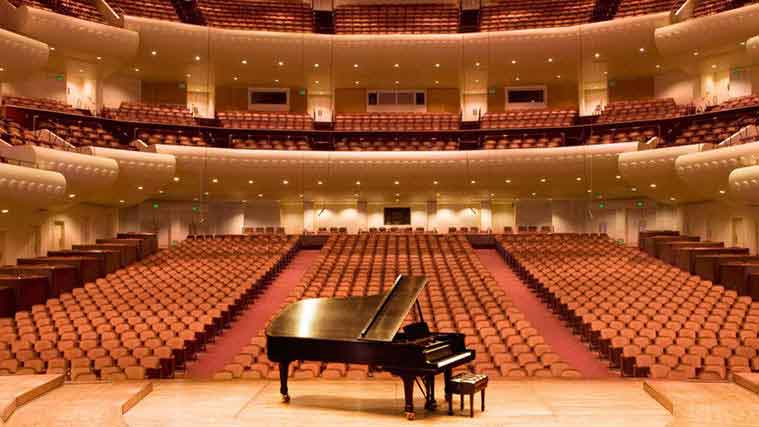
"caption": "Davies Symphony Hall, home to the San Francisco Symphony.",
"description": "Davies Symphony Hall, home to the San Francisco Symphony, is one of several venues to cancel performances due to the coronavirus.",
"title": "DaviesSymphonyHall.Piano",
"credit": "SF Symphony / Joel Puliatti",
"status": "inherit",
"altTag": "Davies Symphony Hall, home to the San Francisco Symphony, is one of several venues to cancel performances due to the coronavirus.",
"isLoading": false,
"fetchFailed": false
},
"arts_13876569": {
"type": "attachments",
"id": "arts_13876569",
"meta": {
"index": "attachments_1716263798",
"site": "arts",
"id": "13876569",
"found": true
},
"parent": 13876535,
"imgSizes": {
"twentyfourteen-full-width": {
"file": "https://ww2.kqed.org/app/uploads/sites/2/2020/03/Full-concert-hall-from-Balc_COVER-1038x576.jpg",
"width": 1038,
"mimeType": "image/jpeg",
"height": 576
},
"thumbnail": {
"file": "https://ww2.kqed.org/app/uploads/sites/2/2020/03/Full-concert-hall-from-Balc_COVER-160x90.jpg",
"width": 160,
"mimeType": "image/jpeg",
"height": 90
},
"post-thumbnail": {
"file": "https://ww2.kqed.org/app/uploads/sites/2/2020/03/Full-concert-hall-from-Balc_COVER-672x372.jpg",
"width": 672,
"mimeType": "image/jpeg",
"height": 372
},
"kqedFullSize": {
"file": "https://ww2.kqed.org/app/uploads/sites/2/2020/03/Full-concert-hall-from-Balc_COVER.jpg",
"width": 1750,
"height": 984
},
"large": {
"file": "https://ww2.kqed.org/app/uploads/sites/2/2020/03/Full-concert-hall-from-Balc_COVER-1020x574.jpg",
"width": 1020,
"mimeType": "image/jpeg",
"height": 574
},
"medium": {
"file": "https://ww2.kqed.org/app/uploads/sites/2/2020/03/Full-concert-hall-from-Balc_COVER-800x450.jpg",
"width": 800,
"mimeType": "image/jpeg",
"height": 450
},
"medium_large": {
"file": "https://ww2.kqed.org/app/uploads/sites/2/2020/03/Full-concert-hall-from-Balc_COVER-768x432.jpg",
"width": 768,
"mimeType": "image/jpeg",
"height": 432
}
},
"publishDate": 1584052859,
"modified": 1584052958,
"caption": "Oakland Symphony Orchestra",
"description": "Oakland Symphony Orchestra",
"title": "Full-concert-hall-from-Balc_COVER",
"credit": "Courtesy of Oakland Symphony",
"status": "inherit",
"isLoading": false,
"fetchFailed": false
},
"arts_13874155": {
"type": "attachments",
"id": "arts_13874155",
"meta": {
"index": "attachments_1716263798",
"site": "arts",
"id": "13874155",
"found": true
},
"parent": 13874146,
"imgSizes": {
"thumbnail": {
"file": "https://ww2.kqed.org/app/uploads/sites/2/2020/01/RS40989_viora-1-1024x5751-qut-160x90.jpg",
"width": 160,
"mimeType": "image/jpeg",
"height": 90
},
"post-thumbnail": {
"file": "https://ww2.kqed.org/app/uploads/sites/2/2020/01/RS40989_viora-1-1024x5751-qut-672x372.jpg",
"width": 672,
"mimeType": "image/jpeg",
"height": 372
},
"kqedFullSize": {
"file": "https://ww2.kqed.org/app/uploads/sites/2/2020/01/RS40989_viora-1-1024x5751-qut.jpg",
"width": 1000,
"height": 563
},
"medium": {
"file": "https://ww2.kqed.org/app/uploads/sites/2/2020/01/RS40989_viora-1-1024x5751-qut-800x450.jpg",
"width": 800,
"mimeType": "image/jpeg",
"height": 450
},
"medium_large": {
"file": "https://ww2.kqed.org/app/uploads/sites/2/2020/01/RS40989_viora-1-1024x5751-qut-768x432.jpg",
"width": 768,
"mimeType": "image/jpeg",
"height": 432
}
},
"publishDate": 1580431825,
"modified": 1580432214,
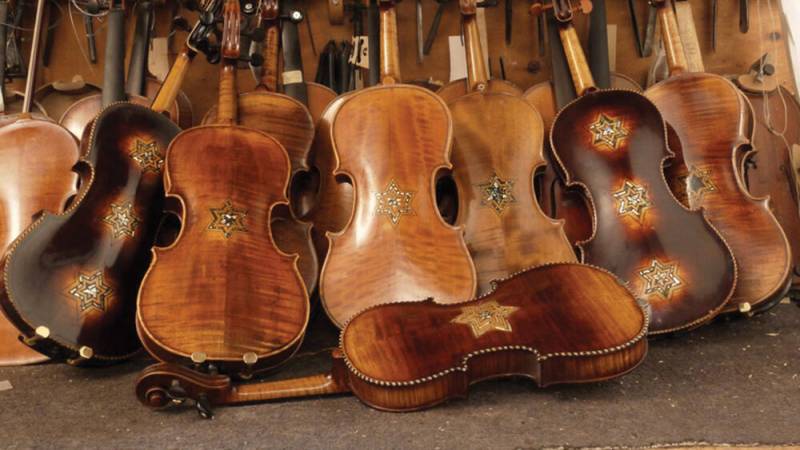
"caption": "A sampling of the Holocaust-era violins collected by Israeli luthiers Amnon and Avshalom Weinstein. The men and the violins are on tour throughout the San Francisco Bay Area as part of \"Violins of Hope,\" running through March 15, 2020.",
"description": "A sampling of the Holocaust-era violins collected by Israeli luthiers Amnon and Avshalom Weinstein. The men and the violins are on tour throughout the San Francisco Bay Area as part of \"Violins of Hope,\" running through March 15, 2020.",
"title": "RS40989_viora-1-1024x575+(1)-qut",
"credit": "Courtesy of Amnon Weinstein",
"status": "inherit",
"isLoading": false,
"fetchFailed": false
},
"arts_13848854": {
"type": "attachments",
"id": "arts_13848854",
"meta": {
"index": "attachments_1716263798",
"site": "arts",
"id": "13848854",
"found": true
},
"parent": 13848850,
"imgSizes": {
"small": {
"file": "https://ww2.kqed.org/app/uploads/sites/2/2019/01/Kronos_2014_a_creditWojciechWandzel-520x293.jpg",
"width": 520,
"mimeType": "image/jpeg",
"height": 293
},
"twentyfourteen-full-width": {
"file": "https://ww2.kqed.org/app/uploads/sites/2/2019/01/Kronos_2014_a_creditWojciechWandzel-1038x576.jpg",
"width": 1038,
"mimeType": "image/jpeg",
"height": 576
},
"thumbnail": {
"file": "https://ww2.kqed.org/app/uploads/sites/2/2019/01/Kronos_2014_a_creditWojciechWandzel-160x90.jpg",
"width": 160,
"mimeType": "image/jpeg",
"height": 90
},
"fd-sm": {
"file": "https://ww2.kqed.org/app/uploads/sites/2/2019/01/Kronos_2014_a_creditWojciechWandzel-960x540.jpg",
"width": 960,
"mimeType": "image/jpeg",
"height": 540
},
"post-thumbnail": {
"file": "https://ww2.kqed.org/app/uploads/sites/2/2019/01/Kronos_2014_a_creditWojciechWandzel-672x372.jpg",
"width": 672,
"mimeType": "image/jpeg",
"height": 372
},
"xsmall": {
"file": "https://ww2.kqed.org/app/uploads/sites/2/2019/01/Kronos_2014_a_creditWojciechWandzel-375x211.jpg",
"width": 375,
"mimeType": "image/jpeg",
"height": 211
},
"kqedFullSize": {
"file": "https://ww2.kqed.org/app/uploads/sites/2/2019/01/Kronos_2014_a_creditWojciechWandzel.jpg",
"width": 1920,
"height": 1080
},
"large": {
"file": "https://ww2.kqed.org/app/uploads/sites/2/2019/01/Kronos_2014_a_creditWojciechWandzel-1020x574.jpg",
"width": 1020,
"mimeType": "image/jpeg",
"height": 574
},
"xlarge": {
"file": "https://ww2.kqed.org/app/uploads/sites/2/2019/01/Kronos_2014_a_creditWojciechWandzel-1180x664.jpg",
"width": 1180,
"mimeType": "image/jpeg",
"height": 664
},
"complete_open_graph": {
"file": "https://ww2.kqed.org/app/uploads/sites/2/2019/01/Kronos_2014_a_creditWojciechWandzel-1200x675.jpg",
"width": 1200,
"mimeType": "image/jpeg",
"height": 675
},
"guest-author-50": {
"file": "https://ww2.kqed.org/app/uploads/sites/2/2019/01/Kronos_2014_a_creditWojciechWandzel-50x50.jpg",
"width": 50,
"mimeType": "image/jpeg",
"height": 50
},
"guest-author-96": {
"file": "https://ww2.kqed.org/app/uploads/sites/2/2019/01/Kronos_2014_a_creditWojciechWandzel-96x96.jpg",
"width": 96,
"mimeType": "image/jpeg",
"height": 96
},
"medium": {
"file": "https://ww2.kqed.org/app/uploads/sites/2/2019/01/Kronos_2014_a_creditWojciechWandzel-800x450.jpg",
"width": 800,
"mimeType": "image/jpeg",
"height": 450
},
"guest-author-64": {
"file": "https://ww2.kqed.org/app/uploads/sites/2/2019/01/Kronos_2014_a_creditWojciechWandzel-64x64.jpg",
"width": 64,
"mimeType": "image/jpeg",
"height": 64
},
"guest-author-32": {
"file": "https://ww2.kqed.org/app/uploads/sites/2/2019/01/Kronos_2014_a_creditWojciechWandzel-32x32.jpg",
"width": 32,
"mimeType": "image/jpeg",
"height": 32
},
"fd-lrg": {
"file": "https://ww2.kqed.org/app/uploads/sites/2/2019/01/Kronos_2014_a_creditWojciechWandzel-1920x1080.jpg",
"width": 1920,
"mimeType": "image/jpeg",
"height": 1080
},
"fd-med": {
"file": "https://ww2.kqed.org/app/uploads/sites/2/2019/01/Kronos_2014_a_creditWojciechWandzel-1180x664.jpg",
"width": 1180,
"mimeType": "image/jpeg",
"height": 664
},
"full-width": {
"file": "https://ww2.kqed.org/app/uploads/sites/2/2019/01/Kronos_2014_a_creditWojciechWandzel-1920x1080.jpg",
"width": 1920,
"mimeType": "image/jpeg",
"height": 1080
},
"detail": {
"file": "https://ww2.kqed.org/app/uploads/sites/2/2019/01/Kronos_2014_a_creditWojciechWandzel-150x150.jpg",
"width": 150,
"mimeType": "image/jpeg",
"height": 150
},
"medium_large": {
"file": "https://ww2.kqed.org/app/uploads/sites/2/2019/01/Kronos_2014_a_creditWojciechWandzel-768x432.jpg",
"width": 768,
"mimeType": "image/jpeg",
"height": 432
},
"guest-author-128": {
"file": "https://ww2.kqed.org/app/uploads/sites/2/2019/01/Kronos_2014_a_creditWojciechWandzel-128x128.jpg",
"width": 128,
"mimeType": "image/jpeg",
"height": 128
},
"xxsmall": {
"file": "https://ww2.kqed.org/app/uploads/sites/2/2019/01/Kronos_2014_a_creditWojciechWandzel-240x135.jpg",
"width": 240,
"mimeType": "image/jpeg",
"height": 135
}
},
"publishDate": 1547666906,
"modified": 1648152086,
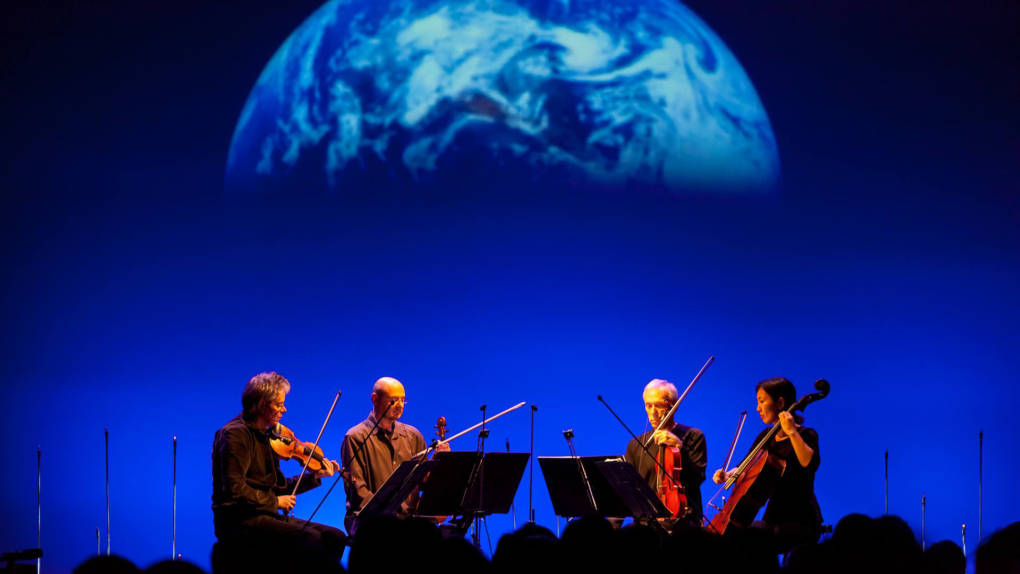
"caption": "Kronos Quartet.",
"description": "Kronos Quartet. ",
"title": "Kronos_2014_a_creditWojciechWandzel",
"credit": "Wojciech Wandzel",
"status": "inherit",
"altTag": "Kronos Quartet.",
"isLoading": false,
"fetchFailed": false
},
"arts_13848824": {
"type": "attachments",
"id": "arts_13848824",
"meta": {
"index": "attachments_1716263798",
"site": "arts",
"id": "13848824",
"found": true
},
"parent": 13848822,
"imgSizes": {
"small": {
"file": "https://ww2.kqed.org/app/uploads/sites/2/2019/01/GettyImages-457282778-520x293.jpg",
"width": 520,
"mimeType": "image/jpeg",
"height": 293
},
"twentyfourteen-full-width": {
"file": "https://ww2.kqed.org/app/uploads/sites/2/2019/01/GettyImages-457282778-1038x576.jpg",
"width": 1038,
"mimeType": "image/jpeg",
"height": 576
},
"thumbnail": {
"file": "https://ww2.kqed.org/app/uploads/sites/2/2019/01/GettyImages-457282778-160x90.jpg",
"width": 160,
"mimeType": "image/jpeg",
"height": 90
},
"fd-sm": {
"file": "https://ww2.kqed.org/app/uploads/sites/2/2019/01/GettyImages-457282778-960x540.jpg",
"width": 960,
"mimeType": "image/jpeg",
"height": 540
},
"post-thumbnail": {
"file": "https://ww2.kqed.org/app/uploads/sites/2/2019/01/GettyImages-457282778-672x372.jpg",
"width": 672,
"mimeType": "image/jpeg",
"height": 372
},
"xsmall": {
"file": "https://ww2.kqed.org/app/uploads/sites/2/2019/01/GettyImages-457282778-375x211.jpg",
"width": 375,
"mimeType": "image/jpeg",
"height": 211
},
"kqedFullSize": {
"file": "https://ww2.kqed.org/app/uploads/sites/2/2019/01/GettyImages-457282778.jpg",
"width": 1920,
"height": 1080
},
"large": {
"file": "https://ww2.kqed.org/app/uploads/sites/2/2019/01/GettyImages-457282778-1020x574.jpg",
"width": 1020,
"mimeType": "image/jpeg",
"height": 574
},
"xlarge": {
"file": "https://ww2.kqed.org/app/uploads/sites/2/2019/01/GettyImages-457282778-1180x664.jpg",
"width": 1180,
"mimeType": "image/jpeg",
"height": 664
},
"complete_open_graph": {
"file": "https://ww2.kqed.org/app/uploads/sites/2/2019/01/GettyImages-457282778-1200x675.jpg",
"width": 1200,
"mimeType": "image/jpeg",
"height": 675
},
"guest-author-50": {
"file": "https://ww2.kqed.org/app/uploads/sites/2/2019/01/GettyImages-457282778-50x50.jpg",
"width": 50,
"mimeType": "image/jpeg",
"height": 50
},
"guest-author-96": {
"file": "https://ww2.kqed.org/app/uploads/sites/2/2019/01/GettyImages-457282778-96x96.jpg",
"width": 96,
"mimeType": "image/jpeg",
"height": 96
},
"medium": {
"file": "https://ww2.kqed.org/app/uploads/sites/2/2019/01/GettyImages-457282778-800x450.jpg",
"width": 800,
"mimeType": "image/jpeg",
"height": 450
},
"guest-author-64": {
"file": "https://ww2.kqed.org/app/uploads/sites/2/2019/01/GettyImages-457282778-64x64.jpg",
"width": 64,
"mimeType": "image/jpeg",
"height": 64
},
"guest-author-32": {
"file": "https://ww2.kqed.org/app/uploads/sites/2/2019/01/GettyImages-457282778-32x32.jpg",
"width": 32,
"mimeType": "image/jpeg",
"height": 32
},
"fd-lrg": {
"file": "https://ww2.kqed.org/app/uploads/sites/2/2019/01/GettyImages-457282778-1920x1080.jpg",
"width": 1920,
"mimeType": "image/jpeg",
"height": 1080
},
"fd-med": {
"file": "https://ww2.kqed.org/app/uploads/sites/2/2019/01/GettyImages-457282778-1180x664.jpg",
"width": 1180,
"mimeType": "image/jpeg",
"height": 664
},
"full-width": {
"file": "https://ww2.kqed.org/app/uploads/sites/2/2019/01/GettyImages-457282778-1920x1080.jpg",
"width": 1920,
"mimeType": "image/jpeg",
"height": 1080
},
"detail": {
"file": "https://ww2.kqed.org/app/uploads/sites/2/2019/01/GettyImages-457282778-150x150.jpg",
"width": 150,
"mimeType": "image/jpeg",
"height": 150
},
"medium_large": {
"file": "https://ww2.kqed.org/app/uploads/sites/2/2019/01/GettyImages-457282778-768x432.jpg",
"width": 768,
"mimeType": "image/jpeg",
"height": 432
},
"guest-author-128": {
"file": "https://ww2.kqed.org/app/uploads/sites/2/2019/01/GettyImages-457282778-128x128.jpg",
"width": 128,
"mimeType": "image/jpeg",
"height": 128
},
"xxsmall": {
"file": "https://ww2.kqed.org/app/uploads/sites/2/2019/01/GettyImages-457282778-240x135.jpg",
"width": 240,
"mimeType": "image/jpeg",
"height": 135
}
},
"publishDate": 1547594626,
"modified": 1547594693,
"caption": "Jeremy Geffen takes the helm of Cal Performances on Apr. 1, 2019 after 12 years at Carnegie Hall. ",
"description": "Jeremy Geffen takes the helm of Cal Performances on Apr. 1, 2019 after 12 years at Carnegie Hall. ",
"title": "Gotham Magazine Celebrates New York's Most Eligible Bachelors Aboard Hornblower Cruises",
"credit": "Eugene Gologursky/Getty Images for Gotham Magazine",
"status": "inherit",
"isLoading": false,
"fetchFailed": false
},
"arts_13846588": {
"type": "attachments",
"id": "arts_13846588",
"meta": {
"index": "attachments_1716263798",
"site": "arts",
"id": "13846588",
"found": true
},
"parent": 13846535,
"imgSizes": {
"small": {
"file": "https://ww2.kqed.org/app/uploads/sites/2/2018/12/EsaPekka.MAINREV-520x293.jpg",
"width": 520,
"mimeType": "image/jpeg",
"height": 293
},
"twentyfourteen-full-width": {
"file": "https://ww2.kqed.org/app/uploads/sites/2/2018/12/EsaPekka.MAINREV-1038x576.jpg",
"width": 1038,
"mimeType": "image/jpeg",
"height": 576
},
"thumbnail": {
"file": "https://ww2.kqed.org/app/uploads/sites/2/2018/12/EsaPekka.MAINREV-160x90.jpg",
"width": 160,
"mimeType": "image/jpeg",
"height": 90
},
"fd-sm": {
"file": "https://ww2.kqed.org/app/uploads/sites/2/2018/12/EsaPekka.MAINREV-960x540.jpg",
"width": 960,
"mimeType": "image/jpeg",
"height": 540
},
"post-thumbnail": {
"file": "https://ww2.kqed.org/app/uploads/sites/2/2018/12/EsaPekka.MAINREV-672x372.jpg",
"width": 672,
"mimeType": "image/jpeg",
"height": 372
},
"xsmall": {
"file": "https://ww2.kqed.org/app/uploads/sites/2/2018/12/EsaPekka.MAINREV-375x211.jpg",
"width": 375,
"mimeType": "image/jpeg",
"height": 211
},
"kqedFullSize": {
"file": "https://ww2.kqed.org/app/uploads/sites/2/2018/12/EsaPekka.MAINREV.jpg",
"width": 1920,
"height": 1080
},
"large": {
"file": "https://ww2.kqed.org/app/uploads/sites/2/2018/12/EsaPekka.MAINREV-1020x574.jpg",
"width": 1020,
"mimeType": "image/jpeg",
"height": 574
},
"xlarge": {
"file": "https://ww2.kqed.org/app/uploads/sites/2/2018/12/EsaPekka.MAINREV-1180x664.jpg",
"width": 1180,
"mimeType": "image/jpeg",
"height": 664
},
"complete_open_graph": {
"file": "https://ww2.kqed.org/app/uploads/sites/2/2018/12/EsaPekka.MAINREV-1200x675.jpg",
"width": 1200,
"mimeType": "image/jpeg",
"height": 675
},
"guest-author-50": {
"file": "https://ww2.kqed.org/app/uploads/sites/2/2018/12/EsaPekka.MAINREV-50x50.jpg",
"width": 50,
"mimeType": "image/jpeg",
"height": 50
},
"guest-author-96": {
"file": "https://ww2.kqed.org/app/uploads/sites/2/2018/12/EsaPekka.MAINREV-96x96.jpg",
"width": 96,
"mimeType": "image/jpeg",
"height": 96
},
"medium": {
"file": "https://ww2.kqed.org/app/uploads/sites/2/2018/12/EsaPekka.MAINREV-800x450.jpg",
"width": 800,
"mimeType": "image/jpeg",
"height": 450
},
"guest-author-64": {
"file": "https://ww2.kqed.org/app/uploads/sites/2/2018/12/EsaPekka.MAINREV-64x64.jpg",
"width": 64,
"mimeType": "image/jpeg",
"height": 64
},
"guest-author-32": {
"file": "https://ww2.kqed.org/app/uploads/sites/2/2018/12/EsaPekka.MAINREV-32x32.jpg",
"width": 32,
"mimeType": "image/jpeg",
"height": 32
},
"fd-lrg": {
"file": "https://ww2.kqed.org/app/uploads/sites/2/2018/12/EsaPekka.MAINREV-1920x1080.jpg",
"width": 1920,
"mimeType": "image/jpeg",
"height": 1080
},
"fd-med": {
"file": "https://ww2.kqed.org/app/uploads/sites/2/2018/12/EsaPekka.MAINREV-1180x664.jpg",
"width": 1180,
"mimeType": "image/jpeg",
"height": 664
},
"full-width": {
"file": "https://ww2.kqed.org/app/uploads/sites/2/2018/12/EsaPekka.MAINREV-1920x1080.jpg",
"width": 1920,
"mimeType": "image/jpeg",
"height": 1080
},
"detail": {
"file": "https://ww2.kqed.org/app/uploads/sites/2/2018/12/EsaPekka.MAINREV-150x150.jpg",
"width": 150,
"mimeType": "image/jpeg",
"height": 150
},
"medium_large": {
"file": "https://ww2.kqed.org/app/uploads/sites/2/2018/12/EsaPekka.MAINREV-768x432.jpg",
"width": 768,
"mimeType": "image/jpeg",
"height": 432
},
"guest-author-128": {
"file": "https://ww2.kqed.org/app/uploads/sites/2/2018/12/EsaPekka.MAINREV-128x128.jpg",
"width": 128,
"mimeType": "image/jpeg",
"height": 128
},
"xxsmall": {
"file": "https://ww2.kqed.org/app/uploads/sites/2/2018/12/EsaPekka.MAINREV-240x135.jpg",
"width": 240,
"mimeType": "image/jpeg",
"height": 135
}
},
"publishDate": 1544143454,
"modified": 1544143487,
"caption": "Esa-Pekka Salonen accepts his appointment as new Music Director of the San Francisco Symphony at a welcome party, Dec. 5, 2018.",
"description": "Esa-Pekka Salonen accepts his appointment as new Music Director of the San Francisco Symphony at a welcome party, Dec. 5, 2018.",
"title": "EsaPekka.MAINREV",
"credit": "Gabe Meline/KQED",
"status": "inherit",
"isLoading": false,
"fetchFailed": false
},
"arts_13845983": {
"type": "attachments",
"id": "arts_13845983",
"meta": {
"index": "attachments_1716263798",
"site": "arts",
"id": "13845983",
"found": true
},
"parent": 13845982,
"imgSizes": {
"twentyfourteen-full-width": {
"file": "https://ww2.kqed.org/app/uploads/sites/2/2018/11/trombone_wide-6f32e355dbdff0a2adfccf78433a707c037db34a-1038x576.png",
"width": 1038,
"mimeType": "image/png",
"height": 576
},
"thumbnail": {
"file": "https://ww2.kqed.org/app/uploads/sites/2/2018/11/trombone_wide-6f32e355dbdff0a2adfccf78433a707c037db34a-160x90.png",
"width": 160,
"mimeType": "image/png",
"height": 90
},
"post-thumbnail": {
"file": "https://ww2.kqed.org/app/uploads/sites/2/2018/11/trombone_wide-6f32e355dbdff0a2adfccf78433a707c037db34a-672x372.png",
"width": 672,
"mimeType": "image/png",
"height": 372
},
"kqedFullSize": {
"file": "https://ww2.kqed.org/app/uploads/sites/2/2018/11/trombone_wide-6f32e355dbdff0a2adfccf78433a707c037db34a.png",
"width": 1276,
"height": 717
},
"large": {
"file": "https://ww2.kqed.org/app/uploads/sites/2/2018/11/trombone_wide-6f32e355dbdff0a2adfccf78433a707c037db34a-1020x573.png",
"width": 1020,
"mimeType": "image/png",
"height": 573
},
"complete_open_graph": {
"file": "https://ww2.kqed.org/app/uploads/sites/2/2018/11/trombone_wide-6f32e355dbdff0a2adfccf78433a707c037db34a-1200x674.png",
"width": 1200,
"mimeType": "image/png",
"height": 674
},
"guest-author-50": {
"file": "https://ww2.kqed.org/app/uploads/sites/2/2018/11/trombone_wide-6f32e355dbdff0a2adfccf78433a707c037db34a-50x50.png",
"width": 50,
"mimeType": "image/png",
"height": 50
},
"guest-author-96": {
"file": "https://ww2.kqed.org/app/uploads/sites/2/2018/11/trombone_wide-6f32e355dbdff0a2adfccf78433a707c037db34a-96x96.png",
"width": 96,
"mimeType": "image/png",
"height": 96
},
"medium": {
"file": "https://ww2.kqed.org/app/uploads/sites/2/2018/11/trombone_wide-6f32e355dbdff0a2adfccf78433a707c037db34a-800x450.png",
"width": 800,
"mimeType": "image/png",
"height": 450
},
"guest-author-64": {
"file": "https://ww2.kqed.org/app/uploads/sites/2/2018/11/trombone_wide-6f32e355dbdff0a2adfccf78433a707c037db34a-64x64.png",
"width": 64,
"mimeType": "image/png",
"height": 64
},
"guest-author-32": {
"file": "https://ww2.kqed.org/app/uploads/sites/2/2018/11/trombone_wide-6f32e355dbdff0a2adfccf78433a707c037db34a-32x32.png",
"width": 32,
"mimeType": "image/png",
"height": 32
},
"detail": {
"file": "https://ww2.kqed.org/app/uploads/sites/2/2018/11/trombone_wide-6f32e355dbdff0a2adfccf78433a707c037db34a-150x150.png",
"width": 150,
"mimeType": "image/png",
"height": 150
},
"medium_large": {
"file": "https://ww2.kqed.org/app/uploads/sites/2/2018/11/trombone_wide-6f32e355dbdff0a2adfccf78433a707c037db34a-768x432.png",
"width": 768,
"mimeType": "image/png",
"height": 432
},
"guest-author-128": {
"file": "https://ww2.kqed.org/app/uploads/sites/2/2018/11/trombone_wide-6f32e355dbdff0a2adfccf78433a707c037db34a-128x128.png",
"width": 128,
"mimeType": "image/png",
"height": 128
}
},
"publishDate": 1543531660,
"modified": 1543531824,
"caption": "28 trombonists perform Queen's \"Bohemian Rhapsody.\"",
"description": "28 trombonists perform Queen's \"Bohemian Rhapsody.\"",
"title": "28 trombonists perform Queen's \"Bohemian Rhapsody.\"",
"credit": null,
"status": "inherit",
"isLoading": false,
"fetchFailed": false
}
},
"audioPlayerReducer": {
"postId": "stream_live",
"isPaused": true,
"isPlaying": false,
"pfsActive": false,
"pledgeModalIsOpen": true,
"playerDrawerIsOpen": false,
"liveAudioPlayStartedAt": 0,
"liveAudioPlayContext": ""
},
"authorsReducer": {
"byline_arts_13887411": {
"type": "authors",
"id": "byline_arts_13887411",
"meta": {
"override": true
},
"slug": "byline_arts_13887411",
"name": "Eleanor Beardsley",
"isLoading": false
},
"byline_arts_13884101": {
"type": "authors",
"id": "byline_arts_13884101",
"meta": {
"override": true
},
"slug": "byline_arts_13884101",
"name": "Anastasia Tsioulcas",
"isLoading": false
},
"byline_arts_13845982": {
"type": "authors",
"id": "byline_arts_13845982",
"meta": {
"override": true
},
"slug": "byline_arts_13845982",
"name": "Madeline Clement",
"isLoading": false
},
"gmeline": {
"type": "authors",
"id": "185",
"meta": {
"index": "authors_1716337520",
"id": "185",
"found": true
},
"name": "Gabe Meline",
"firstName": "Gabe",
"lastName": "Meline",
"slug": "gmeline",
"email": "gmeline@kqed.org",
"display_author_email": true,
"staff_mastheads": [
"arts"
],
"title": "Senior Editor, KQED Arts & Culture",
"bio": "Gabe Meline entered journalism at age 15 making photocopied zines, and has since earned awards from the Edward R. Murrow Awards, the Society for Professional Journalists, the Online Journalism Awards, the Association of Alternative Newsweeklies and the California Newspaper Publishers Association. Prior to KQED, he was the editor of the \u003cem>North Bay Bohemian\u003c/em> and a touring musician. He lives with his wife and daughter in his hometown of Santa Rosa, CA.",
"avatar": "https://secure.gravatar.com/avatar/5bebe57be0d8bc2dd318934feb47299e2d2d10cba28d09d8d7afb389a2ce2bdd?s=600&d=blank&r=g",
"twitter": null,
"bluesky": null,
"facebook": null,
"instagram": null,
"linkedin": null,
"sites": [
{
"site": "",
"roles": [
"editor"
]
},
{
"site": "arts",
"roles": [
"administrator"
]
},
{
"site": "artschool",
"roles": [
"editor"
]
},
{
"site": "news",
"roles": [
"author"
]
},
{
"site": "pop",
"roles": [
"editor"
]
},
{
"site": "bayareabites",
"roles": [
"editor"
]
},
{
"site": "food",
"roles": [
"editor"
]
},
{
"site": "forum",
"roles": [
"administrator"
]
},
{
"site": "liveblog",
"roles": [
"editor"
]
},
{
"site": "hiphop",
"roles": [
"editor"
]
}
],
"headData": {
"title": "Gabe Meline | KQED",
"description": "Senior Editor, KQED Arts & Culture",
"ogImgSrc": "https://secure.gravatar.com/avatar/5bebe57be0d8bc2dd318934feb47299e2d2d10cba28d09d8d7afb389a2ce2bdd?s=600&d=blank&r=g",
"twImgSrc": "https://secure.gravatar.com/avatar/5bebe57be0d8bc2dd318934feb47299e2d2d10cba28d09d8d7afb389a2ce2bdd?s=600&d=blank&r=g"
},
"isLoading": false,
"link": "/author/gmeline"
},
"rachael-myrow": {
"type": "authors",
"id": "251",
"meta": {
"index": "authors_1716337520",
"id": "251",
"found": true
},
"name": "Rachael Myrow",
"firstName": "Rachael",
"lastName": "Myrow",
"slug": "rachael-myrow",
"email": "rmyrow@kqed.org",
"display_author_email": true,
"staff_mastheads": [
"news"
],
"title": "Senior Editor of KQED's Silicon Valley News Desk",
"bio": "• I write and edit stories about how Silicon Valley power and policies shape everyday life in California. I’m also passionate about making Bay Area history and culture more accessible to a broad public. • I’ve been a journalist for most of my life, starting in high school with The Franklin Press in Los Angeles, where I grew up. While earning my first degree in English at UC Berkeley, I got my start in public radio at KALX-FM. After completing a second degree in journalism at Cal, I landed my first professional job at Marketplace, then moved on to KPCC (now LAist), and then KQED, where I hosted The California Report for more than seven years. • My reporting has appeared on NPR, The World, WBUR’s \u003ci>Here & Now\u003c/i>, and the BBC. I also guest host for KQED’s \u003ci>Forum\u003c/i>, as well as the Commonwealth Club in San Francisco. • I speak periodically on media, democracy and technology issues, and do voiceover work for documentaries and educational video projects. • Outside of the studio, you'll find me hiking Bay Area trails and whipping up Insta-ready meals in my kitchen. • I do not accept gifts, money, or favors from anyone connected to my reporting, I don't pay people for information, and I do not support or donate to political causes. • I strive to treat the people I report on with fairness, honesty, and respect. I also recognize there are often multiple sides to a story and work to verify information through multiple sources and documentation. If I get something wrong, I correct it.",
"avatar": "https://secure.gravatar.com/avatar/3ed8a3c5f26025e4a805ba634cda8cd764906b97438a6d9ce216b044e340da4e?s=600&d=blank&r=g",
"twitter": "rachaelmyrow",
"bluesky": null,
"facebook": null,
"instagram": null,
"linkedin": "https://www.linkedin.com/in/rachaelmyrow/",
"sites": [
{
"site": "arts",
"roles": [
"administrator"
]
},
{
"site": "news",
"roles": [
"edit_others_posts",
"editor"
]
},
{
"site": "futureofyou",
"roles": [
"editor"
]
},
{
"site": "bayareabites",
"roles": [
"editor"
]
},
{
"site": "stateofhealth",
"roles": [
"editor"
]
},
{
"site": "science",
"roles": [
"editor"
]
},
{
"site": "food",
"roles": [
"editor"
]
},
{
"site": "forum",
"roles": [
"editor"
]
},
{
"site": "liveblog",
"roles": [
"author"
]
}
],
"headData": {
"title": "Rachael Myrow | KQED",
"description": "Senior Editor of KQED's Silicon Valley News Desk",
"ogImgSrc": "https://secure.gravatar.com/avatar/3ed8a3c5f26025e4a805ba634cda8cd764906b97438a6d9ce216b044e340da4e?s=600&d=blank&r=g",
"twImgSrc": "https://secure.gravatar.com/avatar/3ed8a3c5f26025e4a805ba634cda8cd764906b97438a6d9ce216b044e340da4e?s=600&d=blank&r=g"
},
"isLoading": false,
"link": "/author/rachael-myrow"
},
"slefebvre": {
"type": "authors",
"id": "11091",
"meta": {
"index": "authors_1716337520",
"id": "11091",
"found": true
},
"name": "Sam Lefebvre",
"firstName": "Sam",
"lastName": "Lefebvre",
"slug": "slefebvre",
"email": "sdlefebvre@gmail.com",
"display_author_email": false,
"staff_mastheads": [],
"title": "KQED Contributor",
"bio": "Sam Lefebvre is an award-winning reporter at KQED Arts. He has worked as an editor and columnist at the \u003cem>East Bay Express\u003c/em>, \u003cem>SF Weekly \u003c/em>and Impose Magazine, and his journalism and criticism has appeared in \u003cem>The New York Times\u003c/em>, the Guardian and Pitchfork.",
"avatar": "https://secure.gravatar.com/avatar/49d39b42930b77fb13784ddd9fa63fe780666b71bf289368509dba576b64e69b?s=600&d=blank&r=g",
"twitter": "Lefebvre_Sam",
"bluesky": null,
"facebook": null,
"instagram": null,
"linkedin": null,
"sites": [
{
"site": "arts",
"roles": [
"subscriber"
]
},
{
"site": "news",
"roles": [
"author"
]
}
],
"headData": {
"title": "Sam Lefebvre | KQED",
"description": "KQED Contributor",
"ogImgSrc": "https://secure.gravatar.com/avatar/49d39b42930b77fb13784ddd9fa63fe780666b71bf289368509dba576b64e69b?s=600&d=blank&r=g",
"twImgSrc": "https://secure.gravatar.com/avatar/49d39b42930b77fb13784ddd9fa63fe780666b71bf289368509dba576b64e69b?s=600&d=blank&r=g"
},
"isLoading": false,
"link": "/author/slefebvre"
},
"nvoynovskaya": {
"type": "authors",
"id": "11387",
"meta": {
"index": "authors_1716337520",
"id": "11387",
"found": true
},
"name": "Nastia Voynovskaya",
"firstName": "Nastia",
"lastName": "Voynovskaya",
"slug": "nvoynovskaya",
"email": "nvoynovskaya@kqed.org",
"display_author_email": false,
"staff_mastheads": [
"arts"
],
"title": "Editor and reporter",
"bio": "Nastia Voynovskaya is a reporter, editor and host at KQED Arts & Culture. She's been covering the arts in the Bay Area for over a decade, with a focus on music, queer culture, labor issues and grassroots organizing. She has edited KQED story series such as Trans Bay: A History of San Francisco's Gender-Diverse Community, and co-created KQED's Bay Area hip-hop history project, That's My Word. Nastia's work has been recognized by the Society of Professional Journalists and San Francisco Press Club. She regularly appears on podcasts and radio programs, including NPR's All Songs Considered, and hosts live events where music, culture and conversation meet.",
"avatar": "https://secure.gravatar.com/avatar/5025ee460e5a85d69ca20ea6c6f2f80d7e17795c828f61ea3aecfcd924e9042e?s=600&d=blank&r=g",
"twitter": null,
"bluesky": null,
"facebook": null,
"instagram": "https://www.instagram.com/nananastia/",
"linkedin": null,
"sites": [
{
"site": "",
"roles": [
"editor"
]
},
{
"site": "arts",
"roles": [
"administrator"
]
},
{
"site": "news",
"roles": [
"editor"
]
},
{
"site": "pop",
"roles": [
"administrator"
]
},
{
"site": "bayareabites",
"roles": [
"editor"
]
},
{
"site": "podcasts",
"roles": [
"editor"
]
},
{
"site": "hiphop",
"roles": [
"editor"
]
}
],
"headData": {
"title": "Nastia Voynovskaya | KQED",
"description": "Editor and reporter",
"ogImgSrc": "https://secure.gravatar.com/avatar/5025ee460e5a85d69ca20ea6c6f2f80d7e17795c828f61ea3aecfcd924e9042e?s=600&d=blank&r=g",
"twImgSrc": "https://secure.gravatar.com/avatar/5025ee460e5a85d69ca20ea6c6f2f80d7e17795c828f61ea3aecfcd924e9042e?s=600&d=blank&r=g"
},
"isLoading": false,
"link": "/author/nvoynovskaya"
}
},
"pagesReducer": {
"arts_tag_classical-music": {
"type": "terms",
"id": "arts_1312",
"meta": {
"index": "terms_1716263798",
"site": "arts",
"id": "1312",
"score": 9.892711
},
"featImg": null,
"name": "classical music",
"description": null,
"taxonomy": "tag",
"headData": {
"twImgId": null,
"twTitle": null,
"socialTitle": "From Symphony Hall to Hidden Gems: Bay Area's Classical Music Stories",
"ogTitle": null,
"ogImgId": null,
"twDescription": null,
"description": "Immerse yourself in the Bay Area's rich classical music world! KQED brings you news, educational resources, and event listings.",
"metaRobotsNoIndex": "index",
"title": "From Symphony Hall to Hidden Gems: Bay Area's Classical Music Stories",
"ogDescription": null
},
"ttid": 1324,
"slug": "classical-music",
"isLoading": false,
"title": "classical music",
"pageMeta": {
"site": "arts",
"WpPageTemplate": "page-topic-editorial",
"currentPage": 5
},
"blocks": [
{
"blockName": "kqed/post-list",
"attrs": {
"layout": "cardArticle2",
"query": "posts/arts?tag=classical-music",
"seeMore": false,
"paginated": true,
"page": 5
}
},
{
"blockName": "kqed/ad"
}
]
}
},
"pfsSessionReducer": {},
"postsReducer": {
"stream_live": {
"type": "live",
"id": "stream_live",
"audioUrl": "https://streams.kqed.org/kqedradio",
"title": "Live Stream",
"excerpt": "Live Stream information currently unavailable.",
"link": "/radio",
"featImg": "",
"label": {
"name": "KQED Live",
"link": "/"
}
},
"stream_kqedNewscast": {
"type": "posts",
"id": "stream_kqedNewscast",
"audioUrl": "https://www.kqed.org/.stream/anon/radio/RDnews/newscast.mp3?_=1",
"title": "KQED Newscast",
"featImg": "",
"label": {
"name": "88.5 FM",
"link": "/"
}
},
"arts_13889101": {
"type": "posts",
"id": "arts_13889101",
"meta": {
"index": "posts_1716263798",
"site": "arts",
"id": "13889101",
"score": null,
"sort": [
1605300447000
]
},
"parent": 0,
"labelTerm": {
"site": "arts"
},
"blocks": [],
"publishDate": 1605300447,
"format": "image",
"title": "Julia Bullock’s Empathy is Her Superpower in the Classical Music World",
"headTitle": "Julia Bullock’s Empathy is Her Superpower in the Classical Music World | KQED",
"content": "\u003cp>[dropcap]I[/dropcap]n February, \u003ca href=\"https://juliabullock.com/schedule/\" target=\"_blank\" rel=\"noopener noreferrer\">Julia Bullock\u003c/a> stood on stage at Davies Symphony Hall in San Francisco, excavating the depths of her soul. To truly convey to the audience the euphoria and heartache of Benjamin Britten’s \u003cem>Les Illuminations\u003c/em>, based on Rimbaud’s poems about spiritual transcendence, drug addiction and homelessness, she had to tap into painful parts of her coming-of-age story.\u003c/p>\n\u003cp>“The act of going through all the imagery emotionally and then seeing where [it] takes me psychologically, that’s how I can hook into it and deliver it,” the star soprano explained to me backstage during rehearsal, just weeks before the COVID-19 shutdown hit. “Otherwise, it turns into some weird exercise of trying not to be a human being—and that I can’t tolerate.”\u003c/p>\n\u003cp>At 33 years old, Bullock has become a luminary in the classical music world for her unique ability to capture a piece’s gripping emotional qualities in a way that transcends time, space and cultural barriers. She is a master of connection, digging deep into material to convey universal human experiences and emotions that lay within, refracting them through her prismatic voice to illuminate their beauty.\u003c/p>\n\u003cp>This ability to connect pieces of music through their emotional cores is also her strength as a curator. While praised for her innovative juxtapositions of Western classical music and traditionally Black American genres such as jazz, Bullock resists the idea that she does so simply to be different. (“I don’t ever want anything I’m presenting to the public to come off as me trying to be clever, because I feel the relationships in an explicit way,” she says.)\u003c/p>\n\u003cp>[pullquote size=large citation='Julia Bullock']“You can’t actually relate to people truly unless you’re bringing yourself into the room. You don’t have to present some perfect vision of yourself.”[/pullquote]\u003c/p>\n\u003cp>Rather, Bullock’s genre-mixing, cross-cultural programming is the output of a passionate listener and student of history with omnivorous tastes. Discussing a program called \u003cem>Lineage\u003c/em> that she curated for San Francisco Symphony’s Soundbox—its series of intimate, experimental performances—she points easily to the links between Nina Simone and Johann Sebastian Bach.\u003c/p>\n\u003cp>[ad fullwidth]\u003c/p>\n\u003cp>“You can hear very explicitly in all of her improvisations that she’s referencing Bach, and she studied classical piano. The reason she started singing and playing jazz is because she needed a job,” she says of Simone, laughing in disbelief at this factoid. “Very practical!”\u003c/p>\n\u003cp>It’s this adventurous ear that’s earned Bullock prestigious opportunities. She’s worked extensively with contemporary composers such as \u003ca href=\"https://www.kqed.org/arts/12731274/why-john-adams-wont-write-an-opera-about-president-trump\" target=\"_blank\" rel=\"noopener noreferrer\">John Adams\u003c/a>, snagging prominent roles in his operas \u003cem>Girls of the Golden West\u003c/em> and \u003cem>Doctor Atomic\u003c/em>. More recently, she was an artist-in-residence at the San Francisco Symphony and the Metropolitan Museum of Art, where she spent the 2018–19 season exploring the legacies of Josephine Baker and Langston Hughes and resurrecting the songs of enslaved people. Calling her residency at the Met historic, \u003ca href=\"https://www.vanityfair.com/style/2018/12/julia-bullock-opera-singer-metropolitan-museum-of-art\" target=\"_blank\" rel=\"noopener noreferrer\">\u003cem>Vanity Fair\u003c/em>\u003c/a>’s Keziah Weir applauded Bullock’s unique ability to “inject each note she sings with a sense of grace and urgency.”\u003c/p>\n\u003cp>[dropcap]T[/dropcap]he coronavirus pandemic has, for all practical purposes, thwarted what was due to be an exciting year for Bullock at the San Francisco Symphony. Bullock’s Soundbox program originally slated for April was canceled, along with all Symphony live events until at least July of 2021. (Audiences may see some of the \u003cem>Lineage\u003c/em> material in a future online program.)\u003c/p>\n\u003cp>This year, the Symphony’s new musical director Esa-Pekka Salonen stepped into his role, and he enlisted Bullock and seven other interdisciplinary creatives as his “brain trust” of creative partners poised to help take the organization in new directions of embracing technology and a diversity of genres and cultural perspectives. A major showcase with them was supposed to kick off the season.\u003c/p>\n\u003cp>Instead, the Symphony has forayed into\u003ca href=\"https://www.sfsymphony.org/CURRENTS\" target=\"_blank\" rel=\"noopener noreferrer\"> podcasts and digital video\u003c/a>. (“No matter how we spin it, we are not an orchestra,” Salonen recently told \u003ca href=\"https://www.nytimes.com/2020/10/28/arts/music/san-francisco-symphony-nico-muhly.html\" target=\"_blank\" rel=\"noopener noreferrer\">\u003cem>The New York Times\u003c/em>\u003c/a>. “We are a media house.”) Yet despite these limitations, Salonen continues to experiment. On Saturday, Nov. 14, he, Bullock and the other creative partners will star in a digital premiere of composer Nico Muhly’s new piece, \u003ca href=\"https://www.sfsymphony.org/Watch-and-listen/Events/Throughline\" target=\"_blank\" rel=\"noopener noreferrer\">\u003cem>Throughline\u003c/em>\u003c/a>, which functions more like a set of miniature concertos that bridge the digital divide. The performance will \u003ca href=\"https://www.sfsymphony.org/Watch-and-listen/Events/Throughline\" target=\"_blank\" rel=\"noopener noreferrer\">stream online\u003c/a> and \u003ca href=\"https://www.kqed.org/tv/schedules/weekly\" target=\"_blank\" rel=\"noopener noreferrer\">broadcast\u003c/a> on KQED Channel 9.\u003c/p>\n\u003cfigure id=\"attachment_13889263\" class=\"wp-caption aligncenter\" style=\"max-width: 800px\">\u003cimg loading=\"lazy\" decoding=\"async\" src=\"https://ww2.kqed.org/app/uploads/sites/2/2020/11/KEQD_Julia_Bullock_Hires_2-800x502.jpg\" alt=\"\" width=\"800\" height=\"502\" class=\"size-medium wp-image-13889263\">\u003cfigcaption class=\"wp-caption-text\">Julia Bullock backstage at Davies Symphony Hall. \u003ccite>(Graham Holoch)\u003c/cite>\u003c/figcaption>\u003c/figure>\n\u003cp>Nearly nine months since our first interview, I catch up with Bullock via Zoom. Born in St. Louis and previously based in New York City, she now lives in Munich, Germany, where she’s been sheltering in place with her husband, conductor Christian Reif. Typically, the couple is apart for much of the year because of work travel. “Some days have been great and feeling relatively normal—or not normal, but just living my life,” she says. “And other days have felt incredibly disruptive. Feelings of frustration and irritation and discontent are equally as present as feeling grateful for being able to be with my husband.”\u003c/p>\n\u003cp>Bullock’s measured response is one of someone who’s visited her darkest places and spent years climbing back into the light, thanks to music and therapy. When we first met, in February, I asked Bullock why she’s so candid about her past struggles with addiction and mental health. In interviews, she’s discussed going to rehab at age 20, and how several years ago, her singing career was nearly derailed because of a psychosomatic ailment that caused her to gag uncontrollably, sometimes mid-song or mid-speech.\u003c/p>\n\u003cp>It turns out she went public with this information by accident. She opened up about it to \u003cem>New York Times\u003c/em> journalist Zachary Woolfe during a cab ride in between \u003ca href=\"https://www.nytimes.com/2019/10/25/arts/music/julia-bullock-zauberland-lincoln-center.html\" target=\"_blank\" rel=\"noopener noreferrer\">interviews\u003c/a>, she recalls, not realizing her confession would get published. But once it did, she found herself feeling not embarrassed, but freed from her secret.\u003c/p>\n\u003cp>https://youtu.be/emeAjAK8fr4\u003c/p>\n\u003cp>“It was really moving, hearing from other young performers who are struggling with similar things and afraid to talk about it—even amongst the friends, the teachers,” she says. “The reason you become a musician is because you’re allowing yourself to open up and be vulnerable and relate to people. But you can’t actually relate to people truly unless you’re bringing yourself into the room. You don’t have to present some perfect vision of yourself.”\u003c/p>\n\u003cp>[dropcap]T[/dropcap]hat grounded perspective has helped Bullock stay relatively calm during the pandemic. While scientists say COVID’s \u003ca href=\"https://www.dw.com/en/coronavirus-germany-sees-signs-of-curve-flattening/a-55573917\" target=\"_blank\" rel=\"noopener noreferrer\">spread is slowing in Germany\u003c/a>, most of her friends and family and many of her collaborators live in the United States, which has some of the \u003ca href=\"https://www.npr.org/sections/health-shots/2020/10/13/923253681/americans-are-dying-in-the-pandemic-at-rates-far-higher-than-in-other-countries\" target=\"_blank\" rel=\"noopener noreferrer\">globe’s worst COVID-19 infection and death rates\u003c/a>. Bullock has made the tough decision to not return across the Atlantic for the foreseeable future.\u003c/p>\n\u003cp>“Part of this period I feel is about survival in the most literal sense, in a severe sense. I can’t be casual—and I don’t want anyone I love and care about to be casual about their lives right now,” she says. “There are certain decisions I’ve made about not traveling to the States because I didn’t want to put my life at risk and, honestly, I didn’t feel it was right putting any Black lives at risk to make some art. It seemed wildly irresponsible, and I’m glad I stood by that decision.”\u003c/p>\n\u003cfigure id=\"attachment_13889265\" class=\"wp-caption aligncenter\" style=\"max-width: 800px\">\u003cimg loading=\"lazy\" decoding=\"async\" class=\"size-medium wp-image-13889265\" src=\"https://ww2.kqed.org/app/uploads/sites/2/2020/11/KEQD_Julia_Bullock_Hires_3-800x534.jpg\" alt=\"\" width=\"800\" height=\"534\" srcset=\"https://cdn.kqed.org/wp-content/uploads/sites/2/2020/11/KEQD_Julia_Bullock_Hires_3-800x534.jpg 800w, https://cdn.kqed.org/wp-content/uploads/sites/2/2020/11/KEQD_Julia_Bullock_Hires_3-1020x680.jpg 1020w, https://cdn.kqed.org/wp-content/uploads/sites/2/2020/11/KEQD_Julia_Bullock_Hires_3-160x107.jpg 160w, https://cdn.kqed.org/wp-content/uploads/sites/2/2020/11/KEQD_Julia_Bullock_Hires_3-768x512.jpg 768w, https://cdn.kqed.org/wp-content/uploads/sites/2/2020/11/KEQD_Julia_Bullock_Hires_3-1536x1025.jpg 1536w, https://cdn.kqed.org/wp-content/uploads/sites/2/2020/11/KEQD_Julia_Bullock_Hires_3-2048x1366.jpg 2048w, https://cdn.kqed.org/wp-content/uploads/sites/2/2020/11/KEQD_Julia_Bullock_Hires_3-1920x1281.jpg 1920w\" sizes=\"(max-width: 800px) 100vw, 800px\">\u003cfigcaption class=\"wp-caption-text\">Julia Bullock. \u003ccite>(Graham Holoch)\u003c/cite>\u003c/figcaption>\u003c/figure>\n\u003cp>Bullock has given only a small handful of live performances this year, mostly in front of camera crews without an audience, but she’s been booked and busy with \u003ca href=\"https://juliabullock.com/schedule/\" target=\"_blank\" rel=\"noopener noreferrer\">virtual concerts\u003c/a> at places like the Dutch National Opera and UC Berkeley’s Cal Performances. She’s also found a new creative outlet in singing at home, with her husband on piano. The duo has sent videos of their songs to friends and family as a way to connect across distance, and it’s made Bullock think of ways she can continue to express herself until she eventually returns to the stage before a live audience.\u003c/p>\n\u003cp>“The idea of an album now, as a work of art as an independent piece, is something that’s certainly been on my mind in recent months,” she says. “Creating something that speaks to this moment, but also feels timeless in some way.”\u003c/p>\n\u003cp>[ad floatright]\u003c/p>\n\u003cp>It anyone’s up to the task, it’s her. Bullock’s superpower lies in reaching across centuries and continents, and feeling into the love, yearning and loss at the core of the human experience. During a time of global tragedy, her empathetic, delicate and soulful approach is more necessary than ever to help us make sense of the chaotic year that is 2020.\u003c/p>\n\n",
"stats": {
"hasVideo": false,
"hasChartOrMap": false,
"hasAudio": false,
"hasPolis": false,
"wordCount": 1556,
"hasGoogleForm": false,
"hasGallery": false,
"hasHearkenModule": false,
"iframeSrcs": [],
"paragraphCount": 22
},
"modified": 1705019856,
"excerpt": "Ahead of a virtual performance with the San Francisco Symphony, the singer and curator talks about a cross-cultural, genre-mixing approach that’s earned her global acclaim. ",
"headData": {
"twImgId": "",
"twTitle": "",
"ogTitle": "",
"ogImgId": "",
"twDescription": "",
"description": "Ahead of a virtual performance with the San Francisco Symphony, the singer and curator talks about a cross-cultural, genre-mixing approach that’s earned her global acclaim. ",
"title": "Julia Bullock’s Empathy is Her Superpower in the Classical Music World | KQED",
"ogDescription": "",
"schema": {
"@context": "https://schema.org",
"@type": "Article",
"headline": "Julia Bullock’s Empathy is Her Superpower in the Classical Music World",
"datePublished": "2020-11-13T12:47:27-08:00",
"dateModified": "2024-01-11T16:37:36-08:00",
"image": "https://cdn.kqed.org/wp-content/uploads/2020/02/KQED-OG-Image@1x.png"
}
},
"guestAuthors": [],
"slug": "julia-bullocks-empathy-is-her-superpower-in-the-classical-music-world",
"status": "publish",
"templateType": "standard",
"featuredImageType": "standard",
"sticky": false,
"path": "/arts/13889101/julia-bullocks-empathy-is-her-superpower-in-the-classical-music-world",
"audioTrackLength": null,
"parsedContent": [
{
"type": "contentString",
"content": "\u003cdiv class=\"post-body\">\u003cp>\u003cp>\u003c/p>\u003cp>\u003cspan class=\"utils-parseShortcode-shortcodes-__dropcapShortcode__dropcap\">I\u003c/span>\u003c/p>\u003cp>n February, \u003ca href=\"https://juliabullock.com/schedule/\" target=\"_blank\" rel=\"noopener noreferrer\">Julia Bullock\u003c/a> stood on stage at Davies Symphony Hall in San Francisco, excavating the depths of her soul. To truly convey to the audience the euphoria and heartache of Benjamin Britten’s \u003cem>Les Illuminations\u003c/em>, based on Rimbaud’s poems about spiritual transcendence, drug addiction and homelessness, she had to tap into painful parts of her coming-of-age story.\u003c/p>\n\u003cp>“The act of going through all the imagery emotionally and then seeing where [it] takes me psychologically, that’s how I can hook into it and deliver it,” the star soprano explained to me backstage during rehearsal, just weeks before the COVID-19 shutdown hit. “Otherwise, it turns into some weird exercise of trying not to be a human being—and that I can’t tolerate.”\u003c/p>\n\u003cp>At 33 years old, Bullock has become a luminary in the classical music world for her unique ability to capture a piece’s gripping emotional qualities in a way that transcends time, space and cultural barriers. She is a master of connection, digging deep into material to convey universal human experiences and emotions that lay within, refracting them through her prismatic voice to illuminate their beauty.\u003c/p>\n\u003cp>This ability to connect pieces of music through their emotional cores is also her strength as a curator. While praised for her innovative juxtapositions of Western classical music and traditionally Black American genres such as jazz, Bullock resists the idea that she does so simply to be different. (“I don’t ever want anything I’m presenting to the public to come off as me trying to be clever, because I feel the relationships in an explicit way,” she says.)\u003c/p>\n\u003cp>\u003c/p>\u003c/div>",
"attributes": {
"named": {},
"numeric": []
}
},
{
"type": "component",
"content": "“You can’t actually relate to people truly unless you’re bringing yourself into the room. You don’t have to present some perfect vision of yourself.”",
"name": "pullquote",
"attributes": {
"named": {
"size": "large",
"citation": "Julia Bullock",
"label": ""
},
"numeric": []
}
},
{
"type": "contentString",
"content": "\u003cdiv class=\"post-body\">\u003cp>\u003c/p>\n\u003cp>Rather, Bullock’s genre-mixing, cross-cultural programming is the output of a passionate listener and student of history with omnivorous tastes. Discussing a program called \u003cem>Lineage\u003c/em> that she curated for San Francisco Symphony’s Soundbox—its series of intimate, experimental performances—she points easily to the links between Nina Simone and Johann Sebastian Bach.\u003c/p>\n\u003cp>\u003c/p>\u003c/div>",
"attributes": {
"named": {},
"numeric": []
}
},
{
"type": "component",
"content": "",
"name": "ad",
"attributes": {
"named": {
"label": "fullwidth"
},
"numeric": [
"fullwidth"
]
}
},
{
"type": "contentString",
"content": "\u003cdiv class=\"post-body\">\u003cp>\u003c/p>\n\u003cp>“You can hear very explicitly in all of her improvisations that she’s referencing Bach, and she studied classical piano. The reason she started singing and playing jazz is because she needed a job,” she says of Simone, laughing in disbelief at this factoid. “Very practical!”\u003c/p>\n\u003cp>It’s this adventurous ear that’s earned Bullock prestigious opportunities. She’s worked extensively with contemporary composers such as \u003ca href=\"https://www.kqed.org/arts/12731274/why-john-adams-wont-write-an-opera-about-president-trump\" target=\"_blank\" rel=\"noopener noreferrer\">John Adams\u003c/a>, snagging prominent roles in his operas \u003cem>Girls of the Golden West\u003c/em> and \u003cem>Doctor Atomic\u003c/em>. More recently, she was an artist-in-residence at the San Francisco Symphony and the Metropolitan Museum of Art, where she spent the 2018–19 season exploring the legacies of Josephine Baker and Langston Hughes and resurrecting the songs of enslaved people. Calling her residency at the Met historic, \u003ca href=\"https://www.vanityfair.com/style/2018/12/julia-bullock-opera-singer-metropolitan-museum-of-art\" target=\"_blank\" rel=\"noopener noreferrer\">\u003cem>Vanity Fair\u003c/em>\u003c/a>’s Keziah Weir applauded Bullock’s unique ability to “inject each note she sings with a sense of grace and urgency.”\u003c/p>\n\u003cp>\u003c/p>\u003cp>\u003cspan class=\"utils-parseShortcode-shortcodes-__dropcapShortcode__dropcap\">T\u003c/span>\u003c/p>\u003cp>he coronavirus pandemic has, for all practical purposes, thwarted what was due to be an exciting year for Bullock at the San Francisco Symphony. Bullock’s Soundbox program originally slated for April was canceled, along with all Symphony live events until at least July of 2021. (Audiences may see some of the \u003cem>Lineage\u003c/em> material in a future online program.)\u003c/p>\n\u003cp>This year, the Symphony’s new musical director Esa-Pekka Salonen stepped into his role, and he enlisted Bullock and seven other interdisciplinary creatives as his “brain trust” of creative partners poised to help take the organization in new directions of embracing technology and a diversity of genres and cultural perspectives. A major showcase with them was supposed to kick off the season.\u003c/p>\n\u003cp>Instead, the Symphony has forayed into\u003ca href=\"https://www.sfsymphony.org/CURRENTS\" target=\"_blank\" rel=\"noopener noreferrer\"> podcasts and digital video\u003c/a>. (“No matter how we spin it, we are not an orchestra,” Salonen recently told \u003ca href=\"https://www.nytimes.com/2020/10/28/arts/music/san-francisco-symphony-nico-muhly.html\" target=\"_blank\" rel=\"noopener noreferrer\">\u003cem>The New York Times\u003c/em>\u003c/a>. “We are a media house.”) Yet despite these limitations, Salonen continues to experiment. On Saturday, Nov. 14, he, Bullock and the other creative partners will star in a digital premiere of composer Nico Muhly’s new piece, \u003ca href=\"https://www.sfsymphony.org/Watch-and-listen/Events/Throughline\" target=\"_blank\" rel=\"noopener noreferrer\">\u003cem>Throughline\u003c/em>\u003c/a>, which functions more like a set of miniature concertos that bridge the digital divide. The performance will \u003ca href=\"https://www.sfsymphony.org/Watch-and-listen/Events/Throughline\" target=\"_blank\" rel=\"noopener noreferrer\">stream online\u003c/a> and \u003ca href=\"https://www.kqed.org/tv/schedules/weekly\" target=\"_blank\" rel=\"noopener noreferrer\">broadcast\u003c/a> on KQED Channel 9.\u003c/p>\n\u003cfigure id=\"attachment_13889263\" class=\"wp-caption aligncenter\" style=\"max-width: 800px\">\u003cimg loading=\"lazy\" decoding=\"async\" src=\"https://ww2.kqed.org/app/uploads/sites/2/2020/11/KEQD_Julia_Bullock_Hires_2-800x502.jpg\" alt=\"\" width=\"800\" height=\"502\" class=\"size-medium wp-image-13889263\">\u003cfigcaption class=\"wp-caption-text\">Julia Bullock backstage at Davies Symphony Hall. \u003ccite>(Graham Holoch)\u003c/cite>\u003c/figcaption>\u003c/figure>\n\u003cp>Nearly nine months since our first interview, I catch up with Bullock via Zoom. Born in St. Louis and previously based in New York City, she now lives in Munich, Germany, where she’s been sheltering in place with her husband, conductor Christian Reif. Typically, the couple is apart for much of the year because of work travel. “Some days have been great and feeling relatively normal—or not normal, but just living my life,” she says. “And other days have felt incredibly disruptive. Feelings of frustration and irritation and discontent are equally as present as feeling grateful for being able to be with my husband.”\u003c/p>\n\u003cp>Bullock’s measured response is one of someone who’s visited her darkest places and spent years climbing back into the light, thanks to music and therapy. When we first met, in February, I asked Bullock why she’s so candid about her past struggles with addiction and mental health. In interviews, she’s discussed going to rehab at age 20, and how several years ago, her singing career was nearly derailed because of a psychosomatic ailment that caused her to gag uncontrollably, sometimes mid-song or mid-speech.\u003c/p>\n\u003cp>It turns out she went public with this information by accident. She opened up about it to \u003cem>New York Times\u003c/em> journalist Zachary Woolfe during a cab ride in between \u003ca href=\"https://www.nytimes.com/2019/10/25/arts/music/julia-bullock-zauberland-lincoln-center.html\" target=\"_blank\" rel=\"noopener noreferrer\">interviews\u003c/a>, she recalls, not realizing her confession would get published. But once it did, she found herself feeling not embarrassed, but freed from her secret.\u003c/p>\u003c/p>\u003cp>\u003cspan class='utils-parseShortcode-shortcodes-__youtubeShortcode__embedYoutube'>\n \u003cspan class='utils-parseShortcode-shortcodes-__youtubeShortcode__embedYoutubeInside'>\n \u003ciframe\n loading='lazy'\n class='utils-parseShortcode-shortcodes-__youtubeShortcode__youtubePlayer'\n type='text/html'\n src='//www.youtube.com/embed/emeAjAK8fr4'\n title='//www.youtube.com/embed/emeAjAK8fr4'\n allowfullscreen='true'\n style='border:0;'>\u003c/iframe>\n \u003c/span>\n \u003c/span>\u003c/p>\u003cp>\u003cp>“It was really moving, hearing from other young performers who are struggling with similar things and afraid to talk about it—even amongst the friends, the teachers,” she says. “The reason you become a musician is because you’re allowing yourself to open up and be vulnerable and relate to people. But you can’t actually relate to people truly unless you’re bringing yourself into the room. You don’t have to present some perfect vision of yourself.”\u003c/p>\n\u003cp>\u003c/p>\u003cp>\u003cspan class=\"utils-parseShortcode-shortcodes-__dropcapShortcode__dropcap\">T\u003c/span>\u003c/p>\u003cp>hat grounded perspective has helped Bullock stay relatively calm during the pandemic. While scientists say COVID’s \u003ca href=\"https://www.dw.com/en/coronavirus-germany-sees-signs-of-curve-flattening/a-55573917\" target=\"_blank\" rel=\"noopener noreferrer\">spread is slowing in Germany\u003c/a>, most of her friends and family and many of her collaborators live in the United States, which has some of the \u003ca href=\"https://www.npr.org/sections/health-shots/2020/10/13/923253681/americans-are-dying-in-the-pandemic-at-rates-far-higher-than-in-other-countries\" target=\"_blank\" rel=\"noopener noreferrer\">globe’s worst COVID-19 infection and death rates\u003c/a>. Bullock has made the tough decision to not return across the Atlantic for the foreseeable future.\u003c/p>\n\u003cp>“Part of this period I feel is about survival in the most literal sense, in a severe sense. I can’t be casual—and I don’t want anyone I love and care about to be casual about their lives right now,” she says. “There are certain decisions I’ve made about not traveling to the States because I didn’t want to put my life at risk and, honestly, I didn’t feel it was right putting any Black lives at risk to make some art. It seemed wildly irresponsible, and I’m glad I stood by that decision.”\u003c/p>\n\u003cfigure id=\"attachment_13889265\" class=\"wp-caption aligncenter\" style=\"max-width: 800px\">\u003cimg loading=\"lazy\" decoding=\"async\" class=\"size-medium wp-image-13889265\" src=\"https://ww2.kqed.org/app/uploads/sites/2/2020/11/KEQD_Julia_Bullock_Hires_3-800x534.jpg\" alt=\"\" width=\"800\" height=\"534\" srcset=\"https://cdn.kqed.org/wp-content/uploads/sites/2/2020/11/KEQD_Julia_Bullock_Hires_3-800x534.jpg 800w, https://cdn.kqed.org/wp-content/uploads/sites/2/2020/11/KEQD_Julia_Bullock_Hires_3-1020x680.jpg 1020w, https://cdn.kqed.org/wp-content/uploads/sites/2/2020/11/KEQD_Julia_Bullock_Hires_3-160x107.jpg 160w, https://cdn.kqed.org/wp-content/uploads/sites/2/2020/11/KEQD_Julia_Bullock_Hires_3-768x512.jpg 768w, https://cdn.kqed.org/wp-content/uploads/sites/2/2020/11/KEQD_Julia_Bullock_Hires_3-1536x1025.jpg 1536w, https://cdn.kqed.org/wp-content/uploads/sites/2/2020/11/KEQD_Julia_Bullock_Hires_3-2048x1366.jpg 2048w, https://cdn.kqed.org/wp-content/uploads/sites/2/2020/11/KEQD_Julia_Bullock_Hires_3-1920x1281.jpg 1920w\" sizes=\"(max-width: 800px) 100vw, 800px\">\u003cfigcaption class=\"wp-caption-text\">Julia Bullock. \u003ccite>(Graham Holoch)\u003c/cite>\u003c/figcaption>\u003c/figure>\n\u003cp>Bullock has given only a small handful of live performances this year, mostly in front of camera crews without an audience, but she’s been booked and busy with \u003ca href=\"https://juliabullock.com/schedule/\" target=\"_blank\" rel=\"noopener noreferrer\">virtual concerts\u003c/a> at places like the Dutch National Opera and UC Berkeley’s Cal Performances. She’s also found a new creative outlet in singing at home, with her husband on piano. The duo has sent videos of their songs to friends and family as a way to connect across distance, and it’s made Bullock think of ways she can continue to express herself until she eventually returns to the stage before a live audience.\u003c/p>\n\u003cp>“The idea of an album now, as a work of art as an independent piece, is something that’s certainly been on my mind in recent months,” she says. “Creating something that speaks to this moment, but also feels timeless in some way.”\u003c/p>\n\u003cp>\u003c/p>\u003c/div>",
"attributes": {
"named": {},
"numeric": []
}
},
{
"type": "component",
"content": "",
"name": "ad",
"attributes": {
"named": {
"label": "floatright"
},
"numeric": [
"floatright"
]
}
},
{
"type": "contentString",
"content": "\u003cdiv class=\"post-body\">\u003cp>\u003c/p>\n\u003cp>It anyone’s up to the task, it’s her. Bullock’s superpower lies in reaching across centuries and continents, and feeling into the love, yearning and loss at the core of the human experience. During a time of global tragedy, her empathetic, delicate and soulful approach is more necessary than ever to help us make sense of the chaotic year that is 2020.\u003c/p>\n\n\u003c/div>\u003c/p>",
"attributes": {
"named": {},
"numeric": []
}
}
],
"link": "/arts/13889101/julia-bullocks-empathy-is-her-superpower-in-the-classical-music-world",
"authors": [
"11387"
],
"categories": [
"arts_1",
"arts_69"
],
"tags": [
"arts_1312",
"arts_10342",
"arts_6180",
"arts_10278",
"arts_763",
"arts_1367"
],
"featImg": "arts_13889257",
"label": "arts"
},
"arts_13887411": {
"type": "posts",
"id": "arts_13887411",
"meta": {
"index": "posts_1716263798",
"site": "arts",
"id": "13887411",
"score": null,
"sort": [
1601929889000
]
},
"parent": 0,
"labelTerm": {
"site": "arts",
"term": 137
},
"blocks": [],
"publishDate": 1601929889,
"format": "standard",
"title": "Women Conductors are the Rule, Not the Exception, at a New Classical Event",
"headTitle": "Women Conductors are the Rule, Not the Exception, at a New Classical Event | KQED",
"content": "\u003cp>The world of orchestra conducting is still a mostly male-dominated field. In the United States, around 9% of major orchestras are directed by women. In Europe, it’s less than 6%.\u003c/p>\n\u003cp>Founders of La Maestra, a Paris-based organization, set out to change that by promoting the talent of budding female conductors in their very first competition, held in mid-September. Out of more than 200 applicants, 12 female conductors from across four continents competed for three top prizes, including cash, mentoring and a series of concerts conducting orchestras in France and abroad.\u003c/p>\n\u003cp>“People say, ‘Is it really necessary to have these opportunities for women? It seems discriminatory toward men,’ ” says \u003ca href=\"https://www.npr.org/artists/15033224/marin-alsop\" target=\"_blank\" rel=\"noopener noreferrer\">Marin Alsop\u003c/a>, a competition judge who leads both the Baltimore Symphony Orchestra and the ORF Vienna Radio Symphony Orchestra. “All I can say is that men have had hundreds of years to open the door to women and they chose not to. This isn’t really about competing. It’s about creating community and a support system for these women to grow and become great artists in their own right.”\u003c/p>\n\u003cp>Gladysmarli Vadel, a 25-year-old conductor from Venezuela who has played the violin since age 4, advanced to the semi-finals. Traveling to the competition marked her first time leaving the country and her first time on a plane.\u003c/p>\n\u003cp>“I love the violin in the orchestra—I adore it,” Vadel says. “But when I played, I felt an emptiness. Something was missing, until one day I was joking around with friends, telling them, ‘I’m going to imitate the conductor, and you will be my orchestra.’ I was just joking around back then, but who would have known that it would become my inspiration to become a conductor today?”\u003c/p>\n\u003cp>[ad fullwidth]\u003c/p>\n\u003cp>The six semi-finalists each got 50 minutes to conduct the Paris Mozart Orchestra in works by \u003ca href=\"https://www.npr.org/artists/15232481/ludwig-van-beethoven\" target=\"_blank\" rel=\"noopener noreferrer\">Beethoven\u003c/a>, \u003ca href=\"https://www.npr.org/artists/89571552/robert-schumann\" target=\"_blank\" rel=\"noopener noreferrer\">Schumann\u003c/a> and a new piece written for the competition. That the competition was originally slated for March, but the pandemic caused a delay. The rescheduled event featured a reduced orchestra on stage and a spaced, masked audience. But Claire Gibault, one of the founders of La Maestra, says the conductors still faced challenges.\u003c/p>\n\u003cp>“Traveling was difficult and some of the contestants had not conducted for six months, because there were no events in the artistic world,” Gibault says. “So some of the women were a little fragile.”\u003c/p>\n\u003cp>To lead an orchestra, you have to exude a certain confidence, according to Vadel. “If the orchestra feels the conductor’s confidence, they will trust in you,” she says. “And they’ll be able to do everything you want to convey. It’s the most important thing.”\u003c/p>\n\u003cp>Fellow semi-finalist Stephanie Childress displayed a knowledge and authority well beyond her 21 years. The Franco-British conductor reminded the musicians that Schumann made corrections to his score just before entering an asylum.\u003c/p>\n\u003cp>“This is a tempestuous piece that he revised during very turbulent times,” Childress says. “And I think that’s a big part of being a conductor—you’ve got to not only have the technical aspect of things sorted, you have to be kind of mildly charismatic and also passionate about the music [so] you can instill that in the people around you.”\u003c/p>\n\u003cp>Childress, whose parents she describes as old rockers, grew up listening to Queen and Tina Turner. She attended her first classical concert at age 4, where she heard the genre-bending violinist Nigel Kennedy play \u003ca href=\"https://www.npr.org/artists/16512619/antonio-vivaldi\" target=\"_blank\" rel=\"noopener noreferrer\">Vivaldi\u003c/a>‘s \u003cem>Four Seasons\u003c/em>. “He was jumping around and having so much fun, having a whale of a time and, I thought, ‘Wow this seems quite interesting, this classical music business.'”\u003c/p>\n\u003cp>There has been some progress in putting women on the conductor’s podium. But Gibault, who was the first woman to lead Milan’s La Scala orchestra and the Berlin Philharmonic, says we can’t afford to wait 50 more years for things to get better.\u003c/p>\n\u003cp>“We sent out a call to the whole world with very demanding criteria,” she says. “We attracted 220 candidates from 51 nations. They were all excellent, and it was really hard to choose.”\u003c/p>\n\u003cp>\u003c/p>\n\u003cp>The jury awarded Stephanie Childress second place, and Gladysmarli Vadel got the orchestra prize. All entrants will continue to receive support and advice from La Maestra, in a push to give more visibility to talented female conductors.\u003c/p>\n\u003cdiv class=\"fullattribution\">\u003cem>Copyright 2020 NPR. To see more, visit \u003ca href=\"https://www.npr.org\" target=\"_blank\" rel=\"noopener noreferrer\">NPR\u003c/a>.\u003cimg decoding=\"async\" src=\"https://www.google-analytics.com/__utm.gif?utmac=UA-5828686-4&utmdt=Women+Conductors+Are+The+Rule%2C+Not+The+Exception%2C+At+A+New+Classical+Event&utme=8(APIKey)9(MDAxOTAwOTE4MDEyMTkxMDAzNjczZDljZA004)\">\u003c/em>\u003c/div>\n\n",
"stats": {
"hasVideo": false,
"hasChartOrMap": false,
"hasAudio": false,
"hasPolis": false,
"wordCount": 779,
"hasGoogleForm": false,
"hasGallery": false,
"hasHearkenModule": false,
"iframeSrcs": [],
"paragraphCount": 16
},
"modified": 1705020040,
"excerpt": "La Maestra, held in Paris this September, is the first fully realized competition solely for women conductors.",
"headData": {
"twImgId": "",
"twTitle": "",
"ogTitle": "",
"ogImgId": "",
"twDescription": "",
"description": "La Maestra, held in Paris this September, is the first fully realized competition solely for women conductors.",
"title": "Women Conductors are the Rule, Not the Exception, at a New Classical Event | KQED",
"ogDescription": "",
"schema": {
"@context": "https://schema.org",
"@type": "Article",
"headline": "Women Conductors are the Rule, Not the Exception, at a New Classical Event",
"datePublished": "2020-10-05T13:31:29-07:00",
"dateModified": "2024-01-11T16:40:40-08:00",
"image": "https://cdn.kqed.org/wp-content/uploads/2020/02/KQED-OG-Image@1x.png"
}
},
"guestAuthors": [],
"slug": "women-conductors-are-the-rule-not-the-exception-at-a-new-classical-event",
"status": "publish",
"nprApiLink": "http://api.npr.org/query?id=919550409&apiKey=MDAxOTAwOTE4MDEyMTkxMDAzNjczZDljZA004",
"templateType": "standard",
"nprStoryDate": "Fri, 02 Oct 2020 18:06:00 -0400",
"nprLastModifiedDate": "Fri, 02 Oct 2020 22:50:03 -0400",
"featuredImageType": "standard",
"nprHtmlLink": "https://www.npr.org/sections/deceptivecadence/2020/10/02/919550409/women-conductors-are-the-rule-not-the-exception-at-a-new-classical-event?ft=nprml&f=919550409",
"nprAudio": "https://ondemand.npr.org/anon.npr-mp3/npr/atc/2020/10/20201002_atc_three_female_conductors_win_top_prizes_in_first_la_maestra_competition.mp3?orgId=1&topicId=1106&d=315&p=2&story=919550409&ft=nprml&f=919550409",
"nprImageAgency": "AFP via Getty Images",
"nprAudioM3u": "http://api.npr.org/m3u/1919658864-9d19da.m3u?orgId=1&topicId=1106&d=315&p=2&story=919550409&ft=nprml&f=919550409",
"nprStoryId": "919550409",
"nprByline": "Eleanor Beardsley",
"sticky": false,
"nprImageCredit": "Martin Bureau",
"nprRetrievedStory": "1",
"nprPubDate": "Fri, 02 Oct 2020 18:06:00 -0400",
"path": "/arts/13887411/women-conductors-are-the-rule-not-the-exception-at-a-new-classical-event",
"audioUrl": "https://ondemand.npr.org/anon.npr-mp3/npr/atc/2020/10/20201002_atc_three_female_conductors_win_top_prizes_in_first_la_maestra_competition.mp3?orgId=1&topicId=1106&d=315&p=2&story=919550409&ft=nprml&f=919550409",
"audioTrackLength": null,
"parsedContent": [
{
"type": "contentString",
"content": "\u003cdiv class=\"post-body\">\u003cp>\u003cp>The world of orchestra conducting is still a mostly male-dominated field. In the United States, around 9% of major orchestras are directed by women. In Europe, it’s less than 6%.\u003c/p>\n\u003cp>Founders of La Maestra, a Paris-based organization, set out to change that by promoting the talent of budding female conductors in their very first competition, held in mid-September. Out of more than 200 applicants, 12 female conductors from across four continents competed for three top prizes, including cash, mentoring and a series of concerts conducting orchestras in France and abroad.\u003c/p>\n\u003cp>“People say, ‘Is it really necessary to have these opportunities for women? It seems discriminatory toward men,’ ” says \u003ca href=\"https://www.npr.org/artists/15033224/marin-alsop\" target=\"_blank\" rel=\"noopener noreferrer\">Marin Alsop\u003c/a>, a competition judge who leads both the Baltimore Symphony Orchestra and the ORF Vienna Radio Symphony Orchestra. “All I can say is that men have had hundreds of years to open the door to women and they chose not to. This isn’t really about competing. It’s about creating community and a support system for these women to grow and become great artists in their own right.”\u003c/p>\n\u003cp>Gladysmarli Vadel, a 25-year-old conductor from Venezuela who has played the violin since age 4, advanced to the semi-finals. Traveling to the competition marked her first time leaving the country and her first time on a plane.\u003c/p>\n\u003cp>“I love the violin in the orchestra—I adore it,” Vadel says. “But when I played, I felt an emptiness. Something was missing, until one day I was joking around with friends, telling them, ‘I’m going to imitate the conductor, and you will be my orchestra.’ I was just joking around back then, but who would have known that it would become my inspiration to become a conductor today?”\u003c/p>\n\u003cp>\u003c/p>\u003c/div>",
"attributes": {
"named": {},
"numeric": []
}
},
{
"type": "component",
"content": "",
"name": "ad",
"attributes": {
"named": {
"label": "fullwidth"
},
"numeric": [
"fullwidth"
]
}
},
{
"type": "contentString",
"content": "\u003cdiv class=\"post-body\">\u003cp>\u003c/p>\n\u003cp>The six semi-finalists each got 50 minutes to conduct the Paris Mozart Orchestra in works by \u003ca href=\"https://www.npr.org/artists/15232481/ludwig-van-beethoven\" target=\"_blank\" rel=\"noopener noreferrer\">Beethoven\u003c/a>, \u003ca href=\"https://www.npr.org/artists/89571552/robert-schumann\" target=\"_blank\" rel=\"noopener noreferrer\">Schumann\u003c/a> and a new piece written for the competition. That the competition was originally slated for March, but the pandemic caused a delay. The rescheduled event featured a reduced orchestra on stage and a spaced, masked audience. But Claire Gibault, one of the founders of La Maestra, says the conductors still faced challenges.\u003c/p>\n\u003cp>“Traveling was difficult and some of the contestants had not conducted for six months, because there were no events in the artistic world,” Gibault says. “So some of the women were a little fragile.”\u003c/p>\n\u003cp>To lead an orchestra, you have to exude a certain confidence, according to Vadel. “If the orchestra feels the conductor’s confidence, they will trust in you,” she says. “And they’ll be able to do everything you want to convey. It’s the most important thing.”\u003c/p>\n\u003cp>Fellow semi-finalist Stephanie Childress displayed a knowledge and authority well beyond her 21 years. The Franco-British conductor reminded the musicians that Schumann made corrections to his score just before entering an asylum.\u003c/p>\n\u003cp>“This is a tempestuous piece that he revised during very turbulent times,” Childress says. “And I think that’s a big part of being a conductor—you’ve got to not only have the technical aspect of things sorted, you have to be kind of mildly charismatic and also passionate about the music [so] you can instill that in the people around you.”\u003c/p>\n\u003cp>Childress, whose parents she describes as old rockers, grew up listening to Queen and Tina Turner. She attended her first classical concert at age 4, where she heard the genre-bending violinist Nigel Kennedy play \u003ca href=\"https://www.npr.org/artists/16512619/antonio-vivaldi\" target=\"_blank\" rel=\"noopener noreferrer\">Vivaldi\u003c/a>‘s \u003cem>Four Seasons\u003c/em>. “He was jumping around and having so much fun, having a whale of a time and, I thought, ‘Wow this seems quite interesting, this classical music business.'”\u003c/p>\n\u003cp>There has been some progress in putting women on the conductor’s podium. But Gibault, who was the first woman to lead Milan’s La Scala orchestra and the Berlin Philharmonic, says we can’t afford to wait 50 more years for things to get better.\u003c/p>\n\u003cp>“We sent out a call to the whole world with very demanding criteria,” she says. “We attracted 220 candidates from 51 nations. They were all excellent, and it was really hard to choose.”\u003c/p>\n\u003cp>\u003c/p>\n\u003cp>The jury awarded Stephanie Childress second place, and Gladysmarli Vadel got the orchestra prize. All entrants will continue to receive support and advice from La Maestra, in a push to give more visibility to talented female conductors.\u003c/p>\n\u003cdiv class=\"fullattribution\">\u003cem>Copyright 2020 NPR. To see more, visit \u003ca href=\"https://www.npr.org\" target=\"_blank\" rel=\"noopener noreferrer\">NPR\u003c/a>.\u003cimg decoding=\"async\" src=\"https://www.google-analytics.com/__utm.gif?utmac=UA-5828686-4&utmdt=Women+Conductors+Are+The+Rule%2C+Not+The+Exception%2C+At+A+New+Classical+Event&utme=8(APIKey)9(MDAxOTAwOTE4MDEyMTkxMDAzNjczZDljZA004)\">\u003c/em>\u003c/div>\n\n\u003c/div>\u003c/p>",
"attributes": {
"named": {},
"numeric": []
}
}
],
"link": "/arts/13887411/women-conductors-are-the-rule-not-the-exception-at-a-new-classical-event",
"authors": [
"byline_arts_13887411"
],
"categories": [
"arts_1",
"arts_69"
],
"tags": [
"arts_15393",
"arts_1312"
],
"affiliates": [
"arts_137"
],
"featImg": "arts_13887412",
"label": "arts_137"
},
"arts_13884842": {
"type": "posts",
"id": "arts_13884842",
"meta": {
"index": "posts_1716263798",
"site": "arts",
"id": "13884842",
"score": null,
"sort": [
1597700952000
]
},
"parent": 0,
"labelTerm": {
"site": "arts"
},
"blocks": [],
"publishDate": 1597700952,
"format": "standard",
"title": "SF Symphony’s 1:1 Concerts Offer a Lifeline While Live Music is on Pause",
"headTitle": "SF Symphony’s 1:1 Concerts Offer a Lifeline While Live Music is on Pause | KQED",
"content": "\u003cp>On my way across the Bay Bridge, I had butterflies in my stomach. Since I’ve barely been anywhere more exciting than the grocery store for most of 2020, the prospect of seeing an up-close performance by a world-class musician—not on Instagram or Zoom!—felt like blood returning to my veins.\u003c/p>\n\u003cp>I was one of the raffle winners of the San Francisco Symphony’s 1:1 Concerts, private, socially-distanced performances with one musician and up to two audience members from the same household. The orchestra piloted the series with donors and volunteers last month, and is now holding them for free once a week through a \u003ca href=\"https://www.sfsymphony.org/OnetoOne\" target=\"_blank\" rel=\"noopener noreferrer\">public lottery\u003c/a>.\u003c/p>\n\u003cp>In the before-times, the image of a masked violinist playing for my boyfriend and I, 30 feet away and in masks, would have looked like a scene from a dystopian sci-fi. But with society’s current state of artistic deprivation, it’s a lifeline. Not to mention, an opportunity. In this pared-down version of concert-going is a chance to experience classical music in a casual, unusually personal setting—the opposite of the pomp and circumstance that typically goes along with a trip to Davies Symphony Hall. [aside postid='arts_13884245']\u003c/p>\n\u003cp>The butterflies kept fluttering as a symphony employee took us up to the concert hall’s courtyard and showed us to our seats, which were under a tent to guard from the midday sun. Waiting there was \u003ca href=\"https://www.sfsymphony.org/Data/Event-Data/Artists/R/Victor-Romasevich\" target=\"_blank\" rel=\"noopener noreferrer\">violinist and violist Victor Romasevich\u003c/a>. He was wearing a T-shirt instead of a tuxedo, and right away I picked up on his Russian accent. We exchanged pleasantries in our shared native language—a moment of connection that would’ve been unlikely, if not impossible, before the strange circumstance of a private concert during a pandemic.\u003c/p>\n\u003cp>[pullquote size=medium]Deprivation has made it clear that moments of in-person connection facilitated by art are precious.[/pullquote]\u003c/p>\n\u003cp>As Romasevich began to play the first notes of Bach’s \u003cem>Cello Suite No. 5\u003c/em> in C minor on viola, it was like being nourished after a long period of starvation. I didn’t mind when someone drove by with speakers pumping lowrider oldies at top volume, or when motorcycles roared past. The dark, brooding melody persisted with the accompaniment of COVID-era San Francisco and all of its social stratification, a strangely poetic moment amid the depressing mess that is 2020.\u003c/p>\n\u003cp>[ad fullwidth]\u003c/p>\n\u003cp>Afterwards, I asked Romasevich how the pandemic has been affecting him creatively. He seemed to miss this experience as much as I did. “The energy of a live audience is different than playing in a recording studio, but having the two of you, for example, there is a reflection,” he said. “Live music is very special because it has the effect of something happening that instant, that very second. … If the performance is good, it evokes emotions, it evokes reactions from the audience, and you feel it as the musician. It creates that kind of interaction and incredible exchange, and that makes us more creative and makes us more inspired. So we have to adjust.” [aside postid='arts_13884764']\u003c/p>\n\u003cp>This kind of communion, where strangers gathered to feel something in unison, used to be something I took for granted. Deprivation has made it clear that moments of in-person connection facilitated by art are precious.\u003c/p>\n\u003cp>Suddenly, someone yelling on the street interrupted Romasevich’s thoughts. “Something like this will complement the music,” he joked. “Playing with the sirens and the fire engines and all that, it’s a special experience. You learn to play with all kinds of backgrounds.”\u003c/p>\n\u003cp>Like Romasevich said, we all have to adjust. But his concert reminded me that a world without this kind of energy exchange isn’t one that I want to get used to.\u003c/p>\n\u003cp>\u003cimg loading=\"lazy\" decoding=\"async\" class=\"aligncenter size-medium wp-image-12127869\" src=\"https://ww2.kqed.org/app/uploads/sites/2/2016/09/Q.Logo_.Break_-800x78.jpg\" alt=\"\" width=\"800\" height=\"78\" srcset=\"https://cdn.kqed.org/wp-content/uploads/sites/2/2016/09/Q.Logo_.Break_.jpg 800w, https://cdn.kqed.org/wp-content/uploads/sites/2/2016/09/Q.Logo_.Break_-400x39.jpg 400w, https://cdn.kqed.org/wp-content/uploads/sites/2/2016/09/Q.Logo_.Break_-768x75.jpg 768w\" sizes=\"(max-width: 800px) 100vw, 800px\">\u003c/p>\n\u003cp>\u003c/p>\n\u003cp>\u003cem>The San Francisco Symphony’s 1:1 Concerts are happening weekly. \u003ca href=\"https://www.sfsymphony.org/OnetoOne\" target=\"_blank\" rel=\"noopener noreferrer\">Details here\u003c/a>. Victor Romasevich performs in a livestreamed concert celebrating composers Iosif and Arshak Andriasov on Aug. 23. \u003ca href=\"https://www.oldfirstconcerts.org/performance/9th-california-andriasov-festival-sunday-august-23-at-4-pm/\" target=\"_blank\" rel=\"noopener noreferrer\">Details here\u003c/a>. \u003c/em>\u003c/p>\n\n",
"stats": {
"hasVideo": false,
"hasChartOrMap": false,
"hasAudio": false,
"hasPolis": false,
"wordCount": 689,
"hasGoogleForm": false,
"hasGallery": false,
"hasHearkenModule": false,
"iframeSrcs": [],
"paragraphCount": 14
},
"modified": 1705020272,
"excerpt": "We used to take this kind of musical communion—with strangers gathered to feel something in unison—for granted.",
"headData": {
"twImgId": "",
"twTitle": "",
"ogTitle": "",
"ogImgId": "",
"twDescription": "",
"description": "We used to take this kind of musical communion—with strangers gathered to feel something in unison—for granted.",
"title": "SF Symphony’s 1:1 Concerts Offer a Lifeline While Live Music is on Pause | KQED",
"ogDescription": "",
"schema": {
"@context": "https://schema.org",
"@type": "Article",
"headline": "SF Symphony’s 1:1 Concerts Offer a Lifeline While Live Music is on Pause",
"datePublished": "2020-08-17T14:49:12-07:00",
"dateModified": "2024-01-11T16:44:32-08:00",
"image": "https://cdn.kqed.org/wp-content/uploads/2020/02/KQED-OG-Image@1x.png"
}
},
"guestAuthors": [],
"slug": "sf-symphonys-11-concerts-offer-a-lifeline-while-live-music-is-on-pause",
"status": "publish",
"templateType": "standard",
"featuredImageType": "standard",
"sticky": false,
"path": "/arts/13884842/sf-symphonys-11-concerts-offer-a-lifeline-while-live-music-is-on-pause",
"audioTrackLength": null,
"parsedContent": [
{
"type": "contentString",
"content": "\u003cdiv class=\"post-body\">\u003cp>\u003cp>On my way across the Bay Bridge, I had butterflies in my stomach. Since I’ve barely been anywhere more exciting than the grocery store for most of 2020, the prospect of seeing an up-close performance by a world-class musician—not on Instagram or Zoom!—felt like blood returning to my veins.\u003c/p>\n\u003cp>I was one of the raffle winners of the San Francisco Symphony’s 1:1 Concerts, private, socially-distanced performances with one musician and up to two audience members from the same household. The orchestra piloted the series with donors and volunteers last month, and is now holding them for free once a week through a \u003ca href=\"https://www.sfsymphony.org/OnetoOne\" target=\"_blank\" rel=\"noopener noreferrer\">public lottery\u003c/a>.\u003c/p>\n\u003cp>In the before-times, the image of a masked violinist playing for my boyfriend and I, 30 feet away and in masks, would have looked like a scene from a dystopian sci-fi. But with society’s current state of artistic deprivation, it’s a lifeline. Not to mention, an opportunity. In this pared-down version of concert-going is a chance to experience classical music in a casual, unusually personal setting—the opposite of the pomp and circumstance that typically goes along with a trip to Davies Symphony Hall. \u003c/p>\u003c/div>",
"attributes": {
"named": {},
"numeric": []
}
},
{
"type": "component",
"content": "",
"name": "aside",
"attributes": {
"named": {
"postid": "arts_13884245",
"label": ""
},
"numeric": []
}
},
{
"type": "contentString",
"content": "\u003cdiv class=\"post-body\">\u003cp>\u003c/p>\n\u003cp>The butterflies kept fluttering as a symphony employee took us up to the concert hall’s courtyard and showed us to our seats, which were under a tent to guard from the midday sun. Waiting there was \u003ca href=\"https://www.sfsymphony.org/Data/Event-Data/Artists/R/Victor-Romasevich\" target=\"_blank\" rel=\"noopener noreferrer\">violinist and violist Victor Romasevich\u003c/a>. He was wearing a T-shirt instead of a tuxedo, and right away I picked up on his Russian accent. We exchanged pleasantries in our shared native language—a moment of connection that would’ve been unlikely, if not impossible, before the strange circumstance of a private concert during a pandemic.\u003c/p>\n\u003cp>\u003c/p>\u003c/div>",
"attributes": {
"named": {},
"numeric": []
}
},
{
"type": "component",
"content": "Deprivation has made it clear that moments of in-person connection facilitated by art are precious.",
"name": "pullquote",
"attributes": {
"named": {
"size": "medium",
"label": ""
},
"numeric": []
}
},
{
"type": "contentString",
"content": "\u003cdiv class=\"post-body\">\u003cp>\u003c/p>\n\u003cp>As Romasevich began to play the first notes of Bach’s \u003cem>Cello Suite No. 5\u003c/em> in C minor on viola, it was like being nourished after a long period of starvation. I didn’t mind when someone drove by with speakers pumping lowrider oldies at top volume, or when motorcycles roared past. The dark, brooding melody persisted with the accompaniment of COVID-era San Francisco and all of its social stratification, a strangely poetic moment amid the depressing mess that is 2020.\u003c/p>\n\u003cp>\u003c/p>\u003c/div>",
"attributes": {
"named": {},
"numeric": []
}
},
{
"type": "component",
"content": "",
"name": "ad",
"attributes": {
"named": {
"label": "fullwidth"
},
"numeric": [
"fullwidth"
]
}
},
{
"type": "contentString",
"content": "\u003cdiv class=\"post-body\">\u003cp>\u003c/p>\n\u003cp>Afterwards, I asked Romasevich how the pandemic has been affecting him creatively. He seemed to miss this experience as much as I did. “The energy of a live audience is different than playing in a recording studio, but having the two of you, for example, there is a reflection,” he said. “Live music is very special because it has the effect of something happening that instant, that very second. … If the performance is good, it evokes emotions, it evokes reactions from the audience, and you feel it as the musician. It creates that kind of interaction and incredible exchange, and that makes us more creative and makes us more inspired. So we have to adjust.” \u003c/p>\u003c/div>",
"attributes": {
"named": {},
"numeric": []
}
},
{
"type": "component",
"content": "",
"name": "aside",
"attributes": {
"named": {
"postid": "arts_13884764",
"label": ""
},
"numeric": []
}
},
{
"type": "contentString",
"content": "\u003cdiv class=\"post-body\">\u003cp>\u003c/p>\n\u003cp>This kind of communion, where strangers gathered to feel something in unison, used to be something I took for granted. Deprivation has made it clear that moments of in-person connection facilitated by art are precious.\u003c/p>\n\u003cp>Suddenly, someone yelling on the street interrupted Romasevich’s thoughts. “Something like this will complement the music,” he joked. “Playing with the sirens and the fire engines and all that, it’s a special experience. You learn to play with all kinds of backgrounds.”\u003c/p>\n\u003cp>Like Romasevich said, we all have to adjust. But his concert reminded me that a world without this kind of energy exchange isn’t one that I want to get used to.\u003c/p>\n\u003cp>\u003cimg loading=\"lazy\" decoding=\"async\" class=\"aligncenter size-medium wp-image-12127869\" src=\"https://ww2.kqed.org/app/uploads/sites/2/2016/09/Q.Logo_.Break_-800x78.jpg\" alt=\"\" width=\"800\" height=\"78\" srcset=\"https://cdn.kqed.org/wp-content/uploads/sites/2/2016/09/Q.Logo_.Break_.jpg 800w, https://cdn.kqed.org/wp-content/uploads/sites/2/2016/09/Q.Logo_.Break_-400x39.jpg 400w, https://cdn.kqed.org/wp-content/uploads/sites/2/2016/09/Q.Logo_.Break_-768x75.jpg 768w\" sizes=\"(max-width: 800px) 100vw, 800px\">\u003c/p>\n\u003cp>\u003c/p>\n\u003cp>\u003cem>The San Francisco Symphony’s 1:1 Concerts are happening weekly. \u003ca href=\"https://www.sfsymphony.org/OnetoOne\" target=\"_blank\" rel=\"noopener noreferrer\">Details here\u003c/a>. Victor Romasevich performs in a livestreamed concert celebrating composers Iosif and Arshak Andriasov on Aug. 23. \u003ca href=\"https://www.oldfirstconcerts.org/performance/9th-california-andriasov-festival-sunday-august-23-at-4-pm/\" target=\"_blank\" rel=\"noopener noreferrer\">Details here\u003c/a>. \u003c/em>\u003c/p>\n\n\u003c/div>\u003c/p>",
"attributes": {
"named": {},
"numeric": []
}
}
],
"link": "/arts/13884842/sf-symphonys-11-concerts-offer-a-lifeline-while-live-music-is-on-pause",
"authors": [
"11387"
],
"categories": [
"arts_1"
],
"tags": [
"arts_1312",
"arts_10278",
"arts_1367",
"arts_585"
],
"featImg": "arts_13884900",
"label": "arts"
},
"arts_13884821": {
"type": "posts",
"id": "arts_13884821",
"meta": {
"index": "posts_1716263798",
"site": "arts",
"id": "13884821",
"score": null,
"sort": [
1597421997000
]
},
"parent": 0,
"labelTerm": {
"site": "arts",
"term": 140
},
"blocks": [],
"publishDate": 1597421997,
"format": "standard",
"title": "A New Grant and Mentorship Program Seeks to Elevate Black Composers",
"headTitle": "A New Grant and Mentorship Program Seeks to Elevate Black Composers | KQED",
"content": "\u003cp>It’s no secret that the classical music world is very Eurocentric. Now, the San Francisco Conservatory of Music and the San Francisco Symphony are taking steps to expand its cultural viewpoint.\u003c/p>\n\u003cp>On Aug. 13, the two institutions announced a new initiative called \u003ca href=\"https://docs.google.com/forms/d/e/1FAIpQLScSkHoPkDV3Ebr3EkQ4VvCFil-YMp5d7C2H8pf2svrPWbfptw/viewform?vc=0&c=0&w=1\" target=\"_blank\" rel=\"noopener noreferrer\">The Emerging Black Composers Project\u003c/a>. They’re offering 10 composers $15,000 grants and mentorships with three lauded music directors: \u003ca href=\"https://www.kqed.org/arts/13849044/salonens-debut-sf-symphony-concert-shows-his-maverick-heart\" target=\"_blank\" rel=\"noopener noreferrer\">Esa-Pekka Salonen\u003c/a> of the San Francisco Symphony, \u003ca href=\"https://ww2.kqed.org/spark/michael-morgan/\" target=\"_blank\" rel=\"noopener noreferrer\">Michael Morgan\u003c/a> of the Oakland East Bay Symphony and Edwin Outwater of SFCM.\u003c/p>\n\u003cp>Applications are now open to Black American composers who are U.S. citizens or permanent residents, and have degrees in music composition or performance (or the equivalent in professional experience). Composers have until Dec. 31 to apply, and their submissions will be judged by a blind panel that includes the three music directors; composer and pianist Anthony Davis; singer and SFCM faculty member Carmen Bradford; conductor and Music Director of the Berkeley Symphony Joseph Young; composer Germaine Franco; composer and SFCM faculty member Elinor Armer; and composer and conductor \u003ca href=\"https://www.kqed.org/arts/12731274/why-john-adams-wont-write-an-opera-about-president-trump\" target=\"_blank\" rel=\"noopener noreferrer\">John Adams\u003c/a>.\u003c/p>\n\u003cp>The first composer selected will be announced in the spring of 2021, and their work will be performed by either the San Francisco Symphony or the San Francisco Conservatory of Music in the 2021–’22 season. Details \u003ca href=\"https://docs.google.com/forms/d/e/1FAIpQLScSkHoPkDV3Ebr3EkQ4VvCFil-YMp5d7C2H8pf2svrPWbfptw/viewform?vc=0&c=0&w=1\" target=\"_blank\" rel=\"noopener noreferrer\">here\u003c/a>.\u003c/p>\n\u003cp>[ad fullwidth]\u003c/p>\u003cp>\u003c/p>\n",
"stats": {
"hasVideo": false,
"hasChartOrMap": false,
"hasAudio": false,
"hasPolis": false,
"wordCount": 219,
"hasGoogleForm": false,
"hasGallery": false,
"hasHearkenModule": false,
"iframeSrcs": [],
"paragraphCount": 6
},
"modified": 1705020283,
"excerpt": "Ten composers will receive $15,000 to create new works for the San Francisco Symphony and San Francisco Conservatory of Music. ",
"headData": {
"twImgId": "",
"twTitle": "",
"ogTitle": "",
"ogImgId": "",
"twDescription": "",
"description": "Ten composers will receive $15,000 to create new works for the San Francisco Symphony and San Francisco Conservatory of Music. ",
"title": "A New Grant and Mentorship Program Seeks to Elevate Black Composers | KQED",
"ogDescription": "",
"schema": {
"@context": "https://schema.org",
"@type": "Article",
"headline": "A New Grant and Mentorship Program Seeks to Elevate Black Composers",
"datePublished": "2020-08-14T09:19:57-07:00",
"dateModified": "2024-01-11T16:44:43-08:00",
"image": "https://cdn.kqed.org/wp-content/uploads/2020/02/KQED-OG-Image@1x.png"
}
},
"guestAuthors": [],
"slug": "a-new-grant-and-mentorship-program-seeks-to-elevate-black-composers",
"status": "publish",
"templateType": "standard",
"featuredImageType": "standard",
"sticky": false,
"path": "/arts/13884821/a-new-grant-and-mentorship-program-seeks-to-elevate-black-composers",
"audioTrackLength": null,
"parsedContent": [
{
"type": "contentString",
"content": "\u003cdiv class=\"post-body\">\u003cp>\u003cp>It’s no secret that the classical music world is very Eurocentric. Now, the San Francisco Conservatory of Music and the San Francisco Symphony are taking steps to expand its cultural viewpoint.\u003c/p>\n\u003cp>On Aug. 13, the two institutions announced a new initiative called \u003ca href=\"https://docs.google.com/forms/d/e/1FAIpQLScSkHoPkDV3Ebr3EkQ4VvCFil-YMp5d7C2H8pf2svrPWbfptw/viewform?vc=0&c=0&w=1\" target=\"_blank\" rel=\"noopener noreferrer\">The Emerging Black Composers Project\u003c/a>. They’re offering 10 composers $15,000 grants and mentorships with three lauded music directors: \u003ca href=\"https://www.kqed.org/arts/13849044/salonens-debut-sf-symphony-concert-shows-his-maverick-heart\" target=\"_blank\" rel=\"noopener noreferrer\">Esa-Pekka Salonen\u003c/a> of the San Francisco Symphony, \u003ca href=\"https://ww2.kqed.org/spark/michael-morgan/\" target=\"_blank\" rel=\"noopener noreferrer\">Michael Morgan\u003c/a> of the Oakland East Bay Symphony and Edwin Outwater of SFCM.\u003c/p>\n\u003cp>Applications are now open to Black American composers who are U.S. citizens or permanent residents, and have degrees in music composition or performance (or the equivalent in professional experience). Composers have until Dec. 31 to apply, and their submissions will be judged by a blind panel that includes the three music directors; composer and pianist Anthony Davis; singer and SFCM faculty member Carmen Bradford; conductor and Music Director of the Berkeley Symphony Joseph Young; composer Germaine Franco; composer and SFCM faculty member Elinor Armer; and composer and conductor \u003ca href=\"https://www.kqed.org/arts/12731274/why-john-adams-wont-write-an-opera-about-president-trump\" target=\"_blank\" rel=\"noopener noreferrer\">John Adams\u003c/a>.\u003c/p>\n\u003cp>The first composer selected will be announced in the spring of 2021, and their work will be performed by either the San Francisco Symphony or the San Francisco Conservatory of Music in the 2021–’22 season. Details \u003ca href=\"https://docs.google.com/forms/d/e/1FAIpQLScSkHoPkDV3Ebr3EkQ4VvCFil-YMp5d7C2H8pf2svrPWbfptw/viewform?vc=0&c=0&w=1\" target=\"_blank\" rel=\"noopener noreferrer\">here\u003c/a>.\u003c/p>\n\u003cp>\u003c/p>\u003c/div>",
"attributes": {
"named": {},
"numeric": []
}
},
{
"type": "component",
"content": "",
"name": "ad",
"attributes": {
"named": {
"label": "fullwidth"
},
"numeric": [
"fullwidth"
]
}
},
{
"type": "contentString",
"content": "\u003cdiv class=\"post-body\">\u003cp>\u003c/p>\u003cp>\u003c/p>\n\u003c/div>\u003c/p>",
"attributes": {
"named": {},
"numeric": []
}
}
],
"link": "/arts/13884821/a-new-grant-and-mentorship-program-seeks-to-elevate-black-composers",
"authors": [
"11387"
],
"programs": [
"arts_140"
],
"categories": [
"arts_1",
"arts_69"
],
"tags": [
"arts_15393",
"arts_1312",
"arts_10278",
"arts_1367"
],
"featImg": "arts_13884822",
"label": "arts_140"
},
"arts_13884101": {
"type": "posts",
"id": "arts_13884101",
"meta": {
"index": "posts_1716263798",
"site": "arts",
"id": "13884101",
"score": null,
"sort": [
1596053985000
]
},
"parent": 0,
"labelTerm": {
"site": "arts",
"term": 137
},
"blocks": [],
"publishDate": 1596053985,
"format": "standard",
"title": "Yuja Wang and Other Classical Music Figures Try to Reckon With Racism",
"headTitle": "Yuja Wang and Other Classical Music Figures Try to Reckon With Racism | KQED",
"content": "\u003cp>Two controversies broke out this week regarding accusations of anti-Black racism in classical music. One involved two high-profile international soloists, pianist Yuja Wang and violinist Leonidas Kavakos. The other features less prominent individuals—a group of academics—but it also points to the slowness of the classical music community to take up difficult conversations about race and representation.\u003c/p>\n\u003cp>But in both cases, the accusations and the rebuttals have played out speedily on social media—within a community that still relies heavily on hierarchical prestige and institutional power.\u003c/p>\n\u003cp>On Monday, an anonymous person accused Kavakos and Wang of making \u003ca href=\"https://www.instagram.com/p/CDHe0e2gNXA/\" target=\"_blank\" rel=\"noopener noreferrer\">racist remarks \u003c/a>about a Black audience member after one of their joint recitals in Michigan. The allegation was made via an Instagram account called “Orchestra Is Racist,” one of several similarly geared social media accounts that have sprung up this summer.\u003c/p>\n\u003cp>Wang is one of classical music’s few current superstars; she holds endorsement deals with leading luxury brands, including \u003ca href=\"https://www.rolex.com/world-of-rolex/every-rolex-tells-a-story/yuja-wang-rolex-watch.html\" target=\"_blank\" rel=\"noopener noreferrer\">Rolex\u003c/a> and \u003ca href=\"https://www.rimowa.com/us/en/neverstill.html\" target=\"_blank\" rel=\"noopener noreferrer\">Rimowa\u003c/a>. (In 2014, this reporter produced a \u003ca href=\"https://www.npr.org/2014/02/19/279059784/on-a-chilly-factory-floor-yuja-wangs-piano-sizzles\" target=\"_blank\" rel=\"noopener noreferrer\">performance video\u003c/a> with Wang for NPR Music.) Through a representative, she sent a written statement to NPR late Tuesday night that read in full:\u003c/p>\n\u003cblockquote>\u003cp>“It has come to my attention that a post has been shared on @orchestraisracist, with an anonymous report of a post-performance conversation in a car between Leonidas Kavakos and myself a couple of years ago in Michigan. I have no recollection of this conversation, but language and actions that are judgmental or discriminatory against anyone are unacceptable. The most important thing is how we treat each other, and I offer my sincerest and most humble apology, if I have ever offended anyone.\u003c/p>\n\u003cp>I have faced personal and professional criticism, discrimination, and sexism countless times throughout my life and career. I know how hurtful that can be, and would never want to contribute to a negative culture or atmosphere that disparages others. It goes completely against what I believe. It’s important to listen to the many voices speaking out right now. We have to be open with each other to allow for the opportunity to acknowledge our missteps, to forgive and to grow from these experiences.”\u003c/p>\u003c/blockquote>\n\u003cp>Within the comments section on the “Orchestra Is Racist” post, Kavakos republished a comment that he had originally made on his own \u003ca href=\"https://www.facebook.com/leonidas.kavakos.violin/photos/a.447608832086475/1517577618422919/?type=3&theater\" target=\"_blank\" rel=\"noopener noreferrer\">Facebook page\u003c/a> on June 2, in the aftermath of George Floyd’s killing. He wrote in part: “If WE want to look at Humanity as an accord consisting of human lives, and attempting to create its own Harmony, the atrocious act of killing George Floyd, has destroyed that attempt. It is an act that stabs US ALL creating severe wounds, that threaten OUR Existence! If, additionally, this act is ‘justified’ by some kind of ‘life rating according to skin color,’ then I’m afraid, Humanity is suicidal.” Kavakos did not address the specific accusation made against him and Wang.\u003c/p>\n\u003cp>[ad fullwidth]\u003c/p>\n\u003cp>On Wednesday morning, a representative for Kavakos sent another statement to NPR, which read in full: “I find accusations of any form of racism deeply upsetting and abhorrent. I will never accept any form of discrimination and I am vehement in my commitment to equal rights and inclusivity. If I have ever offended anyone by how I have previously spoken I wholeheartedly apologize to them and can assure them that any hurt caused was completely unintentional and does not reflect the person I am and my values. I welcome the current discussions that are taking place that are teaching everyone that we all have something to learn and need to listen to all voices.”\u003c/p>\n\u003cp>Meanwhile, classical music’s academic sphere is facing its own reckoning. Last November, at the annual conference for the Society for Music Theory, a Black music theorist named \u003ca href=\"http://philipewell.com/\" target=\"_blank\" rel=\"noopener noreferrer\">Philip Ewell\u003c/a> gave an \u003ca href=\"https://vimeo.com/372726003\" target=\"_blank\" rel=\"noopener noreferrer\">address\u003c/a> titled Music Theory’s White Racial Frame. As part of his presentation, Ewell argued that Heinrich Schenker, a late 19th and early 20th century theorist whose work has been foundational in the musical analysis of Western art music, was not only explicitly racist personally, but that Schenker also contended himself that his views on race and on music were indivisible. He also pointed out that his field is still overwhelmingly dominated by white academics, and that the musical material taught to students is also heavily tilted towards the work of white (and male) composers.\u003c/p>\n\u003cp>In reply, an academic journal published by the Center for Schenkerian Studies and the University of North Texas Press called the \u003cem>Journal of Schenkerian Studies\u003c/em> published \u003ca href=\"https://drive.google.com/file/d/1dTOWwlIsuiwsgAa4f1N99AlvG3-ngnmG/view\" target=\"_blank\" rel=\"noopener noreferrer\">14 non-peer-reviewed responses\u003c/a> to Ewell’s work this month, including one anonymous essay—an anomaly for an academic project. (Ewell \u003ca href=\"https://twitter.com/philewell/status/1287210043159568386?s=20\" target=\"_blank\" rel=\"noopener noreferrer\">says\u003c/a> he was not invited to participate.)\u003c/p>\n\u003cp>In one of the essays, one of the publication’s lead editors, Timothy Jackson (a professor at UNT), accused Ewell personally—and the broader Black community—of being anti-Semitic, \u003ca href=\"https://twitter.com/pmgentry/status/1287210396068257793?s=20\" target=\"_blank\" rel=\"noopener noreferrer\">writing\u003c/a>: “Ewell’s denunciation of Schenker and Schenkerians may be seen as part and parcel of the much broader current of Black anti-Semitism. … They currently manifest themselves in myriad ways, including the pattern of violence against Jews, the obnoxious lyrics of some hip hop songs, etc.”\u003c/p>\n\u003cp>\u003c/p>\n\u003cp>Another rejoinder, from David Beach, a Schenker specialist at the University of Toronto, included this piece of scholarship: “My suggestion to Philip Ewell is that he stop complaining about us white guys.” In \u003ca href=\"https://meganlavengood.com/2020/07/27/journal-of-schenkerian-studies-proving-the-point/\" target=\"_blank\" rel=\"noopener noreferrer\">response\u003c/a>, many music theorists, musicologists and students have \u003ca href=\"https://twitter.com/kira_thurman/status/1287354686077575168\" target=\"_blank\" rel=\"noopener noreferrer\">denounced\u003c/a> the \u003cem>Journal of Schenkerian Studies\u003c/em> and several of the included authors, as has the \u003ca href=\"https://twitter.com/SMT_musictheory/status/1287918277667192833?s=20\" target=\"_blank\" rel=\"noopener noreferrer\">Society for Music Theory\u003c/a>.\u003c/p>\n\u003cdiv class=\"fullattribution\">\u003cem>Copyright 2020 NPR. To see more, visit \u003ca href=\"https://www.npr.org\" target=\"_blank\" rel=\"noopener noreferrer\">NPR\u003c/a>.\u003cimg decoding=\"async\" src=\"https://www.google-analytics.com/__utm.gif?utmac=UA-5828686-4&utmdt=Classical+Music+Tries+To+Reckon+With+Racism+%E2%80%94+On+Social+Media&utme=8(APIKey)9(MDAxOTAwOTE4MDEyMTkxMDAzNjczZDljZA004)\">\u003c/em>\u003c/div>\n\n",
"stats": {
"hasVideo": false,
"hasChartOrMap": false,
"hasAudio": false,
"hasPolis": false,
"wordCount": 958,
"hasGoogleForm": false,
"hasGallery": false,
"hasHearkenModule": false,
"iframeSrcs": [],
"paragraphCount": 14
},
"modified": 1705020352,
"excerpt": "Pianist Yuja Wang and violinist Leonidas Kavakos have been accused this week of making anti-Black comments.",
"headData": {
"twImgId": "",
"twTitle": "",
"ogTitle": "",
"ogImgId": "",
"twDescription": "",
"description": "Pianist Yuja Wang and violinist Leonidas Kavakos have been accused this week of making anti-Black comments.",
"title": "Yuja Wang and Other Classical Music Figures Try to Reckon With Racism | KQED",
"ogDescription": "",
"schema": {
"@context": "https://schema.org",
"@type": "Article",
"headline": "Yuja Wang and Other Classical Music Figures Try to Reckon With Racism",
"datePublished": "2020-07-29T13:19:45-07:00",
"dateModified": "2024-01-11T16:45:52-08:00",
"image": "https://cdn.kqed.org/wp-content/uploads/2020/02/KQED-OG-Image@1x.png"
}
},
"guestAuthors": [],
"slug": "yuja-wang-and-other-classical-music-figures-try-to-reckon-with-racism",
"status": "publish",
"nprApiLink": "http://api.npr.org/query?id=896200557&apiKey=MDAxOTAwOTE4MDEyMTkxMDAzNjczZDljZA004",
"templateType": "standard",
"nprStoryDate": "Wed, 29 Jul 2020 12:01:43 -0400",
"nprLastModifiedDate": "Wed, 29 Jul 2020 13:53:47 -0400",
"featuredImageType": "standard",
"nprHtmlLink": "https://www.npr.org/2020/07/29/896200557/classical-music-tries-to-reckon-with-racism-on-social-media?ft=nprml&f=896200557",
"nprImageAgency": "AFP via Getty Images",
"nprStoryId": "896200557",
"nprByline": "Anastasia Tsioulcas",
"sticky": false,
"nprImageCredit": "Daniel Mihailescu",
"nprRetrievedStory": "1",
"nprPubDate": "Wed, 29 Jul 2020 13:53:00 -0400",
"path": "/arts/13884101/yuja-wang-and-other-classical-music-figures-try-to-reckon-with-racism",
"audioTrackLength": null,
"parsedContent": [
{
"type": "contentString",
"content": "\u003cdiv class=\"post-body\">\u003cp>\u003cp>Two controversies broke out this week regarding accusations of anti-Black racism in classical music. One involved two high-profile international soloists, pianist Yuja Wang and violinist Leonidas Kavakos. The other features less prominent individuals—a group of academics—but it also points to the slowness of the classical music community to take up difficult conversations about race and representation.\u003c/p>\n\u003cp>But in both cases, the accusations and the rebuttals have played out speedily on social media—within a community that still relies heavily on hierarchical prestige and institutional power.\u003c/p>\n\u003cp>On Monday, an anonymous person accused Kavakos and Wang of making \u003ca href=\"https://www.instagram.com/p/CDHe0e2gNXA/\" target=\"_blank\" rel=\"noopener noreferrer\">racist remarks \u003c/a>about a Black audience member after one of their joint recitals in Michigan. The allegation was made via an Instagram account called “Orchestra Is Racist,” one of several similarly geared social media accounts that have sprung up this summer.\u003c/p>\n\u003cp>Wang is one of classical music’s few current superstars; she holds endorsement deals with leading luxury brands, including \u003ca href=\"https://www.rolex.com/world-of-rolex/every-rolex-tells-a-story/yuja-wang-rolex-watch.html\" target=\"_blank\" rel=\"noopener noreferrer\">Rolex\u003c/a> and \u003ca href=\"https://www.rimowa.com/us/en/neverstill.html\" target=\"_blank\" rel=\"noopener noreferrer\">Rimowa\u003c/a>. (In 2014, this reporter produced a \u003ca href=\"https://www.npr.org/2014/02/19/279059784/on-a-chilly-factory-floor-yuja-wangs-piano-sizzles\" target=\"_blank\" rel=\"noopener noreferrer\">performance video\u003c/a> with Wang for NPR Music.) Through a representative, she sent a written statement to NPR late Tuesday night that read in full:\u003c/p>\n\u003cblockquote>\u003cp>“It has come to my attention that a post has been shared on @orchestraisracist, with an anonymous report of a post-performance conversation in a car between Leonidas Kavakos and myself a couple of years ago in Michigan. I have no recollection of this conversation, but language and actions that are judgmental or discriminatory against anyone are unacceptable. The most important thing is how we treat each other, and I offer my sincerest and most humble apology, if I have ever offended anyone.\u003c/p>\n\u003cp>I have faced personal and professional criticism, discrimination, and sexism countless times throughout my life and career. I know how hurtful that can be, and would never want to contribute to a negative culture or atmosphere that disparages others. It goes completely against what I believe. It’s important to listen to the many voices speaking out right now. We have to be open with each other to allow for the opportunity to acknowledge our missteps, to forgive and to grow from these experiences.”\u003c/p>\u003c/blockquote>\n\u003cp>Within the comments section on the “Orchestra Is Racist” post, Kavakos republished a comment that he had originally made on his own \u003ca href=\"https://www.facebook.com/leonidas.kavakos.violin/photos/a.447608832086475/1517577618422919/?type=3&theater\" target=\"_blank\" rel=\"noopener noreferrer\">Facebook page\u003c/a> on June 2, in the aftermath of George Floyd’s killing. He wrote in part: “If WE want to look at Humanity as an accord consisting of human lives, and attempting to create its own Harmony, the atrocious act of killing George Floyd, has destroyed that attempt. It is an act that stabs US ALL creating severe wounds, that threaten OUR Existence! If, additionally, this act is ‘justified’ by some kind of ‘life rating according to skin color,’ then I’m afraid, Humanity is suicidal.” Kavakos did not address the specific accusation made against him and Wang.\u003c/p>\n\u003cp>\u003c/p>\u003c/div>",
"attributes": {
"named": {},
"numeric": []
}
},
{
"type": "component",
"content": "",
"name": "ad",
"attributes": {
"named": {
"label": "fullwidth"
},
"numeric": [
"fullwidth"
]
}
},
{
"type": "contentString",
"content": "\u003cdiv class=\"post-body\">\u003cp>\u003c/p>\n\u003cp>On Wednesday morning, a representative for Kavakos sent another statement to NPR, which read in full: “I find accusations of any form of racism deeply upsetting and abhorrent. I will never accept any form of discrimination and I am vehement in my commitment to equal rights and inclusivity. If I have ever offended anyone by how I have previously spoken I wholeheartedly apologize to them and can assure them that any hurt caused was completely unintentional and does not reflect the person I am and my values. I welcome the current discussions that are taking place that are teaching everyone that we all have something to learn and need to listen to all voices.”\u003c/p>\n\u003cp>Meanwhile, classical music’s academic sphere is facing its own reckoning. Last November, at the annual conference for the Society for Music Theory, a Black music theorist named \u003ca href=\"http://philipewell.com/\" target=\"_blank\" rel=\"noopener noreferrer\">Philip Ewell\u003c/a> gave an \u003ca href=\"https://vimeo.com/372726003\" target=\"_blank\" rel=\"noopener noreferrer\">address\u003c/a> titled Music Theory’s White Racial Frame. As part of his presentation, Ewell argued that Heinrich Schenker, a late 19th and early 20th century theorist whose work has been foundational in the musical analysis of Western art music, was not only explicitly racist personally, but that Schenker also contended himself that his views on race and on music were indivisible. He also pointed out that his field is still overwhelmingly dominated by white academics, and that the musical material taught to students is also heavily tilted towards the work of white (and male) composers.\u003c/p>\n\u003cp>In reply, an academic journal published by the Center for Schenkerian Studies and the University of North Texas Press called the \u003cem>Journal of Schenkerian Studies\u003c/em> published \u003ca href=\"https://drive.google.com/file/d/1dTOWwlIsuiwsgAa4f1N99AlvG3-ngnmG/view\" target=\"_blank\" rel=\"noopener noreferrer\">14 non-peer-reviewed responses\u003c/a> to Ewell’s work this month, including one anonymous essay—an anomaly for an academic project. (Ewell \u003ca href=\"https://twitter.com/philewell/status/1287210043159568386?s=20\" target=\"_blank\" rel=\"noopener noreferrer\">says\u003c/a> he was not invited to participate.)\u003c/p>\n\u003cp>In one of the essays, one of the publication’s lead editors, Timothy Jackson (a professor at UNT), accused Ewell personally—and the broader Black community—of being anti-Semitic, \u003ca href=\"https://twitter.com/pmgentry/status/1287210396068257793?s=20\" target=\"_blank\" rel=\"noopener noreferrer\">writing\u003c/a>: “Ewell’s denunciation of Schenker and Schenkerians may be seen as part and parcel of the much broader current of Black anti-Semitism. … They currently manifest themselves in myriad ways, including the pattern of violence against Jews, the obnoxious lyrics of some hip hop songs, etc.”\u003c/p>\n\u003cp>\u003c/p>\n\u003cp>Another rejoinder, from David Beach, a Schenker specialist at the University of Toronto, included this piece of scholarship: “My suggestion to Philip Ewell is that he stop complaining about us white guys.” In \u003ca href=\"https://meganlavengood.com/2020/07/27/journal-of-schenkerian-studies-proving-the-point/\" target=\"_blank\" rel=\"noopener noreferrer\">response\u003c/a>, many music theorists, musicologists and students have \u003ca href=\"https://twitter.com/kira_thurman/status/1287354686077575168\" target=\"_blank\" rel=\"noopener noreferrer\">denounced\u003c/a> the \u003cem>Journal of Schenkerian Studies\u003c/em> and several of the included authors, as has the \u003ca href=\"https://twitter.com/SMT_musictheory/status/1287918277667192833?s=20\" target=\"_blank\" rel=\"noopener noreferrer\">Society for Music Theory\u003c/a>.\u003c/p>\n\u003cdiv class=\"fullattribution\">\u003cem>Copyright 2020 NPR. To see more, visit \u003ca href=\"https://www.npr.org\" target=\"_blank\" rel=\"noopener noreferrer\">NPR\u003c/a>.\u003cimg decoding=\"async\" src=\"https://www.google-analytics.com/__utm.gif?utmac=UA-5828686-4&utmdt=Classical+Music+Tries+To+Reckon+With+Racism+%E2%80%94+On+Social+Media&utme=8(APIKey)9(MDAxOTAwOTE4MDEyMTkxMDAzNjczZDljZA004)\">\u003c/em>\u003c/div>\n\n\u003c/div>\u003c/p>",
"attributes": {
"named": {},
"numeric": []
}
}
],
"link": "/arts/13884101/yuja-wang-and-other-classical-music-figures-try-to-reckon-with-racism",
"authors": [
"byline_arts_13884101"
],
"categories": [
"arts_1",
"arts_69",
"arts_75"
],
"tags": [
"arts_3156",
"arts_1312",
"arts_3652",
"arts_11738"
],
"affiliates": [
"arts_137"
],
"featImg": "arts_13884104",
"label": "arts_137"
},
"arts_13879516": {
"type": "posts",
"id": "arts_13879516",
"meta": {
"index": "posts_1716263798",
"site": "arts",
"id": "13879516",
"score": null,
"sort": [
1588202640000
]
},
"parent": 0,
"labelTerm": {
"site": "arts"
},
"blocks": [],
"publishDate": 1588202640,
"format": "standard",
"title": "SF Symphony Cancels 2019-20 Season, Moves Michael Tilson Thomas Farewell Online",
"headTitle": "SF Symphony Cancels 2019-20 Season, Moves Michael Tilson Thomas Farewell Online | KQED",
"content": "\u003cp>The San Francisco Symphony on Wednesday announced the cancellation of all concerts remaining in its 2019-20 season as well as pay cuts affecting nearly 200 workers due to shelter-in-place orders to curb the spread of the novel coronavirus. [aside postID=arts_13865435,arts_13876535,arts_13877348]\u003c/p>\n\u003cp>The move to call off programming through Aug. 1 brings the symphony’s total number of canceled events to 64 and represents a step further than most arts presenters have taken. It comes a day after California Governor Gavin Newsom said at a press conference that concerts won’t resume until the final phase of reopening the economy—still months away.\u003c/p>\n\u003cp>Because the season marks the end of Michael Tilson Thomas’ quarter century tenure as music director, the symphony is also launching a 25-day “digital celebration” of his career. In a statement, Thomas said that the season’s cancellation saddens him greatly. “We would have been performing essential works in which we have developed our special sound, style and collaboration.”\u003c/p>\n\u003cp>The symphony has been dormant since the second week of March, when local officials forbade non-essential gatherings in city-owned facilities. According to the announcement, the symphony faces more than $13 million in lost revenue and $5.4 million in net losses due to the cancellations of Davies Symphony Hall and SoundBox events as well as a three-week tour to New York and Europe.\u003c/p>\n\u003cp>To counter the losses, the symphony is implementing what leadership in the statement call “shared sacrifice” reductions: Stagehands, staff and members of the orchestra and chorus have agreed to salary reductions averaging 25 percent in effect from April 19 to Sept. 5. Thomas will not be compensated for canceled concerts. All workers retain healthcare and insurance benefits.\u003c/p>\n\u003cp>[ad fullwidth]\u003c/p>\n\u003cp>A symphony spokesperson confirmed the pay reductions impact nearly 200 workers, saying senior leadership is taking the “highest cuts.” The spokesperson also said the organization applied for and has received funds through the federal CARES Act.\u003c/p>\n\u003cp>In a statement, chief executive Mark Hanson described the plan as balancing individual and institutional needs. “Our top priority from the very beginning of the COVID-19 pandemic has been to take care of the people who are the San Francisco Symphony family,” Hanson said.\u003c/p>\n\u003cp>Like most performing arts groups, the symphony is encouraging ticketholders to donate the cost of their tickets or to ask for a gift certificate for the value of their tickets. A group of board members and donors have pledged to match ticket donations through an initial $1 million fund.\u003c/p>\n\u003cp>According to its 2018-19 season impact report, the symphony derives 35 percent of its operating revenue from ticket sales and runs on an $80 million annual budget. The nonprofit organization disclosed net assets worth $321,864,438 on its most recent publicly available tax return form.\u003c/p>\n\u003cp>\u003c/p>\n\u003cp>San Francisco arts organizations project losing up to $73 million in earned income and donations if—as the symphony is now anticipating—the novel coronavirus crisis proceeds through the summer, according to the results of a \u003ca href=\"https://www.kqed.org/arts/13877348/survey-sf-arts-groups-expect-73-million-in-losses-during-coronavirus-crisis\">survey\u003c/a> of 145 local groups released in March.\u003c/p>\n\n",
"stats": {
"hasVideo": false,
"hasChartOrMap": false,
"hasAudio": false,
"hasPolis": false,
"wordCount": 530,
"hasGoogleForm": false,
"hasGallery": false,
"hasHearkenModule": false,
"iframeSrcs": [],
"paragraphCount": 12
},
"modified": 1705020829,
"excerpt": "In what would have been the director's final season, the symphony has had to cut performer, stagehand and staff pay.",
"headData": {
"twImgId": "",
"twTitle": "",
"ogTitle": "",
"ogImgId": "",
"twDescription": "",
"description": "In what would have been the director's final season, the symphony has had to cut performer, stagehand and staff pay.",
"title": "SF Symphony Cancels 2019-20 Season, Moves Michael Tilson Thomas Farewell Online | KQED",
"ogDescription": "",
"schema": {
"@context": "https://schema.org",
"@type": "Article",
"headline": "SF Symphony Cancels 2019-20 Season, Moves Michael Tilson Thomas Farewell Online",
"datePublished": "2020-04-29T16:24:00-07:00",
"dateModified": "2024-01-11T16:53:49-08:00",
"image": "https://cdn.kqed.org/wp-content/uploads/2020/02/KQED-OG-Image@1x.png"
}
},
"guestAuthors": [],
"slug": "sf-symphony-cancels-2019-20-season-moves-michael-tilson-thomas-farewell-online",
"status": "publish",
"templateType": "standard",
"featuredImageType": "standard",
"sticky": false,
"path": "/arts/13879516/sf-symphony-cancels-2019-20-season-moves-michael-tilson-thomas-farewell-online",
"audioTrackLength": null,
"parsedContent": [
{
"type": "contentString",
"content": "\u003cdiv class=\"post-body\">\u003cp>\u003cp>The San Francisco Symphony on Wednesday announced the cancellation of all concerts remaining in its 2019-20 season as well as pay cuts affecting nearly 200 workers due to shelter-in-place orders to curb the spread of the novel coronavirus. \u003c/p>\u003c/div>",
"attributes": {
"named": {},
"numeric": []
}
},
{
"type": "component",
"content": "",
"name": "aside",
"attributes": {
"named": {
"postid": "arts_13865435,arts_13876535,arts_13877348",
"label": ""
},
"numeric": []
}
},
{
"type": "contentString",
"content": "\u003cdiv class=\"post-body\">\u003cp>\u003c/p>\n\u003cp>The move to call off programming through Aug. 1 brings the symphony’s total number of canceled events to 64 and represents a step further than most arts presenters have taken. It comes a day after California Governor Gavin Newsom said at a press conference that concerts won’t resume until the final phase of reopening the economy—still months away.\u003c/p>\n\u003cp>Because the season marks the end of Michael Tilson Thomas’ quarter century tenure as music director, the symphony is also launching a 25-day “digital celebration” of his career. In a statement, Thomas said that the season’s cancellation saddens him greatly. “We would have been performing essential works in which we have developed our special sound, style and collaboration.”\u003c/p>\n\u003cp>The symphony has been dormant since the second week of March, when local officials forbade non-essential gatherings in city-owned facilities. According to the announcement, the symphony faces more than $13 million in lost revenue and $5.4 million in net losses due to the cancellations of Davies Symphony Hall and SoundBox events as well as a three-week tour to New York and Europe.\u003c/p>\n\u003cp>To counter the losses, the symphony is implementing what leadership in the statement call “shared sacrifice” reductions: Stagehands, staff and members of the orchestra and chorus have agreed to salary reductions averaging 25 percent in effect from April 19 to Sept. 5. Thomas will not be compensated for canceled concerts. All workers retain healthcare and insurance benefits.\u003c/p>\n\u003cp>\u003c/p>\u003c/div>",
"attributes": {
"named": {},
"numeric": []
}
},
{
"type": "component",
"content": "",
"name": "ad",
"attributes": {
"named": {
"label": "fullwidth"
},
"numeric": [
"fullwidth"
]
}
},
{
"type": "contentString",
"content": "\u003cdiv class=\"post-body\">\u003cp>\u003c/p>\n\u003cp>A symphony spokesperson confirmed the pay reductions impact nearly 200 workers, saying senior leadership is taking the “highest cuts.” The spokesperson also said the organization applied for and has received funds through the federal CARES Act.\u003c/p>\n\u003cp>In a statement, chief executive Mark Hanson described the plan as balancing individual and institutional needs. “Our top priority from the very beginning of the COVID-19 pandemic has been to take care of the people who are the San Francisco Symphony family,” Hanson said.\u003c/p>\n\u003cp>Like most performing arts groups, the symphony is encouraging ticketholders to donate the cost of their tickets or to ask for a gift certificate for the value of their tickets. A group of board members and donors have pledged to match ticket donations through an initial $1 million fund.\u003c/p>\n\u003cp>According to its 2018-19 season impact report, the symphony derives 35 percent of its operating revenue from ticket sales and runs on an $80 million annual budget. The nonprofit organization disclosed net assets worth $321,864,438 on its most recent publicly available tax return form.\u003c/p>\n\u003cp>\u003c/p>\n\u003cp>San Francisco arts organizations project losing up to $73 million in earned income and donations if—as the symphony is now anticipating—the novel coronavirus crisis proceeds through the summer, according to the results of a \u003ca href=\"https://www.kqed.org/arts/13877348/survey-sf-arts-groups-expect-73-million-in-losses-during-coronavirus-crisis\">survey\u003c/a> of 145 local groups released in March.\u003c/p>\n\n\u003c/div>\u003c/p>",
"attributes": {
"named": {},
"numeric": []
}
}
],
"link": "/arts/13879516/sf-symphony-cancels-2019-20-season-moves-michael-tilson-thomas-farewell-online",
"authors": [
"11091"
],
"categories": [
"arts_1",
"arts_69",
"arts_235"
],
"tags": [
"arts_1312",
"arts_10126",
"arts_10278",
"arts_1366",
"arts_746",
"arts_596",
"arts_1367"
],
"featImg": "arts_13876154",
"label": "arts"
},
"arts_13876535": {
"type": "posts",
"id": "arts_13876535",
"meta": {
"index": "posts_1716263798",
"site": "arts",
"id": "13876535",
"score": null,
"sort": [
1584054082000
]
},
"parent": 0,
"labelTerm": {
"site": "arts"
},
"blocks": [],
"publishDate": 1584054082,
"format": "standard",
"title": "Classical Musicians Say Coronavirus Cancellations Are 'Financially Catastrophic'",
"headTitle": "Classical Musicians Say Coronavirus Cancellations Are ‘Financially Catastrophic’ | KQED",
"content": "\u003cp>Concert cancellations related to the novel coronavirus are leaving thousands of classical musicians in the Bay Area and Northern California with less or no work in the coming weeks, and potentially beyond, in a devastating financial blow to artists who say they already live hand-to-mouth.\u003c/p>\n\u003cp>Bans on mass gatherings in city-owned venues and a spate of cancellations at major and regional classical music presenters—including the San Francisco Symphony, Oakland Symphony, Cal Performances, Stanford Live and a growing list of theater and dance groups that employ musicians—have effectively ground the Bay Area performing arts season to a halt.\u003c/p>\n\u003cp>“When musicians don’t play, they don’t get paid,” said Kale Cumings, president of the San Francisco-based \u003ca href=\"https://afm6.org/\">Musicians Union Local 6\u003c/a>, which represents some 2,000 musicians with 50 \u003cspan style=\"font-weight: 400\">symphony and chamber orchestras and other arts organizations\u003c/span>. “It’s frankly terrifying—we’re at the front end of this, and the effect on our members already looks to be financially catastrophic.”\u003c/p>\n\u003cp>Cumings acknowledged the importance of social distancing in stopping the spread of coronavirus, also known as COVID-19, which has more than 100 confirmed cases in the Bay Area. “We wouldn’t ask musicians to play in unsafe conditions,” Cumings said. “Right now, though, musicians are more concerned about how they’ll afford groceries than contracting the virus.”\u003c/p>\n\u003cp>\u003cspan style=\"font-weight: 400\">Event cancellations are affecting musicians in many fields, along with the stagehands and other workers whose unseen labor supports concerts, but classical players are uniquely vulnerable. While institutions such as the San Francisco Symphony offer artists full-time employment, most classical musicians in the region cobble livings from a mix of seasonal contracts and freelance pickup gigs with outfits throughout the Bay Area, a circuit known as the “freeway philharmonic.” \u003c/span>\u003c/p>\n\u003cp>[ad fullwidth]\u003c/p>\n\u003cp>[pullquote size='medium' align='right' citation='Bruce Chrisp, trombonist']‘There’s no safety net. You think you have security when you have as many jobs as I do, because what could go wrong all at once?’[/pullquote]Yet cancellations are so widespread that even seasoned classical musicians who derive income from as many as a dozen orchestras are now exploring unemployment benefits. Bruce Chrisp, principal trombonist with eight orchestras, and a UC Davis faculty member, said the concert cancellations he learned of just this past week alone will cost him an anticipated $7,400.\u003c/p>\n\u003cp>“My projected income right now is zero,” he said. Chrisp said his spouse Gabrielle Wunsch, a freelance violinist with the Oakland and Marin symphonies, is exhibiting flu-like symptoms (the Vallejo Medical Center refused them coronavirus tests), and they’ve now self-quarantined at home in Vallejo—increasing their anxieties about paying $1,100 a month for health insurance.\u003c/p>\n\u003cp>“There’s no safety net,” said Chrisp, a professional musician since 1985. “You think you have security when you have as many jobs as I do, because what could go wrong all at once?”\u003c/p>\n\u003cfigure id=\"attachment_13876570\" class=\"wp-caption aligncenter\" style=\"max-width: 1811px\">\u003cimg loading=\"lazy\" decoding=\"async\" class=\"size-full wp-image-13876570\" src=\"https://ww2.kqed.org/app/uploads/sites/2/2020/03/OaklandSymphonyOrchestra.jpg\" alt=\"\" width=\"1811\" height=\"1200\" srcset=\"https://cdn.kqed.org/wp-content/uploads/sites/2/2020/03/OaklandSymphonyOrchestra.jpg 1811w, https://cdn.kqed.org/wp-content/uploads/sites/2/2020/03/OaklandSymphonyOrchestra-160x106.jpg 160w, https://cdn.kqed.org/wp-content/uploads/sites/2/2020/03/OaklandSymphonyOrchestra-800x530.jpg 800w, https://cdn.kqed.org/wp-content/uploads/sites/2/2020/03/OaklandSymphonyOrchestra-768x509.jpg 768w, https://cdn.kqed.org/wp-content/uploads/sites/2/2020/03/OaklandSymphonyOrchestra-1020x676.jpg 1020w\" sizes=\"(max-width: 1811px) 100vw, 1811px\">\u003cfigcaption class=\"wp-caption-text\">The Oakland Symphony Orchestra \u003ccite>(Courtesy of Oakland Symphony)\u003c/cite>\u003c/figcaption>\u003c/figure>\n\u003cp>Alicia Mastromonaco, a french horn player with the Marin and Monterey symphonies, also learned this week of cancellations costing her thousands. Mastromonaco, an active American Federation of Musicians member, said the freeway philharmonic community is sharing advice on unemployment and alternative work to prepare for cancellations extending beyond March.\u003c/p>\n\u003cp>Like wildfires and power shut-offs in recent years, Mastromonaco said, coronavirus-related cancellations are being considered \u003cem>force majeure\u003c/em>, or unforeseeable events that prevent orchestras from fulfilling the terms of their contracts with musicians. “It’s a liability for management—no one wants to be the organization that an outbreak traces back to,” she said.\u003c/p>\n\u003cp>In an exception, though, the Monterey Symphony is paying artists for canceled March events in recognition of musicians’ “vulnerable position,” it said in a statement. Opera San Jose, meanwhile, has \u003ca href=\"https://www.operasj.org/a-personal-message-from-gd-khori-dastoor/\" target=\"_blank\" rel=\"noopener noreferrer\">launched\u003c/a> an artists and musicians relief fund to support workers in the months ahead. Most orchestras are urging patrons to donate tickets in lieu of refunds, a move musicians endorse. “We don’t want these organizations to go bankrupt,” Mastromonaco said.\u003c/p>\n\u003cp>Show-goers who want to support artists in other ways should encourage leadership of performing arts organizations to reschedule spring programming for the summer, Mastromonaco said. “First of all, for me, was the disappointment of not being able to play the music we’ve been preparing,” she said. “Some of us have been suggesting orchestras live-stream the concerts.”\u003c/p>\n\u003cp>Performers, like workers in other sectors of the economy, are also beginning to turn to elected officials for relief. Actors Equity Association, the national labor union representing actors and stage managers in live theater, on Wednesday called on Congress members for relief measures beyond payroll tax cuts to ensure arts workers have access to healthcare and unemployment.\u003c/p>\n\u003cp>\u003c/p>\n\u003cp>\u003cspan style=\"font-weight: 400\">The nightlife sector in San Francisco alone employs tens of thousands of people and generates billions of dollars, according to the Controller’s Office, making it a major economic driver. Cumings, the Musicians Union Local 6 president, seconded the call for government relief for performing artists. “The impact will depend on how long the closures last,” he said. “If it goes on much longer the only entity that could offset the effects is going to be the federal government.” \u003c/span>\u003c/p>\n\n",
"stats": {
"hasVideo": false,
"hasChartOrMap": false,
"hasAudio": false,
"hasPolis": false,
"wordCount": 911,
"hasGoogleForm": false,
"hasGallery": false,
"hasHearkenModule": false,
"iframeSrcs": [],
"paragraphCount": 16
},
"modified": 1705021106,
"excerpt": "“When musicians don’t play, they don’t get paid.”",
"headData": {
"twImgId": "",
"twTitle": "",
"ogTitle": "",
"ogImgId": "",
"twDescription": "",
"description": "“When musicians don’t play, they don’t get paid.”",
"title": "Classical Musicians Say Coronavirus Cancellations Are 'Financially Catastrophic' | KQED",
"ogDescription": "",
"schema": {
"@context": "https://schema.org",
"@type": "Article",
"headline": "Classical Musicians Say Coronavirus Cancellations Are 'Financially Catastrophic'",
"datePublished": "2020-03-12T16:01:22-07:00",
"dateModified": "2024-01-11T16:58:26-08:00",
"image": "https://cdn.kqed.org/wp-content/uploads/2020/02/KQED-OG-Image@1x.png"
}
},
"guestAuthors": [],
"slug": "classical-musicians-say-coronavirus-cancellations-are-financially-catastrophic",
"status": "publish",
"templateType": "standard",
"featuredImageType": "standard",
"sticky": false,
"path": "/arts/13876535/classical-musicians-say-coronavirus-cancellations-are-financially-catastrophic",
"audioTrackLength": null,
"parsedContent": [
{
"type": "contentString",
"content": "\u003cdiv class=\"post-body\">\u003cp>\u003cp>Concert cancellations related to the novel coronavirus are leaving thousands of classical musicians in the Bay Area and Northern California with less or no work in the coming weeks, and potentially beyond, in a devastating financial blow to artists who say they already live hand-to-mouth.\u003c/p>\n\u003cp>Bans on mass gatherings in city-owned venues and a spate of cancellations at major and regional classical music presenters—including the San Francisco Symphony, Oakland Symphony, Cal Performances, Stanford Live and a growing list of theater and dance groups that employ musicians—have effectively ground the Bay Area performing arts season to a halt.\u003c/p>\n\u003cp>“When musicians don’t play, they don’t get paid,” said Kale Cumings, president of the San Francisco-based \u003ca href=\"https://afm6.org/\">Musicians Union Local 6\u003c/a>, which represents some 2,000 musicians with 50 \u003cspan style=\"font-weight: 400\">symphony and chamber orchestras and other arts organizations\u003c/span>. “It’s frankly terrifying—we’re at the front end of this, and the effect on our members already looks to be financially catastrophic.”\u003c/p>\n\u003cp>Cumings acknowledged the importance of social distancing in stopping the spread of coronavirus, also known as COVID-19, which has more than 100 confirmed cases in the Bay Area. “We wouldn’t ask musicians to play in unsafe conditions,” Cumings said. “Right now, though, musicians are more concerned about how they’ll afford groceries than contracting the virus.”\u003c/p>\n\u003cp>\u003cspan style=\"font-weight: 400\">Event cancellations are affecting musicians in many fields, along with the stagehands and other workers whose unseen labor supports concerts, but classical players are uniquely vulnerable. While institutions such as the San Francisco Symphony offer artists full-time employment, most classical musicians in the region cobble livings from a mix of seasonal contracts and freelance pickup gigs with outfits throughout the Bay Area, a circuit known as the “freeway philharmonic.” \u003c/span>\u003c/p>\n\u003cp>\u003c/p>\u003c/div>",
"attributes": {
"named": {},
"numeric": []
}
},
{
"type": "component",
"content": "",
"name": "ad",
"attributes": {
"named": {
"label": "fullwidth"
},
"numeric": [
"fullwidth"
]
}
},
{
"type": "contentString",
"content": "\u003cdiv class=\"post-body\">\u003cp>\u003c/p>\n\u003cp>\u003c/p>\u003c/div>",
"attributes": {
"named": {},
"numeric": []
}
},
{
"type": "component",
"content": "‘There’s no safety net. You think you have security when you have as many jobs as I do, because what could go wrong all at once?’",
"name": "pullquote",
"attributes": {
"named": {
"size": "medium",
"align": "right",
"citation": "Bruce Chrisp, trombonist",
"label": ""
},
"numeric": []
}
},
{
"type": "contentString",
"content": "\u003cdiv class=\"post-body\">\u003cp>Yet cancellations are so widespread that even seasoned classical musicians who derive income from as many as a dozen orchestras are now exploring unemployment benefits. Bruce Chrisp, principal trombonist with eight orchestras, and a UC Davis faculty member, said the concert cancellations he learned of just this past week alone will cost him an anticipated $7,400.\u003c/p>\n\u003cp>“My projected income right now is zero,” he said. Chrisp said his spouse Gabrielle Wunsch, a freelance violinist with the Oakland and Marin symphonies, is exhibiting flu-like symptoms (the Vallejo Medical Center refused them coronavirus tests), and they’ve now self-quarantined at home in Vallejo—increasing their anxieties about paying $1,100 a month for health insurance.\u003c/p>\n\u003cp>“There’s no safety net,” said Chrisp, a professional musician since 1985. “You think you have security when you have as many jobs as I do, because what could go wrong all at once?”\u003c/p>\n\u003cfigure id=\"attachment_13876570\" class=\"wp-caption aligncenter\" style=\"max-width: 1811px\">\u003cimg loading=\"lazy\" decoding=\"async\" class=\"size-full wp-image-13876570\" src=\"https://ww2.kqed.org/app/uploads/sites/2/2020/03/OaklandSymphonyOrchestra.jpg\" alt=\"\" width=\"1811\" height=\"1200\" srcset=\"https://cdn.kqed.org/wp-content/uploads/sites/2/2020/03/OaklandSymphonyOrchestra.jpg 1811w, https://cdn.kqed.org/wp-content/uploads/sites/2/2020/03/OaklandSymphonyOrchestra-160x106.jpg 160w, https://cdn.kqed.org/wp-content/uploads/sites/2/2020/03/OaklandSymphonyOrchestra-800x530.jpg 800w, https://cdn.kqed.org/wp-content/uploads/sites/2/2020/03/OaklandSymphonyOrchestra-768x509.jpg 768w, https://cdn.kqed.org/wp-content/uploads/sites/2/2020/03/OaklandSymphonyOrchestra-1020x676.jpg 1020w\" sizes=\"(max-width: 1811px) 100vw, 1811px\">\u003cfigcaption class=\"wp-caption-text\">The Oakland Symphony Orchestra \u003ccite>(Courtesy of Oakland Symphony)\u003c/cite>\u003c/figcaption>\u003c/figure>\n\u003cp>Alicia Mastromonaco, a french horn player with the Marin and Monterey symphonies, also learned this week of cancellations costing her thousands. Mastromonaco, an active American Federation of Musicians member, said the freeway philharmonic community is sharing advice on unemployment and alternative work to prepare for cancellations extending beyond March.\u003c/p>\n\u003cp>Like wildfires and power shut-offs in recent years, Mastromonaco said, coronavirus-related cancellations are being considered \u003cem>force majeure\u003c/em>, or unforeseeable events that prevent orchestras from fulfilling the terms of their contracts with musicians. “It’s a liability for management—no one wants to be the organization that an outbreak traces back to,” she said.\u003c/p>\n\u003cp>In an exception, though, the Monterey Symphony is paying artists for canceled March events in recognition of musicians’ “vulnerable position,” it said in a statement. Opera San Jose, meanwhile, has \u003ca href=\"https://www.operasj.org/a-personal-message-from-gd-khori-dastoor/\" target=\"_blank\" rel=\"noopener noreferrer\">launched\u003c/a> an artists and musicians relief fund to support workers in the months ahead. Most orchestras are urging patrons to donate tickets in lieu of refunds, a move musicians endorse. “We don’t want these organizations to go bankrupt,” Mastromonaco said.\u003c/p>\n\u003cp>Show-goers who want to support artists in other ways should encourage leadership of performing arts organizations to reschedule spring programming for the summer, Mastromonaco said. “First of all, for me, was the disappointment of not being able to play the music we’ve been preparing,” she said. “Some of us have been suggesting orchestras live-stream the concerts.”\u003c/p>\n\u003cp>Performers, like workers in other sectors of the economy, are also beginning to turn to elected officials for relief. Actors Equity Association, the national labor union representing actors and stage managers in live theater, on Wednesday called on Congress members for relief measures beyond payroll tax cuts to ensure arts workers have access to healthcare and unemployment.\u003c/p>\n\u003cp>\u003c/p>\n\u003cp>\u003cspan style=\"font-weight: 400\">The nightlife sector in San Francisco alone employs tens of thousands of people and generates billions of dollars, according to the Controller’s Office, making it a major economic driver. Cumings, the Musicians Union Local 6 president, seconded the call for government relief for performing artists. “The impact will depend on how long the closures last,” he said. “If it goes on much longer the only entity that could offset the effects is going to be the federal government.” \u003c/span>\u003c/p>\n\n\u003c/div>\u003c/p>",
"attributes": {
"named": {},
"numeric": []
}
}
],
"link": "/arts/13876535/classical-musicians-say-coronavirus-cancellations-are-financially-catastrophic",
"authors": [
"11091"
],
"categories": [
"arts_69"
],
"tags": [
"arts_1312",
"arts_10126",
"arts_10200",
"arts_11014",
"arts_10342",
"arts_1118",
"arts_746",
"arts_596",
"arts_1367",
"arts_4213"
],
"featImg": "arts_13876569",
"label": "arts"
},
"arts_13874146": {
"type": "posts",
"id": "arts_13874146",
"meta": {
"index": "posts_1716263798",
"site": "arts",
"id": "13874146",
"score": null,
"sort": [
1580566536000
]
},
"guestAuthors": [],
"slug": "violins-of-hope-survived-the-holocaust-now-they-tour-the-bay-area",
"title": "‘Violins of Hope’ Survived the Holocaust, Now They Tour the Bay Area",
"publishDate": 1580566536,
"format": "standard",
"headTitle": "‘Violins of Hope’ Survived the Holocaust, Now They Tour the Bay Area | KQED",
"labelTerm": {
"site": "arts"
},
"content": "\u003cp>Ask a musician: every instrument has a story behind it. Who played it, where, why and how. One father and son team in Israel has built a collection of 87 violins (and counting) that survived the Holocaust. Now they’re in the San Francisco Bay Area through mid-March, sharing those violins and their stories.\u003c/p>\n\u003cp>Most of the violins have been restored: revarnished, restrung, the bridge, chin rest and other parts replaced. But some have been left untouched, so you can see they’ve been to hell and back, literally. Violins are light enough to carry, even on a death march; valuable enough to bury in the backyard, or sell, if you’re starving.\u003c/p>\n\u003cp>Many musicians in the concentration camps could lengthen their lives by playing in orchestras there, because many Nazis liked to listen to classical music and forced their prisoners to entertain them. A surprising number of violins survived the Holocaust, even though their owners didn’t.\u003c/p>\n\u003cp>Tel Aviv luthier Amnon Weinstein, himself a son of Holocaust survivors from Lithuania, began collecting these violins after another Holocaust survivor brought him one to restore. When Weinstein opened up the man’s violin, he found ashes inside from the concentration camp the man had once played in.\u003c/p>\n\u003cp>Initially appalled, Weinsten began to lovingly restore them as vehicles for the transmission of history. His collection expanded on that of his father’s, who held on to instruments other Holocaust survivors were desperate to discard as they sloughed off all things German to start life anew in Israel.\u003c/p>\n\u003cfigure id=\"attachment_13874165\" class=\"wp-caption aligncenter\" style=\"max-width: 1024px\">\u003cimg loading=\"lazy\" decoding=\"async\" class=\"size-full wp-image-13874165\" src=\"https://ww2.kqed.org/app/uploads/sites/2/2020/02/RS40988_Music-at-Kohl-Amnon-Weinstein-working-on-Violins-of-Hope-photo-courtesy-Amnon-Weinstein-qut.jpg\" alt=\"Amnon Weinstein repairing a violin in his Tel Aviv workshop.\" width=\"1024\" height=\"683\" srcset=\"https://cdn.kqed.org/wp-content/uploads/sites/2/2020/02/RS40988_Music-at-Kohl-Amnon-Weinstein-working-on-Violins-of-Hope-photo-courtesy-Amnon-Weinstein-qut.jpg 1024w, https://cdn.kqed.org/wp-content/uploads/sites/2/2020/02/RS40988_Music-at-Kohl-Amnon-Weinstein-working-on-Violins-of-Hope-photo-courtesy-Amnon-Weinstein-qut-160x107.jpg 160w, https://cdn.kqed.org/wp-content/uploads/sites/2/2020/02/RS40988_Music-at-Kohl-Amnon-Weinstein-working-on-Violins-of-Hope-photo-courtesy-Amnon-Weinstein-qut-800x534.jpg 800w, https://cdn.kqed.org/wp-content/uploads/sites/2/2020/02/RS40988_Music-at-Kohl-Amnon-Weinstein-working-on-Violins-of-Hope-photo-courtesy-Amnon-Weinstein-qut-768x512.jpg 768w, https://cdn.kqed.org/wp-content/uploads/sites/2/2020/02/RS40988_Music-at-Kohl-Amnon-Weinstein-working-on-Violins-of-Hope-photo-courtesy-Amnon-Weinstein-qut-1020x680.jpg 1020w\" sizes=\"(max-width: 1024px) 100vw, 1024px\">\u003cfigcaption class=\"wp-caption-text\">Amnon Weinstein repairing a violin in his Tel Aviv workshop. \u003ccite>(Courtesy of Amnon Weinstein)\u003c/cite>\u003c/figcaption>\u003c/figure>\n\u003cp>Weinstein’s son Avshalom inherited his father’s love of violin-making, as well as his passion for keeping the memory of the Holocaust alive as the world’s collective memory of it fades with passing of the last generation of survivors. “There was music everywhere. Every camp had at least one orchestra,” he said.\u003c/p>\n\u003cp>[ad fullwidth]\u003c/p>\n\u003cp>Now they have 87 violins, a viola and a cello. That may seem like a lot, but consider that almost every Jewish household in Europe owned one or more violin before World War II. Each violin has a story, though not all the violins come with family members who know of it. Sometimes, the story is one of resilience and survival against the odds. Sometimes, the story is one of inevitable tragedy.\u003c/p>\n\u003cp>When the Weinsteins don’t know who the violin belonged to, they name it after a survivor they do know. One restored violin is named, for instance after Amnon’s wife’s grandfather, one of the three brothers who formed the Bielski brigade in Belarus who inspired the movie \u003ca href=\"https://www.youtube.com/watch?v=yw6Rwum7zcU\" target=\"_blank\" rel=\"noopener noreferrer\">\u003cem>Defiance\u003c/em>\u003c/a>.\u003c/p>\n\u003cp>Father and son began touring in 2008, combining stories they know of with performances by local musicians. Both Weinsteins feel these violins must be played, not just put on display.\u003c/p>\n\u003cp>So it was this past week at \u003ca href=\"https://www.numulosgatos.org/exhibitions-2/voh\" target=\"_blank\" rel=\"noopener noreferrer\">New Museum Los Gatos\u003c/a>, that violinist \u003ca href=\"https://hannahtarley.weebly.com\" target=\"_blank\" rel=\"noopener noreferrer\">Hannah Tarley\u003c/a>, whose ancestors hailed from Belarus, picked up one of these surviving violins to play a Yiddish song from the 19th century called \u003cem>Oyfn Pripetshik\u003c/em>. It’s considered one of the most poignant musical memories of pre-holocaust Europe.\u003c/p>\n\u003cp>[soundcloud url=”https://api.soundcloud.com/tracks/752423227″ params=”color=#ff5500&auto_play=false&hide_related=false&show_comments=true&show_user=true&show_reposts=false&show_teaser=true&visual=true” width=”100%” height=”300″ iframe=”true” /]\u003c/p>\n\u003cp>As Tarley played before an audience full of members of \u003ca href=\"https://www.shirhadash.org\" target=\"_blank\" rel=\"noopener noreferrer\">Congregation Shir Hadash\u003c/a> in Los Gatos, many of them began to hum along, haunting proof of the way music has the capacity to survive the loss of so much cultural memory.\u003c/p>\n\u003cp>The lyrics of the fourth stanza reference the long history of persecution of Jews in Europe, but today, they eerily seem to prophesy worse horrors to come:\u003c/p>\n\u003cp>\u003cem>Ir vet, kinder, elter vern,\u003c/em>\u003cbr>\n\u003cem>Vet ir aleyn farshteyn,\u003c/em>\u003cbr>\n\u003cem>Vifl in di oysyes lign trern,\u003c/em>\u003cbr>\n\u003cem>Un vi fil geveyn.\u003c/em>\u003c/p>\n\u003cp>\u003cem>When you grow older, children,\u003c/em>\u003cbr>\n\u003cem>You will understand by yourselves,\u003c/em>\u003cbr>\n\u003cem>How many tears lie in these letters,\u003c/em>\u003cbr>\n\u003cem>And how much lament.\u003c/em>\u003c/p>\n\u003cp>\u003ca href=\"https://violinsofhopesfba.org/\" target=\"_blank\" rel=\"noopener noreferrer\">Violins of Hope San Francisco Bay Area Project\u003c/a> has something — a concert, an exhibition, a classroom visit — planned for eight Bay Area counties. The two-month residency, involving more than 40 local arts, educational, community and religious institutions, is the brainchild of Patricia Kristof Moy, the executive director of \u003ca href=\"https://musicatkohl.org/violins-of-hope-2/\" target=\"_blank\" rel=\"noopener noreferrer\">Music at Kohl Mansion\u003c/a> in Burlingame.\u003c/p>\n\u003cfigure id=\"attachment_13874157\" class=\"wp-caption aligncenter\" style=\"max-width: 1045px\">\u003cimg loading=\"lazy\" decoding=\"async\" class=\"size-full wp-image-13874157\" src=\"https://ww2.kqed.org/app/uploads/sites/2/2020/01/RS40992_Bielski-ViolinWEB.jpeg\" alt=\"Detail of an affordably priced German model circa 1870s, designed for an unknown Klezmer musician, hence the inlaid mother of pearl Star of David.\" width=\"1045\" height=\"695\" srcset=\"https://cdn.kqed.org/wp-content/uploads/sites/2/2020/01/RS40992_Bielski-ViolinWEB.jpeg 1045w, https://cdn.kqed.org/wp-content/uploads/sites/2/2020/01/RS40992_Bielski-ViolinWEB-160x106.jpeg 160w, https://cdn.kqed.org/wp-content/uploads/sites/2/2020/01/RS40992_Bielski-ViolinWEB-800x532.jpeg 800w, https://cdn.kqed.org/wp-content/uploads/sites/2/2020/01/RS40992_Bielski-ViolinWEB-768x511.jpeg 768w, https://cdn.kqed.org/wp-content/uploads/sites/2/2020/01/RS40992_Bielski-ViolinWEB-1020x678.jpeg 1020w\" sizes=\"(max-width: 1045px) 100vw, 1045px\">\u003cfigcaption class=\"wp-caption-text\">Detail of an affordably priced German model circa 1870s, designed for an unknown Klezmer musician, hence the inlaid mother of pearl Star of David. \u003ccite>(Courtesy of Amnon Weinstein)\u003c/cite>\u003c/figcaption>\u003c/figure>\n\u003cp id=\"yui_3_17_2_1_1580435548622_162\">Moy, also the descendent of Holocaust survivors, saw the Weinsteins in Cleveland several years ago and committed herself to lining up the funding and organizational support to bring them to the Bay Area.\u003c/p>\n\u003cp>“We really had no idea when we started planning this five years ago that our world would be in the state of turmoil that it’s in,” she said. “This extraordinary project is more timely than we ever knew. It’s the violins of hope. It’s not the violins of despair. To hope is to be human.”\u003c/p>\n\u003cp>\u003cimg loading=\"lazy\" decoding=\"async\" class=\"aligncenter size-full wp-image-12127869\" src=\"https://ww2.kqed.org/app/uploads/sites/2/2016/09/Q.Logo_.Break_.jpg\" alt=\"\" width=\"800\" height=\"78\" srcset=\"https://cdn.kqed.org/wp-content/uploads/sites/2/2016/09/Q.Logo_.Break_.jpg 800w, https://cdn.kqed.org/wp-content/uploads/sites/2/2016/09/Q.Logo_.Break_-400x39.jpg 400w, https://cdn.kqed.org/wp-content/uploads/sites/2/2016/09/Q.Logo_.Break_-768x75.jpg 768w\" sizes=\"(max-width: 800px) 100vw, 800px\">\u003c/p>\n\u003cp>\u003c/p>\n\u003cp>\u003cem>\u003cstrong>Violins of Hope San Francisco Bay Area Project \u003c/strong>runs through March 15, 2020, featuring more than 70 events region-wide including concerts, lectures, exhibits, films, community forums, ecumenical services, interfaith dialogues and educational workshops. For more information click \u003cstrong>\u003ca href=\"http://violinsofhopesfba.org/events\" target=\"_blank\" rel=\"noopener noreferrer\">here\u003c/a>\u003c/strong>.\u003c/em>\u003c/p>\n\n",
"blocks": [],
"excerpt": "Violins of Hope San Francisco Bay Area Project runs through March 15, 2020, featuring more than 70 events region-wide.",
"status": "publish",
"parent": 0,
"modified": 1726764338,
"stats": {
"hasAudio": false,
"hasVideo": false,
"hasChartOrMap": false,
"iframeSrcs": [],
"hasGoogleForm": false,
"hasGallery": false,
"hasHearkenModule": false,
"hasPolis": false,
"paragraphCount": 21,
"wordCount": 928
},
"headData": {
"title": "‘Violins of Hope’ Survived the Holocaust, Now They Tour the Bay Area | KQED",
"description": "Violins of Hope San Francisco Bay Area Project runs through March 15, 2020, featuring more than 70 events region-wide.",
"ogTitle": "",
"ogDescription": "",
"ogImgId": "",
"twTitle": "",
"twDescription": "",
"twImgId": "",
"schema": {
"@context": "https://schema.org",
"@type": "Article",
"headline": "‘Violins of Hope’ Survived the Holocaust, Now They Tour the Bay Area",
"datePublished": "2020-02-01T06:15:36-08:00",
"dateModified": "2024-09-19T09:45:38-07:00",
"image": "https://cdn.kqed.org/wp-content/uploads/2020/02/KQED-OG-Image@1x.png"
}
},
"sticky": false,
"path": "/arts/13874146/violins-of-hope-survived-the-holocaust-now-they-tour-the-bay-area",
"audioTrackLength": null,
"parsedContent": [
{
"type": "contentString",
"content": "\u003cdiv class=\"post-body\">\u003cp>\u003cp>Ask a musician: every instrument has a story behind it. Who played it, where, why and how. One father and son team in Israel has built a collection of 87 violins (and counting) that survived the Holocaust. Now they’re in the San Francisco Bay Area through mid-March, sharing those violins and their stories.\u003c/p>\n\u003cp>Most of the violins have been restored: revarnished, restrung, the bridge, chin rest and other parts replaced. But some have been left untouched, so you can see they’ve been to hell and back, literally. Violins are light enough to carry, even on a death march; valuable enough to bury in the backyard, or sell, if you’re starving.\u003c/p>\n\u003cp>Many musicians in the concentration camps could lengthen their lives by playing in orchestras there, because many Nazis liked to listen to classical music and forced their prisoners to entertain them. A surprising number of violins survived the Holocaust, even though their owners didn’t.\u003c/p>\n\u003cp>Tel Aviv luthier Amnon Weinstein, himself a son of Holocaust survivors from Lithuania, began collecting these violins after another Holocaust survivor brought him one to restore. When Weinstein opened up the man’s violin, he found ashes inside from the concentration camp the man had once played in.\u003c/p>\n\u003cp>Initially appalled, Weinsten began to lovingly restore them as vehicles for the transmission of history. His collection expanded on that of his father’s, who held on to instruments other Holocaust survivors were desperate to discard as they sloughed off all things German to start life anew in Israel.\u003c/p>\n\u003cfigure id=\"attachment_13874165\" class=\"wp-caption aligncenter\" style=\"max-width: 1024px\">\u003cimg loading=\"lazy\" decoding=\"async\" class=\"size-full wp-image-13874165\" src=\"https://ww2.kqed.org/app/uploads/sites/2/2020/02/RS40988_Music-at-Kohl-Amnon-Weinstein-working-on-Violins-of-Hope-photo-courtesy-Amnon-Weinstein-qut.jpg\" alt=\"Amnon Weinstein repairing a violin in his Tel Aviv workshop.\" width=\"1024\" height=\"683\" srcset=\"https://cdn.kqed.org/wp-content/uploads/sites/2/2020/02/RS40988_Music-at-Kohl-Amnon-Weinstein-working-on-Violins-of-Hope-photo-courtesy-Amnon-Weinstein-qut.jpg 1024w, https://cdn.kqed.org/wp-content/uploads/sites/2/2020/02/RS40988_Music-at-Kohl-Amnon-Weinstein-working-on-Violins-of-Hope-photo-courtesy-Amnon-Weinstein-qut-160x107.jpg 160w, https://cdn.kqed.org/wp-content/uploads/sites/2/2020/02/RS40988_Music-at-Kohl-Amnon-Weinstein-working-on-Violins-of-Hope-photo-courtesy-Amnon-Weinstein-qut-800x534.jpg 800w, https://cdn.kqed.org/wp-content/uploads/sites/2/2020/02/RS40988_Music-at-Kohl-Amnon-Weinstein-working-on-Violins-of-Hope-photo-courtesy-Amnon-Weinstein-qut-768x512.jpg 768w, https://cdn.kqed.org/wp-content/uploads/sites/2/2020/02/RS40988_Music-at-Kohl-Amnon-Weinstein-working-on-Violins-of-Hope-photo-courtesy-Amnon-Weinstein-qut-1020x680.jpg 1020w\" sizes=\"(max-width: 1024px) 100vw, 1024px\">\u003cfigcaption class=\"wp-caption-text\">Amnon Weinstein repairing a violin in his Tel Aviv workshop. \u003ccite>(Courtesy of Amnon Weinstein)\u003c/cite>\u003c/figcaption>\u003c/figure>\n\u003cp>Weinstein’s son Avshalom inherited his father’s love of violin-making, as well as his passion for keeping the memory of the Holocaust alive as the world’s collective memory of it fades with passing of the last generation of survivors. “There was music everywhere. Every camp had at least one orchestra,” he said.\u003c/p>\n\u003cp>\u003c/p>\u003c/div>",
"attributes": {
"named": {},
"numeric": []
}
},
{
"type": "component",
"content": "",
"name": "ad",
"attributes": {
"named": {
"label": "fullwidth"
},
"numeric": [
"fullwidth"
]
}
},
{
"type": "contentString",
"content": "\u003cdiv class=\"post-body\">\u003cp>\u003c/p>\n\u003cp>Now they have 87 violins, a viola and a cello. That may seem like a lot, but consider that almost every Jewish household in Europe owned one or more violin before World War II. Each violin has a story, though not all the violins come with family members who know of it. Sometimes, the story is one of resilience and survival against the odds. Sometimes, the story is one of inevitable tragedy.\u003c/p>\n\u003cp>When the Weinsteins don’t know who the violin belonged to, they name it after a survivor they do know. One restored violin is named, for instance after Amnon’s wife’s grandfather, one of the three brothers who formed the Bielski brigade in Belarus who inspired the movie \u003ca href=\"https://www.youtube.com/watch?v=yw6Rwum7zcU\" target=\"_blank\" rel=\"noopener noreferrer\">\u003cem>Defiance\u003c/em>\u003c/a>.\u003c/p>\n\u003cp>Father and son began touring in 2008, combining stories they know of with performances by local musicians. Both Weinsteins feel these violins must be played, not just put on display.\u003c/p>\n\u003cp>So it was this past week at \u003ca href=\"https://www.numulosgatos.org/exhibitions-2/voh\" target=\"_blank\" rel=\"noopener noreferrer\">New Museum Los Gatos\u003c/a>, that violinist \u003ca href=\"https://hannahtarley.weebly.com\" target=\"_blank\" rel=\"noopener noreferrer\">Hannah Tarley\u003c/a>, whose ancestors hailed from Belarus, picked up one of these surviving violins to play a Yiddish song from the 19th century called \u003cem>Oyfn Pripetshik\u003c/em>. It’s considered one of the most poignant musical memories of pre-holocaust Europe.\u003c/p>\n\u003cp>\u003c/p>\u003cp>\u003cdiv class='utils-parseShortcode-shortcodes-__shortcodes__shortcodeWrapper'>\n \u003ciframe width='”100%”' height='”300″'\n scrolling='no' frameborder='no'\n src='https://w.soundcloud.com/player/?url=”https://api.soundcloud.com/tracks/752423227″&visual=true&”color=#ff5500&auto_play=false&hide_related=false&show_comments=true&show_user=true&show_reposts=false&show_teaser=true&visual=true”'\n title='”https://api.soundcloud.com/tracks/752423227″'>\n \u003c/iframe>\n \u003c/div>\u003c/p>\u003cp>\u003c/p>\n\u003cp>As Tarley played before an audience full of members of \u003ca href=\"https://www.shirhadash.org\" target=\"_blank\" rel=\"noopener noreferrer\">Congregation Shir Hadash\u003c/a> in Los Gatos, many of them began to hum along, haunting proof of the way music has the capacity to survive the loss of so much cultural memory.\u003c/p>\n\u003cp>The lyrics of the fourth stanza reference the long history of persecution of Jews in Europe, but today, they eerily seem to prophesy worse horrors to come:\u003c/p>\n\u003cp>\u003cem>Ir vet, kinder, elter vern,\u003c/em>\u003cbr>\n\u003cem>Vet ir aleyn farshteyn,\u003c/em>\u003cbr>\n\u003cem>Vifl in di oysyes lign trern,\u003c/em>\u003cbr>\n\u003cem>Un vi fil geveyn.\u003c/em>\u003c/p>\n\u003cp>\u003cem>When you grow older, children,\u003c/em>\u003cbr>\n\u003cem>You will understand by yourselves,\u003c/em>\u003cbr>\n\u003cem>How many tears lie in these letters,\u003c/em>\u003cbr>\n\u003cem>And how much lament.\u003c/em>\u003c/p>\n\u003cp>\u003ca href=\"https://violinsofhopesfba.org/\" target=\"_blank\" rel=\"noopener noreferrer\">Violins of Hope San Francisco Bay Area Project\u003c/a> has something — a concert, an exhibition, a classroom visit — planned for eight Bay Area counties. The two-month residency, involving more than 40 local arts, educational, community and religious institutions, is the brainchild of Patricia Kristof Moy, the executive director of \u003ca href=\"https://musicatkohl.org/violins-of-hope-2/\" target=\"_blank\" rel=\"noopener noreferrer\">Music at Kohl Mansion\u003c/a> in Burlingame.\u003c/p>\n\u003cfigure id=\"attachment_13874157\" class=\"wp-caption aligncenter\" style=\"max-width: 1045px\">\u003cimg loading=\"lazy\" decoding=\"async\" class=\"size-full wp-image-13874157\" src=\"https://ww2.kqed.org/app/uploads/sites/2/2020/01/RS40992_Bielski-ViolinWEB.jpeg\" alt=\"Detail of an affordably priced German model circa 1870s, designed for an unknown Klezmer musician, hence the inlaid mother of pearl Star of David.\" width=\"1045\" height=\"695\" srcset=\"https://cdn.kqed.org/wp-content/uploads/sites/2/2020/01/RS40992_Bielski-ViolinWEB.jpeg 1045w, https://cdn.kqed.org/wp-content/uploads/sites/2/2020/01/RS40992_Bielski-ViolinWEB-160x106.jpeg 160w, https://cdn.kqed.org/wp-content/uploads/sites/2/2020/01/RS40992_Bielski-ViolinWEB-800x532.jpeg 800w, https://cdn.kqed.org/wp-content/uploads/sites/2/2020/01/RS40992_Bielski-ViolinWEB-768x511.jpeg 768w, https://cdn.kqed.org/wp-content/uploads/sites/2/2020/01/RS40992_Bielski-ViolinWEB-1020x678.jpeg 1020w\" sizes=\"(max-width: 1045px) 100vw, 1045px\">\u003cfigcaption class=\"wp-caption-text\">Detail of an affordably priced German model circa 1870s, designed for an unknown Klezmer musician, hence the inlaid mother of pearl Star of David. \u003ccite>(Courtesy of Amnon Weinstein)\u003c/cite>\u003c/figcaption>\u003c/figure>\n\u003cp id=\"yui_3_17_2_1_1580435548622_162\">Moy, also the descendent of Holocaust survivors, saw the Weinsteins in Cleveland several years ago and committed herself to lining up the funding and organizational support to bring them to the Bay Area.\u003c/p>\n\u003cp>“We really had no idea when we started planning this five years ago that our world would be in the state of turmoil that it’s in,” she said. “This extraordinary project is more timely than we ever knew. It’s the violins of hope. It’s not the violins of despair. To hope is to be human.”\u003c/p>\n\u003cp>\u003cimg loading=\"lazy\" decoding=\"async\" class=\"aligncenter size-full wp-image-12127869\" src=\"https://ww2.kqed.org/app/uploads/sites/2/2016/09/Q.Logo_.Break_.jpg\" alt=\"\" width=\"800\" height=\"78\" srcset=\"https://cdn.kqed.org/wp-content/uploads/sites/2/2016/09/Q.Logo_.Break_.jpg 800w, https://cdn.kqed.org/wp-content/uploads/sites/2/2016/09/Q.Logo_.Break_-400x39.jpg 400w, https://cdn.kqed.org/wp-content/uploads/sites/2/2016/09/Q.Logo_.Break_-768x75.jpg 768w\" sizes=\"(max-width: 800px) 100vw, 800px\">\u003c/p>\n\u003cp>\u003c/p>\n\u003cp>\u003cem>\u003cstrong>Violins of Hope San Francisco Bay Area Project \u003c/strong>runs through March 15, 2020, featuring more than 70 events region-wide including concerts, lectures, exhibits, films, community forums, ecumenical services, interfaith dialogues and educational workshops. For more information click \u003cstrong>\u003ca href=\"http://violinsofhopesfba.org/events\" target=\"_blank\" rel=\"noopener noreferrer\">here\u003c/a>\u003c/strong>.\u003c/em>\u003c/p>\n\n\u003c/div>\u003c/p>",
"attributes": {
"named": {},
"numeric": []
}
}
],
"link": "/arts/13874146/violins-of-hope-survived-the-holocaust-now-they-tour-the-bay-area",
"authors": [
"251"
],
"categories": [
"arts_1",
"arts_7862",
"arts_69",
"arts_235"
],
"tags": [
"arts_1312",
"arts_1118",
"arts_9830",
"arts_5792",
"arts_596",
"arts_1143",
"arts_4642",
"arts_1146"
],
"featImg": "arts_13874155",
"label": "arts"
},
"arts_13848850": {
"type": "posts",
"id": "arts_13848850",
"meta": {
"index": "posts_1716263798",
"site": "arts",
"id": "13848850",
"score": null,
"sort": [
1547668992000
]
},
"parent": 0,
"labelTerm": {
"site": "arts"
},
"blocks": [],
"publishDate": 1547668992,
"format": "standard",
"title": "Kronos Quartet Performs New 'Fifty for the Future' Works at Zellerbach Hall",
"headTitle": "Kronos Quartet Performs New ‘Fifty for the Future’ Works at Zellerbach Hall | KQED",
"content": "\u003cp>Grammy-winning San Francisco string ensemble Kronos Quartet often collaborates with emerging, international composers, and their “\u003ca href=\"https://kronosquartet.org/fifty-for-the-future/composers\" target=\"_blank\" rel=\"noopener\">Fifty for the Future\u003c/a>” project is one example of their efforts to broaden the scope of contemporary classical music.\u003c/p>\n\u003cp>The project, now in its fourth year, commissions 10 new works a year from five men and five women. (2020 will be the final year, resulting in 50 new works.) Beyond performing the new music, Kronos Quartet also publishes the scores online for free along with other resources for students and professional musicians alike. The latest “Fifty for the Future” cycle includes works by electronic producer Jlin, celebrated minimalist composer Terry Riley, Taiwanese pianist Lu Yun and more.\u003c/p>\n\u003cp>At UC Berkeley’s Zellerbach Hall on Jan. 25, Kronos Quartet premieres some of their latest “Fifty for the Future” pieces, including Misato Mochizuki’s \u003cem>Boids\u003c/em>, inspired by science and technology, and Mario Galeano Toro’s \u003cem>Tolo Midi\u003c/em>, which draws from years of musical research in Colombia. Guest artist Soo Yeon Lyuh joins the quartet on the \u003cem>haegeum\u003c/em>, a traditional Korean instrument, for her piece \u003cem>Yessori\u003c/em>. Student ensembles from Berkeley High, Oakland School for the Arts and Crowden School will also perform several Kronos-commissioned pieces.\u003c/p>\n\u003cp>\u003cem>Click \u003ca href=\"https://calperformances.org/performances/2018-19/new-music/kronos-quartet-fifty-for-the-future.php\" target=\"_blank\" rel=\"noopener\">here\u003c/a> for the full program and show details. \u003c/em>\u003c/p>\n\u003cp> \u003c/p>\n\u003cp>[ad fullwidth]\u003c/p>\u003cp>\u003c/p>\n",
"stats": {
"hasVideo": false,
"hasChartOrMap": false,
"hasAudio": false,
"hasPolis": false,
"wordCount": 221,
"hasGoogleForm": false,
"hasGallery": false,
"hasHearkenModule": false,
"iframeSrcs": [],
"paragraphCount": 6
},
"modified": 1705026744,
"excerpt": "Jan. 25 is the world premiere of new pieces by Misato Mochizuki and Mario Galeano Toro. ",
"headData": {
"twImgId": "",
"twTitle": "",
"ogTitle": "",
"ogImgId": "",
"twDescription": "",
"description": "Jan. 25 is the world premiere of new pieces by Misato Mochizuki and Mario Galeano Toro. ",
"title": "Kronos Quartet Performs New 'Fifty for the Future' Works at Zellerbach Hall | KQED",
"ogDescription": "",
"schema": {
"@context": "https://schema.org",
"@type": "Article",
"headline": "Kronos Quartet Performs New 'Fifty for the Future' Works at Zellerbach Hall",
"datePublished": "2019-01-16T12:03:12-08:00",
"dateModified": "2024-01-11T18:32:24-08:00",
"image": "https://cdn.kqed.org/wp-content/uploads/2020/02/KQED-OG-Image@1x.png"
}
},
"guestAuthors": [],
"slug": "kronos-quartet-performs-new-fifty-for-the-future-works-at-zellerbach-hall",
"status": "publish",
"sticky": false,
"path": "/arts/13848850/kronos-quartet-performs-new-fifty-for-the-future-works-at-zellerbach-hall",
"audioTrackLength": null,
"parsedContent": [
{
"type": "contentString",
"content": "\u003cdiv class=\"post-body\">\u003cp>\u003cp>Grammy-winning San Francisco string ensemble Kronos Quartet often collaborates with emerging, international composers, and their “\u003ca href=\"https://kronosquartet.org/fifty-for-the-future/composers\" target=\"_blank\" rel=\"noopener\">Fifty for the Future\u003c/a>” project is one example of their efforts to broaden the scope of contemporary classical music.\u003c/p>\n\u003cp>The project, now in its fourth year, commissions 10 new works a year from five men and five women. (2020 will be the final year, resulting in 50 new works.) Beyond performing the new music, Kronos Quartet also publishes the scores online for free along with other resources for students and professional musicians alike. The latest “Fifty for the Future” cycle includes works by electronic producer Jlin, celebrated minimalist composer Terry Riley, Taiwanese pianist Lu Yun and more.\u003c/p>\n\u003cp>At UC Berkeley’s Zellerbach Hall on Jan. 25, Kronos Quartet premieres some of their latest “Fifty for the Future” pieces, including Misato Mochizuki’s \u003cem>Boids\u003c/em>, inspired by science and technology, and Mario Galeano Toro’s \u003cem>Tolo Midi\u003c/em>, which draws from years of musical research in Colombia. Guest artist Soo Yeon Lyuh joins the quartet on the \u003cem>haegeum\u003c/em>, a traditional Korean instrument, for her piece \u003cem>Yessori\u003c/em>. Student ensembles from Berkeley High, Oakland School for the Arts and Crowden School will also perform several Kronos-commissioned pieces.\u003c/p>\n\u003cp>\u003cem>Click \u003ca href=\"https://calperformances.org/performances/2018-19/new-music/kronos-quartet-fifty-for-the-future.php\" target=\"_blank\" rel=\"noopener\">here\u003c/a> for the full program and show details. \u003c/em>\u003c/p>\n\u003cp> \u003c/p>\n\u003cp>\u003c/p>\u003c/div>",
"attributes": {
"named": {},
"numeric": []
}
},
{
"type": "component",
"content": "",
"name": "ad",
"attributes": {
"named": {
"label": "fullwidth"
},
"numeric": [
"fullwidth"
]
}
},
{
"type": "contentString",
"content": "\u003cdiv class=\"post-body\">\u003cp>\u003c/p>\u003cp>\u003c/p>\n\u003c/div>\u003c/p>",
"attributes": {
"named": {},
"numeric": []
}
}
],
"link": "/arts/13848850/kronos-quartet-performs-new-fifty-for-the-future-works-at-zellerbach-hall",
"authors": [
"11387"
],
"categories": [
"arts_69"
],
"tags": [
"arts_2435",
"arts_1312",
"arts_2244",
"arts_2880"
],
"featImg": "arts_13848854",
"label": "arts"
},
"arts_13848822": {
"type": "posts",
"id": "arts_13848822",
"meta": {
"index": "posts_1716263798",
"site": "arts",
"id": "13848822",
"score": null,
"sort": [
1547595190000
]
},
"guestAuthors": [],
"slug": "cargenie-halls-jeremy-n-geffen-named-cal-performances-director",
"title": "Carnegie Hall's Jeremy N. Geffen Named Cal Performances Director",
"publishDate": 1547595190,
"format": "standard",
"headTitle": "Carnegie Hall’s Jeremy N. Geffen Named Cal Performances Director | KQED",
"labelTerm": {
"site": "arts"
},
"content": "\u003cp>Following \u003ca href=\"https://www.kqed.org/arts/13828129/cal-performances-exec-matias-tarnopolsky-leaving-after-nine-seasons\" rel=\"noopener\" target=\"_blank\">Matías Tarnopolsky’s departure last March\u003c/a> from Cal Performances, Jeremy Geffen is set to step in as the executive and artistic director of UC Berkeley’s performing arts organization starting Apr. 1.\u003c/p>\n\u003cp>Geffen, who was born in South Africa and raised in Southern California, comes to Cal Performances after 12 years at New York’s Carnegie Hall, where he most recently served as senior director and artistic adviser. [contextly_sidebar id=”lMkGTvdrj8ts7af1cj7TrD1mfaEpWMvL”]\u003c/p>\n\u003cp>At Carnegie Hall, Geffen led approximately 160 performances each season, including concerts that focused on international issues and important periods in the United States’ musical and social history. The 2018-19 season, his last at Carnegie Hall, features a concert with San Francisco’s Kronos Quartet performing music by composers from Muslim-majority countries impacted by Trump’s travel bans; a celebration of Nat King Cole’s 100th birthday; and a performance by boundary-pushing chamber music collective Decoda with the tagline “punk, funk and circumstance.”\u003c/p>\n\u003cp>Geffen inherits a similarly progressive direction in programming from his predecessor. Tarnopolsky founded a series called Berkeley RADICAL, which features musical and dance performances that focus on issues like gender equality, immigration and race.\u003c/p>\n\u003cp>In a press release, Geffen praised UC Berkeley’s forward-thinking campus community: “I look forward to establishing new collaborations—both on- and off-campus—that harness the power and imagination of the arts to create intellectually engaging explorations of the most fascinating—and pressing—issues of our time, and to exploring the ways the performing arts lead us to greater understanding of ourselves.”\u003c/p>\n\u003cp>[ad fullwidth]\u003c/p>\n\u003cp>\u003c/p>\n\u003cp>Geffen isn’t the only recent New York transplant to head a major Bay Area arts organization. Thomas Campbell, who led the Metropolitan Museum of Art in New York, was \u003ca href=\"https://www.kqed.org/arts/13843927/thomas-campbell-former-met-director-to-head-de-young-and-legion-of-honor\" rel=\"noopener\" target=\"_blank\">appointed director and CEO of the Fine Arts Museums of San Francisco\u003c/a> last October.\u003c/p>\n\n",
"blocks": [],
"excerpt": "Geffen takes the helm of UC Berkeley's performing arts organization on Apr. 1. ",
"status": "publish",
"parent": 0,
"modified": 1726704791,
"stats": {
"hasAudio": false,
"hasVideo": false,
"hasChartOrMap": false,
"iframeSrcs": [],
"hasGoogleForm": false,
"hasGallery": false,
"hasHearkenModule": false,
"hasPolis": false,
"paragraphCount": 8,
"wordCount": 325
},
"headData": {
"title": "Carnegie Hall's Jeremy N. Geffen Named Cal Performances Director | KQED",
"description": "Geffen takes the helm of UC Berkeley's performing arts organization on Apr. 1. ",
"ogTitle": "",
"ogDescription": "",
"ogImgId": "",
"twTitle": "",
"twDescription": "",
"twImgId": "",
"schema": {
"@context": "https://schema.org",
"@type": "Article",
"headline": "Carnegie Hall's Jeremy N. Geffen Named Cal Performances Director",
"datePublished": "2019-01-15T15:33:10-08:00",
"dateModified": "2024-09-18T17:13:11-07:00",
"image": "https://cdn.kqed.org/wp-content/uploads/2020/02/KQED-OG-Image@1x.png"
}
},
"sticky": false,
"path": "/arts/13848822/cargenie-halls-jeremy-n-geffen-named-cal-performances-director",
"audioTrackLength": null,
"parsedContent": [
{
"type": "contentString",
"content": "\u003cdiv class=\"post-body\">\u003cp>\u003cp>Following \u003ca href=\"https://www.kqed.org/arts/13828129/cal-performances-exec-matias-tarnopolsky-leaving-after-nine-seasons\" rel=\"noopener\" target=\"_blank\">Matías Tarnopolsky’s departure last March\u003c/a> from Cal Performances, Jeremy Geffen is set to step in as the executive and artistic director of UC Berkeley’s performing arts organization starting Apr. 1.\u003c/p>\n\u003cp>Geffen, who was born in South Africa and raised in Southern California, comes to Cal Performances after 12 years at New York’s Carnegie Hall, where he most recently served as senior director and artistic adviser. \u003c/p>\u003cp>\u003c/p>\u003cp>\u003c/p>\n\u003cp>At Carnegie Hall, Geffen led approximately 160 performances each season, including concerts that focused on international issues and important periods in the United States’ musical and social history. The 2018-19 season, his last at Carnegie Hall, features a concert with San Francisco’s Kronos Quartet performing music by composers from Muslim-majority countries impacted by Trump’s travel bans; a celebration of Nat King Cole’s 100th birthday; and a performance by boundary-pushing chamber music collective Decoda with the tagline “punk, funk and circumstance.”\u003c/p>\n\u003cp>Geffen inherits a similarly progressive direction in programming from his predecessor. Tarnopolsky founded a series called Berkeley RADICAL, which features musical and dance performances that focus on issues like gender equality, immigration and race.\u003c/p>\n\u003cp>In a press release, Geffen praised UC Berkeley’s forward-thinking campus community: “I look forward to establishing new collaborations—both on- and off-campus—that harness the power and imagination of the arts to create intellectually engaging explorations of the most fascinating—and pressing—issues of our time, and to exploring the ways the performing arts lead us to greater understanding of ourselves.”\u003c/p>\n\u003cp>\u003c/p>\u003c/div>",
"attributes": {
"named": {},
"numeric": []
}
},
{
"type": "component",
"content": "",
"name": "ad",
"attributes": {
"named": {
"label": "fullwidth"
},
"numeric": [
"fullwidth"
]
}
},
{
"type": "contentString",
"content": "\u003cdiv class=\"post-body\">\u003cp>\u003c/p>\n\u003cp>\u003c/p>\n\u003cp>Geffen isn’t the only recent New York transplant to head a major Bay Area arts organization. Thomas Campbell, who led the Metropolitan Museum of Art in New York, was \u003ca href=\"https://www.kqed.org/arts/13843927/thomas-campbell-former-met-director-to-head-de-young-and-legion-of-honor\" rel=\"noopener\" target=\"_blank\">appointed director and CEO of the Fine Arts Museums of San Francisco\u003c/a> last October.\u003c/p>\n\n\u003c/div>\u003c/p>",
"attributes": {
"named": {},
"numeric": []
}
}
],
"link": "/arts/13848822/cargenie-halls-jeremy-n-geffen-named-cal-performances-director",
"authors": [
"11387"
],
"categories": [
"arts_966",
"arts_69",
"arts_235",
"arts_967"
],
"tags": [
"arts_1270",
"arts_2435",
"arts_15393",
"arts_1312",
"arts_3371"
],
"featImg": "arts_13848824",
"label": "arts"
},
"arts_13846535": {
"type": "posts",
"id": "arts_13846535",
"meta": {
"index": "posts_1716263798",
"site": "arts",
"id": "13846535",
"score": null,
"sort": [
1544144270000
]
},
"parent": 0,
"labelTerm": {
"site": "arts"
},
"blocks": [],
"publishDate": 1544144270,
"format": "image",
"title": "It's Esa-Pekka's City—Eventually",
"headTitle": "It’s Esa-Pekka’s City—Eventually | KQED",
"content": "\u003cp>\u003cspan style=\"font-size: 4.6875em;float: left;line-height: 0.733em;padding: 0.05em 0.1em 0 0;font-family: times, serif, georgia\">E\u003c/span>sa-Pekka Salonen has never had a Mission District burrito, he tells me. Nor has he ever been to a Giants game.\u003c/p>\n\u003cp>But Salonen, who signed his contract as the new Music Director of the San Francisco Symphony just an hour before we met, appears laying in wait to make San Francisco \u003cem>his\u003c/em> city.\u003c/p>\n\u003cp>He’ll keep residence here, he says. He wants to get to know the opera, the museums, the theater in the city.\u003c/p>\n\u003cp>“And I also want to start a dialogue with artists,” he says, “who work more within the sort of anti-establishment part of the arts life.”\u003c/p>\n\u003cp>Courting the anti-establishment is a goal I don’t think I’ve ever heard a conductor utter; many people view the symphony itself as the epitome of “establishment.” And on the surface, Salonen is an establishment choice: he’s an older white man, with a safe, proven track record.\u003c/p>\n\u003cp>[ad fullwidth]\u003c/p>\n\u003cp>But there’s a quiet, almost mischievous vibe about Salonen, one that he chalks up to his Finnish blood, and one that feels ready to explode with radical ideas. He’s just got to get his bearings first.\u003c/p>\n\u003cfigure id=\"attachment_13846583\" class=\"wp-caption aligncenter\" style=\"max-width: 800px\">\u003cimg loading=\"lazy\" decoding=\"async\" class=\"size-medium wp-image-13846583\" src=\"https://ww2.kqed.org/arts/wp-content/uploads/sites/2/2018/12/EsaPekka.Group_-800x566.jpg\" alt=\"(L–R) Christian Reif, Julia Bullock, Esa-Pekka Salonen and Mark Hansen at Salonen's welcome party, Dec. 5, 2018.\" width=\"800\" height=\"566\" srcset=\"https://cdn.kqed.org/wp-content/uploads/sites/2/2018/12/EsaPekka.Group_-800x566.jpg 800w, https://cdn.kqed.org/wp-content/uploads/sites/2/2018/12/EsaPekka.Group_-160x113.jpg 160w, https://cdn.kqed.org/wp-content/uploads/sites/2/2018/12/EsaPekka.Group_-768x544.jpg 768w, https://cdn.kqed.org/wp-content/uploads/sites/2/2018/12/EsaPekka.Group_-1020x722.jpg 1020w, https://cdn.kqed.org/wp-content/uploads/sites/2/2018/12/EsaPekka.Group_-1200x849.jpg 1200w, https://cdn.kqed.org/wp-content/uploads/sites/2/2018/12/EsaPekka.Group_.jpg 1920w\" sizes=\"(max-width: 800px) 100vw, 800px\">\u003cfigcaption class=\"wp-caption-text\">(L–R) Christian Reif, Julia Bullock, Esa-Pekka Salonen and Mark Hansen at Salonen’s welcome party, Dec. 5, 2018. \u003ccite>(Gabe Meline/KQED)\u003c/cite>\u003c/figcaption>\u003c/figure>\n\u003cp>\u003cspan style=\"font-size: 4.6875em;float: left;line-height: 0.733em;padding: 0.05em 0.1em 0 0;font-family: times, serif, georgia\">S\u003c/span>an Francisco is certainly ready to show him around. During his official welcome party last night at SoundBox, a video screened with personalized welcomes from luminaries like Mayor London Breed, Warriors coach Steve Kerr, composer John Adams and SFMOMA director Neal Benezra.\u003c/p>\n\u003cp>Also part of the welcomes was Jerome Guillen, from Tesla. Which brings up one of two big ancillary discussions around Salonen’s appointment, concerning the tech sector and the ways Salonen might engage with it. (No doubt the Symphony’s fundraising team is excited for a tech-leaning director; there’s more money than ever in the Bay Area, but with less of it, proportionally, going to the arts.) The \u003cem>New York Times\u003c/em> headline on his appointment called him a “disrupter,” and later noted that after his appointment he quickly met with Carol Reiley, an AI entrepreneur and roboticist.\u003c/p>\n\u003cp>[contextly_sidebar id=”Mju6mMj1kH2pdm6tqMQ2ResaTNO0P6Sv”]\u003c/p>\n\u003cp>I found Reiley at the welcome party, and asked what the two had up their sleeve. Would we one day walk into Davies Symphony Hall, be handed a virtual reality headset, and listen to robots playing AI-generated compositions while following along on an app?\u003c/p>\n\u003cp>Reiley laughed. “What I \u003cem>don’t\u003c/em> think we want is something that’s gimmicky,” she said. “Something that’s thoughtful, that helps us understand how humans communicate, especially nonverbally. We’re not interested in people’s experiences at the symphony becoming a sideshow.”\u003c/p>\n\u003cfigure id=\"attachment_13846582\" class=\"wp-caption aligncenter\" style=\"max-width: 800px\">\u003cimg loading=\"lazy\" decoding=\"async\" class=\"size-medium wp-image-13846582\" src=\"https://ww2.kqed.org/arts/wp-content/uploads/sites/2/2018/12/CarolReiley-800x533.jpg\" alt=\"Carol Reiley at Esa-Pekka Salonen's welcome party to the San Francisco Symphony, Dec. 5, 2018.\" width=\"800\" height=\"533\" srcset=\"https://cdn.kqed.org/wp-content/uploads/sites/2/2018/12/CarolReiley-800x533.jpg 800w, https://cdn.kqed.org/wp-content/uploads/sites/2/2018/12/CarolReiley-160x107.jpg 160w, https://cdn.kqed.org/wp-content/uploads/sites/2/2018/12/CarolReiley-768x512.jpg 768w, https://cdn.kqed.org/wp-content/uploads/sites/2/2018/12/CarolReiley-1020x680.jpg 1020w, https://cdn.kqed.org/wp-content/uploads/sites/2/2018/12/CarolReiley-1200x800.jpg 1200w, https://cdn.kqed.org/wp-content/uploads/sites/2/2018/12/CarolReiley.jpg 1920w\" sizes=\"(max-width: 800px) 100vw, 800px\">\u003cfigcaption class=\"wp-caption-text\">Carol Reiley at Esa-Pekka Salonen’s welcome party to the San Francisco Symphony, Dec. 5, 2018. \u003ccite>(Gabe Meline/KQED)\u003c/cite>\u003c/figcaption>\u003c/figure>\n\u003cp>Reiley and Salonen had never met until his appointment, when he asked for someone in the Bay Area with AI experience. The San Francisco Symphony would be a willing and able playground for experimentation—one look at their Soundbox series tells you as much. But what that means for performances remains to be seen; Reiley didn’t rule out tech augmenting the physical live performance of music, or being involved with “the data behind music and composing,” which sounds like a delicate balancing act.\u003c/p>\n\u003cp>Onstage last night, Salonen got a laugh when he emphasized his commitment to “live musicians, playing in front of a live audience… conducted by a live conductor, \u003cem>hopefully\u003c/em>.” Mentions of tech and disruption peppered welcome speeches by the Symphony’s executives seated around him.\u003c/p>\n\u003cp>“One interesting thing [Salonen] said when we met was that classical music hasn’t really changed since Beethoven’s day,” Reiley told me, “and then you have this other field of AI, which is disrupting itself every year or two. So how can AI really create the next art movement, or change something fundamental about classical music without changing what is pure?”\u003c/p>\n\u003cfigure id=\"attachment_13846584\" class=\"wp-caption aligncenter\" style=\"max-width: 800px\">\u003cimg loading=\"lazy\" decoding=\"async\" class=\"size-medium wp-image-13846584\" src=\"https://ww2.kqed.org/arts/wp-content/uploads/sites/2/2018/12/EsaPekka.Big_-800x533.jpg\" alt=\"Esa-Pekka Salonen accepts his appointment as new Music Director of the San Francisco Symphony at a welcome party, Dec. 5, 2018.\" width=\"800\" height=\"533\" srcset=\"https://cdn.kqed.org/wp-content/uploads/sites/2/2018/12/EsaPekka.Big_-800x533.jpg 800w, https://cdn.kqed.org/wp-content/uploads/sites/2/2018/12/EsaPekka.Big_-160x107.jpg 160w, https://cdn.kqed.org/wp-content/uploads/sites/2/2018/12/EsaPekka.Big_-768x512.jpg 768w, https://cdn.kqed.org/wp-content/uploads/sites/2/2018/12/EsaPekka.Big_-1020x680.jpg 1020w, https://cdn.kqed.org/wp-content/uploads/sites/2/2018/12/EsaPekka.Big_-1200x800.jpg 1200w, https://cdn.kqed.org/wp-content/uploads/sites/2/2018/12/EsaPekka.Big_.jpg 1920w\" sizes=\"(max-width: 800px) 100vw, 800px\">\u003cfigcaption class=\"wp-caption-text\">Esa-Pekka Salonen accepts his appointment as new Music Director of the San Francisco Symphony at a welcome party, Dec. 5, 2018. \u003ccite>(Gabe Meline/KQED)\u003c/cite>\u003c/figcaption>\u003c/figure>\n\u003cp>\u003cspan style=\"font-size: 4.6875em;float: left;line-height: 0.733em;padding: 0.05em 0.1em 0 0;font-family: times, serif, georgia\">T\u003c/span>he other ancillary conversation around Salonen’s appointment is the fact that the San Francisco Symphony has chosen another older white man to lead the orchestra. This isn’t just uber-woke hysterics; it’s an issue regularly discussed by the country’s leading top classical critics, and by arts leaders in general. The San Francisco Symphony itself even has a diversity committee.\u003c/p>\n\u003cp>When we talked, Salonen openly addressed the issue. “I’m fully aware of the fact that I’m an old, white guy who deals with an art form that has deep European roots and is essentially something that was imported to this country 150 years ago,” said Salonen.\u003c/p>\n\u003cp>As KQED’s Chloe Veltman \u003ca href=\"https://www.kqed.org/arts/13846403/esa-pekka-salonen-appointed-music-director-at-sf-symphony\" target=\"_blank\" rel=\"noopener noreferrer\">reported yesterday\u003c/a>, both Michael Morgan of the Oakland Symphony and Jessica Bejarano of the San Francisco Civic Symphony hailed Salonen’s experience and vision, and expressed that the problem of diversity in the arts is bigger than one orchestra’s selection board or one orchestra’s music director. Morgan, an African American, asked bluntly, “Who would the diverse choice be?”\u003c/p>\n\u003cfigure id=\"attachment_13846585\" class=\"wp-caption aligncenter\" style=\"max-width: 800px\">\u003cimg loading=\"lazy\" decoding=\"async\" class=\"size-medium wp-image-13846585\" src=\"https://ww2.kqed.org/arts/wp-content/uploads/sites/2/2018/12/KaitlynAureliaSmith-800x533.jpg\" alt=\"Kaitlyn Aurelia Smith performs at the San Francisco Symphony's welcome party for Esa-Pekka Salonen, Dec. 5, 2018.\" width=\"800\" height=\"533\" srcset=\"https://cdn.kqed.org/wp-content/uploads/sites/2/2018/12/KaitlynAureliaSmith-800x533.jpg 800w, https://cdn.kqed.org/wp-content/uploads/sites/2/2018/12/KaitlynAureliaSmith-160x107.jpg 160w, https://cdn.kqed.org/wp-content/uploads/sites/2/2018/12/KaitlynAureliaSmith-768x512.jpg 768w, https://cdn.kqed.org/wp-content/uploads/sites/2/2018/12/KaitlynAureliaSmith-1020x680.jpg 1020w, https://cdn.kqed.org/wp-content/uploads/sites/2/2018/12/KaitlynAureliaSmith-1200x800.jpg 1200w, https://cdn.kqed.org/wp-content/uploads/sites/2/2018/12/KaitlynAureliaSmith.jpg 1920w\" sizes=\"(max-width: 800px) 100vw, 800px\">\u003cfigcaption class=\"wp-caption-text\">Kaitlyn Aurelia Smith performs at the San Francisco Symphony’s welcome party for Esa-Pekka Salonen, Dec. 5, 2018. \u003ccite>(Gabe Meline/KQED)\u003c/cite>\u003c/figcaption>\u003c/figure>\n\u003cp>In other words, it’s a systemic pipeline issue in classical music. And one Salonen appears eager to help fix with an eight-member brain trust of collaborative partners he’s assembled—including soprano Julia Bullock and jazz bassist and composer Esperanza Spalding, both African-American women. (Reiley, of Asian descent, is part of the group as well.) When I chatted with newspaper critics, classical radio hosts and fans at the party last night, the consensus was that of the older white men the Symphony could have chosen, Salonen is the most willing to change the system from within.\u003c/p>\n\u003cp>“I’m fully invested in trying to widen the horizon of this organization,” he said in yesterday’s interview, “not only in terms of reaching out to segments of the audience that that haven’t been coming to the concerts frequently, but also trying to develop the actual artistic content of the orchestra and the institution in such a way that the community would feel that the orchestra is doing something more relevant in their lives.”\u003c/p>\n\u003cfigure id=\"attachment_13846594\" class=\"wp-caption aligncenter\" style=\"max-width: 800px\">\u003cimg loading=\"lazy\" decoding=\"async\" class=\"size-medium wp-image-13846594\" src=\"https://ww2.kqed.org/arts/wp-content/uploads/sites/2/2018/12/pekka-800x642.jpg\" alt=\"Esa-Pekka Salonen accepts his appointment as new Music Director of the San Francisco Symphony at a welcome party, Dec. 5, 2018.\" width=\"800\" height=\"642\" srcset=\"https://cdn.kqed.org/wp-content/uploads/sites/2/2018/12/pekka.jpg 800w, https://cdn.kqed.org/wp-content/uploads/sites/2/2018/12/pekka-160x128.jpg 160w, https://cdn.kqed.org/wp-content/uploads/sites/2/2018/12/pekka-768x616.jpg 768w, https://cdn.kqed.org/wp-content/uploads/sites/2/2018/12/pekka-240x193.jpg 240w, https://cdn.kqed.org/wp-content/uploads/sites/2/2018/12/pekka-375x301.jpg 375w, https://cdn.kqed.org/wp-content/uploads/sites/2/2018/12/pekka-520x417.jpg 520w\" sizes=\"(max-width: 800px) 100vw, 800px\">\u003cfigcaption class=\"wp-caption-text\">Esa-Pekka Salonen accepts his appointment as new Music Director of the San Francisco Symphony at a welcome party, Dec. 5, 2018. \u003ccite>(Gabe Meline/KQED)\u003c/cite>\u003c/figcaption>\u003c/figure>\n\u003cp>Salonen has an interesting nature about him, the kind that finds value in wonderment and strength in admitting blind spots. At the announcement party, he said on stage, of leading an orchestra, “I’ve been doing this for a long time, and I still don’t understand how it works, in a physical sense.”\u003c/p>\n\u003cp>That’s the sort of thing outgoing director Michael Tilson Thomas might say for effect, but you can tell Salonen means it. And, as he declared last night, just before raising a gin and tonic to his new position, “I want to have fun… I don’t mind hard work, but I want to have fun too.”\u003c/p>\n\u003cp>Someone, please: take this guy out for a burrito and a baseball game.\u003c/p>\n\u003cp>[ad floatright]\u003c/p>\n\u003cp>\u003cimg loading=\"lazy\" decoding=\"async\" class=\"aligncenter size-medium wp-image-12127869\" src=\"https://ww2.kqed.org/arts/wp-content/uploads/sites/2/2016/09/Q.Logo_.Break_-800x78.jpg\" alt=\"\" width=\"800\" height=\"78\" srcset=\"https://cdn.kqed.org/wp-content/uploads/sites/2/2016/09/Q.Logo_.Break_.jpg 800w, https://cdn.kqed.org/wp-content/uploads/sites/2/2016/09/Q.Logo_.Break_-400x39.jpg 400w, https://cdn.kqed.org/wp-content/uploads/sites/2/2016/09/Q.Logo_.Break_-768x75.jpg 768w\" sizes=\"(max-width: 800px) 100vw, 800px\">\u003c/p>\n\n",
"stats": {
"hasVideo": false,
"hasChartOrMap": false,
"hasAudio": false,
"hasPolis": false,
"wordCount": 1285,
"hasGoogleForm": false,
"hasGallery": false,
"hasHearkenModule": false,
"iframeSrcs": [],
"paragraphCount": 25
},
"modified": 1705026899,
"excerpt": "A new director is brought in at the San Francisco Symphony, with talk of tech and diversity all around.",
"headData": {
"twImgId": "",
"twTitle": "",
"ogTitle": "",
"ogImgId": "",
"twDescription": "",
"description": "A new director is brought in at the San Francisco Symphony, with talk of tech and diversity all around.",
"title": "It's Esa-Pekka's City—Eventually | KQED",
"ogDescription": "",
"schema": {
"@context": "https://schema.org",
"@type": "Article",
"headline": "It's Esa-Pekka's City—Eventually",
"datePublished": "2018-12-06T16:57:50-08:00",
"dateModified": "2024-01-11T18:34:59-08:00",
"image": "https://cdn.kqed.org/wp-content/uploads/2020/02/KQED-OG-Image@1x.png"
}
},
"guestAuthors": [],
"slug": "its-esa-pekkas-city-eventually",
"status": "publish",
"templateType": "standard",
"excludeFromSiteSearch": "Include",
"featuredImageType": "standard",
"sticky": false,
"articleAge": "0",
"path": "/arts/13846535/its-esa-pekkas-city-eventually",
"audioTrackLength": null,
"parsedContent": [
{
"type": "contentString",
"content": "\u003cdiv class=\"post-body\">\u003cp>\u003cp>\u003cspan style=\"font-size: 4.6875em;float: left;line-height: 0.733em;padding: 0.05em 0.1em 0 0;font-family: times, serif, georgia\">E\u003c/span>sa-Pekka Salonen has never had a Mission District burrito, he tells me. Nor has he ever been to a Giants game.\u003c/p>\n\u003cp>But Salonen, who signed his contract as the new Music Director of the San Francisco Symphony just an hour before we met, appears laying in wait to make San Francisco \u003cem>his\u003c/em> city.\u003c/p>\n\u003cp>He’ll keep residence here, he says. He wants to get to know the opera, the museums, the theater in the city.\u003c/p>\n\u003cp>“And I also want to start a dialogue with artists,” he says, “who work more within the sort of anti-establishment part of the arts life.”\u003c/p>\n\u003cp>Courting the anti-establishment is a goal I don’t think I’ve ever heard a conductor utter; many people view the symphony itself as the epitome of “establishment.” And on the surface, Salonen is an establishment choice: he’s an older white man, with a safe, proven track record.\u003c/p>\n\u003cp>\u003c/p>\u003c/div>",
"attributes": {
"named": {},
"numeric": []
}
},
{
"type": "component",
"content": "",
"name": "ad",
"attributes": {
"named": {
"label": "fullwidth"
},
"numeric": [
"fullwidth"
]
}
},
{
"type": "contentString",
"content": "\u003cdiv class=\"post-body\">\u003cp>\u003c/p>\n\u003cp>But there’s a quiet, almost mischievous vibe about Salonen, one that he chalks up to his Finnish blood, and one that feels ready to explode with radical ideas. He’s just got to get his bearings first.\u003c/p>\n\u003cfigure id=\"attachment_13846583\" class=\"wp-caption aligncenter\" style=\"max-width: 800px\">\u003cimg loading=\"lazy\" decoding=\"async\" class=\"size-medium wp-image-13846583\" src=\"https://ww2.kqed.org/arts/wp-content/uploads/sites/2/2018/12/EsaPekka.Group_-800x566.jpg\" alt=\"(L–R) Christian Reif, Julia Bullock, Esa-Pekka Salonen and Mark Hansen at Salonen's welcome party, Dec. 5, 2018.\" width=\"800\" height=\"566\" srcset=\"https://cdn.kqed.org/wp-content/uploads/sites/2/2018/12/EsaPekka.Group_-800x566.jpg 800w, https://cdn.kqed.org/wp-content/uploads/sites/2/2018/12/EsaPekka.Group_-160x113.jpg 160w, https://cdn.kqed.org/wp-content/uploads/sites/2/2018/12/EsaPekka.Group_-768x544.jpg 768w, https://cdn.kqed.org/wp-content/uploads/sites/2/2018/12/EsaPekka.Group_-1020x722.jpg 1020w, https://cdn.kqed.org/wp-content/uploads/sites/2/2018/12/EsaPekka.Group_-1200x849.jpg 1200w, https://cdn.kqed.org/wp-content/uploads/sites/2/2018/12/EsaPekka.Group_.jpg 1920w\" sizes=\"(max-width: 800px) 100vw, 800px\">\u003cfigcaption class=\"wp-caption-text\">(L–R) Christian Reif, Julia Bullock, Esa-Pekka Salonen and Mark Hansen at Salonen’s welcome party, Dec. 5, 2018. \u003ccite>(Gabe Meline/KQED)\u003c/cite>\u003c/figcaption>\u003c/figure>\n\u003cp>\u003cspan style=\"font-size: 4.6875em;float: left;line-height: 0.733em;padding: 0.05em 0.1em 0 0;font-family: times, serif, georgia\">S\u003c/span>an Francisco is certainly ready to show him around. During his official welcome party last night at SoundBox, a video screened with personalized welcomes from luminaries like Mayor London Breed, Warriors coach Steve Kerr, composer John Adams and SFMOMA director Neal Benezra.\u003c/p>\n\u003cp>Also part of the welcomes was Jerome Guillen, from Tesla. Which brings up one of two big ancillary discussions around Salonen’s appointment, concerning the tech sector and the ways Salonen might engage with it. (No doubt the Symphony’s fundraising team is excited for a tech-leaning director; there’s more money than ever in the Bay Area, but with less of it, proportionally, going to the arts.) The \u003cem>New York Times\u003c/em> headline on his appointment called him a “disrupter,” and later noted that after his appointment he quickly met with Carol Reiley, an AI entrepreneur and roboticist.\u003c/p>\n\u003cp>\u003c/p>\u003cp>\u003c/p>\u003cp>\u003c/p>\n\u003cp>I found Reiley at the welcome party, and asked what the two had up their sleeve. Would we one day walk into Davies Symphony Hall, be handed a virtual reality headset, and listen to robots playing AI-generated compositions while following along on an app?\u003c/p>\n\u003cp>Reiley laughed. “What I \u003cem>don’t\u003c/em> think we want is something that’s gimmicky,” she said. “Something that’s thoughtful, that helps us understand how humans communicate, especially nonverbally. We’re not interested in people’s experiences at the symphony becoming a sideshow.”\u003c/p>\n\u003cfigure id=\"attachment_13846582\" class=\"wp-caption aligncenter\" style=\"max-width: 800px\">\u003cimg loading=\"lazy\" decoding=\"async\" class=\"size-medium wp-image-13846582\" src=\"https://ww2.kqed.org/arts/wp-content/uploads/sites/2/2018/12/CarolReiley-800x533.jpg\" alt=\"Carol Reiley at Esa-Pekka Salonen's welcome party to the San Francisco Symphony, Dec. 5, 2018.\" width=\"800\" height=\"533\" srcset=\"https://cdn.kqed.org/wp-content/uploads/sites/2/2018/12/CarolReiley-800x533.jpg 800w, https://cdn.kqed.org/wp-content/uploads/sites/2/2018/12/CarolReiley-160x107.jpg 160w, https://cdn.kqed.org/wp-content/uploads/sites/2/2018/12/CarolReiley-768x512.jpg 768w, https://cdn.kqed.org/wp-content/uploads/sites/2/2018/12/CarolReiley-1020x680.jpg 1020w, https://cdn.kqed.org/wp-content/uploads/sites/2/2018/12/CarolReiley-1200x800.jpg 1200w, https://cdn.kqed.org/wp-content/uploads/sites/2/2018/12/CarolReiley.jpg 1920w\" sizes=\"(max-width: 800px) 100vw, 800px\">\u003cfigcaption class=\"wp-caption-text\">Carol Reiley at Esa-Pekka Salonen’s welcome party to the San Francisco Symphony, Dec. 5, 2018. \u003ccite>(Gabe Meline/KQED)\u003c/cite>\u003c/figcaption>\u003c/figure>\n\u003cp>Reiley and Salonen had never met until his appointment, when he asked for someone in the Bay Area with AI experience. The San Francisco Symphony would be a willing and able playground for experimentation—one look at their Soundbox series tells you as much. But what that means for performances remains to be seen; Reiley didn’t rule out tech augmenting the physical live performance of music, or being involved with “the data behind music and composing,” which sounds like a delicate balancing act.\u003c/p>\n\u003cp>Onstage last night, Salonen got a laugh when he emphasized his commitment to “live musicians, playing in front of a live audience… conducted by a live conductor, \u003cem>hopefully\u003c/em>.” Mentions of tech and disruption peppered welcome speeches by the Symphony’s executives seated around him.\u003c/p>\n\u003cp>“One interesting thing [Salonen] said when we met was that classical music hasn’t really changed since Beethoven’s day,” Reiley told me, “and then you have this other field of AI, which is disrupting itself every year or two. So how can AI really create the next art movement, or change something fundamental about classical music without changing what is pure?”\u003c/p>\n\u003cfigure id=\"attachment_13846584\" class=\"wp-caption aligncenter\" style=\"max-width: 800px\">\u003cimg loading=\"lazy\" decoding=\"async\" class=\"size-medium wp-image-13846584\" src=\"https://ww2.kqed.org/arts/wp-content/uploads/sites/2/2018/12/EsaPekka.Big_-800x533.jpg\" alt=\"Esa-Pekka Salonen accepts his appointment as new Music Director of the San Francisco Symphony at a welcome party, Dec. 5, 2018.\" width=\"800\" height=\"533\" srcset=\"https://cdn.kqed.org/wp-content/uploads/sites/2/2018/12/EsaPekka.Big_-800x533.jpg 800w, https://cdn.kqed.org/wp-content/uploads/sites/2/2018/12/EsaPekka.Big_-160x107.jpg 160w, https://cdn.kqed.org/wp-content/uploads/sites/2/2018/12/EsaPekka.Big_-768x512.jpg 768w, https://cdn.kqed.org/wp-content/uploads/sites/2/2018/12/EsaPekka.Big_-1020x680.jpg 1020w, https://cdn.kqed.org/wp-content/uploads/sites/2/2018/12/EsaPekka.Big_-1200x800.jpg 1200w, https://cdn.kqed.org/wp-content/uploads/sites/2/2018/12/EsaPekka.Big_.jpg 1920w\" sizes=\"(max-width: 800px) 100vw, 800px\">\u003cfigcaption class=\"wp-caption-text\">Esa-Pekka Salonen accepts his appointment as new Music Director of the San Francisco Symphony at a welcome party, Dec. 5, 2018. \u003ccite>(Gabe Meline/KQED)\u003c/cite>\u003c/figcaption>\u003c/figure>\n\u003cp>\u003cspan style=\"font-size: 4.6875em;float: left;line-height: 0.733em;padding: 0.05em 0.1em 0 0;font-family: times, serif, georgia\">T\u003c/span>he other ancillary conversation around Salonen’s appointment is the fact that the San Francisco Symphony has chosen another older white man to lead the orchestra. This isn’t just uber-woke hysterics; it’s an issue regularly discussed by the country’s leading top classical critics, and by arts leaders in general. The San Francisco Symphony itself even has a diversity committee.\u003c/p>\n\u003cp>When we talked, Salonen openly addressed the issue. “I’m fully aware of the fact that I’m an old, white guy who deals with an art form that has deep European roots and is essentially something that was imported to this country 150 years ago,” said Salonen.\u003c/p>\n\u003cp>As KQED’s Chloe Veltman \u003ca href=\"https://www.kqed.org/arts/13846403/esa-pekka-salonen-appointed-music-director-at-sf-symphony\" target=\"_blank\" rel=\"noopener noreferrer\">reported yesterday\u003c/a>, both Michael Morgan of the Oakland Symphony and Jessica Bejarano of the San Francisco Civic Symphony hailed Salonen’s experience and vision, and expressed that the problem of diversity in the arts is bigger than one orchestra’s selection board or one orchestra’s music director. Morgan, an African American, asked bluntly, “Who would the diverse choice be?”\u003c/p>\n\u003cfigure id=\"attachment_13846585\" class=\"wp-caption aligncenter\" style=\"max-width: 800px\">\u003cimg loading=\"lazy\" decoding=\"async\" class=\"size-medium wp-image-13846585\" src=\"https://ww2.kqed.org/arts/wp-content/uploads/sites/2/2018/12/KaitlynAureliaSmith-800x533.jpg\" alt=\"Kaitlyn Aurelia Smith performs at the San Francisco Symphony's welcome party for Esa-Pekka Salonen, Dec. 5, 2018.\" width=\"800\" height=\"533\" srcset=\"https://cdn.kqed.org/wp-content/uploads/sites/2/2018/12/KaitlynAureliaSmith-800x533.jpg 800w, https://cdn.kqed.org/wp-content/uploads/sites/2/2018/12/KaitlynAureliaSmith-160x107.jpg 160w, https://cdn.kqed.org/wp-content/uploads/sites/2/2018/12/KaitlynAureliaSmith-768x512.jpg 768w, https://cdn.kqed.org/wp-content/uploads/sites/2/2018/12/KaitlynAureliaSmith-1020x680.jpg 1020w, https://cdn.kqed.org/wp-content/uploads/sites/2/2018/12/KaitlynAureliaSmith-1200x800.jpg 1200w, https://cdn.kqed.org/wp-content/uploads/sites/2/2018/12/KaitlynAureliaSmith.jpg 1920w\" sizes=\"(max-width: 800px) 100vw, 800px\">\u003cfigcaption class=\"wp-caption-text\">Kaitlyn Aurelia Smith performs at the San Francisco Symphony’s welcome party for Esa-Pekka Salonen, Dec. 5, 2018. \u003ccite>(Gabe Meline/KQED)\u003c/cite>\u003c/figcaption>\u003c/figure>\n\u003cp>In other words, it’s a systemic pipeline issue in classical music. And one Salonen appears eager to help fix with an eight-member brain trust of collaborative partners he’s assembled—including soprano Julia Bullock and jazz bassist and composer Esperanza Spalding, both African-American women. (Reiley, of Asian descent, is part of the group as well.) When I chatted with newspaper critics, classical radio hosts and fans at the party last night, the consensus was that of the older white men the Symphony could have chosen, Salonen is the most willing to change the system from within.\u003c/p>\n\u003cp>“I’m fully invested in trying to widen the horizon of this organization,” he said in yesterday’s interview, “not only in terms of reaching out to segments of the audience that that haven’t been coming to the concerts frequently, but also trying to develop the actual artistic content of the orchestra and the institution in such a way that the community would feel that the orchestra is doing something more relevant in their lives.”\u003c/p>\n\u003cfigure id=\"attachment_13846594\" class=\"wp-caption aligncenter\" style=\"max-width: 800px\">\u003cimg loading=\"lazy\" decoding=\"async\" class=\"size-medium wp-image-13846594\" src=\"https://ww2.kqed.org/arts/wp-content/uploads/sites/2/2018/12/pekka-800x642.jpg\" alt=\"Esa-Pekka Salonen accepts his appointment as new Music Director of the San Francisco Symphony at a welcome party, Dec. 5, 2018.\" width=\"800\" height=\"642\" srcset=\"https://cdn.kqed.org/wp-content/uploads/sites/2/2018/12/pekka.jpg 800w, https://cdn.kqed.org/wp-content/uploads/sites/2/2018/12/pekka-160x128.jpg 160w, https://cdn.kqed.org/wp-content/uploads/sites/2/2018/12/pekka-768x616.jpg 768w, https://cdn.kqed.org/wp-content/uploads/sites/2/2018/12/pekka-240x193.jpg 240w, https://cdn.kqed.org/wp-content/uploads/sites/2/2018/12/pekka-375x301.jpg 375w, https://cdn.kqed.org/wp-content/uploads/sites/2/2018/12/pekka-520x417.jpg 520w\" sizes=\"(max-width: 800px) 100vw, 800px\">\u003cfigcaption class=\"wp-caption-text\">Esa-Pekka Salonen accepts his appointment as new Music Director of the San Francisco Symphony at a welcome party, Dec. 5, 2018. \u003ccite>(Gabe Meline/KQED)\u003c/cite>\u003c/figcaption>\u003c/figure>\n\u003cp>Salonen has an interesting nature about him, the kind that finds value in wonderment and strength in admitting blind spots. At the announcement party, he said on stage, of leading an orchestra, “I’ve been doing this for a long time, and I still don’t understand how it works, in a physical sense.”\u003c/p>\n\u003cp>That’s the sort of thing outgoing director Michael Tilson Thomas might say for effect, but you can tell Salonen means it. And, as he declared last night, just before raising a gin and tonic to his new position, “I want to have fun… I don’t mind hard work, but I want to have fun too.”\u003c/p>\n\u003cp>Someone, please: take this guy out for a burrito and a baseball game.\u003c/p>\n\u003cp>\u003c/p>\u003c/div>",
"attributes": {
"named": {},
"numeric": []
}
},
{
"type": "component",
"content": "",
"name": "ad",
"attributes": {
"named": {
"label": "floatright"
},
"numeric": [
"floatright"
]
}
},
{
"type": "contentString",
"content": "\u003cdiv class=\"post-body\">\u003cp>\u003c/p>\n\u003cp>\u003cimg loading=\"lazy\" decoding=\"async\" class=\"aligncenter size-medium wp-image-12127869\" src=\"https://ww2.kqed.org/arts/wp-content/uploads/sites/2/2016/09/Q.Logo_.Break_-800x78.jpg\" alt=\"\" width=\"800\" height=\"78\" srcset=\"https://cdn.kqed.org/wp-content/uploads/sites/2/2016/09/Q.Logo_.Break_.jpg 800w, https://cdn.kqed.org/wp-content/uploads/sites/2/2016/09/Q.Logo_.Break_-400x39.jpg 400w, https://cdn.kqed.org/wp-content/uploads/sites/2/2016/09/Q.Logo_.Break_-768x75.jpg 768w\" sizes=\"(max-width: 800px) 100vw, 800px\">\u003c/p>\n\n\u003c/div>\u003c/p>",
"attributes": {
"named": {},
"numeric": []
}
}
],
"link": "/arts/13846535/its-esa-pekkas-city-eventually",
"authors": [
"185"
],
"categories": [
"arts_2303",
"arts_69"
],
"tags": [
"arts_15393",
"arts_1312",
"arts_2767",
"arts_6180",
"arts_596",
"arts_1367"
],
"featImg": "arts_13846588",
"label": "arts"
},
"arts_13845982": {
"type": "posts",
"id": "arts_13845982",
"meta": {
"index": "posts_1716263798",
"site": "arts",
"id": "13845982",
"score": null,
"sort": [
1543531975000
]
},
"parent": 0,
"labelTerm": {
"site": "arts",
"term": 137
},
"blocks": [],
"publishDate": 1543531975,
"format": "video",
"title": "28 Trombonists Play 'Bohemian Rhapsody,' Will Send Shivers Down Your Spine",
"headTitle": "28 Trombonists Play ‘Bohemian Rhapsody,’ Will Send Shivers Down Your Spine | KQED",
"content": "\u003cp>Amid all the Internet is capable of — instant news updates, ranking everything from \u003ca href=\"https://www.npr.org/series/534681404/best-music-of-2018\">albums \u003c/a>to \u003ca href=\"https://www.npr.org/2018/11/20/668372321/turning-the-tables-your-list-of-the-21st-centurys-most-influential-women-musicia\">influential artists\u003c/a>, \u003ca href=\"https://www.npr.org/2017/05/02/526514168/why-social-media-isnt-always-very-social\">exacerbating our FOMO\u003c/a> — a pure-hearted collaboration occasionally arises to remind us why we’re all still here, clicking around. \u003ca href=\"https://www.npr.org/artists/90283085/queen\">Queen\u003c/a>‘s “Bohemian Rhapsody,” performed by 28 trombonists, is the Internet content you didn’t know you needed today.\u003c/p>\n\u003cp>[contextly_sidebar id=”xhFw1hWbN6SJGMUW5E0yJQYd1TVToFAy”]\u003c/p>\n\u003cp>“Bohemian Rhapsody” covers are plentiful enough that choosing only a few to highlight would be impossible, although \u003ca href=\"https://www.youtube.com/watch?v=eOU6UAjmVIk\">this toddler\u003c/a> and \u003ca href=\"https://www.youtube.com/watch?v=cZnBNuqqz5g\">this Green Day concert\u003c/a> come to mind. Recorded during the 2018 \u003ca href=\"https://trombonefestival.net/\">International Trombone Festival\u003c/a>, this brass choir elevates the cover game. The mournful slide of the trombone — a highlight during the ballad-like verses — and the brassy, anthemic crescendo after the head-banging bridge creates a unexpectedly heartening rendition of the rocking original.\u003c/p>\n\u003cp>[contextly_sidebar id=”D3dkZcvZ9fVL9a3KKZGoY8RKdppLFLie”]\u003c/p>\n\u003cp>The video was produced by \u003ca href=\"https://classicaltrombone.com/about/\">Christopher Bill\u003c/a>, a trombonist and \u003ca href=\"https://www.youtube.com/channel/UCr-U9BPniu4AQA16baIPHYQ\">prolific YouTuber\u003c/a>, to draw attention to next year’s International Trombone Festival. How effective is this video as a call to enroll? Let’s just say the organizers might find a few beginners in the mix this summer, newly inspired to take up the instrument.\u003c/p>\n\u003cdiv class=\"fullattribution\">Copyright 2018 NPR. To see more, visit https://www.npr.org.\u003cimg decoding=\"async\" src=\"https://www.google-analytics.com/__utm.gif?utmac=UA-5828686-4&utmdt=28+Trombonists+Play+%27Bohemian+Rhapsody%2C%27+Will+Send+Shivers+Down+Your+Spine&utme=8(APIKey)9(MDAxOTAwOTE4MDEyMTkxMDAzNjczZDljZA004)\">\u003c/div>\n\u003cp>[ad fullwidth]\u003c/p>\u003cp>\u003c/p>\n",
"stats": {
"hasVideo": false,
"hasChartOrMap": false,
"hasAudio": false,
"hasPolis": false,
"wordCount": 220,
"hasGoogleForm": false,
"hasGallery": false,
"hasHearkenModule": false,
"iframeSrcs": [],
"paragraphCount": 7
},
"modified": 1705026942,
"excerpt": "Recorded during the 2018 International Trombone Festival, this brass choir elevates the cover game. ",
"headData": {
"twImgId": "",
"twTitle": "",
"ogTitle": "",
"ogImgId": "",
"twDescription": "",
"description": "Recorded during the 2018 International Trombone Festival, this brass choir elevates the cover game. ",
"title": "28 Trombonists Play 'Bohemian Rhapsody,' Will Send Shivers Down Your Spine | KQED",
"ogDescription": "",
"schema": {
"@context": "https://schema.org",
"@type": "Article",
"headline": "28 Trombonists Play 'Bohemian Rhapsody,' Will Send Shivers Down Your Spine",
"datePublished": "2018-11-29T14:52:55-08:00",
"dateModified": "2024-01-11T18:35:42-08:00",
"image": "https://cdn.kqed.org/wp-content/uploads/2020/02/KQED-OG-Image@1x.png"
}
},
"guestAuthors": [],
"slug": "28-trombonists-play-bohemian-rhapsody-will-send-shivers-down-your-spine",
"status": "publish",
"nprApiLink": "http://api.npr.org/query?id=671870946&apiKey=MDAxOTAwOTE4MDEyMTkxMDAzNjczZDljZA004",
"videoEmbed": "http://youtu.be/-m8MqIS6VEU",
"nprByline": "Madeline Clement",
"nprStoryDate": "Thu, 29 Nov 2018 11:53:34 -0500",
"nprLastModifiedDate": "Thu, 29 Nov 2018 13:52:10 -0500",
"sticky": false,
"nprHtmlLink": "https://www.npr.org/sections/allsongs/2018/11/29/671870946/28-trombonists-play-bohemian-rhapsody-will-send-shivers-down-your-spine?ft=nprml&f=671870946",
"nprImageAgency": " ",
"nprStoryId": "671870946",
"nprRetrievedStory": "1",
"nprPubDate": "Thu, 29 Nov 2018 13:52:00 -0500",
"path": "/arts/13845982/28-trombonists-play-bohemian-rhapsody-will-send-shivers-down-your-spine",
"audioTrackLength": null,
"parsedContent": [
{
"type": "contentString",
"content": "\u003cdiv class=\"post-body\">\u003cp>\u003cp>Amid all the Internet is capable of — instant news updates, ranking everything from \u003ca href=\"https://www.npr.org/series/534681404/best-music-of-2018\">albums \u003c/a>to \u003ca href=\"https://www.npr.org/2018/11/20/668372321/turning-the-tables-your-list-of-the-21st-centurys-most-influential-women-musicia\">influential artists\u003c/a>, \u003ca href=\"https://www.npr.org/2017/05/02/526514168/why-social-media-isnt-always-very-social\">exacerbating our FOMO\u003c/a> — a pure-hearted collaboration occasionally arises to remind us why we’re all still here, clicking around. \u003ca href=\"https://www.npr.org/artists/90283085/queen\">Queen\u003c/a>‘s “Bohemian Rhapsody,” performed by 28 trombonists, is the Internet content you didn’t know you needed today.\u003c/p>\n\u003cp>\u003c/p>\u003cp>\u003c/p>\u003cp>\u003c/p>\n\u003cp>“Bohemian Rhapsody” covers are plentiful enough that choosing only a few to highlight would be impossible, although \u003ca href=\"https://www.youtube.com/watch?v=eOU6UAjmVIk\">this toddler\u003c/a> and \u003ca href=\"https://www.youtube.com/watch?v=cZnBNuqqz5g\">this Green Day concert\u003c/a> come to mind. Recorded during the 2018 \u003ca href=\"https://trombonefestival.net/\">International Trombone Festival\u003c/a>, this brass choir elevates the cover game. The mournful slide of the trombone — a highlight during the ballad-like verses — and the brassy, anthemic crescendo after the head-banging bridge creates a unexpectedly heartening rendition of the rocking original.\u003c/p>\n\u003cp>\u003c/p>\u003cp>\u003c/p>\u003cp>\u003c/p>\n\u003cp>The video was produced by \u003ca href=\"https://classicaltrombone.com/about/\">Christopher Bill\u003c/a>, a trombonist and \u003ca href=\"https://www.youtube.com/channel/UCr-U9BPniu4AQA16baIPHYQ\">prolific YouTuber\u003c/a>, to draw attention to next year’s International Trombone Festival. How effective is this video as a call to enroll? Let’s just say the organizers might find a few beginners in the mix this summer, newly inspired to take up the instrument.\u003c/p>\n\u003cdiv class=\"fullattribution\">Copyright 2018 NPR. To see more, visit https://www.npr.org.\u003cimg decoding=\"async\" src=\"https://www.google-analytics.com/__utm.gif?utmac=UA-5828686-4&utmdt=28+Trombonists+Play+%27Bohemian+Rhapsody%2C%27+Will+Send+Shivers+Down+Your+Spine&utme=8(APIKey)9(MDAxOTAwOTE4MDEyMTkxMDAzNjczZDljZA004)\">\u003c/div>\n\u003cp>\u003c/p>\u003c/div>",
"attributes": {
"named": {},
"numeric": []
}
},
{
"type": "component",
"content": "",
"name": "ad",
"attributes": {
"named": {
"label": "fullwidth"
},
"numeric": [
"fullwidth"
]
}
},
{
"type": "contentString",
"content": "\u003cdiv class=\"post-body\">\u003cp>\u003c/p>\u003cp>\u003c/p>\n\u003c/div>\u003c/p>",
"attributes": {
"named": {},
"numeric": []
}
}
],
"link": "/arts/13845982/28-trombonists-play-bohemian-rhapsody-will-send-shivers-down-your-spine",
"authors": [
"byline_arts_13845982"
],
"categories": [
"arts_69",
"arts_75"
],
"tags": [
"arts_1312",
"arts_596",
"arts_1184"
],
"affiliates": [
"arts_137"
],
"featImg": "arts_13845983",
"label": "arts_137"
}
},
"podcastsReducer": {
"isFetching": false,
"fetchFailed": false,
"hasFetched": false,
"podcasts": {}
},
"radioProgramsReducer": {
"isFetching": false,
"fetchFailed": false,
"hasFetched": false,
"radioPrograms": {}
},
"radioSearchSegmentsReducer": {},
"programsReducer": {
"all-things-considered": {
"id": "all-things-considered",
"title": "All Things Considered",
"info": "Every weekday, \u003cem>All Things Considered\u003c/em> hosts Robert Siegel, Audie Cornish, Ari Shapiro, and Kelly McEvers present the program's trademark mix of news, interviews, commentaries, reviews, and offbeat features. Michel Martin hosts on the weekends.",
"airtime": "MON-FRI 1pm-2pm, 4:30pm-6:30pm\u003cbr />SAT-SUN 5pm-6pm",
"imageSrc": "https://cdn.kqed.org/wp-content/uploads/2024/04/All-Things-Considered-Podcast-Tile-360x360-1.jpg",
"officialWebsiteLink": "https://www.npr.org/programs/all-things-considered/",
"meta": {
"site": "news",
"source": "npr"
},
"link": "/radio/program/all-things-considered"
},
"american-suburb-podcast": {
"id": "american-suburb-podcast",
"title": "American Suburb: The Podcast",
"tagline": "The flip side of gentrification, told through one town",
"info": "Gentrification is changing cities across America, forcing people from neighborhoods they have long called home. Call them the displaced. Now those priced out of the Bay Area are looking for a better life in an unlikely place. American Suburb follows this migration to one California town along the Delta, 45 miles from San Francisco. But is this once sleepy suburb ready for them?",
"imageSrc": "https://cdn.kqed.org/wp-content/uploads/2024/04/American-Suburb-Podcast-Tile-703x703-1.jpg",
"officialWebsiteLink": "/news/series/american-suburb-podcast",
"meta": {
"site": "news",
"source": "kqed",
"order": 19
},
"link": "/news/series/american-suburb-podcast/",
"subscribe": {
"npr": "https://rpb3r.app.goo.gl/RBrW",
"apple": "https://itunes.apple.com/WebObjects/MZStore.woa/wa/viewPodcast?mt=2&id=1287748328",
"tuneIn": "https://tunein.com/radio/American-Suburb-p1086805/",
"rss": "https://ww2.kqed.org/news/series/american-suburb-podcast/feed/podcast",
"google": "https://podcasts.google.com/feed/aHR0cHM6Ly9mZWVkcy5tZWdhcGhvbmUuZm0vS1FJTkMzMDExODgxNjA5"
}
},
"baycurious": {
"id": "baycurious",
"title": "Bay Curious",
"tagline": "Exploring the Bay Area, one question at a time",
"info": "KQED’s new podcast, Bay Curious, gets to the bottom of the mysteries — both profound and peculiar — that give the Bay Area its unique identity. And we’ll do it with your help! You ask the questions. You decide what Bay Curious investigates. And you join us on the journey to find the answers.",
"imageSrc": "https://cdn.kqed.org/wp-content/uploads/2024/04/Bay-Curious-Podcast-Tile-703x703-1.jpg",
"imageAlt": "KQED Bay Curious",
"officialWebsiteLink": "/news/series/baycurious",
"meta": {
"site": "news",
"source": "kqed",
"order": 3
},
"link": "/podcasts/baycurious",
"subscribe": {
"apple": "https://podcasts.apple.com/us/podcast/bay-curious/id1172473406",
"npr": "https://www.npr.org/podcasts/500557090/bay-curious",
"rss": "https://ww2.kqed.org/news/category/bay-curious-podcast/feed/podcast",
"amazon": "https://music.amazon.com/podcasts/9a90d476-aa04-455d-9a4c-0871ed6216d4/bay-curious",
"stitcher": "https://www.stitcher.com/podcast/kqed/bay-curious",
"spotify": "https://open.spotify.com/show/6O76IdmhixfijmhTZLIJ8k"
}
},
"bbc-world-service": {
"id": "bbc-world-service",
"title": "BBC World Service",
"info": "The day's top stories from BBC News compiled twice daily in the week, once at weekends.",
"airtime": "MON-FRI 9pm-10pm, TUE-FRI 1am-2am",
"imageSrc": "https://cdn.kqed.org/wp-content/uploads/2024/04/BBC-World-Service-Podcast-Tile-360x360-1.jpg",
"officialWebsiteLink": "https://www.bbc.co.uk/sounds/play/live:bbc_world_service",
"meta": {
"site": "news",
"source": "BBC World Service"
},
"link": "/radio/program/bbc-world-service",
"subscribe": {
"apple": "https://itunes.apple.com/us/podcast/global-news-podcast/id135067274?mt=2",
"tuneIn": "https://tunein.com/radio/BBC-World-Service-p455581/",
"rss": "https://podcasts.files.bbci.co.uk/p02nq0gn.rss"
}
},
"californiareport": {
"id": "californiareport",
"title": "The California Report",
"tagline": "California, day by day",
"info": "KQED’s statewide radio news program providing daily coverage of issues, trends and public policy decisions.",
"imageSrc": "https://cdn.kqed.org/wp-content/uploads/2024/04/The-California-Report-Podcast-Tile-703x703-1.jpg",
"imageAlt": "KQED The California Report",
"officialWebsiteLink": "/californiareport",
"meta": {
"site": "news",
"source": "kqed",
"order": 8
},
"link": "/californiareport",
"subscribe": {
"apple": "https://podcasts.apple.com/us/podcast/kqeds-the-california-report/id79681292",
"amazon": "https://music.amazon.com/podcasts/26099305-72af-4542-9dde-ac1807fe36d5/kqed-s-the-california-report",
"npr": "https://www.npr.org/podcasts/432285393/the-california-report",
"stitcher": "https://www.stitcher.com/podcast/kqedfm-kqeds-the-california-report-podcast-8838",
"rss": "https://ww2.kqed.org/news/tag/tcram/feed/podcast"
}
},
"californiareportmagazine": {
"id": "californiareportmagazine",
"title": "The California Report Magazine",
"tagline": "Your state, your stories",
"info": "Every week, The California Report Magazine takes you on a road trip for the ears: to visit the places and meet the people who make California unique. The in-depth storytelling podcast from the California Report.",
"airtime": "FRI 4:30pm-5pm, 6:30pm-7pm, 11pm-11:30pm",
"imageSrc": "https://cdn.kqed.org/wp-content/uploads/2024/04/The-California-Report-Magazine-Podcast-Tile-703x703-1.jpg",
"imageAlt": "KQED The California Report Magazine",
"officialWebsiteLink": "/californiareportmagazine",
"meta": {
"site": "news",
"source": "kqed",
"order": 10
},
"link": "/californiareportmagazine",
"subscribe": {
"apple": "https://podcasts.apple.com/us/podcast/the-california-report-magazine/id1314750545",
"google": "https://podcasts.google.com/feed/aHR0cHM6Ly9mZWVkcy5tZWdhcGhvbmUuZm0vS1FJTkM3NjkwNjk1OTAz",
"npr": "https://www.npr.org/podcasts/564733126/the-california-report-magazine",
"stitcher": "https://www.stitcher.com/podcast/kqed/the-california-report-magazine",
"rss": "https://ww2.kqed.org/news/tag/tcrmag/feed/podcast"
}
},
"city-arts": {
"id": "city-arts",
"title": "City Arts & Lectures",
"info": "A one-hour radio program to hear celebrated writers, artists and thinkers address contemporary ideas and values, often discussing the creative process. Please note: tapes or transcripts are not available",
"imageSrc": "https://ww2.kqed.org/radio/wp-content/uploads/sites/50/2018/05/cityartsandlecture-300x300.jpg",
"officialWebsiteLink": "https://www.cityarts.net/",
"airtime": "SUN 1pm-2pm, TUE 10pm, WED 1am",
"meta": {
"site": "news",
"source": "City Arts & Lectures"
},
"link": "https://www.cityarts.net",
"subscribe": {
"tuneIn": "https://tunein.com/radio/City-Arts-and-Lectures-p692/",
"rss": "https://www.cityarts.net/feed/"
}
},
"closealltabs": {
"id": "closealltabs",
"title": "Close All Tabs",
"tagline": "Your irreverent guide to the trends redefining our world",
"info": "Close All Tabs breaks down how digital culture shapes our world through thoughtful insights and irreverent humor.",
"imageSrc": "https://cdn.kqed.org/wp-content/uploads/2025/02/CAT_2_Tile-scaled.jpg",
"imageAlt": "KQED Close All Tabs",
"officialWebsiteLink": "/podcasts/closealltabs",
"meta": {
"site": "news",
"source": "kqed",
"order": 1
},
"link": "/podcasts/closealltabs",
"subscribe": {
"apple": "https://podcasts.apple.com/us/podcast/close-all-tabs/id214663465",
"rss": "https://feeds.megaphone.fm/KQINC6993880386",
"amazon": "https://music.amazon.com/podcasts/92d9d4ac-67a3-4eed-b10a-fb45d45b1ef2/close-all-tabs",
"spotify": "https://open.spotify.com/show/6LAJFHnGK1pYXYzv6SIol6?si=deb0cae19813417c"
}
},
"code-switch-life-kit": {
"id": "code-switch-life-kit",
"title": "Code Switch / Life Kit",
"info": "\u003cem>Code Switch\u003c/em>, which listeners will hear in the first part of the hour, has fearless and much-needed conversations about race. Hosted by journalists of color, the show tackles the subject of race head-on, exploring how it impacts every part of society — from politics and pop culture to history, sports and more.\u003cbr />\u003cbr />\u003cem>Life Kit\u003c/em>, which will be in the second part of the hour, guides you through spaces and feelings no one prepares you for — from finances to mental health, from workplace microaggressions to imposter syndrome, from relationships to parenting. The show features experts with real world experience and shares their knowledge. Because everyone needs a little help being human.\u003cbr />\u003cbr />\u003ca href=\"https://www.npr.org/podcasts/510312/codeswitch\">\u003cem>Code Switch\u003c/em> offical site and podcast\u003c/a>\u003cbr />\u003ca href=\"https://www.npr.org/lifekit\">\u003cem>Life Kit\u003c/em> offical site and podcast\u003c/a>\u003cbr />",
"airtime": "SUN 9pm-10pm",
"imageSrc": "https://cdn.kqed.org/wp-content/uploads/2024/04/Code-Switch-Life-Kit-Podcast-Tile-360x360-1.jpg",
"meta": {
"site": "radio",
"source": "npr"
},
"link": "/radio/program/code-switch-life-kit",
"subscribe": {
"apple": "https://podcasts.apple.com/podcast/1112190608?mt=2&at=11l79Y&ct=nprdirectory",
"google": "https://podcasts.google.com/feed/aHR0cHM6Ly93d3cubnByLm9yZy9yc3MvcG9kY2FzdC5waHA_aWQ9NTEwMzEy",
"spotify": "https://open.spotify.com/show/3bExJ9JQpkwNhoHvaIIuyV",
"rss": "https://feeds.npr.org/510312/podcast.xml"
}
},
"commonwealth-club": {
"id": "commonwealth-club",
"title": "Commonwealth Club of California Podcast",
"info": "The Commonwealth Club of California is the nation's oldest and largest public affairs forum. As a non-partisan forum, The Club brings to the public airwaves diverse viewpoints on important topics. The Club's weekly radio broadcast - the oldest in the U.S., dating back to 1924 - is carried across the nation on public radio stations and is now podcasting. Our website archive features audio of our recent programs, as well as selected speeches from our long and distinguished history. This podcast feed is usually updated twice a week and is always un-edited.",
"airtime": "THU 10pm, FRI 1am",
"imageSrc": "https://cdn.kqed.org/wp-content/uploads/2024/04/Commonwealth-Club-Podcast-Tile-360x360-1.jpg",
"officialWebsiteLink": "https://www.commonwealthclub.org/podcasts",
"meta": {
"site": "news",
"source": "Commonwealth Club of California"
},
"link": "/radio/program/commonwealth-club",
"subscribe": {
"apple": "https://itunes.apple.com/us/podcast/commonwealth-club-of-california-podcast/id976334034?mt=2",
"google": "https://podcasts.google.com/feed/aHR0cDovL3d3dy5jb21tb253ZWFsdGhjbHViLm9yZy9hdWRpby9wb2RjYXN0L3dlZWtseS54bWw",
"tuneIn": "https://tunein.com/radio/Commonwealth-Club-of-California-p1060/"
}
},
"forum": {
"id": "forum",
"title": "Forum",
"tagline": "The conversation starts here",
"info": "KQED’s live call-in program discussing local, state, national and international issues, as well as in-depth interviews.",
"airtime": "MON-FRI 9am-11am, 10pm-11pm",
"imageSrc": "https://cdn.kqed.org/wp-content/uploads/2024/04/Forum-Podcast-Tile-703x703-1.jpg",
"imageAlt": "KQED Forum with Mina Kim and Alexis Madrigal",
"officialWebsiteLink": "/forum",
"meta": {
"site": "news",
"source": "kqed",
"order": 9
},
"link": "/forum",
"subscribe": {
"apple": "https://podcasts.apple.com/us/podcast/kqeds-forum/id73329719",
"google": "https://podcasts.google.com/feed/aHR0cHM6Ly9mZWVkcy5tZWdhcGhvbmUuZm0vS1FJTkM5NTU3MzgxNjMz",
"npr": "https://www.npr.org/podcasts/432307980/forum",
"stitcher": "https://www.stitcher.com/podcast/kqedfm-kqeds-forum-podcast",
"rss": "https://feeds.megaphone.fm/KQINC9557381633"
}
},
"freakonomics-radio": {
"id": "freakonomics-radio",
"title": "Freakonomics Radio",
"info": "Freakonomics Radio is a one-hour award-winning podcast and public-radio project hosted by Stephen Dubner, with co-author Steve Levitt as a regular guest. It is produced in partnership with WNYC.",
"imageSrc": "https://ww2.kqed.org/news/wp-content/uploads/sites/10/2018/05/freakonomicsRadio.png",
"officialWebsiteLink": "http://freakonomics.com/",
"airtime": "SUN 1am-2am, SAT 3pm-4pm",
"meta": {
"site": "radio",
"source": "WNYC"
},
"link": "/radio/program/freakonomics-radio",
"subscribe": {
"npr": "https://rpb3r.app.goo.gl/4s8b",
"apple": "https://itunes.apple.com/us/podcast/freakonomics-radio/id354668519",
"tuneIn": "https://tunein.com/podcasts/WNYC-Podcasts/Freakonomics-Radio-p272293/",
"rss": "https://feeds.feedburner.com/freakonomicsradio"
}
},
"fresh-air": {
"id": "fresh-air",
"title": "Fresh Air",
"info": "Hosted by Terry Gross, \u003cem>Fresh Air from WHYY\u003c/em> is the Peabody Award-winning weekday magazine of contemporary arts and issues. One of public radio's most popular programs, Fresh Air features intimate conversations with today's biggest luminaries.",
"airtime": "MON-FRI 7pm-8pm",
"imageSrc": "https://cdn.kqed.org/wp-content/uploads/2024/04/Fresh-Air-Podcast-Tile-360x360-1.jpg",
"officialWebsiteLink": "https://www.npr.org/programs/fresh-air/",
"meta": {
"site": "radio",
"source": "npr"
},
"link": "/radio/program/fresh-air",
"subscribe": {
"npr": "https://rpb3r.app.goo.gl/4s8b",
"apple": "https://itunes.apple.com/WebObjects/MZStore.woa/wa/viewPodcast?s=143441&mt=2&id=214089682&at=11l79Y&ct=nprdirectory",
"tuneIn": "https://tunein.com/radio/Fresh-Air-p17/",
"rss": "https://feeds.npr.org/381444908/podcast.xml"
}
},
"here-and-now": {
"id": "here-and-now",
"title": "Here & Now",
"info": "A live production of NPR and WBUR Boston, in collaboration with stations across the country, Here & Now reflects the fluid world of news as it's happening in the middle of the day, with timely, in-depth news, interviews and conversation. Hosted by Robin Young, Jeremy Hobson and Tonya Mosley.",
"airtime": "MON-THU 11am-12pm",
"imageSrc": "https://cdn.kqed.org/wp-content/uploads/2024/04/Here-And-Now-Podcast-Tile-360x360-1.jpg",
"officialWebsiteLink": "http://www.wbur.org/hereandnow",
"meta": {
"site": "news",
"source": "npr"
},
"link": "/radio/program/here-and-now",
"subsdcribe": {
"apple": "https://itunes.apple.com/WebObjects/MZStore.woa/wa/viewPodcast?mt=2&id=426698661",
"tuneIn": "https://tunein.com/radio/Here--Now-p211/",
"rss": "https://feeds.npr.org/510051/podcast.xml"
}
},
"hidden-brain": {
"id": "hidden-brain",
"title": "Hidden Brain",
"info": "Shankar Vedantam uses science and storytelling to reveal the unconscious patterns that drive human behavior, shape our choices and direct our relationships.",
"imageSrc": "https://ww2.kqed.org/radio/wp-content/uploads/sites/50/2018/05/hiddenbrain.jpg",
"officialWebsiteLink": "https://www.npr.org/series/423302056/hidden-brain",
"airtime": "SUN 7pm-8pm",
"meta": {
"site": "news",
"source": "NPR"
},
"link": "/radio/program/hidden-brain",
"subscribe": {
"apple": "https://itunes.apple.com/us/podcast/hidden-brain/id1028908750?mt=2",
"tuneIn": "https://tunein.com/podcasts/Science-Podcasts/Hidden-Brain-p787503/",
"rss": "https://feeds.npr.org/510308/podcast.xml"
}
},
"how-i-built-this": {
"id": "how-i-built-this",
"title": "How I Built This with Guy Raz",
"info": "Guy Raz dives into the stories behind some of the world's best known companies. How I Built This weaves a narrative journey about innovators, entrepreneurs and idealists—and the movements they built.",
"imageSrc": "https://ww2.kqed.org/news/wp-content/uploads/sites/10/2018/05/howIBuiltThis.png",
"officialWebsiteLink": "https://www.npr.org/podcasts/510313/how-i-built-this",
"airtime": "SUN 7:30pm-8pm",
"meta": {
"site": "news",
"source": "npr"
},
"link": "/radio/program/how-i-built-this",
"subscribe": {
"npr": "https://rpb3r.app.goo.gl/3zxy",
"apple": "https://itunes.apple.com/us/podcast/how-i-built-this-with-guy-raz/id1150510297?mt=2",
"tuneIn": "https://tunein.com/podcasts/Arts--Culture-Podcasts/How-I-Built-This-p910896/",
"rss": "https://feeds.npr.org/510313/podcast.xml"
}
},
"hyphenacion": {
"id": "hyphenacion",
"title": "Hyphenación",
"tagline": "Where conversation and cultura meet",
"info": "What kind of no sabo word is Hyphenación? For us, it’s about living within a hyphenation. Like being a third-gen Mexican-American from the Texas border now living that Bay Area Chicano life. Like Xorje! Each week we bring together a couple of hyphenated Latinos to talk all about personal life choices: family, careers, relationships, belonging … everything is on the table. ",
"imageSrc": "https://cdn.kqed.org/wp-content/uploads/2025/03/Hyphenacion_FinalAssets_PodcastTile.png",
"imageAlt": "KQED Hyphenación",
"officialWebsiteLink": "/podcasts/hyphenacion",
"meta": {
"site": "news",
"source": "kqed",
"order": 15
},
"link": "/podcasts/hyphenacion",
"subscribe": {
"apple": "https://podcasts.apple.com/us/podcast/hyphenaci%C3%B3n/id1191591838",
"spotify": "https://open.spotify.com/show/2p3Fifq96nw9BPcmFdIq0o?si=39209f7b25774f38",
"youtube": "https://www.youtube.com/c/kqedarts",
"amazon": "https://music.amazon.com/podcasts/6c3dd23c-93fb-4aab-97ba-1725fa6315f1/hyphenaci%C3%B3n",
"rss": "https://feeds.megaphone.fm/KQINC2275451163"
}
},
"jerrybrown": {
"id": "jerrybrown",
"title": "The Political Mind of Jerry Brown",
"tagline": "Lessons from a lifetime in politics",
"info": "The Political Mind of Jerry Brown brings listeners the wisdom of the former Governor, Mayor, and presidential candidate. Scott Shafer interviewed Brown for more than 40 hours, covering the former governor's life and half-century in the political game – and Brown has some lessons he'd like to share. ",
"imageSrc": "https://cdn.kqed.org/wp-content/uploads/2024/04/The-Political-Mind-of-Jerry-Brown-Podcast-Tile-703x703-1.jpg",
"imageAlt": "KQED The Political Mind of Jerry Brown",
"officialWebsiteLink": "/podcasts/jerrybrown",
"meta": {
"site": "news",
"source": "kqed",
"order": 18
},
"link": "/podcasts/jerrybrown",
"subscribe": {
"npr": "https://www.npr.org/podcasts/790253322/the-political-mind-of-jerry-brown",
"apple": "https://itunes.apple.com/us/podcast/id1492194549",
"rss": "https://ww2.kqed.org/news/series/jerrybrown/feed/podcast/",
"tuneIn": "http://tun.in/pjGcK",
"stitcher": "https://www.stitcher.com/podcast/kqed/the-political-mind-of-jerry-brown",
"spotify": "https://open.spotify.com/show/54C1dmuyFyKMFttY6X2j6r?si=K8SgRCoISNK6ZbjpXrX5-w",
"amazon": "https://music.amazon.com/podcasts/44420f75-3b0e-4301-ab3b-16da6b09e543/the-political-mind-of-jerry-brown"
}
},
"latino-usa": {
"id": "latino-usa",
"title": "Latino USA",
"airtime": "MON 1am-2am, SUN 6pm-7pm",
"info": "Latino USA, the radio journal of news and culture, is the only national, English-language radio program produced from a Latino perspective.",
"imageSrc": "https://ww2.kqed.org/radio/wp-content/uploads/sites/50/2018/04/latinoUsa.jpg",
"officialWebsiteLink": "http://latinousa.org/",
"meta": {
"site": "news",
"source": "npr"
},
"link": "/radio/program/latino-usa",
"subscribe": {
"npr": "https://rpb3r.app.goo.gl/xtTd",
"apple": "https://itunes.apple.com/WebObjects/MZStore.woa/wa/viewPodcast?s=143441&mt=2&id=79681317&at=11l79Y&ct=nprdirectory",
"tuneIn": "https://tunein.com/radio/Latino-USA-p621/",
"rss": "https://feeds.npr.org/510016/podcast.xml"
}
},
"marketplace": {
"id": "marketplace",
"title": "Marketplace",
"info": "Our flagship program, helmed by Kai Ryssdal, examines what the day in money delivered, through stories, conversations, newsworthy numbers and more. Updated Monday through Friday at about 3:30 p.m. PT.",
"airtime": "MON-FRI 4pm-4:30pm, MON-WED 6:30pm-7pm",
"imageSrc": "https://cdn.kqed.org/wp-content/uploads/2024/04/Marketplace-Podcast-Tile-360x360-1.jpg",
"officialWebsiteLink": "https://www.marketplace.org/",
"meta": {
"site": "news",
"source": "American Public Media"
},
"link": "/radio/program/marketplace",
"subscribe": {
"apple": "https://itunes.apple.com/WebObjects/MZStore.woa/wa/viewPodcast?s=143441&mt=2&id=201853034&at=11l79Y&ct=nprdirectory",
"tuneIn": "https://tunein.com/radio/APM-Marketplace-p88/",
"rss": "https://feeds.publicradio.org/public_feeds/marketplace-pm/rss/rss"
}
},
"masters-of-scale": {
"id": "masters-of-scale",
"title": "Masters of Scale",
"info": "Masters of Scale is an original podcast in which LinkedIn co-founder and Greylock Partner Reid Hoffman sets out to describe and prove theories that explain how great entrepreneurs take their companies from zero to a gazillion in ingenious fashion.",
"airtime": "Every other Wednesday June 12 through October 16 at 8pm (repeats Thursdays at 2am)",
"imageSrc": "https://cdn.kqed.org/wp-content/uploads/2024/04/Masters-of-Scale-Podcast-Tile-360x360-1.jpg",
"officialWebsiteLink": "https://mastersofscale.com/",
"meta": {
"site": "radio",
"source": "WaitWhat"
},
"link": "/radio/program/masters-of-scale",
"subscribe": {
"apple": "http://mastersofscale.app.link/",
"rss": "https://rss.art19.com/masters-of-scale"
}
},
"mindshift": {
"id": "mindshift",
"title": "MindShift",
"tagline": "A podcast about the future of learning and how we raise our kids",
"info": "The MindShift podcast explores the innovations in education that are shaping how kids learn. Hosts Ki Sung and Katrina Schwartz introduce listeners to educators, researchers, parents and students who are developing effective ways to improve how kids learn. We cover topics like how fed-up administrators are developing surprising tactics to deal with classroom disruptions; how listening to podcasts are helping kids develop reading skills; the consequences of overparenting; and why interdisciplinary learning can engage students on all ends of the traditional achievement spectrum. This podcast is part of the MindShift education site, a division of KQED News. KQED is an NPR/PBS member station based in San Francisco. You can also visit the MindShift website for episodes and supplemental blog posts or tweet us \u003ca href=\"https://twitter.com/MindShiftKQED\">@MindShiftKQED\u003c/a> or visit us at \u003ca href=\"/mindshift\">MindShift.KQED.org\u003c/a>",
"imageSrc": "https://cdn.kqed.org/wp-content/uploads/2024/04/Mindshift-Podcast-Tile-703x703-1.jpg",
"imageAlt": "KQED MindShift: How We Will Learn",
"officialWebsiteLink": "/mindshift/",
"meta": {
"site": "news",
"source": "kqed",
"order": 12
},
"link": "/podcasts/mindshift",
"subscribe": {
"apple": "https://podcasts.apple.com/us/podcast/mindshift-podcast/id1078765985",
"google": "https://podcasts.google.com/feed/aHR0cHM6Ly9mZWVkcy5tZWdhcGhvbmUuZm0vS1FJTkM1NzY0NjAwNDI5",
"npr": "https://www.npr.org/podcasts/464615685/mind-shift-podcast",
"stitcher": "https://www.stitcher.com/podcast/kqed/stories-teachers-share",
"spotify": "https://open.spotify.com/show/0MxSpNYZKNprFLCl7eEtyx"
}
},
"morning-edition": {
"id": "morning-edition",
"title": "Morning Edition",
"info": "\u003cem>Morning Edition\u003c/em> takes listeners around the country and the world with multi-faceted stories and commentaries every weekday. Hosts Steve Inskeep, David Greene and Rachel Martin bring you the latest breaking news and features to prepare you for the day.",
"airtime": "MON-FRI 3am-9am",
"imageSrc": "https://cdn.kqed.org/wp-content/uploads/2024/04/Morning-Edition-Podcast-Tile-360x360-1.jpg",
"officialWebsiteLink": "https://www.npr.org/programs/morning-edition/",
"meta": {
"site": "news",
"source": "npr"
},
"link": "/radio/program/morning-edition"
},
"onourwatch": {
"id": "onourwatch",
"title": "On Our Watch",
"tagline": "Deeply-reported investigative journalism",
"info": "For decades, the process for how police police themselves has been inconsistent – if not opaque. In some states, like California, these proceedings were completely hidden. After a new police transparency law unsealed scores of internal affairs files, our reporters set out to examine these cases and the shadow world of police discipline. On Our Watch brings listeners into the rooms where officers are questioned and witnesses are interrogated to find out who this system is really protecting. Is it the officers, or the public they've sworn to serve?",
"imageSrc": "https://cdn.kqed.org/wp-content/uploads/2024/04/On-Our-Watch-Podcast-Tile-703x703-1.jpg",
"imageAlt": "On Our Watch from NPR and KQED",
"officialWebsiteLink": "/podcasts/onourwatch",
"meta": {
"site": "news",
"source": "kqed",
"order": 11
},
"link": "/podcasts/onourwatch",
"subscribe": {
"apple": "https://podcasts.apple.com/podcast/id1567098962",
"google": "https://podcasts.google.com/feed/aHR0cHM6Ly9mZWVkcy5ucHIub3JnLzUxMDM2MC9wb2RjYXN0LnhtbD9zYz1nb29nbGVwb2RjYXN0cw",
"npr": "https://rpb3r.app.goo.gl/onourwatch",
"spotify": "https://open.spotify.com/show/0OLWoyizopu6tY1XiuX70x",
"tuneIn": "https://tunein.com/radio/On-Our-Watch-p1436229/",
"stitcher": "https://www.stitcher.com/show/on-our-watch",
"rss": "https://feeds.npr.org/510360/podcast.xml"
}
},
"on-the-media": {
"id": "on-the-media",
"title": "On The Media",
"info": "Our weekly podcast explores how the media 'sausage' is made, casts an incisive eye on fluctuations in the marketplace of ideas, and examines threats to the freedom of information and expression in America and abroad. For one hour a week, the show tries to lift the veil from the process of \"making media,\" especially news media, because it's through that lens that we see the world and the world sees us",
"airtime": "SUN 2pm-3pm, MON 12am-1am",
"imageSrc": "https://ww2.kqed.org/radio/wp-content/uploads/sites/50/2018/04/onTheMedia.png",
"officialWebsiteLink": "https://www.wnycstudios.org/shows/otm",
"meta": {
"site": "news",
"source": "wnyc"
},
"link": "/radio/program/on-the-media",
"subscribe": {
"apple": "https://itunes.apple.com/us/podcast/on-the-media/id73330715?mt=2",
"tuneIn": "https://tunein.com/radio/On-the-Media-p69/",
"rss": "http://feeds.wnyc.org/onthemedia"
}
},
"pbs-newshour": {
"id": "pbs-newshour",
"title": "PBS NewsHour",
"info": "Analysis, background reports and updates from the PBS NewsHour putting today's news in context.",
"airtime": "MON-FRI 3pm-4pm",
"imageSrc": "https://cdn.kqed.org/wp-content/uploads/2024/04/PBS-News-Hour-Podcast-Tile-360x360-1.jpg",
"officialWebsiteLink": "https://www.pbs.org/newshour/",
"meta": {
"site": "news",
"source": "pbs"
},
"link": "/radio/program/pbs-newshour",
"subscribe": {
"apple": "https://itunes.apple.com/us/podcast/pbs-newshour-full-show/id394432287?mt=2",
"tuneIn": "https://tunein.com/radio/PBS-NewsHour---Full-Show-p425698/",
"rss": "https://www.pbs.org/newshour/feeds/rss/podcasts/show"
}
},
"perspectives": {
"id": "perspectives",
"title": "Perspectives",
"tagline": "KQED's series of daily listener commentaries since 1991",
"info": "KQED's series of daily listener commentaries since 1991.",
"imageSrc": "https://cdn.kqed.org/wp-content/uploads/2025/01/Perspectives_Tile_Final.jpg",
"imageAlt": "KQED Perspectives",
"officialWebsiteLink": "/perspectives/",
"meta": {
"site": "radio",
"source": "kqed",
"order": 14
},
"link": "/perspectives",
"subscribe": {
"apple": "https://podcasts.apple.com/us/podcast/id73801135",
"npr": "https://www.npr.org/podcasts/432309616/perspectives",
"rss": "https://ww2.kqed.org/perspectives/category/perspectives/feed/",
"google": "https://podcasts.google.com/feed/aHR0cHM6Ly93dzIua3FlZC5vcmcvcGVyc3BlY3RpdmVzL2NhdGVnb3J5L3BlcnNwZWN0aXZlcy9mZWVkLw"
}
},
"planet-money": {
"id": "planet-money",
"title": "Planet Money",
"info": "The economy explained. Imagine you could call up a friend and say, Meet me at the bar and tell me what's going on with the economy. Now imagine that's actually a fun evening.",
"airtime": "SUN 3pm-4pm",
"imageSrc": "https://ww2.kqed.org/radio/wp-content/uploads/sites/50/2018/04/planetmoney.jpg",
"officialWebsiteLink": "https://www.npr.org/sections/money/",
"meta": {
"site": "news",
"source": "npr"
},
"link": "/radio/program/planet-money",
"subscribe": {
"npr": "https://rpb3r.app.goo.gl/M4f5",
"apple": "https://itunes.apple.com/us/podcast/planet-money/id290783428?mt=2",
"tuneIn": "https://tunein.com/podcasts/Business--Economics-Podcasts/Planet-Money-p164680/",
"rss": "https://feeds.npr.org/510289/podcast.xml"
}
},
"politicalbreakdown": {
"id": "politicalbreakdown",
"title": "Political Breakdown",
"tagline": "Politics from a personal perspective",
"info": "Political Breakdown is a new series that explores the political intersection of California and the nation. Each week hosts Scott Shafer and Marisa Lagos are joined with a new special guest to unpack politics -- with personality — and offer an insider’s glimpse at how politics happens.",
"airtime": "THU 6:30pm-7pm",
"imageSrc": "https://cdn.kqed.org/wp-content/uploads/2024/04/Political-Breakdown-2024-Podcast-Tile-703x703-1.jpg",
"imageAlt": "KQED Political Breakdown",
"officialWebsiteLink": "/podcasts/politicalbreakdown",
"meta": {
"site": "radio",
"source": "kqed",
"order": 5
},
"link": "/podcasts/politicalbreakdown",
"subscribe": {
"apple": "https://podcasts.apple.com/us/podcast/political-breakdown/id1327641087",
"amazon": "https://music.amazon.com/podcasts/e0c2d153-ad36-4c8d-901d-f1da6a724824/political-breakdown",
"npr": "https://www.npr.org/podcasts/572155894/political-breakdown",
"stitcher": "https://www.stitcher.com/podcast/kqed/political-breakdown",
"spotify": "https://open.spotify.com/show/07RVyIjIdk2WDuVehvBMoN",
"rss": "https://ww2.kqed.org/news/tag/political-breakdown/feed/podcast"
}
},
"possible": {
"id": "possible",
"title": "Possible",
"info": "Possible is hosted by entrepreneur Reid Hoffman and writer Aria Finger. Together in Possible, Hoffman and Finger lead enlightening discussions about building a brighter collective future. The show features interviews with visionary guests like Trevor Noah, Sam Altman and Janette Sadik-Khan. Possible paints an optimistic portrait of the world we can create through science, policy, business, art and our shared humanity. It asks: What if everything goes right for once? How can we get there? Each episode also includes a short fiction story generated by advanced AI GPT-4, serving as a thought-provoking springboard to speculate how humanity could leverage technology for good.",
"airtime": "SUN 2pm",
"imageSrc": "https://cdn.kqed.org/wp-content/uploads/2024/04/Possible-Podcast-Tile-360x360-1.jpg",
"officialWebsiteLink": "https://www.possible.fm/",
"meta": {
"site": "news",
"source": "Possible"
},
"link": "/radio/program/possible",
"subscribe": {
"apple": "https://podcasts.apple.com/us/podcast/possible/id1677184070",
"spotify": "https://open.spotify.com/show/730YpdUSNlMyPQwNnyjp4k"
}
},
"pri-the-world": {
"id": "pri-the-world",
"title": "PRI's The World: Latest Edition",
"info": "Each weekday, host Marco Werman and his team of producers bring you the world's most interesting stories in an hour of radio that reminds us just how small our planet really is.",
"airtime": "MON-FRI 2pm-3pm",
"imageSrc": "https://cdn.kqed.org/wp-content/uploads/2024/04/The-World-Podcast-Tile-360x360-1.jpg",
"officialWebsiteLink": "https://www.pri.org/programs/the-world",
"meta": {
"site": "news",
"source": "PRI"
},
"link": "/radio/program/pri-the-world",
"subscribe": {
"apple": "https://itunes.apple.com/us/podcast/pris-the-world-latest-edition/id278196007?mt=2",
"tuneIn": "https://tunein.com/podcasts/News--Politics-Podcasts/PRIs-The-World-p24/",
"rss": "http://feeds.feedburner.com/pri/theworld"
}
},
"radiolab": {
"id": "radiolab",
"title": "Radiolab",
"info": "A two-time Peabody Award-winner, Radiolab is an investigation told through sounds and stories, and centered around one big idea. In the Radiolab world, information sounds like music and science and culture collide. Hosted by Jad Abumrad and Robert Krulwich, the show is designed for listeners who demand skepticism, but appreciate wonder. WNYC Studios is the producer of other leading podcasts including Freakonomics Radio, Death, Sex & Money, On the Media and many more.",
"airtime": "SUN 12am-1am, SAT 2pm-3pm",
"imageSrc": "https://ww2.kqed.org/radio/wp-content/uploads/sites/50/2018/04/radiolab1400.png",
"officialWebsiteLink": "https://www.wnycstudios.org/shows/radiolab/",
"meta": {
"site": "science",
"source": "WNYC"
},
"link": "/radio/program/radiolab",
"subscribe": {
"apple": "https://itunes.apple.com/us/podcast/radiolab/id152249110?mt=2",
"tuneIn": "https://tunein.com/radio/RadioLab-p68032/",
"rss": "https://feeds.wnyc.org/radiolab"
}
},
"reveal": {
"id": "reveal",
"title": "Reveal",
"info": "Created by The Center for Investigative Reporting and PRX, Reveal is public radios first one-hour weekly radio show and podcast dedicated to investigative reporting. Credible, fact based and without a partisan agenda, Reveal combines the power and artistry of driveway moment storytelling with data-rich reporting on critically important issues. The result is stories that inform and inspire, arming our listeners with information to right injustices, hold the powerful accountable and improve lives.Reveal is hosted by Al Letson and showcases the award-winning work of CIR and newsrooms large and small across the nation. In a radio and podcast market crowded with choices, Reveal focuses on important and often surprising stories that illuminate the world for our listeners.",
"airtime": "SAT 4pm-5pm",
"imageSrc": "https://ww2.kqed.org/radio/wp-content/uploads/sites/50/2018/04/reveal300px.png",
"officialWebsiteLink": "https://www.revealnews.org/episodes/",
"meta": {
"site": "news",
"source": "npr"
},
"link": "/radio/program/reveal",
"subscribe": {
"apple": "https://itunes.apple.com/us/podcast/reveal/id886009669",
"tuneIn": "https://tunein.com/radio/Reveal-p679597/",
"rss": "http://feeds.revealradio.org/revealpodcast"
}
},
"rightnowish": {
"id": "rightnowish",
"title": "Rightnowish",
"tagline": "Art is where you find it",
"info": "Rightnowish digs into life in the Bay Area right now… ish. Journalist Pendarvis Harshaw takes us to galleries painted on the sides of liquor stores in West Oakland. We'll dance in warehouses in the Bayview, make smoothies with kids in South Berkeley, and listen to classical music in a 1984 Cutlass Supreme in Richmond. Every week, Pen talks to movers and shakers about how the Bay Area shapes what they create, and how they shape the place we call home.",
"imageSrc": "https://cdn.kqed.org/wp-content/uploads/2024/04/Rightnowish-Podcast-Tile-500x500-1.jpg",
"imageAlt": "KQED Rightnowish with Pendarvis Harshaw",
"officialWebsiteLink": "/podcasts/rightnowish",
"meta": {
"site": "arts",
"source": "kqed",
"order": 16
},
"link": "/podcasts/rightnowish",
"subscribe": {
"npr": "https://www.npr.org/podcasts/721590300/rightnowish",
"rss": "https://ww2.kqed.org/arts/programs/rightnowish/feed/podcast",
"apple": "https://podcasts.apple.com/us/podcast/rightnowish/id1482187648",
"stitcher": "https://www.stitcher.com/podcast/kqed/rightnowish",
"google": "https://podcasts.google.com/feed/aHR0cHM6Ly9mZWVkcy5tZWdhcGhvbmUuZm0vS1FJTkMxMjU5MTY3NDc4",
"spotify": "https://open.spotify.com/show/7kEJuafTzTVan7B78ttz1I"
}
},
"science-friday": {
"id": "science-friday",
"title": "Science Friday",
"info": "Science Friday is a weekly science talk show, broadcast live over public radio stations nationwide. Each week, the show focuses on science topics that are in the news and tries to bring an educated, balanced discussion to bear on the scientific issues at hand. Panels of expert guests join host Ira Flatow, a veteran science journalist, to discuss science and to take questions from listeners during the call-in portion of the program.",
"airtime": "FRI 11am-1pm",
"imageSrc": "https://cdn.kqed.org/wp-content/uploads/2024/04/Science-Friday-Podcast-Tile-360x360-1.jpg",
"officialWebsiteLink": "https://www.wnycstudios.org/shows/science-friday",
"meta": {
"site": "news",
"source": "npr"
},
"link": "/radio/program/science-friday",
"subscribe": {
"apple": "https://itunes.apple.com/WebObjects/MZStore.woa/wa/viewPodcast?s=143441&mt=2&id=73329284&at=11l79Y&ct=nprdirectory",
"tuneIn": "https://tunein.com/radio/Science-Friday-p394/",
"rss": "http://feeds.wnyc.org/science-friday"
}
},
"snap-judgment": {
"id": "snap-judgment",
"title": "Snap Judgment",
"tagline": "Real stories with killer beats",
"info": "The Snap Judgment radio show and podcast mixes real stories with killer beats to produce cinematic, dramatic radio. Snap's musical brand of storytelling dares listeners to see the world through the eyes of another. This is storytelling... with a BEAT!! Snap first aired on public radio stations nationwide in July 2010. Today, Snap Judgment airs on over 450 public radio stations and is brought to the airwaves by KQED & PRX.",
"airtime": "SAT 1pm-2pm, 9pm-10pm",
"imageSrc": "https://cdn.kqed.org/wp-content/uploads/2024/05/Snap-Judgment-Podcast-Tile-703x703-1.jpg",
"imageAlt": "KQED Snap Judgment",
"officialWebsiteLink": "https://snapjudgment.org",
"meta": {
"site": "arts",
"source": "kqed",
"order": 4
},
"link": "https://snapjudgment.org",
"subscribe": {
"apple": "https://podcasts.apple.com/us/podcast/snap-judgment/id283657561",
"npr": "https://www.npr.org/podcasts/449018144/snap-judgment",
"stitcher": "https://www.pandora.com/podcast/snap-judgment/PC:241?source=stitcher-sunset",
"spotify": "https://open.spotify.com/show/3Cct7ZWmxHNAtLgBTqjC5v",
"rss": "https://snap.feed.snapjudgment.org/"
}
},
"soldout": {
"id": "soldout",
"title": "SOLD OUT: Rethinking Housing in America",
"tagline": "A new future for housing",
"info": "Sold Out: Rethinking Housing in America",
"imageSrc": "https://cdn.kqed.org/wp-content/uploads/2024/04/Sold-Out-Podcast-Tile-703x703-1.jpg",
"imageAlt": "KQED Sold Out: Rethinking Housing in America",
"officialWebsiteLink": "/podcasts/soldout",
"meta": {
"site": "news",
"source": "kqed",
"order": 13
},
"link": "/podcasts/soldout",
"subscribe": {
"npr": "https://www.npr.org/podcasts/911586047/s-o-l-d-o-u-t-a-new-future-for-housing",
"apple": "https://podcasts.apple.com/us/podcast/introducing-sold-out-rethinking-housing-in-america/id1531354937",
"rss": "https://feeds.megaphone.fm/soldout",
"spotify": "https://open.spotify.com/show/38dTBSk2ISFoPiyYNoKn1X",
"stitcher": "https://www.stitcher.com/podcast/kqed/sold-out-rethinking-housing-in-america",
"tunein": "https://tunein.com/radio/SOLD-OUT-Rethinking-Housing-in-America-p1365871/"
}
},
"spooked": {
"id": "spooked",
"title": "Spooked",
"tagline": "True-life supernatural stories",
"info": "",
"imageSrc": "https://cdn.kqed.org/wp-content/uploads/2024/10/Spooked-Podcast-Tile-703x703-1.jpg",
"imageAlt": "KQED Spooked",
"officialWebsiteLink": "https://spookedpodcast.org/",
"meta": {
"site": "news",
"source": "kqed",
"order": 7
},
"link": "https://spookedpodcast.org/",
"subscribe": {
"apple": "https://podcasts.apple.com/us/podcast/spooked/id1279361017",
"npr": "https://www.npr.org/podcasts/549547848/snap-judgment-presents-spooked",
"spotify": "https://open.spotify.com/show/76571Rfl3m7PLJQZKQIGCT",
"rss": "https://feeds.simplecast.com/TBotaapn"
}
},
"tech-nation": {
"id": "tech-nation",
"title": "Tech Nation Radio Podcast",
"info": "Tech Nation is a weekly public radio program, hosted by Dr. Moira Gunn. Founded in 1993, it has grown from a simple interview show to a multi-faceted production, featuring conversations with noted technology and science leaders, and a weekly science and technology-related commentary.",
"airtime": "FRI 10pm",
"imageSrc": "https://cdn.kqed.org/wp-content/uploads/2024/04/Tech-Nation-Radio-Podcast-Tile-360x360-1.jpg",
"officialWebsiteLink": "http://technation.podomatic.com/",
"meta": {
"site": "science",
"source": "Tech Nation Media"
},
"link": "/radio/program/tech-nation",
"subscribe": {
"rss": "https://technation.podomatic.com/rss2.xml"
}
},
"ted-radio-hour": {
"id": "ted-radio-hour",
"title": "TED Radio Hour",
"info": "The TED Radio Hour is a journey through fascinating ideas, astonishing inventions, fresh approaches to old problems, and new ways to think and create.",
"airtime": "SUN 3pm-4pm, SAT 10pm-11pm",
"imageSrc": "https://ww2.kqed.org/radio/wp-content/uploads/sites/50/2018/04/tedRadioHour.jpg",
"officialWebsiteLink": "https://www.npr.org/programs/ted-radio-hour/?showDate=2018-06-22",
"meta": {
"site": "news",
"source": "npr"
},
"link": "/radio/program/ted-radio-hour",
"subscribe": {
"npr": "https://rpb3r.app.goo.gl/8vsS",
"apple": "https://itunes.apple.com/WebObjects/MZStore.woa/wa/viewPodcast?s=143441&mt=2&id=523121474&at=11l79Y&ct=nprdirectory",
"tuneIn": "https://tunein.com/radio/TED-Radio-Hour-p418021/",
"rss": "https://feeds.npr.org/510298/podcast.xml"
}
},
"thebay": {
"id": "thebay",
"title": "The Bay",
"tagline": "Local news to keep you rooted",
"info": "Host Devin Katayama walks you through the biggest story of the day with reporters and newsmakers.",
"imageSrc": "https://cdn.kqed.org/wp-content/uploads/2024/04/The-Bay-Podcast-Tile-703x703-1.jpg",
"imageAlt": "KQED The Bay",
"officialWebsiteLink": "/podcasts/thebay",
"meta": {
"site": "radio",
"source": "kqed",
"order": 2
},
"link": "/podcasts/thebay",
"subscribe": {
"apple": "https://podcasts.apple.com/us/podcast/the-bay/id1350043452",
"amazon": "https://music.amazon.com/podcasts/d800ea4c-7a2c-42f2-b861-edaf78a5db0b/the-bay",
"npr": "https://www.npr.org/podcasts/586725995/the-bay",
"stitcher": "https://www.stitcher.com/podcast/kqed/the-bay",
"spotify": "https://open.spotify.com/show/4BIKBKIujizLHlIlBNaAqQ",
"rss": "https://feeds.megaphone.fm/KQINC8259786327"
}
},
"thelatest": {
"id": "thelatest",
"title": "The Latest",
"tagline": "Trusted local news in real time",
"info": "",
"imageSrc": "https://cdn.kqed.org/wp-content/uploads/2025/05/The-Latest-2025-Podcast-Tile-703x703-1.jpg",
"imageAlt": "KQED The Latest",
"officialWebsiteLink": "/thelatest",
"meta": {
"site": "news",
"source": "kqed",
"order": 6
},
"link": "/thelatest",
"subscribe": {
"apple": "https://podcasts.apple.com/us/podcast/the-latest-from-kqed/id1197721799",
"npr": "https://www.npr.org/podcasts/1257949365/the-latest-from-k-q-e-d",
"spotify": "https://open.spotify.com/show/5KIIXMgM9GTi5AepwOYvIZ?si=bd3053fec7244dba",
"rss": "https://feeds.megaphone.fm/KQINC9137121918"
}
},
"theleap": {
"id": "theleap",
"title": "The Leap",
"tagline": "What if you closed your eyes, and jumped?",
"info": "Stories about people making dramatic, risky changes, told by award-winning public radio reporter Judy Campbell.",
"imageSrc": "https://cdn.kqed.org/wp-content/uploads/2024/04/The-Leap-Podcast-Tile-703x703-1.jpg",
"imageAlt": "KQED The Leap",
"officialWebsiteLink": "/podcasts/theleap",
"meta": {
"site": "news",
"source": "kqed",
"order": 17
},
"link": "/podcasts/theleap",
"subscribe": {
"apple": "https://podcasts.apple.com/us/podcast/the-leap/id1046668171",
"npr": "https://www.npr.org/podcasts/447248267/the-leap",
"stitcher": "https://www.stitcher.com/podcast/kqed/the-leap",
"spotify": "https://open.spotify.com/show/3sSlVHHzU0ytLwuGs1SD1U",
"rss": "https://ww2.kqed.org/news/programs/the-leap/feed/podcast"
}
},
"the-moth-radio-hour": {
"id": "the-moth-radio-hour",
"title": "The Moth Radio Hour",
"info": "Since its launch in 1997, The Moth has presented thousands of true stories, told live and without notes, to standing-room-only crowds worldwide. Moth storytellers stand alone, under a spotlight, with only a microphone and a roomful of strangers. The storyteller and the audience embark on a high-wire act of shared experience which is both terrifying and exhilarating. Since 2008, The Moth podcast has featured many of our favorite stories told live on Moth stages around the country. For information on all of our programs and live events, visit themoth.org.",
"airtime": "SAT 8pm-9pm and SUN 11am-12pm",
"imageSrc": "https://ww2.kqed.org/radio/wp-content/uploads/sites/50/2018/04/theMoth.jpg",
"officialWebsiteLink": "https://themoth.org/",
"meta": {
"site": "arts",
"source": "prx"
},
"link": "/radio/program/the-moth-radio-hour",
"subscribe": {
"apple": "https://itunes.apple.com/us/podcast/the-moth-podcast/id275699983?mt=2",
"tuneIn": "https://tunein.com/radio/The-Moth-p273888/",
"rss": "http://feeds.themoth.org/themothpodcast"
}
},
"the-new-yorker-radio-hour": {
"id": "the-new-yorker-radio-hour",
"title": "The New Yorker Radio Hour",
"info": "The New Yorker Radio Hour is a weekly program presented by the magazine's editor, David Remnick, and produced by WNYC Studios and The New Yorker. Each episode features a diverse mix of interviews, profiles, storytelling, and an occasional burst of humor inspired by the magazine, and shaped by its writers, artists, and editors. This isn't a radio version of a magazine, but something all its own, reflecting the rich possibilities of audio storytelling and conversation. Theme music for the show was composed and performed by Merrill Garbus of tUnE-YArDs.",
"airtime": "SAT 10am-11am",
"imageSrc": "https://cdn.kqed.org/wp-content/uploads/2024/04/The-New-Yorker-Podcast-Tile-360x360-1.jpg",
"officialWebsiteLink": "https://www.wnycstudios.org/shows/tnyradiohour",
"meta": {
"site": "arts",
"source": "WNYC"
},
"link": "/radio/program/the-new-yorker-radio-hour",
"subscribe": {
"apple": "https://itunes.apple.com/us/podcast/id1050430296",
"tuneIn": "https://tunein.com/podcasts/WNYC-Podcasts/New-Yorker-Radio-Hour-p803804/",
"rss": "https://feeds.feedburner.com/newyorkerradiohour"
}
},
"the-sam-sanders-show": {
"id": "the-sam-sanders-show",
"title": "The Sam Sanders Show",
"info": "One of public radio's most dynamic voices, Sam Sanders helped launch The NPR Politics Podcast and hosted NPR's hit show It's Been A Minute. Now, the award-winning host returns with something brand new, The Sam Sanders Show. Every week, Sam Sanders and friends dig into the culture that shapes our lives: what's driving the biggest trends, how artists really think, and even the memes you can't stop scrolling past. Sam is beloved for his way of unpacking the world and bringing you up close to fresh currents and engaging conversations. The Sam Sanders Show is smart, funny and always a good time.",
"airtime": "FRI 12-1pm AND SAT 11am-12pm",
"imageSrc": "https://cdn.kqed.org/wp-content/uploads/2025/11/The-Sam-Sanders-Show-Podcast-Tile-400x400-1.jpg",
"officialWebsiteLink": "https://www.kcrw.com/shows/the-sam-sanders-show/latest",
"meta": {
"site": "arts",
"source": "KCRW"
},
"link": "https://www.kcrw.com/shows/the-sam-sanders-show/latest",
"subscribe": {
"rss": "https://feed.cdnstream1.com/zjb/feed/download/ac/28/59/ac28594c-e1d0-4231-8728-61865cdc80e8.xml"
}
},
"the-splendid-table": {
"id": "the-splendid-table",
"title": "The Splendid Table",
"info": "\u003cem>The Splendid Table\u003c/em> hosts our nation's conversations about cooking, sustainability and food culture.",
"imageSrc": "https://cdn.kqed.org/wp-content/uploads/2024/04/The-Splendid-Table-Podcast-Tile-360x360-1.jpg",
"officialWebsiteLink": "https://www.splendidtable.org/",
"airtime": "SUN 10-11 pm",
"meta": {
"site": "radio",
"source": "npr"
},
"link": "/radio/program/the-splendid-table"
},
"this-american-life": {
"id": "this-american-life",
"title": "This American Life",
"info": "This American Life is a weekly public radio show, heard by 2.2 million people on more than 500 stations. Another 2.5 million people download the weekly podcast. It is hosted by Ira Glass, produced in collaboration with Chicago Public Media, delivered to stations by PRX The Public Radio Exchange, and has won all of the major broadcasting awards.",
"airtime": "SAT 12pm-1pm, 7pm-8pm",
"imageSrc": "https://ww2.kqed.org/radio/wp-content/uploads/sites/50/2018/04/thisAmericanLife.png",
"officialWebsiteLink": "https://www.thisamericanlife.org/",
"meta": {
"site": "news",
"source": "wbez"
},
"link": "/radio/program/this-american-life",
"subscribe": {
"apple": "https://itunes.apple.com/WebObjects/MZStore.woa/wa/viewPodcast?s=143441&mt=2&id=201671138&at=11l79Y&ct=nprdirectory",
"rss": "https://www.thisamericanlife.org/podcast/rss.xml"
}
},
"tinydeskradio": {
"id": "tinydeskradio",
"title": "Tiny Desk Radio",
"info": "We're bringing the best of Tiny Desk to the airwaves, only on public radio.",
"airtime": "SUN 8pm and SAT 9pm",
"imageSrc": "https://cdn.kqed.org/wp-content/uploads/2025/04/300x300-For-Member-Station-Logo-Tiny-Desk-Radio-@2x.png",
"officialWebsiteLink": "https://www.npr.org/series/g-s1-52030/tiny-desk-radio",
"meta": {
"site": "news",
"source": "npr"
},
"link": "/radio/program/tinydeskradio",
"subscribe": {
"rss": "https://feeds.npr.org/g-s1-52030/rss.xml"
}
},
"wait-wait-dont-tell-me": {
"id": "wait-wait-dont-tell-me",
"title": "Wait Wait... Don't Tell Me!",
"info": "Peter Sagal and Bill Kurtis host the weekly NPR News quiz show alongside some of the best and brightest news and entertainment personalities.",
"airtime": "SUN 10am-11am, SAT 11am-12pm, SAT 6pm-7pm",
"imageSrc": "https://cdn.kqed.org/wp-content/uploads/2024/04/Wait-Wait-Podcast-Tile-300x300-1.jpg",
"officialWebsiteLink": "https://www.npr.org/programs/wait-wait-dont-tell-me/",
"meta": {
"site": "news",
"source": "npr"
},
"link": "/radio/program/wait-wait-dont-tell-me",
"subscribe": {
"npr": "https://rpb3r.app.goo.gl/Xogv",
"apple": "https://itunes.apple.com/WebObjects/MZStore.woa/wa/viewPodcast?s=143441&mt=2&id=121493804&at=11l79Y&ct=nprdirectory",
"tuneIn": "https://tunein.com/radio/Wait-Wait-Dont-Tell-Me-p46/",
"rss": "https://feeds.npr.org/344098539/podcast.xml"
}
},
"weekend-edition-saturday": {
"id": "weekend-edition-saturday",
"title": "Weekend Edition Saturday",
"info": "Weekend Edition Saturday wraps up the week's news and offers a mix of analysis and features on a wide range of topics, including arts, sports, entertainment, and human interest stories. The two-hour program is hosted by NPR's Peabody Award-winning Scott Simon.",
"airtime": "SAT 5am-10am",
"imageSrc": "https://cdn.kqed.org/wp-content/uploads/2024/04/Weekend-Edition-Podcast-Tile-360x360-1.jpg",
"officialWebsiteLink": "https://www.npr.org/programs/weekend-edition-saturday/",
"meta": {
"site": "news",
"source": "npr"
},
"link": "/radio/program/weekend-edition-saturday"
},
"weekend-edition-sunday": {
"id": "weekend-edition-sunday",
"title": "Weekend Edition Sunday",
"info": "Weekend Edition Sunday features interviews with newsmakers, artists, scientists, politicians, musicians, writers, theologians and historians. The program has covered news events from Nelson Mandela's 1990 release from a South African prison to the capture of Saddam Hussein.",
"airtime": "SUN 5am-10am",
"imageSrc": "https://cdn.kqed.org/wp-content/uploads/2024/04/Weekend-Edition-Podcast-Tile-360x360-1.jpg",
"officialWebsiteLink": "https://www.npr.org/programs/weekend-edition-sunday/",
"meta": {
"site": "news",
"source": "npr"
},
"link": "/radio/program/weekend-edition-sunday"
}
},
"racesReducer": {},
"racesGenElectionReducer": {},
"racesGenElection2026Reducer": {},
"radioSchedulesReducer": {},
"listsReducer": {
"posts/arts?tag=classical-music": {
"isFetching": false,
"latestQuery": {
"from": 48,
"size": 12
},
"vitalsOnly": false,
"totalRequested": 12,
"isLoading": false,
"isLoadingMore": true,
"total": {
"value": 69,
"relation": "eq"
},
"items": [
"arts_13889101",
"arts_13887411",
"arts_13884842",
"arts_13884821",
"arts_13884101",
"arts_13879516",
"arts_13876535",
"arts_13874146",
"arts_13848850",
"arts_13848822",
"arts_13846535",
"arts_13845982"
],
"complete": true
}
},
"recallGuideReducer": {
"intros": {},
"policy": {},
"candidates": {}
},
"savedArticleReducer": {
"articles": [],
"status": {}
},
"newslettersReducer": {
"isFetching": false,
"fetchFailed": false,
"hasFetched": false,
"newsletters": {},
"isSubscribing": false,
"isUnsubscribing": false,
"subscribedNewsletters": {}
},
"termsReducer": {
"about": {
"name": "About",
"type": "terms",
"id": "about",
"slug": "about",
"link": "/about",
"taxonomy": "site"
},
"arts": {
"name": "Arts & Culture",
"grouping": [
"arts",
"pop",
"trulyca"
],
"description": "KQED Arts provides daily in-depth coverage of the Bay Area's music, art, film, performing arts, literature and arts news, as well as cultural commentary and criticism.",
"type": "terms",
"id": "arts",
"slug": "arts",
"link": "/arts",
"taxonomy": "site"
},
"artschool": {
"name": "Art School",
"parent": "arts",
"type": "terms",
"id": "artschool",
"slug": "artschool",
"link": "/artschool",
"taxonomy": "site"
},
"bayareabites": {
"name": "KQED food",
"grouping": [
"food",
"bayareabites",
"checkplease"
],
"parent": "food",
"type": "terms",
"id": "bayareabites",
"slug": "bayareabites",
"link": "/food",
"taxonomy": "site"
},
"bayareahiphop": {
"name": "Bay Area Hiphop",
"type": "terms",
"id": "bayareahiphop",
"slug": "bayareahiphop",
"link": "/bayareahiphop",
"taxonomy": "site"
},
"campaign21": {
"name": "Campaign 21",
"type": "terms",
"id": "campaign21",
"slug": "campaign21",
"link": "/campaign21",
"taxonomy": "site"
},
"careers": {
"name": "Careers",
"type": "terms",
"id": "careers",
"slug": "careers",
"link": "/careers",
"taxonomy": "site"
},
"checkplease": {
"name": "KQED food",
"grouping": [
"food",
"bayareabites",
"checkplease"
],
"parent": "food",
"type": "terms",
"id": "checkplease",
"slug": "checkplease",
"link": "/food",
"taxonomy": "site"
},
"education": {
"name": "Education",
"grouping": [
"education"
],
"type": "terms",
"id": "education",
"slug": "education",
"link": "/education",
"taxonomy": "site"
},
"elections": {
"name": "Elections",
"type": "terms",
"id": "elections",
"slug": "elections",
"link": "/elections",
"taxonomy": "site"
},
"events": {
"name": "Events",
"type": "terms",
"id": "events",
"slug": "events",
"link": "/events",
"taxonomy": "site"
},
"event": {
"name": "Event",
"alias": "events",
"type": "terms",
"id": "event",
"slug": "event",
"link": "/event",
"taxonomy": "site"
},
"filmschoolshorts": {
"name": "Film School Shorts",
"type": "terms",
"id": "filmschoolshorts",
"slug": "filmschoolshorts",
"link": "/filmschoolshorts",
"taxonomy": "site"
},
"food": {
"name": "KQED food",
"grouping": [
"food",
"bayareabites",
"checkplease"
],
"type": "terms",
"id": "food",
"slug": "food",
"link": "/food",
"taxonomy": "site"
},
"forum": {
"name": "Forum",
"relatedContentQuery": "posts/forum?",
"parent": "news",
"type": "terms",
"id": "forum",
"slug": "forum",
"link": "/forum",
"taxonomy": "site"
},
"futureofyou": {
"name": "Future of You",
"grouping": [
"science",
"futureofyou"
],
"parent": "science",
"type": "terms",
"id": "futureofyou",
"slug": "futureofyou",
"link": "/futureofyou",
"taxonomy": "site"
},
"jpepinheart": {
"name": "KQED food",
"relatedContentQuery": "posts/food,bayareabites,checkplease",
"parent": "food",
"type": "terms",
"id": "jpepinheart",
"slug": "jpepinheart",
"link": "/food",
"taxonomy": "site"
},
"liveblog": {
"name": "Live Blog",
"type": "terms",
"id": "liveblog",
"slug": "liveblog",
"link": "/liveblog",
"taxonomy": "site"
},
"livetv": {
"name": "Live TV",
"parent": "tv",
"type": "terms",
"id": "livetv",
"slug": "livetv",
"link": "/livetv",
"taxonomy": "site"
},
"lowdown": {
"name": "The Lowdown",
"relatedContentQuery": "posts/lowdown?",
"parent": "news",
"type": "terms",
"id": "lowdown",
"slug": "lowdown",
"link": "/lowdown",
"taxonomy": "site"
},
"mindshift": {
"name": "Mindshift",
"parent": "news",
"description": "MindShift explores the future of education by highlighting the innovative – and sometimes counterintuitive – ways educators and parents are helping all children succeed.",
"type": "terms",
"id": "mindshift",
"slug": "mindshift",
"link": "/mindshift",
"taxonomy": "site"
},
"news": {
"name": "News",
"grouping": [
"news",
"forum"
],
"type": "terms",
"id": "news",
"slug": "news",
"link": "/news",
"taxonomy": "site"
},
"newsletters": {
"name": "newsletters",
"type": "terms",
"id": "newsletters",
"slug": "newsletters",
"link": "/newsletters",
"taxonomy": "site"
},
"perspectives": {
"name": "Perspectives",
"parent": "radio",
"type": "terms",
"id": "perspectives",
"slug": "perspectives",
"link": "/perspectives",
"taxonomy": "site"
},
"podcasts": {
"name": "Podcasts",
"type": "terms",
"id": "podcasts",
"slug": "podcasts",
"link": "/podcasts",
"taxonomy": "site"
},
"pop": {
"name": "Pop",
"parent": "arts",
"type": "terms",
"id": "pop",
"slug": "pop",
"link": "/pop",
"taxonomy": "site"
},
"pressroom": {
"name": "Pressroom",
"type": "terms",
"id": "pressroom",
"slug": "pressroom",
"link": "/pressroom",
"taxonomy": "site"
},
"quest": {
"name": "Quest",
"parent": "science",
"type": "terms",
"id": "quest",
"slug": "quest",
"link": "/quest",
"taxonomy": "site"
},
"radio": {
"name": "Radio",
"grouping": [
"forum",
"perspectives"
],
"description": "Listen to KQED Public Radio – home of Forum and The California Report – on 88.5 FM in San Francisco, 89.3 FM in Sacramento, 88.3 FM in Santa Rosa and 88.1 FM in Martinez.",
"type": "terms",
"id": "radio",
"slug": "radio",
"link": "/radio",
"taxonomy": "site"
},
"root": {
"name": "KQED",
"image": "https://ww2.kqed.org/app/uploads/2020/02/KQED-OG-Image@1x.png",
"imageWidth": 1200,
"imageHeight": 630,
"headData": {
"title": "KQED | News, Radio, Podcasts, TV | Public Media for Northern California",
"description": "KQED provides public radio, television, and independent reporting on issues that matter to the Bay Area. We’re the NPR and PBS member station for Northern California."
},
"type": "terms",
"id": "root",
"slug": "root",
"link": "/root",
"taxonomy": "site"
},
"science": {
"name": "Science",
"grouping": [
"science",
"futureofyou"
],
"description": "KQED Science brings you award-winning science and environment coverage from the Bay Area and beyond.",
"type": "terms",
"id": "science",
"slug": "science",
"link": "/science",
"taxonomy": "site"
},
"stateofhealth": {
"name": "State of Health",
"parent": "science",
"type": "terms",
"id": "stateofhealth",
"slug": "stateofhealth",
"link": "/stateofhealth",
"taxonomy": "site"
},
"support": {
"name": "Support",
"type": "terms",
"id": "support",
"slug": "support",
"link": "/support",
"taxonomy": "site"
},
"thedolist": {
"name": "The Do List",
"parent": "arts",
"type": "terms",
"id": "thedolist",
"slug": "thedolist",
"link": "/thedolist",
"taxonomy": "site"
},
"trulyca": {
"name": "Truly CA",
"grouping": [
"arts",
"pop",
"trulyca"
],
"parent": "arts",
"type": "terms",
"id": "trulyca",
"slug": "trulyca",
"link": "/trulyca",
"taxonomy": "site"
},
"tv": {
"name": "TV",
"type": "terms",
"id": "tv",
"slug": "tv",
"link": "/tv",
"taxonomy": "site"
},
"voterguide": {
"name": "Voter Guide",
"parent": "elections",
"alias": "elections",
"type": "terms",
"id": "voterguide",
"slug": "voterguide",
"link": "/voterguide",
"taxonomy": "site"
},
"guiaelectoral": {
"name": "Guia Electoral",
"parent": "elections",
"alias": "elections",
"type": "terms",
"id": "guiaelectoral",
"slug": "guiaelectoral",
"link": "/guiaelectoral",
"taxonomy": "site"
},
"arts_tag_classical-music": {
"isLoading": true
},
"arts_1312": {
"type": "terms",
"id": "arts_1312",
"meta": {
"index": "terms_1716263798",
"site": "arts",
"id": "1312",
"found": true
},
"relationships": {},
"featImg": null,
"name": "classical music",
"description": null,
"taxonomy": "tag",
"headData": {
"twImgId": null,
"twTitle": null,
"socialTitle": "From Symphony Hall to Hidden Gems: Bay Area's Classical Music Stories",
"ogTitle": null,
"ogImgId": null,
"twDescription": null,
"description": "Immerse yourself in the Bay Area's rich classical music world! KQED brings you news, educational resources, and event listings.",
"metaRobotsNoIndex": "index",
"title": "From Symphony Hall to Hidden Gems: Bay Area's Classical Music Stories",
"ogDescription": null
},
"ttid": 1324,
"slug": "classical-music",
"isLoading": false,
"link": "/arts/tag/classical-music"
},
"arts_1": {
"type": "terms",
"id": "arts_1",
"meta": {
"index": "terms_1716263798",
"site": "arts",
"id": "1",
"found": true
},
"relationships": {},
"featImg": null,
"name": "Arts",
"description": null,
"taxonomy": "category",
"headData": {
"twImgId": null,
"twTitle": null,
"ogTitle": null,
"ogImgId": null,
"twDescription": null,
"description": null,
"title": "Arts Archives | KQED Arts",
"ogDescription": null
},
"ttid": 1,
"slug": "arts",
"isLoading": false,
"link": "/arts/category/arts"
},
"arts_69": {
"type": "terms",
"id": "arts_69",
"meta": {
"index": "terms_1716263798",
"site": "arts",
"id": "69",
"found": true
},
"relationships": {},
"featImg": null,
"name": "Music",
"description": null,
"taxonomy": "category",
"headData": {
"twImgId": null,
"twTitle": null,
"ogTitle": null,
"ogImgId": null,
"twDescription": null,
"description": null,
"title": "Music Archives | KQED Arts",
"ogDescription": null
},
"ttid": 70,
"slug": "music",
"isLoading": false,
"link": "/arts/category/music"
},
"arts_10342": {
"type": "terms",
"id": "arts_10342",
"meta": {
"index": "terms_1716263798",
"site": "arts",
"id": "10342",
"found": true
},
"relationships": {},
"featImg": null,
"name": "editorspick",
"description": null,
"taxonomy": "tag",
"headData": {
"twImgId": null,
"twTitle": null,
"ogTitle": null,
"ogImgId": null,
"twDescription": null,
"description": null,
"title": "editorspick Archives | KQED Arts",
"ogDescription": null
},
"ttid": 10354,
"slug": "editorspick",
"isLoading": false,
"link": "/arts/tag/editorspick"
},
"arts_6180": {
"type": "terms",
"id": "arts_6180",
"meta": {
"index": "terms_1716263798",
"site": "arts",
"id": "6180",
"found": true
},
"relationships": {},
"featImg": null,
"name": "esa-pekka salonen",
"description": null,
"taxonomy": "tag",
"headData": {
"twImgId": null,
"twTitle": null,
"ogTitle": null,
"ogImgId": null,
"twDescription": null,
"description": null,
"title": "esa-pekka salonen Archives | KQED Arts",
"ogDescription": null
},
"ttid": 6192,
"slug": "esa-pekka-salonen",
"isLoading": false,
"link": "/arts/tag/esa-pekka-salonen"
},
"arts_10278": {
"type": "terms",
"id": "arts_10278",
"meta": {
"index": "terms_1716263798",
"site": "arts",
"id": "10278",
"found": true
},
"relationships": {},
"featImg": null,
"name": "featured-arts",
"description": null,
"taxonomy": "tag",
"headData": {
"twImgId": null,
"twTitle": null,
"ogTitle": null,
"ogImgId": null,
"twDescription": null,
"description": null,
"title": "featured-arts Archives | KQED Arts",
"ogDescription": null
},
"ttid": 10290,
"slug": "featured-arts",
"isLoading": false,
"link": "/arts/tag/featured-arts"
},
"arts_763": {
"type": "terms",
"id": "arts_763",
"meta": {
"index": "terms_1716263798",
"site": "arts",
"id": "763",
"found": true
},
"relationships": {},
"featImg": null,
"name": "Opera",
"description": null,
"taxonomy": "tag",
"headData": {
"twImgId": null,
"twTitle": null,
"ogTitle": null,
"ogImgId": null,
"twDescription": null,
"description": null,
"title": "Opera Archives | KQED Arts",
"ogDescription": null
},
"ttid": 781,
"slug": "opera",
"isLoading": false,
"link": "/arts/tag/opera"
},
"arts_1367": {
"type": "terms",
"id": "arts_1367",
"meta": {
"index": "terms_1716263798",
"site": "arts",
"id": "1367",
"found": true
},
"relationships": {},
"featImg": null,
"name": "San Francisco Symphony",
"description": null,
"taxonomy": "tag",
"headData": {
"twImgId": null,
"twTitle": null,
"ogTitle": null,
"ogImgId": null,
"twDescription": null,
"description": null,
"title": "San Francisco Symphony Archives | KQED Arts",
"ogDescription": null
},
"ttid": 1379,
"slug": "san-francisco-symphony",
"isLoading": false,
"link": "/arts/tag/san-francisco-symphony"
},
"arts_15393": {
"type": "terms",
"id": "arts_15393",
"meta": {
"index": "terms_1716263798",
"site": "arts",
"id": "15393",
"found": true
},
"relationships": {},
"featImg": null,
"name": "classical",
"description": null,
"taxonomy": "tag",
"headData": {
"twImgId": null,
"twTitle": null,
"ogTitle": null,
"ogImgId": null,
"twDescription": null,
"description": null,
"title": "classical Archives | KQED Arts",
"ogDescription": null
},
"ttid": 15405,
"slug": "classical",
"isLoading": false,
"link": "/arts/tag/classical"
},
"arts_137": {
"type": "terms",
"id": "arts_137",
"meta": {
"index": "terms_1716263798",
"site": "arts",
"id": "137",
"found": true
},
"relationships": {},
"featImg": "https://ww2.kqed.org/app/uploads/sites/2/2014/04/logo-npr-lg1.png",
"name": "NPR",
"description": null,
"taxonomy": "affiliate",
"headData": {
"twImgId": null,
"twTitle": null,
"ogTitle": null,
"ogImgId": null,
"twDescription": null,
"description": null,
"title": "NPR Archives | KQED Arts",
"ogDescription": null
},
"ttid": 138,
"slug": "npr",
"isLoading": false,
"link": "/arts/affiliate/npr"
},
"arts_585": {
"type": "terms",
"id": "arts_585",
"meta": {
"index": "terms_1716263798",
"site": "arts",
"id": "585",
"found": true
},
"relationships": {},
"featImg": null,
"name": "thedolist",
"description": null,
"taxonomy": "tag",
"headData": {
"twImgId": null,
"twTitle": null,
"ogTitle": null,
"ogImgId": null,
"twDescription": null,
"description": null,
"title": "thedolist Archives | KQED Arts",
"ogDescription": null
},
"ttid": 590,
"slug": "thedolist",
"isLoading": false,
"link": "/arts/tag/thedolist"
},
"arts_140": {
"type": "terms",
"id": "arts_140",
"meta": {
"index": "terms_1716263798",
"site": "arts",
"id": "140",
"found": true
},
"relationships": {},
"name": "The Do List",
"slug": "the-do-list",
"taxonomy": "program",
"description": null,
"featImg": "https://cdn.kqed.org/wp-content/uploads/sites/2/2015/11/The-Do-LIst-logo-2014-horizontal-015.png",
"headData": {
"title": "The Do List Archives | KQED Arts",
"description": null,
"ogTitle": null,
"ogDescription": null,
"ogImgId": null,
"twTitle": null,
"twDescription": null,
"twImgId": null
},
"ttid": 141,
"isLoading": false,
"link": "/arts/program/the-do-list"
},
"arts_75": {
"type": "terms",
"id": "arts_75",
"meta": {
"index": "terms_1716263798",
"site": "arts",
"id": "75",
"found": true
},
"relationships": {},
"featImg": null,
"name": "Pop Culture",
"description": null,
"taxonomy": "category",
"headData": {
"twImgId": null,
"twTitle": null,
"ogTitle": null,
"ogImgId": null,
"twDescription": null,
"description": null,
"title": "Pop Culture Archives | KQED Arts",
"ogDescription": null
},
"ttid": 76,
"slug": "popculture",
"isLoading": false,
"link": "/arts/category/popculture"
},
"arts_3156": {
"type": "terms",
"id": "arts_3156",
"meta": {
"index": "terms_1716263798",
"site": "arts",
"id": "3156",
"found": true
},
"relationships": {},
"featImg": null,
"name": "Black Lives Matter",
"description": null,
"taxonomy": "tag",
"headData": {
"twImgId": null,
"twTitle": null,
"ogTitle": null,
"ogImgId": null,
"twDescription": null,
"description": null,
"title": "Black Lives Matter Archives | KQED Arts",
"ogDescription": null
},
"ttid": 3168,
"slug": "black-lives-matter",
"isLoading": false,
"link": "/arts/tag/black-lives-matter"
},
"arts_3652": {
"type": "terms",
"id": "arts_3652",
"meta": {
"index": "terms_1716263798",
"site": "arts",
"id": "3652",
"found": true
},
"relationships": {},
"featImg": null,
"name": "racism",
"description": null,
"taxonomy": "tag",
"headData": {
"twImgId": null,
"twTitle": null,
"ogTitle": null,
"ogImgId": null,
"twDescription": null,
"description": null,
"title": "racism Archives | KQED Arts",
"ogDescription": null
},
"ttid": 3664,
"slug": "racism",
"isLoading": false,
"link": "/arts/tag/racism"
},
"arts_11738": {
"type": "terms",
"id": "arts_11738",
"meta": {
"index": "terms_1716263798",
"site": "arts",
"id": "11738",
"found": true
},
"relationships": {},
"featImg": null,
"name": "Yuja Wang",
"description": null,
"taxonomy": "tag",
"headData": {
"twImgId": null,
"twTitle": null,
"ogTitle": null,
"ogImgId": null,
"twDescription": null,
"description": null,
"title": "Yuja Wang Archives | KQED Arts",
"ogDescription": null
},
"ttid": 11750,
"slug": "yuja-wang",
"isLoading": false,
"link": "/arts/tag/yuja-wang"
},
"arts_235": {
"type": "terms",
"id": "arts_235",
"meta": {
"index": "terms_1716263798",
"site": "arts",
"id": "235",
"found": true
},
"relationships": {},
"featImg": null,
"name": "News",
"description": null,
"taxonomy": "category",
"headData": {
"twImgId": null,
"twTitle": null,
"ogTitle": null,
"ogImgId": null,
"twDescription": null,
"description": null,
"title": "News Archives | KQED Arts",
"ogDescription": null
},
"ttid": 236,
"slug": "news",
"isLoading": false,
"link": "/arts/category/news"
},
"arts_10126": {
"type": "terms",
"id": "arts_10126",
"meta": {
"index": "terms_1716263798",
"site": "arts",
"id": "10126",
"found": true
},
"relationships": {},
"featImg": null,
"name": "coronavirus",
"description": null,
"taxonomy": "tag",
"headData": {
"twImgId": null,
"twTitle": null,
"ogTitle": null,
"ogImgId": null,
"twDescription": null,
"description": null,
"title": "coronavirus Archives | KQED Arts",
"ogDescription": null
},
"ttid": 10138,
"slug": "coronavirus",
"isLoading": false,
"link": "/arts/tag/coronavirus"
},
"arts_1366": {
"type": "terms",
"id": "arts_1366",
"meta": {
"index": "terms_1716263798",
"site": "arts",
"id": "1366",
"found": true
},
"relationships": {},
"featImg": null,
"name": "Michael Tilson Thomas",
"description": null,
"taxonomy": "tag",
"headData": {
"twImgId": null,
"twTitle": null,
"ogTitle": null,
"ogImgId": null,
"twDescription": null,
"description": null,
"title": "Michael Tilson Thomas Archives | KQED Arts",
"ogDescription": null
},
"ttid": 1378,
"slug": "michael-tilson-thomas",
"isLoading": false,
"link": "/arts/tag/michael-tilson-thomas"
},
"arts_746": {
"type": "terms",
"id": "arts_746",
"meta": {
"index": "terms_1716263798",
"site": "arts",
"id": "746",
"found": true
},
"relationships": {},
"featImg": null,
"name": "news",
"description": null,
"taxonomy": "tag",
"headData": {
"twImgId": null,
"twTitle": null,
"ogTitle": null,
"ogImgId": null,
"twDescription": null,
"description": null,
"title": "news Archives | KQED Arts",
"ogDescription": null
},
"ttid": 764,
"slug": "news-2",
"isLoading": false,
"link": "/arts/tag/news-2"
},
"arts_596": {
"type": "terms",
"id": "arts_596",
"meta": {
"index": "terms_1716263798",
"site": "arts",
"id": "596",
"found": true
},
"relationships": {},
"featImg": null,
"name": "ntv",
"description": null,
"taxonomy": "tag",
"headData": {
"twImgId": null,
"twTitle": null,
"ogTitle": null,
"ogImgId": null,
"twDescription": null,
"description": null,
"title": "ntv Archives | KQED Arts",
"ogDescription": null
},
"ttid": 602,
"slug": "ntv",
"isLoading": false,
"link": "/arts/tag/ntv"
},
"arts_10200": {
"type": "terms",
"id": "arts_10200",
"meta": {
"index": "terms_1716263798",
"site": "arts",
"id": "10200",
"found": true
},
"relationships": {},
"featImg": null,
"name": "coronavirus cancellations",
"description": null,
"taxonomy": "tag",
"headData": {
"twImgId": null,
"twTitle": null,
"ogTitle": null,
"ogImgId": null,
"twDescription": null,
"description": null,
"title": "coronavirus cancellations Archives | KQED Arts",
"ogDescription": null
},
"ttid": 10212,
"slug": "coronavirus-cancellations",
"isLoading": false,
"link": "/arts/tag/coronavirus-cancellations"
},
"arts_11014": {
"type": "terms",
"id": "arts_11014",
"meta": {
"index": "terms_1716263798",
"site": "arts",
"id": "11014",
"found": true
},
"relationships": {},
"featImg": null,
"name": "COVID",
"description": null,
"taxonomy": "tag",
"headData": {
"twImgId": null,
"twTitle": null,
"ogTitle": null,
"ogImgId": null,
"twDescription": null,
"description": null,
"title": "COVID Archives | KQED Arts",
"ogDescription": null
},
"ttid": 11026,
"slug": "covid",
"isLoading": false,
"link": "/arts/tag/covid"
},
"arts_1118": {
"type": "terms",
"id": "arts_1118",
"meta": {
"index": "terms_1716263798",
"site": "arts",
"id": "1118",
"found": true
},
"relationships": {},
"featImg": null,
"name": "featured",
"description": null,
"taxonomy": "tag",
"headData": {
"twImgId": null,
"twTitle": null,
"ogTitle": null,
"ogImgId": null,
"twDescription": null,
"description": null,
"title": "featured Archives | KQED Arts",
"ogDescription": null
},
"ttid": 1135,
"slug": "featured",
"isLoading": false,
"link": "/arts/tag/featured"
},
"arts_4213": {
"type": "terms",
"id": "arts_4213",
"meta": {
"index": "terms_1716263798",
"site": "arts",
"id": "4213",
"found": true
},
"relationships": {},
"featImg": null,
"name": "the hustle",
"description": null,
"taxonomy": "tag",
"headData": {
"twImgId": null,
"twTitle": null,
"ogTitle": null,
"ogImgId": null,
"twDescription": null,
"description": null,
"title": "the hustle Archives | KQED Arts",
"ogDescription": null
},
"ttid": 4225,
"slug": "the-hustle",
"isLoading": false,
"link": "/arts/tag/the-hustle"
},
"arts_7862": {
"type": "terms",
"id": "arts_7862",
"meta": {
"index": "terms_1716263798",
"site": "arts",
"id": "7862",
"found": true
},
"relationships": {},
"featImg": null,
"name": "History",
"description": null,
"taxonomy": "category",
"headData": {
"twImgId": null,
"twTitle": null,
"ogTitle": null,
"ogImgId": null,
"twDescription": null,
"description": null,
"title": "History Archives | KQED Arts",
"ogDescription": null
},
"ttid": 7874,
"slug": "history",
"isLoading": false,
"link": "/arts/category/history"
},
"arts_9830": {
"type": "terms",
"id": "arts_9830",
"meta": {
"index": "terms_1716263798",
"site": "arts",
"id": "9830",
"found": true
},
"relationships": {},
"featImg": null,
"name": "Holocaust",
"description": null,
"taxonomy": "tag",
"headData": {
"twImgId": null,
"twTitle": null,
"ogTitle": null,
"ogImgId": null,
"twDescription": null,
"description": null,
"title": "Holocaust Archives | KQED Arts",
"ogDescription": null
},
"ttid": 9842,
"slug": "holocaust",
"isLoading": false,
"link": "/arts/tag/holocaust"
},
"arts_5792": {
"type": "terms",
"id": "arts_5792",
"meta": {
"index": "terms_1716263798",
"site": "arts",
"id": "5792",
"found": true
},
"relationships": {},
"featImg": null,
"name": "Los Gatos",
"description": null,
"taxonomy": "tag",
"headData": {
"twImgId": null,
"twTitle": null,
"ogTitle": null,
"ogImgId": null,
"twDescription": null,
"description": null,
"title": "Los Gatos Archives | KQED Arts",
"ogDescription": null
},
"ttid": 5804,
"slug": "los-gatos",
"isLoading": false,
"link": "/arts/tag/los-gatos"
},
"arts_1143": {
"type": "terms",
"id": "arts_1143",
"meta": {
"index": "terms_1716263798",
"site": "arts",
"id": "1143",
"found": true
},
"relationships": {},
"featImg": null,
"name": "Oakland",
"description": null,
"taxonomy": "tag",
"headData": {
"twImgId": null,
"twTitle": null,
"ogTitle": null,
"ogImgId": null,
"twDescription": null,
"description": null,
"title": "Oakland Archives | KQED Arts",
"ogDescription": null
},
"ttid": 692,
"slug": "oakland",
"isLoading": false,
"link": "/arts/tag/oakland"
},
"arts_4642": {
"type": "terms",
"id": "arts_4642",
"meta": {
"index": "terms_1716263798",
"site": "arts",
"id": "4642",
"found": true
},
"relationships": {},
"featImg": null,
"name": "Rachael Myrow",
"description": null,
"taxonomy": "tag",
"headData": {
"twImgId": null,
"twTitle": null,
"ogTitle": null,
"ogImgId": null,
"twDescription": null,
"description": null,
"title": "Rachael Myrow Archives | KQED Arts",
"ogDescription": null
},
"ttid": 4654,
"slug": "rachael-myrow",
"isLoading": false,
"link": "/arts/tag/rachael-myrow"
},
"arts_1146": {
"type": "terms",
"id": "arts_1146",
"meta": {
"index": "terms_1716263798",
"site": "arts",
"id": "1146",
"found": true
},
"relationships": {},
"featImg": null,
"name": "San Francisco",
"description": null,
"taxonomy": "tag",
"headData": {
"twImgId": null,
"twTitle": null,
"ogTitle": null,
"ogImgId": null,
"twDescription": null,
"description": null,
"title": "San Francisco Archives | KQED Arts",
"ogDescription": null
},
"ttid": 701,
"slug": "san-francisco",
"isLoading": false,
"link": "/arts/tag/san-francisco"
},
"arts_2435": {
"type": "terms",
"id": "arts_2435",
"meta": {
"index": "terms_1716263798",
"site": "arts",
"id": "2435",
"found": true
},
"relationships": {},
"featImg": null,
"name": "Cal Performances",
"description": null,
"taxonomy": "tag",
"headData": {
"twImgId": null,
"twTitle": null,
"ogTitle": null,
"ogImgId": null,
"twDescription": null,
"description": null,
"title": "Cal Performances Archives | KQED Arts",
"ogDescription": null
},
"ttid": 2447,
"slug": "cal-performances",
"isLoading": false,
"link": "/arts/tag/cal-performances"
},
"arts_2244": {
"type": "terms",
"id": "arts_2244",
"meta": {
"index": "terms_1716263798",
"site": "arts",
"id": "2244",
"found": true
},
"relationships": {},
"featImg": null,
"name": "Kronos Quartet",
"description": null,
"taxonomy": "tag",
"headData": {
"twImgId": null,
"twTitle": null,
"ogTitle": null,
"ogImgId": null,
"twDescription": null,
"description": null,
"title": "Kronos Quartet Archives | KQED Arts",
"ogDescription": null
},
"ttid": 2256,
"slug": "kronos-quartet",
"isLoading": false,
"link": "/arts/tag/kronos-quartet"
},
"arts_2880": {
"type": "terms",
"id": "arts_2880",
"meta": {
"index": "terms_1716263798",
"site": "arts",
"id": "2880",
"found": true
},
"relationships": {},
"featImg": null,
"name": "Zellerbach Hall",
"description": null,
"taxonomy": "tag",
"headData": {
"twImgId": null,
"twTitle": null,
"ogTitle": null,
"ogImgId": null,
"twDescription": null,
"description": null,
"title": "Zellerbach Hall Archives | KQED Arts",
"ogDescription": null
},
"ttid": 2892,
"slug": "zellerbach-hall",
"isLoading": false,
"link": "/arts/tag/zellerbach-hall"
},
"arts_966": {
"type": "terms",
"id": "arts_966",
"meta": {
"index": "terms_1716263798",
"site": "arts",
"id": "966",
"found": true
},
"relationships": {},
"featImg": null,
"name": "Dance",
"description": null,
"taxonomy": "category",
"headData": {
"twImgId": null,
"twTitle": null,
"ogTitle": null,
"ogImgId": null,
"twDescription": null,
"description": null,
"title": "Dance Archives | KQED Arts",
"ogDescription": null
},
"ttid": 984,
"slug": "dance",
"isLoading": false,
"link": "/arts/category/dance"
},
"arts_967": {
"type": "terms",
"id": "arts_967",
"meta": {
"index": "terms_1716263798",
"site": "arts",
"id": "967",
"found": true
},
"relationships": {},
"featImg": null,
"name": "Theater",
"description": null,
"taxonomy": "category",
"headData": {
"twImgId": null,
"twTitle": null,
"ogTitle": null,
"ogImgId": null,
"twDescription": null,
"description": null,
"title": "Theater Archives | KQED Arts",
"ogDescription": null
},
"ttid": 985,
"slug": "theater",
"isLoading": false,
"link": "/arts/category/theater"
},
"arts_1270": {
"type": "terms",
"id": "arts_1270",
"meta": {
"index": "terms_1716263798",
"site": "arts",
"id": "1270",
"found": true
},
"relationships": {},
"featImg": null,
"name": "Berkeley",
"description": null,
"taxonomy": "tag",
"headData": {
"twImgId": null,
"twTitle": null,
"ogTitle": null,
"ogImgId": null,
"twDescription": null,
"description": null,
"title": "Berkeley Archives | KQED Arts",
"ogDescription": null
},
"ttid": 1282,
"slug": "berkeley",
"isLoading": false,
"link": "/arts/tag/berkeley"
},
"arts_3371": {
"type": "terms",
"id": "arts_3371",
"meta": {
"index": "terms_1716263798",
"site": "arts",
"id": "3371",
"found": true
},
"relationships": {},
"featImg": null,
"name": "performing arts",
"description": null,
"taxonomy": "tag",
"headData": {
"twImgId": null,
"twTitle": null,
"ogTitle": null,
"ogImgId": null,
"twDescription": null,
"description": null,
"title": "performing arts Archives | KQED Arts",
"ogDescription": null
},
"ttid": 3383,
"slug": "performing-arts",
"isLoading": false,
"link": "/arts/tag/performing-arts"
},
"arts_2303": {
"type": "terms",
"id": "arts_2303",
"meta": {
"index": "terms_1716263798",
"site": "arts",
"id": "2303",
"found": true
},
"relationships": {},
"featImg": null,
"name": "Commentary",
"description": null,
"taxonomy": "category",
"headData": {
"twImgId": null,
"twTitle": null,
"ogTitle": null,
"ogImgId": null,
"twDescription": null,
"description": null,
"title": "Commentary Archives | KQED Arts",
"ogDescription": null
},
"ttid": 2315,
"slug": "commentary",
"isLoading": false,
"link": "/arts/category/commentary"
},
"arts_2767": {
"type": "terms",
"id": "arts_2767",
"meta": {
"index": "terms_1716263798",
"site": "arts",
"id": "2767",
"found": true
},
"relationships": {},
"featImg": null,
"name": "commentary",
"description": null,
"taxonomy": "tag",
"headData": {
"twImgId": null,
"twTitle": null,
"ogTitle": null,
"ogImgId": null,
"twDescription": null,
"description": null,
"title": "commentary Archives | KQED Arts",
"ogDescription": null
},
"ttid": 2779,
"slug": "commentary",
"isLoading": false,
"link": "/arts/tag/commentary"
},
"arts_1184": {
"type": "terms",
"id": "arts_1184",
"meta": {
"index": "terms_1716263798",
"site": "arts",
"id": "1184",
"found": true
},
"relationships": {},
"featImg": null,
"name": "Performance Art",
"description": null,
"taxonomy": "tag",
"headData": {
"twImgId": null,
"twTitle": null,
"ogTitle": null,
"ogImgId": null,
"twDescription": null,
"description": null,
"title": "Performance Art Archives | KQED Arts",
"ogDescription": null
},
"ttid": 1196,
"slug": "performance-art",
"isLoading": false,
"link": "/arts/tag/performance-art"
}
},
"userPermissionsReducer": {
"wpLoggedIn": false
},
"eventsReducer": {},
"fssReducer": {},
"tvDailyScheduleReducer": {},
"tvWeeklyScheduleReducer": {},
"tvPrimetimeScheduleReducer": {},
"tvMonthlyScheduleReducer": {},
"userAccountReducer": {
"user": {
"email": null,
"emailStatus": "EMAIL_UNVALIDATED",
"loggedStatus": "LOGGED_OUT",
"loggingChecked": false,
"articles": [],
"firstName": null,
"lastName": null,
"phoneNumber": null,
"fetchingMembership": false,
"membershipError": false,
"memberships": [
{
"id": null,
"startDate": null,
"firstName": null,
"lastName": null,
"familyNumber": null,
"memberNumber": null,
"memberSince": null,
"expirationDate": null,
"pfsEligible": false,
"isSustaining": false,
"membershipLevel": "Prospect",
"membershipStatus": "Non Member",
"lastGiftDate": null,
"renewalDate": null,
"lastDonationAmount": null
}
]
},
"authModal": {
"isOpen": false,
"view": "LANDING_VIEW"
},
"error": null
},
"youthMediaReducer": {},
"checkPleaseReducer": {
"filterData": {
"region": {
"key": "Restaurant Region",
"filters": [
"Any Region"
]
},
"cuisine": {
"key": "Restaurant Cuisine",
"filters": [
"Any Cuisine"
]
}
},
"restaurantDataById": {},
"restaurantIdsSorted": [],
"error": null
},
"userAgentReducer": {
"userAgent": "Mozilla/5.0 AppleWebKit/537.36 (KHTML, like Gecko; compatible; ClaudeBot/1.0; +claudebot@anthropic.com)",
"isBot": true
},
"requestOutcomesReducer": {
"notFound": []
}
}