window.__IS_SSR__=true
window.__INITIAL_STATE__={
"attachmentsReducer": {
"audio_0": {
"type": "attachments",
"id": "audio_0",
"imgSizes": {
"kqedFullSize": {
"file": "https://ww2.kqed.org/news/wp-content/themes/KQED-unified/img/audio_bgs/background0.jpg"
}
}
},
"audio_1": {
"type": "attachments",
"id": "audio_1",
"imgSizes": {
"kqedFullSize": {
"file": "https://ww2.kqed.org/news/wp-content/themes/KQED-unified/img/audio_bgs/background1.jpg"
}
}
},
"audio_2": {
"type": "attachments",
"id": "audio_2",
"imgSizes": {
"kqedFullSize": {
"file": "https://ww2.kqed.org/news/wp-content/themes/KQED-unified/img/audio_bgs/background2.jpg"
}
}
},
"audio_3": {
"type": "attachments",
"id": "audio_3",
"imgSizes": {
"kqedFullSize": {
"file": "https://ww2.kqed.org/news/wp-content/themes/KQED-unified/img/audio_bgs/background3.jpg"
}
}
},
"audio_4": {
"type": "attachments",
"id": "audio_4",
"imgSizes": {
"kqedFullSize": {
"file": "https://ww2.kqed.org/news/wp-content/themes/KQED-unified/img/audio_bgs/background4.jpg"
}
}
},
"placeholder": {
"type": "attachments",
"id": "placeholder",
"imgSizes": {
"thumbnail": {
"file": "https://cdn.kqed.org/wp-content/uploads/2024/12/KQED-Default-Image-816638274-2000x1333-1-160x107.jpg",
"width": 160,
"height": 107,
"mimeType": "image/jpeg"
},
"medium": {
"file": "https://cdn.kqed.org/wp-content/uploads/2024/12/KQED-Default-Image-816638274-2000x1333-1-800x533.jpg",
"width": 800,
"height": 533,
"mimeType": "image/jpeg"
},
"medium_large": {
"file": "https://cdn.kqed.org/wp-content/uploads/2024/12/KQED-Default-Image-816638274-2000x1333-1-768x512.jpg",
"width": 768,
"height": 512,
"mimeType": "image/jpeg"
},
"large": {
"file": "https://cdn.kqed.org/wp-content/uploads/2024/12/KQED-Default-Image-816638274-2000x1333-1-1020x680.jpg",
"width": 1020,
"height": 680,
"mimeType": "image/jpeg"
},
"1536x1536": {
"file": "https://cdn.kqed.org/wp-content/uploads/2024/12/KQED-Default-Image-816638274-2000x1333-1-1536x1024.jpg",
"width": 1536,
"height": 1024,
"mimeType": "image/jpeg"
},
"fd-lrg": {
"file": "https://cdn.kqed.org/wp-content/uploads/2024/12/KQED-Default-Image-816638274-2000x1333-1-1536x1024.jpg",
"width": 1536,
"height": 1024,
"mimeType": "image/jpeg"
},
"fd-med": {
"file": "https://cdn.kqed.org/wp-content/uploads/2024/12/KQED-Default-Image-816638274-2000x1333-1-1020x680.jpg",
"width": 1020,
"height": 680,
"mimeType": "image/jpeg"
},
"fd-sm": {
"file": "https://cdn.kqed.org/wp-content/uploads/2024/12/KQED-Default-Image-816638274-2000x1333-1-800x533.jpg",
"width": 800,
"height": 533,
"mimeType": "image/jpeg"
},
"post-thumbnail": {
"file": "https://cdn.kqed.org/wp-content/uploads/2024/12/KQED-Default-Image-816638274-2000x1333-1-672x372.jpg",
"width": 672,
"height": 372,
"mimeType": "image/jpeg"
},
"twentyfourteen-full-width": {
"file": "https://cdn.kqed.org/wp-content/uploads/2024/12/KQED-Default-Image-816638274-2000x1333-1-1038x576.jpg",
"width": 1038,
"height": 576,
"mimeType": "image/jpeg"
},
"xxsmall": {
"file": "https://cdn.kqed.org/wp-content/uploads/2024/12/KQED-Default-Image-816638274-2000x1333-1-160x107.jpg",
"width": 160,
"height": 107,
"mimeType": "image/jpeg"
},
"xsmall": {
"file": "https://cdn.kqed.org/wp-content/uploads/2024/12/KQED-Default-Image-816638274-2000x1333-1-672x372.jpg",
"width": 672,
"height": 372,
"mimeType": "image/jpeg"
},
"small": {
"file": "https://cdn.kqed.org/wp-content/uploads/2024/12/KQED-Default-Image-816638274-2000x1333-1-672x372.jpg",
"width": 672,
"height": 372,
"mimeType": "image/jpeg"
},
"xlarge": {
"file": "https://cdn.kqed.org/wp-content/uploads/2024/12/KQED-Default-Image-816638274-2000x1333-1-1020x680.jpg",
"width": 1020,
"height": 680,
"mimeType": "image/jpeg"
},
"full-width": {
"file": "https://cdn.kqed.org/wp-content/uploads/2024/12/KQED-Default-Image-816638274-2000x1333-1-1920x1280.jpg",
"width": 1920,
"height": 1280,
"mimeType": "image/jpeg"
},
"guest-author-32": {
"file": "https://cdn.kqed.org/wp-content/uploads/2025/01/KQED-Default-Image-816638274-1333x1333-1-160x160.jpg",
"width": 32,
"height": 32,
"mimeType": "image/jpeg"
},
"guest-author-50": {
"file": "https://cdn.kqed.org/wp-content/uploads/2025/01/KQED-Default-Image-816638274-1333x1333-1-160x160.jpg",
"width": 50,
"height": 50,
"mimeType": "image/jpeg"
},
"guest-author-64": {
"file": "https://cdn.kqed.org/wp-content/uploads/2025/01/KQED-Default-Image-816638274-1333x1333-1-160x160.jpg",
"width": 64,
"height": 64,
"mimeType": "image/jpeg"
},
"guest-author-96": {
"file": "https://cdn.kqed.org/wp-content/uploads/2025/01/KQED-Default-Image-816638274-1333x1333-1-160x160.jpg",
"width": 96,
"height": 96,
"mimeType": "image/jpeg"
},
"guest-author-128": {
"file": "https://cdn.kqed.org/wp-content/uploads/2025/01/KQED-Default-Image-816638274-1333x1333-1-160x160.jpg",
"width": 128,
"height": 128,
"mimeType": "image/jpeg"
},
"detail": {
"file": "https://cdn.kqed.org/wp-content/uploads/2025/01/KQED-Default-Image-816638274-1333x1333-1-160x160.jpg",
"width": 160,
"height": 160,
"mimeType": "image/jpeg"
},
"kqedFullSize": {
"file": "https://cdn.kqed.org/wp-content/uploads/2024/12/KQED-Default-Image-816638274-2000x1333-1.jpg",
"width": 2000,
"height": 1333
}
}
},
"news_11988781": {
"type": "attachments",
"id": "news_11988781",
"meta": {
"index": "attachments_1716263798",
"site": "news",
"id": "11988781",
"found": true
},
"title": "PALM SPRINGS-35-ZS-KQED",
"publishDate": 1717447776,
"status": "inherit",
"parent": 0,
"modified": 1731698711,
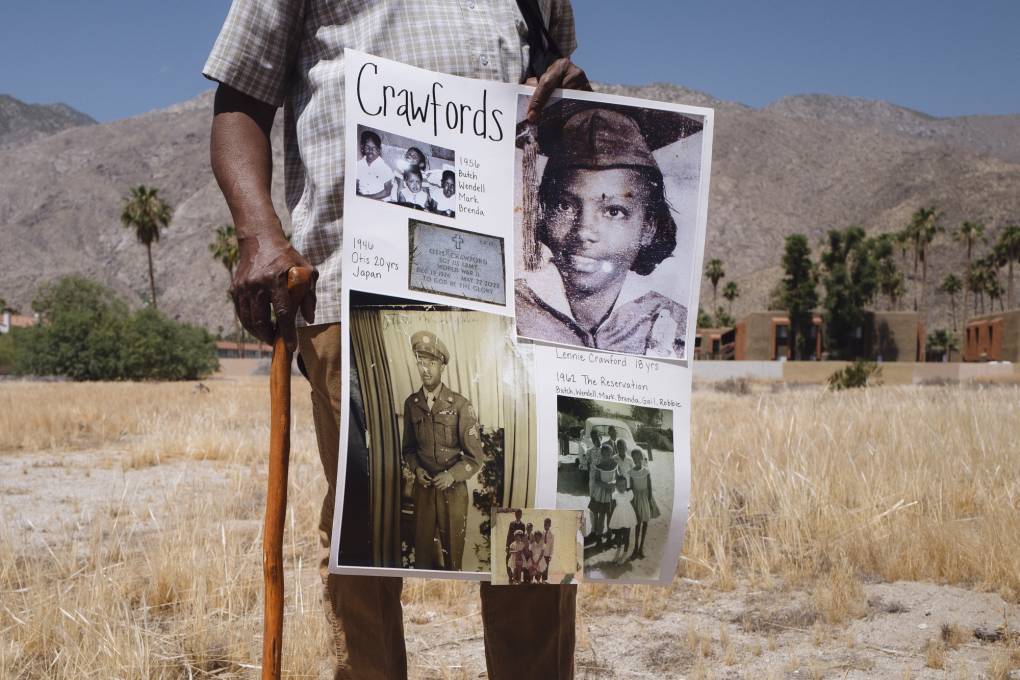
"caption": "Wendell Crawford holds a poster with images of his family who once lived in the Section 14 neighborhood, in Palm Springs on May 30, 2024. 'I used to walk through these grounds,' he said, pointing to where his family once lived.",
"credit": "Zaydee Sanchez/KQED",
"altTag": null,
"description": null,
"imgSizes": {
"medium": {
"file": "https://cdn.kqed.org/wp-content/uploads/sites/10/2024/06/PALM-SPRINGS-35-ZS-KQED-800x533.jpg",
"width": 800,
"height": 533,
"mimeType": "image/jpeg"
},
"large": {
"file": "https://cdn.kqed.org/wp-content/uploads/sites/10/2024/06/PALM-SPRINGS-35-ZS-KQED-1020x680.jpg",
"width": 1020,
"height": 680,
"mimeType": "image/jpeg"
},
"thumbnail": {
"file": "https://cdn.kqed.org/wp-content/uploads/sites/10/2024/06/PALM-SPRINGS-35-ZS-KQED-160x107.jpg",
"width": 160,
"height": 107,
"mimeType": "image/jpeg"
},
"1536x1536": {
"file": "https://cdn.kqed.org/wp-content/uploads/sites/10/2024/06/PALM-SPRINGS-35-ZS-KQED-1536x1024.jpg",
"width": 1536,
"height": 1024,
"mimeType": "image/jpeg"
},
"post-thumbnail": {
"file": "https://cdn.kqed.org/wp-content/uploads/sites/10/2024/06/PALM-SPRINGS-35-ZS-KQED-672x372.jpg",
"width": 672,
"height": 372,
"mimeType": "image/jpeg"
},
"twentyfourteen-full-width": {
"file": "https://cdn.kqed.org/wp-content/uploads/sites/10/2024/06/PALM-SPRINGS-35-ZS-KQED-1038x576.jpg",
"width": 1038,
"height": 576,
"mimeType": "image/jpeg"
},
"full-width": {
"file": "https://cdn.kqed.org/wp-content/uploads/sites/10/2024/06/PALM-SPRINGS-35-ZS-KQED-1920x1280.jpg",
"width": 1920,
"height": 1280,
"mimeType": "image/jpeg"
},
"kqedFullSize": {
"file": "https://cdn.kqed.org/wp-content/uploads/sites/10/2024/06/PALM-SPRINGS-35-ZS-KQED.jpg",
"width": 2000,
"height": 1333
}
},
"isLoading": false,
"fetchFailed": false
},
"news_12044643": {
"type": "attachments",
"id": "news_12044643",
"meta": {
"index": "attachments_1716263798",
"site": "news",
"id": "12044643",
"found": true
},
"title": "$12m Reparations Illustration",
"publishDate": 1750179912,
"status": "inherit",
"parent": 0,
"modified": 1750180537,
"caption": "One year ago, Gov. Gavin Newsom set aside $12 million for reparations legislation. The dispersal of the money remains stalled amid disagreements over how it should be used.",
"credit": "Darren Tu/KQED",
"altTag": null,
"description": null,
"imgSizes": {
"thumbnail": {
"file": "https://cdn.kqed.org/wp-content/uploads/sites/10/2025/06/12m-Reparations-1-160x103.jpg",
"width": 160,
"height": 103,
"mimeType": "image/jpeg"
},
"1536x1536": {
"file": "https://cdn.kqed.org/wp-content/uploads/sites/10/2025/06/12m-Reparations-1-1536x992.jpg",
"width": 1536,
"height": 992,
"mimeType": "image/jpeg"
},
"post-thumbnail": {
"file": "https://cdn.kqed.org/wp-content/uploads/sites/10/2025/06/12m-Reparations-1-672x372.jpg",
"width": 672,
"height": 372,
"mimeType": "image/jpeg"
},
"twentyfourteen-full-width": {
"file": "https://cdn.kqed.org/wp-content/uploads/sites/10/2025/06/12m-Reparations-1-1038x576.jpg",
"width": 1038,
"height": 576,
"mimeType": "image/jpeg"
},
"kqedFullSize": {
"file": "https://cdn.kqed.org/wp-content/uploads/sites/10/2025/06/12m-Reparations-1.jpg",
"width": 1920,
"height": 1240
}
},
"isLoading": false,
"fetchFailed": false
},
"news_12037706": {
"type": "attachments",
"id": "news_12037706",
"meta": {
"index": "attachments_1716263798",
"site": "news",
"id": "12037706",
"found": true
},
"title": "020_KQED_EARTHseedFarmSonoma_07082022_qed",
"publishDate": 1745611704,
"status": "inherit",
"parent": 12037633,
"modified": 1745611742,
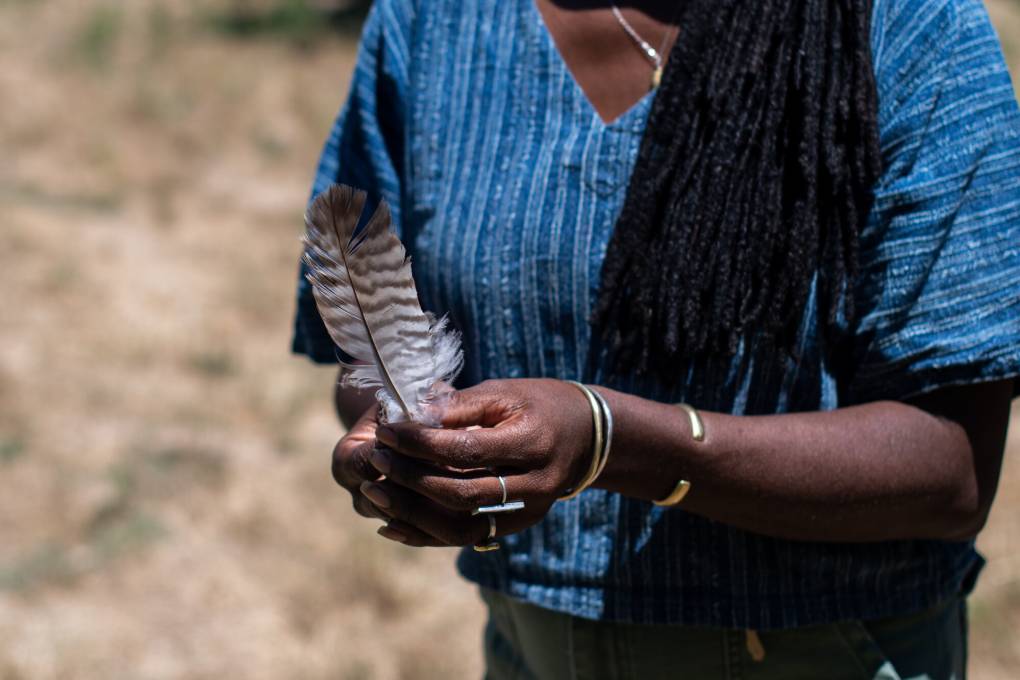
"caption": "EARTHseed Farm founder Pandora Thomas finds a feather at the farm and orchard in Sonoma County on July 8, 2022. The farm operates on Afro-Indigenous permaculture principles.",
"credit": "Beth LaBerge/KQED",
"altTag": null,
"description": null,
"imgSizes": {
"medium": {
"file": "https://cdn.kqed.org/wp-content/uploads/sites/10/2025/04/020_KQED_EARTHseedFarmSonoma_07082022_qed-800x533.jpg",
"width": 800,
"height": 533,
"mimeType": "image/jpeg"
},
"large": {
"file": "https://cdn.kqed.org/wp-content/uploads/sites/10/2025/04/020_KQED_EARTHseedFarmSonoma_07082022_qed-1020x680.jpg",
"width": 1020,
"height": 680,
"mimeType": "image/jpeg"
},
"thumbnail": {
"file": "https://cdn.kqed.org/wp-content/uploads/sites/10/2025/04/020_KQED_EARTHseedFarmSonoma_07082022_qed-160x107.jpg",
"width": 160,
"height": 107,
"mimeType": "image/jpeg"
},
"1536x1536": {
"file": "https://cdn.kqed.org/wp-content/uploads/sites/10/2025/04/020_KQED_EARTHseedFarmSonoma_07082022_qed-1536x1024.jpg",
"width": 1536,
"height": 1024,
"mimeType": "image/jpeg"
},
"post-thumbnail": {
"file": "https://cdn.kqed.org/wp-content/uploads/sites/10/2025/04/020_KQED_EARTHseedFarmSonoma_07082022_qed-672x372.jpg",
"width": 672,
"height": 372,
"mimeType": "image/jpeg"
},
"twentyfourteen-full-width": {
"file": "https://cdn.kqed.org/wp-content/uploads/sites/10/2025/04/020_KQED_EARTHseedFarmSonoma_07082022_qed-1038x576.jpg",
"width": 1038,
"height": 576,
"mimeType": "image/jpeg"
},
"full-width": {
"file": "https://cdn.kqed.org/wp-content/uploads/sites/10/2025/04/020_KQED_EARTHseedFarmSonoma_07082022_qed-1920x1280.jpg",
"width": 1920,
"height": 1280,
"mimeType": "image/jpeg"
},
"kqedFullSize": {
"file": "https://cdn.kqed.org/wp-content/uploads/sites/10/2025/04/020_KQED_EARTHseedFarmSonoma_07082022_qed.jpg",
"width": 1999,
"height": 1333
}
},
"isLoading": false,
"fetchFailed": false
},
"news_12035831": {
"type": "attachments",
"id": "news_12035831",
"meta": {
"index": "attachments_1716263798",
"site": "news",
"id": "12035831",
"found": true
},
"title": "250409-LIVERMORE BLACK LAND-MD-10-KQED-1",
"publishDate": 1744554334,
"status": "inherit",
"parent": 0,
"modified": 1745003797,
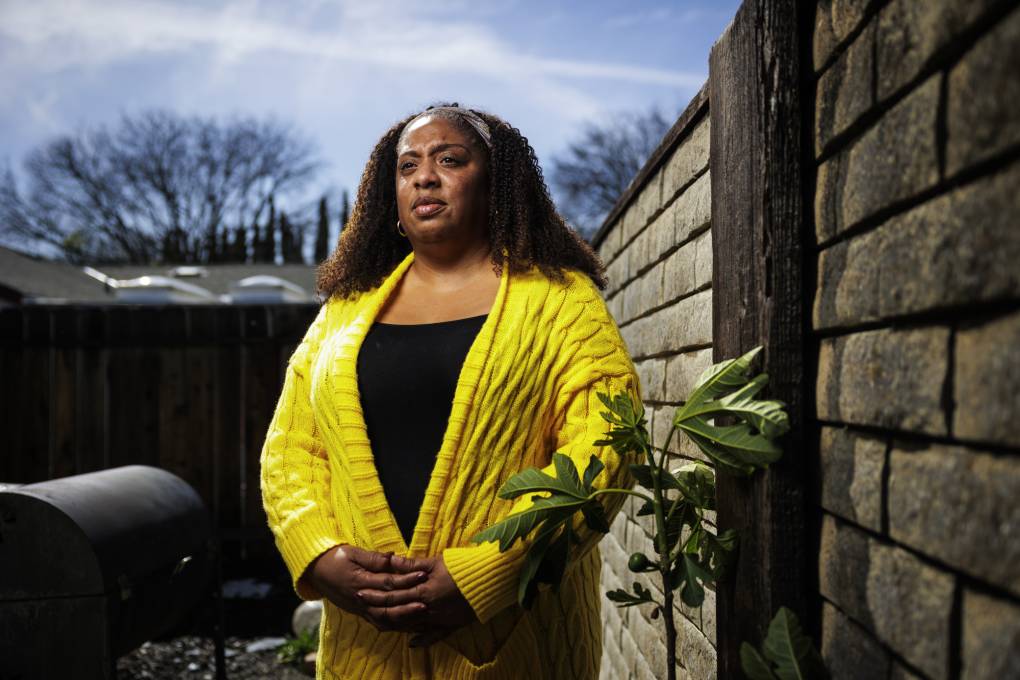
"caption": "Tashenia Pearson stands beside the wall separating her property from her neighbors' in Livermore on April 9, 2025. Pearson's parents bought the home in Livermore in 1971, only to discover the wall, which was built 7 feet onto their property and which effectively gives 740 square feet of the Pearson's property to their neighbor.",
"credit": "Martin do Nascimento/KQED",
"altTag": null,
"description": null,
"imgSizes": {
"medium": {
"file": "https://cdn.kqed.org/wp-content/uploads/sites/10/2025/04/250409-LIVERMORE-BLACK-LAND-MD-10-KQED-1-800x533.jpg",
"width": 800,
"height": 533,
"mimeType": "image/jpeg"
},
"large": {
"file": "https://cdn.kqed.org/wp-content/uploads/sites/10/2025/04/250409-LIVERMORE-BLACK-LAND-MD-10-KQED-1-1020x680.jpg",
"width": 1020,
"height": 680,
"mimeType": "image/jpeg"
},
"thumbnail": {
"file": "https://cdn.kqed.org/wp-content/uploads/sites/10/2025/04/250409-LIVERMORE-BLACK-LAND-MD-10-KQED-1-160x107.jpg",
"width": 160,
"height": 107,
"mimeType": "image/jpeg"
},
"1536x1536": {
"file": "https://cdn.kqed.org/wp-content/uploads/sites/10/2025/04/250409-LIVERMORE-BLACK-LAND-MD-10-KQED-1-1536x1024.jpg",
"width": 1536,
"height": 1024,
"mimeType": "image/jpeg"
},
"post-thumbnail": {
"file": "https://cdn.kqed.org/wp-content/uploads/sites/10/2025/04/250409-LIVERMORE-BLACK-LAND-MD-10-KQED-1-672x372.jpg",
"width": 672,
"height": 372,
"mimeType": "image/jpeg"
},
"twentyfourteen-full-width": {
"file": "https://cdn.kqed.org/wp-content/uploads/sites/10/2025/04/250409-LIVERMORE-BLACK-LAND-MD-10-KQED-1-1038x576.jpg",
"width": 1038,
"height": 576,
"mimeType": "image/jpeg"
},
"full-width": {
"file": "https://cdn.kqed.org/wp-content/uploads/sites/10/2025/04/250409-LIVERMORE-BLACK-LAND-MD-10-KQED-1-1920x1280.jpg",
"width": 1920,
"height": 1280,
"mimeType": "image/jpeg"
},
"kqedFullSize": {
"file": "https://cdn.kqed.org/wp-content/uploads/sites/10/2025/04/250409-LIVERMORE-BLACK-LAND-MD-10-KQED-1.jpg",
"width": 2000,
"height": 1333
}
},
"isLoading": false,
"fetchFailed": false
},
"news_12029388": {
"type": "attachments",
"id": "news_12029388",
"meta": {
"index": "attachments_1716263798",
"site": "news",
"id": "12029388",
"found": true
},
"title": "Evan Lewis at Northeastern University in Oakland on Feb. 28, 2025.",
"publishDate": 1740844049,
"status": "inherit",
"parent": 0,
"modified": 1740844114,
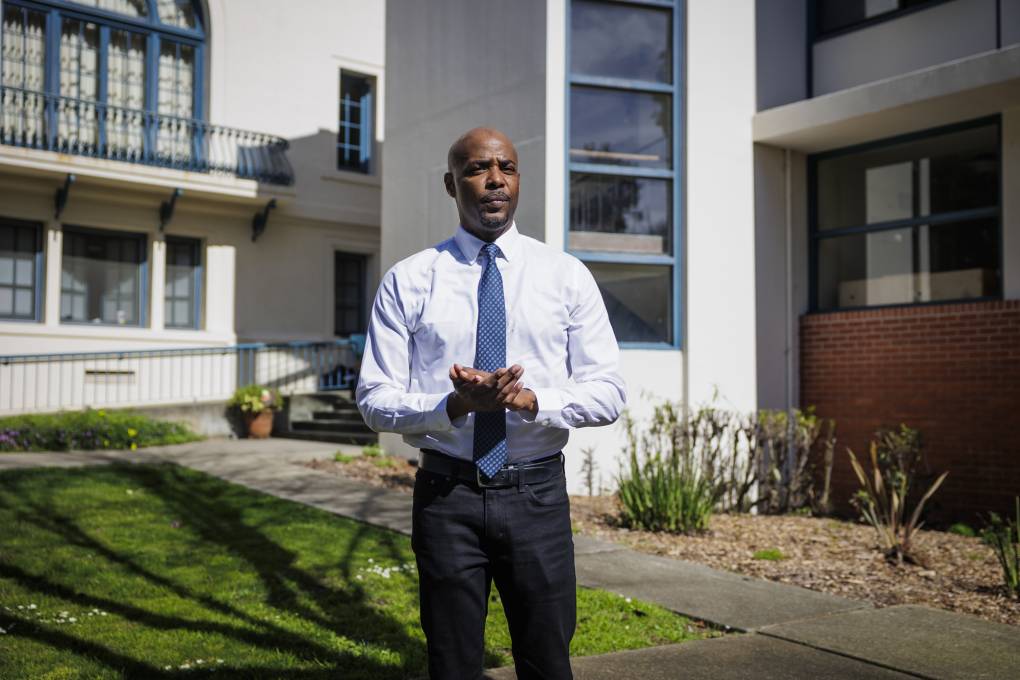
"caption": "Evan Lewis at Northeastern University in Oakland on Feb. 28, 2025.",
"credit": "Martin do Nascimento/KQED",
"altTag": null,
"description": null,
"imgSizes": {
"medium": {
"file": "https://cdn.kqed.org/wp-content/uploads/sites/10/2025/03/250228-RACIAL-VIOLENCE-CONFERENCE-MD-04-KQED-800x533.jpg",
"width": 800,
"height": 533,
"mimeType": "image/jpeg"
},
"large": {
"file": "https://cdn.kqed.org/wp-content/uploads/sites/10/2025/03/250228-RACIAL-VIOLENCE-CONFERENCE-MD-04-KQED-1020x680.jpg",
"width": 1020,
"height": 680,
"mimeType": "image/jpeg"
},
"thumbnail": {
"file": "https://cdn.kqed.org/wp-content/uploads/sites/10/2025/03/250228-RACIAL-VIOLENCE-CONFERENCE-MD-04-KQED-160x107.jpg",
"width": 160,
"height": 107,
"mimeType": "image/jpeg"
},
"1536x1536": {
"file": "https://cdn.kqed.org/wp-content/uploads/sites/10/2025/03/250228-RACIAL-VIOLENCE-CONFERENCE-MD-04-KQED-1536x1024.jpg",
"width": 1536,
"height": 1024,
"mimeType": "image/jpeg"
},
"post-thumbnail": {
"file": "https://cdn.kqed.org/wp-content/uploads/sites/10/2025/03/250228-RACIAL-VIOLENCE-CONFERENCE-MD-04-KQED-672x372.jpg",
"width": 672,
"height": 372,
"mimeType": "image/jpeg"
},
"twentyfourteen-full-width": {
"file": "https://cdn.kqed.org/wp-content/uploads/sites/10/2025/03/250228-RACIAL-VIOLENCE-CONFERENCE-MD-04-KQED-1038x576.jpg",
"width": 1038,
"height": 576,
"mimeType": "image/jpeg"
},
"full-width": {
"file": "https://cdn.kqed.org/wp-content/uploads/sites/10/2025/03/250228-RACIAL-VIOLENCE-CONFERENCE-MD-04-KQED-1920x1280.jpg",
"width": 1920,
"height": 1280,
"mimeType": "image/jpeg"
},
"kqedFullSize": {
"file": "https://cdn.kqed.org/wp-content/uploads/sites/10/2025/03/250228-RACIAL-VIOLENCE-CONFERENCE-MD-04-KQED.jpg",
"width": 2000,
"height": 1333
}
},
"isLoading": false,
"fetchFailed": false
},
"news_11981484": {
"type": "attachments",
"id": "news_11981484",
"meta": {
"index": "attachments_1716263798",
"site": "news",
"id": "11981484",
"found": true
},
"title": "240328-BAYWOODHISTORICDISTRICT-JY-001-KQED",
"publishDate": 1711975132,
"status": "inherit",
"parent": 0,
"modified": 1743209248,
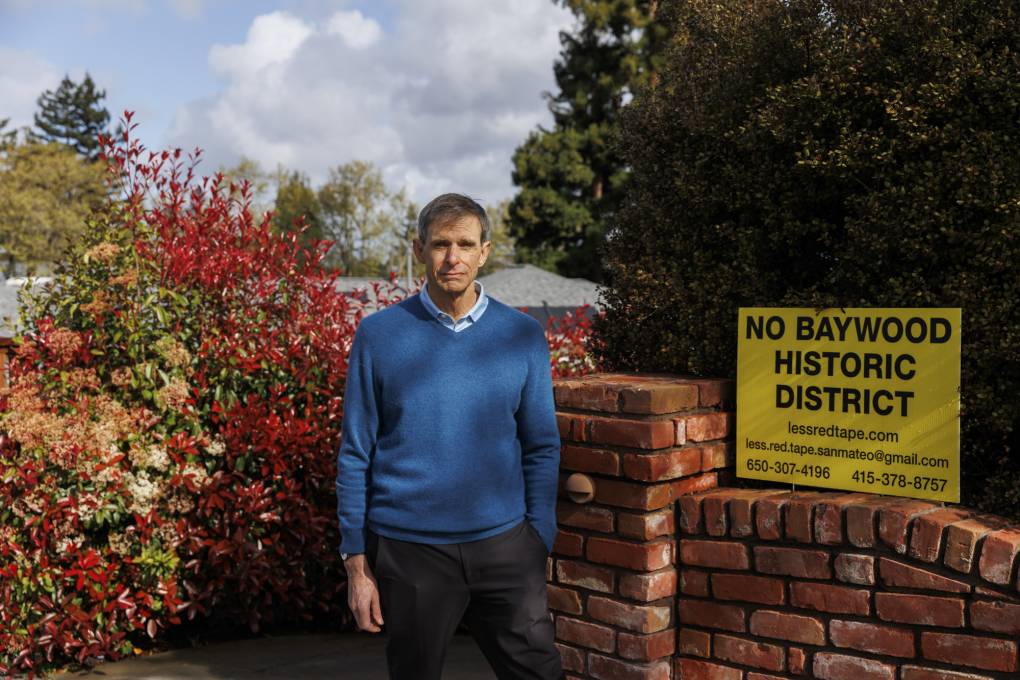
"caption": "Lead organizer of Less Red Tape, Frank Elliott, stands for a portrait outside his home in San Mateo, California, on Thursday, March 28, 2024. Elliott, who has lived in his home in the Baywood neighborhood of San Mateo since 1997, founded Less Red Tape to protest the designation of Baywood as a historic district.",
"credit": "Juliana Yamada/KQED",
"altTag": null,
"description": null,
"imgSizes": {
"medium": {
"file": "https://cdn.kqed.org/wp-content/uploads/sites/10/2024/04/240328-BAYWOODHISTORICDISTRICT-JY-001-KQED-800x533.jpg",
"width": 800,
"height": 533,
"mimeType": "image/jpeg"
},
"large": {
"file": "https://cdn.kqed.org/wp-content/uploads/sites/10/2024/04/240328-BAYWOODHISTORICDISTRICT-JY-001-KQED-1020x680.jpg",
"width": 1020,
"height": 680,
"mimeType": "image/jpeg"
},
"thumbnail": {
"file": "https://cdn.kqed.org/wp-content/uploads/sites/10/2024/04/240328-BAYWOODHISTORICDISTRICT-JY-001-KQED-160x107.jpg",
"width": 160,
"height": 107,
"mimeType": "image/jpeg"
},
"1536x1536": {
"file": "https://cdn.kqed.org/wp-content/uploads/sites/10/2024/04/240328-BAYWOODHISTORICDISTRICT-JY-001-KQED-1536x1024.jpg",
"width": 1536,
"height": 1024,
"mimeType": "image/jpeg"
},
"post-thumbnail": {
"file": "https://cdn.kqed.org/wp-content/uploads/sites/10/2024/04/240328-BAYWOODHISTORICDISTRICT-JY-001-KQED-672x372.jpg",
"width": 672,
"height": 372,
"mimeType": "image/jpeg"
},
"twentyfourteen-full-width": {
"file": "https://cdn.kqed.org/wp-content/uploads/sites/10/2024/04/240328-BAYWOODHISTORICDISTRICT-JY-001-KQED-1038x576.jpg",
"width": 1038,
"height": 576,
"mimeType": "image/jpeg"
},
"full-width": {
"file": "https://cdn.kqed.org/wp-content/uploads/sites/10/2024/04/240328-BAYWOODHISTORICDISTRICT-JY-001-KQED-1920x1280.jpg",
"width": 1920,
"height": 1280,
"mimeType": "image/jpeg"
},
"kqedFullSize": {
"file": "https://cdn.kqed.org/wp-content/uploads/sites/10/2024/04/240328-BAYWOODHISTORICDISTRICT-JY-001-KQED.jpg",
"width": 2000,
"height": 1333
}
},
"isLoading": false,
"fetchFailed": false
},
"news_12027414": {
"type": "attachments",
"id": "news_12027414",
"meta": {
"index": "attachments_1716263798",
"site": "news",
"id": "12027414",
"found": true
},
"title": "20241215-JSEI-JY-917",
"publishDate": 1739804952,
"status": "inherit",
"parent": 12025613,
"modified": 1741375858,
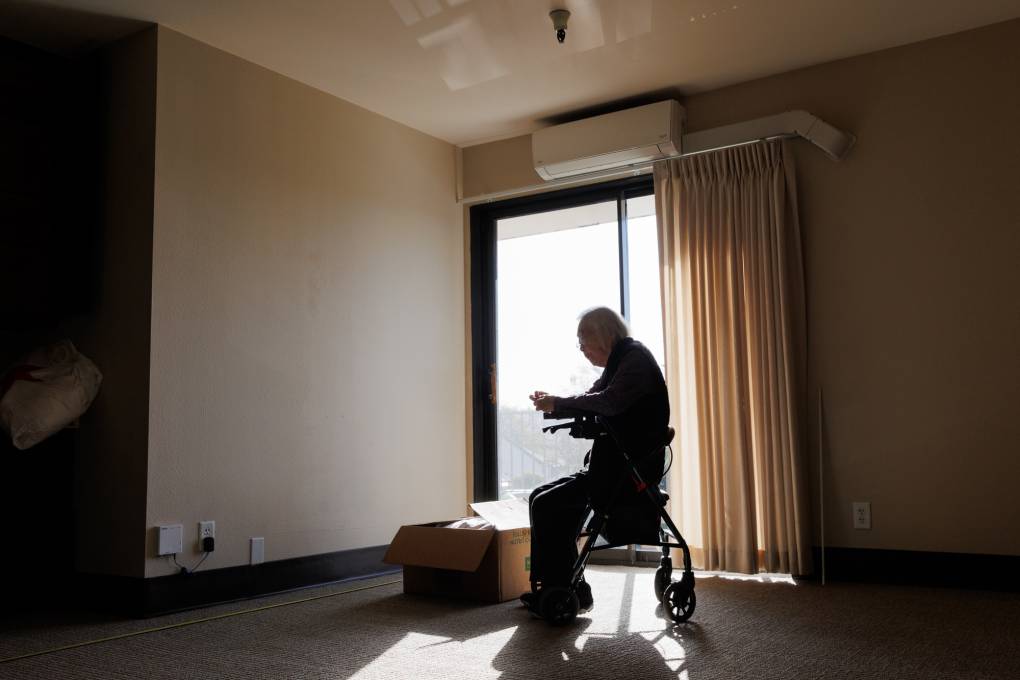
"caption": "Grace Aikawa looks around at her empty room at her new care facility in Castro Valley, California, on Sunday, Dec. 15, 2024.",
"credit": "Juliana Yamada/KQED",
"altTag": null,
"description": null,
"imgSizes": {
"medium": {
"file": "https://cdn.kqed.org/wp-content/uploads/sites/10/2025/02/20241215-JSEI-JY-917-800x533.jpg",
"width": 800,
"height": 533,
"mimeType": "image/jpeg"
},
"large": {
"file": "https://cdn.kqed.org/wp-content/uploads/sites/10/2025/02/20241215-JSEI-JY-917-1020x680.jpg",
"width": 1020,
"height": 680,
"mimeType": "image/jpeg"
},
"thumbnail": {
"file": "https://cdn.kqed.org/wp-content/uploads/sites/10/2025/02/20241215-JSEI-JY-917-160x107.jpg",
"width": 160,
"height": 107,
"mimeType": "image/jpeg"
},
"1536x1536": {
"file": "https://cdn.kqed.org/wp-content/uploads/sites/10/2025/02/20241215-JSEI-JY-917-1536x1024.jpg",
"width": 1536,
"height": 1024,
"mimeType": "image/jpeg"
},
"post-thumbnail": {
"file": "https://cdn.kqed.org/wp-content/uploads/sites/10/2025/02/20241215-JSEI-JY-917-672x372.jpg",
"width": 672,
"height": 372,
"mimeType": "image/jpeg"
},
"twentyfourteen-full-width": {
"file": "https://cdn.kqed.org/wp-content/uploads/sites/10/2025/02/20241215-JSEI-JY-917-1038x576.jpg",
"width": 1038,
"height": 576,
"mimeType": "image/jpeg"
},
"full-width": {
"file": "https://cdn.kqed.org/wp-content/uploads/sites/10/2025/02/20241215-JSEI-JY-917-1920x1280.jpg",
"width": 1920,
"height": 1280,
"mimeType": "image/jpeg"
},
"kqedFullSize": {
"file": "https://cdn.kqed.org/wp-content/uploads/sites/10/2025/02/20241215-JSEI-JY-917.jpg",
"width": 2000,
"height": 1333
}
},
"isLoading": false,
"fetchFailed": false
},
"news_11982734": {
"type": "attachments",
"id": "news_11982734",
"meta": {
"index": "attachments_1716263798",
"site": "news",
"id": "11982734",
"found": true
},
"title": "CMReparations01",
"publishDate": 1712877840,
"status": "inherit",
"parent": 11982724,
"modified": 1750184918,
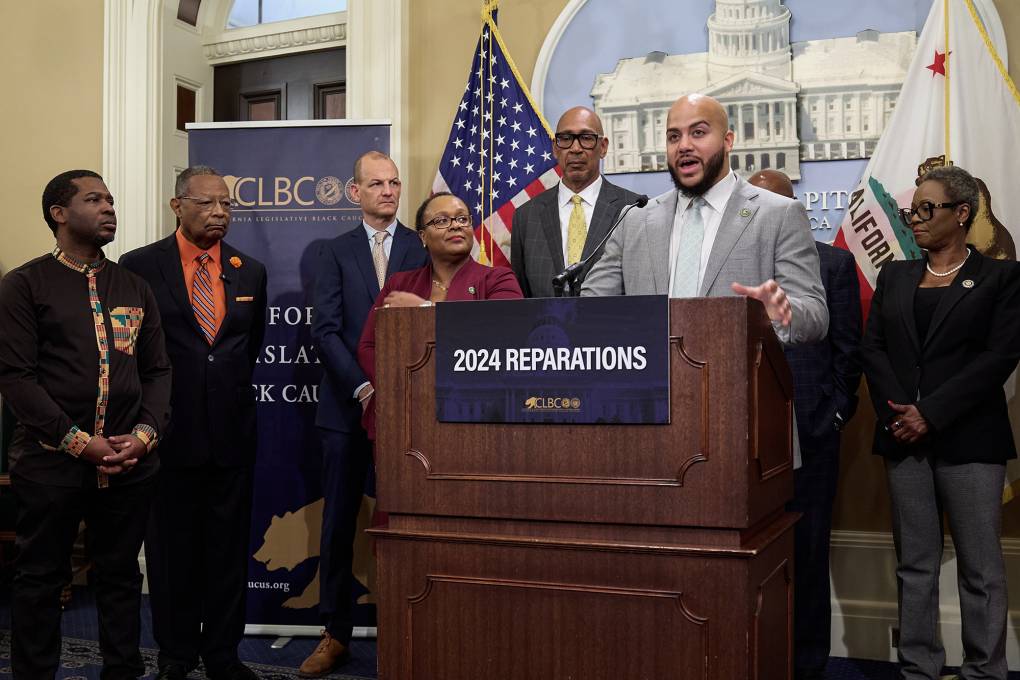
"caption": "Assemblymember Isaac Bryan speaks during a press conference led by the California Legislative Black Caucus at the state Capitol in Sacramento on Feb. 21, 2024. ",
"credit": "Fred Greaves/CalMatters",
"altTag": null,
"description": null,
"imgSizes": {
"medium": {
"file": "https://cdn.kqed.org/wp-content/uploads/sites/10/2024/04/CMReparations01-800x533.jpg",
"width": 800,
"height": 533,
"mimeType": "image/jpeg"
},
"large": {
"file": "https://cdn.kqed.org/wp-content/uploads/sites/10/2024/04/CMReparations01-1020x680.jpg",
"width": 1020,
"height": 680,
"mimeType": "image/jpeg"
},
"thumbnail": {
"file": "https://cdn.kqed.org/wp-content/uploads/sites/10/2024/04/CMReparations01-160x107.jpg",
"width": 160,
"height": 107,
"mimeType": "image/jpeg"
},
"1536x1536": {
"file": "https://cdn.kqed.org/wp-content/uploads/sites/10/2024/04/CMReparations01-1536x1024.jpg",
"width": 1536,
"height": 1024,
"mimeType": "image/jpeg"
},
"post-thumbnail": {
"file": "https://cdn.kqed.org/wp-content/uploads/sites/10/2024/04/CMReparations01-672x372.jpg",
"width": 672,
"height": 372,
"mimeType": "image/jpeg"
},
"twentyfourteen-full-width": {
"file": "https://cdn.kqed.org/wp-content/uploads/sites/10/2024/04/CMReparations01-1038x576.jpg",
"width": 1038,
"height": 576,
"mimeType": "image/jpeg"
},
"full-width": {
"file": "https://cdn.kqed.org/wp-content/uploads/sites/10/2024/04/CMReparations01-1920x1280.jpg",
"width": 1920,
"height": 1280,
"mimeType": "image/jpeg"
},
"kqedFullSize": {
"file": "https://cdn.kqed.org/wp-content/uploads/sites/10/2024/04/CMReparations01.jpg",
"width": 2000,
"height": 1333
}
},
"isLoading": false,
"fetchFailed": false
},
"news_12027260": {
"type": "attachments",
"id": "news_12027260",
"meta": {
"index": "attachments_1716263798",
"site": "news",
"id": "12027260",
"found": true
},
"title": "250214-Dream Keeper Returns-01-KQED",
"publishDate": 1739574832,
"status": "inherit",
"parent": 0,
"modified": 1739898978,
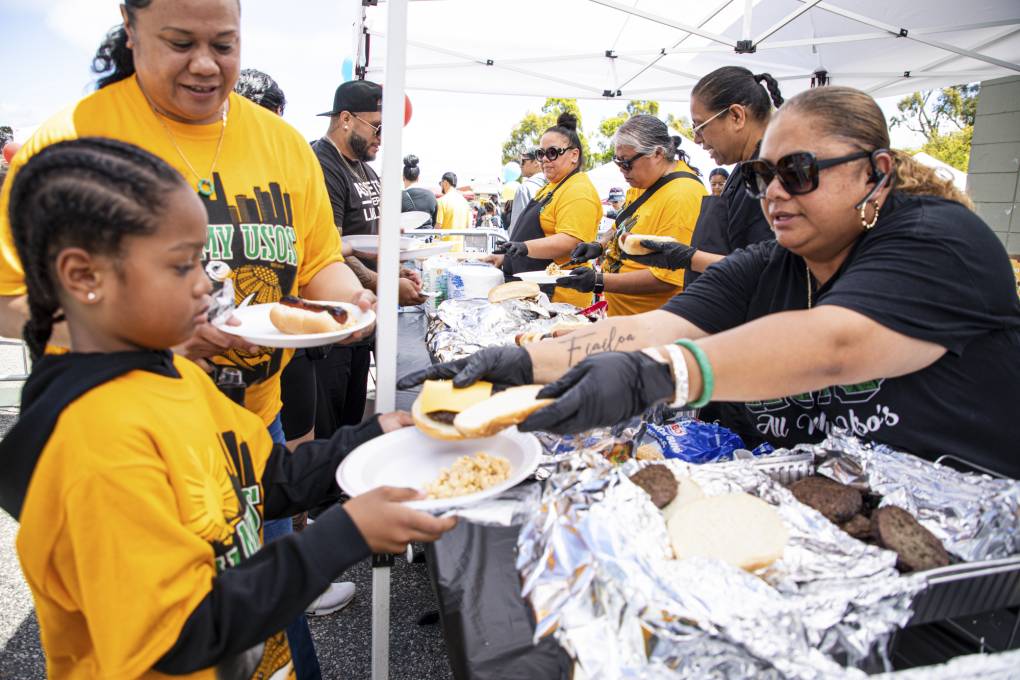
"caption": "Volunteers serve food at All My Usos annual Family Day BBQ at Gilman Park in San Francisco on Aug. 17, 2024. All My Usos was a recipient of Dream Keeper Initiative funds before the program was frozen.",
"credit": "Courtesy of All My Usos",
"altTag": null,
"description": null,
"imgSizes": {
"medium": {
"file": "https://cdn.kqed.org/wp-content/uploads/sites/10/2025/02/250214-Dream-Keeper-Returns-01-KQED-800x533.jpg",
"width": 800,
"height": 533,
"mimeType": "image/jpeg"
},
"large": {
"file": "https://cdn.kqed.org/wp-content/uploads/sites/10/2025/02/250214-Dream-Keeper-Returns-01-KQED-1020x680.jpg",
"width": 1020,
"height": 680,
"mimeType": "image/jpeg"
},
"thumbnail": {
"file": "https://cdn.kqed.org/wp-content/uploads/sites/10/2025/02/250214-Dream-Keeper-Returns-01-KQED-160x107.jpg",
"width": 160,
"height": 107,
"mimeType": "image/jpeg"
},
"1536x1536": {
"file": "https://cdn.kqed.org/wp-content/uploads/sites/10/2025/02/250214-Dream-Keeper-Returns-01-KQED-1536x1024.jpg",
"width": 1536,
"height": 1024,
"mimeType": "image/jpeg"
},
"post-thumbnail": {
"file": "https://cdn.kqed.org/wp-content/uploads/sites/10/2025/02/250214-Dream-Keeper-Returns-01-KQED-672x372.jpg",
"width": 672,
"height": 372,
"mimeType": "image/jpeg"
},
"twentyfourteen-full-width": {
"file": "https://cdn.kqed.org/wp-content/uploads/sites/10/2025/02/250214-Dream-Keeper-Returns-01-KQED-1038x576.jpg",
"width": 1038,
"height": 576,
"mimeType": "image/jpeg"
},
"full-width": {
"file": "https://cdn.kqed.org/wp-content/uploads/sites/10/2025/02/250214-Dream-Keeper-Returns-01-KQED-1920x1280.jpg",
"width": 1920,
"height": 1280,
"mimeType": "image/jpeg"
},
"kqedFullSize": {
"file": "https://cdn.kqed.org/wp-content/uploads/sites/10/2025/02/250214-Dream-Keeper-Returns-01-KQED.jpg",
"width": 2000,
"height": 1333
}
},
"isLoading": false,
"fetchFailed": false
},
"news_12004888": {
"type": "attachments",
"id": "news_12004888",
"meta": {
"index": "attachments_1716263798",
"site": "news",
"id": "12004888",
"found": true
},
"title": "032723-Isaac-Bryan-MG-CM-01",
"publishDate": 1726516312,
"status": "inherit",
"parent": 12004883,
"modified": 1733172184,
"caption": "Assemblymember Isaac Bryan (D-Culver City) on the Assembly floor at the state Capitol on March 27, 2023.",
"credit": "Miguel Gutierrez Jr./CalMatters",
"altTag": "A young, bald Black man with a beard, wearing a grey suit, speaks at a formal hearing.",
"description": null,
"imgSizes": {
"medium": {
"file": "https://cdn.kqed.org/wp-content/uploads/sites/10/2024/09/032723-Isaac-Bryan-MG-CM-01-800x533.jpeg",
"width": 800,
"height": 533,
"mimeType": "image/jpeg"
},
"large": {
"file": "https://cdn.kqed.org/wp-content/uploads/sites/10/2024/09/032723-Isaac-Bryan-MG-CM-01-1020x680.jpeg",
"width": 1020,
"height": 680,
"mimeType": "image/jpeg"
},
"thumbnail": {
"file": "https://cdn.kqed.org/wp-content/uploads/sites/10/2024/09/032723-Isaac-Bryan-MG-CM-01-160x107.jpeg",
"width": 160,
"height": 107,
"mimeType": "image/jpeg"
},
"1536x1536": {
"file": "https://cdn.kqed.org/wp-content/uploads/sites/10/2024/09/032723-Isaac-Bryan-MG-CM-01-1536x1024.jpeg",
"width": 1536,
"height": 1024,
"mimeType": "image/jpeg"
},
"post-thumbnail": {
"file": "https://cdn.kqed.org/wp-content/uploads/sites/10/2024/09/032723-Isaac-Bryan-MG-CM-01-672x372.jpeg",
"width": 672,
"height": 372,
"mimeType": "image/jpeg"
},
"twentyfourteen-full-width": {
"file": "https://cdn.kqed.org/wp-content/uploads/sites/10/2024/09/032723-Isaac-Bryan-MG-CM-01-1038x576.jpeg",
"width": 1038,
"height": 576,
"mimeType": "image/jpeg"
},
"kqedFullSize": {
"file": "https://cdn.kqed.org/wp-content/uploads/sites/10/2024/09/032723-Isaac-Bryan-MG-CM-01.jpeg",
"width": 1568,
"height": 1045
}
},
"isLoading": false,
"fetchFailed": false
},
"news_12014008": {
"type": "attachments",
"id": "news_12014008",
"meta": {
"index": "attachments_1716263798",
"site": "news",
"id": "12014008",
"found": true
},
"title": "New home construction Southern California",
"publishDate": 1731358438,
"status": "inherit",
"parent": 12013983,
"modified": 1731358521,
"caption": "Housing construction in Rancho Mission Viejo in unincorporated Orange County on Sept. 25, 2024. ",
"credit": "Paul Bersebach/MediaNews Group/Orange County Register via Getty Images",
"altTag": null,
"description": null,
"imgSizes": {
"medium": {
"file": "https://cdn.kqed.org/wp-content/uploads/sites/10/2024/11/GettyImages-2176495054-800x450.jpg",
"width": 800,
"height": 450,
"mimeType": "image/jpeg"
},
"large": {
"file": "https://cdn.kqed.org/wp-content/uploads/sites/10/2024/11/GettyImages-2176495054-1020x574.jpg",
"width": 1020,
"height": 574,
"mimeType": "image/jpeg"
},
"thumbnail": {
"file": "https://cdn.kqed.org/wp-content/uploads/sites/10/2024/11/GettyImages-2176495054-160x90.jpg",
"width": 160,
"height": 90,
"mimeType": "image/jpeg"
},
"post-thumbnail": {
"file": "https://cdn.kqed.org/wp-content/uploads/sites/10/2024/11/GettyImages-2176495054-672x372.jpg",
"width": 672,
"height": 372,
"mimeType": "image/jpeg"
},
"kqedFullSize": {
"file": "https://cdn.kqed.org/wp-content/uploads/sites/10/2024/11/GettyImages-2176495054.jpg",
"width": 1024,
"height": 576
}
},
"isLoading": false,
"fetchFailed": false
}
},
"audioPlayerReducer": {
"postId": "stream_live",
"isPaused": true,
"isPlaying": false,
"pfsActive": false,
"pledgeModalIsOpen": true,
"playerDrawerIsOpen": false,
"liveAudioPlayStartedAt": 0,
"liveAudioPlayContext": ""
},
"authorsReducer": {
"byline_news_12037633": {
"type": "authors",
"id": "byline_news_12037633",
"meta": {
"override": true
},
"slug": "byline_news_12037633",
"name": "Camilla Griffiths",
"isLoading": false
},
"byline_news_12036599": {
"type": "authors",
"id": "byline_news_12036599",
"meta": {
"override": true
},
"slug": "byline_news_12036599",
"name": "Anya Schultz ",
"isLoading": false
},
"byline_news_12016282": {
"type": "authors",
"id": "byline_news_12016282",
"meta": {
"override": true
},
"slug": "byline_news_12016282",
"name": "Sophie Austin, Trân Nguyễn and Olga R. Rodriguez, Associated Press",
"isLoading": false
},
"gmarzorati": {
"type": "authors",
"id": "227",
"meta": {
"index": "authors_1716337520",
"id": "227",
"found": true
},
"name": "Guy Marzorati",
"firstName": "Guy",
"lastName": "Marzorati",
"slug": "gmarzorati",
"email": "gmarzorati@KQED.org",
"display_author_email": true,
"staff_mastheads": [
"news"
],
"title": "Correspondent",
"bio": "Guy Marzorati is a correspondent on KQED's California Politics and Government Desk, based in San Jose. A graduate of Santa Clara University, Guy joined KQED in 2013. He reports on state and local politics and produces KQED's digital voter guide.",
"avatar": "https://secure.gravatar.com/avatar/e7038b8dbfd55b104369b76b1cd0b9de?s=600&d=blank&r=g",
"twitter": "guymarzorati",
"facebook": null,
"instagram": null,
"linkedin": null,
"sites": [
{
"site": "",
"roles": [
"editor"
]
},
{
"site": "news",
"roles": [
"editor"
]
},
{
"site": "science",
"roles": [
"editor"
]
},
{
"site": "forum",
"roles": [
"editor"
]
},
{
"site": "elections",
"roles": [
"editor"
]
},
{
"site": "liveblog",
"roles": [
"editor"
]
}
],
"headData": {
"title": "Guy Marzorati | KQED",
"description": "Correspondent",
"ogImgSrc": "https://secure.gravatar.com/avatar/e7038b8dbfd55b104369b76b1cd0b9de?s=600&d=blank&r=g",
"twImgSrc": "https://secure.gravatar.com/avatar/e7038b8dbfd55b104369b76b1cd0b9de?s=600&d=blank&r=g"
},
"isLoading": false,
"link": "/author/gmarzorati"
},
"kmizuguchi": {
"type": "authors",
"id": "11739",
"meta": {
"index": "authors_1716337520",
"id": "11739",
"found": true
},
"name": "Keith Mizuguchi",
"firstName": "Keith",
"lastName": "Mizuguchi",
"slug": "kmizuguchi",
"email": "kmizuguchi@kqed.org",
"display_author_email": false,
"staff_mastheads": [],
"title": "KQED Contributor",
"bio": null,
"avatar": "https://secure.gravatar.com/avatar/64d8a7de0723d4099b9fe4e915136103febcc20809abce228ee4415bcb237023?s=600&d=blank&r=g",
"twitter": null,
"bluesky": null,
"facebook": null,
"instagram": null,
"linkedin": null,
"sites": [
{
"site": "news",
"roles": [
"editor"
]
},
{
"site": "science",
"roles": [
"editor"
]
}
],
"headData": {
"title": "Keith Mizuguchi | KQED",
"description": "KQED Contributor",
"ogImgSrc": "https://secure.gravatar.com/avatar/64d8a7de0723d4099b9fe4e915136103febcc20809abce228ee4415bcb237023?s=600&d=blank&r=g",
"twImgSrc": "https://secure.gravatar.com/avatar/64d8a7de0723d4099b9fe4e915136103febcc20809abce228ee4415bcb237023?s=600&d=blank&r=g"
},
"isLoading": false,
"link": "/author/kmizuguchi"
},
"nkhan": {
"type": "authors",
"id": "11867",
"meta": {
"index": "authors_1716337520",
"id": "11867",
"found": true
},
"name": "Nisa Khan",
"firstName": "Nisa",
"lastName": "Khan",
"slug": "nkhan",
"email": "nkhan@kqed.org",
"display_author_email": false,
"staff_mastheads": [],
"title": "KQED Contributor",
"bio": "Nisa Khan is a reporter for KQED's Audience News Desk. She was formerly a data reporter at Michigan Radio. She earned a Bachelor of Science in Information from the University of Michigan and a Master of Arts in Communication from Stanford University.",
"avatar": "https://secure.gravatar.com/avatar/a3bf1efcfbe7658d13a434cc54d0b2e3?s=600&d=blank&r=g",
"twitter": "mnisakhan",
"bluesky": null,
"facebook": null,
"instagram": null,
"linkedin": null,
"sites": [
{
"site": "arts",
"roles": [
"editor"
]
},
{
"site": "news",
"roles": [
"editor"
]
},
{
"site": "science",
"roles": [
"editor",
"author"
]
},
{
"site": "forum",
"roles": [
"editor"
]
},
{
"site": "liveblog",
"roles": [
"contributor"
]
}
],
"headData": {
"title": "Nisa Khan | KQED",
"description": "KQED Contributor",
"ogImgSrc": "https://secure.gravatar.com/avatar/a3bf1efcfbe7658d13a434cc54d0b2e3?s=600&d=blank&r=g",
"twImgSrc": "https://secure.gravatar.com/avatar/a3bf1efcfbe7658d13a434cc54d0b2e3?s=600&d=blank&r=g"
},
"isLoading": false,
"link": "/author/nkhan"
},
"jyamada": {
"type": "authors",
"id": "11876",
"meta": {
"index": "authors_1716337520",
"id": "11876",
"found": true
},
"name": "Juliana Yamada",
"firstName": "Juliana",
"lastName": "Yamada",
"slug": "jyamada",
"email": "julianayamada@kqed.org",
"display_author_email": false,
"staff_mastheads": [],
"title": "KQED Photojournalist",
"bio": null,
"avatar": "https://secure.gravatar.com/avatar/cf3070075b6f3d12aac4e1e40079b3ba5fd828442b579f0ce48c293178a5f269?s=600&d=blank&r=g",
"twitter": "julianayphoto",
"bluesky": null,
"facebook": null,
"instagram": "https://www.instagram.com/julianayamadaphoto/",
"linkedin": null,
"sites": [
{
"site": "arts",
"roles": [
"author"
]
},
{
"site": "news",
"roles": [
"editor"
]
}
],
"headData": {
"title": "Juliana Yamada | KQED",
"description": "KQED Photojournalist",
"ogImgSrc": "https://secure.gravatar.com/avatar/cf3070075b6f3d12aac4e1e40079b3ba5fd828442b579f0ce48c293178a5f269?s=600&d=blank&r=g",
"twImgSrc": "https://secure.gravatar.com/avatar/cf3070075b6f3d12aac4e1e40079b3ba5fd828442b579f0ce48c293178a5f269?s=600&d=blank&r=g"
},
"isLoading": false,
"link": "/author/jyamada"
},
"mbolanos": {
"type": "authors",
"id": "11895",
"meta": {
"index": "authors_1716337520",
"id": "11895",
"found": true
},
"name": "Madi Bolaños",
"firstName": "Madi",
"lastName": "Bolaños",
"slug": "mbolanos",
"email": "mbolanos@kqed.org",
"display_author_email": false,
"staff_mastheads": [],
"title": "KQED Contributor",
"bio": null,
"avatar": "https://secure.gravatar.com/avatar/e6df5601c1f2d951e46a3fb42764330f?s=600&d=blank&r=g",
"twitter": null,
"bluesky": null,
"facebook": null,
"instagram": null,
"linkedin": null,
"sites": [
{
"site": "news",
"roles": [
"author"
]
}
],
"headData": {
"title": "Madi Bolaños | KQED",
"description": "KQED Contributor",
"ogImgSrc": "https://secure.gravatar.com/avatar/e6df5601c1f2d951e46a3fb42764330f?s=600&d=blank&r=g",
"twImgSrc": "https://secure.gravatar.com/avatar/e6df5601c1f2d951e46a3fb42764330f?s=600&d=blank&r=g"
},
"isLoading": false,
"link": "/author/mbolanos"
},
"kdebenedetti": {
"type": "authors",
"id": "11913",
"meta": {
"index": "authors_1716337520",
"id": "11913",
"found": true
},
"name": "Katie DeBenedetti",
"firstName": "Katie",
"lastName": "DeBenedetti",
"slug": "kdebenedetti",
"email": "kdebenedetti@kqed.org",
"display_author_email": false,
"staff_mastheads": [
"news",
"science"
],
"title": "KQED Contributor",
"bio": "Katie DeBenedetti is a digital reporter covering daily news for the Express Desk. Prior to joining KQED as a culture reporting intern in January 2024, she covered education and city government for the Napa Valley Register.",
"avatar": "https://secure.gravatar.com/avatar/6e31073cb8f7e4214ab03f42771d0f45?s=600&d=blank&r=g",
"twitter": null,
"facebook": null,
"instagram": null,
"linkedin": null,
"sites": [
{
"site": "news",
"roles": [
"author"
]
},
{
"site": "science",
"roles": [
"author"
]
},
{
"site": "liveblog",
"roles": [
"author"
]
}
],
"headData": {
"title": "Katie DeBenedetti | KQED",
"description": "KQED Contributor",
"ogImgSrc": "https://secure.gravatar.com/avatar/6e31073cb8f7e4214ab03f42771d0f45?s=600&d=blank&r=g",
"twImgSrc": "https://secure.gravatar.com/avatar/6e31073cb8f7e4214ab03f42771d0f45?s=600&d=blank&r=g"
},
"isLoading": false,
"link": "/author/kdebenedetti"
},
"slim": {
"type": "authors",
"id": "11920",
"meta": {
"index": "authors_1716337520",
"id": "11920",
"found": true
},
"name": "Samantha Lim",
"firstName": "Samantha",
"lastName": "Lim",
"slug": "slim",
"email": "slim@KQED.org",
"display_author_email": false,
"staff_mastheads": [],
"title": "KQED Contributor",
"bio": null,
"avatar": "https://secure.gravatar.com/avatar/82e592e6c15fe1a04d385e8ad0fb0b4e?s=600&d=blank&r=g",
"twitter": null,
"facebook": null,
"instagram": null,
"linkedin": null,
"sites": [
{
"site": "news",
"roles": []
}
],
"headData": {
"title": "Samantha Lim | KQED",
"description": "KQED Contributor",
"ogImgSrc": "https://secure.gravatar.com/avatar/82e592e6c15fe1a04d385e8ad0fb0b4e?s=600&d=blank&r=g",
"twImgSrc": "https://secure.gravatar.com/avatar/82e592e6c15fe1a04d385e8ad0fb0b4e?s=600&d=blank&r=g"
},
"isLoading": false,
"link": "/author/slim"
},
"emanoukian": {
"type": "authors",
"id": "11925",
"meta": {
"index": "authors_1716337520",
"id": "11925",
"found": true
},
"name": "Elize Manoukian",
"firstName": "Elize",
"lastName": "Manoukian",
"slug": "emanoukian",
"email": "emanoukian@KQED.org",
"display_author_email": false,
"staff_mastheads": [
"news"
],
"title": "Digital Producer",
"bio": null,
"avatar": "https://secure.gravatar.com/avatar/4525f1a8e46ccb30933b32653d9772064cfefe3fa655eb45b3b3a80341f6bdad?s=600&d=blank&r=g",
"twitter": null,
"bluesky": null,
"facebook": null,
"instagram": null,
"linkedin": null,
"sites": [
{
"site": "arts",
"roles": [
"editor"
]
},
{
"site": "news",
"roles": [
"editor"
]
},
{
"site": "science",
"roles": [
"editor"
]
}
],
"headData": {
"title": "Elize Manoukian | KQED",
"description": "Digital Producer",
"ogImgSrc": "https://secure.gravatar.com/avatar/4525f1a8e46ccb30933b32653d9772064cfefe3fa655eb45b3b3a80341f6bdad?s=600&d=blank&r=g",
"twImgSrc": "https://secure.gravatar.com/avatar/4525f1a8e46ccb30933b32653d9772064cfefe3fa655eb45b3b3a80341f6bdad?s=600&d=blank&r=g"
},
"isLoading": false,
"link": "/author/emanoukian"
}
},
"pagesReducer": {
"news_tag_reparations": {
"type": "terms",
"id": "news_2923",
"meta": {
"index": "terms_1716263798",
"site": "news",
"id": "2923",
"score": 8.93464
},
"featImg": null,
"name": "reparations",
"description": null,
"taxonomy": "tag",
"headData": {
"twImgId": null,
"twTitle": null,
"ogTitle": null,
"ogImgId": null,
"twDescription": null,
"description": null,
"title": "reparations Archives | KQED News",
"ogDescription": null
},
"ttid": 2941,
"slug": "reparations",
"isLoading": false,
"title": "reparations",
"pageMeta": {
"site": "news",
"WpPageTemplate": "page-topic-editorial",
"currentPage": 2
},
"blocks": [
{
"blockName": "kqed/post-list",
"attrs": {
"layout": "cardArticle2",
"query": "posts/news?tag=reparations",
"seeMore": false,
"paginated": true,
"page": 2
}
},
{
"blockName": "kqed/ad"
}
]
}
},
"pfsSessionReducer": {},
"postsReducer": {
"stream_live": {
"type": "live",
"id": "stream_live",
"audioUrl": "https://streams.kqed.org/kqedradio",
"title": "Live Stream",
"excerpt": "Live Stream information currently unavailable.",
"link": "/radio",
"featImg": "",
"label": {
"name": "KQED Live",
"link": "/"
}
},
"stream_kqedNewscast": {
"type": "posts",
"id": "stream_kqedNewscast",
"audioUrl": "https://www.kqed.org/.stream/anon/radio/RDnews/newscast.mp3?_=1",
"title": "KQED Newscast",
"featImg": "",
"label": {
"name": "88.5 FM",
"link": "/"
}
},
"news_12045205": {
"type": "posts",
"id": "news_12045205",
"meta": {
"index": "posts_1716263798",
"site": "news",
"id": "12045205",
"score": null,
"sort": [
1750681820000
]
},
"guestAuthors": [],
"slug": "palm-springs-payment-lag-reveals-hurdles-in-californias-racial-justice-efforts",
"title": "Palm Springs Payment Lag Reveals Hurdles in California’s Racial Justice Efforts",
"publishDate": 1750681820,
"format": "standard",
"headTitle": "Palm Springs Payment Lag Reveals Hurdles in California’s Racial Justice Efforts | KQED",
"labelTerm": {},
"content": "\u003cp>Palm Springs is one step closer to \u003ca href=\"https://www.kqed.org/news/11991098/burned-displaced-and-fighting-back-a-battle-for-reparations-in-palm-springs\">paying reparations to Black and Latino families\u003c/a> who were forcibly removed from their homes more than 60 years ago. But more than six months after the city \u003ca href=\"https://www.kqed.org/news/12014575/palm-springs-oks-5-9-million-in-reparations-for-black-and-latino-families-whose-homes-the-city-burned\">approved a historic $5.9 million settlement\u003c/a>, survivors are still waiting for the money.\u003c/p>\n\u003cp>City officials say they’re ready to release the funds, but they’re still waiting on a final, verified list of eligible recipients from civil rights attorney Areva Martin, who represents the group Section 14 Survivors. Martin says the vetting process has taken time and that’s intentional.\u003c/p>\n\u003cp>“We’re more interested in fairness and making sure everyone that wants to participate is given an opportunity to do so than driven by any deadlines,” she told KQED.\u003c/p>\n\u003cp>[ad fullwidth]\u003c/p>\n\u003cp>From the late 1950s through the early 1960s, the city of Palm Springs bulldozed and burned homes in Section 14, a 1-square-mile neighborhood that was home to mostly Black and Latino families with low income.\u003c/p>\n\u003cp>With city approval, fire crews torched homes, and residents were pushed out to make way for commercial development. In recent years, survivors and descendants have come forward to demand recognition and repair.[aside postID=news_12044638 hero='https://cdn.kqed.org/wp-content/uploads/sites/10/2025/06/12m-Reparations-1.jpg']\u003c/p>\n\u003cp>After years of advocacy, the Palm Springs City Council unanimously approved the cash settlement last November, along with a broader reparations package that includes $21 million for housing and small business investment over the next decade.\u003c/p>\n\u003cp>To qualify for the cash settlement, survivors and their descendants had to submit three documents proving they lived in Section 14 during the years the city cleared the neighborhood.\u003c/p>\n\u003cp>That’s proved challenging for many applicants in their late 70s and 80s who don’t use email or online platforms. Martin’s team received about 350 claims, relying on records like phone books, school documents and marriage certificates to verify eligibility.\u003c/p>\n\u003cp>“We’re using Docusign — something very common for people in the workplace, but not for 75- and 80-year-old people,” Martin said.\u003c/p>\n\u003cfigure id=\"attachment_11988779\" class=\"wp-caption aligncenter\" style=\"max-width: 1333px\">\u003cimg loading=\"lazy\" decoding=\"async\" class=\"size-full wp-image-11988779\" src=\"https://cdn.kqed.org/wp-content/uploads/sites/10/2024/06/PALM-SPRINGS-30-ZS-KQED.jpg\" alt=\"\" width=\"1333\" height=\"2000\" srcset=\"https://cdn.kqed.org/wp-content/uploads/sites/10/2024/06/PALM-SPRINGS-30-ZS-KQED.jpg 1333w, https://cdn.kqed.org/wp-content/uploads/sites/10/2024/06/PALM-SPRINGS-30-ZS-KQED-800x1200.jpg 800w, https://cdn.kqed.org/wp-content/uploads/sites/10/2024/06/PALM-SPRINGS-30-ZS-KQED-1020x1530.jpg 1020w, https://cdn.kqed.org/wp-content/uploads/sites/10/2024/06/PALM-SPRINGS-30-ZS-KQED-160x240.jpg 160w, https://cdn.kqed.org/wp-content/uploads/sites/10/2024/06/PALM-SPRINGS-30-ZS-KQED-1024x1536.jpg 1024w\" sizes=\"auto, (max-width: 1333px) 100vw, 1333px\">\u003cfigcaption class=\"wp-caption-text\">Pearl Devers, a former Section 14 resident, in Palm Springs on May 30, 2024. \u003ccite>(Zaydee Sanchez for KQED)\u003c/cite>\u003c/figcaption>\u003c/figure>\n\u003cp>Each application is now being reviewed by a retired California Supreme Court justice working pro bono. Martin says the process should be completed in 60 to 90 days.\u003c/p>\n\u003cp>This effort is part of a growing push across California to address racial harms. A year after the failure of key reparations bills \u003ca href=\"https://www.kqed.org/news/12002804/centerpiece-reparations-bill-derailed-by-newsoms-late-request-heres-why\">drew backlash from activists\u003c/a>, the California Legislative Black Caucus introduced several new measures this session.\u003c/p>\n\u003cp>One is SB 518, introduced by state Sen. Akilah Weber Pierson (D-San Diego). The bill would establish a state framework to support local reparations programs, like the one in Palm Springs, by helping cities identify eligible recipients, develop cultural restoration projects and distribute funds fairly.\u003c/p>\n\u003cp>“For centuries, systemic discrimination has created barriers for opportunity for economic security, housing, education, health and so much more,” Weber Pierson said. “The effects of these injustices are still felt today and action is long overdue.”\u003c/p>\n\u003cp>Beyond cash payouts, Palm Springs also committed to cultural and community investments, including plans for a healing center, a public monument, and a permanent day of remembrance for Section 14. So far, the programs haven’t been launched. The city says more details will be released later this year.\u003c/p>\n\u003cp>For Pearl Devers, one of the former Section 14 residents, the journey has been emotional.\u003c/p>\n\u003cp>“I suppressed a lot of what happened in my family all these years until the floodgates opened,” she said. “Then I was able to shed my first tear.”[aside postID=news_12027903 hero='https://cdn.kqed.org/wp-content/uploads/sites/10/2024/04/CMReparations01.jpg']In digging into her family’s history, Devers discovered that her father had been a member of the NAACP. She says being part of the reparations process feels like continuing his work.\u003c/p>\n\u003cp>“This is a full life-circle moment for me, to complete something I know my father’s passion and hard work was a part of,” she said.\u003c/p>\n\u003cp>Section 14 survivors and supporters celebrated the progress with a gala last weekend in Palm Springs, but for many, the true milestone will come when the first check is delivered.\u003c/p>\n\u003cp>Martin says the momentum from Palm Springs is already rippling out. Tulsa’s new reparative justice plan, she says, mirrors aspects of the Section 14 settlement, and more cities are reaching out for guidance.\u003c/p>\n\u003cp>“Repair is possible,” Martin said. “Communities across the country are watching this, seeing it can be done.”\u003c/p>\n\u003cp>\u003c/p>\n",
"blocks": [],
"excerpt": "More than six months after Palm Springs approved a $5.9 million settlement for Black and Latino families displaced from Section 14, survivors are still waiting for payments.",
"status": "publish",
"parent": 0,
"modified": 1750454283,
"stats": {
"hasAudio": false,
"hasVideo": false,
"hasChartOrMap": false,
"iframeSrcs": [],
"hasGoogleForm": false,
"hasGallery": false,
"hasHearkenModule": false,
"hasPolis": false,
"paragraphCount": 22,
"wordCount": 791
},
"headData": {
"title": "Palm Springs Payment Lag Reveals Hurdles in California’s Racial Justice Efforts | KQED",
"description": "More than six months after Palm Springs approved a $5.9 million settlement for Black and Latino families displaced from Section 14, survivors are still waiting for payments.",
"ogTitle": "",
"ogDescription": "",
"ogImgId": "",
"twTitle": "",
"twDescription": "",
"twImgId": "",
"schema": {
"@context": "https://schema.org",
"@type": "NewsArticle",
"headline": "Palm Springs Payment Lag Reveals Hurdles in California’s Racial Justice Efforts",
"datePublished": "2025-06-23T05:30:20-07:00",
"dateModified": "2025-06-20T14:18:03-07:00",
"image": "https://cdn.kqed.org/wp-content/uploads/2020/02/KQED-OG-Image@1x.png",
"isAccessibleForFree": "True",
"publisher": {
"@type": "NewsMediaOrganization",
"@id": "https://www.kqed.org/#organization",
"name": "KQED",
"logo": "https://cdn.kqed.org/wp-content/uploads/2020/02/KQED-OG-Image@1x.png",
"url": "https://www.kqed.org",
"sameAs": [
"https://www.facebook.com/KQED",
"https://twitter.com/KQED",
"https://www.instagram.com/kqed/",
"https://www.tiktok.com/@kqedofficial",
"https://www.linkedin.com/company/kqed",
"https://www.youtube.com/channel/UCeC0IOo7i1P_61zVUWbJ4nw"
]
}
}
},
"source": "Reparations",
"audioUrl": "https://traffic.omny.fm/d/clips/0af137ef-751e-4b19-a055-aaef00d2d578/ffca7e9f-6831-4[…]f-aaef00f5a073/a94a81e7-5387-4eeb-b330-b302014b50fd/audio.mp3",
"sticky": false,
"templateType": "standard",
"featuredImageType": "standard",
"excludeFromSiteSearch": "Include",
"articleAge": "0",
"path": "/news/12045205/palm-springs-payment-lag-reveals-hurdles-in-californias-racial-justice-efforts",
"audioTrackLength": null,
"parsedContent": [
{
"type": "contentString",
"content": "\u003cdiv class=\"post-body\">\u003cp>\u003cp>Palm Springs is one step closer to \u003ca href=\"https://www.kqed.org/news/11991098/burned-displaced-and-fighting-back-a-battle-for-reparations-in-palm-springs\">paying reparations to Black and Latino families\u003c/a> who were forcibly removed from their homes more than 60 years ago. But more than six months after the city \u003ca href=\"https://www.kqed.org/news/12014575/palm-springs-oks-5-9-million-in-reparations-for-black-and-latino-families-whose-homes-the-city-burned\">approved a historic $5.9 million settlement\u003c/a>, survivors are still waiting for the money.\u003c/p>\n\u003cp>City officials say they’re ready to release the funds, but they’re still waiting on a final, verified list of eligible recipients from civil rights attorney Areva Martin, who represents the group Section 14 Survivors. Martin says the vetting process has taken time and that’s intentional.\u003c/p>\n\u003cp>“We’re more interested in fairness and making sure everyone that wants to participate is given an opportunity to do so than driven by any deadlines,” she told KQED.\u003c/p>\n\u003cp>\u003c/p>\u003c/div>",
"attributes": {
"named": {},
"numeric": []
}
},
{
"type": "component",
"content": "",
"name": "ad",
"attributes": {
"named": {
"label": "fullwidth"
},
"numeric": [
"fullwidth"
]
}
},
{
"type": "contentString",
"content": "\u003cdiv class=\"post-body\">\u003cp>\u003c/p>\n\u003cp>From the late 1950s through the early 1960s, the city of Palm Springs bulldozed and burned homes in Section 14, a 1-square-mile neighborhood that was home to mostly Black and Latino families with low income.\u003c/p>\n\u003cp>With city approval, fire crews torched homes, and residents were pushed out to make way for commercial development. In recent years, survivors and descendants have come forward to demand recognition and repair.\u003c/p>\u003c/div>",
"attributes": {
"named": {},
"numeric": []
}
},
{
"type": "component",
"content": "",
"name": "aside",
"attributes": {
"named": {
"postid": "news_12044638",
"hero": "https://cdn.kqed.org/wp-content/uploads/sites/10/2025/06/12m-Reparations-1.jpg",
"label": ""
},
"numeric": []
}
},
{
"type": "contentString",
"content": "\u003cdiv class=\"post-body\">\u003cp>\u003c/p>\n\u003cp>After years of advocacy, the Palm Springs City Council unanimously approved the cash settlement last November, along with a broader reparations package that includes $21 million for housing and small business investment over the next decade.\u003c/p>\n\u003cp>To qualify for the cash settlement, survivors and their descendants had to submit three documents proving they lived in Section 14 during the years the city cleared the neighborhood.\u003c/p>\n\u003cp>That’s proved challenging for many applicants in their late 70s and 80s who don’t use email or online platforms. Martin’s team received about 350 claims, relying on records like phone books, school documents and marriage certificates to verify eligibility.\u003c/p>\n\u003cp>“We’re using Docusign — something very common for people in the workplace, but not for 75- and 80-year-old people,” Martin said.\u003c/p>\n\u003cfigure id=\"attachment_11988779\" class=\"wp-caption aligncenter\" style=\"max-width: 1333px\">\u003cimg loading=\"lazy\" decoding=\"async\" class=\"size-full wp-image-11988779\" src=\"https://cdn.kqed.org/wp-content/uploads/sites/10/2024/06/PALM-SPRINGS-30-ZS-KQED.jpg\" alt=\"\" width=\"1333\" height=\"2000\" srcset=\"https://cdn.kqed.org/wp-content/uploads/sites/10/2024/06/PALM-SPRINGS-30-ZS-KQED.jpg 1333w, https://cdn.kqed.org/wp-content/uploads/sites/10/2024/06/PALM-SPRINGS-30-ZS-KQED-800x1200.jpg 800w, https://cdn.kqed.org/wp-content/uploads/sites/10/2024/06/PALM-SPRINGS-30-ZS-KQED-1020x1530.jpg 1020w, https://cdn.kqed.org/wp-content/uploads/sites/10/2024/06/PALM-SPRINGS-30-ZS-KQED-160x240.jpg 160w, https://cdn.kqed.org/wp-content/uploads/sites/10/2024/06/PALM-SPRINGS-30-ZS-KQED-1024x1536.jpg 1024w\" sizes=\"auto, (max-width: 1333px) 100vw, 1333px\">\u003cfigcaption class=\"wp-caption-text\">Pearl Devers, a former Section 14 resident, in Palm Springs on May 30, 2024. \u003ccite>(Zaydee Sanchez for KQED)\u003c/cite>\u003c/figcaption>\u003c/figure>\n\u003cp>Each application is now being reviewed by a retired California Supreme Court justice working pro bono. Martin says the process should be completed in 60 to 90 days.\u003c/p>\n\u003cp>This effort is part of a growing push across California to address racial harms. A year after the failure of key reparations bills \u003ca href=\"https://www.kqed.org/news/12002804/centerpiece-reparations-bill-derailed-by-newsoms-late-request-heres-why\">drew backlash from activists\u003c/a>, the California Legislative Black Caucus introduced several new measures this session.\u003c/p>\n\u003cp>One is SB 518, introduced by state Sen. Akilah Weber Pierson (D-San Diego). The bill would establish a state framework to support local reparations programs, like the one in Palm Springs, by helping cities identify eligible recipients, develop cultural restoration projects and distribute funds fairly.\u003c/p>\n\u003cp>“For centuries, systemic discrimination has created barriers for opportunity for economic security, housing, education, health and so much more,” Weber Pierson said. “The effects of these injustices are still felt today and action is long overdue.”\u003c/p>\n\u003cp>Beyond cash payouts, Palm Springs also committed to cultural and community investments, including plans for a healing center, a public monument, and a permanent day of remembrance for Section 14. So far, the programs haven’t been launched. The city says more details will be released later this year.\u003c/p>\n\u003cp>For Pearl Devers, one of the former Section 14 residents, the journey has been emotional.\u003c/p>\n\u003cp>“I suppressed a lot of what happened in my family all these years until the floodgates opened,” she said. “Then I was able to shed my first tear.”\u003c/p>\u003c/div>",
"attributes": {
"named": {},
"numeric": []
}
},
{
"type": "component",
"content": "",
"name": "aside",
"attributes": {
"named": {
"postid": "news_12027903",
"hero": "https://cdn.kqed.org/wp-content/uploads/sites/10/2024/04/CMReparations01.jpg",
"label": ""
},
"numeric": []
}
},
{
"type": "contentString",
"content": "\u003cdiv class=\"post-body\">\u003cp>In digging into her family’s history, Devers discovered that her father had been a member of the NAACP. She says being part of the reparations process feels like continuing his work.\u003c/p>\n\u003cp>“This is a full life-circle moment for me, to complete something I know my father’s passion and hard work was a part of,” she said.\u003c/p>\n\u003cp>Section 14 survivors and supporters celebrated the progress with a gala last weekend in Palm Springs, but for many, the true milestone will come when the first check is delivered.\u003c/p>\n\u003cp>Martin says the momentum from Palm Springs is already rippling out. Tulsa’s new reparative justice plan, she says, mirrors aspects of the Section 14 settlement, and more cities are reaching out for guidance.\u003c/p>\n\u003cp>“Repair is possible,” Martin said. “Communities across the country are watching this, seeing it can be done.”\u003c/p>\n\u003cp>\u003c/p>\n\u003c/div>\u003c/p>",
"attributes": {
"named": {},
"numeric": []
}
}
],
"link": "/news/12045205/palm-springs-payment-lag-reveals-hurdles-in-californias-racial-justice-efforts",
"authors": [
"11895"
],
"categories": [
"news_31795",
"news_8",
"news_34199"
],
"tags": [
"news_18538",
"news_30652",
"news_20086",
"news_28211",
"news_2923"
],
"featImg": "news_11988781",
"label": "source_news_12045205"
},
"news_12045052": {
"type": "posts",
"id": "news_12045052",
"meta": {
"index": "posts_1716263798",
"site": "news",
"id": "12045052",
"score": null,
"sort": [
1750351418000
]
},
"guestAuthors": [],
"slug": "section-14-survivors-still-awaiting-payments-from-palm-springs",
"title": "Section 14 Survivors Still Awaiting Payments From Palm Springs",
"publishDate": 1750351418,
"format": "audio",
"headTitle": "Section 14 Survivors Still Awaiting Payments From Palm Springs | KQED",
"labelTerm": {},
"content": "\u003cp>\u003cb>Here are the morning’s top stories on Thursday, June 19, 2025…\u003c/b>\u003c/p>\n\u003cul>\n\u003cli style=\"font-weight: 400\">\u003cspan style=\"font-weight: 400\">In Palm Springs, \u003c/span>\u003ca href=\"https://www.kqed.org/news/12014575/palm-springs-oks-5-9-million-in-reparations-for-black-and-latino-families-whose-homes-the-city-burned\">\u003cspan style=\"font-weight: 400\">a historic reparations effort\u003c/span>\u003c/a>\u003cspan style=\"font-weight: 400\"> for Black and Brown families who were forcibly removed from their homes 60 years ago is moving closer to reality. The city made history in November when it agreed to a nearly $6 million settlement with surviving former residents and descendants of the neighborhood known as Section 14. But roughly six months later, they’re still waiting on that money. \u003c/span>\u003c/li>\n\u003cli style=\"font-weight: 400\">\u003cspan style=\"font-weight: 400\">Organizations across Northern California are \u003c/span>\u003ca href=\"https://www.ijpr.org/music-arts-culture/2025-06-18/juneteenth-celebrations-planned-across-the-region-in-coming-days\">\u003cspan style=\"font-weight: 400\">celebrating Juneteenth\u003c/span>\u003c/a>\u003cspan style=\"font-weight: 400\"> Thursday and in the coming days. \u003c/span>\u003c/li>\n\u003cli>Black Surf Santa Cruz \u003ca href=\"https://www.kazu.org/kazu-news/2025-06-16/black-surf-santa-cruz-hosts-juneteenth-paddle-out-thousands-on-central-coast-join-nationwide-protests\">recently hosted\u003c/a> their fifth annual liberation paddle-out to celebrate Juneteenth.\u003c/li>\n\u003c/ul>\n\u003ch2>\u003cstrong>Palm Springs Reparations Effort For Displaced Families Nears Payout, But Survivors Are Still Waiting\u003c/strong>\u003c/h2>\n\u003cp>\u003cspan style=\"font-weight: 400\">Palm Springs is one step closer to paying reparations to Black and Latino families who were forcibly removed from their homes more than 60 years ago. But nearly six months after the city approved \u003ca href=\"https://www.kqed.org/news/12014575/palm-springs-oks-5-9-million-in-reparations-for-black-and-latino-families-whose-homes-the-city-burned\">a historic $5.9 million settlement,\u003c/a> survivors are still waiting for the money.\u003c/span>\u003c/p>\n\u003cp>\u003cspan style=\"font-weight: 400\">The delay isn’t on the city’s end. Officials said they’re ready to release the funds. But they’re still waiting on a final, verified list of eligible recipients from civil rights attorney Areva Martin, who represents the group Section 14 Survivors. Martin said the vetting process has taken time but that’s intentional. “We’re more interested in fairness and making sure everyone that wants to participate is given an opportunity to do so than driven by any deadlines,” she said.\u003c/span>\u003c/p>\n\u003cp>\u003cspan style=\"font-weight: 400\">To qualify for the cash settlement, survivors and their descendants were required to submit three documents proving they lived in Section 14 during the years the city cleared the neighborhood. \u003c/span>\u003cspan style=\"font-weight: 400\">That’s proved difficult for many applicants who are in their late 70s and 80s and don’t use email or online platforms. Martin’s team received about 350 claims, relying on everything from old phone books and school records to marriage certificates to verify eligibility.\u003c/span>\u003c/p>\n\u003cp>\u003cspan style=\"font-weight: 400\">From the late 1950s through the early 1960s, the city of Palm Springs bulldozed and burned homes in Section 14, a one square mile neighborhood that was home to mostly low-income Black and Latino families. Many residents were never compensated. The city claimed it was clearing out substandard housing\u003c/span>\u003c/p>\n\u003ch2 class=\"ArtP-headline\">\u003ca href=\"https://www.ijpr.org/music-arts-culture/2025-06-18/juneteenth-celebrations-planned-across-the-region-in-coming-days\">\u003cstrong>Juneteenth Celebrations Planned Across Northern California \u003c/strong>\u003c/a>\u003c/h2>\n\u003cp class=\"ArtP-subheadline\">Juneteenth commemorates the abolition of slavery in 1865. This year marks the 160th anniversary. Throughout far Northern California, groups will honor the anniversary in a variety of ways.\u003c/p>\n\u003cp>[ad fullwidth]\u003c/p>\n\u003cp>In Eureka, \u003ca class=\"Link\" href=\"https://lostcoastoutpost.com/2025/jun/18/audio-humboldt-juneteenth/\" target=\"_blank\" rel=\"noopener\" data-cms-ai=\"0\">Black Humboldt\u003c/a> will hold a multiday cultural festival from Thursday through Saturday. There will be a barbecue on Thursday from 3-7 p.m., followed by karaoke, as well as an open mic night Friday starting at 5 p.m. Saturday’s festivities will include vendors, food trucks and performers from 2-9 p.m.\u003c/p>\n\u003cp>\u003ca class=\"Link\" href=\"https://www.redding.com/story/news/2025/06/18/juneteenth-in-redding-day-of-remembrance-resilience-and-joy/84174475007/\" target=\"_blank\" rel=\"noopener\" data-cms-ai=\"0\">Redding\u003c/a> will hold a block party Thursday starting at 3:30 p.m., featuring a New Orleans-style brass band, vendors, food and presentations from community speakers.\u003c/p>\n\u003ch2 class=\"ArtP-headline\">\u003ca href=\"https://www.kazu.org/kazu-news/2025-06-16/black-surf-santa-cruz-hosts-juneteenth-paddle-out-thousands-on-central-coast-join-nationwide-protests\">\u003cstrong>Black Surf Santa Cruz Hosts Juneteenth Paddle Out\u003c/strong>\u003c/a>\u003c/h2>\n\u003cp>A paddle-out is a surfer’s memorial in the water. Black Surf Santa Cruz began from a paddle-out for George Floyd in 2020. Now, the liberation paddle-out celebrates Juneteenth and the Black community.\u003c/p>\n\u003cp>The nonprofit’s mission is to remove systemic barriers to surfing. Founder and Executive Director Bella Bonner says she lived in Santa Cruz for 15 years before putting on a wetsuit. “When we talk about access barriers, there’s the tangible ones like access to equipment, access to transportation, living near a beach. But then there’s some of the ones that are more unseen,” she said.\u003c/p>\n\u003cp>\u003c/p>\n\u003cp>Bonner said the paddle-out is helping break down some of those–like feelings of safety and belonging.\u003c/p>\n\n",
"blocks": [],
"excerpt": "The city made history in November when it agreed to a nearly $6 million settlement.",
"status": "publish",
"parent": 0,
"modified": 1750351418,
"stats": {
"hasAudio": false,
"hasVideo": false,
"hasChartOrMap": false,
"iframeSrcs": [],
"hasGoogleForm": false,
"hasGallery": false,
"hasHearkenModule": false,
"hasPolis": false,
"paragraphCount": 12,
"wordCount": 657
},
"headData": {
"title": "Section 14 Survivors Still Awaiting Payments From Palm Springs | KQED",
"description": "The city made history in November when it agreed to a nearly $6 million settlement.",
"ogTitle": "",
"ogDescription": "",
"ogImgId": "",
"twTitle": "",
"twDescription": "",
"twImgId": "",
"schema": {
"@context": "https://schema.org",
"@type": "NewsArticle",
"headline": "Section 14 Survivors Still Awaiting Payments From Palm Springs",
"datePublished": "2025-06-19T09:43:38-07:00",
"dateModified": "2025-06-19T09:43:38-07:00",
"image": "https://cdn.kqed.org/wp-content/uploads/2020/02/KQED-OG-Image@1x.png",
"isAccessibleForFree": "True",
"publisher": {
"@type": "NewsMediaOrganization",
"@id": "https://www.kqed.org/#organization",
"name": "KQED",
"logo": "https://cdn.kqed.org/wp-content/uploads/2020/02/KQED-OG-Image@1x.png",
"url": "https://www.kqed.org",
"sameAs": [
"https://www.facebook.com/KQED",
"https://twitter.com/KQED",
"https://www.instagram.com/kqed/",
"https://www.tiktok.com/@kqedofficial",
"https://www.linkedin.com/company/kqed",
"https://www.youtube.com/channel/UCeC0IOo7i1P_61zVUWbJ4nw"
]
}
}
},
"source": "The California Report",
"sourceUrl": "https://www.kqed.org/news/tag/tcrarchive/",
"audioUrl": "https://www.podtrac.com/pts/redirect.mp3/chrt.fm/track/G6C7C3/traffic.megaphone.fm/KQINC3542763131.mp3?updated=1750341304",
"sticky": false,
"nprStoryId": "kqed-12045052",
"templateType": "standard",
"featuredImageType": "standard",
"excludeFromSiteSearch": "Include",
"articleAge": "0",
"path": "/news/12045052/section-14-survivors-still-awaiting-payments-from-palm-springs",
"audioTrackLength": null,
"parsedContent": [
{
"type": "contentString",
"content": "\u003cdiv class=\"post-body\">\u003cp>\u003cp>\u003cb>Here are the morning’s top stories on Thursday, June 19, 2025…\u003c/b>\u003c/p>\n\u003cul>\n\u003cli style=\"font-weight: 400\">\u003cspan style=\"font-weight: 400\">In Palm Springs, \u003c/span>\u003ca href=\"https://www.kqed.org/news/12014575/palm-springs-oks-5-9-million-in-reparations-for-black-and-latino-families-whose-homes-the-city-burned\">\u003cspan style=\"font-weight: 400\">a historic reparations effort\u003c/span>\u003c/a>\u003cspan style=\"font-weight: 400\"> for Black and Brown families who were forcibly removed from their homes 60 years ago is moving closer to reality. The city made history in November when it agreed to a nearly $6 million settlement with surviving former residents and descendants of the neighborhood known as Section 14. But roughly six months later, they’re still waiting on that money. \u003c/span>\u003c/li>\n\u003cli style=\"font-weight: 400\">\u003cspan style=\"font-weight: 400\">Organizations across Northern California are \u003c/span>\u003ca href=\"https://www.ijpr.org/music-arts-culture/2025-06-18/juneteenth-celebrations-planned-across-the-region-in-coming-days\">\u003cspan style=\"font-weight: 400\">celebrating Juneteenth\u003c/span>\u003c/a>\u003cspan style=\"font-weight: 400\"> Thursday and in the coming days. \u003c/span>\u003c/li>\n\u003cli>Black Surf Santa Cruz \u003ca href=\"https://www.kazu.org/kazu-news/2025-06-16/black-surf-santa-cruz-hosts-juneteenth-paddle-out-thousands-on-central-coast-join-nationwide-protests\">recently hosted\u003c/a> their fifth annual liberation paddle-out to celebrate Juneteenth.\u003c/li>\n\u003c/ul>\n\u003ch2>\u003cstrong>Palm Springs Reparations Effort For Displaced Families Nears Payout, But Survivors Are Still Waiting\u003c/strong>\u003c/h2>\n\u003cp>\u003cspan style=\"font-weight: 400\">Palm Springs is one step closer to paying reparations to Black and Latino families who were forcibly removed from their homes more than 60 years ago. But nearly six months after the city approved \u003ca href=\"https://www.kqed.org/news/12014575/palm-springs-oks-5-9-million-in-reparations-for-black-and-latino-families-whose-homes-the-city-burned\">a historic $5.9 million settlement,\u003c/a> survivors are still waiting for the money.\u003c/span>\u003c/p>\n\u003cp>\u003cspan style=\"font-weight: 400\">The delay isn’t on the city’s end. Officials said they’re ready to release the funds. But they’re still waiting on a final, verified list of eligible recipients from civil rights attorney Areva Martin, who represents the group Section 14 Survivors. Martin said the vetting process has taken time but that’s intentional. “We’re more interested in fairness and making sure everyone that wants to participate is given an opportunity to do so than driven by any deadlines,” she said.\u003c/span>\u003c/p>\n\u003cp>\u003cspan style=\"font-weight: 400\">To qualify for the cash settlement, survivors and their descendants were required to submit three documents proving they lived in Section 14 during the years the city cleared the neighborhood. \u003c/span>\u003cspan style=\"font-weight: 400\">That’s proved difficult for many applicants who are in their late 70s and 80s and don’t use email or online platforms. Martin’s team received about 350 claims, relying on everything from old phone books and school records to marriage certificates to verify eligibility.\u003c/span>\u003c/p>\n\u003cp>\u003cspan style=\"font-weight: 400\">From the late 1950s through the early 1960s, the city of Palm Springs bulldozed and burned homes in Section 14, a one square mile neighborhood that was home to mostly low-income Black and Latino families. Many residents were never compensated. The city claimed it was clearing out substandard housing\u003c/span>\u003c/p>\n\u003ch2 class=\"ArtP-headline\">\u003ca href=\"https://www.ijpr.org/music-arts-culture/2025-06-18/juneteenth-celebrations-planned-across-the-region-in-coming-days\">\u003cstrong>Juneteenth Celebrations Planned Across Northern California \u003c/strong>\u003c/a>\u003c/h2>\n\u003cp class=\"ArtP-subheadline\">Juneteenth commemorates the abolition of slavery in 1865. This year marks the 160th anniversary. Throughout far Northern California, groups will honor the anniversary in a variety of ways.\u003c/p>\n\u003cp>\u003c/p>\u003c/div>",
"attributes": {
"named": {},
"numeric": []
}
},
{
"type": "component",
"content": "",
"name": "ad",
"attributes": {
"named": {
"label": "fullwidth"
},
"numeric": [
"fullwidth"
]
}
},
{
"type": "contentString",
"content": "\u003cdiv class=\"post-body\">\u003cp>\u003c/p>\n\u003cp>In Eureka, \u003ca class=\"Link\" href=\"https://lostcoastoutpost.com/2025/jun/18/audio-humboldt-juneteenth/\" target=\"_blank\" rel=\"noopener\" data-cms-ai=\"0\">Black Humboldt\u003c/a> will hold a multiday cultural festival from Thursday through Saturday. There will be a barbecue on Thursday from 3-7 p.m., followed by karaoke, as well as an open mic night Friday starting at 5 p.m. Saturday’s festivities will include vendors, food trucks and performers from 2-9 p.m.\u003c/p>\n\u003cp>\u003ca class=\"Link\" href=\"https://www.redding.com/story/news/2025/06/18/juneteenth-in-redding-day-of-remembrance-resilience-and-joy/84174475007/\" target=\"_blank\" rel=\"noopener\" data-cms-ai=\"0\">Redding\u003c/a> will hold a block party Thursday starting at 3:30 p.m., featuring a New Orleans-style brass band, vendors, food and presentations from community speakers.\u003c/p>\n\u003ch2 class=\"ArtP-headline\">\u003ca href=\"https://www.kazu.org/kazu-news/2025-06-16/black-surf-santa-cruz-hosts-juneteenth-paddle-out-thousands-on-central-coast-join-nationwide-protests\">\u003cstrong>Black Surf Santa Cruz Hosts Juneteenth Paddle Out\u003c/strong>\u003c/a>\u003c/h2>\n\u003cp>A paddle-out is a surfer’s memorial in the water. Black Surf Santa Cruz began from a paddle-out for George Floyd in 2020. Now, the liberation paddle-out celebrates Juneteenth and the Black community.\u003c/p>\n\u003cp>The nonprofit’s mission is to remove systemic barriers to surfing. Founder and Executive Director Bella Bonner says she lived in Santa Cruz for 15 years before putting on a wetsuit. “When we talk about access barriers, there’s the tangible ones like access to equipment, access to transportation, living near a beach. But then there’s some of the ones that are more unseen,” she said.\u003c/p>\n\u003cp>\u003c/p>\n\u003cp>Bonner said the paddle-out is helping break down some of those–like feelings of safety and belonging.\u003c/p>\n\n\u003c/div>\u003c/p>",
"attributes": {
"named": {},
"numeric": []
}
}
],
"link": "/news/12045052/section-14-survivors-still-awaiting-payments-from-palm-springs",
"authors": [
"11739"
],
"programs": [
"news_72"
],
"categories": [
"news_33520",
"news_34018"
],
"tags": [
"news_23528",
"news_20086",
"news_2923",
"news_34198",
"news_21998",
"news_21268"
],
"featImg": "news_11988781",
"label": "source_news_12045052"
},
"news_12044638": {
"type": "posts",
"id": "news_12044638",
"meta": {
"index": "posts_1716263798",
"site": "news",
"id": "12044638",
"score": null,
"sort": [
1750255215000
]
},
"guestAuthors": [],
"slug": "california-reparations-bills-definition-12-million-explainer",
"title": "Newsom Pledged $12 Million for Racial Justice in California. What Now?",
"publishDate": 1750255215,
"format": "standard",
"headTitle": "Newsom Pledged $12 Million for Racial Justice in California. What Now? | KQED",
"labelTerm": {},
"content": "\u003cp>In June 2024, Gov. Gavin Newsom set aside \u003ca href=\"https://www.kqed.org/news/11992846/california-sets-aside-up-to-12-million-for-reparations-bills-to-make-amends-for-racist-legacy\">$12 million\u003c/a> to spend on reparations legislation, a historic move by the state to atone for its legacy of racism and discrimination against Black residents.\u003c/p>\n\u003cp>While the dispersal of the money is still being decided in the state Legislature, disagreements over how it should be used have surfaced between politicians, academics and reparative justice advocates.\u003c/p>\n\u003cp>With the state budget deadline approaching, some restorative justice advocates see an opportunity to advance the movement — despite efforts by the Trump administration to curtail conversations about race and accountability. Three bills backed by reparative justice advocates — and based on recommendations from the \u003ca href=\"https://www.kqed.org/reparations\">California Reparations Task Force\u003c/a> — are set to be voted on this year, with a recently passed bill creating a new state agency to oversee restitution for descendants of enslaved people.\u003c/p>\n\u003cp>KQED spoke to lawmakers, academics and advocates to figure out what is happening with the $12 million, how we got here and what the future holds for the reparations movement.\u003c/p>\n\u003cp>[ad fullwidth]\u003c/p>\n\u003cul>\n\u003cli>\u003cstrong>Jump to:\u003c/strong>\u003cstrong> \u003ca href=\"#california-reparations-future\">What does the future of reparations in California look like?\u003c/a>\u003c/strong>\u003c/li>\n\u003c/ul>\n\u003ch2>\u003ca id=\"Understandingthe$12million\">\u003c/a>What is the $12 million for?\u003c/h2>\n\u003cp>The $12 million is coming from the state’s \u003ca href=\"https://leginfo.legislature.ca.gov/faces/billNavClient.xhtml?bill_id=202320240SB108\">general fund\u003c/a>. It’s a small slice of the fiscal year’s \u003ca href=\"https://ebudget.ca.gov/budget/publication/#/e/2024-25/Home\">$297.9 billion budget\u003c/a>, approximately 0.004%, but the state is grappling with \u003ca href=\"https://www.kqed.org/news/12040025/newsom-blames-trump-california-budget-deficit-aims-cap-undocumented-health-care\">a projected shortfall of billions of dollars\u003c/a> and proposed cuts to services such as health care for undocumented people.\u003c/p>\n\u003cp>As former state Sen. Steven Bradford, who was on the task force, said \u003ca href=\"https://www.npr.org/2024/07/07/nx-s1-5030141/what-could-reparations-look-like-in-california#:~:text=Earlier%20this%20month%2C%20California%20lawmakers,%2C%20politically%2C%20it's%20been%20tough.\">to NPR last year\u003c/a>, the $12 million does not “come close to healing or addressing all the massive wrongs and continued vestiges of slavery and discrimination,” but “it lets folks know that we’re serious about it.”\u003c/p>\n\u003cp>“It’s a beginning,” he said.\u003c/p>\n\u003cfigure id=\"attachment_11942341\" class=\"wp-caption aligncenter\" style=\"max-width: 1920px\">\u003cimg loading=\"lazy\" decoding=\"async\" class=\"size-full wp-image-11942341\" src=\"https://cdn.kqed.org/wp-content/uploads/sites/10/2024/03/IMG_4305.jpg\" alt=\"A Black man wearing a jacket and tie, sitting at a desk.\" width=\"1920\" height=\"1371\" srcset=\"https://cdn.kqed.org/wp-content/uploads/sites/10/2024/03/IMG_4305.jpg 1920w, https://cdn.kqed.org/wp-content/uploads/sites/10/2024/03/IMG_4305-800x571.jpg 800w, https://cdn.kqed.org/wp-content/uploads/sites/10/2024/03/IMG_4305-1020x728.jpg 1020w, https://cdn.kqed.org/wp-content/uploads/sites/10/2024/03/IMG_4305-160x114.jpg 160w, https://cdn.kqed.org/wp-content/uploads/sites/10/2024/03/IMG_4305-1536x1097.jpg 1536w\" sizes=\"auto, (max-width: 1920px) 100vw, 1920px\">\u003cfigcaption class=\"wp-caption-text\">California state Sen. Steven Bradford (D-Gardena), a member of California’s reparations task force, in his office in Sacramento on Aug. 10, 2022. \u003ccite>(Guy Marzorati/KQED)\u003c/cite>\u003c/figcaption>\u003c/figure>\n\u003ch2>\u003cstrong>Will there be cash payments?\u003c/strong>\u003c/h2>\n\u003cp>Reparations are often associated with direct payments to individuals.\u003c/p>\n\u003cp>After the abolishment of slavery in the United States, a government program promised to provide “40 Acres and a Mule” to formerly enslaved people. But the promise was never fulfilled. The few Black families who were given property had it swiftly taken away after President Abraham Lincoln’s assassination, according to \u003ca href=\"https://www.motherjones.com/politics/2024/06/40-acres-and-a-lie/\">an investigation by \u003cem>Mother Jones\u003c/em>, the Center of Public Integrity and \u003cem>Reveal\u003c/em>\u003c/a>.\u003c/p>\n\u003cp>“Reparation was never about a check. It was about land. It was about property ownership,” Bradford, who was also the vice chair of the California Legislative Black Caucus, said. “But if it were to be a check, the minimum it should be is \u003ca href=\"https://www.youtube.com/watch?v=oTES5mX9-Co\">[around $350,000]\u003c/a>, because that was clearly identified through leading economists of what the wealth gap is between African American families and their white counterparts. That should be the floor, not the ceiling.”[aside postID=arts_13976970 hero='https://cdn.kqed.org/wp-content/uploads/sites/2/2025/06/20240619_JuneteenthCookout_GC-5_qed-1020x680.jpg']“I don’t think this state — or this nation — can ever fully compensate those descendants of slavery who built this country,” Bradford added. “It’s not enough money in our coffers to do so, but we can make amends and provide some kind of level of recognition.”\u003c/p>\n\u003cp>The government has doled out cash payments for reparations before. In 1988, demand pushed the United States government to distribute \u003ca href=\"https://www.kqed.org/news/11906015/how-japanese-americans-in-the-bay-area-are-carrying-forward-the-legacy-of-reparations\">reparations to around 82,000 people\u003c/a> for the mass incarceration of people of Japanese ancestry during World War II. In 2024, some Californian women who were \u003ca href=\"https://www.kqed.org/news/12008246/i-would-have-been-a-great-mom-california-finally-pays-reparations-to-woman-it-sterilized\">forcibly sterilized in prison\u003c/a> received payments from the state.\u003c/p>\n\u003cp>One of the top recommendations from the California Reparations Task Force was \u003ca href=\"https://calmatters.org/california-divide/2023/05/california-payment-calculator-reparations/\">direct cash payments\u003c/a> — totaling hundreds of thousands of dollars — to descendants of enslaved people.\u003c/p>\n\u003cp>But the idea of payments has been difficult to get support from political figures, like Newsom, who cite \u003ca href=\"https://www.npr.org/2024/07/07/nx-s1-5030141/what-could-reparations-look-like-in-california#:~:text=Earlier%20this%20month%2C%20California%20lawmakers,%2C%20politically%2C%20it's%20been%20tough.\">budgetary issues\u003c/a>.\u003c/p>\n\u003cp>The $12 million has been allotted for “\u003ca href=\"https://leginfo.legislature.ca.gov/faces/billNavClient.xhtml?bill_id=202320240SB108\">the implementation of reparations legislation that is enacted into law\u003c/a>,” meaning any bills or proposals that pass through the state government.\u003c/p>\n\u003cfigure id=\"attachment_12020007\" class=\"wp-caption aligncenter\" style=\"max-width: 2000px\">\u003cimg loading=\"lazy\" decoding=\"async\" class=\"size-full wp-image-12020007\" src=\"https://cdn.kqed.org/wp-content/uploads/sites/10/2024/12/241010-RiseEastDeepDown-35-BL.jpg\" alt=\"\" width=\"2000\" height=\"1333\" srcset=\"https://cdn.kqed.org/wp-content/uploads/sites/10/2024/12/241010-RiseEastDeepDown-35-BL.jpg 2000w, https://cdn.kqed.org/wp-content/uploads/sites/10/2024/12/241010-RiseEastDeepDown-35-BL-800x533.jpg 800w, https://cdn.kqed.org/wp-content/uploads/sites/10/2024/12/241010-RiseEastDeepDown-35-BL-1020x680.jpg 1020w, https://cdn.kqed.org/wp-content/uploads/sites/10/2024/12/241010-RiseEastDeepDown-35-BL-160x107.jpg 160w, https://cdn.kqed.org/wp-content/uploads/sites/10/2024/12/241010-RiseEastDeepDown-35-BL-1536x1024.jpg 1536w, https://cdn.kqed.org/wp-content/uploads/sites/10/2024/12/241010-RiseEastDeepDown-35-BL-1920x1280.jpg 1920w\" sizes=\"auto, (max-width: 2000px) 100vw, 2000px\">\u003cfigcaption class=\"wp-caption-text\">Carolyn Johnson, CEO of Black Culture Zone, discusses plans to remake part of the Allen Temple Baptist Church into a community space during a fundraising walking tour for the Rise East collective along International Boulevard in Oakland on Oct. 10, 2024. \u003ccite>(Beth LaBerge/KQED)\u003c/cite>\u003c/figcaption>\u003c/figure>\n\u003cp>“The intent is for the Administration to work with the Legislature on the allocation of these funds,” a spokesperson for the California Department of Finance said in a statement to KQED.\u003c/p>\n\u003cp>The spokesperson said that there are no requirements for the bill at present, and there is no specific timeline associated with appropriation of the money.\u003c/p>\n\u003cp>The Bay Area will see a glimpse of how reparations can work when invested in public infrastructure. In East Oakland, a collective of nonprofits called Rise East unlocked a $50 million grant from Blue Meridian Partners, a national philanthropic organization, by \u003ca href=\"https://www.kqed.org/news/12021914/rise-east-unlocks-100-million-to-reimagine-east-oakland\">raising a matching $50 million\u003c/a>. The money will be used for Rise East’s \u003ca href=\"https://www.riseeast.org/\">10-year plan to address decades of harm\u003c/a>.\u003c/p>\n\u003ch2>How did we get here?\u003c/h2>\n\u003cp>Although California entered the union as a free state in 1850, it did not ratify the 14th and 15th Amendments — granting citizenship and voting rights, respectively — for more than a century. After the abolishment of slavery, attacks on Black people continued. In the 1920s, the Ku Klux Klan had a sizable presence in California, and discriminatory housing laws and redlining dismantled neighborhoods like \u003ca href=\"https://www.kqed.org/news/11825401/how-urban-renewal-decimated-the-fillmore-district-and-took-jazz-with-it\">San Francisco’s Fillmore District\u003c/a>.\u003c/p>\n\u003cp>As the reparations task force noted in its report, the life expectancy gap between Black Californians and their white counterparts can be “interpreted as the cumulative effect of unequal treatment.”\u003c/p>\n\u003cfigure id=\"attachment_11942566\" class=\"wp-caption aligncenter\" style=\"max-width: 1920px\">\u003cimg loading=\"lazy\" decoding=\"async\" class=\"size-full wp-image-11942566\" src=\"https://cdn.kqed.org/wp-content/uploads/sites/10/2023/03/RS63355_048_KQED_CAReparationsTaskForceSac_03032023-qut.jpg\" alt=\"Three African American men have a standing conversation.\" width=\"1920\" height=\"1280\" srcset=\"https://cdn.kqed.org/wp-content/uploads/sites/10/2023/03/RS63355_048_KQED_CAReparationsTaskForceSac_03032023-qut.jpg 1920w, https://cdn.kqed.org/wp-content/uploads/sites/10/2023/03/RS63355_048_KQED_CAReparationsTaskForceSac_03032023-qut-800x533.jpg 800w, https://cdn.kqed.org/wp-content/uploads/sites/10/2023/03/RS63355_048_KQED_CAReparationsTaskForceSac_03032023-qut-1020x680.jpg 1020w, https://cdn.kqed.org/wp-content/uploads/sites/10/2023/03/RS63355_048_KQED_CAReparationsTaskForceSac_03032023-qut-160x107.jpg 160w, https://cdn.kqed.org/wp-content/uploads/sites/10/2023/03/RS63355_048_KQED_CAReparationsTaskForceSac_03032023-qut-1536x1024.jpg 1536w\" sizes=\"auto, (max-width: 1920px) 100vw, 1920px\">\u003cfigcaption class=\"wp-caption-text\">State Sen. Steven Bradford (D-Gardena) speaks with attendees during a California Reparations Task Force meeting in Sacramento on March 3, 2023. \u003ccite>(Beth LaBerge/KQED)\u003c/cite>\u003c/figcaption>\u003c/figure>\n\u003cp>“Reparations were never a handout,” Bradford said to KQED. “It was never charity. It was what was promised and what was owed and what’s 160 years overdue — whether it’s in the form of a check, continued education, ongoing health care, homebuyers assistance, tax exemptions for a period of time, business loans.\u003c/p>\n\u003cp>“It’s many ways that we can provide opportunities to folks who have been disenfranchised in this country simply because of the color of their skin.”\u003c/p>\n\u003cp>Reparations gained momentum across the United States after the \u003ca href=\"https://www.kqed.org/news/11987911/how-george-floyds-murder-ignited-solidarity-in-the-streets-and-californias-reparations-movement\">murder of George Floyd\u003c/a> by Minneapolis officers five years ago, as protests against police brutality and anti-Black racism \u003ca href=\"https://www.kqed.org/news/tag/george-floyd-protests\">blossomed in California and across the country\u003c/a>.\u003c/p>\n\u003cp>The social upheaval from four years ago provided the legislative support for Assembly Bill 3121, which created \u003ca href=\"https://www.kqed.org/news/11948198/examining-reparations-and-the-historical-harms-of-slavery-and-racism-in-california\">the reparations task force\u003c/a> — the first statewide body to study reparative measures for Black people.\u003c/p>\n\u003cp>In June 2023, after two years of research, the task force \u003ca href=\"https://www.kqed.org/news/11953025/reparations-task-forces-final-report-covers-much-more-than-money\">released a final report\u003c/a> of more than 1,000 pages outlining policies to help close racial gaps in housing, education and health — including a K–12 Black studies curriculum, wellness centers in Black communities and free tuition at California public colleges and universities.\u003c/p>\n\u003cp>In addition to direct payments, another major recommendation was the creation of the \u003ca href=\"https://oag.ca.gov/system/files/media/ch18-ca-reparations.pdf\" target=\"_blank\" rel=\"noopener\">California American Freedman Affairs Agency (PDF)\u003c/a>, which would administer reparations, offer legal services and operate a genealogy office.\u003c/p>\n\u003ch2>\u003cstrong>How genealogy comes into play\u003c/strong>\u003c/h2>\n\u003cp>One major point of contention the reparations task force addressed was determining who would be eligible for reparations. While some members of the task force were in favor of limiting restitution to those who can prove they are the descendants of an enslaved person, others argued for race-based eligibility. Under the latter, any Black person in the state would be eligible for reparations regardless of descendancy.\u003c/p>\n\u003cp>In 2022, the task force voted 5–4 to \u003ca href=\"https://www.kqed.org/news/11909471/unpacking-reparations-eligibility-in-california\">limit its compensation eligibility\u003c/a> to people whose lineage can be traced to an enslaved person. While some of the recommendations in the task force’s final report addressed systemic issues that affect all Black Californians, the decision to limit eligibility for direct compensation was controversial.\u003c/p>\n\u003cfigure id=\"attachment_12044680\" class=\"wp-caption aligncenter\" style=\"max-width: 1999px\">\u003cimg loading=\"lazy\" decoding=\"async\" class=\"size-full wp-image-12044680\" src=\"https://cdn.kqed.org/wp-content/uploads/sites/10/2025/06/031_KQED_CAReparationsTaskForce_04142022_qed.jpg\" alt=\"\" width=\"1999\" height=\"1333\" srcset=\"https://cdn.kqed.org/wp-content/uploads/sites/10/2025/06/031_KQED_CAReparationsTaskForce_04142022_qed.jpg 1999w, https://cdn.kqed.org/wp-content/uploads/sites/10/2025/06/031_KQED_CAReparationsTaskForce_04142022_qed-160x107.jpg 160w, https://cdn.kqed.org/wp-content/uploads/sites/10/2025/06/031_KQED_CAReparationsTaskForce_04142022_qed-1536x1024.jpg 1536w\" sizes=\"auto, (max-width: 1999px) 100vw, 1999px\">\u003cfigcaption class=\"wp-caption-text\">Task force members Lisa Holder and Don Tamaki speak during the 2nd day of an in-person meeting of the California Reparations Task Force at the Third Baptist Church in San Francisco on April 14, 2022. \u003ccite>(Beth LaBerge/KQED)\u003c/cite>\u003c/figcaption>\u003c/figure>\n\u003cp>Lisa Holder, a task force member and president of the Oakland-based Equal Justice Society, said she supports race-based reparations because the harm experienced by Black people did not end with the abolition of slavery.\u003c/p>\n\u003cp>Holder said decades of segregation in the United States, along with its history of colonization in Africa and the Caribbean, have denied many Black and African people the opportunities they should have had access to. Discriminatory practices in the educational system and the United States’ financial institutions, as well as abuses by law enforcement, have also perpetuated a continued cycle of race-based harm, she added.\u003c/p>\n\u003cp>“Black people throughout the diaspora have been harmed by anti-Black animus and anti-Black hate,” Holder said. “All Black people deserve repair.”\u003c/p>\n\u003cp>Other task force members and reparations advocates expressed concern that race-based reparations could be more vulnerable to legal challenges.\u003c/p>\n\u003cfigure id=\"attachment_12042500\" class=\"wp-caption aligncenter\" style=\"max-width: 2000px\">\u003cimg loading=\"lazy\" decoding=\"async\" class=\"wp-image-12042500 size-full\" src=\"https://cdn.kqed.org/wp-content/uploads/sites/10/2025/06/ErwinChemerinskyGetty.jpg\" alt=\"\" width=\"2000\" height=\"1373\" srcset=\"https://cdn.kqed.org/wp-content/uploads/sites/10/2025/06/ErwinChemerinskyGetty.jpg 2000w, https://cdn.kqed.org/wp-content/uploads/sites/10/2025/06/ErwinChemerinskyGetty-800x549.jpg 800w, https://cdn.kqed.org/wp-content/uploads/sites/10/2025/06/ErwinChemerinskyGetty-1020x700.jpg 1020w, https://cdn.kqed.org/wp-content/uploads/sites/10/2025/06/ErwinChemerinskyGetty-160x110.jpg 160w, https://cdn.kqed.org/wp-content/uploads/sites/10/2025/06/ErwinChemerinskyGetty-1536x1054.jpg 1536w, https://cdn.kqed.org/wp-content/uploads/sites/10/2025/06/ErwinChemerinskyGetty-1920x1318.jpg 1920w\" sizes=\"auto, (max-width: 2000px) 100vw, 2000px\">\u003cfigcaption class=\"wp-caption-text\">UC Berkeley law school dean Erwin Chemerinsky at his home in Oakland, on Jan. 19, 2021. \u003ccite>(Carlos Avila Gonzalez/The San Francisco Chronicle via Getty Images)\u003c/cite>\u003c/figcaption>\u003c/figure>\n\u003cp>Erwin Chemerinsky, dean of the UC Berkeley School of Law, said the Supreme Court has made it clear that it is hostile to policies that include “racial preference,” even those that are meant to remediate past instances of discrimination. They could be declared unconstitutional, he said.\u003c/p>\n\u003cp>Chemerinsky, who testified before the task force in 2022, said a reparations package based on lineage would be more likely to hold up in court because it avoids the kind of racial classifications that have undermined policies like affirmative action.\u003c/p>\n\u003cp>“Although most enslaved individuals were Black individuals, there were also individuals who were not Black who were enslaved,” Chemerinsky told KQED.\u003c/p>\n\u003cp>It’s not a matter of the greatest social good, but rather what will most likely survive judicial examination, he said. Racial considerations were used for recommendations that look at broader systemic change, according to Holder.\u003c/p>\n\u003cp>“It’s not just about a check in the mail,” Holder said. “It is about rehabilitating our systems.\u003c/p>\n\u003cp>“The reparations package and the 115 bills that we introduced as a task force toggle back and forth between direct payments and financial compensation and systemic repair. All Black people — frankly, all people — are eligible for that.”\u003c/p>\n\u003ch2>What bills were on the table in 2024?\u003c/h2>\n\u003cp>Last year, the California Legislative Black Caucus introduced a slate of bills incorporating many of the task force’s policy proposals.\u003c/p>\n\u003cp>Gov. Gavin Newsom \u003ca href=\"https://www.kqed.org/news/11981271/track-the-success-of-californias-14-reparations-bills-for-black-residents\">signed six of the 14 bills\u003c/a>, including one that requires the state to issue a formal apology for its \u003ca href=\"https://www.kqed.org/news/12006819/california-to-issue-apology-for-slavery-as-newsom-signs-reparations-bills\">role in harming Black residents\u003c/a> through racist and oppressive policies. Under Assembly Bill 3089, a plaque displaying the official apology is set to be installed in the State Capitol Building in Sacramento, though no action has been taken yet.\u003c/p>\n\u003cfigure id=\"attachment_12040807\" class=\"wp-caption aligncenter\" style=\"max-width: 2000px\">\u003cimg loading=\"lazy\" decoding=\"async\" class=\"size-full wp-image-12040807\" src=\"https://cdn.kqed.org/wp-content/uploads/sites/10/2025/05/250506-SACRAMENTOFILE-11-BL-KQED.jpg\" alt=\"\" width=\"2000\" height=\"1333\" srcset=\"https://cdn.kqed.org/wp-content/uploads/sites/10/2025/05/250506-SACRAMENTOFILE-11-BL-KQED.jpg 2000w, https://cdn.kqed.org/wp-content/uploads/sites/10/2025/05/250506-SACRAMENTOFILE-11-BL-KQED-800x533.jpg 800w, https://cdn.kqed.org/wp-content/uploads/sites/10/2025/05/250506-SACRAMENTOFILE-11-BL-KQED-1020x680.jpg 1020w, https://cdn.kqed.org/wp-content/uploads/sites/10/2025/05/250506-SACRAMENTOFILE-11-BL-KQED-160x107.jpg 160w, https://cdn.kqed.org/wp-content/uploads/sites/10/2025/05/250506-SACRAMENTOFILE-11-BL-KQED-1536x1024.jpg 1536w, https://cdn.kqed.org/wp-content/uploads/sites/10/2025/05/250506-SACRAMENTOFILE-11-BL-KQED-1920x1280.jpg 1920w\" sizes=\"auto, (max-width: 2000px) 100vw, 2000px\">\u003cfigcaption class=\"wp-caption-text\">The California State Capitol in Sacramento on May 6, 2025. \u003ccite>(Beth LaBerge/KQED)\u003c/cite>\u003c/figcaption>\u003c/figure>\n\u003cp>The Department of General Services \u003ca href=\"https://bcp.dof.ca.gov/2526/FY2526_ORG7760_BCP7787.pdf\" target=\"_blank\" rel=\"noopener\">requested $500,000 (PDF)\u003c/a> for the plaque, which the Department of Finance said is separate from the $12 million. According to the Department of General Services, there is no timeline on the plaque until the item is approved by the state Legislature and the budget is signed.\u003c/p>\n\u003cp>Other bills signed by Newsom last year include:\u003c/p>\n\u003cul>\n\u003cli>\u003cstrong>Assembly Bill 1815\u003c/strong>: Prohibits discrimination based on certain traits associated with race, such as hair texture or style.\u003c/li>\n\u003cli>\u003cstrong>Senate Bill 1089\u003c/strong>: Requires grocery stores and pharmacies to provide employees, county officials and surrounding communities with advanced notice of their impending closures.\u003c/li>\n\u003cli>\u003cstrong>Assembly Bill 1986\u003c/strong>: Allows the Department of Corrections and Rehabilitation’s Office of the Inspector General to track and publicize which books are banned in state prisons.\u003c/li>\n\u003cli>\u003cstrong>Assembly Bill 1929\u003c/strong>: Requires data tracking of who receives state technical education grants to be disaggregated by race.\u003c/li>\n\u003cli>\u003cstrong>Assembly Bill 3131\u003c/strong>: Requires the state Department of Education to prioritize socioeconomically disadvantaged communities in historically redlined communities for career education grants.\u003c/li>\n\u003c/ul>\n\u003cp>\u003c!-- iframe plugin v.4.3 wordpress.org/plugins/iframe/ -->\u003cbr>\n\u003ciframe loading=\"lazy\" title=\"Reparations (and reparations-adjacent) bills in California\" aria-label=\"Table\" id=\"datawrapper-chart-BvlhD\" src=\"https://datawrapper.dwcdn.net/BvlhD/2/\" scrolling=\"no\" frameborder=\"0\" style=\"width: 0; min-width: 100% !important; border: none;\" height=\"900\" data-external=\"1\" width=\"100%\" class=\"iframe-class\">\u003c/iframe>\u003c/p>\n\u003ch2>Tensions rising\u003c/h2>\n\u003cp>For many organizers and reparations advocates, it was not enough.\u003c/p>\n\u003cp>The reparations task force “did a really good job of working out the mechanics,” said Kamilah Moore, the former chair of the task force. “I’ve been trying to stay optimistic, but it is a bit disconcerting — even upsetting — given that the task force ended June ’23. It’ll be almost two years, and there hasn’t been much progress.”\u003c/p>\n\u003cp>Former state Sen. Steven Bradford introduced three bills last year that many in the movement saw as the centerpiece of the CLBC’s reparations package. All three failed.\u003c/p>\n\u003cfigure id=\"attachment_11948415\" class=\"wp-caption aligncenter\" style=\"max-width: 1920px\">\u003cimg loading=\"lazy\" decoding=\"async\" class=\"size-full wp-image-11948415\" src=\"https://cdn.kqed.org/wp-content/uploads/sites/10/2023/05/RS55334_044_KQED_CAReparationsTaskForce_04142022-qut.jpg\" alt=\"A Black woman wearing glasses, a navy blue jacket and yellow and black designed shirt, shakes hands with a Black woman wearing a patterned hat and black shirt in a building with other people in the background.\" width=\"1920\" height=\"1280\" srcset=\"https://cdn.kqed.org/wp-content/uploads/sites/10/2023/05/RS55334_044_KQED_CAReparationsTaskForce_04142022-qut.jpg 1920w, https://cdn.kqed.org/wp-content/uploads/sites/10/2023/05/RS55334_044_KQED_CAReparationsTaskForce_04142022-qut-800x533.jpg 800w, https://cdn.kqed.org/wp-content/uploads/sites/10/2023/05/RS55334_044_KQED_CAReparationsTaskForce_04142022-qut-1020x680.jpg 1020w, https://cdn.kqed.org/wp-content/uploads/sites/10/2023/05/RS55334_044_KQED_CAReparationsTaskForce_04142022-qut-160x107.jpg 160w, https://cdn.kqed.org/wp-content/uploads/sites/10/2023/05/RS55334_044_KQED_CAReparationsTaskForce_04142022-qut-1536x1024.jpg 1536w\" sizes=\"auto, (max-width: 1920px) 100vw, 1920px\">\u003cfigcaption class=\"wp-caption-text\">Task force chair Kamilah Moore speaks with attendees during the 2nd day of an in-person meeting of the California Reparations Task Force at the Third Baptist Church in San Francisco on April 14, 2022. \u003ccite>(Beth LaBerge/KQED)\u003c/cite>\u003c/figcaption>\u003c/figure>\n\u003cp>Senate Bill 1403 would have created the California American Freedmen Agency to implement the reparations task force’s recommendations, while Senate Bill 1331 would have funded it. Both bills were ultimately pulled off the floor by members of the Black Caucus before they could be voted on after \u003ca href=\"https://www.kqed.org/news/12002804/centerpiece-reparations-bill-derailed-by-newsoms-late-request-heres-why\">pressure from Newsom’s office\u003c/a>, sparking backlash from reparations activists who criticized members of the Black Caucus.\u003c/p>\n\u003cp>Many were frustrated by what they felt was a unilateral decision to reject Bradford’s bills, despite what constituents were calling for.\u003c/p>\n\u003cp>“I’m living in Sacramento. There’s no Black Caucus member that represents the Sacramento area,” said Chris Lodgson, an organizer with the Coalition for a Just and Equitable California, or CJEC. “I can’t vote against them if I don’t like what they do.”\u003c/p>\n\u003cfigure id=\"attachment_12044684\" class=\"wp-caption aligncenter\" style=\"max-width: 2000px\">\u003cimg loading=\"lazy\" decoding=\"async\" class=\"size-full wp-image-12044684\" src=\"https://cdn.kqed.org/wp-content/uploads/sites/10/2025/06/241022-Prop36-15-BL_qed.jpg\" alt=\"\" width=\"2000\" height=\"1333\" srcset=\"https://cdn.kqed.org/wp-content/uploads/sites/10/2025/06/241022-Prop36-15-BL_qed.jpg 2000w, https://cdn.kqed.org/wp-content/uploads/sites/10/2025/06/241022-Prop36-15-BL_qed-160x107.jpg 160w, https://cdn.kqed.org/wp-content/uploads/sites/10/2025/06/241022-Prop36-15-BL_qed-1536x1024.jpg 1536w\" sizes=\"auto, (max-width: 2000px) 100vw, 2000px\">\u003cfigcaption class=\"wp-caption-text\">Chris Lodgson, an organizer with the Coalition for a Just and Equitable California, a reparations advocacy group, speaks during a rally against Proposition 36 at the Upper Haight bookstore, Booksmith, in San Francisco on Oct. 22, 2024. \u003ccite>(Beth LaBerge/KQED)\u003c/cite>\u003c/figcaption>\u003c/figure>\n\u003cp>Senate Bill 1050, which would have provided compensation to people affected by racist land seizures, received approval from both legislative houses but was vetoed. According to Newsom, there is no existing agency that could implement the bill, though SB 1403 would have created one.\u003c/p>\n\u003cp>In May 2024, \u003ca href=\"https://x.com/wendyfry_/status/1836047838217904612?s=46\">\u003cem>CalMatters\u003c/em> reported\u003c/a> that members of the CLBC sent a letter to Newsom asking that $6 million of the $12 million allocation be sent to the California Black Freedom Fund, a $100 million initiative dedicated to funding nonprofits that support Black communities and tackle anti-Blackness.\u003c/p>\n\u003cp>According to Moore, community organizations such as the ones supported by the fund can be difficult to track and oversee.\u003c/p>\n\u003cp>“We’re not denigrating the utility of nonprofits or the work that they’ve done for our communities,” Moore said. “But this is a reparations commission. … The state should not outsource the solutions to nonprofits.”\u003c/p>\n\u003ch2>What are the bills in play right now in 2025?\u003c/h2>\n\u003cp>While there is only one bill that seeks funding from the $12 million, there are several bills in session meant to address the harms of institutional racism that have attracted the attention of reparations activists.\u003c/p>\n\u003cfigure id=\"attachment_11841803\" class=\"wp-caption aligncenter\" style=\"max-width: 960px\">\u003cimg loading=\"lazy\" decoding=\"async\" class=\"size-full wp-image-11841803\" src=\"https://cdn.kqed.org/wp-content/uploads/sites/10/2020/10/RepNowMural.jpg\" alt=\"A street mural on Ellis Street in South Berkeley spells out 'Reparations Now!'\" width=\"960\" height=\"720\" srcset=\"https://cdn.kqed.org/wp-content/uploads/sites/10/2020/10/RepNowMural.jpg 960w, https://cdn.kqed.org/wp-content/uploads/sites/10/2020/10/RepNowMural-800x600.jpg 800w, https://cdn.kqed.org/wp-content/uploads/sites/10/2020/10/RepNowMural-160x120.jpg 160w, https://cdn.kqed.org/wp-content/uploads/sites/10/2020/10/RepNowMural-632x474.jpg 632w, https://cdn.kqed.org/wp-content/uploads/sites/10/2020/10/RepNowMural-536x402.jpg 536w\" sizes=\"auto, (max-width: 960px) 100vw, 960px\">\u003cfigcaption class=\"wp-caption-text\">A street mural on Ellis Street in South Berkeley spells out ‘Reparations Now!’ \u003ccite>(Courtesy of Todd Matthews)\u003c/cite>\u003c/figcaption>\u003c/figure>\n\u003cp>\u003cstrong>\u003cu>Senate Bill 518 \u003c/u>\u003c/strong>\u003c/p>\n\u003cp>\u003cstrong>Status: \u003c/strong>Passed\u003c/p>\n\u003cp>\u003cstrong>Who introduced the bill? \u003c/strong>State Sen. Akilah Weber Pierson (D-San Diego).\u003c/p>\n\u003cp>\u003cstrong>What does it do? \u003c/strong>This bill would create a \u003ca href=\"https://leginfo.legislature.ca.gov/faces/billNavClient.xhtml?bill_id=202520260SB518\">Bureau for Descendants of American Slavery\u003c/a> within the Department of Justice. The leader of the bureau would be appointed by the attorney general and confirmed by the Senate. The bureau would “determine how an individual’s status as a descendant would be confirmed.”\u003c/p>\n\u003cp>\u003cstrong>What is the discussion around it? \u003c/strong> Newsom signed the bill into law on Oct. 10.\u003c/p>\n\u003cp>“California is not just confronting the past. We are investing in the future,” Weber Pierson said in \u003ca href=\"https://blackcaucus.legislature.ca.gov/news/governor-newsom-signs-landmark-bill-creating-slavery-descendants-bureau\">a news release\u003c/a>. “With SB 518, we have created a model for how states can move from study to structure, from intention to action. This is about building something permanent that honors the truth and restores dignity to the descendants of those who endured generations of injustice.”\u003c/p>\n\u003cp>CJEC pushed back on the bureau’s language in June, saying the bill would open services to non-descendants of slavery.\u003c/p>\n\u003cp>“I don’t want to have to go to the state’s top law enforcement body to do my reparations claims. Or have my genealogy data sitting with the state’s top police,” Lodgson added. “That is crazy to me.”\u003c/p>\n\u003cp>\u003cstrong>\u003cu>Senate Bill 437\u003c/u>\u003c/strong>\u003c/p>\n\u003cp>\u003cstrong>Status: \u003c/strong>In progress\u003c/p>\n\u003cp>\u003cstrong>Who introduced the bill? \u003c/strong>Weber Pierson (D-San Diego)\u003c/p>\n\u003cp>\u003cstrong>What does it do? \u003c/strong>It seeks $6 million to enable “the California State University to conduct research in furtherance of the recommendations of the task force, thereby making an appropriation.” Citing the task force, the guidelines of the bill would propose research to conduct and determine ways to confirm an individual’s status as a descendant of an enslaved person.\u003c/p>\n\u003cp>\u003cstrong>What is the discussion around it? \u003c/strong>Some critics argue that the bill is redundant. Last year, Newsom’s administration offered the same language as an amendment to one of Bradford’s bills, which he rejected, saying it recreated what the task force had already done.\u003c/p>\n\u003cp>“The task force studied reparations for two years,” Bradford said. “No disrespect to the CSUs … [but] they would just further meat on the bone, so to speak, on how it would be structured. But not the implementation of reparations. There are professional genealogists out there already.”\u003c/p>\n\u003cp>Lodgson agreed, saying that the task force’s recommendation to provide genealogy services is “very different from giving the CSU $6 million to research how to do genealogy.”\u003c/p>\n\u003cfigure id=\"attachment_12006891\" class=\"wp-caption aligncenter\" style=\"max-width: 2000px\">\u003cimg loading=\"lazy\" decoding=\"async\" class=\"size-full wp-image-12006891\" src=\"https://cdn.kqed.org/wp-content/uploads/sites/10/2024/09/ReparationsOaklandAP.jpg\" alt=\"\" width=\"2000\" height=\"1333\" srcset=\"https://cdn.kqed.org/wp-content/uploads/sites/10/2024/09/ReparationsOaklandAP.jpg 2000w, https://cdn.kqed.org/wp-content/uploads/sites/10/2024/09/ReparationsOaklandAP-800x533.jpg 800w, https://cdn.kqed.org/wp-content/uploads/sites/10/2024/09/ReparationsOaklandAP-1020x680.jpg 1020w, https://cdn.kqed.org/wp-content/uploads/sites/10/2024/09/ReparationsOaklandAP-160x107.jpg 160w, https://cdn.kqed.org/wp-content/uploads/sites/10/2024/09/ReparationsOaklandAP-1536x1024.jpg 1536w, https://cdn.kqed.org/wp-content/uploads/sites/10/2024/09/ReparationsOaklandAP-1920x1280.jpg 1920w\" sizes=\"auto, (max-width: 2000px) 100vw, 2000px\">\u003cfigcaption class=\"wp-caption-text\">Morris Griffin holds up a sign during a meeting by the Task Force to Study and Develop Reparation Proposals for African Americans in Oakland, Dec. 14, 2022. \u003ccite>(Jeff Chiu/AP Photo)\u003c/cite>\u003c/figcaption>\u003c/figure>\n\u003cp>\u003cspan style=\"text-decoration: underline\">\u003cstrong>Assembly Bill 1315\u003c/strong>\u003c/span>\u003c/p>\n\u003cp>\u003cstrong>Status: \u003c/strong>In progress\u003c/p>\n\u003cp>\u003cstrong>Who introduced the bill? \u003c/strong>Former Assemblymember Bill Essayli, who is currently the interim United States attorney for the Central District of California. The bill needs a new author, Lodgson said.\u003c/p>\n\u003cp>\u003cstrong>What does it do? \u003c/strong>This bill would create a California American Freedmen Affairs Agency within the state government. The leader of the agency would be appointed by the governor and confirmed by the Senate. The \u003ca href=\"https://leginfo.legislature.ca.gov/faces/billTextClient.xhtml?bill_id=202520260AB1315\">purpose\u003c/a> of the agency is to “verify a resident’s status as an American Freedman, as defined, and create and maintain an accurate database registry of American Freedmen residents.”\u003c/p>\n\u003cp>\u003cstrong>What is the discussion around it? \u003c/strong>As described by Lodgson, the legislation is “in direct competition” with Weber Pierson’s bill and was brought to Essayli by the CJEC. Lodgson defended working with a Republican lawmaker, saying it follows what the task force recommended more closely. Moore \u003ca href=\"https://www.kcra.com/article/california-fight-for-reparations-unexpected-pair/63965892\">agreed\u003c/a>.\u003c/p>\n\u003cp>In mid-October, Gov. Gavin Newsom \u003ca href=\"https://www.kqed.org/news/12059600/newsom-vetoes-stall-californias-reparations-push-for-black-descendants\">vetoed several reparations-related bills\u003c/a>, arguing they were unnecessary, would strain state resources or posed legal risks. The measures included:\u003c/p>\n\u003cul>\n\u003cli>\u003cstrong>AB 7\u003c/strong>, which would have allowed descendants of enslaved people to receive preference in university admissions, business licenses and first-time homebuyer loans.\u003c/li>\n\u003cli>\u003cstrong>AB 57\u003c/strong>, which proposed setting aside 10% of funds in the California Dream for All Program for descendants of enslaved people.\u003c/li>\n\u003cli>\u003cstrong>AB 62\u003c/strong>, which would have allowed residents who lost property through racist eminent domain policies to petition the state for compensation.\u003c/li>\n\u003cli>\u003cstrong>AB 742\u003c/strong>, which sought to prioritize professional license applications for descendants of enslaved people.\u003c/li>\n\u003c/ul>\n\u003ch2>\u003ca id=\"california-reparations-future\">\u003c/a>What does the future of reparations in California look like?\u003c/h2>\n\u003cp>For many racial justice advocates, the mass protests following George Floyd’s murder in 2020 marked a moment of racial reckoning for institutions across the United States.\u003c/p>\n\u003cp>Politicians and government agencies, media outlets and corporations responded with urgency, issuing \u003ca href=\"https://www.washingtonpost.com/business/2020/06/13/after-years-marginalizing-black-employees-customers-corporate-america-says-black-lives-matter/\">statements of solidarity\u003c/a> and introducing initiatives that would increase diversity, equity and inclusion.\u003c/p>\n\u003cfigure id=\"attachment_11879375\" class=\"wp-caption aligncenter\" style=\"max-width: 1920px\">\u003cimg loading=\"lazy\" decoding=\"async\" class=\"size-full wp-image-11879375\" src=\"https://cdn.kqed.org/wp-content/uploads/sites/10/2021/06/gettyimages-1325462782-11cedddb24505af92a60e86c49c305934cf5ab34-scaled-e1624651309323.jpg\" alt=\"\" width=\"1920\" height=\"1440\">\u003cfigcaption class=\"wp-caption-text\">Two children view a mural of George Floyd in Minneapolis on Friday, as a Hennepin County court weighed the sentence to impose on former police officer Derek Chauvin. \u003ccite>(Brandon Bell/Getty Images)\u003c/cite>\u003c/figcaption>\u003c/figure>\n\u003cp>“Some of it was meaningful,” Eric Garcia, co-director of Detour Productions in San Francisco, told \u003ca href=\"https://www.kqed.org/arts/13977200/the-great-quiet-quitting-of-dei-in-bay-area-arts\">KQED Arts.\u003c/a> “A lot of it was reactive, short-lived and ultimately self-serving.”\u003c/p>\n\u003cp>Five years later, the political landscape in the United States has taken a sharp, rightward turn. As the Trump administration continues to condemn efforts to improve diversity and equity in both the public and private sectors, reparations advocates are searching for new ways to \u003ca href=\"https://www.kqed.org/news/12034699/racial-justice-advocates-stay-course-dei-faces-mounting-attacks\">advance the racial justice movement\u003c/a>.\u003c/p>\n\u003cp>“There is tremendous hostility from the White House to civil rights,” said Chemerinsky, the dean of the UC Berkeley School of Law. “It’s impossible at this moment to know how successful the Trump administration will be in undermining civil rights law, but there’s no doubt that they’re engaged in a concerted effort to do so.”[aside postID=news_11944986 hero='https://ww2.kqed.org/app/uploads/sites/10/2023/03/RS63478_005_KQED_AlisonFordBerkeley_03022023-qut-1020x680.jpg']It has also impacted how policymakers approach racial justice policies. Black legislators in California, for example, have avoided using the term “reparations” in bills due to its association with direct cash payments, according to a \u003ca href=\"https://www.politico.com/newsletters/california-playbook-pm/2025/02/20/black-caucus-reparations-00205352\">report\u003c/a> by \u003cem>Politico\u003c/em>.\u003c/p>\n\u003cp>“I feel the California Legislative Black Caucus is very much committed to this issue and committed to staying with the issue for more than one legislative session,” said Holder. “This is not a one-and-done program. This is not about trying to fix 400 years of harm in 15 minutes. That’s unrealistic and that will be unsuccessful.”\u003c/p>\n\u003cp>She continued: “In this moment, when we are dealing essentially with an apex predator who’s attacking democracy and who has hijacked our federal government and our resources, we have to really be strategic.”\u003c/p>\n\u003cp>Lodgson argued that not much has changed for him, as the bills he supported failed under a Democratic administration.\u003c/p>\n\u003cp>“Democrats and Republicans — none of these administrations supported reparations at the federal level. None of them,” he said.\u003c/p>\n\u003cp>Bradford said California missed a critical opportunity last year to enact reparations.\u003c/p>\n\u003cp>“We first must understand the history and understand why, when it comes to African Americans, we always continue to have to take a back seat and say, ‘Get over it’ or ‘It’s not a priority,’” he said. “It’s still a priority. It still needs to be addressed.”\u003c/p>\n\u003cp>\u003ci data-stringify-type=\"italic\">KQED’s \u003c/i>\u003ci data-stringify-type=\"italic\">\u003ca class=\"c-link\" href=\"https://www.kqed.org/author/gmarzorati\" target=\"_blank\" rel=\"noopener noreferrer\" data-stringify-link=\"https://www.kqed.org/author/gmarzorati\" data-sk=\"tooltip_parent\">Guy Marzorati\u003c/a>\u003c/i>\u003ci data-stringify-type=\"italic\"> contributed to this report.\u003c/i>\u003c/p>\n\u003ch2>What questions do you have?\u003c/h2>\n\u003cp>At KQED News, we aim to publish guides that dispel confusion and answer burning questions.\u003c/p>\n\u003cp>If you have more inquiries about reparations or racial justice, please let us know, and we’ll do our best to answer. It will make our reporting stronger and will help us decide what to cover.\u003c/p>\n\u003cp>https://docs.google.com/forms/d/e/1FAIpQLScwcbTYMD7fA9T1Tm7VvQfBTB1KZpCweq-RO5DfwzU5rfk2mQ/viewform?embedded=true\u003c/p>\n\u003cp>[ad floatright]\u003c/p>\n",
"blocks": [],
"excerpt": "KQED spoke with lawmakers, academics and advocates to uncover what’s happening with the $12 million California set aside for reparations legislation. The short answer: not much.",
"status": "publish",
"parent": 0,
"modified": 1760463656,
"stats": {
"hasAudio": false,
"hasVideo": false,
"hasChartOrMap": true,
"iframeSrcs": [
"https://datawrapper.dwcdn.net/BvlhD/2/"
],
"hasGoogleForm": true,
"hasGallery": false,
"hasHearkenModule": false,
"hasPolis": false,
"paragraphCount": 90,
"wordCount": 3943
},
"headData": {
"title": "Newsom Pledged $12 Million for Racial Justice in California. What Now? | KQED",
"description": "KQED spoke with lawmakers, academics and advocates to uncover what’s happening with the $12 million California set aside for reparations legislation. The short answer: not much.",
"ogTitle": "",
"ogDescription": "",
"ogImgId": "",
"twTitle": "",
"twDescription": "",
"twImgId": "",
"schema": {
"@context": "https://schema.org",
"@type": "NewsArticle",
"headline": "Newsom Pledged $12 Million for Racial Justice in California. What Now?",
"datePublished": "2025-06-18T07:00:15-07:00",
"dateModified": "2025-10-14T10:40:56-07:00",
"image": "https://cdn.kqed.org/wp-content/uploads/2020/02/KQED-OG-Image@1x.png",
"isAccessibleForFree": "True",
"publisher": {
"@type": "NewsMediaOrganization",
"@id": "https://www.kqed.org/#organization",
"name": "KQED",
"logo": "https://cdn.kqed.org/wp-content/uploads/2020/02/KQED-OG-Image@1x.png",
"url": "https://www.kqed.org",
"sameAs": [
"https://www.facebook.com/KQED",
"https://twitter.com/KQED",
"https://www.instagram.com/kqed/",
"https://www.tiktok.com/@kqedofficial",
"https://www.linkedin.com/company/kqed",
"https://www.youtube.com/channel/UCeC0IOo7i1P_61zVUWbJ4nw"
]
}
}
},
"primaryCategory": {
"termId": 8,
"slug": "news",
"name": "News"
},
"source": "Reparations",
"sourceUrl": "https://www.kqed.org/news/tag/reparations",
"sticky": false,
"nprStoryId": "kqed-12044638",
"templateType": "standard",
"featuredImageType": "standard",
"excludeFromSiteSearch": "Include",
"articleAge": "0",
"path": "/news/12044638/california-reparations-bills-definition-12-million-explainer",
"audioTrackLength": null,
"parsedContent": [
{
"type": "contentString",
"content": "\u003cdiv class=\"post-body\">\u003cp>\u003cp>In June 2024, Gov. Gavin Newsom set aside \u003ca href=\"https://www.kqed.org/news/11992846/california-sets-aside-up-to-12-million-for-reparations-bills-to-make-amends-for-racist-legacy\">$12 million\u003c/a> to spend on reparations legislation, a historic move by the state to atone for its legacy of racism and discrimination against Black residents.\u003c/p>\n\u003cp>While the dispersal of the money is still being decided in the state Legislature, disagreements over how it should be used have surfaced between politicians, academics and reparative justice advocates.\u003c/p>\n\u003cp>With the state budget deadline approaching, some restorative justice advocates see an opportunity to advance the movement — despite efforts by the Trump administration to curtail conversations about race and accountability. Three bills backed by reparative justice advocates — and based on recommendations from the \u003ca href=\"https://www.kqed.org/reparations\">California Reparations Task Force\u003c/a> — are set to be voted on this year, with a recently passed bill creating a new state agency to oversee restitution for descendants of enslaved people.\u003c/p>\n\u003cp>KQED spoke to lawmakers, academics and advocates to figure out what is happening with the $12 million, how we got here and what the future holds for the reparations movement.\u003c/p>\n\u003cp>\u003c/p>\u003c/div>",
"attributes": {
"named": {},
"numeric": []
}
},
{
"type": "component",
"content": "",
"name": "ad",
"attributes": {
"named": {
"label": "fullwidth"
},
"numeric": [
"fullwidth"
]
}
},
{
"type": "contentString",
"content": "\u003cdiv class=\"post-body\">\u003cp>\u003c/p>\n\u003cul>\n\u003cli>\u003cstrong>Jump to:\u003c/strong>\u003cstrong> \u003ca href=\"#california-reparations-future\">What does the future of reparations in California look like?\u003c/a>\u003c/strong>\u003c/li>\n\u003c/ul>\n\u003ch2>\u003ca id=\"Understandingthe$12million\">\u003c/a>What is the $12 million for?\u003c/h2>\n\u003cp>The $12 million is coming from the state’s \u003ca href=\"https://leginfo.legislature.ca.gov/faces/billNavClient.xhtml?bill_id=202320240SB108\">general fund\u003c/a>. It’s a small slice of the fiscal year’s \u003ca href=\"https://ebudget.ca.gov/budget/publication/#/e/2024-25/Home\">$297.9 billion budget\u003c/a>, approximately 0.004%, but the state is grappling with \u003ca href=\"https://www.kqed.org/news/12040025/newsom-blames-trump-california-budget-deficit-aims-cap-undocumented-health-care\">a projected shortfall of billions of dollars\u003c/a> and proposed cuts to services such as health care for undocumented people.\u003c/p>\n\u003cp>As former state Sen. Steven Bradford, who was on the task force, said \u003ca href=\"https://www.npr.org/2024/07/07/nx-s1-5030141/what-could-reparations-look-like-in-california#:~:text=Earlier%20this%20month%2C%20California%20lawmakers,%2C%20politically%2C%20it's%20been%20tough.\">to NPR last year\u003c/a>, the $12 million does not “come close to healing or addressing all the massive wrongs and continued vestiges of slavery and discrimination,” but “it lets folks know that we’re serious about it.”\u003c/p>\n\u003cp>“It’s a beginning,” he said.\u003c/p>\n\u003cfigure id=\"attachment_11942341\" class=\"wp-caption aligncenter\" style=\"max-width: 1920px\">\u003cimg loading=\"lazy\" decoding=\"async\" class=\"size-full wp-image-11942341\" src=\"https://cdn.kqed.org/wp-content/uploads/sites/10/2024/03/IMG_4305.jpg\" alt=\"A Black man wearing a jacket and tie, sitting at a desk.\" width=\"1920\" height=\"1371\" srcset=\"https://cdn.kqed.org/wp-content/uploads/sites/10/2024/03/IMG_4305.jpg 1920w, https://cdn.kqed.org/wp-content/uploads/sites/10/2024/03/IMG_4305-800x571.jpg 800w, https://cdn.kqed.org/wp-content/uploads/sites/10/2024/03/IMG_4305-1020x728.jpg 1020w, https://cdn.kqed.org/wp-content/uploads/sites/10/2024/03/IMG_4305-160x114.jpg 160w, https://cdn.kqed.org/wp-content/uploads/sites/10/2024/03/IMG_4305-1536x1097.jpg 1536w\" sizes=\"auto, (max-width: 1920px) 100vw, 1920px\">\u003cfigcaption class=\"wp-caption-text\">California state Sen. Steven Bradford (D-Gardena), a member of California’s reparations task force, in his office in Sacramento on Aug. 10, 2022. \u003ccite>(Guy Marzorati/KQED)\u003c/cite>\u003c/figcaption>\u003c/figure>\n\u003ch2>\u003cstrong>Will there be cash payments?\u003c/strong>\u003c/h2>\n\u003cp>Reparations are often associated with direct payments to individuals.\u003c/p>\n\u003cp>After the abolishment of slavery in the United States, a government program promised to provide “40 Acres and a Mule” to formerly enslaved people. But the promise was never fulfilled. The few Black families who were given property had it swiftly taken away after President Abraham Lincoln’s assassination, according to \u003ca href=\"https://www.motherjones.com/politics/2024/06/40-acres-and-a-lie/\">an investigation by \u003cem>Mother Jones\u003c/em>, the Center of Public Integrity and \u003cem>Reveal\u003c/em>\u003c/a>.\u003c/p>\n\u003cp>“Reparation was never about a check. It was about land. It was about property ownership,” Bradford, who was also the vice chair of the California Legislative Black Caucus, said. “But if it were to be a check, the minimum it should be is \u003ca href=\"https://www.youtube.com/watch?v=oTES5mX9-Co\">[around $350,000]\u003c/a>, because that was clearly identified through leading economists of what the wealth gap is between African American families and their white counterparts. That should be the floor, not the ceiling.”\u003c/p>\u003c/div>",
"attributes": {
"named": {},
"numeric": []
}
},
{
"type": "component",
"content": "",
"name": "aside",
"attributes": {
"named": {
"postid": "arts_13976970",
"hero": "https://cdn.kqed.org/wp-content/uploads/sites/2/2025/06/20240619_JuneteenthCookout_GC-5_qed-1020x680.jpg",
"label": ""
},
"numeric": []
}
},
{
"type": "contentString",
"content": "\u003cdiv class=\"post-body\">\u003cp>“I don’t think this state — or this nation — can ever fully compensate those descendants of slavery who built this country,” Bradford added. “It’s not enough money in our coffers to do so, but we can make amends and provide some kind of level of recognition.”\u003c/p>\n\u003cp>The government has doled out cash payments for reparations before. In 1988, demand pushed the United States government to distribute \u003ca href=\"https://www.kqed.org/news/11906015/how-japanese-americans-in-the-bay-area-are-carrying-forward-the-legacy-of-reparations\">reparations to around 82,000 people\u003c/a> for the mass incarceration of people of Japanese ancestry during World War II. In 2024, some Californian women who were \u003ca href=\"https://www.kqed.org/news/12008246/i-would-have-been-a-great-mom-california-finally-pays-reparations-to-woman-it-sterilized\">forcibly sterilized in prison\u003c/a> received payments from the state.\u003c/p>\n\u003cp>One of the top recommendations from the California Reparations Task Force was \u003ca href=\"https://calmatters.org/california-divide/2023/05/california-payment-calculator-reparations/\">direct cash payments\u003c/a> — totaling hundreds of thousands of dollars — to descendants of enslaved people.\u003c/p>\n\u003cp>But the idea of payments has been difficult to get support from political figures, like Newsom, who cite \u003ca href=\"https://www.npr.org/2024/07/07/nx-s1-5030141/what-could-reparations-look-like-in-california#:~:text=Earlier%20this%20month%2C%20California%20lawmakers,%2C%20politically%2C%20it's%20been%20tough.\">budgetary issues\u003c/a>.\u003c/p>\n\u003cp>The $12 million has been allotted for “\u003ca href=\"https://leginfo.legislature.ca.gov/faces/billNavClient.xhtml?bill_id=202320240SB108\">the implementation of reparations legislation that is enacted into law\u003c/a>,” meaning any bills or proposals that pass through the state government.\u003c/p>\n\u003cfigure id=\"attachment_12020007\" class=\"wp-caption aligncenter\" style=\"max-width: 2000px\">\u003cimg loading=\"lazy\" decoding=\"async\" class=\"size-full wp-image-12020007\" src=\"https://cdn.kqed.org/wp-content/uploads/sites/10/2024/12/241010-RiseEastDeepDown-35-BL.jpg\" alt=\"\" width=\"2000\" height=\"1333\" srcset=\"https://cdn.kqed.org/wp-content/uploads/sites/10/2024/12/241010-RiseEastDeepDown-35-BL.jpg 2000w, https://cdn.kqed.org/wp-content/uploads/sites/10/2024/12/241010-RiseEastDeepDown-35-BL-800x533.jpg 800w, https://cdn.kqed.org/wp-content/uploads/sites/10/2024/12/241010-RiseEastDeepDown-35-BL-1020x680.jpg 1020w, https://cdn.kqed.org/wp-content/uploads/sites/10/2024/12/241010-RiseEastDeepDown-35-BL-160x107.jpg 160w, https://cdn.kqed.org/wp-content/uploads/sites/10/2024/12/241010-RiseEastDeepDown-35-BL-1536x1024.jpg 1536w, https://cdn.kqed.org/wp-content/uploads/sites/10/2024/12/241010-RiseEastDeepDown-35-BL-1920x1280.jpg 1920w\" sizes=\"auto, (max-width: 2000px) 100vw, 2000px\">\u003cfigcaption class=\"wp-caption-text\">Carolyn Johnson, CEO of Black Culture Zone, discusses plans to remake part of the Allen Temple Baptist Church into a community space during a fundraising walking tour for the Rise East collective along International Boulevard in Oakland on Oct. 10, 2024. \u003ccite>(Beth LaBerge/KQED)\u003c/cite>\u003c/figcaption>\u003c/figure>\n\u003cp>“The intent is for the Administration to work with the Legislature on the allocation of these funds,” a spokesperson for the California Department of Finance said in a statement to KQED.\u003c/p>\n\u003cp>The spokesperson said that there are no requirements for the bill at present, and there is no specific timeline associated with appropriation of the money.\u003c/p>\n\u003cp>The Bay Area will see a glimpse of how reparations can work when invested in public infrastructure. In East Oakland, a collective of nonprofits called Rise East unlocked a $50 million grant from Blue Meridian Partners, a national philanthropic organization, by \u003ca href=\"https://www.kqed.org/news/12021914/rise-east-unlocks-100-million-to-reimagine-east-oakland\">raising a matching $50 million\u003c/a>. The money will be used for Rise East’s \u003ca href=\"https://www.riseeast.org/\">10-year plan to address decades of harm\u003c/a>.\u003c/p>\n\u003ch2>How did we get here?\u003c/h2>\n\u003cp>Although California entered the union as a free state in 1850, it did not ratify the 14th and 15th Amendments — granting citizenship and voting rights, respectively — for more than a century. After the abolishment of slavery, attacks on Black people continued. In the 1920s, the Ku Klux Klan had a sizable presence in California, and discriminatory housing laws and redlining dismantled neighborhoods like \u003ca href=\"https://www.kqed.org/news/11825401/how-urban-renewal-decimated-the-fillmore-district-and-took-jazz-with-it\">San Francisco’s Fillmore District\u003c/a>.\u003c/p>\n\u003cp>As the reparations task force noted in its report, the life expectancy gap between Black Californians and their white counterparts can be “interpreted as the cumulative effect of unequal treatment.”\u003c/p>\n\u003cfigure id=\"attachment_11942566\" class=\"wp-caption aligncenter\" style=\"max-width: 1920px\">\u003cimg loading=\"lazy\" decoding=\"async\" class=\"size-full wp-image-11942566\" src=\"https://cdn.kqed.org/wp-content/uploads/sites/10/2023/03/RS63355_048_KQED_CAReparationsTaskForceSac_03032023-qut.jpg\" alt=\"Three African American men have a standing conversation.\" width=\"1920\" height=\"1280\" srcset=\"https://cdn.kqed.org/wp-content/uploads/sites/10/2023/03/RS63355_048_KQED_CAReparationsTaskForceSac_03032023-qut.jpg 1920w, https://cdn.kqed.org/wp-content/uploads/sites/10/2023/03/RS63355_048_KQED_CAReparationsTaskForceSac_03032023-qut-800x533.jpg 800w, https://cdn.kqed.org/wp-content/uploads/sites/10/2023/03/RS63355_048_KQED_CAReparationsTaskForceSac_03032023-qut-1020x680.jpg 1020w, https://cdn.kqed.org/wp-content/uploads/sites/10/2023/03/RS63355_048_KQED_CAReparationsTaskForceSac_03032023-qut-160x107.jpg 160w, https://cdn.kqed.org/wp-content/uploads/sites/10/2023/03/RS63355_048_KQED_CAReparationsTaskForceSac_03032023-qut-1536x1024.jpg 1536w\" sizes=\"auto, (max-width: 1920px) 100vw, 1920px\">\u003cfigcaption class=\"wp-caption-text\">State Sen. Steven Bradford (D-Gardena) speaks with attendees during a California Reparations Task Force meeting in Sacramento on March 3, 2023. \u003ccite>(Beth LaBerge/KQED)\u003c/cite>\u003c/figcaption>\u003c/figure>\n\u003cp>“Reparations were never a handout,” Bradford said to KQED. “It was never charity. It was what was promised and what was owed and what’s 160 years overdue — whether it’s in the form of a check, continued education, ongoing health care, homebuyers assistance, tax exemptions for a period of time, business loans.\u003c/p>\n\u003cp>“It’s many ways that we can provide opportunities to folks who have been disenfranchised in this country simply because of the color of their skin.”\u003c/p>\n\u003cp>Reparations gained momentum across the United States after the \u003ca href=\"https://www.kqed.org/news/11987911/how-george-floyds-murder-ignited-solidarity-in-the-streets-and-californias-reparations-movement\">murder of George Floyd\u003c/a> by Minneapolis officers five years ago, as protests against police brutality and anti-Black racism \u003ca href=\"https://www.kqed.org/news/tag/george-floyd-protests\">blossomed in California and across the country\u003c/a>.\u003c/p>\n\u003cp>The social upheaval from four years ago provided the legislative support for Assembly Bill 3121, which created \u003ca href=\"https://www.kqed.org/news/11948198/examining-reparations-and-the-historical-harms-of-slavery-and-racism-in-california\">the reparations task force\u003c/a> — the first statewide body to study reparative measures for Black people.\u003c/p>\n\u003cp>In June 2023, after two years of research, the task force \u003ca href=\"https://www.kqed.org/news/11953025/reparations-task-forces-final-report-covers-much-more-than-money\">released a final report\u003c/a> of more than 1,000 pages outlining policies to help close racial gaps in housing, education and health — including a K–12 Black studies curriculum, wellness centers in Black communities and free tuition at California public colleges and universities.\u003c/p>\n\u003cp>In addition to direct payments, another major recommendation was the creation of the \u003ca href=\"https://oag.ca.gov/system/files/media/ch18-ca-reparations.pdf\" target=\"_blank\" rel=\"noopener\">California American Freedman Affairs Agency (PDF)\u003c/a>, which would administer reparations, offer legal services and operate a genealogy office.\u003c/p>\n\u003ch2>\u003cstrong>How genealogy comes into play\u003c/strong>\u003c/h2>\n\u003cp>One major point of contention the reparations task force addressed was determining who would be eligible for reparations. While some members of the task force were in favor of limiting restitution to those who can prove they are the descendants of an enslaved person, others argued for race-based eligibility. Under the latter, any Black person in the state would be eligible for reparations regardless of descendancy.\u003c/p>\n\u003cp>In 2022, the task force voted 5–4 to \u003ca href=\"https://www.kqed.org/news/11909471/unpacking-reparations-eligibility-in-california\">limit its compensation eligibility\u003c/a> to people whose lineage can be traced to an enslaved person. While some of the recommendations in the task force’s final report addressed systemic issues that affect all Black Californians, the decision to limit eligibility for direct compensation was controversial.\u003c/p>\n\u003cfigure id=\"attachment_12044680\" class=\"wp-caption aligncenter\" style=\"max-width: 1999px\">\u003cimg loading=\"lazy\" decoding=\"async\" class=\"size-full wp-image-12044680\" src=\"https://cdn.kqed.org/wp-content/uploads/sites/10/2025/06/031_KQED_CAReparationsTaskForce_04142022_qed.jpg\" alt=\"\" width=\"1999\" height=\"1333\" srcset=\"https://cdn.kqed.org/wp-content/uploads/sites/10/2025/06/031_KQED_CAReparationsTaskForce_04142022_qed.jpg 1999w, https://cdn.kqed.org/wp-content/uploads/sites/10/2025/06/031_KQED_CAReparationsTaskForce_04142022_qed-160x107.jpg 160w, https://cdn.kqed.org/wp-content/uploads/sites/10/2025/06/031_KQED_CAReparationsTaskForce_04142022_qed-1536x1024.jpg 1536w\" sizes=\"auto, (max-width: 1999px) 100vw, 1999px\">\u003cfigcaption class=\"wp-caption-text\">Task force members Lisa Holder and Don Tamaki speak during the 2nd day of an in-person meeting of the California Reparations Task Force at the Third Baptist Church in San Francisco on April 14, 2022. \u003ccite>(Beth LaBerge/KQED)\u003c/cite>\u003c/figcaption>\u003c/figure>\n\u003cp>Lisa Holder, a task force member and president of the Oakland-based Equal Justice Society, said she supports race-based reparations because the harm experienced by Black people did not end with the abolition of slavery.\u003c/p>\n\u003cp>Holder said decades of segregation in the United States, along with its history of colonization in Africa and the Caribbean, have denied many Black and African people the opportunities they should have had access to. Discriminatory practices in the educational system and the United States’ financial institutions, as well as abuses by law enforcement, have also perpetuated a continued cycle of race-based harm, she added.\u003c/p>\n\u003cp>“Black people throughout the diaspora have been harmed by anti-Black animus and anti-Black hate,” Holder said. “All Black people deserve repair.”\u003c/p>\n\u003cp>Other task force members and reparations advocates expressed concern that race-based reparations could be more vulnerable to legal challenges.\u003c/p>\n\u003cfigure id=\"attachment_12042500\" class=\"wp-caption aligncenter\" style=\"max-width: 2000px\">\u003cimg loading=\"lazy\" decoding=\"async\" class=\"wp-image-12042500 size-full\" src=\"https://cdn.kqed.org/wp-content/uploads/sites/10/2025/06/ErwinChemerinskyGetty.jpg\" alt=\"\" width=\"2000\" height=\"1373\" srcset=\"https://cdn.kqed.org/wp-content/uploads/sites/10/2025/06/ErwinChemerinskyGetty.jpg 2000w, https://cdn.kqed.org/wp-content/uploads/sites/10/2025/06/ErwinChemerinskyGetty-800x549.jpg 800w, https://cdn.kqed.org/wp-content/uploads/sites/10/2025/06/ErwinChemerinskyGetty-1020x700.jpg 1020w, https://cdn.kqed.org/wp-content/uploads/sites/10/2025/06/ErwinChemerinskyGetty-160x110.jpg 160w, https://cdn.kqed.org/wp-content/uploads/sites/10/2025/06/ErwinChemerinskyGetty-1536x1054.jpg 1536w, https://cdn.kqed.org/wp-content/uploads/sites/10/2025/06/ErwinChemerinskyGetty-1920x1318.jpg 1920w\" sizes=\"auto, (max-width: 2000px) 100vw, 2000px\">\u003cfigcaption class=\"wp-caption-text\">UC Berkeley law school dean Erwin Chemerinsky at his home in Oakland, on Jan. 19, 2021. \u003ccite>(Carlos Avila Gonzalez/The San Francisco Chronicle via Getty Images)\u003c/cite>\u003c/figcaption>\u003c/figure>\n\u003cp>Erwin Chemerinsky, dean of the UC Berkeley School of Law, said the Supreme Court has made it clear that it is hostile to policies that include “racial preference,” even those that are meant to remediate past instances of discrimination. They could be declared unconstitutional, he said.\u003c/p>\n\u003cp>Chemerinsky, who testified before the task force in 2022, said a reparations package based on lineage would be more likely to hold up in court because it avoids the kind of racial classifications that have undermined policies like affirmative action.\u003c/p>\n\u003cp>“Although most enslaved individuals were Black individuals, there were also individuals who were not Black who were enslaved,” Chemerinsky told KQED.\u003c/p>\n\u003cp>It’s not a matter of the greatest social good, but rather what will most likely survive judicial examination, he said. Racial considerations were used for recommendations that look at broader systemic change, according to Holder.\u003c/p>\n\u003cp>“It’s not just about a check in the mail,” Holder said. “It is about rehabilitating our systems.\u003c/p>\n\u003cp>“The reparations package and the 115 bills that we introduced as a task force toggle back and forth between direct payments and financial compensation and systemic repair. All Black people — frankly, all people — are eligible for that.”\u003c/p>\n\u003ch2>What bills were on the table in 2024?\u003c/h2>\n\u003cp>Last year, the California Legislative Black Caucus introduced a slate of bills incorporating many of the task force’s policy proposals.\u003c/p>\n\u003cp>Gov. Gavin Newsom \u003ca href=\"https://www.kqed.org/news/11981271/track-the-success-of-californias-14-reparations-bills-for-black-residents\">signed six of the 14 bills\u003c/a>, including one that requires the state to issue a formal apology for its \u003ca href=\"https://www.kqed.org/news/12006819/california-to-issue-apology-for-slavery-as-newsom-signs-reparations-bills\">role in harming Black residents\u003c/a> through racist and oppressive policies. Under Assembly Bill 3089, a plaque displaying the official apology is set to be installed in the State Capitol Building in Sacramento, though no action has been taken yet.\u003c/p>\n\u003cfigure id=\"attachment_12040807\" class=\"wp-caption aligncenter\" style=\"max-width: 2000px\">\u003cimg loading=\"lazy\" decoding=\"async\" class=\"size-full wp-image-12040807\" src=\"https://cdn.kqed.org/wp-content/uploads/sites/10/2025/05/250506-SACRAMENTOFILE-11-BL-KQED.jpg\" alt=\"\" width=\"2000\" height=\"1333\" srcset=\"https://cdn.kqed.org/wp-content/uploads/sites/10/2025/05/250506-SACRAMENTOFILE-11-BL-KQED.jpg 2000w, https://cdn.kqed.org/wp-content/uploads/sites/10/2025/05/250506-SACRAMENTOFILE-11-BL-KQED-800x533.jpg 800w, https://cdn.kqed.org/wp-content/uploads/sites/10/2025/05/250506-SACRAMENTOFILE-11-BL-KQED-1020x680.jpg 1020w, https://cdn.kqed.org/wp-content/uploads/sites/10/2025/05/250506-SACRAMENTOFILE-11-BL-KQED-160x107.jpg 160w, https://cdn.kqed.org/wp-content/uploads/sites/10/2025/05/250506-SACRAMENTOFILE-11-BL-KQED-1536x1024.jpg 1536w, https://cdn.kqed.org/wp-content/uploads/sites/10/2025/05/250506-SACRAMENTOFILE-11-BL-KQED-1920x1280.jpg 1920w\" sizes=\"auto, (max-width: 2000px) 100vw, 2000px\">\u003cfigcaption class=\"wp-caption-text\">The California State Capitol in Sacramento on May 6, 2025. \u003ccite>(Beth LaBerge/KQED)\u003c/cite>\u003c/figcaption>\u003c/figure>\n\u003cp>The Department of General Services \u003ca href=\"https://bcp.dof.ca.gov/2526/FY2526_ORG7760_BCP7787.pdf\" target=\"_blank\" rel=\"noopener\">requested $500,000 (PDF)\u003c/a> for the plaque, which the Department of Finance said is separate from the $12 million. According to the Department of General Services, there is no timeline on the plaque until the item is approved by the state Legislature and the budget is signed.\u003c/p>\n\u003cp>Other bills signed by Newsom last year include:\u003c/p>\n\u003cul>\n\u003cli>\u003cstrong>Assembly Bill 1815\u003c/strong>: Prohibits discrimination based on certain traits associated with race, such as hair texture or style.\u003c/li>\n\u003cli>\u003cstrong>Senate Bill 1089\u003c/strong>: Requires grocery stores and pharmacies to provide employees, county officials and surrounding communities with advanced notice of their impending closures.\u003c/li>\n\u003cli>\u003cstrong>Assembly Bill 1986\u003c/strong>: Allows the Department of Corrections and Rehabilitation’s Office of the Inspector General to track and publicize which books are banned in state prisons.\u003c/li>\n\u003cli>\u003cstrong>Assembly Bill 1929\u003c/strong>: Requires data tracking of who receives state technical education grants to be disaggregated by race.\u003c/li>\n\u003cli>\u003cstrong>Assembly Bill 3131\u003c/strong>: Requires the state Department of Education to prioritize socioeconomically disadvantaged communities in historically redlined communities for career education grants.\u003c/li>\n\u003c/ul>\n\u003cp>\u003c!-- iframe plugin v.4.3 wordpress.org/plugins/iframe/ -->\u003cbr>\n\u003ciframe loading=\"lazy\" title=\"Reparations (and reparations-adjacent) bills in California\" aria-label=\"Table\" id=\"datawrapper-chart-BvlhD\" src=\"https://datawrapper.dwcdn.net/BvlhD/2/\" scrolling=\"no\" frameborder=\"0\" style=\"width: 0; min-width: 100% !important; border: none;\" height=\"900\" data-external=\"1\" width=\"100%\" class=\"iframe-class\">\u003c/iframe>\u003c/p>\n\u003ch2>Tensions rising\u003c/h2>\n\u003cp>For many organizers and reparations advocates, it was not enough.\u003c/p>\n\u003cp>The reparations task force “did a really good job of working out the mechanics,” said Kamilah Moore, the former chair of the task force. “I’ve been trying to stay optimistic, but it is a bit disconcerting — even upsetting — given that the task force ended June ’23. It’ll be almost two years, and there hasn’t been much progress.”\u003c/p>\n\u003cp>Former state Sen. Steven Bradford introduced three bills last year that many in the movement saw as the centerpiece of the CLBC’s reparations package. All three failed.\u003c/p>\n\u003cfigure id=\"attachment_11948415\" class=\"wp-caption aligncenter\" style=\"max-width: 1920px\">\u003cimg loading=\"lazy\" decoding=\"async\" class=\"size-full wp-image-11948415\" src=\"https://cdn.kqed.org/wp-content/uploads/sites/10/2023/05/RS55334_044_KQED_CAReparationsTaskForce_04142022-qut.jpg\" alt=\"A Black woman wearing glasses, a navy blue jacket and yellow and black designed shirt, shakes hands with a Black woman wearing a patterned hat and black shirt in a building with other people in the background.\" width=\"1920\" height=\"1280\" srcset=\"https://cdn.kqed.org/wp-content/uploads/sites/10/2023/05/RS55334_044_KQED_CAReparationsTaskForce_04142022-qut.jpg 1920w, https://cdn.kqed.org/wp-content/uploads/sites/10/2023/05/RS55334_044_KQED_CAReparationsTaskForce_04142022-qut-800x533.jpg 800w, https://cdn.kqed.org/wp-content/uploads/sites/10/2023/05/RS55334_044_KQED_CAReparationsTaskForce_04142022-qut-1020x680.jpg 1020w, https://cdn.kqed.org/wp-content/uploads/sites/10/2023/05/RS55334_044_KQED_CAReparationsTaskForce_04142022-qut-160x107.jpg 160w, https://cdn.kqed.org/wp-content/uploads/sites/10/2023/05/RS55334_044_KQED_CAReparationsTaskForce_04142022-qut-1536x1024.jpg 1536w\" sizes=\"auto, (max-width: 1920px) 100vw, 1920px\">\u003cfigcaption class=\"wp-caption-text\">Task force chair Kamilah Moore speaks with attendees during the 2nd day of an in-person meeting of the California Reparations Task Force at the Third Baptist Church in San Francisco on April 14, 2022. \u003ccite>(Beth LaBerge/KQED)\u003c/cite>\u003c/figcaption>\u003c/figure>\n\u003cp>Senate Bill 1403 would have created the California American Freedmen Agency to implement the reparations task force’s recommendations, while Senate Bill 1331 would have funded it. Both bills were ultimately pulled off the floor by members of the Black Caucus before they could be voted on after \u003ca href=\"https://www.kqed.org/news/12002804/centerpiece-reparations-bill-derailed-by-newsoms-late-request-heres-why\">pressure from Newsom’s office\u003c/a>, sparking backlash from reparations activists who criticized members of the Black Caucus.\u003c/p>\n\u003cp>Many were frustrated by what they felt was a unilateral decision to reject Bradford’s bills, despite what constituents were calling for.\u003c/p>\n\u003cp>“I’m living in Sacramento. There’s no Black Caucus member that represents the Sacramento area,” said Chris Lodgson, an organizer with the Coalition for a Just and Equitable California, or CJEC. “I can’t vote against them if I don’t like what they do.”\u003c/p>\n\u003cfigure id=\"attachment_12044684\" class=\"wp-caption aligncenter\" style=\"max-width: 2000px\">\u003cimg loading=\"lazy\" decoding=\"async\" class=\"size-full wp-image-12044684\" src=\"https://cdn.kqed.org/wp-content/uploads/sites/10/2025/06/241022-Prop36-15-BL_qed.jpg\" alt=\"\" width=\"2000\" height=\"1333\" srcset=\"https://cdn.kqed.org/wp-content/uploads/sites/10/2025/06/241022-Prop36-15-BL_qed.jpg 2000w, https://cdn.kqed.org/wp-content/uploads/sites/10/2025/06/241022-Prop36-15-BL_qed-160x107.jpg 160w, https://cdn.kqed.org/wp-content/uploads/sites/10/2025/06/241022-Prop36-15-BL_qed-1536x1024.jpg 1536w\" sizes=\"auto, (max-width: 2000px) 100vw, 2000px\">\u003cfigcaption class=\"wp-caption-text\">Chris Lodgson, an organizer with the Coalition for a Just and Equitable California, a reparations advocacy group, speaks during a rally against Proposition 36 at the Upper Haight bookstore, Booksmith, in San Francisco on Oct. 22, 2024. \u003ccite>(Beth LaBerge/KQED)\u003c/cite>\u003c/figcaption>\u003c/figure>\n\u003cp>Senate Bill 1050, which would have provided compensation to people affected by racist land seizures, received approval from both legislative houses but was vetoed. According to Newsom, there is no existing agency that could implement the bill, though SB 1403 would have created one.\u003c/p>\n\u003cp>In May 2024, \u003ca href=\"https://x.com/wendyfry_/status/1836047838217904612?s=46\">\u003cem>CalMatters\u003c/em> reported\u003c/a> that members of the CLBC sent a letter to Newsom asking that $6 million of the $12 million allocation be sent to the California Black Freedom Fund, a $100 million initiative dedicated to funding nonprofits that support Black communities and tackle anti-Blackness.\u003c/p>\n\u003cp>According to Moore, community organizations such as the ones supported by the fund can be difficult to track and oversee.\u003c/p>\n\u003cp>“We’re not denigrating the utility of nonprofits or the work that they’ve done for our communities,” Moore said. “But this is a reparations commission. … The state should not outsource the solutions to nonprofits.”\u003c/p>\n\u003ch2>What are the bills in play right now in 2025?\u003c/h2>\n\u003cp>While there is only one bill that seeks funding from the $12 million, there are several bills in session meant to address the harms of institutional racism that have attracted the attention of reparations activists.\u003c/p>\n\u003cfigure id=\"attachment_11841803\" class=\"wp-caption aligncenter\" style=\"max-width: 960px\">\u003cimg loading=\"lazy\" decoding=\"async\" class=\"size-full wp-image-11841803\" src=\"https://cdn.kqed.org/wp-content/uploads/sites/10/2020/10/RepNowMural.jpg\" alt=\"A street mural on Ellis Street in South Berkeley spells out 'Reparations Now!'\" width=\"960\" height=\"720\" srcset=\"https://cdn.kqed.org/wp-content/uploads/sites/10/2020/10/RepNowMural.jpg 960w, https://cdn.kqed.org/wp-content/uploads/sites/10/2020/10/RepNowMural-800x600.jpg 800w, https://cdn.kqed.org/wp-content/uploads/sites/10/2020/10/RepNowMural-160x120.jpg 160w, https://cdn.kqed.org/wp-content/uploads/sites/10/2020/10/RepNowMural-632x474.jpg 632w, https://cdn.kqed.org/wp-content/uploads/sites/10/2020/10/RepNowMural-536x402.jpg 536w\" sizes=\"auto, (max-width: 960px) 100vw, 960px\">\u003cfigcaption class=\"wp-caption-text\">A street mural on Ellis Street in South Berkeley spells out ‘Reparations Now!’ \u003ccite>(Courtesy of Todd Matthews)\u003c/cite>\u003c/figcaption>\u003c/figure>\n\u003cp>\u003cstrong>\u003cu>Senate Bill 518 \u003c/u>\u003c/strong>\u003c/p>\n\u003cp>\u003cstrong>Status: \u003c/strong>Passed\u003c/p>\n\u003cp>\u003cstrong>Who introduced the bill? \u003c/strong>State Sen. Akilah Weber Pierson (D-San Diego).\u003c/p>\n\u003cp>\u003cstrong>What does it do? \u003c/strong>This bill would create a \u003ca href=\"https://leginfo.legislature.ca.gov/faces/billNavClient.xhtml?bill_id=202520260SB518\">Bureau for Descendants of American Slavery\u003c/a> within the Department of Justice. The leader of the bureau would be appointed by the attorney general and confirmed by the Senate. The bureau would “determine how an individual’s status as a descendant would be confirmed.”\u003c/p>\n\u003cp>\u003cstrong>What is the discussion around it? \u003c/strong> Newsom signed the bill into law on Oct. 10.\u003c/p>\n\u003cp>“California is not just confronting the past. We are investing in the future,” Weber Pierson said in \u003ca href=\"https://blackcaucus.legislature.ca.gov/news/governor-newsom-signs-landmark-bill-creating-slavery-descendants-bureau\">a news release\u003c/a>. “With SB 518, we have created a model for how states can move from study to structure, from intention to action. This is about building something permanent that honors the truth and restores dignity to the descendants of those who endured generations of injustice.”\u003c/p>\n\u003cp>CJEC pushed back on the bureau’s language in June, saying the bill would open services to non-descendants of slavery.\u003c/p>\n\u003cp>“I don’t want to have to go to the state’s top law enforcement body to do my reparations claims. Or have my genealogy data sitting with the state’s top police,” Lodgson added. “That is crazy to me.”\u003c/p>\n\u003cp>\u003cstrong>\u003cu>Senate Bill 437\u003c/u>\u003c/strong>\u003c/p>\n\u003cp>\u003cstrong>Status: \u003c/strong>In progress\u003c/p>\n\u003cp>\u003cstrong>Who introduced the bill? \u003c/strong>Weber Pierson (D-San Diego)\u003c/p>\n\u003cp>\u003cstrong>What does it do? \u003c/strong>It seeks $6 million to enable “the California State University to conduct research in furtherance of the recommendations of the task force, thereby making an appropriation.” Citing the task force, the guidelines of the bill would propose research to conduct and determine ways to confirm an individual’s status as a descendant of an enslaved person.\u003c/p>\n\u003cp>\u003cstrong>What is the discussion around it? \u003c/strong>Some critics argue that the bill is redundant. Last year, Newsom’s administration offered the same language as an amendment to one of Bradford’s bills, which he rejected, saying it recreated what the task force had already done.\u003c/p>\n\u003cp>“The task force studied reparations for two years,” Bradford said. “No disrespect to the CSUs … [but] they would just further meat on the bone, so to speak, on how it would be structured. But not the implementation of reparations. There are professional genealogists out there already.”\u003c/p>\n\u003cp>Lodgson agreed, saying that the task force’s recommendation to provide genealogy services is “very different from giving the CSU $6 million to research how to do genealogy.”\u003c/p>\n\u003cfigure id=\"attachment_12006891\" class=\"wp-caption aligncenter\" style=\"max-width: 2000px\">\u003cimg loading=\"lazy\" decoding=\"async\" class=\"size-full wp-image-12006891\" src=\"https://cdn.kqed.org/wp-content/uploads/sites/10/2024/09/ReparationsOaklandAP.jpg\" alt=\"\" width=\"2000\" height=\"1333\" srcset=\"https://cdn.kqed.org/wp-content/uploads/sites/10/2024/09/ReparationsOaklandAP.jpg 2000w, https://cdn.kqed.org/wp-content/uploads/sites/10/2024/09/ReparationsOaklandAP-800x533.jpg 800w, https://cdn.kqed.org/wp-content/uploads/sites/10/2024/09/ReparationsOaklandAP-1020x680.jpg 1020w, https://cdn.kqed.org/wp-content/uploads/sites/10/2024/09/ReparationsOaklandAP-160x107.jpg 160w, https://cdn.kqed.org/wp-content/uploads/sites/10/2024/09/ReparationsOaklandAP-1536x1024.jpg 1536w, https://cdn.kqed.org/wp-content/uploads/sites/10/2024/09/ReparationsOaklandAP-1920x1280.jpg 1920w\" sizes=\"auto, (max-width: 2000px) 100vw, 2000px\">\u003cfigcaption class=\"wp-caption-text\">Morris Griffin holds up a sign during a meeting by the Task Force to Study and Develop Reparation Proposals for African Americans in Oakland, Dec. 14, 2022. \u003ccite>(Jeff Chiu/AP Photo)\u003c/cite>\u003c/figcaption>\u003c/figure>\n\u003cp>\u003cspan style=\"text-decoration: underline\">\u003cstrong>Assembly Bill 1315\u003c/strong>\u003c/span>\u003c/p>\n\u003cp>\u003cstrong>Status: \u003c/strong>In progress\u003c/p>\n\u003cp>\u003cstrong>Who introduced the bill? \u003c/strong>Former Assemblymember Bill Essayli, who is currently the interim United States attorney for the Central District of California. The bill needs a new author, Lodgson said.\u003c/p>\n\u003cp>\u003cstrong>What does it do? \u003c/strong>This bill would create a California American Freedmen Affairs Agency within the state government. The leader of the agency would be appointed by the governor and confirmed by the Senate. The \u003ca href=\"https://leginfo.legislature.ca.gov/faces/billTextClient.xhtml?bill_id=202520260AB1315\">purpose\u003c/a> of the agency is to “verify a resident’s status as an American Freedman, as defined, and create and maintain an accurate database registry of American Freedmen residents.”\u003c/p>\n\u003cp>\u003cstrong>What is the discussion around it? \u003c/strong>As described by Lodgson, the legislation is “in direct competition” with Weber Pierson’s bill and was brought to Essayli by the CJEC. Lodgson defended working with a Republican lawmaker, saying it follows what the task force recommended more closely. Moore \u003ca href=\"https://www.kcra.com/article/california-fight-for-reparations-unexpected-pair/63965892\">agreed\u003c/a>.\u003c/p>\n\u003cp>In mid-October, Gov. Gavin Newsom \u003ca href=\"https://www.kqed.org/news/12059600/newsom-vetoes-stall-californias-reparations-push-for-black-descendants\">vetoed several reparations-related bills\u003c/a>, arguing they were unnecessary, would strain state resources or posed legal risks. The measures included:\u003c/p>\n\u003cul>\n\u003cli>\u003cstrong>AB 7\u003c/strong>, which would have allowed descendants of enslaved people to receive preference in university admissions, business licenses and first-time homebuyer loans.\u003c/li>\n\u003cli>\u003cstrong>AB 57\u003c/strong>, which proposed setting aside 10% of funds in the California Dream for All Program for descendants of enslaved people.\u003c/li>\n\u003cli>\u003cstrong>AB 62\u003c/strong>, which would have allowed residents who lost property through racist eminent domain policies to petition the state for compensation.\u003c/li>\n\u003cli>\u003cstrong>AB 742\u003c/strong>, which sought to prioritize professional license applications for descendants of enslaved people.\u003c/li>\n\u003c/ul>\n\u003ch2>\u003ca id=\"california-reparations-future\">\u003c/a>What does the future of reparations in California look like?\u003c/h2>\n\u003cp>For many racial justice advocates, the mass protests following George Floyd’s murder in 2020 marked a moment of racial reckoning for institutions across the United States.\u003c/p>\n\u003cp>Politicians and government agencies, media outlets and corporations responded with urgency, issuing \u003ca href=\"https://www.washingtonpost.com/business/2020/06/13/after-years-marginalizing-black-employees-customers-corporate-america-says-black-lives-matter/\">statements of solidarity\u003c/a> and introducing initiatives that would increase diversity, equity and inclusion.\u003c/p>\n\u003cfigure id=\"attachment_11879375\" class=\"wp-caption aligncenter\" style=\"max-width: 1920px\">\u003cimg loading=\"lazy\" decoding=\"async\" class=\"size-full wp-image-11879375\" src=\"https://cdn.kqed.org/wp-content/uploads/sites/10/2021/06/gettyimages-1325462782-11cedddb24505af92a60e86c49c305934cf5ab34-scaled-e1624651309323.jpg\" alt=\"\" width=\"1920\" height=\"1440\">\u003cfigcaption class=\"wp-caption-text\">Two children view a mural of George Floyd in Minneapolis on Friday, as a Hennepin County court weighed the sentence to impose on former police officer Derek Chauvin. \u003ccite>(Brandon Bell/Getty Images)\u003c/cite>\u003c/figcaption>\u003c/figure>\n\u003cp>“Some of it was meaningful,” Eric Garcia, co-director of Detour Productions in San Francisco, told \u003ca href=\"https://www.kqed.org/arts/13977200/the-great-quiet-quitting-of-dei-in-bay-area-arts\">KQED Arts.\u003c/a> “A lot of it was reactive, short-lived and ultimately self-serving.”\u003c/p>\n\u003cp>Five years later, the political landscape in the United States has taken a sharp, rightward turn. As the Trump administration continues to condemn efforts to improve diversity and equity in both the public and private sectors, reparations advocates are searching for new ways to \u003ca href=\"https://www.kqed.org/news/12034699/racial-justice-advocates-stay-course-dei-faces-mounting-attacks\">advance the racial justice movement\u003c/a>.\u003c/p>\n\u003cp>“There is tremendous hostility from the White House to civil rights,” said Chemerinsky, the dean of the UC Berkeley School of Law. “It’s impossible at this moment to know how successful the Trump administration will be in undermining civil rights law, but there’s no doubt that they’re engaged in a concerted effort to do so.”\u003c/p>\u003c/div>",
"attributes": {
"named": {},
"numeric": []
}
},
{
"type": "component",
"content": "",
"name": "aside",
"attributes": {
"named": {
"postid": "news_11944986",
"hero": "https://ww2.kqed.org/app/uploads/sites/10/2023/03/RS63478_005_KQED_AlisonFordBerkeley_03022023-qut-1020x680.jpg",
"label": ""
},
"numeric": []
}
},
{
"type": "contentString",
"content": "\u003cdiv class=\"post-body\">\u003cp>It has also impacted how policymakers approach racial justice policies. Black legislators in California, for example, have avoided using the term “reparations” in bills due to its association with direct cash payments, according to a \u003ca href=\"https://www.politico.com/newsletters/california-playbook-pm/2025/02/20/black-caucus-reparations-00205352\">report\u003c/a> by \u003cem>Politico\u003c/em>.\u003c/p>\n\u003cp>“I feel the California Legislative Black Caucus is very much committed to this issue and committed to staying with the issue for more than one legislative session,” said Holder. “This is not a one-and-done program. This is not about trying to fix 400 years of harm in 15 minutes. That’s unrealistic and that will be unsuccessful.”\u003c/p>\n\u003cp>She continued: “In this moment, when we are dealing essentially with an apex predator who’s attacking democracy and who has hijacked our federal government and our resources, we have to really be strategic.”\u003c/p>\n\u003cp>Lodgson argued that not much has changed for him, as the bills he supported failed under a Democratic administration.\u003c/p>\n\u003cp>“Democrats and Republicans — none of these administrations supported reparations at the federal level. None of them,” he said.\u003c/p>\n\u003cp>Bradford said California missed a critical opportunity last year to enact reparations.\u003c/p>\n\u003cp>“We first must understand the history and understand why, when it comes to African Americans, we always continue to have to take a back seat and say, ‘Get over it’ or ‘It’s not a priority,’” he said. “It’s still a priority. It still needs to be addressed.”\u003c/p>\n\u003cp>\u003ci data-stringify-type=\"italic\">KQED’s \u003c/i>\u003ci data-stringify-type=\"italic\">\u003ca class=\"c-link\" href=\"https://www.kqed.org/author/gmarzorati\" target=\"_blank\" rel=\"noopener noreferrer\" data-stringify-link=\"https://www.kqed.org/author/gmarzorati\" data-sk=\"tooltip_parent\">Guy Marzorati\u003c/a>\u003c/i>\u003ci data-stringify-type=\"italic\"> contributed to this report.\u003c/i>\u003c/p>\n\u003ch2>What questions do you have?\u003c/h2>\n\u003cp>At KQED News, we aim to publish guides that dispel confusion and answer burning questions.\u003c/p>\n\u003cp>If you have more inquiries about reparations or racial justice, please let us know, and we’ll do our best to answer. It will make our reporting stronger and will help us decide what to cover.\u003c/p>\u003c/p>\u003cp>\u003cdiv class='utils-parseShortcode-shortcodes-__shortcodes__shortcodeWrapper'>\n \u003ciframe\n src='https://docs.google.com/forms/d/e/1FAIpQLScwcbTYMD7fA9T1Tm7VvQfBTB1KZpCweq-RO5DfwzU5rfk2mQ/viewform?embedded=true?embedded=true'\n title='https://docs.google.com/forms/d/e/1FAIpQLScwcbTYMD7fA9T1Tm7VvQfBTB1KZpCweq-RO5DfwzU5rfk2mQ/viewform?embedded=true'\n width='760' height='500'\n frameborder='0'\n marginheight='0' marginwidth='0'>\u003c/iframe>\u003c/div>\u003c/p>\u003cp>\u003cp>\u003c/p>\u003c/div>",
"attributes": {
"named": {},
"numeric": []
}
},
{
"type": "component",
"content": "",
"name": "ad",
"attributes": {
"named": {
"label": "floatright"
},
"numeric": [
"floatright"
]
}
},
{
"type": "contentString",
"content": "\u003cdiv class=\"post-body\">\u003cp>\u003c/p>\n\u003c/div>\u003c/p>",
"attributes": {
"named": {},
"numeric": []
}
}
],
"link": "/news/12044638/california-reparations-bills-definition-12-million-explainer",
"authors": [
"11867",
"11920"
],
"categories": [
"news_8",
"news_34199"
],
"tags": [
"news_32487",
"news_18538",
"news_30345",
"news_30652",
"news_33935",
"news_27626",
"news_34377",
"news_34512",
"news_16",
"news_23528",
"news_17968",
"news_2923"
],
"featImg": "news_12044643",
"label": "source_news_12044638"
},
"news_12037633": {
"type": "posts",
"id": "news_12037633",
"meta": {
"index": "posts_1716263798",
"site": "news",
"id": "12037633",
"score": null,
"sort": [
1745859646000
]
},
"guestAuthors": [],
"slug": "bridging-hope-gap-californias-opportunity-reparative-justice",
"title": "Bridging the Hope Gap: California’s Opportunity for Reparative Justice",
"publishDate": 1745859646,
"format": "standard",
"headTitle": "Bridging the Hope Gap: California’s Opportunity for Reparative Justice | KQED",
"labelTerm": {},
"content": "\u003cp>Reparative movements have a hope problem.\u003c/p>\n\u003cp>We at the \u003ca href=\"https://www.bliscollective.org/\">BLIS Collective\u003c/a> — a solidarity and action hub that braids narratives and grows movements for reparative and redistributive policy — call the distance between support for a movement and belief in its feasibility the “hope gap.”\u003c/p>\n\u003cp>\u003ca href=\"https://static1.squarespace.com/static/63e94c8ea475597f7bbc51e7/t/68094609b33fd33efecc6407/1745438229721/Fabric+of+Repair_LONG_2025.pdf\">New research published last week\u003c/a> by BLIS Collective shows that it’s one thing to believe reparative movements — such as \u003ca href=\"https://www.kqed.org/reparations\">reparations for Black people\u003c/a> and \u003ca href=\"https://www.kqed.org/education/535779/land-back-the-indigenous-fight-to-reclaim-stolen-lands\">Land Back for Indigenous people\u003c/a> — should happen, and another thing altogether to believe that they can happen.\u003c/p>\n\u003cp>And to be clear, in order for this country to live up to its stated ideals of democracy, both must happen. America was founded on stolen land and labor — on the exploitation of Indigenous and Black bodies. Repair for these dual original sins is the only way for this country to realize its stated values and ensure freedom and liberation for all.\u003c/p>\n\u003cp>[ad fullwidth]\u003c/p>\n\u003cp>While 76% of surveyed Black respondents support reparations and 80% of Indigenous respondents support Land Back, only about 20% believe such policies are actually achievable.\u003c/p>\n\u003cp>In California, the first state to establish both a \u003ca href=\"https://oag.ca.gov/ab3121/members\">reparations task force\u003c/a> and a \u003ca href=\"https://tribalaffairs.ca.gov/cthc/\">truth and healing council for Native Californians\u003c/a>, the ground is fertile for helping close this hope gap. In 2020, Gov. Gavin Newsom signed AB 3121, creating the California Reparations Task Force to study and develop proposals for potential reparations for descendants of enslaved people and those impacted by slavery.\u003c/p>\n\u003cfigure id=\"attachment_12028920\" class=\"wp-caption aligncenter\" style=\"max-width: 2000px\">\u003cimg loading=\"lazy\" decoding=\"async\" class=\"wp-image-12028920 size-full\" src=\"https://cdn.kqed.org/wp-content/uploads/sites/10/2025/02/250219-ReparationsGallery-04.jpg\" alt=\"\" width=\"2000\" height=\"1333\" srcset=\"https://cdn.kqed.org/wp-content/uploads/sites/10/2025/02/250219-ReparationsGallery-04.jpg 2000w, https://cdn.kqed.org/wp-content/uploads/sites/10/2025/02/250219-ReparationsGallery-04-800x533.jpg 800w, https://cdn.kqed.org/wp-content/uploads/sites/10/2025/02/250219-ReparationsGallery-04-1020x680.jpg 1020w, https://cdn.kqed.org/wp-content/uploads/sites/10/2025/02/250219-ReparationsGallery-04-160x107.jpg 160w, https://cdn.kqed.org/wp-content/uploads/sites/10/2025/02/250219-ReparationsGallery-04-1536x1024.jpg 1536w, https://cdn.kqed.org/wp-content/uploads/sites/10/2025/02/250219-ReparationsGallery-04-1920x1280.jpg 1920w\" sizes=\"auto, (max-width: 2000px) 100vw, 2000px\">\u003cfigcaption class=\"wp-caption-text\">The exhibit What Are Reparations, a bilingual zine and art installation by Katie Quan, at the Edge on the Square gallery in San Francisco’s Chinatown neighborhood on Feb. 19, 2025. The installation explores the ongoing debate about reparations for Black communities in San Francisco, particularly within the context of systemic injustices. \u003ccite>(Beth LaBerge/KQED)\u003c/cite>\u003c/figcaption>\u003c/figure>\n\u003cp>This task force released its final recommendations in 2023, including proposals for financial compensation for housing discrimination, \u003ca href=\"https://www.kqed.org/news/12002804/centerpiece-reparations-bill-derailed-by-newsoms-late-request-heres-why\">the creation of a dedicated state agency\u003c/a> to implement reparations, \u003ca href=\"https://www.kqed.org/news/12006819/california-to-issue-apology-for-slavery-as-newsom-signs-reparations-bills\">formal apologies for historical injustices\u003c/a> and educational reforms to accurately teach Black history in schools.\u003c/p>\n\u003cp>In 2019, Newsom established the Truth and Healing Council to clarify the historical record of the state’s relationship with California Native Americans and provide recommendations on reparative policies by 2025. This dual-track approach to addressing historical injustices offers California a rare chance to show the nation that repair is not just theoretical — it’s possible.\u003c/p>\n\u003ch2>Why the hope gap matters\u003c/h2>\n\u003cp>Support for a movement alone won’t activate people to participate, engage or advocate without also having the belief that meaningful change is possible. Active engagement from supporters is the only way to grow a movement and ensure its success.\u003c/p>\n\u003cp>Though the hope gap isn’t just about pessimism, it reflects generations of oppression, historic disenfranchisement, broken promises and eroded trust in government institutions. When only 21.5% of Black respondents and 19.1% of Indigenous respondents believe reparative policies are feasible, we face a fundamental challenge that goes beyond building support.\u003c/p>\n\u003cp>We need to rebuild public belief in what’s possible. In a society that continues to breed apathy and despair, addressing the hope gap for a reparative and liberated future is the project of our generation.\u003c/p>\n\u003ch2>Research insights: The power of braided narratives\u003c/h2>\n\u003cp>The hope gap findings emerged from our national study, which tested the impact of a “braided narrative” \u003ca href=\"https://www.tiktok.com/@garrisonhayes/video/7412648697215061294?is_from_webapp=1&web_id=7429881490349934122\">video\u003c/a>, which illustrated how the histories and solutions for Black and Indigenous communities are inherently intertwined.\u003c/p>\n\u003cp>Strengthening solidarity between communities could be a powerful strategy for narrowing the hope gap.\u003c/p>\n\u003cfigure id=\"attachment_11891757\" class=\"wp-caption aligncenter\" style=\"max-width: 2000px\">\u003cimg loading=\"lazy\" decoding=\"async\" class=\"size-full wp-image-11891757\" src=\"https://cdn.kqed.org/wp-content/uploads/sites/10/2021/10/1920_GettyImages-859129098-scaled-e1745610765619.jpg\" alt='A person wearing a T-shirt saying \"You Are on Indian Land\" and wearing two long braids with white ribbons stands amid a crowd.' width=\"2000\" height=\"1125\">\u003cfigcaption class=\"wp-caption-text\">Dancers from Anahuacalmecac International University Preparatory of North America prepare to dance on Hollywood Boulevard during an event celebrating Indigenous Peoples Day, Oct. 8, 2017, in the Hollywood section of Los Angeles, California. \u003ccite>(David McNew/Getty Images)\u003c/cite>\u003c/figcaption>\u003c/figure>\n\u003cp>The survey results demonstrate that we can successfully increase support and solidarity by highlighting the interconnectedness of the reparations and Land Back movements. Solidarity matters for several important reasons: It broadens the base of support for each movement, helps overcome the historical divisions intentionally sown between these communities by the U.S. government and ensures that victories for one community can spark momentum and hope for the other.\u003c/p>\n\u003cp>Our data show that Black and Indigenous communities are already primed for solidarity, with 68% of Black respondents supporting Land Back and 51% of Indigenous respondents supporting reparations. The braided narrative approach further strengthened cross-movement support, particularly among Democrats in both groups.\u003c/p>\n\u003cp>It’s encouraging that the majority of both groups support one another at baseline, and even more so that a brief exposure to a solidarity narrative can boost cross-movement support. This should serve as evidence for a scaled solidarity narrative rooted in the truth about the nation’s founding.\u003c/p>\n\u003ch2>The spillover effect: How movements strengthen each other\u003c/h2>\n\u003cp>The study also revealed an important narrative spillover effect: When Black viewers watched content about reparations, their support for Land Back increased, even without content related to it. Similarly, Indigenous viewers who watched content about Land Back showed increased support for reparations.\u003c/p>\n\u003cp>This suggests that hearing about progress for one movement can boost support for the other. While these movements have distinct and rich histories, both communities recognize that Land Back and reparations are linked and that justice for both populations is interconnected.\u003c/p>\n\u003cfigure id=\"attachment_11981334\" class=\"wp-caption aligncenter\" style=\"max-width: 1920px\">\u003cimg loading=\"lazy\" decoding=\"async\" class=\"size-full wp-image-11981334\" src=\"https://cdn.kqed.org/wp-content/uploads/sites/10/2024/03/001_Oakland_ReparationsMarch_10162021_qut.jpg\" alt=\"\" width=\"1920\" height=\"1280\" srcset=\"https://cdn.kqed.org/wp-content/uploads/sites/10/2024/03/001_Oakland_ReparationsMarch_10162021_qut.jpg 1920w, https://cdn.kqed.org/wp-content/uploads/sites/10/2024/03/001_Oakland_ReparationsMarch_10162021_qut-160x107.jpg 160w, https://cdn.kqed.org/wp-content/uploads/sites/10/2024/03/001_Oakland_ReparationsMarch_10162021_qut-800x533.jpg 800w, https://cdn.kqed.org/wp-content/uploads/sites/10/2024/03/001_Oakland_ReparationsMarch_10162021_qut-1020x680.jpg 1020w, https://cdn.kqed.org/wp-content/uploads/sites/10/2024/03/001_Oakland_ReparationsMarch_10162021_qut-1536x1024.jpg 1536w\" sizes=\"auto, (max-width: 1920px) 100vw, 1920px\">\u003cfigcaption class=\"wp-caption-text\">Bakari Olatunji, Western Regional Party Representative of the African People’s Socialist Party, speaks during a rally for reparations for African people in Oakland on Oct. 16, 2021. \u003ccite>(Beth LaBerge/KQED)\u003c/cite>\u003c/figcaption>\u003c/figure>\n\u003cp>Another promising approach to addressing the hope gap is to publicly highlight evidence of past and current successes for reparative movements. History shows that local wins, even when they seem small, can create powerful precedents that fuel hope and transform what people believe is possible.\u003c/p>\n\u003cp>Consider how marriage equality spread across the United States. In 2004, Massachusetts became the first state to legalize same-sex marriage, a decision that seemed impossibly radical to many at the time. That single, state-level victory created a tangible example that advocates could point to, gradually shifting public opinion and \u003ca href=\"https://www.kqed.org/news/11911275/supreme-court-ruling-clears-way-for-release-of-footage-from-landmark-trial-that-legalized-same-sex-marriage-in-california\">inspiring other states to follow\u003c/a>, including California.[aside postID=news_12036599 hero='https://cdn.kqed.org/wp-content/uploads/sites/10/2025/04/250409-LIVERMORE-BLACK-LAND-MD-10-KQED-1-1020x680.jpg']What once seemed unattainable became reality nationwide just 11 years later.\u003c/p>\n\u003cp>Similarly, the municipal reparations program in Evanston, Illinois, \u003ca href=\"https://www.kqed.org/arts/13921493/erika-alexander-reparations-the-big-payback\">provides a powerful contemporary example\u003c/a>. When Evanston approved the first government reparations program for Black residents in 2021, it created a concrete precedent that advocates across the country could reference. This local policy breakthrough has inspired similar efforts in dozens of municipalities, \u003ca href=\"https://www.kqed.org/forum/2010101894622/whats-next-for-san-franciscos-slavery-reparations-plan\">from Providence to San Francisco\u003c/a>, showing how quickly “impossible” can become “inevitable” once the first domino falls.\u003c/p>\n\u003cp>Finally, Minnesota offers a model for transferring a state park to tribal communities, with the state Legislature voting in 2023 to transfer Upper Sioux Agency State Park to a Dakota tribe as a form of repair for the violent acts preceding and during the U.S.-Dakota War of 1862.\u003c/p>\n\u003cp>It’s important to note that while this case offers a strong model, \u003ca href=\"https://www.kqed.org/news/11956856/how-a-coast-miwok-group-are-buying-back-a-piece-of-their-ancestral-land-in-marin\">California’s Land Back strategy\u003c/a> will require significant intention and tact, given the state’s more than 100 federally recognized tribes and dozens fighting for federal recognition, creating a unique landscape for this work.\u003c/p>\n\u003cp>These historical patterns highlight why publicizing successes is important: Precedent breeds hope, which fuels movements that transform society.\u003c/p>\n\u003ch2>A blueprint for building hope\u003c/h2>\n\u003cp>California is uniquely positioned to leverage both approaches to make a real impact on the hope gap across the nation. The dual processes of the California Reparations Task Force and Truth and Healing Council offer an opportunity for key communicators and leaders to present them as part of the same reparative project — to braid their narratives.\u003c/p>\n\u003cp>Our study shows this approach can effectively strengthen solidarity between Black and Indigenous communities.\u003c/p>\n\u003cfigure id=\"attachment_12037638\" class=\"wp-caption aligncenter\" style=\"max-width: 2000px\">\u003cimg loading=\"lazy\" decoding=\"async\" class=\"size-full wp-image-12037638\" src=\"https://cdn.kqed.org/wp-content/uploads/sites/10/2025/04/011_Oakland_ReparationsMarch_10162021_qed.jpg\" alt=\"\" width=\"2000\" height=\"1333\" srcset=\"https://cdn.kqed.org/wp-content/uploads/sites/10/2025/04/011_Oakland_ReparationsMarch_10162021_qed.jpg 2000w, https://cdn.kqed.org/wp-content/uploads/sites/10/2025/04/011_Oakland_ReparationsMarch_10162021_qed-800x533.jpg 800w, https://cdn.kqed.org/wp-content/uploads/sites/10/2025/04/011_Oakland_ReparationsMarch_10162021_qed-1020x680.jpg 1020w, https://cdn.kqed.org/wp-content/uploads/sites/10/2025/04/011_Oakland_ReparationsMarch_10162021_qed-160x107.jpg 160w, https://cdn.kqed.org/wp-content/uploads/sites/10/2025/04/011_Oakland_ReparationsMarch_10162021_qed-1536x1024.jpg 1536w, https://cdn.kqed.org/wp-content/uploads/sites/10/2025/04/011_Oakland_ReparationsMarch_10162021_qed-1920x1280.jpg 1920w\" sizes=\"auto, (max-width: 2000px) 100vw, 2000px\">\u003cfigcaption class=\"wp-caption-text\">Demonstrators march in support of reparations for African people in Oakland on Oct. 16, 2021, organized by the Uhuru Movement. \u003ccite>(Beth LaBerge/KQED)\u003c/cite>\u003c/figcaption>\u003c/figure>\n\u003cp>Second, there is a significant opportunity to showcase the work of the reparations task force and the ongoing efforts of the Truth and Healing Council.\u003c/p>\n\u003cp>While the reparations task force is no longer active, former members continue to advocate for the policies outlined in the final report. Greater communication about the successes and processes of each commission can show that repair is not just a theoretical concept, but that active steps have been taken in California.\u003c/p>\n\u003cp>California should actively build support while directly addressing skepticism about feasibility through evidence-based storytelling. This means:\u003c/p>\n\u003col>\n\u003cli>Amplifying every concrete win across both commissions, no matter how small\u003c/li>\n\u003cli>Connecting current achievements to longer-term goals\u003c/li>\n\u003cli>Using a braided narrative approach that highlights how these efforts are fundamentally related and can support each other.\u003c/li>\n\u003c/ol>\n\u003cp>The communication efforts should center trusted voices from California’s Black and Indigenous communities — and must be persistent. Closing a hope gap of more than 80 percentage points will require sustained effort over time.\u003c/p>\n\u003ch2>From hope to action: Creating pathways for participation\u003c/h2>\n\u003cp>While government commissions are essential, closing the hope gap requires a broader ecosystem of actors demonstrating progress and providing infrastructure for sustained solidarity.\u003c/p>\n\u003cp>As California shows that change is possible through commissions, it must simultaneously create meaningful ways for people to participate. When people begin to believe that reparative policies are achievable, they’re more likely to engage — but only if there are clear opportunities to contribute.[aside postID=news_11966087 hero='https://cdn.kqed.org/wp-content/uploads/sites/10/2023/10/231002-TULUWAT-ISLAND-01-KQED-1020x680.jpg']By creating community engagement mechanisms, supporting local initiatives and establishing educational programs that build public understanding, California can transform growing hope into concrete action. There is also an opportunity to uplift community-led initiatives that are already advancing reparations and Land Back in big and small ways across the state, such as \u003ca href=\"https://www.kqed.org/news/11956963/how-black-californians-had-their-land-stolen\">Bruce’s Beach\u003c/a>, \u003ca href=\"https://sogoreate-landtrust.org\">Sogorea Te’ Land Trust\u003c/a>, \u003ca href=\"https://www.santamonica.gov/topic-explainers/landback-reparations\">Santa Monica Landback and Reparations Task Force\u003c/a> and \u003ca href=\"https://www.kqed.org/news/12014575/palm-springs-oks-5-9-million-in-reparations-for-black-and-latino-families-whose-homes-the-city-burned\">the Section 14 settlement in Palm Springs\u003c/a>.\u003c/p>\n\u003cp>California has a historic opportunity to show that reparative justice is achievable. By building visible wins, fostering cross-movement solidarity and creating pathways for participation, the state can establish a national model that shows how we move from acknowledging historical harms to actually repairing them.\u003c/p>\n\u003cp>This work isn’t just about policy — it’s about healing generations of justified skepticism and creating a foundation for true liberation.\u003c/p>\n\u003cp>\u003cem>Camilla Griffiths, Ph.D., is a behavioral scientist and the director of applied narrative research at the \u003ca href=\"https://www.bliscollective.org/\">BLIS Collective\u003c/a>.\u003c/em>\u003c/p>\n\u003cp>[ad floatright]\u003c/p>\n",
"blocks": [],
"excerpt": "New research shows that solidarity could be a powerful strategy for narrowing what BLIS Collective refers to as the “hope gap” in the reparations and Land Back movements. ",
"status": "publish",
"parent": 0,
"modified": 1745865008,
"stats": {
"hasAudio": false,
"hasVideo": false,
"hasChartOrMap": false,
"iframeSrcs": [],
"hasGoogleForm": false,
"hasGallery": false,
"hasHearkenModule": false,
"hasPolis": false,
"paragraphCount": 37,
"wordCount": 1776
},
"headData": {
"title": "Bridging the Hope Gap: California’s Opportunity for Reparative Justice | KQED",
"description": "New research shows that solidarity could be a powerful strategy for narrowing what BLIS Collective refers to as the “hope gap” in the reparations and Land Back movements. ",
"ogTitle": "",
"ogDescription": "",
"ogImgId": "",
"twTitle": "",
"twDescription": "",
"twImgId": "",
"schema": {
"@context": "https://schema.org",
"@type": "NewsArticle",
"headline": "Bridging the Hope Gap: California’s Opportunity for Reparative Justice",
"datePublished": "2025-04-28T10:00:46-07:00",
"dateModified": "2025-04-28T11:30:08-07:00",
"image": "https://cdn.kqed.org/wp-content/uploads/2020/02/KQED-OG-Image@1x.png",
"isAccessibleForFree": "True",
"publisher": {
"@type": "NewsMediaOrganization",
"@id": "https://www.kqed.org/#organization",
"name": "KQED",
"logo": "https://cdn.kqed.org/wp-content/uploads/2020/02/KQED-OG-Image@1x.png",
"url": "https://www.kqed.org",
"sameAs": [
"https://www.facebook.com/KQED",
"https://twitter.com/KQED",
"https://www.instagram.com/kqed/",
"https://www.tiktok.com/@kqedofficial",
"https://www.linkedin.com/company/kqed",
"https://www.youtube.com/channel/UCeC0IOo7i1P_61zVUWbJ4nw"
]
}
}
},
"source": "Reparations",
"audioUrl": "https://traffic.omny.fm/d/clips/0af137ef-751e-4b19-a055-aaef00d2d578/ffca7e9f-6831-41c5-bcaf-aaef00f5a073/cda1077f-ee77-4e29-9f88-b2cd0101d695/audio.mp3",
"sticky": false,
"nprByline": "Camilla Griffiths",
"nprStoryId": "kqed-12037633",
"templateType": "standard",
"featuredImageType": "standard",
"excludeFromSiteSearch": "Include",
"showOnAuthorArchivePages": "No",
"articleAge": "0",
"path": "/news/12037633/bridging-hope-gap-californias-opportunity-reparative-justice",
"audioTrackLength": null,
"parsedContent": [
{
"type": "contentString",
"content": "\u003cdiv class=\"post-body\">\u003cp>\u003cp>Reparative movements have a hope problem.\u003c/p>\n\u003cp>We at the \u003ca href=\"https://www.bliscollective.org/\">BLIS Collective\u003c/a> — a solidarity and action hub that braids narratives and grows movements for reparative and redistributive policy — call the distance between support for a movement and belief in its feasibility the “hope gap.”\u003c/p>\n\u003cp>\u003ca href=\"https://static1.squarespace.com/static/63e94c8ea475597f7bbc51e7/t/68094609b33fd33efecc6407/1745438229721/Fabric+of+Repair_LONG_2025.pdf\">New research published last week\u003c/a> by BLIS Collective shows that it’s one thing to believe reparative movements — such as \u003ca href=\"https://www.kqed.org/reparations\">reparations for Black people\u003c/a> and \u003ca href=\"https://www.kqed.org/education/535779/land-back-the-indigenous-fight-to-reclaim-stolen-lands\">Land Back for Indigenous people\u003c/a> — should happen, and another thing altogether to believe that they can happen.\u003c/p>\n\u003cp>And to be clear, in order for this country to live up to its stated ideals of democracy, both must happen. America was founded on stolen land and labor — on the exploitation of Indigenous and Black bodies. Repair for these dual original sins is the only way for this country to realize its stated values and ensure freedom and liberation for all.\u003c/p>\n\u003cp>\u003c/p>\u003c/div>",
"attributes": {
"named": {},
"numeric": []
}
},
{
"type": "component",
"content": "",
"name": "ad",
"attributes": {
"named": {
"label": "fullwidth"
},
"numeric": [
"fullwidth"
]
}
},
{
"type": "contentString",
"content": "\u003cdiv class=\"post-body\">\u003cp>\u003c/p>\n\u003cp>While 76% of surveyed Black respondents support reparations and 80% of Indigenous respondents support Land Back, only about 20% believe such policies are actually achievable.\u003c/p>\n\u003cp>In California, the first state to establish both a \u003ca href=\"https://oag.ca.gov/ab3121/members\">reparations task force\u003c/a> and a \u003ca href=\"https://tribalaffairs.ca.gov/cthc/\">truth and healing council for Native Californians\u003c/a>, the ground is fertile for helping close this hope gap. In 2020, Gov. Gavin Newsom signed AB 3121, creating the California Reparations Task Force to study and develop proposals for potential reparations for descendants of enslaved people and those impacted by slavery.\u003c/p>\n\u003cfigure id=\"attachment_12028920\" class=\"wp-caption aligncenter\" style=\"max-width: 2000px\">\u003cimg loading=\"lazy\" decoding=\"async\" class=\"wp-image-12028920 size-full\" src=\"https://cdn.kqed.org/wp-content/uploads/sites/10/2025/02/250219-ReparationsGallery-04.jpg\" alt=\"\" width=\"2000\" height=\"1333\" srcset=\"https://cdn.kqed.org/wp-content/uploads/sites/10/2025/02/250219-ReparationsGallery-04.jpg 2000w, https://cdn.kqed.org/wp-content/uploads/sites/10/2025/02/250219-ReparationsGallery-04-800x533.jpg 800w, https://cdn.kqed.org/wp-content/uploads/sites/10/2025/02/250219-ReparationsGallery-04-1020x680.jpg 1020w, https://cdn.kqed.org/wp-content/uploads/sites/10/2025/02/250219-ReparationsGallery-04-160x107.jpg 160w, https://cdn.kqed.org/wp-content/uploads/sites/10/2025/02/250219-ReparationsGallery-04-1536x1024.jpg 1536w, https://cdn.kqed.org/wp-content/uploads/sites/10/2025/02/250219-ReparationsGallery-04-1920x1280.jpg 1920w\" sizes=\"auto, (max-width: 2000px) 100vw, 2000px\">\u003cfigcaption class=\"wp-caption-text\">The exhibit What Are Reparations, a bilingual zine and art installation by Katie Quan, at the Edge on the Square gallery in San Francisco’s Chinatown neighborhood on Feb. 19, 2025. The installation explores the ongoing debate about reparations for Black communities in San Francisco, particularly within the context of systemic injustices. \u003ccite>(Beth LaBerge/KQED)\u003c/cite>\u003c/figcaption>\u003c/figure>\n\u003cp>This task force released its final recommendations in 2023, including proposals for financial compensation for housing discrimination, \u003ca href=\"https://www.kqed.org/news/12002804/centerpiece-reparations-bill-derailed-by-newsoms-late-request-heres-why\">the creation of a dedicated state agency\u003c/a> to implement reparations, \u003ca href=\"https://www.kqed.org/news/12006819/california-to-issue-apology-for-slavery-as-newsom-signs-reparations-bills\">formal apologies for historical injustices\u003c/a> and educational reforms to accurately teach Black history in schools.\u003c/p>\n\u003cp>In 2019, Newsom established the Truth and Healing Council to clarify the historical record of the state’s relationship with California Native Americans and provide recommendations on reparative policies by 2025. This dual-track approach to addressing historical injustices offers California a rare chance to show the nation that repair is not just theoretical — it’s possible.\u003c/p>\n\u003ch2>Why the hope gap matters\u003c/h2>\n\u003cp>Support for a movement alone won’t activate people to participate, engage or advocate without also having the belief that meaningful change is possible. Active engagement from supporters is the only way to grow a movement and ensure its success.\u003c/p>\n\u003cp>Though the hope gap isn’t just about pessimism, it reflects generations of oppression, historic disenfranchisement, broken promises and eroded trust in government institutions. When only 21.5% of Black respondents and 19.1% of Indigenous respondents believe reparative policies are feasible, we face a fundamental challenge that goes beyond building support.\u003c/p>\n\u003cp>We need to rebuild public belief in what’s possible. In a society that continues to breed apathy and despair, addressing the hope gap for a reparative and liberated future is the project of our generation.\u003c/p>\n\u003ch2>Research insights: The power of braided narratives\u003c/h2>\n\u003cp>The hope gap findings emerged from our national study, which tested the impact of a “braided narrative” \u003ca href=\"https://www.tiktok.com/@garrisonhayes/video/7412648697215061294?is_from_webapp=1&web_id=7429881490349934122\">video\u003c/a>, which illustrated how the histories and solutions for Black and Indigenous communities are inherently intertwined.\u003c/p>\n\u003cp>Strengthening solidarity between communities could be a powerful strategy for narrowing the hope gap.\u003c/p>\n\u003cfigure id=\"attachment_11891757\" class=\"wp-caption aligncenter\" style=\"max-width: 2000px\">\u003cimg loading=\"lazy\" decoding=\"async\" class=\"size-full wp-image-11891757\" src=\"https://cdn.kqed.org/wp-content/uploads/sites/10/2021/10/1920_GettyImages-859129098-scaled-e1745610765619.jpg\" alt='A person wearing a T-shirt saying \"You Are on Indian Land\" and wearing two long braids with white ribbons stands amid a crowd.' width=\"2000\" height=\"1125\">\u003cfigcaption class=\"wp-caption-text\">Dancers from Anahuacalmecac International University Preparatory of North America prepare to dance on Hollywood Boulevard during an event celebrating Indigenous Peoples Day, Oct. 8, 2017, in the Hollywood section of Los Angeles, California. \u003ccite>(David McNew/Getty Images)\u003c/cite>\u003c/figcaption>\u003c/figure>\n\u003cp>The survey results demonstrate that we can successfully increase support and solidarity by highlighting the interconnectedness of the reparations and Land Back movements. Solidarity matters for several important reasons: It broadens the base of support for each movement, helps overcome the historical divisions intentionally sown between these communities by the U.S. government and ensures that victories for one community can spark momentum and hope for the other.\u003c/p>\n\u003cp>Our data show that Black and Indigenous communities are already primed for solidarity, with 68% of Black respondents supporting Land Back and 51% of Indigenous respondents supporting reparations. The braided narrative approach further strengthened cross-movement support, particularly among Democrats in both groups.\u003c/p>\n\u003cp>It’s encouraging that the majority of both groups support one another at baseline, and even more so that a brief exposure to a solidarity narrative can boost cross-movement support. This should serve as evidence for a scaled solidarity narrative rooted in the truth about the nation’s founding.\u003c/p>\n\u003ch2>The spillover effect: How movements strengthen each other\u003c/h2>\n\u003cp>The study also revealed an important narrative spillover effect: When Black viewers watched content about reparations, their support for Land Back increased, even without content related to it. Similarly, Indigenous viewers who watched content about Land Back showed increased support for reparations.\u003c/p>\n\u003cp>This suggests that hearing about progress for one movement can boost support for the other. While these movements have distinct and rich histories, both communities recognize that Land Back and reparations are linked and that justice for both populations is interconnected.\u003c/p>\n\u003cfigure id=\"attachment_11981334\" class=\"wp-caption aligncenter\" style=\"max-width: 1920px\">\u003cimg loading=\"lazy\" decoding=\"async\" class=\"size-full wp-image-11981334\" src=\"https://cdn.kqed.org/wp-content/uploads/sites/10/2024/03/001_Oakland_ReparationsMarch_10162021_qut.jpg\" alt=\"\" width=\"1920\" height=\"1280\" srcset=\"https://cdn.kqed.org/wp-content/uploads/sites/10/2024/03/001_Oakland_ReparationsMarch_10162021_qut.jpg 1920w, https://cdn.kqed.org/wp-content/uploads/sites/10/2024/03/001_Oakland_ReparationsMarch_10162021_qut-160x107.jpg 160w, https://cdn.kqed.org/wp-content/uploads/sites/10/2024/03/001_Oakland_ReparationsMarch_10162021_qut-800x533.jpg 800w, https://cdn.kqed.org/wp-content/uploads/sites/10/2024/03/001_Oakland_ReparationsMarch_10162021_qut-1020x680.jpg 1020w, https://cdn.kqed.org/wp-content/uploads/sites/10/2024/03/001_Oakland_ReparationsMarch_10162021_qut-1536x1024.jpg 1536w\" sizes=\"auto, (max-width: 1920px) 100vw, 1920px\">\u003cfigcaption class=\"wp-caption-text\">Bakari Olatunji, Western Regional Party Representative of the African People’s Socialist Party, speaks during a rally for reparations for African people in Oakland on Oct. 16, 2021. \u003ccite>(Beth LaBerge/KQED)\u003c/cite>\u003c/figcaption>\u003c/figure>\n\u003cp>Another promising approach to addressing the hope gap is to publicly highlight evidence of past and current successes for reparative movements. History shows that local wins, even when they seem small, can create powerful precedents that fuel hope and transform what people believe is possible.\u003c/p>\n\u003cp>Consider how marriage equality spread across the United States. In 2004, Massachusetts became the first state to legalize same-sex marriage, a decision that seemed impossibly radical to many at the time. That single, state-level victory created a tangible example that advocates could point to, gradually shifting public opinion and \u003ca href=\"https://www.kqed.org/news/11911275/supreme-court-ruling-clears-way-for-release-of-footage-from-landmark-trial-that-legalized-same-sex-marriage-in-california\">inspiring other states to follow\u003c/a>, including California.\u003c/p>\u003c/div>",
"attributes": {
"named": {},
"numeric": []
}
},
{
"type": "component",
"content": "",
"name": "aside",
"attributes": {
"named": {
"postid": "news_12036599",
"hero": "https://cdn.kqed.org/wp-content/uploads/sites/10/2025/04/250409-LIVERMORE-BLACK-LAND-MD-10-KQED-1-1020x680.jpg",
"label": ""
},
"numeric": []
}
},
{
"type": "contentString",
"content": "\u003cdiv class=\"post-body\">\u003cp>What once seemed unattainable became reality nationwide just 11 years later.\u003c/p>\n\u003cp>Similarly, the municipal reparations program in Evanston, Illinois, \u003ca href=\"https://www.kqed.org/arts/13921493/erika-alexander-reparations-the-big-payback\">provides a powerful contemporary example\u003c/a>. When Evanston approved the first government reparations program for Black residents in 2021, it created a concrete precedent that advocates across the country could reference. This local policy breakthrough has inspired similar efforts in dozens of municipalities, \u003ca href=\"https://www.kqed.org/forum/2010101894622/whats-next-for-san-franciscos-slavery-reparations-plan\">from Providence to San Francisco\u003c/a>, showing how quickly “impossible” can become “inevitable” once the first domino falls.\u003c/p>\n\u003cp>Finally, Minnesota offers a model for transferring a state park to tribal communities, with the state Legislature voting in 2023 to transfer Upper Sioux Agency State Park to a Dakota tribe as a form of repair for the violent acts preceding and during the U.S.-Dakota War of 1862.\u003c/p>\n\u003cp>It’s important to note that while this case offers a strong model, \u003ca href=\"https://www.kqed.org/news/11956856/how-a-coast-miwok-group-are-buying-back-a-piece-of-their-ancestral-land-in-marin\">California’s Land Back strategy\u003c/a> will require significant intention and tact, given the state’s more than 100 federally recognized tribes and dozens fighting for federal recognition, creating a unique landscape for this work.\u003c/p>\n\u003cp>These historical patterns highlight why publicizing successes is important: Precedent breeds hope, which fuels movements that transform society.\u003c/p>\n\u003ch2>A blueprint for building hope\u003c/h2>\n\u003cp>California is uniquely positioned to leverage both approaches to make a real impact on the hope gap across the nation. The dual processes of the California Reparations Task Force and Truth and Healing Council offer an opportunity for key communicators and leaders to present them as part of the same reparative project — to braid their narratives.\u003c/p>\n\u003cp>Our study shows this approach can effectively strengthen solidarity between Black and Indigenous communities.\u003c/p>\n\u003cfigure id=\"attachment_12037638\" class=\"wp-caption aligncenter\" style=\"max-width: 2000px\">\u003cimg loading=\"lazy\" decoding=\"async\" class=\"size-full wp-image-12037638\" src=\"https://cdn.kqed.org/wp-content/uploads/sites/10/2025/04/011_Oakland_ReparationsMarch_10162021_qed.jpg\" alt=\"\" width=\"2000\" height=\"1333\" srcset=\"https://cdn.kqed.org/wp-content/uploads/sites/10/2025/04/011_Oakland_ReparationsMarch_10162021_qed.jpg 2000w, https://cdn.kqed.org/wp-content/uploads/sites/10/2025/04/011_Oakland_ReparationsMarch_10162021_qed-800x533.jpg 800w, https://cdn.kqed.org/wp-content/uploads/sites/10/2025/04/011_Oakland_ReparationsMarch_10162021_qed-1020x680.jpg 1020w, https://cdn.kqed.org/wp-content/uploads/sites/10/2025/04/011_Oakland_ReparationsMarch_10162021_qed-160x107.jpg 160w, https://cdn.kqed.org/wp-content/uploads/sites/10/2025/04/011_Oakland_ReparationsMarch_10162021_qed-1536x1024.jpg 1536w, https://cdn.kqed.org/wp-content/uploads/sites/10/2025/04/011_Oakland_ReparationsMarch_10162021_qed-1920x1280.jpg 1920w\" sizes=\"auto, (max-width: 2000px) 100vw, 2000px\">\u003cfigcaption class=\"wp-caption-text\">Demonstrators march in support of reparations for African people in Oakland on Oct. 16, 2021, organized by the Uhuru Movement. \u003ccite>(Beth LaBerge/KQED)\u003c/cite>\u003c/figcaption>\u003c/figure>\n\u003cp>Second, there is a significant opportunity to showcase the work of the reparations task force and the ongoing efforts of the Truth and Healing Council.\u003c/p>\n\u003cp>While the reparations task force is no longer active, former members continue to advocate for the policies outlined in the final report. Greater communication about the successes and processes of each commission can show that repair is not just a theoretical concept, but that active steps have been taken in California.\u003c/p>\n\u003cp>California should actively build support while directly addressing skepticism about feasibility through evidence-based storytelling. This means:\u003c/p>\n\u003col>\n\u003cli>Amplifying every concrete win across both commissions, no matter how small\u003c/li>\n\u003cli>Connecting current achievements to longer-term goals\u003c/li>\n\u003cli>Using a braided narrative approach that highlights how these efforts are fundamentally related and can support each other.\u003c/li>\n\u003c/ol>\n\u003cp>The communication efforts should center trusted voices from California’s Black and Indigenous communities — and must be persistent. Closing a hope gap of more than 80 percentage points will require sustained effort over time.\u003c/p>\n\u003ch2>From hope to action: Creating pathways for participation\u003c/h2>\n\u003cp>While government commissions are essential, closing the hope gap requires a broader ecosystem of actors demonstrating progress and providing infrastructure for sustained solidarity.\u003c/p>\n\u003cp>As California shows that change is possible through commissions, it must simultaneously create meaningful ways for people to participate. When people begin to believe that reparative policies are achievable, they’re more likely to engage — but only if there are clear opportunities to contribute.\u003c/p>\u003c/div>",
"attributes": {
"named": {},
"numeric": []
}
},
{
"type": "component",
"content": "",
"name": "aside",
"attributes": {
"named": {
"postid": "news_11966087",
"hero": "https://cdn.kqed.org/wp-content/uploads/sites/10/2023/10/231002-TULUWAT-ISLAND-01-KQED-1020x680.jpg",
"label": ""
},
"numeric": []
}
},
{
"type": "contentString",
"content": "\u003cdiv class=\"post-body\">\u003cp>By creating community engagement mechanisms, supporting local initiatives and establishing educational programs that build public understanding, California can transform growing hope into concrete action. There is also an opportunity to uplift community-led initiatives that are already advancing reparations and Land Back in big and small ways across the state, such as \u003ca href=\"https://www.kqed.org/news/11956963/how-black-californians-had-their-land-stolen\">Bruce’s Beach\u003c/a>, \u003ca href=\"https://sogoreate-landtrust.org\">Sogorea Te’ Land Trust\u003c/a>, \u003ca href=\"https://www.santamonica.gov/topic-explainers/landback-reparations\">Santa Monica Landback and Reparations Task Force\u003c/a> and \u003ca href=\"https://www.kqed.org/news/12014575/palm-springs-oks-5-9-million-in-reparations-for-black-and-latino-families-whose-homes-the-city-burned\">the Section 14 settlement in Palm Springs\u003c/a>.\u003c/p>\n\u003cp>California has a historic opportunity to show that reparative justice is achievable. By building visible wins, fostering cross-movement solidarity and creating pathways for participation, the state can establish a national model that shows how we move from acknowledging historical harms to actually repairing them.\u003c/p>\n\u003cp>This work isn’t just about policy — it’s about healing generations of justified skepticism and creating a foundation for true liberation.\u003c/p>\n\u003cp>\u003cem>Camilla Griffiths, Ph.D., is a behavioral scientist and the director of applied narrative research at the \u003ca href=\"https://www.bliscollective.org/\">BLIS Collective\u003c/a>.\u003c/em>\u003c/p>\n\u003cp>\u003c/p>\u003c/div>",
"attributes": {
"named": {},
"numeric": []
}
},
{
"type": "component",
"content": "",
"name": "ad",
"attributes": {
"named": {
"label": "floatright"
},
"numeric": [
"floatright"
]
}
},
{
"type": "contentString",
"content": "\u003cdiv class=\"post-body\">\u003cp>\u003c/p>\n\u003c/div>\u003c/p>",
"attributes": {
"named": {},
"numeric": []
}
}
],
"link": "/news/12037633/bridging-hope-gap-californias-opportunity-reparative-justice",
"authors": [
"byline_news_12037633"
],
"categories": [
"news_31795",
"news_8",
"news_34199"
],
"tags": [
"news_30656",
"news_32487",
"news_18538",
"news_30652",
"news_33935",
"news_34512",
"news_1775",
"news_27966",
"news_21512",
"news_1262",
"news_2923"
],
"featImg": "news_12037706",
"label": "source_news_12037633"
},
"news_12036599": {
"type": "posts",
"id": "news_12036599",
"meta": {
"index": "posts_1716263798",
"site": "news",
"id": "12036599",
"score": null,
"sort": [
1745233248000
]
},
"guestAuthors": [],
"slug": "wall-war-vet-fight-land-one-familys-50-year-battle-livermore",
"title": "A Wall, a War Vet and a Fight for Land: One Family’s 50-Year Battle in Livermore",
"publishDate": 1745233248,
"format": "standard",
"headTitle": "A Wall, a War Vet and a Fight for Land: One Family’s 50-Year Battle in Livermore | KQED",
"labelTerm": {},
"content": "\u003cp>Tashenia Pearson’s street in Livermore looks like a postcard for the \u003ca href=\"https://www.kqed.org/news/tag/california\">California\u003c/a> suburban dream — wide driveways, manicured lawns, flags fluttering in the breeze. Evergreen trees lean over fences and neighborhood kids splash in backyard pools year-round.\u003c/p>\n\u003cp>But for Pearson, the tranquility is a facade.\u003c/p>\n\u003cp>“I feel like I’m in the 1920s in Mississippi,” she said one warm afternoon in March as she sat on her front patio under the shade of a wooden pergola. “Not California in 2025.”\u003c/p>\n\u003cp>She pointed to a 6-foot wall of cement blocks that runs along the side of her property, dividing her home from the neighbors next door. The gray wall leans to the side. Behind it sits more than 700 square feet of land she owns but has never been allowed to use.\u003c/p>\n\u003cp>[ad fullwidth]\u003c/p>\n\u003cp>Pearson pays property taxes on the land she’s been fighting to reclaim for the past five years.\u003c/p>\n\u003cp>The wall on Pearson’s lot is part of a bigger story — and a long history — of exclusion, belonging and repair. In the Bay Area and America, owning land is a foundation for wealth and mobility.\u003c/p>\n\u003cp>As the first state to establish both a \u003ca href=\"https://www.kqed.org/reparations\">reparations task force\u003c/a> and a \u003ca href=\"https://tribalaffairs.ca.gov/cthc/\">truth and healing council\u003c/a> for Indigenous residents, California is grappling with its legacy of racist land seizures — a reckoning reflected in settlements like \u003ca href=\"https://www.kqed.org/news/12014575/palm-springs-oks-5-9-million-in-reparations-for-black-and-latino-families-whose-homes-the-city-burned\">Section 14 in Palm Springs\u003c/a>, \u003ca href=\"https://www.kqed.org/news/11956963/how-black-californians-had-their-land-stolen\">Bruce’s Beach in Manhattan Beach\u003c/a>, and recent land returns to \u003ca href=\"https://www.kqed.org/news/11956856/how-a-coast-miwok-group-are-buying-back-a-piece-of-their-ancestral-land-in-marin\">tribes like the Coast Miwok in Marin\u003c/a>. In Livermore, a wealthy city built on unceded Ohlone land that once excluded Black families, the history of land dispossession is playing out in a suburban backyard dispute.\u003c/p>\n\u003cfigure id=\"attachment_12035415\" class=\"wp-caption aligncenter\" style=\"max-width: 2000px\">\u003cimg loading=\"lazy\" decoding=\"async\" class=\"wp-image-12035415 size-full\" src=\"https://cdn.kqed.org/wp-content/uploads/sites/10/2025/04/250409-Livermore-Black-Land-MD-DIPTYCH-1-KQED.jpg\" alt=\"\" width=\"2000\" height=\"804\" srcset=\"https://cdn.kqed.org/wp-content/uploads/sites/10/2025/04/250409-Livermore-Black-Land-MD-DIPTYCH-1-KQED.jpg 2000w, https://cdn.kqed.org/wp-content/uploads/sites/10/2025/04/250409-Livermore-Black-Land-MD-DIPTYCH-1-KQED-800x322.jpg 800w, https://cdn.kqed.org/wp-content/uploads/sites/10/2025/04/250409-Livermore-Black-Land-MD-DIPTYCH-1-KQED-1020x410.jpg 1020w, https://cdn.kqed.org/wp-content/uploads/sites/10/2025/04/250409-Livermore-Black-Land-MD-DIPTYCH-1-KQED-160x64.jpg 160w, https://cdn.kqed.org/wp-content/uploads/sites/10/2025/04/250409-Livermore-Black-Land-MD-DIPTYCH-1-KQED-1536x617.jpg 1536w, https://cdn.kqed.org/wp-content/uploads/sites/10/2025/04/250409-Livermore-Black-Land-MD-DIPTYCH-1-KQED-1920x772.jpg 1920w\" sizes=\"auto, (max-width: 2000px) 100vw, 2000px\">\u003cfigcaption class=\"wp-caption-text\">Left: Tashenia Pearson’s home in Livermore photographed in the 1980’s. Right: Tashenia Pearson and her brother Robert play on swings in their backyard in 1975 in front of the wall that was illegally built on their property. \u003ccite>(Courtesy of Tashenia Pearson)\u003c/cite>\u003c/figcaption>\u003c/figure>\n\u003cp>This story begins in 1971, when Lacerial and Opaline Pearson bought the four-bedroom, mid-century ranch-style home.\u003c/p>\n\u003cp>Lacerial, an Alabama native, served two decades in the U.S. Army and fought in the Korean War. After an honorable discharge, he and Opaline moved to Stockton in the late 1960s. Lacerial took a job driving a mail truck for the United States Postal Service in Oakland.\u003c/p>\n\u003cp>It was a boom time in Livermore, with neighborhoods sprouting across former farmland and construction reshaping the once-sleepy suburb. The expansion of Interstate 580 turned the rural town into a destination for families. Developers such as H.C. Elliott advertised full-sized lots in desirable neighborhoods.\u003c/p>\n\u003cp>Lacerial wanted a shorter commute and Opaline, who was raised in Oklahoma, desired fruit trees and a pool. Using a Department of Veterans Affairs loan, they became the first Black family in the subdivision.[aside postID=news_11956963 hero='https://ww2.kqed.org/app/uploads/sites/10/2023/07/LandTakenthumb_1-1020x574.png']But when the Pearsons moved in, they discovered a wall had been built just a few feet from their house, cutting off nearly a third of their side yard — land they owned — and giving it to the house next door. Their neighbors claimed to have a “recreational easement” over the land.\u003c/p>\n\u003cp>Easements are typically tools for shared use, according to Eli Moore, a property law and racial exclusion expert at UC Berkeley’s Othering and Belonging Institute.\u003c/p>\n\u003cp>“Usually, an easement is about allowing limited access — like using someone’s driveway to reach your house or a conservation easement restricting development,” he said.\u003c/p>\n\u003cp>“Unfortunately, people are very creative with how they perpetuate racism,” said Moore, adding that after the Fair Housing Act passed in 1968, developers and realtors devised covert ways to exclude Black families, like raising prices or steering them to certain neighborhoods.\u003c/p>\n\u003cp>An easement can allow owners to share their property for recreational use. It generally does not include the right to build on the land or to block the property owner from using it. Pearson unraveled the story of how her family’s land was appropriated through meticulous research and documents she found in her parents’ safe.\u003c/p>\n\u003cfigure id=\"attachment_12035412\" class=\"wp-caption aligncenter\" style=\"max-width: 2000px\">\u003cimg loading=\"lazy\" decoding=\"async\" class=\"size-full wp-image-12035412\" src=\"https://cdn.kqed.org/wp-content/uploads/sites/10/2025/04/250409-LIVERMORE-BLACK-LAND-MD-06-KQED.jpg\" alt=\"\" width=\"2000\" height=\"1363\" srcset=\"https://cdn.kqed.org/wp-content/uploads/sites/10/2025/04/250409-LIVERMORE-BLACK-LAND-MD-06-KQED.jpg 2000w, https://cdn.kqed.org/wp-content/uploads/sites/10/2025/04/250409-LIVERMORE-BLACK-LAND-MD-06-KQED-800x545.jpg 800w, https://cdn.kqed.org/wp-content/uploads/sites/10/2025/04/250409-LIVERMORE-BLACK-LAND-MD-06-KQED-1020x695.jpg 1020w, https://cdn.kqed.org/wp-content/uploads/sites/10/2025/04/250409-LIVERMORE-BLACK-LAND-MD-06-KQED-160x109.jpg 160w, https://cdn.kqed.org/wp-content/uploads/sites/10/2025/04/250409-LIVERMORE-BLACK-LAND-MD-06-KQED-1536x1047.jpg 1536w, https://cdn.kqed.org/wp-content/uploads/sites/10/2025/04/250409-LIVERMORE-BLACK-LAND-MD-06-KQED-1920x1308.jpg 1920w\" sizes=\"auto, (max-width: 2000px) 100vw, 2000px\">\u003cfigcaption class=\"wp-caption-text\">Lacerial Pearson (center left), Tashenia Pearson’s father, in Wonju, Korea, in 1951. \u003ccite>(Martin do Nascimento/KQED)\u003c/cite>\u003c/figcaption>\u003c/figure>\n\u003cp>Months before the Pearsons arrived in March 1971, the neighboring property — also built by H.C. Elliott — was sold. The sale explicitly included an easement extending 7 feet into what would become the Pearsons’ property.\u003c/p>\n\u003cp>Yet five months later, when the Pearsons bought their home from H.C. Elliott, their deed made no mention of the easement. In a letter to the \u003cem>Oakland Tribune\u003c/em>, Opaline pleaded for help. “We find we are paying taxes on the seven feet which we cannot use,” she wrote. “We were not informed about this easement before we purchased the home.”\u003c/p>\n\u003cp>She wrote to the VA, saying the wall was not in their deed or in the plans they had reviewed. The VA agreed — it should be removed. H.C. Elliott, the builder, promised it would be.\u003c/p>\n\u003cp>It wasn’t. H.C. Elliott, now Elliott Homes, Inc., did not respond for comment.\u003c/p>\n\u003cp>After two years of trying to get the wall removed, Lacerial and Opaline Pearson signed paperwork formalizing the easement and wall agreement with their neighbors — effectively cementing a loss they were forced to accept. The document cites “valuable consideration,” but it’s unclear what, if anything, they received in return — or why they agreed to sign.\u003c/p>\n\u003cfigure id=\"attachment_12035411\" class=\"wp-caption aligncenter\" style=\"max-width: 2000px\">\u003cimg loading=\"lazy\" decoding=\"async\" class=\"wp-image-12035411 size-full\" src=\"https://cdn.kqed.org/wp-content/uploads/sites/10/2025/04/250409-LIVERMORE-BLACK-LAND-MD-04-KQED.jpg\" alt=\"\" width=\"2000\" height=\"1333\" srcset=\"https://cdn.kqed.org/wp-content/uploads/sites/10/2025/04/250409-LIVERMORE-BLACK-LAND-MD-04-KQED.jpg 2000w, https://cdn.kqed.org/wp-content/uploads/sites/10/2025/04/250409-LIVERMORE-BLACK-LAND-MD-04-KQED-800x533.jpg 800w, https://cdn.kqed.org/wp-content/uploads/sites/10/2025/04/250409-LIVERMORE-BLACK-LAND-MD-04-KQED-1020x680.jpg 1020w, https://cdn.kqed.org/wp-content/uploads/sites/10/2025/04/250409-LIVERMORE-BLACK-LAND-MD-04-KQED-160x107.jpg 160w, https://cdn.kqed.org/wp-content/uploads/sites/10/2025/04/250409-LIVERMORE-BLACK-LAND-MD-04-KQED-1536x1024.jpg 1536w, https://cdn.kqed.org/wp-content/uploads/sites/10/2025/04/250409-LIVERMORE-BLACK-LAND-MD-04-KQED-1920x1280.jpg 1920w\" sizes=\"auto, (max-width: 2000px) 100vw, 2000px\">\u003cfigcaption class=\"wp-caption-text\">The boundary between Tashenia Pearson’s property (left) and her neighbors’ (right). Pearson says the lamp post represents the true property line and that her neighbors’ wall and fencing were built 7 feet into her property. \u003ccite>(Martin do Nascimento/KQED)\u003c/cite>\u003c/figcaption>\u003c/figure>\n\u003cp>Pearson, a toddler at the time, now believes they did it out of resignation, not genuine consent.\u003c/p>\n\u003cp>“They were from the Jim Crow South,” Pearson, who turns 55 on Tuesday, said of her parents. “They weren’t just going to give away their land. They must’ve felt they had no choice.”\u003c/p>\n\u003cp>Livermore has a history of racism. In 1968, three years before the Pearsons moved in, residents packed a Livermore City Council meeting to talk about race. According to archived meeting minutes viewed by KQED, Black residents described being told, “We do not rent to Negroes” or “I personally have nothing against Negroes, but the other tenants would not like it.” One speaker said it was widely known in the community that some builders refused to sell to Black families.[aside postID=news_11991098 hero='https://cdn.kqed.org/wp-content/uploads/sites/10/2024/06/PALM-SPRINGS-4-ZS-KQED-1-1020x680.jpg']Pearson recalled frequently being called the N-word as a child by a boy on her street. She said their Christmas decorations were smashed, bikes were stolen and their house was egged. Opaline, who helped found the first Black church in Livermore, talked constantly about getting their land back — of lazy afternoons with family, lounging in a pool. But the surveyor she hired in the 1980s was denied access.\u003c/p>\n\u003cp>“I remember the look on my mom’s face — disappointment,” Pearson said.\u003c/p>\n\u003cp>The wall stood for the rest of her parents’ lives, just three feet from their side window, tilting a little more with each passing decade. Her mother never built the pool.\u003c/p>\n\u003cp>Opaline passed away in 2003, Lacerial in 2012. Pearson returned from Houston, where she was raising her son, to care for her parents in their final years. Pearson and her brother inherited the property, and in 2019, her brother signed over his share, making her the sole owner. She began remodeling, with thoughts of potentially selling.\u003c/p>\n\u003cp>During renovations, she looked into removing the wall. By then, the neighbors had installed an outdoor shower against the wall, causing water to flood onto Pearson’s side. The city told her she’d need a surveyor to confirm the property lines. But when she shared her plan to survey the property — and possibly rebuild the wall — her new neighbors, Jenelle and Ryan Watson, refused to let the surveyor onto their property.\u003c/p>\n\u003cfigure id=\"attachment_12035410\" class=\"wp-caption aligncenter\" style=\"max-width: 2000px\">\u003cimg loading=\"lazy\" decoding=\"async\" class=\"wp-image-12035410 size-full\" src=\"https://cdn.kqed.org/wp-content/uploads/sites/10/2025/04/250409-LIVERMORE-BLACK-LAND-MD-03-KQED.jpg\" alt=\"\" width=\"2000\" height=\"1333\" srcset=\"https://cdn.kqed.org/wp-content/uploads/sites/10/2025/04/250409-LIVERMORE-BLACK-LAND-MD-03-KQED.jpg 2000w, https://cdn.kqed.org/wp-content/uploads/sites/10/2025/04/250409-LIVERMORE-BLACK-LAND-MD-03-KQED-800x533.jpg 800w, https://cdn.kqed.org/wp-content/uploads/sites/10/2025/04/250409-LIVERMORE-BLACK-LAND-MD-03-KQED-1020x680.jpg 1020w, https://cdn.kqed.org/wp-content/uploads/sites/10/2025/04/250409-LIVERMORE-BLACK-LAND-MD-03-KQED-160x107.jpg 160w, https://cdn.kqed.org/wp-content/uploads/sites/10/2025/04/250409-LIVERMORE-BLACK-LAND-MD-03-KQED-1536x1024.jpg 1536w, https://cdn.kqed.org/wp-content/uploads/sites/10/2025/04/250409-LIVERMORE-BLACK-LAND-MD-03-KQED-1920x1280.jpg 1920w\" sizes=\"auto, (max-width: 2000px) 100vw, 2000px\">\u003cfigcaption class=\"wp-caption-text\">The side of Tashenia Pearson’s home in Livermore. Because of the wall separating Pearson’s property from the neighbors’, there isn’t enough room to install a side gate. \u003ccite>(Martin do Nascimento/KQED)\u003c/cite>\u003c/figcaption>\u003c/figure>\n\u003cp>In 2021, Pearson filed a civil suit in Alameda County to assert her rights to conduct a survey. Using aerial and underground imaging, the survey ultimately confirmed the property boundaries. Pearson discovered she was paying property taxes and insurance on land that extended far beyond the wall.\u003c/p>\n\u003cp>A structural evaluation commissioned as part of the civil suit found the wall to be dangerously unstable in 2022. In 2023, an arbitrator in the civil case ruled that the 1973 easement agreement was binding and ordered Pearson and the Watsons to share responsibility for maintaining the wall. The arbitration, however, left unresolved Pearson’s key concerns about the wall’s safety and potential code violations.\u003c/p>\n\u003cp>Meanwhile, tensions between the neighbors escalated. The Watsons expanded their use of the easement, adding fences, sprinklers and landscaping — actions Pearson contested as unauthorized. Pearson said the Watsons installed floodlights that shone onto her property. The couple accused her of harassment and filed for a restraining order. She filed a counterclaim. A judge granted the Watsons’ in part and denied Pearson’s.\u003c/p>\n\u003cp>Jenelle Watson, in an email, said she and her husband have used their land in accordance with the exclusive recreational easement that was part of their deed when they purchased the home in 2015.\u003c/p>\n\u003cp>“This dispute has been about property rights and easement use,” Watson told KQED. “I’ve addressed everything through legal channels. I do not believe race has played any role in this matter.”\u003c/p>\n\u003cp>Watson said she simply wants to protect her property rights and has followed the legal process, noting that similar easement agreements and exclusive-use provisions exist in other properties within their tract.\u003c/p>\n\u003cfigure id=\"attachment_12035413\" class=\"wp-caption aligncenter\" style=\"max-width: 2000px\">\u003cimg loading=\"lazy\" decoding=\"async\" class=\"wp-image-12035413 size-full\" src=\"https://cdn.kqed.org/wp-content/uploads/sites/10/2025/04/250409-LIVERMORE-BLACK-LAND-MD-09-KQED.jpg\" alt=\"\" width=\"2000\" height=\"1333\" srcset=\"https://cdn.kqed.org/wp-content/uploads/sites/10/2025/04/250409-LIVERMORE-BLACK-LAND-MD-09-KQED.jpg 2000w, https://cdn.kqed.org/wp-content/uploads/sites/10/2025/04/250409-LIVERMORE-BLACK-LAND-MD-09-KQED-800x533.jpg 800w, https://cdn.kqed.org/wp-content/uploads/sites/10/2025/04/250409-LIVERMORE-BLACK-LAND-MD-09-KQED-1020x680.jpg 1020w, https://cdn.kqed.org/wp-content/uploads/sites/10/2025/04/250409-LIVERMORE-BLACK-LAND-MD-09-KQED-160x107.jpg 160w, https://cdn.kqed.org/wp-content/uploads/sites/10/2025/04/250409-LIVERMORE-BLACK-LAND-MD-09-KQED-1536x1024.jpg 1536w, https://cdn.kqed.org/wp-content/uploads/sites/10/2025/04/250409-LIVERMORE-BLACK-LAND-MD-09-KQED-1920x1280.jpg 1920w\" sizes=\"auto, (max-width: 2000px) 100vw, 2000px\">\u003cfigcaption class=\"wp-caption-text\">Tashenia Pearson and her brother Robert play in the snow in their front yard in Livermore in 1976. \u003ccite>(Martin do Nascimento/KQED)\u003c/cite>\u003c/figcaption>\u003c/figure>\n\u003cp>Pearson has repeatedly appealed to Livermore officials for inspections and enforcement. In 2022, the city ordered the Watsons to remove a lattice topper they had installed on the wall, as it exceeded height regulations.\u003c/p>\n\u003cp>In an email, the city of Livermore stated that, while it does not typically inspect private property, city inspectors examined the wall in 2021 and 2022 and found no structural or safety risks. The city stated that, since the California Building Code exempts walls that do not exceed 6 feet, it does not believe it is responsible for requiring a permit or repairing the wall.\u003c/p>\n\u003cp>As for the original issue of why Lacerial and Opaline’s 1971 deed contained no mention of an easement, the city said grant deeds and easements are out of its purview. “The easement should have been disclosed,” the city said. “We do not know why this did not occur.”\u003c/p>\n\u003cp>Pearson feels stuck. If she rents her home, she’s worried about liability — what if the wall falls onto her electrical line? If she sells, she can’t imagine a buyer paying full price. She’s racked up debt paying attorney fees throughout the lengthy dispute.[aside postID=news_12005251 hero='https://cdn.kqed.org/wp-content/uploads/sites/10/2024/09/Black-Art-Week-Hannah-Waiters-1020x765.jpg']“It’s hurtful to not be treated equally,” she said. “I’m 50-something years old and I’m still dealing with this. It’s embarrassing.”\u003c/p>\n\u003cp>Recently, a new law firm, Sethi Orchid Minor LLP, took Pearson’s case. Rahul Sethi, who specializes in property law, said it’s one of the most complex easement disputes he’s seen. The reason he wanted to get involved is the history.\u003c/p>\n\u003cp>“There’s a whole connection to the past,” he said. “I see it as this open sore that just hasn’t been dealt with in 50 years.”\u003c/p>\n\u003cp>Oshea Orchid, another attorney at the firm, put it more bluntly: “In our view, this is how systemic discrimination just continues on,” she said. What seemed like a small issue in 1971 changed the Pearsons’ lives dramatically, she said.\u003c/p>\n\u003cp>“Builders, the city — they thought they could get away with this because it’s easier to push around minorities who can’t easily fight back,” she added. “This is how generational wealth is denied.”\u003c/p>\n\u003cfigure id=\"attachment_12035409\" class=\"wp-caption aligncenter\" style=\"max-width: 2000px\">\u003cimg loading=\"lazy\" decoding=\"async\" class=\"size-full wp-image-12035409\" src=\"https://cdn.kqed.org/wp-content/uploads/sites/10/2025/04/250409-LIVERMORE-BLACK-LAND-MD-01-KQED.jpg\" alt=\"\" width=\"2000\" height=\"1333\" srcset=\"https://cdn.kqed.org/wp-content/uploads/sites/10/2025/04/250409-LIVERMORE-BLACK-LAND-MD-01-KQED.jpg 2000w, https://cdn.kqed.org/wp-content/uploads/sites/10/2025/04/250409-LIVERMORE-BLACK-LAND-MD-01-KQED-800x533.jpg 800w, https://cdn.kqed.org/wp-content/uploads/sites/10/2025/04/250409-LIVERMORE-BLACK-LAND-MD-01-KQED-1020x680.jpg 1020w, https://cdn.kqed.org/wp-content/uploads/sites/10/2025/04/250409-LIVERMORE-BLACK-LAND-MD-01-KQED-160x107.jpg 160w, https://cdn.kqed.org/wp-content/uploads/sites/10/2025/04/250409-LIVERMORE-BLACK-LAND-MD-01-KQED-1536x1024.jpg 1536w, https://cdn.kqed.org/wp-content/uploads/sites/10/2025/04/250409-LIVERMORE-BLACK-LAND-MD-01-KQED-1920x1280.jpg 1920w\" sizes=\"auto, (max-width: 2000px) 100vw, 2000px\">\u003cfigcaption class=\"wp-caption-text\">The wall separating Tashenia Pearson’s property from her neighbors’. \u003ccite>(Martin do Nascimento/KQED)\u003c/cite>\u003c/figcaption>\u003c/figure>\n\u003cp>Pearson carries on with quiet determination, guided by her parents’ memory and a steadfast belief that justice, however delayed, will come. Inside the home she shares with her 27-year-old son, the walls are lined with her father’s medals from the Korean War. There’s a painted portrait of her mother, commissioned by a local artist, and a photo of Pearson and her brother playing in the backyard as children, next to her son’s framed abstract artwork.\u003c/p>\n\u003cp>Outside, the wall stands as a symbol of decades of unresolved racial injustice in a city where Black residents have never made up more than 2% of the population. The Pearson family’s story is about more than property lines. It’s about who is heard when they say something was taken from them, and who is told to move on.\u003c/p>\n\u003cp>“My parents paid for something they never stepped foot on,” she said.\u003c/p>\n\u003cp>\u003ca href=\"http://www.anyaviolet.com\">\u003cem>Anya Schultz\u003c/em>\u003c/a>\u003cem> is an investigative reporter and audio producer based in the Bay Area. She was awarded the Pulitzer Prize in 2023 for her work on the investigative series \u003c/em>\u003ca href=\"https://peabodyawards.com/award-profile/stolen-surviving-st-michaels/\">\u003cem>Stolen: Surviving St. Michael’s\u003c/em>\u003c/a>\u003cem>. \u003c/em>\u003c/p>\n\u003cp>[ad floatright]\u003c/p>\n",
"blocks": [],
"excerpt": "A Black family moved into their new Livermore home in 1971 — and discovered a wall on their land. What followed was a 50-year battle for justice. ",
"status": "publish",
"parent": 0,
"modified": 1745251649,
"stats": {
"hasAudio": false,
"hasVideo": false,
"hasChartOrMap": false,
"iframeSrcs": [],
"hasGoogleForm": false,
"hasGallery": false,
"hasHearkenModule": false,
"hasPolis": false,
"paragraphCount": 47,
"wordCount": 2382
},
"headData": {
"title": "A Wall, a War Vet and a Fight for Land: One Family’s 50-Year Battle in Livermore | KQED",
"description": "A Black family moved into their new Livermore home in 1971 — and discovered a wall on their land. What followed was a 50-year battle for justice. ",
"ogTitle": "",
"ogDescription": "",
"ogImgId": "",
"twTitle": "",
"twDescription": "",
"twImgId": "",
"schema": {
"@context": "https://schema.org",
"@type": "NewsArticle",
"headline": "A Wall, a War Vet and a Fight for Land: One Family’s 50-Year Battle in Livermore",
"datePublished": "2025-04-21T04:00:48-07:00",
"dateModified": "2025-04-21T09:07:29-07:00",
"image": "https://cdn.kqed.org/wp-content/uploads/2020/02/KQED-OG-Image@1x.png",
"isAccessibleForFree": "True",
"publisher": {
"@type": "NewsMediaOrganization",
"@id": "https://www.kqed.org/#organization",
"name": "KQED",
"logo": "https://cdn.kqed.org/wp-content/uploads/2020/02/KQED-OG-Image@1x.png",
"url": "https://www.kqed.org",
"sameAs": [
"https://www.facebook.com/KQED",
"https://twitter.com/KQED",
"https://www.instagram.com/kqed/",
"https://www.tiktok.com/@kqedofficial",
"https://www.linkedin.com/company/kqed",
"https://www.youtube.com/channel/UCeC0IOo7i1P_61zVUWbJ4nw"
]
}
}
},
"source": "Reparations",
"sourceUrl": "https://www.kqed.org/news/tag/reparations",
"sticky": false,
"nprByline": "Anya Schultz ",
"nprStoryId": "kqed-12036599",
"templateType": "standard",
"featuredImageType": "standard",
"excludeFromSiteSearch": "Include",
"showOnAuthorArchivePages": "No",
"articleAge": "0",
"path": "/news/12036599/wall-war-vet-fight-land-one-familys-50-year-battle-livermore",
"audioTrackLength": null,
"parsedContent": [
{
"type": "contentString",
"content": "\u003cdiv class=\"post-body\">\u003cp>\u003cp>Tashenia Pearson’s street in Livermore looks like a postcard for the \u003ca href=\"https://www.kqed.org/news/tag/california\">California\u003c/a> suburban dream — wide driveways, manicured lawns, flags fluttering in the breeze. Evergreen trees lean over fences and neighborhood kids splash in backyard pools year-round.\u003c/p>\n\u003cp>But for Pearson, the tranquility is a facade.\u003c/p>\n\u003cp>“I feel like I’m in the 1920s in Mississippi,” she said one warm afternoon in March as she sat on her front patio under the shade of a wooden pergola. “Not California in 2025.”\u003c/p>\n\u003cp>She pointed to a 6-foot wall of cement blocks that runs along the side of her property, dividing her home from the neighbors next door. The gray wall leans to the side. Behind it sits more than 700 square feet of land she owns but has never been allowed to use.\u003c/p>\n\u003cp>\u003c/p>\u003c/div>",
"attributes": {
"named": {},
"numeric": []
}
},
{
"type": "component",
"content": "",
"name": "ad",
"attributes": {
"named": {
"label": "fullwidth"
},
"numeric": [
"fullwidth"
]
}
},
{
"type": "contentString",
"content": "\u003cdiv class=\"post-body\">\u003cp>\u003c/p>\n\u003cp>Pearson pays property taxes on the land she’s been fighting to reclaim for the past five years.\u003c/p>\n\u003cp>The wall on Pearson’s lot is part of a bigger story — and a long history — of exclusion, belonging and repair. In the Bay Area and America, owning land is a foundation for wealth and mobility.\u003c/p>\n\u003cp>As the first state to establish both a \u003ca href=\"https://www.kqed.org/reparations\">reparations task force\u003c/a> and a \u003ca href=\"https://tribalaffairs.ca.gov/cthc/\">truth and healing council\u003c/a> for Indigenous residents, California is grappling with its legacy of racist land seizures — a reckoning reflected in settlements like \u003ca href=\"https://www.kqed.org/news/12014575/palm-springs-oks-5-9-million-in-reparations-for-black-and-latino-families-whose-homes-the-city-burned\">Section 14 in Palm Springs\u003c/a>, \u003ca href=\"https://www.kqed.org/news/11956963/how-black-californians-had-their-land-stolen\">Bruce’s Beach in Manhattan Beach\u003c/a>, and recent land returns to \u003ca href=\"https://www.kqed.org/news/11956856/how-a-coast-miwok-group-are-buying-back-a-piece-of-their-ancestral-land-in-marin\">tribes like the Coast Miwok in Marin\u003c/a>. In Livermore, a wealthy city built on unceded Ohlone land that once excluded Black families, the history of land dispossession is playing out in a suburban backyard dispute.\u003c/p>\n\u003cfigure id=\"attachment_12035415\" class=\"wp-caption aligncenter\" style=\"max-width: 2000px\">\u003cimg loading=\"lazy\" decoding=\"async\" class=\"wp-image-12035415 size-full\" src=\"https://cdn.kqed.org/wp-content/uploads/sites/10/2025/04/250409-Livermore-Black-Land-MD-DIPTYCH-1-KQED.jpg\" alt=\"\" width=\"2000\" height=\"804\" srcset=\"https://cdn.kqed.org/wp-content/uploads/sites/10/2025/04/250409-Livermore-Black-Land-MD-DIPTYCH-1-KQED.jpg 2000w, https://cdn.kqed.org/wp-content/uploads/sites/10/2025/04/250409-Livermore-Black-Land-MD-DIPTYCH-1-KQED-800x322.jpg 800w, https://cdn.kqed.org/wp-content/uploads/sites/10/2025/04/250409-Livermore-Black-Land-MD-DIPTYCH-1-KQED-1020x410.jpg 1020w, https://cdn.kqed.org/wp-content/uploads/sites/10/2025/04/250409-Livermore-Black-Land-MD-DIPTYCH-1-KQED-160x64.jpg 160w, https://cdn.kqed.org/wp-content/uploads/sites/10/2025/04/250409-Livermore-Black-Land-MD-DIPTYCH-1-KQED-1536x617.jpg 1536w, https://cdn.kqed.org/wp-content/uploads/sites/10/2025/04/250409-Livermore-Black-Land-MD-DIPTYCH-1-KQED-1920x772.jpg 1920w\" sizes=\"auto, (max-width: 2000px) 100vw, 2000px\">\u003cfigcaption class=\"wp-caption-text\">Left: Tashenia Pearson’s home in Livermore photographed in the 1980’s. Right: Tashenia Pearson and her brother Robert play on swings in their backyard in 1975 in front of the wall that was illegally built on their property. \u003ccite>(Courtesy of Tashenia Pearson)\u003c/cite>\u003c/figcaption>\u003c/figure>\n\u003cp>This story begins in 1971, when Lacerial and Opaline Pearson bought the four-bedroom, mid-century ranch-style home.\u003c/p>\n\u003cp>Lacerial, an Alabama native, served two decades in the U.S. Army and fought in the Korean War. After an honorable discharge, he and Opaline moved to Stockton in the late 1960s. Lacerial took a job driving a mail truck for the United States Postal Service in Oakland.\u003c/p>\n\u003cp>It was a boom time in Livermore, with neighborhoods sprouting across former farmland and construction reshaping the once-sleepy suburb. The expansion of Interstate 580 turned the rural town into a destination for families. Developers such as H.C. Elliott advertised full-sized lots in desirable neighborhoods.\u003c/p>\n\u003cp>Lacerial wanted a shorter commute and Opaline, who was raised in Oklahoma, desired fruit trees and a pool. Using a Department of Veterans Affairs loan, they became the first Black family in the subdivision.\u003c/p>\u003c/div>",
"attributes": {
"named": {},
"numeric": []
}
},
{
"type": "component",
"content": "",
"name": "aside",
"attributes": {
"named": {
"postid": "news_11956963",
"hero": "https://ww2.kqed.org/app/uploads/sites/10/2023/07/LandTakenthumb_1-1020x574.png",
"label": ""
},
"numeric": []
}
},
{
"type": "contentString",
"content": "\u003cdiv class=\"post-body\">\u003cp>But when the Pearsons moved in, they discovered a wall had been built just a few feet from their house, cutting off nearly a third of their side yard — land they owned — and giving it to the house next door. Their neighbors claimed to have a “recreational easement” over the land.\u003c/p>\n\u003cp>Easements are typically tools for shared use, according to Eli Moore, a property law and racial exclusion expert at UC Berkeley’s Othering and Belonging Institute.\u003c/p>\n\u003cp>“Usually, an easement is about allowing limited access — like using someone’s driveway to reach your house or a conservation easement restricting development,” he said.\u003c/p>\n\u003cp>“Unfortunately, people are very creative with how they perpetuate racism,” said Moore, adding that after the Fair Housing Act passed in 1968, developers and realtors devised covert ways to exclude Black families, like raising prices or steering them to certain neighborhoods.\u003c/p>\n\u003cp>An easement can allow owners to share their property for recreational use. It generally does not include the right to build on the land or to block the property owner from using it. Pearson unraveled the story of how her family’s land was appropriated through meticulous research and documents she found in her parents’ safe.\u003c/p>\n\u003cfigure id=\"attachment_12035412\" class=\"wp-caption aligncenter\" style=\"max-width: 2000px\">\u003cimg loading=\"lazy\" decoding=\"async\" class=\"size-full wp-image-12035412\" src=\"https://cdn.kqed.org/wp-content/uploads/sites/10/2025/04/250409-LIVERMORE-BLACK-LAND-MD-06-KQED.jpg\" alt=\"\" width=\"2000\" height=\"1363\" srcset=\"https://cdn.kqed.org/wp-content/uploads/sites/10/2025/04/250409-LIVERMORE-BLACK-LAND-MD-06-KQED.jpg 2000w, https://cdn.kqed.org/wp-content/uploads/sites/10/2025/04/250409-LIVERMORE-BLACK-LAND-MD-06-KQED-800x545.jpg 800w, https://cdn.kqed.org/wp-content/uploads/sites/10/2025/04/250409-LIVERMORE-BLACK-LAND-MD-06-KQED-1020x695.jpg 1020w, https://cdn.kqed.org/wp-content/uploads/sites/10/2025/04/250409-LIVERMORE-BLACK-LAND-MD-06-KQED-160x109.jpg 160w, https://cdn.kqed.org/wp-content/uploads/sites/10/2025/04/250409-LIVERMORE-BLACK-LAND-MD-06-KQED-1536x1047.jpg 1536w, https://cdn.kqed.org/wp-content/uploads/sites/10/2025/04/250409-LIVERMORE-BLACK-LAND-MD-06-KQED-1920x1308.jpg 1920w\" sizes=\"auto, (max-width: 2000px) 100vw, 2000px\">\u003cfigcaption class=\"wp-caption-text\">Lacerial Pearson (center left), Tashenia Pearson’s father, in Wonju, Korea, in 1951. \u003ccite>(Martin do Nascimento/KQED)\u003c/cite>\u003c/figcaption>\u003c/figure>\n\u003cp>Months before the Pearsons arrived in March 1971, the neighboring property — also built by H.C. Elliott — was sold. The sale explicitly included an easement extending 7 feet into what would become the Pearsons’ property.\u003c/p>\n\u003cp>Yet five months later, when the Pearsons bought their home from H.C. Elliott, their deed made no mention of the easement. In a letter to the \u003cem>Oakland Tribune\u003c/em>, Opaline pleaded for help. “We find we are paying taxes on the seven feet which we cannot use,” she wrote. “We were not informed about this easement before we purchased the home.”\u003c/p>\n\u003cp>She wrote to the VA, saying the wall was not in their deed or in the plans they had reviewed. The VA agreed — it should be removed. H.C. Elliott, the builder, promised it would be.\u003c/p>\n\u003cp>It wasn’t. H.C. Elliott, now Elliott Homes, Inc., did not respond for comment.\u003c/p>\n\u003cp>After two years of trying to get the wall removed, Lacerial and Opaline Pearson signed paperwork formalizing the easement and wall agreement with their neighbors — effectively cementing a loss they were forced to accept. The document cites “valuable consideration,” but it’s unclear what, if anything, they received in return — or why they agreed to sign.\u003c/p>\n\u003cfigure id=\"attachment_12035411\" class=\"wp-caption aligncenter\" style=\"max-width: 2000px\">\u003cimg loading=\"lazy\" decoding=\"async\" class=\"wp-image-12035411 size-full\" src=\"https://cdn.kqed.org/wp-content/uploads/sites/10/2025/04/250409-LIVERMORE-BLACK-LAND-MD-04-KQED.jpg\" alt=\"\" width=\"2000\" height=\"1333\" srcset=\"https://cdn.kqed.org/wp-content/uploads/sites/10/2025/04/250409-LIVERMORE-BLACK-LAND-MD-04-KQED.jpg 2000w, https://cdn.kqed.org/wp-content/uploads/sites/10/2025/04/250409-LIVERMORE-BLACK-LAND-MD-04-KQED-800x533.jpg 800w, https://cdn.kqed.org/wp-content/uploads/sites/10/2025/04/250409-LIVERMORE-BLACK-LAND-MD-04-KQED-1020x680.jpg 1020w, https://cdn.kqed.org/wp-content/uploads/sites/10/2025/04/250409-LIVERMORE-BLACK-LAND-MD-04-KQED-160x107.jpg 160w, https://cdn.kqed.org/wp-content/uploads/sites/10/2025/04/250409-LIVERMORE-BLACK-LAND-MD-04-KQED-1536x1024.jpg 1536w, https://cdn.kqed.org/wp-content/uploads/sites/10/2025/04/250409-LIVERMORE-BLACK-LAND-MD-04-KQED-1920x1280.jpg 1920w\" sizes=\"auto, (max-width: 2000px) 100vw, 2000px\">\u003cfigcaption class=\"wp-caption-text\">The boundary between Tashenia Pearson’s property (left) and her neighbors’ (right). Pearson says the lamp post represents the true property line and that her neighbors’ wall and fencing were built 7 feet into her property. \u003ccite>(Martin do Nascimento/KQED)\u003c/cite>\u003c/figcaption>\u003c/figure>\n\u003cp>Pearson, a toddler at the time, now believes they did it out of resignation, not genuine consent.\u003c/p>\n\u003cp>“They were from the Jim Crow South,” Pearson, who turns 55 on Tuesday, said of her parents. “They weren’t just going to give away their land. They must’ve felt they had no choice.”\u003c/p>\n\u003cp>Livermore has a history of racism. In 1968, three years before the Pearsons moved in, residents packed a Livermore City Council meeting to talk about race. According to archived meeting minutes viewed by KQED, Black residents described being told, “We do not rent to Negroes” or “I personally have nothing against Negroes, but the other tenants would not like it.” One speaker said it was widely known in the community that some builders refused to sell to Black families.\u003c/p>\u003c/div>",
"attributes": {
"named": {},
"numeric": []
}
},
{
"type": "component",
"content": "",
"name": "aside",
"attributes": {
"named": {
"postid": "news_11991098",
"hero": "https://cdn.kqed.org/wp-content/uploads/sites/10/2024/06/PALM-SPRINGS-4-ZS-KQED-1-1020x680.jpg",
"label": ""
},
"numeric": []
}
},
{
"type": "contentString",
"content": "\u003cdiv class=\"post-body\">\u003cp>Pearson recalled frequently being called the N-word as a child by a boy on her street. She said their Christmas decorations were smashed, bikes were stolen and their house was egged. Opaline, who helped found the first Black church in Livermore, talked constantly about getting their land back — of lazy afternoons with family, lounging in a pool. But the surveyor she hired in the 1980s was denied access.\u003c/p>\n\u003cp>“I remember the look on my mom’s face — disappointment,” Pearson said.\u003c/p>\n\u003cp>The wall stood for the rest of her parents’ lives, just three feet from their side window, tilting a little more with each passing decade. Her mother never built the pool.\u003c/p>\n\u003cp>Opaline passed away in 2003, Lacerial in 2012. Pearson returned from Houston, where she was raising her son, to care for her parents in their final years. Pearson and her brother inherited the property, and in 2019, her brother signed over his share, making her the sole owner. She began remodeling, with thoughts of potentially selling.\u003c/p>\n\u003cp>During renovations, she looked into removing the wall. By then, the neighbors had installed an outdoor shower against the wall, causing water to flood onto Pearson’s side. The city told her she’d need a surveyor to confirm the property lines. But when she shared her plan to survey the property — and possibly rebuild the wall — her new neighbors, Jenelle and Ryan Watson, refused to let the surveyor onto their property.\u003c/p>\n\u003cfigure id=\"attachment_12035410\" class=\"wp-caption aligncenter\" style=\"max-width: 2000px\">\u003cimg loading=\"lazy\" decoding=\"async\" class=\"wp-image-12035410 size-full\" src=\"https://cdn.kqed.org/wp-content/uploads/sites/10/2025/04/250409-LIVERMORE-BLACK-LAND-MD-03-KQED.jpg\" alt=\"\" width=\"2000\" height=\"1333\" srcset=\"https://cdn.kqed.org/wp-content/uploads/sites/10/2025/04/250409-LIVERMORE-BLACK-LAND-MD-03-KQED.jpg 2000w, https://cdn.kqed.org/wp-content/uploads/sites/10/2025/04/250409-LIVERMORE-BLACK-LAND-MD-03-KQED-800x533.jpg 800w, https://cdn.kqed.org/wp-content/uploads/sites/10/2025/04/250409-LIVERMORE-BLACK-LAND-MD-03-KQED-1020x680.jpg 1020w, https://cdn.kqed.org/wp-content/uploads/sites/10/2025/04/250409-LIVERMORE-BLACK-LAND-MD-03-KQED-160x107.jpg 160w, https://cdn.kqed.org/wp-content/uploads/sites/10/2025/04/250409-LIVERMORE-BLACK-LAND-MD-03-KQED-1536x1024.jpg 1536w, https://cdn.kqed.org/wp-content/uploads/sites/10/2025/04/250409-LIVERMORE-BLACK-LAND-MD-03-KQED-1920x1280.jpg 1920w\" sizes=\"auto, (max-width: 2000px) 100vw, 2000px\">\u003cfigcaption class=\"wp-caption-text\">The side of Tashenia Pearson’s home in Livermore. Because of the wall separating Pearson’s property from the neighbors’, there isn’t enough room to install a side gate. \u003ccite>(Martin do Nascimento/KQED)\u003c/cite>\u003c/figcaption>\u003c/figure>\n\u003cp>In 2021, Pearson filed a civil suit in Alameda County to assert her rights to conduct a survey. Using aerial and underground imaging, the survey ultimately confirmed the property boundaries. Pearson discovered she was paying property taxes and insurance on land that extended far beyond the wall.\u003c/p>\n\u003cp>A structural evaluation commissioned as part of the civil suit found the wall to be dangerously unstable in 2022. In 2023, an arbitrator in the civil case ruled that the 1973 easement agreement was binding and ordered Pearson and the Watsons to share responsibility for maintaining the wall. The arbitration, however, left unresolved Pearson’s key concerns about the wall’s safety and potential code violations.\u003c/p>\n\u003cp>Meanwhile, tensions between the neighbors escalated. The Watsons expanded their use of the easement, adding fences, sprinklers and landscaping — actions Pearson contested as unauthorized. Pearson said the Watsons installed floodlights that shone onto her property. The couple accused her of harassment and filed for a restraining order. She filed a counterclaim. A judge granted the Watsons’ in part and denied Pearson’s.\u003c/p>\n\u003cp>Jenelle Watson, in an email, said she and her husband have used their land in accordance with the exclusive recreational easement that was part of their deed when they purchased the home in 2015.\u003c/p>\n\u003cp>“This dispute has been about property rights and easement use,” Watson told KQED. “I’ve addressed everything through legal channels. I do not believe race has played any role in this matter.”\u003c/p>\n\u003cp>Watson said she simply wants to protect her property rights and has followed the legal process, noting that similar easement agreements and exclusive-use provisions exist in other properties within their tract.\u003c/p>\n\u003cfigure id=\"attachment_12035413\" class=\"wp-caption aligncenter\" style=\"max-width: 2000px\">\u003cimg loading=\"lazy\" decoding=\"async\" class=\"wp-image-12035413 size-full\" src=\"https://cdn.kqed.org/wp-content/uploads/sites/10/2025/04/250409-LIVERMORE-BLACK-LAND-MD-09-KQED.jpg\" alt=\"\" width=\"2000\" height=\"1333\" srcset=\"https://cdn.kqed.org/wp-content/uploads/sites/10/2025/04/250409-LIVERMORE-BLACK-LAND-MD-09-KQED.jpg 2000w, https://cdn.kqed.org/wp-content/uploads/sites/10/2025/04/250409-LIVERMORE-BLACK-LAND-MD-09-KQED-800x533.jpg 800w, https://cdn.kqed.org/wp-content/uploads/sites/10/2025/04/250409-LIVERMORE-BLACK-LAND-MD-09-KQED-1020x680.jpg 1020w, https://cdn.kqed.org/wp-content/uploads/sites/10/2025/04/250409-LIVERMORE-BLACK-LAND-MD-09-KQED-160x107.jpg 160w, https://cdn.kqed.org/wp-content/uploads/sites/10/2025/04/250409-LIVERMORE-BLACK-LAND-MD-09-KQED-1536x1024.jpg 1536w, https://cdn.kqed.org/wp-content/uploads/sites/10/2025/04/250409-LIVERMORE-BLACK-LAND-MD-09-KQED-1920x1280.jpg 1920w\" sizes=\"auto, (max-width: 2000px) 100vw, 2000px\">\u003cfigcaption class=\"wp-caption-text\">Tashenia Pearson and her brother Robert play in the snow in their front yard in Livermore in 1976. \u003ccite>(Martin do Nascimento/KQED)\u003c/cite>\u003c/figcaption>\u003c/figure>\n\u003cp>Pearson has repeatedly appealed to Livermore officials for inspections and enforcement. In 2022, the city ordered the Watsons to remove a lattice topper they had installed on the wall, as it exceeded height regulations.\u003c/p>\n\u003cp>In an email, the city of Livermore stated that, while it does not typically inspect private property, city inspectors examined the wall in 2021 and 2022 and found no structural or safety risks. The city stated that, since the California Building Code exempts walls that do not exceed 6 feet, it does not believe it is responsible for requiring a permit or repairing the wall.\u003c/p>\n\u003cp>As for the original issue of why Lacerial and Opaline’s 1971 deed contained no mention of an easement, the city said grant deeds and easements are out of its purview. “The easement should have been disclosed,” the city said. “We do not know why this did not occur.”\u003c/p>\n\u003cp>Pearson feels stuck. If she rents her home, she’s worried about liability — what if the wall falls onto her electrical line? If she sells, she can’t imagine a buyer paying full price. She’s racked up debt paying attorney fees throughout the lengthy dispute.\u003c/p>\u003c/div>",
"attributes": {
"named": {},
"numeric": []
}
},
{
"type": "component",
"content": "",
"name": "aside",
"attributes": {
"named": {
"postid": "news_12005251",
"hero": "https://cdn.kqed.org/wp-content/uploads/sites/10/2024/09/Black-Art-Week-Hannah-Waiters-1020x765.jpg",
"label": ""
},
"numeric": []
}
},
{
"type": "contentString",
"content": "\u003cdiv class=\"post-body\">\u003cp>“It’s hurtful to not be treated equally,” she said. “I’m 50-something years old and I’m still dealing with this. It’s embarrassing.”\u003c/p>\n\u003cp>Recently, a new law firm, Sethi Orchid Minor LLP, took Pearson’s case. Rahul Sethi, who specializes in property law, said it’s one of the most complex easement disputes he’s seen. The reason he wanted to get involved is the history.\u003c/p>\n\u003cp>“There’s a whole connection to the past,” he said. “I see it as this open sore that just hasn’t been dealt with in 50 years.”\u003c/p>\n\u003cp>Oshea Orchid, another attorney at the firm, put it more bluntly: “In our view, this is how systemic discrimination just continues on,” she said. What seemed like a small issue in 1971 changed the Pearsons’ lives dramatically, she said.\u003c/p>\n\u003cp>“Builders, the city — they thought they could get away with this because it’s easier to push around minorities who can’t easily fight back,” she added. “This is how generational wealth is denied.”\u003c/p>\n\u003cfigure id=\"attachment_12035409\" class=\"wp-caption aligncenter\" style=\"max-width: 2000px\">\u003cimg loading=\"lazy\" decoding=\"async\" class=\"size-full wp-image-12035409\" src=\"https://cdn.kqed.org/wp-content/uploads/sites/10/2025/04/250409-LIVERMORE-BLACK-LAND-MD-01-KQED.jpg\" alt=\"\" width=\"2000\" height=\"1333\" srcset=\"https://cdn.kqed.org/wp-content/uploads/sites/10/2025/04/250409-LIVERMORE-BLACK-LAND-MD-01-KQED.jpg 2000w, https://cdn.kqed.org/wp-content/uploads/sites/10/2025/04/250409-LIVERMORE-BLACK-LAND-MD-01-KQED-800x533.jpg 800w, https://cdn.kqed.org/wp-content/uploads/sites/10/2025/04/250409-LIVERMORE-BLACK-LAND-MD-01-KQED-1020x680.jpg 1020w, https://cdn.kqed.org/wp-content/uploads/sites/10/2025/04/250409-LIVERMORE-BLACK-LAND-MD-01-KQED-160x107.jpg 160w, https://cdn.kqed.org/wp-content/uploads/sites/10/2025/04/250409-LIVERMORE-BLACK-LAND-MD-01-KQED-1536x1024.jpg 1536w, https://cdn.kqed.org/wp-content/uploads/sites/10/2025/04/250409-LIVERMORE-BLACK-LAND-MD-01-KQED-1920x1280.jpg 1920w\" sizes=\"auto, (max-width: 2000px) 100vw, 2000px\">\u003cfigcaption class=\"wp-caption-text\">The wall separating Tashenia Pearson’s property from her neighbors’. \u003ccite>(Martin do Nascimento/KQED)\u003c/cite>\u003c/figcaption>\u003c/figure>\n\u003cp>Pearson carries on with quiet determination, guided by her parents’ memory and a steadfast belief that justice, however delayed, will come. Inside the home she shares with her 27-year-old son, the walls are lined with her father’s medals from the Korean War. There’s a painted portrait of her mother, commissioned by a local artist, and a photo of Pearson and her brother playing in the backyard as children, next to her son’s framed abstract artwork.\u003c/p>\n\u003cp>Outside, the wall stands as a symbol of decades of unresolved racial injustice in a city where Black residents have never made up more than 2% of the population. The Pearson family’s story is about more than property lines. It’s about who is heard when they say something was taken from them, and who is told to move on.\u003c/p>\n\u003cp>“My parents paid for something they never stepped foot on,” she said.\u003c/p>\n\u003cp>\u003ca href=\"http://www.anyaviolet.com\">\u003cem>Anya Schultz\u003c/em>\u003c/a>\u003cem> is an investigative reporter and audio producer based in the Bay Area. She was awarded the Pulitzer Prize in 2023 for her work on the investigative series \u003c/em>\u003ca href=\"https://peabodyawards.com/award-profile/stolen-surviving-st-michaels/\">\u003cem>Stolen: Surviving St. Michael’s\u003c/em>\u003c/a>\u003cem>. \u003c/em>\u003c/p>\n\u003cp>\u003c/p>\u003c/div>",
"attributes": {
"named": {},
"numeric": []
}
},
{
"type": "component",
"content": "",
"name": "ad",
"attributes": {
"named": {
"label": "floatright"
},
"numeric": [
"floatright"
]
}
},
{
"type": "contentString",
"content": "\u003cdiv class=\"post-body\">\u003cp>\u003c/p>\n\u003c/div>\u003c/p>",
"attributes": {
"named": {},
"numeric": []
}
}
],
"link": "/news/12036599/wall-war-vet-fight-land-one-familys-50-year-battle-livermore",
"authors": [
"byline_news_12036599"
],
"categories": [
"news_31795",
"news_8",
"news_34199"
],
"tags": [
"news_28272",
"news_18538",
"news_30652",
"news_33935",
"news_27626",
"news_34512",
"news_1775",
"news_804",
"news_2672",
"news_2923"
],
"featImg": "news_12035831",
"label": "source_news_12036599"
},
"news_12034699": {
"type": "posts",
"id": "news_12034699",
"meta": {
"index": "posts_1716263798",
"site": "news",
"id": "12034699",
"score": null,
"sort": [
1744110007000
]
},
"guestAuthors": [],
"slug": "racial-justice-advocates-stay-course-dei-faces-mounting-attacks",
"title": "As Trump Slams DEI, Racial Justice Leaders Stay Focused on Reparations",
"publishDate": 1744110007,
"format": "standard",
"headTitle": "As Trump Slams DEI, Racial Justice Leaders Stay Focused on Reparations | KQED",
"labelTerm": {
"site": "news"
},
"content": "\u003cp>\u003ca href=\"https://www.kqed.org/news/tag/donald-trump\">President Donald Trump’s\u003c/a> executive orders aimed at dismantling diversity, equity and inclusion programs across government, academia and business are nothing new to civil rights advocates in the reparative justice movement.\u003c/p>\n\u003cp>Soon after his inauguration in January, Trump issued directives instructing federal agencies to investigate “illegal DEI” in both the private and public sectors. One of Trump’s \u003ca href=\"https://www.whitehouse.gov/presidential-actions/2025/01/ending-radical-indoctrination-in-k-12-schooling/\">executive orders\u003c/a> accused educators of pushing anti-American ideologies and threatened to withhold funding from schools that portray the U.S. as fundamentally racist, sexist or discriminatory. In February, the Pentagon paused observances of Juneteenth, Women’s History Month, Pride Month, Holocaust Remembrance Day and others.\u003c/p>\n\u003cp>Despite the Trump administration’s efforts to limit conversations around race and accountability, some restorative justice advocates see an opportunity to advance the movement. On the final day of Black History Month, dozens gathered at Mills College at Northeastern University for a conference on systemic racism and reparations.\u003c/p>\n\u003cp>[ad fullwidth]\u003c/p>\n\u003cp>The message: Reparations advocates aren’t backing down — they’re rising, rooted and here to stay. The pursuit of reparative justice marches on.\u003c/p>\n\u003cp>“There’s going to be people who are against reparations, who are going to do everything possible to put out their own narratives as to why reparations shouldn’t or can’t be achieved,” said Kamilah Moore, who chaired the California Reparations Task Force, \u003ca href=\"https://www.kqed.org/reparations\">the first statewide commission to study reparations\u003c/a> for Black people. “We have to make sure that narratives are out there and to particularly center the narratives of those who have been directly impacted and let them lead.”\u003c/p>\n\u003cfigure id=\"attachment_12029390\" class=\"wp-caption aligncenter\" style=\"max-width: 2000px\">\u003cimg loading=\"lazy\" decoding=\"async\" class=\"size-full wp-image-12029390\" src=\"https://cdn.kqed.org/wp-content/uploads/sites/10/2025/03/250228-RACIAL-VIOLENCE-CONFERENCE-MD-07-KQED.jpg\" alt=\"\" width=\"2000\" height=\"1333\" srcset=\"https://cdn.kqed.org/wp-content/uploads/sites/10/2025/03/250228-RACIAL-VIOLENCE-CONFERENCE-MD-07-KQED.jpg 2000w, https://cdn.kqed.org/wp-content/uploads/sites/10/2025/03/250228-RACIAL-VIOLENCE-CONFERENCE-MD-07-KQED-800x533.jpg 800w, https://cdn.kqed.org/wp-content/uploads/sites/10/2025/03/250228-RACIAL-VIOLENCE-CONFERENCE-MD-07-KQED-1020x680.jpg 1020w, https://cdn.kqed.org/wp-content/uploads/sites/10/2025/03/250228-RACIAL-VIOLENCE-CONFERENCE-MD-07-KQED-160x107.jpg 160w, https://cdn.kqed.org/wp-content/uploads/sites/10/2025/03/250228-RACIAL-VIOLENCE-CONFERENCE-MD-07-KQED-1536x1024.jpg 1536w, https://cdn.kqed.org/wp-content/uploads/sites/10/2025/03/250228-RACIAL-VIOLENCE-CONFERENCE-MD-07-KQED-1920x1280.jpg 1920w\" sizes=\"auto, (max-width: 2000px) 100vw, 2000px\">\u003cfigcaption class=\"wp-caption-text\">Kamilah Moore at Northeastern University in Oakland on Feb. 28, 2025. \u003ccite>(Martin do Nascimento/KQED)\u003c/cite>\u003c/figcaption>\u003c/figure>\n\u003cp>The task force focused on the state’s role in advancing slavery and inflicting harm on Black residents, delivering a \u003ca href=\"https://oag.ca.gov/ab3121/report\">1,000-page report\u003c/a> on the damages caused by enslavement and anti-Black discrimination, as well as solutions for recompense.\u003c/p>\n\u003cp>Reparative justice advocates are unyielding in their pursuit of redress for decades of police violence in Black communities, mass incarceration and the seizure of Black-owned properties through eminent domain. Reparations could come in the form of expanded social services, such as housing grants, free or reduced-cost health care and improved education opportunities for marginalized youth.\u003c/p>\n\u003cp>In 2023, the task force submitted over a hundred recommendations. The California Legislative Black Caucus \u003ca href=\"https://www.kqed.org/news/11981271/track-the-success-of-californias-14-reparations-bills-for-black-residents\">introduced a slate of bills\u003c/a> in 2024 that incorporated many of the task force’s policy proposals. Gov. Gavin Newsom signed six of the bills, including one that required California to \u003ca href=\"https://www.kqed.org/news/12006819/california-to-issue-apology-for-slavery-as-newsom-signs-reparations-bills\">offer a formal apology\u003c/a> for its role in furthering the oppression of Black residents.[aside postID=news_12027903 hero='https://cdn.kqed.org/wp-content/uploads/sites/10/2024/04/CMReparations01-1020x680.jpg']It wasn’t enough. Senate Bill 1403, which would have created an agency to implement the task force’s recommendations, was derailed after \u003ca href=\"https://www.kqed.org/news/12002804/centerpiece-reparations-bill-derailed-by-newsoms-late-request-heres-why\">last-minute pressure from Newsom’s staff\u003c/a> to change the bill, dividing Black lawmakers. Instead of creating the agency, the amendments proposed earmarking $6 million for the California State University system to lead a study of reparations.\u003c/p>\n\u003cp>Protests erupted inside the state Capitol.\u003c/p>\n\u003cp>“Without [reparations], it doesn’t matter how hard Black folks as a collective work,” Moore said. “We’re playing catch up because of 256 years of enslavement and over 60 years of state-sanctioned violence and discrimination that has collectively hindered the Black American.”\u003c/p>\n\u003cp>The Civil Rights and Restorative Justice Project at Northeastern University School of Law, launched in 2007, examines how racial violence in the Jim Crow era shaped American politics and the legal system. Margaret Burnham, CRRJ’s director, said the initiative focuses on victims of lynching — typically Black men and women who were publicly tortured and killed outside of the judicial system.\u003c/p>\n\u003cp>“There are many communities, cities and localities that are now considering the ways in which governmental entities contributed to these harms,” Burnham, who is also a law professor at Northeastern, said. “It seems appropriate to raise again the question of whether there should be some repair for those families affected by perhaps the most extreme form of racist Jim Crow era violence.”\u003c/p>\n\u003cfigure id=\"attachment_12029392\" class=\"wp-caption aligncenter\" style=\"max-width: 2000px\">\u003cimg loading=\"lazy\" decoding=\"async\" class=\"size-full wp-image-12029392\" src=\"https://cdn.kqed.org/wp-content/uploads/sites/10/2025/03/250228-RACIAL-VIOLENCE-CONFERENCE-MD-11-KQED.jpg\" alt=\"\" width=\"2000\" height=\"1333\" srcset=\"https://cdn.kqed.org/wp-content/uploads/sites/10/2025/03/250228-RACIAL-VIOLENCE-CONFERENCE-MD-11-KQED.jpg 2000w, https://cdn.kqed.org/wp-content/uploads/sites/10/2025/03/250228-RACIAL-VIOLENCE-CONFERENCE-MD-11-KQED-800x533.jpg 800w, https://cdn.kqed.org/wp-content/uploads/sites/10/2025/03/250228-RACIAL-VIOLENCE-CONFERENCE-MD-11-KQED-1020x680.jpg 1020w, https://cdn.kqed.org/wp-content/uploads/sites/10/2025/03/250228-RACIAL-VIOLENCE-CONFERENCE-MD-11-KQED-160x107.jpg 160w, https://cdn.kqed.org/wp-content/uploads/sites/10/2025/03/250228-RACIAL-VIOLENCE-CONFERENCE-MD-11-KQED-1536x1024.jpg 1536w, https://cdn.kqed.org/wp-content/uploads/sites/10/2025/03/250228-RACIAL-VIOLENCE-CONFERENCE-MD-11-KQED-1920x1280.jpg 1920w\" sizes=\"auto, (max-width: 2000px) 100vw, 2000px\">\u003cfigcaption class=\"wp-caption-text\">Margaret A. Burnham, Professor of Law at the Northeastern University School of Law, speaks at the Towards Justice: Addressing Racial Violence, Advancing Legal Clarity, and Restoring Community conference at Northeastern University in Oakland on Feb. 28, 2025. \u003ccite>(Martin do Nascimento/KQED)\u003c/cite>\u003c/figcaption>\u003c/figure>\n\u003cp>The CRRJ partnered with the Legacy Coalition, a nonprofit that advocates on behalf of the descendants of lynching victims, to preserve the voices of Black Americans through its archive. Evan Lewis, the coalition’s founding director, said part of its mission is to ensure people understand how the country’s discriminatory and anti-Black roots, dating back to enslavement, continue to shape many institutions, such as policing.\u003c/p>\n\u003cp>“When Black people in America stand up and tell the truth about their experiences, you can bet there’s going to be some pushback,” Lewis said. “Much of what we’re seeing right now is sort of a last-gasp effort for folks who are resistant to progress to hold onto the status quo and to hold onto an old and outdated way of doing things.\u003c/p>\n\u003cp>“These are dark days, but there are certainly bright mornings coming.”\u003c/p>\n\u003cp>Darcelle Lahr, a business professor at Mills, said restorative justice requires an acknowledgment of the deliberate role that the government has played in allowing racist policies and institutions to flourish, all while inflicting harm on Black people.\u003c/p>\n\u003cp>Black neighborhoods still suffer from the effects of redlining, a policy that allowed creditors to deny financial services to areas with largely Black and Hispanic populations. Residents continue to battle air pollution, poor infrastructure and higher rates of poverty despite the practice being banned in 1968, according to a 2023 \u003ca href=\"https://publichealth.berkeley.edu/news-media/research-highlights/50-years-after-being-outlawed-redlining-still-drives-neighborhood-health-inequities\">report\u003c/a> by the UC Berkeley School of Public Health.\u003c/p>\n\u003cfigure id=\"attachment_11952804\" class=\"wp-caption aligncenter\" style=\"max-width: 2000px\">\u003cimg loading=\"lazy\" decoding=\"async\" class=\"size-full wp-image-11952804\" src=\"https://cdn.kqed.org/wp-content/uploads/sites/10/2023/06/RS66198_230609-InTheBlack-03-BL-KQED.jpg\" alt='A person walks down a nearly empty city sidewalk featuring a street sign reading \"Feel More in the Fillmore.\"' width=\"2000\" height=\"1333\" srcset=\"https://cdn.kqed.org/wp-content/uploads/sites/10/2023/06/RS66198_230609-InTheBlack-03-BL-KQED.jpg 2000w, https://cdn.kqed.org/wp-content/uploads/sites/10/2023/06/RS66198_230609-InTheBlack-03-BL-KQED-800x533.jpg 800w, https://cdn.kqed.org/wp-content/uploads/sites/10/2023/06/RS66198_230609-InTheBlack-03-BL-KQED-1020x680.jpg 1020w, https://cdn.kqed.org/wp-content/uploads/sites/10/2023/06/RS66198_230609-InTheBlack-03-BL-KQED-160x107.jpg 160w, https://cdn.kqed.org/wp-content/uploads/sites/10/2023/06/RS66198_230609-InTheBlack-03-BL-KQED-1536x1024.jpg 1536w, https://cdn.kqed.org/wp-content/uploads/sites/10/2023/06/RS66198_230609-InTheBlack-03-BL-KQED-1920x1280.jpg 1920w\" sizes=\"auto, (max-width: 2000px) 100vw, 2000px\">\u003cfigcaption class=\"wp-caption-text\">A sign for the Fillmore is reflected in the window of the Fillmore Heritage Center in San Francisco on June 9, 2023. \u003ccite>(Beth LaBerge/KQED)\u003c/cite>\u003c/figcaption>\u003c/figure>\n\u003cp>Once known as the “Harlem of the West,” \u003ca href=\"https://www.kqed.org/news/11954111/longtime-fillmore-resident-hopes-to-restore-commerce-with-black-led-marketplace\">the Fillmore District\u003c/a>, with its old Victorian houses and mostly Black population, became the \u003ca href=\"https://www.kqed.org/news/11825401/how-urban-renewal-decimated-the-fillmore-district-and-took-jazz-with-it\">focus of San Francisco’s urban renewal\u003c/a> in the 1960s and 1970s. Many homes were seized through eminent domain and bulldozed, while others were relocated. Many Black-owned businesses were forced to shut down, and more than 10,000 Black residents were displaced.\u003c/p>\n\u003cp>The \u003ca href=\"https://www.kqed.org/news/11943263/americas-highway-system-is-a-monument-to-environmental-racism-and-a-history-of-inequity\">construction of Interstate 980\u003c/a> in Oakland separated West Oakland’s Black residents from downtown. Certain neighborhoods in Oakland have higher rates of respiratory illness due to smog and pollution emanating from the highway, markers of what the reparations task force called environmental racism.\u003c/p>\n\u003cp>Black Californians make up 28% of the state’s prison population but only 6% of the overall population, according to a 2024 report by the California Institute of Public Policy. In November, Proposition 6, a measure to \u003ca href=\"https://www.kqed.org/news/12013392/californians-voted-against-outlawing-slavery-why-is-prop-6-failing\">end forced prison labor\u003c/a>, failed.\u003c/p>\n\u003cp>“California has this reputation of being the most progressive, but when California voters were presented with the opportunity to end slavery in prisons, the majority voted no,” Moore said. “There’s a lot of education that has to continue to essentially change the hearts and minds of folks because that’s really what it’s all about.”\u003c/p>\n\u003cfigure id=\"attachment_12029393\" class=\"wp-caption aligncenter\" style=\"max-width: 2000px\">\u003cimg loading=\"lazy\" decoding=\"async\" class=\"size-full wp-image-12029393\" src=\"https://cdn.kqed.org/wp-content/uploads/sites/10/2025/03/250228-RACIAL-VIOLENCE-CONFERENCE-MD-12-KQED.jpg\" alt=\"\" width=\"2000\" height=\"1333\" srcset=\"https://cdn.kqed.org/wp-content/uploads/sites/10/2025/03/250228-RACIAL-VIOLENCE-CONFERENCE-MD-12-KQED.jpg 2000w, https://cdn.kqed.org/wp-content/uploads/sites/10/2025/03/250228-RACIAL-VIOLENCE-CONFERENCE-MD-12-KQED-800x533.jpg 800w, https://cdn.kqed.org/wp-content/uploads/sites/10/2025/03/250228-RACIAL-VIOLENCE-CONFERENCE-MD-12-KQED-1020x680.jpg 1020w, https://cdn.kqed.org/wp-content/uploads/sites/10/2025/03/250228-RACIAL-VIOLENCE-CONFERENCE-MD-12-KQED-160x107.jpg 160w, https://cdn.kqed.org/wp-content/uploads/sites/10/2025/03/250228-RACIAL-VIOLENCE-CONFERENCE-MD-12-KQED-1536x1024.jpg 1536w, https://cdn.kqed.org/wp-content/uploads/sites/10/2025/03/250228-RACIAL-VIOLENCE-CONFERENCE-MD-12-KQED-1920x1280.jpg 1920w\" sizes=\"auto, (max-width: 2000px) 100vw, 2000px\">\u003cfigcaption class=\"wp-caption-text\">Cheryl Mann (right) and Shauna Taradash listen to panelists speak at the Towards Justice: Addressing Racial Violence, Advancing Legal Clarity, and Restoring Community conference at Northeastern University in Oakland on Feb. 28, 2025. \u003ccite>(Martin do Nascimento/KQED)\u003c/cite>\u003c/figcaption>\u003c/figure>\n\u003cp>A second bill to ban involuntary servitude in prisons was \u003ca href=\"https://www.kqed.org/news/12027903/california-lawmakers-target-historical-harm-to-black-residents-in-latest-bill-push\">introduced last month\u003c/a> by Black lawmakers as part of a suite of new reparations proposals. It could appear on the 2026 ballot.\u003c/p>\n\u003cp>In 2020, California passed the Racial Justice Act to address racial bias in the criminal justice system. The reparations task force report included provisions to strengthen the act, which was used last February to challenge alleged racial bias in a criminal case.[aside postID=news_12013392 hero='https://cdn.kqed.org/wp-content/uploads/sites/10/2024/10/GETTYIMAGES-1210676438-KQED-1020x680.jpg']A Contra Costa County Superior Court judge ruled that racism within the Antioch Police Department \u003ca href=\"https://www.kqed.org/news/11975584/californias-groundbreaking-racial-justice-act-cuts-its-teeth-in-contra-costa\">tainted a murder investigation\u003c/a> following an FBI investigation into the department that uncovered racist text messages exchanged by officers involved in the investigation.\u003c/p>\n\u003cp>One of the officers, Eric Rombough, pleaded guilty in January to conspiracy to deprive residents of their civil rights and confessed to brutalizing suspects, mostly Black and brown men.\u003c/p>\n\u003cp>In March, \u003ca href=\"https://www.kqed.org/news/12030234/ex-antioch-officer-testifies-against-former-partner-in-federal-civil-rights-case\">Rombough testified at the trial\u003c/a> of an Antioch officer he allegedly conspired with. In messages, Rombough and other officers repeatedly referred to Black residents as “gorillas” and made racist jokes about the people they injured.\u003c/p>\n\u003cp>“The longer we continue to try to hide the history of what has happened to this community, the longer the pain will continue, the longer the extraction will continue,” Lahr said, referring to the racial wealth gap that divides Black and white Americans. “That’s why bringing this to folks’ attention — the fact that this is a continuation of things that have been done in the past — is so necessary to move forward collectively.”\u003c/p>\n\u003cp>[ad floatright]\u003c/p>\n",
"blocks": [],
"excerpt": "Despite the targeting of DEI by the Trump administration, racial and restorative justice advocates at a conference in Oakland see an opportunity to advance the reparations movement.",
"status": "publish",
"parent": 0,
"modified": 1744131311,
"stats": {
"hasAudio": false,
"hasVideo": false,
"hasChartOrMap": false,
"iframeSrcs": [],
"hasGoogleForm": false,
"hasGallery": false,
"hasHearkenModule": false,
"hasPolis": false,
"paragraphCount": 28,
"wordCount": 1570
},
"headData": {
"title": "As Trump Slams DEI, Racial Justice Leaders Stay Focused on Reparations | KQED",
"description": "Despite the targeting of DEI by the Trump administration, racial and restorative justice advocates at a conference in Oakland see an opportunity to advance the reparations movement.",
"ogTitle": "",
"ogDescription": "",
"ogImgId": "",
"twTitle": "",
"twDescription": "",
"twImgId": "",
"schema": {
"@context": "https://schema.org",
"@type": "NewsArticle",
"headline": "As Trump Slams DEI, Racial Justice Leaders Stay Focused on Reparations",
"datePublished": "2025-04-08T04:00:07-07:00",
"dateModified": "2025-04-08T09:55:11-07:00",
"image": "https://cdn.kqed.org/wp-content/uploads/2020/02/KQED-OG-Image@1x.png",
"isAccessibleForFree": "True",
"publisher": {
"@type": "NewsMediaOrganization",
"@id": "https://www.kqed.org/#organization",
"name": "KQED",
"logo": "https://cdn.kqed.org/wp-content/uploads/2020/02/KQED-OG-Image@1x.png",
"url": "https://www.kqed.org",
"sameAs": [
"https://www.facebook.com/KQED",
"https://twitter.com/KQED",
"https://www.instagram.com/kqed/",
"https://www.tiktok.com/@kqedofficial",
"https://www.linkedin.com/company/kqed",
"https://www.youtube.com/channel/UCeC0IOo7i1P_61zVUWbJ4nw"
]
}
}
},
"sticky": false,
"nprStoryId": "kqed-12034699",
"templateType": "standard",
"featuredImageType": "standard",
"excludeFromSiteSearch": "Include",
"articleAge": "0",
"path": "/news/12034699/racial-justice-advocates-stay-course-dei-faces-mounting-attacks",
"audioTrackLength": null,
"parsedContent": [
{
"type": "contentString",
"content": "\u003cdiv class=\"post-body\">\u003cp>\u003cp>\u003ca href=\"https://www.kqed.org/news/tag/donald-trump\">President Donald Trump’s\u003c/a> executive orders aimed at dismantling diversity, equity and inclusion programs across government, academia and business are nothing new to civil rights advocates in the reparative justice movement.\u003c/p>\n\u003cp>Soon after his inauguration in January, Trump issued directives instructing federal agencies to investigate “illegal DEI” in both the private and public sectors. One of Trump’s \u003ca href=\"https://www.whitehouse.gov/presidential-actions/2025/01/ending-radical-indoctrination-in-k-12-schooling/\">executive orders\u003c/a> accused educators of pushing anti-American ideologies and threatened to withhold funding from schools that portray the U.S. as fundamentally racist, sexist or discriminatory. In February, the Pentagon paused observances of Juneteenth, Women’s History Month, Pride Month, Holocaust Remembrance Day and others.\u003c/p>\n\u003cp>Despite the Trump administration’s efforts to limit conversations around race and accountability, some restorative justice advocates see an opportunity to advance the movement. On the final day of Black History Month, dozens gathered at Mills College at Northeastern University for a conference on systemic racism and reparations.\u003c/p>\n\u003cp>\u003c/p>\u003c/div>",
"attributes": {
"named": {},
"numeric": []
}
},
{
"type": "component",
"content": "",
"name": "ad",
"attributes": {
"named": {
"label": "fullwidth"
},
"numeric": [
"fullwidth"
]
}
},
{
"type": "contentString",
"content": "\u003cdiv class=\"post-body\">\u003cp>\u003c/p>\n\u003cp>The message: Reparations advocates aren’t backing down — they’re rising, rooted and here to stay. The pursuit of reparative justice marches on.\u003c/p>\n\u003cp>“There’s going to be people who are against reparations, who are going to do everything possible to put out their own narratives as to why reparations shouldn’t or can’t be achieved,” said Kamilah Moore, who chaired the California Reparations Task Force, \u003ca href=\"https://www.kqed.org/reparations\">the first statewide commission to study reparations\u003c/a> for Black people. “We have to make sure that narratives are out there and to particularly center the narratives of those who have been directly impacted and let them lead.”\u003c/p>\n\u003cfigure id=\"attachment_12029390\" class=\"wp-caption aligncenter\" style=\"max-width: 2000px\">\u003cimg loading=\"lazy\" decoding=\"async\" class=\"size-full wp-image-12029390\" src=\"https://cdn.kqed.org/wp-content/uploads/sites/10/2025/03/250228-RACIAL-VIOLENCE-CONFERENCE-MD-07-KQED.jpg\" alt=\"\" width=\"2000\" height=\"1333\" srcset=\"https://cdn.kqed.org/wp-content/uploads/sites/10/2025/03/250228-RACIAL-VIOLENCE-CONFERENCE-MD-07-KQED.jpg 2000w, https://cdn.kqed.org/wp-content/uploads/sites/10/2025/03/250228-RACIAL-VIOLENCE-CONFERENCE-MD-07-KQED-800x533.jpg 800w, https://cdn.kqed.org/wp-content/uploads/sites/10/2025/03/250228-RACIAL-VIOLENCE-CONFERENCE-MD-07-KQED-1020x680.jpg 1020w, https://cdn.kqed.org/wp-content/uploads/sites/10/2025/03/250228-RACIAL-VIOLENCE-CONFERENCE-MD-07-KQED-160x107.jpg 160w, https://cdn.kqed.org/wp-content/uploads/sites/10/2025/03/250228-RACIAL-VIOLENCE-CONFERENCE-MD-07-KQED-1536x1024.jpg 1536w, https://cdn.kqed.org/wp-content/uploads/sites/10/2025/03/250228-RACIAL-VIOLENCE-CONFERENCE-MD-07-KQED-1920x1280.jpg 1920w\" sizes=\"auto, (max-width: 2000px) 100vw, 2000px\">\u003cfigcaption class=\"wp-caption-text\">Kamilah Moore at Northeastern University in Oakland on Feb. 28, 2025. \u003ccite>(Martin do Nascimento/KQED)\u003c/cite>\u003c/figcaption>\u003c/figure>\n\u003cp>The task force focused on the state’s role in advancing slavery and inflicting harm on Black residents, delivering a \u003ca href=\"https://oag.ca.gov/ab3121/report\">1,000-page report\u003c/a> on the damages caused by enslavement and anti-Black discrimination, as well as solutions for recompense.\u003c/p>\n\u003cp>Reparative justice advocates are unyielding in their pursuit of redress for decades of police violence in Black communities, mass incarceration and the seizure of Black-owned properties through eminent domain. Reparations could come in the form of expanded social services, such as housing grants, free or reduced-cost health care and improved education opportunities for marginalized youth.\u003c/p>\n\u003cp>In 2023, the task force submitted over a hundred recommendations. The California Legislative Black Caucus \u003ca href=\"https://www.kqed.org/news/11981271/track-the-success-of-californias-14-reparations-bills-for-black-residents\">introduced a slate of bills\u003c/a> in 2024 that incorporated many of the task force’s policy proposals. Gov. Gavin Newsom signed six of the bills, including one that required California to \u003ca href=\"https://www.kqed.org/news/12006819/california-to-issue-apology-for-slavery-as-newsom-signs-reparations-bills\">offer a formal apology\u003c/a> for its role in furthering the oppression of Black residents.\u003c/p>\u003c/div>",
"attributes": {
"named": {},
"numeric": []
}
},
{
"type": "component",
"content": "",
"name": "aside",
"attributes": {
"named": {
"postid": "news_12027903",
"hero": "https://cdn.kqed.org/wp-content/uploads/sites/10/2024/04/CMReparations01-1020x680.jpg",
"label": ""
},
"numeric": []
}
},
{
"type": "contentString",
"content": "\u003cdiv class=\"post-body\">\u003cp>It wasn’t enough. Senate Bill 1403, which would have created an agency to implement the task force’s recommendations, was derailed after \u003ca href=\"https://www.kqed.org/news/12002804/centerpiece-reparations-bill-derailed-by-newsoms-late-request-heres-why\">last-minute pressure from Newsom’s staff\u003c/a> to change the bill, dividing Black lawmakers. Instead of creating the agency, the amendments proposed earmarking $6 million for the California State University system to lead a study of reparations.\u003c/p>\n\u003cp>Protests erupted inside the state Capitol.\u003c/p>\n\u003cp>“Without [reparations], it doesn’t matter how hard Black folks as a collective work,” Moore said. “We’re playing catch up because of 256 years of enslavement and over 60 years of state-sanctioned violence and discrimination that has collectively hindered the Black American.”\u003c/p>\n\u003cp>The Civil Rights and Restorative Justice Project at Northeastern University School of Law, launched in 2007, examines how racial violence in the Jim Crow era shaped American politics and the legal system. Margaret Burnham, CRRJ’s director, said the initiative focuses on victims of lynching — typically Black men and women who were publicly tortured and killed outside of the judicial system.\u003c/p>\n\u003cp>“There are many communities, cities and localities that are now considering the ways in which governmental entities contributed to these harms,” Burnham, who is also a law professor at Northeastern, said. “It seems appropriate to raise again the question of whether there should be some repair for those families affected by perhaps the most extreme form of racist Jim Crow era violence.”\u003c/p>\n\u003cfigure id=\"attachment_12029392\" class=\"wp-caption aligncenter\" style=\"max-width: 2000px\">\u003cimg loading=\"lazy\" decoding=\"async\" class=\"size-full wp-image-12029392\" src=\"https://cdn.kqed.org/wp-content/uploads/sites/10/2025/03/250228-RACIAL-VIOLENCE-CONFERENCE-MD-11-KQED.jpg\" alt=\"\" width=\"2000\" height=\"1333\" srcset=\"https://cdn.kqed.org/wp-content/uploads/sites/10/2025/03/250228-RACIAL-VIOLENCE-CONFERENCE-MD-11-KQED.jpg 2000w, https://cdn.kqed.org/wp-content/uploads/sites/10/2025/03/250228-RACIAL-VIOLENCE-CONFERENCE-MD-11-KQED-800x533.jpg 800w, https://cdn.kqed.org/wp-content/uploads/sites/10/2025/03/250228-RACIAL-VIOLENCE-CONFERENCE-MD-11-KQED-1020x680.jpg 1020w, https://cdn.kqed.org/wp-content/uploads/sites/10/2025/03/250228-RACIAL-VIOLENCE-CONFERENCE-MD-11-KQED-160x107.jpg 160w, https://cdn.kqed.org/wp-content/uploads/sites/10/2025/03/250228-RACIAL-VIOLENCE-CONFERENCE-MD-11-KQED-1536x1024.jpg 1536w, https://cdn.kqed.org/wp-content/uploads/sites/10/2025/03/250228-RACIAL-VIOLENCE-CONFERENCE-MD-11-KQED-1920x1280.jpg 1920w\" sizes=\"auto, (max-width: 2000px) 100vw, 2000px\">\u003cfigcaption class=\"wp-caption-text\">Margaret A. Burnham, Professor of Law at the Northeastern University School of Law, speaks at the Towards Justice: Addressing Racial Violence, Advancing Legal Clarity, and Restoring Community conference at Northeastern University in Oakland on Feb. 28, 2025. \u003ccite>(Martin do Nascimento/KQED)\u003c/cite>\u003c/figcaption>\u003c/figure>\n\u003cp>The CRRJ partnered with the Legacy Coalition, a nonprofit that advocates on behalf of the descendants of lynching victims, to preserve the voices of Black Americans through its archive. Evan Lewis, the coalition’s founding director, said part of its mission is to ensure people understand how the country’s discriminatory and anti-Black roots, dating back to enslavement, continue to shape many institutions, such as policing.\u003c/p>\n\u003cp>“When Black people in America stand up and tell the truth about their experiences, you can bet there’s going to be some pushback,” Lewis said. “Much of what we’re seeing right now is sort of a last-gasp effort for folks who are resistant to progress to hold onto the status quo and to hold onto an old and outdated way of doing things.\u003c/p>\n\u003cp>“These are dark days, but there are certainly bright mornings coming.”\u003c/p>\n\u003cp>Darcelle Lahr, a business professor at Mills, said restorative justice requires an acknowledgment of the deliberate role that the government has played in allowing racist policies and institutions to flourish, all while inflicting harm on Black people.\u003c/p>\n\u003cp>Black neighborhoods still suffer from the effects of redlining, a policy that allowed creditors to deny financial services to areas with largely Black and Hispanic populations. Residents continue to battle air pollution, poor infrastructure and higher rates of poverty despite the practice being banned in 1968, according to a 2023 \u003ca href=\"https://publichealth.berkeley.edu/news-media/research-highlights/50-years-after-being-outlawed-redlining-still-drives-neighborhood-health-inequities\">report\u003c/a> by the UC Berkeley School of Public Health.\u003c/p>\n\u003cfigure id=\"attachment_11952804\" class=\"wp-caption aligncenter\" style=\"max-width: 2000px\">\u003cimg loading=\"lazy\" decoding=\"async\" class=\"size-full wp-image-11952804\" src=\"https://cdn.kqed.org/wp-content/uploads/sites/10/2023/06/RS66198_230609-InTheBlack-03-BL-KQED.jpg\" alt='A person walks down a nearly empty city sidewalk featuring a street sign reading \"Feel More in the Fillmore.\"' width=\"2000\" height=\"1333\" srcset=\"https://cdn.kqed.org/wp-content/uploads/sites/10/2023/06/RS66198_230609-InTheBlack-03-BL-KQED.jpg 2000w, https://cdn.kqed.org/wp-content/uploads/sites/10/2023/06/RS66198_230609-InTheBlack-03-BL-KQED-800x533.jpg 800w, https://cdn.kqed.org/wp-content/uploads/sites/10/2023/06/RS66198_230609-InTheBlack-03-BL-KQED-1020x680.jpg 1020w, https://cdn.kqed.org/wp-content/uploads/sites/10/2023/06/RS66198_230609-InTheBlack-03-BL-KQED-160x107.jpg 160w, https://cdn.kqed.org/wp-content/uploads/sites/10/2023/06/RS66198_230609-InTheBlack-03-BL-KQED-1536x1024.jpg 1536w, https://cdn.kqed.org/wp-content/uploads/sites/10/2023/06/RS66198_230609-InTheBlack-03-BL-KQED-1920x1280.jpg 1920w\" sizes=\"auto, (max-width: 2000px) 100vw, 2000px\">\u003cfigcaption class=\"wp-caption-text\">A sign for the Fillmore is reflected in the window of the Fillmore Heritage Center in San Francisco on June 9, 2023. \u003ccite>(Beth LaBerge/KQED)\u003c/cite>\u003c/figcaption>\u003c/figure>\n\u003cp>Once known as the “Harlem of the West,” \u003ca href=\"https://www.kqed.org/news/11954111/longtime-fillmore-resident-hopes-to-restore-commerce-with-black-led-marketplace\">the Fillmore District\u003c/a>, with its old Victorian houses and mostly Black population, became the \u003ca href=\"https://www.kqed.org/news/11825401/how-urban-renewal-decimated-the-fillmore-district-and-took-jazz-with-it\">focus of San Francisco’s urban renewal\u003c/a> in the 1960s and 1970s. Many homes were seized through eminent domain and bulldozed, while others were relocated. Many Black-owned businesses were forced to shut down, and more than 10,000 Black residents were displaced.\u003c/p>\n\u003cp>The \u003ca href=\"https://www.kqed.org/news/11943263/americas-highway-system-is-a-monument-to-environmental-racism-and-a-history-of-inequity\">construction of Interstate 980\u003c/a> in Oakland separated West Oakland’s Black residents from downtown. Certain neighborhoods in Oakland have higher rates of respiratory illness due to smog and pollution emanating from the highway, markers of what the reparations task force called environmental racism.\u003c/p>\n\u003cp>Black Californians make up 28% of the state’s prison population but only 6% of the overall population, according to a 2024 report by the California Institute of Public Policy. In November, Proposition 6, a measure to \u003ca href=\"https://www.kqed.org/news/12013392/californians-voted-against-outlawing-slavery-why-is-prop-6-failing\">end forced prison labor\u003c/a>, failed.\u003c/p>\n\u003cp>“California has this reputation of being the most progressive, but when California voters were presented with the opportunity to end slavery in prisons, the majority voted no,” Moore said. “There’s a lot of education that has to continue to essentially change the hearts and minds of folks because that’s really what it’s all about.”\u003c/p>\n\u003cfigure id=\"attachment_12029393\" class=\"wp-caption aligncenter\" style=\"max-width: 2000px\">\u003cimg loading=\"lazy\" decoding=\"async\" class=\"size-full wp-image-12029393\" src=\"https://cdn.kqed.org/wp-content/uploads/sites/10/2025/03/250228-RACIAL-VIOLENCE-CONFERENCE-MD-12-KQED.jpg\" alt=\"\" width=\"2000\" height=\"1333\" srcset=\"https://cdn.kqed.org/wp-content/uploads/sites/10/2025/03/250228-RACIAL-VIOLENCE-CONFERENCE-MD-12-KQED.jpg 2000w, https://cdn.kqed.org/wp-content/uploads/sites/10/2025/03/250228-RACIAL-VIOLENCE-CONFERENCE-MD-12-KQED-800x533.jpg 800w, https://cdn.kqed.org/wp-content/uploads/sites/10/2025/03/250228-RACIAL-VIOLENCE-CONFERENCE-MD-12-KQED-1020x680.jpg 1020w, https://cdn.kqed.org/wp-content/uploads/sites/10/2025/03/250228-RACIAL-VIOLENCE-CONFERENCE-MD-12-KQED-160x107.jpg 160w, https://cdn.kqed.org/wp-content/uploads/sites/10/2025/03/250228-RACIAL-VIOLENCE-CONFERENCE-MD-12-KQED-1536x1024.jpg 1536w, https://cdn.kqed.org/wp-content/uploads/sites/10/2025/03/250228-RACIAL-VIOLENCE-CONFERENCE-MD-12-KQED-1920x1280.jpg 1920w\" sizes=\"auto, (max-width: 2000px) 100vw, 2000px\">\u003cfigcaption class=\"wp-caption-text\">Cheryl Mann (right) and Shauna Taradash listen to panelists speak at the Towards Justice: Addressing Racial Violence, Advancing Legal Clarity, and Restoring Community conference at Northeastern University in Oakland on Feb. 28, 2025. \u003ccite>(Martin do Nascimento/KQED)\u003c/cite>\u003c/figcaption>\u003c/figure>\n\u003cp>A second bill to ban involuntary servitude in prisons was \u003ca href=\"https://www.kqed.org/news/12027903/california-lawmakers-target-historical-harm-to-black-residents-in-latest-bill-push\">introduced last month\u003c/a> by Black lawmakers as part of a suite of new reparations proposals. It could appear on the 2026 ballot.\u003c/p>\n\u003cp>In 2020, California passed the Racial Justice Act to address racial bias in the criminal justice system. The reparations task force report included provisions to strengthen the act, which was used last February to challenge alleged racial bias in a criminal case.\u003c/p>\u003c/div>",
"attributes": {
"named": {},
"numeric": []
}
},
{
"type": "component",
"content": "",
"name": "aside",
"attributes": {
"named": {
"postid": "news_12013392",
"hero": "https://cdn.kqed.org/wp-content/uploads/sites/10/2024/10/GETTYIMAGES-1210676438-KQED-1020x680.jpg",
"label": ""
},
"numeric": []
}
},
{
"type": "contentString",
"content": "\u003cdiv class=\"post-body\">\u003cp>A Contra Costa County Superior Court judge ruled that racism within the Antioch Police Department \u003ca href=\"https://www.kqed.org/news/11975584/californias-groundbreaking-racial-justice-act-cuts-its-teeth-in-contra-costa\">tainted a murder investigation\u003c/a> following an FBI investigation into the department that uncovered racist text messages exchanged by officers involved in the investigation.\u003c/p>\n\u003cp>One of the officers, Eric Rombough, pleaded guilty in January to conspiracy to deprive residents of their civil rights and confessed to brutalizing suspects, mostly Black and brown men.\u003c/p>\n\u003cp>In March, \u003ca href=\"https://www.kqed.org/news/12030234/ex-antioch-officer-testifies-against-former-partner-in-federal-civil-rights-case\">Rombough testified at the trial\u003c/a> of an Antioch officer he allegedly conspired with. In messages, Rombough and other officers repeatedly referred to Black residents as “gorillas” and made racist jokes about the people they injured.\u003c/p>\n\u003cp>“The longer we continue to try to hide the history of what has happened to this community, the longer the pain will continue, the longer the extraction will continue,” Lahr said, referring to the racial wealth gap that divides Black and white Americans. “That’s why bringing this to folks’ attention — the fact that this is a continuation of things that have been done in the past — is so necessary to move forward collectively.”\u003c/p>\n\u003cp>\u003c/p>\u003c/div>",
"attributes": {
"named": {},
"numeric": []
}
},
{
"type": "component",
"content": "",
"name": "ad",
"attributes": {
"named": {
"label": "floatright"
},
"numeric": [
"floatright"
]
}
},
{
"type": "contentString",
"content": "\u003cdiv class=\"post-body\">\u003cp>\u003c/p>\n\u003c/div>\u003c/p>",
"attributes": {
"named": {},
"numeric": []
}
}
],
"link": "/news/12034699/racial-justice-advocates-stay-course-dei-faces-mounting-attacks",
"authors": [
"11920"
],
"categories": [
"news_8",
"news_13",
"news_34199"
],
"tags": [
"news_18538",
"news_30652",
"news_1323",
"news_33935",
"news_27626",
"news_34377",
"news_34512",
"news_17968",
"news_2923"
],
"featImg": "news_12029388",
"label": "news"
},
"news_12033491": {
"type": "posts",
"id": "news_12033491",
"meta": {
"index": "posts_1716263798",
"site": "news",
"id": "12033491",
"score": null,
"sort": [
1743332455000
]
},
"guestAuthors": [],
"slug": "wealthy-bay-area-enclave-battle-historic-homes-hits-boiling-point",
"title": "In Wealthy Bay Area Enclave, a Battle Over ‘Historic’ Homes Hits Boiling Point",
"publishDate": 1743332455,
"format": "standard",
"headTitle": "In Wealthy Bay Area Enclave, a Battle Over ‘Historic’ Homes Hits Boiling Point | KQED",
"labelTerm": {},
"content": "\u003cp>A yearslong, drag-out fight in a wealthy Bay Area enclave over \u003ca href=\"https://www.kqed.org/news/12024770/north-beach-a-historic-district-not-yet-sf-mayor-lurie-says\">what should be considered “historic”\u003c/a> has reached a breaking point.\u003c/p>\n\u003cp>Last week, the San Mateo City Council sent a letter pleading with California’s historic preservation board to delay a decision on whether to deem Baywood, one of its most coveted neighborhoods, eligible for the National Register of Historic Places. The coalition of homeowners who launched the effort shot back, accusing the city of defamation.\u003c/p>\n\u003cp>For four years, a contentious battle has raged between the group, which said it wants to “protect historic resources” in San Mateo, and other homeowners who don’t see their 20th-century homes as particularly extraordinary. It all began when a few homeowners along Fairfax Avenue decided to renovate.\u003c/p>\n\u003cp>[ad fullwidth]\u003c/p>\n\u003cp>One of them was Gene Alston. He and his wife bought their home in 2021 and were drawn to Baywood’s wide, quiet streets, quick commute to their daughters’ school and strong community feel.\u003c/p>\n\u003cp>However, their excitement was quickly tainted. As Alston began preparing to renovate their new home — which included shifting the house forward on the lot, changing the architecture style and building an accessory dwelling unit for his mother-in-law in the backyard — neighbors got wind. They weren’t happy.\u003c/p>\n\u003cp>Flyers stuck in mailboxes warned that the new homeowners were going to destroy a historic property. When Alston hosted a meeting to discuss the remodel with neighbors who live within 500 feet, per city policy, he said a “flash mob” of people who live outside the radius joined the video call.\u003c/p>\n\u003cfigure id=\"attachment_11981486\" class=\"wp-caption aligncenter\" style=\"max-width: 2000px\">\u003cimg loading=\"lazy\" decoding=\"async\" class=\"size-full wp-image-11981486\" src=\"https://cdn.kqed.org/wp-content/uploads/sites/10/2024/04/240328-BAYWOODHISTORICDISTRICT-JY-017-KQED.jpg\" alt=\"\" width=\"2000\" height=\"1333\" srcset=\"https://cdn.kqed.org/wp-content/uploads/sites/10/2024/04/240328-BAYWOODHISTORICDISTRICT-JY-017-KQED.jpg 2000w, https://cdn.kqed.org/wp-content/uploads/sites/10/2024/04/240328-BAYWOODHISTORICDISTRICT-JY-017-KQED-800x533.jpg 800w, https://cdn.kqed.org/wp-content/uploads/sites/10/2024/04/240328-BAYWOODHISTORICDISTRICT-JY-017-KQED-1020x680.jpg 1020w, https://cdn.kqed.org/wp-content/uploads/sites/10/2024/04/240328-BAYWOODHISTORICDISTRICT-JY-017-KQED-160x107.jpg 160w, https://cdn.kqed.org/wp-content/uploads/sites/10/2024/04/240328-BAYWOODHISTORICDISTRICT-JY-017-KQED-1536x1024.jpg 1536w, https://cdn.kqed.org/wp-content/uploads/sites/10/2024/04/240328-BAYWOODHISTORICDISTRICT-JY-017-KQED-1920x1280.jpg 1920w\" sizes=\"auto, (max-width: 2000px) 100vw, 2000px\">\u003cfigcaption class=\"wp-caption-text\">A Less Red Tape yard sign is placed in the yard of a home in the Baywood neighborhood in San Mateo, California, on Thursday, March 28, 2024. Less Red Tape is a neighborhood grassroots organization that aims to stop the designation of Baywood as a historic district, which would prevent homeowners from easily making renovations, as well as drive up the cost. \u003ccite>(Juliana Yamada/KQED)\u003c/cite>\u003c/figcaption>\u003c/figure>\n\u003cp>Leaders of the Baywood Neighborhood Association hired a historic preservation architect who deemed Alston’s home historic and retained attorneys to oppose the remodel. At the time, that included Mike Nash, whose property abuts the Alstons’ and who is married to San Mateo Councilmember Lisa Diaz Nash.\u003c/p>\n\u003cp>Alston, who is Black and Korean, said the effort felt hostile and made his family feel unwelcome.\u003c/p>\n\u003cp>Diaz Nash told KQED at the time that opposition to Alston’s renovation had nothing to do with proximity to her home.\u003c/p>\n\u003cp>“Is it because we are not established residents in Baywood, even though we’re established in San Mateo?” asked Alston, who has lived on the San Francisco Peninsula for decades.\u003c/p>\n\u003cp>The city approved his planning proposal in 2022, but it spurred a larger movement against development in Baywood.\u003c/p>\n\u003ch2>‘It was a catalyst’\u003c/h2>\n\u003cp>A few neighbors who had opposed the renovation of Alston’s home and two others nearby that year formed the San Mateo Heritage Alliance.\u003c/p>\n\u003cp>Under the organization, they applied to have Baywood added to the National Register of Historic Places as a historic district, which requires approval from California’s state historic resources commission. President Laurie Hietter said they wanted to preserve San Mateo’s architecture and history.\u003c/p>\n\u003cfigure id=\"attachment_11981487\" class=\"wp-caption aligncenter\" style=\"max-width: 2000px\">\u003cimg loading=\"lazy\" decoding=\"async\" class=\"size-full wp-image-11981487\" src=\"https://cdn.kqed.org/wp-content/uploads/sites/10/2024/04/240328-BAYWOODHISTORICDISTRICT-JY-023-KQED.jpg\" alt=\"\" width=\"2000\" height=\"1333\" srcset=\"https://cdn.kqed.org/wp-content/uploads/sites/10/2024/04/240328-BAYWOODHISTORICDISTRICT-JY-023-KQED.jpg 2000w, https://cdn.kqed.org/wp-content/uploads/sites/10/2024/04/240328-BAYWOODHISTORICDISTRICT-JY-023-KQED-800x533.jpg 800w, https://cdn.kqed.org/wp-content/uploads/sites/10/2024/04/240328-BAYWOODHISTORICDISTRICT-JY-023-KQED-1020x680.jpg 1020w, https://cdn.kqed.org/wp-content/uploads/sites/10/2024/04/240328-BAYWOODHISTORICDISTRICT-JY-023-KQED-160x107.jpg 160w, https://cdn.kqed.org/wp-content/uploads/sites/10/2024/04/240328-BAYWOODHISTORICDISTRICT-JY-023-KQED-1536x1024.jpg 1536w, https://cdn.kqed.org/wp-content/uploads/sites/10/2024/04/240328-BAYWOODHISTORICDISTRICT-JY-023-KQED-1920x1280.jpg 1920w\" sizes=\"auto, (max-width: 2000px) 100vw, 2000px\">\u003cfigcaption class=\"wp-caption-text\">Houses in the Baywood neighborhood are seen in San Mateo, California, on Thursday, March 28, 2024. The San Mateo Heritage Alliance (SMHA) wants to designate Baywood as a historic district, which would prevent homeowners from making changes to their homes as they would have to adhere to specific guidelines. \u003ccite>(Juliana Yamada/KQED)\u003c/cite>\u003c/figcaption>\u003c/figure>\n\u003cp>Critics of the group stuck yellow signs in their lawns and formed their own organization, Less Red Tape, to inform Baywood residents — most of whom were entirely removed from this debate at the time — about the potential drawbacks of the historic designation, which they said would include stricter environmental impact scrutiny and parameters on how they can renovate the exteriors of their homes in the future.\u003c/p>\n\u003cp>Since then, talk of the looming decision by the state has been continuous, at least at City Hall. Residents of Baywood and nearby neighborhoods have attended City Council meetings and signed petitions — some set on preserving the look of the neighborhood they moved into decades ago, and others arguing that new restrictions would make renovating their homes nearly impossible.\u003c/p>\n\u003cp>In June 2024, the council tried to broker an agreement between SMHA and Less Red Tape, proposing to create its own updated local historic resources program. In the meantime, council members hoped that SMHA would pause its appeal to the state.\u003c/p>\n\u003cp>The deal fell apart, but Hietter said SMHA still pulled back for about six months. In December, she announced that the group would resume its push for state recognition, citing slow movement on the part of the city.\u003c/p>\n\u003cp>In the council’s letter urging the historic resources board not to vote on Baywood’s status during its May meeting, officials said San Mateo had “recently allocated funds to develop a local process for evaluating and designating historic resources, including updates to related ordinances,” which it said would increase community engagement and “build consensus around our historic preservation efforts.”\u003c/p>\n\u003cp>“Should the nomination advance at the state level before our local process is fully developed, it could inadvertently undermine these efforts — not only in Baywood but across the entire City of San Mateo,” the council said.\u003c/p>\n\u003ch2>What makes a neighborhood historic?\u003c/h2>\n\u003cp>According to SMHA’s application to the state board, Baywood became a commuter suburb of San Francisco as the city emerged as an industrial hub in the 1920s and ’30s. Upper and middle-class businesspeople who wanted to get out of the dense cityscape after much of it was destroyed in the 1906 earthquake moved a 20- to 30-minute streetcar ride down the peninsula and built homes in the hills.\u003c/p>\n\u003cp>Hietter said the mix of French, Spanish revival and Tudor style homes are signatories of the time period and important to preserve. But not all Baywood neighbors agree.\u003c/p>\n\u003cfigure id=\"attachment_12033671\" class=\"wp-caption aligncenter\" style=\"max-width: 2000px\">\u003cimg loading=\"lazy\" decoding=\"async\" class=\"size-full wp-image-12033671\" src=\"https://cdn.kqed.org/wp-content/uploads/sites/10/2025/03/240328-BaywoodHistoricDistrict-JY-008_qed.jpg\" alt=\"\" width=\"2000\" height=\"1333\" srcset=\"https://cdn.kqed.org/wp-content/uploads/sites/10/2025/03/240328-BaywoodHistoricDistrict-JY-008_qed.jpg 2000w, https://cdn.kqed.org/wp-content/uploads/sites/10/2025/03/240328-BaywoodHistoricDistrict-JY-008_qed-800x533.jpg 800w, https://cdn.kqed.org/wp-content/uploads/sites/10/2025/03/240328-BaywoodHistoricDistrict-JY-008_qed-1020x680.jpg 1020w, https://cdn.kqed.org/wp-content/uploads/sites/10/2025/03/240328-BaywoodHistoricDistrict-JY-008_qed-160x107.jpg 160w, https://cdn.kqed.org/wp-content/uploads/sites/10/2025/03/240328-BaywoodHistoricDistrict-JY-008_qed-1536x1024.jpg 1536w, https://cdn.kqed.org/wp-content/uploads/sites/10/2025/03/240328-BaywoodHistoricDistrict-JY-008_qed-1920x1280.jpg 1920w\" sizes=\"auto, (max-width: 2000px) 100vw, 2000px\">\u003cfigcaption class=\"wp-caption-text\">Lead organizer of Less Red Tape Frank Elliott stands for a portrait in the Baywood neighborhood in San Mateo, California, on Thursday, March 28, 2024. Elliott, who has lived in his home since 1997, founded Less Red Tape to protest the designation of Baywood as a historic district. \u003ccite>(Juliana Yamada/KQED)\u003c/cite>\u003c/figcaption>\u003c/figure>\n\u003cp>“It’s an invented history,” said Frank Elliott, a fellow resident and founder of Less Red Tape. “The architecture is only distinct because the homes represent styles of houses that were built at the time they were built.”\u003c/p>\n\u003cp>The area that would be covered by the historic designation, which includes about 440 homes, is a mix of over 40 styles designed by more than 20 architects, he argues. Almost 100 have been renovated significantly enough that they no longer qualify as historic on their own, according to SMHA’s application.\u003c/p>\n\u003cp>The city has three existing historic districts, two of which have been recognized at the local level since the early 1990s.\u003c/p>\n\u003cp>Glazenwood — a neighborhood that spans one U-shaped road and a short offshoot just south of the city’s downtown — is the only residential zone considered historic. Most of the 70 single-story homes within the restored white pillars that stand at its three entrances are 1920s-style Spanish colonial structures.\u003c/p>\n\u003cp>The neighborhood was originally part of the estate of Alvinza Hayward, a San Francisco businessman in the late 1800s. When Hayward died, his mansion was turned into the ritzy Peninsula Hotel, which operated until the property burned down in 1920. After the fire, the land was divided into single-family homes, most of which were built between 1922 and 1925 by one company.\u003c/p>\n\u003ch2>Exacerbating patterns of segregation\u003c/h2>\n\u003cp>Just one additional property, the Yoshiko Yamanouchi House, has been deemed historic in San Mateo since the ’90s. However, across California, the number of applications from neighborhoods requesting historic status has been increasing over the last decade, according to Annie Fryman, the director of special projects at the housing advocacy group SPUR.\u003c/p>\n\u003cp>Although no searchable database of historic district nominations exists, according to the state parks department, six neighborhoods in California — including St. Francis Wood in southwest San Francisco — were granted historic status between October 2020 and March 2024 based on applications with the same loose outline as Baywood’s.[aside postID=news_12024770 hero='https://cdn.kqed.org/wp-content/uploads/sites/10/2025/01/20250113_North-Beach_DMB_00193-1020x680.jpg']The increase in historic district applications could be a reaction to new state housing legislation being implemented at the same time, much of which is meant to ease development and help cities meet lofty requirements for building new housing, Fryman said.\u003c/p>\n\u003cp>Many of these laws, which aim to rectify years of housing discrimination, expedite permitting and allow more single-family lots to be subdivided into duplexes. They also carve out exemptions for historic places.\u003c/p>\n\u003cp>“One of the challenges with historic districts is that they’re often exacerbating existing patterns of segregation by saying, ‘This is already a segregated place and nothing here can ever change,’” Fryman said.\u003c/p>\n\u003cp>Disproportionately, neighborhoods that get these designations are in wealthier, more segregated areas.\u003c/p>\n\u003cp>“So many state housing laws are basically attempts on the edges to address existing patterns of segregation,” Fryman told KQED. “And establishing historic districts squarely takes us backwards in that journey. That’s something that hasn’t been reconciled in the field yet.”\u003c/p>\n\u003cp>When Baywood was developed in the 1920s and ’30s, it had housing covenants that blocked Black and Asian people from purchasing homes.\u003c/p>\n\u003cp>Today, it remains one of San Mateo’s most prestigious — and wealthiest — neighborhoods. It’s 70% white, and the median sale price for three-bedroom properties like the one Alston purchased was $3.03 million from 2021 to 2024, according to Zillow, an online real estate marketplace.\u003c/p>\n\u003ch2>More ‘Red Tape’\u003c/h2>\n\u003cp>Elliott and Alston believe the SMHA is motivated by a desire to “control the neighborhood.”\u003c/p>\n\u003cp>A historic designation could force homeowners to hire historic consultants, go through additional California Environmental Quality Act reviews or face lawsuits, making renovations more expensive and resource-intensive, Elliott said. CEQA litigation adds an average of two years to a housing project’s timeline, according to a report from the state’s Little Hoover Commission, an independent oversight agency that investigates state government operations and policy.\u003c/p>\n\u003cfigure id=\"attachment_12033668\" class=\"wp-caption aligncenter\" style=\"max-width: 2000px\">\u003cimg loading=\"lazy\" decoding=\"async\" class=\"size-full wp-image-12033668\" src=\"https://cdn.kqed.org/wp-content/uploads/sites/10/2025/03/240328-BaywoodHistoricDistrict-JY-022_qed.jpg\" alt=\"\" width=\"2000\" height=\"1333\" srcset=\"https://cdn.kqed.org/wp-content/uploads/sites/10/2025/03/240328-BaywoodHistoricDistrict-JY-022_qed.jpg 2000w, https://cdn.kqed.org/wp-content/uploads/sites/10/2025/03/240328-BaywoodHistoricDistrict-JY-022_qed-800x533.jpg 800w, https://cdn.kqed.org/wp-content/uploads/sites/10/2025/03/240328-BaywoodHistoricDistrict-JY-022_qed-1020x680.jpg 1020w, https://cdn.kqed.org/wp-content/uploads/sites/10/2025/03/240328-BaywoodHistoricDistrict-JY-022_qed-160x107.jpg 160w, https://cdn.kqed.org/wp-content/uploads/sites/10/2025/03/240328-BaywoodHistoricDistrict-JY-022_qed-1536x1024.jpg 1536w, https://cdn.kqed.org/wp-content/uploads/sites/10/2025/03/240328-BaywoodHistoricDistrict-JY-022_qed-1920x1280.jpg 1920w\" sizes=\"auto, (max-width: 2000px) 100vw, 2000px\">\u003cfigcaption class=\"wp-caption-text\">Houses in the Baywood neighborhood are seen in San Mateo, California, on Thursday, March 28, 2024. \u003ccite>(Juliana Yamada/KQED)\u003c/cite>\u003c/figcaption>\u003c/figure>\n\u003cp>“In the face of such lengthy delays, financing can vanish, stopping a project even if it would eventually have survived the CEQA process and been approved,” the report said.\u003c/p>\n\u003cp>Hietter argues that a historic designation’s effect on homeowners would be minimal and maintains that the designation is symbolic.\u003c/p>\n\u003cp>Historic resource regulations are enforced at the local level, and it would be up to San Mateo to add Baywood to its historic resource ordinance, Hietter said. San Mateo is considering updating its ordinance, and SMHA would advocate for Baywood to be added, she told KQED.\u003c/p>\n\u003cp>“We’re not looking to have an extremely restrictive ordinance. The ordinance would only apply if you’re doing something that’s visible from the street,” she said.\u003c/p>\n\u003cp>“The gain for us is to raise awareness about historic resources, to have a sign that says, ‘This is a historic district,’ so that if people want to come in here and mow down a house, they’re going to think twice,” Hietter told KQED.\u003c/p>\n\u003ch2>A time-consuming, costly process\u003c/h2>\n\u003cp>The Alstons bought their first home in San Mateo 25 years ago and have built successful careers working for various Silicon Valley tech giants since.\u003c/p>\n\u003cp>After having two daughters and outgrowing that home, they moved around Burlingame and San Mateo several times, finally planning to settle in Baywood. Alston said the neighborhood finally met his wife’s top priority — a strong community feel similar to that of their first home, where young families were always hosting backyard barbecues and birthday celebrations or inviting the kids to shoot hoops and ride bikes.\u003c/p>\n\u003cfigure id=\"attachment_11981485\" class=\"wp-caption aligncenter\" style=\"max-width: 2000px\">\u003cimg loading=\"lazy\" decoding=\"async\" class=\"wp-image-11981485 size-full\" src=\"https://cdn.kqed.org/wp-content/uploads/sites/10/2024/04/240328-BAYWOODHISTORICDISTRICT-JY-016-KQED.jpg\" alt=\"\" width=\"2000\" height=\"1333\" srcset=\"https://cdn.kqed.org/wp-content/uploads/sites/10/2024/04/240328-BAYWOODHISTORICDISTRICT-JY-016-KQED.jpg 2000w, https://cdn.kqed.org/wp-content/uploads/sites/10/2024/04/240328-BAYWOODHISTORICDISTRICT-JY-016-KQED-800x533.jpg 800w, https://cdn.kqed.org/wp-content/uploads/sites/10/2024/04/240328-BAYWOODHISTORICDISTRICT-JY-016-KQED-1020x680.jpg 1020w, https://cdn.kqed.org/wp-content/uploads/sites/10/2024/04/240328-BAYWOODHISTORICDISTRICT-JY-016-KQED-160x107.jpg 160w, https://cdn.kqed.org/wp-content/uploads/sites/10/2024/04/240328-BAYWOODHISTORICDISTRICT-JY-016-KQED-1536x1024.jpg 1536w, https://cdn.kqed.org/wp-content/uploads/sites/10/2024/04/240328-BAYWOODHISTORICDISTRICT-JY-016-KQED-1920x1280.jpg 1920w\" sizes=\"auto, (max-width: 2000px) 100vw, 2000px\">\u003cfigcaption class=\"wp-caption-text\">A Less Red Tape yard sign is placed in the yard of a home in the Baywood neighborhood in San Mateo on March 28, 2024. Less Red Tape is a neighborhood grassroots organization that aims to stop the designation of Baywood as a historic district, which would prevent homeowners from easily making renovations, as well as drive up the cost. \u003ccite>(Juliana Yamada/KQED)\u003c/cite>\u003c/figcaption>\u003c/figure>\n\u003cp>The renovation, though, has been discouraging.\u003c/p>\n\u003cp>After Alston’s project plans were originally approved, neighbors submitted a historic evaluation of his house and a letter from an attorney, asking the city to apply historic preservation restrictions. Alston commissioned his own historic assessment, racked up thousands of dollars in city fees, and fielded multiple nuisance complaints in the following years.\u003c/p>\n\u003cp>His whole family, including his mother-in-law, presented the renovation project to the city’s planning commission in July 2022, anticipating appeals. It was unanimously approved.\u003c/p>\n\u003cp>Alston hoped to complete the renovation last year, but he said that additional pushback — and changes he made to the renovated design to try to nullify some of the controversy — slowed progress. He now believes the time-consuming and costly process will be over in May.\u003c/p>\n\u003cp>Alston said he thinks his project ultimately gained approval because it includes an ADU. California legislation passed in 2021 requires that cities limit project-by-project discretionary reviews of renovations that subdivide single-family lots into duplexes or add junior units.\u003c/p>\n\u003cp>The law, Senate Bill 9, has a carve-out for homes in historic districts.\u003c/p>\n\u003cp>Alston believes that if Baywood had been historic when he started the renovation process four years ago, “you wouldn’t be able to do it. If they for some reason wanted to pick on your project, you couldn’t do it.”\u003c/p>\n\u003cp>[ad floatright]\u003c/p>\n",
"blocks": [],
"excerpt": "For four years, a contentious battle has raged over whether San Mateo’s Baywood neighborhood should be a historic district. The City Council is urging California not to take action.",
"status": "publish",
"parent": 0,
"modified": 1748619129,
"stats": {
"hasAudio": false,
"hasVideo": false,
"hasChartOrMap": false,
"iframeSrcs": [],
"hasGoogleForm": false,
"hasGallery": false,
"hasHearkenModule": false,
"hasPolis": false,
"paragraphCount": 52,
"wordCount": 2375
},
"headData": {
"title": "In Wealthy Bay Area Enclave, a Battle Over ‘Historic’ Homes Hits Boiling Point | KQED",
"description": "For four years, a contentious battle has raged over whether San Mateo’s Baywood neighborhood should be a historic district. The City Council is urging California not to take action.",
"ogTitle": "",
"ogDescription": "",
"ogImgId": "",
"twTitle": "",
"twDescription": "",
"twImgId": "",
"schema": {
"@context": "https://schema.org",
"@type": "NewsArticle",
"headline": "In Wealthy Bay Area Enclave, a Battle Over ‘Historic’ Homes Hits Boiling Point",
"datePublished": "2025-03-30T04:00:55-07:00",
"dateModified": "2025-05-30T08:32:09-07:00",
"image": "https://cdn.kqed.org/wp-content/uploads/2020/02/KQED-OG-Image@1x.png",
"isAccessibleForFree": "True",
"publisher": {
"@type": "NewsMediaOrganization",
"@id": "https://www.kqed.org/#organization",
"name": "KQED",
"logo": "https://cdn.kqed.org/wp-content/uploads/2020/02/KQED-OG-Image@1x.png",
"url": "https://www.kqed.org",
"sameAs": [
"https://www.facebook.com/KQED",
"https://twitter.com/KQED",
"https://www.instagram.com/kqed/",
"https://www.tiktok.com/@kqedofficial",
"https://www.linkedin.com/company/kqed",
"https://www.youtube.com/channel/UCeC0IOo7i1P_61zVUWbJ4nw"
]
}
}
},
"source": "News",
"audioUrl": "https://traffic.omny.fm/d/clips/0af137ef-751e-4b19-a055-aaef00d2d578/ffca7e9f-6831-41c5-bcaf-aaef00f5a073/56ab62f7-af04-4461-8bfd-b2ec0101ae88/audio.mp3",
"sticky": false,
"nprStoryId": "kqed-12033491",
"templateType": "standard",
"featuredImageType": "standard",
"excludeFromSiteSearch": "Include",
"articleAge": "0",
"path": "/news/12033491/wealthy-bay-area-enclave-battle-historic-homes-hits-boiling-point",
"audioTrackLength": null,
"parsedContent": [
{
"type": "contentString",
"content": "\u003cdiv class=\"post-body\">\u003cp>\u003cp>A yearslong, drag-out fight in a wealthy Bay Area enclave over \u003ca href=\"https://www.kqed.org/news/12024770/north-beach-a-historic-district-not-yet-sf-mayor-lurie-says\">what should be considered “historic”\u003c/a> has reached a breaking point.\u003c/p>\n\u003cp>Last week, the San Mateo City Council sent a letter pleading with California’s historic preservation board to delay a decision on whether to deem Baywood, one of its most coveted neighborhoods, eligible for the National Register of Historic Places. The coalition of homeowners who launched the effort shot back, accusing the city of defamation.\u003c/p>\n\u003cp>For four years, a contentious battle has raged between the group, which said it wants to “protect historic resources” in San Mateo, and other homeowners who don’t see their 20th-century homes as particularly extraordinary. It all began when a few homeowners along Fairfax Avenue decided to renovate.\u003c/p>\n\u003cp>\u003c/p>\u003c/div>",
"attributes": {
"named": {},
"numeric": []
}
},
{
"type": "component",
"content": "",
"name": "ad",
"attributes": {
"named": {
"label": "fullwidth"
},
"numeric": [
"fullwidth"
]
}
},
{
"type": "contentString",
"content": "\u003cdiv class=\"post-body\">\u003cp>\u003c/p>\n\u003cp>One of them was Gene Alston. He and his wife bought their home in 2021 and were drawn to Baywood’s wide, quiet streets, quick commute to their daughters’ school and strong community feel.\u003c/p>\n\u003cp>However, their excitement was quickly tainted. As Alston began preparing to renovate their new home — which included shifting the house forward on the lot, changing the architecture style and building an accessory dwelling unit for his mother-in-law in the backyard — neighbors got wind. They weren’t happy.\u003c/p>\n\u003cp>Flyers stuck in mailboxes warned that the new homeowners were going to destroy a historic property. When Alston hosted a meeting to discuss the remodel with neighbors who live within 500 feet, per city policy, he said a “flash mob” of people who live outside the radius joined the video call.\u003c/p>\n\u003cfigure id=\"attachment_11981486\" class=\"wp-caption aligncenter\" style=\"max-width: 2000px\">\u003cimg loading=\"lazy\" decoding=\"async\" class=\"size-full wp-image-11981486\" src=\"https://cdn.kqed.org/wp-content/uploads/sites/10/2024/04/240328-BAYWOODHISTORICDISTRICT-JY-017-KQED.jpg\" alt=\"\" width=\"2000\" height=\"1333\" srcset=\"https://cdn.kqed.org/wp-content/uploads/sites/10/2024/04/240328-BAYWOODHISTORICDISTRICT-JY-017-KQED.jpg 2000w, https://cdn.kqed.org/wp-content/uploads/sites/10/2024/04/240328-BAYWOODHISTORICDISTRICT-JY-017-KQED-800x533.jpg 800w, https://cdn.kqed.org/wp-content/uploads/sites/10/2024/04/240328-BAYWOODHISTORICDISTRICT-JY-017-KQED-1020x680.jpg 1020w, https://cdn.kqed.org/wp-content/uploads/sites/10/2024/04/240328-BAYWOODHISTORICDISTRICT-JY-017-KQED-160x107.jpg 160w, https://cdn.kqed.org/wp-content/uploads/sites/10/2024/04/240328-BAYWOODHISTORICDISTRICT-JY-017-KQED-1536x1024.jpg 1536w, https://cdn.kqed.org/wp-content/uploads/sites/10/2024/04/240328-BAYWOODHISTORICDISTRICT-JY-017-KQED-1920x1280.jpg 1920w\" sizes=\"auto, (max-width: 2000px) 100vw, 2000px\">\u003cfigcaption class=\"wp-caption-text\">A Less Red Tape yard sign is placed in the yard of a home in the Baywood neighborhood in San Mateo, California, on Thursday, March 28, 2024. Less Red Tape is a neighborhood grassroots organization that aims to stop the designation of Baywood as a historic district, which would prevent homeowners from easily making renovations, as well as drive up the cost. \u003ccite>(Juliana Yamada/KQED)\u003c/cite>\u003c/figcaption>\u003c/figure>\n\u003cp>Leaders of the Baywood Neighborhood Association hired a historic preservation architect who deemed Alston’s home historic and retained attorneys to oppose the remodel. At the time, that included Mike Nash, whose property abuts the Alstons’ and who is married to San Mateo Councilmember Lisa Diaz Nash.\u003c/p>\n\u003cp>Alston, who is Black and Korean, said the effort felt hostile and made his family feel unwelcome.\u003c/p>\n\u003cp>Diaz Nash told KQED at the time that opposition to Alston’s renovation had nothing to do with proximity to her home.\u003c/p>\n\u003cp>“Is it because we are not established residents in Baywood, even though we’re established in San Mateo?” asked Alston, who has lived on the San Francisco Peninsula for decades.\u003c/p>\n\u003cp>The city approved his planning proposal in 2022, but it spurred a larger movement against development in Baywood.\u003c/p>\n\u003ch2>‘It was a catalyst’\u003c/h2>\n\u003cp>A few neighbors who had opposed the renovation of Alston’s home and two others nearby that year formed the San Mateo Heritage Alliance.\u003c/p>\n\u003cp>Under the organization, they applied to have Baywood added to the National Register of Historic Places as a historic district, which requires approval from California’s state historic resources commission. President Laurie Hietter said they wanted to preserve San Mateo’s architecture and history.\u003c/p>\n\u003cfigure id=\"attachment_11981487\" class=\"wp-caption aligncenter\" style=\"max-width: 2000px\">\u003cimg loading=\"lazy\" decoding=\"async\" class=\"size-full wp-image-11981487\" src=\"https://cdn.kqed.org/wp-content/uploads/sites/10/2024/04/240328-BAYWOODHISTORICDISTRICT-JY-023-KQED.jpg\" alt=\"\" width=\"2000\" height=\"1333\" srcset=\"https://cdn.kqed.org/wp-content/uploads/sites/10/2024/04/240328-BAYWOODHISTORICDISTRICT-JY-023-KQED.jpg 2000w, https://cdn.kqed.org/wp-content/uploads/sites/10/2024/04/240328-BAYWOODHISTORICDISTRICT-JY-023-KQED-800x533.jpg 800w, https://cdn.kqed.org/wp-content/uploads/sites/10/2024/04/240328-BAYWOODHISTORICDISTRICT-JY-023-KQED-1020x680.jpg 1020w, https://cdn.kqed.org/wp-content/uploads/sites/10/2024/04/240328-BAYWOODHISTORICDISTRICT-JY-023-KQED-160x107.jpg 160w, https://cdn.kqed.org/wp-content/uploads/sites/10/2024/04/240328-BAYWOODHISTORICDISTRICT-JY-023-KQED-1536x1024.jpg 1536w, https://cdn.kqed.org/wp-content/uploads/sites/10/2024/04/240328-BAYWOODHISTORICDISTRICT-JY-023-KQED-1920x1280.jpg 1920w\" sizes=\"auto, (max-width: 2000px) 100vw, 2000px\">\u003cfigcaption class=\"wp-caption-text\">Houses in the Baywood neighborhood are seen in San Mateo, California, on Thursday, March 28, 2024. The San Mateo Heritage Alliance (SMHA) wants to designate Baywood as a historic district, which would prevent homeowners from making changes to their homes as they would have to adhere to specific guidelines. \u003ccite>(Juliana Yamada/KQED)\u003c/cite>\u003c/figcaption>\u003c/figure>\n\u003cp>Critics of the group stuck yellow signs in their lawns and formed their own organization, Less Red Tape, to inform Baywood residents — most of whom were entirely removed from this debate at the time — about the potential drawbacks of the historic designation, which they said would include stricter environmental impact scrutiny and parameters on how they can renovate the exteriors of their homes in the future.\u003c/p>\n\u003cp>Since then, talk of the looming decision by the state has been continuous, at least at City Hall. Residents of Baywood and nearby neighborhoods have attended City Council meetings and signed petitions — some set on preserving the look of the neighborhood they moved into decades ago, and others arguing that new restrictions would make renovating their homes nearly impossible.\u003c/p>\n\u003cp>In June 2024, the council tried to broker an agreement between SMHA and Less Red Tape, proposing to create its own updated local historic resources program. In the meantime, council members hoped that SMHA would pause its appeal to the state.\u003c/p>\n\u003cp>The deal fell apart, but Hietter said SMHA still pulled back for about six months. In December, she announced that the group would resume its push for state recognition, citing slow movement on the part of the city.\u003c/p>\n\u003cp>In the council’s letter urging the historic resources board not to vote on Baywood’s status during its May meeting, officials said San Mateo had “recently allocated funds to develop a local process for evaluating and designating historic resources, including updates to related ordinances,” which it said would increase community engagement and “build consensus around our historic preservation efforts.”\u003c/p>\n\u003cp>“Should the nomination advance at the state level before our local process is fully developed, it could inadvertently undermine these efforts — not only in Baywood but across the entire City of San Mateo,” the council said.\u003c/p>\n\u003ch2>What makes a neighborhood historic?\u003c/h2>\n\u003cp>According to SMHA’s application to the state board, Baywood became a commuter suburb of San Francisco as the city emerged as an industrial hub in the 1920s and ’30s. Upper and middle-class businesspeople who wanted to get out of the dense cityscape after much of it was destroyed in the 1906 earthquake moved a 20- to 30-minute streetcar ride down the peninsula and built homes in the hills.\u003c/p>\n\u003cp>Hietter said the mix of French, Spanish revival and Tudor style homes are signatories of the time period and important to preserve. But not all Baywood neighbors agree.\u003c/p>\n\u003cfigure id=\"attachment_12033671\" class=\"wp-caption aligncenter\" style=\"max-width: 2000px\">\u003cimg loading=\"lazy\" decoding=\"async\" class=\"size-full wp-image-12033671\" src=\"https://cdn.kqed.org/wp-content/uploads/sites/10/2025/03/240328-BaywoodHistoricDistrict-JY-008_qed.jpg\" alt=\"\" width=\"2000\" height=\"1333\" srcset=\"https://cdn.kqed.org/wp-content/uploads/sites/10/2025/03/240328-BaywoodHistoricDistrict-JY-008_qed.jpg 2000w, https://cdn.kqed.org/wp-content/uploads/sites/10/2025/03/240328-BaywoodHistoricDistrict-JY-008_qed-800x533.jpg 800w, https://cdn.kqed.org/wp-content/uploads/sites/10/2025/03/240328-BaywoodHistoricDistrict-JY-008_qed-1020x680.jpg 1020w, https://cdn.kqed.org/wp-content/uploads/sites/10/2025/03/240328-BaywoodHistoricDistrict-JY-008_qed-160x107.jpg 160w, https://cdn.kqed.org/wp-content/uploads/sites/10/2025/03/240328-BaywoodHistoricDistrict-JY-008_qed-1536x1024.jpg 1536w, https://cdn.kqed.org/wp-content/uploads/sites/10/2025/03/240328-BaywoodHistoricDistrict-JY-008_qed-1920x1280.jpg 1920w\" sizes=\"auto, (max-width: 2000px) 100vw, 2000px\">\u003cfigcaption class=\"wp-caption-text\">Lead organizer of Less Red Tape Frank Elliott stands for a portrait in the Baywood neighborhood in San Mateo, California, on Thursday, March 28, 2024. Elliott, who has lived in his home since 1997, founded Less Red Tape to protest the designation of Baywood as a historic district. \u003ccite>(Juliana Yamada/KQED)\u003c/cite>\u003c/figcaption>\u003c/figure>\n\u003cp>“It’s an invented history,” said Frank Elliott, a fellow resident and founder of Less Red Tape. “The architecture is only distinct because the homes represent styles of houses that were built at the time they were built.”\u003c/p>\n\u003cp>The area that would be covered by the historic designation, which includes about 440 homes, is a mix of over 40 styles designed by more than 20 architects, he argues. Almost 100 have been renovated significantly enough that they no longer qualify as historic on their own, according to SMHA’s application.\u003c/p>\n\u003cp>The city has three existing historic districts, two of which have been recognized at the local level since the early 1990s.\u003c/p>\n\u003cp>Glazenwood — a neighborhood that spans one U-shaped road and a short offshoot just south of the city’s downtown — is the only residential zone considered historic. Most of the 70 single-story homes within the restored white pillars that stand at its three entrances are 1920s-style Spanish colonial structures.\u003c/p>\n\u003cp>The neighborhood was originally part of the estate of Alvinza Hayward, a San Francisco businessman in the late 1800s. When Hayward died, his mansion was turned into the ritzy Peninsula Hotel, which operated until the property burned down in 1920. After the fire, the land was divided into single-family homes, most of which were built between 1922 and 1925 by one company.\u003c/p>\n\u003ch2>Exacerbating patterns of segregation\u003c/h2>\n\u003cp>Just one additional property, the Yoshiko Yamanouchi House, has been deemed historic in San Mateo since the ’90s. However, across California, the number of applications from neighborhoods requesting historic status has been increasing over the last decade, according to Annie Fryman, the director of special projects at the housing advocacy group SPUR.\u003c/p>\n\u003cp>Although no searchable database of historic district nominations exists, according to the state parks department, six neighborhoods in California — including St. Francis Wood in southwest San Francisco — were granted historic status between October 2020 and March 2024 based on applications with the same loose outline as Baywood’s.\u003c/p>\u003c/div>",
"attributes": {
"named": {},
"numeric": []
}
},
{
"type": "component",
"content": "",
"name": "aside",
"attributes": {
"named": {
"postid": "news_12024770",
"hero": "https://cdn.kqed.org/wp-content/uploads/sites/10/2025/01/20250113_North-Beach_DMB_00193-1020x680.jpg",
"label": ""
},
"numeric": []
}
},
{
"type": "contentString",
"content": "\u003cdiv class=\"post-body\">\u003cp>The increase in historic district applications could be a reaction to new state housing legislation being implemented at the same time, much of which is meant to ease development and help cities meet lofty requirements for building new housing, Fryman said.\u003c/p>\n\u003cp>Many of these laws, which aim to rectify years of housing discrimination, expedite permitting and allow more single-family lots to be subdivided into duplexes. They also carve out exemptions for historic places.\u003c/p>\n\u003cp>“One of the challenges with historic districts is that they’re often exacerbating existing patterns of segregation by saying, ‘This is already a segregated place and nothing here can ever change,’” Fryman said.\u003c/p>\n\u003cp>Disproportionately, neighborhoods that get these designations are in wealthier, more segregated areas.\u003c/p>\n\u003cp>“So many state housing laws are basically attempts on the edges to address existing patterns of segregation,” Fryman told KQED. “And establishing historic districts squarely takes us backwards in that journey. That’s something that hasn’t been reconciled in the field yet.”\u003c/p>\n\u003cp>When Baywood was developed in the 1920s and ’30s, it had housing covenants that blocked Black and Asian people from purchasing homes.\u003c/p>\n\u003cp>Today, it remains one of San Mateo’s most prestigious — and wealthiest — neighborhoods. It’s 70% white, and the median sale price for three-bedroom properties like the one Alston purchased was $3.03 million from 2021 to 2024, according to Zillow, an online real estate marketplace.\u003c/p>\n\u003ch2>More ‘Red Tape’\u003c/h2>\n\u003cp>Elliott and Alston believe the SMHA is motivated by a desire to “control the neighborhood.”\u003c/p>\n\u003cp>A historic designation could force homeowners to hire historic consultants, go through additional California Environmental Quality Act reviews or face lawsuits, making renovations more expensive and resource-intensive, Elliott said. CEQA litigation adds an average of two years to a housing project’s timeline, according to a report from the state’s Little Hoover Commission, an independent oversight agency that investigates state government operations and policy.\u003c/p>\n\u003cfigure id=\"attachment_12033668\" class=\"wp-caption aligncenter\" style=\"max-width: 2000px\">\u003cimg loading=\"lazy\" decoding=\"async\" class=\"size-full wp-image-12033668\" src=\"https://cdn.kqed.org/wp-content/uploads/sites/10/2025/03/240328-BaywoodHistoricDistrict-JY-022_qed.jpg\" alt=\"\" width=\"2000\" height=\"1333\" srcset=\"https://cdn.kqed.org/wp-content/uploads/sites/10/2025/03/240328-BaywoodHistoricDistrict-JY-022_qed.jpg 2000w, https://cdn.kqed.org/wp-content/uploads/sites/10/2025/03/240328-BaywoodHistoricDistrict-JY-022_qed-800x533.jpg 800w, https://cdn.kqed.org/wp-content/uploads/sites/10/2025/03/240328-BaywoodHistoricDistrict-JY-022_qed-1020x680.jpg 1020w, https://cdn.kqed.org/wp-content/uploads/sites/10/2025/03/240328-BaywoodHistoricDistrict-JY-022_qed-160x107.jpg 160w, https://cdn.kqed.org/wp-content/uploads/sites/10/2025/03/240328-BaywoodHistoricDistrict-JY-022_qed-1536x1024.jpg 1536w, https://cdn.kqed.org/wp-content/uploads/sites/10/2025/03/240328-BaywoodHistoricDistrict-JY-022_qed-1920x1280.jpg 1920w\" sizes=\"auto, (max-width: 2000px) 100vw, 2000px\">\u003cfigcaption class=\"wp-caption-text\">Houses in the Baywood neighborhood are seen in San Mateo, California, on Thursday, March 28, 2024. \u003ccite>(Juliana Yamada/KQED)\u003c/cite>\u003c/figcaption>\u003c/figure>\n\u003cp>“In the face of such lengthy delays, financing can vanish, stopping a project even if it would eventually have survived the CEQA process and been approved,” the report said.\u003c/p>\n\u003cp>Hietter argues that a historic designation’s effect on homeowners would be minimal and maintains that the designation is symbolic.\u003c/p>\n\u003cp>Historic resource regulations are enforced at the local level, and it would be up to San Mateo to add Baywood to its historic resource ordinance, Hietter said. San Mateo is considering updating its ordinance, and SMHA would advocate for Baywood to be added, she told KQED.\u003c/p>\n\u003cp>“We’re not looking to have an extremely restrictive ordinance. The ordinance would only apply if you’re doing something that’s visible from the street,” she said.\u003c/p>\n\u003cp>“The gain for us is to raise awareness about historic resources, to have a sign that says, ‘This is a historic district,’ so that if people want to come in here and mow down a house, they’re going to think twice,” Hietter told KQED.\u003c/p>\n\u003ch2>A time-consuming, costly process\u003c/h2>\n\u003cp>The Alstons bought their first home in San Mateo 25 years ago and have built successful careers working for various Silicon Valley tech giants since.\u003c/p>\n\u003cp>After having two daughters and outgrowing that home, they moved around Burlingame and San Mateo several times, finally planning to settle in Baywood. Alston said the neighborhood finally met his wife’s top priority — a strong community feel similar to that of their first home, where young families were always hosting backyard barbecues and birthday celebrations or inviting the kids to shoot hoops and ride bikes.\u003c/p>\n\u003cfigure id=\"attachment_11981485\" class=\"wp-caption aligncenter\" style=\"max-width: 2000px\">\u003cimg loading=\"lazy\" decoding=\"async\" class=\"wp-image-11981485 size-full\" src=\"https://cdn.kqed.org/wp-content/uploads/sites/10/2024/04/240328-BAYWOODHISTORICDISTRICT-JY-016-KQED.jpg\" alt=\"\" width=\"2000\" height=\"1333\" srcset=\"https://cdn.kqed.org/wp-content/uploads/sites/10/2024/04/240328-BAYWOODHISTORICDISTRICT-JY-016-KQED.jpg 2000w, https://cdn.kqed.org/wp-content/uploads/sites/10/2024/04/240328-BAYWOODHISTORICDISTRICT-JY-016-KQED-800x533.jpg 800w, https://cdn.kqed.org/wp-content/uploads/sites/10/2024/04/240328-BAYWOODHISTORICDISTRICT-JY-016-KQED-1020x680.jpg 1020w, https://cdn.kqed.org/wp-content/uploads/sites/10/2024/04/240328-BAYWOODHISTORICDISTRICT-JY-016-KQED-160x107.jpg 160w, https://cdn.kqed.org/wp-content/uploads/sites/10/2024/04/240328-BAYWOODHISTORICDISTRICT-JY-016-KQED-1536x1024.jpg 1536w, https://cdn.kqed.org/wp-content/uploads/sites/10/2024/04/240328-BAYWOODHISTORICDISTRICT-JY-016-KQED-1920x1280.jpg 1920w\" sizes=\"auto, (max-width: 2000px) 100vw, 2000px\">\u003cfigcaption class=\"wp-caption-text\">A Less Red Tape yard sign is placed in the yard of a home in the Baywood neighborhood in San Mateo on March 28, 2024. Less Red Tape is a neighborhood grassroots organization that aims to stop the designation of Baywood as a historic district, which would prevent homeowners from easily making renovations, as well as drive up the cost. \u003ccite>(Juliana Yamada/KQED)\u003c/cite>\u003c/figcaption>\u003c/figure>\n\u003cp>The renovation, though, has been discouraging.\u003c/p>\n\u003cp>After Alston’s project plans were originally approved, neighbors submitted a historic evaluation of his house and a letter from an attorney, asking the city to apply historic preservation restrictions. Alston commissioned his own historic assessment, racked up thousands of dollars in city fees, and fielded multiple nuisance complaints in the following years.\u003c/p>\n\u003cp>His whole family, including his mother-in-law, presented the renovation project to the city’s planning commission in July 2022, anticipating appeals. It was unanimously approved.\u003c/p>\n\u003cp>Alston hoped to complete the renovation last year, but he said that additional pushback — and changes he made to the renovated design to try to nullify some of the controversy — slowed progress. He now believes the time-consuming and costly process will be over in May.\u003c/p>\n\u003cp>Alston said he thinks his project ultimately gained approval because it includes an ADU. California legislation passed in 2021 requires that cities limit project-by-project discretionary reviews of renovations that subdivide single-family lots into duplexes or add junior units.\u003c/p>\n\u003cp>The law, Senate Bill 9, has a carve-out for homes in historic districts.\u003c/p>\n\u003cp>Alston believes that if Baywood had been historic when he started the renovation process four years ago, “you wouldn’t be able to do it. If they for some reason wanted to pick on your project, you couldn’t do it.”\u003c/p>\n\u003cp>\u003c/p>\u003c/div>",
"attributes": {
"named": {},
"numeric": []
}
},
{
"type": "component",
"content": "",
"name": "ad",
"attributes": {
"named": {
"label": "floatright"
},
"numeric": [
"floatright"
]
}
},
{
"type": "contentString",
"content": "\u003cdiv class=\"post-body\">\u003cp>\u003c/p>\n\u003c/div>\u003c/p>",
"attributes": {
"named": {},
"numeric": []
}
}
],
"link": "/news/12033491/wealthy-bay-area-enclave-battle-historic-homes-hits-boiling-point",
"authors": [
"11913"
],
"series": [
"news_34369"
],
"categories": [
"news_31795",
"news_6266",
"news_8"
],
"tags": [
"news_3921",
"news_18538",
"news_30652",
"news_33935",
"news_27626",
"news_34512",
"news_1775",
"news_34502",
"news_1259",
"news_2923",
"news_19192",
"news_551",
"news_21285"
],
"featImg": "news_11981484",
"label": "source_news_12033491"
},
"news_12027418": {
"type": "posts",
"id": "news_12027418",
"meta": {
"index": "posts_1716263798",
"site": "news",
"id": "12027418",
"score": null,
"sort": [
1741525230000
]
},
"guestAuthors": [],
"slug": "japanese-american-seniors-caregivers-say-goodbye-j-sei-home",
"title": "‘Like Family’: Japanese American Seniors and Caregivers Say Goodbye to J-Sei Home",
"publishDate": 1741525230,
"format": "standard",
"headTitle": "‘Like Family’: Japanese American Seniors and Caregivers Say Goodbye to J-Sei Home | KQED",
"labelTerm": {
"site": "news"
},
"content": "\u003cp>\u003cem>\u003cstrong>[This is the first story of a two-part project that explores the influence and importance of culture in end-of-life care. \u003ca href=\"https://www.kqed.org/news/12025613/j-sei-home-closes-after-30-years-leaving-bay-area-japanese-seniors-in-need\">Part two will be published Monday\u003c/a>.] \u003c/strong>\u003c/em>\u003c/p>\n\u003cp>J-Sei Home was a 14-bed residential care facility for the elderly geared toward \u003ca href=\"https://www.kqed.org/news/tag/japanese-americans\">Japanese Americans\u003c/a> in Hayward, California.\u003c/p>\n\u003cp>The residents ate Japanese meals, walked through the Japanese garden, watched Japanese TV programs, celebrated Japanese holidays and spoke Japanese with the staff. Residents were embraced by the tight-knit community of caregivers and staff, whether they lived there for seven years or nine months.\u003c/p>\n\u003cp>In October 2024, J-Sei Home announced that it was closing because of financial instability. Families had five months to find new facilities for their loved ones. By the end of January, J-Sei Home was empty.\u003c/p>\n\u003cp>Photographer \u003ca href=\"https://www.julianayamada.com/\">Juliana Yamada\u003c/a> spent 13 months documenting the lives of the facility’s residents and staff.\u003c/p>\n\u003cp>[ad fullwidth]\u003c/p>\n\u003ch2>Grace Aikawa, 96\u003c/h2>\n\u003cfigure id=\"attachment_12027417\" class=\"wp-caption aligncenter\" style=\"max-width: 2000px\">\u003ca href=\"https://cdn.kqed.org/wp-content/uploads/sites/10/2025/02/jsei_JY_278.jpg\">\u003cimg loading=\"lazy\" decoding=\"async\" class=\"wp-image-12027417 size-full\" src=\"https://cdn.kqed.org/wp-content/uploads/sites/10/2025/02/jsei_JY_278.jpg\" alt=\"\" width=\"2000\" height=\"1333\" srcset=\"https://cdn.kqed.org/wp-content/uploads/sites/10/2025/02/jsei_JY_278.jpg 2000w, https://cdn.kqed.org/wp-content/uploads/sites/10/2025/02/jsei_JY_278-800x533.jpg 800w, https://cdn.kqed.org/wp-content/uploads/sites/10/2025/02/jsei_JY_278-1020x680.jpg 1020w, https://cdn.kqed.org/wp-content/uploads/sites/10/2025/02/jsei_JY_278-160x107.jpg 160w, https://cdn.kqed.org/wp-content/uploads/sites/10/2025/02/jsei_JY_278-1536x1024.jpg 1536w, https://cdn.kqed.org/wp-content/uploads/sites/10/2025/02/jsei_JY_278-1920x1280.jpg 1920w\" sizes=\"auto, (max-width: 2000px) 100vw, 2000px\">\u003c/a>\u003cfigcaption class=\"wp-caption-text\">Grace Aikawa poses for a portrait in the garden at J-Sei Home in Hayward, California, last October. That month, the board announced they were closing the facility due to financial instability. \u003ccite>(Juliana Yamada/KQED)\u003c/cite>\u003c/figcaption>\u003c/figure>\n\u003cp>Grace Aikawa was born in 1928 in San José, California, but grew up more than 100 miles north in the town of Loomis, a commercial and cultural center for Japanese families.\u003c/p>\n\u003cp>When Executive Order 9066 was signed during World War II, Aikawa and her family were forcibly relocated, and she spent her high school years at the Granada War Relocation Center, commonly known as Camp Amache, in eastern Colorado. Aikawa and her husband raised four children in the Oakland hills, where she lived until moving to J-Sei Home in March 2024.\u003c/p>\n\u003cfigure id=\"attachment_12027416\" class=\"wp-caption aligncenter\" style=\"max-width: 2000px\">\u003cimg loading=\"lazy\" decoding=\"async\" class=\"wp-image-12027416 size-full\" src=\"https://cdn.kqed.org/wp-content/uploads/sites/10/2025/02/jsei_JY_147.jpg\" alt=\"\" width=\"2000\" height=\"1333\" srcset=\"https://cdn.kqed.org/wp-content/uploads/sites/10/2025/02/jsei_JY_147.jpg 2000w, https://cdn.kqed.org/wp-content/uploads/sites/10/2025/02/jsei_JY_147-800x533.jpg 800w, https://cdn.kqed.org/wp-content/uploads/sites/10/2025/02/jsei_JY_147-1020x680.jpg 1020w, https://cdn.kqed.org/wp-content/uploads/sites/10/2025/02/jsei_JY_147-160x107.jpg 160w, https://cdn.kqed.org/wp-content/uploads/sites/10/2025/02/jsei_JY_147-1536x1024.jpg 1536w, https://cdn.kqed.org/wp-content/uploads/sites/10/2025/02/jsei_JY_147-1920x1280.jpg 1920w\" sizes=\"auto, (max-width: 2000px) 100vw, 2000px\">\u003cfigcaption class=\"wp-caption-text\">Administrator Ron Salvador shows new resident Grace Aikawa the view from her room as she moves into J-Sei Home in Hayward, California, on Wednesday, March 27, 2024. \u003ccite>(Juliana Yamada/KQED)\u003c/cite>\u003c/figcaption>\u003c/figure>\n\u003cp>Aikawa quickly made friends at J-Sei Home and settled into her activities and habits. She and her next-door neighbor Emiko Roaden, 93, took walks in the yard together after each meal, feeding the stray cats kibble and scraps of meat or fish. Aikawa spent days working on puzzles or crocheting in front of the TV.\u003c/p>\n\u003cp>She spent most evenings with fellow resident Sawako Issacs, watching \u003cem>Jeopardy\u003c/em> and \u003cem>Wheel of Fortune\u003c/em> while the rest of the house got ready for bed. Aikawa’s daughter, Kim Aikawa-Olin, said her mom loved living in the community and was fortunate to move into the same new facility as Roaden — once again as next-door neighbors.\u003c/p>\n\u003cfigure id=\"attachment_12027421\" class=\"wp-caption aligncenter\" style=\"max-width: 2000px\">\u003cimg loading=\"lazy\" decoding=\"async\" class=\"size-full wp-image-12027421\" src=\"https://cdn.kqed.org/wp-content/uploads/sites/10/2025/02/20241215-JSEI-JY-966_duo.jpg\" alt=\"\" width=\"2000\" height=\"660\" srcset=\"https://cdn.kqed.org/wp-content/uploads/sites/10/2025/02/20241215-JSEI-JY-966_duo.jpg 2000w, https://cdn.kqed.org/wp-content/uploads/sites/10/2025/02/20241215-JSEI-JY-966_duo-800x264.jpg 800w, https://cdn.kqed.org/wp-content/uploads/sites/10/2025/02/20241215-JSEI-JY-966_duo-1020x337.jpg 1020w, https://cdn.kqed.org/wp-content/uploads/sites/10/2025/02/20241215-JSEI-JY-966_duo-160x53.jpg 160w, https://cdn.kqed.org/wp-content/uploads/sites/10/2025/02/20241215-JSEI-JY-966_duo-1536x507.jpg 1536w, https://cdn.kqed.org/wp-content/uploads/sites/10/2025/02/20241215-JSEI-JY-966_duo-1920x634.jpg 1920w\" sizes=\"auto, (max-width: 2000px) 100vw, 2000px\">\u003cfigcaption class=\"wp-caption-text\">(Left) Caregivers Nida Maagma, left, and Imelda Merritt, center, cry as resident Aikawa, right, moves out of J-Sei Home in December 2024. Aikawa lived at J-Sei Home for only about nine months. (Right) Aikawa’s family helps move her into her new care facility in the Castro Valley. \u003ccite>(Juliana Yamada/KQED)\u003c/cite>\u003c/figcaption>\u003c/figure>\n\u003cfigure id=\"attachment_12027411\" class=\"wp-caption aligncenter\" style=\"max-width: 2000px\">\u003cimg loading=\"lazy\" decoding=\"async\" class=\"size-full wp-image-12027411\" src=\"https://cdn.kqed.org/wp-content/uploads/sites/10/2025/02/20241215-JSEI-JY-026.jpg\" alt=\"\" width=\"2000\" height=\"1333\" srcset=\"https://cdn.kqed.org/wp-content/uploads/sites/10/2025/02/20241215-JSEI-JY-026.jpg 2000w, https://cdn.kqed.org/wp-content/uploads/sites/10/2025/02/20241215-JSEI-JY-026-800x533.jpg 800w, https://cdn.kqed.org/wp-content/uploads/sites/10/2025/02/20241215-JSEI-JY-026-1020x680.jpg 1020w, https://cdn.kqed.org/wp-content/uploads/sites/10/2025/02/20241215-JSEI-JY-026-160x107.jpg 160w, https://cdn.kqed.org/wp-content/uploads/sites/10/2025/02/20241215-JSEI-JY-026-1536x1024.jpg 1536w, https://cdn.kqed.org/wp-content/uploads/sites/10/2025/02/20241215-JSEI-JY-026-1920x1280.jpg 1920w\" sizes=\"auto, (max-width: 2000px) 100vw, 2000px\">\u003cfigcaption class=\"wp-caption-text\">From left to right: Karen Aikawa-Simkover, Kim Aikawa-Olin and Mark Aikawa prepare to move the final boxes of their mother’s belongings out of J-Sei Home. \u003ccite>(Juliana Yamada/KQED)\u003c/cite>\u003c/figcaption>\u003c/figure>\n\u003cfigure id=\"attachment_12027412\" class=\"wp-caption aligncenter\" style=\"max-width: 800px\">\u003cimg loading=\"lazy\" decoding=\"async\" class=\"wp-image-12027412 size-medium\" src=\"https://cdn.kqed.org/wp-content/uploads/sites/10/2025/02/20241215-JSEI-JY-528-800x533.jpg\" alt=\"\" width=\"800\" height=\"533\" srcset=\"https://cdn.kqed.org/wp-content/uploads/sites/10/2025/02/20241215-JSEI-JY-528-800x533.jpg 800w, https://cdn.kqed.org/wp-content/uploads/sites/10/2025/02/20241215-JSEI-JY-528-1020x680.jpg 1020w, https://cdn.kqed.org/wp-content/uploads/sites/10/2025/02/20241215-JSEI-JY-528-160x107.jpg 160w, https://cdn.kqed.org/wp-content/uploads/sites/10/2025/02/20241215-JSEI-JY-528-1536x1024.jpg 1536w, https://cdn.kqed.org/wp-content/uploads/sites/10/2025/02/20241215-JSEI-JY-528-1920x1280.jpg 1920w, https://cdn.kqed.org/wp-content/uploads/sites/10/2025/02/20241215-JSEI-JY-528.jpg 2000w\" sizes=\"auto, (max-width: 800px) 100vw, 800px\">\u003cfigcaption class=\"wp-caption-text\">Aikawa holds hands with her friend and neighbor Sawako Issacs, 91, as they watch TV together for the last time before Aikawa moved out of J-Sei Home. The two watched TV together nightly, often being the last two residents awake. \u003ccite>(Juliana Yamada/KQED)\u003c/cite>\u003c/figcaption>\u003c/figure>\n\u003ch2>Kazue Granich, 101\u003c/h2>\n\u003cfigure id=\"attachment_12027424\" class=\"wp-caption aligncenter\" style=\"max-width: 2000px\">\u003cimg loading=\"lazy\" decoding=\"async\" class=\"size-full wp-image-12027424\" src=\"https://cdn.kqed.org/wp-content/uploads/sites/10/2025/02/jsei_JY_126.jpg\" alt=\"\" width=\"2000\" height=\"1333\" srcset=\"https://cdn.kqed.org/wp-content/uploads/sites/10/2025/02/jsei_JY_126.jpg 2000w, https://cdn.kqed.org/wp-content/uploads/sites/10/2025/02/jsei_JY_126-800x533.jpg 800w, https://cdn.kqed.org/wp-content/uploads/sites/10/2025/02/jsei_JY_126-1020x680.jpg 1020w, https://cdn.kqed.org/wp-content/uploads/sites/10/2025/02/jsei_JY_126-160x107.jpg 160w, https://cdn.kqed.org/wp-content/uploads/sites/10/2025/02/jsei_JY_126-1536x1024.jpg 1536w, https://cdn.kqed.org/wp-content/uploads/sites/10/2025/02/jsei_JY_126-1920x1280.jpg 1920w\" sizes=\"auto, (max-width: 2000px) 100vw, 2000px\">\u003cfigcaption class=\"wp-caption-text\">Caregiver Amparo Chow helps Kazue Granich, 101, eat lunch at J-Sei Home on Friday, March 15, 2024. \u003ccite>(Juliana Yamada/KQED)\u003c/cite>\u003c/figcaption>\u003c/figure>\n\u003cp>Kazue Granich was J-Sei Home’s oldest resident and, possibly, the shortest at just shy of 5 feet tall. She lived there for over seven years.\u003c/p>\n\u003cp>Born and raised on the Big Island of Hawaii, Granich obtained her bachelor’s degree from the University of Hawaii before earning a master’s degree at Columbia University. She and her husband, Michael, had three children and moved to the Bay Area in the early 1950s.\u003c/p>\n\u003cfigure id=\"attachment_12027426\" class=\"wp-caption aligncenter\" style=\"max-width: 2000px\">\u003cimg loading=\"lazy\" decoding=\"async\" class=\"size-full wp-image-12027426\" src=\"https://cdn.kqed.org/wp-content/uploads/sites/10/2025/02/20241219-JSEI-JY-130.jpg\" alt=\"\" width=\"2000\" height=\"1333\" srcset=\"https://cdn.kqed.org/wp-content/uploads/sites/10/2025/02/20241219-JSEI-JY-130.jpg 2000w, https://cdn.kqed.org/wp-content/uploads/sites/10/2025/02/20241219-JSEI-JY-130-800x533.jpg 800w, https://cdn.kqed.org/wp-content/uploads/sites/10/2025/02/20241219-JSEI-JY-130-1020x680.jpg 1020w, https://cdn.kqed.org/wp-content/uploads/sites/10/2025/02/20241219-JSEI-JY-130-160x107.jpg 160w, https://cdn.kqed.org/wp-content/uploads/sites/10/2025/02/20241219-JSEI-JY-130-1536x1024.jpg 1536w, https://cdn.kqed.org/wp-content/uploads/sites/10/2025/02/20241219-JSEI-JY-130-1920x1280.jpg 1920w\" sizes=\"auto, (max-width: 2000px) 100vw, 2000px\">\u003cfigcaption class=\"wp-caption-text\">Caregiver Rose Velasco, left, and son Charles Granich, right, help Kazue Granich to the car as she moves out of J-Sei Home in December 2024. Granich lived at J-Sei Home for seven years but had to find a new home when the facility announced its closure. \u003ccite>(Juliana Yamada/KQED)\u003c/cite>\u003c/figcaption>\u003c/figure>\n\u003cp>Granich was a special education teacher for the majority of her career and loved teaching and learning new arts and crafts. She was an avid swimmer at the Berkeley YMCA.\u003c/p>\n\u003cp>While at J-Sei Home, Granich was normally in her designated recliner in the living room, watching the other residents or resting. In the past few years, she has become less conversational. However, she would become instantly animated during visits with her children.\u003c/p>\n\u003cfigure id=\"attachment_12027425\" class=\"wp-caption aligncenter\" style=\"max-width: 2000px\">\u003cimg loading=\"lazy\" decoding=\"async\" class=\"size-full wp-image-12027425\" src=\"https://cdn.kqed.org/wp-content/uploads/sites/10/2025/02/jsei_JY_133.jpg\" alt=\"\" width=\"2000\" height=\"1333\" srcset=\"https://cdn.kqed.org/wp-content/uploads/sites/10/2025/02/jsei_JY_133.jpg 2000w, https://cdn.kqed.org/wp-content/uploads/sites/10/2025/02/jsei_JY_133-800x533.jpg 800w, https://cdn.kqed.org/wp-content/uploads/sites/10/2025/02/jsei_JY_133-1020x680.jpg 1020w, https://cdn.kqed.org/wp-content/uploads/sites/10/2025/02/jsei_JY_133-160x107.jpg 160w, https://cdn.kqed.org/wp-content/uploads/sites/10/2025/02/jsei_JY_133-1536x1024.jpg 1536w, https://cdn.kqed.org/wp-content/uploads/sites/10/2025/02/jsei_JY_133-1920x1280.jpg 1920w\" sizes=\"auto, (max-width: 2000px) 100vw, 2000px\">\u003cfigcaption class=\"wp-caption-text\">Kazi Okamoto, 9, and Momo Okamoto, 8, play with a recliner chair next to Granich in the living room at J-Sei Home. The Okamotos’ mother, Hiroko, is one of the caregivers at J-Sei Home. \u003ccite>(Juliana Yamada/KQED)\u003c/cite>\u003c/figcaption>\u003c/figure>\n\u003cp>While Granich isn’t a woman of many words, she was J-Sei Home’s loudest karaoke singer. Once or twice a week, caregiver Fumi Tsuchiya would lead the residents in karaoke through the J-Sei songbook. Granich would belt the lyrics to “You are My Sunshine” and “Somewhere Over the Rainbow.”\u003c/p>\n\u003cfigure id=\"attachment_12027422\" class=\"wp-caption aligncenter\" style=\"max-width: 2560px\">\u003cimg loading=\"lazy\" decoding=\"async\" class=\"wp-image-12027422 size-full\" src=\"https://cdn.kqed.org/wp-content/uploads/sites/10/2025/02/jsei_JY_173_duo-scaled.jpg\" alt=\"\" width=\"2560\" height=\"845\" srcset=\"https://cdn.kqed.org/wp-content/uploads/sites/10/2025/02/jsei_JY_173_duo-scaled.jpg 2560w, https://cdn.kqed.org/wp-content/uploads/sites/10/2025/02/jsei_JY_173_duo-800x264.jpg 800w, https://cdn.kqed.org/wp-content/uploads/sites/10/2025/02/jsei_JY_173_duo-1020x337.jpg 1020w, https://cdn.kqed.org/wp-content/uploads/sites/10/2025/02/jsei_JY_173_duo-160x53.jpg 160w, https://cdn.kqed.org/wp-content/uploads/sites/10/2025/02/jsei_JY_173_duo-1536x507.jpg 1536w, https://cdn.kqed.org/wp-content/uploads/sites/10/2025/02/jsei_JY_173_duo-2048x676.jpg 2048w, https://cdn.kqed.org/wp-content/uploads/sites/10/2025/02/jsei_JY_173_duo-1920x634.jpg 1920w\" sizes=\"auto, (max-width: 2560px) 100vw, 2560px\">\u003cfigcaption class=\"wp-caption-text\">(Left) Caregiver Fumi Tsuchiya sings karaoke with Granich at J-Sei Home last year. Granich preferred singing karaoke to conversations most days. (Right) Granich is helped into the car by caregiver Hiroko Okamoto, left, and her son Charles, right, as she moves out of J-Sei Home. \u003ccite>(Juliana Yamada/KQED)\u003c/cite>\u003c/figcaption>\u003c/figure>\n\u003cfigure id=\"attachment_12027423\" class=\"wp-caption aligncenter\" style=\"max-width: 2000px\">\u003cimg loading=\"lazy\" decoding=\"async\" class=\"wp-image-12027423 size-full\" src=\"https://cdn.kqed.org/wp-content/uploads/sites/10/2025/02/20250130-JSeiHome-JY-711.jpg\" alt=\"\" width=\"2000\" height=\"1333\" srcset=\"https://cdn.kqed.org/wp-content/uploads/sites/10/2025/02/20250130-JSeiHome-JY-711.jpg 2000w, https://cdn.kqed.org/wp-content/uploads/sites/10/2025/02/20250130-JSeiHome-JY-711-800x533.jpg 800w, https://cdn.kqed.org/wp-content/uploads/sites/10/2025/02/20250130-JSeiHome-JY-711-1020x680.jpg 1020w, https://cdn.kqed.org/wp-content/uploads/sites/10/2025/02/20250130-JSeiHome-JY-711-160x107.jpg 160w, https://cdn.kqed.org/wp-content/uploads/sites/10/2025/02/20250130-JSeiHome-JY-711-1536x1024.jpg 1536w, https://cdn.kqed.org/wp-content/uploads/sites/10/2025/02/20250130-JSeiHome-JY-711-1920x1280.jpg 1920w\" sizes=\"auto, (max-width: 2000px) 100vw, 2000px\">\u003cfigcaption class=\"wp-caption-text\">Sandy Granich, right, sits with her mother, Kazue Granich, at RN Loving Care Home in El Cerrito, California, in January 2025. Her mother has been less engaged and talkative since leaving J-Sei Home. \u003ccite>(Juliana Yamada/KQED)\u003c/cite>\u003c/figcaption>\u003c/figure>\n\u003ch2>Emiko Roaden, 93\u003c/h2>\n\u003cfigure id=\"attachment_12027429\" class=\"wp-caption aligncenter\" style=\"max-width: 2000px\">\u003cimg loading=\"lazy\" decoding=\"async\" class=\"wp-image-12027429 size-full\" src=\"https://cdn.kqed.org/wp-content/uploads/sites/10/2025/02/jsei_JY_195_duo.jpg\" alt=\"\" width=\"2000\" height=\"1339\" srcset=\"https://cdn.kqed.org/wp-content/uploads/sites/10/2025/02/jsei_JY_195_duo.jpg 2000w, https://cdn.kqed.org/wp-content/uploads/sites/10/2025/02/jsei_JY_195_duo-800x536.jpg 800w, https://cdn.kqed.org/wp-content/uploads/sites/10/2025/02/jsei_JY_195_duo-1020x683.jpg 1020w, https://cdn.kqed.org/wp-content/uploads/sites/10/2025/02/jsei_JY_195_duo-160x107.jpg 160w, https://cdn.kqed.org/wp-content/uploads/sites/10/2025/02/jsei_JY_195_duo-1536x1028.jpg 1536w, https://cdn.kqed.org/wp-content/uploads/sites/10/2025/02/jsei_JY_195_duo-1920x1285.jpg 1920w\" sizes=\"auto, (max-width: 2000px) 100vw, 2000px\">\u003cfigcaption class=\"wp-caption-text\">(Clockwise from top left) Emiko Roaden’s old photos are displayed in her room. Roaden holds a photo of her younger self, wearing a dress she made. Roaden was a skilled seamstress, making many clothes for herself throughout her life. Photos from Roaden’s past are on display on a wooden shelf. A wedding day photograph of Roaden and her late husband Don circa 1963. \u003ccite>(Juliana Yamada/KQED)\u003c/cite>\u003c/figcaption>\u003c/figure>\n\u003cp>Emiko Roaden was the fashionista of J-Sei Home. Originally from Hakata, a ward in Fukuoka, Japan, Roaden moved to the United States in 1938.\u003c/p>\n\u003cp>[aside postID=news_12021919 hero='https://cdn.kqed.org/wp-content/uploads/sites/10/2025/01/20250115_JapaneseAmericanActivism_GC-47-1020x680.jpg']\u003c/p>\n\u003cp>In 1963, she married her husband, Don, and they bought a house in San Leandro, where they lived for more than 50 years. Roaden was a skilled seamstress and homemaker, keeping a meticulous home and garden, according to Craig Wenger, her best friend’s son.\u003c/p>\n\u003cp>She moved to J-Sei Home in 2023 after Don passed away. Her closet was filled with sweaters she had knitted and crocheted and a jewelry collection that spanned decades, much of which her husband had carved and polished. Photos from her life decorated her room.\u003c/p>\n\u003cp>She was always proud to show photos of her husband and her younger self, including photographs showcasing her handmade clothing. Roaden loved taking walks in the yard at J-Sei Home and was thrilled to gain a walking partner when Grace Aikawa moved in. She and Aikawa became close.\u003c/p>\n\u003cp>When J-Sei Home announced its closure, the two were lucky enough to move into a new care facility together in Castro Valley.\u003c/p>\n\u003ch2>Ruth Fukuchi, 90\u003c/h2>\n\u003cfigure id=\"attachment_12027444\" class=\"wp-caption aligncenter\" style=\"max-width: 2000px\">\u003cimg loading=\"lazy\" decoding=\"async\" class=\"wp-image-12027444 size-full\" src=\"https://cdn.kqed.org/wp-content/uploads/sites/10/2025/02/jsei_JY_270.jpg\" alt=\"\" width=\"2000\" height=\"1333\" srcset=\"https://cdn.kqed.org/wp-content/uploads/sites/10/2025/02/jsei_JY_270.jpg 2000w, https://cdn.kqed.org/wp-content/uploads/sites/10/2025/02/jsei_JY_270-800x533.jpg 800w, https://cdn.kqed.org/wp-content/uploads/sites/10/2025/02/jsei_JY_270-1020x680.jpg 1020w, https://cdn.kqed.org/wp-content/uploads/sites/10/2025/02/jsei_JY_270-160x107.jpg 160w, https://cdn.kqed.org/wp-content/uploads/sites/10/2025/02/jsei_JY_270-1536x1024.jpg 1536w, https://cdn.kqed.org/wp-content/uploads/sites/10/2025/02/jsei_JY_270-1920x1280.jpg 1920w\" sizes=\"auto, (max-width: 2000px) 100vw, 2000px\">\u003cfigcaption class=\"wp-caption-text\">Resident Ruth Fukuchi, 90, poses for a portrait at J-Sei Home in October 2024. \u003ccite>(Juliana Yamada/KQED)\u003c/cite>\u003c/figcaption>\u003c/figure>\n\u003cp>Ruth Fukuchi was 8 when her family was incarcerated at the Poston War Relocation Center in Arizona during World War II. Fukuchi earned a degree in microbiology from UC Berkeley, becoming a successful microbiologist in Berkeley and Richmond.\u003c/p>\n\u003cp>She and her husband, Tak, raised two children, Cathy Fukuchi-Wong and Matt Fukuchi. Fukuchi developed vascular dementia in her later years and eventually needed more care than her family could offer.\u003c/p>\n\u003cfigure id=\"attachment_12027438\" class=\"wp-caption aligncenter\" style=\"max-width: 2000px\">\u003cimg loading=\"lazy\" decoding=\"async\" class=\"size-full wp-image-12027438\" src=\"https://cdn.kqed.org/wp-content/uploads/sites/10/2025/02/jsei_JY_167_duo.jpg\" alt=\"\" width=\"2000\" height=\"660\" srcset=\"https://cdn.kqed.org/wp-content/uploads/sites/10/2025/02/jsei_JY_167_duo.jpg 2000w, https://cdn.kqed.org/wp-content/uploads/sites/10/2025/02/jsei_JY_167_duo-800x264.jpg 800w, https://cdn.kqed.org/wp-content/uploads/sites/10/2025/02/jsei_JY_167_duo-1020x337.jpg 1020w, https://cdn.kqed.org/wp-content/uploads/sites/10/2025/02/jsei_JY_167_duo-160x53.jpg 160w, https://cdn.kqed.org/wp-content/uploads/sites/10/2025/02/jsei_JY_167_duo-1536x507.jpg 1536w, https://cdn.kqed.org/wp-content/uploads/sites/10/2025/02/jsei_JY_167_duo-1920x634.jpg 1920w\" sizes=\"auto, (max-width: 2000px) 100vw, 2000px\">\u003cfigcaption class=\"wp-caption-text\">(Left) Cathy Fukuchi-Wong speaks to her mother, Ruth Fukuchi, during a visit at J Sei Home in May 2024. Fukuchi-Wong drove from Marin almost every day to visit her mother because she said she knew she wasn’t “getting more days with her, but less.” (Right) Fukuchi flips through a book of tulips at J-Sei Home. While other residents watch TV, Fukuchi often reads newspapers, magazines and books. \u003ccite>(Juliana Yamada/KQED)\u003c/cite>\u003c/figcaption>\u003c/figure>\n\u003cp>J-Sei Home was an obvious choice for Fukuchi’s children, as their family has been involved with the organization for generations. Fukuchi moved to J-Sei Home in 2021 and remained there until her death on Dec. 29, 2024.\u003c/p>\n\u003cp>The caregivers and staff compassionately helped Fukuchi with her basic needs. Fukuchi-Wong said the care meant everything to their family. “I don’t think you can get this sort of family feeling anywhere else.”\u003c/p>\n\u003cfigure id=\"attachment_12027442\" class=\"wp-caption aligncenter\" style=\"max-width: 2000px\">\u003cimg loading=\"lazy\" decoding=\"async\" class=\"size-full wp-image-12027442\" src=\"https://cdn.kqed.org/wp-content/uploads/sites/10/2025/02/jsei_JY_223.jpg\" alt=\"\" width=\"2000\" height=\"1333\" srcset=\"https://cdn.kqed.org/wp-content/uploads/sites/10/2025/02/jsei_JY_223.jpg 2000w, https://cdn.kqed.org/wp-content/uploads/sites/10/2025/02/jsei_JY_223-800x533.jpg 800w, https://cdn.kqed.org/wp-content/uploads/sites/10/2025/02/jsei_JY_223-1020x680.jpg 1020w, https://cdn.kqed.org/wp-content/uploads/sites/10/2025/02/jsei_JY_223-160x107.jpg 160w, https://cdn.kqed.org/wp-content/uploads/sites/10/2025/02/jsei_JY_223-1536x1024.jpg 1536w, https://cdn.kqed.org/wp-content/uploads/sites/10/2025/02/jsei_JY_223-1920x1280.jpg 1920w\" sizes=\"auto, (max-width: 2000px) 100vw, 2000px\">\u003cfigcaption class=\"wp-caption-text\">J-Sei Home caregiver Fumi Tsuchiya helps Ruth Fukuchi out of her wheelchair before bed on Friday, Aug. 9, 2024. Fukuchi relied completely on the J-Sei staff for daily tasks. \u003ccite>(Juliana Yamada/KQED)\u003c/cite>\u003c/figcaption>\u003c/figure>\n\u003cfigure id=\"attachment_12027437\" class=\"wp-caption aligncenter\" style=\"max-width: 2560px\">\u003cimg loading=\"lazy\" decoding=\"async\" class=\"size-full wp-image-12027437\" src=\"https://cdn.kqed.org/wp-content/uploads/sites/10/2025/02/jsei_JY_212_duo-scaled.jpg\" alt=\"\" width=\"2560\" height=\"845\" srcset=\"https://cdn.kqed.org/wp-content/uploads/sites/10/2025/02/jsei_JY_212_duo-scaled.jpg 2560w, https://cdn.kqed.org/wp-content/uploads/sites/10/2025/02/jsei_JY_212_duo-800x264.jpg 800w, https://cdn.kqed.org/wp-content/uploads/sites/10/2025/02/jsei_JY_212_duo-1020x337.jpg 1020w, https://cdn.kqed.org/wp-content/uploads/sites/10/2025/02/jsei_JY_212_duo-160x53.jpg 160w, https://cdn.kqed.org/wp-content/uploads/sites/10/2025/02/jsei_JY_212_duo-1536x507.jpg 1536w, https://cdn.kqed.org/wp-content/uploads/sites/10/2025/02/jsei_JY_212_duo-2048x676.jpg 2048w, https://cdn.kqed.org/wp-content/uploads/sites/10/2025/02/jsei_JY_212_duo-1920x634.jpg 1920w\" sizes=\"auto, (max-width: 2560px) 100vw, 2560px\">\u003cfigcaption class=\"wp-caption-text\">(Left) Sonata Hospice licensed vocational nurse Danilo Valle changes a dressing on Fukuchi’s leg at J-Sei Home. (Right) Tsuchiya helps Fukuchi brush her teeth after dinner. \u003ccite>(Juliana Yamada/KQED)\u003c/cite>\u003c/figcaption>\u003c/figure>\n\u003cfigure id=\"attachment_12027441\" class=\"wp-caption aligncenter\" style=\"max-width: 2000px\">\u003cimg loading=\"lazy\" decoding=\"async\" class=\"size-full wp-image-12027441\" src=\"https://cdn.kqed.org/wp-content/uploads/sites/10/2025/02/20241225-JSEI-JY-058.jpg\" alt=\"\" width=\"2000\" height=\"1333\" srcset=\"https://cdn.kqed.org/wp-content/uploads/sites/10/2025/02/20241225-JSEI-JY-058.jpg 2000w, https://cdn.kqed.org/wp-content/uploads/sites/10/2025/02/20241225-JSEI-JY-058-800x533.jpg 800w, https://cdn.kqed.org/wp-content/uploads/sites/10/2025/02/20241225-JSEI-JY-058-1020x680.jpg 1020w, https://cdn.kqed.org/wp-content/uploads/sites/10/2025/02/20241225-JSEI-JY-058-160x107.jpg 160w, https://cdn.kqed.org/wp-content/uploads/sites/10/2025/02/20241225-JSEI-JY-058-1536x1024.jpg 1536w, https://cdn.kqed.org/wp-content/uploads/sites/10/2025/02/20241225-JSEI-JY-058-1920x1280.jpg 1920w\" sizes=\"auto, (max-width: 2000px) 100vw, 2000px\">\u003cfigcaption class=\"wp-caption-text\">Fukuchi-Wong offers her mom tea as she lies in bed at J-Sei Home on Christmas Day 2024. In Fukuchi’s final days, she only wanted to eat Japanese arare, rice crackers, beef donburi or rice bowls, and drink green tea. \u003ccite>(Juliana Yamada/KQED)\u003c/cite>\u003c/figcaption>\u003c/figure>\n\u003cfigure id=\"attachment_12027440\" class=\"wp-caption aligncenter\" style=\"max-width: 2000px\">\u003cimg loading=\"lazy\" decoding=\"async\" class=\"size-full wp-image-12027440\" src=\"https://cdn.kqed.org/wp-content/uploads/sites/10/2025/02/20250130-JSeiHome-JY-1742.jpg\" alt=\"\" width=\"2000\" height=\"1333\" srcset=\"https://cdn.kqed.org/wp-content/uploads/sites/10/2025/02/20250130-JSeiHome-JY-1742.jpg 2000w, https://cdn.kqed.org/wp-content/uploads/sites/10/2025/02/20250130-JSeiHome-JY-1742-800x533.jpg 800w, https://cdn.kqed.org/wp-content/uploads/sites/10/2025/02/20250130-JSeiHome-JY-1742-1020x680.jpg 1020w, https://cdn.kqed.org/wp-content/uploads/sites/10/2025/02/20250130-JSeiHome-JY-1742-160x107.jpg 160w, https://cdn.kqed.org/wp-content/uploads/sites/10/2025/02/20250130-JSeiHome-JY-1742-1536x1024.jpg 1536w, https://cdn.kqed.org/wp-content/uploads/sites/10/2025/02/20250130-JSeiHome-JY-1742-1920x1280.jpg 1920w\" sizes=\"auto, (max-width: 2000px) 100vw, 2000px\">\u003cfigcaption class=\"wp-caption-text\">Mourners lined up to offer flowers and pay their respects to Fukuchi and her family at Sycamore Congregational Church in El Cerrito in January. \u003ccite>(Juliana Yamada/KQED)\u003c/cite>\u003c/figcaption>\u003c/figure>\n\u003cfigure id=\"attachment_12027439\" class=\"wp-caption aligncenter\" style=\"max-width: 2000px\">\u003cimg loading=\"lazy\" decoding=\"async\" class=\"size-full wp-image-12027439\" src=\"https://cdn.kqed.org/wp-content/uploads/sites/10/2025/02/20250130-JSeiHome-JY-1708.jpg\" alt=\"\" width=\"2000\" height=\"1333\" srcset=\"https://cdn.kqed.org/wp-content/uploads/sites/10/2025/02/20250130-JSeiHome-JY-1708.jpg 2000w, https://cdn.kqed.org/wp-content/uploads/sites/10/2025/02/20250130-JSeiHome-JY-1708-800x533.jpg 800w, https://cdn.kqed.org/wp-content/uploads/sites/10/2025/02/20250130-JSeiHome-JY-1708-1020x680.jpg 1020w, https://cdn.kqed.org/wp-content/uploads/sites/10/2025/02/20250130-JSeiHome-JY-1708-160x107.jpg 160w, https://cdn.kqed.org/wp-content/uploads/sites/10/2025/02/20250130-JSeiHome-JY-1708-1536x1024.jpg 1536w, https://cdn.kqed.org/wp-content/uploads/sites/10/2025/02/20250130-JSeiHome-JY-1708-1920x1280.jpg 1920w\" sizes=\"auto, (max-width: 2000px) 100vw, 2000px\">\u003cfigcaption class=\"wp-caption-text\">A “Dear Grammy” sash decorates a wreath of flowers at the memorial service. Fukuchi is survived by three grandchildren: Lauren, Rex and Vanessa. \u003ccite>(Juliana Yamada/KQED)\u003c/cite>\u003c/figcaption>\u003c/figure>\n\u003cp>\u003ci>This piece was made possible by the help of \u003ca href=\"https://www.womenphotograph.com/\" target=\"_blank\" rel=\"noopener\">Women Photograph\u003c/a>.\u003c/i>\u003c/p>\n\u003cp>[ad floatright]\u003c/p>\n",
"blocks": [],
"excerpt": "For more than a year, KQED documented the closure of J-Sei Home, a residential care facility for elderly Japanese Americans in Hayward.",
"status": "publish",
"parent": 0,
"modified": 1741894313,
"stats": {
"hasAudio": false,
"hasVideo": false,
"hasChartOrMap": false,
"iframeSrcs": [],
"hasGoogleForm": false,
"hasGallery": false,
"hasHearkenModule": false,
"hasPolis": false,
"paragraphCount": 27,
"wordCount": 1677
},
"headData": {
"title": "‘Like Family’: Japanese American Seniors and Caregivers Say Goodbye to J-Sei Home | KQED",
"description": "For more than a year, KQED documented the closure of J-Sei Home, a residential care facility for elderly Japanese Americans in Hayward.",
"ogTitle": "",
"ogDescription": "",
"ogImgId": "",
"twTitle": "",
"twDescription": "",
"twImgId": "",
"schema": {
"@context": "https://schema.org",
"@type": "NewsArticle",
"headline": "‘Like Family’: Japanese American Seniors and Caregivers Say Goodbye to J-Sei Home",
"datePublished": "2025-03-09T06:00:30-07:00",
"dateModified": "2025-03-13T12:31:53-07:00",
"image": "https://cdn.kqed.org/wp-content/uploads/2020/02/KQED-OG-Image@1x.png",
"isAccessibleForFree": "True",
"publisher": {
"@type": "NewsMediaOrganization",
"@id": "https://www.kqed.org/#organization",
"name": "KQED",
"logo": "https://cdn.kqed.org/wp-content/uploads/2020/02/KQED-OG-Image@1x.png",
"url": "https://www.kqed.org",
"sameAs": [
"https://www.facebook.com/KQED",
"https://twitter.com/KQED",
"https://www.instagram.com/kqed/",
"https://www.tiktok.com/@kqedofficial",
"https://www.linkedin.com/company/kqed",
"https://www.youtube.com/channel/UCeC0IOo7i1P_61zVUWbJ4nw"
]
}
}
},
"sticky": false,
"nprStoryId": "kqed-12027418",
"templateType": "standard",
"featuredImageType": "standard",
"excludeFromSiteSearch": "Include",
"articleAge": "0",
"path": "/news/12027418/japanese-american-seniors-caregivers-say-goodbye-j-sei-home",
"audioTrackLength": null,
"parsedContent": [
{
"type": "contentString",
"content": "\u003cdiv class=\"post-body\">\u003cp>\u003cp>\u003cem>\u003cstrong>[This is the first story of a two-part project that explores the influence and importance of culture in end-of-life care. \u003ca href=\"https://www.kqed.org/news/12025613/j-sei-home-closes-after-30-years-leaving-bay-area-japanese-seniors-in-need\">Part two will be published Monday\u003c/a>.] \u003c/strong>\u003c/em>\u003c/p>\n\u003cp>J-Sei Home was a 14-bed residential care facility for the elderly geared toward \u003ca href=\"https://www.kqed.org/news/tag/japanese-americans\">Japanese Americans\u003c/a> in Hayward, California.\u003c/p>\n\u003cp>The residents ate Japanese meals, walked through the Japanese garden, watched Japanese TV programs, celebrated Japanese holidays and spoke Japanese with the staff. Residents were embraced by the tight-knit community of caregivers and staff, whether they lived there for seven years or nine months.\u003c/p>\n\u003cp>In October 2024, J-Sei Home announced that it was closing because of financial instability. Families had five months to find new facilities for their loved ones. By the end of January, J-Sei Home was empty.\u003c/p>\n\u003cp>Photographer \u003ca href=\"https://www.julianayamada.com/\">Juliana Yamada\u003c/a> spent 13 months documenting the lives of the facility’s residents and staff.\u003c/p>\n\u003cp>\u003c/p>\u003c/div>",
"attributes": {
"named": {},
"numeric": []
}
},
{
"type": "component",
"content": "",
"name": "ad",
"attributes": {
"named": {
"label": "fullwidth"
},
"numeric": [
"fullwidth"
]
}
},
{
"type": "contentString",
"content": "\u003cdiv class=\"post-body\">\u003cp>\u003c/p>\n\u003ch2>Grace Aikawa, 96\u003c/h2>\n\u003cfigure id=\"attachment_12027417\" class=\"wp-caption aligncenter\" style=\"max-width: 2000px\">\u003ca href=\"https://cdn.kqed.org/wp-content/uploads/sites/10/2025/02/jsei_JY_278.jpg\">\u003cimg loading=\"lazy\" decoding=\"async\" class=\"wp-image-12027417 size-full\" src=\"https://cdn.kqed.org/wp-content/uploads/sites/10/2025/02/jsei_JY_278.jpg\" alt=\"\" width=\"2000\" height=\"1333\" srcset=\"https://cdn.kqed.org/wp-content/uploads/sites/10/2025/02/jsei_JY_278.jpg 2000w, https://cdn.kqed.org/wp-content/uploads/sites/10/2025/02/jsei_JY_278-800x533.jpg 800w, https://cdn.kqed.org/wp-content/uploads/sites/10/2025/02/jsei_JY_278-1020x680.jpg 1020w, https://cdn.kqed.org/wp-content/uploads/sites/10/2025/02/jsei_JY_278-160x107.jpg 160w, https://cdn.kqed.org/wp-content/uploads/sites/10/2025/02/jsei_JY_278-1536x1024.jpg 1536w, https://cdn.kqed.org/wp-content/uploads/sites/10/2025/02/jsei_JY_278-1920x1280.jpg 1920w\" sizes=\"auto, (max-width: 2000px) 100vw, 2000px\">\u003c/a>\u003cfigcaption class=\"wp-caption-text\">Grace Aikawa poses for a portrait in the garden at J-Sei Home in Hayward, California, last October. That month, the board announced they were closing the facility due to financial instability. \u003ccite>(Juliana Yamada/KQED)\u003c/cite>\u003c/figcaption>\u003c/figure>\n\u003cp>Grace Aikawa was born in 1928 in San José, California, but grew up more than 100 miles north in the town of Loomis, a commercial and cultural center for Japanese families.\u003c/p>\n\u003cp>When Executive Order 9066 was signed during World War II, Aikawa and her family were forcibly relocated, and she spent her high school years at the Granada War Relocation Center, commonly known as Camp Amache, in eastern Colorado. Aikawa and her husband raised four children in the Oakland hills, where she lived until moving to J-Sei Home in March 2024.\u003c/p>\n\u003cfigure id=\"attachment_12027416\" class=\"wp-caption aligncenter\" style=\"max-width: 2000px\">\u003cimg loading=\"lazy\" decoding=\"async\" class=\"wp-image-12027416 size-full\" src=\"https://cdn.kqed.org/wp-content/uploads/sites/10/2025/02/jsei_JY_147.jpg\" alt=\"\" width=\"2000\" height=\"1333\" srcset=\"https://cdn.kqed.org/wp-content/uploads/sites/10/2025/02/jsei_JY_147.jpg 2000w, https://cdn.kqed.org/wp-content/uploads/sites/10/2025/02/jsei_JY_147-800x533.jpg 800w, https://cdn.kqed.org/wp-content/uploads/sites/10/2025/02/jsei_JY_147-1020x680.jpg 1020w, https://cdn.kqed.org/wp-content/uploads/sites/10/2025/02/jsei_JY_147-160x107.jpg 160w, https://cdn.kqed.org/wp-content/uploads/sites/10/2025/02/jsei_JY_147-1536x1024.jpg 1536w, https://cdn.kqed.org/wp-content/uploads/sites/10/2025/02/jsei_JY_147-1920x1280.jpg 1920w\" sizes=\"auto, (max-width: 2000px) 100vw, 2000px\">\u003cfigcaption class=\"wp-caption-text\">Administrator Ron Salvador shows new resident Grace Aikawa the view from her room as she moves into J-Sei Home in Hayward, California, on Wednesday, March 27, 2024. \u003ccite>(Juliana Yamada/KQED)\u003c/cite>\u003c/figcaption>\u003c/figure>\n\u003cp>Aikawa quickly made friends at J-Sei Home and settled into her activities and habits. She and her next-door neighbor Emiko Roaden, 93, took walks in the yard together after each meal, feeding the stray cats kibble and scraps of meat or fish. Aikawa spent days working on puzzles or crocheting in front of the TV.\u003c/p>\n\u003cp>She spent most evenings with fellow resident Sawako Issacs, watching \u003cem>Jeopardy\u003c/em> and \u003cem>Wheel of Fortune\u003c/em> while the rest of the house got ready for bed. Aikawa’s daughter, Kim Aikawa-Olin, said her mom loved living in the community and was fortunate to move into the same new facility as Roaden — once again as next-door neighbors.\u003c/p>\n\u003cfigure id=\"attachment_12027421\" class=\"wp-caption aligncenter\" style=\"max-width: 2000px\">\u003cimg loading=\"lazy\" decoding=\"async\" class=\"size-full wp-image-12027421\" src=\"https://cdn.kqed.org/wp-content/uploads/sites/10/2025/02/20241215-JSEI-JY-966_duo.jpg\" alt=\"\" width=\"2000\" height=\"660\" srcset=\"https://cdn.kqed.org/wp-content/uploads/sites/10/2025/02/20241215-JSEI-JY-966_duo.jpg 2000w, https://cdn.kqed.org/wp-content/uploads/sites/10/2025/02/20241215-JSEI-JY-966_duo-800x264.jpg 800w, https://cdn.kqed.org/wp-content/uploads/sites/10/2025/02/20241215-JSEI-JY-966_duo-1020x337.jpg 1020w, https://cdn.kqed.org/wp-content/uploads/sites/10/2025/02/20241215-JSEI-JY-966_duo-160x53.jpg 160w, https://cdn.kqed.org/wp-content/uploads/sites/10/2025/02/20241215-JSEI-JY-966_duo-1536x507.jpg 1536w, https://cdn.kqed.org/wp-content/uploads/sites/10/2025/02/20241215-JSEI-JY-966_duo-1920x634.jpg 1920w\" sizes=\"auto, (max-width: 2000px) 100vw, 2000px\">\u003cfigcaption class=\"wp-caption-text\">(Left) Caregivers Nida Maagma, left, and Imelda Merritt, center, cry as resident Aikawa, right, moves out of J-Sei Home in December 2024. Aikawa lived at J-Sei Home for only about nine months. (Right) Aikawa’s family helps move her into her new care facility in the Castro Valley. \u003ccite>(Juliana Yamada/KQED)\u003c/cite>\u003c/figcaption>\u003c/figure>\n\u003cfigure id=\"attachment_12027411\" class=\"wp-caption aligncenter\" style=\"max-width: 2000px\">\u003cimg loading=\"lazy\" decoding=\"async\" class=\"size-full wp-image-12027411\" src=\"https://cdn.kqed.org/wp-content/uploads/sites/10/2025/02/20241215-JSEI-JY-026.jpg\" alt=\"\" width=\"2000\" height=\"1333\" srcset=\"https://cdn.kqed.org/wp-content/uploads/sites/10/2025/02/20241215-JSEI-JY-026.jpg 2000w, https://cdn.kqed.org/wp-content/uploads/sites/10/2025/02/20241215-JSEI-JY-026-800x533.jpg 800w, https://cdn.kqed.org/wp-content/uploads/sites/10/2025/02/20241215-JSEI-JY-026-1020x680.jpg 1020w, https://cdn.kqed.org/wp-content/uploads/sites/10/2025/02/20241215-JSEI-JY-026-160x107.jpg 160w, https://cdn.kqed.org/wp-content/uploads/sites/10/2025/02/20241215-JSEI-JY-026-1536x1024.jpg 1536w, https://cdn.kqed.org/wp-content/uploads/sites/10/2025/02/20241215-JSEI-JY-026-1920x1280.jpg 1920w\" sizes=\"auto, (max-width: 2000px) 100vw, 2000px\">\u003cfigcaption class=\"wp-caption-text\">From left to right: Karen Aikawa-Simkover, Kim Aikawa-Olin and Mark Aikawa prepare to move the final boxes of their mother’s belongings out of J-Sei Home. \u003ccite>(Juliana Yamada/KQED)\u003c/cite>\u003c/figcaption>\u003c/figure>\n\u003cfigure id=\"attachment_12027412\" class=\"wp-caption aligncenter\" style=\"max-width: 800px\">\u003cimg loading=\"lazy\" decoding=\"async\" class=\"wp-image-12027412 size-medium\" src=\"https://cdn.kqed.org/wp-content/uploads/sites/10/2025/02/20241215-JSEI-JY-528-800x533.jpg\" alt=\"\" width=\"800\" height=\"533\" srcset=\"https://cdn.kqed.org/wp-content/uploads/sites/10/2025/02/20241215-JSEI-JY-528-800x533.jpg 800w, https://cdn.kqed.org/wp-content/uploads/sites/10/2025/02/20241215-JSEI-JY-528-1020x680.jpg 1020w, https://cdn.kqed.org/wp-content/uploads/sites/10/2025/02/20241215-JSEI-JY-528-160x107.jpg 160w, https://cdn.kqed.org/wp-content/uploads/sites/10/2025/02/20241215-JSEI-JY-528-1536x1024.jpg 1536w, https://cdn.kqed.org/wp-content/uploads/sites/10/2025/02/20241215-JSEI-JY-528-1920x1280.jpg 1920w, https://cdn.kqed.org/wp-content/uploads/sites/10/2025/02/20241215-JSEI-JY-528.jpg 2000w\" sizes=\"auto, (max-width: 800px) 100vw, 800px\">\u003cfigcaption class=\"wp-caption-text\">Aikawa holds hands with her friend and neighbor Sawako Issacs, 91, as they watch TV together for the last time before Aikawa moved out of J-Sei Home. The two watched TV together nightly, often being the last two residents awake. \u003ccite>(Juliana Yamada/KQED)\u003c/cite>\u003c/figcaption>\u003c/figure>\n\u003ch2>Kazue Granich, 101\u003c/h2>\n\u003cfigure id=\"attachment_12027424\" class=\"wp-caption aligncenter\" style=\"max-width: 2000px\">\u003cimg loading=\"lazy\" decoding=\"async\" class=\"size-full wp-image-12027424\" src=\"https://cdn.kqed.org/wp-content/uploads/sites/10/2025/02/jsei_JY_126.jpg\" alt=\"\" width=\"2000\" height=\"1333\" srcset=\"https://cdn.kqed.org/wp-content/uploads/sites/10/2025/02/jsei_JY_126.jpg 2000w, https://cdn.kqed.org/wp-content/uploads/sites/10/2025/02/jsei_JY_126-800x533.jpg 800w, https://cdn.kqed.org/wp-content/uploads/sites/10/2025/02/jsei_JY_126-1020x680.jpg 1020w, https://cdn.kqed.org/wp-content/uploads/sites/10/2025/02/jsei_JY_126-160x107.jpg 160w, https://cdn.kqed.org/wp-content/uploads/sites/10/2025/02/jsei_JY_126-1536x1024.jpg 1536w, https://cdn.kqed.org/wp-content/uploads/sites/10/2025/02/jsei_JY_126-1920x1280.jpg 1920w\" sizes=\"auto, (max-width: 2000px) 100vw, 2000px\">\u003cfigcaption class=\"wp-caption-text\">Caregiver Amparo Chow helps Kazue Granich, 101, eat lunch at J-Sei Home on Friday, March 15, 2024. \u003ccite>(Juliana Yamada/KQED)\u003c/cite>\u003c/figcaption>\u003c/figure>\n\u003cp>Kazue Granich was J-Sei Home’s oldest resident and, possibly, the shortest at just shy of 5 feet tall. She lived there for over seven years.\u003c/p>\n\u003cp>Born and raised on the Big Island of Hawaii, Granich obtained her bachelor’s degree from the University of Hawaii before earning a master’s degree at Columbia University. She and her husband, Michael, had three children and moved to the Bay Area in the early 1950s.\u003c/p>\n\u003cfigure id=\"attachment_12027426\" class=\"wp-caption aligncenter\" style=\"max-width: 2000px\">\u003cimg loading=\"lazy\" decoding=\"async\" class=\"size-full wp-image-12027426\" src=\"https://cdn.kqed.org/wp-content/uploads/sites/10/2025/02/20241219-JSEI-JY-130.jpg\" alt=\"\" width=\"2000\" height=\"1333\" srcset=\"https://cdn.kqed.org/wp-content/uploads/sites/10/2025/02/20241219-JSEI-JY-130.jpg 2000w, https://cdn.kqed.org/wp-content/uploads/sites/10/2025/02/20241219-JSEI-JY-130-800x533.jpg 800w, https://cdn.kqed.org/wp-content/uploads/sites/10/2025/02/20241219-JSEI-JY-130-1020x680.jpg 1020w, https://cdn.kqed.org/wp-content/uploads/sites/10/2025/02/20241219-JSEI-JY-130-160x107.jpg 160w, https://cdn.kqed.org/wp-content/uploads/sites/10/2025/02/20241219-JSEI-JY-130-1536x1024.jpg 1536w, https://cdn.kqed.org/wp-content/uploads/sites/10/2025/02/20241219-JSEI-JY-130-1920x1280.jpg 1920w\" sizes=\"auto, (max-width: 2000px) 100vw, 2000px\">\u003cfigcaption class=\"wp-caption-text\">Caregiver Rose Velasco, left, and son Charles Granich, right, help Kazue Granich to the car as she moves out of J-Sei Home in December 2024. Granich lived at J-Sei Home for seven years but had to find a new home when the facility announced its closure. \u003ccite>(Juliana Yamada/KQED)\u003c/cite>\u003c/figcaption>\u003c/figure>\n\u003cp>Granich was a special education teacher for the majority of her career and loved teaching and learning new arts and crafts. She was an avid swimmer at the Berkeley YMCA.\u003c/p>\n\u003cp>While at J-Sei Home, Granich was normally in her designated recliner in the living room, watching the other residents or resting. In the past few years, she has become less conversational. However, she would become instantly animated during visits with her children.\u003c/p>\n\u003cfigure id=\"attachment_12027425\" class=\"wp-caption aligncenter\" style=\"max-width: 2000px\">\u003cimg loading=\"lazy\" decoding=\"async\" class=\"size-full wp-image-12027425\" src=\"https://cdn.kqed.org/wp-content/uploads/sites/10/2025/02/jsei_JY_133.jpg\" alt=\"\" width=\"2000\" height=\"1333\" srcset=\"https://cdn.kqed.org/wp-content/uploads/sites/10/2025/02/jsei_JY_133.jpg 2000w, https://cdn.kqed.org/wp-content/uploads/sites/10/2025/02/jsei_JY_133-800x533.jpg 800w, https://cdn.kqed.org/wp-content/uploads/sites/10/2025/02/jsei_JY_133-1020x680.jpg 1020w, https://cdn.kqed.org/wp-content/uploads/sites/10/2025/02/jsei_JY_133-160x107.jpg 160w, https://cdn.kqed.org/wp-content/uploads/sites/10/2025/02/jsei_JY_133-1536x1024.jpg 1536w, https://cdn.kqed.org/wp-content/uploads/sites/10/2025/02/jsei_JY_133-1920x1280.jpg 1920w\" sizes=\"auto, (max-width: 2000px) 100vw, 2000px\">\u003cfigcaption class=\"wp-caption-text\">Kazi Okamoto, 9, and Momo Okamoto, 8, play with a recliner chair next to Granich in the living room at J-Sei Home. The Okamotos’ mother, Hiroko, is one of the caregivers at J-Sei Home. \u003ccite>(Juliana Yamada/KQED)\u003c/cite>\u003c/figcaption>\u003c/figure>\n\u003cp>While Granich isn’t a woman of many words, she was J-Sei Home’s loudest karaoke singer. Once or twice a week, caregiver Fumi Tsuchiya would lead the residents in karaoke through the J-Sei songbook. Granich would belt the lyrics to “You are My Sunshine” and “Somewhere Over the Rainbow.”\u003c/p>\n\u003cfigure id=\"attachment_12027422\" class=\"wp-caption aligncenter\" style=\"max-width: 2560px\">\u003cimg loading=\"lazy\" decoding=\"async\" class=\"wp-image-12027422 size-full\" src=\"https://cdn.kqed.org/wp-content/uploads/sites/10/2025/02/jsei_JY_173_duo-scaled.jpg\" alt=\"\" width=\"2560\" height=\"845\" srcset=\"https://cdn.kqed.org/wp-content/uploads/sites/10/2025/02/jsei_JY_173_duo-scaled.jpg 2560w, https://cdn.kqed.org/wp-content/uploads/sites/10/2025/02/jsei_JY_173_duo-800x264.jpg 800w, https://cdn.kqed.org/wp-content/uploads/sites/10/2025/02/jsei_JY_173_duo-1020x337.jpg 1020w, https://cdn.kqed.org/wp-content/uploads/sites/10/2025/02/jsei_JY_173_duo-160x53.jpg 160w, https://cdn.kqed.org/wp-content/uploads/sites/10/2025/02/jsei_JY_173_duo-1536x507.jpg 1536w, https://cdn.kqed.org/wp-content/uploads/sites/10/2025/02/jsei_JY_173_duo-2048x676.jpg 2048w, https://cdn.kqed.org/wp-content/uploads/sites/10/2025/02/jsei_JY_173_duo-1920x634.jpg 1920w\" sizes=\"auto, (max-width: 2560px) 100vw, 2560px\">\u003cfigcaption class=\"wp-caption-text\">(Left) Caregiver Fumi Tsuchiya sings karaoke with Granich at J-Sei Home last year. Granich preferred singing karaoke to conversations most days. (Right) Granich is helped into the car by caregiver Hiroko Okamoto, left, and her son Charles, right, as she moves out of J-Sei Home. \u003ccite>(Juliana Yamada/KQED)\u003c/cite>\u003c/figcaption>\u003c/figure>\n\u003cfigure id=\"attachment_12027423\" class=\"wp-caption aligncenter\" style=\"max-width: 2000px\">\u003cimg loading=\"lazy\" decoding=\"async\" class=\"wp-image-12027423 size-full\" src=\"https://cdn.kqed.org/wp-content/uploads/sites/10/2025/02/20250130-JSeiHome-JY-711.jpg\" alt=\"\" width=\"2000\" height=\"1333\" srcset=\"https://cdn.kqed.org/wp-content/uploads/sites/10/2025/02/20250130-JSeiHome-JY-711.jpg 2000w, https://cdn.kqed.org/wp-content/uploads/sites/10/2025/02/20250130-JSeiHome-JY-711-800x533.jpg 800w, https://cdn.kqed.org/wp-content/uploads/sites/10/2025/02/20250130-JSeiHome-JY-711-1020x680.jpg 1020w, https://cdn.kqed.org/wp-content/uploads/sites/10/2025/02/20250130-JSeiHome-JY-711-160x107.jpg 160w, https://cdn.kqed.org/wp-content/uploads/sites/10/2025/02/20250130-JSeiHome-JY-711-1536x1024.jpg 1536w, https://cdn.kqed.org/wp-content/uploads/sites/10/2025/02/20250130-JSeiHome-JY-711-1920x1280.jpg 1920w\" sizes=\"auto, (max-width: 2000px) 100vw, 2000px\">\u003cfigcaption class=\"wp-caption-text\">Sandy Granich, right, sits with her mother, Kazue Granich, at RN Loving Care Home in El Cerrito, California, in January 2025. Her mother has been less engaged and talkative since leaving J-Sei Home. \u003ccite>(Juliana Yamada/KQED)\u003c/cite>\u003c/figcaption>\u003c/figure>\n\u003ch2>Emiko Roaden, 93\u003c/h2>\n\u003cfigure id=\"attachment_12027429\" class=\"wp-caption aligncenter\" style=\"max-width: 2000px\">\u003cimg loading=\"lazy\" decoding=\"async\" class=\"wp-image-12027429 size-full\" src=\"https://cdn.kqed.org/wp-content/uploads/sites/10/2025/02/jsei_JY_195_duo.jpg\" alt=\"\" width=\"2000\" height=\"1339\" srcset=\"https://cdn.kqed.org/wp-content/uploads/sites/10/2025/02/jsei_JY_195_duo.jpg 2000w, https://cdn.kqed.org/wp-content/uploads/sites/10/2025/02/jsei_JY_195_duo-800x536.jpg 800w, https://cdn.kqed.org/wp-content/uploads/sites/10/2025/02/jsei_JY_195_duo-1020x683.jpg 1020w, https://cdn.kqed.org/wp-content/uploads/sites/10/2025/02/jsei_JY_195_duo-160x107.jpg 160w, https://cdn.kqed.org/wp-content/uploads/sites/10/2025/02/jsei_JY_195_duo-1536x1028.jpg 1536w, https://cdn.kqed.org/wp-content/uploads/sites/10/2025/02/jsei_JY_195_duo-1920x1285.jpg 1920w\" sizes=\"auto, (max-width: 2000px) 100vw, 2000px\">\u003cfigcaption class=\"wp-caption-text\">(Clockwise from top left) Emiko Roaden’s old photos are displayed in her room. Roaden holds a photo of her younger self, wearing a dress she made. Roaden was a skilled seamstress, making many clothes for herself throughout her life. Photos from Roaden’s past are on display on a wooden shelf. A wedding day photograph of Roaden and her late husband Don circa 1963. \u003ccite>(Juliana Yamada/KQED)\u003c/cite>\u003c/figcaption>\u003c/figure>\n\u003cp>Emiko Roaden was the fashionista of J-Sei Home. Originally from Hakata, a ward in Fukuoka, Japan, Roaden moved to the United States in 1938.\u003c/p>\n\u003cp>\u003c/p>\u003c/div>",
"attributes": {
"named": {},
"numeric": []
}
},
{
"type": "component",
"content": "",
"name": "aside",
"attributes": {
"named": {
"postid": "news_12021919",
"hero": "https://cdn.kqed.org/wp-content/uploads/sites/10/2025/01/20250115_JapaneseAmericanActivism_GC-47-1020x680.jpg",
"label": ""
},
"numeric": []
}
},
{
"type": "contentString",
"content": "\u003cdiv class=\"post-body\">\u003cp>\u003c/p>\n\u003cp>In 1963, she married her husband, Don, and they bought a house in San Leandro, where they lived for more than 50 years. Roaden was a skilled seamstress and homemaker, keeping a meticulous home and garden, according to Craig Wenger, her best friend’s son.\u003c/p>\n\u003cp>She moved to J-Sei Home in 2023 after Don passed away. Her closet was filled with sweaters she had knitted and crocheted and a jewelry collection that spanned decades, much of which her husband had carved and polished. Photos from her life decorated her room.\u003c/p>\n\u003cp>She was always proud to show photos of her husband and her younger self, including photographs showcasing her handmade clothing. Roaden loved taking walks in the yard at J-Sei Home and was thrilled to gain a walking partner when Grace Aikawa moved in. She and Aikawa became close.\u003c/p>\n\u003cp>When J-Sei Home announced its closure, the two were lucky enough to move into a new care facility together in Castro Valley.\u003c/p>\n\u003ch2>Ruth Fukuchi, 90\u003c/h2>\n\u003cfigure id=\"attachment_12027444\" class=\"wp-caption aligncenter\" style=\"max-width: 2000px\">\u003cimg loading=\"lazy\" decoding=\"async\" class=\"wp-image-12027444 size-full\" src=\"https://cdn.kqed.org/wp-content/uploads/sites/10/2025/02/jsei_JY_270.jpg\" alt=\"\" width=\"2000\" height=\"1333\" srcset=\"https://cdn.kqed.org/wp-content/uploads/sites/10/2025/02/jsei_JY_270.jpg 2000w, https://cdn.kqed.org/wp-content/uploads/sites/10/2025/02/jsei_JY_270-800x533.jpg 800w, https://cdn.kqed.org/wp-content/uploads/sites/10/2025/02/jsei_JY_270-1020x680.jpg 1020w, https://cdn.kqed.org/wp-content/uploads/sites/10/2025/02/jsei_JY_270-160x107.jpg 160w, https://cdn.kqed.org/wp-content/uploads/sites/10/2025/02/jsei_JY_270-1536x1024.jpg 1536w, https://cdn.kqed.org/wp-content/uploads/sites/10/2025/02/jsei_JY_270-1920x1280.jpg 1920w\" sizes=\"auto, (max-width: 2000px) 100vw, 2000px\">\u003cfigcaption class=\"wp-caption-text\">Resident Ruth Fukuchi, 90, poses for a portrait at J-Sei Home in October 2024. \u003ccite>(Juliana Yamada/KQED)\u003c/cite>\u003c/figcaption>\u003c/figure>\n\u003cp>Ruth Fukuchi was 8 when her family was incarcerated at the Poston War Relocation Center in Arizona during World War II. Fukuchi earned a degree in microbiology from UC Berkeley, becoming a successful microbiologist in Berkeley and Richmond.\u003c/p>\n\u003cp>She and her husband, Tak, raised two children, Cathy Fukuchi-Wong and Matt Fukuchi. Fukuchi developed vascular dementia in her later years and eventually needed more care than her family could offer.\u003c/p>\n\u003cfigure id=\"attachment_12027438\" class=\"wp-caption aligncenter\" style=\"max-width: 2000px\">\u003cimg loading=\"lazy\" decoding=\"async\" class=\"size-full wp-image-12027438\" src=\"https://cdn.kqed.org/wp-content/uploads/sites/10/2025/02/jsei_JY_167_duo.jpg\" alt=\"\" width=\"2000\" height=\"660\" srcset=\"https://cdn.kqed.org/wp-content/uploads/sites/10/2025/02/jsei_JY_167_duo.jpg 2000w, https://cdn.kqed.org/wp-content/uploads/sites/10/2025/02/jsei_JY_167_duo-800x264.jpg 800w, https://cdn.kqed.org/wp-content/uploads/sites/10/2025/02/jsei_JY_167_duo-1020x337.jpg 1020w, https://cdn.kqed.org/wp-content/uploads/sites/10/2025/02/jsei_JY_167_duo-160x53.jpg 160w, https://cdn.kqed.org/wp-content/uploads/sites/10/2025/02/jsei_JY_167_duo-1536x507.jpg 1536w, https://cdn.kqed.org/wp-content/uploads/sites/10/2025/02/jsei_JY_167_duo-1920x634.jpg 1920w\" sizes=\"auto, (max-width: 2000px) 100vw, 2000px\">\u003cfigcaption class=\"wp-caption-text\">(Left) Cathy Fukuchi-Wong speaks to her mother, Ruth Fukuchi, during a visit at J Sei Home in May 2024. Fukuchi-Wong drove from Marin almost every day to visit her mother because she said she knew she wasn’t “getting more days with her, but less.” (Right) Fukuchi flips through a book of tulips at J-Sei Home. While other residents watch TV, Fukuchi often reads newspapers, magazines and books. \u003ccite>(Juliana Yamada/KQED)\u003c/cite>\u003c/figcaption>\u003c/figure>\n\u003cp>J-Sei Home was an obvious choice for Fukuchi’s children, as their family has been involved with the organization for generations. Fukuchi moved to J-Sei Home in 2021 and remained there until her death on Dec. 29, 2024.\u003c/p>\n\u003cp>The caregivers and staff compassionately helped Fukuchi with her basic needs. Fukuchi-Wong said the care meant everything to their family. “I don’t think you can get this sort of family feeling anywhere else.”\u003c/p>\n\u003cfigure id=\"attachment_12027442\" class=\"wp-caption aligncenter\" style=\"max-width: 2000px\">\u003cimg loading=\"lazy\" decoding=\"async\" class=\"size-full wp-image-12027442\" src=\"https://cdn.kqed.org/wp-content/uploads/sites/10/2025/02/jsei_JY_223.jpg\" alt=\"\" width=\"2000\" height=\"1333\" srcset=\"https://cdn.kqed.org/wp-content/uploads/sites/10/2025/02/jsei_JY_223.jpg 2000w, https://cdn.kqed.org/wp-content/uploads/sites/10/2025/02/jsei_JY_223-800x533.jpg 800w, https://cdn.kqed.org/wp-content/uploads/sites/10/2025/02/jsei_JY_223-1020x680.jpg 1020w, https://cdn.kqed.org/wp-content/uploads/sites/10/2025/02/jsei_JY_223-160x107.jpg 160w, https://cdn.kqed.org/wp-content/uploads/sites/10/2025/02/jsei_JY_223-1536x1024.jpg 1536w, https://cdn.kqed.org/wp-content/uploads/sites/10/2025/02/jsei_JY_223-1920x1280.jpg 1920w\" sizes=\"auto, (max-width: 2000px) 100vw, 2000px\">\u003cfigcaption class=\"wp-caption-text\">J-Sei Home caregiver Fumi Tsuchiya helps Ruth Fukuchi out of her wheelchair before bed on Friday, Aug. 9, 2024. Fukuchi relied completely on the J-Sei staff for daily tasks. \u003ccite>(Juliana Yamada/KQED)\u003c/cite>\u003c/figcaption>\u003c/figure>\n\u003cfigure id=\"attachment_12027437\" class=\"wp-caption aligncenter\" style=\"max-width: 2560px\">\u003cimg loading=\"lazy\" decoding=\"async\" class=\"size-full wp-image-12027437\" src=\"https://cdn.kqed.org/wp-content/uploads/sites/10/2025/02/jsei_JY_212_duo-scaled.jpg\" alt=\"\" width=\"2560\" height=\"845\" srcset=\"https://cdn.kqed.org/wp-content/uploads/sites/10/2025/02/jsei_JY_212_duo-scaled.jpg 2560w, https://cdn.kqed.org/wp-content/uploads/sites/10/2025/02/jsei_JY_212_duo-800x264.jpg 800w, https://cdn.kqed.org/wp-content/uploads/sites/10/2025/02/jsei_JY_212_duo-1020x337.jpg 1020w, https://cdn.kqed.org/wp-content/uploads/sites/10/2025/02/jsei_JY_212_duo-160x53.jpg 160w, https://cdn.kqed.org/wp-content/uploads/sites/10/2025/02/jsei_JY_212_duo-1536x507.jpg 1536w, https://cdn.kqed.org/wp-content/uploads/sites/10/2025/02/jsei_JY_212_duo-2048x676.jpg 2048w, https://cdn.kqed.org/wp-content/uploads/sites/10/2025/02/jsei_JY_212_duo-1920x634.jpg 1920w\" sizes=\"auto, (max-width: 2560px) 100vw, 2560px\">\u003cfigcaption class=\"wp-caption-text\">(Left) Sonata Hospice licensed vocational nurse Danilo Valle changes a dressing on Fukuchi’s leg at J-Sei Home. (Right) Tsuchiya helps Fukuchi brush her teeth after dinner. \u003ccite>(Juliana Yamada/KQED)\u003c/cite>\u003c/figcaption>\u003c/figure>\n\u003cfigure id=\"attachment_12027441\" class=\"wp-caption aligncenter\" style=\"max-width: 2000px\">\u003cimg loading=\"lazy\" decoding=\"async\" class=\"size-full wp-image-12027441\" src=\"https://cdn.kqed.org/wp-content/uploads/sites/10/2025/02/20241225-JSEI-JY-058.jpg\" alt=\"\" width=\"2000\" height=\"1333\" srcset=\"https://cdn.kqed.org/wp-content/uploads/sites/10/2025/02/20241225-JSEI-JY-058.jpg 2000w, https://cdn.kqed.org/wp-content/uploads/sites/10/2025/02/20241225-JSEI-JY-058-800x533.jpg 800w, https://cdn.kqed.org/wp-content/uploads/sites/10/2025/02/20241225-JSEI-JY-058-1020x680.jpg 1020w, https://cdn.kqed.org/wp-content/uploads/sites/10/2025/02/20241225-JSEI-JY-058-160x107.jpg 160w, https://cdn.kqed.org/wp-content/uploads/sites/10/2025/02/20241225-JSEI-JY-058-1536x1024.jpg 1536w, https://cdn.kqed.org/wp-content/uploads/sites/10/2025/02/20241225-JSEI-JY-058-1920x1280.jpg 1920w\" sizes=\"auto, (max-width: 2000px) 100vw, 2000px\">\u003cfigcaption class=\"wp-caption-text\">Fukuchi-Wong offers her mom tea as she lies in bed at J-Sei Home on Christmas Day 2024. In Fukuchi’s final days, she only wanted to eat Japanese arare, rice crackers, beef donburi or rice bowls, and drink green tea. \u003ccite>(Juliana Yamada/KQED)\u003c/cite>\u003c/figcaption>\u003c/figure>\n\u003cfigure id=\"attachment_12027440\" class=\"wp-caption aligncenter\" style=\"max-width: 2000px\">\u003cimg loading=\"lazy\" decoding=\"async\" class=\"size-full wp-image-12027440\" src=\"https://cdn.kqed.org/wp-content/uploads/sites/10/2025/02/20250130-JSeiHome-JY-1742.jpg\" alt=\"\" width=\"2000\" height=\"1333\" srcset=\"https://cdn.kqed.org/wp-content/uploads/sites/10/2025/02/20250130-JSeiHome-JY-1742.jpg 2000w, https://cdn.kqed.org/wp-content/uploads/sites/10/2025/02/20250130-JSeiHome-JY-1742-800x533.jpg 800w, https://cdn.kqed.org/wp-content/uploads/sites/10/2025/02/20250130-JSeiHome-JY-1742-1020x680.jpg 1020w, https://cdn.kqed.org/wp-content/uploads/sites/10/2025/02/20250130-JSeiHome-JY-1742-160x107.jpg 160w, https://cdn.kqed.org/wp-content/uploads/sites/10/2025/02/20250130-JSeiHome-JY-1742-1536x1024.jpg 1536w, https://cdn.kqed.org/wp-content/uploads/sites/10/2025/02/20250130-JSeiHome-JY-1742-1920x1280.jpg 1920w\" sizes=\"auto, (max-width: 2000px) 100vw, 2000px\">\u003cfigcaption class=\"wp-caption-text\">Mourners lined up to offer flowers and pay their respects to Fukuchi and her family at Sycamore Congregational Church in El Cerrito in January. \u003ccite>(Juliana Yamada/KQED)\u003c/cite>\u003c/figcaption>\u003c/figure>\n\u003cfigure id=\"attachment_12027439\" class=\"wp-caption aligncenter\" style=\"max-width: 2000px\">\u003cimg loading=\"lazy\" decoding=\"async\" class=\"size-full wp-image-12027439\" src=\"https://cdn.kqed.org/wp-content/uploads/sites/10/2025/02/20250130-JSeiHome-JY-1708.jpg\" alt=\"\" width=\"2000\" height=\"1333\" srcset=\"https://cdn.kqed.org/wp-content/uploads/sites/10/2025/02/20250130-JSeiHome-JY-1708.jpg 2000w, https://cdn.kqed.org/wp-content/uploads/sites/10/2025/02/20250130-JSeiHome-JY-1708-800x533.jpg 800w, https://cdn.kqed.org/wp-content/uploads/sites/10/2025/02/20250130-JSeiHome-JY-1708-1020x680.jpg 1020w, https://cdn.kqed.org/wp-content/uploads/sites/10/2025/02/20250130-JSeiHome-JY-1708-160x107.jpg 160w, https://cdn.kqed.org/wp-content/uploads/sites/10/2025/02/20250130-JSeiHome-JY-1708-1536x1024.jpg 1536w, https://cdn.kqed.org/wp-content/uploads/sites/10/2025/02/20250130-JSeiHome-JY-1708-1920x1280.jpg 1920w\" sizes=\"auto, (max-width: 2000px) 100vw, 2000px\">\u003cfigcaption class=\"wp-caption-text\">A “Dear Grammy” sash decorates a wreath of flowers at the memorial service. Fukuchi is survived by three grandchildren: Lauren, Rex and Vanessa. \u003ccite>(Juliana Yamada/KQED)\u003c/cite>\u003c/figcaption>\u003c/figure>\n\u003cp>\u003ci>This piece was made possible by the help of \u003ca href=\"https://www.womenphotograph.com/\" target=\"_blank\" rel=\"noopener\">Women Photograph\u003c/a>.\u003c/i>\u003c/p>\n\u003cp>\u003c/p>\u003c/div>",
"attributes": {
"named": {},
"numeric": []
}
},
{
"type": "component",
"content": "",
"name": "ad",
"attributes": {
"named": {
"label": "floatright"
},
"numeric": [
"floatright"
]
}
},
{
"type": "contentString",
"content": "\u003cdiv class=\"post-body\">\u003cp>\u003c/p>\n\u003c/div>\u003c/p>",
"attributes": {
"named": {},
"numeric": []
}
}
],
"link": "/news/12027418/japanese-american-seniors-caregivers-say-goodbye-j-sei-home",
"authors": [
"11876"
],
"categories": [
"news_223",
"news_1169",
"news_8"
],
"tags": [
"news_1386",
"news_35161",
"news_22960",
"news_22973",
"news_18352",
"news_22072",
"news_460",
"news_27626",
"news_34512",
"news_20202",
"news_17856",
"news_2672",
"news_2923"
],
"featImg": "news_12027414",
"label": "news"
},
"news_12027903": {
"type": "posts",
"id": "news_12027903",
"meta": {
"index": "posts_1716263798",
"site": "news",
"id": "12027903",
"score": null,
"sort": [
1740150005000
]
},
"guestAuthors": [],
"slug": "california-lawmakers-target-historical-harm-to-black-residents-in-latest-bill-push",
"title": "California Lawmakers Target Historical Harm to Black Residents in Latest Bill Push",
"publishDate": 1740150005,
"format": "standard",
"headTitle": "California Lawmakers Target Historical Harm to Black Residents in Latest Bill Push | KQED",
"labelTerm": {
"site": "news"
},
"content": "\u003cp>A group of Black lawmakers in the state Legislature is pushing ahead with proposals to prioritize the descendants of enslaved people for college admissions and homebuyer assistance, despite attacks from the \u003ca href=\"https://www.kqed.org/news/tag/donald-trump\">Trump administration\u003c/a> on equity programs and tepid support for reparations legislation at the state Capitol.\u003c/p>\n\u003cp>A suite of proposals unveiled Thursday stems from a 2022 report detailing harms inflicted on Black Californians by the state government dating back to the 19th century, including laws passed by the state Legislature to aid enslavers. The Legislature and Gov. Gavin Newsom \u003ca href=\"https://www.kqed.org/news/12006819/california-to-issue-apology-for-slavery-as-newsom-signs-reparations-bills\">approved an official apology\u003c/a> for the state’s role in advancing enslavement last year, but the governor and voters rejected other reparations bills.\u003c/p>\n\u003cp>“Even outside of the current [Trump] administration, these things are always a challenging conversation, especially with the fact that many people say, ‘Well, there was no slavery in California. I didn’t participate, I didn’t own slaves,’” said Sen. Akilah Weber Pierson (D–San Diego), the chair of the California Legislative Black Caucus.\u003c/p>\n\u003cp>[ad fullwidth]\u003c/p>\n\u003cp>“I think having this current administration makes it a little bit more challenging, but this bill package and the entire conversation about repairing harm is not about assigning anyone personal blame for the past,” Weber added. “It’s about righting the wrongs that still hinder the Black community today.”\u003c/p>\n\u003cp>The CLBC bill package also includes Assembly Bill 62, a proposal to help \u003ca href=\"https://www.kqed.org/news/11999415/california-reparations-bill-for-racist-land-seizures-advances-to-newsoms-desk\">victims of racially motivated eminent domain\u003c/a> receive compensation and Senate Bill 437, legislation tasking the California State University system with developing a methodology to verify descendants of enslaved people.\u003c/p>\n\u003cp>Another bill, Assembly Constitutional Amendment 6, would place a question on the 2026 ballot asking voters to remove language from the state constitution allowing involuntary servitude as punishment for a crime, an idea \u003ca href=\"https://www.kqed.org/news/12013392/californians-voted-against-outlawing-slavery-why-is-prop-6-failing\">voters rejected in November\u003c/a>.\u003c/p>\n\u003cp>The lawmakers did not include proposals for direct monetary reparations in their bill package. The idea of cash payments for Black Californians or descendants of the enslaved would be controversial, but even more \u003ca href=\"https://www.kqed.org/news/11999415/california-reparations-bill-for-racist-land-seizures-advances-to-newsoms-desk\">modest reparations proposals failed to gain traction\u003c/a> last year. Proposals to create a reparations-focused state agency and prioritize African Americans for occupational licenses failed to clear the Legislature.[aside postID=news_11999415 hero='https://cdn.kqed.org/wp-content/uploads/sites/10/2023/03/RS63355_048_KQED_CAReparationsTaskForceSac_03032023-qut.jpg']\u003c/p>\n\u003cp>The new round of reparations-related bills will be considered as the Trump administration aims to crack down on public programs that promote racial preferences. A memo issued last week by the Department of Education gives schools across the country two weeks to end any practice that \u003ca href=\"https://www.npr.org/2025/02/19/nx-s1-5300992/the-department-of-education-has-given-schools-a-deadline-to-eliminate-dei-programs\">advantages students because of their race\u003c/a> before they risk losing federal funding.\u003c/p>\n\u003cp>California law currently bars the consideration of race, sex or ethnicity in public education, contracting and employment.\u003c/p>\n\u003cp>“The attacks coming from the federal government are not new for Black folks,” said Assemblymember Isaac Bryan (D–Los Angeles), the CLBC’s vice chair. “We have lived through enslavement, emancipation, the Black Codes, Jim Crow, civil rights and the rolling back of civil rights — this has been our struggle in this country.\u003c/p>\n\u003cp>“What the current administration is doing, though, is making that struggle very clear for other folks who thought we had passed those days.”\u003c/p>\n\u003cp>\u003c/p>\n",
"blocks": [],
"excerpt": "The California Legislative Black Caucus rolled out proposals to advance racial equity amid federal attacks on racial preference programs.",
"status": "publish",
"parent": 0,
"modified": 1740161894,
"stats": {
"hasAudio": false,
"hasVideo": false,
"hasChartOrMap": false,
"iframeSrcs": [],
"hasGoogleForm": false,
"hasGallery": false,
"hasHearkenModule": false,
"hasPolis": false,
"paragraphCount": 13,
"wordCount": 549
},
"headData": {
"title": "California Lawmakers Target Historical Harm to Black Residents in Latest Bill Push | KQED",
"description": "The California Legislative Black Caucus rolled out proposals to advance racial equity amid federal attacks on racial preference programs.",
"ogTitle": "",
"ogDescription": "",
"ogImgId": "",
"twTitle": "",
"twDescription": "",
"twImgId": "",
"schema": {
"@context": "https://schema.org",
"@type": "NewsArticle",
"headline": "California Lawmakers Target Historical Harm to Black Residents in Latest Bill Push",
"datePublished": "2025-02-21T07:00:05-08:00",
"dateModified": "2025-02-21T10:18:14-08:00",
"image": "https://cdn.kqed.org/wp-content/uploads/2020/02/KQED-OG-Image@1x.png",
"isAccessibleForFree": "True",
"publisher": {
"@type": "NewsMediaOrganization",
"@id": "https://www.kqed.org/#organization",
"name": "KQED",
"logo": "https://cdn.kqed.org/wp-content/uploads/2020/02/KQED-OG-Image@1x.png",
"url": "https://www.kqed.org",
"sameAs": [
"https://www.facebook.com/KQED",
"https://twitter.com/KQED",
"https://www.instagram.com/kqed/",
"https://www.tiktok.com/@kqedofficial",
"https://www.linkedin.com/company/kqed",
"https://www.youtube.com/channel/UCeC0IOo7i1P_61zVUWbJ4nw"
]
}
}
},
"sticky": false,
"nprStoryId": "kqed-12027903",
"excludeFromSiteSearch": "Include",
"articleAge": "0",
"path": "/news/12027903/california-lawmakers-target-historical-harm-to-black-residents-in-latest-bill-push",
"audioTrackLength": null,
"parsedContent": [
{
"type": "contentString",
"content": "\u003cdiv class=\"post-body\">\u003cp>\u003cp>A group of Black lawmakers in the state Legislature is pushing ahead with proposals to prioritize the descendants of enslaved people for college admissions and homebuyer assistance, despite attacks from the \u003ca href=\"https://www.kqed.org/news/tag/donald-trump\">Trump administration\u003c/a> on equity programs and tepid support for reparations legislation at the state Capitol.\u003c/p>\n\u003cp>A suite of proposals unveiled Thursday stems from a 2022 report detailing harms inflicted on Black Californians by the state government dating back to the 19th century, including laws passed by the state Legislature to aid enslavers. The Legislature and Gov. Gavin Newsom \u003ca href=\"https://www.kqed.org/news/12006819/california-to-issue-apology-for-slavery-as-newsom-signs-reparations-bills\">approved an official apology\u003c/a> for the state’s role in advancing enslavement last year, but the governor and voters rejected other reparations bills.\u003c/p>\n\u003cp>“Even outside of the current [Trump] administration, these things are always a challenging conversation, especially with the fact that many people say, ‘Well, there was no slavery in California. I didn’t participate, I didn’t own slaves,’” said Sen. Akilah Weber Pierson (D–San Diego), the chair of the California Legislative Black Caucus.\u003c/p>\n\u003cp>\u003c/p>\u003c/div>",
"attributes": {
"named": {},
"numeric": []
}
},
{
"type": "component",
"content": "",
"name": "ad",
"attributes": {
"named": {
"label": "fullwidth"
},
"numeric": [
"fullwidth"
]
}
},
{
"type": "contentString",
"content": "\u003cdiv class=\"post-body\">\u003cp>\u003c/p>\n\u003cp>“I think having this current administration makes it a little bit more challenging, but this bill package and the entire conversation about repairing harm is not about assigning anyone personal blame for the past,” Weber added. “It’s about righting the wrongs that still hinder the Black community today.”\u003c/p>\n\u003cp>The CLBC bill package also includes Assembly Bill 62, a proposal to help \u003ca href=\"https://www.kqed.org/news/11999415/california-reparations-bill-for-racist-land-seizures-advances-to-newsoms-desk\">victims of racially motivated eminent domain\u003c/a> receive compensation and Senate Bill 437, legislation tasking the California State University system with developing a methodology to verify descendants of enslaved people.\u003c/p>\n\u003cp>Another bill, Assembly Constitutional Amendment 6, would place a question on the 2026 ballot asking voters to remove language from the state constitution allowing involuntary servitude as punishment for a crime, an idea \u003ca href=\"https://www.kqed.org/news/12013392/californians-voted-against-outlawing-slavery-why-is-prop-6-failing\">voters rejected in November\u003c/a>.\u003c/p>\n\u003cp>The lawmakers did not include proposals for direct monetary reparations in their bill package. The idea of cash payments for Black Californians or descendants of the enslaved would be controversial, but even more \u003ca href=\"https://www.kqed.org/news/11999415/california-reparations-bill-for-racist-land-seizures-advances-to-newsoms-desk\">modest reparations proposals failed to gain traction\u003c/a> last year. Proposals to create a reparations-focused state agency and prioritize African Americans for occupational licenses failed to clear the Legislature.\u003c/p>\u003c/div>",
"attributes": {
"named": {},
"numeric": []
}
},
{
"type": "component",
"content": "",
"name": "aside",
"attributes": {
"named": {
"postid": "news_11999415",
"hero": "https://cdn.kqed.org/wp-content/uploads/sites/10/2023/03/RS63355_048_KQED_CAReparationsTaskForceSac_03032023-qut.jpg",
"label": ""
},
"numeric": []
}
},
{
"type": "contentString",
"content": "\u003cdiv class=\"post-body\">\u003cp>\u003c/p>\n\u003cp>The new round of reparations-related bills will be considered as the Trump administration aims to crack down on public programs that promote racial preferences. A memo issued last week by the Department of Education gives schools across the country two weeks to end any practice that \u003ca href=\"https://www.npr.org/2025/02/19/nx-s1-5300992/the-department-of-education-has-given-schools-a-deadline-to-eliminate-dei-programs\">advantages students because of their race\u003c/a> before they risk losing federal funding.\u003c/p>\n\u003cp>California law currently bars the consideration of race, sex or ethnicity in public education, contracting and employment.\u003c/p>\n\u003cp>“The attacks coming from the federal government are not new for Black folks,” said Assemblymember Isaac Bryan (D–Los Angeles), the CLBC’s vice chair. “We have lived through enslavement, emancipation, the Black Codes, Jim Crow, civil rights and the rolling back of civil rights — this has been our struggle in this country.\u003c/p>\n\u003cp>“What the current administration is doing, though, is making that struggle very clear for other folks who thought we had passed those days.”\u003c/p>\n\u003cp>\u003c/p>\n\u003c/div>\u003c/p>",
"attributes": {
"named": {},
"numeric": []
}
}
],
"link": "/news/12027903/california-lawmakers-target-historical-harm-to-black-residents-in-latest-bill-push",
"authors": [
"227"
],
"categories": [
"news_31795",
"news_8",
"news_13"
],
"tags": [
"news_28272",
"news_2704",
"news_33935",
"news_27626",
"news_34377",
"news_34512",
"news_17968",
"news_2923"
],
"featImg": "news_11982734",
"label": "news"
},
"news_12026600": {
"type": "posts",
"id": "news_12026600",
"meta": {
"index": "posts_1716263798",
"site": "news",
"id": "12026600",
"score": null,
"sort": [
1739899818000
]
},
"guestAuthors": [],
"slug": "sfs-black-social-equity-program-mired-in-scandal-being-revived-rebranded",
"title": "SF’s Black Social Equity Program, Mired in Scandal, Is Being Revived and Rebranded",
"publishDate": 1739899818,
"format": "standard",
"headTitle": "SF’s Black Social Equity Program, Mired in Scandal, Is Being Revived and Rebranded | KQED",
"labelTerm": {
"site": "news"
},
"content": "\u003cp>A book chronicling the lives of seniors in the Tenderloin. Job training in the cannabis industry with a focus on social equity. Backpacks for kids. Down payment assistance for families on the brink of being pushed out of San Francisco.\u003c/p>\n\u003cp>These were success stories of the Dream Keeper Initiative, \u003ca href=\"https://www.kqed.org/news/11862094/sf-mayor-breed-unveils-plan-for-reinvesting-120-million-from-police-into-black-communities\">a commitment made by San Francisco officials in 2021\u003c/a> to invest $120 million into the city’s Black community. But this dream was soon deferred — and \u003ca href=\"https://www.kqed.org/news/12004947/sf-mayor-breed-pushes-back-against-corruption-criticism-from-opponents\">overshadowed by allegations of corruption\u003c/a> and millions of misspent dollars.\u003c/p>\n\u003cp>Months after former Mayor London Breed froze the program’s funding amid that upheaval, incumbent \u003ca href=\"https://www.kqed.org/news/tag/daniel-lurie\">Daniel Lurie\u003c/a> announced last week at the city’s Black History Month celebration that the program would resume under a different name and with vastly more oversight.\u003c/p>\n\u003cp>[ad fullwidth]\u003c/p>\n\u003cp>“Investing in the Black community is a critical component of my administration,” Lurie \u003ca href=\"https://www.kqed.org/forum/2010101908873/san-francisco-mayor-daniel-lurie-takes-your-questions\">told KQED \u003cem>Forum’s\u003c/em> Alexis Madrigal\u003c/a> on Wednesday, adding that this work would continue with “accountability at its core.”\u003c/p>\n\u003cp>“We’re going to look at every group that has been part of the former Dream Keeper Initiative,” Lurie said. “And if there was malfeasance, they will not be getting funding.”\u003c/p>\n\u003cfigure id=\"attachment_12027266\" class=\"wp-caption aligncenter\" style=\"max-width: 2000px\">\u003cimg loading=\"lazy\" decoding=\"async\" class=\"size-full wp-image-12027266\" src=\"https://cdn.kqed.org/wp-content/uploads/sites/10/2025/02/250214-DREAMKEEPERRETURNS-03-BL-KQED.jpg\" alt=\"\" width=\"2000\" height=\"1333\" srcset=\"https://cdn.kqed.org/wp-content/uploads/sites/10/2025/02/250214-DREAMKEEPERRETURNS-03-BL-KQED.jpg 2000w, https://cdn.kqed.org/wp-content/uploads/sites/10/2025/02/250214-DREAMKEEPERRETURNS-03-BL-KQED-800x533.jpg 800w, https://cdn.kqed.org/wp-content/uploads/sites/10/2025/02/250214-DREAMKEEPERRETURNS-03-BL-KQED-1020x680.jpg 1020w, https://cdn.kqed.org/wp-content/uploads/sites/10/2025/02/250214-DREAMKEEPERRETURNS-03-BL-KQED-160x107.jpg 160w, https://cdn.kqed.org/wp-content/uploads/sites/10/2025/02/250214-DREAMKEEPERRETURNS-03-BL-KQED-1536x1024.jpg 1536w, https://cdn.kqed.org/wp-content/uploads/sites/10/2025/02/250214-DREAMKEEPERRETURNS-03-BL-KQED-1920x1280.jpg 1920w\" sizes=\"auto, (max-width: 2000px) 100vw, 2000px\">\u003cfigcaption class=\"wp-caption-text\">Coordinator Tina Sataraka-Faitala (left) speaks with program coordinator Jessica Ponce in the All My Usos offices in San Francisco on Feb. 14, 2025. All My Usos supports marginalized communities, especially Pacific Islander families in the Bay Area, through programs that build relationships and foster leadership. \u003ccite>(Beth LaBerge/KQED)\u003c/cite>\u003c/figcaption>\u003c/figure>\n\u003cp>On Thursday night, the agency that manages the Dream Keeper Initiative — the city’s Human Rights Commission — took its first steps toward restoring some of those funds for former recipients.\u003c/p>\n\u003cp>“I know that many organizations and community members have been negatively affected by the pause of contracts, and I want to say again that it is the mayor’s office who determines the release of funds and how those funds are spent,” acting executive director Mawuli Tugbenyoh said during the community meeting at City Hall. “We’ve been and continue to advocate for funding to be released.”\u003c/p>\n\u003cp>City officials and many prominent voices in San Francisco’s Black community have \u003ca href=\"https://www.kqed.org/news/12009818/sf-dream-keeper-scandal-supervisors-urgency-releasing-funds\">expressed widespread support for the program\u003c/a> and applauded the mayor’s decision to resume funding for nonprofits. Fred Blackwell, CEO of the San Francisco Foundation, a philanthropy that serves the Bay Area, noted the timing of the mayor’s decision amidst an ongoing backlash against DEI and affirmative action policies nationwide.\u003c/p>\n\u003cp>“Contrary to the narrative that is being put out right now, one community’s gain does not mean another community’s setback,” Blackwell said. “The way that we get to the kind of society and community that I think we aspire to sometimes means that we have to invest in the communities that have been left behind — and then sometimes kept behind — because we don’t win until we all win.”\u003c/p>\n\u003cfigure id=\"attachment_12027267\" class=\"wp-caption aligncenter\" style=\"max-width: 2000px\">\u003cimg loading=\"lazy\" decoding=\"async\" class=\"size-full wp-image-12027267\" src=\"https://cdn.kqed.org/wp-content/uploads/sites/10/2025/02/250214-DREAMKEEPERRETURNS-04-BL-KQED.jpg\" alt=\"\" width=\"2000\" height=\"1333\" srcset=\"https://cdn.kqed.org/wp-content/uploads/sites/10/2025/02/250214-DREAMKEEPERRETURNS-04-BL-KQED.jpg 2000w, https://cdn.kqed.org/wp-content/uploads/sites/10/2025/02/250214-DREAMKEEPERRETURNS-04-BL-KQED-800x533.jpg 800w, https://cdn.kqed.org/wp-content/uploads/sites/10/2025/02/250214-DREAMKEEPERRETURNS-04-BL-KQED-1020x680.jpg 1020w, https://cdn.kqed.org/wp-content/uploads/sites/10/2025/02/250214-DREAMKEEPERRETURNS-04-BL-KQED-160x107.jpg 160w, https://cdn.kqed.org/wp-content/uploads/sites/10/2025/02/250214-DREAMKEEPERRETURNS-04-BL-KQED-1536x1024.jpg 1536w, https://cdn.kqed.org/wp-content/uploads/sites/10/2025/02/250214-DREAMKEEPERRETURNS-04-BL-KQED-1920x1280.jpg 1920w\" sizes=\"auto, (max-width: 2000px) 100vw, 2000px\">\u003cfigcaption class=\"wp-caption-text\">Photos of community events hang in the offices of the organization All My Usos in San Francisco on Feb. 14, 2025. \u003ccite>(Beth LaBerge/KQED)\u003c/cite>\u003c/figcaption>\u003c/figure>\n\u003cp>But with more than a month before the city reopens requests for proposals, Dream Keeper’s former beneficiaries are tired of waiting.\u003c/p>\n\u003cp>“Where is our money?” asked Jessica Ponce, a program coordinator of All My Usos, an organization that serves Pacific Islanders across the city. At Thursday’s community meeting, Ponce described an annual event at Gilman Park that served more than 1,600 meals and provided access to critical resources last year.\u003c/p>\n\u003cp>“All of our work is at risk because of the lack of receiving our promised funds,” Ponce told the Human Rights Commission. “Our organization has not seen reimbursements for the last seven months. How do you expect us to continue providing care and support to our community when you limit our ability to help?”\u003c/p>\n\u003cp>[aside postID=news_12027158 hero='https://cdn.kqed.org/wp-content/uploads/sites/10/2024/10/241010-SFUSDClosures-11-BL_qed-1020x680.jpg']\u003c/p>\n\u003cp>Others, especially those who were involved with the early community conversations with Breed around the program, were frustrated to learn about Lurie’s plans to “rebrand” the program without grassroots input.\u003c/p>\n\u003cp>“What does rebranding look like? It was a community-led process from the gates,” Diane Gray of Youth Community Developers, whose 100% College Prep program received funding from Dream Keeper, told KQED. “We just want to make sure that that continues and that happens and that we have a voice in that.”\u003c/p>\n\u003cp>Inspired by the protests over the Minneapolis police killing of George Floyd, Breed and Supervisor Shamann Walton \u003ca href=\"https://www.kqed.org/news/11862094/sf-mayor-breed-unveils-plan-for-reinvesting-120-million-from-police-into-black-communities\">introduced the initiative in 2021\u003c/a>. Guided by public surveys and conversations with Black residents, Dream Keeper aimed to direct funding away from law enforcement and toward investment in the Black community.\u003c/p>\n\u003cp>At the time, the \u003ca href=\"https://www.sfchronicle.com/bayarea/article/San-Francisco-plans-to-redirect-120-million-from-15447811.php\">\u003cem>San Francisco\u003c/em> \u003cem>Chronicle\u003c/em> reported\u003c/a> that the reallocation of funds was intended to be “a gesture of reparations for decades of city policymaking that have created or exacerbated deep inequities for San Francisco’s African American residents.”\u003c/p>\n\u003cp>Black San Franciscans, who now make up just 3% of the city’s population, continue to face disproportionate challenges, including having the lowest household income and lowest rate of homeownership among all racial groups.\u003c/p>\n\u003cfigure id=\"attachment_12027265\" class=\"wp-caption aligncenter\" style=\"max-width: 2000px\">\u003cimg loading=\"lazy\" decoding=\"async\" class=\"size-full wp-image-12027265\" src=\"https://cdn.kqed.org/wp-content/uploads/sites/10/2025/02/250214-DREAMKEEPERRETURNS-01-BL-KQED.jpg\" alt=\"\" width=\"2000\" height=\"1333\" srcset=\"https://cdn.kqed.org/wp-content/uploads/sites/10/2025/02/250214-DREAMKEEPERRETURNS-01-BL-KQED.jpg 2000w, https://cdn.kqed.org/wp-content/uploads/sites/10/2025/02/250214-DREAMKEEPERRETURNS-01-BL-KQED-800x533.jpg 800w, https://cdn.kqed.org/wp-content/uploads/sites/10/2025/02/250214-DREAMKEEPERRETURNS-01-BL-KQED-1020x680.jpg 1020w, https://cdn.kqed.org/wp-content/uploads/sites/10/2025/02/250214-DREAMKEEPERRETURNS-01-BL-KQED-160x107.jpg 160w, https://cdn.kqed.org/wp-content/uploads/sites/10/2025/02/250214-DREAMKEEPERRETURNS-01-BL-KQED-1536x1024.jpg 1536w, https://cdn.kqed.org/wp-content/uploads/sites/10/2025/02/250214-DREAMKEEPERRETURNS-01-BL-KQED-1920x1280.jpg 1920w\" sizes=\"auto, (max-width: 2000px) 100vw, 2000px\">\u003cfigcaption class=\"wp-caption-text\">Program coordinator Jessica Ponce sits in the office of All My Usos in San Francisco on Feb. 14, 2025. Ponce keeps stuffed animals in her office to help create a welcoming space, especially for the children in the community. All My Usos supports marginalized communities, especially Pacific Islander families in the Bay Area, through programs that build relationships and foster leadership. \u003ccite>(Beth LaBerge/KQED)\u003c/cite>\u003c/figcaption>\u003c/figure>\n\u003cp>“We are in a state of emergency for the Black community in San Francisco,” said Dr. Jonathan Butler, president of San Francisco’s NAACP chapter, citing negative health outcomes for the Black residents and outmigration due to the city’s limited housing supply as primary reasons why programs such as Dream Keeper are necessary.\u003c/p>\n\u003cp>Between fiscal years 2022–25, the program disbursed $124 million, according to data provided by the HRC. Housing was a critical component of the Dream Keeper’s vision, including \u003ca href=\"https://static1.squarespace.com/static/60de9be61948f62b49a57ef5/t/6501fa3700873e1b5fd6daed/1694628408891/DKI+Progress+and+Impact+in+the+First+Two+Years+2023+%282%29.pdf\">down payment assistance\u003c/a>.\u003c/p>\n\u003cp>The program suffered a series of setbacks after problematic spending by the Human Rights Commission’s head, Sheryl Davis and several grant recipients were exposed in a series of investigations last summer.\u003c/p>\n\u003cp>Davis \u003ca href=\"https://www.kqed.org/news/12004687/mayor-breed-taps-new-sf-human-rights-director-as-misspending-scrutiny-intensifies\">resigned\u003c/a> amid reports that she misspent Dream Keeper funds, including up to $1.5 million in contracts for Collective Impact, a local nonprofit she ran until 2016, which is currently run by a man with whom she has a close relationship. Davis and James Spingola acknowledged their relationship to the \u003ca href=\"https://sfstandard.com/2024/09/12/san-francisco-dream-keeper-initiative-sheryl-davis-james-spingola-nonprofit/\">\u003cem>San Francisco Standard\u003c/em>\u003c/a>, but she did not formally disclose it to the city.\u003c/p>\n\u003cfigure id=\"attachment_12026935\" class=\"wp-caption alignleft\" style=\"max-width: 800px\">\u003cimg loading=\"lazy\" decoding=\"async\" class=\"size-medium wp-image-12026935\" src=\"https://cdn.kqed.org/wp-content/uploads/sites/10/2025/02/250213-DREAM-KEEPER-08-KQED-1-800x1066.jpg\" alt=\"\" width=\"800\" height=\"1066\" srcset=\"https://cdn.kqed.org/wp-content/uploads/sites/10/2025/02/250213-DREAM-KEEPER-08-KQED-1-800x1066.jpg 800w, https://cdn.kqed.org/wp-content/uploads/sites/10/2025/02/250213-DREAM-KEEPER-08-KQED-1-160x213.jpg 160w, https://cdn.kqed.org/wp-content/uploads/sites/10/2025/02/250213-DREAM-KEEPER-08-KQED-1.jpg 869w\" sizes=\"auto, (max-width: 800px) 100vw, 800px\">\u003cfigcaption class=\"wp-caption-text\">A portrait of Robert, a resident of the Curry Senior Center. The resident’s story appears in the book “My Life, My Stories: The Life Stories of Curry Senior Center Clients,” produced with Dream Keeper Initiative funding. \u003ccite>(Courtesy of The Curry Senior Center)\u003c/cite>\u003c/figcaption>\u003c/figure>\n\u003cp>Spingola appeared at the Thursday meeting to criticize the city’s decision to cancel various contracts with Collective Impact over what HRC officials described as “significant conflicts of interest” in a statement.\u003c/p>\n\u003cp>“They found me guilty — judge, jury and executioner — before they even had a conversation with me,” Spingola told KQED, adding that his organization is committed to its mission of serving hundreds of low-income and at-risk youth.\u003c/p>\n\u003cp>When asked about the nature of his relationship with Davis and whether it posed a conflict of interest, Spingola said, “At the end of the day, every contract we had went through the city attorney and the controller’s office. Sheryl Davis came from Collective Impact. Why didn’t the city attorney flag it then?”\u003c/p>\n\u003cp>The question remains about how Lurie’s iteration of Dream Keeper will look — and how the equity initiatives can avoid those same pitfalls. In an email, Tugbenyoh said the HRC will use a new procurement process, including a new scoring system for applicant organizations, and reorganize its departments to create more separation and compliance in finance.\u003c/p>\n\u003cp>“We are implementing stronger oversight measures to ensure funding reaches the communities it was intended to serve — especially those that have historically been kept out of access to critical resources,” he wrote. “This includes a sharper focus on funding impact and addressing gaps in services to ensure our investments create meaningful, lasting change.”\u003c/p>\n\u003cp>Liz Jackson-Simpson, the CEO of Success Centers, said that while cash flow and resources for the city’s legacy organizations are desperately needed, the city needs to take a closer look at how it builds out public-private partnerships.[aside postID=news_12026575 hero='https://cdn.kqed.org/wp-content/uploads/sites/10/2025/02/20250211_SFPOLICETRIAGE_GC-26-KQED-1020x680.jpg']“I truly believe in the ideals of the initiative, but there was very little investment in building out the infrastructure both internally (City) or externally (Organizations) to ensure the foundation was stable,” Jackson-Simpson said in an email.\u003c/p>\n\u003cp>Most of the $1.7 million Success Centers received, Jackson-Simpson said, was funneled to emerging organizations. The problem was that new organizations and their leaders lacked the knowledge required to comply with complex nonprofit regulations, Jackson-Simpson said.\u003c/p>\n\u003cp>“We anticipated that compliance would be a major challenge,” she said. “It was astonishing that the city did not recognize this need and ensure that these capacities were in place both internally and externally before launching this initiative.”\u003c/p>\n\u003cp>One challenge was that Dream Keeper funding was scattered across various city agencies, including the Department of Public Health, the Arts Commission and the Mayor’s Office of Housing and Community Development, among others. The HRC itself does not have the mechanism to manage procurement, contracts and negotiations, despite Breed consolidating much of the initiative’s funding under the department during her last budget cycle in office.\u003c/p>\n\u003cp>Some agencies routinely failed to pay the full costs of contracted services on time and did not honor their legal obligations of the contracts they signed, Jackson-Simpson said.\u003c/p>\n\u003cp>“Minimally, in any given year, [community-based organizations] are expected to float the city for three or four months before invoices are paid,” Jackson-Simpson said. “We don’t get reimbursed for bank fees if we are forced to take out loans.\u003c/p>\n\u003cp>[ad floatright]\u003c/p>\n",
"blocks": [],
"excerpt": "San Francisco Mayor Daniel Lurie said the Dream Keeper Initiative is resuming under a new name and with “accountability at its core” months after allegations of corruption and misspending.",
"status": "publish",
"parent": 0,
"modified": 1740612954,
"stats": {
"hasAudio": false,
"hasVideo": false,
"hasChartOrMap": false,
"iframeSrcs": [],
"hasGoogleForm": false,
"hasGallery": false,
"hasHearkenModule": false,
"hasPolis": false,
"paragraphCount": 35,
"wordCount": 1784
},
"headData": {
"title": "SF’s Black Social Equity Program, Mired in Scandal, Is Being Revived and Rebranded | KQED",
"description": "San Francisco Mayor Daniel Lurie said the Dream Keeper Initiative is resuming under a new name and with “accountability at its core” months after allegations of corruption and misspending.",
"ogTitle": "",
"ogDescription": "",
"ogImgId": "",
"twTitle": "",
"twDescription": "",
"twImgId": "",
"schema": {
"@context": "https://schema.org",
"@type": "NewsArticle",
"headline": "SF’s Black Social Equity Program, Mired in Scandal, Is Being Revived and Rebranded",
"datePublished": "2025-02-18T09:30:18-08:00",
"dateModified": "2025-02-26T15:35:54-08:00",
"image": "https://cdn.kqed.org/wp-content/uploads/2020/02/KQED-OG-Image@1x.png",
"isAccessibleForFree": "True",
"publisher": {
"@type": "NewsMediaOrganization",
"@id": "https://www.kqed.org/#organization",
"name": "KQED",
"logo": "https://cdn.kqed.org/wp-content/uploads/2020/02/KQED-OG-Image@1x.png",
"url": "https://www.kqed.org",
"sameAs": [
"https://www.facebook.com/KQED",
"https://twitter.com/KQED",
"https://www.instagram.com/kqed/",
"https://www.tiktok.com/@kqedofficial",
"https://www.linkedin.com/company/kqed",
"https://www.youtube.com/channel/UCeC0IOo7i1P_61zVUWbJ4nw"
]
}
}
},
"sticky": false,
"nprStoryId": "kqed-12026600",
"excludeFromSiteSearch": "Include",
"articleAge": "0",
"path": "/news/12026600/sfs-black-social-equity-program-mired-in-scandal-being-revived-rebranded",
"audioTrackLength": null,
"parsedContent": [
{
"type": "contentString",
"content": "\u003cdiv class=\"post-body\">\u003cp>\u003cp>A book chronicling the lives of seniors in the Tenderloin. Job training in the cannabis industry with a focus on social equity. Backpacks for kids. Down payment assistance for families on the brink of being pushed out of San Francisco.\u003c/p>\n\u003cp>These were success stories of the Dream Keeper Initiative, \u003ca href=\"https://www.kqed.org/news/11862094/sf-mayor-breed-unveils-plan-for-reinvesting-120-million-from-police-into-black-communities\">a commitment made by San Francisco officials in 2021\u003c/a> to invest $120 million into the city’s Black community. But this dream was soon deferred — and \u003ca href=\"https://www.kqed.org/news/12004947/sf-mayor-breed-pushes-back-against-corruption-criticism-from-opponents\">overshadowed by allegations of corruption\u003c/a> and millions of misspent dollars.\u003c/p>\n\u003cp>Months after former Mayor London Breed froze the program’s funding amid that upheaval, incumbent \u003ca href=\"https://www.kqed.org/news/tag/daniel-lurie\">Daniel Lurie\u003c/a> announced last week at the city’s Black History Month celebration that the program would resume under a different name and with vastly more oversight.\u003c/p>\n\u003cp>\u003c/p>\u003c/div>",
"attributes": {
"named": {},
"numeric": []
}
},
{
"type": "component",
"content": "",
"name": "ad",
"attributes": {
"named": {
"label": "fullwidth"
},
"numeric": [
"fullwidth"
]
}
},
{
"type": "contentString",
"content": "\u003cdiv class=\"post-body\">\u003cp>\u003c/p>\n\u003cp>“Investing in the Black community is a critical component of my administration,” Lurie \u003ca href=\"https://www.kqed.org/forum/2010101908873/san-francisco-mayor-daniel-lurie-takes-your-questions\">told KQED \u003cem>Forum’s\u003c/em> Alexis Madrigal\u003c/a> on Wednesday, adding that this work would continue with “accountability at its core.”\u003c/p>\n\u003cp>“We’re going to look at every group that has been part of the former Dream Keeper Initiative,” Lurie said. “And if there was malfeasance, they will not be getting funding.”\u003c/p>\n\u003cfigure id=\"attachment_12027266\" class=\"wp-caption aligncenter\" style=\"max-width: 2000px\">\u003cimg loading=\"lazy\" decoding=\"async\" class=\"size-full wp-image-12027266\" src=\"https://cdn.kqed.org/wp-content/uploads/sites/10/2025/02/250214-DREAMKEEPERRETURNS-03-BL-KQED.jpg\" alt=\"\" width=\"2000\" height=\"1333\" srcset=\"https://cdn.kqed.org/wp-content/uploads/sites/10/2025/02/250214-DREAMKEEPERRETURNS-03-BL-KQED.jpg 2000w, https://cdn.kqed.org/wp-content/uploads/sites/10/2025/02/250214-DREAMKEEPERRETURNS-03-BL-KQED-800x533.jpg 800w, https://cdn.kqed.org/wp-content/uploads/sites/10/2025/02/250214-DREAMKEEPERRETURNS-03-BL-KQED-1020x680.jpg 1020w, https://cdn.kqed.org/wp-content/uploads/sites/10/2025/02/250214-DREAMKEEPERRETURNS-03-BL-KQED-160x107.jpg 160w, https://cdn.kqed.org/wp-content/uploads/sites/10/2025/02/250214-DREAMKEEPERRETURNS-03-BL-KQED-1536x1024.jpg 1536w, https://cdn.kqed.org/wp-content/uploads/sites/10/2025/02/250214-DREAMKEEPERRETURNS-03-BL-KQED-1920x1280.jpg 1920w\" sizes=\"auto, (max-width: 2000px) 100vw, 2000px\">\u003cfigcaption class=\"wp-caption-text\">Coordinator Tina Sataraka-Faitala (left) speaks with program coordinator Jessica Ponce in the All My Usos offices in San Francisco on Feb. 14, 2025. All My Usos supports marginalized communities, especially Pacific Islander families in the Bay Area, through programs that build relationships and foster leadership. \u003ccite>(Beth LaBerge/KQED)\u003c/cite>\u003c/figcaption>\u003c/figure>\n\u003cp>On Thursday night, the agency that manages the Dream Keeper Initiative — the city’s Human Rights Commission — took its first steps toward restoring some of those funds for former recipients.\u003c/p>\n\u003cp>“I know that many organizations and community members have been negatively affected by the pause of contracts, and I want to say again that it is the mayor’s office who determines the release of funds and how those funds are spent,” acting executive director Mawuli Tugbenyoh said during the community meeting at City Hall. “We’ve been and continue to advocate for funding to be released.”\u003c/p>\n\u003cp>City officials and many prominent voices in San Francisco’s Black community have \u003ca href=\"https://www.kqed.org/news/12009818/sf-dream-keeper-scandal-supervisors-urgency-releasing-funds\">expressed widespread support for the program\u003c/a> and applauded the mayor’s decision to resume funding for nonprofits. Fred Blackwell, CEO of the San Francisco Foundation, a philanthropy that serves the Bay Area, noted the timing of the mayor’s decision amidst an ongoing backlash against DEI and affirmative action policies nationwide.\u003c/p>\n\u003cp>“Contrary to the narrative that is being put out right now, one community’s gain does not mean another community’s setback,” Blackwell said. “The way that we get to the kind of society and community that I think we aspire to sometimes means that we have to invest in the communities that have been left behind — and then sometimes kept behind — because we don’t win until we all win.”\u003c/p>\n\u003cfigure id=\"attachment_12027267\" class=\"wp-caption aligncenter\" style=\"max-width: 2000px\">\u003cimg loading=\"lazy\" decoding=\"async\" class=\"size-full wp-image-12027267\" src=\"https://cdn.kqed.org/wp-content/uploads/sites/10/2025/02/250214-DREAMKEEPERRETURNS-04-BL-KQED.jpg\" alt=\"\" width=\"2000\" height=\"1333\" srcset=\"https://cdn.kqed.org/wp-content/uploads/sites/10/2025/02/250214-DREAMKEEPERRETURNS-04-BL-KQED.jpg 2000w, https://cdn.kqed.org/wp-content/uploads/sites/10/2025/02/250214-DREAMKEEPERRETURNS-04-BL-KQED-800x533.jpg 800w, https://cdn.kqed.org/wp-content/uploads/sites/10/2025/02/250214-DREAMKEEPERRETURNS-04-BL-KQED-1020x680.jpg 1020w, https://cdn.kqed.org/wp-content/uploads/sites/10/2025/02/250214-DREAMKEEPERRETURNS-04-BL-KQED-160x107.jpg 160w, https://cdn.kqed.org/wp-content/uploads/sites/10/2025/02/250214-DREAMKEEPERRETURNS-04-BL-KQED-1536x1024.jpg 1536w, https://cdn.kqed.org/wp-content/uploads/sites/10/2025/02/250214-DREAMKEEPERRETURNS-04-BL-KQED-1920x1280.jpg 1920w\" sizes=\"auto, (max-width: 2000px) 100vw, 2000px\">\u003cfigcaption class=\"wp-caption-text\">Photos of community events hang in the offices of the organization All My Usos in San Francisco on Feb. 14, 2025. \u003ccite>(Beth LaBerge/KQED)\u003c/cite>\u003c/figcaption>\u003c/figure>\n\u003cp>But with more than a month before the city reopens requests for proposals, Dream Keeper’s former beneficiaries are tired of waiting.\u003c/p>\n\u003cp>“Where is our money?” asked Jessica Ponce, a program coordinator of All My Usos, an organization that serves Pacific Islanders across the city. At Thursday’s community meeting, Ponce described an annual event at Gilman Park that served more than 1,600 meals and provided access to critical resources last year.\u003c/p>\n\u003cp>“All of our work is at risk because of the lack of receiving our promised funds,” Ponce told the Human Rights Commission. “Our organization has not seen reimbursements for the last seven months. How do you expect us to continue providing care and support to our community when you limit our ability to help?”\u003c/p>\n\u003cp>\u003c/p>\u003c/div>",
"attributes": {
"named": {},
"numeric": []
}
},
{
"type": "component",
"content": "",
"name": "aside",
"attributes": {
"named": {
"postid": "news_12027158",
"hero": "https://cdn.kqed.org/wp-content/uploads/sites/10/2024/10/241010-SFUSDClosures-11-BL_qed-1020x680.jpg",
"label": ""
},
"numeric": []
}
},
{
"type": "contentString",
"content": "\u003cdiv class=\"post-body\">\u003cp>\u003c/p>\n\u003cp>Others, especially those who were involved with the early community conversations with Breed around the program, were frustrated to learn about Lurie’s plans to “rebrand” the program without grassroots input.\u003c/p>\n\u003cp>“What does rebranding look like? It was a community-led process from the gates,” Diane Gray of Youth Community Developers, whose 100% College Prep program received funding from Dream Keeper, told KQED. “We just want to make sure that that continues and that happens and that we have a voice in that.”\u003c/p>\n\u003cp>Inspired by the protests over the Minneapolis police killing of George Floyd, Breed and Supervisor Shamann Walton \u003ca href=\"https://www.kqed.org/news/11862094/sf-mayor-breed-unveils-plan-for-reinvesting-120-million-from-police-into-black-communities\">introduced the initiative in 2021\u003c/a>. Guided by public surveys and conversations with Black residents, Dream Keeper aimed to direct funding away from law enforcement and toward investment in the Black community.\u003c/p>\n\u003cp>At the time, the \u003ca href=\"https://www.sfchronicle.com/bayarea/article/San-Francisco-plans-to-redirect-120-million-from-15447811.php\">\u003cem>San Francisco\u003c/em> \u003cem>Chronicle\u003c/em> reported\u003c/a> that the reallocation of funds was intended to be “a gesture of reparations for decades of city policymaking that have created or exacerbated deep inequities for San Francisco’s African American residents.”\u003c/p>\n\u003cp>Black San Franciscans, who now make up just 3% of the city’s population, continue to face disproportionate challenges, including having the lowest household income and lowest rate of homeownership among all racial groups.\u003c/p>\n\u003cfigure id=\"attachment_12027265\" class=\"wp-caption aligncenter\" style=\"max-width: 2000px\">\u003cimg loading=\"lazy\" decoding=\"async\" class=\"size-full wp-image-12027265\" src=\"https://cdn.kqed.org/wp-content/uploads/sites/10/2025/02/250214-DREAMKEEPERRETURNS-01-BL-KQED.jpg\" alt=\"\" width=\"2000\" height=\"1333\" srcset=\"https://cdn.kqed.org/wp-content/uploads/sites/10/2025/02/250214-DREAMKEEPERRETURNS-01-BL-KQED.jpg 2000w, https://cdn.kqed.org/wp-content/uploads/sites/10/2025/02/250214-DREAMKEEPERRETURNS-01-BL-KQED-800x533.jpg 800w, https://cdn.kqed.org/wp-content/uploads/sites/10/2025/02/250214-DREAMKEEPERRETURNS-01-BL-KQED-1020x680.jpg 1020w, https://cdn.kqed.org/wp-content/uploads/sites/10/2025/02/250214-DREAMKEEPERRETURNS-01-BL-KQED-160x107.jpg 160w, https://cdn.kqed.org/wp-content/uploads/sites/10/2025/02/250214-DREAMKEEPERRETURNS-01-BL-KQED-1536x1024.jpg 1536w, https://cdn.kqed.org/wp-content/uploads/sites/10/2025/02/250214-DREAMKEEPERRETURNS-01-BL-KQED-1920x1280.jpg 1920w\" sizes=\"auto, (max-width: 2000px) 100vw, 2000px\">\u003cfigcaption class=\"wp-caption-text\">Program coordinator Jessica Ponce sits in the office of All My Usos in San Francisco on Feb. 14, 2025. Ponce keeps stuffed animals in her office to help create a welcoming space, especially for the children in the community. All My Usos supports marginalized communities, especially Pacific Islander families in the Bay Area, through programs that build relationships and foster leadership. \u003ccite>(Beth LaBerge/KQED)\u003c/cite>\u003c/figcaption>\u003c/figure>\n\u003cp>“We are in a state of emergency for the Black community in San Francisco,” said Dr. Jonathan Butler, president of San Francisco’s NAACP chapter, citing negative health outcomes for the Black residents and outmigration due to the city’s limited housing supply as primary reasons why programs such as Dream Keeper are necessary.\u003c/p>\n\u003cp>Between fiscal years 2022–25, the program disbursed $124 million, according to data provided by the HRC. Housing was a critical component of the Dream Keeper’s vision, including \u003ca href=\"https://static1.squarespace.com/static/60de9be61948f62b49a57ef5/t/6501fa3700873e1b5fd6daed/1694628408891/DKI+Progress+and+Impact+in+the+First+Two+Years+2023+%282%29.pdf\">down payment assistance\u003c/a>.\u003c/p>\n\u003cp>The program suffered a series of setbacks after problematic spending by the Human Rights Commission’s head, Sheryl Davis and several grant recipients were exposed in a series of investigations last summer.\u003c/p>\n\u003cp>Davis \u003ca href=\"https://www.kqed.org/news/12004687/mayor-breed-taps-new-sf-human-rights-director-as-misspending-scrutiny-intensifies\">resigned\u003c/a> amid reports that she misspent Dream Keeper funds, including up to $1.5 million in contracts for Collective Impact, a local nonprofit she ran until 2016, which is currently run by a man with whom she has a close relationship. Davis and James Spingola acknowledged their relationship to the \u003ca href=\"https://sfstandard.com/2024/09/12/san-francisco-dream-keeper-initiative-sheryl-davis-james-spingola-nonprofit/\">\u003cem>San Francisco Standard\u003c/em>\u003c/a>, but she did not formally disclose it to the city.\u003c/p>\n\u003cfigure id=\"attachment_12026935\" class=\"wp-caption alignleft\" style=\"max-width: 800px\">\u003cimg loading=\"lazy\" decoding=\"async\" class=\"size-medium wp-image-12026935\" src=\"https://cdn.kqed.org/wp-content/uploads/sites/10/2025/02/250213-DREAM-KEEPER-08-KQED-1-800x1066.jpg\" alt=\"\" width=\"800\" height=\"1066\" srcset=\"https://cdn.kqed.org/wp-content/uploads/sites/10/2025/02/250213-DREAM-KEEPER-08-KQED-1-800x1066.jpg 800w, https://cdn.kqed.org/wp-content/uploads/sites/10/2025/02/250213-DREAM-KEEPER-08-KQED-1-160x213.jpg 160w, https://cdn.kqed.org/wp-content/uploads/sites/10/2025/02/250213-DREAM-KEEPER-08-KQED-1.jpg 869w\" sizes=\"auto, (max-width: 800px) 100vw, 800px\">\u003cfigcaption class=\"wp-caption-text\">A portrait of Robert, a resident of the Curry Senior Center. The resident’s story appears in the book “My Life, My Stories: The Life Stories of Curry Senior Center Clients,” produced with Dream Keeper Initiative funding. \u003ccite>(Courtesy of The Curry Senior Center)\u003c/cite>\u003c/figcaption>\u003c/figure>\n\u003cp>Spingola appeared at the Thursday meeting to criticize the city’s decision to cancel various contracts with Collective Impact over what HRC officials described as “significant conflicts of interest” in a statement.\u003c/p>\n\u003cp>“They found me guilty — judge, jury and executioner — before they even had a conversation with me,” Spingola told KQED, adding that his organization is committed to its mission of serving hundreds of low-income and at-risk youth.\u003c/p>\n\u003cp>When asked about the nature of his relationship with Davis and whether it posed a conflict of interest, Spingola said, “At the end of the day, every contract we had went through the city attorney and the controller’s office. Sheryl Davis came from Collective Impact. Why didn’t the city attorney flag it then?”\u003c/p>\n\u003cp>The question remains about how Lurie’s iteration of Dream Keeper will look — and how the equity initiatives can avoid those same pitfalls. In an email, Tugbenyoh said the HRC will use a new procurement process, including a new scoring system for applicant organizations, and reorganize its departments to create more separation and compliance in finance.\u003c/p>\n\u003cp>“We are implementing stronger oversight measures to ensure funding reaches the communities it was intended to serve — especially those that have historically been kept out of access to critical resources,” he wrote. “This includes a sharper focus on funding impact and addressing gaps in services to ensure our investments create meaningful, lasting change.”\u003c/p>\n\u003cp>Liz Jackson-Simpson, the CEO of Success Centers, said that while cash flow and resources for the city’s legacy organizations are desperately needed, the city needs to take a closer look at how it builds out public-private partnerships.\u003c/p>\u003c/div>",
"attributes": {
"named": {},
"numeric": []
}
},
{
"type": "component",
"content": "",
"name": "aside",
"attributes": {
"named": {
"postid": "news_12026575",
"hero": "https://cdn.kqed.org/wp-content/uploads/sites/10/2025/02/20250211_SFPOLICETRIAGE_GC-26-KQED-1020x680.jpg",
"label": ""
},
"numeric": []
}
},
{
"type": "contentString",
"content": "\u003cdiv class=\"post-body\">\u003cp>“I truly believe in the ideals of the initiative, but there was very little investment in building out the infrastructure both internally (City) or externally (Organizations) to ensure the foundation was stable,” Jackson-Simpson said in an email.\u003c/p>\n\u003cp>Most of the $1.7 million Success Centers received, Jackson-Simpson said, was funneled to emerging organizations. The problem was that new organizations and their leaders lacked the knowledge required to comply with complex nonprofit regulations, Jackson-Simpson said.\u003c/p>\n\u003cp>“We anticipated that compliance would be a major challenge,” she said. “It was astonishing that the city did not recognize this need and ensure that these capacities were in place both internally and externally before launching this initiative.”\u003c/p>\n\u003cp>One challenge was that Dream Keeper funding was scattered across various city agencies, including the Department of Public Health, the Arts Commission and the Mayor’s Office of Housing and Community Development, among others. The HRC itself does not have the mechanism to manage procurement, contracts and negotiations, despite Breed consolidating much of the initiative’s funding under the department during her last budget cycle in office.\u003c/p>\n\u003cp>Some agencies routinely failed to pay the full costs of contracted services on time and did not honor their legal obligations of the contracts they signed, Jackson-Simpson said.\u003c/p>\n\u003cp>“Minimally, in any given year, [community-based organizations] are expected to float the city for three or four months before invoices are paid,” Jackson-Simpson said. “We don’t get reimbursed for bank fees if we are forced to take out loans.\u003c/p>\n\u003cp>\u003c/p>\u003c/div>",
"attributes": {
"named": {},
"numeric": []
}
},
{
"type": "component",
"content": "",
"name": "ad",
"attributes": {
"named": {
"label": "floatright"
},
"numeric": [
"floatright"
]
}
},
{
"type": "contentString",
"content": "\u003cdiv class=\"post-body\">\u003cp>\u003c/p>\n\u003c/div>\u003c/p>",
"attributes": {
"named": {},
"numeric": []
}
}
],
"link": "/news/12026600/sfs-black-social-equity-program-mired-in-scandal-being-revived-rebranded",
"authors": [
"11925"
],
"categories": [
"news_31795",
"news_8",
"news_13"
],
"tags": [
"news_28272",
"news_30652",
"news_34055",
"news_20013",
"news_33935",
"news_27626",
"news_34377",
"news_34512",
"news_6931",
"news_17968",
"news_2923",
"news_38",
"news_3457"
],
"featImg": "news_12027260",
"label": "news"
},
"news_12016282": {
"type": "posts",
"id": "news_12016282",
"meta": {
"index": "posts_1716263798",
"site": "news",
"id": "12016282",
"score": null,
"sort": [
1733169612000
]
},
"guestAuthors": [],
"slug": "california-bill-would-give-public-university-admission-priority-to-slaves-descendants",
"title": "California Bill Would Give Public University Admission Priority to Descendants of Slaves",
"publishDate": 1733169612,
"format": "standard",
"headTitle": "California Bill Would Give Public University Admission Priority to Descendants of Slaves | KQED",
"labelTerm": {
"site": "news"
},
"content": "\u003cp>A California lawmaker said he will introduce a bill on Monday that would give admission priority to the descendants of slaves at the University of California and California State University, the state’s two large public university systems.\u003c/p>\n\u003cp>Assemblymember Isaac Bryan, a Democrat who represents parts of Los Angeles, told \u003cem>The Associated Press\u003c/em> he will introduce the bill as lawmakers meet in the Capitol to swear in new members for a new legislative session. They also will convene a special session to consider ways to protect the state’s progressive policies ahead of another Trump administration.\u003c/p>\n\u003cp>The incoming administration of President-elect Donald Trump is expected to make dismantling diversity, equity and inclusion programs a priority. Around the U.S., a conservative movement to limit DEI initiatives has been gaining momentum in state capitals and college governing boards, with officials in many states taking action against them.\u003c/p>\n\u003cp>The movement gained momentum last year after the Supreme Court’s decision to end affirmative action at universities, which created a new legal landscape around diversity programs in the workplace and civil society.\u003c/p>\n\u003cp>But DEI’s emergence as a political rallying cry also has its roots on campus, with Republican opponents saying the programs are discriminatory and promote left-wing ideology. Trump has hinted at potential legislation to fine universities over diversity initiatives.\u003c/p>\n\u003cp>[ad fullwidth]\u003c/p>\n\u003cp>At the same time, legacy admissions, long seen as a perk for the white and wealthy at selective colleges, have come under fire in recent years following the Supreme Court’s ruling against affirmative action. By banning affirmative action but allowing legacy preferences, which favor the children of alumni and donors, critics say the court left admissions even more lopsided against students of color.\u003c/p>\n\u003cp>“For decades, universities gave preferential admission treatment to donors and their family members, while others tied to legacies of harm were ignored and at times outright excluded,” Bryan told the AP. “We have a moral responsibility to do all we can to right those wrongs.”\u003c/p>\n\u003cp>[aside label='Related Coverage' tag='reparations']\u003c/p>\n\u003cp>Bryan said he is hopeful for approval of the measure, which is in line with recommendations developed by members of California’s Black Reparations Task Force.\u003c/p>\n\u003cp>“There is a growing understanding of California’s role in perpetuating the inequalities that arose from slavery, and there’s a willingness to try to rectify that harm, to heal that harm,” he said.\u003c/p>\n\u003cp>Black students made up about 4% of the California State University’s student population and about 4.7% at the University of California in 2023, according to the university systems’ latest reports.\u003c/p>\n\u003cp>The proposal follows reparations efforts at the state level that have yielded mixed results. Democratic Gov. Gavin Newsom signed a law in September to formally apologize for the state’s legacy of racism and discrimination against Black residents.\u003c/p>\n\u003cp>But state lawmakers blocked a bill that would have created an agency to administer reparations programs, and Newsom vetoed a proposal that would have helped Black families reclaim property that was seized unjustly by the government through eminent domain.\u003c/p>\n\u003cp>Earlier this month, California voters also rejected a ballot measure that would have amended the state constitution to ban forced prison labor, squashing another proposal championed by Bryan and other members of the California Legislative Black Caucus.\u003c/p>\n\u003cfigure id=\"attachment_12002657\" class=\"wp-caption alignnone\" style=\"max-width: 2560px\">\u003ca href=\"https://cdn.kqed.org/wp-content/uploads/sites/10/2024/08/AP24244812299639-scaled.jpg\">\u003cimg loading=\"lazy\" decoding=\"async\" class=\"wp-image-12002657 size-full\" src=\"https://cdn.kqed.org/wp-content/uploads/sites/10/2024/08/AP24244812299639-scaled.jpg\" alt=\"\" width=\"2560\" height=\"1920\" srcset=\"https://cdn.kqed.org/wp-content/uploads/sites/10/2024/08/AP24244812299639-scaled.jpg 2560w, https://cdn.kqed.org/wp-content/uploads/sites/10/2024/08/AP24244812299639-800x600.jpg 800w, https://cdn.kqed.org/wp-content/uploads/sites/10/2024/08/AP24244812299639-1020x765.jpg 1020w, https://cdn.kqed.org/wp-content/uploads/sites/10/2024/08/AP24244812299639-160x120.jpg 160w, https://cdn.kqed.org/wp-content/uploads/sites/10/2024/08/AP24244812299639-1536x1152.jpg 1536w, https://cdn.kqed.org/wp-content/uploads/sites/10/2024/08/AP24244812299639-2048x1536.jpg 2048w, https://cdn.kqed.org/wp-content/uploads/sites/10/2024/08/AP24244812299639-1920x1440.jpg 1920w\" sizes=\"auto, (max-width: 2560px) 100vw, 2560px\">\u003c/a>\u003cfigcaption class=\"wp-caption-text\">Assemblymember Isaac Bryan (right) talks to members of Coalition for a Just and Equitable California about two reparations bills in the rotunda on the last day of the legislative year, Saturday, Aug. 31, 2024, in Sacramento. \u003ccite>(Tran Nguyen/AP Photo)\u003c/cite>\u003c/figcaption>\u003c/figure>\n\u003cp>The purpose of the measure is to rectify past and current discrimination at universities, Bryan said.\u003c/p>\n\u003cp>“When folks think about reparations, they think about just cash payments. But repairing the harm and the inequality that came from slavery and the policies thereafter is a much bigger process,” he said.\u003c/p>\n\u003cp>Bryan said he also proposed the measure, which will have to go through a monthslong legislative approval process, in part to respond to Trump’s recent statements about paying “reparations” to white students that he said have been affected by diversity, equity and inclusion programs.\u003c/p>\n\u003cp>States, including Kansas and Iowa, passed laws banning DEI offices and initiatives in higher education, and Republican lawmakers in about two dozen states proposed at least 50 bills to restrict DEI programs last year.\u003c/p>\n\u003cp>Trump’s incoming deputy chief of policy will be his former adviser, Stephen Miller, who leads a group called America First Legal that has aggressively challenged corporate DEI policies.\u003c/p>\n\u003cp>Trump, who has vowed to rid America’s schools of perceived “ wokeness,” also has plans to cut funding for schools that defy him on a multitude of issues on his first day in office, though even some of his supporters say he lacks the authority to make such swift and sweeping changes.\u003c/p>\n\u003cfigure id=\"attachment_11990718\" class=\"wp-caption alignnone\" style=\"max-width: 1920px\">\u003ca href=\"https://cdn.kqed.org/wp-content/uploads/sites/10/2024/06/ucberkeley20140213.jpg\">\u003cimg loading=\"lazy\" decoding=\"async\" class=\"wp-image-11990718 size-full\" src=\"https://cdn.kqed.org/wp-content/uploads/sites/10/2024/06/ucberkeley20140213.jpg\" alt=\"\" width=\"1920\" height=\"1279\" srcset=\"https://cdn.kqed.org/wp-content/uploads/sites/10/2024/06/ucberkeley20140213.jpg 1920w, https://cdn.kqed.org/wp-content/uploads/sites/10/2024/06/ucberkeley20140213-800x533.jpg 800w, https://cdn.kqed.org/wp-content/uploads/sites/10/2024/06/ucberkeley20140213-1020x679.jpg 1020w, https://cdn.kqed.org/wp-content/uploads/sites/10/2024/06/ucberkeley20140213-160x107.jpg 160w, https://cdn.kqed.org/wp-content/uploads/sites/10/2024/06/ucberkeley20140213-1536x1023.jpg 1536w\" sizes=\"auto, (max-width: 1920px) 100vw, 1920px\">\u003c/a>\u003cfigcaption class=\"wp-caption-text\">UC Berkeley students walk through Sproul Plaza on the UC Berkeley campus on April 23, 2012, in Berkeley, California. \u003ccite>(Justin Sullivan/Getty Images)\u003c/cite>\u003c/figcaption>\u003c/figure>\n\u003cp>Trump has heaped scorn on the federal Department of Education, describing it as infiltrated by “radicals, zealots and Marxists.” He has picked Linda McMahon, a former wrestling executive, to lead the department.\u003c/p>\n\u003cp>\u003c/p>\n\u003cp>But like many conservative politicians before him, Trump also has called for dismantling the department altogether, a cumbersome task that likely would require action from Congress.\u003c/p>\n\n",
"blocks": [],
"excerpt": "A California lawmaker proposed a bill to give admission priority to the descendants of slaves at the University of California and California State University.",
"status": "publish",
"parent": 0,
"modified": 1738109843,
"stats": {
"hasAudio": false,
"hasVideo": false,
"hasChartOrMap": false,
"iframeSrcs": [],
"hasGoogleForm": false,
"hasGallery": false,
"hasHearkenModule": false,
"hasPolis": false,
"paragraphCount": 24,
"wordCount": 901
},
"headData": {
"title": "California Bill Would Give Public University Admission Priority to Descendants of Slaves | KQED",
"description": "A California lawmaker proposed a bill to give admission priority to the descendants of slaves at the University of California and California State University.",
"ogTitle": "",
"ogDescription": "",
"ogImgId": "",
"twTitle": "",
"twDescription": "",
"twImgId": "",
"schema": {
"@context": "https://schema.org",
"@type": "NewsArticle",
"headline": "California Bill Would Give Public University Admission Priority to Descendants of Slaves",
"datePublished": "2024-12-02T12:00:12-08:00",
"dateModified": "2025-01-28T16:17:23-08:00",
"image": "https://cdn.kqed.org/wp-content/uploads/2020/02/KQED-OG-Image@1x.png",
"isAccessibleForFree": "True",
"publisher": {
"@type": "NewsMediaOrganization",
"@id": "https://www.kqed.org/#organization",
"name": "KQED",
"logo": "https://cdn.kqed.org/wp-content/uploads/2020/02/KQED-OG-Image@1x.png",
"url": "https://www.kqed.org",
"sameAs": [
"https://www.facebook.com/KQED",
"https://twitter.com/KQED",
"https://www.instagram.com/kqed/",
"https://www.tiktok.com/@kqedofficial",
"https://www.linkedin.com/company/kqed",
"https://www.youtube.com/channel/UCeC0IOo7i1P_61zVUWbJ4nw"
]
}
}
},
"sticky": false,
"nprByline": "Sophie Austin, Trân Nguyễn and Olga R. Rodriguez, Associated Press",
"excludeFromSiteSearch": "Include",
"showOnAuthorArchivePages": "No",
"articleAge": "0",
"path": "/news/12016282/california-bill-would-give-public-university-admission-priority-to-slaves-descendants",
"audioTrackLength": null,
"parsedContent": [
{
"type": "contentString",
"content": "\u003cdiv class=\"post-body\">\u003cp>\u003cp>A California lawmaker said he will introduce a bill on Monday that would give admission priority to the descendants of slaves at the University of California and California State University, the state’s two large public university systems.\u003c/p>\n\u003cp>Assemblymember Isaac Bryan, a Democrat who represents parts of Los Angeles, told \u003cem>The Associated Press\u003c/em> he will introduce the bill as lawmakers meet in the Capitol to swear in new members for a new legislative session. They also will convene a special session to consider ways to protect the state’s progressive policies ahead of another Trump administration.\u003c/p>\n\u003cp>The incoming administration of President-elect Donald Trump is expected to make dismantling diversity, equity and inclusion programs a priority. Around the U.S., a conservative movement to limit DEI initiatives has been gaining momentum in state capitals and college governing boards, with officials in many states taking action against them.\u003c/p>\n\u003cp>The movement gained momentum last year after the Supreme Court’s decision to end affirmative action at universities, which created a new legal landscape around diversity programs in the workplace and civil society.\u003c/p>\n\u003cp>But DEI’s emergence as a political rallying cry also has its roots on campus, with Republican opponents saying the programs are discriminatory and promote left-wing ideology. Trump has hinted at potential legislation to fine universities over diversity initiatives.\u003c/p>\n\u003cp>\u003c/p>\u003c/div>",
"attributes": {
"named": {},
"numeric": []
}
},
{
"type": "component",
"content": "",
"name": "ad",
"attributes": {
"named": {
"label": "fullwidth"
},
"numeric": [
"fullwidth"
]
}
},
{
"type": "contentString",
"content": "\u003cdiv class=\"post-body\">\u003cp>\u003c/p>\n\u003cp>At the same time, legacy admissions, long seen as a perk for the white and wealthy at selective colleges, have come under fire in recent years following the Supreme Court’s ruling against affirmative action. By banning affirmative action but allowing legacy preferences, which favor the children of alumni and donors, critics say the court left admissions even more lopsided against students of color.\u003c/p>\n\u003cp>“For decades, universities gave preferential admission treatment to donors and their family members, while others tied to legacies of harm were ignored and at times outright excluded,” Bryan told the AP. “We have a moral responsibility to do all we can to right those wrongs.”\u003c/p>\n\u003cp>\u003c/p>\u003c/div>",
"attributes": {
"named": {},
"numeric": []
}
},
{
"type": "component",
"content": "",
"name": "aside",
"attributes": {
"named": {
"label": "Related Coverage ",
"tag": "reparations"
},
"numeric": []
}
},
{
"type": "contentString",
"content": "\u003cdiv class=\"post-body\">\u003cp>\u003c/p>\n\u003cp>Bryan said he is hopeful for approval of the measure, which is in line with recommendations developed by members of California’s Black Reparations Task Force.\u003c/p>\n\u003cp>“There is a growing understanding of California’s role in perpetuating the inequalities that arose from slavery, and there’s a willingness to try to rectify that harm, to heal that harm,” he said.\u003c/p>\n\u003cp>Black students made up about 4% of the California State University’s student population and about 4.7% at the University of California in 2023, according to the university systems’ latest reports.\u003c/p>\n\u003cp>The proposal follows reparations efforts at the state level that have yielded mixed results. Democratic Gov. Gavin Newsom signed a law in September to formally apologize for the state’s legacy of racism and discrimination against Black residents.\u003c/p>\n\u003cp>But state lawmakers blocked a bill that would have created an agency to administer reparations programs, and Newsom vetoed a proposal that would have helped Black families reclaim property that was seized unjustly by the government through eminent domain.\u003c/p>\n\u003cp>Earlier this month, California voters also rejected a ballot measure that would have amended the state constitution to ban forced prison labor, squashing another proposal championed by Bryan and other members of the California Legislative Black Caucus.\u003c/p>\n\u003cfigure id=\"attachment_12002657\" class=\"wp-caption alignnone\" style=\"max-width: 2560px\">\u003ca href=\"https://cdn.kqed.org/wp-content/uploads/sites/10/2024/08/AP24244812299639-scaled.jpg\">\u003cimg loading=\"lazy\" decoding=\"async\" class=\"wp-image-12002657 size-full\" src=\"https://cdn.kqed.org/wp-content/uploads/sites/10/2024/08/AP24244812299639-scaled.jpg\" alt=\"\" width=\"2560\" height=\"1920\" srcset=\"https://cdn.kqed.org/wp-content/uploads/sites/10/2024/08/AP24244812299639-scaled.jpg 2560w, https://cdn.kqed.org/wp-content/uploads/sites/10/2024/08/AP24244812299639-800x600.jpg 800w, https://cdn.kqed.org/wp-content/uploads/sites/10/2024/08/AP24244812299639-1020x765.jpg 1020w, https://cdn.kqed.org/wp-content/uploads/sites/10/2024/08/AP24244812299639-160x120.jpg 160w, https://cdn.kqed.org/wp-content/uploads/sites/10/2024/08/AP24244812299639-1536x1152.jpg 1536w, https://cdn.kqed.org/wp-content/uploads/sites/10/2024/08/AP24244812299639-2048x1536.jpg 2048w, https://cdn.kqed.org/wp-content/uploads/sites/10/2024/08/AP24244812299639-1920x1440.jpg 1920w\" sizes=\"auto, (max-width: 2560px) 100vw, 2560px\">\u003c/a>\u003cfigcaption class=\"wp-caption-text\">Assemblymember Isaac Bryan (right) talks to members of Coalition for a Just and Equitable California about two reparations bills in the rotunda on the last day of the legislative year, Saturday, Aug. 31, 2024, in Sacramento. \u003ccite>(Tran Nguyen/AP Photo)\u003c/cite>\u003c/figcaption>\u003c/figure>\n\u003cp>The purpose of the measure is to rectify past and current discrimination at universities, Bryan said.\u003c/p>\n\u003cp>“When folks think about reparations, they think about just cash payments. But repairing the harm and the inequality that came from slavery and the policies thereafter is a much bigger process,” he said.\u003c/p>\n\u003cp>Bryan said he also proposed the measure, which will have to go through a monthslong legislative approval process, in part to respond to Trump’s recent statements about paying “reparations” to white students that he said have been affected by diversity, equity and inclusion programs.\u003c/p>\n\u003cp>States, including Kansas and Iowa, passed laws banning DEI offices and initiatives in higher education, and Republican lawmakers in about two dozen states proposed at least 50 bills to restrict DEI programs last year.\u003c/p>\n\u003cp>Trump’s incoming deputy chief of policy will be his former adviser, Stephen Miller, who leads a group called America First Legal that has aggressively challenged corporate DEI policies.\u003c/p>\n\u003cp>Trump, who has vowed to rid America’s schools of perceived “ wokeness,” also has plans to cut funding for schools that defy him on a multitude of issues on his first day in office, though even some of his supporters say he lacks the authority to make such swift and sweeping changes.\u003c/p>\n\u003cfigure id=\"attachment_11990718\" class=\"wp-caption alignnone\" style=\"max-width: 1920px\">\u003ca href=\"https://cdn.kqed.org/wp-content/uploads/sites/10/2024/06/ucberkeley20140213.jpg\">\u003cimg loading=\"lazy\" decoding=\"async\" class=\"wp-image-11990718 size-full\" src=\"https://cdn.kqed.org/wp-content/uploads/sites/10/2024/06/ucberkeley20140213.jpg\" alt=\"\" width=\"1920\" height=\"1279\" srcset=\"https://cdn.kqed.org/wp-content/uploads/sites/10/2024/06/ucberkeley20140213.jpg 1920w, https://cdn.kqed.org/wp-content/uploads/sites/10/2024/06/ucberkeley20140213-800x533.jpg 800w, https://cdn.kqed.org/wp-content/uploads/sites/10/2024/06/ucberkeley20140213-1020x679.jpg 1020w, https://cdn.kqed.org/wp-content/uploads/sites/10/2024/06/ucberkeley20140213-160x107.jpg 160w, https://cdn.kqed.org/wp-content/uploads/sites/10/2024/06/ucberkeley20140213-1536x1023.jpg 1536w\" sizes=\"auto, (max-width: 1920px) 100vw, 1920px\">\u003c/a>\u003cfigcaption class=\"wp-caption-text\">UC Berkeley students walk through Sproul Plaza on the UC Berkeley campus on April 23, 2012, in Berkeley, California. \u003ccite>(Justin Sullivan/Getty Images)\u003c/cite>\u003c/figcaption>\u003c/figure>\n\u003cp>Trump has heaped scorn on the federal Department of Education, describing it as infiltrated by “radicals, zealots and Marxists.” He has picked Linda McMahon, a former wrestling executive, to lead the department.\u003c/p>\n\u003cp>\u003c/p>\n\u003cp>But like many conservative politicians before him, Trump also has called for dismantling the department altogether, a cumbersome task that likely would require action from Congress.\u003c/p>\n\n\u003c/div>\u003c/p>",
"attributes": {
"named": {},
"numeric": []
}
}
],
"link": "/news/12016282/california-bill-would-give-public-university-admission-priority-to-slaves-descendants",
"authors": [
"byline_news_12016282"
],
"categories": [
"news_8"
],
"tags": [
"news_1895",
"news_18538",
"news_32395",
"news_20228",
"news_1323",
"news_20013",
"news_2923",
"news_95",
"news_22493",
"news_932",
"news_33765"
],
"featImg": "news_12004888",
"label": "news"
},
"news_12014393": {
"type": "posts",
"id": "news_12014393",
"meta": {
"index": "posts_1716263798",
"site": "news",
"id": "12014393",
"score": null,
"sort": [
1731610423000
]
},
"guestAuthors": [],
"slug": "will-trump-presidency-affect-californias-housing-crisis",
"title": "Will Trump Presidency Affect California's Housing Crisis?",
"publishDate": 1731610423,
"format": "audio",
"headTitle": "Will Trump Presidency Affect California’s Housing Crisis? | KQED",
"labelTerm": {},
"content": "\u003cp>\u003cb>Here are the morning’s top stories on Thursday, November 14, 2024…\u003c/b>\u003c/p>\n\u003cul>\n\u003cli style=\"font-weight: 400\">\u003cspan style=\"font-weight: 400\">As President-elect Donald Trump prepares to reenter the White House, \u003c/span>\u003ca href=\"https://www.kqed.org/news/12013983/how-another-trump-presidency-could-impact-housing-in-california\">\u003cspan style=\"font-weight: 400\">California housing advocates\u003c/span>\u003c/a>\u003cspan style=\"font-weight: 400\"> are bracing for how a second term could impact the state’s challenges in building housing, notoriously high home prices, rents and rates of homelessness.\u003c/span>\u003c/li>\n\u003cli style=\"font-weight: 400\">\u003cspan style=\"font-weight: 400\">The Palm Springs City Council \u003c/span>\u003ca href=\"https://www.desertsun.com/story/news/local/palm-springs/2024/11/13/palm-springs-city-council-proposed-section-14-settlement/76259139007/\">\u003cspan style=\"font-weight: 400\">will vote Thursday\u003c/span>\u003c/a>\u003cspan style=\"font-weight: 400\"> on whether to approve a settlement for the survivors and descendants of a predominantly Black and Brown neighborhood that was burned down 60 years ago.\u003c/span>\u003c/li>\n\u003cli>Republicans have officially won control of the House, after a race in Arizona, and one in Southern California were called for the GOP candidates there on Wednesday. That California race was for the 41st Congressional District in Riverside County, with \u003ca href=\"https://www.latimes.com/california/story/2024-11-13/la-me-congress-california-congressional-district-41-calvert-wins-rollins-wins\">Republican incumbent Ken Calvert\u003c/a> defeating Democrat Will Rollins.\u003c/li>\n\u003c/ul>\n\u003ch2>\u003ca href=\"https://www.kqed.org/news/12013983/how-another-trump-presidency-could-impact-housing-in-california\">\u003cstrong>Unclear How Trump Presidency Could Impact California Housing Crunch\u003c/strong>\u003c/a>\u003c/h2>\n\u003cp>\u003ca href=\"https://www.kqed.org/news/12013535/california-and-the-bay-area-took-on-trump-before-theyre-ready-to-do-it-again\">Elected officials and legal teams\u003c/a> across California are mobilizing after \u003ca href=\"https://www.kqed.org/news/tag/donald-trump\">former President Donald Trump\u003c/a> won back the White House last week.\u003c/p>\n\u003cp>When it comes to one of the biggest issues in the state — housing — it’s still unclear if the new administration will have a huge impact. “Local governments and state governments are 90% of the impediments to housing. Federal government’s biggest help – interest rates and flow of money through Fannie and Freddie loans. That’s where the federal government can create an economic infrastructure that’s helpful to housing,” said Dan Dunmoyer, President and CEO of the California Building Industry Association.\u003c/p>\n\u003cp>On the campaign trail, Trump promised to fix the country’s growing housing affordability crisis by slashing mortgage rates, reducing regulations and opening federal land for housing construction.\u003c/p>\n\u003cp>Overall, Dunmoyer said the state is still well behind when it comes to building new housing.\u003c/p>\n\u003ch2>\u003cb>Palm Springs To Vote On Reparations Deal \u003c/b>\u003c/h2>\n\u003cp>\u003cspan style=\"font-weight: 400\">The Palm Springs City Council and the Palm Springs Section 14 Survivors group have reached an agreement on a settlement over \u003c/span>\u003ca href=\"https://www.kqed.org/news/11991098/burned-displaced-and-fighting-back-a-battle-for-reparations-in-palm-springs\">\u003cspan style=\"font-weight: 400\">the city’s destruction of homes in the area decades ago.\u003c/span>\u003c/a>\u003cspan style=\"font-weight: 400\"> \u003c/span>\u003c/p>\n\u003cp>[ad fullwidth]\u003c/p>\n\u003cp>\u003cspan style=\"font-weight: 400\">The settlement includes nearly $6 million in direct cash payments and a cultural site to honor the Section 14 survivors and descendants. The Palm Springs City Council plans to vote on the settlement Thursday night, after it was accepted by the group.\u003c/span>\u003c/p>\n\u003cp>\u003cspan style=\"font-weight: 400\">Section 14 was a one-square-mile area of land located next to Downtown Palm Springs, with predominantly Black and Brown residents. The city directed its fire department to demolish homes in the neighborhood to make way for luxury tourism. A 1968 attorney general report called the destruction of the neighborhood a “City engineered holocaust.”\u003c/span>\u003c/p>\n\u003ch2 class=\"routes-Site-routes-Post-Title-__Title__title\">\u003ca href=\"https://www.kqed.org/news/12014251/republicans-win-control-of-the-house-lifted-by-key-california-victories\">\u003cstrong>Republicans Win Control Of The House, Lifted By Key California Victories\u003c/strong>\u003c/a>\u003c/h2>\n\u003cp>Republicans won control of the U.S. House of Representatives Wednesday, after victories in \u003ca href=\"https://www.kqed.org/news/12012387/california-will-help-decide-control-of-congress-but-multiple-seats-too-close-to-call\">closely contested California congressional districts\u003c/a> helped give the party the 218 seats needed for a majority, and with it, full control of government.\u003c/p>\n\u003cp>\u003c/p>\n\u003cp>GOP incumbent Rep. Ken Calvert won reelection in the Inland Empire, a day after Republican Rep. David Valadao won another tight contest in his district around Bakersfield. The Associated Press called the races as California election officials continue to count tens of thousands of ballots across the state’s competitive districts. Late Wednesday, a victory by Arizona Rep. Juan Ciscomani clinched the Republican House majority.\u003c/p>\n\n",
"blocks": [],
"excerpt": "It's unclear if new Trump administration policies could ease regulations for California's housing industry.",
"status": "publish",
"parent": 0,
"modified": 1731610423,
"stats": {
"hasAudio": false,
"hasVideo": false,
"hasChartOrMap": false,
"iframeSrcs": [],
"hasGoogleForm": false,
"hasGallery": false,
"hasHearkenModule": false,
"hasPolis": false,
"paragraphCount": 12,
"wordCount": 561
},
"headData": {
"title": "Will Trump Presidency Affect California's Housing Crisis? | KQED",
"description": "It's unclear if new Trump administration policies could ease regulations for California's housing industry.",
"ogTitle": "",
"ogDescription": "",
"ogImgId": "",
"twTitle": "",
"twDescription": "",
"twImgId": "",
"schema": {
"@context": "https://schema.org",
"@type": "NewsArticle",
"headline": "Will Trump Presidency Affect California's Housing Crisis?",
"datePublished": "2024-11-14T10:53:43-08:00",
"dateModified": "2024-11-14T10:53:43-08:00",
"image": "https://cdn.kqed.org/wp-content/uploads/2020/02/KQED-OG-Image@1x.png",
"isAccessibleForFree": "True",
"publisher": {
"@type": "NewsMediaOrganization",
"@id": "https://www.kqed.org/#organization",
"name": "KQED",
"logo": "https://cdn.kqed.org/wp-content/uploads/2020/02/KQED-OG-Image@1x.png",
"url": "https://www.kqed.org",
"sameAs": [
"https://www.facebook.com/KQED",
"https://twitter.com/KQED",
"https://www.instagram.com/kqed/",
"https://www.tiktok.com/@kqedofficial",
"https://www.linkedin.com/company/kqed",
"https://www.youtube.com/channel/UCeC0IOo7i1P_61zVUWbJ4nw"
]
}
}
},
"source": "The California Report",
"sourceUrl": "https://www.kqed.org/news/tag/tcrarchive/",
"audioUrl": "https://www.podtrac.com/pts/redirect.mp3/chrt.fm/track/G6C7C3/traffic.megaphone.fm/KQINC1695952952.mp3?updated=1731598639",
"sticky": false,
"nprStoryId": "kqed-12014393",
"excludeFromSiteSearch": "Include",
"articleAge": "0",
"path": "/news/12014393/will-trump-presidency-affect-californias-housing-crisis",
"audioTrackLength": null,
"parsedContent": [
{
"type": "contentString",
"content": "\u003cdiv class=\"post-body\">\u003cp>\u003cp>\u003cb>Here are the morning’s top stories on Thursday, November 14, 2024…\u003c/b>\u003c/p>\n\u003cul>\n\u003cli style=\"font-weight: 400\">\u003cspan style=\"font-weight: 400\">As President-elect Donald Trump prepares to reenter the White House, \u003c/span>\u003ca href=\"https://www.kqed.org/news/12013983/how-another-trump-presidency-could-impact-housing-in-california\">\u003cspan style=\"font-weight: 400\">California housing advocates\u003c/span>\u003c/a>\u003cspan style=\"font-weight: 400\"> are bracing for how a second term could impact the state’s challenges in building housing, notoriously high home prices, rents and rates of homelessness.\u003c/span>\u003c/li>\n\u003cli style=\"font-weight: 400\">\u003cspan style=\"font-weight: 400\">The Palm Springs City Council \u003c/span>\u003ca href=\"https://www.desertsun.com/story/news/local/palm-springs/2024/11/13/palm-springs-city-council-proposed-section-14-settlement/76259139007/\">\u003cspan style=\"font-weight: 400\">will vote Thursday\u003c/span>\u003c/a>\u003cspan style=\"font-weight: 400\"> on whether to approve a settlement for the survivors and descendants of a predominantly Black and Brown neighborhood that was burned down 60 years ago.\u003c/span>\u003c/li>\n\u003cli>Republicans have officially won control of the House, after a race in Arizona, and one in Southern California were called for the GOP candidates there on Wednesday. That California race was for the 41st Congressional District in Riverside County, with \u003ca href=\"https://www.latimes.com/california/story/2024-11-13/la-me-congress-california-congressional-district-41-calvert-wins-rollins-wins\">Republican incumbent Ken Calvert\u003c/a> defeating Democrat Will Rollins.\u003c/li>\n\u003c/ul>\n\u003ch2>\u003ca href=\"https://www.kqed.org/news/12013983/how-another-trump-presidency-could-impact-housing-in-california\">\u003cstrong>Unclear How Trump Presidency Could Impact California Housing Crunch\u003c/strong>\u003c/a>\u003c/h2>\n\u003cp>\u003ca href=\"https://www.kqed.org/news/12013535/california-and-the-bay-area-took-on-trump-before-theyre-ready-to-do-it-again\">Elected officials and legal teams\u003c/a> across California are mobilizing after \u003ca href=\"https://www.kqed.org/news/tag/donald-trump\">former President Donald Trump\u003c/a> won back the White House last week.\u003c/p>\n\u003cp>When it comes to one of the biggest issues in the state — housing — it’s still unclear if the new administration will have a huge impact. “Local governments and state governments are 90% of the impediments to housing. Federal government’s biggest help – interest rates and flow of money through Fannie and Freddie loans. That’s where the federal government can create an economic infrastructure that’s helpful to housing,” said Dan Dunmoyer, President and CEO of the California Building Industry Association.\u003c/p>\n\u003cp>On the campaign trail, Trump promised to fix the country’s growing housing affordability crisis by slashing mortgage rates, reducing regulations and opening federal land for housing construction.\u003c/p>\n\u003cp>Overall, Dunmoyer said the state is still well behind when it comes to building new housing.\u003c/p>\n\u003ch2>\u003cb>Palm Springs To Vote On Reparations Deal \u003c/b>\u003c/h2>\n\u003cp>\u003cspan style=\"font-weight: 400\">The Palm Springs City Council and the Palm Springs Section 14 Survivors group have reached an agreement on a settlement over \u003c/span>\u003ca href=\"https://www.kqed.org/news/11991098/burned-displaced-and-fighting-back-a-battle-for-reparations-in-palm-springs\">\u003cspan style=\"font-weight: 400\">the city’s destruction of homes in the area decades ago.\u003c/span>\u003c/a>\u003cspan style=\"font-weight: 400\"> \u003c/span>\u003c/p>\n\u003cp>\u003c/p>\u003c/div>",
"attributes": {
"named": {},
"numeric": []
}
},
{
"type": "component",
"content": "",
"name": "ad",
"attributes": {
"named": {
"label": "fullwidth"
},
"numeric": [
"fullwidth"
]
}
},
{
"type": "contentString",
"content": "\u003cdiv class=\"post-body\">\u003cp>\u003c/p>\n\u003cp>\u003cspan style=\"font-weight: 400\">The settlement includes nearly $6 million in direct cash payments and a cultural site to honor the Section 14 survivors and descendants. The Palm Springs City Council plans to vote on the settlement Thursday night, after it was accepted by the group.\u003c/span>\u003c/p>\n\u003cp>\u003cspan style=\"font-weight: 400\">Section 14 was a one-square-mile area of land located next to Downtown Palm Springs, with predominantly Black and Brown residents. The city directed its fire department to demolish homes in the neighborhood to make way for luxury tourism. A 1968 attorney general report called the destruction of the neighborhood a “City engineered holocaust.”\u003c/span>\u003c/p>\n\u003ch2 class=\"routes-Site-routes-Post-Title-__Title__title\">\u003ca href=\"https://www.kqed.org/news/12014251/republicans-win-control-of-the-house-lifted-by-key-california-victories\">\u003cstrong>Republicans Win Control Of The House, Lifted By Key California Victories\u003c/strong>\u003c/a>\u003c/h2>\n\u003cp>Republicans won control of the U.S. House of Representatives Wednesday, after victories in \u003ca href=\"https://www.kqed.org/news/12012387/california-will-help-decide-control-of-congress-but-multiple-seats-too-close-to-call\">closely contested California congressional districts\u003c/a> helped give the party the 218 seats needed for a majority, and with it, full control of government.\u003c/p>\n\u003cp>\u003c/p>\n\u003cp>GOP incumbent Rep. Ken Calvert won reelection in the Inland Empire, a day after Republican Rep. David Valadao won another tight contest in his district around Bakersfield. The Associated Press called the races as California election officials continue to count tens of thousands of ballots across the state’s competitive districts. Late Wednesday, a victory by Arizona Rep. Juan Ciscomani clinched the Republican House majority.\u003c/p>\n\n\u003c/div>\u003c/p>",
"attributes": {
"named": {},
"numeric": []
}
}
],
"link": "/news/12014393/will-trump-presidency-affect-californias-housing-crisis",
"authors": [
"11739"
],
"programs": [
"news_72"
],
"categories": [
"news_33520",
"news_34018"
],
"tags": [
"news_20149",
"news_1775",
"news_34303",
"news_20086",
"news_2923",
"news_386",
"news_34198",
"news_21998",
"news_21268"
],
"featImg": "news_12014008",
"label": "source_news_12014393"
}
},
"podcastsReducer": {
"isFetching": false,
"fetchFailed": false,
"hasFetched": false,
"podcasts": {}
},
"radioProgramsReducer": {
"isFetching": false,
"fetchFailed": false,
"hasFetched": false,
"radioPrograms": {}
},
"programsReducer": {
"all-things-considered": {
"id": "all-things-considered",
"title": "All Things Considered",
"info": "Every weekday, \u003cem>All Things Considered\u003c/em> hosts Robert Siegel, Audie Cornish, Ari Shapiro, and Kelly McEvers present the program's trademark mix of news, interviews, commentaries, reviews, and offbeat features. Michel Martin hosts on the weekends.",
"airtime": "MON-FRI 1pm-2pm, 4:30pm-6:30pm\u003cbr />SAT-SUN 5pm-6pm",
"imageSrc": "https://cdn.kqed.org/wp-content/uploads/2024/04/All-Things-Considered-Podcast-Tile-360x360-1.jpg",
"officialWebsiteLink": "https://www.npr.org/programs/all-things-considered/",
"meta": {
"site": "news",
"source": "npr"
},
"link": "/radio/program/all-things-considered"
},
"american-suburb-podcast": {
"id": "american-suburb-podcast",
"title": "American Suburb: The Podcast",
"tagline": "The flip side of gentrification, told through one town",
"info": "Gentrification is changing cities across America, forcing people from neighborhoods they have long called home. Call them the displaced. Now those priced out of the Bay Area are looking for a better life in an unlikely place. American Suburb follows this migration to one California town along the Delta, 45 miles from San Francisco. But is this once sleepy suburb ready for them?",
"imageSrc": "https://cdn.kqed.org/wp-content/uploads/2024/04/American-Suburb-Podcast-Tile-703x703-1.jpg",
"officialWebsiteLink": "/news/series/american-suburb-podcast",
"meta": {
"site": "news",
"source": "kqed",
"order": 19
},
"link": "/news/series/american-suburb-podcast/",
"subscribe": {
"npr": "https://rpb3r.app.goo.gl/RBrW",
"apple": "https://itunes.apple.com/WebObjects/MZStore.woa/wa/viewPodcast?mt=2&id=1287748328",
"tuneIn": "https://tunein.com/radio/American-Suburb-p1086805/",
"rss": "https://ww2.kqed.org/news/series/american-suburb-podcast/feed/podcast",
"google": "https://podcasts.google.com/feed/aHR0cHM6Ly9mZWVkcy5tZWdhcGhvbmUuZm0vS1FJTkMzMDExODgxNjA5"
}
},
"baycurious": {
"id": "baycurious",
"title": "Bay Curious",
"tagline": "Exploring the Bay Area, one question at a time",
"info": "KQED’s new podcast, Bay Curious, gets to the bottom of the mysteries — both profound and peculiar — that give the Bay Area its unique identity. And we’ll do it with your help! You ask the questions. You decide what Bay Curious investigates. And you join us on the journey to find the answers.",
"imageSrc": "https://cdn.kqed.org/wp-content/uploads/2024/04/Bay-Curious-Podcast-Tile-703x703-1.jpg",
"imageAlt": "KQED Bay Curious",
"officialWebsiteLink": "/news/series/baycurious",
"meta": {
"site": "news",
"source": "kqed",
"order": 3
},
"link": "/podcasts/baycurious",
"subscribe": {
"apple": "https://podcasts.apple.com/us/podcast/bay-curious/id1172473406",
"npr": "https://www.npr.org/podcasts/500557090/bay-curious",
"rss": "https://ww2.kqed.org/news/category/bay-curious-podcast/feed/podcast",
"amazon": "https://music.amazon.com/podcasts/9a90d476-aa04-455d-9a4c-0871ed6216d4/bay-curious",
"stitcher": "https://www.stitcher.com/podcast/kqed/bay-curious",
"spotify": "https://open.spotify.com/show/6O76IdmhixfijmhTZLIJ8k"
}
},
"bbc-world-service": {
"id": "bbc-world-service",
"title": "BBC World Service",
"info": "The day's top stories from BBC News compiled twice daily in the week, once at weekends.",
"airtime": "MON-FRI 9pm-10pm, TUE-FRI 1am-2am",
"imageSrc": "https://cdn.kqed.org/wp-content/uploads/2024/04/BBC-World-Service-Podcast-Tile-360x360-1.jpg",
"officialWebsiteLink": "https://www.bbc.co.uk/sounds/play/live:bbc_world_service",
"meta": {
"site": "news",
"source": "BBC World Service"
},
"link": "/radio/program/bbc-world-service",
"subscribe": {
"apple": "https://itunes.apple.com/us/podcast/global-news-podcast/id135067274?mt=2",
"tuneIn": "https://tunein.com/radio/BBC-World-Service-p455581/",
"rss": "https://podcasts.files.bbci.co.uk/p02nq0gn.rss"
}
},
"californiareport": {
"id": "californiareport",
"title": "The California Report",
"tagline": "California, day by day",
"info": "KQED’s statewide radio news program providing daily coverage of issues, trends and public policy decisions.",
"imageSrc": "https://cdn.kqed.org/wp-content/uploads/2024/04/The-California-Report-Podcast-Tile-703x703-1.jpg",
"imageAlt": "KQED The California Report",
"officialWebsiteLink": "/californiareport",
"meta": {
"site": "news",
"source": "kqed",
"order": 8
},
"link": "/californiareport",
"subscribe": {
"apple": "https://podcasts.apple.com/us/podcast/kqeds-the-california-report/id79681292",
"amazon": "https://music.amazon.com/podcasts/26099305-72af-4542-9dde-ac1807fe36d5/kqed-s-the-california-report",
"npr": "https://www.npr.org/podcasts/432285393/the-california-report",
"stitcher": "https://www.stitcher.com/podcast/kqedfm-kqeds-the-california-report-podcast-8838",
"rss": "https://ww2.kqed.org/news/tag/tcram/feed/podcast"
}
},
"californiareportmagazine": {
"id": "californiareportmagazine",
"title": "The California Report Magazine",
"tagline": "Your state, your stories",
"info": "Every week, The California Report Magazine takes you on a road trip for the ears: to visit the places and meet the people who make California unique. The in-depth storytelling podcast from the California Report.",
"airtime": "FRI 4:30pm-5pm, 6:30pm-7pm, 11pm-11:30pm",
"imageSrc": "https://cdn.kqed.org/wp-content/uploads/2024/04/The-California-Report-Magazine-Podcast-Tile-703x703-1.jpg",
"imageAlt": "KQED The California Report Magazine",
"officialWebsiteLink": "/californiareportmagazine",
"meta": {
"site": "news",
"source": "kqed",
"order": 10
},
"link": "/californiareportmagazine",
"subscribe": {
"apple": "https://podcasts.apple.com/us/podcast/the-california-report-magazine/id1314750545",
"google": "https://podcasts.google.com/feed/aHR0cHM6Ly9mZWVkcy5tZWdhcGhvbmUuZm0vS1FJTkM3NjkwNjk1OTAz",
"npr": "https://www.npr.org/podcasts/564733126/the-california-report-magazine",
"stitcher": "https://www.stitcher.com/podcast/kqed/the-california-report-magazine",
"rss": "https://ww2.kqed.org/news/tag/tcrmag/feed/podcast"
}
},
"city-arts": {
"id": "city-arts",
"title": "City Arts & Lectures",
"info": "A one-hour radio program to hear celebrated writers, artists and thinkers address contemporary ideas and values, often discussing the creative process. Please note: tapes or transcripts are not available",
"imageSrc": "https://ww2.kqed.org/radio/wp-content/uploads/sites/50/2018/05/cityartsandlecture-300x300.jpg",
"officialWebsiteLink": "https://www.cityarts.net/",
"airtime": "SUN 1pm-2pm, TUE 10pm, WED 1am",
"meta": {
"site": "news",
"source": "City Arts & Lectures"
},
"link": "https://www.cityarts.net",
"subscribe": {
"tuneIn": "https://tunein.com/radio/City-Arts-and-Lectures-p692/",
"rss": "https://www.cityarts.net/feed/"
}
},
"closealltabs": {
"id": "closealltabs",
"title": "Close All Tabs",
"tagline": "Your irreverent guide to the trends redefining our world",
"info": "Close All Tabs breaks down how digital culture shapes our world through thoughtful insights and irreverent humor.",
"imageSrc": "https://cdn.kqed.org/wp-content/uploads/2025/02/CAT_2_Tile-scaled.jpg",
"imageAlt": "KQED Close All Tabs",
"officialWebsiteLink": "/podcasts/closealltabs",
"meta": {
"site": "news",
"source": "kqed",
"order": 1
},
"link": "/podcasts/closealltabs",
"subscribe": {
"apple": "https://podcasts.apple.com/us/podcast/close-all-tabs/id214663465",
"rss": "https://feeds.megaphone.fm/KQINC6993880386",
"amazon": "https://music.amazon.com/podcasts/92d9d4ac-67a3-4eed-b10a-fb45d45b1ef2/close-all-tabs",
"spotify": "https://open.spotify.com/show/6LAJFHnGK1pYXYzv6SIol6?si=deb0cae19813417c"
}
},
"code-switch-life-kit": {
"id": "code-switch-life-kit",
"title": "Code Switch / Life Kit",
"info": "\u003cem>Code Switch\u003c/em>, which listeners will hear in the first part of the hour, has fearless and much-needed conversations about race. Hosted by journalists of color, the show tackles the subject of race head-on, exploring how it impacts every part of society — from politics and pop culture to history, sports and more.\u003cbr />\u003cbr />\u003cem>Life Kit\u003c/em>, which will be in the second part of the hour, guides you through spaces and feelings no one prepares you for — from finances to mental health, from workplace microaggressions to imposter syndrome, from relationships to parenting. The show features experts with real world experience and shares their knowledge. Because everyone needs a little help being human.\u003cbr />\u003cbr />\u003ca href=\"https://www.npr.org/podcasts/510312/codeswitch\">\u003cem>Code Switch\u003c/em> offical site and podcast\u003c/a>\u003cbr />\u003ca href=\"https://www.npr.org/lifekit\">\u003cem>Life Kit\u003c/em> offical site and podcast\u003c/a>\u003cbr />",
"airtime": "SUN 9pm-10pm",
"imageSrc": "https://cdn.kqed.org/wp-content/uploads/2024/04/Code-Switch-Life-Kit-Podcast-Tile-360x360-1.jpg",
"meta": {
"site": "radio",
"source": "npr"
},
"link": "/radio/program/code-switch-life-kit",
"subscribe": {
"apple": "https://podcasts.apple.com/podcast/1112190608?mt=2&at=11l79Y&ct=nprdirectory",
"google": "https://podcasts.google.com/feed/aHR0cHM6Ly93d3cubnByLm9yZy9yc3MvcG9kY2FzdC5waHA_aWQ9NTEwMzEy",
"spotify": "https://open.spotify.com/show/3bExJ9JQpkwNhoHvaIIuyV",
"rss": "https://feeds.npr.org/510312/podcast.xml"
}
},
"commonwealth-club": {
"id": "commonwealth-club",
"title": "Commonwealth Club of California Podcast",
"info": "The Commonwealth Club of California is the nation's oldest and largest public affairs forum. As a non-partisan forum, The Club brings to the public airwaves diverse viewpoints on important topics. The Club's weekly radio broadcast - the oldest in the U.S., dating back to 1924 - is carried across the nation on public radio stations and is now podcasting. Our website archive features audio of our recent programs, as well as selected speeches from our long and distinguished history. This podcast feed is usually updated twice a week and is always un-edited.",
"airtime": "THU 10pm, FRI 1am",
"imageSrc": "https://cdn.kqed.org/wp-content/uploads/2024/04/Commonwealth-Club-Podcast-Tile-360x360-1.jpg",
"officialWebsiteLink": "https://www.commonwealthclub.org/podcasts",
"meta": {
"site": "news",
"source": "Commonwealth Club of California"
},
"link": "/radio/program/commonwealth-club",
"subscribe": {
"apple": "https://itunes.apple.com/us/podcast/commonwealth-club-of-california-podcast/id976334034?mt=2",
"google": "https://podcasts.google.com/feed/aHR0cDovL3d3dy5jb21tb253ZWFsdGhjbHViLm9yZy9hdWRpby9wb2RjYXN0L3dlZWtseS54bWw",
"tuneIn": "https://tunein.com/radio/Commonwealth-Club-of-California-p1060/"
}
},
"forum": {
"id": "forum",
"title": "Forum",
"tagline": "The conversation starts here",
"info": "KQED’s live call-in program discussing local, state, national and international issues, as well as in-depth interviews.",
"airtime": "MON-FRI 9am-11am, 10pm-11pm",
"imageSrc": "https://cdn.kqed.org/wp-content/uploads/2024/04/Forum-Podcast-Tile-703x703-1.jpg",
"imageAlt": "KQED Forum with Mina Kim and Alexis Madrigal",
"officialWebsiteLink": "/forum",
"meta": {
"site": "news",
"source": "kqed",
"order": 9
},
"link": "/forum",
"subscribe": {
"apple": "https://podcasts.apple.com/us/podcast/kqeds-forum/id73329719",
"google": "https://podcasts.google.com/feed/aHR0cHM6Ly9mZWVkcy5tZWdhcGhvbmUuZm0vS1FJTkM5NTU3MzgxNjMz",
"npr": "https://www.npr.org/podcasts/432307980/forum",
"stitcher": "https://www.stitcher.com/podcast/kqedfm-kqeds-forum-podcast",
"rss": "https://feeds.megaphone.fm/KQINC9557381633"
}
},
"freakonomics-radio": {
"id": "freakonomics-radio",
"title": "Freakonomics Radio",
"info": "Freakonomics Radio is a one-hour award-winning podcast and public-radio project hosted by Stephen Dubner, with co-author Steve Levitt as a regular guest. It is produced in partnership with WNYC.",
"imageSrc": "https://ww2.kqed.org/news/wp-content/uploads/sites/10/2018/05/freakonomicsRadio.png",
"officialWebsiteLink": "http://freakonomics.com/",
"airtime": "SUN 1am-2am, SAT 3pm-4pm",
"meta": {
"site": "radio",
"source": "WNYC"
},
"link": "/radio/program/freakonomics-radio",
"subscribe": {
"npr": "https://rpb3r.app.goo.gl/4s8b",
"apple": "https://itunes.apple.com/us/podcast/freakonomics-radio/id354668519",
"tuneIn": "https://tunein.com/podcasts/WNYC-Podcasts/Freakonomics-Radio-p272293/",
"rss": "https://feeds.feedburner.com/freakonomicsradio"
}
},
"fresh-air": {
"id": "fresh-air",
"title": "Fresh Air",
"info": "Hosted by Terry Gross, \u003cem>Fresh Air from WHYY\u003c/em> is the Peabody Award-winning weekday magazine of contemporary arts and issues. One of public radio's most popular programs, Fresh Air features intimate conversations with today's biggest luminaries.",
"airtime": "MON-FRI 7pm-8pm",
"imageSrc": "https://cdn.kqed.org/wp-content/uploads/2024/04/Fresh-Air-Podcast-Tile-360x360-1.jpg",
"officialWebsiteLink": "https://www.npr.org/programs/fresh-air/",
"meta": {
"site": "radio",
"source": "npr"
},
"link": "/radio/program/fresh-air",
"subscribe": {
"npr": "https://rpb3r.app.goo.gl/4s8b",
"apple": "https://itunes.apple.com/WebObjects/MZStore.woa/wa/viewPodcast?s=143441&mt=2&id=214089682&at=11l79Y&ct=nprdirectory",
"tuneIn": "https://tunein.com/radio/Fresh-Air-p17/",
"rss": "https://feeds.npr.org/381444908/podcast.xml"
}
},
"here-and-now": {
"id": "here-and-now",
"title": "Here & Now",
"info": "A live production of NPR and WBUR Boston, in collaboration with stations across the country, Here & Now reflects the fluid world of news as it's happening in the middle of the day, with timely, in-depth news, interviews and conversation. Hosted by Robin Young, Jeremy Hobson and Tonya Mosley.",
"airtime": "MON-THU 11am-12pm",
"imageSrc": "https://cdn.kqed.org/wp-content/uploads/2024/04/Here-And-Now-Podcast-Tile-360x360-1.jpg",
"officialWebsiteLink": "http://www.wbur.org/hereandnow",
"meta": {
"site": "news",
"source": "npr"
},
"link": "/radio/program/here-and-now",
"subsdcribe": {
"apple": "https://itunes.apple.com/WebObjects/MZStore.woa/wa/viewPodcast?mt=2&id=426698661",
"tuneIn": "https://tunein.com/radio/Here--Now-p211/",
"rss": "https://feeds.npr.org/510051/podcast.xml"
}
},
"hidden-brain": {
"id": "hidden-brain",
"title": "Hidden Brain",
"info": "Shankar Vedantam uses science and storytelling to reveal the unconscious patterns that drive human behavior, shape our choices and direct our relationships.",
"imageSrc": "https://ww2.kqed.org/radio/wp-content/uploads/sites/50/2018/05/hiddenbrain.jpg",
"officialWebsiteLink": "https://www.npr.org/series/423302056/hidden-brain",
"airtime": "SUN 7pm-8pm",
"meta": {
"site": "news",
"source": "NPR"
},
"link": "/radio/program/hidden-brain",
"subscribe": {
"apple": "https://itunes.apple.com/us/podcast/hidden-brain/id1028908750?mt=2",
"tuneIn": "https://tunein.com/podcasts/Science-Podcasts/Hidden-Brain-p787503/",
"rss": "https://feeds.npr.org/510308/podcast.xml"
}
},
"how-i-built-this": {
"id": "how-i-built-this",
"title": "How I Built This with Guy Raz",
"info": "Guy Raz dives into the stories behind some of the world's best known companies. How I Built This weaves a narrative journey about innovators, entrepreneurs and idealists—and the movements they built.",
"imageSrc": "https://ww2.kqed.org/news/wp-content/uploads/sites/10/2018/05/howIBuiltThis.png",
"officialWebsiteLink": "https://www.npr.org/podcasts/510313/how-i-built-this",
"airtime": "SUN 7:30pm-8pm",
"meta": {
"site": "news",
"source": "npr"
},
"link": "/radio/program/how-i-built-this",
"subscribe": {
"npr": "https://rpb3r.app.goo.gl/3zxy",
"apple": "https://itunes.apple.com/us/podcast/how-i-built-this-with-guy-raz/id1150510297?mt=2",
"tuneIn": "https://tunein.com/podcasts/Arts--Culture-Podcasts/How-I-Built-This-p910896/",
"rss": "https://feeds.npr.org/510313/podcast.xml"
}
},
"hyphenacion": {
"id": "hyphenacion",
"title": "Hyphenación",
"tagline": "Where conversation and cultura meet",
"info": "What kind of no sabo word is Hyphenación? For us, it’s about living within a hyphenation. Like being a third-gen Mexican-American from the Texas border now living that Bay Area Chicano life. Like Xorje! Each week we bring together a couple of hyphenated Latinos to talk all about personal life choices: family, careers, relationships, belonging … everything is on the table. ",
"imageSrc": "https://cdn.kqed.org/wp-content/uploads/2025/03/Hyphenacion_FinalAssets_PodcastTile.png",
"imageAlt": "KQED Hyphenación",
"officialWebsiteLink": "/podcasts/hyphenacion",
"meta": {
"site": "news",
"source": "kqed",
"order": 15
},
"link": "/podcasts/hyphenacion",
"subscribe": {
"apple": "https://podcasts.apple.com/us/podcast/hyphenaci%C3%B3n/id1191591838",
"spotify": "https://open.spotify.com/show/2p3Fifq96nw9BPcmFdIq0o?si=39209f7b25774f38",
"youtube": "https://www.youtube.com/c/kqedarts",
"amazon": "https://music.amazon.com/podcasts/6c3dd23c-93fb-4aab-97ba-1725fa6315f1/hyphenaci%C3%B3n",
"rss": "https://feeds.megaphone.fm/KQINC2275451163"
}
},
"jerrybrown": {
"id": "jerrybrown",
"title": "The Political Mind of Jerry Brown",
"tagline": "Lessons from a lifetime in politics",
"info": "The Political Mind of Jerry Brown brings listeners the wisdom of the former Governor, Mayor, and presidential candidate. Scott Shafer interviewed Brown for more than 40 hours, covering the former governor's life and half-century in the political game – and Brown has some lessons he'd like to share. ",
"imageSrc": "https://cdn.kqed.org/wp-content/uploads/2024/04/The-Political-Mind-of-Jerry-Brown-Podcast-Tile-703x703-1.jpg",
"imageAlt": "KQED The Political Mind of Jerry Brown",
"officialWebsiteLink": "/podcasts/jerrybrown",
"meta": {
"site": "news",
"source": "kqed",
"order": 18
},
"link": "/podcasts/jerrybrown",
"subscribe": {
"npr": "https://www.npr.org/podcasts/790253322/the-political-mind-of-jerry-brown",
"apple": "https://itunes.apple.com/us/podcast/id1492194549",
"rss": "https://ww2.kqed.org/news/series/jerrybrown/feed/podcast/",
"tuneIn": "http://tun.in/pjGcK",
"stitcher": "https://www.stitcher.com/podcast/kqed/the-political-mind-of-jerry-brown",
"spotify": "https://open.spotify.com/show/54C1dmuyFyKMFttY6X2j6r?si=K8SgRCoISNK6ZbjpXrX5-w",
"amazon": "https://music.amazon.com/podcasts/44420f75-3b0e-4301-ab3b-16da6b09e543/the-political-mind-of-jerry-brown"
}
},
"latino-usa": {
"id": "latino-usa",
"title": "Latino USA",
"airtime": "MON 1am-2am, SUN 6pm-7pm",
"info": "Latino USA, the radio journal of news and culture, is the only national, English-language radio program produced from a Latino perspective.",
"imageSrc": "https://ww2.kqed.org/radio/wp-content/uploads/sites/50/2018/04/latinoUsa.jpg",
"officialWebsiteLink": "http://latinousa.org/",
"meta": {
"site": "news",
"source": "npr"
},
"link": "/radio/program/latino-usa",
"subscribe": {
"npr": "https://rpb3r.app.goo.gl/xtTd",
"apple": "https://itunes.apple.com/WebObjects/MZStore.woa/wa/viewPodcast?s=143441&mt=2&id=79681317&at=11l79Y&ct=nprdirectory",
"tuneIn": "https://tunein.com/radio/Latino-USA-p621/",
"rss": "https://feeds.npr.org/510016/podcast.xml"
}
},
"marketplace": {
"id": "marketplace",
"title": "Marketplace",
"info": "Our flagship program, helmed by Kai Ryssdal, examines what the day in money delivered, through stories, conversations, newsworthy numbers and more. Updated Monday through Friday at about 3:30 p.m. PT.",
"airtime": "MON-FRI 4pm-4:30pm, MON-WED 6:30pm-7pm",
"imageSrc": "https://cdn.kqed.org/wp-content/uploads/2024/04/Marketplace-Podcast-Tile-360x360-1.jpg",
"officialWebsiteLink": "https://www.marketplace.org/",
"meta": {
"site": "news",
"source": "American Public Media"
},
"link": "/radio/program/marketplace",
"subscribe": {
"apple": "https://itunes.apple.com/WebObjects/MZStore.woa/wa/viewPodcast?s=143441&mt=2&id=201853034&at=11l79Y&ct=nprdirectory",
"tuneIn": "https://tunein.com/radio/APM-Marketplace-p88/",
"rss": "https://feeds.publicradio.org/public_feeds/marketplace-pm/rss/rss"
}
},
"masters-of-scale": {
"id": "masters-of-scale",
"title": "Masters of Scale",
"info": "Masters of Scale is an original podcast in which LinkedIn co-founder and Greylock Partner Reid Hoffman sets out to describe and prove theories that explain how great entrepreneurs take their companies from zero to a gazillion in ingenious fashion.",
"airtime": "Every other Wednesday June 12 through October 16 at 8pm (repeats Thursdays at 2am)",
"imageSrc": "https://cdn.kqed.org/wp-content/uploads/2024/04/Masters-of-Scale-Podcast-Tile-360x360-1.jpg",
"officialWebsiteLink": "https://mastersofscale.com/",
"meta": {
"site": "radio",
"source": "WaitWhat"
},
"link": "/radio/program/masters-of-scale",
"subscribe": {
"apple": "http://mastersofscale.app.link/",
"rss": "https://rss.art19.com/masters-of-scale"
}
},
"mindshift": {
"id": "mindshift",
"title": "MindShift",
"tagline": "A podcast about the future of learning and how we raise our kids",
"info": "The MindShift podcast explores the innovations in education that are shaping how kids learn. Hosts Ki Sung and Katrina Schwartz introduce listeners to educators, researchers, parents and students who are developing effective ways to improve how kids learn. We cover topics like how fed-up administrators are developing surprising tactics to deal with classroom disruptions; how listening to podcasts are helping kids develop reading skills; the consequences of overparenting; and why interdisciplinary learning can engage students on all ends of the traditional achievement spectrum. This podcast is part of the MindShift education site, a division of KQED News. KQED is an NPR/PBS member station based in San Francisco. You can also visit the MindShift website for episodes and supplemental blog posts or tweet us \u003ca href=\"https://twitter.com/MindShiftKQED\">@MindShiftKQED\u003c/a> or visit us at \u003ca href=\"/mindshift\">MindShift.KQED.org\u003c/a>",
"imageSrc": "https://cdn.kqed.org/wp-content/uploads/2024/04/Mindshift-Podcast-Tile-703x703-1.jpg",
"imageAlt": "KQED MindShift: How We Will Learn",
"officialWebsiteLink": "/mindshift/",
"meta": {
"site": "news",
"source": "kqed",
"order": 12
},
"link": "/podcasts/mindshift",
"subscribe": {
"apple": "https://podcasts.apple.com/us/podcast/mindshift-podcast/id1078765985",
"google": "https://podcasts.google.com/feed/aHR0cHM6Ly9mZWVkcy5tZWdhcGhvbmUuZm0vS1FJTkM1NzY0NjAwNDI5",
"npr": "https://www.npr.org/podcasts/464615685/mind-shift-podcast",
"stitcher": "https://www.stitcher.com/podcast/kqed/stories-teachers-share",
"spotify": "https://open.spotify.com/show/0MxSpNYZKNprFLCl7eEtyx"
}
},
"morning-edition": {
"id": "morning-edition",
"title": "Morning Edition",
"info": "\u003cem>Morning Edition\u003c/em> takes listeners around the country and the world with multi-faceted stories and commentaries every weekday. Hosts Steve Inskeep, David Greene and Rachel Martin bring you the latest breaking news and features to prepare you for the day.",
"airtime": "MON-FRI 3am-9am",
"imageSrc": "https://cdn.kqed.org/wp-content/uploads/2024/04/Morning-Edition-Podcast-Tile-360x360-1.jpg",
"officialWebsiteLink": "https://www.npr.org/programs/morning-edition/",
"meta": {
"site": "news",
"source": "npr"
},
"link": "/radio/program/morning-edition"
},
"onourwatch": {
"id": "onourwatch",
"title": "On Our Watch",
"tagline": "Deeply-reported investigative journalism",
"info": "For decades, the process for how police police themselves has been inconsistent – if not opaque. In some states, like California, these proceedings were completely hidden. After a new police transparency law unsealed scores of internal affairs files, our reporters set out to examine these cases and the shadow world of police discipline. On Our Watch brings listeners into the rooms where officers are questioned and witnesses are interrogated to find out who this system is really protecting. Is it the officers, or the public they've sworn to serve?",
"imageSrc": "https://cdn.kqed.org/wp-content/uploads/2024/04/On-Our-Watch-Podcast-Tile-703x703-1.jpg",
"imageAlt": "On Our Watch from NPR and KQED",
"officialWebsiteLink": "/podcasts/onourwatch",
"meta": {
"site": "news",
"source": "kqed",
"order": 11
},
"link": "/podcasts/onourwatch",
"subscribe": {
"apple": "https://podcasts.apple.com/podcast/id1567098962",
"google": "https://podcasts.google.com/feed/aHR0cHM6Ly9mZWVkcy5ucHIub3JnLzUxMDM2MC9wb2RjYXN0LnhtbD9zYz1nb29nbGVwb2RjYXN0cw",
"npr": "https://rpb3r.app.goo.gl/onourwatch",
"spotify": "https://open.spotify.com/show/0OLWoyizopu6tY1XiuX70x",
"tuneIn": "https://tunein.com/radio/On-Our-Watch-p1436229/",
"stitcher": "https://www.stitcher.com/show/on-our-watch",
"rss": "https://feeds.npr.org/510360/podcast.xml"
}
},
"on-the-media": {
"id": "on-the-media",
"title": "On The Media",
"info": "Our weekly podcast explores how the media 'sausage' is made, casts an incisive eye on fluctuations in the marketplace of ideas, and examines threats to the freedom of information and expression in America and abroad. For one hour a week, the show tries to lift the veil from the process of \"making media,\" especially news media, because it's through that lens that we see the world and the world sees us",
"airtime": "SUN 2pm-3pm, MON 12am-1am",
"imageSrc": "https://ww2.kqed.org/radio/wp-content/uploads/sites/50/2018/04/onTheMedia.png",
"officialWebsiteLink": "https://www.wnycstudios.org/shows/otm",
"meta": {
"site": "news",
"source": "wnyc"
},
"link": "/radio/program/on-the-media",
"subscribe": {
"apple": "https://itunes.apple.com/us/podcast/on-the-media/id73330715?mt=2",
"tuneIn": "https://tunein.com/radio/On-the-Media-p69/",
"rss": "http://feeds.wnyc.org/onthemedia"
}
},
"pbs-newshour": {
"id": "pbs-newshour",
"title": "PBS NewsHour",
"info": "Analysis, background reports and updates from the PBS NewsHour putting today's news in context.",
"airtime": "MON-FRI 3pm-4pm",
"imageSrc": "https://cdn.kqed.org/wp-content/uploads/2024/04/PBS-News-Hour-Podcast-Tile-360x360-1.jpg",
"officialWebsiteLink": "https://www.pbs.org/newshour/",
"meta": {
"site": "news",
"source": "pbs"
},
"link": "/radio/program/pbs-newshour",
"subscribe": {
"apple": "https://itunes.apple.com/us/podcast/pbs-newshour-full-show/id394432287?mt=2",
"tuneIn": "https://tunein.com/radio/PBS-NewsHour---Full-Show-p425698/",
"rss": "https://www.pbs.org/newshour/feeds/rss/podcasts/show"
}
},
"perspectives": {
"id": "perspectives",
"title": "Perspectives",
"tagline": "KQED's series of daily listener commentaries since 1991",
"info": "KQED's series of daily listener commentaries since 1991.",
"imageSrc": "https://cdn.kqed.org/wp-content/uploads/2025/01/Perspectives_Tile_Final.jpg",
"imageAlt": "KQED Perspectives",
"officialWebsiteLink": "/perspectives/",
"meta": {
"site": "radio",
"source": "kqed",
"order": 14
},
"link": "/perspectives",
"subscribe": {
"apple": "https://podcasts.apple.com/us/podcast/id73801135",
"npr": "https://www.npr.org/podcasts/432309616/perspectives",
"rss": "https://ww2.kqed.org/perspectives/category/perspectives/feed/",
"google": "https://podcasts.google.com/feed/aHR0cHM6Ly93dzIua3FlZC5vcmcvcGVyc3BlY3RpdmVzL2NhdGVnb3J5L3BlcnNwZWN0aXZlcy9mZWVkLw"
}
},
"planet-money": {
"id": "planet-money",
"title": "Planet Money",
"info": "The economy explained. Imagine you could call up a friend and say, Meet me at the bar and tell me what's going on with the economy. Now imagine that's actually a fun evening.",
"airtime": "SUN 3pm-4pm",
"imageSrc": "https://ww2.kqed.org/radio/wp-content/uploads/sites/50/2018/04/planetmoney.jpg",
"officialWebsiteLink": "https://www.npr.org/sections/money/",
"meta": {
"site": "news",
"source": "npr"
},
"link": "/radio/program/planet-money",
"subscribe": {
"npr": "https://rpb3r.app.goo.gl/M4f5",
"apple": "https://itunes.apple.com/us/podcast/planet-money/id290783428?mt=2",
"tuneIn": "https://tunein.com/podcasts/Business--Economics-Podcasts/Planet-Money-p164680/",
"rss": "https://feeds.npr.org/510289/podcast.xml"
}
},
"politicalbreakdown": {
"id": "politicalbreakdown",
"title": "Political Breakdown",
"tagline": "Politics from a personal perspective",
"info": "Political Breakdown is a new series that explores the political intersection of California and the nation. Each week hosts Scott Shafer and Marisa Lagos are joined with a new special guest to unpack politics -- with personality — and offer an insider’s glimpse at how politics happens.",
"airtime": "THU 6:30pm-7pm",
"imageSrc": "https://cdn.kqed.org/wp-content/uploads/2024/04/Political-Breakdown-2024-Podcast-Tile-703x703-1.jpg",
"imageAlt": "KQED Political Breakdown",
"officialWebsiteLink": "/podcasts/politicalbreakdown",
"meta": {
"site": "radio",
"source": "kqed",
"order": 5
},
"link": "/podcasts/politicalbreakdown",
"subscribe": {
"apple": "https://podcasts.apple.com/us/podcast/political-breakdown/id1327641087",
"amazon": "https://music.amazon.com/podcasts/e0c2d153-ad36-4c8d-901d-f1da6a724824/political-breakdown",
"npr": "https://www.npr.org/podcasts/572155894/political-breakdown",
"stitcher": "https://www.stitcher.com/podcast/kqed/political-breakdown",
"spotify": "https://open.spotify.com/show/07RVyIjIdk2WDuVehvBMoN",
"rss": "https://ww2.kqed.org/news/tag/political-breakdown/feed/podcast"
}
},
"possible": {
"id": "possible",
"title": "Possible",
"info": "Possible is hosted by entrepreneur Reid Hoffman and writer Aria Finger. Together in Possible, Hoffman and Finger lead enlightening discussions about building a brighter collective future. The show features interviews with visionary guests like Trevor Noah, Sam Altman and Janette Sadik-Khan. Possible paints an optimistic portrait of the world we can create through science, policy, business, art and our shared humanity. It asks: What if everything goes right for once? How can we get there? Each episode also includes a short fiction story generated by advanced AI GPT-4, serving as a thought-provoking springboard to speculate how humanity could leverage technology for good.",
"airtime": "SUN 2pm",
"imageSrc": "https://cdn.kqed.org/wp-content/uploads/2024/04/Possible-Podcast-Tile-360x360-1.jpg",
"officialWebsiteLink": "https://www.possible.fm/",
"meta": {
"site": "news",
"source": "Possible"
},
"link": "/radio/program/possible",
"subscribe": {
"apple": "https://podcasts.apple.com/us/podcast/possible/id1677184070",
"spotify": "https://open.spotify.com/show/730YpdUSNlMyPQwNnyjp4k"
}
},
"pri-the-world": {
"id": "pri-the-world",
"title": "PRI's The World: Latest Edition",
"info": "Each weekday, host Marco Werman and his team of producers bring you the world's most interesting stories in an hour of radio that reminds us just how small our planet really is.",
"airtime": "MON-FRI 2pm-3pm",
"imageSrc": "https://cdn.kqed.org/wp-content/uploads/2024/04/The-World-Podcast-Tile-360x360-1.jpg",
"officialWebsiteLink": "https://www.pri.org/programs/the-world",
"meta": {
"site": "news",
"source": "PRI"
},
"link": "/radio/program/pri-the-world",
"subscribe": {
"apple": "https://itunes.apple.com/us/podcast/pris-the-world-latest-edition/id278196007?mt=2",
"tuneIn": "https://tunein.com/podcasts/News--Politics-Podcasts/PRIs-The-World-p24/",
"rss": "http://feeds.feedburner.com/pri/theworld"
}
},
"radiolab": {
"id": "radiolab",
"title": "Radiolab",
"info": "A two-time Peabody Award-winner, Radiolab is an investigation told through sounds and stories, and centered around one big idea. In the Radiolab world, information sounds like music and science and culture collide. Hosted by Jad Abumrad and Robert Krulwich, the show is designed for listeners who demand skepticism, but appreciate wonder. WNYC Studios is the producer of other leading podcasts including Freakonomics Radio, Death, Sex & Money, On the Media and many more.",
"airtime": "SUN 12am-1am, SAT 2pm-3pm",
"imageSrc": "https://ww2.kqed.org/radio/wp-content/uploads/sites/50/2018/04/radiolab1400.png",
"officialWebsiteLink": "https://www.wnycstudios.org/shows/radiolab/",
"meta": {
"site": "science",
"source": "WNYC"
},
"link": "/radio/program/radiolab",
"subscribe": {
"apple": "https://itunes.apple.com/us/podcast/radiolab/id152249110?mt=2",
"tuneIn": "https://tunein.com/radio/RadioLab-p68032/",
"rss": "https://feeds.wnyc.org/radiolab"
}
},
"reveal": {
"id": "reveal",
"title": "Reveal",
"info": "Created by The Center for Investigative Reporting and PRX, Reveal is public radios first one-hour weekly radio show and podcast dedicated to investigative reporting. Credible, fact based and without a partisan agenda, Reveal combines the power and artistry of driveway moment storytelling with data-rich reporting on critically important issues. The result is stories that inform and inspire, arming our listeners with information to right injustices, hold the powerful accountable and improve lives.Reveal is hosted by Al Letson and showcases the award-winning work of CIR and newsrooms large and small across the nation. In a radio and podcast market crowded with choices, Reveal focuses on important and often surprising stories that illuminate the world for our listeners.",
"airtime": "SAT 4pm-5pm",
"imageSrc": "https://ww2.kqed.org/radio/wp-content/uploads/sites/50/2018/04/reveal300px.png",
"officialWebsiteLink": "https://www.revealnews.org/episodes/",
"meta": {
"site": "news",
"source": "npr"
},
"link": "/radio/program/reveal",
"subscribe": {
"apple": "https://itunes.apple.com/us/podcast/reveal/id886009669",
"tuneIn": "https://tunein.com/radio/Reveal-p679597/",
"rss": "http://feeds.revealradio.org/revealpodcast"
}
},
"rightnowish": {
"id": "rightnowish",
"title": "Rightnowish",
"tagline": "Art is where you find it",
"info": "Rightnowish digs into life in the Bay Area right now… ish. Journalist Pendarvis Harshaw takes us to galleries painted on the sides of liquor stores in West Oakland. We'll dance in warehouses in the Bayview, make smoothies with kids in South Berkeley, and listen to classical music in a 1984 Cutlass Supreme in Richmond. Every week, Pen talks to movers and shakers about how the Bay Area shapes what they create, and how they shape the place we call home.",
"imageSrc": "https://cdn.kqed.org/wp-content/uploads/2024/04/Rightnowish-Podcast-Tile-500x500-1.jpg",
"imageAlt": "KQED Rightnowish with Pendarvis Harshaw",
"officialWebsiteLink": "/podcasts/rightnowish",
"meta": {
"site": "arts",
"source": "kqed",
"order": 16
},
"link": "/podcasts/rightnowish",
"subscribe": {
"npr": "https://www.npr.org/podcasts/721590300/rightnowish",
"rss": "https://ww2.kqed.org/arts/programs/rightnowish/feed/podcast",
"apple": "https://podcasts.apple.com/us/podcast/rightnowish/id1482187648",
"stitcher": "https://www.stitcher.com/podcast/kqed/rightnowish",
"google": "https://podcasts.google.com/feed/aHR0cHM6Ly9mZWVkcy5tZWdhcGhvbmUuZm0vS1FJTkMxMjU5MTY3NDc4",
"spotify": "https://open.spotify.com/show/7kEJuafTzTVan7B78ttz1I"
}
},
"science-friday": {
"id": "science-friday",
"title": "Science Friday",
"info": "Science Friday is a weekly science talk show, broadcast live over public radio stations nationwide. Each week, the show focuses on science topics that are in the news and tries to bring an educated, balanced discussion to bear on the scientific issues at hand. Panels of expert guests join host Ira Flatow, a veteran science journalist, to discuss science and to take questions from listeners during the call-in portion of the program.",
"airtime": "FRI 11am-1pm",
"imageSrc": "https://cdn.kqed.org/wp-content/uploads/2024/04/Science-Friday-Podcast-Tile-360x360-1.jpg",
"officialWebsiteLink": "https://www.wnycstudios.org/shows/science-friday",
"meta": {
"site": "news",
"source": "npr"
},
"link": "/radio/program/science-friday",
"subscribe": {
"apple": "https://itunes.apple.com/WebObjects/MZStore.woa/wa/viewPodcast?s=143441&mt=2&id=73329284&at=11l79Y&ct=nprdirectory",
"tuneIn": "https://tunein.com/radio/Science-Friday-p394/",
"rss": "http://feeds.wnyc.org/science-friday"
}
},
"snap-judgment": {
"id": "snap-judgment",
"title": "Snap Judgment",
"tagline": "Real stories with killer beats",
"info": "The Snap Judgment radio show and podcast mixes real stories with killer beats to produce cinematic, dramatic radio. Snap's musical brand of storytelling dares listeners to see the world through the eyes of another. This is storytelling... with a BEAT!! Snap first aired on public radio stations nationwide in July 2010. Today, Snap Judgment airs on over 450 public radio stations and is brought to the airwaves by KQED & PRX.",
"airtime": "SAT 1pm-2pm, 9pm-10pm",
"imageSrc": "https://cdn.kqed.org/wp-content/uploads/2024/05/Snap-Judgment-Podcast-Tile-703x703-1.jpg",
"imageAlt": "KQED Snap Judgment",
"officialWebsiteLink": "https://snapjudgment.org",
"meta": {
"site": "arts",
"source": "kqed",
"order": 4
},
"link": "https://snapjudgment.org",
"subscribe": {
"apple": "https://podcasts.apple.com/us/podcast/snap-judgment/id283657561",
"npr": "https://www.npr.org/podcasts/449018144/snap-judgment",
"stitcher": "https://www.pandora.com/podcast/snap-judgment/PC:241?source=stitcher-sunset",
"spotify": "https://open.spotify.com/show/3Cct7ZWmxHNAtLgBTqjC5v",
"rss": "https://snap.feed.snapjudgment.org/"
}
},
"soldout": {
"id": "soldout",
"title": "SOLD OUT: Rethinking Housing in America",
"tagline": "A new future for housing",
"info": "Sold Out: Rethinking Housing in America",
"imageSrc": "https://cdn.kqed.org/wp-content/uploads/2024/04/Sold-Out-Podcast-Tile-703x703-1.jpg",
"imageAlt": "KQED Sold Out: Rethinking Housing in America",
"officialWebsiteLink": "/podcasts/soldout",
"meta": {
"site": "news",
"source": "kqed",
"order": 13
},
"link": "/podcasts/soldout",
"subscribe": {
"npr": "https://www.npr.org/podcasts/911586047/s-o-l-d-o-u-t-a-new-future-for-housing",
"apple": "https://podcasts.apple.com/us/podcast/introducing-sold-out-rethinking-housing-in-america/id1531354937",
"rss": "https://feeds.megaphone.fm/soldout",
"spotify": "https://open.spotify.com/show/38dTBSk2ISFoPiyYNoKn1X",
"stitcher": "https://www.stitcher.com/podcast/kqed/sold-out-rethinking-housing-in-america",
"tunein": "https://tunein.com/radio/SOLD-OUT-Rethinking-Housing-in-America-p1365871/"
}
},
"spooked": {
"id": "spooked",
"title": "Spooked",
"tagline": "True-life supernatural stories",
"info": "",
"imageSrc": "https://cdn.kqed.org/wp-content/uploads/2024/10/Spooked-Podcast-Tile-703x703-1.jpg",
"imageAlt": "KQED Spooked",
"officialWebsiteLink": "https://spookedpodcast.org/",
"meta": {
"site": "news",
"source": "kqed",
"order": 7
},
"link": "https://spookedpodcast.org/",
"subscribe": {
"apple": "https://podcasts.apple.com/us/podcast/spooked/id1279361017",
"npr": "https://www.npr.org/podcasts/549547848/snap-judgment-presents-spooked",
"spotify": "https://open.spotify.com/show/76571Rfl3m7PLJQZKQIGCT",
"rss": "https://feeds.simplecast.com/TBotaapn"
}
},
"tech-nation": {
"id": "tech-nation",
"title": "Tech Nation Radio Podcast",
"info": "Tech Nation is a weekly public radio program, hosted by Dr. Moira Gunn. Founded in 1993, it has grown from a simple interview show to a multi-faceted production, featuring conversations with noted technology and science leaders, and a weekly science and technology-related commentary.",
"airtime": "FRI 10pm",
"imageSrc": "https://cdn.kqed.org/wp-content/uploads/2024/04/Tech-Nation-Radio-Podcast-Tile-360x360-1.jpg",
"officialWebsiteLink": "http://technation.podomatic.com/",
"meta": {
"site": "science",
"source": "Tech Nation Media"
},
"link": "/radio/program/tech-nation",
"subscribe": {
"rss": "https://technation.podomatic.com/rss2.xml"
}
},
"ted-radio-hour": {
"id": "ted-radio-hour",
"title": "TED Radio Hour",
"info": "The TED Radio Hour is a journey through fascinating ideas, astonishing inventions, fresh approaches to old problems, and new ways to think and create.",
"airtime": "SUN 3pm-4pm, SAT 10pm-11pm",
"imageSrc": "https://ww2.kqed.org/radio/wp-content/uploads/sites/50/2018/04/tedRadioHour.jpg",
"officialWebsiteLink": "https://www.npr.org/programs/ted-radio-hour/?showDate=2018-06-22",
"meta": {
"site": "news",
"source": "npr"
},
"link": "/radio/program/ted-radio-hour",
"subscribe": {
"npr": "https://rpb3r.app.goo.gl/8vsS",
"apple": "https://itunes.apple.com/WebObjects/MZStore.woa/wa/viewPodcast?s=143441&mt=2&id=523121474&at=11l79Y&ct=nprdirectory",
"tuneIn": "https://tunein.com/radio/TED-Radio-Hour-p418021/",
"rss": "https://feeds.npr.org/510298/podcast.xml"
}
},
"thebay": {
"id": "thebay",
"title": "The Bay",
"tagline": "Local news to keep you rooted",
"info": "Host Devin Katayama walks you through the biggest story of the day with reporters and newsmakers.",
"imageSrc": "https://cdn.kqed.org/wp-content/uploads/2024/04/The-Bay-Podcast-Tile-703x703-1.jpg",
"imageAlt": "KQED The Bay",
"officialWebsiteLink": "/podcasts/thebay",
"meta": {
"site": "radio",
"source": "kqed",
"order": 2
},
"link": "/podcasts/thebay",
"subscribe": {
"apple": "https://podcasts.apple.com/us/podcast/the-bay/id1350043452",
"amazon": "https://music.amazon.com/podcasts/d800ea4c-7a2c-42f2-b861-edaf78a5db0b/the-bay",
"npr": "https://www.npr.org/podcasts/586725995/the-bay",
"stitcher": "https://www.stitcher.com/podcast/kqed/the-bay",
"spotify": "https://open.spotify.com/show/4BIKBKIujizLHlIlBNaAqQ",
"rss": "https://feeds.megaphone.fm/KQINC8259786327"
}
},
"thelatest": {
"id": "thelatest",
"title": "The Latest",
"tagline": "Trusted local news in real time",
"info": "",
"imageSrc": "https://cdn.kqed.org/wp-content/uploads/2025/05/The-Latest-2025-Podcast-Tile-703x703-1.jpg",
"imageAlt": "KQED The Latest",
"officialWebsiteLink": "/thelatest",
"meta": {
"site": "news",
"source": "kqed",
"order": 6
},
"link": "/thelatest",
"subscribe": {
"apple": "https://podcasts.apple.com/us/podcast/the-latest-from-kqed/id1197721799",
"npr": "https://www.npr.org/podcasts/1257949365/the-latest-from-k-q-e-d",
"spotify": "https://open.spotify.com/show/5KIIXMgM9GTi5AepwOYvIZ?si=bd3053fec7244dba",
"rss": "https://feeds.megaphone.fm/KQINC9137121918"
}
},
"theleap": {
"id": "theleap",
"title": "The Leap",
"tagline": "What if you closed your eyes, and jumped?",
"info": "Stories about people making dramatic, risky changes, told by award-winning public radio reporter Judy Campbell.",
"imageSrc": "https://cdn.kqed.org/wp-content/uploads/2024/04/The-Leap-Podcast-Tile-703x703-1.jpg",
"imageAlt": "KQED The Leap",
"officialWebsiteLink": "/podcasts/theleap",
"meta": {
"site": "news",
"source": "kqed",
"order": 17
},
"link": "/podcasts/theleap",
"subscribe": {
"apple": "https://podcasts.apple.com/us/podcast/the-leap/id1046668171",
"npr": "https://www.npr.org/podcasts/447248267/the-leap",
"stitcher": "https://www.stitcher.com/podcast/kqed/the-leap",
"spotify": "https://open.spotify.com/show/3sSlVHHzU0ytLwuGs1SD1U",
"rss": "https://ww2.kqed.org/news/programs/the-leap/feed/podcast"
}
},
"the-moth-radio-hour": {
"id": "the-moth-radio-hour",
"title": "The Moth Radio Hour",
"info": "Since its launch in 1997, The Moth has presented thousands of true stories, told live and without notes, to standing-room-only crowds worldwide. Moth storytellers stand alone, under a spotlight, with only a microphone and a roomful of strangers. The storyteller and the audience embark on a high-wire act of shared experience which is both terrifying and exhilarating. Since 2008, The Moth podcast has featured many of our favorite stories told live on Moth stages around the country. For information on all of our programs and live events, visit themoth.org.",
"airtime": "SAT 8pm-9pm and SUN 11am-12pm",
"imageSrc": "https://ww2.kqed.org/radio/wp-content/uploads/sites/50/2018/04/theMoth.jpg",
"officialWebsiteLink": "https://themoth.org/",
"meta": {
"site": "arts",
"source": "prx"
},
"link": "/radio/program/the-moth-radio-hour",
"subscribe": {
"apple": "https://itunes.apple.com/us/podcast/the-moth-podcast/id275699983?mt=2",
"tuneIn": "https://tunein.com/radio/The-Moth-p273888/",
"rss": "http://feeds.themoth.org/themothpodcast"
}
},
"the-new-yorker-radio-hour": {
"id": "the-new-yorker-radio-hour",
"title": "The New Yorker Radio Hour",
"info": "The New Yorker Radio Hour is a weekly program presented by the magazine's editor, David Remnick, and produced by WNYC Studios and The New Yorker. Each episode features a diverse mix of interviews, profiles, storytelling, and an occasional burst of humor inspired by the magazine, and shaped by its writers, artists, and editors. This isn't a radio version of a magazine, but something all its own, reflecting the rich possibilities of audio storytelling and conversation. Theme music for the show was composed and performed by Merrill Garbus of tUnE-YArDs.",
"airtime": "SAT 10am-11am",
"imageSrc": "https://cdn.kqed.org/wp-content/uploads/2024/04/The-New-Yorker-Podcast-Tile-360x360-1.jpg",
"officialWebsiteLink": "https://www.wnycstudios.org/shows/tnyradiohour",
"meta": {
"site": "arts",
"source": "WNYC"
},
"link": "/radio/program/the-new-yorker-radio-hour",
"subscribe": {
"apple": "https://itunes.apple.com/us/podcast/id1050430296",
"tuneIn": "https://tunein.com/podcasts/WNYC-Podcasts/New-Yorker-Radio-Hour-p803804/",
"rss": "https://feeds.feedburner.com/newyorkerradiohour"
}
},
"the-sam-sanders-show": {
"id": "the-sam-sanders-show",
"title": "The Sam Sanders Show",
"info": "One of public radio's most dynamic voices, Sam Sanders helped launch The NPR Politics Podcast and hosted NPR's hit show It's Been A Minute. Now, the award-winning host returns with something brand new, The Sam Sanders Show. Every week, Sam Sanders and friends dig into the culture that shapes our lives: what's driving the biggest trends, how artists really think, and even the memes you can't stop scrolling past. Sam is beloved for his way of unpacking the world and bringing you up close to fresh currents and engaging conversations. The Sam Sanders Show is smart, funny and always a good time.",
"airtime": "FRI 12-1pm AND SAT 11am-12pm",
"imageSrc": "https://cdn.kqed.org/wp-content/uploads/2025/11/The-Sam-Sanders-Show-Podcast-Tile-400x400-1.jpg",
"officialWebsiteLink": "https://www.kcrw.com/shows/the-sam-sanders-show/latest",
"meta": {
"site": "arts",
"source": "KCRW"
},
"link": "https://www.kcrw.com/shows/the-sam-sanders-show/latest",
"subscribe": {
"rss": "https://feed.cdnstream1.com/zjb/feed/download/ac/28/59/ac28594c-e1d0-4231-8728-61865cdc80e8.xml"
}
},
"the-splendid-table": {
"id": "the-splendid-table",
"title": "The Splendid Table",
"info": "\u003cem>The Splendid Table\u003c/em> hosts our nation's conversations about cooking, sustainability and food culture.",
"imageSrc": "https://cdn.kqed.org/wp-content/uploads/2024/04/The-Splendid-Table-Podcast-Tile-360x360-1.jpg",
"officialWebsiteLink": "https://www.splendidtable.org/",
"airtime": "SUN 10-11 pm",
"meta": {
"site": "radio",
"source": "npr"
},
"link": "/radio/program/the-splendid-table"
},
"this-american-life": {
"id": "this-american-life",
"title": "This American Life",
"info": "This American Life is a weekly public radio show, heard by 2.2 million people on more than 500 stations. Another 2.5 million people download the weekly podcast. It is hosted by Ira Glass, produced in collaboration with Chicago Public Media, delivered to stations by PRX The Public Radio Exchange, and has won all of the major broadcasting awards.",
"airtime": "SAT 12pm-1pm, 7pm-8pm",
"imageSrc": "https://ww2.kqed.org/radio/wp-content/uploads/sites/50/2018/04/thisAmericanLife.png",
"officialWebsiteLink": "https://www.thisamericanlife.org/",
"meta": {
"site": "news",
"source": "wbez"
},
"link": "/radio/program/this-american-life",
"subscribe": {
"apple": "https://itunes.apple.com/WebObjects/MZStore.woa/wa/viewPodcast?s=143441&mt=2&id=201671138&at=11l79Y&ct=nprdirectory",
"rss": "https://www.thisamericanlife.org/podcast/rss.xml"
}
},
"tinydeskradio": {
"id": "tinydeskradio",
"title": "Tiny Desk Radio",
"info": "We're bringing the best of Tiny Desk to the airwaves, only on public radio.",
"airtime": "SUN 8pm and SAT 9pm",
"imageSrc": "https://cdn.kqed.org/wp-content/uploads/2025/04/300x300-For-Member-Station-Logo-Tiny-Desk-Radio-@2x.png",
"officialWebsiteLink": "https://www.npr.org/series/g-s1-52030/tiny-desk-radio",
"meta": {
"site": "news",
"source": "npr"
},
"link": "/radio/program/tinydeskradio",
"subscribe": {
"rss": "https://feeds.npr.org/g-s1-52030/rss.xml"
}
},
"wait-wait-dont-tell-me": {
"id": "wait-wait-dont-tell-me",
"title": "Wait Wait... Don't Tell Me!",
"info": "Peter Sagal and Bill Kurtis host the weekly NPR News quiz show alongside some of the best and brightest news and entertainment personalities.",
"airtime": "SUN 10am-11am, SAT 11am-12pm, SAT 6pm-7pm",
"imageSrc": "https://cdn.kqed.org/wp-content/uploads/2024/04/Wait-Wait-Podcast-Tile-300x300-1.jpg",
"officialWebsiteLink": "https://www.npr.org/programs/wait-wait-dont-tell-me/",
"meta": {
"site": "news",
"source": "npr"
},
"link": "/radio/program/wait-wait-dont-tell-me",
"subscribe": {
"npr": "https://rpb3r.app.goo.gl/Xogv",
"apple": "https://itunes.apple.com/WebObjects/MZStore.woa/wa/viewPodcast?s=143441&mt=2&id=121493804&at=11l79Y&ct=nprdirectory",
"tuneIn": "https://tunein.com/radio/Wait-Wait-Dont-Tell-Me-p46/",
"rss": "https://feeds.npr.org/344098539/podcast.xml"
}
},
"weekend-edition-saturday": {
"id": "weekend-edition-saturday",
"title": "Weekend Edition Saturday",
"info": "Weekend Edition Saturday wraps up the week's news and offers a mix of analysis and features on a wide range of topics, including arts, sports, entertainment, and human interest stories. The two-hour program is hosted by NPR's Peabody Award-winning Scott Simon.",
"airtime": "SAT 5am-10am",
"imageSrc": "https://cdn.kqed.org/wp-content/uploads/2024/04/Weekend-Edition-Podcast-Tile-360x360-1.jpg",
"officialWebsiteLink": "https://www.npr.org/programs/weekend-edition-saturday/",
"meta": {
"site": "news",
"source": "npr"
},
"link": "/radio/program/weekend-edition-saturday"
},
"weekend-edition-sunday": {
"id": "weekend-edition-sunday",
"title": "Weekend Edition Sunday",
"info": "Weekend Edition Sunday features interviews with newsmakers, artists, scientists, politicians, musicians, writers, theologians and historians. The program has covered news events from Nelson Mandela's 1990 release from a South African prison to the capture of Saddam Hussein.",
"airtime": "SUN 5am-10am",
"imageSrc": "https://cdn.kqed.org/wp-content/uploads/2024/04/Weekend-Edition-Podcast-Tile-360x360-1.jpg",
"officialWebsiteLink": "https://www.npr.org/programs/weekend-edition-sunday/",
"meta": {
"site": "news",
"source": "npr"
},
"link": "/radio/program/weekend-edition-sunday"
}
},
"racesReducer": {},
"racesGenElectionReducer": {},
"racesGenElection2026Reducer": {},
"radioSchedulesReducer": {},
"listsReducer": {
"posts/news?tag=reparations": {
"isFetching": false,
"latestQuery": {
"from": 12,
"size": 12
},
"vitalsOnly": false,
"totalRequested": 12,
"isLoading": false,
"isLoadingMore": true,
"total": {
"value": 103,
"relation": "eq"
},
"items": [
"news_12045205",
"news_12045052",
"news_12044638",
"news_12037633",
"news_12036599",
"news_12034699",
"news_12033491",
"news_12027418",
"news_12027903",
"news_12026600",
"news_12016282",
"news_12014393"
],
"complete": true
}
},
"recallGuideReducer": {
"intros": {},
"policy": {},
"candidates": {}
},
"savedArticleReducer": {
"articles": [],
"status": {}
},
"newslettersReducer": {
"isFetching": false,
"fetchFailed": false,
"hasFetched": false,
"newsletters": {},
"isSubscribing": false,
"isUnsubscribing": false,
"subscribedNewsletters": {}
},
"termsReducer": {
"about": {
"name": "About",
"type": "terms",
"id": "about",
"slug": "about",
"link": "/about",
"taxonomy": "site"
},
"arts": {
"name": "Arts & Culture",
"grouping": [
"arts",
"pop",
"trulyca"
],
"description": "KQED Arts provides daily in-depth coverage of the Bay Area's music, art, film, performing arts, literature and arts news, as well as cultural commentary and criticism.",
"type": "terms",
"id": "arts",
"slug": "arts",
"link": "/arts",
"taxonomy": "site"
},
"artschool": {
"name": "Art School",
"parent": "arts",
"type": "terms",
"id": "artschool",
"slug": "artschool",
"link": "/artschool",
"taxonomy": "site"
},
"bayareabites": {
"name": "KQED food",
"grouping": [
"food",
"bayareabites",
"checkplease"
],
"parent": "food",
"type": "terms",
"id": "bayareabites",
"slug": "bayareabites",
"link": "/food",
"taxonomy": "site"
},
"bayareahiphop": {
"name": "Bay Area Hiphop",
"type": "terms",
"id": "bayareahiphop",
"slug": "bayareahiphop",
"link": "/bayareahiphop",
"taxonomy": "site"
},
"campaign21": {
"name": "Campaign 21",
"type": "terms",
"id": "campaign21",
"slug": "campaign21",
"link": "/campaign21",
"taxonomy": "site"
},
"careers": {
"name": "Careers",
"type": "terms",
"id": "careers",
"slug": "careers",
"link": "/careers",
"taxonomy": "site"
},
"checkplease": {
"name": "KQED food",
"grouping": [
"food",
"bayareabites",
"checkplease"
],
"parent": "food",
"type": "terms",
"id": "checkplease",
"slug": "checkplease",
"link": "/food",
"taxonomy": "site"
},
"education": {
"name": "Education",
"grouping": [
"education"
],
"type": "terms",
"id": "education",
"slug": "education",
"link": "/education",
"taxonomy": "site"
},
"elections": {
"name": "Elections",
"type": "terms",
"id": "elections",
"slug": "elections",
"link": "/elections",
"taxonomy": "site"
},
"events": {
"name": "Events",
"type": "terms",
"id": "events",
"slug": "events",
"link": "/events",
"taxonomy": "site"
},
"event": {
"name": "Event",
"alias": "events",
"type": "terms",
"id": "event",
"slug": "event",
"link": "/event",
"taxonomy": "site"
},
"filmschoolshorts": {
"name": "Film School Shorts",
"type": "terms",
"id": "filmschoolshorts",
"slug": "filmschoolshorts",
"link": "/filmschoolshorts",
"taxonomy": "site"
},
"food": {
"name": "KQED food",
"grouping": [
"food",
"bayareabites",
"checkplease"
],
"type": "terms",
"id": "food",
"slug": "food",
"link": "/food",
"taxonomy": "site"
},
"forum": {
"name": "Forum",
"relatedContentQuery": "posts/forum?",
"parent": "news",
"type": "terms",
"id": "forum",
"slug": "forum",
"link": "/forum",
"taxonomy": "site"
},
"futureofyou": {
"name": "Future of You",
"grouping": [
"science",
"futureofyou"
],
"parent": "science",
"type": "terms",
"id": "futureofyou",
"slug": "futureofyou",
"link": "/futureofyou",
"taxonomy": "site"
},
"jpepinheart": {
"name": "KQED food",
"relatedContentQuery": "posts/food,bayareabites,checkplease",
"parent": "food",
"type": "terms",
"id": "jpepinheart",
"slug": "jpepinheart",
"link": "/food",
"taxonomy": "site"
},
"liveblog": {
"name": "Live Blog",
"type": "terms",
"id": "liveblog",
"slug": "liveblog",
"link": "/liveblog",
"taxonomy": "site"
},
"livetv": {
"name": "Live TV",
"parent": "tv",
"type": "terms",
"id": "livetv",
"slug": "livetv",
"link": "/livetv",
"taxonomy": "site"
},
"lowdown": {
"name": "The Lowdown",
"relatedContentQuery": "posts/lowdown?",
"parent": "news",
"type": "terms",
"id": "lowdown",
"slug": "lowdown",
"link": "/lowdown",
"taxonomy": "site"
},
"mindshift": {
"name": "Mindshift",
"parent": "news",
"description": "MindShift explores the future of education by highlighting the innovative – and sometimes counterintuitive – ways educators and parents are helping all children succeed.",
"type": "terms",
"id": "mindshift",
"slug": "mindshift",
"link": "/mindshift",
"taxonomy": "site"
},
"news": {
"name": "News",
"grouping": [
"news",
"forum"
],
"type": "terms",
"id": "news",
"slug": "news",
"link": "/news",
"taxonomy": "site"
},
"newsletters": {
"name": "newsletters",
"type": "terms",
"id": "newsletters",
"slug": "newsletters",
"link": "/newsletters",
"taxonomy": "site"
},
"perspectives": {
"name": "Perspectives",
"parent": "radio",
"type": "terms",
"id": "perspectives",
"slug": "perspectives",
"link": "/perspectives",
"taxonomy": "site"
},
"podcasts": {
"name": "Podcasts",
"type": "terms",
"id": "podcasts",
"slug": "podcasts",
"link": "/podcasts",
"taxonomy": "site"
},
"pop": {
"name": "Pop",
"parent": "arts",
"type": "terms",
"id": "pop",
"slug": "pop",
"link": "/pop",
"taxonomy": "site"
},
"pressroom": {
"name": "Pressroom",
"type": "terms",
"id": "pressroom",
"slug": "pressroom",
"link": "/pressroom",
"taxonomy": "site"
},
"quest": {
"name": "Quest",
"parent": "science",
"type": "terms",
"id": "quest",
"slug": "quest",
"link": "/quest",
"taxonomy": "site"
},
"radio": {
"name": "Radio",
"grouping": [
"forum",
"perspectives"
],
"description": "Listen to KQED Public Radio – home of Forum and The California Report – on 88.5 FM in San Francisco, 89.3 FM in Sacramento, 88.3 FM in Santa Rosa and 88.1 FM in Martinez.",
"type": "terms",
"id": "radio",
"slug": "radio",
"link": "/radio",
"taxonomy": "site"
},
"root": {
"name": "KQED",
"image": "https://ww2.kqed.org/app/uploads/2020/02/KQED-OG-Image@1x.png",
"imageWidth": 1200,
"imageHeight": 630,
"headData": {
"title": "KQED | News, Radio, Podcasts, TV | Public Media for Northern California",
"description": "KQED provides public radio, television, and independent reporting on issues that matter to the Bay Area. We’re the NPR and PBS member station for Northern California."
},
"type": "terms",
"id": "root",
"slug": "root",
"link": "/root",
"taxonomy": "site"
},
"science": {
"name": "Science",
"grouping": [
"science",
"futureofyou"
],
"description": "KQED Science brings you award-winning science and environment coverage from the Bay Area and beyond.",
"type": "terms",
"id": "science",
"slug": "science",
"link": "/science",
"taxonomy": "site"
},
"stateofhealth": {
"name": "State of Health",
"parent": "science",
"type": "terms",
"id": "stateofhealth",
"slug": "stateofhealth",
"link": "/stateofhealth",
"taxonomy": "site"
},
"support": {
"name": "Support",
"type": "terms",
"id": "support",
"slug": "support",
"link": "/support",
"taxonomy": "site"
},
"thedolist": {
"name": "The Do List",
"parent": "arts",
"type": "terms",
"id": "thedolist",
"slug": "thedolist",
"link": "/thedolist",
"taxonomy": "site"
},
"trulyca": {
"name": "Truly CA",
"grouping": [
"arts",
"pop",
"trulyca"
],
"parent": "arts",
"type": "terms",
"id": "trulyca",
"slug": "trulyca",
"link": "/trulyca",
"taxonomy": "site"
},
"tv": {
"name": "TV",
"type": "terms",
"id": "tv",
"slug": "tv",
"link": "/tv",
"taxonomy": "site"
},
"voterguide": {
"name": "Voter Guide",
"parent": "elections",
"alias": "elections",
"type": "terms",
"id": "voterguide",
"slug": "voterguide",
"link": "/voterguide",
"taxonomy": "site"
},
"guiaelectoral": {
"name": "Guia Electoral",
"parent": "elections",
"alias": "elections",
"type": "terms",
"id": "guiaelectoral",
"slug": "guiaelectoral",
"link": "/guiaelectoral",
"taxonomy": "site"
},
"news_tag_reparations": {
"isLoading": true
},
"news_2923": {
"type": "terms",
"id": "news_2923",
"meta": {
"index": "terms_1716263798",
"site": "news",
"id": "2923",
"found": true
},
"relationships": {},
"featImg": null,
"name": "reparations",
"description": null,
"taxonomy": "tag",
"headData": {
"twImgId": null,
"twTitle": null,
"ogTitle": null,
"ogImgId": null,
"twDescription": null,
"description": null,
"title": "reparations Archives | KQED News",
"ogDescription": null
},
"ttid": 2941,
"slug": "reparations",
"isLoading": false,
"link": "/news/tag/reparations"
},
"source_news_12045205": {
"type": "terms",
"id": "source_news_12045205",
"meta": {
"override": true
},
"name": "Reparations",
"isLoading": false
},
"source_news_12045052": {
"type": "terms",
"id": "source_news_12045052",
"meta": {
"override": true
},
"name": "The California Report",
"link": "https://www.kqed.org/news/tag/tcrarchive/",
"isLoading": false
},
"source_news_12044638": {
"type": "terms",
"id": "source_news_12044638",
"meta": {
"override": true
},
"name": "Reparations",
"link": "https://www.kqed.org/news/tag/reparations",
"isLoading": false
},
"source_news_12037633": {
"type": "terms",
"id": "source_news_12037633",
"meta": {
"override": true
},
"name": "Reparations",
"isLoading": false
},
"source_news_12036599": {
"type": "terms",
"id": "source_news_12036599",
"meta": {
"override": true
},
"name": "Reparations",
"link": "https://www.kqed.org/news/tag/reparations",
"isLoading": false
},
"source_news_12033491": {
"type": "terms",
"id": "source_news_12033491",
"meta": {
"override": true
},
"name": "News",
"isLoading": false
},
"source_news_12014393": {
"type": "terms",
"id": "source_news_12014393",
"meta": {
"override": true
},
"name": "The California Report",
"link": "https://www.kqed.org/news/tag/tcrarchive/",
"isLoading": false
},
"news_31795": {
"type": "terms",
"id": "news_31795",
"meta": {
"index": "terms_1716263798",
"site": "news",
"id": "31795",
"found": true
},
"relationships": {},
"featImg": null,
"name": "California",
"description": null,
"taxonomy": "category",
"headData": {
"twImgId": null,
"twTitle": null,
"ogTitle": null,
"ogImgId": null,
"twDescription": null,
"description": null,
"title": "California Archives | KQED News",
"ogDescription": null
},
"ttid": 31812,
"slug": "california",
"isLoading": false,
"link": "/news/category/california"
},
"news_8": {
"type": "terms",
"id": "news_8",
"meta": {
"index": "terms_1716263798",
"site": "news",
"id": "8",
"found": true
},
"relationships": {},
"featImg": null,
"name": "News",
"description": null,
"taxonomy": "category",
"headData": {
"twImgId": null,
"twTitle": null,
"ogTitle": null,
"ogImgId": null,
"twDescription": null,
"description": null,
"title": "News Archives | KQED News",
"ogDescription": null
},
"ttid": 8,
"slug": "news",
"isLoading": false,
"link": "/news/category/news"
},
"news_34199": {
"type": "terms",
"id": "news_34199",
"meta": {
"index": "terms_1716263798",
"site": "news",
"id": "34199",
"found": true
},
"relationships": {},
"name": "Reparations",
"slug": "reparations",
"taxonomy": "category",
"description": null,
"featImg": null,
"headData": {
"title": "Reparations Archives | KQED News",
"description": null,
"ogTitle": null,
"ogDescription": null,
"ogImgId": null,
"twTitle": null,
"twDescription": null,
"twImgId": null
},
"ttid": 34216,
"isLoading": false,
"link": "/news/category/reparations"
},
"news_18538": {
"type": "terms",
"id": "news_18538",
"meta": {
"index": "terms_1716263798",
"site": "news",
"id": "18538",
"found": true
},
"relationships": {},
"featImg": null,
"name": "California",
"description": null,
"taxonomy": "tag",
"headData": {
"twImgId": null,
"twTitle": null,
"ogTitle": null,
"ogImgId": null,
"twDescription": null,
"description": null,
"title": "California Archives | KQED News",
"ogDescription": null
},
"ttid": 31,
"slug": "california",
"isLoading": false,
"link": "/news/tag/california"
},
"news_30652": {
"type": "terms",
"id": "news_30652",
"meta": {
"index": "terms_1716263798",
"site": "news",
"id": "30652",
"found": true
},
"relationships": {},
"featImg": null,
"name": "california-reparations",
"description": null,
"taxonomy": "tag",
"headData": {
"twImgId": null,
"twTitle": null,
"ogTitle": null,
"ogImgId": null,
"twDescription": null,
"description": null,
"title": "california-reparations Archives | KQED News",
"ogDescription": null
},
"ttid": 30669,
"slug": "california-reparations",
"isLoading": false,
"link": "/news/tag/california-reparations"
},
"news_20086": {
"type": "terms",
"id": "news_20086",
"meta": {
"index": "terms_1716263798",
"site": "news",
"id": "20086",
"found": true
},
"relationships": {},
"featImg": null,
"name": "Palm Springs",
"description": null,
"taxonomy": "tag",
"headData": {
"twImgId": null,
"twTitle": null,
"ogTitle": null,
"ogImgId": null,
"twDescription": null,
"description": null,
"title": "Palm Springs Archives | KQED News",
"ogDescription": null
},
"ttid": 20103,
"slug": "palm-springs",
"isLoading": false,
"link": "/news/tag/palm-springs"
},
"news_28211": {
"type": "terms",
"id": "news_28211",
"meta": {
"index": "terms_1716263798",
"site": "news",
"id": "28211",
"found": true
},
"relationships": {},
"featImg": null,
"name": "racial justice",
"description": null,
"taxonomy": "tag",
"headData": {
"twImgId": null,
"twTitle": null,
"ogTitle": null,
"ogImgId": null,
"twDescription": null,
"description": null,
"title": "racial justice Archives | KQED News",
"ogDescription": null
},
"ttid": 28228,
"slug": "racial-justice",
"isLoading": false,
"link": "/news/tag/racial-justice"
},
"news_33738": {
"type": "terms",
"id": "news_33738",
"meta": {
"index": "terms_1716263798",
"site": "news",
"id": "33738",
"found": true
},
"relationships": {},
"featImg": null,
"name": "California",
"description": null,
"taxonomy": "interest",
"headData": {
"twImgId": null,
"twTitle": null,
"ogTitle": null,
"ogImgId": null,
"twDescription": null,
"description": null,
"title": "California Archives | KQED News",
"ogDescription": null
},
"ttid": 33755,
"slug": "california",
"isLoading": false,
"link": "/news/interest/california"
},
"news_33733": {
"type": "terms",
"id": "news_33733",
"meta": {
"index": "terms_1716263798",
"site": "news",
"id": "33733",
"found": true
},
"relationships": {},
"featImg": null,
"name": "News",
"description": null,
"taxonomy": "interest",
"headData": {
"twImgId": null,
"twTitle": null,
"ogTitle": null,
"ogImgId": null,
"twDescription": null,
"description": null,
"title": "News Archives | KQED News",
"ogDescription": null
},
"ttid": 33750,
"slug": "news",
"isLoading": false,
"link": "/news/interest/news"
},
"news_72": {
"type": "terms",
"id": "news_72",
"meta": {
"index": "terms_1716263798",
"site": "news",
"id": "72",
"found": true
},
"relationships": {},
"featImg": "https://ww2.kqed.org/app/uploads/sites/10/2014/10/TCR-2-Logo-Web-Banners-03.png",
"name": "The California Report",
"description": null,
"taxonomy": "program",
"headData": {
"twImgId": null,
"twTitle": null,
"ogTitle": null,
"ogImgId": null,
"twDescription": null,
"description": null,
"title": "The California Report Archives | KQED News",
"ogDescription": null
},
"ttid": 6969,
"slug": "the-california-report",
"isLoading": false,
"link": "/news/program/the-california-report"
},
"news_33520": {
"type": "terms",
"id": "news_33520",
"meta": {
"index": "terms_1716263798",
"site": "news",
"id": "33520",
"found": true
},
"relationships": {},
"featImg": null,
"name": "Podcast",
"description": null,
"taxonomy": "category",
"headData": {
"twImgId": null,
"twTitle": null,
"ogTitle": null,
"ogImgId": null,
"twDescription": null,
"description": null,
"title": "Podcast Archives | KQED News",
"ogDescription": null
},
"ttid": 33537,
"slug": "podcast",
"isLoading": false,
"link": "/news/category/podcast"
},
"news_34018": {
"type": "terms",
"id": "news_34018",
"meta": {
"index": "terms_1716263798",
"site": "news",
"id": "34018",
"found": true
},
"relationships": {},
"featImg": null,
"name": "tcr",
"description": null,
"taxonomy": "category",
"headData": {
"twImgId": null,
"twTitle": null,
"ogTitle": null,
"ogImgId": null,
"twDescription": null,
"description": null,
"title": "tcr Archives | KQED News",
"ogDescription": null
},
"ttid": 34035,
"slug": "tcr",
"isLoading": false,
"link": "/news/category/tcr"
},
"news_23528": {
"type": "terms",
"id": "news_23528",
"meta": {
"index": "terms_1716263798",
"site": "news",
"id": "23528",
"found": true
},
"relationships": {},
"featImg": null,
"name": "Juneteenth",
"description": null,
"taxonomy": "tag",
"headData": {
"twImgId": null,
"twTitle": null,
"ogTitle": null,
"ogImgId": null,
"twDescription": null,
"description": null,
"title": "Juneteenth Archives | KQED News",
"ogDescription": null
},
"ttid": 23545,
"slug": "juneteenth",
"isLoading": false,
"link": "/news/tag/juneteenth"
},
"news_34198": {
"type": "terms",
"id": "news_34198",
"meta": {
"index": "terms_1716263798",
"site": "news",
"id": "34198",
"found": true
},
"relationships": {},
"name": "Section 14",
"slug": "section-14",
"taxonomy": "tag",
"description": null,
"featImg": null,
"headData": {
"title": "Section 14 Archives | KQED News",
"description": null,
"ogTitle": null,
"ogDescription": null,
"ogImgId": null,
"twTitle": null,
"twDescription": null,
"twImgId": null
},
"ttid": 34215,
"isLoading": false,
"link": "/news/tag/section-14"
},
"news_21998": {
"type": "terms",
"id": "news_21998",
"meta": {
"index": "terms_1716263798",
"site": "news",
"id": "21998",
"found": true
},
"relationships": {},
"featImg": null,
"name": "TCRAM",
"description": null,
"taxonomy": "tag",
"headData": {
"twImgId": null,
"twTitle": null,
"ogTitle": null,
"ogImgId": null,
"twDescription": null,
"description": null,
"title": "TCRAM Archives | KQED News",
"ogDescription": null
},
"ttid": 22015,
"slug": "tcram",
"isLoading": false,
"link": "/news/tag/tcram"
},
"news_21268": {
"type": "terms",
"id": "news_21268",
"meta": {
"index": "terms_1716263798",
"site": "news",
"id": "21268",
"found": true
},
"relationships": {},
"featImg": null,
"name": "tcrarchive",
"description": null,
"taxonomy": "tag",
"headData": {
"twImgId": null,
"twTitle": null,
"ogTitle": null,
"ogImgId": null,
"twDescription": null,
"description": null,
"title": "tcrarchive Archives | KQED News",
"ogDescription": null
},
"ttid": 21285,
"slug": "tcrarchive",
"isLoading": false,
"link": "/news/tag/tcrarchive"
},
"news_32487": {
"type": "terms",
"id": "news_32487",
"meta": {
"index": "terms_1716263798",
"site": "news",
"id": "32487",
"found": true
},
"relationships": {},
"featImg": null,
"name": "Black reparations",
"description": null,
"taxonomy": "tag",
"headData": {
"twImgId": null,
"twTitle": null,
"ogTitle": null,
"ogImgId": null,
"twDescription": null,
"description": null,
"title": "Black reparations Archives | KQED News",
"ogDescription": null
},
"ttid": 32504,
"slug": "black-reparations",
"isLoading": false,
"link": "/news/tag/black-reparations"
},
"news_30345": {
"type": "terms",
"id": "news_30345",
"meta": {
"index": "terms_1716263798",
"site": "news",
"id": "30345",
"found": true
},
"relationships": {},
"featImg": null,
"name": "California reparations task force",
"description": null,
"taxonomy": "tag",
"headData": {
"twImgId": null,
"twTitle": null,
"ogTitle": null,
"ogImgId": null,
"twDescription": null,
"description": null,
"title": "California reparations task force Archives | KQED News",
"ogDescription": null
},
"ttid": 30362,
"slug": "california-reparations-task-force",
"isLoading": false,
"link": "/news/tag/california-reparations-task-force"
},
"news_33935": {
"type": "terms",
"id": "news_33935",
"meta": {
"index": "terms_1716263798",
"site": "news",
"id": "33935",
"found": true
},
"relationships": {},
"featImg": null,
"name": "featured-california-reparations",
"description": null,
"taxonomy": "tag",
"headData": {
"twImgId": null,
"twTitle": null,
"ogTitle": null,
"ogImgId": null,
"twDescription": null,
"description": null,
"title": "featured-california-reparations Archives | KQED News",
"ogDescription": null
},
"ttid": 33952,
"slug": "featured-california-reparations",
"isLoading": false,
"link": "/news/tag/featured-california-reparations"
},
"news_27626": {
"type": "terms",
"id": "news_27626",
"meta": {
"index": "terms_1716263798",
"site": "news",
"id": "27626",
"found": true
},
"relationships": {},
"featImg": null,
"name": "featured-news",
"description": null,
"taxonomy": "tag",
"headData": {
"twImgId": null,
"twTitle": null,
"ogTitle": null,
"ogImgId": null,
"twDescription": null,
"description": null,
"title": "featured-news Archives | KQED News",
"ogDescription": null
},
"ttid": 27643,
"slug": "featured-news",
"isLoading": false,
"link": "/news/tag/featured-news"
},
"news_34377": {
"type": "terms",
"id": "news_34377",
"meta": {
"index": "terms_1716263798",
"site": "news",
"id": "34377",
"found": true
},
"relationships": {},
"name": "featured-politics",
"slug": "featured-politics",
"taxonomy": "tag",
"description": null,
"featImg": null,
"headData": {
"title": "featured-politics Archives | KQED News",
"description": null,
"ogTitle": null,
"ogDescription": null,
"ogImgId": null,
"twTitle": null,
"twDescription": null,
"twImgId": null
},
"ttid": 34394,
"isLoading": false,
"link": "/news/tag/featured-politics"
},
"news_34512": {
"type": "terms",
"id": "news_34512",
"meta": {
"index": "terms_1716263798",
"site": "news",
"id": "34512",
"found": true
},
"relationships": {},
"name": "featured-reparations",
"slug": "featured-reparations",
"taxonomy": "tag",
"description": null,
"featImg": null,
"headData": {
"title": "featured-reparations | KQED News",
"description": null,
"ogTitle": null,
"ogDescription": null,
"ogImgId": null,
"twTitle": null,
"twDescription": null,
"twImgId": null
},
"ttid": 34529,
"isLoading": false,
"link": "/news/tag/featured-reparations"
},
"news_16": {
"type": "terms",
"id": "news_16",
"meta": {
"index": "terms_1716263798",
"site": "news",
"id": "16",
"found": true
},
"relationships": {},
"featImg": null,
"name": "Gavin Newsom",
"description": null,
"taxonomy": "tag",
"headData": {
"twImgId": null,
"twTitle": null,
"ogTitle": null,
"ogImgId": null,
"twDescription": null,
"description": null,
"title": "Gavin Newsom Archives | KQED News",
"ogDescription": null
},
"ttid": 16,
"slug": "gavin-newsom",
"isLoading": false,
"link": "/news/tag/gavin-newsom"
},
"news_17968": {
"type": "terms",
"id": "news_17968",
"meta": {
"index": "terms_1716263798",
"site": "news",
"id": "17968",
"found": true
},
"relationships": {},
"name": "Politics",
"slug": "politics",
"taxonomy": "tag",
"description": null,
"featImg": null,
"headData": {
"title": "Politics | KQED News",
"description": null,
"ogTitle": null,
"ogDescription": null,
"ogImgId": null,
"twTitle": null,
"twDescription": null,
"twImgId": null
},
"ttid": 18002,
"isLoading": false,
"link": "/news/tag/politics"
},
"news_33734": {
"type": "terms",
"id": "news_33734",
"meta": {
"index": "terms_1716263798",
"site": "news",
"id": "33734",
"found": true
},
"relationships": {},
"featImg": null,
"name": "Local Politics",
"description": null,
"taxonomy": "interest",
"headData": {
"twImgId": null,
"twTitle": null,
"ogTitle": null,
"ogImgId": null,
"twDescription": null,
"description": null,
"title": "Local Politics Archives | KQED News",
"ogDescription": null
},
"ttid": 33751,
"slug": "local-politics",
"isLoading": false,
"link": "/news/interest/local-politics"
},
"news_30656": {
"type": "terms",
"id": "news_30656",
"meta": {
"index": "terms_1716263798",
"site": "news",
"id": "30656",
"found": true
},
"relationships": {},
"featImg": null,
"name": "African American reparations",
"description": null,
"taxonomy": "tag",
"headData": {
"twImgId": null,
"twTitle": null,
"ogTitle": null,
"ogImgId": null,
"twDescription": null,
"description": null,
"title": "African American reparations Archives | KQED News",
"ogDescription": null
},
"ttid": 30673,
"slug": "african-american-reparations",
"isLoading": false,
"link": "/news/tag/african-american-reparations"
},
"news_1775": {
"type": "terms",
"id": "news_1775",
"meta": {
"index": "terms_1716263798",
"site": "news",
"id": "1775",
"found": true
},
"relationships": {},
"featImg": null,
"name": "housing",
"description": null,
"taxonomy": "tag",
"headData": {
"twImgId": null,
"twTitle": null,
"ogTitle": null,
"ogImgId": null,
"twDescription": null,
"description": null,
"title": "housing Archives | KQED News",
"ogDescription": null
},
"ttid": 1790,
"slug": "housing",
"isLoading": false,
"link": "/news/tag/housing"
},
"news_27966": {
"type": "terms",
"id": "news_27966",
"meta": {
"index": "terms_1716263798",
"site": "news",
"id": "27966",
"found": true
},
"relationships": {},
"featImg": null,
"name": "indigenous",
"description": null,
"taxonomy": "tag",
"headData": {
"twImgId": null,
"twTitle": null,
"ogTitle": null,
"ogImgId": null,
"twDescription": null,
"description": null,
"title": "indigenous Archives | KQED News",
"ogDescription": null
},
"ttid": 27983,
"slug": "indigenous",
"isLoading": false,
"link": "/news/tag/indigenous"
},
"news_21512": {
"type": "terms",
"id": "news_21512",
"meta": {
"index": "terms_1716263798",
"site": "news",
"id": "21512",
"found": true
},
"relationships": {},
"featImg": null,
"name": "Native American",
"description": null,
"taxonomy": "tag",
"headData": {
"twImgId": null,
"twTitle": null,
"ogTitle": null,
"ogImgId": null,
"twDescription": null,
"description": null,
"title": "Native American Archives | KQED News",
"ogDescription": null
},
"ttid": 21529,
"slug": "native-american",
"isLoading": false,
"link": "/news/tag/native-american"
},
"news_1262": {
"type": "terms",
"id": "news_1262",
"meta": {
"index": "terms_1716263798",
"site": "news",
"id": "1262",
"found": true
},
"relationships": {},
"featImg": null,
"name": "native americans",
"description": null,
"taxonomy": "tag",
"headData": {
"twImgId": null,
"twTitle": null,
"ogTitle": null,
"ogImgId": null,
"twDescription": null,
"description": null,
"title": "native americans Archives | KQED News",
"ogDescription": null
},
"ttid": 1274,
"slug": "native-americans",
"isLoading": false,
"link": "/news/tag/native-americans"
},
"news_33739": {
"type": "terms",
"id": "news_33739",
"meta": {
"index": "terms_1716263798",
"site": "news",
"id": "33739",
"found": true
},
"relationships": {},
"featImg": null,
"name": "Housing",
"description": null,
"taxonomy": "interest",
"headData": {
"twImgId": null,
"twTitle": null,
"ogTitle": null,
"ogImgId": null,
"twDescription": null,
"description": null,
"title": "Housing Archives | KQED News",
"ogDescription": null
},
"ttid": 33756,
"slug": "housing",
"isLoading": false,
"link": "/news/interest/housing"
},
"news_28272": {
"type": "terms",
"id": "news_28272",
"meta": {
"index": "terms_1716263798",
"site": "news",
"id": "28272",
"found": true
},
"relationships": {},
"featImg": null,
"name": "black californians",
"description": null,
"taxonomy": "tag",
"headData": {
"twImgId": null,
"twTitle": null,
"ogTitle": null,
"ogImgId": null,
"twDescription": null,
"description": null,
"title": "black californians Archives | KQED News",
"ogDescription": null
},
"ttid": 28289,
"slug": "black-californians",
"isLoading": false,
"link": "/news/tag/black-californians"
},
"news_804": {
"type": "terms",
"id": "news_804",
"meta": {
"index": "terms_1716263798",
"site": "news",
"id": "804",
"found": true
},
"relationships": {},
"featImg": null,
"name": "Livermore",
"description": null,
"taxonomy": "tag",
"headData": {
"twImgId": null,
"twTitle": null,
"ogTitle": null,
"ogImgId": null,
"twDescription": null,
"description": null,
"title": "Livermore Archives | KQED News",
"ogDescription": null
},
"ttid": 814,
"slug": "livermore",
"isLoading": false,
"link": "/news/tag/livermore"
},
"news_2672": {
"type": "terms",
"id": "news_2672",
"meta": {
"index": "terms_1716263798",
"site": "news",
"id": "2672",
"found": true
},
"relationships": {},
"featImg": null,
"name": "Photography",
"description": "Witness the Bay Area through captivating images and compelling narratives. Explore the latest visually-driven storytelling by KQED and immerse yourself in the heart of our community.",
"taxonomy": "tag",
"headData": {
"twImgId": null,
"twTitle": null,
"ogTitle": null,
"ogImgId": null,
"twDescription": null,
"description": "Witness the Bay Area through captivating images and compelling narratives. Explore the latest visually-driven storytelling by KQED and immerse yourself in the heart of our community.",
"title": "Photography Archives | KQED News",
"ogDescription": null
},
"ttid": 2689,
"slug": "photography",
"isLoading": false,
"link": "/news/tag/photography"
},
"news_33746": {
"type": "terms",
"id": "news_33746",
"meta": {
"index": "terms_1716263798",
"site": "news",
"id": "33746",
"found": true
},
"relationships": {},
"featImg": null,
"name": "Education",
"description": null,
"taxonomy": "interest",
"headData": {
"twImgId": null,
"twTitle": null,
"ogTitle": null,
"ogImgId": null,
"twDescription": null,
"description": null,
"title": "Education Archives | KQED News",
"ogDescription": null
},
"ttid": 33763,
"slug": "education",
"isLoading": false,
"link": "/news/interest/education"
},
"news_13": {
"type": "terms",
"id": "news_13",
"meta": {
"index": "terms_1716263798",
"site": "news",
"id": "13",
"found": true
},
"relationships": {},
"name": "Politics",
"slug": "politics",
"taxonomy": "category",
"description": null,
"featImg": null,
"headData": {
"title": "Politics | KQED News",
"description": null,
"ogTitle": null,
"ogDescription": null,
"ogImgId": null,
"twTitle": null,
"twDescription": null,
"twImgId": null
},
"ttid": 13,
"isLoading": false,
"link": "/news/category/politics"
},
"news_1323": {
"type": "terms",
"id": "news_1323",
"meta": {
"index": "terms_1716263798",
"site": "news",
"id": "1323",
"found": true
},
"relationships": {},
"featImg": null,
"name": "Donald Trump",
"description": null,
"taxonomy": "tag",
"headData": {
"twImgId": null,
"twTitle": null,
"ogTitle": null,
"ogImgId": null,
"twDescription": null,
"description": null,
"title": "Donald Trump Archives | KQED News",
"ogDescription": null
},
"ttid": 1335,
"slug": "donald-trump",
"isLoading": false,
"link": "/news/tag/donald-trump"
},
"news_34369": {
"type": "terms",
"id": "news_34369",
"meta": {
"index": "terms_1716263798",
"site": "news",
"id": "34369",
"found": true
},
"relationships": {},
"name": "Reparations",
"slug": "reparations",
"taxonomy": "series",
"description": null,
"featImg": null,
"headData": {
"title": "Reparations Archives | KQED News",
"description": null,
"ogTitle": null,
"ogDescription": null,
"ogImgId": null,
"twTitle": null,
"twDescription": null,
"twImgId": null
},
"ttid": 34386,
"isLoading": false,
"link": "/news/series/reparations"
},
"news_6266": {
"type": "terms",
"id": "news_6266",
"meta": {
"index": "terms_1716263798",
"site": "news",
"id": "6266",
"found": true
},
"relationships": {},
"featImg": null,
"name": "Housing",
"description": null,
"taxonomy": "category",
"headData": {
"twImgId": null,
"twTitle": null,
"ogTitle": null,
"ogImgId": null,
"twDescription": null,
"description": null,
"title": "Housing Archives | KQED News",
"ogDescription": null
},
"ttid": 6290,
"slug": "housing",
"isLoading": false,
"link": "/news/category/housing"
},
"news_3921": {
"type": "terms",
"id": "news_3921",
"meta": {
"index": "terms_1716263798",
"site": "news",
"id": "3921",
"found": true
},
"relationships": {},
"featImg": null,
"name": "affordable housing",
"description": null,
"taxonomy": "tag",
"headData": {
"twImgId": null,
"twTitle": null,
"ogTitle": null,
"ogImgId": null,
"twDescription": null,
"description": null,
"title": "affordable housing Archives | KQED News",
"ogDescription": null
},
"ttid": 3940,
"slug": "affordable-housing",
"isLoading": false,
"link": "/news/tag/affordable-housing"
},
"news_34502": {
"type": "terms",
"id": "news_34502",
"meta": {
"index": "terms_1716263798",
"site": "news",
"id": "34502",
"found": true
},
"relationships": {},
"name": "housing laws",
"slug": "housing-laws",
"taxonomy": "tag",
"description": null,
"featImg": null,
"headData": {
"title": "housing laws | KQED News",
"description": null,
"ogTitle": null,
"ogDescription": null,
"ogImgId": null,
"twTitle": null,
"twDescription": null,
"twImgId": null
},
"ttid": 34519,
"isLoading": false,
"link": "/news/tag/housing-laws"
},
"news_1259": {
"type": "terms",
"id": "news_1259",
"meta": {
"index": "terms_1716263798",
"site": "news",
"id": "1259",
"found": true
},
"relationships": {},
"featImg": null,
"name": "Peninsula",
"description": null,
"taxonomy": "tag",
"headData": {
"twImgId": null,
"twTitle": null,
"ogTitle": null,
"ogImgId": null,
"twDescription": null,
"description": null,
"title": "Peninsula Archives | KQED News",
"ogDescription": null
},
"ttid": 1271,
"slug": "peninsula",
"isLoading": false,
"link": "/news/tag/peninsula"
},
"news_19192": {
"type": "terms",
"id": "news_19192",
"meta": {
"index": "terms_1716263798",
"site": "news",
"id": "19192",
"found": true
},
"relationships": {},
"featImg": null,
"name": "San Mateo",
"description": null,
"taxonomy": "tag",
"headData": {
"twImgId": null,
"twTitle": null,
"ogTitle": null,
"ogImgId": null,
"twDescription": null,
"description": null,
"title": "San Mateo Archives | KQED News",
"ogDescription": null
},
"ttid": 19209,
"slug": "san-mateo",
"isLoading": false,
"link": "/news/tag/san-mateo"
},
"news_551": {
"type": "terms",
"id": "news_551",
"meta": {
"index": "terms_1716263798",
"site": "news",
"id": "551",
"found": true
},
"relationships": {},
"featImg": null,
"name": "San Mateo County",
"description": null,
"taxonomy": "tag",
"headData": {
"twImgId": null,
"twTitle": null,
"ogTitle": null,
"ogImgId": null,
"twDescription": null,
"description": null,
"title": "San Mateo County Archives | KQED News",
"ogDescription": null
},
"ttid": 560,
"slug": "san-mateo-county",
"isLoading": false,
"link": "/news/tag/san-mateo-county"
},
"news_21285": {
"type": "terms",
"id": "news_21285",
"meta": {
"index": "terms_1716263798",
"site": "news",
"id": "21285",
"found": true
},
"relationships": {},
"featImg": null,
"name": "South Bay",
"description": null,
"taxonomy": "tag",
"headData": {
"twImgId": null,
"twTitle": null,
"ogTitle": null,
"ogImgId": null,
"twDescription": null,
"description": null,
"title": "South Bay Archives | KQED News",
"ogDescription": null
},
"ttid": 21302,
"slug": "south-bay",
"isLoading": false,
"link": "/news/tag/south-bay"
},
"news_33744": {
"type": "terms",
"id": "news_33744",
"meta": {
"index": "terms_1716263798",
"site": "news",
"id": "33744",
"found": true
},
"relationships": {},
"featImg": null,
"name": "Peninsula",
"description": null,
"taxonomy": "interest",
"headData": {
"twImgId": null,
"twTitle": null,
"ogTitle": null,
"ogImgId": null,
"twDescription": null,
"description": null,
"title": "Peninsula Archives | KQED News",
"ogDescription": null
},
"ttid": 33761,
"slug": "peninsula",
"isLoading": false,
"link": "/news/interest/peninsula"
},
"news_223": {
"type": "terms",
"id": "news_223",
"meta": {
"index": "terms_1716263798",
"site": "news",
"id": "223",
"found": true
},
"relationships": {},
"featImg": null,
"name": "Arts and Culture",
"description": null,
"taxonomy": "category",
"headData": {
"twImgId": null,
"twTitle": null,
"ogTitle": null,
"ogImgId": null,
"twDescription": null,
"description": null,
"title": "Arts and Culture Archives | KQED News",
"ogDescription": null
},
"ttid": 231,
"slug": "arts-and-culture",
"isLoading": false,
"link": "/news/category/arts-and-culture"
},
"news_1169": {
"type": "terms",
"id": "news_1169",
"meta": {
"index": "terms_1716263798",
"site": "news",
"id": "1169",
"found": true
},
"relationships": {},
"featImg": null,
"name": "Immigration",
"description": null,
"taxonomy": "category",
"headData": {
"twImgId": null,
"twTitle": null,
"ogTitle": null,
"ogImgId": null,
"twDescription": null,
"description": null,
"title": "Immigration Archives | KQED News",
"ogDescription": null
},
"ttid": 1180,
"slug": "immigration",
"isLoading": false,
"link": "/news/category/immigration"
},
"news_1386": {
"type": "terms",
"id": "news_1386",
"meta": {
"index": "terms_1716263798",
"site": "news",
"id": "1386",
"found": true
},
"relationships": {},
"featImg": null,
"name": "Bay Area",
"description": null,
"taxonomy": "tag",
"headData": {
"twImgId": null,
"twTitle": null,
"ogTitle": null,
"ogImgId": null,
"twDescription": null,
"description": null,
"title": "Bay Area Archives | KQED News",
"ogDescription": null
},
"ttid": 1398,
"slug": "bay-area",
"isLoading": false,
"link": "/news/tag/bay-area"
},
"news_35161": {
"type": "terms",
"id": "news_35161",
"meta": {
"index": "terms_1716263798",
"site": "news",
"id": "35161",
"found": true
},
"relationships": {},
"name": "california re",
"slug": "california-re",
"taxonomy": "tag",
"description": null,
"featImg": null,
"headData": {
"title": "california re | KQED News",
"description": null,
"ogTitle": null,
"ogDescription": null,
"ogImgId": null,
"twTitle": null,
"twDescription": null,
"twImgId": null
},
"ttid": 35178,
"isLoading": false,
"link": "/news/tag/california-re"
},
"news_22960": {
"type": "terms",
"id": "news_22960",
"meta": {
"index": "terms_1716263798",
"site": "news",
"id": "22960",
"found": true
},
"relationships": {},
"featImg": null,
"name": "community",
"description": null,
"taxonomy": "tag",
"headData": {
"twImgId": null,
"twTitle": null,
"ogTitle": null,
"ogImgId": null,
"twDescription": null,
"description": null,
"title": "community Archives | KQED News",
"ogDescription": null
},
"ttid": 22977,
"slug": "community",
"isLoading": false,
"link": "/news/tag/community"
},
"news_22973": {
"type": "terms",
"id": "news_22973",
"meta": {
"index": "terms_1716263798",
"site": "news",
"id": "22973",
"found": true
},
"relationships": {},
"featImg": null,
"name": "culture",
"description": null,
"taxonomy": "tag",
"headData": {
"twImgId": null,
"twTitle": null,
"ogTitle": null,
"ogImgId": null,
"twDescription": null,
"description": null,
"title": "culture Archives | KQED News",
"ogDescription": null
},
"ttid": 22990,
"slug": "culture",
"isLoading": false,
"link": "/news/tag/culture"
},
"news_18352": {
"type": "terms",
"id": "news_18352",
"meta": {
"index": "terms_1716263798",
"site": "news",
"id": "18352",
"found": true
},
"relationships": {},
"featImg": null,
"name": "East Bay",
"description": null,
"taxonomy": "tag",
"headData": {
"twImgId": null,
"twTitle": null,
"ogTitle": null,
"ogImgId": null,
"twDescription": null,
"description": null,
"title": "East Bay Archives | KQED News",
"ogDescription": null
},
"ttid": 18386,
"slug": "east-bay",
"isLoading": false,
"link": "/news/tag/east-bay"
},
"news_22072": {
"type": "terms",
"id": "news_22072",
"meta": {
"index": "terms_1716263798",
"site": "news",
"id": "22072",
"found": true
},
"relationships": {},
"featImg": null,
"name": "elderly",
"description": null,
"taxonomy": "tag",
"headData": {
"twImgId": null,
"twTitle": null,
"ogTitle": null,
"ogImgId": null,
"twDescription": null,
"description": null,
"title": "elderly Archives | KQED News",
"ogDescription": null
},
"ttid": 22089,
"slug": "elderly",
"isLoading": false,
"link": "/news/tag/elderly"
},
"news_460": {
"type": "terms",
"id": "news_460",
"meta": {
"index": "terms_1716263798",
"site": "news",
"id": "460",
"found": true
},
"relationships": {},
"featImg": null,
"name": "Emeryville",
"description": null,
"taxonomy": "tag",
"headData": {
"twImgId": null,
"twTitle": null,
"ogTitle": null,
"ogImgId": null,
"twDescription": null,
"description": null,
"title": "Emeryville Archives | KQED News",
"ogDescription": null
},
"ttid": 469,
"slug": "emeryville",
"isLoading": false,
"link": "/news/tag/emeryville"
},
"news_20202": {
"type": "terms",
"id": "news_20202",
"meta": {
"index": "terms_1716263798",
"site": "news",
"id": "20202",
"found": true
},
"relationships": {},
"featImg": null,
"name": "immigration",
"description": null,
"taxonomy": "tag",
"headData": {
"twImgId": null,
"twTitle": null,
"ogTitle": null,
"ogImgId": null,
"twDescription": null,
"description": null,
"title": "immigration Archives | KQED News",
"ogDescription": null
},
"ttid": 20219,
"slug": "immigration",
"isLoading": false,
"link": "/news/tag/immigration"
},
"news_17856": {
"type": "terms",
"id": "news_17856",
"meta": {
"index": "terms_1716263798",
"site": "news",
"id": "17856",
"found": true
},
"relationships": {},
"featImg": null,
"name": "Japanese Americans",
"description": null,
"taxonomy": "tag",
"headData": {
"twImgId": null,
"twTitle": null,
"ogTitle": null,
"ogImgId": null,
"twDescription": null,
"description": null,
"title": "Japanese Americans Archives | KQED News",
"ogDescription": null
},
"ttid": 17890,
"slug": "japanese-americans",
"isLoading": false,
"link": "/news/tag/japanese-americans"
},
"news_33736": {
"type": "terms",
"id": "news_33736",
"meta": {
"index": "terms_1716263798",
"site": "news",
"id": "33736",
"found": true
},
"relationships": {},
"featImg": null,
"name": "Arts and Culture",
"description": null,
"taxonomy": "interest",
"headData": {
"twImgId": null,
"twTitle": null,
"ogTitle": null,
"ogImgId": null,
"twDescription": null,
"description": null,
"title": "Arts and Culture Archives | KQED News",
"ogDescription": null
},
"ttid": 33753,
"slug": "arts-and-culture",
"isLoading": false,
"link": "/news/interest/arts-and-culture"
},
"news_33741": {
"type": "terms",
"id": "news_33741",
"meta": {
"index": "terms_1716263798",
"site": "news",
"id": "33741",
"found": true
},
"relationships": {},
"featImg": null,
"name": "East Bay",
"description": null,
"taxonomy": "interest",
"headData": {
"twImgId": null,
"twTitle": null,
"ogTitle": null,
"ogImgId": null,
"twDescription": null,
"description": null,
"title": "East Bay Archives | KQED News",
"ogDescription": null
},
"ttid": 33758,
"slug": "east-bay",
"isLoading": false,
"link": "/news/interest/east-bay"
},
"news_33748": {
"type": "terms",
"id": "news_33748",
"meta": {
"index": "terms_1716263798",
"site": "news",
"id": "33748",
"found": true
},
"relationships": {},
"featImg": null,
"name": "Immigration",
"description": null,
"taxonomy": "interest",
"headData": {
"twImgId": null,
"twTitle": null,
"ogTitle": null,
"ogImgId": null,
"twDescription": null,
"description": null,
"title": "Immigration Archives | KQED News",
"ogDescription": null
},
"ttid": 33765,
"slug": "immigration",
"isLoading": false,
"link": "/news/interest/immigration"
},
"news_2704": {
"type": "terms",
"id": "news_2704",
"meta": {
"index": "terms_1716263798",
"site": "news",
"id": "2704",
"found": true
},
"relationships": {},
"featImg": null,
"name": "California Legislature",
"description": null,
"taxonomy": "tag",
"headData": {
"twImgId": null,
"twTitle": null,
"ogTitle": null,
"ogImgId": null,
"twDescription": null,
"description": null,
"title": "California Legislature Archives | KQED News",
"ogDescription": null
},
"ttid": 2722,
"slug": "california-legislature",
"isLoading": false,
"link": "/news/tag/california-legislature"
},
"news_34055": {
"type": "terms",
"id": "news_34055",
"meta": {
"index": "terms_1716263798",
"site": "news",
"id": "34055",
"found": true
},
"relationships": {},
"name": "Daniel Lurie",
"slug": "daniel-lurie",
"taxonomy": "tag",
"description": null,
"featImg": null,
"headData": {
"title": "Daniel Lurie | KQED News",
"description": null,
"ogTitle": null,
"ogDescription": null,
"ogImgId": null,
"twTitle": null,
"twDescription": null,
"twImgId": null
},
"ttid": 34072,
"isLoading": false,
"link": "/news/tag/daniel-lurie"
},
"news_20013": {
"type": "terms",
"id": "news_20013",
"meta": {
"index": "terms_1716263798",
"site": "news",
"id": "20013",
"found": true
},
"relationships": {},
"featImg": null,
"name": "education",
"description": null,
"taxonomy": "tag",
"headData": {
"twImgId": null,
"twTitle": null,
"ogTitle": null,
"ogImgId": null,
"twDescription": null,
"description": null,
"title": "education Archives | KQED News",
"ogDescription": null
},
"ttid": 20030,
"slug": "education",
"isLoading": false,
"link": "/news/tag/education"
},
"news_6931": {
"type": "terms",
"id": "news_6931",
"meta": {
"index": "terms_1716263798",
"site": "news",
"id": "6931",
"found": true
},
"relationships": {},
"featImg": null,
"name": "London Breed",
"description": null,
"taxonomy": "tag",
"headData": {
"twImgId": null,
"twTitle": null,
"ogTitle": null,
"ogImgId": null,
"twDescription": null,
"description": null,
"title": "London Breed Archives | KQED News",
"ogDescription": null
},
"ttid": 6955,
"slug": "london-breed",
"isLoading": false,
"link": "/news/tag/london-breed"
},
"news_38": {
"type": "terms",
"id": "news_38",
"meta": {
"index": "terms_1716263798",
"site": "news",
"id": "38",
"found": true
},
"relationships": {},
"featImg": null,
"name": "San Francisco",
"description": null,
"taxonomy": "tag",
"headData": {
"twImgId": null,
"twTitle": null,
"ogTitle": null,
"ogImgId": null,
"twDescription": null,
"description": null,
"title": "San Francisco Archives | KQED News",
"ogDescription": null
},
"ttid": 58,
"slug": "san-francisco",
"isLoading": false,
"link": "/news/tag/san-francisco"
},
"news_3457": {
"type": "terms",
"id": "news_3457",
"meta": {
"index": "terms_1716263798",
"site": "news",
"id": "3457",
"found": true
},
"relationships": {},
"name": "Students",
"slug": "students",
"taxonomy": "tag",
"description": null,
"featImg": null,
"headData": {
"title": "Students | KQED News",
"description": null,
"ogTitle": null,
"ogDescription": null,
"ogImgId": null,
"twTitle": null,
"twDescription": null,
"twImgId": null
},
"ttid": 3475,
"isLoading": false,
"link": "/news/tag/students"
},
"news_33729": {
"type": "terms",
"id": "news_33729",
"meta": {
"index": "terms_1716263798",
"site": "news",
"id": "33729",
"found": true
},
"relationships": {},
"featImg": null,
"name": "San Francisco",
"description": null,
"taxonomy": "interest",
"headData": {
"twImgId": null,
"twTitle": null,
"ogTitle": null,
"ogImgId": null,
"twDescription": null,
"description": null,
"title": "San Francisco Archives | KQED News",
"ogDescription": null
},
"ttid": 33746,
"slug": "san-francisco",
"isLoading": false,
"link": "/news/interest/san-francisco"
},
"news_1895": {
"type": "terms",
"id": "news_1895",
"meta": {
"index": "terms_1716263798",
"site": "news",
"id": "1895",
"found": true
},
"relationships": {},
"featImg": null,
"name": "affirmative action",
"description": null,
"taxonomy": "tag",
"headData": {
"twImgId": null,
"twTitle": null,
"ogTitle": null,
"ogImgId": null,
"twDescription": null,
"description": null,
"title": "affirmative action Archives | KQED News",
"ogDescription": null
},
"ttid": 1910,
"slug": "affirmative-action",
"isLoading": false,
"link": "/news/tag/affirmative-action"
},
"news_32395": {
"type": "terms",
"id": "news_32395",
"meta": {
"index": "terms_1716263798",
"site": "news",
"id": "32395",
"found": true
},
"relationships": {},
"featImg": null,
"name": "DEI",
"description": null,
"taxonomy": "tag",
"headData": {
"twImgId": null,
"twTitle": null,
"ogTitle": null,
"ogImgId": null,
"twDescription": null,
"description": null,
"title": "DEI Archives | KQED News",
"ogDescription": null
},
"ttid": 32412,
"slug": "dei",
"isLoading": false,
"link": "/news/tag/dei"
},
"news_20228": {
"type": "terms",
"id": "news_20228",
"meta": {
"index": "terms_1716263798",
"site": "news",
"id": "20228",
"found": true
},
"relationships": {},
"featImg": null,
"name": "discrimination",
"description": null,
"taxonomy": "tag",
"headData": {
"twImgId": null,
"twTitle": null,
"ogTitle": null,
"ogImgId": null,
"twDescription": null,
"description": null,
"title": "discrimination Archives | KQED News",
"ogDescription": null
},
"ttid": 20245,
"slug": "discrimination",
"isLoading": false,
"link": "/news/tag/discrimination"
},
"news_95": {
"type": "terms",
"id": "news_95",
"meta": {
"index": "terms_1716263798",
"site": "news",
"id": "95",
"found": true
},
"relationships": {},
"featImg": null,
"name": "Sacramento",
"description": null,
"taxonomy": "tag",
"headData": {
"twImgId": null,
"twTitle": null,
"ogTitle": null,
"ogImgId": null,
"twDescription": null,
"description": null,
"title": "Sacramento Archives | KQED News",
"ogDescription": null
},
"ttid": 411,
"slug": "sacramento",
"isLoading": false,
"link": "/news/tag/sacramento"
},
"news_22493": {
"type": "terms",
"id": "news_22493",
"meta": {
"index": "terms_1716263798",
"site": "news",
"id": "22493",
"found": true
},
"relationships": {},
"featImg": null,
"name": "Slavery",
"description": null,
"taxonomy": "tag",
"headData": {
"twImgId": null,
"twTitle": null,
"ogTitle": null,
"ogImgId": null,
"twDescription": null,
"description": null,
"title": "Slavery Archives | KQED News",
"ogDescription": null
},
"ttid": 22510,
"slug": "slavery",
"isLoading": false,
"link": "/news/tag/slavery"
},
"news_932": {
"type": "terms",
"id": "news_932",
"meta": {
"index": "terms_1716263798",
"site": "news",
"id": "932",
"found": true
},
"relationships": {},
"featImg": null,
"name": "supreme court",
"description": null,
"taxonomy": "tag",
"headData": {
"twImgId": null,
"twTitle": null,
"ogTitle": null,
"ogImgId": null,
"twDescription": null,
"description": null,
"title": "supreme court Archives | KQED News",
"ogDescription": null
},
"ttid": 942,
"slug": "supreme-court",
"isLoading": false,
"link": "/news/tag/supreme-court"
},
"news_33765": {
"type": "terms",
"id": "news_33765",
"meta": {
"index": "terms_1716263798",
"site": "news",
"id": "33765",
"found": true
},
"relationships": {},
"featImg": null,
"name": "universities",
"description": null,
"taxonomy": "tag",
"headData": {
"twImgId": null,
"twTitle": null,
"ogTitle": null,
"ogImgId": null,
"twDescription": null,
"description": null,
"title": "universities Archives | KQED News",
"ogDescription": null
},
"ttid": 33782,
"slug": "universities",
"isLoading": false,
"link": "/news/tag/universities"
},
"news_20149": {
"type": "terms",
"id": "news_20149",
"meta": {
"index": "terms_1716263798",
"site": "news",
"id": "20149",
"found": true
},
"relationships": {},
"featImg": null,
"name": "Congress",
"description": null,
"taxonomy": "tag",
"headData": {
"twImgId": null,
"twTitle": null,
"ogTitle": null,
"ogImgId": null,
"twDescription": null,
"description": null,
"title": "Congress Archives | KQED News",
"ogDescription": null
},
"ttid": 20166,
"slug": "congress",
"isLoading": false,
"link": "/news/tag/congress"
},
"news_34303": {
"type": "terms",
"id": "news_34303",
"meta": {
"index": "terms_1716263798",
"site": "news",
"id": "34303",
"found": true
},
"relationships": {},
"name": "ken calvert",
"slug": "ken-calvert",
"taxonomy": "tag",
"description": null,
"featImg": null,
"headData": {
"title": "ken calvert | KQED News",
"description": null,
"ogTitle": null,
"ogDescription": null,
"ogImgId": null,
"twTitle": null,
"twDescription": null,
"twImgId": null,
"metaRobotsNoIndex": "noindex"
},
"ttid": 34320,
"isLoading": false,
"link": "/news/tag/ken-calvert"
},
"news_386": {
"type": "terms",
"id": "news_386",
"meta": {
"index": "terms_1716263798",
"site": "news",
"id": "386",
"found": true
},
"relationships": {},
"featImg": null,
"name": "Republicans",
"description": null,
"taxonomy": "tag",
"headData": {
"twImgId": null,
"twTitle": null,
"ogTitle": null,
"ogImgId": null,
"twDescription": null,
"description": null,
"title": "Republicans Archives | KQED News",
"ogDescription": null
},
"ttid": 394,
"slug": "republicans",
"isLoading": false,
"link": "/news/tag/republicans"
}
},
"userPermissionsReducer": {
"wpLoggedIn": false
},
"eventsReducer": {},
"fssReducer": {},
"tvDailyScheduleReducer": {},
"tvWeeklyScheduleReducer": {},
"tvPrimetimeScheduleReducer": {},
"tvMonthlyScheduleReducer": {},
"userAccountReducer": {
"user": {
"email": null,
"emailStatus": "EMAIL_UNVALIDATED",
"loggedStatus": "LOGGED_OUT",
"loggingChecked": false,
"articles": [],
"firstName": null,
"lastName": null,
"phoneNumber": null,
"fetchingMembership": false,
"membershipError": false,
"memberships": [
{
"id": null,
"startDate": null,
"firstName": null,
"lastName": null,
"familyNumber": null,
"memberNumber": null,
"memberSince": null,
"expirationDate": null,
"pfsEligible": false,
"isSustaining": false,
"membershipLevel": "Prospect",
"membershipStatus": "Non Member",
"lastGiftDate": null,
"renewalDate": null,
"lastDonationAmount": null
}
]
},
"authModal": {
"isOpen": false,
"view": "LANDING_VIEW"
},
"error": null
},
"youthMediaReducer": {},
"checkPleaseReducer": {
"filterData": {
"region": {
"key": "Restaurant Region",
"filters": [
"Any Region"
]
},
"cuisine": {
"key": "Restaurant Cuisine",
"filters": [
"Any Cuisine"
]
}
},
"restaurantDataById": {},
"restaurantIdsSorted": [],
"error": null
},
"userAgentReducer": {
"userAgent": "Mozilla/5.0 AppleWebKit/537.36 (KHTML, like Gecko; compatible; ClaudeBot/1.0; +claudebot@anthropic.com)",
"isBot": true
}
}