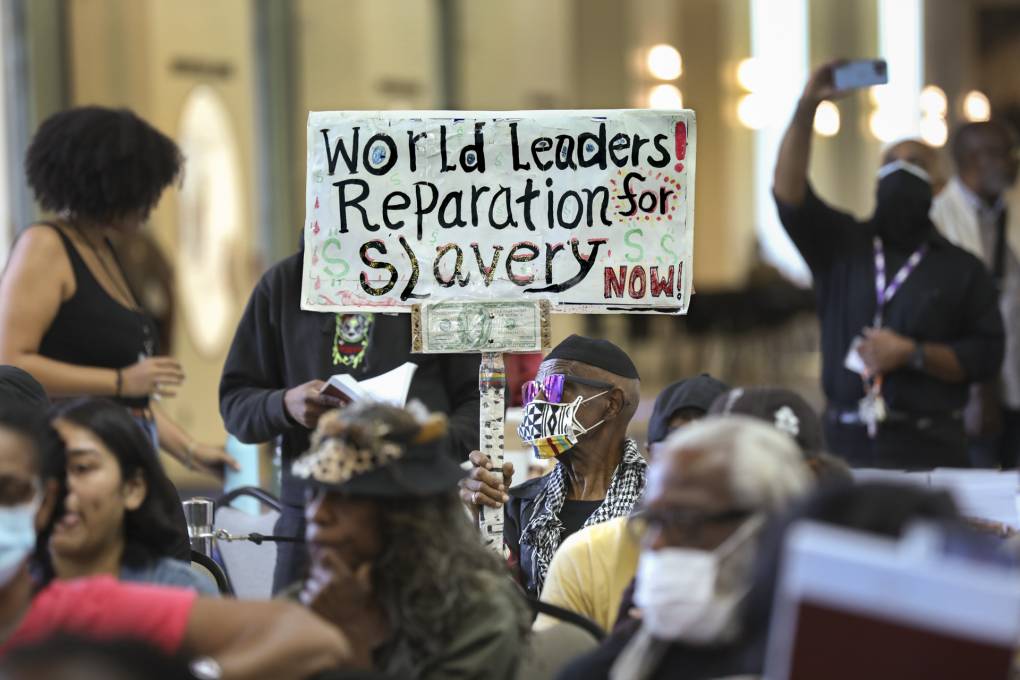
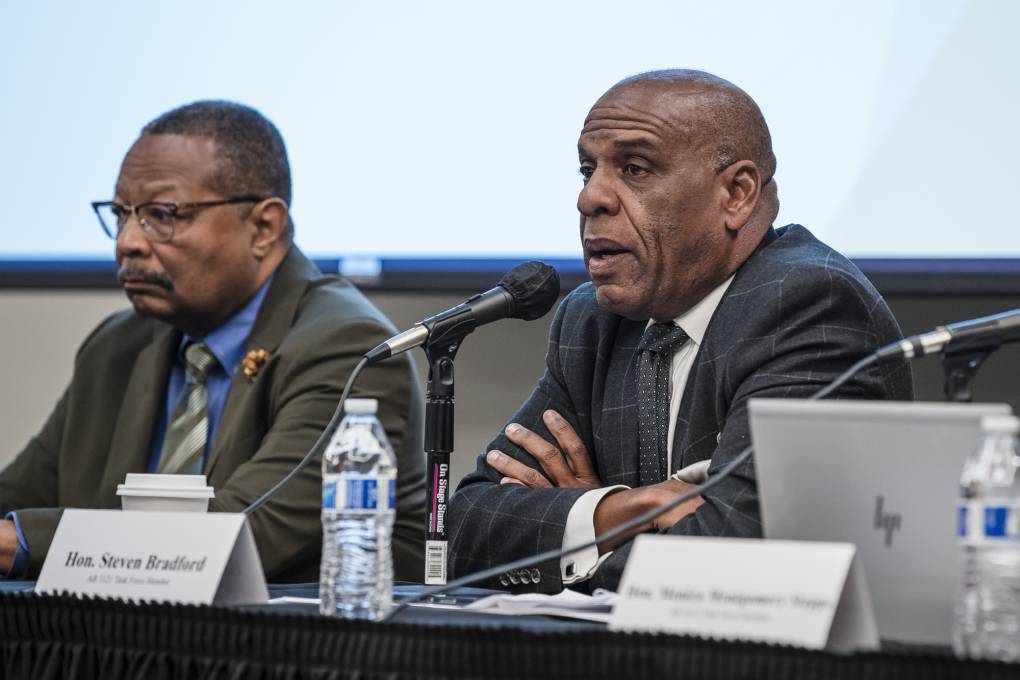
window.__IS_SSR__=true
window.__INITIAL_STATE__={
"attachmentsReducer": {
"audio_0": {
"type": "attachments",
"id": "audio_0",
"imgSizes": {
"kqedFullSize": {
"file": "https://ww2.kqed.org/news/wp-content/themes/KQED-unified/img/audio_bgs/background0.jpg"
}
}
},
"audio_1": {
"type": "attachments",
"id": "audio_1",
"imgSizes": {
"kqedFullSize": {
"file": "https://ww2.kqed.org/news/wp-content/themes/KQED-unified/img/audio_bgs/background1.jpg"
}
}
},
"audio_2": {
"type": "attachments",
"id": "audio_2",
"imgSizes": {
"kqedFullSize": {
"file": "https://ww2.kqed.org/news/wp-content/themes/KQED-unified/img/audio_bgs/background2.jpg"
}
}
},
"audio_3": {
"type": "attachments",
"id": "audio_3",
"imgSizes": {
"kqedFullSize": {
"file": "https://ww2.kqed.org/news/wp-content/themes/KQED-unified/img/audio_bgs/background3.jpg"
}
}
},
"audio_4": {
"type": "attachments",
"id": "audio_4",
"imgSizes": {
"kqedFullSize": {
"file": "https://ww2.kqed.org/news/wp-content/themes/KQED-unified/img/audio_bgs/background4.jpg"
}
}
},
"placeholder": {
"type": "attachments",
"id": "placeholder",
"imgSizes": {
"thumbnail": {
"file": "https://cdn.kqed.org/wp-content/uploads/2024/12/KQED-Default-Image-816638274-2000x1333-1-160x107.jpg",
"width": 160,
"height": 107,
"mimeType": "image/jpeg"
},
"medium": {
"file": "https://cdn.kqed.org/wp-content/uploads/2024/12/KQED-Default-Image-816638274-2000x1333-1-800x533.jpg",
"width": 800,
"height": 533,
"mimeType": "image/jpeg"
},
"medium_large": {
"file": "https://cdn.kqed.org/wp-content/uploads/2024/12/KQED-Default-Image-816638274-2000x1333-1-768x512.jpg",
"width": 768,
"height": 512,
"mimeType": "image/jpeg"
},
"large": {
"file": "https://cdn.kqed.org/wp-content/uploads/2024/12/KQED-Default-Image-816638274-2000x1333-1-1020x680.jpg",
"width": 1020,
"height": 680,
"mimeType": "image/jpeg"
},
"1536x1536": {
"file": "https://cdn.kqed.org/wp-content/uploads/2024/12/KQED-Default-Image-816638274-2000x1333-1-1536x1024.jpg",
"width": 1536,
"height": 1024,
"mimeType": "image/jpeg"
},
"fd-lrg": {
"file": "https://cdn.kqed.org/wp-content/uploads/2024/12/KQED-Default-Image-816638274-2000x1333-1-1536x1024.jpg",
"width": 1536,
"height": 1024,
"mimeType": "image/jpeg"
},
"fd-med": {
"file": "https://cdn.kqed.org/wp-content/uploads/2024/12/KQED-Default-Image-816638274-2000x1333-1-1020x680.jpg",
"width": 1020,
"height": 680,
"mimeType": "image/jpeg"
},
"fd-sm": {
"file": "https://cdn.kqed.org/wp-content/uploads/2024/12/KQED-Default-Image-816638274-2000x1333-1-800x533.jpg",
"width": 800,
"height": 533,
"mimeType": "image/jpeg"
},
"post-thumbnail": {
"file": "https://cdn.kqed.org/wp-content/uploads/2024/12/KQED-Default-Image-816638274-2000x1333-1-672x372.jpg",
"width": 672,
"height": 372,
"mimeType": "image/jpeg"
},
"twentyfourteen-full-width": {
"file": "https://cdn.kqed.org/wp-content/uploads/2024/12/KQED-Default-Image-816638274-2000x1333-1-1038x576.jpg",
"width": 1038,
"height": 576,
"mimeType": "image/jpeg"
},
"xxsmall": {
"file": "https://cdn.kqed.org/wp-content/uploads/2024/12/KQED-Default-Image-816638274-2000x1333-1-160x107.jpg",
"width": 160,
"height": 107,
"mimeType": "image/jpeg"
},
"xsmall": {
"file": "https://cdn.kqed.org/wp-content/uploads/2024/12/KQED-Default-Image-816638274-2000x1333-1-672x372.jpg",
"width": 672,
"height": 372,
"mimeType": "image/jpeg"
},
"small": {
"file": "https://cdn.kqed.org/wp-content/uploads/2024/12/KQED-Default-Image-816638274-2000x1333-1-672x372.jpg",
"width": 672,
"height": 372,
"mimeType": "image/jpeg"
},
"xlarge": {
"file": "https://cdn.kqed.org/wp-content/uploads/2024/12/KQED-Default-Image-816638274-2000x1333-1-1020x680.jpg",
"width": 1020,
"height": 680,
"mimeType": "image/jpeg"
},
"full-width": {
"file": "https://cdn.kqed.org/wp-content/uploads/2024/12/KQED-Default-Image-816638274-2000x1333-1-1920x1280.jpg",
"width": 1920,
"height": 1280,
"mimeType": "image/jpeg"
},
"guest-author-32": {
"file": "https://cdn.kqed.org/wp-content/uploads/2025/01/KQED-Default-Image-816638274-1333x1333-1-160x160.jpg",
"width": 32,
"height": 32,
"mimeType": "image/jpeg"
},
"guest-author-50": {
"file": "https://cdn.kqed.org/wp-content/uploads/2025/01/KQED-Default-Image-816638274-1333x1333-1-160x160.jpg",
"width": 50,
"height": 50,
"mimeType": "image/jpeg"
},
"guest-author-64": {
"file": "https://cdn.kqed.org/wp-content/uploads/2025/01/KQED-Default-Image-816638274-1333x1333-1-160x160.jpg",
"width": 64,
"height": 64,
"mimeType": "image/jpeg"
},
"guest-author-96": {
"file": "https://cdn.kqed.org/wp-content/uploads/2025/01/KQED-Default-Image-816638274-1333x1333-1-160x160.jpg",
"width": 96,
"height": 96,
"mimeType": "image/jpeg"
},
"guest-author-128": {
"file": "https://cdn.kqed.org/wp-content/uploads/2025/01/KQED-Default-Image-816638274-1333x1333-1-160x160.jpg",
"width": 128,
"height": 128,
"mimeType": "image/jpeg"
},
"detail": {
"file": "https://cdn.kqed.org/wp-content/uploads/2025/01/KQED-Default-Image-816638274-1333x1333-1-160x160.jpg",
"width": 160,
"height": 160,
"mimeType": "image/jpeg"
},
"kqedFullSize": {
"file": "https://cdn.kqed.org/wp-content/uploads/2024/12/KQED-Default-Image-816638274-2000x1333-1.jpg",
"width": 2000,
"height": 1333
}
}
},
"news_11992341": {
"type": "attachments",
"id": "news_11992341",
"meta": {
"index": "attachments_1716263798",
"site": "news",
"id": "11992341",
"found": true
},
"title": "006_KQED_NEWFOLSOMPRISONSACRAMENTO_04132023-KQED",
"publishDate": 1719530043,
"status": "inherit",
"parent": 12088386,
"modified": 1782161688,
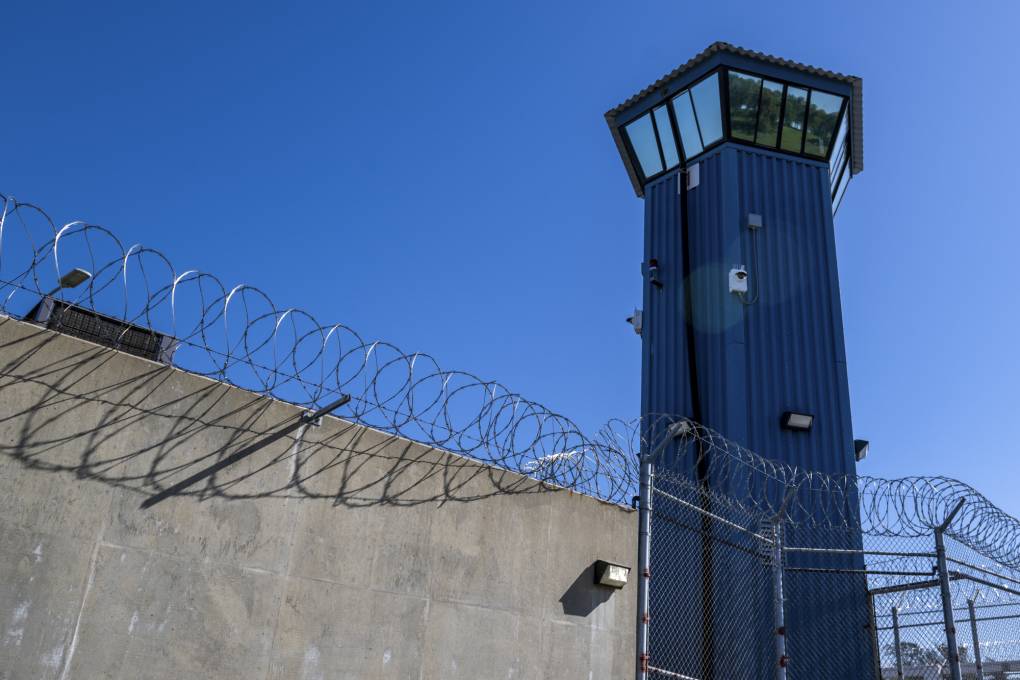
"caption": "A watch tower at California State Prison, Sacramento, on April 13, 2023.",
"credit": "Beth LaBerge/KQED",
"altTag": "A watchtower at a prison, with prison walls and barbed wire in the foreground.",
"description": null,
"imgSizes": {
"medium": {
"file": "https://cdn.kqed.org/wp-content/uploads/sites/10/2024/06/006_KQED_NEWFOLSOMPRISONSACRAMENTO_04132023-KQED-800x533.jpg",
"width": 800,
"height": 533,
"mimeType": "image/jpeg"
},
"large": {
"file": "https://cdn.kqed.org/wp-content/uploads/sites/10/2024/06/006_KQED_NEWFOLSOMPRISONSACRAMENTO_04132023-KQED-1020x680.jpg",
"width": 1020,
"height": 680,
"mimeType": "image/jpeg"
},
"thumbnail": {
"file": "https://cdn.kqed.org/wp-content/uploads/sites/10/2024/06/006_KQED_NEWFOLSOMPRISONSACRAMENTO_04132023-KQED-160x107.jpg",
"width": 160,
"height": 107,
"mimeType": "image/jpeg"
},
"1536x1536": {
"file": "https://cdn.kqed.org/wp-content/uploads/sites/10/2024/06/006_KQED_NEWFOLSOMPRISONSACRAMENTO_04132023-KQED-1536x1024.jpg",
"width": 1536,
"height": 1024,
"mimeType": "image/jpeg"
},
"post-thumbnail": {
"file": "https://cdn.kqed.org/wp-content/uploads/sites/10/2024/06/006_KQED_NEWFOLSOMPRISONSACRAMENTO_04132023-KQED-672x372.jpg",
"width": 672,
"height": 372,
"mimeType": "image/jpeg"
},
"twentyfourteen-full-width": {
"file": "https://cdn.kqed.org/wp-content/uploads/sites/10/2024/06/006_KQED_NEWFOLSOMPRISONSACRAMENTO_04132023-KQED-1038x576.jpg",
"width": 1038,
"height": 576,
"mimeType": "image/jpeg"
},
"full-width": {
"file": "https://cdn.kqed.org/wp-content/uploads/sites/10/2024/06/006_KQED_NEWFOLSOMPRISONSACRAMENTO_04132023-KQED-1920x1280.jpg",
"width": 1920,
"height": 1280,
"mimeType": "image/jpeg"
},
"kqedFullSize": {
"file": "https://cdn.kqed.org/wp-content/uploads/sites/10/2024/06/006_KQED_NEWFOLSOMPRISONSACRAMENTO_04132023-KQED.jpg",
"width": 2000,
"height": 1333
}
},
"isLoading": false,
"fetchFailed": false
},
"news_11991111": {
"type": "attachments",
"id": "news_11991111",
"meta": {
"index": "attachments_1716263798",
"site": "news",
"id": "11991111",
"found": true
},
"title": "Palm Springs-55_qut",
"publishDate": 1718807371,
"status": "inherit",
"parent": 11991098,
"modified": 1731699010,
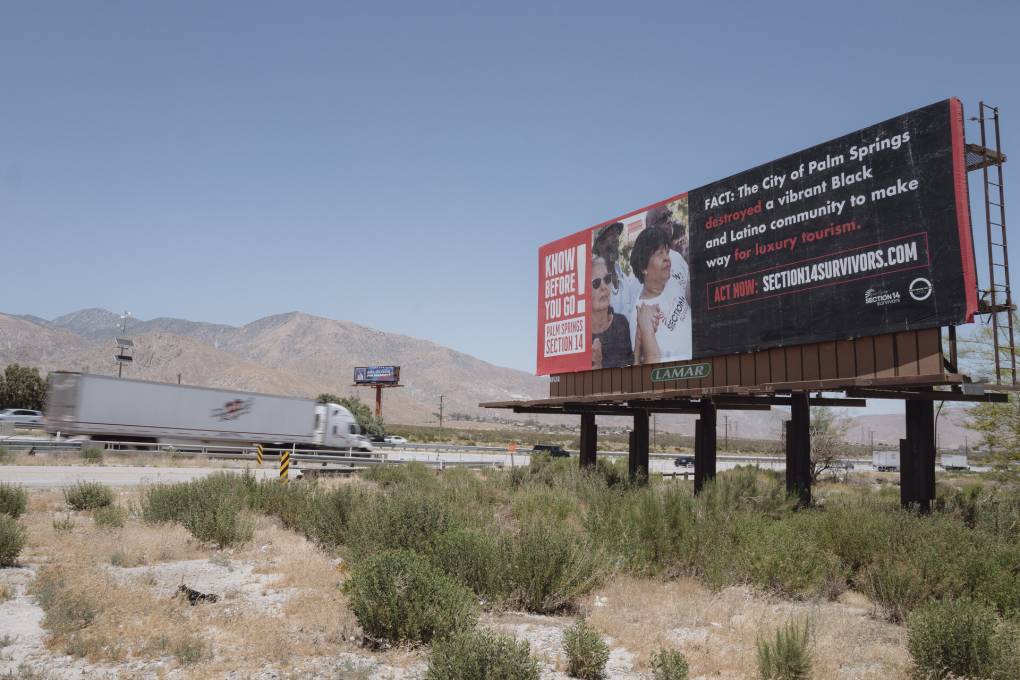
"caption": "A billboard about Section 14, off of freeway I-10 East near Palm Springs.",
"credit": "Zaydee Sanchez/KQED",
"altTag": null,
"description": null,
"imgSizes": {
"medium": {
"file": "https://cdn.kqed.org/wp-content/uploads/sites/10/2024/06/Palm-Springs-55_qut-800x533.jpg",
"width": 800,
"height": 533,
"mimeType": "image/jpeg"
},
"large": {
"file": "https://cdn.kqed.org/wp-content/uploads/sites/10/2024/06/Palm-Springs-55_qut-1020x680.jpg",
"width": 1020,
"height": 680,
"mimeType": "image/jpeg"
},
"thumbnail": {
"file": "https://cdn.kqed.org/wp-content/uploads/sites/10/2024/06/Palm-Springs-55_qut-160x107.jpg",
"width": 160,
"height": 107,
"mimeType": "image/jpeg"
},
"1536x1536": {
"file": "https://cdn.kqed.org/wp-content/uploads/sites/10/2024/06/Palm-Springs-55_qut-1536x1024.jpg",
"width": 1536,
"height": 1024,
"mimeType": "image/jpeg"
},
"post-thumbnail": {
"file": "https://cdn.kqed.org/wp-content/uploads/sites/10/2024/06/Palm-Springs-55_qut-672x372.jpg",
"width": 672,
"height": 372,
"mimeType": "image/jpeg"
},
"twentyfourteen-full-width": {
"file": "https://cdn.kqed.org/wp-content/uploads/sites/10/2024/06/Palm-Springs-55_qut-1038x576.jpg",
"width": 1038,
"height": 576,
"mimeType": "image/jpeg"
},
"kqedFullSize": {
"file": "https://cdn.kqed.org/wp-content/uploads/sites/10/2024/06/Palm-Springs-55_qut.jpg",
"width": 1920,
"height": 1280
}
},
"isLoading": false,
"fetchFailed": false
},
"news_11991101": {
"type": "attachments",
"id": "news_11991101",
"meta": {
"index": "attachments_1716263798",
"site": "news",
"id": "11991101",
"found": true
},
"title": "PALM-SPRINGS-4-ZS-KQED",
"publishDate": 1718805519,
"status": "inherit",
"parent": 11991098,
"modified": 1731693149,
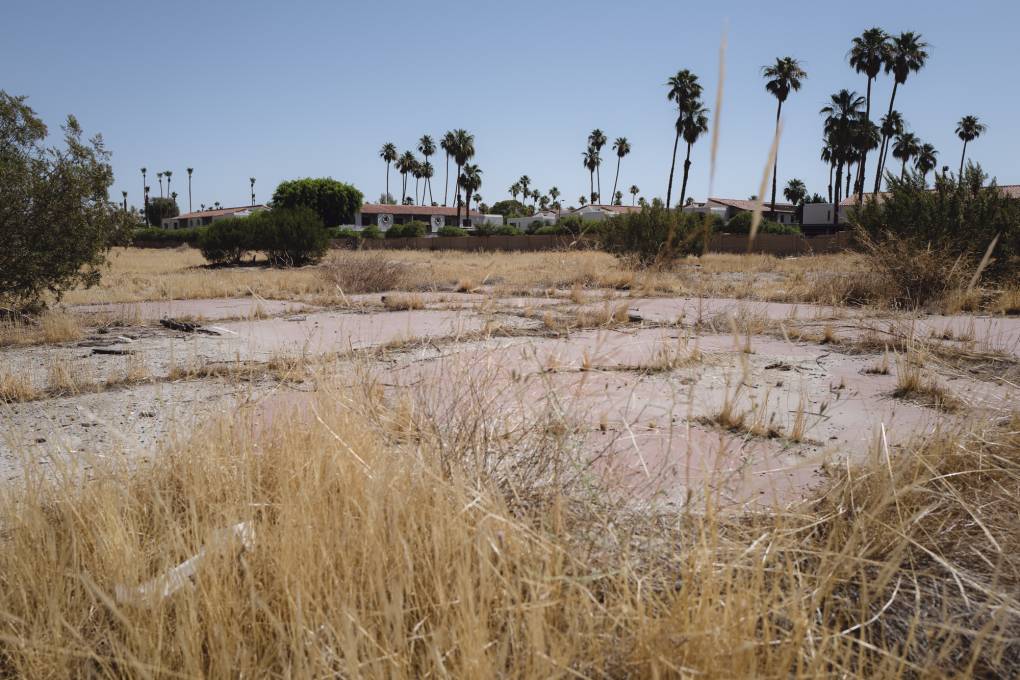
"caption": "Apartment buildings surround the vacant lot of what was Section 14 in Palm Springs, on May 30, 2024. ",
"credit": "Zaydee Sanchez/KQED",
"altTag": "A vacant lot.",
"description": null,
"imgSizes": {
"medium": {
"file": "https://cdn.kqed.org/wp-content/uploads/sites/10/2024/06/PALM-SPRINGS-4-ZS-KQED-1-800x533.jpg",
"width": 800,
"height": 533,
"mimeType": "image/jpeg"
},
"large": {
"file": "https://cdn.kqed.org/wp-content/uploads/sites/10/2024/06/PALM-SPRINGS-4-ZS-KQED-1-1020x680.jpg",
"width": 1020,
"height": 680,
"mimeType": "image/jpeg"
},
"thumbnail": {
"file": "https://cdn.kqed.org/wp-content/uploads/sites/10/2024/06/PALM-SPRINGS-4-ZS-KQED-1-160x107.jpg",
"width": 160,
"height": 107,
"mimeType": "image/jpeg"
},
"1536x1536": {
"file": "https://cdn.kqed.org/wp-content/uploads/sites/10/2024/06/PALM-SPRINGS-4-ZS-KQED-1-1536x1024.jpg",
"width": 1536,
"height": 1024,
"mimeType": "image/jpeg"
},
"post-thumbnail": {
"file": "https://cdn.kqed.org/wp-content/uploads/sites/10/2024/06/PALM-SPRINGS-4-ZS-KQED-1-672x372.jpg",
"width": 672,
"height": 372,
"mimeType": "image/jpeg"
},
"twentyfourteen-full-width": {
"file": "https://cdn.kqed.org/wp-content/uploads/sites/10/2024/06/PALM-SPRINGS-4-ZS-KQED-1-1038x576.jpg",
"width": 1038,
"height": 576,
"mimeType": "image/jpeg"
},
"full-width": {
"file": "https://cdn.kqed.org/wp-content/uploads/sites/10/2024/06/PALM-SPRINGS-4-ZS-KQED-1-1920x1280.jpg",
"width": 1920,
"height": 1280,
"mimeType": "image/jpeg"
},
"kqedFullSize": {
"file": "https://cdn.kqed.org/wp-content/uploads/sites/10/2024/06/PALM-SPRINGS-4-ZS-KQED-1.jpg",
"width": 2000,
"height": 1333
}
},
"isLoading": false,
"fetchFailed": false
},
"news_11988776": {
"type": "attachments",
"id": "news_11988776",
"meta": {
"index": "attachments_1716263798",
"site": "news",
"id": "11988776",
"found": true
},
"title": "PALM SPRINGS-4-ZS-KQED",
"publishDate": 1717447754,
"status": "inherit",
"parent": 0,
"modified": 1718630800,
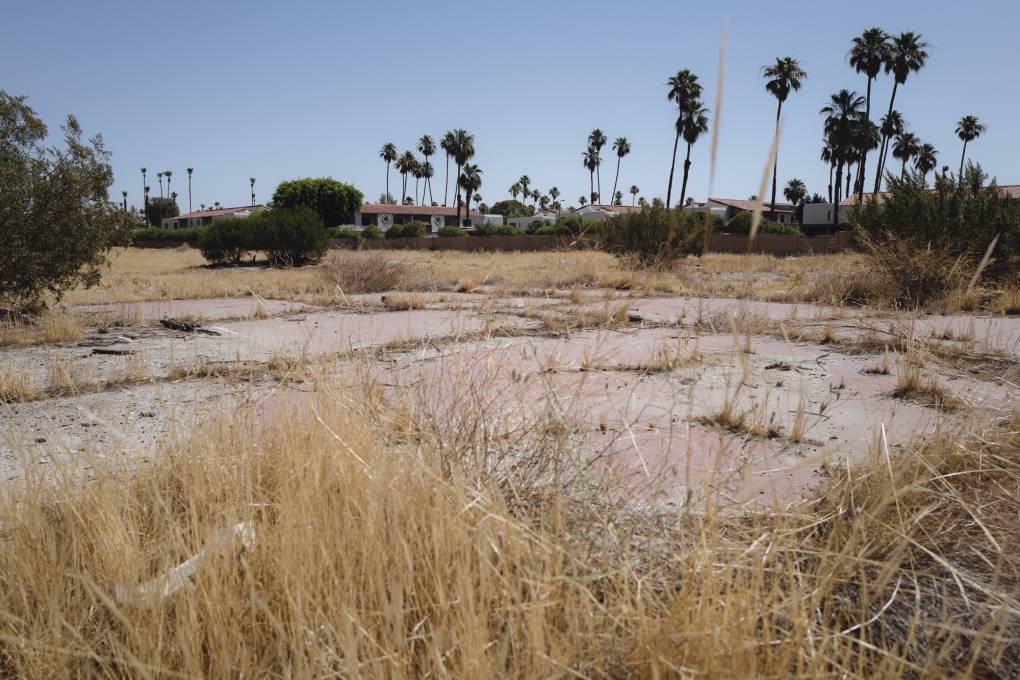
"caption": "Apartment buildings surround the vacant lot of what was Section 14 in Palm Springs on May 30, 2024.",
"credit": "Zaydee Sanchez for KQED",
"altTag": "palm springs section 14",
"description": null,
"imgSizes": {
"medium": {
"file": "https://cdn.kqed.org/wp-content/uploads/sites/10/2024/06/PALM-SPRINGS-4-ZS-KQED-800x533.jpg",
"width": 800,
"height": 533,
"mimeType": "image/jpeg"
},
"large": {
"file": "https://cdn.kqed.org/wp-content/uploads/sites/10/2024/06/PALM-SPRINGS-4-ZS-KQED-1020x680.jpg",
"width": 1020,
"height": 680,
"mimeType": "image/jpeg"
},
"thumbnail": {
"file": "https://cdn.kqed.org/wp-content/uploads/sites/10/2024/06/PALM-SPRINGS-4-ZS-KQED-160x107.jpg",
"width": 160,
"height": 107,
"mimeType": "image/jpeg"
},
"1536x1536": {
"file": "https://cdn.kqed.org/wp-content/uploads/sites/10/2024/06/PALM-SPRINGS-4-ZS-KQED-1536x1024.jpg",
"width": 1536,
"height": 1024,
"mimeType": "image/jpeg"
},
"post-thumbnail": {
"file": "https://cdn.kqed.org/wp-content/uploads/sites/10/2024/06/PALM-SPRINGS-4-ZS-KQED-672x372.jpg",
"width": 672,
"height": 372,
"mimeType": "image/jpeg"
},
"twentyfourteen-full-width": {
"file": "https://cdn.kqed.org/wp-content/uploads/sites/10/2024/06/PALM-SPRINGS-4-ZS-KQED-1038x576.jpg",
"width": 1038,
"height": 576,
"mimeType": "image/jpeg"
},
"full-width": {
"file": "https://cdn.kqed.org/wp-content/uploads/sites/10/2024/06/PALM-SPRINGS-4-ZS-KQED-1920x1280.jpg",
"width": 1920,
"height": 1280,
"mimeType": "image/jpeg"
},
"kqedFullSize": {
"file": "https://cdn.kqed.org/wp-content/uploads/sites/10/2024/06/PALM-SPRINGS-4-ZS-KQED.jpg",
"width": 2000,
"height": 1333
}
},
"isLoading": false,
"fetchFailed": false
},
"news_11989385": {
"type": "attachments",
"id": "news_11989385",
"meta": {
"index": "attachments_1716263798",
"site": "news",
"id": "11989385",
"found": true
},
"title": "018_KQED_OaklandReparationsListeningSession_05282022_qut",
"publishDate": 1717717257,
"status": "inherit",
"parent": 11989301,
"modified": 1717718634,
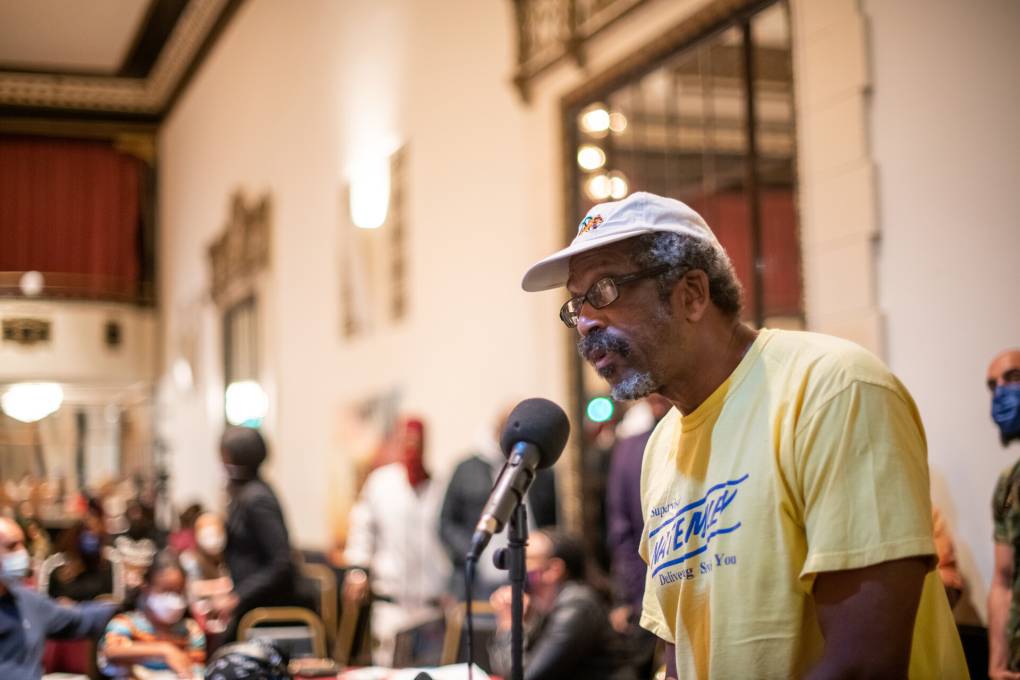
"caption": "Nate Miley, president of the Alameda County Board of Supervisors and author of the resolution that created its Reparations Commission, speaks during a California Reparations Listening Session at the California Ballroom in Oakland on May 28, 2022. The California Reparations Task Force sponsors the listening session and hosted by the Coalition for a Just and Equitable California (CJEC).",
"credit": "Beth LaBerge/KQED",
"altTag": null,
"description": null,
"imgSizes": {
"medium": {
"file": "https://cdn.kqed.org/wp-content/uploads/sites/10/2024/06/018_KQED_OaklandReparationsListeningSession_05282022_qut-800x533.jpg",
"width": 800,
"height": 533,
"mimeType": "image/jpeg"
},
"large": {
"file": "https://cdn.kqed.org/wp-content/uploads/sites/10/2024/06/018_KQED_OaklandReparationsListeningSession_05282022_qut-1020x680.jpg",
"width": 1020,
"height": 680,
"mimeType": "image/jpeg"
},
"thumbnail": {
"file": "https://cdn.kqed.org/wp-content/uploads/sites/10/2024/06/018_KQED_OaklandReparationsListeningSession_05282022_qut-160x107.jpg",
"width": 160,
"height": 107,
"mimeType": "image/jpeg"
},
"1536x1536": {
"file": "https://cdn.kqed.org/wp-content/uploads/sites/10/2024/06/018_KQED_OaklandReparationsListeningSession_05282022_qut-1536x1024.jpg",
"width": 1536,
"height": 1024,
"mimeType": "image/jpeg"
},
"post-thumbnail": {
"file": "https://cdn.kqed.org/wp-content/uploads/sites/10/2024/06/018_KQED_OaklandReparationsListeningSession_05282022_qut-672x372.jpg",
"width": 672,
"height": 372,
"mimeType": "image/jpeg"
},
"twentyfourteen-full-width": {
"file": "https://cdn.kqed.org/wp-content/uploads/sites/10/2024/06/018_KQED_OaklandReparationsListeningSession_05282022_qut-1038x576.jpg",
"width": 1038,
"height": 576,
"mimeType": "image/jpeg"
},
"kqedFullSize": {
"file": "https://cdn.kqed.org/wp-content/uploads/sites/10/2024/06/018_KQED_OaklandReparationsListeningSession_05282022_qut.jpg",
"width": 1920,
"height": 1280
}
},
"isLoading": false,
"fetchFailed": false
},
"news_11987039": {
"type": "attachments",
"id": "news_11987039",
"meta": {
"index": "attachments_1716263798",
"site": "news",
"id": "11987039",
"found": true
},
"title": "200529-GeorgeFloyd-BethLaBergeKQED",
"publishDate": 1716250889,
"status": "inherit",
"parent": 12043745,
"modified": 1749661724,
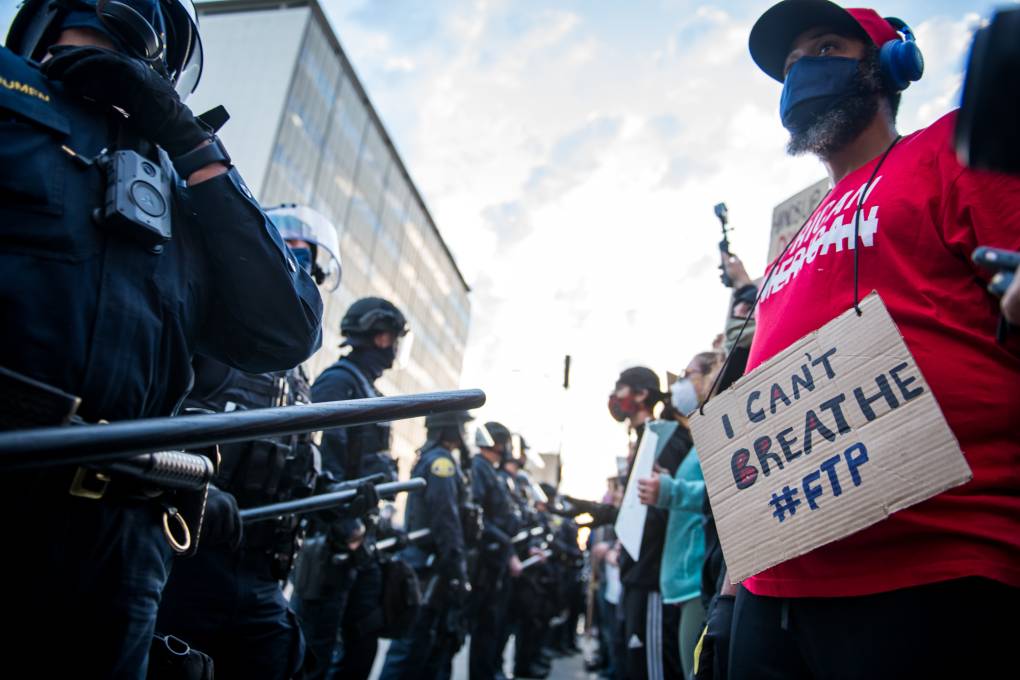
"caption": "A demonstrator outside Oakland police headquarters on May 29 2020, carries a sign with the words, \"I can't breathe\" spoken by George Floyd, the man murdered on May 25, 2020, by police in Minneapolis.",
"credit": "Beth LaBerge/KQED",
"altTag": null,
"description": null,
"imgSizes": {
"medium": {
"file": "https://cdn.kqed.org/wp-content/uploads/sites/10/2024/05/200529-GeorgeFloyd-04-BL-800x533.jpg",
"width": 800,
"height": 533,
"mimeType": "image/jpeg"
},
"large": {
"file": "https://cdn.kqed.org/wp-content/uploads/sites/10/2024/05/200529-GeorgeFloyd-04-BL-1020x680.jpg",
"width": 1020,
"height": 680,
"mimeType": "image/jpeg"
},
"thumbnail": {
"file": "https://cdn.kqed.org/wp-content/uploads/sites/10/2024/05/200529-GeorgeFloyd-04-BL-160x107.jpg",
"width": 160,
"height": 107,
"mimeType": "image/jpeg"
},
"1536x1536": {
"file": "https://cdn.kqed.org/wp-content/uploads/sites/10/2024/05/200529-GeorgeFloyd-04-BL-1536x1024.jpg",
"width": 1536,
"height": 1024,
"mimeType": "image/jpeg"
},
"post-thumbnail": {
"file": "https://cdn.kqed.org/wp-content/uploads/sites/10/2024/05/200529-GeorgeFloyd-04-BL-672x372.jpg",
"width": 672,
"height": 372,
"mimeType": "image/jpeg"
},
"twentyfourteen-full-width": {
"file": "https://cdn.kqed.org/wp-content/uploads/sites/10/2024/05/200529-GeorgeFloyd-04-BL-1038x576.jpg",
"width": 1038,
"height": 576,
"mimeType": "image/jpeg"
},
"full-width": {
"file": "https://cdn.kqed.org/wp-content/uploads/sites/10/2024/05/200529-GeorgeFloyd-04-BL-1920x1280.jpg",
"width": 1920,
"height": 1280,
"mimeType": "image/jpeg"
},
"kqedFullSize": {
"file": "https://cdn.kqed.org/wp-content/uploads/sites/10/2024/05/200529-GeorgeFloyd-04-BL.jpg",
"width": 2000,
"height": 1333
}
},
"isLoading": false,
"fetchFailed": false
},
"news_11986713": {
"type": "attachments",
"id": "news_11986713",
"meta": {
"index": "attachments_1716263798",
"site": "news",
"id": "11986713",
"found": true
},
"parent": 11986702,
"imgSizes": {
"twentyfourteen-full-width": {
"file": "https://cdn.kqed.org/wp-content/uploads/sites/10/2024/05/pelicans-monterey-county-1038x576.jpg",
"width": 1038,
"mimeType": "image/jpeg",
"height": 576
},
"thumbnail": {
"file": "https://cdn.kqed.org/wp-content/uploads/sites/10/2024/05/pelicans-monterey-county-160x120.jpg",
"width": 160,
"mimeType": "image/jpeg",
"height": 120
},
"post-thumbnail": {
"file": "https://cdn.kqed.org/wp-content/uploads/sites/10/2024/05/pelicans-monterey-county-672x372.jpg",
"width": 672,
"mimeType": "image/jpeg",
"height": 372
},
"kqedFullSize": {
"file": "https://cdn.kqed.org/wp-content/uploads/sites/10/2024/05/pelicans-monterey-county.jpg",
"width": 1599,
"height": 1204
},
"large": {
"file": "https://cdn.kqed.org/wp-content/uploads/sites/10/2024/05/pelicans-monterey-county-1020x768.jpg",
"width": 1020,
"mimeType": "image/jpeg",
"height": 768
},
"1536x1536": {
"file": "https://cdn.kqed.org/wp-content/uploads/sites/10/2024/05/pelicans-monterey-county-1536x1157.jpg",
"width": 1536,
"mimeType": "image/jpeg",
"height": 1157
},
"medium": {
"file": "https://cdn.kqed.org/wp-content/uploads/sites/10/2024/05/pelicans-monterey-county-800x602.jpg",
"width": 800,
"mimeType": "image/jpeg",
"height": 602
}
},
"publishDate": 1715968073,
"modified": 1715968349,
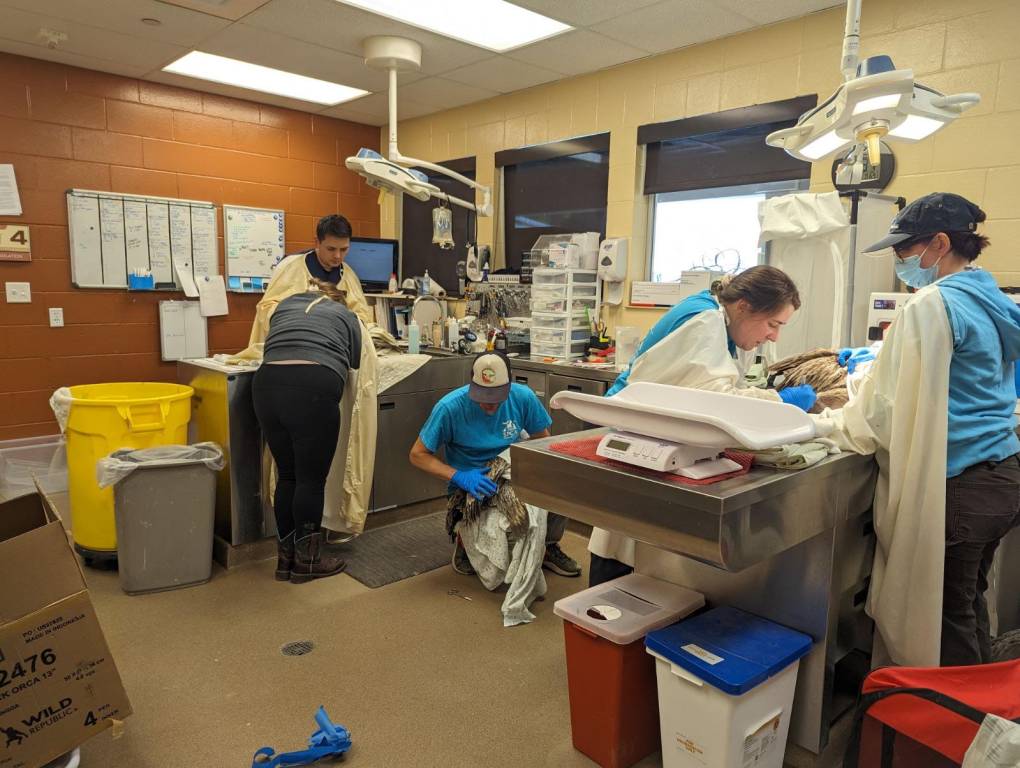
"caption": "Workers at SPCA Monterey County provide exams for brown pelicans that they have rescued.",
"description": null,
"title": "pelicans monterey county",
"credit": "Photo courtesy of SPCA Monterey County",
"status": "inherit",
"altTag": "brown pelicans in monterey county",
"isLoading": false,
"fetchFailed": false
},
"news_11982734": {
"type": "attachments",
"id": "news_11982734",
"meta": {
"index": "attachments_1716263798",
"site": "news",
"id": "11982734",
"found": true
},
"title": "CMReparations01",
"publishDate": 1712877840,
"status": "inherit",
"parent": 11982724,
"modified": 1750184918,
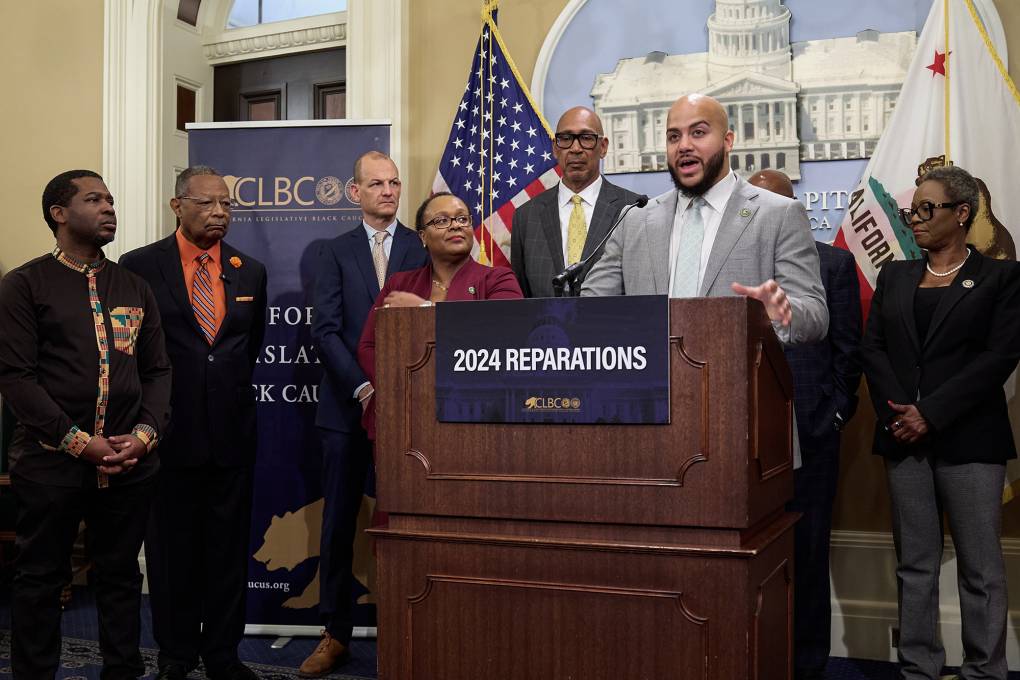
"caption": "Assemblymember Isaac Bryan speaks during a press conference led by the California Legislative Black Caucus at the state Capitol in Sacramento on Feb. 21, 2024. ",
"credit": "Fred Greaves/CalMatters",
"altTag": null,
"description": null,
"imgSizes": {
"medium": {
"file": "https://cdn.kqed.org/wp-content/uploads/sites/10/2024/04/CMReparations01-800x533.jpg",
"width": 800,
"height": 533,
"mimeType": "image/jpeg"
},
"large": {
"file": "https://cdn.kqed.org/wp-content/uploads/sites/10/2024/04/CMReparations01-1020x680.jpg",
"width": 1020,
"height": 680,
"mimeType": "image/jpeg"
},
"thumbnail": {
"file": "https://cdn.kqed.org/wp-content/uploads/sites/10/2024/04/CMReparations01-160x107.jpg",
"width": 160,
"height": 107,
"mimeType": "image/jpeg"
},
"1536x1536": {
"file": "https://cdn.kqed.org/wp-content/uploads/sites/10/2024/04/CMReparations01-1536x1024.jpg",
"width": 1536,
"height": 1024,
"mimeType": "image/jpeg"
},
"post-thumbnail": {
"file": "https://cdn.kqed.org/wp-content/uploads/sites/10/2024/04/CMReparations01-672x372.jpg",
"width": 672,
"height": 372,
"mimeType": "image/jpeg"
},
"twentyfourteen-full-width": {
"file": "https://cdn.kqed.org/wp-content/uploads/sites/10/2024/04/CMReparations01-1038x576.jpg",
"width": 1038,
"height": 576,
"mimeType": "image/jpeg"
},
"full-width": {
"file": "https://cdn.kqed.org/wp-content/uploads/sites/10/2024/04/CMReparations01-1920x1280.jpg",
"width": 1920,
"height": 1280,
"mimeType": "image/jpeg"
},
"kqedFullSize": {
"file": "https://cdn.kqed.org/wp-content/uploads/sites/10/2024/04/CMReparations01.jpg",
"width": 2000,
"height": 1333
}
},
"isLoading": false,
"fetchFailed": false
},
"news_11976639": {
"type": "attachments",
"id": "news_11976639",
"meta": {
"index": "attachments_1716263798",
"site": "news",
"id": "11976639",
"found": true
},
"title": "California Reparations",
"publishDate": 1708556757,
"status": "inherit",
"parent": 11976617,
"modified": 1712086259,
"caption": "From left, state Sen. Steven Bradford, Secretary of State Shirley Weber, task force member Lisa Holder and Assemblymember Reggie Jones-Sawyer hold up a final report of the California Task Force to Study and Develop Reparation Proposals for African Americans during a hearing in Sacramento on June 29, 2023.",
"credit": "Haven Daley/AP",
"altTag": "A group of men and women pose for a photo onstage.",
"description": null,
"imgSizes": {
"medium": {
"file": "https://cdn.kqed.org/wp-content/uploads/sites/10/2024/02/AP24032786348814-800x533.jpg",
"width": 800,
"height": 533,
"mimeType": "image/jpeg"
},
"large": {
"file": "https://cdn.kqed.org/wp-content/uploads/sites/10/2024/02/AP24032786348814-1020x680.jpg",
"width": 1020,
"height": 680,
"mimeType": "image/jpeg"
},
"thumbnail": {
"file": "https://cdn.kqed.org/wp-content/uploads/sites/10/2024/02/AP24032786348814-160x107.jpg",
"width": 160,
"height": 107,
"mimeType": "image/jpeg"
},
"1536x1536": {
"file": "https://cdn.kqed.org/wp-content/uploads/sites/10/2024/02/AP24032786348814-1536x1024.jpg",
"width": 1536,
"height": 1024,
"mimeType": "image/jpeg"
},
"2048x2048": {
"file": "https://cdn.kqed.org/wp-content/uploads/sites/10/2024/02/AP24032786348814-2048x1365.jpg",
"width": 2048,
"height": 1365,
"mimeType": "image/jpeg"
},
"post-thumbnail": {
"file": "https://cdn.kqed.org/wp-content/uploads/sites/10/2024/02/AP24032786348814-672x372.jpg",
"width": 672,
"height": 372,
"mimeType": "image/jpeg"
},
"twentyfourteen-full-width": {
"file": "https://cdn.kqed.org/wp-content/uploads/sites/10/2024/02/AP24032786348814-1038x576.jpg",
"width": 1038,
"height": 576,
"mimeType": "image/jpeg"
},
"full-width": {
"file": "https://cdn.kqed.org/wp-content/uploads/sites/10/2024/02/AP24032786348814-1920x1280.jpg",
"width": 1920,
"height": 1280,
"mimeType": "image/jpeg"
},
"kqedFullSize": {
"file": "https://cdn.kqed.org/wp-content/uploads/sites/10/2024/02/AP24032786348814-scaled-e1760735466495.jpg",
"width": 2000,
"height": 1334
}
},
"isLoading": false,
"fetchFailed": false
},
"news_11952793": {
"type": "attachments",
"id": "news_11952793",
"meta": {
"index": "attachments_1716263798",
"site": "news",
"id": "11952793",
"found": true
},
"title": "California Reparations Task Force meets to hear public input on reparations at the California Science Center in Los Angeles on Sept. 22, 2022.",
"publishDate": 1686590644,
"status": "inherit",
"parent": 12046328,
"modified": 1751065072,
"caption": "Long-time Los Angeles resident Walter Foster, 80, holds up a sign as the Reparations Task Force listens to public input at the California Science Center in Los Angeles on Sept. 22, 2022.",
"credit": "Carolyn Cole/Los Angeles Times via Getty Images",
"altTag": "A man wearing a face mask holds a sign that reads \"World Leaders! Reparations for Slavery Now!\" in a crowd of people.",
"description": null,
"imgSizes": {
"medium": {
"file": "https://cdn.kqed.org/wp-content/uploads/sites/10/2023/06/230612-Reparations-Getty-1243475910-KQED-800x533.jpg",
"width": 800,
"height": 533,
"mimeType": "image/jpeg"
},
"large": {
"file": "https://cdn.kqed.org/wp-content/uploads/sites/10/2023/06/230612-Reparations-Getty-1243475910-KQED-1020x680.jpg",
"width": 1020,
"height": 680,
"mimeType": "image/jpeg"
},
"thumbnail": {
"file": "https://cdn.kqed.org/wp-content/uploads/sites/10/2023/06/230612-Reparations-Getty-1243475910-KQED-160x107.jpg",
"width": 160,
"height": 107,
"mimeType": "image/jpeg"
},
"1536x1536": {
"file": "https://cdn.kqed.org/wp-content/uploads/sites/10/2023/06/230612-Reparations-Getty-1243475910-KQED-1536x1024.jpg",
"width": 1536,
"height": 1024,
"mimeType": "image/jpeg"
},
"post-thumbnail": {
"file": "https://cdn.kqed.org/wp-content/uploads/sites/10/2023/06/230612-Reparations-Getty-1243475910-KQED-672x372.jpg",
"width": 672,
"height": 372,
"mimeType": "image/jpeg"
},
"twentyfourteen-full-width": {
"file": "https://cdn.kqed.org/wp-content/uploads/sites/10/2023/06/230612-Reparations-Getty-1243475910-KQED-1038x576.jpg",
"width": 1038,
"height": 576,
"mimeType": "image/jpeg"
},
"kqedFullSize": {
"file": "https://cdn.kqed.org/wp-content/uploads/sites/10/2023/06/230612-Reparations-Getty-1243475910-KQED.jpg",
"width": 1920,
"height": 1280
}
},
"isLoading": false,
"fetchFailed": false
},
"news_11974448": {
"type": "attachments",
"id": "news_11974448",
"meta": {
"index": "attachments_1716263798",
"site": "news",
"id": "11974448",
"found": true
},
"parent": 11974445,
"imgSizes": {
"twentyfourteen-full-width": {
"file": "https://cdn.kqed.org/wp-content/uploads/sites/10/2024/02/CMReparations01-1038x576.jpg",
"width": 1038,
"mimeType": "image/jpeg",
"height": 576
},
"thumbnail": {
"file": "https://cdn.kqed.org/wp-content/uploads/sites/10/2024/02/CMReparations01-160x107.jpg",
"width": 160,
"mimeType": "image/jpeg",
"height": 107
},
"post-thumbnail": {
"file": "https://cdn.kqed.org/wp-content/uploads/sites/10/2024/02/CMReparations01-672x372.jpg",
"width": 672,
"mimeType": "image/jpeg",
"height": 372
},
"kqedFullSize": {
"file": "https://cdn.kqed.org/wp-content/uploads/sites/10/2024/02/CMReparations01.jpg",
"width": 2000,
"height": 1333
},
"large": {
"file": "https://cdn.kqed.org/wp-content/uploads/sites/10/2024/02/CMReparations01-1020x680.jpg",
"width": 1020,
"mimeType": "image/jpeg",
"height": 680
},
"1536x1536": {
"file": "https://cdn.kqed.org/wp-content/uploads/sites/10/2024/02/CMReparations01-1536x1024.jpg",
"width": 1536,
"mimeType": "image/jpeg",
"height": 1024
},
"full-width": {
"file": "https://cdn.kqed.org/wp-content/uploads/sites/10/2024/02/CMReparations01-1920x1280.jpg",
"width": 1920,
"mimeType": "image/jpeg",
"height": 1280
},
"medium": {
"file": "https://cdn.kqed.org/wp-content/uploads/sites/10/2024/02/CMReparations01-800x533.jpg",
"width": 800,
"mimeType": "image/jpeg",
"height": 533
}
},
"publishDate": 1706809467,
"modified": 1706815709,
"caption": "California State Sen. Steven Bradford (right) and Assemblymember Reginald Jones-Sawyer (left) during a Reparations Task Force Meeting at San Diego State on Jan. 28, 2023.",
"description": null,
"title": "CMReparations01",
"credit": "Ariana Drehsler/CalMatters",
"status": "inherit",
"altTag": "Two Black men in suits sit at a table with microphones, speaking to a room.",
"isLoading": false,
"fetchFailed": false
}
},
"audioPlayerReducer": {
"postId": "stream_live",
"isPaused": true,
"isPlaying": false,
"pfsActive": false,
"pledgeModalIsOpen": true,
"playerDrawerIsOpen": false,
"liveAudioPlayStartedAt": 0,
"liveAudioPlayContext": ""
},
"authorsReducer": {
"byline_news_11982724": {
"type": "authors",
"id": "byline_news_11982724",
"meta": {
"override": true
},
"slug": "byline_news_11982724",
"name": "\u003ca href=\"https://calmatters.org/author/wendy-fry/\">Wendy Fry\u003c/a>",
"isLoading": false
},
"byline_news_11974445": {
"type": "authors",
"id": "byline_news_11974445",
"meta": {
"override": true
},
"slug": "byline_news_11974445",
"name": "\u003ca href=\"https://calmatters.org/author/wendy-fry/\">Wendy Fry\u003c/a>\u003cbr>",
"isLoading": false
},
"gmarzorati": {
"type": "authors",
"id": "227",
"meta": {
"index": "authors_1716337520",
"id": "227",
"found": true
},
"name": "Guy Marzorati",
"firstName": "Guy",
"lastName": "Marzorati",
"slug": "gmarzorati",
"email": "gmarzorati@KQED.org",
"display_author_email": true,
"staff_mastheads": [
"news"
],
"title": "Correspondent",
"bio": "Guy Marzorati is a correspondent on KQED's California Politics and Government Desk, based in San Jose. A graduate of Santa Clara University, Guy joined KQED in 2013. He reports on state and local politics and produces KQED's digital voter guide.",
"avatar": "https://secure.gravatar.com/avatar/e7038b8dbfd55b104369b76b1cd0b9de?s=600&d=blank&r=g",
"twitter": "guymarzorati",
"facebook": null,
"instagram": null,
"linkedin": null,
"sites": [
{
"site": "",
"roles": [
"editor"
]
},
{
"site": "news",
"roles": [
"editor"
]
},
{
"site": "science",
"roles": [
"editor"
]
},
{
"site": "forum",
"roles": [
"editor"
]
},
{
"site": "elections",
"roles": [
"editor"
]
},
{
"site": "liveblog",
"roles": [
"editor"
]
}
],
"headData": {
"title": "Guy Marzorati | KQED",
"description": "Correspondent",
"ogImgSrc": "https://secure.gravatar.com/avatar/e7038b8dbfd55b104369b76b1cd0b9de?s=600&d=blank&r=g",
"twImgSrc": "https://secure.gravatar.com/avatar/e7038b8dbfd55b104369b76b1cd0b9de?s=600&d=blank&r=g"
},
"isLoading": false,
"link": "/author/gmarzorati"
},
"scottshafer": {
"type": "authors",
"id": "255",
"meta": {
"index": "authors_1716337520",
"id": "255",
"found": true
},
"name": "Scott Shafer",
"firstName": "Scott",
"lastName": "Shafer",
"slug": "scottshafer",
"email": "sshafer@kqed.org",
"display_author_email": false,
"staff_mastheads": [
"news"
],
"title": "KQED Contributor",
"bio": "Scott Shafer is a senior editor with the KQED Politics and Government desk. He is co-host of Political Breakdown, the award-winning radio show and podcast with a personal take on the world of politics. Scott came to KQED in 1998 to host the statewide\u003cem> California Report\u003c/em>. Prior to that he had extended stints in politics and government\u003cem>.\u003c/em> He uses that inside experience at KQED in his, reporting, hosting and analysis for the politics desk. Scott collaborated \u003cem>Political Breakdown a\u003c/em>nd on \u003cem>The Political Mind of Jerry Brown, \u003c/em>an eight-part series about the life and extraordinary political career of the former governor. For fun, he plays water polo with the San Francisco Tsunami.",
"avatar": "https://secure.gravatar.com/avatar/a62ebae45b79d7aed1a39a0e3bf68104?s=600&d=blank&r=g",
"twitter": "scottshafer",
"bluesky": null,
"facebook": null,
"instagram": null,
"linkedin": null,
"sites": [
{
"site": "news",
"roles": [
"editor"
]
},
{
"site": "stateofhealth",
"roles": [
"author"
]
},
{
"site": "science",
"roles": [
"author"
]
},
{
"site": "forum",
"roles": [
"subscriber"
]
},
{
"site": "liveblog",
"roles": [
"author"
]
}
],
"headData": {
"title": "Scott Shafer | KQED",
"description": "KQED Contributor",
"ogImgSrc": "https://secure.gravatar.com/avatar/a62ebae45b79d7aed1a39a0e3bf68104?s=600&d=blank&r=g",
"twImgSrc": "https://secure.gravatar.com/avatar/a62ebae45b79d7aed1a39a0e3bf68104?s=600&d=blank&r=g"
},
"isLoading": false,
"link": "/author/scottshafer"
},
"blaberge": {
"type": "authors",
"id": "11667",
"meta": {
"index": "authors_1716337520",
"id": "11667",
"found": true
},
"name": "Beth LaBerge",
"firstName": "Beth",
"lastName": "LaBerge",
"slug": "blaberge",
"email": "blaberge@KQED.org",
"display_author_email": true,
"staff_mastheads": [
"news"
],
"title": "Photographer, News",
"bio": "Beth LaBerge is a visual journalist for \u003ca href=\"https://www.kqed.org/news\">KQED News\u003c/a>.",
"avatar": "https://secure.gravatar.com/avatar/15e224cd55918d1876693b8280954875?s=600&d=blank&r=g",
"twitter": null,
"facebook": null,
"instagram": "https://www.instagram.com/bethlaberge/",
"linkedin": null,
"sites": [
{
"site": "arts",
"roles": [
"editor"
]
},
{
"site": "news",
"roles": [
"editor"
]
},
{
"site": "science",
"roles": [
"editor",
"contributor",
"author"
]
},
{
"site": "liveblog",
"roles": [
"editor"
]
}
],
"headData": {
"title": "Beth LaBerge | KQED",
"description": "Photographer, News",
"ogImgSrc": "https://secure.gravatar.com/avatar/15e224cd55918d1876693b8280954875?s=600&d=blank&r=g",
"twImgSrc": "https://secure.gravatar.com/avatar/15e224cd55918d1876693b8280954875?s=600&d=blank&r=g"
},
"isLoading": false,
"link": "/author/blaberge"
},
"kmizuguchi": {
"type": "authors",
"id": "11739",
"meta": {
"index": "authors_1716337520",
"id": "11739",
"found": true
},
"name": "Keith Mizuguchi",
"firstName": "Keith",
"lastName": "Mizuguchi",
"slug": "kmizuguchi",
"email": "kmizuguchi@kqed.org",
"display_author_email": false,
"staff_mastheads": [],
"title": "KQED Contributor",
"bio": null,
"avatar": "https://secure.gravatar.com/avatar/64d8a7de0723d4099b9fe4e915136103febcc20809abce228ee4415bcb237023?s=600&d=blank&r=g",
"twitter": null,
"bluesky": null,
"facebook": null,
"instagram": null,
"linkedin": null,
"sites": [
{
"site": "news",
"roles": [
"editor"
]
},
{
"site": "science",
"roles": [
"editor"
]
}
],
"headData": {
"title": "Keith Mizuguchi | KQED",
"description": "KQED Contributor",
"ogImgSrc": "https://secure.gravatar.com/avatar/64d8a7de0723d4099b9fe4e915136103febcc20809abce228ee4415bcb237023?s=600&d=blank&r=g",
"twImgSrc": "https://secure.gravatar.com/avatar/64d8a7de0723d4099b9fe4e915136103febcc20809abce228ee4415bcb237023?s=600&d=blank&r=g"
},
"isLoading": false,
"link": "/author/kmizuguchi"
},
"otaylor": {
"type": "authors",
"id": "11770",
"meta": {
"index": "authors_1716337520",
"id": "11770",
"found": true
},
"name": "Otis R. Taylor Jr.",
"firstName": "Otis R.",
"lastName": "Taylor Jr.",
"slug": "otaylor",
"email": "otaylor@kqed.org",
"display_author_email": false,
"staff_mastheads": [
"news"
],
"title": "KQED Editor",
"bio": null,
"avatar": "https://secure.gravatar.com/avatar/fe73e14d4842ac8e1c03d57def2530f57f1c5b0ca7d4a987ccc5bd90956cb7c6?s=600&d=mm&r=g",
"twitter": "otisrtaylorjr",
"bluesky": null,
"facebook": null,
"instagram": null,
"linkedin": null,
"sites": [
{
"site": "arts",
"roles": [
"editor"
]
},
{
"site": "news",
"roles": [
"subscriber"
]
},
{
"site": "science",
"roles": [
"subscriber"
]
},
{
"site": "liveblog",
"roles": [
"subscriber"
]
}
],
"headData": {
"title": "Otis R. Taylor Jr. | KQED",
"description": "KQED Editor",
"ogImgSrc": "https://secure.gravatar.com/avatar/fe73e14d4842ac8e1c03d57def2530f57f1c5b0ca7d4a987ccc5bd90956cb7c6?s=600&d=mm&r=g",
"twImgSrc": "https://secure.gravatar.com/avatar/fe73e14d4842ac8e1c03d57def2530f57f1c5b0ca7d4a987ccc5bd90956cb7c6?s=600&d=mm&r=g"
},
"isLoading": false,
"link": "/author/otaylor"
},
"afinney": {
"type": "authors",
"id": "11772",
"meta": {
"index": "authors_1716337520",
"id": "11772",
"found": true
},
"name": "Annelise Finney",
"firstName": "Annelise",
"lastName": "Finney",
"slug": "afinney",
"email": "afinney@kqed.org",
"display_author_email": true,
"staff_mastheads": [
"news"
],
"title": "Reporter",
"bio": "Annelise reports on reparations in California and East Bay politics. She co-produced the Sunday Music Drop, a limited-term radio series featuring Bay Area musicians that aired between Sept 2022 and Oct 2024. She joined KQED in 2021 as a general assignment reporter and is an alumna of KALW's Audio Academy. She was born and raised in the East Bay. She is currently away from KQED completing a year-long reporting project in Berlin, Germany as a Alexander Von Humboldt German Chancellor Fellow.",
"avatar": "https://secure.gravatar.com/avatar/5fded66cae47704cdfc5021cde0f3aa4?s=600&d=blank&r=g",
"twitter": null,
"facebook": null,
"instagram": null,
"linkedin": null,
"sites": [
{
"site": "news",
"roles": [
"editor"
]
},
{
"site": "liveblog",
"roles": [
"author"
]
}
],
"headData": {
"title": "Annelise Finney | KQED",
"description": "Reporter",
"ogImgSrc": "https://secure.gravatar.com/avatar/5fded66cae47704cdfc5021cde0f3aa4?s=600&d=blank&r=g",
"twImgSrc": "https://secure.gravatar.com/avatar/5fded66cae47704cdfc5021cde0f3aa4?s=600&d=blank&r=g"
},
"isLoading": false,
"link": "/author/afinney"
},
"mbolanos": {
"type": "authors",
"id": "11895",
"meta": {
"index": "authors_1716337520",
"id": "11895",
"found": true
},
"name": "Madi Bolaños",
"firstName": "Madi",
"lastName": "Bolaños",
"slug": "mbolanos",
"email": "mbolanos@kqed.org",
"display_author_email": false,
"staff_mastheads": [],
"title": "KQED Contributor",
"bio": null,
"avatar": "https://secure.gravatar.com/avatar/e6df5601c1f2d951e46a3fb42764330f?s=600&d=blank&r=g",
"twitter": null,
"bluesky": null,
"facebook": null,
"instagram": null,
"linkedin": null,
"sites": [
{
"site": "news",
"roles": [
"author"
]
}
],
"headData": {
"title": "Madi Bolaños | KQED",
"description": "KQED Contributor",
"ogImgSrc": "https://secure.gravatar.com/avatar/e6df5601c1f2d951e46a3fb42764330f?s=600&d=blank&r=g",
"twImgSrc": "https://secure.gravatar.com/avatar/e6df5601c1f2d951e46a3fb42764330f?s=600&d=blank&r=g"
},
"isLoading": false,
"link": "/author/mbolanos"
}
},
"pagesReducer": {
"news_tag_reparations": {
"type": "terms",
"id": "news_2923",
"meta": {
"index": "terms_1716263798",
"site": "news",
"id": "2923",
"score": 8.93464
},
"featImg": null,
"name": "reparations",
"description": null,
"taxonomy": "tag",
"headData": {
"twImgId": null,
"twTitle": null,
"ogTitle": null,
"ogImgId": null,
"twDescription": null,
"description": null,
"title": "reparations Archives | KQED News",
"ogDescription": null
},
"ttid": 2941,
"slug": "reparations",
"isLoading": false,
"title": "reparations",
"pageMeta": {
"site": "news",
"WpPageTemplate": "page-topic-editorial",
"currentPage": 4
},
"blocks": [
{
"blockName": "kqed/post-list",
"attrs": {
"layout": "cardArticle2",
"query": "posts/news?tag=reparations",
"seeMore": false,
"paginated": true,
"page": 4
}
},
{
"blockName": "kqed/ad"
}
]
}
},
"pfsSessionReducer": {},
"postsReducer": {
"stream_live": {
"type": "live",
"id": "stream_live",
"audioUrl": "https://streams.kqed.org/kqedradio",
"title": "Live Stream",
"excerpt": "Live Stream information currently unavailable.",
"link": "/radio",
"featImg": "",
"label": {
"name": "KQED Live",
"link": "/"
}
},
"stream_kqedNewscast": {
"type": "posts",
"id": "stream_kqedNewscast",
"audioUrl": "https://www.kqed.org/.stream/anon/radio/RDnews/newscast.mp3?_=1",
"title": "KQED Newscast",
"featImg": "",
"label": {
"name": "88.5 FM",
"link": "/"
}
},
"news_11992329": {
"type": "posts",
"id": "news_11992329",
"meta": {
"index": "posts_1716263798",
"site": "news",
"id": "11992329",
"score": null,
"sort": [
1719531143000
]
},
"guestAuthors": [],
"slug": "californians-will-vote-on-whether-to-end-forced-prison-labor-this-november",
"title": "Californians Will Vote on Whether to End Forced Prison Labor This November",
"publishDate": 1719531143,
"format": "standard",
"headTitle": "Californians Will Vote on Whether to End Forced Prison Labor This November | KQED",
"labelTerm": {
"term": 34369,
"site": "news"
},
"content": "\u003cp>California’s Senate voted Thursday to end forced labor in the state’s prisons and jails. The state constitutional amendment will go to voters for final approval in November. If passed, the change would mark \u003ca href=\"https://www.kqed.org/news/11986615/state-assembly-passes-bill-apologizing-for-californias-role-in-supporting-slavery\">another win\u003c/a> for the state’s first-in-the-nation effort to \u003ca href=\"https://www.kqed.org/reparations\">provide state-level reparations to Black residents\u003c/a>.\u003c/p>\n\u003cp>Assembly Constitutional Amendment 8 is one of the \u003ca href=\"https://www.kqed.org/news/11981271/track-the-success-of-californias-14-reparations-bills-for-black-residents\">California Legislative Black Caucus’ 14 reparations bills\u003c/a> moving through the Legislature this year. The bills draw on recommendations made by the \u003ca href=\"https://oag.ca.gov/ab3121/report\">state’s reparations task force last June\u003c/a>.\u003c/p>\n\u003cp>“Slavery takes a modern form in involuntary servitude, including forced labor in prisons,” former task force member Sen. Steven Bradford (D-Gardena) said on the Senate floor. “Slavery is wrong in all forms, and California should be clear in denouncing that in our Constitution.”\u003c/p>\n\u003cp>The task force defined reparations not only as compensation for past discriminatory policies but also as efforts to end ongoing practices that disproportionately harm Black residents.\u003c/p>\n\u003cp>[ad fullwidth]\u003c/p>\n\u003cp>The amendment would close a loophole in the state constitution that bans involuntary servitude, except as punishment for a crime. Though only 5% of the state population, Black Californians make up 28% of the prison population, which means the state’s involuntary servitude exception disproportionately impacts Black Californians.\u003c/p>\n\u003cp>If approved, the amendment would prevent the Department of Corrections and Rehabilitation from disciplining an incarcerated person who refuses a work assignment.\u003c/p>\n\u003cp>“As we do the work of reparations, we refer to slavery as a relic of the past. But as I stand here today, we have thousands of indentured servants in our penal system,” caucus member Sen. Lola Smallwood-Cuevas (D-Los Angeles) said, speaking in support of the amendment before the vote on the Senate floor. “When you have folks in a prison who are making 2 and 5 and 8 cents an hour, it undermines everyone’s ability to earn a living wage in California.”\u003c/p>\n\u003cp>After the bill’s passage in the Senate on Thursday, applause and cheering broke out in the gallery, and Smallwood-Cuevas raised a fist in celebration. The amendment, endorsed by the California Democratic Party, received some bipartisan support in both houses. Republicans cast all votes against the bill.\u003c/p>\n\u003cp>In 2022, a similar proposal was voted down, in part, over concerns that the \u003ca href=\"https://apnews.com/article/prisons-california-gavin-newsom-minimum-wage-slavery-a0aed840fc6dc54c7eb0da98d0f6bb05\">end of involuntary servitude would require wage increases\u003c/a> for prison labor, adding significant costs to the state prison system, according to analysts with the state Department of Finance. This year, the bill was amended to allow CDCR to provide credits instead of pay for voluntary work in state prisons.\u003c/p>\n\u003cp>Last week, the state set aside \u003ca href=\"https://www.sacbee.com/news/politics-government/capitol-alert/article289463820.html\">$12 million in its budget\u003c/a> to support reparations programs passed by the Legislature this year.\u003c/p>\n\u003cp>California is one of only 16 states with an exception clause for involuntary servitude in its constitution. Most recently, voters in Alabama, Oregon, Tennessee and Vermont removed involuntary servitude language from their state’s constitution.\u003c/p>\n\u003cp>\u003c/p>\n",
"blocks": [],
"excerpt": "Assembly Constitutional Amendment 8 is one of the California Legislative Black Caucus’ 14 reparations bills moving through the Legislature this year. ",
"status": "publish",
"parent": 0,
"modified": 1738778748,
"stats": {
"hasAudio": false,
"hasVideo": false,
"hasChartOrMap": false,
"iframeSrcs": [],
"hasGoogleForm": false,
"hasGallery": false,
"hasHearkenModule": false,
"hasPolis": false,
"paragraphCount": 13,
"wordCount": 502
},
"headData": {
"title": "Californians Will Vote on Whether to End Forced Prison Labor This November | KQED",
"description": "Assembly Constitutional Amendment 8 is one of the California Legislative Black Caucus’ 14 reparations bills moving through the Legislature this year. ",
"ogTitle": "",
"ogDescription": "",
"ogImgId": "",
"twTitle": "",
"twDescription": "",
"twImgId": "",
"schema": {
"@context": "https://schema.org",
"@type": "NewsArticle",
"headline": "Californians Will Vote on Whether to End Forced Prison Labor This November",
"datePublished": "2024-06-27T16:32:23-07:00",
"dateModified": "2025-02-05T10:05:48-08:00",
"image": "https://cdn.kqed.org/wp-content/uploads/2020/02/KQED-OG-Image@1x.png",
"isAccessibleForFree": "True",
"publisher": {
"@type": "NewsMediaOrganization",
"@id": "https://www.kqed.org/#organization",
"name": "KQED",
"logo": "https://cdn.kqed.org/wp-content/uploads/2020/02/KQED-OG-Image@1x.png",
"url": "https://www.kqed.org",
"sameAs": [
"https://www.facebook.com/KQED",
"https://twitter.com/KQED",
"https://www.instagram.com/kqed/",
"https://www.tiktok.com/@kqedofficial",
"https://www.linkedin.com/company/kqed",
"https://www.youtube.com/channel/UCeC0IOo7i1P_61zVUWbJ4nw"
]
}
}
},
"sticky": false,
"nprStoryId": "kqed-11992329",
"excludeFromSiteSearch": "Include",
"articleAge": "0",
"path": "/news/11992329/californians-will-vote-on-whether-to-end-forced-prison-labor-this-november",
"audioTrackLength": null,
"parsedContent": [
{
"type": "contentString",
"content": "\u003cdiv class=\"post-body\">\u003cp>\u003cp>California’s Senate voted Thursday to end forced labor in the state’s prisons and jails. The state constitutional amendment will go to voters for final approval in November. If passed, the change would mark \u003ca href=\"https://www.kqed.org/news/11986615/state-assembly-passes-bill-apologizing-for-californias-role-in-supporting-slavery\">another win\u003c/a> for the state’s first-in-the-nation effort to \u003ca href=\"https://www.kqed.org/reparations\">provide state-level reparations to Black residents\u003c/a>.\u003c/p>\n\u003cp>Assembly Constitutional Amendment 8 is one of the \u003ca href=\"https://www.kqed.org/news/11981271/track-the-success-of-californias-14-reparations-bills-for-black-residents\">California Legislative Black Caucus’ 14 reparations bills\u003c/a> moving through the Legislature this year. The bills draw on recommendations made by the \u003ca href=\"https://oag.ca.gov/ab3121/report\">state’s reparations task force last June\u003c/a>.\u003c/p>\n\u003cp>“Slavery takes a modern form in involuntary servitude, including forced labor in prisons,” former task force member Sen. Steven Bradford (D-Gardena) said on the Senate floor. “Slavery is wrong in all forms, and California should be clear in denouncing that in our Constitution.”\u003c/p>\n\u003cp>The task force defined reparations not only as compensation for past discriminatory policies but also as efforts to end ongoing practices that disproportionately harm Black residents.\u003c/p>\n\u003cp>\u003c/p>\u003c/div>",
"attributes": {
"named": {},
"numeric": []
}
},
{
"type": "component",
"content": "",
"name": "ad",
"attributes": {
"named": {
"label": "fullwidth"
},
"numeric": [
"fullwidth"
]
}
},
{
"type": "contentString",
"content": "\u003cdiv class=\"post-body\">\u003cp>\u003c/p>\n\u003cp>The amendment would close a loophole in the state constitution that bans involuntary servitude, except as punishment for a crime. Though only 5% of the state population, Black Californians make up 28% of the prison population, which means the state’s involuntary servitude exception disproportionately impacts Black Californians.\u003c/p>\n\u003cp>If approved, the amendment would prevent the Department of Corrections and Rehabilitation from disciplining an incarcerated person who refuses a work assignment.\u003c/p>\n\u003cp>“As we do the work of reparations, we refer to slavery as a relic of the past. But as I stand here today, we have thousands of indentured servants in our penal system,” caucus member Sen. Lola Smallwood-Cuevas (D-Los Angeles) said, speaking in support of the amendment before the vote on the Senate floor. “When you have folks in a prison who are making 2 and 5 and 8 cents an hour, it undermines everyone’s ability to earn a living wage in California.”\u003c/p>\n\u003cp>After the bill’s passage in the Senate on Thursday, applause and cheering broke out in the gallery, and Smallwood-Cuevas raised a fist in celebration. The amendment, endorsed by the California Democratic Party, received some bipartisan support in both houses. Republicans cast all votes against the bill.\u003c/p>\n\u003cp>In 2022, a similar proposal was voted down, in part, over concerns that the \u003ca href=\"https://apnews.com/article/prisons-california-gavin-newsom-minimum-wage-slavery-a0aed840fc6dc54c7eb0da98d0f6bb05\">end of involuntary servitude would require wage increases\u003c/a> for prison labor, adding significant costs to the state prison system, according to analysts with the state Department of Finance. This year, the bill was amended to allow CDCR to provide credits instead of pay for voluntary work in state prisons.\u003c/p>\n\u003cp>Last week, the state set aside \u003ca href=\"https://www.sacbee.com/news/politics-government/capitol-alert/article289463820.html\">$12 million in its budget\u003c/a> to support reparations programs passed by the Legislature this year.\u003c/p>\n\u003cp>California is one of only 16 states with an exception clause for involuntary servitude in its constitution. Most recently, voters in Alabama, Oregon, Tennessee and Vermont removed involuntary servitude language from their state’s constitution.\u003c/p>\n\u003cp>\u003c/p>\n\u003c/div>\u003c/p>",
"attributes": {
"named": {},
"numeric": []
}
}
],
"link": "/news/11992329/californians-will-vote-on-whether-to-end-forced-prison-labor-this-november",
"authors": [
"11772"
],
"series": [
"news_34369"
],
"categories": [
"news_34551",
"news_6188",
"news_8",
"news_34199"
],
"tags": [
"news_30345",
"news_30652",
"news_28654",
"news_19904",
"news_1471",
"news_2923",
"news_22493"
],
"featImg": "news_11992341",
"label": "news_34369"
},
"news_11990928": {
"type": "posts",
"id": "news_11990928",
"meta": {
"index": "posts_1716263798",
"site": "news",
"id": "11990928",
"score": null,
"sort": [
1718888457000
]
},
"guestAuthors": [],
"slug": "californias-slow-progress-on-reparations-highlights-need-for-deeper-understanding",
"title": "California's Slow Progress on Reparations Highlights Need for Deeper Understanding",
"publishDate": 1718888457,
"format": "standard",
"headTitle": "California’s Slow Progress on Reparations Highlights Need for Deeper Understanding | KQED",
"labelTerm": {},
"content": "\u003cp>The quest to understand reparations requires a studious scrutiny of American history.\u003c/p>\n\u003cp>Let’s go back just two weeks. On June 7, \u003cstrong>Annelise Finney\u003c/strong> \u003ca href=\"https://www.kqed.org/news/11989301/reparations-efforts-in-alameda-county-stumble-and-try-to-pick-themselves-up\">reported on how far behind the Alameda County commission\u003c/a>, designed to study anti-Black racism and come up with a plan to compensate harmed residents, is in completing its work. The commission, established in March 2023, has barely started and the work was due in July.\u003c/p>\n\u003cp>That’s because it took nine months for the \u003cstrong>Alameda County Board of Supervisors\u003c/strong> to appoint the reparations commissioners.\u003c/p>\n\u003cp>“We do want to have a sense of urgency, and that’s why I was kind of looking at a year and a half, but maybe I might have been a bit ambitious,” \u003cstrong>Nate Miley,\u003c/strong> the board’s president, told Finney, who has reported on reparations for KQED since 2022.\u003c/p>\n\u003cp>The idea of providing remuneration to Black people for centuries of enslavement and more than 150 years of systemic, post-emancipation racism reduces some people to blubbering bigots, like the person who emailed Finney the next day.\u003c/p>\n\u003cp>“Everything about the blacks is retarded and foul,” the person wrote. “Their extinction would make the world a better place. You can go with them, muggle filth.”\u003c/p>\n\u003cp>Those were the only printable lines from the person’s six-email screed that encapsulated the grievances of an uninformed person. They are not alone in needing to be enlightened.\u003c/p>\n\u003cp>[ad fullwidth]\u003c/p>\n\u003cp>Almost one year ago, the \u003cstrong>California Reparations Task Force\u003c/strong>, the first statewide body to study reparations for Black people, released a landmark report with 115 policy recommendations to address disparities in health and healthcare, education and housing, environmental and criminal justice.\u003c/p>\n\u003cp>The task force did not recommend cash payments. Still, just 43% of Californians had a favorable opinion of the task force, according to \u003ca href=\"https://www.ppic.org/blog/californians-racial-attitudes-and-the-reparations-task-force/\">research\u003c/a> published in June 2023 by the \u003cstrong>Public Policy Institute of California\u003c/strong>.\u003c/p>\n\u003cp>We have to change the way we frame reparations.\u003c/p>\n\u003cp>Welcome to the debut of a regular column that will, hopefully, aid audiences in understanding reparations as more than a check. I’m curious to hear your thoughts. Please email me at \u003ca href=\"mailto:otaylor@kqed.org\">otaylor@kqed.org\u003c/a>.\u003c/p>\n\u003cp>I’ll share KQED’s stories from my colleagues, including \u003cstrong>Guy Marzorati\u003c/strong>, \u003cstrong>Lakshmi Sarah\u003c/strong>, \u003cstrong>Manjula Varghese\u003c/strong>, \u003cstrong>Beth LaBerge\u003c/strong> and Finney, among others, who have been \u003ca href=\"https://www.kqed.org/reparations\">chronicling the reparations movement\u003c/a> for over two years. With our \u003ca href=\"https://www.kqed.org/news/11981271/track-the-success-of-californias-14-reparations-bills-for-black-residents\">reparations tracker\u003c/a>, we’re keeping tabs on 14 reparations bills as they move through the Assembly and the Senate. In May, the state Assembly passed a bill \u003ca href=\"https://www.kqed.org/news/11986615/state-assembly-passes-bill-apologizing-for-californias-role-in-supporting-slavery\">apologizing for California’s role in supporting slavery\u003c/a>. I’ll also link stories from other outlets publishing insightful reporting on reparations.\u003c/p>\n\u003cfigure id=\"attachment_11991108\" class=\"wp-caption aligncenter\" style=\"max-width: 1920px\">\u003cimg loading=\"lazy\" decoding=\"async\" class=\"size-full wp-image-11991108\" src=\"https://cdn.kqed.org/wp-content/uploads/sites/10/2024/06/Palm-Springs-25_qut.jpg\" alt=\"\" width=\"1920\" height=\"1280\" srcset=\"https://cdn.kqed.org/wp-content/uploads/sites/10/2024/06/Palm-Springs-25_qut.jpg 1920w, https://cdn.kqed.org/wp-content/uploads/sites/10/2024/06/Palm-Springs-25_qut-800x533.jpg 800w, https://cdn.kqed.org/wp-content/uploads/sites/10/2024/06/Palm-Springs-25_qut-1020x680.jpg 1020w, https://cdn.kqed.org/wp-content/uploads/sites/10/2024/06/Palm-Springs-25_qut-160x107.jpg 160w, https://cdn.kqed.org/wp-content/uploads/sites/10/2024/06/Palm-Springs-25_qut-1536x1024.jpg 1536w\" sizes=\"(max-width: 1920px) 100vw, 1920px\">\u003cfigcaption class=\"wp-caption-text\">Pearl Devers, Section 14 survivor. Palm Springs, California on May 30, 2024. \u003ccite>(Zaydee Sanchez/KQED)\u003c/cite>\u003c/figcaption>\u003c/figure>\n\u003cp>For KQED’s latest coverage, \u003cstrong>Madi Bolanos\u003c/strong>, co-host of KQED’s \u003cstrong>\u003cem>The California Report\u003c/em>\u003c/strong>, traveled to a wealthy city known for its hot springs, luxurious hotels and casinos popular with tourists and snowbirds. But what is less known about is Palm Springs’ history of violent racism against a predominantly Black and Latino neighborhood. Now former residents are seeking reparations. Madi spoke with residents who lived in Section 14, a neighborhood near downtown where 235 structures were burned and 1,000 people were evicted in the 1960s. \u003ca href=\"https://www.kqed.org/news/11991098/burned-displaced-and-fighting-back-a-battle-for-reparations-in-palm-springs\">Check out Madi’s story, edited by \u003cstrong>Molly Solomon\u003c/strong>, our senior politics editor\u003c/a>.\u003c/p>\n\u003cp>\u003cstrong>Kamilah Moore\u003c/strong>, who chaired California’s Reparations Task Force, was on the \u003cstrong>\u003cem>Political Breakdown\u003c/em>\u003c/strong> podcast to talk about the bills aimed at education, health care, criminal justice and the approaching deadline for bill passage. Listen to the episode \u003ca href=\"https://www.kqed.org/news/11991004/california-reparations-task-force-chair-on-addressing-the-legacy-of-slavery-systemic-racism\">here. \u003c/a>\u003c/p>\n\u003cp>\u003cstrong>George Floyd’s\u003c/strong> death on May 25, 2020, sparked nationwide uprisings not seen in America since 1967 when outrage over racial injustices boiled over. Even though the social unrest was more than a half-century apart, the catalyst was the same: police brutality. LaBerge, KQED’s staff photographer, captured the protests. See her striking photos, accompanied by my essay, \u003ca href=\"https://www.kqed.org/news/11987911/how-george-floyds-murder-ignited-solidarity-in-the-streets-and-californias-reparations-movement\">here\u003c/a>.\u003c/p>\n\u003ch2>Reparations from Around the Country\u003c/h2>\n\u003cp>\u003cem>\u003cstrong>Mother Jones\u003c/strong>\u003c/em>, in collaboration with the \u003cem>\u003cstrong>Center for Public Integrity\u003c/strong>\u003c/em> and \u003cem>\u003cstrong>Reveal\u003c/strong>\u003c/em>, published an incredible project titled \u003cstrong>\u003ca href=\"https://www.motherjones.com/politics/2024/06/40-acres-and-a-lie/?utm_source=substack&utm_medium=email\">\u003cem>40 Acres and a Lie\u003c/em>\u003c/a>\u003c/strong>, which documents and examines the promise America broke. This is how the project begins: “Black Americans have been demanding compensation and restitution for their suffering since the end of the Civil War. 40 Acres and a Mule remains the nation’s most famous attempt to provide some form of reparations for American slavery. Today, it is largely remembered as a broken promise and an abandoned step toward multiracial democracy.” Read this work, please.\u003c/p>\n\u003cp>\u003cstrong>\u003cem>The Washington Post\u003c/em>\u003c/strong> \u003ca href=\"https://www.washingtonpost.com/nation/2024/06/04/evanston-reparations-lawsuit/\">reported\u003c/a> that a conservative advocacy group has filed a class-action lawsuit to kill the reparations program in Evanston, a Chicago suburb, that has paid out nearly $5 million to 193 of the town’s Black residents over the past two years. The lawsuit was inspired by the Supreme Court’s 2023 decision to strike down affirmative action in college admissions.\u003c/p>\n\u003cfigure id=\"attachment_11954302\" class=\"wp-caption aligncenter\" style=\"max-width: 1920px\">\u003cimg loading=\"lazy\" decoding=\"async\" class=\"size-full wp-image-11954302\" src=\"https://cdn.kqed.org/wp-content/uploads/sites/10/2023/06/RS63563_008_KQED_DrShirleyWeber_03082023-qut.jpg\" alt=\"A woman with short, curly brown hair, dangly earrings and a red, blue and cream-patterned blouse sits as she poses for a portrait. A calm look on her face. She wears a simple gold pendant necklace.\" width=\"1920\" height=\"1280\" srcset=\"https://cdn.kqed.org/wp-content/uploads/sites/10/2023/06/RS63563_008_KQED_DrShirleyWeber_03082023-qut.jpg 1920w, https://cdn.kqed.org/wp-content/uploads/sites/10/2023/06/RS63563_008_KQED_DrShirleyWeber_03082023-qut-800x533.jpg 800w, https://cdn.kqed.org/wp-content/uploads/sites/10/2023/06/RS63563_008_KQED_DrShirleyWeber_03082023-qut-1020x680.jpg 1020w, https://cdn.kqed.org/wp-content/uploads/sites/10/2023/06/RS63563_008_KQED_DrShirleyWeber_03082023-qut-160x107.jpg 160w, https://cdn.kqed.org/wp-content/uploads/sites/10/2023/06/RS63563_008_KQED_DrShirleyWeber_03082023-qut-1536x1024.jpg 1536w\" sizes=\"(max-width: 1920px) 100vw, 1920px\">\u003cfigcaption class=\"wp-caption-text\">Assemblymember Dr. Shirley Weber poses for a portrait at the Commonwealth Club in San Francisco on March 8, 2023. \u003ccite>(Beth LaBerge/KQED)\u003c/cite>\u003c/figcaption>\u003c/figure>\n\u003cp>\u003cem>\u003cstrong>The Los Angeles Times\u003c/strong>\u003c/em> \u003ca href=\"https://www.latimes.com/la-influential/story/2024-06-09/shirley-weber-reparations-california\">profiled\u003c/a> \u003cstrong>California Secretary of State Shirley Weber\u003c/strong>, referring to her as the Godmother of reparations.\u003c/p>\n\u003cp>In Chicago, the \u003cstrong>\u003cem>New York Times\u003c/em>\u003c/strong> \u003ca href=\"https://www.nytimes.com/2024/06/17/us/brandon-johnson-chicago-mayor-reparations-task-force.html\">reported\u003c/a> that \u003cstrong>Mayor Brandon Johnson\u003c/strong> ordered the creation of a task force to study Chicago laws and policies from the enslavement era to today. Once the panel is established, it will have about a year to determine what reparations should look like in the city.\u003c/p>\n\u003cp>Members of the \u003cstrong>California Black Legislative Caucus\u003c/strong> are taking reparations on tour to promote reparations bills, \u003cem>\u003cstrong>CalMatters\u003c/strong>\u003c/em> \u003ca href=\"https://calmatters.org/california-divide/2024/06/california-reparations-bills-2/\">reported\u003c/a>. One bill could end forced prison labor.\u003c/p>\n\u003cp>The Supreme Court of Oklahoma dismissed a lawsuit seeking reparations brought by the last known survivors of the 1921 \u003cstrong>Tulsa Race Massacre\u003c/strong>, the \u003cstrong>\u003cem>Washington Post\u003c/em>\u003c/strong> \u003ca href=\"https://www.washingtonpost.com/history/2024/06/12/tulsa-reparations-lawsuitoklahoma-supreme-court/\">reported\u003c/a>. If you’re unfamiliar with the terrorist act, here’s a brief explanation: A white mob burned a prosperous neighborhood known as \u003cstrong>Black Wall Street\u003c/strong>, decimating a thriving community.\u003c/p>\n\u003cp>\u003cem>\u003cstrong>Berkeleyside\u003c/strong>\u003c/em> \u003ca href=\"https://www.berkeleyside.org/2024/06/13/a-step-in-the-right-direction-berkeley-task-force-recommends-cash-payments-for-black-students\">reported\u003c/a> that \u003cstrong>Berkeley Unified School District’s\u003c/strong> reparations task force recommended cash payments for Black students. The task force also proposed a curriculum for teaching the history of enslavement.\u003c/p>\n\u003cp>You knew this would happen: Reparations are being used to attack a Black candidate. It happened to \u003cstrong>Rep. Colin Allred (D-Texas)\u003c/strong>, who is challenging \u003cstrong>Sen. Ted Cruz (R-Texas)\u003c/strong>. According to \u003ca href=\"https://www.huffpost.com/entry/colin-allred-ted-cruz-reparations_n_66635e17e4b0bf0f81657967\">reporting\u003c/a> published by the \u003cstrong>\u003cem>Huffington Post\u003c/em>\u003c/strong>, a right-wing political action committee put an ad on TV that features a Latina woman “talking about how hard her family has always worked and how she would resent the government paying African Americans reparations for slavery.” Allred, who supports reparations, isn’t involved in the reparations legislation in Washington.\u003c/p>\n\u003cp>I wonder if we’ll see this in California because, as the article points out, “Latino residents make up 40% of the population in Texas and, according to a \u003ca href=\"https://www.pewresearch.org/short-reads/2022/11/28/black-and-white-americans-are-far-apart-in-their-views-of-reparations-for-slavery/\">2021 Pew survey\u003c/a>, a significant majority of Latino voters in America oppose reparations.”\u003c/p>\n\u003cp>[ad floatright]\u003c/p>\n",
"blocks": [],
"excerpt": "Changing the framing of reparations.",
"status": "publish",
"parent": 0,
"modified": 1725920214,
"stats": {
"hasAudio": false,
"hasVideo": false,
"hasChartOrMap": false,
"iframeSrcs": [],
"hasGoogleForm": false,
"hasGallery": false,
"hasHearkenModule": false,
"hasPolis": false,
"paragraphCount": 26,
"wordCount": 1192
},
"headData": {
"title": "California's Slow Progress on Reparations Highlights Need for Deeper Understanding | KQED",
"description": "Changing the framing of reparations.",
"ogTitle": "",
"ogDescription": "",
"ogImgId": "",
"twTitle": "",
"twDescription": "",
"twImgId": "",
"schema": {
"@context": "https://schema.org",
"@type": "NewsArticle",
"headline": "California's Slow Progress on Reparations Highlights Need for Deeper Understanding",
"datePublished": "2024-06-20T06:00:57-07:00",
"dateModified": "2024-09-09T15:16:54-07:00",
"image": "https://cdn.kqed.org/wp-content/uploads/2020/02/KQED-OG-Image@1x.png",
"isAccessibleForFree": "True",
"publisher": {
"@type": "NewsMediaOrganization",
"@id": "https://www.kqed.org/#organization",
"name": "KQED",
"logo": "https://cdn.kqed.org/wp-content/uploads/2020/02/KQED-OG-Image@1x.png",
"url": "https://www.kqed.org",
"sameAs": [
"https://www.facebook.com/KQED",
"https://twitter.com/KQED",
"https://www.instagram.com/kqed/",
"https://www.tiktok.com/@kqedofficial",
"https://www.linkedin.com/company/kqed",
"https://www.youtube.com/channel/UCeC0IOo7i1P_61zVUWbJ4nw"
]
}
}
},
"source": "Commentary",
"sticky": false,
"nprStoryId": "kqed-11990928",
"excludeFromSiteSearch": "Include",
"articleAge": "0",
"path": "/news/11990928/californias-slow-progress-on-reparations-highlights-need-for-deeper-understanding",
"audioTrackLength": null,
"parsedContent": [
{
"type": "contentString",
"content": "\u003cdiv class=\"post-body\">\u003cp>\u003cp>The quest to understand reparations requires a studious scrutiny of American history.\u003c/p>\n\u003cp>Let’s go back just two weeks. On June 7, \u003cstrong>Annelise Finney\u003c/strong> \u003ca href=\"https://www.kqed.org/news/11989301/reparations-efforts-in-alameda-county-stumble-and-try-to-pick-themselves-up\">reported on how far behind the Alameda County commission\u003c/a>, designed to study anti-Black racism and come up with a plan to compensate harmed residents, is in completing its work. The commission, established in March 2023, has barely started and the work was due in July.\u003c/p>\n\u003cp>That’s because it took nine months for the \u003cstrong>Alameda County Board of Supervisors\u003c/strong> to appoint the reparations commissioners.\u003c/p>\n\u003cp>“We do want to have a sense of urgency, and that’s why I was kind of looking at a year and a half, but maybe I might have been a bit ambitious,” \u003cstrong>Nate Miley,\u003c/strong> the board’s president, told Finney, who has reported on reparations for KQED since 2022.\u003c/p>\n\u003cp>The idea of providing remuneration to Black people for centuries of enslavement and more than 150 years of systemic, post-emancipation racism reduces some people to blubbering bigots, like the person who emailed Finney the next day.\u003c/p>\n\u003cp>“Everything about the blacks is retarded and foul,” the person wrote. “Their extinction would make the world a better place. You can go with them, muggle filth.”\u003c/p>\n\u003cp>Those were the only printable lines from the person’s six-email screed that encapsulated the grievances of an uninformed person. They are not alone in needing to be enlightened.\u003c/p>\n\u003cp>\u003c/p>\u003c/div>",
"attributes": {
"named": {},
"numeric": []
}
},
{
"type": "component",
"content": "",
"name": "ad",
"attributes": {
"named": {
"label": "fullwidth"
},
"numeric": [
"fullwidth"
]
}
},
{
"type": "contentString",
"content": "\u003cdiv class=\"post-body\">\u003cp>\u003c/p>\n\u003cp>Almost one year ago, the \u003cstrong>California Reparations Task Force\u003c/strong>, the first statewide body to study reparations for Black people, released a landmark report with 115 policy recommendations to address disparities in health and healthcare, education and housing, environmental and criminal justice.\u003c/p>\n\u003cp>The task force did not recommend cash payments. Still, just 43% of Californians had a favorable opinion of the task force, according to \u003ca href=\"https://www.ppic.org/blog/californians-racial-attitudes-and-the-reparations-task-force/\">research\u003c/a> published in June 2023 by the \u003cstrong>Public Policy Institute of California\u003c/strong>.\u003c/p>\n\u003cp>We have to change the way we frame reparations.\u003c/p>\n\u003cp>Welcome to the debut of a regular column that will, hopefully, aid audiences in understanding reparations as more than a check. I’m curious to hear your thoughts. Please email me at \u003ca href=\"mailto:otaylor@kqed.org\">otaylor@kqed.org\u003c/a>.\u003c/p>\n\u003cp>I’ll share KQED’s stories from my colleagues, including \u003cstrong>Guy Marzorati\u003c/strong>, \u003cstrong>Lakshmi Sarah\u003c/strong>, \u003cstrong>Manjula Varghese\u003c/strong>, \u003cstrong>Beth LaBerge\u003c/strong> and Finney, among others, who have been \u003ca href=\"https://www.kqed.org/reparations\">chronicling the reparations movement\u003c/a> for over two years. With our \u003ca href=\"https://www.kqed.org/news/11981271/track-the-success-of-californias-14-reparations-bills-for-black-residents\">reparations tracker\u003c/a>, we’re keeping tabs on 14 reparations bills as they move through the Assembly and the Senate. In May, the state Assembly passed a bill \u003ca href=\"https://www.kqed.org/news/11986615/state-assembly-passes-bill-apologizing-for-californias-role-in-supporting-slavery\">apologizing for California’s role in supporting slavery\u003c/a>. I’ll also link stories from other outlets publishing insightful reporting on reparations.\u003c/p>\n\u003cfigure id=\"attachment_11991108\" class=\"wp-caption aligncenter\" style=\"max-width: 1920px\">\u003cimg loading=\"lazy\" decoding=\"async\" class=\"size-full wp-image-11991108\" src=\"https://cdn.kqed.org/wp-content/uploads/sites/10/2024/06/Palm-Springs-25_qut.jpg\" alt=\"\" width=\"1920\" height=\"1280\" srcset=\"https://cdn.kqed.org/wp-content/uploads/sites/10/2024/06/Palm-Springs-25_qut.jpg 1920w, https://cdn.kqed.org/wp-content/uploads/sites/10/2024/06/Palm-Springs-25_qut-800x533.jpg 800w, https://cdn.kqed.org/wp-content/uploads/sites/10/2024/06/Palm-Springs-25_qut-1020x680.jpg 1020w, https://cdn.kqed.org/wp-content/uploads/sites/10/2024/06/Palm-Springs-25_qut-160x107.jpg 160w, https://cdn.kqed.org/wp-content/uploads/sites/10/2024/06/Palm-Springs-25_qut-1536x1024.jpg 1536w\" sizes=\"(max-width: 1920px) 100vw, 1920px\">\u003cfigcaption class=\"wp-caption-text\">Pearl Devers, Section 14 survivor. Palm Springs, California on May 30, 2024. \u003ccite>(Zaydee Sanchez/KQED)\u003c/cite>\u003c/figcaption>\u003c/figure>\n\u003cp>For KQED’s latest coverage, \u003cstrong>Madi Bolanos\u003c/strong>, co-host of KQED’s \u003cstrong>\u003cem>The California Report\u003c/em>\u003c/strong>, traveled to a wealthy city known for its hot springs, luxurious hotels and casinos popular with tourists and snowbirds. But what is less known about is Palm Springs’ history of violent racism against a predominantly Black and Latino neighborhood. Now former residents are seeking reparations. Madi spoke with residents who lived in Section 14, a neighborhood near downtown where 235 structures were burned and 1,000 people were evicted in the 1960s. \u003ca href=\"https://www.kqed.org/news/11991098/burned-displaced-and-fighting-back-a-battle-for-reparations-in-palm-springs\">Check out Madi’s story, edited by \u003cstrong>Molly Solomon\u003c/strong>, our senior politics editor\u003c/a>.\u003c/p>\n\u003cp>\u003cstrong>Kamilah Moore\u003c/strong>, who chaired California’s Reparations Task Force, was on the \u003cstrong>\u003cem>Political Breakdown\u003c/em>\u003c/strong> podcast to talk about the bills aimed at education, health care, criminal justice and the approaching deadline for bill passage. Listen to the episode \u003ca href=\"https://www.kqed.org/news/11991004/california-reparations-task-force-chair-on-addressing-the-legacy-of-slavery-systemic-racism\">here. \u003c/a>\u003c/p>\n\u003cp>\u003cstrong>George Floyd’s\u003c/strong> death on May 25, 2020, sparked nationwide uprisings not seen in America since 1967 when outrage over racial injustices boiled over. Even though the social unrest was more than a half-century apart, the catalyst was the same: police brutality. LaBerge, KQED’s staff photographer, captured the protests. See her striking photos, accompanied by my essay, \u003ca href=\"https://www.kqed.org/news/11987911/how-george-floyds-murder-ignited-solidarity-in-the-streets-and-californias-reparations-movement\">here\u003c/a>.\u003c/p>\n\u003ch2>Reparations from Around the Country\u003c/h2>\n\u003cp>\u003cem>\u003cstrong>Mother Jones\u003c/strong>\u003c/em>, in collaboration with the \u003cem>\u003cstrong>Center for Public Integrity\u003c/strong>\u003c/em> and \u003cem>\u003cstrong>Reveal\u003c/strong>\u003c/em>, published an incredible project titled \u003cstrong>\u003ca href=\"https://www.motherjones.com/politics/2024/06/40-acres-and-a-lie/?utm_source=substack&utm_medium=email\">\u003cem>40 Acres and a Lie\u003c/em>\u003c/a>\u003c/strong>, which documents and examines the promise America broke. This is how the project begins: “Black Americans have been demanding compensation and restitution for their suffering since the end of the Civil War. 40 Acres and a Mule remains the nation’s most famous attempt to provide some form of reparations for American slavery. Today, it is largely remembered as a broken promise and an abandoned step toward multiracial democracy.” Read this work, please.\u003c/p>\n\u003cp>\u003cstrong>\u003cem>The Washington Post\u003c/em>\u003c/strong> \u003ca href=\"https://www.washingtonpost.com/nation/2024/06/04/evanston-reparations-lawsuit/\">reported\u003c/a> that a conservative advocacy group has filed a class-action lawsuit to kill the reparations program in Evanston, a Chicago suburb, that has paid out nearly $5 million to 193 of the town’s Black residents over the past two years. The lawsuit was inspired by the Supreme Court’s 2023 decision to strike down affirmative action in college admissions.\u003c/p>\n\u003cfigure id=\"attachment_11954302\" class=\"wp-caption aligncenter\" style=\"max-width: 1920px\">\u003cimg loading=\"lazy\" decoding=\"async\" class=\"size-full wp-image-11954302\" src=\"https://cdn.kqed.org/wp-content/uploads/sites/10/2023/06/RS63563_008_KQED_DrShirleyWeber_03082023-qut.jpg\" alt=\"A woman with short, curly brown hair, dangly earrings and a red, blue and cream-patterned blouse sits as she poses for a portrait. A calm look on her face. She wears a simple gold pendant necklace.\" width=\"1920\" height=\"1280\" srcset=\"https://cdn.kqed.org/wp-content/uploads/sites/10/2023/06/RS63563_008_KQED_DrShirleyWeber_03082023-qut.jpg 1920w, https://cdn.kqed.org/wp-content/uploads/sites/10/2023/06/RS63563_008_KQED_DrShirleyWeber_03082023-qut-800x533.jpg 800w, https://cdn.kqed.org/wp-content/uploads/sites/10/2023/06/RS63563_008_KQED_DrShirleyWeber_03082023-qut-1020x680.jpg 1020w, https://cdn.kqed.org/wp-content/uploads/sites/10/2023/06/RS63563_008_KQED_DrShirleyWeber_03082023-qut-160x107.jpg 160w, https://cdn.kqed.org/wp-content/uploads/sites/10/2023/06/RS63563_008_KQED_DrShirleyWeber_03082023-qut-1536x1024.jpg 1536w\" sizes=\"(max-width: 1920px) 100vw, 1920px\">\u003cfigcaption class=\"wp-caption-text\">Assemblymember Dr. Shirley Weber poses for a portrait at the Commonwealth Club in San Francisco on March 8, 2023. \u003ccite>(Beth LaBerge/KQED)\u003c/cite>\u003c/figcaption>\u003c/figure>\n\u003cp>\u003cem>\u003cstrong>The Los Angeles Times\u003c/strong>\u003c/em> \u003ca href=\"https://www.latimes.com/la-influential/story/2024-06-09/shirley-weber-reparations-california\">profiled\u003c/a> \u003cstrong>California Secretary of State Shirley Weber\u003c/strong>, referring to her as the Godmother of reparations.\u003c/p>\n\u003cp>In Chicago, the \u003cstrong>\u003cem>New York Times\u003c/em>\u003c/strong> \u003ca href=\"https://www.nytimes.com/2024/06/17/us/brandon-johnson-chicago-mayor-reparations-task-force.html\">reported\u003c/a> that \u003cstrong>Mayor Brandon Johnson\u003c/strong> ordered the creation of a task force to study Chicago laws and policies from the enslavement era to today. Once the panel is established, it will have about a year to determine what reparations should look like in the city.\u003c/p>\n\u003cp>Members of the \u003cstrong>California Black Legislative Caucus\u003c/strong> are taking reparations on tour to promote reparations bills, \u003cem>\u003cstrong>CalMatters\u003c/strong>\u003c/em> \u003ca href=\"https://calmatters.org/california-divide/2024/06/california-reparations-bills-2/\">reported\u003c/a>. One bill could end forced prison labor.\u003c/p>\n\u003cp>The Supreme Court of Oklahoma dismissed a lawsuit seeking reparations brought by the last known survivors of the 1921 \u003cstrong>Tulsa Race Massacre\u003c/strong>, the \u003cstrong>\u003cem>Washington Post\u003c/em>\u003c/strong> \u003ca href=\"https://www.washingtonpost.com/history/2024/06/12/tulsa-reparations-lawsuitoklahoma-supreme-court/\">reported\u003c/a>. If you’re unfamiliar with the terrorist act, here’s a brief explanation: A white mob burned a prosperous neighborhood known as \u003cstrong>Black Wall Street\u003c/strong>, decimating a thriving community.\u003c/p>\n\u003cp>\u003cem>\u003cstrong>Berkeleyside\u003c/strong>\u003c/em> \u003ca href=\"https://www.berkeleyside.org/2024/06/13/a-step-in-the-right-direction-berkeley-task-force-recommends-cash-payments-for-black-students\">reported\u003c/a> that \u003cstrong>Berkeley Unified School District’s\u003c/strong> reparations task force recommended cash payments for Black students. The task force also proposed a curriculum for teaching the history of enslavement.\u003c/p>\n\u003cp>You knew this would happen: Reparations are being used to attack a Black candidate. It happened to \u003cstrong>Rep. Colin Allred (D-Texas)\u003c/strong>, who is challenging \u003cstrong>Sen. Ted Cruz (R-Texas)\u003c/strong>. According to \u003ca href=\"https://www.huffpost.com/entry/colin-allred-ted-cruz-reparations_n_66635e17e4b0bf0f81657967\">reporting\u003c/a> published by the \u003cstrong>\u003cem>Huffington Post\u003c/em>\u003c/strong>, a right-wing political action committee put an ad on TV that features a Latina woman “talking about how hard her family has always worked and how she would resent the government paying African Americans reparations for slavery.” Allred, who supports reparations, isn’t involved in the reparations legislation in Washington.\u003c/p>\n\u003cp>I wonder if we’ll see this in California because, as the article points out, “Latino residents make up 40% of the population in Texas and, according to a \u003ca href=\"https://www.pewresearch.org/short-reads/2022/11/28/black-and-white-americans-are-far-apart-in-their-views-of-reparations-for-slavery/\">2021 Pew survey\u003c/a>, a significant majority of Latino voters in America oppose reparations.”\u003c/p>\n\u003cp>\u003c/p>\u003c/div>",
"attributes": {
"named": {},
"numeric": []
}
},
{
"type": "component",
"content": "",
"name": "ad",
"attributes": {
"named": {
"label": "floatright"
},
"numeric": [
"floatright"
]
}
},
{
"type": "contentString",
"content": "\u003cdiv class=\"post-body\">\u003cp>\u003c/p>\n\u003c/div>\u003c/p>",
"attributes": {
"named": {},
"numeric": []
}
}
],
"link": "/news/11990928/californias-slow-progress-on-reparations-highlights-need-for-deeper-understanding",
"authors": [
"11770"
],
"series": [
"news_34369"
],
"categories": [
"news_8"
],
"tags": [
"news_30345",
"news_30652",
"news_31116",
"news_27626",
"news_2923"
],
"featImg": "news_11991111",
"label": "source_news_11990928"
},
"news_11991098": {
"type": "posts",
"id": "news_11991098",
"meta": {
"index": "posts_1716263798",
"site": "news",
"id": "11991098",
"score": null,
"sort": [
1718816453000
]
},
"guestAuthors": [],
"slug": "burned-displaced-and-fighting-back-a-battle-for-reparations-in-palm-springs",
"title": "Burned, Displaced and Fighting Back: A Battle for Reparations in Palm Springs",
"publishDate": 1718816453,
"format": "standard",
"headTitle": "Burned, Displaced and Fighting Back: A Battle for Reparations in Palm Springs | KQED",
"labelTerm": {
"term": 34369,
"site": "news"
},
"content": "\u003cp>The city of Palm Springs is negotiating a settlement deal that would provide reparations for the survivors and descendants of a predominantly Black and brown neighborhood that was burned to the ground by the city to make way for commercial development.\u003c/p>\n\u003cp>In 2021, the group filed a claim against the city alleging the evictions were illegal and amounted to a racially motivated attack. Later that year, the city of Palm Springs formally apologized for its role in the demolition of the working class neighborhood known as Section 14.\u003c/p>\n\u003cp>“All the mental suffering and trauma, I still have it. I still feel the trauma and all that happened to us, it was awful,” Margaret Godinez-Genera, 85, said. She spent the first 28 years of her life in Section 14 before fleeing the neighborhood.\u003c/p>\n\u003cp>[ad fullwidth]\u003c/p>\n\u003cp>Negotiations were stalled soon after the city apologized, but picked up again this year. In April, the city offered $4.2 million to survivors and descendants in restitution to pay for 145 destroyed homes and damaged belongings. The city’s proposal also includes creating a healing center to honor the group and a community land trust to build affordable housing.\u003c/p>\n\u003ch2>A state push for reparations\u003c/h2>\n\u003cp>The offer from Palm Springs comes at a time when cities across the country are acknowledging their role in racist land grabs that displaced families of color and robbed them of generational wealth.\u003c/p>\n\u003cp>California is currently leading a push for reparations for Black Americans who suffered from systemic racism and the legacy of slavery. Earlier this year, state lawmakers introduced a first-in-the nation package of reparations bills, based on two years of work from the California Reparations Task Force. The proposed bills,\u003ca href=\"https://www.kqed.org/news/11981271/track-the-success-of-californias-14-reparations-bills-for-black-residents\"> currently moving through the state legislature\u003c/a>, stop just short of direct cash payments.\u003c/p>\n\u003cfigure id=\"attachment_11991111\" class=\"wp-caption alignnone\" style=\"max-width: 1920px\">\u003cimg loading=\"lazy\" decoding=\"async\" class=\"size-full wp-image-11991111\" src=\"https://cdn.kqed.org/wp-content/uploads/sites/10/2024/06/Palm-Springs-55_qut.jpg\" alt=\"\" width=\"1920\" height=\"1280\" srcset=\"https://cdn.kqed.org/wp-content/uploads/sites/10/2024/06/Palm-Springs-55_qut.jpg 1920w, https://cdn.kqed.org/wp-content/uploads/sites/10/2024/06/Palm-Springs-55_qut-800x533.jpg 800w, https://cdn.kqed.org/wp-content/uploads/sites/10/2024/06/Palm-Springs-55_qut-1020x680.jpg 1020w, https://cdn.kqed.org/wp-content/uploads/sites/10/2024/06/Palm-Springs-55_qut-160x107.jpg 160w, https://cdn.kqed.org/wp-content/uploads/sites/10/2024/06/Palm-Springs-55_qut-1536x1024.jpg 1536w\" sizes=\"(max-width: 1920px) 100vw, 1920px\">\u003cfigcaption class=\"wp-caption-text\">Billboards about Section 14 can be seen off of freeway I-10 East towards Palm Springs, California. May 30, 2024. \u003ccite>(Zaydee Sanchez/KQED)\u003c/cite>\u003c/figcaption>\u003c/figure>\n\u003cp>Cities and counties across the state are taking action at a local level, too. In the Bay Area, the city of Hayward apologized for its role in \u003ca href=\"https://kqed.org/news/11897843/decades-after-cultural-genocide-residents-of-a-bulldozed-community-get-apology-from-hayward\">razing Russell City\u003c/a>. In Los Angeles County, the board of supervisors \u003ca href=\"https://www.latimes.com/california/story/2022-07-20/ceremony-marks-official-return-of-bruces-beach\">voted to return Bruce’s Beach back\u003c/a> to the Bruce family, who created a safe haven in Manhattan Beach for Black beachgoers in 1912. The Bruce family later \u003ca href=\"https://www.npr.org/2023/01/04/1146879302/bruces-beach-la-county-california\">sold it back to the county for $20 million\u003c/a>. And earlier this year, a bill was introduced in the state Legislature that would provide reparations for Los Angeles \u003ca href=\"https://www.nytimes.com/2024/03/26/us/chavez-ravine-reparations-dodger-stadium.html\">families who were displaced by Dodgers Stadium in the 1950s.\u003c/a>\u003c/p>\n\u003cp>The difference in Palms Springs is that the Section 14 neighborhood sits on tribal land owned by the Agua Caliente Band of Cahuilla Indians. The tribe still owns 31,000 acres of reservation land across Riverside County and is the \u003ca href=\"https://aguacaliente.org/documents/Cahuilla_Territory.pdf\">largest landowner (PDF)\u003c/a> in Palm Springs.\u003c/p>\n\u003cp>But in the 1940s, federal laws restricted tribes from leasing their land for more than five years. The short leasing agreement gave developers little reason to invest in that area.\u003c/p>\n\u003cp>Meanwhile, the city’s growing tourism industry was attracting minority and lower-income families to the area. Like many cities across the country, Palm Springs implemented racial housing covenants that prevented non-white residents from living in communities near white residents. Section 14 was one of the only neighborhoods in Palm Springs where people of color could live.\u003c/p>\n\u003cp>As a source of income, the tribe rented the land in Section 14 to the new wave of residents, many of whom were construction workers, gardeners and housekeepers.\u003c/p>\n\u003cp>Black residents fleeing Jim Crow laws and segregation in the south poured into Palm Springs, looking for a fresh start and economic opportunities. Pearl Devers, 73, said her father was one of them.\u003c/p>\n\u003cfigure id=\"attachment_11991112\" class=\"wp-caption alignnone\" style=\"max-width: 1920px\">\u003cimg loading=\"lazy\" decoding=\"async\" class=\"size-full wp-image-11991112\" src=\"https://cdn.kqed.org/wp-content/uploads/sites/10/2024/06/Palm-Springs-52_qut.jpg\" alt=\"\" width=\"1920\" height=\"1280\" srcset=\"https://cdn.kqed.org/wp-content/uploads/sites/10/2024/06/Palm-Springs-52_qut.jpg 1920w, https://cdn.kqed.org/wp-content/uploads/sites/10/2024/06/Palm-Springs-52_qut-800x533.jpg 800w, https://cdn.kqed.org/wp-content/uploads/sites/10/2024/06/Palm-Springs-52_qut-1020x680.jpg 1020w, https://cdn.kqed.org/wp-content/uploads/sites/10/2024/06/Palm-Springs-52_qut-160x107.jpg 160w, https://cdn.kqed.org/wp-content/uploads/sites/10/2024/06/Palm-Springs-52_qut-1536x1024.jpg 1536w\" sizes=\"(max-width: 1920px) 100vw, 1920px\">\u003cfigcaption class=\"wp-caption-text\">The city of Palm Springs California known for its resorts and vocational luxurious attractions. May 30, 2024. \u003ccite>(Zaydee Sanchez/KQED)\u003c/cite>\u003c/figcaption>\u003c/figure>\n\u003cp>“He was a carpenter who built the hospital where my two siblings and I were born in Palm Springs,” she said. “And he also built our home here in Section 14.”\u003c/p>\n\u003cp>The Section 14 neighborhood quickly became home to the city’s Black and Latino residents, who described it as a peaceful multicultural community.\u003c/p>\n\u003ch2>A ‘city-engineered holocaust’\u003c/h2>\n\u003cp>Things began to change around 1959, when a federal law opened up leasing agreements for certain tribes, including the Agua Caliente tribe, from five years to 99 years. The longer lease terms and centrally located land under Section 14 became more attractive to the city of Palm Springs and developers.\u003c/p>\n\u003cp>By then, the city had begun \u003ca href=\"https://www.americanindianmagazine.org/story/section-14\">evicting people from the neighborhood\u003c/a> under a Conservatorship and Guardian program it had with members of the tribe, which forced tribe property owners to pay for court-appointed conservators to control the land, according to an article in the Smithsonian’s \u003cem>American Indian\u003c/em> magazine. The tribe did not respond to several requests for comment.\u003c/p>\n\u003cfigure id=\"attachment_11991120\" class=\"wp-caption alignright\" style=\"max-width: 1186px\">\u003cimg loading=\"lazy\" decoding=\"async\" class=\"size-full wp-image-11991120\" src=\"https://cdn.kqed.org/wp-content/uploads/sites/10/2024/06/Image-6-19-24-at-7.48%E2%80%AFAM-scaled-e1718808624464.jpg\" alt=\"\" width=\"1186\" height=\"942\" srcset=\"https://cdn.kqed.org/wp-content/uploads/sites/10/2024/06/Image-6-19-24-at-7.48 AM-scaled-e1718808624464.jpg 1186w, https://cdn.kqed.org/wp-content/uploads/sites/10/2024/06/Image-6-19-24-at-7.48 AM-scaled-e1718808624464-800x635.jpg 800w, https://cdn.kqed.org/wp-content/uploads/sites/10/2024/06/Image-6-19-24-at-7.48 AM-scaled-e1718808624464-1020x810.jpg 1020w, https://cdn.kqed.org/wp-content/uploads/sites/10/2024/06/Image-6-19-24-at-7.48 AM-scaled-e1718808624464-160x127.jpg 160w\" sizes=\"(max-width: 1186px) 100vw, 1186px\">\u003cfigcaption class=\"wp-caption-text\">A church being bulldozed in the Section 14 neighborhood in Palm Springs that was destroyed during a controlled-burn abatement in the 1960s, displacing as many as 1,000 people. \u003ccite>(City of Palm Springs)\u003c/cite>\u003c/figcaption>\u003c/figure>\n\u003cp>The city then directed its fire department to demolish homes and storefronts in the neighborhood. According to city documents, a total of 235 structures were bulldozed and burned to the ground from 1965 to 1967.\u003c/p>\n\u003cp>A \u003ca href=\"https://thinkpunkgirl.com/wp-content/uploads/2022/09/Section-14_Palm-Springs.pdf\">1968 report (PDF)\u003c/a> from the state’s attorney general described it as a “city-engineered holocaust.” It found that the city did not give eviction notices to all the residents whose homes were burned down by the fire department. And in many cases when residents did receive an eviction notice, the city did not honor the 30-day eviction period. Nearly 1,000 residents were displaced and were never paid for their losses.\u003c/p>\n\u003cp>Margaret Godinez-Genera, 85, grew up in Section 14.\u003c/p>\n\u003cp>Her parents met in a neighboring town before moving to Palm Springs. They were part of the working class community that helped build Palm Springs into a luxurious vacation spot for Hollywood’s elite. Her father worked in construction, and her mother, a housekeeper, cleaned houses for celebrities.\u003c/p>\n\u003cfigure id=\"attachment_11991103\" class=\"wp-caption alignnone\" style=\"max-width: 1920px\">\u003cimg loading=\"lazy\" decoding=\"async\" class=\"size-full wp-image-11991103\" src=\"https://cdn.kqed.org/wp-content/uploads/sites/10/2024/06/Palm-Springs-22_qut.jpg\" alt=\"\" width=\"1920\" height=\"1280\" srcset=\"https://cdn.kqed.org/wp-content/uploads/sites/10/2024/06/Palm-Springs-22_qut.jpg 1920w, https://cdn.kqed.org/wp-content/uploads/sites/10/2024/06/Palm-Springs-22_qut-800x533.jpg 800w, https://cdn.kqed.org/wp-content/uploads/sites/10/2024/06/Palm-Springs-22_qut-1020x680.jpg 1020w, https://cdn.kqed.org/wp-content/uploads/sites/10/2024/06/Palm-Springs-22_qut-160x107.jpg 160w, https://cdn.kqed.org/wp-content/uploads/sites/10/2024/06/Palm-Springs-22_qut-1536x1024.jpg 1536w\" sizes=\"(max-width: 1920px) 100vw, 1920px\">\u003cfigcaption class=\"wp-caption-text\">‘When I am on these grounds my mind immediately recalls my mother’s house,’ says Section 14 survivor, Margaret Godinez-Genera. Palm Springs, California on May 30, 2024. \u003ccite>(Zaydee Sanchez/KQED)\u003c/cite>\u003c/figcaption>\u003c/figure>\n\u003cp>After struggling to find housing anywhere else in the city, they moved into Section 14.\u003c/p>\n\u003cp>“They bought a one bedroom and then my dad added the other bedrooms, and he made the kitchen bigger. He added a bathroom to it.” Godinez-Genera said. She lived there with her parents and two siblings. As a child, Gondinez-Genera said they would spend time in the city’s downtown and their local catholic church.\u003c/p>\n\u003cp>“We used to have Mexican fiestas,” she said. “We would even have movie stars come to our fiestas. They were so big. And they would come to our church, too. Paul Newman, Trini Lopez.”\u003c/p>\n\u003cfigure id=\"attachment_11991114\" class=\"wp-caption alignnone\" style=\"max-width: 1920px\">\u003cimg loading=\"lazy\" decoding=\"async\" class=\"size-full wp-image-11991114\" src=\"https://cdn.kqed.org/wp-content/uploads/sites/10/2024/06/Palm-Springs-14_qut.jpg\" alt=\"\" width=\"1920\" height=\"1280\" srcset=\"https://cdn.kqed.org/wp-content/uploads/sites/10/2024/06/Palm-Springs-14_qut.jpg 1920w, https://cdn.kqed.org/wp-content/uploads/sites/10/2024/06/Palm-Springs-14_qut-800x533.jpg 800w, https://cdn.kqed.org/wp-content/uploads/sites/10/2024/06/Palm-Springs-14_qut-1020x680.jpg 1020w, https://cdn.kqed.org/wp-content/uploads/sites/10/2024/06/Palm-Springs-14_qut-160x107.jpg 160w, https://cdn.kqed.org/wp-content/uploads/sites/10/2024/06/Palm-Springs-14_qut-1536x1024.jpg 1536w\" sizes=\"(max-width: 1920px) 100vw, 1920px\">\u003cfigcaption class=\"wp-caption-text\">A picture of Margaret and her husband, Eliberto, on their wedding day, along with Margaret’s parents. Palm Springs, California on May 30, 2024. \u003ccite>(Zaydee Sanchez/KQED)\u003c/cite>\u003c/figcaption>\u003c/figure>\n\u003cp>That church is also where she met her husband. They married in 1961 before renting a home across the street from her parents.\u003c/p>\n\u003cp>“We were just living our lives and helping the city,” she said. “We were workers, babysitters, veterans, all kinds of essential workers here.”\u003c/p>\n\u003cp>But despite their efforts to become contributing members of the Palm Springs community, Godinez-Genera said they faced a lot of racism. In addition to being confined to one part of the city, she remembers being afraid to walk into certain restaurants, fearing she would get kicked out just for being Mexican.\u003c/p>\n\u003cp>Around 1967, Godinez-Genera had heard rumors that people were being evicted, but said she and her husband never received any type of notice. But then one day, she woke up to the smell of smoke. It was coming from her neighbor’s home.\u003c/p>\n\u003cfigure id=\"attachment_11991119\" class=\"wp-caption alignright\" style=\"max-width: 1173px\">\u003cimg loading=\"lazy\" decoding=\"async\" class=\"size-full wp-image-11991119\" src=\"https://cdn.kqed.org/wp-content/uploads/sites/10/2024/06/Image-6-19-24-at-7.44%E2%80%AFAM-scaled-e1718808462793.jpg\" alt=\"\" width=\"1173\" height=\"908\" srcset=\"https://cdn.kqed.org/wp-content/uploads/sites/10/2024/06/Image-6-19-24-at-7.44 AM-scaled-e1718808462793.jpg 1173w, https://cdn.kqed.org/wp-content/uploads/sites/10/2024/06/Image-6-19-24-at-7.44 AM-scaled-e1718808462793-800x619.jpg 800w, https://cdn.kqed.org/wp-content/uploads/sites/10/2024/06/Image-6-19-24-at-7.44 AM-scaled-e1718808462793-1020x790.jpg 1020w, https://cdn.kqed.org/wp-content/uploads/sites/10/2024/06/Image-6-19-24-at-7.44 AM-scaled-e1718808462793-160x124.jpg 160w\" sizes=\"(max-width: 1173px) 100vw, 1173px\">\u003cfigcaption class=\"wp-caption-text\">A burnt house being bulldozed in the Section 14 neighborhood in Palm Springs. \u003ccite>(Courtesy City of Palm Springs)\u003c/cite>\u003c/figcaption>\u003c/figure>\n\u003cp>“I saw my neighbor’s houses burning and the bulldozers that would come. You could hear that loud noise from them.” she said. “Children were crying, it was horrible. It was like a war movie.”\u003c/p>\n\u003cp>Godinez-Genera and her husband packed their car with their belongings and their two young boys. To this day, she regrets leaving behind her son’s favorite rocking horse.\u003c/p>\n\u003cp>Pearl Devers, 73, also grew up in the neighborhood. Her mother was a domestic worker for celebrities like Lucille Ball and the Amelia Earhart family.\u003c/p>\n\u003cp>Devers said when the evictions started, she was too young to understand what was happening. But she does remember having to leave the neighborhood with her mom and two siblings. Her dad stayed behind in Section 14 to protect their home.\u003c/p>\n\u003cp>“It crushed him. He began to drink and literally succumbed to alcoholism,” Devers said. “He died a brokenhearted man and my mom ended up being a single mom to fend for the rest of us.”\u003c/p>\n\u003cfigure id=\"attachment_11991108\" class=\"wp-caption alignnone\" style=\"max-width: 1920px\">\u003cimg loading=\"lazy\" decoding=\"async\" class=\"size-full wp-image-11991108\" src=\"https://cdn.kqed.org/wp-content/uploads/sites/10/2024/06/Palm-Springs-25_qut.jpg\" alt=\"\" width=\"1920\" height=\"1280\" srcset=\"https://cdn.kqed.org/wp-content/uploads/sites/10/2024/06/Palm-Springs-25_qut.jpg 1920w, https://cdn.kqed.org/wp-content/uploads/sites/10/2024/06/Palm-Springs-25_qut-800x533.jpg 800w, https://cdn.kqed.org/wp-content/uploads/sites/10/2024/06/Palm-Springs-25_qut-1020x680.jpg 1020w, https://cdn.kqed.org/wp-content/uploads/sites/10/2024/06/Palm-Springs-25_qut-160x107.jpg 160w, https://cdn.kqed.org/wp-content/uploads/sites/10/2024/06/Palm-Springs-25_qut-1536x1024.jpg 1536w\" sizes=\"(max-width: 1920px) 100vw, 1920px\">\u003cfigcaption class=\"wp-caption-text\">Pearl Devers, Section 14 survivor. Palm Springs, California on May 30, 2024. \u003ccite>(Zaydee Sanchez/KQED)\u003c/cite>\u003c/figcaption>\u003c/figure>\n\u003cp>Her father tried to get a loan to move their home to another area but was denied because he was Black.\u003c/p>\n\u003cp>Devers said the money from their family home could have helped pay for her and her sister’s college tuition.\u003c/p>\n\u003cp>State Sen. Steven Bradford, a member of California’s Legislative Black Caucus, prioritized a package of bills, including one that would help compensate Black families who had property taken from them by the government.\u003c/p>\n\u003cp>“They have denied these families generational wealth. These families could have all these homes for over 60 years now on this property,” Bradford said. “l imagine the value that they would have, the equity that they’ll have in this property. And, they’ve been denied that.”\u003c/p>\n\u003ch2>‘Right the wrongs of the past’\u003c/h2>\n\u003cp>Now in her 70s, Devers is leading the group of survivors and descendants seeking restitution for the generational wealth they say was stolen from them by the city of Palm Springs.\u003c/p>\n\u003cp>“The reality is we are very much focused on what happened in Palm Springs and how we can right the wrongs of the past, address the inequities of the time, and really move forward in a healing way,” said Palm Springs Mayor Jeffrey Bernstein.\u003c/p>\n\u003cp>[aside label=\"Related Stories\" postID=\"news_11990648,news_11980366,news_11975100\"]Still the city’s offer of $4.2 million is just a fraction of what they’re owed, said civil rights attorney Areva Martin, who represents the group. Her firm’s calculations are upward of $105 million.\u003c/p>\n\u003cp>At issue is the number and value of destroyed homes, and how many people were affected by the evictions.\u003c/p>\n\u003cp>“We know how many homes were abated. We have court records to show the value. We did estimate the value of personal property on the high end and then came up with the present day value. So we are very confident that our number is accurate,” Bernstein said.\u003c/p>\n\u003cp>However, Martin disputes the city’s analysis. Her law firm used oral testimonies from the survivors and descendants.\u003c/p>\n\u003cp>“There is well-established, data and proof that Black, brown, indigenous populations were undercounted. So if anything, my client’s statements are even far more credible than any documents that the city would produce,” Martin said.\u003c/p>\n\u003cfigure id=\"attachment_11991117\" class=\"wp-caption alignnone\" style=\"max-width: 1920px\">\u003cimg loading=\"lazy\" decoding=\"async\" class=\"size-full wp-image-11991117\" src=\"https://cdn.kqed.org/wp-content/uploads/sites/10/2024/06/Palm-Springs-48_qut.jpg\" alt=\"\" width=\"1920\" height=\"1280\" srcset=\"https://cdn.kqed.org/wp-content/uploads/sites/10/2024/06/Palm-Springs-48_qut.jpg 1920w, https://cdn.kqed.org/wp-content/uploads/sites/10/2024/06/Palm-Springs-48_qut-800x533.jpg 800w, https://cdn.kqed.org/wp-content/uploads/sites/10/2024/06/Palm-Springs-48_qut-1020x680.jpg 1020w, https://cdn.kqed.org/wp-content/uploads/sites/10/2024/06/Palm-Springs-48_qut-160x107.jpg 160w, https://cdn.kqed.org/wp-content/uploads/sites/10/2024/06/Palm-Springs-48_qut-1536x1024.jpg 1536w\" sizes=\"(max-width: 1920px) 100vw, 1920px\">\u003cfigcaption class=\"wp-caption-text\">Our Lady of Guadalupe Catholic church in the Section 14 neighborhood in Palm Springs, California on May 30, 2024. \u003ccite>(Zaydee Sanchez/KQED)\u003c/cite>\u003c/figcaption>\u003c/figure>\n\u003cp>The city and the Section 14 Survivors group are still engaged in reaching a deal. But not everybody in Palm Springs supports the move toward compensation. A small group of residents known as Friends of Frank Bogert, have formed to protect Bogert’s reputation, who was mayor at the time of the evictions. They argue Bogert did make a concerted effort to provide resources and housing to the residents in Section 14. In 2022, the city removed a statue of the former mayor from outside city hall.\u003c/p>\n\u003cp>“You’re not going to make everybody 100% happy and get everything they want,” Mayor Bernstein said in response to the group’s concerns. “I think much of what the friends of the mayor at the time are really objecting to is the tarnishing of his name. So I think in my view, the more that we can do to address everybody’s healing and hurting, the better it will be for the city going forward.”\u003c/p>\n\u003cp>For Devers, moving forward means addressing the financial and emotional harm caused by the city. Harm that former residents like her still feel today.\u003c/p>\n\u003cp>“We just want the city to make this right, heal the survivors, heal the descendants, heal the city and the reputation of the beautiful city, so that we can move forward,” she said.\u003c/p>\n\u003cp>[ad floatright]\u003c/p>\n",
"blocks": [],
"excerpt": "Negotiations continue over some type of compensation for Black and Latino residents who were burned out of their neighborhood 60 years ago. How the city of Palm Springs chooses to move forward could set a national precedent for reparations. ",
"status": "publish",
"parent": 0,
"modified": 1725920218,
"stats": {
"hasAudio": false,
"hasVideo": false,
"hasChartOrMap": false,
"iframeSrcs": [],
"hasGoogleForm": false,
"hasGallery": false,
"hasHearkenModule": false,
"hasPolis": false,
"paragraphCount": 49,
"wordCount": 2200
},
"headData": {
"title": "Burned, Displaced and Fighting Back: A Battle for Reparations in Palm Springs | KQED",
"description": "Negotiations continue over some type of compensation for Black and Latino residents who were burned out of their neighborhood 60 years ago. How the city of Palm Springs chooses to move forward could set a national precedent for reparations. ",
"ogTitle": "",
"ogDescription": "",
"ogImgId": "",
"twTitle": "",
"twDescription": "",
"twImgId": "",
"schema": {
"@context": "https://schema.org",
"@type": "NewsArticle",
"headline": "Burned, Displaced and Fighting Back: A Battle for Reparations in Palm Springs",
"datePublished": "2024-06-19T10:00:53-07:00",
"dateModified": "2024-09-09T15:16:58-07:00",
"image": "https://cdn.kqed.org/wp-content/uploads/2020/02/KQED-OG-Image@1x.png",
"isAccessibleForFree": "True",
"publisher": {
"@type": "NewsMediaOrganization",
"@id": "https://www.kqed.org/#organization",
"name": "KQED",
"logo": "https://cdn.kqed.org/wp-content/uploads/2020/02/KQED-OG-Image@1x.png",
"url": "https://www.kqed.org",
"sameAs": [
"https://www.facebook.com/KQED",
"https://twitter.com/KQED",
"https://www.instagram.com/kqed/",
"https://www.tiktok.com/@kqedofficial",
"https://www.linkedin.com/company/kqed",
"https://www.youtube.com/channel/UCeC0IOo7i1P_61zVUWbJ4nw"
]
}
}
},
"audioUrl": "https://traffic.omny.fm/d/clips/0af137ef-751e-4b19-a055-aaef00d2d578/ffca7e9f-6831-4[…]f-aaef00f5a073/72bbbc65-4295-4a84-8571-b19201079f4b/audio.mp3",
"sticky": false,
"nprStoryId": "kqed-11991098",
"excludeFromSiteSearch": "Include",
"articleAge": "0",
"path": "/news/11991098/burned-displaced-and-fighting-back-a-battle-for-reparations-in-palm-springs",
"audioTrackLength": null,
"parsedContent": [
{
"type": "contentString",
"content": "\u003cdiv class=\"post-body\">\u003cp>\u003cp>The city of Palm Springs is negotiating a settlement deal that would provide reparations for the survivors and descendants of a predominantly Black and brown neighborhood that was burned to the ground by the city to make way for commercial development.\u003c/p>\n\u003cp>In 2021, the group filed a claim against the city alleging the evictions were illegal and amounted to a racially motivated attack. Later that year, the city of Palm Springs formally apologized for its role in the demolition of the working class neighborhood known as Section 14.\u003c/p>\n\u003cp>“All the mental suffering and trauma, I still have it. I still feel the trauma and all that happened to us, it was awful,” Margaret Godinez-Genera, 85, said. She spent the first 28 years of her life in Section 14 before fleeing the neighborhood.\u003c/p>\n\u003cp>\u003c/p>\u003c/div>",
"attributes": {
"named": {},
"numeric": []
}
},
{
"type": "component",
"content": "",
"name": "ad",
"attributes": {
"named": {
"label": "fullwidth"
},
"numeric": [
"fullwidth"
]
}
},
{
"type": "contentString",
"content": "\u003cdiv class=\"post-body\">\u003cp>\u003c/p>\n\u003cp>Negotiations were stalled soon after the city apologized, but picked up again this year. In April, the city offered $4.2 million to survivors and descendants in restitution to pay for 145 destroyed homes and damaged belongings. The city’s proposal also includes creating a healing center to honor the group and a community land trust to build affordable housing.\u003c/p>\n\u003ch2>A state push for reparations\u003c/h2>\n\u003cp>The offer from Palm Springs comes at a time when cities across the country are acknowledging their role in racist land grabs that displaced families of color and robbed them of generational wealth.\u003c/p>\n\u003cp>California is currently leading a push for reparations for Black Americans who suffered from systemic racism and the legacy of slavery. Earlier this year, state lawmakers introduced a first-in-the nation package of reparations bills, based on two years of work from the California Reparations Task Force. The proposed bills,\u003ca href=\"https://www.kqed.org/news/11981271/track-the-success-of-californias-14-reparations-bills-for-black-residents\"> currently moving through the state legislature\u003c/a>, stop just short of direct cash payments.\u003c/p>\n\u003cfigure id=\"attachment_11991111\" class=\"wp-caption alignnone\" style=\"max-width: 1920px\">\u003cimg loading=\"lazy\" decoding=\"async\" class=\"size-full wp-image-11991111\" src=\"https://cdn.kqed.org/wp-content/uploads/sites/10/2024/06/Palm-Springs-55_qut.jpg\" alt=\"\" width=\"1920\" height=\"1280\" srcset=\"https://cdn.kqed.org/wp-content/uploads/sites/10/2024/06/Palm-Springs-55_qut.jpg 1920w, https://cdn.kqed.org/wp-content/uploads/sites/10/2024/06/Palm-Springs-55_qut-800x533.jpg 800w, https://cdn.kqed.org/wp-content/uploads/sites/10/2024/06/Palm-Springs-55_qut-1020x680.jpg 1020w, https://cdn.kqed.org/wp-content/uploads/sites/10/2024/06/Palm-Springs-55_qut-160x107.jpg 160w, https://cdn.kqed.org/wp-content/uploads/sites/10/2024/06/Palm-Springs-55_qut-1536x1024.jpg 1536w\" sizes=\"(max-width: 1920px) 100vw, 1920px\">\u003cfigcaption class=\"wp-caption-text\">Billboards about Section 14 can be seen off of freeway I-10 East towards Palm Springs, California. May 30, 2024. \u003ccite>(Zaydee Sanchez/KQED)\u003c/cite>\u003c/figcaption>\u003c/figure>\n\u003cp>Cities and counties across the state are taking action at a local level, too. In the Bay Area, the city of Hayward apologized for its role in \u003ca href=\"https://kqed.org/news/11897843/decades-after-cultural-genocide-residents-of-a-bulldozed-community-get-apology-from-hayward\">razing Russell City\u003c/a>. In Los Angeles County, the board of supervisors \u003ca href=\"https://www.latimes.com/california/story/2022-07-20/ceremony-marks-official-return-of-bruces-beach\">voted to return Bruce’s Beach back\u003c/a> to the Bruce family, who created a safe haven in Manhattan Beach for Black beachgoers in 1912. The Bruce family later \u003ca href=\"https://www.npr.org/2023/01/04/1146879302/bruces-beach-la-county-california\">sold it back to the county for $20 million\u003c/a>. And earlier this year, a bill was introduced in the state Legislature that would provide reparations for Los Angeles \u003ca href=\"https://www.nytimes.com/2024/03/26/us/chavez-ravine-reparations-dodger-stadium.html\">families who were displaced by Dodgers Stadium in the 1950s.\u003c/a>\u003c/p>\n\u003cp>The difference in Palms Springs is that the Section 14 neighborhood sits on tribal land owned by the Agua Caliente Band of Cahuilla Indians. The tribe still owns 31,000 acres of reservation land across Riverside County and is the \u003ca href=\"https://aguacaliente.org/documents/Cahuilla_Territory.pdf\">largest landowner (PDF)\u003c/a> in Palm Springs.\u003c/p>\n\u003cp>But in the 1940s, federal laws restricted tribes from leasing their land for more than five years. The short leasing agreement gave developers little reason to invest in that area.\u003c/p>\n\u003cp>Meanwhile, the city’s growing tourism industry was attracting minority and lower-income families to the area. Like many cities across the country, Palm Springs implemented racial housing covenants that prevented non-white residents from living in communities near white residents. Section 14 was one of the only neighborhoods in Palm Springs where people of color could live.\u003c/p>\n\u003cp>As a source of income, the tribe rented the land in Section 14 to the new wave of residents, many of whom were construction workers, gardeners and housekeepers.\u003c/p>\n\u003cp>Black residents fleeing Jim Crow laws and segregation in the south poured into Palm Springs, looking for a fresh start and economic opportunities. Pearl Devers, 73, said her father was one of them.\u003c/p>\n\u003cfigure id=\"attachment_11991112\" class=\"wp-caption alignnone\" style=\"max-width: 1920px\">\u003cimg loading=\"lazy\" decoding=\"async\" class=\"size-full wp-image-11991112\" src=\"https://cdn.kqed.org/wp-content/uploads/sites/10/2024/06/Palm-Springs-52_qut.jpg\" alt=\"\" width=\"1920\" height=\"1280\" srcset=\"https://cdn.kqed.org/wp-content/uploads/sites/10/2024/06/Palm-Springs-52_qut.jpg 1920w, https://cdn.kqed.org/wp-content/uploads/sites/10/2024/06/Palm-Springs-52_qut-800x533.jpg 800w, https://cdn.kqed.org/wp-content/uploads/sites/10/2024/06/Palm-Springs-52_qut-1020x680.jpg 1020w, https://cdn.kqed.org/wp-content/uploads/sites/10/2024/06/Palm-Springs-52_qut-160x107.jpg 160w, https://cdn.kqed.org/wp-content/uploads/sites/10/2024/06/Palm-Springs-52_qut-1536x1024.jpg 1536w\" sizes=\"(max-width: 1920px) 100vw, 1920px\">\u003cfigcaption class=\"wp-caption-text\">The city of Palm Springs California known for its resorts and vocational luxurious attractions. May 30, 2024. \u003ccite>(Zaydee Sanchez/KQED)\u003c/cite>\u003c/figcaption>\u003c/figure>\n\u003cp>“He was a carpenter who built the hospital where my two siblings and I were born in Palm Springs,” she said. “And he also built our home here in Section 14.”\u003c/p>\n\u003cp>The Section 14 neighborhood quickly became home to the city’s Black and Latino residents, who described it as a peaceful multicultural community.\u003c/p>\n\u003ch2>A ‘city-engineered holocaust’\u003c/h2>\n\u003cp>Things began to change around 1959, when a federal law opened up leasing agreements for certain tribes, including the Agua Caliente tribe, from five years to 99 years. The longer lease terms and centrally located land under Section 14 became more attractive to the city of Palm Springs and developers.\u003c/p>\n\u003cp>By then, the city had begun \u003ca href=\"https://www.americanindianmagazine.org/story/section-14\">evicting people from the neighborhood\u003c/a> under a Conservatorship and Guardian program it had with members of the tribe, which forced tribe property owners to pay for court-appointed conservators to control the land, according to an article in the Smithsonian’s \u003cem>American Indian\u003c/em> magazine. The tribe did not respond to several requests for comment.\u003c/p>\n\u003cfigure id=\"attachment_11991120\" class=\"wp-caption alignright\" style=\"max-width: 1186px\">\u003cimg loading=\"lazy\" decoding=\"async\" class=\"size-full wp-image-11991120\" src=\"https://cdn.kqed.org/wp-content/uploads/sites/10/2024/06/Image-6-19-24-at-7.48%E2%80%AFAM-scaled-e1718808624464.jpg\" alt=\"\" width=\"1186\" height=\"942\" srcset=\"https://cdn.kqed.org/wp-content/uploads/sites/10/2024/06/Image-6-19-24-at-7.48 AM-scaled-e1718808624464.jpg 1186w, https://cdn.kqed.org/wp-content/uploads/sites/10/2024/06/Image-6-19-24-at-7.48 AM-scaled-e1718808624464-800x635.jpg 800w, https://cdn.kqed.org/wp-content/uploads/sites/10/2024/06/Image-6-19-24-at-7.48 AM-scaled-e1718808624464-1020x810.jpg 1020w, https://cdn.kqed.org/wp-content/uploads/sites/10/2024/06/Image-6-19-24-at-7.48 AM-scaled-e1718808624464-160x127.jpg 160w\" sizes=\"(max-width: 1186px) 100vw, 1186px\">\u003cfigcaption class=\"wp-caption-text\">A church being bulldozed in the Section 14 neighborhood in Palm Springs that was destroyed during a controlled-burn abatement in the 1960s, displacing as many as 1,000 people. \u003ccite>(City of Palm Springs)\u003c/cite>\u003c/figcaption>\u003c/figure>\n\u003cp>The city then directed its fire department to demolish homes and storefronts in the neighborhood. According to city documents, a total of 235 structures were bulldozed and burned to the ground from 1965 to 1967.\u003c/p>\n\u003cp>A \u003ca href=\"https://thinkpunkgirl.com/wp-content/uploads/2022/09/Section-14_Palm-Springs.pdf\">1968 report (PDF)\u003c/a> from the state’s attorney general described it as a “city-engineered holocaust.” It found that the city did not give eviction notices to all the residents whose homes were burned down by the fire department. And in many cases when residents did receive an eviction notice, the city did not honor the 30-day eviction period. Nearly 1,000 residents were displaced and were never paid for their losses.\u003c/p>\n\u003cp>Margaret Godinez-Genera, 85, grew up in Section 14.\u003c/p>\n\u003cp>Her parents met in a neighboring town before moving to Palm Springs. They were part of the working class community that helped build Palm Springs into a luxurious vacation spot for Hollywood’s elite. Her father worked in construction, and her mother, a housekeeper, cleaned houses for celebrities.\u003c/p>\n\u003cfigure id=\"attachment_11991103\" class=\"wp-caption alignnone\" style=\"max-width: 1920px\">\u003cimg loading=\"lazy\" decoding=\"async\" class=\"size-full wp-image-11991103\" src=\"https://cdn.kqed.org/wp-content/uploads/sites/10/2024/06/Palm-Springs-22_qut.jpg\" alt=\"\" width=\"1920\" height=\"1280\" srcset=\"https://cdn.kqed.org/wp-content/uploads/sites/10/2024/06/Palm-Springs-22_qut.jpg 1920w, https://cdn.kqed.org/wp-content/uploads/sites/10/2024/06/Palm-Springs-22_qut-800x533.jpg 800w, https://cdn.kqed.org/wp-content/uploads/sites/10/2024/06/Palm-Springs-22_qut-1020x680.jpg 1020w, https://cdn.kqed.org/wp-content/uploads/sites/10/2024/06/Palm-Springs-22_qut-160x107.jpg 160w, https://cdn.kqed.org/wp-content/uploads/sites/10/2024/06/Palm-Springs-22_qut-1536x1024.jpg 1536w\" sizes=\"(max-width: 1920px) 100vw, 1920px\">\u003cfigcaption class=\"wp-caption-text\">‘When I am on these grounds my mind immediately recalls my mother’s house,’ says Section 14 survivor, Margaret Godinez-Genera. Palm Springs, California on May 30, 2024. \u003ccite>(Zaydee Sanchez/KQED)\u003c/cite>\u003c/figcaption>\u003c/figure>\n\u003cp>After struggling to find housing anywhere else in the city, they moved into Section 14.\u003c/p>\n\u003cp>“They bought a one bedroom and then my dad added the other bedrooms, and he made the kitchen bigger. He added a bathroom to it.” Godinez-Genera said. She lived there with her parents and two siblings. As a child, Gondinez-Genera said they would spend time in the city’s downtown and their local catholic church.\u003c/p>\n\u003cp>“We used to have Mexican fiestas,” she said. “We would even have movie stars come to our fiestas. They were so big. And they would come to our church, too. Paul Newman, Trini Lopez.”\u003c/p>\n\u003cfigure id=\"attachment_11991114\" class=\"wp-caption alignnone\" style=\"max-width: 1920px\">\u003cimg loading=\"lazy\" decoding=\"async\" class=\"size-full wp-image-11991114\" src=\"https://cdn.kqed.org/wp-content/uploads/sites/10/2024/06/Palm-Springs-14_qut.jpg\" alt=\"\" width=\"1920\" height=\"1280\" srcset=\"https://cdn.kqed.org/wp-content/uploads/sites/10/2024/06/Palm-Springs-14_qut.jpg 1920w, https://cdn.kqed.org/wp-content/uploads/sites/10/2024/06/Palm-Springs-14_qut-800x533.jpg 800w, https://cdn.kqed.org/wp-content/uploads/sites/10/2024/06/Palm-Springs-14_qut-1020x680.jpg 1020w, https://cdn.kqed.org/wp-content/uploads/sites/10/2024/06/Palm-Springs-14_qut-160x107.jpg 160w, https://cdn.kqed.org/wp-content/uploads/sites/10/2024/06/Palm-Springs-14_qut-1536x1024.jpg 1536w\" sizes=\"(max-width: 1920px) 100vw, 1920px\">\u003cfigcaption class=\"wp-caption-text\">A picture of Margaret and her husband, Eliberto, on their wedding day, along with Margaret’s parents. Palm Springs, California on May 30, 2024. \u003ccite>(Zaydee Sanchez/KQED)\u003c/cite>\u003c/figcaption>\u003c/figure>\n\u003cp>That church is also where she met her husband. They married in 1961 before renting a home across the street from her parents.\u003c/p>\n\u003cp>“We were just living our lives and helping the city,” she said. “We were workers, babysitters, veterans, all kinds of essential workers here.”\u003c/p>\n\u003cp>But despite their efforts to become contributing members of the Palm Springs community, Godinez-Genera said they faced a lot of racism. In addition to being confined to one part of the city, she remembers being afraid to walk into certain restaurants, fearing she would get kicked out just for being Mexican.\u003c/p>\n\u003cp>Around 1967, Godinez-Genera had heard rumors that people were being evicted, but said she and her husband never received any type of notice. But then one day, she woke up to the smell of smoke. It was coming from her neighbor’s home.\u003c/p>\n\u003cfigure id=\"attachment_11991119\" class=\"wp-caption alignright\" style=\"max-width: 1173px\">\u003cimg loading=\"lazy\" decoding=\"async\" class=\"size-full wp-image-11991119\" src=\"https://cdn.kqed.org/wp-content/uploads/sites/10/2024/06/Image-6-19-24-at-7.44%E2%80%AFAM-scaled-e1718808462793.jpg\" alt=\"\" width=\"1173\" height=\"908\" srcset=\"https://cdn.kqed.org/wp-content/uploads/sites/10/2024/06/Image-6-19-24-at-7.44 AM-scaled-e1718808462793.jpg 1173w, https://cdn.kqed.org/wp-content/uploads/sites/10/2024/06/Image-6-19-24-at-7.44 AM-scaled-e1718808462793-800x619.jpg 800w, https://cdn.kqed.org/wp-content/uploads/sites/10/2024/06/Image-6-19-24-at-7.44 AM-scaled-e1718808462793-1020x790.jpg 1020w, https://cdn.kqed.org/wp-content/uploads/sites/10/2024/06/Image-6-19-24-at-7.44 AM-scaled-e1718808462793-160x124.jpg 160w\" sizes=\"(max-width: 1173px) 100vw, 1173px\">\u003cfigcaption class=\"wp-caption-text\">A burnt house being bulldozed in the Section 14 neighborhood in Palm Springs. \u003ccite>(Courtesy City of Palm Springs)\u003c/cite>\u003c/figcaption>\u003c/figure>\n\u003cp>“I saw my neighbor’s houses burning and the bulldozers that would come. You could hear that loud noise from them.” she said. “Children were crying, it was horrible. It was like a war movie.”\u003c/p>\n\u003cp>Godinez-Genera and her husband packed their car with their belongings and their two young boys. To this day, she regrets leaving behind her son’s favorite rocking horse.\u003c/p>\n\u003cp>Pearl Devers, 73, also grew up in the neighborhood. Her mother was a domestic worker for celebrities like Lucille Ball and the Amelia Earhart family.\u003c/p>\n\u003cp>Devers said when the evictions started, she was too young to understand what was happening. But she does remember having to leave the neighborhood with her mom and two siblings. Her dad stayed behind in Section 14 to protect their home.\u003c/p>\n\u003cp>“It crushed him. He began to drink and literally succumbed to alcoholism,” Devers said. “He died a brokenhearted man and my mom ended up being a single mom to fend for the rest of us.”\u003c/p>\n\u003cfigure id=\"attachment_11991108\" class=\"wp-caption alignnone\" style=\"max-width: 1920px\">\u003cimg loading=\"lazy\" decoding=\"async\" class=\"size-full wp-image-11991108\" src=\"https://cdn.kqed.org/wp-content/uploads/sites/10/2024/06/Palm-Springs-25_qut.jpg\" alt=\"\" width=\"1920\" height=\"1280\" srcset=\"https://cdn.kqed.org/wp-content/uploads/sites/10/2024/06/Palm-Springs-25_qut.jpg 1920w, https://cdn.kqed.org/wp-content/uploads/sites/10/2024/06/Palm-Springs-25_qut-800x533.jpg 800w, https://cdn.kqed.org/wp-content/uploads/sites/10/2024/06/Palm-Springs-25_qut-1020x680.jpg 1020w, https://cdn.kqed.org/wp-content/uploads/sites/10/2024/06/Palm-Springs-25_qut-160x107.jpg 160w, https://cdn.kqed.org/wp-content/uploads/sites/10/2024/06/Palm-Springs-25_qut-1536x1024.jpg 1536w\" sizes=\"(max-width: 1920px) 100vw, 1920px\">\u003cfigcaption class=\"wp-caption-text\">Pearl Devers, Section 14 survivor. Palm Springs, California on May 30, 2024. \u003ccite>(Zaydee Sanchez/KQED)\u003c/cite>\u003c/figcaption>\u003c/figure>\n\u003cp>Her father tried to get a loan to move their home to another area but was denied because he was Black.\u003c/p>\n\u003cp>Devers said the money from their family home could have helped pay for her and her sister’s college tuition.\u003c/p>\n\u003cp>State Sen. Steven Bradford, a member of California’s Legislative Black Caucus, prioritized a package of bills, including one that would help compensate Black families who had property taken from them by the government.\u003c/p>\n\u003cp>“They have denied these families generational wealth. These families could have all these homes for over 60 years now on this property,” Bradford said. “l imagine the value that they would have, the equity that they’ll have in this property. And, they’ve been denied that.”\u003c/p>\n\u003ch2>‘Right the wrongs of the past’\u003c/h2>\n\u003cp>Now in her 70s, Devers is leading the group of survivors and descendants seeking restitution for the generational wealth they say was stolen from them by the city of Palm Springs.\u003c/p>\n\u003cp>“The reality is we are very much focused on what happened in Palm Springs and how we can right the wrongs of the past, address the inequities of the time, and really move forward in a healing way,” said Palm Springs Mayor Jeffrey Bernstein.\u003c/p>\n\u003cp>\u003c/p>\u003c/div>",
"attributes": {
"named": {},
"numeric": []
}
},
{
"type": "component",
"content": "",
"name": "aside",
"attributes": {
"named": {
"label": "Related Stories ",
"postid": "news_11990648,news_11980366,news_11975100"
},
"numeric": []
}
},
{
"type": "contentString",
"content": "\u003cdiv class=\"post-body\">\u003cp>Still the city’s offer of $4.2 million is just a fraction of what they’re owed, said civil rights attorney Areva Martin, who represents the group. Her firm’s calculations are upward of $105 million.\u003c/p>\n\u003cp>At issue is the number and value of destroyed homes, and how many people were affected by the evictions.\u003c/p>\n\u003cp>“We know how many homes were abated. We have court records to show the value. We did estimate the value of personal property on the high end and then came up with the present day value. So we are very confident that our number is accurate,” Bernstein said.\u003c/p>\n\u003cp>However, Martin disputes the city’s analysis. Her law firm used oral testimonies from the survivors and descendants.\u003c/p>\n\u003cp>“There is well-established, data and proof that Black, brown, indigenous populations were undercounted. So if anything, my client’s statements are even far more credible than any documents that the city would produce,” Martin said.\u003c/p>\n\u003cfigure id=\"attachment_11991117\" class=\"wp-caption alignnone\" style=\"max-width: 1920px\">\u003cimg loading=\"lazy\" decoding=\"async\" class=\"size-full wp-image-11991117\" src=\"https://cdn.kqed.org/wp-content/uploads/sites/10/2024/06/Palm-Springs-48_qut.jpg\" alt=\"\" width=\"1920\" height=\"1280\" srcset=\"https://cdn.kqed.org/wp-content/uploads/sites/10/2024/06/Palm-Springs-48_qut.jpg 1920w, https://cdn.kqed.org/wp-content/uploads/sites/10/2024/06/Palm-Springs-48_qut-800x533.jpg 800w, https://cdn.kqed.org/wp-content/uploads/sites/10/2024/06/Palm-Springs-48_qut-1020x680.jpg 1020w, https://cdn.kqed.org/wp-content/uploads/sites/10/2024/06/Palm-Springs-48_qut-160x107.jpg 160w, https://cdn.kqed.org/wp-content/uploads/sites/10/2024/06/Palm-Springs-48_qut-1536x1024.jpg 1536w\" sizes=\"(max-width: 1920px) 100vw, 1920px\">\u003cfigcaption class=\"wp-caption-text\">Our Lady of Guadalupe Catholic church in the Section 14 neighborhood in Palm Springs, California on May 30, 2024. \u003ccite>(Zaydee Sanchez/KQED)\u003c/cite>\u003c/figcaption>\u003c/figure>\n\u003cp>The city and the Section 14 Survivors group are still engaged in reaching a deal. But not everybody in Palm Springs supports the move toward compensation. A small group of residents known as Friends of Frank Bogert, have formed to protect Bogert’s reputation, who was mayor at the time of the evictions. They argue Bogert did make a concerted effort to provide resources and housing to the residents in Section 14. In 2022, the city removed a statue of the former mayor from outside city hall.\u003c/p>\n\u003cp>“You’re not going to make everybody 100% happy and get everything they want,” Mayor Bernstein said in response to the group’s concerns. “I think much of what the friends of the mayor at the time are really objecting to is the tarnishing of his name. So I think in my view, the more that we can do to address everybody’s healing and hurting, the better it will be for the city going forward.”\u003c/p>\n\u003cp>For Devers, moving forward means addressing the financial and emotional harm caused by the city. Harm that former residents like her still feel today.\u003c/p>\n\u003cp>“We just want the city to make this right, heal the survivors, heal the descendants, heal the city and the reputation of the beautiful city, so that we can move forward,” she said.\u003c/p>\n\u003cp>\u003c/p>\u003c/div>",
"attributes": {
"named": {},
"numeric": []
}
},
{
"type": "component",
"content": "",
"name": "ad",
"attributes": {
"named": {
"label": "floatright"
},
"numeric": [
"floatright"
]
}
},
{
"type": "contentString",
"content": "\u003cdiv class=\"post-body\">\u003cp>\u003c/p>\n\u003c/div>\u003c/p>",
"attributes": {
"named": {},
"numeric": []
}
}
],
"link": "/news/11991098/burned-displaced-and-fighting-back-a-battle-for-reparations-in-palm-springs",
"authors": [
"11895"
],
"series": [
"news_34369"
],
"categories": [
"news_8"
],
"tags": [
"news_30652",
"news_27626",
"news_20086",
"news_17968",
"news_2923",
"news_21998"
],
"featImg": "news_11991101",
"label": "news_34369"
},
"news_11990648": {
"type": "posts",
"id": "news_11990648",
"meta": {
"index": "posts_1716263798",
"site": "news",
"id": "11990648",
"score": null,
"sort": [
1718650548000
]
},
"guestAuthors": [],
"slug": "survivors-of-burned-down-palm-springs-neighborhood-seek-reparations",
"title": "Survivors Of Burned Down Palm Springs Neighborhood Seek Reparations",
"publishDate": 1718650548,
"format": "audio",
"headTitle": "Survivors Of Burned Down Palm Springs Neighborhood Seek Reparations | KQED",
"labelTerm": {},
"content": "\u003cp>\u003cb>Here are the morning’s top stories on Monday, June 17, 2024…\u003c/b>\u003c/p>\n\u003cul>\n\u003cli style=\"font-weight: 400\">\u003cspan style=\"font-weight: 400\">Palm Springs is known as a wealthy city filled with luxurious hotels and casinos. But lesser known is the history of its violent racism against a predominantly Black and Latino neighborhood known as Section 14. Now, former residents \u003c/span>\u003ca href=\"https://apnews.com/article/palm-springs-reparations-displacement-neighborhood-b64092252bf338675272ab0d2c1714cb\">\u003cspan style=\"font-weight: 400\">are seeking reparations\u003c/span>\u003c/a>\u003cspan style=\"font-weight: 400\">. \u003c/span>\u003c/li>\n\u003cli style=\"font-weight: 400\">Wildfires erupted \u003ca href=\"https://www.kqed.org/news/11834132/see-where-wildfires-are-burning-in-california\">across California\u003c/a> over the weekend. The state’s largest wildfire so far this year is the Post Fire near Gorman in the mountains north of Los Angeles. It’s burned more than 14,000 acres and forced the evacuation of campers, hikers and off-roaders in the Hungry Valley Recreation Area.\u003c/li>\n\u003c/ul>\n\u003ch2>\u003ca href=\"https://apnews.com/article/palm-springs-reparations-displacement-neighborhood-b64092252bf338675272ab0d2c1714cb\">\u003cb>Displaced Families Call For Reparations In Palm Springs\u003c/b>\u003c/a>\u003c/h2>\n\u003cp>\u003cspan style=\"font-weight: 400\">60 years ago, the city of Palm Springs \u003c/span>\u003ca href=\"https://laist.com/news/the-palm-springs-government-burned-down-their-neighborhood-now-they-want-justice\">\u003cspan style=\"font-weight: 400\">forcibly evicted and burned down Section 14\u003c/span>\u003c/a>\u003cspan style=\"font-weight: 400\">, a mostly working class neighborhood near downtown. \u003c/span>\u003c/p>\n\u003cp>\u003cspan style=\"font-weight: 400\">In total, 235 structures were burned down by the city from 1965 to 1967, according to city documents. And about a thousand residents were evicted and were never paid for their losses. Some didn’t even receive any warning. A 1968 report by the state attorney general described the destruction of the neighborhood as a quote “city-engineered holocaust”\u003c/span>\u003c/p>\n\u003cp>\u003cspan style=\"font-weight: 400\">In 2021, the city issued a formal apology to \u003c/span>\u003ca href=\"https://section14survivors.com/\">\u003cspan style=\"font-weight: 400\">former residents \u003c/span>\u003c/a>\u003cspan style=\"font-weight: 400\">for its role in displacing them. But compensation has been much slower to come by. That same year, a \u003c/span>\u003cspan style=\"font-weight: 400\">group of survivors filed a claim against the city alleging the evictions were illegal and amounted to a racially-motivated attack.\u003c/span>\u003c/p>\n\u003ch2>\u003ca href=\"https://www.kqed.org/news/11834132/see-where-wildfires-are-burning-in-california\">\u003cb>Wildfires Scorch Thousands Of Acres In California \u003c/b>\u003c/a>\u003c/h2>\n\u003cp>\u003cspan style=\"font-weight: 400\">Firefighters increased containment of a large wildfire in mountains north of Los Angeles on Monday after a weekend of explosive, wind-driven growth along Interstate 5.\u003c/span>\u003c/p>\n\u003cp>[ad fullwidth]\u003c/p>\n\u003cp>\u003cspan style=\"font-weight: 400\">The \u003c/span>\u003ca href=\"https://laist.com/news/climate-environment/gorman-post-fire-and-hesperia-fire-day-3\">\u003cspan style=\"font-weight: 400\">Post Fire was 8% contained\u003c/span>\u003c/a>\u003cspan style=\"font-weight: 400\"> after scorching more than 14,000 acres and forcing the evacuation of at least 1,200 campers, off-roaders and hikers from the Hungry Valley Recreation Area on Saturday.\u003c/span>\u003c/p>\n\u003cp>\u003cspan style=\"font-weight: 400\">Meanwhile, in Sonoma County, \u003c/span>\u003cspan style=\"font-weight: 400\">firefighters worked overnight with bulldozers and hand tools, constructing control lines around \u003c/span>\u003ca href=\"https://www.kqed.org/news/11990619/evacuation-orders-given-for-fast-spreading-fire-in-sonoma-county\">\u003cspan style=\"font-weight: 400\">the Point Fire\u003c/span>\u003c/a>\u003cspan style=\"font-weight: 400\"> near the southeast end of Lake Sonoma. Three helicopters flew overhead, supporting that effort. That fire has burned more than 1,100 acres and is 20% contained. \u003c/span>\u003c/p>\n\u003cp>\u003c/p>\n\u003cp> \u003c/p>\n\n",
"blocks": [],
"excerpt": null,
"status": "publish",
"parent": 0,
"modified": 1718650548,
"stats": {
"hasAudio": false,
"hasVideo": false,
"hasChartOrMap": false,
"iframeSrcs": [],
"hasGoogleForm": false,
"hasGallery": false,
"hasHearkenModule": false,
"hasPolis": false,
"paragraphCount": 9,
"wordCount": 372
},
"headData": {
"title": "Survivors Of Burned Down Palm Springs Neighborhood Seek Reparations | KQED",
"description": "Here are the morning’s top stories on Monday, June 17, 2024… Palm Springs is known as a wealthy city filled with luxurious hotels and casinos. But lesser known is the history of its violent racism against a predominantly Black and Latino neighborhood known as Section 14. Now, former residents are seeking reparations. Wildfires erupted across California over the weekend. The state’s largest wildfire so far this year is the Post Fire near Gorman in the mountains north of Los Angeles. It’s burned more than 14,000 acres and forced the evacuation of campers, hikers and off-roaders in the Hungry Valley Recreation",
"ogTitle": "",
"ogDescription": "",
"ogImgId": "",
"twTitle": "",
"twDescription": "",
"twImgId": "",
"schema": {
"@context": "https://schema.org",
"@type": "NewsArticle",
"headline": "Survivors Of Burned Down Palm Springs Neighborhood Seek Reparations",
"datePublished": "2024-06-17T11:55:48-07:00",
"dateModified": "2024-06-17T11:55:48-07:00",
"image": "https://cdn.kqed.org/wp-content/uploads/2020/02/KQED-OG-Image@1x.png",
"isAccessibleForFree": "True",
"publisher": {
"@type": "NewsMediaOrganization",
"@id": "https://www.kqed.org/#organization",
"name": "KQED",
"logo": "https://cdn.kqed.org/wp-content/uploads/2020/02/KQED-OG-Image@1x.png",
"url": "https://www.kqed.org",
"sameAs": [
"https://www.facebook.com/KQED",
"https://twitter.com/KQED",
"https://www.instagram.com/kqed/",
"https://www.tiktok.com/@kqedofficial",
"https://www.linkedin.com/company/kqed",
"https://www.youtube.com/channel/UCeC0IOo7i1P_61zVUWbJ4nw"
]
}
}
},
"source": "The California Report",
"sourceUrl": "https://www.kqed.org/news/tag/tcrarchive/",
"audioUrl": "https://www.podtrac.com/pts/redirect.mp3/chrt.fm/track/G6C7C3/traffic.megaphone.fm/KQINC8733012618.mp3?updated=1718633902",
"sticky": false,
"nprStoryId": "kqed-11990648",
"excludeFromSiteSearch": "Include",
"articleAge": "0",
"path": "/news/11990648/survivors-of-burned-down-palm-springs-neighborhood-seek-reparations",
"audioTrackLength": null,
"parsedContent": [
{
"type": "contentString",
"content": "\u003cdiv class=\"post-body\">\u003cp>\u003cp>\u003cb>Here are the morning’s top stories on Monday, June 17, 2024…\u003c/b>\u003c/p>\n\u003cul>\n\u003cli style=\"font-weight: 400\">\u003cspan style=\"font-weight: 400\">Palm Springs is known as a wealthy city filled with luxurious hotels and casinos. But lesser known is the history of its violent racism against a predominantly Black and Latino neighborhood known as Section 14. Now, former residents \u003c/span>\u003ca href=\"https://apnews.com/article/palm-springs-reparations-displacement-neighborhood-b64092252bf338675272ab0d2c1714cb\">\u003cspan style=\"font-weight: 400\">are seeking reparations\u003c/span>\u003c/a>\u003cspan style=\"font-weight: 400\">. \u003c/span>\u003c/li>\n\u003cli style=\"font-weight: 400\">Wildfires erupted \u003ca href=\"https://www.kqed.org/news/11834132/see-where-wildfires-are-burning-in-california\">across California\u003c/a> over the weekend. The state’s largest wildfire so far this year is the Post Fire near Gorman in the mountains north of Los Angeles. It’s burned more than 14,000 acres and forced the evacuation of campers, hikers and off-roaders in the Hungry Valley Recreation Area.\u003c/li>\n\u003c/ul>\n\u003ch2>\u003ca href=\"https://apnews.com/article/palm-springs-reparations-displacement-neighborhood-b64092252bf338675272ab0d2c1714cb\">\u003cb>Displaced Families Call For Reparations In Palm Springs\u003c/b>\u003c/a>\u003c/h2>\n\u003cp>\u003cspan style=\"font-weight: 400\">60 years ago, the city of Palm Springs \u003c/span>\u003ca href=\"https://laist.com/news/the-palm-springs-government-burned-down-their-neighborhood-now-they-want-justice\">\u003cspan style=\"font-weight: 400\">forcibly evicted and burned down Section 14\u003c/span>\u003c/a>\u003cspan style=\"font-weight: 400\">, a mostly working class neighborhood near downtown. \u003c/span>\u003c/p>\n\u003cp>\u003cspan style=\"font-weight: 400\">In total, 235 structures were burned down by the city from 1965 to 1967, according to city documents. And about a thousand residents were evicted and were never paid for their losses. Some didn’t even receive any warning. A 1968 report by the state attorney general described the destruction of the neighborhood as a quote “city-engineered holocaust”\u003c/span>\u003c/p>\n\u003cp>\u003cspan style=\"font-weight: 400\">In 2021, the city issued a formal apology to \u003c/span>\u003ca href=\"https://section14survivors.com/\">\u003cspan style=\"font-weight: 400\">former residents \u003c/span>\u003c/a>\u003cspan style=\"font-weight: 400\">for its role in displacing them. But compensation has been much slower to come by. That same year, a \u003c/span>\u003cspan style=\"font-weight: 400\">group of survivors filed a claim against the city alleging the evictions were illegal and amounted to a racially-motivated attack.\u003c/span>\u003c/p>\n\u003ch2>\u003ca href=\"https://www.kqed.org/news/11834132/see-where-wildfires-are-burning-in-california\">\u003cb>Wildfires Scorch Thousands Of Acres In California \u003c/b>\u003c/a>\u003c/h2>\n\u003cp>\u003cspan style=\"font-weight: 400\">Firefighters increased containment of a large wildfire in mountains north of Los Angeles on Monday after a weekend of explosive, wind-driven growth along Interstate 5.\u003c/span>\u003c/p>\n\u003cp>\u003c/p>\u003c/div>",
"attributes": {
"named": {},
"numeric": []
}
},
{
"type": "component",
"content": "",
"name": "ad",
"attributes": {
"named": {
"label": "fullwidth"
},
"numeric": [
"fullwidth"
]
}
},
{
"type": "contentString",
"content": "\u003cdiv class=\"post-body\">\u003cp>\u003c/p>\n\u003cp>\u003cspan style=\"font-weight: 400\">The \u003c/span>\u003ca href=\"https://laist.com/news/climate-environment/gorman-post-fire-and-hesperia-fire-day-3\">\u003cspan style=\"font-weight: 400\">Post Fire was 8% contained\u003c/span>\u003c/a>\u003cspan style=\"font-weight: 400\"> after scorching more than 14,000 acres and forcing the evacuation of at least 1,200 campers, off-roaders and hikers from the Hungry Valley Recreation Area on Saturday.\u003c/span>\u003c/p>\n\u003cp>\u003cspan style=\"font-weight: 400\">Meanwhile, in Sonoma County, \u003c/span>\u003cspan style=\"font-weight: 400\">firefighters worked overnight with bulldozers and hand tools, constructing control lines around \u003c/span>\u003ca href=\"https://www.kqed.org/news/11990619/evacuation-orders-given-for-fast-spreading-fire-in-sonoma-county\">\u003cspan style=\"font-weight: 400\">the Point Fire\u003c/span>\u003c/a>\u003cspan style=\"font-weight: 400\"> near the southeast end of Lake Sonoma. Three helicopters flew overhead, supporting that effort. That fire has burned more than 1,100 acres and is 20% contained. \u003c/span>\u003c/p>\n\u003cp>\u003c/p>\n\u003cp> \u003c/p>\n\n\u003c/div>\u003c/p>",
"attributes": {
"named": {},
"numeric": []
}
}
],
"link": "/news/11990648/survivors-of-burned-down-palm-springs-neighborhood-seek-reparations",
"authors": [
"11739"
],
"programs": [
"news_72"
],
"categories": [
"news_34018"
],
"tags": [
"news_20086",
"news_2923",
"news_34198",
"news_21998",
"news_21268",
"news_4463"
],
"featImg": "news_11988776",
"label": "source_news_11990648"
},
"news_11989301": {
"type": "posts",
"id": "news_11989301",
"meta": {
"index": "posts_1716263798",
"site": "news",
"id": "11989301",
"score": null,
"sort": [
1717768843000
]
},
"guestAuthors": [],
"slug": "reparations-efforts-in-alameda-county-stumble-and-try-to-pick-themselves-up",
"title": "Reparations Efforts in Alameda County Stumble and Try to Pick Themselves Up",
"publishDate": 1717768843,
"format": "standard",
"headTitle": "Reparations Efforts in Alameda County Stumble and Try to Pick Themselves Up | KQED",
"labelTerm": {
"term": 34369,
"site": "news"
},
"content": "\u003cp>An Alameda County commission designed to study anti-Black racism and come up with a plan to compensate harmed residents was expected to complete its work by this July. Instead, it has hardly started.\u003c/p>\n\u003cp>Created in March 2023, the 15-member body is now asking for two more years and $5 million in funding to get the job done.\u003c/p>\n\u003cp>Though county government moves slowly in a normal year, decisions kicked down the road during the COVID-19 pandemic and months spent handling the recall of the Alameda County District Attorney Pamela Price have slowed the county’s decision-making process to a crawl, according to Nate Miley, president of the Board of Supervisors and author of the resolution that created the Reparations Commission.\u003c/p>\n\u003cp>[ad fullwidth]\u003c/p>\n\u003cp>This resulted in glacial progress on some of the county’s most highly anticipated initiatives, including the launch of its Elections Commission, the creation of \u003ca href=\"https://www.kqed.org/news/11988941/alameda-county-again-delays-vote-to-create-civilian-oversight-of-sheriff\">civilian oversight of the county sheriff\u003c/a> and its Reparations Commission. For instance, it took nine months for county supervisors to appoint the reparations commissioners.\u003c/p>\n\u003cp>“I didn’t think it would take as long to get people appointed,” Miley told KQED. “We do want to have a sense of urgency, and that’s why I was kind of looking at a year and a half, but maybe I might have been a bit ambitious.”\u003c/p>\n\u003cp>The commission was borne out of two Board of Supervisors resolutions — in \u003ca href=\"https://www.acgov.org/board/bos_calendar/documents/DocsAgendaReg_06_07_11/PROCLAMATIONS_COMMENDATIONS/Carson_Miley_Slavery_of_African_Americans.pdf\">2011\u003c/a> and \u003ca href=\"https://cao-94612.s3.amazonaws.com/documents/Supervisor-Miley_302233.pdf\">2020\u003c/a> — that apologized for the enslavement and racial segregation of Black Americans. The second vowed the county would examine the role it played in perpetuating discrimination against Black residents and come up with a plan to compensate them.\u003c/p>\n\u003cp>Alameda County wasn’t \u003ca href=\"https://www.kqed.org/news/11987911/how-george-floyds-murder-ignited-solidarity-in-the-streets-and-californias-reparations-movement\">the only one to take up the idea of reparations at that time\u003c/a>, in the aftermath of the murder of George Floyd by a police officer in Minnesota. Its commission was designed to be a local facsimile of \u003ca href=\"https://www.kqed.org/news/11948198/examining-reparations-and-the-historical-harms-of-slavery-and-racism-in-california\">the statewide reparations task force\u003c/a>, which studied the history of state-sanctioned discrimination against Black residents for two years and submitted \u003ca href=\"https://oag.ca.gov/ab3121/report\">a plan\u003c/a> including over 100 policy proposals to the state Legislature last June. When the Alameda County commissioners began meeting in December 2023, one of their first actions was to study the landscape of reparations efforts nationwide and define their scope within it.[aside postID=news_11981271 hero='https://cdn.kqed.org/wp-content/uploads/sites/10/2024/02/AP24032786348814-1020x680.jpg']“We are trying not to recreate the wheel,” Debra Gore-Mann, president and CEO of Oakland racial justice organization the Greenlining Institute, told KQED.\u003c/p>\n\u003cp>In looking at other reparations projects, Gore-Mann said the Alameda County Commission quickly realized it didn’t have sufficient support or time.\u003c/p>\n\u003cp>At a meeting on May 30, Gore-Mann asked supervisors for a dedicated staff, approval to make formal partnerships with Bay Area institutions, and a new deadline of June 30, 2026, to complete their work.\u003c/p>\n\u003cp>The commission also asked for a budget of about $5 million, dwarfing the initial budget allocation of approximately $51,000. The requested budget would support research, public outreach and community listening sessions over the next two years. Commission members currently receive a $50 stipend for each meeting they attend.\u003c/p>\n\u003cp>“I think $5 million is a hefty amount of funding,” Miley said, pointing to the county’s budget deficit, projected to reach between $70 million to $100 million this year. He added that getting a board response to budget and other support requests could take months.\u003c/p>\n\u003cp>In the meantime, Gore-Mann is concerned the commission will lose its progress so far as faith in the county’s commitment to reparations falters.\u003c/p>\n\u003cp>“Without a sense of what resources might be available, it’s hard to keep commissioners engaged,” Gore-Mann said at the May meeting, adding the timeline extension alone might cause commissioners to drop off.\u003c/p>\n\u003cp>Those concerned about the waning urgency for racial justice initiatives need only look as far as the Alameda County city of Hayward.\u003c/p>\n\u003cfigure id=\"attachment_11989386\" class=\"wp-caption aligncenter\" style=\"max-width: 1920px\">\u003cimg loading=\"lazy\" decoding=\"async\" class=\"size-full wp-image-11989386\" src=\"https://cdn.kqed.org/wp-content/uploads/sites/10/2024/06/008_Hayward_RussellCity_12022021_qut.jpg\" alt=\"\" width=\"1920\" height=\"1280\" srcset=\"https://cdn.kqed.org/wp-content/uploads/sites/10/2024/06/008_Hayward_RussellCity_12022021_qut.jpg 1920w, https://cdn.kqed.org/wp-content/uploads/sites/10/2024/06/008_Hayward_RussellCity_12022021_qut-800x533.jpg 800w, https://cdn.kqed.org/wp-content/uploads/sites/10/2024/06/008_Hayward_RussellCity_12022021_qut-1020x680.jpg 1020w, https://cdn.kqed.org/wp-content/uploads/sites/10/2024/06/008_Hayward_RussellCity_12022021_qut-160x107.jpg 160w, https://cdn.kqed.org/wp-content/uploads/sites/10/2024/06/008_Hayward_RussellCity_12022021_qut-1536x1024.jpg 1536w\" sizes=\"(max-width: 1920px) 100vw, 1920px\">\u003cfigcaption class=\"wp-caption-text\">A mural at A Street and Maple Court in Hayward on Dec. 2, 2021, pays tribute to Russell City. Mural artists are Joshua Powell, assisted by Wythe Bowart, Nicole Pierret and Brent McHugh. \u003ccite>(Beth LaBerge/KQED)\u003c/cite>\u003c/figcaption>\u003c/figure>\n\u003cp>There, the \u003ca href=\"https://hayward-ca.gov/russell-city-reparative-justice-project\">Russell City Reparative Justice Project\u003c/a> steering committee set out to study the local government’s role in the destruction of \u003ca href=\"https://www.kqed.org/news/11897843/decades-after-cultural-genocide-residents-of-a-bulldozed-community-get-apology-from-hayward\">Russell City \u003c/a>— a bayside enclave of mostly Black and Latino residents who were forced from their homes in the 1960s using eminent domain. In March, the committee delivered \u003ca href=\"https://hayward.legistar.com/View.ashx?M=F&ID=12787993&GUID=35DDA5EF-2A11-41BE-BD42-04AEB8E2F94D\">a 26-part plan for reparations\u003c/a> to the city council, including guaranteed basic income for surviving former residents.\u003c/p>\n\u003cp>Since then, there’s been little movement toward making those recommendations a reality. At a meeting on May 20, some former Russell City residents expressed concern that compensation from the city may not be found in their lifetimes.\u003c/p>\n\u003cp>Steering committee chair Aisha Knowles is more optimistic. She said the committee may have disbanded, but their work is far from done.\u003c/p>\n\u003cp>“Of course, people are going to be frustrated,” Knowles, whose father grew up in Russell City, told KQED. “But it also means people are listening. If nobody was saying anything, I would wonder what was going on. But because people are expressing joy, frustration, confusion, it means that work is in progress.”\u003c/p>\n\u003cp>Knowles said she hopes the county commission might partner with Hayward to move the Russell City reparations project forward. If the pace of the Alameda County Commission’s work so far is any indication, she and Russell City’s former residents might be waiting a long time.\u003c/p>\n\u003cp>\u003c/p>\n",
"blocks": [],
"excerpt": "The Alameda County Reparations Commission is asking for two more years and $5 million in funding to get the job done after a slow start.",
"status": "publish",
"parent": 0,
"modified": 1725920223,
"stats": {
"hasAudio": false,
"hasVideo": false,
"hasChartOrMap": false,
"iframeSrcs": [],
"hasGoogleForm": false,
"hasGallery": false,
"hasHearkenModule": false,
"hasPolis": false,
"paragraphCount": 21,
"wordCount": 950
},
"headData": {
"title": "Reparations Efforts in Alameda County Stumble and Try to Pick Themselves Up | KQED",
"description": "The Alameda County Reparations Commission is asking for two more years and $5 million in funding to get the job done after a slow start.",
"ogTitle": "",
"ogDescription": "",
"ogImgId": "",
"twTitle": "",
"twDescription": "",
"twImgId": "",
"schema": {
"@context": "https://schema.org",
"@type": "NewsArticle",
"headline": "Reparations Efforts in Alameda County Stumble and Try to Pick Themselves Up",
"datePublished": "2024-06-07T07:00:43-07:00",
"dateModified": "2024-09-09T15:17:03-07:00",
"image": "https://cdn.kqed.org/wp-content/uploads/2020/02/KQED-OG-Image@1x.png",
"isAccessibleForFree": "True",
"publisher": {
"@type": "NewsMediaOrganization",
"@id": "https://www.kqed.org/#organization",
"name": "KQED",
"logo": "https://cdn.kqed.org/wp-content/uploads/2020/02/KQED-OG-Image@1x.png",
"url": "https://www.kqed.org",
"sameAs": [
"https://www.facebook.com/KQED",
"https://twitter.com/KQED",
"https://www.instagram.com/kqed/",
"https://www.tiktok.com/@kqedofficial",
"https://www.linkedin.com/company/kqed",
"https://www.youtube.com/channel/UCeC0IOo7i1P_61zVUWbJ4nw"
]
}
}
},
"sticky": false,
"nprStoryId": "kqed-11989301",
"excludeFromSiteSearch": "Include",
"articleAge": "0",
"path": "/news/11989301/reparations-efforts-in-alameda-county-stumble-and-try-to-pick-themselves-up",
"audioTrackLength": null,
"parsedContent": [
{
"type": "contentString",
"content": "\u003cdiv class=\"post-body\">\u003cp>\u003cp>An Alameda County commission designed to study anti-Black racism and come up with a plan to compensate harmed residents was expected to complete its work by this July. Instead, it has hardly started.\u003c/p>\n\u003cp>Created in March 2023, the 15-member body is now asking for two more years and $5 million in funding to get the job done.\u003c/p>\n\u003cp>Though county government moves slowly in a normal year, decisions kicked down the road during the COVID-19 pandemic and months spent handling the recall of the Alameda County District Attorney Pamela Price have slowed the county’s decision-making process to a crawl, according to Nate Miley, president of the Board of Supervisors and author of the resolution that created the Reparations Commission.\u003c/p>\n\u003cp>\u003c/p>\u003c/div>",
"attributes": {
"named": {},
"numeric": []
}
},
{
"type": "component",
"content": "",
"name": "ad",
"attributes": {
"named": {
"label": "fullwidth"
},
"numeric": [
"fullwidth"
]
}
},
{
"type": "contentString",
"content": "\u003cdiv class=\"post-body\">\u003cp>\u003c/p>\n\u003cp>This resulted in glacial progress on some of the county’s most highly anticipated initiatives, including the launch of its Elections Commission, the creation of \u003ca href=\"https://www.kqed.org/news/11988941/alameda-county-again-delays-vote-to-create-civilian-oversight-of-sheriff\">civilian oversight of the county sheriff\u003c/a> and its Reparations Commission. For instance, it took nine months for county supervisors to appoint the reparations commissioners.\u003c/p>\n\u003cp>“I didn’t think it would take as long to get people appointed,” Miley told KQED. “We do want to have a sense of urgency, and that’s why I was kind of looking at a year and a half, but maybe I might have been a bit ambitious.”\u003c/p>\n\u003cp>The commission was borne out of two Board of Supervisors resolutions — in \u003ca href=\"https://www.acgov.org/board/bos_calendar/documents/DocsAgendaReg_06_07_11/PROCLAMATIONS_COMMENDATIONS/Carson_Miley_Slavery_of_African_Americans.pdf\">2011\u003c/a> and \u003ca href=\"https://cao-94612.s3.amazonaws.com/documents/Supervisor-Miley_302233.pdf\">2020\u003c/a> — that apologized for the enslavement and racial segregation of Black Americans. The second vowed the county would examine the role it played in perpetuating discrimination against Black residents and come up with a plan to compensate them.\u003c/p>\n\u003cp>Alameda County wasn’t \u003ca href=\"https://www.kqed.org/news/11987911/how-george-floyds-murder-ignited-solidarity-in-the-streets-and-californias-reparations-movement\">the only one to take up the idea of reparations at that time\u003c/a>, in the aftermath of the murder of George Floyd by a police officer in Minnesota. Its commission was designed to be a local facsimile of \u003ca href=\"https://www.kqed.org/news/11948198/examining-reparations-and-the-historical-harms-of-slavery-and-racism-in-california\">the statewide reparations task force\u003c/a>, which studied the history of state-sanctioned discrimination against Black residents for two years and submitted \u003ca href=\"https://oag.ca.gov/ab3121/report\">a plan\u003c/a> including over 100 policy proposals to the state Legislature last June. When the Alameda County commissioners began meeting in December 2023, one of their first actions was to study the landscape of reparations efforts nationwide and define their scope within it.\u003c/p>\u003c/div>",
"attributes": {
"named": {},
"numeric": []
}
},
{
"type": "component",
"content": "",
"name": "aside",
"attributes": {
"named": {
"postid": "news_11981271",
"hero": "https://cdn.kqed.org/wp-content/uploads/sites/10/2024/02/AP24032786348814-1020x680.jpg",
"label": ""
},
"numeric": []
}
},
{
"type": "contentString",
"content": "\u003cdiv class=\"post-body\">\u003cp>“We are trying not to recreate the wheel,” Debra Gore-Mann, president and CEO of Oakland racial justice organization the Greenlining Institute, told KQED.\u003c/p>\n\u003cp>In looking at other reparations projects, Gore-Mann said the Alameda County Commission quickly realized it didn’t have sufficient support or time.\u003c/p>\n\u003cp>At a meeting on May 30, Gore-Mann asked supervisors for a dedicated staff, approval to make formal partnerships with Bay Area institutions, and a new deadline of June 30, 2026, to complete their work.\u003c/p>\n\u003cp>The commission also asked for a budget of about $5 million, dwarfing the initial budget allocation of approximately $51,000. The requested budget would support research, public outreach and community listening sessions over the next two years. Commission members currently receive a $50 stipend for each meeting they attend.\u003c/p>\n\u003cp>“I think $5 million is a hefty amount of funding,” Miley said, pointing to the county’s budget deficit, projected to reach between $70 million to $100 million this year. He added that getting a board response to budget and other support requests could take months.\u003c/p>\n\u003cp>In the meantime, Gore-Mann is concerned the commission will lose its progress so far as faith in the county’s commitment to reparations falters.\u003c/p>\n\u003cp>“Without a sense of what resources might be available, it’s hard to keep commissioners engaged,” Gore-Mann said at the May meeting, adding the timeline extension alone might cause commissioners to drop off.\u003c/p>\n\u003cp>Those concerned about the waning urgency for racial justice initiatives need only look as far as the Alameda County city of Hayward.\u003c/p>\n\u003cfigure id=\"attachment_11989386\" class=\"wp-caption aligncenter\" style=\"max-width: 1920px\">\u003cimg loading=\"lazy\" decoding=\"async\" class=\"size-full wp-image-11989386\" src=\"https://cdn.kqed.org/wp-content/uploads/sites/10/2024/06/008_Hayward_RussellCity_12022021_qut.jpg\" alt=\"\" width=\"1920\" height=\"1280\" srcset=\"https://cdn.kqed.org/wp-content/uploads/sites/10/2024/06/008_Hayward_RussellCity_12022021_qut.jpg 1920w, https://cdn.kqed.org/wp-content/uploads/sites/10/2024/06/008_Hayward_RussellCity_12022021_qut-800x533.jpg 800w, https://cdn.kqed.org/wp-content/uploads/sites/10/2024/06/008_Hayward_RussellCity_12022021_qut-1020x680.jpg 1020w, https://cdn.kqed.org/wp-content/uploads/sites/10/2024/06/008_Hayward_RussellCity_12022021_qut-160x107.jpg 160w, https://cdn.kqed.org/wp-content/uploads/sites/10/2024/06/008_Hayward_RussellCity_12022021_qut-1536x1024.jpg 1536w\" sizes=\"(max-width: 1920px) 100vw, 1920px\">\u003cfigcaption class=\"wp-caption-text\">A mural at A Street and Maple Court in Hayward on Dec. 2, 2021, pays tribute to Russell City. Mural artists are Joshua Powell, assisted by Wythe Bowart, Nicole Pierret and Brent McHugh. \u003ccite>(Beth LaBerge/KQED)\u003c/cite>\u003c/figcaption>\u003c/figure>\n\u003cp>There, the \u003ca href=\"https://hayward-ca.gov/russell-city-reparative-justice-project\">Russell City Reparative Justice Project\u003c/a> steering committee set out to study the local government’s role in the destruction of \u003ca href=\"https://www.kqed.org/news/11897843/decades-after-cultural-genocide-residents-of-a-bulldozed-community-get-apology-from-hayward\">Russell City \u003c/a>— a bayside enclave of mostly Black and Latino residents who were forced from their homes in the 1960s using eminent domain. In March, the committee delivered \u003ca href=\"https://hayward.legistar.com/View.ashx?M=F&ID=12787993&GUID=35DDA5EF-2A11-41BE-BD42-04AEB8E2F94D\">a 26-part plan for reparations\u003c/a> to the city council, including guaranteed basic income for surviving former residents.\u003c/p>\n\u003cp>Since then, there’s been little movement toward making those recommendations a reality. At a meeting on May 20, some former Russell City residents expressed concern that compensation from the city may not be found in their lifetimes.\u003c/p>\n\u003cp>Steering committee chair Aisha Knowles is more optimistic. She said the committee may have disbanded, but their work is far from done.\u003c/p>\n\u003cp>“Of course, people are going to be frustrated,” Knowles, whose father grew up in Russell City, told KQED. “But it also means people are listening. If nobody was saying anything, I would wonder what was going on. But because people are expressing joy, frustration, confusion, it means that work is in progress.”\u003c/p>\n\u003cp>Knowles said she hopes the county commission might partner with Hayward to move the Russell City reparations project forward. If the pace of the Alameda County Commission’s work so far is any indication, she and Russell City’s former residents might be waiting a long time.\u003c/p>\n\u003cp>\u003c/p>\n\u003c/div>\u003c/p>",
"attributes": {
"named": {},
"numeric": []
}
}
],
"link": "/news/11989301/reparations-efforts-in-alameda-county-stumble-and-try-to-pick-themselves-up",
"authors": [
"11772"
],
"series": [
"news_34369"
],
"categories": [
"news_8"
],
"tags": [
"news_260",
"news_33461",
"news_30652",
"news_24461",
"news_2923",
"news_30320"
],
"featImg": "news_11989385",
"label": "news_34369"
},
"news_11987911": {
"type": "posts",
"id": "news_11987911",
"meta": {
"index": "posts_1716263798",
"site": "news",
"id": "11987911",
"score": null,
"sort": [
1716980446000
]
},
"guestAuthors": [],
"slug": "how-george-floyds-murder-ignited-solidarity-in-the-streets-and-californias-reparations-movement",
"title": "How George Floyd's Murder Ignited Solidarity in the Streets and California's Reparations Movement",
"publishDate": 1716980446,
"format": "standard",
"headTitle": "How George Floyd’s Murder Ignited Solidarity in the Streets and California’s Reparations Movement | KQED",
"labelTerm": {
"term": 34369,
"site": "news"
},
"content": "\u003cp>Four years ago, I was sitting on a bench in downtown Oakland when sign-carrying people began gathering at Frank H. Ogawa Plaza near Oakland City Hall.\u003c/p>\n\u003cp>To some, the plaza, symbolically renamed for Oscar Grant during the 2011 Occupy Oakland demonstrations, is a place of resistance. Grant, a Black man who was fatally shot by a BART police officer on the Fruitvale Station platform on Jan. 1, 2009, wasn’t the first Black person brutalized by police officers in a video that played on an inescapable loop.\u003c/p>\n\u003cp>That ignominious distinction belongs to Rodney King, whose vicious beating by baton-swinging Los Angeles police officers was captured by a camcorder and became a nightly presence on the news. Grant was the first of the social media era.\u003c/p>\n\u003cfigure id=\"attachment_11987038\" class=\"wp-caption aligncenter\" style=\"max-width: 2000px\">\u003cimg loading=\"lazy\" decoding=\"async\" class=\"size-full wp-image-11987038\" src=\"https://cdn.kqed.org/wp-content/uploads/sites/10/2024/05/200529-GeorgeFloyd-03-BL.jpg\" alt=\"\" width=\"2000\" height=\"1333\" srcset=\"https://cdn.kqed.org/wp-content/uploads/sites/10/2024/05/200529-GeorgeFloyd-03-BL.jpg 2000w, https://cdn.kqed.org/wp-content/uploads/sites/10/2024/05/200529-GeorgeFloyd-03-BL-800x533.jpg 800w, https://cdn.kqed.org/wp-content/uploads/sites/10/2024/05/200529-GeorgeFloyd-03-BL-1020x680.jpg 1020w, https://cdn.kqed.org/wp-content/uploads/sites/10/2024/05/200529-GeorgeFloyd-03-BL-160x107.jpg 160w, https://cdn.kqed.org/wp-content/uploads/sites/10/2024/05/200529-GeorgeFloyd-03-BL-1536x1024.jpg 1536w, https://cdn.kqed.org/wp-content/uploads/sites/10/2024/05/200529-GeorgeFloyd-03-BL-1920x1280.jpg 1920w\" sizes=\"(max-width: 2000px) 100vw, 2000px\">\u003cfigcaption class=\"wp-caption-text\">Demonstrators march on Broadway in Oakland on May 29, 2020, during a protest over the Minneapolis police murder of George Floyd. \u003ccite>(Beth LaBerge/KQED)\u003c/cite>\u003c/figcaption>\u003c/figure>\n\u003cp>On May 29, 2020, the people came to protest the death of George Floyd, a Black man murdered by police in Minneapolis on May 25, 2020. The agonizing final minutes of his life, recorded by a bystander and shared on social media, sparked nationwide uprisings not seen in America since 1967 when outrage over racial injustices boiled over.\u003c/p>\n\u003cp>[ad fullwidth]\u003c/p>\n\u003cp>Even though the social unrest was more than a half-century apart, the catalyst was the same: police brutality.\u003c/p>\n\u003cp>In the Bay Area, the protests began peacefully.\u003c/p>\n\u003cfigure id=\"attachment_11987069\" class=\"wp-caption aligncenter\" style=\"max-width: 1920px\">\u003cimg loading=\"lazy\" decoding=\"async\" class=\"wp-image-11987069 size-full\" src=\"https://cdn.kqed.org/wp-content/uploads/sites/10/2024/05/009_KQED_Oakland_BriannaNoble_05292020.jpg\" alt=\"\" width=\"1920\" height=\"1280\" srcset=\"https://cdn.kqed.org/wp-content/uploads/sites/10/2024/05/009_KQED_Oakland_BriannaNoble_05292020.jpg 1920w, https://cdn.kqed.org/wp-content/uploads/sites/10/2024/05/009_KQED_Oakland_BriannaNoble_05292020-800x533.jpg 800w, https://cdn.kqed.org/wp-content/uploads/sites/10/2024/05/009_KQED_Oakland_BriannaNoble_05292020-1020x680.jpg 1020w, https://cdn.kqed.org/wp-content/uploads/sites/10/2024/05/009_KQED_Oakland_BriannaNoble_05292020-160x107.jpg 160w, https://cdn.kqed.org/wp-content/uploads/sites/10/2024/05/009_KQED_Oakland_BriannaNoble_05292020-1536x1024.jpg 1536w\" sizes=\"(max-width: 1920px) 100vw, 1920px\">\u003cfigcaption class=\"wp-caption-text\">Brianna Noble rides her horse, Dapper Dan, alongside demonstrators on Broadway in Oakland on May 29, 2020. \u003ccite>(Beth LaBerge/KQED)\u003c/cite>\u003c/figcaption>\u003c/figure>\n\u003cp>In Oakland four years ago, the energy was palpable. And that was before \u003ca href=\"https://www.kqed.org/news/11822227/oaklands-protest-rider-on-why-she-took-to-horseback-for-george-floyd\">Brianna Noble showed up in style on a horse\u003c/a>. My colleague, Beth LaBerge, took one of the photos of Noble that went viral as Noble led the march down Broadway. Anchored by LaBerge’s photos, this commentary documents the Oakland protests and examines what resulted from the weeks of racial uprisings that swept the Bay Area, California and America.\u003c/p>\n\u003cp>Highways were shut down as peaceful protesters voiced their frustrations. People shouted, “Hands up, don’t shoot,” and “I can’t breathe” as they marched. They demanded a portion of city budgets reserved for policing be instead earmarked for community programs to address systemic issues such as poor schools, income inequality and the lack of opportunities.\u003c/p>\n\u003cp>Most people wore masks because the pandemic was raging. But get this: the crowds were a representation of America, as Black, white, Latino and Asian people marched shoulder-to-shoulder for racial justice.\u003c/p>\n\u003cp>The response by police — pepper spray, rubber bullets and baton swipes — caused frustration to erupt into vandalism and theft. Storefront windows were broken, and buildings and cars were set on fire. This was the racial reckoning America needed, I thought.\u003c/p>\n\u003cfigure id=\"attachment_11987040\" class=\"wp-caption aligncenter\" style=\"max-width: 2000px\">\u003cimg loading=\"lazy\" decoding=\"async\" class=\"size-full wp-image-11987040\" src=\"https://cdn.kqed.org/wp-content/uploads/sites/10/2024/05/200529-GeorgeFloyd-30-BL.jpg\" alt=\"\" width=\"2000\" height=\"1333\" srcset=\"https://cdn.kqed.org/wp-content/uploads/sites/10/2024/05/200529-GeorgeFloyd-30-BL.jpg 2000w, https://cdn.kqed.org/wp-content/uploads/sites/10/2024/05/200529-GeorgeFloyd-30-BL-800x533.jpg 800w, https://cdn.kqed.org/wp-content/uploads/sites/10/2024/05/200529-GeorgeFloyd-30-BL-1020x680.jpg 1020w, https://cdn.kqed.org/wp-content/uploads/sites/10/2024/05/200529-GeorgeFloyd-30-BL-160x107.jpg 160w, https://cdn.kqed.org/wp-content/uploads/sites/10/2024/05/200529-GeorgeFloyd-30-BL-1536x1024.jpg 1536w, https://cdn.kqed.org/wp-content/uploads/sites/10/2024/05/200529-GeorgeFloyd-30-BL-1920x1280.jpg 1920w\" sizes=\"(max-width: 2000px) 100vw, 2000px\">\u003cfigcaption class=\"wp-caption-text\">Police fire tear gas to disperse demonstrators on Broadway near the Oakland police headquarters on May 29, 2020. \u003ccite>(Beth LaBerge/KQED)\u003c/cite>\u003c/figcaption>\u003c/figure>\n\u003cfigure id=\"attachment_11987041\" class=\"wp-caption aligncenter\" style=\"max-width: 2000px\">\u003cimg loading=\"lazy\" decoding=\"async\" class=\"size-full wp-image-11987041\" src=\"https://cdn.kqed.org/wp-content/uploads/sites/10/2024/05/200529-GeorgeFloyd-13-BL.jpg\" alt=\"\" width=\"2000\" height=\"1331\" srcset=\"https://cdn.kqed.org/wp-content/uploads/sites/10/2024/05/200529-GeorgeFloyd-13-BL.jpg 2000w, https://cdn.kqed.org/wp-content/uploads/sites/10/2024/05/200529-GeorgeFloyd-13-BL-800x532.jpg 800w, https://cdn.kqed.org/wp-content/uploads/sites/10/2024/05/200529-GeorgeFloyd-13-BL-1020x679.jpg 1020w, https://cdn.kqed.org/wp-content/uploads/sites/10/2024/05/200529-GeorgeFloyd-13-BL-160x106.jpg 160w, https://cdn.kqed.org/wp-content/uploads/sites/10/2024/05/200529-GeorgeFloyd-13-BL-1536x1022.jpg 1536w, https://cdn.kqed.org/wp-content/uploads/sites/10/2024/05/200529-GeorgeFloyd-13-BL-1920x1278.jpg 1920w\" sizes=\"(max-width: 2000px) 100vw, 2000px\">\u003cfigcaption class=\"wp-caption-text\">Demonstrators break the windows of a Walgreens in downtown Oakland on May 29, 2020. \u003ccite>(Beth LaBerge/KQED)\u003c/cite>\u003c/figcaption>\u003c/figure>\n\u003cfigure id=\"attachment_11987042\" class=\"wp-caption aligncenter\" style=\"max-width: 1990px\">\u003cimg loading=\"lazy\" decoding=\"async\" class=\"size-full wp-image-11987042\" src=\"https://cdn.kqed.org/wp-content/uploads/sites/10/2024/05/200529-GeorgeFloyd-21-BL.jpg\" alt=\"\" width=\"1990\" height=\"1326\" srcset=\"https://cdn.kqed.org/wp-content/uploads/sites/10/2024/05/200529-GeorgeFloyd-21-BL.jpg 1990w, https://cdn.kqed.org/wp-content/uploads/sites/10/2024/05/200529-GeorgeFloyd-21-BL-800x533.jpg 800w, https://cdn.kqed.org/wp-content/uploads/sites/10/2024/05/200529-GeorgeFloyd-21-BL-1020x680.jpg 1020w, https://cdn.kqed.org/wp-content/uploads/sites/10/2024/05/200529-GeorgeFloyd-21-BL-160x107.jpg 160w, https://cdn.kqed.org/wp-content/uploads/sites/10/2024/05/200529-GeorgeFloyd-21-BL-1536x1023.jpg 1536w, https://cdn.kqed.org/wp-content/uploads/sites/10/2024/05/200529-GeorgeFloyd-21-BL-1920x1279.jpg 1920w\" sizes=\"(max-width: 1990px) 100vw, 1990px\">\u003cfigcaption class=\"wp-caption-text\">Left: A fire burns during protests in downtown Oakland on May 29, 2020. Right: Police clash with protesters in downtown Oakland during a protest over the Minneapolis police murder of George Floyd. \u003ccite>(Beth LaBerge/KQED)\u003c/cite>\u003c/figcaption>\u003c/figure>\n\u003cp>“Instead of reserving ire for looters, I urge you to question the system that’s historically refused to acknowledge human rights violations until property is damaged,” \u003ca href=\"https://www.sfchronicle.com/bayarea/otisrtaylorjr/article/Angry-about-looters-Redirect-rage-toward-15323248.php\">I wrote in a column\u003c/a> for the \u003cem>San Francisco Chronicle\u003c/em>, my employer then. “Sadly, the brutalization of Black and brown people doesn’t get the same attention as looting does. But when cities burn, elected officials listen.”\u003c/p>\n\u003cp>One elected official did more than listen.\u003c/p>\n\u003cp>The social upheaval from four years ago provided the legislative support for Assembly Bill 3121, which created a task force to study and develop reparation proposals for African Americans. It was introduced by then-Assemblymember Shirley Weber in February 2020. The bill was enacted on Sept. 30, 2020.\u003c/p>\n\u003cp>“I just knew that we had had enough conversation in the nation about reparations at the federal level that it wasn’t going to happen immediately,” Weber, who was appointed secretary of state in December 2020, told me in 2022. “I didn’t ask permission from anybody. I didn’t coordinate and collaborate. I informed the Black Caucus what I was doing. I didn’t even ask their permission.”\u003c/p>\n\u003cp>\u003ca href=\"https://www.kqed.org/news/11948198/examining-reparations-and-the-historical-harms-of-slavery-and-racism-in-california\">The California Reparations Task Force\u003c/a>, the first statewide body to study reparations, wasn’t a performative gesture.\u003c/p>\n\u003cp>“We know the damage has been done,” Weber said. “So I didn’t want to spend my years talking about whether there was or not damage. We needed to talk about how much was done and what we need to do to rectify it.”\u003c/p>\n\u003cp>Weber continued: “I knew I could get it through California. And I knew once I got it on the governor’s desk, we could get the necessary people to basically support it. And he would, too.”\u003c/p>\n\u003cfigure id=\"attachment_11987942\" class=\"wp-caption aligncenter\" style=\"max-width: 1920px\">\u003cimg loading=\"lazy\" decoding=\"async\" class=\"size-full wp-image-11987942\" src=\"https://cdn.kqed.org/wp-content/uploads/sites/10/2024/05/010_KQED_CAReparationsTaskForce_04132022_qut.jpg\" alt=\"\" width=\"1920\" height=\"1278\" srcset=\"https://cdn.kqed.org/wp-content/uploads/sites/10/2024/05/010_KQED_CAReparationsTaskForce_04132022_qut.jpg 1920w, https://cdn.kqed.org/wp-content/uploads/sites/10/2024/05/010_KQED_CAReparationsTaskForce_04132022_qut-800x533.jpg 800w, https://cdn.kqed.org/wp-content/uploads/sites/10/2024/05/010_KQED_CAReparationsTaskForce_04132022_qut-1020x679.jpg 1020w, https://cdn.kqed.org/wp-content/uploads/sites/10/2024/05/010_KQED_CAReparationsTaskForce_04132022_qut-160x107.jpg 160w, https://cdn.kqed.org/wp-content/uploads/sites/10/2024/05/010_KQED_CAReparationsTaskForce_04132022_qut-1536x1022.jpg 1536w\" sizes=\"(max-width: 1920px) 100vw, 1920px\">\u003cfigcaption class=\"wp-caption-text\">Members of the California Reparations Task Force listen to public comment during their first in-person meeting on April 14, 2022, at the Third Baptist Church in San Francisco’s Fillmore District. \u003ccite>(Beth LaBerge/KQED)\u003c/cite>\u003c/figcaption>\u003c/figure>\n\u003cfigure id=\"attachment_11987941\" class=\"wp-caption aligncenter\" style=\"max-width: 2560px\">\u003cimg loading=\"lazy\" decoding=\"async\" class=\"size-full wp-image-11987941\" src=\"https://cdn.kqed.org/wp-content/uploads/sites/10/2024/05/014_KQED_CAReparationsTaskForceSac_03032023-scaled.jpg\" alt=\"\" width=\"2560\" height=\"1707\" srcset=\"https://cdn.kqed.org/wp-content/uploads/sites/10/2024/05/014_KQED_CAReparationsTaskForceSac_03032023-scaled.jpg 2560w, https://cdn.kqed.org/wp-content/uploads/sites/10/2024/05/014_KQED_CAReparationsTaskForceSac_03032023-800x533.jpg 800w, https://cdn.kqed.org/wp-content/uploads/sites/10/2024/05/014_KQED_CAReparationsTaskForceSac_03032023-1020x680.jpg 1020w, https://cdn.kqed.org/wp-content/uploads/sites/10/2024/05/014_KQED_CAReparationsTaskForceSac_03032023-160x107.jpg 160w, https://cdn.kqed.org/wp-content/uploads/sites/10/2024/05/014_KQED_CAReparationsTaskForceSac_03032023-1536x1024.jpg 1536w, https://cdn.kqed.org/wp-content/uploads/sites/10/2024/05/014_KQED_CAReparationsTaskForceSac_03032023-2048x1365.jpg 2048w, https://cdn.kqed.org/wp-content/uploads/sites/10/2024/05/014_KQED_CAReparationsTaskForceSac_03032023-1920x1280.jpg 1920w\" sizes=\"(max-width: 2560px) 100vw, 2560px\">\u003cfigcaption class=\"wp-caption-text\">People line up to speak during public comment during a California Reparations Task Force meeting in Sacramento on March 3, 2023. \u003ccite>(Beth LaBerge/KQED)\u003c/cite>\u003c/figcaption>\u003c/figure>\n\u003cp>Last June, the task force released a \u003ca href=\"https://oag.ca.gov/ab3121/report\">1,000-page report\u003c/a> on how the state government had supported slavery and dozens of discriminatory laws. The report included more than 100 recommendations to right the wrongs instituted in the past and continue today. In January, the California Legislative Black Caucus introduced \u003ca href=\"https://www.kqed.org/news/11976617/state-lawmakers-propose-14-bills-to-provide-reparations-for-black-californians\">14 reparations bills\u003c/a>.\u003c/p>\n\u003cp>Earlier this month, the state Assembly passed a bill \u003ca href=\"https://www.kqed.org/news/11986615/state-assembly-passes-bill-apologizing-for-californias-role-in-supporting-slavery\">apologizing for California’s role in supporting slavery\u003c/a>. We need more than an apology, but I’ll save the argument for another column.\u003c/p>\n\u003cp>At KQED, my colleagues, including Guy Marzorati, Annelise Finney, Lakshmi Sarah, Manjula Varghese, LaBerge and others, have been chronicling the reparations movement. With our \u003ca href=\"https://www.kqed.org/news/11981271/track-the-success-of-californias-14-reparations-bills-for-black-residents\">reparations tracker\u003c/a>, we’re keeping tabs on the bills as they move through the Assembly and the Senate.\u003c/p>\n\u003cp>In 2021, the state passed historic legislation that provided financial reparations to people who were forcibly or involuntarily sterilized while incarcerated in state prisons after 1979 or at state-run hospitals, homes and institutions during the eugenics era between 1909 and 1979. While the legislation had nothing to do with the reparations task force, it does offer a window into how reparations might be widely provided.\u003c/p>\n\u003cp>That’s why we’re investigating how the state is rolling out reparations for people who were \u003ca href=\"https://www.kqed.org/news/11965926/survivors-of-californias-forced-sterilization-denied-reparations\">forcibly sterilized\u003c/a>. Among the applicants who volunteered their demographic information, the majority self-identified as Black or African American. Of the almost 600 people who applied, roughly \u003ca href=\"https://www.kqed.org/news/11965926/survivors-of-californias-forced-sterilization-denied-reparations\">70% were denied reparations\u003c/a>.\u003c/p>\n\u003cp>In February, a Contra Costa County superior court judge \u003ca href=\"https://www.kqed.org/news/11975584/californias-groundbreaking-racial-justice-act-cuts-its-teeth-in-contra-costa\">threw out sentence enhancements in a criminal case\u003c/a> where Antioch police officers sent racist text messages about four men accused of murder. It was the second time the judge ruled that anti-Black bias had shaped elements of the case, which Antioch officers investigated. The defendants used the Racial Justice Act, a state law enacted in 2020 that was designed to eliminate racial bias by empowering defendants to challenge racism in the justice system. Strengthening the act was part of the state reparations task force’s recommendations.\u003c/p>\n\u003cp>It seems like Floyd’s death indeed sparked a national reckoning on racism — until we look at the backlash.\u003c/p>\n\u003cfigure id=\"attachment_11987054\" class=\"wp-caption aligncenter\" style=\"max-width: 1920px\">\u003cimg loading=\"lazy\" decoding=\"async\" class=\"size-full wp-image-11987054\" src=\"https://cdn.kqed.org/wp-content/uploads/sites/10/2024/05/032_KQED_Oakland_Juneteenth_06192020_qut.jpg\" alt=\"\" width=\"1920\" height=\"1280\" srcset=\"https://cdn.kqed.org/wp-content/uploads/sites/10/2024/05/032_KQED_Oakland_Juneteenth_06192020_qut.jpg 1920w, https://cdn.kqed.org/wp-content/uploads/sites/10/2024/05/032_KQED_Oakland_Juneteenth_06192020_qut-800x533.jpg 800w, https://cdn.kqed.org/wp-content/uploads/sites/10/2024/05/032_KQED_Oakland_Juneteenth_06192020_qut-1020x680.jpg 1020w, https://cdn.kqed.org/wp-content/uploads/sites/10/2024/05/032_KQED_Oakland_Juneteenth_06192020_qut-160x107.jpg 160w, https://cdn.kqed.org/wp-content/uploads/sites/10/2024/05/032_KQED_Oakland_Juneteenth_06192020_qut-1536x1024.jpg 1536w\" sizes=\"(max-width: 1920px) 100vw, 1920px\">\u003cfigcaption class=\"wp-caption-text\">Adrianna Mitchell speaks into a megaphone while marching with friends Akilah Walker and Kadeem Ali Harris during a Juneteenth rally in Oakland on June 19, 2020. \u003ccite>(Beth LaBerge/KQED)\u003c/cite>\u003c/figcaption>\u003c/figure>\n\u003cfigure id=\"attachment_11987055\" class=\"wp-caption aligncenter\" style=\"max-width: 2000px\">\u003cimg loading=\"lazy\" decoding=\"async\" class=\"size-full wp-image-11987055\" src=\"https://cdn.kqed.org/wp-content/uploads/sites/10/2024/05/200619-GeorgeFloyd-02-BL.jpg\" alt=\"\" width=\"2000\" height=\"1125\" srcset=\"https://cdn.kqed.org/wp-content/uploads/sites/10/2024/05/200619-GeorgeFloyd-02-BL.jpg 2000w, https://cdn.kqed.org/wp-content/uploads/sites/10/2024/05/200619-GeorgeFloyd-02-BL-800x450.jpg 800w, https://cdn.kqed.org/wp-content/uploads/sites/10/2024/05/200619-GeorgeFloyd-02-BL-1020x574.jpg 1020w, https://cdn.kqed.org/wp-content/uploads/sites/10/2024/05/200619-GeorgeFloyd-02-BL-160x90.jpg 160w, https://cdn.kqed.org/wp-content/uploads/sites/10/2024/05/200619-GeorgeFloyd-02-BL-1536x864.jpg 1536w, https://cdn.kqed.org/wp-content/uploads/sites/10/2024/05/200619-GeorgeFloyd-02-BL-1920x1080.jpg 1920w\" sizes=\"(max-width: 2000px) 100vw, 2000px\">\u003cfigcaption class=\"wp-caption-text\">Left: Political activist, scholar and author Angela Davis speaks at a Juneteenth demonstration near the Port of Oakland on June 19, 2020. Right: Paul Williams’ five children, ages 4 to 13, sit on the hood of a car during a Juneteenth rally in Oakland. \u003ccite>(Beth LaBerge/KQED)\u003c/cite>\u003c/figcaption>\u003c/figure>\n\u003cp>Critical Race Theory, an academic concept that posits race as a social concept embedded in legal systems and policies, has been villainized. So has DEI, the programs and strategies that promote diversity, equity and inclusion. In some states, the teaching of Black history has come under fire. In so-called progressive cities like Oakland, tough-on-crime rhetoric has handcuffed political races and spread fear even as \u003ca href=\"https://www.sfchronicle.com/eastbay/article/oakland-crime-rate-down-19429327.php\">crime is declining\u003c/a>.\u003c/p>\n\u003cp>Sarah Jackson, a professor at the University of Pennsylvania’s Annenberg School for Communication who studies how media, journalism and technology are used by and represent marginalized people, told me that a propagandistic success of people clinging desperately to white supremacy was labeling people who want to talk about race as racist.\u003c/p>\n\u003cp>“It is the responsibility of folks that are committed to those ideals to be having hard conversations about issues that affect everyone dearly,” she told me in 2022.\u003c/p>\n\u003cp>As Jackson pointed out to me, the issues that affect Black Americans are often the same that affect others, including white people.\u003c/p>\n\u003cp>“We want good schools. We want good jobs. Everybody wants that stuff,” she said. “But some of those things are unique, like police brutality, like reparations, like some of these other issues that many media institutions and many members of the public just aren’t used to having to talk about.”\u003c/p>\n\u003cp>Four years after Floyd’s death, I’m still waiting for America to have a lasting, open discussion about race that goes beyond apologies.\u003c/p>\n\u003cfigure id=\"attachment_11987043\" class=\"wp-caption aligncenter\" style=\"max-width: 2000px\">\u003cimg loading=\"lazy\" decoding=\"async\" class=\"size-full wp-image-11987043\" src=\"https://cdn.kqed.org/wp-content/uploads/sites/10/2024/05/200603-GeorgeFloyd-01-BL.jpg\" alt=\"\" width=\"2000\" height=\"1333\" srcset=\"https://cdn.kqed.org/wp-content/uploads/sites/10/2024/05/200603-GeorgeFloyd-01-BL.jpg 2000w, https://cdn.kqed.org/wp-content/uploads/sites/10/2024/05/200603-GeorgeFloyd-01-BL-800x533.jpg 800w, https://cdn.kqed.org/wp-content/uploads/sites/10/2024/05/200603-GeorgeFloyd-01-BL-1020x680.jpg 1020w, https://cdn.kqed.org/wp-content/uploads/sites/10/2024/05/200603-GeorgeFloyd-01-BL-160x107.jpg 160w, https://cdn.kqed.org/wp-content/uploads/sites/10/2024/05/200603-GeorgeFloyd-01-BL-1536x1024.jpg 1536w, https://cdn.kqed.org/wp-content/uploads/sites/10/2024/05/200603-GeorgeFloyd-01-BL-1920x1280.jpg 1920w\" sizes=\"(max-width: 2000px) 100vw, 2000px\">\u003cfigcaption class=\"wp-caption-text\">Ashley Williams and Dujuanna Archable stand during a protest against police violence at 14th and Broadway in Oakland on June 3, 2020. \u003ccite>(Beth LaBerge/KQED)\u003c/cite>\u003c/figcaption>\u003c/figure>\n\u003cfigure id=\"attachment_11987050\" class=\"wp-caption aligncenter\" style=\"max-width: 2560px\">\u003cimg loading=\"lazy\" decoding=\"async\" class=\"size-full wp-image-11987050\" src=\"https://cdn.kqed.org/wp-content/uploads/sites/10/2024/05/029_KQED_Oakland_Juneteenth_06192020-scaled.jpg\" alt=\"\" width=\"2560\" height=\"1707\" srcset=\"https://cdn.kqed.org/wp-content/uploads/sites/10/2024/05/029_KQED_Oakland_Juneteenth_06192020-scaled.jpg 2560w, https://cdn.kqed.org/wp-content/uploads/sites/10/2024/05/029_KQED_Oakland_Juneteenth_06192020-800x533.jpg 800w, https://cdn.kqed.org/wp-content/uploads/sites/10/2024/05/029_KQED_Oakland_Juneteenth_06192020-1020x680.jpg 1020w, https://cdn.kqed.org/wp-content/uploads/sites/10/2024/05/029_KQED_Oakland_Juneteenth_06192020-160x107.jpg 160w, https://cdn.kqed.org/wp-content/uploads/sites/10/2024/05/029_KQED_Oakland_Juneteenth_06192020-1536x1024.jpg 1536w, https://cdn.kqed.org/wp-content/uploads/sites/10/2024/05/029_KQED_Oakland_Juneteenth_06192020-2048x1365.jpg 2048w, https://cdn.kqed.org/wp-content/uploads/sites/10/2024/05/029_KQED_Oakland_Juneteenth_06192020-1920x1280.jpg 1920w\" sizes=\"(max-width: 2560px) 100vw, 2560px\">\u003cfigcaption class=\"wp-caption-text\">Demonstrators mark Juneteenth with a march from the Port of Oakland to Downtown Oakland on June 19, 2020. \u003ccite>(Beth LaBerge/KQED)\u003c/cite>\u003c/figcaption>\u003c/figure>\n\u003cp>\u003cem>Editor’s note: Because of an editing error, an earlier version misstated when AB 3121 was introduced to the state Assembly. It was before the death of George Floyd. The subsequent uprising spurred the passage of the legislation. \u003c/em>\u003c/p>\n\u003cp>[ad floatright]\u003c/p>\n",
"blocks": [],
"excerpt": "Through personal essay and striking photography, KQED’s Otis R. Taylor Jr. and Beth LaBerge reflect on the Bay Area and nationwide protests that led to the creation of California’s reparations task force following George Floyd's murder in May 2020.",
"status": "publish",
"parent": 0,
"modified": 1725920228,
"stats": {
"hasAudio": false,
"hasVideo": false,
"hasChartOrMap": false,
"iframeSrcs": [],
"hasGoogleForm": false,
"hasGallery": false,
"hasHearkenModule": false,
"hasPolis": false,
"paragraphCount": 33,
"wordCount": 1695
},
"headData": {
"title": "How George Floyd's Murder Ignited Solidarity in the Streets and California's Reparations Movement | KQED",
"description": "Through personal essay and striking photography, KQED’s Otis R. Taylor Jr. and Beth LaBerge reflect on the Bay Area and nationwide protests that led to the creation of California’s reparations task force following George Floyd's murder in May 2020.",
"ogTitle": "",
"ogDescription": "",
"ogImgId": "",
"twTitle": "",
"twDescription": "",
"twImgId": "",
"schema": {
"@context": "https://schema.org",
"@type": "NewsArticle",
"headline": "How George Floyd's Murder Ignited Solidarity in the Streets and California's Reparations Movement",
"datePublished": "2024-05-29T04:00:46-07:00",
"dateModified": "2024-09-09T15:17:08-07:00",
"image": "https://cdn.kqed.org/wp-content/uploads/2020/02/KQED-OG-Image@1x.png",
"isAccessibleForFree": "True",
"publisher": {
"@type": "NewsMediaOrganization",
"@id": "https://www.kqed.org/#organization",
"name": "KQED",
"logo": "https://cdn.kqed.org/wp-content/uploads/2020/02/KQED-OG-Image@1x.png",
"url": "https://www.kqed.org",
"sameAs": [
"https://www.facebook.com/KQED",
"https://twitter.com/KQED",
"https://www.instagram.com/kqed/",
"https://www.tiktok.com/@kqedofficial",
"https://www.linkedin.com/company/kqed",
"https://www.youtube.com/channel/UCeC0IOo7i1P_61zVUWbJ4nw"
]
}
}
},
"sticky": false,
"nprStoryId": "kqed-11987911",
"excludeFromSiteSearch": "Include",
"articleAge": "0",
"path": "/news/11987911/how-george-floyds-murder-ignited-solidarity-in-the-streets-and-californias-reparations-movement",
"audioTrackLength": null,
"parsedContent": [
{
"type": "contentString",
"content": "\u003cdiv class=\"post-body\">\u003cp>\u003cp>Four years ago, I was sitting on a bench in downtown Oakland when sign-carrying people began gathering at Frank H. Ogawa Plaza near Oakland City Hall.\u003c/p>\n\u003cp>To some, the plaza, symbolically renamed for Oscar Grant during the 2011 Occupy Oakland demonstrations, is a place of resistance. Grant, a Black man who was fatally shot by a BART police officer on the Fruitvale Station platform on Jan. 1, 2009, wasn’t the first Black person brutalized by police officers in a video that played on an inescapable loop.\u003c/p>\n\u003cp>That ignominious distinction belongs to Rodney King, whose vicious beating by baton-swinging Los Angeles police officers was captured by a camcorder and became a nightly presence on the news. Grant was the first of the social media era.\u003c/p>\n\u003cfigure id=\"attachment_11987038\" class=\"wp-caption aligncenter\" style=\"max-width: 2000px\">\u003cimg loading=\"lazy\" decoding=\"async\" class=\"size-full wp-image-11987038\" src=\"https://cdn.kqed.org/wp-content/uploads/sites/10/2024/05/200529-GeorgeFloyd-03-BL.jpg\" alt=\"\" width=\"2000\" height=\"1333\" srcset=\"https://cdn.kqed.org/wp-content/uploads/sites/10/2024/05/200529-GeorgeFloyd-03-BL.jpg 2000w, https://cdn.kqed.org/wp-content/uploads/sites/10/2024/05/200529-GeorgeFloyd-03-BL-800x533.jpg 800w, https://cdn.kqed.org/wp-content/uploads/sites/10/2024/05/200529-GeorgeFloyd-03-BL-1020x680.jpg 1020w, https://cdn.kqed.org/wp-content/uploads/sites/10/2024/05/200529-GeorgeFloyd-03-BL-160x107.jpg 160w, https://cdn.kqed.org/wp-content/uploads/sites/10/2024/05/200529-GeorgeFloyd-03-BL-1536x1024.jpg 1536w, https://cdn.kqed.org/wp-content/uploads/sites/10/2024/05/200529-GeorgeFloyd-03-BL-1920x1280.jpg 1920w\" sizes=\"(max-width: 2000px) 100vw, 2000px\">\u003cfigcaption class=\"wp-caption-text\">Demonstrators march on Broadway in Oakland on May 29, 2020, during a protest over the Minneapolis police murder of George Floyd. \u003ccite>(Beth LaBerge/KQED)\u003c/cite>\u003c/figcaption>\u003c/figure>\n\u003cp>On May 29, 2020, the people came to protest the death of George Floyd, a Black man murdered by police in Minneapolis on May 25, 2020. The agonizing final minutes of his life, recorded by a bystander and shared on social media, sparked nationwide uprisings not seen in America since 1967 when outrage over racial injustices boiled over.\u003c/p>\n\u003cp>\u003c/p>\u003c/div>",
"attributes": {
"named": {},
"numeric": []
}
},
{
"type": "component",
"content": "",
"name": "ad",
"attributes": {
"named": {
"label": "fullwidth"
},
"numeric": [
"fullwidth"
]
}
},
{
"type": "contentString",
"content": "\u003cdiv class=\"post-body\">\u003cp>\u003c/p>\n\u003cp>Even though the social unrest was more than a half-century apart, the catalyst was the same: police brutality.\u003c/p>\n\u003cp>In the Bay Area, the protests began peacefully.\u003c/p>\n\u003cfigure id=\"attachment_11987069\" class=\"wp-caption aligncenter\" style=\"max-width: 1920px\">\u003cimg loading=\"lazy\" decoding=\"async\" class=\"wp-image-11987069 size-full\" src=\"https://cdn.kqed.org/wp-content/uploads/sites/10/2024/05/009_KQED_Oakland_BriannaNoble_05292020.jpg\" alt=\"\" width=\"1920\" height=\"1280\" srcset=\"https://cdn.kqed.org/wp-content/uploads/sites/10/2024/05/009_KQED_Oakland_BriannaNoble_05292020.jpg 1920w, https://cdn.kqed.org/wp-content/uploads/sites/10/2024/05/009_KQED_Oakland_BriannaNoble_05292020-800x533.jpg 800w, https://cdn.kqed.org/wp-content/uploads/sites/10/2024/05/009_KQED_Oakland_BriannaNoble_05292020-1020x680.jpg 1020w, https://cdn.kqed.org/wp-content/uploads/sites/10/2024/05/009_KQED_Oakland_BriannaNoble_05292020-160x107.jpg 160w, https://cdn.kqed.org/wp-content/uploads/sites/10/2024/05/009_KQED_Oakland_BriannaNoble_05292020-1536x1024.jpg 1536w\" sizes=\"(max-width: 1920px) 100vw, 1920px\">\u003cfigcaption class=\"wp-caption-text\">Brianna Noble rides her horse, Dapper Dan, alongside demonstrators on Broadway in Oakland on May 29, 2020. \u003ccite>(Beth LaBerge/KQED)\u003c/cite>\u003c/figcaption>\u003c/figure>\n\u003cp>In Oakland four years ago, the energy was palpable. And that was before \u003ca href=\"https://www.kqed.org/news/11822227/oaklands-protest-rider-on-why-she-took-to-horseback-for-george-floyd\">Brianna Noble showed up in style on a horse\u003c/a>. My colleague, Beth LaBerge, took one of the photos of Noble that went viral as Noble led the march down Broadway. Anchored by LaBerge’s photos, this commentary documents the Oakland protests and examines what resulted from the weeks of racial uprisings that swept the Bay Area, California and America.\u003c/p>\n\u003cp>Highways were shut down as peaceful protesters voiced their frustrations. People shouted, “Hands up, don’t shoot,” and “I can’t breathe” as they marched. They demanded a portion of city budgets reserved for policing be instead earmarked for community programs to address systemic issues such as poor schools, income inequality and the lack of opportunities.\u003c/p>\n\u003cp>Most people wore masks because the pandemic was raging. But get this: the crowds were a representation of America, as Black, white, Latino and Asian people marched shoulder-to-shoulder for racial justice.\u003c/p>\n\u003cp>The response by police — pepper spray, rubber bullets and baton swipes — caused frustration to erupt into vandalism and theft. Storefront windows were broken, and buildings and cars were set on fire. This was the racial reckoning America needed, I thought.\u003c/p>\n\u003cfigure id=\"attachment_11987040\" class=\"wp-caption aligncenter\" style=\"max-width: 2000px\">\u003cimg loading=\"lazy\" decoding=\"async\" class=\"size-full wp-image-11987040\" src=\"https://cdn.kqed.org/wp-content/uploads/sites/10/2024/05/200529-GeorgeFloyd-30-BL.jpg\" alt=\"\" width=\"2000\" height=\"1333\" srcset=\"https://cdn.kqed.org/wp-content/uploads/sites/10/2024/05/200529-GeorgeFloyd-30-BL.jpg 2000w, https://cdn.kqed.org/wp-content/uploads/sites/10/2024/05/200529-GeorgeFloyd-30-BL-800x533.jpg 800w, https://cdn.kqed.org/wp-content/uploads/sites/10/2024/05/200529-GeorgeFloyd-30-BL-1020x680.jpg 1020w, https://cdn.kqed.org/wp-content/uploads/sites/10/2024/05/200529-GeorgeFloyd-30-BL-160x107.jpg 160w, https://cdn.kqed.org/wp-content/uploads/sites/10/2024/05/200529-GeorgeFloyd-30-BL-1536x1024.jpg 1536w, https://cdn.kqed.org/wp-content/uploads/sites/10/2024/05/200529-GeorgeFloyd-30-BL-1920x1280.jpg 1920w\" sizes=\"(max-width: 2000px) 100vw, 2000px\">\u003cfigcaption class=\"wp-caption-text\">Police fire tear gas to disperse demonstrators on Broadway near the Oakland police headquarters on May 29, 2020. \u003ccite>(Beth LaBerge/KQED)\u003c/cite>\u003c/figcaption>\u003c/figure>\n\u003cfigure id=\"attachment_11987041\" class=\"wp-caption aligncenter\" style=\"max-width: 2000px\">\u003cimg loading=\"lazy\" decoding=\"async\" class=\"size-full wp-image-11987041\" src=\"https://cdn.kqed.org/wp-content/uploads/sites/10/2024/05/200529-GeorgeFloyd-13-BL.jpg\" alt=\"\" width=\"2000\" height=\"1331\" srcset=\"https://cdn.kqed.org/wp-content/uploads/sites/10/2024/05/200529-GeorgeFloyd-13-BL.jpg 2000w, https://cdn.kqed.org/wp-content/uploads/sites/10/2024/05/200529-GeorgeFloyd-13-BL-800x532.jpg 800w, https://cdn.kqed.org/wp-content/uploads/sites/10/2024/05/200529-GeorgeFloyd-13-BL-1020x679.jpg 1020w, https://cdn.kqed.org/wp-content/uploads/sites/10/2024/05/200529-GeorgeFloyd-13-BL-160x106.jpg 160w, https://cdn.kqed.org/wp-content/uploads/sites/10/2024/05/200529-GeorgeFloyd-13-BL-1536x1022.jpg 1536w, https://cdn.kqed.org/wp-content/uploads/sites/10/2024/05/200529-GeorgeFloyd-13-BL-1920x1278.jpg 1920w\" sizes=\"(max-width: 2000px) 100vw, 2000px\">\u003cfigcaption class=\"wp-caption-text\">Demonstrators break the windows of a Walgreens in downtown Oakland on May 29, 2020. \u003ccite>(Beth LaBerge/KQED)\u003c/cite>\u003c/figcaption>\u003c/figure>\n\u003cfigure id=\"attachment_11987042\" class=\"wp-caption aligncenter\" style=\"max-width: 1990px\">\u003cimg loading=\"lazy\" decoding=\"async\" class=\"size-full wp-image-11987042\" src=\"https://cdn.kqed.org/wp-content/uploads/sites/10/2024/05/200529-GeorgeFloyd-21-BL.jpg\" alt=\"\" width=\"1990\" height=\"1326\" srcset=\"https://cdn.kqed.org/wp-content/uploads/sites/10/2024/05/200529-GeorgeFloyd-21-BL.jpg 1990w, https://cdn.kqed.org/wp-content/uploads/sites/10/2024/05/200529-GeorgeFloyd-21-BL-800x533.jpg 800w, https://cdn.kqed.org/wp-content/uploads/sites/10/2024/05/200529-GeorgeFloyd-21-BL-1020x680.jpg 1020w, https://cdn.kqed.org/wp-content/uploads/sites/10/2024/05/200529-GeorgeFloyd-21-BL-160x107.jpg 160w, https://cdn.kqed.org/wp-content/uploads/sites/10/2024/05/200529-GeorgeFloyd-21-BL-1536x1023.jpg 1536w, https://cdn.kqed.org/wp-content/uploads/sites/10/2024/05/200529-GeorgeFloyd-21-BL-1920x1279.jpg 1920w\" sizes=\"(max-width: 1990px) 100vw, 1990px\">\u003cfigcaption class=\"wp-caption-text\">Left: A fire burns during protests in downtown Oakland on May 29, 2020. Right: Police clash with protesters in downtown Oakland during a protest over the Minneapolis police murder of George Floyd. \u003ccite>(Beth LaBerge/KQED)\u003c/cite>\u003c/figcaption>\u003c/figure>\n\u003cp>“Instead of reserving ire for looters, I urge you to question the system that’s historically refused to acknowledge human rights violations until property is damaged,” \u003ca href=\"https://www.sfchronicle.com/bayarea/otisrtaylorjr/article/Angry-about-looters-Redirect-rage-toward-15323248.php\">I wrote in a column\u003c/a> for the \u003cem>San Francisco Chronicle\u003c/em>, my employer then. “Sadly, the brutalization of Black and brown people doesn’t get the same attention as looting does. But when cities burn, elected officials listen.”\u003c/p>\n\u003cp>One elected official did more than listen.\u003c/p>\n\u003cp>The social upheaval from four years ago provided the legislative support for Assembly Bill 3121, which created a task force to study and develop reparation proposals for African Americans. It was introduced by then-Assemblymember Shirley Weber in February 2020. The bill was enacted on Sept. 30, 2020.\u003c/p>\n\u003cp>“I just knew that we had had enough conversation in the nation about reparations at the federal level that it wasn’t going to happen immediately,” Weber, who was appointed secretary of state in December 2020, told me in 2022. “I didn’t ask permission from anybody. I didn’t coordinate and collaborate. I informed the Black Caucus what I was doing. I didn’t even ask their permission.”\u003c/p>\n\u003cp>\u003ca href=\"https://www.kqed.org/news/11948198/examining-reparations-and-the-historical-harms-of-slavery-and-racism-in-california\">The California Reparations Task Force\u003c/a>, the first statewide body to study reparations, wasn’t a performative gesture.\u003c/p>\n\u003cp>“We know the damage has been done,” Weber said. “So I didn’t want to spend my years talking about whether there was or not damage. We needed to talk about how much was done and what we need to do to rectify it.”\u003c/p>\n\u003cp>Weber continued: “I knew I could get it through California. And I knew once I got it on the governor’s desk, we could get the necessary people to basically support it. And he would, too.”\u003c/p>\n\u003cfigure id=\"attachment_11987942\" class=\"wp-caption aligncenter\" style=\"max-width: 1920px\">\u003cimg loading=\"lazy\" decoding=\"async\" class=\"size-full wp-image-11987942\" src=\"https://cdn.kqed.org/wp-content/uploads/sites/10/2024/05/010_KQED_CAReparationsTaskForce_04132022_qut.jpg\" alt=\"\" width=\"1920\" height=\"1278\" srcset=\"https://cdn.kqed.org/wp-content/uploads/sites/10/2024/05/010_KQED_CAReparationsTaskForce_04132022_qut.jpg 1920w, https://cdn.kqed.org/wp-content/uploads/sites/10/2024/05/010_KQED_CAReparationsTaskForce_04132022_qut-800x533.jpg 800w, https://cdn.kqed.org/wp-content/uploads/sites/10/2024/05/010_KQED_CAReparationsTaskForce_04132022_qut-1020x679.jpg 1020w, https://cdn.kqed.org/wp-content/uploads/sites/10/2024/05/010_KQED_CAReparationsTaskForce_04132022_qut-160x107.jpg 160w, https://cdn.kqed.org/wp-content/uploads/sites/10/2024/05/010_KQED_CAReparationsTaskForce_04132022_qut-1536x1022.jpg 1536w\" sizes=\"(max-width: 1920px) 100vw, 1920px\">\u003cfigcaption class=\"wp-caption-text\">Members of the California Reparations Task Force listen to public comment during their first in-person meeting on April 14, 2022, at the Third Baptist Church in San Francisco’s Fillmore District. \u003ccite>(Beth LaBerge/KQED)\u003c/cite>\u003c/figcaption>\u003c/figure>\n\u003cfigure id=\"attachment_11987941\" class=\"wp-caption aligncenter\" style=\"max-width: 2560px\">\u003cimg loading=\"lazy\" decoding=\"async\" class=\"size-full wp-image-11987941\" src=\"https://cdn.kqed.org/wp-content/uploads/sites/10/2024/05/014_KQED_CAReparationsTaskForceSac_03032023-scaled.jpg\" alt=\"\" width=\"2560\" height=\"1707\" srcset=\"https://cdn.kqed.org/wp-content/uploads/sites/10/2024/05/014_KQED_CAReparationsTaskForceSac_03032023-scaled.jpg 2560w, https://cdn.kqed.org/wp-content/uploads/sites/10/2024/05/014_KQED_CAReparationsTaskForceSac_03032023-800x533.jpg 800w, https://cdn.kqed.org/wp-content/uploads/sites/10/2024/05/014_KQED_CAReparationsTaskForceSac_03032023-1020x680.jpg 1020w, https://cdn.kqed.org/wp-content/uploads/sites/10/2024/05/014_KQED_CAReparationsTaskForceSac_03032023-160x107.jpg 160w, https://cdn.kqed.org/wp-content/uploads/sites/10/2024/05/014_KQED_CAReparationsTaskForceSac_03032023-1536x1024.jpg 1536w, https://cdn.kqed.org/wp-content/uploads/sites/10/2024/05/014_KQED_CAReparationsTaskForceSac_03032023-2048x1365.jpg 2048w, https://cdn.kqed.org/wp-content/uploads/sites/10/2024/05/014_KQED_CAReparationsTaskForceSac_03032023-1920x1280.jpg 1920w\" sizes=\"(max-width: 2560px) 100vw, 2560px\">\u003cfigcaption class=\"wp-caption-text\">People line up to speak during public comment during a California Reparations Task Force meeting in Sacramento on March 3, 2023. \u003ccite>(Beth LaBerge/KQED)\u003c/cite>\u003c/figcaption>\u003c/figure>\n\u003cp>Last June, the task force released a \u003ca href=\"https://oag.ca.gov/ab3121/report\">1,000-page report\u003c/a> on how the state government had supported slavery and dozens of discriminatory laws. The report included more than 100 recommendations to right the wrongs instituted in the past and continue today. In January, the California Legislative Black Caucus introduced \u003ca href=\"https://www.kqed.org/news/11976617/state-lawmakers-propose-14-bills-to-provide-reparations-for-black-californians\">14 reparations bills\u003c/a>.\u003c/p>\n\u003cp>Earlier this month, the state Assembly passed a bill \u003ca href=\"https://www.kqed.org/news/11986615/state-assembly-passes-bill-apologizing-for-californias-role-in-supporting-slavery\">apologizing for California’s role in supporting slavery\u003c/a>. We need more than an apology, but I’ll save the argument for another column.\u003c/p>\n\u003cp>At KQED, my colleagues, including Guy Marzorati, Annelise Finney, Lakshmi Sarah, Manjula Varghese, LaBerge and others, have been chronicling the reparations movement. With our \u003ca href=\"https://www.kqed.org/news/11981271/track-the-success-of-californias-14-reparations-bills-for-black-residents\">reparations tracker\u003c/a>, we’re keeping tabs on the bills as they move through the Assembly and the Senate.\u003c/p>\n\u003cp>In 2021, the state passed historic legislation that provided financial reparations to people who were forcibly or involuntarily sterilized while incarcerated in state prisons after 1979 or at state-run hospitals, homes and institutions during the eugenics era between 1909 and 1979. While the legislation had nothing to do with the reparations task force, it does offer a window into how reparations might be widely provided.\u003c/p>\n\u003cp>That’s why we’re investigating how the state is rolling out reparations for people who were \u003ca href=\"https://www.kqed.org/news/11965926/survivors-of-californias-forced-sterilization-denied-reparations\">forcibly sterilized\u003c/a>. Among the applicants who volunteered their demographic information, the majority self-identified as Black or African American. Of the almost 600 people who applied, roughly \u003ca href=\"https://www.kqed.org/news/11965926/survivors-of-californias-forced-sterilization-denied-reparations\">70% were denied reparations\u003c/a>.\u003c/p>\n\u003cp>In February, a Contra Costa County superior court judge \u003ca href=\"https://www.kqed.org/news/11975584/californias-groundbreaking-racial-justice-act-cuts-its-teeth-in-contra-costa\">threw out sentence enhancements in a criminal case\u003c/a> where Antioch police officers sent racist text messages about four men accused of murder. It was the second time the judge ruled that anti-Black bias had shaped elements of the case, which Antioch officers investigated. The defendants used the Racial Justice Act, a state law enacted in 2020 that was designed to eliminate racial bias by empowering defendants to challenge racism in the justice system. Strengthening the act was part of the state reparations task force’s recommendations.\u003c/p>\n\u003cp>It seems like Floyd’s death indeed sparked a national reckoning on racism — until we look at the backlash.\u003c/p>\n\u003cfigure id=\"attachment_11987054\" class=\"wp-caption aligncenter\" style=\"max-width: 1920px\">\u003cimg loading=\"lazy\" decoding=\"async\" class=\"size-full wp-image-11987054\" src=\"https://cdn.kqed.org/wp-content/uploads/sites/10/2024/05/032_KQED_Oakland_Juneteenth_06192020_qut.jpg\" alt=\"\" width=\"1920\" height=\"1280\" srcset=\"https://cdn.kqed.org/wp-content/uploads/sites/10/2024/05/032_KQED_Oakland_Juneteenth_06192020_qut.jpg 1920w, https://cdn.kqed.org/wp-content/uploads/sites/10/2024/05/032_KQED_Oakland_Juneteenth_06192020_qut-800x533.jpg 800w, https://cdn.kqed.org/wp-content/uploads/sites/10/2024/05/032_KQED_Oakland_Juneteenth_06192020_qut-1020x680.jpg 1020w, https://cdn.kqed.org/wp-content/uploads/sites/10/2024/05/032_KQED_Oakland_Juneteenth_06192020_qut-160x107.jpg 160w, https://cdn.kqed.org/wp-content/uploads/sites/10/2024/05/032_KQED_Oakland_Juneteenth_06192020_qut-1536x1024.jpg 1536w\" sizes=\"(max-width: 1920px) 100vw, 1920px\">\u003cfigcaption class=\"wp-caption-text\">Adrianna Mitchell speaks into a megaphone while marching with friends Akilah Walker and Kadeem Ali Harris during a Juneteenth rally in Oakland on June 19, 2020. \u003ccite>(Beth LaBerge/KQED)\u003c/cite>\u003c/figcaption>\u003c/figure>\n\u003cfigure id=\"attachment_11987055\" class=\"wp-caption aligncenter\" style=\"max-width: 2000px\">\u003cimg loading=\"lazy\" decoding=\"async\" class=\"size-full wp-image-11987055\" src=\"https://cdn.kqed.org/wp-content/uploads/sites/10/2024/05/200619-GeorgeFloyd-02-BL.jpg\" alt=\"\" width=\"2000\" height=\"1125\" srcset=\"https://cdn.kqed.org/wp-content/uploads/sites/10/2024/05/200619-GeorgeFloyd-02-BL.jpg 2000w, https://cdn.kqed.org/wp-content/uploads/sites/10/2024/05/200619-GeorgeFloyd-02-BL-800x450.jpg 800w, https://cdn.kqed.org/wp-content/uploads/sites/10/2024/05/200619-GeorgeFloyd-02-BL-1020x574.jpg 1020w, https://cdn.kqed.org/wp-content/uploads/sites/10/2024/05/200619-GeorgeFloyd-02-BL-160x90.jpg 160w, https://cdn.kqed.org/wp-content/uploads/sites/10/2024/05/200619-GeorgeFloyd-02-BL-1536x864.jpg 1536w, https://cdn.kqed.org/wp-content/uploads/sites/10/2024/05/200619-GeorgeFloyd-02-BL-1920x1080.jpg 1920w\" sizes=\"(max-width: 2000px) 100vw, 2000px\">\u003cfigcaption class=\"wp-caption-text\">Left: Political activist, scholar and author Angela Davis speaks at a Juneteenth demonstration near the Port of Oakland on June 19, 2020. Right: Paul Williams’ five children, ages 4 to 13, sit on the hood of a car during a Juneteenth rally in Oakland. \u003ccite>(Beth LaBerge/KQED)\u003c/cite>\u003c/figcaption>\u003c/figure>\n\u003cp>Critical Race Theory, an academic concept that posits race as a social concept embedded in legal systems and policies, has been villainized. So has DEI, the programs and strategies that promote diversity, equity and inclusion. In some states, the teaching of Black history has come under fire. In so-called progressive cities like Oakland, tough-on-crime rhetoric has handcuffed political races and spread fear even as \u003ca href=\"https://www.sfchronicle.com/eastbay/article/oakland-crime-rate-down-19429327.php\">crime is declining\u003c/a>.\u003c/p>\n\u003cp>Sarah Jackson, a professor at the University of Pennsylvania’s Annenberg School for Communication who studies how media, journalism and technology are used by and represent marginalized people, told me that a propagandistic success of people clinging desperately to white supremacy was labeling people who want to talk about race as racist.\u003c/p>\n\u003cp>“It is the responsibility of folks that are committed to those ideals to be having hard conversations about issues that affect everyone dearly,” she told me in 2022.\u003c/p>\n\u003cp>As Jackson pointed out to me, the issues that affect Black Americans are often the same that affect others, including white people.\u003c/p>\n\u003cp>“We want good schools. We want good jobs. Everybody wants that stuff,” she said. “But some of those things are unique, like police brutality, like reparations, like some of these other issues that many media institutions and many members of the public just aren’t used to having to talk about.”\u003c/p>\n\u003cp>Four years after Floyd’s death, I’m still waiting for America to have a lasting, open discussion about race that goes beyond apologies.\u003c/p>\n\u003cfigure id=\"attachment_11987043\" class=\"wp-caption aligncenter\" style=\"max-width: 2000px\">\u003cimg loading=\"lazy\" decoding=\"async\" class=\"size-full wp-image-11987043\" src=\"https://cdn.kqed.org/wp-content/uploads/sites/10/2024/05/200603-GeorgeFloyd-01-BL.jpg\" alt=\"\" width=\"2000\" height=\"1333\" srcset=\"https://cdn.kqed.org/wp-content/uploads/sites/10/2024/05/200603-GeorgeFloyd-01-BL.jpg 2000w, https://cdn.kqed.org/wp-content/uploads/sites/10/2024/05/200603-GeorgeFloyd-01-BL-800x533.jpg 800w, https://cdn.kqed.org/wp-content/uploads/sites/10/2024/05/200603-GeorgeFloyd-01-BL-1020x680.jpg 1020w, https://cdn.kqed.org/wp-content/uploads/sites/10/2024/05/200603-GeorgeFloyd-01-BL-160x107.jpg 160w, https://cdn.kqed.org/wp-content/uploads/sites/10/2024/05/200603-GeorgeFloyd-01-BL-1536x1024.jpg 1536w, https://cdn.kqed.org/wp-content/uploads/sites/10/2024/05/200603-GeorgeFloyd-01-BL-1920x1280.jpg 1920w\" sizes=\"(max-width: 2000px) 100vw, 2000px\">\u003cfigcaption class=\"wp-caption-text\">Ashley Williams and Dujuanna Archable stand during a protest against police violence at 14th and Broadway in Oakland on June 3, 2020. \u003ccite>(Beth LaBerge/KQED)\u003c/cite>\u003c/figcaption>\u003c/figure>\n\u003cfigure id=\"attachment_11987050\" class=\"wp-caption aligncenter\" style=\"max-width: 2560px\">\u003cimg loading=\"lazy\" decoding=\"async\" class=\"size-full wp-image-11987050\" src=\"https://cdn.kqed.org/wp-content/uploads/sites/10/2024/05/029_KQED_Oakland_Juneteenth_06192020-scaled.jpg\" alt=\"\" width=\"2560\" height=\"1707\" srcset=\"https://cdn.kqed.org/wp-content/uploads/sites/10/2024/05/029_KQED_Oakland_Juneteenth_06192020-scaled.jpg 2560w, https://cdn.kqed.org/wp-content/uploads/sites/10/2024/05/029_KQED_Oakland_Juneteenth_06192020-800x533.jpg 800w, https://cdn.kqed.org/wp-content/uploads/sites/10/2024/05/029_KQED_Oakland_Juneteenth_06192020-1020x680.jpg 1020w, https://cdn.kqed.org/wp-content/uploads/sites/10/2024/05/029_KQED_Oakland_Juneteenth_06192020-160x107.jpg 160w, https://cdn.kqed.org/wp-content/uploads/sites/10/2024/05/029_KQED_Oakland_Juneteenth_06192020-1536x1024.jpg 1536w, https://cdn.kqed.org/wp-content/uploads/sites/10/2024/05/029_KQED_Oakland_Juneteenth_06192020-2048x1365.jpg 2048w, https://cdn.kqed.org/wp-content/uploads/sites/10/2024/05/029_KQED_Oakland_Juneteenth_06192020-1920x1280.jpg 1920w\" sizes=\"(max-width: 2560px) 100vw, 2560px\">\u003cfigcaption class=\"wp-caption-text\">Demonstrators mark Juneteenth with a march from the Port of Oakland to Downtown Oakland on June 19, 2020. \u003ccite>(Beth LaBerge/KQED)\u003c/cite>\u003c/figcaption>\u003c/figure>\n\u003cp>\u003cem>Editor’s note: Because of an editing error, an earlier version misstated when AB 3121 was introduced to the state Assembly. It was before the death of George Floyd. The subsequent uprising spurred the passage of the legislation. \u003c/em>\u003c/p>\n\u003cp>\u003c/p>\u003c/div>",
"attributes": {
"named": {},
"numeric": []
}
},
{
"type": "component",
"content": "",
"name": "ad",
"attributes": {
"named": {
"label": "floatright"
},
"numeric": [
"floatright"
]
}
},
{
"type": "contentString",
"content": "\u003cdiv class=\"post-body\">\u003cp>\u003c/p>\n\u003c/div>\u003c/p>",
"attributes": {
"named": {},
"numeric": []
}
}
],
"link": "/news/11987911/how-george-floyds-murder-ignited-solidarity-in-the-streets-and-californias-reparations-movement",
"authors": [
"11770",
"11667"
],
"series": [
"news_34369"
],
"categories": [
"news_8"
],
"tags": [
"news_30345",
"news_30652",
"news_27626",
"news_28031",
"news_28248",
"news_2672",
"news_22050",
"news_2923"
],
"featImg": "news_11987039",
"label": "news_34369"
},
"news_11986702": {
"type": "posts",
"id": "news_11986702",
"meta": {
"index": "posts_1716263798",
"site": "news",
"id": "11986702",
"score": null,
"sort": [
1715971451000
]
},
"guestAuthors": [],
"slug": "monterey-county-rescues-scores-of-emaciated-brown-pelicans",
"title": "Monterey County Rescues Scores Of Emaciated Brown Pelicans",
"publishDate": 1715971451,
"format": "standard",
"headTitle": "Monterey County Rescues Scores Of Emaciated Brown Pelicans | KQED",
"labelTerm": {
"term": 72,
"site": "news"
},
"content": "\u003cp>\u003cb>Here are the morning’s top stories on Friday, May 17, 2024:\u003c/b>\u003c/p>\n\u003cul>\n\u003cli>\u003ca href=\"https://www.kqed.org/science/1992713/sick-brown-pelicans-are-turning-up-along-the-coast-and-we-dont-know-why\">\u003cspan style=\"font-weight: 400\">Brown pelicans are starving\u003c/span>\u003c/a>\u003cspan style=\"font-weight: 400\"> up and down the coast of California. Monterey County has proven to be a hot spot. A wildlife rescue center there has taken in more than 100 emaciated birds over the past month. \u003c/span>\u003c/li>\n\u003cli>\u003cspan style=\"font-weight: 400\">Sonoma State’s President Mike Lee \u003c/span>\u003ca href=\"https://www.kqed.org/news/11986574/sonoma-state-universitys-deal-with-student-protesters-in-limbo-after-presidents-removal\">\u003cspan style=\"font-weight: 400\">is retiring\u003c/span>\u003c/a>\u003cspan style=\"font-weight: 400\">. The announcement comes a day after he was placed on leave by California State University Chancellor \u003c/span>\u003cspan style=\"font-weight: 400\">Mildred García for insubordination. Lee had reached a divestment agreement with pro-Palestinian protesters, but the CSU system said the memo he sent to the campus community announcing the agreement was sent without the appropriate approvals. \u003c/span>\u003c/li>\n\u003cli>\u003cspan style=\"font-weight: 400\">A bill requiring \u003c/span>\u003ca href=\"https://www.kqed.org/news/11986615/state-assembly-passes-bill-apologizing-for-californias-role-in-supporting-slavery\">\u003cspan style=\"font-weight: 400\">an official apology\u003c/span>\u003c/a>\u003cspan style=\"font-weight: 400\"> for California’s role in advancing slavery is moving closer to passage. The bill passed the state Assembly on Thursday. An apology was a key recommendation from a task force that spent years studying ideas for \u003c/span>\u003ca href=\"https://www.kqed.org/reparations\">\u003cspan style=\"font-weight: 400\">reparations for Black Californians\u003c/span>\u003c/a>\u003cspan style=\"font-weight: 400\">.\u003c/span>\u003c/li>\n\u003cli>\u003cspan style=\"font-weight: 400\">Advocates in Sacramento are pushing back against the city’s plans to \u003c/span>\u003ca href=\"https://www.capradio.org/articles/2024/05/15/advocates-push-back-against-sacramentos-plans-to-close-self-governed-homeless-camp/\">\u003cspan style=\"font-weight: 400\">close a self-governed homeless encampment\u003c/span>\u003c/a>\u003cspan style=\"font-weight: 400\">. The encampment, known as “Camp Resolution,” was formally recognized by the city last year. A first-of-its-kind lease provided 33 city-owned trailers for residents and allowed the camp to become a self-governing site. \u003c/span>\u003c/li>\n\u003c/ul>\n\u003ch2>\u003cb>More Than A Hundred Brown Pelicans Rescued In Monterey County \u003c/b>\u003c/h2>\n\u003cp>\u003ca href=\"https://www.kqed.org/science/1992713/sick-brown-pelicans-are-turning-up-along-the-coast-and-we-dont-know-why\">\u003cspan style=\"font-weight: 400\">Hundreds of brown pelicans have been found\u003c/span>\u003c/a>\u003cspan style=\"font-weight: 400\"> starving along the California coast in recent months. In Monterey County, the local SPCA has taken in more than 100 birds over the past month.\u003c/span>\u003c/p>\n\u003cp>\u003cspan style=\"font-weight: 400\">So far, the California Department of Fish and Wildlife isn’t totally sure why the sick birds are washing ashore. But the agency’s Tim Daly said the state’s working hypothesis is that this situation, and a similar one that happened in 2022, were likely caused by late spring storms. \u003c/span>\u003c/p>\n\u003cp>\u003cspan style=\"font-weight: 400\">That’s led to murky waters and pelicans not being able to see food, like anchovies and other fish.\u003c/span>\u003c/p>\n\u003ch2>\u003ca href=\"https://www.kqed.org/news/11986574/sonoma-state-universitys-deal-with-student-protesters-in-limbo-after-presidents-removal\">\u003cb>Sonoma State President Announces Retirement \u003c/b>\u003c/a>\u003c/h2>\n\u003cp>\u003cspan style=\"font-weight: 400\">A deal reached between Sonoma State University and pro-Palestinian student protesters is in limbo after the campus president was placed on administrative leave over his letter announcing the agreement, \u003c/span>\u003ca href=\"https://www.calstate.edu/csu-system/news/Pages/chancellor-statement-sonoma-update-may-2024.aspx\">\u003cspan style=\"font-weight: 400\">then retired\u003c/span>\u003c/a>\u003cspan style=\"font-weight: 400\">.\u003c/span>\u003c/p>\n\u003cp>[ad fullwidth]\u003c/p>\n\u003cp>\u003cspan style=\"font-weight: 400\">In his Tuesday letter, President Mike Lee agreed to disclose where the university foundation invests its money and to review all investments and vendor contracts for possible areas of divestment – concessions in line with deals also reached this week at San Francisco State University and UC Berkeley, reflecting two of the largest demands made by student protesters across the country.\u003c/span>\u003c/p>\n\u003cp>\u003cspan style=\"font-weight: 400\">However, Lee went further, agreeing not to pursue formal collaborations with Israeli state-affiliated academic and research institutions, including study abroad programs or faculty exchanges. That led to Lee being put on administrative leave by California State University Chancellor Mildred García, who said the letter was sent without the appropriate approvals. \u003c/span>\u003c/p>\n\u003ch2>\u003ca href=\"https://www.kqed.org/news/11986615/state-assembly-passes-bill-apologizing-for-californias-role-in-supporting-slavery\">\u003cb>State Assembly Passes Bill Apologizing for California’s Role in Supporting Slavery\u003c/b>\u003c/a>\u003c/h2>\n\u003cp>\u003cspan style=\"font-weight: 400\">California’s state Assembly voted Thursday to offer a formal apology for the state’s role in supporting chattel slavery, \u003c/span>\u003ca href=\"https://www.kqed.org/reparations\">\u003cspan style=\"font-weight: 400\">marking a key milestone in the first-in-the-nation effort to provide state-level reparations\u003c/span>\u003c/a>\u003cspan style=\"font-weight: 400\"> to Black Californians.\u003c/span>\u003c/p>\n\u003cp>\u003cspan style=\"font-weight: 400\">The idea for an apology was born from the state’s Reparations Task Force, which studied the harms committed by the state government against Black residents and \u003c/span>\u003ca href=\"https://www.kqed.org/news/11981271/track-the-success-of-californias-14-reparations-bills-for-black-residents\">\u003cspan style=\"font-weight: 400\">published dozens of policy recommendations for the Legislature\u003c/span>\u003c/a>\u003cspan style=\"font-weight: 400\">. The apology bill, Assembly Bill 3089, requires an acknowledgement of the actions of members of the state’s government in advancing slavery and decades of discriminatory policies — and requires a plaque memorializing the apology be installed at the state Capitol.\u003c/span>\u003c/p>\n\u003ch2>\u003ca href=\"https://www.capradio.org/articles/2024/05/15/advocates-push-back-against-sacramentos-plans-to-close-self-governed-homeless-camp/\">\u003cb>Advocates Push Back Against Sacramento’s Plans To Close Self-Governed Homeless Camp\u003c/b>\u003c/a>\u003c/h2>\n\u003cp>\u003cspan style=\"font-weight: 400\">Advocates for a large, self-governed homeless encampment in Sacramento called “Camp Resolution” are trying to stop the city from closing it.\u003c/span>\u003c/p>\n\u003cp>\u003cspan style=\"font-weight: 400\">Camp residents and supporters marched through the streets of downtown Sacramento on Wednesday, eventually making their way to City Hall. They demanded that the city drop its plans to evict people from the tight-knit community.\u003c/span>\u003c/p>\n\u003cp>\u003cspan style=\"font-weight: 400\">One year ago, the city \u003c/span>\u003ca href=\"https://www.capradio.org/articles/2023/04/10/unhoused-residents-at-sacramentos-camp-resolution-reach-first-of-its-kind-lease-to-remain-on-city-owned-property/\">\u003cspan style=\"font-weight: 400\">formally recognized the camp\u003c/span>\u003c/a>\u003cspan style=\"font-weight: 400\">. It signed a first-of-its-kind lease providing 33 city-owned trailers for residents and allowed the camp to become a self-governing site.\u003c/span>\u003c/p>\n\u003cp>\u003cspan style=\"font-weight: 400\">But in late March, the city sent a letter ordering the approximately 50 camp residents to leave the property by May 16 due to its contaminated soil. \u003c/span>\u003c/p>\n\u003cp>\u003c/p>\n\u003cp> \u003c/p>\n\n",
"blocks": [],
"excerpt": null,
"status": "publish",
"parent": 0,
"modified": 1740517031,
"stats": {
"hasAudio": false,
"hasVideo": false,
"hasChartOrMap": false,
"iframeSrcs": [],
"hasGoogleForm": false,
"hasGallery": false,
"hasHearkenModule": false,
"hasPolis": false,
"paragraphCount": 15,
"wordCount": 763
},
"headData": {
"title": "Monterey County Rescues Scores Of Emaciated Brown Pelicans | KQED",
"description": "Here are the morning’s top stories on Friday, May 17, 2024: Brown pelicans are starving up and down the coast of California. Monterey County has proven to be a hot spot. A wildlife rescue center there has taken in more than 100 emaciated birds over the past month. Sonoma State’s President Mike Lee is retiring. The announcement comes a day after he was placed on leave by California State University Chancellor Mildred García for insubordination. Lee had reached a divestment agreement with pro-Palestinian protesters, but the CSU system said the memo he sent to the campus community announcing the agreement",
"ogTitle": "",
"ogDescription": "",
"ogImgId": "",
"twTitle": "",
"twDescription": "",
"twImgId": "",
"schema": {
"@context": "https://schema.org",
"@type": "NewsArticle",
"headline": "Monterey County Rescues Scores Of Emaciated Brown Pelicans",
"datePublished": "2024-05-17T11:44:11-07:00",
"dateModified": "2025-02-25T12:57:11-08:00",
"image": "https://cdn.kqed.org/wp-content/uploads/2020/02/KQED-OG-Image@1x.png",
"isAccessibleForFree": "True",
"publisher": {
"@type": "NewsMediaOrganization",
"@id": "https://www.kqed.org/#organization",
"name": "KQED",
"logo": "https://cdn.kqed.org/wp-content/uploads/2020/02/KQED-OG-Image@1x.png",
"url": "https://www.kqed.org",
"sameAs": [
"https://www.facebook.com/KQED",
"https://twitter.com/KQED",
"https://www.instagram.com/kqed/",
"https://www.tiktok.com/@kqedofficial",
"https://www.linkedin.com/company/kqed",
"https://www.youtube.com/channel/UCeC0IOo7i1P_61zVUWbJ4nw"
]
}
}
},
"audioUrl": "https://www.podtrac.com/pts/redirect.mp3/chrt.fm/track/G6C7C3/traffic.megaphone.fm/KQINC2942161978.mp3?updated=1715955834",
"sticky": false,
"nprStoryId": "kqed-11986702",
"excludeFromSiteSearch": "Include",
"articleAge": "0",
"path": "/news/11986702/monterey-county-rescues-scores-of-emaciated-brown-pelicans",
"audioTrackLength": null,
"parsedContent": [
{
"type": "contentString",
"content": "\u003cdiv class=\"post-body\">\u003cp>\u003cp>\u003cb>Here are the morning’s top stories on Friday, May 17, 2024:\u003c/b>\u003c/p>\n\u003cul>\n\u003cli>\u003ca href=\"https://www.kqed.org/science/1992713/sick-brown-pelicans-are-turning-up-along-the-coast-and-we-dont-know-why\">\u003cspan style=\"font-weight: 400\">Brown pelicans are starving\u003c/span>\u003c/a>\u003cspan style=\"font-weight: 400\"> up and down the coast of California. Monterey County has proven to be a hot spot. A wildlife rescue center there has taken in more than 100 emaciated birds over the past month. \u003c/span>\u003c/li>\n\u003cli>\u003cspan style=\"font-weight: 400\">Sonoma State’s President Mike Lee \u003c/span>\u003ca href=\"https://www.kqed.org/news/11986574/sonoma-state-universitys-deal-with-student-protesters-in-limbo-after-presidents-removal\">\u003cspan style=\"font-weight: 400\">is retiring\u003c/span>\u003c/a>\u003cspan style=\"font-weight: 400\">. The announcement comes a day after he was placed on leave by California State University Chancellor \u003c/span>\u003cspan style=\"font-weight: 400\">Mildred García for insubordination. Lee had reached a divestment agreement with pro-Palestinian protesters, but the CSU system said the memo he sent to the campus community announcing the agreement was sent without the appropriate approvals. \u003c/span>\u003c/li>\n\u003cli>\u003cspan style=\"font-weight: 400\">A bill requiring \u003c/span>\u003ca href=\"https://www.kqed.org/news/11986615/state-assembly-passes-bill-apologizing-for-californias-role-in-supporting-slavery\">\u003cspan style=\"font-weight: 400\">an official apology\u003c/span>\u003c/a>\u003cspan style=\"font-weight: 400\"> for California’s role in advancing slavery is moving closer to passage. The bill passed the state Assembly on Thursday. An apology was a key recommendation from a task force that spent years studying ideas for \u003c/span>\u003ca href=\"https://www.kqed.org/reparations\">\u003cspan style=\"font-weight: 400\">reparations for Black Californians\u003c/span>\u003c/a>\u003cspan style=\"font-weight: 400\">.\u003c/span>\u003c/li>\n\u003cli>\u003cspan style=\"font-weight: 400\">Advocates in Sacramento are pushing back against the city’s plans to \u003c/span>\u003ca href=\"https://www.capradio.org/articles/2024/05/15/advocates-push-back-against-sacramentos-plans-to-close-self-governed-homeless-camp/\">\u003cspan style=\"font-weight: 400\">close a self-governed homeless encampment\u003c/span>\u003c/a>\u003cspan style=\"font-weight: 400\">. The encampment, known as “Camp Resolution,” was formally recognized by the city last year. A first-of-its-kind lease provided 33 city-owned trailers for residents and allowed the camp to become a self-governing site. \u003c/span>\u003c/li>\n\u003c/ul>\n\u003ch2>\u003cb>More Than A Hundred Brown Pelicans Rescued In Monterey County \u003c/b>\u003c/h2>\n\u003cp>\u003ca href=\"https://www.kqed.org/science/1992713/sick-brown-pelicans-are-turning-up-along-the-coast-and-we-dont-know-why\">\u003cspan style=\"font-weight: 400\">Hundreds of brown pelicans have been found\u003c/span>\u003c/a>\u003cspan style=\"font-weight: 400\"> starving along the California coast in recent months. In Monterey County, the local SPCA has taken in more than 100 birds over the past month.\u003c/span>\u003c/p>\n\u003cp>\u003cspan style=\"font-weight: 400\">So far, the California Department of Fish and Wildlife isn’t totally sure why the sick birds are washing ashore. But the agency’s Tim Daly said the state’s working hypothesis is that this situation, and a similar one that happened in 2022, were likely caused by late spring storms. \u003c/span>\u003c/p>\n\u003cp>\u003cspan style=\"font-weight: 400\">That’s led to murky waters and pelicans not being able to see food, like anchovies and other fish.\u003c/span>\u003c/p>\n\u003ch2>\u003ca href=\"https://www.kqed.org/news/11986574/sonoma-state-universitys-deal-with-student-protesters-in-limbo-after-presidents-removal\">\u003cb>Sonoma State President Announces Retirement \u003c/b>\u003c/a>\u003c/h2>\n\u003cp>\u003cspan style=\"font-weight: 400\">A deal reached between Sonoma State University and pro-Palestinian student protesters is in limbo after the campus president was placed on administrative leave over his letter announcing the agreement, \u003c/span>\u003ca href=\"https://www.calstate.edu/csu-system/news/Pages/chancellor-statement-sonoma-update-may-2024.aspx\">\u003cspan style=\"font-weight: 400\">then retired\u003c/span>\u003c/a>\u003cspan style=\"font-weight: 400\">.\u003c/span>\u003c/p>\n\u003cp>\u003c/p>\u003c/div>",
"attributes": {
"named": {},
"numeric": []
}
},
{
"type": "component",
"content": "",
"name": "ad",
"attributes": {
"named": {
"label": "fullwidth"
},
"numeric": [
"fullwidth"
]
}
},
{
"type": "contentString",
"content": "\u003cdiv class=\"post-body\">\u003cp>\u003c/p>\n\u003cp>\u003cspan style=\"font-weight: 400\">In his Tuesday letter, President Mike Lee agreed to disclose where the university foundation invests its money and to review all investments and vendor contracts for possible areas of divestment – concessions in line with deals also reached this week at San Francisco State University and UC Berkeley, reflecting two of the largest demands made by student protesters across the country.\u003c/span>\u003c/p>\n\u003cp>\u003cspan style=\"font-weight: 400\">However, Lee went further, agreeing not to pursue formal collaborations with Israeli state-affiliated academic and research institutions, including study abroad programs or faculty exchanges. That led to Lee being put on administrative leave by California State University Chancellor Mildred García, who said the letter was sent without the appropriate approvals. \u003c/span>\u003c/p>\n\u003ch2>\u003ca href=\"https://www.kqed.org/news/11986615/state-assembly-passes-bill-apologizing-for-californias-role-in-supporting-slavery\">\u003cb>State Assembly Passes Bill Apologizing for California’s Role in Supporting Slavery\u003c/b>\u003c/a>\u003c/h2>\n\u003cp>\u003cspan style=\"font-weight: 400\">California’s state Assembly voted Thursday to offer a formal apology for the state’s role in supporting chattel slavery, \u003c/span>\u003ca href=\"https://www.kqed.org/reparations\">\u003cspan style=\"font-weight: 400\">marking a key milestone in the first-in-the-nation effort to provide state-level reparations\u003c/span>\u003c/a>\u003cspan style=\"font-weight: 400\"> to Black Californians.\u003c/span>\u003c/p>\n\u003cp>\u003cspan style=\"font-weight: 400\">The idea for an apology was born from the state’s Reparations Task Force, which studied the harms committed by the state government against Black residents and \u003c/span>\u003ca href=\"https://www.kqed.org/news/11981271/track-the-success-of-californias-14-reparations-bills-for-black-residents\">\u003cspan style=\"font-weight: 400\">published dozens of policy recommendations for the Legislature\u003c/span>\u003c/a>\u003cspan style=\"font-weight: 400\">. The apology bill, Assembly Bill 3089, requires an acknowledgement of the actions of members of the state’s government in advancing slavery and decades of discriminatory policies — and requires a plaque memorializing the apology be installed at the state Capitol.\u003c/span>\u003c/p>\n\u003ch2>\u003ca href=\"https://www.capradio.org/articles/2024/05/15/advocates-push-back-against-sacramentos-plans-to-close-self-governed-homeless-camp/\">\u003cb>Advocates Push Back Against Sacramento’s Plans To Close Self-Governed Homeless Camp\u003c/b>\u003c/a>\u003c/h2>\n\u003cp>\u003cspan style=\"font-weight: 400\">Advocates for a large, self-governed homeless encampment in Sacramento called “Camp Resolution” are trying to stop the city from closing it.\u003c/span>\u003c/p>\n\u003cp>\u003cspan style=\"font-weight: 400\">Camp residents and supporters marched through the streets of downtown Sacramento on Wednesday, eventually making their way to City Hall. They demanded that the city drop its plans to evict people from the tight-knit community.\u003c/span>\u003c/p>\n\u003cp>\u003cspan style=\"font-weight: 400\">One year ago, the city \u003c/span>\u003ca href=\"https://www.capradio.org/articles/2023/04/10/unhoused-residents-at-sacramentos-camp-resolution-reach-first-of-its-kind-lease-to-remain-on-city-owned-property/\">\u003cspan style=\"font-weight: 400\">formally recognized the camp\u003c/span>\u003c/a>\u003cspan style=\"font-weight: 400\">. It signed a first-of-its-kind lease providing 33 city-owned trailers for residents and allowed the camp to become a self-governing site.\u003c/span>\u003c/p>\n\u003cp>\u003cspan style=\"font-weight: 400\">But in late March, the city sent a letter ordering the approximately 50 camp residents to leave the property by May 16 due to its contaminated soil. \u003c/span>\u003c/p>\n\u003cp>\u003c/p>\n\u003cp> \u003c/p>\n\n\u003c/div>\u003c/p>",
"attributes": {
"named": {},
"numeric": []
}
}
],
"link": "/news/11986702/monterey-county-rescues-scores-of-emaciated-brown-pelicans",
"authors": [
"11739"
],
"programs": [
"news_72"
],
"categories": [
"news_33520",
"news_34018"
],
"tags": [
"news_34065",
"news_4020",
"news_34066",
"news_2923",
"news_95",
"news_22493",
"news_34058"
],
"featImg": "news_11986713",
"label": "news_72"
},
"news_11982724": {
"type": "posts",
"id": "news_11982724",
"meta": {
"index": "posts_1716263798",
"site": "news",
"id": "11982724",
"score": null,
"sort": [
1712919649000
]
},
"guestAuthors": [],
"slug": "californias-black-lawmakers-are-advancing-different-sets-of-reparations-bills",
"title": "California's Black Lawmakers are Advancing Different Sets of Reparations Bills",
"publishDate": 1712919649,
"format": "standard",
"headTitle": "California’s Black Lawmakers are Advancing Different Sets of Reparations Bills | KQED",
"labelTerm": {
"term": 18481,
"site": "news"
},
"content": "\u003cp>As California becomes the first state to publicly grapple with the \u003ca href=\"https://calmatters.org/explainers/reparations-california/\">complexities of reparations\u003c/a>, a conflict has emerged between reparations advocates and some lawmakers backing bills to implement a state task force’s recommendations.\u003c/p>\n\u003cp>Leading Black lawmakers are advancing different sets of bills, raising questions about whether they have competing visions. But the chairperson of the California Legislative Black Caucus on Wednesday said there’s no rift between caucus members, just a strategic discussion over which bills to prioritize this year.[aside postID=news_11981271 hero='https://cdn.kqed.org/wp-content/uploads/sites/10/2024/02/AP24032786348814-1020x680.jpg']“I wouldn’t describe it as an internal dispute at all,” said \u003ca href=\"https://digitaldemocracy.calmatters.org/legislators/lori-wilson-165454\">Assemblymember Lori Wilson\u003c/a>, a Democrat from Suisun City in the outer Bay Area and chairperson of the coalition.\u003c/p>\n\u003cp>Even so, some advocates say the caucus is backing bills that don’t go far enough to address systemic inequities.\u003c/p>\n\u003cp>In January, the California Legislative Black Caucus introduced \u003ca href=\"https://calmatters.org/california-divide/2024/01/reparations-california-2/\">a slate of 14 reparations bills\u003c/a>. However, \u003ca href=\"https://digitaldemocracy.calmatters.org/legislators/steven-bradford-100945\">Sen. Steven Bradford\u003c/a>, a member of the state reparations task force, has introduced his own set of more ambitious bills, most of which are not listed by the caucus as part of their priority reparations package.\u003c/p>\n\u003cp>Bradford said last week the caucus’ package of bills is a great start, “but there’s much more heavy lifting that will be needed to be done in the years to come.”\u003c/p>\n\u003cp>For instance, some of Bradford’s bills are tailored specifically for the descendants of enslaved persons, which opponents say may raise constitutional issues. Some of the caucus-backed bills are not as narrowly focused.\u003c/p>\n\u003cp>[ad fullwidth]\u003c/p>\n\u003cp>Assemblymember \u003ca href=\"https://digitaldemocracy.calmatters.org/legislators/reginald-jones-sawyer-165441\">Reggie Jones-Sawyer\u003c/a>, also on the task force, is sponsoring another bill not included in the caucus’ slate to create a funding mechanism to narrow\u003ca href=\"https://digitaldemocracy.calmatters.org/bills/ca_202320240ab3152?slug=CA_202320240AB3152\"> the wealth gap\u003c/a> between white and Black communities in California.[pullquote size=\"medium\" align=\"right\" citation=\"Assemblymember Reggie Jones-Sawyer\"]‘All of the bills are important. Taken in totality, it’s not just inching this or inching that. All of these bills have a significant impact on moving forward with closing the wealth gap.’[/pullquote]“All of the bills are important,” Jones-Sawyer said Wednesday. “Taken in totality; it’s not just inching this or inching that. All of these bills have a significant impact on moving forward with closing the wealth gap.”\u003c/p>\n\u003cp>With the nation watching, Black California lawmakers are facing pushback from reparations advocates who argue the caucus’ measures fall far short of addressing the full scope of systemic injustices.\u003c/p>\n\u003cp>The conflict leaves lawmakers in a tough spot. They want to build on the momentum the first-in-the-nation reparations task force created by writing bills that will gain enough of their colleagues’ support to become laws this year.\u003c/p>\n\u003cp>“We are so mad at them,” said Chris Lodgson, an organizer with the Coalition for a Just and Equitable California, a reparations advocacy group. “We’re mad at them in a hopefully productive way.”\u003c/p>\n\u003ch2>Will California voters support reparations?\u003c/h2>\n\u003cp>Aside from activists’ dissatisfaction, lawmakers face a budget deficit that could balloon to more than $70 billion and a lack of public support for reparations.\u003c/p>\n\u003cp>Nearly 60% of California voters \u003ca href=\"https://escholarship.org/uc/item/5ks5g9f6?\">oppose reparation payments\u003c/a> for Black residents, according to a poll published in September by UC Berkeley’s Institute of Governmental Studies. Republicans overwhelmingly reject the concept, with 91% opposed, while 43% of Democrats approved of it.\u003c/p>\n\u003cp>In 2020, the police murder of George Floyd set off a nationwide racial reckoning. In its wake, California’s Secretary of State Shirley Weber, then an assemblywoman, championed a bill establishing the California Reparations Task Force that Gov. Gavin Newsom signed into law.\u003c/p>\n\u003cp>For two years, the task force traveled up and down the state, conducting hundreds of hours of public hearings and listening to residents and researchers. It released a more than 1,000-page report with findings and more than 100 recommendations.[aside postID=news_11975584 hero='https://cdn.kqed.org/wp-content/uploads/sites/10/2023/08/230825-ANTIOCH-RACIAL-JUSTICE-HEARING-MD-05-KQED-1038x576.jpg']Some of the public enthusiasm for racial justice has since waned. Meanwhile, key legislative deadlines are approaching in late April and early May. For bills to stay alive this session, they must pass their first chamber by May 24.\u003c/p>\n\u003cp>Some of Bradford’s proposed legislation would establish a new state agency called the California American Freedman Affairs Agency to \u003ca href=\"https://digitaldemocracy.calmatters.org/bills/ca_202320240sb1403?slug=CA_202320240SB1403\">administer reparations\u003c/a> and help people research their ancestry.\u003c/p>\n\u003cp>Another of his bills would establish \u003ca href=\"https://digitaldemocracy.calmatters.org/bills/ca_202320240sb1007\">homeowners’ financial assistance\u003c/a> to help descendants of enslaved people buy, insure and maintain their homes, and another would \u003ca href=\"https://digitaldemocracy.calmatters.org/bills/ca_202320240sb1331\">create a fund for reparations\u003c/a> in the state budget.\u003c/p>\n\u003cp>His homeowners’ assistance bill passed the Senate’s Housing Committee last week, and his proposal to establish the Freedman Affairs Agency passed the Senate’s Judiciary Committee on Tuesday.\u003c/p>\n\u003cp>“You have to eat the elephant one bite at a time,” Bradford explained in an interview with CalMatters last week.\u003c/p>\n\u003cp>But Bradford, 64, who is in the last year of his final term, is taking a bigger bite of the elephant than his colleagues, advocates say.\u003c/p>\n\u003cp>“He is our hero right now,” Lodgson said. “Because if it weren’t for him, I don’t know, this would be very, very ugly.”\u003c/p>\n\u003ch2>Black caucus priorities\u003c/h2>\n\u003cp>Members of the California Legislative Black Caucus say their slate of bills is only the first step in a multiyear effort to right the wrongs of slavery and racism.\u003c/p>\n\u003cp>Wilson said the caucus considered about 26 bills based on the task force’s recommendations and voted on which ones to prioritize this year while “recognizing the budget environment we’re in.”\u003c/p>\n\u003cfigure id=\"attachment_11982735\" class=\"wp-caption aligncenter\" style=\"max-width: 2000px\">\u003cimg loading=\"lazy\" decoding=\"async\" class=\"size-full wp-image-11982735\" src=\"https://cdn.kqed.org/wp-content/uploads/sites/10/2024/04/CMReparations02.jpg\" alt=\"\" width=\"2000\" height=\"1333\" srcset=\"https://cdn.kqed.org/wp-content/uploads/sites/10/2024/04/CMReparations02.jpg 2000w, https://cdn.kqed.org/wp-content/uploads/sites/10/2024/04/CMReparations02-800x533.jpg 800w, https://cdn.kqed.org/wp-content/uploads/sites/10/2024/04/CMReparations02-1020x680.jpg 1020w, https://cdn.kqed.org/wp-content/uploads/sites/10/2024/04/CMReparations02-160x107.jpg 160w, https://cdn.kqed.org/wp-content/uploads/sites/10/2024/04/CMReparations02-1536x1024.jpg 1536w, https://cdn.kqed.org/wp-content/uploads/sites/10/2024/04/CMReparations02-1920x1280.jpg 1920w\" sizes=\"(max-width: 2000px) 100vw, 2000px\">\u003cfigcaption class=\"wp-caption-text\">Assemblymember Akilah Weber speaks during a press conference led by the California Legislative Black Caucus at the state Capitol in Sacramento on Feb. 21, 2024. Assemblymember Reggie Jones-Sawyer introduced AB 3089, a bill that seeks a formal apology for the state’s role in chattel slavery. \u003ccite>(Greaves/CalMatters)\u003c/cite>\u003c/figcaption>\u003c/figure>\n\u003cp>“We ended up coming up with 14 bills that everybody was ‘all in’ on,” Wilson said. For the other bills not in the slate, it “doesn’t mean it’s not a reparations bill. It doesn’t mean that members aren’t supporting it.”\u003c/p>\n\u003cp>She noted even she has a bill modeled after the task force’s recommendations that was not included in the coalition’s slate this year. That measure is aimed at reducing the disproportionate \u003ca href=\"https://digitaldemocracy.calmatters.org/bills/ca_202320240ab2319\">maternal mortality\u003c/a> rate of Black women and \u003ca href=\"https://oag.ca.gov/news/press-releases/attorney-general-bonta-california-legislative-black-caucus-introduce-legislation\">was introduced with state Attorney General Rob Bonta\u003c/a>.\u003c/p>\n\u003cp>The differing sets of proposed laws underscore a broader debate over the extent and form of restitution necessary to redress the historical wrongs. The United Nations defines reparations as including compensation. The task force made about 115 recommendations.\u003c/p>\n\u003cp>The Black Caucus’ reparations slate includes proposed laws that would \u003ca href=\"https://digitaldemocracy.calmatters.org/bills/ca_202320240ab280\">limit solitary confinement\u003c/a> in state prisons, provide \u003ca href=\"https://digitaldemocracy.calmatters.org/bills/ca_202320240sb1013?slug=CA_202320240SB1013\">property tax relief in redlined communities\u003c/a> and prompt a \u003ca href=\"https://digitaldemocracy.calmatters.org/bills/ca_202320240acr135\">formal apology\u003c/a> from California and Newsom for the Golden State’s history of slavery and anti-Black racism.\u003c/p>\n\u003cp>“It’s almost insulting to call their bills reparations,” Lodgson said of the slate.\u003c/p>\n\u003cp>One of Bradford’s bills is included in the caucus package. That measure would create a database of California residents whose \u003ca href=\"https://digitaldemocracy.calmatters.org/bills/ca_202320240sb1050?slug=CA_202320240SB1050\">land was taken\u003c/a> through the racially motivated use of eminent domain. The bill would be a first step in returning what was taken.\u003c/p>\n\u003ch2>How to pay for California reparations\u003c/h2>\n\u003cp>None of the bills — neither the caucus’ nor Bradford’s — includes the direct cash payments recommended by the task force. Not yet, Bradford said.\u003c/p>\n\u003cp>“I’m still not of the belief that we have come that far as a state, let alone a nation, to truly embrace and understand the obligation,” Bradford said.\u003c/p>\n\u003cp>He said the possibility of cash payments isn’t off the table. One of his bills aims to create a fund for reparations in the state budget.\u003c/p>\n\u003cp>“There’s not enough money in the state’s budget or in the national budget to make descendants of slavery whole in this country,” he said. If he had to start somewhere, though, he would begin with the wealth gap between average African Americans and whites, pegged at around $370,000.\u003c/p>\n\u003cp>\u003c!-- iframe plugin v.4.3 wordpress.org/plugins/iframe/ -->\u003cbr>\n\u003ciframe loading=\"lazy\" src=\"https://e.infogram.com/de76c2c8-b0c6-41cb-bb9c-03a83a52e9dd?parent_url=https%3A%2F%2Fcalmatters.org%2Fcalifornia-divide%2F2024%2F04%2Freparations-california-legislature%2F&src=embed#async_embed\" scrolling=\"no\" frameborder=\"0\" allowfullscreen title=\"Reparations approval\" style=\"border: none; width: 653px; height: 1696px;\" width=\"100%\" height=\"500\" class=\"iframe-class\">\u003c/iframe>\u003c/p>\n\u003cp>Jones-Sawyer said one major hurdle to overcome is paying for the various reparations measures. He said his proposal would tax the same products that brought wealth to other races through slave labor — gold, cotton, tobacco, wine, olives, cane sugar, rice and coffee beans.\u003c/p>\n\u003cp>“A group of people gave free labor for 400 years. These commodities benefited greatly from that. We need to be able to figure out a way to excise money so that it can be brought back into the Black community,” he said. “It’s really a crawl back on the ill-gotten wealth that faceless and nameless individuals and corporations acquired from slave labor, who never earned a wage or benefited from their work.”\u003c/p>\n\u003cp>Recognizing the uphill battle lawmakers face, Bradford noted some Republicans won’t even vote in favor of acknowledging slavery existed.\u003c/p>\n\u003cp>Many Republicans did not cast a vote on the recently proposed resolution to “acknowledge the harms and atrocities committed by representatives of the State of California who promoted, facilitated, enforced, and permitted the institution of chattel slavery and the legacy of ongoing badges and incidents of slavery that form the systemic structures of discrimination.”\u003c/p>\n\u003cp>\u003ca href=\"https://digitaldemocracy.calmatters.org/legislators/diane-dixon-165458\">Assemblymember Diane Dixon\u003c/a>, a Republican from Newport Beach, said even though California in its early days “enacted a number of laws that intentionally discriminated against African Americans,” she was abstaining from voting in favor or against the measure because “today, we can be proud that California, in the second half … of the 20th century \u003ca href=\"https://digitaldemocracy.calmatters.org/hearings/257419?t=925&f=a9ef78e5f7c0c168cc834d40217f5e65\">became a national leader in extending civil rights to African Americans and others\u003c/a>.”\u003c/p>\n\u003cp>Dixon, 72, made her comments when the proposed legislation was before the Assembly’s judiciary committee on Feb. 20, adding she looked forward to “growing our knowledge in reading the reparations report.”\u003c/p>\n\u003ch2>Forced labor in California\u003c/h2>\n\u003cp>Some of the proposed legislation in the caucus’ reparations package were bills that previously failed, such as the measure to remove an exemption in California’s constitution that allows for forced labor. Critics say requiring incarcerated people to work, often for low pay, is a form of slavery, but state officials say prison workers save the state tens of millions of dollars.\u003c/p>\n\u003cp>Bradford said he urges all lawmakers to read the task force’s report or at least the executive summary. Several lawmakers say more education and public outreach are needed before some reparations measures can become a reality.\u003c/p>\n\u003cp>“We spent two years of our lives on this,” Bradford said, adding it cost taxpayers nearly $1 million for the task force hearings, research and report.[pullquote size=\"medium\" align=\"right\" citation=\"Sen. Steven Bradford\"]‘We spent two years of our lives on this.’[/pullquote]“And now, for legislators not to read it, I think it does a great disservice to taxpayers’ dollars that we went through this effort and the individuals who are now responsible for implementing what the report says are just ignoring it.”\u003c/p>\n\u003cp>Lodgson said that’s also where his group draws its sense of urgency.\u003c/p>\n\u003cp>“Two years of our lives, going to every hearing, hundreds of community meetings. We’re all volunteers. We come, and we spend our own money. We’ve got people breaking up with their girlfriends because they spend so much time on this,” he said. “Then to come to this year, and we’ve got bills like ‘We’re gonna get [California corrections officials] to tell us what books they’ve banned. We’re gonna apologize’ … It’s not enough.”\u003c/p>\n\u003cp>Kamilah Moore, a reparatory justice scholar and attorney who served as the task force chair, said she supports all the bills — both the caucus’ and Bradford’s and other lawmakers — because every step in the right direction is positive.\u003c/p>\n\u003cp>“With all of these bills’ passage, it just creates a solid foundation for eventually a direct cash payments bill, maybe in the next legislative session,” she said.\u003c/p>\n\u003cp>Lawmakers say progress on the caucus’ slate is inching ahead.[aside postID=news_11965926 hero='https://ww2.kqed.org/app/uploads/sites/10/2023/10/005_Sharon_230929_076-KQED-1020x680.jpg']In the last few weeks, Assembly and Senate committees took up several bills from the reparations slate.\u003c/p>\n\u003cp>One was a bill that would \u003ca href=\"https://digitaldemocracy.calmatters.org/bills/ca_202320240ab1815\">expand California’s original 2019 CROWN Act\u003c/a>, barring hair discrimination in competitive sports.\u003c/p>\n\u003cp>Speaking before the committee, the bill’s author, \u003ca href=\"https://digitaldemocracy.calmatters.org/legislators/akilah-weber-165432\">Assemblywoman Akilah Weber\u003c/a>, described \u003ca href=\"https://www.commercialappeal.com/story/opinion/columnists/2024/03/06/crown-act-law-discrimination-black-americans-natural-hair/72857014007/\">instances across the nation\u003c/a> where Black teenagers have been told to cut their hair to continue playing soccer or softball.\u003c/p>\n\u003cp>“These are incredibly dehumanizing events,” said Weber, a Democrat from San Diego. “Our hair is a symbol of who we are.”\u003c/p>\n\u003cp>Weber said the legislation is personal because her son is beginning to consider how he wants to style his hair.\u003c/p>\n\u003cp>California lawmakers enacted the original CROWN Act (which stands for Create a Respectful and Open World for Natural Hair) in 2019 to prevent discrimination based on hairstyle and hair texture in schools and workplaces. It was the first such legislation passed at the state level. Since then, 22 states have \u003ca href=\"https://www.naacpldf.org/crown-act/\">followed California’s lead\u003c/a>, but similar federal bills have failed.\u003c/p>\n\u003cp>[ad floatright]\u003c/p>\n",
"blocks": [],
"excerpt": "Though California’s Legislative Black Caucus filed a slate of 14 bills linked to reparations, a few lawmakers are floating their own proposals.",
"status": "publish",
"parent": 0,
"modified": 1725920249,
"stats": {
"hasAudio": false,
"hasVideo": false,
"hasChartOrMap": true,
"iframeSrcs": [
"https://e.infogram.com/de76c2c8-b0c6-41cb-bb9c-03a83a52e9dd"
],
"hasGoogleForm": false,
"hasGallery": false,
"hasHearkenModule": false,
"hasPolis": false,
"paragraphCount": 54,
"wordCount": 2348
},
"headData": {
"title": "California's Black Lawmakers are Advancing Different Sets of Reparations Bills | KQED",
"description": "Though California’s Legislative Black Caucus filed a slate of 14 bills linked to reparations, a few lawmakers are floating their own proposals.",
"ogTitle": "",
"ogDescription": "",
"ogImgId": "",
"twTitle": "",
"twDescription": "",
"twImgId": "",
"schema": {
"@context": "https://schema.org",
"@type": "NewsArticle",
"headline": "California's Black Lawmakers are Advancing Different Sets of Reparations Bills",
"datePublished": "2024-04-12T04:00:49-07:00",
"dateModified": "2024-09-09T15:17:29-07:00",
"image": "https://cdn.kqed.org/wp-content/uploads/2020/02/KQED-OG-Image@1x.png",
"isAccessibleForFree": "True",
"publisher": {
"@type": "NewsMediaOrganization",
"@id": "https://www.kqed.org/#organization",
"name": "KQED",
"logo": "https://cdn.kqed.org/wp-content/uploads/2020/02/KQED-OG-Image@1x.png",
"url": "https://www.kqed.org",
"sameAs": [
"https://www.facebook.com/KQED",
"https://twitter.com/KQED",
"https://www.instagram.com/kqed/",
"https://www.tiktok.com/@kqedofficial",
"https://www.linkedin.com/company/kqed",
"https://www.youtube.com/channel/UCeC0IOo7i1P_61zVUWbJ4nw"
]
}
}
},
"sticky": false,
"nprByline": "\u003ca href=\"https://calmatters.org/author/wendy-fry/\">Wendy Fry\u003c/a>",
"excludeFromSiteSearch": "Include",
"showOnAuthorArchivePages": "No",
"articleAge": "0",
"path": "/news/11982724/californias-black-lawmakers-are-advancing-different-sets-of-reparations-bills",
"audioTrackLength": null,
"parsedContent": [
{
"type": "contentString",
"content": "\u003cdiv class=\"post-body\">\u003cp>\u003cp>As California becomes the first state to publicly grapple with the \u003ca href=\"https://calmatters.org/explainers/reparations-california/\">complexities of reparations\u003c/a>, a conflict has emerged between reparations advocates and some lawmakers backing bills to implement a state task force’s recommendations.\u003c/p>\n\u003cp>Leading Black lawmakers are advancing different sets of bills, raising questions about whether they have competing visions. But the chairperson of the California Legislative Black Caucus on Wednesday said there’s no rift between caucus members, just a strategic discussion over which bills to prioritize this year.\u003c/p>\u003c/div>",
"attributes": {
"named": {},
"numeric": []
}
},
{
"type": "component",
"content": "",
"name": "aside",
"attributes": {
"named": {
"postid": "news_11981271",
"hero": "https://cdn.kqed.org/wp-content/uploads/sites/10/2024/02/AP24032786348814-1020x680.jpg",
"label": ""
},
"numeric": []
}
},
{
"type": "contentString",
"content": "\u003cdiv class=\"post-body\">\u003cp>“I wouldn’t describe it as an internal dispute at all,” said \u003ca href=\"https://digitaldemocracy.calmatters.org/legislators/lori-wilson-165454\">Assemblymember Lori Wilson\u003c/a>, a Democrat from Suisun City in the outer Bay Area and chairperson of the coalition.\u003c/p>\n\u003cp>Even so, some advocates say the caucus is backing bills that don’t go far enough to address systemic inequities.\u003c/p>\n\u003cp>In January, the California Legislative Black Caucus introduced \u003ca href=\"https://calmatters.org/california-divide/2024/01/reparations-california-2/\">a slate of 14 reparations bills\u003c/a>. However, \u003ca href=\"https://digitaldemocracy.calmatters.org/legislators/steven-bradford-100945\">Sen. Steven Bradford\u003c/a>, a member of the state reparations task force, has introduced his own set of more ambitious bills, most of which are not listed by the caucus as part of their priority reparations package.\u003c/p>\n\u003cp>Bradford said last week the caucus’ package of bills is a great start, “but there’s much more heavy lifting that will be needed to be done in the years to come.”\u003c/p>\n\u003cp>For instance, some of Bradford’s bills are tailored specifically for the descendants of enslaved persons, which opponents say may raise constitutional issues. Some of the caucus-backed bills are not as narrowly focused.\u003c/p>\n\u003cp>\u003c/p>\u003c/div>",
"attributes": {
"named": {},
"numeric": []
}
},
{
"type": "component",
"content": "",
"name": "ad",
"attributes": {
"named": {
"label": "fullwidth"
},
"numeric": [
"fullwidth"
]
}
},
{
"type": "contentString",
"content": "\u003cdiv class=\"post-body\">\u003cp>\u003c/p>\n\u003cp>Assemblymember \u003ca href=\"https://digitaldemocracy.calmatters.org/legislators/reginald-jones-sawyer-165441\">Reggie Jones-Sawyer\u003c/a>, also on the task force, is sponsoring another bill not included in the caucus’ slate to create a funding mechanism to narrow\u003ca href=\"https://digitaldemocracy.calmatters.org/bills/ca_202320240ab3152?slug=CA_202320240AB3152\"> the wealth gap\u003c/a> between white and Black communities in California.\u003c/p>\u003c/div>",
"attributes": {
"named": {},
"numeric": []
}
},
{
"type": "component",
"content": "‘All of the bills are important. Taken in totality, it’s not just inching this or inching that. All of these bills have a significant impact on moving forward with closing the wealth gap.’",
"name": "pullquote",
"attributes": {
"named": {
"size": "medium",
"align": "right",
"citation": "Assemblymember Reggie Jones-Sawyer",
"label": ""
},
"numeric": []
}
},
{
"type": "contentString",
"content": "\u003cdiv class=\"post-body\">\u003cp>“All of the bills are important,” Jones-Sawyer said Wednesday. “Taken in totality; it’s not just inching this or inching that. All of these bills have a significant impact on moving forward with closing the wealth gap.”\u003c/p>\n\u003cp>With the nation watching, Black California lawmakers are facing pushback from reparations advocates who argue the caucus’ measures fall far short of addressing the full scope of systemic injustices.\u003c/p>\n\u003cp>The conflict leaves lawmakers in a tough spot. They want to build on the momentum the first-in-the-nation reparations task force created by writing bills that will gain enough of their colleagues’ support to become laws this year.\u003c/p>\n\u003cp>“We are so mad at them,” said Chris Lodgson, an organizer with the Coalition for a Just and Equitable California, a reparations advocacy group. “We’re mad at them in a hopefully productive way.”\u003c/p>\n\u003ch2>Will California voters support reparations?\u003c/h2>\n\u003cp>Aside from activists’ dissatisfaction, lawmakers face a budget deficit that could balloon to more than $70 billion and a lack of public support for reparations.\u003c/p>\n\u003cp>Nearly 60% of California voters \u003ca href=\"https://escholarship.org/uc/item/5ks5g9f6?\">oppose reparation payments\u003c/a> for Black residents, according to a poll published in September by UC Berkeley’s Institute of Governmental Studies. Republicans overwhelmingly reject the concept, with 91% opposed, while 43% of Democrats approved of it.\u003c/p>\n\u003cp>In 2020, the police murder of George Floyd set off a nationwide racial reckoning. In its wake, California’s Secretary of State Shirley Weber, then an assemblywoman, championed a bill establishing the California Reparations Task Force that Gov. Gavin Newsom signed into law.\u003c/p>\n\u003cp>For two years, the task force traveled up and down the state, conducting hundreds of hours of public hearings and listening to residents and researchers. It released a more than 1,000-page report with findings and more than 100 recommendations.\u003c/p>\u003c/div>",
"attributes": {
"named": {},
"numeric": []
}
},
{
"type": "component",
"content": "",
"name": "aside",
"attributes": {
"named": {
"postid": "news_11975584",
"hero": "https://cdn.kqed.org/wp-content/uploads/sites/10/2023/08/230825-ANTIOCH-RACIAL-JUSTICE-HEARING-MD-05-KQED-1038x576.jpg",
"label": ""
},
"numeric": []
}
},
{
"type": "contentString",
"content": "\u003cdiv class=\"post-body\">\u003cp>Some of the public enthusiasm for racial justice has since waned. Meanwhile, key legislative deadlines are approaching in late April and early May. For bills to stay alive this session, they must pass their first chamber by May 24.\u003c/p>\n\u003cp>Some of Bradford’s proposed legislation would establish a new state agency called the California American Freedman Affairs Agency to \u003ca href=\"https://digitaldemocracy.calmatters.org/bills/ca_202320240sb1403?slug=CA_202320240SB1403\">administer reparations\u003c/a> and help people research their ancestry.\u003c/p>\n\u003cp>Another of his bills would establish \u003ca href=\"https://digitaldemocracy.calmatters.org/bills/ca_202320240sb1007\">homeowners’ financial assistance\u003c/a> to help descendants of enslaved people buy, insure and maintain their homes, and another would \u003ca href=\"https://digitaldemocracy.calmatters.org/bills/ca_202320240sb1331\">create a fund for reparations\u003c/a> in the state budget.\u003c/p>\n\u003cp>His homeowners’ assistance bill passed the Senate’s Housing Committee last week, and his proposal to establish the Freedman Affairs Agency passed the Senate’s Judiciary Committee on Tuesday.\u003c/p>\n\u003cp>“You have to eat the elephant one bite at a time,” Bradford explained in an interview with CalMatters last week.\u003c/p>\n\u003cp>But Bradford, 64, who is in the last year of his final term, is taking a bigger bite of the elephant than his colleagues, advocates say.\u003c/p>\n\u003cp>“He is our hero right now,” Lodgson said. “Because if it weren’t for him, I don’t know, this would be very, very ugly.”\u003c/p>\n\u003ch2>Black caucus priorities\u003c/h2>\n\u003cp>Members of the California Legislative Black Caucus say their slate of bills is only the first step in a multiyear effort to right the wrongs of slavery and racism.\u003c/p>\n\u003cp>Wilson said the caucus considered about 26 bills based on the task force’s recommendations and voted on which ones to prioritize this year while “recognizing the budget environment we’re in.”\u003c/p>\n\u003cfigure id=\"attachment_11982735\" class=\"wp-caption aligncenter\" style=\"max-width: 2000px\">\u003cimg loading=\"lazy\" decoding=\"async\" class=\"size-full wp-image-11982735\" src=\"https://cdn.kqed.org/wp-content/uploads/sites/10/2024/04/CMReparations02.jpg\" alt=\"\" width=\"2000\" height=\"1333\" srcset=\"https://cdn.kqed.org/wp-content/uploads/sites/10/2024/04/CMReparations02.jpg 2000w, https://cdn.kqed.org/wp-content/uploads/sites/10/2024/04/CMReparations02-800x533.jpg 800w, https://cdn.kqed.org/wp-content/uploads/sites/10/2024/04/CMReparations02-1020x680.jpg 1020w, https://cdn.kqed.org/wp-content/uploads/sites/10/2024/04/CMReparations02-160x107.jpg 160w, https://cdn.kqed.org/wp-content/uploads/sites/10/2024/04/CMReparations02-1536x1024.jpg 1536w, https://cdn.kqed.org/wp-content/uploads/sites/10/2024/04/CMReparations02-1920x1280.jpg 1920w\" sizes=\"(max-width: 2000px) 100vw, 2000px\">\u003cfigcaption class=\"wp-caption-text\">Assemblymember Akilah Weber speaks during a press conference led by the California Legislative Black Caucus at the state Capitol in Sacramento on Feb. 21, 2024. Assemblymember Reggie Jones-Sawyer introduced AB 3089, a bill that seeks a formal apology for the state’s role in chattel slavery. \u003ccite>(Greaves/CalMatters)\u003c/cite>\u003c/figcaption>\u003c/figure>\n\u003cp>“We ended up coming up with 14 bills that everybody was ‘all in’ on,” Wilson said. For the other bills not in the slate, it “doesn’t mean it’s not a reparations bill. It doesn’t mean that members aren’t supporting it.”\u003c/p>\n\u003cp>She noted even she has a bill modeled after the task force’s recommendations that was not included in the coalition’s slate this year. That measure is aimed at reducing the disproportionate \u003ca href=\"https://digitaldemocracy.calmatters.org/bills/ca_202320240ab2319\">maternal mortality\u003c/a> rate of Black women and \u003ca href=\"https://oag.ca.gov/news/press-releases/attorney-general-bonta-california-legislative-black-caucus-introduce-legislation\">was introduced with state Attorney General Rob Bonta\u003c/a>.\u003c/p>\n\u003cp>The differing sets of proposed laws underscore a broader debate over the extent and form of restitution necessary to redress the historical wrongs. The United Nations defines reparations as including compensation. The task force made about 115 recommendations.\u003c/p>\n\u003cp>The Black Caucus’ reparations slate includes proposed laws that would \u003ca href=\"https://digitaldemocracy.calmatters.org/bills/ca_202320240ab280\">limit solitary confinement\u003c/a> in state prisons, provide \u003ca href=\"https://digitaldemocracy.calmatters.org/bills/ca_202320240sb1013?slug=CA_202320240SB1013\">property tax relief in redlined communities\u003c/a> and prompt a \u003ca href=\"https://digitaldemocracy.calmatters.org/bills/ca_202320240acr135\">formal apology\u003c/a> from California and Newsom for the Golden State’s history of slavery and anti-Black racism.\u003c/p>\n\u003cp>“It’s almost insulting to call their bills reparations,” Lodgson said of the slate.\u003c/p>\n\u003cp>One of Bradford’s bills is included in the caucus package. That measure would create a database of California residents whose \u003ca href=\"https://digitaldemocracy.calmatters.org/bills/ca_202320240sb1050?slug=CA_202320240SB1050\">land was taken\u003c/a> through the racially motivated use of eminent domain. The bill would be a first step in returning what was taken.\u003c/p>\n\u003ch2>How to pay for California reparations\u003c/h2>\n\u003cp>None of the bills — neither the caucus’ nor Bradford’s — includes the direct cash payments recommended by the task force. Not yet, Bradford said.\u003c/p>\n\u003cp>“I’m still not of the belief that we have come that far as a state, let alone a nation, to truly embrace and understand the obligation,” Bradford said.\u003c/p>\n\u003cp>He said the possibility of cash payments isn’t off the table. One of his bills aims to create a fund for reparations in the state budget.\u003c/p>\n\u003cp>“There’s not enough money in the state’s budget or in the national budget to make descendants of slavery whole in this country,” he said. If he had to start somewhere, though, he would begin with the wealth gap between average African Americans and whites, pegged at around $370,000.\u003c/p>\n\u003cp>\u003c!-- iframe plugin v.4.3 wordpress.org/plugins/iframe/ -->\u003cbr>\n\u003ciframe loading=\"lazy\" src=\"https://e.infogram.com/de76c2c8-b0c6-41cb-bb9c-03a83a52e9dd?parent_url=https%3A%2F%2Fcalmatters.org%2Fcalifornia-divide%2F2024%2F04%2Freparations-california-legislature%2F&src=embed#async_embed\" scrolling=\"no\" frameborder=\"0\" allowfullscreen title=\"Reparations approval\" style=\"border: none; width: 653px; height: 1696px;\" width=\"100%\" height=\"500\" class=\"iframe-class\">\u003c/iframe>\u003c/p>\n\u003cp>Jones-Sawyer said one major hurdle to overcome is paying for the various reparations measures. He said his proposal would tax the same products that brought wealth to other races through slave labor — gold, cotton, tobacco, wine, olives, cane sugar, rice and coffee beans.\u003c/p>\n\u003cp>“A group of people gave free labor for 400 years. These commodities benefited greatly from that. We need to be able to figure out a way to excise money so that it can be brought back into the Black community,” he said. “It’s really a crawl back on the ill-gotten wealth that faceless and nameless individuals and corporations acquired from slave labor, who never earned a wage or benefited from their work.”\u003c/p>\n\u003cp>Recognizing the uphill battle lawmakers face, Bradford noted some Republicans won’t even vote in favor of acknowledging slavery existed.\u003c/p>\n\u003cp>Many Republicans did not cast a vote on the recently proposed resolution to “acknowledge the harms and atrocities committed by representatives of the State of California who promoted, facilitated, enforced, and permitted the institution of chattel slavery and the legacy of ongoing badges and incidents of slavery that form the systemic structures of discrimination.”\u003c/p>\n\u003cp>\u003ca href=\"https://digitaldemocracy.calmatters.org/legislators/diane-dixon-165458\">Assemblymember Diane Dixon\u003c/a>, a Republican from Newport Beach, said even though California in its early days “enacted a number of laws that intentionally discriminated against African Americans,” she was abstaining from voting in favor or against the measure because “today, we can be proud that California, in the second half … of the 20th century \u003ca href=\"https://digitaldemocracy.calmatters.org/hearings/257419?t=925&f=a9ef78e5f7c0c168cc834d40217f5e65\">became a national leader in extending civil rights to African Americans and others\u003c/a>.”\u003c/p>\n\u003cp>Dixon, 72, made her comments when the proposed legislation was before the Assembly’s judiciary committee on Feb. 20, adding she looked forward to “growing our knowledge in reading the reparations report.”\u003c/p>\n\u003ch2>Forced labor in California\u003c/h2>\n\u003cp>Some of the proposed legislation in the caucus’ reparations package were bills that previously failed, such as the measure to remove an exemption in California’s constitution that allows for forced labor. Critics say requiring incarcerated people to work, often for low pay, is a form of slavery, but state officials say prison workers save the state tens of millions of dollars.\u003c/p>\n\u003cp>Bradford said he urges all lawmakers to read the task force’s report or at least the executive summary. Several lawmakers say more education and public outreach are needed before some reparations measures can become a reality.\u003c/p>\n\u003cp>“We spent two years of our lives on this,” Bradford said, adding it cost taxpayers nearly $1 million for the task force hearings, research and report.\u003c/p>\u003c/div>",
"attributes": {
"named": {},
"numeric": []
}
},
{
"type": "component",
"content": "‘We spent two years of our lives on this.’",
"name": "pullquote",
"attributes": {
"named": {
"size": "medium",
"align": "right",
"citation": "Sen. Steven Bradford",
"label": ""
},
"numeric": []
}
},
{
"type": "contentString",
"content": "\u003cdiv class=\"post-body\">\u003cp>“And now, for legislators not to read it, I think it does a great disservice to taxpayers’ dollars that we went through this effort and the individuals who are now responsible for implementing what the report says are just ignoring it.”\u003c/p>\n\u003cp>Lodgson said that’s also where his group draws its sense of urgency.\u003c/p>\n\u003cp>“Two years of our lives, going to every hearing, hundreds of community meetings. We’re all volunteers. We come, and we spend our own money. We’ve got people breaking up with their girlfriends because they spend so much time on this,” he said. “Then to come to this year, and we’ve got bills like ‘We’re gonna get [California corrections officials] to tell us what books they’ve banned. We’re gonna apologize’ … It’s not enough.”\u003c/p>\n\u003cp>Kamilah Moore, a reparatory justice scholar and attorney who served as the task force chair, said she supports all the bills — both the caucus’ and Bradford’s and other lawmakers — because every step in the right direction is positive.\u003c/p>\n\u003cp>“With all of these bills’ passage, it just creates a solid foundation for eventually a direct cash payments bill, maybe in the next legislative session,” she said.\u003c/p>\n\u003cp>Lawmakers say progress on the caucus’ slate is inching ahead.\u003c/p>\u003c/div>",
"attributes": {
"named": {},
"numeric": []
}
},
{
"type": "component",
"content": "",
"name": "aside",
"attributes": {
"named": {
"postid": "news_11965926",
"hero": "https://ww2.kqed.org/app/uploads/sites/10/2023/10/005_Sharon_230929_076-KQED-1020x680.jpg",
"label": ""
},
"numeric": []
}
},
{
"type": "contentString",
"content": "\u003cdiv class=\"post-body\">\u003cp>In the last few weeks, Assembly and Senate committees took up several bills from the reparations slate.\u003c/p>\n\u003cp>One was a bill that would \u003ca href=\"https://digitaldemocracy.calmatters.org/bills/ca_202320240ab1815\">expand California’s original 2019 CROWN Act\u003c/a>, barring hair discrimination in competitive sports.\u003c/p>\n\u003cp>Speaking before the committee, the bill’s author, \u003ca href=\"https://digitaldemocracy.calmatters.org/legislators/akilah-weber-165432\">Assemblywoman Akilah Weber\u003c/a>, described \u003ca href=\"https://www.commercialappeal.com/story/opinion/columnists/2024/03/06/crown-act-law-discrimination-black-americans-natural-hair/72857014007/\">instances across the nation\u003c/a> where Black teenagers have been told to cut their hair to continue playing soccer or softball.\u003c/p>\n\u003cp>“These are incredibly dehumanizing events,” said Weber, a Democrat from San Diego. “Our hair is a symbol of who we are.”\u003c/p>\n\u003cp>Weber said the legislation is personal because her son is beginning to consider how he wants to style his hair.\u003c/p>\n\u003cp>California lawmakers enacted the original CROWN Act (which stands for Create a Respectful and Open World for Natural Hair) in 2019 to prevent discrimination based on hairstyle and hair texture in schools and workplaces. It was the first such legislation passed at the state level. Since then, 22 states have \u003ca href=\"https://www.naacpldf.org/crown-act/\">followed California’s lead\u003c/a>, but similar federal bills have failed.\u003c/p>\n\u003cp>\u003c/p>\u003c/div>",
"attributes": {
"named": {},
"numeric": []
}
},
{
"type": "component",
"content": "",
"name": "ad",
"attributes": {
"named": {
"label": "floatright"
},
"numeric": [
"floatright"
]
}
},
{
"type": "contentString",
"content": "\u003cdiv class=\"post-body\">\u003cp>\u003c/p>\n\u003c/div>\u003c/p>",
"attributes": {
"named": {},
"numeric": []
}
}
],
"link": "/news/11982724/californias-black-lawmakers-are-advancing-different-sets-of-reparations-bills",
"authors": [
"byline_news_11982724"
],
"series": [
"news_34369"
],
"categories": [
"news_8"
],
"tags": [
"news_30345",
"news_30652",
"news_2923"
],
"affiliates": [
"news_18481"
],
"featImg": "news_11982734",
"label": "news_18481"
},
"news_11981271": {
"type": "posts",
"id": "news_11981271",
"meta": {
"index": "posts_1716263798",
"site": "news",
"id": "11981271",
"score": null,
"sort": [
1712055626000
]
},
"guestAuthors": [],
"slug": "track-the-success-of-californias-14-reparations-bills-for-black-residents",
"title": "Track the Success of California's 14 Reparations Bills for Black Residents",
"publishDate": 1712055626,
"format": "standard",
"headTitle": "Track the Success of California’s 14 Reparations Bills for Black Residents | KQED",
"labelTerm": {
"term": 34369,
"site": "news"
},
"content": "\u003cp>The California Legislative Black Caucus is prioritizing 14 reparations bills, which the group hopes to pass this year. CLBC members curated the list to test the limits of the Legislature’s commitment to racial justice while seeking to avoid a wholesale rejection that could derail the quest for reparations.\u003c/p>\n\u003cp>“We are aware that everyone in the state is watching us, but also everyone in this nation, but also in this world,” Assemblymember Akilah Weber (D-San Diego) said.[pullquote size=\"medium\" align=\"right\" citation=\"Assemblymember Akilah Weber (D-San Diego)\"]‘We are aware that everyone in the state is watching us, but also everyone in this nation, but also in this world.’[/pullquote]The bills are drawn from two years of work by the California Reparations Task Force, which \u003ca href=\"https://www.kqed.org/reparations\">KQED has reported on since its inception\u003c/a>. The task force’s \u003ca href=\"https://oag.ca.gov/ab3121/report\">final report\u003c/a>, published in June 2023, includes over 100 policy proposals, as well as a plan to provide direct cash payments to eligible residents. None of the introduced bills include cash payments.\u003c/p>\n\u003cp>Passing bills with hefty price tags will be challenging because California’s deficit could exceed $70 billion. Even if cash payments weren’t controversial, a plan to pay out millions of dollars to residents would likely face intense opposition in the Legislature.\u003c/p>\n\u003cp>The CLBC’s 12 members each submitted ideas for reparations bills to the caucus, which then voted on the bills to prioritize. The 14 listed below won support from two-thirds of caucus members.\u003c/p>\n\u003cp>The fate of the first-in-the-nation effort for state-level reparations will play out over the next five months in Sacramento. Legislators face an Aug. 31 deadline to pass bills on to Gov. Gavin Newsom.\u003c/p>\n\u003cp>“Success on Aug. 31, at the end of session, looks like our priority package is across the line, plus a few more,” Assemblymember Lori Wilson (D-Suisun City) said.\u003c/p>\n\u003cp>Below are the details of each bill under consideration by the Legislature. Bookmark this page and check back as we track each bill’s fate.\u003c/p>\n\u003cp>[ad fullwidth]\u003c/p>\n\u003ch2>Table of contents\u003c/h2>\n\u003cp>\u003cstrong>\u003ca href=\"#assemblyconstitutionalamendment7\">Assembly Constitutional Amendment 7\u003c/a>\u003c/strong>\u003cstrong>: Allow the state to fund race-based programs.\u003c/strong>\u003c/p>\n\u003cp>\u003cstrong>\u003ca href=\"#assemblyconstitutionalamendment8\">Assembly Constitutional Amendment 8\u003c/a>\u003c/strong>\u003cstrong>: Ban involuntary servitude in state prisons.\u003c/strong>\u003c/p>\n\u003cp>\u003cstrong>\u003ca href=\"#assemblyconcurrentresolution135\">Assembly Concurrent Resolution 135\u003c/a>\u003c/strong>\u003cstrong>: Acknowledge the residual impact of slavery in California.\u003c/strong>\u003c/p>\n\u003cp>\u003cstrong>\u003ca href=\"#assemblybill280\">Assembly Bill 280\u003c/a>\u003c/strong>\u003cstrong>: Limit solitary confinement in state prisons.\u003c/strong>\u003c/p>\n\u003cp>\u003cstrong>\u003ca href=\"#assemblybill1815\">Assembly Bill 1815\u003c/a>\u003c/strong>\u003cstrong>: Prohibit discrimination based on hair texture and style.\u003c/strong>\u003c/p>\n\u003cp>\u003cstrong>\u003ca href=\"#assemblybill1929\">Assembly Bill 1929\u003c/a>\u003c/strong>\u003cstrong>: Allow deeper analysis of technical education grants.\u003c/strong>\u003c/p>\n\u003cp>\u003cstrong>\u003ca href=\"#assemblybill1975\">Assembly Bill 1975\u003c/a>\u003c/strong>\u003cstrong>: Require Medi-Cal to broaden food and nutrition coverage.\u003c/strong>\u003c/p>\n\u003cp>\u003cstrong>\u003ca href=\"#assemblybill1986\">Assembly Bill 1986\u003c/a>\u003c/strong>\u003cstrong>: Limit book bans in state prisons.\u003c/strong>\u003c/p>\n\u003cp>\u003cstrong>\u003ca href=\"#assemblybill2064\">Assembly Bill 2064\u003c/a>\u003c/strong>\u003cstrong>: Create grant program to decrease violence.\u003c/strong>\u003c/p>\n\u003cp>\u003cstrong>\u003ca href=\"#assemblybill2862\">Assembly Bill 2862\u003c/a>\u003c/strong>\u003cstrong>: Require licensing boards to prioritize Black applicants.\u003c/strong>\u003c/p>\n\u003cp>\u003cstrong>\u003ca href=\"#assemblybill3089\">Assembly Bill 3089\u003c/a>\u003c/strong>\u003cstrong>: Formal apology for slavery and systemic discrimination.\u003c/strong>\u003c/p>\n\u003cp>\u003cstrong>\u003ca href=\"#assemblybill3131\">Assembly Bill 3131\u003c/a>\u003c/strong>\u003cstrong>: Target economic support to formerly redlined communities.\u003c/strong>\u003c/p>\n\u003cp>\u003cstrong>\u003ca href=\"#senatebill1050\">Senate Bill 1050\u003c/a>\u003c/strong>\u003cstrong>: Compensation for land taken by eminent domain. \u003c/strong>\u003c/p>\n\u003cp>\u003cstrong>\u003ca href=\"#senatebill1089\">Senate Bill 1089\u003c/a>\u003c/strong>\u003cstrong>: Require advance notice for grocery and pharmacy closures.\u003c/strong>\u003c/p>\n\u003ch2>\u003ca id=\"assemblyconstitutionalamendment7\">\u003c/a>\u003ca href=\"https://leginfo.legislature.ca.gov/faces/billNavClient.xhtml?bill_id=202320240ACA7\">❎Assembly Constitutional Amendment 7\u003c/a>\u003c/h2>\n\u003cp>\u003cstrong>Author: Assemblymember Corey Jackson (D-Riverside)\u003c/strong>\u003c/p>\n\u003cp>\u003cstrong>What it would do: \u003c/strong>Allow the state to fund programs designed to improve the health, education or economic well-being of “specific groups based on race, color, ethnicity, national origin or marginalized genders or sexual orientations.” It would amend Proposition 209, the state’s ban on affirmative action in government policy.\u003c/p>\n\u003cfigure id=\"attachment_11904283\" class=\"wp-caption aligncenter\" style=\"max-width: 1920px\">\u003cimg loading=\"lazy\" decoding=\"async\" class=\"size-full wp-image-11904283\" src=\"https://cdn.kqed.org/wp-content/uploads/sites/10/2022/02/RS53515_20220204-IMG_2539-2-qut.jpg\" alt=\"Several red and white signs shown from a distance with many people standing in front of City Hall in Oakland\" width=\"1920\" height=\"1342\" srcset=\"https://cdn.kqed.org/wp-content/uploads/sites/10/2022/02/RS53515_20220204-IMG_2539-2-qut.jpg 1920w, https://cdn.kqed.org/wp-content/uploads/sites/10/2022/02/RS53515_20220204-IMG_2539-2-qut-800x559.jpg 800w, https://cdn.kqed.org/wp-content/uploads/sites/10/2022/02/RS53515_20220204-IMG_2539-2-qut-1020x713.jpg 1020w, https://cdn.kqed.org/wp-content/uploads/sites/10/2022/02/RS53515_20220204-IMG_2539-2-qut-160x112.jpg 160w, https://cdn.kqed.org/wp-content/uploads/sites/10/2022/02/RS53515_20220204-IMG_2539-2-qut-1536x1074.jpg 1536w\" sizes=\"(max-width: 1920px) 100vw, 1920px\">\u003cfigcaption class=\"wp-caption-text\">Educators, parents and youth gather in protest during a citywide rally at Oakland City Hall on Feb. 4, 2022. \u003ccite>(Amaya Edwards/KQED)\u003c/cite>\u003c/figcaption>\u003c/figure>\n\u003cp>\u003cstrong>Why is this reparations? \u003c/strong>Much of the state’s proposed reparations plan hinges on this passing. Without amending Proposition 209, lawmakers cannot pass policies to specifically benefit the state’s Black residents. At a meeting of the reparations task force last year, member Donald Tamaki argued that to assist people harmed by racial discrimination, reparations policies must target support to people based on their racial identity.\u003c/p>\n\u003cp>\u003cstrong>Catch up quickly:\u003c/strong> California voters passed Proposition 209, the nation’s first ban on affirmative action, in 1996 during a wave of anti-affirmative action activism. That was 28 years ago. In 2020, an attempt to repeal the law was rejected by 57% of voters. ACA 7 is not a full-scale repeal, and legislators might be hoping this pared-down proposal is more appealing to voters.\u003c/p>\n\u003cp>\u003cstrong>The latest:\u003c/strong> ACA 7 was pulled from consideration for the November ballot on June 25 by Jackson, who said he still intends to move the bill through the Legislature this year. It’s currently awaiting hearing dates in the Senate Judiciary and Elections Committee and Constitutional Amendments Committee.\u003c/p>\n\u003ch2>\u003ca id=\"assemblyconstitutionalamendment8\">\u003c/a>\u003ca href=\"https://leginfo.legislature.ca.gov/faces/billNavClient.xhtml?bill_id=202320240ACA8\">✅Assembly Constitutional Amendment 8\u003c/a>\u003c/h2>\n\u003cp>\u003cstrong>Author: \u003c/strong>Assemblymember Lori D. Wilson (D-Suisun City)\u003c/p>\n\u003cp>\u003cstrong>What it would do: \u003c/strong>Remove language from the state’s constitution allowing involuntary servitude “as punishment to a crime.”\u003c/p>\n\u003cfigure id=\"attachment_11909591\" class=\"wp-caption aligncenter\" style=\"max-width: 1920px\">\u003cimg loading=\"lazy\" decoding=\"async\" class=\"wp-image-11909591 size-full\" src=\"https://cdn.kqed.org/wp-content/uploads/sites/10/2022/03/RS54515_007_KQED_LoriWilson_03172022-qut.jpg\" alt=\"A woman wearing glasses and a yellow dress stands outside.\" width=\"1920\" height=\"1280\" srcset=\"https://cdn.kqed.org/wp-content/uploads/sites/10/2022/03/RS54515_007_KQED_LoriWilson_03172022-qut.jpg 1920w, https://cdn.kqed.org/wp-content/uploads/sites/10/2022/03/RS54515_007_KQED_LoriWilson_03172022-qut-800x533.jpg 800w, https://cdn.kqed.org/wp-content/uploads/sites/10/2022/03/RS54515_007_KQED_LoriWilson_03172022-qut-1020x680.jpg 1020w, https://cdn.kqed.org/wp-content/uploads/sites/10/2022/03/RS54515_007_KQED_LoriWilson_03172022-qut-160x107.jpg 160w, https://cdn.kqed.org/wp-content/uploads/sites/10/2022/03/RS54515_007_KQED_LoriWilson_03172022-qut-1536x1024.jpg 1536w\" sizes=\"(max-width: 1920px) 100vw, 1920px\">\u003cfigcaption class=\"wp-caption-text\">Assemblymember Lori D. Wilson, the author of Assembly Constitutional Amendment 8. \u003ccite>(Beth LaBerge/KQED)\u003c/cite>\u003c/figcaption>\u003c/figure>\n\u003cp>\u003cstrong>Why is this reparations? \u003c/strong>Black residents, who make up just 5% of California’s population, account for 28% of the state’s prison population. Incarcerated people are paid as little as $0.08 an hour and face punishment for not completing work. “That is where you see it currently, with people being forced to work no matter what and to work without any sense of compensation,” Wilson said.\u003c/p>\n\u003cp>\u003cstrong>Catch up quickly:\u003c/strong> In 2022, a similar proposal was voted down, in part, over \u003ca href=\"https://apnews.com/article/prisons-california-gavin-newsom-minimum-wage-slavery-a0aed840fc6dc54c7eb0da98d0f6bb05\">concerns that the end of involuntary servitude would require wage increases\u003c/a> for prison labor, adding significant costs to the state prison system, according to analysts with the state Department of Finance.\u003c/p>\n\u003cp>ACA 8 passed the Assembly on a bipartisan vote in September. Four Republicans voted against the bill, and eight other GOP members did not vote. The bill is now pending in the state Senate.\u003c/p>\n\u003cp>\u003cstrong>The latest: \u003c/strong>It \u003ca href=\"https://www.kqed.org/news/11992329/californians-will-vote-on-whether-to-end-forced-prison-labor-this-november\">passed\u003c/a> the state Legislature and will appear on the ballot in November.\u003c/p>\n\u003ch2>\u003ca id=\"assemblyconcurrentresolution135\">\u003c/a>\u003ca href=\"https://leginfo.legislature.ca.gov/faces/billNavClient.xhtml?bill_id=202320240ACR135\">❎Assembly Concurrent Resolution 135\u003c/a>\u003c/h2>\n\u003cp>\u003cstrong>Author: \u003c/strong>Assemblymember Akilah Weber (D-San Diego)\u003c/p>\n\u003cp>\u003cstrong>What it would do:\u003c/strong> Acknowledge the actions of government officials in California who advanced chattel slavery and subsequent discriminatory policies against Black Californians.\u003c/p>\n\u003cfigure id=\"attachment_11981334\" class=\"wp-caption aligncenter\" style=\"max-width: 1920px\">\u003cimg loading=\"lazy\" decoding=\"async\" class=\"size-full wp-image-11981334\" src=\"https://cdn.kqed.org/wp-content/uploads/sites/10/2024/03/001_Oakland_ReparationsMarch_10162021_qut.jpg\" alt=\"\" width=\"1920\" height=\"1280\" srcset=\"https://cdn.kqed.org/wp-content/uploads/sites/10/2024/03/001_Oakland_ReparationsMarch_10162021_qut.jpg 1920w, https://cdn.kqed.org/wp-content/uploads/sites/10/2024/03/001_Oakland_ReparationsMarch_10162021_qut-160x107.jpg 160w, https://cdn.kqed.org/wp-content/uploads/sites/10/2024/03/001_Oakland_ReparationsMarch_10162021_qut-800x533.jpg 800w, https://cdn.kqed.org/wp-content/uploads/sites/10/2024/03/001_Oakland_ReparationsMarch_10162021_qut-1020x680.jpg 1020w, https://cdn.kqed.org/wp-content/uploads/sites/10/2024/03/001_Oakland_ReparationsMarch_10162021_qut-1536x1024.jpg 1536w\" sizes=\"(max-width: 1920px) 100vw, 1920px\">\u003cfigcaption class=\"wp-caption-text\">Bakari Olatunji, Western Regional Party Representative of the African People’s Socialist Party, speaks during a rally for reparations for African people in Oakland on Oct. 16, 2021. \u003ccite>(Beth LaBerge/KQED)\u003c/cite>\u003c/figcaption>\u003c/figure>\n\u003cp>\u003cstrong>Why is this reparations?\u003c/strong> Weber said the process of providing reparations must begin with an acknowledgment and an honest reckoning of the harms perpetrated by California’s government. The transgressions pre-date California’s statehood, when Southern-born lawmakers played an outsized role in \u003ca href=\"https://www.kqed.org/news/11942302/californias-legislature-has-roots-in-slavery-are-lawmakers-ready-to-confront-that\">shaping the state’s pro-slavery stance — and even owned slaves\u003c/a>. “This is the foundation upon which we will build for this year and years to come,” Weber said.\u003c/p>\n\u003cp>\u003cstrong>Catch up quickly:\u003c/strong> ACR 135 sailed through the state Assembly, though not without some controversy. In the Assembly Judiciary Committee, Diane Dixon (R-Newport Beach) said that California “can be proud” of its progress in achieving racial justice in the last 75 years, which Weber and others characterized as dismissive of discriminatory policies enacted in recent decades.\u003c/p>\n\u003cp>ACR 135 passed the State Assembly on a 59-0 vote on Feb 26.\u003c/p>\n\u003cp>\u003cstrong>The latest:\u003c/strong> ACR 135 never advanced in the state Senate.\u003c/p>\n\u003ch2>\u003ca id=\"assemblybill280\">\u003c/a>\u003ca href=\"https://leginfo.legislature.ca.gov/faces/billNavClient.xhtml?bill_id=202320240AB280\">❎Assembly Bill 280\u003c/a>\u003c/h2>\n\u003cp>\u003cstrong>Author:\u003c/strong> Assemblymember Chris Holden (D-Pasadena)\u003c/p>\n\u003cp>\u003cstrong>What it would do:\u003c/strong> Limit the use of solitary confinement in state prisons.\u003c/p>\n\u003cfigure id=\"attachment_11971776\" class=\"wp-caption aligncenter\" style=\"max-width: 2000px\">\u003cimg loading=\"lazy\" decoding=\"async\" class=\"size-full wp-image-11971776\" src=\"https://cdn.kqed.org/wp-content/uploads/sites/10/2024/01/072623_San-Quentin_SN_01-CM-copy.jpg\" alt=\"A prison guard in uniform stands in front of a gate with a building in the background.\" width=\"2000\" height=\"1333\" srcset=\"https://cdn.kqed.org/wp-content/uploads/sites/10/2024/01/072623_San-Quentin_SN_01-CM-copy.jpg 2000w, https://cdn.kqed.org/wp-content/uploads/sites/10/2024/01/072623_San-Quentin_SN_01-CM-copy-800x533.jpg 800w, https://cdn.kqed.org/wp-content/uploads/sites/10/2024/01/072623_San-Quentin_SN_01-CM-copy-1020x680.jpg 1020w, https://cdn.kqed.org/wp-content/uploads/sites/10/2024/01/072623_San-Quentin_SN_01-CM-copy-160x107.jpg 160w, https://cdn.kqed.org/wp-content/uploads/sites/10/2024/01/072623_San-Quentin_SN_01-CM-copy-1536x1024.jpg 1536w, https://cdn.kqed.org/wp-content/uploads/sites/10/2024/01/072623_San-Quentin_SN_01-CM-copy-1920x1280.jpg 1920w\" sizes=\"(max-width: 2000px) 100vw, 2000px\">\u003cfigcaption class=\"wp-caption-text\">The entry gate at San Quentin State Prison on July 26, 2023. \u003ccite>(Semantha Norris/CalMatters)\u003c/cite>\u003c/figcaption>\u003c/figure>\n\u003cp>\u003cstrong>Why is this reparations? \u003c/strong>Black men make up 28% of the state’s prison population and 18.5% of the population in restricted housing. Meanwhile, Black women account for 25.4% of the prison population, and four out of five women in restricted housing are Black, \u003ca href=\"https://law.yale.edu/centers-workshops/arthur-liman-center-public-interest-law/liman-center-publications/time-cell-2021\">according to a 2022 report\u003c/a> by the Correctional Leaders Association and the Arthur Liman Center for Public Interest Law at Yale Law School.\u003c/p>\n\u003cp>\u003cstrong>Catch up quickly:\u003c/strong> Gov. Gavin Newsom vetoed a similar proposal in 2022, arguing that the bill’s exclusion of certain groups from segregated housing — such as inmates younger than 26 or older than 59 — was too broad. After vetoing the bill, Newsom ordered state prison officials to “develop regulations that would restrict the use of segregated confinement except in limited situations, such as where the individual has been found to have engaged in violence in the prison.”\u003c/p>\n\u003cp>While AB 280 was pending in the state Assembly, a spokesperson told KQED that Holden is waiting for advice from the governor’s office about how to amend the bill to avoid a second veto.\u003c/p>\n\u003cp>\u003cstrong>The latest: \u003c/strong>On Aug. 19, Holden’s staff sent a press release with the news that AB 280 was not moving forward.\u003c/p>\n\u003cp>“Last year, we decided to leave the bill on the Assembly Floor to allow more time for all of the stakeholders involved to work toward a solution and during that time, new regulations were put forth to address some of the issues related to solitary confinement,” Holden said in the press release. “Without a doubt, more change is needed and I believe holding the bill on the Assembly Floor will allow the Legislature and advocates to review the results of these regulations and use new data to implement the most effective plan of action.”\u003c/p>\n\u003ch2>\u003ca id=\"assemblybill1815\">\u003c/a>\u003ca href=\"https://leginfo.legislature.ca.gov/faces/billNavClient.xhtml?bill_id=202320240AB1815\">✅Assembly Bill 1815\u003c/a>\u003c/h2>\n\u003cp>\u003cstrong>Author: \u003c/strong>Assemblymember Akilah Weber (D-San Diego)\u003c/p>\n\u003cp>\u003cstrong>What it would do: \u003c/strong>Prohibit discrimination based on hair texture or hairstyles like braids, locks and twists. When introduced, the bill focused on preventing discrimination in amateur sports leagues and later broadened.\u003c/p>\n\u003cp>\u003cstrong>Why is this reparations?: \u003c/strong>According to a 2023 study by Dove, Black women with coily or textured hair are twice as likely to experience microaggressions at work compared to those with straight hair. Up until 2017, the U.S. military did not allow men to wear their hair in dreadlocks, and Black women were required to straighten their hair or wear wigs to comply with military regulations.\u003c/p>\n\u003cp>\u003cstrong>Catch up quickly: \u003c/strong>This would expand the 2019 California CROWN Act, which outlawed discrimination based on hairstyle in schools and workplaces. The law is part of a nationwide CROWN Act campaign to protect and celebrate natural Black hairstyles.\u003c/p>\n\u003cp>The bill was amended on March 21 to remove the focus on amateur sports leagues and instead changed the definition of “race” used in state civil rights laws to include characteristics associated with race, such as hair textures and stylings.\u003c/p>\n\u003cp>In arguing support of the bill in the Assembly Judiciary on April 2, Weber pointed to cases of hair-based discrimination in \u003ca href=\"https://www.washingtonpost.com/sports/2019/04/17/wrestler-was-forced-cut-his-dreadlocks-before-match-his-town-is-still-looking-answers/\">New Jersey\u003c/a> and \u003ca href=\"https://www.washingtonpost.com/nation/2021/05/14/softball-hair-beads-discrimination-pyles/\">North Carolina\u003c/a>. “Our hair is a symbol of who we are,” she said. “These cases around the country are exactly why the California Reparations Task Force made this expansion one of their policy recommendations to the legislature.”\u003c/p>\n\u003cp>AB 1815 passed the Assembly Appropriations Committee with unanimous support on April 24. The bill passed the Assembly in a 71-0 vote on May 2. It unanimously passed the Senate Judicial Committee with minor amendments on June 4.\u003c/p>\n\u003cp>\u003cb>The latest: \u003c/b>AB1815 passed out of the Senate Appropriations Committee suspense file of Aug. 15 and now heads to the Senate floor.\u003c/p>\n\u003ch2>\u003ca href=\"https://leginfo.legislature.ca.gov/faces/billNavClient.xhtml?bill_id=202320240AB1929\">✅Assembly Bill 1929\u003c/a>\u003c/h2>\n\u003cp>\u003cstrong>Author: \u003c/strong>Assemblymember Tina McKinnor (D-Inglewood)\u003c/p>\n\u003cp>\u003cstrong>What it would do:\u003c/strong> Require data about recipients of state technical education grants to be disaggregated by race.\u003c/p>\n\u003cp>\u003cstrong>Why is this reparations? \u003c/strong>The reparations task force’s report cites research from the Center for American Progress that found “students of color still face disparities in access to and participation in high-quality [Career Technical Education] programs.”[pullquote size=\"medium\" align=\"right\" citation=\"Assemblymember David Alvarez (D-San Diego)\"]‘The only way we’ll know if we’re actually making strides to address the inequalities and certainly to ensure that we don’t perpetuate them is if we have the information.’[/pullquote]\u003c/p>\n\u003cp>\u003cstrong>Catch up quickly:\u003c/strong> This bill was significantly watered down ahead of a hearing in the Assembly Education Committee. AB 1929 initially would have moved the state toward creating a competitive grant program to increase the enrollment of descendants of slavery in STEM-related career technical education programs. Now it sets a less ambitious goal: allowing the state to get race-specific \u003ca href=\"https://www.cde.ca.gov/ci/ct/ig/\">data on existing\u003c/a> workforce \u003ca href=\"https://www.cccco.edu/About-Us/Chancellors-Office/Divisions/Workforce-and-Economic-Development/Strong-Workforce-Program\">development programs\u003c/a>. A McKinnor spokesperson said the initial language was only a placeholder, known as a spot bill.\u003c/p>\n\u003cp>\u003cstrong>The latest: \u003c/strong>AB 1929 passed the Assembly on a 65-0 vote on April 9 and now heads to the state Senate. It was approved by the Senate on June 20. Amendments were approved by the Assembly on July 1. Newsom signed AB 1929 on July 18.\u003c/p>\n\u003ch2>\u003ca id=\"assemblybill1975\">\u003c/a>\u003ca href=\"https://leginfo.legislature.ca.gov/faces/billNavClient.xhtml?bill_id=202320240AB1975\">❎Assembly Bill 1975\u003c/a>\u003c/h2>\n\u003cp>\u003cstrong>Author: \u003c/strong>Assemblymember Mia Bonta (D-Oakland)\u003c/p>\n\u003cp>\u003cstrong>What it would do: \u003c/strong>Require Medi-Cal, the state’s public health insurance plan, to cover culturally relevant and medically supportive foods or nutrition interventions when deemed necessary by a healthcare provider.\u003c/p>\n\u003cfigure id=\"attachment_11887623\" class=\"wp-caption aligncenter\" style=\"max-width: 1920px\">\u003cimg loading=\"lazy\" decoding=\"async\" class=\"size-full wp-image-11887623\" src=\"https://cdn.kqed.org/wp-content/uploads/sites/10/2021/09/RS50120_010_Oakland_MiaBonta_06232021-qut.jpeg\" alt=\"A woman in a blue and white short-sleeved shirt smiling and looking to the left of the camera\" width=\"1920\" height=\"1280\" srcset=\"https://cdn.kqed.org/wp-content/uploads/sites/10/2021/09/RS50120_010_Oakland_MiaBonta_06232021-qut.jpeg 1920w, https://cdn.kqed.org/wp-content/uploads/sites/10/2021/09/RS50120_010_Oakland_MiaBonta_06232021-qut-800x533.jpeg 800w, https://cdn.kqed.org/wp-content/uploads/sites/10/2021/09/RS50120_010_Oakland_MiaBonta_06232021-qut-1020x680.jpeg 1020w, https://cdn.kqed.org/wp-content/uploads/sites/10/2021/09/RS50120_010_Oakland_MiaBonta_06232021-qut-160x107.jpeg 160w, https://cdn.kqed.org/wp-content/uploads/sites/10/2021/09/RS50120_010_Oakland_MiaBonta_06232021-qut-1536x1024.jpeg 1536w\" sizes=\"(max-width: 1920px) 100vw, 1920px\">\u003cfigcaption class=\"wp-caption-text\">Assemblymember Mia Bonta, who authored Assembly Bill 1975. \u003ccite>(Beth LaBerge/KQED)\u003c/cite>\u003c/figcaption>\u003c/figure>\n\u003cp>\u003cstrong>Why is this reparations? \u003c/strong>According to a 2021 study by UCLA, nearly four in 10 adult Californians don’t have consistent access to sufficient food. Access to enough healthy food is essential to treat and prevent chronic illness, which disproportionately impacts people of color. According to the Centers for Disease Control and Prevention, Black Americans and Native Americans are more likely than all other racial groups to experience diabetes, heart disease and high blood pressure.\u003c/p>\n\u003cp>\u003cstrong>Catch up quickly:\u003c/strong> Medi-Cal is in the midst of a five-year revamp. It’s been piloting food and nutrition interventions over the last two years which have been popular. According to Bonta’s office, as of July 2023, over 26,000 Californians had used the benefit to access healthy foods. The bill passed the Assembly Health Committee on April 16 in a 14-1 vote. Itpassed out of the Assembly on May 21 with a 64-0 vote.\u003c/p>\n\u003cp>The Senate Health Committee heard AB 1975 on June 5. Amendments were made requiring the bill only be implemented if funding is provided in the state budget. The bill is set for a second reading on June 12.\u003c/p>\n\u003cp>\u003cb>The latest: \u003c/b>AB AB 1975 passed out of the Senate Appropriations Committee suspense file on Aug. 15 and now heads to the Senate floor.\u003c/p>\n\u003ch2>\u003ca id=\"assemblybill1986\">\u003c/a>\u003ca href=\"https://leginfo.legislature.ca.gov/faces/billNavClient.xhtml?bill_id=202320240AB1986\">✅Assembly Bill 1986\u003c/a>\u003c/h2>\n\u003cp>\u003cstrong>Author: \u003c/strong>Assemblymember Isaac Bryan (D-Los Angeles)\u003c/p>\n\u003cp>\u003cstrong>What it would do: \u003c/strong>Allow the California Department of Corrections and Rehabilitation’s Office of the Inspector General to voice disapproval of CDCR’s decision to ban a book from state prisons. Previously, the bill would have allowed the Inspector General to remove book bans if they don’t further the interest of managing the prisons.[pullquote size=\"medium\" align=\"right\" citation=\"Tommy 'Shakur' Ross, a formerly incarcerated Californian\"]‘To ban a book just because a person simply has a different perspective than the mainstream seems like totalitarianism to me.’[/pullquote]\u003cstrong>Why is this reparations?\u003c/strong> The task force report argues that “states and local governments have engaged in racist censorship of books written by African American authors, primarily in public schools and in prisons,” and recommended examining whether books featuring stories about Black people and their ancestors should be removed from the list of banned books in state prisons.\u003c/p>\n\u003cp>\u003cstrong>Catch up quickly: \u003c/strong>PEN America \u003ca href=\"https://pen.org/report/reading-between-the-bars/\">researched book bans in prisons across America\u003c/a> and found that in California, page numbers are listed to justify a decision to censor books without any further information.\u003c/p>\n\u003cp>\u003cstrong>The latest:\u003c/strong> After receiving major amendments AB 1986 passed the Senate on a 40-0 vote and cleared the Assembly on a 75-0 vote. The bill is now on Gov. Newsom’s desk.\u003c/p>\n\u003ch2>\u003ca id=\"assemblybill2064\">\u003c/a>\u003ca href=\"https://leginfo.legislature.ca.gov/faces/billNavClient.xhtml?bill_id=202320240AB2064\">❎Assembly Bill 2064\u003c/a>\u003c/h2>\n\u003cp>\u003cstrong>Author:\u003c/strong> Assemblymember Reggie Jones-Sawyer (D-South Los Angeles)\u003c/p>\n\u003cp>\u003cstrong>What it would do: T\u003c/strong>ake money saved from closing state prisons and redirect it to community-based violence prevention programs via a state grant program. When introduced, the bill set out to create a grant program to decrease violence in Black communities.\u003c/p>\n\u003cfigure id=\"attachment_11960421\" class=\"wp-caption aligncenter\" style=\"max-width: 1920px\">\u003cimg loading=\"lazy\" decoding=\"async\" class=\"size-full wp-image-11960421\" src=\"https://cdn.kqed.org/wp-content/uploads/sites/10/2023/09/RS68800_IMG_5293-qut.jpg\" alt=\"\" width=\"1920\" height=\"1250\" srcset=\"https://cdn.kqed.org/wp-content/uploads/sites/10/2023/09/RS68800_IMG_5293-qut.jpg 1920w, https://cdn.kqed.org/wp-content/uploads/sites/10/2023/09/RS68800_IMG_5293-qut-800x521.jpg 800w, https://cdn.kqed.org/wp-content/uploads/sites/10/2023/09/RS68800_IMG_5293-qut-1020x664.jpg 1020w, https://cdn.kqed.org/wp-content/uploads/sites/10/2023/09/RS68800_IMG_5293-qut-160x104.jpg 160w, https://cdn.kqed.org/wp-content/uploads/sites/10/2023/09/RS68800_IMG_5293-qut-1536x1000.jpg 1536w\" sizes=\"(max-width: 1920px) 100vw, 1920px\">\u003cfigcaption class=\"wp-caption-text\">Assemblymember Reggie Jones-Sawyer (D-Los Angeles) on Political Breakdown on Sept. 7, 2023 in Sacramento. \u003ccite>(Guy Marzorati/KQED)\u003c/cite>\u003c/figcaption>\u003c/figure>\n\u003cp>\u003cstrong>Why is this reparations? \u003c/strong>In 2022, Black Californians accounted for 31% of the state’s homicide victims, according to a report from the California Department of Justice. The task force report notes “programs that promote socialization, emotional regulation techniques and social and cultural competence in early-school-age children have been shown to reduce violence among youth.”\u003c/p>\n\u003cp>\u003cstrong>Catch up quickly: \u003c/strong>AB2061 was amended in March to remove language that specified grants be targeted toward Black communities. The bill now directs the state to use a competitive application process to select community-based organizations doing violence prevention work, like operating afterschool programs and school-based health clinics, to receive funds.\u003c/p>\n\u003cp>AB 2064 passed the Assembly Public Safety Committee with a 7-1 vote on April 9, and the Assembly Committee on Health with a 15-1 vote on April 23.\u003c/p>\n\u003cp>The bill passed the Assembly Appropriations Committee with a 11-4 vote on May 16 after being amended to remove a provision that automatically transferred prison closure savings to the grant program. Instead, the transfer requires annual legislative approval.\u003c/p>\n\u003cp>AB 2064 passed out of the Assembly on a 55-7 vote on May 21.\u003c/p>\n\u003cp>\u003cb>The latest: \u003c/b>AB 2064 was killed in the Senate Appropriations Committee on Aug 15.\u003c/p>\n\u003cp>AB 2064 passed the Senate Public Safety Committee on July 2. It is now pending in the Senate Appropriations Committee.\u003c/p>\n\u003ch2>\u003ca id=\"assemblybill2862\">\u003c/a>\u003ca href=\"https://leginfo.legislature.ca.gov/faces/billNavClient.xhtml?bill_id=202320240AB2862\">❎Assembly Bill 2862\u003c/a>\u003c/h2>\n\u003cp>\u003cstrong>Author: \u003c/strong>Assemblymember Mike Gipson (D-Carson)\u003c/p>\n\u003cp>\u003cstrong>What it would do: \u003c/strong>Require licensing boards, which oversee state workforces such as \u003ca href=\"https://www.dca.ca.gov/about_us/entities.shtml\">barbers and real estate agents\u003c/a>, to prioritize African American applicants, especially those who are descendants of people enslaved in the United States. In April, the bill was amended to sunset after four years.[pullquote size=\"medium\" align=\"right\" citation=\"Assemblymember Mike Gipson (D-Carson)\"]‘It is imperative that we take further measures to address the inequalities and expand the opportunities for growth and professional development.’[/pullquote]\u003cstrong>Why is this reparations? \u003c/strong>Prioritizing Black Californians in the state licensing process, supporters of AB 2862 contend, is a way of promoting economic advancement and closing the \u003ca href=\"https://www.ppic.org/blog/most-californians-say-racial-bias-is-linked-to-economic-inequality/\">income gap between Black and white Californians\u003c/a>.\u003c/p>\n\u003cp>\u003cstrong>Catch up quickly:\u003c/strong> The income gap is the “piece of evidence that serves as proof of the long-standing consequences of slavery,” Gipson said. “It is imperative that we take further measures to address the inequalities and expand the opportunities for growth and professional development.”\u003c/p>\n\u003cp>\u003cb>The context: \u003c/b>Conservative legal groups have opposed the legislation, arguing that it violates the Equal Protection Clause of the 14th Amendment of the Constitution. But supporters maintain that leveling the economic playing field is an important component of reversing historic discrimination against Black Californians in job access. Supporters have also noted that California lawmakers have previously given priority in licensing to military veterans.\u003c/p>\n\u003cp>\u003cstrong>The latest: \u003c/strong>AB 2862 was shelved by Gipson before a hearing in the Senate Business, Professions and Economic Development Committee, with a Gipson spokesman telling KQED “Asm. Gipson pulled the bill from consideration, so it will no longer move forward.” Committee staffers questioned how licensing boards would be able to distinguish African-American applicants under existing law and raised doubts about whether the bill would meet its stated goals of increasing employment opportunities for Black Californians.\u003c/p>\n\u003ch2>\u003cstrong>\u003ca id=\"assemblybill3089\">\u003c/a>\u003ca href=\"https://leginfo.legislature.ca.gov/faces/billNavClient.xhtml?bill_id=202320240AB3089\">✅Assembly Bill 3089\u003c/a>\u003c/strong>\u003c/h2>\n\u003cp>\u003cstrong>Author: Assemblymember Reggie Jones-Sawyer (D-South Los Angeles)\u003c/strong>\u003c/p>\n\u003cp>\u003cstrong>What it would do: \u003c/strong>Issue a formal apology for state officials and institutions “who promoted, facilitated, enforced and permitted the institution of chattel slavery” and the systemic discrimination against Black Californians in the decades that followed.[pullquote size=\"medium\" align=\"right\" citation=\"Assemblymember Reggie Jones-Sawyer (D-South Los Angeles)\"]‘America’s original sin is the genocide and enslavement of human beings. America’s second greatest sin is watching it happen and pretending that it never did.’[/pullquote]\u003c/p>\n\u003cp>\u003cstrong>Why is this reparations?\u003c/strong>: Jones-Sawyer, a member of the reparations task force, said the first steps of reparations must be acknowledging the harms committed by the state and recognizing them with an apology. “America’s original sin is the genocide and enslavement of human beings,” he said. “America’s second greatest sin is watching it happen and pretending that it never did.”\u003c/p>\n\u003cp>\u003cstrong>Catch up quickly:\u003c/strong> In 2019, Gov. Gavin Newsom issued a formal apology to Native Americans in the state for a history of “\u003ca href=\"https://www.gov.ca.gov/2019/06/18/governor-newsom-issues-apology-to-native-americans-for-states-historical-wrongdoings-establishes-truth-and-healing-council/\">violence, mistreatment and neglect\u003c/a>.” That apology was issued by executive order, whereas AB 3089 requires a vote of the Legislature before Newsom can weigh in.\u003c/p>\n\u003cp>\u003cstrong>The latest: \u003c/strong>\u003cspan style=\"font-weight: 400\">AB 3089 is now on Gov. Newsom’s desk after passing the Assembly on a 72-0 vote on August 29. \u003c/span>\u003c/p>\n\u003ch2>\u003ca id=\"assemblybill3131\">\u003c/a>\u003ca href=\"https://leginfo.legislature.ca.gov/faces/billNavClient.xhtml?bill_id=202320240AB3131\">✅Assembly Bill 3131\u003c/a>\u003c/h2>\n\u003cp>\u003cstrong>Author: \u003c/strong>Assemblymember Kevin McCarty (D-Sacramento)\u003c/p>\n\u003cp>\u003cstrong>What it would do: \u003c/strong>Give schools that qualify for the state Board of Education’s local control funding formula equity multiplier “positive consideration” for state grants supporting career technical education. When introduced, this bill gave programs based in historically redlined communities first priority for career education grants.\u003c/p>\n\u003cp>\u003cstrong>Why is this reparations? \u003c/strong>Redlining — the practice of denying home loans to credit-worthy candidates who lived in predominantly nonwhite neighborhoods — \u003ca href=\"https://www.kqed.org/lowdown/18486/redlining\">was common in California cities\u003c/a> until the federal Fair Housing Act outlawed it in 1968. Redlining denied generations of Black residents the ability to own homes and accrue wealth, contributing to wealth disparities that persist today. \u003ca href=\"https://belonging.berkeley.edu/racial-segregation-san-francisco-bay-area-part-4\">A 2019 study from UC Berkeley’s Othering and Belonging Institute\u003c/a>found that predominantly white neighborhoods in the San Francisco Bay Area have more than double the average household income and home values of predominantly Black and Latino neighborhoods.\u003c/p>\n\u003cp>\u003cstrong>Catch up quickly: \u003c/strong>This bill was one of a handful under consideration by the Legislature that would target economic support to formerly redlined communities. It was amended on April 1 and watered down. Instead of giving residents in formerly redlined communities “first priority” for grant programs, it proposed giving them “positive consideration.”\u003c/p>\n\u003cp>The bill passed the Education Committee on April 10 with a unanimous vote. “Investment into high quality CTE programs that combine academic education with occupational training offer essential tools against persistent inequities,” Troy Williams, chief impact officer for the Greater Sacramento Urban League, said in his testimony in support. “This bill will help break down those barriers to educational access and create pathways for economic mobility for underserved populations.”\u003c/p>\n\u003cp>The bill was amended again on April 15 to additionally give schools that qualify for the Board of Education’s local control funding formula equity multiplier positive consideration for state career technical education grants. The LCFF equity multiplier is a classification the board uses to identify schools that serve socio-economically disadvantaged students.\u003c/p>\n\u003cp>AB 3131 was amended to remove all mention of historically redlined communities and passed the Assembly Committee on Higher Education with unanimous support on April 24. The bill now only gives positive consideration to programs based at schools that currently qualify for the LCFF equity multiplier.\u003c/p>\n\u003cp>AB 3131 passed the Assembly with a 72-0 vote on May 23, with eight members not voting. The bill now heads to the state Senate.\u003c/p>\n\u003cp>\u003cstrong>The latest: \u003c/strong>AB 3131 passed the Senate Appropriations Committee on Aug. 15 and now heads to the Senate floor.\u003c/p>\n\u003ch2>\u003ca id=\"senatebill1050\">\u003c/a>\u003ca href=\"https://leginfo.legislature.ca.gov/faces/billNavClient.xhtml?bill_id=202320240SB1050\">❎Senate Bill 1050\u003c/a>\u003c/h2>\n\u003cp>\u003cstrong>Author: \u003c/strong>Sen. Steven Bradford (D-Gardena)\u003c/p>\n\u003cp>\u003cstrong>What it would do: \u003c/strong>Review, investigate and “make certain determinations” on applications from California residents who claim their land was taken through racially motivated use of eminent domain without being provided fair compensation.\u003c/p>\n\u003cfigure id=\"attachment_11950330\" class=\"wp-caption aligncenter\" style=\"max-width: 1920px\">\u003cimg loading=\"lazy\" decoding=\"async\" class=\"size-full wp-image-11950330\" src=\"https://cdn.kqed.org/wp-content/uploads/sites/10/2023/05/RS55315_025_KQED_CAReparationsTaskForce_04142022-qut.jpg\" alt=\"An older man is leaning over a podium as he is speaking to a young woman with long braids. They both wear business attire and have a projection screen behind them.\" width=\"1920\" height=\"1280\" srcset=\"https://cdn.kqed.org/wp-content/uploads/sites/10/2023/05/RS55315_025_KQED_CAReparationsTaskForce_04142022-qut.jpg 1920w, https://cdn.kqed.org/wp-content/uploads/sites/10/2023/05/RS55315_025_KQED_CAReparationsTaskForce_04142022-qut-800x533.jpg 800w, https://cdn.kqed.org/wp-content/uploads/sites/10/2023/05/RS55315_025_KQED_CAReparationsTaskForce_04142022-qut-1020x680.jpg 1020w, https://cdn.kqed.org/wp-content/uploads/sites/10/2023/05/RS55315_025_KQED_CAReparationsTaskForce_04142022-qut-160x107.jpg 160w, https://cdn.kqed.org/wp-content/uploads/sites/10/2023/05/RS55315_025_KQED_CAReparationsTaskForce_04142022-qut-1536x1024.jpg 1536w\" sizes=\"(max-width: 1920px) 100vw, 1920px\">\u003cfigcaption class=\"wp-caption-text\">Sen. Steven Bradford and Lisa Holder speak during the second day of an in-person meeting of the California Reparations Task Force at the Third Baptist Church in San Francisco on April 14, 2022. \u003ccite>(Beth LaBerge/KQED)\u003c/cite>\u003c/figcaption>\u003c/figure>\n\u003cp>\u003cstrong>Why is this reparations? \u003c/strong>Between 1949 and 1973, Black Americans were five times more likely than white Americans to be \u003ca href=\"https://www.kqed.org/news/11956963/how-black-californians-had-their-land-stolen\">displaced by government use of eminent domain\u003c/a>. In the Bay Area, \u003ca href=\"https://www.kqed.org/news/11957757/why-san-franciscos-fillmore-district-is-no-longer-the-harlem-of-the-west\">the Fillmore\u003c/a>, \u003ca href=\"https://www.kqed.org/news/11897843/decades-after-cultural-genocide-residents-of-a-bulldozed-community-get-apology-from-hayward\">Russell City\u003c/a> and \u003ca href=\"https://www.youtube.com/watch?v=2x3ibklQhZY\">West Oakland\u003c/a> were impacted by the practice. According to research by the reparations task force, displaced families and businesses often said the money the government provided for the land was below market rate and insufficient for relocation.\u003c/p>\n\u003cp>\u003cstrong>Catch up quickly:\u003c/strong> SB 1050 is dependent on two bills — \u003ca href=\"https://leginfo.legislature.ca.gov/faces/billTextClient.xhtml?bill_id=202320240SB1403\">SB 1403\u003c/a> and \u003ca href=\"https://leginfo.legislature.ca.gov/faces/billNavClient.xhtml?bill_id=202320240SB1331\">SB 1331\u003c/a> — passing. The two bills would create a new government agency to manage reparations programs for eligible Black Californians and a state reparations fund to support its work. SB 1050 would instruct the agency’s Office of Legal Affairs to review claims, make payments to eligible families and provide public education about the unjust use of eminent domain throughout the state. Initially, the bill required the state to review its own history of taking land and locate victims to provide compensation. The bill was amended on April 3 to put the onus on the individuals to apply to the state for compensation.\u003c/p>\n\u003cp>SB 1050 passed the Judiciary Committee on April 16 with a 8-1 vote. It now heads to the Appropriations Committee. Sen. Roger Niello (R-Roseville) voted no. He argued local jurisdictions that used eminent domain in racist ways should be responsible for providing compensation, not state taxpayers. “Manhattan Beach was responsible for what happened, not Modoc County,” he said, referring to . In response, Bradford implied the state review process might require local jurisdictions to provide compensation as well. “This obligation doesn’t fall on the state in of itself. Local jurisdictions will be responsible if they played a direct role,” he said.\u003c/p>\n\u003cp>The bill passed the Senate Appropriations Committee with unanimous support on May 13 and was placed on the committee’s “suspense file.” It passed out of the “suspense file” with a 5-2 vote along party lines — Republicans voted against the bill — on May 16.\u003c/p>\n\u003cp>SB 1050 passed the state Senate on May 21 with a 32-4 vote. Brian Jones (R-San Diego), Janet Nguyen (R-Huntington Beach), Roger Niello (R-Roseville) and Kelly Seyarto (R-Murrieta) voted against the bill.\u003c/p>\n\u003cp>\u003cstrong>The latest:\u003c/strong> SB 1050 passed out of the Assembly Appropriations Committee suspense file on Aug. 15 and now heads to the Assembly floor.\u003c/p>\n\u003ch2>\u003ca id=\"senatebill1089\">\u003c/a>\u003ca href=\"https://leginfo.legislature.ca.gov/faces/billNavClient.xhtml?bill_id=202320240SB1089\">✅Senate Bill 1089\u003c/a>\u003c/h2>\n\u003cp>\u003cstrong>Author: \u003c/strong>Sen. Lola Smallwood-Cuevas (D-Los Angeles)\u003c/p>\n\u003cp>\u003cstrong>What it would do\u003c/strong>: Require companies to provide advance notice to employees and county officials if a grocery store or pharmacy is closing and obligate counties to track closures.\u003c/p>\n\u003cfigure id=\"attachment_11981355\" class=\"wp-caption aligncenter\" style=\"max-width: 1920px\">\u003cimg loading=\"lazy\" decoding=\"async\" class=\"size-full wp-image-11981355\" src=\"https://cdn.kqed.org/wp-content/uploads/sites/10/2024/03/003_KQED_Oakland_MiCarnalMarket_04082020_qut.jpg\" alt=\"\" width=\"1920\" height=\"1280\" srcset=\"https://cdn.kqed.org/wp-content/uploads/sites/10/2024/03/003_KQED_Oakland_MiCarnalMarket_04082020_qut.jpg 1920w, https://cdn.kqed.org/wp-content/uploads/sites/10/2024/03/003_KQED_Oakland_MiCarnalMarket_04082020_qut-800x533.jpg 800w, https://cdn.kqed.org/wp-content/uploads/sites/10/2024/03/003_KQED_Oakland_MiCarnalMarket_04082020_qut-1020x680.jpg 1020w, https://cdn.kqed.org/wp-content/uploads/sites/10/2024/03/003_KQED_Oakland_MiCarnalMarket_04082020_qut-160x107.jpg 160w, https://cdn.kqed.org/wp-content/uploads/sites/10/2024/03/003_KQED_Oakland_MiCarnalMarket_04082020_qut-1536x1024.jpg 1536w\" sizes=\"(max-width: 1920px) 100vw, 1920px\">\u003cfigcaption class=\"wp-caption-text\">Senate Bill 1089 would require companies to provide advance notice to employees and county officials if a grocery store or pharmacy is closing. \u003ccite>(Beth LaBerge/KQED)\u003c/cite>\u003c/figcaption>\u003c/figure>\n\u003cp>\u003cstrong>Why is this reparations? \u003c/strong>According to the bill authors, predominantly white neighborhoods have four times as many grocery stores as predominantly Black neighborhoods. Task force members said the lack of grocery stores in predominantly Black neighborhoods compared to predominantly white neighborhoods is a clear case of food injustice. Advanced notice of pharmacy closures will allow residents to make adjustments to avoid interruptions in access to medications.[pullquote size=\"medium\" align=\"right\" citation=\"Assemblymember Mia Bonta (D-Oakland)\"]‘When you close a store, when you close the ability for people to go in and shop healthily and shop in an empowered way, you reduce their ability to be able to live.’[/pullquote]“When you close a store, when you close the ability for people to go in and shop healthily and shop in an empowered way, you reduce their ability to be able to live,” Assemblymember Mia Bonta (D-Oakland) said. “It’s that plain and simple.”\u003c/p>\n\u003cp>\u003cstrong>Catch up quickly: \u003c/strong>The bill began as what’s called an “intent bill” or “spot bill,” meaning it was a placeholder Smallwood-Cuevas intended to flesh out through amendments. The text of the bill was added via an amendment on March 18. The bill passed the Senate Labor, Public Employment and Retirement Committee with a unanimous vote on April 17, and the Senate Judiciary Committee on April 23.\u003c/p>\n\u003cp>SB 1089 passed the Senate Appropriations Committee on May 6 with a unanimous vote. It passed out of the committee’s “suspense file” with a 5-2 vote along party lines on May 16. It passed the Senate with a 29-9 vote.\u003c/p>\n\u003cp>SB 1089 was amended in the Assembly Labor and Employment Committee to remove a provision requiring counties to track grocery store closures, and narrowing the definition of a pharmacy to exclude pharmacies that are part of health clinics. The bill was passed by the committee on June 19 on a 5-1 vote. SB 1089 passed the Assembly Judiciary Committee on July 2 and is pending before the Assembly Appropriations Committee.\u003c/p>\n\u003cp>\u003cstrong>The latest:\u003c/strong> SB 1089 passed out of the Assembly Appropriations Committee suspense file on Aug. 15 with amendments to narrow notification requirements and civil penalties for businesses that fail to notify employees and state officials of impending closures.\u003c/p>\n\u003cp>[ad floatright]\u003c/p>\n",
"blocks": [],
"excerpt": "The legislation is designed to provide some semblance of repair to Black Californians targeted by anti-Black bias in public policy since the state’s founding.",
"status": "publish",
"parent": 0,
"modified": 1731269949,
"stats": {
"hasAudio": false,
"hasVideo": false,
"hasChartOrMap": false,
"iframeSrcs": [],
"hasGoogleForm": false,
"hasGallery": false,
"hasHearkenModule": false,
"hasPolis": false,
"paragraphCount": 113,
"wordCount": 4879
},
"headData": {
"title": "Track the Success of California's 14 Reparations Bills for Black Residents | KQED",
"description": "The legislation is designed to provide some semblance of repair to Black Californians targeted by anti-Black bias in public policy since the state’s founding.",
"ogTitle": "",
"ogDescription": "",
"ogImgId": "",
"twTitle": "",
"twDescription": "",
"twImgId": "",
"schema": {
"@context": "https://schema.org",
"@type": "NewsArticle",
"headline": "Track the Success of California's 14 Reparations Bills for Black Residents",
"datePublished": "2024-04-02T04:00:26-07:00",
"dateModified": "2024-11-10T12:19:09-08:00",
"image": "https://cdn.kqed.org/wp-content/uploads/2020/02/KQED-OG-Image@1x.png",
"isAccessibleForFree": "True",
"publisher": {
"@type": "NewsMediaOrganization",
"@id": "https://www.kqed.org/#organization",
"name": "KQED",
"logo": "https://cdn.kqed.org/wp-content/uploads/2020/02/KQED-OG-Image@1x.png",
"url": "https://www.kqed.org",
"sameAs": [
"https://www.facebook.com/KQED",
"https://twitter.com/KQED",
"https://www.instagram.com/kqed/",
"https://www.tiktok.com/@kqedofficial",
"https://www.linkedin.com/company/kqed",
"https://www.youtube.com/channel/UCeC0IOo7i1P_61zVUWbJ4nw"
]
}
}
},
"audioUrl": "https://cdn.kqed.org/wp-content/uploads/sites/10/2024/04/KQINC6549310740.mp3",
"sticky": false,
"nprStoryId": "kqed-11981271",
"excludeFromSiteSearch": "Include",
"articleAge": "0",
"path": "/news/11981271/track-the-success-of-californias-14-reparations-bills-for-black-residents",
"audioTrackLength": null,
"parsedContent": [
{
"type": "contentString",
"content": "\u003cdiv class=\"post-body\">\u003cp>\u003cp>The California Legislative Black Caucus is prioritizing 14 reparations bills, which the group hopes to pass this year. CLBC members curated the list to test the limits of the Legislature’s commitment to racial justice while seeking to avoid a wholesale rejection that could derail the quest for reparations.\u003c/p>\n\u003cp>“We are aware that everyone in the state is watching us, but also everyone in this nation, but also in this world,” Assemblymember Akilah Weber (D-San Diego) said.\u003c/p>\u003c/div>",
"attributes": {
"named": {},
"numeric": []
}
},
{
"type": "component",
"content": "‘We are aware that everyone in the state is watching us, but also everyone in this nation, but also in this world.’",
"name": "pullquote",
"attributes": {
"named": {
"size": "medium",
"align": "right",
"citation": "Assemblymember Akilah Weber (D-San Diego)",
"label": ""
},
"numeric": []
}
},
{
"type": "contentString",
"content": "\u003cdiv class=\"post-body\">\u003cp>The bills are drawn from two years of work by the California Reparations Task Force, which \u003ca href=\"https://www.kqed.org/reparations\">KQED has reported on since its inception\u003c/a>. The task force’s \u003ca href=\"https://oag.ca.gov/ab3121/report\">final report\u003c/a>, published in June 2023, includes over 100 policy proposals, as well as a plan to provide direct cash payments to eligible residents. None of the introduced bills include cash payments.\u003c/p>\n\u003cp>Passing bills with hefty price tags will be challenging because California’s deficit could exceed $70 billion. Even if cash payments weren’t controversial, a plan to pay out millions of dollars to residents would likely face intense opposition in the Legislature.\u003c/p>\n\u003cp>The CLBC’s 12 members each submitted ideas for reparations bills to the caucus, which then voted on the bills to prioritize. The 14 listed below won support from two-thirds of caucus members.\u003c/p>\n\u003cp>The fate of the first-in-the-nation effort for state-level reparations will play out over the next five months in Sacramento. Legislators face an Aug. 31 deadline to pass bills on to Gov. Gavin Newsom.\u003c/p>\n\u003cp>“Success on Aug. 31, at the end of session, looks like our priority package is across the line, plus a few more,” Assemblymember Lori Wilson (D-Suisun City) said.\u003c/p>\n\u003cp>Below are the details of each bill under consideration by the Legislature. Bookmark this page and check back as we track each bill’s fate.\u003c/p>\n\u003cp>\u003c/p>\u003c/div>",
"attributes": {
"named": {},
"numeric": []
}
},
{
"type": "component",
"content": "",
"name": "ad",
"attributes": {
"named": {
"label": "fullwidth"
},
"numeric": [
"fullwidth"
]
}
},
{
"type": "contentString",
"content": "\u003cdiv class=\"post-body\">\u003cp>\u003c/p>\n\u003ch2>Table of contents\u003c/h2>\n\u003cp>\u003cstrong>\u003ca href=\"#assemblyconstitutionalamendment7\">Assembly Constitutional Amendment 7\u003c/a>\u003c/strong>\u003cstrong>: Allow the state to fund race-based programs.\u003c/strong>\u003c/p>\n\u003cp>\u003cstrong>\u003ca href=\"#assemblyconstitutionalamendment8\">Assembly Constitutional Amendment 8\u003c/a>\u003c/strong>\u003cstrong>: Ban involuntary servitude in state prisons.\u003c/strong>\u003c/p>\n\u003cp>\u003cstrong>\u003ca href=\"#assemblyconcurrentresolution135\">Assembly Concurrent Resolution 135\u003c/a>\u003c/strong>\u003cstrong>: Acknowledge the residual impact of slavery in California.\u003c/strong>\u003c/p>\n\u003cp>\u003cstrong>\u003ca href=\"#assemblybill280\">Assembly Bill 280\u003c/a>\u003c/strong>\u003cstrong>: Limit solitary confinement in state prisons.\u003c/strong>\u003c/p>\n\u003cp>\u003cstrong>\u003ca href=\"#assemblybill1815\">Assembly Bill 1815\u003c/a>\u003c/strong>\u003cstrong>: Prohibit discrimination based on hair texture and style.\u003c/strong>\u003c/p>\n\u003cp>\u003cstrong>\u003ca href=\"#assemblybill1929\">Assembly Bill 1929\u003c/a>\u003c/strong>\u003cstrong>: Allow deeper analysis of technical education grants.\u003c/strong>\u003c/p>\n\u003cp>\u003cstrong>\u003ca href=\"#assemblybill1975\">Assembly Bill 1975\u003c/a>\u003c/strong>\u003cstrong>: Require Medi-Cal to broaden food and nutrition coverage.\u003c/strong>\u003c/p>\n\u003cp>\u003cstrong>\u003ca href=\"#assemblybill1986\">Assembly Bill 1986\u003c/a>\u003c/strong>\u003cstrong>: Limit book bans in state prisons.\u003c/strong>\u003c/p>\n\u003cp>\u003cstrong>\u003ca href=\"#assemblybill2064\">Assembly Bill 2064\u003c/a>\u003c/strong>\u003cstrong>: Create grant program to decrease violence.\u003c/strong>\u003c/p>\n\u003cp>\u003cstrong>\u003ca href=\"#assemblybill2862\">Assembly Bill 2862\u003c/a>\u003c/strong>\u003cstrong>: Require licensing boards to prioritize Black applicants.\u003c/strong>\u003c/p>\n\u003cp>\u003cstrong>\u003ca href=\"#assemblybill3089\">Assembly Bill 3089\u003c/a>\u003c/strong>\u003cstrong>: Formal apology for slavery and systemic discrimination.\u003c/strong>\u003c/p>\n\u003cp>\u003cstrong>\u003ca href=\"#assemblybill3131\">Assembly Bill 3131\u003c/a>\u003c/strong>\u003cstrong>: Target economic support to formerly redlined communities.\u003c/strong>\u003c/p>\n\u003cp>\u003cstrong>\u003ca href=\"#senatebill1050\">Senate Bill 1050\u003c/a>\u003c/strong>\u003cstrong>: Compensation for land taken by eminent domain. \u003c/strong>\u003c/p>\n\u003cp>\u003cstrong>\u003ca href=\"#senatebill1089\">Senate Bill 1089\u003c/a>\u003c/strong>\u003cstrong>: Require advance notice for grocery and pharmacy closures.\u003c/strong>\u003c/p>\n\u003ch2>\u003ca id=\"assemblyconstitutionalamendment7\">\u003c/a>\u003ca href=\"https://leginfo.legislature.ca.gov/faces/billNavClient.xhtml?bill_id=202320240ACA7\">❎Assembly Constitutional Amendment 7\u003c/a>\u003c/h2>\n\u003cp>\u003cstrong>Author: Assemblymember Corey Jackson (D-Riverside)\u003c/strong>\u003c/p>\n\u003cp>\u003cstrong>What it would do: \u003c/strong>Allow the state to fund programs designed to improve the health, education or economic well-being of “specific groups based on race, color, ethnicity, national origin or marginalized genders or sexual orientations.” It would amend Proposition 209, the state’s ban on affirmative action in government policy.\u003c/p>\n\u003cfigure id=\"attachment_11904283\" class=\"wp-caption aligncenter\" style=\"max-width: 1920px\">\u003cimg loading=\"lazy\" decoding=\"async\" class=\"size-full wp-image-11904283\" src=\"https://cdn.kqed.org/wp-content/uploads/sites/10/2022/02/RS53515_20220204-IMG_2539-2-qut.jpg\" alt=\"Several red and white signs shown from a distance with many people standing in front of City Hall in Oakland\" width=\"1920\" height=\"1342\" srcset=\"https://cdn.kqed.org/wp-content/uploads/sites/10/2022/02/RS53515_20220204-IMG_2539-2-qut.jpg 1920w, https://cdn.kqed.org/wp-content/uploads/sites/10/2022/02/RS53515_20220204-IMG_2539-2-qut-800x559.jpg 800w, https://cdn.kqed.org/wp-content/uploads/sites/10/2022/02/RS53515_20220204-IMG_2539-2-qut-1020x713.jpg 1020w, https://cdn.kqed.org/wp-content/uploads/sites/10/2022/02/RS53515_20220204-IMG_2539-2-qut-160x112.jpg 160w, https://cdn.kqed.org/wp-content/uploads/sites/10/2022/02/RS53515_20220204-IMG_2539-2-qut-1536x1074.jpg 1536w\" sizes=\"(max-width: 1920px) 100vw, 1920px\">\u003cfigcaption class=\"wp-caption-text\">Educators, parents and youth gather in protest during a citywide rally at Oakland City Hall on Feb. 4, 2022. \u003ccite>(Amaya Edwards/KQED)\u003c/cite>\u003c/figcaption>\u003c/figure>\n\u003cp>\u003cstrong>Why is this reparations? \u003c/strong>Much of the state’s proposed reparations plan hinges on this passing. Without amending Proposition 209, lawmakers cannot pass policies to specifically benefit the state’s Black residents. At a meeting of the reparations task force last year, member Donald Tamaki argued that to assist people harmed by racial discrimination, reparations policies must target support to people based on their racial identity.\u003c/p>\n\u003cp>\u003cstrong>Catch up quickly:\u003c/strong> California voters passed Proposition 209, the nation’s first ban on affirmative action, in 1996 during a wave of anti-affirmative action activism. That was 28 years ago. In 2020, an attempt to repeal the law was rejected by 57% of voters. ACA 7 is not a full-scale repeal, and legislators might be hoping this pared-down proposal is more appealing to voters.\u003c/p>\n\u003cp>\u003cstrong>The latest:\u003c/strong> ACA 7 was pulled from consideration for the November ballot on June 25 by Jackson, who said he still intends to move the bill through the Legislature this year. It’s currently awaiting hearing dates in the Senate Judiciary and Elections Committee and Constitutional Amendments Committee.\u003c/p>\n\u003ch2>\u003ca id=\"assemblyconstitutionalamendment8\">\u003c/a>\u003ca href=\"https://leginfo.legislature.ca.gov/faces/billNavClient.xhtml?bill_id=202320240ACA8\">✅Assembly Constitutional Amendment 8\u003c/a>\u003c/h2>\n\u003cp>\u003cstrong>Author: \u003c/strong>Assemblymember Lori D. Wilson (D-Suisun City)\u003c/p>\n\u003cp>\u003cstrong>What it would do: \u003c/strong>Remove language from the state’s constitution allowing involuntary servitude “as punishment to a crime.”\u003c/p>\n\u003cfigure id=\"attachment_11909591\" class=\"wp-caption aligncenter\" style=\"max-width: 1920px\">\u003cimg loading=\"lazy\" decoding=\"async\" class=\"wp-image-11909591 size-full\" src=\"https://cdn.kqed.org/wp-content/uploads/sites/10/2022/03/RS54515_007_KQED_LoriWilson_03172022-qut.jpg\" alt=\"A woman wearing glasses and a yellow dress stands outside.\" width=\"1920\" height=\"1280\" srcset=\"https://cdn.kqed.org/wp-content/uploads/sites/10/2022/03/RS54515_007_KQED_LoriWilson_03172022-qut.jpg 1920w, https://cdn.kqed.org/wp-content/uploads/sites/10/2022/03/RS54515_007_KQED_LoriWilson_03172022-qut-800x533.jpg 800w, https://cdn.kqed.org/wp-content/uploads/sites/10/2022/03/RS54515_007_KQED_LoriWilson_03172022-qut-1020x680.jpg 1020w, https://cdn.kqed.org/wp-content/uploads/sites/10/2022/03/RS54515_007_KQED_LoriWilson_03172022-qut-160x107.jpg 160w, https://cdn.kqed.org/wp-content/uploads/sites/10/2022/03/RS54515_007_KQED_LoriWilson_03172022-qut-1536x1024.jpg 1536w\" sizes=\"(max-width: 1920px) 100vw, 1920px\">\u003cfigcaption class=\"wp-caption-text\">Assemblymember Lori D. Wilson, the author of Assembly Constitutional Amendment 8. \u003ccite>(Beth LaBerge/KQED)\u003c/cite>\u003c/figcaption>\u003c/figure>\n\u003cp>\u003cstrong>Why is this reparations? \u003c/strong>Black residents, who make up just 5% of California’s population, account for 28% of the state’s prison population. Incarcerated people are paid as little as $0.08 an hour and face punishment for not completing work. “That is where you see it currently, with people being forced to work no matter what and to work without any sense of compensation,” Wilson said.\u003c/p>\n\u003cp>\u003cstrong>Catch up quickly:\u003c/strong> In 2022, a similar proposal was voted down, in part, over \u003ca href=\"https://apnews.com/article/prisons-california-gavin-newsom-minimum-wage-slavery-a0aed840fc6dc54c7eb0da98d0f6bb05\">concerns that the end of involuntary servitude would require wage increases\u003c/a> for prison labor, adding significant costs to the state prison system, according to analysts with the state Department of Finance.\u003c/p>\n\u003cp>ACA 8 passed the Assembly on a bipartisan vote in September. Four Republicans voted against the bill, and eight other GOP members did not vote. The bill is now pending in the state Senate.\u003c/p>\n\u003cp>\u003cstrong>The latest: \u003c/strong>It \u003ca href=\"https://www.kqed.org/news/11992329/californians-will-vote-on-whether-to-end-forced-prison-labor-this-november\">passed\u003c/a> the state Legislature and will appear on the ballot in November.\u003c/p>\n\u003ch2>\u003ca id=\"assemblyconcurrentresolution135\">\u003c/a>\u003ca href=\"https://leginfo.legislature.ca.gov/faces/billNavClient.xhtml?bill_id=202320240ACR135\">❎Assembly Concurrent Resolution 135\u003c/a>\u003c/h2>\n\u003cp>\u003cstrong>Author: \u003c/strong>Assemblymember Akilah Weber (D-San Diego)\u003c/p>\n\u003cp>\u003cstrong>What it would do:\u003c/strong> Acknowledge the actions of government officials in California who advanced chattel slavery and subsequent discriminatory policies against Black Californians.\u003c/p>\n\u003cfigure id=\"attachment_11981334\" class=\"wp-caption aligncenter\" style=\"max-width: 1920px\">\u003cimg loading=\"lazy\" decoding=\"async\" class=\"size-full wp-image-11981334\" src=\"https://cdn.kqed.org/wp-content/uploads/sites/10/2024/03/001_Oakland_ReparationsMarch_10162021_qut.jpg\" alt=\"\" width=\"1920\" height=\"1280\" srcset=\"https://cdn.kqed.org/wp-content/uploads/sites/10/2024/03/001_Oakland_ReparationsMarch_10162021_qut.jpg 1920w, https://cdn.kqed.org/wp-content/uploads/sites/10/2024/03/001_Oakland_ReparationsMarch_10162021_qut-160x107.jpg 160w, https://cdn.kqed.org/wp-content/uploads/sites/10/2024/03/001_Oakland_ReparationsMarch_10162021_qut-800x533.jpg 800w, https://cdn.kqed.org/wp-content/uploads/sites/10/2024/03/001_Oakland_ReparationsMarch_10162021_qut-1020x680.jpg 1020w, https://cdn.kqed.org/wp-content/uploads/sites/10/2024/03/001_Oakland_ReparationsMarch_10162021_qut-1536x1024.jpg 1536w\" sizes=\"(max-width: 1920px) 100vw, 1920px\">\u003cfigcaption class=\"wp-caption-text\">Bakari Olatunji, Western Regional Party Representative of the African People’s Socialist Party, speaks during a rally for reparations for African people in Oakland on Oct. 16, 2021. \u003ccite>(Beth LaBerge/KQED)\u003c/cite>\u003c/figcaption>\u003c/figure>\n\u003cp>\u003cstrong>Why is this reparations?\u003c/strong> Weber said the process of providing reparations must begin with an acknowledgment and an honest reckoning of the harms perpetrated by California’s government. The transgressions pre-date California’s statehood, when Southern-born lawmakers played an outsized role in \u003ca href=\"https://www.kqed.org/news/11942302/californias-legislature-has-roots-in-slavery-are-lawmakers-ready-to-confront-that\">shaping the state’s pro-slavery stance — and even owned slaves\u003c/a>. “This is the foundation upon which we will build for this year and years to come,” Weber said.\u003c/p>\n\u003cp>\u003cstrong>Catch up quickly:\u003c/strong> ACR 135 sailed through the state Assembly, though not without some controversy. In the Assembly Judiciary Committee, Diane Dixon (R-Newport Beach) said that California “can be proud” of its progress in achieving racial justice in the last 75 years, which Weber and others characterized as dismissive of discriminatory policies enacted in recent decades.\u003c/p>\n\u003cp>ACR 135 passed the State Assembly on a 59-0 vote on Feb 26.\u003c/p>\n\u003cp>\u003cstrong>The latest:\u003c/strong> ACR 135 never advanced in the state Senate.\u003c/p>\n\u003ch2>\u003ca id=\"assemblybill280\">\u003c/a>\u003ca href=\"https://leginfo.legislature.ca.gov/faces/billNavClient.xhtml?bill_id=202320240AB280\">❎Assembly Bill 280\u003c/a>\u003c/h2>\n\u003cp>\u003cstrong>Author:\u003c/strong> Assemblymember Chris Holden (D-Pasadena)\u003c/p>\n\u003cp>\u003cstrong>What it would do:\u003c/strong> Limit the use of solitary confinement in state prisons.\u003c/p>\n\u003cfigure id=\"attachment_11971776\" class=\"wp-caption aligncenter\" style=\"max-width: 2000px\">\u003cimg loading=\"lazy\" decoding=\"async\" class=\"size-full wp-image-11971776\" src=\"https://cdn.kqed.org/wp-content/uploads/sites/10/2024/01/072623_San-Quentin_SN_01-CM-copy.jpg\" alt=\"A prison guard in uniform stands in front of a gate with a building in the background.\" width=\"2000\" height=\"1333\" srcset=\"https://cdn.kqed.org/wp-content/uploads/sites/10/2024/01/072623_San-Quentin_SN_01-CM-copy.jpg 2000w, https://cdn.kqed.org/wp-content/uploads/sites/10/2024/01/072623_San-Quentin_SN_01-CM-copy-800x533.jpg 800w, https://cdn.kqed.org/wp-content/uploads/sites/10/2024/01/072623_San-Quentin_SN_01-CM-copy-1020x680.jpg 1020w, https://cdn.kqed.org/wp-content/uploads/sites/10/2024/01/072623_San-Quentin_SN_01-CM-copy-160x107.jpg 160w, https://cdn.kqed.org/wp-content/uploads/sites/10/2024/01/072623_San-Quentin_SN_01-CM-copy-1536x1024.jpg 1536w, https://cdn.kqed.org/wp-content/uploads/sites/10/2024/01/072623_San-Quentin_SN_01-CM-copy-1920x1280.jpg 1920w\" sizes=\"(max-width: 2000px) 100vw, 2000px\">\u003cfigcaption class=\"wp-caption-text\">The entry gate at San Quentin State Prison on July 26, 2023. \u003ccite>(Semantha Norris/CalMatters)\u003c/cite>\u003c/figcaption>\u003c/figure>\n\u003cp>\u003cstrong>Why is this reparations? \u003c/strong>Black men make up 28% of the state’s prison population and 18.5% of the population in restricted housing. Meanwhile, Black women account for 25.4% of the prison population, and four out of five women in restricted housing are Black, \u003ca href=\"https://law.yale.edu/centers-workshops/arthur-liman-center-public-interest-law/liman-center-publications/time-cell-2021\">according to a 2022 report\u003c/a> by the Correctional Leaders Association and the Arthur Liman Center for Public Interest Law at Yale Law School.\u003c/p>\n\u003cp>\u003cstrong>Catch up quickly:\u003c/strong> Gov. Gavin Newsom vetoed a similar proposal in 2022, arguing that the bill’s exclusion of certain groups from segregated housing — such as inmates younger than 26 or older than 59 — was too broad. After vetoing the bill, Newsom ordered state prison officials to “develop regulations that would restrict the use of segregated confinement except in limited situations, such as where the individual has been found to have engaged in violence in the prison.”\u003c/p>\n\u003cp>While AB 280 was pending in the state Assembly, a spokesperson told KQED that Holden is waiting for advice from the governor’s office about how to amend the bill to avoid a second veto.\u003c/p>\n\u003cp>\u003cstrong>The latest: \u003c/strong>On Aug. 19, Holden’s staff sent a press release with the news that AB 280 was not moving forward.\u003c/p>\n\u003cp>“Last year, we decided to leave the bill on the Assembly Floor to allow more time for all of the stakeholders involved to work toward a solution and during that time, new regulations were put forth to address some of the issues related to solitary confinement,” Holden said in the press release. “Without a doubt, more change is needed and I believe holding the bill on the Assembly Floor will allow the Legislature and advocates to review the results of these regulations and use new data to implement the most effective plan of action.”\u003c/p>\n\u003ch2>\u003ca id=\"assemblybill1815\">\u003c/a>\u003ca href=\"https://leginfo.legislature.ca.gov/faces/billNavClient.xhtml?bill_id=202320240AB1815\">✅Assembly Bill 1815\u003c/a>\u003c/h2>\n\u003cp>\u003cstrong>Author: \u003c/strong>Assemblymember Akilah Weber (D-San Diego)\u003c/p>\n\u003cp>\u003cstrong>What it would do: \u003c/strong>Prohibit discrimination based on hair texture or hairstyles like braids, locks and twists. When introduced, the bill focused on preventing discrimination in amateur sports leagues and later broadened.\u003c/p>\n\u003cp>\u003cstrong>Why is this reparations?: \u003c/strong>According to a 2023 study by Dove, Black women with coily or textured hair are twice as likely to experience microaggressions at work compared to those with straight hair. Up until 2017, the U.S. military did not allow men to wear their hair in dreadlocks, and Black women were required to straighten their hair or wear wigs to comply with military regulations.\u003c/p>\n\u003cp>\u003cstrong>Catch up quickly: \u003c/strong>This would expand the 2019 California CROWN Act, which outlawed discrimination based on hairstyle in schools and workplaces. The law is part of a nationwide CROWN Act campaign to protect and celebrate natural Black hairstyles.\u003c/p>\n\u003cp>The bill was amended on March 21 to remove the focus on amateur sports leagues and instead changed the definition of “race” used in state civil rights laws to include characteristics associated with race, such as hair textures and stylings.\u003c/p>\n\u003cp>In arguing support of the bill in the Assembly Judiciary on April 2, Weber pointed to cases of hair-based discrimination in \u003ca href=\"https://www.washingtonpost.com/sports/2019/04/17/wrestler-was-forced-cut-his-dreadlocks-before-match-his-town-is-still-looking-answers/\">New Jersey\u003c/a> and \u003ca href=\"https://www.washingtonpost.com/nation/2021/05/14/softball-hair-beads-discrimination-pyles/\">North Carolina\u003c/a>. “Our hair is a symbol of who we are,” she said. “These cases around the country are exactly why the California Reparations Task Force made this expansion one of their policy recommendations to the legislature.”\u003c/p>\n\u003cp>AB 1815 passed the Assembly Appropriations Committee with unanimous support on April 24. The bill passed the Assembly in a 71-0 vote on May 2. It unanimously passed the Senate Judicial Committee with minor amendments on June 4.\u003c/p>\n\u003cp>\u003cb>The latest: \u003c/b>AB1815 passed out of the Senate Appropriations Committee suspense file of Aug. 15 and now heads to the Senate floor.\u003c/p>\n\u003ch2>\u003ca href=\"https://leginfo.legislature.ca.gov/faces/billNavClient.xhtml?bill_id=202320240AB1929\">✅Assembly Bill 1929\u003c/a>\u003c/h2>\n\u003cp>\u003cstrong>Author: \u003c/strong>Assemblymember Tina McKinnor (D-Inglewood)\u003c/p>\n\u003cp>\u003cstrong>What it would do:\u003c/strong> Require data about recipients of state technical education grants to be disaggregated by race.\u003c/p>\n\u003cp>\u003cstrong>Why is this reparations? \u003c/strong>The reparations task force’s report cites research from the Center for American Progress that found “students of color still face disparities in access to and participation in high-quality [Career Technical Education] programs.”\u003c/p>\u003c/div>",
"attributes": {
"named": {},
"numeric": []
}
},
{
"type": "component",
"content": "‘The only way we’ll know if we’re actually making strides to address the inequalities and certainly to ensure that we don’t perpetuate them is if we have the information.’",
"name": "pullquote",
"attributes": {
"named": {
"size": "medium",
"align": "right",
"citation": "Assemblymember David Alvarez (D-San Diego)",
"label": ""
},
"numeric": []
}
},
{
"type": "contentString",
"content": "\u003cdiv class=\"post-body\">\u003cp>\u003c/p>\n\u003cp>\u003cstrong>Catch up quickly:\u003c/strong> This bill was significantly watered down ahead of a hearing in the Assembly Education Committee. AB 1929 initially would have moved the state toward creating a competitive grant program to increase the enrollment of descendants of slavery in STEM-related career technical education programs. Now it sets a less ambitious goal: allowing the state to get race-specific \u003ca href=\"https://www.cde.ca.gov/ci/ct/ig/\">data on existing\u003c/a> workforce \u003ca href=\"https://www.cccco.edu/About-Us/Chancellors-Office/Divisions/Workforce-and-Economic-Development/Strong-Workforce-Program\">development programs\u003c/a>. A McKinnor spokesperson said the initial language was only a placeholder, known as a spot bill.\u003c/p>\n\u003cp>\u003cstrong>The latest: \u003c/strong>AB 1929 passed the Assembly on a 65-0 vote on April 9 and now heads to the state Senate. It was approved by the Senate on June 20. Amendments were approved by the Assembly on July 1. Newsom signed AB 1929 on July 18.\u003c/p>\n\u003ch2>\u003ca id=\"assemblybill1975\">\u003c/a>\u003ca href=\"https://leginfo.legislature.ca.gov/faces/billNavClient.xhtml?bill_id=202320240AB1975\">❎Assembly Bill 1975\u003c/a>\u003c/h2>\n\u003cp>\u003cstrong>Author: \u003c/strong>Assemblymember Mia Bonta (D-Oakland)\u003c/p>\n\u003cp>\u003cstrong>What it would do: \u003c/strong>Require Medi-Cal, the state’s public health insurance plan, to cover culturally relevant and medically supportive foods or nutrition interventions when deemed necessary by a healthcare provider.\u003c/p>\n\u003cfigure id=\"attachment_11887623\" class=\"wp-caption aligncenter\" style=\"max-width: 1920px\">\u003cimg loading=\"lazy\" decoding=\"async\" class=\"size-full wp-image-11887623\" src=\"https://cdn.kqed.org/wp-content/uploads/sites/10/2021/09/RS50120_010_Oakland_MiaBonta_06232021-qut.jpeg\" alt=\"A woman in a blue and white short-sleeved shirt smiling and looking to the left of the camera\" width=\"1920\" height=\"1280\" srcset=\"https://cdn.kqed.org/wp-content/uploads/sites/10/2021/09/RS50120_010_Oakland_MiaBonta_06232021-qut.jpeg 1920w, https://cdn.kqed.org/wp-content/uploads/sites/10/2021/09/RS50120_010_Oakland_MiaBonta_06232021-qut-800x533.jpeg 800w, https://cdn.kqed.org/wp-content/uploads/sites/10/2021/09/RS50120_010_Oakland_MiaBonta_06232021-qut-1020x680.jpeg 1020w, https://cdn.kqed.org/wp-content/uploads/sites/10/2021/09/RS50120_010_Oakland_MiaBonta_06232021-qut-160x107.jpeg 160w, https://cdn.kqed.org/wp-content/uploads/sites/10/2021/09/RS50120_010_Oakland_MiaBonta_06232021-qut-1536x1024.jpeg 1536w\" sizes=\"(max-width: 1920px) 100vw, 1920px\">\u003cfigcaption class=\"wp-caption-text\">Assemblymember Mia Bonta, who authored Assembly Bill 1975. \u003ccite>(Beth LaBerge/KQED)\u003c/cite>\u003c/figcaption>\u003c/figure>\n\u003cp>\u003cstrong>Why is this reparations? \u003c/strong>According to a 2021 study by UCLA, nearly four in 10 adult Californians don’t have consistent access to sufficient food. Access to enough healthy food is essential to treat and prevent chronic illness, which disproportionately impacts people of color. According to the Centers for Disease Control and Prevention, Black Americans and Native Americans are more likely than all other racial groups to experience diabetes, heart disease and high blood pressure.\u003c/p>\n\u003cp>\u003cstrong>Catch up quickly:\u003c/strong> Medi-Cal is in the midst of a five-year revamp. It’s been piloting food and nutrition interventions over the last two years which have been popular. According to Bonta’s office, as of July 2023, over 26,000 Californians had used the benefit to access healthy foods. The bill passed the Assembly Health Committee on April 16 in a 14-1 vote. Itpassed out of the Assembly on May 21 with a 64-0 vote.\u003c/p>\n\u003cp>The Senate Health Committee heard AB 1975 on June 5. Amendments were made requiring the bill only be implemented if funding is provided in the state budget. The bill is set for a second reading on June 12.\u003c/p>\n\u003cp>\u003cb>The latest: \u003c/b>AB AB 1975 passed out of the Senate Appropriations Committee suspense file on Aug. 15 and now heads to the Senate floor.\u003c/p>\n\u003ch2>\u003ca id=\"assemblybill1986\">\u003c/a>\u003ca href=\"https://leginfo.legislature.ca.gov/faces/billNavClient.xhtml?bill_id=202320240AB1986\">✅Assembly Bill 1986\u003c/a>\u003c/h2>\n\u003cp>\u003cstrong>Author: \u003c/strong>Assemblymember Isaac Bryan (D-Los Angeles)\u003c/p>\n\u003cp>\u003cstrong>What it would do: \u003c/strong>Allow the California Department of Corrections and Rehabilitation’s Office of the Inspector General to voice disapproval of CDCR’s decision to ban a book from state prisons. Previously, the bill would have allowed the Inspector General to remove book bans if they don’t further the interest of managing the prisons.\u003c/p>\u003c/div>",
"attributes": {
"named": {},
"numeric": []
}
},
{
"type": "component",
"content": "‘To ban a book just because a person simply has a different perspective than the mainstream seems like totalitarianism to me.’",
"name": "pullquote",
"attributes": {
"named": {
"size": "medium",
"align": "right",
"citation": "Tommy 'Shakur' Ross, a formerly incarcerated Californian",
"label": ""
},
"numeric": []
}
},
{
"type": "contentString",
"content": "\u003cdiv class=\"post-body\">\u003cp>\u003cstrong>Why is this reparations?\u003c/strong> The task force report argues that “states and local governments have engaged in racist censorship of books written by African American authors, primarily in public schools and in prisons,” and recommended examining whether books featuring stories about Black people and their ancestors should be removed from the list of banned books in state prisons.\u003c/p>\n\u003cp>\u003cstrong>Catch up quickly: \u003c/strong>PEN America \u003ca href=\"https://pen.org/report/reading-between-the-bars/\">researched book bans in prisons across America\u003c/a> and found that in California, page numbers are listed to justify a decision to censor books without any further information.\u003c/p>\n\u003cp>\u003cstrong>The latest:\u003c/strong> After receiving major amendments AB 1986 passed the Senate on a 40-0 vote and cleared the Assembly on a 75-0 vote. The bill is now on Gov. Newsom’s desk.\u003c/p>\n\u003ch2>\u003ca id=\"assemblybill2064\">\u003c/a>\u003ca href=\"https://leginfo.legislature.ca.gov/faces/billNavClient.xhtml?bill_id=202320240AB2064\">❎Assembly Bill 2064\u003c/a>\u003c/h2>\n\u003cp>\u003cstrong>Author:\u003c/strong> Assemblymember Reggie Jones-Sawyer (D-South Los Angeles)\u003c/p>\n\u003cp>\u003cstrong>What it would do: T\u003c/strong>ake money saved from closing state prisons and redirect it to community-based violence prevention programs via a state grant program. When introduced, the bill set out to create a grant program to decrease violence in Black communities.\u003c/p>\n\u003cfigure id=\"attachment_11960421\" class=\"wp-caption aligncenter\" style=\"max-width: 1920px\">\u003cimg loading=\"lazy\" decoding=\"async\" class=\"size-full wp-image-11960421\" src=\"https://cdn.kqed.org/wp-content/uploads/sites/10/2023/09/RS68800_IMG_5293-qut.jpg\" alt=\"\" width=\"1920\" height=\"1250\" srcset=\"https://cdn.kqed.org/wp-content/uploads/sites/10/2023/09/RS68800_IMG_5293-qut.jpg 1920w, https://cdn.kqed.org/wp-content/uploads/sites/10/2023/09/RS68800_IMG_5293-qut-800x521.jpg 800w, https://cdn.kqed.org/wp-content/uploads/sites/10/2023/09/RS68800_IMG_5293-qut-1020x664.jpg 1020w, https://cdn.kqed.org/wp-content/uploads/sites/10/2023/09/RS68800_IMG_5293-qut-160x104.jpg 160w, https://cdn.kqed.org/wp-content/uploads/sites/10/2023/09/RS68800_IMG_5293-qut-1536x1000.jpg 1536w\" sizes=\"(max-width: 1920px) 100vw, 1920px\">\u003cfigcaption class=\"wp-caption-text\">Assemblymember Reggie Jones-Sawyer (D-Los Angeles) on Political Breakdown on Sept. 7, 2023 in Sacramento. \u003ccite>(Guy Marzorati/KQED)\u003c/cite>\u003c/figcaption>\u003c/figure>\n\u003cp>\u003cstrong>Why is this reparations? \u003c/strong>In 2022, Black Californians accounted for 31% of the state’s homicide victims, according to a report from the California Department of Justice. The task force report notes “programs that promote socialization, emotional regulation techniques and social and cultural competence in early-school-age children have been shown to reduce violence among youth.”\u003c/p>\n\u003cp>\u003cstrong>Catch up quickly: \u003c/strong>AB2061 was amended in March to remove language that specified grants be targeted toward Black communities. The bill now directs the state to use a competitive application process to select community-based organizations doing violence prevention work, like operating afterschool programs and school-based health clinics, to receive funds.\u003c/p>\n\u003cp>AB 2064 passed the Assembly Public Safety Committee with a 7-1 vote on April 9, and the Assembly Committee on Health with a 15-1 vote on April 23.\u003c/p>\n\u003cp>The bill passed the Assembly Appropriations Committee with a 11-4 vote on May 16 after being amended to remove a provision that automatically transferred prison closure savings to the grant program. Instead, the transfer requires annual legislative approval.\u003c/p>\n\u003cp>AB 2064 passed out of the Assembly on a 55-7 vote on May 21.\u003c/p>\n\u003cp>\u003cb>The latest: \u003c/b>AB 2064 was killed in the Senate Appropriations Committee on Aug 15.\u003c/p>\n\u003cp>AB 2064 passed the Senate Public Safety Committee on July 2. It is now pending in the Senate Appropriations Committee.\u003c/p>\n\u003ch2>\u003ca id=\"assemblybill2862\">\u003c/a>\u003ca href=\"https://leginfo.legislature.ca.gov/faces/billNavClient.xhtml?bill_id=202320240AB2862\">❎Assembly Bill 2862\u003c/a>\u003c/h2>\n\u003cp>\u003cstrong>Author: \u003c/strong>Assemblymember Mike Gipson (D-Carson)\u003c/p>\n\u003cp>\u003cstrong>What it would do: \u003c/strong>Require licensing boards, which oversee state workforces such as \u003ca href=\"https://www.dca.ca.gov/about_us/entities.shtml\">barbers and real estate agents\u003c/a>, to prioritize African American applicants, especially those who are descendants of people enslaved in the United States. In April, the bill was amended to sunset after four years.\u003c/p>\u003c/div>",
"attributes": {
"named": {},
"numeric": []
}
},
{
"type": "component",
"content": "‘It is imperative that we take further measures to address the inequalities and expand the opportunities for growth and professional development.’",
"name": "pullquote",
"attributes": {
"named": {
"size": "medium",
"align": "right",
"citation": "Assemblymember Mike Gipson (D-Carson)",
"label": ""
},
"numeric": []
}
},
{
"type": "contentString",
"content": "\u003cdiv class=\"post-body\">\u003cp>\u003cstrong>Why is this reparations? \u003c/strong>Prioritizing Black Californians in the state licensing process, supporters of AB 2862 contend, is a way of promoting economic advancement and closing the \u003ca href=\"https://www.ppic.org/blog/most-californians-say-racial-bias-is-linked-to-economic-inequality/\">income gap between Black and white Californians\u003c/a>.\u003c/p>\n\u003cp>\u003cstrong>Catch up quickly:\u003c/strong> The income gap is the “piece of evidence that serves as proof of the long-standing consequences of slavery,” Gipson said. “It is imperative that we take further measures to address the inequalities and expand the opportunities for growth and professional development.”\u003c/p>\n\u003cp>\u003cb>The context: \u003c/b>Conservative legal groups have opposed the legislation, arguing that it violates the Equal Protection Clause of the 14th Amendment of the Constitution. But supporters maintain that leveling the economic playing field is an important component of reversing historic discrimination against Black Californians in job access. Supporters have also noted that California lawmakers have previously given priority in licensing to military veterans.\u003c/p>\n\u003cp>\u003cstrong>The latest: \u003c/strong>AB 2862 was shelved by Gipson before a hearing in the Senate Business, Professions and Economic Development Committee, with a Gipson spokesman telling KQED “Asm. Gipson pulled the bill from consideration, so it will no longer move forward.” Committee staffers questioned how licensing boards would be able to distinguish African-American applicants under existing law and raised doubts about whether the bill would meet its stated goals of increasing employment opportunities for Black Californians.\u003c/p>\n\u003ch2>\u003cstrong>\u003ca id=\"assemblybill3089\">\u003c/a>\u003ca href=\"https://leginfo.legislature.ca.gov/faces/billNavClient.xhtml?bill_id=202320240AB3089\">✅Assembly Bill 3089\u003c/a>\u003c/strong>\u003c/h2>\n\u003cp>\u003cstrong>Author: Assemblymember Reggie Jones-Sawyer (D-South Los Angeles)\u003c/strong>\u003c/p>\n\u003cp>\u003cstrong>What it would do: \u003c/strong>Issue a formal apology for state officials and institutions “who promoted, facilitated, enforced and permitted the institution of chattel slavery” and the systemic discrimination against Black Californians in the decades that followed.\u003c/p>\u003c/div>",
"attributes": {
"named": {},
"numeric": []
}
},
{
"type": "component",
"content": "‘America’s original sin is the genocide and enslavement of human beings. America’s second greatest sin is watching it happen and pretending that it never did.’",
"name": "pullquote",
"attributes": {
"named": {
"size": "medium",
"align": "right",
"citation": "Assemblymember Reggie Jones-Sawyer (D-South Los Angeles)",
"label": ""
},
"numeric": []
}
},
{
"type": "contentString",
"content": "\u003cdiv class=\"post-body\">\u003cp>\u003c/p>\n\u003cp>\u003cstrong>Why is this reparations?\u003c/strong>: Jones-Sawyer, a member of the reparations task force, said the first steps of reparations must be acknowledging the harms committed by the state and recognizing them with an apology. “America’s original sin is the genocide and enslavement of human beings,” he said. “America’s second greatest sin is watching it happen and pretending that it never did.”\u003c/p>\n\u003cp>\u003cstrong>Catch up quickly:\u003c/strong> In 2019, Gov. Gavin Newsom issued a formal apology to Native Americans in the state for a history of “\u003ca href=\"https://www.gov.ca.gov/2019/06/18/governor-newsom-issues-apology-to-native-americans-for-states-historical-wrongdoings-establishes-truth-and-healing-council/\">violence, mistreatment and neglect\u003c/a>.” That apology was issued by executive order, whereas AB 3089 requires a vote of the Legislature before Newsom can weigh in.\u003c/p>\n\u003cp>\u003cstrong>The latest: \u003c/strong>\u003cspan style=\"font-weight: 400\">AB 3089 is now on Gov. Newsom’s desk after passing the Assembly on a 72-0 vote on August 29. \u003c/span>\u003c/p>\n\u003ch2>\u003ca id=\"assemblybill3131\">\u003c/a>\u003ca href=\"https://leginfo.legislature.ca.gov/faces/billNavClient.xhtml?bill_id=202320240AB3131\">✅Assembly Bill 3131\u003c/a>\u003c/h2>\n\u003cp>\u003cstrong>Author: \u003c/strong>Assemblymember Kevin McCarty (D-Sacramento)\u003c/p>\n\u003cp>\u003cstrong>What it would do: \u003c/strong>Give schools that qualify for the state Board of Education’s local control funding formula equity multiplier “positive consideration” for state grants supporting career technical education. When introduced, this bill gave programs based in historically redlined communities first priority for career education grants.\u003c/p>\n\u003cp>\u003cstrong>Why is this reparations? \u003c/strong>Redlining — the practice of denying home loans to credit-worthy candidates who lived in predominantly nonwhite neighborhoods — \u003ca href=\"https://www.kqed.org/lowdown/18486/redlining\">was common in California cities\u003c/a> until the federal Fair Housing Act outlawed it in 1968. Redlining denied generations of Black residents the ability to own homes and accrue wealth, contributing to wealth disparities that persist today. \u003ca href=\"https://belonging.berkeley.edu/racial-segregation-san-francisco-bay-area-part-4\">A 2019 study from UC Berkeley’s Othering and Belonging Institute\u003c/a>found that predominantly white neighborhoods in the San Francisco Bay Area have more than double the average household income and home values of predominantly Black and Latino neighborhoods.\u003c/p>\n\u003cp>\u003cstrong>Catch up quickly: \u003c/strong>This bill was one of a handful under consideration by the Legislature that would target economic support to formerly redlined communities. It was amended on April 1 and watered down. Instead of giving residents in formerly redlined communities “first priority” for grant programs, it proposed giving them “positive consideration.”\u003c/p>\n\u003cp>The bill passed the Education Committee on April 10 with a unanimous vote. “Investment into high quality CTE programs that combine academic education with occupational training offer essential tools against persistent inequities,” Troy Williams, chief impact officer for the Greater Sacramento Urban League, said in his testimony in support. “This bill will help break down those barriers to educational access and create pathways for economic mobility for underserved populations.”\u003c/p>\n\u003cp>The bill was amended again on April 15 to additionally give schools that qualify for the Board of Education’s local control funding formula equity multiplier positive consideration for state career technical education grants. The LCFF equity multiplier is a classification the board uses to identify schools that serve socio-economically disadvantaged students.\u003c/p>\n\u003cp>AB 3131 was amended to remove all mention of historically redlined communities and passed the Assembly Committee on Higher Education with unanimous support on April 24. The bill now only gives positive consideration to programs based at schools that currently qualify for the LCFF equity multiplier.\u003c/p>\n\u003cp>AB 3131 passed the Assembly with a 72-0 vote on May 23, with eight members not voting. The bill now heads to the state Senate.\u003c/p>\n\u003cp>\u003cstrong>The latest: \u003c/strong>AB 3131 passed the Senate Appropriations Committee on Aug. 15 and now heads to the Senate floor.\u003c/p>\n\u003ch2>\u003ca id=\"senatebill1050\">\u003c/a>\u003ca href=\"https://leginfo.legislature.ca.gov/faces/billNavClient.xhtml?bill_id=202320240SB1050\">❎Senate Bill 1050\u003c/a>\u003c/h2>\n\u003cp>\u003cstrong>Author: \u003c/strong>Sen. Steven Bradford (D-Gardena)\u003c/p>\n\u003cp>\u003cstrong>What it would do: \u003c/strong>Review, investigate and “make certain determinations” on applications from California residents who claim their land was taken through racially motivated use of eminent domain without being provided fair compensation.\u003c/p>\n\u003cfigure id=\"attachment_11950330\" class=\"wp-caption aligncenter\" style=\"max-width: 1920px\">\u003cimg loading=\"lazy\" decoding=\"async\" class=\"size-full wp-image-11950330\" src=\"https://cdn.kqed.org/wp-content/uploads/sites/10/2023/05/RS55315_025_KQED_CAReparationsTaskForce_04142022-qut.jpg\" alt=\"An older man is leaning over a podium as he is speaking to a young woman with long braids. They both wear business attire and have a projection screen behind them.\" width=\"1920\" height=\"1280\" srcset=\"https://cdn.kqed.org/wp-content/uploads/sites/10/2023/05/RS55315_025_KQED_CAReparationsTaskForce_04142022-qut.jpg 1920w, https://cdn.kqed.org/wp-content/uploads/sites/10/2023/05/RS55315_025_KQED_CAReparationsTaskForce_04142022-qut-800x533.jpg 800w, https://cdn.kqed.org/wp-content/uploads/sites/10/2023/05/RS55315_025_KQED_CAReparationsTaskForce_04142022-qut-1020x680.jpg 1020w, https://cdn.kqed.org/wp-content/uploads/sites/10/2023/05/RS55315_025_KQED_CAReparationsTaskForce_04142022-qut-160x107.jpg 160w, https://cdn.kqed.org/wp-content/uploads/sites/10/2023/05/RS55315_025_KQED_CAReparationsTaskForce_04142022-qut-1536x1024.jpg 1536w\" sizes=\"(max-width: 1920px) 100vw, 1920px\">\u003cfigcaption class=\"wp-caption-text\">Sen. Steven Bradford and Lisa Holder speak during the second day of an in-person meeting of the California Reparations Task Force at the Third Baptist Church in San Francisco on April 14, 2022. \u003ccite>(Beth LaBerge/KQED)\u003c/cite>\u003c/figcaption>\u003c/figure>\n\u003cp>\u003cstrong>Why is this reparations? \u003c/strong>Between 1949 and 1973, Black Americans were five times more likely than white Americans to be \u003ca href=\"https://www.kqed.org/news/11956963/how-black-californians-had-their-land-stolen\">displaced by government use of eminent domain\u003c/a>. In the Bay Area, \u003ca href=\"https://www.kqed.org/news/11957757/why-san-franciscos-fillmore-district-is-no-longer-the-harlem-of-the-west\">the Fillmore\u003c/a>, \u003ca href=\"https://www.kqed.org/news/11897843/decades-after-cultural-genocide-residents-of-a-bulldozed-community-get-apology-from-hayward\">Russell City\u003c/a> and \u003ca href=\"https://www.youtube.com/watch?v=2x3ibklQhZY\">West Oakland\u003c/a> were impacted by the practice. According to research by the reparations task force, displaced families and businesses often said the money the government provided for the land was below market rate and insufficient for relocation.\u003c/p>\n\u003cp>\u003cstrong>Catch up quickly:\u003c/strong> SB 1050 is dependent on two bills — \u003ca href=\"https://leginfo.legislature.ca.gov/faces/billTextClient.xhtml?bill_id=202320240SB1403\">SB 1403\u003c/a> and \u003ca href=\"https://leginfo.legislature.ca.gov/faces/billNavClient.xhtml?bill_id=202320240SB1331\">SB 1331\u003c/a> — passing. The two bills would create a new government agency to manage reparations programs for eligible Black Californians and a state reparations fund to support its work. SB 1050 would instruct the agency’s Office of Legal Affairs to review claims, make payments to eligible families and provide public education about the unjust use of eminent domain throughout the state. Initially, the bill required the state to review its own history of taking land and locate victims to provide compensation. The bill was amended on April 3 to put the onus on the individuals to apply to the state for compensation.\u003c/p>\n\u003cp>SB 1050 passed the Judiciary Committee on April 16 with a 8-1 vote. It now heads to the Appropriations Committee. Sen. Roger Niello (R-Roseville) voted no. He argued local jurisdictions that used eminent domain in racist ways should be responsible for providing compensation, not state taxpayers. “Manhattan Beach was responsible for what happened, not Modoc County,” he said, referring to . In response, Bradford implied the state review process might require local jurisdictions to provide compensation as well. “This obligation doesn’t fall on the state in of itself. Local jurisdictions will be responsible if they played a direct role,” he said.\u003c/p>\n\u003cp>The bill passed the Senate Appropriations Committee with unanimous support on May 13 and was placed on the committee’s “suspense file.” It passed out of the “suspense file” with a 5-2 vote along party lines — Republicans voted against the bill — on May 16.\u003c/p>\n\u003cp>SB 1050 passed the state Senate on May 21 with a 32-4 vote. Brian Jones (R-San Diego), Janet Nguyen (R-Huntington Beach), Roger Niello (R-Roseville) and Kelly Seyarto (R-Murrieta) voted against the bill.\u003c/p>\n\u003cp>\u003cstrong>The latest:\u003c/strong> SB 1050 passed out of the Assembly Appropriations Committee suspense file on Aug. 15 and now heads to the Assembly floor.\u003c/p>\n\u003ch2>\u003ca id=\"senatebill1089\">\u003c/a>\u003ca href=\"https://leginfo.legislature.ca.gov/faces/billNavClient.xhtml?bill_id=202320240SB1089\">✅Senate Bill 1089\u003c/a>\u003c/h2>\n\u003cp>\u003cstrong>Author: \u003c/strong>Sen. Lola Smallwood-Cuevas (D-Los Angeles)\u003c/p>\n\u003cp>\u003cstrong>What it would do\u003c/strong>: Require companies to provide advance notice to employees and county officials if a grocery store or pharmacy is closing and obligate counties to track closures.\u003c/p>\n\u003cfigure id=\"attachment_11981355\" class=\"wp-caption aligncenter\" style=\"max-width: 1920px\">\u003cimg loading=\"lazy\" decoding=\"async\" class=\"size-full wp-image-11981355\" src=\"https://cdn.kqed.org/wp-content/uploads/sites/10/2024/03/003_KQED_Oakland_MiCarnalMarket_04082020_qut.jpg\" alt=\"\" width=\"1920\" height=\"1280\" srcset=\"https://cdn.kqed.org/wp-content/uploads/sites/10/2024/03/003_KQED_Oakland_MiCarnalMarket_04082020_qut.jpg 1920w, https://cdn.kqed.org/wp-content/uploads/sites/10/2024/03/003_KQED_Oakland_MiCarnalMarket_04082020_qut-800x533.jpg 800w, https://cdn.kqed.org/wp-content/uploads/sites/10/2024/03/003_KQED_Oakland_MiCarnalMarket_04082020_qut-1020x680.jpg 1020w, https://cdn.kqed.org/wp-content/uploads/sites/10/2024/03/003_KQED_Oakland_MiCarnalMarket_04082020_qut-160x107.jpg 160w, https://cdn.kqed.org/wp-content/uploads/sites/10/2024/03/003_KQED_Oakland_MiCarnalMarket_04082020_qut-1536x1024.jpg 1536w\" sizes=\"(max-width: 1920px) 100vw, 1920px\">\u003cfigcaption class=\"wp-caption-text\">Senate Bill 1089 would require companies to provide advance notice to employees and county officials if a grocery store or pharmacy is closing. \u003ccite>(Beth LaBerge/KQED)\u003c/cite>\u003c/figcaption>\u003c/figure>\n\u003cp>\u003cstrong>Why is this reparations? \u003c/strong>According to the bill authors, predominantly white neighborhoods have four times as many grocery stores as predominantly Black neighborhoods. Task force members said the lack of grocery stores in predominantly Black neighborhoods compared to predominantly white neighborhoods is a clear case of food injustice. Advanced notice of pharmacy closures will allow residents to make adjustments to avoid interruptions in access to medications.\u003c/p>\u003c/div>",
"attributes": {
"named": {},
"numeric": []
}
},
{
"type": "component",
"content": "‘When you close a store, when you close the ability for people to go in and shop healthily and shop in an empowered way, you reduce their ability to be able to live.’",
"name": "pullquote",
"attributes": {
"named": {
"size": "medium",
"align": "right",
"citation": "Assemblymember Mia Bonta (D-Oakland)",
"label": ""
},
"numeric": []
}
},
{
"type": "contentString",
"content": "\u003cdiv class=\"post-body\">\u003cp>“When you close a store, when you close the ability for people to go in and shop healthily and shop in an empowered way, you reduce their ability to be able to live,” Assemblymember Mia Bonta (D-Oakland) said. “It’s that plain and simple.”\u003c/p>\n\u003cp>\u003cstrong>Catch up quickly: \u003c/strong>The bill began as what’s called an “intent bill” or “spot bill,” meaning it was a placeholder Smallwood-Cuevas intended to flesh out through amendments. The text of the bill was added via an amendment on March 18. The bill passed the Senate Labor, Public Employment and Retirement Committee with a unanimous vote on April 17, and the Senate Judiciary Committee on April 23.\u003c/p>\n\u003cp>SB 1089 passed the Senate Appropriations Committee on May 6 with a unanimous vote. It passed out of the committee’s “suspense file” with a 5-2 vote along party lines on May 16. It passed the Senate with a 29-9 vote.\u003c/p>\n\u003cp>SB 1089 was amended in the Assembly Labor and Employment Committee to remove a provision requiring counties to track grocery store closures, and narrowing the definition of a pharmacy to exclude pharmacies that are part of health clinics. The bill was passed by the committee on June 19 on a 5-1 vote. SB 1089 passed the Assembly Judiciary Committee on July 2 and is pending before the Assembly Appropriations Committee.\u003c/p>\n\u003cp>\u003cstrong>The latest:\u003c/strong> SB 1089 passed out of the Assembly Appropriations Committee suspense file on Aug. 15 with amendments to narrow notification requirements and civil penalties for businesses that fail to notify employees and state officials of impending closures.\u003c/p>\n\u003cp>\u003c/p>\u003c/div>",
"attributes": {
"named": {},
"numeric": []
}
},
{
"type": "component",
"content": "",
"name": "ad",
"attributes": {
"named": {
"label": "floatright"
},
"numeric": [
"floatright"
]
}
},
{
"type": "contentString",
"content": "\u003cdiv class=\"post-body\">\u003cp>\u003c/p>\n\u003c/div>\u003c/p>",
"attributes": {
"named": {},
"numeric": []
}
}
],
"link": "/news/11981271/track-the-success-of-californias-14-reparations-bills-for-black-residents",
"authors": [
"227",
"11772"
],
"series": [
"news_34369"
],
"categories": [
"news_8"
],
"tags": [
"news_30345",
"news_30652",
"news_33935",
"news_17968",
"news_2923"
],
"featImg": "news_11976639",
"label": "news_34369"
},
"news_11976617": {
"type": "posts",
"id": "news_11976617",
"meta": {
"index": "posts_1716263798",
"site": "news",
"id": "11976617",
"score": null,
"sort": [
1708557750000
]
},
"guestAuthors": [],
"slug": "state-lawmakers-propose-14-bills-to-provide-reparations-for-black-californians",
"title": "State Lawmakers Propose 14 Bills to Provide Reparations for Black Californians",
"publishDate": 1708557750,
"format": "standard",
"headTitle": "State Lawmakers Propose 14 Bills to Provide Reparations for Black Californians | KQED",
"labelTerm": {
"term": 34369,
"site": "news"
},
"content": "\u003cp>On Wednesday, California Legislative Black Caucus members announced the 14 reparations bills they are prioritizing this year — a day after the first of those bills won approval at a committee hearing.\u003c/p>\n\u003cp>The bills are inspired by recommendations from the California Reparations Task Force, which detailed how the state government had supported slavery and dozens of discriminatory laws in a \u003ca href=\"https://oag.ca.gov/ab3121/report\">1,000-page report\u003c/a> released last summer.\u003c/p>\n\u003cp>[ad fullwidth]\u003c/p>\n\u003cp>\u003cstrong>Why it matters:\u003c/strong> California is the first state in the country to consider providing reparations to Black residents. The state’s task force was created in the months after George Floyd’s murder. State lawmakers committed to exploring how decades of discriminatory policies contributed to Black residents facing higher rates of incarceration, having less wealth and suffering worse health outcomes than other racial groups. Now, the lawmakers will be asked to turn their promises into votes.\u003c/p>\n\u003cp>\u003cstrong>By the numbers\u003c/strong>: Fourteen. That’s the number of reparations bills the Legislative Black Caucus is prioritizing this year. None of them spell out direct cash payments to Black residents. Instead, the reparations bills include ideas ranging from limiting solitary confinement in state prisons to starting a grant program to enroll more descendants of slavery in STEM-related career technical education programs. [aside label='More on Reparations' tag='california-reparations']\u003cstrong>Between the lines: \u003c/strong>Wednesday’s press conference was the second rollout of reparations bills. Or the third if you count a solo press call held by state Sen. Steven Bradford, D-Gardena, on his reparations proposals. The uneven rollout has been \u003ca href=\"https://www.kqed.org/news/11975619/11975619\">criticized as disorganized and lacking a cohesive vision\u003c/a> — critiques which lawmakers hoped to put to rest by laying out the reparations bills they will be prioritizing.\u003c/p>\n\u003cp>\u003cstrong>The latest: \u003c/strong>On Tuesday, the Assembly Judiciary Committee approved ACR 135, a resolution acknowledging \u003ca href=\"https://www.kqed.org/news/11942302/californias-legislature-has-roots-in-slavery-are-lawmakers-ready-to-confront-that\">the role of California lawmakers who worked to advance slavery\u003c/a> in the state. All nine Democrats on the committee voted to support the resolution, while the three Republicans abstained.\u003c/p>\n\u003cp>\u003cstrong>Warning signs: \u003c/strong>Asm. Diane Dixon, R-Newport Beach, was one of the Republicans who abstained, saying she had not yet read the report. She condemned racist laws passed by early state lawmakers but drew a line. “As California legislators today, we can be proud that in the second half — it took a long time — of the 20th century, we became a national leader in extending civil rights to African Americans and others,” she said. Her statement drew rebukes from members of the Black Caucus, who said discriminatory policies have continued in the state.\u003c/p>\n\u003cp>\u003cstrong>What’s next:\u003c/strong> The bills touted on Wednesday must now clear policy committees in either the Senate or the Assembly by April 26.\u003c/p>\n\u003cp>\u003cstrong>What they’re saying:\u003c/strong> California Legislative Black Caucus Chair Lori Wilson, D-Suisun City, is setting a high bar for the 14 bills before the legislative session ends on Aug. 31. “Success looks like our priority package getting done,” she said.\u003c/p>\n\u003cp>\u003c/p>\n",
"blocks": [],
"excerpt": "California Legislative Black Caucus members announced the 14 reparations bills they are prioritizing in 2024. Now, the bills must clear policy committees in the Senate or the Assembly by April 26.",
"status": "publish",
"parent": 0,
"modified": 1725920256,
"stats": {
"hasAudio": false,
"hasVideo": false,
"hasChartOrMap": false,
"iframeSrcs": [],
"hasGoogleForm": false,
"hasGallery": false,
"hasHearkenModule": false,
"hasPolis": false,
"paragraphCount": 10,
"wordCount": 495
},
"headData": {
"title": "State Lawmakers Propose 14 Bills to Provide Reparations for Black Californians | KQED",
"description": "California Legislative Black Caucus members announced the 14 reparations bills they are prioritizing in 2024. Now, the bills must clear policy committees in the Senate or the Assembly by April 26.",
"ogTitle": "",
"ogDescription": "",
"ogImgId": "",
"twTitle": "",
"twDescription": "",
"twImgId": "",
"schema": {
"@context": "https://schema.org",
"@type": "NewsArticle",
"headline": "State Lawmakers Propose 14 Bills to Provide Reparations for Black Californians",
"datePublished": "2024-02-21T15:22:30-08:00",
"dateModified": "2024-09-09T15:17:36-07:00",
"image": "https://cdn.kqed.org/wp-content/uploads/2020/02/KQED-OG-Image@1x.png",
"isAccessibleForFree": "True",
"publisher": {
"@type": "NewsMediaOrganization",
"@id": "https://www.kqed.org/#organization",
"name": "KQED",
"logo": "https://cdn.kqed.org/wp-content/uploads/2020/02/KQED-OG-Image@1x.png",
"url": "https://www.kqed.org",
"sameAs": [
"https://www.facebook.com/KQED",
"https://twitter.com/KQED",
"https://www.instagram.com/kqed/",
"https://www.tiktok.com/@kqedofficial",
"https://www.linkedin.com/company/kqed",
"https://www.youtube.com/channel/UCeC0IOo7i1P_61zVUWbJ4nw"
]
}
}
},
"audioUrl": "https://traffic.omny.fm/d/clips/0af137ef-751e-4b19-a055-aaef00d2d578/ffca7e9f-6831-4[…]f-aaef00f5a073/dbfe53d6-e92d-41da-b745-b11e01101047/audio.mp3",
"sticky": false,
"excludeFromSiteSearch": "Include",
"articleAge": "0",
"path": "/news/11976617/state-lawmakers-propose-14-bills-to-provide-reparations-for-black-californians",
"audioTrackLength": null,
"parsedContent": [
{
"type": "contentString",
"content": "\u003cdiv class=\"post-body\">\u003cp>\u003cp>On Wednesday, California Legislative Black Caucus members announced the 14 reparations bills they are prioritizing this year — a day after the first of those bills won approval at a committee hearing.\u003c/p>\n\u003cp>The bills are inspired by recommendations from the California Reparations Task Force, which detailed how the state government had supported slavery and dozens of discriminatory laws in a \u003ca href=\"https://oag.ca.gov/ab3121/report\">1,000-page report\u003c/a> released last summer.\u003c/p>\n\u003cp>\u003c/p>\u003c/div>",
"attributes": {
"named": {},
"numeric": []
}
},
{
"type": "component",
"content": "",
"name": "ad",
"attributes": {
"named": {
"label": "fullwidth"
},
"numeric": [
"fullwidth"
]
}
},
{
"type": "contentString",
"content": "\u003cdiv class=\"post-body\">\u003cp>\u003c/p>\n\u003cp>\u003cstrong>Why it matters:\u003c/strong> California is the first state in the country to consider providing reparations to Black residents. The state’s task force was created in the months after George Floyd’s murder. State lawmakers committed to exploring how decades of discriminatory policies contributed to Black residents facing higher rates of incarceration, having less wealth and suffering worse health outcomes than other racial groups. Now, the lawmakers will be asked to turn their promises into votes.\u003c/p>\n\u003cp>\u003cstrong>By the numbers\u003c/strong>: Fourteen. That’s the number of reparations bills the Legislative Black Caucus is prioritizing this year. None of them spell out direct cash payments to Black residents. Instead, the reparations bills include ideas ranging from limiting solitary confinement in state prisons to starting a grant program to enroll more descendants of slavery in STEM-related career technical education programs. \u003c/p>\u003c/div>",
"attributes": {
"named": {},
"numeric": []
}
},
{
"type": "component",
"content": "",
"name": "aside",
"attributes": {
"named": {
"label": "More on Reparations ",
"tag": "california-reparations"
},
"numeric": []
}
},
{
"type": "contentString",
"content": "\u003cdiv class=\"post-body\">\u003cp>\u003cstrong>Between the lines: \u003c/strong>Wednesday’s press conference was the second rollout of reparations bills. Or the third if you count a solo press call held by state Sen. Steven Bradford, D-Gardena, on his reparations proposals. The uneven rollout has been \u003ca href=\"https://www.kqed.org/news/11975619/11975619\">criticized as disorganized and lacking a cohesive vision\u003c/a> — critiques which lawmakers hoped to put to rest by laying out the reparations bills they will be prioritizing.\u003c/p>\n\u003cp>\u003cstrong>The latest: \u003c/strong>On Tuesday, the Assembly Judiciary Committee approved ACR 135, a resolution acknowledging \u003ca href=\"https://www.kqed.org/news/11942302/californias-legislature-has-roots-in-slavery-are-lawmakers-ready-to-confront-that\">the role of California lawmakers who worked to advance slavery\u003c/a> in the state. All nine Democrats on the committee voted to support the resolution, while the three Republicans abstained.\u003c/p>\n\u003cp>\u003cstrong>Warning signs: \u003c/strong>Asm. Diane Dixon, R-Newport Beach, was one of the Republicans who abstained, saying she had not yet read the report. She condemned racist laws passed by early state lawmakers but drew a line. “As California legislators today, we can be proud that in the second half — it took a long time — of the 20th century, we became a national leader in extending civil rights to African Americans and others,” she said. Her statement drew rebukes from members of the Black Caucus, who said discriminatory policies have continued in the state.\u003c/p>\n\u003cp>\u003cstrong>What’s next:\u003c/strong> The bills touted on Wednesday must now clear policy committees in either the Senate or the Assembly by April 26.\u003c/p>\n\u003cp>\u003cstrong>What they’re saying:\u003c/strong> California Legislative Black Caucus Chair Lori Wilson, D-Suisun City, is setting a high bar for the 14 bills before the legislative session ends on Aug. 31. “Success looks like our priority package getting done,” she said.\u003c/p>\n\u003cp>\u003c/p>\n\u003c/div>\u003c/p>",
"attributes": {
"named": {},
"numeric": []
}
}
],
"link": "/news/11976617/state-lawmakers-propose-14-bills-to-provide-reparations-for-black-californians",
"authors": [
"227"
],
"series": [
"news_34369"
],
"categories": [
"news_8"
],
"tags": [
"news_30656",
"news_28272",
"news_18538",
"news_30345",
"news_30652",
"news_33935",
"news_27626",
"news_2923"
],
"featImg": "news_11976639",
"label": "news_34369"
},
"news_11975619": {
"type": "posts",
"id": "news_11975619",
"meta": {
"index": "posts_1716263798",
"site": "news",
"id": "11975619",
"score": null,
"sort": [
1707787853000
]
},
"guestAuthors": [],
"slug": "11975619",
"title": "California's Reparations Plan: Too Much Too Soon? Or Too Little, Too Late?",
"publishDate": 1707787853,
"format": "audio",
"headTitle": "California’s Reparations Plan: Too Much Too Soon? Or Too Little, Too Late? | KQED",
"labelTerm": {},
"content": "\u003cp>\u003cspan style=\"font-weight: 400\">Members of California’s Legislative Black Caucus released its list of priorities following recommendations from the state’s Reparations Task Force. They include 14 bills aimed at addressing inequities in education, health care, criminal justice and business — but no mention of cash payments. \u003c/span>\u003c/p>\n\u003cp>\u003cspan style=\"font-weight: 400\">KQED’s Scott Shafer and Annelise Finney discuss the process so far with \u003cem>Los Angeles Times\u003c/em> columnist Erika D. Smith, who calls the recommendations “half-baked and disorganized.”\u003c/span>\u003c/p>\n\u003cp>[ad fullwidth]\u003c/p>\u003cp>\u003c/p>\n",
"blocks": [],
"excerpt": null,
"status": "publish",
"parent": 0,
"modified": 1725920262,
"stats": {
"hasAudio": false,
"hasVideo": false,
"hasChartOrMap": false,
"iframeSrcs": [],
"hasGoogleForm": false,
"hasGallery": false,
"hasHearkenModule": false,
"hasPolis": false,
"paragraphCount": 4,
"wordCount": 80
},
"headData": {
"title": "California's Reparations Plan: Too Much Too Soon? Or Too Little, Too Late? | KQED",
"description": "Members of California’s Legislative Black Caucus released its list of priorities following recommendations from the state’s Reparations Task Force. They include 14 bills aimed at addressing inequities in education, health care, criminal justice and business — but no mention of cash payments. KQED’s Scott Shafer and Annelise Finney discuss the process so far with Los Angeles Times columnist Erika D. Smith, who calls the recommendations “half-baked and disorganized.”",
"ogTitle": "",
"ogDescription": "",
"ogImgId": "",
"twTitle": "",
"twDescription": "",
"twImgId": "",
"schema": {
"@context": "https://schema.org",
"@type": "NewsArticle",
"headline": "California's Reparations Plan: Too Much Too Soon? Or Too Little, Too Late?",
"datePublished": "2024-02-12T17:30:53-08:00",
"dateModified": "2024-09-09T15:17:42-07:00",
"image": "https://cdn.kqed.org/wp-content/uploads/2020/02/KQED-OG-Image@1x.png",
"isAccessibleForFree": "True",
"publisher": {
"@type": "NewsMediaOrganization",
"@id": "https://www.kqed.org/#organization",
"name": "KQED",
"logo": "https://cdn.kqed.org/wp-content/uploads/2020/02/KQED-OG-Image@1x.png",
"url": "https://www.kqed.org",
"sameAs": [
"https://www.facebook.com/KQED",
"https://twitter.com/KQED",
"https://www.instagram.com/kqed/",
"https://www.tiktok.com/@kqedofficial",
"https://www.linkedin.com/company/kqed",
"https://www.youtube.com/channel/UCeC0IOo7i1P_61zVUWbJ4nw"
]
}
}
},
"source": "Political Breakdown",
"audioUrl": "https://www.podtrac.com/pts/redirect.mp3/chrt.fm/track/G6C7C3/traffic.megaphone.fm/KQINC4043864882.mp3?updated=1707783275",
"sticky": false,
"excludeFromSiteSearch": "Include",
"articleAge": "0",
"path": "/news/11975619/11975619",
"audioTrackLength": null,
"parsedContent": [
{
"type": "contentString",
"content": "\u003cdiv class=\"post-body\">\u003cp>\u003cp>\u003cspan style=\"font-weight: 400\">Members of California’s Legislative Black Caucus released its list of priorities following recommendations from the state’s Reparations Task Force. They include 14 bills aimed at addressing inequities in education, health care, criminal justice and business — but no mention of cash payments. \u003c/span>\u003c/p>\n\u003cp>\u003cspan style=\"font-weight: 400\">KQED’s Scott Shafer and Annelise Finney discuss the process so far with \u003cem>Los Angeles Times\u003c/em> columnist Erika D. Smith, who calls the recommendations “half-baked and disorganized.”\u003c/span>\u003c/p>\n\u003cp>\u003c/p>\u003c/div>",
"attributes": {
"named": {},
"numeric": []
}
},
{
"type": "component",
"content": "",
"name": "ad",
"attributes": {
"named": {
"label": "fullwidth"
},
"numeric": [
"fullwidth"
]
}
},
{
"type": "contentString",
"content": "\u003cdiv class=\"post-body\">\u003cp>\u003c/p>\u003cp>\u003c/p>\n\u003c/div>\u003c/p>",
"attributes": {
"named": {},
"numeric": []
}
}
],
"link": "/news/11975619/11975619",
"authors": [
"255",
"11772"
],
"programs": [
"news_33544"
],
"series": [
"news_34369"
],
"categories": [
"news_8"
],
"tags": [
"news_30345",
"news_30652",
"news_2960",
"news_22235",
"news_17968",
"news_2923"
],
"featImg": "news_11952793",
"label": "source_news_11975619"
},
"news_11974445": {
"type": "posts",
"id": "news_11974445",
"meta": {
"index": "posts_1716263798",
"site": "news",
"id": "11974445",
"score": null,
"sort": [
1706817630000
]
},
"guestAuthors": [],
"slug": "california-reparations-backers-applaud-bills-even-without-big-cash-payouts",
"title": "California Reparations Backers Applaud Bills, Even Without Big Cash Payouts",
"publishDate": 1706817630,
"format": "standard",
"headTitle": "California Reparations Backers Applaud Bills, Even Without Big Cash Payouts | KQED",
"labelTerm": {},
"content": "\u003cp>A group of California lawmakers is tackling reparations for Black descendants of enslaved people with a set of bills modeled after recommendations that a state reparations task force spent years studying and developing.\u003c/p>\n\u003cp>The legislative package — a set of 14 bills the California Legislative Black Caucus released Wednesday — addresses everything from criminal justice to food. It includes proposed laws requiring the governor and Legislature to apologize for human rights violations. One bill would provide financial aid for redlined communities, while another proposal aims to protect the right to wear “natural and protective” hairstyles in all competitive sports. [pullquote size=\"medium\" align=\"right\" citation=\"Assemblymember Lori Wilson, who chairs the Black Caucus\"]‘While many only associate direct cash payments with reparations, the true meaning of the word, to repair, involves much more.’[/pullquote]The headliner of the package, authored by state \u003ca href=\"https://calmatters.org/legislator-tracker/steven-bradford-1960/\">Sen. Steven Bradford\u003c/a>, a Democrat from Inglewood who served on the task force, would address \u003ca href=\"https://oag.ca.gov/system/files/media/ab3121-agenda11-ch22-policies-addressing-housing-segregation-and-unjust-property-takings-05062023.pdf\">unjust property takings\u003c/a> — referring to land, homes or businesses that were seized from Black owners through discriminatory practices and eminent domain.\u003c/p>\n\u003cp>The bill would “restore property taken during raced-based uses of eminent domain to its original owners or provide another effective remedy where appropriate, such as restitution or compensation.”\u003c/p>\n\u003cp>Notably, none of the proposed new laws would include widespread cash compensation for the descendants of slavery, as was recommended by the \u003ca href=\"https://calmatters.org/california-divide/2023/05/reparations-payments-california/\">state’s reparations task force\u003c/a>.\u003c/p>\n\u003cp>[ad fullwidth]\u003c/p>\n\u003cp>“While many only associate direct cash payments with reparations, the true meaning of the word, to repair, involves much more,” said state Assemblymember\u003ca href=\"https://calmatters.org/legislator-tracker/lori-wilson-1976/\"> Lori Wilson\u003c/a>, who chairs the Black Caucus.\u003c/p>\n\u003cp>“We need a comprehensive approach to dismantling the legacy of slavery and systemic racism,” said Wilson, a Democrat from Suisun City.\u003c/p>\n\u003ch2>Reparations to ‘right the wrongs’\u003c/h2>\n\u003cp>The \u003ca href=\"https://oag.ca.gov/ab3121/members\">nine-member reparations task force\u003c/a>, which included five members appointed by the governor, issued its final recommendations last year.\u003c/p>\n\u003cp>While serving on the state panel, Assemblymember \u003ca href=\"https://calmatters.org/legislator-tracker/reginald-jones-sawyer-1957/\">Reggie Jones-Sawyer\u003c/a>, a Democrat from Los Angeles, urged his colleagues to be practical about which measures could get approved and signed into law.\u003c/p>\n\u003cp>On Wednesday, he applauded the first set of bills, which include proposals to provide medically supportive food to Medi-Cal recipients and to require advance notice when grocery stores close in underserved communities. [pullquote size=\"medium\" align=\"right\" citation=\"Assemblymember Reggie Jones-Sawyer, a Democrat from Los Angeles\"]‘We will endeavor to right the wrongs committed against Black communities through laws and policies designed to restrict and alienate African Americans.’[/pullquote]“We will endeavor to right the wrongs committed against Black communities through laws and policies designed to restrict and alienate African Americans,” Jones-Sawyer said in a statement.\u003c/p>\n\u003cp>“Hundreds of legislative and budgetary reparatory recommendations were made within the final report, and I, along with the members of the Black Caucus, look forward to working with our legislative colleagues to achieve true reparations and justice for all Black Californians,” he said.\u003c/p>\n\u003cp>Some of the bills announced Wednesday include only broad strokes of what the proposed legislation would do, and some have not yet been formally introduced. All of the proposed bills in the reparations slate will be formally introduced by the Feb. 16 deadline, a spokesman for Jones-Sawyer said.\u003cstrong> \u003c/strong>\u003c/p>\n\u003cp>The handful of proposed laws makes the Golden State the first in the nation to undertake reparations for Black Californians, but it is being released amid turbulent political and financial waters. The state is facing a budget deficit that the governor’s office says is $38 billion, making it a daunting task to gather support for any measures with hefty price tags attached.\u003c/p>\n\u003cp>In 2020, Newsom and some Democratic leaders applauded the creation and work of the state’s reparations task force, which held monthly meetings in several cities, from San Diego to Sacramento. Formed in the aftermath of the police murder of George Floyd, the task force began while initial public support for racial justice was strong, but it has \u003ca href=\"https://escholarship.org/uc/item/5ks5g9f6#main\">since waned\u003c/a>.\u003c/p>\n\u003cp>As the governor aims to boost his national profile, he has responded cooly to the state panel’s final recommendations, which included more than 115 wide-ranging policy prescriptions and a formula for calculating direct cash payments.\u003c/p>\n\u003cfigure id=\"attachment_11974452\" class=\"wp-caption aligncenter\" style=\"max-width: 2000px\">\u003cimg loading=\"lazy\" decoding=\"async\" class=\"size-full wp-image-11974452\" src=\"https://cdn.kqed.org/wp-content/uploads/sites/10/2024/02/CMReparations02.jpg\" alt=\"A memorial stone plaque reads "Bruce's Beach."\" width=\"2000\" height=\"1315\" srcset=\"https://cdn.kqed.org/wp-content/uploads/sites/10/2024/02/CMReparations02.jpg 2000w, https://cdn.kqed.org/wp-content/uploads/sites/10/2024/02/CMReparations02-800x526.jpg 800w, https://cdn.kqed.org/wp-content/uploads/sites/10/2024/02/CMReparations02-1020x671.jpg 1020w, https://cdn.kqed.org/wp-content/uploads/sites/10/2024/02/CMReparations02-160x105.jpg 160w, https://cdn.kqed.org/wp-content/uploads/sites/10/2024/02/CMReparations02-1536x1010.jpg 1536w, https://cdn.kqed.org/wp-content/uploads/sites/10/2024/02/CMReparations02-1920x1262.jpg 1920w\" sizes=\"(max-width: 2000px) 100vw, 2000px\">\u003cfigcaption class=\"wp-caption-text\">Bruce’s Beach in Manhattan Beach on June 30, 2022. The beach was returned to the descendants of the Bruce family in 2022. \u003ccite>(Raquel Natalicchio/CalMatters)\u003c/cite>\u003c/figcaption>\u003c/figure>\n\u003cp>The panel held 15 public hearings, deliberated for two years, and considered input from more than 100 expert witnesses and the public. Task force advisors suggested the state owes Black Californians hundreds of millions of dollars for the harm they’ve suffered because of systemic racism.\u003c/p>\n\u003cp>CalMatters \u003ca href=\"https://calmatters.org/california-divide/2023/05/california-payment-calculator-reparations/\">created an interactive tool for calculating\u003c/a> how much a person is owed, using formulas in the task force’s final reports and how long a person lived in California during the periods of racial harm.\u003c/p>\n\u003ch2>An uphill battle\u003c/h2>\n\u003cp>Advocates face an uphill battle convincing other ethnic groups that a payout is due, in part because they have also endured racism and unfair treatment. Asians and Latino voters, who combined make up a majority of the California electorate, largely oppose reparations, as do a majority of white residents, \u003ca href=\"https://www.washingtonpost.com/nation/2023/06/29/california-reparations-black-latino-asian-support/\">polls show\u003c/a>.\u003c/p>\n\u003cp>A spokesperson for Newsom said Wednesday that the governor “continues to have productive conversations with the California Legislative Black Caucus. The governor is committed to further building upon California’s record of advancing justice, opportunity, and equity for Black Californians.”\u003c/p>\n\u003cp>At a press conference announcing his proposed budget last month, Newsom said he had “devoured” the more than thousand-page report issued by the state reparations panel.\u003c/p>\n\u003cp>“We are deeply mindful of what will come next in partnership with the Caucus, and the work continues in that space,” Newsom said. [aside label='More on California Reparations' tag='california-reparations']Jonathan Burgess, a fire battalion chief from Sacramento and well-known advocate for reparations, called the legislative package “phenomenal,” especially its proposal to restore property or repay former owners.\u003c/p>\n\u003cp>“It’s a monumental, profound time,” he said.\u003c/p>\n\u003cp>Burgess and his family say a portion of land that is now within the Marshall Gold Discovery State Historic Park in El Dorado County once belonged to him and his family and was unfairly taken away by the state.\u003c/p>\n\u003cp>His great-great-grandfather first came to California from New Orleans in 1849, initially brought here as a slave to mine for gold. Burgess regularly attended the state task force’s meetings, speaking about California’s racist history and the need for repair.\u003c/p>\n\u003cp>“I started my work almost five years ago now,” Burgess told CalMatters on Wednesday, hours after the legislative package was released. “It’s very emotional for me. It’s hard to put into words how I feel — a sense of joy.”\u003c/p>\n\u003cp>Burgess said many of the wrongs committed against Black people and their families can never be fully quantified with any dollar amount, but returning property is one of the most important measures because it correlates to what would have been generational wealth.\u003c/p>\n\u003cp>“It’s really about righting history and showing our nation the path forward,” he said. “This is just the beginning, I’d like to hope.”\u003c/p>\n\u003cp>[ad floatright]\u003c/p>\n",
"blocks": [],
"excerpt": "California lawmakers introduced a package of bills designed to tackle some forms of reparations. The measures may face budget constraints and opposition.",
"status": "publish",
"parent": 0,
"modified": 1725920266,
"stats": {
"hasAudio": false,
"hasVideo": false,
"hasChartOrMap": false,
"iframeSrcs": [],
"hasGoogleForm": false,
"hasGallery": false,
"hasHearkenModule": false,
"hasPolis": false,
"paragraphCount": 28,
"wordCount": 1250
},
"headData": {
"title": "California Reparations Backers Applaud Bills, Even Without Big Cash Payouts | KQED",
"description": "California lawmakers introduced a package of bills designed to tackle some forms of reparations. The measures may face budget constraints and opposition.",
"ogTitle": "",
"ogDescription": "",
"ogImgId": "",
"twTitle": "",
"twDescription": "",
"twImgId": "",
"schema": {
"@context": "https://schema.org",
"@type": "NewsArticle",
"headline": "California Reparations Backers Applaud Bills, Even Without Big Cash Payouts",
"datePublished": "2024-02-01T12:00:30-08:00",
"dateModified": "2024-09-09T15:17:46-07:00",
"image": "https://cdn.kqed.org/wp-content/uploads/2020/02/KQED-OG-Image@1x.png",
"isAccessibleForFree": "True",
"publisher": {
"@type": "NewsMediaOrganization",
"@id": "https://www.kqed.org/#organization",
"name": "KQED",
"logo": "https://cdn.kqed.org/wp-content/uploads/2020/02/KQED-OG-Image@1x.png",
"url": "https://www.kqed.org",
"sameAs": [
"https://www.facebook.com/KQED",
"https://twitter.com/KQED",
"https://www.instagram.com/kqed/",
"https://www.tiktok.com/@kqedofficial",
"https://www.linkedin.com/company/kqed",
"https://www.youtube.com/channel/UCeC0IOo7i1P_61zVUWbJ4nw"
]
}
}
},
"source": "CalMatters",
"sourceUrl": "https://calmatters.org/",
"sticky": false,
"nprByline": "\u003ca href=\"https://calmatters.org/author/wendy-fry/\">Wendy Fry\u003c/a>\u003cbr>",
"excludeFromSiteSearch": "Include",
"showOnAuthorArchivePages": "No",
"articleAge": "0",
"path": "/news/11974445/california-reparations-backers-applaud-bills-even-without-big-cash-payouts",
"audioTrackLength": null,
"parsedContent": [
{
"type": "contentString",
"content": "\u003cdiv class=\"post-body\">\u003cp>\u003cp>A group of California lawmakers is tackling reparations for Black descendants of enslaved people with a set of bills modeled after recommendations that a state reparations task force spent years studying and developing.\u003c/p>\n\u003cp>The legislative package — a set of 14 bills the California Legislative Black Caucus released Wednesday — addresses everything from criminal justice to food. It includes proposed laws requiring the governor and Legislature to apologize for human rights violations. One bill would provide financial aid for redlined communities, while another proposal aims to protect the right to wear “natural and protective” hairstyles in all competitive sports. \u003c/p>\u003c/div>",
"attributes": {
"named": {},
"numeric": []
}
},
{
"type": "component",
"content": "‘While many only associate direct cash payments with reparations, the true meaning of the word, to repair, involves much more.’",
"name": "pullquote",
"attributes": {
"named": {
"size": "medium",
"align": "right",
"citation": "Assemblymember Lori Wilson, who chairs the Black Caucus",
"label": ""
},
"numeric": []
}
},
{
"type": "contentString",
"content": "\u003cdiv class=\"post-body\">\u003cp>The headliner of the package, authored by state \u003ca href=\"https://calmatters.org/legislator-tracker/steven-bradford-1960/\">Sen. Steven Bradford\u003c/a>, a Democrat from Inglewood who served on the task force, would address \u003ca href=\"https://oag.ca.gov/system/files/media/ab3121-agenda11-ch22-policies-addressing-housing-segregation-and-unjust-property-takings-05062023.pdf\">unjust property takings\u003c/a> — referring to land, homes or businesses that were seized from Black owners through discriminatory practices and eminent domain.\u003c/p>\n\u003cp>The bill would “restore property taken during raced-based uses of eminent domain to its original owners or provide another effective remedy where appropriate, such as restitution or compensation.”\u003c/p>\n\u003cp>Notably, none of the proposed new laws would include widespread cash compensation for the descendants of slavery, as was recommended by the \u003ca href=\"https://calmatters.org/california-divide/2023/05/reparations-payments-california/\">state’s reparations task force\u003c/a>.\u003c/p>\n\u003cp>\u003c/p>\u003c/div>",
"attributes": {
"named": {},
"numeric": []
}
},
{
"type": "component",
"content": "",
"name": "ad",
"attributes": {
"named": {
"label": "fullwidth"
},
"numeric": [
"fullwidth"
]
}
},
{
"type": "contentString",
"content": "\u003cdiv class=\"post-body\">\u003cp>\u003c/p>\n\u003cp>“While many only associate direct cash payments with reparations, the true meaning of the word, to repair, involves much more,” said state Assemblymember\u003ca href=\"https://calmatters.org/legislator-tracker/lori-wilson-1976/\"> Lori Wilson\u003c/a>, who chairs the Black Caucus.\u003c/p>\n\u003cp>“We need a comprehensive approach to dismantling the legacy of slavery and systemic racism,” said Wilson, a Democrat from Suisun City.\u003c/p>\n\u003ch2>Reparations to ‘right the wrongs’\u003c/h2>\n\u003cp>The \u003ca href=\"https://oag.ca.gov/ab3121/members\">nine-member reparations task force\u003c/a>, which included five members appointed by the governor, issued its final recommendations last year.\u003c/p>\n\u003cp>While serving on the state panel, Assemblymember \u003ca href=\"https://calmatters.org/legislator-tracker/reginald-jones-sawyer-1957/\">Reggie Jones-Sawyer\u003c/a>, a Democrat from Los Angeles, urged his colleagues to be practical about which measures could get approved and signed into law.\u003c/p>\n\u003cp>On Wednesday, he applauded the first set of bills, which include proposals to provide medically supportive food to Medi-Cal recipients and to require advance notice when grocery stores close in underserved communities. \u003c/p>\u003c/div>",
"attributes": {
"named": {},
"numeric": []
}
},
{
"type": "component",
"content": "‘We will endeavor to right the wrongs committed against Black communities through laws and policies designed to restrict and alienate African Americans.’",
"name": "pullquote",
"attributes": {
"named": {
"size": "medium",
"align": "right",
"citation": "Assemblymember Reggie Jones-Sawyer, a Democrat from Los Angeles",
"label": ""
},
"numeric": []
}
},
{
"type": "contentString",
"content": "\u003cdiv class=\"post-body\">\u003cp>“We will endeavor to right the wrongs committed against Black communities through laws and policies designed to restrict and alienate African Americans,” Jones-Sawyer said in a statement.\u003c/p>\n\u003cp>“Hundreds of legislative and budgetary reparatory recommendations were made within the final report, and I, along with the members of the Black Caucus, look forward to working with our legislative colleagues to achieve true reparations and justice for all Black Californians,” he said.\u003c/p>\n\u003cp>Some of the bills announced Wednesday include only broad strokes of what the proposed legislation would do, and some have not yet been formally introduced. All of the proposed bills in the reparations slate will be formally introduced by the Feb. 16 deadline, a spokesman for Jones-Sawyer said.\u003cstrong> \u003c/strong>\u003c/p>\n\u003cp>The handful of proposed laws makes the Golden State the first in the nation to undertake reparations for Black Californians, but it is being released amid turbulent political and financial waters. The state is facing a budget deficit that the governor’s office says is $38 billion, making it a daunting task to gather support for any measures with hefty price tags attached.\u003c/p>\n\u003cp>In 2020, Newsom and some Democratic leaders applauded the creation and work of the state’s reparations task force, which held monthly meetings in several cities, from San Diego to Sacramento. Formed in the aftermath of the police murder of George Floyd, the task force began while initial public support for racial justice was strong, but it has \u003ca href=\"https://escholarship.org/uc/item/5ks5g9f6#main\">since waned\u003c/a>.\u003c/p>\n\u003cp>As the governor aims to boost his national profile, he has responded cooly to the state panel’s final recommendations, which included more than 115 wide-ranging policy prescriptions and a formula for calculating direct cash payments.\u003c/p>\n\u003cfigure id=\"attachment_11974452\" class=\"wp-caption aligncenter\" style=\"max-width: 2000px\">\u003cimg loading=\"lazy\" decoding=\"async\" class=\"size-full wp-image-11974452\" src=\"https://cdn.kqed.org/wp-content/uploads/sites/10/2024/02/CMReparations02.jpg\" alt=\"A memorial stone plaque reads "Bruce's Beach."\" width=\"2000\" height=\"1315\" srcset=\"https://cdn.kqed.org/wp-content/uploads/sites/10/2024/02/CMReparations02.jpg 2000w, https://cdn.kqed.org/wp-content/uploads/sites/10/2024/02/CMReparations02-800x526.jpg 800w, https://cdn.kqed.org/wp-content/uploads/sites/10/2024/02/CMReparations02-1020x671.jpg 1020w, https://cdn.kqed.org/wp-content/uploads/sites/10/2024/02/CMReparations02-160x105.jpg 160w, https://cdn.kqed.org/wp-content/uploads/sites/10/2024/02/CMReparations02-1536x1010.jpg 1536w, https://cdn.kqed.org/wp-content/uploads/sites/10/2024/02/CMReparations02-1920x1262.jpg 1920w\" sizes=\"(max-width: 2000px) 100vw, 2000px\">\u003cfigcaption class=\"wp-caption-text\">Bruce’s Beach in Manhattan Beach on June 30, 2022. The beach was returned to the descendants of the Bruce family in 2022. \u003ccite>(Raquel Natalicchio/CalMatters)\u003c/cite>\u003c/figcaption>\u003c/figure>\n\u003cp>The panel held 15 public hearings, deliberated for two years, and considered input from more than 100 expert witnesses and the public. Task force advisors suggested the state owes Black Californians hundreds of millions of dollars for the harm they’ve suffered because of systemic racism.\u003c/p>\n\u003cp>CalMatters \u003ca href=\"https://calmatters.org/california-divide/2023/05/california-payment-calculator-reparations/\">created an interactive tool for calculating\u003c/a> how much a person is owed, using formulas in the task force’s final reports and how long a person lived in California during the periods of racial harm.\u003c/p>\n\u003ch2>An uphill battle\u003c/h2>\n\u003cp>Advocates face an uphill battle convincing other ethnic groups that a payout is due, in part because they have also endured racism and unfair treatment. Asians and Latino voters, who combined make up a majority of the California electorate, largely oppose reparations, as do a majority of white residents, \u003ca href=\"https://www.washingtonpost.com/nation/2023/06/29/california-reparations-black-latino-asian-support/\">polls show\u003c/a>.\u003c/p>\n\u003cp>A spokesperson for Newsom said Wednesday that the governor “continues to have productive conversations with the California Legislative Black Caucus. The governor is committed to further building upon California’s record of advancing justice, opportunity, and equity for Black Californians.”\u003c/p>\n\u003cp>At a press conference announcing his proposed budget last month, Newsom said he had “devoured” the more than thousand-page report issued by the state reparations panel.\u003c/p>\n\u003cp>“We are deeply mindful of what will come next in partnership with the Caucus, and the work continues in that space,” Newsom said. \u003c/p>\u003c/div>",
"attributes": {
"named": {},
"numeric": []
}
},
{
"type": "component",
"content": "",
"name": "aside",
"attributes": {
"named": {
"label": "More on California Reparations ",
"tag": "california-reparations"
},
"numeric": []
}
},
{
"type": "contentString",
"content": "\u003cdiv class=\"post-body\">\u003cp>Jonathan Burgess, a fire battalion chief from Sacramento and well-known advocate for reparations, called the legislative package “phenomenal,” especially its proposal to restore property or repay former owners.\u003c/p>\n\u003cp>“It’s a monumental, profound time,” he said.\u003c/p>\n\u003cp>Burgess and his family say a portion of land that is now within the Marshall Gold Discovery State Historic Park in El Dorado County once belonged to him and his family and was unfairly taken away by the state.\u003c/p>\n\u003cp>His great-great-grandfather first came to California from New Orleans in 1849, initially brought here as a slave to mine for gold. Burgess regularly attended the state task force’s meetings, speaking about California’s racist history and the need for repair.\u003c/p>\n\u003cp>“I started my work almost five years ago now,” Burgess told CalMatters on Wednesday, hours after the legislative package was released. “It’s very emotional for me. It’s hard to put into words how I feel — a sense of joy.”\u003c/p>\n\u003cp>Burgess said many of the wrongs committed against Black people and their families can never be fully quantified with any dollar amount, but returning property is one of the most important measures because it correlates to what would have been generational wealth.\u003c/p>\n\u003cp>“It’s really about righting history and showing our nation the path forward,” he said. “This is just the beginning, I’d like to hope.”\u003c/p>\n\u003cp>\u003c/p>\u003c/div>",
"attributes": {
"named": {},
"numeric": []
}
},
{
"type": "component",
"content": "",
"name": "ad",
"attributes": {
"named": {
"label": "floatright"
},
"numeric": [
"floatright"
]
}
},
{
"type": "contentString",
"content": "\u003cdiv class=\"post-body\">\u003cp>\u003c/p>\n\u003c/div>\u003c/p>",
"attributes": {
"named": {},
"numeric": []
}
}
],
"link": "/news/11974445/california-reparations-backers-applaud-bills-even-without-big-cash-payouts",
"authors": [
"byline_news_11974445"
],
"series": [
"news_34369"
],
"categories": [
"news_6188",
"news_8"
],
"tags": [
"news_30069",
"news_22307",
"news_30345",
"news_30652",
"news_27626",
"news_2960",
"news_2923"
],
"affiliates": [
"news_18481"
],
"featImg": "news_11974448",
"label": "source_news_11974445"
}
},
"podcastsReducer": {
"isFetching": false,
"fetchFailed": false,
"hasFetched": false,
"podcasts": {}
},
"radioProgramsReducer": {
"isFetching": false,
"fetchFailed": false,
"hasFetched": false,
"radioPrograms": {}
},
"programsReducer": {
"all-things-considered": {
"id": "all-things-considered",
"title": "All Things Considered",
"info": "Every weekday, \u003cem>All Things Considered\u003c/em> hosts Robert Siegel, Audie Cornish, Ari Shapiro, and Kelly McEvers present the program's trademark mix of news, interviews, commentaries, reviews, and offbeat features. Michel Martin hosts on the weekends.",
"airtime": "MON-FRI 1pm-2pm, 4:30pm-6:30pm\u003cbr />SAT-SUN 5pm-6pm",
"imageSrc": "https://cdn.kqed.org/wp-content/uploads/2024/04/All-Things-Considered-Podcast-Tile-360x360-1.jpg",
"officialWebsiteLink": "https://www.npr.org/programs/all-things-considered/",
"meta": {
"site": "news",
"source": "npr"
},
"link": "/radio/program/all-things-considered"
},
"american-suburb-podcast": {
"id": "american-suburb-podcast",
"title": "American Suburb: The Podcast",
"tagline": "The flip side of gentrification, told through one town",
"info": "Gentrification is changing cities across America, forcing people from neighborhoods they have long called home. Call them the displaced. Now those priced out of the Bay Area are looking for a better life in an unlikely place. American Suburb follows this migration to one California town along the Delta, 45 miles from San Francisco. But is this once sleepy suburb ready for them?",
"imageSrc": "https://cdn.kqed.org/wp-content/uploads/2024/04/American-Suburb-Podcast-Tile-703x703-1.jpg",
"officialWebsiteLink": "/news/series/american-suburb-podcast",
"meta": {
"site": "news",
"source": "kqed",
"order": 19
},
"link": "/news/series/american-suburb-podcast/",
"subscribe": {
"npr": "https://rpb3r.app.goo.gl/RBrW",
"apple": "https://itunes.apple.com/WebObjects/MZStore.woa/wa/viewPodcast?mt=2&id=1287748328",
"tuneIn": "https://tunein.com/radio/American-Suburb-p1086805/",
"rss": "https://ww2.kqed.org/news/series/american-suburb-podcast/feed/podcast",
"google": "https://podcasts.google.com/feed/aHR0cHM6Ly9mZWVkcy5tZWdhcGhvbmUuZm0vS1FJTkMzMDExODgxNjA5"
}
},
"baycurious": {
"id": "baycurious",
"title": "Bay Curious",
"tagline": "Exploring the Bay Area, one question at a time",
"info": "KQED’s new podcast, Bay Curious, gets to the bottom of the mysteries — both profound and peculiar — that give the Bay Area its unique identity. And we’ll do it with your help! You ask the questions. You decide what Bay Curious investigates. And you join us on the journey to find the answers.",
"imageSrc": "https://cdn.kqed.org/wp-content/uploads/2024/04/Bay-Curious-Podcast-Tile-703x703-1.jpg",
"imageAlt": "KQED Bay Curious",
"officialWebsiteLink": "/news/series/baycurious",
"meta": {
"site": "news",
"source": "kqed",
"order": 3
},
"link": "/podcasts/baycurious",
"subscribe": {
"apple": "https://podcasts.apple.com/us/podcast/bay-curious/id1172473406",
"npr": "https://www.npr.org/podcasts/500557090/bay-curious",
"rss": "https://ww2.kqed.org/news/category/bay-curious-podcast/feed/podcast",
"amazon": "https://music.amazon.com/podcasts/9a90d476-aa04-455d-9a4c-0871ed6216d4/bay-curious",
"stitcher": "https://www.stitcher.com/podcast/kqed/bay-curious",
"spotify": "https://open.spotify.com/show/6O76IdmhixfijmhTZLIJ8k"
}
},
"bbc-world-service": {
"id": "bbc-world-service",
"title": "BBC World Service",
"info": "The day's top stories from BBC News compiled twice daily in the week, once at weekends.",
"airtime": "MON-FRI 9pm-10pm, TUE-FRI 1am-2am",
"imageSrc": "https://cdn.kqed.org/wp-content/uploads/2024/04/BBC-World-Service-Podcast-Tile-360x360-1.jpg",
"officialWebsiteLink": "https://www.bbc.co.uk/sounds/play/live:bbc_world_service",
"meta": {
"site": "news",
"source": "BBC World Service"
},
"link": "/radio/program/bbc-world-service",
"subscribe": {
"apple": "https://itunes.apple.com/us/podcast/global-news-podcast/id135067274?mt=2",
"tuneIn": "https://tunein.com/radio/BBC-World-Service-p455581/",
"rss": "https://podcasts.files.bbci.co.uk/p02nq0gn.rss"
}
},
"californiareport": {
"id": "californiareport",
"title": "The California Report",
"tagline": "California, day by day",
"info": "KQED’s statewide radio news program providing daily coverage of issues, trends and public policy decisions.",
"imageSrc": "https://cdn.kqed.org/wp-content/uploads/2024/04/The-California-Report-Podcast-Tile-703x703-1.jpg",
"imageAlt": "KQED The California Report",
"officialWebsiteLink": "/californiareport",
"meta": {
"site": "news",
"source": "kqed",
"order": 8
},
"link": "/californiareport",
"subscribe": {
"apple": "https://podcasts.apple.com/us/podcast/kqeds-the-california-report/id79681292",
"amazon": "https://music.amazon.com/podcasts/26099305-72af-4542-9dde-ac1807fe36d5/kqed-s-the-california-report",
"npr": "https://www.npr.org/podcasts/432285393/the-california-report",
"stitcher": "https://www.stitcher.com/podcast/kqedfm-kqeds-the-california-report-podcast-8838",
"rss": "https://ww2.kqed.org/news/tag/tcram/feed/podcast"
}
},
"californiareportmagazine": {
"id": "californiareportmagazine",
"title": "The California Report Magazine",
"tagline": "Your state, your stories",
"info": "Every week, The California Report Magazine takes you on a road trip for the ears: to visit the places and meet the people who make California unique. The in-depth storytelling podcast from the California Report.",
"airtime": "FRI 4:30pm-5pm, 6:30pm-7pm, 11pm-11:30pm",
"imageSrc": "https://cdn.kqed.org/wp-content/uploads/2024/04/The-California-Report-Magazine-Podcast-Tile-703x703-1.jpg",
"imageAlt": "KQED The California Report Magazine",
"officialWebsiteLink": "/californiareportmagazine",
"meta": {
"site": "news",
"source": "kqed",
"order": 10
},
"link": "/californiareportmagazine",
"subscribe": {
"apple": "https://podcasts.apple.com/us/podcast/the-california-report-magazine/id1314750545",
"google": "https://podcasts.google.com/feed/aHR0cHM6Ly9mZWVkcy5tZWdhcGhvbmUuZm0vS1FJTkM3NjkwNjk1OTAz",
"npr": "https://www.npr.org/podcasts/564733126/the-california-report-magazine",
"stitcher": "https://www.stitcher.com/podcast/kqed/the-california-report-magazine",
"rss": "https://ww2.kqed.org/news/tag/tcrmag/feed/podcast"
}
},
"city-arts": {
"id": "city-arts",
"title": "City Arts & Lectures",
"info": "A one-hour radio program to hear celebrated writers, artists and thinkers address contemporary ideas and values, often discussing the creative process. Please note: tapes or transcripts are not available",
"imageSrc": "https://ww2.kqed.org/radio/wp-content/uploads/sites/50/2018/05/cityartsandlecture-300x300.jpg",
"officialWebsiteLink": "https://www.cityarts.net/",
"airtime": "SUN 1pm-2pm, TUE 10pm, WED 1am",
"meta": {
"site": "news",
"source": "City Arts & Lectures"
},
"link": "https://www.cityarts.net",
"subscribe": {
"tuneIn": "https://tunein.com/radio/City-Arts-and-Lectures-p692/",
"rss": "https://www.cityarts.net/feed/"
}
},
"closealltabs": {
"id": "closealltabs",
"title": "Close All Tabs",
"tagline": "Your irreverent guide to the trends redefining our world",
"info": "Close All Tabs breaks down how digital culture shapes our world through thoughtful insights and irreverent humor.",
"imageSrc": "https://cdn.kqed.org/wp-content/uploads/2025/02/CAT_2_Tile-scaled.jpg",
"imageAlt": "KQED Close All Tabs",
"officialWebsiteLink": "/podcasts/closealltabs",
"meta": {
"site": "news",
"source": "kqed",
"order": 1
},
"link": "/podcasts/closealltabs",
"subscribe": {
"apple": "https://podcasts.apple.com/us/podcast/close-all-tabs/id214663465",
"rss": "https://feeds.megaphone.fm/KQINC6993880386",
"amazon": "https://music.amazon.com/podcasts/92d9d4ac-67a3-4eed-b10a-fb45d45b1ef2/close-all-tabs",
"spotify": "https://open.spotify.com/show/6LAJFHnGK1pYXYzv6SIol6?si=deb0cae19813417c"
}
},
"code-switch-life-kit": {
"id": "code-switch-life-kit",
"title": "Code Switch / Life Kit",
"info": "\u003cem>Code Switch\u003c/em>, which listeners will hear in the first part of the hour, has fearless and much-needed conversations about race. Hosted by journalists of color, the show tackles the subject of race head-on, exploring how it impacts every part of society — from politics and pop culture to history, sports and more.\u003cbr />\u003cbr />\u003cem>Life Kit\u003c/em>, which will be in the second part of the hour, guides you through spaces and feelings no one prepares you for — from finances to mental health, from workplace microaggressions to imposter syndrome, from relationships to parenting. The show features experts with real world experience and shares their knowledge. Because everyone needs a little help being human.\u003cbr />\u003cbr />\u003ca href=\"https://www.npr.org/podcasts/510312/codeswitch\">\u003cem>Code Switch\u003c/em> offical site and podcast\u003c/a>\u003cbr />\u003ca href=\"https://www.npr.org/lifekit\">\u003cem>Life Kit\u003c/em> offical site and podcast\u003c/a>\u003cbr />",
"airtime": "SUN 9pm-10pm",
"imageSrc": "https://cdn.kqed.org/wp-content/uploads/2024/04/Code-Switch-Life-Kit-Podcast-Tile-360x360-1.jpg",
"meta": {
"site": "radio",
"source": "npr"
},
"link": "/radio/program/code-switch-life-kit",
"subscribe": {
"apple": "https://podcasts.apple.com/podcast/1112190608?mt=2&at=11l79Y&ct=nprdirectory",
"google": "https://podcasts.google.com/feed/aHR0cHM6Ly93d3cubnByLm9yZy9yc3MvcG9kY2FzdC5waHA_aWQ9NTEwMzEy",
"spotify": "https://open.spotify.com/show/3bExJ9JQpkwNhoHvaIIuyV",
"rss": "https://feeds.npr.org/510312/podcast.xml"
}
},
"commonwealth-club": {
"id": "commonwealth-club",
"title": "Commonwealth Club of California Podcast",
"info": "The Commonwealth Club of California is the nation's oldest and largest public affairs forum. As a non-partisan forum, The Club brings to the public airwaves diverse viewpoints on important topics. The Club's weekly radio broadcast - the oldest in the U.S., dating back to 1924 - is carried across the nation on public radio stations and is now podcasting. Our website archive features audio of our recent programs, as well as selected speeches from our long and distinguished history. This podcast feed is usually updated twice a week and is always un-edited.",
"airtime": "THU 10pm, FRI 1am",
"imageSrc": "https://cdn.kqed.org/wp-content/uploads/2024/04/Commonwealth-Club-Podcast-Tile-360x360-1.jpg",
"officialWebsiteLink": "https://www.commonwealthclub.org/podcasts",
"meta": {
"site": "news",
"source": "Commonwealth Club of California"
},
"link": "/radio/program/commonwealth-club",
"subscribe": {
"apple": "https://itunes.apple.com/us/podcast/commonwealth-club-of-california-podcast/id976334034?mt=2",
"google": "https://podcasts.google.com/feed/aHR0cDovL3d3dy5jb21tb253ZWFsdGhjbHViLm9yZy9hdWRpby9wb2RjYXN0L3dlZWtseS54bWw",
"tuneIn": "https://tunein.com/radio/Commonwealth-Club-of-California-p1060/"
}
},
"forum": {
"id": "forum",
"title": "Forum",
"tagline": "The conversation starts here",
"info": "KQED’s live call-in program discussing local, state, national and international issues, as well as in-depth interviews.",
"airtime": "MON-FRI 9am-11am, 10pm-11pm",
"imageSrc": "https://cdn.kqed.org/wp-content/uploads/2024/04/Forum-Podcast-Tile-703x703-1.jpg",
"imageAlt": "KQED Forum with Mina Kim and Alexis Madrigal",
"officialWebsiteLink": "/forum",
"meta": {
"site": "news",
"source": "kqed",
"order": 9
},
"link": "/forum",
"subscribe": {
"apple": "https://podcasts.apple.com/us/podcast/kqeds-forum/id73329719",
"google": "https://podcasts.google.com/feed/aHR0cHM6Ly9mZWVkcy5tZWdhcGhvbmUuZm0vS1FJTkM5NTU3MzgxNjMz",
"npr": "https://www.npr.org/podcasts/432307980/forum",
"stitcher": "https://www.stitcher.com/podcast/kqedfm-kqeds-forum-podcast",
"rss": "https://feeds.megaphone.fm/KQINC9557381633"
}
},
"freakonomics-radio": {
"id": "freakonomics-radio",
"title": "Freakonomics Radio",
"info": "Freakonomics Radio is a one-hour award-winning podcast and public-radio project hosted by Stephen Dubner, with co-author Steve Levitt as a regular guest. It is produced in partnership with WNYC.",
"imageSrc": "https://ww2.kqed.org/news/wp-content/uploads/sites/10/2018/05/freakonomicsRadio.png",
"officialWebsiteLink": "http://freakonomics.com/",
"airtime": "SUN 1am-2am, SAT 3pm-4pm",
"meta": {
"site": "radio",
"source": "WNYC"
},
"link": "/radio/program/freakonomics-radio",
"subscribe": {
"npr": "https://rpb3r.app.goo.gl/4s8b",
"apple": "https://itunes.apple.com/us/podcast/freakonomics-radio/id354668519",
"tuneIn": "https://tunein.com/podcasts/WNYC-Podcasts/Freakonomics-Radio-p272293/",
"rss": "https://feeds.feedburner.com/freakonomicsradio"
}
},
"fresh-air": {
"id": "fresh-air",
"title": "Fresh Air",
"info": "Hosted by Terry Gross, \u003cem>Fresh Air from WHYY\u003c/em> is the Peabody Award-winning weekday magazine of contemporary arts and issues. One of public radio's most popular programs, Fresh Air features intimate conversations with today's biggest luminaries.",
"airtime": "MON-FRI 7pm-8pm",
"imageSrc": "https://cdn.kqed.org/wp-content/uploads/2024/04/Fresh-Air-Podcast-Tile-360x360-1.jpg",
"officialWebsiteLink": "https://www.npr.org/programs/fresh-air/",
"meta": {
"site": "radio",
"source": "npr"
},
"link": "/radio/program/fresh-air",
"subscribe": {
"npr": "https://rpb3r.app.goo.gl/4s8b",
"apple": "https://itunes.apple.com/WebObjects/MZStore.woa/wa/viewPodcast?s=143441&mt=2&id=214089682&at=11l79Y&ct=nprdirectory",
"tuneIn": "https://tunein.com/radio/Fresh-Air-p17/",
"rss": "https://feeds.npr.org/381444908/podcast.xml"
}
},
"here-and-now": {
"id": "here-and-now",
"title": "Here & Now",
"info": "A live production of NPR and WBUR Boston, in collaboration with stations across the country, Here & Now reflects the fluid world of news as it's happening in the middle of the day, with timely, in-depth news, interviews and conversation. Hosted by Robin Young, Jeremy Hobson and Tonya Mosley.",
"airtime": "MON-THU 11am-12pm",
"imageSrc": "https://cdn.kqed.org/wp-content/uploads/2024/04/Here-And-Now-Podcast-Tile-360x360-1.jpg",
"officialWebsiteLink": "http://www.wbur.org/hereandnow",
"meta": {
"site": "news",
"source": "npr"
},
"link": "/radio/program/here-and-now",
"subsdcribe": {
"apple": "https://itunes.apple.com/WebObjects/MZStore.woa/wa/viewPodcast?mt=2&id=426698661",
"tuneIn": "https://tunein.com/radio/Here--Now-p211/",
"rss": "https://feeds.npr.org/510051/podcast.xml"
}
},
"hidden-brain": {
"id": "hidden-brain",
"title": "Hidden Brain",
"info": "Shankar Vedantam uses science and storytelling to reveal the unconscious patterns that drive human behavior, shape our choices and direct our relationships.",
"imageSrc": "https://ww2.kqed.org/radio/wp-content/uploads/sites/50/2018/05/hiddenbrain.jpg",
"officialWebsiteLink": "https://www.npr.org/series/423302056/hidden-brain",
"airtime": "SUN 7pm-8pm",
"meta": {
"site": "news",
"source": "NPR"
},
"link": "/radio/program/hidden-brain",
"subscribe": {
"apple": "https://itunes.apple.com/us/podcast/hidden-brain/id1028908750?mt=2",
"tuneIn": "https://tunein.com/podcasts/Science-Podcasts/Hidden-Brain-p787503/",
"rss": "https://feeds.npr.org/510308/podcast.xml"
}
},
"how-i-built-this": {
"id": "how-i-built-this",
"title": "How I Built This with Guy Raz",
"info": "Guy Raz dives into the stories behind some of the world's best known companies. How I Built This weaves a narrative journey about innovators, entrepreneurs and idealists—and the movements they built.",
"imageSrc": "https://ww2.kqed.org/news/wp-content/uploads/sites/10/2018/05/howIBuiltThis.png",
"officialWebsiteLink": "https://www.npr.org/podcasts/510313/how-i-built-this",
"airtime": "SUN 7:30pm-8pm",
"meta": {
"site": "news",
"source": "npr"
},
"link": "/radio/program/how-i-built-this",
"subscribe": {
"npr": "https://rpb3r.app.goo.gl/3zxy",
"apple": "https://itunes.apple.com/us/podcast/how-i-built-this-with-guy-raz/id1150510297?mt=2",
"tuneIn": "https://tunein.com/podcasts/Arts--Culture-Podcasts/How-I-Built-This-p910896/",
"rss": "https://feeds.npr.org/510313/podcast.xml"
}
},
"hyphenacion": {
"id": "hyphenacion",
"title": "Hyphenación",
"tagline": "Where conversation and cultura meet",
"info": "What kind of no sabo word is Hyphenación? For us, it’s about living within a hyphenation. Like being a third-gen Mexican-American from the Texas border now living that Bay Area Chicano life. Like Xorje! Each week we bring together a couple of hyphenated Latinos to talk all about personal life choices: family, careers, relationships, belonging … everything is on the table. ",
"imageSrc": "https://cdn.kqed.org/wp-content/uploads/2025/03/Hyphenacion_FinalAssets_PodcastTile.png",
"imageAlt": "KQED Hyphenación",
"officialWebsiteLink": "/podcasts/hyphenacion",
"meta": {
"site": "news",
"source": "kqed",
"order": 15
},
"link": "/podcasts/hyphenacion",
"subscribe": {
"apple": "https://podcasts.apple.com/us/podcast/hyphenaci%C3%B3n/id1191591838",
"spotify": "https://open.spotify.com/show/2p3Fifq96nw9BPcmFdIq0o?si=39209f7b25774f38",
"youtube": "https://www.youtube.com/c/kqedarts",
"amazon": "https://music.amazon.com/podcasts/6c3dd23c-93fb-4aab-97ba-1725fa6315f1/hyphenaci%C3%B3n",
"rss": "https://feeds.megaphone.fm/KQINC2275451163"
}
},
"jerrybrown": {
"id": "jerrybrown",
"title": "The Political Mind of Jerry Brown",
"tagline": "Lessons from a lifetime in politics",
"info": "The Political Mind of Jerry Brown brings listeners the wisdom of the former Governor, Mayor, and presidential candidate. Scott Shafer interviewed Brown for more than 40 hours, covering the former governor's life and half-century in the political game – and Brown has some lessons he'd like to share. ",
"imageSrc": "https://cdn.kqed.org/wp-content/uploads/2024/04/The-Political-Mind-of-Jerry-Brown-Podcast-Tile-703x703-1.jpg",
"imageAlt": "KQED The Political Mind of Jerry Brown",
"officialWebsiteLink": "/podcasts/jerrybrown",
"meta": {
"site": "news",
"source": "kqed",
"order": 18
},
"link": "/podcasts/jerrybrown",
"subscribe": {
"npr": "https://www.npr.org/podcasts/790253322/the-political-mind-of-jerry-brown",
"apple": "https://itunes.apple.com/us/podcast/id1492194549",
"rss": "https://ww2.kqed.org/news/series/jerrybrown/feed/podcast/",
"tuneIn": "http://tun.in/pjGcK",
"stitcher": "https://www.stitcher.com/podcast/kqed/the-political-mind-of-jerry-brown",
"spotify": "https://open.spotify.com/show/54C1dmuyFyKMFttY6X2j6r?si=K8SgRCoISNK6ZbjpXrX5-w",
"amazon": "https://music.amazon.com/podcasts/44420f75-3b0e-4301-ab3b-16da6b09e543/the-political-mind-of-jerry-brown"
}
},
"latino-usa": {
"id": "latino-usa",
"title": "Latino USA",
"airtime": "MON 1am-2am, SUN 6pm-7pm",
"info": "Latino USA, the radio journal of news and culture, is the only national, English-language radio program produced from a Latino perspective.",
"imageSrc": "https://ww2.kqed.org/radio/wp-content/uploads/sites/50/2018/04/latinoUsa.jpg",
"officialWebsiteLink": "http://latinousa.org/",
"meta": {
"site": "news",
"source": "npr"
},
"link": "/radio/program/latino-usa",
"subscribe": {
"npr": "https://rpb3r.app.goo.gl/xtTd",
"apple": "https://itunes.apple.com/WebObjects/MZStore.woa/wa/viewPodcast?s=143441&mt=2&id=79681317&at=11l79Y&ct=nprdirectory",
"tuneIn": "https://tunein.com/radio/Latino-USA-p621/",
"rss": "https://feeds.npr.org/510016/podcast.xml"
}
},
"marketplace": {
"id": "marketplace",
"title": "Marketplace",
"info": "Our flagship program, helmed by Kai Ryssdal, examines what the day in money delivered, through stories, conversations, newsworthy numbers and more. Updated Monday through Friday at about 3:30 p.m. PT.",
"airtime": "MON-FRI 4pm-4:30pm, MON-WED 6:30pm-7pm",
"imageSrc": "https://cdn.kqed.org/wp-content/uploads/2024/04/Marketplace-Podcast-Tile-360x360-1.jpg",
"officialWebsiteLink": "https://www.marketplace.org/",
"meta": {
"site": "news",
"source": "American Public Media"
},
"link": "/radio/program/marketplace",
"subscribe": {
"apple": "https://itunes.apple.com/WebObjects/MZStore.woa/wa/viewPodcast?s=143441&mt=2&id=201853034&at=11l79Y&ct=nprdirectory",
"tuneIn": "https://tunein.com/radio/APM-Marketplace-p88/",
"rss": "https://feeds.publicradio.org/public_feeds/marketplace-pm/rss/rss"
}
},
"masters-of-scale": {
"id": "masters-of-scale",
"title": "Masters of Scale",
"info": "Masters of Scale is an original podcast in which LinkedIn co-founder and Greylock Partner Reid Hoffman sets out to describe and prove theories that explain how great entrepreneurs take their companies from zero to a gazillion in ingenious fashion.",
"airtime": "Every other Wednesday June 12 through October 16 at 8pm (repeats Thursdays at 2am)",
"imageSrc": "https://cdn.kqed.org/wp-content/uploads/2024/04/Masters-of-Scale-Podcast-Tile-360x360-1.jpg",
"officialWebsiteLink": "https://mastersofscale.com/",
"meta": {
"site": "radio",
"source": "WaitWhat"
},
"link": "/radio/program/masters-of-scale",
"subscribe": {
"apple": "http://mastersofscale.app.link/",
"rss": "https://rss.art19.com/masters-of-scale"
}
},
"mindshift": {
"id": "mindshift",
"title": "MindShift",
"tagline": "A podcast about the future of learning and how we raise our kids",
"info": "The MindShift podcast explores the innovations in education that are shaping how kids learn. Hosts Ki Sung and Katrina Schwartz introduce listeners to educators, researchers, parents and students who are developing effective ways to improve how kids learn. We cover topics like how fed-up administrators are developing surprising tactics to deal with classroom disruptions; how listening to podcasts are helping kids develop reading skills; the consequences of overparenting; and why interdisciplinary learning can engage students on all ends of the traditional achievement spectrum. This podcast is part of the MindShift education site, a division of KQED News. KQED is an NPR/PBS member station based in San Francisco. You can also visit the MindShift website for episodes and supplemental blog posts or tweet us \u003ca href=\"https://twitter.com/MindShiftKQED\">@MindShiftKQED\u003c/a> or visit us at \u003ca href=\"/mindshift\">MindShift.KQED.org\u003c/a>",
"imageSrc": "https://cdn.kqed.org/wp-content/uploads/2024/04/Mindshift-Podcast-Tile-703x703-1.jpg",
"imageAlt": "KQED MindShift: How We Will Learn",
"officialWebsiteLink": "/mindshift/",
"meta": {
"site": "news",
"source": "kqed",
"order": 12
},
"link": "/podcasts/mindshift",
"subscribe": {
"apple": "https://podcasts.apple.com/us/podcast/mindshift-podcast/id1078765985",
"google": "https://podcasts.google.com/feed/aHR0cHM6Ly9mZWVkcy5tZWdhcGhvbmUuZm0vS1FJTkM1NzY0NjAwNDI5",
"npr": "https://www.npr.org/podcasts/464615685/mind-shift-podcast",
"stitcher": "https://www.stitcher.com/podcast/kqed/stories-teachers-share",
"spotify": "https://open.spotify.com/show/0MxSpNYZKNprFLCl7eEtyx"
}
},
"morning-edition": {
"id": "morning-edition",
"title": "Morning Edition",
"info": "\u003cem>Morning Edition\u003c/em> takes listeners around the country and the world with multi-faceted stories and commentaries every weekday. Hosts Steve Inskeep, David Greene and Rachel Martin bring you the latest breaking news and features to prepare you for the day.",
"airtime": "MON-FRI 3am-9am",
"imageSrc": "https://cdn.kqed.org/wp-content/uploads/2024/04/Morning-Edition-Podcast-Tile-360x360-1.jpg",
"officialWebsiteLink": "https://www.npr.org/programs/morning-edition/",
"meta": {
"site": "news",
"source": "npr"
},
"link": "/radio/program/morning-edition"
},
"onourwatch": {
"id": "onourwatch",
"title": "On Our Watch",
"tagline": "Deeply-reported investigative journalism",
"info": "For decades, the process for how police police themselves has been inconsistent – if not opaque. In some states, like California, these proceedings were completely hidden. After a new police transparency law unsealed scores of internal affairs files, our reporters set out to examine these cases and the shadow world of police discipline. On Our Watch brings listeners into the rooms where officers are questioned and witnesses are interrogated to find out who this system is really protecting. Is it the officers, or the public they've sworn to serve?",
"imageSrc": "https://cdn.kqed.org/wp-content/uploads/2024/04/On-Our-Watch-Podcast-Tile-703x703-1.jpg",
"imageAlt": "On Our Watch from NPR and KQED",
"officialWebsiteLink": "/podcasts/onourwatch",
"meta": {
"site": "news",
"source": "kqed",
"order": 11
},
"link": "/podcasts/onourwatch",
"subscribe": {
"apple": "https://podcasts.apple.com/podcast/id1567098962",
"google": "https://podcasts.google.com/feed/aHR0cHM6Ly9mZWVkcy5ucHIub3JnLzUxMDM2MC9wb2RjYXN0LnhtbD9zYz1nb29nbGVwb2RjYXN0cw",
"npr": "https://rpb3r.app.goo.gl/onourwatch",
"spotify": "https://open.spotify.com/show/0OLWoyizopu6tY1XiuX70x",
"tuneIn": "https://tunein.com/radio/On-Our-Watch-p1436229/",
"stitcher": "https://www.stitcher.com/show/on-our-watch",
"rss": "https://feeds.npr.org/510360/podcast.xml"
}
},
"on-the-media": {
"id": "on-the-media",
"title": "On The Media",
"info": "Our weekly podcast explores how the media 'sausage' is made, casts an incisive eye on fluctuations in the marketplace of ideas, and examines threats to the freedom of information and expression in America and abroad. For one hour a week, the show tries to lift the veil from the process of \"making media,\" especially news media, because it's through that lens that we see the world and the world sees us",
"airtime": "SUN 2pm-3pm, MON 12am-1am",
"imageSrc": "https://ww2.kqed.org/radio/wp-content/uploads/sites/50/2018/04/onTheMedia.png",
"officialWebsiteLink": "https://www.wnycstudios.org/shows/otm",
"meta": {
"site": "news",
"source": "wnyc"
},
"link": "/radio/program/on-the-media",
"subscribe": {
"apple": "https://itunes.apple.com/us/podcast/on-the-media/id73330715?mt=2",
"tuneIn": "https://tunein.com/radio/On-the-Media-p69/",
"rss": "http://feeds.wnyc.org/onthemedia"
}
},
"pbs-newshour": {
"id": "pbs-newshour",
"title": "PBS NewsHour",
"info": "Analysis, background reports and updates from the PBS NewsHour putting today's news in context.",
"airtime": "MON-FRI 3pm-4pm",
"imageSrc": "https://cdn.kqed.org/wp-content/uploads/2024/04/PBS-News-Hour-Podcast-Tile-360x360-1.jpg",
"officialWebsiteLink": "https://www.pbs.org/newshour/",
"meta": {
"site": "news",
"source": "pbs"
},
"link": "/radio/program/pbs-newshour",
"subscribe": {
"apple": "https://itunes.apple.com/us/podcast/pbs-newshour-full-show/id394432287?mt=2",
"tuneIn": "https://tunein.com/radio/PBS-NewsHour---Full-Show-p425698/",
"rss": "https://www.pbs.org/newshour/feeds/rss/podcasts/show"
}
},
"perspectives": {
"id": "perspectives",
"title": "Perspectives",
"tagline": "KQED's series of daily listener commentaries since 1991",
"info": "KQED's series of daily listener commentaries since 1991.",
"imageSrc": "https://cdn.kqed.org/wp-content/uploads/2025/01/Perspectives_Tile_Final.jpg",
"imageAlt": "KQED Perspectives",
"officialWebsiteLink": "/perspectives/",
"meta": {
"site": "radio",
"source": "kqed",
"order": 14
},
"link": "/perspectives",
"subscribe": {
"apple": "https://podcasts.apple.com/us/podcast/id73801135",
"npr": "https://www.npr.org/podcasts/432309616/perspectives",
"rss": "https://ww2.kqed.org/perspectives/category/perspectives/feed/",
"google": "https://podcasts.google.com/feed/aHR0cHM6Ly93dzIua3FlZC5vcmcvcGVyc3BlY3RpdmVzL2NhdGVnb3J5L3BlcnNwZWN0aXZlcy9mZWVkLw"
}
},
"planet-money": {
"id": "planet-money",
"title": "Planet Money",
"info": "The economy explained. Imagine you could call up a friend and say, Meet me at the bar and tell me what's going on with the economy. Now imagine that's actually a fun evening.",
"airtime": "SUN 3pm-4pm",
"imageSrc": "https://ww2.kqed.org/radio/wp-content/uploads/sites/50/2018/04/planetmoney.jpg",
"officialWebsiteLink": "https://www.npr.org/sections/money/",
"meta": {
"site": "news",
"source": "npr"
},
"link": "/radio/program/planet-money",
"subscribe": {
"npr": "https://rpb3r.app.goo.gl/M4f5",
"apple": "https://itunes.apple.com/us/podcast/planet-money/id290783428?mt=2",
"tuneIn": "https://tunein.com/podcasts/Business--Economics-Podcasts/Planet-Money-p164680/",
"rss": "https://feeds.npr.org/510289/podcast.xml"
}
},
"politicalbreakdown": {
"id": "politicalbreakdown",
"title": "Political Breakdown",
"tagline": "Politics from a personal perspective",
"info": "Political Breakdown is a new series that explores the political intersection of California and the nation. Each week hosts Scott Shafer and Marisa Lagos are joined with a new special guest to unpack politics -- with personality — and offer an insider’s glimpse at how politics happens.",
"airtime": "THU 6:30pm-7pm",
"imageSrc": "https://cdn.kqed.org/wp-content/uploads/2024/04/Political-Breakdown-2024-Podcast-Tile-703x703-1.jpg",
"imageAlt": "KQED Political Breakdown",
"officialWebsiteLink": "/podcasts/politicalbreakdown",
"meta": {
"site": "radio",
"source": "kqed",
"order": 5
},
"link": "/podcasts/politicalbreakdown",
"subscribe": {
"apple": "https://podcasts.apple.com/us/podcast/political-breakdown/id1327641087",
"amazon": "https://music.amazon.com/podcasts/e0c2d153-ad36-4c8d-901d-f1da6a724824/political-breakdown",
"npr": "https://www.npr.org/podcasts/572155894/political-breakdown",
"stitcher": "https://www.stitcher.com/podcast/kqed/political-breakdown",
"spotify": "https://open.spotify.com/show/07RVyIjIdk2WDuVehvBMoN",
"rss": "https://ww2.kqed.org/news/tag/political-breakdown/feed/podcast"
}
},
"possible": {
"id": "possible",
"title": "Possible",
"info": "Possible is hosted by entrepreneur Reid Hoffman and writer Aria Finger. Together in Possible, Hoffman and Finger lead enlightening discussions about building a brighter collective future. The show features interviews with visionary guests like Trevor Noah, Sam Altman and Janette Sadik-Khan. Possible paints an optimistic portrait of the world we can create through science, policy, business, art and our shared humanity. It asks: What if everything goes right for once? How can we get there? Each episode also includes a short fiction story generated by advanced AI GPT-4, serving as a thought-provoking springboard to speculate how humanity could leverage technology for good.",
"airtime": "SUN 2pm",
"imageSrc": "https://cdn.kqed.org/wp-content/uploads/2024/04/Possible-Podcast-Tile-360x360-1.jpg",
"officialWebsiteLink": "https://www.possible.fm/",
"meta": {
"site": "news",
"source": "Possible"
},
"link": "/radio/program/possible",
"subscribe": {
"apple": "https://podcasts.apple.com/us/podcast/possible/id1677184070",
"spotify": "https://open.spotify.com/show/730YpdUSNlMyPQwNnyjp4k"
}
},
"pri-the-world": {
"id": "pri-the-world",
"title": "PRI's The World: Latest Edition",
"info": "Each weekday, host Marco Werman and his team of producers bring you the world's most interesting stories in an hour of radio that reminds us just how small our planet really is.",
"airtime": "MON-FRI 2pm-3pm",
"imageSrc": "https://cdn.kqed.org/wp-content/uploads/2024/04/The-World-Podcast-Tile-360x360-1.jpg",
"officialWebsiteLink": "https://www.pri.org/programs/the-world",
"meta": {
"site": "news",
"source": "PRI"
},
"link": "/radio/program/pri-the-world",
"subscribe": {
"apple": "https://itunes.apple.com/us/podcast/pris-the-world-latest-edition/id278196007?mt=2",
"tuneIn": "https://tunein.com/podcasts/News--Politics-Podcasts/PRIs-The-World-p24/",
"rss": "http://feeds.feedburner.com/pri/theworld"
}
},
"radiolab": {
"id": "radiolab",
"title": "Radiolab",
"info": "A two-time Peabody Award-winner, Radiolab is an investigation told through sounds and stories, and centered around one big idea. In the Radiolab world, information sounds like music and science and culture collide. Hosted by Jad Abumrad and Robert Krulwich, the show is designed for listeners who demand skepticism, but appreciate wonder. WNYC Studios is the producer of other leading podcasts including Freakonomics Radio, Death, Sex & Money, On the Media and many more.",
"airtime": "SUN 12am-1am, SAT 2pm-3pm",
"imageSrc": "https://ww2.kqed.org/radio/wp-content/uploads/sites/50/2018/04/radiolab1400.png",
"officialWebsiteLink": "https://www.wnycstudios.org/shows/radiolab/",
"meta": {
"site": "science",
"source": "WNYC"
},
"link": "/radio/program/radiolab",
"subscribe": {
"apple": "https://itunes.apple.com/us/podcast/radiolab/id152249110?mt=2",
"tuneIn": "https://tunein.com/radio/RadioLab-p68032/",
"rss": "https://feeds.wnyc.org/radiolab"
}
},
"reveal": {
"id": "reveal",
"title": "Reveal",
"info": "Created by The Center for Investigative Reporting and PRX, Reveal is public radios first one-hour weekly radio show and podcast dedicated to investigative reporting. Credible, fact based and without a partisan agenda, Reveal combines the power and artistry of driveway moment storytelling with data-rich reporting on critically important issues. The result is stories that inform and inspire, arming our listeners with information to right injustices, hold the powerful accountable and improve lives.Reveal is hosted by Al Letson and showcases the award-winning work of CIR and newsrooms large and small across the nation. In a radio and podcast market crowded with choices, Reveal focuses on important and often surprising stories that illuminate the world for our listeners.",
"airtime": "SAT 4pm-5pm",
"imageSrc": "https://ww2.kqed.org/radio/wp-content/uploads/sites/50/2018/04/reveal300px.png",
"officialWebsiteLink": "https://www.revealnews.org/episodes/",
"meta": {
"site": "news",
"source": "npr"
},
"link": "/radio/program/reveal",
"subscribe": {
"apple": "https://itunes.apple.com/us/podcast/reveal/id886009669",
"tuneIn": "https://tunein.com/radio/Reveal-p679597/",
"rss": "http://feeds.revealradio.org/revealpodcast"
}
},
"rightnowish": {
"id": "rightnowish",
"title": "Rightnowish",
"tagline": "Art is where you find it",
"info": "Rightnowish digs into life in the Bay Area right now… ish. Journalist Pendarvis Harshaw takes us to galleries painted on the sides of liquor stores in West Oakland. We'll dance in warehouses in the Bayview, make smoothies with kids in South Berkeley, and listen to classical music in a 1984 Cutlass Supreme in Richmond. Every week, Pen talks to movers and shakers about how the Bay Area shapes what they create, and how they shape the place we call home.",
"imageSrc": "https://cdn.kqed.org/wp-content/uploads/2024/04/Rightnowish-Podcast-Tile-500x500-1.jpg",
"imageAlt": "KQED Rightnowish with Pendarvis Harshaw",
"officialWebsiteLink": "/podcasts/rightnowish",
"meta": {
"site": "arts",
"source": "kqed",
"order": 16
},
"link": "/podcasts/rightnowish",
"subscribe": {
"npr": "https://www.npr.org/podcasts/721590300/rightnowish",
"rss": "https://ww2.kqed.org/arts/programs/rightnowish/feed/podcast",
"apple": "https://podcasts.apple.com/us/podcast/rightnowish/id1482187648",
"stitcher": "https://www.stitcher.com/podcast/kqed/rightnowish",
"google": "https://podcasts.google.com/feed/aHR0cHM6Ly9mZWVkcy5tZWdhcGhvbmUuZm0vS1FJTkMxMjU5MTY3NDc4",
"spotify": "https://open.spotify.com/show/7kEJuafTzTVan7B78ttz1I"
}
},
"science-friday": {
"id": "science-friday",
"title": "Science Friday",
"info": "Science Friday is a weekly science talk show, broadcast live over public radio stations nationwide. Each week, the show focuses on science topics that are in the news and tries to bring an educated, balanced discussion to bear on the scientific issues at hand. Panels of expert guests join host Ira Flatow, a veteran science journalist, to discuss science and to take questions from listeners during the call-in portion of the program.",
"airtime": "FRI 11am-1pm",
"imageSrc": "https://cdn.kqed.org/wp-content/uploads/2024/04/Science-Friday-Podcast-Tile-360x360-1.jpg",
"officialWebsiteLink": "https://www.wnycstudios.org/shows/science-friday",
"meta": {
"site": "news",
"source": "npr"
},
"link": "/radio/program/science-friday",
"subscribe": {
"apple": "https://itunes.apple.com/WebObjects/MZStore.woa/wa/viewPodcast?s=143441&mt=2&id=73329284&at=11l79Y&ct=nprdirectory",
"tuneIn": "https://tunein.com/radio/Science-Friday-p394/",
"rss": "http://feeds.wnyc.org/science-friday"
}
},
"snap-judgment": {
"id": "snap-judgment",
"title": "Snap Judgment",
"tagline": "Real stories with killer beats",
"info": "The Snap Judgment radio show and podcast mixes real stories with killer beats to produce cinematic, dramatic radio. Snap's musical brand of storytelling dares listeners to see the world through the eyes of another. This is storytelling... with a BEAT!! Snap first aired on public radio stations nationwide in July 2010. Today, Snap Judgment airs on over 450 public radio stations and is brought to the airwaves by KQED & PRX.",
"airtime": "SAT 1pm-2pm, 9pm-10pm",
"imageSrc": "https://cdn.kqed.org/wp-content/uploads/2024/05/Snap-Judgment-Podcast-Tile-703x703-1.jpg",
"imageAlt": "KQED Snap Judgment",
"officialWebsiteLink": "https://snapjudgment.org",
"meta": {
"site": "arts",
"source": "kqed",
"order": 4
},
"link": "https://snapjudgment.org",
"subscribe": {
"apple": "https://podcasts.apple.com/us/podcast/snap-judgment/id283657561",
"npr": "https://www.npr.org/podcasts/449018144/snap-judgment",
"stitcher": "https://www.pandora.com/podcast/snap-judgment/PC:241?source=stitcher-sunset",
"spotify": "https://open.spotify.com/show/3Cct7ZWmxHNAtLgBTqjC5v",
"rss": "https://snap.feed.snapjudgment.org/"
}
},
"soldout": {
"id": "soldout",
"title": "SOLD OUT: Rethinking Housing in America",
"tagline": "A new future for housing",
"info": "Sold Out: Rethinking Housing in America",
"imageSrc": "https://cdn.kqed.org/wp-content/uploads/2024/04/Sold-Out-Podcast-Tile-703x703-1.jpg",
"imageAlt": "KQED Sold Out: Rethinking Housing in America",
"officialWebsiteLink": "/podcasts/soldout",
"meta": {
"site": "news",
"source": "kqed",
"order": 13
},
"link": "/podcasts/soldout",
"subscribe": {
"npr": "https://www.npr.org/podcasts/911586047/s-o-l-d-o-u-t-a-new-future-for-housing",
"apple": "https://podcasts.apple.com/us/podcast/introducing-sold-out-rethinking-housing-in-america/id1531354937",
"rss": "https://feeds.megaphone.fm/soldout",
"spotify": "https://open.spotify.com/show/38dTBSk2ISFoPiyYNoKn1X",
"stitcher": "https://www.stitcher.com/podcast/kqed/sold-out-rethinking-housing-in-america",
"tunein": "https://tunein.com/radio/SOLD-OUT-Rethinking-Housing-in-America-p1365871/"
}
},
"spooked": {
"id": "spooked",
"title": "Spooked",
"tagline": "True-life supernatural stories",
"info": "",
"imageSrc": "https://cdn.kqed.org/wp-content/uploads/2024/10/Spooked-Podcast-Tile-703x703-1.jpg",
"imageAlt": "KQED Spooked",
"officialWebsiteLink": "https://spookedpodcast.org/",
"meta": {
"site": "news",
"source": "kqed",
"order": 7
},
"link": "https://spookedpodcast.org/",
"subscribe": {
"apple": "https://podcasts.apple.com/us/podcast/spooked/id1279361017",
"npr": "https://www.npr.org/podcasts/549547848/snap-judgment-presents-spooked",
"spotify": "https://open.spotify.com/show/76571Rfl3m7PLJQZKQIGCT",
"rss": "https://feeds.simplecast.com/TBotaapn"
}
},
"tech-nation": {
"id": "tech-nation",
"title": "Tech Nation Radio Podcast",
"info": "Tech Nation is a weekly public radio program, hosted by Dr. Moira Gunn. Founded in 1993, it has grown from a simple interview show to a multi-faceted production, featuring conversations with noted technology and science leaders, and a weekly science and technology-related commentary.",
"airtime": "FRI 10pm",
"imageSrc": "https://cdn.kqed.org/wp-content/uploads/2024/04/Tech-Nation-Radio-Podcast-Tile-360x360-1.jpg",
"officialWebsiteLink": "http://technation.podomatic.com/",
"meta": {
"site": "science",
"source": "Tech Nation Media"
},
"link": "/radio/program/tech-nation",
"subscribe": {
"rss": "https://technation.podomatic.com/rss2.xml"
}
},
"ted-radio-hour": {
"id": "ted-radio-hour",
"title": "TED Radio Hour",
"info": "The TED Radio Hour is a journey through fascinating ideas, astonishing inventions, fresh approaches to old problems, and new ways to think and create.",
"airtime": "SUN 3pm-4pm, SAT 10pm-11pm",
"imageSrc": "https://ww2.kqed.org/radio/wp-content/uploads/sites/50/2018/04/tedRadioHour.jpg",
"officialWebsiteLink": "https://www.npr.org/programs/ted-radio-hour/?showDate=2018-06-22",
"meta": {
"site": "news",
"source": "npr"
},
"link": "/radio/program/ted-radio-hour",
"subscribe": {
"npr": "https://rpb3r.app.goo.gl/8vsS",
"apple": "https://itunes.apple.com/WebObjects/MZStore.woa/wa/viewPodcast?s=143441&mt=2&id=523121474&at=11l79Y&ct=nprdirectory",
"tuneIn": "https://tunein.com/radio/TED-Radio-Hour-p418021/",
"rss": "https://feeds.npr.org/510298/podcast.xml"
}
},
"thebay": {
"id": "thebay",
"title": "The Bay",
"tagline": "Local news to keep you rooted",
"info": "Host Devin Katayama walks you through the biggest story of the day with reporters and newsmakers.",
"imageSrc": "https://cdn.kqed.org/wp-content/uploads/2024/04/The-Bay-Podcast-Tile-703x703-1.jpg",
"imageAlt": "KQED The Bay",
"officialWebsiteLink": "/podcasts/thebay",
"meta": {
"site": "radio",
"source": "kqed",
"order": 2
},
"link": "/podcasts/thebay",
"subscribe": {
"apple": "https://podcasts.apple.com/us/podcast/the-bay/id1350043452",
"amazon": "https://music.amazon.com/podcasts/d800ea4c-7a2c-42f2-b861-edaf78a5db0b/the-bay",
"npr": "https://www.npr.org/podcasts/586725995/the-bay",
"stitcher": "https://www.stitcher.com/podcast/kqed/the-bay",
"spotify": "https://open.spotify.com/show/4BIKBKIujizLHlIlBNaAqQ",
"rss": "https://feeds.megaphone.fm/KQINC8259786327"
}
},
"thelatest": {
"id": "thelatest",
"title": "The Latest",
"tagline": "Trusted local news in real time",
"info": "",
"imageSrc": "https://cdn.kqed.org/wp-content/uploads/2025/05/The-Latest-2025-Podcast-Tile-703x703-1.jpg",
"imageAlt": "KQED The Latest",
"officialWebsiteLink": "/thelatest",
"meta": {
"site": "news",
"source": "kqed",
"order": 6
},
"link": "/thelatest",
"subscribe": {
"apple": "https://podcasts.apple.com/us/podcast/the-latest-from-kqed/id1197721799",
"npr": "https://www.npr.org/podcasts/1257949365/the-latest-from-k-q-e-d",
"spotify": "https://open.spotify.com/show/5KIIXMgM9GTi5AepwOYvIZ?si=bd3053fec7244dba",
"rss": "https://feeds.megaphone.fm/KQINC9137121918"
}
},
"theleap": {
"id": "theleap",
"title": "The Leap",
"tagline": "What if you closed your eyes, and jumped?",
"info": "Stories about people making dramatic, risky changes, told by award-winning public radio reporter Judy Campbell.",
"imageSrc": "https://cdn.kqed.org/wp-content/uploads/2024/04/The-Leap-Podcast-Tile-703x703-1.jpg",
"imageAlt": "KQED The Leap",
"officialWebsiteLink": "/podcasts/theleap",
"meta": {
"site": "news",
"source": "kqed",
"order": 17
},
"link": "/podcasts/theleap",
"subscribe": {
"apple": "https://podcasts.apple.com/us/podcast/the-leap/id1046668171",
"npr": "https://www.npr.org/podcasts/447248267/the-leap",
"stitcher": "https://www.stitcher.com/podcast/kqed/the-leap",
"spotify": "https://open.spotify.com/show/3sSlVHHzU0ytLwuGs1SD1U",
"rss": "https://ww2.kqed.org/news/programs/the-leap/feed/podcast"
}
},
"the-moth-radio-hour": {
"id": "the-moth-radio-hour",
"title": "The Moth Radio Hour",
"info": "Since its launch in 1997, The Moth has presented thousands of true stories, told live and without notes, to standing-room-only crowds worldwide. Moth storytellers stand alone, under a spotlight, with only a microphone and a roomful of strangers. The storyteller and the audience embark on a high-wire act of shared experience which is both terrifying and exhilarating. Since 2008, The Moth podcast has featured many of our favorite stories told live on Moth stages around the country. For information on all of our programs and live events, visit themoth.org.",
"airtime": "SAT 8pm-9pm and SUN 11am-12pm",
"imageSrc": "https://ww2.kqed.org/radio/wp-content/uploads/sites/50/2018/04/theMoth.jpg",
"officialWebsiteLink": "https://themoth.org/",
"meta": {
"site": "arts",
"source": "prx"
},
"link": "/radio/program/the-moth-radio-hour",
"subscribe": {
"apple": "https://itunes.apple.com/us/podcast/the-moth-podcast/id275699983?mt=2",
"tuneIn": "https://tunein.com/radio/The-Moth-p273888/",
"rss": "http://feeds.themoth.org/themothpodcast"
}
},
"the-new-yorker-radio-hour": {
"id": "the-new-yorker-radio-hour",
"title": "The New Yorker Radio Hour",
"info": "The New Yorker Radio Hour is a weekly program presented by the magazine's editor, David Remnick, and produced by WNYC Studios and The New Yorker. Each episode features a diverse mix of interviews, profiles, storytelling, and an occasional burst of humor inspired by the magazine, and shaped by its writers, artists, and editors. This isn't a radio version of a magazine, but something all its own, reflecting the rich possibilities of audio storytelling and conversation. Theme music for the show was composed and performed by Merrill Garbus of tUnE-YArDs.",
"airtime": "SAT 10am-11am",
"imageSrc": "https://cdn.kqed.org/wp-content/uploads/2024/04/The-New-Yorker-Podcast-Tile-360x360-1.jpg",
"officialWebsiteLink": "https://www.wnycstudios.org/shows/tnyradiohour",
"meta": {
"site": "arts",
"source": "WNYC"
},
"link": "/radio/program/the-new-yorker-radio-hour",
"subscribe": {
"apple": "https://itunes.apple.com/us/podcast/id1050430296",
"tuneIn": "https://tunein.com/podcasts/WNYC-Podcasts/New-Yorker-Radio-Hour-p803804/",
"rss": "https://feeds.feedburner.com/newyorkerradiohour"
}
},
"the-sam-sanders-show": {
"id": "the-sam-sanders-show",
"title": "The Sam Sanders Show",
"info": "One of public radio's most dynamic voices, Sam Sanders helped launch The NPR Politics Podcast and hosted NPR's hit show It's Been A Minute. Now, the award-winning host returns with something brand new, The Sam Sanders Show. Every week, Sam Sanders and friends dig into the culture that shapes our lives: what's driving the biggest trends, how artists really think, and even the memes you can't stop scrolling past. Sam is beloved for his way of unpacking the world and bringing you up close to fresh currents and engaging conversations. The Sam Sanders Show is smart, funny and always a good time.",
"airtime": "FRI 12-1pm AND SAT 11am-12pm",
"imageSrc": "https://cdn.kqed.org/wp-content/uploads/2025/11/The-Sam-Sanders-Show-Podcast-Tile-400x400-1.jpg",
"officialWebsiteLink": "https://www.kcrw.com/shows/the-sam-sanders-show/latest",
"meta": {
"site": "arts",
"source": "KCRW"
},
"link": "https://www.kcrw.com/shows/the-sam-sanders-show/latest",
"subscribe": {
"rss": "https://feed.cdnstream1.com/zjb/feed/download/ac/28/59/ac28594c-e1d0-4231-8728-61865cdc80e8.xml"
}
},
"the-splendid-table": {
"id": "the-splendid-table",
"title": "The Splendid Table",
"info": "\u003cem>The Splendid Table\u003c/em> hosts our nation's conversations about cooking, sustainability and food culture.",
"imageSrc": "https://cdn.kqed.org/wp-content/uploads/2024/04/The-Splendid-Table-Podcast-Tile-360x360-1.jpg",
"officialWebsiteLink": "https://www.splendidtable.org/",
"airtime": "SUN 10-11 pm",
"meta": {
"site": "radio",
"source": "npr"
},
"link": "/radio/program/the-splendid-table"
},
"this-american-life": {
"id": "this-american-life",
"title": "This American Life",
"info": "This American Life is a weekly public radio show, heard by 2.2 million people on more than 500 stations. Another 2.5 million people download the weekly podcast. It is hosted by Ira Glass, produced in collaboration with Chicago Public Media, delivered to stations by PRX The Public Radio Exchange, and has won all of the major broadcasting awards.",
"airtime": "SAT 12pm-1pm, 7pm-8pm",
"imageSrc": "https://ww2.kqed.org/radio/wp-content/uploads/sites/50/2018/04/thisAmericanLife.png",
"officialWebsiteLink": "https://www.thisamericanlife.org/",
"meta": {
"site": "news",
"source": "wbez"
},
"link": "/radio/program/this-american-life",
"subscribe": {
"apple": "https://itunes.apple.com/WebObjects/MZStore.woa/wa/viewPodcast?s=143441&mt=2&id=201671138&at=11l79Y&ct=nprdirectory",
"rss": "https://www.thisamericanlife.org/podcast/rss.xml"
}
},
"tinydeskradio": {
"id": "tinydeskradio",
"title": "Tiny Desk Radio",
"info": "We're bringing the best of Tiny Desk to the airwaves, only on public radio.",
"airtime": "SUN 8pm and SAT 9pm",
"imageSrc": "https://cdn.kqed.org/wp-content/uploads/2025/04/300x300-For-Member-Station-Logo-Tiny-Desk-Radio-@2x.png",
"officialWebsiteLink": "https://www.npr.org/series/g-s1-52030/tiny-desk-radio",
"meta": {
"site": "news",
"source": "npr"
},
"link": "/radio/program/tinydeskradio",
"subscribe": {
"rss": "https://feeds.npr.org/g-s1-52030/rss.xml"
}
},
"wait-wait-dont-tell-me": {
"id": "wait-wait-dont-tell-me",
"title": "Wait Wait... Don't Tell Me!",
"info": "Peter Sagal and Bill Kurtis host the weekly NPR News quiz show alongside some of the best and brightest news and entertainment personalities.",
"airtime": "SUN 10am-11am, SAT 11am-12pm, SAT 6pm-7pm",
"imageSrc": "https://cdn.kqed.org/wp-content/uploads/2024/04/Wait-Wait-Podcast-Tile-300x300-1.jpg",
"officialWebsiteLink": "https://www.npr.org/programs/wait-wait-dont-tell-me/",
"meta": {
"site": "news",
"source": "npr"
},
"link": "/radio/program/wait-wait-dont-tell-me",
"subscribe": {
"npr": "https://rpb3r.app.goo.gl/Xogv",
"apple": "https://itunes.apple.com/WebObjects/MZStore.woa/wa/viewPodcast?s=143441&mt=2&id=121493804&at=11l79Y&ct=nprdirectory",
"tuneIn": "https://tunein.com/radio/Wait-Wait-Dont-Tell-Me-p46/",
"rss": "https://feeds.npr.org/344098539/podcast.xml"
}
},
"weekend-edition-saturday": {
"id": "weekend-edition-saturday",
"title": "Weekend Edition Saturday",
"info": "Weekend Edition Saturday wraps up the week's news and offers a mix of analysis and features on a wide range of topics, including arts, sports, entertainment, and human interest stories. The two-hour program is hosted by NPR's Peabody Award-winning Scott Simon.",
"airtime": "SAT 5am-10am",
"imageSrc": "https://cdn.kqed.org/wp-content/uploads/2024/04/Weekend-Edition-Podcast-Tile-360x360-1.jpg",
"officialWebsiteLink": "https://www.npr.org/programs/weekend-edition-saturday/",
"meta": {
"site": "news",
"source": "npr"
},
"link": "/radio/program/weekend-edition-saturday"
},
"weekend-edition-sunday": {
"id": "weekend-edition-sunday",
"title": "Weekend Edition Sunday",
"info": "Weekend Edition Sunday features interviews with newsmakers, artists, scientists, politicians, musicians, writers, theologians and historians. The program has covered news events from Nelson Mandela's 1990 release from a South African prison to the capture of Saddam Hussein.",
"airtime": "SUN 5am-10am",
"imageSrc": "https://cdn.kqed.org/wp-content/uploads/2024/04/Weekend-Edition-Podcast-Tile-360x360-1.jpg",
"officialWebsiteLink": "https://www.npr.org/programs/weekend-edition-sunday/",
"meta": {
"site": "news",
"source": "npr"
},
"link": "/radio/program/weekend-edition-sunday"
}
},
"racesReducer": {},
"racesGenElectionReducer": {},
"racesGenElection2026Reducer": {},
"radioSchedulesReducer": {},
"listsReducer": {
"posts/news?tag=reparations": {
"isFetching": false,
"latestQuery": {
"from": 36,
"size": 12
},
"vitalsOnly": false,
"totalRequested": 12,
"isLoading": false,
"isLoadingMore": true,
"total": {
"value": 103,
"relation": "eq"
},
"items": [
"news_11992329",
"news_11990928",
"news_11991098",
"news_11990648",
"news_11989301",
"news_11987911",
"news_11986702",
"news_11982724",
"news_11981271",
"news_11976617",
"news_11975619",
"news_11974445"
],
"complete": true
}
},
"recallGuideReducer": {
"intros": {},
"policy": {},
"candidates": {}
},
"savedArticleReducer": {
"articles": [],
"status": {}
},
"newslettersReducer": {
"isFetching": false,
"fetchFailed": false,
"hasFetched": false,
"newsletters": {},
"isSubscribing": false,
"isUnsubscribing": false,
"subscribedNewsletters": {}
},
"termsReducer": {
"about": {
"name": "About",
"type": "terms",
"id": "about",
"slug": "about",
"link": "/about",
"taxonomy": "site"
},
"arts": {
"name": "Arts & Culture",
"grouping": [
"arts",
"pop",
"trulyca"
],
"description": "KQED Arts provides daily in-depth coverage of the Bay Area's music, art, film, performing arts, literature and arts news, as well as cultural commentary and criticism.",
"type": "terms",
"id": "arts",
"slug": "arts",
"link": "/arts",
"taxonomy": "site"
},
"artschool": {
"name": "Art School",
"parent": "arts",
"type": "terms",
"id": "artschool",
"slug": "artschool",
"link": "/artschool",
"taxonomy": "site"
},
"bayareabites": {
"name": "KQED food",
"grouping": [
"food",
"bayareabites",
"checkplease"
],
"parent": "food",
"type": "terms",
"id": "bayareabites",
"slug": "bayareabites",
"link": "/food",
"taxonomy": "site"
},
"bayareahiphop": {
"name": "Bay Area Hiphop",
"type": "terms",
"id": "bayareahiphop",
"slug": "bayareahiphop",
"link": "/bayareahiphop",
"taxonomy": "site"
},
"campaign21": {
"name": "Campaign 21",
"type": "terms",
"id": "campaign21",
"slug": "campaign21",
"link": "/campaign21",
"taxonomy": "site"
},
"careers": {
"name": "Careers",
"type": "terms",
"id": "careers",
"slug": "careers",
"link": "/careers",
"taxonomy": "site"
},
"checkplease": {
"name": "KQED food",
"grouping": [
"food",
"bayareabites",
"checkplease"
],
"parent": "food",
"type": "terms",
"id": "checkplease",
"slug": "checkplease",
"link": "/food",
"taxonomy": "site"
},
"education": {
"name": "Education",
"grouping": [
"education"
],
"type": "terms",
"id": "education",
"slug": "education",
"link": "/education",
"taxonomy": "site"
},
"elections": {
"name": "Elections",
"type": "terms",
"id": "elections",
"slug": "elections",
"link": "/elections",
"taxonomy": "site"
},
"events": {
"name": "Events",
"type": "terms",
"id": "events",
"slug": "events",
"link": "/events",
"taxonomy": "site"
},
"event": {
"name": "Event",
"alias": "events",
"type": "terms",
"id": "event",
"slug": "event",
"link": "/event",
"taxonomy": "site"
},
"filmschoolshorts": {
"name": "Film School Shorts",
"type": "terms",
"id": "filmschoolshorts",
"slug": "filmschoolshorts",
"link": "/filmschoolshorts",
"taxonomy": "site"
},
"food": {
"name": "KQED food",
"grouping": [
"food",
"bayareabites",
"checkplease"
],
"type": "terms",
"id": "food",
"slug": "food",
"link": "/food",
"taxonomy": "site"
},
"forum": {
"name": "Forum",
"relatedContentQuery": "posts/forum?",
"parent": "news",
"type": "terms",
"id": "forum",
"slug": "forum",
"link": "/forum",
"taxonomy": "site"
},
"futureofyou": {
"name": "Future of You",
"grouping": [
"science",
"futureofyou"
],
"parent": "science",
"type": "terms",
"id": "futureofyou",
"slug": "futureofyou",
"link": "/futureofyou",
"taxonomy": "site"
},
"jpepinheart": {
"name": "KQED food",
"relatedContentQuery": "posts/food,bayareabites,checkplease",
"parent": "food",
"type": "terms",
"id": "jpepinheart",
"slug": "jpepinheart",
"link": "/food",
"taxonomy": "site"
},
"liveblog": {
"name": "Live Blog",
"type": "terms",
"id": "liveblog",
"slug": "liveblog",
"link": "/liveblog",
"taxonomy": "site"
},
"livetv": {
"name": "Live TV",
"parent": "tv",
"type": "terms",
"id": "livetv",
"slug": "livetv",
"link": "/livetv",
"taxonomy": "site"
},
"lowdown": {
"name": "The Lowdown",
"relatedContentQuery": "posts/lowdown?",
"parent": "news",
"type": "terms",
"id": "lowdown",
"slug": "lowdown",
"link": "/lowdown",
"taxonomy": "site"
},
"mindshift": {
"name": "Mindshift",
"parent": "news",
"description": "MindShift explores the future of education by highlighting the innovative – and sometimes counterintuitive – ways educators and parents are helping all children succeed.",
"type": "terms",
"id": "mindshift",
"slug": "mindshift",
"link": "/mindshift",
"taxonomy": "site"
},
"news": {
"name": "News",
"grouping": [
"news",
"forum"
],
"type": "terms",
"id": "news",
"slug": "news",
"link": "/news",
"taxonomy": "site"
},
"newsletters": {
"name": "newsletters",
"type": "terms",
"id": "newsletters",
"slug": "newsletters",
"link": "/newsletters",
"taxonomy": "site"
},
"perspectives": {
"name": "Perspectives",
"parent": "radio",
"type": "terms",
"id": "perspectives",
"slug": "perspectives",
"link": "/perspectives",
"taxonomy": "site"
},
"podcasts": {
"name": "Podcasts",
"type": "terms",
"id": "podcasts",
"slug": "podcasts",
"link": "/podcasts",
"taxonomy": "site"
},
"pop": {
"name": "Pop",
"parent": "arts",
"type": "terms",
"id": "pop",
"slug": "pop",
"link": "/pop",
"taxonomy": "site"
},
"pressroom": {
"name": "Pressroom",
"type": "terms",
"id": "pressroom",
"slug": "pressroom",
"link": "/pressroom",
"taxonomy": "site"
},
"quest": {
"name": "Quest",
"parent": "science",
"type": "terms",
"id": "quest",
"slug": "quest",
"link": "/quest",
"taxonomy": "site"
},
"radio": {
"name": "Radio",
"grouping": [
"forum",
"perspectives"
],
"description": "Listen to KQED Public Radio – home of Forum and The California Report – on 88.5 FM in San Francisco, 89.3 FM in Sacramento, 88.3 FM in Santa Rosa and 88.1 FM in Martinez.",
"type": "terms",
"id": "radio",
"slug": "radio",
"link": "/radio",
"taxonomy": "site"
},
"root": {
"name": "KQED",
"image": "https://ww2.kqed.org/app/uploads/2020/02/KQED-OG-Image@1x.png",
"imageWidth": 1200,
"imageHeight": 630,
"headData": {
"title": "KQED | News, Radio, Podcasts, TV | Public Media for Northern California",
"description": "KQED provides public radio, television, and independent reporting on issues that matter to the Bay Area. We’re the NPR and PBS member station for Northern California."
},
"type": "terms",
"id": "root",
"slug": "root",
"link": "/root",
"taxonomy": "site"
},
"science": {
"name": "Science",
"grouping": [
"science",
"futureofyou"
],
"description": "KQED Science brings you award-winning science and environment coverage from the Bay Area and beyond.",
"type": "terms",
"id": "science",
"slug": "science",
"link": "/science",
"taxonomy": "site"
},
"stateofhealth": {
"name": "State of Health",
"parent": "science",
"type": "terms",
"id": "stateofhealth",
"slug": "stateofhealth",
"link": "/stateofhealth",
"taxonomy": "site"
},
"support": {
"name": "Support",
"type": "terms",
"id": "support",
"slug": "support",
"link": "/support",
"taxonomy": "site"
},
"thedolist": {
"name": "The Do List",
"parent": "arts",
"type": "terms",
"id": "thedolist",
"slug": "thedolist",
"link": "/thedolist",
"taxonomy": "site"
},
"trulyca": {
"name": "Truly CA",
"grouping": [
"arts",
"pop",
"trulyca"
],
"parent": "arts",
"type": "terms",
"id": "trulyca",
"slug": "trulyca",
"link": "/trulyca",
"taxonomy": "site"
},
"tv": {
"name": "TV",
"type": "terms",
"id": "tv",
"slug": "tv",
"link": "/tv",
"taxonomy": "site"
},
"voterguide": {
"name": "Voter Guide",
"parent": "elections",
"alias": "elections",
"type": "terms",
"id": "voterguide",
"slug": "voterguide",
"link": "/voterguide",
"taxonomy": "site"
},
"guiaelectoral": {
"name": "Guia Electoral",
"parent": "elections",
"alias": "elections",
"type": "terms",
"id": "guiaelectoral",
"slug": "guiaelectoral",
"link": "/guiaelectoral",
"taxonomy": "site"
},
"news_tag_reparations": {
"isLoading": true
},
"news_2923": {
"type": "terms",
"id": "news_2923",
"meta": {
"index": "terms_1716263798",
"site": "news",
"id": "2923",
"found": true
},
"relationships": {},
"featImg": null,
"name": "reparations",
"description": null,
"taxonomy": "tag",
"headData": {
"twImgId": null,
"twTitle": null,
"ogTitle": null,
"ogImgId": null,
"twDescription": null,
"description": null,
"title": "reparations Archives | KQED News",
"ogDescription": null
},
"ttid": 2941,
"slug": "reparations",
"isLoading": false,
"link": "/news/tag/reparations"
},
"source_news_11990928": {
"type": "terms",
"id": "source_news_11990928",
"meta": {
"override": true
},
"name": "Commentary",
"isLoading": false
},
"source_news_11990648": {
"type": "terms",
"id": "source_news_11990648",
"meta": {
"override": true
},
"name": "The California Report",
"link": "https://www.kqed.org/news/tag/tcrarchive/",
"isLoading": false
},
"source_news_11975619": {
"type": "terms",
"id": "source_news_11975619",
"meta": {
"override": true
},
"name": "Political Breakdown",
"isLoading": false
},
"source_news_11974445": {
"type": "terms",
"id": "source_news_11974445",
"meta": {
"override": true
},
"name": "CalMatters",
"link": "https://calmatters.org/",
"isLoading": false
},
"news_34369": {
"type": "terms",
"id": "news_34369",
"meta": {
"index": "terms_1716263798",
"site": "news",
"id": "34369",
"found": true
},
"relationships": {},
"name": "Reparations",
"slug": "reparations",
"taxonomy": "series",
"description": null,
"featImg": null,
"headData": {
"title": "Reparations Archives | KQED News",
"description": null,
"ogTitle": null,
"ogDescription": null,
"ogImgId": null,
"twTitle": null,
"twDescription": null,
"twImgId": null
},
"ttid": 34386,
"isLoading": false,
"link": "/news/series/reparations"
},
"news_34551": {
"type": "terms",
"id": "news_34551",
"meta": {
"index": "terms_1716263798",
"site": "news",
"id": "34551",
"found": true
},
"relationships": {},
"name": "Labor",
"slug": "labor",
"taxonomy": "category",
"description": "We examine worker safety, workplace regulation, employment trends and union organizing.",
"featImg": null,
"headData": {
"title": "Labor | KQED News",
"description": "We examine worker safety, workplace regulation, employment trends and union organizing.",
"ogTitle": null,
"ogDescription": null,
"ogImgId": null,
"twTitle": null,
"twDescription": null,
"twImgId": null
},
"ttid": 34568,
"isLoading": false,
"link": "/news/category/labor"
},
"news_6188": {
"type": "terms",
"id": "news_6188",
"meta": {
"index": "terms_1716263798",
"site": "news",
"id": "6188",
"found": true
},
"relationships": {},
"featImg": null,
"name": "Law and Justice",
"description": null,
"taxonomy": "category",
"headData": {
"twImgId": null,
"twTitle": null,
"ogTitle": null,
"ogImgId": null,
"twDescription": null,
"description": null,
"title": "Law and Justice Archives | KQED News",
"ogDescription": null
},
"ttid": 6212,
"slug": "law-and-justice",
"isLoading": false,
"link": "/news/category/law-and-justice"
},
"news_8": {
"type": "terms",
"id": "news_8",
"meta": {
"index": "terms_1716263798",
"site": "news",
"id": "8",
"found": true
},
"relationships": {},
"featImg": null,
"name": "News",
"description": null,
"taxonomy": "category",
"headData": {
"twImgId": null,
"twTitle": null,
"ogTitle": null,
"ogImgId": null,
"twDescription": null,
"description": null,
"title": "News Archives | KQED News",
"ogDescription": null
},
"ttid": 8,
"slug": "news",
"isLoading": false,
"link": "/news/category/news"
},
"news_34199": {
"type": "terms",
"id": "news_34199",
"meta": {
"index": "terms_1716263798",
"site": "news",
"id": "34199",
"found": true
},
"relationships": {},
"name": "Reparations",
"slug": "reparations",
"taxonomy": "category",
"description": null,
"featImg": null,
"headData": {
"title": "Reparations Archives | KQED News",
"description": null,
"ogTitle": null,
"ogDescription": null,
"ogImgId": null,
"twTitle": null,
"twDescription": null,
"twImgId": null
},
"ttid": 34216,
"isLoading": false,
"link": "/news/category/reparations"
},
"news_30345": {
"type": "terms",
"id": "news_30345",
"meta": {
"index": "terms_1716263798",
"site": "news",
"id": "30345",
"found": true
},
"relationships": {},
"featImg": null,
"name": "California reparations task force",
"description": null,
"taxonomy": "tag",
"headData": {
"twImgId": null,
"twTitle": null,
"ogTitle": null,
"ogImgId": null,
"twDescription": null,
"description": null,
"title": "California reparations task force Archives | KQED News",
"ogDescription": null
},
"ttid": 30362,
"slug": "california-reparations-task-force",
"isLoading": false,
"link": "/news/tag/california-reparations-task-force"
},
"news_30652": {
"type": "terms",
"id": "news_30652",
"meta": {
"index": "terms_1716263798",
"site": "news",
"id": "30652",
"found": true
},
"relationships": {},
"featImg": null,
"name": "california-reparations",
"description": null,
"taxonomy": "tag",
"headData": {
"twImgId": null,
"twTitle": null,
"ogTitle": null,
"ogImgId": null,
"twDescription": null,
"description": null,
"title": "california-reparations Archives | KQED News",
"ogDescription": null
},
"ttid": 30669,
"slug": "california-reparations",
"isLoading": false,
"link": "/news/tag/california-reparations"
},
"news_28654": {
"type": "terms",
"id": "news_28654",
"meta": {
"index": "terms_1716263798",
"site": "news",
"id": "28654",
"found": true
},
"relationships": {},
"featImg": null,
"name": "incarcerated",
"description": null,
"taxonomy": "tag",
"headData": {
"twImgId": null,
"twTitle": null,
"ogTitle": null,
"ogImgId": null,
"twDescription": null,
"description": null,
"title": "incarcerated Archives | KQED News",
"ogDescription": null
},
"ttid": 28671,
"slug": "incarcerated",
"isLoading": false,
"link": "/news/tag/incarcerated"
},
"news_19904": {
"type": "terms",
"id": "news_19904",
"meta": {
"index": "terms_1716263798",
"site": "news",
"id": "19904",
"found": true
},
"relationships": {},
"name": "Labor",
"slug": "labor",
"taxonomy": "tag",
"description": null,
"featImg": null,
"headData": {
"title": "Labor | KQED News",
"description": null,
"ogTitle": null,
"ogDescription": null,
"ogImgId": null,
"twTitle": null,
"twDescription": null,
"twImgId": null
},
"ttid": 19921,
"isLoading": false,
"link": "/news/tag/labor"
},
"news_1471": {
"type": "terms",
"id": "news_1471",
"meta": {
"index": "terms_1716263798",
"site": "news",
"id": "1471",
"found": true
},
"relationships": {},
"featImg": null,
"name": "prisons",
"description": null,
"taxonomy": "tag",
"headData": {
"twImgId": null,
"twTitle": null,
"ogTitle": null,
"ogImgId": null,
"twDescription": null,
"description": null,
"title": "prisons Archives | KQED News",
"ogDescription": null
},
"ttid": 1483,
"slug": "prisons",
"isLoading": false,
"link": "/news/tag/prisons"
},
"news_22493": {
"type": "terms",
"id": "news_22493",
"meta": {
"index": "terms_1716263798",
"site": "news",
"id": "22493",
"found": true
},
"relationships": {},
"featImg": null,
"name": "Slavery",
"description": null,
"taxonomy": "tag",
"headData": {
"twImgId": null,
"twTitle": null,
"ogTitle": null,
"ogImgId": null,
"twDescription": null,
"description": null,
"title": "Slavery Archives | KQED News",
"ogDescription": null
},
"ttid": 22510,
"slug": "slavery",
"isLoading": false,
"link": "/news/tag/slavery"
},
"news_33738": {
"type": "terms",
"id": "news_33738",
"meta": {
"index": "terms_1716263798",
"site": "news",
"id": "33738",
"found": true
},
"relationships": {},
"featImg": null,
"name": "California",
"description": null,
"taxonomy": "interest",
"headData": {
"twImgId": null,
"twTitle": null,
"ogTitle": null,
"ogImgId": null,
"twDescription": null,
"description": null,
"title": "California Archives | KQED News",
"ogDescription": null
},
"ttid": 33755,
"slug": "california",
"isLoading": false,
"link": "/news/interest/california"
},
"news_33733": {
"type": "terms",
"id": "news_33733",
"meta": {
"index": "terms_1716263798",
"site": "news",
"id": "33733",
"found": true
},
"relationships": {},
"featImg": null,
"name": "News",
"description": null,
"taxonomy": "interest",
"headData": {
"twImgId": null,
"twTitle": null,
"ogTitle": null,
"ogImgId": null,
"twDescription": null,
"description": null,
"title": "News Archives | KQED News",
"ogDescription": null
},
"ttid": 33750,
"slug": "news",
"isLoading": false,
"link": "/news/interest/news"
},
"news_31116": {
"type": "terms",
"id": "news_31116",
"meta": {
"index": "terms_1716263798",
"site": "news",
"id": "31116",
"found": true
},
"relationships": {},
"featImg": null,
"name": "commentary",
"description": null,
"taxonomy": "tag",
"headData": {
"twImgId": null,
"twTitle": null,
"ogTitle": null,
"ogImgId": null,
"twDescription": null,
"description": null,
"title": "commentary Archives | KQED News",
"ogDescription": null
},
"ttid": 31133,
"slug": "commentary",
"isLoading": false,
"link": "/news/tag/commentary"
},
"news_27626": {
"type": "terms",
"id": "news_27626",
"meta": {
"index": "terms_1716263798",
"site": "news",
"id": "27626",
"found": true
},
"relationships": {},
"featImg": null,
"name": "featured-news",
"description": null,
"taxonomy": "tag",
"headData": {
"twImgId": null,
"twTitle": null,
"ogTitle": null,
"ogImgId": null,
"twDescription": null,
"description": null,
"title": "featured-news Archives | KQED News",
"ogDescription": null
},
"ttid": 27643,
"slug": "featured-news",
"isLoading": false,
"link": "/news/tag/featured-news"
},
"news_20086": {
"type": "terms",
"id": "news_20086",
"meta": {
"index": "terms_1716263798",
"site": "news",
"id": "20086",
"found": true
},
"relationships": {},
"featImg": null,
"name": "Palm Springs",
"description": null,
"taxonomy": "tag",
"headData": {
"twImgId": null,
"twTitle": null,
"ogTitle": null,
"ogImgId": null,
"twDescription": null,
"description": null,
"title": "Palm Springs Archives | KQED News",
"ogDescription": null
},
"ttid": 20103,
"slug": "palm-springs",
"isLoading": false,
"link": "/news/tag/palm-springs"
},
"news_17968": {
"type": "terms",
"id": "news_17968",
"meta": {
"index": "terms_1716263798",
"site": "news",
"id": "17968",
"found": true
},
"relationships": {},
"name": "Politics",
"slug": "politics",
"taxonomy": "tag",
"description": null,
"featImg": null,
"headData": {
"title": "Politics | KQED News",
"description": null,
"ogTitle": null,
"ogDescription": null,
"ogImgId": null,
"twTitle": null,
"twDescription": null,
"twImgId": null
},
"ttid": 18002,
"isLoading": false,
"link": "/news/tag/politics"
},
"news_21998": {
"type": "terms",
"id": "news_21998",
"meta": {
"index": "terms_1716263798",
"site": "news",
"id": "21998",
"found": true
},
"relationships": {},
"featImg": null,
"name": "TCRAM",
"description": null,
"taxonomy": "tag",
"headData": {
"twImgId": null,
"twTitle": null,
"ogTitle": null,
"ogImgId": null,
"twDescription": null,
"description": null,
"title": "TCRAM Archives | KQED News",
"ogDescription": null
},
"ttid": 22015,
"slug": "tcram",
"isLoading": false,
"link": "/news/tag/tcram"
},
"news_72": {
"type": "terms",
"id": "news_72",
"meta": {
"index": "terms_1716263798",
"site": "news",
"id": "72",
"found": true
},
"relationships": {},
"featImg": "https://ww2.kqed.org/app/uploads/sites/10/2014/10/TCR-2-Logo-Web-Banners-03.png",
"name": "The California Report",
"description": null,
"taxonomy": "program",
"headData": {
"twImgId": null,
"twTitle": null,
"ogTitle": null,
"ogImgId": null,
"twDescription": null,
"description": null,
"title": "The California Report Archives | KQED News",
"ogDescription": null
},
"ttid": 6969,
"slug": "the-california-report",
"isLoading": false,
"link": "/news/program/the-california-report"
},
"news_34018": {
"type": "terms",
"id": "news_34018",
"meta": {
"index": "terms_1716263798",
"site": "news",
"id": "34018",
"found": true
},
"relationships": {},
"featImg": null,
"name": "tcr",
"description": null,
"taxonomy": "category",
"headData": {
"twImgId": null,
"twTitle": null,
"ogTitle": null,
"ogImgId": null,
"twDescription": null,
"description": null,
"title": "tcr Archives | KQED News",
"ogDescription": null
},
"ttid": 34035,
"slug": "tcr",
"isLoading": false,
"link": "/news/category/tcr"
},
"news_34198": {
"type": "terms",
"id": "news_34198",
"meta": {
"index": "terms_1716263798",
"site": "news",
"id": "34198",
"found": true
},
"relationships": {},
"name": "Section 14",
"slug": "section-14",
"taxonomy": "tag",
"description": null,
"featImg": null,
"headData": {
"title": "Section 14 Archives | KQED News",
"description": null,
"ogTitle": null,
"ogDescription": null,
"ogImgId": null,
"twTitle": null,
"twDescription": null,
"twImgId": null
},
"ttid": 34215,
"isLoading": false,
"link": "/news/tag/section-14"
},
"news_21268": {
"type": "terms",
"id": "news_21268",
"meta": {
"index": "terms_1716263798",
"site": "news",
"id": "21268",
"found": true
},
"relationships": {},
"featImg": null,
"name": "tcrarchive",
"description": null,
"taxonomy": "tag",
"headData": {
"twImgId": null,
"twTitle": null,
"ogTitle": null,
"ogImgId": null,
"twDescription": null,
"description": null,
"title": "tcrarchive Archives | KQED News",
"ogDescription": null
},
"ttid": 21285,
"slug": "tcrarchive",
"isLoading": false,
"link": "/news/tag/tcrarchive"
},
"news_4463": {
"type": "terms",
"id": "news_4463",
"meta": {
"index": "terms_1716263798",
"site": "news",
"id": "4463",
"found": true
},
"relationships": {},
"featImg": null,
"name": "wildfires",
"description": null,
"taxonomy": "tag",
"headData": {
"twImgId": null,
"twTitle": null,
"ogTitle": null,
"ogImgId": null,
"twDescription": null,
"description": null,
"title": "wildfires Archives | KQED News",
"ogDescription": null
},
"ttid": 4482,
"slug": "wildfires",
"isLoading": false,
"link": "/news/tag/wildfires"
},
"news_260": {
"type": "terms",
"id": "news_260",
"meta": {
"index": "terms_1716263798",
"site": "news",
"id": "260",
"found": true
},
"relationships": {},
"featImg": null,
"name": "Alameda County",
"description": null,
"taxonomy": "tag",
"headData": {
"twImgId": null,
"twTitle": null,
"ogTitle": null,
"ogImgId": null,
"twDescription": null,
"description": null,
"title": "Alameda County Archives | KQED News",
"ogDescription": null
},
"ttid": 268,
"slug": "alameda-county",
"isLoading": false,
"link": "/news/tag/alameda-county"
},
"news_33461": {
"type": "terms",
"id": "news_33461",
"meta": {
"index": "terms_1716263798",
"site": "news",
"id": "33461",
"found": true
},
"relationships": {},
"featImg": null,
"name": "anti-black racism",
"description": null,
"taxonomy": "tag",
"headData": {
"twImgId": null,
"twTitle": null,
"ogTitle": null,
"ogImgId": null,
"twDescription": null,
"description": null,
"title": "anti-black racism Archives | KQED News",
"ogDescription": null
},
"ttid": 33478,
"slug": "anti-black-racism",
"isLoading": false,
"link": "/news/tag/anti-black-racism"
},
"news_24461": {
"type": "terms",
"id": "news_24461",
"meta": {
"index": "terms_1716263798",
"site": "news",
"id": "24461",
"found": true
},
"relationships": {},
"name": "Pamela Price",
"slug": "pamela-price",
"taxonomy": "tag",
"description": null,
"featImg": null,
"headData": {
"title": "Pamela Price | KQED News",
"description": null,
"ogTitle": null,
"ogDescription": null,
"ogImgId": null,
"twTitle": null,
"twDescription": null,
"twImgId": null
},
"ttid": 24478,
"isLoading": false,
"link": "/news/tag/pamela-price"
},
"news_30320": {
"type": "terms",
"id": "news_30320",
"meta": {
"index": "terms_1716263798",
"site": "news",
"id": "30320",
"found": true
},
"relationships": {},
"featImg": null,
"name": "Russell City",
"description": null,
"taxonomy": "tag",
"headData": {
"twImgId": null,
"twTitle": null,
"ogTitle": null,
"ogImgId": null,
"twDescription": null,
"description": null,
"title": "Russell City Archives | KQED News",
"ogDescription": null
},
"ttid": 30337,
"slug": "russell-city",
"isLoading": false,
"link": "/news/tag/russell-city"
},
"news_33741": {
"type": "terms",
"id": "news_33741",
"meta": {
"index": "terms_1716263798",
"site": "news",
"id": "33741",
"found": true
},
"relationships": {},
"featImg": null,
"name": "East Bay",
"description": null,
"taxonomy": "interest",
"headData": {
"twImgId": null,
"twTitle": null,
"ogTitle": null,
"ogImgId": null,
"twDescription": null,
"description": null,
"title": "East Bay Archives | KQED News",
"ogDescription": null
},
"ttid": 33758,
"slug": "east-bay",
"isLoading": false,
"link": "/news/interest/east-bay"
},
"news_28031": {
"type": "terms",
"id": "news_28031",
"meta": {
"index": "terms_1716263798",
"site": "news",
"id": "28031",
"found": true
},
"relationships": {},
"featImg": null,
"name": "George Floyd",
"description": null,
"taxonomy": "tag",
"headData": {
"twImgId": null,
"twTitle": null,
"ogTitle": null,
"ogImgId": null,
"twDescription": null,
"description": null,
"title": "George Floyd Archives | KQED News",
"ogDescription": null
},
"ttid": 28048,
"slug": "george-floyd",
"isLoading": false,
"link": "/news/tag/george-floyd"
},
"news_28248": {
"type": "terms",
"id": "news_28248",
"meta": {
"index": "terms_1716263798",
"site": "news",
"id": "28248",
"found": true
},
"relationships": {},
"featImg": null,
"name": "George Floyd Protests",
"description": null,
"taxonomy": "tag",
"headData": {
"twImgId": null,
"twTitle": null,
"ogTitle": null,
"ogImgId": null,
"twDescription": null,
"description": null,
"title": "George Floyd Protests Archives | KQED News",
"ogDescription": null
},
"ttid": 28265,
"slug": "george-floyd-protests",
"isLoading": false,
"link": "/news/tag/george-floyd-protests"
},
"news_2672": {
"type": "terms",
"id": "news_2672",
"meta": {
"index": "terms_1716263798",
"site": "news",
"id": "2672",
"found": true
},
"relationships": {},
"featImg": null,
"name": "Photography",
"description": "Witness the Bay Area through captivating images and compelling narratives. Explore the latest visually-driven storytelling by KQED and immerse yourself in the heart of our community.",
"taxonomy": "tag",
"headData": {
"twImgId": null,
"twTitle": null,
"ogTitle": null,
"ogImgId": null,
"twDescription": null,
"description": "Witness the Bay Area through captivating images and compelling narratives. Explore the latest visually-driven storytelling by KQED and immerse yourself in the heart of our community.",
"title": "Photography Archives | KQED News",
"ogDescription": null
},
"ttid": 2689,
"slug": "photography",
"isLoading": false,
"link": "/news/tag/photography"
},
"news_22050": {
"type": "terms",
"id": "news_22050",
"meta": {
"index": "terms_1716263798",
"site": "news",
"id": "22050",
"found": true
},
"relationships": {},
"featImg": null,
"name": "police brutality",
"description": null,
"taxonomy": "tag",
"headData": {
"twImgId": null,
"twTitle": null,
"ogTitle": null,
"ogImgId": null,
"twDescription": null,
"description": null,
"title": "police brutality Archives | KQED News",
"ogDescription": null
},
"ttid": 22067,
"slug": "police-brutality",
"isLoading": false,
"link": "/news/tag/police-brutality"
},
"news_33730": {
"type": "terms",
"id": "news_33730",
"meta": {
"index": "terms_1716263798",
"site": "news",
"id": "33730",
"found": true
},
"relationships": {},
"featImg": null,
"name": "Oakland",
"description": null,
"taxonomy": "interest",
"headData": {
"twImgId": null,
"twTitle": null,
"ogTitle": null,
"ogImgId": null,
"twDescription": null,
"description": null,
"title": "Oakland Archives | KQED News",
"ogDescription": null
},
"ttid": 33747,
"slug": "oakland",
"isLoading": false,
"link": "/news/interest/oakland"
},
"news_33520": {
"type": "terms",
"id": "news_33520",
"meta": {
"index": "terms_1716263798",
"site": "news",
"id": "33520",
"found": true
},
"relationships": {},
"featImg": null,
"name": "Podcast",
"description": null,
"taxonomy": "category",
"headData": {
"twImgId": null,
"twTitle": null,
"ogTitle": null,
"ogImgId": null,
"twDescription": null,
"description": null,
"title": "Podcast Archives | KQED News",
"ogDescription": null
},
"ttid": 33537,
"slug": "podcast",
"isLoading": false,
"link": "/news/category/podcast"
},
"news_34065": {
"type": "terms",
"id": "news_34065",
"meta": {
"index": "terms_1716263798",
"site": "news",
"id": "34065",
"found": true
},
"relationships": {},
"featImg": null,
"name": "Brown Pelicans",
"description": null,
"taxonomy": "tag",
"headData": {
"twImgId": null,
"twTitle": null,
"ogTitle": null,
"ogImgId": null,
"twDescription": null,
"description": null,
"title": "Brown Pelicans Archives | KQED News",
"ogDescription": null
},
"ttid": 34082,
"slug": "brown-pelicans",
"isLoading": false,
"link": "/news/tag/brown-pelicans"
},
"news_4020": {
"type": "terms",
"id": "news_4020",
"meta": {
"index": "terms_1716263798",
"site": "news",
"id": "4020",
"found": true
},
"relationships": {},
"name": "Homelessness",
"slug": "homelessness",
"taxonomy": "tag",
"description": null,
"featImg": null,
"headData": {
"title": "Homelessness | KQED News",
"description": null,
"ogTitle": null,
"ogDescription": null,
"ogImgId": null,
"twTitle": null,
"twDescription": null,
"twImgId": null,
"metaRobotsNoIndex": "index"
},
"ttid": 4039,
"isLoading": false,
"link": "/news/tag/homelessness"
},
"news_34066": {
"type": "terms",
"id": "news_34066",
"meta": {
"index": "terms_1716263798",
"site": "news",
"id": "34066",
"found": true
},
"relationships": {},
"name": "Mike Lee",
"slug": "mike-lee",
"taxonomy": "tag",
"description": null,
"featImg": null,
"headData": {
"title": "Mike Lee | KQED News",
"description": null,
"ogTitle": null,
"ogDescription": null,
"ogImgId": null,
"twTitle": null,
"twDescription": null,
"twImgId": null,
"metaRobotsNoIndex": "noindex"
},
"ttid": 34083,
"isLoading": false,
"link": "/news/tag/mike-lee"
},
"news_95": {
"type": "terms",
"id": "news_95",
"meta": {
"index": "terms_1716263798",
"site": "news",
"id": "95",
"found": true
},
"relationships": {},
"featImg": null,
"name": "Sacramento",
"description": null,
"taxonomy": "tag",
"headData": {
"twImgId": null,
"twTitle": null,
"ogTitle": null,
"ogImgId": null,
"twDescription": null,
"description": null,
"title": "Sacramento Archives | KQED News",
"ogDescription": null
},
"ttid": 411,
"slug": "sacramento",
"isLoading": false,
"link": "/news/tag/sacramento"
},
"news_34058": {
"type": "terms",
"id": "news_34058",
"meta": {
"index": "terms_1716263798",
"site": "news",
"id": "34058",
"found": true
},
"relationships": {},
"featImg": null,
"name": "Sonoma State",
"description": null,
"taxonomy": "tag",
"headData": {
"twImgId": null,
"twTitle": null,
"ogTitle": null,
"ogImgId": null,
"twDescription": null,
"description": null,
"title": "Sonoma State Archives | KQED News",
"ogDescription": null
},
"ttid": 34075,
"slug": "sonoma-state",
"isLoading": false,
"link": "/news/tag/sonoma-state"
},
"news_18481": {
"type": "terms",
"id": "news_18481",
"meta": {
"index": "terms_1716263798",
"site": "news",
"id": "18481",
"found": true
},
"relationships": {},
"featImg": null,
"name": "CALmatters",
"description": null,
"taxonomy": "affiliate",
"headData": {
"twImgId": null,
"twTitle": null,
"ogTitle": null,
"ogImgId": null,
"twDescription": null,
"description": null,
"title": "CALmatters Archives | KQED Arts",
"ogDescription": null
},
"ttid": 18515,
"slug": "calmatters",
"isLoading": false,
"link": "/news/affiliate/calmatters"
},
"news_33935": {
"type": "terms",
"id": "news_33935",
"meta": {
"index": "terms_1716263798",
"site": "news",
"id": "33935",
"found": true
},
"relationships": {},
"featImg": null,
"name": "featured-california-reparations",
"description": null,
"taxonomy": "tag",
"headData": {
"twImgId": null,
"twTitle": null,
"ogTitle": null,
"ogImgId": null,
"twDescription": null,
"description": null,
"title": "featured-california-reparations Archives | KQED News",
"ogDescription": null
},
"ttid": 33952,
"slug": "featured-california-reparations",
"isLoading": false,
"link": "/news/tag/featured-california-reparations"
},
"news_30656": {
"type": "terms",
"id": "news_30656",
"meta": {
"index": "terms_1716263798",
"site": "news",
"id": "30656",
"found": true
},
"relationships": {},
"featImg": null,
"name": "African American reparations",
"description": null,
"taxonomy": "tag",
"headData": {
"twImgId": null,
"twTitle": null,
"ogTitle": null,
"ogImgId": null,
"twDescription": null,
"description": null,
"title": "African American reparations Archives | KQED News",
"ogDescription": null
},
"ttid": 30673,
"slug": "african-american-reparations",
"isLoading": false,
"link": "/news/tag/african-american-reparations"
},
"news_28272": {
"type": "terms",
"id": "news_28272",
"meta": {
"index": "terms_1716263798",
"site": "news",
"id": "28272",
"found": true
},
"relationships": {},
"featImg": null,
"name": "black californians",
"description": null,
"taxonomy": "tag",
"headData": {
"twImgId": null,
"twTitle": null,
"ogTitle": null,
"ogImgId": null,
"twDescription": null,
"description": null,
"title": "black californians Archives | KQED News",
"ogDescription": null
},
"ttid": 28289,
"slug": "black-californians",
"isLoading": false,
"link": "/news/tag/black-californians"
},
"news_18538": {
"type": "terms",
"id": "news_18538",
"meta": {
"index": "terms_1716263798",
"site": "news",
"id": "18538",
"found": true
},
"relationships": {},
"featImg": null,
"name": "California",
"description": null,
"taxonomy": "tag",
"headData": {
"twImgId": null,
"twTitle": null,
"ogTitle": null,
"ogImgId": null,
"twDescription": null,
"description": null,
"title": "California Archives | KQED News",
"ogDescription": null
},
"ttid": 31,
"slug": "california",
"isLoading": false,
"link": "/news/tag/california"
},
"news_33544": {
"type": "terms",
"id": "news_33544",
"meta": {
"index": "terms_1716263798",
"site": "news",
"id": "33544",
"found": true
},
"relationships": {},
"featImg": null,
"name": "Political Breakdown",
"description": null,
"taxonomy": "program",
"headData": {
"twImgId": null,
"twTitle": null,
"ogTitle": null,
"ogImgId": null,
"twDescription": null,
"description": null,
"title": "Political Breakdown Archives | KQED News",
"ogDescription": null
},
"ttid": 33561,
"slug": "political-breakdown",
"isLoading": false,
"link": "/news/program/political-breakdown"
},
"news_2960": {
"type": "terms",
"id": "news_2960",
"meta": {
"index": "terms_1716263798",
"site": "news",
"id": "2960",
"found": true
},
"relationships": {},
"featImg": null,
"name": "legislation",
"description": null,
"taxonomy": "tag",
"headData": {
"twImgId": null,
"twTitle": null,
"ogTitle": null,
"ogImgId": null,
"twDescription": null,
"description": null,
"title": "legislation Archives | KQED News",
"ogDescription": null
},
"ttid": 2978,
"slug": "legislation",
"isLoading": false,
"link": "/news/tag/legislation"
},
"news_22235": {
"type": "terms",
"id": "news_22235",
"meta": {
"index": "terms_1716263798",
"site": "news",
"id": "22235",
"found": true
},
"relationships": {},
"featImg": null,
"name": "Political Breakdown",
"description": "\u003cimg class=\"alignnone size-medium wp-image-11638190\" src=\"https://ww2.kqed.org/news/wp-content/uploads/sites/10/2018/01/PB-for-FB-links.png\" alt=\"\" />\r\n\r\nJoin hosts\u003cstrong> Scott Shafer\u003c/strong> and \u003cstrong>Marisa Lagos\u003c/strong> as they unpack the week in politics with a California perspective. Featuring interviews with reporters and other insiders involved in the craft of politics—including elected officials, candidates, pollsters, campaign managers, fundraisers, and other political players—\u003ci>Political Breakdown \u003c/i>pulls back the curtain to offer an insider’s glimpse at how politics works today.\r\n\r\n\u003ca href=\"https://itunes.apple.com/us/podcast/political-breakdown/id1327641087?mt=2\">\u003cimg src=\"https://ww2.kqed.org/news/wp-content/uploads/sites/10/2018/01/Listen_on_Apple_Podcasts_sRGB_US-e1515635079510.png\" />\u003c/a>",
"taxonomy": "tag",
"headData": {
"twImgId": null,
"twTitle": null,
"ogTitle": null,
"ogImgId": null,
"twDescription": null,
"description": "Join hosts Scott Shafer and Marisa Lagos as they unpack the week in politics with a California perspective. Featuring interviews with reporters and other insiders involved in the craft of politics—including elected officials, candidates, pollsters, campaign managers, fundraisers, and other political players—Political Breakdown pulls back the curtain to offer an insider’s glimpse at how politics works today.",
"title": "Political Breakdown Archives | KQED News",
"ogDescription": null
},
"ttid": 22252,
"slug": "political-breakdown",
"isLoading": false,
"link": "/news/tag/political-breakdown"
},
"news_30069": {
"type": "terms",
"id": "news_30069",
"meta": {
"index": "terms_1716263798",
"site": "news",
"id": "30069",
"found": true
},
"relationships": {},
"featImg": null,
"name": "california law",
"description": null,
"taxonomy": "tag",
"headData": {
"twImgId": null,
"twTitle": null,
"ogTitle": null,
"ogImgId": null,
"twDescription": null,
"description": null,
"title": "california law Archives | KQED News",
"ogDescription": null
},
"ttid": 30086,
"slug": "california-law",
"isLoading": false,
"link": "/news/tag/california-law"
},
"news_22307": {
"type": "terms",
"id": "news_22307",
"meta": {
"index": "terms_1716263798",
"site": "news",
"id": "22307",
"found": true
},
"relationships": {},
"featImg": null,
"name": "california laws",
"description": null,
"taxonomy": "tag",
"headData": {
"twImgId": null,
"twTitle": null,
"ogTitle": null,
"ogImgId": null,
"twDescription": null,
"description": null,
"title": "california laws Archives | KQED News",
"ogDescription": null
},
"ttid": 22324,
"slug": "california-laws",
"isLoading": false,
"link": "/news/tag/california-laws"
}
},
"userPermissionsReducer": {
"wpLoggedIn": false
},
"eventsReducer": {},
"fssReducer": {},
"tvDailyScheduleReducer": {},
"tvWeeklyScheduleReducer": {},
"tvPrimetimeScheduleReducer": {},
"tvMonthlyScheduleReducer": {},
"userAccountReducer": {
"user": {
"email": null,
"emailStatus": "EMAIL_UNVALIDATED",
"loggedStatus": "LOGGED_OUT",
"loggingChecked": false,
"articles": [],
"firstName": null,
"lastName": null,
"phoneNumber": null,
"fetchingMembership": false,
"membershipError": false,
"memberships": [
{
"id": null,
"startDate": null,
"firstName": null,
"lastName": null,
"familyNumber": null,
"memberNumber": null,
"memberSince": null,
"expirationDate": null,
"pfsEligible": false,
"isSustaining": false,
"membershipLevel": "Prospect",
"membershipStatus": "Non Member",
"lastGiftDate": null,
"renewalDate": null,
"lastDonationAmount": null
}
]
},
"authModal": {
"isOpen": false,
"view": "LANDING_VIEW"
},
"error": null
},
"youthMediaReducer": {},
"checkPleaseReducer": {
"filterData": {
"region": {
"key": "Restaurant Region",
"filters": [
"Any Region"
]
},
"cuisine": {
"key": "Restaurant Cuisine",
"filters": [
"Any Cuisine"
]
}
},
"restaurantDataById": {},
"restaurantIdsSorted": [],
"error": null
},
"userAgentReducer": {
"userAgent": "Mozilla/5.0 AppleWebKit/537.36 (KHTML, like Gecko; compatible; ClaudeBot/1.0; +claudebot@anthropic.com)",
"isBot": true
}
}