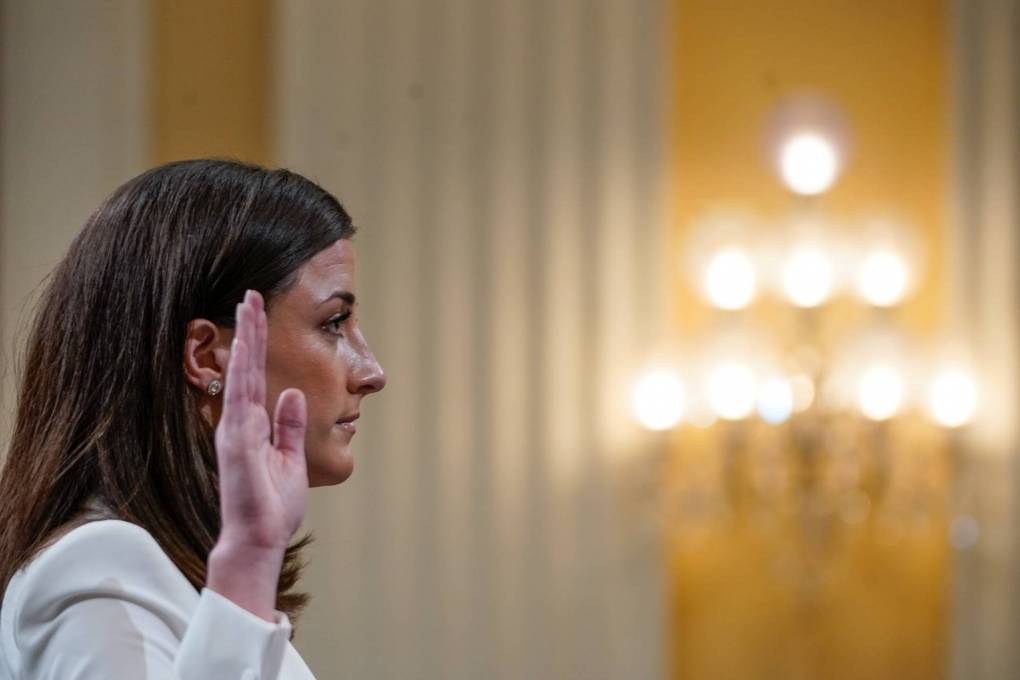
window.__IS_SSR__=true
window.__INITIAL_STATE__={
"attachmentsReducer": {
"audio_0": {
"type": "attachments",
"id": "audio_0",
"imgSizes": {
"kqedFullSize": {
"file": "https://ww2.kqed.org/news/wp-content/themes/KQED-unified/img/audio_bgs/background0.jpg"
}
}
},
"audio_1": {
"type": "attachments",
"id": "audio_1",
"imgSizes": {
"kqedFullSize": {
"file": "https://ww2.kqed.org/news/wp-content/themes/KQED-unified/img/audio_bgs/background1.jpg"
}
}
},
"audio_2": {
"type": "attachments",
"id": "audio_2",
"imgSizes": {
"kqedFullSize": {
"file": "https://ww2.kqed.org/news/wp-content/themes/KQED-unified/img/audio_bgs/background2.jpg"
}
}
},
"audio_3": {
"type": "attachments",
"id": "audio_3",
"imgSizes": {
"kqedFullSize": {
"file": "https://ww2.kqed.org/news/wp-content/themes/KQED-unified/img/audio_bgs/background3.jpg"
}
}
},
"audio_4": {
"type": "attachments",
"id": "audio_4",
"imgSizes": {
"kqedFullSize": {
"file": "https://ww2.kqed.org/news/wp-content/themes/KQED-unified/img/audio_bgs/background4.jpg"
}
}
},
"placeholder": {
"type": "attachments",
"id": "placeholder",
"imgSizes": {
"thumbnail": {
"file": "https://cdn.kqed.org/wp-content/uploads/2024/12/KQED-Default-Image-816638274-2000x1333-1-160x107.jpg",
"width": 160,
"height": 107,
"mimeType": "image/jpeg"
},
"medium": {
"file": "https://cdn.kqed.org/wp-content/uploads/2024/12/KQED-Default-Image-816638274-2000x1333-1-800x533.jpg",
"width": 800,
"height": 533,
"mimeType": "image/jpeg"
},
"medium_large": {
"file": "https://cdn.kqed.org/wp-content/uploads/2024/12/KQED-Default-Image-816638274-2000x1333-1-768x512.jpg",
"width": 768,
"height": 512,
"mimeType": "image/jpeg"
},
"large": {
"file": "https://cdn.kqed.org/wp-content/uploads/2024/12/KQED-Default-Image-816638274-2000x1333-1-1020x680.jpg",
"width": 1020,
"height": 680,
"mimeType": "image/jpeg"
},
"1536x1536": {
"file": "https://cdn.kqed.org/wp-content/uploads/2024/12/KQED-Default-Image-816638274-2000x1333-1-1536x1024.jpg",
"width": 1536,
"height": 1024,
"mimeType": "image/jpeg"
},
"fd-lrg": {
"file": "https://cdn.kqed.org/wp-content/uploads/2024/12/KQED-Default-Image-816638274-2000x1333-1-1536x1024.jpg",
"width": 1536,
"height": 1024,
"mimeType": "image/jpeg"
},
"fd-med": {
"file": "https://cdn.kqed.org/wp-content/uploads/2024/12/KQED-Default-Image-816638274-2000x1333-1-1020x680.jpg",
"width": 1020,
"height": 680,
"mimeType": "image/jpeg"
},
"fd-sm": {
"file": "https://cdn.kqed.org/wp-content/uploads/2024/12/KQED-Default-Image-816638274-2000x1333-1-800x533.jpg",
"width": 800,
"height": 533,
"mimeType": "image/jpeg"
},
"post-thumbnail": {
"file": "https://cdn.kqed.org/wp-content/uploads/2024/12/KQED-Default-Image-816638274-2000x1333-1-672x372.jpg",
"width": 672,
"height": 372,
"mimeType": "image/jpeg"
},
"twentyfourteen-full-width": {
"file": "https://cdn.kqed.org/wp-content/uploads/2024/12/KQED-Default-Image-816638274-2000x1333-1-1038x576.jpg",
"width": 1038,
"height": 576,
"mimeType": "image/jpeg"
},
"xxsmall": {
"file": "https://cdn.kqed.org/wp-content/uploads/2024/12/KQED-Default-Image-816638274-2000x1333-1-160x107.jpg",
"width": 160,
"height": 107,
"mimeType": "image/jpeg"
},
"xsmall": {
"file": "https://cdn.kqed.org/wp-content/uploads/2024/12/KQED-Default-Image-816638274-2000x1333-1-672x372.jpg",
"width": 672,
"height": 372,
"mimeType": "image/jpeg"
},
"small": {
"file": "https://cdn.kqed.org/wp-content/uploads/2024/12/KQED-Default-Image-816638274-2000x1333-1-672x372.jpg",
"width": 672,
"height": 372,
"mimeType": "image/jpeg"
},
"xlarge": {
"file": "https://cdn.kqed.org/wp-content/uploads/2024/12/KQED-Default-Image-816638274-2000x1333-1-1020x680.jpg",
"width": 1020,
"height": 680,
"mimeType": "image/jpeg"
},
"full-width": {
"file": "https://cdn.kqed.org/wp-content/uploads/2024/12/KQED-Default-Image-816638274-2000x1333-1-1920x1280.jpg",
"width": 1920,
"height": 1280,
"mimeType": "image/jpeg"
},
"guest-author-32": {
"file": "https://cdn.kqed.org/wp-content/uploads/2025/01/KQED-Default-Image-816638274-1333x1333-1-160x160.jpg",
"width": 32,
"height": 32,
"mimeType": "image/jpeg"
},
"guest-author-50": {
"file": "https://cdn.kqed.org/wp-content/uploads/2025/01/KQED-Default-Image-816638274-1333x1333-1-160x160.jpg",
"width": 50,
"height": 50,
"mimeType": "image/jpeg"
},
"guest-author-64": {
"file": "https://cdn.kqed.org/wp-content/uploads/2025/01/KQED-Default-Image-816638274-1333x1333-1-160x160.jpg",
"width": 64,
"height": 64,
"mimeType": "image/jpeg"
},
"guest-author-96": {
"file": "https://cdn.kqed.org/wp-content/uploads/2025/01/KQED-Default-Image-816638274-1333x1333-1-160x160.jpg",
"width": 96,
"height": 96,
"mimeType": "image/jpeg"
},
"guest-author-128": {
"file": "https://cdn.kqed.org/wp-content/uploads/2025/01/KQED-Default-Image-816638274-1333x1333-1-160x160.jpg",
"width": 128,
"height": 128,
"mimeType": "image/jpeg"
},
"detail": {
"file": "https://cdn.kqed.org/wp-content/uploads/2025/01/KQED-Default-Image-816638274-1333x1333-1-160x160.jpg",
"width": 160,
"height": 160,
"mimeType": "image/jpeg"
},
"kqedFullSize": {
"file": "https://cdn.kqed.org/wp-content/uploads/2024/12/KQED-Default-Image-816638274-2000x1333-1.jpg",
"width": 2000,
"height": 1333
}
}
},
"news_11918442": {
"type": "attachments",
"id": "news_11918442",
"meta": {
"index": "attachments_1716263798",
"site": "news",
"id": "11918442",
"found": true
},
"parent": 11918268,
"imgSizes": {
"twentyfourteen-full-width": {
"file": "https://ww2.kqed.org/app/uploads/sites/10/2022/06/GettyImages-1241600763-1038x576.jpg",
"width": 1038,
"mimeType": "image/jpeg",
"height": 576
},
"thumbnail": {
"file": "https://ww2.kqed.org/app/uploads/sites/10/2022/06/GettyImages-1241600763-160x107.jpg",
"width": 160,
"mimeType": "image/jpeg",
"height": 107
},
"post-thumbnail": {
"file": "https://ww2.kqed.org/app/uploads/sites/10/2022/06/GettyImages-1241600763-672x372.jpg",
"width": 672,
"mimeType": "image/jpeg",
"height": 372
},
"kqedFullSize": {
"file": "https://ww2.kqed.org/app/uploads/sites/10/2022/06/GettyImages-1241600763.jpg",
"width": 1920,
"height": 1280
},
"large": {
"file": "https://ww2.kqed.org/app/uploads/sites/10/2022/06/GettyImages-1241600763-1020x680.jpg",
"width": 1020,
"mimeType": "image/jpeg",
"height": 680
},
"1536x1536": {
"file": "https://ww2.kqed.org/app/uploads/sites/10/2022/06/GettyImages-1241600763-1536x1024.jpg",
"width": 1536,
"mimeType": "image/jpeg",
"height": 1024
},
"medium": {
"file": "https://ww2.kqed.org/app/uploads/sites/10/2022/06/GettyImages-1241600763-800x533.jpg",
"width": 800,
"mimeType": "image/jpeg",
"height": 533
}
},
"publishDate": 1656545294,
"modified": 1656606133,
"caption": "Cassidy Hutchinson, an aide to Trump White House Chief of Staff Mark Meadows, is sworn in at a hearing of the House Jan. 6 select committee on Capitol Hill on Tuesday, June 28, 2022.",
"description": null,
"title": "GettyImages-1241600763",
"credit": "Demetrius Freeman/The Washington Post/Getty Images",
"status": "inherit",
"altTag": "A side photo of a woman wearing white, her right hand is raised for her testimony under oath",
"isLoading": false,
"fetchFailed": false
},
"news_11918219": {
"type": "attachments",
"id": "news_11918219",
"meta": {
"index": "attachments_1716263798",
"site": "news",
"id": "11918219",
"found": true
},
"parent": 11918196,
"imgSizes": {
"twentyfourteen-full-width": {
"file": "https://ww2.kqed.org/app/uploads/sites/10/2022/06/Rob-Bonta-RS48071_015_SanFrancisco_NewsomBontaPressConference_03242021-qut-1038x576.jpg",
"width": 1038,
"mimeType": "image/jpeg",
"height": 576
},
"thumbnail": {
"file": "https://ww2.kqed.org/app/uploads/sites/10/2022/06/Rob-Bonta-RS48071_015_SanFrancisco_NewsomBontaPressConference_03242021-qut-160x107.jpg",
"width": 160,
"mimeType": "image/jpeg",
"height": 107
},
"post-thumbnail": {
"file": "https://ww2.kqed.org/app/uploads/sites/10/2022/06/Rob-Bonta-RS48071_015_SanFrancisco_NewsomBontaPressConference_03242021-qut-672x372.jpg",
"width": 672,
"mimeType": "image/jpeg",
"height": 372
},
"kqedFullSize": {
"file": "https://ww2.kqed.org/app/uploads/sites/10/2022/06/Rob-Bonta-RS48071_015_SanFrancisco_NewsomBontaPressConference_03242021-qut.jpg",
"width": 1920,
"height": 1278
},
"large": {
"file": "https://ww2.kqed.org/app/uploads/sites/10/2022/06/Rob-Bonta-RS48071_015_SanFrancisco_NewsomBontaPressConference_03242021-qut-1020x679.jpg",
"width": 1020,
"mimeType": "image/jpeg",
"height": 679
},
"1536x1536": {
"file": "https://ww2.kqed.org/app/uploads/sites/10/2022/06/Rob-Bonta-RS48071_015_SanFrancisco_NewsomBontaPressConference_03242021-qut-1536x1022.jpg",
"width": 1536,
"mimeType": "image/jpeg",
"height": 1022
},
"medium": {
"file": "https://ww2.kqed.org/app/uploads/sites/10/2022/06/Rob-Bonta-RS48071_015_SanFrancisco_NewsomBontaPressConference_03242021-qut-800x533.jpg",
"width": 800,
"mimeType": "image/jpeg",
"height": 533
}
},
"publishDate": 1656452985,
"modified": 1656459514,
"caption": "California Attorney General Rob Bonta speaks during a press conference in San Francisco on March 24, 2021. On June 28, 2022, Bonta released the \"2021 Hate Crime in California\" report.",
"description": null,
"title": "Rob-Bonta-RS48071_015_SanFrancisco_NewsomBontaPressConference_03242021-qut",
"credit": "Beth LaBerge/KQED",
"status": "inherit",
"altTag": "California Attorney General Rob Bonta wears a blue suit and blue tie and stands behind a podium at a press concerence.",
"isLoading": false,
"fetchFailed": false
},
"news_11918209": {
"type": "attachments",
"id": "news_11918209",
"meta": {
"index": "attachments_1716263798",
"site": "news",
"id": "11918209",
"found": true
},
"parent": 11918170,
"imgSizes": {
"twentyfourteen-full-width": {
"file": "https://ww2.kqed.org/app/uploads/sites/10/2022/06/RS52693_018_Chico_WomensHealthSpecialists_11182021-qut-1038x576.jpg",
"width": 1038,
"mimeType": "image/jpeg",
"height": 576
},
"thumbnail": {
"file": "https://ww2.kqed.org/app/uploads/sites/10/2022/06/RS52693_018_Chico_WomensHealthSpecialists_11182021-qut-160x107.jpg",
"width": 160,
"mimeType": "image/jpeg",
"height": 107
},
"post-thumbnail": {
"file": "https://ww2.kqed.org/app/uploads/sites/10/2022/06/RS52693_018_Chico_WomensHealthSpecialists_11182021-qut-672x372.jpg",
"width": 672,
"mimeType": "image/jpeg",
"height": 372
},
"kqedFullSize": {
"file": "https://ww2.kqed.org/app/uploads/sites/10/2022/06/RS52693_018_Chico_WomensHealthSpecialists_11182021-qut.jpg",
"width": 1920,
"height": 1280
},
"large": {
"file": "https://ww2.kqed.org/app/uploads/sites/10/2022/06/RS52693_018_Chico_WomensHealthSpecialists_11182021-qut-1020x680.jpg",
"width": 1020,
"mimeType": "image/jpeg",
"height": 680
},
"1536x1536": {
"file": "https://ww2.kqed.org/app/uploads/sites/10/2022/06/RS52693_018_Chico_WomensHealthSpecialists_11182021-qut-1536x1024.jpg",
"width": 1536,
"mimeType": "image/jpeg",
"height": 1024
},
"medium": {
"file": "https://ww2.kqed.org/app/uploads/sites/10/2022/06/RS52693_018_Chico_WomensHealthSpecialists_11182021-qut-800x533.jpg",
"width": 800,
"mimeType": "image/jpeg",
"height": 533
}
},
"publishDate": 1656446128,
"modified": 1656457153,
"caption": "Clinic manager Maria Barreto speaks with a receptionist at the Women's Health Specialists clinic in Chico on Nov. 18, 2021. The clinic is one of the few abortion providers in the region. In the wake of the US Supreme Court's decision to overturn Roe v. Wade, clinics in California are expected to see an influx of out-of-state patients seeking abortion services.",
"description": null,
"title": "RS52693_018_Chico_WomensHealthSpecialists_11182021-qut",
"credit": "Beth LaBerge/KQED",
"status": "inherit",
"altTag": "Inside a clinic reception area, a woman leans on a desk speaking to another woman behind the desk.",
"isLoading": false,
"fetchFailed": false
},
"news_11918154": {
"type": "attachments",
"id": "news_11918154",
"meta": {
"index": "attachments_1716263798",
"site": "news",
"id": "11918154",
"found": true
},
"parent": 11918098,
"imgSizes": {
"twentyfourteen-full-width": {
"file": "https://ww2.kqed.org/app/uploads/sites/10/2022/06/RS56830_029_KQED_AbortionRightsRallySF_06242022-qut-1038x576.jpg",
"width": 1038,
"mimeType": "image/jpeg",
"height": 576
},
"thumbnail": {
"file": "https://ww2.kqed.org/app/uploads/sites/10/2022/06/RS56830_029_KQED_AbortionRightsRallySF_06242022-qut-160x107.jpg",
"width": 160,
"mimeType": "image/jpeg",
"height": 107
},
"post-thumbnail": {
"file": "https://ww2.kqed.org/app/uploads/sites/10/2022/06/RS56830_029_KQED_AbortionRightsRallySF_06242022-qut-672x372.jpg",
"width": 672,
"mimeType": "image/jpeg",
"height": 372
},
"kqedFullSize": {
"file": "https://ww2.kqed.org/app/uploads/sites/10/2022/06/RS56830_029_KQED_AbortionRightsRallySF_06242022-qut.jpg",
"width": 1920,
"height": 1280
},
"large": {
"file": "https://ww2.kqed.org/app/uploads/sites/10/2022/06/RS56830_029_KQED_AbortionRightsRallySF_06242022-qut-1020x680.jpg",
"width": 1020,
"mimeType": "image/jpeg",
"height": 680
},
"1536x1536": {
"file": "https://ww2.kqed.org/app/uploads/sites/10/2022/06/RS56830_029_KQED_AbortionRightsRallySF_06242022-qut-1536x1024.jpg",
"width": 1536,
"mimeType": "image/jpeg",
"height": 1024
},
"medium": {
"file": "https://ww2.kqed.org/app/uploads/sites/10/2022/06/RS56830_029_KQED_AbortionRightsRallySF_06242022-qut-800x533.jpg",
"width": 800,
"mimeType": "image/jpeg",
"height": 533
}
},
"publishDate": 1656379118,
"modified": 1656443098,
"caption": "Alixandra Ramos leads a group of demonstrators in a march through downtown San Francisco on Friday, June 24, 2022, to protest the US Supreme Court's decision to overturn Roe v. Wade.",
"description": null,
"title": "RS56830_029_KQED_AbortionRightsRallySF_06242022-qut",
"credit": "Beth LaBerge/KQED",
"status": "inherit",
"altTag": "Pro-choice demonstrators holding signs supporting abortion access march on the streets in downtown San Francisco. One woman holds a sign that says, 'Abortion is a human right.\"",
"isLoading": false,
"fetchFailed": false
},
"news_11918069": {
"type": "attachments",
"id": "news_11918069",
"meta": {
"index": "attachments_1716263798",
"site": "news",
"id": "11918069",
"found": true
},
"parent": 11918058,
"imgSizes": {
"twentyfourteen-full-width": {
"file": "https://ww2.kqed.org/app/uploads/sites/10/2022/06/052522-GAS-PRICES-FILE-MHN-CM-1038x576.jpg",
"width": 1038,
"mimeType": "image/jpeg",
"height": 576
},
"thumbnail": {
"file": "https://ww2.kqed.org/app/uploads/sites/10/2022/06/052522-GAS-PRICES-FILE-MHN-CM-160x107.jpg",
"width": 160,
"mimeType": "image/jpeg",
"height": 107
},
"post-thumbnail": {
"file": "https://ww2.kqed.org/app/uploads/sites/10/2022/06/052522-GAS-PRICES-FILE-MHN-CM-672x372.jpg",
"width": 672,
"mimeType": "image/jpeg",
"height": 372
},
"kqedFullSize": {
"file": "https://ww2.kqed.org/app/uploads/sites/10/2022/06/052522-GAS-PRICES-FILE-MHN-CM.jpg",
"width": 1920,
"height": 1280
},
"large": {
"file": "https://ww2.kqed.org/app/uploads/sites/10/2022/06/052522-GAS-PRICES-FILE-MHN-CM-1020x680.jpg",
"width": 1020,
"mimeType": "image/jpeg",
"height": 680
},
"1536x1536": {
"file": "https://ww2.kqed.org/app/uploads/sites/10/2022/06/052522-GAS-PRICES-FILE-MHN-CM-1536x1024.jpg",
"width": 1536,
"mimeType": "image/jpeg",
"height": 1024
},
"medium": {
"file": "https://ww2.kqed.org/app/uploads/sites/10/2022/06/052522-GAS-PRICES-FILE-MHN-CM-800x533.jpg",
"width": 800,
"mimeType": "image/jpeg",
"height": 533
}
},
"publishDate": 1656360054,
"modified": 1656372616,
"caption": "The cost of gas at an Arco station in Oakland on May 25, 2022. Prices start at $6.19 per gallon.",
"description": null,
"title": "052522-GAS-PRICES-FILE-MHN-CM",
"credit": "Martin do Nascimento/CalMatters",
"status": "inherit",
"altTag": "At an Arco gas station, a blue and white sign shows how prices start at $6:19 per gallon and go up to $6.59 per gallon.",
"isLoading": false,
"fetchFailed": false
},
"news_11917922": {
"type": "attachments",
"id": "news_11917922",
"meta": {
"index": "attachments_1716263798",
"site": "news",
"id": "11917922",
"found": true
},
"parent": 11917710,
"imgSizes": {
"twentyfourteen-full-width": {
"file": "https://ww2.kqed.org/app/uploads/sites/10/2022/06/RS56774_CarolynWysinger_TracyMcCray_Diptych_06-qut-1038x576.jpg",
"width": 1038,
"mimeType": "image/jpeg",
"height": 576
},
"thumbnail": {
"file": "https://ww2.kqed.org/app/uploads/sites/10/2022/06/RS56774_CarolynWysinger_TracyMcCray_Diptych_06-qut-160x107.jpg",
"width": 160,
"mimeType": "image/jpeg",
"height": 107
},
"post-thumbnail": {
"file": "https://ww2.kqed.org/app/uploads/sites/10/2022/06/RS56774_CarolynWysinger_TracyMcCray_Diptych_06-qut-672x372.jpg",
"width": 672,
"mimeType": "image/jpeg",
"height": 372
},
"kqedFullSize": {
"file": "https://ww2.kqed.org/app/uploads/sites/10/2022/06/RS56774_CarolynWysinger_TracyMcCray_Diptych_06-qut.jpg",
"width": 1920,
"height": 1280
},
"large": {
"file": "https://ww2.kqed.org/app/uploads/sites/10/2022/06/RS56774_CarolynWysinger_TracyMcCray_Diptych_06-qut-1020x680.jpg",
"width": 1020,
"mimeType": "image/jpeg",
"height": 680
},
"1536x1536": {
"file": "https://ww2.kqed.org/app/uploads/sites/10/2022/06/RS56774_CarolynWysinger_TracyMcCray_Diptych_06-qut-1536x1024.jpg",
"width": 1536,
"mimeType": "image/jpeg",
"height": 1024
},
"medium": {
"file": "https://ww2.kqed.org/app/uploads/sites/10/2022/06/RS56774_CarolynWysinger_TracyMcCray_Diptych_06-qut-800x533.jpg",
"width": 800,
"mimeType": "image/jpeg",
"height": 533
}
},
"publishDate": 1656103942,
"modified": 1656104499,
"caption": "Carolyn Wysinger (left), board president of SF Pride, and Tracy McCray, San Francisco Police Officers Association president.",
"description": null,
"title": "RS56774_CarolynWysinger_TracyMcCray_Diptych_06-qut",
"credit": "Beth LaBerge/KQED",
"status": "inherit",
"altTag": "side by side photos of two Black women, one wearing a bright red shirt, one wearing a blue shirt with 'SFPOA' on it - both have serious expressions",
"isLoading": false,
"fetchFailed": false
},
"news_11917791": {
"type": "attachments",
"id": "news_11917791",
"meta": {
"index": "attachments_1716263798",
"site": "news",
"id": "11917791",
"found": true
},
"parent": 11917776,
"imgSizes": {
"twentyfourteen-full-width": {
"file": "https://ww2.kqed.org/app/uploads/sites/10/2022/06/RS56799_GettyImages-1404878195-qut-1038x576.jpg",
"width": 1038,
"mimeType": "image/jpeg",
"height": 576
},
"thumbnail": {
"file": "https://ww2.kqed.org/app/uploads/sites/10/2022/06/RS56799_GettyImages-1404878195-qut-160x107.jpg",
"width": 160,
"mimeType": "image/jpeg",
"height": 107
},
"post-thumbnail": {
"file": "https://ww2.kqed.org/app/uploads/sites/10/2022/06/RS56799_GettyImages-1404878195-qut-672x372.jpg",
"width": 672,
"mimeType": "image/jpeg",
"height": 372
},
"kqedFullSize": {
"file": "https://ww2.kqed.org/app/uploads/sites/10/2022/06/RS56799_GettyImages-1404878195-qut.jpg",
"width": 1920,
"height": 1281
},
"large": {
"file": "https://ww2.kqed.org/app/uploads/sites/10/2022/06/RS56799_GettyImages-1404878195-qut-1020x681.jpg",
"width": 1020,
"mimeType": "image/jpeg",
"height": 681
},
"1536x1536": {
"file": "https://ww2.kqed.org/app/uploads/sites/10/2022/06/RS56799_GettyImages-1404878195-qut-1536x1025.jpg",
"width": 1536,
"mimeType": "image/jpeg",
"height": 1025
},
"medium": {
"file": "https://ww2.kqed.org/app/uploads/sites/10/2022/06/RS56799_GettyImages-1404878195-qut-800x534.jpg",
"width": 800,
"mimeType": "image/jpeg",
"height": 534
}
},
"publishDate": 1656083170,
"modified": 1656083247,
"caption": "Abortion rights activists Carrie McDonald (L) and Soraya Bata react to the Dobbs v Jackson Women’s Health Organization ruling which overturns the landmark abortion Roe v. Wade case in front of the U.S. Supreme Court on June 24, 2022.",
"description": null,
"title": "The U.S. Supreme Court Issues Opinions",
"credit": "Anna Moneymaker/Getty Images",
"status": "inherit",
"altTag": "two women hold protest signs reading 'never land of the free' while they hold each other and cry in front of the supreme court building",
"isLoading": false,
"fetchFailed": false
},
"news_11917667": {
"type": "attachments",
"id": "news_11917667",
"meta": {
"index": "attachments_1716263798",
"site": "news",
"id": "11917667",
"found": true
},
"parent": 11917650,
"imgSizes": {
"twentyfourteen-full-width": {
"file": "https://ww2.kqed.org/app/uploads/sites/10/2022/06/RS56738_GettyImages-1321843001-qut-1038x576.jpg",
"width": 1038,
"mimeType": "image/jpeg",
"height": 576
},
"thumbnail": {
"file": "https://ww2.kqed.org/app/uploads/sites/10/2022/06/RS56738_GettyImages-1321843001-qut-160x111.jpg",
"width": 160,
"mimeType": "image/jpeg",
"height": 111
},
"post-thumbnail": {
"file": "https://ww2.kqed.org/app/uploads/sites/10/2022/06/RS56738_GettyImages-1321843001-qut-672x372.jpg",
"width": 672,
"mimeType": "image/jpeg",
"height": 372
},
"kqedFullSize": {
"file": "https://ww2.kqed.org/app/uploads/sites/10/2022/06/RS56738_GettyImages-1321843001-qut.jpg",
"width": 1920,
"height": 1333
},
"large": {
"file": "https://ww2.kqed.org/app/uploads/sites/10/2022/06/RS56738_GettyImages-1321843001-qut-1020x708.jpg",
"width": 1020,
"mimeType": "image/jpeg",
"height": 708
},
"1536x1536": {
"file": "https://ww2.kqed.org/app/uploads/sites/10/2022/06/RS56738_GettyImages-1321843001-qut-1536x1066.jpg",
"width": 1536,
"mimeType": "image/jpeg",
"height": 1066
},
"medium": {
"file": "https://ww2.kqed.org/app/uploads/sites/10/2022/06/RS56738_GettyImages-1321843001-qut-800x555.jpg",
"width": 800,
"mimeType": "image/jpeg",
"height": 555
}
},
"publishDate": 1655998707,
"modified": 1656465053,
"caption": "A gun shop clerk displays a small handgun in San Francisco. Restrictive concealed carry policies in California - like those in place in San Francisco - are in jeopardy following a ruling by the U.S. Supreme Court.",
"description": null,
"title": "A gun shop clerk displays a small handgun on Monday June 26, 2017. The U.S. Supreme Court rejected a challenge by gun groups Monday to California's concealed-weapons law, which requires gun owners to get a license from law enforcement to carry a concealed",
"credit": "Michael Macor/San Francisco Chronicle via Getty Images",
"status": "inherit",
"altTag": "hand holds small gun above glass case containing two other small handguns",
"isLoading": false,
"fetchFailed": false
},
"news_11916779": {
"type": "attachments",
"id": "news_11916779",
"meta": {
"index": "attachments_1716263798",
"site": "news",
"id": "11916779",
"found": true
},
"parent": 11916778,
"imgSizes": {
"thumbnail": {
"file": "https://ww2.kqed.org/app/uploads/sites/10/2022/06/image1-160x107.jpg",
"width": 160,
"mimeType": "image/jpeg",
"height": 107
},
"post-thumbnail": {
"file": "https://ww2.kqed.org/app/uploads/sites/10/2022/06/image1-672x372.jpg",
"width": 672,
"mimeType": "image/jpeg",
"height": 372
},
"kqedFullSize": {
"file": "https://ww2.kqed.org/app/uploads/sites/10/2022/06/image1.jpg",
"width": 860,
"height": 574
},
"medium": {
"file": "https://ww2.kqed.org/app/uploads/sites/10/2022/06/image1-800x534.jpg",
"width": 800,
"mimeType": "image/jpeg",
"height": 534
}
},
"publishDate": 1654894376,
"modified": 1654894376,
"caption": null,
"description": null,
"title": "image1",
"credit": null,
"status": "inherit",
"altTag": null,
"isLoading": false,
"fetchFailed": false
},
"news_11913105": {
"type": "attachments",
"id": "news_11913105",
"meta": {
"index": "attachments_1716263798",
"site": "news",
"id": "11913105",
"found": true
},
"parent": 0,
"imgSizes": {
"twentyfourteen-full-width": {
"file": "https://ww2.kqed.org/app/uploads/sites/10/2022/05/Image-from-iOS-10-1-1038x576.jpg",
"width": 1038,
"mimeType": "image/jpeg",
"height": 576
},
"thumbnail": {
"file": "https://ww2.kqed.org/app/uploads/sites/10/2022/05/Image-from-iOS-10-1-160x106.jpg",
"width": 160,
"mimeType": "image/jpeg",
"height": 106
},
"post-thumbnail": {
"file": "https://ww2.kqed.org/app/uploads/sites/10/2022/05/Image-from-iOS-10-1-672x372.jpg",
"width": 672,
"mimeType": "image/jpeg",
"height": 372
},
"kqedFullSize": {
"file": "https://ww2.kqed.org/app/uploads/sites/10/2022/05/Image-from-iOS-10-1-scaled-e1651632494388.jpg",
"width": 1920,
"height": 1278
},
"2048x2048": {
"file": "https://ww2.kqed.org/app/uploads/sites/10/2022/05/Image-from-iOS-10-1-2048x1363.jpg",
"width": 2048,
"mimeType": "image/jpeg",
"height": 1363
},
"large": {
"file": "https://ww2.kqed.org/app/uploads/sites/10/2022/05/Image-from-iOS-10-1-1020x679.jpg",
"width": 1020,
"mimeType": "image/jpeg",
"height": 679
},
"1536x1536": {
"file": "https://ww2.kqed.org/app/uploads/sites/10/2022/05/Image-from-iOS-10-1-1536x1022.jpg",
"width": 1536,
"mimeType": "image/jpeg",
"height": 1022
},
"full-width": {
"file": "https://ww2.kqed.org/app/uploads/sites/10/2022/05/Image-from-iOS-10-1-1920x1278.jpg",
"width": 1920,
"mimeType": "image/jpeg",
"height": 1278
},
"medium": {
"file": "https://ww2.kqed.org/app/uploads/sites/10/2022/05/Image-from-iOS-10-1-800x532.jpg",
"width": 800,
"mimeType": "image/jpeg",
"height": 532
}
},
"publishDate": 1651632150,
"modified": 1654816793,
"caption": "A demonstrator holds a sign that says, 'We Need Parents by Choice,' during a rally for abortion rights outside the Phillip Burton Federal Building in San Francisco on May 3, 2022.",
"description": null,
"title": "Image from iOS (10)",
"credit": "Beth LaBerge/KQED News",
"status": "inherit",
"altTag": "A woman holds a sign that reads \"We need parents by choice\" in a crowd of people.",
"isLoading": false,
"fetchFailed": false
},
"news_11916460": {
"type": "attachments",
"id": "news_11916460",
"meta": {
"index": "attachments_1716263798",
"site": "news",
"id": "11916460",
"found": true
},
"parent": 11915899,
"imgSizes": {
"twentyfourteen-full-width": {
"file": "https://ww2.kqed.org/app/uploads/sites/10/2022/06/SJ-race-1-1038x576.jpg",
"width": 1038,
"mimeType": "image/jpeg",
"height": 576
},
"thumbnail": {
"file": "https://ww2.kqed.org/app/uploads/sites/10/2022/06/SJ-race-1-160x89.jpg",
"width": 160,
"mimeType": "image/jpeg",
"height": 89
},
"post-thumbnail": {
"file": "https://ww2.kqed.org/app/uploads/sites/10/2022/06/SJ-race-1-672x372.jpg",
"width": 672,
"mimeType": "image/jpeg",
"height": 372
},
"kqedFullSize": {
"file": "https://ww2.kqed.org/app/uploads/sites/10/2022/06/SJ-race-1.jpg",
"width": 1654,
"height": 922
},
"large": {
"file": "https://ww2.kqed.org/app/uploads/sites/10/2022/06/SJ-race-1-1020x569.jpg",
"width": 1020,
"mimeType": "image/jpeg",
"height": 569
},
"1536x1536": {
"file": "https://ww2.kqed.org/app/uploads/sites/10/2022/06/SJ-race-1-1536x856.jpg",
"width": 1536,
"mimeType": "image/jpeg",
"height": 856
},
"medium": {
"file": "https://ww2.kqed.org/app/uploads/sites/10/2022/06/SJ-race-1-800x446.jpg",
"width": 800,
"mimeType": "image/jpeg",
"height": 446
}
},
"publishDate": 1654672562,
"modified": 1654672625,
"caption": "Santa Clara County Supervisor Cindy Chavez, left, and San José City Councilmember Matt Mahan will face each other in San José's November mayoral election.",
"description": null,
"title": "SJ-race",
"credit": "Carlos Cabrera-Lomelí/KQED",
"status": "inherit",
"altTag": null,
"isLoading": false,
"fetchFailed": false
},
"news_11916429": {
"type": "attachments",
"id": "news_11916429",
"meta": {
"index": "attachments_1716263798",
"site": "news",
"id": "11916429",
"found": true
},
"parent": 11916206,
"imgSizes": {
"twentyfourteen-full-width": {
"file": "https://ww2.kqed.org/app/uploads/sites/10/2022/06/RS48085_029_SanFrancisco_NewsomBontaPressConference_03242021-qut-1038x576.jpg",
"width": 1038,
"mimeType": "image/jpeg",
"height": 576
},
"thumbnail": {
"file": "https://ww2.kqed.org/app/uploads/sites/10/2022/06/RS48085_029_SanFrancisco_NewsomBontaPressConference_03242021-qut-160x107.jpg",
"width": 160,
"mimeType": "image/jpeg",
"height": 107
},
"post-thumbnail": {
"file": "https://ww2.kqed.org/app/uploads/sites/10/2022/06/RS48085_029_SanFrancisco_NewsomBontaPressConference_03242021-qut-672x372.jpg",
"width": 672,
"mimeType": "image/jpeg",
"height": 372
},
"kqedFullSize": {
"file": "https://ww2.kqed.org/app/uploads/sites/10/2022/06/RS48085_029_SanFrancisco_NewsomBontaPressConference_03242021-qut.jpg",
"width": 1920,
"height": 1278
},
"large": {
"file": "https://ww2.kqed.org/app/uploads/sites/10/2022/06/RS48085_029_SanFrancisco_NewsomBontaPressConference_03242021-qut-1020x679.jpg",
"width": 1020,
"mimeType": "image/jpeg",
"height": 679
},
"1536x1536": {
"file": "https://ww2.kqed.org/app/uploads/sites/10/2022/06/RS48085_029_SanFrancisco_NewsomBontaPressConference_03242021-qut-1536x1022.jpg",
"width": 1536,
"mimeType": "image/jpeg",
"height": 1022
},
"medium": {
"file": "https://ww2.kqed.org/app/uploads/sites/10/2022/06/RS48085_029_SanFrancisco_NewsomBontaPressConference_03242021-qut-800x533.jpg",
"width": 800,
"mimeType": "image/jpeg",
"height": 533
}
},
"publishDate": 1654667098,
"modified": 1654670491,
"caption": "Rob Bonta (right) speaks at a press conference in San Francisco on March 24, 2021, after being appointed by Gov. Gavin Newsom to serve as California's attorney general.",
"description": null,
"title": "RS48085_029_SanFrancisco_NewsomBontaPressConference_03242021-qut",
"credit": "Beth LaBerge/KQED",
"status": "inherit",
"altTag": "A fit, middle-aged Filipino man, with black hair slicked away from his head, stands at a wooden lectern inside a room, speaking toward, but beyond, the camera at his left. We see a sliver of the Seal of California at the top of the front of the lectern, and a skinny microphone neck extending from the lectern toward him. He wears a dark blue suit jacket, a white dress shirt, and a glossy powder blue tie. On a wall behind him are two paintings; the one visible behind him seems to be an oil or acrylic portrait in blues, pinks, and yellows or a man wearing a baseball cap and jacket, with a surprised or distraught look on his face. A tall man also dressed in a suit and wearing a black face mask stands at a distance in a doorway to Bonta's right; it appears to be Gov. Gavin Newsom.",
"isLoading": false,
"fetchFailed": false
}
},
"audioPlayerReducer": {
"postId": "stream_live",
"isPaused": true,
"isPlaying": false,
"pfsActive": false,
"pledgeModalIsOpen": true,
"playerDrawerIsOpen": false,
"liveAudioPlayStartedAt": 0,
"liveAudioPlayContext": ""
},
"authorsReducer": {
"byline_news_11918170": {
"type": "authors",
"id": "byline_news_11918170",
"meta": {
"override": true
},
"slug": "byline_news_11918170",
"name": "Kristen Hwang",
"isLoading": false
},
"byline_news_11918058": {
"type": "authors",
"id": "byline_news_11918058",
"meta": {
"override": true
},
"slug": "byline_news_11918058",
"name": "Alexei Koseff",
"isLoading": false
},
"byline_news_11917776": {
"type": "authors",
"id": "byline_news_11917776",
"meta": {
"override": true
},
"slug": "byline_news_11917776",
"name": "Mark Sherman \u003cbr> The Associated Press",
"isLoading": false
},
"byline_news_11917650": {
"type": "authors",
"id": "byline_news_11917650",
"meta": {
"override": true
},
"slug": "byline_news_11917650",
"name": "\u003ca href=\"https://calmatters.org/author/ben-christopher/\">Ben Christopher\u003c/a>",
"isLoading": false
},
"byline_news_11916593": {
"type": "authors",
"id": "byline_news_11916593",
"meta": {
"override": true
},
"slug": "byline_news_11916593",
"name": "Adam Beam\u003cbr>Associated Press",
"isLoading": false
},
"gmarzorati": {
"type": "authors",
"id": "227",
"meta": {
"index": "authors_1716337520",
"id": "227",
"found": true
},
"name": "Guy Marzorati",
"firstName": "Guy",
"lastName": "Marzorati",
"slug": "gmarzorati",
"email": "gmarzorati@KQED.org",
"display_author_email": true,
"staff_mastheads": [
"news"
],
"title": "Correspondent",
"bio": "Guy Marzorati is a correspondent on KQED's California Politics and Government Desk, based in San Jose. A graduate of Santa Clara University, Guy joined KQED in 2013. He reports on state and local politics and produces KQED's digital voter guide.",
"avatar": "https://secure.gravatar.com/avatar/e7038b8dbfd55b104369b76b1cd0b9de?s=600&d=blank&r=g",
"twitter": "guymarzorati",
"facebook": null,
"instagram": null,
"linkedin": null,
"sites": [
{
"site": "",
"roles": [
"editor"
]
},
{
"site": "news",
"roles": [
"editor"
]
},
{
"site": "science",
"roles": [
"editor"
]
},
{
"site": "forum",
"roles": [
"editor"
]
},
{
"site": "elections",
"roles": [
"editor"
]
},
{
"site": "liveblog",
"roles": [
"editor"
]
}
],
"headData": {
"title": "Guy Marzorati | KQED",
"description": "Correspondent",
"ogImgSrc": "https://secure.gravatar.com/avatar/e7038b8dbfd55b104369b76b1cd0b9de?s=600&d=blank&r=g",
"twImgSrc": "https://secure.gravatar.com/avatar/e7038b8dbfd55b104369b76b1cd0b9de?s=600&d=blank&r=g"
},
"isLoading": false,
"link": "/author/gmarzorati"
},
"kqed": {
"type": "authors",
"id": "236",
"meta": {
"index": "authors_1716337520",
"id": "236",
"found": true
},
"name": "KQED News Staff",
"firstName": "KQED News Staff",
"lastName": null,
"slug": "kqed",
"email": "faq@kqed.org",
"display_author_email": false,
"staff_mastheads": [],
"title": null,
"bio": null,
"avatar": "https://secure.gravatar.com/avatar/ef0e801a68c4c54afa9180db14084167?s=600&d=blank&r=g",
"twitter": null,
"facebook": null,
"instagram": null,
"linkedin": null,
"sites": [
{
"site": "arts",
"roles": [
"contributor"
]
},
{
"site": "news",
"roles": [
"editor"
]
},
{
"site": "futureofyou",
"roles": [
"author"
]
}
],
"headData": {
"title": "KQED News Staff | KQED",
"description": null,
"ogImgSrc": "https://secure.gravatar.com/avatar/ef0e801a68c4c54afa9180db14084167?s=600&d=blank&r=g",
"twImgSrc": "https://secure.gravatar.com/avatar/ef0e801a68c4c54afa9180db14084167?s=600&d=blank&r=g"
},
"isLoading": false,
"link": "/author/kqed"
},
"scottshafer": {
"type": "authors",
"id": "255",
"meta": {
"index": "authors_1716337520",
"id": "255",
"found": true
},
"name": "Scott Shafer",
"firstName": "Scott",
"lastName": "Shafer",
"slug": "scottshafer",
"email": "sshafer@kqed.org",
"display_author_email": false,
"staff_mastheads": [
"news"
],
"title": "KQED Contributor",
"bio": "Scott Shafer is a senior editor with the KQED Politics and Government desk. He is co-host of Political Breakdown, the award-winning radio show and podcast with a personal take on the world of politics. Scott came to KQED in 1998 to host the statewide\u003cem> California Report\u003c/em>. Prior to that he had extended stints in politics and government\u003cem>.\u003c/em> He uses that inside experience at KQED in his, reporting, hosting and analysis for the politics desk. Scott collaborated \u003cem>Political Breakdown a\u003c/em>nd on \u003cem>The Political Mind of Jerry Brown, \u003c/em>an eight-part series about the life and extraordinary political career of the former governor. For fun, he plays water polo with the San Francisco Tsunami.",
"avatar": "https://secure.gravatar.com/avatar/a62ebae45b79d7aed1a39a0e3bf68104?s=600&d=blank&r=g",
"twitter": "scottshafer",
"bluesky": null,
"facebook": null,
"instagram": null,
"linkedin": null,
"sites": [
{
"site": "news",
"roles": [
"editor"
]
},
{
"site": "stateofhealth",
"roles": [
"author"
]
},
{
"site": "science",
"roles": [
"author"
]
},
{
"site": "forum",
"roles": [
"subscriber"
]
},
{
"site": "liveblog",
"roles": [
"author"
]
}
],
"headData": {
"title": "Scott Shafer | KQED",
"description": "KQED Contributor",
"ogImgSrc": "https://secure.gravatar.com/avatar/a62ebae45b79d7aed1a39a0e3bf68104?s=600&d=blank&r=g",
"twImgSrc": "https://secure.gravatar.com/avatar/a62ebae45b79d7aed1a39a0e3bf68104?s=600&d=blank&r=g"
},
"isLoading": false,
"link": "/author/scottshafer"
},
"mlagos": {
"type": "authors",
"id": "3239",
"meta": {
"index": "authors_1716337520",
"id": "3239",
"found": true
},
"name": "Marisa Lagos",
"firstName": "Marisa",
"lastName": "Lagos",
"slug": "mlagos",
"email": "mlagos@kqed.org",
"display_author_email": false,
"staff_mastheads": [
"news"
],
"title": "KQED Contributor",
"bio": "Marisa Lagos is a correspondent for KQED’s California Politics and Government Desk and co-hosts the award-winning show and podcast, Political Breakdown. At KQED, Lagos also conducts reporting, analysis and investigations into state, local and national politics for radio, TV, online and onstage. In 2022, she and co-host, Scott Shafer, moderated the only gubernatorial debate in California. In 2020, the \u003ci>Washington Post\u003c/i> named her one of the top political journalists in California; she was nominated for a Peabody and won several other awards for her work investigating the 2017 California wildfires. She has worked at the \u003ci>San Francisco Chronicle\u003c/i>, \u003ci>San Francisco Examiner\u003c/i> and \u003ci>Los Angeles Times\u003c/i>. A UC Santa Barbara graduate, she lives in San Francisco with her two sons and husband.",
"avatar": "https://secure.gravatar.com/avatar/a261a0d3696fc066871ef96b85b5e7d2?s=600&d=blank&r=g",
"twitter": "@mlagos",
"facebook": null,
"instagram": null,
"linkedin": null,
"sites": [
{
"site": "arts",
"roles": [
"author"
]
},
{
"site": "news",
"roles": [
"editor"
]
},
{
"site": "science",
"roles": [
"editor"
]
},
{
"site": "forum",
"roles": [
"author"
]
},
{
"site": "liveblog",
"roles": [
"author"
]
}
],
"headData": {
"title": "Marisa Lagos | KQED",
"description": "KQED Contributor",
"ogImgSrc": "https://secure.gravatar.com/avatar/a261a0d3696fc066871ef96b85b5e7d2?s=600&d=blank&r=g",
"twImgSrc": "https://secure.gravatar.com/avatar/a261a0d3696fc066871ef96b85b5e7d2?s=600&d=blank&r=g"
},
"isLoading": false,
"link": "/author/mlagos"
},
"mfederis": {
"type": "authors",
"id": "11509",
"meta": {
"index": "authors_1716337520",
"id": "11509",
"found": true
},
"name": "Marnette Federis",
"firstName": "Marnette",
"lastName": "Federis",
"slug": "mfederis",
"email": "mfederis@kqed.org",
"display_author_email": false,
"staff_mastheads": [],
"title": "KQED Contributor",
"bio": null,
"avatar": "https://secure.gravatar.com/avatar/6553b16260501cef36787444651fa5ed?s=600&d=blank&r=g",
"twitter": null,
"facebook": null,
"instagram": null,
"linkedin": null,
"sites": [
{
"site": "news",
"roles": [
"editor"
]
},
{
"site": "mindshift",
"roles": [
"editor"
]
},
{
"site": "science",
"roles": [
"editor"
]
},
{
"site": "podcasts",
"roles": [
"editor"
]
}
],
"headData": {
"title": "Marnette Federis | KQED",
"description": "KQED Contributor",
"ogImgSrc": "https://secure.gravatar.com/avatar/6553b16260501cef36787444651fa5ed?s=600&d=blank&r=g",
"twImgSrc": "https://secure.gravatar.com/avatar/6553b16260501cef36787444651fa5ed?s=600&d=blank&r=g"
},
"isLoading": false,
"link": "/author/mfederis"
},
"ccabreralomeli": {
"type": "authors",
"id": "11708",
"meta": {
"index": "authors_1716337520",
"id": "11708",
"found": true
},
"name": "Carlos Cabrera-Lomelí",
"firstName": "Carlos",
"lastName": "Cabrera-Lomelí",
"slug": "ccabreralomeli",
"email": "ccabreralomeli@KQED.org",
"display_author_email": true,
"staff_mastheads": [
"news"
],
"title": "Community Reporter",
"bio": "Carlos Cabrera-Lomelí is a community reporter with KQED's digital engagement team. He also reports and co-produces for KQED's bilingual news hub KQED en Español. He grew up in San Francisco's Mission District and has previously worked with Univision, 48 Hills and REFORMA in Mexico City.",
"avatar": "https://secure.gravatar.com/avatar/c309be9665e484f887b818c89e273ecc673004f426f36b24d00a4d813a2e0518?s=600&d=blank&r=g",
"twitter": "@LomeliCabrera",
"bluesky": null,
"facebook": null,
"instagram": null,
"linkedin": null,
"sites": [
{
"site": "arts",
"roles": [
"editor"
]
},
{
"site": "news",
"roles": [
"editor"
]
},
{
"site": "about",
"roles": [
"editor"
]
},
{
"site": "science",
"roles": [
"editor"
]
},
{
"site": "perspectives",
"roles": [
"editor"
]
},
{
"site": "elections",
"roles": [
"editor"
]
},
{
"site": "liveblog",
"roles": [
"contributor"
]
}
],
"headData": {
"title": "Carlos Cabrera-Lomelí | KQED",
"description": "Community Reporter",
"ogImgSrc": "https://secure.gravatar.com/avatar/c309be9665e484f887b818c89e273ecc673004f426f36b24d00a4d813a2e0518?s=600&d=blank&r=g",
"twImgSrc": "https://secure.gravatar.com/avatar/c309be9665e484f887b818c89e273ecc673004f426f36b24d00a4d813a2e0518?s=600&d=blank&r=g"
},
"isLoading": false,
"link": "/author/ccabreralomeli"
},
"nnavarro": {
"type": "authors",
"id": "11756",
"meta": {
"index": "authors_1716337520",
"id": "11756",
"found": true
},
"name": "Natalia Navarro",
"firstName": "Natalia",
"lastName": "Navarro",
"slug": "nnavarro",
"email": "nnavarro@kqed.org",
"display_author_email": true,
"staff_mastheads": [
"news"
],
"title": "Afternoon News Anchor",
"bio": "Natalia Navarro is KQED's afternoon radio news anchor. She came to KQED in 2021 from Colorado Public Radio, where she was a reporter and host. She has received several awards for her work covering daily and breaking news from professional organizations such as the San Francisco Press Club, Society of Professional Journalists and the Colorado Broadcasters Association. Natalia is originally from Tucson, Arizona, where she got her start in journalism writing for the Arizona Daily Star, Arizona Public Media and the Tucson Weekly. Natalia earned her bachelor's degree in journalism and economics, and her master's degree in journalism from the University of Arizona.",
"avatar": "https://secure.gravatar.com/avatar/a2bdb19fd9520bdea295a2d5f9b2ad65ec51cf0bf559fb1cc041d3a0a04d62ad?s=600&d=blank&r=g",
"twitter": "@NataliaVNavarro",
"bluesky": null,
"facebook": null,
"instagram": null,
"linkedin": null,
"sites": [
{
"site": "news",
"roles": [
"editor"
]
}
],
"headData": {
"title": "Natalia Navarro | KQED",
"description": "Afternoon News Anchor",
"ogImgSrc": "https://secure.gravatar.com/avatar/a2bdb19fd9520bdea295a2d5f9b2ad65ec51cf0bf559fb1cc041d3a0a04d62ad?s=600&d=blank&r=g",
"twImgSrc": "https://secure.gravatar.com/avatar/a2bdb19fd9520bdea295a2d5f9b2ad65ec51cf0bf559fb1cc041d3a0a04d62ad?s=600&d=blank&r=g"
},
"isLoading": false,
"link": "/author/nnavarro"
}
},
"pagesReducer": {
"news_tag_politics": {
"type": "terms",
"id": "news_17968",
"meta": {
"index": "terms_1716263798",
"site": "news",
"id": "17968",
"score": 8.003266
},
"name": "Politics",
"slug": "politics",
"taxonomy": "tag",
"description": null,
"featImg": null,
"headData": {
"title": "Politics | KQED News",
"description": null,
"ogTitle": null,
"ogDescription": null,
"ogImgId": null,
"twTitle": null,
"twDescription": null,
"twImgId": null
},
"ttid": 18002,
"isLoading": false,
"title": "Politics",
"pageMeta": {
"site": "news",
"WpPageTemplate": "page-topic-editorial",
"currentPage": 173
},
"blocks": [
{
"blockName": "kqed/post-list",
"attrs": {
"layout": "cardArticle2",
"query": "posts/news?tag=politics",
"seeMore": false,
"paginated": true,
"page": 173
}
},
{
"blockName": "kqed/ad"
}
]
}
},
"pfsSessionReducer": {},
"postsReducer": {
"stream_live": {
"type": "live",
"id": "stream_live",
"audioUrl": "https://streams.kqed.org/kqedradio",
"title": "Live Stream",
"excerpt": "Live Stream information currently unavailable.",
"link": "/radio",
"featImg": "",
"label": {
"name": "KQED Live",
"link": "/"
}
},
"stream_kqedNewscast": {
"type": "posts",
"id": "stream_kqedNewscast",
"audioUrl": "https://www.kqed.org/.stream/anon/radio/RDnews/newscast.mp3?_=1",
"title": "KQED Newscast",
"featImg": "",
"label": {
"name": "88.5 FM",
"link": "/"
}
},
"news_11918319": {
"type": "posts",
"id": "news_11918319",
"meta": {
"index": "posts_1716263798",
"site": "news",
"id": "11918319",
"score": null,
"sort": [
1656551165000
]
},
"guestAuthors": [],
"slug": "wow-south-bay-rep-zoe-lofgren-on-hutchinsons-testimony-about-jan-6-capitol-attack",
"title": "'Wow': South Bay Rep. Zoe Lofgren on Cassidy Hutchinson's Account of Jan. 6 Capitol Attack",
"publishDate": 1656551165,
"format": "standard",
"headTitle": "‘Wow’: South Bay Rep. Zoe Lofgren on Cassidy Hutchinson’s Account of Jan. 6 Capitol Attack | KQED",
"labelTerm": {
"site": "news"
},
"content": "\u003cp>The U.S. House committee investigating the Jan. 6, 2021, assault on the Capitol held a surprise hearing Tuesday featuring testimony from former White House staffer Cassidy Hutchinson, who detailed damning revelations about former President Donald Trump’s actions on the day of the attack.\u003c/p>\n\u003cp>Hutchinson, who served as an aide to former White House Chief of Staff Mark Meadows, described an angry, defiant president who rebuffed warnings from his own security detail and tried to let armed protesters avoid security screenings during a rally that morning protesting the outcome of the 2020 presidential election. And when the events that day spiraled toward violence, with the crowd chanting “Hang Mike Pence,” Trump declined to intervene, Hutchinson testified.\u003c/p>\n\u003cp>Trump “doesn’t think they’re doing anything wrong,” Hutchinson recalled Meadows saying at the time.\u003c/p>\n\u003cp>Hutchinson’s explosive, moment-by-moment account of what was happening inside and outside the White House offered a vivid description of a Republican president so unwilling to concede his 2020 election defeat to Democrat Joe Biden that he lashed out in rage and refused to stop the siege at the Capitol. It painted a damning portrait of the chaos at the White House as those around the defeated president splintered into factions, one supporting his false claims of voter fraud and another trying unsuccessfully to prevent the violent attack.\u003c/p>\n\u003cp>At one point on Jan. 6, Hutchinson recalled, former White House counsel Pat Cipollone barreled down the hallway and confronted Meadows about rioters breaching the Capitol. Meadows, staring at his phone, told the White House lawyer that Trump didn’t want to do anything, she said.\u003c/p>\n\u003cp>[ad fullwidth]\u003c/p>\n\u003cp>Earlier, Cipollone had worried out loud that “we’re going to get charged with every crime imaginable” if Trump was to go to the Capitol after his speech at the rally, Hutchinson said.\u003c/p>\n\u003cp>[aside label=\"Related Stories\" tag=\"january-6\"]\u003c/p>\n\u003cp>Hutchinson also said Trump directed his staff, in profane terms, to take away the metal-detecting magnetometers that he thought would slow down supporters who were gathering for his speech on the Ellipse, behind the White House. In a clip of an earlier interview with the committee, she recalled the president saying words to the effect of: “I don’t f-in’ care that they have weapons.”\u003c/p>\n\u003cp>San José Rep. Zoe Lofgren, one of the committee members, spoke with KQED’s Natalia Navarro about her reaction to Hutchinson’s explosive testimony and what the public can expect in future hearings.\u003c/p>\n\u003cp>\u003cem>This interview has been edited for length and clarity.\u003c/em>\u003c/p>\n\u003cp>\u003cstrong>NATALIA NAVARRO: Why did the committee call this hearing?\u003c/strong>\u003c/p>\n\u003cp>\u003cstrong>REP. ZOE LOFGREN:\u003c/strong> Ms. Hutchinson had some new information that we felt needed to get out. Obviously, we know from other instances that there is a lot of pressure that is placed on people. And we wanted to make sure that the story that she had to tell was able to be released.\u003c/p>\n\u003cp>\u003cstrong>When did you know that Hutchinson would testify?\u003c/strong>\u003c/p>\n\u003cp>We were not positive until really late last week. I think it’s been widely reported that she sat for four interviews. Her lawyer for the first three was paid for by the Trump PAC, and when she switched lawyers, I think the testimony became ever more expansive. And it was at that point that we were able to arrange a live testimony.\u003c/p>\n\u003cp>\u003cstrong>What was your overall reaction to what she had to say yesterday?\u003c/strong>\u003c/p>\n\u003cp>I admire her courage. She seemed very candid and courageous. Obviously, she was in a key position in the White House, steps away from the Oval Office. She’s a young person but had a very responsible job, and she was in a position to see and hear quite a bit, and she’s willing to talk about it.\u003c/p>\n\u003cp>Obviously, not everything that she has told us has been reported out. There is more that will be included in upcoming hearings. Honestly, her testimony about [how] the president was told that they had discovered that people in the crowd had weapons, including AR-15s and Glocks and assault weapons, that they didn’t want to go through the magnetometers because they didn’t want their weapons taken away, that she overheard directly that he was ordering people to take the “f-ing mags away.” He didn’t care that they were armed because he didn’t think they were going to hurt him, and the telling point was that those armed people could then walk to the Capitol from the Ellipse. Wow.\u003c/p>\n\u003cp>\u003cstrong>Do you plan to present evidence that members of Trump’s inner circle met with hate groups, including the Proud Boys, Oath Keepers, other rally organizers, and knew or even helped coordinate their plan of attack?\u003c/strong>\u003c/p>\n\u003cp>I’m going to leave that for future hearings. But as the chairman has said publicly, there certainly were connections between these extremist groups and the president’s inner circle.\u003c/p>\n\u003cp>\u003cstrong>What role did Roger Stone play in all of this?\u003c/strong>\u003c/p>\n\u003cp>Again, we’re going to leave that to a future hearing. As you know, he refused to testify before the committee. He took the Fifth Amendment repeatedly, but it was pretty clear that he played an important role in putting together the plot.\u003c/p>\n\u003cfigure id=\"attachment_11918441\" class=\"wp-caption alignnone\" style=\"max-width: 800px\">\u003ca href=\"https://ww2.kqed.org/app/uploads/sites/10/2022/06/Hutchinson-GettyImages-12415934171.jpg\">\u003cimg loading=\"lazy\" decoding=\"async\" class=\"size-medium wp-image-11918441\" src=\"https://ww2.kqed.org/app/uploads/sites/10/2022/06/Hutchinson-GettyImages-12415934171-800x533.jpg\" alt=\"A wide shot of the committee hearing facing all of the committee members\" width=\"800\" height=\"533\" srcset=\"https://cdn.kqed.org/wp-content/uploads/sites/10/2022/06/Hutchinson-GettyImages-12415934171-800x533.jpg 800w, https://cdn.kqed.org/wp-content/uploads/sites/10/2022/06/Hutchinson-GettyImages-12415934171-1020x680.jpg 1020w, https://cdn.kqed.org/wp-content/uploads/sites/10/2022/06/Hutchinson-GettyImages-12415934171-160x107.jpg 160w, https://cdn.kqed.org/wp-content/uploads/sites/10/2022/06/Hutchinson-GettyImages-12415934171-1536x1024.jpg 1536w, https://cdn.kqed.org/wp-content/uploads/sites/10/2022/06/Hutchinson-GettyImages-12415934171.jpg 1920w\" sizes=\"(max-width: 800px) 100vw, 800px\">\u003c/a>\u003cfigcaption class=\"wp-caption-text\">A text from Fox News host Sean Hannity to former White House Press Secretary Kayleigh McEnany is displayed as Cassidy Hutchinson, a former top aide to Trump White House Chief of Staff Mark Meadows, testifies during the sixth hearing held by the Select Committee to Investigate the January 6th Attack on the US Capitol, on June 28, 2022, in the Cannon House Office Building in Washington, DC. \u003ccite>(Shawn Thew-Pool/Getty Images)\u003c/cite>\u003c/figcaption>\u003c/figure>\n\u003cp>\u003cstrong>Who else would you like to hear from in future hearings?\u003c/strong>\u003c/p>\n\u003cp>I’d like to hear from Pat Cipollone, the White House counsel. He came in for an informal interview. But I think especially given Hutchinson’s testimony yesterday, I think he owes it to us to come in and speak to the committee. I know from what our investigators have said, he’s acutely attentive to the role of the White House counsel moving forward. On the other hand, historically, there have been times when the White House counsel had to come forward and talk about misconduct in the White House. Although he’s relying on executive privilege, not attorney-client privilege, to the best of my knowledge there is an exception to the attorney-client privilege, and that is activity that is in furtherance of a crime or in furtherance of fraud.\u003c/p>\n\u003cp>\u003cstrong>Do you think it’s likely the committee will get Cipollone to testify?\u003c/strong>\u003c/p>\n\u003cp>I can’t say. And we were certainly asking him to do that. And based on the testimony of Ms. Hutchinson yesterday, I would hope that he is thinking about it.\u003c/p>\n\u003cp>\u003cstrong>The last time you spoke with KQED, you said it wasn’t the committee’s job to prosecute or to bring charges, and that was purely the role of the attorney general. Has any of the new information we got yesterday changed your opinion in any way?\u003c/strong>\u003c/p>\n\u003cp>Structurally, that’s just a fact. The legislative committees don’t have the legal authority to prosecute and no amount of evidence changes that structural fact. It’s part of the constitutional order. Whether we think criminal offenses have been committed, we might have a view. And we’ve yet to discuss whether we will share that opinion with the Department of Justice. We may or we may not. But in the end, under our system of laws, the Congress is not a prosecutor. The Congress is a legislative body.\u003c/p>\n\u003cp>\u003cstrong>What was new to you in yesterday’s hearing?\u003c/strong>\u003c/p>\n\u003cp>It wasn’t new because I’d read the transcripts and knew of the information. But what was new, I think, to the public was Mr. Meadows’ knowledge of the violence and his passivity, his willingness to go along with the situation that was leading to more and greater threats. The president’s direct knowledge of the violent nature of some in the crowd and his interest in sending them down to the Capitol anyhow — that’s pretty profound.\u003c/p>\n\u003cp>\u003cstrong>What’s next for the committee?\u003c/strong>\u003c/p>\n\u003cp>We will be having other hearings that will cover the topics that have not yet been covered. And honestly, new information is flowing in, I think, in response to these hearings. And so we’re scrambling to sort through information to see whether it’s relevant or not. But we will have additional hearings and lay out all the facts that we’re able to find. And ultimately, we will have recommendations on potential changes to law that might make the nation more secure.\u003c/p>\n\u003cp>[ad floatright]\u003c/p>\n\u003cp>\u003cem>The Associated Press contributed to this report.\u003c/em>\u003c/p>\n\n",
"blocks": [],
"excerpt": "San José Democratic Rep. Zoe Lofgren, a member of the US House committee investigating the Jan. 6 insurrection, spoke with KQED's Natalia Navarro shortly after hearing the explosive testimony of former White House aide Cassidy Hutchinson.",
"status": "publish",
"parent": 0,
"modified": 1721131893,
"stats": {
"hasAudio": false,
"hasVideo": false,
"hasChartOrMap": false,
"iframeSrcs": [],
"hasGoogleForm": false,
"hasGallery": false,
"hasHearkenModule": false,
"hasPolis": false,
"paragraphCount": 34,
"wordCount": 1505
},
"headData": {
"title": "'Wow': South Bay Rep. Zoe Lofgren on Cassidy Hutchinson's Account of Jan. 6 Capitol Attack | KQED",
"description": "San José Democratic Rep. Zoe Lofgren, a member of the US House committee investigating the Jan. 6 insurrection, spoke with KQED's Natalia Navarro shortly after hearing the explosive testimony of former White House aide Cassidy Hutchinson.",
"ogTitle": "",
"ogDescription": "",
"ogImgId": "",
"twTitle": "",
"twDescription": "",
"twImgId": "",
"schema": {
"@context": "https://schema.org",
"@type": "NewsArticle",
"headline": "'Wow': South Bay Rep. Zoe Lofgren on Cassidy Hutchinson's Account of Jan. 6 Capitol Attack",
"datePublished": "2022-06-29T18:06:05-07:00",
"dateModified": "2024-07-16T05:11:33-07:00",
"image": "https://cdn.kqed.org/wp-content/uploads/2020/02/KQED-OG-Image@1x.png",
"isAccessibleForFree": "True",
"publisher": {
"@type": "NewsMediaOrganization",
"@id": "https://www.kqed.org/#organization",
"name": "KQED",
"logo": "https://cdn.kqed.org/wp-content/uploads/2020/02/KQED-OG-Image@1x.png",
"url": "https://www.kqed.org",
"sameAs": [
"https://www.facebook.com/KQED",
"https://twitter.com/KQED",
"https://www.instagram.com/kqed/",
"https://www.tiktok.com/@kqedofficial",
"https://www.linkedin.com/company/kqed",
"https://www.youtube.com/channel/UCeC0IOo7i1P_61zVUWbJ4nw"
]
}
}
},
"sticky": false,
"excludeFromSiteSearch": "Include",
"showOnAuthorArchivePages": "No",
"path": "/news/11918319/wow-south-bay-rep-zoe-lofgren-on-hutchinsons-testimony-about-jan-6-capitol-attack",
"audioTrackLength": null,
"parsedContent": [
{
"type": "contentString",
"content": "\u003cdiv class=\"post-body\">\u003cp>\u003cp>The U.S. House committee investigating the Jan. 6, 2021, assault on the Capitol held a surprise hearing Tuesday featuring testimony from former White House staffer Cassidy Hutchinson, who detailed damning revelations about former President Donald Trump’s actions on the day of the attack.\u003c/p>\n\u003cp>Hutchinson, who served as an aide to former White House Chief of Staff Mark Meadows, described an angry, defiant president who rebuffed warnings from his own security detail and tried to let armed protesters avoid security screenings during a rally that morning protesting the outcome of the 2020 presidential election. And when the events that day spiraled toward violence, with the crowd chanting “Hang Mike Pence,” Trump declined to intervene, Hutchinson testified.\u003c/p>\n\u003cp>Trump “doesn’t think they’re doing anything wrong,” Hutchinson recalled Meadows saying at the time.\u003c/p>\n\u003cp>Hutchinson’s explosive, moment-by-moment account of what was happening inside and outside the White House offered a vivid description of a Republican president so unwilling to concede his 2020 election defeat to Democrat Joe Biden that he lashed out in rage and refused to stop the siege at the Capitol. It painted a damning portrait of the chaos at the White House as those around the defeated president splintered into factions, one supporting his false claims of voter fraud and another trying unsuccessfully to prevent the violent attack.\u003c/p>\n\u003cp>At one point on Jan. 6, Hutchinson recalled, former White House counsel Pat Cipollone barreled down the hallway and confronted Meadows about rioters breaching the Capitol. Meadows, staring at his phone, told the White House lawyer that Trump didn’t want to do anything, she said.\u003c/p>\n\u003cp>\u003c/p>\u003c/div>",
"attributes": {
"named": {},
"numeric": []
}
},
{
"type": "component",
"content": "",
"name": "ad",
"attributes": {
"named": {
"label": "fullwidth"
},
"numeric": [
"fullwidth"
]
}
},
{
"type": "contentString",
"content": "\u003cdiv class=\"post-body\">\u003cp>\u003c/p>\n\u003cp>Earlier, Cipollone had worried out loud that “we’re going to get charged with every crime imaginable” if Trump was to go to the Capitol after his speech at the rally, Hutchinson said.\u003c/p>\n\u003cp>\u003c/p>\u003c/div>",
"attributes": {
"named": {},
"numeric": []
}
},
{
"type": "component",
"content": "",
"name": "aside",
"attributes": {
"named": {
"label": "Related Stories ",
"tag": "january-6"
},
"numeric": []
}
},
{
"type": "contentString",
"content": "\u003cdiv class=\"post-body\">\u003cp>\u003c/p>\n\u003cp>Hutchinson also said Trump directed his staff, in profane terms, to take away the metal-detecting magnetometers that he thought would slow down supporters who were gathering for his speech on the Ellipse, behind the White House. In a clip of an earlier interview with the committee, she recalled the president saying words to the effect of: “I don’t f-in’ care that they have weapons.”\u003c/p>\n\u003cp>San José Rep. Zoe Lofgren, one of the committee members, spoke with KQED’s Natalia Navarro about her reaction to Hutchinson’s explosive testimony and what the public can expect in future hearings.\u003c/p>\n\u003cp>\u003cem>This interview has been edited for length and clarity.\u003c/em>\u003c/p>\n\u003cp>\u003cstrong>NATALIA NAVARRO: Why did the committee call this hearing?\u003c/strong>\u003c/p>\n\u003cp>\u003cstrong>REP. ZOE LOFGREN:\u003c/strong> Ms. Hutchinson had some new information that we felt needed to get out. Obviously, we know from other instances that there is a lot of pressure that is placed on people. And we wanted to make sure that the story that she had to tell was able to be released.\u003c/p>\n\u003cp>\u003cstrong>When did you know that Hutchinson would testify?\u003c/strong>\u003c/p>\n\u003cp>We were not positive until really late last week. I think it’s been widely reported that she sat for four interviews. Her lawyer for the first three was paid for by the Trump PAC, and when she switched lawyers, I think the testimony became ever more expansive. And it was at that point that we were able to arrange a live testimony.\u003c/p>\n\u003cp>\u003cstrong>What was your overall reaction to what she had to say yesterday?\u003c/strong>\u003c/p>\n\u003cp>I admire her courage. She seemed very candid and courageous. Obviously, she was in a key position in the White House, steps away from the Oval Office. She’s a young person but had a very responsible job, and she was in a position to see and hear quite a bit, and she’s willing to talk about it.\u003c/p>\n\u003cp>Obviously, not everything that she has told us has been reported out. There is more that will be included in upcoming hearings. Honestly, her testimony about [how] the president was told that they had discovered that people in the crowd had weapons, including AR-15s and Glocks and assault weapons, that they didn’t want to go through the magnetometers because they didn’t want their weapons taken away, that she overheard directly that he was ordering people to take the “f-ing mags away.” He didn’t care that they were armed because he didn’t think they were going to hurt him, and the telling point was that those armed people could then walk to the Capitol from the Ellipse. Wow.\u003c/p>\n\u003cp>\u003cstrong>Do you plan to present evidence that members of Trump’s inner circle met with hate groups, including the Proud Boys, Oath Keepers, other rally organizers, and knew or even helped coordinate their plan of attack?\u003c/strong>\u003c/p>\n\u003cp>I’m going to leave that for future hearings. But as the chairman has said publicly, there certainly were connections between these extremist groups and the president’s inner circle.\u003c/p>\n\u003cp>\u003cstrong>What role did Roger Stone play in all of this?\u003c/strong>\u003c/p>\n\u003cp>Again, we’re going to leave that to a future hearing. As you know, he refused to testify before the committee. He took the Fifth Amendment repeatedly, but it was pretty clear that he played an important role in putting together the plot.\u003c/p>\n\u003cfigure id=\"attachment_11918441\" class=\"wp-caption alignnone\" style=\"max-width: 800px\">\u003ca href=\"https://ww2.kqed.org/app/uploads/sites/10/2022/06/Hutchinson-GettyImages-12415934171.jpg\">\u003cimg loading=\"lazy\" decoding=\"async\" class=\"size-medium wp-image-11918441\" src=\"https://ww2.kqed.org/app/uploads/sites/10/2022/06/Hutchinson-GettyImages-12415934171-800x533.jpg\" alt=\"A wide shot of the committee hearing facing all of the committee members\" width=\"800\" height=\"533\" srcset=\"https://cdn.kqed.org/wp-content/uploads/sites/10/2022/06/Hutchinson-GettyImages-12415934171-800x533.jpg 800w, https://cdn.kqed.org/wp-content/uploads/sites/10/2022/06/Hutchinson-GettyImages-12415934171-1020x680.jpg 1020w, https://cdn.kqed.org/wp-content/uploads/sites/10/2022/06/Hutchinson-GettyImages-12415934171-160x107.jpg 160w, https://cdn.kqed.org/wp-content/uploads/sites/10/2022/06/Hutchinson-GettyImages-12415934171-1536x1024.jpg 1536w, https://cdn.kqed.org/wp-content/uploads/sites/10/2022/06/Hutchinson-GettyImages-12415934171.jpg 1920w\" sizes=\"(max-width: 800px) 100vw, 800px\">\u003c/a>\u003cfigcaption class=\"wp-caption-text\">A text from Fox News host Sean Hannity to former White House Press Secretary Kayleigh McEnany is displayed as Cassidy Hutchinson, a former top aide to Trump White House Chief of Staff Mark Meadows, testifies during the sixth hearing held by the Select Committee to Investigate the January 6th Attack on the US Capitol, on June 28, 2022, in the Cannon House Office Building in Washington, DC. \u003ccite>(Shawn Thew-Pool/Getty Images)\u003c/cite>\u003c/figcaption>\u003c/figure>\n\u003cp>\u003cstrong>Who else would you like to hear from in future hearings?\u003c/strong>\u003c/p>\n\u003cp>I’d like to hear from Pat Cipollone, the White House counsel. He came in for an informal interview. But I think especially given Hutchinson’s testimony yesterday, I think he owes it to us to come in and speak to the committee. I know from what our investigators have said, he’s acutely attentive to the role of the White House counsel moving forward. On the other hand, historically, there have been times when the White House counsel had to come forward and talk about misconduct in the White House. Although he’s relying on executive privilege, not attorney-client privilege, to the best of my knowledge there is an exception to the attorney-client privilege, and that is activity that is in furtherance of a crime or in furtherance of fraud.\u003c/p>\n\u003cp>\u003cstrong>Do you think it’s likely the committee will get Cipollone to testify?\u003c/strong>\u003c/p>\n\u003cp>I can’t say. And we were certainly asking him to do that. And based on the testimony of Ms. Hutchinson yesterday, I would hope that he is thinking about it.\u003c/p>\n\u003cp>\u003cstrong>The last time you spoke with KQED, you said it wasn’t the committee’s job to prosecute or to bring charges, and that was purely the role of the attorney general. Has any of the new information we got yesterday changed your opinion in any way?\u003c/strong>\u003c/p>\n\u003cp>Structurally, that’s just a fact. The legislative committees don’t have the legal authority to prosecute and no amount of evidence changes that structural fact. It’s part of the constitutional order. Whether we think criminal offenses have been committed, we might have a view. And we’ve yet to discuss whether we will share that opinion with the Department of Justice. We may or we may not. But in the end, under our system of laws, the Congress is not a prosecutor. The Congress is a legislative body.\u003c/p>\n\u003cp>\u003cstrong>What was new to you in yesterday’s hearing?\u003c/strong>\u003c/p>\n\u003cp>It wasn’t new because I’d read the transcripts and knew of the information. But what was new, I think, to the public was Mr. Meadows’ knowledge of the violence and his passivity, his willingness to go along with the situation that was leading to more and greater threats. The president’s direct knowledge of the violent nature of some in the crowd and his interest in sending them down to the Capitol anyhow — that’s pretty profound.\u003c/p>\n\u003cp>\u003cstrong>What’s next for the committee?\u003c/strong>\u003c/p>\n\u003cp>We will be having other hearings that will cover the topics that have not yet been covered. And honestly, new information is flowing in, I think, in response to these hearings. And so we’re scrambling to sort through information to see whether it’s relevant or not. But we will have additional hearings and lay out all the facts that we’re able to find. And ultimately, we will have recommendations on potential changes to law that might make the nation more secure.\u003c/p>\n\u003cp>\u003c/p>\u003c/div>",
"attributes": {
"named": {},
"numeric": []
}
},
{
"type": "component",
"content": "",
"name": "ad",
"attributes": {
"named": {
"label": "floatright"
},
"numeric": [
"floatright"
]
}
},
{
"type": "contentString",
"content": "\u003cdiv class=\"post-body\">\u003cp>\u003c/p>\n\u003cp>\u003cem>The Associated Press contributed to this report.\u003c/em>\u003c/p>\n\n\u003c/div>\u003c/p>",
"attributes": {
"named": {},
"numeric": []
}
}
],
"link": "/news/11918319/wow-south-bay-rep-zoe-lofgren-on-hutchinsons-testimony-about-jan-6-capitol-attack",
"authors": [
"11756",
"11509"
],
"categories": [
"news_8",
"news_13"
],
"tags": [
"news_29011",
"news_17725",
"news_1323",
"news_27626",
"news_28987",
"news_30470",
"news_20010",
"news_17968",
"news_20449",
"news_2013"
],
"featImg": "news_11918442",
"label": "news"
},
"news_11918196": {
"type": "posts",
"id": "news_11918196",
"meta": {
"index": "posts_1716263798",
"site": "news",
"id": "11918196",
"score": null,
"sort": [
1656453894000
]
},
"guestAuthors": [],
"slug": "new-california-crime-data-show-an-epidemic-of-hate-says-california-attorney-general-bonta",
"title": "New California Crime Data Shows an 'Epidemic of Hate,' Says California Attorney General Bonta",
"publishDate": 1656453894,
"format": "standard",
"headTitle": "New California Crime Data Shows an ‘Epidemic of Hate,’ Says California Attorney General Bonta | KQED",
"labelTerm": {
"site": "news"
},
"content": "\u003cp>Calling it an “epidemic of hate,” Attorney General Rob Bonta on Tuesday released the \u003ca href=\"https://oag.ca.gov/system/files/attachments/press-docs/Hate%20Crime%20In%20CA%202021%20FINAL.pdf\">2021 Hate Crime in California\u003c/a> report, showing hate crimes spiking by 33% last year.\u003c/p>\n\u003cp>“In fact, a level we haven’t seen in California since the aftermath of the terrorist attacks of Sept. 11,” said Bonta at a press conference in Sacramento.\u003c/p>\n\u003cp>The total number of bias-based events in California was 1,763 in 2021, with crimes targeting Black people being most prevalent, increasing 12.5% from 456 in 2020 to 513 in 2021.\u003c/p>\n\u003cp>Anti-Asian hate crimes rose a staggering 177% after a 107% increase the year before, “and these statistics hit very close to home for me personally,” said Bonta, the first Filipino American to be California’s attorney general.\u003c/p>\n\u003cp>Reported hate crimes based on sexual orientation spiked 48%, while anti-Latino bias events rose nearly 30% in 2021. Among hate crime events based on religion, anti-Jewish bias increased 32%.\u003c/p>\n\u003cp>[ad fullwidth]\u003c/p>\n\u003cp>Although the number of cases filed for prosecution by local prosecutors increased by 30%, Bonta noted that hate crimes are often underreported, and his office cautioned against comparing data among California counties due to differences in reporting and charging decisions.\u003c/p>\n\u003cp>“Each of these incidents represents an attack on a person, a neighbor, a family member, a fellow Californian,” said Bonta. “And worse, we know our statistics likely are not exhaustive” since some victims decline to come forward.\u003c/p>\n\u003cp>The attorney general also made clear what he thinks is responsible for the skyrocketing incidents of hatred.[pullquote size='medium' align='right' citation=\"California Attorney General Rob Bonta\"]‘The pandemic gave way to an epidemic of hate. We saw the bigoted words of our former president turn a trickle of hate into a flood that remains with us.’[/pullquote]“The pandemic gave way to an epidemic of hate. We saw the bigoted words of our former president turn a trickle of hate into a flood that remains with us,” Bonta noted.\u003c/p>\n\u003cp>Bonta also announced the creation of a statewide hate crime coordinator position to be the point person between the California Department of Justice and local law enforcement officials to oversee and assist with the reporting and prosecution of hate crimes.\u003c/p>\n\u003cp>Bonta was joined by several representatives of anti-hate groups, including Jimmie Jackson, director of the North Area branch of the NAACP, which includes Hawaii and parts of Northern California.\u003c/p>\n\u003cp>“We are all tired of seeing our brothers and sisters of color being targets of hatred, discrimination and racism,” Jackson said. “And we are all in this fight to stay. We’re all in this fight together. And I hope everybody will join us in this effort.”\u003c/p>\n\u003cp>Cirian Villavicencio with the California Commission on Asian and Pacific Islander American Affairs noted that anti-Asian hate crimes have been targeted at his community for decades. “Our communities have been historically marginalized and stereotyped as perpetual foreigners,” he said.\u003c/p>\n\u003cp>“It will take all of us, all of us here working together in partnership, to bring justice, healing and peace to all of our communities,” he added.[pullquote size='medium' align='right' citation=\"Commissioner Cirian Villavicencio, California Commission on Asian and Pacific Islander American Affairs\"]‘It will take all of us, all of us here working together in partnership, to bring justice, healing and peace to all of our communities.’[/pullquote]Last year’s annual report showed a similarly high increase — 31% — with anti-Black bias making up the bulk of incidents in a state where African Americans are 6% of the population. The 2020 report also showed a startling increase in bias crimes against Asian Americans following the emergence of the coronavirus in China.\u003c/p>\n\u003cp>In San Francisco, the 2021 death of an 84-year-old Thai grandfather is headed to trial although the district attorney’s office has not filed hate crime charges in that case.\u003c/p>\n\u003cp>In May, a white gunman killed 10 Black shoppers and workers at a supermarket in Buffalo, New York. A steep rise in anti-Asian bias since 2020 included the March 2021 killing of eight people at Atlanta-area massage businesses, including six women of Asian descent.\u003c/p>\n\u003cp>A hate crime is motivated by the victim’s gender, nationality, race or ethnicity, religion, sexual orientation or disability. Hate incidents such as name-calling are not necessarily criminal. The state’s department of justice has collected and reported statewide data on hate crimes since 1995.\u003c/p>\n\u003cp>\u003c/p>\n\u003cp>\u003cem>The Associated Press contributed to this report.\u003c/em>\u003c/p>\n\n",
"blocks": [],
"excerpt": "The total number of bias-based events in California was 1,763 in 2021, with crimes targeting Black people being most prevalent, increasing 12.5% from 456 in 2020 to 513 in 2021.",
"status": "publish",
"parent": 0,
"modified": 1730493338,
"stats": {
"hasAudio": false,
"hasVideo": false,
"hasChartOrMap": false,
"iframeSrcs": [],
"hasGoogleForm": false,
"hasGallery": false,
"hasHearkenModule": false,
"hasPolis": false,
"paragraphCount": 19,
"wordCount": 774
},
"headData": {
"title": "New California Crime Data Shows an 'Epidemic of Hate,' Says California Attorney General Bonta | KQED",
"description": "The total number of bias-based events in California was 1,763 in 2021, with crimes targeting Black people being most prevalent, increasing 12.5% from 456 in 2020 to 513 in 2021.",
"ogTitle": "",
"ogDescription": "",
"ogImgId": "",
"twTitle": "",
"twDescription": "",
"twImgId": "",
"schema": {
"@context": "https://schema.org",
"@type": "NewsArticle",
"headline": "New California Crime Data Shows an 'Epidemic of Hate,' Says California Attorney General Bonta",
"datePublished": "2022-06-28T15:04:54-07:00",
"dateModified": "2024-11-01T13:35:38-07:00",
"image": "https://cdn.kqed.org/wp-content/uploads/2020/02/KQED-OG-Image@1x.png",
"isAccessibleForFree": "True",
"publisher": {
"@type": "NewsMediaOrganization",
"@id": "https://www.kqed.org/#organization",
"name": "KQED",
"logo": "https://cdn.kqed.org/wp-content/uploads/2020/02/KQED-OG-Image@1x.png",
"url": "https://www.kqed.org",
"sameAs": [
"https://www.facebook.com/KQED",
"https://twitter.com/KQED",
"https://www.instagram.com/kqed/",
"https://www.tiktok.com/@kqedofficial",
"https://www.linkedin.com/company/kqed",
"https://www.youtube.com/channel/UCeC0IOo7i1P_61zVUWbJ4nw"
]
}
}
},
"sticky": false,
"excludeFromSiteSearch": "Include",
"path": "/news/11918196/new-california-crime-data-show-an-epidemic-of-hate-says-california-attorney-general-bonta",
"audioTrackLength": null,
"parsedContent": [
{
"type": "contentString",
"content": "\u003cdiv class=\"post-body\">\u003cp>\u003cp>Calling it an “epidemic of hate,” Attorney General Rob Bonta on Tuesday released the \u003ca href=\"https://oag.ca.gov/system/files/attachments/press-docs/Hate%20Crime%20In%20CA%202021%20FINAL.pdf\">2021 Hate Crime in California\u003c/a> report, showing hate crimes spiking by 33% last year.\u003c/p>\n\u003cp>“In fact, a level we haven’t seen in California since the aftermath of the terrorist attacks of Sept. 11,” said Bonta at a press conference in Sacramento.\u003c/p>\n\u003cp>The total number of bias-based events in California was 1,763 in 2021, with crimes targeting Black people being most prevalent, increasing 12.5% from 456 in 2020 to 513 in 2021.\u003c/p>\n\u003cp>Anti-Asian hate crimes rose a staggering 177% after a 107% increase the year before, “and these statistics hit very close to home for me personally,” said Bonta, the first Filipino American to be California’s attorney general.\u003c/p>\n\u003cp>Reported hate crimes based on sexual orientation spiked 48%, while anti-Latino bias events rose nearly 30% in 2021. Among hate crime events based on religion, anti-Jewish bias increased 32%.\u003c/p>\n\u003cp>\u003c/p>\u003c/div>",
"attributes": {
"named": {},
"numeric": []
}
},
{
"type": "component",
"content": "",
"name": "ad",
"attributes": {
"named": {
"label": "fullwidth"
},
"numeric": [
"fullwidth"
]
}
},
{
"type": "contentString",
"content": "\u003cdiv class=\"post-body\">\u003cp>\u003c/p>\n\u003cp>Although the number of cases filed for prosecution by local prosecutors increased by 30%, Bonta noted that hate crimes are often underreported, and his office cautioned against comparing data among California counties due to differences in reporting and charging decisions.\u003c/p>\n\u003cp>“Each of these incidents represents an attack on a person, a neighbor, a family member, a fellow Californian,” said Bonta. “And worse, we know our statistics likely are not exhaustive” since some victims decline to come forward.\u003c/p>\n\u003cp>The attorney general also made clear what he thinks is responsible for the skyrocketing incidents of hatred.\u003c/p>\u003c/div>",
"attributes": {
"named": {},
"numeric": []
}
},
{
"type": "component",
"content": "‘The pandemic gave way to an epidemic of hate. We saw the bigoted words of our former president turn a trickle of hate into a flood that remains with us.’",
"name": "pullquote",
"attributes": {
"named": {
"size": "medium",
"align": "right",
"citation": "California Attorney General Rob Bonta",
"label": ""
},
"numeric": []
}
},
{
"type": "contentString",
"content": "\u003cdiv class=\"post-body\">\u003cp>“The pandemic gave way to an epidemic of hate. We saw the bigoted words of our former president turn a trickle of hate into a flood that remains with us,” Bonta noted.\u003c/p>\n\u003cp>Bonta also announced the creation of a statewide hate crime coordinator position to be the point person between the California Department of Justice and local law enforcement officials to oversee and assist with the reporting and prosecution of hate crimes.\u003c/p>\n\u003cp>Bonta was joined by several representatives of anti-hate groups, including Jimmie Jackson, director of the North Area branch of the NAACP, which includes Hawaii and parts of Northern California.\u003c/p>\n\u003cp>“We are all tired of seeing our brothers and sisters of color being targets of hatred, discrimination and racism,” Jackson said. “And we are all in this fight to stay. We’re all in this fight together. And I hope everybody will join us in this effort.”\u003c/p>\n\u003cp>Cirian Villavicencio with the California Commission on Asian and Pacific Islander American Affairs noted that anti-Asian hate crimes have been targeted at his community for decades. “Our communities have been historically marginalized and stereotyped as perpetual foreigners,” he said.\u003c/p>\n\u003cp>“It will take all of us, all of us here working together in partnership, to bring justice, healing and peace to all of our communities,” he added.\u003c/p>\u003c/div>",
"attributes": {
"named": {},
"numeric": []
}
},
{
"type": "component",
"content": "‘It will take all of us, all of us here working together in partnership, to bring justice, healing and peace to all of our communities.’",
"name": "pullquote",
"attributes": {
"named": {
"size": "medium",
"align": "right",
"citation": "Commissioner Cirian Villavicencio, California Commission on Asian and Pacific Islander American Affairs",
"label": ""
},
"numeric": []
}
},
{
"type": "contentString",
"content": "\u003cdiv class=\"post-body\">\u003cp>Last year’s annual report showed a similarly high increase — 31% — with anti-Black bias making up the bulk of incidents in a state where African Americans are 6% of the population. The 2020 report also showed a startling increase in bias crimes against Asian Americans following the emergence of the coronavirus in China.\u003c/p>\n\u003cp>In San Francisco, the 2021 death of an 84-year-old Thai grandfather is headed to trial although the district attorney’s office has not filed hate crime charges in that case.\u003c/p>\n\u003cp>In May, a white gunman killed 10 Black shoppers and workers at a supermarket in Buffalo, New York. A steep rise in anti-Asian bias since 2020 included the March 2021 killing of eight people at Atlanta-area massage businesses, including six women of Asian descent.\u003c/p>\n\u003cp>A hate crime is motivated by the victim’s gender, nationality, race or ethnicity, religion, sexual orientation or disability. Hate incidents such as name-calling are not necessarily criminal. The state’s department of justice has collected and reported statewide data on hate crimes since 1995.\u003c/p>\n\u003cp>\u003c/p>\n\u003cp>\u003cem>The Associated Press contributed to this report.\u003c/em>\u003c/p>\n\n\u003c/div>\u003c/p>",
"attributes": {
"named": {},
"numeric": []
}
}
],
"link": "/news/11918196/new-california-crime-data-show-an-epidemic-of-hate-says-california-attorney-general-bonta",
"authors": [
"255"
],
"categories": [
"news_6188",
"news_8"
],
"tags": [
"news_29173",
"news_27626",
"news_4273",
"news_22841",
"news_17968",
"news_3674"
],
"featImg": "news_11918219",
"label": "news"
},
"news_11918170": {
"type": "posts",
"id": "news_11918170",
"meta": {
"index": "posts_1716263798",
"site": "news",
"id": "11918170",
"score": null,
"sort": [
1656447103000
]
},
"guestAuthors": [],
"slug": "california-fails-to-collect-basic-abortion-data-even-as-it-invites-an-out-of-state-influx",
"title": "California Doesn't Collect Basic Abortion Data — Even As It Invites an Out-of-State Influx",
"publishDate": 1656447103,
"format": "standard",
"headTitle": "California Doesn’t Collect Basic Abortion Data — Even As It Invites an Out-of-State Influx | KQED",
"labelTerm": {},
"content": "\u003cp>With federal abortion protections eliminated in a \u003ca href=\"https://calmatters.org/abortion-rights/2022/06/california-abortion-roe-ruling/\">watershed U.S. Supreme Court decision\u003c/a>, California is preparing for a flood of out-of-state patients seeking abortions as it positions itself as a \u003ca href=\"https://calmatters.org/politics/2022/04/california-abortion-rights/\">stronghold for reproductive rights\u003c/a>. Most lawmakers are even willing to foot the multimillion-dollar bill.\u003c/p>\n\u003cp>[pullquote size='medium' align='right' citation=\"Jessica Pinckney, executive director, ACCESS Reproductive Justice\"]‘Every journalist and every legislator I’ve talked to in the past six months wants to know how many people are coming to California.’[/pullquote]\u003c/p>\n\u003cp>But amid all the politicking, one crucial question remains unanswered: How does California plan for a significant increase when it doesn’t know how many abortions are currently performed in the state?\u003c/p>\n\u003cp>Although almost every other state tracks abortion information — including how many people arrive from out of state — California is one of three that does not. The California Department of Public Health has not kept track of any abortion data since 1997. When CalMatters asked why, the agency did not provide an answer.\u003c/p>\n\u003cp>“Having a lack of information and data is sometimes an issue,” said Jessica Pinckney, executive director of ACCESS Reproductive Justice, which provides funding for those who can’t afford abortions.\u003c/p>\n\u003cp>[ad fullwidth]\u003c/p>\n\u003cp>“Every journalist and every legislator I’ve talked to in the past six months wants to know how many people are coming to California,” Pinckney said.\u003c/p>\n\u003cp>A recent brief from UCLA’s Center on Reproductive Health, Law, and Policy estimated that post-Roe, 26 states would ban all or nearly all abortions — \u003ca href=\"https://law.ucla.edu/sites/default/files/PDFs/Center_on_Reproductive_Health/California_Abortion_Estimates.pdf?campaign_id=49&emc=edit_ca_20220627&instance_id=65130&nl=california-today®i_id=76640136&segment_id=96906&te=1&user_id=c120963d91c8afc63788786e6663d8bb\">prompting between 8,000 and 16,100 more people to travel to California seeking abortions each year\u003c/a>.\u003c/p>\n\u003cp>Yet as of today, there’s no centralized system collecting information on how many Californians are obtaining abortions here. Individual clinics and hospitals in California know how many procedures they perform, but it’s hard to get the full picture on abortions and how much they cost, Pinckney said. State officials said the new \u003ca href=\"https://hcai.ca.gov/data-and-reports/cost-transparency/healthcare-payments/\">Health Care Payments Database\u003c/a>, which tracks insurance claims, should capture abortion procedures and medication, but the information likely won’t be available until the end of next year.\u003c/p>\n\u003cp>In the meantime, estimating future demand for abortion services remains difficult — but that hasn’t stopped legislators from pushing forward with big-ticket budget proposals.[aside label=\"Related Stories\" tag=\"roe-v-wade\"]In a budget deal announced Sunday night, Gov. Gavin Newsom and legislators pledged \u003ca href=\"https://calmatters.org/abortion-rights/2022/06/california-abortion-roe-ruling/\">more than $200 million to improve reproductive health care in the state\u003c/a>, including $40 million to directly subsidize the cost of providing abortions for lower-income or uninsured patients.\u003c/p>\n\u003cp>Next year, most insurance plans in the state will be required to eliminate out-of-pocket fees for abortion services, meaning the money will go primarily to uninsured Californians and out-of-state residents.\u003c/p>\n\u003cp>“With today’s Supreme Court decision to endanger the health and safety of millions of women across the country, California must do everything it can to protect the fundamental rights of all women — in California and beyond,” Newsom said in a statement following the Supreme Court decision.\u003c/p>\n\u003cp>Much of the funding is part of a \u003ca href=\"https://calmatters.org/politics/2022/05/abortion-rights-california-election/\">15-bill package\u003c/a> pushed forward by the California Future of Abortion Council to improve clinical infrastructure, strengthen privacy protections and remove barriers to access. The abortion council was convened by Newsom in 2021 to assess the reproductive health landscape in California and draft policy recommendations for lawmakers.\u003c/p>\n\u003cp>Given the perilous state of abortion rights in most of the country, the legislation and funding is necessary for California to “truly be a reproductive freedom state,” said Lisa Matsubara, general counsel for Planned Parenthood Affiliates of California, one of the council’s leading organizations.\u003c/p>\n\u003cp>The budget deal also commits $20 million over three years to establish the California Abortion Support Fund to help offset travel, child care and other costs that might prohibit a patient from getting to a clinic.\u003c/p>\n\u003cp>However, much like the question of how many nonresidents will seek abortions here, the number of Californians who need additional support is at best a guesstimate.\u003c/p>\n\u003ch2>Abortion data: What do we know?\u003c/h2>\n\u003cp>“It is my dream to set up some sort of surveillance system for California,” said Ushma Upadhyay, a leading abortion researcher and associate professor-in-residence at UC San Francisco’s Bixby Center for Global Reproductive Health. Among researchers and public health professionals, “surveillance” is a term used to describe routine data collection and analysis to assess trends.\u003c/p>\n\u003cp>“For a researcher, [surveillance] is incredible. It’s really helpful to understand access,” Upadhyay said.\u003c/p>\n\u003cp>Although the state doesn’t track abortions, the information may be out there, advocates say. The Guttmacher Institute, a national reproductive health think tank, is widely cited for its \u003ca href=\"https://www.guttmacher.org/article/2022/06/long-term-decline-us-abortions-reverses-showing-rising-need-abortion-supreme-court\">survey of abortion providers\u003c/a>: The organization sends a survey to all known abortion providers in the country every three years to calculate its estimates.[pullquote size='medium' align='left' citation=\"Ushma Upadhyay, researcher and associate professor, UCSF's Bixby Center for Global Reproductive Health\"]‘For a researcher, [surveillance] is incredible. It’s really helpful to understand access.’[/pullquote]“It’s not like we’re running blind,” said Fabiola Carrión, director of reproductive and sexual health at the National Health Law Program, a member of the abortion council. “Guttmacher has numbers on abortions in California.”\u003c/p>\n\u003cp>Guttmacher published its \u003ca href=\"https://www.guttmacher.org/article/2022/06/long-term-decline-us-abortions-reverses-showing-rising-need-abortion-supreme-court\">latest abortion survey with 2020 estimates\u003c/a> this month, showing the first significant increase in abortions nationwide since 1980. The new survey is the first update to include California since 2017. It estimates roughly 154,000 abortions were performed in California in 2020, a 16% increase from 2017.\u003c/p>\n\u003cp>\u003ca href=\"https://www.guttmacher.org/fact-sheet/state-facts-about-abortion-california\">Some of those abortions likely were for nonresidents\u003c/a>, but the number isn’t specified.\u003c/p>\n\u003cp>The U.S. Centers for Disease Control and Prevention, which conducts an annual abortion survey, does ask which state patients reside in as well as where the procedure was performed. But California does not participate in the CDC survey.\u003c/p>\n\u003cp>The best guess on abortion numbers comes from another Guttmacher data point. Its projections indicate \u003ca href=\"https://states.guttmacher.org/#california\">the number of women of reproductive age whose nearest abortion clinic would be in California would increase 30-fold\u003c/a> as other states ban abortions, which they are expected to do now that federal protections are gone.[pullquote size='medium' align='right' citation=\"Fabiola Carrión, director of reproductive and sexual health, National Health Law Program\"]‘We want to know these numbers because we want policy to reflect what people need.’[/pullquote]That means 1.3 million more women, primarily from Arizona, would find themselves closest to a California clinic. Arizona, along with two dozen other states, has a “trigger ban” on abortions, making the procedure illegal the moment Roe was overturned, according to the Guttmacher Institute.\u003c/p>\n\u003cp>Using women of reproductive age as a proxy for abortion need, however, is an imprecise metric, especially considering how abortion rates have declined nationally over the past three decades.\u003c/p>\n\u003cp>Those estimates are also based on driving distance and don’t take into account the fact that California’s major transportation hubs make flying a convenient option, Planned Parenthood’s Matsubara said. Evidence from ACCESS already shows that women from states farther away than Arizona are seeking abortions in California, with 18 states represented among its clients.\u003c/p>\n\u003cp>But without detailed yearly state data, crafting precise policy is difficult.\u003c/p>\n\u003cp>“We want to know these numbers because we want policy to reflect what people need,” Carrión said.\u003c/p>\n\u003cp>\u003c!-- iframe plugin v.4.3 wordpress.org/plugins/iframe/ -->\u003cbr>\n\u003ciframe loading=\"lazy\" src=\"https://flo.uri.sh/visualisation/9333881/embed\" title=\"Interactive or visual content\" class=\"flourish-embed-iframe\" frameborder=\"0\" scrolling=\"no\" style=\"width:100%;height:600px;\" sandbox=\"allow-same-origin allow-forms allow-scripts allow-downloads allow-popups allow-popups-to-escape-sandbox allow-top-navigation-by-user-activation\" width=\"100%\" height=\"500\">\u003c/iframe>\u003c/p>\n\u003cp>Some questions are fairly basic: How many abortions are performed each year in California? How many people seek out medication abortions versus procedural ones?\u003c/p>\n\u003cp>Other questions are important for assessing the impact of current health policy: Are there ethnic or age groups that are disproportionately affected? Is telehealth a help or a hindrance for people seeking abortions?\u003c/p>\n\u003cp>Still other questions seek to identify how accessible abortion care is, and what the unmet needs are: How many people come from out of state for abortions? How far do people in the state have to travel to reach a clinic? In which trimester do most abortions occur and how many Californians have to leave the state to seek third-trimester options?\u003c/p>\n\u003cp>The CDC’s survey includes \u003ca href=\"https://www.cdc.gov/mmwr/volumes/70/ss/ss7009a1.htm\">answers to many of these questions\u003c/a>, but California was no longer included when it stopped reporting data in 1997.\u003c/p>\n\u003cp>There is no policy preventing the department from collecting abortion data, according to an emailed statement from Matt Conens, a spokesperson for the California Department of Public Health. When asked specifically why the health department doesn’t track abortions, Conens said it is not required.\u003c/p>\n\u003cp>In a separate email sent without attribution, a statement reads “the California Department of Public Health does not have information about the history of abortion-data reporting in California.”\u003c/p>\n\u003cp>That means the information on statewide trends is piecemeal at best.\u003c/p>\n\u003cp>\u003c!-- iframe plugin v.4.3 wordpress.org/plugins/iframe/ -->\u003cbr>\n\u003ciframe loading=\"lazy\" src=\"https://flo.uri.sh/visualisation/9333881/embed\" title=\"Interactive or visual content\" class=\"flourish-embed-iframe\" frameborder=\"0\" scrolling=\"no\" style=\"width:100%;height:600px;\" sandbox=\"allow-same-origin allow-forms allow-scripts allow-downloads allow-popups allow-popups-to-escape-sandbox allow-top-navigation-by-user-activation\" width=\"100%\" height=\"500\">\u003c/iframe>\u003c/p>\n\u003cp>The only window into abortions here is through Medi-Cal, the state’s health insurance program for lower-income people, which covers roughly a third of all Californians. Medi-Cal data suggests that the abortion rate has been dropping among enrollees since 2014. There are no numbers on procedures among those with private insurance, those who may have paid out of pocket or those from out of state.\u003c/p>\n\u003cp>Hospitals, surgery centers and insurers may collect the information voluntarily but aren’t required to report it. Abortion clinics also are not required to report any of their data.\u003c/p>\n\u003cp>Likewise, there is no way to track the number of medication abortions in the state, although \u003ca href=\"https://www.guttmacher.org/article/2022/02/medication-abortion-now-accounts-more-half-all-us-abortions\">nationwide trends suggest they may comprise up to half of all abortions\u003c/a>. Medication abortions use prescription drugs — the “abortion pill” — to terminate a pregnancy within the first 10 weeks, a physical experience similar to an early miscarriage.[aside postID=\"arts_13912860,news_11917111,news_11917541\" label=\"Related Stories\"]The California Department of Health Care Access and Information collects annual data from hospitals and surgery centers, capturing surgical abortions regardless of insurance status, but the department does not receive any data from abortion clinics, spokesperson Andrew DiLuccia said in an email.\u003c/p>\n\u003cp>Pinckney said some of the proposals put forth in the bill package, like creating a statewide website where providers can contribute information on services and funding, would be helpful. It would also make it easier for providers to refer patients to one another if they can’t accommodate them. The key is making sure the data is secure.\u003c/p>\n\u003cp>“That takes additional resources but it’s absolutely necessary to protect the privacy of patients and providers because people have politicized abortion so seriously,” Pinckney said.\u003c/p>\n\u003cp>The budget passed by the Legislature in June includes $20 million to improve physical and digital security at reproductive health facilities. It also includes $1 million for the state health department to research unmet abortion needs.\u003c/p>\n\u003cp>UCSF abortion researcher Upadhyay said while $1 million isn’t a lot compared to how much research typically costs, it is an important signal of California’s commitment to abortion rights.\u003c/p>\n\u003cp>“Traditionally the National Institutes of Health and CDC do not fund research on abortion, and that’s why this funding is so critical,” Upadhyay said. Lack of federal support tends to create a “chilling effect” when it comes to investing in abortion research, she said.\u003c/p>\n\u003ch2>Are we spending wisely?\u003c/h2>\n\u003cp>Based on the work of the abortion council — which released \u003ca href=\"https://www.cafabcouncil.org/_files/ugd/ddc900_0beac0c75cb54445a230168863566b55.pdf\">a report in 2021 outlining 45 policy recommendations\u003c/a> — the Newsom administration is confident proposed spending on reproductive health is adequate, said Richard Figueroa, deputy cabinet secretary.\u003c/p>\n\u003cp>A bulk of the spending focuses on offsetting the cost of abortions provided for free or at reduced rates, helping abortion clinics improve security and encouraging more providers to offer abortions with loan repayment. There also is funding for improving sexual and reproductive health education that meets the social, cultural and linguistic needs of communities throughout the state.[aside postID=\"news_11917975,news_11896908,news_11916950\" label=”Related Stories”]“These are unmet needs that we know already exist. These are not ephemeral things,” Figueroa said.\u003c/p>\n\u003cp>Recommendations made by the abortion council and incorporated in the 15-bill package are based on members’ experience. The 40-member group forecasted future costs based on how much money they’ve collectively spent on improving access.\u003c/p>\n\u003cp>Matsubara said Planned Parenthood Affiliates of California provided close to $20 million for abortion care last year that was not reimbursed by insurance. ACCESS Reproductive Justice spent around $63,000 to help people pay for procedures or medication and $28,000 in travel grants or other practical support.\u003c/p>\n\u003cp>But it’s hard to say what the outstanding needs are. Between January and April of this year, ACCESS fielded twice as many calls from people seeking assistance compared to the same period last year. Around 30% of the calls were from out of state.\u003c/p>\n\u003cp>“We’ve been really clear that there are a lot of unknowns and we may have to come back to the state Legislature at some point and request additional funds just depending on how it pans out,” ACCESS Executive Director Pinckney said.\u003c/p>\n\u003cp>The money earmarked for abortion research in the budget can be used to answer some of these questions and assess the effectiveness of the bill package once implemented, Deputy Cabinet Secretary Figueroa said.\u003c/p>\n\u003cp>[ad floatright]\u003c/p>\n\u003cp>“You need good data to help you make good decisions,” Figueroa said. “It was very clear to us that there were still some things that we needed to learn about the provision of abortion care in California.”\u003c/p>\n\n",
"blocks": [],
"excerpt": "As California vows to protect abortion rights, it lacks the data that would help estimate how many out-of-state patients may seek services. Currently, the state does not collect abortion data, including comprehensive numbers.",
"status": "publish",
"parent": 0,
"modified": 1721133732,
"stats": {
"hasAudio": false,
"hasVideo": false,
"hasChartOrMap": true,
"iframeSrcs": [
"https://flo.uri.sh/visualisation/9333881/embed"
],
"hasGoogleForm": false,
"hasGallery": false,
"hasHearkenModule": false,
"hasPolis": false,
"paragraphCount": 53,
"wordCount": 2321
},
"headData": {
"title": "California Doesn't Collect Basic Abortion Data — Even As It Invites an Out-of-State Influx | KQED",
"description": "As California vows to protect abortion rights, it lacks the data that would help estimate how many out-of-state patients may seek services. Currently, the state does not collect abortion data, including comprehensive numbers.",
"ogTitle": "",
"ogDescription": "",
"ogImgId": "",
"twTitle": "",
"twDescription": "",
"twImgId": "",
"schema": {
"@context": "https://schema.org",
"@type": "NewsArticle",
"headline": "California Doesn't Collect Basic Abortion Data — Even As It Invites an Out-of-State Influx",
"datePublished": "2022-06-28T13:11:43-07:00",
"dateModified": "2024-07-16T05:42:12-07:00",
"image": "https://cdn.kqed.org/wp-content/uploads/2020/02/KQED-OG-Image@1x.png",
"isAccessibleForFree": "True",
"publisher": {
"@type": "NewsMediaOrganization",
"@id": "https://www.kqed.org/#organization",
"name": "KQED",
"logo": "https://cdn.kqed.org/wp-content/uploads/2020/02/KQED-OG-Image@1x.png",
"url": "https://www.kqed.org",
"sameAs": [
"https://www.facebook.com/KQED",
"https://twitter.com/KQED",
"https://www.instagram.com/kqed/",
"https://www.tiktok.com/@kqedofficial",
"https://www.linkedin.com/company/kqed",
"https://www.youtube.com/channel/UCeC0IOo7i1P_61zVUWbJ4nw"
]
}
}
},
"source": "CalMatters",
"sourceUrl": "https://calmatters.org/health/2022/06/abortion-data-california/",
"sticky": false,
"nprByline": "Kristen Hwang",
"excludeFromSiteSearch": "Include",
"showOnAuthorArchivePages": "No",
"path": "/news/11918170/california-fails-to-collect-basic-abortion-data-even-as-it-invites-an-out-of-state-influx",
"audioTrackLength": null,
"parsedContent": [
{
"type": "contentString",
"content": "\u003cdiv class=\"post-body\">\u003cp>\u003cp>With federal abortion protections eliminated in a \u003ca href=\"https://calmatters.org/abortion-rights/2022/06/california-abortion-roe-ruling/\">watershed U.S. Supreme Court decision\u003c/a>, California is preparing for a flood of out-of-state patients seeking abortions as it positions itself as a \u003ca href=\"https://calmatters.org/politics/2022/04/california-abortion-rights/\">stronghold for reproductive rights\u003c/a>. Most lawmakers are even willing to foot the multimillion-dollar bill.\u003c/p>\n\u003cp>\u003c/p>\u003c/div>",
"attributes": {
"named": {},
"numeric": []
}
},
{
"type": "component",
"content": "‘Every journalist and every legislator I’ve talked to in the past six months wants to know how many people are coming to California.’",
"name": "pullquote",
"attributes": {
"named": {
"size": "medium",
"align": "right",
"citation": "Jessica Pinckney, executive director, ACCESS Reproductive Justice",
"label": ""
},
"numeric": []
}
},
{
"type": "contentString",
"content": "\u003cdiv class=\"post-body\">\u003cp>\u003c/p>\n\u003cp>But amid all the politicking, one crucial question remains unanswered: How does California plan for a significant increase when it doesn’t know how many abortions are currently performed in the state?\u003c/p>\n\u003cp>Although almost every other state tracks abortion information — including how many people arrive from out of state — California is one of three that does not. The California Department of Public Health has not kept track of any abortion data since 1997. When CalMatters asked why, the agency did not provide an answer.\u003c/p>\n\u003cp>“Having a lack of information and data is sometimes an issue,” said Jessica Pinckney, executive director of ACCESS Reproductive Justice, which provides funding for those who can’t afford abortions.\u003c/p>\n\u003cp>\u003c/p>\u003c/div>",
"attributes": {
"named": {},
"numeric": []
}
},
{
"type": "component",
"content": "",
"name": "ad",
"attributes": {
"named": {
"label": "fullwidth"
},
"numeric": [
"fullwidth"
]
}
},
{
"type": "contentString",
"content": "\u003cdiv class=\"post-body\">\u003cp>\u003c/p>\n\u003cp>“Every journalist and every legislator I’ve talked to in the past six months wants to know how many people are coming to California,” Pinckney said.\u003c/p>\n\u003cp>A recent brief from UCLA’s Center on Reproductive Health, Law, and Policy estimated that post-Roe, 26 states would ban all or nearly all abortions — \u003ca href=\"https://law.ucla.edu/sites/default/files/PDFs/Center_on_Reproductive_Health/California_Abortion_Estimates.pdf?campaign_id=49&emc=edit_ca_20220627&instance_id=65130&nl=california-today®i_id=76640136&segment_id=96906&te=1&user_id=c120963d91c8afc63788786e6663d8bb\">prompting between 8,000 and 16,100 more people to travel to California seeking abortions each year\u003c/a>.\u003c/p>\n\u003cp>Yet as of today, there’s no centralized system collecting information on how many Californians are obtaining abortions here. Individual clinics and hospitals in California know how many procedures they perform, but it’s hard to get the full picture on abortions and how much they cost, Pinckney said. State officials said the new \u003ca href=\"https://hcai.ca.gov/data-and-reports/cost-transparency/healthcare-payments/\">Health Care Payments Database\u003c/a>, which tracks insurance claims, should capture abortion procedures and medication, but the information likely won’t be available until the end of next year.\u003c/p>\n\u003cp>In the meantime, estimating future demand for abortion services remains difficult — but that hasn’t stopped legislators from pushing forward with big-ticket budget proposals.\u003c/p>\u003c/div>",
"attributes": {
"named": {},
"numeric": []
}
},
{
"type": "component",
"content": "",
"name": "aside",
"attributes": {
"named": {
"label": "Related Stories ",
"tag": "roe-v-wade"
},
"numeric": []
}
},
{
"type": "contentString",
"content": "\u003cdiv class=\"post-body\">\u003cp>In a budget deal announced Sunday night, Gov. Gavin Newsom and legislators pledged \u003ca href=\"https://calmatters.org/abortion-rights/2022/06/california-abortion-roe-ruling/\">more than $200 million to improve reproductive health care in the state\u003c/a>, including $40 million to directly subsidize the cost of providing abortions for lower-income or uninsured patients.\u003c/p>\n\u003cp>Next year, most insurance plans in the state will be required to eliminate out-of-pocket fees for abortion services, meaning the money will go primarily to uninsured Californians and out-of-state residents.\u003c/p>\n\u003cp>“With today’s Supreme Court decision to endanger the health and safety of millions of women across the country, California must do everything it can to protect the fundamental rights of all women — in California and beyond,” Newsom said in a statement following the Supreme Court decision.\u003c/p>\n\u003cp>Much of the funding is part of a \u003ca href=\"https://calmatters.org/politics/2022/05/abortion-rights-california-election/\">15-bill package\u003c/a> pushed forward by the California Future of Abortion Council to improve clinical infrastructure, strengthen privacy protections and remove barriers to access. The abortion council was convened by Newsom in 2021 to assess the reproductive health landscape in California and draft policy recommendations for lawmakers.\u003c/p>\n\u003cp>Given the perilous state of abortion rights in most of the country, the legislation and funding is necessary for California to “truly be a reproductive freedom state,” said Lisa Matsubara, general counsel for Planned Parenthood Affiliates of California, one of the council’s leading organizations.\u003c/p>\n\u003cp>The budget deal also commits $20 million over three years to establish the California Abortion Support Fund to help offset travel, child care and other costs that might prohibit a patient from getting to a clinic.\u003c/p>\n\u003cp>However, much like the question of how many nonresidents will seek abortions here, the number of Californians who need additional support is at best a guesstimate.\u003c/p>\n\u003ch2>Abortion data: What do we know?\u003c/h2>\n\u003cp>“It is my dream to set up some sort of surveillance system for California,” said Ushma Upadhyay, a leading abortion researcher and associate professor-in-residence at UC San Francisco’s Bixby Center for Global Reproductive Health. Among researchers and public health professionals, “surveillance” is a term used to describe routine data collection and analysis to assess trends.\u003c/p>\n\u003cp>“For a researcher, [surveillance] is incredible. It’s really helpful to understand access,” Upadhyay said.\u003c/p>\n\u003cp>Although the state doesn’t track abortions, the information may be out there, advocates say. The Guttmacher Institute, a national reproductive health think tank, is widely cited for its \u003ca href=\"https://www.guttmacher.org/article/2022/06/long-term-decline-us-abortions-reverses-showing-rising-need-abortion-supreme-court\">survey of abortion providers\u003c/a>: The organization sends a survey to all known abortion providers in the country every three years to calculate its estimates.\u003c/p>\u003c/div>",
"attributes": {
"named": {},
"numeric": []
}
},
{
"type": "component",
"content": "‘For a researcher, [surveillance] is incredible. It’s really helpful to understand access.’",
"name": "pullquote",
"attributes": {
"named": {
"size": "medium",
"align": "left",
"citation": "Ushma Upadhyay, researcher and associate professor, UCSF's Bixby Center for Global Reproductive Health",
"label": ""
},
"numeric": []
}
},
{
"type": "contentString",
"content": "\u003cdiv class=\"post-body\">\u003cp>“It’s not like we’re running blind,” said Fabiola Carrión, director of reproductive and sexual health at the National Health Law Program, a member of the abortion council. “Guttmacher has numbers on abortions in California.”\u003c/p>\n\u003cp>Guttmacher published its \u003ca href=\"https://www.guttmacher.org/article/2022/06/long-term-decline-us-abortions-reverses-showing-rising-need-abortion-supreme-court\">latest abortion survey with 2020 estimates\u003c/a> this month, showing the first significant increase in abortions nationwide since 1980. The new survey is the first update to include California since 2017. It estimates roughly 154,000 abortions were performed in California in 2020, a 16% increase from 2017.\u003c/p>\n\u003cp>\u003ca href=\"https://www.guttmacher.org/fact-sheet/state-facts-about-abortion-california\">Some of those abortions likely were for nonresidents\u003c/a>, but the number isn’t specified.\u003c/p>\n\u003cp>The U.S. Centers for Disease Control and Prevention, which conducts an annual abortion survey, does ask which state patients reside in as well as where the procedure was performed. But California does not participate in the CDC survey.\u003c/p>\n\u003cp>The best guess on abortion numbers comes from another Guttmacher data point. Its projections indicate \u003ca href=\"https://states.guttmacher.org/#california\">the number of women of reproductive age whose nearest abortion clinic would be in California would increase 30-fold\u003c/a> as other states ban abortions, which they are expected to do now that federal protections are gone.\u003c/p>\u003c/div>",
"attributes": {
"named": {},
"numeric": []
}
},
{
"type": "component",
"content": "‘We want to know these numbers because we want policy to reflect what people need.’",
"name": "pullquote",
"attributes": {
"named": {
"size": "medium",
"align": "right",
"citation": "Fabiola Carrión, director of reproductive and sexual health, National Health Law Program",
"label": ""
},
"numeric": []
}
},
{
"type": "contentString",
"content": "\u003cdiv class=\"post-body\">\u003cp>That means 1.3 million more women, primarily from Arizona, would find themselves closest to a California clinic. Arizona, along with two dozen other states, has a “trigger ban” on abortions, making the procedure illegal the moment Roe was overturned, according to the Guttmacher Institute.\u003c/p>\n\u003cp>Using women of reproductive age as a proxy for abortion need, however, is an imprecise metric, especially considering how abortion rates have declined nationally over the past three decades.\u003c/p>\n\u003cp>Those estimates are also based on driving distance and don’t take into account the fact that California’s major transportation hubs make flying a convenient option, Planned Parenthood’s Matsubara said. Evidence from ACCESS already shows that women from states farther away than Arizona are seeking abortions in California, with 18 states represented among its clients.\u003c/p>\n\u003cp>But without detailed yearly state data, crafting precise policy is difficult.\u003c/p>\n\u003cp>“We want to know these numbers because we want policy to reflect what people need,” Carrión said.\u003c/p>\n\u003cp>\u003c!-- iframe plugin v.4.3 wordpress.org/plugins/iframe/ -->\u003cbr>\n\u003ciframe loading=\"lazy\" src=\"https://flo.uri.sh/visualisation/9333881/embed\" title=\"Interactive or visual content\" class=\"flourish-embed-iframe\" frameborder=\"0\" scrolling=\"no\" style=\"width:100%;height:600px;\" sandbox=\"allow-same-origin allow-forms allow-scripts allow-downloads allow-popups allow-popups-to-escape-sandbox allow-top-navigation-by-user-activation\" width=\"100%\" height=\"500\">\u003c/iframe>\u003c/p>\n\u003cp>Some questions are fairly basic: How many abortions are performed each year in California? How many people seek out medication abortions versus procedural ones?\u003c/p>\n\u003cp>Other questions are important for assessing the impact of current health policy: Are there ethnic or age groups that are disproportionately affected? Is telehealth a help or a hindrance for people seeking abortions?\u003c/p>\n\u003cp>Still other questions seek to identify how accessible abortion care is, and what the unmet needs are: How many people come from out of state for abortions? How far do people in the state have to travel to reach a clinic? In which trimester do most abortions occur and how many Californians have to leave the state to seek third-trimester options?\u003c/p>\n\u003cp>The CDC’s survey includes \u003ca href=\"https://www.cdc.gov/mmwr/volumes/70/ss/ss7009a1.htm\">answers to many of these questions\u003c/a>, but California was no longer included when it stopped reporting data in 1997.\u003c/p>\n\u003cp>There is no policy preventing the department from collecting abortion data, according to an emailed statement from Matt Conens, a spokesperson for the California Department of Public Health. When asked specifically why the health department doesn’t track abortions, Conens said it is not required.\u003c/p>\n\u003cp>In a separate email sent without attribution, a statement reads “the California Department of Public Health does not have information about the history of abortion-data reporting in California.”\u003c/p>\n\u003cp>That means the information on statewide trends is piecemeal at best.\u003c/p>\n\u003cp>\u003c!-- iframe plugin v.4.3 wordpress.org/plugins/iframe/ -->\u003cbr>\n\u003ciframe loading=\"lazy\" src=\"https://flo.uri.sh/visualisation/9333881/embed\" title=\"Interactive or visual content\" class=\"flourish-embed-iframe\" frameborder=\"0\" scrolling=\"no\" style=\"width:100%;height:600px;\" sandbox=\"allow-same-origin allow-forms allow-scripts allow-downloads allow-popups allow-popups-to-escape-sandbox allow-top-navigation-by-user-activation\" width=\"100%\" height=\"500\">\u003c/iframe>\u003c/p>\n\u003cp>The only window into abortions here is through Medi-Cal, the state’s health insurance program for lower-income people, which covers roughly a third of all Californians. Medi-Cal data suggests that the abortion rate has been dropping among enrollees since 2014. There are no numbers on procedures among those with private insurance, those who may have paid out of pocket or those from out of state.\u003c/p>\n\u003cp>Hospitals, surgery centers and insurers may collect the information voluntarily but aren’t required to report it. Abortion clinics also are not required to report any of their data.\u003c/p>\n\u003cp>Likewise, there is no way to track the number of medication abortions in the state, although \u003ca href=\"https://www.guttmacher.org/article/2022/02/medication-abortion-now-accounts-more-half-all-us-abortions\">nationwide trends suggest they may comprise up to half of all abortions\u003c/a>. Medication abortions use prescription drugs — the “abortion pill” — to terminate a pregnancy within the first 10 weeks, a physical experience similar to an early miscarriage.\u003c/p>\u003c/div>",
"attributes": {
"named": {},
"numeric": []
}
},
{
"type": "component",
"content": "",
"name": "aside",
"attributes": {
"named": {
"postid": "arts_13912860,news_11917111,news_11917541",
"label": "Related Stories "
},
"numeric": []
}
},
{
"type": "contentString",
"content": "\u003cdiv class=\"post-body\">\u003cp>The California Department of Health Care Access and Information collects annual data from hospitals and surgery centers, capturing surgical abortions regardless of insurance status, but the department does not receive any data from abortion clinics, spokesperson Andrew DiLuccia said in an email.\u003c/p>\n\u003cp>Pinckney said some of the proposals put forth in the bill package, like creating a statewide website where providers can contribute information on services and funding, would be helpful. It would also make it easier for providers to refer patients to one another if they can’t accommodate them. The key is making sure the data is secure.\u003c/p>\n\u003cp>“That takes additional resources but it’s absolutely necessary to protect the privacy of patients and providers because people have politicized abortion so seriously,” Pinckney said.\u003c/p>\n\u003cp>The budget passed by the Legislature in June includes $20 million to improve physical and digital security at reproductive health facilities. It also includes $1 million for the state health department to research unmet abortion needs.\u003c/p>\n\u003cp>UCSF abortion researcher Upadhyay said while $1 million isn’t a lot compared to how much research typically costs, it is an important signal of California’s commitment to abortion rights.\u003c/p>\n\u003cp>“Traditionally the National Institutes of Health and CDC do not fund research on abortion, and that’s why this funding is so critical,” Upadhyay said. Lack of federal support tends to create a “chilling effect” when it comes to investing in abortion research, she said.\u003c/p>\n\u003ch2>Are we spending wisely?\u003c/h2>\n\u003cp>Based on the work of the abortion council — which released \u003ca href=\"https://www.cafabcouncil.org/_files/ugd/ddc900_0beac0c75cb54445a230168863566b55.pdf\">a report in 2021 outlining 45 policy recommendations\u003c/a> — the Newsom administration is confident proposed spending on reproductive health is adequate, said Richard Figueroa, deputy cabinet secretary.\u003c/p>\n\u003cp>A bulk of the spending focuses on offsetting the cost of abortions provided for free or at reduced rates, helping abortion clinics improve security and encouraging more providers to offer abortions with loan repayment. There also is funding for improving sexual and reproductive health education that meets the social, cultural and linguistic needs of communities throughout the state.\u003c/p>\u003c/div>",
"attributes": {
"named": {},
"numeric": []
}
},
{
"type": "component",
"content": "",
"name": "aside",
"attributes": {
"named": {
"postid": "news_11917975,news_11896908,news_11916950",
"label": "Related Stories"
},
"numeric": [
"Stories”"
]
}
},
{
"type": "contentString",
"content": "\u003cdiv class=\"post-body\">\u003cp>“These are unmet needs that we know already exist. These are not ephemeral things,” Figueroa said.\u003c/p>\n\u003cp>Recommendations made by the abortion council and incorporated in the 15-bill package are based on members’ experience. The 40-member group forecasted future costs based on how much money they’ve collectively spent on improving access.\u003c/p>\n\u003cp>Matsubara said Planned Parenthood Affiliates of California provided close to $20 million for abortion care last year that was not reimbursed by insurance. ACCESS Reproductive Justice spent around $63,000 to help people pay for procedures or medication and $28,000 in travel grants or other practical support.\u003c/p>\n\u003cp>But it’s hard to say what the outstanding needs are. Between January and April of this year, ACCESS fielded twice as many calls from people seeking assistance compared to the same period last year. Around 30% of the calls were from out of state.\u003c/p>\n\u003cp>“We’ve been really clear that there are a lot of unknowns and we may have to come back to the state Legislature at some point and request additional funds just depending on how it pans out,” ACCESS Executive Director Pinckney said.\u003c/p>\n\u003cp>The money earmarked for abortion research in the budget can be used to answer some of these questions and assess the effectiveness of the bill package once implemented, Deputy Cabinet Secretary Figueroa said.\u003c/p>\n\u003cp>\u003c/p>\u003c/div>",
"attributes": {
"named": {},
"numeric": []
}
},
{
"type": "component",
"content": "",
"name": "ad",
"attributes": {
"named": {
"label": "floatright"
},
"numeric": [
"floatright"
]
}
},
{
"type": "contentString",
"content": "\u003cdiv class=\"post-body\">\u003cp>\u003c/p>\n\u003cp>“You need good data to help you make good decisions,” Figueroa said. “It was very clear to us that there were still some things that we needed to learn about the provision of abortion care in California.”\u003c/p>\n\n\u003c/div>\u003c/p>",
"attributes": {
"named": {},
"numeric": []
}
}
],
"link": "/news/11918170/california-fails-to-collect-basic-abortion-data-even-as-it-invites-an-out-of-state-influx",
"authors": [
"byline_news_11918170"
],
"categories": [
"news_8"
],
"tags": [
"news_866",
"news_30251",
"news_402",
"news_17968",
"news_23688",
"news_18037"
],
"featImg": "news_11918209",
"label": "source_news_11918170"
},
"news_11918098": {
"type": "posts",
"id": "news_11918098",
"meta": {
"index": "posts_1716263798",
"site": "news",
"id": "11918098",
"score": null,
"sort": [
1656378693000
]
},
"guestAuthors": [],
"slug": "california-lawmakers-place-constitutional-right-to-abortion-on-november-ballot",
"title": "California Lawmakers Place Constitutional Amendment Protecting Abortion Rights on November Ballot",
"publishDate": 1656378693,
"format": "standard",
"headTitle": "California Lawmakers Place Constitutional Amendment Protecting Abortion Rights on November Ballot | KQED",
"labelTerm": {
"site": "news"
},
"content": "\u003cp>California voters will decide whether to enshrine the right to abortion in the state constitution, following the Assembly’s vote on Monday to place the question on the November ballot.\u003c/p>\n\u003cp>With the passage of Senate Constitutional Amendment 10, state lawmakers positioned California as a sanctuary for reproductive rights. If a majority of voters approve the amendment, California would be among the first states to protect abortion rights in its constitution. The move comes just days after the \u003ca href=\"https://www.nytimes.com/2022/06/24/us/roe-wade-overturned-supreme-court.html\">U.S. Supreme Court ruling\u003c/a> on Dobbs v. Jackson Women’s Health Organization, which revokes the longstanding constitutional right to an abortion.\u003c/p>\n\u003cp>“Friday was a dark day,” state Senate Pro Tem Toni Atkins, D-San Diego, the measure’s author, said in a statement. “Today, we provide a ray of hope by enabling voters to enshrine reproductive rights in our constitution, reflecting California’s values and protecting all who need abortion, contraceptives, and other reproductive care in our state.”\u003c/p>\n\u003cp>The measure, which required two-thirds approval but no gubernatorial sign-off, cleared the Assembly on a 58-16 vote.\u003c/p>\n\u003cp>The text of SCA 10 is sparse: If approved by voters, California’s constitution would include language stopping the state “from denying or interfering with an individual’s reproductive freedom in their most intimate decisions, which includes their fundamental right to choose to have an abortion and their fundamental right to choose or refuse contraceptives.”\u003c/p>\n\u003cp>[ad fullwidth]\u003c/p>\n\u003cp>Discussion of the measure on the Assembly floor Monday evoked stirring testimony from legislators like Assemblymember Buffy Wicks, D-Oakland, who said her decision to have an abortion in her mid-20s “led me on a path to where I am today.”\u003c/p>\n\u003cp>“So that decision was critical for me, and it was mine,” Wicks said. “We have to do everything in this state to say to the rest of the world that, here in California, we are truly a reproductive freedom state for all.”\u003c/p>\n\u003cp>[aside label=\"related coverage\" tag=\"abortion\"]But critics of the bill argue it lacks key details, including the kind of limits on abortions that the Supreme Court delineated in Roe v. Wade and a subsequent ruling, in which access to abortion was guaranteed up to the point of fetal viability.\u003c/p>\n\u003cp>Assemblymember James Gallagher, R-Yuba City, recounted his family’s own experience with a series of high-risk pregnancies and the birth of his twin children, who were born 10 weeks premature.\u003c/p>\n\u003cp>“Right now, the wording of this says nothing about late-term, it puts no restrictions on it,” Gallagher said. “And so babies like my twins, at 30 weeks, their lives could be taken.”\u003c/p>\n\u003cp>Some legal scholars have raised similar concerns about the lack of legal guidance embedded in SCA 10, a measure written in the days after \u003ca href=\"https://www.politico.com/news/2022/05/02/supreme-court-abortion-draft-opinion-00029473\">a leaked draft of the Supreme Court’s decision\u003c/a> was published in early May.\u003c/p>\n\u003cp>In a recent blog post, Allison Macbeth, a senior research fellow at the California Constitution Center at Berkeley Law, and Elizabeth Bernal, a UC Hastings College of Law student, wrote \u003ca href=\"http://scocablog.com/fix-the-fatal-flaw-in-sca-10/\" target=\"_blank\" rel=\"noopener noreferrer\">that the ballot could simply lead to further lawsuits\u003c/a> about the limits of abortion rights in California.\u003c/p>\n\u003cp>“Leaving a big, blank slate for future courts to ride on is a big risk here,” Bernal told KQED. “And we simply want to add in the language that specifically links the amendment to existing law before the Dobbs decision this past week.”\u003c/p>\n\u003cp>But supporters touted the measure as a needed clarion call amid a shifting national landscape of reproductive rights: \u003ca href=\"https://www.npr.org/sections/health-shots/2022/06/24/1107126432/abortion-bans-supreme-court-roe-v-wade\" target=\"_blank\" rel=\"noopener noreferrer\">Abortion is now illegal or severely limited in 11 states\u003c/a>, with more bans likely to follow. California’s Legislature, with Democratic supermajorities in both houses, has \u003ca href=\"https://abcnews.go.com/Health/wireStory/governors-announce-west-coast-offense-protect-abortion-85662459\">promised funding\u003c/a> to help patients pay for abortions, and related travel and lodging — and Democrats now hope this new measure will provide additional motivation for party voters to turn out in November.\u003c/p>\n\u003cp>“When women are coming and when birthing people are coming to the state of California, they can be assured their right to bodily autonomy, that their right to reproductive health, that their right to not feel and be second-class citizens will be granted,” Assemblymember Mia Bonta, D-Oakland, said on the Assembly floor Monday.\u003c/p>\n\u003cp>\u003c/p>\n\u003cp>\u003cem>KQED’s Holly McDede contributed to this report. \u003c/em>\u003c/p>\n\n",
"blocks": [],
"excerpt": "If approved by a majority of voters, Senate Constitutional Amendment 10 would enshrine the right to abortion in California's constitution.",
"status": "publish",
"parent": 0,
"modified": 1721135071,
"stats": {
"hasAudio": false,
"hasVideo": false,
"hasChartOrMap": false,
"iframeSrcs": [],
"hasGoogleForm": false,
"hasGallery": false,
"hasHearkenModule": false,
"hasPolis": false,
"paragraphCount": 18,
"wordCount": 733
},
"headData": {
"title": "California Lawmakers Place Constitutional Amendment Protecting Abortion Rights on November Ballot | KQED",
"description": "If approved by a majority of voters, Senate Constitutional Amendment 10 would enshrine the right to abortion in California's constitution.",
"ogTitle": "",
"ogDescription": "",
"ogImgId": "",
"twTitle": "",
"twDescription": "",
"twImgId": "",
"schema": {
"@context": "https://schema.org",
"@type": "NewsArticle",
"headline": "California Lawmakers Place Constitutional Amendment Protecting Abortion Rights on November Ballot",
"datePublished": "2022-06-27T18:11:33-07:00",
"dateModified": "2024-07-16T06:04:31-07:00",
"image": "https://cdn.kqed.org/wp-content/uploads/2020/02/KQED-OG-Image@1x.png",
"isAccessibleForFree": "True",
"publisher": {
"@type": "NewsMediaOrganization",
"@id": "https://www.kqed.org/#organization",
"name": "KQED",
"logo": "https://cdn.kqed.org/wp-content/uploads/2020/02/KQED-OG-Image@1x.png",
"url": "https://www.kqed.org",
"sameAs": [
"https://www.facebook.com/KQED",
"https://twitter.com/KQED",
"https://www.instagram.com/kqed/",
"https://www.tiktok.com/@kqedofficial",
"https://www.linkedin.com/company/kqed",
"https://www.youtube.com/channel/UCeC0IOo7i1P_61zVUWbJ4nw"
]
}
}
},
"sticky": false,
"excludeFromSiteSearch": "Include",
"path": "/news/11918098/california-lawmakers-place-constitutional-right-to-abortion-on-november-ballot",
"audioTrackLength": null,
"parsedContent": [
{
"type": "contentString",
"content": "\u003cdiv class=\"post-body\">\u003cp>\u003cp>California voters will decide whether to enshrine the right to abortion in the state constitution, following the Assembly’s vote on Monday to place the question on the November ballot.\u003c/p>\n\u003cp>With the passage of Senate Constitutional Amendment 10, state lawmakers positioned California as a sanctuary for reproductive rights. If a majority of voters approve the amendment, California would be among the first states to protect abortion rights in its constitution. The move comes just days after the \u003ca href=\"https://www.nytimes.com/2022/06/24/us/roe-wade-overturned-supreme-court.html\">U.S. Supreme Court ruling\u003c/a> on Dobbs v. Jackson Women’s Health Organization, which revokes the longstanding constitutional right to an abortion.\u003c/p>\n\u003cp>“Friday was a dark day,” state Senate Pro Tem Toni Atkins, D-San Diego, the measure’s author, said in a statement. “Today, we provide a ray of hope by enabling voters to enshrine reproductive rights in our constitution, reflecting California’s values and protecting all who need abortion, contraceptives, and other reproductive care in our state.”\u003c/p>\n\u003cp>The measure, which required two-thirds approval but no gubernatorial sign-off, cleared the Assembly on a 58-16 vote.\u003c/p>\n\u003cp>The text of SCA 10 is sparse: If approved by voters, California’s constitution would include language stopping the state “from denying or interfering with an individual’s reproductive freedom in their most intimate decisions, which includes their fundamental right to choose to have an abortion and their fundamental right to choose or refuse contraceptives.”\u003c/p>\n\u003cp>\u003c/p>\u003c/div>",
"attributes": {
"named": {},
"numeric": []
}
},
{
"type": "component",
"content": "",
"name": "ad",
"attributes": {
"named": {
"label": "fullwidth"
},
"numeric": [
"fullwidth"
]
}
},
{
"type": "contentString",
"content": "\u003cdiv class=\"post-body\">\u003cp>\u003c/p>\n\u003cp>Discussion of the measure on the Assembly floor Monday evoked stirring testimony from legislators like Assemblymember Buffy Wicks, D-Oakland, who said her decision to have an abortion in her mid-20s “led me on a path to where I am today.”\u003c/p>\n\u003cp>“So that decision was critical for me, and it was mine,” Wicks said. “We have to do everything in this state to say to the rest of the world that, here in California, we are truly a reproductive freedom state for all.”\u003c/p>\n\u003cp>\u003c/p>\u003c/div>",
"attributes": {
"named": {},
"numeric": []
}
},
{
"type": "component",
"content": "",
"name": "aside",
"attributes": {
"named": {
"label": "related coverage ",
"tag": "abortion"
},
"numeric": []
}
},
{
"type": "contentString",
"content": "\u003cdiv class=\"post-body\">\u003cp>But critics of the bill argue it lacks key details, including the kind of limits on abortions that the Supreme Court delineated in Roe v. Wade and a subsequent ruling, in which access to abortion was guaranteed up to the point of fetal viability.\u003c/p>\n\u003cp>Assemblymember James Gallagher, R-Yuba City, recounted his family’s own experience with a series of high-risk pregnancies and the birth of his twin children, who were born 10 weeks premature.\u003c/p>\n\u003cp>“Right now, the wording of this says nothing about late-term, it puts no restrictions on it,” Gallagher said. “And so babies like my twins, at 30 weeks, their lives could be taken.”\u003c/p>\n\u003cp>Some legal scholars have raised similar concerns about the lack of legal guidance embedded in SCA 10, a measure written in the days after \u003ca href=\"https://www.politico.com/news/2022/05/02/supreme-court-abortion-draft-opinion-00029473\">a leaked draft of the Supreme Court’s decision\u003c/a> was published in early May.\u003c/p>\n\u003cp>In a recent blog post, Allison Macbeth, a senior research fellow at the California Constitution Center at Berkeley Law, and Elizabeth Bernal, a UC Hastings College of Law student, wrote \u003ca href=\"http://scocablog.com/fix-the-fatal-flaw-in-sca-10/\" target=\"_blank\" rel=\"noopener noreferrer\">that the ballot could simply lead to further lawsuits\u003c/a> about the limits of abortion rights in California.\u003c/p>\n\u003cp>“Leaving a big, blank slate for future courts to ride on is a big risk here,” Bernal told KQED. “And we simply want to add in the language that specifically links the amendment to existing law before the Dobbs decision this past week.”\u003c/p>\n\u003cp>But supporters touted the measure as a needed clarion call amid a shifting national landscape of reproductive rights: \u003ca href=\"https://www.npr.org/sections/health-shots/2022/06/24/1107126432/abortion-bans-supreme-court-roe-v-wade\" target=\"_blank\" rel=\"noopener noreferrer\">Abortion is now illegal or severely limited in 11 states\u003c/a>, with more bans likely to follow. California’s Legislature, with Democratic supermajorities in both houses, has \u003ca href=\"https://abcnews.go.com/Health/wireStory/governors-announce-west-coast-offense-protect-abortion-85662459\">promised funding\u003c/a> to help patients pay for abortions, and related travel and lodging — and Democrats now hope this new measure will provide additional motivation for party voters to turn out in November.\u003c/p>\n\u003cp>“When women are coming and when birthing people are coming to the state of California, they can be assured their right to bodily autonomy, that their right to reproductive health, that their right to not feel and be second-class citizens will be granted,” Assemblymember Mia Bonta, D-Oakland, said on the Assembly floor Monday.\u003c/p>\n\u003cp>\u003c/p>\n\u003cp>\u003cem>KQED’s Holly McDede contributed to this report. \u003c/em>\u003c/p>\n\n\u003c/div>\u003c/p>",
"attributes": {
"named": {},
"numeric": []
}
}
],
"link": "/news/11918098/california-lawmakers-place-constitutional-right-to-abortion-on-november-ballot",
"authors": [
"227"
],
"categories": [
"news_8",
"news_13"
],
"tags": [
"news_866",
"news_22880",
"news_31238",
"news_30879",
"news_27626",
"news_17968",
"news_23688"
],
"featImg": "news_11918154",
"label": "news"
},
"news_11918058": {
"type": "posts",
"id": "news_11918058",
"meta": {
"index": "posts_1716263798",
"site": "news",
"id": "11918058",
"score": null,
"sort": [
1656369362000
]
},
"guestAuthors": [],
"slug": "gas-rebate-could-net-california-families-up-to-1050",
"title": "Gas Rebate Could Net California Families Up to $1,050",
"publishDate": 1656369362,
"format": "standard",
"headTitle": "Gas Rebate Could Net California Families Up to $1,050 | KQED",
"labelTerm": {},
"content": "\u003cp>Gov. Gavin Newsom and legislative leaders have reached a tentative agreement to provide as much as $1,050 to millions of California families to help with rising gas prices and inflation, according to emails sent this week to Democratic members of the state Senate and Assembly.\u003c/p>\n\u003cp>[pullquote size='medium' align='right' citation=\"Anthony York, spokesperson, Office of the California Governor\"]‘We’re not taking any issue off the table until the entire budget’s done.’[/pullquote]\u003c/p>\n\u003cp>The three-tier program would benefit an estimated 17.4 million California taxpayers, including individual filers making as much as $250,000 and joint filers making as much as $500,000, according to the outline obtained by CalMatters, with lower- and middle-income households set to receive incrementally more money.\u003c/p>\n\u003cp>The plan is part of a broader $300 billion budget deal that state leaders continue to negotiate ahead of the July 1 start of the fiscal year.\u003c/p>\n\u003cp>Though the email to Democratic senators and their chiefs of staff called the rebate proposal an “agreement,” a spokesperson for Senate President Pro Tem Toni Atkins, a San Diego Democrat, cautioned today in a statement that “any tentative agreement can unravel.”\u003c/p>\n\u003cp>[ad fullwidth]\u003c/p>\n\u003cp>Anthony York, a spokesperson for Newsom, reiterated that point, denying there was a deal because details could still change until a final budget compromise is publicly announced.\u003c/p>\n\u003cp>“We’re not taking any issue off the table until the entire budget’s done,” he said.\u003c/p>\n\u003cp>Under the plan, households making as much as $75,000 for individuals or $150,000 for joint filers would receive $350 per taxpayer, plus an additional $350 if they have at least one dependent. So a single parent would receive $700 and two-parent families would receive $1,050.\u003c/p>\n\u003cp>The amount would decrease to $250 per taxpayer for households making $75,001 to $125,000 for individuals, or $150,001 to $250,000 for joint filers, and to $200 per taxpayer for households making $125,001 to $250,000 for individuals, or $250,001 to $500,000 for joint filers.[aside postID=\"news_11907999,news_11909103,news_11914291\" label=\"Related Coverage\"]Californians with incomes above $250,000 for individuals or $500,000 for joint filers would not receive a rebate. The plan would also include an increase for recipients of Supplemental Security Income who do not file taxes.\u003c/p>\n\u003cp>Differences in proposed spending for universities, housing and social safety net programs, as well as the details of a major climate package, lingered as \u003ca href=\"https://calmatters.org/politics/2022/06/california-budget-surplus-differences/\">the Legislature passed a placeholder budget earlier this month\u003c/a>. But the biggest holdup to a bargain, which must go into print by Monday to pass before lawmakers leave for summer recess at the end of the month, has been the dispute over direct financial assistance for taxpayers.\u003c/p>\n\u003cp>Newsom and legislative leaders were at odds for months over whether to target the relief at drivers or the neediest Californians.\u003c/p>\n\u003cp>During his State of the State speech in March, the governor called for a plan to address spiraling gas prices, which have since reached an average of \u003ca href=\"https://gasprices.aaa.com/?state=CA\">more than $6 per gallon\u003c/a>. He proposed to \u003ca href=\"https://calmatters.org/politics/2022/03/california-gas-tax-newsom-rebate/\">send $400 debit cards to every registered vehicle owner\u003c/a> in the state, up to two per person.\u003c/p>\n\u003cp>Legislative leaders firmly resisted that approach, which did not include an income limit. Progressive critics noted that it would benefit millionaires and billionaires while leaving out Californians too poor to own their own cars.\u003c/p>\n\u003cp>The deal announced today is much closer to the \u003ca href=\"https://sd39.senate.ca.gov/news/20220601-legislative-leaders-announce-2022-23-joint-budget-agreement\">program that Atkins and Assembly Speaker Anthony Rendon devised\u003c/a>, under which the state would have cut $200 checks for each eligible taxpayer and their dependents living in households making less than $250,000 per year for joint filers or $125,000 per year for individuals.\u003c/p>\n\u003cp>Despite growing demands from Republican lawmakers, plus an increasing number of Democrats, \u003ca href=\"https://republicans.senate.ca.gov/content/senate-republicans-call-gas-tax-holiday\">the plan does not include a suspension of the state’s gas tax\u003c/a>, which is set to increase by $0.03 on July 1.\u003c/p>\n\u003cp>\u003c/p>\n",
"blocks": [],
"excerpt": "After weeks of talks, state lawmakers are told there is a tentative agreement on California gas tax relief between Gov. Newsom and legislative leaders. But officials caution that the deal isn't final.",
"status": "publish",
"parent": 0,
"modified": 1721133325,
"stats": {
"hasAudio": false,
"hasVideo": false,
"hasChartOrMap": false,
"iframeSrcs": [],
"hasGoogleForm": false,
"hasGallery": false,
"hasHearkenModule": false,
"hasPolis": false,
"paragraphCount": 17,
"wordCount": 665
},
"headData": {
"title": "Gas Rebate Could Net California Families Up to $1,050 | KQED",
"description": "After weeks of talks, state lawmakers are told there is a tentative agreement on California gas tax relief between Gov. Newsom and legislative leaders. But officials caution that the deal isn't final.",
"ogTitle": "",
"ogDescription": "",
"ogImgId": "",
"twTitle": "",
"twDescription": "",
"twImgId": "",
"schema": {
"@context": "https://schema.org",
"@type": "NewsArticle",
"headline": "Gas Rebate Could Net California Families Up to $1,050",
"datePublished": "2022-06-27T15:36:02-07:00",
"dateModified": "2024-07-16T05:35:25-07:00",
"image": "https://cdn.kqed.org/wp-content/uploads/2020/02/KQED-OG-Image@1x.png",
"isAccessibleForFree": "True",
"publisher": {
"@type": "NewsMediaOrganization",
"@id": "https://www.kqed.org/#organization",
"name": "KQED",
"logo": "https://cdn.kqed.org/wp-content/uploads/2020/02/KQED-OG-Image@1x.png",
"url": "https://www.kqed.org",
"sameAs": [
"https://www.facebook.com/KQED",
"https://twitter.com/KQED",
"https://www.instagram.com/kqed/",
"https://www.tiktok.com/@kqedofficial",
"https://www.linkedin.com/company/kqed",
"https://www.youtube.com/channel/UCeC0IOo7i1P_61zVUWbJ4nw"
]
}
}
},
"source": "CalMatters",
"sourceUrl": "https://calmatters.org/politics/2022/06/california-tax-relief-deal/",
"sticky": false,
"nprByline": "Alexei Koseff",
"excludeFromSiteSearch": "Include",
"showOnAuthorArchivePages": "No",
"path": "/news/11918058/gas-rebate-could-net-california-families-up-to-1050",
"audioTrackLength": null,
"parsedContent": [
{
"type": "contentString",
"content": "\u003cdiv class=\"post-body\">\u003cp>\u003cp>Gov. Gavin Newsom and legislative leaders have reached a tentative agreement to provide as much as $1,050 to millions of California families to help with rising gas prices and inflation, according to emails sent this week to Democratic members of the state Senate and Assembly.\u003c/p>\n\u003cp>\u003c/p>\u003c/div>",
"attributes": {
"named": {},
"numeric": []
}
},
{
"type": "component",
"content": "‘We’re not taking any issue off the table until the entire budget’s done.’",
"name": "pullquote",
"attributes": {
"named": {
"size": "medium",
"align": "right",
"citation": "Anthony York, spokesperson, Office of the California Governor",
"label": ""
},
"numeric": []
}
},
{
"type": "contentString",
"content": "\u003cdiv class=\"post-body\">\u003cp>\u003c/p>\n\u003cp>The three-tier program would benefit an estimated 17.4 million California taxpayers, including individual filers making as much as $250,000 and joint filers making as much as $500,000, according to the outline obtained by CalMatters, with lower- and middle-income households set to receive incrementally more money.\u003c/p>\n\u003cp>The plan is part of a broader $300 billion budget deal that state leaders continue to negotiate ahead of the July 1 start of the fiscal year.\u003c/p>\n\u003cp>Though the email to Democratic senators and their chiefs of staff called the rebate proposal an “agreement,” a spokesperson for Senate President Pro Tem Toni Atkins, a San Diego Democrat, cautioned today in a statement that “any tentative agreement can unravel.”\u003c/p>\n\u003cp>\u003c/p>\u003c/div>",
"attributes": {
"named": {},
"numeric": []
}
},
{
"type": "component",
"content": "",
"name": "ad",
"attributes": {
"named": {
"label": "fullwidth"
},
"numeric": [
"fullwidth"
]
}
},
{
"type": "contentString",
"content": "\u003cdiv class=\"post-body\">\u003cp>\u003c/p>\n\u003cp>Anthony York, a spokesperson for Newsom, reiterated that point, denying there was a deal because details could still change until a final budget compromise is publicly announced.\u003c/p>\n\u003cp>“We’re not taking any issue off the table until the entire budget’s done,” he said.\u003c/p>\n\u003cp>Under the plan, households making as much as $75,000 for individuals or $150,000 for joint filers would receive $350 per taxpayer, plus an additional $350 if they have at least one dependent. So a single parent would receive $700 and two-parent families would receive $1,050.\u003c/p>\n\u003cp>The amount would decrease to $250 per taxpayer for households making $75,001 to $125,000 for individuals, or $150,001 to $250,000 for joint filers, and to $200 per taxpayer for households making $125,001 to $250,000 for individuals, or $250,001 to $500,000 for joint filers.\u003c/p>\u003c/div>",
"attributes": {
"named": {},
"numeric": []
}
},
{
"type": "component",
"content": "",
"name": "aside",
"attributes": {
"named": {
"postid": "news_11907999,news_11909103,news_11914291",
"label": "Related Coverage "
},
"numeric": []
}
},
{
"type": "contentString",
"content": "\u003cdiv class=\"post-body\">\u003cp>Californians with incomes above $250,000 for individuals or $500,000 for joint filers would not receive a rebate. The plan would also include an increase for recipients of Supplemental Security Income who do not file taxes.\u003c/p>\n\u003cp>Differences in proposed spending for universities, housing and social safety net programs, as well as the details of a major climate package, lingered as \u003ca href=\"https://calmatters.org/politics/2022/06/california-budget-surplus-differences/\">the Legislature passed a placeholder budget earlier this month\u003c/a>. But the biggest holdup to a bargain, which must go into print by Monday to pass before lawmakers leave for summer recess at the end of the month, has been the dispute over direct financial assistance for taxpayers.\u003c/p>\n\u003cp>Newsom and legislative leaders were at odds for months over whether to target the relief at drivers or the neediest Californians.\u003c/p>\n\u003cp>During his State of the State speech in March, the governor called for a plan to address spiraling gas prices, which have since reached an average of \u003ca href=\"https://gasprices.aaa.com/?state=CA\">more than $6 per gallon\u003c/a>. He proposed to \u003ca href=\"https://calmatters.org/politics/2022/03/california-gas-tax-newsom-rebate/\">send $400 debit cards to every registered vehicle owner\u003c/a> in the state, up to two per person.\u003c/p>\n\u003cp>Legislative leaders firmly resisted that approach, which did not include an income limit. Progressive critics noted that it would benefit millionaires and billionaires while leaving out Californians too poor to own their own cars.\u003c/p>\n\u003cp>The deal announced today is much closer to the \u003ca href=\"https://sd39.senate.ca.gov/news/20220601-legislative-leaders-announce-2022-23-joint-budget-agreement\">program that Atkins and Assembly Speaker Anthony Rendon devised\u003c/a>, under which the state would have cut $200 checks for each eligible taxpayer and their dependents living in households making less than $250,000 per year for joint filers or $125,000 per year for individuals.\u003c/p>\n\u003cp>Despite growing demands from Republican lawmakers, plus an increasing number of Democrats, \u003ca href=\"https://republicans.senate.ca.gov/content/senate-republicans-call-gas-tax-holiday\">the plan does not include a suspension of the state’s gas tax\u003c/a>, which is set to increase by $0.03 on July 1.\u003c/p>\n\u003cp>\u003c/p>\n\u003c/div>\u003c/p>",
"attributes": {
"named": {},
"numeric": []
}
}
],
"link": "/news/11918058/gas-rebate-could-net-california-families-up-to-1050",
"authors": [
"byline_news_11918058"
],
"categories": [
"news_8",
"news_13"
],
"tags": [
"news_402",
"news_641",
"news_19105",
"news_16",
"news_17968"
],
"featImg": "news_11918069",
"label": "source_news_11918058"
},
"news_11917710": {
"type": "posts",
"id": "news_11917710",
"meta": {
"index": "posts_1716263798",
"site": "news",
"id": "11917710",
"score": null,
"sort": [
1656162113000
]
},
"guestAuthors": [],
"slug": "sfpd-officers-to-march-in-pride-amid-complicated-feelings-uniform-compromise",
"title": "SFPD Officers to March in Pride Amid Complicated Feelings, Uniform Compromise",
"publishDate": 1656162113,
"format": "standard",
"headTitle": "SFPD Officers to March in Pride Amid Complicated Feelings, Uniform Compromise | KQED",
"labelTerm": {
"site": "news"
},
"content": "\u003cp>Given law enforcement’s history of abuses committed against the LGBTQ community and other marginalized and oppressed groups, it should have surprised no one when the issue of uniformed police marching in this year’s San Francisco Pride Parade threatened to disrupt an event organizers hoped would unite people after two years of social distancing driven by the pandemic.\u003c/p>\n\u003cp>Many in the LGBTQ community simply did not want uniformed officers, even queer ones, marching up Market Street in uniforms Sunday. But LGBTQ police officers, firefighters and sheriff’s deputies announced they would not participate if their uniforms were banned.\u003c/p>\n\u003cp>KQED spoke to Pride representatives and queer police officers to get a better understanding of why SFPD officers were initially told not to wear uniforms and why it caused such a controversy.\u003c/p>\n\u003cp>The way Jupiter Peraza, director of social justice and empowerment initiatives of the historic Transgender District in San Francisco’s Tenderloin neighborhood sees it, having a uniformed police presence in the parade is antithetical to spirit of Pride events.\u003c/p>\n\u003cp>“This is just the visible connection between police uniforms at a celebration, at an event that is supposed to be a repudiation of suppression perpetuated by police,” she told KQED. “This history and this tension has been brewing for decades and decades.”\u003c/p>\n\u003cp>[ad fullwidth]\u003c/p>\n\u003cp>In fact, Pride organizers in New York City said last month they planned to exclude police from their parade altogether, prompting Mayor Eric Adams, a former NYPD cop, to say he might skip the event.\u003c/p>\n\u003cp>In San Francisco, the controversy is not whether police officers should march, but what they \u003cem>wear\u003c/em>. The SF Pride Committee said LGBTQ police were welcome to march, but not in full uniform because of the uniform’s connection to systematic mistreatment or violence directed at the queer community for decades.\u003c/p>\n\u003cp>[aside postID=arts_11838357 hero='https://ww2.kqed.org/app/uploads/sites/2/2016/07/Drag-demonstrationCOVER-1180x664.jpg']For example, in May 1979, the gay community was enraged by a light prison sentence given to former Supervisor Dan White, a friend of the police and fire departments, who murdered Mayor George Moscone and gay Supervisor Harvey Milk.\u003c/p>\n\u003cp>During the so-called White Night Riots, people threw bricks through City Hall windows and lit police cars on fire. SFPD responded with force at a gay bar in the Castro. It was a low point in relations between the LGBTQ community and the police.\u003c/p>\n\u003cp>“That’s something that we are very well aware of with the Stonewall Inn riots of 1969, even in San Francisco’s own Compton’s Cafeteria riots of 1966, these were direct confrontations of trans and queer people with police,” said Peraza.\u003c/p>\n\u003cp>She said opposition to uniformed police in the Pride parade was understandable.\u003c/p>\n\u003cp>“When you think of the creation of Pride, it was started by the activism and the resistance of Black and brown trans and queer people,” she said.\u003c/p>\n\u003cfigure id=\"attachment_11917923\" class=\"wp-caption aligncenter\" style=\"max-width: 1920px\">\u003cimg loading=\"lazy\" decoding=\"async\" class=\"size-full wp-image-11917923\" src=\"https://ww2.kqed.org/app/uploads/sites/10/2022/06/RS54874_007_KQED_TenderloinRedistricting_03302022-qut.jpg\" alt=\"woman speaks into microphone she's holding on sidewalk outside building as three Black and brown people listen in the background\" width=\"1920\" height=\"1280\" srcset=\"https://cdn.kqed.org/wp-content/uploads/sites/10/2022/06/RS54874_007_KQED_TenderloinRedistricting_03302022-qut.jpg 1920w, https://cdn.kqed.org/wp-content/uploads/sites/10/2022/06/RS54874_007_KQED_TenderloinRedistricting_03302022-qut-800x533.jpg 800w, https://cdn.kqed.org/wp-content/uploads/sites/10/2022/06/RS54874_007_KQED_TenderloinRedistricting_03302022-qut-1020x680.jpg 1020w, https://cdn.kqed.org/wp-content/uploads/sites/10/2022/06/RS54874_007_KQED_TenderloinRedistricting_03302022-qut-160x107.jpg 160w, https://cdn.kqed.org/wp-content/uploads/sites/10/2022/06/RS54874_007_KQED_TenderloinRedistricting_03302022-qut-1536x1024.jpg 1536w\" sizes=\"(max-width: 1920px) 100vw, 1920px\">\u003cfigcaption class=\"wp-caption-text\">Transgender District Director of Social Justice & Empowerment Initiatives Jupiter Peraza speaks outside the site of the 1966 Compton’s Cafeteria riot in San Francisco on March 30, 2022. \u003ccite>(Beth LaBerge/KQED)\u003c/cite>\u003c/figcaption>\u003c/figure>\n\u003cp>And today, after the murder of George Floyd and other fatal encounters with police, the uniform can be fraught for people of color and queer folks. That history, including excessive use of force, fatal shootings, discrimination and harassment, isn’t lost on Carolyn Wysinger, president of SF Pride, which puts on the parade.\u003c/p>\n\u003cp>Although she’s had family members in law enforcement – her grandfather was a police officer in Louisiana, and her cousin was a cop across the bay in Richmond – Wysinger, a Black lesbian, has also had more than her share of run-ins with cops. She says her masculine appearance has led to trouble, like the time she was pulled over in Southern California, apparently for an expired registration.\u003c/p>\n\u003cp>“I was kind of pulled out of the car, you know, pushed up against the car stop and frisked,” she recalls. “And when he pushed me up against the car, he basically told me, ‘You know, if I find drugs in here, I’m throwing you in jail.’”\u003c/p>\n\u003cp>Even worse, a CHP officer pulled her over on a freeway in Los Angeles County and pulled out a gun.\u003c/p>\n\u003cp>“And to this day, I don’t know why I was pulled over and I don’t know why I had a gun put to my head. But that did happen,” Wysinger said.\u003c/p>\n\u003cp>In spite of incidents like those, Wysinger understands where queer police are coming from when they declined to march without uniforms.\u003c/p>\n\u003cp>“They felt that by not wearing a uniform that they were dishonoring the struggle of those who were there during [the fight pressing the SFPD to allow LGBTQ officers to march in their uniforms] and that, you know, was kind of diminishing that fight for them,” she said.\u003c/p>\n\u003cfigure id=\"attachment_11917929\" class=\"wp-caption aligncenter\" style=\"max-width: 1920px\">\u003cimg loading=\"lazy\" decoding=\"async\" class=\"size-full wp-image-11917929\" src=\"https://ww2.kqed.org/app/uploads/sites/10/2022/06/RS56765_015_KQED_CarolynWysingerSFPride_06232022-qut.jpg\" alt=\"a Black woman smiling broadly and wearing a bright red shirt leans casually against a building\" width=\"1920\" height=\"1280\" srcset=\"https://cdn.kqed.org/wp-content/uploads/sites/10/2022/06/RS56765_015_KQED_CarolynWysingerSFPride_06232022-qut.jpg 1920w, https://cdn.kqed.org/wp-content/uploads/sites/10/2022/06/RS56765_015_KQED_CarolynWysingerSFPride_06232022-qut-800x533.jpg 800w, https://cdn.kqed.org/wp-content/uploads/sites/10/2022/06/RS56765_015_KQED_CarolynWysingerSFPride_06232022-qut-1020x680.jpg 1020w, https://cdn.kqed.org/wp-content/uploads/sites/10/2022/06/RS56765_015_KQED_CarolynWysingerSFPride_06232022-qut-160x107.jpg 160w, https://cdn.kqed.org/wp-content/uploads/sites/10/2022/06/RS56765_015_KQED_CarolynWysingerSFPride_06232022-qut-1536x1024.jpg 1536w\" sizes=\"(max-width: 1920px) 100vw, 1920px\">\u003cfigcaption class=\"wp-caption-text\">Carolyn Wysinger, board president of SF Pride, poses for a portrait in San Francisco on June 23, 2022. \u003ccite>(Beth LaBerge/KQED)\u003c/cite>\u003c/figcaption>\u003c/figure>\n\u003cp>San Francisco Police officer Kathryn Winters, a transgender member of the SFPD Pride Alliance, has a different take on the community’s relationship with the SFPD.\u003c/p>\n\u003cp>“Once upon a time, LGBTQ persons weren’t really welcome in law enforcement. And the idea of LGBTQ people wearing a police uniform in a pride parade was unheard of,” Winters said. “The idea of us being out proud and visible was radical.”\u003c/p>\n\u003cp>For that reason, she and other LGBTQ police officers were reluctant to let go of a hard-fought right both to join the SFPD and then to march in full uniform.\u003c/p>\n\u003cp>So when the Pride Committee told them they could only march in something less than their full uniforms, the cops said no. And in a show of solidarity, Mayor London Breed said she wouldn’t join the parade either.\u003c/p>\n\u003cp>Lt. Tracy McCray spoke for many police officers and other first responders when she described the importance of wearing their uniforms in the parade.\u003c/p>\n\u003cp>“It’s a part of who we are. And, unfortunately, for some people they have angst when they see that,” McCray told KQED. “We’re identifiable with that. It is who you are.”\u003c/p>\n\u003cfigure id=\"attachment_11917931\" class=\"wp-caption aligncenter\" style=\"max-width: 1920px\">\u003cimg loading=\"lazy\" decoding=\"async\" class=\"size-full wp-image-11917931\" src=\"https://ww2.kqed.org/app/uploads/sites/10/2022/06/RS56741_002_KQED_TracyMcCraySFPOA_06232022-qut.jpg\" alt=\"A Black woman smiles broadly, wearing a blue SFPOA shirt in an office with a US flag in the background\" width=\"1920\" height=\"1280\" srcset=\"https://cdn.kqed.org/wp-content/uploads/sites/10/2022/06/RS56741_002_KQED_TracyMcCraySFPOA_06232022-qut.jpg 1920w, https://cdn.kqed.org/wp-content/uploads/sites/10/2022/06/RS56741_002_KQED_TracyMcCraySFPOA_06232022-qut-800x533.jpg 800w, https://cdn.kqed.org/wp-content/uploads/sites/10/2022/06/RS56741_002_KQED_TracyMcCraySFPOA_06232022-qut-1020x680.jpg 1020w, https://cdn.kqed.org/wp-content/uploads/sites/10/2022/06/RS56741_002_KQED_TracyMcCraySFPOA_06232022-qut-160x107.jpg 160w, https://cdn.kqed.org/wp-content/uploads/sites/10/2022/06/RS56741_002_KQED_TracyMcCraySFPOA_06232022-qut-1536x1024.jpg 1536w\" sizes=\"(max-width: 1920px) 100vw, 1920px\">\u003cfigcaption class=\"wp-caption-text\">Tracy McCray, San Francisco Police Officers Association president, poses for a portrait at the SFPOA offices in San Francisco on June 23, 2022. \u003ccite>(Beth LaBerge/KQED)\u003c/cite>\u003c/figcaption>\u003c/figure>\n\u003cp>As a 33-year veteran of the SFPD, McCray isn’t just any cop. She’s the new president of the San Francisco Police Officers Association, which for years has defended officers accused of excessive use of force, killing unarmed men of color and sending racist texts messages. Despite pledging to reform, SFPD continued to stop and use force against Black people more than any other race in 2021. And earlier this year it was revealed that the department regularly \u003ca href=\"https://www.kqed.org/news/11905239/sf-police-use-dna-from-rape-exams-to-identify-suspects-in-unrelated-cases-da-says\">logged\u003c/a> rape victims’ DNA information into a database to use as evidence in unrelated crimes.\u003c/p>\n\u003cp>But, in at least one way, McCray is different from her POA predecessors.\u003c/p>\n\u003cp>“Obviously, I’m a woman. I’m Black, and I’m actually a lesbian,” she said. “Who saw that coming? No one saw that coming. I didn’t see that coming.”\u003c/p>\n\u003cp>Having a Black lesbian, who grew up in public housing in the Western Addition, head up the San Francisco police union might be evidence of impending change. But despite those demographic details, McCray acknowledges she’s still a cop.\u003c/p>\n\u003cp>“I’m interested in wages, working conditions and benefits,” she said. “I’m not into playing these political games, so I’m not a politician. It’s about getting what’s best for the members out on the street so they can understand what they can and cannot do when they’re doing their job.”\u003c/p>\n\u003cp>[aside label='Related Coverage' tag='pride']The disagreement over uniforms in the parade turned out to be something of a misunderstanding. During a conversation at Manny’s Cafe in the Mission earlier this month, Pride Executive Director Suzanne Ford and Officer Winters, both transgender women, it became clear that the SFPD was under the impression they could not wear uniforms at all, while the parade committee merely wanted them to wear \u003cem>some\u003c/em> clothing with SFPD Pride logos rather than their full uniforms.\u003c/p>\n\u003cp>In the end, a compromise was struck where on-duty members of the SFPD Pride Alliance will march in uniform and others will not.\u003c/p>\n\u003cp>“We felt that a common ground would be, ‘Hey, still come be in the parade. But maybe if you made it a little bit more casual, like Pride T-shirts, so it wouldn’t be as bad for some of the people who were asking for you not to be there,'” Wysinger said. “We felt that it was a good common ground for both the demonstrators and for the LGBT officers.”\u003c/p>\n\u003cp>That idea of openly gay cops and other law enforcement members marching in the Pride parade brings back memories for Danilo Quintanilla. As a closeted 18-year old growing up in the Central Valley, he came to San Francisco with a friend in 2008 to watch the parade.\u003c/p>\n\u003cp>His eyes welled up as he recalled how that moment made him realize that a queer, Latino kid could fulfill his dream. Since 2016, he’s been a deputy with the San Francisco Sheriff’s Department.\u003c/p>\n\u003cp>[ad floatright]\u003c/p>\n\u003cp>“One of the most profound moments was seeing law enforcement officers walking down the parade, holding hands of their partners, seeing literally the diversity of San Francisco reflected in law enforcement,” Quintanilla said.\u003c/p>\n\n",
"blocks": [],
"excerpt": "KQED spoke to Pride representatives and queer police officers to get a better understanding of why SFPD officers were initially told not to wear uniforms and why it caused such a controversy.",
"status": "publish",
"parent": 0,
"modified": 1721122009,
"stats": {
"hasAudio": false,
"hasVideo": false,
"hasChartOrMap": false,
"iframeSrcs": [],
"hasGoogleForm": false,
"hasGallery": false,
"hasHearkenModule": false,
"hasPolis": false,
"paragraphCount": 38,
"wordCount": 1660
},
"headData": {
"title": "SFPD Officers to March in Pride Amid Complicated Feelings, Uniform Compromise | KQED",
"description": "KQED spoke to Pride representatives and queer police officers to get a better understanding of why SFPD officers were initially told not to wear uniforms and why it caused such a controversy.",
"ogTitle": "",
"ogDescription": "",
"ogImgId": "",
"twTitle": "",
"twDescription": "",
"twImgId": "",
"schema": {
"@context": "https://schema.org",
"@type": "NewsArticle",
"headline": "SFPD Officers to March in Pride Amid Complicated Feelings, Uniform Compromise",
"datePublished": "2022-06-25T06:01:53-07:00",
"dateModified": "2024-07-16T02:26:49-07:00",
"image": "https://cdn.kqed.org/wp-content/uploads/2020/02/KQED-OG-Image@1x.png",
"isAccessibleForFree": "True",
"publisher": {
"@type": "NewsMediaOrganization",
"@id": "https://www.kqed.org/#organization",
"name": "KQED",
"logo": "https://cdn.kqed.org/wp-content/uploads/2020/02/KQED-OG-Image@1x.png",
"url": "https://www.kqed.org",
"sameAs": [
"https://www.facebook.com/KQED",
"https://twitter.com/KQED",
"https://www.instagram.com/kqed/",
"https://www.tiktok.com/@kqedofficial",
"https://www.linkedin.com/company/kqed",
"https://www.youtube.com/channel/UCeC0IOo7i1P_61zVUWbJ4nw"
]
}
}
},
"audioUrl": "https://traffic.omny.fm/d/clips/0af137ef-751e-4b19-a055-aaef00d2d578/ffca7e9f-6831-41c5-bcaf-aaef00f5a073/a07d7f49-03fd-4c67-b503-aebe0131ef2a/audio.mp3",
"sticky": false,
"excludeFromSiteSearch": "Include",
"path": "/news/11917710/sfpd-officers-to-march-in-pride-amid-complicated-feelings-uniform-compromise",
"audioTrackLength": null,
"parsedContent": [
{
"type": "contentString",
"content": "\u003cdiv class=\"post-body\">\u003cp>\u003cp>Given law enforcement’s history of abuses committed against the LGBTQ community and other marginalized and oppressed groups, it should have surprised no one when the issue of uniformed police marching in this year’s San Francisco Pride Parade threatened to disrupt an event organizers hoped would unite people after two years of social distancing driven by the pandemic.\u003c/p>\n\u003cp>Many in the LGBTQ community simply did not want uniformed officers, even queer ones, marching up Market Street in uniforms Sunday. But LGBTQ police officers, firefighters and sheriff’s deputies announced they would not participate if their uniforms were banned.\u003c/p>\n\u003cp>KQED spoke to Pride representatives and queer police officers to get a better understanding of why SFPD officers were initially told not to wear uniforms and why it caused such a controversy.\u003c/p>\n\u003cp>The way Jupiter Peraza, director of social justice and empowerment initiatives of the historic Transgender District in San Francisco’s Tenderloin neighborhood sees it, having a uniformed police presence in the parade is antithetical to spirit of Pride events.\u003c/p>\n\u003cp>“This is just the visible connection between police uniforms at a celebration, at an event that is supposed to be a repudiation of suppression perpetuated by police,” she told KQED. “This history and this tension has been brewing for decades and decades.”\u003c/p>\n\u003cp>\u003c/p>\u003c/div>",
"attributes": {
"named": {},
"numeric": []
}
},
{
"type": "component",
"content": "",
"name": "ad",
"attributes": {
"named": {
"label": "fullwidth"
},
"numeric": [
"fullwidth"
]
}
},
{
"type": "contentString",
"content": "\u003cdiv class=\"post-body\">\u003cp>\u003c/p>\n\u003cp>In fact, Pride organizers in New York City said last month they planned to exclude police from their parade altogether, prompting Mayor Eric Adams, a former NYPD cop, to say he might skip the event.\u003c/p>\n\u003cp>In San Francisco, the controversy is not whether police officers should march, but what they \u003cem>wear\u003c/em>. The SF Pride Committee said LGBTQ police were welcome to march, but not in full uniform because of the uniform’s connection to systematic mistreatment or violence directed at the queer community for decades.\u003c/p>\n\u003cp>\u003c/p>\u003c/div>",
"attributes": {
"named": {},
"numeric": []
}
},
{
"type": "component",
"content": "",
"name": "aside",
"attributes": {
"named": {
"postid": "arts_11838357",
"hero": "https://ww2.kqed.org/app/uploads/sites/2/2016/07/Drag-demonstrationCOVER-1180x664.jpg",
"label": ""
},
"numeric": []
}
},
{
"type": "contentString",
"content": "\u003cdiv class=\"post-body\">\u003cp>For example, in May 1979, the gay community was enraged by a light prison sentence given to former Supervisor Dan White, a friend of the police and fire departments, who murdered Mayor George Moscone and gay Supervisor Harvey Milk.\u003c/p>\n\u003cp>During the so-called White Night Riots, people threw bricks through City Hall windows and lit police cars on fire. SFPD responded with force at a gay bar in the Castro. It was a low point in relations between the LGBTQ community and the police.\u003c/p>\n\u003cp>“That’s something that we are very well aware of with the Stonewall Inn riots of 1969, even in San Francisco’s own Compton’s Cafeteria riots of 1966, these were direct confrontations of trans and queer people with police,” said Peraza.\u003c/p>\n\u003cp>She said opposition to uniformed police in the Pride parade was understandable.\u003c/p>\n\u003cp>“When you think of the creation of Pride, it was started by the activism and the resistance of Black and brown trans and queer people,” she said.\u003c/p>\n\u003cfigure id=\"attachment_11917923\" class=\"wp-caption aligncenter\" style=\"max-width: 1920px\">\u003cimg loading=\"lazy\" decoding=\"async\" class=\"size-full wp-image-11917923\" src=\"https://ww2.kqed.org/app/uploads/sites/10/2022/06/RS54874_007_KQED_TenderloinRedistricting_03302022-qut.jpg\" alt=\"woman speaks into microphone she's holding on sidewalk outside building as three Black and brown people listen in the background\" width=\"1920\" height=\"1280\" srcset=\"https://cdn.kqed.org/wp-content/uploads/sites/10/2022/06/RS54874_007_KQED_TenderloinRedistricting_03302022-qut.jpg 1920w, https://cdn.kqed.org/wp-content/uploads/sites/10/2022/06/RS54874_007_KQED_TenderloinRedistricting_03302022-qut-800x533.jpg 800w, https://cdn.kqed.org/wp-content/uploads/sites/10/2022/06/RS54874_007_KQED_TenderloinRedistricting_03302022-qut-1020x680.jpg 1020w, https://cdn.kqed.org/wp-content/uploads/sites/10/2022/06/RS54874_007_KQED_TenderloinRedistricting_03302022-qut-160x107.jpg 160w, https://cdn.kqed.org/wp-content/uploads/sites/10/2022/06/RS54874_007_KQED_TenderloinRedistricting_03302022-qut-1536x1024.jpg 1536w\" sizes=\"(max-width: 1920px) 100vw, 1920px\">\u003cfigcaption class=\"wp-caption-text\">Transgender District Director of Social Justice & Empowerment Initiatives Jupiter Peraza speaks outside the site of the 1966 Compton’s Cafeteria riot in San Francisco on March 30, 2022. \u003ccite>(Beth LaBerge/KQED)\u003c/cite>\u003c/figcaption>\u003c/figure>\n\u003cp>And today, after the murder of George Floyd and other fatal encounters with police, the uniform can be fraught for people of color and queer folks. That history, including excessive use of force, fatal shootings, discrimination and harassment, isn’t lost on Carolyn Wysinger, president of SF Pride, which puts on the parade.\u003c/p>\n\u003cp>Although she’s had family members in law enforcement – her grandfather was a police officer in Louisiana, and her cousin was a cop across the bay in Richmond – Wysinger, a Black lesbian, has also had more than her share of run-ins with cops. She says her masculine appearance has led to trouble, like the time she was pulled over in Southern California, apparently for an expired registration.\u003c/p>\n\u003cp>“I was kind of pulled out of the car, you know, pushed up against the car stop and frisked,” she recalls. “And when he pushed me up against the car, he basically told me, ‘You know, if I find drugs in here, I’m throwing you in jail.’”\u003c/p>\n\u003cp>Even worse, a CHP officer pulled her over on a freeway in Los Angeles County and pulled out a gun.\u003c/p>\n\u003cp>“And to this day, I don’t know why I was pulled over and I don’t know why I had a gun put to my head. But that did happen,” Wysinger said.\u003c/p>\n\u003cp>In spite of incidents like those, Wysinger understands where queer police are coming from when they declined to march without uniforms.\u003c/p>\n\u003cp>“They felt that by not wearing a uniform that they were dishonoring the struggle of those who were there during [the fight pressing the SFPD to allow LGBTQ officers to march in their uniforms] and that, you know, was kind of diminishing that fight for them,” she said.\u003c/p>\n\u003cfigure id=\"attachment_11917929\" class=\"wp-caption aligncenter\" style=\"max-width: 1920px\">\u003cimg loading=\"lazy\" decoding=\"async\" class=\"size-full wp-image-11917929\" src=\"https://ww2.kqed.org/app/uploads/sites/10/2022/06/RS56765_015_KQED_CarolynWysingerSFPride_06232022-qut.jpg\" alt=\"a Black woman smiling broadly and wearing a bright red shirt leans casually against a building\" width=\"1920\" height=\"1280\" srcset=\"https://cdn.kqed.org/wp-content/uploads/sites/10/2022/06/RS56765_015_KQED_CarolynWysingerSFPride_06232022-qut.jpg 1920w, https://cdn.kqed.org/wp-content/uploads/sites/10/2022/06/RS56765_015_KQED_CarolynWysingerSFPride_06232022-qut-800x533.jpg 800w, https://cdn.kqed.org/wp-content/uploads/sites/10/2022/06/RS56765_015_KQED_CarolynWysingerSFPride_06232022-qut-1020x680.jpg 1020w, https://cdn.kqed.org/wp-content/uploads/sites/10/2022/06/RS56765_015_KQED_CarolynWysingerSFPride_06232022-qut-160x107.jpg 160w, https://cdn.kqed.org/wp-content/uploads/sites/10/2022/06/RS56765_015_KQED_CarolynWysingerSFPride_06232022-qut-1536x1024.jpg 1536w\" sizes=\"(max-width: 1920px) 100vw, 1920px\">\u003cfigcaption class=\"wp-caption-text\">Carolyn Wysinger, board president of SF Pride, poses for a portrait in San Francisco on June 23, 2022. \u003ccite>(Beth LaBerge/KQED)\u003c/cite>\u003c/figcaption>\u003c/figure>\n\u003cp>San Francisco Police officer Kathryn Winters, a transgender member of the SFPD Pride Alliance, has a different take on the community’s relationship with the SFPD.\u003c/p>\n\u003cp>“Once upon a time, LGBTQ persons weren’t really welcome in law enforcement. And the idea of LGBTQ people wearing a police uniform in a pride parade was unheard of,” Winters said. “The idea of us being out proud and visible was radical.”\u003c/p>\n\u003cp>For that reason, she and other LGBTQ police officers were reluctant to let go of a hard-fought right both to join the SFPD and then to march in full uniform.\u003c/p>\n\u003cp>So when the Pride Committee told them they could only march in something less than their full uniforms, the cops said no. And in a show of solidarity, Mayor London Breed said she wouldn’t join the parade either.\u003c/p>\n\u003cp>Lt. Tracy McCray spoke for many police officers and other first responders when she described the importance of wearing their uniforms in the parade.\u003c/p>\n\u003cp>“It’s a part of who we are. And, unfortunately, for some people they have angst when they see that,” McCray told KQED. “We’re identifiable with that. It is who you are.”\u003c/p>\n\u003cfigure id=\"attachment_11917931\" class=\"wp-caption aligncenter\" style=\"max-width: 1920px\">\u003cimg loading=\"lazy\" decoding=\"async\" class=\"size-full wp-image-11917931\" src=\"https://ww2.kqed.org/app/uploads/sites/10/2022/06/RS56741_002_KQED_TracyMcCraySFPOA_06232022-qut.jpg\" alt=\"A Black woman smiles broadly, wearing a blue SFPOA shirt in an office with a US flag in the background\" width=\"1920\" height=\"1280\" srcset=\"https://cdn.kqed.org/wp-content/uploads/sites/10/2022/06/RS56741_002_KQED_TracyMcCraySFPOA_06232022-qut.jpg 1920w, https://cdn.kqed.org/wp-content/uploads/sites/10/2022/06/RS56741_002_KQED_TracyMcCraySFPOA_06232022-qut-800x533.jpg 800w, https://cdn.kqed.org/wp-content/uploads/sites/10/2022/06/RS56741_002_KQED_TracyMcCraySFPOA_06232022-qut-1020x680.jpg 1020w, https://cdn.kqed.org/wp-content/uploads/sites/10/2022/06/RS56741_002_KQED_TracyMcCraySFPOA_06232022-qut-160x107.jpg 160w, https://cdn.kqed.org/wp-content/uploads/sites/10/2022/06/RS56741_002_KQED_TracyMcCraySFPOA_06232022-qut-1536x1024.jpg 1536w\" sizes=\"(max-width: 1920px) 100vw, 1920px\">\u003cfigcaption class=\"wp-caption-text\">Tracy McCray, San Francisco Police Officers Association president, poses for a portrait at the SFPOA offices in San Francisco on June 23, 2022. \u003ccite>(Beth LaBerge/KQED)\u003c/cite>\u003c/figcaption>\u003c/figure>\n\u003cp>As a 33-year veteran of the SFPD, McCray isn’t just any cop. She’s the new president of the San Francisco Police Officers Association, which for years has defended officers accused of excessive use of force, killing unarmed men of color and sending racist texts messages. Despite pledging to reform, SFPD continued to stop and use force against Black people more than any other race in 2021. And earlier this year it was revealed that the department regularly \u003ca href=\"https://www.kqed.org/news/11905239/sf-police-use-dna-from-rape-exams-to-identify-suspects-in-unrelated-cases-da-says\">logged\u003c/a> rape victims’ DNA information into a database to use as evidence in unrelated crimes.\u003c/p>\n\u003cp>But, in at least one way, McCray is different from her POA predecessors.\u003c/p>\n\u003cp>“Obviously, I’m a woman. I’m Black, and I’m actually a lesbian,” she said. “Who saw that coming? No one saw that coming. I didn’t see that coming.”\u003c/p>\n\u003cp>Having a Black lesbian, who grew up in public housing in the Western Addition, head up the San Francisco police union might be evidence of impending change. But despite those demographic details, McCray acknowledges she’s still a cop.\u003c/p>\n\u003cp>“I’m interested in wages, working conditions and benefits,” she said. “I’m not into playing these political games, so I’m not a politician. It’s about getting what’s best for the members out on the street so they can understand what they can and cannot do when they’re doing their job.”\u003c/p>\n\u003cp>\u003c/p>\u003c/div>",
"attributes": {
"named": {},
"numeric": []
}
},
{
"type": "component",
"content": "",
"name": "aside",
"attributes": {
"named": {
"label": "Related Coverage ",
"tag": "pride"
},
"numeric": []
}
},
{
"type": "contentString",
"content": "\u003cdiv class=\"post-body\">\u003cp>The disagreement over uniforms in the parade turned out to be something of a misunderstanding. During a conversation at Manny’s Cafe in the Mission earlier this month, Pride Executive Director Suzanne Ford and Officer Winters, both transgender women, it became clear that the SFPD was under the impression they could not wear uniforms at all, while the parade committee merely wanted them to wear \u003cem>some\u003c/em> clothing with SFPD Pride logos rather than their full uniforms.\u003c/p>\n\u003cp>In the end, a compromise was struck where on-duty members of the SFPD Pride Alliance will march in uniform and others will not.\u003c/p>\n\u003cp>“We felt that a common ground would be, ‘Hey, still come be in the parade. But maybe if you made it a little bit more casual, like Pride T-shirts, so it wouldn’t be as bad for some of the people who were asking for you not to be there,'” Wysinger said. “We felt that it was a good common ground for both the demonstrators and for the LGBT officers.”\u003c/p>\n\u003cp>That idea of openly gay cops and other law enforcement members marching in the Pride parade brings back memories for Danilo Quintanilla. As a closeted 18-year old growing up in the Central Valley, he came to San Francisco with a friend in 2008 to watch the parade.\u003c/p>\n\u003cp>His eyes welled up as he recalled how that moment made him realize that a queer, Latino kid could fulfill his dream. Since 2016, he’s been a deputy with the San Francisco Sheriff’s Department.\u003c/p>\n\u003cp>\u003c/p>\u003c/div>",
"attributes": {
"named": {},
"numeric": []
}
},
{
"type": "component",
"content": "",
"name": "ad",
"attributes": {
"named": {
"label": "floatright"
},
"numeric": [
"floatright"
]
}
},
{
"type": "contentString",
"content": "\u003cdiv class=\"post-body\">\u003cp>\u003c/p>\n\u003cp>“One of the most profound moments was seeing law enforcement officers walking down the parade, holding hands of their partners, seeing literally the diversity of San Francisco reflected in law enforcement,” Quintanilla said.\u003c/p>\n\n\u003c/div>\u003c/p>",
"attributes": {
"named": {},
"numeric": []
}
}
],
"link": "/news/11917710/sfpd-officers-to-march-in-pride-amid-complicated-feelings-uniform-compromise",
"authors": [
"255"
],
"categories": [
"news_6188",
"news_8",
"news_13"
],
"tags": [
"news_27626",
"news_20004",
"news_6931",
"news_116",
"news_20625",
"news_17968",
"news_3123",
"news_20331"
],
"featImg": "news_11917922",
"label": "news"
},
"news_11917776": {
"type": "posts",
"id": "news_11917776",
"meta": {
"index": "posts_1716263798",
"site": "news",
"id": "11917776",
"score": null,
"sort": [
1656080759000
]
},
"parent": 0,
"labelTerm": {
"site": "news"
},
"blocks": [],
"publishDate": 1656080759,
"format": "standard",
"disqusTitle": "Supreme Court Overturns Roe v. Wade, Ending Constitutional Right to Abortion",
"title": "Supreme Court Overturns Roe v. Wade, Ending Constitutional Right to Abortion",
"headTitle": "KQED News",
"content": "\u003cp>The Supreme Court has ended the nation's constitutional protections for abortion that had been in place nearly 50 years in a decision by its conservative majority to overturn Roe v. Wade. Friday's outcome \u003ca href=\"https://www.kqed.org/news/11917855/heres-where-abortions-will-likely-be-banned-or-strictly-limited-post-roe\">is expected to lead to abortion bans in roughly half the states\u003c/a>.\u003c/p>\n\u003cp>The decision, unthinkable just a few years ago, was the culmination of decades of efforts by abortion opponents, made possible by an emboldened right side of the court that has been fortified by three appointees of former President Donald Trump.\u003c/p>\n\u003cp>Both sides predicted the fight over abortion would continue, in state capitals and in Washington, and Justice Clarence Thomas, part of Friday's majority, called on the court to overturn other high court rulings protecting same-sex marriage, gay sex and the use of contraceptives.\u003c/p>\n\u003cp>The ruling came more than a month after the \u003ca href=\"https://www.kqed.org/news/11913011/california-will-fight-like-hell-to-protect-abortion-rights-if-roe-v-wade-overturned-newsom-says\">stunning leak of a draft opinion by Justice Samuel Alito\u003c/a> indicating the court was prepared to take this momentous step. It puts the court at odds with a majority of Americans who favored preserving Roe, according to opinion polls.\u003c/p>\n\u003cp>Alito, in the \u003ca href=\"https://www.supremecourt.gov/opinions/21pdf/19-1392_6j37.pdf\">final opinion issued Friday\u003c/a>, wrote that Roe and Planned Parenthood v. Casey, the 1992 decision that reaffirmed the right to abortion, were wrong the days they were decided and must be overturned.\u003c/p>\n\u003cp>\"We therefore hold that the Constitution does not confer a right to abortion. Roe and Casey must be overruled, and the authority to regulate abortion must be returned to the people and their elected representatives,\" Alito wrote, in an opinion that was very similar to the leaked draft.\u003c/p>\n\u003cp>Authority to regulate abortion rests with the political branches, not the courts, Alito wrote.\u003c/p>\n\u003cp>[aside postID=news_11917111 hero='https://ww2.kqed.org/app/uploads/sites/10/2022/06/RS55728_073_KQED_AbortionRallySF_05032022-qut-1-1020x679.jpg']Joining Alito were Thomas and Justices Neil Gorsuch, Brett Kavanaugh, Amy Coney Barrett. The latter three justices are Trump appointees. Thomas first voted to overrule Roe 30 years ago.\u003c/p>\n\u003cp>Four justices would have left Roe and Casey in place. Chief Justice John Roberts would have stopped short of ending the abortion right, noting that he would have done no more than uphold the Mississippi law at the heart of the case, a ban on abortion after 15 weeks. He wrote that there was no need to overturn the broad abortion precedents to rule in Mississippi's favor.\u003c/p>\n\u003cp>Justices Stephen Breyer, Sonia Sotomayor and Elena Kagan – the diminished liberal wing of the court – were in dissent.\u003c/p>\n\u003cp>\"With sorrow – for this Court, but more, for the many millions of American women who have today lost a fundamental constitutional protection – we dissent,\" they wrote, warning that abortion opponents now could pursue a nationwide ban \"from the moment of conception and without exceptions for rape or incest.\"\u003c/p>\n\u003cp>After Friday's ruling, the governors of California, Washington and Oregon \u003ca href=\"https://www.kqed.org/news/11917796/california-oregon-and-washington-create-coalition-to-increase-abortion-access-for-those-in-other-states\">pledged to protect abortion rights and announced they'll form a new alliance to legally defend people from other states seeking an abortion\u003c/a>, and to protect medical providers, too.\u003c/p>\n\u003cp>The ruling is expected to disproportionately affect low-income women and women of color, who already face limited access to health care, according to statistics analyzed by The Associated Press.\u003c/p>\n\u003cp>It will cause particular harm to the nation's Black communities, said Rep. Joyce Beatty, chair of the Congressional Black Caucus.\u003c/p>\n\u003cp>New restrictions on abortion will result in “government-mandated pregnancy” and the policing of women’s bodies, Beatty said, adding that the decision comes “in the midst of a Black maternal mortality crisis,” \u003ca href=\"https://www.npr.org/live-updates/supreme-court-roe-v-wade-decision-overturn#congressional-black-caucus-says-the-dobbs-decision-turns-back-the-hands-of-time\">according to reporting from NPR\u003c/a>.\u003c/p>\n\u003cp>[ad fullwidth]\u003c/p>\n\u003cp>Attorney General Merrick Garland said the Justice Department \"will work tirelessly to protect and advance reproductive freedom.\" He said in a statement that in addition to protecting providers and those seeking abortions in states where it is legal \"we stand ready to work with other arms of the federal government that seek to use their lawful authorities to protect and preserve access to reproductive care.\"\u003c/p>\n\u003cp>[aside postID=news_11917541 hero='https://ww2.kqed.org/app/uploads/sites/10/2022/06/Lee-Mitchell_IMG_0090-2-1020x728.jpg']In particular, Garland said that the federal Food and Drug Administration has approved the use of Mifepristone for medication abortions.\u003c/p>\n\u003cp>\"States may not ban Mifepristone based on disagreement with the FDA's expert judgment about its safety and efficacy,\" Garland said.\u003c/p>\n\u003cp>More than 90% of abortions take place in the first 13 weeks of pregnancy, and more than half are now done with pills, not surgery, according to data compiled by the Guttmacher Institute, a research group that supports abortion rights.\u003c/p>\n\u003cp>Mississippi's only abortion clinic, which is at the center of the case, continued to see patients Friday. Outside, men used a bullhorn to tell people inside the clinic that they would burn in hell. Clinic escorts wearing colorful vests used large stereo speakers to blast Tom Petty's \"I Won't Back Down\" at the protesters.\u003c/p>\n\u003cp>Mississippi is one of 13 states, mainly in the South and Midwest, that already have laws on the books that ban abortion in the event Roe is overturned. Another half-dozen states have near-total bans or prohibitions after 6 weeks of pregnancy, before many women know they are pregnant.\u003c/p>\n\u003cp>West Virginia's lone clinic performing abortions stopped after Friday's decision.\u003c/p>\n\u003cp>In roughly a half-dozen other states, the fight will be over dormant abortion bans that were enacted before Roe was decided in 1973 or new proposals to sharply limit when abortions can be performed, according to Guttmacher.\u003c/p>\n\u003cp>In Wisconsin, which has an 1849 abortion ban on the books, Planned Parenthood immediately halted all scheduled abortions at its clinics in Madison and Milwaukee following the high court's ruling.\u003c/p>\n\u003cp>The decision came against a backdrop of public opinion surveys that find a majority of Americans oppose overturning Roe and handing the question of whether to permit abortion entirely to the states. Polls conducted by The Associated Press-NORC Center for Public Affairs Research and others also have consistently shown about 1 in 10 Americans want abortion to be illegal in all cases. A majority are in favor of abortion being legal in all or most circumstances, but polls indicate many also support restrictions especially later in pregnancy.\u003c/p>\n\u003cp>The Biden administration and other defenders of abortion rights have warned that a decision overturning Roe also would threaten other high court decisions in favor of gay rights and even potentially, contraception.\u003c/p>\n\u003cp>The liberal justices made the same point in their joint dissent: The majority \"eliminates a 50-year-old constitutional right that safeguards women's freedom and equal station. It breaches a core rule-of-law principle, designed to promote constancy in the law. In doing all of that, it places in jeopardy other rights, from contraception to same-sex intimacy and marriage. And finally, it undermines the Court's legitimacy.\"\u003c/p>\n\u003cp>[aside postID=news_11913295 hero='https://ww2.kqed.org/app/uploads/sites/10/2022/05/RS55729_078_KQED_AbortionRallySF_05032022-qut-1020x680.jpg']And Thomas, the member of the court most open to jettisoning prior decisions, wrote a separate opinion in which he explicitly called on his colleagues to put the Supreme Court's same-sex marriage, gay sex and even contraception cases on the table.\u003c/p>\n\u003cp>But Alito contended that his analysis addresses abortion only. \"Nothing in this opinion should be understood to cast doubt on precedents that do not concern abortion,\" he wrote.\u003c/p>\n\u003cp>Whatever the intentions of the person who leaked Alito's draft opinion, the conservatives held firm in overturning Roe and Casey.\u003c/p>\n\u003cp>In his opinion, Alito dismissed the arguments in favor of retaining the two decisions, including that multiple generations of American women have partly relied on the right to abortion to gain economic and political power.\u003c/p>\n\u003ch2>How we got here\u003c/h2>\n\u003cp>Changing the makeup of the court has been central to the anti-abortion side's strategy, as the dissenters archly noted. \"The Court reverses course today for one reason and one reason only: because the composition of this Court has changed,\" the liberal justices wrote.\u003c/p>\n\u003cp>Mississippi and its allies made increasingly aggressive arguments as the case developed, and two high-court defenders of abortion rights retired or died. The state initially argued that its law could be upheld without overruling the court's abortion precedents.\u003c/p>\n\u003cp>Then-Gov. Phil Bryant signed the 15-week measure into law in March 2018, when Justices Anthony Kennedy and Ruth Bader Ginsburg were still members of a five-justice majority that was mainly protective of abortion rights.\u003c/p>\n\u003cp>By early summer, Kennedy had retired and was replaced by Justice Brett Kavanaugh a few months later. The Mississippi law was blocked in lower federal courts.\u003c/p>\n\u003cp>But the state always was headed to the nation's highest court. It did not even ask for a hearing before a three-judge panel of the 5th U.S. Circuit Court of Appeals, which ultimately held the law invalid in December 2019.\u003c/p>\n\u003cp>By early September 2020, the Supreme Court was ready to consider the state's appeal.\u003c/p>\n\u003cp>The court scheduled the case for consideration at the justices' private conference on Sept. 29. But in the intervening weeks, Ginsburg died and Barrett was quickly nominated and confirmed without a single Democratic vote.\u003c/p>\n\u003cp>The stage now was set, although it took the court another half year to agree to hear the case.\u003c/p>\n\u003cp>[aside label='Related Coverage' tag='abortion']By the time Mississippi filed its main written argument with the court in the summer, the thrust of its argument had changed and it was now calling for the wholesale overruling of Roe and Casey.\u003c/p>\n\u003cp>The first sign that the court might be receptive to wiping away the constitutional right to abortion came in late summer, when the justices divided 5-4 in allowing Texas to enforce a ban on the procedure at roughly six weeks, before some women even know they are pregnant. That dispute turned on the unique structure of the law, including its enforcement by private citizens rather than by state officials, and how it can be challenged in court.\u003c/p>\n\u003cp>But Justice Sonia Sotomayor noted in a searing dissent for the three liberal justices that their conservative colleagues refused to block \"a flagrantly unconstitutional law\" that \"flouts nearly 50 years of federal precedents.\" Roberts was also among the dissenters.\u003c/p>\n\u003cp>Then in December, after hearing additional arguments over whether to block the Texas law known as S.B. 8, the court again declined to do so, also by a 5-4 vote. \"The clear purpose and actual effect of S. B. 8 has been to nullify this Court's rulings,\" Roberts wrote, in a partial dissent.\u003c/p>\n\u003cp>In their Senate hearings, Trump's three high-court picks carefully skirted questions about how they would vote in any cases, including about abortion.\u003c/p>\n\u003cp>But even as Democrats and abortion rights supporters predicted Kavanaugh and Gorsuch would vote to upend abortion rights if confirmed, the two left at least one Republican senator with a different impression. Sen. Susan Collins of Maine predicted Gorsuch and Kavanaugh wouldn't support overturning the abortion cases, based on private conversations she had with them when they were nominees to the Supreme Court.\u003c/p>\n\u003cp>Barrett was perhaps the most vocal opponent of abortion in her time as a law professor, before becoming a federal judge in 2017. She was a member of anti-abortion groups at Notre Dame University, where she taught law, and she signed a newspaper ad opposing \"abortion on demand\" and defending \"the right to life from fertilization to natural death.\" She promised to set aside her personal views when judging cases.\u003c/p>\n\u003cp>Trump, meanwhile, had predicted as a candidate that whoever he named to the court would \"automatically\" vote to overrule Roe.\u003c/p>\n\u003cp>\u003cem>This story has been updated. \u003c/em>\u003c/p>\n\u003cp>\u003cem>Associated Press writers Jessica Gresko, Alanna Durkin Richer in Boston, Emily Wagster Pettus in Jackson, Mississippi and Scott Bauer in Madison, Wisconsin, contributed to this report.\u003c/em>\u003c/p>\n\u003cp>[ad floatright]\u003c/p>\n",
"disqusIdentifier": "11917776 https://ww2.kqed.org/news/?p=11917776",
"disqusUrl": "https://ww2.kqed.org/news/2022/06/24/supreme-court-overturns-roe-v-wade/",
"stats": {
"hasVideo": false,
"hasChartOrMap": false,
"hasAudio": false,
"hasPolis": false,
"wordCount": 1976,
"hasGoogleForm": false,
"hasGallery": false,
"hasHearkenModule": false,
"iframeSrcs": [],
"paragraphCount": 51
},
"modified": 1656099752,
"excerpt": "The nation's high court has ended constitutional protections for abortion that had been in place nearly 50 years in a decision by its conservative majority. Friday's ruling is expected to lead to abortion bans in roughly half the states.",
"headData": {
"twImgId": "",
"twTitle": "",
"ogTitle": "",
"ogImgId": "",
"twDescription": "",
"description": "The nation's high court has ended constitutional protections for abortion that had been in place nearly 50 years in a decision by its conservative majority. Friday's ruling is expected to lead to abortion bans in roughly half the states.",
"title": "Supreme Court Overturns Roe v. Wade, Ending Constitutional Right to Abortion | KQED",
"ogDescription": "",
"schema": {
"@context": "https://schema.org",
"@type": "NewsArticle",
"headline": "Supreme Court Overturns Roe v. Wade, Ending Constitutional Right to Abortion",
"datePublished": "2022-06-24T07:25:59-07:00",
"dateModified": "2022-06-24T12:42:32-07:00",
"image": "https://cdn.kqed.org/wp-content/uploads/2020/02/KQED-OG-Image@1x.png",
"isAccessibleForFree": "True",
"publisher": {
"@type": "NewsMediaOrganization",
"@id": "https://www.kqed.org/#organization",
"name": "KQED",
"logo": "https://cdn.kqed.org/wp-content/uploads/2020/02/KQED-OG-Image@1x.png",
"url": "https://www.kqed.org",
"sameAs": [
"https://www.facebook.com/KQED",
"https://twitter.com/KQED",
"https://www.instagram.com/kqed/",
"https://www.tiktok.com/@kqedofficial",
"https://www.linkedin.com/company/kqed",
"https://www.youtube.com/channel/UCeC0IOo7i1P_61zVUWbJ4nw"
]
}
}
},
"guestAuthors": [],
"slug": "supreme-court-overturns-roe-v-wade",
"status": "publish",
"nprApiLink": "http://api.npr.org/query?id=1102305878&apiKey=MDAxOTAwOTE4MDEyMTkxMDAzNjczZDljZA004",
"nprStoryDate": "Fri, 24 Jun 2022 10:17:39 -0400",
"excludeFromSiteSearch": "Include",
"nprLastModifiedDate": "Fri, 24 Jun 2022 10:23:22 -0400",
"nprHtmlLink": "https://www.npr.org/2022/06/24/1102305878/supreme-court-abortion-roe-v-wade-decision-overturn?ft=nprml&f=1102305878",
"nprImageAgency": "Getty Images",
"nprStoryId": "1102305878",
"nprByline": "Mark Sherman \u003cbr> The Associated Press",
"nprImageCredit": "Drew Angerer",
"showOnAuthorArchivePages": "No",
"WpOldSlug": "supreme-court-overturns-roe-v-wade__trashed",
"nprRetrievedStory": "1",
"nprPubDate": "Fri, 24 Jun 2022 10:23:00 -0400",
"path": "/news/11917776/supreme-court-overturns-roe-v-wade",
"audioTrackLength": null,
"parsedContent": [
{
"type": "contentString",
"content": "\u003cdiv class=\"post-body\">\u003cp>\u003cp>The Supreme Court has ended the nation's constitutional protections for abortion that had been in place nearly 50 years in a decision by its conservative majority to overturn Roe v. Wade. Friday's outcome \u003ca href=\"https://www.kqed.org/news/11917855/heres-where-abortions-will-likely-be-banned-or-strictly-limited-post-roe\">is expected to lead to abortion bans in roughly half the states\u003c/a>.\u003c/p>\n\u003cp>The decision, unthinkable just a few years ago, was the culmination of decades of efforts by abortion opponents, made possible by an emboldened right side of the court that has been fortified by three appointees of former President Donald Trump.\u003c/p>\n\u003cp>Both sides predicted the fight over abortion would continue, in state capitals and in Washington, and Justice Clarence Thomas, part of Friday's majority, called on the court to overturn other high court rulings protecting same-sex marriage, gay sex and the use of contraceptives.\u003c/p>\n\u003cp>The ruling came more than a month after the \u003ca href=\"https://www.kqed.org/news/11913011/california-will-fight-like-hell-to-protect-abortion-rights-if-roe-v-wade-overturned-newsom-says\">stunning leak of a draft opinion by Justice Samuel Alito\u003c/a> indicating the court was prepared to take this momentous step. It puts the court at odds with a majority of Americans who favored preserving Roe, according to opinion polls.\u003c/p>\n\u003cp>Alito, in the \u003ca href=\"https://www.supremecourt.gov/opinions/21pdf/19-1392_6j37.pdf\">final opinion issued Friday\u003c/a>, wrote that Roe and Planned Parenthood v. Casey, the 1992 decision that reaffirmed the right to abortion, were wrong the days they were decided and must be overturned.\u003c/p>\n\u003cp>\"We therefore hold that the Constitution does not confer a right to abortion. Roe and Casey must be overruled, and the authority to regulate abortion must be returned to the people and their elected representatives,\" Alito wrote, in an opinion that was very similar to the leaked draft.\u003c/p>\n\u003cp>Authority to regulate abortion rests with the political branches, not the courts, Alito wrote.\u003c/p>\n\u003cp>\u003c/p>\u003c/div>",
"attributes": {
"named": {},
"numeric": []
}
},
{
"type": "component",
"content": "",
"name": "aside",
"attributes": {
"named": {
"postid": "news_11917111",
"hero": "https://ww2.kqed.org/app/uploads/sites/10/2022/06/RS55728_073_KQED_AbortionRallySF_05032022-qut-1-1020x679.jpg",
"label": ""
},
"numeric": []
}
},
{
"type": "contentString",
"content": "\u003cdiv class=\"post-body\">\u003cp>Joining Alito were Thomas and Justices Neil Gorsuch, Brett Kavanaugh, Amy Coney Barrett. The latter three justices are Trump appointees. Thomas first voted to overrule Roe 30 years ago.\u003c/p>\n\u003cp>Four justices would have left Roe and Casey in place. Chief Justice John Roberts would have stopped short of ending the abortion right, noting that he would have done no more than uphold the Mississippi law at the heart of the case, a ban on abortion after 15 weeks. He wrote that there was no need to overturn the broad abortion precedents to rule in Mississippi's favor.\u003c/p>\n\u003cp>Justices Stephen Breyer, Sonia Sotomayor and Elena Kagan – the diminished liberal wing of the court – were in dissent.\u003c/p>\n\u003cp>\"With sorrow – for this Court, but more, for the many millions of American women who have today lost a fundamental constitutional protection – we dissent,\" they wrote, warning that abortion opponents now could pursue a nationwide ban \"from the moment of conception and without exceptions for rape or incest.\"\u003c/p>\n\u003cp>After Friday's ruling, the governors of California, Washington and Oregon \u003ca href=\"https://www.kqed.org/news/11917796/california-oregon-and-washington-create-coalition-to-increase-abortion-access-for-those-in-other-states\">pledged to protect abortion rights and announced they'll form a new alliance to legally defend people from other states seeking an abortion\u003c/a>, and to protect medical providers, too.\u003c/p>\n\u003cp>The ruling is expected to disproportionately affect low-income women and women of color, who already face limited access to health care, according to statistics analyzed by The Associated Press.\u003c/p>\n\u003cp>It will cause particular harm to the nation's Black communities, said Rep. Joyce Beatty, chair of the Congressional Black Caucus.\u003c/p>\n\u003cp>New restrictions on abortion will result in “government-mandated pregnancy” and the policing of women’s bodies, Beatty said, adding that the decision comes “in the midst of a Black maternal mortality crisis,” \u003ca href=\"https://www.npr.org/live-updates/supreme-court-roe-v-wade-decision-overturn#congressional-black-caucus-says-the-dobbs-decision-turns-back-the-hands-of-time\">according to reporting from NPR\u003c/a>.\u003c/p>\n\u003cp>\u003c/p>\u003c/div>",
"attributes": {
"named": {},
"numeric": []
}
},
{
"type": "component",
"content": "",
"name": "ad",
"attributes": {
"named": {
"label": "fullwidth"
},
"numeric": [
"fullwidth"
]
}
},
{
"type": "contentString",
"content": "\u003cdiv class=\"post-body\">\u003cp>\u003c/p>\n\u003cp>Attorney General Merrick Garland said the Justice Department \"will work tirelessly to protect and advance reproductive freedom.\" He said in a statement that in addition to protecting providers and those seeking abortions in states where it is legal \"we stand ready to work with other arms of the federal government that seek to use their lawful authorities to protect and preserve access to reproductive care.\"\u003c/p>\n\u003cp>\u003c/p>\u003c/div>",
"attributes": {
"named": {},
"numeric": []
}
},
{
"type": "component",
"content": "",
"name": "aside",
"attributes": {
"named": {
"postid": "news_11917541",
"hero": "https://ww2.kqed.org/app/uploads/sites/10/2022/06/Lee-Mitchell_IMG_0090-2-1020x728.jpg",
"label": ""
},
"numeric": []
}
},
{
"type": "contentString",
"content": "\u003cdiv class=\"post-body\">\u003cp>In particular, Garland said that the federal Food and Drug Administration has approved the use of Mifepristone for medication abortions.\u003c/p>\n\u003cp>\"States may not ban Mifepristone based on disagreement with the FDA's expert judgment about its safety and efficacy,\" Garland said.\u003c/p>\n\u003cp>More than 90% of abortions take place in the first 13 weeks of pregnancy, and more than half are now done with pills, not surgery, according to data compiled by the Guttmacher Institute, a research group that supports abortion rights.\u003c/p>\n\u003cp>Mississippi's only abortion clinic, which is at the center of the case, continued to see patients Friday. Outside, men used a bullhorn to tell people inside the clinic that they would burn in hell. Clinic escorts wearing colorful vests used large stereo speakers to blast Tom Petty's \"I Won't Back Down\" at the protesters.\u003c/p>\n\u003cp>Mississippi is one of 13 states, mainly in the South and Midwest, that already have laws on the books that ban abortion in the event Roe is overturned. Another half-dozen states have near-total bans or prohibitions after 6 weeks of pregnancy, before many women know they are pregnant.\u003c/p>\n\u003cp>West Virginia's lone clinic performing abortions stopped after Friday's decision.\u003c/p>\n\u003cp>In roughly a half-dozen other states, the fight will be over dormant abortion bans that were enacted before Roe was decided in 1973 or new proposals to sharply limit when abortions can be performed, according to Guttmacher.\u003c/p>\n\u003cp>In Wisconsin, which has an 1849 abortion ban on the books, Planned Parenthood immediately halted all scheduled abortions at its clinics in Madison and Milwaukee following the high court's ruling.\u003c/p>\n\u003cp>The decision came against a backdrop of public opinion surveys that find a majority of Americans oppose overturning Roe and handing the question of whether to permit abortion entirely to the states. Polls conducted by The Associated Press-NORC Center for Public Affairs Research and others also have consistently shown about 1 in 10 Americans want abortion to be illegal in all cases. A majority are in favor of abortion being legal in all or most circumstances, but polls indicate many also support restrictions especially later in pregnancy.\u003c/p>\n\u003cp>The Biden administration and other defenders of abortion rights have warned that a decision overturning Roe also would threaten other high court decisions in favor of gay rights and even potentially, contraception.\u003c/p>\n\u003cp>The liberal justices made the same point in their joint dissent: The majority \"eliminates a 50-year-old constitutional right that safeguards women's freedom and equal station. It breaches a core rule-of-law principle, designed to promote constancy in the law. In doing all of that, it places in jeopardy other rights, from contraception to same-sex intimacy and marriage. And finally, it undermines the Court's legitimacy.\"\u003c/p>\n\u003cp>\u003c/p>\u003c/div>",
"attributes": {
"named": {},
"numeric": []
}
},
{
"type": "component",
"content": "",
"name": "aside",
"attributes": {
"named": {
"postid": "news_11913295",
"hero": "https://ww2.kqed.org/app/uploads/sites/10/2022/05/RS55729_078_KQED_AbortionRallySF_05032022-qut-1020x680.jpg",
"label": ""
},
"numeric": []
}
},
{
"type": "contentString",
"content": "\u003cdiv class=\"post-body\">\u003cp>And Thomas, the member of the court most open to jettisoning prior decisions, wrote a separate opinion in which he explicitly called on his colleagues to put the Supreme Court's same-sex marriage, gay sex and even contraception cases on the table.\u003c/p>\n\u003cp>But Alito contended that his analysis addresses abortion only. \"Nothing in this opinion should be understood to cast doubt on precedents that do not concern abortion,\" he wrote.\u003c/p>\n\u003cp>Whatever the intentions of the person who leaked Alito's draft opinion, the conservatives held firm in overturning Roe and Casey.\u003c/p>\n\u003cp>In his opinion, Alito dismissed the arguments in favor of retaining the two decisions, including that multiple generations of American women have partly relied on the right to abortion to gain economic and political power.\u003c/p>\n\u003ch2>How we got here\u003c/h2>\n\u003cp>Changing the makeup of the court has been central to the anti-abortion side's strategy, as the dissenters archly noted. \"The Court reverses course today for one reason and one reason only: because the composition of this Court has changed,\" the liberal justices wrote.\u003c/p>\n\u003cp>Mississippi and its allies made increasingly aggressive arguments as the case developed, and two high-court defenders of abortion rights retired or died. The state initially argued that its law could be upheld without overruling the court's abortion precedents.\u003c/p>\n\u003cp>Then-Gov. Phil Bryant signed the 15-week measure into law in March 2018, when Justices Anthony Kennedy and Ruth Bader Ginsburg were still members of a five-justice majority that was mainly protective of abortion rights.\u003c/p>\n\u003cp>By early summer, Kennedy had retired and was replaced by Justice Brett Kavanaugh a few months later. The Mississippi law was blocked in lower federal courts.\u003c/p>\n\u003cp>But the state always was headed to the nation's highest court. It did not even ask for a hearing before a three-judge panel of the 5th U.S. Circuit Court of Appeals, which ultimately held the law invalid in December 2019.\u003c/p>\n\u003cp>By early September 2020, the Supreme Court was ready to consider the state's appeal.\u003c/p>\n\u003cp>The court scheduled the case for consideration at the justices' private conference on Sept. 29. But in the intervening weeks, Ginsburg died and Barrett was quickly nominated and confirmed without a single Democratic vote.\u003c/p>\n\u003cp>The stage now was set, although it took the court another half year to agree to hear the case.\u003c/p>\n\u003cp>\u003c/p>\u003c/div>",
"attributes": {
"named": {},
"numeric": []
}
},
{
"type": "component",
"content": "",
"name": "aside",
"attributes": {
"named": {
"label": "Related Coverage ",
"tag": "abortion"
},
"numeric": []
}
},
{
"type": "contentString",
"content": "\u003cdiv class=\"post-body\">\u003cp>By the time Mississippi filed its main written argument with the court in the summer, the thrust of its argument had changed and it was now calling for the wholesale overruling of Roe and Casey.\u003c/p>\n\u003cp>The first sign that the court might be receptive to wiping away the constitutional right to abortion came in late summer, when the justices divided 5-4 in allowing Texas to enforce a ban on the procedure at roughly six weeks, before some women even know they are pregnant. That dispute turned on the unique structure of the law, including its enforcement by private citizens rather than by state officials, and how it can be challenged in court.\u003c/p>\n\u003cp>But Justice Sonia Sotomayor noted in a searing dissent for the three liberal justices that their conservative colleagues refused to block \"a flagrantly unconstitutional law\" that \"flouts nearly 50 years of federal precedents.\" Roberts was also among the dissenters.\u003c/p>\n\u003cp>Then in December, after hearing additional arguments over whether to block the Texas law known as S.B. 8, the court again declined to do so, also by a 5-4 vote. \"The clear purpose and actual effect of S. B. 8 has been to nullify this Court's rulings,\" Roberts wrote, in a partial dissent.\u003c/p>\n\u003cp>In their Senate hearings, Trump's three high-court picks carefully skirted questions about how they would vote in any cases, including about abortion.\u003c/p>\n\u003cp>But even as Democrats and abortion rights supporters predicted Kavanaugh and Gorsuch would vote to upend abortion rights if confirmed, the two left at least one Republican senator with a different impression. Sen. Susan Collins of Maine predicted Gorsuch and Kavanaugh wouldn't support overturning the abortion cases, based on private conversations she had with them when they were nominees to the Supreme Court.\u003c/p>\n\u003cp>Barrett was perhaps the most vocal opponent of abortion in her time as a law professor, before becoming a federal judge in 2017. She was a member of anti-abortion groups at Notre Dame University, where she taught law, and she signed a newspaper ad opposing \"abortion on demand\" and defending \"the right to life from fertilization to natural death.\" She promised to set aside her personal views when judging cases.\u003c/p>\n\u003cp>Trump, meanwhile, had predicted as a candidate that whoever he named to the court would \"automatically\" vote to overrule Roe.\u003c/p>\n\u003cp>\u003cem>This story has been updated. \u003c/em>\u003c/p>\n\u003cp>\u003cem>Associated Press writers Jessica Gresko, Alanna Durkin Richer in Boston, Emily Wagster Pettus in Jackson, Mississippi and Scott Bauer in Madison, Wisconsin, contributed to this report.\u003c/em>\u003c/p>\n\u003cp>\u003c/p>\u003c/div>",
"attributes": {
"named": {},
"numeric": []
}
},
{
"type": "component",
"content": "",
"name": "ad",
"attributes": {
"named": {
"label": "floatright"
},
"numeric": [
"floatright"
]
}
},
{
"type": "contentString",
"content": "\u003cdiv class=\"post-body\">\u003cp>\u003c/p>\n\u003c/div>\u003c/p>",
"attributes": {
"named": {},
"numeric": []
}
}
],
"link": "/news/11917776/supreme-court-overturns-roe-v-wade",
"authors": [
"byline_news_11917776"
],
"categories": [
"news_457",
"news_8"
],
"tags": [
"news_866",
"news_30251",
"news_22880",
"news_27626",
"news_17968",
"news_23688",
"news_1172"
],
"featImg": "news_11917791",
"label": "news"
},
"news_11917650": {
"type": "posts",
"id": "news_11917650",
"meta": {
"index": "posts_1716263798",
"site": "news",
"id": "11917650",
"score": null,
"sort": [
1655999802000
]
},
"guestAuthors": [],
"slug": "supreme-court-strikes-down-n-y-gun-law-is-californias-concealed-carry-law-next",
"title": "Supreme Court Strikes Down N.Y. Gun Law. Is California's Concealed Carry Law Next?",
"publishDate": 1655999802,
"format": "standard",
"headTitle": "Supreme Court Strikes Down N.Y. Gun Law. Is California’s Concealed Carry Law Next? | KQED",
"labelTerm": {},
"content": "\u003cp>The U.S. Supreme Court on Thursday \u003ca href=\"https://www.npr.org/2022/06/23/1102995474/supreme-court-opinion-guns\">issued one of its most significant gun law rulings in more than a decade\u003c/a>, tossing out New York state’s tight restrictions on who can carry a concealed gun in public.\u003c/p>\n\u003cp>Gun rights activists are celebrating \u003ca href=\"https://www.supremecourt.gov/opinions/21pdf/20-843_7j80.pdf\">the 6-3 decision\u003c/a>, while advocates for stricter gun laws decry it. Both agree that California’s similar law may be challenged next.\u003c/p>\n\u003cp>The ruling likely marks the most dramatic expansion of gun rights in the United States since 2008, when the Supreme Court clarified for the first time that the Second Amendment’s right “to keep and bear” firearms \u003ca href=\"https://www.supremecourt.gov/opinions/07pdf/07-290.pdf\">applies to individual citizens\u003c/a>, not just state militia members. But that ruling only affirmed the right for “\u003ca href=\"https://www.supremecourt.gov/opinions/07pdf/07-290.pdf\">self-defense within the home\u003c/a>,” leaving states with wide discretion over whether and how to restrict guns elsewhere.\u003c/p>\n\u003cp>Thursday’s ruling brings that constitutional right outside the home.\u003c/p>\n\u003cp>“Confining the right to ‘bear’ arms to the home would make little sense,” Justice Clarence Thomas wrote for the court’s majority.\u003c/p>\n\u003cp>Gov. Gavin Newsom called the ruling “shameful” and a “dark day for America.”\u003c/p>\n\u003cp>“This is a dangerous decision from a court hell bent on pushing a radical ideological agenda and infringing on the rights of states to protect our citizens from being gunned down in our streets, schools, and churches,” the governor \u003ca href=\"https://twitter.com/GavinNewsom/status/1539993469644447744?s=20&t=sjv9Ft93Ni-II6qkD03XOg\">said on Twitter\u003c/a>.\u003c/p>\n\u003cp>https://twitter.com/GavinNewsom/status/1539993469644447744?s=20&t=yo2sTI8Si1Vm5jHOV9hEmw\u003c/p>\n\u003cp>Sen. Alex Padilla joined Newsom in condemning the court’s ruling. \u003c/p>\n\u003cp>“Today’s decision will make our communities less safe, plain and simple,” Padilla said in a statement. “This dangerous decision misinterprets the Constitution and jeopardizes gun safety laws in a number of states, including California, which has some of the most effective gun safety measures in the nation.”\u003c/p>\n\u003cp>House Speaker Nancy Pelosi said in a statement that the high court is condoning mass shootings and the “ongoing tragedy of daily gun deaths plaguing our nation.”\u003c/p>\n\u003cp>“It is unfathomable that, while families in Uvalde, Buffalo and countless other communities mourn their loved ones stolen by gun violence, a supermajority of the Supreme Court has chosen to endanger more American lives,” Pelosi said.\u003c/p>\n\u003cp>Most states either issue concealed carry licenses upon request or do not require licenses at all. But in eight states, applicants are required to show a compelling need before being granted permission to tote around a concealed firearm. Until Thursday’s ruling, \u003ca href=\"https://www.npr.org/2021/11/03/1049380749/gun-rights-supreme-court-arguments-new-york\">New York was one of those states\u003c/a>. California is another.\u003c/p>\n\u003cp>“We know of no other constitutional right that an individual may exercise only after demonstrating to government officers some special need,” Thomas wrote, offering a description of New York’s concealed carry law, but also California’s.\u003c/p>\n\u003cp>\u003c!-- iframe plugin v.4.3 wordpress.org/plugins/iframe/ -->\u003cbr>\n\u003ciframe loading=\"lazy\" src=\"https://e.infogram.com/81c2beb2-ad03-44b3-8083-a72264319fb8?src=embed\" title=\"Concealed carry regulations\" width=\"800\" height=\"798\" scrolling=\"no\" frameborder=\"0\" style=\"border:none;\" allowfullscreen=\"allowfullscreen\" class=\"iframe-class\">\u003c/iframe>\u003c/p>\n\u003cp>How easily a Californian is able to obtain a concealed weapon permit depends on where they live. That’s because in California these licenses are issued by local law enforcement — either city police chiefs or county sheriffs. And while state law requires applicants to demonstrate “good cause,” local law enforcement officials have wide latitude to define what that means.\u003c/p>\n\u003cp>In counties with Republican sheriffs — \u003ca href=\"https://revealnews.org/article/want-to-carry-a-concealed-gun-live-in-sacramento-not-san-francisco/\">Sacramento\u003c/a> and Tehama, for example — permits are issued to all qualified applicants so long as they pay the necessary fees, take a firearms safety class as required by state law and don’t have a criminal record.\u003c/p>\n\u003cp>San Francisco sits on the opposite end of the spectrum.\u003ca href=\"https://www.sfsheriff.com/sites/default/files/2021-05/SFSD%2001-15%20CCW.pdf\"> According to county sheriff guidelines\u003c/a>, an applicant living in the city must “supply convincing evidence” that they are at “significant risk of danger” that local law enforcement “cannot adequately address” and “cannot reasonably be avoided by alternative measures.”\u003c/p>\n\u003cp>[ad fullwidth]\u003c/p>\n\u003cp>The court’s ruling doesn’t immediately invalidate restrictive concealed carry policies like those in San Francisco. But it does make legal challenges against California’s entire discretionary system much more likely to succeed. In 2017, the Supreme Court \u003ca href=\"https://www.nytimes.com/2017/06/26/us/politics/supreme-court-guns-public-california.html\">declined to hear a challenge to California’s concealed carry law\u003c/a>.\u003c/p>\n\u003cp>Thursday’s ruling could have much more sweeping implications that touch on all areas of California gun laws – from the state’s ban on assault-style weapons and high-capacity magazines to its restrictions on “ghost guns.” That’s because the new ruling sets a higher bar for any firearm restrictions.\u003c/p>\n\u003cp>“To justify its regulation, the government may not simply posit that the regulation promotes an important interest,” Thomas wrote. “Rather, the government must demonstrate that the regulation is consistent with this Nation’s historical tradition of firearm regulation.”\u003c/p>\n\u003cp>Chuck Michel, president of the California Rifle & Pistol Association (the state’s National Rifle Association chapter), told CalMatters on Thursday that he plans to file a host of new legal briefs in existing court challenges against the state’s assault weapon ban, its background check requirements, its large capacity magazine ban and against Los Angeles County’s concealed carry restrictions.\u003c/p>\n\u003cp>He said today’s ruling is “going to simplify the whole process of judging whether or not a gun law is constitutional” and that the State of California will now have a harder time arguing that its strict rules are legal.\u003c/p>\n\u003cp>[aside label='Related Coverage' tag='gun-control']At the same time the nation’s highest court expands the scope of the Second Amendment, Congress is on the verge of adding a few modest extra guardrails. In response to the mass shooting at an elementary school in Uvalde, Texas, in which a gunman killed 19 children and two teachers with a semi-automatic rifle, the U.S. Senate passed a\u003ca href=\"https://www.npr.org/2022/06/21/1106466279/senators-reach-final-bipartisan-agreement-on-a-gun-safety-bill\"> bipartisan gun bill\u003c/a> on Wednesday over the objections of the National Rifle Association.\u003c/p>\n\u003cp>If passed by the House of Representatives and signed by President Joe Biden, as is expected, the measure would ratchet up some background checks for younger would-be gun buyers. It would also provide funding to states interested in introducing “\u003ca href=\"https://calmatters.org/newsletters/whatmatters/2022/06/california-gun-laws-biden/\">red-flag laws\u003c/a>,” which make it easier for authorities to temporarily remove firearms from those deemed to be a threat to themselves or others.\u003c/p>\n\u003cp>Democratic lawmakers in California are also considering their own raft of new gun bills. That includes legislation that would open gun vendors and manufacturers to an array of lawsuits for\u003ca href=\"https://calmatters.org/newsletters/whatmatters/2021/12/texas-abortion-ban-newsom-assault-weapons/\"> violating state gun rules\u003c/a> or\u003ca href=\"https://calmatters.org/justice/2022/05/california-gun-control-bill/\"> marketing guns and ammunition to minors\u003c/a> or others who aren’t allowed to own them.\u003c/p>\n\u003cp>\u003cem>This story has been updated.\u003c/em>\u003c/p>\n\u003cp>[ad floatright]\u003c/p>\n",
"blocks": [],
"excerpt": "Restrictive concealed carry policies in California - like those in place in San Francisco - are in jeopardy following a ruling by the U.S. Supreme Court on Thursday.",
"status": "publish",
"parent": 0,
"modified": 1721133419,
"stats": {
"hasAudio": false,
"hasVideo": false,
"hasChartOrMap": true,
"iframeSrcs": [
"https://e.infogram.com/81c2beb2-ad03-44b3-8083-a72264319fb8"
],
"hasGoogleForm": false,
"hasGallery": false,
"hasHearkenModule": false,
"hasPolis": false,
"paragraphCount": 28,
"wordCount": 1128
},
"headData": {
"title": "Supreme Court Strikes Down N.Y. Gun Law. Is California's Concealed Carry Law Next? | KQED",
"description": "Restrictive concealed carry policies in California - like those in place in San Francisco - are in jeopardy following a ruling by the U.S. Supreme Court on Thursday.",
"ogTitle": "",
"ogDescription": "",
"ogImgId": "",
"twTitle": "",
"twDescription": "",
"twImgId": "",
"canonicalUrl": "https://calmatters.org/justice/criminal-justice/2022/06/california-gun-laws-supreme-court/",
"schema": {
"@context": "https://schema.org",
"@type": "NewsArticle",
"headline": "Supreme Court Strikes Down N.Y. Gun Law. Is California's Concealed Carry Law Next?",
"datePublished": "2022-06-23T08:56:42-07:00",
"dateModified": "2024-07-16T05:36:59-07:00",
"image": "https://cdn.kqed.org/wp-content/uploads/2020/02/KQED-OG-Image@1x.png",
"isAccessibleForFree": "True",
"publisher": {
"@type": "NewsMediaOrganization",
"@id": "https://www.kqed.org/#organization",
"name": "KQED",
"logo": "https://cdn.kqed.org/wp-content/uploads/2020/02/KQED-OG-Image@1x.png",
"url": "https://www.kqed.org",
"sameAs": [
"https://www.facebook.com/KQED",
"https://twitter.com/KQED",
"https://www.instagram.com/kqed/",
"https://www.tiktok.com/@kqedofficial",
"https://www.linkedin.com/company/kqed",
"https://www.youtube.com/channel/UCeC0IOo7i1P_61zVUWbJ4nw"
]
}
}
},
"source": "Calmatters",
"sourceUrl": "https://calmatters.org/",
"sticky": false,
"nprByline": "\u003ca href=\"https://calmatters.org/author/ben-christopher/\">Ben Christopher\u003c/a>",
"excludeFromSiteSearch": "Include",
"showOnAuthorArchivePages": "No",
"path": "https://calmatters.org/justice/criminal-justice/2022/06/california-gun-laws-supreme-court/",
"redirect": {
"type": "external",
"url": "https://calmatters.org/justice/criminal-justice/2022/06/california-gun-laws-supreme-court/"
},
"audioTrackLength": null,
"parsedContent": [
{
"type": "contentString",
"content": "\u003cdiv class=\"post-body\">\u003cp>\u003cp>The U.S. Supreme Court on Thursday \u003ca href=\"https://www.npr.org/2022/06/23/1102995474/supreme-court-opinion-guns\">issued one of its most significant gun law rulings in more than a decade\u003c/a>, tossing out New York state’s tight restrictions on who can carry a concealed gun in public.\u003c/p>\n\u003cp>Gun rights activists are celebrating \u003ca href=\"https://www.supremecourt.gov/opinions/21pdf/20-843_7j80.pdf\">the 6-3 decision\u003c/a>, while advocates for stricter gun laws decry it. Both agree that California’s similar law may be challenged next.\u003c/p>\n\u003cp>The ruling likely marks the most dramatic expansion of gun rights in the United States since 2008, when the Supreme Court clarified for the first time that the Second Amendment’s right “to keep and bear” firearms \u003ca href=\"https://www.supremecourt.gov/opinions/07pdf/07-290.pdf\">applies to individual citizens\u003c/a>, not just state militia members. But that ruling only affirmed the right for “\u003ca href=\"https://www.supremecourt.gov/opinions/07pdf/07-290.pdf\">self-defense within the home\u003c/a>,” leaving states with wide discretion over whether and how to restrict guns elsewhere.\u003c/p>\n\u003cp>Thursday’s ruling brings that constitutional right outside the home.\u003c/p>\n\u003cp>“Confining the right to ‘bear’ arms to the home would make little sense,” Justice Clarence Thomas wrote for the court’s majority.\u003c/p>\n\u003cp>Gov. Gavin Newsom called the ruling “shameful” and a “dark day for America.”\u003c/p>\n\u003cp>“This is a dangerous decision from a court hell bent on pushing a radical ideological agenda and infringing on the rights of states to protect our citizens from being gunned down in our streets, schools, and churches,” the governor \u003ca href=\"https://twitter.com/GavinNewsom/status/1539993469644447744?s=20&t=sjv9Ft93Ni-II6qkD03XOg\">said on Twitter\u003c/a>.\u003c/p>\u003c/p>\u003c/div>",
"attributes": {
"named": {},
"numeric": []
}
},
{
"type": "component",
"content": "",
"name": "singleTwitterStatus",
"attributes": {
"named": {
"id": "1539993469644447744"
},
"numeric": []
}
},
{
"type": "contentString",
"content": "\u003cdiv class=\"post-body\">\u003cp>\n\u003cp>Sen. Alex Padilla joined Newsom in condemning the court’s ruling. \u003c/p>\n\u003cp>“Today’s decision will make our communities less safe, plain and simple,” Padilla said in a statement. “This dangerous decision misinterprets the Constitution and jeopardizes gun safety laws in a number of states, including California, which has some of the most effective gun safety measures in the nation.”\u003c/p>\n\u003cp>House Speaker Nancy Pelosi said in a statement that the high court is condoning mass shootings and the “ongoing tragedy of daily gun deaths plaguing our nation.”\u003c/p>\n\u003cp>“It is unfathomable that, while families in Uvalde, Buffalo and countless other communities mourn their loved ones stolen by gun violence, a supermajority of the Supreme Court has chosen to endanger more American lives,” Pelosi said.\u003c/p>\n\u003cp>Most states either issue concealed carry licenses upon request or do not require licenses at all. But in eight states, applicants are required to show a compelling need before being granted permission to tote around a concealed firearm. Until Thursday’s ruling, \u003ca href=\"https://www.npr.org/2021/11/03/1049380749/gun-rights-supreme-court-arguments-new-york\">New York was one of those states\u003c/a>. California is another.\u003c/p>\n\u003cp>“We know of no other constitutional right that an individual may exercise only after demonstrating to government officers some special need,” Thomas wrote, offering a description of New York’s concealed carry law, but also California’s.\u003c/p>\n\u003cp>\u003c!-- iframe plugin v.4.3 wordpress.org/plugins/iframe/ -->\u003cbr>\n\u003ciframe loading=\"lazy\" src=\"https://e.infogram.com/81c2beb2-ad03-44b3-8083-a72264319fb8?src=embed\" title=\"Concealed carry regulations\" width=\"800\" height=\"798\" scrolling=\"no\" frameborder=\"0\" style=\"border:none;\" allowfullscreen=\"allowfullscreen\" class=\"iframe-class\">\u003c/iframe>\u003c/p>\n\u003cp>How easily a Californian is able to obtain a concealed weapon permit depends on where they live. That’s because in California these licenses are issued by local law enforcement — either city police chiefs or county sheriffs. And while state law requires applicants to demonstrate “good cause,” local law enforcement officials have wide latitude to define what that means.\u003c/p>\n\u003cp>In counties with Republican sheriffs — \u003ca href=\"https://revealnews.org/article/want-to-carry-a-concealed-gun-live-in-sacramento-not-san-francisco/\">Sacramento\u003c/a> and Tehama, for example — permits are issued to all qualified applicants so long as they pay the necessary fees, take a firearms safety class as required by state law and don’t have a criminal record.\u003c/p>\n\u003cp>San Francisco sits on the opposite end of the spectrum.\u003ca href=\"https://www.sfsheriff.com/sites/default/files/2021-05/SFSD%2001-15%20CCW.pdf\"> According to county sheriff guidelines\u003c/a>, an applicant living in the city must “supply convincing evidence” that they are at “significant risk of danger” that local law enforcement “cannot adequately address” and “cannot reasonably be avoided by alternative measures.”\u003c/p>\n\u003cp>\u003c/p>\u003c/div>",
"attributes": {
"named": {},
"numeric": []
}
},
{
"type": "component",
"content": "",
"name": "ad",
"attributes": {
"named": {
"label": "fullwidth"
},
"numeric": [
"fullwidth"
]
}
},
{
"type": "contentString",
"content": "\u003cdiv class=\"post-body\">\u003cp>\u003c/p>\n\u003cp>The court’s ruling doesn’t immediately invalidate restrictive concealed carry policies like those in San Francisco. But it does make legal challenges against California’s entire discretionary system much more likely to succeed. In 2017, the Supreme Court \u003ca href=\"https://www.nytimes.com/2017/06/26/us/politics/supreme-court-guns-public-california.html\">declined to hear a challenge to California’s concealed carry law\u003c/a>.\u003c/p>\n\u003cp>Thursday’s ruling could have much more sweeping implications that touch on all areas of California gun laws – from the state’s ban on assault-style weapons and high-capacity magazines to its restrictions on “ghost guns.” That’s because the new ruling sets a higher bar for any firearm restrictions.\u003c/p>\n\u003cp>“To justify its regulation, the government may not simply posit that the regulation promotes an important interest,” Thomas wrote. “Rather, the government must demonstrate that the regulation is consistent with this Nation’s historical tradition of firearm regulation.”\u003c/p>\n\u003cp>Chuck Michel, president of the California Rifle & Pistol Association (the state’s National Rifle Association chapter), told CalMatters on Thursday that he plans to file a host of new legal briefs in existing court challenges against the state’s assault weapon ban, its background check requirements, its large capacity magazine ban and against Los Angeles County’s concealed carry restrictions.\u003c/p>\n\u003cp>He said today’s ruling is “going to simplify the whole process of judging whether or not a gun law is constitutional” and that the State of California will now have a harder time arguing that its strict rules are legal.\u003c/p>\n\u003cp>\u003c/p>\u003c/div>",
"attributes": {
"named": {},
"numeric": []
}
},
{
"type": "component",
"content": "",
"name": "aside",
"attributes": {
"named": {
"label": "Related Coverage ",
"tag": "gun-control"
},
"numeric": []
}
},
{
"type": "contentString",
"content": "\u003cdiv class=\"post-body\">\u003cp>At the same time the nation’s highest court expands the scope of the Second Amendment, Congress is on the verge of adding a few modest extra guardrails. In response to the mass shooting at an elementary school in Uvalde, Texas, in which a gunman killed 19 children and two teachers with a semi-automatic rifle, the U.S. Senate passed a\u003ca href=\"https://www.npr.org/2022/06/21/1106466279/senators-reach-final-bipartisan-agreement-on-a-gun-safety-bill\"> bipartisan gun bill\u003c/a> on Wednesday over the objections of the National Rifle Association.\u003c/p>\n\u003cp>If passed by the House of Representatives and signed by President Joe Biden, as is expected, the measure would ratchet up some background checks for younger would-be gun buyers. It would also provide funding to states interested in introducing “\u003ca href=\"https://calmatters.org/newsletters/whatmatters/2022/06/california-gun-laws-biden/\">red-flag laws\u003c/a>,” which make it easier for authorities to temporarily remove firearms from those deemed to be a threat to themselves or others.\u003c/p>\n\u003cp>Democratic lawmakers in California are also considering their own raft of new gun bills. That includes legislation that would open gun vendors and manufacturers to an array of lawsuits for\u003ca href=\"https://calmatters.org/newsletters/whatmatters/2021/12/texas-abortion-ban-newsom-assault-weapons/\"> violating state gun rules\u003c/a> or\u003ca href=\"https://calmatters.org/justice/2022/05/california-gun-control-bill/\"> marketing guns and ammunition to minors\u003c/a> or others who aren’t allowed to own them.\u003c/p>\n\u003cp>\u003cem>This story has been updated.\u003c/em>\u003c/p>\n\u003cp>\u003c/p>\u003c/div>",
"attributes": {
"named": {},
"numeric": []
}
},
{
"type": "component",
"content": "",
"name": "ad",
"attributes": {
"named": {
"label": "floatright"
},
"numeric": [
"floatright"
]
}
},
{
"type": "contentString",
"content": "\u003cdiv class=\"post-body\">\u003cp>\u003c/p>\n\u003c/div>\u003c/p>",
"attributes": {
"named": {},
"numeric": []
}
}
],
"link": "https://calmatters.org/justice/criminal-justice/2022/06/california-gun-laws-supreme-court/",
"authors": [
"byline_news_11917650"
],
"categories": [
"news_6188",
"news_8",
"news_13"
],
"tags": [
"news_18538",
"news_17908",
"news_17725",
"news_27626",
"news_2795",
"news_1103",
"news_17968",
"news_201",
"news_18037",
"news_1172"
],
"featImg": "news_11917667",
"label": "source_news_11917650"
},
"news_11916778": {
"type": "posts",
"id": "news_11916778",
"meta": {
"index": "posts_1716263798",
"site": "news",
"id": "11916778",
"score": null,
"sort": [
1654908993000
]
},
"guestAuthors": [],
"slug": "state-sen-nancy-skinner-this-week-in-ca-news-and-politics",
"title": "State Sen. Nancy Skinner | This Week in CA News and Politics",
"publishDate": 1654908993,
"format": "video",
"headTitle": "State Sen. Nancy Skinner | This Week in CA News and Politics | KQED",
"labelTerm": {
"term": 7052,
"site": "news"
},
"content": "\u003cp>\u003cb>State Sen. Nancy Skinner\u003cbr>\n\u003c/b>\u003cspan style=\"font-weight: 400\">Over the past several weeks, Californians have been rallying to support abortion rights, as a leaked draft Supreme Court ruling signaled that the court intends to reverse Roe v Wade.\u003c/span>\u003c/p>\n\u003cp>\u003cspan style=\"font-weight: 400\">Another heavily debated topic is gun control, in the wake of the tragic mass shooting in Uvalde, Texas, that left 19 children and two adults dead at an elementary school. State Sen. Nancy Skinner, D-Berkeley, co-authored a proposed state constitutional amendment to protect access to abortion, and she’s been supporting other bills to fast track gun safety legislation this year.\u003c/span>\u003c/p>\n\u003cp>Guest:\u003c/p>\n\u003cul>\n\u003cli>\u003cspan style=\"font-weight: 400\">State Sen. Nancy Skinner, D-Berkeley\u003c/span>\u003c/li>\n\u003c/ul>\n\u003cp>\u003cb>This Week in California News and Politics\u003cbr>\n\u003c/b>\u003cspan style=\"font-weight: 400\">San Franciscans voted to oust District Attorney Chesa Boudin on Tuesday, in a recall election that drew national attention. On the state level, Gov. Gavin Newsom and Sen. Alex Padilla sailed to easy primary victories. We’ll break down Tuesday’s state and local primary results, including key Congressional races. We’ll also get the latest on the findings of the January 6 committee, which launched its hearings on Thursday. Plus: what new data tells us about the state of the economy. \u003c/span>\u003c/p>\n\u003cp>\u003cspan style=\"font-weight: 400\">Guests: \u003c/span>\u003c/p>\n\u003cul>\n\u003cli style=\"font-weight: 400\">\u003cspan style=\"font-weight: 400\">Tal Kopan, San Francisco Chronicle Washington correspondent \u003c/span>\u003c/li>\n\u003cli style=\"font-weight: 400\">\u003cspan style=\"font-weight: 400\">Jeremy Owens, MarketWatch San Francisco Bureau chief\u003c/span>\u003c/li>\n\u003c/ul>\n\u003cp>\u003cb>Something Beautiful: UC Gill Tract Community Farm\u003cbr>\n\u003c/b>\u003cspan style=\"font-weight: 400\">This week’s Something Beautiful is a bright and bustling community farm in Albany, the historical UC Gill Tract. Farmers work alongside students and families to produce healthy, locally-grown food to bolster the community’s food access. In collaboration with the University of California, the Tract provides education and conducts research on ecological farming and food justice, to nourish the body and mind of all participants.\u003c/span>\u003c/p>\n\u003cp>[ad fullwidth]\u003c/p>\u003cp>\u003c/p>\n",
"blocks": [],
"excerpt": null,
"status": "publish",
"parent": 0,
"modified": 1729712412,
"stats": {
"hasAudio": false,
"hasVideo": false,
"hasChartOrMap": false,
"iframeSrcs": [],
"hasGoogleForm": false,
"hasGallery": false,
"hasHearkenModule": false,
"hasPolis": false,
"paragraphCount": 8,
"wordCount": 293
},
"headData": {
"title": "State Sen. Nancy Skinner | This Week in CA News and Politics | KQED",
"description": "State Sen. Nancy Skinner Over the past several weeks, Californians have been rallying to support abortion rights, as a leaked draft Supreme Court ruling signaled that the court intends to reverse Roe v Wade. Another heavily debated topic is gun control, in the wake of the tragic mass shooting in Uvalde, Texas, that left 19 children and two adults dead at an elementary school. State Sen. Nancy Skinner, D-Berkeley, co-authored a proposed state constitutional amendment to protect access to abortion, and she’s been supporting other bills to fast track gun safety legislation this year. Guest: State Sen. Nancy Skinner, D-Berkeley",
"ogTitle": "",
"ogDescription": "",
"ogImgId": "",
"twTitle": "",
"twDescription": "",
"twImgId": "",
"schema": {
"@context": "https://schema.org",
"@type": "NewsArticle",
"headline": "State Sen. Nancy Skinner | This Week in CA News and Politics",
"datePublished": "2022-06-10T17:56:33-07:00",
"dateModified": "2024-10-23T12:40:12-07:00",
"image": "https://cdn.kqed.org/wp-content/uploads/2020/02/KQED-OG-Image@1x.png",
"isAccessibleForFree": "True",
"publisher": {
"@type": "NewsMediaOrganization",
"@id": "https://www.kqed.org/#organization",
"name": "KQED",
"logo": "https://cdn.kqed.org/wp-content/uploads/2020/02/KQED-OG-Image@1x.png",
"url": "https://www.kqed.org",
"sameAs": [
"https://www.facebook.com/KQED",
"https://twitter.com/KQED",
"https://www.instagram.com/kqed/",
"https://www.tiktok.com/@kqedofficial",
"https://www.linkedin.com/company/kqed",
"https://www.youtube.com/channel/UCeC0IOo7i1P_61zVUWbJ4nw"
]
}
}
},
"videoEmbed": "https://youtu.be/_U3DoVIIIss",
"sticky": false,
"excludeFromSiteSearch": "Include",
"path": "/news/11916778/state-sen-nancy-skinner-this-week-in-ca-news-and-politics",
"audioTrackLength": null,
"parsedContent": [
{
"type": "contentString",
"content": "\u003cdiv class=\"post-body\">\u003cp>\u003cp>\u003cb>State Sen. Nancy Skinner\u003cbr>\n\u003c/b>\u003cspan style=\"font-weight: 400\">Over the past several weeks, Californians have been rallying to support abortion rights, as a leaked draft Supreme Court ruling signaled that the court intends to reverse Roe v Wade.\u003c/span>\u003c/p>\n\u003cp>\u003cspan style=\"font-weight: 400\">Another heavily debated topic is gun control, in the wake of the tragic mass shooting in Uvalde, Texas, that left 19 children and two adults dead at an elementary school. State Sen. Nancy Skinner, D-Berkeley, co-authored a proposed state constitutional amendment to protect access to abortion, and she’s been supporting other bills to fast track gun safety legislation this year.\u003c/span>\u003c/p>\n\u003cp>Guest:\u003c/p>\n\u003cul>\n\u003cli>\u003cspan style=\"font-weight: 400\">State Sen. Nancy Skinner, D-Berkeley\u003c/span>\u003c/li>\n\u003c/ul>\n\u003cp>\u003cb>This Week in California News and Politics\u003cbr>\n\u003c/b>\u003cspan style=\"font-weight: 400\">San Franciscans voted to oust District Attorney Chesa Boudin on Tuesday, in a recall election that drew national attention. On the state level, Gov. Gavin Newsom and Sen. Alex Padilla sailed to easy primary victories. We’ll break down Tuesday’s state and local primary results, including key Congressional races. We’ll also get the latest on the findings of the January 6 committee, which launched its hearings on Thursday. Plus: what new data tells us about the state of the economy. \u003c/span>\u003c/p>\n\u003cp>\u003cspan style=\"font-weight: 400\">Guests: \u003c/span>\u003c/p>\n\u003cul>\n\u003cli style=\"font-weight: 400\">\u003cspan style=\"font-weight: 400\">Tal Kopan, San Francisco Chronicle Washington correspondent \u003c/span>\u003c/li>\n\u003cli style=\"font-weight: 400\">\u003cspan style=\"font-weight: 400\">Jeremy Owens, MarketWatch San Francisco Bureau chief\u003c/span>\u003c/li>\n\u003c/ul>\n\u003cp>\u003cb>Something Beautiful: UC Gill Tract Community Farm\u003cbr>\n\u003c/b>\u003cspan style=\"font-weight: 400\">This week’s Something Beautiful is a bright and bustling community farm in Albany, the historical UC Gill Tract. Farmers work alongside students and families to produce healthy, locally-grown food to bolster the community’s food access. In collaboration with the University of California, the Tract provides education and conducts research on ecological farming and food justice, to nourish the body and mind of all participants.\u003c/span>\u003c/p>\n\u003cp>\u003c/p>\u003c/div>",
"attributes": {
"named": {},
"numeric": []
}
},
{
"type": "component",
"content": "",
"name": "ad",
"attributes": {
"named": {
"label": "fullwidth"
},
"numeric": [
"fullwidth"
]
}
},
{
"type": "contentString",
"content": "\u003cdiv class=\"post-body\">\u003cp>\u003c/p>\u003cp>\u003c/p>\n\u003c/div>\u003c/p>",
"attributes": {
"named": {},
"numeric": []
}
}
],
"link": "/news/11916778/state-sen-nancy-skinner-this-week-in-ca-news-and-politics",
"authors": [
"236"
],
"programs": [
"news_7052"
],
"categories": [
"news_457",
"news_28250",
"news_13"
],
"tags": [
"news_20066",
"news_19112",
"news_18538",
"news_24162",
"news_16",
"news_30470",
"news_22831",
"news_20297",
"news_19177",
"news_31214",
"news_17968",
"news_30740",
"news_23688",
"news_38",
"news_1258",
"news_30632",
"news_932",
"news_25049",
"news_21540",
"news_206",
"news_31135"
],
"featImg": "news_11916779",
"label": "news_7052"
},
"news_11916593": {
"type": "posts",
"id": "news_11916593",
"meta": {
"index": "posts_1716263798",
"site": "news",
"id": "11916593",
"score": null,
"sort": [
1654800111000
]
},
"parent": 0,
"labelTerm": {
"site": "news"
},
"blocks": [],
"publishDate": 1654800111,
"format": "standard",
"disqusTitle": "Right to an Abortion Would Be Enshrined in State Constitution Under Proposed Amendment",
"title": "Right to an Abortion Would Be Enshrined in State Constitution Under Proposed Amendment",
"headTitle": "KQED News",
"content": "\u003cp>The right to an abortion and to use or refuse contraceptives would be enshrined in the California constitution under an amendment announced Wednesday by Democratic legislative leaders who are seeking to blunt a possible U.S. Supreme Court decision overturning federal abortion protections.\u003c/p>\n\u003cp>Lawmakers are moving quickly to place the amendment on the November ballot, which likely would boost turnout from both sides of the abortion debate. The announcement of the amendment came a day after a California primary election that saw abysmal turnout.\u003c/p>\n\u003cp>Four conservative states — Alabama, Louisiana, Tennessee and West Virginia — have amended their constitutions to declare abortion is not a protected right. Meanwhile, over a dozen states have at least some abortion protections codified in law, including California, where lawmakers want to extend rights even further into pregnancy, and add rights around contraceptives as well.[pullquote size=\"medium\" align=\"right\" citation=\"Jodi Hicks, president and CEO, Planned Parenthood Affiliates of California\"]'No judge, or politician, should be able to rob people of their power to control their own bodies, their own lives, their own futures.'[/pullquote]\u003c/p>\n\u003cp>Voters in Vermont will consider an amendment in November that would protect \"personal reproductive autonomy,\" but it does not include the word \"abortion\" and allows for an exception \"justified by a compelling State interest achieved by the least restrictive means.\"\u003c/p>\n\u003cp>California's proposal goes a step beyond with the language on contraceptives. Some believe that if the high court overturns federal abortion protections, conservative groups will push for a ban on contraceptives.\u003c/p>\n\u003cp>\"Too many times, history has shown us that human rights must be enshrined in the constitution so that no one can infringe upon them,\" said Sen. Toni Atkins, a Democrat and president pro tempore of the California Senate. \"This is one such historic moment, and it must be met with a historic response.\"[aside postID=\"news_11914440,news_11914690,news_11913295\" label=\"Related Posts\"]California's Supreme Court ruled in 1969 that the state constitution protects abortion, but the new proposal from Democrats would actually add an amendment to specifically list the procedure as a right.\u003c/p>\n\u003cp>In 1972, California voters added a right to privacy to the constitution. One year later, the U.S. Supreme Court ruled in Roe v. Wade that the U.S. Constitution's implied right to privacy protects a woman's right to choose an abortion.\u003c/p>\n\u003cp>Jonathan Keller, president of the California Family Council, which opposes abortion, said the proposed amendment would be \"redundant\" because of the California court's previous rulings.\u003c/p>\n\u003cp>\"I think it just shows how this is a fixation for the Democrats in Sacramento that crowds out a lot of focus on other issues that are really concerning,\" he said.\u003c/p>\n\u003cp>The U.S. Supreme Court is considering a case from Mississippi over that state's ban on most abortions after 15 weeks of pregnancy. California's Democratic leaders and abortion-rights activists were alarmed last month by the leak of a draft court opinion that declared abortion has no \"sound basis in precedent.\" That opinion could change when the court issues a final ruling later this month.\u003c/p>\n\u003cp>\"Recent events have shown us that we must take every measure imaginable to ensure the right to abortion remains possible in California,\" said Jodi Hicks, president and CEO of Planned Parenthood Affiliates of California. \"No judge, or politician, should be able to rob people of their power to control their own bodies, their own lives, their own futures.\"\u003c/p>\n\u003cp>The constitutional amendment is among 13 proposed laws California Democrats have put forward this year designed to make California a sanctuary for pregnant people who live in states where abortion could soon be outlawed or severely restricted if the high court strikes down Roe. All the proposals have passed at least one legislative chamber, putting them on track to be signed into law later this year.\u003c/p>\n\u003cp>The amendment requires two-thirds approval in the Senate and Assembly, a threshold that should be easy for Democrats to meet because they control both by wide margins. Lawmakers have to act quickly, however, because the deadline to put the issue on the fall ballot is June 30.\u003c/p>\n\u003cp>[ad fullwidth]\u003c/p>\n\u003cp>\u003c/p>\n",
"disqusIdentifier": "11916593 https://ww2.kqed.org/news/?p=11916593",
"disqusUrl": "https://ww2.kqed.org/news/2022/06/09/right-to-an-abortion-would-be-enshrined-in-state-constitution-under-proposed-amendment/",
"stats": {
"hasVideo": false,
"hasChartOrMap": false,
"hasAudio": false,
"hasPolis": false,
"wordCount": 688,
"hasGoogleForm": false,
"hasGallery": false,
"hasHearkenModule": false,
"iframeSrcs": [],
"paragraphCount": 15
},
"modified": 1654817260,
"excerpt": "California's Democratic legislative leaders have proposed a constitutional amendment to enshrine the right to abortion and contraceptives.",
"headData": {
"twImgId": "",
"twTitle": "",
"ogTitle": "",
"ogImgId": "",
"twDescription": "",
"description": "California's Democratic legislative leaders have proposed a constitutional amendment to enshrine the right to abortion and contraceptives.",
"title": "Right to an Abortion Would Be Enshrined in State Constitution Under Proposed Amendment | KQED",
"ogDescription": "",
"schema": {
"@context": "https://schema.org",
"@type": "NewsArticle",
"headline": "Right to an Abortion Would Be Enshrined in State Constitution Under Proposed Amendment",
"datePublished": "2022-06-09T11:41:51-07:00",
"dateModified": "2022-06-09T16:27:40-07:00",
"image": "https://cdn.kqed.org/wp-content/uploads/2020/02/KQED-OG-Image@1x.png",
"isAccessibleForFree": "True",
"publisher": {
"@type": "NewsMediaOrganization",
"@id": "https://www.kqed.org/#organization",
"name": "KQED",
"logo": "https://cdn.kqed.org/wp-content/uploads/2020/02/KQED-OG-Image@1x.png",
"url": "https://www.kqed.org",
"sameAs": [
"https://www.facebook.com/KQED",
"https://twitter.com/KQED",
"https://www.instagram.com/kqed/",
"https://www.tiktok.com/@kqedofficial",
"https://www.linkedin.com/company/kqed",
"https://www.youtube.com/channel/UCeC0IOo7i1P_61zVUWbJ4nw"
]
}
}
},
"guestAuthors": [],
"slug": "right-to-an-abortion-would-be-enshrined-in-state-constitution-under-proposed-amendment",
"status": "publish",
"nprByline": "Adam Beam\u003cbr>Associated Press",
"excludeFromSiteSearch": "Include",
"showOnAuthorArchivePages": "No",
"path": "/news/11916593/right-to-an-abortion-would-be-enshrined-in-state-constitution-under-proposed-amendment",
"audioTrackLength": null,
"parsedContent": [
{
"type": "contentString",
"content": "\u003cdiv class=\"post-body\">\u003cp>\u003cp>The right to an abortion and to use or refuse contraceptives would be enshrined in the California constitution under an amendment announced Wednesday by Democratic legislative leaders who are seeking to blunt a possible U.S. Supreme Court decision overturning federal abortion protections.\u003c/p>\n\u003cp>Lawmakers are moving quickly to place the amendment on the November ballot, which likely would boost turnout from both sides of the abortion debate. The announcement of the amendment came a day after a California primary election that saw abysmal turnout.\u003c/p>\n\u003cp>Four conservative states — Alabama, Louisiana, Tennessee and West Virginia — have amended their constitutions to declare abortion is not a protected right. Meanwhile, over a dozen states have at least some abortion protections codified in law, including California, where lawmakers want to extend rights even further into pregnancy, and add rights around contraceptives as well.\u003c/p>\u003c/div>",
"attributes": {
"named": {},
"numeric": []
}
},
{
"type": "component",
"content": "'No judge, or politician, should be able to rob people of their power to control their own bodies, their own lives, their own futures.'",
"name": "pullquote",
"attributes": {
"named": {
"size": "medium",
"align": "right",
"citation": "Jodi Hicks, president and CEO, Planned Parenthood Affiliates of California",
"label": ""
},
"numeric": []
}
},
{
"type": "contentString",
"content": "\u003cdiv class=\"post-body\">\u003cp>\u003c/p>\n\u003cp>Voters in Vermont will consider an amendment in November that would protect \"personal reproductive autonomy,\" but it does not include the word \"abortion\" and allows for an exception \"justified by a compelling State interest achieved by the least restrictive means.\"\u003c/p>\n\u003cp>California's proposal goes a step beyond with the language on contraceptives. Some believe that if the high court overturns federal abortion protections, conservative groups will push for a ban on contraceptives.\u003c/p>\n\u003cp>\"Too many times, history has shown us that human rights must be enshrined in the constitution so that no one can infringe upon them,\" said Sen. Toni Atkins, a Democrat and president pro tempore of the California Senate. \"This is one such historic moment, and it must be met with a historic response.\"\u003c/p>\u003c/div>",
"attributes": {
"named": {},
"numeric": []
}
},
{
"type": "component",
"content": "",
"name": "aside",
"attributes": {
"named": {
"postid": "news_11914440,news_11914690,news_11913295",
"label": "Related Posts "
},
"numeric": []
}
},
{
"type": "contentString",
"content": "\u003cdiv class=\"post-body\">\u003cp>California's Supreme Court ruled in 1969 that the state constitution protects abortion, but the new proposal from Democrats would actually add an amendment to specifically list the procedure as a right.\u003c/p>\n\u003cp>In 1972, California voters added a right to privacy to the constitution. One year later, the U.S. Supreme Court ruled in Roe v. Wade that the U.S. Constitution's implied right to privacy protects a woman's right to choose an abortion.\u003c/p>\n\u003cp>Jonathan Keller, president of the California Family Council, which opposes abortion, said the proposed amendment would be \"redundant\" because of the California court's previous rulings.\u003c/p>\n\u003cp>\"I think it just shows how this is a fixation for the Democrats in Sacramento that crowds out a lot of focus on other issues that are really concerning,\" he said.\u003c/p>\n\u003cp>The U.S. Supreme Court is considering a case from Mississippi over that state's ban on most abortions after 15 weeks of pregnancy. California's Democratic leaders and abortion-rights activists were alarmed last month by the leak of a draft court opinion that declared abortion has no \"sound basis in precedent.\" That opinion could change when the court issues a final ruling later this month.\u003c/p>\n\u003cp>\"Recent events have shown us that we must take every measure imaginable to ensure the right to abortion remains possible in California,\" said Jodi Hicks, president and CEO of Planned Parenthood Affiliates of California. \"No judge, or politician, should be able to rob people of their power to control their own bodies, their own lives, their own futures.\"\u003c/p>\n\u003cp>The constitutional amendment is among 13 proposed laws California Democrats have put forward this year designed to make California a sanctuary for pregnant people who live in states where abortion could soon be outlawed or severely restricted if the high court strikes down Roe. All the proposals have passed at least one legislative chamber, putting them on track to be signed into law later this year.\u003c/p>\n\u003cp>The amendment requires two-thirds approval in the Senate and Assembly, a threshold that should be easy for Democrats to meet because they control both by wide margins. Lawmakers have to act quickly, however, because the deadline to put the issue on the fall ballot is June 30.\u003c/p>\n\u003cp>\u003c/p>\u003c/div>",
"attributes": {
"named": {},
"numeric": []
}
},
{
"type": "component",
"content": "",
"name": "ad",
"attributes": {
"named": {
"label": "fullwidth"
},
"numeric": [
"fullwidth"
]
}
},
{
"type": "contentString",
"content": "\u003cdiv class=\"post-body\">\u003cp>\u003c/p>\n\u003cp>\u003c/p>\n\u003c/div>\u003c/p>",
"attributes": {
"named": {},
"numeric": []
}
}
],
"link": "/news/11916593/right-to-an-abortion-would-be-enshrined-in-state-constitution-under-proposed-amendment",
"authors": [
"byline_news_11916593"
],
"categories": [
"news_457",
"news_8"
],
"tags": [
"news_866",
"news_22880",
"news_31204",
"news_31206",
"news_914",
"news_31205",
"news_27626",
"news_17968",
"news_23688",
"news_201",
"news_18037",
"news_1172"
],
"featImg": "news_11913105",
"label": "news"
},
"news_11915899": {
"type": "posts",
"id": "news_11915899",
"meta": {
"index": "posts_1716263798",
"site": "news",
"id": "11915899",
"score": null,
"sort": [
1654671379000
]
},
"guestAuthors": [],
"slug": "cindy-chavez-and-matt-mahan-headed-to-runoff-in-san-jose-mayoral-race",
"title": "Cindy Chavez and Matt Mahan Headed to Runoff in San José Mayoral Race",
"publishDate": 1654671379,
"format": "standard",
"headTitle": "Cindy Chavez and Matt Mahan Headed to Runoff in San José Mayoral Race | KQED",
"labelTerm": {
"site": "news"
},
"content": "\u003cp>Santa Clara County Supervisor Cindy Chavez took the lead in San José’s mayoral primary Tuesday, easily advancing to the November runoff, where she will face City Councilmember Matt Mahan for the top job in America’s 10th-largest city.\u003c/p>\n\u003cp>The first round of results showed Chavez with about 40% of votes, compared to Mahan’s 32%. Third-place finisher Dev Davis, also a city councilmember, trailed Mahan by some 22 points.\u003c/p>\n\u003cp>The runoff between Chavez and Mahan presents a \u003ca href=\"https://www.kqed.org/news/11915515/san-jose-is-choosing-a-new-mayor\" target=\"_blank\" rel=\"noopener noreferrer\">contrast of candidates running on experience and change\u003c/a>.\u003c/p>\n\u003cp>Chavez first ran for mayor in 2006, after two terms on the city council, losing to Chuck Reed that year. In her run this year, Chavez has focused on her work on the Santa Clara County Board of Supervisors, where she has served since 2013. In particular, she touts the county’s landmark affordable housing bond — Measure A — and its acquisition of O’Connor Hospital in San José, which faced potential closure.\u003c/p>\n\u003cp>“What I want people to understand is experience matters and it particularly matters when you can line up accomplishments. Because what faces this city in the future is so significant and so big,” Chavez said on election night.\u003c/p>\n\u003cp>[ad fullwidth]\u003c/p>\n\u003cp>Mahan, meanwhile, has promised to shake up city government, if elected, with a plan to tie councilmember and department-head raises to metrics measuring progress on reducing homelessness and crime. After co-founding Brigade, an app for civic engagement and political debate, Mahan was elected to the city council in 2020, representing Almaden Valley. As a mayoral candidate, he has vowed to reduce development fees and avoid levying new taxes on businesses as part of his effort to bring more jobs downtown.\u003c/p>\n\u003cp>“I think voters want real change, and I think they want accountability for results,” Mahan said. “And this November, they’re going to get a real choice between [me and] someone who’s been in the public eye for 30 years, and elected office for nearly 20, and has pushed much of the same policies that have us where we are today.”\u003c/p>\n\u003cp>Mahan’s pro-business platform puts him and Chavez on opposite sides of the business-labor divide that has long framed politics in the city. Before her election to the board of supervisors, Chavez ran the powerful South Bay AFL-CIO Labor Council.\u003c/p>\n\u003cp>For the most part, that divide steered the millions of dollars of outside spending that poured into the race. While Chavez and Mahan’s campaigns each spent north of $900,000, independent expenditure committees backed by the Labor Council and the San Jose Police Officers’ Association spent a combined $680,620 to bolster Chavez’s candidacy. Local business leader Carl Guardino and the San Francisco 49ers also threw their weight behind Chavez, spending hundreds of thousands of dollars to air digital and cable ads backing the supervisor.\u003c/p>\n\u003cp>Meanwhile, a super PAC created by current mayor Sam Liccardo brought together tech and developer dollars to spend $360,373 in support of Mahan.\u003c/p>\n\u003cp>Those resources helped Chavez and Mahan outpace Dev Davis and Raul Peralez, \u003ca href=\"https://omny.fm/shows/kqed-segmented-audio/meet-san-joses-mayoral-candidates\" target=\"_blank\" rel=\"noopener noreferrer\">the other two elected officials in the field\u003c/a>.\u003c/p>\n\u003cp>“They were able to do a lot of mailers and a lot more ads because of that outside money,” Davis said on Tuesday night. “And so it definitely gets in front of people’s eyes much more.”\u003c/p>\n\u003cp>Davis, whose District 6 council seat centers on Willow Glen, ran on a platform of what she called “tough love,” with a pledge to ban homeless encampments, staff up the city’s police force and strongly protect single-family zoning. During her tenure, Davis has chided her fellow councilmembers for pursuing legislation that requires gun owners to purchase insurance and allows noncitizens to vote.\u003c/p>\n\u003cp>[aside label='More Election Coverage' tag='election-2022']Peralez, a former city police officer who represents downtown on the council, hoped to challenge Chavez for the progressive vote. He garnered support from YIMBY groups with his push for more state involvement in housing laws, and promised to expand sanctioned homeless encampments and push for free public transit for lower-income residents and students.\u003c/p>\n\u003cp>“Having my roots here in the city have I think allowed me to be a voice for some of our communities that traditionally has not had that voice,” Peralez said on Tuesday, while adding “It’s sobering, disappointing not to be in the runoff.”\u003c/p>\n\u003cp>The top priority of whoever wins the race in November likely will be tackling the city’s worsening homelessness crisis. San José’s unhoused population has grown by 11% since 2019, according to the latest point-in-time count, and the federal government has pressured the city to clear its largest encampment, located on city land south of the Norman Y. Mineta San Jose International Airport. In his 2021 state of the city address, Liccardo called homelessness “our greatest failure.”\u003c/p>\n\u003cp>As part of San José’s weak-mayor system, the mayor has just one vote on the city council on major policy issues. But the winner of the November runoff nonetheless will have an opportunity to leave an indelible mark on the Bay Area’s largest city — where major downtown development projects, like Google’s Downtown West development and the planned BART extension to Diridon Station, are expected to break ground in the next decade.\u003c/p>\n\u003cp>\u003c/p>\n\u003cp>San José voters on Tuesday also appeared likely to approve \u003ca href=\"https://www.sanjoseca.gov/your-government/appointees/city-clerk/elections/measureb2022\">Measure B\u003c/a>, a proposal to shift future mayoral elections to presidential election years. That change will force the next mayor to go back on the ballot in just two years. But it also opens the possibility for that candidate to additionally serve two four-year terms, amounting to up to 10 years in office — the longest mayoral tenure in city history.\u003c/p>\n\n",
"blocks": [],
"excerpt": "Mahan's pro-business platform puts him and Chavez on opposite sides of the business-labor divide that has long framed politics in the city.",
"status": "publish",
"parent": 0,
"modified": 1728429342,
"stats": {
"hasAudio": false,
"hasVideo": false,
"hasChartOrMap": false,
"iframeSrcs": [],
"hasGoogleForm": false,
"hasGallery": false,
"hasHearkenModule": false,
"hasPolis": false,
"paragraphCount": 20,
"wordCount": 998
},
"headData": {
"title": "Cindy Chavez and Matt Mahan Headed to Runoff in San José Mayoral Race | KQED",
"description": "Mahan's pro-business platform puts him and Chavez on opposite sides of the business-labor divide that has long framed politics in the city.",
"ogTitle": "",
"ogDescription": "",
"ogImgId": "",
"twTitle": "",
"twDescription": "",
"twImgId": "",
"schema": {
"@context": "https://schema.org",
"@type": "NewsArticle",
"headline": "Cindy Chavez and Matt Mahan Headed to Runoff in San José Mayoral Race",
"datePublished": "2022-06-07T23:56:19-07:00",
"dateModified": "2024-10-08T16:15:42-07:00",
"image": "https://cdn.kqed.org/wp-content/uploads/2020/02/KQED-OG-Image@1x.png",
"isAccessibleForFree": "True",
"publisher": {
"@type": "NewsMediaOrganization",
"@id": "https://www.kqed.org/#organization",
"name": "KQED",
"logo": "https://cdn.kqed.org/wp-content/uploads/2020/02/KQED-OG-Image@1x.png",
"url": "https://www.kqed.org",
"sameAs": [
"https://www.facebook.com/KQED",
"https://twitter.com/KQED",
"https://www.instagram.com/kqed/",
"https://www.tiktok.com/@kqedofficial",
"https://www.linkedin.com/company/kqed",
"https://www.youtube.com/channel/UCeC0IOo7i1P_61zVUWbJ4nw"
]
}
}
},
"sticky": false,
"excludeFromSiteSearch": "Include",
"path": "/news/11915899/cindy-chavez-and-matt-mahan-headed-to-runoff-in-san-jose-mayoral-race",
"audioTrackLength": null,
"parsedContent": [
{
"type": "contentString",
"content": "\u003cdiv class=\"post-body\">\u003cp>\u003cp>Santa Clara County Supervisor Cindy Chavez took the lead in San José’s mayoral primary Tuesday, easily advancing to the November runoff, where she will face City Councilmember Matt Mahan for the top job in America’s 10th-largest city.\u003c/p>\n\u003cp>The first round of results showed Chavez with about 40% of votes, compared to Mahan’s 32%. Third-place finisher Dev Davis, also a city councilmember, trailed Mahan by some 22 points.\u003c/p>\n\u003cp>The runoff between Chavez and Mahan presents a \u003ca href=\"https://www.kqed.org/news/11915515/san-jose-is-choosing-a-new-mayor\" target=\"_blank\" rel=\"noopener noreferrer\">contrast of candidates running on experience and change\u003c/a>.\u003c/p>\n\u003cp>Chavez first ran for mayor in 2006, after two terms on the city council, losing to Chuck Reed that year. In her run this year, Chavez has focused on her work on the Santa Clara County Board of Supervisors, where she has served since 2013. In particular, she touts the county’s landmark affordable housing bond — Measure A — and its acquisition of O’Connor Hospital in San José, which faced potential closure.\u003c/p>\n\u003cp>“What I want people to understand is experience matters and it particularly matters when you can line up accomplishments. Because what faces this city in the future is so significant and so big,” Chavez said on election night.\u003c/p>\n\u003cp>\u003c/p>\u003c/div>",
"attributes": {
"named": {},
"numeric": []
}
},
{
"type": "component",
"content": "",
"name": "ad",
"attributes": {
"named": {
"label": "fullwidth"
},
"numeric": [
"fullwidth"
]
}
},
{
"type": "contentString",
"content": "\u003cdiv class=\"post-body\">\u003cp>\u003c/p>\n\u003cp>Mahan, meanwhile, has promised to shake up city government, if elected, with a plan to tie councilmember and department-head raises to metrics measuring progress on reducing homelessness and crime. After co-founding Brigade, an app for civic engagement and political debate, Mahan was elected to the city council in 2020, representing Almaden Valley. As a mayoral candidate, he has vowed to reduce development fees and avoid levying new taxes on businesses as part of his effort to bring more jobs downtown.\u003c/p>\n\u003cp>“I think voters want real change, and I think they want accountability for results,” Mahan said. “And this November, they’re going to get a real choice between [me and] someone who’s been in the public eye for 30 years, and elected office for nearly 20, and has pushed much of the same policies that have us where we are today.”\u003c/p>\n\u003cp>Mahan’s pro-business platform puts him and Chavez on opposite sides of the business-labor divide that has long framed politics in the city. Before her election to the board of supervisors, Chavez ran the powerful South Bay AFL-CIO Labor Council.\u003c/p>\n\u003cp>For the most part, that divide steered the millions of dollars of outside spending that poured into the race. While Chavez and Mahan’s campaigns each spent north of $900,000, independent expenditure committees backed by the Labor Council and the San Jose Police Officers’ Association spent a combined $680,620 to bolster Chavez’s candidacy. Local business leader Carl Guardino and the San Francisco 49ers also threw their weight behind Chavez, spending hundreds of thousands of dollars to air digital and cable ads backing the supervisor.\u003c/p>\n\u003cp>Meanwhile, a super PAC created by current mayor Sam Liccardo brought together tech and developer dollars to spend $360,373 in support of Mahan.\u003c/p>\n\u003cp>Those resources helped Chavez and Mahan outpace Dev Davis and Raul Peralez, \u003ca href=\"https://omny.fm/shows/kqed-segmented-audio/meet-san-joses-mayoral-candidates\" target=\"_blank\" rel=\"noopener noreferrer\">the other two elected officials in the field\u003c/a>.\u003c/p>\n\u003cp>“They were able to do a lot of mailers and a lot more ads because of that outside money,” Davis said on Tuesday night. “And so it definitely gets in front of people’s eyes much more.”\u003c/p>\n\u003cp>Davis, whose District 6 council seat centers on Willow Glen, ran on a platform of what she called “tough love,” with a pledge to ban homeless encampments, staff up the city’s police force and strongly protect single-family zoning. During her tenure, Davis has chided her fellow councilmembers for pursuing legislation that requires gun owners to purchase insurance and allows noncitizens to vote.\u003c/p>\n\u003cp>\u003c/p>\u003c/div>",
"attributes": {
"named": {},
"numeric": []
}
},
{
"type": "component",
"content": "",
"name": "aside",
"attributes": {
"named": {
"label": "More Election Coverage ",
"tag": "election-2022"
},
"numeric": []
}
},
{
"type": "contentString",
"content": "\u003cdiv class=\"post-body\">\u003cp>Peralez, a former city police officer who represents downtown on the council, hoped to challenge Chavez for the progressive vote. He garnered support from YIMBY groups with his push for more state involvement in housing laws, and promised to expand sanctioned homeless encampments and push for free public transit for lower-income residents and students.\u003c/p>\n\u003cp>“Having my roots here in the city have I think allowed me to be a voice for some of our communities that traditionally has not had that voice,” Peralez said on Tuesday, while adding “It’s sobering, disappointing not to be in the runoff.”\u003c/p>\n\u003cp>The top priority of whoever wins the race in November likely will be tackling the city’s worsening homelessness crisis. San José’s unhoused population has grown by 11% since 2019, according to the latest point-in-time count, and the federal government has pressured the city to clear its largest encampment, located on city land south of the Norman Y. Mineta San Jose International Airport. In his 2021 state of the city address, Liccardo called homelessness “our greatest failure.”\u003c/p>\n\u003cp>As part of San José’s weak-mayor system, the mayor has just one vote on the city council on major policy issues. But the winner of the November runoff nonetheless will have an opportunity to leave an indelible mark on the Bay Area’s largest city — where major downtown development projects, like Google’s Downtown West development and the planned BART extension to Diridon Station, are expected to break ground in the next decade.\u003c/p>\n\u003cp>\u003c/p>\n\u003cp>San José voters on Tuesday also appeared likely to approve \u003ca href=\"https://www.sanjoseca.gov/your-government/appointees/city-clerk/elections/measureb2022\">Measure B\u003c/a>, a proposal to shift future mayoral elections to presidential election years. That change will force the next mayor to go back on the ballot in just two years. But it also opens the possibility for that candidate to additionally serve two four-year terms, amounting to up to 10 years in office — the longest mayoral tenure in city history.\u003c/p>\n\n\u003c/div>\u003c/p>",
"attributes": {
"named": {},
"numeric": []
}
}
],
"link": "/news/11915899/cindy-chavez-and-matt-mahan-headed-to-runoff-in-san-jose-mayoral-race",
"authors": [
"227",
"11708"
],
"categories": [
"news_8",
"news_13"
],
"tags": [
"news_31196",
"news_30879",
"news_31197",
"news_17968",
"news_18541"
],
"featImg": "news_11916460",
"label": "news"
},
"news_11916206": {
"type": "posts",
"id": "news_11916206",
"meta": {
"index": "posts_1716263798",
"site": "news",
"id": "11916206",
"score": null,
"sort": [
1654668158000
]
},
"guestAuthors": [],
"slug": "california-attorney-general-rob-bonta-easily-advances-to-november-election-to-face-republican-challenger",
"title": "California Attorney General Rob Bonta Easily Advances to November Election to Face Republican Challenger",
"publishDate": 1654668158,
"format": "standard",
"headTitle": "California Attorney General Rob Bonta Easily Advances to November Election to Face Republican Challenger | KQED",
"labelTerm": {
"site": "news"
},
"content": "\u003cp>California Attorney General Rob Bonta will face a Republican challenger in November, a matchup that Bonta and his allies had hoped for, viewing it as one that offers him the best odds of winning a full term in November.\u003c/p>\n\u003cp>As ballot counts came in Tuesday night, Bonta quickly took a commanding lead — \u003ca href=\"https://electionresults.sos.ca.gov/returns/attorney-general\">with more than 50%\u003c/a> of the votes — over \u003ca href=\"https://www.kqed.org/news/11914988/meet-the-right-leaning-candidates-vying-to-replace-rob-bonta-as-california-attorney-general\">his GOP challengers\u003c/a>, Nathan Hochman, a moderate lawyer, and Eric Early, a Trump-affiliated attorney. As of Friday, Hochman had maintained a narrow lead — of just 1.6 points — over Early for the second-place spot.\u003c/p>\n\u003cp>While Bonta’s place on the November ballot has always seemed inevitable, the wild card in the race has been the No. 2 spot, for which three serious right-leaning candidates fiercely competed in the primary.\u003c/p>\n\u003cp>Bonta’s camp viewed No Party Preference candidate Anne Marie Schubert, the Sacramento County District Attorney, as his most formidable challenger. But Schubert’s bid as an independent — embracing a mix of conservative and Democratic criminal justice policies — fell incredibly short Tuesday night, with the candidate garnering less than 8% of the vote, despite California’s growing percentage of independent voters.\u003c/p>\n\u003cp>In a concession statement, Schubert said she hopes the next attorney general will fight “to change our laws so that violent felons are not released early from prison without rehabilitation and that serial criminals will once again be held accountable.”\u003c/p>\n\u003cp>[ad fullwidth]\u003c/p>\n\u003cp>[aside label='More Election Coverage' tag='election-2022']“Law and order was on the ballot,” Cristine Soto DeBerry, executive director of the Prosecutors Alliance, a progressive criminal justice group in California, \u003ca href=\"https://www.kqed.org/news/11916667/recapping-californias-primary-election\">told KQED’s Political Breakdown\u003c/a>. “Schubert ran as that candidate. She said, ‘I’m going to end the chaos in San Francisco and Los Angeles. I will take over those offices.’ Her entire platform was a critique of those two cities. She didn’t break double digits.”\u003c/p>\n\u003cp>Early was Bonta’s biggest hope: An anti-abortion, pro-Trump Los Angeles attorney who subscribes to the unfounded belief that the 2020 presidential election was stolen. Unions backing Bonta’s campaign poured more than $2 million into an independent committee that spent most of its cash running ads propping up Early — viewing him as an opponent who would be easy to steamroll in a deep blue state.\u003c/p>\n\u003cp>Meanwhile, Early raised only a little over $300,000 for his campaign — a sum that pales in comparison to the more than $7 million Bonta has amassed over the past year, $3 million of which he still has on hand.\u003c/p>\n\u003cp>But Hochman, a former U.S. attorney and defense lawyer who received the state GOP party endorsement, was leading Early Tuesday night. He’s campaigned as a middle-of-the-road, reasonable Republican and is hoping his more moderate positions, including support for greater police funding and more investment in social services, can eat into Bonta’s strong Democratic base.\u003c/p>\n\u003cp>Hochman has already raised more than $2 million.\u003c/p>\n\u003cp>Gov. Gavin Newsom appointed Bonta attorney general last year, after Xavier Becerra vacated the post to lead the U.S. Department of Health and Human Services. As a longtime Oakland assemblymember, Bonta embraced the criminal justice reforms backed by voters over the past two decades, and even authored a\u003ca href=\"https://www.kqed.org/news/11687917/california-assembly-approves-bail-reform-over-opposition-from-civil-rights-groups\"> bail reform law\u003c/a>, which was ultimately \u003ca href=\"https://www.kqed.org/news/11845036/voters-reject-proposition-25-preserving-cash-bail-in-california\">overturned by voters\u003c/a> in 2020.\u003c/p>\n\u003cp>Bonta has the backing of the Democratic Party and virtually every elected Democratic official in California. But in a year where voters are anxious about crime rates and Democrats have been on the defensive on criminal justice reform, he enters the general election campaign more vulnerable than he’d like. That’s one of the reasons his allies worked so hard to box Schubert out of the race, viewing her No Party Preference affiliation as a threat in the general election, in a state where there are nearly as many No Party Preference voters (5 million) as Republicans (5.2 million).\u003c/p>\n\u003cp>\u003cb>“\u003c/b>I think the statewide results are really encouraging,” Soto DeBerry said. “In San Francisco, on the same ballot where people said we’re \u003ca href=\"https://www.kqed.org/news/11916212/chesa-boudin-recall-sf-voters-on-track-to-oust-district-attorney\">going to make a change\u003c/a> in our district attorney, they voted overwhelmingly for the attorney general that has espoused very strong reform credentials.”\u003c/p>\n\u003cp>\u003c/p>\n\u003cp>And with the contest now set between the two major political parties, Bonta is likely breathing easier, as there are more than 10 million registered Democrats in the state, and no Republican has won statewide office since 2006.\u003c/p>\n\n",
"blocks": [],
"excerpt": "With more than 50% of the vote, Bonta took a commanding lead over his GOP challengers, Nathan Hochman, a moderate lawyer, and Eric Early, a Trump-affiliated attorney. Meanwhile, No Party Preference candidate Marie Anne Schubert, considered Bonta's biggest potential threat in the general election, received less than 8% of the vote.",
"status": "publish",
"parent": 0,
"modified": 1727137213,
"stats": {
"hasAudio": false,
"hasVideo": false,
"hasChartOrMap": false,
"iframeSrcs": [],
"hasGoogleForm": false,
"hasGallery": false,
"hasHearkenModule": false,
"hasPolis": false,
"paragraphCount": 16,
"wordCount": 771
},
"headData": {
"title": "California Attorney General Rob Bonta Easily Advances to November Election to Face Republican Challenger | KQED",
"description": "With more than 50% of the vote, Bonta took a commanding lead over his GOP challengers, Nathan Hochman, a moderate lawyer, and Eric Early, a Trump-affiliated attorney. Meanwhile, No Party Preference candidate Marie Anne Schubert, considered Bonta's biggest potential threat in the general election, received less than 8% of the vote.",
"ogTitle": "",
"ogDescription": "",
"ogImgId": "",
"twTitle": "",
"twDescription": "",
"twImgId": "",
"schema": {
"@context": "https://schema.org",
"@type": "NewsArticle",
"headline": "California Attorney General Rob Bonta Easily Advances to November Election to Face Republican Challenger",
"datePublished": "2022-06-07T23:02:38-07:00",
"dateModified": "2024-09-23T17:20:13-07:00",
"image": "https://cdn.kqed.org/wp-content/uploads/2020/02/KQED-OG-Image@1x.png",
"isAccessibleForFree": "True",
"publisher": {
"@type": "NewsMediaOrganization",
"@id": "https://www.kqed.org/#organization",
"name": "KQED",
"logo": "https://cdn.kqed.org/wp-content/uploads/2020/02/KQED-OG-Image@1x.png",
"url": "https://www.kqed.org",
"sameAs": [
"https://www.facebook.com/KQED",
"https://twitter.com/KQED",
"https://www.instagram.com/kqed/",
"https://www.tiktok.com/@kqedofficial",
"https://www.linkedin.com/company/kqed",
"https://www.youtube.com/channel/UCeC0IOo7i1P_61zVUWbJ4nw"
]
}
}
},
"sticky": false,
"excludeFromSiteSearch": "Include",
"path": "/news/11916206/california-attorney-general-rob-bonta-easily-advances-to-november-election-to-face-republican-challenger",
"audioTrackLength": null,
"parsedContent": [
{
"type": "contentString",
"content": "\u003cdiv class=\"post-body\">\u003cp>\u003cp>California Attorney General Rob Bonta will face a Republican challenger in November, a matchup that Bonta and his allies had hoped for, viewing it as one that offers him the best odds of winning a full term in November.\u003c/p>\n\u003cp>As ballot counts came in Tuesday night, Bonta quickly took a commanding lead — \u003ca href=\"https://electionresults.sos.ca.gov/returns/attorney-general\">with more than 50%\u003c/a> of the votes — over \u003ca href=\"https://www.kqed.org/news/11914988/meet-the-right-leaning-candidates-vying-to-replace-rob-bonta-as-california-attorney-general\">his GOP challengers\u003c/a>, Nathan Hochman, a moderate lawyer, and Eric Early, a Trump-affiliated attorney. As of Friday, Hochman had maintained a narrow lead — of just 1.6 points — over Early for the second-place spot.\u003c/p>\n\u003cp>While Bonta’s place on the November ballot has always seemed inevitable, the wild card in the race has been the No. 2 spot, for which three serious right-leaning candidates fiercely competed in the primary.\u003c/p>\n\u003cp>Bonta’s camp viewed No Party Preference candidate Anne Marie Schubert, the Sacramento County District Attorney, as his most formidable challenger. But Schubert’s bid as an independent — embracing a mix of conservative and Democratic criminal justice policies — fell incredibly short Tuesday night, with the candidate garnering less than 8% of the vote, despite California’s growing percentage of independent voters.\u003c/p>\n\u003cp>In a concession statement, Schubert said she hopes the next attorney general will fight “to change our laws so that violent felons are not released early from prison without rehabilitation and that serial criminals will once again be held accountable.”\u003c/p>\n\u003cp>\u003c/p>\u003c/div>",
"attributes": {
"named": {},
"numeric": []
}
},
{
"type": "component",
"content": "",
"name": "ad",
"attributes": {
"named": {
"label": "fullwidth"
},
"numeric": [
"fullwidth"
]
}
},
{
"type": "contentString",
"content": "\u003cdiv class=\"post-body\">\u003cp>\u003c/p>\n\u003cp>\u003c/p>\u003c/div>",
"attributes": {
"named": {},
"numeric": []
}
},
{
"type": "component",
"content": "",
"name": "aside",
"attributes": {
"named": {
"label": "More Election Coverage ",
"tag": "election-2022"
},
"numeric": []
}
},
{
"type": "contentString",
"content": "\u003cdiv class=\"post-body\">\u003cp>“Law and order was on the ballot,” Cristine Soto DeBerry, executive director of the Prosecutors Alliance, a progressive criminal justice group in California, \u003ca href=\"https://www.kqed.org/news/11916667/recapping-californias-primary-election\">told KQED’s Political Breakdown\u003c/a>. “Schubert ran as that candidate. She said, ‘I’m going to end the chaos in San Francisco and Los Angeles. I will take over those offices.’ Her entire platform was a critique of those two cities. She didn’t break double digits.”\u003c/p>\n\u003cp>Early was Bonta’s biggest hope: An anti-abortion, pro-Trump Los Angeles attorney who subscribes to the unfounded belief that the 2020 presidential election was stolen. Unions backing Bonta’s campaign poured more than $2 million into an independent committee that spent most of its cash running ads propping up Early — viewing him as an opponent who would be easy to steamroll in a deep blue state.\u003c/p>\n\u003cp>Meanwhile, Early raised only a little over $300,000 for his campaign — a sum that pales in comparison to the more than $7 million Bonta has amassed over the past year, $3 million of which he still has on hand.\u003c/p>\n\u003cp>But Hochman, a former U.S. attorney and defense lawyer who received the state GOP party endorsement, was leading Early Tuesday night. He’s campaigned as a middle-of-the-road, reasonable Republican and is hoping his more moderate positions, including support for greater police funding and more investment in social services, can eat into Bonta’s strong Democratic base.\u003c/p>\n\u003cp>Hochman has already raised more than $2 million.\u003c/p>\n\u003cp>Gov. Gavin Newsom appointed Bonta attorney general last year, after Xavier Becerra vacated the post to lead the U.S. Department of Health and Human Services. As a longtime Oakland assemblymember, Bonta embraced the criminal justice reforms backed by voters over the past two decades, and even authored a\u003ca href=\"https://www.kqed.org/news/11687917/california-assembly-approves-bail-reform-over-opposition-from-civil-rights-groups\"> bail reform law\u003c/a>, which was ultimately \u003ca href=\"https://www.kqed.org/news/11845036/voters-reject-proposition-25-preserving-cash-bail-in-california\">overturned by voters\u003c/a> in 2020.\u003c/p>\n\u003cp>Bonta has the backing of the Democratic Party and virtually every elected Democratic official in California. But in a year where voters are anxious about crime rates and Democrats have been on the defensive on criminal justice reform, he enters the general election campaign more vulnerable than he’d like. That’s one of the reasons his allies worked so hard to box Schubert out of the race, viewing her No Party Preference affiliation as a threat in the general election, in a state where there are nearly as many No Party Preference voters (5 million) as Republicans (5.2 million).\u003c/p>\n\u003cp>\u003cb>“\u003c/b>I think the statewide results are really encouraging,” Soto DeBerry said. “In San Francisco, on the same ballot where people said we’re \u003ca href=\"https://www.kqed.org/news/11916212/chesa-boudin-recall-sf-voters-on-track-to-oust-district-attorney\">going to make a change\u003c/a> in our district attorney, they voted overwhelmingly for the attorney general that has espoused very strong reform credentials.”\u003c/p>\n\u003cp>\u003c/p>\n\u003cp>And with the contest now set between the two major political parties, Bonta is likely breathing easier, as there are more than 10 million registered Democrats in the state, and no Republican has won statewide office since 2006.\u003c/p>\n\n\u003c/div>\u003c/p>",
"attributes": {
"named": {},
"numeric": []
}
}
],
"link": "/news/11916206/california-attorney-general-rob-bonta-easily-advances-to-november-election-to-face-republican-challenger",
"authors": [
"3239"
],
"categories": [
"news_34167",
"news_8",
"news_13"
],
"tags": [
"news_6317",
"news_17725",
"news_30879",
"news_19903",
"news_17968",
"news_3674"
],
"featImg": "news_11916429",
"label": "news"
}
},
"podcastsReducer": {
"isFetching": false,
"fetchFailed": false,
"hasFetched": false,
"podcasts": {}
},
"radioProgramsReducer": {
"isFetching": false,
"fetchFailed": false,
"hasFetched": false,
"radioPrograms": {}
},
"programsReducer": {
"all-things-considered": {
"id": "all-things-considered",
"title": "All Things Considered",
"info": "Every weekday, \u003cem>All Things Considered\u003c/em> hosts Robert Siegel, Audie Cornish, Ari Shapiro, and Kelly McEvers present the program's trademark mix of news, interviews, commentaries, reviews, and offbeat features. Michel Martin hosts on the weekends.",
"airtime": "MON-FRI 1pm-2pm, 4:30pm-6:30pm\u003cbr />SAT-SUN 5pm-6pm",
"imageSrc": "https://cdn.kqed.org/wp-content/uploads/2024/04/All-Things-Considered-Podcast-Tile-360x360-1.jpg",
"officialWebsiteLink": "https://www.npr.org/programs/all-things-considered/",
"meta": {
"site": "news",
"source": "npr"
},
"link": "/radio/program/all-things-considered"
},
"american-suburb-podcast": {
"id": "american-suburb-podcast",
"title": "American Suburb: The Podcast",
"tagline": "The flip side of gentrification, told through one town",
"info": "Gentrification is changing cities across America, forcing people from neighborhoods they have long called home. Call them the displaced. Now those priced out of the Bay Area are looking for a better life in an unlikely place. American Suburb follows this migration to one California town along the Delta, 45 miles from San Francisco. But is this once sleepy suburb ready for them?",
"imageSrc": "https://cdn.kqed.org/wp-content/uploads/2024/04/American-Suburb-Podcast-Tile-703x703-1.jpg",
"officialWebsiteLink": "/news/series/american-suburb-podcast",
"meta": {
"site": "news",
"source": "kqed",
"order": 19
},
"link": "/news/series/american-suburb-podcast/",
"subscribe": {
"npr": "https://rpb3r.app.goo.gl/RBrW",
"apple": "https://itunes.apple.com/WebObjects/MZStore.woa/wa/viewPodcast?mt=2&id=1287748328",
"tuneIn": "https://tunein.com/radio/American-Suburb-p1086805/",
"rss": "https://ww2.kqed.org/news/series/american-suburb-podcast/feed/podcast",
"google": "https://podcasts.google.com/feed/aHR0cHM6Ly9mZWVkcy5tZWdhcGhvbmUuZm0vS1FJTkMzMDExODgxNjA5"
}
},
"baycurious": {
"id": "baycurious",
"title": "Bay Curious",
"tagline": "Exploring the Bay Area, one question at a time",
"info": "KQED’s new podcast, Bay Curious, gets to the bottom of the mysteries — both profound and peculiar — that give the Bay Area its unique identity. And we’ll do it with your help! You ask the questions. You decide what Bay Curious investigates. And you join us on the journey to find the answers.",
"imageSrc": "https://cdn.kqed.org/wp-content/uploads/2024/04/Bay-Curious-Podcast-Tile-703x703-1.jpg",
"imageAlt": "KQED Bay Curious",
"officialWebsiteLink": "/news/series/baycurious",
"meta": {
"site": "news",
"source": "kqed",
"order": 3
},
"link": "/podcasts/baycurious",
"subscribe": {
"apple": "https://podcasts.apple.com/us/podcast/bay-curious/id1172473406",
"npr": "https://www.npr.org/podcasts/500557090/bay-curious",
"rss": "https://ww2.kqed.org/news/category/bay-curious-podcast/feed/podcast",
"amazon": "https://music.amazon.com/podcasts/9a90d476-aa04-455d-9a4c-0871ed6216d4/bay-curious",
"stitcher": "https://www.stitcher.com/podcast/kqed/bay-curious",
"spotify": "https://open.spotify.com/show/6O76IdmhixfijmhTZLIJ8k"
}
},
"bbc-world-service": {
"id": "bbc-world-service",
"title": "BBC World Service",
"info": "The day's top stories from BBC News compiled twice daily in the week, once at weekends.",
"airtime": "MON-FRI 9pm-10pm, TUE-FRI 1am-2am",
"imageSrc": "https://cdn.kqed.org/wp-content/uploads/2024/04/BBC-World-Service-Podcast-Tile-360x360-1.jpg",
"officialWebsiteLink": "https://www.bbc.co.uk/sounds/play/live:bbc_world_service",
"meta": {
"site": "news",
"source": "BBC World Service"
},
"link": "/radio/program/bbc-world-service",
"subscribe": {
"apple": "https://itunes.apple.com/us/podcast/global-news-podcast/id135067274?mt=2",
"tuneIn": "https://tunein.com/radio/BBC-World-Service-p455581/",
"rss": "https://podcasts.files.bbci.co.uk/p02nq0gn.rss"
}
},
"californiareport": {
"id": "californiareport",
"title": "The California Report",
"tagline": "California, day by day",
"info": "KQED’s statewide radio news program providing daily coverage of issues, trends and public policy decisions.",
"imageSrc": "https://cdn.kqed.org/wp-content/uploads/2024/04/The-California-Report-Podcast-Tile-703x703-1.jpg",
"imageAlt": "KQED The California Report",
"officialWebsiteLink": "/californiareport",
"meta": {
"site": "news",
"source": "kqed",
"order": 8
},
"link": "/californiareport",
"subscribe": {
"apple": "https://podcasts.apple.com/us/podcast/kqeds-the-california-report/id79681292",
"amazon": "https://music.amazon.com/podcasts/26099305-72af-4542-9dde-ac1807fe36d5/kqed-s-the-california-report",
"npr": "https://www.npr.org/podcasts/432285393/the-california-report",
"stitcher": "https://www.stitcher.com/podcast/kqedfm-kqeds-the-california-report-podcast-8838",
"rss": "https://ww2.kqed.org/news/tag/tcram/feed/podcast"
}
},
"californiareportmagazine": {
"id": "californiareportmagazine",
"title": "The California Report Magazine",
"tagline": "Your state, your stories",
"info": "Every week, The California Report Magazine takes you on a road trip for the ears: to visit the places and meet the people who make California unique. The in-depth storytelling podcast from the California Report.",
"airtime": "FRI 4:30pm-5pm, 6:30pm-7pm, 11pm-11:30pm",
"imageSrc": "https://cdn.kqed.org/wp-content/uploads/2024/04/The-California-Report-Magazine-Podcast-Tile-703x703-1.jpg",
"imageAlt": "KQED The California Report Magazine",
"officialWebsiteLink": "/californiareportmagazine",
"meta": {
"site": "news",
"source": "kqed",
"order": 10
},
"link": "/californiareportmagazine",
"subscribe": {
"apple": "https://podcasts.apple.com/us/podcast/the-california-report-magazine/id1314750545",
"google": "https://podcasts.google.com/feed/aHR0cHM6Ly9mZWVkcy5tZWdhcGhvbmUuZm0vS1FJTkM3NjkwNjk1OTAz",
"npr": "https://www.npr.org/podcasts/564733126/the-california-report-magazine",
"stitcher": "https://www.stitcher.com/podcast/kqed/the-california-report-magazine",
"rss": "https://ww2.kqed.org/news/tag/tcrmag/feed/podcast"
}
},
"city-arts": {
"id": "city-arts",
"title": "City Arts & Lectures",
"info": "A one-hour radio program to hear celebrated writers, artists and thinkers address contemporary ideas and values, often discussing the creative process. Please note: tapes or transcripts are not available",
"imageSrc": "https://ww2.kqed.org/radio/wp-content/uploads/sites/50/2018/05/cityartsandlecture-300x300.jpg",
"officialWebsiteLink": "https://www.cityarts.net/",
"airtime": "SUN 1pm-2pm, TUE 10pm, WED 1am",
"meta": {
"site": "news",
"source": "City Arts & Lectures"
},
"link": "https://www.cityarts.net",
"subscribe": {
"tuneIn": "https://tunein.com/radio/City-Arts-and-Lectures-p692/",
"rss": "https://www.cityarts.net/feed/"
}
},
"closealltabs": {
"id": "closealltabs",
"title": "Close All Tabs",
"tagline": "Your irreverent guide to the trends redefining our world",
"info": "Close All Tabs breaks down how digital culture shapes our world through thoughtful insights and irreverent humor.",
"imageSrc": "https://cdn.kqed.org/wp-content/uploads/2025/02/CAT_2_Tile-scaled.jpg",
"imageAlt": "KQED Close All Tabs",
"officialWebsiteLink": "/podcasts/closealltabs",
"meta": {
"site": "news",
"source": "kqed",
"order": 1
},
"link": "/podcasts/closealltabs",
"subscribe": {
"apple": "https://podcasts.apple.com/us/podcast/close-all-tabs/id214663465",
"rss": "https://feeds.megaphone.fm/KQINC6993880386",
"amazon": "https://music.amazon.com/podcasts/92d9d4ac-67a3-4eed-b10a-fb45d45b1ef2/close-all-tabs",
"spotify": "https://open.spotify.com/show/6LAJFHnGK1pYXYzv6SIol6?si=deb0cae19813417c"
}
},
"code-switch-life-kit": {
"id": "code-switch-life-kit",
"title": "Code Switch / Life Kit",
"info": "\u003cem>Code Switch\u003c/em>, which listeners will hear in the first part of the hour, has fearless and much-needed conversations about race. Hosted by journalists of color, the show tackles the subject of race head-on, exploring how it impacts every part of society — from politics and pop culture to history, sports and more.\u003cbr />\u003cbr />\u003cem>Life Kit\u003c/em>, which will be in the second part of the hour, guides you through spaces and feelings no one prepares you for — from finances to mental health, from workplace microaggressions to imposter syndrome, from relationships to parenting. The show features experts with real world experience and shares their knowledge. Because everyone needs a little help being human.\u003cbr />\u003cbr />\u003ca href=\"https://www.npr.org/podcasts/510312/codeswitch\">\u003cem>Code Switch\u003c/em> offical site and podcast\u003c/a>\u003cbr />\u003ca href=\"https://www.npr.org/lifekit\">\u003cem>Life Kit\u003c/em> offical site and podcast\u003c/a>\u003cbr />",
"airtime": "SUN 9pm-10pm",
"imageSrc": "https://cdn.kqed.org/wp-content/uploads/2024/04/Code-Switch-Life-Kit-Podcast-Tile-360x360-1.jpg",
"meta": {
"site": "radio",
"source": "npr"
},
"link": "/radio/program/code-switch-life-kit",
"subscribe": {
"apple": "https://podcasts.apple.com/podcast/1112190608?mt=2&at=11l79Y&ct=nprdirectory",
"google": "https://podcasts.google.com/feed/aHR0cHM6Ly93d3cubnByLm9yZy9yc3MvcG9kY2FzdC5waHA_aWQ9NTEwMzEy",
"spotify": "https://open.spotify.com/show/3bExJ9JQpkwNhoHvaIIuyV",
"rss": "https://feeds.npr.org/510312/podcast.xml"
}
},
"commonwealth-club": {
"id": "commonwealth-club",
"title": "Commonwealth Club of California Podcast",
"info": "The Commonwealth Club of California is the nation's oldest and largest public affairs forum. As a non-partisan forum, The Club brings to the public airwaves diverse viewpoints on important topics. The Club's weekly radio broadcast - the oldest in the U.S., dating back to 1924 - is carried across the nation on public radio stations and is now podcasting. Our website archive features audio of our recent programs, as well as selected speeches from our long and distinguished history. This podcast feed is usually updated twice a week and is always un-edited.",
"airtime": "THU 10pm, FRI 1am",
"imageSrc": "https://cdn.kqed.org/wp-content/uploads/2024/04/Commonwealth-Club-Podcast-Tile-360x360-1.jpg",
"officialWebsiteLink": "https://www.commonwealthclub.org/podcasts",
"meta": {
"site": "news",
"source": "Commonwealth Club of California"
},
"link": "/radio/program/commonwealth-club",
"subscribe": {
"apple": "https://itunes.apple.com/us/podcast/commonwealth-club-of-california-podcast/id976334034?mt=2",
"google": "https://podcasts.google.com/feed/aHR0cDovL3d3dy5jb21tb253ZWFsdGhjbHViLm9yZy9hdWRpby9wb2RjYXN0L3dlZWtseS54bWw",
"tuneIn": "https://tunein.com/radio/Commonwealth-Club-of-California-p1060/"
}
},
"forum": {
"id": "forum",
"title": "Forum",
"tagline": "The conversation starts here",
"info": "KQED’s live call-in program discussing local, state, national and international issues, as well as in-depth interviews.",
"airtime": "MON-FRI 9am-11am, 10pm-11pm",
"imageSrc": "https://cdn.kqed.org/wp-content/uploads/2024/04/Forum-Podcast-Tile-703x703-1.jpg",
"imageAlt": "KQED Forum with Mina Kim and Alexis Madrigal",
"officialWebsiteLink": "/forum",
"meta": {
"site": "news",
"source": "kqed",
"order": 9
},
"link": "/forum",
"subscribe": {
"apple": "https://podcasts.apple.com/us/podcast/kqeds-forum/id73329719",
"google": "https://podcasts.google.com/feed/aHR0cHM6Ly9mZWVkcy5tZWdhcGhvbmUuZm0vS1FJTkM5NTU3MzgxNjMz",
"npr": "https://www.npr.org/podcasts/432307980/forum",
"stitcher": "https://www.stitcher.com/podcast/kqedfm-kqeds-forum-podcast",
"rss": "https://feeds.megaphone.fm/KQINC9557381633"
}
},
"freakonomics-radio": {
"id": "freakonomics-radio",
"title": "Freakonomics Radio",
"info": "Freakonomics Radio is a one-hour award-winning podcast and public-radio project hosted by Stephen Dubner, with co-author Steve Levitt as a regular guest. It is produced in partnership with WNYC.",
"imageSrc": "https://ww2.kqed.org/news/wp-content/uploads/sites/10/2018/05/freakonomicsRadio.png",
"officialWebsiteLink": "http://freakonomics.com/",
"airtime": "SUN 1am-2am, SAT 3pm-4pm",
"meta": {
"site": "radio",
"source": "WNYC"
},
"link": "/radio/program/freakonomics-radio",
"subscribe": {
"npr": "https://rpb3r.app.goo.gl/4s8b",
"apple": "https://itunes.apple.com/us/podcast/freakonomics-radio/id354668519",
"tuneIn": "https://tunein.com/podcasts/WNYC-Podcasts/Freakonomics-Radio-p272293/",
"rss": "https://feeds.feedburner.com/freakonomicsradio"
}
},
"fresh-air": {
"id": "fresh-air",
"title": "Fresh Air",
"info": "Hosted by Terry Gross, \u003cem>Fresh Air from WHYY\u003c/em> is the Peabody Award-winning weekday magazine of contemporary arts and issues. One of public radio's most popular programs, Fresh Air features intimate conversations with today's biggest luminaries.",
"airtime": "MON-FRI 7pm-8pm",
"imageSrc": "https://cdn.kqed.org/wp-content/uploads/2024/04/Fresh-Air-Podcast-Tile-360x360-1.jpg",
"officialWebsiteLink": "https://www.npr.org/programs/fresh-air/",
"meta": {
"site": "radio",
"source": "npr"
},
"link": "/radio/program/fresh-air",
"subscribe": {
"npr": "https://rpb3r.app.goo.gl/4s8b",
"apple": "https://itunes.apple.com/WebObjects/MZStore.woa/wa/viewPodcast?s=143441&mt=2&id=214089682&at=11l79Y&ct=nprdirectory",
"tuneIn": "https://tunein.com/radio/Fresh-Air-p17/",
"rss": "https://feeds.npr.org/381444908/podcast.xml"
}
},
"here-and-now": {
"id": "here-and-now",
"title": "Here & Now",
"info": "A live production of NPR and WBUR Boston, in collaboration with stations across the country, Here & Now reflects the fluid world of news as it's happening in the middle of the day, with timely, in-depth news, interviews and conversation. Hosted by Robin Young, Jeremy Hobson and Tonya Mosley.",
"airtime": "MON-THU 11am-12pm",
"imageSrc": "https://cdn.kqed.org/wp-content/uploads/2024/04/Here-And-Now-Podcast-Tile-360x360-1.jpg",
"officialWebsiteLink": "http://www.wbur.org/hereandnow",
"meta": {
"site": "news",
"source": "npr"
},
"link": "/radio/program/here-and-now",
"subsdcribe": {
"apple": "https://itunes.apple.com/WebObjects/MZStore.woa/wa/viewPodcast?mt=2&id=426698661",
"tuneIn": "https://tunein.com/radio/Here--Now-p211/",
"rss": "https://feeds.npr.org/510051/podcast.xml"
}
},
"hidden-brain": {
"id": "hidden-brain",
"title": "Hidden Brain",
"info": "Shankar Vedantam uses science and storytelling to reveal the unconscious patterns that drive human behavior, shape our choices and direct our relationships.",
"imageSrc": "https://ww2.kqed.org/radio/wp-content/uploads/sites/50/2018/05/hiddenbrain.jpg",
"officialWebsiteLink": "https://www.npr.org/series/423302056/hidden-brain",
"airtime": "SUN 7pm-8pm",
"meta": {
"site": "news",
"source": "NPR"
},
"link": "/radio/program/hidden-brain",
"subscribe": {
"apple": "https://itunes.apple.com/us/podcast/hidden-brain/id1028908750?mt=2",
"tuneIn": "https://tunein.com/podcasts/Science-Podcasts/Hidden-Brain-p787503/",
"rss": "https://feeds.npr.org/510308/podcast.xml"
}
},
"how-i-built-this": {
"id": "how-i-built-this",
"title": "How I Built This with Guy Raz",
"info": "Guy Raz dives into the stories behind some of the world's best known companies. How I Built This weaves a narrative journey about innovators, entrepreneurs and idealists—and the movements they built.",
"imageSrc": "https://ww2.kqed.org/news/wp-content/uploads/sites/10/2018/05/howIBuiltThis.png",
"officialWebsiteLink": "https://www.npr.org/podcasts/510313/how-i-built-this",
"airtime": "SUN 7:30pm-8pm",
"meta": {
"site": "news",
"source": "npr"
},
"link": "/radio/program/how-i-built-this",
"subscribe": {
"npr": "https://rpb3r.app.goo.gl/3zxy",
"apple": "https://itunes.apple.com/us/podcast/how-i-built-this-with-guy-raz/id1150510297?mt=2",
"tuneIn": "https://tunein.com/podcasts/Arts--Culture-Podcasts/How-I-Built-This-p910896/",
"rss": "https://feeds.npr.org/510313/podcast.xml"
}
},
"hyphenacion": {
"id": "hyphenacion",
"title": "Hyphenación",
"tagline": "Where conversation and cultura meet",
"info": "What kind of no sabo word is Hyphenación? For us, it’s about living within a hyphenation. Like being a third-gen Mexican-American from the Texas border now living that Bay Area Chicano life. Like Xorje! Each week we bring together a couple of hyphenated Latinos to talk all about personal life choices: family, careers, relationships, belonging … everything is on the table. ",
"imageSrc": "https://cdn.kqed.org/wp-content/uploads/2025/03/Hyphenacion_FinalAssets_PodcastTile.png",
"imageAlt": "KQED Hyphenación",
"officialWebsiteLink": "/podcasts/hyphenacion",
"meta": {
"site": "news",
"source": "kqed",
"order": 15
},
"link": "/podcasts/hyphenacion",
"subscribe": {
"apple": "https://podcasts.apple.com/us/podcast/hyphenaci%C3%B3n/id1191591838",
"spotify": "https://open.spotify.com/show/2p3Fifq96nw9BPcmFdIq0o?si=39209f7b25774f38",
"youtube": "https://www.youtube.com/c/kqedarts",
"amazon": "https://music.amazon.com/podcasts/6c3dd23c-93fb-4aab-97ba-1725fa6315f1/hyphenaci%C3%B3n",
"rss": "https://feeds.megaphone.fm/KQINC2275451163"
}
},
"jerrybrown": {
"id": "jerrybrown",
"title": "The Political Mind of Jerry Brown",
"tagline": "Lessons from a lifetime in politics",
"info": "The Political Mind of Jerry Brown brings listeners the wisdom of the former Governor, Mayor, and presidential candidate. Scott Shafer interviewed Brown for more than 40 hours, covering the former governor's life and half-century in the political game – and Brown has some lessons he'd like to share. ",
"imageSrc": "https://cdn.kqed.org/wp-content/uploads/2024/04/The-Political-Mind-of-Jerry-Brown-Podcast-Tile-703x703-1.jpg",
"imageAlt": "KQED The Political Mind of Jerry Brown",
"officialWebsiteLink": "/podcasts/jerrybrown",
"meta": {
"site": "news",
"source": "kqed",
"order": 18
},
"link": "/podcasts/jerrybrown",
"subscribe": {
"npr": "https://www.npr.org/podcasts/790253322/the-political-mind-of-jerry-brown",
"apple": "https://itunes.apple.com/us/podcast/id1492194549",
"rss": "https://ww2.kqed.org/news/series/jerrybrown/feed/podcast/",
"tuneIn": "http://tun.in/pjGcK",
"stitcher": "https://www.stitcher.com/podcast/kqed/the-political-mind-of-jerry-brown",
"spotify": "https://open.spotify.com/show/54C1dmuyFyKMFttY6X2j6r?si=K8SgRCoISNK6ZbjpXrX5-w",
"amazon": "https://music.amazon.com/podcasts/44420f75-3b0e-4301-ab3b-16da6b09e543/the-political-mind-of-jerry-brown"
}
},
"latino-usa": {
"id": "latino-usa",
"title": "Latino USA",
"airtime": "MON 1am-2am, SUN 6pm-7pm",
"info": "Latino USA, the radio journal of news and culture, is the only national, English-language radio program produced from a Latino perspective.",
"imageSrc": "https://ww2.kqed.org/radio/wp-content/uploads/sites/50/2018/04/latinoUsa.jpg",
"officialWebsiteLink": "http://latinousa.org/",
"meta": {
"site": "news",
"source": "npr"
},
"link": "/radio/program/latino-usa",
"subscribe": {
"npr": "https://rpb3r.app.goo.gl/xtTd",
"apple": "https://itunes.apple.com/WebObjects/MZStore.woa/wa/viewPodcast?s=143441&mt=2&id=79681317&at=11l79Y&ct=nprdirectory",
"tuneIn": "https://tunein.com/radio/Latino-USA-p621/",
"rss": "https://feeds.npr.org/510016/podcast.xml"
}
},
"marketplace": {
"id": "marketplace",
"title": "Marketplace",
"info": "Our flagship program, helmed by Kai Ryssdal, examines what the day in money delivered, through stories, conversations, newsworthy numbers and more. Updated Monday through Friday at about 3:30 p.m. PT.",
"airtime": "MON-FRI 4pm-4:30pm, MON-WED 6:30pm-7pm",
"imageSrc": "https://cdn.kqed.org/wp-content/uploads/2024/04/Marketplace-Podcast-Tile-360x360-1.jpg",
"officialWebsiteLink": "https://www.marketplace.org/",
"meta": {
"site": "news",
"source": "American Public Media"
},
"link": "/radio/program/marketplace",
"subscribe": {
"apple": "https://itunes.apple.com/WebObjects/MZStore.woa/wa/viewPodcast?s=143441&mt=2&id=201853034&at=11l79Y&ct=nprdirectory",
"tuneIn": "https://tunein.com/radio/APM-Marketplace-p88/",
"rss": "https://feeds.publicradio.org/public_feeds/marketplace-pm/rss/rss"
}
},
"masters-of-scale": {
"id": "masters-of-scale",
"title": "Masters of Scale",
"info": "Masters of Scale is an original podcast in which LinkedIn co-founder and Greylock Partner Reid Hoffman sets out to describe and prove theories that explain how great entrepreneurs take their companies from zero to a gazillion in ingenious fashion.",
"airtime": "Every other Wednesday June 12 through October 16 at 8pm (repeats Thursdays at 2am)",
"imageSrc": "https://cdn.kqed.org/wp-content/uploads/2024/04/Masters-of-Scale-Podcast-Tile-360x360-1.jpg",
"officialWebsiteLink": "https://mastersofscale.com/",
"meta": {
"site": "radio",
"source": "WaitWhat"
},
"link": "/radio/program/masters-of-scale",
"subscribe": {
"apple": "http://mastersofscale.app.link/",
"rss": "https://rss.art19.com/masters-of-scale"
}
},
"mindshift": {
"id": "mindshift",
"title": "MindShift",
"tagline": "A podcast about the future of learning and how we raise our kids",
"info": "The MindShift podcast explores the innovations in education that are shaping how kids learn. Hosts Ki Sung and Katrina Schwartz introduce listeners to educators, researchers, parents and students who are developing effective ways to improve how kids learn. We cover topics like how fed-up administrators are developing surprising tactics to deal with classroom disruptions; how listening to podcasts are helping kids develop reading skills; the consequences of overparenting; and why interdisciplinary learning can engage students on all ends of the traditional achievement spectrum. This podcast is part of the MindShift education site, a division of KQED News. KQED is an NPR/PBS member station based in San Francisco. You can also visit the MindShift website for episodes and supplemental blog posts or tweet us \u003ca href=\"https://twitter.com/MindShiftKQED\">@MindShiftKQED\u003c/a> or visit us at \u003ca href=\"/mindshift\">MindShift.KQED.org\u003c/a>",
"imageSrc": "https://cdn.kqed.org/wp-content/uploads/2024/04/Mindshift-Podcast-Tile-703x703-1.jpg",
"imageAlt": "KQED MindShift: How We Will Learn",
"officialWebsiteLink": "/mindshift/",
"meta": {
"site": "news",
"source": "kqed",
"order": 12
},
"link": "/podcasts/mindshift",
"subscribe": {
"apple": "https://podcasts.apple.com/us/podcast/mindshift-podcast/id1078765985",
"google": "https://podcasts.google.com/feed/aHR0cHM6Ly9mZWVkcy5tZWdhcGhvbmUuZm0vS1FJTkM1NzY0NjAwNDI5",
"npr": "https://www.npr.org/podcasts/464615685/mind-shift-podcast",
"stitcher": "https://www.stitcher.com/podcast/kqed/stories-teachers-share",
"spotify": "https://open.spotify.com/show/0MxSpNYZKNprFLCl7eEtyx"
}
},
"morning-edition": {
"id": "morning-edition",
"title": "Morning Edition",
"info": "\u003cem>Morning Edition\u003c/em> takes listeners around the country and the world with multi-faceted stories and commentaries every weekday. Hosts Steve Inskeep, David Greene and Rachel Martin bring you the latest breaking news and features to prepare you for the day.",
"airtime": "MON-FRI 3am-9am",
"imageSrc": "https://cdn.kqed.org/wp-content/uploads/2024/04/Morning-Edition-Podcast-Tile-360x360-1.jpg",
"officialWebsiteLink": "https://www.npr.org/programs/morning-edition/",
"meta": {
"site": "news",
"source": "npr"
},
"link": "/radio/program/morning-edition"
},
"onourwatch": {
"id": "onourwatch",
"title": "On Our Watch",
"tagline": "Deeply-reported investigative journalism",
"info": "For decades, the process for how police police themselves has been inconsistent – if not opaque. In some states, like California, these proceedings were completely hidden. After a new police transparency law unsealed scores of internal affairs files, our reporters set out to examine these cases and the shadow world of police discipline. On Our Watch brings listeners into the rooms where officers are questioned and witnesses are interrogated to find out who this system is really protecting. Is it the officers, or the public they've sworn to serve?",
"imageSrc": "https://cdn.kqed.org/wp-content/uploads/2024/04/On-Our-Watch-Podcast-Tile-703x703-1.jpg",
"imageAlt": "On Our Watch from NPR and KQED",
"officialWebsiteLink": "/podcasts/onourwatch",
"meta": {
"site": "news",
"source": "kqed",
"order": 11
},
"link": "/podcasts/onourwatch",
"subscribe": {
"apple": "https://podcasts.apple.com/podcast/id1567098962",
"google": "https://podcasts.google.com/feed/aHR0cHM6Ly9mZWVkcy5ucHIub3JnLzUxMDM2MC9wb2RjYXN0LnhtbD9zYz1nb29nbGVwb2RjYXN0cw",
"npr": "https://rpb3r.app.goo.gl/onourwatch",
"spotify": "https://open.spotify.com/show/0OLWoyizopu6tY1XiuX70x",
"tuneIn": "https://tunein.com/radio/On-Our-Watch-p1436229/",
"stitcher": "https://www.stitcher.com/show/on-our-watch",
"rss": "https://feeds.npr.org/510360/podcast.xml"
}
},
"on-the-media": {
"id": "on-the-media",
"title": "On The Media",
"info": "Our weekly podcast explores how the media 'sausage' is made, casts an incisive eye on fluctuations in the marketplace of ideas, and examines threats to the freedom of information and expression in America and abroad. For one hour a week, the show tries to lift the veil from the process of \"making media,\" especially news media, because it's through that lens that we see the world and the world sees us",
"airtime": "SUN 2pm-3pm, MON 12am-1am",
"imageSrc": "https://ww2.kqed.org/radio/wp-content/uploads/sites/50/2018/04/onTheMedia.png",
"officialWebsiteLink": "https://www.wnycstudios.org/shows/otm",
"meta": {
"site": "news",
"source": "wnyc"
},
"link": "/radio/program/on-the-media",
"subscribe": {
"apple": "https://itunes.apple.com/us/podcast/on-the-media/id73330715?mt=2",
"tuneIn": "https://tunein.com/radio/On-the-Media-p69/",
"rss": "http://feeds.wnyc.org/onthemedia"
}
},
"pbs-newshour": {
"id": "pbs-newshour",
"title": "PBS NewsHour",
"info": "Analysis, background reports and updates from the PBS NewsHour putting today's news in context.",
"airtime": "MON-FRI 3pm-4pm",
"imageSrc": "https://cdn.kqed.org/wp-content/uploads/2024/04/PBS-News-Hour-Podcast-Tile-360x360-1.jpg",
"officialWebsiteLink": "https://www.pbs.org/newshour/",
"meta": {
"site": "news",
"source": "pbs"
},
"link": "/radio/program/pbs-newshour",
"subscribe": {
"apple": "https://itunes.apple.com/us/podcast/pbs-newshour-full-show/id394432287?mt=2",
"tuneIn": "https://tunein.com/radio/PBS-NewsHour---Full-Show-p425698/",
"rss": "https://www.pbs.org/newshour/feeds/rss/podcasts/show"
}
},
"perspectives": {
"id": "perspectives",
"title": "Perspectives",
"tagline": "KQED's series of daily listener commentaries since 1991",
"info": "KQED's series of daily listener commentaries since 1991.",
"imageSrc": "https://cdn.kqed.org/wp-content/uploads/2025/01/Perspectives_Tile_Final.jpg",
"imageAlt": "KQED Perspectives",
"officialWebsiteLink": "/perspectives/",
"meta": {
"site": "radio",
"source": "kqed",
"order": 14
},
"link": "/perspectives",
"subscribe": {
"apple": "https://podcasts.apple.com/us/podcast/id73801135",
"npr": "https://www.npr.org/podcasts/432309616/perspectives",
"rss": "https://ww2.kqed.org/perspectives/category/perspectives/feed/",
"google": "https://podcasts.google.com/feed/aHR0cHM6Ly93dzIua3FlZC5vcmcvcGVyc3BlY3RpdmVzL2NhdGVnb3J5L3BlcnNwZWN0aXZlcy9mZWVkLw"
}
},
"planet-money": {
"id": "planet-money",
"title": "Planet Money",
"info": "The economy explained. Imagine you could call up a friend and say, Meet me at the bar and tell me what's going on with the economy. Now imagine that's actually a fun evening.",
"airtime": "SUN 3pm-4pm",
"imageSrc": "https://ww2.kqed.org/radio/wp-content/uploads/sites/50/2018/04/planetmoney.jpg",
"officialWebsiteLink": "https://www.npr.org/sections/money/",
"meta": {
"site": "news",
"source": "npr"
},
"link": "/radio/program/planet-money",
"subscribe": {
"npr": "https://rpb3r.app.goo.gl/M4f5",
"apple": "https://itunes.apple.com/us/podcast/planet-money/id290783428?mt=2",
"tuneIn": "https://tunein.com/podcasts/Business--Economics-Podcasts/Planet-Money-p164680/",
"rss": "https://feeds.npr.org/510289/podcast.xml"
}
},
"politicalbreakdown": {
"id": "politicalbreakdown",
"title": "Political Breakdown",
"tagline": "Politics from a personal perspective",
"info": "Political Breakdown is a new series that explores the political intersection of California and the nation. Each week hosts Scott Shafer and Marisa Lagos are joined with a new special guest to unpack politics -- with personality — and offer an insider’s glimpse at how politics happens.",
"airtime": "THU 6:30pm-7pm",
"imageSrc": "https://cdn.kqed.org/wp-content/uploads/2024/04/Political-Breakdown-2024-Podcast-Tile-703x703-1.jpg",
"imageAlt": "KQED Political Breakdown",
"officialWebsiteLink": "/podcasts/politicalbreakdown",
"meta": {
"site": "radio",
"source": "kqed",
"order": 5
},
"link": "/podcasts/politicalbreakdown",
"subscribe": {
"apple": "https://podcasts.apple.com/us/podcast/political-breakdown/id1327641087",
"amazon": "https://music.amazon.com/podcasts/e0c2d153-ad36-4c8d-901d-f1da6a724824/political-breakdown",
"npr": "https://www.npr.org/podcasts/572155894/political-breakdown",
"stitcher": "https://www.stitcher.com/podcast/kqed/political-breakdown",
"spotify": "https://open.spotify.com/show/07RVyIjIdk2WDuVehvBMoN",
"rss": "https://ww2.kqed.org/news/tag/political-breakdown/feed/podcast"
}
},
"possible": {
"id": "possible",
"title": "Possible",
"info": "Possible is hosted by entrepreneur Reid Hoffman and writer Aria Finger. Together in Possible, Hoffman and Finger lead enlightening discussions about building a brighter collective future. The show features interviews with visionary guests like Trevor Noah, Sam Altman and Janette Sadik-Khan. Possible paints an optimistic portrait of the world we can create through science, policy, business, art and our shared humanity. It asks: What if everything goes right for once? How can we get there? Each episode also includes a short fiction story generated by advanced AI GPT-4, serving as a thought-provoking springboard to speculate how humanity could leverage technology for good.",
"airtime": "SUN 2pm",
"imageSrc": "https://cdn.kqed.org/wp-content/uploads/2024/04/Possible-Podcast-Tile-360x360-1.jpg",
"officialWebsiteLink": "https://www.possible.fm/",
"meta": {
"site": "news",
"source": "Possible"
},
"link": "/radio/program/possible",
"subscribe": {
"apple": "https://podcasts.apple.com/us/podcast/possible/id1677184070",
"spotify": "https://open.spotify.com/show/730YpdUSNlMyPQwNnyjp4k"
}
},
"pri-the-world": {
"id": "pri-the-world",
"title": "PRI's The World: Latest Edition",
"info": "Each weekday, host Marco Werman and his team of producers bring you the world's most interesting stories in an hour of radio that reminds us just how small our planet really is.",
"airtime": "MON-FRI 2pm-3pm",
"imageSrc": "https://cdn.kqed.org/wp-content/uploads/2024/04/The-World-Podcast-Tile-360x360-1.jpg",
"officialWebsiteLink": "https://www.pri.org/programs/the-world",
"meta": {
"site": "news",
"source": "PRI"
},
"link": "/radio/program/pri-the-world",
"subscribe": {
"apple": "https://itunes.apple.com/us/podcast/pris-the-world-latest-edition/id278196007?mt=2",
"tuneIn": "https://tunein.com/podcasts/News--Politics-Podcasts/PRIs-The-World-p24/",
"rss": "http://feeds.feedburner.com/pri/theworld"
}
},
"radiolab": {
"id": "radiolab",
"title": "Radiolab",
"info": "A two-time Peabody Award-winner, Radiolab is an investigation told through sounds and stories, and centered around one big idea. In the Radiolab world, information sounds like music and science and culture collide. Hosted by Jad Abumrad and Robert Krulwich, the show is designed for listeners who demand skepticism, but appreciate wonder. WNYC Studios is the producer of other leading podcasts including Freakonomics Radio, Death, Sex & Money, On the Media and many more.",
"airtime": "SUN 12am-1am, SAT 2pm-3pm",
"imageSrc": "https://ww2.kqed.org/radio/wp-content/uploads/sites/50/2018/04/radiolab1400.png",
"officialWebsiteLink": "https://www.wnycstudios.org/shows/radiolab/",
"meta": {
"site": "science",
"source": "WNYC"
},
"link": "/radio/program/radiolab",
"subscribe": {
"apple": "https://itunes.apple.com/us/podcast/radiolab/id152249110?mt=2",
"tuneIn": "https://tunein.com/radio/RadioLab-p68032/",
"rss": "https://feeds.wnyc.org/radiolab"
}
},
"reveal": {
"id": "reveal",
"title": "Reveal",
"info": "Created by The Center for Investigative Reporting and PRX, Reveal is public radios first one-hour weekly radio show and podcast dedicated to investigative reporting. Credible, fact based and without a partisan agenda, Reveal combines the power and artistry of driveway moment storytelling with data-rich reporting on critically important issues. The result is stories that inform and inspire, arming our listeners with information to right injustices, hold the powerful accountable and improve lives.Reveal is hosted by Al Letson and showcases the award-winning work of CIR and newsrooms large and small across the nation. In a radio and podcast market crowded with choices, Reveal focuses on important and often surprising stories that illuminate the world for our listeners.",
"airtime": "SAT 4pm-5pm",
"imageSrc": "https://ww2.kqed.org/radio/wp-content/uploads/sites/50/2018/04/reveal300px.png",
"officialWebsiteLink": "https://www.revealnews.org/episodes/",
"meta": {
"site": "news",
"source": "npr"
},
"link": "/radio/program/reveal",
"subscribe": {
"apple": "https://itunes.apple.com/us/podcast/reveal/id886009669",
"tuneIn": "https://tunein.com/radio/Reveal-p679597/",
"rss": "http://feeds.revealradio.org/revealpodcast"
}
},
"rightnowish": {
"id": "rightnowish",
"title": "Rightnowish",
"tagline": "Art is where you find it",
"info": "Rightnowish digs into life in the Bay Area right now… ish. Journalist Pendarvis Harshaw takes us to galleries painted on the sides of liquor stores in West Oakland. We'll dance in warehouses in the Bayview, make smoothies with kids in South Berkeley, and listen to classical music in a 1984 Cutlass Supreme in Richmond. Every week, Pen talks to movers and shakers about how the Bay Area shapes what they create, and how they shape the place we call home.",
"imageSrc": "https://cdn.kqed.org/wp-content/uploads/2024/04/Rightnowish-Podcast-Tile-500x500-1.jpg",
"imageAlt": "KQED Rightnowish with Pendarvis Harshaw",
"officialWebsiteLink": "/podcasts/rightnowish",
"meta": {
"site": "arts",
"source": "kqed",
"order": 16
},
"link": "/podcasts/rightnowish",
"subscribe": {
"npr": "https://www.npr.org/podcasts/721590300/rightnowish",
"rss": "https://ww2.kqed.org/arts/programs/rightnowish/feed/podcast",
"apple": "https://podcasts.apple.com/us/podcast/rightnowish/id1482187648",
"stitcher": "https://www.stitcher.com/podcast/kqed/rightnowish",
"google": "https://podcasts.google.com/feed/aHR0cHM6Ly9mZWVkcy5tZWdhcGhvbmUuZm0vS1FJTkMxMjU5MTY3NDc4",
"spotify": "https://open.spotify.com/show/7kEJuafTzTVan7B78ttz1I"
}
},
"science-friday": {
"id": "science-friday",
"title": "Science Friday",
"info": "Science Friday is a weekly science talk show, broadcast live over public radio stations nationwide. Each week, the show focuses on science topics that are in the news and tries to bring an educated, balanced discussion to bear on the scientific issues at hand. Panels of expert guests join host Ira Flatow, a veteran science journalist, to discuss science and to take questions from listeners during the call-in portion of the program.",
"airtime": "FRI 11am-1pm",
"imageSrc": "https://cdn.kqed.org/wp-content/uploads/2024/04/Science-Friday-Podcast-Tile-360x360-1.jpg",
"officialWebsiteLink": "https://www.wnycstudios.org/shows/science-friday",
"meta": {
"site": "news",
"source": "npr"
},
"link": "/radio/program/science-friday",
"subscribe": {
"apple": "https://itunes.apple.com/WebObjects/MZStore.woa/wa/viewPodcast?s=143441&mt=2&id=73329284&at=11l79Y&ct=nprdirectory",
"tuneIn": "https://tunein.com/radio/Science-Friday-p394/",
"rss": "http://feeds.wnyc.org/science-friday"
}
},
"snap-judgment": {
"id": "snap-judgment",
"title": "Snap Judgment",
"tagline": "Real stories with killer beats",
"info": "The Snap Judgment radio show and podcast mixes real stories with killer beats to produce cinematic, dramatic radio. Snap's musical brand of storytelling dares listeners to see the world through the eyes of another. This is storytelling... with a BEAT!! Snap first aired on public radio stations nationwide in July 2010. Today, Snap Judgment airs on over 450 public radio stations and is brought to the airwaves by KQED & PRX.",
"airtime": "SAT 1pm-2pm, 9pm-10pm",
"imageSrc": "https://cdn.kqed.org/wp-content/uploads/2024/05/Snap-Judgment-Podcast-Tile-703x703-1.jpg",
"imageAlt": "KQED Snap Judgment",
"officialWebsiteLink": "https://snapjudgment.org",
"meta": {
"site": "arts",
"source": "kqed",
"order": 4
},
"link": "https://snapjudgment.org",
"subscribe": {
"apple": "https://podcasts.apple.com/us/podcast/snap-judgment/id283657561",
"npr": "https://www.npr.org/podcasts/449018144/snap-judgment",
"stitcher": "https://www.pandora.com/podcast/snap-judgment/PC:241?source=stitcher-sunset",
"spotify": "https://open.spotify.com/show/3Cct7ZWmxHNAtLgBTqjC5v",
"rss": "https://snap.feed.snapjudgment.org/"
}
},
"soldout": {
"id": "soldout",
"title": "SOLD OUT: Rethinking Housing in America",
"tagline": "A new future for housing",
"info": "Sold Out: Rethinking Housing in America",
"imageSrc": "https://cdn.kqed.org/wp-content/uploads/2024/04/Sold-Out-Podcast-Tile-703x703-1.jpg",
"imageAlt": "KQED Sold Out: Rethinking Housing in America",
"officialWebsiteLink": "/podcasts/soldout",
"meta": {
"site": "news",
"source": "kqed",
"order": 13
},
"link": "/podcasts/soldout",
"subscribe": {
"npr": "https://www.npr.org/podcasts/911586047/s-o-l-d-o-u-t-a-new-future-for-housing",
"apple": "https://podcasts.apple.com/us/podcast/introducing-sold-out-rethinking-housing-in-america/id1531354937",
"rss": "https://feeds.megaphone.fm/soldout",
"spotify": "https://open.spotify.com/show/38dTBSk2ISFoPiyYNoKn1X",
"stitcher": "https://www.stitcher.com/podcast/kqed/sold-out-rethinking-housing-in-america",
"tunein": "https://tunein.com/radio/SOLD-OUT-Rethinking-Housing-in-America-p1365871/"
}
},
"spooked": {
"id": "spooked",
"title": "Spooked",
"tagline": "True-life supernatural stories",
"info": "",
"imageSrc": "https://cdn.kqed.org/wp-content/uploads/2024/10/Spooked-Podcast-Tile-703x703-1.jpg",
"imageAlt": "KQED Spooked",
"officialWebsiteLink": "https://spookedpodcast.org/",
"meta": {
"site": "news",
"source": "kqed",
"order": 7
},
"link": "https://spookedpodcast.org/",
"subscribe": {
"apple": "https://podcasts.apple.com/us/podcast/spooked/id1279361017",
"npr": "https://www.npr.org/podcasts/549547848/snap-judgment-presents-spooked",
"spotify": "https://open.spotify.com/show/76571Rfl3m7PLJQZKQIGCT",
"rss": "https://feeds.simplecast.com/TBotaapn"
}
},
"tech-nation": {
"id": "tech-nation",
"title": "Tech Nation Radio Podcast",
"info": "Tech Nation is a weekly public radio program, hosted by Dr. Moira Gunn. Founded in 1993, it has grown from a simple interview show to a multi-faceted production, featuring conversations with noted technology and science leaders, and a weekly science and technology-related commentary.",
"airtime": "FRI 10pm",
"imageSrc": "https://cdn.kqed.org/wp-content/uploads/2024/04/Tech-Nation-Radio-Podcast-Tile-360x360-1.jpg",
"officialWebsiteLink": "http://technation.podomatic.com/",
"meta": {
"site": "science",
"source": "Tech Nation Media"
},
"link": "/radio/program/tech-nation",
"subscribe": {
"rss": "https://technation.podomatic.com/rss2.xml"
}
},
"ted-radio-hour": {
"id": "ted-radio-hour",
"title": "TED Radio Hour",
"info": "The TED Radio Hour is a journey through fascinating ideas, astonishing inventions, fresh approaches to old problems, and new ways to think and create.",
"airtime": "SUN 3pm-4pm, SAT 10pm-11pm",
"imageSrc": "https://ww2.kqed.org/radio/wp-content/uploads/sites/50/2018/04/tedRadioHour.jpg",
"officialWebsiteLink": "https://www.npr.org/programs/ted-radio-hour/?showDate=2018-06-22",
"meta": {
"site": "news",
"source": "npr"
},
"link": "/radio/program/ted-radio-hour",
"subscribe": {
"npr": "https://rpb3r.app.goo.gl/8vsS",
"apple": "https://itunes.apple.com/WebObjects/MZStore.woa/wa/viewPodcast?s=143441&mt=2&id=523121474&at=11l79Y&ct=nprdirectory",
"tuneIn": "https://tunein.com/radio/TED-Radio-Hour-p418021/",
"rss": "https://feeds.npr.org/510298/podcast.xml"
}
},
"thebay": {
"id": "thebay",
"title": "The Bay",
"tagline": "Local news to keep you rooted",
"info": "Host Devin Katayama walks you through the biggest story of the day with reporters and newsmakers.",
"imageSrc": "https://cdn.kqed.org/wp-content/uploads/2024/04/The-Bay-Podcast-Tile-703x703-1.jpg",
"imageAlt": "KQED The Bay",
"officialWebsiteLink": "/podcasts/thebay",
"meta": {
"site": "radio",
"source": "kqed",
"order": 2
},
"link": "/podcasts/thebay",
"subscribe": {
"apple": "https://podcasts.apple.com/us/podcast/the-bay/id1350043452",
"amazon": "https://music.amazon.com/podcasts/d800ea4c-7a2c-42f2-b861-edaf78a5db0b/the-bay",
"npr": "https://www.npr.org/podcasts/586725995/the-bay",
"stitcher": "https://www.stitcher.com/podcast/kqed/the-bay",
"spotify": "https://open.spotify.com/show/4BIKBKIujizLHlIlBNaAqQ",
"rss": "https://feeds.megaphone.fm/KQINC8259786327"
}
},
"thelatest": {
"id": "thelatest",
"title": "The Latest",
"tagline": "Trusted local news in real time",
"info": "",
"imageSrc": "https://cdn.kqed.org/wp-content/uploads/2025/05/The-Latest-2025-Podcast-Tile-703x703-1.jpg",
"imageAlt": "KQED The Latest",
"officialWebsiteLink": "/thelatest",
"meta": {
"site": "news",
"source": "kqed",
"order": 6
},
"link": "/thelatest",
"subscribe": {
"apple": "https://podcasts.apple.com/us/podcast/the-latest-from-kqed/id1197721799",
"npr": "https://www.npr.org/podcasts/1257949365/the-latest-from-k-q-e-d",
"spotify": "https://open.spotify.com/show/5KIIXMgM9GTi5AepwOYvIZ?si=bd3053fec7244dba",
"rss": "https://feeds.megaphone.fm/KQINC9137121918"
}
},
"theleap": {
"id": "theleap",
"title": "The Leap",
"tagline": "What if you closed your eyes, and jumped?",
"info": "Stories about people making dramatic, risky changes, told by award-winning public radio reporter Judy Campbell.",
"imageSrc": "https://cdn.kqed.org/wp-content/uploads/2024/04/The-Leap-Podcast-Tile-703x703-1.jpg",
"imageAlt": "KQED The Leap",
"officialWebsiteLink": "/podcasts/theleap",
"meta": {
"site": "news",
"source": "kqed",
"order": 17
},
"link": "/podcasts/theleap",
"subscribe": {
"apple": "https://podcasts.apple.com/us/podcast/the-leap/id1046668171",
"npr": "https://www.npr.org/podcasts/447248267/the-leap",
"stitcher": "https://www.stitcher.com/podcast/kqed/the-leap",
"spotify": "https://open.spotify.com/show/3sSlVHHzU0ytLwuGs1SD1U",
"rss": "https://ww2.kqed.org/news/programs/the-leap/feed/podcast"
}
},
"the-moth-radio-hour": {
"id": "the-moth-radio-hour",
"title": "The Moth Radio Hour",
"info": "Since its launch in 1997, The Moth has presented thousands of true stories, told live and without notes, to standing-room-only crowds worldwide. Moth storytellers stand alone, under a spotlight, with only a microphone and a roomful of strangers. The storyteller and the audience embark on a high-wire act of shared experience which is both terrifying and exhilarating. Since 2008, The Moth podcast has featured many of our favorite stories told live on Moth stages around the country. For information on all of our programs and live events, visit themoth.org.",
"airtime": "SAT 8pm-9pm and SUN 11am-12pm",
"imageSrc": "https://ww2.kqed.org/radio/wp-content/uploads/sites/50/2018/04/theMoth.jpg",
"officialWebsiteLink": "https://themoth.org/",
"meta": {
"site": "arts",
"source": "prx"
},
"link": "/radio/program/the-moth-radio-hour",
"subscribe": {
"apple": "https://itunes.apple.com/us/podcast/the-moth-podcast/id275699983?mt=2",
"tuneIn": "https://tunein.com/radio/The-Moth-p273888/",
"rss": "http://feeds.themoth.org/themothpodcast"
}
},
"the-new-yorker-radio-hour": {
"id": "the-new-yorker-radio-hour",
"title": "The New Yorker Radio Hour",
"info": "The New Yorker Radio Hour is a weekly program presented by the magazine's editor, David Remnick, and produced by WNYC Studios and The New Yorker. Each episode features a diverse mix of interviews, profiles, storytelling, and an occasional burst of humor inspired by the magazine, and shaped by its writers, artists, and editors. This isn't a radio version of a magazine, but something all its own, reflecting the rich possibilities of audio storytelling and conversation. Theme music for the show was composed and performed by Merrill Garbus of tUnE-YArDs.",
"airtime": "SAT 10am-11am",
"imageSrc": "https://cdn.kqed.org/wp-content/uploads/2024/04/The-New-Yorker-Podcast-Tile-360x360-1.jpg",
"officialWebsiteLink": "https://www.wnycstudios.org/shows/tnyradiohour",
"meta": {
"site": "arts",
"source": "WNYC"
},
"link": "/radio/program/the-new-yorker-radio-hour",
"subscribe": {
"apple": "https://itunes.apple.com/us/podcast/id1050430296",
"tuneIn": "https://tunein.com/podcasts/WNYC-Podcasts/New-Yorker-Radio-Hour-p803804/",
"rss": "https://feeds.feedburner.com/newyorkerradiohour"
}
},
"the-sam-sanders-show": {
"id": "the-sam-sanders-show",
"title": "The Sam Sanders Show",
"info": "One of public radio's most dynamic voices, Sam Sanders helped launch The NPR Politics Podcast and hosted NPR's hit show It's Been A Minute. Now, the award-winning host returns with something brand new, The Sam Sanders Show. Every week, Sam Sanders and friends dig into the culture that shapes our lives: what's driving the biggest trends, how artists really think, and even the memes you can't stop scrolling past. Sam is beloved for his way of unpacking the world and bringing you up close to fresh currents and engaging conversations. The Sam Sanders Show is smart, funny and always a good time.",
"airtime": "FRI 12-1pm AND SAT 11am-12pm",
"imageSrc": "https://cdn.kqed.org/wp-content/uploads/2025/11/The-Sam-Sanders-Show-Podcast-Tile-400x400-1.jpg",
"officialWebsiteLink": "https://www.kcrw.com/shows/the-sam-sanders-show/latest",
"meta": {
"site": "arts",
"source": "KCRW"
},
"link": "https://www.kcrw.com/shows/the-sam-sanders-show/latest",
"subscribe": {
"rss": "https://feed.cdnstream1.com/zjb/feed/download/ac/28/59/ac28594c-e1d0-4231-8728-61865cdc80e8.xml"
}
},
"the-splendid-table": {
"id": "the-splendid-table",
"title": "The Splendid Table",
"info": "\u003cem>The Splendid Table\u003c/em> hosts our nation's conversations about cooking, sustainability and food culture.",
"imageSrc": "https://cdn.kqed.org/wp-content/uploads/2024/04/The-Splendid-Table-Podcast-Tile-360x360-1.jpg",
"officialWebsiteLink": "https://www.splendidtable.org/",
"airtime": "SUN 10-11 pm",
"meta": {
"site": "radio",
"source": "npr"
},
"link": "/radio/program/the-splendid-table"
},
"this-american-life": {
"id": "this-american-life",
"title": "This American Life",
"info": "This American Life is a weekly public radio show, heard by 2.2 million people on more than 500 stations. Another 2.5 million people download the weekly podcast. It is hosted by Ira Glass, produced in collaboration with Chicago Public Media, delivered to stations by PRX The Public Radio Exchange, and has won all of the major broadcasting awards.",
"airtime": "SAT 12pm-1pm, 7pm-8pm",
"imageSrc": "https://ww2.kqed.org/radio/wp-content/uploads/sites/50/2018/04/thisAmericanLife.png",
"officialWebsiteLink": "https://www.thisamericanlife.org/",
"meta": {
"site": "news",
"source": "wbez"
},
"link": "/radio/program/this-american-life",
"subscribe": {
"apple": "https://itunes.apple.com/WebObjects/MZStore.woa/wa/viewPodcast?s=143441&mt=2&id=201671138&at=11l79Y&ct=nprdirectory",
"rss": "https://www.thisamericanlife.org/podcast/rss.xml"
}
},
"tinydeskradio": {
"id": "tinydeskradio",
"title": "Tiny Desk Radio",
"info": "We're bringing the best of Tiny Desk to the airwaves, only on public radio.",
"airtime": "SUN 8pm and SAT 9pm",
"imageSrc": "https://cdn.kqed.org/wp-content/uploads/2025/04/300x300-For-Member-Station-Logo-Tiny-Desk-Radio-@2x.png",
"officialWebsiteLink": "https://www.npr.org/series/g-s1-52030/tiny-desk-radio",
"meta": {
"site": "news",
"source": "npr"
},
"link": "/radio/program/tinydeskradio",
"subscribe": {
"rss": "https://feeds.npr.org/g-s1-52030/rss.xml"
}
},
"wait-wait-dont-tell-me": {
"id": "wait-wait-dont-tell-me",
"title": "Wait Wait... Don't Tell Me!",
"info": "Peter Sagal and Bill Kurtis host the weekly NPR News quiz show alongside some of the best and brightest news and entertainment personalities.",
"airtime": "SUN 10am-11am, SAT 11am-12pm, SAT 6pm-7pm",
"imageSrc": "https://cdn.kqed.org/wp-content/uploads/2024/04/Wait-Wait-Podcast-Tile-300x300-1.jpg",
"officialWebsiteLink": "https://www.npr.org/programs/wait-wait-dont-tell-me/",
"meta": {
"site": "news",
"source": "npr"
},
"link": "/radio/program/wait-wait-dont-tell-me",
"subscribe": {
"npr": "https://rpb3r.app.goo.gl/Xogv",
"apple": "https://itunes.apple.com/WebObjects/MZStore.woa/wa/viewPodcast?s=143441&mt=2&id=121493804&at=11l79Y&ct=nprdirectory",
"tuneIn": "https://tunein.com/radio/Wait-Wait-Dont-Tell-Me-p46/",
"rss": "https://feeds.npr.org/344098539/podcast.xml"
}
},
"weekend-edition-saturday": {
"id": "weekend-edition-saturday",
"title": "Weekend Edition Saturday",
"info": "Weekend Edition Saturday wraps up the week's news and offers a mix of analysis and features on a wide range of topics, including arts, sports, entertainment, and human interest stories. The two-hour program is hosted by NPR's Peabody Award-winning Scott Simon.",
"airtime": "SAT 5am-10am",
"imageSrc": "https://cdn.kqed.org/wp-content/uploads/2024/04/Weekend-Edition-Podcast-Tile-360x360-1.jpg",
"officialWebsiteLink": "https://www.npr.org/programs/weekend-edition-saturday/",
"meta": {
"site": "news",
"source": "npr"
},
"link": "/radio/program/weekend-edition-saturday"
},
"weekend-edition-sunday": {
"id": "weekend-edition-sunday",
"title": "Weekend Edition Sunday",
"info": "Weekend Edition Sunday features interviews with newsmakers, artists, scientists, politicians, musicians, writers, theologians and historians. The program has covered news events from Nelson Mandela's 1990 release from a South African prison to the capture of Saddam Hussein.",
"airtime": "SUN 5am-10am",
"imageSrc": "https://cdn.kqed.org/wp-content/uploads/2024/04/Weekend-Edition-Podcast-Tile-360x360-1.jpg",
"officialWebsiteLink": "https://www.npr.org/programs/weekend-edition-sunday/",
"meta": {
"site": "news",
"source": "npr"
},
"link": "/radio/program/weekend-edition-sunday"
}
},
"racesReducer": {},
"racesGenElectionReducer": {},
"racesGenElection2026Reducer": {},
"radioSchedulesReducer": {},
"listsReducer": {
"posts/news?tag=politics": {
"isFetching": false,
"latestQuery": {
"from": 2064,
"size": 12
},
"vitalsOnly": false,
"totalRequested": 12,
"isLoading": false,
"isLoadingMore": true,
"total": {
"value": 3255,
"relation": "eq"
},
"items": [
"news_11918319",
"news_11918196",
"news_11918170",
"news_11918098",
"news_11918058",
"news_11917710",
"news_11917776",
"news_11917650",
"news_11916778",
"news_11916593",
"news_11915899",
"news_11916206"
],
"complete": true
}
},
"recallGuideReducer": {
"intros": {},
"policy": {},
"candidates": {}
},
"savedArticleReducer": {
"articles": [],
"status": {}
},
"newslettersReducer": {
"isFetching": false,
"fetchFailed": false,
"hasFetched": false,
"newsletters": {},
"isSubscribing": false,
"isUnsubscribing": false,
"subscribedNewsletters": {}
},
"termsReducer": {
"about": {
"name": "About",
"type": "terms",
"id": "about",
"slug": "about",
"link": "/about",
"taxonomy": "site"
},
"arts": {
"name": "Arts & Culture",
"grouping": [
"arts",
"pop",
"trulyca"
],
"description": "KQED Arts provides daily in-depth coverage of the Bay Area's music, art, film, performing arts, literature and arts news, as well as cultural commentary and criticism.",
"type": "terms",
"id": "arts",
"slug": "arts",
"link": "/arts",
"taxonomy": "site"
},
"artschool": {
"name": "Art School",
"parent": "arts",
"type": "terms",
"id": "artschool",
"slug": "artschool",
"link": "/artschool",
"taxonomy": "site"
},
"bayareabites": {
"name": "KQED food",
"grouping": [
"food",
"bayareabites",
"checkplease"
],
"parent": "food",
"type": "terms",
"id": "bayareabites",
"slug": "bayareabites",
"link": "/food",
"taxonomy": "site"
},
"bayareahiphop": {
"name": "Bay Area Hiphop",
"type": "terms",
"id": "bayareahiphop",
"slug": "bayareahiphop",
"link": "/bayareahiphop",
"taxonomy": "site"
},
"campaign21": {
"name": "Campaign 21",
"type": "terms",
"id": "campaign21",
"slug": "campaign21",
"link": "/campaign21",
"taxonomy": "site"
},
"careers": {
"name": "Careers",
"type": "terms",
"id": "careers",
"slug": "careers",
"link": "/careers",
"taxonomy": "site"
},
"checkplease": {
"name": "KQED food",
"grouping": [
"food",
"bayareabites",
"checkplease"
],
"parent": "food",
"type": "terms",
"id": "checkplease",
"slug": "checkplease",
"link": "/food",
"taxonomy": "site"
},
"education": {
"name": "Education",
"grouping": [
"education"
],
"type": "terms",
"id": "education",
"slug": "education",
"link": "/education",
"taxonomy": "site"
},
"elections": {
"name": "Elections",
"type": "terms",
"id": "elections",
"slug": "elections",
"link": "/elections",
"taxonomy": "site"
},
"events": {
"name": "Events",
"type": "terms",
"id": "events",
"slug": "events",
"link": "/events",
"taxonomy": "site"
},
"event": {
"name": "Event",
"alias": "events",
"type": "terms",
"id": "event",
"slug": "event",
"link": "/event",
"taxonomy": "site"
},
"filmschoolshorts": {
"name": "Film School Shorts",
"type": "terms",
"id": "filmschoolshorts",
"slug": "filmschoolshorts",
"link": "/filmschoolshorts",
"taxonomy": "site"
},
"food": {
"name": "KQED food",
"grouping": [
"food",
"bayareabites",
"checkplease"
],
"type": "terms",
"id": "food",
"slug": "food",
"link": "/food",
"taxonomy": "site"
},
"forum": {
"name": "Forum",
"relatedContentQuery": "posts/forum?",
"parent": "news",
"type": "terms",
"id": "forum",
"slug": "forum",
"link": "/forum",
"taxonomy": "site"
},
"futureofyou": {
"name": "Future of You",
"grouping": [
"science",
"futureofyou"
],
"parent": "science",
"type": "terms",
"id": "futureofyou",
"slug": "futureofyou",
"link": "/futureofyou",
"taxonomy": "site"
},
"jpepinheart": {
"name": "KQED food",
"relatedContentQuery": "posts/food,bayareabites,checkplease",
"parent": "food",
"type": "terms",
"id": "jpepinheart",
"slug": "jpepinheart",
"link": "/food",
"taxonomy": "site"
},
"liveblog": {
"name": "Live Blog",
"type": "terms",
"id": "liveblog",
"slug": "liveblog",
"link": "/liveblog",
"taxonomy": "site"
},
"livetv": {
"name": "Live TV",
"parent": "tv",
"type": "terms",
"id": "livetv",
"slug": "livetv",
"link": "/livetv",
"taxonomy": "site"
},
"lowdown": {
"name": "The Lowdown",
"relatedContentQuery": "posts/lowdown?",
"parent": "news",
"type": "terms",
"id": "lowdown",
"slug": "lowdown",
"link": "/lowdown",
"taxonomy": "site"
},
"mindshift": {
"name": "Mindshift",
"parent": "news",
"description": "MindShift explores the future of education by highlighting the innovative – and sometimes counterintuitive – ways educators and parents are helping all children succeed.",
"type": "terms",
"id": "mindshift",
"slug": "mindshift",
"link": "/mindshift",
"taxonomy": "site"
},
"news": {
"name": "News",
"grouping": [
"news",
"forum"
],
"type": "terms",
"id": "news",
"slug": "news",
"link": "/news",
"taxonomy": "site"
},
"newsletters": {
"name": "newsletters",
"type": "terms",
"id": "newsletters",
"slug": "newsletters",
"link": "/newsletters",
"taxonomy": "site"
},
"perspectives": {
"name": "Perspectives",
"parent": "radio",
"type": "terms",
"id": "perspectives",
"slug": "perspectives",
"link": "/perspectives",
"taxonomy": "site"
},
"podcasts": {
"name": "Podcasts",
"type": "terms",
"id": "podcasts",
"slug": "podcasts",
"link": "/podcasts",
"taxonomy": "site"
},
"pop": {
"name": "Pop",
"parent": "arts",
"type": "terms",
"id": "pop",
"slug": "pop",
"link": "/pop",
"taxonomy": "site"
},
"pressroom": {
"name": "Pressroom",
"type": "terms",
"id": "pressroom",
"slug": "pressroom",
"link": "/pressroom",
"taxonomy": "site"
},
"quest": {
"name": "Quest",
"parent": "science",
"type": "terms",
"id": "quest",
"slug": "quest",
"link": "/quest",
"taxonomy": "site"
},
"radio": {
"name": "Radio",
"grouping": [
"forum",
"perspectives"
],
"description": "Listen to KQED Public Radio – home of Forum and The California Report – on 88.5 FM in San Francisco, 89.3 FM in Sacramento, 88.3 FM in Santa Rosa and 88.1 FM in Martinez.",
"type": "terms",
"id": "radio",
"slug": "radio",
"link": "/radio",
"taxonomy": "site"
},
"root": {
"name": "KQED",
"image": "https://ww2.kqed.org/app/uploads/2020/02/KQED-OG-Image@1x.png",
"imageWidth": 1200,
"imageHeight": 630,
"headData": {
"title": "KQED | News, Radio, Podcasts, TV | Public Media for Northern California",
"description": "KQED provides public radio, television, and independent reporting on issues that matter to the Bay Area. We’re the NPR and PBS member station for Northern California."
},
"type": "terms",
"id": "root",
"slug": "root",
"link": "/root",
"taxonomy": "site"
},
"science": {
"name": "Science",
"grouping": [
"science",
"futureofyou"
],
"description": "KQED Science brings you award-winning science and environment coverage from the Bay Area and beyond.",
"type": "terms",
"id": "science",
"slug": "science",
"link": "/science",
"taxonomy": "site"
},
"stateofhealth": {
"name": "State of Health",
"parent": "science",
"type": "terms",
"id": "stateofhealth",
"slug": "stateofhealth",
"link": "/stateofhealth",
"taxonomy": "site"
},
"support": {
"name": "Support",
"type": "terms",
"id": "support",
"slug": "support",
"link": "/support",
"taxonomy": "site"
},
"thedolist": {
"name": "The Do List",
"parent": "arts",
"type": "terms",
"id": "thedolist",
"slug": "thedolist",
"link": "/thedolist",
"taxonomy": "site"
},
"trulyca": {
"name": "Truly CA",
"grouping": [
"arts",
"pop",
"trulyca"
],
"parent": "arts",
"type": "terms",
"id": "trulyca",
"slug": "trulyca",
"link": "/trulyca",
"taxonomy": "site"
},
"tv": {
"name": "TV",
"type": "terms",
"id": "tv",
"slug": "tv",
"link": "/tv",
"taxonomy": "site"
},
"voterguide": {
"name": "Voter Guide",
"parent": "elections",
"alias": "elections",
"type": "terms",
"id": "voterguide",
"slug": "voterguide",
"link": "/voterguide",
"taxonomy": "site"
},
"guiaelectoral": {
"name": "Guia Electoral",
"parent": "elections",
"alias": "elections",
"type": "terms",
"id": "guiaelectoral",
"slug": "guiaelectoral",
"link": "/guiaelectoral",
"taxonomy": "site"
},
"news_tag_politics": {
"isLoading": true
},
"news_17968": {
"type": "terms",
"id": "news_17968",
"meta": {
"index": "terms_1716263798",
"site": "news",
"id": "17968",
"found": true
},
"relationships": {},
"name": "Politics",
"slug": "politics",
"taxonomy": "tag",
"description": null,
"featImg": null,
"headData": {
"title": "Politics | KQED News",
"description": null,
"ogTitle": null,
"ogDescription": null,
"ogImgId": null,
"twTitle": null,
"twDescription": null,
"twImgId": null
},
"ttid": 18002,
"isLoading": false,
"link": "/news/tag/politics"
},
"source_news_11918170": {
"type": "terms",
"id": "source_news_11918170",
"meta": {
"override": true
},
"name": "CalMatters",
"link": "https://calmatters.org/health/2022/06/abortion-data-california/",
"isLoading": false
},
"source_news_11918058": {
"type": "terms",
"id": "source_news_11918058",
"meta": {
"override": true
},
"name": "CalMatters",
"link": "https://calmatters.org/politics/2022/06/california-tax-relief-deal/",
"isLoading": false
},
"source_news_11917650": {
"type": "terms",
"id": "source_news_11917650",
"meta": {
"override": true
},
"name": "Calmatters",
"link": "https://calmatters.org/",
"isLoading": false
},
"news_8": {
"type": "terms",
"id": "news_8",
"meta": {
"index": "terms_1716263798",
"site": "news",
"id": "8",
"found": true
},
"relationships": {},
"featImg": null,
"name": "News",
"description": null,
"taxonomy": "category",
"headData": {
"twImgId": null,
"twTitle": null,
"ogTitle": null,
"ogImgId": null,
"twDescription": null,
"description": null,
"title": "News Archives | KQED News",
"ogDescription": null
},
"ttid": 8,
"slug": "news",
"isLoading": false,
"link": "/news/category/news"
},
"news_13": {
"type": "terms",
"id": "news_13",
"meta": {
"index": "terms_1716263798",
"site": "news",
"id": "13",
"found": true
},
"relationships": {},
"name": "Politics",
"slug": "politics",
"taxonomy": "category",
"description": null,
"featImg": null,
"headData": {
"title": "Politics | KQED News",
"description": null,
"ogTitle": null,
"ogDescription": null,
"ogImgId": null,
"twTitle": null,
"twDescription": null,
"twImgId": null
},
"ttid": 13,
"isLoading": false,
"link": "/news/category/politics"
},
"news_29011": {
"type": "terms",
"id": "news_29011",
"meta": {
"index": "terms_1716263798",
"site": "news",
"id": "29011",
"found": true
},
"relationships": {},
"featImg": null,
"name": "capitol insurrection",
"description": null,
"taxonomy": "tag",
"headData": {
"twImgId": null,
"twTitle": null,
"ogTitle": null,
"ogImgId": null,
"twDescription": null,
"description": null,
"title": "capitol insurrection Archives | KQED News",
"ogDescription": null
},
"ttid": 29028,
"slug": "capitol-insurrection",
"isLoading": false,
"link": "/news/tag/capitol-insurrection"
},
"news_17725": {
"type": "terms",
"id": "news_17725",
"meta": {
"index": "terms_1716263798",
"site": "news",
"id": "17725",
"found": true
},
"relationships": {},
"featImg": null,
"name": "criminal justice",
"description": null,
"taxonomy": "tag",
"headData": {
"twImgId": null,
"twTitle": null,
"ogTitle": null,
"ogImgId": null,
"twDescription": null,
"description": null,
"title": "criminal justice Archives | KQED News",
"ogDescription": null
},
"ttid": 17759,
"slug": "criminal-justice",
"isLoading": false,
"link": "/news/tag/criminal-justice"
},
"news_1323": {
"type": "terms",
"id": "news_1323",
"meta": {
"index": "terms_1716263798",
"site": "news",
"id": "1323",
"found": true
},
"relationships": {},
"featImg": null,
"name": "Donald Trump",
"description": null,
"taxonomy": "tag",
"headData": {
"twImgId": null,
"twTitle": null,
"ogTitle": null,
"ogImgId": null,
"twDescription": null,
"description": null,
"title": "Donald Trump Archives | KQED News",
"ogDescription": null
},
"ttid": 1335,
"slug": "donald-trump",
"isLoading": false,
"link": "/news/tag/donald-trump"
},
"news_27626": {
"type": "terms",
"id": "news_27626",
"meta": {
"index": "terms_1716263798",
"site": "news",
"id": "27626",
"found": true
},
"relationships": {},
"featImg": null,
"name": "featured-news",
"description": null,
"taxonomy": "tag",
"headData": {
"twImgId": null,
"twTitle": null,
"ogTitle": null,
"ogImgId": null,
"twDescription": null,
"description": null,
"title": "featured-news Archives | KQED News",
"ogDescription": null
},
"ttid": 27643,
"slug": "featured-news",
"isLoading": false,
"link": "/news/tag/featured-news"
},
"news_28987": {
"type": "terms",
"id": "news_28987",
"meta": {
"index": "terms_1716263798",
"site": "news",
"id": "28987",
"found": true
},
"relationships": {},
"featImg": null,
"name": "insurrection",
"description": null,
"taxonomy": "tag",
"headData": {
"twImgId": null,
"twTitle": null,
"ogTitle": null,
"ogImgId": null,
"twDescription": null,
"description": null,
"title": "insurrection Archives | KQED News",
"ogDescription": null
},
"ttid": 29004,
"slug": "insurrection",
"isLoading": false,
"link": "/news/tag/insurrection"
},
"news_30470": {
"type": "terms",
"id": "news_30470",
"meta": {
"index": "terms_1716263798",
"site": "news",
"id": "30470",
"found": true
},
"relationships": {},
"featImg": null,
"name": "January 6",
"description": null,
"taxonomy": "tag",
"headData": {
"twImgId": null,
"twTitle": null,
"ogTitle": null,
"ogImgId": null,
"twDescription": null,
"description": null,
"title": "January 6 Archives | KQED News",
"ogDescription": null
},
"ttid": 30487,
"slug": "january-6",
"isLoading": false,
"link": "/news/tag/january-6"
},
"news_20010": {
"type": "terms",
"id": "news_20010",
"meta": {
"index": "terms_1716263798",
"site": "news",
"id": "20010",
"found": true
},
"relationships": {},
"featImg": null,
"name": "Mike Pence",
"description": null,
"taxonomy": "tag",
"headData": {
"twImgId": null,
"twTitle": null,
"ogTitle": null,
"ogImgId": null,
"twDescription": null,
"description": null,
"title": "Mike Pence Archives | KQED News",
"ogDescription": null
},
"ttid": 20027,
"slug": "mike-pence",
"isLoading": false,
"link": "/news/tag/mike-pence"
},
"news_20449": {
"type": "terms",
"id": "news_20449",
"meta": {
"index": "terms_1716263798",
"site": "news",
"id": "20449",
"found": true
},
"relationships": {},
"featImg": null,
"name": "White House",
"description": null,
"taxonomy": "tag",
"headData": {
"twImgId": null,
"twTitle": null,
"ogTitle": null,
"ogImgId": null,
"twDescription": null,
"description": null,
"title": "White House Archives | KQED News",
"ogDescription": null
},
"ttid": 20466,
"slug": "white-house",
"isLoading": false,
"link": "/news/tag/white-house"
},
"news_2013": {
"type": "terms",
"id": "news_2013",
"meta": {
"index": "terms_1716263798",
"site": "news",
"id": "2013",
"found": true
},
"relationships": {},
"featImg": null,
"name": "Zoe Lofgren",
"description": null,
"taxonomy": "tag",
"headData": {
"twImgId": null,
"twTitle": null,
"ogTitle": null,
"ogImgId": null,
"twDescription": null,
"description": null,
"title": "Zoe Lofgren Archives | KQED News",
"ogDescription": null
},
"ttid": 2028,
"slug": "zoe-lofgren",
"isLoading": false,
"link": "/news/tag/zoe-lofgren"
},
"news_6188": {
"type": "terms",
"id": "news_6188",
"meta": {
"index": "terms_1716263798",
"site": "news",
"id": "6188",
"found": true
},
"relationships": {},
"featImg": null,
"name": "Law and Justice",
"description": null,
"taxonomy": "category",
"headData": {
"twImgId": null,
"twTitle": null,
"ogTitle": null,
"ogImgId": null,
"twDescription": null,
"description": null,
"title": "Law and Justice Archives | KQED News",
"ogDescription": null
},
"ttid": 6212,
"slug": "law-and-justice",
"isLoading": false,
"link": "/news/category/law-and-justice"
},
"news_29173": {
"type": "terms",
"id": "news_29173",
"meta": {
"index": "terms_1716263798",
"site": "news",
"id": "29173",
"found": true
},
"relationships": {},
"featImg": null,
"name": "anti-Asian attacks",
"description": null,
"taxonomy": "tag",
"headData": {
"twImgId": null,
"twTitle": null,
"ogTitle": null,
"ogImgId": null,
"twDescription": null,
"description": null,
"title": "anti-Asian attacks Archives | KQED News",
"ogDescription": null
},
"ttid": 29190,
"slug": "anti-asian-attacks",
"isLoading": false,
"link": "/news/tag/anti-asian-attacks"
},
"news_4273": {
"type": "terms",
"id": "news_4273",
"meta": {
"index": "terms_1716263798",
"site": "news",
"id": "4273",
"found": true
},
"relationships": {},
"featImg": null,
"name": "hate crimes",
"description": null,
"taxonomy": "tag",
"headData": {
"twImgId": null,
"twTitle": null,
"ogTitle": null,
"ogImgId": null,
"twDescription": null,
"description": null,
"title": "hate crimes Archives | KQED News",
"ogDescription": null
},
"ttid": 4292,
"slug": "hate-crimes",
"isLoading": false,
"link": "/news/tag/hate-crimes"
},
"news_22841": {
"type": "terms",
"id": "news_22841",
"meta": {
"index": "terms_1716263798",
"site": "news",
"id": "22841",
"found": true
},
"relationships": {},
"featImg": null,
"name": "NAACP",
"description": null,
"taxonomy": "tag",
"headData": {
"twImgId": null,
"twTitle": null,
"ogTitle": null,
"ogImgId": null,
"twDescription": null,
"description": null,
"title": "NAACP Archives | KQED News",
"ogDescription": null
},
"ttid": 22858,
"slug": "naacp",
"isLoading": false,
"link": "/news/tag/naacp"
},
"news_3674": {
"type": "terms",
"id": "news_3674",
"meta": {
"index": "terms_1716263798",
"site": "news",
"id": "3674",
"found": true
},
"relationships": {},
"featImg": null,
"name": "Rob Bonta",
"description": null,
"taxonomy": "tag",
"headData": {
"twImgId": null,
"twTitle": null,
"ogTitle": null,
"ogImgId": null,
"twDescription": null,
"description": null,
"title": "Rob Bonta Archives | KQED News",
"ogDescription": null
},
"ttid": 3692,
"slug": "rob-bonta",
"isLoading": false,
"link": "/news/tag/rob-bonta"
},
"news_866": {
"type": "terms",
"id": "news_866",
"meta": {
"index": "terms_1716263798",
"site": "news",
"id": "866",
"found": true
},
"relationships": {},
"featImg": null,
"name": "abortion",
"description": null,
"taxonomy": "tag",
"headData": {
"twImgId": null,
"twTitle": null,
"ogTitle": null,
"ogImgId": null,
"twDescription": null,
"description": null,
"title": "abortion Archives | KQED News",
"ogDescription": null
},
"ttid": 876,
"slug": "abortion",
"isLoading": false,
"link": "/news/tag/abortion"
},
"news_30251": {
"type": "terms",
"id": "news_30251",
"meta": {
"index": "terms_1716263798",
"site": "news",
"id": "30251",
"found": true
},
"relationships": {},
"featImg": null,
"name": "abortion access",
"description": null,
"taxonomy": "tag",
"headData": {
"twImgId": null,
"twTitle": null,
"ogTitle": null,
"ogImgId": null,
"twDescription": null,
"description": null,
"title": "abortion access Archives | KQED News",
"ogDescription": null
},
"ttid": 30268,
"slug": "abortion-access",
"isLoading": false,
"link": "/news/tag/abortion-access"
},
"news_402": {
"type": "terms",
"id": "news_402",
"meta": {
"index": "terms_1716263798",
"site": "news",
"id": "402",
"found": true
},
"relationships": {},
"featImg": null,
"name": "California budget",
"description": null,
"taxonomy": "tag",
"headData": {
"twImgId": null,
"twTitle": null,
"ogTitle": null,
"ogImgId": null,
"twDescription": null,
"description": null,
"title": "California budget Archives | KQED News",
"ogDescription": null
},
"ttid": 410,
"slug": "california-budget",
"isLoading": false,
"link": "/news/tag/california-budget"
},
"news_23688": {
"type": "terms",
"id": "news_23688",
"meta": {
"index": "terms_1716263798",
"site": "news",
"id": "23688",
"found": true
},
"relationships": {},
"featImg": null,
"name": "roe v. wade",
"description": null,
"taxonomy": "tag",
"headData": {
"twImgId": null,
"twTitle": null,
"ogTitle": null,
"ogImgId": null,
"twDescription": null,
"description": null,
"title": "roe v. wade Archives | KQED News",
"ogDescription": null
},
"ttid": 23705,
"slug": "roe-v-wade",
"isLoading": false,
"link": "/news/tag/roe-v-wade"
},
"news_18037": {
"type": "terms",
"id": "news_18037",
"meta": {
"index": "terms_1716263798",
"site": "news",
"id": "18037",
"found": true
},
"relationships": {},
"featImg": null,
"name": "Supreme Court of the United States",
"description": null,
"taxonomy": "tag",
"headData": {
"twImgId": null,
"twTitle": null,
"ogTitle": null,
"ogImgId": null,
"twDescription": null,
"description": null,
"title": "Supreme Court of the United States Archives | KQED News",
"ogDescription": null
},
"ttid": 18071,
"slug": "supreme-court-of-the-united-states",
"isLoading": false,
"link": "/news/tag/supreme-court-of-the-united-states"
},
"news_22880": {
"type": "terms",
"id": "news_22880",
"meta": {
"index": "terms_1716263798",
"site": "news",
"id": "22880",
"found": true
},
"relationships": {},
"featImg": null,
"name": "abortion rights",
"description": null,
"taxonomy": "tag",
"headData": {
"twImgId": null,
"twTitle": null,
"ogTitle": null,
"ogImgId": null,
"twDescription": null,
"description": null,
"title": "abortion rights Archives | KQED News",
"ogDescription": null
},
"ttid": 22897,
"slug": "abortion-rights",
"isLoading": false,
"link": "/news/tag/abortion-rights"
},
"news_31238": {
"type": "terms",
"id": "news_31238",
"meta": {
"index": "terms_1716263798",
"site": "news",
"id": "31238",
"found": true
},
"relationships": {},
"featImg": null,
"name": "Dobbs v. Jackson Women's Health Organization",
"description": null,
"taxonomy": "tag",
"headData": {
"twImgId": null,
"twTitle": null,
"ogTitle": null,
"ogImgId": null,
"twDescription": null,
"description": null,
"title": "Dobbs v. Jackson Women's Health Organization Archives | KQED News",
"ogDescription": null
},
"ttid": 31255,
"slug": "dobbs-v-jackson-womens-health-organization",
"isLoading": false,
"link": "/news/tag/dobbs-v-jackson-womens-health-organization"
},
"news_30879": {
"type": "terms",
"id": "news_30879",
"meta": {
"index": "terms_1716263798",
"site": "news",
"id": "30879",
"found": true
},
"relationships": {},
"name": "Election 2022",
"slug": "election-2022",
"taxonomy": "tag",
"description": null,
"featImg": null,
"headData": {
"title": "Election 2022 | KQED News",
"description": null,
"ogTitle": null,
"ogDescription": null,
"ogImgId": null,
"twTitle": null,
"twDescription": null,
"twImgId": null
},
"ttid": 30896,
"isLoading": false,
"link": "/news/tag/election-2022"
},
"news_641": {
"type": "terms",
"id": "news_641",
"meta": {
"index": "terms_1716263798",
"site": "news",
"id": "641",
"found": true
},
"relationships": {},
"featImg": null,
"name": "gas prices",
"description": null,
"taxonomy": "tag",
"headData": {
"twImgId": null,
"twTitle": null,
"ogTitle": null,
"ogImgId": null,
"twDescription": null,
"description": null,
"title": "gas prices Archives | KQED News",
"ogDescription": null
},
"ttid": 650,
"slug": "gas-prices",
"isLoading": false,
"link": "/news/tag/gas-prices"
},
"news_19105": {
"type": "terms",
"id": "news_19105",
"meta": {
"index": "terms_1716263798",
"site": "news",
"id": "19105",
"found": true
},
"relationships": {},
"featImg": null,
"name": "gas tax",
"description": null,
"taxonomy": "tag",
"headData": {
"twImgId": null,
"twTitle": null,
"ogTitle": null,
"ogImgId": null,
"twDescription": null,
"description": null,
"title": "gas tax Archives | KQED News",
"ogDescription": null
},
"ttid": 19122,
"slug": "gas-tax",
"isLoading": false,
"link": "/news/tag/gas-tax"
},
"news_16": {
"type": "terms",
"id": "news_16",
"meta": {
"index": "terms_1716263798",
"site": "news",
"id": "16",
"found": true
},
"relationships": {},
"featImg": null,
"name": "Gavin Newsom",
"description": null,
"taxonomy": "tag",
"headData": {
"twImgId": null,
"twTitle": null,
"ogTitle": null,
"ogImgId": null,
"twDescription": null,
"description": null,
"title": "Gavin Newsom Archives | KQED News",
"ogDescription": null
},
"ttid": 16,
"slug": "gavin-newsom",
"isLoading": false,
"link": "/news/tag/gavin-newsom"
},
"news_20004": {
"type": "terms",
"id": "news_20004",
"meta": {
"index": "terms_1716263798",
"site": "news",
"id": "20004",
"found": true
},
"relationships": {},
"featImg": null,
"name": "LGBTQ",
"description": null,
"taxonomy": "tag",
"headData": {
"twImgId": null,
"twTitle": null,
"ogTitle": null,
"ogImgId": null,
"twDescription": null,
"description": null,
"title": "LGBTQ Archives | KQED News",
"ogDescription": null
},
"ttid": 20021,
"slug": "lgbtq",
"isLoading": false,
"link": "/news/tag/lgbtq"
},
"news_6931": {
"type": "terms",
"id": "news_6931",
"meta": {
"index": "terms_1716263798",
"site": "news",
"id": "6931",
"found": true
},
"relationships": {},
"featImg": null,
"name": "London Breed",
"description": null,
"taxonomy": "tag",
"headData": {
"twImgId": null,
"twTitle": null,
"ogTitle": null,
"ogImgId": null,
"twDescription": null,
"description": null,
"title": "London Breed Archives | KQED News",
"ogDescription": null
},
"ttid": 6955,
"slug": "london-breed",
"isLoading": false,
"link": "/news/tag/london-breed"
},
"news_116": {
"type": "terms",
"id": "news_116",
"meta": {
"index": "terms_1716263798",
"site": "news",
"id": "116",
"found": true
},
"relationships": {},
"featImg": null,
"name": "police",
"description": null,
"taxonomy": "tag",
"headData": {
"twImgId": null,
"twTitle": null,
"ogTitle": null,
"ogImgId": null,
"twDescription": null,
"description": null,
"title": "police Archives | KQED News",
"ogDescription": null
},
"ttid": 120,
"slug": "police",
"isLoading": false,
"link": "/news/tag/police"
},
"news_20625": {
"type": "terms",
"id": "news_20625",
"meta": {
"index": "terms_1716263798",
"site": "news",
"id": "20625",
"found": true
},
"relationships": {},
"featImg": null,
"name": "policing",
"description": null,
"taxonomy": "tag",
"headData": {
"twImgId": null,
"twTitle": null,
"ogTitle": null,
"ogImgId": null,
"twDescription": null,
"description": null,
"title": "policing Archives | KQED News",
"ogDescription": null
},
"ttid": 20642,
"slug": "policing",
"isLoading": false,
"link": "/news/tag/policing"
},
"news_3123": {
"type": "terms",
"id": "news_3123",
"meta": {
"index": "terms_1716263798",
"site": "news",
"id": "3123",
"found": true
},
"relationships": {},
"featImg": null,
"name": "pride",
"description": null,
"taxonomy": "tag",
"headData": {
"twImgId": null,
"twTitle": null,
"ogTitle": null,
"ogImgId": null,
"twDescription": null,
"description": null,
"title": "pride Archives | KQED News",
"ogDescription": null
},
"ttid": 3141,
"slug": "pride",
"isLoading": false,
"link": "/news/tag/pride"
},
"news_20331": {
"type": "terms",
"id": "news_20331",
"meta": {
"index": "terms_1716263798",
"site": "news",
"id": "20331",
"found": true
},
"relationships": {},
"featImg": null,
"name": "SFPD",
"description": null,
"taxonomy": "tag",
"headData": {
"twImgId": null,
"twTitle": null,
"ogTitle": null,
"ogImgId": null,
"twDescription": null,
"description": null,
"title": "SFPD Archives | KQED News",
"ogDescription": null
},
"ttid": 20348,
"slug": "sfpd",
"isLoading": false,
"link": "/news/tag/sfpd"
},
"news_457": {
"type": "terms",
"id": "news_457",
"meta": {
"index": "terms_1716263798",
"site": "news",
"id": "457",
"found": true
},
"relationships": {},
"featImg": null,
"name": "Health",
"description": null,
"taxonomy": "category",
"headData": {
"twImgId": null,
"twTitle": null,
"ogTitle": null,
"ogImgId": null,
"twDescription": null,
"description": null,
"title": "Health Archives | KQED News",
"ogDescription": null
},
"ttid": 16998,
"slug": "health",
"isLoading": false,
"link": "/news/category/health"
},
"news_1172": {
"type": "terms",
"id": "news_1172",
"meta": {
"index": "terms_1716263798",
"site": "news",
"id": "1172",
"found": true
},
"relationships": {},
"featImg": null,
"name": "U.S. Supreme Court",
"description": null,
"taxonomy": "tag",
"headData": {
"twImgId": null,
"twTitle": null,
"ogTitle": null,
"ogImgId": null,
"twDescription": null,
"description": null,
"title": "U.S. Supreme Court Archives | KQED News",
"ogDescription": null
},
"ttid": 1183,
"slug": "u-s-supreme-court",
"isLoading": false,
"link": "/news/tag/u-s-supreme-court"
},
"news_18538": {
"type": "terms",
"id": "news_18538",
"meta": {
"index": "terms_1716263798",
"site": "news",
"id": "18538",
"found": true
},
"relationships": {},
"featImg": null,
"name": "California",
"description": null,
"taxonomy": "tag",
"headData": {
"twImgId": null,
"twTitle": null,
"ogTitle": null,
"ogImgId": null,
"twDescription": null,
"description": null,
"title": "California Archives | KQED News",
"ogDescription": null
},
"ttid": 31,
"slug": "california",
"isLoading": false,
"link": "/news/tag/california"
},
"news_17908": {
"type": "terms",
"id": "news_17908",
"meta": {
"index": "terms_1716263798",
"site": "news",
"id": "17908",
"found": true
},
"relationships": {},
"featImg": null,
"name": "Concealed Carry",
"description": null,
"taxonomy": "tag",
"headData": {
"twImgId": null,
"twTitle": null,
"ogTitle": null,
"ogImgId": null,
"twDescription": null,
"description": null,
"title": "Concealed Carry Archives | KQED News",
"ogDescription": null
},
"ttid": 17942,
"slug": "concealed-carry",
"isLoading": false,
"link": "/news/tag/concealed-carry"
},
"news_2795": {
"type": "terms",
"id": "news_2795",
"meta": {
"index": "terms_1716263798",
"site": "news",
"id": "2795",
"found": true
},
"relationships": {},
"featImg": null,
"name": "gun control",
"description": null,
"taxonomy": "tag",
"headData": {
"twImgId": null,
"twTitle": null,
"ogTitle": null,
"ogImgId": null,
"twDescription": null,
"description": null,
"title": "gun control Archives | KQED News",
"ogDescription": null
},
"ttid": 2813,
"slug": "gun-control",
"isLoading": false,
"link": "/news/tag/gun-control"
},
"news_1103": {
"type": "terms",
"id": "news_1103",
"meta": {
"index": "terms_1716263798",
"site": "news",
"id": "1103",
"found": true
},
"relationships": {},
"featImg": null,
"name": "guns",
"description": null,
"taxonomy": "tag",
"headData": {
"twImgId": null,
"twTitle": null,
"ogTitle": null,
"ogImgId": null,
"twDescription": null,
"description": null,
"title": "guns Archives | KQED News",
"ogDescription": null
},
"ttid": 1114,
"slug": "guns",
"isLoading": false,
"link": "/news/tag/guns"
},
"news_201": {
"type": "terms",
"id": "news_201",
"meta": {
"index": "terms_1716263798",
"site": "news",
"id": "201",
"found": true
},
"relationships": {},
"featImg": null,
"name": "SCOTUS",
"description": null,
"taxonomy": "tag",
"headData": {
"twImgId": null,
"twTitle": null,
"ogTitle": null,
"ogImgId": null,
"twDescription": null,
"description": null,
"title": "SCOTUS Archives | KQED News",
"ogDescription": null
},
"ttid": 209,
"slug": "scotus",
"isLoading": false,
"link": "/news/tag/scotus"
},
"news_7052": {
"type": "terms",
"id": "news_7052",
"meta": {
"index": "terms_1716263798",
"site": "news",
"id": "7052",
"found": true
},
"relationships": {
"ogImgId": {
"data": {
"type": "attachments",
"id": "news_117396"
}
}
},
"featImg": "https://ww2.kqed.org/app/uploads/sites/10/2014/10/KQED-Newsroom-Logo-Web-Banners-051.png",
"name": "KQED Newsroom",
"description": null,
"taxonomy": "program",
"headData": {
"twImgId": null,
"twTitle": null,
"ogTitle": "KQED Newsroom",
"ogImgId": "news_117396",
"twDescription": null,
"description": "KQED Newsroom airs every Friday on KQED-9",
"title": "KQED Newsroom | KQED Arts",
"ogDescription": "KQED Newsroom is our weekly show highlighting the issues that matter most to the people of Northern California."
},
"ttid": 7078,
"slug": "kqed-newsroom",
"isLoading": false,
"link": "/news/program/kqed-newsroom"
},
"news_28250": {
"type": "terms",
"id": "news_28250",
"meta": {
"index": "terms_1716263798",
"site": "news",
"id": "28250",
"found": true
},
"relationships": {},
"featImg": null,
"name": "Local",
"description": null,
"taxonomy": "category",
"headData": {
"twImgId": null,
"twTitle": null,
"ogTitle": null,
"ogImgId": null,
"twDescription": null,
"description": null,
"title": "Local Archives | KQED News",
"ogDescription": null
},
"ttid": 28267,
"slug": "local",
"isLoading": false,
"link": "/news/category/local"
},
"news_20066": {
"type": "terms",
"id": "news_20066",
"meta": {
"index": "terms_1716263798",
"site": "news",
"id": "20066",
"found": true
},
"relationships": {},
"name": "Albany",
"slug": "albany",
"taxonomy": "tag",
"description": null,
"featImg": null,
"headData": {
"title": "Albany | KQED News",
"description": null,
"ogTitle": null,
"ogDescription": null,
"ogImgId": null,
"twTitle": null,
"twDescription": null,
"twImgId": null,
"metaRobotsNoIndex": "noindex"
},
"ttid": 20083,
"isLoading": false,
"link": "/news/tag/albany"
},
"news_19112": {
"type": "terms",
"id": "news_19112",
"meta": {
"index": "terms_1716263798",
"site": "news",
"id": "19112",
"found": true
},
"relationships": {},
"featImg": null,
"name": "Alex Padilla",
"description": null,
"taxonomy": "tag",
"headData": {
"twImgId": null,
"twTitle": null,
"ogTitle": null,
"ogImgId": null,
"twDescription": null,
"description": null,
"title": "Alex Padilla Archives | KQED News",
"ogDescription": null
},
"ttid": 19129,
"slug": "alex-padilla",
"isLoading": false,
"link": "/news/tag/alex-padilla"
},
"news_24162": {
"type": "terms",
"id": "news_24162",
"meta": {
"index": "terms_1716263798",
"site": "news",
"id": "24162",
"found": true
},
"relationships": {},
"featImg": null,
"name": "Chesa Boudin",
"description": null,
"taxonomy": "tag",
"headData": {
"twImgId": null,
"twTitle": null,
"ogTitle": null,
"ogImgId": null,
"twDescription": null,
"description": null,
"title": "Chesa Boudin Archives | KQED News",
"ogDescription": null
},
"ttid": 24179,
"slug": "chesa-boudin",
"isLoading": false,
"link": "/news/tag/chesa-boudin"
},
"news_22831": {
"type": "terms",
"id": "news_22831",
"meta": {
"index": "terms_1716263798",
"site": "news",
"id": "22831",
"found": true
},
"relationships": {},
"featImg": null,
"name": "jeremy owens",
"description": null,
"taxonomy": "tag",
"headData": {
"twImgId": null,
"twTitle": null,
"ogTitle": null,
"ogImgId": null,
"twDescription": null,
"description": null,
"title": "jeremy owens Archives | KQED News",
"ogDescription": null
},
"ttid": 22848,
"slug": "jeremy-owens",
"isLoading": false,
"link": "/news/tag/jeremy-owens"
},
"news_20297": {
"type": "terms",
"id": "news_20297",
"meta": {
"index": "terms_1716263798",
"site": "news",
"id": "20297",
"found": true
},
"relationships": {},
"featImg": "https://ww2.kqed.org/app/uploads/sites/10/2014/10/KQED-Newsroom-Logo-Web-Banners-051.png",
"name": "KQED Newsroom Full Episodes",
"description": null,
"taxonomy": "tag",
"headData": {
"twImgId": null,
"twTitle": null,
"ogTitle": null,
"ogImgId": null,
"twDescription": null,
"description": null,
"title": "KQED Newsroom Full Episodes Archives | KQED News",
"ogDescription": null
},
"ttid": 20314,
"slug": "kqed-newsroom-episode",
"isLoading": false,
"link": "/news/tag/kqed-newsroom-episode"
},
"news_19177": {
"type": "terms",
"id": "news_19177",
"meta": {
"index": "terms_1716263798",
"site": "news",
"id": "19177",
"found": true
},
"relationships": {},
"featImg": null,
"name": "kqed-newsroom-featured",
"description": null,
"taxonomy": "tag",
"headData": {
"twImgId": null,
"twTitle": null,
"ogTitle": null,
"ogImgId": null,
"twDescription": null,
"description": null,
"title": "kqed-newsroom-featured Archives | KQED News",
"ogDescription": null
},
"ttid": 19194,
"slug": "kqed-newsroom-featured",
"isLoading": false,
"link": "/news/tag/kqed-newsroom-featured"
},
"news_31214": {
"type": "terms",
"id": "news_31214",
"meta": {
"index": "terms_1716263798",
"site": "news",
"id": "31214",
"found": true
},
"relationships": {},
"featImg": null,
"name": "MarketWatch",
"description": null,
"taxonomy": "tag",
"headData": {
"twImgId": null,
"twTitle": null,
"ogTitle": null,
"ogImgId": null,
"twDescription": null,
"description": null,
"title": "MarketWatch Archives | KQED News",
"ogDescription": null
},
"ttid": 31231,
"slug": "marketwatch",
"isLoading": false,
"link": "/news/tag/marketwatch"
},
"news_30740": {
"type": "terms",
"id": "news_30740",
"meta": {
"index": "terms_1716263798",
"site": "news",
"id": "30740",
"found": true
},
"relationships": {},
"featImg": null,
"name": "Priya David Clemens",
"description": null,
"taxonomy": "tag",
"headData": {
"twImgId": null,
"twTitle": null,
"ogTitle": null,
"ogImgId": null,
"twDescription": null,
"description": null,
"title": "Priya David Clemens Archives | KQED News",
"ogDescription": null
},
"ttid": 30757,
"slug": "priya-david-clemens",
"isLoading": false,
"link": "/news/tag/priya-david-clemens"
},
"news_38": {
"type": "terms",
"id": "news_38",
"meta": {
"index": "terms_1716263798",
"site": "news",
"id": "38",
"found": true
},
"relationships": {},
"featImg": null,
"name": "San Francisco",
"description": null,
"taxonomy": "tag",
"headData": {
"twImgId": null,
"twTitle": null,
"ogTitle": null,
"ogImgId": null,
"twDescription": null,
"description": null,
"title": "San Francisco Archives | KQED News",
"ogDescription": null
},
"ttid": 58,
"slug": "san-francisco",
"isLoading": false,
"link": "/news/tag/san-francisco"
},
"news_1258": {
"type": "terms",
"id": "news_1258",
"meta": {
"index": "terms_1716263798",
"site": "news",
"id": "1258",
"found": true
},
"relationships": {},
"featImg": null,
"name": "San Francisco Chronicle",
"description": null,
"taxonomy": "tag",
"headData": {
"twImgId": null,
"twTitle": null,
"ogTitle": null,
"ogImgId": null,
"twDescription": null,
"description": null,
"title": "San Francisco Chronicle Archives | KQED News",
"ogDescription": null
},
"ttid": 1270,
"slug": "san-francisco-chronicle",
"isLoading": false,
"link": "/news/tag/san-francisco-chronicle"
},
"news_30632": {
"type": "terms",
"id": "news_30632",
"meta": {
"index": "terms_1716263798",
"site": "news",
"id": "30632",
"found": true
},
"relationships": {},
"featImg": null,
"name": "Something Beautiful",
"description": null,
"taxonomy": "tag",
"headData": {
"twImgId": null,
"twTitle": null,
"ogTitle": null,
"ogImgId": null,
"twDescription": null,
"description": null,
"title": "Something Beautiful Archives | KQED News",
"ogDescription": null
},
"ttid": 30649,
"slug": "something-beautiful",
"isLoading": false,
"link": "/news/tag/something-beautiful"
},
"news_932": {
"type": "terms",
"id": "news_932",
"meta": {
"index": "terms_1716263798",
"site": "news",
"id": "932",
"found": true
},
"relationships": {},
"featImg": null,
"name": "supreme court",
"description": null,
"taxonomy": "tag",
"headData": {
"twImgId": null,
"twTitle": null,
"ogTitle": null,
"ogImgId": null,
"twDescription": null,
"description": null,
"title": "supreme court Archives | KQED News",
"ogDescription": null
},
"ttid": 942,
"slug": "supreme-court",
"isLoading": false,
"link": "/news/tag/supreme-court"
},
"news_25049": {
"type": "terms",
"id": "news_25049",
"meta": {
"index": "terms_1716263798",
"site": "news",
"id": "25049",
"found": true
},
"relationships": {},
"featImg": null,
"name": "tal kopan",
"description": null,
"taxonomy": "tag",
"headData": {
"twImgId": null,
"twTitle": null,
"ogTitle": null,
"ogImgId": null,
"twDescription": null,
"description": null,
"title": "tal kopan Archives | KQED News",
"ogDescription": null
},
"ttid": 25066,
"slug": "tal-kopan",
"isLoading": false,
"link": "/news/tag/tal-kopan"
},
"news_21540": {
"type": "terms",
"id": "news_21540",
"meta": {
"index": "terms_1716263798",
"site": "news",
"id": "21540",
"found": true
},
"relationships": {},
"featImg": null,
"name": "Texas",
"description": null,
"taxonomy": "tag",
"headData": {
"twImgId": null,
"twTitle": null,
"ogTitle": null,
"ogImgId": null,
"twDescription": null,
"description": null,
"title": "Texas Archives | KQED News",
"ogDescription": null
},
"ttid": 21557,
"slug": "texas",
"isLoading": false,
"link": "/news/tag/texas"
},
"news_206": {
"type": "terms",
"id": "news_206",
"meta": {
"index": "terms_1716263798",
"site": "news",
"id": "206",
"found": true
},
"relationships": {},
"featImg": null,
"name": "University of California",
"description": null,
"taxonomy": "tag",
"headData": {
"twImgId": null,
"twTitle": null,
"ogTitle": null,
"ogImgId": null,
"twDescription": null,
"description": null,
"title": "University of California Archives | KQED News",
"ogDescription": null
},
"ttid": 214,
"slug": "university-of-california",
"isLoading": false,
"link": "/news/tag/university-of-california"
},
"news_31135": {
"type": "terms",
"id": "news_31135",
"meta": {
"index": "terms_1716263798",
"site": "news",
"id": "31135",
"found": true
},
"relationships": {},
"featImg": null,
"name": "uvalde",
"description": null,
"taxonomy": "tag",
"headData": {
"twImgId": null,
"twTitle": null,
"ogTitle": null,
"ogImgId": null,
"twDescription": null,
"description": null,
"title": "uvalde Archives | KQED News",
"ogDescription": null
},
"ttid": 31152,
"slug": "uvalde",
"isLoading": false,
"link": "/news/tag/uvalde"
},
"news_31206": {
"type": "terms",
"id": "news_31206",
"meta": {
"index": "terms_1716263798",
"site": "news",
"id": "31206",
"found": true
},
"relationships": {},
"name": "California Family Council",
"slug": "california-family-council",
"taxonomy": "tag",
"description": null,
"featImg": null,
"headData": {
"title": "California Family Council | KQED News",
"description": null,
"ogTitle": null,
"ogDescription": null,
"ogImgId": null,
"twTitle": null,
"twDescription": null,
"twImgId": null,
"metaRobotsNoIndex": "noindex"
},
"ttid": 31223,
"isLoading": false,
"link": "/news/tag/california-family-council"
},
"news_914": {
"type": "terms",
"id": "news_914",
"meta": {
"index": "terms_1716263798",
"site": "news",
"id": "914",
"found": true
},
"relationships": {},
"featImg": null,
"name": "California Senate",
"description": null,
"taxonomy": "tag",
"headData": {
"twImgId": null,
"twTitle": null,
"ogTitle": null,
"ogImgId": null,
"twDescription": null,
"description": null,
"title": "California Senate Archives | KQED News",
"ogDescription": null
},
"ttid": 924,
"slug": "california-senate",
"isLoading": false,
"link": "/news/tag/california-senate"
},
"news_31196": {
"type": "terms",
"id": "news_31196",
"meta": {
"index": "terms_1716263798",
"site": "news",
"id": "31196",
"found": true
},
"relationships": {},
"featImg": null,
"name": "cindy chavez",
"description": null,
"taxonomy": "tag",
"headData": {
"twImgId": null,
"twTitle": null,
"ogTitle": null,
"ogImgId": null,
"twDescription": null,
"description": null,
"title": "cindy chavez Archives | KQED News",
"ogDescription": null
},
"ttid": 31213,
"slug": "cindy-chavez",
"isLoading": false,
"link": "/news/tag/cindy-chavez"
},
"news_31197": {
"type": "terms",
"id": "news_31197",
"meta": {
"index": "terms_1716263798",
"site": "news",
"id": "31197",
"found": true
},
"relationships": {},
"name": "Matt Mahan",
"slug": "matt-mahan",
"taxonomy": "tag",
"description": null,
"featImg": null,
"headData": {
"title": "Matt Mahan | KQED News",
"description": null,
"ogTitle": null,
"ogDescription": null,
"ogImgId": null,
"twTitle": null,
"twDescription": null,
"twImgId": null
},
"ttid": 31214,
"isLoading": false,
"link": "/news/tag/matt-mahan"
},
"news_18541": {
"type": "terms",
"id": "news_18541",
"meta": {
"index": "terms_1716263798",
"site": "news",
"id": "18541",
"found": true
},
"relationships": {},
"featImg": null,
"name": "San Jose",
"description": null,
"taxonomy": "tag",
"headData": {
"twImgId": null,
"twTitle": null,
"ogTitle": null,
"ogImgId": null,
"twDescription": null,
"description": null,
"title": "San Jose Archives | KQED News",
"ogDescription": null
},
"ttid": 91,
"slug": "san-jose",
"isLoading": false,
"link": "/news/tag/san-jose"
},
"news_34167": {
"type": "terms",
"id": "news_34167",
"meta": {
"index": "terms_1716263798",
"site": "news",
"id": "34167",
"found": true
},
"relationships": {},
"name": "Criminal Justice",
"slug": "criminal-justice",
"taxonomy": "category",
"description": null,
"featImg": null,
"headData": {
"title": "Criminal Justice Archives | KQED News",
"description": null,
"ogTitle": null,
"ogDescription": null,
"ogImgId": null,
"twTitle": null,
"twDescription": null,
"twImgId": null
},
"ttid": 34184,
"isLoading": false,
"link": "/news/category/criminal-justice"
},
"news_6317": {
"type": "terms",
"id": "news_6317",
"meta": {
"index": "terms_1716263798",
"site": "news",
"id": "6317",
"found": true
},
"relationships": {},
"featImg": null,
"name": "California primary",
"description": null,
"taxonomy": "tag",
"headData": {
"twImgId": null,
"twTitle": null,
"ogTitle": null,
"ogImgId": null,
"twDescription": null,
"description": null,
"title": "California primary Archives | KQED News",
"ogDescription": null
},
"ttid": 6341,
"slug": "california-primary",
"isLoading": false,
"link": "/news/tag/california-primary"
},
"news_19903": {
"type": "terms",
"id": "news_19903",
"meta": {
"index": "terms_1716263798",
"site": "news",
"id": "19903",
"found": true
},
"relationships": {},
"featImg": null,
"name": "law enforcement",
"description": null,
"taxonomy": "tag",
"headData": {
"twImgId": null,
"twTitle": null,
"ogTitle": null,
"ogImgId": null,
"twDescription": null,
"description": null,
"title": "law enforcement Archives | KQED News",
"ogDescription": null
},
"ttid": 19920,
"slug": "law-enforcement",
"isLoading": false,
"link": "/news/tag/law-enforcement"
}
},
"userPermissionsReducer": {
"wpLoggedIn": false
},
"eventsReducer": {},
"fssReducer": {},
"tvDailyScheduleReducer": {},
"tvWeeklyScheduleReducer": {},
"tvPrimetimeScheduleReducer": {},
"tvMonthlyScheduleReducer": {},
"userAccountReducer": {
"user": {
"email": null,
"emailStatus": "EMAIL_UNVALIDATED",
"loggedStatus": "LOGGED_OUT",
"loggingChecked": false,
"articles": [],
"firstName": null,
"lastName": null,
"phoneNumber": null,
"fetchingMembership": false,
"membershipError": false,
"memberships": [
{
"id": null,
"startDate": null,
"firstName": null,
"lastName": null,
"familyNumber": null,
"memberNumber": null,
"memberSince": null,
"expirationDate": null,
"pfsEligible": false,
"isSustaining": false,
"membershipLevel": "Prospect",
"membershipStatus": "Non Member",
"lastGiftDate": null,
"renewalDate": null,
"lastDonationAmount": null
}
]
},
"authModal": {
"isOpen": false,
"view": "LANDING_VIEW"
},
"error": null
},
"youthMediaReducer": {},
"checkPleaseReducer": {
"filterData": {
"region": {
"key": "Restaurant Region",
"filters": [
"Any Region"
]
},
"cuisine": {
"key": "Restaurant Cuisine",
"filters": [
"Any Cuisine"
]
}
},
"restaurantDataById": {},
"restaurantIdsSorted": [],
"error": null
},
"userAgentReducer": {
"userAgent": "Mozilla/5.0 AppleWebKit/537.36 (KHTML, like Gecko; compatible; ClaudeBot/1.0; +claudebot@anthropic.com)",
"isBot": true
}
}