window.__IS_SSR__=true
window.__INITIAL_STATE__={
"attachmentsReducer": {
"audio_0": {
"type": "attachments",
"id": "audio_0",
"imgSizes": {
"kqedFullSize": {
"file": "https://ww2.kqed.org/news/wp-content/themes/KQED-unified/img/audio_bgs/background0.jpg"
}
}
},
"audio_1": {
"type": "attachments",
"id": "audio_1",
"imgSizes": {
"kqedFullSize": {
"file": "https://ww2.kqed.org/news/wp-content/themes/KQED-unified/img/audio_bgs/background1.jpg"
}
}
},
"audio_2": {
"type": "attachments",
"id": "audio_2",
"imgSizes": {
"kqedFullSize": {
"file": "https://ww2.kqed.org/news/wp-content/themes/KQED-unified/img/audio_bgs/background2.jpg"
}
}
},
"audio_3": {
"type": "attachments",
"id": "audio_3",
"imgSizes": {
"kqedFullSize": {
"file": "https://ww2.kqed.org/news/wp-content/themes/KQED-unified/img/audio_bgs/background3.jpg"
}
}
},
"audio_4": {
"type": "attachments",
"id": "audio_4",
"imgSizes": {
"kqedFullSize": {
"file": "https://ww2.kqed.org/news/wp-content/themes/KQED-unified/img/audio_bgs/background4.jpg"
}
}
},
"placeholder": {
"type": "attachments",
"id": "placeholder",
"imgSizes": {
"thumbnail": {
"file": "https://cdn.kqed.org/wp-content/uploads/2024/12/KQED-Default-Image-816638274-2000x1333-1-160x107.jpg",
"width": 160,
"height": 107,
"mimeType": "image/jpeg"
},
"medium": {
"file": "https://cdn.kqed.org/wp-content/uploads/2024/12/KQED-Default-Image-816638274-2000x1333-1-800x533.jpg",
"width": 800,
"height": 533,
"mimeType": "image/jpeg"
},
"medium_large": {
"file": "https://cdn.kqed.org/wp-content/uploads/2024/12/KQED-Default-Image-816638274-2000x1333-1-768x512.jpg",
"width": 768,
"height": 512,
"mimeType": "image/jpeg"
},
"large": {
"file": "https://cdn.kqed.org/wp-content/uploads/2024/12/KQED-Default-Image-816638274-2000x1333-1-1020x680.jpg",
"width": 1020,
"height": 680,
"mimeType": "image/jpeg"
},
"1536x1536": {
"file": "https://cdn.kqed.org/wp-content/uploads/2024/12/KQED-Default-Image-816638274-2000x1333-1-1536x1024.jpg",
"width": 1536,
"height": 1024,
"mimeType": "image/jpeg"
},
"fd-lrg": {
"file": "https://cdn.kqed.org/wp-content/uploads/2024/12/KQED-Default-Image-816638274-2000x1333-1-1536x1024.jpg",
"width": 1536,
"height": 1024,
"mimeType": "image/jpeg"
},
"fd-med": {
"file": "https://cdn.kqed.org/wp-content/uploads/2024/12/KQED-Default-Image-816638274-2000x1333-1-1020x680.jpg",
"width": 1020,
"height": 680,
"mimeType": "image/jpeg"
},
"fd-sm": {
"file": "https://cdn.kqed.org/wp-content/uploads/2024/12/KQED-Default-Image-816638274-2000x1333-1-800x533.jpg",
"width": 800,
"height": 533,
"mimeType": "image/jpeg"
},
"post-thumbnail": {
"file": "https://cdn.kqed.org/wp-content/uploads/2024/12/KQED-Default-Image-816638274-2000x1333-1-672x372.jpg",
"width": 672,
"height": 372,
"mimeType": "image/jpeg"
},
"twentyfourteen-full-width": {
"file": "https://cdn.kqed.org/wp-content/uploads/2024/12/KQED-Default-Image-816638274-2000x1333-1-1038x576.jpg",
"width": 1038,
"height": 576,
"mimeType": "image/jpeg"
},
"xxsmall": {
"file": "https://cdn.kqed.org/wp-content/uploads/2024/12/KQED-Default-Image-816638274-2000x1333-1-160x107.jpg",
"width": 160,
"height": 107,
"mimeType": "image/jpeg"
},
"xsmall": {
"file": "https://cdn.kqed.org/wp-content/uploads/2024/12/KQED-Default-Image-816638274-2000x1333-1-672x372.jpg",
"width": 672,
"height": 372,
"mimeType": "image/jpeg"
},
"small": {
"file": "https://cdn.kqed.org/wp-content/uploads/2024/12/KQED-Default-Image-816638274-2000x1333-1-672x372.jpg",
"width": 672,
"height": 372,
"mimeType": "image/jpeg"
},
"xlarge": {
"file": "https://cdn.kqed.org/wp-content/uploads/2024/12/KQED-Default-Image-816638274-2000x1333-1-1020x680.jpg",
"width": 1020,
"height": 680,
"mimeType": "image/jpeg"
},
"full-width": {
"file": "https://cdn.kqed.org/wp-content/uploads/2024/12/KQED-Default-Image-816638274-2000x1333-1-1920x1280.jpg",
"width": 1920,
"height": 1280,
"mimeType": "image/jpeg"
},
"guest-author-32": {
"file": "https://cdn.kqed.org/wp-content/uploads/2025/01/KQED-Default-Image-816638274-1333x1333-1-160x160.jpg",
"width": 32,
"height": 32,
"mimeType": "image/jpeg"
},
"guest-author-50": {
"file": "https://cdn.kqed.org/wp-content/uploads/2025/01/KQED-Default-Image-816638274-1333x1333-1-160x160.jpg",
"width": 50,
"height": 50,
"mimeType": "image/jpeg"
},
"guest-author-64": {
"file": "https://cdn.kqed.org/wp-content/uploads/2025/01/KQED-Default-Image-816638274-1333x1333-1-160x160.jpg",
"width": 64,
"height": 64,
"mimeType": "image/jpeg"
},
"guest-author-96": {
"file": "https://cdn.kqed.org/wp-content/uploads/2025/01/KQED-Default-Image-816638274-1333x1333-1-160x160.jpg",
"width": 96,
"height": 96,
"mimeType": "image/jpeg"
},
"guest-author-128": {
"file": "https://cdn.kqed.org/wp-content/uploads/2025/01/KQED-Default-Image-816638274-1333x1333-1-160x160.jpg",
"width": 128,
"height": 128,
"mimeType": "image/jpeg"
},
"detail": {
"file": "https://cdn.kqed.org/wp-content/uploads/2025/01/KQED-Default-Image-816638274-1333x1333-1-160x160.jpg",
"width": 160,
"height": 160,
"mimeType": "image/jpeg"
},
"kqedFullSize": {
"file": "https://cdn.kqed.org/wp-content/uploads/2024/12/KQED-Default-Image-816638274-2000x1333-1.jpg",
"width": 2000,
"height": 1333
}
}
},
"news_11916224": {
"type": "attachments",
"id": "news_11916224",
"meta": {
"index": "attachments_1716263798",
"site": "news",
"id": "11916224",
"found": true
},
"parent": 11916115,
"imgSizes": {
"twentyfourteen-full-width": {
"file": "https://ww2.kqed.org/app/uploads/sites/10/2022/06/Marina-Crouse-Promo-Hat-1038x576.jpg",
"width": 1038,
"mimeType": "image/jpeg",
"height": 576
},
"thumbnail": {
"file": "https://ww2.kqed.org/app/uploads/sites/10/2022/06/Marina-Crouse-Promo-Hat-160x114.jpg",
"width": 160,
"mimeType": "image/jpeg",
"height": 114
},
"post-thumbnail": {
"file": "https://ww2.kqed.org/app/uploads/sites/10/2022/06/Marina-Crouse-Promo-Hat-672x372.jpg",
"width": 672,
"mimeType": "image/jpeg",
"height": 372
},
"kqedFullSize": {
"file": "https://ww2.kqed.org/app/uploads/sites/10/2022/06/Marina-Crouse-Promo-Hat-scaled.jpg",
"width": 2560,
"height": 1830
},
"2048x2048": {
"file": "https://ww2.kqed.org/app/uploads/sites/10/2022/06/Marina-Crouse-Promo-Hat-2048x1464.jpg",
"width": 2048,
"mimeType": "image/jpeg",
"height": 1464
},
"large": {
"file": "https://ww2.kqed.org/app/uploads/sites/10/2022/06/Marina-Crouse-Promo-Hat-1020x729.jpg",
"width": 1020,
"mimeType": "image/jpeg",
"height": 729
},
"1536x1536": {
"file": "https://ww2.kqed.org/app/uploads/sites/10/2022/06/Marina-Crouse-Promo-Hat-1536x1098.jpg",
"width": 1536,
"mimeType": "image/jpeg",
"height": 1098
},
"full-width": {
"file": "https://ww2.kqed.org/app/uploads/sites/10/2022/06/Marina-Crouse-Promo-Hat-1920x1372.jpg",
"width": 1920,
"mimeType": "image/jpeg",
"height": 1372
},
"medium": {
"file": "https://ww2.kqed.org/app/uploads/sites/10/2022/06/Marina-Crouse-Promo-Hat-800x572.jpg",
"width": 800,
"mimeType": "image/jpeg",
"height": 572
}
},
"publishDate": 1654558593,
"modified": 1654898227,
"caption": "Singer Marina Crouse just released her second album, 'Canto de mi corazon.'",
"description": null,
"title": "Marina Crouse Promo Hat",
"credit": "Courtesy of Pedro Lange",
"status": "inherit",
"altTag": "A black-and-white photo portrait of a woman smiling and wearing a top hat.",
"isLoading": false,
"fetchFailed": false
},
"news_11914058": {
"type": "attachments",
"id": "news_11914058",
"meta": {
"index": "attachments_1716263798",
"site": "news",
"id": "11914058",
"found": true
},
"parent": 11913155,
"imgSizes": {
"twentyfourteen-full-width": {
"file": "https://ww2.kqed.org/app/uploads/sites/10/2022/05/RS55739_IMG_6585-qut-1020x765-1-1038x576.jpg",
"width": 1038,
"mimeType": "image/jpeg",
"height": 576
},
"thumbnail": {
"file": "https://ww2.kqed.org/app/uploads/sites/10/2022/05/RS55739_IMG_6585-qut-1020x765-1-160x120.jpg",
"width": 160,
"mimeType": "image/jpeg",
"height": 120
},
"post-thumbnail": {
"file": "https://ww2.kqed.org/app/uploads/sites/10/2022/05/RS55739_IMG_6585-qut-1020x765-1-672x372.jpg",
"width": 672,
"mimeType": "image/jpeg",
"height": 372
},
"kqedFullSize": {
"file": "https://ww2.kqed.org/app/uploads/sites/10/2022/05/RS55739_IMG_6585-qut-1020x765-1.jpg",
"width": 1920,
"height": 1440
},
"large": {
"file": "https://ww2.kqed.org/app/uploads/sites/10/2022/05/RS55739_IMG_6585-qut-1020x765-1-1020x765.jpg",
"width": 1020,
"mimeType": "image/jpeg",
"height": 765
},
"1536x1536": {
"file": "https://ww2.kqed.org/app/uploads/sites/10/2022/05/RS55739_IMG_6585-qut-1020x765-1-1536x1152.jpg",
"width": 1536,
"mimeType": "image/jpeg",
"height": 1152
},
"medium": {
"file": "https://ww2.kqed.org/app/uploads/sites/10/2022/05/RS55739_IMG_6585-qut-1020x765-1-800x600.jpg",
"width": 800,
"mimeType": "image/jpeg",
"height": 600
}
},
"publishDate": 1652466905,
"modified": 1652466939,
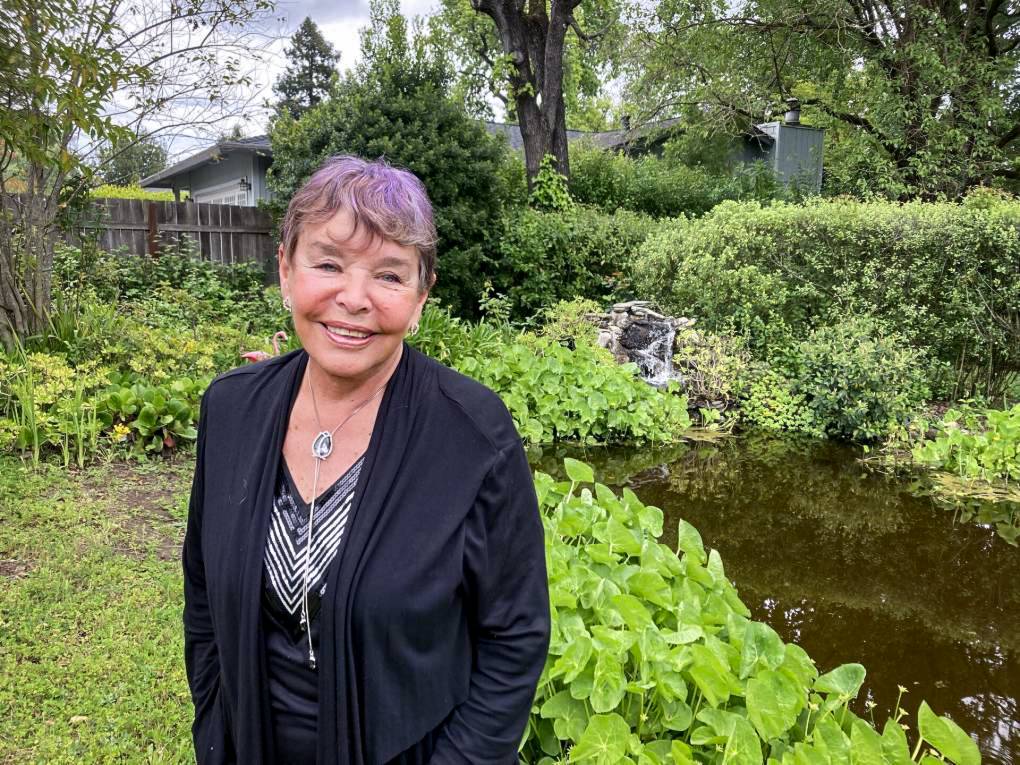
"caption": "At 78 years old, Jane Sorensen manages two popular cover bands in Sonoma County and sings with a third. ",
"description": null,
"title": "RS55739_IMG_6585-qut-1020x765",
"credit": "Chloe Veltman/KQED",
"status": "inherit",
"altTag": "A woman stands outside with purplish hair and wearing a black jacket with a necklace.",
"isLoading": false,
"fetchFailed": false
},
"news_11911827": {
"type": "attachments",
"id": "news_11911827",
"meta": {
"index": "attachments_1716263798",
"site": "news",
"id": "11911827",
"found": true
},
"parent": 11911817,
"imgSizes": {
"twentyfourteen-full-width": {
"file": "https://ww2.kqed.org/app/uploads/sites/10/2022/04/DMC_healthcare-workers-1038x576.jpeg",
"width": 1038,
"mimeType": "image/jpeg",
"height": 576
},
"thumbnail": {
"file": "https://ww2.kqed.org/app/uploads/sites/10/2022/04/DMC_healthcare-workers-160x120.jpeg",
"width": 160,
"mimeType": "image/jpeg",
"height": 120
},
"post-thumbnail": {
"file": "https://ww2.kqed.org/app/uploads/sites/10/2022/04/DMC_healthcare-workers-672x372.jpeg",
"width": 672,
"mimeType": "image/jpeg",
"height": 372
},
"kqedFullSize": {
"file": "https://ww2.kqed.org/app/uploads/sites/10/2022/04/DMC_healthcare-workers-scaled-e1650673785288.jpeg",
"width": 1920,
"height": 1440
},
"2048x2048": {
"file": "https://ww2.kqed.org/app/uploads/sites/10/2022/04/DMC_healthcare-workers-2048x1536.jpeg",
"width": 2048,
"mimeType": "image/jpeg",
"height": 1536
},
"large": {
"file": "https://ww2.kqed.org/app/uploads/sites/10/2022/04/DMC_healthcare-workers-1020x765.jpeg",
"width": 1020,
"mimeType": "image/jpeg",
"height": 765
},
"1536x1536": {
"file": "https://ww2.kqed.org/app/uploads/sites/10/2022/04/DMC_healthcare-workers-1536x1152.jpeg",
"width": 1536,
"mimeType": "image/jpeg",
"height": 1152
},
"full-width": {
"file": "https://ww2.kqed.org/app/uploads/sites/10/2022/04/DMC_healthcare-workers-1920x1440.jpeg",
"width": 1920,
"mimeType": "image/jpeg",
"height": 1440
},
"medium": {
"file": "https://ww2.kqed.org/app/uploads/sites/10/2022/04/DMC_healthcare-workers-800x600.jpeg",
"width": 800,
"mimeType": "image/jpeg",
"height": 600
}
},
"publishDate": 1650564548,
"modified": 1650676600,
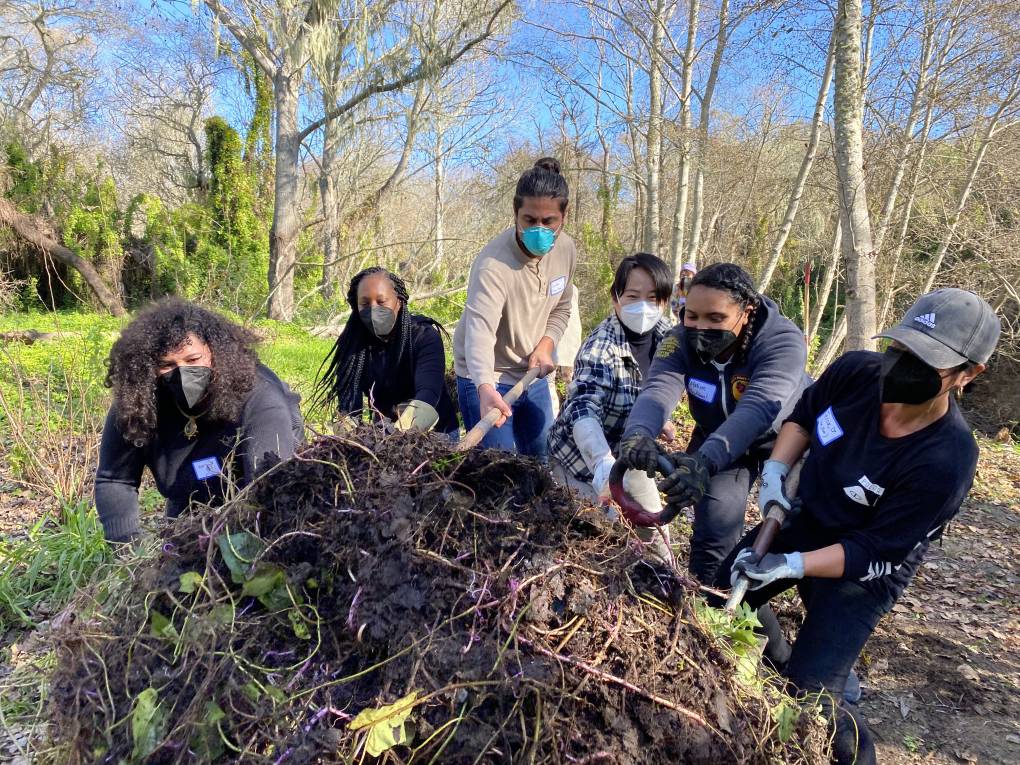
"caption": "Frontline health care workers gather at Te Kwe A'naa Warep farm on Jan. 30, 2022, to help remove invasive ivy from the riparian corridor. 'It helps compost our grief, to doctor each other around what we've seen and witnessed during the pandemic, and to reconnect to land as a source of healing,' said Rupa Marya, a project organizer.",
"description": null,
"title": "DMC_healthcare workers",
"credit": "Courtesy of Rupa Marya",
"status": "inherit",
"altTag": "A group of people dig and turn over a large compost pile.",
"isLoading": false,
"fetchFailed": false
},
"news_11908017": {
"type": "attachments",
"id": "news_11908017",
"meta": {
"index": "attachments_1716263798",
"site": "news",
"id": "11908017",
"found": true
},
"parent": 11907898,
"imgSizes": {
"twentyfourteen-full-width": {
"file": "https://ww2.kqed.org/app/uploads/sites/10/2022/03/Phuong-Tam-album-collage-45s-FEATURE-1038x576.png",
"width": 1038,
"mimeType": "image/png",
"height": 576
},
"thumbnail": {
"file": "https://ww2.kqed.org/app/uploads/sites/10/2022/03/Phuong-Tam-album-collage-45s-FEATURE-160x123.png",
"width": 160,
"mimeType": "image/png",
"height": 123
},
"post-thumbnail": {
"file": "https://ww2.kqed.org/app/uploads/sites/10/2022/03/Phuong-Tam-album-collage-45s-FEATURE-672x372.png",
"width": 672,
"mimeType": "image/png",
"height": 372
},
"kqedFullSize": {
"file": "https://ww2.kqed.org/app/uploads/sites/10/2022/03/Phuong-Tam-album-collage-45s-FEATURE.png",
"width": 1920,
"height": 1473
},
"large": {
"file": "https://ww2.kqed.org/app/uploads/sites/10/2022/03/Phuong-Tam-album-collage-45s-FEATURE-1020x783.png",
"width": 1020,
"mimeType": "image/png",
"height": 783
},
"1536x1536": {
"file": "https://ww2.kqed.org/app/uploads/sites/10/2022/03/Phuong-Tam-album-collage-45s-FEATURE-1536x1178.png",
"width": 1536,
"mimeType": "image/png",
"height": 1178
},
"medium": {
"file": "https://ww2.kqed.org/app/uploads/sites/10/2022/03/Phuong-Tam-album-collage-45s-FEATURE-800x614.png",
"width": 800,
"mimeType": "image/png",
"height": 614
}
},
"publishDate": 1647049396,
"modified": 1647049455,
"caption": "A collage of album covers by Phương Tâm. ",
"description": null,
"title": "Phuong-Tam-album collage-45s FEATURE",
"credit": "Courtesy Mark Gergis",
"status": "inherit",
"altTag": null,
"isLoading": false,
"fetchFailed": false
},
"news_11907742": {
"type": "attachments",
"id": "news_11907742",
"meta": {
"index": "attachments_1716263798",
"site": "news",
"id": "11907742",
"found": true
},
"parent": 11907630,
"imgSizes": {
"twentyfourteen-full-width": {
"file": "https://ww2.kqed.org/app/uploads/sites/10/2022/03/RS54141_Ernie-Andrews-courtesy-of-HighNote-Records-qut-1038x576.jpg",
"width": 1038,
"mimeType": "image/jpeg",
"height": 576
},
"thumbnail": {
"file": "https://ww2.kqed.org/app/uploads/sites/10/2022/03/RS54141_Ernie-Andrews-courtesy-of-HighNote-Records-qut-160x90.jpg",
"width": 160,
"mimeType": "image/jpeg",
"height": 90
},
"post-thumbnail": {
"file": "https://ww2.kqed.org/app/uploads/sites/10/2022/03/RS54141_Ernie-Andrews-courtesy-of-HighNote-Records-qut-672x372.jpg",
"width": 672,
"mimeType": "image/jpeg",
"height": 372
},
"kqedFullSize": {
"file": "https://ww2.kqed.org/app/uploads/sites/10/2022/03/RS54141_Ernie-Andrews-courtesy-of-HighNote-Records-qut.jpg",
"width": 1270,
"height": 714
},
"large": {
"file": "https://ww2.kqed.org/app/uploads/sites/10/2022/03/RS54141_Ernie-Andrews-courtesy-of-HighNote-Records-qut-1020x573.jpg",
"width": 1020,
"mimeType": "image/jpeg",
"height": 573
},
"medium": {
"file": "https://ww2.kqed.org/app/uploads/sites/10/2022/03/RS54141_Ernie-Andrews-courtesy-of-HighNote-Records-qut-800x450.jpg",
"width": 800,
"mimeType": "image/jpeg",
"height": 450
}
},
"publishDate": 1646940949,
"modified": 1647037498,
"caption": "Jazz vocalist Ernie Andrews died February 21, 2022, at the age of 94. Although he never became famous, his career spanned eight decades.",
"description": null,
"title": "RS54141_Ernie Andrews courtesy of HighNote Records-qut",
"credit": "Courtesy HighNote Records",
"status": "inherit",
"altTag": null,
"isLoading": false,
"fetchFailed": false
},
"news_11906095": {
"type": "attachments",
"id": "news_11906095",
"meta": {
"index": "attachments_1716263798",
"site": "news",
"id": "11906095",
"found": true
},
"parent": 11906026,
"imgSizes": {
"twentyfourteen-full-width": {
"file": "https://ww2.kqed.org/app/uploads/sites/10/2022/02/Sabaa-Tahir-BW_credit_Ayesha-Ahmad-Photography-1038x576.png",
"width": 1038,
"mimeType": "image/png",
"height": 576
},
"thumbnail": {
"file": "https://ww2.kqed.org/app/uploads/sites/10/2022/02/Sabaa-Tahir-BW_credit_Ayesha-Ahmad-Photography-160x107.png",
"width": 160,
"mimeType": "image/png",
"height": 107
},
"post-thumbnail": {
"file": "https://ww2.kqed.org/app/uploads/sites/10/2022/02/Sabaa-Tahir-BW_credit_Ayesha-Ahmad-Photography-672x372.png",
"width": 672,
"mimeType": "image/png",
"height": 372
},
"kqedFullSize": {
"file": "https://ww2.kqed.org/app/uploads/sites/10/2022/02/Sabaa-Tahir-BW_credit_Ayesha-Ahmad-Photography.png",
"width": 1920,
"height": 1280
},
"large": {
"file": "https://ww2.kqed.org/app/uploads/sites/10/2022/02/Sabaa-Tahir-BW_credit_Ayesha-Ahmad-Photography-1020x680.png",
"width": 1020,
"mimeType": "image/png",
"height": 680
},
"1536x1536": {
"file": "https://ww2.kqed.org/app/uploads/sites/10/2022/02/Sabaa-Tahir-BW_credit_Ayesha-Ahmad-Photography-1536x1024.png",
"width": 1536,
"mimeType": "image/png",
"height": 1024
},
"medium": {
"file": "https://ww2.kqed.org/app/uploads/sites/10/2022/02/Sabaa-Tahir-BW_credit_Ayesha-Ahmad-Photography-800x533.png",
"width": 800,
"mimeType": "image/png",
"height": 533
}
},
"publishDate": 1645568128,
"modified": 1645850255,
"caption": "Young adult novelist Sabaa Tahir.",
"description": null,
"title": "Sabaa Tahir BW_credit_Ayesha Ahmad Photography",
"credit": "Ayesha Ahmad Photography",
"status": "inherit",
"altTag": "A woman in a t-shirt posing.",
"isLoading": false,
"fetchFailed": false
},
"news_11904542": {
"type": "attachments",
"id": "news_11904542",
"meta": {
"index": "attachments_1716263798",
"site": "news",
"id": "11904542",
"found": true
},
"parent": 11904539,
"imgSizes": {
"twentyfourteen-full-width": {
"file": "https://ww2.kqed.org/app/uploads/sites/10/2022/02/Chalino-master-1038x576.jpg",
"width": 1038,
"mimeType": "image/jpeg",
"height": 576
},
"thumbnail": {
"file": "https://ww2.kqed.org/app/uploads/sites/10/2022/02/Chalino-master-160x90.jpg",
"width": 160,
"mimeType": "image/jpeg",
"height": 90
},
"post-thumbnail": {
"file": "https://ww2.kqed.org/app/uploads/sites/10/2022/02/Chalino-master-672x372.jpg",
"width": 672,
"mimeType": "image/jpeg",
"height": 372
},
"kqedFullSize": {
"file": "https://ww2.kqed.org/app/uploads/sites/10/2022/02/Chalino-master.jpg",
"width": 1920,
"height": 1080
},
"large": {
"file": "https://ww2.kqed.org/app/uploads/sites/10/2022/02/Chalino-master-1020x574.jpg",
"width": 1020,
"mimeType": "image/jpeg",
"height": 574
},
"1536x1536": {
"file": "https://ww2.kqed.org/app/uploads/sites/10/2022/02/Chalino-master-1536x864.jpg",
"width": 1536,
"mimeType": "image/jpeg",
"height": 864
},
"medium": {
"file": "https://ww2.kqed.org/app/uploads/sites/10/2022/02/Chalino-master-800x450.jpg",
"width": 800,
"mimeType": "image/jpeg",
"height": 450
}
},
"publishDate": 1644368575,
"modified": 1644534932,
"caption": "Artwork for Idolo: The Ballad of Chalino Sánchez, an eight-part podcast released Feb. 1 that dives into the legacy and murder of the slain corrido singer.",
"description": null,
"title": "Chalino master",
"credit": "Courtesy of Sonoro Media and Futuro Media",
"status": "inherit",
"altTag": "An illustration with the title 'IDOLO,' of a man wearing a cowboy hat, surrounded by dollar bills.",
"isLoading": false,
"fetchFailed": false
},
"news_11901154": {
"type": "attachments",
"id": "news_11901154",
"meta": {
"index": "attachments_1716263798",
"site": "news",
"id": "11901154",
"found": true
},
"parent": 11901142,
"imgSizes": {
"twentyfourteen-full-width": {
"file": "https://ww2.kqed.org/app/uploads/sites/10/2022/01/3901771791_b52180c3ba_b-1024x576.jpg",
"width": 1024,
"mimeType": "image/jpeg",
"height": 576
},
"thumbnail": {
"file": "https://ww2.kqed.org/app/uploads/sites/10/2022/01/3901771791_b52180c3ba_b-160x107.jpg",
"width": 160,
"mimeType": "image/jpeg",
"height": 107
},
"post-thumbnail": {
"file": "https://ww2.kqed.org/app/uploads/sites/10/2022/01/3901771791_b52180c3ba_b-672x372.jpg",
"width": 672,
"mimeType": "image/jpeg",
"height": 372
},
"kqedFullSize": {
"file": "https://ww2.kqed.org/app/uploads/sites/10/2022/01/3901771791_b52180c3ba_b.jpg",
"width": 1024,
"height": 683
},
"large": {
"file": "https://ww2.kqed.org/app/uploads/sites/10/2022/01/3901771791_b52180c3ba_b-1020x680.jpg",
"width": 1020,
"mimeType": "image/jpeg",
"height": 680
},
"medium": {
"file": "https://ww2.kqed.org/app/uploads/sites/10/2022/01/3901771791_b52180c3ba_b-800x534.jpg",
"width": 800,
"mimeType": "image/jpeg",
"height": 534
}
},
"publishDate": 1641600175,
"modified": 1641600439,
"caption": null,
"description": null,
"title": "3901771791_b52180c3ba_b",
"credit": "\u003ca href=\"https://wordpress.org/openverse/photos/54bc7561-dcb8-4ecd-9452-3784c60bb61a\">mark sebastian\u003c/a>/\u003ca href=\"https://creativecommons.org/licenses/by-sa/2.0/?ref=openverse&atype=rich\">CC BY-SA 2.0\u003c/a>",
"status": "inherit",
"altTag": null,
"isLoading": false,
"fetchFailed": false
},
"news_11888877": {
"type": "attachments",
"id": "news_11888877",
"meta": {
"index": "attachments_1716263798",
"site": "news",
"id": "11888877",
"found": true
},
"parent": 11888875,
"imgSizes": {
"twentyfourteen-full-width": {
"file": "https://ww2.kqed.org/app/uploads/sites/10/2021/09/IMG_E7528-1038x576.png",
"width": 1038,
"mimeType": "image/png",
"height": 576
},
"thumbnail": {
"file": "https://ww2.kqed.org/app/uploads/sites/10/2021/09/IMG_E7528-160x120.png",
"width": 160,
"mimeType": "image/png",
"height": 120
},
"post-thumbnail": {
"file": "https://ww2.kqed.org/app/uploads/sites/10/2021/09/IMG_E7528-672x372.png",
"width": 672,
"mimeType": "image/png",
"height": 372
},
"kqedFullSize": {
"file": "https://ww2.kqed.org/app/uploads/sites/10/2021/09/IMG_E7528.png",
"width": 3088,
"height": 2316
},
"2048x2048": {
"file": "https://ww2.kqed.org/app/uploads/sites/10/2021/09/IMG_E7528-2048x1536.png",
"width": 2048,
"mimeType": "image/png",
"height": 1536
},
"large": {
"file": "https://ww2.kqed.org/app/uploads/sites/10/2021/09/IMG_E7528-1020x765.png",
"width": 1020,
"mimeType": "image/png",
"height": 765
},
"1536x1536": {
"file": "https://ww2.kqed.org/app/uploads/sites/10/2021/09/IMG_E7528-1536x1152.png",
"width": 1536,
"mimeType": "image/png",
"height": 1152
},
"full-width": {
"file": "https://ww2.kqed.org/app/uploads/sites/10/2021/09/IMG_E7528-1920x1440.png",
"width": 1920,
"mimeType": "image/png",
"height": 1440
},
"medium": {
"file": "https://ww2.kqed.org/app/uploads/sites/10/2021/09/IMG_E7528-800x600.png",
"width": 800,
"mimeType": "image/png",
"height": 600
}
},
"publishDate": 1631823998,
"modified": 1631910173,
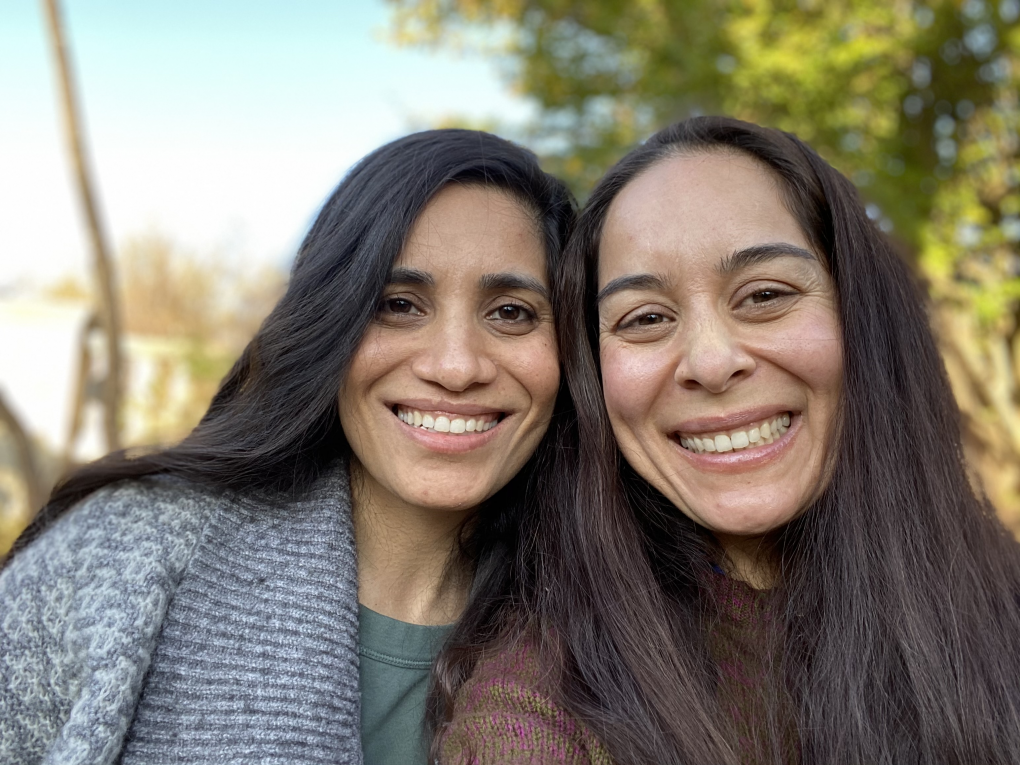
"caption": "Fatima Shah (R) and her sister Saima (L) were students at Berkeley High School on 9/11, when they organized to educate their classmates about South Asian culture and create a buddy system to keep their peers safe. ",
"description": "Sisters Fatima (L) and Saima Shah were students at Berkeley High School on 9/11, when they organized to educate their classmates about South Asian culture and create a buddy system to keep their peers safe. ",
"title": "IMG_E7528",
"credit": "Courtesy of Fatima Shah",
"status": "inherit",
"altTag": "Two women with big smiles lean their heads against each other.",
"isLoading": false,
"fetchFailed": false
},
"news_11882075": {
"type": "attachments",
"id": "news_11882075",
"meta": {
"index": "attachments_1716263798",
"site": "news",
"id": "11882075",
"found": true
},
"parent": 11881696,
"imgSizes": {
"twentyfourteen-full-width": {
"file": "https://ww2.kqed.org/app/uploads/sites/10/2021/07/E-40.DeFremery-1038x576.jpg",
"width": 1038,
"mimeType": "image/jpeg",
"height": 576
},
"thumbnail": {
"file": "https://ww2.kqed.org/app/uploads/sites/10/2021/07/E-40.DeFremery-160x107.jpg",
"width": 160,
"mimeType": "image/jpeg",
"height": 107
},
"post-thumbnail": {
"file": "https://ww2.kqed.org/app/uploads/sites/10/2021/07/E-40.DeFremery-672x372.jpg",
"width": 672,
"mimeType": "image/jpeg",
"height": 372
},
"kqedFullSize": {
"file": "https://ww2.kqed.org/app/uploads/sites/10/2021/07/E-40.DeFremery.jpg",
"width": 1920,
"height": 1283
},
"large": {
"file": "https://ww2.kqed.org/app/uploads/sites/10/2021/07/E-40.DeFremery-1020x682.jpg",
"width": 1020,
"mimeType": "image/jpeg",
"height": 682
},
"1536x1536": {
"file": "https://ww2.kqed.org/app/uploads/sites/10/2021/07/E-40.DeFremery-1536x1026.jpg",
"width": 1536,
"mimeType": "image/jpeg",
"height": 1026
},
"medium": {
"file": "https://ww2.kqed.org/app/uploads/sites/10/2021/07/E-40.DeFremery-800x535.jpg",
"width": 800,
"mimeType": "image/jpeg",
"height": 535
}
},
"publishDate": 1626933789,
"modified": 1626933814,
"caption": "E-40 at DeFremery Park in West Oakland, Oct. 12, 2018.",
"description": "E-40 at DeFremery Park in West Oakland, Oct. 12, 2018.",
"title": "E-40.DeFremery",
"credit": "Pendarvis Harshaw/KQED",
"status": "inherit",
"altTag": null,
"isLoading": false,
"fetchFailed": false
},
"news_11879940": {
"type": "attachments",
"id": "news_11879940",
"meta": {
"index": "attachments_1716263798",
"site": "news",
"id": "11879940",
"found": true
},
"parent": 11879912,
"imgSizes": {
"twentyfourteen-full-width": {
"file": "https://ww2.kqed.org/app/uploads/sites/10/2021/06/ACTA_ContraCovid_Madera124-1038x576.jpg",
"width": 1038,
"mimeType": "image/jpeg",
"height": 576
},
"thumbnail": {
"file": "https://ww2.kqed.org/app/uploads/sites/10/2021/06/ACTA_ContraCovid_Madera124-160x111.jpg",
"width": 160,
"mimeType": "image/jpeg",
"height": 111
},
"post-thumbnail": {
"file": "https://ww2.kqed.org/app/uploads/sites/10/2021/06/ACTA_ContraCovid_Madera124-672x372.jpg",
"width": 672,
"mimeType": "image/jpeg",
"height": 372
},
"kqedFullSize": {
"file": "https://ww2.kqed.org/app/uploads/sites/10/2021/06/ACTA_ContraCovid_Madera124.jpg",
"width": 2000,
"height": 1385
},
"large": {
"file": "https://ww2.kqed.org/app/uploads/sites/10/2021/06/ACTA_ContraCovid_Madera124-1020x706.jpg",
"width": 1020,
"mimeType": "image/jpeg",
"height": 706
},
"1536x1536": {
"file": "https://ww2.kqed.org/app/uploads/sites/10/2021/06/ACTA_ContraCovid_Madera124-1536x1064.jpg",
"width": 1536,
"mimeType": "image/jpeg",
"height": 1064
},
"full-width": {
"file": "https://ww2.kqed.org/app/uploads/sites/10/2021/06/ACTA_ContraCovid_Madera124-1920x1330.jpg",
"width": 1920,
"mimeType": "image/jpeg",
"height": 1330
},
"medium": {
"file": "https://ww2.kqed.org/app/uploads/sites/10/2021/06/ACTA_ContraCovid_Madera124-800x554.jpg",
"width": 800,
"mimeType": "image/jpeg",
"height": 554
}
},
"publishDate": 1625079730,
"modified": 1625250988,
"caption": "Juan Felipe Herrera and his former students performing for an ACTAVANDO Contra COVID event at the Madera Flea Market on June 13, 2021.",
"description": "Juan Felipe Herrera and his former students performing for an ACTAVANDO Contra COVID event at the Madera Flea Market on June 13, 2021.",
"title": "ACTA_ContraCovid_Madera124",
"credit": "Courtesy of Jenn Emerling/ACTA",
"status": "inherit",
"altTag": "A group of artists, all dressed in colorful gear, pose for a photo.",
"isLoading": false,
"fetchFailed": false
},
"news_11879979": {
"type": "attachments",
"id": "news_11879979",
"meta": {
"index": "attachments_1716263798",
"site": "news",
"id": "11879979",
"found": true
},
"parent": 11879958,
"imgSizes": {
"twentyfourteen-full-width": {
"file": "https://ww2.kqed.org/app/uploads/sites/10/2021/06/IMG_20210603_082449-1038x576.jpg",
"width": 1038,
"mimeType": "image/jpeg",
"height": 576
},
"thumbnail": {
"file": "https://ww2.kqed.org/app/uploads/sites/10/2021/06/IMG_20210603_082449-160x120.jpg",
"width": 160,
"mimeType": "image/jpeg",
"height": 120
},
"post-thumbnail": {
"file": "https://ww2.kqed.org/app/uploads/sites/10/2021/06/IMG_20210603_082449-672x372.jpg",
"width": 672,
"mimeType": "image/jpeg",
"height": 372
},
"kqedFullSize": {
"file": "https://ww2.kqed.org/app/uploads/sites/10/2021/06/IMG_20210603_082449.jpg",
"width": 1536,
"height": 1152
},
"large": {
"file": "https://ww2.kqed.org/app/uploads/sites/10/2021/06/IMG_20210603_082449-1020x765.jpg",
"width": 1020,
"mimeType": "image/jpeg",
"height": 765
},
"medium": {
"file": "https://ww2.kqed.org/app/uploads/sites/10/2021/06/IMG_20210603_082449-800x600.jpg",
"width": 800,
"mimeType": "image/jpeg",
"height": 600
}
},
"publishDate": 1625085638,
"modified": 1625092042,
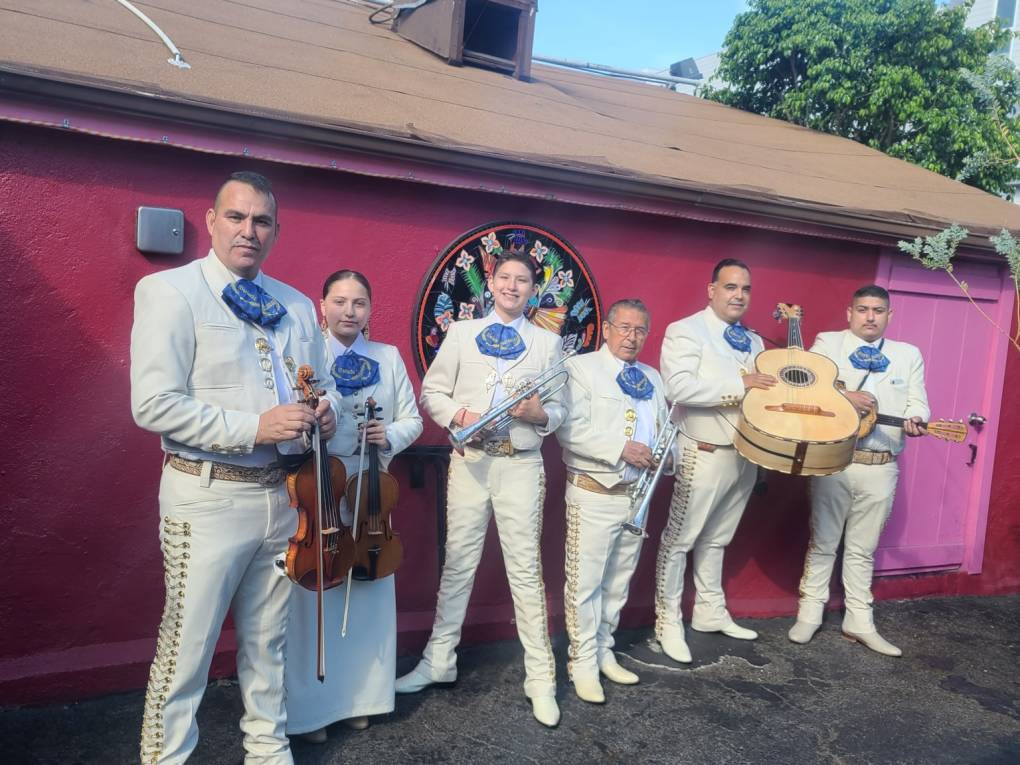
"caption": "Due to COVID-19, public events in California were canceled through the spring and summer of 2020 and many mariachi had to start performing at gatherings that defied the state's shelter-in-place restrictions in order to survive. But accepting these type of jobs put them at greater risk of contracting COVID-19.",
"description": "Due to COVID-19, public events in California were cancelled through the spring and summer of 2020 and many mariachi had to start performing at gatherings that defied the state's shelter-in-place restrictions in order to survive. But accepting these type of jobs put them at greater risk of contracting COVID-19.",
"title": "IMG_20210603_082449",
"credit": "Courtesy of Mariachi Nuevo Guadalajara",
"status": "inherit",
"altTag": "A group of mariachis stand against a wall with their instruments in their hands.",
"isLoading": false,
"fetchFailed": false
}
},
"audioPlayerReducer": {
"postId": "stream_live",
"isPaused": true,
"isPlaying": false,
"pfsActive": false,
"pledgeModalIsOpen": true,
"playerDrawerIsOpen": false,
"liveAudioPlayStartedAt": 0,
"liveAudioPlayContext": ""
},
"authorsReducer": {
"byline_news_11916115": {
"type": "authors",
"id": "byline_news_11916115",
"meta": {
"override": true
},
"slug": "byline_news_11916115",
"name": "Amy Mayer",
"isLoading": false
},
"byline_news_11907898": {
"type": "authors",
"id": "byline_news_11907898",
"meta": {
"override": true
},
"slug": "byline_news_11907898",
"name": "\u003ca href=\"https://twitter.com/christinenguyen\">Christine Nguyen\u003c/a>",
"isLoading": false
},
"byline_news_11881696": {
"type": "authors",
"id": "byline_news_11881696",
"meta": {
"override": true
},
"slug": "byline_news_11881696",
"name": "Pendarvis Harshaw and Olivia Allen-Price",
"isLoading": false
},
"byline_news_11879958": {
"type": "authors",
"id": "byline_news_11879958",
"meta": {
"override": true
},
"slug": "byline_news_11879958",
"name": "\u003ca href=\"https://calmatters.org/author/jacqueline-garcia/\">Jacqueline Garcia\u003c/a>",
"isLoading": false
},
"agilbert": {
"type": "authors",
"id": "86",
"meta": {
"index": "authors_1716337520",
"id": "86",
"found": true
},
"name": "Andrew Gilbert",
"firstName": "Andrew",
"lastName": "Gilbert",
"slug": "agilbert",
"email": "jazzscribe@aol.com",
"display_author_email": false,
"staff_mastheads": [],
"title": "KQED Contributor",
"bio": "A Los Angeles native based in the Berkeley area since 1996, Andrew Gilbert covers jazz, international music and dance for KQED's \u003ci>California Report, \u003c/i>the\u003ci> Mercury News\u003c/i>, \u003ci>San Francisco Chronicle\u003c/i>, \u003ci>Berkeleyside.com\u003c/i>, and other publications. He is available for weddings and bar and bat mitzvahs. #jazzscribe",
"avatar": "https://secure.gravatar.com/avatar/d7bcafdbefdd39e9a68f88724ca616eb4e7a5a6bff9cdfb62de652a1e1751471?s=600&d=blank&r=g",
"twitter": null,
"bluesky": null,
"facebook": null,
"instagram": null,
"linkedin": null,
"sites": [
{
"site": "arts",
"roles": [
"Contributor",
"author"
]
},
{
"site": "news",
"roles": [
"author"
]
}
],
"headData": {
"title": "Andrew Gilbert | KQED",
"description": "KQED Contributor",
"ogImgSrc": "https://secure.gravatar.com/avatar/d7bcafdbefdd39e9a68f88724ca616eb4e7a5a6bff9cdfb62de652a1e1751471?s=600&d=blank&r=g",
"twImgSrc": "https://secure.gravatar.com/avatar/d7bcafdbefdd39e9a68f88724ca616eb4e7a5a6bff9cdfb62de652a1e1751471?s=600&d=blank&r=g"
},
"isLoading": false,
"link": "/author/agilbert"
},
"kqed": {
"type": "authors",
"id": "236",
"meta": {
"index": "authors_1716337520",
"id": "236",
"found": true
},
"name": "KQED News Staff",
"firstName": "KQED News Staff",
"lastName": null,
"slug": "kqed",
"email": "faq@kqed.org",
"display_author_email": false,
"staff_mastheads": [],
"title": null,
"bio": null,
"avatar": "https://secure.gravatar.com/avatar/ef0e801a68c4c54afa9180db14084167?s=600&d=blank&r=g",
"twitter": null,
"facebook": null,
"instagram": null,
"linkedin": null,
"sites": [
{
"site": "arts",
"roles": [
"contributor"
]
},
{
"site": "news",
"roles": [
"editor"
]
},
{
"site": "futureofyou",
"roles": [
"author"
]
}
],
"headData": {
"title": "KQED News Staff | KQED",
"description": null,
"ogImgSrc": "https://secure.gravatar.com/avatar/ef0e801a68c4c54afa9180db14084167?s=600&d=blank&r=g",
"twImgSrc": "https://secure.gravatar.com/avatar/ef0e801a68c4c54afa9180db14084167?s=600&d=blank&r=g"
},
"isLoading": false,
"link": "/author/kqed"
},
"afont": {
"type": "authors",
"id": "8637",
"meta": {
"index": "authors_1716337520",
"id": "8637",
"found": true
},
"name": "Amanda Font",
"firstName": "Amanda",
"lastName": "Font",
"slug": "afont",
"email": "afont@kqed.org",
"display_author_email": false,
"staff_mastheads": [],
"title": "KQED Contributor",
"bio": "Amanda Font is a producer on \u003cem>The Latest\u003c/em> podcast, and the host and co-producer of the series \u003cem>Audible Cosmos\u003c/em>. She has previously worked as a producer and reporter on the \u003cem>Bay Curious\u003c/em> podcast, and director of \u003cem>The California Report Magazine\u003c/em>. She grew up in the deserts of Southern California and moved north for the trees. Amanda earned a B.A. from the BECA program at San Francisco State, where she worked in the university's radio station. Amanda Font is represented by SAG-AFTRA.",
"avatar": "https://secure.gravatar.com/avatar/d9e81cf0117d5849b9cfb7ab4b1422f1?s=600&d=blank&r=g",
"twitter": null,
"facebook": null,
"instagram": null,
"linkedin": null,
"sites": [
{
"site": "news",
"roles": [
"add_users",
"create_users"
]
},
{
"site": "science",
"roles": []
},
{
"site": "forum",
"roles": [
"administrator"
]
},
{
"site": "perspectives",
"roles": [
"administrator"
]
},
{
"site": "radio",
"roles": [
"administrator"
]
}
],
"headData": {
"title": "Amanda Font | KQED",
"description": "KQED Contributor",
"ogImgSrc": "https://secure.gravatar.com/avatar/d9e81cf0117d5849b9cfb7ab4b1422f1?s=600&d=blank&r=g",
"twImgSrc": "https://secure.gravatar.com/avatar/d9e81cf0117d5849b9cfb7ab4b1422f1?s=600&d=blank&r=g"
},
"isLoading": false,
"link": "/author/afont"
},
"ecruzguevarra": {
"type": "authors",
"id": "8654",
"meta": {
"index": "authors_1716337520",
"id": "8654",
"found": true
},
"name": "Ericka Cruz Guevarra",
"firstName": "Ericka",
"lastName": "Cruz Guevarra",
"slug": "ecruzguevarra",
"email": "ecruzguevarra@kqed.org",
"display_author_email": true,
"staff_mastheads": [
"news"
],
"title": "Producer, The Bay Podcast",
"bio": "Ericka Cruz Guevarra is host of \u003ca href=\"https://www.kqed.org/podcasts/thebay\">\u003cem>The Bay\u003c/em>\u003c/a> podcast at KQED. Before host, she was the show’s producer. Her work in that capacity includes a three-part reported series on policing in Vallejo, which won a 2020 excellence in journalism award from the Society of Professional Journalists. Ericka has worked as a breaking news reporter at Oregon Public Broadcasting, helped produce the Code Switch podcast, and was KQED’s inaugural Raul Ramirez Diversity Fund intern. She’s also an alumna of NPR’s Next Generation Radio program. Send her an email if you have strong feelings about whether Fairfield and Suisun City are the Bay. Ericka is represented by SAG-AFTRA.",
"avatar": "https://secure.gravatar.com/avatar/accefc1de4bafc7e234b69bcb9b6f6536c130fd84709bc3069ef11a78787e1bb?s=600&d=blank&r=g",
"twitter": "NotoriousECG",
"bluesky": null,
"facebook": null,
"instagram": null,
"linkedin": null,
"sites": [
{
"site": "arts",
"roles": [
"subscriber"
]
},
{
"site": "news",
"roles": [
"editor",
"manage_categories"
]
},
{
"site": "futureofyou",
"roles": [
"subscriber"
]
},
{
"site": "stateofhealth",
"roles": [
"subscriber"
]
},
{
"site": "science",
"roles": [
"editor"
]
},
{
"site": "forum",
"roles": [
"subscriber"
]
}
],
"headData": {
"title": "Ericka Cruz Guevarra | KQED",
"description": "Producer, The Bay Podcast",
"ogImgSrc": "https://secure.gravatar.com/avatar/accefc1de4bafc7e234b69bcb9b6f6536c130fd84709bc3069ef11a78787e1bb?s=600&d=blank&r=g",
"twImgSrc": "https://secure.gravatar.com/avatar/accefc1de4bafc7e234b69bcb9b6f6536c130fd84709bc3069ef11a78787e1bb?s=600&d=blank&r=g"
},
"isLoading": false,
"link": "/author/ecruzguevarra"
},
"nvoynovskaya": {
"type": "authors",
"id": "11387",
"meta": {
"index": "authors_1716337520",
"id": "11387",
"found": true
},
"name": "Nastia Voynovskaya",
"firstName": "Nastia",
"lastName": "Voynovskaya",
"slug": "nvoynovskaya",
"email": "nvoynovskaya@kqed.org",
"display_author_email": false,
"staff_mastheads": [
"arts"
],
"title": "Editor and reporter",
"bio": "Nastia Voynovskaya is a reporter, editor and host at KQED Arts & Culture. She's been covering the arts in the Bay Area for over a decade, with a focus on music, queer culture, labor issues and grassroots organizing. She has edited KQED story series such as Trans Bay: A History of San Francisco's Gender-Diverse Community, and co-created KQED's Bay Area hip-hop history project, That's My Word. Nastia's work has been recognized by the Society of Professional Journalists and San Francisco Press Club. She regularly appears on podcasts and radio programs, including NPR's All Songs Considered, and hosts live events where music, culture and conversation meet.",
"avatar": "https://secure.gravatar.com/avatar/5025ee460e5a85d69ca20ea6c6f2f80d7e17795c828f61ea3aecfcd924e9042e?s=600&d=blank&r=g",
"twitter": null,
"bluesky": null,
"facebook": null,
"instagram": "https://www.instagram.com/nananastia/",
"linkedin": null,
"sites": [
{
"site": "",
"roles": [
"editor"
]
},
{
"site": "arts",
"roles": [
"administrator"
]
},
{
"site": "news",
"roles": [
"editor"
]
},
{
"site": "pop",
"roles": [
"administrator"
]
},
{
"site": "bayareabites",
"roles": [
"editor"
]
},
{
"site": "podcasts",
"roles": [
"editor"
]
},
{
"site": "hiphop",
"roles": [
"editor"
]
}
],
"headData": {
"title": "Nastia Voynovskaya | KQED",
"description": "Editor and reporter",
"ogImgSrc": "https://secure.gravatar.com/avatar/5025ee460e5a85d69ca20ea6c6f2f80d7e17795c828f61ea3aecfcd924e9042e?s=600&d=blank&r=g",
"twImgSrc": "https://secure.gravatar.com/avatar/5025ee460e5a85d69ca20ea6c6f2f80d7e17795c828f61ea3aecfcd924e9042e?s=600&d=blank&r=g"
},
"isLoading": false,
"link": "/author/nvoynovskaya"
},
"amontecillo": {
"type": "authors",
"id": "11649",
"meta": {
"index": "authors_1716337520",
"id": "11649",
"found": true
},
"name": "Alan Montecillo",
"firstName": "Alan",
"lastName": "Montecillo",
"slug": "amontecillo",
"email": "amontecillo@kqed.org",
"display_author_email": false,
"staff_mastheads": [
"news"
],
"title": "KQED Contributor",
"bio": "Alan Montecillo is the senior editor of \u003cem>\u003ca href=\"http://kqed.org/thebay\">The Bay\u003c/a>, \u003c/em> KQED's local news podcast. Before moving to the Bay Area, he worked as a senior talk show producer for WILL in Champaign-Urbana, Illinois and at Oregon Public Broadcasting in Portland, Oregon. He has won journalism awards from the Society of Professional Journalists Northern California, the Public Media Journalists Association, The Signal Awards, and has also received a regional Edward R. Murrow award. Alan is a Filipino American from Hong Kong and a graduate of Reed College.",
"avatar": "https://secure.gravatar.com/avatar/268f53a2066899ea9efdd8a5900218b17c822d9862cbc9326cccec53ef41d349?s=600&d=blank&r=g",
"twitter": "alanmontecillo",
"bluesky": null,
"facebook": null,
"instagram": null,
"linkedin": null,
"sites": [
{
"site": "",
"roles": [
"editor"
]
},
{
"site": "news",
"roles": [
"editor",
"manage_categories"
]
}
],
"headData": {
"title": "Alan Montecillo | KQED",
"description": "KQED Contributor",
"ogImgSrc": "https://secure.gravatar.com/avatar/268f53a2066899ea9efdd8a5900218b17c822d9862cbc9326cccec53ef41d349?s=600&d=blank&r=g",
"twImgSrc": "https://secure.gravatar.com/avatar/268f53a2066899ea9efdd8a5900218b17c822d9862cbc9326cccec53ef41d349?s=600&d=blank&r=g"
},
"isLoading": false,
"link": "/author/amontecillo"
},
"btorres": {
"type": "authors",
"id": "11666",
"meta": {
"index": "authors_1716337520",
"id": "11666",
"found": true
},
"name": "Blanca Torres",
"firstName": "Blanca",
"lastName": "Torres",
"slug": "btorres",
"email": "btorres@kqed.org",
"display_author_email": true,
"staff_mastheads": [
"news"
],
"title": "Producer, Forum",
"bio": "Blanca Torres brings sharp news judgement and keen sense of lively conversation to her work as producer for Forum. She loves producing shows that leave listeners feeling like they heard distinctive voices, learned something new and gained a fresh perspective.\r\n\r\nShe joined KQED in January of 2020 after 16 years of working as a newspaper reporter most recently at the \u003cem>San Francisco Business Times,\u003c/em> where she wrote about real estate and economic development. Before that, she covered a variety of beats including crime, education, retail, workplace, the economy, consumer issues, and small business for the \u003cem>Contra Costa Times, Baltimore Sun\u003c/em> and\u003cem> The Seattle Times\u003c/em>. In addition to reporting, she worked as an editorial writer and columnist for the \u003cem>Seattle Times\u003c/em>. From 2017 to 2020, Blanca won a total of ten awards from the National Association of Real Estate Editors and won first place for land use reporting from the California News Publishers Association two years in a row. She is also a member and former board member for the National Association of Hispanic Journalists.\r\n\r\nA native of the Pacific Northwest, Blanca earned her bachelor's degree from Vanderbilt University in Nashville and a master's in fine arts in creative writing at Mills College. She lives in the East Bay with her family.",
"avatar": "https://secure.gravatar.com/avatar/50b49d19b14a1eed34f26ebf4681152cdd81574ed21851100871ccd29e578cdc?s=600&d=blank&r=g",
"twitter": "@blancawrites",
"bluesky": null,
"facebook": null,
"instagram": null,
"linkedin": null,
"sites": [
{
"site": "arts",
"roles": [
"editor"
]
},
{
"site": "news",
"roles": [
"editor"
]
},
{
"site": "forum",
"roles": [
"editor"
]
}
],
"headData": {
"title": "Blanca Torres | KQED",
"description": "Producer, Forum",
"ogImgSrc": "https://secure.gravatar.com/avatar/50b49d19b14a1eed34f26ebf4681152cdd81574ed21851100871ccd29e578cdc?s=600&d=blank&r=g",
"twImgSrc": "https://secure.gravatar.com/avatar/50b49d19b14a1eed34f26ebf4681152cdd81574ed21851100871ccd29e578cdc?s=600&d=blank&r=g"
},
"isLoading": false,
"link": "/author/btorres"
},
"harzate": {
"type": "authors",
"id": "11727",
"meta": {
"index": "authors_1716337520",
"id": "11727",
"found": true
},
"name": "Héctor Alejandro Arzate",
"firstName": "Héctor Alejandro",
"lastName": "Arzate",
"slug": "harzate",
"email": "harzate@kqed.org",
"display_author_email": false,
"staff_mastheads": [],
"title": "KQED Contributor",
"bio": null,
"avatar": "https://secure.gravatar.com/avatar/23c72c3afa19f2c6801c5db997a908d8?s=600&d=blank&r=g",
"twitter": null,
"facebook": null,
"instagram": null,
"linkedin": null,
"sites": [
{
"site": "news",
"roles": [
"author"
]
}
],
"headData": {
"title": "Héctor Alejandro Arzate | KQED",
"description": "KQED Contributor",
"ogImgSrc": "https://secure.gravatar.com/avatar/23c72c3afa19f2c6801c5db997a908d8?s=600&d=blank&r=g",
"twImgSrc": "https://secure.gravatar.com/avatar/23c72c3afa19f2c6801c5db997a908d8?s=600&d=blank&r=g"
},
"isLoading": false,
"link": "/author/harzate"
},
"cbeale": {
"type": "authors",
"id": "11749",
"meta": {
"index": "authors_1716337520",
"id": "11749",
"found": true
},
"name": "Christopher Beale",
"firstName": "Christopher",
"lastName": "Beale",
"slug": "cbeale",
"email": "cbeale@kqed.org",
"display_author_email": true,
"staff_mastheads": [
"news"
],
"title": "Engineer/Producer/Reporter",
"bio": "\u003ca href=\"https://linktr.ee/realchrisjbeale\" rel=\"noopener noreferrer\">Christopher J. Beale\u003c/a> is an award winning journalist, audio engineer, and media host living in San Francisco. \r\n\r\nChristopher works primarily as an audio engineer at KQED and serves as the sound designer for both the Bay Curious and Rightnowish podcasts. He is the host and producer of the LGBTQIA podcast and radio segment \u003ca href=\"https://stereotypespodcast.org\">Stereotypes\u003c/a>.",
"avatar": "https://secure.gravatar.com/avatar/dc485bf84788eb7e7414eb638e72407e?s=600&d=blank&r=g",
"twitter": "realchrisjbeale",
"facebook": null,
"instagram": "http://instagram.com/realchrisjbeale",
"linkedin": null,
"sites": [
{
"site": "arts",
"roles": [
"contributor"
]
},
{
"site": "news",
"roles": [
"editor"
]
},
{
"site": "forum",
"roles": [
"editor"
]
}
],
"headData": {
"title": "Christopher Beale | KQED",
"description": "Engineer/Producer/Reporter",
"ogImgSrc": "https://secure.gravatar.com/avatar/dc485bf84788eb7e7414eb638e72407e?s=600&d=blank&r=g",
"twImgSrc": "https://secure.gravatar.com/avatar/dc485bf84788eb7e7414eb638e72407e?s=600&d=blank&r=g"
},
"isLoading": false,
"link": "/author/cbeale"
},
"ibloom": {
"type": "authors",
"id": "11805",
"meta": {
"index": "authors_1716337520",
"id": "11805",
"found": true
},
"name": "Izzy Bloom",
"firstName": "Izzy",
"lastName": "Bloom",
"slug": "ibloom",
"email": "ibloom@kqed.org",
"display_author_email": false,
"staff_mastheads": [],
"title": "KQED Reporter & Producer",
"bio": "Izzy is a reporter and producer on KQED's California Politics & Government Desk. She joined the desk in 2024 to produce Political Breakdown, covering local and national elections and attending the RNC and DNC in Milwaukee and Chicago. \r\n\r\nBefore that, Izzy was a producer on The California Report and reported long-form stories for The California Report Magazine. She was a finalist for the Third Coast/Richard H. Driehaus Foundation Competition and was awarded for her reporting on indigenous land back by the Society of Professional Journalists. Izzy received her master's in journalism from the University of California, Berkeley.",
"avatar": "https://secure.gravatar.com/avatar/cc4d272ca430783ee1a8efac470a6b1e0fdd082c3beb61da019801d0ff751c8c?s=600&d=blank&r=g",
"twitter": null,
"bluesky": null,
"facebook": null,
"instagram": null,
"linkedin": null,
"sites": [
{
"site": "news",
"roles": [
"editor"
]
},
{
"site": "perspectives",
"roles": [
"editor"
]
}
],
"headData": {
"title": "Izzy Bloom | KQED",
"description": "KQED Reporter & Producer",
"ogImgSrc": "https://secure.gravatar.com/avatar/cc4d272ca430783ee1a8efac470a6b1e0fdd082c3beb61da019801d0ff751c8c?s=600&d=blank&r=g",
"twImgSrc": "https://secure.gravatar.com/avatar/cc4d272ca430783ee1a8efac470a6b1e0fdd082c3beb61da019801d0ff751c8c?s=600&d=blank&r=g"
},
"isLoading": false,
"link": "/author/ibloom"
}
},
"pagesReducer": {
"news_tag_music": {
"type": "terms",
"id": "news_1425",
"meta": {
"index": "terms_1716263798",
"site": "news",
"id": "1425",
"score": 6.847819
},
"featImg": null,
"name": "music",
"description": null,
"taxonomy": "tag",
"headData": {
"twImgId": null,
"twTitle": null,
"ogTitle": null,
"ogImgId": null,
"twDescription": null,
"description": null,
"title": "music Archives | KQED News",
"ogDescription": null
},
"ttid": 1437,
"slug": "music",
"isLoading": false,
"title": "music",
"pageMeta": {
"site": "news",
"WpPageTemplate": "page-topic-editorial",
"currentPage": 10
},
"blocks": [
{
"blockName": "kqed/post-list",
"attrs": {
"layout": "cardArticle2",
"query": "posts/news?tag=music",
"seeMore": false,
"paginated": true,
"page": 10
}
},
{
"blockName": "kqed/ad"
}
]
}
},
"pfsSessionReducer": {},
"postsReducer": {
"stream_live": {
"type": "live",
"id": "stream_live",
"audioUrl": "https://streams.kqed.org/kqedradio",
"title": "Live Stream",
"excerpt": "Live Stream information currently unavailable.",
"link": "/radio",
"featImg": "",
"label": {
"name": "KQED Live",
"link": "/"
}
},
"stream_kqedNewscast": {
"type": "posts",
"id": "stream_kqedNewscast",
"audioUrl": "https://www.kqed.org/.stream/anon/radio/RDnews/newscast.mp3?_=1",
"title": "KQED Newscast",
"featImg": "",
"label": {
"name": "88.5 FM",
"link": "/"
}
},
"news_11916115": {
"type": "posts",
"id": "news_11916115",
"meta": {
"index": "posts_1716263798",
"site": "news",
"id": "11916115",
"score": null,
"sort": [
1654904356000
]
},
"guestAuthors": [],
"slug": "bay-area-chicana-blues-singers-new-album-is-a-celebration-of-spanish-a-language-she-fought-to-learn",
"title": "Bay Area Chicana Blues Singer's New Album Is a Celebration of Spanish — a Language She Fought to Learn",
"publishDate": 1654904356,
"format": "standard",
"headTitle": "Bay Area Chicana Blues Singer’s New Album Is a Celebration of Spanish — a Language She Fought to Learn | KQED",
"labelTerm": {
"term": 26731,
"site": "news"
},
"content": "\u003cp>When singer Marina Crouse was a child in Southern California, Spanish surrounded her but was not a language she spoke. She’s a fourth-generation Californian and a Chicana, but when she was born, in the late 1960s, speaking English was heavily prioritized.\u003c/p>\n\u003cp>“People now value being bilingual, but at that time, and before that, it was not necessarily valued,” says Crouse, who now lives in El Cerrito.\u003c/p>\n\u003cp>Eventually, as an adult, she made a concerted effort to learn Spanish. It was a pursuit she became so committed to that she has since become a Spanish professor at Diablo Valley College in Pleasant Hill.\u003c/p>\n\u003cp>But Crouse’s study of language and literature came only after she pursued a career in music.\u003c/p>\n\u003cfigure id=\"attachment_11916613\" class=\"wp-caption alignnone\" style=\"max-width: 800px\">\u003cimg loading=\"lazy\" decoding=\"async\" class=\"wp-image-11916613 size-medium\" src=\"https://ww2.kqed.org/app/uploads/sites/10/2022/06/IMG_8464-800x640.jpg\" alt=\"A women sings into a microphone.\" width=\"800\" height=\"640\" srcset=\"https://cdn.kqed.org/wp-content/uploads/sites/10/2022/06/IMG_8464-800x640.jpg 800w, https://cdn.kqed.org/wp-content/uploads/sites/10/2022/06/IMG_8464-1020x816.jpg 1020w, https://cdn.kqed.org/wp-content/uploads/sites/10/2022/06/IMG_8464-160x128.jpg 160w, https://cdn.kqed.org/wp-content/uploads/sites/10/2022/06/IMG_8464-1536x1229.jpg 1536w, https://cdn.kqed.org/wp-content/uploads/sites/10/2022/06/IMG_8464-1920x1536.jpg 1920w, https://cdn.kqed.org/wp-content/uploads/sites/10/2022/06/IMG_8464.jpg 2048w\" sizes=\"(max-width: 800px) 100vw, 800px\">\u003cfigcaption class=\"wp-caption-text\">Singer Marina Crouse is well-known for her throaty blues. But her new album features Spanish songs originally sung by ‘crossover‘ artist Eydie Gormé. \u003ccite>(R Hakins/Freight and Salvage)\u003c/cite>\u003c/figcaption>\u003c/figure>\n\u003cp>“I studied classical music [in college] and I thought I was going to be maybe an opera singer,” says Crouse.\u003c/p>\n\u003cp>[ad fullwidth]\u003c/p>\n\u003cp>But it was expensive to hire a teacher, and Crouse’s family couldn’t afford to help support her education. Crouse, who grew up in a lower-income, single-parent home, needed financial security, and wasn’t sure her love of music would translate into a true career.\u003c/p>\n\u003cp>Still, after college, graduate school, and a divorce, Crouse’s daughter encouraged her to return to music. She discovered that her bold, brassy voice was perfect for singing blues, and released her first album, “Never Too Soon,” in 2018.\u003c/p>\n\u003cp>https://youtu.be/O1-xmJmLTCQ\u003c/p>\n\u003cp>Now, Crouse is back with a new album , “\u003ca href=\"https://www.marinacrouse.com/music\">Canto de Mi Corazón\u003c/a>” (released by the Bay Area’s Little Village Foundation), that celebrates her love of the Spanish language. It’s also a tribute to an artist whose work has long inspired her.\u003c/p>\n\u003cfigure id=\"attachment_11916683\" class=\"wp-caption alignright\" style=\"max-width: 240px\">\u003ca href=\"https://ww2.kqed.org/app/uploads/sites/10/2022/06/IMG_8543.jpg\">\u003cimg loading=\"lazy\" decoding=\"async\" class=\"wp-image-11916683 size-full\" src=\"https://ww2.kqed.org/app/uploads/sites/10/2022/06/IMG_8543.jpg\" alt=\"A woman holds a record cover of an album called 'Amor' by Eydie Gormé and The Trio Los Panchos.\" width=\"240\" height=\"320\" srcset=\"https://cdn.kqed.org/wp-content/uploads/sites/10/2022/06/IMG_8543.jpg 240w, https://cdn.kqed.org/wp-content/uploads/sites/10/2022/06/IMG_8543-160x213.jpg 160w\" sizes=\"(max-width: 240px) 100vw, 240px\">\u003c/a>\u003cfigcaption class=\"wp-caption-text\">Marina Crouse holds a copy of the album ‘Amor’ performed by Eydie Gormé and The Trio Los Panchos. Crouse remembers her grandmother playing the record whenever she would visit her as a child in Los Angeles. \u003ccite>(Courtesy Marina Crouse)\u003c/cite>\u003c/figcaption>\u003c/figure>\n\u003cp>Like Crouse, the renowned singer \u003ca href=\"https://en.wikipedia.org/wiki/Eydie_Gorm%C3%A9\">Eydie Gormé\u003c/a> — who rose to stardom in the 1950s and 1960s — recorded in both English and Spanish. But Gormé’s background was a bit different: Her parents were Turkish-born Jews who emigrated to New York and spoke Ladino, a language derived from Spanish by Jews who were expelled from their homeland during the Spanish Inquisition. \u003ca href=\"https://www.youtube.com/watch?v=kQeGLk4nGus&ab_channel=iTubeNL\">Gormé performed in Spanish\u003c/a> with a group called The Trio Los Panchos, becoming among the earliest so-called “crossover” artists.\u003c/p>\n\u003cp>“Her music, and the music she did in Spanish with Trio Los Panchos, was probably the most memorable music for me growing up,” says Crouse, whose new album pays tribute to Gormé, with versions of the songs “Piel Canela, Sabor a Mi” and “Cuando Vuelva a tu Lado.” She sings the entire album in Spanish.\u003c/p>\n\u003cp>Crouse, who grew up in Los Angeles, says her childhood was difficult. She moved around a lot and attended many different schools, she recalls.\u003c/p>\n\u003cp>But when she was a child, her grandmother’s house was an anchor for her. And that’s where she first encountered Gormé’s music, immediately noticing how happy it made her grandmother.\u003c/p>\n\u003cfigure id=\"attachment_11916611\" class=\"wp-caption alignright\" style=\"max-width: 232px\">\u003ca href=\"https://ww2.kqed.org/app/uploads/sites/10/2022/06/Granny-.jpg\">\u003cimg loading=\"lazy\" decoding=\"async\" class=\"wp-image-11916611\" src=\"https://ww2.kqed.org/app/uploads/sites/10/2022/06/Granny-.jpg\" alt=\"A young girl and a baby sit on an elderly woman's lap.\" width=\"232\" height=\"185\" srcset=\"https://cdn.kqed.org/wp-content/uploads/sites/10/2022/06/Granny-.jpg 451w, https://cdn.kqed.org/wp-content/uploads/sites/10/2022/06/Granny--160x128.jpg 160w\" sizes=\"(max-width: 232px) 100vw, 232px\">\u003c/a>\u003cfigcaption class=\"wp-caption-text\">Marina Crouse (left) says listening to Eydie Gormé’s records in Spanish with her grandmother is among her favorite memories from a childhood that was otherwise turbulent. \u003ccite>(Courtesy Marina Crouse)\u003c/cite>\u003c/figcaption>\u003c/figure>\n\u003cp>“She had one of these big stereos that look like a 1960s TV console,” Crouse says. “And you would lift up the heavy top and put the records on in there and then the speakers were on each side.”\u003c/p>\n\u003cp>Crouse remembers studying the album covers, reading the names of songs and looking at the pictures. Even though she didn’t understand the lyrics back then, the music — and the experience — left a lasting impression.\u003c/p>\n\u003cp>“It was this sort of magical thing. And the music was so beautiful,” she says.\u003c/p>\n\u003cp>“Piel Canela” is one of Crouse’s favorite tracks on the new album.\u003c/p>\n\u003cp>“The lyrics are just so gorgeous,” she says. “It’s about brown skin, and the beauty of brown skin.”\u003c/p>\n\u003cp>Crouse says singing in Spanish “feels incredible” after the frustration she experienced as a child, when people often assumed she spoke Spanish, and she sometimes felt ashamed because she didn’t.\u003c/p>\n\u003cp>“I used to sort of phonetically sing along, but I didn’t really understand what they were talking about,” she says. “After spending all these years studying Spanish and teaching literature and poetry and really, you know, sinking into words, it just feels … it sounds very cliché — it just feels like home.”\u003c/p>\n\u003cp>https://youtu.be/p046AdGMDc4\u003c/p>\n\u003cp>\u003c/p>\n\u003cp>\u003cem>Marina Crouse plans to celebrate her new album at a \u003ca href=\"https://www.bandsintown.com/artist-rsvp/11902503?event_id=103493680&utm_campaign=event&utm_medium=api&app_id=WIX_marina-crouse-sings&utm_source=public_api&came_from=267&spn=0&signature=ZZea27e3c573a72de12bebfee46904818726858739fbb90311044b19ab85c27f88\">record release party \u003c/a>July 23 at The Sound Room in Oakland. \u003c/em>\u003c/p>\n\n",
"blocks": [],
"excerpt": "Blues vocalist Marina Crouse celebrates childhood memories with the vintage Spanish songs of Eydie Gormé.",
"status": "publish",
"parent": 0,
"modified": 1721156349,
"stats": {
"hasAudio": false,
"hasVideo": false,
"hasChartOrMap": false,
"iframeSrcs": [],
"hasGoogleForm": false,
"hasGallery": false,
"hasHearkenModule": false,
"hasPolis": false,
"paragraphCount": 22,
"wordCount": 872
},
"headData": {
"title": "Bay Area Chicana Blues Singer's New Album Is a Celebration of Spanish — a Language She Fought to Learn | KQED",
"description": "Blues vocalist Marina Crouse celebrates childhood memories with the vintage Spanish songs of Eydie Gormé.",
"ogTitle": "",
"ogDescription": "",
"ogImgId": "",
"twTitle": "",
"twDescription": "",
"twImgId": "",
"schema": {
"@context": "https://schema.org",
"@type": "NewsArticle",
"headline": "Bay Area Chicana Blues Singer's New Album Is a Celebration of Spanish — a Language She Fought to Learn",
"datePublished": "2022-06-10T16:39:16-07:00",
"dateModified": "2024-07-16T11:59:09-07:00",
"image": "https://cdn.kqed.org/wp-content/uploads/2020/02/KQED-OG-Image@1x.png",
"isAccessibleForFree": "True",
"publisher": {
"@type": "NewsMediaOrganization",
"@id": "https://www.kqed.org/#organization",
"name": "KQED",
"logo": "https://cdn.kqed.org/wp-content/uploads/2020/02/KQED-OG-Image@1x.png",
"url": "https://www.kqed.org",
"sameAs": [
"https://www.facebook.com/KQED",
"https://twitter.com/KQED",
"https://www.instagram.com/kqed/",
"https://www.tiktok.com/@kqedofficial",
"https://www.linkedin.com/company/kqed",
"https://www.youtube.com/channel/UCeC0IOo7i1P_61zVUWbJ4nw"
]
}
}
},
"audioUrl": "https://traffic.omny.fm/d/clips/0af137ef-751e-4b19-a055-aaef00d2d578/ffca7e9f-6831-41c5-bcaf-aaef00f5a073/e0fc7780-7ebb-4cd6-9a1e-aeb0012ca024/audio.mp3",
"sticky": false,
"nprByline": "Amy Mayer",
"excludeFromSiteSearch": "Include",
"showOnAuthorArchivePages": "No",
"path": "/news/11916115/bay-area-chicana-blues-singers-new-album-is-a-celebration-of-spanish-a-language-she-fought-to-learn",
"audioTrackLength": null,
"parsedContent": [
{
"type": "contentString",
"content": "\u003cdiv class=\"post-body\">\u003cp>\u003cp>When singer Marina Crouse was a child in Southern California, Spanish surrounded her but was not a language she spoke. She’s a fourth-generation Californian and a Chicana, but when she was born, in the late 1960s, speaking English was heavily prioritized.\u003c/p>\n\u003cp>“People now value being bilingual, but at that time, and before that, it was not necessarily valued,” says Crouse, who now lives in El Cerrito.\u003c/p>\n\u003cp>Eventually, as an adult, she made a concerted effort to learn Spanish. It was a pursuit she became so committed to that she has since become a Spanish professor at Diablo Valley College in Pleasant Hill.\u003c/p>\n\u003cp>But Crouse’s study of language and literature came only after she pursued a career in music.\u003c/p>\n\u003cfigure id=\"attachment_11916613\" class=\"wp-caption alignnone\" style=\"max-width: 800px\">\u003cimg loading=\"lazy\" decoding=\"async\" class=\"wp-image-11916613 size-medium\" src=\"https://ww2.kqed.org/app/uploads/sites/10/2022/06/IMG_8464-800x640.jpg\" alt=\"A women sings into a microphone.\" width=\"800\" height=\"640\" srcset=\"https://cdn.kqed.org/wp-content/uploads/sites/10/2022/06/IMG_8464-800x640.jpg 800w, https://cdn.kqed.org/wp-content/uploads/sites/10/2022/06/IMG_8464-1020x816.jpg 1020w, https://cdn.kqed.org/wp-content/uploads/sites/10/2022/06/IMG_8464-160x128.jpg 160w, https://cdn.kqed.org/wp-content/uploads/sites/10/2022/06/IMG_8464-1536x1229.jpg 1536w, https://cdn.kqed.org/wp-content/uploads/sites/10/2022/06/IMG_8464-1920x1536.jpg 1920w, https://cdn.kqed.org/wp-content/uploads/sites/10/2022/06/IMG_8464.jpg 2048w\" sizes=\"(max-width: 800px) 100vw, 800px\">\u003cfigcaption class=\"wp-caption-text\">Singer Marina Crouse is well-known for her throaty blues. But her new album features Spanish songs originally sung by ‘crossover‘ artist Eydie Gormé. \u003ccite>(R Hakins/Freight and Salvage)\u003c/cite>\u003c/figcaption>\u003c/figure>\n\u003cp>“I studied classical music [in college] and I thought I was going to be maybe an opera singer,” says Crouse.\u003c/p>\n\u003cp>\u003c/p>\u003c/div>",
"attributes": {
"named": {},
"numeric": []
}
},
{
"type": "component",
"content": "",
"name": "ad",
"attributes": {
"named": {
"label": "fullwidth"
},
"numeric": [
"fullwidth"
]
}
},
{
"type": "contentString",
"content": "\u003cdiv class=\"post-body\">\u003cp>\u003c/p>\n\u003cp>But it was expensive to hire a teacher, and Crouse’s family couldn’t afford to help support her education. Crouse, who grew up in a lower-income, single-parent home, needed financial security, and wasn’t sure her love of music would translate into a true career.\u003c/p>\n\u003cp>Still, after college, graduate school, and a divorce, Crouse’s daughter encouraged her to return to music. She discovered that her bold, brassy voice was perfect for singing blues, and released her first album, “Never Too Soon,” in 2018.\u003c/p>\u003c/p>\u003cp>\u003cspan class='utils-parseShortcode-shortcodes-__youtubeShortcode__embedYoutube'>\n \u003cspan class='utils-parseShortcode-shortcodes-__youtubeShortcode__embedYoutubeInside'>\n \u003ciframe\n loading='lazy'\n class='utils-parseShortcode-shortcodes-__youtubeShortcode__youtubePlayer'\n type='text/html'\n src='//www.youtube.com/embed/O1-xmJmLTCQ'\n title='//www.youtube.com/embed/O1-xmJmLTCQ'\n allowfullscreen='true'\n style='border:0;'>\u003c/iframe>\n \u003c/span>\n \u003c/span>\u003c/p>\u003cp>\u003cp>Now, Crouse is back with a new album , “\u003ca href=\"https://www.marinacrouse.com/music\">Canto de Mi Corazón\u003c/a>” (released by the Bay Area’s Little Village Foundation), that celebrates her love of the Spanish language. It’s also a tribute to an artist whose work has long inspired her.\u003c/p>\n\u003cfigure id=\"attachment_11916683\" class=\"wp-caption alignright\" style=\"max-width: 240px\">\u003ca href=\"https://ww2.kqed.org/app/uploads/sites/10/2022/06/IMG_8543.jpg\">\u003cimg loading=\"lazy\" decoding=\"async\" class=\"wp-image-11916683 size-full\" src=\"https://ww2.kqed.org/app/uploads/sites/10/2022/06/IMG_8543.jpg\" alt=\"A woman holds a record cover of an album called 'Amor' by Eydie Gormé and The Trio Los Panchos.\" width=\"240\" height=\"320\" srcset=\"https://cdn.kqed.org/wp-content/uploads/sites/10/2022/06/IMG_8543.jpg 240w, https://cdn.kqed.org/wp-content/uploads/sites/10/2022/06/IMG_8543-160x213.jpg 160w\" sizes=\"(max-width: 240px) 100vw, 240px\">\u003c/a>\u003cfigcaption class=\"wp-caption-text\">Marina Crouse holds a copy of the album ‘Amor’ performed by Eydie Gormé and The Trio Los Panchos. Crouse remembers her grandmother playing the record whenever she would visit her as a child in Los Angeles. \u003ccite>(Courtesy Marina Crouse)\u003c/cite>\u003c/figcaption>\u003c/figure>\n\u003cp>Like Crouse, the renowned singer \u003ca href=\"https://en.wikipedia.org/wiki/Eydie_Gorm%C3%A9\">Eydie Gormé\u003c/a> — who rose to stardom in the 1950s and 1960s — recorded in both English and Spanish. But Gormé’s background was a bit different: Her parents were Turkish-born Jews who emigrated to New York and spoke Ladino, a language derived from Spanish by Jews who were expelled from their homeland during the Spanish Inquisition. \u003ca href=\"https://www.youtube.com/watch?v=kQeGLk4nGus&ab_channel=iTubeNL\">Gormé performed in Spanish\u003c/a> with a group called The Trio Los Panchos, becoming among the earliest so-called “crossover” artists.\u003c/p>\n\u003cp>“Her music, and the music she did in Spanish with Trio Los Panchos, was probably the most memorable music for me growing up,” says Crouse, whose new album pays tribute to Gormé, with versions of the songs “Piel Canela, Sabor a Mi” and “Cuando Vuelva a tu Lado.” She sings the entire album in Spanish.\u003c/p>\n\u003cp>Crouse, who grew up in Los Angeles, says her childhood was difficult. She moved around a lot and attended many different schools, she recalls.\u003c/p>\n\u003cp>But when she was a child, her grandmother’s house was an anchor for her. And that’s where she first encountered Gormé’s music, immediately noticing how happy it made her grandmother.\u003c/p>\n\u003cfigure id=\"attachment_11916611\" class=\"wp-caption alignright\" style=\"max-width: 232px\">\u003ca href=\"https://ww2.kqed.org/app/uploads/sites/10/2022/06/Granny-.jpg\">\u003cimg loading=\"lazy\" decoding=\"async\" class=\"wp-image-11916611\" src=\"https://ww2.kqed.org/app/uploads/sites/10/2022/06/Granny-.jpg\" alt=\"A young girl and a baby sit on an elderly woman's lap.\" width=\"232\" height=\"185\" srcset=\"https://cdn.kqed.org/wp-content/uploads/sites/10/2022/06/Granny-.jpg 451w, https://cdn.kqed.org/wp-content/uploads/sites/10/2022/06/Granny--160x128.jpg 160w\" sizes=\"(max-width: 232px) 100vw, 232px\">\u003c/a>\u003cfigcaption class=\"wp-caption-text\">Marina Crouse (left) says listening to Eydie Gormé’s records in Spanish with her grandmother is among her favorite memories from a childhood that was otherwise turbulent. \u003ccite>(Courtesy Marina Crouse)\u003c/cite>\u003c/figcaption>\u003c/figure>\n\u003cp>“She had one of these big stereos that look like a 1960s TV console,” Crouse says. “And you would lift up the heavy top and put the records on in there and then the speakers were on each side.”\u003c/p>\n\u003cp>Crouse remembers studying the album covers, reading the names of songs and looking at the pictures. Even though she didn’t understand the lyrics back then, the music — and the experience — left a lasting impression.\u003c/p>\n\u003cp>“It was this sort of magical thing. And the music was so beautiful,” she says.\u003c/p>\n\u003cp>“Piel Canela” is one of Crouse’s favorite tracks on the new album.\u003c/p>\n\u003cp>“The lyrics are just so gorgeous,” she says. “It’s about brown skin, and the beauty of brown skin.”\u003c/p>\n\u003cp>Crouse says singing in Spanish “feels incredible” after the frustration she experienced as a child, when people often assumed she spoke Spanish, and she sometimes felt ashamed because she didn’t.\u003c/p>\n\u003cp>“I used to sort of phonetically sing along, but I didn’t really understand what they were talking about,” she says. “After spending all these years studying Spanish and teaching literature and poetry and really, you know, sinking into words, it just feels … it sounds very cliché — it just feels like home.”\u003c/p>\u003c/p>\u003cp>\u003cspan class='utils-parseShortcode-shortcodes-__youtubeShortcode__embedYoutube'>\n \u003cspan class='utils-parseShortcode-shortcodes-__youtubeShortcode__embedYoutubeInside'>\n \u003ciframe\n loading='lazy'\n class='utils-parseShortcode-shortcodes-__youtubeShortcode__youtubePlayer'\n type='text/html'\n src='//www.youtube.com/embed/p046AdGMDc4'\n title='//www.youtube.com/embed/p046AdGMDc4'\n allowfullscreen='true'\n style='border:0;'>\u003c/iframe>\n \u003c/span>\n \u003c/span>\u003c/p>\u003cp>\u003cp>\u003c/p>\n\u003cp>\u003cem>Marina Crouse plans to celebrate her new album at a \u003ca href=\"https://www.bandsintown.com/artist-rsvp/11902503?event_id=103493680&utm_campaign=event&utm_medium=api&app_id=WIX_marina-crouse-sings&utm_source=public_api&came_from=267&spn=0&signature=ZZea27e3c573a72de12bebfee46904818726858739fbb90311044b19ab85c27f88\">record release party \u003c/a>July 23 at The Sound Room in Oakland. \u003c/em>\u003c/p>\n\n\u003c/div>\u003c/p>",
"attributes": {
"named": {},
"numeric": []
}
}
],
"link": "/news/11916115/bay-area-chicana-blues-singers-new-album-is-a-celebration-of-spanish-a-language-she-fought-to-learn",
"authors": [
"byline_news_11916115"
],
"programs": [
"news_72",
"news_26731"
],
"categories": [
"news_223",
"news_8"
],
"tags": [
"news_22285",
"news_4",
"news_1425",
"news_17051",
"news_27160"
],
"featImg": "news_11916224",
"label": "news_26731"
},
"news_11914005": {
"type": "posts",
"id": "news_11914005",
"meta": {
"index": "posts_1716263798",
"site": "news",
"id": "11914005",
"score": null,
"sort": [
1652475400000
]
},
"guestAuthors": [],
"slug": "california-dreamers-psych-ward-nurse-turned-bandleader-waiting-a-lifetime-for-a-green-card",
"title": "Psych Ward Nurse Turned Bandleader",
"publishDate": 1652475400,
"format": "standard",
"headTitle": "Psych Ward Nurse Turned Bandleader | KQED",
"labelTerm": {},
"content": "\u003cp>\u003cem>\u003ca href=\"http://itunes.apple.com/us/podcast/the-california-report-magazine/id1314750545?mt=2\" target=\"_blank\" rel=\"noopener noreferrer\">Listen to this and more in-depth storytelling by subscribing to The California Report Magazine podcast.\u003c/a>\u003c/em>\u003c/p>\n\u003ch2>\u003ca href=\"https://ww2.kqed.org/news/2022/05/13/how-a-santa-rosa-psych-ward-nurse-became-one-of-the-bay-areas-most-unique-bandleaders/\">How a Santa Rosa Psych Ward Nurse Became One of the Bay Area’s Most Tenacious Bandleaders\u003c/a>\u003c/h2>\n\u003cp class=\"x_MsoNormal\">We’ve been bringing you stories about Californians who are finding their passions, creating connections, and lifting up their communities. A few months ago, KQED culture reporter Chloe Veltman headed out with friends to a restaurant in the Sonoma County town of Guerneville. There was a cover band\u003ci data-stringify-type=\"italic\"> \u003c/i>playing called “Suzi’s Last Resort.” Chloe was blown away by how charismatic and fun the group was, and got even more excited when she learned about the woman behind the music. How she started her showbiz career when she was pushing forty and how, at nearly eighty, she’s still at it. Chloe knew she had to track the bandleader down and bottle her magic.\u003c/p>\n\u003cp>[ad fullwidth]\u003c/p>\n\u003cp>\u003c/p>\n",
"blocks": [],
"excerpt": null,
"status": "publish",
"parent": 0,
"modified": 1749252414,
"stats": {
"hasAudio": false,
"hasVideo": false,
"hasChartOrMap": false,
"iframeSrcs": [],
"hasGoogleForm": false,
"hasGallery": false,
"hasHearkenModule": false,
"hasPolis": false,
"paragraphCount": 3,
"wordCount": 156
},
"headData": {
"title": "Psych Ward Nurse Turned Bandleader | KQED",
"description": "Listen to this and more in-depth storytelling by subscribing to The California Report Magazine podcast. How a Santa Rosa Psych Ward Nurse Became One of the Bay Area's Most Tenacious Bandleaders We’ve been bringing you stories about Californians who are finding their passions, creating connections, and lifting up their communities. A few months ago, KQED culture reporter Chloe Veltman headed out with friends to a restaurant in the Sonoma County town of Guerneville. There was a cover band playing called “Suzi’s Last Resort.” Chloe was blown away by how charismatic and fun the group was, and got even more excited when",
"ogTitle": "",
"ogDescription": "",
"ogImgId": "",
"twTitle": "",
"twDescription": "",
"twImgId": "",
"schema": {
"@context": "https://schema.org",
"@type": "NewsArticle",
"headline": "Psych Ward Nurse Turned Bandleader",
"datePublished": "2022-05-13T13:56:40-07:00",
"dateModified": "2025-06-06T16:26:54-07:00",
"image": "https://cdn.kqed.org/wp-content/uploads/2020/02/KQED-OG-Image@1x.png",
"isAccessibleForFree": "True",
"publisher": {
"@type": "NewsMediaOrganization",
"@id": "https://www.kqed.org/#organization",
"name": "KQED",
"logo": "https://cdn.kqed.org/wp-content/uploads/2020/02/KQED-OG-Image@1x.png",
"url": "https://www.kqed.org",
"sameAs": [
"https://www.facebook.com/KQED",
"https://twitter.com/KQED",
"https://www.instagram.com/kqed/",
"https://www.tiktok.com/@kqedofficial",
"https://www.linkedin.com/company/kqed",
"https://www.youtube.com/channel/UCeC0IOo7i1P_61zVUWbJ4nw"
]
}
}
},
"source": "The California Report Magazine",
"sourceUrl": "https://www.kqed.org/news/tag/tcrmag/ ",
"audioUrl": "https://www.podtrac.com/pts/redirect.mp3/traffic.megaphone.fm/KQINC2733901048.mp3?updated=1652398236",
"sticky": false,
"templateType": "standard",
"featuredImageType": "standard",
"excludeFromSiteSearch": "Include",
"articleAge": "0",
"path": "/news/11914005/california-dreamers-psych-ward-nurse-turned-bandleader-waiting-a-lifetime-for-a-green-card",
"audioTrackLength": null,
"parsedContent": [
{
"type": "contentString",
"content": "\u003cdiv class=\"post-body\">\u003cp>\u003cp>\u003cem>\u003ca href=\"http://itunes.apple.com/us/podcast/the-california-report-magazine/id1314750545?mt=2\" target=\"_blank\" rel=\"noopener noreferrer\">Listen to this and more in-depth storytelling by subscribing to The California Report Magazine podcast.\u003c/a>\u003c/em>\u003c/p>\n\u003ch2>\u003ca href=\"https://ww2.kqed.org/news/2022/05/13/how-a-santa-rosa-psych-ward-nurse-became-one-of-the-bay-areas-most-unique-bandleaders/\">How a Santa Rosa Psych Ward Nurse Became One of the Bay Area’s Most Tenacious Bandleaders\u003c/a>\u003c/h2>\n\u003cp class=\"x_MsoNormal\">We’ve been bringing you stories about Californians who are finding their passions, creating connections, and lifting up their communities. A few months ago, KQED culture reporter Chloe Veltman headed out with friends to a restaurant in the Sonoma County town of Guerneville. There was a cover band\u003ci data-stringify-type=\"italic\"> \u003c/i>playing called “Suzi’s Last Resort.” Chloe was blown away by how charismatic and fun the group was, and got even more excited when she learned about the woman behind the music. How she started her showbiz career when she was pushing forty and how, at nearly eighty, she’s still at it. Chloe knew she had to track the bandleader down and bottle her magic.\u003c/p>\n\u003cp>\u003c/p>\u003c/div>",
"attributes": {
"named": {},
"numeric": []
}
},
{
"type": "component",
"content": "",
"name": "ad",
"attributes": {
"named": {
"label": "fullwidth"
},
"numeric": [
"fullwidth"
]
}
},
{
"type": "contentString",
"content": "\u003cdiv class=\"post-body\">\u003cp>\u003c/p>\n\u003cp>\u003c/p>\n\u003c/div>\u003c/p>",
"attributes": {
"named": {},
"numeric": []
}
}
],
"link": "/news/11914005/california-dreamers-psych-ward-nurse-turned-bandleader-waiting-a-lifetime-for-a-green-card",
"authors": [
"236"
],
"programs": [
"news_72",
"news_26731"
],
"categories": [
"news_1169",
"news_8",
"news_33520"
],
"tags": [
"news_18538",
"news_20415",
"news_20202",
"news_1425"
],
"featImg": "news_11914058",
"label": "source_news_11914005"
},
"news_11911817": {
"type": "posts",
"id": "news_11911817",
"meta": {
"index": "posts_1716263798",
"site": "news",
"id": "11911817",
"score": null,
"sort": [
1650718824000
]
},
"guestAuthors": [],
"slug": "meet-the-three-women-behind-an-indigenous-land-back-effort-to-reclaim-an-sf-peninsula-farm",
"title": "Meet Three of the Women Behind an Indigenous Land Back Effort to Reclaim an SF Peninsula Farm",
"publishDate": 1650718824,
"format": "standard",
"headTitle": "Meet Three of the Women Behind an Indigenous Land Back Effort to Reclaim an SF Peninsula Farm | KQED",
"labelTerm": {},
"content": "\u003cp>\u003cem>The California Report Magazine’s Sasha Khokha and Izzy Bloom visited a 38-acre farm in San Gregorio, 40 miles west of San José, to follow a new project aimed at returning land to the Ramaytush, the Indigenous people of the San Francisco Peninsula. The project is spearheaded by \u003ca href=\"https://www.deepmedicinecircle.org/\">Deep Medicine Circle\u003c/a>, a nonprofit group led by women of color, whose goal, according to its founder Rupa Marya, is to “heal the wounds of colonialism through food, medicine, story, learning and restoration.”\u003c/em>\u003c/p>\n\u003cp>\u003cem>We spoke with three of the women leading this land back effort.\u003c/em>\u003c/p>\n\u003cfigure id=\"attachment_11911820\" class=\"wp-caption alignnone\" style=\"max-width: 800px\">\u003cimg loading=\"lazy\" decoding=\"async\" class=\"wp-image-11911820 size-medium\" src=\"https://ww2.kqed.org/app/uploads/sites/10/2022/04/IMG_6204-800x1067.jpg\" alt=\"A woman holding a flat stick standing in field, behind the skull of an elk.\" width=\"800\" height=\"1067\" srcset=\"https://cdn.kqed.org/wp-content/uploads/sites/10/2022/04/IMG_6204-800x1067.jpg 800w, https://cdn.kqed.org/wp-content/uploads/sites/10/2022/04/IMG_6204-1020x1360.jpg 1020w, https://cdn.kqed.org/wp-content/uploads/sites/10/2022/04/IMG_6204-160x213.jpg 160w, https://cdn.kqed.org/wp-content/uploads/sites/10/2022/04/IMG_6204-1152x1536.jpg 1152w, https://cdn.kqed.org/wp-content/uploads/sites/10/2022/04/IMG_6204-1536x2048.jpg 1536w, https://cdn.kqed.org/wp-content/uploads/sites/10/2022/04/IMG_6204-scaled.jpg 1920w\" sizes=\"(max-width: 800px) 100vw, 800px\">\u003cfigcaption class=\"wp-caption-text\">Ramaytush elder Cata Gomes on the Te Kwe A’naa Warep farm in San Gregorio on Feb. 13, 2022. \u003ccite>(Sasha Khokha/KQED)\u003c/cite>\u003c/figcaption>\u003c/figure>\n\u003ch3>Catalina Gomes: Ramaytush Indigenous elder\u003c/h3>\n\u003cp>When Catalina Gomes was growing up in San José, she knew very little about her Indigenous roots. Gomes said her mother and grandmother wanted to protect her from the “trauma that we’ve suffered in the last 400 years,” so they didn’t speak about their heritage. The only thing they told her when she was a child was that she was a 12th-generation Californian. But Gomes said she always had a strong intuition that this wasn’t the full story.\u003c/p>\n\u003cp>As a young adult, Gomes learned she was descended from the Salinan Tribe, from the Salinas Valley and the Santa Lucia coastal range. Then, four years ago, Gomes’s cousin unearthed records from the Spanish missions that revealed their family also has Ramaytush ancestry\u003cem>.\u003c/em> In those records, they discovered an ancestor named Muchia Te’. The Spanish recorded her baptismal date as Oct. 2, 1782, when she was about 50 years old.\u003c/p>\n\u003cp>Gomes said she feels lucky to know Muchia Te’s Indigenous name, because it was common for the Spanish to record only the baptismal names of Indigenous people. Gomes is now creating a land trust, called the “Muchia Te’ Indigenous Land Trust,” named after her ancestors. The 38 acres of farmland, which are currently being held by \u003ca href=\"http://openspacetrust.org\">Peninsula Open Space Trust\u003c/a>, will soon be returned to Gomes and the Ramaytush.\u003c/p>\n\u003cfigure id=\"attachment_11911825\" class=\"wp-caption alignnone\" style=\"max-width: 1920px\">\u003ca href=\"https://ww2.kqed.org/app/uploads/sites/10/2022/04/DMC_doctors--scaled-e1650672672633.jpeg\">\u003cimg loading=\"lazy\" decoding=\"async\" class=\"wp-image-11911825 size-full\" src=\"https://ww2.kqed.org/app/uploads/sites/10/2022/04/DMC_doctors--scaled-e1650672672633.jpeg\" alt=\"People gather in a farm structure, next to boxes of potatoes.\" width=\"1920\" height=\"1276\">\u003c/a>\u003cfigcaption class=\"wp-caption-text\">UCSF pediatricians-in-training learn about Indigenous foods from farm director Jibril Kyser at the Ramaytush Te Kwe A’naa Warep farm, on Jan. 30, 2022. \u003ccite>(Courtesy of Rupa Marya)\u003c/cite>\u003c/figcaption>\u003c/figure>\n\u003cp>On May 1, Deep Medicine Circle will officially rename the farm Te Kwe A’naa Warep, which means “honoring Mother Earth” in the Ramaytush language.\u003c/p>\n\u003cp>[ad fullwidth]\u003c/p>\n\u003cp>Plans for the farm include harvesting traditional indigenous herbs and medicines, setting up an herbal apothecary, and farming nutritious, organic food that will be available, for free, to communities in need.\u003c/p>\n\u003cp>\u003cstrong>What she hopes this project will achieve\u003c/strong>:\u003cstrong>\u003cbr>\n\u003c/strong>“We’re here to heal the land, and the land is here to heal us. So it’s a copacetic relationship that we have with the land and the creatures here, the creek, the plants. We’re all here working together, struggling to bring forward a better future than what we’ve been exposed to. … We’re hoping to grow this project and expand and get other land to hopefully get another property that we could open a health center and have an alternative approach to healing our bodies that have been so traumatized after the last 400 years.”\u003c/p>\n\u003cp>\u003cstrong>What brings her joy\u003c/strong>:\u003cbr>\n“It is bringing me great joy to have a positive goal to look forward to. … It’s been a complete change of my mindset to go from COVID being the focus, to focusing on this land, healing the land and having the land heal us.”\u003c/p>\n\u003cfigure id=\"attachment_11911821\" class=\"wp-caption alignnone\" style=\"max-width: 800px\">\u003cimg loading=\"lazy\" decoding=\"async\" class=\"wp-image-11911821 size-medium\" src=\"https://ww2.kqed.org/app/uploads/sites/10/2022/04/DMC_rupa-with-guitar-800x1071.jpeg\" alt=\"A woman with long hair in what looks like a wooden barn playing guitar.\" width=\"800\" height=\"1071\" srcset=\"https://cdn.kqed.org/wp-content/uploads/sites/10/2022/04/DMC_rupa-with-guitar-800x1071.jpeg 800w, https://cdn.kqed.org/wp-content/uploads/sites/10/2022/04/DMC_rupa-with-guitar-1020x1365.jpeg 1020w, https://cdn.kqed.org/wp-content/uploads/sites/10/2022/04/DMC_rupa-with-guitar-160x214.jpeg 160w, https://cdn.kqed.org/wp-content/uploads/sites/10/2022/04/DMC_rupa-with-guitar-1148x1536.jpeg 1148w, https://cdn.kqed.org/wp-content/uploads/sites/10/2022/04/DMC_rupa-with-guitar-1530x2048.jpeg 1530w, https://cdn.kqed.org/wp-content/uploads/sites/10/2022/04/DMC_rupa-with-guitar-1920x2570.jpeg 1920w, https://cdn.kqed.org/wp-content/uploads/sites/10/2022/04/DMC_rupa-with-guitar-scaled.jpeg 1913w\" sizes=\"(max-width: 800px) 100vw, 800px\">\u003cfigcaption class=\"wp-caption-text\">Musician, physician and farmer Rupa Marya sowing seeds and songs in the barn at Te Kwe A’naa Warep farm. \u003ccite>(Bija Milagro)\u003c/cite>\u003c/figcaption>\u003c/figure>\n\u003ch2>Rupa Marya: executive instigator and founder of Deep Medicine Circle\u003c/h2>\n\u003cp>When Rupa Marya was 5 years old, she told her kindergarten teacher that she wanted to be “a ballerina and a surgeon.” Even then, she had a strong desire to heal. Art, she said, was a way for her to process and digest her experiences. Through art, everything made sense to her.\u003c/p>\n\u003cp>Marya’s career path didn’t veer too far from the one she imagined for herself as a child: She’s now an activist, physician and musician — the lead singer of \u003ca href=\"https://www.theaprilfishes.com/\">Rupa and the April Fishes\u003c/a>. The polyglot band performs original songs in French, Spanish, English and Hindi, ranging in genre from jazz to punk to reggae. Their music also highlights Indigenous rights and social justice issues, like police violence and racism in the medical system.\u003c/p>\n\u003cp>About 15 years ago, Marya, who also is an \u003ca href=\"https://profiles.ucsf.edu/rupa.marya\">associate professor of medicine\u003c/a> at UCSF, noticed many young people coming to see her with stomach problems, and she became fascinated with stool cultures. She made the connection between inflammation of the human gut and the way the soil and earth’s systems are “inflamed.” Marya sought to reject capitalist food systems by growing nutritious food to give away to oppressed groups, an effort that led her to create the nonprofit Deep Medicine Circle, which is managing the farm and oversees the Land Back Solidarity Project.\u003c/p>\n\u003cp>[aside label=\"related coverage\" tag=\"land-back\"]The group is focused on \u003ca href=\"https://www.deepmedicinecircle.org/restore\">growing organic, nutritious food\u003c/a> using a blend of agroecology and Indigenous traditional ecological knowledge. It’s also \u003ca href=\"https://www.deepmedicinecircle.org/nourish\">decommodifying food\u003c/a> by giving away what it grows to marginalized communities, partnering with organizations like the American Indian Cultural District and Tenderloin Neighborhood Development Corporation in San Francisco. The group also \u003ca href=\"https://www.deepmedicinecircle.org/heal\">invites health care workers\u003c/a> to visit the farm and heal from the trauma of the pandemic.\u003c/p>\n\u003cp>Marya also co-authored the book “\u003ca href=\"https://bookshop.org/books/inflamed-deep-medicine-and-the-anatomy-of-injustice/9780374602512\">Inflamed: Deep Medicine and the Anatomy of Injustice\u003c/a>” with economist Raj Patel, exploring how the earth’s gut — our soil — is causing diseases in the human gut and affecting community health.\u003c/p>\n\u003cp>\u003cstrong>What she hopes this project will achieve\u003c/strong>:\u003cbr>\n“I would like to turn around and look at these hills and see tule elk grazing. I would love to see beaver back on the land, and the creek full of salmon, and the creek healthy. I would love to know that that whole valley and watershed has eliminated all the synthetic pesticides and fertilizers that are harmful to the soil. I would love to see young people learning this work, and people from many different cultures coming together to learn about Ramaytush heritage and culture and land stewardship and this model of farming. I would love to see people coming there to participate in growing food for our communities.”\u003c/p>\n\u003cp>\u003cb>What brings her joy\u003c/b>:\u003cbr>\n“Knowing that I’m participating with my family in a great awakening and a great healing. My children aren’t waiting until they’re 20 to learn the truth about what happened to these lands, and they’re actively engaged in participating in that healing work. … Being together in this work in community is probably one of the best feelings I’ve had in a long time.”\u003c/p>\n\u003cfigure id=\"attachment_11911822\" class=\"wp-caption alignnone\" style=\"max-width: 1920px\">\u003ca href=\"https://ww2.kqed.org/app/uploads/sites/10/2022/04/IMG_6196-scaled.jpg\">\u003cimg loading=\"lazy\" decoding=\"async\" class=\"wp-image-11911822 size-full\" src=\"https://ww2.kqed.org/app/uploads/sites/10/2022/04/IMG_6196-scaled.jpg\" alt=\"A women with a cap standing outside next to a barn, and wearing a t-shirt that says 'Phenomenally Indigenous.'\" width=\"1920\" height=\"2560\" srcset=\"https://cdn.kqed.org/wp-content/uploads/sites/10/2022/04/IMG_6196-scaled.jpg 1920w, https://cdn.kqed.org/wp-content/uploads/sites/10/2022/04/IMG_6196-800x1067.jpg 800w, https://cdn.kqed.org/wp-content/uploads/sites/10/2022/04/IMG_6196-1020x1360.jpg 1020w, https://cdn.kqed.org/wp-content/uploads/sites/10/2022/04/IMG_6196-160x213.jpg 160w, https://cdn.kqed.org/wp-content/uploads/sites/10/2022/04/IMG_6196-1152x1536.jpg 1152w, https://cdn.kqed.org/wp-content/uploads/sites/10/2022/04/IMG_6196-1536x2048.jpg 1536w\" sizes=\"(max-width: 1920px) 100vw, 1920px\">\u003c/a>\u003cfigcaption class=\"wp-caption-text\">Sage La Pena, Deep Medicine Circle’s director of traditional ecological knowledge and an Indigenous plant medicine doctor, at the Te Kwe A’naa Warep farm on Feb. 13, 2022. \u003ccite>(Sasha Khokha/KQED)\u003c/cite>\u003c/figcaption>\u003c/figure>\n\u003ch2>Sage La Pena: Nomtipom Wintu ethnobotanist and certified medicinal herbalist\u003c/h2>\n\u003cp>When she was a child, Sage La Pena began working with and learning from Mabel McKay, a \u003ca href=\"https://www.californiamuseum.org/inductee/mabel-mckay\">globally respected doctor and basket weaver \u003c/a>from the Pomo and Wintun tribes of Northern California. La Pena later discovered that what McKay had taught her also is considered “ethnobotany,” the study of traditional customs, and the medicinal, religious and other uses of plants, and went on to teach at the \u003ca href=\"https://cshs.com/\">California School of Herbal Studies\u003c/a>, founded by herbalist Rosemary Gladstar.\u003c/p>\n\u003cp>“They told me I was an herbalist, and I didn’t know what an herbalist was,” La Pena said. “I thought the knowledge that was given and passes through me now was the norm.”\u003c/p>\n\u003cp>La Pena now works with Deep Medicine Circle to preserve and pass on traditional ecological knowledge. She’s an expert in the medicinal uses of native plants, like elderberry and stinging nettle, which are grown and harvested on the farm.\u003c/p>\n\u003cp>\u003cb>What she hopes this project will achieve\u003c/b>:\u003cb>\u003cbr>\n\u003c/b>“I feel a very close affinity to the plant life and the people, in turn. … We want beaver here and elk to participate in these landscapes. That is their birthright. And they’ve been kept from these places. So if there’s something that as a two-legged I can do to help that process, that is as it should be with balance, then that’s why I’m here. To do that.”\u003c/p>\n\u003cp>[ad floatright]\u003c/p>\n\u003cp>\u003cb>What brings her joy\u003c/b>:\u003cb>\u003cbr>\n\u003c/b>“My daughter Roxy, who’s my youngest birth child of five, and my grandchildren. I see within these generations, open minds that are often clouded in adults. … Just seeing how they’re so open and willing to learn. The vitality that they share with us, it’s very joyful.”\u003c/p>\n\n",
"blocks": [],
"excerpt": "The 38-acre farm project in San Gregorio is aimed at returning land to the Ramaytush, the Indigenous people of the San Francisco Peninsula.",
"status": "publish",
"parent": 0,
"modified": 1721133107,
"stats": {
"hasAudio": false,
"hasVideo": false,
"hasChartOrMap": false,
"iframeSrcs": [],
"hasGoogleForm": false,
"hasGallery": false,
"hasHearkenModule": false,
"hasPolis": false,
"paragraphCount": 23,
"wordCount": 1554
},
"headData": {
"title": "Meet Three of the Women Behind an Indigenous Land Back Effort to Reclaim an SF Peninsula Farm | KQED",
"description": "The 38-acre farm project in San Gregorio is aimed at returning land to the Ramaytush, the Indigenous people of the San Francisco Peninsula.",
"ogTitle": "",
"ogDescription": "",
"ogImgId": "",
"twTitle": "",
"twDescription": "",
"twImgId": "",
"schema": {
"@context": "https://schema.org",
"@type": "NewsArticle",
"headline": "Meet Three of the Women Behind an Indigenous Land Back Effort to Reclaim an SF Peninsula Farm",
"datePublished": "2022-04-23T06:00:24-07:00",
"dateModified": "2024-07-16T05:31:47-07:00",
"image": "https://cdn.kqed.org/wp-content/uploads/2020/02/KQED-OG-Image@1x.png",
"isAccessibleForFree": "True",
"publisher": {
"@type": "NewsMediaOrganization",
"@id": "https://www.kqed.org/#organization",
"name": "KQED",
"logo": "https://cdn.kqed.org/wp-content/uploads/2020/02/KQED-OG-Image@1x.png",
"url": "https://www.kqed.org",
"sameAs": [
"https://www.facebook.com/KQED",
"https://twitter.com/KQED",
"https://www.instagram.com/kqed/",
"https://www.tiktok.com/@kqedofficial",
"https://www.linkedin.com/company/kqed",
"https://www.youtube.com/channel/UCeC0IOo7i1P_61zVUWbJ4nw"
]
}
}
},
"source": "Food",
"sourceUrl": "/food/",
"audioUrl": "https://traffic.omny.fm/d/clips/0af137ef-751e-4b19-a055-aaef00d2d578/ffca7e9f-6831-4[…]f-aaef00f5a073/456beb77-29b7-4e73-8322-ae7f013da0d6/audio.mp3",
"sticky": false,
"excludeFromSiteSearch": "Include",
"showOnAuthorArchivePages": "No",
"articleAge": "0",
"path": "/news/11911817/meet-the-three-women-behind-an-indigenous-land-back-effort-to-reclaim-an-sf-peninsula-farm",
"audioTrackLength": null,
"parsedContent": [
{
"type": "contentString",
"content": "\u003cdiv class=\"post-body\">\u003cp>\u003cp>\u003cem>The California Report Magazine’s Sasha Khokha and Izzy Bloom visited a 38-acre farm in San Gregorio, 40 miles west of San José, to follow a new project aimed at returning land to the Ramaytush, the Indigenous people of the San Francisco Peninsula. The project is spearheaded by \u003ca href=\"https://www.deepmedicinecircle.org/\">Deep Medicine Circle\u003c/a>, a nonprofit group led by women of color, whose goal, according to its founder Rupa Marya, is to “heal the wounds of colonialism through food, medicine, story, learning and restoration.”\u003c/em>\u003c/p>\n\u003cp>\u003cem>We spoke with three of the women leading this land back effort.\u003c/em>\u003c/p>\n\u003cfigure id=\"attachment_11911820\" class=\"wp-caption alignnone\" style=\"max-width: 800px\">\u003cimg loading=\"lazy\" decoding=\"async\" class=\"wp-image-11911820 size-medium\" src=\"https://ww2.kqed.org/app/uploads/sites/10/2022/04/IMG_6204-800x1067.jpg\" alt=\"A woman holding a flat stick standing in field, behind the skull of an elk.\" width=\"800\" height=\"1067\" srcset=\"https://cdn.kqed.org/wp-content/uploads/sites/10/2022/04/IMG_6204-800x1067.jpg 800w, https://cdn.kqed.org/wp-content/uploads/sites/10/2022/04/IMG_6204-1020x1360.jpg 1020w, https://cdn.kqed.org/wp-content/uploads/sites/10/2022/04/IMG_6204-160x213.jpg 160w, https://cdn.kqed.org/wp-content/uploads/sites/10/2022/04/IMG_6204-1152x1536.jpg 1152w, https://cdn.kqed.org/wp-content/uploads/sites/10/2022/04/IMG_6204-1536x2048.jpg 1536w, https://cdn.kqed.org/wp-content/uploads/sites/10/2022/04/IMG_6204-scaled.jpg 1920w\" sizes=\"(max-width: 800px) 100vw, 800px\">\u003cfigcaption class=\"wp-caption-text\">Ramaytush elder Cata Gomes on the Te Kwe A’naa Warep farm in San Gregorio on Feb. 13, 2022. \u003ccite>(Sasha Khokha/KQED)\u003c/cite>\u003c/figcaption>\u003c/figure>\n\u003ch3>Catalina Gomes: Ramaytush Indigenous elder\u003c/h3>\n\u003cp>When Catalina Gomes was growing up in San José, she knew very little about her Indigenous roots. Gomes said her mother and grandmother wanted to protect her from the “trauma that we’ve suffered in the last 400 years,” so they didn’t speak about their heritage. The only thing they told her when she was a child was that she was a 12th-generation Californian. But Gomes said she always had a strong intuition that this wasn’t the full story.\u003c/p>\n\u003cp>As a young adult, Gomes learned she was descended from the Salinan Tribe, from the Salinas Valley and the Santa Lucia coastal range. Then, four years ago, Gomes’s cousin unearthed records from the Spanish missions that revealed their family also has Ramaytush ancestry\u003cem>.\u003c/em> In those records, they discovered an ancestor named Muchia Te’. The Spanish recorded her baptismal date as Oct. 2, 1782, when she was about 50 years old.\u003c/p>\n\u003cp>Gomes said she feels lucky to know Muchia Te’s Indigenous name, because it was common for the Spanish to record only the baptismal names of Indigenous people. Gomes is now creating a land trust, called the “Muchia Te’ Indigenous Land Trust,” named after her ancestors. The 38 acres of farmland, which are currently being held by \u003ca href=\"http://openspacetrust.org\">Peninsula Open Space Trust\u003c/a>, will soon be returned to Gomes and the Ramaytush.\u003c/p>\n\u003cfigure id=\"attachment_11911825\" class=\"wp-caption alignnone\" style=\"max-width: 1920px\">\u003ca href=\"https://ww2.kqed.org/app/uploads/sites/10/2022/04/DMC_doctors--scaled-e1650672672633.jpeg\">\u003cimg loading=\"lazy\" decoding=\"async\" class=\"wp-image-11911825 size-full\" src=\"https://ww2.kqed.org/app/uploads/sites/10/2022/04/DMC_doctors--scaled-e1650672672633.jpeg\" alt=\"People gather in a farm structure, next to boxes of potatoes.\" width=\"1920\" height=\"1276\">\u003c/a>\u003cfigcaption class=\"wp-caption-text\">UCSF pediatricians-in-training learn about Indigenous foods from farm director Jibril Kyser at the Ramaytush Te Kwe A’naa Warep farm, on Jan. 30, 2022. \u003ccite>(Courtesy of Rupa Marya)\u003c/cite>\u003c/figcaption>\u003c/figure>\n\u003cp>On May 1, Deep Medicine Circle will officially rename the farm Te Kwe A’naa Warep, which means “honoring Mother Earth” in the Ramaytush language.\u003c/p>\n\u003cp>\u003c/p>\u003c/div>",
"attributes": {
"named": {},
"numeric": []
}
},
{
"type": "component",
"content": "",
"name": "ad",
"attributes": {
"named": {
"label": "fullwidth"
},
"numeric": [
"fullwidth"
]
}
},
{
"type": "contentString",
"content": "\u003cdiv class=\"post-body\">\u003cp>\u003c/p>\n\u003cp>Plans for the farm include harvesting traditional indigenous herbs and medicines, setting up an herbal apothecary, and farming nutritious, organic food that will be available, for free, to communities in need.\u003c/p>\n\u003cp>\u003cstrong>What she hopes this project will achieve\u003c/strong>:\u003cstrong>\u003cbr>\n\u003c/strong>“We’re here to heal the land, and the land is here to heal us. So it’s a copacetic relationship that we have with the land and the creatures here, the creek, the plants. We’re all here working together, struggling to bring forward a better future than what we’ve been exposed to. … We’re hoping to grow this project and expand and get other land to hopefully get another property that we could open a health center and have an alternative approach to healing our bodies that have been so traumatized after the last 400 years.”\u003c/p>\n\u003cp>\u003cstrong>What brings her joy\u003c/strong>:\u003cbr>\n“It is bringing me great joy to have a positive goal to look forward to. … It’s been a complete change of my mindset to go from COVID being the focus, to focusing on this land, healing the land and having the land heal us.”\u003c/p>\n\u003cfigure id=\"attachment_11911821\" class=\"wp-caption alignnone\" style=\"max-width: 800px\">\u003cimg loading=\"lazy\" decoding=\"async\" class=\"wp-image-11911821 size-medium\" src=\"https://ww2.kqed.org/app/uploads/sites/10/2022/04/DMC_rupa-with-guitar-800x1071.jpeg\" alt=\"A woman with long hair in what looks like a wooden barn playing guitar.\" width=\"800\" height=\"1071\" srcset=\"https://cdn.kqed.org/wp-content/uploads/sites/10/2022/04/DMC_rupa-with-guitar-800x1071.jpeg 800w, https://cdn.kqed.org/wp-content/uploads/sites/10/2022/04/DMC_rupa-with-guitar-1020x1365.jpeg 1020w, https://cdn.kqed.org/wp-content/uploads/sites/10/2022/04/DMC_rupa-with-guitar-160x214.jpeg 160w, https://cdn.kqed.org/wp-content/uploads/sites/10/2022/04/DMC_rupa-with-guitar-1148x1536.jpeg 1148w, https://cdn.kqed.org/wp-content/uploads/sites/10/2022/04/DMC_rupa-with-guitar-1530x2048.jpeg 1530w, https://cdn.kqed.org/wp-content/uploads/sites/10/2022/04/DMC_rupa-with-guitar-1920x2570.jpeg 1920w, https://cdn.kqed.org/wp-content/uploads/sites/10/2022/04/DMC_rupa-with-guitar-scaled.jpeg 1913w\" sizes=\"(max-width: 800px) 100vw, 800px\">\u003cfigcaption class=\"wp-caption-text\">Musician, physician and farmer Rupa Marya sowing seeds and songs in the barn at Te Kwe A’naa Warep farm. \u003ccite>(Bija Milagro)\u003c/cite>\u003c/figcaption>\u003c/figure>\n\u003ch2>Rupa Marya: executive instigator and founder of Deep Medicine Circle\u003c/h2>\n\u003cp>When Rupa Marya was 5 years old, she told her kindergarten teacher that she wanted to be “a ballerina and a surgeon.” Even then, she had a strong desire to heal. Art, she said, was a way for her to process and digest her experiences. Through art, everything made sense to her.\u003c/p>\n\u003cp>Marya’s career path didn’t veer too far from the one she imagined for herself as a child: She’s now an activist, physician and musician — the lead singer of \u003ca href=\"https://www.theaprilfishes.com/\">Rupa and the April Fishes\u003c/a>. The polyglot band performs original songs in French, Spanish, English and Hindi, ranging in genre from jazz to punk to reggae. Their music also highlights Indigenous rights and social justice issues, like police violence and racism in the medical system.\u003c/p>\n\u003cp>About 15 years ago, Marya, who also is an \u003ca href=\"https://profiles.ucsf.edu/rupa.marya\">associate professor of medicine\u003c/a> at UCSF, noticed many young people coming to see her with stomach problems, and she became fascinated with stool cultures. She made the connection between inflammation of the human gut and the way the soil and earth’s systems are “inflamed.” Marya sought to reject capitalist food systems by growing nutritious food to give away to oppressed groups, an effort that led her to create the nonprofit Deep Medicine Circle, which is managing the farm and oversees the Land Back Solidarity Project.\u003c/p>\n\u003cp>\u003c/p>\u003c/div>",
"attributes": {
"named": {},
"numeric": []
}
},
{
"type": "component",
"content": "",
"name": "aside",
"attributes": {
"named": {
"label": "related coverage ",
"tag": "land-back"
},
"numeric": []
}
},
{
"type": "contentString",
"content": "\u003cdiv class=\"post-body\">\u003cp>The group is focused on \u003ca href=\"https://www.deepmedicinecircle.org/restore\">growing organic, nutritious food\u003c/a> using a blend of agroecology and Indigenous traditional ecological knowledge. It’s also \u003ca href=\"https://www.deepmedicinecircle.org/nourish\">decommodifying food\u003c/a> by giving away what it grows to marginalized communities, partnering with organizations like the American Indian Cultural District and Tenderloin Neighborhood Development Corporation in San Francisco. The group also \u003ca href=\"https://www.deepmedicinecircle.org/heal\">invites health care workers\u003c/a> to visit the farm and heal from the trauma of the pandemic.\u003c/p>\n\u003cp>Marya also co-authored the book “\u003ca href=\"https://bookshop.org/books/inflamed-deep-medicine-and-the-anatomy-of-injustice/9780374602512\">Inflamed: Deep Medicine and the Anatomy of Injustice\u003c/a>” with economist Raj Patel, exploring how the earth’s gut — our soil — is causing diseases in the human gut and affecting community health.\u003c/p>\n\u003cp>\u003cstrong>What she hopes this project will achieve\u003c/strong>:\u003cbr>\n“I would like to turn around and look at these hills and see tule elk grazing. I would love to see beaver back on the land, and the creek full of salmon, and the creek healthy. I would love to know that that whole valley and watershed has eliminated all the synthetic pesticides and fertilizers that are harmful to the soil. I would love to see young people learning this work, and people from many different cultures coming together to learn about Ramaytush heritage and culture and land stewardship and this model of farming. I would love to see people coming there to participate in growing food for our communities.”\u003c/p>\n\u003cp>\u003cb>What brings her joy\u003c/b>:\u003cbr>\n“Knowing that I’m participating with my family in a great awakening and a great healing. My children aren’t waiting until they’re 20 to learn the truth about what happened to these lands, and they’re actively engaged in participating in that healing work. … Being together in this work in community is probably one of the best feelings I’ve had in a long time.”\u003c/p>\n\u003cfigure id=\"attachment_11911822\" class=\"wp-caption alignnone\" style=\"max-width: 1920px\">\u003ca href=\"https://ww2.kqed.org/app/uploads/sites/10/2022/04/IMG_6196-scaled.jpg\">\u003cimg loading=\"lazy\" decoding=\"async\" class=\"wp-image-11911822 size-full\" src=\"https://ww2.kqed.org/app/uploads/sites/10/2022/04/IMG_6196-scaled.jpg\" alt=\"A women with a cap standing outside next to a barn, and wearing a t-shirt that says 'Phenomenally Indigenous.'\" width=\"1920\" height=\"2560\" srcset=\"https://cdn.kqed.org/wp-content/uploads/sites/10/2022/04/IMG_6196-scaled.jpg 1920w, https://cdn.kqed.org/wp-content/uploads/sites/10/2022/04/IMG_6196-800x1067.jpg 800w, https://cdn.kqed.org/wp-content/uploads/sites/10/2022/04/IMG_6196-1020x1360.jpg 1020w, https://cdn.kqed.org/wp-content/uploads/sites/10/2022/04/IMG_6196-160x213.jpg 160w, https://cdn.kqed.org/wp-content/uploads/sites/10/2022/04/IMG_6196-1152x1536.jpg 1152w, https://cdn.kqed.org/wp-content/uploads/sites/10/2022/04/IMG_6196-1536x2048.jpg 1536w\" sizes=\"(max-width: 1920px) 100vw, 1920px\">\u003c/a>\u003cfigcaption class=\"wp-caption-text\">Sage La Pena, Deep Medicine Circle’s director of traditional ecological knowledge and an Indigenous plant medicine doctor, at the Te Kwe A’naa Warep farm on Feb. 13, 2022. \u003ccite>(Sasha Khokha/KQED)\u003c/cite>\u003c/figcaption>\u003c/figure>\n\u003ch2>Sage La Pena: Nomtipom Wintu ethnobotanist and certified medicinal herbalist\u003c/h2>\n\u003cp>When she was a child, Sage La Pena began working with and learning from Mabel McKay, a \u003ca href=\"https://www.californiamuseum.org/inductee/mabel-mckay\">globally respected doctor and basket weaver \u003c/a>from the Pomo and Wintun tribes of Northern California. La Pena later discovered that what McKay had taught her also is considered “ethnobotany,” the study of traditional customs, and the medicinal, religious and other uses of plants, and went on to teach at the \u003ca href=\"https://cshs.com/\">California School of Herbal Studies\u003c/a>, founded by herbalist Rosemary Gladstar.\u003c/p>\n\u003cp>“They told me I was an herbalist, and I didn’t know what an herbalist was,” La Pena said. “I thought the knowledge that was given and passes through me now was the norm.”\u003c/p>\n\u003cp>La Pena now works with Deep Medicine Circle to preserve and pass on traditional ecological knowledge. She’s an expert in the medicinal uses of native plants, like elderberry and stinging nettle, which are grown and harvested on the farm.\u003c/p>\n\u003cp>\u003cb>What she hopes this project will achieve\u003c/b>:\u003cb>\u003cbr>\n\u003c/b>“I feel a very close affinity to the plant life and the people, in turn. … We want beaver here and elk to participate in these landscapes. That is their birthright. And they’ve been kept from these places. So if there’s something that as a two-legged I can do to help that process, that is as it should be with balance, then that’s why I’m here. To do that.”\u003c/p>\n\u003cp>\u003c/p>\u003c/div>",
"attributes": {
"named": {},
"numeric": []
}
},
{
"type": "component",
"content": "",
"name": "ad",
"attributes": {
"named": {
"label": "floatright"
},
"numeric": [
"floatright"
]
}
},
{
"type": "contentString",
"content": "\u003cdiv class=\"post-body\">\u003cp>\u003c/p>\n\u003cp>\u003cb>What brings her joy\u003c/b>:\u003cb>\u003cbr>\n\u003c/b>“My daughter Roxy, who’s my youngest birth child of five, and my grandchildren. I see within these generations, open minds that are often clouded in adults. … Just seeing how they’re so open and willing to learn. The vitality that they share with us, it’s very joyful.”\u003c/p>\n\n\u003c/div>\u003c/p>",
"attributes": {
"named": {},
"numeric": []
}
}
],
"link": "/news/11911817/meet-the-three-women-behind-an-indigenous-land-back-effort-to-reclaim-an-sf-peninsula-farm",
"authors": [
"11805"
],
"programs": [
"news_72",
"news_26731"
],
"categories": [
"news_223",
"news_19906",
"news_24114",
"news_457",
"news_8"
],
"tags": [
"news_30976",
"news_333",
"news_24939",
"news_1425",
"news_1262",
"news_27660",
"news_551"
],
"featImg": "news_11911827",
"label": "source_news_11911817"
},
"news_11907898": {
"type": "posts",
"id": "news_11907898",
"meta": {
"index": "posts_1716263798",
"site": "news",
"id": "11907898",
"score": null,
"sort": [
1647050175000
]
},
"guestAuthors": [],
"slug": "phuong-tam-sixties-star-of-vietnam-surf-rock-reclaims-her-legacy-at-77",
"title": "Phương Tâm, Sixties Star of Vietnam Surf Rock, Reclaims Her Legacy at 77",
"publishDate": 1647050175,
"format": "image",
"headTitle": "Phương Tâm, Sixties Star of Vietnam Surf Rock, Reclaims Her Legacy at 77 | KQED",
"labelTerm": {
"term": 26731,
"site": "news"
},
"content": "\u003cp>It was 1945 in Quảng Bình, the thin north-central neck of Vietnam, and \u003ca href=\"https://apjjf.org/2011/9/5/Geoffrey-Gunn/3483/article.html\">famine ravaged the country\u003c/a>. A newborn baby wailed in a sugarcane field, announcing her arrival with a rawness that would later become her signature. Giving birth indoors was thought to be bad luck, so Nguyễn Thị Tâm — or Tâm — was born outside. A fortuneteller said she would be famous one day.\u003c/p>\n\u003cp>Still, by adolescence, Tâm didn’t seem destined for traditional greatness — which in Vietnam usually meant academic achievement. Her family moved to Hóc Môn, a district outside the southern capital of Saigon. Here, she failed to enter the prestigious Gia Long Girls’ High School.\u003c/p>\n\u003cp>But Tâm didn’t care; she had music.\u003c/p>\n\u003cp>By 19, under the stage name Phương Tâm, she shared album covers and marquees with Saigon’s most sought-after singers, musicians and composers.\u003c/p>\n\u003cp>https://www.youtube.com/watch?v=W1rDLliHJGc&t=4128s\u003c/p>\n\u003cp>Phương Tâm peaked from 1964 to 1966, and then disappeared into obscurity for over 50 years.\u003c/p>\n\u003cp>She married a doctor and had three children, living a suburban life in San José. It wasn’t until recently, with the encouragement of her oldest daughter, Hannah Hà, did Phương Tâm at age 77 reclaim her identity as Vietnam’s first rock-and-roll queen.\u003c/p>\n\u003ch2>Growth of a star\u003c/h2>\n\u003cp>Tâm’s father kept the family’s single radio set on BBC News. So, as an adolescent, Tâm found her musical fix in the cacophony of her village courtyard. It was the late 1950s, and American pop music was beginning to influence Vietnamese tastes — which had previously included folk opera, French jazz and bolero. Tâm lingered by a neighbor’s window listening to songs like Connie Francis’s “Lipstick on your Collar,” and rapidly copied the beats and lyrics she didn’t understand.\u003c/p>\n\u003cp>At 16, Tâm won a singing competition and was accepted into Đoàn Văn nghệ Việt Nam, a program to create live entertainment for military personnel. It was good money, but eventually Tâm ditched the propaganda music — and high school.\u003c/p>\n\u003cp>She found mentors who shared her love of Western music. One well-known musician, Nguyễn Văn Xuân, took her on as a private student. He gave all his best students stage names, so Tâm became “Phương Tâm.” It meant “the direction of the heart.”\u003c/p>\n\u003cfigure id=\"attachment_11908007\" class=\"wp-caption alignnone\" style=\"max-width: 1920px\">\u003cimg loading=\"lazy\" decoding=\"async\" class=\"size-full wp-image-11908007\" src=\"https://ww2.kqed.org/app/uploads/sites/10/2022/03/RS54217_Tam-in-ao-dai-band-at-Miss-Viet-Nam-pageant-1965-qut.jpg\" alt=\"\" width=\"1920\" height=\"1418\" srcset=\"https://cdn.kqed.org/wp-content/uploads/sites/10/2022/03/RS54217_Tam-in-ao-dai-band-at-Miss-Viet-Nam-pageant-1965-qut.jpg 1920w, https://cdn.kqed.org/wp-content/uploads/sites/10/2022/03/RS54217_Tam-in-ao-dai-band-at-Miss-Viet-Nam-pageant-1965-qut-800x591.jpg 800w, https://cdn.kqed.org/wp-content/uploads/sites/10/2022/03/RS54217_Tam-in-ao-dai-band-at-Miss-Viet-Nam-pageant-1965-qut-1020x753.jpg 1020w, https://cdn.kqed.org/wp-content/uploads/sites/10/2022/03/RS54217_Tam-in-ao-dai-band-at-Miss-Viet-Nam-pageant-1965-qut-160x118.jpg 160w, https://cdn.kqed.org/wp-content/uploads/sites/10/2022/03/RS54217_Tam-in-ao-dai-band-at-Miss-Viet-Nam-pageant-1965-qut-1536x1134.jpg 1536w\" sizes=\"(max-width: 1920px) 100vw, 1920px\">\u003cfigcaption class=\"wp-caption-text\">The Miss Vietnam pageant in 1965. Phương Tâm wore traditional áo dài while singing subversive songs. \u003ccite>(Courtesy Nguyễn Ánh 9)\u003c/cite>\u003c/figcaption>\u003c/figure>\n\u003cp>Her name change signaled her rise to fame. Phương Tâm headlined the nightclub circuit, and she collaborated with famed composers and musicians, including \u003ca href=\"https://vi.wikipedia.org/wiki/Kh%C3%A1nh_B%C4%83ng\">Khánh Băng, one of the first Vietnamese people to perform with an electric guitar\u003c/a>. The \u003ca href=\"https://vietcetera.com/en/jan-hagenkotter-and-saigon-supersound-volume-1\">major Saigon labels\u003c/a> — Sóng Nhạc, Continental and Việt Nam — recorded her songs.\u003c/p>\n\u003cp>Her style of singing wasn’t just “sexy-naive,” a common trope that continues to have appeal in Vietnam today, but also at times was downright loud and raucous. In spite (or because) of the subversive nature of the music she sang, Phương Tâm kept her clothing modest.\u003c/p>\n\u003cp>“At night I always wore áo dài, but always wore white or beige, not bright,” says Tâm, sitting in her living room in San José.\u003c/p>\n\u003cp>The áo dài was the wispy national dress of Vietnam, made famous by pictures of schoolgirls. But Phương Tâm wasn’t your average schoolgirl. In a music review from 1962, \u003ca href=\"https://vietnamlit.org/wiki/index.php?title=Mai_Thao\">famed Vietnamese writer Mai Thảo\u003c/a> wrote in “Kịch Ảnh” (“Drama”) magazine about the simmering power of this modestly dressed teen:\u003c/p>\n\u003cblockquote>\u003cp>“As she steps from the back and moves toward the microphone with glittering eyes her hands clapping to the beat — a new shape emerges. The figure is now drawn with burning flames, like a green fruit ripening before your eyes.”\u003c/p>\u003c/blockquote>\n\u003cp>Phương Tâm, like other performers, would chạy số — which literally translates as “run numbers.” The phrase described the high-speed nightclub runs that were common for performers at the time: 5 p.m. at Tân Sơn Nhất Air Base, 7 p.m. at An Đông, 8 p.m. at \u003ca href=\"http://taybui.blogspot.com/2015/10/nhac-saigon-ban-em-1963.html\">the Capriccio Bar\u003c/a> — then to \u003ca href=\"https://saigoneer.com/saigon-heritage/13814-old-saigon-building-of-the-week-the-glitz-and-glam-of-tu-do-nightclub\">Tự Do\u003c/a>. And so on, every hour, three songs per venue. At midnight, she finished with an hour-long set at the Olympia.\u003c/p>\n\u003cfigure id=\"attachment_11908008\" class=\"wp-caption alignnone\" style=\"max-width: 1853px\">\u003cimg loading=\"lazy\" decoding=\"async\" class=\"size-full wp-image-11908008\" src=\"https://ww2.kqed.org/app/uploads/sites/10/2022/03/RS54222_Phuong-Tam-wearing-pink-Dep-Magazine-cover-qut-scaled.jpg\" alt=\"\" width=\"1853\" height=\"2560\" srcset=\"https://cdn.kqed.org/wp-content/uploads/sites/10/2022/03/RS54222_Phuong-Tam-wearing-pink-Dep-Magazine-cover-qut-scaled.jpg 1853w, https://cdn.kqed.org/wp-content/uploads/sites/10/2022/03/RS54222_Phuong-Tam-wearing-pink-Dep-Magazine-cover-qut-800x1105.jpg 800w, https://cdn.kqed.org/wp-content/uploads/sites/10/2022/03/RS54222_Phuong-Tam-wearing-pink-Dep-Magazine-cover-qut-1020x1409.jpg 1020w, https://cdn.kqed.org/wp-content/uploads/sites/10/2022/03/RS54222_Phuong-Tam-wearing-pink-Dep-Magazine-cover-qut-160x221.jpg 160w, https://cdn.kqed.org/wp-content/uploads/sites/10/2022/03/RS54222_Phuong-Tam-wearing-pink-Dep-Magazine-cover-qut-1112x1536.jpg 1112w, https://cdn.kqed.org/wp-content/uploads/sites/10/2022/03/RS54222_Phuong-Tam-wearing-pink-Dep-Magazine-cover-qut-1482x2048.jpg 1482w\" sizes=\"(max-width: 1853px) 100vw, 1853px\">\u003cfigcaption class=\"wp-caption-text\">Phương Tâm on the cover of Đẹp magazine \u003ccite>(Courtesy Phương Tâm)\u003c/cite>\u003c/figcaption>\u003c/figure>\n\u003cp>Tâm had an admirer, an officer who followed her from one venue to the next. He loved it when Tâm sang “Tenderly.” The officer told her it reminded him of her “enticing lips.” She kept her distance.\u003c/p>\n\u003cp>November 1963 signaled a significant change for South Vietnam. The president, Ngô Đình Diệm, was assassinated. The details of the event remain murky, but \u003ca href=\"https://www.mtholyoke.edu/acad/intrel/pentagon2/pent6.htm\">American involvement and military presence increased.\u003c/a> The nightclubs catered to a growing military clientele. One night that month, Tâm’s admirer brought along a young new military doctor, Hà Xuân Du. There was something different about the young doctor, Tâm recalls.\u003c/p>\n\u003cp>“He asked me for my address, and the day after, he came to my house,” she says.\u003c/p>\n\u003cp>They started dating, and “Tenderly” became their song. But Phương Tâm and Du’s marriage almost three years later — between a singer and the son of an elite family — was scandalous. Their parents didn’t come to their wedding.\u003c/p>\n\u003cp>“They don’t accept me, but … we were already in love,” says Tâm.\u003c/p>\n\u003ch2>A different life\u003c/h2>\n\u003cp>In 1966, as quickly as Phương Tâm ascended to fame, she left her singing career — without a goodbye tour or a last interview.\u003c/p>\n\u003cp>Tâm followed her husband to \u003ca href=\"https://www.usafpolice.org/danang.html\">Đà Nẵng Air Base, just over 100 miles south of the demilitarized zone\u003c/a> that separated North and South Vietnam. Between 1967 and 1968, the war — and the bombing — intensified. Tâm sheltered with her three children.\u003c/p>\n\u003cp>“The rockets would go … the sirens!” recalls Hannah, Tâm’s oldest daughter. “Whenever we would hear the sirens, we would go into the bunker.”\u003c/p>\n\u003cp>Hannah remembers hiding for days at a time in that oppressively hot single room with a refrigerator.\u003c/p>\n\u003cp>With the fall of Saigon in 1975, \u003ca href=\"https://media.defense.gov/2012/Aug/23/2001330098/-1/-1/0/Oper%20Frequent%20Wind.pdf\">the family evacuated on a cargo plane.\u003c/a> They eventually arrived in Southern California. There, Tâm found work — mostly random, repetitive piecework for the garment industry. She sewed, but not well.\u003c/p>\n\u003cp>“I only knew how to sew in a straight line,” Tâm says with a shrug and an impish laugh. She made $0.10 a garment cutting loose thread. Meanwhile, her husband studied to requalify to practice medicine.\u003c/p>\n\u003cp>“I’d come home every day and there’d be a burnt pot,” says Tâm. Du would try to boil a pot of water for coffee and get distracted either by studying or watching sports.\u003c/p>\n\u003cp>Life for Tâm revolved around the kids and, by 1980, supporting Du’s successful pediatrics practice in San José.\u003c/p>\n\u003cp>“It was always cooking, cleaning, going to work, disciplining us, making sure that we were well behaved,” recalls Hannah of that time in her family’s life.\u003c/p>\n\u003cp>Eventually the family acquired the trappings of Vietnamese immigrant success, right down to the white leather couch in the living room. The couple developed strong ties with people in the Vietnamese diaspora, with a special appreciation for music.\u003c/p>\n\u003cp>“When my then-boyfriend — now husband — came to visit my mom for the first time, he had to sing two songs on the karaoke machine: ‘I’ve Got You Under My Skin’ and ‘My Way,'” says Hannah.\u003c/p>\n\u003cp>Her parents graduated beyond simple karaoke, however. Their parties included a who’s who of Vietnamese pre-1975 musicians, including \u003ca href=\"https://en.wikipedia.org/wiki/Nguy%E1%BB%85n_%C3%81nh_9\">Nguyễn Ánh 9, who ‘d once backed Tâm on the guitar in Vietnam\u003c/a>.\u003c/p>\n\u003cfigure id=\"attachment_11908015\" class=\"wp-caption alignnone\" style=\"max-width: 1920px\">\u003cimg loading=\"lazy\" decoding=\"async\" class=\"size-full wp-image-11908015\" src=\"https://ww2.kqed.org/app/uploads/sites/10/2022/03/ALBUM-COVER-%E2%80%9CTWIST-SURF-BEGUINE-ROCK-1-USE-THIS.png\" alt=\"\" width=\"1920\" height=\"1942\" srcset=\"https://cdn.kqed.org/wp-content/uploads/sites/10/2022/03/ALBUM-COVER-“TWIST-SURF-BEGUINE-ROCK-1-USE-THIS.png 1920w, https://cdn.kqed.org/wp-content/uploads/sites/10/2022/03/ALBUM-COVER-“TWIST-SURF-BEGUINE-ROCK-1-USE-THIS-800x809.png 800w, https://cdn.kqed.org/wp-content/uploads/sites/10/2022/03/ALBUM-COVER-“TWIST-SURF-BEGUINE-ROCK-1-USE-THIS-1020x1032.png 1020w, https://cdn.kqed.org/wp-content/uploads/sites/10/2022/03/ALBUM-COVER-“TWIST-SURF-BEGUINE-ROCK-1-USE-THIS-160x162.png 160w, https://cdn.kqed.org/wp-content/uploads/sites/10/2022/03/ALBUM-COVER-“TWIST-SURF-BEGUINE-ROCK-1-USE-THIS-1519x1536.png 1519w\" sizes=\"(max-width: 1920px) 100vw, 1920px\">\u003cfigcaption class=\"wp-caption-text\">The album cover for “TWIST SURF BEGUINE ROCK.” Phương Tâm quickly learned and recorded songs in a single session. There were no second takes. \u003ccite>(Courtesy Cường Phạm)\u003c/cite>\u003c/figcaption>\u003c/figure>\n\u003cp>Tâm’s past life as a singer was an open secret. She didn’t deny it — but she stuck to singing other people’s hits, not her own.\u003c/p>\n\u003cp>When her husband Googled her a few years ago, he found v\u003ca href=\"https://www.facebook.com/watch/?v=1408772159206973&ref=sharing\">ideos that purported to feature Phương Tâm\u003c/a>. “‘Oh, my God, what woman is doing this! Look at this! Who ever put this video up and use your name?'” Hannah remembers her father saying. For Du, there was only one Phương Tâm: his wife.\u003c/p>\n\u003cp>To make things more confusing, there was another singer with a similar name, Phương Hoài Tâm, also in San José. This woman ran a skin care salon while performing on the side.\u003c/p>\n\u003ch2>A new chapter\u003c/h2>\n\u003cp>“My mom and my dad were always a couple,” recalls Hannah. “Wherever they went, over to their friend’s house, it was never without the other.”\u003c/p>\n\u003cp>Then in 2019, Tâm’s husband Du died after a prolonged illness.\u003c/p>\n\u003cp>Vietnamese people often make \u003ca href=\"https://www.cdm.org/voyagetovietnam/altars.html\">an altar in their homes to honor the dead.\u003c/a> Commonly, the altar pictures are static: a face either in a formal pose, or a slightly brighter version of a passport photo.\u003c/p>\n\u003cp>But in Tâm’s home, her beloved is holding a microphone, singing.\u003c/p>\n\u003cp>Du’s death was a turning point for Hannah and Tâm. Hannah went searching for more information about her mom’s past life. She stumbled across compilations of Vietnamese wartime rock music, including the most successful album to date, called \u003ca href=\"https://www.sublimefrequencies.com/products/576864-saigon-rock-soul-vietnamese-classic-tracks-1968-1974\">“Saigon Rock and Soul: Vietnamese Classic Tracks 1968-1974.”\u003c/a>\u003c/p>\n\u003cp>The album attributed one song, “Magical Night,” to Phương Tâm. Hannah couldn’t be sure it was her mom’s voice. And when she showed Tâm the cover — \u003ca href=\"https://www.sublimefrequencies.com/products/576864-saigon-rock-soul-vietnamese-classic-tracks-1968-1974\">featuring a woman in a menswear jacket, cap and tinted oversized glasses smoking a cigarette\u003c/a> — Tâm’s reaction was swift.\u003c/p>\n\u003cp>“Oh, they are liar! I never smoke!” Tâm said, according to Hannah.\u003c/p>\n\u003cp>Hannah contacted \u003ca href=\"http://sharjahart.org/sharjah-art-foundation/people/gergis-mark\">Mark Gergis, the producer and audio archivist who compiled that album\u003c/a>. Gergis, who is originally from Oakland but now lives in London, has spent two decades focused on diasporic Middle Eastern and Southeast Asian music.\u003c/p>\n\u003cp>[ad fullwidth]\u003c/p>\n\u003cp>Although he owned one Phương Tâm album, he knew nothing of her backstory. Hannah and Gergis discovered that the version of “Magical Night” on “Saigon Rock and Soul” was actually by Connie Kim, misattributed to Phương Tâm.\u003c/p>\n\u003cp>So to set the record straight, Hannah’s idea was to make her own compilation of \u003cem>real\u003c/em> Phương Tâm songs.\u003c/p>\n\u003cp>“I really thought it was just going to be extracting songs from YouTube and putting it together,” says Hannah. “Mark said, ‘Oh, no, no, no, we cannot do that. We have to get the original recordings.’ And then I saw the humongous, impossible task in front of us. How are we going to be able to collect these records from 55 years ago?”\u003c/p>\n\u003cp>It wasn’t easy.\u003c/p>\n\u003cp>“These records were in poor condition, most of them having been ravaged by war and time. Who knows what they have been through,” says Gergis, speaking by phone from London.\u003c/p>\n\u003cp>“Restoration was quite a challenge and took significantly longer than any other restoration project I’ve been involved with.”\u003c/p>\n\u003cp>Hannah, Gergis and an international collective of music enthusiasts got to work — mostly over Zoom and FaceTime — and meticulously restored a lost musical history. When Hannah told her mom about her plans, Tâm was at first dismissive.\u003c/p>\n\u003cp>“She said, ‘Why do you have to do that?'” says Hannah. “‘You have a husband and a job.'” Who would buy the album anyway, Tâm asked her daughter.\u003c/p>\n\u003cp>But Hannah felt the urgency to memorialize her mother’s accomplishments while Tâm could still enjoy the attention. In her search, Hannah found fresh examples of other women singing Phương Tâm songs.\u003c/p>\n\u003cp>“I was so frustrated. I saw so many people’s dishonesty,” says Tâm. “They were taking my name and claiming my songs. I didn’t want to listen.”\u003c/p>\n\u003cp>She asked her daughter to get YouTube to change the video. Hannah told her: “No, the only way to change it is: We have to do it ourselves.”\u003c/p>\n\u003cp>Twenty-five of the rediscovered and remastered recordings crackle with energy on the new album “Magical Nights: Saigon, Surf, Twist and Soul 1964-1966.”\u003c/p>\n\u003cfigure id=\"attachment_11908011\" class=\"wp-caption alignnone\" style=\"max-width: 1920px\">\u003cimg loading=\"lazy\" decoding=\"async\" class=\"size-full wp-image-11908011\" src=\"https://ww2.kqed.org/app/uploads/sites/10/2022/03/RS54223_Magical-Nights-Album-Cover-qut.jpg\" alt=\"\" width=\"1920\" height=\"1920\" srcset=\"https://cdn.kqed.org/wp-content/uploads/sites/10/2022/03/RS54223_Magical-Nights-Album-Cover-qut.jpg 1920w, https://cdn.kqed.org/wp-content/uploads/sites/10/2022/03/RS54223_Magical-Nights-Album-Cover-qut-800x800.jpg 800w, https://cdn.kqed.org/wp-content/uploads/sites/10/2022/03/RS54223_Magical-Nights-Album-Cover-qut-1020x1020.jpg 1020w, https://cdn.kqed.org/wp-content/uploads/sites/10/2022/03/RS54223_Magical-Nights-Album-Cover-qut-160x160.jpg 160w, https://cdn.kqed.org/wp-content/uploads/sites/10/2022/03/RS54223_Magical-Nights-Album-Cover-qut-1536x1536.jpg 1536w\" sizes=\"(max-width: 1920px) 100vw, 1920px\">\u003cfigcaption class=\"wp-caption-text\">Magical Nights: Saigon Surf Twist and Soul 1964-1966 captures the short bright career of a born performer. \u003ccite>(Sublime Frequencies)\u003c/cite>\u003c/figcaption>\u003c/figure>\n\u003cp>The songs are rich in verve and atmosphere, with a danceable rock sound.\u003c/p>\n\u003cp>The first time Tâm heard the newly restored songs, like “Remember the Night” from 1964, she cried.\u003c/p>\n\u003cp>She hadn’t heard some of those songs for over 50 years, and had almost forgotten them. But when Hannah found them, Tâm remembered.\u003c/p>\n\u003cp>She remembered who played the keyboard, who played guitar. She remembered the camaraderie of early morning meals after a night singing. She wished her husband Du, who had been with her at the peak of her career, could have heard the songs again, too.\u003c/p>\n\u003cp>The album was released on streaming services last fall, and the first CD press sold out. Sublime Frequencies has pressed more due to demand. A vinyl release, delayed due to the pandemic, is scheduled for later in spring 2022. Hannah had wanted to release all formats together, but Tâm felt a sense of urgency.\u003c/p>\n\u003cp>Hannah recalls her mother telling her in an email, “My friends are getting old, deaf and dying. Please release now.”\u003c/p>\n\u003cfigure id=\"attachment_11908012\" class=\"wp-caption alignnone\" style=\"max-width: 1616px\">\u003cimg loading=\"lazy\" decoding=\"async\" class=\"size-full wp-image-11908012\" src=\"https://ww2.kqed.org/app/uploads/sites/10/2022/03/RS54219_Hannah-and-Tam-Photo-Courtesy-Le-My-qut.jpg\" alt=\"\" width=\"1616\" height=\"1080\" srcset=\"https://cdn.kqed.org/wp-content/uploads/sites/10/2022/03/RS54219_Hannah-and-Tam-Photo-Courtesy-Le-My-qut.jpg 1616w, https://cdn.kqed.org/wp-content/uploads/sites/10/2022/03/RS54219_Hannah-and-Tam-Photo-Courtesy-Le-My-qut-800x535.jpg 800w, https://cdn.kqed.org/wp-content/uploads/sites/10/2022/03/RS54219_Hannah-and-Tam-Photo-Courtesy-Le-My-qut-1020x682.jpg 1020w, https://cdn.kqed.org/wp-content/uploads/sites/10/2022/03/RS54219_Hannah-and-Tam-Photo-Courtesy-Le-My-qut-160x107.jpg 160w, https://cdn.kqed.org/wp-content/uploads/sites/10/2022/03/RS54219_Hannah-and-Tam-Photo-Courtesy-Le-My-qut-1536x1027.jpg 1536w\" sizes=\"(max-width: 1616px) 100vw, 1616px\">\u003cfigcaption class=\"wp-caption-text\">Tâm and her daughter Hannah \u003ccite>(Courtesy Lê Mỷ)\u003c/cite>\u003c/figcaption>\u003c/figure>\n\u003cp>Tâm still sings. She has a backup band of retired Vietnamese amateur musicians who play an underground circuit of parties around the Bay Area. Mostly she sings other people’s songs, but she makes a point now to mention her new album. Sometimes she passes around memorabilia.\u003c/p>\n\u003cp>The guests eat it up. They say that the music takes them back to a time before the worst of the war, when there was the excitement of discovering a world outside their small villages. Tâm, confident in a spangly top, encourages them to join her.\u003c/p>\n\u003cp>“\u003cem>This\u003c/em> was the same woman from the records. This was the same woman from that time,” says producer Gergis, of watching her perform. “This was someone filled with light and resilience, and who still had such a beautiful and powerful voice and desire to sing. Music is in her blood.”\u003c/p>\n\u003cp>“I didn’t think my mom was cool at all,” says Hannah. “And now she’s, like, hot!”\u003c/p>\n\u003cp>And at 77, Tâm is ready for her victory tour.\u003c/p>\n\u003cp>[ad floatright]\u003c/p>\n",
"blocks": [],
"excerpt": "In 1960s Saigon, Phương Tâm rode the wave of edgy modern music inspired by the California surf sound. Now, age 77, she's performing once again — in San José.",
"status": "publish",
"parent": 0,
"modified": 1721128466,
"stats": {
"hasAudio": false,
"hasVideo": true,
"hasChartOrMap": false,
"iframeSrcs": [],
"hasGoogleForm": false,
"hasGallery": false,
"hasHearkenModule": false,
"hasPolis": false,
"paragraphCount": 68,
"wordCount": 2801
},
"headData": {
"title": "Phương Tâm, Sixties Star of Vietnam Surf Rock, Reclaims Her Legacy at 77 | KQED",
"description": "In 1960s Saigon, Phương Tâm rode the wave of edgy modern music inspired by the California surf sound. Now, age 77, she's performing once again — in San José.",
"ogTitle": "",
"ogDescription": "",
"ogImgId": "",
"twTitle": "",
"twDescription": "",
"twImgId": "",
"schema": {
"@context": "https://schema.org",
"@type": "NewsArticle",
"headline": "Phương Tâm, Sixties Star of Vietnam Surf Rock, Reclaims Her Legacy at 77",
"datePublished": "2022-03-11T17:56:15-08:00",
"dateModified": "2024-07-16T04:14:26-07:00",
"image": "https://cdn.kqed.org/wp-content/uploads/2020/02/KQED-OG-Image@1x.png",
"isAccessibleForFree": "True",
"publisher": {
"@type": "NewsMediaOrganization",
"@id": "https://www.kqed.org/#organization",
"name": "KQED",
"logo": "https://cdn.kqed.org/wp-content/uploads/2020/02/KQED-OG-Image@1x.png",
"url": "https://www.kqed.org",
"sameAs": [
"https://www.facebook.com/KQED",
"https://twitter.com/KQED",
"https://www.instagram.com/kqed/",
"https://www.tiktok.com/@kqedofficial",
"https://www.linkedin.com/company/kqed",
"https://www.youtube.com/channel/UCeC0IOo7i1P_61zVUWbJ4nw"
]
}
}
},
"audioUrl": "https://traffic.omny.fm/d/clips/0af137ef-751e-4b19-a055-aaef00d2d578/ffca7e9f-6831-4[…]f-aaef00f5a073/0ae9c0b4-bbf5-4eea-9d11-ae55013659dc/audio.mp3",
"sticky": false,
"nprByline": "\u003ca href=\"https://twitter.com/christinenguyen\">Christine Nguyen\u003c/a>",
"excludeFromSiteSearch": "Include",
"showOnAuthorArchivePages": "No",
"path": "/news/11907898/phuong-tam-sixties-star-of-vietnam-surf-rock-reclaims-her-legacy-at-77",
"audioTrackLength": null,
"parsedContent": [
{
"type": "contentString",
"content": "\u003cdiv class=\"post-body\">\u003cp>\u003cp>It was 1945 in Quảng Bình, the thin north-central neck of Vietnam, and \u003ca href=\"https://apjjf.org/2011/9/5/Geoffrey-Gunn/3483/article.html\">famine ravaged the country\u003c/a>. A newborn baby wailed in a sugarcane field, announcing her arrival with a rawness that would later become her signature. Giving birth indoors was thought to be bad luck, so Nguyễn Thị Tâm — or Tâm — was born outside. A fortuneteller said she would be famous one day.\u003c/p>\n\u003cp>Still, by adolescence, Tâm didn’t seem destined for traditional greatness — which in Vietnam usually meant academic achievement. Her family moved to Hóc Môn, a district outside the southern capital of Saigon. Here, she failed to enter the prestigious Gia Long Girls’ High School.\u003c/p>\n\u003cp>But Tâm didn’t care; she had music.\u003c/p>\n\u003cp>By 19, under the stage name Phương Tâm, she shared album covers and marquees with Saigon’s most sought-after singers, musicians and composers.\u003c/p>\u003c/p>\u003cp>\u003cspan class='utils-parseShortcode-shortcodes-__youtubeShortcode__embedYoutube'>\n \u003cspan class='utils-parseShortcode-shortcodes-__youtubeShortcode__embedYoutubeInside'>\n \u003ciframe\n loading='lazy'\n class='utils-parseShortcode-shortcodes-__youtubeShortcode__youtubePlayer'\n type='text/html'\n src='//www.youtube.com/embed/W1rDLliHJGc'\n title='//www.youtube.com/embed/W1rDLliHJGc'\n allowfullscreen='true'\n style='border:0;'>\u003c/iframe>\n \u003c/span>\n \u003c/span>\u003c/p>\u003cp>\u003cp>Phương Tâm peaked from 1964 to 1966, and then disappeared into obscurity for over 50 years.\u003c/p>\n\u003cp>She married a doctor and had three children, living a suburban life in San José. It wasn’t until recently, with the encouragement of her oldest daughter, Hannah Hà, did Phương Tâm at age 77 reclaim her identity as Vietnam’s first rock-and-roll queen.\u003c/p>\n\u003ch2>Growth of a star\u003c/h2>\n\u003cp>Tâm’s father kept the family’s single radio set on BBC News. So, as an adolescent, Tâm found her musical fix in the cacophony of her village courtyard. It was the late 1950s, and American pop music was beginning to influence Vietnamese tastes — which had previously included folk opera, French jazz and bolero. Tâm lingered by a neighbor’s window listening to songs like Connie Francis’s “Lipstick on your Collar,” and rapidly copied the beats and lyrics she didn’t understand.\u003c/p>\n\u003cp>At 16, Tâm won a singing competition and was accepted into Đoàn Văn nghệ Việt Nam, a program to create live entertainment for military personnel. It was good money, but eventually Tâm ditched the propaganda music — and high school.\u003c/p>\n\u003cp>She found mentors who shared her love of Western music. One well-known musician, Nguyễn Văn Xuân, took her on as a private student. He gave all his best students stage names, so Tâm became “Phương Tâm.” It meant “the direction of the heart.”\u003c/p>\n\u003cfigure id=\"attachment_11908007\" class=\"wp-caption alignnone\" style=\"max-width: 1920px\">\u003cimg loading=\"lazy\" decoding=\"async\" class=\"size-full wp-image-11908007\" src=\"https://ww2.kqed.org/app/uploads/sites/10/2022/03/RS54217_Tam-in-ao-dai-band-at-Miss-Viet-Nam-pageant-1965-qut.jpg\" alt=\"\" width=\"1920\" height=\"1418\" srcset=\"https://cdn.kqed.org/wp-content/uploads/sites/10/2022/03/RS54217_Tam-in-ao-dai-band-at-Miss-Viet-Nam-pageant-1965-qut.jpg 1920w, https://cdn.kqed.org/wp-content/uploads/sites/10/2022/03/RS54217_Tam-in-ao-dai-band-at-Miss-Viet-Nam-pageant-1965-qut-800x591.jpg 800w, https://cdn.kqed.org/wp-content/uploads/sites/10/2022/03/RS54217_Tam-in-ao-dai-band-at-Miss-Viet-Nam-pageant-1965-qut-1020x753.jpg 1020w, https://cdn.kqed.org/wp-content/uploads/sites/10/2022/03/RS54217_Tam-in-ao-dai-band-at-Miss-Viet-Nam-pageant-1965-qut-160x118.jpg 160w, https://cdn.kqed.org/wp-content/uploads/sites/10/2022/03/RS54217_Tam-in-ao-dai-band-at-Miss-Viet-Nam-pageant-1965-qut-1536x1134.jpg 1536w\" sizes=\"(max-width: 1920px) 100vw, 1920px\">\u003cfigcaption class=\"wp-caption-text\">The Miss Vietnam pageant in 1965. Phương Tâm wore traditional áo dài while singing subversive songs. \u003ccite>(Courtesy Nguyễn Ánh 9)\u003c/cite>\u003c/figcaption>\u003c/figure>\n\u003cp>Her name change signaled her rise to fame. Phương Tâm headlined the nightclub circuit, and she collaborated with famed composers and musicians, including \u003ca href=\"https://vi.wikipedia.org/wiki/Kh%C3%A1nh_B%C4%83ng\">Khánh Băng, one of the first Vietnamese people to perform with an electric guitar\u003c/a>. The \u003ca href=\"https://vietcetera.com/en/jan-hagenkotter-and-saigon-supersound-volume-1\">major Saigon labels\u003c/a> — Sóng Nhạc, Continental and Việt Nam — recorded her songs.\u003c/p>\n\u003cp>Her style of singing wasn’t just “sexy-naive,” a common trope that continues to have appeal in Vietnam today, but also at times was downright loud and raucous. In spite (or because) of the subversive nature of the music she sang, Phương Tâm kept her clothing modest.\u003c/p>\n\u003cp>“At night I always wore áo dài, but always wore white or beige, not bright,” says Tâm, sitting in her living room in San José.\u003c/p>\n\u003cp>The áo dài was the wispy national dress of Vietnam, made famous by pictures of schoolgirls. But Phương Tâm wasn’t your average schoolgirl. In a music review from 1962, \u003ca href=\"https://vietnamlit.org/wiki/index.php?title=Mai_Thao\">famed Vietnamese writer Mai Thảo\u003c/a> wrote in “Kịch Ảnh” (“Drama”) magazine about the simmering power of this modestly dressed teen:\u003c/p>\n\u003cblockquote>\u003cp>“As she steps from the back and moves toward the microphone with glittering eyes her hands clapping to the beat — a new shape emerges. The figure is now drawn with burning flames, like a green fruit ripening before your eyes.”\u003c/p>\u003c/blockquote>\n\u003cp>Phương Tâm, like other performers, would chạy số — which literally translates as “run numbers.” The phrase described the high-speed nightclub runs that were common for performers at the time: 5 p.m. at Tân Sơn Nhất Air Base, 7 p.m. at An Đông, 8 p.m. at \u003ca href=\"http://taybui.blogspot.com/2015/10/nhac-saigon-ban-em-1963.html\">the Capriccio Bar\u003c/a> — then to \u003ca href=\"https://saigoneer.com/saigon-heritage/13814-old-saigon-building-of-the-week-the-glitz-and-glam-of-tu-do-nightclub\">Tự Do\u003c/a>. And so on, every hour, three songs per venue. At midnight, she finished with an hour-long set at the Olympia.\u003c/p>\n\u003cfigure id=\"attachment_11908008\" class=\"wp-caption alignnone\" style=\"max-width: 1853px\">\u003cimg loading=\"lazy\" decoding=\"async\" class=\"size-full wp-image-11908008\" src=\"https://ww2.kqed.org/app/uploads/sites/10/2022/03/RS54222_Phuong-Tam-wearing-pink-Dep-Magazine-cover-qut-scaled.jpg\" alt=\"\" width=\"1853\" height=\"2560\" srcset=\"https://cdn.kqed.org/wp-content/uploads/sites/10/2022/03/RS54222_Phuong-Tam-wearing-pink-Dep-Magazine-cover-qut-scaled.jpg 1853w, https://cdn.kqed.org/wp-content/uploads/sites/10/2022/03/RS54222_Phuong-Tam-wearing-pink-Dep-Magazine-cover-qut-800x1105.jpg 800w, https://cdn.kqed.org/wp-content/uploads/sites/10/2022/03/RS54222_Phuong-Tam-wearing-pink-Dep-Magazine-cover-qut-1020x1409.jpg 1020w, https://cdn.kqed.org/wp-content/uploads/sites/10/2022/03/RS54222_Phuong-Tam-wearing-pink-Dep-Magazine-cover-qut-160x221.jpg 160w, https://cdn.kqed.org/wp-content/uploads/sites/10/2022/03/RS54222_Phuong-Tam-wearing-pink-Dep-Magazine-cover-qut-1112x1536.jpg 1112w, https://cdn.kqed.org/wp-content/uploads/sites/10/2022/03/RS54222_Phuong-Tam-wearing-pink-Dep-Magazine-cover-qut-1482x2048.jpg 1482w\" sizes=\"(max-width: 1853px) 100vw, 1853px\">\u003cfigcaption class=\"wp-caption-text\">Phương Tâm on the cover of Đẹp magazine \u003ccite>(Courtesy Phương Tâm)\u003c/cite>\u003c/figcaption>\u003c/figure>\n\u003cp>Tâm had an admirer, an officer who followed her from one venue to the next. He loved it when Tâm sang “Tenderly.” The officer told her it reminded him of her “enticing lips.” She kept her distance.\u003c/p>\n\u003cp>November 1963 signaled a significant change for South Vietnam. The president, Ngô Đình Diệm, was assassinated. The details of the event remain murky, but \u003ca href=\"https://www.mtholyoke.edu/acad/intrel/pentagon2/pent6.htm\">American involvement and military presence increased.\u003c/a> The nightclubs catered to a growing military clientele. One night that month, Tâm’s admirer brought along a young new military doctor, Hà Xuân Du. There was something different about the young doctor, Tâm recalls.\u003c/p>\n\u003cp>“He asked me for my address, and the day after, he came to my house,” she says.\u003c/p>\n\u003cp>They started dating, and “Tenderly” became their song. But Phương Tâm and Du’s marriage almost three years later — between a singer and the son of an elite family — was scandalous. Their parents didn’t come to their wedding.\u003c/p>\n\u003cp>“They don’t accept me, but … we were already in love,” says Tâm.\u003c/p>\n\u003ch2>A different life\u003c/h2>\n\u003cp>In 1966, as quickly as Phương Tâm ascended to fame, she left her singing career — without a goodbye tour or a last interview.\u003c/p>\n\u003cp>Tâm followed her husband to \u003ca href=\"https://www.usafpolice.org/danang.html\">Đà Nẵng Air Base, just over 100 miles south of the demilitarized zone\u003c/a> that separated North and South Vietnam. Between 1967 and 1968, the war — and the bombing — intensified. Tâm sheltered with her three children.\u003c/p>\n\u003cp>“The rockets would go … the sirens!” recalls Hannah, Tâm’s oldest daughter. “Whenever we would hear the sirens, we would go into the bunker.”\u003c/p>\n\u003cp>Hannah remembers hiding for days at a time in that oppressively hot single room with a refrigerator.\u003c/p>\n\u003cp>With the fall of Saigon in 1975, \u003ca href=\"https://media.defense.gov/2012/Aug/23/2001330098/-1/-1/0/Oper%20Frequent%20Wind.pdf\">the family evacuated on a cargo plane.\u003c/a> They eventually arrived in Southern California. There, Tâm found work — mostly random, repetitive piecework for the garment industry. She sewed, but not well.\u003c/p>\n\u003cp>“I only knew how to sew in a straight line,” Tâm says with a shrug and an impish laugh. She made $0.10 a garment cutting loose thread. Meanwhile, her husband studied to requalify to practice medicine.\u003c/p>\n\u003cp>“I’d come home every day and there’d be a burnt pot,” says Tâm. Du would try to boil a pot of water for coffee and get distracted either by studying or watching sports.\u003c/p>\n\u003cp>Life for Tâm revolved around the kids and, by 1980, supporting Du’s successful pediatrics practice in San José.\u003c/p>\n\u003cp>“It was always cooking, cleaning, going to work, disciplining us, making sure that we were well behaved,” recalls Hannah of that time in her family’s life.\u003c/p>\n\u003cp>Eventually the family acquired the trappings of Vietnamese immigrant success, right down to the white leather couch in the living room. The couple developed strong ties with people in the Vietnamese diaspora, with a special appreciation for music.\u003c/p>\n\u003cp>“When my then-boyfriend — now husband — came to visit my mom for the first time, he had to sing two songs on the karaoke machine: ‘I’ve Got You Under My Skin’ and ‘My Way,'” says Hannah.\u003c/p>\n\u003cp>Her parents graduated beyond simple karaoke, however. Their parties included a who’s who of Vietnamese pre-1975 musicians, including \u003ca href=\"https://en.wikipedia.org/wiki/Nguy%E1%BB%85n_%C3%81nh_9\">Nguyễn Ánh 9, who ‘d once backed Tâm on the guitar in Vietnam\u003c/a>.\u003c/p>\n\u003cfigure id=\"attachment_11908015\" class=\"wp-caption alignnone\" style=\"max-width: 1920px\">\u003cimg loading=\"lazy\" decoding=\"async\" class=\"size-full wp-image-11908015\" src=\"https://ww2.kqed.org/app/uploads/sites/10/2022/03/ALBUM-COVER-%E2%80%9CTWIST-SURF-BEGUINE-ROCK-1-USE-THIS.png\" alt=\"\" width=\"1920\" height=\"1942\" srcset=\"https://cdn.kqed.org/wp-content/uploads/sites/10/2022/03/ALBUM-COVER-“TWIST-SURF-BEGUINE-ROCK-1-USE-THIS.png 1920w, https://cdn.kqed.org/wp-content/uploads/sites/10/2022/03/ALBUM-COVER-“TWIST-SURF-BEGUINE-ROCK-1-USE-THIS-800x809.png 800w, https://cdn.kqed.org/wp-content/uploads/sites/10/2022/03/ALBUM-COVER-“TWIST-SURF-BEGUINE-ROCK-1-USE-THIS-1020x1032.png 1020w, https://cdn.kqed.org/wp-content/uploads/sites/10/2022/03/ALBUM-COVER-“TWIST-SURF-BEGUINE-ROCK-1-USE-THIS-160x162.png 160w, https://cdn.kqed.org/wp-content/uploads/sites/10/2022/03/ALBUM-COVER-“TWIST-SURF-BEGUINE-ROCK-1-USE-THIS-1519x1536.png 1519w\" sizes=\"(max-width: 1920px) 100vw, 1920px\">\u003cfigcaption class=\"wp-caption-text\">The album cover for “TWIST SURF BEGUINE ROCK.” Phương Tâm quickly learned and recorded songs in a single session. There were no second takes. \u003ccite>(Courtesy Cường Phạm)\u003c/cite>\u003c/figcaption>\u003c/figure>\n\u003cp>Tâm’s past life as a singer was an open secret. She didn’t deny it — but she stuck to singing other people’s hits, not her own.\u003c/p>\n\u003cp>When her husband Googled her a few years ago, he found v\u003ca href=\"https://www.facebook.com/watch/?v=1408772159206973&ref=sharing\">ideos that purported to feature Phương Tâm\u003c/a>. “‘Oh, my God, what woman is doing this! Look at this! Who ever put this video up and use your name?'” Hannah remembers her father saying. For Du, there was only one Phương Tâm: his wife.\u003c/p>\n\u003cp>To make things more confusing, there was another singer with a similar name, Phương Hoài Tâm, also in San José. This woman ran a skin care salon while performing on the side.\u003c/p>\n\u003ch2>A new chapter\u003c/h2>\n\u003cp>“My mom and my dad were always a couple,” recalls Hannah. “Wherever they went, over to their friend’s house, it was never without the other.”\u003c/p>\n\u003cp>Then in 2019, Tâm’s husband Du died after a prolonged illness.\u003c/p>\n\u003cp>Vietnamese people often make \u003ca href=\"https://www.cdm.org/voyagetovietnam/altars.html\">an altar in their homes to honor the dead.\u003c/a> Commonly, the altar pictures are static: a face either in a formal pose, or a slightly brighter version of a passport photo.\u003c/p>\n\u003cp>But in Tâm’s home, her beloved is holding a microphone, singing.\u003c/p>\n\u003cp>Du’s death was a turning point for Hannah and Tâm. Hannah went searching for more information about her mom’s past life. She stumbled across compilations of Vietnamese wartime rock music, including the most successful album to date, called \u003ca href=\"https://www.sublimefrequencies.com/products/576864-saigon-rock-soul-vietnamese-classic-tracks-1968-1974\">“Saigon Rock and Soul: Vietnamese Classic Tracks 1968-1974.”\u003c/a>\u003c/p>\n\u003cp>The album attributed one song, “Magical Night,” to Phương Tâm. Hannah couldn’t be sure it was her mom’s voice. And when she showed Tâm the cover — \u003ca href=\"https://www.sublimefrequencies.com/products/576864-saigon-rock-soul-vietnamese-classic-tracks-1968-1974\">featuring a woman in a menswear jacket, cap and tinted oversized glasses smoking a cigarette\u003c/a> — Tâm’s reaction was swift.\u003c/p>\n\u003cp>“Oh, they are liar! I never smoke!” Tâm said, according to Hannah.\u003c/p>\n\u003cp>Hannah contacted \u003ca href=\"http://sharjahart.org/sharjah-art-foundation/people/gergis-mark\">Mark Gergis, the producer and audio archivist who compiled that album\u003c/a>. Gergis, who is originally from Oakland but now lives in London, has spent two decades focused on diasporic Middle Eastern and Southeast Asian music.\u003c/p>\n\u003cp>\u003c/p>\u003c/div>",
"attributes": {
"named": {},
"numeric": []
}
},
{
"type": "component",
"content": "",
"name": "ad",
"attributes": {
"named": {
"label": "fullwidth"
},
"numeric": [
"fullwidth"
]
}
},
{
"type": "contentString",
"content": "\u003cdiv class=\"post-body\">\u003cp>\u003c/p>\n\u003cp>Although he owned one Phương Tâm album, he knew nothing of her backstory. Hannah and Gergis discovered that the version of “Magical Night” on “Saigon Rock and Soul” was actually by Connie Kim, misattributed to Phương Tâm.\u003c/p>\n\u003cp>So to set the record straight, Hannah’s idea was to make her own compilation of \u003cem>real\u003c/em> Phương Tâm songs.\u003c/p>\n\u003cp>“I really thought it was just going to be extracting songs from YouTube and putting it together,” says Hannah. “Mark said, ‘Oh, no, no, no, we cannot do that. We have to get the original recordings.’ And then I saw the humongous, impossible task in front of us. How are we going to be able to collect these records from 55 years ago?”\u003c/p>\n\u003cp>It wasn’t easy.\u003c/p>\n\u003cp>“These records were in poor condition, most of them having been ravaged by war and time. Who knows what they have been through,” says Gergis, speaking by phone from London.\u003c/p>\n\u003cp>“Restoration was quite a challenge and took significantly longer than any other restoration project I’ve been involved with.”\u003c/p>\n\u003cp>Hannah, Gergis and an international collective of music enthusiasts got to work — mostly over Zoom and FaceTime — and meticulously restored a lost musical history. When Hannah told her mom about her plans, Tâm was at first dismissive.\u003c/p>\n\u003cp>“She said, ‘Why do you have to do that?'” says Hannah. “‘You have a husband and a job.'” Who would buy the album anyway, Tâm asked her daughter.\u003c/p>\n\u003cp>But Hannah felt the urgency to memorialize her mother’s accomplishments while Tâm could still enjoy the attention. In her search, Hannah found fresh examples of other women singing Phương Tâm songs.\u003c/p>\n\u003cp>“I was so frustrated. I saw so many people’s dishonesty,” says Tâm. “They were taking my name and claiming my songs. I didn’t want to listen.”\u003c/p>\n\u003cp>She asked her daughter to get YouTube to change the video. Hannah told her: “No, the only way to change it is: We have to do it ourselves.”\u003c/p>\n\u003cp>Twenty-five of the rediscovered and remastered recordings crackle with energy on the new album “Magical Nights: Saigon, Surf, Twist and Soul 1964-1966.”\u003c/p>\n\u003cfigure id=\"attachment_11908011\" class=\"wp-caption alignnone\" style=\"max-width: 1920px\">\u003cimg loading=\"lazy\" decoding=\"async\" class=\"size-full wp-image-11908011\" src=\"https://ww2.kqed.org/app/uploads/sites/10/2022/03/RS54223_Magical-Nights-Album-Cover-qut.jpg\" alt=\"\" width=\"1920\" height=\"1920\" srcset=\"https://cdn.kqed.org/wp-content/uploads/sites/10/2022/03/RS54223_Magical-Nights-Album-Cover-qut.jpg 1920w, https://cdn.kqed.org/wp-content/uploads/sites/10/2022/03/RS54223_Magical-Nights-Album-Cover-qut-800x800.jpg 800w, https://cdn.kqed.org/wp-content/uploads/sites/10/2022/03/RS54223_Magical-Nights-Album-Cover-qut-1020x1020.jpg 1020w, https://cdn.kqed.org/wp-content/uploads/sites/10/2022/03/RS54223_Magical-Nights-Album-Cover-qut-160x160.jpg 160w, https://cdn.kqed.org/wp-content/uploads/sites/10/2022/03/RS54223_Magical-Nights-Album-Cover-qut-1536x1536.jpg 1536w\" sizes=\"(max-width: 1920px) 100vw, 1920px\">\u003cfigcaption class=\"wp-caption-text\">Magical Nights: Saigon Surf Twist and Soul 1964-1966 captures the short bright career of a born performer. \u003ccite>(Sublime Frequencies)\u003c/cite>\u003c/figcaption>\u003c/figure>\n\u003cp>The songs are rich in verve and atmosphere, with a danceable rock sound.\u003c/p>\n\u003cp>The first time Tâm heard the newly restored songs, like “Remember the Night” from 1964, she cried.\u003c/p>\n\u003cp>She hadn’t heard some of those songs for over 50 years, and had almost forgotten them. But when Hannah found them, Tâm remembered.\u003c/p>\n\u003cp>She remembered who played the keyboard, who played guitar. She remembered the camaraderie of early morning meals after a night singing. She wished her husband Du, who had been with her at the peak of her career, could have heard the songs again, too.\u003c/p>\n\u003cp>The album was released on streaming services last fall, and the first CD press sold out. Sublime Frequencies has pressed more due to demand. A vinyl release, delayed due to the pandemic, is scheduled for later in spring 2022. Hannah had wanted to release all formats together, but Tâm felt a sense of urgency.\u003c/p>\n\u003cp>Hannah recalls her mother telling her in an email, “My friends are getting old, deaf and dying. Please release now.”\u003c/p>\n\u003cfigure id=\"attachment_11908012\" class=\"wp-caption alignnone\" style=\"max-width: 1616px\">\u003cimg loading=\"lazy\" decoding=\"async\" class=\"size-full wp-image-11908012\" src=\"https://ww2.kqed.org/app/uploads/sites/10/2022/03/RS54219_Hannah-and-Tam-Photo-Courtesy-Le-My-qut.jpg\" alt=\"\" width=\"1616\" height=\"1080\" srcset=\"https://cdn.kqed.org/wp-content/uploads/sites/10/2022/03/RS54219_Hannah-and-Tam-Photo-Courtesy-Le-My-qut.jpg 1616w, https://cdn.kqed.org/wp-content/uploads/sites/10/2022/03/RS54219_Hannah-and-Tam-Photo-Courtesy-Le-My-qut-800x535.jpg 800w, https://cdn.kqed.org/wp-content/uploads/sites/10/2022/03/RS54219_Hannah-and-Tam-Photo-Courtesy-Le-My-qut-1020x682.jpg 1020w, https://cdn.kqed.org/wp-content/uploads/sites/10/2022/03/RS54219_Hannah-and-Tam-Photo-Courtesy-Le-My-qut-160x107.jpg 160w, https://cdn.kqed.org/wp-content/uploads/sites/10/2022/03/RS54219_Hannah-and-Tam-Photo-Courtesy-Le-My-qut-1536x1027.jpg 1536w\" sizes=\"(max-width: 1616px) 100vw, 1616px\">\u003cfigcaption class=\"wp-caption-text\">Tâm and her daughter Hannah \u003ccite>(Courtesy Lê Mỷ)\u003c/cite>\u003c/figcaption>\u003c/figure>\n\u003cp>Tâm still sings. She has a backup band of retired Vietnamese amateur musicians who play an underground circuit of parties around the Bay Area. Mostly she sings other people’s songs, but she makes a point now to mention her new album. Sometimes she passes around memorabilia.\u003c/p>\n\u003cp>The guests eat it up. They say that the music takes them back to a time before the worst of the war, when there was the excitement of discovering a world outside their small villages. Tâm, confident in a spangly top, encourages them to join her.\u003c/p>\n\u003cp>“\u003cem>This\u003c/em> was the same woman from the records. This was the same woman from that time,” says producer Gergis, of watching her perform. “This was someone filled with light and resilience, and who still had such a beautiful and powerful voice and desire to sing. Music is in her blood.”\u003c/p>\n\u003cp>“I didn’t think my mom was cool at all,” says Hannah. “And now she’s, like, hot!”\u003c/p>\n\u003cp>And at 77, Tâm is ready for her victory tour.\u003c/p>\n\u003cp>\u003c/p>\u003c/div>",
"attributes": {
"named": {},
"numeric": []
}
},
{
"type": "component",
"content": "",
"name": "ad",
"attributes": {
"named": {
"label": "floatright"
},
"numeric": [
"floatright"
]
}
},
{
"type": "contentString",
"content": "\u003cdiv class=\"post-body\">\u003cp>\u003c/p>\n\u003c/div>\u003c/p>",
"attributes": {
"named": {},
"numeric": []
}
}
],
"link": "/news/11907898/phuong-tam-sixties-star-of-vietnam-surf-rock-reclaims-her-legacy-at-77",
"authors": [
"byline_news_11907898"
],
"programs": [
"news_72",
"news_26731"
],
"categories": [
"news_8"
],
"tags": [
"news_19133",
"news_1425",
"news_4142",
"news_235"
],
"featImg": "news_11908017",
"label": "news_26731"
},
"news_11907630": {
"type": "posts",
"id": "news_11907630",
"meta": {
"index": "posts_1716263798",
"site": "news",
"id": "11907630",
"score": null,
"sort": [
1647032858000
]
},
"parent": 0,
"labelTerm": {
"site": "news",
"term": 26731
},
"blocks": [],
"publishDate": 1647032858,
"format": "standard",
"disqusTitle": "Legendary LA Jazz Vocalist Ernie Andrews Dies at 94",
"title": "Legendary LA Jazz Vocalist Ernie Andrews Dies at 94",
"headTitle": "The California Report Magazine | KQED News",
"content": "\u003cp>Los Angeles vocalist Ernie Andrews was one of jazz’s great ballad and blues men. A suave song stylist whose career spanned almost eight decades, he was one of the last direct links to the glory days of the Central Avenue scene in the 1940s, when LA boasted one of the nation’s most fecund and innovative Black music scenes. While Andrews never quite became a star, he was an indispensable figure in Southern California until his death on Feb. 21 at the age of 94.\u003c/p>\n\u003cfigure id=\"attachment_11907743\" class=\"wp-caption alignright\" style=\"max-width: 371px\">\u003cimg class=\"wp-image-11907743\" src=\"https://ww2.kqed.org/app/uploads/sites/10/2022/03/RS54142_Ernie-Andrews-How-About-Me-HighNote-HCD-7151-qut-800x800.jpg\" alt=\"\" width=\"371\" height=\"371\" srcset=\"https://ww2.kqed.org/app/uploads/sites/10/2022/03/RS54142_Ernie-Andrews-How-About-Me-HighNote-HCD-7151-qut-800x800.jpg 800w, https://ww2.kqed.org/app/uploads/sites/10/2022/03/RS54142_Ernie-Andrews-How-About-Me-HighNote-HCD-7151-qut-1020x1020.jpg 1020w, https://ww2.kqed.org/app/uploads/sites/10/2022/03/RS54142_Ernie-Andrews-How-About-Me-HighNote-HCD-7151-qut-160x160.jpg 160w, https://ww2.kqed.org/app/uploads/sites/10/2022/03/RS54142_Ernie-Andrews-How-About-Me-HighNote-HCD-7151-qut-1536x1536.jpg 1536w, https://ww2.kqed.org/app/uploads/sites/10/2022/03/RS54142_Ernie-Andrews-How-About-Me-HighNote-HCD-7151-qut.jpg 1920w\" sizes=\"(max-width: 371px) 100vw, 371px\">\u003cfigcaption class=\"wp-caption-text\">Ernie Andrews released the album 'How About Me' in 2006. \u003ccite>(Courtesy HighNote Records)\u003c/cite>\u003c/figcaption>\u003c/figure>\n\u003cp>Born in Philadelphia in 1927, Andrews spent several formative years as a teenager in New Orleans, where he started performing professionally. By the time he enrolled at Jefferson High (alongside classmates such as future tenor sax legend Dexter Gordon and trombonist/arranger Melba Liston), he was ready for the big time. After Andrews won a talent show at Central Avenue’s Lincoln Theatre, songwriter Joe Greene approached him about recording some of his material. Andrews wasn’t 18 yet when he scored a minor hit in 1945 with Greene’s “Soothe Me” (a song memorably revived by Shirley Horn in 1991).\u003c/p>\n\u003cp>Inspired by Billy Eckstine’s suave balladry and Jimmy Rushing’s Kansas City blues, Andrews had his own idiosyncratic sound from the beginning. Tall, lean and dapper, he infused even upbeat tunes with a melancholic air, but without a trace of self-pity. A master of dynamics, he could start a ballad with a supple purr and build to a fierce roar, then bring his volume down again without particularly calling attention to the shifts. He also honed a repertoire brimming with songs few other artists performed. While scatting wasn’t his forte, he could belt the blues with authority, or take a pop tune like James Taylor’s “Fire and Rain” and turn it into a jazz epic. Yet for much of his career he was overlooked by record labels and, sadly, under-documented.\u003c/p>\n\u003cp>https://youtu.be/hvis7fL7RCs\u003c/p>\n\u003cp>The confounding thing about Andrews isn’t that he was underappreciated. That’s pretty much the rule rather than the exception when it comes to male jazz singers. What’s so frustrating is that he seemed to come close to popular acclaim so many times. In hindsight, touring and recording as a member of trumpeter Harry James's band during his prime years from the late 1950s through the mid-'60s undermined Andrews’s ability to establish himself as a solo act. During this time before the British Invasion, jazz still occupied some prime cultural real estate.\u003c/p>\n\u003cp>[ad fullwidth]\u003c/p>\n\u003cp>Alto saxophone great Cannonball Adderley made the first attempt at reintroducing Andrews to jazz fans. He’d helped make vocalist Nancy Wilson a star in 1962 and tried the same thing with Andrews two years later with the album \"\u003ca href=\"https://www.allmusic.com/album/live-session%21-mw0000696378\">Live Session\u003c/a>,\" which describes the vocalist on the cover copy as “the exciting new voice,” blithely ignoring that he was already a well-traveled veteran with a hit two decades earlier. My favorite track is “\u003ca href=\"https://www.youtube.com/watch?v=S8Y78o7d3KA\">I’m Always Drunk in San Francisco\u003c/a>,” which could have done for Andrews what “I Left My Heart in San Francisco” did for Tony Bennett, but it never took off.\u003c/p>\n\u003cp>https://youtu.be/S8Y78o7d3KA\u003c/p>\n\u003cp>Guitar great Kenny Burrell featured Andrews on his high-profile \"\u003ca href=\"https://www.youtube.com/watch?v=fEFSeH3pD3E\">Ellington Is Forever\u003c/a>\" projects in the mid-1970s, another showcase that briefly raised the vocalist’s profile. At the same time, he also became the go-to vocalist for several big bands around Southern California, particularly the Capp-Pierce Juggernaut and later \u003ca href=\"https://www.youtube.com/watch?v=IbHmcIRptew\">Gene Harris and the Philip Morris Superband\u003c/a>, an all-star aggregation that toured the world underwritten by the tobacco company. The young lions took a swing at elevating Andrews when the Harper Brothers featured him on their 1992 album \"You Can Hide Inside the Music,\" which may have helped change his luck.\u003c/p>\n\u003cp>https://youtu.be/kK8O6Zuy-N0\u003c/p>\n\u003cp>\u003c/p>\n\u003cp>Over the next 12 years, he recorded more consistently than ever before, making half a dozen excellent albums for Muse and HighNote between 1993 and 2005. The last valiant effort to document the ageless Andrews was in 2014 when he was 86 years old and the Clayton-Hamilton Jazz Orchestra recorded \"The LA Treasures Project: Live at Alvas Showroom.\" The album also featured the commanding jazz and blues vocalist Barbara Morrison. They both sound magnificent, with Andrews displaying his impeccable phrasing on the classic Sammy Cahn and Jule Styne ballad “\u003ca href=\"https://www.youtube.com/watch?v=DJ2Uv0VlEUc\">Time After Time\u003c/a>.” Andrews sounds like he’s a lion in winter gently growling about his devotion, embodying jazz’s imperative to sing what you’ve lived.\u003c/p>\n\n",
"disqusIdentifier": "11907630 https://ww2.kqed.org/news/?p=11907630",
"disqusUrl": "https://ww2.kqed.org/news/2022/03/11/after-a-career-spanning-70-years-jazz-vocalist-ernie-andrews-dies-at-94/",
"stats": {
"hasVideo": false,
"hasChartOrMap": false,
"hasAudio": false,
"hasPolis": false,
"wordCount": 803,
"hasGoogleForm": false,
"hasGallery": false,
"hasHearkenModule": false,
"iframeSrcs": [],
"paragraphCount": 9
},
"modified": 1647037769,
"excerpt": "Andrews was a suave song stylist whose career spanned almost eight decades.",
"headData": {
"twImgId": "",
"twTitle": "",
"ogTitle": "",
"ogImgId": "",
"twDescription": "",
"description": "Andrews was a suave song stylist whose career spanned almost eight decades.",
"title": "Legendary LA Jazz Vocalist Ernie Andrews Dies at 94 | KQED",
"ogDescription": "",
"schema": {
"@context": "https://schema.org",
"@type": "NewsArticle",
"headline": "Legendary LA Jazz Vocalist Ernie Andrews Dies at 94",
"datePublished": "2022-03-11T13:07:38-08:00",
"dateModified": "2022-03-11T14:29:29-08:00",
"image": "https://cdn.kqed.org/wp-content/uploads/2020/02/KQED-OG-Image@1x.png",
"isAccessibleForFree": "True",
"publisher": {
"@type": "NewsMediaOrganization",
"@id": "https://www.kqed.org/#organization",
"name": "KQED",
"logo": "https://cdn.kqed.org/wp-content/uploads/2020/02/KQED-OG-Image@1x.png",
"url": "https://www.kqed.org",
"sameAs": [
"https://www.facebook.com/KQED",
"https://twitter.com/KQED",
"https://www.instagram.com/kqed/",
"https://www.tiktok.com/@kqedofficial",
"https://www.linkedin.com/company/kqed",
"https://www.youtube.com/channel/UCeC0IOo7i1P_61zVUWbJ4nw"
]
}
}
},
"guestAuthors": [],
"slug": "after-a-career-spanning-70-years-jazz-vocalist-ernie-andrews-dies-at-94",
"status": "publish",
"audioUrl": "https://traffic.omny.fm/d/clips/0af137ef-751e-4b19-a055-aaef00d2d578/ffca7e9f-6831-41c5-bcaf-aaef00f5a073/764be08f-95f9-42da-bc38-ae550136858a/audio.mp3",
"excludeFromSiteSearch": "Include",
"subhead": "Los Angeles vocalist Ernie Andrews was a suave song stylist whose career spanned almost eight decades. He died in February 2022.",
"path": "/news/11907630/after-a-career-spanning-70-years-jazz-vocalist-ernie-andrews-dies-at-94",
"audioTrackLength": null,
"parsedContent": [
{
"type": "contentString",
"content": "\u003cdiv class=\"post-body\">\u003cp>\u003cp>Los Angeles vocalist Ernie Andrews was one of jazz’s great ballad and blues men. A suave song stylist whose career spanned almost eight decades, he was one of the last direct links to the glory days of the Central Avenue scene in the 1940s, when LA boasted one of the nation’s most fecund and innovative Black music scenes. While Andrews never quite became a star, he was an indispensable figure in Southern California until his death on Feb. 21 at the age of 94.\u003c/p>\n\u003cfigure id=\"attachment_11907743\" class=\"wp-caption alignright\" style=\"max-width: 371px\">\u003cimg class=\"wp-image-11907743\" src=\"https://ww2.kqed.org/app/uploads/sites/10/2022/03/RS54142_Ernie-Andrews-How-About-Me-HighNote-HCD-7151-qut-800x800.jpg\" alt=\"\" width=\"371\" height=\"371\" srcset=\"https://ww2.kqed.org/app/uploads/sites/10/2022/03/RS54142_Ernie-Andrews-How-About-Me-HighNote-HCD-7151-qut-800x800.jpg 800w, https://ww2.kqed.org/app/uploads/sites/10/2022/03/RS54142_Ernie-Andrews-How-About-Me-HighNote-HCD-7151-qut-1020x1020.jpg 1020w, https://ww2.kqed.org/app/uploads/sites/10/2022/03/RS54142_Ernie-Andrews-How-About-Me-HighNote-HCD-7151-qut-160x160.jpg 160w, https://ww2.kqed.org/app/uploads/sites/10/2022/03/RS54142_Ernie-Andrews-How-About-Me-HighNote-HCD-7151-qut-1536x1536.jpg 1536w, https://ww2.kqed.org/app/uploads/sites/10/2022/03/RS54142_Ernie-Andrews-How-About-Me-HighNote-HCD-7151-qut.jpg 1920w\" sizes=\"(max-width: 371px) 100vw, 371px\">\u003cfigcaption class=\"wp-caption-text\">Ernie Andrews released the album 'How About Me' in 2006. \u003ccite>(Courtesy HighNote Records)\u003c/cite>\u003c/figcaption>\u003c/figure>\n\u003cp>Born in Philadelphia in 1927, Andrews spent several formative years as a teenager in New Orleans, where he started performing professionally. By the time he enrolled at Jefferson High (alongside classmates such as future tenor sax legend Dexter Gordon and trombonist/arranger Melba Liston), he was ready for the big time. After Andrews won a talent show at Central Avenue’s Lincoln Theatre, songwriter Joe Greene approached him about recording some of his material. Andrews wasn’t 18 yet when he scored a minor hit in 1945 with Greene’s “Soothe Me” (a song memorably revived by Shirley Horn in 1991).\u003c/p>\n\u003cp>Inspired by Billy Eckstine’s suave balladry and Jimmy Rushing’s Kansas City blues, Andrews had his own idiosyncratic sound from the beginning. Tall, lean and dapper, he infused even upbeat tunes with a melancholic air, but without a trace of self-pity. A master of dynamics, he could start a ballad with a supple purr and build to a fierce roar, then bring his volume down again without particularly calling attention to the shifts. He also honed a repertoire brimming with songs few other artists performed. While scatting wasn’t his forte, he could belt the blues with authority, or take a pop tune like James Taylor’s “Fire and Rain” and turn it into a jazz epic. Yet for much of his career he was overlooked by record labels and, sadly, under-documented.\u003c/p>\u003c/p>\u003cp>\u003cspan class='utils-parseShortcode-shortcodes-__youtubeShortcode__embedYoutube'>\n \u003cspan class='utils-parseShortcode-shortcodes-__youtubeShortcode__embedYoutubeInside'>\n \u003ciframe\n loading='lazy'\n class='utils-parseShortcode-shortcodes-__youtubeShortcode__youtubePlayer'\n type='text/html'\n src='//www.youtube.com/embed/hvis7fL7RCs'\n title='//www.youtube.com/embed/hvis7fL7RCs'\n allowfullscreen='true'\n style='border:0;'>\u003c/iframe>\n \u003c/span>\n \u003c/span>\u003c/p>\u003cp>\u003cp>The confounding thing about Andrews isn’t that he was underappreciated. That’s pretty much the rule rather than the exception when it comes to male jazz singers. What’s so frustrating is that he seemed to come close to popular acclaim so many times. In hindsight, touring and recording as a member of trumpeter Harry James's band during his prime years from the late 1950s through the mid-'60s undermined Andrews’s ability to establish himself as a solo act. During this time before the British Invasion, jazz still occupied some prime cultural real estate.\u003c/p>\n\u003cp>\u003c/p>\u003c/div>",
"attributes": {
"named": {},
"numeric": []
}
},
{
"type": "component",
"content": "",
"name": "ad",
"attributes": {
"named": {
"label": "fullwidth"
},
"numeric": [
"fullwidth"
]
}
},
{
"type": "contentString",
"content": "\u003cdiv class=\"post-body\">\u003cp>\u003c/p>\n\u003cp>Alto saxophone great Cannonball Adderley made the first attempt at reintroducing Andrews to jazz fans. He’d helped make vocalist Nancy Wilson a star in 1962 and tried the same thing with Andrews two years later with the album \"\u003ca href=\"https://www.allmusic.com/album/live-session%21-mw0000696378\">Live Session\u003c/a>,\" which describes the vocalist on the cover copy as “the exciting new voice,” blithely ignoring that he was already a well-traveled veteran with a hit two decades earlier. My favorite track is “\u003ca href=\"https://www.youtube.com/watch?v=S8Y78o7d3KA\">I’m Always Drunk in San Francisco\u003c/a>,” which could have done for Andrews what “I Left My Heart in San Francisco” did for Tony Bennett, but it never took off.\u003c/p>\u003c/p>\u003cp>\u003cspan class='utils-parseShortcode-shortcodes-__youtubeShortcode__embedYoutube'>\n \u003cspan class='utils-parseShortcode-shortcodes-__youtubeShortcode__embedYoutubeInside'>\n \u003ciframe\n loading='lazy'\n class='utils-parseShortcode-shortcodes-__youtubeShortcode__youtubePlayer'\n type='text/html'\n src='//www.youtube.com/embed/S8Y78o7d3KA'\n title='//www.youtube.com/embed/S8Y78o7d3KA'\n allowfullscreen='true'\n style='border:0;'>\u003c/iframe>\n \u003c/span>\n \u003c/span>\u003c/p>\u003cp>\u003cp>Guitar great Kenny Burrell featured Andrews on his high-profile \"\u003ca href=\"https://www.youtube.com/watch?v=fEFSeH3pD3E\">Ellington Is Forever\u003c/a>\" projects in the mid-1970s, another showcase that briefly raised the vocalist’s profile. At the same time, he also became the go-to vocalist for several big bands around Southern California, particularly the Capp-Pierce Juggernaut and later \u003ca href=\"https://www.youtube.com/watch?v=IbHmcIRptew\">Gene Harris and the Philip Morris Superband\u003c/a>, an all-star aggregation that toured the world underwritten by the tobacco company. The young lions took a swing at elevating Andrews when the Harper Brothers featured him on their 1992 album \"You Can Hide Inside the Music,\" which may have helped change his luck.\u003c/p>\u003c/p>\u003cp>\u003cspan class='utils-parseShortcode-shortcodes-__youtubeShortcode__embedYoutube'>\n \u003cspan class='utils-parseShortcode-shortcodes-__youtubeShortcode__embedYoutubeInside'>\n \u003ciframe\n loading='lazy'\n class='utils-parseShortcode-shortcodes-__youtubeShortcode__youtubePlayer'\n type='text/html'\n src='//www.youtube.com/embed/kK8O6Zuy-N0'\n title='//www.youtube.com/embed/kK8O6Zuy-N0'\n allowfullscreen='true'\n style='border:0;'>\u003c/iframe>\n \u003c/span>\n \u003c/span>\u003c/p>\u003cp>\u003cp>\u003c/p>\n\u003cp>Over the next 12 years, he recorded more consistently than ever before, making half a dozen excellent albums for Muse and HighNote between 1993 and 2005. The last valiant effort to document the ageless Andrews was in 2014 when he was 86 years old and the Clayton-Hamilton Jazz Orchestra recorded \"The LA Treasures Project: Live at Alvas Showroom.\" The album also featured the commanding jazz and blues vocalist Barbara Morrison. They both sound magnificent, with Andrews displaying his impeccable phrasing on the classic Sammy Cahn and Jule Styne ballad “\u003ca href=\"https://www.youtube.com/watch?v=DJ2Uv0VlEUc\">Time After Time\u003c/a>.” Andrews sounds like he’s a lion in winter gently growling about his devotion, embodying jazz’s imperative to sing what you’ve lived.\u003c/p>\n\n\u003c/div>\u003c/p>",
"attributes": {
"named": {},
"numeric": []
}
}
],
"link": "/news/11907630/after-a-career-spanning-70-years-jazz-vocalist-ernie-andrews-dies-at-94",
"authors": [
"86"
],
"programs": [
"news_72",
"news_26731"
],
"categories": [
"news_29992",
"news_8"
],
"tags": [
"news_30783",
"news_3771",
"news_4",
"news_1425"
],
"featImg": "news_11907742",
"label": "news_26731"
},
"news_11906026": {
"type": "posts",
"id": "news_11906026",
"meta": {
"index": "posts_1716263798",
"site": "news",
"id": "11906026",
"score": null,
"sort": [
1645884037000
]
},
"guestAuthors": [],
"slug": "all-my-rage-a-story-of-love-loss-and-forgiveness-in-the-mojave-desert",
"title": "'All My Rage': A Story of Love, Loss and Forgiveness in the Mojave Desert",
"publishDate": 1645884037,
"format": "audio",
"headTitle": "‘All My Rage’: A Story of Love, Loss and Forgiveness in the Mojave Desert | KQED",
"labelTerm": {
"term": 26731,
"site": "news"
},
"content": "\u003cp>In her new young adult novel, “\u003ca href=\"https://www.penguinrandomhouse.com/books/625057/all-my-rage-by-sabaa-tahir/\">All My Rage\u003c/a>,” author \u003ca href=\"https://sabaatahir.com/\">Sabaa Tahir\u003c/a> tells a story of cultural identity and growing up through the eyes of two teenage best friends. Noor and Salahudin are both Pakistani American, living in the small fictional town of Juniper, in California’s Mojave Desert. Noor wants nothing more than to go away to college and leave behind their rural town.\u003c/p>\n\u003cfigure id=\"attachment_11906203\" class=\"wp-caption alignright\" style=\"max-width: 250px\">\u003ca href=\"https://ww2.kqed.org/app/uploads/sites/10/2023/02/All-My-Rage-COVER.jpg\">\u003cimg loading=\"lazy\" decoding=\"async\" class=\"wp-image-11906203\" src=\"https://ww2.kqed.org/app/uploads/sites/10/2023/02/All-My-Rage-COVER-160x242.jpg\" alt=\"\" width=\"250\" height=\"378\" srcset=\"https://cdn.kqed.org/wp-content/uploads/sites/10/2023/02/All-My-Rage-COVER-160x242.jpg 160w, https://cdn.kqed.org/wp-content/uploads/sites/10/2023/02/All-My-Rage-COVER-800x1209.jpg 800w, https://cdn.kqed.org/wp-content/uploads/sites/10/2023/02/All-My-Rage-COVER-1020x1542.jpg 1020w, https://cdn.kqed.org/wp-content/uploads/sites/10/2023/02/All-My-Rage-COVER-1016x1536.jpg 1016w, https://cdn.kqed.org/wp-content/uploads/sites/10/2023/02/All-My-Rage-COVER.jpg 1278w\" sizes=\"(max-width: 250px) 100vw, 250px\">\u003c/a>\u003cfigcaption class=\"wp-caption-text\">Courtesy of Penguin Random House\u003c/figcaption>\u003c/figure>\n\u003cp>Tahir is the bestselling author of the young adult fantasy series “\u003ca href=\"https://www.goodreads.com/series/153986-an-ember-in-the-ashes\">An Ember in the Ashes\u003c/a>,” which features a young woman of color as the hero fighting back against an oppressive empire. In contrast to her fantasy novels, Tahir mines her own experiences in her most recent book. Like her main character, Salahudin, she is the child of Pakistani immigrants who grew up in a rural town in the Mojave Desert, in her parents’ 18-room motel.\u003c/p>\n\u003cp>Tahir recently spoke with The California Report Magazine’s Sasha Khokha.\u003c/p>\n\u003cp>\u003cem>(Excerpts of this interview have been edited for length and clarity.)\u003c/em>\u003c/p>\n\u003ch2>On being shaped by the experience of growing up in her family’s motel\u003c/h2>\n\u003cp>I think the thing that I remember the most are all the different types of people who would come through. Everything I learned, from how to curse, to the different ways that people expressed kindness. We had a tenant once who paid us with a bird because I think he didn’t have enough money to make rent. But he had all these birds that he loved, that he kept in the room. We had a tenant once who [damaged] the room, [making] a hole in the wall or something, and he left without saying anything about it. But my parents found money in the room, and they assumed that that was his way of saying, “Hey, sorry about this. I hope this will pay for it.”\u003c/p>\n\u003cp>[ad fullwidth]\u003c/p>\n\u003cp>But we also had people who wouldn’t pay rent, who ruined the rooms, who called us names, who were abusive. It really was an experience of extremes. I was quiet, I loved reading. I was in my head a lot. And I think that there was so much more going on inside than I ever really expressed. So I would lose myself in books and reading and writing stories.\u003c/p>\n\u003cfigure id=\"attachment_11906170\" class=\"wp-caption alignnone\" style=\"max-width: 800px\">\u003ca href=\"https://ww2.kqed.org/app/uploads/sites/10/2023/02/Little-Sabaa-scaled.jpg\">\u003cimg loading=\"lazy\" decoding=\"async\" class=\"size-medium wp-image-11906170\" src=\"https://ww2.kqed.org/app/uploads/sites/10/2023/02/Little-Sabaa-800x600.jpg\" alt=\"A young Pakistani-American girls stands on the grass smiling at the camera. She is wearing a pink dress with a white collar, and her hair pulled back with a headband. \" width=\"800\" height=\"600\" srcset=\"https://cdn.kqed.org/wp-content/uploads/sites/10/2023/02/Little-Sabaa-800x600.jpg 800w, https://cdn.kqed.org/wp-content/uploads/sites/10/2023/02/Little-Sabaa-1020x765.jpg 1020w, https://cdn.kqed.org/wp-content/uploads/sites/10/2023/02/Little-Sabaa-160x120.jpg 160w, https://cdn.kqed.org/wp-content/uploads/sites/10/2023/02/Little-Sabaa-1536x1152.jpg 1536w, https://cdn.kqed.org/wp-content/uploads/sites/10/2023/02/Little-Sabaa-2048x1536.jpg 2048w, https://cdn.kqed.org/wp-content/uploads/sites/10/2023/02/Little-Sabaa-1920x1440.jpg 1920w\" sizes=\"(max-width: 800px) 100vw, 800px\">\u003c/a>\u003cfigcaption class=\"wp-caption-text\">Author Sabaa Tahir as a child. \u003ccite>(Courtesy of Sabaa Tahir)\u003c/cite>\u003c/figcaption>\u003c/figure>\n\u003ch2>On writing for young adults\u003c/h2>\n\u003cp>I feel like 14 to 22 is an age of such change and such growth. So much of story is about the arc, about the change and the growth within a character. So to me, it seems like a natural fit to write about young adults. I love writing for children who are at a vulnerable time in their life and to write stories that are, in my mind, realistic but that also offer hope. Because as a young person myself, I really, really needed to see hope in the books that I read.[pullquote align=\"right\" size=\"medium\" citation=\"Sabaa Tahir\"]‘I love writing for children who are at a vulnerable time in their life and to write stories that are, in my mind, realistic but that also offer hope.’[/pullquote]I think honesty is really important, showing the messy reality of these kids’ lives, both in the struggle but also in the beauty and in the humor — in allowing for a lack of resolution, or a resolution that is perhaps a little bit more ambiguous. Because the truth is that trauma doesn’t always leave us. We can heal from it. Sometimes we can shed it, but not always. I wanted to portray that realistically for young people because I don’t think young people are always taught how to deal with trauma. And yet young people go through immense amounts of trauma, whether adults want to admit it or not.\u003c/p>\n\u003ch2>On using music to express Noor’s emotions\u003c/h2>\n\u003cp>One of the songs that means so much to Noor is “\u003ca href=\"https://www.youtube.com/watch?v=8-r-V0uK4u0&ab_channel=SmashingPumpkinsVEVO\">Bullet with Butterfly Wings\u003c/a>” by [The] Smashing Pumpkins. And I think people who know the song will recognize the title of this book. It’s this ’90s anthem and it really encompasses this sense of rage that Noor feels that is buried very deep. Another song that Noor loves is by Masuma Anwar called “\u003ca href=\"https://www.youtube.com/watch?v=bEPenI-2WsA&ab_channel=GaaneShaane\">Tainu Ghul Gayaan\u003c/a>.” Anwar has this really deep voice and this incredible range.\u003c/p>\n\u003cp>Noor really struggles to express her feelings. When she speaks out loud, she ends up using short sentences, really having a hard time saying what she means. So one of the reasons why she loves Masuma Anwar so much is because this woman puts so much feeling into a single word.\u003c/p>\n\u003cp>Anna Leone’s song “Once” comes up on Noor’s playlist as Noor and Salahudin are driving together, and they’ve just shared some deep secrets with each other. This is a song that is all about regret and the past:\u003c/p>\n\u003cblockquote>\u003cp>I close my eyes and lean my head back. The road is smooth beneath the wheels. The window cool against the bruise on my cheek, and Anna Leone sings “Once” about what it means to move on from the past.\u003c/p>\n\u003cp>“Sometimes, Salahudin,” I say, “it feels like too much. I think about the shit we’ve read in school. Those books all about one problem. A kid who’s bullied. A kid who’s beaten. A kid who’s poor. And I think of us and how we won the shit-luck lottery. We have all the problems.”\u003c/p>\n\u003cp>“Nazar seh bachau.” He utters Auntie Misbah’s oath against the evil eye so fervently that I laugh.\u003c/p>\n\u003cp>\u003cem>Famine comes when you lament the flood.\u003c/em> I hear Auntie Misbah say in my head. \u003cem>It could always be worse.\u003c/em>\u003c/p>\n\u003cp>“Do you think our adulthoods will make up for everything we had to deal with as kids?” I ask him.\u003c/p>\n\u003cp>“Like, we get out of here and you go to med school and I become a writer and our lives will be amazing?”\u003c/p>\n\u003cp>“They don’t have to be amazing. Just not…” My face throbs, “Not this.”\u003c/p>\n\u003cp>“You’re going to escape this place, Noor.” He looks over at me. “You’re going to become a doctor. Your adulthood is going to make up for all of it.”\u003c/p>\u003c/blockquote>\n\u003cp>https://youtu.be/sNp5WDG7NlE\u003c/p>\n\u003ch2>On what is bringing her joy right now\u003c/h2>\n\u003cp>I think there’s so much wonderful art being created. There are so many wonderful books out in the world right now. There’s so much fantastic music that’s being created.\u003c/p>\n\u003cp>I also take great joy from the young people in my own life. I’ve been so amazed by my kids and my nieces and nephews. Their positivity despite everything they’ve gone through in the past two years. How laughter is something that is just a part of their daily, hourly, a part of their life. There are times when I’m stressing over something, and in the background, I will hear my kids just busting up over something ridiculous. And it’s just this wonderful reminder to get out of my head and to put away some of these worries and to just let myself laugh.\u003c/p>\n\u003cp>That’s also a part of “All My Rage,” that there is so much hope there. There is humor. There is light in this story of some really difficult things, because that is often how we get through the most difficult parts of our life, with humor and friendship and hope.\u003c/p>\n\u003cp>[ad floatright]\u003c/p>\n\u003cp>\u003cem>Sabaa Tahir’s novel “\u003ca href=\"https://www.penguinrandomhouse.com/books/625057/all-my-rage-by-sabaa-tahir/\">All My Rage\u003c/a>” comes out on March 1. \u003c/em>\u003c/p>\n\n",
"blocks": [],
"excerpt": "Sabaa Tahir's new young adult novel is told through the eyes of two Pakistani American teenagers growing up and discovering themselves in the middle of the Southern California desert.",
"status": "publish",
"parent": 0,
"modified": 1721158395,
"stats": {
"hasAudio": false,
"hasVideo": false,
"hasChartOrMap": false,
"iframeSrcs": [],
"hasGoogleForm": false,
"hasGallery": false,
"hasHearkenModule": false,
"hasPolis": false,
"paragraphCount": 24,
"wordCount": 1332
},
"headData": {
"title": "'All My Rage': A Story of Love, Loss and Forgiveness in the Mojave Desert | KQED",
"description": "Sabaa Tahir's new young adult novel is told through the eyes of two Pakistani American teenagers growing up and discovering themselves in the middle of the Southern California desert.",
"ogTitle": "",
"ogDescription": "",
"ogImgId": "",
"twTitle": "",
"twDescription": "",
"twImgId": "",
"schema": {
"@context": "https://schema.org",
"@type": "NewsArticle",
"headline": "'All My Rage': A Story of Love, Loss and Forgiveness in the Mojave Desert",
"datePublished": "2022-02-26T06:00:37-08:00",
"dateModified": "2024-07-16T12:33:15-07:00",
"image": "https://cdn.kqed.org/wp-content/uploads/2020/02/KQED-OG-Image@1x.png",
"isAccessibleForFree": "True",
"publisher": {
"@type": "NewsMediaOrganization",
"@id": "https://www.kqed.org/#organization",
"name": "KQED",
"logo": "https://cdn.kqed.org/wp-content/uploads/2020/02/KQED-OG-Image@1x.png",
"url": "https://www.kqed.org",
"sameAs": [
"https://www.facebook.com/KQED",
"https://twitter.com/KQED",
"https://www.instagram.com/kqed/",
"https://www.tiktok.com/@kqedofficial",
"https://www.linkedin.com/company/kqed",
"https://www.youtube.com/channel/UCeC0IOo7i1P_61zVUWbJ4nw"
]
}
}
},
"audioUrl": "https://traffic.omny.fm/d/clips/0af137ef-751e-4b19-a055-aaef00d2d578/ffca7e9f-6831-41c5-bcaf-aaef00f5a073/5760c755-49d8-45ed-b3f3-ae46017de639/audio.mp3",
"sticky": false,
"excludeFromSiteSearch": "Include",
"path": "/news/11906026/all-my-rage-a-story-of-love-loss-and-forgiveness-in-the-mojave-desert",
"audioTrackLength": null,
"parsedContent": [
{
"type": "contentString",
"content": "\u003cdiv class=\"post-body\">\u003cp>\u003cp>In her new young adult novel, “\u003ca href=\"https://www.penguinrandomhouse.com/books/625057/all-my-rage-by-sabaa-tahir/\">All My Rage\u003c/a>,” author \u003ca href=\"https://sabaatahir.com/\">Sabaa Tahir\u003c/a> tells a story of cultural identity and growing up through the eyes of two teenage best friends. Noor and Salahudin are both Pakistani American, living in the small fictional town of Juniper, in California’s Mojave Desert. Noor wants nothing more than to go away to college and leave behind their rural town.\u003c/p>\n\u003cfigure id=\"attachment_11906203\" class=\"wp-caption alignright\" style=\"max-width: 250px\">\u003ca href=\"https://ww2.kqed.org/app/uploads/sites/10/2023/02/All-My-Rage-COVER.jpg\">\u003cimg loading=\"lazy\" decoding=\"async\" class=\"wp-image-11906203\" src=\"https://ww2.kqed.org/app/uploads/sites/10/2023/02/All-My-Rage-COVER-160x242.jpg\" alt=\"\" width=\"250\" height=\"378\" srcset=\"https://cdn.kqed.org/wp-content/uploads/sites/10/2023/02/All-My-Rage-COVER-160x242.jpg 160w, https://cdn.kqed.org/wp-content/uploads/sites/10/2023/02/All-My-Rage-COVER-800x1209.jpg 800w, https://cdn.kqed.org/wp-content/uploads/sites/10/2023/02/All-My-Rage-COVER-1020x1542.jpg 1020w, https://cdn.kqed.org/wp-content/uploads/sites/10/2023/02/All-My-Rage-COVER-1016x1536.jpg 1016w, https://cdn.kqed.org/wp-content/uploads/sites/10/2023/02/All-My-Rage-COVER.jpg 1278w\" sizes=\"(max-width: 250px) 100vw, 250px\">\u003c/a>\u003cfigcaption class=\"wp-caption-text\">Courtesy of Penguin Random House\u003c/figcaption>\u003c/figure>\n\u003cp>Tahir is the bestselling author of the young adult fantasy series “\u003ca href=\"https://www.goodreads.com/series/153986-an-ember-in-the-ashes\">An Ember in the Ashes\u003c/a>,” which features a young woman of color as the hero fighting back against an oppressive empire. In contrast to her fantasy novels, Tahir mines her own experiences in her most recent book. Like her main character, Salahudin, she is the child of Pakistani immigrants who grew up in a rural town in the Mojave Desert, in her parents’ 18-room motel.\u003c/p>\n\u003cp>Tahir recently spoke with The California Report Magazine’s Sasha Khokha.\u003c/p>\n\u003cp>\u003cem>(Excerpts of this interview have been edited for length and clarity.)\u003c/em>\u003c/p>\n\u003ch2>On being shaped by the experience of growing up in her family’s motel\u003c/h2>\n\u003cp>I think the thing that I remember the most are all the different types of people who would come through. Everything I learned, from how to curse, to the different ways that people expressed kindness. We had a tenant once who paid us with a bird because I think he didn’t have enough money to make rent. But he had all these birds that he loved, that he kept in the room. We had a tenant once who [damaged] the room, [making] a hole in the wall or something, and he left without saying anything about it. But my parents found money in the room, and they assumed that that was his way of saying, “Hey, sorry about this. I hope this will pay for it.”\u003c/p>\n\u003cp>\u003c/p>\u003c/div>",
"attributes": {
"named": {},
"numeric": []
}
},
{
"type": "component",
"content": "",
"name": "ad",
"attributes": {
"named": {
"label": "fullwidth"
},
"numeric": [
"fullwidth"
]
}
},
{
"type": "contentString",
"content": "\u003cdiv class=\"post-body\">\u003cp>\u003c/p>\n\u003cp>But we also had people who wouldn’t pay rent, who ruined the rooms, who called us names, who were abusive. It really was an experience of extremes. I was quiet, I loved reading. I was in my head a lot. And I think that there was so much more going on inside than I ever really expressed. So I would lose myself in books and reading and writing stories.\u003c/p>\n\u003cfigure id=\"attachment_11906170\" class=\"wp-caption alignnone\" style=\"max-width: 800px\">\u003ca href=\"https://ww2.kqed.org/app/uploads/sites/10/2023/02/Little-Sabaa-scaled.jpg\">\u003cimg loading=\"lazy\" decoding=\"async\" class=\"size-medium wp-image-11906170\" src=\"https://ww2.kqed.org/app/uploads/sites/10/2023/02/Little-Sabaa-800x600.jpg\" alt=\"A young Pakistani-American girls stands on the grass smiling at the camera. She is wearing a pink dress with a white collar, and her hair pulled back with a headband. \" width=\"800\" height=\"600\" srcset=\"https://cdn.kqed.org/wp-content/uploads/sites/10/2023/02/Little-Sabaa-800x600.jpg 800w, https://cdn.kqed.org/wp-content/uploads/sites/10/2023/02/Little-Sabaa-1020x765.jpg 1020w, https://cdn.kqed.org/wp-content/uploads/sites/10/2023/02/Little-Sabaa-160x120.jpg 160w, https://cdn.kqed.org/wp-content/uploads/sites/10/2023/02/Little-Sabaa-1536x1152.jpg 1536w, https://cdn.kqed.org/wp-content/uploads/sites/10/2023/02/Little-Sabaa-2048x1536.jpg 2048w, https://cdn.kqed.org/wp-content/uploads/sites/10/2023/02/Little-Sabaa-1920x1440.jpg 1920w\" sizes=\"(max-width: 800px) 100vw, 800px\">\u003c/a>\u003cfigcaption class=\"wp-caption-text\">Author Sabaa Tahir as a child. \u003ccite>(Courtesy of Sabaa Tahir)\u003c/cite>\u003c/figcaption>\u003c/figure>\n\u003ch2>On writing for young adults\u003c/h2>\n\u003cp>I feel like 14 to 22 is an age of such change and such growth. So much of story is about the arc, about the change and the growth within a character. So to me, it seems like a natural fit to write about young adults. I love writing for children who are at a vulnerable time in their life and to write stories that are, in my mind, realistic but that also offer hope. Because as a young person myself, I really, really needed to see hope in the books that I read.\u003c/p>\u003c/div>",
"attributes": {
"named": {},
"numeric": []
}
},
{
"type": "component",
"content": "‘I love writing for children who are at a vulnerable time in their life and to write stories that are, in my mind, realistic but that also offer hope.’",
"name": "pullquote",
"attributes": {
"named": {
"align": "right",
"size": "medium",
"citation": "Sabaa Tahir",
"label": ""
},
"numeric": []
}
},
{
"type": "contentString",
"content": "\u003cdiv class=\"post-body\">\u003cp>I think honesty is really important, showing the messy reality of these kids’ lives, both in the struggle but also in the beauty and in the humor — in allowing for a lack of resolution, or a resolution that is perhaps a little bit more ambiguous. Because the truth is that trauma doesn’t always leave us. We can heal from it. Sometimes we can shed it, but not always. I wanted to portray that realistically for young people because I don’t think young people are always taught how to deal with trauma. And yet young people go through immense amounts of trauma, whether adults want to admit it or not.\u003c/p>\n\u003ch2>On using music to express Noor’s emotions\u003c/h2>\n\u003cp>One of the songs that means so much to Noor is “\u003ca href=\"https://www.youtube.com/watch?v=8-r-V0uK4u0&ab_channel=SmashingPumpkinsVEVO\">Bullet with Butterfly Wings\u003c/a>” by [The] Smashing Pumpkins. And I think people who know the song will recognize the title of this book. It’s this ’90s anthem and it really encompasses this sense of rage that Noor feels that is buried very deep. Another song that Noor loves is by Masuma Anwar called “\u003ca href=\"https://www.youtube.com/watch?v=bEPenI-2WsA&ab_channel=GaaneShaane\">Tainu Ghul Gayaan\u003c/a>.” Anwar has this really deep voice and this incredible range.\u003c/p>\n\u003cp>Noor really struggles to express her feelings. When she speaks out loud, she ends up using short sentences, really having a hard time saying what she means. So one of the reasons why she loves Masuma Anwar so much is because this woman puts so much feeling into a single word.\u003c/p>\n\u003cp>Anna Leone’s song “Once” comes up on Noor’s playlist as Noor and Salahudin are driving together, and they’ve just shared some deep secrets with each other. This is a song that is all about regret and the past:\u003c/p>\n\u003cblockquote>\u003cp>I close my eyes and lean my head back. The road is smooth beneath the wheels. The window cool against the bruise on my cheek, and Anna Leone sings “Once” about what it means to move on from the past.\u003c/p>\n\u003cp>“Sometimes, Salahudin,” I say, “it feels like too much. I think about the shit we’ve read in school. Those books all about one problem. A kid who’s bullied. A kid who’s beaten. A kid who’s poor. And I think of us and how we won the shit-luck lottery. We have all the problems.”\u003c/p>\n\u003cp>“Nazar seh bachau.” He utters Auntie Misbah’s oath against the evil eye so fervently that I laugh.\u003c/p>\n\u003cp>\u003cem>Famine comes when you lament the flood.\u003c/em> I hear Auntie Misbah say in my head. \u003cem>It could always be worse.\u003c/em>\u003c/p>\n\u003cp>“Do you think our adulthoods will make up for everything we had to deal with as kids?” I ask him.\u003c/p>\n\u003cp>“Like, we get out of here and you go to med school and I become a writer and our lives will be amazing?”\u003c/p>\n\u003cp>“They don’t have to be amazing. Just not…” My face throbs, “Not this.”\u003c/p>\n\u003cp>“You’re going to escape this place, Noor.” He looks over at me. “You’re going to become a doctor. Your adulthood is going to make up for all of it.”\u003c/p>\u003c/blockquote>\u003c/p>\u003cp>\u003cspan class='utils-parseShortcode-shortcodes-__youtubeShortcode__embedYoutube'>\n \u003cspan class='utils-parseShortcode-shortcodes-__youtubeShortcode__embedYoutubeInside'>\n \u003ciframe\n loading='lazy'\n class='utils-parseShortcode-shortcodes-__youtubeShortcode__youtubePlayer'\n type='text/html'\n src='//www.youtube.com/embed/sNp5WDG7NlE'\n title='//www.youtube.com/embed/sNp5WDG7NlE'\n allowfullscreen='true'\n style='border:0;'>\u003c/iframe>\n \u003c/span>\n \u003c/span>\u003c/p>\u003cp>\u003ch2>On what is bringing her joy right now\u003c/h2>\n\u003cp>I think there’s so much wonderful art being created. There are so many wonderful books out in the world right now. There’s so much fantastic music that’s being created.\u003c/p>\n\u003cp>I also take great joy from the young people in my own life. I’ve been so amazed by my kids and my nieces and nephews. Their positivity despite everything they’ve gone through in the past two years. How laughter is something that is just a part of their daily, hourly, a part of their life. There are times when I’m stressing over something, and in the background, I will hear my kids just busting up over something ridiculous. And it’s just this wonderful reminder to get out of my head and to put away some of these worries and to just let myself laugh.\u003c/p>\n\u003cp>That’s also a part of “All My Rage,” that there is so much hope there. There is humor. There is light in this story of some really difficult things, because that is often how we get through the most difficult parts of our life, with humor and friendship and hope.\u003c/p>\n\u003cp>\u003c/p>\u003c/div>",
"attributes": {
"named": {},
"numeric": []
}
},
{
"type": "component",
"content": "",
"name": "ad",
"attributes": {
"named": {
"label": "floatright"
},
"numeric": [
"floatright"
]
}
},
{
"type": "contentString",
"content": "\u003cdiv class=\"post-body\">\u003cp>\u003c/p>\n\u003cp>\u003cem>Sabaa Tahir’s novel “\u003ca href=\"https://www.penguinrandomhouse.com/books/625057/all-my-rage-by-sabaa-tahir/\">All My Rage\u003c/a>” comes out on March 1. \u003c/em>\u003c/p>\n\n\u003c/div>\u003c/p>",
"attributes": {
"named": {},
"numeric": []
}
}
],
"link": "/news/11906026/all-my-rage-a-story-of-love-loss-and-forgiveness-in-the-mojave-desert",
"authors": [
"8637"
],
"programs": [
"news_72",
"news_26731"
],
"categories": [
"news_29992",
"news_223",
"news_8"
],
"tags": [
"news_30705",
"news_17708",
"news_20732",
"news_1425",
"news_4272",
"news_18355"
],
"featImg": "news_11906095",
"label": "news_26731"
},
"news_11904539": {
"type": "posts",
"id": "news_11904539",
"meta": {
"index": "posts_1716263798",
"site": "news",
"id": "11904539",
"score": null,
"sort": [
1644528506000
]
},
"guestAuthors": [],
"slug": "idolo-why-singer-chalino-sanchez-is-still-a-legend-30-years-after-his-unsolved-murder",
"title": "'Idolo': Why Singer Chalino Sánchez Is Still a Legend 30 Years After His Unsolved Murder",
"publishDate": 1644528506,
"format": "standard",
"headTitle": "‘Idolo’: Why Singer Chalino Sánchez Is Still a Legend 30 Years After His Unsolved Murder | KQED",
"labelTerm": {
"site": "news"
},
"content": "\u003cp>A young Chalino Sánchez, clad in Western wear and a cowboy hat tilted to one side, could be found selling tapes of his corridos at swap meets or entertaining guests at quinceañeras and baptism parties throughout Southern California in the 1980s.\u003c/p>\n\u003cp>He was just another Mexican immigrant hustling to survive. But within a few years he became a bestselling singer whose music flowed from California to Mexico, mesmerizing fans with his songs about outlaws and drug traffickers.\u003c/p>\n\u003cp>His rise to superstardom, however, was cut short by his still unsolved murder in 1992. Sánchez’s remarkable story takes on new life in \u003ca href=\"https://www.futuromediagroup.org/chalinosanchez/\">Idolo: The Ballad of Chalino Sánchez\u003c/a>, an eight-part podcast co-produced by Futuro Media and Sonoro that dropped onto streaming platforms on Feb. 1.\u003c/p>\n\u003cp>Sánchez is considered the king of narcocorridos, a musical genre that some critics say glamorizes the crime, violence and misogyny that has plagued Mexico for decades.\u003c/p>\n\u003cp>[pullquote align=\"right\" size=\"medium\" citation=\"Cati V. de los Ríos, assistant professor, UC Berkeley Graduate School of Education\"]‘Corridos remind you of what your abuelitos listened to, what your parents or your tíos and tías listened to. And, it is a form of literacy. It’s a form of reading and writing.’[/pullquote]Still, something about the raw sound of his voice, his rags-to-riches story and his swagger continue to capture fans. You’ve probably heard his tunes even if you only casually listen to Mexican music. Thirty years after his death, the deeply reported Idolo takes a personal look at the singer who was only 31 when he was found shot to death in an irrigation canal the morning after a concert in his home state of Sinaloa.\u003c/p>\n\u003cp>The podcast comes in two versions, with host Erick Galindo telling the story in English, from California, and host Alejandro Mendoza telling it from Mexico, in Spanish.\u003c/p>\n\u003cp>“I’ve been trying to tell this story professionally in mainstream media for like 10 years,” said Galindo, a writer, producer and host for LAist Studios. “[Sánchez] represented so much across cultures. He gave recent immigrants something nostalgic from their ranchos back home, and at the same time helped their children connect with their parents’ culture.”\u003c/p>\n\u003cp>The history of corridos in Mexico goes back centuries, but the genre has evolved, according to Jorge Herrera, an ethnomusicologist and expert on Mexican music who teaches at California State University, Fullerton. In the past, a corrido would summarize or use figurative language to describe crimes or violence, whereas Sánchez used graphic details in his tales of valientes, or brave men, often desperados trying to avoid capture.\u003c/p>\n\u003cfigure id=\"attachment_11904546\" class=\"wp-caption aligncenter\" style=\"max-width: 960px\">\u003ca href=\"https://ww2.kqed.org/app/uploads/sites/10/2022/02/Galindo-Headshot_By-Oscar-Rodriguez-Zapata-courtesy-of-Sin-Miedo-Productions-2.jpg\">\u003cimg loading=\"lazy\" decoding=\"async\" class=\"size-full wp-image-11904546\" src=\"https://ww2.kqed.org/app/uploads/sites/10/2022/02/Galindo-Headshot_By-Oscar-Rodriguez-Zapata-courtesy-of-Sin-Miedo-Productions-2.jpg\" alt=\"A young man with a beard wearing a 'Sinaloa' baseball cap.\" width=\"960\" height=\"1200\" srcset=\"https://cdn.kqed.org/wp-content/uploads/sites/10/2022/02/Galindo-Headshot_By-Oscar-Rodriguez-Zapata-courtesy-of-Sin-Miedo-Productions-2.jpg 960w, https://cdn.kqed.org/wp-content/uploads/sites/10/2022/02/Galindo-Headshot_By-Oscar-Rodriguez-Zapata-courtesy-of-Sin-Miedo-Productions-2-800x1000.jpg 800w, https://cdn.kqed.org/wp-content/uploads/sites/10/2022/02/Galindo-Headshot_By-Oscar-Rodriguez-Zapata-courtesy-of-Sin-Miedo-Productions-2-160x200.jpg 160w\" sizes=\"(max-width: 960px) 100vw, 960px\">\u003c/a>\u003cfigcaption class=\"wp-caption-text\">Erick Galindo, a Southern California journalist, reported, produced and hosted the English version of the Idolo podcast through his company, Sin Miedo Productions. \u003ccite>(Courtesy of Oscar Rodriguez Zapata)\u003c/cite>\u003c/figcaption>\u003c/figure>\n\u003cp>Generations of young Mexican Americans have found “a piece of their dignity in his voice, a piece of their story and their family story in his songs,” said Cati V. de los Ríos, an assistant professor at the UC Berkeley Graduate School of Education, who has researched how students of Mexican descent relate to corridos.\u003c/p>\n\u003cp>“Corridos remind you of what your abuelitos listened to, what your parents or your tíos and tías listened to,” she said. “And, it is a form of literacy. It’s a form of reading and writing. It’s through corridos that a lot of young people learn allegory, hyperboles, similes and metaphors.”\u003c/p>\n\u003cp>Galindo, whose parents are from Sinaloa, was focused on telling Sánchez’s story in a way that would appeal to other Mexican Americans who also grew up idolizing the singer. The podcast also probes some of the unanswered questions surrounding the singer’s mysterious death.\u003c/p>\n\u003cp>“Everybody can find something that they like in this story,” said Jasmine Romero, head of development at Sonoro. “It’s a music story. It’s a true-crime story. It’s a murder mystery. It’s got all of those different elements that make it appealing to all kinds of people.”\u003c/p>\n\u003cp>Sánchez’s songs, which have hundreds of millions of streams on online music platforms, continue to bump from home stereos. He is often compared to hip-hop artists whose music chronicles the stories of struggling people resorting to crime to get by.\u003c/p>\n\u003cfigure id=\"attachment_11904545\" class=\"wp-caption aligncenter\" style=\"max-width: 2560px\">\u003ca href=\"https://ww2.kqed.org/app/uploads/sites/10/2022/02/Alejandro_Chalino-scaled.jpeg\">\u003cimg loading=\"lazy\" decoding=\"async\" class=\"size-full wp-image-11904545\" src=\"https://ww2.kqed.org/app/uploads/sites/10/2022/02/Alejandro_Chalino-scaled.jpeg\" alt=\"Anman wearing a hats sits cross-legged on a couch.\" width=\"2560\" height=\"1707\" srcset=\"https://cdn.kqed.org/wp-content/uploads/sites/10/2022/02/Alejandro_Chalino-scaled.jpeg 2560w, https://cdn.kqed.org/wp-content/uploads/sites/10/2022/02/Alejandro_Chalino-800x533.jpeg 800w, https://cdn.kqed.org/wp-content/uploads/sites/10/2022/02/Alejandro_Chalino-1020x680.jpeg 1020w, https://cdn.kqed.org/wp-content/uploads/sites/10/2022/02/Alejandro_Chalino-160x107.jpeg 160w, https://cdn.kqed.org/wp-content/uploads/sites/10/2022/02/Alejandro_Chalino-1536x1024.jpeg 1536w, https://cdn.kqed.org/wp-content/uploads/sites/10/2022/02/Alejandro_Chalino-2048x1365.jpeg 2048w, https://cdn.kqed.org/wp-content/uploads/sites/10/2022/02/Alejandro_Chalino-1920x1280.jpeg 1920w\" sizes=\"(max-width: 2560px) 100vw, 2560px\">\u003c/a>\u003cfigcaption class=\"wp-caption-text\">Alejandro Mendoza reported from Mexico and hosted the Spanish version of the Idolo podcast. \u003ccite>(Felipe David Campos/Sonoro)\u003c/cite>\u003c/figcaption>\u003c/figure>\n\u003cp>“Chalino is Mexican, but then goes to LA and is so influential and iconic on both sides of the border,” Romero said. “His career took off because of mixtapes that came out of swap meets in LA. That is, in essence, how he got discovered and how he blew up. I think people underestimate the influence of word-of-mouth in the Mexican American community.”\u003c/p>\n\u003cp>The podcast delves into how Sánchez became a successful performer despite not being a trained singer, or even a particularly talented one.\u003c/p>\n\u003cp>“Chalino couldn’t have been famous in Mexico,” said Galindo, whose independent production company, Sin Miedo Productions, also co-produced Idolo. “There’s too many great singers in Mexico. There’s too many people who already represent what he represented for millions of immigrants in Los Angeles and in the Bay Area and in Central California.”\u003c/p>\n\u003cp>[ad fullwidth]\u003c/p>\n\u003cp>But what set Sánchez apart was a singing style he himself referred to as “barking,” and that Galindo describes as “raw and rugged.”\u003c/p>\n\u003cp>“His fans felt like outsiders,” said Galindo. “It’s the idea that you’re in this country, and you don’t feel like you belong. And here’s a guy who definitely does not sound like he belongs on stage. And he’s doing it anyway.”\u003c/p>\n\u003cp>[aside label=\"Related Stories\" postID=\"arts_13863441,arts_13900272,arts_13900041\"]Sánchez’s first corrido was about his brother, who immigrated with him to California, and was later killed back in Mexico. The song, “Armando Sánchez,” offers details about the slaying, describing a valiant man who was shot seven times on Dec. 5 at the Santa Rita Hotel in Tijuana by a coward who didn’t give him the chance to react. (The song doesn’t reveal the year of his brother’s death.) Sánchez’s penchant for specificity and paying homage were trademarks of his compositions. (\u003ca href=\"https://www.latinousa.org/2017/11/01/10-best-corridos-chalino-sanchez/\">Check out this primer\u003c/a> on some of his most well-known corridos.)\u003c/p>\n\u003cp>As Idolo details, Sánchez spent time in La Mesa prison in Tijuana following his brother’s death. It was there that he honed his songwriting and storytelling skills, earning money by composing tunes for fellow inmates who wanted to be immortalized in a song.\u003c/p>\n\u003cp>The Idolo production team decided a podcast about Sánchez needed its own corrido, so a group of musicians and vocalists were assembled to evoke Sánchez’s style. The verses include the refrain, “Ni las ballas pudieron matarlo/Su legado aún sigue vivo tanto aquí como en el otro lado” (“Not even the bullets could kill him/His legacy lives on here just like on the other side”).\u003c/p>\n\u003cp>The podcast digs into the question of whether Sánchez normalized narco culture. Sánchez weaved tales of narco activity, but his songs preceded an explosion of cartel violence in Mexico that has spurred the murder of tens of thousands of people in the last decade alone. The violence has become part of people’s everyday lives, especially in places like Sinaloa, where Sánchez came from.\u003c/p>\n\u003cp>“Musicians are singing about what’s going on in Mexico, and you cannot blame that on a corrido,” Herrera, the ethnomusicologist, said. “The narco war, the drugs — all that came first and the music is just a reflection of what’s happening.”\u003c/p>\n\u003cp>Galindo said his goal was to discuss Sánchez in all his complexity.\u003c/p>\n\u003cp>“He told stories of complicated men, bad guys, sometimes good guys, but oftentimes criminals and violent men,” he said. “But he did tell it in a way that gave them context and dignity. And hopefully, we did that for him.”\u003c/p>\n\u003cp>[ad floatright]\u003c/p>\n",
"blocks": [],
"excerpt": "A new bilingual podcast, produced in LA and Mexico, explores the life and death of the man considered the king of narcocorridos, a musical genre focused on songs about outlaws and drug traffickers.",
"status": "publish",
"parent": 0,
"modified": 1721156401,
"stats": {
"hasAudio": false,
"hasVideo": false,
"hasChartOrMap": false,
"iframeSrcs": [],
"hasGoogleForm": false,
"hasGallery": false,
"hasHearkenModule": false,
"hasPolis": false,
"paragraphCount": 27,
"wordCount": 1452
},
"headData": {
"title": "'Idolo': Why Singer Chalino Sánchez Is Still a Legend 30 Years After His Unsolved Murder | KQED",
"description": "A new bilingual podcast, produced in LA and Mexico, explores the life and death of the man considered the king of narcocorridos, a musical genre focused on songs about outlaws and drug traffickers.",
"ogTitle": "",
"ogDescription": "",
"ogImgId": "",
"twTitle": "",
"twDescription": "",
"twImgId": "",
"schema": {
"@context": "https://schema.org",
"@type": "NewsArticle",
"headline": "'Idolo': Why Singer Chalino Sánchez Is Still a Legend 30 Years After His Unsolved Murder",
"datePublished": "2022-02-10T13:28:26-08:00",
"dateModified": "2024-07-16T12:00:01-07:00",
"image": "https://cdn.kqed.org/wp-content/uploads/2020/02/KQED-OG-Image@1x.png",
"isAccessibleForFree": "True",
"publisher": {
"@type": "NewsMediaOrganization",
"@id": "https://www.kqed.org/#organization",
"name": "KQED",
"logo": "https://cdn.kqed.org/wp-content/uploads/2020/02/KQED-OG-Image@1x.png",
"url": "https://www.kqed.org",
"sameAs": [
"https://www.facebook.com/KQED",
"https://twitter.com/KQED",
"https://www.instagram.com/kqed/",
"https://www.tiktok.com/@kqedofficial",
"https://www.linkedin.com/company/kqed",
"https://www.youtube.com/channel/UCeC0IOo7i1P_61zVUWbJ4nw"
]
}
}
},
"audioUrl": "https://omny.fm/shows/kqed-segmented-audio/new-podcast-follows-story-of-chalino-sanchez/embed",
"sticky": false,
"excludeFromSiteSearch": "Include",
"showOnAuthorArchivePages": "No",
"path": "/news/11904539/idolo-why-singer-chalino-sanchez-is-still-a-legend-30-years-after-his-unsolved-murder",
"audioTrackLength": null,
"parsedContent": [
{
"type": "contentString",
"content": "\u003cdiv class=\"post-body\">\u003cp>\u003cp>A young Chalino Sánchez, clad in Western wear and a cowboy hat tilted to one side, could be found selling tapes of his corridos at swap meets or entertaining guests at quinceañeras and baptism parties throughout Southern California in the 1980s.\u003c/p>\n\u003cp>He was just another Mexican immigrant hustling to survive. But within a few years he became a bestselling singer whose music flowed from California to Mexico, mesmerizing fans with his songs about outlaws and drug traffickers.\u003c/p>\n\u003cp>His rise to superstardom, however, was cut short by his still unsolved murder in 1992. Sánchez’s remarkable story takes on new life in \u003ca href=\"https://www.futuromediagroup.org/chalinosanchez/\">Idolo: The Ballad of Chalino Sánchez\u003c/a>, an eight-part podcast co-produced by Futuro Media and Sonoro that dropped onto streaming platforms on Feb. 1.\u003c/p>\n\u003cp>Sánchez is considered the king of narcocorridos, a musical genre that some critics say glamorizes the crime, violence and misogyny that has plagued Mexico for decades.\u003c/p>\n\u003cp>\u003c/p>\u003c/div>",
"attributes": {
"named": {},
"numeric": []
}
},
{
"type": "component",
"content": "‘Corridos remind you of what your abuelitos listened to, what your parents or your tíos and tías listened to. And, it is a form of literacy. It’s a form of reading and writing.’",
"name": "pullquote",
"attributes": {
"named": {
"align": "right",
"size": "medium",
"citation": "Cati V. de los Ríos, assistant professor, UC Berkeley Graduate School of Education",
"label": ""
},
"numeric": []
}
},
{
"type": "contentString",
"content": "\u003cdiv class=\"post-body\">\u003cp>Still, something about the raw sound of his voice, his rags-to-riches story and his swagger continue to capture fans. You’ve probably heard his tunes even if you only casually listen to Mexican music. Thirty years after his death, the deeply reported Idolo takes a personal look at the singer who was only 31 when he was found shot to death in an irrigation canal the morning after a concert in his home state of Sinaloa.\u003c/p>\n\u003cp>The podcast comes in two versions, with host Erick Galindo telling the story in English, from California, and host Alejandro Mendoza telling it from Mexico, in Spanish.\u003c/p>\n\u003cp>“I’ve been trying to tell this story professionally in mainstream media for like 10 years,” said Galindo, a writer, producer and host for LAist Studios. “[Sánchez] represented so much across cultures. He gave recent immigrants something nostalgic from their ranchos back home, and at the same time helped their children connect with their parents’ culture.”\u003c/p>\n\u003cp>The history of corridos in Mexico goes back centuries, but the genre has evolved, according to Jorge Herrera, an ethnomusicologist and expert on Mexican music who teaches at California State University, Fullerton. In the past, a corrido would summarize or use figurative language to describe crimes or violence, whereas Sánchez used graphic details in his tales of valientes, or brave men, often desperados trying to avoid capture.\u003c/p>\n\u003cfigure id=\"attachment_11904546\" class=\"wp-caption aligncenter\" style=\"max-width: 960px\">\u003ca href=\"https://ww2.kqed.org/app/uploads/sites/10/2022/02/Galindo-Headshot_By-Oscar-Rodriguez-Zapata-courtesy-of-Sin-Miedo-Productions-2.jpg\">\u003cimg loading=\"lazy\" decoding=\"async\" class=\"size-full wp-image-11904546\" src=\"https://ww2.kqed.org/app/uploads/sites/10/2022/02/Galindo-Headshot_By-Oscar-Rodriguez-Zapata-courtesy-of-Sin-Miedo-Productions-2.jpg\" alt=\"A young man with a beard wearing a 'Sinaloa' baseball cap.\" width=\"960\" height=\"1200\" srcset=\"https://cdn.kqed.org/wp-content/uploads/sites/10/2022/02/Galindo-Headshot_By-Oscar-Rodriguez-Zapata-courtesy-of-Sin-Miedo-Productions-2.jpg 960w, https://cdn.kqed.org/wp-content/uploads/sites/10/2022/02/Galindo-Headshot_By-Oscar-Rodriguez-Zapata-courtesy-of-Sin-Miedo-Productions-2-800x1000.jpg 800w, https://cdn.kqed.org/wp-content/uploads/sites/10/2022/02/Galindo-Headshot_By-Oscar-Rodriguez-Zapata-courtesy-of-Sin-Miedo-Productions-2-160x200.jpg 160w\" sizes=\"(max-width: 960px) 100vw, 960px\">\u003c/a>\u003cfigcaption class=\"wp-caption-text\">Erick Galindo, a Southern California journalist, reported, produced and hosted the English version of the Idolo podcast through his company, Sin Miedo Productions. \u003ccite>(Courtesy of Oscar Rodriguez Zapata)\u003c/cite>\u003c/figcaption>\u003c/figure>\n\u003cp>Generations of young Mexican Americans have found “a piece of their dignity in his voice, a piece of their story and their family story in his songs,” said Cati V. de los Ríos, an assistant professor at the UC Berkeley Graduate School of Education, who has researched how students of Mexican descent relate to corridos.\u003c/p>\n\u003cp>“Corridos remind you of what your abuelitos listened to, what your parents or your tíos and tías listened to,” she said. “And, it is a form of literacy. It’s a form of reading and writing. It’s through corridos that a lot of young people learn allegory, hyperboles, similes and metaphors.”\u003c/p>\n\u003cp>Galindo, whose parents are from Sinaloa, was focused on telling Sánchez’s story in a way that would appeal to other Mexican Americans who also grew up idolizing the singer. The podcast also probes some of the unanswered questions surrounding the singer’s mysterious death.\u003c/p>\n\u003cp>“Everybody can find something that they like in this story,” said Jasmine Romero, head of development at Sonoro. “It’s a music story. It’s a true-crime story. It’s a murder mystery. It’s got all of those different elements that make it appealing to all kinds of people.”\u003c/p>\n\u003cp>Sánchez’s songs, which have hundreds of millions of streams on online music platforms, continue to bump from home stereos. He is often compared to hip-hop artists whose music chronicles the stories of struggling people resorting to crime to get by.\u003c/p>\n\u003cfigure id=\"attachment_11904545\" class=\"wp-caption aligncenter\" style=\"max-width: 2560px\">\u003ca href=\"https://ww2.kqed.org/app/uploads/sites/10/2022/02/Alejandro_Chalino-scaled.jpeg\">\u003cimg loading=\"lazy\" decoding=\"async\" class=\"size-full wp-image-11904545\" src=\"https://ww2.kqed.org/app/uploads/sites/10/2022/02/Alejandro_Chalino-scaled.jpeg\" alt=\"Anman wearing a hats sits cross-legged on a couch.\" width=\"2560\" height=\"1707\" srcset=\"https://cdn.kqed.org/wp-content/uploads/sites/10/2022/02/Alejandro_Chalino-scaled.jpeg 2560w, https://cdn.kqed.org/wp-content/uploads/sites/10/2022/02/Alejandro_Chalino-800x533.jpeg 800w, https://cdn.kqed.org/wp-content/uploads/sites/10/2022/02/Alejandro_Chalino-1020x680.jpeg 1020w, https://cdn.kqed.org/wp-content/uploads/sites/10/2022/02/Alejandro_Chalino-160x107.jpeg 160w, https://cdn.kqed.org/wp-content/uploads/sites/10/2022/02/Alejandro_Chalino-1536x1024.jpeg 1536w, https://cdn.kqed.org/wp-content/uploads/sites/10/2022/02/Alejandro_Chalino-2048x1365.jpeg 2048w, https://cdn.kqed.org/wp-content/uploads/sites/10/2022/02/Alejandro_Chalino-1920x1280.jpeg 1920w\" sizes=\"(max-width: 2560px) 100vw, 2560px\">\u003c/a>\u003cfigcaption class=\"wp-caption-text\">Alejandro Mendoza reported from Mexico and hosted the Spanish version of the Idolo podcast. \u003ccite>(Felipe David Campos/Sonoro)\u003c/cite>\u003c/figcaption>\u003c/figure>\n\u003cp>“Chalino is Mexican, but then goes to LA and is so influential and iconic on both sides of the border,” Romero said. “His career took off because of mixtapes that came out of swap meets in LA. That is, in essence, how he got discovered and how he blew up. I think people underestimate the influence of word-of-mouth in the Mexican American community.”\u003c/p>\n\u003cp>The podcast delves into how Sánchez became a successful performer despite not being a trained singer, or even a particularly talented one.\u003c/p>\n\u003cp>“Chalino couldn’t have been famous in Mexico,” said Galindo, whose independent production company, Sin Miedo Productions, also co-produced Idolo. “There’s too many great singers in Mexico. There’s too many people who already represent what he represented for millions of immigrants in Los Angeles and in the Bay Area and in Central California.”\u003c/p>\n\u003cp>\u003c/p>\u003c/div>",
"attributes": {
"named": {},
"numeric": []
}
},
{
"type": "component",
"content": "",
"name": "ad",
"attributes": {
"named": {
"label": "fullwidth"
},
"numeric": [
"fullwidth"
]
}
},
{
"type": "contentString",
"content": "\u003cdiv class=\"post-body\">\u003cp>\u003c/p>\n\u003cp>But what set Sánchez apart was a singing style he himself referred to as “barking,” and that Galindo describes as “raw and rugged.”\u003c/p>\n\u003cp>“His fans felt like outsiders,” said Galindo. “It’s the idea that you’re in this country, and you don’t feel like you belong. And here’s a guy who definitely does not sound like he belongs on stage. And he’s doing it anyway.”\u003c/p>\n\u003cp>\u003c/p>\u003c/div>",
"attributes": {
"named": {},
"numeric": []
}
},
{
"type": "component",
"content": "",
"name": "aside",
"attributes": {
"named": {
"label": "Related Stories ",
"postid": "arts_13863441,arts_13900272,arts_13900041"
},
"numeric": []
}
},
{
"type": "contentString",
"content": "\u003cdiv class=\"post-body\">\u003cp>Sánchez’s first corrido was about his brother, who immigrated with him to California, and was later killed back in Mexico. The song, “Armando Sánchez,” offers details about the slaying, describing a valiant man who was shot seven times on Dec. 5 at the Santa Rita Hotel in Tijuana by a coward who didn’t give him the chance to react. (The song doesn’t reveal the year of his brother’s death.) Sánchez’s penchant for specificity and paying homage were trademarks of his compositions. (\u003ca href=\"https://www.latinousa.org/2017/11/01/10-best-corridos-chalino-sanchez/\">Check out this primer\u003c/a> on some of his most well-known corridos.)\u003c/p>\n\u003cp>As Idolo details, Sánchez spent time in La Mesa prison in Tijuana following his brother’s death. It was there that he honed his songwriting and storytelling skills, earning money by composing tunes for fellow inmates who wanted to be immortalized in a song.\u003c/p>\n\u003cp>The Idolo production team decided a podcast about Sánchez needed its own corrido, so a group of musicians and vocalists were assembled to evoke Sánchez’s style. The verses include the refrain, “Ni las ballas pudieron matarlo/Su legado aún sigue vivo tanto aquí como en el otro lado” (“Not even the bullets could kill him/His legacy lives on here just like on the other side”).\u003c/p>\n\u003cp>The podcast digs into the question of whether Sánchez normalized narco culture. Sánchez weaved tales of narco activity, but his songs preceded an explosion of cartel violence in Mexico that has spurred the murder of tens of thousands of people in the last decade alone. The violence has become part of people’s everyday lives, especially in places like Sinaloa, where Sánchez came from.\u003c/p>\n\u003cp>“Musicians are singing about what’s going on in Mexico, and you cannot blame that on a corrido,” Herrera, the ethnomusicologist, said. “The narco war, the drugs — all that came first and the music is just a reflection of what’s happening.”\u003c/p>\n\u003cp>Galindo said his goal was to discuss Sánchez in all his complexity.\u003c/p>\n\u003cp>“He told stories of complicated men, bad guys, sometimes good guys, but oftentimes criminals and violent men,” he said. “But he did tell it in a way that gave them context and dignity. And hopefully, we did that for him.”\u003c/p>\n\u003cp>\u003c/p>\u003c/div>",
"attributes": {
"named": {},
"numeric": []
}
},
{
"type": "component",
"content": "",
"name": "ad",
"attributes": {
"named": {
"label": "floatright"
},
"numeric": [
"floatright"
]
}
},
{
"type": "contentString",
"content": "\u003cdiv class=\"post-body\">\u003cp>\u003c/p>\n\u003c/div>\u003c/p>",
"attributes": {
"named": {},
"numeric": []
}
}
],
"link": "/news/11904539/idolo-why-singer-chalino-sanchez-is-still-a-legend-30-years-after-his-unsolved-murder",
"authors": [
"11666"
],
"categories": [
"news_223",
"news_8"
],
"tags": [
"news_18538",
"news_20397",
"news_23121",
"news_1425"
],
"featImg": "news_11904542",
"label": "news"
},
"news_11901142": {
"type": "posts",
"id": "news_11901142",
"meta": {
"index": "posts_1716263798",
"site": "news",
"id": "11901142",
"score": null,
"sort": [
1641812430000
]
},
"guestAuthors": [],
"slug": "an-audio-love-letter-to-traxamillion-an-architect-of-the-hyphy-movement",
"title": "An Audio Love Letter to Traxamillion, an Architect of the Hyphy Movement",
"publishDate": 1641812430,
"format": "audio",
"headTitle": "An Audio Love Letter to Traxamillion, an Architect of the Hyphy Movement | KQED",
"labelTerm": {},
"content": "\u003cp>Traxamillion, born Sultan Banks, was a producer from San Jose who helped define the Bay Area’s sound and propelled the hyphy movement to the national stage. If there’s a Bay Area anthem you love, whether it’s “Sideshow”, “Super Hyphy” or “San Francisco Anthem,” Traxamillion had his fingerprints on it.\u003c/p>\n\u003cp>Traxamillion died on Jan. 2 in Santa Clara from a rare form of cancer at the age of 42. So today, we remember his legacy on the hyphy movement, the Bay Area, and local artists.\u003c/p>\n\u003cp>\u003cstrong>Guest: \u003c/strong>\u003ca href=\"https://twitter.com/nananastia\" target=\"_blank\" rel=\"noopener noreferrer\">Nastia Voynovskaya\u003c/a>, KQED Arts and Culture associate editor\u003c/p>\n\u003cp>\u003cstrong>Links:\u003c/strong>\u003c/p>\n\u003cul>\n\u003cli>\u003ca href=\"https://www.kqed.org/arts/13907735/remembering-traxamillion-whose-beats-defined-the-bay-area-sound\" target=\"_blank\" rel=\"noopener noreferrer\">Remembering Traxamillion, Whose Beats Defined the Bay Area Sound\u003c/a> by Nasta Voynovskaya, Gabe Meline, and Pendarvis Harshaw\u003c/li>\n\u003cli>Super Hyphy with Traxamillion\u003cstrong>, \u003c/strong>\u003ca href=\"https://podcasts.apple.com/mu/podcast/dad-bod-rap-pod/id1369624840\" target=\"_blank\" rel=\"noopener noreferrer\">Dad Bod Rap Pod\u003c/a>\u003c/li>\n\u003c/ul>\n\u003cp id=\"embed-code\" class=\"inconsolata\">\n\u003c!-- iframe plugin v.4.3 wordpress.org/plugins/iframe/ -->\u003cbr>\n\u003ciframe loading=\"lazy\" frameborder=\"0\" height=\"200\" scrolling=\"no\" src=\"https://playlist.megaphone.fm?e=KQINC8310844389&light=true\" width=\"100%\" class=\"iframe-class\">\u003c/iframe>\n\u003c/p>\n\u003cp>[ad fullwidth]\u003c/p>\n\u003cp>\u003c/p>\n\u003cp>\u003ci>Follow \u003c/i>\u003ca href=\"https://www.kqed.org/news/tag/the-bay\">\u003ci>The Bay\u003c/i>\u003c/a>\u003ci> to hear more local Bay Area stories like this one. New episodes are released Monday, Wednesday and Friday at 3 a.m. Find The Bay on \u003c/i>\u003ca href=\"https://podcasts.apple.com/us/podcast/the-bay/id1350043452?mt=2\">\u003ci>Apple Podcasts\u003c/i>\u003c/a>\u003ci>, \u003c/i>\u003ca href=\"https://open.spotify.com/show/4BIKBKIujizLHlIlBNaAqQ\">\u003ci>Spotify\u003c/i>\u003c/a>\u003ci>, \u003c/i>\u003ca href=\"https://www.stitcher.com/podcast/kqed/the-bay\">\u003ci>Stitcher\u003c/i>\u003c/a>\u003ci>, NPR One or via \u003c/i>\u003ca href=\"https://www.amazon.com/KQED-The-Bay-Flash-Briefing/dp/B07H6YYV23\">\u003ci>Alexa\u003c/i>\u003c/a>.\u003c/p>\n\n",
"blocks": [],
"excerpt": null,
"status": "publish",
"parent": 0,
"modified": 1721131906,
"stats": {
"hasAudio": true,
"hasVideo": false,
"hasChartOrMap": false,
"iframeSrcs": [],
"hasGoogleForm": false,
"hasGallery": false,
"hasHearkenModule": false,
"hasPolis": false,
"paragraphCount": 7,
"wordCount": 171
},
"headData": {
"title": "An Audio Love Letter to Traxamillion, an Architect of the Hyphy Movement | KQED",
"description": "Traxamillion, born Sultan Banks, was a producer from San Jose who helped define the Bay Area’s sound and propelled the hyphy movement to the national stage. If there’s a Bay Area anthem you love, whether it’s “Sideshow”, “Super Hyphy” or “San Francisco Anthem,” Traxamillion had his fingerprints on it. Traxamillion died on Jan. 2 in",
"ogTitle": "",
"ogDescription": "",
"ogImgId": "",
"twTitle": "",
"twDescription": "",
"twImgId": "",
"schema": {
"@context": "https://schema.org",
"@type": "NewsArticle",
"headline": "An Audio Love Letter to Traxamillion, an Architect of the Hyphy Movement",
"datePublished": "2022-01-10T03:00:30-08:00",
"dateModified": "2024-07-16T05:11:46-07:00",
"image": "https://cdn.kqed.org/wp-content/uploads/2020/02/KQED-OG-Image@1x.png",
"isAccessibleForFree": "True",
"publisher": {
"@type": "NewsMediaOrganization",
"@id": "https://www.kqed.org/#organization",
"name": "KQED",
"logo": "https://cdn.kqed.org/wp-content/uploads/2020/02/KQED-OG-Image@1x.png",
"url": "https://www.kqed.org",
"sameAs": [
"https://www.facebook.com/KQED",
"https://twitter.com/KQED",
"https://www.instagram.com/kqed/",
"https://www.tiktok.com/@kqedofficial",
"https://www.linkedin.com/company/kqed",
"https://www.youtube.com/channel/UCeC0IOo7i1P_61zVUWbJ4nw"
]
}
}
},
"source": "The Bay",
"sourceUrl": "https://www.kqed.org/podcasts/thebay",
"audioUrl": "https://www.podtrac.com/pts/redirect.mp3/traffic.megaphone.fm/KQINC8310844389.mp3?updated=1641603240",
"sticky": false,
"excludeFromSiteSearch": "Include",
"path": "/news/11901142/an-audio-love-letter-to-traxamillion-an-architect-of-the-hyphy-movement",
"audioTrackLength": null,
"parsedContent": [
{
"type": "contentString",
"content": "\u003cdiv class=\"post-body\">\u003cp>\u003cp>Traxamillion, born Sultan Banks, was a producer from San Jose who helped define the Bay Area’s sound and propelled the hyphy movement to the national stage. If there’s a Bay Area anthem you love, whether it’s “Sideshow”, “Super Hyphy” or “San Francisco Anthem,” Traxamillion had his fingerprints on it.\u003c/p>\n\u003cp>Traxamillion died on Jan. 2 in Santa Clara from a rare form of cancer at the age of 42. So today, we remember his legacy on the hyphy movement, the Bay Area, and local artists.\u003c/p>\n\u003cp>\u003cstrong>Guest: \u003c/strong>\u003ca href=\"https://twitter.com/nananastia\" target=\"_blank\" rel=\"noopener noreferrer\">Nastia Voynovskaya\u003c/a>, KQED Arts and Culture associate editor\u003c/p>\n\u003cp>\u003cstrong>Links:\u003c/strong>\u003c/p>\n\u003cul>\n\u003cli>\u003ca href=\"https://www.kqed.org/arts/13907735/remembering-traxamillion-whose-beats-defined-the-bay-area-sound\" target=\"_blank\" rel=\"noopener noreferrer\">Remembering Traxamillion, Whose Beats Defined the Bay Area Sound\u003c/a> by Nasta Voynovskaya, Gabe Meline, and Pendarvis Harshaw\u003c/li>\n\u003cli>Super Hyphy with Traxamillion\u003cstrong>, \u003c/strong>\u003ca href=\"https://podcasts.apple.com/mu/podcast/dad-bod-rap-pod/id1369624840\" target=\"_blank\" rel=\"noopener noreferrer\">Dad Bod Rap Pod\u003c/a>\u003c/li>\n\u003c/ul>\n\u003cp id=\"embed-code\" class=\"inconsolata\">\n\u003c!-- iframe plugin v.4.3 wordpress.org/plugins/iframe/ -->\u003cbr>\n\u003ciframe loading=\"lazy\" frameborder=\"0\" height=\"200\" scrolling=\"no\" src=\"https://playlist.megaphone.fm?e=KQINC8310844389&light=true\" width=\"100%\" class=\"iframe-class\">\u003c/iframe>\n\u003c/p>\n\u003cp>\u003c/p>\u003c/div>",
"attributes": {
"named": {},
"numeric": []
}
},
{
"type": "component",
"content": "",
"name": "ad",
"attributes": {
"named": {
"label": "fullwidth"
},
"numeric": [
"fullwidth"
]
}
},
{
"type": "contentString",
"content": "\u003cdiv class=\"post-body\">\u003cp>\u003c/p>\n\u003cp>\u003c/p>\n\u003cp>\u003ci>Follow \u003c/i>\u003ca href=\"https://www.kqed.org/news/tag/the-bay\">\u003ci>The Bay\u003c/i>\u003c/a>\u003ci> to hear more local Bay Area stories like this one. New episodes are released Monday, Wednesday and Friday at 3 a.m. Find The Bay on \u003c/i>\u003ca href=\"https://podcasts.apple.com/us/podcast/the-bay/id1350043452?mt=2\">\u003ci>Apple Podcasts\u003c/i>\u003c/a>\u003ci>, \u003c/i>\u003ca href=\"https://open.spotify.com/show/4BIKBKIujizLHlIlBNaAqQ\">\u003ci>Spotify\u003c/i>\u003c/a>\u003ci>, \u003c/i>\u003ca href=\"https://www.stitcher.com/podcast/kqed/the-bay\">\u003ci>Stitcher\u003c/i>\u003c/a>\u003ci>, NPR One or via \u003c/i>\u003ca href=\"https://www.amazon.com/KQED-The-Bay-Flash-Briefing/dp/B07H6YYV23\">\u003ci>Alexa\u003c/i>\u003c/a>.\u003c/p>\n\n\u003c/div>\u003c/p>",
"attributes": {
"named": {},
"numeric": []
}
}
],
"link": "/news/11901142/an-audio-love-letter-to-traxamillion-an-architect-of-the-hyphy-movement",
"authors": [
"8654",
"11387",
"11749",
"11649"
],
"programs": [
"news_28779"
],
"categories": [
"news_8",
"news_33520"
],
"tags": [
"news_19133",
"news_1425",
"news_22598"
],
"featImg": "news_11901154",
"label": "source_news_11901142"
},
"news_11889011": {
"type": "posts",
"id": "news_11889011",
"meta": {
"index": "posts_1716263798",
"site": "news",
"id": "11889011",
"score": null,
"sort": [
1631918007000
]
},
"guestAuthors": [],
"slug": "rolling-through-california-a-family-kept-apart-how-9-11-changed-one-womans-life",
"title": "Rolling Through California; A Family Kept Apart; How 9/11 Changed One Woman's Life",
"publishDate": 1631918007,
"format": "audio",
"headTitle": "Rolling Through California; A Family Kept Apart; How 9/11 Changed One Woman’s Life | KQED",
"labelTerm": {
"term": 26731,
"site": "news"
},
"content": "\u003cp>\u003cem>\u003ca href=\"http://itunes.apple.com/us/podcast/the-california-report-magazine/id1314750545?mt=2\" target=\"_blank\" rel=\"noopener noreferrer\">Listen to this and more in-depth storytelling by subscribing to The California Report Magazine podcast.\u003c/a>\u003c/em>\u003c/p>\n\u003ch2>\u003ca href=\"https://www.kqed.org/news/11888465/happiest-climate-change-song-ever-fantastic-negrito-and-rolling-through-california\">Fantastic Negrito: Rolling Through California\u003c/a>\u003c/h2>\n\u003cp>Oakland-based artist Fantastic Negrito tells us about his new single featuring Miko Marks, “Rolling Through California,” a song that explores the dissonance between the California dream and the reality of living in our state today. The lyrics came to him a year ago, on the day that wildfire smoke turned skies red. “It felt apocalyptic and it felt like a message,” he says. “Looking at this blood-red sun, bloodshot sun in the sky, I wanted to tell the story of what was happening in the moment.”\u003c/p>\n\u003ch2 class=\"routes-Site-routes-Post-components-Post-components-PostTitle-___PostTitle__title\">\u003ca href=\"https://www.kqed.org/news/11888827/you-always-feel-that-someones-missing-how-a-trump-era-immigration-policy-has-kept-a-california-family-apart-for-two-years\">How a Trump-Era Immigration Policy Has Kept a California Family Apart for Two Years\u003c/a>\u003c/h2>\n\u003cp>When you’ve been living in the U.S. undocumented, and you’re finally able to become a legal resident, it’s a huge relief. That’s what one father in the Central Valley city of Los Banos was hoping to feel. He followed the rules and went back to Mexico for the final step to apply for his green card: an interview at the U.S. Consulate. His wife and kids expected him back in a week or two, but he was stopped from returning by a restrictive Trump administration rule that blocked thousands of others too. Zaidee Stavely tells us how, two years later, his kids are still waiting to get their dad back.\u003c/p>\n\u003ch2>\u003ca href=\"https://www.kqed.org/news/11888875/how-standing-up-to-racism-after-9-11-changed-one-immigrant-teenagers-life\">How Standing Up to Racism After 9/11 Changed One Immigrant Teenager’s Life\u003c/a>\u003c/h2>\n\u003cp>20 years ago, California Report host Sasha Khokha was a first year journalism student at Berkeley, and wanted to find out how the post 9/11 backlash against South Asians was affecting young people in my community. So she wrote a piece about an inspiring group of teenagers from Berkeley High for a publication called Asian Week. One of the young women she met and featured in the article was 17-year-old Fatima Shah. Sasha tracked her down 20 years later, to reflect on that time, and find out how it shaped her life today.\u003c/p>\n\u003cp>[ad fullwidth]\u003c/p>\n\u003cp>\u003c/p>\n",
"blocks": [],
"excerpt": "Three stories from The California Report Magazine: Fantastic Negrito: Rolling Through California; How a Trump-Era Immigration Policy Has Kept a California Family Apart for Two Years; and How Standing Up to Racism After 9/11 Changed One Immigrant Teenager's Life.",
"status": "publish",
"parent": 0,
"modified": 1722638202,
"stats": {
"hasAudio": false,
"hasVideo": false,
"hasChartOrMap": false,
"iframeSrcs": [],
"hasGoogleForm": false,
"hasGallery": false,
"hasHearkenModule": false,
"hasPolis": false,
"paragraphCount": 6,
"wordCount": 364
},
"headData": {
"title": "Rolling Through California; A Family Kept Apart; How 9/11 Changed One Woman's Life | KQED",
"description": "Three stories from The California Report Magazine: Fantastic Negrito: Rolling Through California; How a Trump-Era Immigration Policy Has Kept a California Family Apart for Two Years; and How Standing Up to Racism After 9/11 Changed One Immigrant Teenager's Life.",
"ogTitle": "",
"ogDescription": "",
"ogImgId": "news_11888877",
"twTitle": "",
"twDescription": "",
"twImgId": "news_11888877",
"schema": {
"@context": "https://schema.org",
"@type": "NewsArticle",
"headline": "Rolling Through California; A Family Kept Apart; How 9/11 Changed One Woman's Life",
"datePublished": "2021-09-17T15:33:27-07:00",
"dateModified": "2024-08-02T15:36:42-07:00",
"image": "https://cdn.kqed.org/wp-content/uploads/2020/02/KQED-OG-Image@1x.png",
"isAccessibleForFree": "True",
"publisher": {
"@type": "NewsMediaOrganization",
"@id": "https://www.kqed.org/#organization",
"name": "KQED",
"logo": "https://cdn.kqed.org/wp-content/uploads/2020/02/KQED-OG-Image@1x.png",
"url": "https://www.kqed.org",
"sameAs": [
"https://www.facebook.com/KQED",
"https://twitter.com/KQED",
"https://www.instagram.com/kqed/",
"https://www.tiktok.com/@kqedofficial",
"https://www.linkedin.com/company/kqed",
"https://www.youtube.com/channel/UCeC0IOo7i1P_61zVUWbJ4nw"
]
}
}
},
"audioUrl": "https://www.podtrac.com/pts/redirect.mp3/traffic.megaphone.fm/KQINC6546745260.mp3?updated=1631918235",
"sticky": false,
"path": "/news/11889011/rolling-through-california-a-family-kept-apart-how-9-11-changed-one-womans-life",
"audioTrackLength": null,
"parsedContent": [
{
"type": "contentString",
"content": "\u003cdiv class=\"post-body\">\u003cp>\u003cp>\u003cem>\u003ca href=\"http://itunes.apple.com/us/podcast/the-california-report-magazine/id1314750545?mt=2\" target=\"_blank\" rel=\"noopener noreferrer\">Listen to this and more in-depth storytelling by subscribing to The California Report Magazine podcast.\u003c/a>\u003c/em>\u003c/p>\n\u003ch2>\u003ca href=\"https://www.kqed.org/news/11888465/happiest-climate-change-song-ever-fantastic-negrito-and-rolling-through-california\">Fantastic Negrito: Rolling Through California\u003c/a>\u003c/h2>\n\u003cp>Oakland-based artist Fantastic Negrito tells us about his new single featuring Miko Marks, “Rolling Through California,” a song that explores the dissonance between the California dream and the reality of living in our state today. The lyrics came to him a year ago, on the day that wildfire smoke turned skies red. “It felt apocalyptic and it felt like a message,” he says. “Looking at this blood-red sun, bloodshot sun in the sky, I wanted to tell the story of what was happening in the moment.”\u003c/p>\n\u003ch2 class=\"routes-Site-routes-Post-components-Post-components-PostTitle-___PostTitle__title\">\u003ca href=\"https://www.kqed.org/news/11888827/you-always-feel-that-someones-missing-how-a-trump-era-immigration-policy-has-kept-a-california-family-apart-for-two-years\">How a Trump-Era Immigration Policy Has Kept a California Family Apart for Two Years\u003c/a>\u003c/h2>\n\u003cp>When you’ve been living in the U.S. undocumented, and you’re finally able to become a legal resident, it’s a huge relief. That’s what one father in the Central Valley city of Los Banos was hoping to feel. He followed the rules and went back to Mexico for the final step to apply for his green card: an interview at the U.S. Consulate. His wife and kids expected him back in a week or two, but he was stopped from returning by a restrictive Trump administration rule that blocked thousands of others too. Zaidee Stavely tells us how, two years later, his kids are still waiting to get their dad back.\u003c/p>\n\u003ch2>\u003ca href=\"https://www.kqed.org/news/11888875/how-standing-up-to-racism-after-9-11-changed-one-immigrant-teenagers-life\">How Standing Up to Racism After 9/11 Changed One Immigrant Teenager’s Life\u003c/a>\u003c/h2>\n\u003cp>20 years ago, California Report host Sasha Khokha was a first year journalism student at Berkeley, and wanted to find out how the post 9/11 backlash against South Asians was affecting young people in my community. So she wrote a piece about an inspiring group of teenagers from Berkeley High for a publication called Asian Week. One of the young women she met and featured in the article was 17-year-old Fatima Shah. Sasha tracked her down 20 years later, to reflect on that time, and find out how it shaped her life today.\u003c/p>\n\u003cp>\u003c/p>\u003c/div>",
"attributes": {
"named": {},
"numeric": []
}
},
{
"type": "component",
"content": "",
"name": "ad",
"attributes": {
"named": {
"label": "fullwidth"
},
"numeric": [
"fullwidth"
]
}
},
{
"type": "contentString",
"content": "\u003cdiv class=\"post-body\">\u003cp>\u003c/p>\n\u003cp>\u003c/p>\n\u003c/div>\u003c/p>",
"attributes": {
"named": {},
"numeric": []
}
}
],
"link": "/news/11889011/rolling-through-california-a-family-kept-apart-how-9-11-changed-one-womans-life",
"authors": [
"236"
],
"programs": [
"news_72",
"news_26731"
],
"categories": [
"news_8"
],
"tags": [
"news_1849",
"news_19133",
"news_311",
"news_20013",
"news_20202",
"news_1425",
"news_4463"
],
"featImg": "news_11888877",
"label": "news_26731"
},
"news_11881696": {
"type": "posts",
"id": "news_11881696",
"meta": {
"index": "posts_1716263798",
"site": "news",
"id": "11881696",
"score": null,
"sort": [
1626948012000
]
},
"guestAuthors": [],
"slug": "how-hyphy-came-to-define-bay-area-hip-hop",
"title": "‘It’s Pure Energy’: How Hyphy Came to Define Bay Area Hip-Hop",
"publishDate": 1626948012,
"format": "standard",
"headTitle": "‘It’s Pure Energy’: How Hyphy Came to Define Bay Area Hip-Hop | KQED",
"labelTerm": {},
"content": "\u003cp>When it comes to cultural exports of the Bay Area, hyphy is in a league of its own.\u003c/p>\n\u003cp>The subgenre of hip-hop has an up-tempo, hyperactive beat that makes you want to dance. In the early 2000s, artists like E-40 and Too Short had audiences around the world loving this distinctly Bay Area sound. But to locals who lived through the hyphy movement, it was much bigger than music.\u003c/p>\n\u003cp>“It’s an energy. It’s a culture. It’s a dance. It’s expression,” E-40 \u003ca href=\"https://www.youtube.com/watch?v=djs_t8MSvfw\">said in an interview posted by Artisan News Service\u003c/a>. “It’s cars. It’s the sideshows. It’s the swinging of donuts. It’s scraper cars — the Buick LeSabres, the Park Avenues, the old-school muscle cars … It’s the struggle. It’s the way we dress. It’s our lingo. It’s a culture, man.”\u003c/p>\n\u003cp>\u003ca href=\"https://twitter.com/ogpenn\">Pendarvis Harshaw\u003c/a>, who is now host of \u003ca href=\"https://www.kqed.org/podcasts/rightnowish\">KQED’s Rightnowish podcast\u003c/a>, recalled growing up in the midst of the hyphy movement.\u003c/p>\n\u003cp>“The scrapers getting sideways, airbrushed T-shirts, big stunna shades, all of that — that was my teenage experience,” he said. “I remember being in Emeryville at the record release party for E-40’s “My Ghetto Report Card” … which was arguably the height of the hyphy movement.”\u003c/p>\n\u003cp>[ad fullwidth]\u003c/p>\n\u003cp>He’s watched the culture and music evolve over the past 20 years. Now, young people who were just babies at the height of the hyphy movement are rediscovering it.\u003c/p>\n\u003cp>“To this new generation of young adults, what’s old is new again,” Harshaw said.\u003c/p>\n\u003cp>That’s also true for Bay Curious listener Lauren Tankeh. She grew up in San Carlos and remembers starting to listen to hyphy in high school. Now, she’s in college at Cal Poly and says when a hyphy song gets played at a party, all the Bay Area kids go crazy. She wants to know more about how the culture became so synonymous with the Bay.\u003c/p>\n\u003cp>\u003cem>Below is a conversation Pendarvis had with music producer Trackademicks for the Rightnowish podcast. They’ll answer Lauren’s question, taking us through the hip-hop legacy of Northern California, and dig in on the etymology of the word “hyphy.”\u003c/em>\u003c/p>\n\u003cfigure id=\"attachment_11882076\" class=\"wp-caption aligncenter\" style=\"max-width: 800px\">\u003cimg loading=\"lazy\" decoding=\"async\" class=\"size-medium wp-image-11882076\" src=\"https://ww2.kqed.org/app/uploads/sites/10/2021/07/EJbsFORUEAApF9v-1020x680-1-800x533.jpeg\" alt=\"\" width=\"800\" height=\"533\" srcset=\"https://cdn.kqed.org/wp-content/uploads/sites/10/2021/07/EJbsFORUEAApF9v-1020x680-1-800x533.jpeg 800w, https://cdn.kqed.org/wp-content/uploads/sites/10/2021/07/EJbsFORUEAApF9v-1020x680-1-160x107.jpeg 160w, https://cdn.kqed.org/wp-content/uploads/sites/10/2021/07/EJbsFORUEAApF9v-1020x680-1.jpeg 1020w\" sizes=\"(max-width: 800px) 100vw, 800px\">\u003cfigcaption class=\"wp-caption-text\">Jesus El stares into the camera as Pendarvis Harshaw does a video interview with E-40 at Youth Uprising in Deep East Oakland. \u003ccite>(Courtesy of Jacky Johnson.)\u003c/cite>\u003c/figcaption>\u003c/figure>\n\u003cp>\u003cstrong>Pendarvis:\u003c/strong> I think it’s time for a Bay Area history lesson on hyphy music, and who better to talk to than the cool collar scholar himself, the HNRL producer who has worked with J. Stalin, Kamaiyah, Mistah F.A.B. and more. His name is Trackademicks, and he knows a thing or two about hip-hop history in this region.\u003c/p>\n\u003cp>\u003cstrong>Pendarvis:\u003c/strong> What’s the first hyphy song you ever heard?\u003c/p>\n\u003cp>\u003cstrong>Trackademicks:\u003c/strong> I’d have to say that E-40 album … it had the song “Gasoline” with Turf Talk. That’s when I first started hearing like, ‘oh, this is an actual crazy sound.’ The hyphy sound. Turf Talk’s voice next to E-40’s voice, it just kind of created this crazy tone where it’s just unruly. It was in your face.\u003c/p>\n\u003cp>https://www.youtube.com/watch?v=ySel0OB-TDw\u003c/p>\n\u003cp>\u003cstrong>Trackademicks:\u003c/strong> The beat’s by Rick Rock.\u003c/p>\n\u003cp>\u003cstrong>Pendarvis:\u003c/strong> Rick Rock was the Northern California producer behind classic old-school songs, contemporary hits, and a ton of songs from major hip-hop artists, like Tupac, Jay-Z … even \u003ca href=\"https://www.youtube.com/watch?v=WDaNJW_jEBo\">Busta Rhymes and Mariah Carey\u003c/a>. Rick Rock was one of the producers who laid the cornerstone to the hyphy sound — producing songs like \u003ca href=\"https://www.youtube.com/watch?v=oe7ohnlZhBc\">“Hyphy”\u003c/a> and \u003ca href=\"https://www.youtube.com/watch?v=0vtZ0bYEW28\">“Go Dumb”\u003c/a> by The Federation, as well as E-40’s “Yay Area.”\u003c/p>\n\u003cp>https://www.youtube.com/watch?v=K71IXLQpGss\u003c/p>\n\u003cp>\u003cstrong>Trackademicks:\u003c/strong> Rick Rock was making crazy beats. He was making more uptempo songs with wacky, wacky sounds and crazy percussion. This is something different, it’s hyphy. I mean, we didn’t have the terminology yet. But it slapped.\u003c/p>\n\u003ch3>Where Did the Word “Hyphy” Come From?\u003c/h3>\n\u003cp>\u003cstrong>Pendarvis:\u003c/strong> “Hyphy” the word was first said on record by East Oakland’s Keak Da Sneak in the mid-’90s. It gained popularity in the early 2000s. But in the early days when Keak started using it, “hyphy” didn’t mean what it means now.\u003c/p>\n\u003cp>\u003cstrong>Trackademicks:\u003c/strong> He’s the one who created the hyphy terminology. In Oakland, hyphy … didn’t mean fun. Hyphy meant … “They hyphy over there.” Like I’m not trying to go over there. They might rob you. You never know what’s going on.\u003c/p>\n\u003cp>\u003cstrong>Pendarvis:\u003c/strong> But, as language does, the term evolved to mean hyperactive — in a good way. Full of exuberant energy, the life of the party.\u003c/p>\n\u003cp>\u003cstrong>Trackademicks:\u003c/strong> Hyphy is pure energy. It’s not a clap sound or ghostriding whips and all that … it’s pure energy.\u003c/p>\n\u003ch3>The Musical Lineage that Created Hyphy\u003c/h3>\n\u003cp>\u003cstrong>Pendarvis:\u003c/strong> The hyphy sound in the mid-2000s didn’t come out of nowhere; it was a combination of the energy of the people and the evolution of music styles happening locally. To start us off, back in the day, there was funk music…\u003c/p>\n\u003cp>https://www.youtube.com/watch?v=AoQ4AtsFWVM\u003c/p>\n\u003cp>\u003cstrong>Pendarvis:\u003c/strong> The heavy bass and synthesizers from funk shifted into a darker tone… becoming \u003ca href=\"https://www.criticalminded.com/2016/11/27/bay-area-mobb-music/\" target=\"_blank\" rel=\"noopener noreferrer\">mobb music\u003c/a>.\u003c/p>\n\u003cp>\u003cstrong>Trackademicks:\u003c/strong> In the ’80s, you had prehistoric mobb music. I call it prehistoric, Cro-Magnon mobb music, where it was influenced by East Coast rap like Whodini.\u003c/p>\n\u003cp>https://www.youtube.com/watch?v=qMnTawcUZLQ\u003c/p>\n\u003cp>\u003cstrong>Trackademicks:\u003c/strong> Specifically here, it’s just the bass lines, and the ominous sounds … the Moog synths, and the different synthesizers that they were using back then. So that’s the first iteration, like that mobb, that ’80s, you know, Too Short.\u003c/p>\n\u003cp>https://www.youtube.com/watch?v=1b8kTV4VtKA\u003c/p>\n\u003cp>\u003cstrong>Pendarvis:\u003c/strong> Everyone knows Short sampled Parliament Funkadelic and James Brown, but it’s the deep cuts that show how foundational the funk was. Tracks like the Conscious Daughters’ “\u003ca href=\"https://www.youtube.com/watch?v=p8KZ2CIpjto\">Somethin’ to Ride To (Fonky Expedition)\u003c/a>”. That song is built off a sample of the S.O.S. Band’s “\u003ca href=\"https://www.youtube.com/watch?v=JSEbDN49bYM\">No One’s Going to Love You\u003c/a>.”\u003c/p>\n\u003cp>\u003cstrong>Trackademicks:\u003c/strong> As it went through the late ’90s, mobb music started re-interpolating a lot of things. Musicians like Ant Banks and Khayree were producing very lavish productions.\u003c/p>\n\u003cp>https://www.youtube.com/watch?v=v2QjOclOzkU\u003c/p>\n\u003cp>\u003cstrong>Pendarvis: \u003c/strong>That sound got juiced up and grew into what we know as hyphy — same bass, more tempo, not as dark, and a lot more fun. The mobb era came with different flavors from all across Northern California. Similarly, the hyphy movement had different flavors from different towns too. There was \u003ca href=\"https://www.youtube.com/watch?v=mLRCIja0Eb4\">Dem Hoodstarz\u003c/a> out of East Palo Alto. \u003ca href=\"https://www.youtube.com/watch?v=o6FDYlpKek0\">J. Stalin and Livewire Records\u003c/a> out of West Oakland, and \u003ca href=\"https://www.youtube.com/watch?v=oe7ohnlZhBc\">The Federation\u003c/a> out of Fairfield, to name a few. And many artists had careers that spanned both mobb music and the hyphy movement — like Too Short, E-40, and this one guy whose birth name is Andre Hicks. But you might know him as the Furly Ghost, Ronald Dregan, Thizzelle Washington, Andre Macassi, the Cold Crest Creeper, or simply: Mac Dre.\u003c/p>\n\u003cp>\u003cstrong>Trackademicks:\u003c/strong> The thing that Mac Dre brought was the energy of hyphy, the caricature, the character of hyphy. He kind of set the groundwork of the fun aspect of it. And as the music started to catch up, with Rick Rock and E-40 bringing that actual sonic sound of hyphy, that connected with the characters that Mac Dre gave F.A.B in the 2000s. The baton from Mac Dre was kind of passed to Mistah F.A.B, and in that regard, everybody else.\u003c/p>\n\u003cp>https://www.youtube.com/watch?v=v37_C3WaTNk\u003c/p>\n\u003ch3>Music Today\u003c/h3>\n\u003cp>\u003cstrong>Pendarvis:\u003c/strong> What’s going on right now in terms of the Bay Area sound?\u003c/p>\n\u003cp>[ad floatright]\u003c/p>\n\u003cp>\u003cstrong>Trackademicks:\u003c/strong> It’s all like a post-mobb and hyphy sound kind of mixed together. So you have a lot of the slap and kind of the general rhythmic disposition. We’re back to the ominous chords and the pianos. It’s undeniable that the sonic backdrop of it all is a direct descendant of the older Bay Area music. Even someone like Rexx Life Raj, where it’s almost like soulful mobb or soulful hyphy. It amazes me how much it stays ingrained in our music. And I believe that it’s going to stay, because it actually has influenced the whole landscape of music.\u003c/p>\n\n",
"blocks": [],
"excerpt": "Over 15 years ago, Bay Area rappers put hyphy music and culture on the map. How did hyphy get its start here? ",
"status": "publish",
"parent": 0,
"modified": 1721159098,
"stats": {
"hasAudio": false,
"hasVideo": true,
"hasChartOrMap": false,
"iframeSrcs": [],
"hasGoogleForm": false,
"hasGallery": false,
"hasHearkenModule": false,
"hasPolis": false,
"paragraphCount": 31,
"wordCount": 1498
},
"headData": {
"title": "‘It’s Pure Energy’: How Hyphy Came to Define Bay Area Hip-Hop | KQED",
"description": "In the early 2000s, artists like E-40 and Too $hort had audiences around the world loving this distinctly Bay Area sound. But where did that sound come from? And what was Hyphy culture like more broadly?",
"ogTitle": "",
"ogDescription": "",
"ogImgId": "",
"twTitle": "",
"twDescription": "",
"twImgId": "",
"socialDescription": "In the early 2000s, artists like E-40 and Too $hort had audiences around the world loving this distinctly Bay Area sound. But where did that sound come from? And what was Hyphy culture like more broadly?",
"schema": {
"@context": "https://schema.org",
"@type": "NewsArticle",
"headline": "‘It’s Pure Energy’: How Hyphy Came to Define Bay Area Hip-Hop",
"datePublished": "2021-07-22T03:00:12-07:00",
"dateModified": "2024-07-16T12:44:58-07:00",
"image": "https://cdn.kqed.org/wp-content/uploads/2020/02/KQED-OG-Image@1x.png",
"isAccessibleForFree": "True",
"publisher": {
"@type": "NewsMediaOrganization",
"@id": "https://www.kqed.org/#organization",
"name": "KQED",
"logo": "https://cdn.kqed.org/wp-content/uploads/2020/02/KQED-OG-Image@1x.png",
"url": "https://www.kqed.org",
"sameAs": [
"https://www.facebook.com/KQED",
"https://twitter.com/KQED",
"https://www.instagram.com/kqed/",
"https://www.tiktok.com/@kqedofficial",
"https://www.linkedin.com/company/kqed",
"https://www.youtube.com/channel/UCeC0IOo7i1P_61zVUWbJ4nw"
]
}
}
},
"source": "Bay Curious",
"sourceUrl": "http://baycurious.org/",
"audioUrl": "https://www.podtrac.com/pts/redirect.mp3/traffic.megaphone.fm/KQINC9455293592.mp3?updated=1626883508",
"sticky": false,
"nprByline": "Pendarvis Harshaw and Olivia Allen-Price",
"templateType": "standard",
"featuredImageType": "standard",
"excludeFromSiteSearch": "Include",
"showOnAuthorArchivePages": "No",
"articleAge": "0",
"path": "/news/11881696/how-hyphy-came-to-define-bay-area-hip-hop",
"audioTrackLength": null,
"parsedContent": [
{
"type": "contentString",
"content": "\u003cdiv class=\"post-body\">\u003cp>\u003cp>When it comes to cultural exports of the Bay Area, hyphy is in a league of its own.\u003c/p>\n\u003cp>The subgenre of hip-hop has an up-tempo, hyperactive beat that makes you want to dance. In the early 2000s, artists like E-40 and Too Short had audiences around the world loving this distinctly Bay Area sound. But to locals who lived through the hyphy movement, it was much bigger than music.\u003c/p>\n\u003cp>“It’s an energy. It’s a culture. It’s a dance. It’s expression,” E-40 \u003ca href=\"https://www.youtube.com/watch?v=djs_t8MSvfw\">said in an interview posted by Artisan News Service\u003c/a>. “It’s cars. It’s the sideshows. It’s the swinging of donuts. It’s scraper cars — the Buick LeSabres, the Park Avenues, the old-school muscle cars … It’s the struggle. It’s the way we dress. It’s our lingo. It’s a culture, man.”\u003c/p>\n\u003cp>\u003ca href=\"https://twitter.com/ogpenn\">Pendarvis Harshaw\u003c/a>, who is now host of \u003ca href=\"https://www.kqed.org/podcasts/rightnowish\">KQED’s Rightnowish podcast\u003c/a>, recalled growing up in the midst of the hyphy movement.\u003c/p>\n\u003cp>“The scrapers getting sideways, airbrushed T-shirts, big stunna shades, all of that — that was my teenage experience,” he said. “I remember being in Emeryville at the record release party for E-40’s “My Ghetto Report Card” … which was arguably the height of the hyphy movement.”\u003c/p>\n\u003cp>\u003c/p>\u003c/div>",
"attributes": {
"named": {},
"numeric": []
}
},
{
"type": "component",
"content": "",
"name": "ad",
"attributes": {
"named": {
"label": "fullwidth"
},
"numeric": [
"fullwidth"
]
}
},
{
"type": "contentString",
"content": "\u003cdiv class=\"post-body\">\u003cp>\u003c/p>\n\u003cp>He’s watched the culture and music evolve over the past 20 years. Now, young people who were just babies at the height of the hyphy movement are rediscovering it.\u003c/p>\n\u003cp>“To this new generation of young adults, what’s old is new again,” Harshaw said.\u003c/p>\n\u003cp>That’s also true for Bay Curious listener Lauren Tankeh. She grew up in San Carlos and remembers starting to listen to hyphy in high school. Now, she’s in college at Cal Poly and says when a hyphy song gets played at a party, all the Bay Area kids go crazy. She wants to know more about how the culture became so synonymous with the Bay.\u003c/p>\n\u003cp>\u003cem>Below is a conversation Pendarvis had with music producer Trackademicks for the Rightnowish podcast. They’ll answer Lauren’s question, taking us through the hip-hop legacy of Northern California, and dig in on the etymology of the word “hyphy.”\u003c/em>\u003c/p>\n\u003cfigure id=\"attachment_11882076\" class=\"wp-caption aligncenter\" style=\"max-width: 800px\">\u003cimg loading=\"lazy\" decoding=\"async\" class=\"size-medium wp-image-11882076\" src=\"https://ww2.kqed.org/app/uploads/sites/10/2021/07/EJbsFORUEAApF9v-1020x680-1-800x533.jpeg\" alt=\"\" width=\"800\" height=\"533\" srcset=\"https://cdn.kqed.org/wp-content/uploads/sites/10/2021/07/EJbsFORUEAApF9v-1020x680-1-800x533.jpeg 800w, https://cdn.kqed.org/wp-content/uploads/sites/10/2021/07/EJbsFORUEAApF9v-1020x680-1-160x107.jpeg 160w, https://cdn.kqed.org/wp-content/uploads/sites/10/2021/07/EJbsFORUEAApF9v-1020x680-1.jpeg 1020w\" sizes=\"(max-width: 800px) 100vw, 800px\">\u003cfigcaption class=\"wp-caption-text\">Jesus El stares into the camera as Pendarvis Harshaw does a video interview with E-40 at Youth Uprising in Deep East Oakland. \u003ccite>(Courtesy of Jacky Johnson.)\u003c/cite>\u003c/figcaption>\u003c/figure>\n\u003cp>\u003cstrong>Pendarvis:\u003c/strong> I think it’s time for a Bay Area history lesson on hyphy music, and who better to talk to than the cool collar scholar himself, the HNRL producer who has worked with J. Stalin, Kamaiyah, Mistah F.A.B. and more. His name is Trackademicks, and he knows a thing or two about hip-hop history in this region.\u003c/p>\n\u003cp>\u003cstrong>Pendarvis:\u003c/strong> What’s the first hyphy song you ever heard?\u003c/p>\n\u003cp>\u003cstrong>Trackademicks:\u003c/strong> I’d have to say that E-40 album … it had the song “Gasoline” with Turf Talk. That’s when I first started hearing like, ‘oh, this is an actual crazy sound.’ The hyphy sound. Turf Talk’s voice next to E-40’s voice, it just kind of created this crazy tone where it’s just unruly. It was in your face.\u003c/p>\u003c/p>\u003cp>\u003cspan class='utils-parseShortcode-shortcodes-__youtubeShortcode__embedYoutube'>\n \u003cspan class='utils-parseShortcode-shortcodes-__youtubeShortcode__embedYoutubeInside'>\n \u003ciframe\n loading='lazy'\n class='utils-parseShortcode-shortcodes-__youtubeShortcode__youtubePlayer'\n type='text/html'\n src='//www.youtube.com/embed/ySel0OB-TDw'\n title='//www.youtube.com/embed/ySel0OB-TDw'\n allowfullscreen='true'\n style='border:0;'>\u003c/iframe>\n \u003c/span>\n \u003c/span>\u003c/p>\u003cp>\u003cp>\u003cstrong>Trackademicks:\u003c/strong> The beat’s by Rick Rock.\u003c/p>\n\u003cp>\u003cstrong>Pendarvis:\u003c/strong> Rick Rock was the Northern California producer behind classic old-school songs, contemporary hits, and a ton of songs from major hip-hop artists, like Tupac, Jay-Z … even \u003ca href=\"https://www.youtube.com/watch?v=WDaNJW_jEBo\">Busta Rhymes and Mariah Carey\u003c/a>. Rick Rock was one of the producers who laid the cornerstone to the hyphy sound — producing songs like \u003ca href=\"https://www.youtube.com/watch?v=oe7ohnlZhBc\">“Hyphy”\u003c/a> and \u003ca href=\"https://www.youtube.com/watch?v=0vtZ0bYEW28\">“Go Dumb”\u003c/a> by The Federation, as well as E-40’s “Yay Area.”\u003c/p>\u003c/p>\u003cp>\u003cspan class='utils-parseShortcode-shortcodes-__youtubeShortcode__embedYoutube'>\n \u003cspan class='utils-parseShortcode-shortcodes-__youtubeShortcode__embedYoutubeInside'>\n \u003ciframe\n loading='lazy'\n class='utils-parseShortcode-shortcodes-__youtubeShortcode__youtubePlayer'\n type='text/html'\n src='//www.youtube.com/embed/K71IXLQpGss'\n title='//www.youtube.com/embed/K71IXLQpGss'\n allowfullscreen='true'\n style='border:0;'>\u003c/iframe>\n \u003c/span>\n \u003c/span>\u003c/p>\u003cp>\u003cp>\u003cstrong>Trackademicks:\u003c/strong> Rick Rock was making crazy beats. He was making more uptempo songs with wacky, wacky sounds and crazy percussion. This is something different, it’s hyphy. I mean, we didn’t have the terminology yet. But it slapped.\u003c/p>\n\u003ch3>Where Did the Word “Hyphy” Come From?\u003c/h3>\n\u003cp>\u003cstrong>Pendarvis:\u003c/strong> “Hyphy” the word was first said on record by East Oakland’s Keak Da Sneak in the mid-’90s. It gained popularity in the early 2000s. But in the early days when Keak started using it, “hyphy” didn’t mean what it means now.\u003c/p>\n\u003cp>\u003cstrong>Trackademicks:\u003c/strong> He’s the one who created the hyphy terminology. In Oakland, hyphy … didn’t mean fun. Hyphy meant … “They hyphy over there.” Like I’m not trying to go over there. They might rob you. You never know what’s going on.\u003c/p>\n\u003cp>\u003cstrong>Pendarvis:\u003c/strong> But, as language does, the term evolved to mean hyperactive — in a good way. Full of exuberant energy, the life of the party.\u003c/p>\n\u003cp>\u003cstrong>Trackademicks:\u003c/strong> Hyphy is pure energy. It’s not a clap sound or ghostriding whips and all that … it’s pure energy.\u003c/p>\n\u003ch3>The Musical Lineage that Created Hyphy\u003c/h3>\n\u003cp>\u003cstrong>Pendarvis:\u003c/strong> The hyphy sound in the mid-2000s didn’t come out of nowhere; it was a combination of the energy of the people and the evolution of music styles happening locally. To start us off, back in the day, there was funk music…\u003c/p>\u003c/p>\u003cp>\u003cspan class='utils-parseShortcode-shortcodes-__youtubeShortcode__embedYoutube'>\n \u003cspan class='utils-parseShortcode-shortcodes-__youtubeShortcode__embedYoutubeInside'>\n \u003ciframe\n loading='lazy'\n class='utils-parseShortcode-shortcodes-__youtubeShortcode__youtubePlayer'\n type='text/html'\n src='//www.youtube.com/embed/AoQ4AtsFWVM'\n title='//www.youtube.com/embed/AoQ4AtsFWVM'\n allowfullscreen='true'\n style='border:0;'>\u003c/iframe>\n \u003c/span>\n \u003c/span>\u003c/p>\u003cp>\u003cp>\u003cstrong>Pendarvis:\u003c/strong> The heavy bass and synthesizers from funk shifted into a darker tone… becoming \u003ca href=\"https://www.criticalminded.com/2016/11/27/bay-area-mobb-music/\" target=\"_blank\" rel=\"noopener noreferrer\">mobb music\u003c/a>.\u003c/p>\n\u003cp>\u003cstrong>Trackademicks:\u003c/strong> In the ’80s, you had prehistoric mobb music. I call it prehistoric, Cro-Magnon mobb music, where it was influenced by East Coast rap like Whodini.\u003c/p>\u003c/p>\u003cp>\u003cspan class='utils-parseShortcode-shortcodes-__youtubeShortcode__embedYoutube'>\n \u003cspan class='utils-parseShortcode-shortcodes-__youtubeShortcode__embedYoutubeInside'>\n \u003ciframe\n loading='lazy'\n class='utils-parseShortcode-shortcodes-__youtubeShortcode__youtubePlayer'\n type='text/html'\n src='//www.youtube.com/embed/qMnTawcUZLQ'\n title='//www.youtube.com/embed/qMnTawcUZLQ'\n allowfullscreen='true'\n style='border:0;'>\u003c/iframe>\n \u003c/span>\n \u003c/span>\u003c/p>\u003cp>\u003cp>\u003cstrong>Trackademicks:\u003c/strong> Specifically here, it’s just the bass lines, and the ominous sounds … the Moog synths, and the different synthesizers that they were using back then. So that’s the first iteration, like that mobb, that ’80s, you know, Too Short.\u003c/p>\u003c/p>\u003cp>\u003cspan class='utils-parseShortcode-shortcodes-__youtubeShortcode__embedYoutube'>\n \u003cspan class='utils-parseShortcode-shortcodes-__youtubeShortcode__embedYoutubeInside'>\n \u003ciframe\n loading='lazy'\n class='utils-parseShortcode-shortcodes-__youtubeShortcode__youtubePlayer'\n type='text/html'\n src='//www.youtube.com/embed/1b8kTV4VtKA'\n title='//www.youtube.com/embed/1b8kTV4VtKA'\n allowfullscreen='true'\n style='border:0;'>\u003c/iframe>\n \u003c/span>\n \u003c/span>\u003c/p>\u003cp>\u003cp>\u003cstrong>Pendarvis:\u003c/strong> Everyone knows Short sampled Parliament Funkadelic and James Brown, but it’s the deep cuts that show how foundational the funk was. Tracks like the Conscious Daughters’ “\u003ca href=\"https://www.youtube.com/watch?v=p8KZ2CIpjto\">Somethin’ to Ride To (Fonky Expedition)\u003c/a>”. That song is built off a sample of the S.O.S. Band’s “\u003ca href=\"https://www.youtube.com/watch?v=JSEbDN49bYM\">No One’s Going to Love You\u003c/a>.”\u003c/p>\n\u003cp>\u003cstrong>Trackademicks:\u003c/strong> As it went through the late ’90s, mobb music started re-interpolating a lot of things. Musicians like Ant Banks and Khayree were producing very lavish productions.\u003c/p>\u003c/p>\u003cp>\u003cspan class='utils-parseShortcode-shortcodes-__youtubeShortcode__embedYoutube'>\n \u003cspan class='utils-parseShortcode-shortcodes-__youtubeShortcode__embedYoutubeInside'>\n \u003ciframe\n loading='lazy'\n class='utils-parseShortcode-shortcodes-__youtubeShortcode__youtubePlayer'\n type='text/html'\n src='//www.youtube.com/embed/v2QjOclOzkU'\n title='//www.youtube.com/embed/v2QjOclOzkU'\n allowfullscreen='true'\n style='border:0;'>\u003c/iframe>\n \u003c/span>\n \u003c/span>\u003c/p>\u003cp>\u003cp>\u003cstrong>Pendarvis: \u003c/strong>That sound got juiced up and grew into what we know as hyphy — same bass, more tempo, not as dark, and a lot more fun. The mobb era came with different flavors from all across Northern California. Similarly, the hyphy movement had different flavors from different towns too. There was \u003ca href=\"https://www.youtube.com/watch?v=mLRCIja0Eb4\">Dem Hoodstarz\u003c/a> out of East Palo Alto. \u003ca href=\"https://www.youtube.com/watch?v=o6FDYlpKek0\">J. Stalin and Livewire Records\u003c/a> out of West Oakland, and \u003ca href=\"https://www.youtube.com/watch?v=oe7ohnlZhBc\">The Federation\u003c/a> out of Fairfield, to name a few. And many artists had careers that spanned both mobb music and the hyphy movement — like Too Short, E-40, and this one guy whose birth name is Andre Hicks. But you might know him as the Furly Ghost, Ronald Dregan, Thizzelle Washington, Andre Macassi, the Cold Crest Creeper, or simply: Mac Dre.\u003c/p>\n\u003cp>\u003cstrong>Trackademicks:\u003c/strong> The thing that Mac Dre brought was the energy of hyphy, the caricature, the character of hyphy. He kind of set the groundwork of the fun aspect of it. And as the music started to catch up, with Rick Rock and E-40 bringing that actual sonic sound of hyphy, that connected with the characters that Mac Dre gave F.A.B in the 2000s. The baton from Mac Dre was kind of passed to Mistah F.A.B, and in that regard, everybody else.\u003c/p>\u003c/p>\u003cp>\u003cspan class='utils-parseShortcode-shortcodes-__youtubeShortcode__embedYoutube'>\n \u003cspan class='utils-parseShortcode-shortcodes-__youtubeShortcode__embedYoutubeInside'>\n \u003ciframe\n loading='lazy'\n class='utils-parseShortcode-shortcodes-__youtubeShortcode__youtubePlayer'\n type='text/html'\n src='//www.youtube.com/embed/v37_C3WaTNk'\n title='//www.youtube.com/embed/v37_C3WaTNk'\n allowfullscreen='true'\n style='border:0;'>\u003c/iframe>\n \u003c/span>\n \u003c/span>\u003c/p>\u003cp>\u003ch3>Music Today\u003c/h3>\n\u003cp>\u003cstrong>Pendarvis:\u003c/strong> What’s going on right now in terms of the Bay Area sound?\u003c/p>\n\u003cp>\u003c/p>\u003c/div>",
"attributes": {
"named": {},
"numeric": []
}
},
{
"type": "component",
"content": "",
"name": "ad",
"attributes": {
"named": {
"label": "floatright"
},
"numeric": [
"floatright"
]
}
},
{
"type": "contentString",
"content": "\u003cdiv class=\"post-body\">\u003cp>\u003c/p>\n\u003cp>\u003cstrong>Trackademicks:\u003c/strong> It’s all like a post-mobb and hyphy sound kind of mixed together. So you have a lot of the slap and kind of the general rhythmic disposition. We’re back to the ominous chords and the pianos. It’s undeniable that the sonic backdrop of it all is a direct descendant of the older Bay Area music. Even someone like Rexx Life Raj, where it’s almost like soulful mobb or soulful hyphy. It amazes me how much it stays ingrained in our music. And I believe that it’s going to stay, because it actually has influenced the whole landscape of music.\u003c/p>\n\n\u003c/div>\u003c/p>",
"attributes": {
"named": {},
"numeric": []
}
}
],
"link": "/news/11881696/how-hyphy-came-to-define-bay-area-hip-hop",
"authors": [
"byline_news_11881696"
],
"programs": [
"news_33523"
],
"series": [
"news_17986"
],
"categories": [
"news_223",
"news_8",
"news_33520"
],
"tags": [
"news_19133",
"news_26456",
"news_24374",
"news_27626",
"news_18477",
"news_1425"
],
"featImg": "news_11882075",
"label": "source_news_11881696"
},
"news_11879912": {
"type": "posts",
"id": "news_11879912",
"meta": {
"index": "posts_1716263798",
"site": "news",
"id": "11879912",
"score": null,
"sort": [
1625252448000
]
},
"guestAuthors": [],
"slug": "come-on-papi-la-vacuna-a-new-arts-campaign-aims-to-boost-vaccination-rates-in-san-joaquin-valley",
"title": "'Come on Papi, La Vacuna!': A New Arts Campaign Aims to Boost Vaccination Rates in San Joaquin Valley",
"publishDate": 1625252448,
"format": "standard",
"headTitle": "‘Come on Papi, La Vacuna!’: A New Arts Campaign Aims to Boost Vaccination Rates in San Joaquin Valley | KQED",
"labelTerm": {},
"content": "\u003cp>“Together, so many years,” writes \u003ca href=\"https://www.kqed.org/news/10683695/californias-juan-felipe-herrera-inaugurates-term-as-u-s-poet-laureate\">Juan Felipe Herrera, former U.S. poet laureate\u003c/a>, in his recent poem “\u003ca href=\"https://actaonline.org/wp-content/uploads/2021/06/Tantos-An%CC%83os-Juntos_Bilingual.pdf\">Tantos Años Juntos\u003c/a>,” created to encourage farmworkers to get vaccinated.\u003c/p>\n\u003cp>“I do not want you to leave my side.”\u003c/p>\n\u003cp>Herrera has performed this poem at events throughout the Central Valley as part of a new cultural campaign called ACTAvando Contra COVID that is bringing songs, poems and radio dramas to farmworkers and other Spanish-speaking audiences. It’s a collaboration between the \u003ca href=\"http://actaonline.org\">Alliance for California Traditional Arts\u003c/a> (ACTA) and \u003ca href=\"http://radiobilingue.org/en/\">Radio Bilingüe\u003c/a>, the national Latino public radio network.\u003c/p>\n\u003cp>“Take the vaccine, I do not want you to leave my side,” the poem continues. “Nothing is stronger than our family and our love.”\u003c/p>\n\u003cfigure id=\"attachment_11879938\" class=\"wp-caption alignnone\" style=\"max-width: 2560px\">\u003cimg loading=\"lazy\" decoding=\"async\" class=\"wp-image-11879938 size-full\" src=\"https://ww2.kqed.org/app/uploads/sites/10/2021/06/ACTA_ContraCovid_Madera018-scaled.jpg\" alt=\"A person wearing a hat reads a poem and smiles in an open-air space.\" width=\"2560\" height=\"1680\" srcset=\"https://cdn.kqed.org/wp-content/uploads/sites/10/2021/06/ACTA_ContraCovid_Madera018-scaled.jpg 2560w, https://cdn.kqed.org/wp-content/uploads/sites/10/2021/06/ACTA_ContraCovid_Madera018-800x525.jpg 800w, https://cdn.kqed.org/wp-content/uploads/sites/10/2021/06/ACTA_ContraCovid_Madera018-1020x669.jpg 1020w, https://cdn.kqed.org/wp-content/uploads/sites/10/2021/06/ACTA_ContraCovid_Madera018-160x105.jpg 160w, https://cdn.kqed.org/wp-content/uploads/sites/10/2021/06/ACTA_ContraCovid_Madera018-1536x1008.jpg 1536w, https://cdn.kqed.org/wp-content/uploads/sites/10/2021/06/ACTA_ContraCovid_Madera018-2048x1344.jpg 2048w, https://cdn.kqed.org/wp-content/uploads/sites/10/2021/06/ACTA_ContraCovid_Madera018-1920x1260.jpg 1920w\" sizes=\"(max-width: 2560px) 100vw, 2560px\">\u003cfigcaption class=\"wp-caption-text\">Juan Felipe Herrera, former poet laureate of the United States, performs with Los Originarios del Plan at the Madera Flea Market on June 13, 2021. \u003ccite>(Courtesy of Jenn Emerling/ACTA.)\u003c/cite>\u003c/figcaption>\u003c/figure>\n\u003cp>Since the beginning of the pandemic, farmworkers throughout the Central Valley have been \u003ca href=\"https://www.cirsinc.org/phocadownload/farmworker_vulnerability_covid-19_research-report_final_villarejo_07-26-2020.pdf\">hard hit by COVID infections\u003c/a>.\u003c/p>\n\u003cp>“The farmworkers had to be out there,” said Hugo Morales, executive director and co-founder of Radio Bilingüe. “Because they had to eat, they had to feed their families. They had to earn an income. \u003cspan style=\"font-weight: 400\">Many of them are undocumented, so there was essentially no assistance for them.”\u003c/span>\u003c/p>\n\u003cp>[pullquote align=\"right\" size=\"medium\" citation=\"Hugo Morales, Radio Bilingüe\"]‘The farmworkers had to be out there … because they had to eat, they had to feed their families. They had to earn an income.’[/pullquote]But the vaccination rate among farmworkers still lags far behind the rest of the state.\u003c/p>\n\u003cp>Nearly\u003ca href=\"https://covid19.ca.gov/vaccination-progress-data/\"> 60% of \u003c/a>Californians are fully vaccinated, but health experts warn that some regions, like the San Joaquin Valley, still have dramatically low vaccination rates. In Kings County, for example, \u003ca href=\"https://covid19.ca.gov/vaccination-progress-data/\">nearly three-quarters of Latino residents have yet to get a shot.\u003c/a>\u003c/p>\n\u003cp>One of the key challenges for boosting vaccinations rates has been the spread of misinformation on social media platforms.\u003c/p>\n\u003cp>Morales explains that the historic mistreatment of migrant workers has led to a mistrust of Western medicine — like when migrants who arrived as part of the Bracero program in the 1950s and 1960s were \u003ca href=\"https://thebraceroprogram.weebly.com/dehumanization.html\">sprayed with DDT.\u003c/a>\u003c/p>\n\u003cp>[aside postID=\"news_10341616\" hero=\"https://ww2.kqed.org/app/uploads/sites/10/2014/09/morenocrop1.jpeg\"]“Unfortunately, [misinformation] plays on the fears,” he said. “There’s a history there that is very concrete.”\u003c/p>\n\u003cp>But Morales and the other organizers of the campaign hope that art can help address these concerns.\u003c/p>\n\u003cp>Along with Herrera, ACTA has commissioned other celebrated artists, like Carmencristina Moreno, known as the \u003ca href=\"https://www.kqed.org/news/10341616/the-chicana-first-lady-of-song\">Chicana First Lady of Song\u003c/a>, who has written original works encouraging vulnerable communities like farmworkers to stay safe by utilizing face masks, washing their hands and getting vaccinated.\u003c/p>\n\u003cp>https://youtu.be/9GFBkDwh9rY\u003c/p>\n\u003cp>The campaign is also relying on musicians with deep ties to the immigrant community, like Leonel Mendoza Acevedo. His acoustic string ensemble, \u003ca href=\"https://www.facebook.com/pages/category/Musician-Band/Originarios-del-Plan-149320349234548/\">Los Originarios del Plan,\u003c/a> has roots in the Mexican state of Michoacán.\u003c/p>\n\u003cp>“When we talked about what kind of song would they compose for this, Leonel immediately said, ‘We should we should use the form of a Valona,’ ” said Amy Kitchener, ACTA’s executive director. “It’s like lyric poetry, for expressing social concerns.”\u003c/p>\n\u003cfigure id=\"attachment_11879939\" class=\"wp-caption alignnone\" style=\"max-width: 2560px\">\u003cimg loading=\"lazy\" decoding=\"async\" class=\"wp-image-11879939 size-full\" src=\"https://ww2.kqed.org/app/uploads/sites/10/2021/06/ACTA_ContraCovid_Madera029-scaled.jpg\" alt=\"A band, including a pair of violinists, a harpist and a guitarist, perform on a stage.\" width=\"2560\" height=\"1693\" srcset=\"https://cdn.kqed.org/wp-content/uploads/sites/10/2021/06/ACTA_ContraCovid_Madera029-scaled.jpg 2560w, https://cdn.kqed.org/wp-content/uploads/sites/10/2021/06/ACTA_ContraCovid_Madera029-800x529.jpg 800w, https://cdn.kqed.org/wp-content/uploads/sites/10/2021/06/ACTA_ContraCovid_Madera029-1020x675.jpg 1020w, https://cdn.kqed.org/wp-content/uploads/sites/10/2021/06/ACTA_ContraCovid_Madera029-160x106.jpg 160w, https://cdn.kqed.org/wp-content/uploads/sites/10/2021/06/ACTA_ContraCovid_Madera029-1536x1016.jpg 1536w, https://cdn.kqed.org/wp-content/uploads/sites/10/2021/06/ACTA_ContraCovid_Madera029-2048x1354.jpg 2048w, https://cdn.kqed.org/wp-content/uploads/sites/10/2021/06/ACTA_ContraCovid_Madera029-1920x1270.jpg 1920w\" sizes=\"(max-width: 2560px) 100vw, 2560px\">\u003cfigcaption class=\"wp-caption-text\">Los Originarios del Plan perform at the Madera Flea Market on June 13, 2021. \u003ccite>(Courtesy of Jenn Emerling/ACTA.)\u003c/cite>\u003c/figcaption>\u003c/figure>\n\u003cp>Mendoza thought it was really important to use the very traditional form from his area because it was a way to call his community into action. “When people hear the Valona, they know I’m talking to them,” he said.\u003c/p>\n\u003cp>“We were all hit by the pandemic, with the death of two good friends,” added Mendoza. “We know how important it is to get vaccinated and we don’t want any more deaths. The longer it takes for us to all get vaccinated, death may be waiting for us around the corner.”\u003c/p>\n\u003cp>https://www.youtube.com/watch?v=dUR9R09a6wM\u003c/p>\n\u003cp>Meanwhile, artists like \u003ca href=\"https://www.facebook.com/Gruporecreacion\">Grupo Recreación Musical\u003c/a> are increasing messaging to Spanish and Mixteco-speaking communities by writing and composing songs in both languages.\u003c/p>\n\u003cp>“One of the communities that is most vulnerable to this pandemic has been the Indigenous community,” said Morales, a Mixteco immigrant himself who pioneered radio programming in Indigenous languages spoken in Mexico.\u003c/p>\n\u003cp>“Those that are dying under the age of 50 are often Mexican-Americans and Indigenous people,” he said. “So it’s not over for the essential workers.”\u003c/p>\n\u003cfigure id=\"attachment_11879937\" class=\"wp-caption alignnone\" style=\"max-width: 2000px\">\u003cimg loading=\"lazy\" decoding=\"async\" class=\"wp-image-11879937 size-full\" src=\"https://ww2.kqed.org/app/uploads/sites/10/2021/06/ACTA_ContraCovid_Madera014.jpg\" alt=\"A small child gets tested for COVID-19 by a nurse.\" width=\"2000\" height=\"1363\" srcset=\"https://cdn.kqed.org/wp-content/uploads/sites/10/2021/06/ACTA_ContraCovid_Madera014.jpg 2000w, https://cdn.kqed.org/wp-content/uploads/sites/10/2021/06/ACTA_ContraCovid_Madera014-800x545.jpg 800w, https://cdn.kqed.org/wp-content/uploads/sites/10/2021/06/ACTA_ContraCovid_Madera014-1020x695.jpg 1020w, https://cdn.kqed.org/wp-content/uploads/sites/10/2021/06/ACTA_ContraCovid_Madera014-160x109.jpg 160w, https://cdn.kqed.org/wp-content/uploads/sites/10/2021/06/ACTA_ContraCovid_Madera014-1536x1047.jpg 1536w, https://cdn.kqed.org/wp-content/uploads/sites/10/2021/06/ACTA_ContraCovid_Madera014-1920x1308.jpg 1920w\" sizes=\"(max-width: 2000px) 100vw, 2000px\">\u003cfigcaption class=\"wp-caption-text\">A child being tested for COVID-19 during an ACTAvando Contra COVID event at the Madera Flea Market on June 13, 2021. Visitors could get tested and sign up for vaccines while musicians played. \u003ccite>(Courtesy of Jenn Emerling/ACTA.)\u003c/cite>\u003c/figcaption>\u003c/figure>\n\u003cp>Radio drama is another tool artists are using to to get the word out.\u003c/p>\n\u003cp>Former Poet Laureate Herrera wrote and directed “¡Vacúnate Prudencio!,” a radio drama inspired by a weekly radio-comedy program from the 1930s called “La Familia Feliz” in Ciudad Juárez.\u003c/p>\n\u003cp>[aside postID=\"news_10683695\" hero=\"https://ww2.kqed.org/app/uploads/sites/10/2015/09/Herrera-1440x1080.jpg\"]“The style is similar to Teatro Campesino, and farmworkers’ theater,” said Herrera. “A beautiful form, because it is so familiar, funny, exaggerated and real all at the same time.”\u003c/p>\n\u003cp>“It’s for the people. With all our love. The actors are from the San Joaquin Valley, my former students. It is an embrace for our communities.”\u003c/p>\n\u003cp>The story follows Prudencio, a father and husband who refuses to get vaccinated out of pride.\u003c/p>\n\u003cp>“He’s fairly sure that he’s so strong,” Kitchener from ACTA explained. “He’s strong like iron and like a tree, like he’s not going to need the vaccine. So his son in middle school comes in and starts to urge him [to get vaccinated] based on his information.”\u003c/p>\n\u003cp>“Come on papi, la vacuna! Just a shot in the arm and a cool mask, dad,” says Prudencio’s son in the story. “Tenemos que usarla, papi.”\u003c/p>\n\u003cp>[ad fullwidth]\u003c/p>\n\u003cp>\u003c/p>\n",
"blocks": [],
"excerpt": "San Joaquin Valley musicians and poets launch a new campaign to push farmworkers to get the vaccine.",
"status": "publish",
"parent": 0,
"modified": 1721150596,
"stats": {
"hasAudio": false,
"hasVideo": true,
"hasChartOrMap": false,
"iframeSrcs": [],
"hasGoogleForm": false,
"hasGallery": false,
"hasHearkenModule": false,
"hasPolis": false,
"paragraphCount": 29,
"wordCount": 1079
},
"headData": {
"title": "'Come on Papi, La Vacuna!': A New Arts Campaign Aims to Boost Vaccination Rates in San Joaquin Valley | KQED",
"description": "San Joaquin Valley musicians and poets launch a new campaign to push farmworkers to get the vaccine.",
"ogTitle": "",
"ogDescription": "",
"ogImgId": "",
"twTitle": "",
"twDescription": "",
"twImgId": "",
"schema": {
"@context": "https://schema.org",
"@type": "NewsArticle",
"headline": "'Come on Papi, La Vacuna!': A New Arts Campaign Aims to Boost Vaccination Rates in San Joaquin Valley",
"datePublished": "2021-07-02T12:00:48-07:00",
"dateModified": "2024-07-16T10:23:16-07:00",
"image": "https://cdn.kqed.org/wp-content/uploads/2020/02/KQED-OG-Image@1x.png",
"isAccessibleForFree": "True",
"publisher": {
"@type": "NewsMediaOrganization",
"@id": "https://www.kqed.org/#organization",
"name": "KQED",
"logo": "https://cdn.kqed.org/wp-content/uploads/2020/02/KQED-OG-Image@1x.png",
"url": "https://www.kqed.org",
"sameAs": [
"https://www.facebook.com/KQED",
"https://twitter.com/KQED",
"https://www.instagram.com/kqed/",
"https://www.tiktok.com/@kqedofficial",
"https://www.linkedin.com/company/kqed",
"https://www.youtube.com/channel/UCeC0IOo7i1P_61zVUWbJ4nw"
]
}
}
},
"source": "The California Report Magazine",
"sourceUrl": "https://www.kqed.org/news/program/the-california-report-magazine",
"audioUrl": "https://traffic.omny.fm/d/clips/0af137ef-751e-4b19-a055-aaef00d2d578/ffca7e9f-6831-41c5-bcaf-aaef00f5a073/6d9715c5-bf18-46db-bac8-ad59017fd409/audio.mp3",
"sticky": false,
"path": "/news/11879912/come-on-papi-la-vacuna-a-new-arts-campaign-aims-to-boost-vaccination-rates-in-san-joaquin-valley",
"audioTrackLength": null,
"parsedContent": [
{
"type": "contentString",
"content": "\u003cdiv class=\"post-body\">\u003cp>\u003cp>“Together, so many years,” writes \u003ca href=\"https://www.kqed.org/news/10683695/californias-juan-felipe-herrera-inaugurates-term-as-u-s-poet-laureate\">Juan Felipe Herrera, former U.S. poet laureate\u003c/a>, in his recent poem “\u003ca href=\"https://actaonline.org/wp-content/uploads/2021/06/Tantos-An%CC%83os-Juntos_Bilingual.pdf\">Tantos Años Juntos\u003c/a>,” created to encourage farmworkers to get vaccinated.\u003c/p>\n\u003cp>“I do not want you to leave my side.”\u003c/p>\n\u003cp>Herrera has performed this poem at events throughout the Central Valley as part of a new cultural campaign called ACTAvando Contra COVID that is bringing songs, poems and radio dramas to farmworkers and other Spanish-speaking audiences. It’s a collaboration between the \u003ca href=\"http://actaonline.org\">Alliance for California Traditional Arts\u003c/a> (ACTA) and \u003ca href=\"http://radiobilingue.org/en/\">Radio Bilingüe\u003c/a>, the national Latino public radio network.\u003c/p>\n\u003cp>“Take the vaccine, I do not want you to leave my side,” the poem continues. “Nothing is stronger than our family and our love.”\u003c/p>\n\u003cfigure id=\"attachment_11879938\" class=\"wp-caption alignnone\" style=\"max-width: 2560px\">\u003cimg loading=\"lazy\" decoding=\"async\" class=\"wp-image-11879938 size-full\" src=\"https://ww2.kqed.org/app/uploads/sites/10/2021/06/ACTA_ContraCovid_Madera018-scaled.jpg\" alt=\"A person wearing a hat reads a poem and smiles in an open-air space.\" width=\"2560\" height=\"1680\" srcset=\"https://cdn.kqed.org/wp-content/uploads/sites/10/2021/06/ACTA_ContraCovid_Madera018-scaled.jpg 2560w, https://cdn.kqed.org/wp-content/uploads/sites/10/2021/06/ACTA_ContraCovid_Madera018-800x525.jpg 800w, https://cdn.kqed.org/wp-content/uploads/sites/10/2021/06/ACTA_ContraCovid_Madera018-1020x669.jpg 1020w, https://cdn.kqed.org/wp-content/uploads/sites/10/2021/06/ACTA_ContraCovid_Madera018-160x105.jpg 160w, https://cdn.kqed.org/wp-content/uploads/sites/10/2021/06/ACTA_ContraCovid_Madera018-1536x1008.jpg 1536w, https://cdn.kqed.org/wp-content/uploads/sites/10/2021/06/ACTA_ContraCovid_Madera018-2048x1344.jpg 2048w, https://cdn.kqed.org/wp-content/uploads/sites/10/2021/06/ACTA_ContraCovid_Madera018-1920x1260.jpg 1920w\" sizes=\"(max-width: 2560px) 100vw, 2560px\">\u003cfigcaption class=\"wp-caption-text\">Juan Felipe Herrera, former poet laureate of the United States, performs with Los Originarios del Plan at the Madera Flea Market on June 13, 2021. \u003ccite>(Courtesy of Jenn Emerling/ACTA.)\u003c/cite>\u003c/figcaption>\u003c/figure>\n\u003cp>Since the beginning of the pandemic, farmworkers throughout the Central Valley have been \u003ca href=\"https://www.cirsinc.org/phocadownload/farmworker_vulnerability_covid-19_research-report_final_villarejo_07-26-2020.pdf\">hard hit by COVID infections\u003c/a>.\u003c/p>\n\u003cp>“The farmworkers had to be out there,” said Hugo Morales, executive director and co-founder of Radio Bilingüe. “Because they had to eat, they had to feed their families. They had to earn an income. \u003cspan style=\"font-weight: 400\">Many of them are undocumented, so there was essentially no assistance for them.”\u003c/span>\u003c/p>\n\u003cp>\u003c/p>\u003c/div>",
"attributes": {
"named": {},
"numeric": []
}
},
{
"type": "component",
"content": "‘The farmworkers had to be out there … because they had to eat, they had to feed their families. They had to earn an income.’",
"name": "pullquote",
"attributes": {
"named": {
"align": "right",
"size": "medium",
"citation": "Hugo Morales, Radio Bilingüe",
"label": ""
},
"numeric": []
}
},
{
"type": "contentString",
"content": "\u003cdiv class=\"post-body\">\u003cp>But the vaccination rate among farmworkers still lags far behind the rest of the state.\u003c/p>\n\u003cp>Nearly\u003ca href=\"https://covid19.ca.gov/vaccination-progress-data/\"> 60% of \u003c/a>Californians are fully vaccinated, but health experts warn that some regions, like the San Joaquin Valley, still have dramatically low vaccination rates. In Kings County, for example, \u003ca href=\"https://covid19.ca.gov/vaccination-progress-data/\">nearly three-quarters of Latino residents have yet to get a shot.\u003c/a>\u003c/p>\n\u003cp>One of the key challenges for boosting vaccinations rates has been the spread of misinformation on social media platforms.\u003c/p>\n\u003cp>Morales explains that the historic mistreatment of migrant workers has led to a mistrust of Western medicine — like when migrants who arrived as part of the Bracero program in the 1950s and 1960s were \u003ca href=\"https://thebraceroprogram.weebly.com/dehumanization.html\">sprayed with DDT.\u003c/a>\u003c/p>\n\u003cp>\u003c/p>\u003c/div>",
"attributes": {
"named": {},
"numeric": []
}
},
{
"type": "component",
"content": "",
"name": "aside",
"attributes": {
"named": {
"postid": "news_10341616",
"hero": "https://ww2.kqed.org/app/uploads/sites/10/2014/09/morenocrop1.jpeg",
"label": ""
},
"numeric": []
}
},
{
"type": "contentString",
"content": "\u003cdiv class=\"post-body\">\u003cp>“Unfortunately, [misinformation] plays on the fears,” he said. “There’s a history there that is very concrete.”\u003c/p>\n\u003cp>But Morales and the other organizers of the campaign hope that art can help address these concerns.\u003c/p>\n\u003cp>Along with Herrera, ACTA has commissioned other celebrated artists, like Carmencristina Moreno, known as the \u003ca href=\"https://www.kqed.org/news/10341616/the-chicana-first-lady-of-song\">Chicana First Lady of Song\u003c/a>, who has written original works encouraging vulnerable communities like farmworkers to stay safe by utilizing face masks, washing their hands and getting vaccinated.\u003c/p>\u003c/p>\u003cp>\u003cspan class='utils-parseShortcode-shortcodes-__youtubeShortcode__embedYoutube'>\n \u003cspan class='utils-parseShortcode-shortcodes-__youtubeShortcode__embedYoutubeInside'>\n \u003ciframe\n loading='lazy'\n class='utils-parseShortcode-shortcodes-__youtubeShortcode__youtubePlayer'\n type='text/html'\n src='//www.youtube.com/embed/9GFBkDwh9rY'\n title='//www.youtube.com/embed/9GFBkDwh9rY'\n allowfullscreen='true'\n style='border:0;'>\u003c/iframe>\n \u003c/span>\n \u003c/span>\u003c/p>\u003cp>\u003cp>The campaign is also relying on musicians with deep ties to the immigrant community, like Leonel Mendoza Acevedo. His acoustic string ensemble, \u003ca href=\"https://www.facebook.com/pages/category/Musician-Band/Originarios-del-Plan-149320349234548/\">Los Originarios del Plan,\u003c/a> has roots in the Mexican state of Michoacán.\u003c/p>\n\u003cp>“When we talked about what kind of song would they compose for this, Leonel immediately said, ‘We should we should use the form of a Valona,’ ” said Amy Kitchener, ACTA’s executive director. “It’s like lyric poetry, for expressing social concerns.”\u003c/p>\n\u003cfigure id=\"attachment_11879939\" class=\"wp-caption alignnone\" style=\"max-width: 2560px\">\u003cimg loading=\"lazy\" decoding=\"async\" class=\"wp-image-11879939 size-full\" src=\"https://ww2.kqed.org/app/uploads/sites/10/2021/06/ACTA_ContraCovid_Madera029-scaled.jpg\" alt=\"A band, including a pair of violinists, a harpist and a guitarist, perform on a stage.\" width=\"2560\" height=\"1693\" srcset=\"https://cdn.kqed.org/wp-content/uploads/sites/10/2021/06/ACTA_ContraCovid_Madera029-scaled.jpg 2560w, https://cdn.kqed.org/wp-content/uploads/sites/10/2021/06/ACTA_ContraCovid_Madera029-800x529.jpg 800w, https://cdn.kqed.org/wp-content/uploads/sites/10/2021/06/ACTA_ContraCovid_Madera029-1020x675.jpg 1020w, https://cdn.kqed.org/wp-content/uploads/sites/10/2021/06/ACTA_ContraCovid_Madera029-160x106.jpg 160w, https://cdn.kqed.org/wp-content/uploads/sites/10/2021/06/ACTA_ContraCovid_Madera029-1536x1016.jpg 1536w, https://cdn.kqed.org/wp-content/uploads/sites/10/2021/06/ACTA_ContraCovid_Madera029-2048x1354.jpg 2048w, https://cdn.kqed.org/wp-content/uploads/sites/10/2021/06/ACTA_ContraCovid_Madera029-1920x1270.jpg 1920w\" sizes=\"(max-width: 2560px) 100vw, 2560px\">\u003cfigcaption class=\"wp-caption-text\">Los Originarios del Plan perform at the Madera Flea Market on June 13, 2021. \u003ccite>(Courtesy of Jenn Emerling/ACTA.)\u003c/cite>\u003c/figcaption>\u003c/figure>\n\u003cp>Mendoza thought it was really important to use the very traditional form from his area because it was a way to call his community into action. “When people hear the Valona, they know I’m talking to them,” he said.\u003c/p>\n\u003cp>“We were all hit by the pandemic, with the death of two good friends,” added Mendoza. “We know how important it is to get vaccinated and we don’t want any more deaths. The longer it takes for us to all get vaccinated, death may be waiting for us around the corner.”\u003c/p>\u003c/p>\u003cp>\u003cspan class='utils-parseShortcode-shortcodes-__youtubeShortcode__embedYoutube'>\n \u003cspan class='utils-parseShortcode-shortcodes-__youtubeShortcode__embedYoutubeInside'>\n \u003ciframe\n loading='lazy'\n class='utils-parseShortcode-shortcodes-__youtubeShortcode__youtubePlayer'\n type='text/html'\n src='//www.youtube.com/embed/dUR9R09a6wM'\n title='//www.youtube.com/embed/dUR9R09a6wM'\n allowfullscreen='true'\n style='border:0;'>\u003c/iframe>\n \u003c/span>\n \u003c/span>\u003c/p>\u003cp>\u003cp>Meanwhile, artists like \u003ca href=\"https://www.facebook.com/Gruporecreacion\">Grupo Recreación Musical\u003c/a> are increasing messaging to Spanish and Mixteco-speaking communities by writing and composing songs in both languages.\u003c/p>\n\u003cp>“One of the communities that is most vulnerable to this pandemic has been the Indigenous community,” said Morales, a Mixteco immigrant himself who pioneered radio programming in Indigenous languages spoken in Mexico.\u003c/p>\n\u003cp>“Those that are dying under the age of 50 are often Mexican-Americans and Indigenous people,” he said. “So it’s not over for the essential workers.”\u003c/p>\n\u003cfigure id=\"attachment_11879937\" class=\"wp-caption alignnone\" style=\"max-width: 2000px\">\u003cimg loading=\"lazy\" decoding=\"async\" class=\"wp-image-11879937 size-full\" src=\"https://ww2.kqed.org/app/uploads/sites/10/2021/06/ACTA_ContraCovid_Madera014.jpg\" alt=\"A small child gets tested for COVID-19 by a nurse.\" width=\"2000\" height=\"1363\" srcset=\"https://cdn.kqed.org/wp-content/uploads/sites/10/2021/06/ACTA_ContraCovid_Madera014.jpg 2000w, https://cdn.kqed.org/wp-content/uploads/sites/10/2021/06/ACTA_ContraCovid_Madera014-800x545.jpg 800w, https://cdn.kqed.org/wp-content/uploads/sites/10/2021/06/ACTA_ContraCovid_Madera014-1020x695.jpg 1020w, https://cdn.kqed.org/wp-content/uploads/sites/10/2021/06/ACTA_ContraCovid_Madera014-160x109.jpg 160w, https://cdn.kqed.org/wp-content/uploads/sites/10/2021/06/ACTA_ContraCovid_Madera014-1536x1047.jpg 1536w, https://cdn.kqed.org/wp-content/uploads/sites/10/2021/06/ACTA_ContraCovid_Madera014-1920x1308.jpg 1920w\" sizes=\"(max-width: 2000px) 100vw, 2000px\">\u003cfigcaption class=\"wp-caption-text\">A child being tested for COVID-19 during an ACTAvando Contra COVID event at the Madera Flea Market on June 13, 2021. Visitors could get tested and sign up for vaccines while musicians played. \u003ccite>(Courtesy of Jenn Emerling/ACTA.)\u003c/cite>\u003c/figcaption>\u003c/figure>\n\u003cp>Radio drama is another tool artists are using to to get the word out.\u003c/p>\n\u003cp>Former Poet Laureate Herrera wrote and directed “¡Vacúnate Prudencio!,” a radio drama inspired by a weekly radio-comedy program from the 1930s called “La Familia Feliz” in Ciudad Juárez.\u003c/p>\n\u003cp>\u003c/p>\u003c/div>",
"attributes": {
"named": {},
"numeric": []
}
},
{
"type": "component",
"content": "",
"name": "aside",
"attributes": {
"named": {
"postid": "news_10683695",
"hero": "https://ww2.kqed.org/app/uploads/sites/10/2015/09/Herrera-1440x1080.jpg",
"label": ""
},
"numeric": []
}
},
{
"type": "contentString",
"content": "\u003cdiv class=\"post-body\">\u003cp>“The style is similar to Teatro Campesino, and farmworkers’ theater,” said Herrera. “A beautiful form, because it is so familiar, funny, exaggerated and real all at the same time.”\u003c/p>\n\u003cp>“It’s for the people. With all our love. The actors are from the San Joaquin Valley, my former students. It is an embrace for our communities.”\u003c/p>\n\u003cp>The story follows Prudencio, a father and husband who refuses to get vaccinated out of pride.\u003c/p>\n\u003cp>“He’s fairly sure that he’s so strong,” Kitchener from ACTA explained. “He’s strong like iron and like a tree, like he’s not going to need the vaccine. So his son in middle school comes in and starts to urge him [to get vaccinated] based on his information.”\u003c/p>\n\u003cp>“Come on papi, la vacuna! Just a shot in the arm and a cool mask, dad,” says Prudencio’s son in the story. “Tenemos que usarla, papi.”\u003c/p>\n\u003cp>\u003c/p>\u003c/div>",
"attributes": {
"named": {},
"numeric": []
}
},
{
"type": "component",
"content": "",
"name": "ad",
"attributes": {
"named": {
"label": "fullwidth"
},
"numeric": [
"fullwidth"
]
}
},
{
"type": "contentString",
"content": "\u003cdiv class=\"post-body\">\u003cp>\u003c/p>\n\u003cp>\u003c/p>\n\u003c/div>\u003c/p>",
"attributes": {
"named": {},
"numeric": []
}
}
],
"link": "/news/11879912/come-on-papi-la-vacuna-a-new-arts-campaign-aims-to-boost-vaccination-rates-in-san-joaquin-valley",
"authors": [
"11727"
],
"programs": [
"news_72",
"news_26731"
],
"categories": [
"news_223",
"news_8"
],
"tags": [
"news_19133",
"news_28519",
"news_311",
"news_18269",
"news_1425",
"news_1222",
"news_312"
],
"featImg": "news_11879940",
"label": "source_news_11879912"
},
"news_11879958": {
"type": "posts",
"id": "news_11879958",
"meta": {
"index": "posts_1716263798",
"site": "news",
"id": "11879958",
"score": null,
"sort": [
1625086846000
]
},
"guestAuthors": [],
"slug": "how-covid-19-swept-californias-mariachis",
"title": "How COVID-19 Swept California’s Mariachis",
"publishDate": 1625086846,
"format": "standard",
"headTitle": "How COVID-19 Swept California’s Mariachis | KQED",
"labelTerm": {},
"content": "\u003cp>\u003ca href=\"https://calmatters.org/calmatters-en-espanol/2021/06/california-mariachis-covid-2/\">\u003cem>Leer en español\u003c/em>\u003c/a>\u003c/p>\n\u003cp>Hundreds of mariachis come to Boyle Heights in Los Angeles from across the United States and Mexico in search of work. They gather at Mariachi Plaza, a small park with a bandstand and kiosk that holds a special place in their hearts because it was donated by the Mexican state of Jalisco, the birthplace of this music. They wait for people to call or stop by to hire them.\u003c/p>\n\u003cp>But the pandemic hit mariachi bands brutally. Most work dried up as events were canceled through the spring and summer of 2020.\u003c/p>\n\u003cp>Some musicians performed at gatherings that defied California’s shelter-in-place rules and social distancing protocols. Without any other source of income, musicians felt they had no choice but to accept jobs even at the risk of coronavirus exposure.\u003c/p>\n\u003cp>More than 50 mariachi musicians have died of COVID-19 over the past year, said Israel Moreno, president of the Organization of Independent Mariachis of California (OMICAL) in Boyle Heights.\u003c/p>\n\u003cp>[aside postID=\"news_11850782\" hero=\"https://ww2.kqed.org/app/uploads/sites/10/2020/12/RS46378_009_KQED_Oakland_OurLadyofGuadalupeDay_12122020-qut-800x533.jpg\"]About 80% of the group’s roughly 270 members have gotten infected, he said. OMICAL members have rallied to collect donations of food and money, and the group has helped grieving families.\u003c/p>\n\u003cp>“We would give a box of food to the mariachis every week,” Moreno said. “For those who passed away we would look for their families to let them know or helped with donations to repatriate the body to their country.”\u003c/p>\n\u003cp>Business has picked up for mariachis since the worst days of the pandemic. But it will take a long time for the community to fully recover from the physical, emotional and financial damage.\u003cbr>\n[ad fullwidth]\u003c/p>\n\u003ch3>“I Thought We Were Going to Be OK”\u003c/h3>\n\u003cp>Alex Cisneros has worked as a mariachi for over 25 years. He is proud to say he has supported his family with this job.\u003c/p>\n\u003cp>Cisneros, the leader of Mariachi Nuevo Guadalajara, said the band was hired to perform at a house event in celebration of Father’s Day last June. There was a crowd of a few dozen people. At the time, the state prohibited gatherings but police didn’t enforce the rule at residences.\u003c/p>\n\u003cp>[pullquote align=\"right\" size=\"medium\" citation=\"Alex Cisneros, leader of Mariachi Nuevo Guadalajara\"]‘There were so many people when I arrived that doctors told me I was still breathing and that they couldn’t take me in.’[/pullquote]Three days before the event, the six musicians who planned to attend got tested for the coronavirus to make sure they were not infected. All of them tested negative.\u003c/p>\n\u003cp>“I thought we were going to be OK,” said Cisneros, who plays the violin and sings.\u003c/p>\n\u003cp>When they arrived at the party, they tried to keep some distance from the crowd. But as they continued to play, guests pushed in closer.\u003c/p>\n\u003cp>“We kept moving back but there was a point where we couldn’t move anymore,” Cisneros said.\u003c/p>\n\u003cp>Singing and playing brass instruments such as trumpets, a mariachi staple, are considered especially risky for coronavirus transmission because they \u003ca href=\"https://www.health.state.mn.us/diseases/coronavirus/musicguide.pdf\">release respiratory particles\u003c/a> through the air.\u003c/p>\n\u003cp>As he was driving home, Cisneros felt a dry cough and his throat hurt. Initially he ignored the symptoms, thinking his throat was sore from singing.\u003c/p>\n\u003cp>He went to bed, but by the next day he had fever, diarrhea and extreme pain in his bones. He was shivering and vomited. He called his bandmates and cautioned them.\u003c/p>\n\u003cp>As days passed, his health deteriorated. His headaches worsened and he started having harsh pain in his lungs. When he could no longer handle the pain, he went to a hospital near his home in Boyle Heights.\u003c/p>\n\u003cp>[aside label ='Related Coverage' tag='coronavirus']“But there were so many people when I arrived that doctors told me I was still breathing and that they couldn’t take me in,” he said. “While I was at the hospital I had a strong headache and pain on my left arm. I thought at that moment I was going to die.”\u003c/p>\n\u003cp>He tested positive for the coronavirus, but, unable to get proper medical care at the hospital, Cisneros went home. His whole family became infected. They were sick for about two months, but their symptoms were lighter than his.\u003c/p>\n\u003cp>Cisneros said that when the pandemic started, a friend who was part of another group but had no job started working with his band. A few months later, the man died of COVID. Cisneros said the news was devastating for him, but he’s thankful that Mariachi Nuevo Guadalajara did not suffer major losses.\u003c/p>\n\u003ch3>Back to Work — Performing at Funerals\u003c/h3>\n\u003cp>The hiring of mariachis began increasing last fall. But instead of happy celebrations, most jobs were to play at funerals. For a while at the beginning of this year, some bands played at one funeral, or more, almost every day.\u003c/p>\n\u003cp>[pullquote align=\"right\" size=\"medium\" citation=\"Francisco Hernandez, violinist\"]‘I really try to hold my own tears when I see them because their tears are real when they cry for their loved ones.’[/pullquote]“Recently we played in a funeral at Rose Hills cemetery and we counted in a perimeter of about 100 meters eight funerals,” Israel Moreno said.\u003c/p>\n\u003cp>Francisco Hernandez, violinist of Mariachi Los Potrillos and vice president of OMICAL, said the worst part of playing at funerals is seeing a child mourn a parent or a grandparent.\u003c/p>\n\u003cp>“I really try to hold my own tears when I see them because their tears are real when they cry for their loved ones,” said Hernandez.\u003c/p>\n\u003cp>Hernandez said there has been so much demand to play at funerals that mariachis wish there were more hours during the day.\u003c/p>\n\u003cp>California dropped \u003ca href=\"https://calmatters.org/politics/2021/06/california-reopening-june/\">mask mandates on June 15\u003c/a>. Cisneros said his band is booked mainly on weekends, and he is grateful that he has been able to go back to work.\u003c/p>\n\u003cp>But nearly a year after he contracted COVID-19, he still suffers from its effects. Although medical experts \u003ca href=\"https://health.clevelandclinic.org/when-should-you-get-vaccinated-if-youve-had-covid-19/\">encourage\u003c/a> people who’ve had COVID to get vaccinated, even if they have persistent symptoms, Cisneros has put it off because he fears he’ll have a bad reaction.\u003c/p>\n\u003cp>“I still have throat pain, my lungs hurt and I think even my kidneys got damaged … I have a lot of headaches, too,” he said. “I forget things a lot, my body aches and my bones hurt a lot when it’s cold.”\u003c/p>\n\u003chr>\n\u003cp>\u003cem>This article is part of \u003ca href=\"https://calmatters.org/projects/the-california-divide/\">The California Divide\u003c/a>, a collaboration among newsrooms examining income inequity and economic survival in California. It was published by the USC Center for Health Journalism in collaboration with La Opinión.\u003c/em>\u003cbr>\n[ad fullwidth]\u003c/p>\n\u003cp>[ad floatright]\u003c/p>\n",
"blocks": [],
"excerpt": "For most of the pandemic, mariachi bands in California have not been able to perform at live events. In order to survive, many have had to turn to private gatherings that put them at greater risk of coronavirus.",
"status": "publish",
"parent": 0,
"modified": 1721127760,
"stats": {
"hasAudio": false,
"hasVideo": false,
"hasChartOrMap": false,
"iframeSrcs": [],
"hasGoogleForm": false,
"hasGallery": false,
"hasHearkenModule": false,
"hasPolis": false,
"paragraphCount": 31,
"wordCount": 1154
},
"headData": {
"title": "How COVID-19 Swept California’s Mariachis | KQED",
"description": "For most of the pandemic, mariachi bands in California have not been able to perform at live events. In order to survive, many have had to turn to private gatherings that put them at greater risk of coronavirus.",
"ogTitle": "",
"ogDescription": "",
"ogImgId": "",
"twTitle": "",
"twDescription": "",
"twImgId": "",
"schema": {
"@context": "https://schema.org",
"@type": "NewsArticle",
"headline": "How COVID-19 Swept California’s Mariachis",
"datePublished": "2021-06-30T14:00:46-07:00",
"dateModified": "2024-07-16T04:02:40-07:00",
"image": "https://cdn.kqed.org/wp-content/uploads/2020/02/KQED-OG-Image@1x.png",
"isAccessibleForFree": "True",
"publisher": {
"@type": "NewsMediaOrganization",
"@id": "https://www.kqed.org/#organization",
"name": "KQED",
"logo": "https://cdn.kqed.org/wp-content/uploads/2020/02/KQED-OG-Image@1x.png",
"url": "https://www.kqed.org",
"sameAs": [
"https://www.facebook.com/KQED",
"https://twitter.com/KQED",
"https://www.instagram.com/kqed/",
"https://www.tiktok.com/@kqedofficial",
"https://www.linkedin.com/company/kqed",
"https://www.youtube.com/channel/UCeC0IOo7i1P_61zVUWbJ4nw"
]
}
}
},
"source": "CalMatters",
"sticky": false,
"nprByline": "\u003ca href=\"https://calmatters.org/author/jacqueline-garcia/\">Jacqueline Garcia\u003c/a>",
"path": "/news/11879958/how-covid-19-swept-californias-mariachis",
"audioTrackLength": null,
"parsedContent": [
{
"type": "contentString",
"content": "\u003cdiv class=\"post-body\">\u003cp>\u003cp>\u003ca href=\"https://calmatters.org/calmatters-en-espanol/2021/06/california-mariachis-covid-2/\">\u003cem>Leer en español\u003c/em>\u003c/a>\u003c/p>\n\u003cp>Hundreds of mariachis come to Boyle Heights in Los Angeles from across the United States and Mexico in search of work. They gather at Mariachi Plaza, a small park with a bandstand and kiosk that holds a special place in their hearts because it was donated by the Mexican state of Jalisco, the birthplace of this music. They wait for people to call or stop by to hire them.\u003c/p>\n\u003cp>But the pandemic hit mariachi bands brutally. Most work dried up as events were canceled through the spring and summer of 2020.\u003c/p>\n\u003cp>Some musicians performed at gatherings that defied California’s shelter-in-place rules and social distancing protocols. Without any other source of income, musicians felt they had no choice but to accept jobs even at the risk of coronavirus exposure.\u003c/p>\n\u003cp>More than 50 mariachi musicians have died of COVID-19 over the past year, said Israel Moreno, president of the Organization of Independent Mariachis of California (OMICAL) in Boyle Heights.\u003c/p>\n\u003cp>\u003c/p>\u003c/div>",
"attributes": {
"named": {},
"numeric": []
}
},
{
"type": "component",
"content": "",
"name": "aside",
"attributes": {
"named": {
"postid": "news_11850782",
"hero": "https://ww2.kqed.org/app/uploads/sites/10/2020/12/RS46378_009_KQED_Oakland_OurLadyofGuadalupeDay_12122020-qut-800x533.jpg",
"label": ""
},
"numeric": []
}
},
{
"type": "contentString",
"content": "\u003cdiv class=\"post-body\">\u003cp>About 80% of the group’s roughly 270 members have gotten infected, he said. OMICAL members have rallied to collect donations of food and money, and the group has helped grieving families.\u003c/p>\n\u003cp>“We would give a box of food to the mariachis every week,” Moreno said. “For those who passed away we would look for their families to let them know or helped with donations to repatriate the body to their country.”\u003c/p>\n\u003cp>Business has picked up for mariachis since the worst days of the pandemic. But it will take a long time for the community to fully recover from the physical, emotional and financial damage.\u003cbr>\n\u003c/p>\u003c/div>",
"attributes": {
"named": {},
"numeric": []
}
},
{
"type": "component",
"content": "",
"name": "ad",
"attributes": {
"named": {
"label": "fullwidth"
},
"numeric": [
"fullwidth"
]
}
},
{
"type": "contentString",
"content": "\u003cdiv class=\"post-body\">\u003cp>\u003c/p>\n\u003ch3>“I Thought We Were Going to Be OK”\u003c/h3>\n\u003cp>Alex Cisneros has worked as a mariachi for over 25 years. He is proud to say he has supported his family with this job.\u003c/p>\n\u003cp>Cisneros, the leader of Mariachi Nuevo Guadalajara, said the band was hired to perform at a house event in celebration of Father’s Day last June. There was a crowd of a few dozen people. At the time, the state prohibited gatherings but police didn’t enforce the rule at residences.\u003c/p>\n\u003cp>\u003c/p>\u003c/div>",
"attributes": {
"named": {},
"numeric": []
}
},
{
"type": "component",
"content": "‘There were so many people when I arrived that doctors told me I was still breathing and that they couldn’t take me in.’",
"name": "pullquote",
"attributes": {
"named": {
"align": "right",
"size": "medium",
"citation": "Alex Cisneros, leader of Mariachi Nuevo Guadalajara",
"label": ""
},
"numeric": []
}
},
{
"type": "contentString",
"content": "\u003cdiv class=\"post-body\">\u003cp>Three days before the event, the six musicians who planned to attend got tested for the coronavirus to make sure they were not infected. All of them tested negative.\u003c/p>\n\u003cp>“I thought we were going to be OK,” said Cisneros, who plays the violin and sings.\u003c/p>\n\u003cp>When they arrived at the party, they tried to keep some distance from the crowd. But as they continued to play, guests pushed in closer.\u003c/p>\n\u003cp>“We kept moving back but there was a point where we couldn’t move anymore,” Cisneros said.\u003c/p>\n\u003cp>Singing and playing brass instruments such as trumpets, a mariachi staple, are considered especially risky for coronavirus transmission because they \u003ca href=\"https://www.health.state.mn.us/diseases/coronavirus/musicguide.pdf\">release respiratory particles\u003c/a> through the air.\u003c/p>\n\u003cp>As he was driving home, Cisneros felt a dry cough and his throat hurt. Initially he ignored the symptoms, thinking his throat was sore from singing.\u003c/p>\n\u003cp>He went to bed, but by the next day he had fever, diarrhea and extreme pain in his bones. He was shivering and vomited. He called his bandmates and cautioned them.\u003c/p>\n\u003cp>As days passed, his health deteriorated. His headaches worsened and he started having harsh pain in his lungs. When he could no longer handle the pain, he went to a hospital near his home in Boyle Heights.\u003c/p>\n\u003cp>\u003c/p>\u003c/div>",
"attributes": {
"named": {},
"numeric": []
}
},
{
"type": "component",
"content": "",
"name": "aside",
"attributes": {
"named": {
"label": "Related Coverage ",
"tag": "coronavirus"
},
"numeric": []
}
},
{
"type": "contentString",
"content": "\u003cdiv class=\"post-body\">\u003cp>“But there were so many people when I arrived that doctors told me I was still breathing and that they couldn’t take me in,” he said. “While I was at the hospital I had a strong headache and pain on my left arm. I thought at that moment I was going to die.”\u003c/p>\n\u003cp>He tested positive for the coronavirus, but, unable to get proper medical care at the hospital, Cisneros went home. His whole family became infected. They were sick for about two months, but their symptoms were lighter than his.\u003c/p>\n\u003cp>Cisneros said that when the pandemic started, a friend who was part of another group but had no job started working with his band. A few months later, the man died of COVID. Cisneros said the news was devastating for him, but he’s thankful that Mariachi Nuevo Guadalajara did not suffer major losses.\u003c/p>\n\u003ch3>Back to Work — Performing at Funerals\u003c/h3>\n\u003cp>The hiring of mariachis began increasing last fall. But instead of happy celebrations, most jobs were to play at funerals. For a while at the beginning of this year, some bands played at one funeral, or more, almost every day.\u003c/p>\n\u003cp>\u003c/p>\u003c/div>",
"attributes": {
"named": {},
"numeric": []
}
},
{
"type": "component",
"content": "‘I really try to hold my own tears when I see them because their tears are real when they cry for their loved ones.’",
"name": "pullquote",
"attributes": {
"named": {
"align": "right",
"size": "medium",
"citation": "Francisco Hernandez, violinist",
"label": ""
},
"numeric": []
}
},
{
"type": "contentString",
"content": "\u003cdiv class=\"post-body\">\u003cp>“Recently we played in a funeral at Rose Hills cemetery and we counted in a perimeter of about 100 meters eight funerals,” Israel Moreno said.\u003c/p>\n\u003cp>Francisco Hernandez, violinist of Mariachi Los Potrillos and vice president of OMICAL, said the worst part of playing at funerals is seeing a child mourn a parent or a grandparent.\u003c/p>\n\u003cp>“I really try to hold my own tears when I see them because their tears are real when they cry for their loved ones,” said Hernandez.\u003c/p>\n\u003cp>Hernandez said there has been so much demand to play at funerals that mariachis wish there were more hours during the day.\u003c/p>\n\u003cp>California dropped \u003ca href=\"https://calmatters.org/politics/2021/06/california-reopening-june/\">mask mandates on June 15\u003c/a>. Cisneros said his band is booked mainly on weekends, and he is grateful that he has been able to go back to work.\u003c/p>\n\u003cp>But nearly a year after he contracted COVID-19, he still suffers from its effects. Although medical experts \u003ca href=\"https://health.clevelandclinic.org/when-should-you-get-vaccinated-if-youve-had-covid-19/\">encourage\u003c/a> people who’ve had COVID to get vaccinated, even if they have persistent symptoms, Cisneros has put it off because he fears he’ll have a bad reaction.\u003c/p>\n\u003cp>“I still have throat pain, my lungs hurt and I think even my kidneys got damaged … I have a lot of headaches, too,” he said. “I forget things a lot, my body aches and my bones hurt a lot when it’s cold.”\u003c/p>\n\u003chr>\n\u003cp>\u003cem>This article is part of \u003ca href=\"https://calmatters.org/projects/the-california-divide/\">The California Divide\u003c/a>, a collaboration among newsrooms examining income inequity and economic survival in California. It was published by the USC Center for Health Journalism in collaboration with La Opinión.\u003c/em>\u003cbr>\n\u003c/p>\u003c/div>",
"attributes": {
"named": {},
"numeric": []
}
},
{
"type": "component",
"content": "",
"name": "ad",
"attributes": {
"named": {
"label": "fullwidth"
},
"numeric": [
"fullwidth"
]
}
},
{
"type": "contentString",
"content": "\u003cdiv class=\"post-body\">\u003cp>\u003c/p>\n\u003cp>\u003c/p>\u003c/div>",
"attributes": {
"named": {},
"numeric": []
}
},
{
"type": "component",
"content": "",
"name": "ad",
"attributes": {
"named": {
"label": "floatright"
},
"numeric": [
"floatright"
]
}
},
{
"type": "contentString",
"content": "\u003cdiv class=\"post-body\">\u003cp>\u003c/p>\n\u003c/div>\u003c/p>",
"attributes": {
"named": {},
"numeric": []
}
}
],
"link": "/news/11879958/how-covid-19-swept-californias-mariachis",
"authors": [
"byline_news_11879958"
],
"categories": [
"news_8"
],
"tags": [
"news_18538",
"news_22772",
"news_27350",
"news_27980",
"news_27504",
"news_4",
"news_21258",
"news_1425"
],
"featImg": "news_11879979",
"label": "source_news_11879958"
}
},
"podcastsReducer": {
"isFetching": false,
"fetchFailed": false,
"hasFetched": false,
"podcasts": {}
},
"radioProgramsReducer": {
"isFetching": false,
"fetchFailed": false,
"hasFetched": false,
"radioPrograms": {}
},
"radioSearchSegmentsReducer": {},
"programsReducer": {
"all-things-considered": {
"id": "all-things-considered",
"title": "All Things Considered",
"info": "Every weekday, \u003cem>All Things Considered\u003c/em> hosts Robert Siegel, Audie Cornish, Ari Shapiro, and Kelly McEvers present the program's trademark mix of news, interviews, commentaries, reviews, and offbeat features. Michel Martin hosts on the weekends.",
"airtime": "MON-FRI 1pm-2pm, 4:30pm-6:30pm\u003cbr />SAT-SUN 5pm-6pm",
"imageSrc": "https://cdn.kqed.org/wp-content/uploads/2024/04/All-Things-Considered-Podcast-Tile-360x360-1.jpg",
"officialWebsiteLink": "https://www.npr.org/programs/all-things-considered/",
"meta": {
"site": "news",
"source": "npr"
},
"link": "/radio/program/all-things-considered"
},
"american-suburb-podcast": {
"id": "american-suburb-podcast",
"title": "American Suburb: The Podcast",
"tagline": "The flip side of gentrification, told through one town",
"info": "Gentrification is changing cities across America, forcing people from neighborhoods they have long called home. Call them the displaced. Now those priced out of the Bay Area are looking for a better life in an unlikely place. American Suburb follows this migration to one California town along the Delta, 45 miles from San Francisco. But is this once sleepy suburb ready for them?",
"imageSrc": "https://cdn.kqed.org/wp-content/uploads/2024/04/American-Suburb-Podcast-Tile-703x703-1.jpg",
"officialWebsiteLink": "/news/series/american-suburb-podcast",
"meta": {
"site": "news",
"source": "kqed",
"order": 19
},
"link": "/news/series/american-suburb-podcast/",
"subscribe": {
"npr": "https://rpb3r.app.goo.gl/RBrW",
"apple": "https://itunes.apple.com/WebObjects/MZStore.woa/wa/viewPodcast?mt=2&id=1287748328",
"tuneIn": "https://tunein.com/radio/American-Suburb-p1086805/",
"rss": "https://ww2.kqed.org/news/series/american-suburb-podcast/feed/podcast",
"google": "https://podcasts.google.com/feed/aHR0cHM6Ly9mZWVkcy5tZWdhcGhvbmUuZm0vS1FJTkMzMDExODgxNjA5"
}
},
"baycurious": {
"id": "baycurious",
"title": "Bay Curious",
"tagline": "Exploring the Bay Area, one question at a time",
"info": "KQED’s new podcast, Bay Curious, gets to the bottom of the mysteries — both profound and peculiar — that give the Bay Area its unique identity. And we’ll do it with your help! You ask the questions. You decide what Bay Curious investigates. And you join us on the journey to find the answers.",
"imageSrc": "https://cdn.kqed.org/wp-content/uploads/2024/04/Bay-Curious-Podcast-Tile-703x703-1.jpg",
"imageAlt": "KQED Bay Curious",
"officialWebsiteLink": "/news/series/baycurious",
"meta": {
"site": "news",
"source": "kqed",
"order": 3
},
"link": "/podcasts/baycurious",
"subscribe": {
"apple": "https://podcasts.apple.com/us/podcast/bay-curious/id1172473406",
"npr": "https://www.npr.org/podcasts/500557090/bay-curious",
"rss": "https://ww2.kqed.org/news/category/bay-curious-podcast/feed/podcast",
"amazon": "https://music.amazon.com/podcasts/9a90d476-aa04-455d-9a4c-0871ed6216d4/bay-curious",
"stitcher": "https://www.stitcher.com/podcast/kqed/bay-curious",
"spotify": "https://open.spotify.com/show/6O76IdmhixfijmhTZLIJ8k"
}
},
"bbc-world-service": {
"id": "bbc-world-service",
"title": "BBC World Service",
"info": "The day's top stories from BBC News compiled twice daily in the week, once at weekends.",
"airtime": "MON-FRI 9pm-10pm, TUE-FRI 1am-2am",
"imageSrc": "https://cdn.kqed.org/wp-content/uploads/2024/04/BBC-World-Service-Podcast-Tile-360x360-1.jpg",
"officialWebsiteLink": "https://www.bbc.co.uk/sounds/play/live:bbc_world_service",
"meta": {
"site": "news",
"source": "BBC World Service"
},
"link": "/radio/program/bbc-world-service",
"subscribe": {
"apple": "https://itunes.apple.com/us/podcast/global-news-podcast/id135067274?mt=2",
"tuneIn": "https://tunein.com/radio/BBC-World-Service-p455581/",
"rss": "https://podcasts.files.bbci.co.uk/p02nq0gn.rss"
}
},
"californiareport": {
"id": "californiareport",
"title": "The California Report",
"tagline": "California, day by day",
"info": "KQED’s statewide radio news program providing daily coverage of issues, trends and public policy decisions.",
"imageSrc": "https://cdn.kqed.org/wp-content/uploads/2024/04/The-California-Report-Podcast-Tile-703x703-1.jpg",
"imageAlt": "KQED The California Report",
"officialWebsiteLink": "/californiareport",
"meta": {
"site": "news",
"source": "kqed",
"order": 8
},
"link": "/californiareport",
"subscribe": {
"apple": "https://podcasts.apple.com/us/podcast/kqeds-the-california-report/id79681292",
"amazon": "https://music.amazon.com/podcasts/26099305-72af-4542-9dde-ac1807fe36d5/kqed-s-the-california-report",
"npr": "https://www.npr.org/podcasts/432285393/the-california-report",
"stitcher": "https://www.stitcher.com/podcast/kqedfm-kqeds-the-california-report-podcast-8838",
"rss": "https://ww2.kqed.org/news/tag/tcram/feed/podcast"
}
},
"californiareportmagazine": {
"id": "californiareportmagazine",
"title": "The California Report Magazine",
"tagline": "Your state, your stories",
"info": "Every week, The California Report Magazine takes you on a road trip for the ears: to visit the places and meet the people who make California unique. The in-depth storytelling podcast from the California Report.",
"airtime": "FRI 4:30pm-5pm, 6:30pm-7pm, 11pm-11:30pm",
"imageSrc": "https://cdn.kqed.org/wp-content/uploads/2024/04/The-California-Report-Magazine-Podcast-Tile-703x703-1.jpg",
"imageAlt": "KQED The California Report Magazine",
"officialWebsiteLink": "/californiareportmagazine",
"meta": {
"site": "news",
"source": "kqed",
"order": 10
},
"link": "/californiareportmagazine",
"subscribe": {
"apple": "https://podcasts.apple.com/us/podcast/the-california-report-magazine/id1314750545",
"google": "https://podcasts.google.com/feed/aHR0cHM6Ly9mZWVkcy5tZWdhcGhvbmUuZm0vS1FJTkM3NjkwNjk1OTAz",
"npr": "https://www.npr.org/podcasts/564733126/the-california-report-magazine",
"stitcher": "https://www.stitcher.com/podcast/kqed/the-california-report-magazine",
"rss": "https://ww2.kqed.org/news/tag/tcrmag/feed/podcast"
}
},
"city-arts": {
"id": "city-arts",
"title": "City Arts & Lectures",
"info": "A one-hour radio program to hear celebrated writers, artists and thinkers address contemporary ideas and values, often discussing the creative process. Please note: tapes or transcripts are not available",
"imageSrc": "https://ww2.kqed.org/radio/wp-content/uploads/sites/50/2018/05/cityartsandlecture-300x300.jpg",
"officialWebsiteLink": "https://www.cityarts.net/",
"airtime": "SUN 1pm-2pm, TUE 10pm, WED 1am",
"meta": {
"site": "news",
"source": "City Arts & Lectures"
},
"link": "https://www.cityarts.net",
"subscribe": {
"tuneIn": "https://tunein.com/radio/City-Arts-and-Lectures-p692/",
"rss": "https://www.cityarts.net/feed/"
}
},
"closealltabs": {
"id": "closealltabs",
"title": "Close All Tabs",
"tagline": "Your irreverent guide to the trends redefining our world",
"info": "Close All Tabs breaks down how digital culture shapes our world through thoughtful insights and irreverent humor.",
"imageSrc": "https://cdn.kqed.org/wp-content/uploads/2025/02/CAT_2_Tile-scaled.jpg",
"imageAlt": "KQED Close All Tabs",
"officialWebsiteLink": "/podcasts/closealltabs",
"meta": {
"site": "news",
"source": "kqed",
"order": 1
},
"link": "/podcasts/closealltabs",
"subscribe": {
"apple": "https://podcasts.apple.com/us/podcast/close-all-tabs/id214663465",
"rss": "https://feeds.megaphone.fm/KQINC6993880386",
"amazon": "https://music.amazon.com/podcasts/92d9d4ac-67a3-4eed-b10a-fb45d45b1ef2/close-all-tabs",
"spotify": "https://open.spotify.com/show/6LAJFHnGK1pYXYzv6SIol6?si=deb0cae19813417c"
}
},
"code-switch-life-kit": {
"id": "code-switch-life-kit",
"title": "Code Switch / Life Kit",
"info": "\u003cem>Code Switch\u003c/em>, which listeners will hear in the first part of the hour, has fearless and much-needed conversations about race. Hosted by journalists of color, the show tackles the subject of race head-on, exploring how it impacts every part of society — from politics and pop culture to history, sports and more.\u003cbr />\u003cbr />\u003cem>Life Kit\u003c/em>, which will be in the second part of the hour, guides you through spaces and feelings no one prepares you for — from finances to mental health, from workplace microaggressions to imposter syndrome, from relationships to parenting. The show features experts with real world experience and shares their knowledge. Because everyone needs a little help being human.\u003cbr />\u003cbr />\u003ca href=\"https://www.npr.org/podcasts/510312/codeswitch\">\u003cem>Code Switch\u003c/em> offical site and podcast\u003c/a>\u003cbr />\u003ca href=\"https://www.npr.org/lifekit\">\u003cem>Life Kit\u003c/em> offical site and podcast\u003c/a>\u003cbr />",
"airtime": "SUN 9pm-10pm",
"imageSrc": "https://cdn.kqed.org/wp-content/uploads/2024/04/Code-Switch-Life-Kit-Podcast-Tile-360x360-1.jpg",
"meta": {
"site": "radio",
"source": "npr"
},
"link": "/radio/program/code-switch-life-kit",
"subscribe": {
"apple": "https://podcasts.apple.com/podcast/1112190608?mt=2&at=11l79Y&ct=nprdirectory",
"google": "https://podcasts.google.com/feed/aHR0cHM6Ly93d3cubnByLm9yZy9yc3MvcG9kY2FzdC5waHA_aWQ9NTEwMzEy",
"spotify": "https://open.spotify.com/show/3bExJ9JQpkwNhoHvaIIuyV",
"rss": "https://feeds.npr.org/510312/podcast.xml"
}
},
"commonwealth-club": {
"id": "commonwealth-club",
"title": "Commonwealth Club of California Podcast",
"info": "The Commonwealth Club of California is the nation's oldest and largest public affairs forum. As a non-partisan forum, The Club brings to the public airwaves diverse viewpoints on important topics. The Club's weekly radio broadcast - the oldest in the U.S., dating back to 1924 - is carried across the nation on public radio stations and is now podcasting. Our website archive features audio of our recent programs, as well as selected speeches from our long and distinguished history. This podcast feed is usually updated twice a week and is always un-edited.",
"airtime": "THU 10pm, FRI 1am",
"imageSrc": "https://cdn.kqed.org/wp-content/uploads/2024/04/Commonwealth-Club-Podcast-Tile-360x360-1.jpg",
"officialWebsiteLink": "https://www.commonwealthclub.org/podcasts",
"meta": {
"site": "news",
"source": "Commonwealth Club of California"
},
"link": "/radio/program/commonwealth-club",
"subscribe": {
"apple": "https://itunes.apple.com/us/podcast/commonwealth-club-of-california-podcast/id976334034?mt=2",
"google": "https://podcasts.google.com/feed/aHR0cDovL3d3dy5jb21tb253ZWFsdGhjbHViLm9yZy9hdWRpby9wb2RjYXN0L3dlZWtseS54bWw",
"tuneIn": "https://tunein.com/radio/Commonwealth-Club-of-California-p1060/"
}
},
"forum": {
"id": "forum",
"title": "Forum",
"tagline": "The conversation starts here",
"info": "KQED’s live call-in program discussing local, state, national and international issues, as well as in-depth interviews.",
"airtime": "MON-FRI 9am-11am, 10pm-11pm",
"imageSrc": "https://cdn.kqed.org/wp-content/uploads/2024/04/Forum-Podcast-Tile-703x703-1.jpg",
"imageAlt": "KQED Forum with Mina Kim and Alexis Madrigal",
"officialWebsiteLink": "/forum",
"meta": {
"site": "news",
"source": "kqed",
"order": 9
},
"link": "/forum",
"subscribe": {
"apple": "https://podcasts.apple.com/us/podcast/kqeds-forum/id73329719",
"google": "https://podcasts.google.com/feed/aHR0cHM6Ly9mZWVkcy5tZWdhcGhvbmUuZm0vS1FJTkM5NTU3MzgxNjMz",
"npr": "https://www.npr.org/podcasts/432307980/forum",
"stitcher": "https://www.stitcher.com/podcast/kqedfm-kqeds-forum-podcast",
"rss": "https://feeds.megaphone.fm/KQINC9557381633"
}
},
"freakonomics-radio": {
"id": "freakonomics-radio",
"title": "Freakonomics Radio",
"info": "Freakonomics Radio is a one-hour award-winning podcast and public-radio project hosted by Stephen Dubner, with co-author Steve Levitt as a regular guest. It is produced in partnership with WNYC.",
"imageSrc": "https://ww2.kqed.org/news/wp-content/uploads/sites/10/2018/05/freakonomicsRadio.png",
"officialWebsiteLink": "http://freakonomics.com/",
"airtime": "SUN 1am-2am, SAT 3pm-4pm",
"meta": {
"site": "radio",
"source": "WNYC"
},
"link": "/radio/program/freakonomics-radio",
"subscribe": {
"npr": "https://rpb3r.app.goo.gl/4s8b",
"apple": "https://itunes.apple.com/us/podcast/freakonomics-radio/id354668519",
"tuneIn": "https://tunein.com/podcasts/WNYC-Podcasts/Freakonomics-Radio-p272293/",
"rss": "https://feeds.feedburner.com/freakonomicsradio"
}
},
"fresh-air": {
"id": "fresh-air",
"title": "Fresh Air",
"info": "Hosted by Terry Gross, \u003cem>Fresh Air from WHYY\u003c/em> is the Peabody Award-winning weekday magazine of contemporary arts and issues. One of public radio's most popular programs, Fresh Air features intimate conversations with today's biggest luminaries.",
"airtime": "MON-FRI 7pm-8pm",
"imageSrc": "https://cdn.kqed.org/wp-content/uploads/2024/04/Fresh-Air-Podcast-Tile-360x360-1.jpg",
"officialWebsiteLink": "https://www.npr.org/programs/fresh-air/",
"meta": {
"site": "radio",
"source": "npr"
},
"link": "/radio/program/fresh-air",
"subscribe": {
"npr": "https://rpb3r.app.goo.gl/4s8b",
"apple": "https://itunes.apple.com/WebObjects/MZStore.woa/wa/viewPodcast?s=143441&mt=2&id=214089682&at=11l79Y&ct=nprdirectory",
"tuneIn": "https://tunein.com/radio/Fresh-Air-p17/",
"rss": "https://feeds.npr.org/381444908/podcast.xml"
}
},
"here-and-now": {
"id": "here-and-now",
"title": "Here & Now",
"info": "A live production of NPR and WBUR Boston, in collaboration with stations across the country, Here & Now reflects the fluid world of news as it's happening in the middle of the day, with timely, in-depth news, interviews and conversation. Hosted by Robin Young, Jeremy Hobson and Tonya Mosley.",
"airtime": "MON-THU 11am-12pm",
"imageSrc": "https://cdn.kqed.org/wp-content/uploads/2024/04/Here-And-Now-Podcast-Tile-360x360-1.jpg",
"officialWebsiteLink": "http://www.wbur.org/hereandnow",
"meta": {
"site": "news",
"source": "npr"
},
"link": "/radio/program/here-and-now",
"subsdcribe": {
"apple": "https://itunes.apple.com/WebObjects/MZStore.woa/wa/viewPodcast?mt=2&id=426698661",
"tuneIn": "https://tunein.com/radio/Here--Now-p211/",
"rss": "https://feeds.npr.org/510051/podcast.xml"
}
},
"hidden-brain": {
"id": "hidden-brain",
"title": "Hidden Brain",
"info": "Shankar Vedantam uses science and storytelling to reveal the unconscious patterns that drive human behavior, shape our choices and direct our relationships.",
"imageSrc": "https://ww2.kqed.org/radio/wp-content/uploads/sites/50/2018/05/hiddenbrain.jpg",
"officialWebsiteLink": "https://www.npr.org/series/423302056/hidden-brain",
"airtime": "SUN 7pm-8pm",
"meta": {
"site": "news",
"source": "NPR"
},
"link": "/radio/program/hidden-brain",
"subscribe": {
"apple": "https://itunes.apple.com/us/podcast/hidden-brain/id1028908750?mt=2",
"tuneIn": "https://tunein.com/podcasts/Science-Podcasts/Hidden-Brain-p787503/",
"rss": "https://feeds.npr.org/510308/podcast.xml"
}
},
"how-i-built-this": {
"id": "how-i-built-this",
"title": "How I Built This with Guy Raz",
"info": "Guy Raz dives into the stories behind some of the world's best known companies. How I Built This weaves a narrative journey about innovators, entrepreneurs and idealists—and the movements they built.",
"imageSrc": "https://ww2.kqed.org/news/wp-content/uploads/sites/10/2018/05/howIBuiltThis.png",
"officialWebsiteLink": "https://www.npr.org/podcasts/510313/how-i-built-this",
"airtime": "SUN 7:30pm-8pm",
"meta": {
"site": "news",
"source": "npr"
},
"link": "/radio/program/how-i-built-this",
"subscribe": {
"npr": "https://rpb3r.app.goo.gl/3zxy",
"apple": "https://itunes.apple.com/us/podcast/how-i-built-this-with-guy-raz/id1150510297?mt=2",
"tuneIn": "https://tunein.com/podcasts/Arts--Culture-Podcasts/How-I-Built-This-p910896/",
"rss": "https://feeds.npr.org/510313/podcast.xml"
}
},
"hyphenacion": {
"id": "hyphenacion",
"title": "Hyphenación",
"tagline": "Where conversation and cultura meet",
"info": "What kind of no sabo word is Hyphenación? For us, it’s about living within a hyphenation. Like being a third-gen Mexican-American from the Texas border now living that Bay Area Chicano life. Like Xorje! Each week we bring together a couple of hyphenated Latinos to talk all about personal life choices: family, careers, relationships, belonging … everything is on the table. ",
"imageSrc": "https://cdn.kqed.org/wp-content/uploads/2025/03/Hyphenacion_FinalAssets_PodcastTile.png",
"imageAlt": "KQED Hyphenación",
"officialWebsiteLink": "/podcasts/hyphenacion",
"meta": {
"site": "news",
"source": "kqed",
"order": 15
},
"link": "/podcasts/hyphenacion",
"subscribe": {
"apple": "https://podcasts.apple.com/us/podcast/hyphenaci%C3%B3n/id1191591838",
"spotify": "https://open.spotify.com/show/2p3Fifq96nw9BPcmFdIq0o?si=39209f7b25774f38",
"youtube": "https://www.youtube.com/c/kqedarts",
"amazon": "https://music.amazon.com/podcasts/6c3dd23c-93fb-4aab-97ba-1725fa6315f1/hyphenaci%C3%B3n",
"rss": "https://feeds.megaphone.fm/KQINC2275451163"
}
},
"jerrybrown": {
"id": "jerrybrown",
"title": "The Political Mind of Jerry Brown",
"tagline": "Lessons from a lifetime in politics",
"info": "The Political Mind of Jerry Brown brings listeners the wisdom of the former Governor, Mayor, and presidential candidate. Scott Shafer interviewed Brown for more than 40 hours, covering the former governor's life and half-century in the political game – and Brown has some lessons he'd like to share. ",
"imageSrc": "https://cdn.kqed.org/wp-content/uploads/2024/04/The-Political-Mind-of-Jerry-Brown-Podcast-Tile-703x703-1.jpg",
"imageAlt": "KQED The Political Mind of Jerry Brown",
"officialWebsiteLink": "/podcasts/jerrybrown",
"meta": {
"site": "news",
"source": "kqed",
"order": 18
},
"link": "/podcasts/jerrybrown",
"subscribe": {
"npr": "https://www.npr.org/podcasts/790253322/the-political-mind-of-jerry-brown",
"apple": "https://itunes.apple.com/us/podcast/id1492194549",
"rss": "https://ww2.kqed.org/news/series/jerrybrown/feed/podcast/",
"tuneIn": "http://tun.in/pjGcK",
"stitcher": "https://www.stitcher.com/podcast/kqed/the-political-mind-of-jerry-brown",
"spotify": "https://open.spotify.com/show/54C1dmuyFyKMFttY6X2j6r?si=K8SgRCoISNK6ZbjpXrX5-w",
"amazon": "https://music.amazon.com/podcasts/44420f75-3b0e-4301-ab3b-16da6b09e543/the-political-mind-of-jerry-brown"
}
},
"latino-usa": {
"id": "latino-usa",
"title": "Latino USA",
"airtime": "MON 1am-2am, SUN 6pm-7pm",
"info": "Latino USA, the radio journal of news and culture, is the only national, English-language radio program produced from a Latino perspective.",
"imageSrc": "https://ww2.kqed.org/radio/wp-content/uploads/sites/50/2018/04/latinoUsa.jpg",
"officialWebsiteLink": "http://latinousa.org/",
"meta": {
"site": "news",
"source": "npr"
},
"link": "/radio/program/latino-usa",
"subscribe": {
"npr": "https://rpb3r.app.goo.gl/xtTd",
"apple": "https://itunes.apple.com/WebObjects/MZStore.woa/wa/viewPodcast?s=143441&mt=2&id=79681317&at=11l79Y&ct=nprdirectory",
"tuneIn": "https://tunein.com/radio/Latino-USA-p621/",
"rss": "https://feeds.npr.org/510016/podcast.xml"
}
},
"marketplace": {
"id": "marketplace",
"title": "Marketplace",
"info": "Our flagship program, helmed by Kai Ryssdal, examines what the day in money delivered, through stories, conversations, newsworthy numbers and more. Updated Monday through Friday at about 3:30 p.m. PT.",
"airtime": "MON-FRI 4pm-4:30pm, MON-WED 6:30pm-7pm",
"imageSrc": "https://cdn.kqed.org/wp-content/uploads/2024/04/Marketplace-Podcast-Tile-360x360-1.jpg",
"officialWebsiteLink": "https://www.marketplace.org/",
"meta": {
"site": "news",
"source": "American Public Media"
},
"link": "/radio/program/marketplace",
"subscribe": {
"apple": "https://itunes.apple.com/WebObjects/MZStore.woa/wa/viewPodcast?s=143441&mt=2&id=201853034&at=11l79Y&ct=nprdirectory",
"tuneIn": "https://tunein.com/radio/APM-Marketplace-p88/",
"rss": "https://feeds.publicradio.org/public_feeds/marketplace-pm/rss/rss"
}
},
"masters-of-scale": {
"id": "masters-of-scale",
"title": "Masters of Scale",
"info": "Masters of Scale is an original podcast in which LinkedIn co-founder and Greylock Partner Reid Hoffman sets out to describe and prove theories that explain how great entrepreneurs take their companies from zero to a gazillion in ingenious fashion.",
"airtime": "Every other Wednesday June 12 through October 16 at 8pm (repeats Thursdays at 2am)",
"imageSrc": "https://cdn.kqed.org/wp-content/uploads/2024/04/Masters-of-Scale-Podcast-Tile-360x360-1.jpg",
"officialWebsiteLink": "https://mastersofscale.com/",
"meta": {
"site": "radio",
"source": "WaitWhat"
},
"link": "/radio/program/masters-of-scale",
"subscribe": {
"apple": "http://mastersofscale.app.link/",
"rss": "https://rss.art19.com/masters-of-scale"
}
},
"mindshift": {
"id": "mindshift",
"title": "MindShift",
"tagline": "A podcast about the future of learning and how we raise our kids",
"info": "The MindShift podcast explores the innovations in education that are shaping how kids learn. Hosts Ki Sung and Katrina Schwartz introduce listeners to educators, researchers, parents and students who are developing effective ways to improve how kids learn. We cover topics like how fed-up administrators are developing surprising tactics to deal with classroom disruptions; how listening to podcasts are helping kids develop reading skills; the consequences of overparenting; and why interdisciplinary learning can engage students on all ends of the traditional achievement spectrum. This podcast is part of the MindShift education site, a division of KQED News. KQED is an NPR/PBS member station based in San Francisco. You can also visit the MindShift website for episodes and supplemental blog posts or tweet us \u003ca href=\"https://twitter.com/MindShiftKQED\">@MindShiftKQED\u003c/a> or visit us at \u003ca href=\"/mindshift\">MindShift.KQED.org\u003c/a>",
"imageSrc": "https://cdn.kqed.org/wp-content/uploads/2024/04/Mindshift-Podcast-Tile-703x703-1.jpg",
"imageAlt": "KQED MindShift: How We Will Learn",
"officialWebsiteLink": "/mindshift/",
"meta": {
"site": "news",
"source": "kqed",
"order": 12
},
"link": "/podcasts/mindshift",
"subscribe": {
"apple": "https://podcasts.apple.com/us/podcast/mindshift-podcast/id1078765985",
"google": "https://podcasts.google.com/feed/aHR0cHM6Ly9mZWVkcy5tZWdhcGhvbmUuZm0vS1FJTkM1NzY0NjAwNDI5",
"npr": "https://www.npr.org/podcasts/464615685/mind-shift-podcast",
"stitcher": "https://www.stitcher.com/podcast/kqed/stories-teachers-share",
"spotify": "https://open.spotify.com/show/0MxSpNYZKNprFLCl7eEtyx"
}
},
"morning-edition": {
"id": "morning-edition",
"title": "Morning Edition",
"info": "\u003cem>Morning Edition\u003c/em> takes listeners around the country and the world with multi-faceted stories and commentaries every weekday. Hosts Steve Inskeep, David Greene and Rachel Martin bring you the latest breaking news and features to prepare you for the day.",
"airtime": "MON-FRI 3am-9am",
"imageSrc": "https://cdn.kqed.org/wp-content/uploads/2024/04/Morning-Edition-Podcast-Tile-360x360-1.jpg",
"officialWebsiteLink": "https://www.npr.org/programs/morning-edition/",
"meta": {
"site": "news",
"source": "npr"
},
"link": "/radio/program/morning-edition"
},
"onourwatch": {
"id": "onourwatch",
"title": "On Our Watch",
"tagline": "Deeply-reported investigative journalism",
"info": "For decades, the process for how police police themselves has been inconsistent – if not opaque. In some states, like California, these proceedings were completely hidden. After a new police transparency law unsealed scores of internal affairs files, our reporters set out to examine these cases and the shadow world of police discipline. On Our Watch brings listeners into the rooms where officers are questioned and witnesses are interrogated to find out who this system is really protecting. Is it the officers, or the public they've sworn to serve?",
"imageSrc": "https://cdn.kqed.org/wp-content/uploads/2024/04/On-Our-Watch-Podcast-Tile-703x703-1.jpg",
"imageAlt": "On Our Watch from NPR and KQED",
"officialWebsiteLink": "/podcasts/onourwatch",
"meta": {
"site": "news",
"source": "kqed",
"order": 11
},
"link": "/podcasts/onourwatch",
"subscribe": {
"apple": "https://podcasts.apple.com/podcast/id1567098962",
"google": "https://podcasts.google.com/feed/aHR0cHM6Ly9mZWVkcy5ucHIub3JnLzUxMDM2MC9wb2RjYXN0LnhtbD9zYz1nb29nbGVwb2RjYXN0cw",
"npr": "https://rpb3r.app.goo.gl/onourwatch",
"spotify": "https://open.spotify.com/show/0OLWoyizopu6tY1XiuX70x",
"tuneIn": "https://tunein.com/radio/On-Our-Watch-p1436229/",
"stitcher": "https://www.stitcher.com/show/on-our-watch",
"rss": "https://feeds.npr.org/510360/podcast.xml"
}
},
"on-the-media": {
"id": "on-the-media",
"title": "On The Media",
"info": "Our weekly podcast explores how the media 'sausage' is made, casts an incisive eye on fluctuations in the marketplace of ideas, and examines threats to the freedom of information and expression in America and abroad. For one hour a week, the show tries to lift the veil from the process of \"making media,\" especially news media, because it's through that lens that we see the world and the world sees us",
"airtime": "SUN 2pm-3pm, MON 12am-1am",
"imageSrc": "https://ww2.kqed.org/radio/wp-content/uploads/sites/50/2018/04/onTheMedia.png",
"officialWebsiteLink": "https://www.wnycstudios.org/shows/otm",
"meta": {
"site": "news",
"source": "wnyc"
},
"link": "/radio/program/on-the-media",
"subscribe": {
"apple": "https://itunes.apple.com/us/podcast/on-the-media/id73330715?mt=2",
"tuneIn": "https://tunein.com/radio/On-the-Media-p69/",
"rss": "http://feeds.wnyc.org/onthemedia"
}
},
"pbs-newshour": {
"id": "pbs-newshour",
"title": "PBS NewsHour",
"info": "Analysis, background reports and updates from the PBS NewsHour putting today's news in context.",
"airtime": "MON-FRI 3pm-4pm",
"imageSrc": "https://cdn.kqed.org/wp-content/uploads/2024/04/PBS-News-Hour-Podcast-Tile-360x360-1.jpg",
"officialWebsiteLink": "https://www.pbs.org/newshour/",
"meta": {
"site": "news",
"source": "pbs"
},
"link": "/radio/program/pbs-newshour",
"subscribe": {
"apple": "https://itunes.apple.com/us/podcast/pbs-newshour-full-show/id394432287?mt=2",
"tuneIn": "https://tunein.com/radio/PBS-NewsHour---Full-Show-p425698/",
"rss": "https://www.pbs.org/newshour/feeds/rss/podcasts/show"
}
},
"perspectives": {
"id": "perspectives",
"title": "Perspectives",
"tagline": "KQED's series of daily listener commentaries since 1991",
"info": "KQED's series of daily listener commentaries since 1991.",
"imageSrc": "https://cdn.kqed.org/wp-content/uploads/2025/01/Perspectives_Tile_Final.jpg",
"imageAlt": "KQED Perspectives",
"officialWebsiteLink": "/perspectives/",
"meta": {
"site": "radio",
"source": "kqed",
"order": 14
},
"link": "/perspectives",
"subscribe": {
"apple": "https://podcasts.apple.com/us/podcast/id73801135",
"npr": "https://www.npr.org/podcasts/432309616/perspectives",
"rss": "https://ww2.kqed.org/perspectives/category/perspectives/feed/",
"google": "https://podcasts.google.com/feed/aHR0cHM6Ly93dzIua3FlZC5vcmcvcGVyc3BlY3RpdmVzL2NhdGVnb3J5L3BlcnNwZWN0aXZlcy9mZWVkLw"
}
},
"planet-money": {
"id": "planet-money",
"title": "Planet Money",
"info": "The economy explained. Imagine you could call up a friend and say, Meet me at the bar and tell me what's going on with the economy. Now imagine that's actually a fun evening.",
"airtime": "SUN 3pm-4pm",
"imageSrc": "https://ww2.kqed.org/radio/wp-content/uploads/sites/50/2018/04/planetmoney.jpg",
"officialWebsiteLink": "https://www.npr.org/sections/money/",
"meta": {
"site": "news",
"source": "npr"
},
"link": "/radio/program/planet-money",
"subscribe": {
"npr": "https://rpb3r.app.goo.gl/M4f5",
"apple": "https://itunes.apple.com/us/podcast/planet-money/id290783428?mt=2",
"tuneIn": "https://tunein.com/podcasts/Business--Economics-Podcasts/Planet-Money-p164680/",
"rss": "https://feeds.npr.org/510289/podcast.xml"
}
},
"politicalbreakdown": {
"id": "politicalbreakdown",
"title": "Political Breakdown",
"tagline": "Politics from a personal perspective",
"info": "Political Breakdown is a new series that explores the political intersection of California and the nation. Each week hosts Scott Shafer and Marisa Lagos are joined with a new special guest to unpack politics -- with personality — and offer an insider’s glimpse at how politics happens.",
"airtime": "THU 6:30pm-7pm",
"imageSrc": "https://cdn.kqed.org/wp-content/uploads/2024/04/Political-Breakdown-2024-Podcast-Tile-703x703-1.jpg",
"imageAlt": "KQED Political Breakdown",
"officialWebsiteLink": "/podcasts/politicalbreakdown",
"meta": {
"site": "radio",
"source": "kqed",
"order": 5
},
"link": "/podcasts/politicalbreakdown",
"subscribe": {
"apple": "https://podcasts.apple.com/us/podcast/political-breakdown/id1327641087",
"amazon": "https://music.amazon.com/podcasts/e0c2d153-ad36-4c8d-901d-f1da6a724824/political-breakdown",
"npr": "https://www.npr.org/podcasts/572155894/political-breakdown",
"stitcher": "https://www.stitcher.com/podcast/kqed/political-breakdown",
"spotify": "https://open.spotify.com/show/07RVyIjIdk2WDuVehvBMoN",
"rss": "https://ww2.kqed.org/news/tag/political-breakdown/feed/podcast"
}
},
"possible": {
"id": "possible",
"title": "Possible",
"info": "Possible is hosted by entrepreneur Reid Hoffman and writer Aria Finger. Together in Possible, Hoffman and Finger lead enlightening discussions about building a brighter collective future. The show features interviews with visionary guests like Trevor Noah, Sam Altman and Janette Sadik-Khan. Possible paints an optimistic portrait of the world we can create through science, policy, business, art and our shared humanity. It asks: What if everything goes right for once? How can we get there? Each episode also includes a short fiction story generated by advanced AI GPT-4, serving as a thought-provoking springboard to speculate how humanity could leverage technology for good.",
"airtime": "SUN 2pm",
"imageSrc": "https://cdn.kqed.org/wp-content/uploads/2024/04/Possible-Podcast-Tile-360x360-1.jpg",
"officialWebsiteLink": "https://www.possible.fm/",
"meta": {
"site": "news",
"source": "Possible"
},
"link": "/radio/program/possible",
"subscribe": {
"apple": "https://podcasts.apple.com/us/podcast/possible/id1677184070",
"spotify": "https://open.spotify.com/show/730YpdUSNlMyPQwNnyjp4k"
}
},
"pri-the-world": {
"id": "pri-the-world",
"title": "PRI's The World: Latest Edition",
"info": "Each weekday, host Marco Werman and his team of producers bring you the world's most interesting stories in an hour of radio that reminds us just how small our planet really is.",
"airtime": "MON-FRI 2pm-3pm",
"imageSrc": "https://cdn.kqed.org/wp-content/uploads/2024/04/The-World-Podcast-Tile-360x360-1.jpg",
"officialWebsiteLink": "https://www.pri.org/programs/the-world",
"meta": {
"site": "news",
"source": "PRI"
},
"link": "/radio/program/pri-the-world",
"subscribe": {
"apple": "https://itunes.apple.com/us/podcast/pris-the-world-latest-edition/id278196007?mt=2",
"tuneIn": "https://tunein.com/podcasts/News--Politics-Podcasts/PRIs-The-World-p24/",
"rss": "http://feeds.feedburner.com/pri/theworld"
}
},
"radiolab": {
"id": "radiolab",
"title": "Radiolab",
"info": "A two-time Peabody Award-winner, Radiolab is an investigation told through sounds and stories, and centered around one big idea. In the Radiolab world, information sounds like music and science and culture collide. Hosted by Jad Abumrad and Robert Krulwich, the show is designed for listeners who demand skepticism, but appreciate wonder. WNYC Studios is the producer of other leading podcasts including Freakonomics Radio, Death, Sex & Money, On the Media and many more.",
"airtime": "SUN 12am-1am, SAT 2pm-3pm",
"imageSrc": "https://ww2.kqed.org/radio/wp-content/uploads/sites/50/2018/04/radiolab1400.png",
"officialWebsiteLink": "https://www.wnycstudios.org/shows/radiolab/",
"meta": {
"site": "science",
"source": "WNYC"
},
"link": "/radio/program/radiolab",
"subscribe": {
"apple": "https://itunes.apple.com/us/podcast/radiolab/id152249110?mt=2",
"tuneIn": "https://tunein.com/radio/RadioLab-p68032/",
"rss": "https://feeds.wnyc.org/radiolab"
}
},
"reveal": {
"id": "reveal",
"title": "Reveal",
"info": "Created by The Center for Investigative Reporting and PRX, Reveal is public radios first one-hour weekly radio show and podcast dedicated to investigative reporting. Credible, fact based and without a partisan agenda, Reveal combines the power and artistry of driveway moment storytelling with data-rich reporting on critically important issues. The result is stories that inform and inspire, arming our listeners with information to right injustices, hold the powerful accountable and improve lives.Reveal is hosted by Al Letson and showcases the award-winning work of CIR and newsrooms large and small across the nation. In a radio and podcast market crowded with choices, Reveal focuses on important and often surprising stories that illuminate the world for our listeners.",
"airtime": "SAT 4pm-5pm",
"imageSrc": "https://ww2.kqed.org/radio/wp-content/uploads/sites/50/2018/04/reveal300px.png",
"officialWebsiteLink": "https://www.revealnews.org/episodes/",
"meta": {
"site": "news",
"source": "npr"
},
"link": "/radio/program/reveal",
"subscribe": {
"apple": "https://itunes.apple.com/us/podcast/reveal/id886009669",
"tuneIn": "https://tunein.com/radio/Reveal-p679597/",
"rss": "http://feeds.revealradio.org/revealpodcast"
}
},
"rightnowish": {
"id": "rightnowish",
"title": "Rightnowish",
"tagline": "Art is where you find it",
"info": "Rightnowish digs into life in the Bay Area right now… ish. Journalist Pendarvis Harshaw takes us to galleries painted on the sides of liquor stores in West Oakland. We'll dance in warehouses in the Bayview, make smoothies with kids in South Berkeley, and listen to classical music in a 1984 Cutlass Supreme in Richmond. Every week, Pen talks to movers and shakers about how the Bay Area shapes what they create, and how they shape the place we call home.",
"imageSrc": "https://cdn.kqed.org/wp-content/uploads/2024/04/Rightnowish-Podcast-Tile-500x500-1.jpg",
"imageAlt": "KQED Rightnowish with Pendarvis Harshaw",
"officialWebsiteLink": "/podcasts/rightnowish",
"meta": {
"site": "arts",
"source": "kqed",
"order": 16
},
"link": "/podcasts/rightnowish",
"subscribe": {
"npr": "https://www.npr.org/podcasts/721590300/rightnowish",
"rss": "https://ww2.kqed.org/arts/programs/rightnowish/feed/podcast",
"apple": "https://podcasts.apple.com/us/podcast/rightnowish/id1482187648",
"stitcher": "https://www.stitcher.com/podcast/kqed/rightnowish",
"google": "https://podcasts.google.com/feed/aHR0cHM6Ly9mZWVkcy5tZWdhcGhvbmUuZm0vS1FJTkMxMjU5MTY3NDc4",
"spotify": "https://open.spotify.com/show/7kEJuafTzTVan7B78ttz1I"
}
},
"science-friday": {
"id": "science-friday",
"title": "Science Friday",
"info": "Science Friday is a weekly science talk show, broadcast live over public radio stations nationwide. Each week, the show focuses on science topics that are in the news and tries to bring an educated, balanced discussion to bear on the scientific issues at hand. Panels of expert guests join host Ira Flatow, a veteran science journalist, to discuss science and to take questions from listeners during the call-in portion of the program.",
"airtime": "FRI 11am-1pm",
"imageSrc": "https://cdn.kqed.org/wp-content/uploads/2024/04/Science-Friday-Podcast-Tile-360x360-1.jpg",
"officialWebsiteLink": "https://www.wnycstudios.org/shows/science-friday",
"meta": {
"site": "news",
"source": "npr"
},
"link": "/radio/program/science-friday",
"subscribe": {
"apple": "https://itunes.apple.com/WebObjects/MZStore.woa/wa/viewPodcast?s=143441&mt=2&id=73329284&at=11l79Y&ct=nprdirectory",
"tuneIn": "https://tunein.com/radio/Science-Friday-p394/",
"rss": "http://feeds.wnyc.org/science-friday"
}
},
"snap-judgment": {
"id": "snap-judgment",
"title": "Snap Judgment",
"tagline": "Real stories with killer beats",
"info": "The Snap Judgment radio show and podcast mixes real stories with killer beats to produce cinematic, dramatic radio. Snap's musical brand of storytelling dares listeners to see the world through the eyes of another. This is storytelling... with a BEAT!! Snap first aired on public radio stations nationwide in July 2010. Today, Snap Judgment airs on over 450 public radio stations and is brought to the airwaves by KQED & PRX.",
"airtime": "SAT 1pm-2pm, 9pm-10pm",
"imageSrc": "https://cdn.kqed.org/wp-content/uploads/2024/05/Snap-Judgment-Podcast-Tile-703x703-1.jpg",
"imageAlt": "KQED Snap Judgment",
"officialWebsiteLink": "https://snapjudgment.org",
"meta": {
"site": "arts",
"source": "kqed",
"order": 4
},
"link": "https://snapjudgment.org",
"subscribe": {
"apple": "https://podcasts.apple.com/us/podcast/snap-judgment/id283657561",
"npr": "https://www.npr.org/podcasts/449018144/snap-judgment",
"stitcher": "https://www.pandora.com/podcast/snap-judgment/PC:241?source=stitcher-sunset",
"spotify": "https://open.spotify.com/show/3Cct7ZWmxHNAtLgBTqjC5v",
"rss": "https://snap.feed.snapjudgment.org/"
}
},
"soldout": {
"id": "soldout",
"title": "SOLD OUT: Rethinking Housing in America",
"tagline": "A new future for housing",
"info": "Sold Out: Rethinking Housing in America",
"imageSrc": "https://cdn.kqed.org/wp-content/uploads/2024/04/Sold-Out-Podcast-Tile-703x703-1.jpg",
"imageAlt": "KQED Sold Out: Rethinking Housing in America",
"officialWebsiteLink": "/podcasts/soldout",
"meta": {
"site": "news",
"source": "kqed",
"order": 13
},
"link": "/podcasts/soldout",
"subscribe": {
"npr": "https://www.npr.org/podcasts/911586047/s-o-l-d-o-u-t-a-new-future-for-housing",
"apple": "https://podcasts.apple.com/us/podcast/introducing-sold-out-rethinking-housing-in-america/id1531354937",
"rss": "https://feeds.megaphone.fm/soldout",
"spotify": "https://open.spotify.com/show/38dTBSk2ISFoPiyYNoKn1X",
"stitcher": "https://www.stitcher.com/podcast/kqed/sold-out-rethinking-housing-in-america",
"tunein": "https://tunein.com/radio/SOLD-OUT-Rethinking-Housing-in-America-p1365871/"
}
},
"spooked": {
"id": "spooked",
"title": "Spooked",
"tagline": "True-life supernatural stories",
"info": "",
"imageSrc": "https://cdn.kqed.org/wp-content/uploads/2024/10/Spooked-Podcast-Tile-703x703-1.jpg",
"imageAlt": "KQED Spooked",
"officialWebsiteLink": "https://spookedpodcast.org/",
"meta": {
"site": "news",
"source": "kqed",
"order": 7
},
"link": "https://spookedpodcast.org/",
"subscribe": {
"apple": "https://podcasts.apple.com/us/podcast/spooked/id1279361017",
"npr": "https://www.npr.org/podcasts/549547848/snap-judgment-presents-spooked",
"spotify": "https://open.spotify.com/show/76571Rfl3m7PLJQZKQIGCT",
"rss": "https://feeds.simplecast.com/TBotaapn"
}
},
"tech-nation": {
"id": "tech-nation",
"title": "Tech Nation Radio Podcast",
"info": "Tech Nation is a weekly public radio program, hosted by Dr. Moira Gunn. Founded in 1993, it has grown from a simple interview show to a multi-faceted production, featuring conversations with noted technology and science leaders, and a weekly science and technology-related commentary.",
"airtime": "FRI 10pm",
"imageSrc": "https://cdn.kqed.org/wp-content/uploads/2024/04/Tech-Nation-Radio-Podcast-Tile-360x360-1.jpg",
"officialWebsiteLink": "http://technation.podomatic.com/",
"meta": {
"site": "science",
"source": "Tech Nation Media"
},
"link": "/radio/program/tech-nation",
"subscribe": {
"rss": "https://technation.podomatic.com/rss2.xml"
}
},
"ted-radio-hour": {
"id": "ted-radio-hour",
"title": "TED Radio Hour",
"info": "The TED Radio Hour is a journey through fascinating ideas, astonishing inventions, fresh approaches to old problems, and new ways to think and create.",
"airtime": "SUN 3pm-4pm, SAT 10pm-11pm",
"imageSrc": "https://ww2.kqed.org/radio/wp-content/uploads/sites/50/2018/04/tedRadioHour.jpg",
"officialWebsiteLink": "https://www.npr.org/programs/ted-radio-hour/?showDate=2018-06-22",
"meta": {
"site": "news",
"source": "npr"
},
"link": "/radio/program/ted-radio-hour",
"subscribe": {
"npr": "https://rpb3r.app.goo.gl/8vsS",
"apple": "https://itunes.apple.com/WebObjects/MZStore.woa/wa/viewPodcast?s=143441&mt=2&id=523121474&at=11l79Y&ct=nprdirectory",
"tuneIn": "https://tunein.com/radio/TED-Radio-Hour-p418021/",
"rss": "https://feeds.npr.org/510298/podcast.xml"
}
},
"thebay": {
"id": "thebay",
"title": "The Bay",
"tagline": "Local news to keep you rooted",
"info": "Host Devin Katayama walks you through the biggest story of the day with reporters and newsmakers.",
"imageSrc": "https://cdn.kqed.org/wp-content/uploads/2024/04/The-Bay-Podcast-Tile-703x703-1.jpg",
"imageAlt": "KQED The Bay",
"officialWebsiteLink": "/podcasts/thebay",
"meta": {
"site": "radio",
"source": "kqed",
"order": 2
},
"link": "/podcasts/thebay",
"subscribe": {
"apple": "https://podcasts.apple.com/us/podcast/the-bay/id1350043452",
"amazon": "https://music.amazon.com/podcasts/d800ea4c-7a2c-42f2-b861-edaf78a5db0b/the-bay",
"npr": "https://www.npr.org/podcasts/586725995/the-bay",
"stitcher": "https://www.stitcher.com/podcast/kqed/the-bay",
"spotify": "https://open.spotify.com/show/4BIKBKIujizLHlIlBNaAqQ",
"rss": "https://feeds.megaphone.fm/KQINC8259786327"
}
},
"thelatest": {
"id": "thelatest",
"title": "The Latest",
"tagline": "Trusted local news in real time",
"info": "",
"imageSrc": "https://cdn.kqed.org/wp-content/uploads/2025/05/The-Latest-2025-Podcast-Tile-703x703-1.jpg",
"imageAlt": "KQED The Latest",
"officialWebsiteLink": "/thelatest",
"meta": {
"site": "news",
"source": "kqed",
"order": 6
},
"link": "/thelatest",
"subscribe": {
"apple": "https://podcasts.apple.com/us/podcast/the-latest-from-kqed/id1197721799",
"npr": "https://www.npr.org/podcasts/1257949365/the-latest-from-k-q-e-d",
"spotify": "https://open.spotify.com/show/5KIIXMgM9GTi5AepwOYvIZ?si=bd3053fec7244dba",
"rss": "https://feeds.megaphone.fm/KQINC9137121918"
}
},
"theleap": {
"id": "theleap",
"title": "The Leap",
"tagline": "What if you closed your eyes, and jumped?",
"info": "Stories about people making dramatic, risky changes, told by award-winning public radio reporter Judy Campbell.",
"imageSrc": "https://cdn.kqed.org/wp-content/uploads/2024/04/The-Leap-Podcast-Tile-703x703-1.jpg",
"imageAlt": "KQED The Leap",
"officialWebsiteLink": "/podcasts/theleap",
"meta": {
"site": "news",
"source": "kqed",
"order": 17
},
"link": "/podcasts/theleap",
"subscribe": {
"apple": "https://podcasts.apple.com/us/podcast/the-leap/id1046668171",
"npr": "https://www.npr.org/podcasts/447248267/the-leap",
"stitcher": "https://www.stitcher.com/podcast/kqed/the-leap",
"spotify": "https://open.spotify.com/show/3sSlVHHzU0ytLwuGs1SD1U",
"rss": "https://ww2.kqed.org/news/programs/the-leap/feed/podcast"
}
},
"the-moth-radio-hour": {
"id": "the-moth-radio-hour",
"title": "The Moth Radio Hour",
"info": "Since its launch in 1997, The Moth has presented thousands of true stories, told live and without notes, to standing-room-only crowds worldwide. Moth storytellers stand alone, under a spotlight, with only a microphone and a roomful of strangers. The storyteller and the audience embark on a high-wire act of shared experience which is both terrifying and exhilarating. Since 2008, The Moth podcast has featured many of our favorite stories told live on Moth stages around the country. For information on all of our programs and live events, visit themoth.org.",
"airtime": "SAT 8pm-9pm and SUN 11am-12pm",
"imageSrc": "https://ww2.kqed.org/radio/wp-content/uploads/sites/50/2018/04/theMoth.jpg",
"officialWebsiteLink": "https://themoth.org/",
"meta": {
"site": "arts",
"source": "prx"
},
"link": "/radio/program/the-moth-radio-hour",
"subscribe": {
"apple": "https://itunes.apple.com/us/podcast/the-moth-podcast/id275699983?mt=2",
"tuneIn": "https://tunein.com/radio/The-Moth-p273888/",
"rss": "http://feeds.themoth.org/themothpodcast"
}
},
"the-new-yorker-radio-hour": {
"id": "the-new-yorker-radio-hour",
"title": "The New Yorker Radio Hour",
"info": "The New Yorker Radio Hour is a weekly program presented by the magazine's editor, David Remnick, and produced by WNYC Studios and The New Yorker. Each episode features a diverse mix of interviews, profiles, storytelling, and an occasional burst of humor inspired by the magazine, and shaped by its writers, artists, and editors. This isn't a radio version of a magazine, but something all its own, reflecting the rich possibilities of audio storytelling and conversation. Theme music for the show was composed and performed by Merrill Garbus of tUnE-YArDs.",
"airtime": "SAT 10am-11am",
"imageSrc": "https://cdn.kqed.org/wp-content/uploads/2024/04/The-New-Yorker-Podcast-Tile-360x360-1.jpg",
"officialWebsiteLink": "https://www.wnycstudios.org/shows/tnyradiohour",
"meta": {
"site": "arts",
"source": "WNYC"
},
"link": "/radio/program/the-new-yorker-radio-hour",
"subscribe": {
"apple": "https://itunes.apple.com/us/podcast/id1050430296",
"tuneIn": "https://tunein.com/podcasts/WNYC-Podcasts/New-Yorker-Radio-Hour-p803804/",
"rss": "https://feeds.feedburner.com/newyorkerradiohour"
}
},
"the-sam-sanders-show": {
"id": "the-sam-sanders-show",
"title": "The Sam Sanders Show",
"info": "One of public radio's most dynamic voices, Sam Sanders helped launch The NPR Politics Podcast and hosted NPR's hit show It's Been A Minute. Now, the award-winning host returns with something brand new, The Sam Sanders Show. Every week, Sam Sanders and friends dig into the culture that shapes our lives: what's driving the biggest trends, how artists really think, and even the memes you can't stop scrolling past. Sam is beloved for his way of unpacking the world and bringing you up close to fresh currents and engaging conversations. The Sam Sanders Show is smart, funny and always a good time.",
"airtime": "FRI 12-1pm AND SAT 11am-12pm",
"imageSrc": "https://cdn.kqed.org/wp-content/uploads/2025/11/The-Sam-Sanders-Show-Podcast-Tile-400x400-1.jpg",
"officialWebsiteLink": "https://www.kcrw.com/shows/the-sam-sanders-show/latest",
"meta": {
"site": "arts",
"source": "KCRW"
},
"link": "https://www.kcrw.com/shows/the-sam-sanders-show/latest",
"subscribe": {
"rss": "https://feed.cdnstream1.com/zjb/feed/download/ac/28/59/ac28594c-e1d0-4231-8728-61865cdc80e8.xml"
}
},
"the-splendid-table": {
"id": "the-splendid-table",
"title": "The Splendid Table",
"info": "\u003cem>The Splendid Table\u003c/em> hosts our nation's conversations about cooking, sustainability and food culture.",
"imageSrc": "https://cdn.kqed.org/wp-content/uploads/2024/04/The-Splendid-Table-Podcast-Tile-360x360-1.jpg",
"officialWebsiteLink": "https://www.splendidtable.org/",
"airtime": "SUN 10-11 pm",
"meta": {
"site": "radio",
"source": "npr"
},
"link": "/radio/program/the-splendid-table"
},
"this-american-life": {
"id": "this-american-life",
"title": "This American Life",
"info": "This American Life is a weekly public radio show, heard by 2.2 million people on more than 500 stations. Another 2.5 million people download the weekly podcast. It is hosted by Ira Glass, produced in collaboration with Chicago Public Media, delivered to stations by PRX The Public Radio Exchange, and has won all of the major broadcasting awards.",
"airtime": "SAT 12pm-1pm, 7pm-8pm",
"imageSrc": "https://ww2.kqed.org/radio/wp-content/uploads/sites/50/2018/04/thisAmericanLife.png",
"officialWebsiteLink": "https://www.thisamericanlife.org/",
"meta": {
"site": "news",
"source": "wbez"
},
"link": "/radio/program/this-american-life",
"subscribe": {
"apple": "https://itunes.apple.com/WebObjects/MZStore.woa/wa/viewPodcast?s=143441&mt=2&id=201671138&at=11l79Y&ct=nprdirectory",
"rss": "https://www.thisamericanlife.org/podcast/rss.xml"
}
},
"tinydeskradio": {
"id": "tinydeskradio",
"title": "Tiny Desk Radio",
"info": "We're bringing the best of Tiny Desk to the airwaves, only on public radio.",
"airtime": "SUN 8pm and SAT 9pm",
"imageSrc": "https://cdn.kqed.org/wp-content/uploads/2025/04/300x300-For-Member-Station-Logo-Tiny-Desk-Radio-@2x.png",
"officialWebsiteLink": "https://www.npr.org/series/g-s1-52030/tiny-desk-radio",
"meta": {
"site": "news",
"source": "npr"
},
"link": "/radio/program/tinydeskradio",
"subscribe": {
"rss": "https://feeds.npr.org/g-s1-52030/rss.xml"
}
},
"wait-wait-dont-tell-me": {
"id": "wait-wait-dont-tell-me",
"title": "Wait Wait... Don't Tell Me!",
"info": "Peter Sagal and Bill Kurtis host the weekly NPR News quiz show alongside some of the best and brightest news and entertainment personalities.",
"airtime": "SUN 10am-11am, SAT 11am-12pm, SAT 6pm-7pm",
"imageSrc": "https://cdn.kqed.org/wp-content/uploads/2024/04/Wait-Wait-Podcast-Tile-300x300-1.jpg",
"officialWebsiteLink": "https://www.npr.org/programs/wait-wait-dont-tell-me/",
"meta": {
"site": "news",
"source": "npr"
},
"link": "/radio/program/wait-wait-dont-tell-me",
"subscribe": {
"npr": "https://rpb3r.app.goo.gl/Xogv",
"apple": "https://itunes.apple.com/WebObjects/MZStore.woa/wa/viewPodcast?s=143441&mt=2&id=121493804&at=11l79Y&ct=nprdirectory",
"tuneIn": "https://tunein.com/radio/Wait-Wait-Dont-Tell-Me-p46/",
"rss": "https://feeds.npr.org/344098539/podcast.xml"
}
},
"weekend-edition-saturday": {
"id": "weekend-edition-saturday",
"title": "Weekend Edition Saturday",
"info": "Weekend Edition Saturday wraps up the week's news and offers a mix of analysis and features on a wide range of topics, including arts, sports, entertainment, and human interest stories. The two-hour program is hosted by NPR's Peabody Award-winning Scott Simon.",
"airtime": "SAT 5am-10am",
"imageSrc": "https://cdn.kqed.org/wp-content/uploads/2024/04/Weekend-Edition-Podcast-Tile-360x360-1.jpg",
"officialWebsiteLink": "https://www.npr.org/programs/weekend-edition-saturday/",
"meta": {
"site": "news",
"source": "npr"
},
"link": "/radio/program/weekend-edition-saturday"
},
"weekend-edition-sunday": {
"id": "weekend-edition-sunday",
"title": "Weekend Edition Sunday",
"info": "Weekend Edition Sunday features interviews with newsmakers, artists, scientists, politicians, musicians, writers, theologians and historians. The program has covered news events from Nelson Mandela's 1990 release from a South African prison to the capture of Saddam Hussein.",
"airtime": "SUN 5am-10am",
"imageSrc": "https://cdn.kqed.org/wp-content/uploads/2024/04/Weekend-Edition-Podcast-Tile-360x360-1.jpg",
"officialWebsiteLink": "https://www.npr.org/programs/weekend-edition-sunday/",
"meta": {
"site": "news",
"source": "npr"
},
"link": "/radio/program/weekend-edition-sunday"
}
},
"racesReducer": {},
"racesGenElectionReducer": {},
"racesGenElection2026Reducer": {},
"radioSchedulesReducer": {},
"listsReducer": {
"posts/news?tag=music": {
"isFetching": false,
"latestQuery": {
"from": 108,
"size": 12
},
"vitalsOnly": false,
"totalRequested": 12,
"isLoading": false,
"isLoadingMore": true,
"total": {
"value": 266,
"relation": "eq"
},
"items": [
"news_11916115",
"news_11914005",
"news_11911817",
"news_11907898",
"news_11907630",
"news_11906026",
"news_11904539",
"news_11901142",
"news_11889011",
"news_11881696",
"news_11879912",
"news_11879958"
],
"complete": true
}
},
"recallGuideReducer": {
"intros": {},
"policy": {},
"candidates": {}
},
"savedArticleReducer": {
"articles": [],
"status": {}
},
"newslettersReducer": {
"isFetching": false,
"fetchFailed": false,
"hasFetched": false,
"newsletters": {},
"isSubscribing": false,
"isUnsubscribing": false,
"subscribedNewsletters": {}
},
"termsReducer": {
"about": {
"name": "About",
"type": "terms",
"id": "about",
"slug": "about",
"link": "/about",
"taxonomy": "site"
},
"arts": {
"name": "Arts & Culture",
"grouping": [
"arts",
"pop",
"trulyca"
],
"description": "KQED Arts provides daily in-depth coverage of the Bay Area's music, art, film, performing arts, literature and arts news, as well as cultural commentary and criticism.",
"type": "terms",
"id": "arts",
"slug": "arts",
"link": "/arts",
"taxonomy": "site"
},
"artschool": {
"name": "Art School",
"parent": "arts",
"type": "terms",
"id": "artschool",
"slug": "artschool",
"link": "/artschool",
"taxonomy": "site"
},
"bayareabites": {
"name": "KQED food",
"grouping": [
"food",
"bayareabites",
"checkplease"
],
"parent": "food",
"type": "terms",
"id": "bayareabites",
"slug": "bayareabites",
"link": "/food",
"taxonomy": "site"
},
"bayareahiphop": {
"name": "Bay Area Hiphop",
"type": "terms",
"id": "bayareahiphop",
"slug": "bayareahiphop",
"link": "/bayareahiphop",
"taxonomy": "site"
},
"campaign21": {
"name": "Campaign 21",
"type": "terms",
"id": "campaign21",
"slug": "campaign21",
"link": "/campaign21",
"taxonomy": "site"
},
"careers": {
"name": "Careers",
"type": "terms",
"id": "careers",
"slug": "careers",
"link": "/careers",
"taxonomy": "site"
},
"checkplease": {
"name": "KQED food",
"grouping": [
"food",
"bayareabites",
"checkplease"
],
"parent": "food",
"type": "terms",
"id": "checkplease",
"slug": "checkplease",
"link": "/food",
"taxonomy": "site"
},
"education": {
"name": "Education",
"grouping": [
"education"
],
"type": "terms",
"id": "education",
"slug": "education",
"link": "/education",
"taxonomy": "site"
},
"elections": {
"name": "Elections",
"type": "terms",
"id": "elections",
"slug": "elections",
"link": "/elections",
"taxonomy": "site"
},
"events": {
"name": "Events",
"type": "terms",
"id": "events",
"slug": "events",
"link": "/events",
"taxonomy": "site"
},
"event": {
"name": "Event",
"alias": "events",
"type": "terms",
"id": "event",
"slug": "event",
"link": "/event",
"taxonomy": "site"
},
"filmschoolshorts": {
"name": "Film School Shorts",
"type": "terms",
"id": "filmschoolshorts",
"slug": "filmschoolshorts",
"link": "/filmschoolshorts",
"taxonomy": "site"
},
"food": {
"name": "KQED food",
"grouping": [
"food",
"bayareabites",
"checkplease"
],
"type": "terms",
"id": "food",
"slug": "food",
"link": "/food",
"taxonomy": "site"
},
"forum": {
"name": "Forum",
"relatedContentQuery": "posts/forum?",
"parent": "news",
"type": "terms",
"id": "forum",
"slug": "forum",
"link": "/forum",
"taxonomy": "site"
},
"futureofyou": {
"name": "Future of You",
"grouping": [
"science",
"futureofyou"
],
"parent": "science",
"type": "terms",
"id": "futureofyou",
"slug": "futureofyou",
"link": "/futureofyou",
"taxonomy": "site"
},
"jpepinheart": {
"name": "KQED food",
"relatedContentQuery": "posts/food,bayareabites,checkplease",
"parent": "food",
"type": "terms",
"id": "jpepinheart",
"slug": "jpepinheart",
"link": "/food",
"taxonomy": "site"
},
"liveblog": {
"name": "Live Blog",
"type": "terms",
"id": "liveblog",
"slug": "liveblog",
"link": "/liveblog",
"taxonomy": "site"
},
"livetv": {
"name": "Live TV",
"parent": "tv",
"type": "terms",
"id": "livetv",
"slug": "livetv",
"link": "/livetv",
"taxonomy": "site"
},
"lowdown": {
"name": "The Lowdown",
"relatedContentQuery": "posts/lowdown?",
"parent": "news",
"type": "terms",
"id": "lowdown",
"slug": "lowdown",
"link": "/lowdown",
"taxonomy": "site"
},
"mindshift": {
"name": "Mindshift",
"parent": "news",
"description": "MindShift explores the future of education by highlighting the innovative – and sometimes counterintuitive – ways educators and parents are helping all children succeed.",
"type": "terms",
"id": "mindshift",
"slug": "mindshift",
"link": "/mindshift",
"taxonomy": "site"
},
"news": {
"name": "News",
"grouping": [
"news",
"forum"
],
"type": "terms",
"id": "news",
"slug": "news",
"link": "/news",
"taxonomy": "site"
},
"newsletters": {
"name": "newsletters",
"type": "terms",
"id": "newsletters",
"slug": "newsletters",
"link": "/newsletters",
"taxonomy": "site"
},
"perspectives": {
"name": "Perspectives",
"parent": "radio",
"type": "terms",
"id": "perspectives",
"slug": "perspectives",
"link": "/perspectives",
"taxonomy": "site"
},
"podcasts": {
"name": "Podcasts",
"type": "terms",
"id": "podcasts",
"slug": "podcasts",
"link": "/podcasts",
"taxonomy": "site"
},
"pop": {
"name": "Pop",
"parent": "arts",
"type": "terms",
"id": "pop",
"slug": "pop",
"link": "/pop",
"taxonomy": "site"
},
"pressroom": {
"name": "Pressroom",
"type": "terms",
"id": "pressroom",
"slug": "pressroom",
"link": "/pressroom",
"taxonomy": "site"
},
"quest": {
"name": "Quest",
"parent": "science",
"type": "terms",
"id": "quest",
"slug": "quest",
"link": "/quest",
"taxonomy": "site"
},
"radio": {
"name": "Radio",
"grouping": [
"forum",
"perspectives"
],
"description": "Listen to KQED Public Radio – home of Forum and The California Report – on 88.5 FM in San Francisco, 89.3 FM in Sacramento, 88.3 FM in Santa Rosa and 88.1 FM in Martinez.",
"type": "terms",
"id": "radio",
"slug": "radio",
"link": "/radio",
"taxonomy": "site"
},
"root": {
"name": "KQED",
"image": "https://ww2.kqed.org/app/uploads/2020/02/KQED-OG-Image@1x.png",
"imageWidth": 1200,
"imageHeight": 630,
"headData": {
"title": "KQED | News, Radio, Podcasts, TV | Public Media for Northern California",
"description": "KQED provides public radio, television, and independent reporting on issues that matter to the Bay Area. We’re the NPR and PBS member station for Northern California."
},
"type": "terms",
"id": "root",
"slug": "root",
"link": "/root",
"taxonomy": "site"
},
"science": {
"name": "Science",
"grouping": [
"science",
"futureofyou"
],
"description": "KQED Science brings you award-winning science and environment coverage from the Bay Area and beyond.",
"type": "terms",
"id": "science",
"slug": "science",
"link": "/science",
"taxonomy": "site"
},
"stateofhealth": {
"name": "State of Health",
"parent": "science",
"type": "terms",
"id": "stateofhealth",
"slug": "stateofhealth",
"link": "/stateofhealth",
"taxonomy": "site"
},
"support": {
"name": "Support",
"type": "terms",
"id": "support",
"slug": "support",
"link": "/support",
"taxonomy": "site"
},
"thedolist": {
"name": "The Do List",
"parent": "arts",
"type": "terms",
"id": "thedolist",
"slug": "thedolist",
"link": "/thedolist",
"taxonomy": "site"
},
"trulyca": {
"name": "Truly CA",
"grouping": [
"arts",
"pop",
"trulyca"
],
"parent": "arts",
"type": "terms",
"id": "trulyca",
"slug": "trulyca",
"link": "/trulyca",
"taxonomy": "site"
},
"tv": {
"name": "TV",
"type": "terms",
"id": "tv",
"slug": "tv",
"link": "/tv",
"taxonomy": "site"
},
"voterguide": {
"name": "Voter Guide",
"parent": "elections",
"alias": "elections",
"type": "terms",
"id": "voterguide",
"slug": "voterguide",
"link": "/voterguide",
"taxonomy": "site"
},
"guiaelectoral": {
"name": "Guia Electoral",
"parent": "elections",
"alias": "elections",
"type": "terms",
"id": "guiaelectoral",
"slug": "guiaelectoral",
"link": "/guiaelectoral",
"taxonomy": "site"
},
"news_tag_music": {
"isLoading": true
},
"news_1425": {
"type": "terms",
"id": "news_1425",
"meta": {
"index": "terms_1716263798",
"site": "news",
"id": "1425",
"found": true
},
"relationships": {},
"featImg": null,
"name": "music",
"description": null,
"taxonomy": "tag",
"headData": {
"twImgId": null,
"twTitle": null,
"ogTitle": null,
"ogImgId": null,
"twDescription": null,
"description": null,
"title": "music Archives | KQED News",
"ogDescription": null
},
"ttid": 1437,
"slug": "music",
"isLoading": false,
"link": "/news/tag/music"
},
"source_news_11914005": {
"type": "terms",
"id": "source_news_11914005",
"meta": {
"override": true
},
"name": "The California Report Magazine",
"link": "https://www.kqed.org/news/tag/tcrmag/ ",
"isLoading": false
},
"source_news_11911817": {
"type": "terms",
"id": "source_news_11911817",
"meta": {
"override": true
},
"name": "Food",
"link": "/food/",
"isLoading": false
},
"source_news_11901142": {
"type": "terms",
"id": "source_news_11901142",
"meta": {
"override": true
},
"name": "The Bay",
"link": "https://www.kqed.org/podcasts/thebay",
"isLoading": false
},
"source_news_11881696": {
"type": "terms",
"id": "source_news_11881696",
"meta": {
"override": true
},
"name": "Bay Curious",
"link": "http://baycurious.org/",
"isLoading": false
},
"source_news_11879912": {
"type": "terms",
"id": "source_news_11879912",
"meta": {
"override": true
},
"name": "The California Report Magazine",
"link": "https://www.kqed.org/news/program/the-california-report-magazine",
"isLoading": false
},
"source_news_11879958": {
"type": "terms",
"id": "source_news_11879958",
"meta": {
"override": true
},
"name": "CalMatters",
"isLoading": false
},
"news_72": {
"type": "terms",
"id": "news_72",
"meta": {
"index": "terms_1716263798",
"site": "news",
"id": "72",
"found": true
},
"relationships": {},
"featImg": "https://ww2.kqed.org/app/uploads/sites/10/2014/10/TCR-2-Logo-Web-Banners-03.png",
"name": "The California Report",
"description": null,
"taxonomy": "program",
"headData": {
"twImgId": null,
"twTitle": null,
"ogTitle": null,
"ogImgId": null,
"twDescription": null,
"description": null,
"title": "The California Report Archives | KQED News",
"ogDescription": null
},
"ttid": 6969,
"slug": "the-california-report",
"isLoading": false,
"link": "/news/program/the-california-report"
},
"news_26731": {
"type": "terms",
"id": "news_26731",
"meta": {
"index": "terms_1716263798",
"site": "news",
"id": "26731",
"found": true
},
"relationships": {},
"featImg": null,
"name": "The California Report Magazine",
"description": null,
"taxonomy": "program",
"headData": {
"twImgId": null,
"twTitle": null,
"ogTitle": null,
"ogImgId": null,
"twDescription": null,
"description": null,
"title": "The California Report Magazine Archives | KQED News",
"ogDescription": null
},
"ttid": 26748,
"slug": "the-california-report-magazine",
"isLoading": false,
"link": "/news/program/the-california-report-magazine"
},
"news_223": {
"type": "terms",
"id": "news_223",
"meta": {
"index": "terms_1716263798",
"site": "news",
"id": "223",
"found": true
},
"relationships": {},
"featImg": null,
"name": "Arts and Culture",
"description": null,
"taxonomy": "category",
"headData": {
"twImgId": null,
"twTitle": null,
"ogTitle": null,
"ogImgId": null,
"twDescription": null,
"description": null,
"title": "Arts and Culture Archives | KQED News",
"ogDescription": null
},
"ttid": 231,
"slug": "arts-and-culture",
"isLoading": false,
"link": "/news/category/arts-and-culture"
},
"news_8": {
"type": "terms",
"id": "news_8",
"meta": {
"index": "terms_1716263798",
"site": "news",
"id": "8",
"found": true
},
"relationships": {},
"featImg": null,
"name": "News",
"description": null,
"taxonomy": "category",
"headData": {
"twImgId": null,
"twTitle": null,
"ogTitle": null,
"ogImgId": null,
"twDescription": null,
"description": null,
"title": "News Archives | KQED News",
"ogDescription": null
},
"ttid": 8,
"slug": "news",
"isLoading": false,
"link": "/news/category/news"
},
"news_22285": {
"type": "terms",
"id": "news_22285",
"meta": {
"index": "terms_1716263798",
"site": "news",
"id": "22285",
"found": true
},
"relationships": {},
"featImg": null,
"name": "El Cerrito",
"description": null,
"taxonomy": "tag",
"headData": {
"twImgId": null,
"twTitle": null,
"ogTitle": null,
"ogImgId": null,
"twDescription": null,
"description": null,
"title": "El Cerrito Archives | KQED News",
"ogDescription": null
},
"ttid": 22302,
"slug": "el-cerrito",
"isLoading": false,
"link": "/news/tag/el-cerrito"
},
"news_4": {
"type": "terms",
"id": "news_4",
"meta": {
"index": "terms_1716263798",
"site": "news",
"id": "4",
"found": true
},
"relationships": {},
"featImg": null,
"name": "los angeles",
"description": null,
"taxonomy": "tag",
"headData": {
"twImgId": null,
"twTitle": null,
"ogTitle": null,
"ogImgId": null,
"twDescription": null,
"description": null,
"title": "los angeles Archives | KQED News",
"ogDescription": null
},
"ttid": 4,
"slug": "los-angeles",
"isLoading": false,
"link": "/news/tag/los-angeles"
},
"news_17051": {
"type": "terms",
"id": "news_17051",
"meta": {
"index": "terms_1716263798",
"site": "news",
"id": "17051",
"found": true
},
"relationships": {},
"featImg": null,
"name": "Music Review",
"description": null,
"taxonomy": "tag",
"headData": {
"twImgId": null,
"twTitle": null,
"ogTitle": null,
"ogImgId": null,
"twDescription": null,
"description": null,
"title": "Music Review Archives | KQED News",
"ogDescription": null
},
"ttid": 17079,
"slug": "music-review",
"isLoading": false,
"link": "/news/tag/music-review"
},
"news_27160": {
"type": "terms",
"id": "news_27160",
"meta": {
"index": "terms_1716263798",
"site": "news",
"id": "27160",
"found": true
},
"relationships": {},
"featImg": null,
"name": "Spanish",
"description": null,
"taxonomy": "tag",
"headData": {
"twImgId": null,
"twTitle": null,
"ogTitle": null,
"ogImgId": null,
"twDescription": null,
"description": null,
"title": "Spanish Archives | KQED News",
"ogDescription": null
},
"ttid": 27177,
"slug": "spanish",
"isLoading": false,
"link": "/news/tag/spanish"
},
"news_1169": {
"type": "terms",
"id": "news_1169",
"meta": {
"index": "terms_1716263798",
"site": "news",
"id": "1169",
"found": true
},
"relationships": {},
"featImg": null,
"name": "Immigration",
"description": null,
"taxonomy": "category",
"headData": {
"twImgId": null,
"twTitle": null,
"ogTitle": null,
"ogImgId": null,
"twDescription": null,
"description": null,
"title": "Immigration Archives | KQED News",
"ogDescription": null
},
"ttid": 1180,
"slug": "immigration",
"isLoading": false,
"link": "/news/category/immigration"
},
"news_33520": {
"type": "terms",
"id": "news_33520",
"meta": {
"index": "terms_1716263798",
"site": "news",
"id": "33520",
"found": true
},
"relationships": {},
"featImg": null,
"name": "Podcast",
"description": null,
"taxonomy": "category",
"headData": {
"twImgId": null,
"twTitle": null,
"ogTitle": null,
"ogImgId": null,
"twDescription": null,
"description": null,
"title": "Podcast Archives | KQED News",
"ogDescription": null
},
"ttid": 33537,
"slug": "podcast",
"isLoading": false,
"link": "/news/category/podcast"
},
"news_18538": {
"type": "terms",
"id": "news_18538",
"meta": {
"index": "terms_1716263798",
"site": "news",
"id": "18538",
"found": true
},
"relationships": {},
"featImg": null,
"name": "California",
"description": null,
"taxonomy": "tag",
"headData": {
"twImgId": null,
"twTitle": null,
"ogTitle": null,
"ogImgId": null,
"twDescription": null,
"description": null,
"title": "California Archives | KQED News",
"ogDescription": null
},
"ttid": 31,
"slug": "california",
"isLoading": false,
"link": "/news/tag/california"
},
"news_20415": {
"type": "terms",
"id": "news_20415",
"meta": {
"index": "terms_1716263798",
"site": "news",
"id": "20415",
"found": true
},
"relationships": {},
"featImg": null,
"name": "dreamers",
"description": null,
"taxonomy": "tag",
"headData": {
"twImgId": null,
"twTitle": null,
"ogTitle": null,
"ogImgId": null,
"twDescription": null,
"description": null,
"title": "dreamers Archives | KQED News",
"ogDescription": null
},
"ttid": 20432,
"slug": "dreamers",
"isLoading": false,
"link": "/news/tag/dreamers"
},
"news_20202": {
"type": "terms",
"id": "news_20202",
"meta": {
"index": "terms_1716263798",
"site": "news",
"id": "20202",
"found": true
},
"relationships": {},
"featImg": null,
"name": "immigration",
"description": null,
"taxonomy": "tag",
"headData": {
"twImgId": null,
"twTitle": null,
"ogTitle": null,
"ogImgId": null,
"twDescription": null,
"description": null,
"title": "immigration Archives | KQED News",
"ogDescription": null
},
"ttid": 20219,
"slug": "immigration",
"isLoading": false,
"link": "/news/tag/immigration"
},
"news_19906": {
"type": "terms",
"id": "news_19906",
"meta": {
"index": "terms_1716263798",
"site": "news",
"id": "19906",
"found": true
},
"relationships": {},
"featImg": null,
"name": "Environment",
"description": null,
"taxonomy": "category",
"headData": {
"twImgId": null,
"twTitle": null,
"ogTitle": null,
"ogImgId": null,
"twDescription": null,
"description": null,
"title": "Environment Archives | KQED News",
"ogDescription": null
},
"ttid": 19923,
"slug": "environment",
"isLoading": false,
"link": "/news/category/environment"
},
"news_24114": {
"type": "terms",
"id": "news_24114",
"meta": {
"index": "terms_1716263798",
"site": "news",
"id": "24114",
"found": true
},
"relationships": {},
"featImg": null,
"name": "Food",
"description": null,
"taxonomy": "category",
"headData": {
"twImgId": null,
"twTitle": null,
"ogTitle": null,
"ogImgId": null,
"twDescription": null,
"description": null,
"title": "Food Archives | KQED News",
"ogDescription": null
},
"ttid": 24131,
"slug": "food",
"isLoading": false,
"link": "/news/category/food"
},
"news_457": {
"type": "terms",
"id": "news_457",
"meta": {
"index": "terms_1716263798",
"site": "news",
"id": "457",
"found": true
},
"relationships": {},
"featImg": null,
"name": "Health",
"description": null,
"taxonomy": "category",
"headData": {
"twImgId": null,
"twTitle": null,
"ogTitle": null,
"ogImgId": null,
"twDescription": null,
"description": null,
"title": "Health Archives | KQED News",
"ogDescription": null
},
"ttid": 16998,
"slug": "health",
"isLoading": false,
"link": "/news/category/health"
},
"news_30976": {
"type": "terms",
"id": "news_30976",
"meta": {
"index": "terms_1716263798",
"site": "news",
"id": "30976",
"found": true
},
"relationships": {},
"name": "farmland",
"slug": "farmland",
"taxonomy": "tag",
"description": null,
"featImg": null,
"headData": {
"title": "farmland | KQED News",
"description": null,
"ogTitle": null,
"ogDescription": null,
"ogImgId": null,
"twTitle": null,
"twDescription": null,
"twImgId": null,
"metaRobotsNoIndex": "noindex"
},
"ttid": 30993,
"isLoading": false,
"link": "/news/tag/farmland"
},
"news_333": {
"type": "terms",
"id": "news_333",
"meta": {
"index": "terms_1716263798",
"site": "news",
"id": "333",
"found": true
},
"relationships": {},
"featImg": null,
"name": "Food",
"description": null,
"taxonomy": "tag",
"headData": {
"twImgId": null,
"twTitle": null,
"ogTitle": null,
"ogImgId": null,
"twDescription": null,
"description": null,
"title": "Food Archives | KQED News",
"ogDescription": null
},
"ttid": 341,
"slug": "food",
"isLoading": false,
"link": "/news/tag/food"
},
"news_24939": {
"type": "terms",
"id": "news_24939",
"meta": {
"index": "terms_1716263798",
"site": "news",
"id": "24939",
"found": true
},
"relationships": {},
"featImg": null,
"name": "health care workers",
"description": null,
"taxonomy": "tag",
"headData": {
"twImgId": null,
"twTitle": null,
"ogTitle": null,
"ogImgId": null,
"twDescription": null,
"description": null,
"title": "health care workers Archives | KQED News",
"ogDescription": null
},
"ttid": 24956,
"slug": "health-care-workers",
"isLoading": false,
"link": "/news/tag/health-care-workers"
},
"news_1262": {
"type": "terms",
"id": "news_1262",
"meta": {
"index": "terms_1716263798",
"site": "news",
"id": "1262",
"found": true
},
"relationships": {},
"featImg": null,
"name": "native americans",
"description": null,
"taxonomy": "tag",
"headData": {
"twImgId": null,
"twTitle": null,
"ogTitle": null,
"ogImgId": null,
"twDescription": null,
"description": null,
"title": "native americans Archives | KQED News",
"ogDescription": null
},
"ttid": 1274,
"slug": "native-americans",
"isLoading": false,
"link": "/news/tag/native-americans"
},
"news_27660": {
"type": "terms",
"id": "news_27660",
"meta": {
"index": "terms_1716263798",
"site": "news",
"id": "27660",
"found": true
},
"relationships": {},
"featImg": null,
"name": "pandemic",
"description": null,
"taxonomy": "tag",
"headData": {
"twImgId": null,
"twTitle": null,
"ogTitle": null,
"ogImgId": null,
"twDescription": null,
"description": null,
"title": "pandemic Archives | KQED News",
"ogDescription": null
},
"ttid": 27677,
"slug": "pandemic",
"isLoading": false,
"link": "/news/tag/pandemic"
},
"news_551": {
"type": "terms",
"id": "news_551",
"meta": {
"index": "terms_1716263798",
"site": "news",
"id": "551",
"found": true
},
"relationships": {},
"featImg": null,
"name": "San Mateo County",
"description": null,
"taxonomy": "tag",
"headData": {
"twImgId": null,
"twTitle": null,
"ogTitle": null,
"ogImgId": null,
"twDescription": null,
"description": null,
"title": "San Mateo County Archives | KQED News",
"ogDescription": null
},
"ttid": 560,
"slug": "san-mateo-county",
"isLoading": false,
"link": "/news/tag/san-mateo-county"
},
"news_19133": {
"type": "terms",
"id": "news_19133",
"meta": {
"index": "terms_1716263798",
"site": "news",
"id": "19133",
"found": true
},
"relationships": {},
"featImg": null,
"name": "Arts",
"description": null,
"taxonomy": "tag",
"headData": {
"twImgId": null,
"twTitle": null,
"ogTitle": null,
"ogImgId": null,
"twDescription": null,
"description": null,
"title": "Arts Archives | KQED News",
"ogDescription": null
},
"ttid": 19150,
"slug": "arts",
"isLoading": false,
"link": "/news/tag/arts"
},
"news_4142": {
"type": "terms",
"id": "news_4142",
"meta": {
"index": "terms_1716263798",
"site": "news",
"id": "4142",
"found": true
},
"relationships": {},
"featImg": null,
"name": "musicians",
"description": null,
"taxonomy": "tag",
"headData": {
"twImgId": null,
"twTitle": null,
"ogTitle": null,
"ogImgId": null,
"twDescription": null,
"description": null,
"title": "musicians Archives | KQED News",
"ogDescription": null
},
"ttid": 4161,
"slug": "musicians",
"isLoading": false,
"link": "/news/tag/musicians"
},
"news_235": {
"type": "terms",
"id": "news_235",
"meta": {
"index": "terms_1716263798",
"site": "news",
"id": "235",
"found": true
},
"relationships": {},
"featImg": null,
"name": "Vietnam",
"description": null,
"taxonomy": "tag",
"headData": {
"twImgId": null,
"twTitle": null,
"ogTitle": null,
"ogImgId": null,
"twDescription": null,
"description": null,
"title": "Vietnam Archives | KQED News",
"ogDescription": null
},
"ttid": 243,
"slug": "vietnam",
"isLoading": false,
"link": "/news/tag/vietnam"
},
"news_29992": {
"type": "terms",
"id": "news_29992",
"meta": {
"index": "terms_1716263798",
"site": "news",
"id": "29992",
"found": true
},
"relationships": {},
"featImg": null,
"name": "Arts",
"description": null,
"taxonomy": "category",
"headData": {
"twImgId": null,
"twTitle": null,
"ogTitle": null,
"ogImgId": null,
"twDescription": null,
"description": null,
"title": "Arts Archives | KQED News",
"ogDescription": null
},
"ttid": 30009,
"slug": "arts",
"isLoading": false,
"link": "/news/category/arts"
},
"news_3771": {
"type": "terms",
"id": "news_3771",
"meta": {
"index": "terms_1716263798",
"site": "news",
"id": "3771",
"found": true
},
"relationships": {},
"featImg": null,
"name": "jazz",
"description": null,
"taxonomy": "tag",
"headData": {
"twImgId": null,
"twTitle": null,
"ogTitle": null,
"ogImgId": null,
"twDescription": null,
"description": null,
"title": "jazz Archives | KQED News",
"ogDescription": null
},
"ttid": 3789,
"slug": "jazz",
"isLoading": false,
"link": "/news/tag/jazz"
},
"news_30705": {
"type": "terms",
"id": "news_30705",
"meta": {
"index": "terms_1716263798",
"site": "news",
"id": "30705",
"found": true
},
"relationships": {},
"name": "fiction",
"slug": "fiction",
"taxonomy": "tag",
"description": null,
"featImg": null,
"headData": {
"title": "fiction | KQED News",
"description": null,
"ogTitle": null,
"ogDescription": null,
"ogImgId": null,
"twTitle": null,
"twDescription": null,
"twImgId": null,
"metaRobotsNoIndex": "noindex"
},
"ttid": 30722,
"isLoading": false,
"link": "/news/tag/fiction"
},
"news_17708": {
"type": "terms",
"id": "news_17708",
"meta": {
"index": "terms_1716263798",
"site": "news",
"id": "17708",
"found": true
},
"relationships": {},
"featImg": null,
"name": "immigrants",
"description": null,
"taxonomy": "tag",
"headData": {
"twImgId": null,
"twTitle": null,
"ogTitle": null,
"ogImgId": null,
"twDescription": null,
"description": null,
"title": "immigrants Archives | KQED News",
"ogDescription": null
},
"ttid": 17742,
"slug": "immigrants",
"isLoading": false,
"link": "/news/tag/immigrants"
},
"news_20732": {
"type": "terms",
"id": "news_20732",
"meta": {
"index": "terms_1716263798",
"site": "news",
"id": "20732",
"found": true
},
"relationships": {},
"featImg": null,
"name": "Mojave Desert",
"description": null,
"taxonomy": "tag",
"headData": {
"twImgId": null,
"twTitle": null,
"ogTitle": null,
"ogImgId": null,
"twDescription": null,
"description": null,
"title": "Mojave Desert Archives | KQED News",
"ogDescription": null
},
"ttid": 20749,
"slug": "mojave-desert",
"isLoading": false,
"link": "/news/tag/mojave-desert"
},
"news_4272": {
"type": "terms",
"id": "news_4272",
"meta": {
"index": "terms_1716263798",
"site": "news",
"id": "4272",
"found": true
},
"relationships": {},
"featImg": null,
"name": "Muslims",
"description": null,
"taxonomy": "tag",
"headData": {
"twImgId": null,
"twTitle": null,
"ogTitle": null,
"ogImgId": null,
"twDescription": null,
"description": null,
"title": "Muslims Archives | KQED News",
"ogDescription": null
},
"ttid": 4291,
"slug": "muslims",
"isLoading": false,
"link": "/news/tag/muslims"
},
"news_18355": {
"type": "terms",
"id": "news_18355",
"meta": {
"index": "terms_1716263798",
"site": "news",
"id": "18355",
"found": true
},
"relationships": {},
"featImg": null,
"name": "Southern California",
"description": null,
"taxonomy": "tag",
"headData": {
"twImgId": null,
"twTitle": null,
"ogTitle": null,
"ogImgId": null,
"twDescription": null,
"description": null,
"title": "Southern California Archives | KQED News",
"ogDescription": null
},
"ttid": 18389,
"slug": "southern-california",
"isLoading": false,
"link": "/news/tag/southern-california"
},
"news_20397": {
"type": "terms",
"id": "news_20397",
"meta": {
"index": "terms_1716263798",
"site": "news",
"id": "20397",
"found": true
},
"relationships": {},
"featImg": null,
"name": "California history",
"description": null,
"taxonomy": "tag",
"headData": {
"twImgId": null,
"twTitle": null,
"ogTitle": null,
"ogImgId": null,
"twDescription": null,
"description": null,
"title": "California history Archives | KQED News",
"ogDescription": null
},
"ttid": 20414,
"slug": "california-history",
"isLoading": false,
"link": "/news/tag/california-history"
},
"news_23121": {
"type": "terms",
"id": "news_23121",
"meta": {
"index": "terms_1716263798",
"site": "news",
"id": "23121",
"found": true
},
"relationships": {},
"featImg": null,
"name": "Mexican Americans",
"description": null,
"taxonomy": "tag",
"headData": {
"twImgId": null,
"twTitle": null,
"ogTitle": null,
"ogImgId": null,
"twDescription": null,
"description": null,
"title": "Mexican Americans Archives | KQED News",
"ogDescription": null
},
"ttid": 23138,
"slug": "mexican-americans",
"isLoading": false,
"link": "/news/tag/mexican-americans"
},
"news_28779": {
"type": "terms",
"id": "news_28779",
"meta": {
"index": "terms_1716263798",
"site": "news",
"id": "28779",
"found": true
},
"relationships": {},
"featImg": null,
"name": "The Bay",
"description": null,
"taxonomy": "program",
"headData": {
"twImgId": null,
"twTitle": null,
"ogTitle": null,
"ogImgId": null,
"twDescription": null,
"description": "The Bay is a daily news and culture program from KQED that covers the latest headlines, trends, and stories that matter to the Bay Area.",
"title": "The Bay Area Archives | KQED",
"ogDescription": null
},
"ttid": 28796,
"slug": "the-bay",
"isLoading": false,
"link": "/news/program/the-bay"
},
"news_22598": {
"type": "terms",
"id": "news_22598",
"meta": {
"index": "terms_1716263798",
"site": "news",
"id": "22598",
"found": true
},
"relationships": {},
"featImg": null,
"name": "The Bay",
"description": "\u003cimg class=\"alignnone size-medium wp-image-11638190\" src=\"https://ww2.kqed.org/news/wp-content/uploads/sites/10/2018/02/TheBay_1200x6301.png\" alt=\"\" />\r\n\u003cbr/>\r\n\r\nEvery good story starts local. So that’s where we start. \u003ci>The Bay\u003c/i> is storytelling for daily news. KQED host Devin Katayama talks with reporters to help us make sense of what’s happening in the Bay Area. One story. One conversation. One idea.\r\n\r\n\u003cstrong>Subscribe to The Bay:\u003c/strong>\r\n\r\n\u003ca href=\"https://itunes.apple.com/us/podcast/the-bay/id1350043452?mt=2\">\u003cimg src=\"https://ww2.kqed.org/news/wp-content/uploads/sites/10/2018/01/Listen_on_Apple_Podcasts_sRGB_US-e1515635079510.png\" />\u003c/a>",
"taxonomy": "tag",
"headData": {
"twImgId": null,
"twTitle": null,
"ogTitle": null,
"ogImgId": null,
"twDescription": null,
"description": "Every good story starts local. So that’s where we start. The Bay is storytelling for daily news. KQED host Devin Katayama talks with reporters to help us make sense of what’s happening in the Bay Area. One story. One conversation. One idea. Subscribe to The Bay:",
"title": "The Bay Archives | KQED News",
"ogDescription": null
},
"ttid": 22615,
"slug": "the-bay",
"isLoading": false,
"link": "/news/tag/the-bay"
},
"news_1849": {
"type": "terms",
"id": "news_1849",
"meta": {
"index": "terms_1716263798",
"site": "news",
"id": "1849",
"found": true
},
"relationships": {},
"featImg": null,
"name": "9/11",
"description": null,
"taxonomy": "tag",
"headData": {
"twImgId": null,
"twTitle": null,
"ogTitle": null,
"ogImgId": null,
"twDescription": null,
"description": null,
"title": "9/11 Archives | KQED News",
"ogDescription": null
},
"ttid": 1864,
"slug": "911",
"isLoading": false,
"link": "/news/tag/911"
},
"news_311": {
"type": "terms",
"id": "news_311",
"meta": {
"index": "terms_1716263798",
"site": "news",
"id": "311",
"found": true
},
"relationships": {},
"featImg": null,
"name": "Central Valley",
"description": null,
"taxonomy": "tag",
"headData": {
"twImgId": null,
"twTitle": null,
"ogTitle": null,
"ogImgId": null,
"twDescription": null,
"description": null,
"title": "Central Valley Archives | KQED News",
"ogDescription": null
},
"ttid": 319,
"slug": "central-valley",
"isLoading": false,
"link": "/news/tag/central-valley"
},
"news_20013": {
"type": "terms",
"id": "news_20013",
"meta": {
"index": "terms_1716263798",
"site": "news",
"id": "20013",
"found": true
},
"relationships": {},
"featImg": null,
"name": "education",
"description": null,
"taxonomy": "tag",
"headData": {
"twImgId": null,
"twTitle": null,
"ogTitle": null,
"ogImgId": null,
"twDescription": null,
"description": null,
"title": "education Archives | KQED News",
"ogDescription": null
},
"ttid": 20030,
"slug": "education",
"isLoading": false,
"link": "/news/tag/education"
},
"news_4463": {
"type": "terms",
"id": "news_4463",
"meta": {
"index": "terms_1716263798",
"site": "news",
"id": "4463",
"found": true
},
"relationships": {},
"featImg": null,
"name": "wildfires",
"description": null,
"taxonomy": "tag",
"headData": {
"twImgId": null,
"twTitle": null,
"ogTitle": null,
"ogImgId": null,
"twDescription": null,
"description": null,
"title": "wildfires Archives | KQED News",
"ogDescription": null
},
"ttid": 4482,
"slug": "wildfires",
"isLoading": false,
"link": "/news/tag/wildfires"
},
"news_33523": {
"type": "terms",
"id": "news_33523",
"meta": {
"index": "terms_1716263798",
"site": "news",
"id": "33523",
"found": true
},
"relationships": {},
"featImg": null,
"name": "Bay Curious",
"description": null,
"taxonomy": "program",
"headData": {
"twImgId": null,
"twTitle": null,
"ogTitle": null,
"ogImgId": null,
"twDescription": null,
"description": null,
"title": "Bay Curious Archives | KQED News",
"ogDescription": null
},
"ttid": 33540,
"slug": "bay-curious",
"isLoading": false,
"link": "/news/program/bay-curious"
},
"news_17986": {
"type": "terms",
"id": "news_17986",
"meta": {
"index": "terms_1716263798",
"site": "news",
"id": "17986",
"found": true
},
"relationships": {},
"featImg": "https://ww2.kqed.org/app/uploads/sites/10/2016/11/BayCuriousLogoFinal01-e1493662037229.png",
"name": "Bay Curious",
"description": "\u003ch2>A podcast exploring the Bay Area one question at a time\u003c/h2>\r\n\r\n\u003caside>\r\n\u003cdiv style=\"width: 100%; padding-right: 20px;\">\r\n\r\nKQED’s \u003cstrong>Bay Curious\u003c/strong> gets to the bottom of the mysteries — both profound and peculiar — that give the Bay Area its unique identity. And we’ll do it with your help! You ask the questions. You decide what Bay Curious investigates. And you join us on the journey to find the answers.\r\n\u003cbr />\r\n\u003cspan class=\"alignleft\">\u003ca href=\"https://itunes.apple.com/us/podcast/id1172473406\">\u003cimg width=\"75px\" src=\"https://ww2.kqed.org/news/wp-content/uploads/sites/10/2016/11/DownloadOniTunes_100x100.png\">\u003c/a> \u003ca href=\"https://goo.gl/app/playmusic?ibi=com.google.PlayMusic&isi=691797987&ius=googleplaymusic&link=https://play.google.com/music/m/Ipi2mc5aqfen4nr2daayiziiyuy?t%3DBay_Curious\">\u003cimg width=\"75px\" src=\"https://ww2.kqed.org/news/wp-content/uploads/sites/10/2016/11/Google_Play_100x100.png\">\u003c/a>\u003c/span>\u003c/div>\r\n\u003c/aside> \r\n\u003ch2>What's your question?\u003c/h2>\r\n\u003cdiv id=\"huxq6\" class=\"curiosity-module\" data-pym-src=\"//modules.wearehearken.com/kqed/curiosity_modules/133\">\u003c/div>\r\n\u003cscript src=\"//assets.wearehearken.com/production/thirdparty/p.m.js\">\u003c/script>\r\n\u003ch2>Bay Curious monthly newsletter\u003c/h2>\r\nWe're launching it soon! \u003ca href=\"https://docs.google.com/forms/d/e/1FAIpQLSdEtzbyNbSQkRHCCAkKhoGiAl3Bd0zWxhk0ZseJ1KH_o_ZDjQ/viewform\" target=\"_blank\">Sign up\u003c/a> so you don't miss it when it drops.\r\n",
"taxonomy": "series",
"headData": {
"twImgId": null,
"twTitle": null,
"ogTitle": null,
"ogImgId": null,
"twDescription": null,
"description": "A podcast exploring the Bay Area one question at a time KQED’s Bay Curious gets to the bottom of the mysteries — both profound and peculiar — that give the Bay Area its unique identity. And we’ll do it with your help! You ask the questions. You decide what Bay Curious investigates. And you join us on the journey to find the answers. What's your question? Bay Curious monthly newsletter We're launching it soon! Sign up so you don't miss it when it drops.",
"title": "Bay Curious Archives | KQED News",
"ogDescription": null
},
"ttid": 18020,
"slug": "baycurious",
"isLoading": false,
"link": "/news/series/baycurious"
},
"news_26456": {
"type": "terms",
"id": "news_26456",
"meta": {
"index": "terms_1716263798",
"site": "news",
"id": "26456",
"found": true
},
"relationships": {},
"name": "Bay Curious Feature",
"slug": "bay-curious-feature",
"taxonomy": "tag",
"description": null,
"featImg": null,
"headData": {
"title": "Bay Curious Feature | KQED News",
"description": null,
"ogTitle": null,
"ogDescription": null,
"ogImgId": null,
"twTitle": null,
"twDescription": null,
"twImgId": null,
"metaRobotsNoIndex": "noindex"
},
"ttid": 26473,
"isLoading": false,
"link": "/news/tag/bay-curious-feature"
},
"news_24374": {
"type": "terms",
"id": "news_24374",
"meta": {
"index": "terms_1716263798",
"site": "news",
"id": "24374",
"found": true
},
"relationships": {},
"featImg": null,
"name": "Bay Curious featured",
"description": null,
"taxonomy": "tag",
"headData": {
"twImgId": null,
"twTitle": null,
"ogTitle": null,
"ogImgId": null,
"twDescription": null,
"description": null,
"title": "Bay Curious featured Archives | KQED News",
"ogDescription": null
},
"ttid": 24391,
"slug": "bay-curious-featured",
"isLoading": false,
"link": "/news/tag/bay-curious-featured"
},
"news_27626": {
"type": "terms",
"id": "news_27626",
"meta": {
"index": "terms_1716263798",
"site": "news",
"id": "27626",
"found": true
},
"relationships": {},
"featImg": null,
"name": "featured-news",
"description": null,
"taxonomy": "tag",
"headData": {
"twImgId": null,
"twTitle": null,
"ogTitle": null,
"ogImgId": null,
"twDescription": null,
"description": null,
"title": "featured-news Archives | KQED News",
"ogDescription": null
},
"ttid": 27643,
"slug": "featured-news",
"isLoading": false,
"link": "/news/tag/featured-news"
},
"news_18477": {
"type": "terms",
"id": "news_18477",
"meta": {
"index": "terms_1716263798",
"site": "news",
"id": "18477",
"found": true
},
"relationships": {},
"featImg": null,
"name": "hip-hop",
"description": null,
"taxonomy": "tag",
"headData": {
"twImgId": null,
"twTitle": null,
"ogTitle": null,
"ogImgId": null,
"twDescription": null,
"description": null,
"title": "hip-hop Archives | KQED News",
"ogDescription": null
},
"ttid": 18511,
"slug": "hip-hop",
"isLoading": false,
"link": "/news/tag/hip-hop"
},
"news_28519": {
"type": "terms",
"id": "news_28519",
"meta": {
"index": "terms_1716263798",
"site": "news",
"id": "28519",
"found": true
},
"relationships": {},
"featImg": null,
"name": "California Report Magazine",
"description": null,
"taxonomy": "tag",
"headData": {
"twImgId": null,
"twTitle": null,
"ogTitle": null,
"ogImgId": null,
"twDescription": null,
"description": null,
"title": "California Report Magazine Archives | KQED News",
"ogDescription": null
},
"ttid": 28536,
"slug": "california-report-magazine",
"isLoading": false,
"link": "/news/tag/california-report-magazine"
},
"news_18269": {
"type": "terms",
"id": "news_18269",
"meta": {
"index": "terms_1716263798",
"site": "news",
"id": "18269",
"found": true
},
"relationships": {},
"featImg": null,
"name": "farmworkers",
"description": null,
"taxonomy": "tag",
"headData": {
"twImgId": null,
"twTitle": null,
"ogTitle": null,
"ogImgId": null,
"twDescription": null,
"description": null,
"title": "farmworkers Archives | KQED News",
"ogDescription": null
},
"ttid": 18303,
"slug": "farmworkers",
"isLoading": false,
"link": "/news/tag/farmworkers"
},
"news_1222": {
"type": "terms",
"id": "news_1222",
"meta": {
"index": "terms_1716263798",
"site": "news",
"id": "1222",
"found": true
},
"relationships": {},
"featImg": null,
"name": "poetry",
"description": null,
"taxonomy": "tag",
"headData": {
"twImgId": null,
"twTitle": null,
"ogTitle": null,
"ogImgId": null,
"twDescription": null,
"description": null,
"title": "poetry Archives | KQED News",
"ogDescription": null
},
"ttid": 1234,
"slug": "poetry",
"isLoading": false,
"link": "/news/tag/poetry"
},
"news_312": {
"type": "terms",
"id": "news_312",
"meta": {
"index": "terms_1716263798",
"site": "news",
"id": "312",
"found": true
},
"relationships": {},
"featImg": null,
"name": "San Joaquin Valley",
"description": null,
"taxonomy": "tag",
"headData": {
"twImgId": null,
"twTitle": null,
"ogTitle": null,
"ogImgId": null,
"twDescription": null,
"description": null,
"title": "San Joaquin Valley Archives | KQED News",
"ogDescription": null
},
"ttid": 320,
"slug": "san-joaquin-valley",
"isLoading": false,
"link": "/news/tag/san-joaquin-valley"
},
"news_22772": {
"type": "terms",
"id": "news_22772",
"meta": {
"index": "terms_1716263798",
"site": "news",
"id": "22772",
"found": true
},
"relationships": {},
"featImg": null,
"name": "CALmatters",
"description": null,
"taxonomy": "tag",
"headData": {
"twImgId": null,
"twTitle": null,
"ogTitle": null,
"ogImgId": null,
"twDescription": null,
"description": null,
"title": "CALmatters Archives | KQED News",
"ogDescription": null
},
"ttid": 22789,
"slug": "calmatters",
"isLoading": false,
"link": "/news/tag/calmatters"
},
"news_27350": {
"type": "terms",
"id": "news_27350",
"meta": {
"index": "terms_1716263798",
"site": "news",
"id": "27350",
"found": true
},
"relationships": {},
"featImg": null,
"name": "coronavirus",
"description": null,
"taxonomy": "tag",
"headData": {
"twImgId": null,
"twTitle": null,
"ogTitle": null,
"ogImgId": null,
"twDescription": null,
"description": null,
"title": "coronavirus Archives | KQED News",
"ogDescription": null
},
"ttid": 27367,
"slug": "coronavirus",
"isLoading": false,
"link": "/news/tag/coronavirus"
},
"news_27980": {
"type": "terms",
"id": "news_27980",
"meta": {
"index": "terms_1716263798",
"site": "news",
"id": "27980",
"found": true
},
"relationships": {},
"featImg": null,
"name": "Coronavirus deaths",
"description": null,
"taxonomy": "tag",
"headData": {
"twImgId": null,
"twTitle": null,
"ogTitle": null,
"ogImgId": null,
"twDescription": null,
"description": null,
"title": "Coronavirus deaths Archives | KQED News",
"ogDescription": null
},
"ttid": 27997,
"slug": "coronavirus-deaths",
"isLoading": false,
"link": "/news/tag/coronavirus-deaths"
},
"news_27504": {
"type": "terms",
"id": "news_27504",
"meta": {
"index": "terms_1716263798",
"site": "news",
"id": "27504",
"found": true
},
"relationships": {},
"featImg": null,
"name": "covid-19",
"description": null,
"taxonomy": "tag",
"headData": {
"twImgId": null,
"twTitle": null,
"ogTitle": null,
"ogImgId": null,
"twDescription": null,
"description": null,
"title": "covid-19 Archives | KQED News",
"ogDescription": null
},
"ttid": 27521,
"slug": "covid-19",
"isLoading": false,
"link": "/news/tag/covid-19"
},
"news_21258": {
"type": "terms",
"id": "news_21258",
"meta": {
"index": "terms_1716263798",
"site": "news",
"id": "21258",
"found": true
},
"relationships": {},
"featImg": null,
"name": "Mariachi",
"description": null,
"taxonomy": "tag",
"headData": {
"twImgId": null,
"twTitle": null,
"ogTitle": null,
"ogImgId": null,
"twDescription": null,
"description": null,
"title": "Mariachi Archives | KQED News",
"ogDescription": null
},
"ttid": 21275,
"slug": "mariachi",
"isLoading": false,
"link": "/news/tag/mariachi"
}
},
"userPermissionsReducer": {
"wpLoggedIn": false
},
"eventsReducer": {},
"fssReducer": {},
"tvDailyScheduleReducer": {},
"tvWeeklyScheduleReducer": {},
"tvPrimetimeScheduleReducer": {},
"tvMonthlyScheduleReducer": {},
"userAccountReducer": {
"user": {
"email": null,
"emailStatus": "EMAIL_UNVALIDATED",
"loggedStatus": "LOGGED_OUT",
"loggingChecked": false,
"articles": [],
"firstName": null,
"lastName": null,
"phoneNumber": null,
"fetchingMembership": false,
"membershipError": false,
"memberships": [
{
"id": null,
"startDate": null,
"firstName": null,
"lastName": null,
"familyNumber": null,
"memberNumber": null,
"memberSince": null,
"expirationDate": null,
"pfsEligible": false,
"isSustaining": false,
"membershipLevel": "Prospect",
"membershipStatus": "Non Member",
"lastGiftDate": null,
"renewalDate": null,
"lastDonationAmount": null
}
]
},
"authModal": {
"isOpen": false,
"view": "LANDING_VIEW"
},
"error": null
},
"youthMediaReducer": {},
"checkPleaseReducer": {
"filterData": {
"region": {
"key": "Restaurant Region",
"filters": [
"Any Region"
]
},
"cuisine": {
"key": "Restaurant Cuisine",
"filters": [
"Any Cuisine"
]
}
},
"restaurantDataById": {},
"restaurantIdsSorted": [],
"error": null
},
"userAgentReducer": {
"userAgent": "Mozilla/5.0 AppleWebKit/537.36 (KHTML, like Gecko; compatible; ClaudeBot/1.0; +claudebot@anthropic.com)",
"isBot": true
},
"requestOutcomesReducer": {
"notFound": []
}
}