window.__IS_SSR__=true
window.__INITIAL_STATE__={
"attachmentsReducer": {
"audio_0": {
"type": "attachments",
"id": "audio_0",
"imgSizes": {
"kqedFullSize": {
"file": "https://ww2.kqed.org/news/wp-content/themes/KQED-unified/img/audio_bgs/background0.jpg"
}
}
},
"audio_1": {
"type": "attachments",
"id": "audio_1",
"imgSizes": {
"kqedFullSize": {
"file": "https://ww2.kqed.org/news/wp-content/themes/KQED-unified/img/audio_bgs/background1.jpg"
}
}
},
"audio_2": {
"type": "attachments",
"id": "audio_2",
"imgSizes": {
"kqedFullSize": {
"file": "https://ww2.kqed.org/news/wp-content/themes/KQED-unified/img/audio_bgs/background2.jpg"
}
}
},
"audio_3": {
"type": "attachments",
"id": "audio_3",
"imgSizes": {
"kqedFullSize": {
"file": "https://ww2.kqed.org/news/wp-content/themes/KQED-unified/img/audio_bgs/background3.jpg"
}
}
},
"audio_4": {
"type": "attachments",
"id": "audio_4",
"imgSizes": {
"kqedFullSize": {
"file": "https://ww2.kqed.org/news/wp-content/themes/KQED-unified/img/audio_bgs/background4.jpg"
}
}
},
"placeholder": {
"type": "attachments",
"id": "placeholder",
"imgSizes": {
"thumbnail": {
"file": "https://cdn.kqed.org/wp-content/uploads/2024/12/KQED-Default-Image-816638274-2000x1333-1-160x107.jpg",
"width": 160,
"height": 107,
"mimeType": "image/jpeg"
},
"medium": {
"file": "https://cdn.kqed.org/wp-content/uploads/2024/12/KQED-Default-Image-816638274-2000x1333-1-800x533.jpg",
"width": 800,
"height": 533,
"mimeType": "image/jpeg"
},
"medium_large": {
"file": "https://cdn.kqed.org/wp-content/uploads/2024/12/KQED-Default-Image-816638274-2000x1333-1-768x512.jpg",
"width": 768,
"height": 512,
"mimeType": "image/jpeg"
},
"large": {
"file": "https://cdn.kqed.org/wp-content/uploads/2024/12/KQED-Default-Image-816638274-2000x1333-1-1020x680.jpg",
"width": 1020,
"height": 680,
"mimeType": "image/jpeg"
},
"1536x1536": {
"file": "https://cdn.kqed.org/wp-content/uploads/2024/12/KQED-Default-Image-816638274-2000x1333-1-1536x1024.jpg",
"width": 1536,
"height": 1024,
"mimeType": "image/jpeg"
},
"fd-lrg": {
"file": "https://cdn.kqed.org/wp-content/uploads/2024/12/KQED-Default-Image-816638274-2000x1333-1-1536x1024.jpg",
"width": 1536,
"height": 1024,
"mimeType": "image/jpeg"
},
"fd-med": {
"file": "https://cdn.kqed.org/wp-content/uploads/2024/12/KQED-Default-Image-816638274-2000x1333-1-1020x680.jpg",
"width": 1020,
"height": 680,
"mimeType": "image/jpeg"
},
"fd-sm": {
"file": "https://cdn.kqed.org/wp-content/uploads/2024/12/KQED-Default-Image-816638274-2000x1333-1-800x533.jpg",
"width": 800,
"height": 533,
"mimeType": "image/jpeg"
},
"post-thumbnail": {
"file": "https://cdn.kqed.org/wp-content/uploads/2024/12/KQED-Default-Image-816638274-2000x1333-1-672x372.jpg",
"width": 672,
"height": 372,
"mimeType": "image/jpeg"
},
"twentyfourteen-full-width": {
"file": "https://cdn.kqed.org/wp-content/uploads/2024/12/KQED-Default-Image-816638274-2000x1333-1-1038x576.jpg",
"width": 1038,
"height": 576,
"mimeType": "image/jpeg"
},
"xxsmall": {
"file": "https://cdn.kqed.org/wp-content/uploads/2024/12/KQED-Default-Image-816638274-2000x1333-1-160x107.jpg",
"width": 160,
"height": 107,
"mimeType": "image/jpeg"
},
"xsmall": {
"file": "https://cdn.kqed.org/wp-content/uploads/2024/12/KQED-Default-Image-816638274-2000x1333-1-672x372.jpg",
"width": 672,
"height": 372,
"mimeType": "image/jpeg"
},
"small": {
"file": "https://cdn.kqed.org/wp-content/uploads/2024/12/KQED-Default-Image-816638274-2000x1333-1-672x372.jpg",
"width": 672,
"height": 372,
"mimeType": "image/jpeg"
},
"xlarge": {
"file": "https://cdn.kqed.org/wp-content/uploads/2024/12/KQED-Default-Image-816638274-2000x1333-1-1020x680.jpg",
"width": 1020,
"height": 680,
"mimeType": "image/jpeg"
},
"full-width": {
"file": "https://cdn.kqed.org/wp-content/uploads/2024/12/KQED-Default-Image-816638274-2000x1333-1-1920x1280.jpg",
"width": 1920,
"height": 1280,
"mimeType": "image/jpeg"
},
"guest-author-32": {
"file": "https://cdn.kqed.org/wp-content/uploads/2025/01/KQED-Default-Image-816638274-1333x1333-1-160x160.jpg",
"width": 32,
"height": 32,
"mimeType": "image/jpeg"
},
"guest-author-50": {
"file": "https://cdn.kqed.org/wp-content/uploads/2025/01/KQED-Default-Image-816638274-1333x1333-1-160x160.jpg",
"width": 50,
"height": 50,
"mimeType": "image/jpeg"
},
"guest-author-64": {
"file": "https://cdn.kqed.org/wp-content/uploads/2025/01/KQED-Default-Image-816638274-1333x1333-1-160x160.jpg",
"width": 64,
"height": 64,
"mimeType": "image/jpeg"
},
"guest-author-96": {
"file": "https://cdn.kqed.org/wp-content/uploads/2025/01/KQED-Default-Image-816638274-1333x1333-1-160x160.jpg",
"width": 96,
"height": 96,
"mimeType": "image/jpeg"
},
"guest-author-128": {
"file": "https://cdn.kqed.org/wp-content/uploads/2025/01/KQED-Default-Image-816638274-1333x1333-1-160x160.jpg",
"width": 128,
"height": 128,
"mimeType": "image/jpeg"
},
"detail": {
"file": "https://cdn.kqed.org/wp-content/uploads/2025/01/KQED-Default-Image-816638274-1333x1333-1-160x160.jpg",
"width": 160,
"height": 160,
"mimeType": "image/jpeg"
},
"kqedFullSize": {
"file": "https://cdn.kqed.org/wp-content/uploads/2024/12/KQED-Default-Image-816638274-2000x1333-1.jpg",
"width": 2000,
"height": 1333
}
}
},
"news_11805615": {
"type": "attachments",
"id": "news_11805615",
"meta": {
"index": "attachments_1716263798",
"site": "news",
"id": "11805615",
"found": true
},
"title": "RS14516_475371681-qut",
"publishDate": 1583521455,
"status": "inherit",
"parent": 11805573,
"modified": 1773167109,
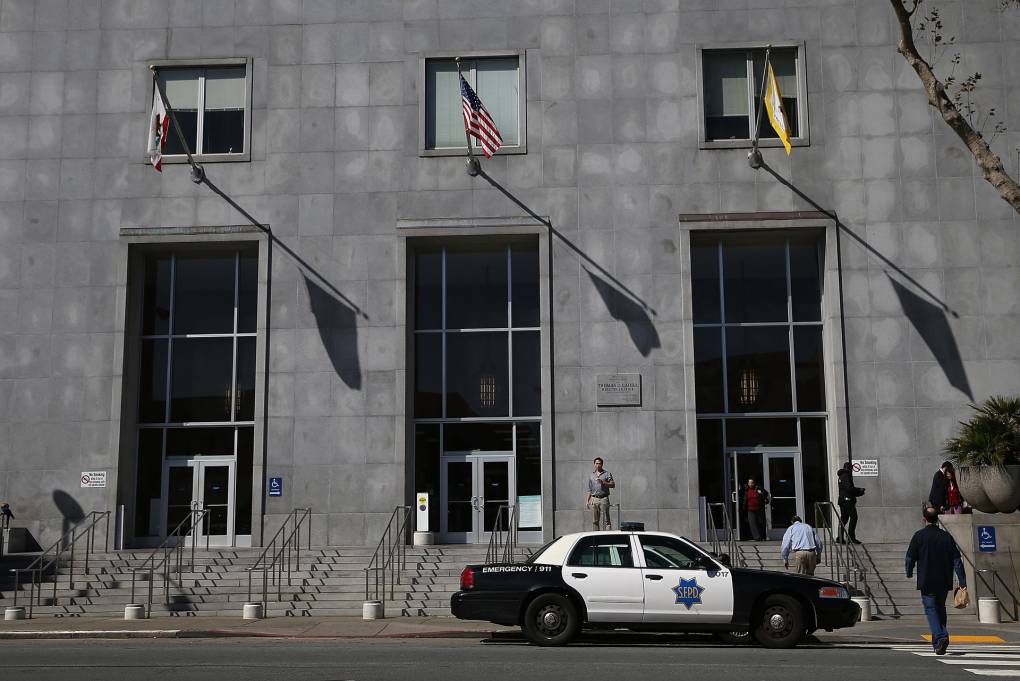
"caption": "The San Francisco resident was on his way to a court hearing at the San Francisco Hall of Justice when Immigration and Customs Enforcement agents arrested him — the first such arrest in the city, according to the public defender’s office.",
"credit": "Justin Sullivan/Getty Images",
"altTag": null,
"description": "The San Francisco resident was on his way to a court hearing at the San Francisco Hall of Justice when he was arrested by Immigration and Customs Enforcement agents — the first such arrest in the city, according to the public defender’s office.",
"imgSizes": {
"thumbnail": {
"file": "https://cdn.kqed.org/wp-content/uploads/sites/10/2020/03/RS14516_475371681-qut-160x107.jpg",
"width": 160,
"height": 107,
"mimeType": "image/jpeg"
},
"medium": {
"file": "https://cdn.kqed.org/wp-content/uploads/sites/10/2020/03/RS14516_475371681-qut-800x534.jpg",
"width": 800,
"height": 534,
"mimeType": "image/jpeg"
},
"large": {
"file": "https://cdn.kqed.org/wp-content/uploads/sites/10/2020/03/RS14516_475371681-qut-1020x681.jpg",
"width": 1020,
"height": 681,
"mimeType": "image/jpeg"
},
"post-thumbnail": {
"file": "https://cdn.kqed.org/wp-content/uploads/sites/10/2020/03/RS14516_475371681-qut-672x372.jpg",
"width": 672,
"height": 372,
"mimeType": "image/jpeg"
},
"twentyfourteen-full-width": {
"file": "https://cdn.kqed.org/wp-content/uploads/sites/10/2020/03/RS14516_475371681-qut-1038x576.jpg",
"width": 1038,
"height": 576,
"mimeType": "image/jpeg"
},
"full-width": {
"file": "https://cdn.kqed.org/wp-content/uploads/sites/10/2020/03/RS14516_475371681-qut-1920x1281.jpg",
"width": 1920,
"height": 1281,
"mimeType": "image/jpeg"
},
"apple_news_ca_landscape_12_9": {
"file": "https://cdn.kqed.org/wp-content/uploads/sites/10/2020/03/RS14516_475371681-qut-1832x1281.jpg",
"width": 1832,
"height": 1281,
"mimeType": "image/jpeg"
},
"apple_news_ca_landscape_9_7": {
"file": "https://cdn.kqed.org/wp-content/uploads/sites/10/2020/03/RS14516_475371681-qut-1376x1032.jpg",
"width": 1376,
"height": 1032,
"mimeType": "image/jpeg"
},
"apple_news_ca_landscape_5_5": {
"file": "https://cdn.kqed.org/wp-content/uploads/sites/10/2020/03/RS14516_475371681-qut-1044x783.jpg",
"width": 1044,
"height": 783,
"mimeType": "image/jpeg"
},
"apple_news_ca_landscape_4_7": {
"file": "https://cdn.kqed.org/wp-content/uploads/sites/10/2020/03/RS14516_475371681-qut-632x474.jpg",
"width": 632,
"height": 474,
"mimeType": "image/jpeg"
},
"apple_news_ca_landscape_4_0": {
"file": "https://cdn.kqed.org/wp-content/uploads/sites/10/2020/03/RS14516_475371681-qut-536x402.jpg",
"width": 536,
"height": 402,
"mimeType": "image/jpeg"
},
"apple_news_ca_portrait_12_9": {
"file": "https://cdn.kqed.org/wp-content/uploads/sites/10/2020/03/RS14516_475371681-qut-1122x1281.jpg",
"width": 1122,
"height": 1281,
"mimeType": "image/jpeg"
},
"apple_news_ca_portrait_9_7": {
"file": "https://cdn.kqed.org/wp-content/uploads/sites/10/2020/03/RS14516_475371681-qut-840x1120.jpg",
"width": 840,
"height": 1120,
"mimeType": "image/jpeg"
},
"apple_news_ca_portrait_5_5": {
"file": "https://cdn.kqed.org/wp-content/uploads/sites/10/2020/03/RS14516_475371681-qut-687x916.jpg",
"width": 687,
"height": 916,
"mimeType": "image/jpeg"
},
"apple_news_ca_portrait_4_7": {
"file": "https://cdn.kqed.org/wp-content/uploads/sites/10/2020/03/RS14516_475371681-qut-414x552.jpg",
"width": 414,
"height": 552,
"mimeType": "image/jpeg"
},
"apple_news_ca_portrait_4_0": {
"file": "https://cdn.kqed.org/wp-content/uploads/sites/10/2020/03/RS14516_475371681-qut-354x472.jpg",
"width": 354,
"height": 472,
"mimeType": "image/jpeg"
},
"apple_news_ca_square_12_9": {
"file": "https://cdn.kqed.org/wp-content/uploads/sites/10/2020/03/RS14516_475371681-qut-1472x1281.jpg",
"width": 1472,
"height": 1281,
"mimeType": "image/jpeg"
},
"apple_news_ca_square_9_7": {
"file": "https://cdn.kqed.org/wp-content/uploads/sites/10/2020/03/RS14516_475371681-qut-1104x1104.jpg",
"width": 1104,
"height": 1104,
"mimeType": "image/jpeg"
},
"apple_news_ca_square_5_5": {
"file": "https://cdn.kqed.org/wp-content/uploads/sites/10/2020/03/RS14516_475371681-qut-912x912.jpg",
"width": 912,
"height": 912,
"mimeType": "image/jpeg"
},
"apple_news_ca_square_4_7": {
"file": "https://cdn.kqed.org/wp-content/uploads/sites/10/2020/03/RS14516_475371681-qut-550x550.jpg",
"width": 550,
"height": 550,
"mimeType": "image/jpeg"
},
"apple_news_ca_square_4_0": {
"file": "https://cdn.kqed.org/wp-content/uploads/sites/10/2020/03/RS14516_475371681-qut-470x470.jpg",
"width": 470,
"height": 470,
"mimeType": "image/jpeg"
},
"kqedFullSize": {
"file": "https://cdn.kqed.org/wp-content/uploads/sites/10/2020/03/RS14516_475371681-qut.jpg",
"width": 1920,
"height": 1281
}
},
"isLoading": false,
"fetchFailed": false
},
"news_11798877": {
"type": "attachments",
"id": "news_11798877",
"meta": {
"index": "attachments_1716263798",
"site": "news",
"id": "11798877",
"found": true
},
"parent": 11797878,
"imgSizes": {
"apple_news_ca_landscape_5_5": {
"file": "https://ww2.kqed.org/app/uploads/sites/10/2020/01/GettyImages-982247184-1-1044x783.jpg",
"width": 1044,
"mimeType": "image/jpeg",
"height": 783
},
"apple_news_ca_square_4_0": {
"file": "https://ww2.kqed.org/app/uploads/sites/10/2020/01/GettyImages-982247184-1-470x470.jpg",
"width": 470,
"mimeType": "image/jpeg",
"height": 470
},
"twentyfourteen-full-width": {
"file": "https://ww2.kqed.org/app/uploads/sites/10/2020/01/GettyImages-982247184-1-1038x576.jpg",
"width": 1038,
"mimeType": "image/jpeg",
"height": 576
},
"thumbnail": {
"file": "https://ww2.kqed.org/app/uploads/sites/10/2020/01/GettyImages-982247184-1-160x107.jpg",
"width": 160,
"mimeType": "image/jpeg",
"height": 107
},
"post-thumbnail": {
"file": "https://ww2.kqed.org/app/uploads/sites/10/2020/01/GettyImages-982247184-1-672x372.jpg",
"width": 672,
"mimeType": "image/jpeg",
"height": 372
},
"kqedFullSize": {
"file": "https://ww2.kqed.org/app/uploads/sites/10/2020/01/GettyImages-982247184-1.jpg",
"width": 1920,
"height": 1280
},
"apple_news_ca_landscape_4_7": {
"file": "https://ww2.kqed.org/app/uploads/sites/10/2020/01/GettyImages-982247184-1-632x474.jpg",
"width": 632,
"mimeType": "image/jpeg",
"height": 474
},
"large": {
"file": "https://ww2.kqed.org/app/uploads/sites/10/2020/01/GettyImages-982247184-1-1020x680.jpg",
"width": 1020,
"mimeType": "image/jpeg",
"height": 680
},
"apple_news_ca_landscape_4_0": {
"file": "https://ww2.kqed.org/app/uploads/sites/10/2020/01/GettyImages-982247184-1-536x402.jpg",
"width": 536,
"mimeType": "image/jpeg",
"height": 402
},
"apple_news_ca_portrait_12_9": {
"file": "https://ww2.kqed.org/app/uploads/sites/10/2020/01/GettyImages-982247184-1-1122x1280.jpg",
"width": 1122,
"mimeType": "image/jpeg",
"height": 1280
},
"medium": {
"file": "https://ww2.kqed.org/app/uploads/sites/10/2020/01/GettyImages-982247184-1-800x533.jpg",
"width": 800,
"mimeType": "image/jpeg",
"height": 533
},
"apple_news_ca_portrait_4_0": {
"file": "https://ww2.kqed.org/app/uploads/sites/10/2020/01/GettyImages-982247184-1-354x472.jpg",
"width": 354,
"mimeType": "image/jpeg",
"height": 472
},
"apple_news_ca_portrait_9_7": {
"file": "https://ww2.kqed.org/app/uploads/sites/10/2020/01/GettyImages-982247184-1-840x1120.jpg",
"width": 840,
"mimeType": "image/jpeg",
"height": 1120
},
"apple_news_ca_landscape_12_9": {
"file": "https://ww2.kqed.org/app/uploads/sites/10/2020/01/GettyImages-982247184-1-1832x1280.jpg",
"width": 1832,
"mimeType": "image/jpeg",
"height": 1280
},
"apple_news_ca_square_9_7": {
"file": "https://ww2.kqed.org/app/uploads/sites/10/2020/01/GettyImages-982247184-1-1104x1104.jpg",
"width": 1104,
"mimeType": "image/jpeg",
"height": 1104
},
"apple_news_ca_portrait_4_7": {
"file": "https://ww2.kqed.org/app/uploads/sites/10/2020/01/GettyImages-982247184-1-414x552.jpg",
"width": 414,
"mimeType": "image/jpeg",
"height": 552
},
"apple_news_ca_square_12_9": {
"file": "https://ww2.kqed.org/app/uploads/sites/10/2020/01/GettyImages-982247184-1-1472x1280.jpg",
"width": 1472,
"mimeType": "image/jpeg",
"height": 1280
},
"apple_news_ca_portrait_5_5": {
"file": "https://ww2.kqed.org/app/uploads/sites/10/2020/01/GettyImages-982247184-1-687x916.jpg",
"width": 687,
"mimeType": "image/jpeg",
"height": 916
},
"full-width": {
"file": "https://ww2.kqed.org/app/uploads/sites/10/2020/01/GettyImages-982247184-1-1920x1280.jpg",
"width": 1920,
"mimeType": "image/jpeg",
"height": 1280
},
"apple_news_ca_square_4_7": {
"file": "https://ww2.kqed.org/app/uploads/sites/10/2020/01/GettyImages-982247184-1-550x550.jpg",
"width": 550,
"mimeType": "image/jpeg",
"height": 550
},
"apple_news_ca_landscape_9_7": {
"file": "https://ww2.kqed.org/app/uploads/sites/10/2020/01/GettyImages-982247184-1-1376x1032.jpg",
"width": 1376,
"mimeType": "image/jpeg",
"height": 1032
},
"apple_news_ca_square_5_5": {
"file": "https://ww2.kqed.org/app/uploads/sites/10/2020/01/GettyImages-982247184-1-912x912.jpg",
"width": 912,
"mimeType": "image/jpeg",
"height": 912
}
},
"publishDate": 1580342678,
"modified": 1583184125,
"caption": "Protesters rally near the federal building in San Diego on June 23, 2018, demanding the reunification of thousands of children who were separated from their immigrant parents by border officials under the Trump administration's controversial 'zero tolerance' policy.",
"description": null,
"title": "US-POLITICS-IMMIGRATION-MIGRANTS-PROTEST",
"credit": "David McNew/AFP via Getty Images",
"status": "inherit",
"isLoading": false,
"fetchFailed": false
},
"news_11803549": {
"type": "attachments",
"id": "news_11803549",
"meta": {
"index": "attachments_1716263798",
"site": "news",
"id": "11803549",
"found": true
},
"parent": 11803483,
"imgSizes": {
"apple_news_ca_landscape_5_5": {
"file": "https://ww2.kqed.org/app/uploads/sites/10/2020/02/RS41586_Image-from-iOS-2-qut-1044x783.jpg",
"width": 1044,
"mimeType": "image/jpeg",
"height": 783
},
"apple_news_ca_square_4_0": {
"file": "https://ww2.kqed.org/app/uploads/sites/10/2020/02/RS41586_Image-from-iOS-2-qut-470x470.jpg",
"width": 470,
"mimeType": "image/jpeg",
"height": 470
},
"twentyfourteen-full-width": {
"file": "https://ww2.kqed.org/app/uploads/sites/10/2020/02/RS41586_Image-from-iOS-2-qut-1038x576.jpg",
"width": 1038,
"mimeType": "image/jpeg",
"height": 576
},
"thumbnail": {
"file": "https://ww2.kqed.org/app/uploads/sites/10/2020/02/RS41586_Image-from-iOS-2-qut-160x120.jpg",
"width": 160,
"mimeType": "image/jpeg",
"height": 120
},
"post-thumbnail": {
"file": "https://ww2.kqed.org/app/uploads/sites/10/2020/02/RS41586_Image-from-iOS-2-qut-672x372.jpg",
"width": 672,
"mimeType": "image/jpeg",
"height": 372
},
"kqedFullSize": {
"file": "https://ww2.kqed.org/app/uploads/sites/10/2020/02/RS41586_Image-from-iOS-2-qut.jpg",
"width": 1920,
"height": 1440
},
"apple_news_ca_landscape_4_7": {
"file": "https://ww2.kqed.org/app/uploads/sites/10/2020/02/RS41586_Image-from-iOS-2-qut-632x474.jpg",
"width": 632,
"mimeType": "image/jpeg",
"height": 474
},
"large": {
"file": "https://ww2.kqed.org/app/uploads/sites/10/2020/02/RS41586_Image-from-iOS-2-qut-1020x765.jpg",
"width": 1020,
"mimeType": "image/jpeg",
"height": 765
},
"apple_news_ca_landscape_4_0": {
"file": "https://ww2.kqed.org/app/uploads/sites/10/2020/02/RS41586_Image-from-iOS-2-qut-536x402.jpg",
"width": 536,
"mimeType": "image/jpeg",
"height": 402
},
"apple_news_ca_portrait_12_9": {
"file": "https://ww2.kqed.org/app/uploads/sites/10/2020/02/RS41586_Image-from-iOS-2-qut-1122x1440.jpg",
"width": 1122,
"mimeType": "image/jpeg",
"height": 1440
},
"medium": {
"file": "https://ww2.kqed.org/app/uploads/sites/10/2020/02/RS41586_Image-from-iOS-2-qut-800x600.jpg",
"width": 800,
"mimeType": "image/jpeg",
"height": 600
},
"apple_news_ca_portrait_4_0": {
"file": "https://ww2.kqed.org/app/uploads/sites/10/2020/02/RS41586_Image-from-iOS-2-qut-354x472.jpg",
"width": 354,
"mimeType": "image/jpeg",
"height": 472
},
"apple_news_ca_portrait_9_7": {
"file": "https://ww2.kqed.org/app/uploads/sites/10/2020/02/RS41586_Image-from-iOS-2-qut-840x1120.jpg",
"width": 840,
"mimeType": "image/jpeg",
"height": 1120
},
"apple_news_ca_landscape_12_9": {
"file": "https://ww2.kqed.org/app/uploads/sites/10/2020/02/RS41586_Image-from-iOS-2-qut-1832x1374.jpg",
"width": 1832,
"mimeType": "image/jpeg",
"height": 1374
},
"apple_news_ca_square_9_7": {
"file": "https://ww2.kqed.org/app/uploads/sites/10/2020/02/RS41586_Image-from-iOS-2-qut-1104x1104.jpg",
"width": 1104,
"mimeType": "image/jpeg",
"height": 1104
},
"apple_news_ca_portrait_4_7": {
"file": "https://ww2.kqed.org/app/uploads/sites/10/2020/02/RS41586_Image-from-iOS-2-qut-414x552.jpg",
"width": 414,
"mimeType": "image/jpeg",
"height": 552
},
"apple_news_ca_square_12_9": {
"file": "https://ww2.kqed.org/app/uploads/sites/10/2020/02/RS41586_Image-from-iOS-2-qut-1472x1440.jpg",
"width": 1472,
"mimeType": "image/jpeg",
"height": 1440
},
"apple_news_ca_portrait_5_5": {
"file": "https://ww2.kqed.org/app/uploads/sites/10/2020/02/RS41586_Image-from-iOS-2-qut-687x916.jpg",
"width": 687,
"mimeType": "image/jpeg",
"height": 916
},
"full-width": {
"file": "https://ww2.kqed.org/app/uploads/sites/10/2020/02/RS41586_Image-from-iOS-2-qut-1920x1440.jpg",
"width": 1920,
"mimeType": "image/jpeg",
"height": 1440
},
"apple_news_ca_square_4_7": {
"file": "https://ww2.kqed.org/app/uploads/sites/10/2020/02/RS41586_Image-from-iOS-2-qut-550x550.jpg",
"width": 550,
"mimeType": "image/jpeg",
"height": 550
},
"apple_news_ca_landscape_9_7": {
"file": "https://ww2.kqed.org/app/uploads/sites/10/2020/02/RS41586_Image-from-iOS-2-qut-1376x1032.jpg",
"width": 1376,
"mimeType": "image/jpeg",
"height": 1032
},
"apple_news_ca_square_5_5": {
"file": "https://ww2.kqed.org/app/uploads/sites/10/2020/02/RS41586_Image-from-iOS-2-qut-912x912.jpg",
"width": 912,
"mimeType": "image/jpeg",
"height": 912
}
},
"publishDate": 1582741025,
"modified": 1582753791,
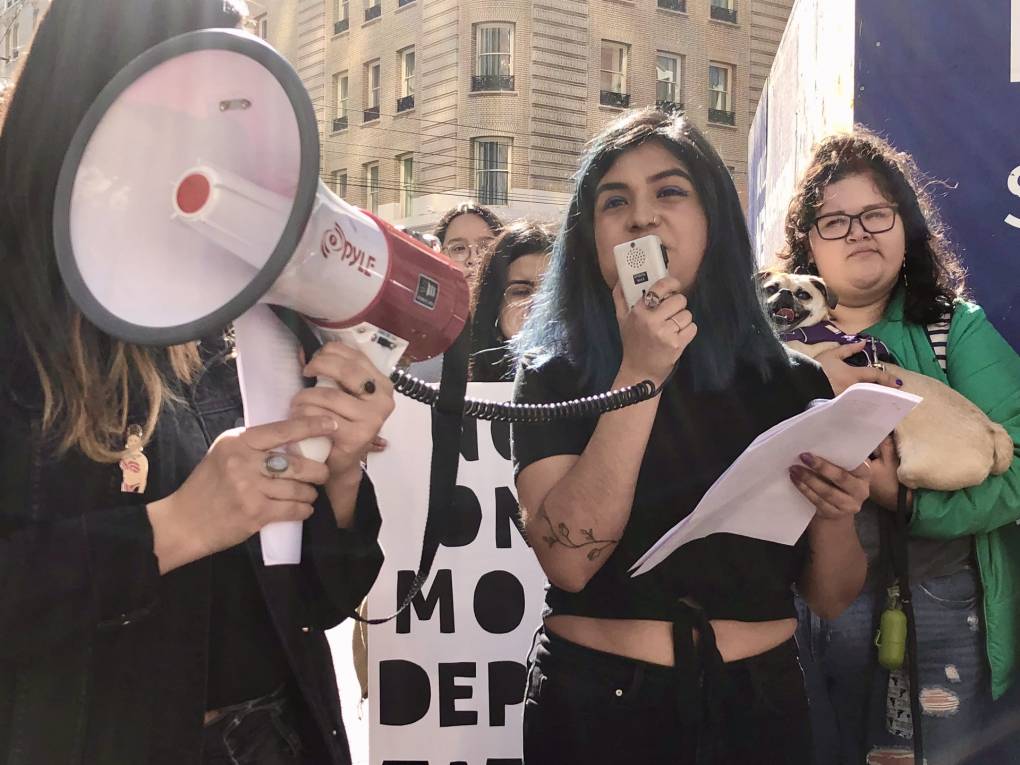
"caption": "Valeria Suarez Rojas, a UC Berkeley graduate, speaks into a megaphone at a rally in San Francisco on Tuesday, urging the Trump administration to drop deportation proceedings.",
"description": "Valeria Suarez Rojas, a UC Berkeley graduate, speaks into a megaphone at a rally in San Francisco on Tuesday, urging the Trump administration to drop deportation proceedings.",
"title": "RS41586_Image from iOS (2)-qut",
"credit": "Farida Jhabvala Romero/KQED",
"status": "inherit",
"isLoading": false,
"fetchFailed": false
},
"news_11802649": {
"type": "attachments",
"id": "news_11802649",
"meta": {
"index": "attachments_1716263798",
"site": "news",
"id": "11802649",
"found": true
},
"parent": 11802442,
"imgSizes": {
"apple_news_ca_landscape_5_5": {
"file": "https://ww2.kqed.org/app/uploads/sites/10/2020/02/IMG_7555-1200x750-1044x750.jpg",
"width": 1044,
"mimeType": "image/jpeg",
"height": 750
},
"apple_news_ca_square_4_0": {
"file": "https://ww2.kqed.org/app/uploads/sites/10/2020/02/IMG_7555-1200x750-470x470.jpg",
"width": 470,
"mimeType": "image/jpeg",
"height": 470
},
"twentyfourteen-full-width": {
"file": "https://ww2.kqed.org/app/uploads/sites/10/2020/02/IMG_7555-1200x750-1038x576.jpg",
"width": 1038,
"mimeType": "image/jpeg",
"height": 576
},
"thumbnail": {
"file": "https://ww2.kqed.org/app/uploads/sites/10/2020/02/IMG_7555-1200x750-160x100.jpg",
"width": 160,
"mimeType": "image/jpeg",
"height": 100
},
"post-thumbnail": {
"file": "https://ww2.kqed.org/app/uploads/sites/10/2020/02/IMG_7555-1200x750-672x372.jpg",
"width": 672,
"mimeType": "image/jpeg",
"height": 372
},
"kqedFullSize": {
"file": "https://ww2.kqed.org/app/uploads/sites/10/2020/02/IMG_7555-1200x750.jpg",
"width": 1200,
"height": 750
},
"apple_news_ca_landscape_4_7": {
"file": "https://ww2.kqed.org/app/uploads/sites/10/2020/02/IMG_7555-1200x750-632x474.jpg",
"width": 632,
"mimeType": "image/jpeg",
"height": 474
},
"large": {
"file": "https://ww2.kqed.org/app/uploads/sites/10/2020/02/IMG_7555-1200x750-1020x638.jpg",
"width": 1020,
"mimeType": "image/jpeg",
"height": 638
},
"apple_news_ca_landscape_4_0": {
"file": "https://ww2.kqed.org/app/uploads/sites/10/2020/02/IMG_7555-1200x750-536x402.jpg",
"width": 536,
"mimeType": "image/jpeg",
"height": 402
},
"apple_news_ca_portrait_12_9": {
"file": "https://ww2.kqed.org/app/uploads/sites/10/2020/02/IMG_7555-1200x750-1122x750.jpg",
"width": 1122,
"mimeType": "image/jpeg",
"height": 750
},
"medium": {
"file": "https://ww2.kqed.org/app/uploads/sites/10/2020/02/IMG_7555-1200x750-800x500.jpg",
"width": 800,
"mimeType": "image/jpeg",
"height": 500
},
"apple_news_ca_portrait_4_0": {
"file": "https://ww2.kqed.org/app/uploads/sites/10/2020/02/IMG_7555-1200x750-354x472.jpg",
"width": 354,
"mimeType": "image/jpeg",
"height": 472
},
"apple_news_ca_portrait_9_7": {
"file": "https://ww2.kqed.org/app/uploads/sites/10/2020/02/IMG_7555-1200x750-840x750.jpg",
"width": 840,
"mimeType": "image/jpeg",
"height": 750
},
"apple_news_ca_square_9_7": {
"file": "https://ww2.kqed.org/app/uploads/sites/10/2020/02/IMG_7555-1200x750-1104x750.jpg",
"width": 1104,
"mimeType": "image/jpeg",
"height": 750
},
"apple_news_ca_portrait_4_7": {
"file": "https://ww2.kqed.org/app/uploads/sites/10/2020/02/IMG_7555-1200x750-414x552.jpg",
"width": 414,
"mimeType": "image/jpeg",
"height": 552
},
"apple_news_ca_portrait_5_5": {
"file": "https://ww2.kqed.org/app/uploads/sites/10/2020/02/IMG_7555-1200x750-687x750.jpg",
"width": 687,
"mimeType": "image/jpeg",
"height": 750
},
"apple_news_ca_square_4_7": {
"file": "https://ww2.kqed.org/app/uploads/sites/10/2020/02/IMG_7555-1200x750-550x550.jpg",
"width": 550,
"mimeType": "image/jpeg",
"height": 550
},
"apple_news_ca_square_5_5": {
"file": "https://ww2.kqed.org/app/uploads/sites/10/2020/02/IMG_7555-1200x750-912x750.jpg",
"width": 912,
"mimeType": "image/jpeg",
"height": 750
}
},
"publishDate": 1582237977,
"modified": 1582238052,
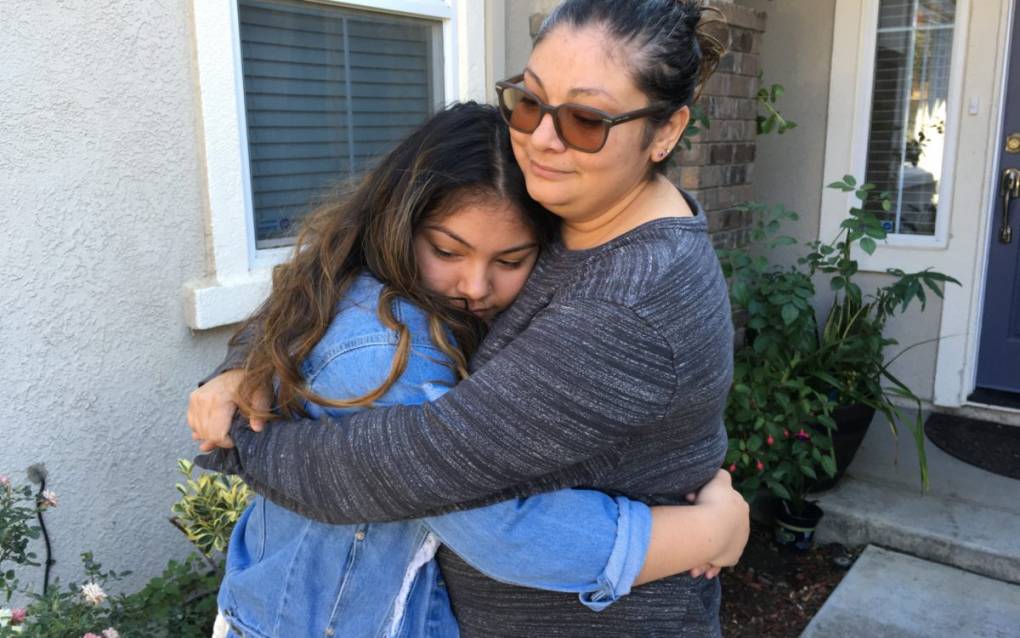
"caption": "Guadalupe Garcia (left) hugs her mother Gabriela Garcia.",
"description": null,
"title": "IMG_7555-1200x750",
"credit": "Zaidee Stavely/EdSource",
"status": "inherit",
"isLoading": false,
"fetchFailed": false
},
"news_11801880": {
"type": "attachments",
"id": "news_11801880",
"meta": {
"index": "attachments_1716263798",
"site": "news",
"id": "11801880",
"found": true
},
"parent": 11801856,
"imgSizes": {
"apple_news_ca_landscape_5_5": {
"file": "https://ww2.kqed.org/app/uploads/sites/10/2020/02/02142020_immigration_girl-qut-1044x783.jpg",
"width": 1044,
"mimeType": "image/jpeg",
"height": 783
},
"apple_news_ca_square_4_0": {
"file": "https://ww2.kqed.org/app/uploads/sites/10/2020/02/02142020_immigration_girl-qut-470x470.jpg",
"width": 470,
"mimeType": "image/jpeg",
"height": 470
},
"twentyfourteen-full-width": {
"file": "https://ww2.kqed.org/app/uploads/sites/10/2020/02/02142020_immigration_girl-qut-1038x576.jpg",
"width": 1038,
"mimeType": "image/jpeg",
"height": 576
},
"thumbnail": {
"file": "https://ww2.kqed.org/app/uploads/sites/10/2020/02/02142020_immigration_girl-qut-160x101.jpg",
"width": 160,
"mimeType": "image/jpeg",
"height": 101
},
"post-thumbnail": {
"file": "https://ww2.kqed.org/app/uploads/sites/10/2020/02/02142020_immigration_girl-qut-672x372.jpg",
"width": 672,
"mimeType": "image/jpeg",
"height": 372
},
"kqedFullSize": {
"file": "https://ww2.kqed.org/app/uploads/sites/10/2020/02/02142020_immigration_girl-qut.jpg",
"width": 1920,
"height": 1209
},
"apple_news_ca_landscape_4_7": {
"file": "https://ww2.kqed.org/app/uploads/sites/10/2020/02/02142020_immigration_girl-qut-632x474.jpg",
"width": 632,
"mimeType": "image/jpeg",
"height": 474
},
"large": {
"file": "https://ww2.kqed.org/app/uploads/sites/10/2020/02/02142020_immigration_girl-qut-1020x642.jpg",
"width": 1020,
"mimeType": "image/jpeg",
"height": 642
},
"apple_news_ca_landscape_4_0": {
"file": "https://ww2.kqed.org/app/uploads/sites/10/2020/02/02142020_immigration_girl-qut-536x402.jpg",
"width": 536,
"mimeType": "image/jpeg",
"height": 402
},
"apple_news_ca_portrait_12_9": {
"file": "https://ww2.kqed.org/app/uploads/sites/10/2020/02/02142020_immigration_girl-qut-1122x1209.jpg",
"width": 1122,
"mimeType": "image/jpeg",
"height": 1209
},
"medium": {
"file": "https://ww2.kqed.org/app/uploads/sites/10/2020/02/02142020_immigration_girl-qut-800x504.jpg",
"width": 800,
"mimeType": "image/jpeg",
"height": 504
},
"apple_news_ca_portrait_4_0": {
"file": "https://ww2.kqed.org/app/uploads/sites/10/2020/02/02142020_immigration_girl-qut-354x472.jpg",
"width": 354,
"mimeType": "image/jpeg",
"height": 472
},
"apple_news_ca_portrait_9_7": {
"file": "https://ww2.kqed.org/app/uploads/sites/10/2020/02/02142020_immigration_girl-qut-840x1120.jpg",
"width": 840,
"mimeType": "image/jpeg",
"height": 1120
},
"apple_news_ca_landscape_12_9": {
"file": "https://ww2.kqed.org/app/uploads/sites/10/2020/02/02142020_immigration_girl-qut-1832x1209.jpg",
"width": 1832,
"mimeType": "image/jpeg",
"height": 1209
},
"apple_news_ca_square_9_7": {
"file": "https://ww2.kqed.org/app/uploads/sites/10/2020/02/02142020_immigration_girl-qut-1104x1104.jpg",
"width": 1104,
"mimeType": "image/jpeg",
"height": 1104
},
"apple_news_ca_portrait_4_7": {
"file": "https://ww2.kqed.org/app/uploads/sites/10/2020/02/02142020_immigration_girl-qut-414x552.jpg",
"width": 414,
"mimeType": "image/jpeg",
"height": 552
},
"apple_news_ca_square_12_9": {
"file": "https://ww2.kqed.org/app/uploads/sites/10/2020/02/02142020_immigration_girl-qut-1472x1209.jpg",
"width": 1472,
"mimeType": "image/jpeg",
"height": 1209
},
"apple_news_ca_portrait_5_5": {
"file": "https://ww2.kqed.org/app/uploads/sites/10/2020/02/02142020_immigration_girl-qut-687x916.jpg",
"width": 687,
"mimeType": "image/jpeg",
"height": 916
},
"full-width": {
"file": "https://ww2.kqed.org/app/uploads/sites/10/2020/02/02142020_immigration_girl-qut-1920x1209.jpg",
"width": 1920,
"mimeType": "image/jpeg",
"height": 1209
},
"apple_news_ca_square_4_7": {
"file": "https://ww2.kqed.org/app/uploads/sites/10/2020/02/02142020_immigration_girl-qut-550x550.jpg",
"width": 550,
"mimeType": "image/jpeg",
"height": 550
},
"apple_news_ca_landscape_9_7": {
"file": "https://ww2.kqed.org/app/uploads/sites/10/2020/02/02142020_immigration_girl-qut-1376x1032.jpg",
"width": 1376,
"mimeType": "image/jpeg",
"height": 1032
},
"apple_news_ca_square_5_5": {
"file": "https://ww2.kqed.org/app/uploads/sites/10/2020/02/02142020_immigration_girl-qut-912x912.jpg",
"width": 912,
"mimeType": "image/jpeg",
"height": 912
}
},
"publishDate": 1581726371,
"modified": 1581726465,
"caption": "Central American migrants traveling in the \"Migrant Via Crucis\" caravan sleep outside \"El Chaparral\" port of entry to the U.S. while waiting to be received by U.S. authorities in Tijuana, Mexico on April 30, 2018.",
"description": "Central American migrants traveling in the \"Migrant Via Crucis\" caravan sleep outside \"El Chaparral\" port of entry to the U.S. while waiting to be received by U.S. authorities in Tijuana, Mexico on April 30, 2018.",
"title": "MEXICO-US-MIGRANTS-CARAVAN",
"credit": "GUILLERMO ARIAS / AFP",
"status": "inherit",
"isLoading": false,
"fetchFailed": false
},
"news_11801748": {
"type": "attachments",
"id": "news_11801748",
"meta": {
"index": "attachments_1716263798",
"site": "news",
"id": "11801748",
"found": true
},
"parent": 11801732,
"imgSizes": {
"apple_news_ca_landscape_5_5": {
"file": "https://ww2.kqed.org/app/uploads/sites/10/2020/02/02142020_immigration_chaparral-FINAL-08-qut-1044x783.jpg",
"width": 1044,
"mimeType": "image/jpeg",
"height": 783
},
"apple_news_ca_square_4_0": {
"file": "https://ww2.kqed.org/app/uploads/sites/10/2020/02/02142020_immigration_chaparral-FINAL-08-qut-470x470.jpg",
"width": 470,
"mimeType": "image/jpeg",
"height": 470
},
"twentyfourteen-full-width": {
"file": "https://ww2.kqed.org/app/uploads/sites/10/2020/02/02142020_immigration_chaparral-FINAL-08-qut-1038x576.jpg",
"width": 1038,
"mimeType": "image/jpeg",
"height": 576
},
"thumbnail": {
"file": "https://ww2.kqed.org/app/uploads/sites/10/2020/02/02142020_immigration_chaparral-FINAL-08-qut-160x106.jpg",
"width": 160,
"mimeType": "image/jpeg",
"height": 106
},
"post-thumbnail": {
"file": "https://ww2.kqed.org/app/uploads/sites/10/2020/02/02142020_immigration_chaparral-FINAL-08-qut-672x372.jpg",
"width": 672,
"mimeType": "image/jpeg",
"height": 372
},
"kqedFullSize": {
"file": "https://ww2.kqed.org/app/uploads/sites/10/2020/02/02142020_immigration_chaparral-FINAL-08-qut.jpg",
"width": 1800,
"height": 1196
},
"apple_news_ca_landscape_4_7": {
"file": "https://ww2.kqed.org/app/uploads/sites/10/2020/02/02142020_immigration_chaparral-FINAL-08-qut-632x474.jpg",
"width": 632,
"mimeType": "image/jpeg",
"height": 474
},
"large": {
"file": "https://ww2.kqed.org/app/uploads/sites/10/2020/02/02142020_immigration_chaparral-FINAL-08-qut-1020x678.jpg",
"width": 1020,
"mimeType": "image/jpeg",
"height": 678
},
"apple_news_ca_landscape_4_0": {
"file": "https://ww2.kqed.org/app/uploads/sites/10/2020/02/02142020_immigration_chaparral-FINAL-08-qut-536x402.jpg",
"width": 536,
"mimeType": "image/jpeg",
"height": 402
},
"apple_news_ca_portrait_12_9": {
"file": "https://ww2.kqed.org/app/uploads/sites/10/2020/02/02142020_immigration_chaparral-FINAL-08-qut-1122x1196.jpg",
"width": 1122,
"mimeType": "image/jpeg",
"height": 1196
},
"medium": {
"file": "https://ww2.kqed.org/app/uploads/sites/10/2020/02/02142020_immigration_chaparral-FINAL-08-qut-800x532.jpg",
"width": 800,
"mimeType": "image/jpeg",
"height": 532
},
"apple_news_ca_portrait_4_0": {
"file": "https://ww2.kqed.org/app/uploads/sites/10/2020/02/02142020_immigration_chaparral-FINAL-08-qut-354x472.jpg",
"width": 354,
"mimeType": "image/jpeg",
"height": 472
},
"apple_news_ca_portrait_9_7": {
"file": "https://ww2.kqed.org/app/uploads/sites/10/2020/02/02142020_immigration_chaparral-FINAL-08-qut-840x1120.jpg",
"width": 840,
"mimeType": "image/jpeg",
"height": 1120
},
"apple_news_ca_square_9_7": {
"file": "https://ww2.kqed.org/app/uploads/sites/10/2020/02/02142020_immigration_chaparral-FINAL-08-qut-1104x1104.jpg",
"width": 1104,
"mimeType": "image/jpeg",
"height": 1104
},
"apple_news_ca_portrait_4_7": {
"file": "https://ww2.kqed.org/app/uploads/sites/10/2020/02/02142020_immigration_chaparral-FINAL-08-qut-414x552.jpg",
"width": 414,
"mimeType": "image/jpeg",
"height": 552
},
"apple_news_ca_square_12_9": {
"file": "https://ww2.kqed.org/app/uploads/sites/10/2020/02/02142020_immigration_chaparral-FINAL-08-qut-1472x1196.jpg",
"width": 1472,
"mimeType": "image/jpeg",
"height": 1196
},
"apple_news_ca_portrait_5_5": {
"file": "https://ww2.kqed.org/app/uploads/sites/10/2020/02/02142020_immigration_chaparral-FINAL-08-qut-687x916.jpg",
"width": 687,
"mimeType": "image/jpeg",
"height": 916
},
"apple_news_ca_square_4_7": {
"file": "https://ww2.kqed.org/app/uploads/sites/10/2020/02/02142020_immigration_chaparral-FINAL-08-qut-550x550.jpg",
"width": 550,
"mimeType": "image/jpeg",
"height": 550
},
"apple_news_ca_landscape_9_7": {
"file": "https://ww2.kqed.org/app/uploads/sites/10/2020/02/02142020_immigration_chaparral-FINAL-08-qut-1376x1032.jpg",
"width": 1376,
"mimeType": "image/jpeg",
"height": 1032
},
"apple_news_ca_square_5_5": {
"file": "https://ww2.kqed.org/app/uploads/sites/10/2020/02/02142020_immigration_chaparral-FINAL-08-qut-912x912.jpg",
"width": 912,
"mimeType": "image/jpeg",
"height": 912
}
},
"publishDate": 1581715470,
"modified": 1581715570,
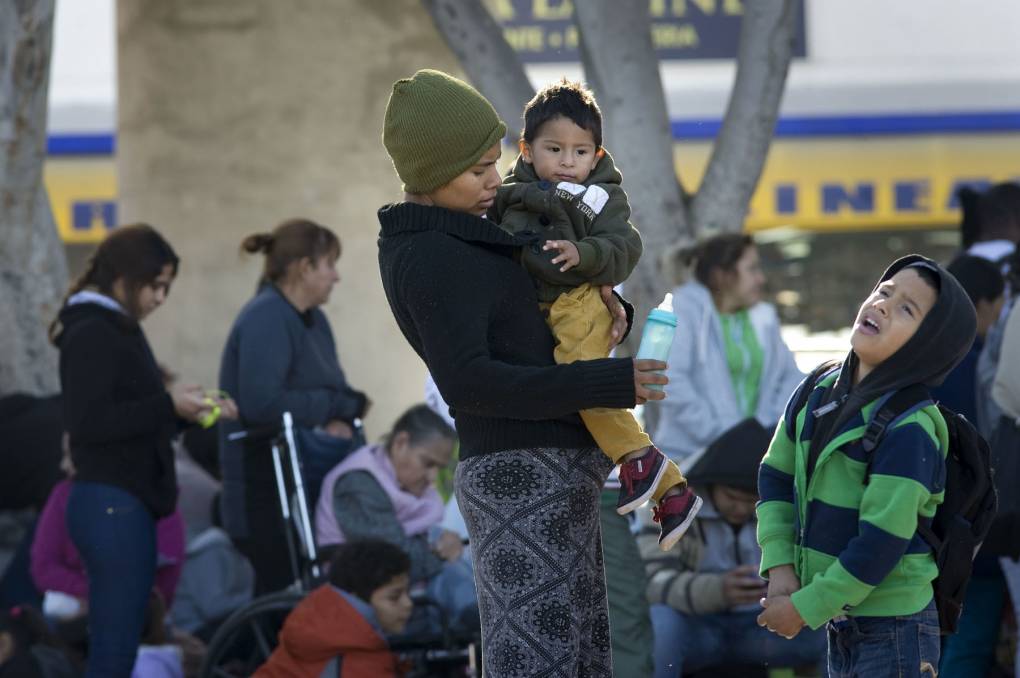
"caption": "A woman holds a child as they wait to hear their position on a list of people waiting at the U.S.-Mexico border to seek asylum in the U.S. on Nov. 21, 2018, in Tijuana, Mexico.",
"description": "A woman holds a child as they wait to hear their position on a list of people waiting at the U.S.-Mexico border to seek asylum in the U.S. on Nov. 21, 2018, in Tijuana, Mexico.",
"title": "02142020_immigration_chaparral FINAL 08-qut",
"credit": "David Maung for KQED",
"status": "inherit",
"isLoading": false,
"fetchFailed": false
},
"news_11802006": {
"type": "attachments",
"id": "news_11802006",
"meta": {
"index": "attachments_1716263798",
"site": "news",
"id": "11802006",
"found": true
},
"parent": 11801962,
"imgSizes": {
"apple_news_ca_landscape_5_5": {
"file": "https://ww2.kqed.org/app/uploads/sites/10/2020/02/RS37554_IMG_3401-qut-1044x783.jpg",
"width": 1044,
"mimeType": "image/jpeg",
"height": 783
},
"apple_news_ca_square_4_0": {
"file": "https://ww2.kqed.org/app/uploads/sites/10/2020/02/RS37554_IMG_3401-qut-470x470.jpg",
"width": 470,
"mimeType": "image/jpeg",
"height": 470
},
"twentyfourteen-full-width": {
"file": "https://ww2.kqed.org/app/uploads/sites/10/2020/02/RS37554_IMG_3401-qut-1038x576.jpg",
"width": 1038,
"mimeType": "image/jpeg",
"height": 576
},
"thumbnail": {
"file": "https://ww2.kqed.org/app/uploads/sites/10/2020/02/RS37554_IMG_3401-qut-160x107.jpg",
"width": 160,
"mimeType": "image/jpeg",
"height": 107
},
"post-thumbnail": {
"file": "https://ww2.kqed.org/app/uploads/sites/10/2020/02/RS37554_IMG_3401-qut-672x372.jpg",
"width": 672,
"mimeType": "image/jpeg",
"height": 372
},
"kqedFullSize": {
"file": "https://ww2.kqed.org/app/uploads/sites/10/2020/02/RS37554_IMG_3401-qut.jpg",
"width": 1920,
"height": 1280
},
"apple_news_ca_landscape_4_7": {
"file": "https://ww2.kqed.org/app/uploads/sites/10/2020/02/RS37554_IMG_3401-qut-632x474.jpg",
"width": 632,
"mimeType": "image/jpeg",
"height": 474
},
"large": {
"file": "https://ww2.kqed.org/app/uploads/sites/10/2020/02/RS37554_IMG_3401-qut-1020x680.jpg",
"width": 1020,
"mimeType": "image/jpeg",
"height": 680
},
"apple_news_ca_landscape_4_0": {
"file": "https://ww2.kqed.org/app/uploads/sites/10/2020/02/RS37554_IMG_3401-qut-536x402.jpg",
"width": 536,
"mimeType": "image/jpeg",
"height": 402
},
"apple_news_ca_portrait_12_9": {
"file": "https://ww2.kqed.org/app/uploads/sites/10/2020/02/RS37554_IMG_3401-qut-1122x1280.jpg",
"width": 1122,
"mimeType": "image/jpeg",
"height": 1280
},
"medium": {
"file": "https://ww2.kqed.org/app/uploads/sites/10/2020/02/RS37554_IMG_3401-qut-800x533.jpg",
"width": 800,
"mimeType": "image/jpeg",
"height": 533
},
"apple_news_ca_portrait_4_0": {
"file": "https://ww2.kqed.org/app/uploads/sites/10/2020/02/RS37554_IMG_3401-qut-354x472.jpg",
"width": 354,
"mimeType": "image/jpeg",
"height": 472
},
"apple_news_ca_portrait_9_7": {
"file": "https://ww2.kqed.org/app/uploads/sites/10/2020/02/RS37554_IMG_3401-qut-840x1120.jpg",
"width": 840,
"mimeType": "image/jpeg",
"height": 1120
},
"apple_news_ca_landscape_12_9": {
"file": "https://ww2.kqed.org/app/uploads/sites/10/2020/02/RS37554_IMG_3401-qut-1832x1280.jpg",
"width": 1832,
"mimeType": "image/jpeg",
"height": 1280
},
"apple_news_ca_square_9_7": {
"file": "https://ww2.kqed.org/app/uploads/sites/10/2020/02/RS37554_IMG_3401-qut-1104x1104.jpg",
"width": 1104,
"mimeType": "image/jpeg",
"height": 1104
},
"apple_news_ca_portrait_4_7": {
"file": "https://ww2.kqed.org/app/uploads/sites/10/2020/02/RS37554_IMG_3401-qut-414x552.jpg",
"width": 414,
"mimeType": "image/jpeg",
"height": 552
},
"apple_news_ca_square_12_9": {
"file": "https://ww2.kqed.org/app/uploads/sites/10/2020/02/RS37554_IMG_3401-qut-1472x1280.jpg",
"width": 1472,
"mimeType": "image/jpeg",
"height": 1280
},
"apple_news_ca_portrait_5_5": {
"file": "https://ww2.kqed.org/app/uploads/sites/10/2020/02/RS37554_IMG_3401-qut-687x916.jpg",
"width": 687,
"mimeType": "image/jpeg",
"height": 916
},
"full-width": {
"file": "https://ww2.kqed.org/app/uploads/sites/10/2020/02/RS37554_IMG_3401-qut-1920x1280.jpg",
"width": 1920,
"mimeType": "image/jpeg",
"height": 1280
},
"apple_news_ca_square_4_7": {
"file": "https://ww2.kqed.org/app/uploads/sites/10/2020/02/RS37554_IMG_3401-qut-550x550.jpg",
"width": 550,
"mimeType": "image/jpeg",
"height": 550
},
"apple_news_ca_landscape_9_7": {
"file": "https://ww2.kqed.org/app/uploads/sites/10/2020/02/RS37554_IMG_3401-qut-1376x1032.jpg",
"width": 1376,
"mimeType": "image/jpeg",
"height": 1032
},
"apple_news_ca_square_5_5": {
"file": "https://ww2.kqed.org/app/uploads/sites/10/2020/02/RS37554_IMG_3401-qut-912x912.jpg",
"width": 912,
"mimeType": "image/jpeg",
"height": 912
}
},
"publishDate": 1581896259,
"modified": 1581896456,
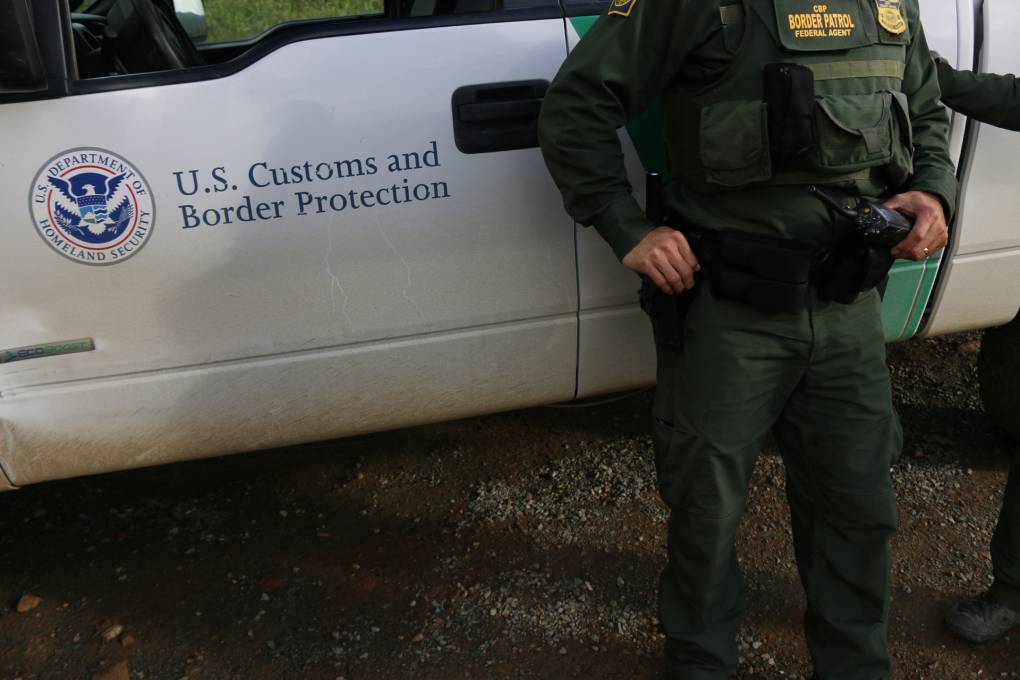
"caption": "Officers with Customs and Border Protection patrol the area that separates San Diego from Tijuana, Mexico.",
"description": "Officers with Customs and Border Protection patrol the border fence that separates San Diego from Tijuana, Mexico.",
"title": "RS37554_IMG_3401-qut",
"credit": "Alex Hall/KQED",
"status": "inherit",
"isLoading": false,
"fetchFailed": false
},
"news_11801916": {
"type": "attachments",
"id": "news_11801916",
"meta": {
"index": "attachments_1716263798",
"site": "news",
"id": "11801916",
"found": true
},
"parent": 11801713,
"imgSizes": {
"apple_news_ca_landscape_5_5": {
"file": "https://ww2.kqed.org/app/uploads/sites/10/2020/02/Oumar-Yaide-1044x783.jpg",
"width": 1044,
"mimeType": "image/jpeg",
"height": 783
},
"apple_news_ca_square_4_0": {
"file": "https://ww2.kqed.org/app/uploads/sites/10/2020/02/Oumar-Yaide-470x470.jpg",
"width": 470,
"mimeType": "image/jpeg",
"height": 470
},
"twentyfourteen-full-width": {
"file": "https://ww2.kqed.org/app/uploads/sites/10/2020/02/Oumar-Yaide-1038x576.jpg",
"width": 1038,
"mimeType": "image/jpeg",
"height": 576
},
"thumbnail": {
"file": "https://ww2.kqed.org/app/uploads/sites/10/2020/02/Oumar-Yaide-160x121.jpg",
"width": 160,
"mimeType": "image/jpeg",
"height": 121
},
"post-thumbnail": {
"file": "https://ww2.kqed.org/app/uploads/sites/10/2020/02/Oumar-Yaide-672x372.jpg",
"width": 672,
"mimeType": "image/jpeg",
"height": 372
},
"kqedFullSize": {
"file": "https://ww2.kqed.org/app/uploads/sites/10/2020/02/Oumar-Yaide.jpg",
"width": 1920,
"height": 1450
},
"apple_news_ca_landscape_4_7": {
"file": "https://ww2.kqed.org/app/uploads/sites/10/2020/02/Oumar-Yaide-632x474.jpg",
"width": 632,
"mimeType": "image/jpeg",
"height": 474
},
"large": {
"file": "https://ww2.kqed.org/app/uploads/sites/10/2020/02/Oumar-Yaide-1020x770.jpg",
"width": 1020,
"mimeType": "image/jpeg",
"height": 770
},
"apple_news_ca_landscape_4_0": {
"file": "https://ww2.kqed.org/app/uploads/sites/10/2020/02/Oumar-Yaide-536x402.jpg",
"width": 536,
"mimeType": "image/jpeg",
"height": 402
},
"apple_news_ca_portrait_12_9": {
"file": "https://ww2.kqed.org/app/uploads/sites/10/2020/02/Oumar-Yaide-1122x1450.jpg",
"width": 1122,
"mimeType": "image/jpeg",
"height": 1450
},
"medium": {
"file": "https://ww2.kqed.org/app/uploads/sites/10/2020/02/Oumar-Yaide-800x604.jpg",
"width": 800,
"mimeType": "image/jpeg",
"height": 604
},
"apple_news_ca_portrait_4_0": {
"file": "https://ww2.kqed.org/app/uploads/sites/10/2020/02/Oumar-Yaide-354x472.jpg",
"width": 354,
"mimeType": "image/jpeg",
"height": 472
},
"apple_news_ca_portrait_9_7": {
"file": "https://ww2.kqed.org/app/uploads/sites/10/2020/02/Oumar-Yaide-840x1120.jpg",
"width": 840,
"mimeType": "image/jpeg",
"height": 1120
},
"apple_news_ca_landscape_12_9": {
"file": "https://ww2.kqed.org/app/uploads/sites/10/2020/02/Oumar-Yaide-1832x1374.jpg",
"width": 1832,
"mimeType": "image/jpeg",
"height": 1374
},
"apple_news_ca_square_9_7": {
"file": "https://ww2.kqed.org/app/uploads/sites/10/2020/02/Oumar-Yaide-1104x1104.jpg",
"width": 1104,
"mimeType": "image/jpeg",
"height": 1104
},
"apple_news_ca_portrait_4_7": {
"file": "https://ww2.kqed.org/app/uploads/sites/10/2020/02/Oumar-Yaide-414x552.jpg",
"width": 414,
"mimeType": "image/jpeg",
"height": 552
},
"apple_news_ca_square_12_9": {
"file": "https://ww2.kqed.org/app/uploads/sites/10/2020/02/Oumar-Yaide-1472x1450.jpg",
"width": 1472,
"mimeType": "image/jpeg",
"height": 1450
},
"apple_news_ca_portrait_5_5": {
"file": "https://ww2.kqed.org/app/uploads/sites/10/2020/02/Oumar-Yaide-687x916.jpg",
"width": 687,
"mimeType": "image/jpeg",
"height": 916
},
"full-width": {
"file": "https://ww2.kqed.org/app/uploads/sites/10/2020/02/Oumar-Yaide-1920x1450.jpg",
"width": 1920,
"mimeType": "image/jpeg",
"height": 1450
},
"apple_news_ca_square_4_7": {
"file": "https://ww2.kqed.org/app/uploads/sites/10/2020/02/Oumar-Yaide-550x550.jpg",
"width": 550,
"mimeType": "image/jpeg",
"height": 550
},
"apple_news_ca_landscape_9_7": {
"file": "https://ww2.kqed.org/app/uploads/sites/10/2020/02/Oumar-Yaide-1376x1032.jpg",
"width": 1376,
"mimeType": "image/jpeg",
"height": 1032
},
"apple_news_ca_square_5_5": {
"file": "https://ww2.kqed.org/app/uploads/sites/10/2020/02/Oumar-Yaide-912x912.jpg",
"width": 912,
"mimeType": "image/jpeg",
"height": 912
}
},
"publishDate": 1581729864,
"modified": 1581729906,
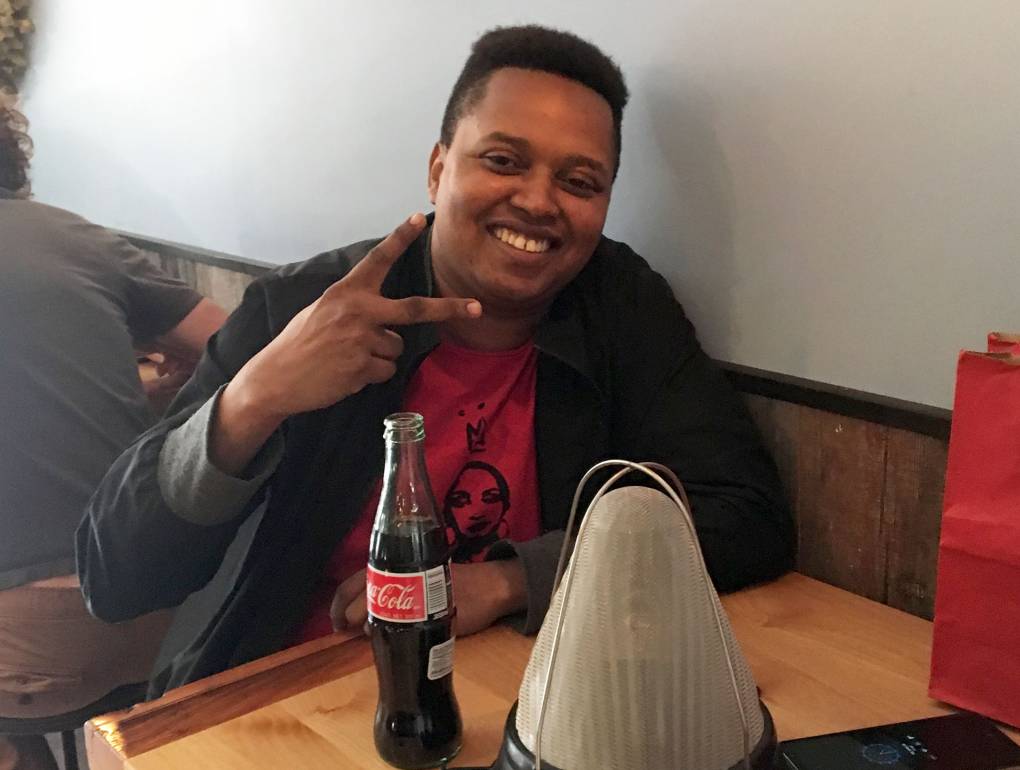
"caption": "Abderaman Oumar Yaide, a former San Francisco resident, was deported to his native Chad last year.",
"description": "Abderaman Oumar Yaide, a former San Francisco resident, was deported to his native Chad last year.",
"title": "Oumar-Yaide",
"credit": "Courtesy Pangea Legal Services",
"status": "inherit",
"isLoading": false,
"fetchFailed": false
},
"news_11800691": {
"type": "attachments",
"id": "news_11800691",
"meta": {
"index": "attachments_1716263798",
"site": "news",
"id": "11800691",
"found": true
},
"parent": 11800681,
"imgSizes": {
"apple_news_ca_landscape_5_5": {
"file": "https://ww2.kqed.org/app/uploads/sites/10/2020/02/02072020_arzu_mexico-qut-1044x783.jpg",
"width": 1044,
"mimeType": "image/jpeg",
"height": 783
},
"apple_news_ca_square_4_0": {
"file": "https://ww2.kqed.org/app/uploads/sites/10/2020/02/02072020_arzu_mexico-qut-470x470.jpg",
"width": 470,
"mimeType": "image/jpeg",
"height": 470
},
"twentyfourteen-full-width": {
"file": "https://ww2.kqed.org/app/uploads/sites/10/2020/02/02072020_arzu_mexico-qut-1038x576.jpg",
"width": 1038,
"mimeType": "image/jpeg",
"height": 576
},
"thumbnail": {
"file": "https://ww2.kqed.org/app/uploads/sites/10/2020/02/02072020_arzu_mexico-qut-160x160.jpg",
"width": 160,
"mimeType": "image/jpeg",
"height": 160
},
"post-thumbnail": {
"file": "https://ww2.kqed.org/app/uploads/sites/10/2020/02/02072020_arzu_mexico-qut-672x372.jpg",
"width": 672,
"mimeType": "image/jpeg",
"height": 372
},
"kqedFullSize": {
"file": "https://ww2.kqed.org/app/uploads/sites/10/2020/02/02072020_arzu_mexico-qut.jpg",
"width": 1920,
"height": 1915
},
"apple_news_ca_landscape_4_7": {
"file": "https://ww2.kqed.org/app/uploads/sites/10/2020/02/02072020_arzu_mexico-qut-632x474.jpg",
"width": 632,
"mimeType": "image/jpeg",
"height": 474
},
"large": {
"file": "https://ww2.kqed.org/app/uploads/sites/10/2020/02/02072020_arzu_mexico-qut-1020x1017.jpg",
"width": 1020,
"mimeType": "image/jpeg",
"height": 1017
},
"apple_news_ca_landscape_4_0": {
"file": "https://ww2.kqed.org/app/uploads/sites/10/2020/02/02072020_arzu_mexico-qut-536x402.jpg",
"width": 536,
"mimeType": "image/jpeg",
"height": 402
},
"apple_news_ca_portrait_12_9": {
"file": "https://ww2.kqed.org/app/uploads/sites/10/2020/02/02072020_arzu_mexico-qut-1122x1496.jpg",
"width": 1122,
"mimeType": "image/jpeg",
"height": 1496
},
"medium": {
"file": "https://ww2.kqed.org/app/uploads/sites/10/2020/02/02072020_arzu_mexico-qut-800x798.jpg",
"width": 800,
"mimeType": "image/jpeg",
"height": 798
},
"apple_news_ca_portrait_4_0": {
"file": "https://ww2.kqed.org/app/uploads/sites/10/2020/02/02072020_arzu_mexico-qut-354x472.jpg",
"width": 354,
"mimeType": "image/jpeg",
"height": 472
},
"apple_news_ca_portrait_9_7": {
"file": "https://ww2.kqed.org/app/uploads/sites/10/2020/02/02072020_arzu_mexico-qut-840x1120.jpg",
"width": 840,
"mimeType": "image/jpeg",
"height": 1120
},
"apple_news_ca_landscape_12_9": {
"file": "https://ww2.kqed.org/app/uploads/sites/10/2020/02/02072020_arzu_mexico-qut-1832x1374.jpg",
"width": 1832,
"mimeType": "image/jpeg",
"height": 1374
},
"apple_news_ca_square_9_7": {
"file": "https://ww2.kqed.org/app/uploads/sites/10/2020/02/02072020_arzu_mexico-qut-1104x1104.jpg",
"width": 1104,
"mimeType": "image/jpeg",
"height": 1104
},
"apple_news_ca_portrait_4_7": {
"file": "https://ww2.kqed.org/app/uploads/sites/10/2020/02/02072020_arzu_mexico-qut-414x552.jpg",
"width": 414,
"mimeType": "image/jpeg",
"height": 552
},
"apple_news_ca_square_12_9": {
"file": "https://ww2.kqed.org/app/uploads/sites/10/2020/02/02072020_arzu_mexico-qut-1472x1472.jpg",
"width": 1472,
"mimeType": "image/jpeg",
"height": 1472
},
"apple_news_ca_portrait_5_5": {
"file": "https://ww2.kqed.org/app/uploads/sites/10/2020/02/02072020_arzu_mexico-qut-687x916.jpg",
"width": 687,
"mimeType": "image/jpeg",
"height": 916
},
"full-width": {
"file": "https://ww2.kqed.org/app/uploads/sites/10/2020/02/02072020_arzu_mexico-qut-1920x1915.jpg",
"width": 1920,
"mimeType": "image/jpeg",
"height": 1915
},
"apple_news_ca_square_4_7": {
"file": "https://ww2.kqed.org/app/uploads/sites/10/2020/02/02072020_arzu_mexico-qut-550x550.jpg",
"width": 550,
"mimeType": "image/jpeg",
"height": 550
},
"apple_news_ca_landscape_9_7": {
"file": "https://ww2.kqed.org/app/uploads/sites/10/2020/02/02072020_arzu_mexico-qut-1376x1032.jpg",
"width": 1376,
"mimeType": "image/jpeg",
"height": 1032
},
"apple_news_ca_square_5_5": {
"file": "https://ww2.kqed.org/app/uploads/sites/10/2020/02/02072020_arzu_mexico-qut-912x912.jpg",
"width": 912,
"mimeType": "image/jpeg",
"height": 912
}
},
"publishDate": 1581110312,
"modified": 1581115702,
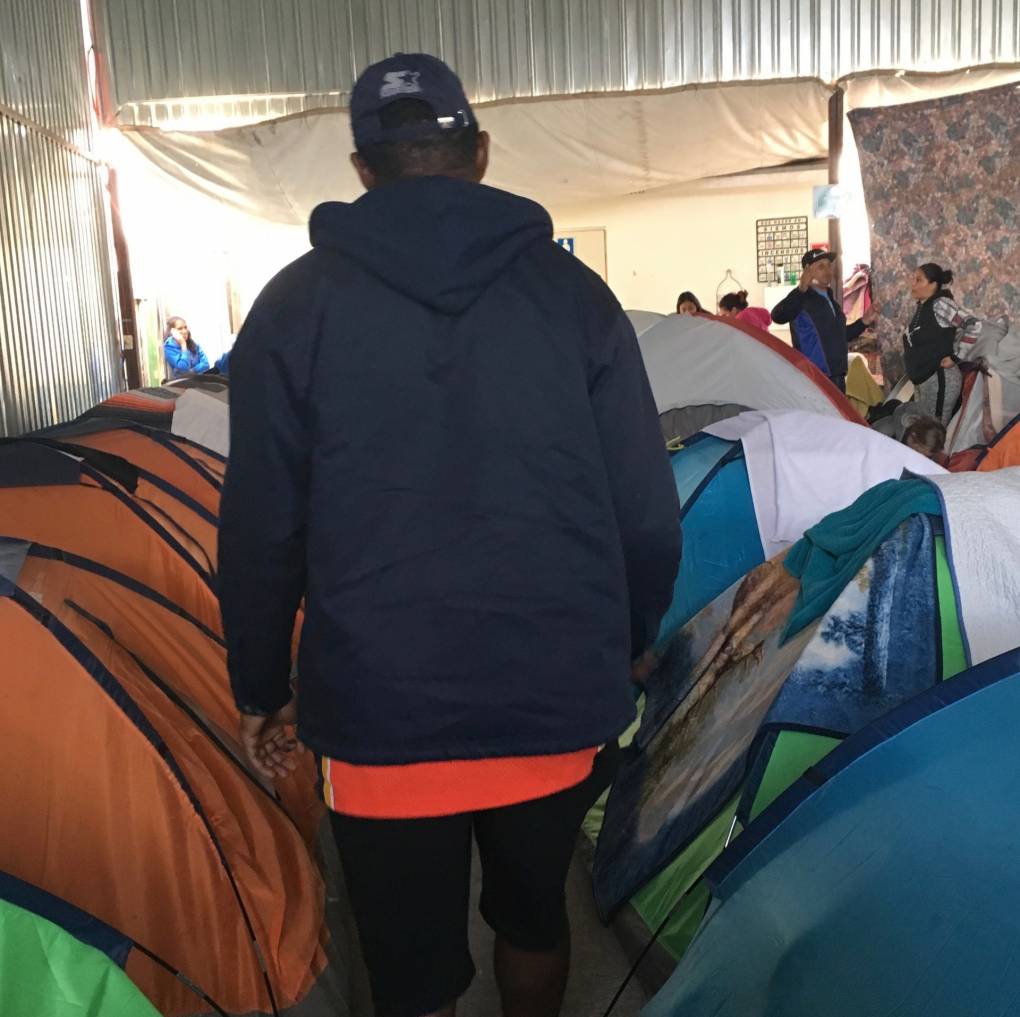
"caption": "Honduran asylum-seeker Saul Arzu makes his way through the tents at the Juventud 2000 migrant shelter in Tijuana on March 8, 2019.",
"description": "Honduran asylum seeker Saul Arzu makes his way through the tents at the Juventud 2000 migrant shelter in Tijuana on March 8, 2019.",
"title": "02072020_arzu_mexico-qut",
"credit": "Tyche Hendricks/KQED",
"status": "inherit",
"isLoading": false,
"fetchFailed": false
},
"news_11800546": {
"type": "attachments",
"id": "news_11800546",
"meta": {
"index": "attachments_1716263798",
"site": "news",
"id": "11800546",
"found": true
},
"parent": 11800525,
"imgSizes": {
"apple_news_ca_landscape_5_5": {
"file": "https://ww2.kqed.org/app/uploads/sites/10/2020/02/Image-from-iOS-2-1044x783.jpg",
"width": 1044,
"mimeType": "image/jpeg",
"height": 783
},
"apple_news_ca_square_4_0": {
"file": "https://ww2.kqed.org/app/uploads/sites/10/2020/02/Image-from-iOS-2-470x470.jpg",
"width": 470,
"mimeType": "image/jpeg",
"height": 470
},
"twentyfourteen-full-width": {
"file": "https://ww2.kqed.org/app/uploads/sites/10/2020/02/Image-from-iOS-2-1038x576.jpg",
"width": 1038,
"mimeType": "image/jpeg",
"height": 576
},
"thumbnail": {
"file": "https://ww2.kqed.org/app/uploads/sites/10/2020/02/Image-from-iOS-2-160x120.jpg",
"width": 160,
"mimeType": "image/jpeg",
"height": 120
},
"post-thumbnail": {
"file": "https://ww2.kqed.org/app/uploads/sites/10/2020/02/Image-from-iOS-2-672x372.jpg",
"width": 672,
"mimeType": "image/jpeg",
"height": 372
},
"kqedFullSize": {
"file": "https://ww2.kqed.org/app/uploads/sites/10/2020/02/Image-from-iOS-2-e1581028043449.jpg",
"width": 1920,
"height": 1440
},
"apple_news_ca_landscape_4_7": {
"file": "https://ww2.kqed.org/app/uploads/sites/10/2020/02/Image-from-iOS-2-632x474.jpg",
"width": 632,
"mimeType": "image/jpeg",
"height": 474
},
"large": {
"file": "https://ww2.kqed.org/app/uploads/sites/10/2020/02/Image-from-iOS-2-1020x765.jpg",
"width": 1020,
"mimeType": "image/jpeg",
"height": 765
},
"apple_news_ca_landscape_4_0": {
"file": "https://ww2.kqed.org/app/uploads/sites/10/2020/02/Image-from-iOS-2-536x402.jpg",
"width": 536,
"mimeType": "image/jpeg",
"height": 402
},
"apple_news_ca_portrait_12_9": {
"file": "https://ww2.kqed.org/app/uploads/sites/10/2020/02/Image-from-iOS-2-1122x1496.jpg",
"width": 1122,
"mimeType": "image/jpeg",
"height": 1496
},
"medium": {
"file": "https://ww2.kqed.org/app/uploads/sites/10/2020/02/Image-from-iOS-2-800x600.jpg",
"width": 800,
"mimeType": "image/jpeg",
"height": 600
},
"apple_news_ca_portrait_4_0": {
"file": "https://ww2.kqed.org/app/uploads/sites/10/2020/02/Image-from-iOS-2-354x472.jpg",
"width": 354,
"mimeType": "image/jpeg",
"height": 472
},
"apple_news_ca_portrait_9_7": {
"file": "https://ww2.kqed.org/app/uploads/sites/10/2020/02/Image-from-iOS-2-840x1120.jpg",
"width": 840,
"mimeType": "image/jpeg",
"height": 1120
},
"apple_news_ca_landscape_12_9": {
"file": "https://ww2.kqed.org/app/uploads/sites/10/2020/02/Image-from-iOS-2-1832x1374.jpg",
"width": 1832,
"mimeType": "image/jpeg",
"height": 1374
},
"apple_news_ca_square_9_7": {
"file": "https://ww2.kqed.org/app/uploads/sites/10/2020/02/Image-from-iOS-2-1104x1104.jpg",
"width": 1104,
"mimeType": "image/jpeg",
"height": 1104
},
"apple_news_ca_portrait_4_7": {
"file": "https://ww2.kqed.org/app/uploads/sites/10/2020/02/Image-from-iOS-2-414x552.jpg",
"width": 414,
"mimeType": "image/jpeg",
"height": 552
},
"apple_news_ca_square_12_9": {
"file": "https://ww2.kqed.org/app/uploads/sites/10/2020/02/Image-from-iOS-2-1472x1472.jpg",
"width": 1472,
"mimeType": "image/jpeg",
"height": 1472
},
"apple_news_ca_portrait_5_5": {
"file": "https://ww2.kqed.org/app/uploads/sites/10/2020/02/Image-from-iOS-2-687x916.jpg",
"width": 687,
"mimeType": "image/jpeg",
"height": 916
},
"full-width": {
"file": "https://ww2.kqed.org/app/uploads/sites/10/2020/02/Image-from-iOS-2-1920x1440.jpg",
"width": 1920,
"mimeType": "image/jpeg",
"height": 1440
},
"apple_news_ca_square_4_7": {
"file": "https://ww2.kqed.org/app/uploads/sites/10/2020/02/Image-from-iOS-2-550x550.jpg",
"width": 550,
"mimeType": "image/jpeg",
"height": 550
},
"apple_news_ca_landscape_9_7": {
"file": "https://ww2.kqed.org/app/uploads/sites/10/2020/02/Image-from-iOS-2-1376x1032.jpg",
"width": 1376,
"mimeType": "image/jpeg",
"height": 1032
},
"apple_news_ca_square_5_5": {
"file": "https://ww2.kqed.org/app/uploads/sites/10/2020/02/Image-from-iOS-2-912x912.jpg",
"width": 912,
"mimeType": "image/jpeg",
"height": 912
}
},
"publishDate": 1581028012,
"modified": 1581028390,
"caption": "Douglas Oviedo, 36, is one of a few people whose asylum claims at the U.S-Mexico border have been approved ever since the Trump administration implemented its 'Remain in Mexico' policy, which requires asylum seekers to wait in Mexico while their asylum cases are being evaluated.",
"description": null,
"title": "Image-from-iOS-2",
"credit": "Farida Jhabvala Romero",
"status": "inherit",
"isLoading": false,
"fetchFailed": false
},
"news_11800370": {
"type": "attachments",
"id": "news_11800370",
"meta": {
"index": "attachments_1716263798",
"site": "news",
"id": "11800370",
"found": true
},
"parent": 11800164,
"imgSizes": {
"apple_news_ca_landscape_5_5": {
"file": "https://ww2.kqed.org/app/uploads/sites/10/2020/02/RS41154_GettyImages-981570652-qut-1044x783.jpg",
"width": 1044,
"mimeType": "image/jpeg",
"height": 783
},
"apple_news_ca_square_4_0": {
"file": "https://ww2.kqed.org/app/uploads/sites/10/2020/02/RS41154_GettyImages-981570652-qut-470x470.jpg",
"width": 470,
"mimeType": "image/jpeg",
"height": 470
},
"twentyfourteen-full-width": {
"file": "https://ww2.kqed.org/app/uploads/sites/10/2020/02/RS41154_GettyImages-981570652-qut-1038x576.jpg",
"width": 1038,
"mimeType": "image/jpeg",
"height": 576
},
"thumbnail": {
"file": "https://ww2.kqed.org/app/uploads/sites/10/2020/02/RS41154_GettyImages-981570652-qut-160x110.jpg",
"width": 160,
"mimeType": "image/jpeg",
"height": 110
},
"post-thumbnail": {
"file": "https://ww2.kqed.org/app/uploads/sites/10/2020/02/RS41154_GettyImages-981570652-qut-672x372.jpg",
"width": 672,
"mimeType": "image/jpeg",
"height": 372
},
"kqedFullSize": {
"file": "https://ww2.kqed.org/app/uploads/sites/10/2020/02/RS41154_GettyImages-981570652-qut-e1581019613403.jpg",
"width": 1919,
"height": 1318
},
"apple_news_ca_landscape_4_7": {
"file": "https://ww2.kqed.org/app/uploads/sites/10/2020/02/RS41154_GettyImages-981570652-qut-632x474.jpg",
"width": 632,
"mimeType": "image/jpeg",
"height": 474
},
"large": {
"file": "https://ww2.kqed.org/app/uploads/sites/10/2020/02/RS41154_GettyImages-981570652-qut-1020x701.jpg",
"width": 1020,
"mimeType": "image/jpeg",
"height": 701
},
"apple_news_ca_landscape_4_0": {
"file": "https://ww2.kqed.org/app/uploads/sites/10/2020/02/RS41154_GettyImages-981570652-qut-536x402.jpg",
"width": 536,
"mimeType": "image/jpeg",
"height": 402
},
"apple_news_ca_portrait_12_9": {
"file": "https://ww2.kqed.org/app/uploads/sites/10/2020/02/RS41154_GettyImages-981570652-qut-1122x1319.jpg",
"width": 1122,
"mimeType": "image/jpeg",
"height": 1319
},
"medium": {
"file": "https://ww2.kqed.org/app/uploads/sites/10/2020/02/RS41154_GettyImages-981570652-qut-800x550.jpg",
"width": 800,
"mimeType": "image/jpeg",
"height": 550
},
"apple_news_ca_portrait_4_0": {
"file": "https://ww2.kqed.org/app/uploads/sites/10/2020/02/RS41154_GettyImages-981570652-qut-354x472.jpg",
"width": 354,
"mimeType": "image/jpeg",
"height": 472
},
"apple_news_ca_portrait_9_7": {
"file": "https://ww2.kqed.org/app/uploads/sites/10/2020/02/RS41154_GettyImages-981570652-qut-840x1120.jpg",
"width": 840,
"mimeType": "image/jpeg",
"height": 1120
},
"apple_news_ca_landscape_12_9": {
"file": "https://ww2.kqed.org/app/uploads/sites/10/2020/02/RS41154_GettyImages-981570652-qut-1832x1319.jpg",
"width": 1832,
"mimeType": "image/jpeg",
"height": 1319
},
"apple_news_ca_square_9_7": {
"file": "https://ww2.kqed.org/app/uploads/sites/10/2020/02/RS41154_GettyImages-981570652-qut-1104x1104.jpg",
"width": 1104,
"mimeType": "image/jpeg",
"height": 1104
},
"apple_news_ca_portrait_4_7": {
"file": "https://ww2.kqed.org/app/uploads/sites/10/2020/02/RS41154_GettyImages-981570652-qut-414x552.jpg",
"width": 414,
"mimeType": "image/jpeg",
"height": 552
},
"apple_news_ca_square_12_9": {
"file": "https://ww2.kqed.org/app/uploads/sites/10/2020/02/RS41154_GettyImages-981570652-qut-1472x1319.jpg",
"width": 1472,
"mimeType": "image/jpeg",
"height": 1319
},
"apple_news_ca_portrait_5_5": {
"file": "https://ww2.kqed.org/app/uploads/sites/10/2020/02/RS41154_GettyImages-981570652-qut-687x916.jpg",
"width": 687,
"mimeType": "image/jpeg",
"height": 916
},
"full-width": {
"file": "https://ww2.kqed.org/app/uploads/sites/10/2020/02/RS41154_GettyImages-981570652-qut-1920x1319.jpg",
"width": 1920,
"mimeType": "image/jpeg",
"height": 1319
},
"apple_news_ca_square_4_7": {
"file": "https://ww2.kqed.org/app/uploads/sites/10/2020/02/RS41154_GettyImages-981570652-qut-550x550.jpg",
"width": 550,
"mimeType": "image/jpeg",
"height": 550
},
"apple_news_ca_landscape_9_7": {
"file": "https://ww2.kqed.org/app/uploads/sites/10/2020/02/RS41154_GettyImages-981570652-qut-1376x1032.jpg",
"width": 1376,
"mimeType": "image/jpeg",
"height": 1032
},
"apple_news_ca_square_5_5": {
"file": "https://ww2.kqed.org/app/uploads/sites/10/2020/02/RS41154_GettyImages-981570652-qut-912x912.jpg",
"width": 912,
"mimeType": "image/jpeg",
"height": 912
}
},
"publishDate": 1580982750,
"modified": 1581023867,
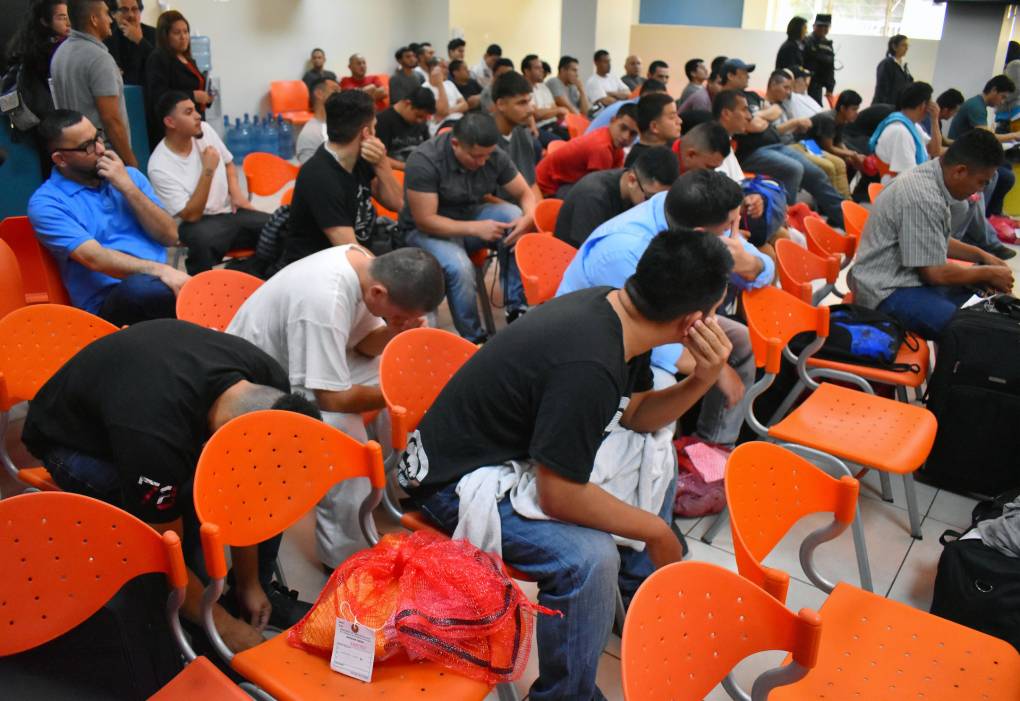
"caption": "Salvadorans deported from the United States wait at the Migrants Attention Centre in San Salvador on June 22, 2018. ",
"description": "Salvadorans deported from the United States wait at the Migrants Attention Centre in San Salvador on June 22, 2018. ",
"title": "EL SALVADOR-US-MIGRATION-DEPORTED",
"credit": "Oscar Rivera/AFP via Getty Images",
"status": "inherit",
"isLoading": false,
"fetchFailed": false
},
"news_11800335": {
"type": "attachments",
"id": "news_11800335",
"meta": {
"index": "attachments_1716263798",
"site": "news",
"id": "11800335",
"found": true
},
"parent": 11800255,
"imgSizes": {
"apple_news_ca_landscape_5_5": {
"file": "https://ww2.kqed.org/app/uploads/sites/10/2020/02/RS41144_SOK_2_edit-qut-1044x783.jpg",
"width": 1044,
"mimeType": "image/jpeg",
"height": 783
},
"apple_news_ca_square_4_0": {
"file": "https://ww2.kqed.org/app/uploads/sites/10/2020/02/RS41144_SOK_2_edit-qut-470x470.jpg",
"width": 470,
"mimeType": "image/jpeg",
"height": 470
},
"twentyfourteen-full-width": {
"file": "https://ww2.kqed.org/app/uploads/sites/10/2020/02/RS41144_SOK_2_edit-qut-1038x576.jpg",
"width": 1038,
"mimeType": "image/jpeg",
"height": 576
},
"thumbnail": {
"file": "https://ww2.kqed.org/app/uploads/sites/10/2020/02/RS41144_SOK_2_edit-qut-160x90.jpg",
"width": 160,
"mimeType": "image/jpeg",
"height": 90
},
"post-thumbnail": {
"file": "https://ww2.kqed.org/app/uploads/sites/10/2020/02/RS41144_SOK_2_edit-qut-672x372.jpg",
"width": 672,
"mimeType": "image/jpeg",
"height": 372
},
"kqedFullSize": {
"file": "https://ww2.kqed.org/app/uploads/sites/10/2020/02/RS41144_SOK_2_edit-qut.jpg",
"width": 1920,
"height": 1080
},
"apple_news_ca_landscape_4_7": {
"file": "https://ww2.kqed.org/app/uploads/sites/10/2020/02/RS41144_SOK_2_edit-qut-632x474.jpg",
"width": 632,
"mimeType": "image/jpeg",
"height": 474
},
"large": {
"file": "https://ww2.kqed.org/app/uploads/sites/10/2020/02/RS41144_SOK_2_edit-qut-1020x574.jpg",
"width": 1020,
"mimeType": "image/jpeg",
"height": 574
},
"apple_news_ca_landscape_4_0": {
"file": "https://ww2.kqed.org/app/uploads/sites/10/2020/02/RS41144_SOK_2_edit-qut-536x402.jpg",
"width": 536,
"mimeType": "image/jpeg",
"height": 402
},
"apple_news_ca_portrait_12_9": {
"file": "https://ww2.kqed.org/app/uploads/sites/10/2020/02/RS41144_SOK_2_edit-qut-1122x1080.jpg",
"width": 1122,
"mimeType": "image/jpeg",
"height": 1080
},
"medium": {
"file": "https://ww2.kqed.org/app/uploads/sites/10/2020/02/RS41144_SOK_2_edit-qut-800x450.jpg",
"width": 800,
"mimeType": "image/jpeg",
"height": 450
},
"apple_news_ca_portrait_4_0": {
"file": "https://ww2.kqed.org/app/uploads/sites/10/2020/02/RS41144_SOK_2_edit-qut-354x472.jpg",
"width": 354,
"mimeType": "image/jpeg",
"height": 472
},
"apple_news_ca_portrait_9_7": {
"file": "https://ww2.kqed.org/app/uploads/sites/10/2020/02/RS41144_SOK_2_edit-qut-840x1080.jpg",
"width": 840,
"mimeType": "image/jpeg",
"height": 1080
},
"apple_news_ca_landscape_12_9": {
"file": "https://ww2.kqed.org/app/uploads/sites/10/2020/02/RS41144_SOK_2_edit-qut-1832x1080.jpg",
"width": 1832,
"mimeType": "image/jpeg",
"height": 1080
},
"apple_news_ca_square_9_7": {
"file": "https://ww2.kqed.org/app/uploads/sites/10/2020/02/RS41144_SOK_2_edit-qut-1104x1080.jpg",
"width": 1104,
"mimeType": "image/jpeg",
"height": 1080
},
"apple_news_ca_portrait_4_7": {
"file": "https://ww2.kqed.org/app/uploads/sites/10/2020/02/RS41144_SOK_2_edit-qut-414x552.jpg",
"width": 414,
"mimeType": "image/jpeg",
"height": 552
},
"apple_news_ca_square_12_9": {
"file": "https://ww2.kqed.org/app/uploads/sites/10/2020/02/RS41144_SOK_2_edit-qut-1472x1080.jpg",
"width": 1472,
"mimeType": "image/jpeg",
"height": 1080
},
"apple_news_ca_portrait_5_5": {
"file": "https://ww2.kqed.org/app/uploads/sites/10/2020/02/RS41144_SOK_2_edit-qut-687x916.jpg",
"width": 687,
"mimeType": "image/jpeg",
"height": 916
},
"full-width": {
"file": "https://ww2.kqed.org/app/uploads/sites/10/2020/02/RS41144_SOK_2_edit-qut-1920x1080.jpg",
"width": 1920,
"mimeType": "image/jpeg",
"height": 1080
},
"apple_news_ca_square_4_7": {
"file": "https://ww2.kqed.org/app/uploads/sites/10/2020/02/RS41144_SOK_2_edit-qut-550x550.jpg",
"width": 550,
"mimeType": "image/jpeg",
"height": 550
},
"apple_news_ca_landscape_9_7": {
"file": "https://ww2.kqed.org/app/uploads/sites/10/2020/02/RS41144_SOK_2_edit-qut-1376x1032.jpg",
"width": 1376,
"mimeType": "image/jpeg",
"height": 1032
},
"apple_news_ca_square_5_5": {
"file": "https://ww2.kqed.org/app/uploads/sites/10/2020/02/RS41144_SOK_2_edit-qut-912x912.jpg",
"width": 912,
"mimeType": "image/jpeg",
"height": 912
}
},
"publishDate": 1580954547,
"modified": 1580954615,
"caption": "Upon reuniting with 17-year-old son Kobe (right), Sok Loeun (center) said, “He got tall. ... He still hugs and kisses his dad. He's still my baby.” Loeun's mother is on the left.",
"description": "Upon reuniting with 17-year-old son Kobe (right), Sok Loeun (center) said, “He got tall. ... He still hugs and kisses his dad. He's still my baby.” Loeun's mother is on the left.",
"title": "Sok-Loeun-mom-son",
"credit": "Stephanie Tangkilisan",
"status": "inherit",
"isLoading": false,
"fetchFailed": false
}
},
"audioPlayerReducer": {
"postId": "stream_live",
"isPaused": true,
"isPlaying": false,
"pfsActive": false,
"pledgeModalIsOpen": true,
"playerDrawerIsOpen": false,
"liveAudioPlayStartedAt": 0,
"liveAudioPlayContext": ""
},
"authorsReducer": {
"tychehendricks": {
"type": "authors",
"id": "259",
"meta": {
"index": "authors_1716337520",
"id": "259",
"found": true
},
"name": "Tyche Hendricks",
"firstName": "Tyche",
"lastName": "Hendricks",
"slug": "tychehendricks",
"email": "thendricks@kqed.org",
"display_author_email": true,
"staff_mastheads": [
"news"
],
"title": "KQED Senior Editor, Immigration",
"bio": "\u003cspan style=\"font-weight: 400;\">Tyche Hendricks is KQED’s senior editor for immigration, leading coverage of the policy and politics that affect California’s immigrant communities. Her work for KQED’s radio and online audiences is also carried on NPR and other national outlets. She has been recognized with awards from the Radio and Television News Directors Association, the Society for Professional Journalists; the Education Writers Association; the Best of the West and the National Federation of Community Broadcasters. Before joining KQED in 2010, Tyche spent more than a dozen years as a newspaper reporter, notably at the \u003c/span>\u003ci>\u003cspan style=\"font-weight: 400;\">San Francisco Chronicle\u003c/span>\u003c/i>\u003cspan style=\"font-weight: 400;\">. At different times she has covered criminal justice, government and politics and urban planning. Tyche has taught in the MFA Creative Writing program at the University of San Francisco and at UC Berkeley’s Graduate School of Journalism, where she was co-director of a national immigration symposium for professional journalists. She is the author of \u003c/span>\u003ci>\u003cspan style=\"font-weight: 400;\">The Wind Doesn't Need a Passport: Stories from the U.S.-Mexico Borderlands\u003c/span>\u003c/i>\u003cspan style=\"font-weight: 400;\"> (University of California Press). \u003c/span>",
"avatar": "https://secure.gravatar.com/avatar/b8ee458e2731c2d43df86882ce17267e?s=600&d=blank&r=g",
"twitter": "tychehendricks",
"facebook": null,
"instagram": null,
"linkedin": null,
"sites": [
{
"site": "news",
"roles": [
"editor"
]
},
{
"site": "stateofhealth",
"roles": [
"editor"
]
}
],
"headData": {
"title": "Tyche Hendricks | KQED",
"description": "KQED Senior Editor, Immigration",
"ogImgSrc": "https://secure.gravatar.com/avatar/b8ee458e2731c2d43df86882ce17267e?s=600&d=blank&r=g",
"twImgSrc": "https://secure.gravatar.com/avatar/b8ee458e2731c2d43df86882ce17267e?s=600&d=blank&r=g"
},
"isLoading": false,
"link": "/author/tychehendricks"
},
"zstavely": {
"type": "authors",
"id": "3225",
"meta": {
"index": "authors_1716337520",
"id": "3225",
"found": true
},
"name": "Zaidee Stavely",
"firstName": "Zaidee",
"lastName": "Stavely",
"slug": "zstavely",
"email": "zstavely@gmail.com",
"display_author_email": false,
"staff_mastheads": [],
"title": "KQED Contributor",
"bio": "Zaidee Stavely is an award-winning reporter who writes about race, equity, immigration, and education.",
"avatar": "https://secure.gravatar.com/avatar/5154b3ee56a721c916ca429372ae629c?s=600&d=blank&r=g",
"twitter": null,
"facebook": null,
"instagram": null,
"linkedin": null,
"sites": [
{
"site": "news",
"roles": [
"subscriber"
]
},
{
"site": "mindshift",
"roles": [
"contributor"
]
}
],
"headData": {
"title": "Zaidee Stavely | KQED",
"description": "KQED Contributor",
"ogImgSrc": "https://secure.gravatar.com/avatar/5154b3ee56a721c916ca429372ae629c?s=600&d=blank&r=g",
"twImgSrc": "https://secure.gravatar.com/avatar/5154b3ee56a721c916ca429372ae629c?s=600&d=blank&r=g"
},
"isLoading": false,
"link": "/author/zstavely"
},
"tcamhi": {
"type": "authors",
"id": "3251",
"meta": {
"index": "authors_1716337520",
"id": "3251",
"found": true
},
"name": "Tiffany Camhi",
"firstName": null,
"lastName": null,
"slug": "tcamhi",
"email": "tiffanycamhi@gmail.com",
"display_author_email": false,
"staff_mastheads": [],
"title": "KQED Contributor",
"bio": null,
"avatar": "https://secure.gravatar.com/avatar/aca1971530f63a23abcf35486f9f9ff6?s=600&d=blank&r=g",
"twitter": null,
"facebook": null,
"instagram": null,
"linkedin": null,
"sites": [
{
"site": "arts",
"roles": [
"author"
]
},
{
"site": "news",
"roles": [
"subscriber"
]
}
],
"headData": {
"title": "Tiffany Camhi | KQED",
"description": "KQED Contributor",
"ogImgSrc": "https://secure.gravatar.com/avatar/aca1971530f63a23abcf35486f9f9ff6?s=600&d=blank&r=g",
"twImgSrc": "https://secure.gravatar.com/avatar/aca1971530f63a23abcf35486f9f9ff6?s=600&d=blank&r=g"
},
"isLoading": false,
"link": "/author/tcamhi"
},
"dkatayama": {
"type": "authors",
"id": "7240",
"meta": {
"index": "authors_1716337520",
"id": "7240",
"found": true
},
"name": "Devin Katayama",
"firstName": "Devin",
"lastName": "Katayama",
"slug": "dkatayama",
"email": "dkatayama@kqed.org",
"display_author_email": true,
"staff_mastheads": [
"news"
],
"title": "Editor of Talent and Development",
"bio": "Devin Katayama is former Editor of Talent and Development for KQED. He supported our internship program and on-call staff by looking for equitable opportunities to improve the newsroom.\r\n\r\nHe previously hosted The Bay and American Suburb podcasts from KQED News. Prior to returning to the Bay Area in 2015, Devin was the education reporter for WFPL in Louisville and worked as a producer with radio stations in Chicago and Portland, OR. His work has appeared on NPR’s \u003cem>Morning Edition, All Things Considered, The Takeaway\u003c/em> and \u003cem>Here and Now.\u003c/em>\r\n\r\nDevin earned his MA in Journalism from Columbia College Chicago, where he was a Follett Fellow and the recipient of the 2011 Studs Terkel Community Media Workshop Scholarship for his story on Chicago's homeless youth. He won WBUR's 2014 Daniel Schorr award and a regional RTNDA Edward R. Murrow Award for his documentary \"At Risk\" that looked at issues facing some of Louisville's students. Devin has also received numerous local awards from the Associated Press and the Society of Professional Journalists.",
"avatar": "https://secure.gravatar.com/avatar/d0d2978a31002fb2de107921a8e18405?s=600&d=blank&r=g",
"twitter": "RadioDevin",
"facebook": null,
"instagram": null,
"linkedin": null,
"sites": [
{
"site": "arts",
"roles": []
},
{
"site": "news",
"roles": [
"author"
]
},
{
"site": "stateofhealth",
"roles": [
"author"
]
},
{
"site": "forum",
"roles": [
"editor"
]
},
{
"site": "perspectives",
"roles": [
"editor"
]
}
],
"headData": {
"title": "Devin Katayama | KQED",
"description": "Editor of Talent and Development",
"ogImgSrc": "https://secure.gravatar.com/avatar/d0d2978a31002fb2de107921a8e18405?s=600&d=blank&r=g",
"twImgSrc": "https://secure.gravatar.com/avatar/d0d2978a31002fb2de107921a8e18405?s=600&d=blank&r=g"
},
"isLoading": false,
"link": "/author/dkatayama"
},
"clei": {
"type": "authors",
"id": "8617",
"meta": {
"index": "authors_1716337520",
"id": "8617",
"found": true
},
"name": "Cecilia Lei",
"firstName": "Cecilia",
"lastName": "Lei",
"slug": "clei",
"email": "clei@KQED.org",
"display_author_email": false,
"staff_mastheads": [],
"title": "KQED Contributor",
"bio": "Cecilia Lei is an on-call host and producer for KQED News and Podcasts. Previously, she was the executive producer and host of the San Francisco Chronicle's daily news podcast, 'Fifth and Mission'. Cecilia is a graduate of UC Berkeley’s Graduate School of Journalism and the former president of the Asian American Journalists Association San Francisco Bay Area chapter.",
"avatar": "https://secure.gravatar.com/avatar/40975f1f88fccf628ee537bf6ffc2af8?s=600&d=blank&r=g",
"twitter": null,
"facebook": null,
"instagram": null,
"linkedin": null,
"sites": [
{
"site": "arts",
"roles": [
"contributor"
]
},
{
"site": "news",
"roles": [
"author",
"read_private_posts"
]
},
{
"site": "about",
"roles": [
"editor"
]
}
],
"headData": {
"title": "Cecilia Lei | KQED",
"description": "KQED Contributor",
"ogImgSrc": "https://secure.gravatar.com/avatar/40975f1f88fccf628ee537bf6ffc2af8?s=600&d=blank&r=g",
"twImgSrc": "https://secure.gravatar.com/avatar/40975f1f88fccf628ee537bf6ffc2af8?s=600&d=blank&r=g"
},
"isLoading": false,
"link": "/author/clei"
},
"ecruzguevarra": {
"type": "authors",
"id": "8654",
"meta": {
"index": "authors_1716337520",
"id": "8654",
"found": true
},
"name": "Ericka Cruz Guevarra",
"firstName": "Ericka",
"lastName": "Cruz Guevarra",
"slug": "ecruzguevarra",
"email": "ecruzguevarra@kqed.org",
"display_author_email": true,
"staff_mastheads": [
"news"
],
"title": "Producer, The Bay Podcast",
"bio": "Ericka Cruz Guevarra is host of \u003ca href=\"https://www.kqed.org/podcasts/thebay\">\u003cem>The Bay\u003c/em>\u003c/a> podcast at KQED. Before host, she was the show’s producer. Her work in that capacity includes a three-part reported series on policing in Vallejo, which won a 2020 excellence in journalism award from the Society of Professional Journalists. Ericka has worked as a breaking news reporter at Oregon Public Broadcasting, helped produce the Code Switch podcast, and was KQED’s inaugural Raul Ramirez Diversity Fund intern. She’s also an alumna of NPR’s Next Generation Radio program. Send her an email if you have strong feelings about whether Fairfield and Suisun City are the Bay. Ericka is represented by SAG-AFTRA.",
"avatar": "https://secure.gravatar.com/avatar/25e5ab8d3d53fad2dcc7bb2b5c506b1a?s=600&d=blank&r=g",
"twitter": "NotoriousECG",
"facebook": null,
"instagram": null,
"linkedin": null,
"sites": [
{
"site": "arts",
"roles": [
"subscriber"
]
},
{
"site": "news",
"roles": [
"editor",
"manage_categories"
]
},
{
"site": "futureofyou",
"roles": [
"subscriber"
]
},
{
"site": "stateofhealth",
"roles": [
"subscriber"
]
},
{
"site": "science",
"roles": [
"editor"
]
},
{
"site": "forum",
"roles": [
"subscriber"
]
}
],
"headData": {
"title": "Ericka Cruz Guevarra | KQED",
"description": "Producer, The Bay Podcast",
"ogImgSrc": "https://secure.gravatar.com/avatar/25e5ab8d3d53fad2dcc7bb2b5c506b1a?s=600&d=blank&r=g",
"twImgSrc": "https://secure.gravatar.com/avatar/25e5ab8d3d53fad2dcc7bb2b5c506b1a?s=600&d=blank&r=g"
},
"isLoading": false,
"link": "/author/ecruzguevarra"
},
"fjhabvala": {
"type": "authors",
"id": "8659",
"meta": {
"index": "authors_1716337520",
"id": "8659",
"found": true
},
"name": "Farida Jhabvala Romero",
"firstName": "Farida",
"lastName": "Jhabvala Romero",
"slug": "fjhabvala",
"email": "fjhabvala@kqed.org",
"display_author_email": true,
"staff_mastheads": [
"news"
],
"title": "KQED Contributor",
"bio": "\u003cspan style=\"font-weight: 400;\">Farida Jhabvala Romero is a Labor Correspondent for KQED. She previously covered immigration. Farida was \u003ca href=\"https://www.ccnma.org/2022-most-influential-latina-journalists\">named\u003c/a> one of the 10 Most Influential Latina Journalists in California in 2022 by the California Chicano News Media Association. Her work has won awards from the Society of Professional Journalists (Northern California), as well as a national and regional Edward M. Murrow Award for the collaborative reporting projects “Dangerous Air” and “Graying California.” \u003c/span>\u003cspan style=\"font-weight: 400;\">Before joining KQED, Farida worked as a producer at Radio Bilingüe, a national public radio network. Farida earned her master’s degree in journalism from Stanford University.\u003c/span>",
"avatar": "https://secure.gravatar.com/avatar/c3ab27c5554b67b478f80971e515aa02?s=600&d=blank&r=g",
"twitter": "FaridaJhabvala",
"facebook": null,
"instagram": null,
"linkedin": "https://www.linkedin.com/in/faridajhabvala/",
"sites": [
{
"site": "news",
"roles": [
"editor"
]
},
{
"site": "stateofhealth",
"roles": [
"author"
]
}
],
"headData": {
"title": "Farida Jhabvala Romero | KQED",
"description": "KQED Contributor",
"ogImgSrc": "https://secure.gravatar.com/avatar/c3ab27c5554b67b478f80971e515aa02?s=600&d=blank&r=g",
"twImgSrc": "https://secure.gravatar.com/avatar/c3ab27c5554b67b478f80971e515aa02?s=600&d=blank&r=g"
},
"isLoading": false,
"link": "/author/fjhabvala"
},
"mwiley": {
"type": "authors",
"id": "11526",
"meta": {
"index": "authors_1716337520",
"id": "11526",
"found": true
},
"name": "Michelle Wiley",
"firstName": "Michelle",
"lastName": "Wiley",
"slug": "mwiley",
"email": "mwiley@KQED.org",
"display_author_email": true,
"staff_mastheads": [],
"title": null,
"bio": "Michelle Wiley was the senior editor of weekends.",
"avatar": "https://secure.gravatar.com/avatar/3b897d82a09e8587e8e73fa69fbcc635?s=600&d=blank&r=g",
"twitter": "michelleewiley",
"facebook": null,
"instagram": null,
"linkedin": null,
"sites": [
{
"site": "",
"roles": [
"editor"
]
},
{
"site": "arts",
"roles": [
"editor"
]
},
{
"site": "news",
"roles": [
"subscriber"
]
},
{
"site": "lowdown",
"roles": [
"editor"
]
},
{
"site": "science",
"roles": [
"editor"
]
},
{
"site": "podcasts",
"roles": [
"editor"
]
}
],
"headData": {
"title": "Michelle Wiley | KQED",
"description": null,
"ogImgSrc": "https://secure.gravatar.com/avatar/3b897d82a09e8587e8e73fa69fbcc635?s=600&d=blank&r=g",
"twImgSrc": "https://secure.gravatar.com/avatar/3b897d82a09e8587e8e73fa69fbcc635?s=600&d=blank&r=g"
},
"isLoading": false,
"link": "/author/mwiley"
},
"amontecillo": {
"type": "authors",
"id": "11649",
"meta": {
"index": "authors_1716337520",
"id": "11649",
"found": true
},
"name": "Alan Montecillo",
"firstName": "Alan",
"lastName": "Montecillo",
"slug": "amontecillo",
"email": "amontecillo@kqed.org",
"display_author_email": false,
"staff_mastheads": [
"news"
],
"title": "KQED Contributor",
"bio": "Alan Montecillo is the senior editor of \u003cem>\u003ca href=\"http://kqed.org/thebay\">The Bay\u003c/a>, \u003c/em> KQED's local news podcast. Before moving to the Bay Area, he worked as a senior talk show producer for WILL in Champaign-Urbana, Illinois and at Oregon Public Broadcasting in Portland, Oregon. He has won journalism awards from the Society of Professional Journalists Northern California, the Public Media Journalists Association, The Signal Awards, and has also received a regional Edward R. Murrow award. Alan is a Filipino American from Hong Kong and a graduate of Reed College.",
"avatar": "https://secure.gravatar.com/avatar/d5e4e7a76481969ccba76f4e2b5ccabc?s=600&d=blank&r=g",
"twitter": "alanmontecillo",
"facebook": null,
"instagram": null,
"linkedin": null,
"sites": [
{
"site": "",
"roles": [
"editor"
]
},
{
"site": "news",
"roles": [
"editor",
"manage_categories"
]
}
],
"headData": {
"title": "Alan Montecillo | KQED",
"description": "KQED Contributor",
"ogImgSrc": "https://secure.gravatar.com/avatar/d5e4e7a76481969ccba76f4e2b5ccabc?s=600&d=blank&r=g",
"twImgSrc": "https://secure.gravatar.com/avatar/d5e4e7a76481969ccba76f4e2b5ccabc?s=600&d=blank&r=g"
},
"isLoading": false,
"link": "/author/amontecillo"
}
},
"pagesReducer": {
"news_tag_immigration": {
"type": "terms",
"id": "news_20202",
"meta": {
"index": "terms_1716263798",
"site": "news",
"id": "20202",
"score": 6.9038835
},
"featImg": null,
"name": "immigration",
"description": null,
"taxonomy": "tag",
"headData": {
"twImgId": null,
"twTitle": null,
"ogTitle": null,
"ogImgId": null,
"twDescription": null,
"description": null,
"title": "immigration Archives | KQED News",
"ogDescription": null
},
"ttid": 20219,
"slug": "immigration",
"isLoading": false,
"title": "immigration",
"pageMeta": {
"site": "news",
"WpPageTemplate": "page-topic-editorial",
"currentPage": 66
},
"blocks": [
{
"blockName": "kqed/post-list",
"attrs": {
"layout": "cardArticle2",
"query": "posts/news?tag=immigration",
"seeMore": false,
"paginated": true,
"page": 66
}
},
{
"blockName": "kqed/ad"
}
]
}
},
"pfsSessionReducer": {},
"postsReducer": {
"stream_live": {
"type": "live",
"id": "stream_live",
"audioUrl": "https://streams.kqed.org/kqedradio",
"title": "Live Stream",
"excerpt": "Live Stream information currently unavailable.",
"link": "/radio",
"featImg": "",
"label": {
"name": "KQED Live",
"link": "/"
}
},
"stream_kqedNewscast": {
"type": "posts",
"id": "stream_kqedNewscast",
"audioUrl": "https://www.kqed.org/.stream/anon/radio/RDnews/newscast.mp3?_=1",
"title": "KQED Newscast",
"featImg": "",
"label": {
"name": "88.5 FM",
"link": "/"
}
},
"news_11805573": {
"type": "posts",
"id": "news_11805573",
"meta": {
"index": "posts_1716263798",
"site": "news",
"id": "11805573",
"score": null,
"sort": [
1583524377000
]
},
"parent": 0,
"labelTerm": {
"site": "news",
"term": 72
},
"blocks": [],
"publishDate": 1583524377,
"format": "standard",
"disqusTitle": "SF Officials Slam ICE for Arresting Man Outside Courthouse",
"title": "SF Officials Slam ICE for Arresting Man Outside Courthouse",
"headTitle": "The California Report | KQED News",
"content": "\u003cp>An undocumented man was detained by federal immigration authorities this week in front of the San Francisco Hall of Justice, where the criminal courts are located. The arrest was strongly condemned by the city’s public defender and district attorney, who say courthouses should be off limits to immigration enforcement.\u003c/p>\n\u003cp>The San Francisco resident was on his way to a court hearing at 850 Bryant St. when he was arrested by U.S. Immigration and Customs Enforcement agents — the first such arrest in the city, said the Public Defender’s Office.\u003c/p>\n\u003cp>“This undermines community trust and public safety,” said San Francisco Public Defender Mano Raju. “It does deter people from coming to court.”\u003c/p>\n\u003cp>Last month, ICE agents also \u003ca href=\"https://www.sfchronicle.com/crime/article/ICE-arrests-3-at-Sonoma-County-courthouse-local-15067595.php\">detained two men\u003c/a> at the Sonoma County Superior Court. [aside tag=\"immigration\" label=\"related coverage\"]\u003c/p>\n\u003cp>The courthouse arrests come as the Trump administration has renewed efforts to counter sanctuary jurisdictions, arguing they interfere with federal immigration enforcement.\u003c/p>\n\u003cp>This week, President Trump said the federal government will begin \u003ca href=\"https://thehill.com/homenews/administration/486078-trump-government-will-start-withholding-funds-from-sanctuary-cities\">withholding grants\u003c/a> from sanctuary cities and states, after an appeals court in Manhattan ruled they have the authority to do so. U.S. Attorney General William Barr \u003ca href=\"https://www.justice.gov/opa/speech/attorney-general-william-p-barr-delivers-remarks-national-sheriffs-association-winter\">said\u003c/a> last month that public areas of courthouses must be accessible to federal law enforcement officers.\u003c/p>\n\u003cp>A California law that took effect this year, \u003ca href=\"https://leginfo.legislature.ca.gov/faces/billTextClient.xhtml?bill_id=201920200AB668\">Assembly Bill 668\u003c/a>, which prohibits civil arrests in courthouses without a judicial warrant, which the agents did not have.\u003c/p>\n\u003cp>“California law explicitly forbids a civil enforcement agency like ICE from making a civil arrest without warrant outside of a courthouse,” Raju said.\u003c/p>\n\u003cp>But the Trump administration argues that immigration agents have the authority to make courthouse arrests without judicial warrants. While ICE generally avoids immigration enforcement at “\u003ca href=\"https://www.ice.gov/ero/enforcement/sensitive-loc\">sensitive locations\u003c/a>” such as schools, churches and hospitals, it does not treat courthouses that way.\u003c/p>\n\u003cp>The undocumented Mexican national who was detained in San Francisco on Tuesday had three felony convictions for second-degree burglary from 2016, 2017 and 2019, according to ICE. The agency identified him as 43-year-old Alberto Uc Ponce.\u003c/p>\n\u003cp>The agency said it arrested him near the courthouse because local law enforcement had refused to turn him over to ICE several times. The agency said local jurisdictions that don’t cooperate with ICE are likely to see an increase of arrests in the community, as agents are less able to detain immigrants at jails.\u003c/p>\n\u003cp>David Jennings, field office director for ICE in San Francisco, blamed sanctuary policies.\u003c/p>\n\u003cp>“Criminals like this individual are released to reoffend again and again,” said Jennings in a statement. “A simple phone call to ICE to arrange the secure transfer of such individuals would serve the hard-working residents of the city far more than a misguided sanctuary policy that, as proven here and numerous times in the past, goes to great lengths to protect criminals under the guise of protecting the citizenry.” [ad fullwidth]\u003c/p>\n\u003cp>California’s sanctuary law, \u003ca href=\"https://leginfo.legislature.ca.gov/faces/billNavClient.xhtml?bill_id=201720180SB54\">Senate Bill 54\u003c/a>, prohibits local police, sheriffs and jail officials from handing over immigrants to ICE, unless they have been convicted of serious felonies or other crimes, including burglary.\u003c/p>\n\u003cp>The man’s attorney at the Public Defender’s Office, Emilou MacLean, declined to comment on her client’s criminal history, or whether he was protected by SB 54.\u003c/p>\n\u003cp>“This is a question of the illegitimacy and the illegality of courthouse arrests — where ICE is essentially stationing itself at the courthouse and ambushing someone who shows up for a court hearing,” said MacLean in an email. [pullquote size='medium' align='right' citation='Attorney Emilou MacLean']'This is a question of the illegitimacy and the illegality of courthouse arrests — where ICE is essentially stationing itself at the courthouse and ambushing someone who shows up for a court hearing'[/pullquote]\u003c/p>\n\u003cp>San Francisco District Attorney Chesa Boudin also called for ICE to stop making arrests at courthouses.\u003c/p>\n\u003cp>“ICE actions in or near our courthouses deters people from accessing our justice system, making us all less safe,” Boudin said.\u003c/p>\n\u003cp>But Jennings, the ICE field office director, said federal immigration agents are not bound by California's law against courthouse arrests.\u003c/p>\n\u003cp>“California Assembly Bill 668 cannot and will not govern the conduct of federal officers acting pursuant to duly-enacted laws passed by Congress that provide the authority to make administrative arrests of removable aliens inside the United States,” he said.\u003c/p>\n\u003cp>Assemblywoman Lorena Gonzalez, D-San Diego, who authored AB 668, said President Trump’s “aggressive immigration policies are making all of our communities less safe.”\u003c/p>\n\u003cp>“When people don’t feel safe showing up to court to act as a witness, pay a fine or file papers — the system is broken,” she said.\u003c/p>\n\u003cp>\u003c/p>\n",
"disqusIdentifier": "11805573 https://ww2.kqed.org/news/?p=11805573",
"disqusUrl": "https://ww2.kqed.org/news/2020/03/06/sf-officials-slam-ice-for-arresting-man-outside-courthouse/",
"stats": {
"hasVideo": false,
"hasChartOrMap": false,
"hasAudio": false,
"hasPolis": false,
"wordCount": 803,
"hasGoogleForm": false,
"hasGallery": false,
"hasHearkenModule": false,
"iframeSrcs": [],
"paragraphCount": 23
},
"modified": 1583540809,
"excerpt": "The San Francisco resident was on his way to a court hearing at 850 Bryant St. when he was arrested by Immigration and Customs Enforcement agents, the first such arrest in the city, said the public defender’s office.",
"headData": {
"twImgId": "",
"twTitle": "",
"ogTitle": "",
"ogImgId": "",
"twDescription": "",
"description": "The San Francisco resident was on his way to a court hearing at 850 Bryant St. when he was arrested by Immigration and Customs Enforcement agents, the first such arrest in the city, said the public defender’s office.",
"title": "SF Officials Slam ICE for Arresting Man Outside Courthouse | KQED",
"ogDescription": "",
"schema": {
"@context": "https://schema.org",
"@type": "NewsArticle",
"headline": "SF Officials Slam ICE for Arresting Man Outside Courthouse",
"datePublished": "2020-03-06T11:52:57-08:00",
"dateModified": "2020-03-06T16:26:49-08:00",
"image": "https://cdn.kqed.org/wp-content/uploads/2020/02/KQED-OG-Image@1x.png",
"isAccessibleForFree": "True",
"publisher": {
"@type": "NewsMediaOrganization",
"@id": "https://www.kqed.org/#organization",
"name": "KQED",
"logo": "https://cdn.kqed.org/wp-content/uploads/2020/02/KQED-OG-Image@1x.png",
"url": "https://www.kqed.org",
"sameAs": [
"https://www.facebook.com/KQED",
"https://twitter.com/KQED",
"https://www.instagram.com/kqed/",
"https://www.tiktok.com/@kqedofficial",
"https://www.linkedin.com/company/kqed",
"https://www.youtube.com/channel/UCeC0IOo7i1P_61zVUWbJ4nw"
]
}
}
},
"guestAuthors": [],
"slug": "sf-officials-slam-ice-for-arresting-man-outside-courthouse",
"status": "publish",
"path": "/news/11805573/sf-officials-slam-ice-for-arresting-man-outside-courthouse",
"audioTrackLength": null,
"parsedContent": [
{
"type": "contentString",
"content": "\u003cdiv class=\"post-body\">\u003cp>\u003cp>An undocumented man was detained by federal immigration authorities this week in front of the San Francisco Hall of Justice, where the criminal courts are located. The arrest was strongly condemned by the city’s public defender and district attorney, who say courthouses should be off limits to immigration enforcement.\u003c/p>\n\u003cp>The San Francisco resident was on his way to a court hearing at 850 Bryant St. when he was arrested by U.S. Immigration and Customs Enforcement agents — the first such arrest in the city, said the Public Defender’s Office.\u003c/p>\n\u003cp>“This undermines community trust and public safety,” said San Francisco Public Defender Mano Raju. “It does deter people from coming to court.”\u003c/p>\n\u003cp>Last month, ICE agents also \u003ca href=\"https://www.sfchronicle.com/crime/article/ICE-arrests-3-at-Sonoma-County-courthouse-local-15067595.php\">detained two men\u003c/a> at the Sonoma County Superior Court. \u003c/p>\u003c/div>",
"attributes": {
"named": {},
"numeric": []
}
},
{
"type": "component",
"content": "",
"name": "aside",
"attributes": {
"named": {
"tag": "immigration",
"label": "related coverage "
},
"numeric": []
}
},
{
"type": "contentString",
"content": "\u003cdiv class=\"post-body\">\u003cp>\u003c/p>\n\u003cp>The courthouse arrests come as the Trump administration has renewed efforts to counter sanctuary jurisdictions, arguing they interfere with federal immigration enforcement.\u003c/p>\n\u003cp>This week, President Trump said the federal government will begin \u003ca href=\"https://thehill.com/homenews/administration/486078-trump-government-will-start-withholding-funds-from-sanctuary-cities\">withholding grants\u003c/a> from sanctuary cities and states, after an appeals court in Manhattan ruled they have the authority to do so. U.S. Attorney General William Barr \u003ca href=\"https://www.justice.gov/opa/speech/attorney-general-william-p-barr-delivers-remarks-national-sheriffs-association-winter\">said\u003c/a> last month that public areas of courthouses must be accessible to federal law enforcement officers.\u003c/p>\n\u003cp>A California law that took effect this year, \u003ca href=\"https://leginfo.legislature.ca.gov/faces/billTextClient.xhtml?bill_id=201920200AB668\">Assembly Bill 668\u003c/a>, which prohibits civil arrests in courthouses without a judicial warrant, which the agents did not have.\u003c/p>\n\u003cp>“California law explicitly forbids a civil enforcement agency like ICE from making a civil arrest without warrant outside of a courthouse,” Raju said.\u003c/p>\n\u003cp>But the Trump administration argues that immigration agents have the authority to make courthouse arrests without judicial warrants. While ICE generally avoids immigration enforcement at “\u003ca href=\"https://www.ice.gov/ero/enforcement/sensitive-loc\">sensitive locations\u003c/a>” such as schools, churches and hospitals, it does not treat courthouses that way.\u003c/p>\n\u003cp>The undocumented Mexican national who was detained in San Francisco on Tuesday had three felony convictions for second-degree burglary from 2016, 2017 and 2019, according to ICE. The agency identified him as 43-year-old Alberto Uc Ponce.\u003c/p>\n\u003cp>The agency said it arrested him near the courthouse because local law enforcement had refused to turn him over to ICE several times. The agency said local jurisdictions that don’t cooperate with ICE are likely to see an increase of arrests in the community, as agents are less able to detain immigrants at jails.\u003c/p>\n\u003cp>David Jennings, field office director for ICE in San Francisco, blamed sanctuary policies.\u003c/p>\n\u003cp>“Criminals like this individual are released to reoffend again and again,” said Jennings in a statement. “A simple phone call to ICE to arrange the secure transfer of such individuals would serve the hard-working residents of the city far more than a misguided sanctuary policy that, as proven here and numerous times in the past, goes to great lengths to protect criminals under the guise of protecting the citizenry.” \u003c/p>\u003c/div>",
"attributes": {
"named": {},
"numeric": []
}
},
{
"type": "component",
"content": "",
"name": "ad",
"attributes": {
"named": {
"label": "fullwidth"
},
"numeric": [
"fullwidth"
]
}
},
{
"type": "contentString",
"content": "\u003cdiv class=\"post-body\">\u003cp>\u003c/p>\n\u003cp>California’s sanctuary law, \u003ca href=\"https://leginfo.legislature.ca.gov/faces/billNavClient.xhtml?bill_id=201720180SB54\">Senate Bill 54\u003c/a>, prohibits local police, sheriffs and jail officials from handing over immigrants to ICE, unless they have been convicted of serious felonies or other crimes, including burglary.\u003c/p>\n\u003cp>The man’s attorney at the Public Defender’s Office, Emilou MacLean, declined to comment on her client’s criminal history, or whether he was protected by SB 54.\u003c/p>\n\u003cp>“This is a question of the illegitimacy and the illegality of courthouse arrests — where ICE is essentially stationing itself at the courthouse and ambushing someone who shows up for a court hearing,” said MacLean in an email. \u003c/p>\u003c/div>",
"attributes": {
"named": {},
"numeric": []
}
},
{
"type": "component",
"content": "'This is a question of the illegitimacy and the illegality of courthouse arrests — where ICE is essentially stationing itself at the courthouse and ambushing someone who shows up for a court hearing'",
"name": "pullquote",
"attributes": {
"named": {
"size": "medium",
"align": "right",
"citation": "Attorney Emilou MacLean",
"label": ""
},
"numeric": []
}
},
{
"type": "contentString",
"content": "\u003cdiv class=\"post-body\">\u003cp>\u003c/p>\n\u003cp>San Francisco District Attorney Chesa Boudin also called for ICE to stop making arrests at courthouses.\u003c/p>\n\u003cp>“ICE actions in or near our courthouses deters people from accessing our justice system, making us all less safe,” Boudin said.\u003c/p>\n\u003cp>But Jennings, the ICE field office director, said federal immigration agents are not bound by California's law against courthouse arrests.\u003c/p>\n\u003cp>“California Assembly Bill 668 cannot and will not govern the conduct of federal officers acting pursuant to duly-enacted laws passed by Congress that provide the authority to make administrative arrests of removable aliens inside the United States,” he said.\u003c/p>\n\u003cp>Assemblywoman Lorena Gonzalez, D-San Diego, who authored AB 668, said President Trump’s “aggressive immigration policies are making all of our communities less safe.”\u003c/p>\n\u003cp>“When people don’t feel safe showing up to court to act as a witness, pay a fine or file papers — the system is broken,” she said.\u003c/p>\n\u003cp>\u003c/p>\n\u003c/div>\u003c/p>",
"attributes": {
"named": {},
"numeric": []
}
}
],
"link": "/news/11805573/sf-officials-slam-ice-for-arresting-man-outside-courthouse",
"authors": [
"8659"
],
"programs": [
"news_6944",
"news_72"
],
"categories": [
"news_1169",
"news_6188",
"news_8"
],
"tags": [
"news_24162",
"news_21027",
"news_20202",
"news_38",
"news_959",
"news_18775"
],
"featImg": "news_11805615",
"label": "news_72"
},
"news_11804131": {
"type": "posts",
"id": "news_11804131",
"meta": {
"index": "posts_1716263798",
"site": "news",
"id": "11804131",
"score": null,
"sort": [
1583183960000
]
},
"guestAuthors": [],
"slug": "where-the-democratic-presidential-candidates-stand-on-immigration",
"title": "Where the Democratic Presidential Candidates Stand on Immigration Policy",
"publishDate": 1583183960,
"format": "standard",
"headTitle": "Where the Democratic Presidential Candidates Stand on Immigration Policy | KQED",
"labelTerm": {},
"content": "\u003cp>Last summer, in the first Democratic presidential debate, former Housing and Urban Development Secretary Julian Castro and former Texas Rep. Beto O’Rourke got into a heated exchange over whether to decriminalize unauthorized border crossings (Castro in favor, O’Rourke opposed).\u003c/p>\n\u003cp>The debate flared in the context of the Trump administration’s “zero tolerance” policy, a widespread effort to crack down on illegal entry into the county by criminally prosecuting all migrants who didn’t present themselves at an official port of entry. The policy resulted in the separation of more than 5,500 migrant children from their parents.\u003c/p>\n\u003cp>Under decriminalization, favored by Castro, unauthorized migrants would still be deported, but they wouldn’t have to first serve time in jail.\u003c/p>\n\u003cp>That June debate was a rare moment when immigration took center stage in the Democratic primary. In most debates since then, it has been an afterthought — despite the fact that President Trump is likely to make tough-on-immigration policies a centerpiece of his reelection campaign.\u003c/p>\n\u003cp>[pullquote size='medium' align='right' citation=\"San Jose Rep. Zoe Lofgren\"]‘The immigration laws haven’t been seriously reformed for many decades and they’re not serving the country very well. So top-to-bottom reform is overdue and should be done.’[/pullquote]\u003c/p>\n\u003cp>Now, neither Castro nor O’Rourke remain in the running for the Democratic nomination. But as California voters prepare for the March 3 primary election, the issue of immigration could play an increasingly important role in helping to define the differences between the Democratic candidates.\u003c/p>\n\u003cp>Californians rank immigration as one of the top four issues facing the state — after homelessness, the economy and housing costs — and half the state’s residents say they fear someone they know could be deported, according to a September \u003ca href=\"https://www.ppic.org/wp-content/uploads/ppic-statewide-survey-californians-and-their-government-september-2019.pdf\">poll\u003c/a> by the Public Policy Institute of California. The poll found that Californians also overwhelmingly believe immigrants are a benefit to the state rather than a burden.\u003c/p>\n\u003cp>The fact that California has \u003ca href=\"https://www.migrationpolicy.org/programs/data-hub/charts/immigrant-population-state-1990-present?width=1000&height=850&iframe=true\">far more immigrants\u003c/a> than any other state makes it a place where immigrants are familiar and integral to the fabric of most communities, scholars say. Indeed, more than one in four Californians were born in another country, and half of all children in the state have an immigrant parent.\u003c/p>\n\u003cp>That makes immigration “a litmus issue” for voters here, according to USC sociology professor Manuel Pastor.\u003c/p>\n\u003cp>“If you’re perceived to be anti-immigrant, you’re not in the running,” Pastor said. “That’s one reason Trump polls so weakly in the state.”\u003c/p>\n\u003cp>[aside postID=\"news_11801732\" label=\"Related Coverage\"]With a series of executive actions over the past three years, Trump has restricted the ability of low-income immigrants to get green cards, made it almost impossible for migrants at the southern border to apply for asylum, dramatically increased immigration detention, slashed refugee admissions, moved to end protections for Dreamers and tried to fund a wall along parts of the 2,000-mile border with Mexico.\u003c/p>\n\u003cp>In addition, the president has frequently used language to denigrate immigrants, calling them “dangerous,” “criminals” and the source of an “invasion.”\u003c/p>\n\u003cp>All of the Democratic presidential candidates, by contrast, describe immigrants as contributors to the richness and vitality of the United States, and honor the central role of immigration in U.S. history and the country’s future.\u003c/p>\n\u003cp>San Jose Rep. Zoe Lofgren, a Democrat who chairs the House Subcommittee on Immigration, said she expected a Democratic president to set a new tone that treats immigrants with dignity and would provide leadership on a comprehensive overhaul of U.S. immigration laws.\u003c/p>\n\u003cp>“The immigration laws haven’t been seriously reformed for many decades and they’re not serving the country very well,” said Lofgren. “So top-to-bottom reform is overdue and should be done.”\u003c/p>\n\u003cp>But that could prove tough, even if Democrats win control of the U.S. Senate and retain the House, said UC Riverside political science professor Karthick Ramakrishnan. That’s because the Senate filibuster rule allows the minority party to block legislation unless there are 60 votes. Since Democrats are unlikely to win that many Senate seats, and Republicans are disinclined to support immigration reform, the next president would be limited to using executive authority, he said.\u003c/p>\n\u003cp>[aside postID=\"forum_2010101876034\" label=\"Related Coverage\"]“If a Democrat wins, you’ll see some attempts to restore DACA, roll back the rule on ‘public charge’ and the travel ban, and allow more refugees to come into the country,” said Ramakrishnan. “The past few years have shown there’s a lot the president can do to make life more difficult or less difficult for immigrants.”\u003c/p>\n\u003cp>The Democratic candidates agree on many aspects of immigration policy — and all would reverse many of Trump’s initiatives. But some consider the issue more of a priority than others.\u003c/p>\n\u003cp>And there are obvious differences between a progressive candidate like Vermont Sen. Bernie Sanders, whose immigration plan refers to the president as “a racist” and calls for abolishing the Department of Homeland Security, and a moderate like Michael Bloomberg, whose plan speaks about the need for national security and emphasizes that legalization for undocumented immigrants must be “earned” by paying taxes and passing background checks.\u003c/p>\n\u003cfigure id=\"attachment_11804611\" class=\"wp-caption alignnone\" style=\"max-width: 1920px\">\u003ca href=\"https://ww2.kqed.org/app/uploads/sites/10/2020/03/Dem_Final.png\">\u003cimg loading=\"lazy\" decoding=\"async\" class=\"size-full wp-image-11804611\" src=\"https://ww2.kqed.org/app/uploads/sites/10/2020/03/Dem_Final.png\" alt=\"\" width=\"1920\" height=\"1598\" srcset=\"https://cdn.kqed.org/wp-content/uploads/sites/10/2020/03/Dem_Final.png 1920w, https://cdn.kqed.org/wp-content/uploads/sites/10/2020/03/Dem_Final-160x133.png 160w, https://cdn.kqed.org/wp-content/uploads/sites/10/2020/03/Dem_Final-800x666.png 800w, https://cdn.kqed.org/wp-content/uploads/sites/10/2020/03/Dem_Final-1020x849.png 1020w\" sizes=\"(max-width: 1920px) 100vw, 1920px\">\u003c/a>\u003cfigcaption class=\"wp-caption-text\">Matthew Green/KQED\u003c/figcaption>\u003c/figure>\n\u003cp>All of the major Democratic presidential candidates (except Tulsi Gabbard, who has not presented a detailed immigration platform) would:\u003c/p>\n\u003cul>\n\u003cli>Reverse the Trump administration’s “travel ban” that bars visitors and immigrants from a number of African and Muslim-majority countries;\u003c/li>\n\u003cli>Stop diverting military funds to build a border wall;\u003c/li>\n\u003cli>Reinstate Deferred Action for Childhood Arrivals program established under President Obama, and create a path to citizenship for DACA recipients;\u003c/li>\n\u003cli>Provide a path to citizenship for the 11 million undocumented immigrants in the U.S.;\u003c/li>\n\u003cli>End family separation and promptly reunite migrant families;\u003c/li>\n\u003cli>Raise refugee admissions to at least pre-Trump levels;\u003c/li>\n\u003cli>Roll back Trump’s expansion of the “public charge” rule restricting low-income immigrants from obtaining permanent legal residence;\u003c/li>\n\u003cli>End policies, such as “Remain in Mexico,” that create obstacles for asylum-seekers at the southern border;\u003c/li>\n\u003cli>Restore asylum protections for victims of gender-based violence and gang violence;\u003c/li>\n\u003cli>Restore aid to Central American countries to improve stability and human rights;\u003c/li>\n\u003cli>Sharply scale back immigration detention and use alternatives such as case management;\u003c/li>\n\u003cli>End the use of for-profit prisons for immigration detention\u003c/li>\n\u003cli>Impose restrictions on U.S. Immigration and Customs Enforcement arrests at schools, courthouses, hospitals, places of worship and other “sensitive locations;”\u003c/li>\n\u003cli>Increase funding for immigration courts;\u003c/li>\n\u003cli>Create an “Office of New Americans” to integrate immigrants and encourage citizenship.\u003c/li>\n\u003c/ul>\n\u003cp>Here are some highlights of the Democratic candidates’ positions on immigration:\u003c/p>\n\u003cp>\u003cstrong>Joe Biden\u003c/strong>\u003c/p>\n\u003cul>\n\u003cli>Implement a four-year, $4 billion strategy, devised under the Obama administration, to address the root causes of migration from Central America by tackling corruption and impunity, and investing in public safety and the economy;\u003c/li>\n\u003cli>Surge humanitarian resources to the border to assist asylum-seekers;\u003c/li>\n\u003cli>Push to repeal anti-immigrant state laws;\u003c/li>\n\u003cli>Increase oversight of ICE and Customs and Border Protection;\u003c/li>\n\u003cli>Restore enforcement priorities focused on people who threaten public safety;\u003c/li>\n\u003cli>Preserve and expand family-based immigration;\u003c/li>\n\u003cli>Increase work visas for foreign students and target additional work visas to economically struggling areas;\u003c/li>\n\u003cli>Ensure labor standards enforcement to protect immigrants and other workers;\u003c/li>\n\u003cli>Preserve the “diversity visa” lottery for immigrants from underrepresented countries.\u003c/li>\n\u003c/ul>\n\u003cp>\u003cstrong>Michael Bloomberg\u003c/strong>\u003c/p>\n\u003cul>\n\u003cli>Stop pushing local police to enforce immigration laws;\u003c/li>\n\u003cli>Increase oversight of ICE and Customs and Border Protection;\u003c/li>\n\u003cli>Restore enforcement priorities focused on people who threaten public safety;\u003c/li>\n\u003cli>Modernize U.S. ports of entry and implement an “entry-exit” system to track who is entering and leaving the country;\u003c/li>\n\u003cli>Allow people displaced by climate change to qualify as refugees;\u003c/li>\n\u003cli>Increase work visas for foreign students and target additional work visas to economically struggling areas;\u003c/li>\n\u003cli>Eliminate “per country” caps and redistribute unused visas, to reduce backlogs;\u003c/li>\n\u003cli>Preserve family-based immigration and the “diversity visa” lottery for immigrants from underrepresented countries;\u003c/li>\n\u003cli>Ensure labor standards enforcement to protect immigrants and other workers;\u003c/li>\n\u003cli>Respect the Flores agreement, protecting children from prolonged, jail-like detention;\u003c/li>\n\u003cli>Guarantee legal counsel for minors in immigration proceedings;\u003c/li>\n\u003cli>Offer grants to communities experiencing a rapid increase in immigrants, to promote cohesion and unity.\u003c/li>\n\u003c/ul>\n\u003cp>\u003cstrong>Pete Buttigieg\u003c/strong>\u003c/p>\n\u003cp>\u003cem>Buttigieg has ended his candidacy for president.\u003c/em>\u003c/p>\n\u003cul>\n\u003cli>Decriminalize unauthorized border crossing;\u003c/li>\n\u003cli>Increase oversight of ICE and Customs and Border Protection;\u003c/li>\n\u003cli>Restore enforcement priorities focused on people who threaten public safety;\u003c/li>\n\u003cli>Increase work visas for foreign students, target additional work visas to economically struggling areas and make work visa system more responsive to labor-market demands;\u003c/li>\n\u003cli>Offer visas to immigrant doctors to work in under-served and rural communities;\u003c/li>\n\u003cli>Ensure labor standards enforcement to protect immigrants and other workers;\u003c/li>\n\u003cli>Allow all immigrants to access health insurance marketplaces;\u003c/li>\n\u003cli>Allow people displaced by climate change to qualify as refugees;\u003c/li>\n\u003cli>Extend Special Immigrant Visas to Iraqi and Afghan translators for the U.S. armed forces;\u003c/li>\n\u003cli>Make immigration courts into “Article I” courts, independent of the Justice Department.\u003c/li>\n\u003c/ul>\n\u003cp>\u003cstrong>Tulsi Gabbard\u003c/strong>\u003c/p>\n\u003cp>Gabbard has not put forward a detailed immigration platform. Like the other candidates she would:\u003c/p>\n\u003cul>\n\u003cli>Reinstate the Deferred Action for Childhood Arrivals program and create a path to citizenship for DACA recipients;\u003c/li>\n\u003cli>Provide a path to citizenship for the 11 million undocumented immigrants in the U.S.;\u003c/li>\n\u003cli>Restore aid to Central American countries to improve stability and human rights.\u003c/li>\n\u003c/ul>\n\u003cp>She would also:\u003c/p>\n\u003cul>\n\u003cli>Increase border funding and extend the border fence if experts recommend it;\u003c/li>\n\u003c/ul>\n\u003cp>\u003cstrong>Amy Klobuchar\u003c/strong>\u003c/p>\n\u003cp>\u003cem>Klobuchar has ended her candidacy for president.\u003c/em>\u003c/p>\n\u003cul>\n\u003cli>Expand legal immigration;\u003c/li>\n\u003cli>Respect the Flores agreement, protecting children from prolonged, jail-like detention;\u003c/li>\n\u003cli>Allow asylum-seekers from the Northern Triangle countries of Central America to seek asylum in their home countries;\u003c/li>\n\u003cli>Increase border security as part of comprehensive immigration reform legislation;\u003c/li>\n\u003cli>Offer visas to immigrant doctors to work in under-served and rural communities.\u003c/li>\n\u003c/ul>\n\u003cp>\u003cstrong>Bernie Sanders\u003c/strong>\u003c/p>\n\u003cul>\n\u003cli>Dismantle the Department of Homeland Security, including ICE and CBP, and redistribute its functions to other agencies;\u003c/li>\n\u003cli>Place a moratorium on deportations, pending an audit of past practices and policies;\u003c/li>\n\u003cli>Ensure labor standards enforcement to protect immigrants and other workers;\u003c/li>\n\u003cli>Preserve and expand family-based immigration;\u003c/li>\n\u003cli>Increase funding for U.S. Citizenship and Immigration Services to hire asylum officers and reduce visa and citizenship backlogs.\u003c/li>\n\u003cli>Decriminalize unauthorized border crossing;\u003c/li>\n\u003cli>Stop pushing local police to enforce immigration laws;\u003c/li>\n\u003cli>Respect the Flores agreement, protecting children from prolonged, jail-like detention;\u003c/li>\n\u003cli>Allow people displaced by climate change to qualify as refugees;\u003c/li>\n\u003cli>Make immigration courts into “Article I” courts, independent of the Justice Department.\u003c/li>\n\u003cli>Guarantee access to legal counsel in immigration proceedings;\u003c/li>\n\u003c/ul>\n\u003cp>[ad fullwidth]\u003cbr>\n\u003cstrong>Tom Steyer\u003c/strong>\u003c/p>\n\u003cp>\u003cem>Steyer has ended his candidacy for president.\u003c/em>\u003c/p>\n\u003cul>\n\u003cli>Decriminalize unauthorized border crossing;\u003c/li>\n\u003cli>Stop pushing local police to enforce immigration laws;\u003c/li>\n\u003cli>Increase oversight of ICE and Customs and Border Protection;\u003c/li>\n\u003cli>Respect the Flores agreement, protecting children from prolonged, jail-like detention;\u003c/li>\n\u003cli>Prioritize family-based immigration;\u003c/li>\n\u003cli>Increase temporary work visas, including for foreign students, and make the programs more flexible;\u003c/li>\n\u003cli>Ensure labor standards enforcement to protect immigrants and other workers;\u003c/li>\n\u003cli>Allow people displaced by climate change to qualify as refugees;\u003c/li>\n\u003cli>Make immigration courts into “Article I” courts, independent of the Justice Department;\u003c/li>\n\u003cli>Guarantee access to legal counsel in immigration proceedings;\u003c/li>\n\u003cli>Recognize the importance of the borderlands region, invest in its economy and bi-national communities;\u003c/li>\n\u003c/ul>\n\u003cp>\u003cstrong>Elizabeth Warren\u003c/strong>\u003c/p>\n\u003cul>\n\u003cli>Expand legal immigration, with a focus on family-based visas;\u003c/li>\n\u003cli>Decriminalize unauthorized border crossing;\u003c/li>\n\u003cli>Stop pushing local police to enforce immigration laws;\u003c/li>\n\u003cli>Increase oversight of ICE and Customs and Border Protection;\u003c/li>\n\u003cli>Create a task force to investigate allegations of serious abuse of immigrants in custody;\u003c/li>\n\u003cli>Restore enforcement priorities focused on people who threaten public safety;\u003c/li>\n\u003cli>Make immigration courts into “Article I” courts independent of the Justice Department;\u003c/li>\n\u003cli>Guarantee access to legal counsel in immigration proceedings;\u003c/li>\n\u003cli>Ensure labor standards enforcement to protect immigrants and other workers.\u003c/li>\n\u003c/ul>\n\u003cp>[ad floatright]\u003c/p>\n",
"blocks": [],
"excerpt": "On immigration, the Democratic candidates all differ dramatically from President Trump, but they also differ from each other in some important ways.",
"status": "publish",
"parent": 0,
"modified": 1727474946,
"stats": {
"hasAudio": false,
"hasVideo": false,
"hasChartOrMap": false,
"iframeSrcs": [],
"hasGoogleForm": false,
"hasGallery": false,
"hasHearkenModule": false,
"hasPolis": false,
"paragraphCount": 35,
"wordCount": 2025
},
"headData": {
"title": "Where the Democratic Presidential Candidates Stand on Immigration Policy | KQED",
"description": "On immigration, the Democratic candidates all differ dramatically from President Trump, but they also differ from each other in some important ways.",
"ogTitle": "",
"ogDescription": "",
"ogImgId": "",
"twTitle": "",
"twDescription": "",
"twImgId": "",
"schema": {
"@context": "https://schema.org",
"@type": "NewsArticle",
"headline": "Where the Democratic Presidential Candidates Stand on Immigration Policy",
"datePublished": "2020-03-02T13:19:20-08:00",
"dateModified": "2024-09-27T15:09:06-07:00",
"image": "https://cdn.kqed.org/wp-content/uploads/2020/02/KQED-OG-Image@1x.png",
"isAccessibleForFree": "True",
"publisher": {
"@type": "NewsMediaOrganization",
"@id": "https://www.kqed.org/#organization",
"name": "KQED",
"logo": "https://cdn.kqed.org/wp-content/uploads/2020/02/KQED-OG-Image@1x.png",
"url": "https://www.kqed.org",
"sameAs": [
"https://www.facebook.com/KQED",
"https://twitter.com/KQED",
"https://www.instagram.com/kqed/",
"https://www.tiktok.com/@kqedofficial",
"https://www.linkedin.com/company/kqed",
"https://www.youtube.com/channel/UCeC0IOo7i1P_61zVUWbJ4nw"
]
}
}
},
"source": "Election 2020",
"sourceUrl": "https://www.kqed.org/elections",
"sticky": false,
"path": "/news/11804131/where-the-democratic-presidential-candidates-stand-on-immigration",
"audioTrackLength": null,
"parsedContent": [
{
"type": "contentString",
"content": "\u003cdiv class=\"post-body\">\u003cp>\u003cp>Last summer, in the first Democratic presidential debate, former Housing and Urban Development Secretary Julian Castro and former Texas Rep. Beto O’Rourke got into a heated exchange over whether to decriminalize unauthorized border crossings (Castro in favor, O’Rourke opposed).\u003c/p>\n\u003cp>The debate flared in the context of the Trump administration’s “zero tolerance” policy, a widespread effort to crack down on illegal entry into the county by criminally prosecuting all migrants who didn’t present themselves at an official port of entry. The policy resulted in the separation of more than 5,500 migrant children from their parents.\u003c/p>\n\u003cp>Under decriminalization, favored by Castro, unauthorized migrants would still be deported, but they wouldn’t have to first serve time in jail.\u003c/p>\n\u003cp>That June debate was a rare moment when immigration took center stage in the Democratic primary. In most debates since then, it has been an afterthought — despite the fact that President Trump is likely to make tough-on-immigration policies a centerpiece of his reelection campaign.\u003c/p>\n\u003cp>\u003c/p>\u003c/div>",
"attributes": {
"named": {},
"numeric": []
}
},
{
"type": "component",
"content": "‘The immigration laws haven’t been seriously reformed for many decades and they’re not serving the country very well. So top-to-bottom reform is overdue and should be done.’",
"name": "pullquote",
"attributes": {
"named": {
"size": "medium",
"align": "right",
"citation": "San Jose Rep. Zoe Lofgren",
"label": ""
},
"numeric": []
}
},
{
"type": "contentString",
"content": "\u003cdiv class=\"post-body\">\u003cp>\u003c/p>\n\u003cp>Now, neither Castro nor O’Rourke remain in the running for the Democratic nomination. But as California voters prepare for the March 3 primary election, the issue of immigration could play an increasingly important role in helping to define the differences between the Democratic candidates.\u003c/p>\n\u003cp>Californians rank immigration as one of the top four issues facing the state — after homelessness, the economy and housing costs — and half the state’s residents say they fear someone they know could be deported, according to a September \u003ca href=\"https://www.ppic.org/wp-content/uploads/ppic-statewide-survey-californians-and-their-government-september-2019.pdf\">poll\u003c/a> by the Public Policy Institute of California. The poll found that Californians also overwhelmingly believe immigrants are a benefit to the state rather than a burden.\u003c/p>\n\u003cp>The fact that California has \u003ca href=\"https://www.migrationpolicy.org/programs/data-hub/charts/immigrant-population-state-1990-present?width=1000&height=850&iframe=true\">far more immigrants\u003c/a> than any other state makes it a place where immigrants are familiar and integral to the fabric of most communities, scholars say. Indeed, more than one in four Californians were born in another country, and half of all children in the state have an immigrant parent.\u003c/p>\n\u003cp>That makes immigration “a litmus issue” for voters here, according to USC sociology professor Manuel Pastor.\u003c/p>\n\u003cp>“If you’re perceived to be anti-immigrant, you’re not in the running,” Pastor said. “That’s one reason Trump polls so weakly in the state.”\u003c/p>\n\u003cp>\u003c/p>\u003c/div>",
"attributes": {
"named": {},
"numeric": []
}
},
{
"type": "component",
"content": "",
"name": "aside",
"attributes": {
"named": {
"postid": "news_11801732",
"label": "Related Coverage "
},
"numeric": []
}
},
{
"type": "contentString",
"content": "\u003cdiv class=\"post-body\">\u003cp>With a series of executive actions over the past three years, Trump has restricted the ability of low-income immigrants to get green cards, made it almost impossible for migrants at the southern border to apply for asylum, dramatically increased immigration detention, slashed refugee admissions, moved to end protections for Dreamers and tried to fund a wall along parts of the 2,000-mile border with Mexico.\u003c/p>\n\u003cp>In addition, the president has frequently used language to denigrate immigrants, calling them “dangerous,” “criminals” and the source of an “invasion.”\u003c/p>\n\u003cp>All of the Democratic presidential candidates, by contrast, describe immigrants as contributors to the richness and vitality of the United States, and honor the central role of immigration in U.S. history and the country’s future.\u003c/p>\n\u003cp>San Jose Rep. Zoe Lofgren, a Democrat who chairs the House Subcommittee on Immigration, said she expected a Democratic president to set a new tone that treats immigrants with dignity and would provide leadership on a comprehensive overhaul of U.S. immigration laws.\u003c/p>\n\u003cp>“The immigration laws haven’t been seriously reformed for many decades and they’re not serving the country very well,” said Lofgren. “So top-to-bottom reform is overdue and should be done.”\u003c/p>\n\u003cp>But that could prove tough, even if Democrats win control of the U.S. Senate and retain the House, said UC Riverside political science professor Karthick Ramakrishnan. That’s because the Senate filibuster rule allows the minority party to block legislation unless there are 60 votes. Since Democrats are unlikely to win that many Senate seats, and Republicans are disinclined to support immigration reform, the next president would be limited to using executive authority, he said.\u003c/p>\n\u003cp>\u003c/p>\u003c/div>",
"attributes": {
"named": {},
"numeric": []
}
},
{
"type": "component",
"content": "",
"name": "aside",
"attributes": {
"named": {
"postid": "forum_2010101876034",
"label": "Related Coverage "
},
"numeric": []
}
},
{
"type": "contentString",
"content": "\u003cdiv class=\"post-body\">\u003cp>“If a Democrat wins, you’ll see some attempts to restore DACA, roll back the rule on ‘public charge’ and the travel ban, and allow more refugees to come into the country,” said Ramakrishnan. “The past few years have shown there’s a lot the president can do to make life more difficult or less difficult for immigrants.”\u003c/p>\n\u003cp>The Democratic candidates agree on many aspects of immigration policy — and all would reverse many of Trump’s initiatives. But some consider the issue more of a priority than others.\u003c/p>\n\u003cp>And there are obvious differences between a progressive candidate like Vermont Sen. Bernie Sanders, whose immigration plan refers to the president as “a racist” and calls for abolishing the Department of Homeland Security, and a moderate like Michael Bloomberg, whose plan speaks about the need for national security and emphasizes that legalization for undocumented immigrants must be “earned” by paying taxes and passing background checks.\u003c/p>\n\u003cfigure id=\"attachment_11804611\" class=\"wp-caption alignnone\" style=\"max-width: 1920px\">\u003ca href=\"https://ww2.kqed.org/app/uploads/sites/10/2020/03/Dem_Final.png\">\u003cimg loading=\"lazy\" decoding=\"async\" class=\"size-full wp-image-11804611\" src=\"https://ww2.kqed.org/app/uploads/sites/10/2020/03/Dem_Final.png\" alt=\"\" width=\"1920\" height=\"1598\" srcset=\"https://cdn.kqed.org/wp-content/uploads/sites/10/2020/03/Dem_Final.png 1920w, https://cdn.kqed.org/wp-content/uploads/sites/10/2020/03/Dem_Final-160x133.png 160w, https://cdn.kqed.org/wp-content/uploads/sites/10/2020/03/Dem_Final-800x666.png 800w, https://cdn.kqed.org/wp-content/uploads/sites/10/2020/03/Dem_Final-1020x849.png 1020w\" sizes=\"(max-width: 1920px) 100vw, 1920px\">\u003c/a>\u003cfigcaption class=\"wp-caption-text\">Matthew Green/KQED\u003c/figcaption>\u003c/figure>\n\u003cp>All of the major Democratic presidential candidates (except Tulsi Gabbard, who has not presented a detailed immigration platform) would:\u003c/p>\n\u003cul>\n\u003cli>Reverse the Trump administration’s “travel ban” that bars visitors and immigrants from a number of African and Muslim-majority countries;\u003c/li>\n\u003cli>Stop diverting military funds to build a border wall;\u003c/li>\n\u003cli>Reinstate Deferred Action for Childhood Arrivals program established under President Obama, and create a path to citizenship for DACA recipients;\u003c/li>\n\u003cli>Provide a path to citizenship for the 11 million undocumented immigrants in the U.S.;\u003c/li>\n\u003cli>End family separation and promptly reunite migrant families;\u003c/li>\n\u003cli>Raise refugee admissions to at least pre-Trump levels;\u003c/li>\n\u003cli>Roll back Trump’s expansion of the “public charge” rule restricting low-income immigrants from obtaining permanent legal residence;\u003c/li>\n\u003cli>End policies, such as “Remain in Mexico,” that create obstacles for asylum-seekers at the southern border;\u003c/li>\n\u003cli>Restore asylum protections for victims of gender-based violence and gang violence;\u003c/li>\n\u003cli>Restore aid to Central American countries to improve stability and human rights;\u003c/li>\n\u003cli>Sharply scale back immigration detention and use alternatives such as case management;\u003c/li>\n\u003cli>End the use of for-profit prisons for immigration detention\u003c/li>\n\u003cli>Impose restrictions on U.S. Immigration and Customs Enforcement arrests at schools, courthouses, hospitals, places of worship and other “sensitive locations;”\u003c/li>\n\u003cli>Increase funding for immigration courts;\u003c/li>\n\u003cli>Create an “Office of New Americans” to integrate immigrants and encourage citizenship.\u003c/li>\n\u003c/ul>\n\u003cp>Here are some highlights of the Democratic candidates’ positions on immigration:\u003c/p>\n\u003cp>\u003cstrong>Joe Biden\u003c/strong>\u003c/p>\n\u003cul>\n\u003cli>Implement a four-year, $4 billion strategy, devised under the Obama administration, to address the root causes of migration from Central America by tackling corruption and impunity, and investing in public safety and the economy;\u003c/li>\n\u003cli>Surge humanitarian resources to the border to assist asylum-seekers;\u003c/li>\n\u003cli>Push to repeal anti-immigrant state laws;\u003c/li>\n\u003cli>Increase oversight of ICE and Customs and Border Protection;\u003c/li>\n\u003cli>Restore enforcement priorities focused on people who threaten public safety;\u003c/li>\n\u003cli>Preserve and expand family-based immigration;\u003c/li>\n\u003cli>Increase work visas for foreign students and target additional work visas to economically struggling areas;\u003c/li>\n\u003cli>Ensure labor standards enforcement to protect immigrants and other workers;\u003c/li>\n\u003cli>Preserve the “diversity visa” lottery for immigrants from underrepresented countries.\u003c/li>\n\u003c/ul>\n\u003cp>\u003cstrong>Michael Bloomberg\u003c/strong>\u003c/p>\n\u003cul>\n\u003cli>Stop pushing local police to enforce immigration laws;\u003c/li>\n\u003cli>Increase oversight of ICE and Customs and Border Protection;\u003c/li>\n\u003cli>Restore enforcement priorities focused on people who threaten public safety;\u003c/li>\n\u003cli>Modernize U.S. ports of entry and implement an “entry-exit” system to track who is entering and leaving the country;\u003c/li>\n\u003cli>Allow people displaced by climate change to qualify as refugees;\u003c/li>\n\u003cli>Increase work visas for foreign students and target additional work visas to economically struggling areas;\u003c/li>\n\u003cli>Eliminate “per country” caps and redistribute unused visas, to reduce backlogs;\u003c/li>\n\u003cli>Preserve family-based immigration and the “diversity visa” lottery for immigrants from underrepresented countries;\u003c/li>\n\u003cli>Ensure labor standards enforcement to protect immigrants and other workers;\u003c/li>\n\u003cli>Respect the Flores agreement, protecting children from prolonged, jail-like detention;\u003c/li>\n\u003cli>Guarantee legal counsel for minors in immigration proceedings;\u003c/li>\n\u003cli>Offer grants to communities experiencing a rapid increase in immigrants, to promote cohesion and unity.\u003c/li>\n\u003c/ul>\n\u003cp>\u003cstrong>Pete Buttigieg\u003c/strong>\u003c/p>\n\u003cp>\u003cem>Buttigieg has ended his candidacy for president.\u003c/em>\u003c/p>\n\u003cul>\n\u003cli>Decriminalize unauthorized border crossing;\u003c/li>\n\u003cli>Increase oversight of ICE and Customs and Border Protection;\u003c/li>\n\u003cli>Restore enforcement priorities focused on people who threaten public safety;\u003c/li>\n\u003cli>Increase work visas for foreign students, target additional work visas to economically struggling areas and make work visa system more responsive to labor-market demands;\u003c/li>\n\u003cli>Offer visas to immigrant doctors to work in under-served and rural communities;\u003c/li>\n\u003cli>Ensure labor standards enforcement to protect immigrants and other workers;\u003c/li>\n\u003cli>Allow all immigrants to access health insurance marketplaces;\u003c/li>\n\u003cli>Allow people displaced by climate change to qualify as refugees;\u003c/li>\n\u003cli>Extend Special Immigrant Visas to Iraqi and Afghan translators for the U.S. armed forces;\u003c/li>\n\u003cli>Make immigration courts into “Article I” courts, independent of the Justice Department.\u003c/li>\n\u003c/ul>\n\u003cp>\u003cstrong>Tulsi Gabbard\u003c/strong>\u003c/p>\n\u003cp>Gabbard has not put forward a detailed immigration platform. Like the other candidates she would:\u003c/p>\n\u003cul>\n\u003cli>Reinstate the Deferred Action for Childhood Arrivals program and create a path to citizenship for DACA recipients;\u003c/li>\n\u003cli>Provide a path to citizenship for the 11 million undocumented immigrants in the U.S.;\u003c/li>\n\u003cli>Restore aid to Central American countries to improve stability and human rights.\u003c/li>\n\u003c/ul>\n\u003cp>She would also:\u003c/p>\n\u003cul>\n\u003cli>Increase border funding and extend the border fence if experts recommend it;\u003c/li>\n\u003c/ul>\n\u003cp>\u003cstrong>Amy Klobuchar\u003c/strong>\u003c/p>\n\u003cp>\u003cem>Klobuchar has ended her candidacy for president.\u003c/em>\u003c/p>\n\u003cul>\n\u003cli>Expand legal immigration;\u003c/li>\n\u003cli>Respect the Flores agreement, protecting children from prolonged, jail-like detention;\u003c/li>\n\u003cli>Allow asylum-seekers from the Northern Triangle countries of Central America to seek asylum in their home countries;\u003c/li>\n\u003cli>Increase border security as part of comprehensive immigration reform legislation;\u003c/li>\n\u003cli>Offer visas to immigrant doctors to work in under-served and rural communities.\u003c/li>\n\u003c/ul>\n\u003cp>\u003cstrong>Bernie Sanders\u003c/strong>\u003c/p>\n\u003cul>\n\u003cli>Dismantle the Department of Homeland Security, including ICE and CBP, and redistribute its functions to other agencies;\u003c/li>\n\u003cli>Place a moratorium on deportations, pending an audit of past practices and policies;\u003c/li>\n\u003cli>Ensure labor standards enforcement to protect immigrants and other workers;\u003c/li>\n\u003cli>Preserve and expand family-based immigration;\u003c/li>\n\u003cli>Increase funding for U.S. Citizenship and Immigration Services to hire asylum officers and reduce visa and citizenship backlogs.\u003c/li>\n\u003cli>Decriminalize unauthorized border crossing;\u003c/li>\n\u003cli>Stop pushing local police to enforce immigration laws;\u003c/li>\n\u003cli>Respect the Flores agreement, protecting children from prolonged, jail-like detention;\u003c/li>\n\u003cli>Allow people displaced by climate change to qualify as refugees;\u003c/li>\n\u003cli>Make immigration courts into “Article I” courts, independent of the Justice Department.\u003c/li>\n\u003cli>Guarantee access to legal counsel in immigration proceedings;\u003c/li>\n\u003c/ul>\n\u003cp>\u003c/p>\u003c/div>",
"attributes": {
"named": {},
"numeric": []
}
},
{
"type": "component",
"content": "",
"name": "ad",
"attributes": {
"named": {
"label": "fullwidth"
},
"numeric": [
"fullwidth"
]
}
},
{
"type": "contentString",
"content": "\u003cdiv class=\"post-body\">\u003cp>\u003cbr>\n\u003cstrong>Tom Steyer\u003c/strong>\u003c/p>\n\u003cp>\u003cem>Steyer has ended his candidacy for president.\u003c/em>\u003c/p>\n\u003cul>\n\u003cli>Decriminalize unauthorized border crossing;\u003c/li>\n\u003cli>Stop pushing local police to enforce immigration laws;\u003c/li>\n\u003cli>Increase oversight of ICE and Customs and Border Protection;\u003c/li>\n\u003cli>Respect the Flores agreement, protecting children from prolonged, jail-like detention;\u003c/li>\n\u003cli>Prioritize family-based immigration;\u003c/li>\n\u003cli>Increase temporary work visas, including for foreign students, and make the programs more flexible;\u003c/li>\n\u003cli>Ensure labor standards enforcement to protect immigrants and other workers;\u003c/li>\n\u003cli>Allow people displaced by climate change to qualify as refugees;\u003c/li>\n\u003cli>Make immigration courts into “Article I” courts, independent of the Justice Department;\u003c/li>\n\u003cli>Guarantee access to legal counsel in immigration proceedings;\u003c/li>\n\u003cli>Recognize the importance of the borderlands region, invest in its economy and bi-national communities;\u003c/li>\n\u003c/ul>\n\u003cp>\u003cstrong>Elizabeth Warren\u003c/strong>\u003c/p>\n\u003cul>\n\u003cli>Expand legal immigration, with a focus on family-based visas;\u003c/li>\n\u003cli>Decriminalize unauthorized border crossing;\u003c/li>\n\u003cli>Stop pushing local police to enforce immigration laws;\u003c/li>\n\u003cli>Increase oversight of ICE and Customs and Border Protection;\u003c/li>\n\u003cli>Create a task force to investigate allegations of serious abuse of immigrants in custody;\u003c/li>\n\u003cli>Restore enforcement priorities focused on people who threaten public safety;\u003c/li>\n\u003cli>Make immigration courts into “Article I” courts independent of the Justice Department;\u003c/li>\n\u003cli>Guarantee access to legal counsel in immigration proceedings;\u003c/li>\n\u003cli>Ensure labor standards enforcement to protect immigrants and other workers.\u003c/li>\n\u003c/ul>\n\u003cp>\u003c/p>\u003c/div>",
"attributes": {
"named": {},
"numeric": []
}
},
{
"type": "component",
"content": "",
"name": "ad",
"attributes": {
"named": {
"label": "floatright"
},
"numeric": [
"floatright"
]
}
},
{
"type": "contentString",
"content": "\u003cdiv class=\"post-body\">\u003cp>\u003c/p>\n\u003c/div>\u003c/p>",
"attributes": {
"named": {},
"numeric": []
}
}
],
"link": "/news/11804131/where-the-democratic-presidential-candidates-stand-on-immigration",
"authors": [
"259"
],
"categories": [
"news_1169",
"news_6188",
"news_8",
"news_13"
],
"tags": [
"news_6317",
"news_28756",
"news_20202",
"news_24303",
"news_17968",
"news_29111"
],
"featImg": "news_11798877",
"label": "source_news_11804131"
},
"news_11803483": {
"type": "posts",
"id": "news_11803483",
"meta": {
"index": "posts_1716263798",
"site": "news",
"id": "11803483",
"score": null,
"sort": [
1582754012000
]
},
"parent": 0,
"labelTerm": {
"site": "news",
"term": 72
},
"blocks": [],
"publishDate": 1582754012,
"format": "audio",
"disqusTitle": "Supporters Call on Trump Administration Not to Deport SF City Worker",
"title": "Supporters Call on Trump Administration Not to Deport SF City Worker",
"headTitle": "The California Report | KQED News",
"content": "\u003cp>Dozens of people rallied Tuesday in downtown San Francisco to urge immigration authorities not to deport a 23-year-old UC Berkeley graduate who works with the city’s Office of Civic Engagement and Immigrant Affairs.\u003c/p>\n\u003cp>Supporters called on the Trump administration to drop deportation proceedings against Valeria Suarez Rojas, an asylum-seeker from Peru, using an authority known as prosecutorial discretion.\u003c/p>\n\u003cp>Suarez Rojas, who identifies as gender non-binary and uses the pronouns \"they/them,\" fears persecution if sent back to Peru, where they said LGBTQ people face violence and discrimination.\u003c/p>\n\u003cp>“I found refuge in my community. I found refuge in other queer migrant folks that show me what home looks like,” Suarez Rojas said into a megaphone with trembling hands. “And the Department of Homeland Security wants to rip that apart from me.”\u003c/p>\n\u003cfigure id=\"attachment_11803563\" class=\"wp-caption alignnone\" style=\"max-width: 800px\">\u003cimg class=\"wp-image-11803563 size-medium\" src=\"https://ww2.kqed.org/app/uploads/sites/10/2020/02/RS41585_Image-from-iOS-1-qut-800x600.jpg\" alt=\"\" width=\"800\" height=\"600\" srcset=\"https://ww2.kqed.org/app/uploads/sites/10/2020/02/RS41585_Image-from-iOS-1-qut-800x600.jpg 800w, https://ww2.kqed.org/app/uploads/sites/10/2020/02/RS41585_Image-from-iOS-1-qut-160x120.jpg 160w, https://ww2.kqed.org/app/uploads/sites/10/2020/02/RS41585_Image-from-iOS-1-qut-1020x765.jpg 1020w, https://ww2.kqed.org/app/uploads/sites/10/2020/02/RS41585_Image-from-iOS-1-qut.jpg 1920w, https://ww2.kqed.org/app/uploads/sites/10/2020/02/RS41585_Image-from-iOS-1-qut-1832x1374.jpg 1832w, https://ww2.kqed.org/app/uploads/sites/10/2020/02/RS41585_Image-from-iOS-1-qut-1376x1032.jpg 1376w, https://ww2.kqed.org/app/uploads/sites/10/2020/02/RS41585_Image-from-iOS-1-qut-1044x783.jpg 1044w, https://ww2.kqed.org/app/uploads/sites/10/2020/02/RS41585_Image-from-iOS-1-qut-632x474.jpg 632w, https://ww2.kqed.org/app/uploads/sites/10/2020/02/RS41585_Image-from-iOS-1-qut-536x402.jpg 536w\" sizes=\"(max-width: 800px) 100vw, 800px\">\u003cfigcaption class=\"wp-caption-text\">Valeria Suarez Rojas, 23, pets a friend’s dog at a rally with supporters in downtown San Francisco on Feb. 25, 2020. \u003ccite>(Farida Jhabvala Romero/KQED)\u003c/cite>\u003c/figcaption>\u003c/figure>\n\u003cp>Under the Trump administration, immigration authorities have used prosecutorial discretion in fewer cases than under previous administrations, but it remains an option for deportation relief, said Luis Angel Reyes Savalza, the attorney representing Suarez Rojas.\u003c/p>\n\u003cp>With the U.S. undocumented population estimated at more than 10 million, immigration officials lack the resources to prosecute every case they encounter and have the authority to dismiss or delay deportation proceedings when they see fit.\u003c/p>\n\u003cp>People who have long-standing ties to a community, relatives who are U.S. citizens and other characteristics that merit remaining in the country may be granted favorable discretion, according to the nonprofit American Immigration Council.\u003c/p>\n\u003cp>Suarez Rojas, who arrived in the U.S. with a tourist visa at age 16, pursued a degree in social welfare at UC Berkeley and recently graduated. Their mother and brother are lawful permanent residents in the U.S.\u003c/p>\n\u003cp>[ad fullwidth]\u003c/p>\n\u003cp>In 2017, Suarez Rojas became a \u003ca href=\"https://www.dreamsffellows.org/valeria2017\" target=\"_blank\" rel=\"noopener noreferrer\">fellow\u003c/a> at Dream SF, a leadership and professional development program with the San Francisco Office of Civic Engagement and Immigrant Affairs. They now work as a consultant and coordinator with the program.\u003c/p>\n\u003cp>Suarez Rojas also blossomed into a leader in the immigrant community, promoting sanctuary policies and participating in campaigns to stop the deportations of others, said Reyes Savalza, an immigration attorney with Pangea Legal Services in San Jose.\u003c/p>\n\u003cp>“Valeria is an exceptional person who has been fighting for the community for years,” he said. “And it's for this reason that Valeria has countless letters from professors, elected officials.”\u003c/p>\n\u003cfigure id=\"attachment_11803565\" class=\"wp-caption aligncenter\" style=\"max-width: 800px\">\u003cimg class=\"wp-image-11803565 size-medium\" src=\"https://ww2.kqed.org/app/uploads/sites/10/2020/02/RS41587_Image-from-iOS-3-qut-800x600.jpg\" alt=\"\" width=\"800\" height=\"600\" srcset=\"https://ww2.kqed.org/app/uploads/sites/10/2020/02/RS41587_Image-from-iOS-3-qut-800x600.jpg 800w, https://ww2.kqed.org/app/uploads/sites/10/2020/02/RS41587_Image-from-iOS-3-qut-160x120.jpg 160w, https://ww2.kqed.org/app/uploads/sites/10/2020/02/RS41587_Image-from-iOS-3-qut-1020x765.jpg 1020w, https://ww2.kqed.org/app/uploads/sites/10/2020/02/RS41587_Image-from-iOS-3-qut.jpg 1920w, https://ww2.kqed.org/app/uploads/sites/10/2020/02/RS41587_Image-from-iOS-3-qut-1832x1374.jpg 1832w, https://ww2.kqed.org/app/uploads/sites/10/2020/02/RS41587_Image-from-iOS-3-qut-1376x1032.jpg 1376w, https://ww2.kqed.org/app/uploads/sites/10/2020/02/RS41587_Image-from-iOS-3-qut-1044x783.jpg 1044w, https://ww2.kqed.org/app/uploads/sites/10/2020/02/RS41587_Image-from-iOS-3-qut-632x474.jpg 632w, https://ww2.kqed.org/app/uploads/sites/10/2020/02/RS41587_Image-from-iOS-3-qut-536x402.jpg 536w\" sizes=\"(max-width: 800px) 100vw, 800px\">\u003cfigcaption class=\"wp-caption-text\">Edwin Carmona-Cruz, with Pangea Legal Services, speaks at the rally in support of Valeria Suarez Rojas on Feb. 25, 2020. \u003ccite>(Farida Jhabvala Romero/KQED)\u003c/cite>\u003c/figcaption>\u003c/figure>\n\u003cp>Among those who wrote in support of Suarez Rojas is UC President Janet Napolitano, also a former secretary of the Department of Homeland Security, which oversees immigration enforcement. Napolitano urged the DHS to reconsider deportation efforts against Suarez Rojas, according to a petition for prosecutorial discretion Reyes Savalza submitted on Tuesday.\u003c/p>\n\u003cp>“Valeria deserves our utmost support,” wrote Napolitano. “Valeria has excelled at one of our country’s leading universities and is a valued member of our academic and alumni communities and the broader San Francisco Bay Area.”\u003c/p>\n\u003cp>An immigration judge at the San Francisco immigration court is currently considering the case and a hearing will be held in June.\u003c/p>\n\u003cp>[pullquote size=\"medium\" align=\"right\" citation=\"Janet Napolitano, UC president and former DHS secretary\"]'Domestic travel by a student at a leading university should not have resulted in [DHS] placing Valeria in removal proceedings.'[/pullquote]\u003c/p>\n\u003cp>Suarez Rojas was arrested by U.S. Customs and Border Protection last June at the airport in San Juan, Puerto Rico, where they had traveled to celebrate their anticipated graduation from UC Berkeley.\u003c/p>\n\u003cp>When Suarez Rojas tried to board a flight back to the Bay Area, they could not provide a valid ID and their Peruvian passport had no valid U.S. visa, according to a CBP spokesperson.\u003c/p>\n\u003cp>But in her letter, Napolitano questioned the need for deportation proceedings in Suarez Rojas' case.\u003c/p>\n\u003cp>\"Domestic travel by a student at a leading university should not have resulted in the Department placing Valeria in removal proceedings,\" Napolitano said.\u003c/p>\n\u003cp>Suarez Rojas said CBP officers pressured them to sign a deportation order, alluded they could be detained indefinitely at a detention center in Miami and initially refused to let them speak with an attorney.\u003c/p>\n\u003cp>Those tactics constitute a violation of Suarez Rojas’ constitutional rights and “tainted” the removal proceedings, said Savalza, who argues that’s another reason to dismiss the case.\u003c/p>\n\u003cp>DHS and U.S. Immigration and Customs Enforcement did not immediately return requests for comment.\u003c/p>\n\u003cp>Reyes Savalza added that while Suarez Rojas was detained, their plight went viral, and thousands of people nationwide called on officials demanding their release. They were freed in less than 24 hours, he said.\u003c/p>\n\u003cp>During the rally, Suarez Rojas thanked supporters.\u003c/p>\n\u003cp>“The community taught me how to be free, the community freed me, and community will keep me free,” they said to cheers from those present.\u003c/p>\n\u003cp>Suarez Rojas called for immigration authorities to use prosecutorial discretion more frequently, particularly in the cases of other queer immigrants who are seeking refuge in the U.S.\u003c/p>\n\u003cp>[aside tag=\"immigration, deportation\" label=\"Related Coverage\"]“It's not just about one case,” Suarez Rojas said. “It's about defending every single person who's been put in a cage, who's been detained ... for the sake of fleeing violence specifically for their gender and sexuality.”\u003c/p>\n\u003cp>It was prosecutorial discretion that President Barack Obama invoked in 2012 to refrain from deporting young immigrants who signed up for his Deferred Action for Childhood Arrivals (DACA) program. Immigration officials under the Obama administration were encouraged to prioritize arresting and deporting non-citizens with criminal convictions or those who had recently crossed the border without inspection.\u003c/p>\n\u003cp>But President Trump significantly expanded immigration enforcement priorities, limited the use of prosecutorial discretion and took steps to end DACA, a legal fight now being reviewed by the U.S. Supreme Court.\u003c/p>\n\u003cp>\u003c/p>\n",
"disqusIdentifier": "11803483 https://ww2.kqed.org/news/?p=11803483",
"disqusUrl": "https://ww2.kqed.org/news/2020/02/26/supporters-call-on-trump-administration-not-to-deport-sf-city-worker/",
"stats": {
"hasVideo": false,
"hasChartOrMap": false,
"hasAudio": false,
"hasPolis": false,
"wordCount": 1023,
"hasGoogleForm": false,
"hasGallery": false,
"hasHearkenModule": false,
"iframeSrcs": [],
"paragraphCount": 31
},
"modified": 1582759228,
"excerpt": "Dozens of people rallied to urge immigration authorities to allow a 23-year-old UC Berkeley grad to remain in the US. UC President Janet Napolitano also wrote a letter on Valeria Suarez Rojas' behalf.",
"headData": {
"twImgId": "",
"twTitle": "",
"ogTitle": "",
"ogImgId": "",
"twDescription": "",
"description": "Dozens of people rallied to urge immigration authorities to allow a 23-year-old UC Berkeley grad to remain in the US. UC President Janet Napolitano also wrote a letter on Valeria Suarez Rojas' behalf.",
"title": "Supporters Call on Trump Administration Not to Deport SF City Worker | KQED",
"ogDescription": "",
"schema": {
"@context": "https://schema.org",
"@type": "NewsArticle",
"headline": "Supporters Call on Trump Administration Not to Deport SF City Worker",
"datePublished": "2020-02-26T13:53:32-08:00",
"dateModified": "2020-02-26T15:20:28-08:00",
"image": "https://cdn.kqed.org/wp-content/uploads/2020/02/KQED-OG-Image@1x.png",
"isAccessibleForFree": "True",
"publisher": {
"@type": "NewsMediaOrganization",
"@id": "https://www.kqed.org/#organization",
"name": "KQED",
"logo": "https://cdn.kqed.org/wp-content/uploads/2020/02/KQED-OG-Image@1x.png",
"url": "https://www.kqed.org",
"sameAs": [
"https://www.facebook.com/KQED",
"https://twitter.com/KQED",
"https://www.instagram.com/kqed/",
"https://www.tiktok.com/@kqedofficial",
"https://www.linkedin.com/company/kqed",
"https://www.youtube.com/channel/UCeC0IOo7i1P_61zVUWbJ4nw"
]
}
}
},
"guestAuthors": [],
"slug": "supporters-call-on-trump-administration-not-to-deport-sf-city-worker",
"status": "publish",
"audioUrl": "https://traffic.omny.fm/d/clips/0af137ef-751e-4b19-a055-aaef00d2d578/ffca7e9f-6831-41c5-bcaf-aaef00f5a073/b0d41f0c-a824-4f6c-9cf4-ab6d0179cb16/audio.mp3",
"path": "/news/11803483/supporters-call-on-trump-administration-not-to-deport-sf-city-worker",
"audioDuration": 106000,
"audioTrackLength": null,
"parsedContent": [
{
"type": "contentString",
"content": "\u003cdiv class=\"post-body\">\u003cp>\u003cp>Dozens of people rallied Tuesday in downtown San Francisco to urge immigration authorities not to deport a 23-year-old UC Berkeley graduate who works with the city’s Office of Civic Engagement and Immigrant Affairs.\u003c/p>\n\u003cp>Supporters called on the Trump administration to drop deportation proceedings against Valeria Suarez Rojas, an asylum-seeker from Peru, using an authority known as prosecutorial discretion.\u003c/p>\n\u003cp>Suarez Rojas, who identifies as gender non-binary and uses the pronouns \"they/them,\" fears persecution if sent back to Peru, where they said LGBTQ people face violence and discrimination.\u003c/p>\n\u003cp>“I found refuge in my community. I found refuge in other queer migrant folks that show me what home looks like,” Suarez Rojas said into a megaphone with trembling hands. “And the Department of Homeland Security wants to rip that apart from me.”\u003c/p>\n\u003cfigure id=\"attachment_11803563\" class=\"wp-caption alignnone\" style=\"max-width: 800px\">\u003cimg class=\"wp-image-11803563 size-medium\" src=\"https://ww2.kqed.org/app/uploads/sites/10/2020/02/RS41585_Image-from-iOS-1-qut-800x600.jpg\" alt=\"\" width=\"800\" height=\"600\" srcset=\"https://ww2.kqed.org/app/uploads/sites/10/2020/02/RS41585_Image-from-iOS-1-qut-800x600.jpg 800w, https://ww2.kqed.org/app/uploads/sites/10/2020/02/RS41585_Image-from-iOS-1-qut-160x120.jpg 160w, https://ww2.kqed.org/app/uploads/sites/10/2020/02/RS41585_Image-from-iOS-1-qut-1020x765.jpg 1020w, https://ww2.kqed.org/app/uploads/sites/10/2020/02/RS41585_Image-from-iOS-1-qut.jpg 1920w, https://ww2.kqed.org/app/uploads/sites/10/2020/02/RS41585_Image-from-iOS-1-qut-1832x1374.jpg 1832w, https://ww2.kqed.org/app/uploads/sites/10/2020/02/RS41585_Image-from-iOS-1-qut-1376x1032.jpg 1376w, https://ww2.kqed.org/app/uploads/sites/10/2020/02/RS41585_Image-from-iOS-1-qut-1044x783.jpg 1044w, https://ww2.kqed.org/app/uploads/sites/10/2020/02/RS41585_Image-from-iOS-1-qut-632x474.jpg 632w, https://ww2.kqed.org/app/uploads/sites/10/2020/02/RS41585_Image-from-iOS-1-qut-536x402.jpg 536w\" sizes=\"(max-width: 800px) 100vw, 800px\">\u003cfigcaption class=\"wp-caption-text\">Valeria Suarez Rojas, 23, pets a friend’s dog at a rally with supporters in downtown San Francisco on Feb. 25, 2020. \u003ccite>(Farida Jhabvala Romero/KQED)\u003c/cite>\u003c/figcaption>\u003c/figure>\n\u003cp>Under the Trump administration, immigration authorities have used prosecutorial discretion in fewer cases than under previous administrations, but it remains an option for deportation relief, said Luis Angel Reyes Savalza, the attorney representing Suarez Rojas.\u003c/p>\n\u003cp>With the U.S. undocumented population estimated at more than 10 million, immigration officials lack the resources to prosecute every case they encounter and have the authority to dismiss or delay deportation proceedings when they see fit.\u003c/p>\n\u003cp>People who have long-standing ties to a community, relatives who are U.S. citizens and other characteristics that merit remaining in the country may be granted favorable discretion, according to the nonprofit American Immigration Council.\u003c/p>\n\u003cp>Suarez Rojas, who arrived in the U.S. with a tourist visa at age 16, pursued a degree in social welfare at UC Berkeley and recently graduated. Their mother and brother are lawful permanent residents in the U.S.\u003c/p>\n\u003cp>\u003c/p>\u003c/div>",
"attributes": {
"named": {},
"numeric": []
}
},
{
"type": "component",
"content": "",
"name": "ad",
"attributes": {
"named": {
"label": "fullwidth"
},
"numeric": [
"fullwidth"
]
}
},
{
"type": "contentString",
"content": "\u003cdiv class=\"post-body\">\u003cp>\u003c/p>\n\u003cp>In 2017, Suarez Rojas became a \u003ca href=\"https://www.dreamsffellows.org/valeria2017\" target=\"_blank\" rel=\"noopener noreferrer\">fellow\u003c/a> at Dream SF, a leadership and professional development program with the San Francisco Office of Civic Engagement and Immigrant Affairs. They now work as a consultant and coordinator with the program.\u003c/p>\n\u003cp>Suarez Rojas also blossomed into a leader in the immigrant community, promoting sanctuary policies and participating in campaigns to stop the deportations of others, said Reyes Savalza, an immigration attorney with Pangea Legal Services in San Jose.\u003c/p>\n\u003cp>“Valeria is an exceptional person who has been fighting for the community for years,” he said. “And it's for this reason that Valeria has countless letters from professors, elected officials.”\u003c/p>\n\u003cfigure id=\"attachment_11803565\" class=\"wp-caption aligncenter\" style=\"max-width: 800px\">\u003cimg class=\"wp-image-11803565 size-medium\" src=\"https://ww2.kqed.org/app/uploads/sites/10/2020/02/RS41587_Image-from-iOS-3-qut-800x600.jpg\" alt=\"\" width=\"800\" height=\"600\" srcset=\"https://ww2.kqed.org/app/uploads/sites/10/2020/02/RS41587_Image-from-iOS-3-qut-800x600.jpg 800w, https://ww2.kqed.org/app/uploads/sites/10/2020/02/RS41587_Image-from-iOS-3-qut-160x120.jpg 160w, https://ww2.kqed.org/app/uploads/sites/10/2020/02/RS41587_Image-from-iOS-3-qut-1020x765.jpg 1020w, https://ww2.kqed.org/app/uploads/sites/10/2020/02/RS41587_Image-from-iOS-3-qut.jpg 1920w, https://ww2.kqed.org/app/uploads/sites/10/2020/02/RS41587_Image-from-iOS-3-qut-1832x1374.jpg 1832w, https://ww2.kqed.org/app/uploads/sites/10/2020/02/RS41587_Image-from-iOS-3-qut-1376x1032.jpg 1376w, https://ww2.kqed.org/app/uploads/sites/10/2020/02/RS41587_Image-from-iOS-3-qut-1044x783.jpg 1044w, https://ww2.kqed.org/app/uploads/sites/10/2020/02/RS41587_Image-from-iOS-3-qut-632x474.jpg 632w, https://ww2.kqed.org/app/uploads/sites/10/2020/02/RS41587_Image-from-iOS-3-qut-536x402.jpg 536w\" sizes=\"(max-width: 800px) 100vw, 800px\">\u003cfigcaption class=\"wp-caption-text\">Edwin Carmona-Cruz, with Pangea Legal Services, speaks at the rally in support of Valeria Suarez Rojas on Feb. 25, 2020. \u003ccite>(Farida Jhabvala Romero/KQED)\u003c/cite>\u003c/figcaption>\u003c/figure>\n\u003cp>Among those who wrote in support of Suarez Rojas is UC President Janet Napolitano, also a former secretary of the Department of Homeland Security, which oversees immigration enforcement. Napolitano urged the DHS to reconsider deportation efforts against Suarez Rojas, according to a petition for prosecutorial discretion Reyes Savalza submitted on Tuesday.\u003c/p>\n\u003cp>“Valeria deserves our utmost support,” wrote Napolitano. “Valeria has excelled at one of our country’s leading universities and is a valued member of our academic and alumni communities and the broader San Francisco Bay Area.”\u003c/p>\n\u003cp>An immigration judge at the San Francisco immigration court is currently considering the case and a hearing will be held in June.\u003c/p>\n\u003cp>\u003c/p>\u003c/div>",
"attributes": {
"named": {},
"numeric": []
}
},
{
"type": "component",
"content": "'Domestic travel by a student at a leading university should not have resulted in [DHS] placing Valeria in removal proceedings.'",
"name": "pullquote",
"attributes": {
"named": {
"size": "medium",
"align": "right",
"citation": "Janet Napolitano, UC president and former DHS secretary",
"label": ""
},
"numeric": []
}
},
{
"type": "contentString",
"content": "\u003cdiv class=\"post-body\">\u003cp>\u003c/p>\n\u003cp>Suarez Rojas was arrested by U.S. Customs and Border Protection last June at the airport in San Juan, Puerto Rico, where they had traveled to celebrate their anticipated graduation from UC Berkeley.\u003c/p>\n\u003cp>When Suarez Rojas tried to board a flight back to the Bay Area, they could not provide a valid ID and their Peruvian passport had no valid U.S. visa, according to a CBP spokesperson.\u003c/p>\n\u003cp>But in her letter, Napolitano questioned the need for deportation proceedings in Suarez Rojas' case.\u003c/p>\n\u003cp>\"Domestic travel by a student at a leading university should not have resulted in the Department placing Valeria in removal proceedings,\" Napolitano said.\u003c/p>\n\u003cp>Suarez Rojas said CBP officers pressured them to sign a deportation order, alluded they could be detained indefinitely at a detention center in Miami and initially refused to let them speak with an attorney.\u003c/p>\n\u003cp>Those tactics constitute a violation of Suarez Rojas’ constitutional rights and “tainted” the removal proceedings, said Savalza, who argues that’s another reason to dismiss the case.\u003c/p>\n\u003cp>DHS and U.S. Immigration and Customs Enforcement did not immediately return requests for comment.\u003c/p>\n\u003cp>Reyes Savalza added that while Suarez Rojas was detained, their plight went viral, and thousands of people nationwide called on officials demanding their release. They were freed in less than 24 hours, he said.\u003c/p>\n\u003cp>During the rally, Suarez Rojas thanked supporters.\u003c/p>\n\u003cp>“The community taught me how to be free, the community freed me, and community will keep me free,” they said to cheers from those present.\u003c/p>\n\u003cp>Suarez Rojas called for immigration authorities to use prosecutorial discretion more frequently, particularly in the cases of other queer immigrants who are seeking refuge in the U.S.\u003c/p>\n\u003cp>\u003c/p>\u003c/div>",
"attributes": {
"named": {},
"numeric": []
}
},
{
"type": "component",
"content": "",
"name": "aside",
"attributes": {
"named": {
"tag": "immigration, deportation",
"label": "Related Coverage "
},
"numeric": []
}
},
{
"type": "contentString",
"content": "\u003cdiv class=\"post-body\">\u003cp>“It's not just about one case,” Suarez Rojas said. “It's about defending every single person who's been put in a cage, who's been detained ... for the sake of fleeing violence specifically for their gender and sexuality.”\u003c/p>\n\u003cp>It was prosecutorial discretion that President Barack Obama invoked in 2012 to refrain from deporting young immigrants who signed up for his Deferred Action for Childhood Arrivals (DACA) program. Immigration officials under the Obama administration were encouraged to prioritize arresting and deporting non-citizens with criminal convictions or those who had recently crossed the border without inspection.\u003c/p>\n\u003cp>But President Trump significantly expanded immigration enforcement priorities, limited the use of prosecutorial discretion and took steps to end DACA, a legal fight now being reviewed by the U.S. Supreme Court.\u003c/p>\n\u003cp>\u003c/p>\n\u003c/div>\u003c/p>",
"attributes": {
"named": {},
"numeric": []
}
}
],
"link": "/news/11803483/supporters-call-on-trump-administration-not-to-deport-sf-city-worker",
"authors": [
"8659"
],
"programs": [
"news_72"
],
"categories": [
"news_1169",
"news_6188",
"news_8"
],
"tags": [
"news_26233",
"news_18123",
"news_20202",
"news_1790",
"news_38"
],
"featImg": "news_11803549",
"label": "news_72"
},
"news_11802442": {
"type": "posts",
"id": "news_11802442",
"meta": {
"index": "posts_1716263798",
"site": "news",
"id": "11802442",
"score": null,
"sort": [
1582390821000
]
},
"parent": 0,
"labelTerm": {},
"blocks": [],
"publishDate": 1582390821,
"format": "standard",
"disqusTitle": "I Have DACA. What Happens to Me and My Daughter?",
"title": "I Have DACA. What Happens to Me and My Daughter?",
"headTitle": "The California Report | KQED News",
"content": "\u003cp>When 15-year-old Guadalupe Garcia thinks about what could happen if the Supreme Court decides to end protections for hundreds of thousands of undocumented immigrants, she feels terrified that her mother could be deported.\u003c/p>\n\u003cp>“If something were to happen to her, I would feel like the air got knocked out of me,” Guadalupe said. “I don’t know what I would do.”\u003c/p>\n\u003cp>[aside label=\"More coverage\" tag=\"immigration\"]\u003c/p>\n\u003cp>Guadalupe is one of an estimated 250,000 U.S.-born children nationwide who have parents in the country under Deferred Action for Childhood Arrivals, or DACA, the federal program that provides temporary protection from deportation and permission to work for people who came to the U.S. as children. An estimated 72,600 children of DACA recipients live in California.\u003c/p>\n\u003cp>In 2017, President Trump announced plans to end DACA, which would subject recipients to possible deportation and revoke their ability to work when their status expires. The University of California and other plaintiffs sued to keep the program in place.\u003c/p>\n\u003cp>The case is now before the U.S. Supreme Court, where justices will consider whether the Trump administration can legally end DACA. A coalition of children’s advocacy organizations, pediatricians and child development experts submitted a statement to the court, asking the justices to consider the health and well-being of recipients’ children, arguing that ending DACA would hurt their mental and physical health.\u003c/p>\n\u003cp>[ad fullwidth]\u003c/p>\n\u003cp>“If DACA is rescinded, you have a risk of greater economic insecurity, food insecurity, housing insecurity and access to health care and other services that may be impacted because a parent won’t have DACA status,” said Mayra Alvarez, president of The Children’s Partnership, a nonprofit children’s advocacy organization based in Los Angeles that signed on to the statement to the court. “Children thrive when they’re with loving parents, loving caregivers. It’s really important to consider that that critical relationship between a parent and a child is something we’re intentionally destroying by eliminating DACA.”\u003c/p>\n\u003cp>Guadalupe’s mother, Gabriela Garcia, was brought to the United States from Mexico when she was 3 years old. She was 17 when she had her daughter; now she is 33.\u003c/p>\n\u003cfigure id=\"attachment_11802651\" class=\"wp-caption alignright\" style=\"max-width: 845px\">\u003cimg class=\"size-full wp-image-11802651\" src=\"https://ww2.kqed.org/app/uploads/sites/10/2020/02/Gabrielachild.png\" alt=\"\" width=\"845\" height=\"1131\" srcset=\"https://ww2.kqed.org/app/uploads/sites/10/2020/02/Gabrielachild.png 845w, https://ww2.kqed.org/app/uploads/sites/10/2020/02/Gabrielachild-160x214.png 160w, https://ww2.kqed.org/app/uploads/sites/10/2020/02/Gabrielachild-800x1071.png 800w\" sizes=\"(max-width: 845px) 100vw, 845px\">\u003cfigcaption class=\"wp-caption-text\">Gabriela Garcia (right) at around 3 years old, shortly before moving to the U.S. \u003ccite>(Courtesy of Gabriela Garcia.)\u003c/cite>\u003c/figcaption>\u003c/figure>\n\u003cp>When former President Barack Obama announced the DACA policy in 2012, it felt like a lifesaver. To apply, immigrants had to be between 15 and 30 years old, have been brought to the U.S. when they were younger than 16 and lived here for at least five years. They also had to either be in school, have graduated from high school or received a GED certificate or be veterans of the Armed Forces or the Coast Guard, and have no convictions for felonies, significant misdemeanors or multiple misdemeanors. Nationwide, nearly 700,000 people are currently protected under DACA, according to the most recent data from U.S. Citizenship and Immigration Services.\u003c/p>\n\u003cp>Garcia said DACA has helped her provide for Guadalupe — it allows her to work as an accountant at a computer company, where she has health insurance that has been critical to care for her daughter.\u003c/p>\n\u003cp>Guadalupe was born with a birth defect that affects her kidneys. She has been hospitalized multiple times and has had three surgeries since she was born.\u003c/p>\n\u003cp>Garcia doesn’t know how she would have paid all the medical bills without health insurance.\u003c/p>\n\u003cp>“Just seeing what the bill should have been without the health insurance, it’s crazy. It’s a big responsibility for me to make sure she has health insurance and she’s being taken care of, and we don’t miss anything in terms of her health, because that’s scary,” Garcia said.\u003c/p>\n\u003cp>The impact of ending DACA would go far beyond Guadalupe’s physical health.\u003c/p>\n\u003cp>[pullquote size='medium' align='left' citation=\"Gabriela Garcia, DACA recipient\"]'It’s a big responsibility for me to make sure she has health insurance and she’s being taken care of, and we don’t miss anything in terms of her health, because that’s scary.’[/pullquote]\u003c/p>\n\u003cp>Right now, the two live together in California’s Central Valley with their extended family — Garcia’s sister and her two children, Garcia’s other sister and brother and their parents. During the week, Garcia commutes daily to the San Francisco Bay Area for work. On the weekends, she spends most of her time with Guadalupe. They often walk her 2-year-old cousin to the local park, where he climbs up and down the play structure, calling for “Tita,” his nickname for Guadalupe, to chase him.\u003c/p>\n\u003cp>The tight-knit feeling, the family support — it all feels like it could change in an instant for Garcia and her daughter. The Supreme Court may not make a final decision on DACA until June. But the possibility of being separated from her mother already feels real to Guadalupe, already makes her anxious.\u003c/p>\n\u003cp>Afraid she might lose her DACA status after Trump became president, Garcia drew up notarized papers making her younger sister, who is a U.S. citizen, the legal guardian of Guadalupe, in case she is deported.\u003c/p>\n\u003cp>“The whole atmosphere we’re creating, that somehow it’s OK to threaten to split up a family, is devastating to a kid,” said Ted Lempert, president of Children Now, an advocacy organization based in Oakland that also signed on to the statement submitted to the court. “That uncertainty and fear has a huge impact on a kid’s health and well-being.”\u003c/p>\n\u003cp>That assertion is backed up by research that says that when children live with the fear of a parent’s deportation, they are more likely to experience anxiety and depression and perform poorly in school or drop out.\u003c/p>\n\u003cp>Guadalupe has plans to attend Cal State Fullerton after high school, then go to medical school in New York. She wants to be a pediatrician. Her mom is proud of her daughter’s dreams. Garcia said she also had good grades in high school, until she realized what it meant that she was undocumented.\u003c/p>\n\u003cp>“I didn’t think I could go to college, and I kind of like gave up,” Garcia said. “I was a good student, I had good grades, I had a really good GPA. I felt like I hit a wall and I couldn’t go or do anything when I realized I was an [undocumented] immigrant.”\u003c/p>\n\u003cp>[pullquote size='medium' align='right' citation=\"Ted Lempert, President of Children Now\"]'The whole atmosphere we’re creating, that somehow it’s OK to threaten to split up a family, is devastating to a kid.’[/pullquote]\u003c/p>\n\u003cp>Garcia worries that her own immigration status will derail her daughter’s dreams. She’s already heard her daughter say she’ll protect her mom, apply for immigration papers for her, make sure she’s able to stay. But Garcia doesn’t know if that’s even a possibility. Under current immigration law, most undocumented immigrants are barred from even applying for legal residency, even if they have U.S. citizen children or spouses, unless they leave the country for 10 years. Even then there is no guarantee the application would be approved.\u003c/p>\n\u003cp>“I wish she didn’t have to worry about this type of thing,” Garcia said. “I wish that this wasn’t a fear that she has. I want her to focus on being a kid, or being a teenager, or making sure she has her life. I don’t want her to feel like she’s responsible for me. She’ll hit a wall like I hit a wall. I don’t want that feeling for her.”\u003c/p>\n\u003cp>Hugging her daughter close after a Sunday walk to the park, Garcia joked that Guadalupe is almost an adult, that she’ll soon leave home.\u003c/p>\n\u003cp>“It’s OK, Mom, you have three years left. You’re almost done,” Guadalupe said.\u003c/p>\n\u003cp>“Am I?” Garcia answered, turning serious. “No. Never done.”\u003c/p>\n\u003cp>“It’s always been her and I,” she said. “We’ve been through a lot.”\u003c/p>\n\u003cp>They leaned into each other, holding on.\u003c/p>\n\u003cp>[ad floatright]\u003c/p>\n",
"disqusIdentifier": "11802442 https://ww2.kqed.org/news/?p=11802442",
"disqusUrl": "https://ww2.kqed.org/news/2020/02/22/i-have-daca-what-happens-to-me-and-my-daughter/",
"stats": {
"hasVideo": false,
"hasChartOrMap": false,
"hasAudio": false,
"hasPolis": false,
"wordCount": 1442,
"hasGoogleForm": false,
"hasGallery": false,
"hasHearkenModule": false,
"iframeSrcs": [],
"paragraphCount": 32
},
"modified": 1582572213,
"excerpt": "An estimated 72,600 children in California have parents who have Deferred Action for Childhood Arrivals, a federal program that provides temporary protection from deportation to unauthorized immigrants who were brought to the U.S. as children. The Supreme Court is now considering whether the Trump administration can legally end the program.",
"headData": {
"twImgId": "",
"twTitle": "",
"ogTitle": "",
"ogImgId": "",
"twDescription": "",
"description": "An estimated 72,600 children in California have parents who have Deferred Action for Childhood Arrivals, a federal program that provides temporary protection from deportation to unauthorized immigrants who were brought to the U.S. as children. The Supreme Court is now considering whether the Trump administration can legally end the program.",
"title": "I Have DACA. What Happens to Me and My Daughter? | KQED",
"ogDescription": "",
"schema": {
"@context": "https://schema.org",
"@type": "NewsArticle",
"headline": "I Have DACA. What Happens to Me and My Daughter?",
"datePublished": "2020-02-22T09:00:21-08:00",
"dateModified": "2020-02-24T11:23:33-08:00",
"image": "https://cdn.kqed.org/wp-content/uploads/2020/02/KQED-OG-Image@1x.png",
"isAccessibleForFree": "True",
"publisher": {
"@type": "NewsMediaOrganization",
"@id": "https://www.kqed.org/#organization",
"name": "KQED",
"logo": "https://cdn.kqed.org/wp-content/uploads/2020/02/KQED-OG-Image@1x.png",
"url": "https://www.kqed.org",
"sameAs": [
"https://www.facebook.com/KQED",
"https://twitter.com/KQED",
"https://www.instagram.com/kqed/",
"https://www.tiktok.com/@kqedofficial",
"https://www.linkedin.com/company/kqed",
"https://www.youtube.com/channel/UCeC0IOo7i1P_61zVUWbJ4nw"
]
}
}
},
"guestAuthors": [],
"slug": "i-have-daca-what-happens-to-me-and-my-daughter",
"status": "publish",
"sourceUrl": "https://edsource.org/2020/how-supreme-court-daca-case-could-affect-u-s-citizen-children/621756",
"source": "EdSource",
"path": "/news/11802442/i-have-daca-what-happens-to-me-and-my-daughter",
"audioUrl": "https://traffic.omny.fm/d/clips/0af137ef-751e-4b19-a055-aaef00d2d578/ffca7e9f-6831-41c5-bcaf-aaef00f5a073/9795e9cb-6516-4328-a906-ab690002b7b1/audio.mp3",
"audioDuration": 310000,
"audioTrackLength": null,
"parsedContent": [
{
"type": "contentString",
"content": "\u003cdiv class=\"post-body\">\u003cp>\u003cp>When 15-year-old Guadalupe Garcia thinks about what could happen if the Supreme Court decides to end protections for hundreds of thousands of undocumented immigrants, she feels terrified that her mother could be deported.\u003c/p>\n\u003cp>“If something were to happen to her, I would feel like the air got knocked out of me,” Guadalupe said. “I don’t know what I would do.”\u003c/p>\n\u003cp>\u003c/p>\u003c/div>",
"attributes": {
"named": {},
"numeric": []
}
},
{
"type": "component",
"content": "",
"name": "aside",
"attributes": {
"named": {
"label": "More coverage ",
"tag": "immigration"
},
"numeric": []
}
},
{
"type": "contentString",
"content": "\u003cdiv class=\"post-body\">\u003cp>\u003c/p>\n\u003cp>Guadalupe is one of an estimated 250,000 U.S.-born children nationwide who have parents in the country under Deferred Action for Childhood Arrivals, or DACA, the federal program that provides temporary protection from deportation and permission to work for people who came to the U.S. as children. An estimated 72,600 children of DACA recipients live in California.\u003c/p>\n\u003cp>In 2017, President Trump announced plans to end DACA, which would subject recipients to possible deportation and revoke their ability to work when their status expires. The University of California and other plaintiffs sued to keep the program in place.\u003c/p>\n\u003cp>The case is now before the U.S. Supreme Court, where justices will consider whether the Trump administration can legally end DACA. A coalition of children’s advocacy organizations, pediatricians and child development experts submitted a statement to the court, asking the justices to consider the health and well-being of recipients’ children, arguing that ending DACA would hurt their mental and physical health.\u003c/p>\n\u003cp>\u003c/p>\u003c/div>",
"attributes": {
"named": {},
"numeric": []
}
},
{
"type": "component",
"content": "",
"name": "ad",
"attributes": {
"named": {
"label": "fullwidth"
},
"numeric": [
"fullwidth"
]
}
},
{
"type": "contentString",
"content": "\u003cdiv class=\"post-body\">\u003cp>\u003c/p>\n\u003cp>“If DACA is rescinded, you have a risk of greater economic insecurity, food insecurity, housing insecurity and access to health care and other services that may be impacted because a parent won’t have DACA status,” said Mayra Alvarez, president of The Children’s Partnership, a nonprofit children’s advocacy organization based in Los Angeles that signed on to the statement to the court. “Children thrive when they’re with loving parents, loving caregivers. It’s really important to consider that that critical relationship between a parent and a child is something we’re intentionally destroying by eliminating DACA.”\u003c/p>\n\u003cp>Guadalupe’s mother, Gabriela Garcia, was brought to the United States from Mexico when she was 3 years old. She was 17 when she had her daughter; now she is 33.\u003c/p>\n\u003cfigure id=\"attachment_11802651\" class=\"wp-caption alignright\" style=\"max-width: 845px\">\u003cimg class=\"size-full wp-image-11802651\" src=\"https://ww2.kqed.org/app/uploads/sites/10/2020/02/Gabrielachild.png\" alt=\"\" width=\"845\" height=\"1131\" srcset=\"https://ww2.kqed.org/app/uploads/sites/10/2020/02/Gabrielachild.png 845w, https://ww2.kqed.org/app/uploads/sites/10/2020/02/Gabrielachild-160x214.png 160w, https://ww2.kqed.org/app/uploads/sites/10/2020/02/Gabrielachild-800x1071.png 800w\" sizes=\"(max-width: 845px) 100vw, 845px\">\u003cfigcaption class=\"wp-caption-text\">Gabriela Garcia (right) at around 3 years old, shortly before moving to the U.S. \u003ccite>(Courtesy of Gabriela Garcia.)\u003c/cite>\u003c/figcaption>\u003c/figure>\n\u003cp>When former President Barack Obama announced the DACA policy in 2012, it felt like a lifesaver. To apply, immigrants had to be between 15 and 30 years old, have been brought to the U.S. when they were younger than 16 and lived here for at least five years. They also had to either be in school, have graduated from high school or received a GED certificate or be veterans of the Armed Forces or the Coast Guard, and have no convictions for felonies, significant misdemeanors or multiple misdemeanors. Nationwide, nearly 700,000 people are currently protected under DACA, according to the most recent data from U.S. Citizenship and Immigration Services.\u003c/p>\n\u003cp>Garcia said DACA has helped her provide for Guadalupe — it allows her to work as an accountant at a computer company, where she has health insurance that has been critical to care for her daughter.\u003c/p>\n\u003cp>Guadalupe was born with a birth defect that affects her kidneys. She has been hospitalized multiple times and has had three surgeries since she was born.\u003c/p>\n\u003cp>Garcia doesn’t know how she would have paid all the medical bills without health insurance.\u003c/p>\n\u003cp>“Just seeing what the bill should have been without the health insurance, it’s crazy. It’s a big responsibility for me to make sure she has health insurance and she’s being taken care of, and we don’t miss anything in terms of her health, because that’s scary,” Garcia said.\u003c/p>\n\u003cp>The impact of ending DACA would go far beyond Guadalupe’s physical health.\u003c/p>\n\u003cp>\u003c/p>\u003c/div>",
"attributes": {
"named": {},
"numeric": []
}
},
{
"type": "component",
"content": "'It’s a big responsibility for me to make sure she has health insurance and she’s being taken care of, and we don’t miss anything in terms of her health, because that’s scary.’",
"name": "pullquote",
"attributes": {
"named": {
"size": "medium",
"align": "left",
"citation": "Gabriela Garcia, DACA recipient",
"label": ""
},
"numeric": []
}
},
{
"type": "contentString",
"content": "\u003cdiv class=\"post-body\">\u003cp>\u003c/p>\n\u003cp>Right now, the two live together in California’s Central Valley with their extended family — Garcia’s sister and her two children, Garcia’s other sister and brother and their parents. During the week, Garcia commutes daily to the San Francisco Bay Area for work. On the weekends, she spends most of her time with Guadalupe. They often walk her 2-year-old cousin to the local park, where he climbs up and down the play structure, calling for “Tita,” his nickname for Guadalupe, to chase him.\u003c/p>\n\u003cp>The tight-knit feeling, the family support — it all feels like it could change in an instant for Garcia and her daughter. The Supreme Court may not make a final decision on DACA until June. But the possibility of being separated from her mother already feels real to Guadalupe, already makes her anxious.\u003c/p>\n\u003cp>Afraid she might lose her DACA status after Trump became president, Garcia drew up notarized papers making her younger sister, who is a U.S. citizen, the legal guardian of Guadalupe, in case she is deported.\u003c/p>\n\u003cp>“The whole atmosphere we’re creating, that somehow it’s OK to threaten to split up a family, is devastating to a kid,” said Ted Lempert, president of Children Now, an advocacy organization based in Oakland that also signed on to the statement submitted to the court. “That uncertainty and fear has a huge impact on a kid’s health and well-being.”\u003c/p>\n\u003cp>That assertion is backed up by research that says that when children live with the fear of a parent’s deportation, they are more likely to experience anxiety and depression and perform poorly in school or drop out.\u003c/p>\n\u003cp>Guadalupe has plans to attend Cal State Fullerton after high school, then go to medical school in New York. She wants to be a pediatrician. Her mom is proud of her daughter’s dreams. Garcia said she also had good grades in high school, until she realized what it meant that she was undocumented.\u003c/p>\n\u003cp>“I didn’t think I could go to college, and I kind of like gave up,” Garcia said. “I was a good student, I had good grades, I had a really good GPA. I felt like I hit a wall and I couldn’t go or do anything when I realized I was an [undocumented] immigrant.”\u003c/p>\n\u003cp>\u003c/p>\u003c/div>",
"attributes": {
"named": {},
"numeric": []
}
},
{
"type": "component",
"content": "'The whole atmosphere we’re creating, that somehow it’s OK to threaten to split up a family, is devastating to a kid.’",
"name": "pullquote",
"attributes": {
"named": {
"size": "medium",
"align": "right",
"citation": "Ted Lempert, President of Children Now",
"label": ""
},
"numeric": []
}
},
{
"type": "contentString",
"content": "\u003cdiv class=\"post-body\">\u003cp>\u003c/p>\n\u003cp>Garcia worries that her own immigration status will derail her daughter’s dreams. She’s already heard her daughter say she’ll protect her mom, apply for immigration papers for her, make sure she’s able to stay. But Garcia doesn’t know if that’s even a possibility. Under current immigration law, most undocumented immigrants are barred from even applying for legal residency, even if they have U.S. citizen children or spouses, unless they leave the country for 10 years. Even then there is no guarantee the application would be approved.\u003c/p>\n\u003cp>“I wish she didn’t have to worry about this type of thing,” Garcia said. “I wish that this wasn’t a fear that she has. I want her to focus on being a kid, or being a teenager, or making sure she has her life. I don’t want her to feel like she’s responsible for me. She’ll hit a wall like I hit a wall. I don’t want that feeling for her.”\u003c/p>\n\u003cp>Hugging her daughter close after a Sunday walk to the park, Garcia joked that Guadalupe is almost an adult, that she’ll soon leave home.\u003c/p>\n\u003cp>“It’s OK, Mom, you have three years left. You’re almost done,” Guadalupe said.\u003c/p>\n\u003cp>“Am I?” Garcia answered, turning serious. “No. Never done.”\u003c/p>\n\u003cp>“It’s always been her and I,” she said. “We’ve been through a lot.”\u003c/p>\n\u003cp>They leaned into each other, holding on.\u003c/p>\n\u003cp>\u003c/p>\u003c/div>",
"attributes": {
"named": {},
"numeric": []
}
},
{
"type": "component",
"content": "",
"name": "ad",
"attributes": {
"named": {
"label": "floatright"
},
"numeric": [
"floatright"
]
}
},
{
"type": "contentString",
"content": "\u003cdiv class=\"post-body\">\u003cp>\u003c/p>\n\u003c/div>\u003c/p>",
"attributes": {
"named": {},
"numeric": []
}
}
],
"link": "/news/11802442/i-have-daca-what-happens-to-me-and-my-daughter",
"authors": [
"3225"
],
"programs": [
"news_72"
],
"categories": [
"news_1169",
"news_8"
],
"tags": [
"news_20226",
"news_21021",
"news_20202",
"news_1172"
],
"featImg": "news_11802649",
"label": "source_news_11802442"
},
"news_11801856": {
"type": "posts",
"id": "news_11801856",
"meta": {
"index": "posts_1716263798",
"site": "news",
"id": "11801856",
"score": null,
"sort": [
1582045592000
]
},
"parent": 0,
"labelTerm": {
"site": "news",
"term": 72
},
"blocks": [],
"publishDate": 1582045592,
"format": "standard",
"disqusTitle": "9 Ways Trump Has Overhauled Immigration to the US",
"title": "9 Ways Trump Has Overhauled Immigration to the US",
"headTitle": "The California Report | KQED News",
"content": "\u003cp>During President Trump's first term, the transformation of federal immigration policy has been far-reaching and so broad that experts say the effects could last for years — even if he isn't reelected. Here are nine ways he has overhauled immigration in the U.S.:\u003c/p>\n\u003cp>\u003cstrong>1. Trying to build a border wall\u003c/strong>\u003c/p>\n\u003cp>Trump’s pledge that he would build a wall on the Mexican border (and making Mexico pay for it) galvanized enthusiasm among his supporters, but it has proven difficult — and costly.\u003c/p>\n\u003cp>Congress approved much less money than Trump requested — $1.3 billion in the 2020 spending bill, rather than $8.6 billion. The president declared a state of emergency and channeled billions more from the Defense Department to Homeland Security. Advocates and a group of states led by California sued, and federal judges in California and Texas ruled that Trump was wrong to flout the will of Congress. But conservative court majorities have recently allowed construction to move ahead.\u003c/p>\n\u003cp>As of January, the government had built one mile of new barrier and 100 miles of replacement or secondary fencing — at a cost of almost $20 million per mile, NPR reported.\u003c/p>\n\u003cfigure id=\"attachment_11729585\" class=\"wp-caption alignnone\" style=\"max-width: 800px\">\u003cimg class=\"size-medium wp-image-11729585\" src=\"https://ww2.kqed.org/app/uploads/sites/10/2019/02/WallsDestroyed-800x533.jpg\" alt=\"A border wall prototype is torn down at the U.S.-Mexico border, as seen from Tijuana, Mexico, on Feb. 27, 2019.\" width=\"800\" height=\"533\" srcset=\"https://ww2.kqed.org/app/uploads/sites/10/2019/02/WallsDestroyed-800x533.jpg 800w, https://ww2.kqed.org/app/uploads/sites/10/2019/02/WallsDestroyed-160x107.jpg 160w, https://ww2.kqed.org/app/uploads/sites/10/2019/02/WallsDestroyed-1020x680.jpg 1020w, https://ww2.kqed.org/app/uploads/sites/10/2019/02/WallsDestroyed-1200x800.jpg 1200w, https://ww2.kqed.org/app/uploads/sites/10/2019/02/WallsDestroyed.jpg 1920w\" sizes=\"(max-width: 800px) 100vw, 800px\">\u003cfigcaption class=\"wp-caption-text\">A border wall prototype is torn down at the U.S.-Mexico border, as seen from Tijuana, Mexico, on Feb. 27, 2019. \u003ccite>(GUILLERMO ARIAS/AFP/Getty Images)\u003c/cite>\u003c/figcaption>\u003c/figure>\n\u003cp>\u003cstrong>2. Restricting access to asylum\u003c/strong>\u003cbr>\nThe administration may not have gotten far with a physical wall, but it has succeeded in erecting a virtual wall of regulations blocking tens of thousands of migrants from requesting asylum at the U.S.-Mexico border.\u003c/p>\n\u003cp>The law says that people who reach the U.S., regardless of how they get here, can be granted asylum if they can prove a well-founded fear of persecution.\u003c/p>\n\u003cp>In November 2018, Trump issued a federal rule barring people from applying for asylum if they didn’t enter the country at an official port of entry. Federal courts have blocked the rule and the case is currently before the 9th Circuit Court of Appeals.\u003c/p>\n\u003cfigure id=\"attachment_11773820\" class=\"wp-caption alignnone\" style=\"max-width: 800px\">\u003cimg class=\"size-medium wp-image-11773820\" src=\"https://ww2.kqed.org/app/uploads/sites/10/2019/09/RS34163_chaparral-FINAL-01-qut-800x532.jpg\" alt=\"People listen as a man calls out the names on a waiting list whose turn it is to walk to the U.S. border crossing in Tijuana where they will then ask for asylum.\" width=\"800\" height=\"532\" srcset=\"https://ww2.kqed.org/app/uploads/sites/10/2019/09/RS34163_chaparral-FINAL-01-qut-800x532.jpg 800w, https://ww2.kqed.org/app/uploads/sites/10/2019/09/RS34163_chaparral-FINAL-01-qut-160x106.jpg 160w, https://ww2.kqed.org/app/uploads/sites/10/2019/09/RS34163_chaparral-FINAL-01-qut-1020x679.jpg 1020w, https://ww2.kqed.org/app/uploads/sites/10/2019/09/RS34163_chaparral-FINAL-01-qut-1200x799.jpg 1200w, https://ww2.kqed.org/app/uploads/sites/10/2019/09/RS34163_chaparral-FINAL-01-qut.jpg 1800w\" sizes=\"(max-width: 800px) 100vw, 800px\">\u003cfigcaption class=\"wp-caption-text\">People listen as a man calls out the names on a waiting list whose turn it is to walk to the U.S. border crossing in Tijuana where they will then ask for asylum. \u003ccite>(David Maung/KQED)\u003c/cite>\u003c/figcaption>\u003c/figure>\n\u003cp>Another rule, issued last July, made people ineligible for asylum if they crossed a “third country” on the way to the U.S. but didn’t apply for protection there. The U.S. Supreme Court allowed that policy to take effect while a lower court in California hears a legal challenge. Few migrants from Central America and beyond have pursued asylum claims in Mexico, so they are virtually shut out at the southern border of the U.S.\u003c/p>\n\u003cp>In 2019, Guatemala, Honduras and El Salvador signed agreements to receive and consider asylum-seekers that the U.S. sends them. So far, the Trump administration has flown scores of Hondurans and Salvadorans to Guatemala — despite the fact that 200,000 Guatemalans fled insecurity in their country last year.\u003c/p>\n\u003cp>Over the past year, Homeland Security officials also sent about 60,000 non-Mexicans back to Mexico to wait while their asylum cases are decided in U.S. immigration courts. People in the so-called Remain in Mexico program have found it next to impossible to obtain U.S. immigration lawyers. Only 187 people in the program — or 0.3% — have won their cases, compared to 30% of all asylum seekers last year, according to researchers at Syracuse University. Currently an estimated 20,000 people are camped in Mexico’s most violent cities, awaiting their day in court.\u003c/p>\n\u003cfigure id=\"attachment_11798867\" class=\"wp-caption alignnone\" style=\"max-width: 800px\">\u003cimg class=\"size-medium wp-image-11798867\" src=\"https://ww2.kqed.org/app/uploads/sites/10/2020/01/GettyImages-973077552-800x548.jpg\" alt=\"\" width=\"800\" height=\"548\" srcset=\"https://ww2.kqed.org/app/uploads/sites/10/2020/01/GettyImages-973077552-800x548.jpg 800w, https://ww2.kqed.org/app/uploads/sites/10/2020/01/GettyImages-973077552-160x110.jpg 160w, https://ww2.kqed.org/app/uploads/sites/10/2020/01/GettyImages-973077552-1020x699.jpg 1020w, https://ww2.kqed.org/app/uploads/sites/10/2020/01/GettyImages-973077552.jpg 1920w\" sizes=\"(max-width: 800px) 100vw, 800px\">\u003cfigcaption class=\"wp-caption-text\">A 2-year-old Honduran asylum-seeker cries as her mother is searched and detained near the U.S.-Mexico border on June 12, 2018, in McAllen, Texas. The asylum-seekers had rafted across the Rio Grande from Mexico and were detained by U.S. Border Patrol agents before being sent to a processing center for possible separation. \u003ccite>(John Moore/Getty Images)\u003c/cite>\u003c/figcaption>\u003c/figure>\n\u003cp>\u003cstrong>3. Separating families and zero tolerance\u003c/strong>\u003c/p>\n\u003cp>Removing migrant children from their parents at the U.S.-Mexico border was one of the Trump administration’s most controversial steps. Americans reacted to the sight of sobbing children with a broad, bipartisan backlash in 2018 that led President Trump to reverse the policy.\u003c/p>\n\u003cp>The separations began quietly in 2017 and increased in April 2018, after then-Attorney General Jeff Sessions announced a “zero tolerance” policy aimed at criminally prosecuting all adults — including parents — who crossed the border without authorization.\u003cbr>\nIn 2018, a federal judge in San Diego ordered a halt to the separations and the reunification of families. More than 18 months later, perhaps as many as 2,000 of the more than 5,500 separated children still have not been reunited with their parents.\u003c/p>\n\u003cp>[aside postID=news_11801732 label='the lasting impact of trump' hero=\"https://cdn.kqed.org/wp-content/uploads/sites/10/2020/02/02142020_immigration_chaparral-FINAL-08-qut-1020x678.jpg\"]\u003c/p>\n\u003cp>The government never got near its stated goal of “zero tolerance.” At its highest point, in June 2018, Customs and Border Protection referred 33% of unlawful border crossers to the Department of Justice, according to the Migration Policy Institute’s Sarah Pierce.\u003c/p>\n\u003cp>\u003cstrong>4. Pushing to end DACA \u003c/strong>\u003c/p>\n\u003cp>Since 2012, Deferred Action for Childhood Arrivals has granted temporary protection from deportation — and permission to work legally — to more than 800,000 young undocumented immigrants who were brought to the U.S. as children.\u003c/p>\n\u003cp>In 2017, the Trump administration moved to end the program, calling it an overreach of President Barack Obama’s executive power. The University of California, DACA recipients and others sued, and federal judges have kept the program in place for current recipients while the case is appealed. The U.S. Supreme Court is expected to rule this spring on whether the government followed administrative procedures when it tried to end DACA.\u003c/p>\n\u003cp>Last fall, U.S. Immigration and Customs Enforcement began reopening deportation cases against DACA recipients, according to a CNN investigation. In January, acting ICE director Matthew Albence confirmed the strategy.\u003c/p>\n\u003cp>There are currently about 650,000 DACA recipients and nearly 200,000 of them live in California, many with children of their own.\u003c/p>\n\u003cfigure id=\"attachment_11782817\" class=\"wp-caption alignnone\" style=\"max-width: 800px\">\u003cimg class=\"size-medium wp-image-11782817\" src=\"https://ww2.kqed.org/app/uploads/sites/10/2019/10/RS35002_Sindy_Ortiz_Flores_reunion_013019-qut-800x600.jpg\" alt=\"\" width=\"800\" height=\"600\" srcset=\"https://ww2.kqed.org/app/uploads/sites/10/2019/10/RS35002_Sindy_Ortiz_Flores_reunion_013019-qut-800x600.jpg 800w, https://ww2.kqed.org/app/uploads/sites/10/2019/10/RS35002_Sindy_Ortiz_Flores_reunion_013019-qut-160x120.jpg 160w, https://ww2.kqed.org/app/uploads/sites/10/2019/10/RS35002_Sindy_Ortiz_Flores_reunion_013019-qut-1020x765.jpg 1020w, https://ww2.kqed.org/app/uploads/sites/10/2019/10/RS35002_Sindy_Ortiz_Flores_reunion_013019-qut-1200x900.jpg 1200w, https://ww2.kqed.org/app/uploads/sites/10/2019/10/RS35002_Sindy_Ortiz_Flores_reunion_013019-qut-1044x783.jpg 1044w, https://ww2.kqed.org/app/uploads/sites/10/2019/10/RS35002_Sindy_Ortiz_Flores_reunion_013019-qut-632x474.jpg 632w, https://ww2.kqed.org/app/uploads/sites/10/2019/10/RS35002_Sindy_Ortiz_Flores_reunion_013019-qut-536x402.jpg 536w, https://ww2.kqed.org/app/uploads/sites/10/2019/10/RS35002_Sindy_Ortiz_Flores_reunion_013019-qut.jpg 1290w\" sizes=\"(max-width: 800px) 100vw, 800px\">\u003cfigcaption class=\"wp-caption-text\">Sindy Ortiz Flores hugs her toddler for the first time in more than a month at San Francisco International Airport on Jan. 29, 2019, as cameras surround them. The baby, Grethshell Juliet, spent a month under government custody, after immigration authorities separated her from her father at the border. \u003ccite>(Farida Jhabvala Romero/KQED)\u003c/cite>\u003c/figcaption>\u003c/figure>\n\u003cp>\u003cstrong>5. Broadening immigration enforcement\u003c/strong>\u003c/p>\n\u003cp>With an executive order in his first days in office, Trump wiped away the immigration enforcement priorities of Obama’s later years, which had focused narrowly on deporting violent criminals and recent border crossers. Instead, Trump made just about any “removable alien” a priority.\u003c/p>\n\u003cp>As a result, the share of immigrants arrested by ICE who had no criminal record increased — from 14% in 2016 to 36% last year, according to the Migration Policy Institute’s Pierce.\u003c/p>\n\u003cp>[ad fullwidth]\u003c/p>\n\u003cp>Deportations of people arrested in the interior of the country have not reached Obama’s 2013 peak of more than 133,000. But nearly 86,000 people were deported last year, well above the 65,000 deportations in the last year of Obama’s presidency.\u003c/p>\n\u003cp>Trump has also tried to withhold funding from so called “sanctuary cities” that limit law enforcement cooperation with ICE. The courts rejected that, but earlier in February the administration sued New Jersey and a county in Washington over sanctuary policies.\u003c/p>\n\u003cfigure id=\"attachment_11772090\" class=\"wp-caption alignnone\" style=\"max-width: 800px\">\u003cimg class=\"size-medium wp-image-11772090\" src=\"https://ww2.kqed.org/app/uploads/sites/10/2019/09/ap_18344131910992_custom-f83e75e7ac1321965d24d2dc7e03407867be6324-800x492.jpg\" alt=\"\" width=\"800\" height=\"492\">\u003cfigcaption class=\"wp-caption-text\">U.S. Border Patrol agents stand in front of a secondary fence in San Diego, Calif., looking across the border wall toward Mexico.\u003c/figcaption>\u003c/figure>\n\u003cp>\u003cstrong>6. Restricting legal immigration \u003c/strong>\u003c/p>\n\u003cp>In January, the U.S. Supreme Court ruled that the administration may expand the so-called “public charge” rule, even as the expansion is being challenged in court. The rule is a sweeping effort to restrict lower-income immigrants from becoming permanent U.S. residents.\u003c/p>\n\u003cp>The government has long denied green cards to people who used substantial cash assistance from the government. Now the rule applies to immigrants who have used, or might use, a broad range of non-cash benefits, including food stamps and MediCal — even for short periods. San Francisco and Santa Clara counties filed the first challenge to the rule, which some call a “wealth test,” saying it could hurt the U.S. citizen children of immigrants if their parents are afraid to apply for nutrition assistance and health care they need.\u003c/p>\n\u003cp>U.S. Citizenship and Immigration Services has also proposed almost doubling the fee to apply for citizenship, to $1170, while at the same time eliminating most fee waivers for low-income applicants. In December, a federal judge in San Francisco blocked the fee waiver rule.\u003c/p>\n\u003cp>Meanwhile, the processing time for green cards and for citizenship has almost doubled between 2015 and 2019.\u003c/p>\n\u003cp>\u003cstrong>7. Refugee and humanitarian restrictions\u003c/strong>\u003c/p>\n\u003cp>President Trump has slashed the number of refugees the U.S. will admit annually — from 85,000 when he was elected to 18,000 in 2020. That’s by far the lowest level since the Refugee Act was passed in 1980.\u003c/p>\n\u003cp>The administration has also tried to terminate Temporary Protected Status for citizens of six countries allowed to stay in the U.S. following war or natural disaster. Roughly 400,000 TPS holders could face deportation.\u003c/p>\n\u003cp>A federal judge in San Francisco has temporarily blocked the administration from ending TPS for people from El Salvador, Haiti, Nicaragua, Sudan, Honduras and Nepal. The Ninth Circuit Court of Appeals is deciding whether to allow that injunction to stand.\u003c/p>\n\u003cfigure id=\"attachment_11738686\" class=\"wp-caption alignnone\" style=\"max-width: 800px\">\u003cimg class=\"size-medium wp-image-11738686\" src=\"https://ww2.kqed.org/app/uploads/sites/10/2019/04/Asylum-Seeker-Mother-Waits-in-Mexico-800x511.jpg\" alt=\"A Honduran mother stands with her daughters in the migrant shelter where they are currently living near the U.S.-Mexico border on April 4, 2019 in Tijuana. She said they are on the waiting list to apply for asylum in the U.S. and must wait at the shelter for now.\" width=\"800\" height=\"511\" srcset=\"https://ww2.kqed.org/app/uploads/sites/10/2019/04/Asylum-Seeker-Mother-Waits-in-Mexico-800x511.jpg 800w, https://ww2.kqed.org/app/uploads/sites/10/2019/04/Asylum-Seeker-Mother-Waits-in-Mexico-160x102.jpg 160w, https://ww2.kqed.org/app/uploads/sites/10/2019/04/Asylum-Seeker-Mother-Waits-in-Mexico-1020x652.jpg 1020w, https://ww2.kqed.org/app/uploads/sites/10/2019/04/Asylum-Seeker-Mother-Waits-in-Mexico-1200x767.jpg 1200w, https://ww2.kqed.org/app/uploads/sites/10/2019/04/Asylum-Seeker-Mother-Waits-in-Mexico.jpg 1920w\" sizes=\"(max-width: 800px) 100vw, 800px\">\u003cfigcaption class=\"wp-caption-text\">A Honduran mother stands with her daughters in the migrant shelter near the U.S.-Mexico border on April 4, 2019 in Tijuana. \u003ccite>(Mario Tama/Getty Images)\u003c/cite>\u003c/figcaption>\u003c/figure>\n\u003cp>\u003cstrong>8. Aiming to expand detention of children\u003c/strong>\u003c/p>\n\u003cp>Children in immigration custody — whether they are alone or accompanied by a parent — are protected by a two-decades-old legal settlement, known as the Flores agreement. It says children should be released to an adult sponsor — but if they remain in custody, it must be in a licensed child-care facility, not a jail-like setting.\u003c/p>\n\u003cp>In 2015, a federal judge in Los Angeles ruled that kids must be released promptly from ICE family detention centers, generally within 20 days. Last year, the Trump administration published federal rules aimed at replacing Flores, in order to allow long-term family detention — something the L.A. judge blocked.\u003c/p>\n\u003cp>Courts also ruled that the government must provide children with soap and water, adequate food and a place to sleep, regardless of crowding in border facilities.\u003c/p>\n\u003cp>Meanwhile, six migrant children died of illness in federal custody between September 2018 and May 2019.\u003c/p>\n\u003cp>\u003cstrong>9. Tightening pressure on immigration courts\u003c/strong>\u003c/p>\n\u003cp>[aside postID=news_11797878,news_11796825,news_11785839]The Trump administration has increasingly used the immigration courts — which are part of the Justice Department — to speed up deportations. In 2018, then-Attorney general Jeff Sessions stripped authority from immigration judges, barring them from dismissing or suspending low-priority cases, and setting a quota requiring every judge to complete 700 cases a year.\u003c/p>\n\u003cp>Stepped-up immigration enforcement beginning under President George W. Bush has contributed to a historic backlog of more than 1 million cases — and Sessions’ order for judges to re-open administratively closed cases adds another 300,000 cases.\u003c/p>\n\u003cp>Immigration judges say their limited discretion and the pressure to close cases faster is creating an unbearable work environment and threatening due process for immigrants whose lives are in the balance. Dana Marks, former head of the National Association of Immigration Judges, said that she and her colleagues are asked to decide the equivalent of “death penalty cases in a traffic court setting.”\u003c/p>\n\u003cp>[ad floatright]\u003c/p>\n",
"disqusIdentifier": "11801856 https://ww2.kqed.org/news/?p=11801856",
"disqusUrl": "https://ww2.kqed.org/news/2020/02/18/9-ways-trump-has-overhauled-immigration-to-the-us/",
"stats": {
"hasVideo": false,
"hasChartOrMap": false,
"hasAudio": false,
"hasPolis": false,
"wordCount": 1994,
"hasGoogleForm": false,
"hasGallery": false,
"hasHearkenModule": false,
"iframeSrcs": [],
"paragraphCount": 46
},
"modified": 1584742773,
"excerpt": "From separating families, pushing to end DACA and limiting access to asylum, President Trump's reshaping of federal immigration policy has been vast.",
"headData": {
"twImgId": "",
"twTitle": "",
"ogTitle": "",
"ogImgId": "",
"twDescription": "",
"description": "From separating families, pushing to end DACA and limiting access to asylum, President Trump's reshaping of federal immigration policy has been vast.",
"title": "9 Ways Trump Has Overhauled Immigration to the US | KQED",
"ogDescription": "",
"schema": {
"@context": "https://schema.org",
"@type": "NewsArticle",
"headline": "9 Ways Trump Has Overhauled Immigration to the US",
"datePublished": "2020-02-18T09:06:32-08:00",
"dateModified": "2020-03-20T15:19:33-07:00",
"image": "https://cdn.kqed.org/wp-content/uploads/2020/02/KQED-OG-Image@1x.png",
"isAccessibleForFree": "True",
"publisher": {
"@type": "NewsMediaOrganization",
"@id": "https://www.kqed.org/#organization",
"name": "KQED",
"logo": "https://cdn.kqed.org/wp-content/uploads/2020/02/KQED-OG-Image@1x.png",
"url": "https://www.kqed.org",
"sameAs": [
"https://www.facebook.com/KQED",
"https://twitter.com/KQED",
"https://www.instagram.com/kqed/",
"https://www.tiktok.com/@kqedofficial",
"https://www.linkedin.com/company/kqed",
"https://www.youtube.com/channel/UCeC0IOo7i1P_61zVUWbJ4nw"
]
}
}
},
"guestAuthors": [],
"slug": "9-ways-trump-has-overhauled-immigration-to-the-us",
"status": "publish",
"path": "/news/11801856/9-ways-trump-has-overhauled-immigration-to-the-us",
"audioTrackLength": null,
"parsedContent": [
{
"type": "contentString",
"content": "\u003cdiv class=\"post-body\">\u003cp>\u003cp>During President Trump's first term, the transformation of federal immigration policy has been far-reaching and so broad that experts say the effects could last for years — even if he isn't reelected. Here are nine ways he has overhauled immigration in the U.S.:\u003c/p>\n\u003cp>\u003cstrong>1. Trying to build a border wall\u003c/strong>\u003c/p>\n\u003cp>Trump’s pledge that he would build a wall on the Mexican border (and making Mexico pay for it) galvanized enthusiasm among his supporters, but it has proven difficult — and costly.\u003c/p>\n\u003cp>Congress approved much less money than Trump requested — $1.3 billion in the 2020 spending bill, rather than $8.6 billion. The president declared a state of emergency and channeled billions more from the Defense Department to Homeland Security. Advocates and a group of states led by California sued, and federal judges in California and Texas ruled that Trump was wrong to flout the will of Congress. But conservative court majorities have recently allowed construction to move ahead.\u003c/p>\n\u003cp>As of January, the government had built one mile of new barrier and 100 miles of replacement or secondary fencing — at a cost of almost $20 million per mile, NPR reported.\u003c/p>\n\u003cfigure id=\"attachment_11729585\" class=\"wp-caption alignnone\" style=\"max-width: 800px\">\u003cimg class=\"size-medium wp-image-11729585\" src=\"https://ww2.kqed.org/app/uploads/sites/10/2019/02/WallsDestroyed-800x533.jpg\" alt=\"A border wall prototype is torn down at the U.S.-Mexico border, as seen from Tijuana, Mexico, on Feb. 27, 2019.\" width=\"800\" height=\"533\" srcset=\"https://ww2.kqed.org/app/uploads/sites/10/2019/02/WallsDestroyed-800x533.jpg 800w, https://ww2.kqed.org/app/uploads/sites/10/2019/02/WallsDestroyed-160x107.jpg 160w, https://ww2.kqed.org/app/uploads/sites/10/2019/02/WallsDestroyed-1020x680.jpg 1020w, https://ww2.kqed.org/app/uploads/sites/10/2019/02/WallsDestroyed-1200x800.jpg 1200w, https://ww2.kqed.org/app/uploads/sites/10/2019/02/WallsDestroyed.jpg 1920w\" sizes=\"(max-width: 800px) 100vw, 800px\">\u003cfigcaption class=\"wp-caption-text\">A border wall prototype is torn down at the U.S.-Mexico border, as seen from Tijuana, Mexico, on Feb. 27, 2019. \u003ccite>(GUILLERMO ARIAS/AFP/Getty Images)\u003c/cite>\u003c/figcaption>\u003c/figure>\n\u003cp>\u003cstrong>2. Restricting access to asylum\u003c/strong>\u003cbr>\nThe administration may not have gotten far with a physical wall, but it has succeeded in erecting a virtual wall of regulations blocking tens of thousands of migrants from requesting asylum at the U.S.-Mexico border.\u003c/p>\n\u003cp>The law says that people who reach the U.S., regardless of how they get here, can be granted asylum if they can prove a well-founded fear of persecution.\u003c/p>\n\u003cp>In November 2018, Trump issued a federal rule barring people from applying for asylum if they didn’t enter the country at an official port of entry. Federal courts have blocked the rule and the case is currently before the 9th Circuit Court of Appeals.\u003c/p>\n\u003cfigure id=\"attachment_11773820\" class=\"wp-caption alignnone\" style=\"max-width: 800px\">\u003cimg class=\"size-medium wp-image-11773820\" src=\"https://ww2.kqed.org/app/uploads/sites/10/2019/09/RS34163_chaparral-FINAL-01-qut-800x532.jpg\" alt=\"People listen as a man calls out the names on a waiting list whose turn it is to walk to the U.S. border crossing in Tijuana where they will then ask for asylum.\" width=\"800\" height=\"532\" srcset=\"https://ww2.kqed.org/app/uploads/sites/10/2019/09/RS34163_chaparral-FINAL-01-qut-800x532.jpg 800w, https://ww2.kqed.org/app/uploads/sites/10/2019/09/RS34163_chaparral-FINAL-01-qut-160x106.jpg 160w, https://ww2.kqed.org/app/uploads/sites/10/2019/09/RS34163_chaparral-FINAL-01-qut-1020x679.jpg 1020w, https://ww2.kqed.org/app/uploads/sites/10/2019/09/RS34163_chaparral-FINAL-01-qut-1200x799.jpg 1200w, https://ww2.kqed.org/app/uploads/sites/10/2019/09/RS34163_chaparral-FINAL-01-qut.jpg 1800w\" sizes=\"(max-width: 800px) 100vw, 800px\">\u003cfigcaption class=\"wp-caption-text\">People listen as a man calls out the names on a waiting list whose turn it is to walk to the U.S. border crossing in Tijuana where they will then ask for asylum. \u003ccite>(David Maung/KQED)\u003c/cite>\u003c/figcaption>\u003c/figure>\n\u003cp>Another rule, issued last July, made people ineligible for asylum if they crossed a “third country” on the way to the U.S. but didn’t apply for protection there. The U.S. Supreme Court allowed that policy to take effect while a lower court in California hears a legal challenge. Few migrants from Central America and beyond have pursued asylum claims in Mexico, so they are virtually shut out at the southern border of the U.S.\u003c/p>\n\u003cp>In 2019, Guatemala, Honduras and El Salvador signed agreements to receive and consider asylum-seekers that the U.S. sends them. So far, the Trump administration has flown scores of Hondurans and Salvadorans to Guatemala — despite the fact that 200,000 Guatemalans fled insecurity in their country last year.\u003c/p>\n\u003cp>Over the past year, Homeland Security officials also sent about 60,000 non-Mexicans back to Mexico to wait while their asylum cases are decided in U.S. immigration courts. People in the so-called Remain in Mexico program have found it next to impossible to obtain U.S. immigration lawyers. Only 187 people in the program — or 0.3% — have won their cases, compared to 30% of all asylum seekers last year, according to researchers at Syracuse University. Currently an estimated 20,000 people are camped in Mexico’s most violent cities, awaiting their day in court.\u003c/p>\n\u003cfigure id=\"attachment_11798867\" class=\"wp-caption alignnone\" style=\"max-width: 800px\">\u003cimg class=\"size-medium wp-image-11798867\" src=\"https://ww2.kqed.org/app/uploads/sites/10/2020/01/GettyImages-973077552-800x548.jpg\" alt=\"\" width=\"800\" height=\"548\" srcset=\"https://ww2.kqed.org/app/uploads/sites/10/2020/01/GettyImages-973077552-800x548.jpg 800w, https://ww2.kqed.org/app/uploads/sites/10/2020/01/GettyImages-973077552-160x110.jpg 160w, https://ww2.kqed.org/app/uploads/sites/10/2020/01/GettyImages-973077552-1020x699.jpg 1020w, https://ww2.kqed.org/app/uploads/sites/10/2020/01/GettyImages-973077552.jpg 1920w\" sizes=\"(max-width: 800px) 100vw, 800px\">\u003cfigcaption class=\"wp-caption-text\">A 2-year-old Honduran asylum-seeker cries as her mother is searched and detained near the U.S.-Mexico border on June 12, 2018, in McAllen, Texas. The asylum-seekers had rafted across the Rio Grande from Mexico and were detained by U.S. Border Patrol agents before being sent to a processing center for possible separation. \u003ccite>(John Moore/Getty Images)\u003c/cite>\u003c/figcaption>\u003c/figure>\n\u003cp>\u003cstrong>3. Separating families and zero tolerance\u003c/strong>\u003c/p>\n\u003cp>Removing migrant children from their parents at the U.S.-Mexico border was one of the Trump administration’s most controversial steps. Americans reacted to the sight of sobbing children with a broad, bipartisan backlash in 2018 that led President Trump to reverse the policy.\u003c/p>\n\u003cp>The separations began quietly in 2017 and increased in April 2018, after then-Attorney General Jeff Sessions announced a “zero tolerance” policy aimed at criminally prosecuting all adults — including parents — who crossed the border without authorization.\u003cbr>\nIn 2018, a federal judge in San Diego ordered a halt to the separations and the reunification of families. More than 18 months later, perhaps as many as 2,000 of the more than 5,500 separated children still have not been reunited with their parents.\u003c/p>\n\u003cp>\u003c/p>\u003c/div>",
"attributes": {
"named": {},
"numeric": []
}
},
{
"type": "component",
"content": "",
"name": "aside",
"attributes": {
"named": {
"postid": "news_11801732",
"label": "the lasting impact of trump ",
"hero": "https://cdn.kqed.org/wp-content/uploads/sites/10/2020/02/02142020_immigration_chaparral-FINAL-08-qut-1020x678.jpg"
},
"numeric": []
}
},
{
"type": "contentString",
"content": "\u003cdiv class=\"post-body\">\u003cp>\u003c/p>\n\u003cp>The government never got near its stated goal of “zero tolerance.” At its highest point, in June 2018, Customs and Border Protection referred 33% of unlawful border crossers to the Department of Justice, according to the Migration Policy Institute’s Sarah Pierce.\u003c/p>\n\u003cp>\u003cstrong>4. Pushing to end DACA \u003c/strong>\u003c/p>\n\u003cp>Since 2012, Deferred Action for Childhood Arrivals has granted temporary protection from deportation — and permission to work legally — to more than 800,000 young undocumented immigrants who were brought to the U.S. as children.\u003c/p>\n\u003cp>In 2017, the Trump administration moved to end the program, calling it an overreach of President Barack Obama’s executive power. The University of California, DACA recipients and others sued, and federal judges have kept the program in place for current recipients while the case is appealed. The U.S. Supreme Court is expected to rule this spring on whether the government followed administrative procedures when it tried to end DACA.\u003c/p>\n\u003cp>Last fall, U.S. Immigration and Customs Enforcement began reopening deportation cases against DACA recipients, according to a CNN investigation. In January, acting ICE director Matthew Albence confirmed the strategy.\u003c/p>\n\u003cp>There are currently about 650,000 DACA recipients and nearly 200,000 of them live in California, many with children of their own.\u003c/p>\n\u003cfigure id=\"attachment_11782817\" class=\"wp-caption alignnone\" style=\"max-width: 800px\">\u003cimg class=\"size-medium wp-image-11782817\" src=\"https://ww2.kqed.org/app/uploads/sites/10/2019/10/RS35002_Sindy_Ortiz_Flores_reunion_013019-qut-800x600.jpg\" alt=\"\" width=\"800\" height=\"600\" srcset=\"https://ww2.kqed.org/app/uploads/sites/10/2019/10/RS35002_Sindy_Ortiz_Flores_reunion_013019-qut-800x600.jpg 800w, https://ww2.kqed.org/app/uploads/sites/10/2019/10/RS35002_Sindy_Ortiz_Flores_reunion_013019-qut-160x120.jpg 160w, https://ww2.kqed.org/app/uploads/sites/10/2019/10/RS35002_Sindy_Ortiz_Flores_reunion_013019-qut-1020x765.jpg 1020w, https://ww2.kqed.org/app/uploads/sites/10/2019/10/RS35002_Sindy_Ortiz_Flores_reunion_013019-qut-1200x900.jpg 1200w, https://ww2.kqed.org/app/uploads/sites/10/2019/10/RS35002_Sindy_Ortiz_Flores_reunion_013019-qut-1044x783.jpg 1044w, https://ww2.kqed.org/app/uploads/sites/10/2019/10/RS35002_Sindy_Ortiz_Flores_reunion_013019-qut-632x474.jpg 632w, https://ww2.kqed.org/app/uploads/sites/10/2019/10/RS35002_Sindy_Ortiz_Flores_reunion_013019-qut-536x402.jpg 536w, https://ww2.kqed.org/app/uploads/sites/10/2019/10/RS35002_Sindy_Ortiz_Flores_reunion_013019-qut.jpg 1290w\" sizes=\"(max-width: 800px) 100vw, 800px\">\u003cfigcaption class=\"wp-caption-text\">Sindy Ortiz Flores hugs her toddler for the first time in more than a month at San Francisco International Airport on Jan. 29, 2019, as cameras surround them. The baby, Grethshell Juliet, spent a month under government custody, after immigration authorities separated her from her father at the border. \u003ccite>(Farida Jhabvala Romero/KQED)\u003c/cite>\u003c/figcaption>\u003c/figure>\n\u003cp>\u003cstrong>5. Broadening immigration enforcement\u003c/strong>\u003c/p>\n\u003cp>With an executive order in his first days in office, Trump wiped away the immigration enforcement priorities of Obama’s later years, which had focused narrowly on deporting violent criminals and recent border crossers. Instead, Trump made just about any “removable alien” a priority.\u003c/p>\n\u003cp>As a result, the share of immigrants arrested by ICE who had no criminal record increased — from 14% in 2016 to 36% last year, according to the Migration Policy Institute’s Pierce.\u003c/p>\n\u003cp>\u003c/p>\u003c/div>",
"attributes": {
"named": {},
"numeric": []
}
},
{
"type": "component",
"content": "",
"name": "ad",
"attributes": {
"named": {
"label": "fullwidth"
},
"numeric": [
"fullwidth"
]
}
},
{
"type": "contentString",
"content": "\u003cdiv class=\"post-body\">\u003cp>\u003c/p>\n\u003cp>Deportations of people arrested in the interior of the country have not reached Obama’s 2013 peak of more than 133,000. But nearly 86,000 people were deported last year, well above the 65,000 deportations in the last year of Obama’s presidency.\u003c/p>\n\u003cp>Trump has also tried to withhold funding from so called “sanctuary cities” that limit law enforcement cooperation with ICE. The courts rejected that, but earlier in February the administration sued New Jersey and a county in Washington over sanctuary policies.\u003c/p>\n\u003cfigure id=\"attachment_11772090\" class=\"wp-caption alignnone\" style=\"max-width: 800px\">\u003cimg class=\"size-medium wp-image-11772090\" src=\"https://ww2.kqed.org/app/uploads/sites/10/2019/09/ap_18344131910992_custom-f83e75e7ac1321965d24d2dc7e03407867be6324-800x492.jpg\" alt=\"\" width=\"800\" height=\"492\">\u003cfigcaption class=\"wp-caption-text\">U.S. Border Patrol agents stand in front of a secondary fence in San Diego, Calif., looking across the border wall toward Mexico.\u003c/figcaption>\u003c/figure>\n\u003cp>\u003cstrong>6. Restricting legal immigration \u003c/strong>\u003c/p>\n\u003cp>In January, the U.S. Supreme Court ruled that the administration may expand the so-called “public charge” rule, even as the expansion is being challenged in court. The rule is a sweeping effort to restrict lower-income immigrants from becoming permanent U.S. residents.\u003c/p>\n\u003cp>The government has long denied green cards to people who used substantial cash assistance from the government. Now the rule applies to immigrants who have used, or might use, a broad range of non-cash benefits, including food stamps and MediCal — even for short periods. San Francisco and Santa Clara counties filed the first challenge to the rule, which some call a “wealth test,” saying it could hurt the U.S. citizen children of immigrants if their parents are afraid to apply for nutrition assistance and health care they need.\u003c/p>\n\u003cp>U.S. Citizenship and Immigration Services has also proposed almost doubling the fee to apply for citizenship, to $1170, while at the same time eliminating most fee waivers for low-income applicants. In December, a federal judge in San Francisco blocked the fee waiver rule.\u003c/p>\n\u003cp>Meanwhile, the processing time for green cards and for citizenship has almost doubled between 2015 and 2019.\u003c/p>\n\u003cp>\u003cstrong>7. Refugee and humanitarian restrictions\u003c/strong>\u003c/p>\n\u003cp>President Trump has slashed the number of refugees the U.S. will admit annually — from 85,000 when he was elected to 18,000 in 2020. That’s by far the lowest level since the Refugee Act was passed in 1980.\u003c/p>\n\u003cp>The administration has also tried to terminate Temporary Protected Status for citizens of six countries allowed to stay in the U.S. following war or natural disaster. Roughly 400,000 TPS holders could face deportation.\u003c/p>\n\u003cp>A federal judge in San Francisco has temporarily blocked the administration from ending TPS for people from El Salvador, Haiti, Nicaragua, Sudan, Honduras and Nepal. The Ninth Circuit Court of Appeals is deciding whether to allow that injunction to stand.\u003c/p>\n\u003cfigure id=\"attachment_11738686\" class=\"wp-caption alignnone\" style=\"max-width: 800px\">\u003cimg class=\"size-medium wp-image-11738686\" src=\"https://ww2.kqed.org/app/uploads/sites/10/2019/04/Asylum-Seeker-Mother-Waits-in-Mexico-800x511.jpg\" alt=\"A Honduran mother stands with her daughters in the migrant shelter where they are currently living near the U.S.-Mexico border on April 4, 2019 in Tijuana. She said they are on the waiting list to apply for asylum in the U.S. and must wait at the shelter for now.\" width=\"800\" height=\"511\" srcset=\"https://ww2.kqed.org/app/uploads/sites/10/2019/04/Asylum-Seeker-Mother-Waits-in-Mexico-800x511.jpg 800w, https://ww2.kqed.org/app/uploads/sites/10/2019/04/Asylum-Seeker-Mother-Waits-in-Mexico-160x102.jpg 160w, https://ww2.kqed.org/app/uploads/sites/10/2019/04/Asylum-Seeker-Mother-Waits-in-Mexico-1020x652.jpg 1020w, https://ww2.kqed.org/app/uploads/sites/10/2019/04/Asylum-Seeker-Mother-Waits-in-Mexico-1200x767.jpg 1200w, https://ww2.kqed.org/app/uploads/sites/10/2019/04/Asylum-Seeker-Mother-Waits-in-Mexico.jpg 1920w\" sizes=\"(max-width: 800px) 100vw, 800px\">\u003cfigcaption class=\"wp-caption-text\">A Honduran mother stands with her daughters in the migrant shelter near the U.S.-Mexico border on April 4, 2019 in Tijuana. \u003ccite>(Mario Tama/Getty Images)\u003c/cite>\u003c/figcaption>\u003c/figure>\n\u003cp>\u003cstrong>8. Aiming to expand detention of children\u003c/strong>\u003c/p>\n\u003cp>Children in immigration custody — whether they are alone or accompanied by a parent — are protected by a two-decades-old legal settlement, known as the Flores agreement. It says children should be released to an adult sponsor — but if they remain in custody, it must be in a licensed child-care facility, not a jail-like setting.\u003c/p>\n\u003cp>In 2015, a federal judge in Los Angeles ruled that kids must be released promptly from ICE family detention centers, generally within 20 days. Last year, the Trump administration published federal rules aimed at replacing Flores, in order to allow long-term family detention — something the L.A. judge blocked.\u003c/p>\n\u003cp>Courts also ruled that the government must provide children with soap and water, adequate food and a place to sleep, regardless of crowding in border facilities.\u003c/p>\n\u003cp>Meanwhile, six migrant children died of illness in federal custody between September 2018 and May 2019.\u003c/p>\n\u003cp>\u003cstrong>9. Tightening pressure on immigration courts\u003c/strong>\u003c/p>\n\u003cp>\u003c/p>\u003c/div>",
"attributes": {
"named": {},
"numeric": []
}
},
{
"type": "component",
"content": "",
"name": "aside",
"attributes": {
"named": {
"postid": "news_11797878,news_11796825,news_11785839",
"label": ""
},
"numeric": []
}
},
{
"type": "contentString",
"content": "\u003cdiv class=\"post-body\">\u003cp>The Trump administration has increasingly used the immigration courts — which are part of the Justice Department — to speed up deportations. In 2018, then-Attorney general Jeff Sessions stripped authority from immigration judges, barring them from dismissing or suspending low-priority cases, and setting a quota requiring every judge to complete 700 cases a year.\u003c/p>\n\u003cp>Stepped-up immigration enforcement beginning under President George W. Bush has contributed to a historic backlog of more than 1 million cases — and Sessions’ order for judges to re-open administratively closed cases adds another 300,000 cases.\u003c/p>\n\u003cp>Immigration judges say their limited discretion and the pressure to close cases faster is creating an unbearable work environment and threatening due process for immigrants whose lives are in the balance. Dana Marks, former head of the National Association of Immigration Judges, said that she and her colleagues are asked to decide the equivalent of “death penalty cases in a traffic court setting.”\u003c/p>\n\u003cp>\u003c/p>\u003c/div>",
"attributes": {
"named": {},
"numeric": []
}
},
{
"type": "component",
"content": "",
"name": "ad",
"attributes": {
"named": {
"label": "floatright"
},
"numeric": [
"floatright"
]
}
},
{
"type": "contentString",
"content": "\u003cdiv class=\"post-body\">\u003cp>\u003c/p>\n\u003c/div>\u003c/p>",
"attributes": {
"named": {},
"numeric": []
}
}
],
"link": "/news/11801856/9-ways-trump-has-overhauled-immigration-to-the-us",
"authors": [
"259"
],
"programs": [
"news_72"
],
"categories": [
"news_1169",
"news_6188",
"news_8",
"news_13"
],
"tags": [
"news_23653",
"news_20226",
"news_1323",
"news_20415",
"news_23456",
"news_20202",
"news_17968",
"news_17041"
],
"featImg": "news_11801880",
"label": "news_72"
},
"news_11801732": {
"type": "posts",
"id": "news_11801732",
"meta": {
"index": "posts_1716263798",
"site": "news",
"id": "11801732",
"score": null,
"sort": [
1582045282000
]
},
"guestAuthors": [],
"slug": "trumps-changes-to-immigration-could-take-years-to-undo-experts-say",
"title": "Trump's Changes to Immigration Could Take Years to Undo — Even With a New President",
"publishDate": 1582045282,
"format": "standard",
"headTitle": "Trump’s Changes to Immigration Could Take Years to Undo — Even With a New President | KQED",
"labelTerm": {
"term": 72,
"site": "news"
},
"content": "\u003cp>As the 2020 presidential contest ramps up, President Trump is doubling down on restricting immigration to the U.S. — a key campaign pledge he made during his first run for the White House and one that he is hoping will earn him a second term. For many voters, immigration could be a defining issue in November — whether they support or oppose his policies.\u003c/p>\n\u003cp>In his first week in office in January 2017, Trump issued a series of directives to dramatically increase border enforcement, expand detention and deportation of immigrants and halt refugee resettlement. The president often speaks of immigrants as “dangerous” and a threat to Americans, using words like “criminals” and calling a migrant caravan an “invasion.”\u003c/p>\n\u003cp>Now, three years on, the transformation of federal immigration policy has been far-reaching, touching legal immigrants and asylum-seekers as well as immigrants in the country without authorization.\u003c/p>\n\u003cp>Trump’s antagonists, including California political leaders, have filed \u003ca href=\"https://www.forbes.com/sites/stuartanderson/2019/11/05/all-the-presidents-immigration-lawsuits/#68e55c6a7d8e\" target=\"_blank\" rel=\"noopener noreferrer\">scores of lawsuits\u003c/a> blocking many of the administration’s immigration moves — at least temporarily. But judges have \u003ca href=\"https://www.npr.org/2019/09/11/759981451/supreme-court-allows-government-to-curtail-asylum-requests-during-legal-fight\" target=\"_blank\" rel=\"noopener noreferrer\">allowed\u003c/a> other policies to take effect, even as legal challenges work their way through federal courts.\u003c/p>\n\u003cfigure id=\"attachment_11801948\" class=\"wp-caption alignnone\" style=\"max-width: 800px\">\u003cimg loading=\"lazy\" decoding=\"async\" class=\"wp-image-11801948 size-medium\" src=\"https://ww2.kqed.org/app/uploads/sites/10/2020/02/02142020_ICE-qut-800x533.jpg\" alt=\"\" width=\"800\" height=\"533\" srcset=\"https://cdn.kqed.org/wp-content/uploads/sites/10/2020/02/02142020_ICE-qut-800x533.jpg 800w, https://cdn.kqed.org/wp-content/uploads/sites/10/2020/02/02142020_ICE-qut-160x107.jpg 160w, https://cdn.kqed.org/wp-content/uploads/sites/10/2020/02/02142020_ICE-qut-1020x680.jpg 1020w, https://cdn.kqed.org/wp-content/uploads/sites/10/2020/02/02142020_ICE-qut.jpg 1920w\" sizes=\"auto, (max-width: 800px) 100vw, 800px\">\u003cfigcaption class=\"wp-caption-text\">U.S. Immigration and Customs Enforcement provided this handout of an ICE enforcement operation it said was targeting immigration fugitives and re-entrants, among others, on Feb. 9, 2017, in Atlanta, Georgia. (Photo by Bryan Cox/U.S. Immigration and Customs Enforcement via Getty Images)\u003c/figcaption>\u003c/figure>\n\u003cp>Trump’s harsh rhetoric and restrictive policies present a stark contrast with the Democratic field of presidential candidates. But analysts say the scope of the changes made by the Trump administration is so broad that the effects are likely to endure for years, even if the president is not reelected.\u003c/p>\n\u003cp>[ad fullwidth]\u003c/p>\n\u003cp>The administration’s enforcement push comes at a time when illegal immigration at the U.S.-Mexico border is \u003ca href=\"https://www.cbp.gov/sites/default/files/assets/documents/2020-Jan/U.S.%20Border%20Patrol%20Total%20Apprehensions%20%28FY%201925%20-%20FY%202019%29.pdf\" target=\"_blank\" rel=\"noopener noreferrer\">far lower\u003c/a> than it was 20 years ago. And most undocumented immigrants have lived in the U.S. for a decade or more.\u003c/p>\n\u003cp>Meanwhile, just 577,000 immigrants were granted lawful permanent residence last year, far fewer than any time in the past two decades, when the U.S. issued roughly 1 million \u003ca href=\"https://www.dhs.gov/immigration-statistics/yearbook/2018/table1\" target=\"_blank\" rel=\"noopener noreferrer\">green cards\u003c/a> annually.\u003c/p>\n\u003ch2>‘One of the Major Eras of Xenophobia?’\u003c/h2>\n\u003cp>Some immigration scholars say this presidency is more hostile to immigrants than any in modern history, while advocates who favor tougher immigration policies applaud Trump’s approach.\u003c/p>\n\u003cp>UC Davis School of Law Dean Kevin R. Johnson contrasted the current era with the 1950s, when more than 1 million Mexicans were rounded up in a mass deportation campaign.\u003c/p>\n\u003cp>“Even when he put in place Operation Wetback, President Eisenhower didn’t talk about immigrants the way this president does,” Johnson said. “The talk about race, and the fear created in immigrant communities, are what differentiates this president.”\u003c/p>\n\u003cp>[pullquote size='medium' align='right' citation='Jessica Vaughan, the Center for Immigration Studies']‘Almost every part of our immigration system has been touched.’[/pullquote]“In a historical sense, it represents one of the major eras of xenophobia,” said University of San Francisco law professor Bill Ong Hing, comparing this period to the 1920s.\u003c/p>\n\u003cp>Jessica Vaughan, director of policy studies at the Center for Immigration Studies, said that while Trump’s language is “coarse,” she gives him high marks for clamping down “to de-incentivize people streaming up to the border, thinking they’d be released into the interior.”\u003c/p>\n\u003cp>“Almost every part of our immigration system has been touched,” added Vaughn, whose center favors reducing immigration.\u003c/p>\n\u003cp>Meanwhile, \u003ca href=\"https://news.gallup.com/poll/1660/immigration.aspx\" target=\"_blank\" rel=\"noopener noreferrer\">public\u003c/a> \u003ca href=\"https://www.pewresearch.org/fact-tank/2019/11/12/americans-immigration-policy-priorities-divisions-between-and-within-the-two-parties/\" target=\"_blank\" rel=\"noopener noreferrer\">opinion\u003c/a> polls show that most Americans \u003ca href=\"https://www.pewresearch.org/fact-tank/2019/11/12/americans-immigration-policy-priorities-divisions-between-and-within-the-two-parties/\" target=\"_blank\" rel=\"noopener noreferrer\">support\u003c/a> border security as well as a path to citizenship for undocumented immigrants, and they favor taking in refugees of war and violence.\u003c/p>\n\u003cfigure id=\"attachment_11757637\" class=\"wp-caption alignnone\" style=\"max-width: 800px\">\u003cimg loading=\"lazy\" decoding=\"async\" class=\"size-medium wp-image-11757637\" src=\"https://ww2.kqed.org/app/uploads/sites/10/2019/06/ap_19126782050207_wide-926c85f779a71eddf5da6a166e583dd036c4cd76-800x450.jpg\" alt='Cuban migrants cross a bridge in Mexico to be processed as asylum-seekers in the U.S. The labor union representing asylum officers claims the policy formally known as the Migrant Protection Protocols is a \"widespread violation\" of international and domestic la' width=\"800\" height=\"450\">\u003cfigcaption class=\"wp-caption-text\">Cuban migrants cross a bridge in Mexico to be processed as asylum-seekers in the U.S. \u003ccite>(Christian Torres/AP )\u003c/cite>\u003c/figcaption>\u003c/figure>\n\u003ch2>Little Tweaks, Huge Policy Implications\u003c/h2>\n\u003cp>So far, immigration changes under Trump have not been enshrined in new laws.\u003c/p>\n\u003cp>Instead, he has used his executive authority, like other presidents before him, to accomplish his goals.\u003c/p>\n\u003cp>[aside postID=news_11801856 label='the lasting impact of trump' hero=\"https://cdn.kqed.org/wp-content/uploads/sites/10/2020/02/02142020_immigration_girl-qut-1020x642.jpg\"]\u003c/p>\n\u003cp>“Little tweaks have huge policy implications,” said Sarah Pierce, an immigration policy analyst at the nonpartisan Migration Policy Institute in Washington, D.C. “So any future administration that’s more friendly to immigration is going to require decades to reverse this.”\u003c/p>\n\u003cp>Here’s a look at what those changes add up to:\u003c/p>\n\u003cp>\u003cstrong>— Trying to build a border wall\u003c/strong>\u003c/p>\n\u003cp>President Trump’s pledge to build a wall on the Mexican border galvanized enthusiasm among his supporters, but it has proven difficult — and costly.\u003c/p>\n\u003cp>Congress approved much less money than Trump requested — $1.3 billion in the 2020 spending bill, rather than $8.6 billion. Despite legal challenges, conservative court majorities have recently \u003ca href=\"https://www.npr.org/2020/01/09/794969121/appeals-court-allows-trump-to-divert-3-6-billion-in-military-funds-for-border-wa\" target=\"_blank\" rel=\"noopener noreferrer\">allowed construction\u003c/a> to move ahead.\u003c/p>\n\u003cp>As of January, the government had built one mile of new barrier and 100 miles of replacement or secondary fencing — at a cost of almost $20 million per mile, \u003ca href=\"https://www.npr.org/2020/01/17/797410228/at-11-billion-and-counting-trumps-border-wall-would-be-the-worlds-most-expensive\" target=\"_blank\" rel=\"noopener noreferrer\">NPR reported\u003c/a>.\u003c/p>\n\u003cp>\u003cstrong>— Restricting access to asylum\u003c/strong>\u003c/p>\n\u003cp>The administration may not have gotten far with a physical wall, but it has succeeded in erecting a virtual wall of regulations, blocking tens of thousands of migrants from being considered for asylum at the U.S.-Mexico border.\u003c/p>\n\u003cp>For example: Over the past year, border officials sent about 60,000 non-Mexicans back to Mexico to wait while their asylum cases are decided in U.S. immigration courts. It’s next to impossible for migrants in the so-called Remain in Mexico program to find U.S. immigration lawyers, and fewer than 200 have won their cases.\u003c/p>\n\u003cp>And last year, a \u003ca href=\"https://www.federalregister.gov/documents/2019/07/16/2019-15246/asylum-eligibility-and-procedural-modifications\" target=\"_blank\" rel=\"noopener noreferrer\">new rule\u003c/a> shut out all asylum-seekers who crossed a “third country” en route to the U.S. but didn’t ask for protection there.\u003c/p>\n\u003cp>Federal courts have \u003ca href=\"https://www.npr.org/2019/09/11/759981451/supreme-court-allows-government-to-curtail-asylum-requests-during-legal-fight\" target=\"_blank\" rel=\"noopener noreferrer\">allowed both policies\u003c/a> to take effect while lower courts hear legal challenges.\u003c/p>\n\u003cp>\u003cstrong>— Separating families and zero tolerance\u003c/strong>\u003c/p>\n\u003cp>Removing migrant children from their parents at the U.S.-Mexico border was one of the Trump administration’s most controversial steps — and prompted a broad, bipartisan backlash.\u003c/p>\n\u003cp>The separations began after then-Attorney General Jeff Sessions announced a “zero tolerance” policy aimed at criminally prosecuting all adults — including parents — who cross the border illegally.\u003c/p>\n\u003cp>In 2018, a federal judge in San Diego halted the separations and ordered the reunification of families. More than 18 months later, perhaps as many as 2,000 of the more than 5,500 separated children still have not been reunited with their parents.\u003c/p>\n\u003cfigure id=\"attachment_11798878\" class=\"wp-caption alignnone\" style=\"max-width: 800px\">\u003cimg loading=\"lazy\" decoding=\"async\" class=\"size-medium wp-image-11798878\" src=\"https://ww2.kqed.org/app/uploads/sites/10/2020/01/GettyImages-986359448-800x533.jpg\" alt=\"\" width=\"800\" height=\"533\" srcset=\"https://cdn.kqed.org/wp-content/uploads/sites/10/2020/01/GettyImages-986359448-800x533.jpg 800w, https://cdn.kqed.org/wp-content/uploads/sites/10/2020/01/GettyImages-986359448-160x107.jpg 160w, https://cdn.kqed.org/wp-content/uploads/sites/10/2020/01/GettyImages-986359448-1020x679.jpg 1020w, https://cdn.kqed.org/wp-content/uploads/sites/10/2020/01/GettyImages-986359448.jpg 1920w\" sizes=\"auto, (max-width: 800px) 100vw, 800px\">\u003cfigcaption class=\"wp-caption-text\">People demonstrate in Washington, DC, on June 28, 2018, demanding an end to the separation of migrant children from their parents. (Photo credit should read NICHOLAS KAMM/AFP via Getty Images)\u003c/figcaption>\u003c/figure>\n\u003cp>\u003cstrong>— Pushing to end DACA \u003c/strong>\u003c/p>\n\u003cp>Since 2012, Deferred Action for Childhood Arrivals has granted temporary protection from deportation — and permission to work — to \u003ca href=\"https://www.uscis.gov/tools/reports-studies/immigration-forms-data\" target=\"_blank\" rel=\"noopener noreferrer\">more than 800,000\u003c/a> young undocumented immigrants brought to the U.S. as children.\u003c/p>\n\u003cp>In 2017, the Trump administration moved to end DACA, calling it an \u003ca href=\"https://www.justice.gov/opa/speech/attorney-general-sessions-delivers-remarks-daca\" target=\"_blank\" rel=\"noopener noreferrer\">overreach\u003c/a> of President Barack Obama’s executive power. The University of California and others sued, and federal judges have kept the program in place while the case is appealed. The U.S. Supreme Court is \u003ca href=\"https://www.kqed.org/news/11785839/u-s-supreme-court-takes-on-daca-and-the-fate-of-nearly-200000-california-dreamers\" target=\"_blank\" rel=\"noopener noreferrer\">expected\u003c/a> to rule this spring.\u003c/p>\n\u003cp>There are currently about 650,000 DACA recipients and nearly 200,000 of them live in California.\u003c/p>\n\u003cp>\u003cstrong>— Broadening immigration enforcement\u003c/strong>\u003c/p>\n\u003cp>With an \u003ca href=\"https://www.whitehouse.gov/presidential-actions/executive-order-enhancing-public-safety-interior-united-states/\" target=\"_blank\" rel=\"noopener noreferrer\">executive order\u003c/a> in his first days in office, Trump wiped away Obama’s deportation priorities, which had focused on violent criminals and recent border crossers. Instead, Trump made just about any “removable alien” a priority.\u003c/p>\n\u003cp>As a result, the share of immigrants arrested by U.S. Immigration and Customs Enforcement who had no criminal record grew — from 14% in 2016 to 36% last year, according to Pierce of the Migration Policy Institute.\u003c/p>\n\u003cp>\u003cstrong>— Restricting legal immigration \u003c/strong>\u003c/p>\n\u003cp>In January, the U.S. Supreme Court ruled that the administration may expand the so-called “public charge” rule, even as that’s being challenged in court. The rule is a sweeping effort to restrict lower-income immigrants from becoming permanent U.S. residents.\u003c/p>\n\u003cp>The government has long denied green cards to people who used substantial cash assistance from the government. Now the rule applies to immigrants who have used, or might use, many more non-cash benefits, including food stamps and MediCal — even for short periods. San Francisco and Santa Clara counties filed the first challenge to the rule, saying it could hurt the U.S. citizen children of immigrants.\u003c/p>\n\u003cp>\u003cstrong>— Refugee and humanitarian restrictions\u003c/strong>\u003c/p>\n\u003cp>President Trump has \u003ca href=\"https://www.migrationpolicy.org/programs/data-hub/charts/us-annual-refugee-resettlement-ceilings-and-number-refugees-admitted-united\" target=\"_blank\" rel=\"noopener noreferrer\">slashed\u003c/a> the number of refugees the U.S. will admit annually — from 85,000 when he was elected, to a historic low of 18,000 for 2020.\u003c/p>\n\u003cp>[pullquote size='medium' align='right' citation='Sarah Pierce, Migration Policy Institute']‘Little tweaks have huge policy implications. So any future administration that’s more friendly to immigration is going to require decades to reverse this.’[/pullquote]The administration has also tried to terminate Temporary Protected Status for citizens of six countries allowed to stay in the U.S. following war or natural disaster. Roughly \u003ca href=\"https://www.everycrsreport.com/files/20190329_RS20844_40bba737bf5e4440ac7bebb19757db87fe994fa4.pdf\" target=\"_blank\" rel=\"noopener noreferrer\">400,000 TPS holders\u003c/a> could face deportation.\u003c/p>\n\u003cp>A federal judge in San Francisco has \u003ca href=\"https://www.kqed.org/news/11783511/trump-administration-extends-protections-for-many-salvadorans-living-in-u-s\" target=\"_blank\" rel=\"noopener noreferrer\">temporarily blocked\u003c/a> the administration from ending TPS for people from El Salvador, Haiti, Nicaragua, Sudan, Honduras and Nepal. The 9th U.S. Circuit Court of Appeals is deciding whether to allow that injunction to stand.\u003c/p>\n\u003cp>\u003cstrong>— Aiming to expand detention of children\u003c/strong>\u003c/p>\n\u003cp>Children in immigration custody are protected by the \u003ca href=\"https://www.aila.org/infonet/flores-v-reno-settlement-agreement\" target=\"_blank\" rel=\"noopener noreferrer\">Flores settlement agreement\u003c/a>. It says children should be released to an adult sponsor — but if they remain in custody, it must be in a licensed child care facility, not a jail-like setting.\u003c/p>\n\u003cp>In 2015, a federal judge in Los Angeles ruled that kids must be released promptly from ICE family detention centers, generally within 20 days. Last year, the Trump administration published \u003ca href=\"https://www.kqed.org/news/11769437/whats-in-new-trump-immigration-rule-overriding-flores-agreement-3-key-changes\" target=\"_blank\" rel=\"noopener noreferrer\">federal rules aimed\u003c/a> at replacing Flores and permitting long-term family detention, which the L.A. judge blocked.\u003c/p>\n\u003cp>Meanwhile, six migrant children \u003ca href=\"https://www.propublica.org/article/six-children-died-in-border-patrol-care-democrats-in-congress-want-to-know-why\" target=\"_blank\" rel=\"noopener noreferrer\">died\u003c/a> of illness in federal custody between September 2018 and May 2019.\u003c/p>\n\u003cp>\u003cstrong>— Tightening pressure on immigration courts\u003c/strong>\u003c/p>\n\u003cp>The Justice Department, which oversees immigration courts, has tried to speed up deportations by setting a quota requiring judges to complete 700 cases a year.\u003c/p>\n\u003cp>Then-Attorney General Sessions also stripped authority from immigration judges, barring them from dismissing or suspending low-priority cases. Sessions also ordered judges to reopen more than 300,000 cases that had been administratively closed. That’s on top of a historic backlog of more than 1 million cases.\u003c/p>\n\u003cp>Immigration judges say their limited discretion and the pressure to close cases faster is creating an “\u003ca href=\"https://thehill.com/changing-america/well-being/mental-health/480165-immigration-judges-are-retiring-and-quitting-early\" target=\"_blank\" rel=\"noopener noreferrer\">unbearable\u003c/a>” work environment and threatening due process for immigrants.\u003c/p>\n\u003cfigure id=\"attachment_11796924\" class=\"wp-caption alignnone\" style=\"max-width: 800px\">\u003cimg loading=\"lazy\" decoding=\"async\" class=\"size-medium wp-image-11796924\" src=\"https://ww2.kqed.org/app/uploads/sites/10/2020/01/01172020_asylum-seeker_mexico-qut-800x532.jpg\" alt=\"A woman waits to hear her place on a list of people waiting in Tijuana, Mexico, on Nov. 18, 2018, to seek asylum in the U.S.\" width=\"800\" height=\"532\" srcset=\"https://cdn.kqed.org/wp-content/uploads/sites/10/2020/01/01172020_asylum-seeker_mexico-qut-800x532.jpg 800w, https://cdn.kqed.org/wp-content/uploads/sites/10/2020/01/01172020_asylum-seeker_mexico-qut-160x106.jpg 160w, https://cdn.kqed.org/wp-content/uploads/sites/10/2020/01/01172020_asylum-seeker_mexico-qut-1020x679.jpg 1020w, https://cdn.kqed.org/wp-content/uploads/sites/10/2020/01/01172020_asylum-seeker_mexico-qut.jpg 1800w\" sizes=\"auto, (max-width: 800px) 100vw, 800px\">\u003cfigcaption class=\"wp-caption-text\">A woman waits to hear her place on a list of people waiting in Tijuana, Mexico, on Nov. 18, 2018, to seek asylum in the U.S. \u003ccite>(David Maung/KQED)\u003c/cite>\u003c/figcaption>\u003c/figure>\n\u003cp>\u003cstrong>Political Implications\u003c/strong>\u003c/p>\n\u003cp>How lasting President Trump’s immigration restrictions prove will largely depend on the 2020 election, and who wins not just the presidency but also control of Congress.\u003c/p>\n\u003cp>In his State of the Union speech in early February, Trump emphasized his push to build a border wall, his opposition to sanctuary cities and his agreements that turn back asylum-seekers at the border.\u003c/p>\n\u003cp>It’s a strategy that Jessica Vaughan, with the conservative Center for Immigration Studies, believes will be popular.\u003c/p>\n\u003cp>“People are insistent that the laws be enforced. That’s a strength for him going into this election and he knows it,” she said. “We’re going to see him keep doing things he thinks are going to play well with voters.”\u003c/p>\n\u003cp>[aside postID=news_11797878,news_11796825,news_11785839]But others believe Trump’s tough-on-immigrants approach could backfire this year, even though it worked for him in 2016.\u003c/p>\n\u003cp>Matt Barreto, a professor of political science at UCLA and co-founder of the Latino Decisions polling firm, said \u003ca href=\"http://publications.unidosus.org/bitstream/handle/123456789/1996/TheStateoftheLatinoVote.pdf?sequence=1&isAllowed=y\" target=\"_blank\" rel=\"noopener noreferrer\">polls show Latino\u003c/a> and immigrant voters are angry over the president’s racially polarizing language, family separations and the deaths of migrant children in federal custody.\u003c/p>\n\u003cp>“No one’s in favor of putting kids in cages and giving them space blankets,” Barreto said. “It’s a hard thing to sell.”\u003c/p>\n\u003cp>Robust Latino turnout in 2018 helped flip at least a dozen congressional seats from Republican to Democrat, according to Barreto’s research, and it could play a big role in this year’s general election.\u003c/p>\n\u003cp>“I think on Super Tuesday we’ll get a really big clue,” he said. “We’ll have [primaries in] Texas and California both. If the turnout is really robust we’ll see that people are amped up and ready to participate.”\u003c/p>\n\u003cp>If Trump is reelected, Vaughan and others expect him to put forward a major immigration bill crafted by presidential adviser and son-in-law Jared Kushner. The proposal codifies many restrictive enforcement measures and favors high-skilled immigrants over family-based immigration.\u003c/p>\n\u003cp>For advocates and politicians, immigration is intensely polarizing, said Theresa Cardinal Brown, director of immigration policy at the centrist Bipartisan Policy Center in Washington, D.C.\u003c/p>\n\u003cp>“Immigration is now ranking up amongst those insoluble, intractable issues like abortion and gun control,” she said. “There’s no middle ground that people will admit to … And that’s highly problematic for an issue like immigration that has to be legislated.”\u003c/p>\n\u003cp>But she believes that public opinion is more nuanced.\u003c/p>\n\u003cp>[ad floatright]\u003c/p>\n\u003cp>“People believe in a middle ground,” she said. “They say, ‘Sure we can secure our borders, but we can also have compassion for immigrants. Sure we can tighten our legal immigration system, but that doesn’t mean we have to break up families.’ ”\u003c/p>\n\n",
"blocks": [],
"excerpt": "The transformation of federal immigration policy has been far-reaching — so broad that the effects are likely to endure for years, even if the president is not reelected, experts say.",
"status": "publish",
"parent": 0,
"modified": 1738715836,
"stats": {
"hasAudio": false,
"hasVideo": false,
"hasChartOrMap": false,
"iframeSrcs": [],
"hasGoogleForm": false,
"hasGallery": false,
"hasHearkenModule": false,
"hasPolis": false,
"paragraphCount": 71,
"wordCount": 2386
},
"headData": {
"title": "Trump's Changes to Immigration Could Take Years to Undo — Even With a New President | KQED",
"description": "The transformation of federal immigration policy has been far-reaching — so broad that the effects are likely to endure for years, even if the president is not reelected, experts say.",
"ogTitle": "",
"ogDescription": "",
"ogImgId": "",
"twTitle": "",
"twDescription": "",
"twImgId": "",
"schema": {
"@context": "https://schema.org",
"@type": "NewsArticle",
"headline": "Trump's Changes to Immigration Could Take Years to Undo — Even With a New President",
"datePublished": "2020-02-18T09:01:22-08:00",
"dateModified": "2025-02-04T16:37:16-08:00",
"image": "https://cdn.kqed.org/wp-content/uploads/2020/02/KQED-OG-Image@1x.png",
"isAccessibleForFree": "True",
"publisher": {
"@type": "NewsMediaOrganization",
"@id": "https://www.kqed.org/#organization",
"name": "KQED",
"logo": "https://cdn.kqed.org/wp-content/uploads/2020/02/KQED-OG-Image@1x.png",
"url": "https://www.kqed.org",
"sameAs": [
"https://www.facebook.com/KQED",
"https://twitter.com/KQED",
"https://www.instagram.com/kqed/",
"https://www.tiktok.com/@kqedofficial",
"https://www.linkedin.com/company/kqed",
"https://www.youtube.com/channel/UCeC0IOo7i1P_61zVUWbJ4nw"
]
}
}
},
"sticky": false,
"path": "/news/11801732/trumps-changes-to-immigration-could-take-years-to-undo-experts-say",
"audioTrackLength": null,
"parsedContent": [
{
"type": "contentString",
"content": "\u003cdiv class=\"post-body\">\u003cp>\u003cp>As the 2020 presidential contest ramps up, President Trump is doubling down on restricting immigration to the U.S. — a key campaign pledge he made during his first run for the White House and one that he is hoping will earn him a second term. For many voters, immigration could be a defining issue in November — whether they support or oppose his policies.\u003c/p>\n\u003cp>In his first week in office in January 2017, Trump issued a series of directives to dramatically increase border enforcement, expand detention and deportation of immigrants and halt refugee resettlement. The president often speaks of immigrants as “dangerous” and a threat to Americans, using words like “criminals” and calling a migrant caravan an “invasion.”\u003c/p>\n\u003cp>Now, three years on, the transformation of federal immigration policy has been far-reaching, touching legal immigrants and asylum-seekers as well as immigrants in the country without authorization.\u003c/p>\n\u003cp>Trump’s antagonists, including California political leaders, have filed \u003ca href=\"https://www.forbes.com/sites/stuartanderson/2019/11/05/all-the-presidents-immigration-lawsuits/#68e55c6a7d8e\" target=\"_blank\" rel=\"noopener noreferrer\">scores of lawsuits\u003c/a> blocking many of the administration’s immigration moves — at least temporarily. But judges have \u003ca href=\"https://www.npr.org/2019/09/11/759981451/supreme-court-allows-government-to-curtail-asylum-requests-during-legal-fight\" target=\"_blank\" rel=\"noopener noreferrer\">allowed\u003c/a> other policies to take effect, even as legal challenges work their way through federal courts.\u003c/p>\n\u003cfigure id=\"attachment_11801948\" class=\"wp-caption alignnone\" style=\"max-width: 800px\">\u003cimg loading=\"lazy\" decoding=\"async\" class=\"wp-image-11801948 size-medium\" src=\"https://ww2.kqed.org/app/uploads/sites/10/2020/02/02142020_ICE-qut-800x533.jpg\" alt=\"\" width=\"800\" height=\"533\" srcset=\"https://cdn.kqed.org/wp-content/uploads/sites/10/2020/02/02142020_ICE-qut-800x533.jpg 800w, https://cdn.kqed.org/wp-content/uploads/sites/10/2020/02/02142020_ICE-qut-160x107.jpg 160w, https://cdn.kqed.org/wp-content/uploads/sites/10/2020/02/02142020_ICE-qut-1020x680.jpg 1020w, https://cdn.kqed.org/wp-content/uploads/sites/10/2020/02/02142020_ICE-qut.jpg 1920w\" sizes=\"auto, (max-width: 800px) 100vw, 800px\">\u003cfigcaption class=\"wp-caption-text\">U.S. Immigration and Customs Enforcement provided this handout of an ICE enforcement operation it said was targeting immigration fugitives and re-entrants, among others, on Feb. 9, 2017, in Atlanta, Georgia. (Photo by Bryan Cox/U.S. Immigration and Customs Enforcement via Getty Images)\u003c/figcaption>\u003c/figure>\n\u003cp>Trump’s harsh rhetoric and restrictive policies present a stark contrast with the Democratic field of presidential candidates. But analysts say the scope of the changes made by the Trump administration is so broad that the effects are likely to endure for years, even if the president is not reelected.\u003c/p>\n\u003cp>\u003c/p>\u003c/div>",
"attributes": {
"named": {},
"numeric": []
}
},
{
"type": "component",
"content": "",
"name": "ad",
"attributes": {
"named": {
"label": "fullwidth"
},
"numeric": [
"fullwidth"
]
}
},
{
"type": "contentString",
"content": "\u003cdiv class=\"post-body\">\u003cp>\u003c/p>\n\u003cp>The administration’s enforcement push comes at a time when illegal immigration at the U.S.-Mexico border is \u003ca href=\"https://www.cbp.gov/sites/default/files/assets/documents/2020-Jan/U.S.%20Border%20Patrol%20Total%20Apprehensions%20%28FY%201925%20-%20FY%202019%29.pdf\" target=\"_blank\" rel=\"noopener noreferrer\">far lower\u003c/a> than it was 20 years ago. And most undocumented immigrants have lived in the U.S. for a decade or more.\u003c/p>\n\u003cp>Meanwhile, just 577,000 immigrants were granted lawful permanent residence last year, far fewer than any time in the past two decades, when the U.S. issued roughly 1 million \u003ca href=\"https://www.dhs.gov/immigration-statistics/yearbook/2018/table1\" target=\"_blank\" rel=\"noopener noreferrer\">green cards\u003c/a> annually.\u003c/p>\n\u003ch2>‘One of the Major Eras of Xenophobia?’\u003c/h2>\n\u003cp>Some immigration scholars say this presidency is more hostile to immigrants than any in modern history, while advocates who favor tougher immigration policies applaud Trump’s approach.\u003c/p>\n\u003cp>UC Davis School of Law Dean Kevin R. Johnson contrasted the current era with the 1950s, when more than 1 million Mexicans were rounded up in a mass deportation campaign.\u003c/p>\n\u003cp>“Even when he put in place Operation Wetback, President Eisenhower didn’t talk about immigrants the way this president does,” Johnson said. “The talk about race, and the fear created in immigrant communities, are what differentiates this president.”\u003c/p>\n\u003cp>\u003c/p>\u003c/div>",
"attributes": {
"named": {},
"numeric": []
}
},
{
"type": "component",
"content": "‘Almost every part of our immigration system has been touched.’",
"name": "pullquote",
"attributes": {
"named": {
"size": "medium",
"align": "right",
"citation": "Jessica Vaughan, the Center for Immigration Studies",
"label": ""
},
"numeric": []
}
},
{
"type": "contentString",
"content": "\u003cdiv class=\"post-body\">\u003cp>“In a historical sense, it represents one of the major eras of xenophobia,” said University of San Francisco law professor Bill Ong Hing, comparing this period to the 1920s.\u003c/p>\n\u003cp>Jessica Vaughan, director of policy studies at the Center for Immigration Studies, said that while Trump’s language is “coarse,” she gives him high marks for clamping down “to de-incentivize people streaming up to the border, thinking they’d be released into the interior.”\u003c/p>\n\u003cp>“Almost every part of our immigration system has been touched,” added Vaughn, whose center favors reducing immigration.\u003c/p>\n\u003cp>Meanwhile, \u003ca href=\"https://news.gallup.com/poll/1660/immigration.aspx\" target=\"_blank\" rel=\"noopener noreferrer\">public\u003c/a> \u003ca href=\"https://www.pewresearch.org/fact-tank/2019/11/12/americans-immigration-policy-priorities-divisions-between-and-within-the-two-parties/\" target=\"_blank\" rel=\"noopener noreferrer\">opinion\u003c/a> polls show that most Americans \u003ca href=\"https://www.pewresearch.org/fact-tank/2019/11/12/americans-immigration-policy-priorities-divisions-between-and-within-the-two-parties/\" target=\"_blank\" rel=\"noopener noreferrer\">support\u003c/a> border security as well as a path to citizenship for undocumented immigrants, and they favor taking in refugees of war and violence.\u003c/p>\n\u003cfigure id=\"attachment_11757637\" class=\"wp-caption alignnone\" style=\"max-width: 800px\">\u003cimg loading=\"lazy\" decoding=\"async\" class=\"size-medium wp-image-11757637\" src=\"https://ww2.kqed.org/app/uploads/sites/10/2019/06/ap_19126782050207_wide-926c85f779a71eddf5da6a166e583dd036c4cd76-800x450.jpg\" alt='Cuban migrants cross a bridge in Mexico to be processed as asylum-seekers in the U.S. The labor union representing asylum officers claims the policy formally known as the Migrant Protection Protocols is a \"widespread violation\" of international and domestic la' width=\"800\" height=\"450\">\u003cfigcaption class=\"wp-caption-text\">Cuban migrants cross a bridge in Mexico to be processed as asylum-seekers in the U.S. \u003ccite>(Christian Torres/AP )\u003c/cite>\u003c/figcaption>\u003c/figure>\n\u003ch2>Little Tweaks, Huge Policy Implications\u003c/h2>\n\u003cp>So far, immigration changes under Trump have not been enshrined in new laws.\u003c/p>\n\u003cp>Instead, he has used his executive authority, like other presidents before him, to accomplish his goals.\u003c/p>\n\u003cp>\u003c/p>\u003c/div>",
"attributes": {
"named": {},
"numeric": []
}
},
{
"type": "component",
"content": "",
"name": "aside",
"attributes": {
"named": {
"postid": "news_11801856",
"label": "the lasting impact of trump ",
"hero": "https://cdn.kqed.org/wp-content/uploads/sites/10/2020/02/02142020_immigration_girl-qut-1020x642.jpg"
},
"numeric": []
}
},
{
"type": "contentString",
"content": "\u003cdiv class=\"post-body\">\u003cp>\u003c/p>\n\u003cp>“Little tweaks have huge policy implications,” said Sarah Pierce, an immigration policy analyst at the nonpartisan Migration Policy Institute in Washington, D.C. “So any future administration that’s more friendly to immigration is going to require decades to reverse this.”\u003c/p>\n\u003cp>Here’s a look at what those changes add up to:\u003c/p>\n\u003cp>\u003cstrong>— Trying to build a border wall\u003c/strong>\u003c/p>\n\u003cp>President Trump’s pledge to build a wall on the Mexican border galvanized enthusiasm among his supporters, but it has proven difficult — and costly.\u003c/p>\n\u003cp>Congress approved much less money than Trump requested — $1.3 billion in the 2020 spending bill, rather than $8.6 billion. Despite legal challenges, conservative court majorities have recently \u003ca href=\"https://www.npr.org/2020/01/09/794969121/appeals-court-allows-trump-to-divert-3-6-billion-in-military-funds-for-border-wa\" target=\"_blank\" rel=\"noopener noreferrer\">allowed construction\u003c/a> to move ahead.\u003c/p>\n\u003cp>As of January, the government had built one mile of new barrier and 100 miles of replacement or secondary fencing — at a cost of almost $20 million per mile, \u003ca href=\"https://www.npr.org/2020/01/17/797410228/at-11-billion-and-counting-trumps-border-wall-would-be-the-worlds-most-expensive\" target=\"_blank\" rel=\"noopener noreferrer\">NPR reported\u003c/a>.\u003c/p>\n\u003cp>\u003cstrong>— Restricting access to asylum\u003c/strong>\u003c/p>\n\u003cp>The administration may not have gotten far with a physical wall, but it has succeeded in erecting a virtual wall of regulations, blocking tens of thousands of migrants from being considered for asylum at the U.S.-Mexico border.\u003c/p>\n\u003cp>For example: Over the past year, border officials sent about 60,000 non-Mexicans back to Mexico to wait while their asylum cases are decided in U.S. immigration courts. It’s next to impossible for migrants in the so-called Remain in Mexico program to find U.S. immigration lawyers, and fewer than 200 have won their cases.\u003c/p>\n\u003cp>And last year, a \u003ca href=\"https://www.federalregister.gov/documents/2019/07/16/2019-15246/asylum-eligibility-and-procedural-modifications\" target=\"_blank\" rel=\"noopener noreferrer\">new rule\u003c/a> shut out all asylum-seekers who crossed a “third country” en route to the U.S. but didn’t ask for protection there.\u003c/p>\n\u003cp>Federal courts have \u003ca href=\"https://www.npr.org/2019/09/11/759981451/supreme-court-allows-government-to-curtail-asylum-requests-during-legal-fight\" target=\"_blank\" rel=\"noopener noreferrer\">allowed both policies\u003c/a> to take effect while lower courts hear legal challenges.\u003c/p>\n\u003cp>\u003cstrong>— Separating families and zero tolerance\u003c/strong>\u003c/p>\n\u003cp>Removing migrant children from their parents at the U.S.-Mexico border was one of the Trump administration’s most controversial steps — and prompted a broad, bipartisan backlash.\u003c/p>\n\u003cp>The separations began after then-Attorney General Jeff Sessions announced a “zero tolerance” policy aimed at criminally prosecuting all adults — including parents — who cross the border illegally.\u003c/p>\n\u003cp>In 2018, a federal judge in San Diego halted the separations and ordered the reunification of families. More than 18 months later, perhaps as many as 2,000 of the more than 5,500 separated children still have not been reunited with their parents.\u003c/p>\n\u003cfigure id=\"attachment_11798878\" class=\"wp-caption alignnone\" style=\"max-width: 800px\">\u003cimg loading=\"lazy\" decoding=\"async\" class=\"size-medium wp-image-11798878\" src=\"https://ww2.kqed.org/app/uploads/sites/10/2020/01/GettyImages-986359448-800x533.jpg\" alt=\"\" width=\"800\" height=\"533\" srcset=\"https://cdn.kqed.org/wp-content/uploads/sites/10/2020/01/GettyImages-986359448-800x533.jpg 800w, https://cdn.kqed.org/wp-content/uploads/sites/10/2020/01/GettyImages-986359448-160x107.jpg 160w, https://cdn.kqed.org/wp-content/uploads/sites/10/2020/01/GettyImages-986359448-1020x679.jpg 1020w, https://cdn.kqed.org/wp-content/uploads/sites/10/2020/01/GettyImages-986359448.jpg 1920w\" sizes=\"auto, (max-width: 800px) 100vw, 800px\">\u003cfigcaption class=\"wp-caption-text\">People demonstrate in Washington, DC, on June 28, 2018, demanding an end to the separation of migrant children from their parents. (Photo credit should read NICHOLAS KAMM/AFP via Getty Images)\u003c/figcaption>\u003c/figure>\n\u003cp>\u003cstrong>— Pushing to end DACA \u003c/strong>\u003c/p>\n\u003cp>Since 2012, Deferred Action for Childhood Arrivals has granted temporary protection from deportation — and permission to work — to \u003ca href=\"https://www.uscis.gov/tools/reports-studies/immigration-forms-data\" target=\"_blank\" rel=\"noopener noreferrer\">more than 800,000\u003c/a> young undocumented immigrants brought to the U.S. as children.\u003c/p>\n\u003cp>In 2017, the Trump administration moved to end DACA, calling it an \u003ca href=\"https://www.justice.gov/opa/speech/attorney-general-sessions-delivers-remarks-daca\" target=\"_blank\" rel=\"noopener noreferrer\">overreach\u003c/a> of President Barack Obama’s executive power. The University of California and others sued, and federal judges have kept the program in place while the case is appealed. The U.S. Supreme Court is \u003ca href=\"https://www.kqed.org/news/11785839/u-s-supreme-court-takes-on-daca-and-the-fate-of-nearly-200000-california-dreamers\" target=\"_blank\" rel=\"noopener noreferrer\">expected\u003c/a> to rule this spring.\u003c/p>\n\u003cp>There are currently about 650,000 DACA recipients and nearly 200,000 of them live in California.\u003c/p>\n\u003cp>\u003cstrong>— Broadening immigration enforcement\u003c/strong>\u003c/p>\n\u003cp>With an \u003ca href=\"https://www.whitehouse.gov/presidential-actions/executive-order-enhancing-public-safety-interior-united-states/\" target=\"_blank\" rel=\"noopener noreferrer\">executive order\u003c/a> in his first days in office, Trump wiped away Obama’s deportation priorities, which had focused on violent criminals and recent border crossers. Instead, Trump made just about any “removable alien” a priority.\u003c/p>\n\u003cp>As a result, the share of immigrants arrested by U.S. Immigration and Customs Enforcement who had no criminal record grew — from 14% in 2016 to 36% last year, according to Pierce of the Migration Policy Institute.\u003c/p>\n\u003cp>\u003cstrong>— Restricting legal immigration \u003c/strong>\u003c/p>\n\u003cp>In January, the U.S. Supreme Court ruled that the administration may expand the so-called “public charge” rule, even as that’s being challenged in court. The rule is a sweeping effort to restrict lower-income immigrants from becoming permanent U.S. residents.\u003c/p>\n\u003cp>The government has long denied green cards to people who used substantial cash assistance from the government. Now the rule applies to immigrants who have used, or might use, many more non-cash benefits, including food stamps and MediCal — even for short periods. San Francisco and Santa Clara counties filed the first challenge to the rule, saying it could hurt the U.S. citizen children of immigrants.\u003c/p>\n\u003cp>\u003cstrong>— Refugee and humanitarian restrictions\u003c/strong>\u003c/p>\n\u003cp>President Trump has \u003ca href=\"https://www.migrationpolicy.org/programs/data-hub/charts/us-annual-refugee-resettlement-ceilings-and-number-refugees-admitted-united\" target=\"_blank\" rel=\"noopener noreferrer\">slashed\u003c/a> the number of refugees the U.S. will admit annually — from 85,000 when he was elected, to a historic low of 18,000 for 2020.\u003c/p>\n\u003cp>\u003c/p>\u003c/div>",
"attributes": {
"named": {},
"numeric": []
}
},
{
"type": "component",
"content": "‘Little tweaks have huge policy implications. So any future administration that’s more friendly to immigration is going to require decades to reverse this.’",
"name": "pullquote",
"attributes": {
"named": {
"size": "medium",
"align": "right",
"citation": "Sarah Pierce, Migration Policy Institute",
"label": ""
},
"numeric": []
}
},
{
"type": "contentString",
"content": "\u003cdiv class=\"post-body\">\u003cp>The administration has also tried to terminate Temporary Protected Status for citizens of six countries allowed to stay in the U.S. following war or natural disaster. Roughly \u003ca href=\"https://www.everycrsreport.com/files/20190329_RS20844_40bba737bf5e4440ac7bebb19757db87fe994fa4.pdf\" target=\"_blank\" rel=\"noopener noreferrer\">400,000 TPS holders\u003c/a> could face deportation.\u003c/p>\n\u003cp>A federal judge in San Francisco has \u003ca href=\"https://www.kqed.org/news/11783511/trump-administration-extends-protections-for-many-salvadorans-living-in-u-s\" target=\"_blank\" rel=\"noopener noreferrer\">temporarily blocked\u003c/a> the administration from ending TPS for people from El Salvador, Haiti, Nicaragua, Sudan, Honduras and Nepal. The 9th U.S. Circuit Court of Appeals is deciding whether to allow that injunction to stand.\u003c/p>\n\u003cp>\u003cstrong>— Aiming to expand detention of children\u003c/strong>\u003c/p>\n\u003cp>Children in immigration custody are protected by the \u003ca href=\"https://www.aila.org/infonet/flores-v-reno-settlement-agreement\" target=\"_blank\" rel=\"noopener noreferrer\">Flores settlement agreement\u003c/a>. It says children should be released to an adult sponsor — but if they remain in custody, it must be in a licensed child care facility, not a jail-like setting.\u003c/p>\n\u003cp>In 2015, a federal judge in Los Angeles ruled that kids must be released promptly from ICE family detention centers, generally within 20 days. Last year, the Trump administration published \u003ca href=\"https://www.kqed.org/news/11769437/whats-in-new-trump-immigration-rule-overriding-flores-agreement-3-key-changes\" target=\"_blank\" rel=\"noopener noreferrer\">federal rules aimed\u003c/a> at replacing Flores and permitting long-term family detention, which the L.A. judge blocked.\u003c/p>\n\u003cp>Meanwhile, six migrant children \u003ca href=\"https://www.propublica.org/article/six-children-died-in-border-patrol-care-democrats-in-congress-want-to-know-why\" target=\"_blank\" rel=\"noopener noreferrer\">died\u003c/a> of illness in federal custody between September 2018 and May 2019.\u003c/p>\n\u003cp>\u003cstrong>— Tightening pressure on immigration courts\u003c/strong>\u003c/p>\n\u003cp>The Justice Department, which oversees immigration courts, has tried to speed up deportations by setting a quota requiring judges to complete 700 cases a year.\u003c/p>\n\u003cp>Then-Attorney General Sessions also stripped authority from immigration judges, barring them from dismissing or suspending low-priority cases. Sessions also ordered judges to reopen more than 300,000 cases that had been administratively closed. That’s on top of a historic backlog of more than 1 million cases.\u003c/p>\n\u003cp>Immigration judges say their limited discretion and the pressure to close cases faster is creating an “\u003ca href=\"https://thehill.com/changing-america/well-being/mental-health/480165-immigration-judges-are-retiring-and-quitting-early\" target=\"_blank\" rel=\"noopener noreferrer\">unbearable\u003c/a>” work environment and threatening due process for immigrants.\u003c/p>\n\u003cfigure id=\"attachment_11796924\" class=\"wp-caption alignnone\" style=\"max-width: 800px\">\u003cimg loading=\"lazy\" decoding=\"async\" class=\"size-medium wp-image-11796924\" src=\"https://ww2.kqed.org/app/uploads/sites/10/2020/01/01172020_asylum-seeker_mexico-qut-800x532.jpg\" alt=\"A woman waits to hear her place on a list of people waiting in Tijuana, Mexico, on Nov. 18, 2018, to seek asylum in the U.S.\" width=\"800\" height=\"532\" srcset=\"https://cdn.kqed.org/wp-content/uploads/sites/10/2020/01/01172020_asylum-seeker_mexico-qut-800x532.jpg 800w, https://cdn.kqed.org/wp-content/uploads/sites/10/2020/01/01172020_asylum-seeker_mexico-qut-160x106.jpg 160w, https://cdn.kqed.org/wp-content/uploads/sites/10/2020/01/01172020_asylum-seeker_mexico-qut-1020x679.jpg 1020w, https://cdn.kqed.org/wp-content/uploads/sites/10/2020/01/01172020_asylum-seeker_mexico-qut.jpg 1800w\" sizes=\"auto, (max-width: 800px) 100vw, 800px\">\u003cfigcaption class=\"wp-caption-text\">A woman waits to hear her place on a list of people waiting in Tijuana, Mexico, on Nov. 18, 2018, to seek asylum in the U.S. \u003ccite>(David Maung/KQED)\u003c/cite>\u003c/figcaption>\u003c/figure>\n\u003cp>\u003cstrong>Political Implications\u003c/strong>\u003c/p>\n\u003cp>How lasting President Trump’s immigration restrictions prove will largely depend on the 2020 election, and who wins not just the presidency but also control of Congress.\u003c/p>\n\u003cp>In his State of the Union speech in early February, Trump emphasized his push to build a border wall, his opposition to sanctuary cities and his agreements that turn back asylum-seekers at the border.\u003c/p>\n\u003cp>It’s a strategy that Jessica Vaughan, with the conservative Center for Immigration Studies, believes will be popular.\u003c/p>\n\u003cp>“People are insistent that the laws be enforced. That’s a strength for him going into this election and he knows it,” she said. “We’re going to see him keep doing things he thinks are going to play well with voters.”\u003c/p>\n\u003cp>\u003c/p>\u003c/div>",
"attributes": {
"named": {},
"numeric": []
}
},
{
"type": "component",
"content": "",
"name": "aside",
"attributes": {
"named": {
"postid": "news_11797878,news_11796825,news_11785839",
"label": ""
},
"numeric": []
}
},
{
"type": "contentString",
"content": "\u003cdiv class=\"post-body\">\u003cp>But others believe Trump’s tough-on-immigrants approach could backfire this year, even though it worked for him in 2016.\u003c/p>\n\u003cp>Matt Barreto, a professor of political science at UCLA and co-founder of the Latino Decisions polling firm, said \u003ca href=\"http://publications.unidosus.org/bitstream/handle/123456789/1996/TheStateoftheLatinoVote.pdf?sequence=1&isAllowed=y\" target=\"_blank\" rel=\"noopener noreferrer\">polls show Latino\u003c/a> and immigrant voters are angry over the president’s racially polarizing language, family separations and the deaths of migrant children in federal custody.\u003c/p>\n\u003cp>“No one’s in favor of putting kids in cages and giving them space blankets,” Barreto said. “It’s a hard thing to sell.”\u003c/p>\n\u003cp>Robust Latino turnout in 2018 helped flip at least a dozen congressional seats from Republican to Democrat, according to Barreto’s research, and it could play a big role in this year’s general election.\u003c/p>\n\u003cp>“I think on Super Tuesday we’ll get a really big clue,” he said. “We’ll have [primaries in] Texas and California both. If the turnout is really robust we’ll see that people are amped up and ready to participate.”\u003c/p>\n\u003cp>If Trump is reelected, Vaughan and others expect him to put forward a major immigration bill crafted by presidential adviser and son-in-law Jared Kushner. The proposal codifies many restrictive enforcement measures and favors high-skilled immigrants over family-based immigration.\u003c/p>\n\u003cp>For advocates and politicians, immigration is intensely polarizing, said Theresa Cardinal Brown, director of immigration policy at the centrist Bipartisan Policy Center in Washington, D.C.\u003c/p>\n\u003cp>“Immigration is now ranking up amongst those insoluble, intractable issues like abortion and gun control,” she said. “There’s no middle ground that people will admit to … And that’s highly problematic for an issue like immigration that has to be legislated.”\u003c/p>\n\u003cp>But she believes that public opinion is more nuanced.\u003c/p>\n\u003cp>\u003c/p>\u003c/div>",
"attributes": {
"named": {},
"numeric": []
}
},
{
"type": "component",
"content": "",
"name": "ad",
"attributes": {
"named": {
"label": "floatright"
},
"numeric": [
"floatright"
]
}
},
{
"type": "contentString",
"content": "\u003cdiv class=\"post-body\">\u003cp>\u003c/p>\n\u003cp>“People believe in a middle ground,” she said. “They say, ‘Sure we can secure our borders, but we can also have compassion for immigrants. Sure we can tighten our legal immigration system, but that doesn’t mean we have to break up families.’ ”\u003c/p>\n\n\u003c/div>\u003c/p>",
"attributes": {
"named": {},
"numeric": []
}
}
],
"link": "/news/11801732/trumps-changes-to-immigration-could-take-years-to-undo-experts-say",
"authors": [
"259"
],
"programs": [
"news_72"
],
"categories": [
"news_1169",
"news_6188",
"news_8",
"news_33520",
"news_13"
],
"tags": [
"news_23653",
"news_335",
"news_20226",
"news_1323",
"news_20415",
"news_23456",
"news_19542",
"news_21027",
"news_17708",
"news_20202",
"news_20377",
"news_17968",
"news_26537"
],
"featImg": "news_11801748",
"label": "news_72"
},
"news_11801962": {
"type": "posts",
"id": "news_11801962",
"meta": {
"index": "posts_1716263798",
"site": "news",
"id": "11801962",
"score": null,
"sort": [
1581898767000
]
},
"parent": 0,
"labelTerm": {
"site": "news"
},
"blocks": [],
"publishDate": 1581898767,
"format": "standard",
"disqusTitle": "Immigration Advocates Call Sending Border Patrol Agents to Sanctuary Cities a Scare Tactic",
"title": "Immigration Advocates Call Sending Border Patrol Agents to Sanctuary Cities a Scare Tactic",
"headTitle": "KQED News",
"content": "\u003cp>The Trump administration is planning to send border patrol agents to large sanctuary cities across the United States, like San Francisco, to assist with immigration enforcement.\u003c/p>\n\u003cp>But some immigration experts think this move is just a scare tactic.\u003c/p>\n\u003cp>Officials with the Department of Homeland Security confirmed that border patrol agents would be deployed to assist Immigration and Customs Enforcement, saying \"ICE does not have sufficient resources to effectively manage the sustained increase in non-detained cases which is exacerbated by the rise of sanctuary jurisdictions.\"\u003c/p>\n\u003cp>But University of San Francisco law professor Bill Ong Hing disagrees with the idea that there aren't enough federal immigration officials to adequately enforce the area. [aside tag=\"immigration\" label=\"related coverage\"]\u003c/p>\n\u003cp>\"It is likely true that there are fewer, per-capita, arrests in places like San Francisco and Santa Clara County than there are, per-capita, in other cities that are non-sanctuary cities,\" Hing said. \"But it's not because of lack of personnel. It's because the local police are not calling ICE up.\"\u003c/p>\n\u003cp>Others are questioning the logic behind the decision.\u003c/p>\n\u003cp>\"Reallocating CBP [Customs and Border Protection] agents for interior enforcement seems to suggest that the claimed crisis at the border cannot be the existential threat the administration has claimed it to be,\" said Pratheepan Gulasekaram, a law professor at Santa Clara University. \"Apparently elite CBP units can be spared for other activities.\"\u003c/p>\n\u003cp>San Francisco's \u003ca href=\"https://sfgov.org/oceia/sanctuary-city-ordinance-0\" target=\"_blank\" rel=\"noopener noreferrer\">sanctuary ordinance\u003c/a>, passed in 1989, generally prevents city employees from using funds or resources to assist with federal immigration enforcement, unless required by state law. In 2013, the city passed the \"Due Process For All\" ordinance, which \"limits when City law enforcement officers may give ICE advance notice of a person’s release from local jail\" and prevents them from assisting with \u003ca href=\"https://www.ice.gov/detainers\" target=\"_blank\" rel=\"noopener noreferrer\">ICE detainers\u003c/a>.\u003c/p>\n\u003cp>In 2017, then-Gov. Jerry Brown \u003ca href=\"https://www.kqed.org/news/11621200/governor-jerry-brown-signs-sanctuary-state-bill-setting-up-standoff-with-trump-adminstration\" target=\"_blank\" rel=\"noopener noreferrer\">signed similar legislation\u003c/a> into law, making California a so-called \"sanctuary state.\"\u003c/p>\n\u003cp>The Trump administration has been critical of these laws, arguing that they make the country less safe. In 2018, the federal government filed a legal challenge \u003ca href=\"https://www.kqed.org/news/11654234/a-g-sessions-to-make-major-announcement-on-sanctuary-policies-in-sacramento\" target=\"_blank\" rel=\"noopener noreferrer\">against the policy\u003c/a>. And just a few weeks ago, President Trump highlighted sanctuary cities and states during his State of the Union address, calling it an \"outrageous law\" with \"catastrophic results.\"\u003c/p>\n\u003cp>In a statement, San Francisco Mayor London Breed said the deployment of CBP agents is \"designed to create widespread fear and distrust and will deeply harm our entire community.\"\u003c/p>\n\u003cp>Immigrants rights organizations have also \u003ca href=\"https://www.pangealegal.org/news-and-updates/2020/2/14/press-release-california-immigrant-rights-advocates-condemn-militarized-escalation-against-sanctuary-cities\" target=\"_blank\" rel=\"noopener noreferrer\">criticized the action\u003c/a>, calling it \"a calculated maneuver to promote fear and intimidate cities and states that are upholding our values of common humanity and equal justice for everyone, including immigrants.\"\u003c/p>\n\u003cp>Border patrol agents have additional authority within 100 miles of the U.S. border, which includes the cities of \u003ca href=\"https://www.aclu.org/other/constitution-100-mile-border-zone\" target=\"_blank\" rel=\"noopener noreferrer\">San Francisco and Los Angeles\u003c/a>, that allows them to set up vehicle immigration checkpoints. However, agents cannot search a vehicle without a warrant or \"probable cause,\" meaning a\u003ca href=\"https://www.law.cornell.edu/wex/probable_cause\" target=\"_blank\" rel=\"noopener noreferrer\"> reasonable suspicion\u003c/a> that a crime has occurred.\u003c/p>\n\u003cp>Federal officials would not confirm where exactly CBP agents would be sent, or how many.\u003c/p>\n\u003cp>[ad fullwidth]\u003c/p>\n\u003cp>\u003c/p>\n",
"disqusIdentifier": "11801962 https://ww2.kqed.org/news/?p=11801962",
"disqusUrl": "https://ww2.kqed.org/news/2020/02/16/immigration-advocates-call-sending-border-patrol-agents-to-sanctuary-cities-a-scare-tactic/",
"stats": {
"hasVideo": false,
"hasChartOrMap": false,
"hasAudio": false,
"hasPolis": false,
"wordCount": 512,
"hasGoogleForm": false,
"hasGallery": false,
"hasHearkenModule": false,
"iframeSrcs": [],
"paragraphCount": 16
},
"modified": 1584742800,
"excerpt": "The Trump Administration is planning to send border patrol agents to large sanctuary cities across the United States. ",
"headData": {
"twImgId": "",
"twTitle": "",
"ogTitle": "",
"ogImgId": "",
"twDescription": "",
"description": "The Trump Administration is planning to send border patrol agents to large sanctuary cities across the United States. ",
"title": "Immigration Advocates Call Sending Border Patrol Agents to Sanctuary Cities a Scare Tactic | KQED",
"ogDescription": "",
"schema": {
"@context": "https://schema.org",
"@type": "NewsArticle",
"headline": "Immigration Advocates Call Sending Border Patrol Agents to Sanctuary Cities a Scare Tactic",
"datePublished": "2020-02-16T16:19:27-08:00",
"dateModified": "2020-03-20T15:20:00-07:00",
"image": "https://cdn.kqed.org/wp-content/uploads/2020/02/KQED-OG-Image@1x.png",
"isAccessibleForFree": "True",
"publisher": {
"@type": "NewsMediaOrganization",
"@id": "https://www.kqed.org/#organization",
"name": "KQED",
"logo": "https://cdn.kqed.org/wp-content/uploads/2020/02/KQED-OG-Image@1x.png",
"url": "https://www.kqed.org",
"sameAs": [
"https://www.facebook.com/KQED",
"https://twitter.com/KQED",
"https://www.instagram.com/kqed/",
"https://www.tiktok.com/@kqedofficial",
"https://www.linkedin.com/company/kqed",
"https://www.youtube.com/channel/UCeC0IOo7i1P_61zVUWbJ4nw"
]
}
}
},
"guestAuthors": [],
"slug": "immigration-advocates-call-sending-border-patrol-agents-to-sanctuary-cities-a-scare-tactic",
"status": "publish",
"path": "/news/11801962/immigration-advocates-call-sending-border-patrol-agents-to-sanctuary-cities-a-scare-tactic",
"audioTrackLength": null,
"parsedContent": [
{
"type": "contentString",
"content": "\u003cdiv class=\"post-body\">\u003cp>\u003cp>The Trump administration is planning to send border patrol agents to large sanctuary cities across the United States, like San Francisco, to assist with immigration enforcement.\u003c/p>\n\u003cp>But some immigration experts think this move is just a scare tactic.\u003c/p>\n\u003cp>Officials with the Department of Homeland Security confirmed that border patrol agents would be deployed to assist Immigration and Customs Enforcement, saying \"ICE does not have sufficient resources to effectively manage the sustained increase in non-detained cases which is exacerbated by the rise of sanctuary jurisdictions.\"\u003c/p>\n\u003cp>But University of San Francisco law professor Bill Ong Hing disagrees with the idea that there aren't enough federal immigration officials to adequately enforce the area. \u003c/p>\u003c/div>",
"attributes": {
"named": {},
"numeric": []
}
},
{
"type": "component",
"content": "",
"name": "aside",
"attributes": {
"named": {
"tag": "immigration",
"label": "related coverage "
},
"numeric": []
}
},
{
"type": "contentString",
"content": "\u003cdiv class=\"post-body\">\u003cp>\u003c/p>\n\u003cp>\"It is likely true that there are fewer, per-capita, arrests in places like San Francisco and Santa Clara County than there are, per-capita, in other cities that are non-sanctuary cities,\" Hing said. \"But it's not because of lack of personnel. It's because the local police are not calling ICE up.\"\u003c/p>\n\u003cp>Others are questioning the logic behind the decision.\u003c/p>\n\u003cp>\"Reallocating CBP [Customs and Border Protection] agents for interior enforcement seems to suggest that the claimed crisis at the border cannot be the existential threat the administration has claimed it to be,\" said Pratheepan Gulasekaram, a law professor at Santa Clara University. \"Apparently elite CBP units can be spared for other activities.\"\u003c/p>\n\u003cp>San Francisco's \u003ca href=\"https://sfgov.org/oceia/sanctuary-city-ordinance-0\" target=\"_blank\" rel=\"noopener noreferrer\">sanctuary ordinance\u003c/a>, passed in 1989, generally prevents city employees from using funds or resources to assist with federal immigration enforcement, unless required by state law. In 2013, the city passed the \"Due Process For All\" ordinance, which \"limits when City law enforcement officers may give ICE advance notice of a person’s release from local jail\" and prevents them from assisting with \u003ca href=\"https://www.ice.gov/detainers\" target=\"_blank\" rel=\"noopener noreferrer\">ICE detainers\u003c/a>.\u003c/p>\n\u003cp>In 2017, then-Gov. Jerry Brown \u003ca href=\"https://www.kqed.org/news/11621200/governor-jerry-brown-signs-sanctuary-state-bill-setting-up-standoff-with-trump-adminstration\" target=\"_blank\" rel=\"noopener noreferrer\">signed similar legislation\u003c/a> into law, making California a so-called \"sanctuary state.\"\u003c/p>\n\u003cp>The Trump administration has been critical of these laws, arguing that they make the country less safe. In 2018, the federal government filed a legal challenge \u003ca href=\"https://www.kqed.org/news/11654234/a-g-sessions-to-make-major-announcement-on-sanctuary-policies-in-sacramento\" target=\"_blank\" rel=\"noopener noreferrer\">against the policy\u003c/a>. And just a few weeks ago, President Trump highlighted sanctuary cities and states during his State of the Union address, calling it an \"outrageous law\" with \"catastrophic results.\"\u003c/p>\n\u003cp>In a statement, San Francisco Mayor London Breed said the deployment of CBP agents is \"designed to create widespread fear and distrust and will deeply harm our entire community.\"\u003c/p>\n\u003cp>Immigrants rights organizations have also \u003ca href=\"https://www.pangealegal.org/news-and-updates/2020/2/14/press-release-california-immigrant-rights-advocates-condemn-militarized-escalation-against-sanctuary-cities\" target=\"_blank\" rel=\"noopener noreferrer\">criticized the action\u003c/a>, calling it \"a calculated maneuver to promote fear and intimidate cities and states that are upholding our values of common humanity and equal justice for everyone, including immigrants.\"\u003c/p>\n\u003cp>Border patrol agents have additional authority within 100 miles of the U.S. border, which includes the cities of \u003ca href=\"https://www.aclu.org/other/constitution-100-mile-border-zone\" target=\"_blank\" rel=\"noopener noreferrer\">San Francisco and Los Angeles\u003c/a>, that allows them to set up vehicle immigration checkpoints. However, agents cannot search a vehicle without a warrant or \"probable cause,\" meaning a\u003ca href=\"https://www.law.cornell.edu/wex/probable_cause\" target=\"_blank\" rel=\"noopener noreferrer\"> reasonable suspicion\u003c/a> that a crime has occurred.\u003c/p>\n\u003cp>Federal officials would not confirm where exactly CBP agents would be sent, or how many.\u003c/p>\n\u003cp>\u003c/p>\u003c/div>",
"attributes": {
"named": {},
"numeric": []
}
},
{
"type": "component",
"content": "",
"name": "ad",
"attributes": {
"named": {
"label": "fullwidth"
},
"numeric": [
"fullwidth"
]
}
},
{
"type": "contentString",
"content": "\u003cdiv class=\"post-body\">\u003cp>\u003c/p>\n\u003cp>\u003c/p>\n\u003c/div>\u003c/p>",
"attributes": {
"named": {},
"numeric": []
}
}
],
"link": "/news/11801962/immigration-advocates-call-sending-border-patrol-agents-to-sanctuary-cities-a-scare-tactic",
"authors": [
"11526",
"3251"
],
"categories": [
"news_1169",
"news_6188",
"news_8",
"news_13"
],
"tags": [
"news_24736",
"news_21027",
"news_20202",
"news_17968",
"news_18775"
],
"featImg": "news_11802006",
"label": "news"
},
"news_11801713": {
"type": "posts",
"id": "news_11801713",
"meta": {
"index": "posts_1716263798",
"site": "news",
"id": "11801713",
"score": null,
"sort": [
1581771695000
]
},
"parent": 0,
"labelTerm": {
"site": "news"
},
"blocks": [],
"publishDate": 1581771695,
"format": "audio",
"disqusTitle": "Judge Orders Trump Administration to Quickly Bring Back SF Man Wrongly Deported to Chad",
"title": "Judge Orders Trump Administration to Quickly Bring Back SF Man Wrongly Deported to Chad",
"headTitle": "KQED News",
"content": "\u003cp>A federal judge in San Francisco told the Trump administration to expedite the return of a gay man who was deported to Chad last year while he was seeking asylum in the U.S.\u003c/p>\n\u003cp>U.S. District Judge Charles Breyer told federal officials, including a representative from the Department of Homeland Security, to speed up the delivery of a boarding document to Abderaman Oumar Yaide that will allow him to return to the United States.\u003c/p>\n\u003cp>And if they don't provide that letter before the next court-ordered status conference in two weeks?\u003c/p>\n\u003cp>\"The government needs to put a boarding letter for a plane in Oumar's hands by that time and, if not, he'll order someone from the State Department to appear in front of him in court,\" said Yaide's lawyer, Sean Lai McMahon with Pangea Legal Services.\u003c/p>\n\u003cp>Yaide came to San Francisco in 2009, seeking political asylum. His case was denied by an immigration judge in 2014, and for years he's been appealing the decision. Since then, Yaide has come out as gay.\u003c/p>\n\u003cfigure id=\"attachment_11801925\" class=\"wp-caption aligncenter\" style=\"max-width: 800px\">\u003cimg class=\"size-medium wp-image-11801925\" src=\"https://ww2.kqed.org/app/uploads/sites/10/2020/02/Oumar-Yaide-With-Friends-800x601.jpg\" alt=\"Oumar Yaide, pictured with friends in San Francisco, has been in hiding in Chad since he was deported. Yaide's lawyers say he fears for his life in Chad, which outlawed homosexuality in 2017.\" width=\"800\" height=\"601\" srcset=\"https://ww2.kqed.org/app/uploads/sites/10/2020/02/Oumar-Yaide-With-Friends-800x601.jpg 800w, https://ww2.kqed.org/app/uploads/sites/10/2020/02/Oumar-Yaide-With-Friends-160x120.jpg 160w, https://ww2.kqed.org/app/uploads/sites/10/2020/02/Oumar-Yaide-With-Friends-1020x766.jpg 1020w, https://ww2.kqed.org/app/uploads/sites/10/2020/02/Oumar-Yaide-With-Friends.jpg 1920w, https://ww2.kqed.org/app/uploads/sites/10/2020/02/Oumar-Yaide-With-Friends-1832x1374.jpg 1832w, https://ww2.kqed.org/app/uploads/sites/10/2020/02/Oumar-Yaide-With-Friends-1376x1032.jpg 1376w, https://ww2.kqed.org/app/uploads/sites/10/2020/02/Oumar-Yaide-With-Friends-1044x783.jpg 1044w, https://ww2.kqed.org/app/uploads/sites/10/2020/02/Oumar-Yaide-With-Friends-632x474.jpg 632w, https://ww2.kqed.org/app/uploads/sites/10/2020/02/Oumar-Yaide-With-Friends-536x402.jpg 536w\" sizes=\"(max-width: 800px) 100vw, 800px\">\u003cfigcaption class=\"wp-caption-text\">Oumar Yaide, pictured with friends in San Francisco, has been in hiding in Chad since he was deported. Yaide's lawyers say he fears for his life in Chad, which outlawed homosexuality in 2017. \u003ccite>(Courtesy Pangea Legal Services)\u003c/cite>\u003c/figcaption>\u003c/figure>\n\u003cp>In August 2019, Yaide was arrested by immigration officials and placed in deportation proceedings. He and his lawyers asked the Board of Immigration Appeals to reconsider his asylum claim due to the fact that Chad had \u003ca href=\"https://www.humandignitytrust.org/country-profile/chad/\" target=\"_blank\" rel=\"noopener noreferrer\">outlawed homosexuality\u003c/a> in 2017.\u003c/p>\n\u003cp>But while the appeal was being processed, Yaide was deported back to Chad, in Central Africa, where his lawyers say he fears he will be \"tortured and killed by his own family, clan or the government.\"\u003c/p>\n\u003cp>In December, Judge Breyer ordered the federal government to return him to the U.S.\u003c/p>\n\u003cp>Since being back in Chad, his lawyers said Yaide has been in hiding.\u003c/p>\n\u003cp>\"For the moment, he is not in immediate danger,\" McMahon said. \"But I think that every day that he spends there heightens the risk, and I don't want to keep taking that risk.\"\u003c/p>\n\u003cp>[ad fullwidth]\u003c/p>\n\u003cp>On Friday, McMahon reported that Yaide was able to obtain a Chadian passport. He did so with the help of a third party, in part because he’s afraid to go out in public, McMahon said. That brings him one step closer to being able to return to the U.S.\u003c/p>\n\u003cp>But, during the hearing, the government also said it would appeal the order to return Yaide.\u003c/p>\n\u003cp>\"It's incredibly surprising,” McMahon said. “When the judge issued his order on Dec. 18, he stayed the order, meaning it didn't go into effect in order to give the government time to appeal. So for them to file it now is frustrating for us.\"\u003c/p>\n\u003cp>Lawyers with the federal government said they're filing a \"protective appeal,\" a move that reserves the right to appeal the case, whether or not they follow through.\u003c/p>\n\u003cp>\"It seems like just another roadblock the government is putting in the way of Oumar's right to come back and seek asylum here,\" McMahon said.\u003c/p>\n\u003cp>Judge Breyer ordered the two sides to return to court on Feb. 28 to update him.\u003c/p>\n\u003cp>Several politicians have come out in support of Yaide, including U.S. \u003ca href=\"https://www.feinstein.senate.gov/public/index.cfm/press-releases?id=D71FF193-4D09-4D0D-8E62-F8D94745112D\" target=\"_blank\" rel=\"noopener noreferrer\">Sen. Dianne Feinstein\u003c/a>. Earlier this month, the San Francisco Board of Supervisors \u003ca href=\"https://missionlocal.org/2020/02/417035/\" target=\"_blank\" rel=\"noopener noreferrer\">unanimously approved\u003c/a> a resolution supporting his return.\u003c/p>\n\u003cp>State Sen Scott Wiener and Assemblymember David Chiu have also expressed their support on \u003ca href=\"https://twitter.com/DavidChiu/status/1227304498684743680?s=20\" target=\"_blank\" rel=\"noopener noreferrer\">Twitter\u003c/a>.\u003c/p>\n\u003cp>https://twitter.com/Scott_Wiener/status/1224011863152910343?s=20\u003c/p>\n\u003cp>\u003c/p>\n",
"disqusIdentifier": "11801713 https://ww2.kqed.org/news/?p=11801713",
"disqusUrl": "https://ww2.kqed.org/news/2020/02/15/judge-orders-trump-administration-to-quickly-bring-back-sf-man-wrongly-deported-to-chad/",
"stats": {
"hasVideo": false,
"hasChartOrMap": false,
"hasAudio": false,
"hasPolis": false,
"wordCount": 596,
"hasGoogleForm": false,
"hasGallery": false,
"hasHearkenModule": false,
"iframeSrcs": [],
"paragraphCount": 20
},
"modified": 1584742821,
"excerpt": "Oumar Yaide, who came to San Francisco in 2009 seeking political asylum, was deported last year. His lawyers say he fears for his life in Chad, which outlawed homosexuality in 2017.",
"headData": {
"twImgId": "",
"twTitle": "",
"ogTitle": "",
"ogImgId": "",
"twDescription": "",
"description": "Oumar Yaide, who came to San Francisco in 2009 seeking political asylum, was deported last year. His lawyers say he fears for his life in Chad, which outlawed homosexuality in 2017.",
"title": "Judge Orders Trump Administration to Quickly Bring Back SF Man Wrongly Deported to Chad | KQED",
"ogDescription": "",
"schema": {
"@context": "https://schema.org",
"@type": "NewsArticle",
"headline": "Judge Orders Trump Administration to Quickly Bring Back SF Man Wrongly Deported to Chad",
"datePublished": "2020-02-15T05:01:35-08:00",
"dateModified": "2020-03-20T15:20:21-07:00",
"image": "https://cdn.kqed.org/wp-content/uploads/2020/02/KQED-OG-Image@1x.png",
"isAccessibleForFree": "True",
"publisher": {
"@type": "NewsMediaOrganization",
"@id": "https://www.kqed.org/#organization",
"name": "KQED",
"logo": "https://cdn.kqed.org/wp-content/uploads/2020/02/KQED-OG-Image@1x.png",
"url": "https://www.kqed.org",
"sameAs": [
"https://www.facebook.com/KQED",
"https://twitter.com/KQED",
"https://www.instagram.com/kqed/",
"https://www.tiktok.com/@kqedofficial",
"https://www.linkedin.com/company/kqed",
"https://www.youtube.com/channel/UCeC0IOo7i1P_61zVUWbJ4nw"
]
}
}
},
"guestAuthors": [],
"slug": "judge-orders-trump-administration-to-quickly-bring-back-sf-man-wrongly-deported-to-chad",
"status": "publish",
"audioUrl": "https://www.kqed.org/.stream/anon/radio/RDnews/2020/02/WileyChadDeportationCase.mp3",
"audioTrackLength": 64,
"path": "/news/11801713/judge-orders-trump-administration-to-quickly-bring-back-sf-man-wrongly-deported-to-chad",
"audioDuration": 64000,
"parsedContent": [
{
"type": "contentString",
"content": "\u003cdiv class=\"post-body\">\u003cp>\u003cp>A federal judge in San Francisco told the Trump administration to expedite the return of a gay man who was deported to Chad last year while he was seeking asylum in the U.S.\u003c/p>\n\u003cp>U.S. District Judge Charles Breyer told federal officials, including a representative from the Department of Homeland Security, to speed up the delivery of a boarding document to Abderaman Oumar Yaide that will allow him to return to the United States.\u003c/p>\n\u003cp>And if they don't provide that letter before the next court-ordered status conference in two weeks?\u003c/p>\n\u003cp>\"The government needs to put a boarding letter for a plane in Oumar's hands by that time and, if not, he'll order someone from the State Department to appear in front of him in court,\" said Yaide's lawyer, Sean Lai McMahon with Pangea Legal Services.\u003c/p>\n\u003cp>Yaide came to San Francisco in 2009, seeking political asylum. His case was denied by an immigration judge in 2014, and for years he's been appealing the decision. Since then, Yaide has come out as gay.\u003c/p>\n\u003cfigure id=\"attachment_11801925\" class=\"wp-caption aligncenter\" style=\"max-width: 800px\">\u003cimg class=\"size-medium wp-image-11801925\" src=\"https://ww2.kqed.org/app/uploads/sites/10/2020/02/Oumar-Yaide-With-Friends-800x601.jpg\" alt=\"Oumar Yaide, pictured with friends in San Francisco, has been in hiding in Chad since he was deported. Yaide's lawyers say he fears for his life in Chad, which outlawed homosexuality in 2017.\" width=\"800\" height=\"601\" srcset=\"https://ww2.kqed.org/app/uploads/sites/10/2020/02/Oumar-Yaide-With-Friends-800x601.jpg 800w, https://ww2.kqed.org/app/uploads/sites/10/2020/02/Oumar-Yaide-With-Friends-160x120.jpg 160w, https://ww2.kqed.org/app/uploads/sites/10/2020/02/Oumar-Yaide-With-Friends-1020x766.jpg 1020w, https://ww2.kqed.org/app/uploads/sites/10/2020/02/Oumar-Yaide-With-Friends.jpg 1920w, https://ww2.kqed.org/app/uploads/sites/10/2020/02/Oumar-Yaide-With-Friends-1832x1374.jpg 1832w, https://ww2.kqed.org/app/uploads/sites/10/2020/02/Oumar-Yaide-With-Friends-1376x1032.jpg 1376w, https://ww2.kqed.org/app/uploads/sites/10/2020/02/Oumar-Yaide-With-Friends-1044x783.jpg 1044w, https://ww2.kqed.org/app/uploads/sites/10/2020/02/Oumar-Yaide-With-Friends-632x474.jpg 632w, https://ww2.kqed.org/app/uploads/sites/10/2020/02/Oumar-Yaide-With-Friends-536x402.jpg 536w\" sizes=\"(max-width: 800px) 100vw, 800px\">\u003cfigcaption class=\"wp-caption-text\">Oumar Yaide, pictured with friends in San Francisco, has been in hiding in Chad since he was deported. Yaide's lawyers say he fears for his life in Chad, which outlawed homosexuality in 2017. \u003ccite>(Courtesy Pangea Legal Services)\u003c/cite>\u003c/figcaption>\u003c/figure>\n\u003cp>In August 2019, Yaide was arrested by immigration officials and placed in deportation proceedings. He and his lawyers asked the Board of Immigration Appeals to reconsider his asylum claim due to the fact that Chad had \u003ca href=\"https://www.humandignitytrust.org/country-profile/chad/\" target=\"_blank\" rel=\"noopener noreferrer\">outlawed homosexuality\u003c/a> in 2017.\u003c/p>\n\u003cp>But while the appeal was being processed, Yaide was deported back to Chad, in Central Africa, where his lawyers say he fears he will be \"tortured and killed by his own family, clan or the government.\"\u003c/p>\n\u003cp>In December, Judge Breyer ordered the federal government to return him to the U.S.\u003c/p>\n\u003cp>Since being back in Chad, his lawyers said Yaide has been in hiding.\u003c/p>\n\u003cp>\"For the moment, he is not in immediate danger,\" McMahon said. \"But I think that every day that he spends there heightens the risk, and I don't want to keep taking that risk.\"\u003c/p>\n\u003cp>\u003c/p>\u003c/div>",
"attributes": {
"named": {},
"numeric": []
}
},
{
"type": "component",
"content": "",
"name": "ad",
"attributes": {
"named": {
"label": "fullwidth"
},
"numeric": [
"fullwidth"
]
}
},
{
"type": "contentString",
"content": "\u003cdiv class=\"post-body\">\u003cp>\u003c/p>\n\u003cp>On Friday, McMahon reported that Yaide was able to obtain a Chadian passport. He did so with the help of a third party, in part because he’s afraid to go out in public, McMahon said. That brings him one step closer to being able to return to the U.S.\u003c/p>\n\u003cp>But, during the hearing, the government also said it would appeal the order to return Yaide.\u003c/p>\n\u003cp>\"It's incredibly surprising,” McMahon said. “When the judge issued his order on Dec. 18, he stayed the order, meaning it didn't go into effect in order to give the government time to appeal. So for them to file it now is frustrating for us.\"\u003c/p>\n\u003cp>Lawyers with the federal government said they're filing a \"protective appeal,\" a move that reserves the right to appeal the case, whether or not they follow through.\u003c/p>\n\u003cp>\"It seems like just another roadblock the government is putting in the way of Oumar's right to come back and seek asylum here,\" McMahon said.\u003c/p>\n\u003cp>Judge Breyer ordered the two sides to return to court on Feb. 28 to update him.\u003c/p>\n\u003cp>Several politicians have come out in support of Yaide, including U.S. \u003ca href=\"https://www.feinstein.senate.gov/public/index.cfm/press-releases?id=D71FF193-4D09-4D0D-8E62-F8D94745112D\" target=\"_blank\" rel=\"noopener noreferrer\">Sen. Dianne Feinstein\u003c/a>. Earlier this month, the San Francisco Board of Supervisors \u003ca href=\"https://missionlocal.org/2020/02/417035/\" target=\"_blank\" rel=\"noopener noreferrer\">unanimously approved\u003c/a> a resolution supporting his return.\u003c/p>\n\u003cp>State Sen Scott Wiener and Assemblymember David Chiu have also expressed their support on \u003ca href=\"https://twitter.com/DavidChiu/status/1227304498684743680?s=20\" target=\"_blank\" rel=\"noopener noreferrer\">Twitter\u003c/a>.\u003c/p>\u003c/p>\u003c/div>",
"attributes": {
"named": {},
"numeric": []
}
},
{
"type": "component",
"content": "",
"name": "singleTwitterStatus",
"attributes": {
"named": {
"id": "1224011863152910343"
},
"numeric": []
}
},
{
"type": "contentString",
"content": "\u003cdiv class=\"post-body\">\u003cp>\n\u003cp>\u003c/p>\n\u003c/div>\u003c/p>",
"attributes": {
"named": {},
"numeric": []
}
}
],
"link": "/news/11801713/judge-orders-trump-administration-to-quickly-bring-back-sf-man-wrongly-deported-to-chad",
"authors": [
"11526"
],
"categories": [
"news_1169",
"news_6188",
"news_8",
"news_13"
],
"tags": [
"news_23087",
"news_26233",
"news_21143",
"news_19542",
"news_20202",
"news_20004",
"news_17968",
"news_196",
"news_1217"
],
"featImg": "news_11801916",
"label": "news"
},
"news_11800681": {
"type": "posts",
"id": "news_11800681",
"meta": {
"index": "posts_1716263798",
"site": "news",
"id": "11800681",
"score": null,
"sort": [
1581114780000
]
},
"parent": 0,
"labelTerm": {
"site": "news",
"term": 72
},
"blocks": [],
"publishDate": 1581114780,
"format": "standard",
"disqusTitle": "'Lost Hope': Tens of Thousands of Asylum-Seekers Face Tough Prospects in US Courts",
"title": "'Lost Hope': Tens of Thousands of Asylum-Seekers Face Tough Prospects in US Courts",
"headTitle": "The California Report | KQED News",
"content": "\u003cp>Douglas Oviedo was among the first asylum-seekers the Trump administration required to wait in Mexico for a decision on their immigration claims. The evangelical pastor from Honduras remembers reporters and immigrant advocates greeting him as authorities escorted him from the U.S. back to Tijuana on Jan. 30, 2019.\u003c/p>\n\u003cp>That spotlight, he said, led the American Civil Liberties Union to ask him to join a lawsuit seeking to stop the new policy, known as “Remain in Mexico.” And that’s how he eventually met an attorney who would represent him in immigration court.\u003c/p>\n\u003cp>“I was very lucky,” Oviedo, 36, told KQED. “When I was returned, a lot of people had their eyes on what was happening because it was a new policy of the U.S. government.”\u003c/p>\n\u003cp>But when Saul Arzu, another asylum-seeker from Honduras, was also sent back to Tijuana a month later, no TV cameras were rolling. Arzu became one of tens of thousands of migrants forced to wait for months south of the border, in relative obscurity and unable to find an attorney.\u003c/p>\n\u003cp>“I had to be on my own before the judge,” said Arzu, 31. “I was left to defend myself.”\u003c/p>\n\u003cp>[ad fullwidth]\u003c/p>\n\u003cp>Oviedo won asylum in the U.S., a feat that so far a tiny fraction of people in the Remain in Mexico program have achieved. Now a resident of the the Bay Area, Oviedo has a job and plans to raise funds to help migrants at the border and the at-risk youth he used to work with in Honduras.\u003c/p>\n\u003cp>But Arzu lost his asylum claim and was deported to Honduras. Back in his hometown of La Ceiba, one of the most violent cities in the country, he wonders if he’ll be able to dodge the gang members who initially made him flee. He’s lost hope, he said.\u003c/p>\n\u003cp>One year into the unprecedented U.S. policy, officially called the Migrant Protection Protocols, immigration authorities have sent back nearly 60,000 mostly Central American asylum-seekers to Mexico. And they have transformed the prospects for those seeking U.S. protection at the southern border.\u003c/p>\n\u003cp>[pullquote size='medium' align='right' citation='Jessica Vaughan, Center for Immigration Studies']'It has made it possible for people who do qualify for asylum, who are genuinely in need of protection, to get relief sooner because they are in more accelerated proceedings.'[/pullquote]Only 187 people — 0.3% of the men, women and children placed in Remain in Mexico — have won the protections so far. Meanwhile, one-third, almost 20,000 people, have lost their claims and were ordered deported, according to researchers at Syracuse University.\u003c/p>\n\u003cp>For asylum-seekers who are allowed to pursue their claims while residing in the U.S., obtaining protection is more likely: Immigration courts granted asylum in about 30% of cases last year.\u003c/p>\n\u003cp>Supporters of the Remain in Mexico policy say it prevents migrants who want to come work in the U.S. from abusing the asylum system, while offering migrants with legitimate claims faster proceedings, as those cases are prioritized by immigration courts.\u003c/p>\n\u003cp>“It has made it possible for people who do qualify for asylum, who are genuinely in need of protection, to get relief sooner because they are in more accelerated proceedings,” said Jessica Vaughan, director of policy studies at the Center for Immigration Studies, which favors reducing immigration. “Before they would simply have been put in limbo, waiting for years for their first hearings even.”\u003c/p>\n\u003cp>Critics counter that the policy places vulnerable migrants at risk in dangerous areas of Mexico and erodes due process rights. It’s next to impossible for asylum-seekers in Mexico, who are often living in shelters or in the streets, to find legal help, assemble evidence and present their cases to U.S. courts, according to interviews with migrants and attorneys.\u003c/p>\n\u003cp>“It’s sort of an asylum process in name only,” said Lisa Knox, an immigration lawyer who represented Oviedo in his claim. “The reality is that, for most people there, they are not getting a fair shake.”\u003c/p>\n\u003cp>U.S. immigration law is complex, and migrants often don’t speak English or understand how to build a successful asylum claim and navigate the court system. Representation by a U.S. immigration lawyer is key to winning the protections.\u003c/p>\n\u003cp>But only 5% of people in the Remain in Mexico program have legal representation. By contrast, 37% of all immigrants fighting deportation cases have an attorney, according to the American Immigration Council.\u003c/p>\n\u003cp>[pullquote size='medium' align='right' citation='Lisa Knox, immigration lawyer']'It’s ... an asylum process in name only. The reality is that, for most people there, they are not getting a fair shake.'[/pullquote]To obtain asylum, non-citizens must prove a well-founded fear of persecution in their home country on account of race, religion, nationality, membership in a particular social group or political opinion.\u003c/p>\n\u003cp>Oviedo fled Honduras under death threats by gang members. He said he worked for years getting youth out of gangs and into church in a neighborhood known for murders in broad daylight. After a 15-year-old boy who attended Oviedo’s church was killed, he organized a march to demand the government tackle crime and protect residents.\u003c/p>\n\u003cp>“I was mad because the government wasn’t doing its job to protect youth, to protect a child, to protect families,” said Oviedo, who publicly called for the government to install security cameras and assign more police officers to patrol the streets. “Because of that, the gang started following me and threatening me.”\u003c/p>\n\u003cp>In November 2018, Oviedo traveled to the U.S. border as part of a caravan of about 5,000 Central American migrants and reached Tijuana.\u003c/p>\n\u003cp>On Jan. 29, 2019, the same day the Trump administration first put Remain in Mexico into action, Oviedo approached U.S. border authorities and requested asylum. He was returned to Mexico the following day with a court date.\u003c/p>\n\u003cp>During the following nine months in Tijuana, Oviedo co-founded a shelter for migrant women and children that recently opened its doors, and helped organize a festival to ease tensions between long-term residents of the border city and newly arrived Central Americans.\u003c/p>\n\u003cp>While Oviedo had a strong asylum case, it wasn’t guaranteed he’d win, said his attorney, who traveled to Tijuana five times to prepare the claim and meet with him.\u003c/p>\n\u003cp>“Douglas is an extraordinary individual ... there were articles and witnesses to support his claim,” Knox said. “But it was still a lot of work.”\u003c/p>\n\u003cp>[pullquote size='medium' align='right' citation='Saul Arzu, whose asylum claim was denied']'We’ve lost hope here. There’s nothing left but to live the time we’ve got left. It’s tough but that’s the reality.'[/pullquote]Saul Arzu also fled Honduras because he feared he’d be killed by gangs. Gang members murdered his cousins, and once they attacked him and slashed him in the head, he said.\u003c/p>\n\u003cp>Like Oviedo, Arzu said he participated in protests against the government of President Juan Orlando Hernández, whose brother was convicted on drug trafficking charges last fall in New York. He ties the widespread violence in Honduras to his country’s corrupt government, and he believes the police are in league with organized crime.\u003c/p>\n\u003cp>Like most of those in Remain in Mexico, Arzu couldn’t find a pro bono attorney after he first approached U.S. border authorities on Feb. 22. He tried calling U.S. legal nonprofits during the ensuing months he spent in Tijuana, he said, but couldn’t find anyone who would take his case.\u003c/p>\n\u003cp>Arzu said robbers stole his cellphone and $500 in Tijuana. During his immigration court hearing in San Diego, he pleaded with a judge to not return him to Mexico, where he said he didn’t feel safe. Authorities locked him up at the Otay Mesa immigration detention center instead.\u003c/p>\n\u003cp>There, a different judge heard his case and denied his asylum claim.\u003c/p>\n\u003cp>The U.S. government attorney arguing against him, told the judge that conditions in Honduras were safe enough for him to return, said Arzu.\u003c/p>\n\u003cp>“I couldn’t defend myself from what he was saying,” Arzu recalled. “The judge asked me for my argument first, but after the prosecutor’s turn, the judge didn’t give me a chance to speak again.”\u003c/p>\n\u003cp>[aside postID='news_11738062' label='Related Coverage']Arzu said that when he first got back to La Ceiba, he tried to stay out of sight of gang members. But now, he said, he’s working whatever odd jobs he can find, because he “can’t stay hidden forever.”\u003c/p>\n\u003cp>“We’ve lost hope here. There’s nothing left but to live the time we’ve got left,” Arzu said by phone from Honduras. “It’s tough but that’s the reality.”\u003c/p>\n\u003cfigure id=\"attachment_11800693\" class=\"wp-caption alignnone\" style=\"max-width: 800px\">\u003cimg class=\"size-medium wp-image-11800693\" src=\"https://ww2.kqed.org/app/uploads/sites/10/2020/02/02072020_Oviedo-qut-800x600.jpg\" alt=\"Douglas Oviedo, 36, is one of a small group of people whose asylum claims at the U.S-Mexico border have been approved ever since the Trump administration implemented its 'Remain in Mexico' policy, which requires asylum seekers to wait in Mexico while their asylum cases are being evaluated.\" width=\"800\" height=\"600\" srcset=\"https://ww2.kqed.org/app/uploads/sites/10/2020/02/02072020_Oviedo-qut-800x600.jpg 800w, https://ww2.kqed.org/app/uploads/sites/10/2020/02/02072020_Oviedo-qut-160x120.jpg 160w, https://ww2.kqed.org/app/uploads/sites/10/2020/02/02072020_Oviedo-qut-1020x765.jpg 1020w, https://ww2.kqed.org/app/uploads/sites/10/2020/02/02072020_Oviedo-qut.jpg 1920w, https://ww2.kqed.org/app/uploads/sites/10/2020/02/02072020_Oviedo-qut-1832x1374.jpg 1832w, https://ww2.kqed.org/app/uploads/sites/10/2020/02/02072020_Oviedo-qut-1376x1032.jpg 1376w, https://ww2.kqed.org/app/uploads/sites/10/2020/02/02072020_Oviedo-qut-1044x783.jpg 1044w, https://ww2.kqed.org/app/uploads/sites/10/2020/02/02072020_Oviedo-qut-632x474.jpg 632w, https://ww2.kqed.org/app/uploads/sites/10/2020/02/02072020_Oviedo-qut-536x402.jpg 536w\" sizes=\"(max-width: 800px) 100vw, 800px\">\u003cfigcaption class=\"wp-caption-text\">Douglas Oviedo, 36, is one of a small group of people whose asylum claims at the U.S-Mexico border have been approved ever since the Trump administration implemented its 'Remain in Mexico' policy, which requires asylum-seekers to wait in Mexico while their asylum cases are being evaluated. \u003ccite>(Farida Jhabvala Romero/KQED)\u003c/cite>\u003c/figcaption>\u003c/figure>\n\u003cp>Oviedo won asylum last September. Two weeks later, he attended a hearing at the 9th U.S. Circuit Court of Appeals in San Francisco and witnessed a panel of judges considering the lawsuit he joined with California-based legal aid nonprofits against the policy, which is still under review.\u003c/p>\n\u003cp>“I never imagined I’d be able to be in that courtroom. It was a great feeling,” Oviedo said. “There’s thousands of migrants at the border who feel they’ve been abandoned. But they are not alone.”\u003c/p>\n\u003cp>He decided to move to the Bay Area because friends helped him connect with an elderly sponsor who offered him a temporary place to stay at her home in Hercules.\u003c/p>\n\u003cp>With a new U.S. work permit in his pocket, Oviedo commutes three hours each way to remodel and paint houses in Daly City. While riding BART, he plans his next steps to organize a camp for about 150 troubled youth in Honduras, and to raise funds so U.S. immigration attorneys can travel to Tijuana to represent more asylum-seekers.\u003c/p>\n\u003cp>[ad floatright]\u003c/p>\n\u003cp>“Here on the train, it’s a time to reflect, to think about the future and all the projects I want to get done,” he said.\u003c/p>\n\n",
"disqusIdentifier": "11800681 https://ww2.kqed.org/news/?p=11800681",
"disqusUrl": "https://ww2.kqed.org/news/2020/02/07/lost-hope-tens-of-thousands-of-asylum-seekers-face-tough-prospects-in-us-courts/",
"stats": {
"hasVideo": false,
"hasChartOrMap": false,
"hasAudio": false,
"hasPolis": false,
"wordCount": 1804,
"hasGoogleForm": false,
"hasGallery": false,
"hasHearkenModule": false,
"iframeSrcs": [],
"paragraphCount": 40
},
"modified": 1581117130,
"excerpt": "One year into unprecedented U.S. policy, immigration authorities have transformed the prospects for those seeking asylum protection at the U.S. southern border.",
"headData": {
"twImgId": "",
"twTitle": "",
"ogTitle": "",
"ogImgId": "",
"twDescription": "",
"description": "One year into unprecedented U.S. policy, immigration authorities have transformed the prospects for those seeking asylum protection at the U.S. southern border.",
"title": "'Lost Hope': Tens of Thousands of Asylum-Seekers Face Tough Prospects in US Courts | KQED",
"ogDescription": "",
"schema": {
"@context": "https://schema.org",
"@type": "NewsArticle",
"headline": "'Lost Hope': Tens of Thousands of Asylum-Seekers Face Tough Prospects in US Courts",
"datePublished": "2020-02-07T14:33:00-08:00",
"dateModified": "2020-02-07T15:12:10-08:00",
"image": "https://cdn.kqed.org/wp-content/uploads/2020/02/KQED-OG-Image@1x.png",
"isAccessibleForFree": "True",
"publisher": {
"@type": "NewsMediaOrganization",
"@id": "https://www.kqed.org/#organization",
"name": "KQED",
"logo": "https://cdn.kqed.org/wp-content/uploads/2020/02/KQED-OG-Image@1x.png",
"url": "https://www.kqed.org",
"sameAs": [
"https://www.facebook.com/KQED",
"https://twitter.com/KQED",
"https://www.instagram.com/kqed/",
"https://www.tiktok.com/@kqedofficial",
"https://www.linkedin.com/company/kqed",
"https://www.youtube.com/channel/UCeC0IOo7i1P_61zVUWbJ4nw"
]
}
}
},
"guestAuthors": [],
"slug": "lost-hope-tens-of-thousands-of-asylum-seekers-face-tough-prospects-in-us-courts",
"status": "publish",
"path": "/news/11800681/lost-hope-tens-of-thousands-of-asylum-seekers-face-tough-prospects-in-us-courts",
"audioTrackLength": null,
"parsedContent": [
{
"type": "contentString",
"content": "\u003cdiv class=\"post-body\">\u003cp>\u003cp>Douglas Oviedo was among the first asylum-seekers the Trump administration required to wait in Mexico for a decision on their immigration claims. The evangelical pastor from Honduras remembers reporters and immigrant advocates greeting him as authorities escorted him from the U.S. back to Tijuana on Jan. 30, 2019.\u003c/p>\n\u003cp>That spotlight, he said, led the American Civil Liberties Union to ask him to join a lawsuit seeking to stop the new policy, known as “Remain in Mexico.” And that’s how he eventually met an attorney who would represent him in immigration court.\u003c/p>\n\u003cp>“I was very lucky,” Oviedo, 36, told KQED. “When I was returned, a lot of people had their eyes on what was happening because it was a new policy of the U.S. government.”\u003c/p>\n\u003cp>But when Saul Arzu, another asylum-seeker from Honduras, was also sent back to Tijuana a month later, no TV cameras were rolling. Arzu became one of tens of thousands of migrants forced to wait for months south of the border, in relative obscurity and unable to find an attorney.\u003c/p>\n\u003cp>“I had to be on my own before the judge,” said Arzu, 31. “I was left to defend myself.”\u003c/p>\n\u003cp>\u003c/p>\u003c/div>",
"attributes": {
"named": {},
"numeric": []
}
},
{
"type": "component",
"content": "",
"name": "ad",
"attributes": {
"named": {
"label": "fullwidth"
},
"numeric": [
"fullwidth"
]
}
},
{
"type": "contentString",
"content": "\u003cdiv class=\"post-body\">\u003cp>\u003c/p>\n\u003cp>Oviedo won asylum in the U.S., a feat that so far a tiny fraction of people in the Remain in Mexico program have achieved. Now a resident of the the Bay Area, Oviedo has a job and plans to raise funds to help migrants at the border and the at-risk youth he used to work with in Honduras.\u003c/p>\n\u003cp>But Arzu lost his asylum claim and was deported to Honduras. Back in his hometown of La Ceiba, one of the most violent cities in the country, he wonders if he’ll be able to dodge the gang members who initially made him flee. He’s lost hope, he said.\u003c/p>\n\u003cp>One year into the unprecedented U.S. policy, officially called the Migrant Protection Protocols, immigration authorities have sent back nearly 60,000 mostly Central American asylum-seekers to Mexico. And they have transformed the prospects for those seeking U.S. protection at the southern border.\u003c/p>\n\u003cp>\u003c/p>\u003c/div>",
"attributes": {
"named": {},
"numeric": []
}
},
{
"type": "component",
"content": "'It has made it possible for people who do qualify for asylum, who are genuinely in need of protection, to get relief sooner because they are in more accelerated proceedings.'",
"name": "pullquote",
"attributes": {
"named": {
"size": "medium",
"align": "right",
"citation": "Jessica Vaughan, Center for Immigration Studies",
"label": ""
},
"numeric": []
}
},
{
"type": "contentString",
"content": "\u003cdiv class=\"post-body\">\u003cp>Only 187 people — 0.3% of the men, women and children placed in Remain in Mexico — have won the protections so far. Meanwhile, one-third, almost 20,000 people, have lost their claims and were ordered deported, according to researchers at Syracuse University.\u003c/p>\n\u003cp>For asylum-seekers who are allowed to pursue their claims while residing in the U.S., obtaining protection is more likely: Immigration courts granted asylum in about 30% of cases last year.\u003c/p>\n\u003cp>Supporters of the Remain in Mexico policy say it prevents migrants who want to come work in the U.S. from abusing the asylum system, while offering migrants with legitimate claims faster proceedings, as those cases are prioritized by immigration courts.\u003c/p>\n\u003cp>“It has made it possible for people who do qualify for asylum, who are genuinely in need of protection, to get relief sooner because they are in more accelerated proceedings,” said Jessica Vaughan, director of policy studies at the Center for Immigration Studies, which favors reducing immigration. “Before they would simply have been put in limbo, waiting for years for their first hearings even.”\u003c/p>\n\u003cp>Critics counter that the policy places vulnerable migrants at risk in dangerous areas of Mexico and erodes due process rights. It’s next to impossible for asylum-seekers in Mexico, who are often living in shelters or in the streets, to find legal help, assemble evidence and present their cases to U.S. courts, according to interviews with migrants and attorneys.\u003c/p>\n\u003cp>“It’s sort of an asylum process in name only,” said Lisa Knox, an immigration lawyer who represented Oviedo in his claim. “The reality is that, for most people there, they are not getting a fair shake.”\u003c/p>\n\u003cp>U.S. immigration law is complex, and migrants often don’t speak English or understand how to build a successful asylum claim and navigate the court system. Representation by a U.S. immigration lawyer is key to winning the protections.\u003c/p>\n\u003cp>But only 5% of people in the Remain in Mexico program have legal representation. By contrast, 37% of all immigrants fighting deportation cases have an attorney, according to the American Immigration Council.\u003c/p>\n\u003cp>\u003c/p>\u003c/div>",
"attributes": {
"named": {},
"numeric": []
}
},
{
"type": "component",
"content": "'It’s ... an asylum process in name only. The reality is that, for most people there, they are not getting a fair shake.'",
"name": "pullquote",
"attributes": {
"named": {
"size": "medium",
"align": "right",
"citation": "Lisa Knox, immigration lawyer",
"label": ""
},
"numeric": []
}
},
{
"type": "contentString",
"content": "\u003cdiv class=\"post-body\">\u003cp>To obtain asylum, non-citizens must prove a well-founded fear of persecution in their home country on account of race, religion, nationality, membership in a particular social group or political opinion.\u003c/p>\n\u003cp>Oviedo fled Honduras under death threats by gang members. He said he worked for years getting youth out of gangs and into church in a neighborhood known for murders in broad daylight. After a 15-year-old boy who attended Oviedo’s church was killed, he organized a march to demand the government tackle crime and protect residents.\u003c/p>\n\u003cp>“I was mad because the government wasn’t doing its job to protect youth, to protect a child, to protect families,” said Oviedo, who publicly called for the government to install security cameras and assign more police officers to patrol the streets. “Because of that, the gang started following me and threatening me.”\u003c/p>\n\u003cp>In November 2018, Oviedo traveled to the U.S. border as part of a caravan of about 5,000 Central American migrants and reached Tijuana.\u003c/p>\n\u003cp>On Jan. 29, 2019, the same day the Trump administration first put Remain in Mexico into action, Oviedo approached U.S. border authorities and requested asylum. He was returned to Mexico the following day with a court date.\u003c/p>\n\u003cp>During the following nine months in Tijuana, Oviedo co-founded a shelter for migrant women and children that recently opened its doors, and helped organize a festival to ease tensions between long-term residents of the border city and newly arrived Central Americans.\u003c/p>\n\u003cp>While Oviedo had a strong asylum case, it wasn’t guaranteed he’d win, said his attorney, who traveled to Tijuana five times to prepare the claim and meet with him.\u003c/p>\n\u003cp>“Douglas is an extraordinary individual ... there were articles and witnesses to support his claim,” Knox said. “But it was still a lot of work.”\u003c/p>\n\u003cp>\u003c/p>\u003c/div>",
"attributes": {
"named": {},
"numeric": []
}
},
{
"type": "component",
"content": "'We’ve lost hope here. There’s nothing left but to live the time we’ve got left. It’s tough but that’s the reality.'",
"name": "pullquote",
"attributes": {
"named": {
"size": "medium",
"align": "right",
"citation": "Saul Arzu, whose asylum claim was denied",
"label": ""
},
"numeric": []
}
},
{
"type": "contentString",
"content": "\u003cdiv class=\"post-body\">\u003cp>Saul Arzu also fled Honduras because he feared he’d be killed by gangs. Gang members murdered his cousins, and once they attacked him and slashed him in the head, he said.\u003c/p>\n\u003cp>Like Oviedo, Arzu said he participated in protests against the government of President Juan Orlando Hernández, whose brother was convicted on drug trafficking charges last fall in New York. He ties the widespread violence in Honduras to his country’s corrupt government, and he believes the police are in league with organized crime.\u003c/p>\n\u003cp>Like most of those in Remain in Mexico, Arzu couldn’t find a pro bono attorney after he first approached U.S. border authorities on Feb. 22. He tried calling U.S. legal nonprofits during the ensuing months he spent in Tijuana, he said, but couldn’t find anyone who would take his case.\u003c/p>\n\u003cp>Arzu said robbers stole his cellphone and $500 in Tijuana. During his immigration court hearing in San Diego, he pleaded with a judge to not return him to Mexico, where he said he didn’t feel safe. Authorities locked him up at the Otay Mesa immigration detention center instead.\u003c/p>\n\u003cp>There, a different judge heard his case and denied his asylum claim.\u003c/p>\n\u003cp>The U.S. government attorney arguing against him, told the judge that conditions in Honduras were safe enough for him to return, said Arzu.\u003c/p>\n\u003cp>“I couldn’t defend myself from what he was saying,” Arzu recalled. “The judge asked me for my argument first, but after the prosecutor’s turn, the judge didn’t give me a chance to speak again.”\u003c/p>\n\u003cp>\u003c/p>\u003c/div>",
"attributes": {
"named": {},
"numeric": []
}
},
{
"type": "component",
"content": "",
"name": "aside",
"attributes": {
"named": {
"postid": "news_11738062",
"label": "Related Coverage "
},
"numeric": []
}
},
{
"type": "contentString",
"content": "\u003cdiv class=\"post-body\">\u003cp>Arzu said that when he first got back to La Ceiba, he tried to stay out of sight of gang members. But now, he said, he’s working whatever odd jobs he can find, because he “can’t stay hidden forever.”\u003c/p>\n\u003cp>“We’ve lost hope here. There’s nothing left but to live the time we’ve got left,” Arzu said by phone from Honduras. “It’s tough but that’s the reality.”\u003c/p>\n\u003cfigure id=\"attachment_11800693\" class=\"wp-caption alignnone\" style=\"max-width: 800px\">\u003cimg class=\"size-medium wp-image-11800693\" src=\"https://ww2.kqed.org/app/uploads/sites/10/2020/02/02072020_Oviedo-qut-800x600.jpg\" alt=\"Douglas Oviedo, 36, is one of a small group of people whose asylum claims at the U.S-Mexico border have been approved ever since the Trump administration implemented its 'Remain in Mexico' policy, which requires asylum seekers to wait in Mexico while their asylum cases are being evaluated.\" width=\"800\" height=\"600\" srcset=\"https://ww2.kqed.org/app/uploads/sites/10/2020/02/02072020_Oviedo-qut-800x600.jpg 800w, https://ww2.kqed.org/app/uploads/sites/10/2020/02/02072020_Oviedo-qut-160x120.jpg 160w, https://ww2.kqed.org/app/uploads/sites/10/2020/02/02072020_Oviedo-qut-1020x765.jpg 1020w, https://ww2.kqed.org/app/uploads/sites/10/2020/02/02072020_Oviedo-qut.jpg 1920w, https://ww2.kqed.org/app/uploads/sites/10/2020/02/02072020_Oviedo-qut-1832x1374.jpg 1832w, https://ww2.kqed.org/app/uploads/sites/10/2020/02/02072020_Oviedo-qut-1376x1032.jpg 1376w, https://ww2.kqed.org/app/uploads/sites/10/2020/02/02072020_Oviedo-qut-1044x783.jpg 1044w, https://ww2.kqed.org/app/uploads/sites/10/2020/02/02072020_Oviedo-qut-632x474.jpg 632w, https://ww2.kqed.org/app/uploads/sites/10/2020/02/02072020_Oviedo-qut-536x402.jpg 536w\" sizes=\"(max-width: 800px) 100vw, 800px\">\u003cfigcaption class=\"wp-caption-text\">Douglas Oviedo, 36, is one of a small group of people whose asylum claims at the U.S-Mexico border have been approved ever since the Trump administration implemented its 'Remain in Mexico' policy, which requires asylum-seekers to wait in Mexico while their asylum cases are being evaluated. \u003ccite>(Farida Jhabvala Romero/KQED)\u003c/cite>\u003c/figcaption>\u003c/figure>\n\u003cp>Oviedo won asylum last September. Two weeks later, he attended a hearing at the 9th U.S. Circuit Court of Appeals in San Francisco and witnessed a panel of judges considering the lawsuit he joined with California-based legal aid nonprofits against the policy, which is still under review.\u003c/p>\n\u003cp>“I never imagined I’d be able to be in that courtroom. It was a great feeling,” Oviedo said. “There’s thousands of migrants at the border who feel they’ve been abandoned. But they are not alone.”\u003c/p>\n\u003cp>He decided to move to the Bay Area because friends helped him connect with an elderly sponsor who offered him a temporary place to stay at her home in Hercules.\u003c/p>\n\u003cp>With a new U.S. work permit in his pocket, Oviedo commutes three hours each way to remodel and paint houses in Daly City. While riding BART, he plans his next steps to organize a camp for about 150 troubled youth in Honduras, and to raise funds so U.S. immigration attorneys can travel to Tijuana to represent more asylum-seekers.\u003c/p>\n\u003cp>\u003c/p>\u003c/div>",
"attributes": {
"named": {},
"numeric": []
}
},
{
"type": "component",
"content": "",
"name": "ad",
"attributes": {
"named": {
"label": "floatright"
},
"numeric": [
"floatright"
]
}
},
{
"type": "contentString",
"content": "\u003cdiv class=\"post-body\">\u003cp>\u003c/p>\n\u003cp>“Here on the train, it’s a time to reflect, to think about the future and all the projects I want to get done,” he said.\u003c/p>\n\n\u003c/div>\u003c/p>",
"attributes": {
"named": {},
"numeric": []
}
}
],
"link": "/news/11800681/lost-hope-tens-of-thousands-of-asylum-seekers-face-tough-prospects-in-us-courts",
"authors": [
"8659"
],
"programs": [
"news_72"
],
"categories": [
"news_1169",
"news_6188",
"news_8",
"news_13"
],
"tags": [
"news_23653",
"news_20202",
"news_24941",
"news_26112"
],
"featImg": "news_11800691",
"label": "news_72"
},
"news_11800525": {
"type": "posts",
"id": "news_11800525",
"meta": {
"index": "posts_1716263798",
"site": "news",
"id": "11800525",
"score": null,
"sort": [
1581073215000
]
},
"parent": 0,
"labelTerm": {},
"blocks": [],
"publishDate": 1581073215,
"format": "audio",
"title": "'Fui Muy Afortunado': How One Asylum-Seeker Made It to the Bay Area",
"headTitle": "‘Fui Muy Afortunado’: How One Asylum-Seeker Made It to the Bay Area | KQED",
"content": "\u003cp>It’s been about a year since the Trump administration changed how seeking asylum works at the U.S-Mexico border. The so-called “Remain in Mexico” policy means that tens of thousands of migrants from Central America have to wait for their court hearings in what can be dangerous conditions.\u003c/p>\n\u003cp>This policy has made the process much harder for asylum-seekers, who already have an uphill climb to get their claims approved. Only a small fraction of those seeking asylum to escape violence in their countries are accepted into the U.S.\u003c/p>\n\u003cp>Douglas Oviedo is one of those lucky few. Now he lives in the Bay Area, and he’s trying to help the people who are still waiting at the border.\u003c/p>\n\u003cp>[ad fullwidth]\u003c/p>\u003cp>\u003c/p>\n",
"stats": {
"hasVideo": false,
"hasChartOrMap": false,
"hasAudio": false,
"hasPolis": false,
"wordCount": 129,
"hasGoogleForm": false,
"hasGallery": false,
"hasHearkenModule": false,
"iframeSrcs": [],
"paragraphCount": 5
},
"modified": 1700694497,
"excerpt": null,
"headData": {
"twImgId": "",
"twTitle": "",
"ogTitle": "",
"ogImgId": "",
"twDescription": "",
"description": "It’s been about a year since the Trump administration changed how seeking asylum works at the U.S-Mexico border. The so-called “Remain in Mexico” policy means that tens of thousands of migrants from Central America have to wait for their court hearings in what can be dangerous conditions. This policy has made the process much harder",
"title": "'Fui Muy Afortunado': How One Asylum-Seeker Made It to the Bay Area | KQED",
"ogDescription": "",
"schema": {
"@context": "https://schema.org",
"@type": "NewsArticle",
"headline": "'Fui Muy Afortunado': How One Asylum-Seeker Made It to the Bay Area",
"datePublished": "2020-02-07T03:00:15-08:00",
"dateModified": "2023-11-22T15:08:17-08:00",
"image": "https://cdn.kqed.org/wp-content/uploads/2020/02/KQED-OG-Image@1x.png",
"isAccessibleForFree": "True",
"publisher": {
"@type": "NewsMediaOrganization",
"@id": "https://www.kqed.org/#organization",
"name": "KQED",
"logo": "https://cdn.kqed.org/wp-content/uploads/2020/02/KQED-OG-Image@1x.png",
"url": "https://www.kqed.org",
"sameAs": [
"https://www.facebook.com/KQED",
"https://twitter.com/KQED",
"https://www.instagram.com/kqed/",
"https://www.tiktok.com/@kqedofficial",
"https://www.linkedin.com/company/kqed",
"https://www.youtube.com/channel/UCeC0IOo7i1P_61zVUWbJ4nw"
]
}
}
},
"guestAuthors": [],
"slug": "fui-muy-afortunado-one-asylum-seekers-journey-to-the-bay-area",
"status": "publish",
"sourceUrl": "https://www.kqed.org/podcasts/thebay",
"audioUrl": "https://www.kqed.org/.stream/anon/radio/thebay/2020/02/RemainInMexico5mixdown.mp3",
"audioTrackLength": 915,
"source": "The Bay",
"path": "/news/11800525/fui-muy-afortunado-one-asylum-seekers-journey-to-the-bay-area",
"audioDuration": 915000,
"parsedContent": [
{
"type": "contentString",
"content": "\u003cdiv class=\"post-body\">\u003cp>\u003cp>It’s been about a year since the Trump administration changed how seeking asylum works at the U.S-Mexico border. The so-called “Remain in Mexico” policy means that tens of thousands of migrants from Central America have to wait for their court hearings in what can be dangerous conditions.\u003c/p>\n\u003cp>This policy has made the process much harder for asylum-seekers, who already have an uphill climb to get their claims approved. Only a small fraction of those seeking asylum to escape violence in their countries are accepted into the U.S.\u003c/p>\n\u003cp>Douglas Oviedo is one of those lucky few. Now he lives in the Bay Area, and he’s trying to help the people who are still waiting at the border.\u003c/p>\n\u003cp>\u003c/p>\u003c/div>",
"attributes": {
"named": {},
"numeric": []
}
},
{
"type": "component",
"content": "",
"name": "ad",
"attributes": {
"named": {
"label": "fullwidth"
},
"numeric": [
"fullwidth"
]
}
},
{
"type": "contentString",
"content": "\u003cdiv class=\"post-body\">\u003cp>\u003c/p>\u003cp>\u003c/p>\n\u003c/div>\u003c/p>",
"attributes": {
"named": {},
"numeric": []
}
}
],
"link": "/news/11800525/fui-muy-afortunado-one-asylum-seekers-journey-to-the-bay-area",
"authors": [
"7240",
"8659",
"8654",
"11649"
],
"programs": [
"news_28779"
],
"categories": [
"news_8",
"news_33520"
],
"tags": [
"news_23087",
"news_20202",
"news_22598"
],
"featImg": "news_11800546",
"label": "source_news_11800525"
},
"news_11800164": {
"type": "posts",
"id": "news_11800164",
"meta": {
"index": "posts_1716263798",
"site": "news",
"id": "11800164",
"score": null,
"sort": [
1581024645000
]
},
"parent": 0,
"labelTerm": {
"site": "news",
"term": 72
},
"blocks": [],
"publishDate": 1581024645,
"format": "audio",
"disqusTitle": "At Least 138 Salvadorans Were Killed After US Deported Them, Report Finds",
"title": "At Least 138 Salvadorans Were Killed After US Deported Them, Report Finds",
"headTitle": "The California Report | KQED News",
"content": "\u003cp>In 2010, a young man fled gang recruitment and violence in his El Salvador neighborhood. He sought asylum in the United States, where his mother had already gone. But he and his mother were denied asylum and deported back to El Salvador.\u003c/p>\n\u003cp>Four months later, both were killed by gang members. The same gang that had caused them to flee in the first place.\u003c/p>\n\u003cp>That's just one account in a \u003ca href=\"https://www.hrw.org/report/2020/02/05/deported-danger/united-states-deportation-policies-expose-salvadorans-death-and\" target=\"_blank\" rel=\"noopener noreferrer\">new report\u003c/a> from Human Rights Watch, documenting the harm that can come to people deported back to El Salvador, including many asylum-seekers. The group documented almost 140 killings over a six-year period.\u003c/p>\n\u003cp>[pullquote size=\"medium\" align=\"right\" citation=\"Alison Parker, co-author of the Human Rights Watch report\"]'El Salvador is facing a human rights crisis, and the country is struggling to keep its own citizens safe.'[/pullquote]\u003c/p>\n\u003cp>It comes at a time when President Trump is touting his administration's get-tough immigration policies, particularly related to arrests and deportations, as he gears up for his reelection campaign.\u003c/p>\n\u003cp>\"Last year, our brave ICE [U.S. Immigration and Customs Enforcement] officers arrested more than 120,000 criminal aliens charged with nearly 10,000 burglaries, 5,000 sexual assaults, 45,000 violent assaults and 2,000 murders,\" Trump said during Tuesday's \u003ca href=\"https://www.nytimes.com/2020/02/05/us/politics/state-of-union-transcript.html\" target=\"_blank\" rel=\"noopener noreferrer\">State of the Union\u003c/a> address.\u003c/p>\n\u003cp>He also celebrated entering cooperative agreements with many Central American countries, \u003ca href=\"https://www.dhs.gov/news/2019/09/20/joint-statement-between-us-government-and-government-el-salvador\" target=\"_blank\" rel=\"noopener noreferrer\">including El Salvador\u003c/a>, aimed at diverting asylum-seekers away from the U.S.\u003c/p>\n\u003cp>Human Rights Watch says it is concerned over those cooperative agreements and urges their repeal.\u003c/p>\n\u003cp>\"What our report shows is that El Salvador is facing a human rights crisis, and the country is struggling to keep its own citizens safe much less provide safe protection to asylum-seekers from other countries in the region,\" said Alison Parker, San Francisco-based managing director of the U.S. Program at Human Rights Watch and co-author of the report.\u003c/p>\n\u003cp>[ad fullwidth]\u003c/p>\n\u003cp>According to the \u003ca href=\"https://www.pewresearch.org/hispanic/wp-content/uploads/sites/5/2019/09/Pew-Research-Center_Salvadorans-in-U-S-2017-data.xlsx\" target=\"_blank\" rel=\"noopener noreferrer\">Pew Research Center\u003c/a>, more people with Salvadoran origin live in California than any other state.\u003c/p>\n\u003cp>The Human Rights Watch report, which was compiled between November 2018 and December 2019, looks at cases of people deported to El Salvador between 2013 and 2019.\u003c/p>\n\u003cp>Through a series of interviews with deportees, family members, witnesses, journalists and law enforcement professionals — plus a review of Salvadoran government data, court records and news reports — the group was able to find more than 200 cases of Salvadorans being abused, beaten and, in 138 cases, murdered after returning to the country.\u003c/p>\n\u003cp>And, Parker says, it's likely an undercount.\u003c/p>\n\u003cp>\"It's actually very stigmatizing to be a deportee in El Salvador,\" Parker said. \"And that means that family members of murder victims, or other victims of crime, don't report that their loved one — or they themselves are a deportee.\"\u003c/p>\n\u003cp>[aside label='Related Coverage' tag='asylum-seekers']In one case, Human Rights Watch found, a Salvadoran official said \"we think that if a person wasn’t wanted in the United States, it must be because the deported person is bad.”\u003c/p>\n\u003cp>In fact, many deportees are simply people who lost an asylum claim. In order to \u003ca href=\"https://www.dhs.gov/xlibrary/assets/training/xus/crcl/asylumseekers/crcl_asylum/pdfs/Immigration%20and%20Nationality%20Act%20101(a)(42).pdf\" target=\"_blank\" rel=\"noopener noreferrer\">qualify for asylum\u003c/a> in the U.S., an individual must have \"a well-founded fear of persecution on account of race, religion, nationality, membership in a particular social group, or political opinion.\" Asylum-seekers must also prove that their government is persecuting them or unable or unwilling to protect them.\u003c/p>\n\u003cp>While the Human Rights Watch study spans parts of both the Obama administration and the current administration, the report points to specific Trump-era policies that narrow access to asylum protections in the U.S.\u003c/p>\n\u003cp>The human rights group also advocates reversing two decisions by U.S. attorneys general that make it more difficult to get asylum for \u003ca href=\"https://www.justice.gov/eoir/page/file/1070866/download\">people fleeing domestic violence or gang violence\u003c/a>, or for \u003ca href=\"https://www.justice.gov/file/1187856/download\">people whose family members faced persecution\u003c/a>.\u003c/p>\n\u003cp>\"Each of these factors is extremely relevant to the Salvadorans whom we interviewed for this report,\" Parker said. \"And that means it's become even more difficult for them to get protection.\"\u003c/p>\n\u003cp>\u003c/p>\n",
"disqusIdentifier": "11800164 https://ww2.kqed.org/news/?p=11800164",
"disqusUrl": "https://ww2.kqed.org/news/2020/02/06/at-least-138-salvadorans-were-killed-after-us-deported-them-report-finds/",
"stats": {
"hasVideo": false,
"hasChartOrMap": false,
"hasAudio": false,
"hasPolis": false,
"wordCount": 685,
"hasGoogleForm": false,
"hasGallery": false,
"hasHearkenModule": false,
"iframeSrcs": [],
"paragraphCount": 21
},
"modified": 1581039452,
"excerpt": "Human Rights Watch found more than 200 cases of Salvadorans being abused, beaten and, in 138 cases, murdered after returning to the country over a six-year period.",
"headData": {
"twImgId": "",
"twTitle": "",
"ogTitle": "",
"ogImgId": "",
"twDescription": "",
"description": "Human Rights Watch found more than 200 cases of Salvadorans being abused, beaten and, in 138 cases, murdered after returning to the country over a six-year period.",
"title": "At Least 138 Salvadorans Were Killed After US Deported Them, Report Finds | KQED",
"ogDescription": "",
"schema": {
"@context": "https://schema.org",
"@type": "NewsArticle",
"headline": "At Least 138 Salvadorans Were Killed After US Deported Them, Report Finds",
"datePublished": "2020-02-06T13:30:45-08:00",
"dateModified": "2020-02-06T17:37:32-08:00",
"image": "https://cdn.kqed.org/wp-content/uploads/2020/02/KQED-OG-Image@1x.png",
"isAccessibleForFree": "True",
"publisher": {
"@type": "NewsMediaOrganization",
"@id": "https://www.kqed.org/#organization",
"name": "KQED",
"logo": "https://cdn.kqed.org/wp-content/uploads/2020/02/KQED-OG-Image@1x.png",
"url": "https://www.kqed.org",
"sameAs": [
"https://www.facebook.com/KQED",
"https://twitter.com/KQED",
"https://www.instagram.com/kqed/",
"https://www.tiktok.com/@kqedofficial",
"https://www.linkedin.com/company/kqed",
"https://www.youtube.com/channel/UCeC0IOo7i1P_61zVUWbJ4nw"
]
}
}
},
"guestAuthors": [],
"slug": "at-least-138-salvadorans-were-killed-after-us-deported-them-report-finds",
"status": "publish",
"audioUrl": "https://traffic.omny.fm/d/clips/0af137ef-751e-4b19-a055-aaef00d2d578/ffca7e9f-6831-41c5-bcaf-aaef00f5a073/8a964939-a77f-4953-ba05-ab590144fa2e/audio.mp3",
"audioTrackLength": 81,
"path": "/news/11800164/at-least-138-salvadorans-were-killed-after-us-deported-them-report-finds",
"audioDuration": 81000,
"parsedContent": [
{
"type": "contentString",
"content": "\u003cdiv class=\"post-body\">\u003cp>\u003cp>In 2010, a young man fled gang recruitment and violence in his El Salvador neighborhood. He sought asylum in the United States, where his mother had already gone. But he and his mother were denied asylum and deported back to El Salvador.\u003c/p>\n\u003cp>Four months later, both were killed by gang members. The same gang that had caused them to flee in the first place.\u003c/p>\n\u003cp>That's just one account in a \u003ca href=\"https://www.hrw.org/report/2020/02/05/deported-danger/united-states-deportation-policies-expose-salvadorans-death-and\" target=\"_blank\" rel=\"noopener noreferrer\">new report\u003c/a> from Human Rights Watch, documenting the harm that can come to people deported back to El Salvador, including many asylum-seekers. The group documented almost 140 killings over a six-year period.\u003c/p>\n\u003cp>\u003c/p>\u003c/div>",
"attributes": {
"named": {},
"numeric": []
}
},
{
"type": "component",
"content": "'El Salvador is facing a human rights crisis, and the country is struggling to keep its own citizens safe.'",
"name": "pullquote",
"attributes": {
"named": {
"size": "medium",
"align": "right",
"citation": "Alison Parker, co-author of the Human Rights Watch report",
"label": ""
},
"numeric": []
}
},
{
"type": "contentString",
"content": "\u003cdiv class=\"post-body\">\u003cp>\u003c/p>\n\u003cp>It comes at a time when President Trump is touting his administration's get-tough immigration policies, particularly related to arrests and deportations, as he gears up for his reelection campaign.\u003c/p>\n\u003cp>\"Last year, our brave ICE [U.S. Immigration and Customs Enforcement] officers arrested more than 120,000 criminal aliens charged with nearly 10,000 burglaries, 5,000 sexual assaults, 45,000 violent assaults and 2,000 murders,\" Trump said during Tuesday's \u003ca href=\"https://www.nytimes.com/2020/02/05/us/politics/state-of-union-transcript.html\" target=\"_blank\" rel=\"noopener noreferrer\">State of the Union\u003c/a> address.\u003c/p>\n\u003cp>He also celebrated entering cooperative agreements with many Central American countries, \u003ca href=\"https://www.dhs.gov/news/2019/09/20/joint-statement-between-us-government-and-government-el-salvador\" target=\"_blank\" rel=\"noopener noreferrer\">including El Salvador\u003c/a>, aimed at diverting asylum-seekers away from the U.S.\u003c/p>\n\u003cp>Human Rights Watch says it is concerned over those cooperative agreements and urges their repeal.\u003c/p>\n\u003cp>\"What our report shows is that El Salvador is facing a human rights crisis, and the country is struggling to keep its own citizens safe much less provide safe protection to asylum-seekers from other countries in the region,\" said Alison Parker, San Francisco-based managing director of the U.S. Program at Human Rights Watch and co-author of the report.\u003c/p>\n\u003cp>\u003c/p>\u003c/div>",
"attributes": {
"named": {},
"numeric": []
}
},
{
"type": "component",
"content": "",
"name": "ad",
"attributes": {
"named": {
"label": "fullwidth"
},
"numeric": [
"fullwidth"
]
}
},
{
"type": "contentString",
"content": "\u003cdiv class=\"post-body\">\u003cp>\u003c/p>\n\u003cp>According to the \u003ca href=\"https://www.pewresearch.org/hispanic/wp-content/uploads/sites/5/2019/09/Pew-Research-Center_Salvadorans-in-U-S-2017-data.xlsx\" target=\"_blank\" rel=\"noopener noreferrer\">Pew Research Center\u003c/a>, more people with Salvadoran origin live in California than any other state.\u003c/p>\n\u003cp>The Human Rights Watch report, which was compiled between November 2018 and December 2019, looks at cases of people deported to El Salvador between 2013 and 2019.\u003c/p>\n\u003cp>Through a series of interviews with deportees, family members, witnesses, journalists and law enforcement professionals — plus a review of Salvadoran government data, court records and news reports — the group was able to find more than 200 cases of Salvadorans being abused, beaten and, in 138 cases, murdered after returning to the country.\u003c/p>\n\u003cp>And, Parker says, it's likely an undercount.\u003c/p>\n\u003cp>\"It's actually very stigmatizing to be a deportee in El Salvador,\" Parker said. \"And that means that family members of murder victims, or other victims of crime, don't report that their loved one — or they themselves are a deportee.\"\u003c/p>\n\u003cp>\u003c/p>\u003c/div>",
"attributes": {
"named": {},
"numeric": []
}
},
{
"type": "component",
"content": "",
"name": "aside",
"attributes": {
"named": {
"label": "Related Coverage ",
"tag": "asylum-seekers"
},
"numeric": []
}
},
{
"type": "contentString",
"content": "\u003cdiv class=\"post-body\">\u003cp>In one case, Human Rights Watch found, a Salvadoran official said \"we think that if a person wasn’t wanted in the United States, it must be because the deported person is bad.”\u003c/p>\n\u003cp>In fact, many deportees are simply people who lost an asylum claim. In order to \u003ca href=\"https://www.dhs.gov/xlibrary/assets/training/xus/crcl/asylumseekers/crcl_asylum/pdfs/Immigration%20and%20Nationality%20Act%20101(a)(42).pdf\" target=\"_blank\" rel=\"noopener noreferrer\">qualify for asylum\u003c/a> in the U.S., an individual must have \"a well-founded fear of persecution on account of race, religion, nationality, membership in a particular social group, or political opinion.\" Asylum-seekers must also prove that their government is persecuting them or unable or unwilling to protect them.\u003c/p>\n\u003cp>While the Human Rights Watch study spans parts of both the Obama administration and the current administration, the report points to specific Trump-era policies that narrow access to asylum protections in the U.S.\u003c/p>\n\u003cp>The human rights group also advocates reversing two decisions by U.S. attorneys general that make it more difficult to get asylum for \u003ca href=\"https://www.justice.gov/eoir/page/file/1070866/download\">people fleeing domestic violence or gang violence\u003c/a>, or for \u003ca href=\"https://www.justice.gov/file/1187856/download\">people whose family members faced persecution\u003c/a>.\u003c/p>\n\u003cp>\"Each of these factors is extremely relevant to the Salvadorans whom we interviewed for this report,\" Parker said. \"And that means it's become even more difficult for them to get protection.\"\u003c/p>\n\u003cp>\u003c/p>\n\u003c/div>\u003c/p>",
"attributes": {
"named": {},
"numeric": []
}
}
],
"link": "/news/11800164/at-least-138-salvadorans-were-killed-after-us-deported-them-report-finds",
"authors": [
"11526"
],
"programs": [
"news_72"
],
"categories": [
"news_1169",
"news_6188",
"news_8",
"news_13"
],
"tags": [
"news_23087",
"news_26233",
"news_23653",
"news_18123",
"news_22334",
"news_20202",
"news_25296"
],
"featImg": "news_11800370",
"label": "news_72"
},
"news_11800255": {
"type": "posts",
"id": "news_11800255",
"meta": {
"index": "posts_1716263798",
"site": "news",
"id": "11800255",
"score": null,
"sort": [
1580997606000
]
},
"parent": 0,
"labelTerm": {
"site": "news"
},
"blocks": [],
"publishDate": 1580997606,
"format": "standard",
"disqusTitle": "Wrongly Targeted For Deportation, Cambodian American Returns to the US",
"title": "Wrongly Targeted For Deportation, Cambodian American Returns to the US",
"headTitle": "KQED News",
"content": "\u003cp>After landing in San Francisco International Airport from Cambodia last Wednesday evening, Sok Khoeun Loeun greeted a cheering crowd of family and friends with hugs and high fives, but he was scanning the crowd for his mother. When he reached her, he dropped to his knees, placed his head at her feet and bowed again and again with his hands clasped and fingertips raised to his forehead. Moments later, he did the same to his tearful father.\u003c/p>\n\u003cp>“I had to show that I respect and love them,” Loeun said, recalling last week’s emotional reunion. “They went there to support me after everything. They still showed up. It meant a lot and in our culture, that's the way to pay back our respect.”\u003c/p>\n\u003cfigure id=\"attachment_11800318\" class=\"wp-caption alignnone\" style=\"max-width: 800px\">\u003cimg src=\"https://ww2.kqed.org/app/uploads/sites/10/2020/02/RS41136_SOK_4_edit-qut-800x450.jpg\" class=\"size-medium wp-image-11800318\" width=\"800\" height=\"450\" alt=\"As a sign of respect and reverence in Cambodian culture, Sok Loeun kneeled at his father’s feet after arriving back in the U.S. for the first time in five years.\" srcset=\"https://ww2.kqed.org/app/uploads/sites/10/2020/02/RS41136_SOK_4_edit-qut-800x450.jpg 800w, https://ww2.kqed.org/app/uploads/sites/10/2020/02/RS41136_SOK_4_edit-qut-160x90.jpg 160w, https://ww2.kqed.org/app/uploads/sites/10/2020/02/RS41136_SOK_4_edit-qut-1020x574.jpg 1020w, https://ww2.kqed.org/app/uploads/sites/10/2020/02/RS41136_SOK_4_edit-qut.jpg 1920w\" sizes=\"(max-width: 800px) 100vw, 800px\">\u003cfigcaption class=\"wp-caption-text\">As a sign of respect and reverence in Cambodian culture, Sok Loeun kneeled at his father’s feet after arriving back in the U.S. for the first time in five years. \u003ccite>(Cecilia Lei/KQED)\u003c/cite>\u003c/figcaption>\u003c/figure>\n\u003cp>Loeun spoke to KQED by phone from Bakersfield, where he attended a cousin’s birthday a few days later. He was making the rounds to visit with family members he hadn’t seen in nearly five years.\u003c/p>\n\u003cp>Until a few months ago, Loeun had been resigned to never stepping foot again in America, where his parents, three sons and six brothers and sisters all live.\u003c/p>\n\u003cp>Loeun, 35, had lived in Fresno since he was a baby, after his family was admitted to the U.S. as refugees. But in 2015, he voluntarily left for Cambodia after learning that the Department of Homeland Security had placed him in deportation proceedings because of a 2012 marijuana possession conviction. He said the prospect of spending months or years in U.S. Immigration and Customs Enforcement detention seemed far worse at the time.\u003c/p>\n\u003cfigure id=\"attachment_11800321\" class=\"wp-caption alignnone\" style=\"max-width: 800px\">\u003cimg src=\"https://ww2.kqed.org/app/uploads/sites/10/2020/02/RS41139_SOK_10_edit-qut-800x599.jpg\" class=\"size-medium wp-image-11800321\" width=\"800\" height=\"599\" alt=\"Sok Loeun (left) with his three sons during the last weekend before he boarded his flight to Cambodia five years ago.\" srcset=\"https://ww2.kqed.org/app/uploads/sites/10/2020/02/RS41139_SOK_10_edit-qut-800x599.jpg 800w, https://ww2.kqed.org/app/uploads/sites/10/2020/02/RS41139_SOK_10_edit-qut-160x120.jpg 160w, https://ww2.kqed.org/app/uploads/sites/10/2020/02/RS41139_SOK_10_edit-qut-1020x764.jpg 1020w, https://ww2.kqed.org/app/uploads/sites/10/2020/02/RS41139_SOK_10_edit-qut.jpg 1920w, https://ww2.kqed.org/app/uploads/sites/10/2020/02/RS41139_SOK_10_edit-qut-1832x1374.jpg 1832w, https://ww2.kqed.org/app/uploads/sites/10/2020/02/RS41139_SOK_10_edit-qut-1376x1032.jpg 1376w, https://ww2.kqed.org/app/uploads/sites/10/2020/02/RS41139_SOK_10_edit-qut-1044x783.jpg 1044w, https://ww2.kqed.org/app/uploads/sites/10/2020/02/RS41139_SOK_10_edit-qut-632x474.jpg 632w, https://ww2.kqed.org/app/uploads/sites/10/2020/02/RS41139_SOK_10_edit-qut-536x402.jpg 536w\" sizes=\"(max-width: 800px) 100vw, 800px\">\u003cfigcaption class=\"wp-caption-text\">Sok Loeun (left) with his three sons during the last weekend before he boarded his flight to Cambodia five years ago. \u003ccite>(Courtesy of Sok Khoeun Loeun)\u003c/cite>\u003c/figcaption>\u003c/figure>\n\u003cp>This past November, Loeun learned it was a choice he should not have had to make. After attending a legal clinic in Phnom Penh held by advocacy organizations, including San Francisco’s Asian Law Caucus and the Oakland-based Asian Prisoner Support Committee, he discovered a shocking revelation: He was a U.S. citizen, and the government had no right to deport him.\u003c/p>\n\u003cp>[ad fullwidth]\u003c/p>\n\u003cp>His return home transformed the international arrivals lobby of the airport into a joyous celebration where over 50 community members anticipated his arrival. It felt like a typical Cambodian family gathering, where foil trays of egg rolls and pink boxes of donuts were passed around and people sang and danced to Cambodian ballads blaring from a portable speaker.\u003c/p>\n\u003cfigure id=\"attachment_11800320\" class=\"wp-caption alignnone\" style=\"max-width: 800px\">\u003cimg src=\"https://ww2.kqed.org/app/uploads/sites/10/2020/02/RS41138_SOK_6_edit-qut-800x482.jpg\" class=\"size-medium wp-image-11800320\" width=\"800\" height=\"482\" alt=\"Advocates hope that Sok Loeun’s return is the start of reuniting other Cambodian families separated by deportation.\" srcset=\"https://ww2.kqed.org/app/uploads/sites/10/2020/02/RS41138_SOK_6_edit-qut-800x482.jpg 800w, https://ww2.kqed.org/app/uploads/sites/10/2020/02/RS41138_SOK_6_edit-qut-160x96.jpg 160w, https://ww2.kqed.org/app/uploads/sites/10/2020/02/RS41138_SOK_6_edit-qut-1020x614.jpg 1020w, https://ww2.kqed.org/app/uploads/sites/10/2020/02/RS41138_SOK_6_edit-qut.jpg 1920w\" sizes=\"(max-width: 800px) 100vw, 800px\">\u003cfigcaption class=\"wp-caption-text\">Advocates hope that Sok Loeun’s return is the start of reuniting other Cambodian families separated by deportation. \u003ccite>(Cecilia Lei/KQED)\u003c/cite>\u003c/figcaption>\u003c/figure>\n\u003cp>“The fact that Sok is here is really exceptional but it needs to be normal. Cambodian families need the opportunity to come together, be together and heal together,” Loeun’s attorney, Anoop Prasad, told the crowd of supporters. According to Prasad, Loeun is the third Cambodian ever to return to the U.S. after facing deportation.\u003c/p>\n\u003cp>Confronted with an increase in ICE raids and deportations of Southeast Asians, Prasad and other advocates are stepping up their legal advocacy in an effort to reunite Cambodian deportees, like Loeun, with their families. Under the Trump administration, deportation numbers have been the highest in a decade: \u003ca href=\"https://www.ice.gov/doclib/about/offices/ero/pdf/eroFY2018Report.pdf\">Removals to Cambodia\u003c/a> nearly tripled in 2018 and in January of this year alone, ICE deported an \u003ca href=\"https://www.nbcnews.com/news/asian-america/ice-deported-25-cambodian-immigrants-most-whom-arrived-u-s-n1117906\">estimated 25 Cambodian immigrants\u003c/a> — more than 30% of the total number of Cambodians \u003ca href=\"https://www.ice.gov/sites/default/files/documents/Document/2019/eroReportFY2019.pdf\">deported in 2019\u003c/a>.\u003c/p>\n\u003cp>Community organizers say these deportations fracture Cambodian families, many of whom still suffer from their experiences under Cambodia’s genocidal Khmer Rouge regime, which they fled in the 1970s. Advocates hope to bring more people like Loeun home by similarly identifying bureaucratic errors made in Cambodian immigration cases.\u003c/p>\n\u003cp>When asked about Loeun’s case, a spokesperson from U.S. Customs and Border Protection declined to comment on any pending cases as a matter of policy, and said that doing so “should not be construed as agreement or stipulation with any of the allegations.”\u003c/p>\n\u003cp>Because a majority of the Cambodians deported are legal residents with old felony convictions, many families struggle to understand the complexities of how the immigration and criminal justice systems overlap. That’s where lawyers like Prasad come in.\u003c/p>\n\u003cp>“It honestly took only two minutes of talking to him to realize that he had American citizenship,” said Prasad, a staff attorney with the Asian Law Caucus who first met Loeun at the legal clinic in Phnom Penh. He says the error of targeting Loeun for deportation was “clear cut.” But Loeun, like many Cambodian deportees, lacked legal guidance at the time, so it was hardly surprising that no one challenged the government's mistake, said Prasad.\u003c/p>\n\u003cp>When asked about whether American citizens have been placed into deportation proceedings or detention, ICE spokeswoman Mary G. Houtmann said in a statement that the agency only arrests individuals with “probable cause of alienage and removability from the United States.”\u003c/p>\n\u003cp>Houtmann added that the agency investigates immigration status by reviewing electronic and paper records collected by federal, state, local and international agencies, as well as conducting personal interviews. “When the agency receives evidence suggesting that information in its systems is inaccurate, steps are taken to ensure the accuracy of such information,” Houtmann said in the statement.\u003c/p>\n\u003cp>Houtmann said ICE last updated its policies and procedures for citizenship claims in November 2015.\u003c/p>\n\u003cp>Prasad said, however, that in some cases ICE had wrongly designated a person’s criminal conviction as a deportable offense. “Either some of [the cases] were straight up invalid, or the law wasn’t followed correctly,” Prasad said. Other immigrants, he said, didn’t get legal advice about the immigration consequences of having a conviction on their record at the time they were fighting a criminal charge.\u003c/p>\n\u003cfigure id=\"attachment_11800316\" class=\"wp-caption alignnone\" style=\"max-width: 800px\">\u003cimg src=\"https://ww2.kqed.org/app/uploads/sites/10/2020/02/RS41134_SOK_1-qut-800x545.jpg\" class=\"size-medium wp-image-11800316\" width=\"800\" height=\"545\" alt=\"Anoop Prasad, staff attorney with the Asian Law Caucus, says he’s working with other people in Cambodia who potentially have citizenship claims to return to the U.S.\" srcset=\"https://ww2.kqed.org/app/uploads/sites/10/2020/02/RS41134_SOK_1-qut-800x545.jpg 800w, https://ww2.kqed.org/app/uploads/sites/10/2020/02/RS41134_SOK_1-qut-160x109.jpg 160w, https://ww2.kqed.org/app/uploads/sites/10/2020/02/RS41134_SOK_1-qut-1020x694.jpg 1020w, https://ww2.kqed.org/app/uploads/sites/10/2020/02/RS41134_SOK_1-qut.jpg 1920w\" sizes=\"(max-width: 800px) 100vw, 800px\">\u003cfigcaption class=\"wp-caption-text\">Anoop Prasad, staff attorney with the Asian Law Caucus, says he’s working with other people in Cambodia who potentially have citizenship claims to return to the U.S. \u003ccite>( Milan Chang/Asian Law Caucus)\u003c/cite>\u003c/figcaption>\u003c/figure>\n\u003cp>In response to questions about whether criminal convictions could be wrongly classified as deportable, Houtmann said the agency does not make the determination if a person is removable. “That decision rests with immigration courts, which fall under the Department of Justice,” she wrote in a statement. “ICE officers carry out the removal decisions made by the federal immigration judges.”\u003c/p>\n\u003ch2>A Family's Resilience Through Genocide and Deportation\u003c/h2>\n\u003cp>Prasad first visited Cambodia in 2016 to provide legal clinics for deportees. He was part of a delegation that hoped to halt deportations by advocating for an amendment to a repatriation agreement between Cambodia and the U.S. After deportations increased under President Trump, the advocates shifted their tactics and began appealing for \u003ca href=\"https://www.kqed.org/news/11747026/gov-newsom-pardons-two-former-cambodian-refugees-facing-deportation\">governor pardons\u003c/a>. Both Gov. Gavin Newsom and his predecessor, Jerry Brown, have issued pardons of Southeast Asian immigrants facing deportation.\u003c/p>\n\u003cp>This past fall, Prasad returned to Cambodia and met Loeun and other deportees. Prasad estimates that there are potential legal problems with the deportation orders of nearly a quarter of the people he met there.\u003c/p>\n\u003cp>Though each case is different, Prasad said many Cambodian refugees who are forced to leave the U.S. share a similar childhood narrative as Loeun’s.\u003c/p>\n\u003cp>Loeun’s parents survived the Khmer Rouge genocide, which killed over two million Cambodians in the late 1970s. They fled to a refugee camp in Thailand, where Loeun, the eldest of seven siblings, was born in 1984. The family arrived in the U.S. as refugees the following year, and eventually resettled in Fresno. When Loeun was 12, his mother became a naturalized citizen. \u003ca href=\"https://travel.state.gov/content/travel/en/legal/travel-legal-considerations/us-citizenship/Child-Citizenship-2000-Sections-320-322-INA.html\">Under the Child Citizen Act of 2000\u003c/a>, Loeun automatically became a citizen, too, though no one in the family knew it then.\u003c/p>\n\u003cp>Like many Cambodian refugees, Loeun’s family lived in a poor neighborhood with high crime, gangs and bullying. “We were the only Cambodian family in our neighborhood,” Loeun said. “Everybody picked on us, called us ‘ching chang chong,’ and they’d break into our house all the time.”\u003c/p>\n\u003cp>Many Cambodian refugee youths became involved in gangs for a sense of belonging and protection — and those who committed crimes faced an increasingly unforgiving criminal justice system, as immigration and sentencing laws were toughened in the 1990s. In particular, the 1996 acts, \u003ca href=\"https://www.congress.gov/bill/104th-congress/senate-bill/735\">Antiterrorism and Effective Death Penalty Act\u003c/a> (AEDPA) and the \u003ca href=\"https://www.congress.gov/104/crpt/hrpt828/CRPT-104hrpt828.pdf\">Illegal Immigration Reform and Immigrant Responsibility Act\u003c/a> (IIRIRA), greatly expanded the list of offenses considered deportable.\u003c/p>\n\u003cp>“Immigration judges were struggling to interpret all these new laws and, in general, they were interpreting them in the harshest way possible,” said Prasad. “It took years for the federal court to strike down these decisions.”\u003c/p>\n\u003cp>[aside tag=\"deportation\" label=\"related coverage\"]\u003c/p>\n\u003cp>Though he had served his sentence years before, Loeun again felt the consequences of his drug conviction in 2015, when he was stopped by CBP agents on his return from a family trip to Cambodia. They seized his green card and informed him that he’d likely soon be picked up by ICE. After discussing the predicament with his family, Loeun decided to leave for Cambodia, hoping that he’d be able to work and financially support his boys from abroad. He left the children in the care of their mother and his own parents. His youngest son was just around 5 months old.\u003c/p>\n\u003cp>Loeun’s younger sister, Sokhum Lisa Loeun says her family had no resources to help them understand the nuances of immigration law. “No one advocated for him,” she said, her voice cracking. “I’m angry because someone should have told him, ‘Don’t go. You have a chance.’ ”\u003c/p>\n\u003cp>While she’s relieved to have her brother finally home, she said it hurts to realize that his five-year absence should never have happened.\u003c/p>\n\u003cp>The Loeun siblings often refer to each other by their birth order and some of them even have tattoos of their numbers in the sibling sequence. Loeun has a No. 1 on his wrist. As the first born, Loeun took a leadership role in the family, helping his parents run their doughnut shop, guiding his nieces and nephews and making key decisions for the family.\u003c/p>\n\u003cp>In his absence, Lisa, the eldest daughter, took on the role of “number one.” “We tried to raise the kids as best as we can but I know that without their dad being here, without them having a father role model, they had it hard,” she said.\u003c/p>\n\u003cp>Loeun’s eldest son Kobe, who turns 18 this month and is graduating from high school this spring, says his dad’s absence heightened his anxieties and affected his academic life.\u003c/p>\n\u003cp>“I would really be sad because not having my dad around put a lot of stress on me and I wasn’t really doing too good in school,” he said. “I would just be thinking about my dad and I was always scared something would happen.”\u003c/p>\n\u003cp>In Cambodia, Loeun also struggled. He said his darkest moments in Cambodia –– moments that included suicidal thoughts — were magnified when he could only watch his family holiday gatherings via Facebook Live. Many deportees there struggle with depression, as well as poor access to medical care and difficulty finding work, advocates say.\u003c/p>\n\u003cp>“The [deportee] community in Cambodia as a whole is struggling. I don't think anyone there who's been deported is OK,” Prasad said. “The solution needs to be a recognition that something has gone terribly wrong here for everyone, not just for the people with U.S. citizenship claims.”\u003c/p>\n\u003cfigure id=\"attachment_11800319\" class=\"wp-caption alignnone\" style=\"max-width: 800px\">\u003cimg src=\"https://ww2.kqed.org/app/uploads/sites/10/2020/02/RS41137_SOK_5_edit-qut-800x450.jpg\" class=\"size-medium wp-image-11800319\" width=\"800\" height=\"450\" alt=\"Many of Sok Loeun’s family members drove from Fresno to welcome him home at San Francisco International Airport.\" srcset=\"https://ww2.kqed.org/app/uploads/sites/10/2020/02/RS41137_SOK_5_edit-qut-800x450.jpg 800w, https://ww2.kqed.org/app/uploads/sites/10/2020/02/RS41137_SOK_5_edit-qut-160x90.jpg 160w, https://ww2.kqed.org/app/uploads/sites/10/2020/02/RS41137_SOK_5_edit-qut-1020x574.jpg 1020w, https://ww2.kqed.org/app/uploads/sites/10/2020/02/RS41137_SOK_5_edit-qut.jpg 1920w\" sizes=\"(max-width: 800px) 100vw, 800px\">\u003cfigcaption class=\"wp-caption-text\">Many of Sok Loeun’s family members drove from Fresno to welcome him home at San Francisco International Airport. \u003ccite>(Milan Chang/Asian Law Caucus)\u003c/cite>\u003c/figcaption>\u003c/figure>\n\u003cp>Though Loeun feels relieved to be back in the U.S., the return is bittersweet. During his years in Cambodia, he started a new family. Returning to his family in the U.S. meant leaving behind his wife and his beloved 3-year-old daughter.\u003c/p>\n\u003cp>“My biggest hope is to bring my daughter here as fast as I can, for her to get here and grow up and know this side of the family,” Loeun said.\u003c/p>\n\u003cp>For now, Loeun looks forward to helping his parents with their business, reconnecting with all of his family members and, most importantly, attending Kobe’s high school graduation — an event he thought he would have to watch streamed on his cellphone in Cambodia.\u003c/p>\n\u003cp>[ad floatright]\u003c/p>\n\u003cp>“I just want to be the best father I can be,” Loeun said. “That's my mindset. ... I've always wished for that since I got [to Cambodia], to say, ‘If you guys need anything, I’m just a drive away.’ That’s all I want to be, just a drive away from my family.”\u003c/p>\n\n",
"disqusIdentifier": "11800255 https://ww2.kqed.org/news/?p=11800255",
"disqusUrl": "https://ww2.kqed.org/news/2020/02/06/mistakenly-targeted-for-deportation-u-s-citizen-reunites-with-family-five-years-later/",
"stats": {
"hasVideo": false,
"hasChartOrMap": false,
"hasAudio": false,
"hasPolis": false,
"wordCount": 2230,
"hasGoogleForm": false,
"hasGallery": false,
"hasHearkenModule": false,
"iframeSrcs": [],
"paragraphCount": 41
},
"modified": 1590628897,
"excerpt": "Cambodian immigrant Sok Loeun automatically became a U.S. citizen at age 12 when his mother was naturalized, but he didn’t realize it. Apparently, neither did immigration authorities.",
"headData": {
"twImgId": "",
"twTitle": "",
"ogTitle": "",
"ogImgId": "",
"twDescription": "",
"description": "Cambodian immigrant Sok Loeun automatically became a U.S. citizen at age 12 when his mother was naturalized, but he didn’t realize it. Apparently, neither did immigration authorities.",
"title": "Wrongly Targeted For Deportation, Cambodian American Returns to the US | KQED",
"ogDescription": "",
"schema": {
"@context": "https://schema.org",
"@type": "NewsArticle",
"headline": "Wrongly Targeted For Deportation, Cambodian American Returns to the US",
"datePublished": "2020-02-06T06:00:06-08:00",
"dateModified": "2020-05-27T18:21:37-07:00",
"image": "https://cdn.kqed.org/wp-content/uploads/2020/02/KQED-OG-Image@1x.png",
"isAccessibleForFree": "True",
"publisher": {
"@type": "NewsMediaOrganization",
"@id": "https://www.kqed.org/#organization",
"name": "KQED",
"logo": "https://cdn.kqed.org/wp-content/uploads/2020/02/KQED-OG-Image@1x.png",
"url": "https://www.kqed.org",
"sameAs": [
"https://www.facebook.com/KQED",
"https://twitter.com/KQED",
"https://www.instagram.com/kqed/",
"https://www.tiktok.com/@kqedofficial",
"https://www.linkedin.com/company/kqed",
"https://www.youtube.com/channel/UCeC0IOo7i1P_61zVUWbJ4nw"
]
}
}
},
"guestAuthors": [],
"slug": "mistakenly-targeted-for-deportation-u-s-citizen-reunites-with-family-five-years-later",
"status": "publish",
"path": "/news/11800255/mistakenly-targeted-for-deportation-u-s-citizen-reunites-with-family-five-years-later",
"audioTrackLength": null,
"parsedContent": [
{
"type": "contentString",
"content": "\u003cdiv class=\"post-body\">\u003cp>\u003cp>After landing in San Francisco International Airport from Cambodia last Wednesday evening, Sok Khoeun Loeun greeted a cheering crowd of family and friends with hugs and high fives, but he was scanning the crowd for his mother. When he reached her, he dropped to his knees, placed his head at her feet and bowed again and again with his hands clasped and fingertips raised to his forehead. Moments later, he did the same to his tearful father.\u003c/p>\n\u003cp>“I had to show that I respect and love them,” Loeun said, recalling last week’s emotional reunion. “They went there to support me after everything. They still showed up. It meant a lot and in our culture, that's the way to pay back our respect.”\u003c/p>\n\u003cfigure id=\"attachment_11800318\" class=\"wp-caption alignnone\" style=\"max-width: 800px\">\u003cimg src=\"https://ww2.kqed.org/app/uploads/sites/10/2020/02/RS41136_SOK_4_edit-qut-800x450.jpg\" class=\"size-medium wp-image-11800318\" width=\"800\" height=\"450\" alt=\"As a sign of respect and reverence in Cambodian culture, Sok Loeun kneeled at his father’s feet after arriving back in the U.S. for the first time in five years.\" srcset=\"https://ww2.kqed.org/app/uploads/sites/10/2020/02/RS41136_SOK_4_edit-qut-800x450.jpg 800w, https://ww2.kqed.org/app/uploads/sites/10/2020/02/RS41136_SOK_4_edit-qut-160x90.jpg 160w, https://ww2.kqed.org/app/uploads/sites/10/2020/02/RS41136_SOK_4_edit-qut-1020x574.jpg 1020w, https://ww2.kqed.org/app/uploads/sites/10/2020/02/RS41136_SOK_4_edit-qut.jpg 1920w\" sizes=\"(max-width: 800px) 100vw, 800px\">\u003cfigcaption class=\"wp-caption-text\">As a sign of respect and reverence in Cambodian culture, Sok Loeun kneeled at his father’s feet after arriving back in the U.S. for the first time in five years. \u003ccite>(Cecilia Lei/KQED)\u003c/cite>\u003c/figcaption>\u003c/figure>\n\u003cp>Loeun spoke to KQED by phone from Bakersfield, where he attended a cousin’s birthday a few days later. He was making the rounds to visit with family members he hadn’t seen in nearly five years.\u003c/p>\n\u003cp>Until a few months ago, Loeun had been resigned to never stepping foot again in America, where his parents, three sons and six brothers and sisters all live.\u003c/p>\n\u003cp>Loeun, 35, had lived in Fresno since he was a baby, after his family was admitted to the U.S. as refugees. But in 2015, he voluntarily left for Cambodia after learning that the Department of Homeland Security had placed him in deportation proceedings because of a 2012 marijuana possession conviction. He said the prospect of spending months or years in U.S. Immigration and Customs Enforcement detention seemed far worse at the time.\u003c/p>\n\u003cfigure id=\"attachment_11800321\" class=\"wp-caption alignnone\" style=\"max-width: 800px\">\u003cimg src=\"https://ww2.kqed.org/app/uploads/sites/10/2020/02/RS41139_SOK_10_edit-qut-800x599.jpg\" class=\"size-medium wp-image-11800321\" width=\"800\" height=\"599\" alt=\"Sok Loeun (left) with his three sons during the last weekend before he boarded his flight to Cambodia five years ago.\" srcset=\"https://ww2.kqed.org/app/uploads/sites/10/2020/02/RS41139_SOK_10_edit-qut-800x599.jpg 800w, https://ww2.kqed.org/app/uploads/sites/10/2020/02/RS41139_SOK_10_edit-qut-160x120.jpg 160w, https://ww2.kqed.org/app/uploads/sites/10/2020/02/RS41139_SOK_10_edit-qut-1020x764.jpg 1020w, https://ww2.kqed.org/app/uploads/sites/10/2020/02/RS41139_SOK_10_edit-qut.jpg 1920w, https://ww2.kqed.org/app/uploads/sites/10/2020/02/RS41139_SOK_10_edit-qut-1832x1374.jpg 1832w, https://ww2.kqed.org/app/uploads/sites/10/2020/02/RS41139_SOK_10_edit-qut-1376x1032.jpg 1376w, https://ww2.kqed.org/app/uploads/sites/10/2020/02/RS41139_SOK_10_edit-qut-1044x783.jpg 1044w, https://ww2.kqed.org/app/uploads/sites/10/2020/02/RS41139_SOK_10_edit-qut-632x474.jpg 632w, https://ww2.kqed.org/app/uploads/sites/10/2020/02/RS41139_SOK_10_edit-qut-536x402.jpg 536w\" sizes=\"(max-width: 800px) 100vw, 800px\">\u003cfigcaption class=\"wp-caption-text\">Sok Loeun (left) with his three sons during the last weekend before he boarded his flight to Cambodia five years ago. \u003ccite>(Courtesy of Sok Khoeun Loeun)\u003c/cite>\u003c/figcaption>\u003c/figure>\n\u003cp>This past November, Loeun learned it was a choice he should not have had to make. After attending a legal clinic in Phnom Penh held by advocacy organizations, including San Francisco’s Asian Law Caucus and the Oakland-based Asian Prisoner Support Committee, he discovered a shocking revelation: He was a U.S. citizen, and the government had no right to deport him.\u003c/p>\n\u003cp>\u003c/p>\u003c/div>",
"attributes": {
"named": {},
"numeric": []
}
},
{
"type": "component",
"content": "",
"name": "ad",
"attributes": {
"named": {
"label": "fullwidth"
},
"numeric": [
"fullwidth"
]
}
},
{
"type": "contentString",
"content": "\u003cdiv class=\"post-body\">\u003cp>\u003c/p>\n\u003cp>His return home transformed the international arrivals lobby of the airport into a joyous celebration where over 50 community members anticipated his arrival. It felt like a typical Cambodian family gathering, where foil trays of egg rolls and pink boxes of donuts were passed around and people sang and danced to Cambodian ballads blaring from a portable speaker.\u003c/p>\n\u003cfigure id=\"attachment_11800320\" class=\"wp-caption alignnone\" style=\"max-width: 800px\">\u003cimg src=\"https://ww2.kqed.org/app/uploads/sites/10/2020/02/RS41138_SOK_6_edit-qut-800x482.jpg\" class=\"size-medium wp-image-11800320\" width=\"800\" height=\"482\" alt=\"Advocates hope that Sok Loeun’s return is the start of reuniting other Cambodian families separated by deportation.\" srcset=\"https://ww2.kqed.org/app/uploads/sites/10/2020/02/RS41138_SOK_6_edit-qut-800x482.jpg 800w, https://ww2.kqed.org/app/uploads/sites/10/2020/02/RS41138_SOK_6_edit-qut-160x96.jpg 160w, https://ww2.kqed.org/app/uploads/sites/10/2020/02/RS41138_SOK_6_edit-qut-1020x614.jpg 1020w, https://ww2.kqed.org/app/uploads/sites/10/2020/02/RS41138_SOK_6_edit-qut.jpg 1920w\" sizes=\"(max-width: 800px) 100vw, 800px\">\u003cfigcaption class=\"wp-caption-text\">Advocates hope that Sok Loeun’s return is the start of reuniting other Cambodian families separated by deportation. \u003ccite>(Cecilia Lei/KQED)\u003c/cite>\u003c/figcaption>\u003c/figure>\n\u003cp>“The fact that Sok is here is really exceptional but it needs to be normal. Cambodian families need the opportunity to come together, be together and heal together,” Loeun’s attorney, Anoop Prasad, told the crowd of supporters. According to Prasad, Loeun is the third Cambodian ever to return to the U.S. after facing deportation.\u003c/p>\n\u003cp>Confronted with an increase in ICE raids and deportations of Southeast Asians, Prasad and other advocates are stepping up their legal advocacy in an effort to reunite Cambodian deportees, like Loeun, with their families. Under the Trump administration, deportation numbers have been the highest in a decade: \u003ca href=\"https://www.ice.gov/doclib/about/offices/ero/pdf/eroFY2018Report.pdf\">Removals to Cambodia\u003c/a> nearly tripled in 2018 and in January of this year alone, ICE deported an \u003ca href=\"https://www.nbcnews.com/news/asian-america/ice-deported-25-cambodian-immigrants-most-whom-arrived-u-s-n1117906\">estimated 25 Cambodian immigrants\u003c/a> — more than 30% of the total number of Cambodians \u003ca href=\"https://www.ice.gov/sites/default/files/documents/Document/2019/eroReportFY2019.pdf\">deported in 2019\u003c/a>.\u003c/p>\n\u003cp>Community organizers say these deportations fracture Cambodian families, many of whom still suffer from their experiences under Cambodia’s genocidal Khmer Rouge regime, which they fled in the 1970s. Advocates hope to bring more people like Loeun home by similarly identifying bureaucratic errors made in Cambodian immigration cases.\u003c/p>\n\u003cp>When asked about Loeun’s case, a spokesperson from U.S. Customs and Border Protection declined to comment on any pending cases as a matter of policy, and said that doing so “should not be construed as agreement or stipulation with any of the allegations.”\u003c/p>\n\u003cp>Because a majority of the Cambodians deported are legal residents with old felony convictions, many families struggle to understand the complexities of how the immigration and criminal justice systems overlap. That’s where lawyers like Prasad come in.\u003c/p>\n\u003cp>“It honestly took only two minutes of talking to him to realize that he had American citizenship,” said Prasad, a staff attorney with the Asian Law Caucus who first met Loeun at the legal clinic in Phnom Penh. He says the error of targeting Loeun for deportation was “clear cut.” But Loeun, like many Cambodian deportees, lacked legal guidance at the time, so it was hardly surprising that no one challenged the government's mistake, said Prasad.\u003c/p>\n\u003cp>When asked about whether American citizens have been placed into deportation proceedings or detention, ICE spokeswoman Mary G. Houtmann said in a statement that the agency only arrests individuals with “probable cause of alienage and removability from the United States.”\u003c/p>\n\u003cp>Houtmann added that the agency investigates immigration status by reviewing electronic and paper records collected by federal, state, local and international agencies, as well as conducting personal interviews. “When the agency receives evidence suggesting that information in its systems is inaccurate, steps are taken to ensure the accuracy of such information,” Houtmann said in the statement.\u003c/p>\n\u003cp>Houtmann said ICE last updated its policies and procedures for citizenship claims in November 2015.\u003c/p>\n\u003cp>Prasad said, however, that in some cases ICE had wrongly designated a person’s criminal conviction as a deportable offense. “Either some of [the cases] were straight up invalid, or the law wasn’t followed correctly,” Prasad said. Other immigrants, he said, didn’t get legal advice about the immigration consequences of having a conviction on their record at the time they were fighting a criminal charge.\u003c/p>\n\u003cfigure id=\"attachment_11800316\" class=\"wp-caption alignnone\" style=\"max-width: 800px\">\u003cimg src=\"https://ww2.kqed.org/app/uploads/sites/10/2020/02/RS41134_SOK_1-qut-800x545.jpg\" class=\"size-medium wp-image-11800316\" width=\"800\" height=\"545\" alt=\"Anoop Prasad, staff attorney with the Asian Law Caucus, says he’s working with other people in Cambodia who potentially have citizenship claims to return to the U.S.\" srcset=\"https://ww2.kqed.org/app/uploads/sites/10/2020/02/RS41134_SOK_1-qut-800x545.jpg 800w, https://ww2.kqed.org/app/uploads/sites/10/2020/02/RS41134_SOK_1-qut-160x109.jpg 160w, https://ww2.kqed.org/app/uploads/sites/10/2020/02/RS41134_SOK_1-qut-1020x694.jpg 1020w, https://ww2.kqed.org/app/uploads/sites/10/2020/02/RS41134_SOK_1-qut.jpg 1920w\" sizes=\"(max-width: 800px) 100vw, 800px\">\u003cfigcaption class=\"wp-caption-text\">Anoop Prasad, staff attorney with the Asian Law Caucus, says he’s working with other people in Cambodia who potentially have citizenship claims to return to the U.S. \u003ccite>( Milan Chang/Asian Law Caucus)\u003c/cite>\u003c/figcaption>\u003c/figure>\n\u003cp>In response to questions about whether criminal convictions could be wrongly classified as deportable, Houtmann said the agency does not make the determination if a person is removable. “That decision rests with immigration courts, which fall under the Department of Justice,” she wrote in a statement. “ICE officers carry out the removal decisions made by the federal immigration judges.”\u003c/p>\n\u003ch2>A Family's Resilience Through Genocide and Deportation\u003c/h2>\n\u003cp>Prasad first visited Cambodia in 2016 to provide legal clinics for deportees. He was part of a delegation that hoped to halt deportations by advocating for an amendment to a repatriation agreement between Cambodia and the U.S. After deportations increased under President Trump, the advocates shifted their tactics and began appealing for \u003ca href=\"https://www.kqed.org/news/11747026/gov-newsom-pardons-two-former-cambodian-refugees-facing-deportation\">governor pardons\u003c/a>. Both Gov. Gavin Newsom and his predecessor, Jerry Brown, have issued pardons of Southeast Asian immigrants facing deportation.\u003c/p>\n\u003cp>This past fall, Prasad returned to Cambodia and met Loeun and other deportees. Prasad estimates that there are potential legal problems with the deportation orders of nearly a quarter of the people he met there.\u003c/p>\n\u003cp>Though each case is different, Prasad said many Cambodian refugees who are forced to leave the U.S. share a similar childhood narrative as Loeun’s.\u003c/p>\n\u003cp>Loeun’s parents survived the Khmer Rouge genocide, which killed over two million Cambodians in the late 1970s. They fled to a refugee camp in Thailand, where Loeun, the eldest of seven siblings, was born in 1984. The family arrived in the U.S. as refugees the following year, and eventually resettled in Fresno. When Loeun was 12, his mother became a naturalized citizen. \u003ca href=\"https://travel.state.gov/content/travel/en/legal/travel-legal-considerations/us-citizenship/Child-Citizenship-2000-Sections-320-322-INA.html\">Under the Child Citizen Act of 2000\u003c/a>, Loeun automatically became a citizen, too, though no one in the family knew it then.\u003c/p>\n\u003cp>Like many Cambodian refugees, Loeun’s family lived in a poor neighborhood with high crime, gangs and bullying. “We were the only Cambodian family in our neighborhood,” Loeun said. “Everybody picked on us, called us ‘ching chang chong,’ and they’d break into our house all the time.”\u003c/p>\n\u003cp>Many Cambodian refugee youths became involved in gangs for a sense of belonging and protection — and those who committed crimes faced an increasingly unforgiving criminal justice system, as immigration and sentencing laws were toughened in the 1990s. In particular, the 1996 acts, \u003ca href=\"https://www.congress.gov/bill/104th-congress/senate-bill/735\">Antiterrorism and Effective Death Penalty Act\u003c/a> (AEDPA) and the \u003ca href=\"https://www.congress.gov/104/crpt/hrpt828/CRPT-104hrpt828.pdf\">Illegal Immigration Reform and Immigrant Responsibility Act\u003c/a> (IIRIRA), greatly expanded the list of offenses considered deportable.\u003c/p>\n\u003cp>“Immigration judges were struggling to interpret all these new laws and, in general, they were interpreting them in the harshest way possible,” said Prasad. “It took years for the federal court to strike down these decisions.”\u003c/p>\n\u003cp>\u003c/p>\u003c/div>",
"attributes": {
"named": {},
"numeric": []
}
},
{
"type": "component",
"content": "",
"name": "aside",
"attributes": {
"named": {
"tag": "deportation",
"label": "related coverage "
},
"numeric": []
}
},
{
"type": "contentString",
"content": "\u003cdiv class=\"post-body\">\u003cp>\u003c/p>\n\u003cp>Though he had served his sentence years before, Loeun again felt the consequences of his drug conviction in 2015, when he was stopped by CBP agents on his return from a family trip to Cambodia. They seized his green card and informed him that he’d likely soon be picked up by ICE. After discussing the predicament with his family, Loeun decided to leave for Cambodia, hoping that he’d be able to work and financially support his boys from abroad. He left the children in the care of their mother and his own parents. His youngest son was just around 5 months old.\u003c/p>\n\u003cp>Loeun’s younger sister, Sokhum Lisa Loeun says her family had no resources to help them understand the nuances of immigration law. “No one advocated for him,” she said, her voice cracking. “I’m angry because someone should have told him, ‘Don’t go. You have a chance.’ ”\u003c/p>\n\u003cp>While she’s relieved to have her brother finally home, she said it hurts to realize that his five-year absence should never have happened.\u003c/p>\n\u003cp>The Loeun siblings often refer to each other by their birth order and some of them even have tattoos of their numbers in the sibling sequence. Loeun has a No. 1 on his wrist. As the first born, Loeun took a leadership role in the family, helping his parents run their doughnut shop, guiding his nieces and nephews and making key decisions for the family.\u003c/p>\n\u003cp>In his absence, Lisa, the eldest daughter, took on the role of “number one.” “We tried to raise the kids as best as we can but I know that without their dad being here, without them having a father role model, they had it hard,” she said.\u003c/p>\n\u003cp>Loeun’s eldest son Kobe, who turns 18 this month and is graduating from high school this spring, says his dad’s absence heightened his anxieties and affected his academic life.\u003c/p>\n\u003cp>“I would really be sad because not having my dad around put a lot of stress on me and I wasn’t really doing too good in school,” he said. “I would just be thinking about my dad and I was always scared something would happen.”\u003c/p>\n\u003cp>In Cambodia, Loeun also struggled. He said his darkest moments in Cambodia –– moments that included suicidal thoughts — were magnified when he could only watch his family holiday gatherings via Facebook Live. Many deportees there struggle with depression, as well as poor access to medical care and difficulty finding work, advocates say.\u003c/p>\n\u003cp>“The [deportee] community in Cambodia as a whole is struggling. I don't think anyone there who's been deported is OK,” Prasad said. “The solution needs to be a recognition that something has gone terribly wrong here for everyone, not just for the people with U.S. citizenship claims.”\u003c/p>\n\u003cfigure id=\"attachment_11800319\" class=\"wp-caption alignnone\" style=\"max-width: 800px\">\u003cimg src=\"https://ww2.kqed.org/app/uploads/sites/10/2020/02/RS41137_SOK_5_edit-qut-800x450.jpg\" class=\"size-medium wp-image-11800319\" width=\"800\" height=\"450\" alt=\"Many of Sok Loeun’s family members drove from Fresno to welcome him home at San Francisco International Airport.\" srcset=\"https://ww2.kqed.org/app/uploads/sites/10/2020/02/RS41137_SOK_5_edit-qut-800x450.jpg 800w, https://ww2.kqed.org/app/uploads/sites/10/2020/02/RS41137_SOK_5_edit-qut-160x90.jpg 160w, https://ww2.kqed.org/app/uploads/sites/10/2020/02/RS41137_SOK_5_edit-qut-1020x574.jpg 1020w, https://ww2.kqed.org/app/uploads/sites/10/2020/02/RS41137_SOK_5_edit-qut.jpg 1920w\" sizes=\"(max-width: 800px) 100vw, 800px\">\u003cfigcaption class=\"wp-caption-text\">Many of Sok Loeun’s family members drove from Fresno to welcome him home at San Francisco International Airport. \u003ccite>(Milan Chang/Asian Law Caucus)\u003c/cite>\u003c/figcaption>\u003c/figure>\n\u003cp>Though Loeun feels relieved to be back in the U.S., the return is bittersweet. During his years in Cambodia, he started a new family. Returning to his family in the U.S. meant leaving behind his wife and his beloved 3-year-old daughter.\u003c/p>\n\u003cp>“My biggest hope is to bring my daughter here as fast as I can, for her to get here and grow up and know this side of the family,” Loeun said.\u003c/p>\n\u003cp>For now, Loeun looks forward to helping his parents with their business, reconnecting with all of his family members and, most importantly, attending Kobe’s high school graduation — an event he thought he would have to watch streamed on his cellphone in Cambodia.\u003c/p>\n\u003cp>\u003c/p>\u003c/div>",
"attributes": {
"named": {},
"numeric": []
}
},
{
"type": "component",
"content": "",
"name": "ad",
"attributes": {
"named": {
"label": "floatright"
},
"numeric": [
"floatright"
]
}
},
{
"type": "contentString",
"content": "\u003cdiv class=\"post-body\">\u003cp>\u003c/p>\n\u003cp>“I just want to be the best father I can be,” Loeun said. “That's my mindset. ... I've always wished for that since I got [to Cambodia], to say, ‘If you guys need anything, I’m just a drive away.’ That’s all I want to be, just a drive away from my family.”\u003c/p>\n\n\u003c/div>\u003c/p>",
"attributes": {
"named": {},
"numeric": []
}
}
],
"link": "/news/11800255/mistakenly-targeted-for-deportation-u-s-citizen-reunites-with-family-five-years-later",
"authors": [
"8617"
],
"categories": [
"news_1169",
"news_6188",
"news_8",
"news_13"
],
"tags": [
"news_18123",
"news_21027",
"news_20202"
],
"featImg": "news_11800335",
"label": "news"
}
},
"podcastsReducer": {
"isFetching": false,
"fetchFailed": false,
"hasFetched": false,
"podcasts": {}
},
"radioProgramsReducer": {
"isFetching": false,
"fetchFailed": false,
"hasFetched": false,
"radioPrograms": {}
},
"programsReducer": {
"all-things-considered": {
"id": "all-things-considered",
"title": "All Things Considered",
"info": "Every weekday, \u003cem>All Things Considered\u003c/em> hosts Robert Siegel, Audie Cornish, Ari Shapiro, and Kelly McEvers present the program's trademark mix of news, interviews, commentaries, reviews, and offbeat features. Michel Martin hosts on the weekends.",
"airtime": "MON-FRI 1pm-2pm, 4:30pm-6:30pm\u003cbr />SAT-SUN 5pm-6pm",
"imageSrc": "https://cdn.kqed.org/wp-content/uploads/2024/04/All-Things-Considered-Podcast-Tile-360x360-1.jpg",
"officialWebsiteLink": "https://www.npr.org/programs/all-things-considered/",
"meta": {
"site": "news",
"source": "npr"
},
"link": "/radio/program/all-things-considered"
},
"american-suburb-podcast": {
"id": "american-suburb-podcast",
"title": "American Suburb: The Podcast",
"tagline": "The flip side of gentrification, told through one town",
"info": "Gentrification is changing cities across America, forcing people from neighborhoods they have long called home. Call them the displaced. Now those priced out of the Bay Area are looking for a better life in an unlikely place. American Suburb follows this migration to one California town along the Delta, 45 miles from San Francisco. But is this once sleepy suburb ready for them?",
"imageSrc": "https://cdn.kqed.org/wp-content/uploads/2024/04/American-Suburb-Podcast-Tile-703x703-1.jpg",
"officialWebsiteLink": "/news/series/american-suburb-podcast",
"meta": {
"site": "news",
"source": "kqed",
"order": 19
},
"link": "/news/series/american-suburb-podcast/",
"subscribe": {
"npr": "https://rpb3r.app.goo.gl/RBrW",
"apple": "https://itunes.apple.com/WebObjects/MZStore.woa/wa/viewPodcast?mt=2&id=1287748328",
"tuneIn": "https://tunein.com/radio/American-Suburb-p1086805/",
"rss": "https://ww2.kqed.org/news/series/american-suburb-podcast/feed/podcast",
"google": "https://podcasts.google.com/feed/aHR0cHM6Ly9mZWVkcy5tZWdhcGhvbmUuZm0vS1FJTkMzMDExODgxNjA5"
}
},
"baycurious": {
"id": "baycurious",
"title": "Bay Curious",
"tagline": "Exploring the Bay Area, one question at a time",
"info": "KQED’s new podcast, Bay Curious, gets to the bottom of the mysteries — both profound and peculiar — that give the Bay Area its unique identity. And we’ll do it with your help! You ask the questions. You decide what Bay Curious investigates. And you join us on the journey to find the answers.",
"imageSrc": "https://cdn.kqed.org/wp-content/uploads/2024/04/Bay-Curious-Podcast-Tile-703x703-1.jpg",
"imageAlt": "KQED Bay Curious",
"officialWebsiteLink": "/news/series/baycurious",
"meta": {
"site": "news",
"source": "kqed",
"order": 3
},
"link": "/podcasts/baycurious",
"subscribe": {
"apple": "https://podcasts.apple.com/us/podcast/bay-curious/id1172473406",
"npr": "https://www.npr.org/podcasts/500557090/bay-curious",
"rss": "https://ww2.kqed.org/news/category/bay-curious-podcast/feed/podcast",
"amazon": "https://music.amazon.com/podcasts/9a90d476-aa04-455d-9a4c-0871ed6216d4/bay-curious",
"stitcher": "https://www.stitcher.com/podcast/kqed/bay-curious",
"spotify": "https://open.spotify.com/show/6O76IdmhixfijmhTZLIJ8k"
}
},
"bbc-world-service": {
"id": "bbc-world-service",
"title": "BBC World Service",
"info": "The day's top stories from BBC News compiled twice daily in the week, once at weekends.",
"airtime": "MON-FRI 9pm-10pm, TUE-FRI 1am-2am",
"imageSrc": "https://cdn.kqed.org/wp-content/uploads/2024/04/BBC-World-Service-Podcast-Tile-360x360-1.jpg",
"officialWebsiteLink": "https://www.bbc.co.uk/sounds/play/live:bbc_world_service",
"meta": {
"site": "news",
"source": "BBC World Service"
},
"link": "/radio/program/bbc-world-service",
"subscribe": {
"apple": "https://itunes.apple.com/us/podcast/global-news-podcast/id135067274?mt=2",
"tuneIn": "https://tunein.com/radio/BBC-World-Service-p455581/",
"rss": "https://podcasts.files.bbci.co.uk/p02nq0gn.rss"
}
},
"californiareport": {
"id": "californiareport",
"title": "The California Report",
"tagline": "California, day by day",
"info": "KQED’s statewide radio news program providing daily coverage of issues, trends and public policy decisions.",
"imageSrc": "https://cdn.kqed.org/wp-content/uploads/2024/04/The-California-Report-Podcast-Tile-703x703-1.jpg",
"imageAlt": "KQED The California Report",
"officialWebsiteLink": "/californiareport",
"meta": {
"site": "news",
"source": "kqed",
"order": 8
},
"link": "/californiareport",
"subscribe": {
"apple": "https://podcasts.apple.com/us/podcast/kqeds-the-california-report/id79681292",
"amazon": "https://music.amazon.com/podcasts/26099305-72af-4542-9dde-ac1807fe36d5/kqed-s-the-california-report",
"npr": "https://www.npr.org/podcasts/432285393/the-california-report",
"stitcher": "https://www.stitcher.com/podcast/kqedfm-kqeds-the-california-report-podcast-8838",
"rss": "https://ww2.kqed.org/news/tag/tcram/feed/podcast"
}
},
"californiareportmagazine": {
"id": "californiareportmagazine",
"title": "The California Report Magazine",
"tagline": "Your state, your stories",
"info": "Every week, The California Report Magazine takes you on a road trip for the ears: to visit the places and meet the people who make California unique. The in-depth storytelling podcast from the California Report.",
"airtime": "FRI 4:30pm-5pm, 6:30pm-7pm, 11pm-11:30pm",
"imageSrc": "https://cdn.kqed.org/wp-content/uploads/2024/04/The-California-Report-Magazine-Podcast-Tile-703x703-1.jpg",
"imageAlt": "KQED The California Report Magazine",
"officialWebsiteLink": "/californiareportmagazine",
"meta": {
"site": "news",
"source": "kqed",
"order": 10
},
"link": "/californiareportmagazine",
"subscribe": {
"apple": "https://podcasts.apple.com/us/podcast/the-california-report-magazine/id1314750545",
"google": "https://podcasts.google.com/feed/aHR0cHM6Ly9mZWVkcy5tZWdhcGhvbmUuZm0vS1FJTkM3NjkwNjk1OTAz",
"npr": "https://www.npr.org/podcasts/564733126/the-california-report-magazine",
"stitcher": "https://www.stitcher.com/podcast/kqed/the-california-report-magazine",
"rss": "https://ww2.kqed.org/news/tag/tcrmag/feed/podcast"
}
},
"city-arts": {
"id": "city-arts",
"title": "City Arts & Lectures",
"info": "A one-hour radio program to hear celebrated writers, artists and thinkers address contemporary ideas and values, often discussing the creative process. Please note: tapes or transcripts are not available",
"imageSrc": "https://ww2.kqed.org/radio/wp-content/uploads/sites/50/2018/05/cityartsandlecture-300x300.jpg",
"officialWebsiteLink": "https://www.cityarts.net/",
"airtime": "SUN 1pm-2pm, TUE 10pm, WED 1am",
"meta": {
"site": "news",
"source": "City Arts & Lectures"
},
"link": "https://www.cityarts.net",
"subscribe": {
"tuneIn": "https://tunein.com/radio/City-Arts-and-Lectures-p692/",
"rss": "https://www.cityarts.net/feed/"
}
},
"closealltabs": {
"id": "closealltabs",
"title": "Close All Tabs",
"tagline": "Your irreverent guide to the trends redefining our world",
"info": "Close All Tabs breaks down how digital culture shapes our world through thoughtful insights and irreverent humor.",
"imageSrc": "https://cdn.kqed.org/wp-content/uploads/2025/02/CAT_2_Tile-scaled.jpg",
"imageAlt": "KQED Close All Tabs",
"officialWebsiteLink": "/podcasts/closealltabs",
"meta": {
"site": "news",
"source": "kqed",
"order": 1
},
"link": "/podcasts/closealltabs",
"subscribe": {
"apple": "https://podcasts.apple.com/us/podcast/close-all-tabs/id214663465",
"rss": "https://feeds.megaphone.fm/KQINC6993880386",
"amazon": "https://music.amazon.com/podcasts/92d9d4ac-67a3-4eed-b10a-fb45d45b1ef2/close-all-tabs",
"spotify": "https://open.spotify.com/show/6LAJFHnGK1pYXYzv6SIol6?si=deb0cae19813417c"
}
},
"code-switch-life-kit": {
"id": "code-switch-life-kit",
"title": "Code Switch / Life Kit",
"info": "\u003cem>Code Switch\u003c/em>, which listeners will hear in the first part of the hour, has fearless and much-needed conversations about race. Hosted by journalists of color, the show tackles the subject of race head-on, exploring how it impacts every part of society — from politics and pop culture to history, sports and more.\u003cbr />\u003cbr />\u003cem>Life Kit\u003c/em>, which will be in the second part of the hour, guides you through spaces and feelings no one prepares you for — from finances to mental health, from workplace microaggressions to imposter syndrome, from relationships to parenting. The show features experts with real world experience and shares their knowledge. Because everyone needs a little help being human.\u003cbr />\u003cbr />\u003ca href=\"https://www.npr.org/podcasts/510312/codeswitch\">\u003cem>Code Switch\u003c/em> offical site and podcast\u003c/a>\u003cbr />\u003ca href=\"https://www.npr.org/lifekit\">\u003cem>Life Kit\u003c/em> offical site and podcast\u003c/a>\u003cbr />",
"airtime": "SUN 9pm-10pm",
"imageSrc": "https://cdn.kqed.org/wp-content/uploads/2024/04/Code-Switch-Life-Kit-Podcast-Tile-360x360-1.jpg",
"meta": {
"site": "radio",
"source": "npr"
},
"link": "/radio/program/code-switch-life-kit",
"subscribe": {
"apple": "https://podcasts.apple.com/podcast/1112190608?mt=2&at=11l79Y&ct=nprdirectory",
"google": "https://podcasts.google.com/feed/aHR0cHM6Ly93d3cubnByLm9yZy9yc3MvcG9kY2FzdC5waHA_aWQ9NTEwMzEy",
"spotify": "https://open.spotify.com/show/3bExJ9JQpkwNhoHvaIIuyV",
"rss": "https://feeds.npr.org/510312/podcast.xml"
}
},
"commonwealth-club": {
"id": "commonwealth-club",
"title": "Commonwealth Club of California Podcast",
"info": "The Commonwealth Club of California is the nation's oldest and largest public affairs forum. As a non-partisan forum, The Club brings to the public airwaves diverse viewpoints on important topics. The Club's weekly radio broadcast - the oldest in the U.S., dating back to 1924 - is carried across the nation on public radio stations and is now podcasting. Our website archive features audio of our recent programs, as well as selected speeches from our long and distinguished history. This podcast feed is usually updated twice a week and is always un-edited.",
"airtime": "THU 10pm, FRI 1am",
"imageSrc": "https://cdn.kqed.org/wp-content/uploads/2024/04/Commonwealth-Club-Podcast-Tile-360x360-1.jpg",
"officialWebsiteLink": "https://www.commonwealthclub.org/podcasts",
"meta": {
"site": "news",
"source": "Commonwealth Club of California"
},
"link": "/radio/program/commonwealth-club",
"subscribe": {
"apple": "https://itunes.apple.com/us/podcast/commonwealth-club-of-california-podcast/id976334034?mt=2",
"google": "https://podcasts.google.com/feed/aHR0cDovL3d3dy5jb21tb253ZWFsdGhjbHViLm9yZy9hdWRpby9wb2RjYXN0L3dlZWtseS54bWw",
"tuneIn": "https://tunein.com/radio/Commonwealth-Club-of-California-p1060/"
}
},
"forum": {
"id": "forum",
"title": "Forum",
"tagline": "The conversation starts here",
"info": "KQED’s live call-in program discussing local, state, national and international issues, as well as in-depth interviews.",
"airtime": "MON-FRI 9am-11am, 10pm-11pm",
"imageSrc": "https://cdn.kqed.org/wp-content/uploads/2024/04/Forum-Podcast-Tile-703x703-1.jpg",
"imageAlt": "KQED Forum with Mina Kim and Alexis Madrigal",
"officialWebsiteLink": "/forum",
"meta": {
"site": "news",
"source": "kqed",
"order": 9
},
"link": "/forum",
"subscribe": {
"apple": "https://podcasts.apple.com/us/podcast/kqeds-forum/id73329719",
"google": "https://podcasts.google.com/feed/aHR0cHM6Ly9mZWVkcy5tZWdhcGhvbmUuZm0vS1FJTkM5NTU3MzgxNjMz",
"npr": "https://www.npr.org/podcasts/432307980/forum",
"stitcher": "https://www.stitcher.com/podcast/kqedfm-kqeds-forum-podcast",
"rss": "https://feeds.megaphone.fm/KQINC9557381633"
}
},
"freakonomics-radio": {
"id": "freakonomics-radio",
"title": "Freakonomics Radio",
"info": "Freakonomics Radio is a one-hour award-winning podcast and public-radio project hosted by Stephen Dubner, with co-author Steve Levitt as a regular guest. It is produced in partnership with WNYC.",
"imageSrc": "https://ww2.kqed.org/news/wp-content/uploads/sites/10/2018/05/freakonomicsRadio.png",
"officialWebsiteLink": "http://freakonomics.com/",
"airtime": "SUN 1am-2am, SAT 3pm-4pm",
"meta": {
"site": "radio",
"source": "WNYC"
},
"link": "/radio/program/freakonomics-radio",
"subscribe": {
"npr": "https://rpb3r.app.goo.gl/4s8b",
"apple": "https://itunes.apple.com/us/podcast/freakonomics-radio/id354668519",
"tuneIn": "https://tunein.com/podcasts/WNYC-Podcasts/Freakonomics-Radio-p272293/",
"rss": "https://feeds.feedburner.com/freakonomicsradio"
}
},
"fresh-air": {
"id": "fresh-air",
"title": "Fresh Air",
"info": "Hosted by Terry Gross, \u003cem>Fresh Air from WHYY\u003c/em> is the Peabody Award-winning weekday magazine of contemporary arts and issues. One of public radio's most popular programs, Fresh Air features intimate conversations with today's biggest luminaries.",
"airtime": "MON-FRI 7pm-8pm",
"imageSrc": "https://cdn.kqed.org/wp-content/uploads/2024/04/Fresh-Air-Podcast-Tile-360x360-1.jpg",
"officialWebsiteLink": "https://www.npr.org/programs/fresh-air/",
"meta": {
"site": "radio",
"source": "npr"
},
"link": "/radio/program/fresh-air",
"subscribe": {
"npr": "https://rpb3r.app.goo.gl/4s8b",
"apple": "https://itunes.apple.com/WebObjects/MZStore.woa/wa/viewPodcast?s=143441&mt=2&id=214089682&at=11l79Y&ct=nprdirectory",
"tuneIn": "https://tunein.com/radio/Fresh-Air-p17/",
"rss": "https://feeds.npr.org/381444908/podcast.xml"
}
},
"here-and-now": {
"id": "here-and-now",
"title": "Here & Now",
"info": "A live production of NPR and WBUR Boston, in collaboration with stations across the country, Here & Now reflects the fluid world of news as it's happening in the middle of the day, with timely, in-depth news, interviews and conversation. Hosted by Robin Young, Jeremy Hobson and Tonya Mosley.",
"airtime": "MON-THU 11am-12pm",
"imageSrc": "https://cdn.kqed.org/wp-content/uploads/2024/04/Here-And-Now-Podcast-Tile-360x360-1.jpg",
"officialWebsiteLink": "http://www.wbur.org/hereandnow",
"meta": {
"site": "news",
"source": "npr"
},
"link": "/radio/program/here-and-now",
"subsdcribe": {
"apple": "https://itunes.apple.com/WebObjects/MZStore.woa/wa/viewPodcast?mt=2&id=426698661",
"tuneIn": "https://tunein.com/radio/Here--Now-p211/",
"rss": "https://feeds.npr.org/510051/podcast.xml"
}
},
"hidden-brain": {
"id": "hidden-brain",
"title": "Hidden Brain",
"info": "Shankar Vedantam uses science and storytelling to reveal the unconscious patterns that drive human behavior, shape our choices and direct our relationships.",
"imageSrc": "https://ww2.kqed.org/radio/wp-content/uploads/sites/50/2018/05/hiddenbrain.jpg",
"officialWebsiteLink": "https://www.npr.org/series/423302056/hidden-brain",
"airtime": "SUN 7pm-8pm",
"meta": {
"site": "news",
"source": "NPR"
},
"link": "/radio/program/hidden-brain",
"subscribe": {
"apple": "https://itunes.apple.com/us/podcast/hidden-brain/id1028908750?mt=2",
"tuneIn": "https://tunein.com/podcasts/Science-Podcasts/Hidden-Brain-p787503/",
"rss": "https://feeds.npr.org/510308/podcast.xml"
}
},
"how-i-built-this": {
"id": "how-i-built-this",
"title": "How I Built This with Guy Raz",
"info": "Guy Raz dives into the stories behind some of the world's best known companies. How I Built This weaves a narrative journey about innovators, entrepreneurs and idealists—and the movements they built.",
"imageSrc": "https://ww2.kqed.org/news/wp-content/uploads/sites/10/2018/05/howIBuiltThis.png",
"officialWebsiteLink": "https://www.npr.org/podcasts/510313/how-i-built-this",
"airtime": "SUN 7:30pm-8pm",
"meta": {
"site": "news",
"source": "npr"
},
"link": "/radio/program/how-i-built-this",
"subscribe": {
"npr": "https://rpb3r.app.goo.gl/3zxy",
"apple": "https://itunes.apple.com/us/podcast/how-i-built-this-with-guy-raz/id1150510297?mt=2",
"tuneIn": "https://tunein.com/podcasts/Arts--Culture-Podcasts/How-I-Built-This-p910896/",
"rss": "https://feeds.npr.org/510313/podcast.xml"
}
},
"hyphenacion": {
"id": "hyphenacion",
"title": "Hyphenación",
"tagline": "Where conversation and cultura meet",
"info": "What kind of no sabo word is Hyphenación? For us, it’s about living within a hyphenation. Like being a third-gen Mexican-American from the Texas border now living that Bay Area Chicano life. Like Xorje! Each week we bring together a couple of hyphenated Latinos to talk all about personal life choices: family, careers, relationships, belonging … everything is on the table. ",
"imageSrc": "https://cdn.kqed.org/wp-content/uploads/2025/03/Hyphenacion_FinalAssets_PodcastTile.png",
"imageAlt": "KQED Hyphenación",
"officialWebsiteLink": "/podcasts/hyphenacion",
"meta": {
"site": "news",
"source": "kqed",
"order": 15
},
"link": "/podcasts/hyphenacion",
"subscribe": {
"apple": "https://podcasts.apple.com/us/podcast/hyphenaci%C3%B3n/id1191591838",
"spotify": "https://open.spotify.com/show/2p3Fifq96nw9BPcmFdIq0o?si=39209f7b25774f38",
"youtube": "https://www.youtube.com/c/kqedarts",
"amazon": "https://music.amazon.com/podcasts/6c3dd23c-93fb-4aab-97ba-1725fa6315f1/hyphenaci%C3%B3n",
"rss": "https://feeds.megaphone.fm/KQINC2275451163"
}
},
"jerrybrown": {
"id": "jerrybrown",
"title": "The Political Mind of Jerry Brown",
"tagline": "Lessons from a lifetime in politics",
"info": "The Political Mind of Jerry Brown brings listeners the wisdom of the former Governor, Mayor, and presidential candidate. Scott Shafer interviewed Brown for more than 40 hours, covering the former governor's life and half-century in the political game – and Brown has some lessons he'd like to share. ",
"imageSrc": "https://cdn.kqed.org/wp-content/uploads/2024/04/The-Political-Mind-of-Jerry-Brown-Podcast-Tile-703x703-1.jpg",
"imageAlt": "KQED The Political Mind of Jerry Brown",
"officialWebsiteLink": "/podcasts/jerrybrown",
"meta": {
"site": "news",
"source": "kqed",
"order": 18
},
"link": "/podcasts/jerrybrown",
"subscribe": {
"npr": "https://www.npr.org/podcasts/790253322/the-political-mind-of-jerry-brown",
"apple": "https://itunes.apple.com/us/podcast/id1492194549",
"rss": "https://ww2.kqed.org/news/series/jerrybrown/feed/podcast/",
"tuneIn": "http://tun.in/pjGcK",
"stitcher": "https://www.stitcher.com/podcast/kqed/the-political-mind-of-jerry-brown",
"spotify": "https://open.spotify.com/show/54C1dmuyFyKMFttY6X2j6r?si=K8SgRCoISNK6ZbjpXrX5-w",
"amazon": "https://music.amazon.com/podcasts/44420f75-3b0e-4301-ab3b-16da6b09e543/the-political-mind-of-jerry-brown"
}
},
"latino-usa": {
"id": "latino-usa",
"title": "Latino USA",
"airtime": "MON 1am-2am, SUN 6pm-7pm",
"info": "Latino USA, the radio journal of news and culture, is the only national, English-language radio program produced from a Latino perspective.",
"imageSrc": "https://ww2.kqed.org/radio/wp-content/uploads/sites/50/2018/04/latinoUsa.jpg",
"officialWebsiteLink": "http://latinousa.org/",
"meta": {
"site": "news",
"source": "npr"
},
"link": "/radio/program/latino-usa",
"subscribe": {
"npr": "https://rpb3r.app.goo.gl/xtTd",
"apple": "https://itunes.apple.com/WebObjects/MZStore.woa/wa/viewPodcast?s=143441&mt=2&id=79681317&at=11l79Y&ct=nprdirectory",
"tuneIn": "https://tunein.com/radio/Latino-USA-p621/",
"rss": "https://feeds.npr.org/510016/podcast.xml"
}
},
"marketplace": {
"id": "marketplace",
"title": "Marketplace",
"info": "Our flagship program, helmed by Kai Ryssdal, examines what the day in money delivered, through stories, conversations, newsworthy numbers and more. Updated Monday through Friday at about 3:30 p.m. PT.",
"airtime": "MON-FRI 4pm-4:30pm, MON-WED 6:30pm-7pm",
"imageSrc": "https://cdn.kqed.org/wp-content/uploads/2024/04/Marketplace-Podcast-Tile-360x360-1.jpg",
"officialWebsiteLink": "https://www.marketplace.org/",
"meta": {
"site": "news",
"source": "American Public Media"
},
"link": "/radio/program/marketplace",
"subscribe": {
"apple": "https://itunes.apple.com/WebObjects/MZStore.woa/wa/viewPodcast?s=143441&mt=2&id=201853034&at=11l79Y&ct=nprdirectory",
"tuneIn": "https://tunein.com/radio/APM-Marketplace-p88/",
"rss": "https://feeds.publicradio.org/public_feeds/marketplace-pm/rss/rss"
}
},
"masters-of-scale": {
"id": "masters-of-scale",
"title": "Masters of Scale",
"info": "Masters of Scale is an original podcast in which LinkedIn co-founder and Greylock Partner Reid Hoffman sets out to describe and prove theories that explain how great entrepreneurs take their companies from zero to a gazillion in ingenious fashion.",
"airtime": "Every other Wednesday June 12 through October 16 at 8pm (repeats Thursdays at 2am)",
"imageSrc": "https://cdn.kqed.org/wp-content/uploads/2024/04/Masters-of-Scale-Podcast-Tile-360x360-1.jpg",
"officialWebsiteLink": "https://mastersofscale.com/",
"meta": {
"site": "radio",
"source": "WaitWhat"
},
"link": "/radio/program/masters-of-scale",
"subscribe": {
"apple": "http://mastersofscale.app.link/",
"rss": "https://rss.art19.com/masters-of-scale"
}
},
"mindshift": {
"id": "mindshift",
"title": "MindShift",
"tagline": "A podcast about the future of learning and how we raise our kids",
"info": "The MindShift podcast explores the innovations in education that are shaping how kids learn. Hosts Ki Sung and Katrina Schwartz introduce listeners to educators, researchers, parents and students who are developing effective ways to improve how kids learn. We cover topics like how fed-up administrators are developing surprising tactics to deal with classroom disruptions; how listening to podcasts are helping kids develop reading skills; the consequences of overparenting; and why interdisciplinary learning can engage students on all ends of the traditional achievement spectrum. This podcast is part of the MindShift education site, a division of KQED News. KQED is an NPR/PBS member station based in San Francisco. You can also visit the MindShift website for episodes and supplemental blog posts or tweet us \u003ca href=\"https://twitter.com/MindShiftKQED\">@MindShiftKQED\u003c/a> or visit us at \u003ca href=\"/mindshift\">MindShift.KQED.org\u003c/a>",
"imageSrc": "https://cdn.kqed.org/wp-content/uploads/2024/04/Mindshift-Podcast-Tile-703x703-1.jpg",
"imageAlt": "KQED MindShift: How We Will Learn",
"officialWebsiteLink": "/mindshift/",
"meta": {
"site": "news",
"source": "kqed",
"order": 12
},
"link": "/podcasts/mindshift",
"subscribe": {
"apple": "https://podcasts.apple.com/us/podcast/mindshift-podcast/id1078765985",
"google": "https://podcasts.google.com/feed/aHR0cHM6Ly9mZWVkcy5tZWdhcGhvbmUuZm0vS1FJTkM1NzY0NjAwNDI5",
"npr": "https://www.npr.org/podcasts/464615685/mind-shift-podcast",
"stitcher": "https://www.stitcher.com/podcast/kqed/stories-teachers-share",
"spotify": "https://open.spotify.com/show/0MxSpNYZKNprFLCl7eEtyx"
}
},
"morning-edition": {
"id": "morning-edition",
"title": "Morning Edition",
"info": "\u003cem>Morning Edition\u003c/em> takes listeners around the country and the world with multi-faceted stories and commentaries every weekday. Hosts Steve Inskeep, David Greene and Rachel Martin bring you the latest breaking news and features to prepare you for the day.",
"airtime": "MON-FRI 3am-9am",
"imageSrc": "https://cdn.kqed.org/wp-content/uploads/2024/04/Morning-Edition-Podcast-Tile-360x360-1.jpg",
"officialWebsiteLink": "https://www.npr.org/programs/morning-edition/",
"meta": {
"site": "news",
"source": "npr"
},
"link": "/radio/program/morning-edition"
},
"onourwatch": {
"id": "onourwatch",
"title": "On Our Watch",
"tagline": "Deeply-reported investigative journalism",
"info": "For decades, the process for how police police themselves has been inconsistent – if not opaque. In some states, like California, these proceedings were completely hidden. After a new police transparency law unsealed scores of internal affairs files, our reporters set out to examine these cases and the shadow world of police discipline. On Our Watch brings listeners into the rooms where officers are questioned and witnesses are interrogated to find out who this system is really protecting. Is it the officers, or the public they've sworn to serve?",
"imageSrc": "https://cdn.kqed.org/wp-content/uploads/2024/04/On-Our-Watch-Podcast-Tile-703x703-1.jpg",
"imageAlt": "On Our Watch from NPR and KQED",
"officialWebsiteLink": "/podcasts/onourwatch",
"meta": {
"site": "news",
"source": "kqed",
"order": 11
},
"link": "/podcasts/onourwatch",
"subscribe": {
"apple": "https://podcasts.apple.com/podcast/id1567098962",
"google": "https://podcasts.google.com/feed/aHR0cHM6Ly9mZWVkcy5ucHIub3JnLzUxMDM2MC9wb2RjYXN0LnhtbD9zYz1nb29nbGVwb2RjYXN0cw",
"npr": "https://rpb3r.app.goo.gl/onourwatch",
"spotify": "https://open.spotify.com/show/0OLWoyizopu6tY1XiuX70x",
"tuneIn": "https://tunein.com/radio/On-Our-Watch-p1436229/",
"stitcher": "https://www.stitcher.com/show/on-our-watch",
"rss": "https://feeds.npr.org/510360/podcast.xml"
}
},
"on-the-media": {
"id": "on-the-media",
"title": "On The Media",
"info": "Our weekly podcast explores how the media 'sausage' is made, casts an incisive eye on fluctuations in the marketplace of ideas, and examines threats to the freedom of information and expression in America and abroad. For one hour a week, the show tries to lift the veil from the process of \"making media,\" especially news media, because it's through that lens that we see the world and the world sees us",
"airtime": "SUN 2pm-3pm, MON 12am-1am",
"imageSrc": "https://ww2.kqed.org/radio/wp-content/uploads/sites/50/2018/04/onTheMedia.png",
"officialWebsiteLink": "https://www.wnycstudios.org/shows/otm",
"meta": {
"site": "news",
"source": "wnyc"
},
"link": "/radio/program/on-the-media",
"subscribe": {
"apple": "https://itunes.apple.com/us/podcast/on-the-media/id73330715?mt=2",
"tuneIn": "https://tunein.com/radio/On-the-Media-p69/",
"rss": "http://feeds.wnyc.org/onthemedia"
}
},
"pbs-newshour": {
"id": "pbs-newshour",
"title": "PBS NewsHour",
"info": "Analysis, background reports and updates from the PBS NewsHour putting today's news in context.",
"airtime": "MON-FRI 3pm-4pm",
"imageSrc": "https://cdn.kqed.org/wp-content/uploads/2024/04/PBS-News-Hour-Podcast-Tile-360x360-1.jpg",
"officialWebsiteLink": "https://www.pbs.org/newshour/",
"meta": {
"site": "news",
"source": "pbs"
},
"link": "/radio/program/pbs-newshour",
"subscribe": {
"apple": "https://itunes.apple.com/us/podcast/pbs-newshour-full-show/id394432287?mt=2",
"tuneIn": "https://tunein.com/radio/PBS-NewsHour---Full-Show-p425698/",
"rss": "https://www.pbs.org/newshour/feeds/rss/podcasts/show"
}
},
"perspectives": {
"id": "perspectives",
"title": "Perspectives",
"tagline": "KQED's series of daily listener commentaries since 1991",
"info": "KQED's series of daily listener commentaries since 1991.",
"imageSrc": "https://cdn.kqed.org/wp-content/uploads/2025/01/Perspectives_Tile_Final.jpg",
"imageAlt": "KQED Perspectives",
"officialWebsiteLink": "/perspectives/",
"meta": {
"site": "radio",
"source": "kqed",
"order": 14
},
"link": "/perspectives",
"subscribe": {
"apple": "https://podcasts.apple.com/us/podcast/id73801135",
"npr": "https://www.npr.org/podcasts/432309616/perspectives",
"rss": "https://ww2.kqed.org/perspectives/category/perspectives/feed/",
"google": "https://podcasts.google.com/feed/aHR0cHM6Ly93dzIua3FlZC5vcmcvcGVyc3BlY3RpdmVzL2NhdGVnb3J5L3BlcnNwZWN0aXZlcy9mZWVkLw"
}
},
"planet-money": {
"id": "planet-money",
"title": "Planet Money",
"info": "The economy explained. Imagine you could call up a friend and say, Meet me at the bar and tell me what's going on with the economy. Now imagine that's actually a fun evening.",
"airtime": "SUN 3pm-4pm",
"imageSrc": "https://ww2.kqed.org/radio/wp-content/uploads/sites/50/2018/04/planetmoney.jpg",
"officialWebsiteLink": "https://www.npr.org/sections/money/",
"meta": {
"site": "news",
"source": "npr"
},
"link": "/radio/program/planet-money",
"subscribe": {
"npr": "https://rpb3r.app.goo.gl/M4f5",
"apple": "https://itunes.apple.com/us/podcast/planet-money/id290783428?mt=2",
"tuneIn": "https://tunein.com/podcasts/Business--Economics-Podcasts/Planet-Money-p164680/",
"rss": "https://feeds.npr.org/510289/podcast.xml"
}
},
"politicalbreakdown": {
"id": "politicalbreakdown",
"title": "Political Breakdown",
"tagline": "Politics from a personal perspective",
"info": "Political Breakdown is a new series that explores the political intersection of California and the nation. Each week hosts Scott Shafer and Marisa Lagos are joined with a new special guest to unpack politics -- with personality — and offer an insider’s glimpse at how politics happens.",
"airtime": "THU 6:30pm-7pm",
"imageSrc": "https://cdn.kqed.org/wp-content/uploads/2024/04/Political-Breakdown-2024-Podcast-Tile-703x703-1.jpg",
"imageAlt": "KQED Political Breakdown",
"officialWebsiteLink": "/podcasts/politicalbreakdown",
"meta": {
"site": "radio",
"source": "kqed",
"order": 5
},
"link": "/podcasts/politicalbreakdown",
"subscribe": {
"apple": "https://podcasts.apple.com/us/podcast/political-breakdown/id1327641087",
"amazon": "https://music.amazon.com/podcasts/e0c2d153-ad36-4c8d-901d-f1da6a724824/political-breakdown",
"npr": "https://www.npr.org/podcasts/572155894/political-breakdown",
"stitcher": "https://www.stitcher.com/podcast/kqed/political-breakdown",
"spotify": "https://open.spotify.com/show/07RVyIjIdk2WDuVehvBMoN",
"rss": "https://ww2.kqed.org/news/tag/political-breakdown/feed/podcast"
}
},
"possible": {
"id": "possible",
"title": "Possible",
"info": "Possible is hosted by entrepreneur Reid Hoffman and writer Aria Finger. Together in Possible, Hoffman and Finger lead enlightening discussions about building a brighter collective future. The show features interviews with visionary guests like Trevor Noah, Sam Altman and Janette Sadik-Khan. Possible paints an optimistic portrait of the world we can create through science, policy, business, art and our shared humanity. It asks: What if everything goes right for once? How can we get there? Each episode also includes a short fiction story generated by advanced AI GPT-4, serving as a thought-provoking springboard to speculate how humanity could leverage technology for good.",
"airtime": "SUN 2pm",
"imageSrc": "https://cdn.kqed.org/wp-content/uploads/2024/04/Possible-Podcast-Tile-360x360-1.jpg",
"officialWebsiteLink": "https://www.possible.fm/",
"meta": {
"site": "news",
"source": "Possible"
},
"link": "/radio/program/possible",
"subscribe": {
"apple": "https://podcasts.apple.com/us/podcast/possible/id1677184070",
"spotify": "https://open.spotify.com/show/730YpdUSNlMyPQwNnyjp4k"
}
},
"pri-the-world": {
"id": "pri-the-world",
"title": "PRI's The World: Latest Edition",
"info": "Each weekday, host Marco Werman and his team of producers bring you the world's most interesting stories in an hour of radio that reminds us just how small our planet really is.",
"airtime": "MON-FRI 2pm-3pm",
"imageSrc": "https://cdn.kqed.org/wp-content/uploads/2024/04/The-World-Podcast-Tile-360x360-1.jpg",
"officialWebsiteLink": "https://www.pri.org/programs/the-world",
"meta": {
"site": "news",
"source": "PRI"
},
"link": "/radio/program/pri-the-world",
"subscribe": {
"apple": "https://itunes.apple.com/us/podcast/pris-the-world-latest-edition/id278196007?mt=2",
"tuneIn": "https://tunein.com/podcasts/News--Politics-Podcasts/PRIs-The-World-p24/",
"rss": "http://feeds.feedburner.com/pri/theworld"
}
},
"radiolab": {
"id": "radiolab",
"title": "Radiolab",
"info": "A two-time Peabody Award-winner, Radiolab is an investigation told through sounds and stories, and centered around one big idea. In the Radiolab world, information sounds like music and science and culture collide. Hosted by Jad Abumrad and Robert Krulwich, the show is designed for listeners who demand skepticism, but appreciate wonder. WNYC Studios is the producer of other leading podcasts including Freakonomics Radio, Death, Sex & Money, On the Media and many more.",
"airtime": "SUN 12am-1am, SAT 2pm-3pm",
"imageSrc": "https://ww2.kqed.org/radio/wp-content/uploads/sites/50/2018/04/radiolab1400.png",
"officialWebsiteLink": "https://www.wnycstudios.org/shows/radiolab/",
"meta": {
"site": "science",
"source": "WNYC"
},
"link": "/radio/program/radiolab",
"subscribe": {
"apple": "https://itunes.apple.com/us/podcast/radiolab/id152249110?mt=2",
"tuneIn": "https://tunein.com/radio/RadioLab-p68032/",
"rss": "https://feeds.wnyc.org/radiolab"
}
},
"reveal": {
"id": "reveal",
"title": "Reveal",
"info": "Created by The Center for Investigative Reporting and PRX, Reveal is public radios first one-hour weekly radio show and podcast dedicated to investigative reporting. Credible, fact based and without a partisan agenda, Reveal combines the power and artistry of driveway moment storytelling with data-rich reporting on critically important issues. The result is stories that inform and inspire, arming our listeners with information to right injustices, hold the powerful accountable and improve lives.Reveal is hosted by Al Letson and showcases the award-winning work of CIR and newsrooms large and small across the nation. In a radio and podcast market crowded with choices, Reveal focuses on important and often surprising stories that illuminate the world for our listeners.",
"airtime": "SAT 4pm-5pm",
"imageSrc": "https://ww2.kqed.org/radio/wp-content/uploads/sites/50/2018/04/reveal300px.png",
"officialWebsiteLink": "https://www.revealnews.org/episodes/",
"meta": {
"site": "news",
"source": "npr"
},
"link": "/radio/program/reveal",
"subscribe": {
"apple": "https://itunes.apple.com/us/podcast/reveal/id886009669",
"tuneIn": "https://tunein.com/radio/Reveal-p679597/",
"rss": "http://feeds.revealradio.org/revealpodcast"
}
},
"rightnowish": {
"id": "rightnowish",
"title": "Rightnowish",
"tagline": "Art is where you find it",
"info": "Rightnowish digs into life in the Bay Area right now… ish. Journalist Pendarvis Harshaw takes us to galleries painted on the sides of liquor stores in West Oakland. We'll dance in warehouses in the Bayview, make smoothies with kids in South Berkeley, and listen to classical music in a 1984 Cutlass Supreme in Richmond. Every week, Pen talks to movers and shakers about how the Bay Area shapes what they create, and how they shape the place we call home.",
"imageSrc": "https://cdn.kqed.org/wp-content/uploads/2024/04/Rightnowish-Podcast-Tile-500x500-1.jpg",
"imageAlt": "KQED Rightnowish with Pendarvis Harshaw",
"officialWebsiteLink": "/podcasts/rightnowish",
"meta": {
"site": "arts",
"source": "kqed",
"order": 16
},
"link": "/podcasts/rightnowish",
"subscribe": {
"npr": "https://www.npr.org/podcasts/721590300/rightnowish",
"rss": "https://ww2.kqed.org/arts/programs/rightnowish/feed/podcast",
"apple": "https://podcasts.apple.com/us/podcast/rightnowish/id1482187648",
"stitcher": "https://www.stitcher.com/podcast/kqed/rightnowish",
"google": "https://podcasts.google.com/feed/aHR0cHM6Ly9mZWVkcy5tZWdhcGhvbmUuZm0vS1FJTkMxMjU5MTY3NDc4",
"spotify": "https://open.spotify.com/show/7kEJuafTzTVan7B78ttz1I"
}
},
"science-friday": {
"id": "science-friday",
"title": "Science Friday",
"info": "Science Friday is a weekly science talk show, broadcast live over public radio stations nationwide. Each week, the show focuses on science topics that are in the news and tries to bring an educated, balanced discussion to bear on the scientific issues at hand. Panels of expert guests join host Ira Flatow, a veteran science journalist, to discuss science and to take questions from listeners during the call-in portion of the program.",
"airtime": "FRI 11am-1pm",
"imageSrc": "https://cdn.kqed.org/wp-content/uploads/2024/04/Science-Friday-Podcast-Tile-360x360-1.jpg",
"officialWebsiteLink": "https://www.wnycstudios.org/shows/science-friday",
"meta": {
"site": "news",
"source": "npr"
},
"link": "/radio/program/science-friday",
"subscribe": {
"apple": "https://itunes.apple.com/WebObjects/MZStore.woa/wa/viewPodcast?s=143441&mt=2&id=73329284&at=11l79Y&ct=nprdirectory",
"tuneIn": "https://tunein.com/radio/Science-Friday-p394/",
"rss": "http://feeds.wnyc.org/science-friday"
}
},
"snap-judgment": {
"id": "snap-judgment",
"title": "Snap Judgment",
"tagline": "Real stories with killer beats",
"info": "The Snap Judgment radio show and podcast mixes real stories with killer beats to produce cinematic, dramatic radio. Snap's musical brand of storytelling dares listeners to see the world through the eyes of another. This is storytelling... with a BEAT!! Snap first aired on public radio stations nationwide in July 2010. Today, Snap Judgment airs on over 450 public radio stations and is brought to the airwaves by KQED & PRX.",
"airtime": "SAT 1pm-2pm, 9pm-10pm",
"imageSrc": "https://cdn.kqed.org/wp-content/uploads/2024/05/Snap-Judgment-Podcast-Tile-703x703-1.jpg",
"imageAlt": "KQED Snap Judgment",
"officialWebsiteLink": "https://snapjudgment.org",
"meta": {
"site": "arts",
"source": "kqed",
"order": 4
},
"link": "https://snapjudgment.org",
"subscribe": {
"apple": "https://podcasts.apple.com/us/podcast/snap-judgment/id283657561",
"npr": "https://www.npr.org/podcasts/449018144/snap-judgment",
"stitcher": "https://www.pandora.com/podcast/snap-judgment/PC:241?source=stitcher-sunset",
"spotify": "https://open.spotify.com/show/3Cct7ZWmxHNAtLgBTqjC5v",
"rss": "https://snap.feed.snapjudgment.org/"
}
},
"soldout": {
"id": "soldout",
"title": "SOLD OUT: Rethinking Housing in America",
"tagline": "A new future for housing",
"info": "Sold Out: Rethinking Housing in America",
"imageSrc": "https://cdn.kqed.org/wp-content/uploads/2024/04/Sold-Out-Podcast-Tile-703x703-1.jpg",
"imageAlt": "KQED Sold Out: Rethinking Housing in America",
"officialWebsiteLink": "/podcasts/soldout",
"meta": {
"site": "news",
"source": "kqed",
"order": 13
},
"link": "/podcasts/soldout",
"subscribe": {
"npr": "https://www.npr.org/podcasts/911586047/s-o-l-d-o-u-t-a-new-future-for-housing",
"apple": "https://podcasts.apple.com/us/podcast/introducing-sold-out-rethinking-housing-in-america/id1531354937",
"rss": "https://feeds.megaphone.fm/soldout",
"spotify": "https://open.spotify.com/show/38dTBSk2ISFoPiyYNoKn1X",
"stitcher": "https://www.stitcher.com/podcast/kqed/sold-out-rethinking-housing-in-america",
"tunein": "https://tunein.com/radio/SOLD-OUT-Rethinking-Housing-in-America-p1365871/"
}
},
"spooked": {
"id": "spooked",
"title": "Spooked",
"tagline": "True-life supernatural stories",
"info": "",
"imageSrc": "https://cdn.kqed.org/wp-content/uploads/2024/10/Spooked-Podcast-Tile-703x703-1.jpg",
"imageAlt": "KQED Spooked",
"officialWebsiteLink": "https://spookedpodcast.org/",
"meta": {
"site": "news",
"source": "kqed",
"order": 7
},
"link": "https://spookedpodcast.org/",
"subscribe": {
"apple": "https://podcasts.apple.com/us/podcast/spooked/id1279361017",
"npr": "https://www.npr.org/podcasts/549547848/snap-judgment-presents-spooked",
"spotify": "https://open.spotify.com/show/76571Rfl3m7PLJQZKQIGCT",
"rss": "https://feeds.simplecast.com/TBotaapn"
}
},
"tech-nation": {
"id": "tech-nation",
"title": "Tech Nation Radio Podcast",
"info": "Tech Nation is a weekly public radio program, hosted by Dr. Moira Gunn. Founded in 1993, it has grown from a simple interview show to a multi-faceted production, featuring conversations with noted technology and science leaders, and a weekly science and technology-related commentary.",
"airtime": "FRI 10pm",
"imageSrc": "https://cdn.kqed.org/wp-content/uploads/2024/04/Tech-Nation-Radio-Podcast-Tile-360x360-1.jpg",
"officialWebsiteLink": "http://technation.podomatic.com/",
"meta": {
"site": "science",
"source": "Tech Nation Media"
},
"link": "/radio/program/tech-nation",
"subscribe": {
"rss": "https://technation.podomatic.com/rss2.xml"
}
},
"ted-radio-hour": {
"id": "ted-radio-hour",
"title": "TED Radio Hour",
"info": "The TED Radio Hour is a journey through fascinating ideas, astonishing inventions, fresh approaches to old problems, and new ways to think and create.",
"airtime": "SUN 3pm-4pm, SAT 10pm-11pm",
"imageSrc": "https://ww2.kqed.org/radio/wp-content/uploads/sites/50/2018/04/tedRadioHour.jpg",
"officialWebsiteLink": "https://www.npr.org/programs/ted-radio-hour/?showDate=2018-06-22",
"meta": {
"site": "news",
"source": "npr"
},
"link": "/radio/program/ted-radio-hour",
"subscribe": {
"npr": "https://rpb3r.app.goo.gl/8vsS",
"apple": "https://itunes.apple.com/WebObjects/MZStore.woa/wa/viewPodcast?s=143441&mt=2&id=523121474&at=11l79Y&ct=nprdirectory",
"tuneIn": "https://tunein.com/radio/TED-Radio-Hour-p418021/",
"rss": "https://feeds.npr.org/510298/podcast.xml"
}
},
"thebay": {
"id": "thebay",
"title": "The Bay",
"tagline": "Local news to keep you rooted",
"info": "Host Devin Katayama walks you through the biggest story of the day with reporters and newsmakers.",
"imageSrc": "https://cdn.kqed.org/wp-content/uploads/2024/04/The-Bay-Podcast-Tile-703x703-1.jpg",
"imageAlt": "KQED The Bay",
"officialWebsiteLink": "/podcasts/thebay",
"meta": {
"site": "radio",
"source": "kqed",
"order": 2
},
"link": "/podcasts/thebay",
"subscribe": {
"apple": "https://podcasts.apple.com/us/podcast/the-bay/id1350043452",
"amazon": "https://music.amazon.com/podcasts/d800ea4c-7a2c-42f2-b861-edaf78a5db0b/the-bay",
"npr": "https://www.npr.org/podcasts/586725995/the-bay",
"stitcher": "https://www.stitcher.com/podcast/kqed/the-bay",
"spotify": "https://open.spotify.com/show/4BIKBKIujizLHlIlBNaAqQ",
"rss": "https://feeds.megaphone.fm/KQINC8259786327"
}
},
"thelatest": {
"id": "thelatest",
"title": "The Latest",
"tagline": "Trusted local news in real time",
"info": "",
"imageSrc": "https://cdn.kqed.org/wp-content/uploads/2025/05/The-Latest-2025-Podcast-Tile-703x703-1.jpg",
"imageAlt": "KQED The Latest",
"officialWebsiteLink": "/thelatest",
"meta": {
"site": "news",
"source": "kqed",
"order": 6
},
"link": "/thelatest",
"subscribe": {
"apple": "https://podcasts.apple.com/us/podcast/the-latest-from-kqed/id1197721799",
"npr": "https://www.npr.org/podcasts/1257949365/the-latest-from-k-q-e-d",
"spotify": "https://open.spotify.com/show/5KIIXMgM9GTi5AepwOYvIZ?si=bd3053fec7244dba",
"rss": "https://feeds.megaphone.fm/KQINC9137121918"
}
},
"theleap": {
"id": "theleap",
"title": "The Leap",
"tagline": "What if you closed your eyes, and jumped?",
"info": "Stories about people making dramatic, risky changes, told by award-winning public radio reporter Judy Campbell.",
"imageSrc": "https://cdn.kqed.org/wp-content/uploads/2024/04/The-Leap-Podcast-Tile-703x703-1.jpg",
"imageAlt": "KQED The Leap",
"officialWebsiteLink": "/podcasts/theleap",
"meta": {
"site": "news",
"source": "kqed",
"order": 17
},
"link": "/podcasts/theleap",
"subscribe": {
"apple": "https://podcasts.apple.com/us/podcast/the-leap/id1046668171",
"npr": "https://www.npr.org/podcasts/447248267/the-leap",
"stitcher": "https://www.stitcher.com/podcast/kqed/the-leap",
"spotify": "https://open.spotify.com/show/3sSlVHHzU0ytLwuGs1SD1U",
"rss": "https://ww2.kqed.org/news/programs/the-leap/feed/podcast"
}
},
"the-moth-radio-hour": {
"id": "the-moth-radio-hour",
"title": "The Moth Radio Hour",
"info": "Since its launch in 1997, The Moth has presented thousands of true stories, told live and without notes, to standing-room-only crowds worldwide. Moth storytellers stand alone, under a spotlight, with only a microphone and a roomful of strangers. The storyteller and the audience embark on a high-wire act of shared experience which is both terrifying and exhilarating. Since 2008, The Moth podcast has featured many of our favorite stories told live on Moth stages around the country. For information on all of our programs and live events, visit themoth.org.",
"airtime": "SAT 8pm-9pm and SUN 11am-12pm",
"imageSrc": "https://ww2.kqed.org/radio/wp-content/uploads/sites/50/2018/04/theMoth.jpg",
"officialWebsiteLink": "https://themoth.org/",
"meta": {
"site": "arts",
"source": "prx"
},
"link": "/radio/program/the-moth-radio-hour",
"subscribe": {
"apple": "https://itunes.apple.com/us/podcast/the-moth-podcast/id275699983?mt=2",
"tuneIn": "https://tunein.com/radio/The-Moth-p273888/",
"rss": "http://feeds.themoth.org/themothpodcast"
}
},
"the-new-yorker-radio-hour": {
"id": "the-new-yorker-radio-hour",
"title": "The New Yorker Radio Hour",
"info": "The New Yorker Radio Hour is a weekly program presented by the magazine's editor, David Remnick, and produced by WNYC Studios and The New Yorker. Each episode features a diverse mix of interviews, profiles, storytelling, and an occasional burst of humor inspired by the magazine, and shaped by its writers, artists, and editors. This isn't a radio version of a magazine, but something all its own, reflecting the rich possibilities of audio storytelling and conversation. Theme music for the show was composed and performed by Merrill Garbus of tUnE-YArDs.",
"airtime": "SAT 10am-11am",
"imageSrc": "https://cdn.kqed.org/wp-content/uploads/2024/04/The-New-Yorker-Podcast-Tile-360x360-1.jpg",
"officialWebsiteLink": "https://www.wnycstudios.org/shows/tnyradiohour",
"meta": {
"site": "arts",
"source": "WNYC"
},
"link": "/radio/program/the-new-yorker-radio-hour",
"subscribe": {
"apple": "https://itunes.apple.com/us/podcast/id1050430296",
"tuneIn": "https://tunein.com/podcasts/WNYC-Podcasts/New-Yorker-Radio-Hour-p803804/",
"rss": "https://feeds.feedburner.com/newyorkerradiohour"
}
},
"the-sam-sanders-show": {
"id": "the-sam-sanders-show",
"title": "The Sam Sanders Show",
"info": "One of public radio's most dynamic voices, Sam Sanders helped launch The NPR Politics Podcast and hosted NPR's hit show It's Been A Minute. Now, the award-winning host returns with something brand new, The Sam Sanders Show. Every week, Sam Sanders and friends dig into the culture that shapes our lives: what's driving the biggest trends, how artists really think, and even the memes you can't stop scrolling past. Sam is beloved for his way of unpacking the world and bringing you up close to fresh currents and engaging conversations. The Sam Sanders Show is smart, funny and always a good time.",
"airtime": "FRI 12-1pm AND SAT 11am-12pm",
"imageSrc": "https://cdn.kqed.org/wp-content/uploads/2025/11/The-Sam-Sanders-Show-Podcast-Tile-400x400-1.jpg",
"officialWebsiteLink": "https://www.kcrw.com/shows/the-sam-sanders-show/latest",
"meta": {
"site": "arts",
"source": "KCRW"
},
"link": "https://www.kcrw.com/shows/the-sam-sanders-show/latest",
"subscribe": {
"rss": "https://feed.cdnstream1.com/zjb/feed/download/ac/28/59/ac28594c-e1d0-4231-8728-61865cdc80e8.xml"
}
},
"the-splendid-table": {
"id": "the-splendid-table",
"title": "The Splendid Table",
"info": "\u003cem>The Splendid Table\u003c/em> hosts our nation's conversations about cooking, sustainability and food culture.",
"imageSrc": "https://cdn.kqed.org/wp-content/uploads/2024/04/The-Splendid-Table-Podcast-Tile-360x360-1.jpg",
"officialWebsiteLink": "https://www.splendidtable.org/",
"airtime": "SUN 10-11 pm",
"meta": {
"site": "radio",
"source": "npr"
},
"link": "/radio/program/the-splendid-table"
},
"this-american-life": {
"id": "this-american-life",
"title": "This American Life",
"info": "This American Life is a weekly public radio show, heard by 2.2 million people on more than 500 stations. Another 2.5 million people download the weekly podcast. It is hosted by Ira Glass, produced in collaboration with Chicago Public Media, delivered to stations by PRX The Public Radio Exchange, and has won all of the major broadcasting awards.",
"airtime": "SAT 12pm-1pm, 7pm-8pm",
"imageSrc": "https://ww2.kqed.org/radio/wp-content/uploads/sites/50/2018/04/thisAmericanLife.png",
"officialWebsiteLink": "https://www.thisamericanlife.org/",
"meta": {
"site": "news",
"source": "wbez"
},
"link": "/radio/program/this-american-life",
"subscribe": {
"apple": "https://itunes.apple.com/WebObjects/MZStore.woa/wa/viewPodcast?s=143441&mt=2&id=201671138&at=11l79Y&ct=nprdirectory",
"rss": "https://www.thisamericanlife.org/podcast/rss.xml"
}
},
"tinydeskradio": {
"id": "tinydeskradio",
"title": "Tiny Desk Radio",
"info": "We're bringing the best of Tiny Desk to the airwaves, only on public radio.",
"airtime": "SUN 8pm and SAT 9pm",
"imageSrc": "https://cdn.kqed.org/wp-content/uploads/2025/04/300x300-For-Member-Station-Logo-Tiny-Desk-Radio-@2x.png",
"officialWebsiteLink": "https://www.npr.org/series/g-s1-52030/tiny-desk-radio",
"meta": {
"site": "news",
"source": "npr"
},
"link": "/radio/program/tinydeskradio",
"subscribe": {
"rss": "https://feeds.npr.org/g-s1-52030/rss.xml"
}
},
"wait-wait-dont-tell-me": {
"id": "wait-wait-dont-tell-me",
"title": "Wait Wait... Don't Tell Me!",
"info": "Peter Sagal and Bill Kurtis host the weekly NPR News quiz show alongside some of the best and brightest news and entertainment personalities.",
"airtime": "SUN 10am-11am, SAT 11am-12pm, SAT 6pm-7pm",
"imageSrc": "https://cdn.kqed.org/wp-content/uploads/2024/04/Wait-Wait-Podcast-Tile-300x300-1.jpg",
"officialWebsiteLink": "https://www.npr.org/programs/wait-wait-dont-tell-me/",
"meta": {
"site": "news",
"source": "npr"
},
"link": "/radio/program/wait-wait-dont-tell-me",
"subscribe": {
"npr": "https://rpb3r.app.goo.gl/Xogv",
"apple": "https://itunes.apple.com/WebObjects/MZStore.woa/wa/viewPodcast?s=143441&mt=2&id=121493804&at=11l79Y&ct=nprdirectory",
"tuneIn": "https://tunein.com/radio/Wait-Wait-Dont-Tell-Me-p46/",
"rss": "https://feeds.npr.org/344098539/podcast.xml"
}
},
"weekend-edition-saturday": {
"id": "weekend-edition-saturday",
"title": "Weekend Edition Saturday",
"info": "Weekend Edition Saturday wraps up the week's news and offers a mix of analysis and features on a wide range of topics, including arts, sports, entertainment, and human interest stories. The two-hour program is hosted by NPR's Peabody Award-winning Scott Simon.",
"airtime": "SAT 5am-10am",
"imageSrc": "https://cdn.kqed.org/wp-content/uploads/2024/04/Weekend-Edition-Podcast-Tile-360x360-1.jpg",
"officialWebsiteLink": "https://www.npr.org/programs/weekend-edition-saturday/",
"meta": {
"site": "news",
"source": "npr"
},
"link": "/radio/program/weekend-edition-saturday"
},
"weekend-edition-sunday": {
"id": "weekend-edition-sunday",
"title": "Weekend Edition Sunday",
"info": "Weekend Edition Sunday features interviews with newsmakers, artists, scientists, politicians, musicians, writers, theologians and historians. The program has covered news events from Nelson Mandela's 1990 release from a South African prison to the capture of Saddam Hussein.",
"airtime": "SUN 5am-10am",
"imageSrc": "https://cdn.kqed.org/wp-content/uploads/2024/04/Weekend-Edition-Podcast-Tile-360x360-1.jpg",
"officialWebsiteLink": "https://www.npr.org/programs/weekend-edition-sunday/",
"meta": {
"site": "news",
"source": "npr"
},
"link": "/radio/program/weekend-edition-sunday"
}
},
"racesReducer": {},
"racesGenElectionReducer": {},
"racesGenElection2026Reducer": {},
"radioSchedulesReducer": {},
"listsReducer": {
"posts/news?tag=immigration": {
"isFetching": false,
"latestQuery": {
"from": 780,
"size": 12
},
"vitalsOnly": false,
"totalRequested": 12,
"isLoading": false,
"isLoadingMore": true,
"total": {
"value": 1098,
"relation": "eq"
},
"items": [
"news_11805573",
"news_11804131",
"news_11803483",
"news_11802442",
"news_11801856",
"news_11801732",
"news_11801962",
"news_11801713",
"news_11800681",
"news_11800525",
"news_11800164",
"news_11800255"
],
"complete": true
}
},
"recallGuideReducer": {
"intros": {},
"policy": {},
"candidates": {}
},
"savedArticleReducer": {
"articles": [],
"status": {}
},
"newslettersReducer": {
"isFetching": false,
"fetchFailed": false,
"hasFetched": false,
"newsletters": {},
"isSubscribing": false,
"isUnsubscribing": false,
"subscribedNewsletters": {}
},
"termsReducer": {
"about": {
"name": "About",
"type": "terms",
"id": "about",
"slug": "about",
"link": "/about",
"taxonomy": "site"
},
"arts": {
"name": "Arts & Culture",
"grouping": [
"arts",
"pop",
"trulyca"
],
"description": "KQED Arts provides daily in-depth coverage of the Bay Area's music, art, film, performing arts, literature and arts news, as well as cultural commentary and criticism.",
"type": "terms",
"id": "arts",
"slug": "arts",
"link": "/arts",
"taxonomy": "site"
},
"artschool": {
"name": "Art School",
"parent": "arts",
"type": "terms",
"id": "artschool",
"slug": "artschool",
"link": "/artschool",
"taxonomy": "site"
},
"bayareabites": {
"name": "KQED food",
"grouping": [
"food",
"bayareabites",
"checkplease"
],
"parent": "food",
"type": "terms",
"id": "bayareabites",
"slug": "bayareabites",
"link": "/food",
"taxonomy": "site"
},
"bayareahiphop": {
"name": "Bay Area Hiphop",
"type": "terms",
"id": "bayareahiphop",
"slug": "bayareahiphop",
"link": "/bayareahiphop",
"taxonomy": "site"
},
"campaign21": {
"name": "Campaign 21",
"type": "terms",
"id": "campaign21",
"slug": "campaign21",
"link": "/campaign21",
"taxonomy": "site"
},
"careers": {
"name": "Careers",
"type": "terms",
"id": "careers",
"slug": "careers",
"link": "/careers",
"taxonomy": "site"
},
"checkplease": {
"name": "KQED food",
"grouping": [
"food",
"bayareabites",
"checkplease"
],
"parent": "food",
"type": "terms",
"id": "checkplease",
"slug": "checkplease",
"link": "/food",
"taxonomy": "site"
},
"education": {
"name": "Education",
"grouping": [
"education"
],
"type": "terms",
"id": "education",
"slug": "education",
"link": "/education",
"taxonomy": "site"
},
"elections": {
"name": "Elections",
"type": "terms",
"id": "elections",
"slug": "elections",
"link": "/elections",
"taxonomy": "site"
},
"events": {
"name": "Events",
"type": "terms",
"id": "events",
"slug": "events",
"link": "/events",
"taxonomy": "site"
},
"event": {
"name": "Event",
"alias": "events",
"type": "terms",
"id": "event",
"slug": "event",
"link": "/event",
"taxonomy": "site"
},
"filmschoolshorts": {
"name": "Film School Shorts",
"type": "terms",
"id": "filmschoolshorts",
"slug": "filmschoolshorts",
"link": "/filmschoolshorts",
"taxonomy": "site"
},
"food": {
"name": "KQED food",
"grouping": [
"food",
"bayareabites",
"checkplease"
],
"type": "terms",
"id": "food",
"slug": "food",
"link": "/food",
"taxonomy": "site"
},
"forum": {
"name": "Forum",
"relatedContentQuery": "posts/forum?",
"parent": "news",
"type": "terms",
"id": "forum",
"slug": "forum",
"link": "/forum",
"taxonomy": "site"
},
"futureofyou": {
"name": "Future of You",
"grouping": [
"science",
"futureofyou"
],
"parent": "science",
"type": "terms",
"id": "futureofyou",
"slug": "futureofyou",
"link": "/futureofyou",
"taxonomy": "site"
},
"jpepinheart": {
"name": "KQED food",
"relatedContentQuery": "posts/food,bayareabites,checkplease",
"parent": "food",
"type": "terms",
"id": "jpepinheart",
"slug": "jpepinheart",
"link": "/food",
"taxonomy": "site"
},
"liveblog": {
"name": "Live Blog",
"type": "terms",
"id": "liveblog",
"slug": "liveblog",
"link": "/liveblog",
"taxonomy": "site"
},
"livetv": {
"name": "Live TV",
"parent": "tv",
"type": "terms",
"id": "livetv",
"slug": "livetv",
"link": "/livetv",
"taxonomy": "site"
},
"lowdown": {
"name": "The Lowdown",
"relatedContentQuery": "posts/lowdown?",
"parent": "news",
"type": "terms",
"id": "lowdown",
"slug": "lowdown",
"link": "/lowdown",
"taxonomy": "site"
},
"mindshift": {
"name": "Mindshift",
"parent": "news",
"description": "MindShift explores the future of education by highlighting the innovative – and sometimes counterintuitive – ways educators and parents are helping all children succeed.",
"type": "terms",
"id": "mindshift",
"slug": "mindshift",
"link": "/mindshift",
"taxonomy": "site"
},
"news": {
"name": "News",
"grouping": [
"news",
"forum"
],
"type": "terms",
"id": "news",
"slug": "news",
"link": "/news",
"taxonomy": "site"
},
"newsletters": {
"name": "newsletters",
"type": "terms",
"id": "newsletters",
"slug": "newsletters",
"link": "/newsletters",
"taxonomy": "site"
},
"perspectives": {
"name": "Perspectives",
"parent": "radio",
"type": "terms",
"id": "perspectives",
"slug": "perspectives",
"link": "/perspectives",
"taxonomy": "site"
},
"podcasts": {
"name": "Podcasts",
"type": "terms",
"id": "podcasts",
"slug": "podcasts",
"link": "/podcasts",
"taxonomy": "site"
},
"pop": {
"name": "Pop",
"parent": "arts",
"type": "terms",
"id": "pop",
"slug": "pop",
"link": "/pop",
"taxonomy": "site"
},
"pressroom": {
"name": "Pressroom",
"type": "terms",
"id": "pressroom",
"slug": "pressroom",
"link": "/pressroom",
"taxonomy": "site"
},
"quest": {
"name": "Quest",
"parent": "science",
"type": "terms",
"id": "quest",
"slug": "quest",
"link": "/quest",
"taxonomy": "site"
},
"radio": {
"name": "Radio",
"grouping": [
"forum",
"perspectives"
],
"description": "Listen to KQED Public Radio – home of Forum and The California Report – on 88.5 FM in San Francisco, 89.3 FM in Sacramento, 88.3 FM in Santa Rosa and 88.1 FM in Martinez.",
"type": "terms",
"id": "radio",
"slug": "radio",
"link": "/radio",
"taxonomy": "site"
},
"root": {
"name": "KQED",
"image": "https://ww2.kqed.org/app/uploads/2020/02/KQED-OG-Image@1x.png",
"imageWidth": 1200,
"imageHeight": 630,
"headData": {
"title": "KQED | News, Radio, Podcasts, TV | Public Media for Northern California",
"description": "KQED provides public radio, television, and independent reporting on issues that matter to the Bay Area. We’re the NPR and PBS member station for Northern California."
},
"type": "terms",
"id": "root",
"slug": "root",
"link": "/root",
"taxonomy": "site"
},
"science": {
"name": "Science",
"grouping": [
"science",
"futureofyou"
],
"description": "KQED Science brings you award-winning science and environment coverage from the Bay Area and beyond.",
"type": "terms",
"id": "science",
"slug": "science",
"link": "/science",
"taxonomy": "site"
},
"stateofhealth": {
"name": "State of Health",
"parent": "science",
"type": "terms",
"id": "stateofhealth",
"slug": "stateofhealth",
"link": "/stateofhealth",
"taxonomy": "site"
},
"support": {
"name": "Support",
"type": "terms",
"id": "support",
"slug": "support",
"link": "/support",
"taxonomy": "site"
},
"thedolist": {
"name": "The Do List",
"parent": "arts",
"type": "terms",
"id": "thedolist",
"slug": "thedolist",
"link": "/thedolist",
"taxonomy": "site"
},
"trulyca": {
"name": "Truly CA",
"grouping": [
"arts",
"pop",
"trulyca"
],
"parent": "arts",
"type": "terms",
"id": "trulyca",
"slug": "trulyca",
"link": "/trulyca",
"taxonomy": "site"
},
"tv": {
"name": "TV",
"type": "terms",
"id": "tv",
"slug": "tv",
"link": "/tv",
"taxonomy": "site"
},
"voterguide": {
"name": "Voter Guide",
"parent": "elections",
"alias": "elections",
"type": "terms",
"id": "voterguide",
"slug": "voterguide",
"link": "/voterguide",
"taxonomy": "site"
},
"guiaelectoral": {
"name": "Guia Electoral",
"parent": "elections",
"alias": "elections",
"type": "terms",
"id": "guiaelectoral",
"slug": "guiaelectoral",
"link": "/guiaelectoral",
"taxonomy": "site"
},
"news_tag_immigration": {
"isLoading": true
},
"news_20202": {
"type": "terms",
"id": "news_20202",
"meta": {
"index": "terms_1716263798",
"site": "news",
"id": "20202",
"found": true
},
"relationships": {},
"featImg": null,
"name": "immigration",
"description": null,
"taxonomy": "tag",
"headData": {
"twImgId": null,
"twTitle": null,
"ogTitle": null,
"ogImgId": null,
"twDescription": null,
"description": null,
"title": "immigration Archives | KQED News",
"ogDescription": null
},
"ttid": 20219,
"slug": "immigration",
"isLoading": false,
"link": "/news/tag/immigration"
},
"source_news_11804131": {
"type": "terms",
"id": "source_news_11804131",
"meta": {
"override": true
},
"name": "Election 2020",
"link": "https://www.kqed.org/elections",
"isLoading": false
},
"source_news_11802442": {
"type": "terms",
"id": "source_news_11802442",
"meta": {
"override": true
},
"name": "EdSource",
"link": "https://edsource.org/2020/how-supreme-court-daca-case-could-affect-u-s-citizen-children/621756",
"isLoading": false
},
"source_news_11800525": {
"type": "terms",
"id": "source_news_11800525",
"meta": {
"override": true
},
"name": "The Bay",
"link": "https://www.kqed.org/podcasts/thebay",
"isLoading": false
},
"news_6944": {
"type": "terms",
"id": "news_6944",
"meta": {
"index": "terms_1716263798",
"site": "news",
"id": "6944",
"found": true
},
"relationships": {},
"featImg": "https://ww2.kqed.org/app/uploads/sites/10/2014/10/News-Fix-Logo-Web-Banners-04.png",
"name": "News Fix",
"description": null,
"taxonomy": "program",
"headData": {
"twImgId": null,
"twTitle": null,
"ogTitle": null,
"ogImgId": null,
"twDescription": null,
"description": "The News Fix is a daily news podcast from KQED that breaks down the latest headlines and provides in-depth analysis of the stories that matter to the Bay Area.",
"title": "News Fix - Daily Dose of Bay Area News | KQED",
"ogDescription": null
},
"ttid": 6968,
"slug": "news-fix",
"isLoading": false,
"link": "/news/program/news-fix"
},
"news_72": {
"type": "terms",
"id": "news_72",
"meta": {
"index": "terms_1716263798",
"site": "news",
"id": "72",
"found": true
},
"relationships": {},
"featImg": "https://ww2.kqed.org/app/uploads/sites/10/2014/10/TCR-2-Logo-Web-Banners-03.png",
"name": "The California Report",
"description": null,
"taxonomy": "program",
"headData": {
"twImgId": null,
"twTitle": null,
"ogTitle": null,
"ogImgId": null,
"twDescription": null,
"description": null,
"title": "The California Report Archives | KQED News",
"ogDescription": null
},
"ttid": 6969,
"slug": "the-california-report",
"isLoading": false,
"link": "/news/program/the-california-report"
},
"news_1169": {
"type": "terms",
"id": "news_1169",
"meta": {
"index": "terms_1716263798",
"site": "news",
"id": "1169",
"found": true
},
"relationships": {},
"featImg": null,
"name": "Immigration",
"description": null,
"taxonomy": "category",
"headData": {
"twImgId": null,
"twTitle": null,
"ogTitle": null,
"ogImgId": null,
"twDescription": null,
"description": null,
"title": "Immigration Archives | KQED News",
"ogDescription": null
},
"ttid": 1180,
"slug": "immigration",
"isLoading": false,
"link": "/news/category/immigration"
},
"news_6188": {
"type": "terms",
"id": "news_6188",
"meta": {
"index": "terms_1716263798",
"site": "news",
"id": "6188",
"found": true
},
"relationships": {},
"featImg": null,
"name": "Law and Justice",
"description": null,
"taxonomy": "category",
"headData": {
"twImgId": null,
"twTitle": null,
"ogTitle": null,
"ogImgId": null,
"twDescription": null,
"description": null,
"title": "Law and Justice Archives | KQED News",
"ogDescription": null
},
"ttid": 6212,
"slug": "law-and-justice",
"isLoading": false,
"link": "/news/category/law-and-justice"
},
"news_8": {
"type": "terms",
"id": "news_8",
"meta": {
"index": "terms_1716263798",
"site": "news",
"id": "8",
"found": true
},
"relationships": {},
"featImg": null,
"name": "News",
"description": null,
"taxonomy": "category",
"headData": {
"twImgId": null,
"twTitle": null,
"ogTitle": null,
"ogImgId": null,
"twDescription": null,
"description": null,
"title": "News Archives | KQED News",
"ogDescription": null
},
"ttid": 8,
"slug": "news",
"isLoading": false,
"link": "/news/category/news"
},
"news_24162": {
"type": "terms",
"id": "news_24162",
"meta": {
"index": "terms_1716263798",
"site": "news",
"id": "24162",
"found": true
},
"relationships": {},
"featImg": null,
"name": "Chesa Boudin",
"description": null,
"taxonomy": "tag",
"headData": {
"twImgId": null,
"twTitle": null,
"ogTitle": null,
"ogImgId": null,
"twDescription": null,
"description": null,
"title": "Chesa Boudin Archives | KQED News",
"ogDescription": null
},
"ttid": 24179,
"slug": "chesa-boudin",
"isLoading": false,
"link": "/news/tag/chesa-boudin"
},
"news_21027": {
"type": "terms",
"id": "news_21027",
"meta": {
"index": "terms_1716263798",
"site": "news",
"id": "21027",
"found": true
},
"relationships": {},
"featImg": null,
"name": "ICE",
"description": null,
"taxonomy": "tag",
"headData": {
"twImgId": null,
"twTitle": null,
"ogTitle": null,
"ogImgId": null,
"twDescription": null,
"description": null,
"title": "ICE Archives | KQED News",
"ogDescription": null
},
"ttid": 21044,
"slug": "ice",
"isLoading": false,
"link": "/news/tag/ice"
},
"news_38": {
"type": "terms",
"id": "news_38",
"meta": {
"index": "terms_1716263798",
"site": "news",
"id": "38",
"found": true
},
"relationships": {},
"featImg": null,
"name": "San Francisco",
"description": null,
"taxonomy": "tag",
"headData": {
"twImgId": null,
"twTitle": null,
"ogTitle": null,
"ogImgId": null,
"twDescription": null,
"description": null,
"title": "San Francisco Archives | KQED News",
"ogDescription": null
},
"ttid": 58,
"slug": "san-francisco",
"isLoading": false,
"link": "/news/tag/san-francisco"
},
"news_959": {
"type": "terms",
"id": "news_959",
"meta": {
"index": "terms_1716263798",
"site": "news",
"id": "959",
"found": true
},
"relationships": {},
"featImg": null,
"name": "San Francisco Public Defender",
"description": null,
"taxonomy": "tag",
"headData": {
"twImgId": null,
"twTitle": null,
"ogTitle": null,
"ogImgId": null,
"twDescription": null,
"description": null,
"title": "San Francisco Public Defender Archives | KQED News",
"ogDescription": null
},
"ttid": 969,
"slug": "san-francisco-public-defender",
"isLoading": false,
"link": "/news/tag/san-francisco-public-defender"
},
"news_18775": {
"type": "terms",
"id": "news_18775",
"meta": {
"index": "terms_1716263798",
"site": "news",
"id": "18775",
"found": true
},
"relationships": {},
"featImg": null,
"name": "sanctuary city",
"description": null,
"taxonomy": "tag",
"headData": {
"twImgId": null,
"twTitle": null,
"ogTitle": null,
"ogImgId": null,
"twDescription": null,
"description": null,
"title": "sanctuary city Archives | KQED News",
"ogDescription": null
},
"ttid": 18792,
"slug": "sanctuary-city",
"isLoading": false,
"link": "/news/tag/sanctuary-city"
},
"news_13": {
"type": "terms",
"id": "news_13",
"meta": {
"index": "terms_1716263798",
"site": "news",
"id": "13",
"found": true
},
"relationships": {},
"name": "Politics",
"slug": "politics",
"taxonomy": "category",
"description": null,
"featImg": null,
"headData": {
"title": "Politics | KQED News",
"description": null,
"ogTitle": null,
"ogDescription": null,
"ogImgId": null,
"twTitle": null,
"twDescription": null,
"twImgId": null
},
"ttid": 13,
"isLoading": false,
"link": "/news/category/politics"
},
"news_6317": {
"type": "terms",
"id": "news_6317",
"meta": {
"index": "terms_1716263798",
"site": "news",
"id": "6317",
"found": true
},
"relationships": {},
"featImg": null,
"name": "California primary",
"description": null,
"taxonomy": "tag",
"headData": {
"twImgId": null,
"twTitle": null,
"ogTitle": null,
"ogImgId": null,
"twDescription": null,
"description": null,
"title": "California primary Archives | KQED News",
"ogDescription": null
},
"ttid": 6341,
"slug": "california-primary",
"isLoading": false,
"link": "/news/tag/california-primary"
},
"news_28756": {
"type": "terms",
"id": "news_28756",
"meta": {
"index": "terms_1716263798",
"site": "news",
"id": "28756",
"found": true
},
"relationships": {},
"name": "Election 2020",
"slug": "election-2020",
"taxonomy": "tag",
"description": null,
"featImg": null,
"headData": {
"title": "Election 2020 | KQED News",
"description": null,
"ogTitle": null,
"ogDescription": null,
"ogImgId": null,
"twTitle": null,
"twDescription": null,
"twImgId": null
},
"ttid": 28773,
"isLoading": false,
"link": "/news/tag/election-2020"
},
"news_24303": {
"type": "terms",
"id": "news_24303",
"meta": {
"index": "terms_1716263798",
"site": "news",
"id": "24303",
"found": true
},
"relationships": {},
"featImg": null,
"name": "immigration policy",
"description": null,
"taxonomy": "tag",
"headData": {
"twImgId": null,
"twTitle": null,
"ogTitle": null,
"ogImgId": null,
"twDescription": null,
"description": null,
"title": "immigration policy Archives | KQED News",
"ogDescription": null
},
"ttid": 24320,
"slug": "immigration-policy",
"isLoading": false,
"link": "/news/tag/immigration-policy"
},
"news_17968": {
"type": "terms",
"id": "news_17968",
"meta": {
"index": "terms_1716263798",
"site": "news",
"id": "17968",
"found": true
},
"relationships": {},
"name": "Politics",
"slug": "politics",
"taxonomy": "tag",
"description": null,
"featImg": null,
"headData": {
"title": "Politics | KQED News",
"description": null,
"ogTitle": null,
"ogDescription": null,
"ogImgId": null,
"twTitle": null,
"twDescription": null,
"twImgId": null
},
"ttid": 18002,
"isLoading": false,
"link": "/news/tag/politics"
},
"news_29111": {
"type": "terms",
"id": "news_29111",
"meta": {
"index": "terms_1716263798",
"site": "news",
"id": "29111",
"found": true
},
"relationships": {},
"name": "Presidential Election",
"slug": "presidential-election",
"taxonomy": "tag",
"description": null,
"featImg": null,
"headData": {
"title": "Presidential Election Archives | KQED News",
"description": null,
"ogTitle": null,
"ogDescription": null,
"ogImgId": null,
"twTitle": null,
"twDescription": null,
"twImgId": null
},
"ttid": 29128,
"isLoading": false,
"link": "/news/tag/presidential-election"
},
"news_26233": {
"type": "terms",
"id": "news_26233",
"meta": {
"index": "terms_1716263798",
"site": "news",
"id": "26233",
"found": true
},
"relationships": {},
"featImg": null,
"name": "asylum seeker",
"description": null,
"taxonomy": "tag",
"headData": {
"twImgId": null,
"twTitle": null,
"ogTitle": null,
"ogImgId": null,
"twDescription": null,
"description": null,
"title": "asylum seeker Archives | KQED News",
"ogDescription": null
},
"ttid": 26250,
"slug": "asylum-seeker",
"isLoading": false,
"link": "/news/tag/asylum-seeker"
},
"news_18123": {
"type": "terms",
"id": "news_18123",
"meta": {
"index": "terms_1716263798",
"site": "news",
"id": "18123",
"found": true
},
"relationships": {},
"featImg": null,
"name": "deportation",
"description": null,
"taxonomy": "tag",
"headData": {
"twImgId": null,
"twTitle": null,
"ogTitle": null,
"ogImgId": null,
"twDescription": null,
"description": null,
"title": "deportation Archives | KQED News",
"ogDescription": null
},
"ttid": 18157,
"slug": "deportation",
"isLoading": false,
"link": "/news/tag/deportation"
},
"news_1790": {
"type": "terms",
"id": "news_1790",
"meta": {
"index": "terms_1716263798",
"site": "news",
"id": "1790",
"found": true
},
"relationships": {},
"featImg": null,
"name": "Janet Napolitano",
"description": null,
"taxonomy": "tag",
"headData": {
"twImgId": null,
"twTitle": null,
"ogTitle": null,
"ogImgId": null,
"twDescription": null,
"description": null,
"title": "Janet Napolitano Archives | KQED News",
"ogDescription": null
},
"ttid": 1805,
"slug": "janet-napolitano",
"isLoading": false,
"link": "/news/tag/janet-napolitano"
},
"news_20226": {
"type": "terms",
"id": "news_20226",
"meta": {
"index": "terms_1716263798",
"site": "news",
"id": "20226",
"found": true
},
"relationships": {},
"featImg": null,
"name": "DACA",
"description": null,
"taxonomy": "tag",
"headData": {
"twImgId": null,
"twTitle": null,
"ogTitle": null,
"ogImgId": null,
"twDescription": null,
"description": null,
"title": "DACA Archives | KQED News",
"ogDescription": null
},
"ttid": 20243,
"slug": "daca",
"isLoading": false,
"link": "/news/tag/daca"
},
"news_21021": {
"type": "terms",
"id": "news_21021",
"meta": {
"index": "terms_1716263798",
"site": "news",
"id": "21021",
"found": true
},
"relationships": {},
"featImg": null,
"name": "Deferred Action for Childhood Arrivals",
"description": null,
"taxonomy": "tag",
"headData": {
"twImgId": null,
"twTitle": null,
"ogTitle": null,
"ogImgId": null,
"twDescription": null,
"description": null,
"title": "Deferred Action for Childhood Arrivals Archives | KQED News",
"ogDescription": null
},
"ttid": 21038,
"slug": "deferred-action-for-childhood-arrivals",
"isLoading": false,
"link": "/news/tag/deferred-action-for-childhood-arrivals"
},
"news_1172": {
"type": "terms",
"id": "news_1172",
"meta": {
"index": "terms_1716263798",
"site": "news",
"id": "1172",
"found": true
},
"relationships": {},
"featImg": null,
"name": "U.S. Supreme Court",
"description": null,
"taxonomy": "tag",
"headData": {
"twImgId": null,
"twTitle": null,
"ogTitle": null,
"ogImgId": null,
"twDescription": null,
"description": null,
"title": "U.S. Supreme Court Archives | KQED News",
"ogDescription": null
},
"ttid": 1183,
"slug": "u-s-supreme-court",
"isLoading": false,
"link": "/news/tag/u-s-supreme-court"
},
"news_23653": {
"type": "terms",
"id": "news_23653",
"meta": {
"index": "terms_1716263798",
"site": "news",
"id": "23653",
"found": true
},
"relationships": {},
"featImg": null,
"name": "Asylum-seekers",
"description": null,
"taxonomy": "tag",
"headData": {
"twImgId": null,
"twTitle": null,
"ogTitle": null,
"ogImgId": null,
"twDescription": null,
"description": null,
"title": "Asylum-seekers Archives | KQED News",
"ogDescription": null
},
"ttid": 23670,
"slug": "asylum-seekers",
"isLoading": false,
"link": "/news/tag/asylum-seekers"
},
"news_1323": {
"type": "terms",
"id": "news_1323",
"meta": {
"index": "terms_1716263798",
"site": "news",
"id": "1323",
"found": true
},
"relationships": {},
"featImg": null,
"name": "Donald Trump",
"description": null,
"taxonomy": "tag",
"headData": {
"twImgId": null,
"twTitle": null,
"ogTitle": null,
"ogImgId": null,
"twDescription": null,
"description": null,
"title": "Donald Trump Archives | KQED News",
"ogDescription": null
},
"ttid": 1335,
"slug": "donald-trump",
"isLoading": false,
"link": "/news/tag/donald-trump"
},
"news_20415": {
"type": "terms",
"id": "news_20415",
"meta": {
"index": "terms_1716263798",
"site": "news",
"id": "20415",
"found": true
},
"relationships": {},
"featImg": null,
"name": "dreamers",
"description": null,
"taxonomy": "tag",
"headData": {
"twImgId": null,
"twTitle": null,
"ogTitle": null,
"ogImgId": null,
"twDescription": null,
"description": null,
"title": "dreamers Archives | KQED News",
"ogDescription": null
},
"ttid": 20432,
"slug": "dreamers",
"isLoading": false,
"link": "/news/tag/dreamers"
},
"news_23456": {
"type": "terms",
"id": "news_23456",
"meta": {
"index": "terms_1716263798",
"site": "news",
"id": "23456",
"found": true
},
"relationships": {},
"featImg": null,
"name": "family separation",
"description": null,
"taxonomy": "tag",
"headData": {
"twImgId": null,
"twTitle": null,
"ogTitle": null,
"ogImgId": null,
"twDescription": null,
"description": null,
"title": "family separation Archives | KQED News",
"ogDescription": null
},
"ttid": 23473,
"slug": "family-separation",
"isLoading": false,
"link": "/news/tag/family-separation"
},
"news_17041": {
"type": "terms",
"id": "news_17041",
"meta": {
"index": "terms_1716263798",
"site": "news",
"id": "17041",
"found": true
},
"relationships": {},
"featImg": null,
"name": "the-california-report-featured",
"description": null,
"taxonomy": "tag",
"headData": {
"twImgId": null,
"twTitle": null,
"ogTitle": null,
"ogImgId": null,
"twDescription": null,
"description": null,
"title": "the-california-report-featured Archives | KQED News",
"ogDescription": null
},
"ttid": 17067,
"slug": "the-california-report-featured",
"isLoading": false,
"link": "/news/tag/the-california-report-featured"
},
"news_33520": {
"type": "terms",
"id": "news_33520",
"meta": {
"index": "terms_1716263798",
"site": "news",
"id": "33520",
"found": true
},
"relationships": {},
"featImg": null,
"name": "Podcast",
"description": null,
"taxonomy": "category",
"headData": {
"twImgId": null,
"twTitle": null,
"ogTitle": null,
"ogImgId": null,
"twDescription": null,
"description": null,
"title": "Podcast Archives | KQED News",
"ogDescription": null
},
"ttid": 33537,
"slug": "podcast",
"isLoading": false,
"link": "/news/category/podcast"
},
"news_335": {
"type": "terms",
"id": "news_335",
"meta": {
"index": "terms_1716263798",
"site": "news",
"id": "335",
"found": true
},
"relationships": {},
"featImg": null,
"name": "Barack Obama",
"description": null,
"taxonomy": "tag",
"headData": {
"twImgId": null,
"twTitle": null,
"ogTitle": null,
"ogImgId": null,
"twDescription": null,
"description": null,
"title": "Barack Obama Archives | KQED News",
"ogDescription": null
},
"ttid": 343,
"slug": "barack-obama",
"isLoading": false,
"link": "/news/tag/barack-obama"
},
"news_19542": {
"type": "terms",
"id": "news_19542",
"meta": {
"index": "terms_1716263798",
"site": "news",
"id": "19542",
"found": true
},
"relationships": {},
"featImg": null,
"name": "featured",
"description": null,
"taxonomy": "tag",
"headData": {
"twImgId": null,
"twTitle": null,
"ogTitle": null,
"ogImgId": null,
"twDescription": null,
"description": null,
"title": "featured Archives | KQED News",
"ogDescription": null
},
"ttid": 19559,
"slug": "featured",
"isLoading": false,
"link": "/news/tag/featured"
},
"news_17708": {
"type": "terms",
"id": "news_17708",
"meta": {
"index": "terms_1716263798",
"site": "news",
"id": "17708",
"found": true
},
"relationships": {},
"featImg": null,
"name": "immigrants",
"description": null,
"taxonomy": "tag",
"headData": {
"twImgId": null,
"twTitle": null,
"ogTitle": null,
"ogImgId": null,
"twDescription": null,
"description": null,
"title": "immigrants Archives | KQED News",
"ogDescription": null
},
"ttid": 17742,
"slug": "immigrants",
"isLoading": false,
"link": "/news/tag/immigrants"
},
"news_20377": {
"type": "terms",
"id": "news_20377",
"meta": {
"index": "terms_1716263798",
"site": "news",
"id": "20377",
"found": true
},
"relationships": {},
"featImg": null,
"name": "jeff sessions",
"description": null,
"taxonomy": "tag",
"headData": {
"twImgId": null,
"twTitle": null,
"ogTitle": null,
"ogImgId": null,
"twDescription": null,
"description": null,
"title": "jeff sessions Archives | KQED News",
"ogDescription": null
},
"ttid": 20394,
"slug": "jeff-sessions",
"isLoading": false,
"link": "/news/tag/jeff-sessions"
},
"news_26537": {
"type": "terms",
"id": "news_26537",
"meta": {
"index": "terms_1716263798",
"site": "news",
"id": "26537",
"found": true
},
"relationships": {},
"featImg": null,
"name": "USCIS",
"description": null,
"taxonomy": "tag",
"headData": {
"twImgId": null,
"twTitle": null,
"ogTitle": null,
"ogImgId": null,
"twDescription": null,
"description": null,
"title": "USCIS Archives | KQED News",
"ogDescription": null
},
"ttid": 26554,
"slug": "uscis",
"isLoading": false,
"link": "/news/tag/uscis"
},
"news_24736": {
"type": "terms",
"id": "news_24736",
"meta": {
"index": "terms_1716263798",
"site": "news",
"id": "24736",
"found": true
},
"relationships": {},
"featImg": null,
"name": "CBP",
"description": null,
"taxonomy": "tag",
"headData": {
"twImgId": null,
"twTitle": null,
"ogTitle": null,
"ogImgId": null,
"twDescription": null,
"description": null,
"title": "CBP Archives | KQED News",
"ogDescription": null
},
"ttid": 24753,
"slug": "cbp",
"isLoading": false,
"link": "/news/tag/cbp"
},
"news_23087": {
"type": "terms",
"id": "news_23087",
"meta": {
"index": "terms_1716263798",
"site": "news",
"id": "23087",
"found": true
},
"relationships": {},
"featImg": null,
"name": "Asylum",
"description": null,
"taxonomy": "tag",
"headData": {
"twImgId": null,
"twTitle": null,
"ogTitle": null,
"ogImgId": null,
"twDescription": null,
"description": null,
"title": "Asylum Archives | KQED News",
"ogDescription": null
},
"ttid": 23104,
"slug": "asylum",
"isLoading": false,
"link": "/news/tag/asylum"
},
"news_21143": {
"type": "terms",
"id": "news_21143",
"meta": {
"index": "terms_1716263798",
"site": "news",
"id": "21143",
"found": true
},
"relationships": {},
"featImg": null,
"name": "Deportees",
"description": null,
"taxonomy": "tag",
"headData": {
"twImgId": null,
"twTitle": null,
"ogTitle": null,
"ogImgId": null,
"twDescription": null,
"description": null,
"title": "Deportees Archives | KQED News",
"ogDescription": null
},
"ttid": 21160,
"slug": "deportees",
"isLoading": false,
"link": "/news/tag/deportees"
},
"news_20004": {
"type": "terms",
"id": "news_20004",
"meta": {
"index": "terms_1716263798",
"site": "news",
"id": "20004",
"found": true
},
"relationships": {},
"featImg": null,
"name": "LGBTQ",
"description": null,
"taxonomy": "tag",
"headData": {
"twImgId": null,
"twTitle": null,
"ogTitle": null,
"ogImgId": null,
"twDescription": null,
"description": null,
"title": "LGBTQ Archives | KQED News",
"ogDescription": null
},
"ttid": 20021,
"slug": "lgbtq",
"isLoading": false,
"link": "/news/tag/lgbtq"
},
"news_196": {
"type": "terms",
"id": "news_196",
"meta": {
"index": "terms_1716263798",
"site": "news",
"id": "196",
"found": true
},
"relationships": {},
"featImg": null,
"name": "San Francisco Board of Supervisors",
"description": null,
"taxonomy": "tag",
"headData": {
"twImgId": null,
"twTitle": null,
"ogTitle": null,
"ogImgId": null,
"twDescription": null,
"description": null,
"title": "San Francisco Board of Supervisors Archives | KQED News",
"ogDescription": null
},
"ttid": 204,
"slug": "san-francisco-board-of-supervisors",
"isLoading": false,
"link": "/news/tag/san-francisco-board-of-supervisors"
},
"news_1217": {
"type": "terms",
"id": "news_1217",
"meta": {
"index": "terms_1716263798",
"site": "news",
"id": "1217",
"found": true
},
"relationships": {},
"featImg": null,
"name": "Scott Wiener",
"description": null,
"taxonomy": "tag",
"headData": {
"twImgId": null,
"twTitle": null,
"ogTitle": null,
"ogImgId": null,
"twDescription": null,
"description": null,
"title": "Scott Wiener Archives | KQED News",
"ogDescription": null
},
"ttid": 1229,
"slug": "scott-wiener",
"isLoading": false,
"link": "/news/tag/scott-wiener"
},
"news_24941": {
"type": "terms",
"id": "news_24941",
"meta": {
"index": "terms_1716263798",
"site": "news",
"id": "24941",
"found": true
},
"relationships": {},
"featImg": null,
"name": "Migrant Protection Protocols",
"description": null,
"taxonomy": "tag",
"headData": {
"twImgId": null,
"twTitle": null,
"ogTitle": null,
"ogImgId": null,
"twDescription": null,
"description": null,
"title": "Migrant Protection Protocols Archives | KQED News",
"ogDescription": null
},
"ttid": 24958,
"slug": "migrant-protection-protocols",
"isLoading": false,
"link": "/news/tag/migrant-protection-protocols"
},
"news_26112": {
"type": "terms",
"id": "news_26112",
"meta": {
"index": "terms_1716263798",
"site": "news",
"id": "26112",
"found": true
},
"relationships": {},
"featImg": null,
"name": "Remain in Mexico",
"description": null,
"taxonomy": "tag",
"headData": {
"twImgId": null,
"twTitle": null,
"ogTitle": null,
"ogImgId": null,
"twDescription": null,
"description": null,
"title": "Remain in Mexico Archives | KQED News",
"ogDescription": null
},
"ttid": 26129,
"slug": "remain-in-mexico",
"isLoading": false,
"link": "/news/tag/remain-in-mexico"
},
"news_28779": {
"type": "terms",
"id": "news_28779",
"meta": {
"index": "terms_1716263798",
"site": "news",
"id": "28779",
"found": true
},
"relationships": {},
"featImg": null,
"name": "The Bay",
"description": null,
"taxonomy": "program",
"headData": {
"twImgId": null,
"twTitle": null,
"ogTitle": null,
"ogImgId": null,
"twDescription": null,
"description": "The Bay is a daily news and culture program from KQED that covers the latest headlines, trends, and stories that matter to the Bay Area.",
"title": "The Bay Area Archives | KQED",
"ogDescription": null
},
"ttid": 28796,
"slug": "the-bay",
"isLoading": false,
"link": "/news/program/the-bay"
},
"news_22598": {
"type": "terms",
"id": "news_22598",
"meta": {
"index": "terms_1716263798",
"site": "news",
"id": "22598",
"found": true
},
"relationships": {},
"featImg": null,
"name": "The Bay",
"description": "\u003cimg class=\"alignnone size-medium wp-image-11638190\" src=\"https://ww2.kqed.org/news/wp-content/uploads/sites/10/2018/02/TheBay_1200x6301.png\" alt=\"\" />\r\n\u003cbr/>\r\n\r\nEvery good story starts local. So that’s where we start. \u003ci>The Bay\u003c/i> is storytelling for daily news. KQED host Devin Katayama talks with reporters to help us make sense of what’s happening in the Bay Area. One story. One conversation. One idea.\r\n\r\n\u003cstrong>Subscribe to The Bay:\u003c/strong>\r\n\r\n\u003ca href=\"https://itunes.apple.com/us/podcast/the-bay/id1350043452?mt=2\">\u003cimg src=\"https://ww2.kqed.org/news/wp-content/uploads/sites/10/2018/01/Listen_on_Apple_Podcasts_sRGB_US-e1515635079510.png\" />\u003c/a>",
"taxonomy": "tag",
"headData": {
"twImgId": null,
"twTitle": null,
"ogTitle": null,
"ogImgId": null,
"twDescription": null,
"description": "Every good story starts local. So that’s where we start. The Bay is storytelling for daily news. KQED host Devin Katayama talks with reporters to help us make sense of what’s happening in the Bay Area. One story. One conversation. One idea. Subscribe to The Bay:",
"title": "The Bay Archives | KQED News",
"ogDescription": null
},
"ttid": 22615,
"slug": "the-bay",
"isLoading": false,
"link": "/news/tag/the-bay"
},
"news_22334": {
"type": "terms",
"id": "news_22334",
"meta": {
"index": "terms_1716263798",
"site": "news",
"id": "22334",
"found": true
},
"relationships": {},
"featImg": null,
"name": "El Salvador",
"description": null,
"taxonomy": "tag",
"headData": {
"twImgId": null,
"twTitle": null,
"ogTitle": null,
"ogImgId": null,
"twDescription": null,
"description": null,
"title": "El Salvador Archives | KQED News",
"ogDescription": null
},
"ttid": 22351,
"slug": "el-salvador",
"isLoading": false,
"link": "/news/tag/el-salvador"
},
"news_25296": {
"type": "terms",
"id": "news_25296",
"meta": {
"index": "terms_1716263798",
"site": "news",
"id": "25296",
"found": true
},
"relationships": {},
"featImg": null,
"name": "migration",
"description": null,
"taxonomy": "tag",
"headData": {
"twImgId": null,
"twTitle": null,
"ogTitle": null,
"ogImgId": null,
"twDescription": null,
"description": null,
"title": "migration Archives | KQED News",
"ogDescription": null
},
"ttid": 25313,
"slug": "migration",
"isLoading": false,
"link": "/news/tag/migration"
}
},
"userPermissionsReducer": {
"wpLoggedIn": false
},
"eventsReducer": {},
"fssReducer": {},
"tvDailyScheduleReducer": {},
"tvWeeklyScheduleReducer": {},
"tvPrimetimeScheduleReducer": {},
"tvMonthlyScheduleReducer": {},
"userAccountReducer": {
"user": {
"email": null,
"emailStatus": "EMAIL_UNVALIDATED",
"loggedStatus": "LOGGED_OUT",
"loggingChecked": false,
"articles": [],
"firstName": null,
"lastName": null,
"phoneNumber": null,
"fetchingMembership": false,
"membershipError": false,
"memberships": [
{
"id": null,
"startDate": null,
"firstName": null,
"lastName": null,
"familyNumber": null,
"memberNumber": null,
"memberSince": null,
"expirationDate": null,
"pfsEligible": false,
"isSustaining": false,
"membershipLevel": "Prospect",
"membershipStatus": "Non Member",
"lastGiftDate": null,
"renewalDate": null,
"lastDonationAmount": null
}
]
},
"authModal": {
"isOpen": false,
"view": "LANDING_VIEW"
},
"error": null
},
"youthMediaReducer": {},
"checkPleaseReducer": {
"filterData": {
"region": {
"key": "Restaurant Region",
"filters": [
"Any Region"
]
},
"cuisine": {
"key": "Restaurant Cuisine",
"filters": [
"Any Cuisine"
]
}
},
"restaurantDataById": {},
"restaurantIdsSorted": [],
"error": null
},
"userAgentReducer": {
"userAgent": "Mozilla/5.0 AppleWebKit/537.36 (KHTML, like Gecko; compatible; ClaudeBot/1.0; +claudebot@anthropic.com)",
"isBot": true
}
}