window.__IS_SSR__=true
window.__INITIAL_STATE__={
"attachmentsReducer": {
"audio_0": {
"type": "attachments",
"id": "audio_0",
"imgSizes": {
"kqedFullSize": {
"file": "https://ww2.kqed.org/news/wp-content/themes/KQED-unified/img/audio_bgs/background0.jpg"
}
}
},
"audio_1": {
"type": "attachments",
"id": "audio_1",
"imgSizes": {
"kqedFullSize": {
"file": "https://ww2.kqed.org/news/wp-content/themes/KQED-unified/img/audio_bgs/background1.jpg"
}
}
},
"audio_2": {
"type": "attachments",
"id": "audio_2",
"imgSizes": {
"kqedFullSize": {
"file": "https://ww2.kqed.org/news/wp-content/themes/KQED-unified/img/audio_bgs/background2.jpg"
}
}
},
"audio_3": {
"type": "attachments",
"id": "audio_3",
"imgSizes": {
"kqedFullSize": {
"file": "https://ww2.kqed.org/news/wp-content/themes/KQED-unified/img/audio_bgs/background3.jpg"
}
}
},
"audio_4": {
"type": "attachments",
"id": "audio_4",
"imgSizes": {
"kqedFullSize": {
"file": "https://ww2.kqed.org/news/wp-content/themes/KQED-unified/img/audio_bgs/background4.jpg"
}
}
},
"placeholder": {
"type": "attachments",
"id": "placeholder",
"imgSizes": {
"thumbnail": {
"file": "https://cdn.kqed.org/wp-content/uploads/2024/12/KQED-Default-Image-816638274-2000x1333-1-160x107.jpg",
"width": 160,
"height": 107,
"mimeType": "image/jpeg"
},
"medium": {
"file": "https://cdn.kqed.org/wp-content/uploads/2024/12/KQED-Default-Image-816638274-2000x1333-1-800x533.jpg",
"width": 800,
"height": 533,
"mimeType": "image/jpeg"
},
"medium_large": {
"file": "https://cdn.kqed.org/wp-content/uploads/2024/12/KQED-Default-Image-816638274-2000x1333-1-768x512.jpg",
"width": 768,
"height": 512,
"mimeType": "image/jpeg"
},
"large": {
"file": "https://cdn.kqed.org/wp-content/uploads/2024/12/KQED-Default-Image-816638274-2000x1333-1-1020x680.jpg",
"width": 1020,
"height": 680,
"mimeType": "image/jpeg"
},
"1536x1536": {
"file": "https://cdn.kqed.org/wp-content/uploads/2024/12/KQED-Default-Image-816638274-2000x1333-1-1536x1024.jpg",
"width": 1536,
"height": 1024,
"mimeType": "image/jpeg"
},
"fd-lrg": {
"file": "https://cdn.kqed.org/wp-content/uploads/2024/12/KQED-Default-Image-816638274-2000x1333-1-1536x1024.jpg",
"width": 1536,
"height": 1024,
"mimeType": "image/jpeg"
},
"fd-med": {
"file": "https://cdn.kqed.org/wp-content/uploads/2024/12/KQED-Default-Image-816638274-2000x1333-1-1020x680.jpg",
"width": 1020,
"height": 680,
"mimeType": "image/jpeg"
},
"fd-sm": {
"file": "https://cdn.kqed.org/wp-content/uploads/2024/12/KQED-Default-Image-816638274-2000x1333-1-800x533.jpg",
"width": 800,
"height": 533,
"mimeType": "image/jpeg"
},
"post-thumbnail": {
"file": "https://cdn.kqed.org/wp-content/uploads/2024/12/KQED-Default-Image-816638274-2000x1333-1-672x372.jpg",
"width": 672,
"height": 372,
"mimeType": "image/jpeg"
},
"twentyfourteen-full-width": {
"file": "https://cdn.kqed.org/wp-content/uploads/2024/12/KQED-Default-Image-816638274-2000x1333-1-1038x576.jpg",
"width": 1038,
"height": 576,
"mimeType": "image/jpeg"
},
"xxsmall": {
"file": "https://cdn.kqed.org/wp-content/uploads/2024/12/KQED-Default-Image-816638274-2000x1333-1-160x107.jpg",
"width": 160,
"height": 107,
"mimeType": "image/jpeg"
},
"xsmall": {
"file": "https://cdn.kqed.org/wp-content/uploads/2024/12/KQED-Default-Image-816638274-2000x1333-1-672x372.jpg",
"width": 672,
"height": 372,
"mimeType": "image/jpeg"
},
"small": {
"file": "https://cdn.kqed.org/wp-content/uploads/2024/12/KQED-Default-Image-816638274-2000x1333-1-672x372.jpg",
"width": 672,
"height": 372,
"mimeType": "image/jpeg"
},
"xlarge": {
"file": "https://cdn.kqed.org/wp-content/uploads/2024/12/KQED-Default-Image-816638274-2000x1333-1-1020x680.jpg",
"width": 1020,
"height": 680,
"mimeType": "image/jpeg"
},
"full-width": {
"file": "https://cdn.kqed.org/wp-content/uploads/2024/12/KQED-Default-Image-816638274-2000x1333-1-1920x1280.jpg",
"width": 1920,
"height": 1280,
"mimeType": "image/jpeg"
},
"guest-author-32": {
"file": "https://cdn.kqed.org/wp-content/uploads/2025/01/KQED-Default-Image-816638274-1333x1333-1-160x160.jpg",
"width": 32,
"height": 32,
"mimeType": "image/jpeg"
},
"guest-author-50": {
"file": "https://cdn.kqed.org/wp-content/uploads/2025/01/KQED-Default-Image-816638274-1333x1333-1-160x160.jpg",
"width": 50,
"height": 50,
"mimeType": "image/jpeg"
},
"guest-author-64": {
"file": "https://cdn.kqed.org/wp-content/uploads/2025/01/KQED-Default-Image-816638274-1333x1333-1-160x160.jpg",
"width": 64,
"height": 64,
"mimeType": "image/jpeg"
},
"guest-author-96": {
"file": "https://cdn.kqed.org/wp-content/uploads/2025/01/KQED-Default-Image-816638274-1333x1333-1-160x160.jpg",
"width": 96,
"height": 96,
"mimeType": "image/jpeg"
},
"guest-author-128": {
"file": "https://cdn.kqed.org/wp-content/uploads/2025/01/KQED-Default-Image-816638274-1333x1333-1-160x160.jpg",
"width": 128,
"height": 128,
"mimeType": "image/jpeg"
},
"detail": {
"file": "https://cdn.kqed.org/wp-content/uploads/2025/01/KQED-Default-Image-816638274-1333x1333-1-160x160.jpg",
"width": 160,
"height": 160,
"mimeType": "image/jpeg"
},
"kqedFullSize": {
"file": "https://cdn.kqed.org/wp-content/uploads/2024/12/KQED-Default-Image-816638274-2000x1333-1.jpg",
"width": 2000,
"height": 1333
}
}
},
"news_11911190": {
"type": "attachments",
"id": "news_11911190",
"meta": {
"index": "attachments_1716263798",
"site": "news",
"id": "11911190",
"found": true
},
"parent": 11911048,
"imgSizes": {
"twentyfourteen-full-width": {
"file": "https://ww2.kqed.org/app/uploads/sites/10/2022/04/IMG_7288-1038x576.jpeg",
"width": 1038,
"mimeType": "image/jpeg",
"height": 576
},
"thumbnail": {
"file": "https://ww2.kqed.org/app/uploads/sites/10/2022/04/IMG_7288-160x120.jpeg",
"width": 160,
"mimeType": "image/jpeg",
"height": 120
},
"post-thumbnail": {
"file": "https://ww2.kqed.org/app/uploads/sites/10/2022/04/IMG_7288-672x372.jpeg",
"width": 672,
"mimeType": "image/jpeg",
"height": 372
},
"kqedFullSize": {
"file": "https://ww2.kqed.org/app/uploads/sites/10/2022/04/IMG_7288-scaled.jpeg",
"width": 2560,
"height": 1920
},
"2048x2048": {
"file": "https://ww2.kqed.org/app/uploads/sites/10/2022/04/IMG_7288-2048x1536.jpeg",
"width": 2048,
"mimeType": "image/jpeg",
"height": 1536
},
"large": {
"file": "https://ww2.kqed.org/app/uploads/sites/10/2022/04/IMG_7288-1020x765.jpeg",
"width": 1020,
"mimeType": "image/jpeg",
"height": 765
},
"1536x1536": {
"file": "https://ww2.kqed.org/app/uploads/sites/10/2022/04/IMG_7288-1536x1152.jpeg",
"width": 1536,
"mimeType": "image/jpeg",
"height": 1152
},
"full-width": {
"file": "https://ww2.kqed.org/app/uploads/sites/10/2022/04/IMG_7288-1920x1440.jpeg",
"width": 1920,
"mimeType": "image/jpeg",
"height": 1440
},
"medium": {
"file": "https://ww2.kqed.org/app/uploads/sites/10/2022/04/IMG_7288-800x600.jpeg",
"width": 800,
"mimeType": "image/jpeg",
"height": 600
}
},
"publishDate": 1649976402,
"modified": 1650048556,
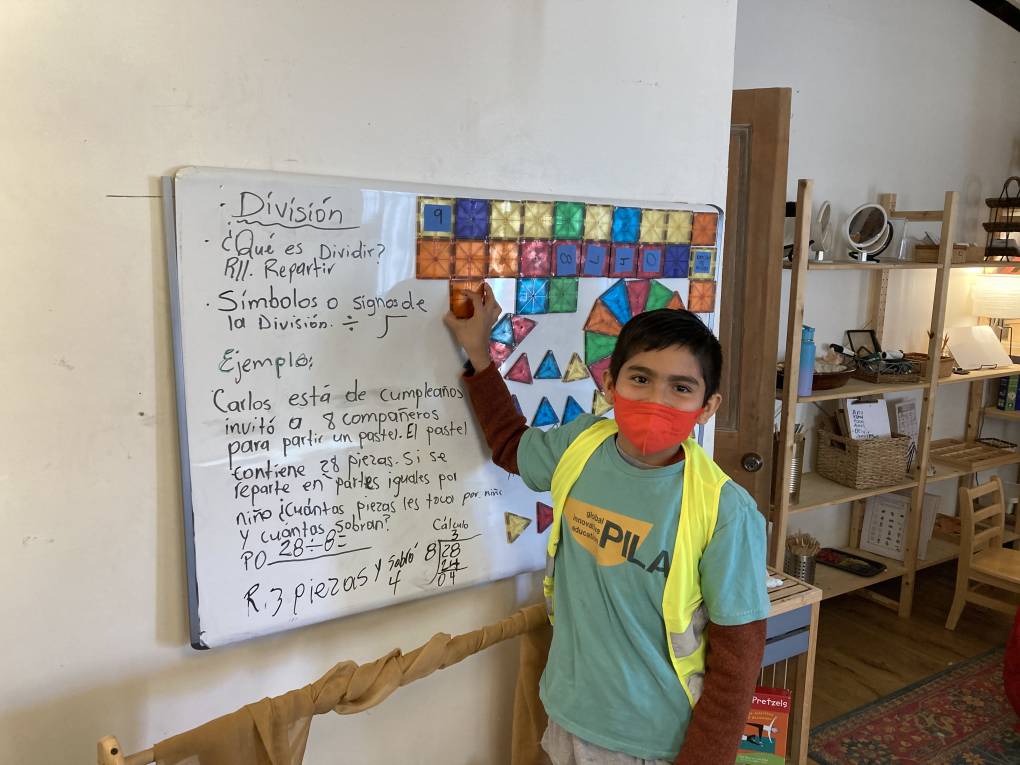
"caption": "Gabriel, a migrant from Michoacán, Mexico, and student at the Nest, shows off his work for math class at the Canyon Nest school in Tijuana, Mexico, on March 10, 2022.",
"description": null,
"title": "IMG_7288",
"credit": "Max Rivlin-Nadler/KQED",
"status": "inherit",
"altTag": "A young boy wearing a face mask points to a white board with writing in Spanish and shapes.",
"isLoading": false,
"fetchFailed": false
},
"news_11910793": {
"type": "attachments",
"id": "news_11910793",
"meta": {
"index": "attachments_1716263798",
"site": "news",
"id": "11910793",
"found": true
},
"parent": 11910789,
"imgSizes": {
"twentyfourteen-full-width": {
"file": "https://ww2.kqed.org/app/uploads/sites/10/2022/04/RS55046_IMG_4338-qut-1038x576.jpg",
"width": 1038,
"mimeType": "image/jpeg",
"height": 576
},
"thumbnail": {
"file": "https://ww2.kqed.org/app/uploads/sites/10/2022/04/RS55046_IMG_4338-qut-160x114.jpg",
"width": 160,
"mimeType": "image/jpeg",
"height": 114
},
"post-thumbnail": {
"file": "https://ww2.kqed.org/app/uploads/sites/10/2022/04/RS55046_IMG_4338-qut-672x372.jpg",
"width": 672,
"mimeType": "image/jpeg",
"height": 372
},
"kqedFullSize": {
"file": "https://ww2.kqed.org/app/uploads/sites/10/2022/04/RS55046_IMG_4338-qut.jpg",
"width": 1920,
"height": 1371
},
"large": {
"file": "https://ww2.kqed.org/app/uploads/sites/10/2022/04/RS55046_IMG_4338-qut-1020x728.jpg",
"width": 1020,
"mimeType": "image/jpeg",
"height": 728
},
"1536x1536": {
"file": "https://ww2.kqed.org/app/uploads/sites/10/2022/04/RS55046_IMG_4338-qut-1536x1097.jpg",
"width": 1536,
"mimeType": "image/jpeg",
"height": 1097
},
"medium": {
"file": "https://ww2.kqed.org/app/uploads/sites/10/2022/04/RS55046_IMG_4338-qut-800x571.jpg",
"width": 800,
"mimeType": "image/jpeg",
"height": 571
}
},
"publishDate": 1649711978,
"modified": 1649723103,
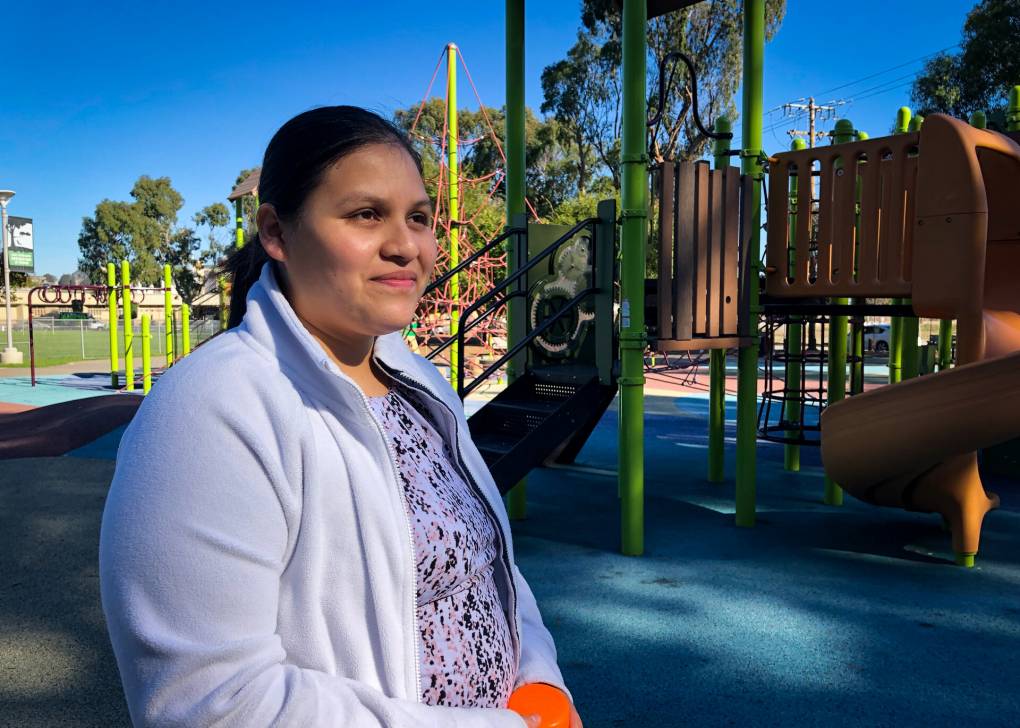
"caption": "At a playground in San Francisco, on Nov. 22, 2021, Deisy Ramírez reflects on how she found safety here after fleeing captivity in Guatemala.",
"description": null,
"title": "Deisy Ramírez poses for a portrait at a playground in San Francisco on Feb. 16, 2022.",
"credit": "Tyche Hendricks/KQED",
"status": "inherit",
"altTag": "A portrait of Deisy, a Guatemalan woman with long dark hair wearing a white coat at a playground.",
"isLoading": false,
"fetchFailed": false
},
"news_11886284": {
"type": "attachments",
"id": "news_11886284",
"meta": {
"index": "attachments_1716263798",
"site": "news",
"id": "11886284",
"found": true
},
"parent": 11886268,
"imgSizes": {
"twentyfourteen-full-width": {
"file": "https://ww2.kqed.org/app/uploads/sites/10/2021/08/GettyImages-1231772534-1024x576.jpg",
"width": 1024,
"mimeType": "image/jpeg",
"height": 576
},
"thumbnail": {
"file": "https://ww2.kqed.org/app/uploads/sites/10/2021/08/GettyImages-1231772534-160x110.jpg",
"width": 160,
"mimeType": "image/jpeg",
"height": 110
},
"post-thumbnail": {
"file": "https://ww2.kqed.org/app/uploads/sites/10/2021/08/GettyImages-1231772534-672x372.jpg",
"width": 672,
"mimeType": "image/jpeg",
"height": 372
},
"kqedFullSize": {
"file": "https://ww2.kqed.org/app/uploads/sites/10/2021/08/GettyImages-1231772534.jpg",
"width": 1024,
"height": 701
},
"large": {
"file": "https://ww2.kqed.org/app/uploads/sites/10/2021/08/GettyImages-1231772534-1020x698.jpg",
"width": 1020,
"mimeType": "image/jpeg",
"height": 698
},
"medium": {
"file": "https://ww2.kqed.org/app/uploads/sites/10/2021/08/GettyImages-1231772534-800x548.jpg",
"width": 800,
"mimeType": "image/jpeg",
"height": 548
}
},
"publishDate": 1629920417,
"modified": 1648688185,
"caption": "Aerial view of a migrant camp where asylum-seekers wait for U.S. authorities to allow them to start their migration process, outside El Chaparral crossing port in Tijuana, Mexico, on March 17, 2021. ",
"description": null,
"title": "MEXICO-US-MIGRATION",
"credit": "Guillermo Arias/AFP/Getty Images",
"status": "inherit",
"altTag": "A large camp in an urban area.",
"isLoading": false,
"fetchFailed": false
},
"news_11909700": {
"type": "attachments",
"id": "news_11909700",
"meta": {
"index": "attachments_1716263798",
"site": "news",
"id": "11909700",
"found": true
},
"parent": 11909538,
"imgSizes": {
"thumbnail": {
"file": "https://ww2.kqed.org/app/uploads/sites/10/2022/03/KQED-Live-Finding-Asylum-in-California24-160x107.jpg",
"width": 160,
"mimeType": "image/jpeg",
"height": 107
},
"post-thumbnail": {
"file": "https://ww2.kqed.org/app/uploads/sites/10/2022/03/KQED-Live-Finding-Asylum-in-California24-672x372.jpg",
"width": 672,
"mimeType": "image/jpeg",
"height": 372
},
"kqedFullSize": {
"file": "https://ww2.kqed.org/app/uploads/sites/10/2022/03/KQED-Live-Finding-Asylum-in-California24.jpg",
"width": 800,
"height": 533
}
},
"publishDate": 1648591690,
"modified": 1648663003,
"caption": "KQED Newsroom's Priya David Clemens (right) interviews (from left) Tyche Hendricks, Fouzia Azizi and Caleb Duarte at a KQED Live event on March 23, 2022.",
"description": null,
"title": "KQED Live- Finding Asylum in California24",
"credit": "Estefany Gonzalez/KQED",
"status": "inherit",
"altTag": "Four people are on stage seated having a conversation.",
"isLoading": false,
"fetchFailed": false
},
"news_11909544": {
"type": "attachments",
"id": "news_11909544",
"meta": {
"index": "attachments_1716263798",
"site": "news",
"id": "11909544",
"found": true
},
"parent": 11909515,
"imgSizes": {
"twentyfourteen-full-width": {
"file": "https://ww2.kqed.org/app/uploads/sites/10/2022/03/Maryna-L-with-an-interpreter-at-JFC-in-San-Diego-1038x576.jpg",
"width": 1038,
"mimeType": "image/jpeg",
"height": 576
},
"thumbnail": {
"file": "https://ww2.kqed.org/app/uploads/sites/10/2022/03/Maryna-L-with-an-interpreter-at-JFC-in-San-Diego-160x106.jpg",
"width": 160,
"mimeType": "image/jpeg",
"height": 106
},
"post-thumbnail": {
"file": "https://ww2.kqed.org/app/uploads/sites/10/2022/03/Maryna-L-with-an-interpreter-at-JFC-in-San-Diego-672x372.jpg",
"width": 672,
"mimeType": "image/jpeg",
"height": 372
},
"kqedFullSize": {
"file": "https://ww2.kqed.org/app/uploads/sites/10/2022/03/Maryna-L-with-an-interpreter-at-JFC-in-San-Diego-scaled.jpg",
"width": 2560,
"height": 1703
},
"2048x2048": {
"file": "https://ww2.kqed.org/app/uploads/sites/10/2022/03/Maryna-L-with-an-interpreter-at-JFC-in-San-Diego-2048x1363.jpg",
"width": 2048,
"mimeType": "image/jpeg",
"height": 1363
},
"large": {
"file": "https://ww2.kqed.org/app/uploads/sites/10/2022/03/Maryna-L-with-an-interpreter-at-JFC-in-San-Diego-1020x679.jpg",
"width": 1020,
"mimeType": "image/jpeg",
"height": 679
},
"1536x1536": {
"file": "https://ww2.kqed.org/app/uploads/sites/10/2022/03/Maryna-L-with-an-interpreter-at-JFC-in-San-Diego-1536x1022.jpg",
"width": 1536,
"mimeType": "image/jpeg",
"height": 1022
},
"full-width": {
"file": "https://ww2.kqed.org/app/uploads/sites/10/2022/03/Maryna-L-with-an-interpreter-at-JFC-in-San-Diego-1920x1278.jpg",
"width": 1920,
"mimeType": "image/jpeg",
"height": 1278
},
"medium": {
"file": "https://ww2.kqed.org/app/uploads/sites/10/2022/03/Maryna-L-with-an-interpreter-at-JFC-in-San-Diego-800x532.jpg",
"width": 800,
"mimeType": "image/jpeg",
"height": 532
}
},
"publishDate": 1648497048,
"modified": 1648504850,
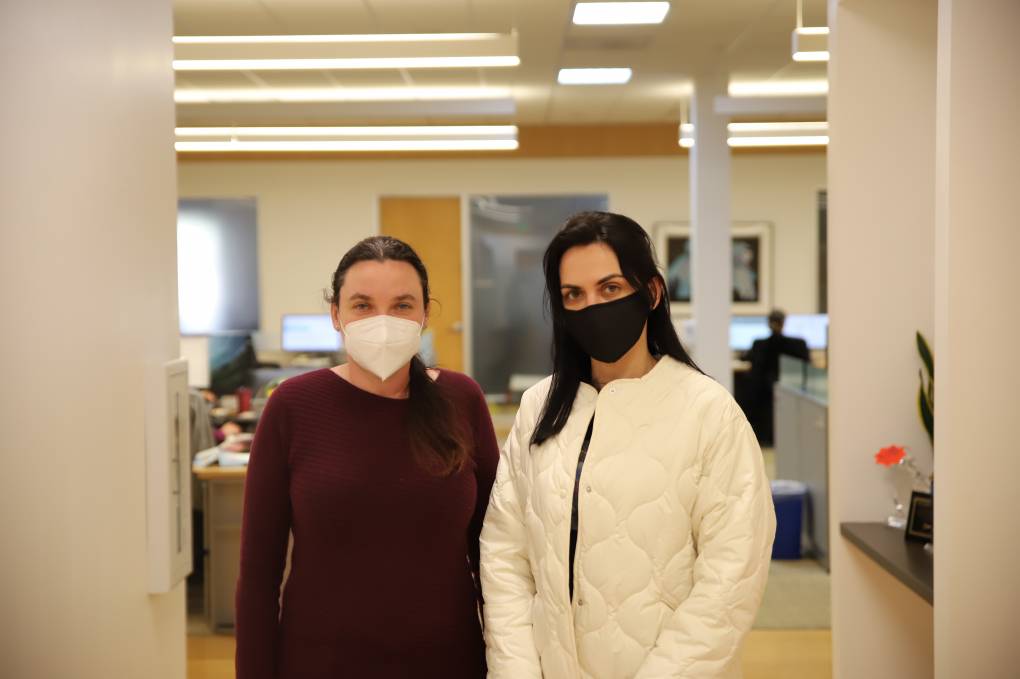
"caption": "Maryna (right) stands alongside Ilona Sokolinsky, a staff member at Jewish Family Service of San Diego, who acted as her interpreter for an interview with KQED.",
"description": null,
"title": "Maryna (right), a Ukrainian asylum seeker, meets with staff at Jewish Family Service in San Diego in March 2022 (DATE TBD). Ilona Sokolinsky (left), JFS Senior Grant Accountant, interpreted for her.",
"credit": "Max Rivlin-Nadler",
"status": "inherit",
"altTag": "Two women stand together in a building. The woman on the right has a black face mask and a white jacket. The woman on the left has a white face mask and dark-colored shirt.",
"isLoading": false,
"fetchFailed": false
},
"news_11909338": {
"type": "attachments",
"id": "news_11909338",
"meta": {
"index": "attachments_1716263798",
"site": "news",
"id": "11909338",
"found": true
},
"parent": 11909334,
"imgSizes": {
"twentyfourteen-full-width": {
"file": "https://ww2.kqed.org/app/uploads/sites/10/2022/03/Finding-Asylum_horizontal-1038x576.png",
"width": 1038,
"mimeType": "image/png",
"height": 576
},
"thumbnail": {
"file": "https://ww2.kqed.org/app/uploads/sites/10/2022/03/Finding-Asylum_horizontal-160x90.png",
"width": 160,
"mimeType": "image/png",
"height": 90
},
"post-thumbnail": {
"file": "https://ww2.kqed.org/app/uploads/sites/10/2022/03/Finding-Asylum_horizontal-672x372.png",
"width": 672,
"mimeType": "image/png",
"height": 372
},
"kqedFullSize": {
"file": "https://ww2.kqed.org/app/uploads/sites/10/2022/03/Finding-Asylum_horizontal.png",
"width": 1920,
"height": 1080
},
"large": {
"file": "https://ww2.kqed.org/app/uploads/sites/10/2022/03/Finding-Asylum_horizontal-1020x574.png",
"width": 1020,
"mimeType": "image/png",
"height": 574
},
"1536x1536": {
"file": "https://ww2.kqed.org/app/uploads/sites/10/2022/03/Finding-Asylum_horizontal-1536x864.png",
"width": 1536,
"mimeType": "image/png",
"height": 864
},
"medium": {
"file": "https://ww2.kqed.org/app/uploads/sites/10/2022/03/Finding-Asylum_horizontal-800x450.png",
"width": 800,
"mimeType": "image/png",
"height": 450
}
},
"publishDate": 1648242163,
"modified": 1648242227,
"caption": "Landing in a new country is never easy — even if you’re landing in a place like the Bay Area – which is already home to so many immigrants, refugees, and people who’ve sought asylum. \n",
"description": null,
"title": "Finding-Asylum_horizontal",
"credit": "KQED Live",
"status": "inherit",
"altTag": null,
"isLoading": false,
"fetchFailed": false
},
"news_11909464": {
"type": "attachments",
"id": "news_11909464",
"meta": {
"index": "attachments_1716263798",
"site": "news",
"id": "11909464",
"found": true
},
"parent": 11909454,
"imgSizes": {
"twentyfourteen-full-width": {
"file": "https://ww2.kqed.org/app/uploads/sites/10/2022/03/Vithea-Yung-w-family-1038x576.png",
"width": 1038,
"mimeType": "image/png",
"height": 576
},
"thumbnail": {
"file": "https://ww2.kqed.org/app/uploads/sites/10/2022/03/Vithea-Yung-w-family-160x90.png",
"width": 160,
"mimeType": "image/png",
"height": 90
},
"post-thumbnail": {
"file": "https://ww2.kqed.org/app/uploads/sites/10/2022/03/Vithea-Yung-w-family-672x372.png",
"width": 672,
"mimeType": "image/png",
"height": 372
},
"kqedFullSize": {
"file": "https://ww2.kqed.org/app/uploads/sites/10/2022/03/Vithea-Yung-w-family.png",
"width": 2196,
"height": 1235
},
"2048x2048": {
"file": "https://ww2.kqed.org/app/uploads/sites/10/2022/03/Vithea-Yung-w-family-2048x1152.png",
"width": 2048,
"mimeType": "image/png",
"height": 1152
},
"large": {
"file": "https://ww2.kqed.org/app/uploads/sites/10/2022/03/Vithea-Yung-w-family-1020x574.png",
"width": 1020,
"mimeType": "image/png",
"height": 574
},
"1536x1536": {
"file": "https://ww2.kqed.org/app/uploads/sites/10/2022/03/Vithea-Yung-w-family-1536x864.png",
"width": 1536,
"mimeType": "image/png",
"height": 864
},
"full-width": {
"file": "https://ww2.kqed.org/app/uploads/sites/10/2022/03/Vithea-Yung-w-family-1920x1080.png",
"width": 1920,
"mimeType": "image/png",
"height": 1080
},
"medium": {
"file": "https://ww2.kqed.org/app/uploads/sites/10/2022/03/Vithea-Yung-w-family-800x450.png",
"width": 800,
"mimeType": "image/png",
"height": 450
}
},
"publishDate": 1648304919,
"modified": 1648493655,
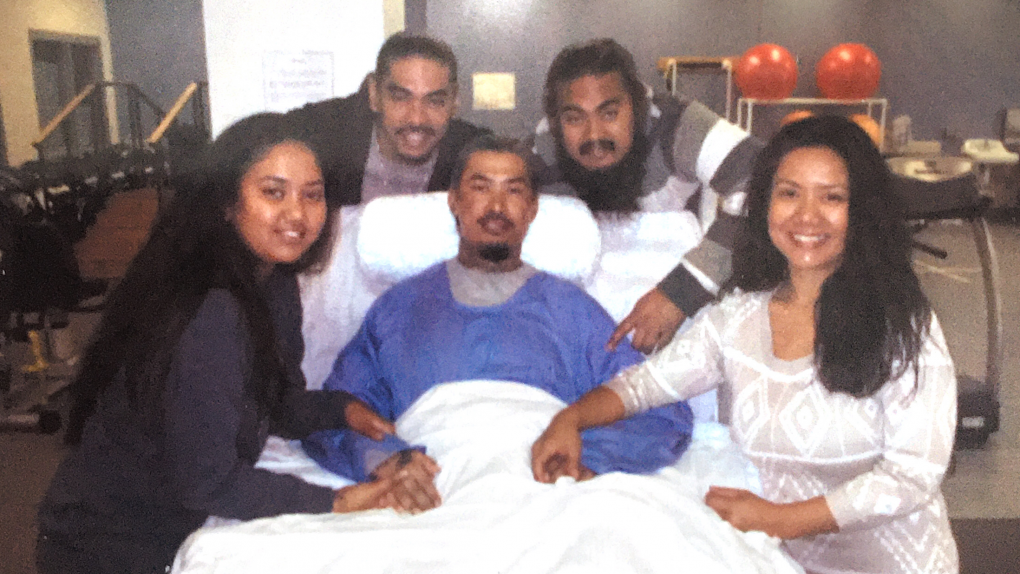
"caption": "Vithea Yung, in blue, is visited by siblings on Jan. 18, 2017, at the California Health Care Facility in Stockton, shortly after the prison softball accident that paralyzed him. His siblings are, from left, Molleca Snun, Vaesnar Snun, Vincent Snun and Terry Honoré.",
"description": null,
"title": "Vithea Yung w family",
"credit": "Courtesy of Vithea Yung",
"status": "inherit",
"altTag": "Four siblings stand around a fifth sibling in blue holding hands",
"isLoading": false,
"fetchFailed": false
},
"news_11907321": {
"type": "attachments",
"id": "news_11907321",
"meta": {
"index": "attachments_1716263798",
"site": "news",
"id": "11907321",
"found": true
},
"parent": 11907319,
"imgSizes": {
"twentyfourteen-full-width": {
"file": "https://ww2.kqed.org/app/uploads/sites/10/2022/03/GettyImages-1238817320-1038x576.jpg",
"width": 1038,
"mimeType": "image/jpeg",
"height": 576
},
"thumbnail": {
"file": "https://ww2.kqed.org/app/uploads/sites/10/2022/03/GettyImages-1238817320-160x107.jpg",
"width": 160,
"mimeType": "image/jpeg",
"height": 107
},
"post-thumbnail": {
"file": "https://ww2.kqed.org/app/uploads/sites/10/2022/03/GettyImages-1238817320-672x372.jpg",
"width": 672,
"mimeType": "image/jpeg",
"height": 372
},
"kqedFullSize": {
"file": "https://ww2.kqed.org/app/uploads/sites/10/2022/03/GettyImages-1238817320-scaled.jpg",
"width": 2560,
"height": 1707
},
"2048x2048": {
"file": "https://ww2.kqed.org/app/uploads/sites/10/2022/03/GettyImages-1238817320-2048x1365.jpg",
"width": 2048,
"mimeType": "image/jpeg",
"height": 1365
},
"large": {
"file": "https://ww2.kqed.org/app/uploads/sites/10/2022/03/GettyImages-1238817320-1020x680.jpg",
"width": 1020,
"mimeType": "image/jpeg",
"height": 680
},
"1536x1536": {
"file": "https://ww2.kqed.org/app/uploads/sites/10/2022/03/GettyImages-1238817320-1536x1024.jpg",
"width": 1536,
"mimeType": "image/jpeg",
"height": 1024
},
"full-width": {
"file": "https://ww2.kqed.org/app/uploads/sites/10/2022/03/GettyImages-1238817320-1920x1280.jpg",
"width": 1920,
"mimeType": "image/jpeg",
"height": 1280
},
"medium": {
"file": "https://ww2.kqed.org/app/uploads/sites/10/2022/03/GettyImages-1238817320-800x533.jpg",
"width": 800,
"mimeType": "image/jpeg",
"height": 533
}
},
"publishDate": 1646676329,
"modified": 1646676691,
"caption": "Demonstrators gather to rally in support of Ukraine in Santa Monica on Feb. 27, 2022.",
"description": null,
"title": "US-RUSSIA-UKRAINE-CONFLICT-PROTEST",
"credit": "Ringo Chiu/AFP via Getty Images",
"status": "inherit",
"altTag": "A demonstration with hundreds of people holding signs and the Ukrainian flag.",
"isLoading": false,
"fetchFailed": false
},
"news_11907199": {
"type": "attachments",
"id": "news_11907199",
"meta": {
"index": "attachments_1716263798",
"site": "news",
"id": "11907199",
"found": true
},
"parent": 11907155,
"imgSizes": {
"twentyfourteen-full-width": {
"file": "https://ww2.kqed.org/app/uploads/sites/10/2022/03/ExcludedWorkersRallySac-1038x576.jpg",
"width": 1038,
"mimeType": "image/jpeg",
"height": 576
},
"thumbnail": {
"file": "https://ww2.kqed.org/app/uploads/sites/10/2022/03/ExcludedWorkersRallySac-160x104.jpg",
"width": 160,
"mimeType": "image/jpeg",
"height": 104
},
"post-thumbnail": {
"file": "https://ww2.kqed.org/app/uploads/sites/10/2022/03/ExcludedWorkersRallySac-672x372.jpg",
"width": 672,
"mimeType": "image/jpeg",
"height": 372
},
"kqedFullSize": {
"file": "https://ww2.kqed.org/app/uploads/sites/10/2022/03/ExcludedWorkersRallySac.jpg",
"width": 1920,
"height": 1242
},
"large": {
"file": "https://ww2.kqed.org/app/uploads/sites/10/2022/03/ExcludedWorkersRallySac-1020x660.jpg",
"width": 1020,
"mimeType": "image/jpeg",
"height": 660
},
"1536x1536": {
"file": "https://ww2.kqed.org/app/uploads/sites/10/2022/03/ExcludedWorkersRallySac-1536x994.jpg",
"width": 1536,
"mimeType": "image/jpeg",
"height": 994
},
"medium": {
"file": "https://ww2.kqed.org/app/uploads/sites/10/2022/03/ExcludedWorkersRallySac-800x518.jpg",
"width": 800,
"mimeType": "image/jpeg",
"height": 518
}
},
"publishDate": 1646420431,
"modified": 1646421313,
"caption": "Assemblymember Robert Rivas (left, at podium) speaks in support of AB 2847, which he coauthored, as supporters rally outside the state Capitol in Sacramento on March 3, 2022.",
"description": null,
"title": "ExcludedWorkersRallySac",
"credit": "Courtesy of Sumeet Bal, California Immigrant Policy Center",
"status": "inherit",
"altTag": "man in suit speaks at podium as ralliers hold bright yellow signs reading 'fund excluded workers'",
"isLoading": false,
"fetchFailed": false
},
"news_11907124": {
"type": "attachments",
"id": "news_11907124",
"meta": {
"index": "attachments_1716263798",
"site": "news",
"id": "11907124",
"found": true
},
"parent": 11907020,
"imgSizes": {
"twentyfourteen-full-width": {
"file": "https://ww2.kqed.org/app/uploads/sites/10/2022/03/RS54042_GettyImages-973077512-qut-1038x576.jpg",
"width": 1038,
"mimeType": "image/jpeg",
"height": 576
},
"thumbnail": {
"file": "https://ww2.kqed.org/app/uploads/sites/10/2022/03/RS54042_GettyImages-973077512-qut-160x107.jpg",
"width": 160,
"mimeType": "image/jpeg",
"height": 107
},
"post-thumbnail": {
"file": "https://ww2.kqed.org/app/uploads/sites/10/2022/03/RS54042_GettyImages-973077512-qut-672x372.jpg",
"width": 672,
"mimeType": "image/jpeg",
"height": 372
},
"kqedFullSize": {
"file": "https://ww2.kqed.org/app/uploads/sites/10/2022/03/RS54042_GettyImages-973077512-qut.jpg",
"width": 1920,
"height": 1280
},
"large": {
"file": "https://ww2.kqed.org/app/uploads/sites/10/2022/03/RS54042_GettyImages-973077512-qut-1020x680.jpg",
"width": 1020,
"mimeType": "image/jpeg",
"height": 680
},
"1536x1536": {
"file": "https://ww2.kqed.org/app/uploads/sites/10/2022/03/RS54042_GettyImages-973077512-qut-1536x1024.jpg",
"width": 1536,
"mimeType": "image/jpeg",
"height": 1024
},
"medium": {
"file": "https://ww2.kqed.org/app/uploads/sites/10/2022/03/RS54042_GettyImages-973077512-qut-800x533.jpg",
"width": 800,
"mimeType": "image/jpeg",
"height": 533
}
},
"publishDate": 1646345333,
"modified": 1646349875,
"caption": "A Honduran asylum seeker holds her 2-year-old child as U.S. Border Patrol agents review their papers near the U.S.-Mexico border on June 12, 2018, in Texas. They were sent to a processing center for possible separation as part of the Trump administration's 'zero tolerance' policy toward undocumented immigrants.",
"description": null,
"title": "Border Patrol Agents Detain Migrants Near US-Mexico Border",
"credit": "John Moore/Getty Images",
"status": "inherit",
"altTag": "night-time shot of woman holding her small child, both with concerned faces, surrounded by silhouettes of border patrol agents",
"isLoading": false,
"fetchFailed": false
},
"news_11903832": {
"type": "attachments",
"id": "news_11903832",
"meta": {
"index": "attachments_1716263798",
"site": "news",
"id": "11903832",
"found": true
},
"parent": 11903829,
"imgSizes": {
"twentyfourteen-full-width": {
"file": "https://ww2.kqed.org/app/uploads/sites/10/2022/02/GettyImages-1330932126-1038x576.jpg",
"width": 1038,
"mimeType": "image/jpeg",
"height": 576
},
"thumbnail": {
"file": "https://ww2.kqed.org/app/uploads/sites/10/2022/02/GettyImages-1330932126-160x109.jpg",
"width": 160,
"mimeType": "image/jpeg",
"height": 109
},
"post-thumbnail": {
"file": "https://ww2.kqed.org/app/uploads/sites/10/2022/02/GettyImages-1330932126-672x372.jpg",
"width": 672,
"mimeType": "image/jpeg",
"height": 372
},
"kqedFullSize": {
"file": "https://ww2.kqed.org/app/uploads/sites/10/2022/02/GettyImages-1330932126-scaled-e1643861298742.jpg",
"width": 1920,
"height": 1308
},
"2048x2048": {
"file": "https://ww2.kqed.org/app/uploads/sites/10/2022/02/GettyImages-1330932126-2048x1395.jpg",
"width": 2048,
"mimeType": "image/jpeg",
"height": 1395
},
"large": {
"file": "https://ww2.kqed.org/app/uploads/sites/10/2022/02/GettyImages-1330932126-1020x695.jpg",
"width": 1020,
"mimeType": "image/jpeg",
"height": 695
},
"1536x1536": {
"file": "https://ww2.kqed.org/app/uploads/sites/10/2022/02/GettyImages-1330932126-1536x1046.jpg",
"width": 1536,
"mimeType": "image/jpeg",
"height": 1046
},
"full-width": {
"file": "https://ww2.kqed.org/app/uploads/sites/10/2022/02/GettyImages-1330932126-1920x1308.jpg",
"width": 1920,
"mimeType": "image/jpeg",
"height": 1308
},
"medium": {
"file": "https://ww2.kqed.org/app/uploads/sites/10/2022/02/GettyImages-1330932126-800x545.jpg",
"width": 800,
"mimeType": "image/jpeg",
"height": 545
}
},
"publishDate": 1643861280,
"modified": 1643912814,
"caption": "U.S. Rep. Zoe Lofgren (D-San Jose) questions witnesses during a hearing by the House Select Committee investigating the January 6 attack on the U.S. Capitol on July 27, 2021, at the Cannon House Office Building in Washington, D.C. ",
"description": null,
"title": "House Select Committee Investigating January 6 Attack On US Capitol Holds First Hearing",
"credit": "Chip Somodevilla/Getty Images",
"status": "inherit",
"altTag": "A close shot of Zoe Lofgren, a middle-aged white woman with shoulder-length blond hair and glasses, wearing large earrings and a dark blue blazer, speaks into a microphone in front of an American flag.",
"isLoading": false,
"fetchFailed": false
},
"news_11902344": {
"type": "attachments",
"id": "news_11902344",
"meta": {
"index": "attachments_1716263798",
"site": "news",
"id": "11902344",
"found": true
},
"title": "IMG_4486",
"publishDate": 1642797019,
"status": "inherit",
"parent": 11902290,
"modified": 1764031599,
"caption": "People line up to go through security at 630 Sansome St. in San Francisco on Dec. 15, 2021, where the Executive Office for Immigration Review holds hearings for immigrants held in detention.",
"credit": "Tyche Hendricks/KQED",
"altTag": "People stand in line outside of a court building.",
"description": null,
"imgSizes": {
"medium": {
"file": "https://cdn.kqed.org/wp-content/uploads/sites/10/2022/01/IMG_4486-800x600.jpeg",
"width": 800,
"height": 600,
"mimeType": "image/jpeg"
},
"large": {
"file": "https://cdn.kqed.org/wp-content/uploads/sites/10/2022/01/IMG_4486-1020x765.jpeg",
"width": 1020,
"height": 765,
"mimeType": "image/jpeg"
},
"thumbnail": {
"file": "https://cdn.kqed.org/wp-content/uploads/sites/10/2022/01/IMG_4486-160x120.jpeg",
"width": 160,
"height": 120,
"mimeType": "image/jpeg"
},
"1536x1536": {
"file": "https://cdn.kqed.org/wp-content/uploads/sites/10/2022/01/IMG_4486-1536x1152.jpeg",
"width": 1536,
"height": 1152,
"mimeType": "image/jpeg"
},
"2048x2048": {
"file": "https://cdn.kqed.org/wp-content/uploads/sites/10/2022/01/IMG_4486-2048x1536.jpeg",
"width": 2048,
"height": 1536,
"mimeType": "image/jpeg"
},
"post-thumbnail": {
"file": "https://cdn.kqed.org/wp-content/uploads/sites/10/2022/01/IMG_4486-672x372.jpeg",
"width": 672,
"height": 372,
"mimeType": "image/jpeg"
},
"twentyfourteen-full-width": {
"file": "https://cdn.kqed.org/wp-content/uploads/sites/10/2022/01/IMG_4486-1038x576.jpeg",
"width": 1038,
"height": 576,
"mimeType": "image/jpeg"
},
"full-width": {
"file": "https://cdn.kqed.org/wp-content/uploads/sites/10/2022/01/IMG_4486-1920x1440.jpeg",
"width": 1920,
"height": 1440,
"mimeType": "image/jpeg"
},
"kqedFullSize": {
"file": "https://cdn.kqed.org/wp-content/uploads/sites/10/2022/01/IMG_4486-scaled-e1642797113744.jpeg",
"width": 1920,
"height": 1440
}
},
"isLoading": false,
"fetchFailed": false
}
},
"audioPlayerReducer": {
"postId": "stream_live",
"isPaused": true,
"isPlaying": false,
"pfsActive": false,
"pledgeModalIsOpen": true,
"playerDrawerIsOpen": false,
"liveAudioPlayStartedAt": 0,
"liveAudioPlayContext": ""
},
"authorsReducer": {
"byline_news_11911048": {
"type": "authors",
"id": "byline_news_11911048",
"meta": {
"override": true
},
"slug": "byline_news_11911048",
"name": "Max Rivlin-Nadler",
"isLoading": false
},
"byline_news_11909829": {
"type": "authors",
"id": "byline_news_11909829",
"meta": {
"override": true
},
"slug": "byline_news_11909829",
"name": "Colleen Long, Jason Dearen and Elliot Spagat\u003cbr>Associated Press",
"isLoading": false
},
"byline_news_11909515": {
"type": "authors",
"id": "byline_news_11909515",
"meta": {
"override": true
},
"slug": "byline_news_11909515",
"name": "Max Rivlin-Nadler",
"isLoading": false
},
"byline_news_11907319": {
"type": "authors",
"id": "byline_news_11907319",
"meta": {
"override": true
},
"slug": "byline_news_11907319",
"name": "John Antczak\u003cbr>The Associated Press",
"isLoading": false
},
"tychehendricks": {
"type": "authors",
"id": "259",
"meta": {
"index": "authors_1716337520",
"id": "259",
"found": true
},
"name": "Tyche Hendricks",
"firstName": "Tyche",
"lastName": "Hendricks",
"slug": "tychehendricks",
"email": "thendricks@kqed.org",
"display_author_email": true,
"staff_mastheads": [
"news"
],
"title": "KQED Senior Editor, Immigration",
"bio": "\u003cspan style=\"font-weight: 400;\">Tyche Hendricks is KQED’s senior editor for immigration, leading coverage of the policy and politics that affect California’s immigrant communities. Her work for KQED’s radio and online audiences is also carried on NPR and other national outlets. She has been recognized with awards from the Radio and Television News Directors Association, the Society for Professional Journalists; the Education Writers Association; the Best of the West and the National Federation of Community Broadcasters. Before joining KQED in 2010, Tyche spent more than a dozen years as a newspaper reporter, notably at the \u003c/span>\u003ci>\u003cspan style=\"font-weight: 400;\">San Francisco Chronicle\u003c/span>\u003c/i>\u003cspan style=\"font-weight: 400;\">. At different times she has covered criminal justice, government and politics and urban planning. Tyche has taught in the MFA Creative Writing program at the University of San Francisco and at UC Berkeley’s Graduate School of Journalism, where she was co-director of a national immigration symposium for professional journalists. She is the author of \u003c/span>\u003ci>\u003cspan style=\"font-weight: 400;\">The Wind Doesn't Need a Passport: Stories from the U.S.-Mexico Borderlands\u003c/span>\u003c/i>\u003cspan style=\"font-weight: 400;\"> (University of California Press). \u003c/span>",
"avatar": "https://secure.gravatar.com/avatar/b8ee458e2731c2d43df86882ce17267e?s=600&d=blank&r=g",
"twitter": "tychehendricks",
"facebook": null,
"instagram": null,
"linkedin": null,
"sites": [
{
"site": "news",
"roles": [
"editor"
]
},
{
"site": "stateofhealth",
"roles": [
"editor"
]
}
],
"headData": {
"title": "Tyche Hendricks | KQED",
"description": "KQED Senior Editor, Immigration",
"ogImgSrc": "https://secure.gravatar.com/avatar/b8ee458e2731c2d43df86882ce17267e?s=600&d=blank&r=g",
"twImgSrc": "https://secure.gravatar.com/avatar/b8ee458e2731c2d43df86882ce17267e?s=600&d=blank&r=g"
},
"isLoading": false,
"link": "/author/tychehendricks"
},
"ecruzguevarra": {
"type": "authors",
"id": "8654",
"meta": {
"index": "authors_1716337520",
"id": "8654",
"found": true
},
"name": "Ericka Cruz Guevarra",
"firstName": "Ericka",
"lastName": "Cruz Guevarra",
"slug": "ecruzguevarra",
"email": "ecruzguevarra@kqed.org",
"display_author_email": true,
"staff_mastheads": [
"news"
],
"title": "Producer, The Bay Podcast",
"bio": "Ericka Cruz Guevarra is host of \u003ca href=\"https://www.kqed.org/podcasts/thebay\">\u003cem>The Bay\u003c/em>\u003c/a> podcast at KQED. Before host, she was the show’s producer. Her work in that capacity includes a three-part reported series on policing in Vallejo, which won a 2020 excellence in journalism award from the Society of Professional Journalists. Ericka has worked as a breaking news reporter at Oregon Public Broadcasting, helped produce the Code Switch podcast, and was KQED’s inaugural Raul Ramirez Diversity Fund intern. She’s also an alumna of NPR’s Next Generation Radio program. Send her an email if you have strong feelings about whether Fairfield and Suisun City are the Bay. Ericka is represented by SAG-AFTRA.",
"avatar": "https://secure.gravatar.com/avatar/25e5ab8d3d53fad2dcc7bb2b5c506b1a?s=600&d=blank&r=g",
"twitter": "NotoriousECG",
"facebook": null,
"instagram": null,
"linkedin": null,
"sites": [
{
"site": "arts",
"roles": [
"subscriber"
]
},
{
"site": "news",
"roles": [
"editor",
"manage_categories"
]
},
{
"site": "futureofyou",
"roles": [
"subscriber"
]
},
{
"site": "stateofhealth",
"roles": [
"subscriber"
]
},
{
"site": "science",
"roles": [
"editor"
]
},
{
"site": "forum",
"roles": [
"subscriber"
]
}
],
"headData": {
"title": "Ericka Cruz Guevarra | KQED",
"description": "Producer, The Bay Podcast",
"ogImgSrc": "https://secure.gravatar.com/avatar/25e5ab8d3d53fad2dcc7bb2b5c506b1a?s=600&d=blank&r=g",
"twImgSrc": "https://secure.gravatar.com/avatar/25e5ab8d3d53fad2dcc7bb2b5c506b1a?s=600&d=blank&r=g"
},
"isLoading": false,
"link": "/author/ecruzguevarra"
},
"fjhabvala": {
"type": "authors",
"id": "8659",
"meta": {
"index": "authors_1716337520",
"id": "8659",
"found": true
},
"name": "Farida Jhabvala Romero",
"firstName": "Farida",
"lastName": "Jhabvala Romero",
"slug": "fjhabvala",
"email": "fjhabvala@kqed.org",
"display_author_email": true,
"staff_mastheads": [
"news"
],
"title": "KQED Contributor",
"bio": "\u003cspan style=\"font-weight: 400;\">Farida Jhabvala Romero is a Labor Correspondent for KQED. She previously covered immigration. Farida was \u003ca href=\"https://www.ccnma.org/2022-most-influential-latina-journalists\">named\u003c/a> one of the 10 Most Influential Latina Journalists in California in 2022 by the California Chicano News Media Association. Her work has won awards from the Society of Professional Journalists (Northern California), as well as a national and regional Edward M. Murrow Award for the collaborative reporting projects “Dangerous Air” and “Graying California.” \u003c/span>\u003cspan style=\"font-weight: 400;\">Before joining KQED, Farida worked as a producer at Radio Bilingüe, a national public radio network. Farida earned her master’s degree in journalism from Stanford University.\u003c/span>",
"avatar": "https://secure.gravatar.com/avatar/c3ab27c5554b67b478f80971e515aa02?s=600&d=blank&r=g",
"twitter": "FaridaJhabvala",
"facebook": null,
"instagram": null,
"linkedin": "https://www.linkedin.com/in/faridajhabvala/",
"sites": [
{
"site": "news",
"roles": [
"editor"
]
},
{
"site": "stateofhealth",
"roles": [
"author"
]
}
],
"headData": {
"title": "Farida Jhabvala Romero | KQED",
"description": "KQED Contributor",
"ogImgSrc": "https://secure.gravatar.com/avatar/c3ab27c5554b67b478f80971e515aa02?s=600&d=blank&r=g",
"twImgSrc": "https://secure.gravatar.com/avatar/c3ab27c5554b67b478f80971e515aa02?s=600&d=blank&r=g"
},
"isLoading": false,
"link": "/author/fjhabvala"
},
"mwiley": {
"type": "authors",
"id": "11526",
"meta": {
"index": "authors_1716337520",
"id": "11526",
"found": true
},
"name": "Michelle Wiley",
"firstName": "Michelle",
"lastName": "Wiley",
"slug": "mwiley",
"email": "mwiley@KQED.org",
"display_author_email": true,
"staff_mastheads": [],
"title": null,
"bio": "Michelle Wiley was the senior editor of weekends.",
"avatar": "https://secure.gravatar.com/avatar/3b897d82a09e8587e8e73fa69fbcc635?s=600&d=blank&r=g",
"twitter": "michelleewiley",
"facebook": null,
"instagram": null,
"linkedin": null,
"sites": [
{
"site": "",
"roles": [
"editor"
]
},
{
"site": "arts",
"roles": [
"editor"
]
},
{
"site": "news",
"roles": [
"subscriber"
]
},
{
"site": "lowdown",
"roles": [
"editor"
]
},
{
"site": "science",
"roles": [
"editor"
]
},
{
"site": "podcasts",
"roles": [
"editor"
]
}
],
"headData": {
"title": "Michelle Wiley | KQED",
"description": null,
"ogImgSrc": "https://secure.gravatar.com/avatar/3b897d82a09e8587e8e73fa69fbcc635?s=600&d=blank&r=g",
"twImgSrc": "https://secure.gravatar.com/avatar/3b897d82a09e8587e8e73fa69fbcc635?s=600&d=blank&r=g"
},
"isLoading": false,
"link": "/author/mwiley"
},
"amontecillo": {
"type": "authors",
"id": "11649",
"meta": {
"index": "authors_1716337520",
"id": "11649",
"found": true
},
"name": "Alan Montecillo",
"firstName": "Alan",
"lastName": "Montecillo",
"slug": "amontecillo",
"email": "amontecillo@kqed.org",
"display_author_email": false,
"staff_mastheads": [
"news"
],
"title": "KQED Contributor",
"bio": "Alan Montecillo is the senior editor of \u003cem>\u003ca href=\"http://kqed.org/thebay\">The Bay\u003c/a>, \u003c/em> KQED's local news podcast. Before moving to the Bay Area, he worked as a senior talk show producer for WILL in Champaign-Urbana, Illinois and at Oregon Public Broadcasting in Portland, Oregon. He has won journalism awards from the Society of Professional Journalists Northern California, the Public Media Journalists Association, The Signal Awards, and has also received a regional Edward R. Murrow award. Alan is a Filipino American from Hong Kong and a graduate of Reed College.",
"avatar": "https://secure.gravatar.com/avatar/d5e4e7a76481969ccba76f4e2b5ccabc?s=600&d=blank&r=g",
"twitter": "alanmontecillo",
"facebook": null,
"instagram": null,
"linkedin": null,
"sites": [
{
"site": "",
"roles": [
"editor"
]
},
{
"site": "news",
"roles": [
"editor",
"manage_categories"
]
}
],
"headData": {
"title": "Alan Montecillo | KQED",
"description": "KQED Contributor",
"ogImgSrc": "https://secure.gravatar.com/avatar/d5e4e7a76481969ccba76f4e2b5ccabc?s=600&d=blank&r=g",
"twImgSrc": "https://secure.gravatar.com/avatar/d5e4e7a76481969ccba76f4e2b5ccabc?s=600&d=blank&r=g"
},
"isLoading": false,
"link": "/author/amontecillo"
},
"jrodriguez": {
"type": "authors",
"id": "11690",
"meta": {
"index": "authors_1716337520",
"id": "11690",
"found": true
},
"name": "Joe Fitzgerald Rodriguez",
"firstName": "Joe",
"lastName": "Fitzgerald Rodriguez",
"slug": "jrodriguez",
"email": "jrodriguez@kqed.org",
"display_author_email": true,
"staff_mastheads": [
"news"
],
"title": "Reporter and Producer",
"bio": "Joe Fitzgerald Rodriguez is a reporter and digital producer for KQED covering politics. Joe most recently wrote for the \u003cem>San Francisco Examiner\u003c/em> as a political columnist covering The City. He was raised in San Francisco and has spent his reporting career in his beloved, foggy, city by the bay. Joe was 12-years-old when he conducted his first interview in journalism, grilling former San Francisco Mayor Willie Brown for the Marina Middle School newspaper, \u003cem>The Penguin Press, \u003c/em>and he continues to report on the San Francisco Bay Area to this day.",
"avatar": "https://secure.gravatar.com/avatar/2247beb0564c1e9c62228d5649d2edac?s=600&d=blank&r=g",
"twitter": "FitztheReporter",
"facebook": null,
"instagram": "https://www.instagram.com/fitzthereporter/",
"linkedin": null,
"sites": [
{
"site": "",
"roles": [
"editor"
]
},
{
"site": "arts",
"roles": [
"editor"
]
},
{
"site": "news",
"roles": [
"editor"
]
},
{
"site": "science",
"roles": [
"editor"
]
},
{
"site": "elections",
"roles": [
"editor"
]
},
{
"site": "liveblog",
"roles": [
"editor"
]
}
],
"headData": {
"title": "Joe Fitzgerald Rodriguez | KQED",
"description": "Reporter and Producer",
"ogImgSrc": "https://secure.gravatar.com/avatar/2247beb0564c1e9c62228d5649d2edac?s=600&d=blank&r=g",
"twImgSrc": "https://secure.gravatar.com/avatar/2247beb0564c1e9c62228d5649d2edac?s=600&d=blank&r=g"
},
"isLoading": false,
"link": "/author/jrodriguez"
}
},
"pagesReducer": {
"news_tag_immigration": {
"type": "terms",
"id": "news_20202",
"meta": {
"index": "terms_1716263798",
"site": "news",
"id": "20202",
"score": 6.90447
},
"featImg": null,
"name": "immigration",
"description": null,
"taxonomy": "tag",
"headData": {
"twImgId": null,
"twTitle": null,
"ogTitle": null,
"ogImgId": null,
"twDescription": null,
"description": null,
"title": "immigration Archives | KQED News",
"ogDescription": null
},
"ttid": 20219,
"slug": "immigration",
"isLoading": false,
"title": "immigration",
"pageMeta": {
"site": "news",
"WpPageTemplate": "page-topic-editorial",
"currentPage": 50
},
"blocks": [
{
"blockName": "kqed/post-list",
"attrs": {
"layout": "cardArticle2",
"query": "posts/news?tag=immigration",
"seeMore": false,
"paginated": true,
"page": 50
}
},
{
"blockName": "kqed/ad"
}
]
}
},
"pfsSessionReducer": {},
"postsReducer": {
"stream_live": {
"type": "live",
"id": "stream_live",
"audioUrl": "https://streams.kqed.org/kqedradio",
"title": "Live Stream",
"excerpt": "Live Stream information currently unavailable.",
"link": "/radio",
"featImg": "",
"label": {
"name": "KQED Live",
"link": "/"
}
},
"stream_kqedNewscast": {
"type": "posts",
"id": "stream_kqedNewscast",
"audioUrl": "https://www.kqed.org/.stream/anon/radio/RDnews/newscast.mp3?_=1",
"title": "KQED Newscast",
"featImg": "",
"label": {
"name": "88.5 FM",
"link": "/"
}
},
"news_11911048": {
"type": "posts",
"id": "news_11911048",
"meta": {
"index": "posts_1716263798",
"site": "news",
"id": "11911048",
"score": null,
"sort": [
1650027647000
]
},
"parent": 0,
"labelTerm": {
"site": "news"
},
"blocks": [],
"publishDate": 1650027647,
"format": "standard",
"disqusTitle": "For Migrant Kids Stuck in Tijuana, This School Offers a Place to Grow and Dream",
"title": "For Migrant Kids Stuck in Tijuana, This School Offers a Place to Grow and Dream",
"headTitle": "KQED News",
"content": "\u003cp>In a canyon filled with makeshift shelters, a mile south of the U.S.-Mexico border, farm animals linger near a stream clogged with trash.[pullquote align=\"right\" size=\"medium\" citation=\"Walter Orlando Campos, teacher, Canyon Nest\"]'When I arrived in Tijuana, I couldn't find anywhere to work, I wasn't happy at all, I couldn't enjoy anything. But when I found [this school], I felt refreshed. The children transmit ... so much positivity.'[/pullquote]For over two years, thousands of migrants seeking refuge in the United States — many of them children — have crowded into a network of shelters here, as two successive U.S. presidential administrations closed almost all access to asylum at the Southwest border.\u003c/p>\n\u003cp>One morning in March, on a patio behind a wooden fence along the canyon, classical music played from portable speakers as a teacher readied art supplies for her students. At this school, called Canyon Nest, all of the students, and many of the teachers, are migrants — many fleeing violence in their homelands — waiting to enter the U.S. The school serves over 100 students, ages 3 to 10, who attend free of charge, five days a week.\u003c/p>\n\u003cp>Ten-year-old Gabriel is one of the first through the door and gives his teachers big hugs. He’s especially excited because tomorrow is his birthday.\u003c/p>\n\u003cfigure id=\"attachment_11911188\" class=\"wp-caption aligncenter\" style=\"max-width: 2560px\">\u003ca href=\"https://ww2.kqed.org/app/uploads/sites/10/2022/04/IMG_7271-scaled.jpeg\">\u003cimg class=\"size-full wp-image-11911188\" src=\"https://ww2.kqed.org/app/uploads/sites/10/2022/04/IMG_7271-scaled.jpeg\" alt=\"A teacher stands by a white board talking to young students who sit on the floor.\" width=\"2560\" height=\"1920\" srcset=\"https://ww2.kqed.org/app/uploads/sites/10/2022/04/IMG_7271-scaled.jpeg 2560w, https://ww2.kqed.org/app/uploads/sites/10/2022/04/IMG_7271-800x600.jpeg 800w, https://ww2.kqed.org/app/uploads/sites/10/2022/04/IMG_7271-1020x765.jpeg 1020w, https://ww2.kqed.org/app/uploads/sites/10/2022/04/IMG_7271-160x120.jpeg 160w, https://ww2.kqed.org/app/uploads/sites/10/2022/04/IMG_7271-1536x1152.jpeg 1536w, https://ww2.kqed.org/app/uploads/sites/10/2022/04/IMG_7271-2048x1536.jpeg 2048w, https://ww2.kqed.org/app/uploads/sites/10/2022/04/IMG_7271-1920x1440.jpeg 1920w\" sizes=\"(max-width: 2560px) 100vw, 2560px\">\u003c/a>\u003cfigcaption class=\"wp-caption-text\">Walter Orlando Campos teaches math to elementary school-age students at Canyon Nest school on March 10, 2022. Campos recently fled his native Honduras, after threats of violence were made against his community. \u003ccite>(Max Rivlin-Nadler/KQED)\u003c/cite>\u003c/figcaption>\u003c/figure>\n\u003cp>Gabriel came here with his mother and 4-year-old brother in August, from the Mexican state of Michoacán, where drug cartel violence has exploded in recent years. He started attending the school in September.\u003c/p>\n\u003cp>“What I like most here is to help my classmates with the subjects they have difficulties with,” Gabriel said in Spanish, explaining that he’s one of the older students at the school and already knows some of the material being taught.\u003c/p>\n\u003cp>[ad fullwidth]\u003c/p>\n\u003cp>He says the patio is his favorite place at the school, which is filled with playground equipment, toys and even a resident kitten.\u003c/p>\n\u003cp>The school, run by \u003ca href=\"https://www.pilaglobal.org/\">PILAglobal\u003c/a>, a Los Angeles-based nonprofit, opened its first school in 2018 in a more residential Tijuana neighborhood to accommodate kids in the large migrant caravans that began arriving in the city.\u003c/p>\n\u003cfigure id=\"attachment_11911189\" class=\"wp-caption aligncenter\" style=\"max-width: 2560px\">\u003ca href=\"https://ww2.kqed.org/app/uploads/sites/10/2022/04/IMG_7279-scaled.jpeg\">\u003cimg class=\"size-full wp-image-11911189\" src=\"https://ww2.kqed.org/app/uploads/sites/10/2022/04/IMG_7279-scaled.jpeg\" alt=\"A group of young students sit at a table doing math problems, with a teaching standing overhead.\" width=\"2560\" height=\"1920\" srcset=\"https://ww2.kqed.org/app/uploads/sites/10/2022/04/IMG_7279-scaled.jpeg 2560w, https://ww2.kqed.org/app/uploads/sites/10/2022/04/IMG_7279-800x600.jpeg 800w, https://ww2.kqed.org/app/uploads/sites/10/2022/04/IMG_7279-1020x765.jpeg 1020w, https://ww2.kqed.org/app/uploads/sites/10/2022/04/IMG_7279-160x120.jpeg 160w, https://ww2.kqed.org/app/uploads/sites/10/2022/04/IMG_7279-1536x1152.jpeg 1536w, https://ww2.kqed.org/app/uploads/sites/10/2022/04/IMG_7279-2048x1536.jpeg 2048w, https://ww2.kqed.org/app/uploads/sites/10/2022/04/IMG_7279-1920x1440.jpeg 1920w\" sizes=\"(max-width: 2560px) 100vw, 2560px\">\u003c/a>\u003cfigcaption class=\"wp-caption-text\">Students at Canyon Nest school, all of whom are migrants waiting to enter the United States, work on math problems on March 10, 2022. \u003ccite>(Max Rivlin-Nadler/KQED)\u003c/cite>\u003c/figcaption>\u003c/figure>\n\u003cp>But after learning of the thousands of migrants crowded together in this canyon, the program quickly marshaled resources to build a new location here, which opened its doors in 2020 just before the beginning of the COVID-19 pandemic.\u003c/p>\n\u003cp>The organization, which also operates school sites serving migrants in Greece, the Democratic Republic of Congo and Zimbabwe, is funded by a variety of private donors and foundations, and partners with organizations like UNICEF.\u003c/p>\n\u003cp>Gabriel says he hopes to someday become an English teacher in the U.S.\u003c/p>\n\u003cp>But he says here his favorite class is math, which is taught by Walter Orlando Campos, a veteran elementary school teacher from Honduras.\u003c/p>\n\u003cp>“Science, social studies, math, Spanish, art,” Orlando Campos said in Spanish, ticking off the subjects he taught back home.\u003c/p>\n\u003cfigure id=\"attachment_11911183\" class=\"wp-caption aligncenter\" style=\"max-width: 2560px\">\u003ca href=\"https://ww2.kqed.org/app/uploads/sites/10/2022/04/IMG_7226-scaled.jpeg\">\u003cimg class=\"size-full wp-image-11911183\" src=\"https://ww2.kqed.org/app/uploads/sites/10/2022/04/IMG_7226-scaled.jpeg\" alt=\"Stools for small children set up in front of easels, with blank pieces of paper.\" width=\"2560\" height=\"1920\" srcset=\"https://ww2.kqed.org/app/uploads/sites/10/2022/04/IMG_7226-scaled.jpeg 2560w, https://ww2.kqed.org/app/uploads/sites/10/2022/04/IMG_7226-800x600.jpeg 800w, https://ww2.kqed.org/app/uploads/sites/10/2022/04/IMG_7226-1020x765.jpeg 1020w, https://ww2.kqed.org/app/uploads/sites/10/2022/04/IMG_7226-160x120.jpeg 160w, https://ww2.kqed.org/app/uploads/sites/10/2022/04/IMG_7226-1536x1152.jpeg 1536w, https://ww2.kqed.org/app/uploads/sites/10/2022/04/IMG_7226-2048x1536.jpeg 2048w, https://ww2.kqed.org/app/uploads/sites/10/2022/04/IMG_7226-1920x1440.jpeg 1920w\" sizes=\"(max-width: 2560px) 100vw, 2560px\">\u003c/a>\u003cfigcaption class=\"wp-caption-text\">Art supplies are set up for students on the patio of Canyon Nest shortly before students arrive in the morning on March 10, 2022. \u003ccite>(Max Rivlin-Nadler/KQED)\u003c/cite>\u003c/figcaption>\u003c/figure>\n\u003cp>Orlando Campos says he would have loved to stay in Honduras the rest of his life if conditions hadn't deteriorated.\u003c/p>\n\u003cp>“I didn’t want to go. I left because of the political crisis there,” he said. “It became too complicated for me to live there, and I saw no other way to escape the violence there than to leave.”\u003c/p>\n\u003cp>Orlando Campos has been in Tijuana since July, and says the school allows him to earn some extra money, and to continue teaching students.[aside label=\"related coverage\" tag=\"immigration\"]Working here also has benefited his own mental health, he says, which took a big hit after his life was uprooted.\u003c/p>\n\u003cp>“It’s my passion to teach students. When I arrived in Tijuana, I couldn’t find anywhere to work, I wasn’t happy at all, I couldn’t enjoy anything. But when I found [this school], I felt refreshed. The children transmit ... so much positivity,” he said.\u003c/p>\n\u003cp>The school starts out every day with a song greeting each of its students. The goal, says PILAglobal CEO Lindsay Weissert, is to give children a break from the immense stress of migration.\u003c/p>\n\u003cp>“All children deserve to feel valued, and all children deserve to have a space where they can just be children, away from adult conversation where past violence against them may be retold,” she said.\u003c/p>\n\u003cp>Glenda Linares, the site’s program director, who migrated to the U.S. from El Salvador as a child, says the school also gives parents some much-needed time for themselves.\u003c/p>\n\u003cp>“When they go home to the shelter, the parents have attention and energy to be with their children. The parents are holding a lot of their own stories and journey, and their own trauma,” she said. Parenting classes, she notes, also are offered on weekends.\u003c/p>\n\u003cp>In an effort to meet the growing demand, PILAglobal is now expanding the school into the hillside of the canyon and plans to be able to serve more children later this spring. The group also runs a mobile classroom that circulates to shelters in Tijuana, and a small playroom for children near the San Ysidro border crossing.\u003c/p>\n\u003cfigure id=\"attachment_11911186\" class=\"wp-caption aligncenter\" style=\"max-width: 2560px\">\u003ca href=\"https://ww2.kqed.org/app/uploads/sites/10/2022/04/IMG_7255-scaled.jpeg\">\u003cimg class=\"size-full wp-image-11911186\" src=\"https://ww2.kqed.org/app/uploads/sites/10/2022/04/IMG_7255-scaled.jpeg\" alt=\"Two young students play with clay at a table, as a teacher supervises.\" width=\"2560\" height=\"1920\" srcset=\"https://ww2.kqed.org/app/uploads/sites/10/2022/04/IMG_7255-scaled.jpeg 2560w, https://ww2.kqed.org/app/uploads/sites/10/2022/04/IMG_7255-800x600.jpeg 800w, https://ww2.kqed.org/app/uploads/sites/10/2022/04/IMG_7255-1020x765.jpeg 1020w, https://ww2.kqed.org/app/uploads/sites/10/2022/04/IMG_7255-160x120.jpeg 160w, https://ww2.kqed.org/app/uploads/sites/10/2022/04/IMG_7255-1536x1152.jpeg 1536w, https://ww2.kqed.org/app/uploads/sites/10/2022/04/IMG_7255-2048x1536.jpeg 2048w, https://ww2.kqed.org/app/uploads/sites/10/2022/04/IMG_7255-1920x1440.jpeg 1920w\" sizes=\"(max-width: 2560px) 100vw, 2560px\">\u003c/a>\u003cfigcaption class=\"wp-caption-text\">Doris, a teacher's helper, supervises as students at Canyon Nest play with clay on March 10, 2022. \u003ccite>(Max Rivlin-Nadler)\u003c/cite>\u003c/figcaption>\u003c/figure>\n\u003cp>Since August, Doris — who gave only her first name — has been working as a classroom helper at the school, which her daughter attends. The two fled violence in the Mexican state of Guerrero, and tried to cross the border into the U.S. last June, hoping to claim asylum. When border patrol agents thwarted their passage, they ended up at a nearby shelter and soon learned of the school.\u003c/p>\n\u003cp>Doris says working is giving her a chance to feel positive about her life again.\u003c/p>\n\u003cp>[ad floatright]\u003c/p>\n\u003cp>“When the kids call out to me on the street, ‘Teacher, teacher,’ I’m so proud they’re saying that,” she said.\u003c/p>\n\n",
"disqusIdentifier": "11911048 https://ww2.kqed.org/news/?p=11911048",
"disqusUrl": "https://ww2.kqed.org/news/2022/04/15/for-migrant-kids-stuck-in-tijuana-this-school-offers-a-place-to-grow-and-dream/",
"stats": {
"hasVideo": false,
"hasChartOrMap": false,
"hasAudio": false,
"hasPolis": false,
"wordCount": 1105,
"hasGoogleForm": false,
"hasGallery": false,
"hasHearkenModule": false,
"iframeSrcs": [],
"paragraphCount": 26
},
"modified": 1650052857,
"excerpt": "The school serves more than 100 migrant children whose families are seeking asylum in the U.S., and live in makeshift shelters in a canyon near the border.",
"headData": {
"twImgId": "",
"twTitle": "",
"ogTitle": "",
"ogImgId": "",
"twDescription": "",
"description": "The school serves more than 100 migrant children whose families are seeking asylum in the U.S., and live in makeshift shelters in a canyon near the border.",
"title": "For Migrant Kids Stuck in Tijuana, This School Offers a Place to Grow and Dream | KQED",
"ogDescription": "",
"schema": {
"@context": "https://schema.org",
"@type": "NewsArticle",
"headline": "For Migrant Kids Stuck in Tijuana, This School Offers a Place to Grow and Dream",
"datePublished": "2022-04-15T06:00:47-07:00",
"dateModified": "2022-04-15T13:00:57-07:00",
"image": "https://cdn.kqed.org/wp-content/uploads/2020/02/KQED-OG-Image@1x.png",
"isAccessibleForFree": "True",
"publisher": {
"@type": "NewsMediaOrganization",
"@id": "https://www.kqed.org/#organization",
"name": "KQED",
"logo": "https://cdn.kqed.org/wp-content/uploads/2020/02/KQED-OG-Image@1x.png",
"url": "https://www.kqed.org",
"sameAs": [
"https://www.facebook.com/KQED",
"https://twitter.com/KQED",
"https://www.instagram.com/kqed/",
"https://www.tiktok.com/@kqedofficial",
"https://www.linkedin.com/company/kqed",
"https://www.youtube.com/channel/UCeC0IOo7i1P_61zVUWbJ4nw"
]
}
}
},
"guestAuthors": [],
"slug": "for-migrant-kids-stuck-in-tijuana-this-school-offers-a-place-to-grow-and-dream",
"status": "publish",
"audioUrl": "https://traffic.omny.fm/d/clips/0af137ef-751e-4b19-a055-aaef00d2d578/ffca7e9f-6831-41c5-bcaf-aaef00f5a073/258eea3a-2c71-42e2-b27b-ae7400f5451c/audio.mp3",
"nprByline": "Max Rivlin-Nadler",
"excludeFromSiteSearch": "Include",
"showOnAuthorArchivePages": "No",
"path": "/news/11911048/for-migrant-kids-stuck-in-tijuana-this-school-offers-a-place-to-grow-and-dream",
"audioTrackLength": null,
"parsedContent": [
{
"type": "contentString",
"content": "\u003cdiv class=\"post-body\">\u003cp>\u003cp>In a canyon filled with makeshift shelters, a mile south of the U.S.-Mexico border, farm animals linger near a stream clogged with trash.\u003c/p>\u003c/div>",
"attributes": {
"named": {},
"numeric": []
}
},
{
"type": "component",
"content": "'When I arrived in Tijuana, I couldn't find anywhere to work, I wasn't happy at all, I couldn't enjoy anything. But when I found [this school], I felt refreshed. The children transmit ... so much positivity.'",
"name": "pullquote",
"attributes": {
"named": {
"align": "right",
"size": "medium",
"citation": "Walter Orlando Campos, teacher, Canyon Nest",
"label": ""
},
"numeric": []
}
},
{
"type": "contentString",
"content": "\u003cdiv class=\"post-body\">\u003cp>For over two years, thousands of migrants seeking refuge in the United States — many of them children — have crowded into a network of shelters here, as two successive U.S. presidential administrations closed almost all access to asylum at the Southwest border.\u003c/p>\n\u003cp>One morning in March, on a patio behind a wooden fence along the canyon, classical music played from portable speakers as a teacher readied art supplies for her students. At this school, called Canyon Nest, all of the students, and many of the teachers, are migrants — many fleeing violence in their homelands — waiting to enter the U.S. The school serves over 100 students, ages 3 to 10, who attend free of charge, five days a week.\u003c/p>\n\u003cp>Ten-year-old Gabriel is one of the first through the door and gives his teachers big hugs. He’s especially excited because tomorrow is his birthday.\u003c/p>\n\u003cfigure id=\"attachment_11911188\" class=\"wp-caption aligncenter\" style=\"max-width: 2560px\">\u003ca href=\"https://ww2.kqed.org/app/uploads/sites/10/2022/04/IMG_7271-scaled.jpeg\">\u003cimg class=\"size-full wp-image-11911188\" src=\"https://ww2.kqed.org/app/uploads/sites/10/2022/04/IMG_7271-scaled.jpeg\" alt=\"A teacher stands by a white board talking to young students who sit on the floor.\" width=\"2560\" height=\"1920\" srcset=\"https://ww2.kqed.org/app/uploads/sites/10/2022/04/IMG_7271-scaled.jpeg 2560w, https://ww2.kqed.org/app/uploads/sites/10/2022/04/IMG_7271-800x600.jpeg 800w, https://ww2.kqed.org/app/uploads/sites/10/2022/04/IMG_7271-1020x765.jpeg 1020w, https://ww2.kqed.org/app/uploads/sites/10/2022/04/IMG_7271-160x120.jpeg 160w, https://ww2.kqed.org/app/uploads/sites/10/2022/04/IMG_7271-1536x1152.jpeg 1536w, https://ww2.kqed.org/app/uploads/sites/10/2022/04/IMG_7271-2048x1536.jpeg 2048w, https://ww2.kqed.org/app/uploads/sites/10/2022/04/IMG_7271-1920x1440.jpeg 1920w\" sizes=\"(max-width: 2560px) 100vw, 2560px\">\u003c/a>\u003cfigcaption class=\"wp-caption-text\">Walter Orlando Campos teaches math to elementary school-age students at Canyon Nest school on March 10, 2022. Campos recently fled his native Honduras, after threats of violence were made against his community. \u003ccite>(Max Rivlin-Nadler/KQED)\u003c/cite>\u003c/figcaption>\u003c/figure>\n\u003cp>Gabriel came here with his mother and 4-year-old brother in August, from the Mexican state of Michoacán, where drug cartel violence has exploded in recent years. He started attending the school in September.\u003c/p>\n\u003cp>“What I like most here is to help my classmates with the subjects they have difficulties with,” Gabriel said in Spanish, explaining that he’s one of the older students at the school and already knows some of the material being taught.\u003c/p>\n\u003cp>\u003c/p>\u003c/div>",
"attributes": {
"named": {},
"numeric": []
}
},
{
"type": "component",
"content": "",
"name": "ad",
"attributes": {
"named": {
"label": "fullwidth"
},
"numeric": [
"fullwidth"
]
}
},
{
"type": "contentString",
"content": "\u003cdiv class=\"post-body\">\u003cp>\u003c/p>\n\u003cp>He says the patio is his favorite place at the school, which is filled with playground equipment, toys and even a resident kitten.\u003c/p>\n\u003cp>The school, run by \u003ca href=\"https://www.pilaglobal.org/\">PILAglobal\u003c/a>, a Los Angeles-based nonprofit, opened its first school in 2018 in a more residential Tijuana neighborhood to accommodate kids in the large migrant caravans that began arriving in the city.\u003c/p>\n\u003cfigure id=\"attachment_11911189\" class=\"wp-caption aligncenter\" style=\"max-width: 2560px\">\u003ca href=\"https://ww2.kqed.org/app/uploads/sites/10/2022/04/IMG_7279-scaled.jpeg\">\u003cimg class=\"size-full wp-image-11911189\" src=\"https://ww2.kqed.org/app/uploads/sites/10/2022/04/IMG_7279-scaled.jpeg\" alt=\"A group of young students sit at a table doing math problems, with a teaching standing overhead.\" width=\"2560\" height=\"1920\" srcset=\"https://ww2.kqed.org/app/uploads/sites/10/2022/04/IMG_7279-scaled.jpeg 2560w, https://ww2.kqed.org/app/uploads/sites/10/2022/04/IMG_7279-800x600.jpeg 800w, https://ww2.kqed.org/app/uploads/sites/10/2022/04/IMG_7279-1020x765.jpeg 1020w, https://ww2.kqed.org/app/uploads/sites/10/2022/04/IMG_7279-160x120.jpeg 160w, https://ww2.kqed.org/app/uploads/sites/10/2022/04/IMG_7279-1536x1152.jpeg 1536w, https://ww2.kqed.org/app/uploads/sites/10/2022/04/IMG_7279-2048x1536.jpeg 2048w, https://ww2.kqed.org/app/uploads/sites/10/2022/04/IMG_7279-1920x1440.jpeg 1920w\" sizes=\"(max-width: 2560px) 100vw, 2560px\">\u003c/a>\u003cfigcaption class=\"wp-caption-text\">Students at Canyon Nest school, all of whom are migrants waiting to enter the United States, work on math problems on March 10, 2022. \u003ccite>(Max Rivlin-Nadler/KQED)\u003c/cite>\u003c/figcaption>\u003c/figure>\n\u003cp>But after learning of the thousands of migrants crowded together in this canyon, the program quickly marshaled resources to build a new location here, which opened its doors in 2020 just before the beginning of the COVID-19 pandemic.\u003c/p>\n\u003cp>The organization, which also operates school sites serving migrants in Greece, the Democratic Republic of Congo and Zimbabwe, is funded by a variety of private donors and foundations, and partners with organizations like UNICEF.\u003c/p>\n\u003cp>Gabriel says he hopes to someday become an English teacher in the U.S.\u003c/p>\n\u003cp>But he says here his favorite class is math, which is taught by Walter Orlando Campos, a veteran elementary school teacher from Honduras.\u003c/p>\n\u003cp>“Science, social studies, math, Spanish, art,” Orlando Campos said in Spanish, ticking off the subjects he taught back home.\u003c/p>\n\u003cfigure id=\"attachment_11911183\" class=\"wp-caption aligncenter\" style=\"max-width: 2560px\">\u003ca href=\"https://ww2.kqed.org/app/uploads/sites/10/2022/04/IMG_7226-scaled.jpeg\">\u003cimg class=\"size-full wp-image-11911183\" src=\"https://ww2.kqed.org/app/uploads/sites/10/2022/04/IMG_7226-scaled.jpeg\" alt=\"Stools for small children set up in front of easels, with blank pieces of paper.\" width=\"2560\" height=\"1920\" srcset=\"https://ww2.kqed.org/app/uploads/sites/10/2022/04/IMG_7226-scaled.jpeg 2560w, https://ww2.kqed.org/app/uploads/sites/10/2022/04/IMG_7226-800x600.jpeg 800w, https://ww2.kqed.org/app/uploads/sites/10/2022/04/IMG_7226-1020x765.jpeg 1020w, https://ww2.kqed.org/app/uploads/sites/10/2022/04/IMG_7226-160x120.jpeg 160w, https://ww2.kqed.org/app/uploads/sites/10/2022/04/IMG_7226-1536x1152.jpeg 1536w, https://ww2.kqed.org/app/uploads/sites/10/2022/04/IMG_7226-2048x1536.jpeg 2048w, https://ww2.kqed.org/app/uploads/sites/10/2022/04/IMG_7226-1920x1440.jpeg 1920w\" sizes=\"(max-width: 2560px) 100vw, 2560px\">\u003c/a>\u003cfigcaption class=\"wp-caption-text\">Art supplies are set up for students on the patio of Canyon Nest shortly before students arrive in the morning on March 10, 2022. \u003ccite>(Max Rivlin-Nadler/KQED)\u003c/cite>\u003c/figcaption>\u003c/figure>\n\u003cp>Orlando Campos says he would have loved to stay in Honduras the rest of his life if conditions hadn't deteriorated.\u003c/p>\n\u003cp>“I didn’t want to go. I left because of the political crisis there,” he said. “It became too complicated for me to live there, and I saw no other way to escape the violence there than to leave.”\u003c/p>\n\u003cp>Orlando Campos has been in Tijuana since July, and says the school allows him to earn some extra money, and to continue teaching students.\u003c/p>\u003c/div>",
"attributes": {
"named": {},
"numeric": []
}
},
{
"type": "component",
"content": "",
"name": "aside",
"attributes": {
"named": {
"label": "related coverage ",
"tag": "immigration"
},
"numeric": []
}
},
{
"type": "contentString",
"content": "\u003cdiv class=\"post-body\">\u003cp>Working here also has benefited his own mental health, he says, which took a big hit after his life was uprooted.\u003c/p>\n\u003cp>“It’s my passion to teach students. When I arrived in Tijuana, I couldn’t find anywhere to work, I wasn’t happy at all, I couldn’t enjoy anything. But when I found [this school], I felt refreshed. The children transmit ... so much positivity,” he said.\u003c/p>\n\u003cp>The school starts out every day with a song greeting each of its students. The goal, says PILAglobal CEO Lindsay Weissert, is to give children a break from the immense stress of migration.\u003c/p>\n\u003cp>“All children deserve to feel valued, and all children deserve to have a space where they can just be children, away from adult conversation where past violence against them may be retold,” she said.\u003c/p>\n\u003cp>Glenda Linares, the site’s program director, who migrated to the U.S. from El Salvador as a child, says the school also gives parents some much-needed time for themselves.\u003c/p>\n\u003cp>“When they go home to the shelter, the parents have attention and energy to be with their children. The parents are holding a lot of their own stories and journey, and their own trauma,” she said. Parenting classes, she notes, also are offered on weekends.\u003c/p>\n\u003cp>In an effort to meet the growing demand, PILAglobal is now expanding the school into the hillside of the canyon and plans to be able to serve more children later this spring. The group also runs a mobile classroom that circulates to shelters in Tijuana, and a small playroom for children near the San Ysidro border crossing.\u003c/p>\n\u003cfigure id=\"attachment_11911186\" class=\"wp-caption aligncenter\" style=\"max-width: 2560px\">\u003ca href=\"https://ww2.kqed.org/app/uploads/sites/10/2022/04/IMG_7255-scaled.jpeg\">\u003cimg class=\"size-full wp-image-11911186\" src=\"https://ww2.kqed.org/app/uploads/sites/10/2022/04/IMG_7255-scaled.jpeg\" alt=\"Two young students play with clay at a table, as a teacher supervises.\" width=\"2560\" height=\"1920\" srcset=\"https://ww2.kqed.org/app/uploads/sites/10/2022/04/IMG_7255-scaled.jpeg 2560w, https://ww2.kqed.org/app/uploads/sites/10/2022/04/IMG_7255-800x600.jpeg 800w, https://ww2.kqed.org/app/uploads/sites/10/2022/04/IMG_7255-1020x765.jpeg 1020w, https://ww2.kqed.org/app/uploads/sites/10/2022/04/IMG_7255-160x120.jpeg 160w, https://ww2.kqed.org/app/uploads/sites/10/2022/04/IMG_7255-1536x1152.jpeg 1536w, https://ww2.kqed.org/app/uploads/sites/10/2022/04/IMG_7255-2048x1536.jpeg 2048w, https://ww2.kqed.org/app/uploads/sites/10/2022/04/IMG_7255-1920x1440.jpeg 1920w\" sizes=\"(max-width: 2560px) 100vw, 2560px\">\u003c/a>\u003cfigcaption class=\"wp-caption-text\">Doris, a teacher's helper, supervises as students at Canyon Nest play with clay on March 10, 2022. \u003ccite>(Max Rivlin-Nadler)\u003c/cite>\u003c/figcaption>\u003c/figure>\n\u003cp>Since August, Doris — who gave only her first name — has been working as a classroom helper at the school, which her daughter attends. The two fled violence in the Mexican state of Guerrero, and tried to cross the border into the U.S. last June, hoping to claim asylum. When border patrol agents thwarted their passage, they ended up at a nearby shelter and soon learned of the school.\u003c/p>\n\u003cp>Doris says working is giving her a chance to feel positive about her life again.\u003c/p>\n\u003cp>\u003c/p>\u003c/div>",
"attributes": {
"named": {},
"numeric": []
}
},
{
"type": "component",
"content": "",
"name": "ad",
"attributes": {
"named": {
"label": "floatright"
},
"numeric": [
"floatright"
]
}
},
{
"type": "contentString",
"content": "\u003cdiv class=\"post-body\">\u003cp>\u003c/p>\n\u003cp>“When the kids call out to me on the street, ‘Teacher, teacher,’ I’m so proud they’re saying that,” she said.\u003c/p>\n\n\u003c/div>\u003c/p>",
"attributes": {
"named": {},
"numeric": []
}
}
],
"link": "/news/11911048/for-migrant-kids-stuck-in-tijuana-this-school-offers-a-place-to-grow-and-dream",
"authors": [
"byline_news_11911048"
],
"categories": [
"news_1169",
"news_8"
],
"tags": [
"news_23653",
"news_20013",
"news_20202",
"news_21038"
],
"featImg": "news_11911190",
"label": "news"
},
"news_11910789": {
"type": "posts",
"id": "news_11910789",
"meta": {
"index": "posts_1716263798",
"site": "news",
"id": "11910789",
"score": null,
"sort": [
1649768458000
]
},
"parent": 0,
"labelTerm": {
"site": "news"
},
"blocks": [],
"publishDate": 1649768458,
"format": "standard",
"disqusTitle": "For Immigrants Fleeing Gender-Based Violence, a Long Road to Asylum in US",
"title": "For Immigrants Fleeing Gender-Based Violence, a Long Road to Asylum in US",
"headTitle": "KQED News",
"content": "\u003cp>\u003cem>\u003ca href=\"https://www.kqed.org/news/11912836/para-inmigrantes-que-huyen-de-la-violencia-de-genero-el-camino-hacia-el-asilo-en-los-estados-unidos-es-largo\">\u003cstrong>Leer en español\u003c/strong>\u003c/a>\u003c/em>\u003c/p>\n\u003cp>\u003cspan style=\"font-weight: 400\">Deisy Ramírez woke before dawn on the day of her final asylum hearing last November. She was shaky with nerves, but she got up and made a cup of tea to calm herself. Her fate was in the hands of one of the toughest immigration judges in San Francisco.\u003c/span>\u003c/p>\n\u003cp>\u003cspan style=\"font-weight: 400\">Ramírez and her lawyer had prepared three times for her to testify, but each time, the scheduled hearing was postponed due to COVID-19. Revisiting the things she had lived through was still gut-wrenching every time. \u003c/span>\u003c/p>\n\u003cp>\u003cspan style=\"font-weight: 400\">Ramírez, 24, grew up in the rural highlands of San Marcos province in Guatemala. She’s one of eight children, and she said her father often beat her mother and mistreated his daughters. When Ramírez was 14, she said, her father sold her to Ernesto and Eugenia Cinto, the owners of a bar where he often drank. It was a 30-minute walk from her home.\u003c/span>[pullquote size=\"medium\" align=\"right\" citation=\"Deisy Ramírez\"]'They treated me like a slave. I was so scared that whole time.'[/pullquote]\u003cspan style=\"font-weight: 400\">She was imprisoned by the family, required to cook, clean and serve the patrons of the bar without pay. She said she was forced into a sexual relationship with the couple’s 18-year-old son, Dembler Cinto, who routinely beat and raped her. He fathered her two children.\u003c/span>\u003c/p>\n\u003cp>\u003cspan style=\"font-weight: 400\">“They treated me like a slave,” she said. “I was so scared that whole time.”\u003c/span>\u003c/p>\n\u003cp>[ad fullwidth]\u003c/p>\n\u003cp>\u003cspan style=\"font-weight: 400\">Ramírez is one of thousands of people pursuing protection from gender-based violence in a U.S. asylum system that was gutted during the presidency of Donald Trump and has been only partially restored by President Joe Biden.[aside postID='news_11912836' label='Read this story in Spanish'] \u003c/span>\u003c/p>\n\u003cp>\u003cspan style=\"font-weight: 400\">The Biden administration is now preparing to lift Title 42, the public health regulation that was deployed in March 2020 at the start of the COVID-19 pandemic to expel asylum-seekers at U.S. borders. But Biden has not yet delivered on a pledge to clarify the grounds on which people can qualify for asylum. \u003c/span>\u003c/p>\n\u003cp>Over a year ago, the president promised a \u003ca href=\"https://www.whitehouse.gov/briefing-room/presidential-actions/2021/02/02/executive-order-creating-a-comprehensive-regional-framework-to-address-the-causes-of-migration-to-manage-migration-throughout-north-and-central-america-and-to-provide-safe-and-orderly-processing/\">rule that would spell out who can be considered a member of a “particular social group,”\u003c/a> a vague asylum category that comes from a 1951 international refugee convention. Advocates hope a new definition will cover people who’ve suffered gender-based violence, and they say the delay is putting women like Ramírez, who’ve fled persecution inflicted specifically because they are women, at risk of further violence.\u003c/p>\n\u003cp>\u003cspan style=\"font-weight: 400\">In 2019, when Ramírez was 21, she managed to escape Guatemala with her children, then 3 and 5 years old.\u003c/span>\u003c/p>\n\u003cp>\u003cspan style=\"font-weight: 400\">Once she reached San Francisco, Ramírez spent six months searching for a lawyer to help her make her case in immigration court. She eventually found pro bono help from the Oakland nonprofit Centro Legal de la Raza, crucial assistance that \u003c/span>\u003ca href=\"https://trac.syr.edu/phptools/immigration/asyfile/\">many asylum-seekers lack\u003c/a>.\u003c/p>\n\u003cp>\u003cspan style=\"font-weight: 400\">Monica Valencia, her attorney at Centro Legal, bolstered Ramírez’s asylum application with more than 500 pages of documents, including reports on country conditions and affidavits from experts. \u003c/span>\u003c/p>\n\u003cp>\u003cspan style=\"font-weight: 400\">But as she prepared for court on that nervous morning of Nov. 17, Ramírez knew she would have to tell her story out loud and ask for protection from Judge Joseph Park. \u003c/span>\u003c/p>\n\u003cp>\u003cspan style=\"font-weight: 400\">Park was appointed to the bench in 2017 by then-Attorney General Jeff Sessions. In his first three years as a judge, \u003c/span>\u003ca href=\"https://trac.syr.edu/immigration/reports/judgereports/00526SFR/index.html\">Park denied nearly 87% of the asylum cases that came before him\u003c/a>, far more than the 67% average denial rate nationally.\u003c/p>\n\u003cp>\u003cspan style=\"font-weight: 400\">Under U.S. asylum law, Ramírez would have to convince Park that she had a well-founded fear of persecution in Guatemala based on one of five grounds: race, religion, nationality, political opinion or membership in a particular social group — and she’d have to show that her government was responsible or had failed to protect her. \u003c/span>[pullquote size=\"medium\" align=\"right\" citation=\"Karen Musalo, director, Center for Gender and Refugee Studies, UC Hastings College of the Law\"]'The idea of refugee protection is that the international community protects people when their government fails them.'[/pullquote]\u003cspan style=\"font-weight: 400\">Valencia submitted expert testimony in Ramírez’s case showing that domestic violence, rape, \u003c/span>\u003ca href=\"https://apps.who.int/iris/bitstream/handle/10665/77421/WHO_RHR_12.38_eng.pdf\">\u003cspan style=\"font-weight: 400\">femicide\u003c/span>\u003c/a>\u003cspan style=\"font-weight: 400\"> and forced marriage, including parents selling their daughters into early marriage, are common in Guatemala and treated with impunity. \u003c/span>\u003c/p>\n\u003cp>\u003cspan style=\"font-weight: 400\">She based the case in part on a \u003c/span>\u003cspan style=\"font-weight: 400\">ruling\u003c/span>\u003cspan style=\"font-weight: 400\">, known as \u003ca href=\"https://harvardlawreview.org/wp-content/uploads/2015/05/Matter-of-ARCG.pdf\">Matter of ARCG\u003c/a>, that recognized Guatemalan women fleeing domestic violence as members of a particular social group with grounds to pursue asylum. But that argument ran counter to the way asylum law was interpreted during the Trump presidency.\u003c/span>\u003c/p>\n\u003cp>In 2018, \u003ca href=\"https://www.justice.gov/eoir/page/file/1070866/download\">Sessions vacated that standard and ruled\u003c/a> that domestic violence, and other “private criminal activity,” was not generally grounds for asylum. A group of retired immigration judges called the Sessions ruling “\u003ca href=\"https://www.aila.org/infonet/retired-ijs-and-former-members-of-the-bia-issue\">\u003cspan style=\"font-weight: 400\">an affront to the rule of law\u003c/span>\u003c/a>.” \u003cspan style=\"font-weight: 400\">Scholars say\u003c/span>\u003cspan style=\"font-weight: 400\">\u003ca href=\"https://www.americanbar.org/groups/crsj/publications/human_rights_magazine_home/immigration/the-history-and-future-of-gender-asylum-law/\"> it bucked more than three decades of U.S. and international refugee law\u003c/a> that recognizes victims of gender-based violence as eligible for protection.\u003c/span>\u003c/p>\n\u003cp>\u003cspan style=\"font-weight: 400\">“It used to be thought that things that happen to people in the privacy of their homes weren’t of concern to human rights,” said \u003c/span>\u003cspan style=\"font-weight: 400\">Karen Musalo, director of the \u003c/span>\u003ca href=\"https://cgrs.uchastings.edu\">\u003cspan style=\"font-weight: 400\">Center for Gender and Refugee Studies\u003c/span>\u003c/a>\u003cspan style=\"font-weight: 400\"> at UC Hastings College of the Law\u003c/span>\u003cspan style=\"font-weight: 400\">. “So women could be burned to death, beaten and killed.” \u003c/span>\u003c/p>\n\u003cp>\u003cspan style=\"font-weight: 400\">But since the 1980s, the understanding of human rights has evolved to recognize that “women’s rights are human rights and governments have the responsibility to protect the human rights of their citizens,” Musalo said. \u003c/span>\u003c/p>\n\u003cp>\u003cspan style=\"font-weight: 400\">“The idea of refugee protection is that the international community protects people when their government fails them,” she added. \u003c/span>\u003c/p>\n\u003cp>In June, Merrick Garland, Biden’s attorney general, \u003ca href=\"https://www.justice.gov/asg/page/file/1404826/download\">reversed Sessions’s decisions on domestic violence\u003c/a>. And over the past year, immigration judges, including Park, have begun \u003ca href=\"https://trac.syr.edu/immigration/reports/667/\">approving a larger share of asylum claims\u003c/a>.\u003c/p>\n\u003cp>\u003cspan style=\"font-weight: 400\">Still, asylum rulings remain vulnerable to the political leanings of future administrations. That’s because the immigration courts lack independence from the Department of Justice, and because the asylum category of a “particular social group” is \u003c/span>\u003ca href=\"https://lawreview.law.miami.edu/wp-content/uploads/2016/06/em_Matter-of-A-R-C-G-__em_-and-Domestic-Violence-Asylum_-A-Glimmer-of-Hope-Amidst-a-Continuing-Need-for-Reform.pdf\">\u003cspan style=\"font-weight: 400\">poorly defined\u003c/span>\u003c/a>\u003cspan style=\"font-weight: 400\">.\u003c/span>\u003c/p>\n\u003cp>In his second week in office, \u003ca href=\"https://www.whitehouse.gov/briefing-room/presidential-actions/2021/02/02/executive-order-creating-a-comprehensive-regional-framework-to-address-the-causes-of-migration-to-manage-migration-throughout-north-and-central-america-and-to-provide-safe-and-orderly-processing/\">Biden issued an executive order\u003c/a> promising to review — within six months — whether U.S. protections for people fleeing domestic or gang violence are “consistent with international standards.” The order \u003ca href=\"https://www.reginfo.gov/public/do/eAgendaViewRule?pubId=202104&RIN=1615-AC65\">also promised a new rule\u003c/a> — within nine months — to define “particular social group.”\u003c/p>\n\u003cp>\u003cspan style=\"font-weight: 400\">But more than a year later, the review and the rule are nowhere in sight, and asylum-seekers like Deisy Ramírez face a murky situation in immigration court, as judges tackle a backlog of cases made worse by the pandemic. \u003c/span>\u003c/p>\n\u003cp>\u003cspan style=\"font-weight: 400\">The delay in defining the grounds for asylum, like Biden’s delay in lifting Title 42 at the border, reflects a tension between those in the administration who want to stake out humanitarian positions, and those who fear that rolling back restrictive Trump-era policies could hurt Democrats in the midterm Congressional elections, Musalo said.\u003c/span>\u003c/p>\n\u003cp>\u003cspan style=\"font-weight: 400\">“There’s controversy and conflict between different positions within the administration,” said Musalo. “As we’ve seen from other immigration-related decisions in this administration, there have been opposing viewpoints.”\u003c/span>\u003c/p>\n\u003cfigure id=\"attachment_11910852\" class=\"wp-caption alignnone\" style=\"max-width: 800px\">\u003cimg class=\"size-medium wp-image-11910852\" src=\"https://ww2.kqed.org/app/uploads/sites/10/2022/04/RS55043_IMG_4347-qut-1-800x572.jpg\" alt=\"Deisy Ramirez sits at a playground.\" width=\"800\" height=\"572\" srcset=\"https://ww2.kqed.org/app/uploads/sites/10/2022/04/RS55043_IMG_4347-qut-1-800x572.jpg 800w, https://ww2.kqed.org/app/uploads/sites/10/2022/04/RS55043_IMG_4347-qut-1-1020x729.jpg 1020w, https://ww2.kqed.org/app/uploads/sites/10/2022/04/RS55043_IMG_4347-qut-1-160x114.jpg 160w, https://ww2.kqed.org/app/uploads/sites/10/2022/04/RS55043_IMG_4347-qut-1-1536x1098.jpg 1536w, https://ww2.kqed.org/app/uploads/sites/10/2022/04/RS55043_IMG_4347-qut-1.jpg 1920w\" sizes=\"(max-width: 800px) 100vw, 800px\">\u003cfigcaption class=\"wp-caption-text\">Deisy Ramírez says her children gave her the strength to break free from an abusive relationship where she was held against her will. \u003ccite>(Tyche Hendricks/KQED)\u003c/cite>\u003c/figcaption>\u003c/figure>\n\u003ch2>Reliving trauma in court\u003c/h2>\n\u003cp>\u003cspan style=\"font-weight: 400\">As Ramírez prepared for her day in court, she was not following these legal and political ins and outs. She just knew that she and her children had endured horrors in Guatemala and they had fled to the U.S. in search of safety.\u003c/span>\u003c/p>\n\u003cp>\u003cspan style=\"font-weight: 400\">“It was the most difficult decision I’ve ever made,” she said. “I thought, ‘What am I going to do if they find me? They’re going to kill me, and they could kill the children, they could hurt them, they could sell them.’” \u003c/span>\u003c/p>\n\u003cp>\u003cspan style=\"font-weight: 400\">On the morning of her hearing, Ramírez put on a long, flowered skirt, combed out her waist-length brown hair and got a ride to the courthouse in downtown San Francisco. She passed through the metal detector, and took the elevator to the fourth floor. The courtroom was empty except for two lawyers and a paralegal from her legal team. Ramírez also had allowed me to attend this sensitive hearing that would change her life.\u003c/span>\u003c/p>\n\u003cp>\u003cspan style=\"font-weight: 400\">A clerk turned on a video link that would connect the judge and the court interpreter, and he dialed the phone line for the ICE prosecutor. Then he walked back down the empty hall to his office.\u003c/span>\u003c/p>\n\u003cp>\u003cspan style=\"font-weight: 400\">The brown wood paneling of the courtroom walls was scratched and scuffed. On the back of one of the wooden benches for spectators, someone had carved the words \"love\" and \"happy.\" \u003c/span>\u003c/p>\n\u003cp>\u003cspan style=\"font-weight: 400\">Park appeared on a large video monitor and explained the proceedings. His voice was distorted, as if he were speaking from the bottom of a swimming pool, but when the interpreter repeated his words in Spanish, her voice was clear. \u003c/span>\u003c/p>\n\u003cp>\u003cspan style=\"font-weight: 400\">Over the next hour and a half, Valencia led Ramírez through her harrowing testimony.\u003c/span>\u003c/p>\n\u003cp>\u003cspan style=\"font-weight: 400\">“Why do you believe your father sold you to the Cinto family?” asked Valencia.\u003c/span>\u003c/p>\n\u003cp>\u003cspan style=\"font-weight: 400\">“My father told me we, as women, were worthless,” Ramírez replied. “And we belonged to him like his property.”\u003c/span>[pullquote size=\"medium\" align=\"right\" citation=\"Deisy Ramírez\"]'I didn't want [my children] to suffer as I had, because it scars you, really, for life.'[/pullquote]\u003cspan style=\"font-weight: 400\">“Are you married to Dembler Cinto?” asked Valencia.\u003c/span>\u003c/p>\n\u003cp>\u003cspan style=\"font-weight: 400\">“No. When I was 14 years old, I was forced to be with him,” said Ramírez. “His parents told me, when my father dropped me off, that I would be his woman.”\u003c/span>\u003c/p>\n\u003cp>\u003cspan style=\"font-weight: 400\">“What kind of words did he use when he abused you?” asked Valencia. \u003c/span>\u003c/p>\n\u003cp>\u003cspan style=\"font-weight: 400\">“He said that women were born to serve men,” Ramírez answered, her voice cracking. “He said I was whore and that I was his slave.” \u003c/span>\u003c/p>\n\u003cp>\u003cspan style=\"font-weight: 400\">“Were there ever physical markings on your body?” the lawyer asked.\u003c/span>\u003c/p>\n\u003cp>\u003cspan style=\"font-weight: 400\">“Yes, every time he hurt me I had bruises on my legs and arms, on my waist and my face,” Ramírez replied. “My nose and mouth would bleed.”\u003c/span>\u003c/p>\n\u003cp>\u003cspan style=\"font-weight: 400\">Ramírez described years of forced servitude, degrading language and regular beatings and rapes. She said she was required to wear skimpy clothing when working in the bar, where men would grope her body. A few times, she said, police officers came and drank at the bar.\u003c/span>\u003c/p>\n\u003cp>\u003cspan style=\"font-weight: 400\">“They could see I was a 14-year-old child who was bruised,” Ramírez said. “And they never tried to help.”\u003c/span>\u003c/p>\n\u003cp>\u003cspan style=\"font-weight: 400\">Besides, she had never seen police aid battered women. When Ramírez still lived at home, she said her mother had gone to the police after being beaten bloody by her father, but officers said it was a domestic matter and wouldn’t intervene, just as they ignored other neighborhood women who suffered abuse.\u003c/span>\u003c/p>\n\u003cp>\u003cspan style=\"font-weight: 400\">Ramírez said she was typically locked in the house and Dembler Cinto threatened that if she ever told anyone about her treatment or tried to leave, he would kill her and harm the children. \u003c/span>\u003c/p>\n\u003cp>\u003cspan style=\"font-weight: 400\">Recounting the traumatic experiences was grueling. To help her stay steady, Ramírez told me later, Valencia had taught her breathing exercises. \u003c/span>\u003c/p>\n\u003cp>\u003cspan style=\"font-weight: 400\">“She always ended our conversations with an exercise so that I knew I was in a safe place,” said Ramírez. “Her words helped me so much.”\u003c/span>\u003c/p>\n\u003cp>\u003cspan style=\"font-weight: 400\">“They’re grounding techniques for coming back to your body,” said Valencia, who practices meditation.\u003c/span>\u003c/p>\n\u003cp>\u003cspan style=\"font-weight: 400\">Ramírez said the practice helped her summon the courage to tell her story in court. But she had found her greatest courage three years earlier when she made her escape from the Cinto family.\u003c/span>\u003c/p>\n\u003cfigure id=\"attachment_11910799\" class=\"wp-caption alignnone\" style=\"max-width: 800px\">\u003cimg class=\"wp-image-11910799 size-medium\" src=\"https://ww2.kqed.org/app/uploads/sites/10/2022/04/RS55044_IMG_4382-qut-800x571.jpg\" alt=\"\" width=\"800\" height=\"571\" srcset=\"https://ww2.kqed.org/app/uploads/sites/10/2022/04/RS55044_IMG_4382-qut-800x571.jpg 800w, https://ww2.kqed.org/app/uploads/sites/10/2022/04/RS55044_IMG_4382-qut-1020x728.jpg 1020w, https://ww2.kqed.org/app/uploads/sites/10/2022/04/RS55044_IMG_4382-qut-160x114.jpg 160w, https://ww2.kqed.org/app/uploads/sites/10/2022/04/RS55044_IMG_4382-qut-1536x1097.jpg 1536w, https://ww2.kqed.org/app/uploads/sites/10/2022/04/RS55044_IMG_4382-qut.jpg 1920w\" sizes=\"(max-width: 800px) 100vw, 800px\">\u003cfigcaption class=\"wp-caption-text\">Deisy Ramírez watches her children play at a playground in San Francisco on Nov. 22, 2021. “You’re only a child once,” says Ramírez, who spent much of her own childhood in forced servitude. \u003ccite>(Tyche Hendricks/KQED)\u003c/cite>\u003c/figcaption>\u003c/figure>\n\u003ch2>The escape\u003c/h2>\n\u003cp>\u003cspan style=\"font-weight: 400\">It was the kids, Stefany and Alexis, who gave her the strength to break free, she said. As they grew from babies into children, their father became increasingly abusive, whipping them with a belt. \u003c/span>\u003c/p>\n\u003cp>\u003cspan style=\"font-weight: 400\">“It was really difficult to see how he hit them, how he spoke to them,” she said. “I didn’t want them to suffer as I had, because it scars you, really, for life. ”\u003c/span>\u003c/p>\n\u003cp>\u003cspan style=\"font-weight: 400\">As her children were getting bigger, Ramírez, too, was growing from a teenager into a woman. One morning she saw her chance and took it.\u003c/span>[pullquote size=\"medium\" align=\"right\" citation=\"Deisy Ramírez\"]'I told myself, 'It's today. If I don't try today, then when?'[/pullquote]\u003cspan style=\"font-weight: 400\">“I told myself, ‘It’s today. If I don’t try today, then when?’” she said. \u003c/span>\u003c/p>\n\u003cp>\u003cspan style=\"font-weight: 400\">That February day in 2019, she said Dembler Cinto and his father were out buying liquor to restock the bar and his mother was grocery shopping. With a rare hour alone, Ramírez said she took a wad of Dembler’s cash, grabbed the children and flagged down a pickup truck that had a daily route driving villagers to the bigger town of Coatepeque about 40 minutes away. \u003c/span>\u003c/p>\n\u003cp>\u003cspan style=\"font-weight: 400\">“From there, my idea was, get to Mexico. Because if I stay in Guatemala, they’ll find me more quickly,” she told me. \u003c/span>\u003c/p>\n\u003cp>\u003cspan style=\"font-weight: 400\">At first, Ramírez was too fearful to speak to people. She knocked on doors, offering to do laundry in exchange for food or money. Sometimes she and the kids slept in bus stations under one blanket. But they also met kind strangers who helped, and Ramírez said she learned there were people she could trust.\u003c/span>\u003c/p>\n\u003cp>\u003cspan style=\"font-weight: 400\">Ramírez bought a cellphone and called her mother. It was the first time they had spoken in years, and she learned that several of her siblings had moved to San Francisco, escaping the violence back home as soon as they could leave. \u003c/span>\u003c/p>\n\u003cp>\u003cspan style=\"font-weight: 400\">“My mom gave me my sister’s number because she knew I needed help,” she said. \u003c/span>\u003c/p>\n\u003cp>\u003cspan style=\"font-weight: 400\">So Ramírez set out for the U.S.-Mexico border, and when she got there she gave her sister’s phone number to border officials.\u003c/span>\u003c/p>\n\u003cp>\u003cspan style=\"font-weight: 400\">“My sister told them she had a room where my kids and I could stay. It was like it fell from the sky, because I really had no idea what I would do,” said Ramírez. “But she opened her doors to us. And then she helped me find work and start to get stable.”\u003c/span>\u003c/p>\n\u003ch2>Asylum granted\u003c/h2>\n\u003cp>\u003cspan style=\"font-weight: 400\">As the asylum hearing concluded, Valencia narrowed in on a few final points crucial to proving her case before the judge.\u003c/span>\u003c/p>\n\u003cp>\u003cspan style=\"font-weight: 400\">“Did you ever ask for help?” she asked.\u003c/span>\u003c/p>\n\u003cp>\u003cspan style=\"font-weight: 400\">“No,” Ramírez said. “I was afraid if I went home, my dad would take me back to the Cinto family. He said they were my owners.”\u003c/span>\u003c/p>\n\u003cp>\u003cspan style=\"font-weight: 400\">Ramírez explained she had no basis to trust that local authorities would protect her, and she didn’t believe she could be safe anywhere in Guatemala. \u003c/span>\u003c/p>\n\u003cp>\u003cspan style=\"font-weight: 400\">“Women in Guatemala are treated badly,” Ramírez said.\u003c/span>\u003c/p>\n\u003cp>\u003cspan style=\"font-weight: 400\">To Valencia’s surprise, ICE prosecutor Juliet Boss said she wouldn’t cross-examine Ramírez. \u003c/span>\u003c/p>\n\u003cp>\u003cspan style=\"font-weight: 400\">“She’s covered everything,” Boss told the judge. \u003c/span>\u003c/p>\n\u003cp>\u003cspan style=\"font-weight: 400\">She said that if Ramírez won her case, the government would not appeal. That lined up with \u003ca href=\"https://www.ice.gov/doclib/about/offices/opla/OPLA-immigration-enforcement_interim-guidance.pdf\">Biden administration guidance\u003c/a>\u003cspan style=\"font-weight: 400\"> last year telling ICE attorneys to use their discretion on whom to prosecute, but it was not what the Centro Legal team expected from the usually aggressive ICE prosecutors. \u003c/span>\u003c/span>\u003c/p>\n\u003cp>\u003cspan style=\"font-weight: 400\">Then it was the judge’s turn. Ramírez and her lawyers gazed at the video monitor where Park sat in his black robe. Of the 40 judges on the San Francisco bench, they knew he was one of the least likely to grant asylum. If Ramírez lost, she could be deported.\u003c/span>\u003c/p>\n\u003cp>\u003cspan style=\"font-weight: 400\">“Ma’am, we’ve heard your testimony,” Park said. “The court has determined that you are eligible and deserve asylum at the court’s discretion. So you and your children will be asylees in the United States.”\u003c/span>\u003c/p>\n\u003cp>\u003cspan style=\"font-weight: 400\">After a thank-you from Ramírez and a few formalities, the video feed clicked off. Ramírez and her lawyers were left alone in the courtroom. They stood up and hugged each other. Everyone cried.\u003c/span>\u003c/p>\n\u003cp>\u003cspan style=\"font-weight: 400\">“Gracias, gracias, gracias,” said Ramírez. “You are really special people.”\u003c/span>\u003c/p>\n\u003cp>\u003cspan style=\"font-weight: 400\">The women collected their jackets and files and walked past the security guards and out onto the street. As they headed for a nearby Peet’s coffee shop to celebrate, they began to chatter.\u003c/span>\u003c/p>\n\u003cp>\u003cspan style=\"font-weight: 400\">“I was nervous about this judge,” said Valencia. “Deisy’s case is the strongest asylum case I’ve ever argued, but he has a reputation for being tough.” \u003c/span>\u003c/p>\n\u003cp>\u003cspan style=\"font-weight: 400\">She added, “I’ve never had an ICE prosecutor decline to cross-examine.”\u003c/span>\u003c/p>\n\u003cp>\u003cspan style=\"font-weight: 400\">At the counter, Ramírez ordered a hot chocolate with whipped cream.\u003c/span>\u003c/p>\n\u003cp>\u003cspan style=\"font-weight: 400\">It was the third asylum case the Centro Legal team had won in just four days, said Valencia’s colleague, Abby Sullivan Engen, and likely the result of the Biden administration’s more generous interpretations of asylum law.\u003c/span>\u003c/p>\n\u003cp>\u003cspan style=\"font-weight: 400\">A few weeks later, another client — also a woman fleeing gender-based violence in Guatemala — won asylum from an equally tough San Francisco immigration judge. \u003c/span>\u003c/p>\n\u003cp>\u003cspan style=\"font-weight: 400\">Iris Diéguez testified she had been married to a Guatemalan police officer who raped and threatened her and that, when she got a restraining order, his fellow officers refused to enforce it. \u003c/span>\u003c/p>\n\u003cp>\u003cspan style=\"font-weight: 400\">Judge Julie Nelson acknowledged that Diéguez must have felt frustrated since she’d been waiting for her day in court since 2013.\u003c/span>\u003c/p>\n\u003cp>\u003cspan style=\"font-weight: 400\">“But,” she told Engen, “it may work in her favor, given changes in the law.”\u003c/span>\u003c/p>\n\u003cp>\u003cspan style=\"font-weight: 400\">As the hearing concluded, Nelson explained her reasoning to Diéguez. \u003c/span>\u003c/p>\n\u003cp>\u003cspan style=\"font-weight: 400\">“You have argued that you were harmed because you were part of the social group of Guatemalan women … I do find this is a recognizable particular social group, based on the law,” she said. “And I do find that you testified in a credible manner that [your husband] and others treated you the way they did because of their animus toward Guatemalan women and you as a Guatemalan woman.”\u003c/span>\u003c/p>\n\u003cp>\u003cspan style=\"font-weight: 400\">Then Nelson granted asylum to Diéguez and her daughter. \u003c/span>\u003c/p>\n\u003cp>\u003cspan style=\"font-weight: 400\">Ramírez and Diéguez now have the security of knowing they can live permanently in the United States. But advocates say too many asylum-seekers are left guessing about their chances for protection, because the Biden administration hasn’t issued the rule promised in February 2021 to clarify the grounds for asylum based on belonging to a “particular social group.” \u003c/span>\u003c/p>\n\u003cp>\u003cspan style=\"font-weight: 400\">“I think it will be more clear for applicants and it will be more clear for adjudicators,” said Musalo. “It will make things run more smoothly.”\u003c/span>\u003c/p>\n\u003cfigure id=\"attachment_11910796\" class=\"wp-caption alignnone\" style=\"max-width: 800px\">\u003cimg class=\"size-medium wp-image-11910796\" src=\"https://ww2.kqed.org/app/uploads/sites/10/2022/04/RS55045_IMG_4334-copy-qut-800x572.jpg\" alt=\"Deisy watches her two children play at a playground\" width=\"800\" height=\"572\" srcset=\"https://ww2.kqed.org/app/uploads/sites/10/2022/04/RS55045_IMG_4334-copy-qut-800x572.jpg 800w, https://ww2.kqed.org/app/uploads/sites/10/2022/04/RS55045_IMG_4334-copy-qut-1020x729.jpg 1020w, https://ww2.kqed.org/app/uploads/sites/10/2022/04/RS55045_IMG_4334-copy-qut-160x114.jpg 160w, https://ww2.kqed.org/app/uploads/sites/10/2022/04/RS55045_IMG_4334-copy-qut-1536x1098.jpg 1536w, https://ww2.kqed.org/app/uploads/sites/10/2022/04/RS55045_IMG_4334-copy-qut.jpg 1920w\" sizes=\"(max-width: 800px) 100vw, 800px\">\u003cfigcaption class=\"wp-caption-text\">Deisy Ramírez says asylum protection will allow her to focus on rebuilding her life and making a safe home for her children. \u003ccite>(Tyche Hendricks/KQED)\u003c/cite>\u003c/figcaption>\u003c/figure>\n\u003ch2>A better life in San Francisco\u003c/h2>\n\u003cp>\u003cspan style=\"font-weight: 400\">Now that she has asylum — and soon a green card, establishing her as a permanent U.S. resident — Ramírez can take stock of the new life she’s building for her family.\u003c/span>\u003c/p>\n\u003cp>\u003cspan style=\"font-weight: 400\">I met up with her a few days after the asylum hearing at her home in San Francisco’s Bayview district, and we headed for a nearby park. \u003c/span>\u003c/p>\n\u003cp>\u003cspan style=\"font-weight: 400\">As we walked down the street in the late autumn sunshine, Stefany and Alexis, now 8 and 6, skipped ahead. The kids stopped to marvel at a procession of ants climbing a tree trunk, then took off running when we reached the playground.\u003c/span>[aside label=\"Related Stories\" postID=news_11900535,news_11900546,news_11903829,news_11909538]\u003cspan style=\"font-weight: 400\">“They’re inseparable,” Ramírez said. “I don’t know if it’s because of what they’ve been through, but they do everything together.”\u003c/span>\u003c/p>\n\u003cp>\u003cspan style=\"font-weight: 400\">As she walked, Ramírez pushed a stroller. Her kids now have a baby sister, Irma. We settled on a park bench, and she bounced the baby on her lap and told me how she had met Irma’s father. \u003c/span>\u003c/p>\n\u003cp>\u003cspan style=\"font-weight: 400\">In San Francisco, Ramírez started attending her sister’s church. There she met other Guatemalans, including Cristian Aguilar, a young man who had once been a childhood playmate in her village of San José Chibuj. Ramírez said Aguilar became a trusted friend. In time, their bond grew into love and they married. \u003c/span>\u003c/p>\n\u003cp>\u003cspan style=\"font-weight: 400\">“At first it was really difficult,” she said. “But he always gave me a sense of security. And he’s great with my kids. They feel so comfortable with him.”\u003c/span>\u003c/p>\n\u003cp>\u003cspan style=\"font-weight: 400\">Aguilar works as a medical courier, driving blood between hospitals and clinics. The cost of living in San Francisco is high, but they manage by sharing the four-bedroom townhouse with his parents and siblings, making it a household of 10. \u003c/span>\u003c/p>\n\u003cp>\u003cspan style=\"font-weight: 400\">They hope to have a place of their own one day, and Ramírez, who studied only through seventh grade in Guatemala, eventually hopes to go back to school and find a good job. She knows that in this country it’s hard to support a family on one income. \u003c/span>\u003c/p>\n\u003cp>\u003cspan style=\"font-weight: 400\">For now, though, Ramírez is focused on healing. She’s seen a psychologist, and she’s building relationships with her siblings and her mother, who she said is still suffering abuse back home. Ramírez hasn’t spoken to her father, so she may never know why he sold her to the Cintos. Maybe it was a way to cover his bar tab, she said. She just wants to put it behind her.\u003c/span>\u003c/p>\n\u003cp>\u003cspan style=\"font-weight: 400\">The most important thing for Ramírez is the well-being of her children — and she knows that’s connected to her own status as a woman. \u003c/span>\u003c/p>\n\u003cp>\u003cspan style=\"font-weight: 400\">“Here in the United States, women are free, they’re equal, they can do anything,” she said. “I have opportunities here that would be impossible in Guatemala. And my daughter, my children, will be safe here.”\u003c/span>\u003c/p>\n\u003cp>\u003cspan style=\"font-weight: 400\">She takes them to the playground almost every day. \u003c/span>\u003c/p>\n\u003cp>[ad floatright]\u003c/p>\n\u003cp>\u003cspan style=\"font-weight: 400\">“I want their minds to be peaceful so they can enjoy their childhood,” she said. “Because you’re only a child once in your life. And I believe they deserve to be happy.”\u003c/span>\u003c/p>\n\n",
"disqusIdentifier": "11910789 https://ww2.kqed.org/news/?p=11910789",
"disqusUrl": "https://ww2.kqed.org/news/2022/04/12/for-guatemalan-women-fleeing-gender-based-violence-a-long-road-to-asylum-in-us/",
"stats": {
"hasVideo": false,
"hasChartOrMap": false,
"hasAudio": false,
"hasPolis": false,
"wordCount": 4007,
"hasGoogleForm": false,
"hasGallery": false,
"hasHearkenModule": false,
"iframeSrcs": [],
"paragraphCount": 98
},
"modified": 1662486840,
"excerpt": "The reversal of a Trump-era ruling has helped, but advocates want clarity on who qualifies for asylum.",
"headData": {
"twImgId": "",
"twTitle": "",
"ogTitle": "",
"ogImgId": "",
"twDescription": "",
"description": "The reversal of a Trump-era ruling has helped, but advocates want clarity on who qualifies for asylum.",
"title": "For Immigrants Fleeing Gender-Based Violence, a Long Road to Asylum in US | KQED",
"ogDescription": "",
"schema": {
"@context": "https://schema.org",
"@type": "NewsArticle",
"headline": "For Immigrants Fleeing Gender-Based Violence, a Long Road to Asylum in US",
"datePublished": "2022-04-12T06:00:58-07:00",
"dateModified": "2022-09-06T10:54:00-07:00",
"image": "https://cdn.kqed.org/wp-content/uploads/2020/02/KQED-OG-Image@1x.png",
"isAccessibleForFree": "True",
"publisher": {
"@type": "NewsMediaOrganization",
"@id": "https://www.kqed.org/#organization",
"name": "KQED",
"logo": "https://cdn.kqed.org/wp-content/uploads/2020/02/KQED-OG-Image@1x.png",
"url": "https://www.kqed.org",
"sameAs": [
"https://www.facebook.com/KQED",
"https://twitter.com/KQED",
"https://www.instagram.com/kqed/",
"https://www.tiktok.com/@kqedofficial",
"https://www.linkedin.com/company/kqed",
"https://www.youtube.com/channel/UCeC0IOo7i1P_61zVUWbJ4nw"
]
}
}
},
"guestAuthors": [],
"slug": "for-guatemalan-women-fleeing-gender-based-violence-a-long-road-to-asylum-in-us",
"status": "publish",
"audioUrl": "https://traffic.omny.fm/d/clips/0af137ef-751e-4b19-a055-aaef00d2d578/ffca7e9f-6831-41c5-bcaf-aaef00f5a073/bf705d81-26cc-492d-9f3c-aeb601830e89/audio.mp3",
"excludeFromSiteSearch": "Include",
"path": "/news/11910789/for-guatemalan-women-fleeing-gender-based-violence-a-long-road-to-asylum-in-us",
"audioTrackLength": null,
"parsedContent": [
{
"type": "contentString",
"content": "\u003cdiv class=\"post-body\">\u003cp>\u003cp>\u003cem>\u003ca href=\"https://www.kqed.org/news/11912836/para-inmigrantes-que-huyen-de-la-violencia-de-genero-el-camino-hacia-el-asilo-en-los-estados-unidos-es-largo\">\u003cstrong>Leer en español\u003c/strong>\u003c/a>\u003c/em>\u003c/p>\n\u003cp>\u003cspan style=\"font-weight: 400\">Deisy Ramírez woke before dawn on the day of her final asylum hearing last November. She was shaky with nerves, but she got up and made a cup of tea to calm herself. Her fate was in the hands of one of the toughest immigration judges in San Francisco.\u003c/span>\u003c/p>\n\u003cp>\u003cspan style=\"font-weight: 400\">Ramírez and her lawyer had prepared three times for her to testify, but each time, the scheduled hearing was postponed due to COVID-19. Revisiting the things she had lived through was still gut-wrenching every time. \u003c/span>\u003c/p>\n\u003cp>\u003cspan style=\"font-weight: 400\">Ramírez, 24, grew up in the rural highlands of San Marcos province in Guatemala. She’s one of eight children, and she said her father often beat her mother and mistreated his daughters. When Ramírez was 14, she said, her father sold her to Ernesto and Eugenia Cinto, the owners of a bar where he often drank. It was a 30-minute walk from her home.\u003c/span>\u003c/p>\u003c/div>",
"attributes": {
"named": {},
"numeric": []
}
},
{
"type": "component",
"content": "'They treated me like a slave. I was so scared that whole time.'",
"name": "pullquote",
"attributes": {
"named": {
"size": "medium",
"align": "right",
"citation": "Deisy Ramírez",
"label": ""
},
"numeric": []
}
},
{
"type": "contentString",
"content": "\u003cdiv class=\"post-body\">\u003cp>\u003cspan style=\"font-weight: 400\">She was imprisoned by the family, required to cook, clean and serve the patrons of the bar without pay. She said she was forced into a sexual relationship with the couple’s 18-year-old son, Dembler Cinto, who routinely beat and raped her. He fathered her two children.\u003c/span>\u003c/p>\n\u003cp>\u003cspan style=\"font-weight: 400\">“They treated me like a slave,” she said. “I was so scared that whole time.”\u003c/span>\u003c/p>\n\u003cp>\u003c/p>\u003c/div>",
"attributes": {
"named": {},
"numeric": []
}
},
{
"type": "component",
"content": "",
"name": "ad",
"attributes": {
"named": {
"label": "fullwidth"
},
"numeric": [
"fullwidth"
]
}
},
{
"type": "contentString",
"content": "\u003cdiv class=\"post-body\">\u003cp>\u003c/p>\n\u003cp>\u003cspan style=\"font-weight: 400\">Ramírez is one of thousands of people pursuing protection from gender-based violence in a U.S. asylum system that was gutted during the presidency of Donald Trump and has been only partially restored by President Joe Biden.\u003c/p>\u003c/div>",
"attributes": {
"named": {},
"numeric": []
}
},
{
"type": "component",
"content": "",
"name": "aside",
"attributes": {
"named": {
"postid": "news_11912836",
"label": "Read this story in Spanish "
},
"numeric": []
}
},
{
"type": "contentString",
"content": "\u003cdiv class=\"post-body\">\u003cp> \u003c/span>\u003c/p>\n\u003cp>\u003cspan style=\"font-weight: 400\">The Biden administration is now preparing to lift Title 42, the public health regulation that was deployed in March 2020 at the start of the COVID-19 pandemic to expel asylum-seekers at U.S. borders. But Biden has not yet delivered on a pledge to clarify the grounds on which people can qualify for asylum. \u003c/span>\u003c/p>\n\u003cp>Over a year ago, the president promised a \u003ca href=\"https://www.whitehouse.gov/briefing-room/presidential-actions/2021/02/02/executive-order-creating-a-comprehensive-regional-framework-to-address-the-causes-of-migration-to-manage-migration-throughout-north-and-central-america-and-to-provide-safe-and-orderly-processing/\">rule that would spell out who can be considered a member of a “particular social group,”\u003c/a> a vague asylum category that comes from a 1951 international refugee convention. Advocates hope a new definition will cover people who’ve suffered gender-based violence, and they say the delay is putting women like Ramírez, who’ve fled persecution inflicted specifically because they are women, at risk of further violence.\u003c/p>\n\u003cp>\u003cspan style=\"font-weight: 400\">In 2019, when Ramírez was 21, she managed to escape Guatemala with her children, then 3 and 5 years old.\u003c/span>\u003c/p>\n\u003cp>\u003cspan style=\"font-weight: 400\">Once she reached San Francisco, Ramírez spent six months searching for a lawyer to help her make her case in immigration court. She eventually found pro bono help from the Oakland nonprofit Centro Legal de la Raza, crucial assistance that \u003c/span>\u003ca href=\"https://trac.syr.edu/phptools/immigration/asyfile/\">many asylum-seekers lack\u003c/a>.\u003c/p>\n\u003cp>\u003cspan style=\"font-weight: 400\">Monica Valencia, her attorney at Centro Legal, bolstered Ramírez’s asylum application with more than 500 pages of documents, including reports on country conditions and affidavits from experts. \u003c/span>\u003c/p>\n\u003cp>\u003cspan style=\"font-weight: 400\">But as she prepared for court on that nervous morning of Nov. 17, Ramírez knew she would have to tell her story out loud and ask for protection from Judge Joseph Park. \u003c/span>\u003c/p>\n\u003cp>\u003cspan style=\"font-weight: 400\">Park was appointed to the bench in 2017 by then-Attorney General Jeff Sessions. In his first three years as a judge, \u003c/span>\u003ca href=\"https://trac.syr.edu/immigration/reports/judgereports/00526SFR/index.html\">Park denied nearly 87% of the asylum cases that came before him\u003c/a>, far more than the 67% average denial rate nationally.\u003c/p>\n\u003cp>\u003cspan style=\"font-weight: 400\">Under U.S. asylum law, Ramírez would have to convince Park that she had a well-founded fear of persecution in Guatemala based on one of five grounds: race, religion, nationality, political opinion or membership in a particular social group — and she’d have to show that her government was responsible or had failed to protect her. \u003c/span>\u003c/p>\u003c/div>",
"attributes": {
"named": {},
"numeric": []
}
},
{
"type": "component",
"content": "'The idea of refugee protection is that the international community protects people when their government fails them.'",
"name": "pullquote",
"attributes": {
"named": {
"size": "medium",
"align": "right",
"citation": "Karen Musalo, director, Center for Gender and Refugee Studies, UC Hastings College of the Law",
"label": ""
},
"numeric": []
}
},
{
"type": "contentString",
"content": "\u003cdiv class=\"post-body\">\u003cp>\u003cspan style=\"font-weight: 400\">Valencia submitted expert testimony in Ramírez’s case showing that domestic violence, rape, \u003c/span>\u003ca href=\"https://apps.who.int/iris/bitstream/handle/10665/77421/WHO_RHR_12.38_eng.pdf\">\u003cspan style=\"font-weight: 400\">femicide\u003c/span>\u003c/a>\u003cspan style=\"font-weight: 400\"> and forced marriage, including parents selling their daughters into early marriage, are common in Guatemala and treated with impunity. \u003c/span>\u003c/p>\n\u003cp>\u003cspan style=\"font-weight: 400\">She based the case in part on a \u003c/span>\u003cspan style=\"font-weight: 400\">ruling\u003c/span>\u003cspan style=\"font-weight: 400\">, known as \u003ca href=\"https://harvardlawreview.org/wp-content/uploads/2015/05/Matter-of-ARCG.pdf\">Matter of ARCG\u003c/a>, that recognized Guatemalan women fleeing domestic violence as members of a particular social group with grounds to pursue asylum. But that argument ran counter to the way asylum law was interpreted during the Trump presidency.\u003c/span>\u003c/p>\n\u003cp>In 2018, \u003ca href=\"https://www.justice.gov/eoir/page/file/1070866/download\">Sessions vacated that standard and ruled\u003c/a> that domestic violence, and other “private criminal activity,” was not generally grounds for asylum. A group of retired immigration judges called the Sessions ruling “\u003ca href=\"https://www.aila.org/infonet/retired-ijs-and-former-members-of-the-bia-issue\">\u003cspan style=\"font-weight: 400\">an affront to the rule of law\u003c/span>\u003c/a>.” \u003cspan style=\"font-weight: 400\">Scholars say\u003c/span>\u003cspan style=\"font-weight: 400\">\u003ca href=\"https://www.americanbar.org/groups/crsj/publications/human_rights_magazine_home/immigration/the-history-and-future-of-gender-asylum-law/\"> it bucked more than three decades of U.S. and international refugee law\u003c/a> that recognizes victims of gender-based violence as eligible for protection.\u003c/span>\u003c/p>\n\u003cp>\u003cspan style=\"font-weight: 400\">“It used to be thought that things that happen to people in the privacy of their homes weren’t of concern to human rights,” said \u003c/span>\u003cspan style=\"font-weight: 400\">Karen Musalo, director of the \u003c/span>\u003ca href=\"https://cgrs.uchastings.edu\">\u003cspan style=\"font-weight: 400\">Center for Gender and Refugee Studies\u003c/span>\u003c/a>\u003cspan style=\"font-weight: 400\"> at UC Hastings College of the Law\u003c/span>\u003cspan style=\"font-weight: 400\">. “So women could be burned to death, beaten and killed.” \u003c/span>\u003c/p>\n\u003cp>\u003cspan style=\"font-weight: 400\">But since the 1980s, the understanding of human rights has evolved to recognize that “women’s rights are human rights and governments have the responsibility to protect the human rights of their citizens,” Musalo said. \u003c/span>\u003c/p>\n\u003cp>\u003cspan style=\"font-weight: 400\">“The idea of refugee protection is that the international community protects people when their government fails them,” she added. \u003c/span>\u003c/p>\n\u003cp>In June, Merrick Garland, Biden’s attorney general, \u003ca href=\"https://www.justice.gov/asg/page/file/1404826/download\">reversed Sessions’s decisions on domestic violence\u003c/a>. And over the past year, immigration judges, including Park, have begun \u003ca href=\"https://trac.syr.edu/immigration/reports/667/\">approving a larger share of asylum claims\u003c/a>.\u003c/p>\n\u003cp>\u003cspan style=\"font-weight: 400\">Still, asylum rulings remain vulnerable to the political leanings of future administrations. That’s because the immigration courts lack independence from the Department of Justice, and because the asylum category of a “particular social group” is \u003c/span>\u003ca href=\"https://lawreview.law.miami.edu/wp-content/uploads/2016/06/em_Matter-of-A-R-C-G-__em_-and-Domestic-Violence-Asylum_-A-Glimmer-of-Hope-Amidst-a-Continuing-Need-for-Reform.pdf\">\u003cspan style=\"font-weight: 400\">poorly defined\u003c/span>\u003c/a>\u003cspan style=\"font-weight: 400\">.\u003c/span>\u003c/p>\n\u003cp>In his second week in office, \u003ca href=\"https://www.whitehouse.gov/briefing-room/presidential-actions/2021/02/02/executive-order-creating-a-comprehensive-regional-framework-to-address-the-causes-of-migration-to-manage-migration-throughout-north-and-central-america-and-to-provide-safe-and-orderly-processing/\">Biden issued an executive order\u003c/a> promising to review — within six months — whether U.S. protections for people fleeing domestic or gang violence are “consistent with international standards.” The order \u003ca href=\"https://www.reginfo.gov/public/do/eAgendaViewRule?pubId=202104&RIN=1615-AC65\">also promised a new rule\u003c/a> — within nine months — to define “particular social group.”\u003c/p>\n\u003cp>\u003cspan style=\"font-weight: 400\">But more than a year later, the review and the rule are nowhere in sight, and asylum-seekers like Deisy Ramírez face a murky situation in immigration court, as judges tackle a backlog of cases made worse by the pandemic. \u003c/span>\u003c/p>\n\u003cp>\u003cspan style=\"font-weight: 400\">The delay in defining the grounds for asylum, like Biden’s delay in lifting Title 42 at the border, reflects a tension between those in the administration who want to stake out humanitarian positions, and those who fear that rolling back restrictive Trump-era policies could hurt Democrats in the midterm Congressional elections, Musalo said.\u003c/span>\u003c/p>\n\u003cp>\u003cspan style=\"font-weight: 400\">“There’s controversy and conflict between different positions within the administration,” said Musalo. “As we’ve seen from other immigration-related decisions in this administration, there have been opposing viewpoints.”\u003c/span>\u003c/p>\n\u003cfigure id=\"attachment_11910852\" class=\"wp-caption alignnone\" style=\"max-width: 800px\">\u003cimg class=\"size-medium wp-image-11910852\" src=\"https://ww2.kqed.org/app/uploads/sites/10/2022/04/RS55043_IMG_4347-qut-1-800x572.jpg\" alt=\"Deisy Ramirez sits at a playground.\" width=\"800\" height=\"572\" srcset=\"https://ww2.kqed.org/app/uploads/sites/10/2022/04/RS55043_IMG_4347-qut-1-800x572.jpg 800w, https://ww2.kqed.org/app/uploads/sites/10/2022/04/RS55043_IMG_4347-qut-1-1020x729.jpg 1020w, https://ww2.kqed.org/app/uploads/sites/10/2022/04/RS55043_IMG_4347-qut-1-160x114.jpg 160w, https://ww2.kqed.org/app/uploads/sites/10/2022/04/RS55043_IMG_4347-qut-1-1536x1098.jpg 1536w, https://ww2.kqed.org/app/uploads/sites/10/2022/04/RS55043_IMG_4347-qut-1.jpg 1920w\" sizes=\"(max-width: 800px) 100vw, 800px\">\u003cfigcaption class=\"wp-caption-text\">Deisy Ramírez says her children gave her the strength to break free from an abusive relationship where she was held against her will. \u003ccite>(Tyche Hendricks/KQED)\u003c/cite>\u003c/figcaption>\u003c/figure>\n\u003ch2>Reliving trauma in court\u003c/h2>\n\u003cp>\u003cspan style=\"font-weight: 400\">As Ramírez prepared for her day in court, she was not following these legal and political ins and outs. She just knew that she and her children had endured horrors in Guatemala and they had fled to the U.S. in search of safety.\u003c/span>\u003c/p>\n\u003cp>\u003cspan style=\"font-weight: 400\">“It was the most difficult decision I’ve ever made,” she said. “I thought, ‘What am I going to do if they find me? They’re going to kill me, and they could kill the children, they could hurt them, they could sell them.’” \u003c/span>\u003c/p>\n\u003cp>\u003cspan style=\"font-weight: 400\">On the morning of her hearing, Ramírez put on a long, flowered skirt, combed out her waist-length brown hair and got a ride to the courthouse in downtown San Francisco. She passed through the metal detector, and took the elevator to the fourth floor. The courtroom was empty except for two lawyers and a paralegal from her legal team. Ramírez also had allowed me to attend this sensitive hearing that would change her life.\u003c/span>\u003c/p>\n\u003cp>\u003cspan style=\"font-weight: 400\">A clerk turned on a video link that would connect the judge and the court interpreter, and he dialed the phone line for the ICE prosecutor. Then he walked back down the empty hall to his office.\u003c/span>\u003c/p>\n\u003cp>\u003cspan style=\"font-weight: 400\">The brown wood paneling of the courtroom walls was scratched and scuffed. On the back of one of the wooden benches for spectators, someone had carved the words \"love\" and \"happy.\" \u003c/span>\u003c/p>\n\u003cp>\u003cspan style=\"font-weight: 400\">Park appeared on a large video monitor and explained the proceedings. His voice was distorted, as if he were speaking from the bottom of a swimming pool, but when the interpreter repeated his words in Spanish, her voice was clear. \u003c/span>\u003c/p>\n\u003cp>\u003cspan style=\"font-weight: 400\">Over the next hour and a half, Valencia led Ramírez through her harrowing testimony.\u003c/span>\u003c/p>\n\u003cp>\u003cspan style=\"font-weight: 400\">“Why do you believe your father sold you to the Cinto family?” asked Valencia.\u003c/span>\u003c/p>\n\u003cp>\u003cspan style=\"font-weight: 400\">“My father told me we, as women, were worthless,” Ramírez replied. “And we belonged to him like his property.”\u003c/span>\u003c/p>\u003c/div>",
"attributes": {
"named": {},
"numeric": []
}
},
{
"type": "component",
"content": "'I didn't want [my children] to suffer as I had, because it scars you, really, for life.'",
"name": "pullquote",
"attributes": {
"named": {
"size": "medium",
"align": "right",
"citation": "Deisy Ramírez",
"label": ""
},
"numeric": []
}
},
{
"type": "contentString",
"content": "\u003cdiv class=\"post-body\">\u003cp>\u003cspan style=\"font-weight: 400\">“Are you married to Dembler Cinto?” asked Valencia.\u003c/span>\u003c/p>\n\u003cp>\u003cspan style=\"font-weight: 400\">“No. When I was 14 years old, I was forced to be with him,” said Ramírez. “His parents told me, when my father dropped me off, that I would be his woman.”\u003c/span>\u003c/p>\n\u003cp>\u003cspan style=\"font-weight: 400\">“What kind of words did he use when he abused you?” asked Valencia. \u003c/span>\u003c/p>\n\u003cp>\u003cspan style=\"font-weight: 400\">“He said that women were born to serve men,” Ramírez answered, her voice cracking. “He said I was whore and that I was his slave.” \u003c/span>\u003c/p>\n\u003cp>\u003cspan style=\"font-weight: 400\">“Were there ever physical markings on your body?” the lawyer asked.\u003c/span>\u003c/p>\n\u003cp>\u003cspan style=\"font-weight: 400\">“Yes, every time he hurt me I had bruises on my legs and arms, on my waist and my face,” Ramírez replied. “My nose and mouth would bleed.”\u003c/span>\u003c/p>\n\u003cp>\u003cspan style=\"font-weight: 400\">Ramírez described years of forced servitude, degrading language and regular beatings and rapes. She said she was required to wear skimpy clothing when working in the bar, where men would grope her body. A few times, she said, police officers came and drank at the bar.\u003c/span>\u003c/p>\n\u003cp>\u003cspan style=\"font-weight: 400\">“They could see I was a 14-year-old child who was bruised,” Ramírez said. “And they never tried to help.”\u003c/span>\u003c/p>\n\u003cp>\u003cspan style=\"font-weight: 400\">Besides, she had never seen police aid battered women. When Ramírez still lived at home, she said her mother had gone to the police after being beaten bloody by her father, but officers said it was a domestic matter and wouldn’t intervene, just as they ignored other neighborhood women who suffered abuse.\u003c/span>\u003c/p>\n\u003cp>\u003cspan style=\"font-weight: 400\">Ramírez said she was typically locked in the house and Dembler Cinto threatened that if she ever told anyone about her treatment or tried to leave, he would kill her and harm the children. \u003c/span>\u003c/p>\n\u003cp>\u003cspan style=\"font-weight: 400\">Recounting the traumatic experiences was grueling. To help her stay steady, Ramírez told me later, Valencia had taught her breathing exercises. \u003c/span>\u003c/p>\n\u003cp>\u003cspan style=\"font-weight: 400\">“She always ended our conversations with an exercise so that I knew I was in a safe place,” said Ramírez. “Her words helped me so much.”\u003c/span>\u003c/p>\n\u003cp>\u003cspan style=\"font-weight: 400\">“They’re grounding techniques for coming back to your body,” said Valencia, who practices meditation.\u003c/span>\u003c/p>\n\u003cp>\u003cspan style=\"font-weight: 400\">Ramírez said the practice helped her summon the courage to tell her story in court. But she had found her greatest courage three years earlier when she made her escape from the Cinto family.\u003c/span>\u003c/p>\n\u003cfigure id=\"attachment_11910799\" class=\"wp-caption alignnone\" style=\"max-width: 800px\">\u003cimg class=\"wp-image-11910799 size-medium\" src=\"https://ww2.kqed.org/app/uploads/sites/10/2022/04/RS55044_IMG_4382-qut-800x571.jpg\" alt=\"\" width=\"800\" height=\"571\" srcset=\"https://ww2.kqed.org/app/uploads/sites/10/2022/04/RS55044_IMG_4382-qut-800x571.jpg 800w, https://ww2.kqed.org/app/uploads/sites/10/2022/04/RS55044_IMG_4382-qut-1020x728.jpg 1020w, https://ww2.kqed.org/app/uploads/sites/10/2022/04/RS55044_IMG_4382-qut-160x114.jpg 160w, https://ww2.kqed.org/app/uploads/sites/10/2022/04/RS55044_IMG_4382-qut-1536x1097.jpg 1536w, https://ww2.kqed.org/app/uploads/sites/10/2022/04/RS55044_IMG_4382-qut.jpg 1920w\" sizes=\"(max-width: 800px) 100vw, 800px\">\u003cfigcaption class=\"wp-caption-text\">Deisy Ramírez watches her children play at a playground in San Francisco on Nov. 22, 2021. “You’re only a child once,” says Ramírez, who spent much of her own childhood in forced servitude. \u003ccite>(Tyche Hendricks/KQED)\u003c/cite>\u003c/figcaption>\u003c/figure>\n\u003ch2>The escape\u003c/h2>\n\u003cp>\u003cspan style=\"font-weight: 400\">It was the kids, Stefany and Alexis, who gave her the strength to break free, she said. As they grew from babies into children, their father became increasingly abusive, whipping them with a belt. \u003c/span>\u003c/p>\n\u003cp>\u003cspan style=\"font-weight: 400\">“It was really difficult to see how he hit them, how he spoke to them,” she said. “I didn’t want them to suffer as I had, because it scars you, really, for life. ”\u003c/span>\u003c/p>\n\u003cp>\u003cspan style=\"font-weight: 400\">As her children were getting bigger, Ramírez, too, was growing from a teenager into a woman. One morning she saw her chance and took it.\u003c/span>\u003c/p>\u003c/div>",
"attributes": {
"named": {},
"numeric": []
}
},
{
"type": "component",
"content": "'I told myself, 'It's today. If I don't try today, then when?'",
"name": "pullquote",
"attributes": {
"named": {
"size": "medium",
"align": "right",
"citation": "Deisy Ramírez",
"label": ""
},
"numeric": []
}
},
{
"type": "contentString",
"content": "\u003cdiv class=\"post-body\">\u003cp>\u003cspan style=\"font-weight: 400\">“I told myself, ‘It’s today. If I don’t try today, then when?’” she said. \u003c/span>\u003c/p>\n\u003cp>\u003cspan style=\"font-weight: 400\">That February day in 2019, she said Dembler Cinto and his father were out buying liquor to restock the bar and his mother was grocery shopping. With a rare hour alone, Ramírez said she took a wad of Dembler’s cash, grabbed the children and flagged down a pickup truck that had a daily route driving villagers to the bigger town of Coatepeque about 40 minutes away. \u003c/span>\u003c/p>\n\u003cp>\u003cspan style=\"font-weight: 400\">“From there, my idea was, get to Mexico. Because if I stay in Guatemala, they’ll find me more quickly,” she told me. \u003c/span>\u003c/p>\n\u003cp>\u003cspan style=\"font-weight: 400\">At first, Ramírez was too fearful to speak to people. She knocked on doors, offering to do laundry in exchange for food or money. Sometimes she and the kids slept in bus stations under one blanket. But they also met kind strangers who helped, and Ramírez said she learned there were people she could trust.\u003c/span>\u003c/p>\n\u003cp>\u003cspan style=\"font-weight: 400\">Ramírez bought a cellphone and called her mother. It was the first time they had spoken in years, and she learned that several of her siblings had moved to San Francisco, escaping the violence back home as soon as they could leave. \u003c/span>\u003c/p>\n\u003cp>\u003cspan style=\"font-weight: 400\">“My mom gave me my sister’s number because she knew I needed help,” she said. \u003c/span>\u003c/p>\n\u003cp>\u003cspan style=\"font-weight: 400\">So Ramírez set out for the U.S.-Mexico border, and when she got there she gave her sister’s phone number to border officials.\u003c/span>\u003c/p>\n\u003cp>\u003cspan style=\"font-weight: 400\">“My sister told them she had a room where my kids and I could stay. It was like it fell from the sky, because I really had no idea what I would do,” said Ramírez. “But she opened her doors to us. And then she helped me find work and start to get stable.”\u003c/span>\u003c/p>\n\u003ch2>Asylum granted\u003c/h2>\n\u003cp>\u003cspan style=\"font-weight: 400\">As the asylum hearing concluded, Valencia narrowed in on a few final points crucial to proving her case before the judge.\u003c/span>\u003c/p>\n\u003cp>\u003cspan style=\"font-weight: 400\">“Did you ever ask for help?” she asked.\u003c/span>\u003c/p>\n\u003cp>\u003cspan style=\"font-weight: 400\">“No,” Ramírez said. “I was afraid if I went home, my dad would take me back to the Cinto family. He said they were my owners.”\u003c/span>\u003c/p>\n\u003cp>\u003cspan style=\"font-weight: 400\">Ramírez explained she had no basis to trust that local authorities would protect her, and she didn’t believe she could be safe anywhere in Guatemala. \u003c/span>\u003c/p>\n\u003cp>\u003cspan style=\"font-weight: 400\">“Women in Guatemala are treated badly,” Ramírez said.\u003c/span>\u003c/p>\n\u003cp>\u003cspan style=\"font-weight: 400\">To Valencia’s surprise, ICE prosecutor Juliet Boss said she wouldn’t cross-examine Ramírez. \u003c/span>\u003c/p>\n\u003cp>\u003cspan style=\"font-weight: 400\">“She’s covered everything,” Boss told the judge. \u003c/span>\u003c/p>\n\u003cp>\u003cspan style=\"font-weight: 400\">She said that if Ramírez won her case, the government would not appeal. That lined up with \u003ca href=\"https://www.ice.gov/doclib/about/offices/opla/OPLA-immigration-enforcement_interim-guidance.pdf\">Biden administration guidance\u003c/a>\u003cspan style=\"font-weight: 400\"> last year telling ICE attorneys to use their discretion on whom to prosecute, but it was not what the Centro Legal team expected from the usually aggressive ICE prosecutors. \u003c/span>\u003c/span>\u003c/p>\n\u003cp>\u003cspan style=\"font-weight: 400\">Then it was the judge’s turn. Ramírez and her lawyers gazed at the video monitor where Park sat in his black robe. Of the 40 judges on the San Francisco bench, they knew he was one of the least likely to grant asylum. If Ramírez lost, she could be deported.\u003c/span>\u003c/p>\n\u003cp>\u003cspan style=\"font-weight: 400\">“Ma’am, we’ve heard your testimony,” Park said. “The court has determined that you are eligible and deserve asylum at the court’s discretion. So you and your children will be asylees in the United States.”\u003c/span>\u003c/p>\n\u003cp>\u003cspan style=\"font-weight: 400\">After a thank-you from Ramírez and a few formalities, the video feed clicked off. Ramírez and her lawyers were left alone in the courtroom. They stood up and hugged each other. Everyone cried.\u003c/span>\u003c/p>\n\u003cp>\u003cspan style=\"font-weight: 400\">“Gracias, gracias, gracias,” said Ramírez. “You are really special people.”\u003c/span>\u003c/p>\n\u003cp>\u003cspan style=\"font-weight: 400\">The women collected their jackets and files and walked past the security guards and out onto the street. As they headed for a nearby Peet’s coffee shop to celebrate, they began to chatter.\u003c/span>\u003c/p>\n\u003cp>\u003cspan style=\"font-weight: 400\">“I was nervous about this judge,” said Valencia. “Deisy’s case is the strongest asylum case I’ve ever argued, but he has a reputation for being tough.” \u003c/span>\u003c/p>\n\u003cp>\u003cspan style=\"font-weight: 400\">She added, “I’ve never had an ICE prosecutor decline to cross-examine.”\u003c/span>\u003c/p>\n\u003cp>\u003cspan style=\"font-weight: 400\">At the counter, Ramírez ordered a hot chocolate with whipped cream.\u003c/span>\u003c/p>\n\u003cp>\u003cspan style=\"font-weight: 400\">It was the third asylum case the Centro Legal team had won in just four days, said Valencia’s colleague, Abby Sullivan Engen, and likely the result of the Biden administration’s more generous interpretations of asylum law.\u003c/span>\u003c/p>\n\u003cp>\u003cspan style=\"font-weight: 400\">A few weeks later, another client — also a woman fleeing gender-based violence in Guatemala — won asylum from an equally tough San Francisco immigration judge. \u003c/span>\u003c/p>\n\u003cp>\u003cspan style=\"font-weight: 400\">Iris Diéguez testified she had been married to a Guatemalan police officer who raped and threatened her and that, when she got a restraining order, his fellow officers refused to enforce it. \u003c/span>\u003c/p>\n\u003cp>\u003cspan style=\"font-weight: 400\">Judge Julie Nelson acknowledged that Diéguez must have felt frustrated since she’d been waiting for her day in court since 2013.\u003c/span>\u003c/p>\n\u003cp>\u003cspan style=\"font-weight: 400\">“But,” she told Engen, “it may work in her favor, given changes in the law.”\u003c/span>\u003c/p>\n\u003cp>\u003cspan style=\"font-weight: 400\">As the hearing concluded, Nelson explained her reasoning to Diéguez. \u003c/span>\u003c/p>\n\u003cp>\u003cspan style=\"font-weight: 400\">“You have argued that you were harmed because you were part of the social group of Guatemalan women … I do find this is a recognizable particular social group, based on the law,” she said. “And I do find that you testified in a credible manner that [your husband] and others treated you the way they did because of their animus toward Guatemalan women and you as a Guatemalan woman.”\u003c/span>\u003c/p>\n\u003cp>\u003cspan style=\"font-weight: 400\">Then Nelson granted asylum to Diéguez and her daughter. \u003c/span>\u003c/p>\n\u003cp>\u003cspan style=\"font-weight: 400\">Ramírez and Diéguez now have the security of knowing they can live permanently in the United States. But advocates say too many asylum-seekers are left guessing about their chances for protection, because the Biden administration hasn’t issued the rule promised in February 2021 to clarify the grounds for asylum based on belonging to a “particular social group.” \u003c/span>\u003c/p>\n\u003cp>\u003cspan style=\"font-weight: 400\">“I think it will be more clear for applicants and it will be more clear for adjudicators,” said Musalo. “It will make things run more smoothly.”\u003c/span>\u003c/p>\n\u003cfigure id=\"attachment_11910796\" class=\"wp-caption alignnone\" style=\"max-width: 800px\">\u003cimg class=\"size-medium wp-image-11910796\" src=\"https://ww2.kqed.org/app/uploads/sites/10/2022/04/RS55045_IMG_4334-copy-qut-800x572.jpg\" alt=\"Deisy watches her two children play at a playground\" width=\"800\" height=\"572\" srcset=\"https://ww2.kqed.org/app/uploads/sites/10/2022/04/RS55045_IMG_4334-copy-qut-800x572.jpg 800w, https://ww2.kqed.org/app/uploads/sites/10/2022/04/RS55045_IMG_4334-copy-qut-1020x729.jpg 1020w, https://ww2.kqed.org/app/uploads/sites/10/2022/04/RS55045_IMG_4334-copy-qut-160x114.jpg 160w, https://ww2.kqed.org/app/uploads/sites/10/2022/04/RS55045_IMG_4334-copy-qut-1536x1098.jpg 1536w, https://ww2.kqed.org/app/uploads/sites/10/2022/04/RS55045_IMG_4334-copy-qut.jpg 1920w\" sizes=\"(max-width: 800px) 100vw, 800px\">\u003cfigcaption class=\"wp-caption-text\">Deisy Ramírez says asylum protection will allow her to focus on rebuilding her life and making a safe home for her children. \u003ccite>(Tyche Hendricks/KQED)\u003c/cite>\u003c/figcaption>\u003c/figure>\n\u003ch2>A better life in San Francisco\u003c/h2>\n\u003cp>\u003cspan style=\"font-weight: 400\">Now that she has asylum — and soon a green card, establishing her as a permanent U.S. resident — Ramírez can take stock of the new life she’s building for her family.\u003c/span>\u003c/p>\n\u003cp>\u003cspan style=\"font-weight: 400\">I met up with her a few days after the asylum hearing at her home in San Francisco’s Bayview district, and we headed for a nearby park. \u003c/span>\u003c/p>\n\u003cp>\u003cspan style=\"font-weight: 400\">As we walked down the street in the late autumn sunshine, Stefany and Alexis, now 8 and 6, skipped ahead. The kids stopped to marvel at a procession of ants climbing a tree trunk, then took off running when we reached the playground.\u003c/span>\u003c/p>\u003c/div>",
"attributes": {
"named": {},
"numeric": []
}
},
{
"type": "component",
"content": "",
"name": "aside",
"attributes": {
"named": {
"label": "Related Stories ",
"postid": "news_11900535,news_11900546,news_11903829,news_11909538"
},
"numeric": []
}
},
{
"type": "contentString",
"content": "\u003cdiv class=\"post-body\">\u003cp>\u003cspan style=\"font-weight: 400\">“They’re inseparable,” Ramírez said. “I don’t know if it’s because of what they’ve been through, but they do everything together.”\u003c/span>\u003c/p>\n\u003cp>\u003cspan style=\"font-weight: 400\">As she walked, Ramírez pushed a stroller. Her kids now have a baby sister, Irma. We settled on a park bench, and she bounced the baby on her lap and told me how she had met Irma’s father. \u003c/span>\u003c/p>\n\u003cp>\u003cspan style=\"font-weight: 400\">In San Francisco, Ramírez started attending her sister’s church. There she met other Guatemalans, including Cristian Aguilar, a young man who had once been a childhood playmate in her village of San José Chibuj. Ramírez said Aguilar became a trusted friend. In time, their bond grew into love and they married. \u003c/span>\u003c/p>\n\u003cp>\u003cspan style=\"font-weight: 400\">“At first it was really difficult,” she said. “But he always gave me a sense of security. And he’s great with my kids. They feel so comfortable with him.”\u003c/span>\u003c/p>\n\u003cp>\u003cspan style=\"font-weight: 400\">Aguilar works as a medical courier, driving blood between hospitals and clinics. The cost of living in San Francisco is high, but they manage by sharing the four-bedroom townhouse with his parents and siblings, making it a household of 10. \u003c/span>\u003c/p>\n\u003cp>\u003cspan style=\"font-weight: 400\">They hope to have a place of their own one day, and Ramírez, who studied only through seventh grade in Guatemala, eventually hopes to go back to school and find a good job. She knows that in this country it’s hard to support a family on one income. \u003c/span>\u003c/p>\n\u003cp>\u003cspan style=\"font-weight: 400\">For now, though, Ramírez is focused on healing. She’s seen a psychologist, and she’s building relationships with her siblings and her mother, who she said is still suffering abuse back home. Ramírez hasn’t spoken to her father, so she may never know why he sold her to the Cintos. Maybe it was a way to cover his bar tab, she said. She just wants to put it behind her.\u003c/span>\u003c/p>\n\u003cp>\u003cspan style=\"font-weight: 400\">The most important thing for Ramírez is the well-being of her children — and she knows that’s connected to her own status as a woman. \u003c/span>\u003c/p>\n\u003cp>\u003cspan style=\"font-weight: 400\">“Here in the United States, women are free, they’re equal, they can do anything,” she said. “I have opportunities here that would be impossible in Guatemala. And my daughter, my children, will be safe here.”\u003c/span>\u003c/p>\n\u003cp>\u003cspan style=\"font-weight: 400\">She takes them to the playground almost every day. \u003c/span>\u003c/p>\n\u003cp>\u003c/p>\u003c/div>",
"attributes": {
"named": {},
"numeric": []
}
},
{
"type": "component",
"content": "",
"name": "ad",
"attributes": {
"named": {
"label": "floatright"
},
"numeric": [
"floatright"
]
}
},
{
"type": "contentString",
"content": "\u003cdiv class=\"post-body\">\u003cp>\u003c/p>\n\u003cp>\u003cspan style=\"font-weight: 400\">“I want their minds to be peaceful so they can enjoy their childhood,” she said. “Because you’re only a child once in your life. And I believe they deserve to be happy.”\u003c/span>\u003c/p>\n\n\u003c/div>\u003c/p>",
"attributes": {
"named": {},
"numeric": []
}
}
],
"link": "/news/11910789/for-guatemalan-women-fleeing-gender-based-violence-a-long-road-to-asylum-in-us",
"authors": [
"259"
],
"categories": [
"news_8"
],
"tags": [
"news_23087",
"news_23653",
"news_27626",
"news_21691",
"news_20202",
"news_24303",
"news_25409",
"news_30868"
],
"featImg": "news_11910793",
"label": "news"
},
"news_11909829": {
"type": "posts",
"id": "news_11909829",
"meta": {
"index": "posts_1716263798",
"site": "news",
"id": "11909829",
"score": null,
"sort": [
1648681795000
]
},
"parent": 0,
"labelTerm": {
"site": "news"
},
"blocks": [],
"publishDate": 1648681795,
"format": "standard",
"disqusTitle": "Asylum Limits at US-Mexico Border Expected to End May 23",
"title": "Asylum Limits at US-Mexico Border Expected to End May 23",
"headTitle": "KQED News",
"content": "\u003cp>The Biden administration is expected to end, by May 23, the asylum limits at the U.S.-Mexico border that were put in place during the Trump administration ostensibly to prevent the spread of COVID-19, according to people familiar with the matter.\u003c/p>\n\u003cp>The decision, not yet final, would stop the United States from invoking public health rules to avoid fulfilling its legal obligations to provide haven to people fleeing persecution. It would apply to all asylum-seekers.\u003c/p>\n\u003cp>Ending the limitations in May would allow for time to prepare at the border, the sources said. But the delay runs against the wishes of top Democrats and others who say COVID-19 has long been used as an excuse for the U.S. to get out of asylum obligations.\u003c/p>\n\u003cp>It also raises the possibility that more asylum-seeking migrants will come to the border at a time when flows are already high. The Department of Homeland Security said Tuesday that \u003ca href=\"https://apnews.com/article/immigration-covid-health-arizona-san-antonio-f99c9d3e892a908471e096fa9882e251\">about 7,100 migrants were coming daily, compared with an average of about 5,900 a day in February\u003c/a>, a rate that's on pace to match or exceed highs from last year, 2019 and other peak periods.\u003c/p>\n\u003cp>President Biden declined to discuss his administration’s plans, telling reporters Wednesday at the White House, “We’ll have a decision on that soon.”\u003c/p>\n\u003cp>[ad fullwidth]\u003c/p>\n\u003cp>Whenever the limits are lifted, \"there will be an influx of people to the border. We are doing a lot of work to plan for that contingency,” said White House communications director Kate Bedingfield. Speaking broadly, Bedingfield said the administration is trying to “build up our migration system and ensure that we are restoring order at the border.”\u003c/p>\n\u003cp>The Centers for Disease Control and Prevention had extended its asylum-blocking powers for two months in late January, near the height of the omicron variant. The authority is up for renewal this week, and officials were expected to announce as early as Friday that it would be terminated, giving border authorities a few months to prepare for the coming deadline.[aside label=\"Related Coverage\" tag=\"asylum-seekers\"]The people familiar with the plans saw a draft report that has not been finalized, and spoke to The Associated Press on condition of anonymity.\u003c/p>\n\u003cp>The limits went into place in March 2020 under the \u003ca href=\"https://apnews.com/article/immigration-coronavirus-pandemic-health-mexico-texas-45cb54dc7824e1848bd0f5656a4ff78a\">Trump administration\u003c/a> as coronavirus cases soared. While officials said at the time that it was a way to keep COVID-19 out of the United States, there always has been criticism that the restrictions were used as an excuse to seal the border to migrants unwanted by then-President Donald Trump.\u003c/p>\n\u003cp>It was perhaps the broadest of Trump’s actions to restrict crossings and crack down on migrants. The health order has caused migrants to be expelled from the United States more than 1.7 million times since March 2020 without a chance for them to request asylum.\u003c/p>\n\u003cp>Restrictions took effect \u003ca href=\"https://apnews.com/article/virus-outbreak-pandemics-public-health-new-york-health-4ef0c6c5263815a26f8aa17f6ea490ae\">over the objections of CDC officials\u003c/a>. Dr. Martin Cetron of the Division of Global Migration and Quarantine refused the order, saying there was no public health basis for such a drastic move, the AP reported. But then-Vice President Mike Pence ordered the CDC’s director to use the agency’s emergency powers.\u003c/p>\n\u003cp>However, as mask mandates were lifted; vaccination rates climbed; and COVID-19 rates dropped among migrants crossing from Mexico, \u003ca href=\"https://apnews.com/article/immigration-covid-health-public-health-arizona-922239ef33f346b58cfc93772f8fc287\">it became increasingly difficult to defend the order on scientific grounds\u003c/a>.\u003c/p>\n\u003cp>Biden, who has rolled back some of Trump’s other, more restrictive policies, has taken increasing criticism for keeping the policy.\u003c/p>\n\u003cp>Homeland Security officials, Senate Majority Leader Chuck Schumer of New York and other top Democrats were increasingly vocal about wanting to end so-called Title 42 authority, named for a 1944 public health law to prevent communicable disease.\u003c/p>\n\u003cp>Not all Democratic elected officials agreed, including some from border and swing states. Sens. Mark Kelly and Kyrsten Sinema, both Arizona Democrats, sided with Republican leaders to say Title 42 should remain until U.S. border authorities were prepared for sharp increases in new arrivals.\u003c/p>\n\u003cp>“The Border Patrol agents told me they expect a tsunami of humans to come across the border, and the Border Patrol has said they will lose control entirely,” said Sen. John Cornyn, R-Texas.\u003c/p>\n\u003cp>Homeland Security officials said they are planning for as many as 18,000 arrivals daily, an astounding number that they cautioned was given simply to prepare for all possible outcomes, and is not a projection.\u003c/p>\n\u003cp>But there have been no major changes to how migrants are processed at the U.S.-Mexico border, and there is no increase in holding facilities for them. The immigration court backlog continues to soar, now at more than 1.7 million cases.\u003c/p>\n\u003cp>Critics say Title 42 has been an excuse to avoid asylum obligations under U.S. law and international treaty, buying Biden time to create the \u003ca href=\"https://apnews.com/article/mexico-immigration-united-states-1efbf1f357a5210d2433b48820b9aa54\">“humane” asylum system\u003c/a> that he promised during his 2020 campaign.\u003c/p>\n\u003cp>“Title 42 is a horrific and unjustified policy that should never have been enacted and has caused grave harm to thousands of asylum-seekers over the past two years,\" said immigration attorney Lee Gelernt of the American Civil Liberties Union.\u003c/p>\n\u003cp>While there is no aggregate rate for migrants, COVID-19 test results from several major corridors for illegal border crossings suggest it is well below levels that have triggered concerns among U.S. officials.\u003c/p>\n\u003cp>In California, 54 of 2,877 migrants tested positive in the first two weeks of March, according to the state Department of Social Services. That’s a rate of just 1.9%, down from a peak of 28.2% on January 8.\u003c/p>\n\u003cp>In Pima County, Arizona, which includes Tucson, the seven-day positivity rate among migrants didn’t exceed 1.3% in early March. The positivity rate among 5,300 migrants tested last month at the Regional Center for Border Health near Yuma, Arizona, was 0.1%.\u003c/p>\n\u003cp>McAllen, Texas, the largest city in the busiest corridor for illegal crossings, has a higher rate among migrants — 11.3% for the week ending March 16 — but it has been consistently lower than the general population.\u003c/p>\n\u003cp>CDC Director Dr. Rochelle Walensky noted falling rates when she ended asylum limits on unaccompanied child migrants on March 11, while keeping them for adults and families with kids. In August, U.S. border authorities began testing children traveling alone in their busiest areas: The positivity rate fell to 6% in the first week of March from a high of nearly 20% in early February.\u003c/p>\n\u003cp>[ad floatright]\u003c/p>\n\u003cp>Asylum limits have been applied unevenly by nationality, depending largely on costs and diplomatic relations with home countries. Many migrants from Cuba, Venezuela, Nicaragua and, \u003ca href=\"https://apnews.com/article/russia-ukraine-immigration-covid-health-caribbean-b263d08de4ec094ee4d5e137c0ca8460\">more recently, Ukraine\u003c/a> have been spared. Homeland Security officials wrote to border authorities this month that Ukrainians may be exempt, saying Russia's invasion \"created a humanitarian crisis.”\u003c/p>\n\n",
"disqusIdentifier": "11909829 https://ww2.kqed.org/news/?p=11909829",
"disqusUrl": "https://ww2.kqed.org/news/2022/03/30/asylum-limits-at-u-s-mexico-border-expected-to-end-may-23/",
"stats": {
"hasVideo": false,
"hasChartOrMap": false,
"hasAudio": false,
"hasPolis": false,
"wordCount": 1160,
"hasGoogleForm": false,
"hasGallery": false,
"hasHearkenModule": false,
"iframeSrcs": [],
"paragraphCount": 27
},
"modified": 1648688832,
"excerpt": "The decision, not yet final, would stop the United States from invoking public health rules to avoid fulfilling its legal obligations to provide haven to people fleeing persecution. It would apply to all asylum-seekers.",
"headData": {
"twImgId": "",
"twTitle": "",
"ogTitle": "",
"ogImgId": "",
"twDescription": "",
"description": "The decision, not yet final, would stop the United States from invoking public health rules to avoid fulfilling its legal obligations to provide haven to people fleeing persecution. It would apply to all asylum-seekers.",
"title": "Asylum Limits at US-Mexico Border Expected to End May 23 | KQED",
"ogDescription": "",
"schema": {
"@context": "https://schema.org",
"@type": "NewsArticle",
"headline": "Asylum Limits at US-Mexico Border Expected to End May 23",
"datePublished": "2022-03-30T16:09:55-07:00",
"dateModified": "2022-03-30T18:07:12-07:00",
"image": "https://cdn.kqed.org/wp-content/uploads/2020/02/KQED-OG-Image@1x.png",
"isAccessibleForFree": "True",
"publisher": {
"@type": "NewsMediaOrganization",
"@id": "https://www.kqed.org/#organization",
"name": "KQED",
"logo": "https://cdn.kqed.org/wp-content/uploads/2020/02/KQED-OG-Image@1x.png",
"url": "https://www.kqed.org",
"sameAs": [
"https://www.facebook.com/KQED",
"https://twitter.com/KQED",
"https://www.instagram.com/kqed/",
"https://www.tiktok.com/@kqedofficial",
"https://www.linkedin.com/company/kqed",
"https://www.youtube.com/channel/UCeC0IOo7i1P_61zVUWbJ4nw"
]
}
}
},
"guestAuthors": [],
"slug": "asylum-limits-at-u-s-mexico-border-expected-to-end-may-23",
"status": "publish",
"nprByline": "Colleen Long, Jason Dearen and Elliot Spagat\u003cbr>Associated Press",
"excludeFromSiteSearch": "Include",
"showOnAuthorArchivePages": "No",
"path": "/news/11909829/asylum-limits-at-u-s-mexico-border-expected-to-end-may-23",
"audioTrackLength": null,
"parsedContent": [
{
"type": "contentString",
"content": "\u003cdiv class=\"post-body\">\u003cp>\u003cp>The Biden administration is expected to end, by May 23, the asylum limits at the U.S.-Mexico border that were put in place during the Trump administration ostensibly to prevent the spread of COVID-19, according to people familiar with the matter.\u003c/p>\n\u003cp>The decision, not yet final, would stop the United States from invoking public health rules to avoid fulfilling its legal obligations to provide haven to people fleeing persecution. It would apply to all asylum-seekers.\u003c/p>\n\u003cp>Ending the limitations in May would allow for time to prepare at the border, the sources said. But the delay runs against the wishes of top Democrats and others who say COVID-19 has long been used as an excuse for the U.S. to get out of asylum obligations.\u003c/p>\n\u003cp>It also raises the possibility that more asylum-seeking migrants will come to the border at a time when flows are already high. The Department of Homeland Security said Tuesday that \u003ca href=\"https://apnews.com/article/immigration-covid-health-arizona-san-antonio-f99c9d3e892a908471e096fa9882e251\">about 7,100 migrants were coming daily, compared with an average of about 5,900 a day in February\u003c/a>, a rate that's on pace to match or exceed highs from last year, 2019 and other peak periods.\u003c/p>\n\u003cp>President Biden declined to discuss his administration’s plans, telling reporters Wednesday at the White House, “We’ll have a decision on that soon.”\u003c/p>\n\u003cp>\u003c/p>\u003c/div>",
"attributes": {
"named": {},
"numeric": []
}
},
{
"type": "component",
"content": "",
"name": "ad",
"attributes": {
"named": {
"label": "fullwidth"
},
"numeric": [
"fullwidth"
]
}
},
{
"type": "contentString",
"content": "\u003cdiv class=\"post-body\">\u003cp>\u003c/p>\n\u003cp>Whenever the limits are lifted, \"there will be an influx of people to the border. We are doing a lot of work to plan for that contingency,” said White House communications director Kate Bedingfield. Speaking broadly, Bedingfield said the administration is trying to “build up our migration system and ensure that we are restoring order at the border.”\u003c/p>\n\u003cp>The Centers for Disease Control and Prevention had extended its asylum-blocking powers for two months in late January, near the height of the omicron variant. The authority is up for renewal this week, and officials were expected to announce as early as Friday that it would be terminated, giving border authorities a few months to prepare for the coming deadline.\u003c/p>\u003c/div>",
"attributes": {
"named": {},
"numeric": []
}
},
{
"type": "component",
"content": "",
"name": "aside",
"attributes": {
"named": {
"label": "Related Coverage ",
"tag": "asylum-seekers"
},
"numeric": []
}
},
{
"type": "contentString",
"content": "\u003cdiv class=\"post-body\">\u003cp>The people familiar with the plans saw a draft report that has not been finalized, and spoke to The Associated Press on condition of anonymity.\u003c/p>\n\u003cp>The limits went into place in March 2020 under the \u003ca href=\"https://apnews.com/article/immigration-coronavirus-pandemic-health-mexico-texas-45cb54dc7824e1848bd0f5656a4ff78a\">Trump administration\u003c/a> as coronavirus cases soared. While officials said at the time that it was a way to keep COVID-19 out of the United States, there always has been criticism that the restrictions were used as an excuse to seal the border to migrants unwanted by then-President Donald Trump.\u003c/p>\n\u003cp>It was perhaps the broadest of Trump’s actions to restrict crossings and crack down on migrants. The health order has caused migrants to be expelled from the United States more than 1.7 million times since March 2020 without a chance for them to request asylum.\u003c/p>\n\u003cp>Restrictions took effect \u003ca href=\"https://apnews.com/article/virus-outbreak-pandemics-public-health-new-york-health-4ef0c6c5263815a26f8aa17f6ea490ae\">over the objections of CDC officials\u003c/a>. Dr. Martin Cetron of the Division of Global Migration and Quarantine refused the order, saying there was no public health basis for such a drastic move, the AP reported. But then-Vice President Mike Pence ordered the CDC’s director to use the agency’s emergency powers.\u003c/p>\n\u003cp>However, as mask mandates were lifted; vaccination rates climbed; and COVID-19 rates dropped among migrants crossing from Mexico, \u003ca href=\"https://apnews.com/article/immigration-covid-health-public-health-arizona-922239ef33f346b58cfc93772f8fc287\">it became increasingly difficult to defend the order on scientific grounds\u003c/a>.\u003c/p>\n\u003cp>Biden, who has rolled back some of Trump’s other, more restrictive policies, has taken increasing criticism for keeping the policy.\u003c/p>\n\u003cp>Homeland Security officials, Senate Majority Leader Chuck Schumer of New York and other top Democrats were increasingly vocal about wanting to end so-called Title 42 authority, named for a 1944 public health law to prevent communicable disease.\u003c/p>\n\u003cp>Not all Democratic elected officials agreed, including some from border and swing states. Sens. Mark Kelly and Kyrsten Sinema, both Arizona Democrats, sided with Republican leaders to say Title 42 should remain until U.S. border authorities were prepared for sharp increases in new arrivals.\u003c/p>\n\u003cp>“The Border Patrol agents told me they expect a tsunami of humans to come across the border, and the Border Patrol has said they will lose control entirely,” said Sen. John Cornyn, R-Texas.\u003c/p>\n\u003cp>Homeland Security officials said they are planning for as many as 18,000 arrivals daily, an astounding number that they cautioned was given simply to prepare for all possible outcomes, and is not a projection.\u003c/p>\n\u003cp>But there have been no major changes to how migrants are processed at the U.S.-Mexico border, and there is no increase in holding facilities for them. The immigration court backlog continues to soar, now at more than 1.7 million cases.\u003c/p>\n\u003cp>Critics say Title 42 has been an excuse to avoid asylum obligations under U.S. law and international treaty, buying Biden time to create the \u003ca href=\"https://apnews.com/article/mexico-immigration-united-states-1efbf1f357a5210d2433b48820b9aa54\">“humane” asylum system\u003c/a> that he promised during his 2020 campaign.\u003c/p>\n\u003cp>“Title 42 is a horrific and unjustified policy that should never have been enacted and has caused grave harm to thousands of asylum-seekers over the past two years,\" said immigration attorney Lee Gelernt of the American Civil Liberties Union.\u003c/p>\n\u003cp>While there is no aggregate rate for migrants, COVID-19 test results from several major corridors for illegal border crossings suggest it is well below levels that have triggered concerns among U.S. officials.\u003c/p>\n\u003cp>In California, 54 of 2,877 migrants tested positive in the first two weeks of March, according to the state Department of Social Services. That’s a rate of just 1.9%, down from a peak of 28.2% on January 8.\u003c/p>\n\u003cp>In Pima County, Arizona, which includes Tucson, the seven-day positivity rate among migrants didn’t exceed 1.3% in early March. The positivity rate among 5,300 migrants tested last month at the Regional Center for Border Health near Yuma, Arizona, was 0.1%.\u003c/p>\n\u003cp>McAllen, Texas, the largest city in the busiest corridor for illegal crossings, has a higher rate among migrants — 11.3% for the week ending March 16 — but it has been consistently lower than the general population.\u003c/p>\n\u003cp>CDC Director Dr. Rochelle Walensky noted falling rates when she ended asylum limits on unaccompanied child migrants on March 11, while keeping them for adults and families with kids. In August, U.S. border authorities began testing children traveling alone in their busiest areas: The positivity rate fell to 6% in the first week of March from a high of nearly 20% in early February.\u003c/p>\n\u003cp>\u003c/p>\u003c/div>",
"attributes": {
"named": {},
"numeric": []
}
},
{
"type": "component",
"content": "",
"name": "ad",
"attributes": {
"named": {
"label": "floatright"
},
"numeric": [
"floatright"
]
}
},
{
"type": "contentString",
"content": "\u003cdiv class=\"post-body\">\u003cp>\u003c/p>\n\u003cp>Asylum limits have been applied unevenly by nationality, depending largely on costs and diplomatic relations with home countries. Many migrants from Cuba, Venezuela, Nicaragua and, \u003ca href=\"https://apnews.com/article/russia-ukraine-immigration-covid-health-caribbean-b263d08de4ec094ee4d5e137c0ca8460\">more recently, Ukraine\u003c/a> have been spared. Homeland Security officials wrote to border authorities this month that Ukrainians may be exempt, saying Russia's invasion \"created a humanitarian crisis.”\u003c/p>\n\n\u003c/div>\u003c/p>",
"attributes": {
"named": {},
"numeric": []
}
}
],
"link": "/news/11909829/asylum-limits-at-u-s-mexico-border-expected-to-end-may-23",
"authors": [
"byline_news_11909829"
],
"categories": [
"news_1169",
"news_8"
],
"tags": [
"news_23087",
"news_23653",
"news_25969",
"news_20202",
"news_21628"
],
"featImg": "news_11886284",
"label": "news"
},
"news_11909538": {
"type": "posts",
"id": "news_11909538",
"meta": {
"index": "posts_1716263798",
"site": "news",
"id": "11909538",
"score": null,
"sort": [
1648598763000
]
},
"parent": 0,
"labelTerm": {
"site": "news"
},
"blocks": [],
"publishDate": 1648598763,
"format": "aside",
"disqusTitle": "'The Situation Was Not Different': For Afghan Refugee in California, Ukrainian Crisis Hits Close to Home",
"title": "'The Situation Was Not Different': For Afghan Refugee in California, Ukrainian Crisis Hits Close to Home",
"headTitle": "KQED News",
"content": "\u003cp>https://youtu.be/KxL3Wz8Cge4?t=687\u003c/p>\n\u003cp>From Ukraine to Afghanistan, Mexico and beyond, KQED Live's \"Finding Asylum in California\" event touched on asylum broadly as well as the U.S. immigration court system, the role of social media, and art.\u003c/p>\n\u003cp>Aiming to see the path of asylum-seekers to California through different lenses,\u003ca href=\"https://www.kqed.org/kqednewsroom\"> KQED Newsroom host Priya David Clemens\u003c/a> interviewed on stage Fouzia Azizi, director of refugee services at Jewish Family and Community Services East Bay, as well as \u003ca href=\"https://www.fresnocitycollege.edu/campus-life/events-and-places/art-space-gallery-exhibits/past-exhibits/2020-caleb-duarte.html\">Fresno City College professor and artist Caleb Duarte\u003c/a> and \u003ca href=\"https://www.kqed.org/author/tychehendricks\">KQED Immigration Senior Editor Tyche Hendricks\u003c/a>.[pullquote size=\"medium\" align=\"right\" citation=\"Caleb Duarte, artist\"]'We as artists, our tool is the image, the painted image, the ability to tell stories through simple actions that are kind of sometimes absurd actions that really change, can possibly change someone's perspective.'[/pullquote]\u003c/p>\n\u003cp>Azizi helps find homes and support for those fleeing war-torn counties. That's here and now. But when Azizi saw photos and videos of the war in Ukraine, it brought her back to her time growing up in Afghanistan, she told a virtual KQED audience on a livestream last week.\u003c/p>\n\u003cp>\"It's [taking] me back to all those memories that I had when I was in Afghanistan as a young girl seeing Russian soldiers all over the city,\" she said. \"What I see and witness right now with Ukraine, my heart goes to these people. But the situation was not different in Afghanistan.\"\u003c/p>\n\u003cp>Caleb Duarte, who grew up in both Mexico and the U.S., is known for painting, public sculptures and community performances across the globe in places like Cuba, Honduras and India. He said \u003ca href=\"https://www.youtube.com/watch?v=StqAYgy-tts\">his work tries to explore the human condition\u003c/a> while empowering others to exercise art: political prisoners, children, people in disability centers. His aim is to go past the hopelessness, to see evidence of power, resistance and survival.\u003c/p>\n\u003cp>\"We as artists, our tool is the image, the painted image, the ability to tell stories through simple actions that are kind of sometimes absurd actions that really change, can possibly change someone's perspective,\" Duarte said.\u003c/p>\n\u003cp>A 2021 project he worked on called \"\u003ca href=\"https://www.calebduarte.org/tijuan\">Burning Houses\u003c/a>\" saw Duarte and asylum-seekers in Tijuana create small, symbolic houses with the families of refugees camping at the border to highlight the hope they have for their children: to seek a new life. Duarte said he considers the project \"invisible theater,\" with the audience being asylum-seekers.\u003c/p>\n\u003cp>\"We decided to carry the houses through the camp and straight to the U.S.-Mexican border as a symbol as evidence of resistance, of survival, also evidence of joy,\" Duarte said.\u003c/p>\n\u003cp>The community artists then burnt the homes at the U.S.-Mexican border.\u003c/p>\n\u003cp>\"Generally, we think of the idea of burning as such a destructive act, but it seems like you were really working to reclaim that. Why burn them?\" KQED's Clemens asked Duarte.\u003c/p>\n\u003cfigure id=\"attachment_11909581\" class=\"wp-caption alignnone\" style=\"max-width: 1274px\">\u003cimg class=\"size-full wp-image-11909581\" src=\"https://ww2.kqed.org/app/uploads/sites/10/2022/03/HomeProject1.jpg\" alt=\"People carry small house-like structures as a form of art on tall, 10-foot stilts, along a beach, with the sun setting in the background.\" width=\"1274\" height=\"664\" srcset=\"https://ww2.kqed.org/app/uploads/sites/10/2022/03/HomeProject1.jpg 1274w, https://ww2.kqed.org/app/uploads/sites/10/2022/03/HomeProject1-800x417.jpg 800w, https://ww2.kqed.org/app/uploads/sites/10/2022/03/HomeProject1-1020x532.jpg 1020w, https://ww2.kqed.org/app/uploads/sites/10/2022/03/HomeProject1-160x83.jpg 160w\" sizes=\"(max-width: 1274px) 100vw, 1274px\">\u003cfigcaption class=\"wp-caption-text\">Asylum-seekers carry their homes-as-art to the U.S.-Mexico border as part of Caleb Duarte's 'Burning Homes' community art project. \u003ccite>(Courtesy Caleb Duarte)\u003c/cite>\u003c/figcaption>\u003c/figure>\n\u003cp>Duarte pointed to a statement made by U.S. Vice President Kamala Harris, who told Guatemalan immigrants at the time, \"\u003ca href=\"https://www.npr.org/2021/06/07/1004074139/harris-tells-guatemalans-not-to-migrate-to-the-united-states\">Do not come\u003c/a>.\" The artists hoped to \u003ca href=\"https://www.theguardian.com/us-news/2018/dec/19/central-america-migrants-us-foreign-policy\">point to intervention from the U.S. into Central America\u003c/a> throughout history, Duarte said.[aside tag=\"immigration\" label=\"More immigration coverage\"]\"This was kind of a way of mirroring that violence,\" he said.\u003c/p>\n\u003cp>The KQED Live event also explored the policy side of the same asylum and refugee struggles. Hendricks, the KQED senior editor, joined the stage to talk about her work tracking dysfunction in U.S. immigration courts.\u003c/p>\n\u003cp>That may touch close to home for KQED's audience. \"There's 1.7 million [immigration] cases backlogged in the U.S. San Francisco has a big court and one of the worst backlogs here as well,\" Hendricks said.\u003c/p>\n\u003cp>Understaffing and underfunding are realities for the immigration court system, Hendricks said. But the Trump administration also began prosecuting \"a lot more people.\" The backlog can be felt keenly by individuals trying to navigate the system.\u003c/p>\n\u003cp>\"The delays lead to these effects where, people that I've met who are preparing to make their asylum case, they prepare and prepare, if they have a lawyer, and their cases are rescheduled and canceled. And there's sort of a trauma to going back through this,\" Hendricks said.\u003c/p>\n\u003cp>And that's if a person is fortunate enough to get representation at all: There isn't a right to appointed counsel if someone can't afford a lawyer — and when they can't, that's when things can take a turn for the worse.\u003c/p>\n\u003cfigure id=\"attachment_11909570\" class=\"wp-caption alignnone\" style=\"max-width: 1274px\">\u003cimg class=\"wp-image-11909570 size-full\" src=\"https://ww2.kqed.org/app/uploads/sites/10/2022/03/KQEDlive1.jpg\" alt=\"Four panelists sit on a stage at KQED's The Commons, speaking with one another. \" width=\"1274\" height=\"664\" srcset=\"https://ww2.kqed.org/app/uploads/sites/10/2022/03/KQEDlive1.jpg 1274w, https://ww2.kqed.org/app/uploads/sites/10/2022/03/KQEDlive1-800x417.jpg 800w, https://ww2.kqed.org/app/uploads/sites/10/2022/03/KQEDlive1-1020x532.jpg 1020w, https://ww2.kqed.org/app/uploads/sites/10/2022/03/KQEDlive1-160x83.jpg 160w\" sizes=\"(max-width: 1274px) 100vw, 1274px\">\u003cfigcaption class=\"wp-caption-text\">KQED Newsroom's Priya David Clemens (right) interviews (from left) Tyche Hendricks, Fouzia Azizi and Caleb Duarte at a KQED Live event. \u003ccite>(KQED)\u003c/cite>\u003c/figcaption>\u003c/figure>\n\u003cp>Hendricks said she did a recent story on a Honduran woman, Rosa Díaz, \u003ca href=\"https://www.kqed.org/news/11900535/a-simple-paperwork-error-can-get-asylum-seekers-deported-rosa-diaz-got-lucky-on-a-lunch-break\">who came across the border with her children, fleeing violence and seeking asylum\u003c/a>. But a clerical error recorded her wrong address — listing her contact info as Los Angeles, instead of the city of Maxwell — and she wasn't notified of her hearing time.\u003c/p>\n\u003cp>When Díaz didn't show up, immigration officials ordered her deported in her absence.\u003c/p>\n\u003cp>\"She went to her next [Immigration and Customs Enforcement] check-in and they said, 'We're going to deport you today.' Her children were back home some 50 miles away. She walked out of the office and burst into tears,\" Hendricks said.\u003c/p>\n\u003cp>Immigrant advocates and nonprofit legal services were able to help the woman, saving her from deportation. But it was a lucky break, Hendricks said, and not an opportunity all will have.\u003c/p>\n\u003cp>\"That, to me, speaks to the dysfunction in the courts and the lack of due process,\" Hendricks said.\u003c/p>\n\u003cp>\u003ca href=\"https://youtu.be/KxL3Wz8Cge4?t=687\">\u003cem>Watch the full virtual event from KQED Live, 'Finding Asylum in California,' on YouTube.\u003c/em>\u003c/a>\u003c/p>\n\u003cp>[ad fullwidth]\u003c/p>\n\u003cp>\u003c/p>\n",
"disqusIdentifier": "11909538 https://ww2.kqed.org/news/?p=11909538",
"disqusUrl": "https://ww2.kqed.org/news/2022/03/29/the-situation-was-not-different-for-afghan-refugee-in-california-ukrainian-crisis-hits-close-to-home/",
"stats": {
"hasVideo": false,
"hasChartOrMap": false,
"hasAudio": false,
"hasPolis": false,
"wordCount": 985,
"hasGoogleForm": false,
"hasGallery": false,
"hasHearkenModule": false,
"iframeSrcs": [],
"paragraphCount": 24
},
"modified": 1648668864,
"excerpt": "KQED Live's 'Finding Asylum in California' event touched on asylum from Ukraine to Afghanistan, Mexico and beyond, including the U.S. immigration court system, the role of social media, and art's role in highlighting hope for asylum-seekers.",
"headData": {
"twImgId": "",
"twTitle": "",
"ogTitle": "",
"ogImgId": "",
"twDescription": "",
"description": "KQED Live's 'Finding Asylum in California' event touched on asylum from Ukraine to Afghanistan, Mexico and beyond, including the U.S. immigration court system, the role of social media, and art's role in highlighting hope for asylum-seekers.",
"title": "'The Situation Was Not Different': For Afghan Refugee in California, Ukrainian Crisis Hits Close to Home | KQED",
"ogDescription": "",
"schema": {
"@context": "https://schema.org",
"@type": "NewsArticle",
"headline": "'The Situation Was Not Different': For Afghan Refugee in California, Ukrainian Crisis Hits Close to Home",
"datePublished": "2022-03-29T17:06:03-07:00",
"dateModified": "2022-03-30T12:34:24-07:00",
"image": "https://cdn.kqed.org/wp-content/uploads/2020/02/KQED-OG-Image@1x.png",
"isAccessibleForFree": "True",
"publisher": {
"@type": "NewsMediaOrganization",
"@id": "https://www.kqed.org/#organization",
"name": "KQED",
"logo": "https://cdn.kqed.org/wp-content/uploads/2020/02/KQED-OG-Image@1x.png",
"url": "https://www.kqed.org",
"sameAs": [
"https://www.facebook.com/KQED",
"https://twitter.com/KQED",
"https://www.instagram.com/kqed/",
"https://www.tiktok.com/@kqedofficial",
"https://www.linkedin.com/company/kqed",
"https://www.youtube.com/channel/UCeC0IOo7i1P_61zVUWbJ4nw"
]
}
}
},
"guestAuthors": [],
"slug": "the-situation-was-not-different-for-afghan-refugee-in-california-ukrainian-crisis-hits-close-to-home",
"status": "publish",
"videoEmbed": "https://youtu.be/KxL3Wz8Cge4?t=687",
"excludeFromSiteSearch": "Include",
"path": "/news/11909538/the-situation-was-not-different-for-afghan-refugee-in-california-ukrainian-crisis-hits-close-to-home",
"audioTrackLength": null,
"parsedContent": [
{
"type": "contentString",
"content": "\u003cdiv class=\"post-body\">\u003cp>\u003c/p>\u003cp>\u003cspan class='utils-parseShortcode-shortcodes-__youtubeShortcode__embedYoutube'>\n \u003cspan class='utils-parseShortcode-shortcodes-__youtubeShortcode__embedYoutubeInside'>\n \u003ciframe\n loading='lazy'\n class='utils-parseShortcode-shortcodes-__youtubeShortcode__youtubePlayer'\n type='text/html'\n src='//www.youtube.com/embed/KxL3Wz8Cge4'\n title='//www.youtube.com/embed/KxL3Wz8Cge4'\n allowfullscreen='true'\n style='border:0;'>\u003c/iframe>\n \u003c/span>\n \u003c/span>\u003c/p>\u003cp>\u003cp>From Ukraine to Afghanistan, Mexico and beyond, KQED Live's \"Finding Asylum in California\" event touched on asylum broadly as well as the U.S. immigration court system, the role of social media, and art.\u003c/p>\n\u003cp>Aiming to see the path of asylum-seekers to California through different lenses,\u003ca href=\"https://www.kqed.org/kqednewsroom\"> KQED Newsroom host Priya David Clemens\u003c/a> interviewed on stage Fouzia Azizi, director of refugee services at Jewish Family and Community Services East Bay, as well as \u003ca href=\"https://www.fresnocitycollege.edu/campus-life/events-and-places/art-space-gallery-exhibits/past-exhibits/2020-caleb-duarte.html\">Fresno City College professor and artist Caleb Duarte\u003c/a> and \u003ca href=\"https://www.kqed.org/author/tychehendricks\">KQED Immigration Senior Editor Tyche Hendricks\u003c/a>.\u003c/p>\u003c/div>",
"attributes": {
"named": {},
"numeric": []
}
},
{
"type": "component",
"content": "'We as artists, our tool is the image, the painted image, the ability to tell stories through simple actions that are kind of sometimes absurd actions that really change, can possibly change someone's perspective.'",
"name": "pullquote",
"attributes": {
"named": {
"size": "medium",
"align": "right",
"citation": "Caleb Duarte, artist",
"label": ""
},
"numeric": []
}
},
{
"type": "contentString",
"content": "\u003cdiv class=\"post-body\">\u003cp>\u003c/p>\n\u003cp>Azizi helps find homes and support for those fleeing war-torn counties. That's here and now. But when Azizi saw photos and videos of the war in Ukraine, it brought her back to her time growing up in Afghanistan, she told a virtual KQED audience on a livestream last week.\u003c/p>\n\u003cp>\"It's [taking] me back to all those memories that I had when I was in Afghanistan as a young girl seeing Russian soldiers all over the city,\" she said. \"What I see and witness right now with Ukraine, my heart goes to these people. But the situation was not different in Afghanistan.\"\u003c/p>\n\u003cp>Caleb Duarte, who grew up in both Mexico and the U.S., is known for painting, public sculptures and community performances across the globe in places like Cuba, Honduras and India. He said \u003ca href=\"https://www.youtube.com/watch?v=StqAYgy-tts\">his work tries to explore the human condition\u003c/a> while empowering others to exercise art: political prisoners, children, people in disability centers. His aim is to go past the hopelessness, to see evidence of power, resistance and survival.\u003c/p>\n\u003cp>\"We as artists, our tool is the image, the painted image, the ability to tell stories through simple actions that are kind of sometimes absurd actions that really change, can possibly change someone's perspective,\" Duarte said.\u003c/p>\n\u003cp>A 2021 project he worked on called \"\u003ca href=\"https://www.calebduarte.org/tijuan\">Burning Houses\u003c/a>\" saw Duarte and asylum-seekers in Tijuana create small, symbolic houses with the families of refugees camping at the border to highlight the hope they have for their children: to seek a new life. Duarte said he considers the project \"invisible theater,\" with the audience being asylum-seekers.\u003c/p>\n\u003cp>\"We decided to carry the houses through the camp and straight to the U.S.-Mexican border as a symbol as evidence of resistance, of survival, also evidence of joy,\" Duarte said.\u003c/p>\n\u003cp>The community artists then burnt the homes at the U.S.-Mexican border.\u003c/p>\n\u003cp>\"Generally, we think of the idea of burning as such a destructive act, but it seems like you were really working to reclaim that. Why burn them?\" KQED's Clemens asked Duarte.\u003c/p>\n\u003cfigure id=\"attachment_11909581\" class=\"wp-caption alignnone\" style=\"max-width: 1274px\">\u003cimg class=\"size-full wp-image-11909581\" src=\"https://ww2.kqed.org/app/uploads/sites/10/2022/03/HomeProject1.jpg\" alt=\"People carry small house-like structures as a form of art on tall, 10-foot stilts, along a beach, with the sun setting in the background.\" width=\"1274\" height=\"664\" srcset=\"https://ww2.kqed.org/app/uploads/sites/10/2022/03/HomeProject1.jpg 1274w, https://ww2.kqed.org/app/uploads/sites/10/2022/03/HomeProject1-800x417.jpg 800w, https://ww2.kqed.org/app/uploads/sites/10/2022/03/HomeProject1-1020x532.jpg 1020w, https://ww2.kqed.org/app/uploads/sites/10/2022/03/HomeProject1-160x83.jpg 160w\" sizes=\"(max-width: 1274px) 100vw, 1274px\">\u003cfigcaption class=\"wp-caption-text\">Asylum-seekers carry their homes-as-art to the U.S.-Mexico border as part of Caleb Duarte's 'Burning Homes' community art project. \u003ccite>(Courtesy Caleb Duarte)\u003c/cite>\u003c/figcaption>\u003c/figure>\n\u003cp>Duarte pointed to a statement made by U.S. Vice President Kamala Harris, who told Guatemalan immigrants at the time, \"\u003ca href=\"https://www.npr.org/2021/06/07/1004074139/harris-tells-guatemalans-not-to-migrate-to-the-united-states\">Do not come\u003c/a>.\" The artists hoped to \u003ca href=\"https://www.theguardian.com/us-news/2018/dec/19/central-america-migrants-us-foreign-policy\">point to intervention from the U.S. into Central America\u003c/a> throughout history, Duarte said.\u003c/p>\u003c/div>",
"attributes": {
"named": {},
"numeric": []
}
},
{
"type": "component",
"content": "",
"name": "aside",
"attributes": {
"named": {
"tag": "immigration",
"label": "More immigration coverage "
},
"numeric": []
}
},
{
"type": "contentString",
"content": "\u003cdiv class=\"post-body\">\u003cp>\"This was kind of a way of mirroring that violence,\" he said.\u003c/p>\n\u003cp>The KQED Live event also explored the policy side of the same asylum and refugee struggles. Hendricks, the KQED senior editor, joined the stage to talk about her work tracking dysfunction in U.S. immigration courts.\u003c/p>\n\u003cp>That may touch close to home for KQED's audience. \"There's 1.7 million [immigration] cases backlogged in the U.S. San Francisco has a big court and one of the worst backlogs here as well,\" Hendricks said.\u003c/p>\n\u003cp>Understaffing and underfunding are realities for the immigration court system, Hendricks said. But the Trump administration also began prosecuting \"a lot more people.\" The backlog can be felt keenly by individuals trying to navigate the system.\u003c/p>\n\u003cp>\"The delays lead to these effects where, people that I've met who are preparing to make their asylum case, they prepare and prepare, if they have a lawyer, and their cases are rescheduled and canceled. And there's sort of a trauma to going back through this,\" Hendricks said.\u003c/p>\n\u003cp>And that's if a person is fortunate enough to get representation at all: There isn't a right to appointed counsel if someone can't afford a lawyer — and when they can't, that's when things can take a turn for the worse.\u003c/p>\n\u003cfigure id=\"attachment_11909570\" class=\"wp-caption alignnone\" style=\"max-width: 1274px\">\u003cimg class=\"wp-image-11909570 size-full\" src=\"https://ww2.kqed.org/app/uploads/sites/10/2022/03/KQEDlive1.jpg\" alt=\"Four panelists sit on a stage at KQED's The Commons, speaking with one another. \" width=\"1274\" height=\"664\" srcset=\"https://ww2.kqed.org/app/uploads/sites/10/2022/03/KQEDlive1.jpg 1274w, https://ww2.kqed.org/app/uploads/sites/10/2022/03/KQEDlive1-800x417.jpg 800w, https://ww2.kqed.org/app/uploads/sites/10/2022/03/KQEDlive1-1020x532.jpg 1020w, https://ww2.kqed.org/app/uploads/sites/10/2022/03/KQEDlive1-160x83.jpg 160w\" sizes=\"(max-width: 1274px) 100vw, 1274px\">\u003cfigcaption class=\"wp-caption-text\">KQED Newsroom's Priya David Clemens (right) interviews (from left) Tyche Hendricks, Fouzia Azizi and Caleb Duarte at a KQED Live event. \u003ccite>(KQED)\u003c/cite>\u003c/figcaption>\u003c/figure>\n\u003cp>Hendricks said she did a recent story on a Honduran woman, Rosa Díaz, \u003ca href=\"https://www.kqed.org/news/11900535/a-simple-paperwork-error-can-get-asylum-seekers-deported-rosa-diaz-got-lucky-on-a-lunch-break\">who came across the border with her children, fleeing violence and seeking asylum\u003c/a>. But a clerical error recorded her wrong address — listing her contact info as Los Angeles, instead of the city of Maxwell — and she wasn't notified of her hearing time.\u003c/p>\n\u003cp>When Díaz didn't show up, immigration officials ordered her deported in her absence.\u003c/p>\n\u003cp>\"She went to her next [Immigration and Customs Enforcement] check-in and they said, 'We're going to deport you today.' Her children were back home some 50 miles away. She walked out of the office and burst into tears,\" Hendricks said.\u003c/p>\n\u003cp>Immigrant advocates and nonprofit legal services were able to help the woman, saving her from deportation. But it was a lucky break, Hendricks said, and not an opportunity all will have.\u003c/p>\n\u003cp>\"That, to me, speaks to the dysfunction in the courts and the lack of due process,\" Hendricks said.\u003c/p>\n\u003cp>\u003ca href=\"https://youtu.be/KxL3Wz8Cge4?t=687\">\u003cem>Watch the full virtual event from KQED Live, 'Finding Asylum in California,' on YouTube.\u003c/em>\u003c/a>\u003c/p>\n\u003cp>\u003c/p>\u003c/div>",
"attributes": {
"named": {},
"numeric": []
}
},
{
"type": "component",
"content": "",
"name": "ad",
"attributes": {
"named": {
"label": "fullwidth"
},
"numeric": [
"fullwidth"
]
}
},
{
"type": "contentString",
"content": "\u003cdiv class=\"post-body\">\u003cp>\u003c/p>\n\u003cp>\u003c/p>\n\u003c/div>\u003c/p>",
"attributes": {
"named": {},
"numeric": []
}
}
],
"link": "/news/11909538/the-situation-was-not-different-for-afghan-refugee-in-california-ukrainian-crisis-hits-close-to-home",
"authors": [
"11690"
],
"categories": [
"news_1169",
"news_8"
],
"tags": [
"news_19537",
"news_20257",
"news_23087",
"news_20202",
"news_30871",
"news_4593",
"news_30872"
],
"featImg": "news_11909700",
"label": "news"
},
"news_11909515": {
"type": "posts",
"id": "news_11909515",
"meta": {
"index": "posts_1716263798",
"site": "news",
"id": "11909515",
"score": null,
"sort": [
1648500709000
]
},
"guestAuthors": [],
"slug": "ukrainians-cross-california-border-even-as-pandemic-policy-keeps-other-asylum-seekers-out",
"title": "Ukrainians Cross California Border, Even As Pandemic Policy Keeps Other Asylum-Seekers Out",
"publishDate": 1648500709,
"format": "standard",
"headTitle": "Ukrainians Cross California Border, Even As Pandemic Policy Keeps Other Asylum-Seekers Out | KQED",
"labelTerm": {
"site": "news"
},
"content": "\u003cp>It’s well after midnight at a border crossing in Tijuana, Mexico, on a recent Saturday night. A group of migrants are huddled under blankets near the San Ysidro port of entry. They say they’re from Russia and Belarus, and they’ve come here to ask for asylum in the United States. But the door to the U.S., just feet away from where they’re camped out, is still closed to them.\u003c/p>\n\u003cp>That’s because of \u003ca href=\"https://uscode.house.gov/view.xhtml?hl=false&edition=prelim&req=granuleid%3AUSC-prelim-title42-section265&num=0&saved=%7CKHRpdGxlOjQyIHNlY3Rpb246MjY0IGVkaXRpb246cHJlbGltKQ%3D%3D%7C%7C%7C0%7Cfalse%7Cprelim\">Title 42\u003c/a>, a public health code intended to prevent the spread of disease that’s being used to block the entry of migrants without visas. The policy was imposed by the Centers for Disease Control and Prevention, \u003ca href=\"https://apnews.com/article/virus-outbreak-pandemics-public-health-new-york-health-4ef0c6c5263815a26f8aa17f6ea490ae\">under pressure\u003c/a> from the Trump White House, at the start of the pandemic two years ago. And while COVID-19 restrictions have been lifted in much of the U.S., Title 42 is still in place. But it’s \u003ca href=\"https://www.cdc.gov/coronavirus/2019-ncov/more/pdf/NoticeUnaccompaniedChildren-update.pdf\">subject to review\u003c/a> by the end of this month.[pullquote size=\"medium\" align=\"right\" citation=\"Kate Clark, attorney, Jewish Family Service of San Diego\"]‘Many times [migrants] will try to seek asylum at the port, and they’re denied, and so they’re forced to grapple with going between ports.’[/pullquote]\u003c/p>\n\u003cp>Also, two weeks ago, the Department of Homeland Security issued \u003ca href=\"https://drive.google.com/file/d/1glEe8MnsNWR15BsfQtiaSR75yKBrCuqe/view\">an extraordinary exception for Ukrainians\u003c/a>, saying they — and only they — could be exempted from Title 42. That means something resembling the normal asylum process is restored for them.\u003c/p>\n\u003cp>Title 42 has been used to expel people \u003ca href=\"https://www.cbp.gov/newsroom/stats/southwest-land-border-encounters\">more than 1.7 million times\u003c/a>, without allowing them the opportunity to request asylum. Eastern Europeans — the same as Central Americans, Haitians and other asylum-seekers who have arrived in the thousands at the U.S.-Mexico border — are now increasingly desperate to cross. And some are trying dangerous methods to get into the United States.\u003c/p>\n\u003cfigure id=\"attachment_11909546\" class=\"wp-caption aligncenter\" style=\"max-width: 800px\">\u003ca href=\"https://ww2.kqed.org/app/uploads/sites/10/2022/03/IMG_7212-scaled.jpg\">\u003cimg loading=\"lazy\" decoding=\"async\" class=\"wp-image-11909546 size-medium\" src=\"https://ww2.kqed.org/app/uploads/sites/10/2022/03/IMG_7212-800x600.jpg\" alt=\"Cars are seen in front of barricades with razor wire.\" width=\"800\" height=\"600\" srcset=\"https://cdn.kqed.org/wp-content/uploads/sites/10/2022/03/IMG_7212-800x600.jpg 800w, https://cdn.kqed.org/wp-content/uploads/sites/10/2022/03/IMG_7212-1020x765.jpg 1020w, https://cdn.kqed.org/wp-content/uploads/sites/10/2022/03/IMG_7212-160x120.jpg 160w, https://cdn.kqed.org/wp-content/uploads/sites/10/2022/03/IMG_7212-1536x1152.jpg 1536w, https://cdn.kqed.org/wp-content/uploads/sites/10/2022/03/IMG_7212-2048x1536.jpg 2048w, https://cdn.kqed.org/wp-content/uploads/sites/10/2022/03/IMG_7212-1920x1440.jpg 1920w\" sizes=\"(max-width: 800px) 100vw, 800px\">\u003c/a>\u003cfigcaption class=\"wp-caption-text\">Cars line up at the automobile crossing at the San Ysidro port of entry, where Customs and Border Protection recently added cement blocks and concertina wire, on Thursday, March 10, 2022. \u003ccite>(Max Rivlin-Nadler)\u003c/cite>\u003c/figcaption>\u003c/figure>\n\u003cp>“Legal ways that would normally be afforded to people seeking protection are not available,” said Kate Clark, an attorney with Jewish Family Service of San Diego. Her organization provides shelter and assistance to every asylum-seeker that passes through San Diego County.\u003c/p>\n\u003cp>Since January, more than 1,000 Russians and over 450 Ukrainians have crossed the San Diego-Tijuana border, according to Jewish Family Service.\u003c/p>\n\u003cp>“Many times [migrants] will try to seek asylum at the port, and they’re denied, and so they’re forced to grapple with going between ports,” Clark said, “whether it be through the high desert or through another way that, quite frankly, risks their lives.”\u003c/p>\n\u003cp>For Ukrainians and other Eastern Europeans, the challenge has just been to get onto U.S. soil. As part of an agreement with the United States, Mexico won’t accept Eastern European asylum-seekers if the U.S. doesn’t want to admit them under Title 42. Mexicans and Central Americans, by contrast, have been promptly expelled back to Mexico, though the Biden administration has made exceptions for unaccompanied children and many families.\u003c/p>\n\u003cp>One strategy used by Russians and, until recently, Ukrainians, is to buy or rent a car in Tijuana, and drive past an initial checkpoint at the port of entry before asking for protection. In September, one Ukrainian asylum-seeker even went so far as to ram his car into the car in front of him to make sure he was firmly in the U.S.\u003c/p>\n\u003cp>“Really, it was a miracle that we were able to get past the [American] border officials. They didn’t ask for my documents,” said Maryna, a Ukrainian asylum-seeker who made it to the U.S. before the exception from DHS. She left Vyshneve, a small city near Kyiv, in early March as Russian bombs began to fall. (KQED is using only her first name because of safety concerns for her parents and husband, who are still in Ukraine.)\u003c/p>\n\u003cp>Maryna and her two young daughters fled to Germany, then flew to Mexico City. After a final flight to Tijuana, a family friend crossed over from San Diego and drove them back to California through the port of entry.\u003c/p>\n\u003cp>“They just saw that a U.S. citizen was behind the wheel, and they let us through,” she told me through an interpreter.\u003c/p>\n\u003cfigure id=\"attachment_11909547\" class=\"wp-caption aligncenter\" style=\"max-width: 800px\">\u003ca href=\"https://ww2.kqed.org/app/uploads/sites/10/2022/03/IMG_7291-scaled.jpg\">\u003cimg loading=\"lazy\" decoding=\"async\" class=\"wp-image-11909547 size-medium\" src=\"https://ww2.kqed.org/app/uploads/sites/10/2022/03/IMG_7291-800x600.jpg\" alt=\"A man and woman are standing close together with other people around them next to a metal gate.\" width=\"800\" height=\"600\" srcset=\"https://cdn.kqed.org/wp-content/uploads/sites/10/2022/03/IMG_7291-800x600.jpg 800w, https://cdn.kqed.org/wp-content/uploads/sites/10/2022/03/IMG_7291-1020x765.jpg 1020w, https://cdn.kqed.org/wp-content/uploads/sites/10/2022/03/IMG_7291-160x120.jpg 160w, https://cdn.kqed.org/wp-content/uploads/sites/10/2022/03/IMG_7291-1536x1152.jpg 1536w, https://cdn.kqed.org/wp-content/uploads/sites/10/2022/03/IMG_7291-2048x1536.jpg 2048w, https://cdn.kqed.org/wp-content/uploads/sites/10/2022/03/IMG_7291-1920x1440.jpg 1920w\" sizes=\"(max-width: 800px) 100vw, 800px\">\u003c/a>\u003cfigcaption class=\"wp-caption-text\">An unidentified Ukrainian couple waits at the pedestrian crossing at the San Ysidro port of entry, as Eastern Europeans try to find safety in the United States, on Thursday, March 10, 2022. \u003ccite>(Max Rivlin-Nadler)\u003c/cite>\u003c/figcaption>\u003c/figure>\n\u003cp>Once at the passport control booth on U.S. soil, Maryna told Customs and Border Protection officers they were seeking asylum.\u003c/p>\n\u003cp>She’s relieved that she and her daughters reached the U.S., but as she looks out at the beautiful spring weather in San Diego, she says her mind is constantly elsewhere.\u003c/p>\n\u003cp>“At night, I couldn’t sleep because of the emotions, because [my family] is far away and we’re already here,” she said. “Yes, everything is pretty, everything is great here, but I can’t enjoy it or relax.”\u003c/p>\n\u003cp>The preferential treatment Ukrainians are now receiving has left migrants from other countries — many of whom have been waiting months, if not years — baffled and frustrated.\u003c/p>\n\u003cp>One woman turned back under Title 42 is Jackie, 21, from Michoacán, Mexico. She said she came to Tijuana a year ago, fleeing cartel violence, and lives in a crowded shelter, with no timetable on when she can enter the United States. We’re only using her first name because she fears for her safety.\u003c/p>\n\u003cp>During her wait in Tijuana, she has slept in a dangerous encampment near the border, and has had to relocate multiple times after being confronted by Mexican police. She told me last November that when she tried to cross the border into the United States, Border Patrol agents were insulting and dismissive.\u003c/p>\n\u003cp>“They were very racist to me,” Jackie said. “They treated my family like insects.”\u003c/p>\n\u003cp>Erika Pinheiro, an attorney with Al Otro Lado, a legal aid group that assists asylum-seekers in Tijuana, said she has seen Eastern Europeans receive much better treatment than other migrants.\u003c/p>\n\u003cp>“What I’ve personally observed is that CBP tends to be more polite or tell them to wait,” she said. “But when we see Central American or Black migrants approach the port of entry, they’re told to leave, they’re screamed at.”\u003c/p>\n\u003cp>Earlier this month, several U.S. senators, including majority leader Chuck Shumer and California’s Alex Padilla, \u003ca href=\"https://www.menendez.senate.gov/newsroom/press/menendez-schumer-booker-and-padilla-joint-statement-on-recent-court-decisions-on-title-42\">called on the Biden administration\u003c/a> to end Title 42. The CDC must reassess the policy every 60 days, and the current review period ends March 30.\u003c/p>\n\u003cp>[ad fullwidth]\u003c/p>\n\u003cp>[ad floatright]\u003c/p>\n",
"blocks": [],
"excerpt": "Ukrainians are exempted from Title 42, the public health law imposed by former President Trump that has blocked most asylum-seekers for two years. Now the policy is up for review and, amid stark contrasts in how different migrants are treated, pressure is growing to lift it.",
"status": "publish",
"parent": 0,
"modified": 1721158526,
"stats": {
"hasAudio": false,
"hasVideo": false,
"hasChartOrMap": false,
"iframeSrcs": [],
"hasGoogleForm": false,
"hasGallery": false,
"hasHearkenModule": false,
"hasPolis": false,
"paragraphCount": 24,
"wordCount": 1181
},
"headData": {
"title": "Ukrainians Cross California Border, Even As Pandemic Policy Keeps Other Asylum-Seekers Out | KQED",
"description": "Ukrainians are exempted from Title 42, the public health law imposed by former President Trump that has blocked most asylum-seekers for two years. Now the policy is up for review and, amid stark contrasts in how different migrants are treated, pressure is growing to lift it.",
"ogTitle": "",
"ogDescription": "",
"ogImgId": "",
"twTitle": "",
"twDescription": "",
"twImgId": "",
"schema": {
"@context": "https://schema.org",
"@type": "NewsArticle",
"headline": "Ukrainians Cross California Border, Even As Pandemic Policy Keeps Other Asylum-Seekers Out",
"datePublished": "2022-03-28T13:51:49-07:00",
"dateModified": "2024-07-16T12:35:26-07:00",
"image": "https://cdn.kqed.org/wp-content/uploads/2020/02/KQED-OG-Image@1x.png",
"isAccessibleForFree": "True",
"publisher": {
"@type": "NewsMediaOrganization",
"@id": "https://www.kqed.org/#organization",
"name": "KQED",
"logo": "https://cdn.kqed.org/wp-content/uploads/2020/02/KQED-OG-Image@1x.png",
"url": "https://www.kqed.org",
"sameAs": [
"https://www.facebook.com/KQED",
"https://twitter.com/KQED",
"https://www.instagram.com/kqed/",
"https://www.tiktok.com/@kqedofficial",
"https://www.linkedin.com/company/kqed",
"https://www.youtube.com/channel/UCeC0IOo7i1P_61zVUWbJ4nw"
]
}
}
},
"audioUrl": "https:// https://traffic.omny.fm/d/clips/0af137ef-751e-4b19-a055-aaef00d2d578/ffca7e9f-6831-4[…]f-aaef00f5a073/52f42773-3275-4af2-a412-ae620101c024/audio.mp3",
"sticky": false,
"nprByline": "Max Rivlin-Nadler",
"excludeFromSiteSearch": "Include",
"showOnAuthorArchivePages": "No",
"path": "/news/11909515/ukrainians-cross-california-border-even-as-pandemic-policy-keeps-other-asylum-seekers-out",
"audioTrackLength": null,
"parsedContent": [
{
"type": "contentString",
"content": "\u003cdiv class=\"post-body\">\u003cp>\u003cp>It’s well after midnight at a border crossing in Tijuana, Mexico, on a recent Saturday night. A group of migrants are huddled under blankets near the San Ysidro port of entry. They say they’re from Russia and Belarus, and they’ve come here to ask for asylum in the United States. But the door to the U.S., just feet away from where they’re camped out, is still closed to them.\u003c/p>\n\u003cp>That’s because of \u003ca href=\"https://uscode.house.gov/view.xhtml?hl=false&edition=prelim&req=granuleid%3AUSC-prelim-title42-section265&num=0&saved=%7CKHRpdGxlOjQyIHNlY3Rpb246MjY0IGVkaXRpb246cHJlbGltKQ%3D%3D%7C%7C%7C0%7Cfalse%7Cprelim\">Title 42\u003c/a>, a public health code intended to prevent the spread of disease that’s being used to block the entry of migrants without visas. The policy was imposed by the Centers for Disease Control and Prevention, \u003ca href=\"https://apnews.com/article/virus-outbreak-pandemics-public-health-new-york-health-4ef0c6c5263815a26f8aa17f6ea490ae\">under pressure\u003c/a> from the Trump White House, at the start of the pandemic two years ago. And while COVID-19 restrictions have been lifted in much of the U.S., Title 42 is still in place. But it’s \u003ca href=\"https://www.cdc.gov/coronavirus/2019-ncov/more/pdf/NoticeUnaccompaniedChildren-update.pdf\">subject to review\u003c/a> by the end of this month.\u003c/p>\u003c/div>",
"attributes": {
"named": {},
"numeric": []
}
},
{
"type": "component",
"content": "‘Many times [migrants] will try to seek asylum at the port, and they’re denied, and so they’re forced to grapple with going between ports.’",
"name": "pullquote",
"attributes": {
"named": {
"size": "medium",
"align": "right",
"citation": "Kate Clark, attorney, Jewish Family Service of San Diego",
"label": ""
},
"numeric": []
}
},
{
"type": "contentString",
"content": "\u003cdiv class=\"post-body\">\u003cp>\u003c/p>\n\u003cp>Also, two weeks ago, the Department of Homeland Security issued \u003ca href=\"https://drive.google.com/file/d/1glEe8MnsNWR15BsfQtiaSR75yKBrCuqe/view\">an extraordinary exception for Ukrainians\u003c/a>, saying they — and only they — could be exempted from Title 42. That means something resembling the normal asylum process is restored for them.\u003c/p>\n\u003cp>Title 42 has been used to expel people \u003ca href=\"https://www.cbp.gov/newsroom/stats/southwest-land-border-encounters\">more than 1.7 million times\u003c/a>, without allowing them the opportunity to request asylum. Eastern Europeans — the same as Central Americans, Haitians and other asylum-seekers who have arrived in the thousands at the U.S.-Mexico border — are now increasingly desperate to cross. And some are trying dangerous methods to get into the United States.\u003c/p>\n\u003cfigure id=\"attachment_11909546\" class=\"wp-caption aligncenter\" style=\"max-width: 800px\">\u003ca href=\"https://ww2.kqed.org/app/uploads/sites/10/2022/03/IMG_7212-scaled.jpg\">\u003cimg loading=\"lazy\" decoding=\"async\" class=\"wp-image-11909546 size-medium\" src=\"https://ww2.kqed.org/app/uploads/sites/10/2022/03/IMG_7212-800x600.jpg\" alt=\"Cars are seen in front of barricades with razor wire.\" width=\"800\" height=\"600\" srcset=\"https://cdn.kqed.org/wp-content/uploads/sites/10/2022/03/IMG_7212-800x600.jpg 800w, https://cdn.kqed.org/wp-content/uploads/sites/10/2022/03/IMG_7212-1020x765.jpg 1020w, https://cdn.kqed.org/wp-content/uploads/sites/10/2022/03/IMG_7212-160x120.jpg 160w, https://cdn.kqed.org/wp-content/uploads/sites/10/2022/03/IMG_7212-1536x1152.jpg 1536w, https://cdn.kqed.org/wp-content/uploads/sites/10/2022/03/IMG_7212-2048x1536.jpg 2048w, https://cdn.kqed.org/wp-content/uploads/sites/10/2022/03/IMG_7212-1920x1440.jpg 1920w\" sizes=\"(max-width: 800px) 100vw, 800px\">\u003c/a>\u003cfigcaption class=\"wp-caption-text\">Cars line up at the automobile crossing at the San Ysidro port of entry, where Customs and Border Protection recently added cement blocks and concertina wire, on Thursday, March 10, 2022. \u003ccite>(Max Rivlin-Nadler)\u003c/cite>\u003c/figcaption>\u003c/figure>\n\u003cp>“Legal ways that would normally be afforded to people seeking protection are not available,” said Kate Clark, an attorney with Jewish Family Service of San Diego. Her organization provides shelter and assistance to every asylum-seeker that passes through San Diego County.\u003c/p>\n\u003cp>Since January, more than 1,000 Russians and over 450 Ukrainians have crossed the San Diego-Tijuana border, according to Jewish Family Service.\u003c/p>\n\u003cp>“Many times [migrants] will try to seek asylum at the port, and they’re denied, and so they’re forced to grapple with going between ports,” Clark said, “whether it be through the high desert or through another way that, quite frankly, risks their lives.”\u003c/p>\n\u003cp>For Ukrainians and other Eastern Europeans, the challenge has just been to get onto U.S. soil. As part of an agreement with the United States, Mexico won’t accept Eastern European asylum-seekers if the U.S. doesn’t want to admit them under Title 42. Mexicans and Central Americans, by contrast, have been promptly expelled back to Mexico, though the Biden administration has made exceptions for unaccompanied children and many families.\u003c/p>\n\u003cp>One strategy used by Russians and, until recently, Ukrainians, is to buy or rent a car in Tijuana, and drive past an initial checkpoint at the port of entry before asking for protection. In September, one Ukrainian asylum-seeker even went so far as to ram his car into the car in front of him to make sure he was firmly in the U.S.\u003c/p>\n\u003cp>“Really, it was a miracle that we were able to get past the [American] border officials. They didn’t ask for my documents,” said Maryna, a Ukrainian asylum-seeker who made it to the U.S. before the exception from DHS. She left Vyshneve, a small city near Kyiv, in early March as Russian bombs began to fall. (KQED is using only her first name because of safety concerns for her parents and husband, who are still in Ukraine.)\u003c/p>\n\u003cp>Maryna and her two young daughters fled to Germany, then flew to Mexico City. After a final flight to Tijuana, a family friend crossed over from San Diego and drove them back to California through the port of entry.\u003c/p>\n\u003cp>“They just saw that a U.S. citizen was behind the wheel, and they let us through,” she told me through an interpreter.\u003c/p>\n\u003cfigure id=\"attachment_11909547\" class=\"wp-caption aligncenter\" style=\"max-width: 800px\">\u003ca href=\"https://ww2.kqed.org/app/uploads/sites/10/2022/03/IMG_7291-scaled.jpg\">\u003cimg loading=\"lazy\" decoding=\"async\" class=\"wp-image-11909547 size-medium\" src=\"https://ww2.kqed.org/app/uploads/sites/10/2022/03/IMG_7291-800x600.jpg\" alt=\"A man and woman are standing close together with other people around them next to a metal gate.\" width=\"800\" height=\"600\" srcset=\"https://cdn.kqed.org/wp-content/uploads/sites/10/2022/03/IMG_7291-800x600.jpg 800w, https://cdn.kqed.org/wp-content/uploads/sites/10/2022/03/IMG_7291-1020x765.jpg 1020w, https://cdn.kqed.org/wp-content/uploads/sites/10/2022/03/IMG_7291-160x120.jpg 160w, https://cdn.kqed.org/wp-content/uploads/sites/10/2022/03/IMG_7291-1536x1152.jpg 1536w, https://cdn.kqed.org/wp-content/uploads/sites/10/2022/03/IMG_7291-2048x1536.jpg 2048w, https://cdn.kqed.org/wp-content/uploads/sites/10/2022/03/IMG_7291-1920x1440.jpg 1920w\" sizes=\"(max-width: 800px) 100vw, 800px\">\u003c/a>\u003cfigcaption class=\"wp-caption-text\">An unidentified Ukrainian couple waits at the pedestrian crossing at the San Ysidro port of entry, as Eastern Europeans try to find safety in the United States, on Thursday, March 10, 2022. \u003ccite>(Max Rivlin-Nadler)\u003c/cite>\u003c/figcaption>\u003c/figure>\n\u003cp>Once at the passport control booth on U.S. soil, Maryna told Customs and Border Protection officers they were seeking asylum.\u003c/p>\n\u003cp>She’s relieved that she and her daughters reached the U.S., but as she looks out at the beautiful spring weather in San Diego, she says her mind is constantly elsewhere.\u003c/p>\n\u003cp>“At night, I couldn’t sleep because of the emotions, because [my family] is far away and we’re already here,” she said. “Yes, everything is pretty, everything is great here, but I can’t enjoy it or relax.”\u003c/p>\n\u003cp>The preferential treatment Ukrainians are now receiving has left migrants from other countries — many of whom have been waiting months, if not years — baffled and frustrated.\u003c/p>\n\u003cp>One woman turned back under Title 42 is Jackie, 21, from Michoacán, Mexico. She said she came to Tijuana a year ago, fleeing cartel violence, and lives in a crowded shelter, with no timetable on when she can enter the United States. We’re only using her first name because she fears for her safety.\u003c/p>\n\u003cp>During her wait in Tijuana, she has slept in a dangerous encampment near the border, and has had to relocate multiple times after being confronted by Mexican police. She told me last November that when she tried to cross the border into the United States, Border Patrol agents were insulting and dismissive.\u003c/p>\n\u003cp>“They were very racist to me,” Jackie said. “They treated my family like insects.”\u003c/p>\n\u003cp>Erika Pinheiro, an attorney with Al Otro Lado, a legal aid group that assists asylum-seekers in Tijuana, said she has seen Eastern Europeans receive much better treatment than other migrants.\u003c/p>\n\u003cp>“What I’ve personally observed is that CBP tends to be more polite or tell them to wait,” she said. “But when we see Central American or Black migrants approach the port of entry, they’re told to leave, they’re screamed at.”\u003c/p>\n\u003cp>Earlier this month, several U.S. senators, including majority leader Chuck Shumer and California’s Alex Padilla, \u003ca href=\"https://www.menendez.senate.gov/newsroom/press/menendez-schumer-booker-and-padilla-joint-statement-on-recent-court-decisions-on-title-42\">called on the Biden administration\u003c/a> to end Title 42. The CDC must reassess the policy every 60 days, and the current review period ends March 30.\u003c/p>\n\u003cp>\u003c/p>\u003c/div>",
"attributes": {
"named": {},
"numeric": []
}
},
{
"type": "component",
"content": "",
"name": "ad",
"attributes": {
"named": {
"label": "fullwidth"
},
"numeric": [
"fullwidth"
]
}
},
{
"type": "contentString",
"content": "\u003cdiv class=\"post-body\">\u003cp>\u003c/p>\n\u003cp>\u003c/p>\u003c/div>",
"attributes": {
"named": {},
"numeric": []
}
},
{
"type": "component",
"content": "",
"name": "ad",
"attributes": {
"named": {
"label": "floatright"
},
"numeric": [
"floatright"
]
}
},
{
"type": "contentString",
"content": "\u003cdiv class=\"post-body\">\u003cp>\u003c/p>\n\u003c/div>\u003c/p>",
"attributes": {
"named": {},
"numeric": []
}
}
],
"link": "/news/11909515/ukrainians-cross-california-border-even-as-pandemic-policy-keeps-other-asylum-seekers-out",
"authors": [
"byline_news_11909515"
],
"categories": [
"news_8"
],
"tags": [
"news_23087",
"news_26233",
"news_23653",
"news_20458",
"news_20202",
"news_24942",
"news_18121",
"news_30868",
"news_30818"
],
"featImg": "news_11909544",
"label": "news"
},
"news_11909334": {
"type": "posts",
"id": "news_11909334",
"meta": {
"index": "posts_1716263798",
"site": "news",
"id": "11909334",
"score": null,
"sort": [
1648461602000
]
},
"parent": 0,
"labelTerm": {},
"blocks": [],
"publishDate": 1648461602,
"format": "audio",
"title": "KQED Live: Finding Asylum in California",
"headTitle": "KQED Live: Finding Asylum in California | KQED",
"content": "\u003cp>\u003cspan style=\"font-weight: 400\">Landing in a new country is never easy, even if you’re landing in a place like the Bay Area, which is already home to so many immigrants, refugees, and people who’ve sought asylum. And b\u003c/span>\u003cspan style=\"font-weight: 400\">etween Russia’s invasion of Ukraine, chaos in Afghanistan, and the ongoing crisis at the US-Mexico border, this topic has been on our minds a lot.\u003c/span>\u003c/p>\n\u003cp>On Wednesday, March 23, KQED Live held an event called \u003ca href=\"https://www.youtube.com/watch?v=KxL3Wz8Cge4\">\u003cem>Finding Asylum in California\u003c/em>\u003c/a>. It included visual art by \u003ca href=\"https://www.calebduarte.org/?utm_medium=Email&utm_source=ExactTarget&utm_campaign=20220302_Events_EventsEblast&mc_key=003i000000UOJUpAAP\">Caleb Duarte\u003c/a>, and a discussion moderated by KQED Newsroom host Priya David Clemens. That discussion also included KQED immigration senior editor \u003ca href=\"https://twitter.com/tychehendricks\">Tyche Hendricks\u003c/a> and \u003ca href=\"https://jfcs-eastbay.org\">JFCS East Bay\u003c/a> refugee resettlement director Fouzia Azizi. Today, we’re sharing that conversation on the show.\u003c/p>\n\u003cp>\u003cspan style=\"font-weight: 400\">For more information about live events at KQED, visit \u003ca href=\"https://www.kqed.org/events\">https://www.kqed.org/events\u003c/a>\u003c/span>\u003c/p>\n\u003cp>\u003ca href=\"https://bit.ly/3Dh9Ndr\" target=\"_blank\" rel=\"noopener noreferrer\">\u003cem>Episode Transcript \u003c/em>\u003c/a>\u003c/p>\n\u003cdiv class=\"card card--enclosed grey\">\n\u003cp id=\"embed-code\" class=\"inconsolata\">\n\u003c!-- iframe plugin v.4.3 wordpress.org/plugins/iframe/ -->\u003cbr>\n\u003ciframe loading=\"lazy\" frameborder=\"0\" height=\"200\" scrolling=\"no\" src=\"https://playlist.megaphone.fm?e=KQINC2779408177&light=true\" width=\"100%\" class=\"iframe-class\">\u003c/iframe>\n\u003c/p>\n\u003c/div>\n\u003cp>[ad fullwidth]\u003c/p>\u003cp>\u003c/p>\n",
"stats": {
"hasVideo": false,
"hasChartOrMap": false,
"hasAudio": true,
"hasPolis": false,
"wordCount": 148,
"hasGoogleForm": false,
"hasGallery": false,
"hasHearkenModule": false,
"iframeSrcs": [],
"paragraphCount": 6
},
"modified": 1700690702,
"excerpt": null,
"headData": {
"twImgId": "",
"twTitle": "",
"ogTitle": "",
"ogImgId": "",
"twDescription": "",
"description": "Landing in a new country is never easy, even if you’re landing in a place like the Bay Area, which is already home to so many immigrants, refugees, and people who’ve sought asylum. And between Russia's invasion of Ukraine, chaos in Afghanistan, and the ongoing crisis at the US-Mexico border, this topic has been on",
"title": "KQED Live: Finding Asylum in California | KQED",
"ogDescription": "",
"schema": {
"@context": "https://schema.org",
"@type": "NewsArticle",
"headline": "KQED Live: Finding Asylum in California",
"datePublished": "2022-03-28T03:00:02-07:00",
"dateModified": "2023-11-22T14:05:02-08:00",
"image": "https://cdn.kqed.org/wp-content/uploads/2020/02/KQED-OG-Image@1x.png",
"isAccessibleForFree": "True",
"publisher": {
"@type": "NewsMediaOrganization",
"@id": "https://www.kqed.org/#organization",
"name": "KQED",
"logo": "https://cdn.kqed.org/wp-content/uploads/2020/02/KQED-OG-Image@1x.png",
"url": "https://www.kqed.org",
"sameAs": [
"https://www.facebook.com/KQED",
"https://twitter.com/KQED",
"https://www.instagram.com/kqed/",
"https://www.tiktok.com/@kqedofficial",
"https://www.linkedin.com/company/kqed",
"https://www.youtube.com/channel/UCeC0IOo7i1P_61zVUWbJ4nw"
]
}
}
},
"guestAuthors": [],
"slug": "kqed-live-finding-asylum-in-california",
"status": "publish",
"sourceUrl": "https://www.kqed.org/podcasts/thebay",
"audioUrl": "https://www.podtrac.com/pts/redirect.mp3/traffic.megaphone.fm/KQINC2779408177.mp3",
"excludeFromSiteSearch": "Include",
"source": "The Bay",
"path": "/news/11909334/kqed-live-finding-asylum-in-california",
"audioTrackLength": null,
"parsedContent": [
{
"type": "contentString",
"content": "\u003cdiv class=\"post-body\">\u003cp>\u003cp>\u003cspan style=\"font-weight: 400\">Landing in a new country is never easy, even if you’re landing in a place like the Bay Area, which is already home to so many immigrants, refugees, and people who’ve sought asylum. And b\u003c/span>\u003cspan style=\"font-weight: 400\">etween Russia’s invasion of Ukraine, chaos in Afghanistan, and the ongoing crisis at the US-Mexico border, this topic has been on our minds a lot.\u003c/span>\u003c/p>\n\u003cp>On Wednesday, March 23, KQED Live held an event called \u003ca href=\"https://www.youtube.com/watch?v=KxL3Wz8Cge4\">\u003cem>Finding Asylum in California\u003c/em>\u003c/a>. It included visual art by \u003ca href=\"https://www.calebduarte.org/?utm_medium=Email&utm_source=ExactTarget&utm_campaign=20220302_Events_EventsEblast&mc_key=003i000000UOJUpAAP\">Caleb Duarte\u003c/a>, and a discussion moderated by KQED Newsroom host Priya David Clemens. That discussion also included KQED immigration senior editor \u003ca href=\"https://twitter.com/tychehendricks\">Tyche Hendricks\u003c/a> and \u003ca href=\"https://jfcs-eastbay.org\">JFCS East Bay\u003c/a> refugee resettlement director Fouzia Azizi. Today, we’re sharing that conversation on the show.\u003c/p>\n\u003cp>\u003cspan style=\"font-weight: 400\">For more information about live events at KQED, visit \u003ca href=\"https://www.kqed.org/events\">https://www.kqed.org/events\u003c/a>\u003c/span>\u003c/p>\n\u003cp>\u003ca href=\"https://bit.ly/3Dh9Ndr\" target=\"_blank\" rel=\"noopener noreferrer\">\u003cem>Episode Transcript \u003c/em>\u003c/a>\u003c/p>\n\u003cdiv class=\"card card--enclosed grey\">\n\u003cp id=\"embed-code\" class=\"inconsolata\">\n\u003c!-- iframe plugin v.4.3 wordpress.org/plugins/iframe/ -->\u003cbr>\n\u003ciframe loading=\"lazy\" frameborder=\"0\" height=\"200\" scrolling=\"no\" src=\"https://playlist.megaphone.fm?e=KQINC2779408177&light=true\" width=\"100%\" class=\"iframe-class\">\u003c/iframe>\n\u003c/p>\n\u003c/div>\n\u003cp>\u003c/p>\u003c/div>",
"attributes": {
"named": {},
"numeric": []
}
},
{
"type": "component",
"content": "",
"name": "ad",
"attributes": {
"named": {
"label": "fullwidth"
},
"numeric": [
"fullwidth"
]
}
},
{
"type": "contentString",
"content": "\u003cdiv class=\"post-body\">\u003cp>\u003c/p>\u003cp>\u003c/p>\n\u003c/div>\u003c/p>",
"attributes": {
"named": {},
"numeric": []
}
}
],
"link": "/news/11909334/kqed-live-finding-asylum-in-california",
"authors": [
"8654",
"11649"
],
"programs": [
"news_28779"
],
"categories": [
"news_1169",
"news_8",
"news_33520"
],
"tags": [
"news_23087",
"news_1386",
"news_20202",
"news_22598"
],
"featImg": "news_11909338",
"label": "source_news_11909334"
},
"news_11909454": {
"type": "posts",
"id": "news_11909454",
"meta": {
"index": "posts_1716263798",
"site": "news",
"id": "11909454",
"score": null,
"sort": [
1648309177000
]
},
"guestAuthors": [],
"slug": "ice-grants-reprieve-to-incarcerated-man-in-california-prison-who-feared-deportation-to-cambodia",
"title": "ICE Grants Reprieve to Incarcerated Man in California Prison Who Feared Deportation to Cambodia",
"publishDate": 1648309177,
"format": "standard",
"headTitle": "ICE Grants Reprieve to Incarcerated Man in California Prison Who Feared Deportation to Cambodia | KQED",
"labelTerm": {
"site": "news"
},
"content": "\u003cp>When Vithea Yung was a teenager in Long Beach in the 1990s, he joined a gang. As a Cambodian refugee whose family was shattered by the genocidal Khmer Rouge regime, it gave him a sense of security. But at 16, pursued by members of a rival gang, he fired a gun and killed someone.\u003c/p>\n\u003cp>Yung was tried as an adult, convicted of murder and sent to prison with a sentence of 35 years to life. Now 25 years on, the California \u003ca href=\"https://www.cdcr.ca.gov/bph/parole-suitability-hearings-overview/what-to-expect-after-a-parole-suitability-hearing/\">parole board has approved Yung’s release\u003c/a>, based on the work he’s done to rehabilitate himself and help fellow incarcerated people.\u003c/p>\n\u003cp>Until late Friday, it seemed as if Yung faced the possibility of being released from prison only to be locked up again, this time by U.S. Immigration and Customs Enforcement. Yung feared he’d be deported to Cambodia, a country his family fled when he was 3 years old. [pullquote size=\"medium\" align=\"right\" citation=\"Anoop Prasad, lawyer, Asian Law Caucus\"]‘As long as California is relying on ICE to act with decency and compassion, we have a problem, because ICE has a proven track record across administrations of acting with cruelty. We need a systemic solution.’[/pullquote]\u003c/p>\n\u003cp>And for Yung, the stakes were high. In 2017, he suffered a spinal cord injury during a prison softball game and since then has been paralyzed from the neck down, requiring round-the-clock care and assistance with the basic functions of daily living. He lives in a skilled nursing facility in the Los Angeles area that’s under contract with the state prison system.\u003c/p>\n\u003cp>But on Friday afternoon, an ICE spokesperson said that an immigration detainer, requesting California prison officials turn Yung over to ICE, had been dropped months earlier, on November 18.\u003c/p>\n\u003cp>[ad fullwidth]\u003c/p>\n\u003cp>The spokesperson, who would not agree to be identified because he was not authorized to speak about the case, said ICE makes custody determinations on a case-by-case basis, “considering the merits and factors of each case while adhering to current agency priorities, guidelines and legal mandates.”\u003c/p>\n\u003cp>The news came as a surprise to Yung’s supporters, who had held a rally in Los Angeles Friday morning calling on California officials not to cooperate with ICE.\u003c/p>\n\u003cp>“We’re relieved it was dropped and he’s not going to be transferred to ICE and he’ll receive the care he needs after leaving prison,” said Anoop Prasad, Yung’s lawyer with the Asian Law Caucus in San Francisco. “But it’s such a nerve-racking process. It shouldn’t require community outrage and rallies to get ICE to step in and do the basic, humane thing.”\u003c/p>\n\u003cp>Prasad said the California Department of Corrections and Rehabilitation has a policy of notifying incarcerated people if an immigration detainer is dropped, but that didn’t happen here. Even in recent weeks, Yung’s CDCR counselor had told him the hold was still on file, Prasad said.\u003c/p>\n\u003cp>Through his sister, Yung said he won’t feel confident that ICE isn’t going to detain him until he sees it in writing.\u003c/p>\n\u003ch2>Immigrants funneled from prison to ICE detention\u003c/h2>\n\u003cp>The state prison system hands over hundreds of inmates to ICE each year. Between Jan. 1, 2020, and Nov. 30, 2021, the CDCR made 2,600 transfers to ICE, according to data obtained from the agency by the Asian Law Caucus.\u003c/p>\n\u003cp>And advocates say Yung’s case highlights an injustice: If he had been born in the U.S. or had become a naturalized U.S. citizen, then when he completed his sentence that would have settled his debt to society and he would go free. But as a lawful permanent resident, or “green card” holder, his felony record meant he could be deported.\u003c/p>\n\u003cp>Yung’s sister Terry Honoré said she was terrified at the thought that her quadriplegic brother could be sent to Cambodia to fend for himself.\u003c/p>\n\u003cp>“I just don’t know how that would work,” she said. “It was really scary.”\u003c/p>\n\u003cp>Advocates also feared that Yung’s health could deteriorate in immigration detention, since ICE has been sued over inadequate care for people with disabilities.\u003c/p>\n\u003cp>“The level of medical neglect at baseline in ICE facilities is horrific,” said Prasad.\u003c/p>\n\u003cp>He added that given how seriously injured Yung is, there’s no plausible argument he could pose a danger to society.\u003c/p>\n\u003cp>The Asian Prisoner Support Committee and other advocacy groups are pushing for passage of the \u003ca href=\"http://www.iceoutofca.org/ca-values-act-sb54-408546.html\">Vision Act\u003c/a>, a bill in the state Senate that would block jail and prison officials from honoring ICE detainers for most inmates, like Yung, when they’re released.\u003c/p>\n\u003cp>Scores of people turned out for the \u003ca href=\"https://twitter.com/sg_chambita/status/1507435056456880128\">Los Angeles rally Friday\u003c/a> to push for that bill, AB 937, and support Yung.\u003c/p>\n\u003cp>Gov. Gavin Newsom has until April 12 to review Yung’s parole. Unless he moves to block it, Yung will be released from prison and paroled to the care of his family. But advocates want Newsom to go further and \u003ca href=\"https://www.kqed.org/news/11827617/state-lawmakers-urge-newsom-to-stop-transferring-people-in-prison-to-ice-in-pandemic\">stop transfers from California prisons to ICE\u003c/a>.\u003c/p>\n\u003cp>In a statement, CDCR press secretary Dana Simas said the prison system notifies ICE of anyone they’re holding who might be a foreign national. ICE then determines their immigration status and decides whether to put an immigration “hold” or detainer on the person. [aside postID=news_11827388]“CDCR responds to detainers from all law enforcement agencies,” she said.\u003c/p>\n\u003cp>Simas did not respond to requests for comment about Yung’s case.\u003c/p>\n\u003cp>In 2020, another Cambodian refugee, Chanthon Bun, was released from San Quentin despite being told that ICE had a detainer for him. But neither ICE nor CDCR explained why \u003ca href=\"https://www.kqed.org/news/11827388/cambodian-refugee-leaves-san-quentin-with-covid-19-but-avoids-ice-detention\">he was not transferred to immigration detention\u003c/a>.\u003c/p>\n\u003ch2>\u003cstrong>Should rehabilitation affect deportation decisions?\u003c/strong>\u003c/h2>\n\u003cp>Yung is proud of the work he did to become a better person in the two decades before his accident. He enrolled in prison support groups and restorative justice programs, pursued his high school diploma, became a teacher’s aide and joined sports teams.\u003c/p>\n\u003cp>“I tried to rehabilitate myself,” he said in a Zoom interview with KQED. “I took classes. I did everything that it took before I went to my parole board hearing. It shocked them a little bit because I did everything before they even asked me to do it.”\u003c/p>\n\u003cp>Yung’s efforts might have played a role in ICE’s decision to revoke the detainer, though the circumstances of that decision remain unclear.\u003c/p>\n\u003cp>Last September, Homeland Security Secretary Alejandro Mayorkas issued \u003ca href=\"https://www.ice.gov/doclib/news/guidelines-civilimmigrationlaw.pdf\">guidelines allowing ICE to use discretion\u003c/a> about whom to prioritize for detention and deportation. Mayorkas said ICE should focus on people who pose a “current threat” to national security, border security or public safety.\u003c/p>\n\u003cp>But on Tuesday, a \u003ca href=\"https://thehill.com/policy/national-security/599216-judge-blocks-dhs-memo-narrowing-ice-deportation-focus\">federal judge in Ohio partially blocked that guidance\u003c/a>. U.S. District Court Judge Michael Newman, a Trump appointee, ruled the agency can’t ignore people whose criminal convictions subject them to mandatory detention.\u003c/p>\n\u003ch2>\u003cstrong>Permanent residency isn’t ‘real permanence’\u003c/strong>\u003c/h2>\n\u003cp>Before Yung’s family fled Cambodia’s killing fields, two older siblings died of starvation and both of his parents were locked up by the Khmer Rouge. When his mother got out, she and the children made their way to a refugee camp and eventually to California.[pullquote size=\"medium\" align=\"right\" citation=\"Terry Honoré, Vithea Yung's sister\"]‘We came here with the understanding that we escaped the war and we are American.’[/pullquote]Honoré said her parents didn’t understand that even though they became permanent residents, real permanence depended on becoming naturalized U.S. citizens.\u003c/p>\n\u003cp>“No one ever explained that to us,” she said. “We came here with the understanding that we escaped the war and we are American. Our card says that we are legal residents, you know, permanent residents.”\u003c/p>\n\u003cp>Now she’s become a supporter of the Vision Act, hoping others don’t have to go through her brother’s experience.\u003c/p>\n\u003cp>Prasad said thousands of people — fully 10% of the state prison population — also are subject to ICE detainers, and few will get the attention Yung’s case has received.\u003c/p>\n\u003cp>[ad floatright]\u003c/p>\n\u003cp>“As long as California is relying on ICE to act with decency and compassion, we have a problem, because ICE has a proven track record across administrations of acting with cruelty,” he said. “We need a systemic solution.”\u003c/p>\n\n",
"blocks": [],
"excerpt": "Paralyzed in a prison softball accident, Vithea Yung feared he'd be turned over to immigration authorities, rather than released by California prison officials. But ICE now says it has dropped its request to detain him.",
"status": "publish",
"parent": 0,
"modified": 1738715737,
"stats": {
"hasAudio": false,
"hasVideo": false,
"hasChartOrMap": false,
"iframeSrcs": [],
"hasGoogleForm": false,
"hasGallery": false,
"hasHearkenModule": false,
"hasPolis": false,
"paragraphCount": 35,
"wordCount": 1452
},
"headData": {
"title": "ICE Grants Reprieve to Incarcerated Man in California Prison Who Feared Deportation to Cambodia | KQED",
"description": "Paralyzed in a prison softball accident, Vithea Yung feared he'd be turned over to immigration authorities, rather than released by California prison officials. But ICE now says it has dropped its request to detain him.",
"ogTitle": "",
"ogDescription": "",
"ogImgId": "",
"twTitle": "",
"twDescription": "",
"twImgId": "",
"schema": {
"@context": "https://schema.org",
"@type": "NewsArticle",
"headline": "ICE Grants Reprieve to Incarcerated Man in California Prison Who Feared Deportation to Cambodia",
"datePublished": "2022-03-26T08:39:37-07:00",
"dateModified": "2025-02-04T16:35:37-08:00",
"image": "https://cdn.kqed.org/wp-content/uploads/2020/02/KQED-OG-Image@1x.png",
"isAccessibleForFree": "True",
"publisher": {
"@type": "NewsMediaOrganization",
"@id": "https://www.kqed.org/#organization",
"name": "KQED",
"logo": "https://cdn.kqed.org/wp-content/uploads/2020/02/KQED-OG-Image@1x.png",
"url": "https://www.kqed.org",
"sameAs": [
"https://www.facebook.com/KQED",
"https://twitter.com/KQED",
"https://www.instagram.com/kqed/",
"https://www.tiktok.com/@kqedofficial",
"https://www.linkedin.com/company/kqed",
"https://www.youtube.com/channel/UCeC0IOo7i1P_61zVUWbJ4nw"
]
}
}
},
"audioUrl": "https://traffic.omny.fm/d/clips/0af137ef-751e-4b19-a055-aaef00d2d578/ffca7e9f-6831-41c5-bcaf-aaef00f5a073/7936e15e-901a-4b8b-8440-ae670120aa5b/audio.mp3",
"sticky": false,
"excludeFromSiteSearch": "Include",
"path": "/news/11909454/ice-grants-reprieve-to-incarcerated-man-in-california-prison-who-feared-deportation-to-cambodia",
"audioTrackLength": null,
"parsedContent": [
{
"type": "contentString",
"content": "\u003cdiv class=\"post-body\">\u003cp>\u003cp>When Vithea Yung was a teenager in Long Beach in the 1990s, he joined a gang. As a Cambodian refugee whose family was shattered by the genocidal Khmer Rouge regime, it gave him a sense of security. But at 16, pursued by members of a rival gang, he fired a gun and killed someone.\u003c/p>\n\u003cp>Yung was tried as an adult, convicted of murder and sent to prison with a sentence of 35 years to life. Now 25 years on, the California \u003ca href=\"https://www.cdcr.ca.gov/bph/parole-suitability-hearings-overview/what-to-expect-after-a-parole-suitability-hearing/\">parole board has approved Yung’s release\u003c/a>, based on the work he’s done to rehabilitate himself and help fellow incarcerated people.\u003c/p>\n\u003cp>Until late Friday, it seemed as if Yung faced the possibility of being released from prison only to be locked up again, this time by U.S. Immigration and Customs Enforcement. Yung feared he’d be deported to Cambodia, a country his family fled when he was 3 years old. \u003c/p>\u003c/div>",
"attributes": {
"named": {},
"numeric": []
}
},
{
"type": "component",
"content": "‘As long as California is relying on ICE to act with decency and compassion, we have a problem, because ICE has a proven track record across administrations of acting with cruelty. We need a systemic solution.’",
"name": "pullquote",
"attributes": {
"named": {
"size": "medium",
"align": "right",
"citation": "Anoop Prasad, lawyer, Asian Law Caucus",
"label": ""
},
"numeric": []
}
},
{
"type": "contentString",
"content": "\u003cdiv class=\"post-body\">\u003cp>\u003c/p>\n\u003cp>And for Yung, the stakes were high. In 2017, he suffered a spinal cord injury during a prison softball game and since then has been paralyzed from the neck down, requiring round-the-clock care and assistance with the basic functions of daily living. He lives in a skilled nursing facility in the Los Angeles area that’s under contract with the state prison system.\u003c/p>\n\u003cp>But on Friday afternoon, an ICE spokesperson said that an immigration detainer, requesting California prison officials turn Yung over to ICE, had been dropped months earlier, on November 18.\u003c/p>\n\u003cp>\u003c/p>\u003c/div>",
"attributes": {
"named": {},
"numeric": []
}
},
{
"type": "component",
"content": "",
"name": "ad",
"attributes": {
"named": {
"label": "fullwidth"
},
"numeric": [
"fullwidth"
]
}
},
{
"type": "contentString",
"content": "\u003cdiv class=\"post-body\">\u003cp>\u003c/p>\n\u003cp>The spokesperson, who would not agree to be identified because he was not authorized to speak about the case, said ICE makes custody determinations on a case-by-case basis, “considering the merits and factors of each case while adhering to current agency priorities, guidelines and legal mandates.”\u003c/p>\n\u003cp>The news came as a surprise to Yung’s supporters, who had held a rally in Los Angeles Friday morning calling on California officials not to cooperate with ICE.\u003c/p>\n\u003cp>“We’re relieved it was dropped and he’s not going to be transferred to ICE and he’ll receive the care he needs after leaving prison,” said Anoop Prasad, Yung’s lawyer with the Asian Law Caucus in San Francisco. “But it’s such a nerve-racking process. It shouldn’t require community outrage and rallies to get ICE to step in and do the basic, humane thing.”\u003c/p>\n\u003cp>Prasad said the California Department of Corrections and Rehabilitation has a policy of notifying incarcerated people if an immigration detainer is dropped, but that didn’t happen here. Even in recent weeks, Yung’s CDCR counselor had told him the hold was still on file, Prasad said.\u003c/p>\n\u003cp>Through his sister, Yung said he won’t feel confident that ICE isn’t going to detain him until he sees it in writing.\u003c/p>\n\u003ch2>Immigrants funneled from prison to ICE detention\u003c/h2>\n\u003cp>The state prison system hands over hundreds of inmates to ICE each year. Between Jan. 1, 2020, and Nov. 30, 2021, the CDCR made 2,600 transfers to ICE, according to data obtained from the agency by the Asian Law Caucus.\u003c/p>\n\u003cp>And advocates say Yung’s case highlights an injustice: If he had been born in the U.S. or had become a naturalized U.S. citizen, then when he completed his sentence that would have settled his debt to society and he would go free. But as a lawful permanent resident, or “green card” holder, his felony record meant he could be deported.\u003c/p>\n\u003cp>Yung’s sister Terry Honoré said she was terrified at the thought that her quadriplegic brother could be sent to Cambodia to fend for himself.\u003c/p>\n\u003cp>“I just don’t know how that would work,” she said. “It was really scary.”\u003c/p>\n\u003cp>Advocates also feared that Yung’s health could deteriorate in immigration detention, since ICE has been sued over inadequate care for people with disabilities.\u003c/p>\n\u003cp>“The level of medical neglect at baseline in ICE facilities is horrific,” said Prasad.\u003c/p>\n\u003cp>He added that given how seriously injured Yung is, there’s no plausible argument he could pose a danger to society.\u003c/p>\n\u003cp>The Asian Prisoner Support Committee and other advocacy groups are pushing for passage of the \u003ca href=\"http://www.iceoutofca.org/ca-values-act-sb54-408546.html\">Vision Act\u003c/a>, a bill in the state Senate that would block jail and prison officials from honoring ICE detainers for most inmates, like Yung, when they’re released.\u003c/p>\n\u003cp>Scores of people turned out for the \u003ca href=\"https://twitter.com/sg_chambita/status/1507435056456880128\">Los Angeles rally Friday\u003c/a> to push for that bill, AB 937, and support Yung.\u003c/p>\n\u003cp>Gov. Gavin Newsom has until April 12 to review Yung’s parole. Unless he moves to block it, Yung will be released from prison and paroled to the care of his family. But advocates want Newsom to go further and \u003ca href=\"https://www.kqed.org/news/11827617/state-lawmakers-urge-newsom-to-stop-transferring-people-in-prison-to-ice-in-pandemic\">stop transfers from California prisons to ICE\u003c/a>.\u003c/p>\n\u003cp>In a statement, CDCR press secretary Dana Simas said the prison system notifies ICE of anyone they’re holding who might be a foreign national. ICE then determines their immigration status and decides whether to put an immigration “hold” or detainer on the person. \u003c/p>\u003c/div>",
"attributes": {
"named": {},
"numeric": []
}
},
{
"type": "component",
"content": "",
"name": "aside",
"attributes": {
"named": {
"postid": "news_11827388",
"label": ""
},
"numeric": []
}
},
{
"type": "contentString",
"content": "\u003cdiv class=\"post-body\">\u003cp>“CDCR responds to detainers from all law enforcement agencies,” she said.\u003c/p>\n\u003cp>Simas did not respond to requests for comment about Yung’s case.\u003c/p>\n\u003cp>In 2020, another Cambodian refugee, Chanthon Bun, was released from San Quentin despite being told that ICE had a detainer for him. But neither ICE nor CDCR explained why \u003ca href=\"https://www.kqed.org/news/11827388/cambodian-refugee-leaves-san-quentin-with-covid-19-but-avoids-ice-detention\">he was not transferred to immigration detention\u003c/a>.\u003c/p>\n\u003ch2>\u003cstrong>Should rehabilitation affect deportation decisions?\u003c/strong>\u003c/h2>\n\u003cp>Yung is proud of the work he did to become a better person in the two decades before his accident. He enrolled in prison support groups and restorative justice programs, pursued his high school diploma, became a teacher’s aide and joined sports teams.\u003c/p>\n\u003cp>“I tried to rehabilitate myself,” he said in a Zoom interview with KQED. “I took classes. I did everything that it took before I went to my parole board hearing. It shocked them a little bit because I did everything before they even asked me to do it.”\u003c/p>\n\u003cp>Yung’s efforts might have played a role in ICE’s decision to revoke the detainer, though the circumstances of that decision remain unclear.\u003c/p>\n\u003cp>Last September, Homeland Security Secretary Alejandro Mayorkas issued \u003ca href=\"https://www.ice.gov/doclib/news/guidelines-civilimmigrationlaw.pdf\">guidelines allowing ICE to use discretion\u003c/a> about whom to prioritize for detention and deportation. Mayorkas said ICE should focus on people who pose a “current threat” to national security, border security or public safety.\u003c/p>\n\u003cp>But on Tuesday, a \u003ca href=\"https://thehill.com/policy/national-security/599216-judge-blocks-dhs-memo-narrowing-ice-deportation-focus\">federal judge in Ohio partially blocked that guidance\u003c/a>. U.S. District Court Judge Michael Newman, a Trump appointee, ruled the agency can’t ignore people whose criminal convictions subject them to mandatory detention.\u003c/p>\n\u003ch2>\u003cstrong>Permanent residency isn’t ‘real permanence’\u003c/strong>\u003c/h2>\n\u003cp>Before Yung’s family fled Cambodia’s killing fields, two older siblings died of starvation and both of his parents were locked up by the Khmer Rouge. When his mother got out, she and the children made their way to a refugee camp and eventually to California.\u003c/p>\u003c/div>",
"attributes": {
"named": {},
"numeric": []
}
},
{
"type": "component",
"content": "‘We came here with the understanding that we escaped the war and we are American.’",
"name": "pullquote",
"attributes": {
"named": {
"size": "medium",
"align": "right",
"citation": "Terry Honoré, Vithea Yung's sister",
"label": ""
},
"numeric": []
}
},
{
"type": "contentString",
"content": "\u003cdiv class=\"post-body\">\u003cp>Honoré said her parents didn’t understand that even though they became permanent residents, real permanence depended on becoming naturalized U.S. citizens.\u003c/p>\n\u003cp>“No one ever explained that to us,” she said. “We came here with the understanding that we escaped the war and we are American. Our card says that we are legal residents, you know, permanent residents.”\u003c/p>\n\u003cp>Now she’s become a supporter of the Vision Act, hoping others don’t have to go through her brother’s experience.\u003c/p>\n\u003cp>Prasad said thousands of people — fully 10% of the state prison population — also are subject to ICE detainers, and few will get the attention Yung’s case has received.\u003c/p>\n\u003cp>\u003c/p>\u003c/div>",
"attributes": {
"named": {},
"numeric": []
}
},
{
"type": "component",
"content": "",
"name": "ad",
"attributes": {
"named": {
"label": "floatright"
},
"numeric": [
"floatright"
]
}
},
{
"type": "contentString",
"content": "\u003cdiv class=\"post-body\">\u003cp>\u003c/p>\n\u003cp>“As long as California is relying on ICE to act with decency and compassion, we have a problem, because ICE has a proven track record across administrations of acting with cruelty,” he said. “We need a systemic solution.”\u003c/p>\n\n\u003c/div>\u003c/p>",
"attributes": {
"named": {},
"numeric": []
}
}
],
"link": "/news/11909454/ice-grants-reprieve-to-incarcerated-man-in-california-prison-who-feared-deportation-to-cambodia",
"authors": [
"259"
],
"categories": [
"news_1169",
"news_6188",
"news_8"
],
"tags": [
"news_30864",
"news_1629",
"news_22883",
"news_18123",
"news_16",
"news_21027",
"news_20202",
"news_20463"
],
"featImg": "news_11909464",
"label": "news"
},
"news_11907319": {
"type": "posts",
"id": "news_11907319",
"meta": {
"index": "posts_1716263798",
"site": "news",
"id": "11907319",
"score": null,
"sort": [
1646681804000
]
},
"guestAuthors": [],
"slug": "ukrainians-in-us-granted-temporary-protection-status-allowed-to-stay-up-to-18-months",
"title": "Ukrainians in US Granted Temporary Protection Status, Allowed to Stay Up to 18 Months",
"publishDate": 1646681804,
"format": "standard",
"headTitle": "Ukrainians in US Granted Temporary Protection Status, Allowed to Stay Up to 18 Months | KQED",
"labelTerm": {
"site": "news"
},
"content": "\u003cp>Iryna Volvach traveled from Ukraine to California on a tour package with a friend and decided to stay for a few months. When Russia invaded Ukraine, leaving her stuck in the U.S., she worried about her children and grandchildren back home.\u003c/p>\n\u003cp>As Volvach, 62, tearfully told The Associated Press this week about her efforts to rescue her family, the Biden administration announced humanitarian relief that could keep thousands of Ukrainians in the U.S. without fear of deportation to their embattled homeland.\u003c/p>\n\u003cp>“Thank you,” Volvach said in English last Thursday as the news was relayed to her through her Russian-speaking friend.\u003c/p>\n\u003cp>“They are happy I am here,” she said in Russian. “They are not worried about me. I am worried about them.”\u003c/p>\n\u003cp>Volvach’s reaction reflects emotions many Ukrainians who are currently in the U.S. may feel about the decision to grant the temporary protected status, or TPS, they’d been seeking since the Russian invasion, which marks the largest conventional military action in Europe since World War II. The invasion has caused a humanitarian crisis that has driven more than 1.2 million people to flee Ukraine since the fighting began, according to the United Nations’ refugee agency.[pullquote size=\"medium\" align=\"right\" citation=\"Nika Rudenko, Ukrainian national and student\"]‘My mental state is not very stable and it’s just very difficult to keep up with work and at the same time to try to do something for my country.’[/pullquote]\u003c/p>\n\u003cp>Refugee advocates applauded the move after more than 177 organizations signed a letter sent to the administration requesting the relief.\u003c/p>\n\u003cp>Under the federal program, Ukrainians can remain in the country for up to 18 months. In order to be eligible, individuals would have to have been in the U.S. by last Tuesday.\u003c/p>\n\u003cp>Citizens from a dozen countries are already in the United States under the TPS program, which is designated for people fleeing ongoing armed conflict, environmental disasters or extraordinary and temporary conditions. The countries include Somalia, Yemen, Syria, Haiti and Venezuela.\u003c/p>\n\u003cp>About 75,100 Ukrainians are expected to be eligible, according to the latest estimates from the Department of Homeland Security. They include about 4,000 people with pending asylum claims and many others who entered the U.S. legally as tourists, business visitors or students on visas that have expired or are about to expire.\u003c/p>\n\u003cp>PJ Moore, executive director of World Relief’s office in Memphis, Tennessee, said the organization has helped about 18,000 Ukrainians settle in the U.S. in the past 18 years, with most of them residing in California and Washington state.\u003c/p>\n\u003cp>Across the country, in Cambridge, Massachusetts, Ukrainian national Nika Rudenko says she’ll consider seeking TPS if she decides to take leave from college and can’t meet the requirements of her student visa.\u003c/p>\n\u003cp>Rudenko, a 20-year-old Harvard University sophomore, says she stopped attending classes after the invasion started last week because she’s worried about her family, who remain in hiding in the Ukrainian capital of Kyiv. Rudenko said she’s also trying to raise awareness on campus about the situation.[aside postID=\"news_11907312,arts_13909903,news_11906380\" label=\"Related Posts\"]“My mental state is not very stable and it’s just very difficult to keep up with work and at the same time to try to do something for my country,” Rudenko said. “It feels very weird to understand that everyone else’s lives just carry on, but my life has completely changed. People just cannot feel what you’re going through, and it hurts.”\u003c/p>\n\u003cp>While Rudenko’s pain could be eased a bit by gaining protected status, it appears Volodymyr Bobko’s mother-in-law is not as fortunate. Bobko, 31, said he and his wife had talked about the potential for seeking TPS for his wife’s mother, who arrived Thursday from Ukraine via Poland — two days after the Tuesday cutoff.\u003c/p>\n\u003cp>Bobko, a resident of Boxborough, Massachusetts, came from Ukraine in 2016 and is a green card holder. He says his wife’s mother has a tourist visa and had booked a flight months ago to help with the birth of the couple’s second child later this month.\u003c/p>\n\u003cp>Bobko says asking his mother-in-law to stay longer than planned would likely be a tall order, in any case. Her husband and other family members are still in western Ukraine, he said.\u003c/p>\n\u003cp>“She wants to get back, maybe in a couple of months, but we don’t know yet what the situation is going to be in a couple of months,” Bobko said. “Right now, she’s still thinking she’s still going to live in Ukraine because it’s a beautiful country and she has a lot of friends and families over there.”\u003cbr>\n[ad fullwidth]\u003c/p>\n\u003cp>\u003c/p>\n",
"blocks": [],
"excerpt": "The Biden administration granted temporary protected status for Ukrainians, which could keep thousands of them in the U.S. without fear of deportation to their embattled homeland. Under the federal program, Ukrainians can remain in the country for up to 18 months.",
"status": "publish",
"parent": 0,
"modified": 1729027695,
"stats": {
"hasAudio": false,
"hasVideo": false,
"hasChartOrMap": false,
"iframeSrcs": [],
"hasGoogleForm": false,
"hasGallery": false,
"hasHearkenModule": false,
"hasPolis": false,
"paragraphCount": 17,
"wordCount": 834
},
"headData": {
"title": "Ukrainians in US Granted Temporary Protection Status, Allowed to Stay Up to 18 Months | KQED",
"description": "The Biden administration granted temporary protected status for Ukrainians, which could keep thousands of them in the U.S. without fear of deportation to their embattled homeland. Under the federal program, Ukrainians can remain in the country for up to 18 months.",
"ogTitle": "",
"ogDescription": "",
"ogImgId": "",
"twTitle": "",
"twDescription": "",
"twImgId": "",
"schema": {
"@context": "https://schema.org",
"@type": "NewsArticle",
"headline": "Ukrainians in US Granted Temporary Protection Status, Allowed to Stay Up to 18 Months",
"datePublished": "2022-03-07T11:36:44-08:00",
"dateModified": "2024-10-15T14:28:15-07:00",
"image": "https://cdn.kqed.org/wp-content/uploads/2020/02/KQED-OG-Image@1x.png",
"isAccessibleForFree": "True",
"publisher": {
"@type": "NewsMediaOrganization",
"@id": "https://www.kqed.org/#organization",
"name": "KQED",
"logo": "https://cdn.kqed.org/wp-content/uploads/2020/02/KQED-OG-Image@1x.png",
"url": "https://www.kqed.org",
"sameAs": [
"https://www.facebook.com/KQED",
"https://twitter.com/KQED",
"https://www.instagram.com/kqed/",
"https://www.tiktok.com/@kqedofficial",
"https://www.linkedin.com/company/kqed",
"https://www.youtube.com/channel/UCeC0IOo7i1P_61zVUWbJ4nw"
]
}
}
},
"audioUrl": "https://ww2.kqed.org/app/uploads/sites/10/2022/03/TCRAM2022030UkraineTPS.mp3",
"sticky": false,
"nprByline": "John Antczak\u003cbr>The Associated Press",
"excludeFromSiteSearch": "Include",
"showOnAuthorArchivePages": "No",
"path": "/news/11907319/ukrainians-in-us-granted-temporary-protection-status-allowed-to-stay-up-to-18-months",
"audioTrackLength": null,
"parsedContent": [
{
"type": "contentString",
"content": "\u003cdiv class=\"post-body\">\u003cp>\u003cp>Iryna Volvach traveled from Ukraine to California on a tour package with a friend and decided to stay for a few months. When Russia invaded Ukraine, leaving her stuck in the U.S., she worried about her children and grandchildren back home.\u003c/p>\n\u003cp>As Volvach, 62, tearfully told The Associated Press this week about her efforts to rescue her family, the Biden administration announced humanitarian relief that could keep thousands of Ukrainians in the U.S. without fear of deportation to their embattled homeland.\u003c/p>\n\u003cp>“Thank you,” Volvach said in English last Thursday as the news was relayed to her through her Russian-speaking friend.\u003c/p>\n\u003cp>“They are happy I am here,” she said in Russian. “They are not worried about me. I am worried about them.”\u003c/p>\n\u003cp>Volvach’s reaction reflects emotions many Ukrainians who are currently in the U.S. may feel about the decision to grant the temporary protected status, or TPS, they’d been seeking since the Russian invasion, which marks the largest conventional military action in Europe since World War II. The invasion has caused a humanitarian crisis that has driven more than 1.2 million people to flee Ukraine since the fighting began, according to the United Nations’ refugee agency.\u003c/p>\u003c/div>",
"attributes": {
"named": {},
"numeric": []
}
},
{
"type": "component",
"content": "‘My mental state is not very stable and it’s just very difficult to keep up with work and at the same time to try to do something for my country.’",
"name": "pullquote",
"attributes": {
"named": {
"size": "medium",
"align": "right",
"citation": "Nika Rudenko, Ukrainian national and student",
"label": ""
},
"numeric": []
}
},
{
"type": "contentString",
"content": "\u003cdiv class=\"post-body\">\u003cp>\u003c/p>\n\u003cp>Refugee advocates applauded the move after more than 177 organizations signed a letter sent to the administration requesting the relief.\u003c/p>\n\u003cp>Under the federal program, Ukrainians can remain in the country for up to 18 months. In order to be eligible, individuals would have to have been in the U.S. by last Tuesday.\u003c/p>\n\u003cp>Citizens from a dozen countries are already in the United States under the TPS program, which is designated for people fleeing ongoing armed conflict, environmental disasters or extraordinary and temporary conditions. The countries include Somalia, Yemen, Syria, Haiti and Venezuela.\u003c/p>\n\u003cp>About 75,100 Ukrainians are expected to be eligible, according to the latest estimates from the Department of Homeland Security. They include about 4,000 people with pending asylum claims and many others who entered the U.S. legally as tourists, business visitors or students on visas that have expired or are about to expire.\u003c/p>\n\u003cp>PJ Moore, executive director of World Relief’s office in Memphis, Tennessee, said the organization has helped about 18,000 Ukrainians settle in the U.S. in the past 18 years, with most of them residing in California and Washington state.\u003c/p>\n\u003cp>Across the country, in Cambridge, Massachusetts, Ukrainian national Nika Rudenko says she’ll consider seeking TPS if she decides to take leave from college and can’t meet the requirements of her student visa.\u003c/p>\n\u003cp>Rudenko, a 20-year-old Harvard University sophomore, says she stopped attending classes after the invasion started last week because she’s worried about her family, who remain in hiding in the Ukrainian capital of Kyiv. Rudenko said she’s also trying to raise awareness on campus about the situation.\u003c/p>\u003c/div>",
"attributes": {
"named": {},
"numeric": []
}
},
{
"type": "component",
"content": "",
"name": "aside",
"attributes": {
"named": {
"postid": "news_11907312,arts_13909903,news_11906380",
"label": "Related Posts "
},
"numeric": []
}
},
{
"type": "contentString",
"content": "\u003cdiv class=\"post-body\">\u003cp>“My mental state is not very stable and it’s just very difficult to keep up with work and at the same time to try to do something for my country,” Rudenko said. “It feels very weird to understand that everyone else’s lives just carry on, but my life has completely changed. People just cannot feel what you’re going through, and it hurts.”\u003c/p>\n\u003cp>While Rudenko’s pain could be eased a bit by gaining protected status, it appears Volodymyr Bobko’s mother-in-law is not as fortunate. Bobko, 31, said he and his wife had talked about the potential for seeking TPS for his wife’s mother, who arrived Thursday from Ukraine via Poland — two days after the Tuesday cutoff.\u003c/p>\n\u003cp>Bobko, a resident of Boxborough, Massachusetts, came from Ukraine in 2016 and is a green card holder. He says his wife’s mother has a tourist visa and had booked a flight months ago to help with the birth of the couple’s second child later this month.\u003c/p>\n\u003cp>Bobko says asking his mother-in-law to stay longer than planned would likely be a tall order, in any case. Her husband and other family members are still in western Ukraine, he said.\u003c/p>\n\u003cp>“She wants to get back, maybe in a couple of months, but we don’t know yet what the situation is going to be in a couple of months,” Bobko said. “Right now, she’s still thinking she’s still going to live in Ukraine because it’s a beautiful country and she has a lot of friends and families over there.”\u003cbr>\n\u003c/p>\u003c/div>",
"attributes": {
"named": {},
"numeric": []
}
},
{
"type": "component",
"content": "",
"name": "ad",
"attributes": {
"named": {
"label": "fullwidth"
},
"numeric": [
"fullwidth"
]
}
},
{
"type": "contentString",
"content": "\u003cdiv class=\"post-body\">\u003cp>\u003c/p>\n\u003cp>\u003c/p>\n\u003c/div>\u003c/p>",
"attributes": {
"named": {},
"numeric": []
}
}
],
"link": "/news/11907319/ukrainians-in-us-granted-temporary-protection-status-allowed-to-stay-up-to-18-months",
"authors": [
"byline_news_11907319"
],
"categories": [
"news_1169",
"news_8",
"news_248"
],
"tags": [
"news_20202",
"news_1631",
"news_22335"
],
"featImg": "news_11907321",
"label": "news"
},
"news_11907155": {
"type": "posts",
"id": "news_11907155",
"meta": {
"index": "posts_1716263798",
"site": "news",
"id": "11907155",
"score": null,
"sort": [
1646421379000
]
},
"parent": 0,
"labelTerm": {
"site": "news",
"term": 72
},
"blocks": [],
"publishDate": 1646421379,
"format": "standard",
"disqusTitle": "California's Undocumented Workers Would Get Unemployment Benefits Under New Bill",
"title": "California's Undocumented Workers Would Get Unemployment Benefits Under New Bill",
"headTitle": "The California Report | KQED News",
"content": "\u003cp>Dozens of immigrant and worker rights advocates rallied in Sacramento on Thursday for the creation of a temporary wage replacement program for California's undocumented immigrants who become unemployed.\u003c/p>\n\u003cp>People without work permits are excluded from unemployment insurance benefits, even though they comprise a significant portion of the state’s labor force in key industries such as agriculture and construction.\u003c/p>\n\u003cp>As businesses closed during the pandemic, undocumented immigrants who lost their jobs were often left with no income to pay for rent and other basic needs. But they were ineligible for most federal public benefit programs and COVID-19 relief.\u003c/p>\n\u003cp>[pullquote size=\"medium\" align=\"right\" citation=\"Maria Venegas, indigenous Maya immigrant from Mexico\"]'I came to support this bill not just for me but for our community ... so we don’t go through the same crisis again of losing our jobs without having access to any unemployment benefits'[/pullquote]A \u003ca href=\"https://leginfo.legislature.ca.gov/faces/billTextClient.xhtml?bill_id=202120220AB2847\">new California bill\u003c/a> by Assemblymember Eduardo Garcia (D-Coachella) would create the first-ever pilot program to offer $300 per week for up to 20 weeks to workers who are ineligible for unemployment insurance benefits because they are undocumented.\u003c/p>\n\u003cp>“It's time for California to take the lead on this issue, upholding California's values and taking care of all Californians – not just some, but all Californians,” said Garcia, who represents a largely Latino district in eastern Riverside and Imperial counties.\u003c/p>\n\u003cp>“The Excluded Workers Pilot Program will rightfully provide unemployment benefits to workers who have earned them, but are ineligible due to their documentation status,” he said.\u003c/p>\n\u003cp>[ad fullwidth]\u003c/p>\n\u003cp>The proposal, AB 2847, would task the California Labor and Workforce Development Agency with administering the income assistance, which would be offered next year at a cost of $690 million.\u003c/p>\n\u003cp>The bill would also require the agency to recommend plans to establish a permanent unemployment insurance benefit program for undocumented Californians by Aug. 2024.\u003c/p>\n\u003cp>In California, people without lawful immigration status contribute an estimated $3 billion per year in local and state taxes, according to the nonprofit Institute on Taxation and Economic Policy.\u003c/p>\n\u003cfigure id=\"attachment_11907211\" class=\"wp-caption aligncenter\" style=\"max-width: 1920px\">\u003cimg class=\"size-full wp-image-11907211\" src=\"https://ww2.kqed.org/app/uploads/sites/10/2022/03/WorkersRallyBabyWithSign.jpg\" alt=\"baby in stroller with pacifier in her mouth holds sign\" width=\"1920\" height=\"1655\" srcset=\"https://ww2.kqed.org/app/uploads/sites/10/2022/03/WorkersRallyBabyWithSign.jpg 1920w, https://ww2.kqed.org/app/uploads/sites/10/2022/03/WorkersRallyBabyWithSign-800x690.jpg 800w, https://ww2.kqed.org/app/uploads/sites/10/2022/03/WorkersRallyBabyWithSign-1020x879.jpg 1020w, https://ww2.kqed.org/app/uploads/sites/10/2022/03/WorkersRallyBabyWithSign-160x138.jpg 160w, https://ww2.kqed.org/app/uploads/sites/10/2022/03/WorkersRallyBabyWithSign-1536x1324.jpg 1536w\" sizes=\"(max-width: 1920px) 100vw, 1920px\">\u003cfigcaption class=\"wp-caption-text\">Ayla Arroyo, 1, from Orange County holds a sign in Spanish that reads 'Safety Net for All Coalition,' at a rally at the state Capitol on March 3, 2022. A coalition of more than 100 California organizations is calling for unemployment benefits for undocumented workers. \u003ccite>(Courtesy of Sumeet Bal, California Immigrant Policy Center)\u003c/cite>\u003c/figcaption>\u003c/figure>\n\u003cp>Maria Venegas, one of the speakers at the Sacramento rally, said she lost her job at a restaurant in San Francisco early in the pandemic and remained unemployed for several months.\u003c/p>\n\u003cp>Venegas remembers having to explain to her two sons, ages 10 and 15, that they had run out of money to pay rent. The family relied on food banks to survive and was ultimately evicted, she said.\u003c/p>\n\u003cp>“I sacrificed so much to be able to support my children,” said Venegas, an indigenous Maya immigrant from Mexico. “I came to support this bill not just for me but for our community ... so we don’t go through the same crisis again of losing our jobs without having access to any unemployment benefits.”\u003c/p>\n\u003cp>[aside postID=news_11906868]More than 5.2 million Californians were either undocumented or lived in a household with an undocumented person in 2018, according to census data analyzed by researchers at the University of Southern California.\u003c/p>\n\u003cp>\u003c/p>\n",
"disqusIdentifier": "11907155 https://ww2.kqed.org/news/?p=11907155",
"disqusUrl": "https://ww2.kqed.org/news/2022/03/04/californias-undocumented-workers-would-get-unemployment-benefits-under-new-bill/",
"stats": {
"hasVideo": false,
"hasChartOrMap": false,
"hasAudio": false,
"hasPolis": false,
"wordCount": 565,
"hasGoogleForm": false,
"hasGallery": false,
"hasHearkenModule": false,
"iframeSrcs": [],
"paragraphCount": 15
},
"modified": 1648843247,
"excerpt": "The bill would create the first-ever pilot program to offer $300 per week for up to 20 weeks to workers who are ineligible for unemployment insurance benefits because of their immigration status.",
"headData": {
"twImgId": "",
"twTitle": "",
"ogTitle": "",
"ogImgId": "",
"twDescription": "",
"description": "The bill would create the first-ever pilot program to offer $300 per week for up to 20 weeks to workers who are ineligible for unemployment insurance benefits because of their immigration status.",
"title": "California's Undocumented Workers Would Get Unemployment Benefits Under New Bill | KQED",
"ogDescription": "",
"schema": {
"@context": "https://schema.org",
"@type": "NewsArticle",
"headline": "California's Undocumented Workers Would Get Unemployment Benefits Under New Bill",
"datePublished": "2022-03-04T11:16:19-08:00",
"dateModified": "2022-04-01T13:00:47-07:00",
"image": "https://cdn.kqed.org/wp-content/uploads/2020/02/KQED-OG-Image@1x.png",
"isAccessibleForFree": "True",
"publisher": {
"@type": "NewsMediaOrganization",
"@id": "https://www.kqed.org/#organization",
"name": "KQED",
"logo": "https://cdn.kqed.org/wp-content/uploads/2020/02/KQED-OG-Image@1x.png",
"url": "https://www.kqed.org",
"sameAs": [
"https://www.facebook.com/KQED",
"https://twitter.com/KQED",
"https://www.instagram.com/kqed/",
"https://www.tiktok.com/@kqedofficial",
"https://www.linkedin.com/company/kqed",
"https://www.youtube.com/channel/UCeC0IOo7i1P_61zVUWbJ4nw"
]
}
}
},
"guestAuthors": [],
"slug": "californias-undocumented-workers-would-get-unemployment-benefits-under-new-bill",
"status": "publish",
"audioUrl": "https://traffic.omny.fm/d/clips/0af137ef-751e-4b19-a055-aaef00d2d578/ffca7e9f-6831-4[…]f-aaef00f5a073/363cce14-9a2b-498d-86ae-ae4e014f7fd8/audio.mp3",
"excludeFromSiteSearch": "Include",
"path": "/news/11907155/californias-undocumented-workers-would-get-unemployment-benefits-under-new-bill",
"audioTrackLength": null,
"parsedContent": [
{
"type": "contentString",
"content": "\u003cdiv class=\"post-body\">\u003cp>\u003cp>Dozens of immigrant and worker rights advocates rallied in Sacramento on Thursday for the creation of a temporary wage replacement program for California's undocumented immigrants who become unemployed.\u003c/p>\n\u003cp>People without work permits are excluded from unemployment insurance benefits, even though they comprise a significant portion of the state’s labor force in key industries such as agriculture and construction.\u003c/p>\n\u003cp>As businesses closed during the pandemic, undocumented immigrants who lost their jobs were often left with no income to pay for rent and other basic needs. But they were ineligible for most federal public benefit programs and COVID-19 relief.\u003c/p>\n\u003cp>\u003c/p>\u003c/div>",
"attributes": {
"named": {},
"numeric": []
}
},
{
"type": "component",
"content": "'I came to support this bill not just for me but for our community ... so we don’t go through the same crisis again of losing our jobs without having access to any unemployment benefits'",
"name": "pullquote",
"attributes": {
"named": {
"size": "medium",
"align": "right",
"citation": "Maria Venegas, indigenous Maya immigrant from Mexico",
"label": ""
},
"numeric": []
}
},
{
"type": "contentString",
"content": "\u003cdiv class=\"post-body\">\u003cp>A \u003ca href=\"https://leginfo.legislature.ca.gov/faces/billTextClient.xhtml?bill_id=202120220AB2847\">new California bill\u003c/a> by Assemblymember Eduardo Garcia (D-Coachella) would create the first-ever pilot program to offer $300 per week for up to 20 weeks to workers who are ineligible for unemployment insurance benefits because they are undocumented.\u003c/p>\n\u003cp>“It's time for California to take the lead on this issue, upholding California's values and taking care of all Californians – not just some, but all Californians,” said Garcia, who represents a largely Latino district in eastern Riverside and Imperial counties.\u003c/p>\n\u003cp>“The Excluded Workers Pilot Program will rightfully provide unemployment benefits to workers who have earned them, but are ineligible due to their documentation status,” he said.\u003c/p>\n\u003cp>\u003c/p>\u003c/div>",
"attributes": {
"named": {},
"numeric": []
}
},
{
"type": "component",
"content": "",
"name": "ad",
"attributes": {
"named": {
"label": "fullwidth"
},
"numeric": [
"fullwidth"
]
}
},
{
"type": "contentString",
"content": "\u003cdiv class=\"post-body\">\u003cp>\u003c/p>\n\u003cp>The proposal, AB 2847, would task the California Labor and Workforce Development Agency with administering the income assistance, which would be offered next year at a cost of $690 million.\u003c/p>\n\u003cp>The bill would also require the agency to recommend plans to establish a permanent unemployment insurance benefit program for undocumented Californians by Aug. 2024.\u003c/p>\n\u003cp>In California, people without lawful immigration status contribute an estimated $3 billion per year in local and state taxes, according to the nonprofit Institute on Taxation and Economic Policy.\u003c/p>\n\u003cfigure id=\"attachment_11907211\" class=\"wp-caption aligncenter\" style=\"max-width: 1920px\">\u003cimg class=\"size-full wp-image-11907211\" src=\"https://ww2.kqed.org/app/uploads/sites/10/2022/03/WorkersRallyBabyWithSign.jpg\" alt=\"baby in stroller with pacifier in her mouth holds sign\" width=\"1920\" height=\"1655\" srcset=\"https://ww2.kqed.org/app/uploads/sites/10/2022/03/WorkersRallyBabyWithSign.jpg 1920w, https://ww2.kqed.org/app/uploads/sites/10/2022/03/WorkersRallyBabyWithSign-800x690.jpg 800w, https://ww2.kqed.org/app/uploads/sites/10/2022/03/WorkersRallyBabyWithSign-1020x879.jpg 1020w, https://ww2.kqed.org/app/uploads/sites/10/2022/03/WorkersRallyBabyWithSign-160x138.jpg 160w, https://ww2.kqed.org/app/uploads/sites/10/2022/03/WorkersRallyBabyWithSign-1536x1324.jpg 1536w\" sizes=\"(max-width: 1920px) 100vw, 1920px\">\u003cfigcaption class=\"wp-caption-text\">Ayla Arroyo, 1, from Orange County holds a sign in Spanish that reads 'Safety Net for All Coalition,' at a rally at the state Capitol on March 3, 2022. A coalition of more than 100 California organizations is calling for unemployment benefits for undocumented workers. \u003ccite>(Courtesy of Sumeet Bal, California Immigrant Policy Center)\u003c/cite>\u003c/figcaption>\u003c/figure>\n\u003cp>Maria Venegas, one of the speakers at the Sacramento rally, said she lost her job at a restaurant in San Francisco early in the pandemic and remained unemployed for several months.\u003c/p>\n\u003cp>Venegas remembers having to explain to her two sons, ages 10 and 15, that they had run out of money to pay rent. The family relied on food banks to survive and was ultimately evicted, she said.\u003c/p>\n\u003cp>“I sacrificed so much to be able to support my children,” said Venegas, an indigenous Maya immigrant from Mexico. “I came to support this bill not just for me but for our community ... so we don’t go through the same crisis again of losing our jobs without having access to any unemployment benefits.”\u003c/p>\n\u003cp>\u003c/p>\u003c/div>",
"attributes": {
"named": {},
"numeric": []
}
},
{
"type": "component",
"content": "",
"name": "aside",
"attributes": {
"named": {
"postid": "news_11906868",
"label": ""
},
"numeric": []
}
},
{
"type": "contentString",
"content": "\u003cdiv class=\"post-body\">\u003cp>More than 5.2 million Californians were either undocumented or lived in a household with an undocumented person in 2018, according to census data analyzed by researchers at the University of Southern California.\u003c/p>\n\u003cp>\u003c/p>\n\u003c/div>\u003c/p>",
"attributes": {
"named": {},
"numeric": []
}
}
],
"link": "/news/11907155/californias-undocumented-workers-would-get-unemployment-benefits-under-new-bill",
"authors": [
"8659"
],
"programs": [
"news_72"
],
"categories": [
"news_1169",
"news_8"
],
"tags": [
"news_18538",
"news_27698",
"news_18269",
"news_20202",
"news_19904",
"news_17968",
"news_244",
"news_30130"
],
"featImg": "news_11907199",
"label": "news_72"
},
"news_11907020": {
"type": "posts",
"id": "news_11907020",
"meta": {
"index": "posts_1716263798",
"site": "news",
"id": "11907020",
"score": null,
"sort": [
1646346954000
]
},
"guestAuthors": [],
"slug": "biden-walked-away-from-compensating-separated-migrant-families-but-these-parents-arent-giving-up",
"title": "Biden Walked Away From Compensating Separated Migrant Families. But These Parents Aren't Giving Up",
"publishDate": 1646346954,
"format": "audio",
"headTitle": "Biden Walked Away From Compensating Separated Migrant Families. But These Parents Aren’t Giving Up | KQED",
"labelTerm": {
"term": 72,
"site": "news"
},
"content": "\u003cp>Days before the final 2020 presidential debate between candidate Joe Biden and then-President Donald Trump, news broke that hundreds of migrant children remained separated from their parents, more than two years after the Trump administration’s “zero tolerance” policy was halted.\u003c/p>\n\u003cp>At the debate in Nashville, Biden expressed his outrage.\u003c/p>\n\u003cp>“Their kids were ripped from their arms and separated,” he said. “It’s criminal.”\u003c/p>\n\u003cp>The Trump administration \u003ca href=\"https://www.washingtonpost.com/world/the_americas/family-separations-biden-trump-honduras/2021/01/31/f6b815cc-6198-11eb-9430-e7c77b5b0297_story.html\">separated more than 5,500 children from their parents\u003c/a>.\u003c/p>\n\u003cp>Reunifying the families — and undoing the harm of the separations — became a key part of Biden’s immigration platform. He ran an ad on it, just days before voters went to the polls.\u003c/p>\n\u003cp>https://www.youtube.com/watch?v=PevJComISV0\u003c/p>\n\u003cp>So it was a surprise in December of 2021 when the administration dropped out of negotiations with the American Civil Liberties Union to compensate families for the harm they suffered.\u003c/p>\n\u003cp>Though administration officials have not explained their decision, and the Justice Department declined to comment for this story, some advocates believe money and politics are to blame.\u003c/p>\n\u003cp>And with the breakdown of the talks, the Biden administration now faces a series of individual lawsuits as many of the affected families pursue compensation through the federal courts.\u003c/p>\n\u003cp>“Everyone has gone back to court and those lawsuits are spread out throughout the country,” said Lee Gelernt, deputy director of the ACLU’s Immigrants’ Rights Project. “I think they were on the right track to try and settle these globally. And unfortunately, politics got in the way.”\u003c/p>\n\u003ch2>Supposedly leaked compensation amount spawns backlash\u003c/h2>\n\u003cp>Nearly four years ago, the ACLU sued the federal government on behalf of newly arrived immigrant parents whose children had been taken from them by the Trump administration. This class action lawsuit, Ms. L v. ICE, led to the reunification of thousands of separated families, but the process has dragged on for years. The Trump administration was compelled by a court injunction to assist, but much of the work of locating the parents and children has been done by a team led by the ACLU.\u003c/p>\n\u003cp>When Biden was elected, it seemed like the government and the ACLU would finally be aligned in aiding the families. Shortly after taking office, the president signed an executive order establishing the Family Reunification Task Force. And a few months later, the ACLU and the government announced they’d be \u003ca href=\"https://www.kqed.org/news/11864249/family-separations-lawsuit-u-s-and-aclu-start-settlement-talks\">pursuing a settlement\u003c/a> in the case.\u003c/p>\n\u003cp>[aside postID='news_11864249,news_11858627,news_11888754' label='The Effort to Reunify Families']Then, according to advocates, a leaked number from the confidential negotiations caused the talks to break down: $450,000. In late October 2021, The Wall Street Journal reported that the Biden administration was considering paying each person harmed by family separation something close to that amount in monetary damages.\u003c/p>\n\u003cp>But according to ACLU attorney Gelernt, while they were discussing compensation for families, the actual dollar amount wasn’t firm.\u003c/p>\n\u003cp>“There was no offer on the table,” said Gelernt, who’s one of the attorneys on the Ms. L case. “There was no specific amount on the table. And we were prepared to continue negotiating.”\u003c/p>\n\u003cp>But it was too late. Once that number was out in the world, the backlash was swift. Online, and on right-wing media channels, politicians and pundits blasted the plan, calling government payouts to unauthorized immigrants “outrageous.”\u003c/p>\n\u003cp>Then, in December 2021, the administration \u003ca href=\"https://www.npr.org/2021/12/16/1065044185/justice-department-breaks-off-talks-on-compensation-for-separated-families\">backed out\u003c/a> of talks to compensate families altogether.\u003c/p>\n\u003ch2>‘You’re harmed, you sue’\u003c/h2>\n\u003cp>At the heart of the negotiations was an attempt to settle a series of lawsuits filed under the Federal Tort Claims Act by families who were separated. The FTCA \u003ca href=\"https://www.house.gov/doing-business-with-the-house/leases/federal-tort-claims-act\">allows individuals to sue the federal government\u003c/a> if they were harmed by government representatives acting in their official capacity.\u003c/p>\n\u003cp>With the collapse of the talks, attorneys say those families will now take their individual cases to federal judges across the country.\u003c/p>\n\u003cp>They add that the cases of families who were separated by border agents clearly meet the FTCA standard. A paper, published last year in the journal Pediatrics, found that the U.S. treatment of migrant children was \u003ca href=\"https://www.kqed.org/news/11843880/us-treatment-of-migrant-children-falls-under-un-definition-of-torture-doctors-say\">consistent with the United Nations’ definition of torture\u003c/a>.\u003c/p>\n\u003cp>[pullquote size='medium' align='right' citation='Carol Anne Donohoe, managing attorney, Family Reunification Project at Al Otro Lado']‘They have every right to file a claim like you or I would … You know, you’re harmed, you sue. That’s the American way.’[/pullquote]“The personal injury … in some cases it was physical harm, it’s emotional distress because we ripped their children from them,” said Carol Anne Donohoe, managing attorney for the Family Reunification Project at Al Otro Lado, a California-based immigrant rights organization. “There’s nothing that will ever make that OK.”\u003c/p>\n\u003cp>Whether or not money can undo the harm caused by the separations, Donohoe says, the families are entitled to pursue the legal remedy available under the U.S. justice system.\u003c/p>\n\u003cp>“They have every right to file a claim like you or I would,” she said. “You know, you’re harmed, you sue. That’s the American way.”\u003c/p>\n\u003cp>At the same time, Donohoe points out that the migrant parents who have been reunited with their kids in the U.S. may have a real need for those funds right now. Many are pursuing asylum claims, which can take years to resolve.\u003c/p>\n\u003cp>“Families that come here, they’re allowed to apply for a work permit — which they get within maybe two months — but if they need housing, if they need food … if they have any medical issues, there is nothing in place for these families,” Donohoe said.\u003c/p>\n\u003cp>[ad fullwidth]\u003c/p>\n\u003ch2>Three people, one room\u003c/h2>\n\u003cp>One of these families is headed by a widow named Sandra, who came to the U.S. with her two children — then 10 and 11 years old — in 2017. She said she fled Guatemala because she didn’t trust the police to protect her from a violent neighbor.\u003c/p>\n\u003cp>Sandra presented herself at a port of entry in Arizona, seeking asylum. After she and her children spent three days in immigration custody, Sandra said officials told her the facility could not support her children, and they would be taken away from her.\u003c/p>\n\u003cp>[aside tag=\"immigration\" label=\"Related Coverage\"]Sandra remained in immigration detention for three months before being deported without her children and didn’t see them for three years until she was allowed to return last year. She’s filed a tort claim against the federal government for the trauma caused by the separation. Sandra didn’t want to use her last name out of fear that talking to the press might harm her case.\u003c/p>\n\u003cp>Sandra and her kids — now 14 and 15 — are currently sharing a room in her brother-in-law’s house.\u003c/p>\n\u003cp>“In the place where we’re living, we just have one little room for the three of us, me and my kids,” she said, speaking through a translator. “Sometimes it’s really hard to sleep because we’re all in this one little room.”\u003c/p>\n\u003cp>Sandra said she’s having a hard time supporting her family. She’s been looking for work but most jobs she’s found would require her to work swing shifts, and that would prevent her from spending time with her kids. Without a steady job, she cannot afford a car or an apartment of her own.\u003c/p>\n\u003cp>Sandra says her kids often discuss what it’ll be like when they’re in a bigger place. She tells them to take advantage of their education, so when they’re adults they won’t have to struggle to support themselves.\u003c/p>\n\u003cp>“I tell them, ‘Study, my children, because you’re not meant to work the way I’m working. Just look at how I come home — exhausted,'” she said.\u003c/p>\n\u003cp>While she’s juggling looking for work and reconnecting with her kids, Sandra is also preparing, with the help of attorneys, to go before a judge with her tort claim.\u003c/p>\n\u003ch2>The politics of it all\u003c/h2>\n\u003cp>With the negotiated settlement off the table and the individual tort claims like Sandra’s moving forward, the Biden Justice Department could soon find itself having to defend the Trump administration’s family separation policy in court. And if the government loses, it could end up paying monetary damages — potentially greater than $450,000 — to the separated families.\u003c/p>\n\u003cp>That has led some advocates to conclude that politics — not fiscal pragmatism — may have motivated the administration to abandon the settlement talks.\u003c/p>\n\u003cp>Donohoe says she believes Biden was concerned about the potential political damage from providing payments.\u003c/p>\n\u003cp>“And now he doesn’t apparently care as much about the political damage of what it’s going to look like for his DOJ [to be] defending the same policy in court,” she said.\u003c/p>\n\u003cp>UC Berkeley political scientist Lisa García Bedolla says it’s possible that White House officials are trying to control the narrative ahead of this year’s midterm Congressional elections, where the president’s party traditionally suffers losses.\u003c/p>\n\u003cp>“What the White House in a midterm wants is they want the conversation to be one where they think that they can be portrayed in a positive light,” she said.\u003c/p>\n\u003cp>[pullquote size='medium' align='right' citation='Lee Gelernt, attorney, ACLU']‘I think the Biden administration is wrong to think the politics will be against them for doing what’s right here. But regardless, they need to do what’s right.’[/pullquote]With that in mind, Bedolla said, the administration may find it easier to deal with one tort claim at a time, rather than settling them all at once.\u003c/p>\n\u003cp>“It’s a trickle instead of a flood, right?” she said. “You’re dealing with each individual at a time, based on their individual circumstances.”\u003c/p>\n\u003cp>But the ACLU’s Gelernt disagrees that compensating families will hurt the Democrats politically.\u003c/p>\n\u003cp>“If you recall in 2018, a good chunk of the American public — not just Democrats and liberals [but] conservatives and Republicans — were outraged about the Trump administration taking little babies away from their parents,” he said. “So I think the Biden administration is wrong to think the politics will be against them for doing what’s right here. But regardless, they need to do what’s right.”\u003c/p>\n\u003cp>\u003cem>KQED’s Carlos Cabrera-Lomelí contributed to this story.\u003c/em>\u003c/p>\n\u003cp>[ad floatright]\u003c/p>\n",
"blocks": [],
"excerpt": "Reunifying families and undoing the harm they suffered was a key part of President Biden's immigration platform when he was elected. So it was a surprise in December when the administration dropped out of negotiations to compensate families.",
"status": "publish",
"parent": 0,
"modified": 1739475017,
"stats": {
"hasAudio": false,
"hasVideo": true,
"hasChartOrMap": false,
"iframeSrcs": [],
"hasGoogleForm": false,
"hasGallery": false,
"hasHearkenModule": false,
"hasPolis": false,
"paragraphCount": 46,
"wordCount": 1823
},
"headData": {
"title": "Biden Walked Away From Compensating Separated Migrant Families. But These Parents Aren't Giving Up | KQED",
"description": "Reunifying families and undoing the harm they suffered was a key part of President Biden's immigration platform when he was elected. So it was a surprise in December when the administration dropped out of negotiations to compensate families.",
"ogTitle": "",
"ogDescription": "",
"ogImgId": "",
"twTitle": "",
"twDescription": "",
"twImgId": "",
"schema": {
"@context": "https://schema.org",
"@type": "NewsArticle",
"headline": "Biden Walked Away From Compensating Separated Migrant Families. But These Parents Aren't Giving Up",
"datePublished": "2022-03-03T14:35:54-08:00",
"dateModified": "2025-02-13T11:30:17-08:00",
"image": "https://cdn.kqed.org/wp-content/uploads/2020/02/KQED-OG-Image@1x.png",
"isAccessibleForFree": "True",
"publisher": {
"@type": "NewsMediaOrganization",
"@id": "https://www.kqed.org/#organization",
"name": "KQED",
"logo": "https://cdn.kqed.org/wp-content/uploads/2020/02/KQED-OG-Image@1x.png",
"url": "https://www.kqed.org",
"sameAs": [
"https://www.facebook.com/KQED",
"https://twitter.com/KQED",
"https://www.instagram.com/kqed/",
"https://www.tiktok.com/@kqedofficial",
"https://www.linkedin.com/company/kqed",
"https://www.youtube.com/channel/UCeC0IOo7i1P_61zVUWbJ4nw"
]
}
}
},
"audioUrl": "https://traffic.omny.fm/d/clips/0af137ef-751e-4b19-a055-aaef00d2d578/ffca7e9f-6831-41c5-bcaf-aaef00f5a073/0280e941-dd47-459b-84be-ae4d0116cbbd/audio.mp3",
"sticky": false,
"excludeFromSiteSearch": "Include",
"path": "/news/11907020/biden-walked-away-from-compensating-separated-migrant-families-but-these-parents-arent-giving-up",
"audioTrackLength": null,
"parsedContent": [
{
"type": "contentString",
"content": "\u003cdiv class=\"post-body\">\u003cp>\u003cp>Days before the final 2020 presidential debate between candidate Joe Biden and then-President Donald Trump, news broke that hundreds of migrant children remained separated from their parents, more than two years after the Trump administration’s “zero tolerance” policy was halted.\u003c/p>\n\u003cp>At the debate in Nashville, Biden expressed his outrage.\u003c/p>\n\u003cp>“Their kids were ripped from their arms and separated,” he said. “It’s criminal.”\u003c/p>\n\u003cp>The Trump administration \u003ca href=\"https://www.washingtonpost.com/world/the_americas/family-separations-biden-trump-honduras/2021/01/31/f6b815cc-6198-11eb-9430-e7c77b5b0297_story.html\">separated more than 5,500 children from their parents\u003c/a>.\u003c/p>\n\u003cp>Reunifying the families — and undoing the harm of the separations — became a key part of Biden’s immigration platform. He ran an ad on it, just days before voters went to the polls.\u003c/p>\u003c/p>\u003cp>\u003cspan class='utils-parseShortcode-shortcodes-__youtubeShortcode__embedYoutube'>\n \u003cspan class='utils-parseShortcode-shortcodes-__youtubeShortcode__embedYoutubeInside'>\n \u003ciframe\n loading='lazy'\n class='utils-parseShortcode-shortcodes-__youtubeShortcode__youtubePlayer'\n type='text/html'\n src='//www.youtube.com/embed/PevJComISV0'\n title='//www.youtube.com/embed/PevJComISV0'\n allowfullscreen='true'\n style='border:0;'>\u003c/iframe>\n \u003c/span>\n \u003c/span>\u003c/p>\u003cp>\u003cp>So it was a surprise in December of 2021 when the administration dropped out of negotiations with the American Civil Liberties Union to compensate families for the harm they suffered.\u003c/p>\n\u003cp>Though administration officials have not explained their decision, and the Justice Department declined to comment for this story, some advocates believe money and politics are to blame.\u003c/p>\n\u003cp>And with the breakdown of the talks, the Biden administration now faces a series of individual lawsuits as many of the affected families pursue compensation through the federal courts.\u003c/p>\n\u003cp>“Everyone has gone back to court and those lawsuits are spread out throughout the country,” said Lee Gelernt, deputy director of the ACLU’s Immigrants’ Rights Project. “I think they were on the right track to try and settle these globally. And unfortunately, politics got in the way.”\u003c/p>\n\u003ch2>Supposedly leaked compensation amount spawns backlash\u003c/h2>\n\u003cp>Nearly four years ago, the ACLU sued the federal government on behalf of newly arrived immigrant parents whose children had been taken from them by the Trump administration. This class action lawsuit, Ms. L v. ICE, led to the reunification of thousands of separated families, but the process has dragged on for years. The Trump administration was compelled by a court injunction to assist, but much of the work of locating the parents and children has been done by a team led by the ACLU.\u003c/p>\n\u003cp>When Biden was elected, it seemed like the government and the ACLU would finally be aligned in aiding the families. Shortly after taking office, the president signed an executive order establishing the Family Reunification Task Force. And a few months later, the ACLU and the government announced they’d be \u003ca href=\"https://www.kqed.org/news/11864249/family-separations-lawsuit-u-s-and-aclu-start-settlement-talks\">pursuing a settlement\u003c/a> in the case.\u003c/p>\n\u003cp>\u003c/p>\u003c/div>",
"attributes": {
"named": {},
"numeric": []
}
},
{
"type": "component",
"content": "",
"name": "aside",
"attributes": {
"named": {
"postid": "news_11864249,news_11858627,news_11888754",
"label": "The Effort to Reunify Families "
},
"numeric": []
}
},
{
"type": "contentString",
"content": "\u003cdiv class=\"post-body\">\u003cp>Then, according to advocates, a leaked number from the confidential negotiations caused the talks to break down: $450,000. In late October 2021, The Wall Street Journal reported that the Biden administration was considering paying each person harmed by family separation something close to that amount in monetary damages.\u003c/p>\n\u003cp>But according to ACLU attorney Gelernt, while they were discussing compensation for families, the actual dollar amount wasn’t firm.\u003c/p>\n\u003cp>“There was no offer on the table,” said Gelernt, who’s one of the attorneys on the Ms. L case. “There was no specific amount on the table. And we were prepared to continue negotiating.”\u003c/p>\n\u003cp>But it was too late. Once that number was out in the world, the backlash was swift. Online, and on right-wing media channels, politicians and pundits blasted the plan, calling government payouts to unauthorized immigrants “outrageous.”\u003c/p>\n\u003cp>Then, in December 2021, the administration \u003ca href=\"https://www.npr.org/2021/12/16/1065044185/justice-department-breaks-off-talks-on-compensation-for-separated-families\">backed out\u003c/a> of talks to compensate families altogether.\u003c/p>\n\u003ch2>‘You’re harmed, you sue’\u003c/h2>\n\u003cp>At the heart of the negotiations was an attempt to settle a series of lawsuits filed under the Federal Tort Claims Act by families who were separated. The FTCA \u003ca href=\"https://www.house.gov/doing-business-with-the-house/leases/federal-tort-claims-act\">allows individuals to sue the federal government\u003c/a> if they were harmed by government representatives acting in their official capacity.\u003c/p>\n\u003cp>With the collapse of the talks, attorneys say those families will now take their individual cases to federal judges across the country.\u003c/p>\n\u003cp>They add that the cases of families who were separated by border agents clearly meet the FTCA standard. A paper, published last year in the journal Pediatrics, found that the U.S. treatment of migrant children was \u003ca href=\"https://www.kqed.org/news/11843880/us-treatment-of-migrant-children-falls-under-un-definition-of-torture-doctors-say\">consistent with the United Nations’ definition of torture\u003c/a>.\u003c/p>\n\u003cp>\u003c/p>\u003c/div>",
"attributes": {
"named": {},
"numeric": []
}
},
{
"type": "component",
"content": "‘They have every right to file a claim like you or I would … You know, you’re harmed, you sue. That’s the American way.’",
"name": "pullquote",
"attributes": {
"named": {
"size": "medium",
"align": "right",
"citation": "Carol Anne Donohoe, managing attorney, Family Reunification Project at Al Otro Lado",
"label": ""
},
"numeric": []
}
},
{
"type": "contentString",
"content": "\u003cdiv class=\"post-body\">\u003cp>“The personal injury … in some cases it was physical harm, it’s emotional distress because we ripped their children from them,” said Carol Anne Donohoe, managing attorney for the Family Reunification Project at Al Otro Lado, a California-based immigrant rights organization. “There’s nothing that will ever make that OK.”\u003c/p>\n\u003cp>Whether or not money can undo the harm caused by the separations, Donohoe says, the families are entitled to pursue the legal remedy available under the U.S. justice system.\u003c/p>\n\u003cp>“They have every right to file a claim like you or I would,” she said. “You know, you’re harmed, you sue. That’s the American way.”\u003c/p>\n\u003cp>At the same time, Donohoe points out that the migrant parents who have been reunited with their kids in the U.S. may have a real need for those funds right now. Many are pursuing asylum claims, which can take years to resolve.\u003c/p>\n\u003cp>“Families that come here, they’re allowed to apply for a work permit — which they get within maybe two months — but if they need housing, if they need food … if they have any medical issues, there is nothing in place for these families,” Donohoe said.\u003c/p>\n\u003cp>\u003c/p>\u003c/div>",
"attributes": {
"named": {},
"numeric": []
}
},
{
"type": "component",
"content": "",
"name": "ad",
"attributes": {
"named": {
"label": "fullwidth"
},
"numeric": [
"fullwidth"
]
}
},
{
"type": "contentString",
"content": "\u003cdiv class=\"post-body\">\u003cp>\u003c/p>\n\u003ch2>Three people, one room\u003c/h2>\n\u003cp>One of these families is headed by a widow named Sandra, who came to the U.S. with her two children — then 10 and 11 years old — in 2017. She said she fled Guatemala because she didn’t trust the police to protect her from a violent neighbor.\u003c/p>\n\u003cp>Sandra presented herself at a port of entry in Arizona, seeking asylum. After she and her children spent three days in immigration custody, Sandra said officials told her the facility could not support her children, and they would be taken away from her.\u003c/p>\n\u003cp>\u003c/p>\u003c/div>",
"attributes": {
"named": {},
"numeric": []
}
},
{
"type": "component",
"content": "",
"name": "aside",
"attributes": {
"named": {
"tag": "immigration",
"label": "Related Coverage "
},
"numeric": []
}
},
{
"type": "contentString",
"content": "\u003cdiv class=\"post-body\">\u003cp>Sandra remained in immigration detention for three months before being deported without her children and didn’t see them for three years until she was allowed to return last year. She’s filed a tort claim against the federal government for the trauma caused by the separation. Sandra didn’t want to use her last name out of fear that talking to the press might harm her case.\u003c/p>\n\u003cp>Sandra and her kids — now 14 and 15 — are currently sharing a room in her brother-in-law’s house.\u003c/p>\n\u003cp>“In the place where we’re living, we just have one little room for the three of us, me and my kids,” she said, speaking through a translator. “Sometimes it’s really hard to sleep because we’re all in this one little room.”\u003c/p>\n\u003cp>Sandra said she’s having a hard time supporting her family. She’s been looking for work but most jobs she’s found would require her to work swing shifts, and that would prevent her from spending time with her kids. Without a steady job, she cannot afford a car or an apartment of her own.\u003c/p>\n\u003cp>Sandra says her kids often discuss what it’ll be like when they’re in a bigger place. She tells them to take advantage of their education, so when they’re adults they won’t have to struggle to support themselves.\u003c/p>\n\u003cp>“I tell them, ‘Study, my children, because you’re not meant to work the way I’m working. Just look at how I come home — exhausted,'” she said.\u003c/p>\n\u003cp>While she’s juggling looking for work and reconnecting with her kids, Sandra is also preparing, with the help of attorneys, to go before a judge with her tort claim.\u003c/p>\n\u003ch2>The politics of it all\u003c/h2>\n\u003cp>With the negotiated settlement off the table and the individual tort claims like Sandra’s moving forward, the Biden Justice Department could soon find itself having to defend the Trump administration’s family separation policy in court. And if the government loses, it could end up paying monetary damages — potentially greater than $450,000 — to the separated families.\u003c/p>\n\u003cp>That has led some advocates to conclude that politics — not fiscal pragmatism — may have motivated the administration to abandon the settlement talks.\u003c/p>\n\u003cp>Donohoe says she believes Biden was concerned about the potential political damage from providing payments.\u003c/p>\n\u003cp>“And now he doesn’t apparently care as much about the political damage of what it’s going to look like for his DOJ [to be] defending the same policy in court,” she said.\u003c/p>\n\u003cp>UC Berkeley political scientist Lisa García Bedolla says it’s possible that White House officials are trying to control the narrative ahead of this year’s midterm Congressional elections, where the president’s party traditionally suffers losses.\u003c/p>\n\u003cp>“What the White House in a midterm wants is they want the conversation to be one where they think that they can be portrayed in a positive light,” she said.\u003c/p>\n\u003cp>\u003c/p>\u003c/div>",
"attributes": {
"named": {},
"numeric": []
}
},
{
"type": "component",
"content": "‘I think the Biden administration is wrong to think the politics will be against them for doing what’s right here. But regardless, they need to do what’s right.’",
"name": "pullquote",
"attributes": {
"named": {
"size": "medium",
"align": "right",
"citation": "Lee Gelernt, attorney, ACLU",
"label": ""
},
"numeric": []
}
},
{
"type": "contentString",
"content": "\u003cdiv class=\"post-body\">\u003cp>With that in mind, Bedolla said, the administration may find it easier to deal with one tort claim at a time, rather than settling them all at once.\u003c/p>\n\u003cp>“It’s a trickle instead of a flood, right?” she said. “You’re dealing with each individual at a time, based on their individual circumstances.”\u003c/p>\n\u003cp>But the ACLU’s Gelernt disagrees that compensating families will hurt the Democrats politically.\u003c/p>\n\u003cp>“If you recall in 2018, a good chunk of the American public — not just Democrats and liberals [but] conservatives and Republicans — were outraged about the Trump administration taking little babies away from their parents,” he said. “So I think the Biden administration is wrong to think the politics will be against them for doing what’s right here. But regardless, they need to do what’s right.”\u003c/p>\n\u003cp>\u003cem>KQED’s Carlos Cabrera-Lomelí contributed to this story.\u003c/em>\u003c/p>\n\u003cp>\u003c/p>\u003c/div>",
"attributes": {
"named": {},
"numeric": []
}
},
{
"type": "component",
"content": "",
"name": "ad",
"attributes": {
"named": {
"label": "floatright"
},
"numeric": [
"floatright"
]
}
},
{
"type": "contentString",
"content": "\u003cdiv class=\"post-body\">\u003cp>\u003c/p>\n\u003c/div>\u003c/p>",
"attributes": {
"named": {},
"numeric": []
}
}
],
"link": "/news/11907020/biden-walked-away-from-compensating-separated-migrant-families-but-these-parents-arent-giving-up",
"authors": [
"11526"
],
"programs": [
"news_72"
],
"categories": [
"news_1169",
"news_8",
"news_33520"
],
"tags": [
"news_350",
"news_29052",
"news_1323",
"news_23720",
"news_23456",
"news_27626",
"news_20202",
"news_717",
"news_23457"
],
"featImg": "news_11907124",
"label": "news_72"
},
"news_11903829": {
"type": "posts",
"id": "news_11903829",
"meta": {
"index": "posts_1716263798",
"site": "news",
"id": "11903829",
"score": null,
"sort": [
1643896826000
]
},
"parent": 0,
"labelTerm": {
"site": "news",
"term": 72
},
"blocks": [],
"publishDate": 1643896826,
"format": "audio",
"title": "Immigration Court Bill Would Give Judges Independence, Tackle 1.6 Million Case Backlog",
"headTitle": "Immigration Court Bill Would Give Judges Independence, Tackle 1.6 Million Case Backlog | KQED",
"content": "\u003cp>San Jose Rep. Zoe Lofgren is introducing a bill today to transform the nation’s troubled immigration courts and protect them from partisan influence by making them independent of the Department of Justice, which is led by the U.S. attorney general — the nation’s top law enforcement officer and a political appointee.\u003c/p>\n\u003cp>The bill would create a new immigration court system under Article I of the U.S. Constitution, giving it independent status akin to bankruptcy or tax courts. It would include measures to ensure that judges are qualified and impartial, that rulings and court procedures are transparent to the public, and that the court’s budget does not depend on approval by the executive branch.\u003c/p>\n\u003cp>There’s a lot at stake in immigration court, yet the current system is not structured to deliver justice fairly, said Lofgren, a former immigration lawyer and chair of the House Judiciary Committee’s Subcommittee on Immigration and Citizenship.\u003c/p>\n\u003cp>“You could be separated from your family for the rest of your life. In the case of asylum, if a decision is made incorrectly, it quite literally could result in death,” she said. “[Yet] the judges themselves are appointed by the Department of Justice. They’re not at all independent. So it’s not a real court in the way we think of, and the stakes are very, very high.”\u003c/p>\n\u003cp>The current system, formally known as the \u003ca href=\"https://www.justice.gov/eoir\">Executive Office of Immigration Review\u003c/a>, is also plagued by underfunding, an unprecedented backlog of 1.6 million cases, and a lack of protections for the rights of immigrants who appear in court to request asylum or fight deportation, observers say.\u003c/p>\n\u003cp>[ad fullwidth]\u003c/p>\n\u003cp>Separating the courts from the political pressure of the president and attorney general — regardless of party — is an important step in bringing legitimacy and fairness to immigration decisions, said \u003ca href=\"https://law.scu.edu/faculty/profile/gulasekaram-pratheepan/\">Pratheepan Gulasekaram\u003c/a>, a professor of constitutional law and immigration law at Santa Clara University.\u003c/p>\n\u003cp>“When people hear the word ‘court,’ they generally think of a state court where you have district attorneys, defense attorneys, where — everyone knows about Miranda rights — if you cannot afford an attorney, one will be appointed for you,” he said. “What I don’t think people understand is that none of those Bill of Rights protections — that you see in police procedural shows on television — apply in immigration courts. And I think just the fact that you have legislation that highlights how bankrupt this system is … is a great service.”\u003c/p>\n\u003cp>An \u003ca href=\"https://rollcall.com/2022/01/19/congress-mulls-independent-immigration-courts-as-backlog-soars/\">independent court\u003c/a> system has long been sought by the immigration judges union. Under former President Donald Trump, attorneys general stripped the judges of their authority to control their dockets, imposed case completion quotas and took steps to dismantle their union. The administration of President Joe Biden has acted to reverse these moves.\u003c/p>\n\u003cp>“The DOJ’s control over the courts has yielded extreme pendulum swings, and our apolitical judges are reeling as they navigate their judicial responsibilities on the one hand and heavy political scrutiny,” said Mimi Tsankov, president of the \u003ca href=\"https://www.naij-usa.org/\">National Association of Immigration Judges\u003c/a>, at a hearing last month before the House immigration subcommittee. An independent Article I immigration court is “a good government solution,” she said.\u003c/p>\n\u003cp>The American Bar Association, the Federal Bar Association and the American Immigration Lawyers Association also support an independent immigration court system, and worked with Lofgren’s staff to craft the new bill. It’s the first such legislation in over 20 years, according to a Lofgren aide.\u003c/p>\n\u003cp>[aside postID='news_11883227']\u003c/p>\n\u003cp>Under the proposal, appellate judges would be appointed to staggered 15-year terms by the president and confirmed by the Senate, and would in turn appoint trial court judges. One third of the appellate judges would be appointed every five years to ensure that no one president could choose an outsized share of them, protecting the court from undue political influence.\u003c/p>\n\u003cp>The courts would be required to contract with nonprofit organizations to give legal orientations explaining the law and court procedures to everyone appearing in court. Immigrants would have the right to be represented by a lawyer, as they do now, but the bill does not propose providing counsel at government expense.\u003c/p>\n\u003cp>If enacted, the bill could help reduce the historic backlog in the courts by giving judges greater power to set aside cases where an immigrant is waiting for the government to process a green card or another legal way to remain in the country. But Lofgren acknowledged it would not eliminate it.\u003c/p>\n\u003cp>The Department of Homeland Security would still control how many cases it chooses to prosecute. However, last May, Biden administration officials restored the discretion that Immigration and Customs Enforcement prosecutors had during the Obama years to focus on deporting recently arrived unauthorized immigrants and those who pose a threat to national security or public safety.\u003c/p>\n\u003cp>Another measure that could affect court backlogs is a not-yet-final rule the Biden administration has proposed that would shift most asylum claims out of the immigration court system and decide them at the DHS asylum office.\u003c/p>\n\u003cp>Lofgren admitted that it could be an uphill battle to pass the bill in a polarized Congress. She said legal organizations had identified a number of Republicans who were open to the bill but unwilling to commit to be co-sponsors.\u003c/p>\n\u003cp>\u003cb>“\u003c/b>I finally thought, I’m just going to introduce it myself, get it out there, and then people can see what it is and get comfortable with it,” she said. \u003cb>“\u003c/b>It’s quite possible it won’t happen in this Congress. It may take more than one Congress, but it’s important to get the idea out there.”\u003c/p>\n\u003cp>Overhauling the courts is not a particularly partisan issue, said Gulasekaram, and pitching a stand-alone bill could potentially get more bipartisan support than if it were attached to a larger immigration reform effort.\u003c/p>\n\u003cp>\u003cb>“\u003c/b>It might be the case that lots of people from different parts of our political spectrum are interested in lowering the backlog in immigration courts and making adjudications more fair,” he said.\u003c/p>\n\u003cp>But at last month’s hearing, Republicans on the immigration subcommittee were dismissive of an independent court system. Instead, they sought to focus attention on the U.S.-Mexico border, where asylum seekers from Central America and elsewhere have arrived in large numbers, and use that to attack Biden and Democrats for what they called “open border” policies.\u003c/p>\n\u003cp>But Lofgren said she’s determined to get the issue into the public eye.\u003c/p>\n\u003cp>[ad floatright]\u003c/p>\n\u003cp>“You never know when immigration issues touch your community or your family,” she said. “We should all be for the rule of law, and that’s what this is about. And I hope that it prevails.\u003ci>”\u003c/i>\u003c/p>\n\n",
"stats": {
"hasVideo": false,
"hasChartOrMap": false,
"hasAudio": false,
"hasPolis": false,
"wordCount": 1161,
"hasGoogleForm": false,
"hasGallery": false,
"hasHearkenModule": false,
"iframeSrcs": [],
"paragraphCount": 25
},
"modified": 1710284118,
"excerpt": "A bill introduced by Rep. Zoe Lofgren would move immigration courts out of the Department of Justice to avoid political interference, underfunding and a massive backlog of cases. ",
"headData": {
"twImgId": "",
"twTitle": "",
"ogTitle": "",
"ogImgId": "",
"twDescription": "",
"description": "A bill introduced by Rep. Zoe Lofgren would move immigration courts out of the Department of Justice to avoid political interference, underfunding and a massive backlog of cases.",
"socialDescription": "A bill introduced by Rep. Zoe Lofgren would move immigration courts out of the Department of Justice to avoid political interference, underfunding and a massive backlog of cases.",
"title": "Immigration Court Bill Would Give Judges Independence, Tackle 1.6 Million Case Backlog | KQED",
"ogDescription": "",
"schema": {
"@context": "https://schema.org",
"@type": "NewsArticle",
"headline": "Immigration Court Bill Would Give Judges Independence, Tackle 1.6 Million Case Backlog",
"datePublished": "2022-02-03T06:00:26-08:00",
"dateModified": "2024-03-12T15:55:18-07:00",
"image": "https://cdn.kqed.org/wp-content/uploads/2020/02/KQED-OG-Image@1x.png",
"isAccessibleForFree": "True",
"publisher": {
"@type": "NewsMediaOrganization",
"@id": "https://www.kqed.org/#organization",
"name": "KQED",
"logo": "https://cdn.kqed.org/wp-content/uploads/2020/02/KQED-OG-Image@1x.png",
"url": "https://www.kqed.org",
"sameAs": [
"https://www.facebook.com/KQED",
"https://twitter.com/KQED",
"https://www.instagram.com/kqed/",
"https://www.tiktok.com/@kqedofficial",
"https://www.linkedin.com/company/kqed",
"https://www.youtube.com/channel/UCeC0IOo7i1P_61zVUWbJ4nw"
]
}
}
},
"guestAuthors": [],
"slug": "immigration-court-bill-would-give-judges-independence-tackle-1-6m-case-backlog",
"status": "publish",
"audioUrl": "https://traffic.omny.fm/d/clips/0af137ef-751e-4b19-a055-aaef00d2d578/ffca7e9f-6831-41c5-bcaf-aaef00f5a073/f71df9f8-6ea2-4127-ba93-ae310119f000/audio.mp3",
"excludeFromSiteSearch": "Include",
"sticky": false,
"articleAge": "0",
"path": "/news/11903829/immigration-court-bill-would-give-judges-independence-tackle-1-6m-case-backlog",
"audioTrackLength": null,
"parsedContent": [
{
"type": "contentString",
"content": "\u003cdiv class=\"post-body\">\u003cp>\u003cp>San Jose Rep. Zoe Lofgren is introducing a bill today to transform the nation’s troubled immigration courts and protect them from partisan influence by making them independent of the Department of Justice, which is led by the U.S. attorney general — the nation’s top law enforcement officer and a political appointee.\u003c/p>\n\u003cp>The bill would create a new immigration court system under Article I of the U.S. Constitution, giving it independent status akin to bankruptcy or tax courts. It would include measures to ensure that judges are qualified and impartial, that rulings and court procedures are transparent to the public, and that the court’s budget does not depend on approval by the executive branch.\u003c/p>\n\u003cp>There’s a lot at stake in immigration court, yet the current system is not structured to deliver justice fairly, said Lofgren, a former immigration lawyer and chair of the House Judiciary Committee’s Subcommittee on Immigration and Citizenship.\u003c/p>\n\u003cp>“You could be separated from your family for the rest of your life. In the case of asylum, if a decision is made incorrectly, it quite literally could result in death,” she said. “[Yet] the judges themselves are appointed by the Department of Justice. They’re not at all independent. So it’s not a real court in the way we think of, and the stakes are very, very high.”\u003c/p>\n\u003cp>The current system, formally known as the \u003ca href=\"https://www.justice.gov/eoir\">Executive Office of Immigration Review\u003c/a>, is also plagued by underfunding, an unprecedented backlog of 1.6 million cases, and a lack of protections for the rights of immigrants who appear in court to request asylum or fight deportation, observers say.\u003c/p>\n\u003cp>\u003c/p>\u003c/div>",
"attributes": {
"named": {},
"numeric": []
}
},
{
"type": "component",
"content": "",
"name": "ad",
"attributes": {
"named": {
"label": "fullwidth"
},
"numeric": [
"fullwidth"
]
}
},
{
"type": "contentString",
"content": "\u003cdiv class=\"post-body\">\u003cp>\u003c/p>\n\u003cp>Separating the courts from the political pressure of the president and attorney general — regardless of party — is an important step in bringing legitimacy and fairness to immigration decisions, said \u003ca href=\"https://law.scu.edu/faculty/profile/gulasekaram-pratheepan/\">Pratheepan Gulasekaram\u003c/a>, a professor of constitutional law and immigration law at Santa Clara University.\u003c/p>\n\u003cp>“When people hear the word ‘court,’ they generally think of a state court where you have district attorneys, defense attorneys, where — everyone knows about Miranda rights — if you cannot afford an attorney, one will be appointed for you,” he said. “What I don’t think people understand is that none of those Bill of Rights protections — that you see in police procedural shows on television — apply in immigration courts. And I think just the fact that you have legislation that highlights how bankrupt this system is … is a great service.”\u003c/p>\n\u003cp>An \u003ca href=\"https://rollcall.com/2022/01/19/congress-mulls-independent-immigration-courts-as-backlog-soars/\">independent court\u003c/a> system has long been sought by the immigration judges union. Under former President Donald Trump, attorneys general stripped the judges of their authority to control their dockets, imposed case completion quotas and took steps to dismantle their union. The administration of President Joe Biden has acted to reverse these moves.\u003c/p>\n\u003cp>“The DOJ’s control over the courts has yielded extreme pendulum swings, and our apolitical judges are reeling as they navigate their judicial responsibilities on the one hand and heavy political scrutiny,” said Mimi Tsankov, president of the \u003ca href=\"https://www.naij-usa.org/\">National Association of Immigration Judges\u003c/a>, at a hearing last month before the House immigration subcommittee. An independent Article I immigration court is “a good government solution,” she said.\u003c/p>\n\u003cp>The American Bar Association, the Federal Bar Association and the American Immigration Lawyers Association also support an independent immigration court system, and worked with Lofgren’s staff to craft the new bill. It’s the first such legislation in over 20 years, according to a Lofgren aide.\u003c/p>\n\u003cp>\u003c/p>\u003c/div>",
"attributes": {
"named": {},
"numeric": []
}
},
{
"type": "component",
"content": "",
"name": "aside",
"attributes": {
"named": {
"postid": "news_11883227",
"label": ""
},
"numeric": []
}
},
{
"type": "contentString",
"content": "\u003cdiv class=\"post-body\">\u003cp>\u003c/p>\n\u003cp>Under the proposal, appellate judges would be appointed to staggered 15-year terms by the president and confirmed by the Senate, and would in turn appoint trial court judges. One third of the appellate judges would be appointed every five years to ensure that no one president could choose an outsized share of them, protecting the court from undue political influence.\u003c/p>\n\u003cp>The courts would be required to contract with nonprofit organizations to give legal orientations explaining the law and court procedures to everyone appearing in court. Immigrants would have the right to be represented by a lawyer, as they do now, but the bill does not propose providing counsel at government expense.\u003c/p>\n\u003cp>If enacted, the bill could help reduce the historic backlog in the courts by giving judges greater power to set aside cases where an immigrant is waiting for the government to process a green card or another legal way to remain in the country. But Lofgren acknowledged it would not eliminate it.\u003c/p>\n\u003cp>The Department of Homeland Security would still control how many cases it chooses to prosecute. However, last May, Biden administration officials restored the discretion that Immigration and Customs Enforcement prosecutors had during the Obama years to focus on deporting recently arrived unauthorized immigrants and those who pose a threat to national security or public safety.\u003c/p>\n\u003cp>Another measure that could affect court backlogs is a not-yet-final rule the Biden administration has proposed that would shift most asylum claims out of the immigration court system and decide them at the DHS asylum office.\u003c/p>\n\u003cp>Lofgren admitted that it could be an uphill battle to pass the bill in a polarized Congress. She said legal organizations had identified a number of Republicans who were open to the bill but unwilling to commit to be co-sponsors.\u003c/p>\n\u003cp>\u003cb>“\u003c/b>I finally thought, I’m just going to introduce it myself, get it out there, and then people can see what it is and get comfortable with it,” she said. \u003cb>“\u003c/b>It’s quite possible it won’t happen in this Congress. It may take more than one Congress, but it’s important to get the idea out there.”\u003c/p>\n\u003cp>Overhauling the courts is not a particularly partisan issue, said Gulasekaram, and pitching a stand-alone bill could potentially get more bipartisan support than if it were attached to a larger immigration reform effort.\u003c/p>\n\u003cp>\u003cb>“\u003c/b>It might be the case that lots of people from different parts of our political spectrum are interested in lowering the backlog in immigration courts and making adjudications more fair,” he said.\u003c/p>\n\u003cp>But at last month’s hearing, Republicans on the immigration subcommittee were dismissive of an independent court system. Instead, they sought to focus attention on the U.S.-Mexico border, where asylum seekers from Central America and elsewhere have arrived in large numbers, and use that to attack Biden and Democrats for what they called “open border” policies.\u003c/p>\n\u003cp>But Lofgren said she’s determined to get the issue into the public eye.\u003c/p>\n\u003cp>\u003c/p>\u003c/div>",
"attributes": {
"named": {},
"numeric": []
}
},
{
"type": "component",
"content": "",
"name": "ad",
"attributes": {
"named": {
"label": "floatright"
},
"numeric": [
"floatright"
]
}
},
{
"type": "contentString",
"content": "\u003cdiv class=\"post-body\">\u003cp>\u003c/p>\n\u003cp>“You never know when immigration issues touch your community or your family,” she said. “We should all be for the rule of law, and that’s what this is about. And I hope that it prevails.\u003ci>”\u003c/i>\u003c/p>\n\n\u003c/div>\u003c/p>",
"attributes": {
"named": {},
"numeric": []
}
}
],
"link": "/news/11903829/immigration-court-bill-would-give-judges-independence-tackle-1-6m-case-backlog",
"authors": [
"259"
],
"programs": [
"news_72"
],
"categories": [
"news_1169",
"news_8",
"news_13"
],
"tags": [
"news_27626",
"news_20202",
"news_6883",
"news_20857",
"news_20058",
"news_2013"
],
"featImg": "news_11903832",
"label": "news_72"
},
"news_11902290": {
"type": "posts",
"id": "news_11902290",
"meta": {
"index": "posts_1716263798",
"site": "news",
"id": "11902290",
"score": null,
"sort": [
1642795989000
]
},
"guestAuthors": [],
"slug": "south-bay-rep-calls-for-overhaul-of-immigration-court-system-to-block-political-meddling",
"title": "South Bay Rep. Calls for Overhaul of Immigration Court System to Block Political Meddling",
"publishDate": 1642795989,
"format": "standard",
"headTitle": "South Bay Rep. Calls for Overhaul of Immigration Court System to Block Political Meddling | KQED",
"labelTerm": {
"site": "news"
},
"content": "\u003cp>U.S. immigration courts are plagued with an epic backlog of \u003ca href=\"https://trac.syr.edu/immigration/reports/675/\">1.6 million cases\u003c/a> and a lack of judicial independence, while also failing to guarantee legal counsel to immigrants at risk of deportation.\u003c/p>\n\u003cp>Those were some of the issues at stake in \u003ca href=\"https://judiciary.house.gov/calendar/eventsingle.aspx?EventID=4823\">a congressional hearing\u003c/a> Thursday, chaired by San Jose Democratic Rep. Zoe Lofgren, on the future of America’s beleaguered immigration court system.[pullquote align=\"right\" size=\"medium\" citation=\"Mimi Tsankov, president, National Association of Immigration Judges\"]‘It seems like no matter how hard we work, that backlog we’re facing just keeps growing.’[/pullquote]With testimony from legal experts and the head of the immigration judges’ union, Lofgren built a case for a total overhaul of the system that would remove the courts from the control of the U.S. attorney general — the nation’s top law enforcement officer and a political appointee.\u003c/p>\n\u003cp>Lofgren, chair of the House Judiciary Committee’s Subcommittee on Immigration and Citizenship, called out the administration of former President Donald Trump for stripping immigration judges of their authority to control their dockets and making it harder for immigrants to qualify for asylum.\u003c/p>\n\u003cp>Although those policies have since been reversed by the Biden administration, she said the courts should be protected from partisan influence regardless of who is in the White House.\u003c/p>\n\u003cp>“Decades of bureaucratic and political meddling by the governing administration have undermined and eroded public trust in the system,” Lofgren said. “We should find new ways to ensure that immigration courts function as other courts do — where judges have the flexibility and resources to conduct full and fair hearings, due process is held in the highest regard, and parties on all sides have faith in the outcomes of the case.”\u003c/p>\n\u003cp>[ad fullwidth]\u003c/p>\n\u003cp>Nonpartisan legal organizations with expertise in immigration law have long argued that Congress should create a new immigration court system under Article I of the U.S. Constitution, giving it independent status akin to bankruptcy or tax courts.\u003c/p>\n\u003cp>Lofgren is preparing to introduce legislation to do just that, in a bill that could be passed by the House this year if Democrats unite behind it. But winning Republican support in the closely divided and deeply polarized Senate would be an uphill battle.\u003c/p>\n\u003cp>In making the case for an independent court system, Mimi Tsankov, president of the \u003ca href=\"https://www.naij-usa.org\">National Association of Immigration Judges\u003c/a>, said at Thursday’s hearing that her members are overwhelmed by their staggering workload, which averages 2,700 cases for each of the nation’s 580 immigration judges.\u003c/p>\n\u003cp>“It seems like no matter how hard we work, that backlog we’re facing just keeps growing,” she said.\u003c/p>\n\u003cp>The problem, said Tsankov, largely stems from the court agency, formally known as the \u003ca href=\"https://www.justice.gov/eoir\">Executive Office for Immigration Review\u003c/a>, being housed within the Department of Justice.\u003c/p>\n\u003cp>“The DOJ’s control over the courts has yielded extreme pendulum swings, and our apolitical judges are reeling as they navigate their judicial responsibilities on the one hand and heavy political scrutiny,” she said. “We need an independent Article I immigration court. It’s a good government solution. It would legitimize the integrity of immigration court outcomes, and it would support the rule of law.”\u003c/p>\n\u003cp>Elizabeth Stevens, an immigration expert with the \u003ca href=\"https://www.nationalbar.org\">National Bar Association\u003c/a>, on Thursday proposed a system in which judges would serve renewable 15-year terms. Appellate judges would be appointed by the president and confirmed by the Senate, and would in turn appoint trial court judges. Under her proposal, a third of the appellate judges would be appointed every five years to ensure that no one president could appoint an outsized share of them, protecting the court from undue political influence.\u003c/p>\n\u003cp>Rep. Jerrold Nadler, a New York Democrat who chairs the Judiciary Committee, noted that over the last two years Congress has appropriated hundreds of millions of additional dollars to hire new judges. He asked Karen Grisez, a witness from the \u003ca href=\"https://www.americanbar.org/groups/public_interest/immigration/\">American Bar Association\u003c/a>, why that hadn’t solved the backlog.\u003c/p>\n\u003cp>The problems affecting the court are complex, and include years of underfunding and continually shifting political priorities, Grisez responded. “And a big one that I would point out is access to counsel,” she added. “The court system would be more efficient if people had lawyers.”[aside label=\"related coverage\" tag=\"immigration\"]Still uncertain is whether or not a bill to reform the courts would include the right to court-appointed counsel for immigrants who can’t find or afford their own attorneys.\u003c/p>\n\u003cp>Republicans on the committee laid blame for the immigration court backlog on the growing number of migrants seeking asylum at the U.S.-Mexico border. Wisconsin Rep. Tom Tiffany blasted President Biden for what he called “anti-enforcement and open border policies.”\u003c/p>\n\u003cp>“It is unfortunate that our United States government now, as a result of the Biden administration’s actions, has become the largest human trafficking operation in the world,” he said.\u003c/p>\n\u003cp>Under U.S. and international law, the federal government is required to give an asylum hearing to anyone who demonstrates a credible fear of being persecuted if returned to their home country.\u003c/p>\n\u003cp>Andrew Arthur, a former immigration judge and current fellow with the \u003ca href=\"https://cis.org\">Center for Immigration Studies\u003c/a>, a group that favors restrictive immigration policies, also blamed the backlog on the increase in asylum seekers, which he called a “crisis at the border.” He said creating an independent Article I court would not solve the issues immigration judges face, including the need for more funding for law clerks and other support staff.\u003c/p>\n\u003cp>“Immigration is contentious,” he said. “And Congress, with the power of the purse, could easily starve an immigration court whose decisions it does not agree with.”\u003c/p>\n\u003cp>But Stevens, of the National Bar Association, argued that the country already has successful examples of Article I courts, and such a reform is the surest route to ensuring that immigration courts run efficiently and independently.\u003c/p>\n\u003cp>[ad floatright]\u003c/p>\n\u003cp>“No simple Band-Aid can fix the current broken system,” she said. “Only through major surgery can the system be restored to full and proper functionality. Let this be the Congress that addresses this problem and solves it.”\u003c/p>\n\n",
"blocks": [],
"excerpt": "San Jose Democratic Rep. Zoe Lofgren called on Thursday for an independent immigration court system shielded from partisan influence — regardless of who is in the White House.",
"status": "publish",
"parent": 0,
"modified": 1721157567,
"stats": {
"hasAudio": false,
"hasVideo": false,
"hasChartOrMap": false,
"iframeSrcs": [],
"hasGoogleForm": false,
"hasGallery": false,
"hasHearkenModule": false,
"hasPolis": false,
"paragraphCount": 23,
"wordCount": 1062
},
"headData": {
"title": "South Bay Rep. Calls for Overhaul of Immigration Court System to Block Political Meddling | KQED",
"description": "San Jose Democratic Rep. Zoe Lofgren called on Thursday for an independent immigration court system shielded from partisan influence — regardless of who is in the White House.",
"ogTitle": "",
"ogDescription": "",
"ogImgId": "",
"twTitle": "",
"twDescription": "",
"twImgId": "",
"schema": {
"@context": "https://schema.org",
"@type": "NewsArticle",
"headline": "South Bay Rep. Calls for Overhaul of Immigration Court System to Block Political Meddling",
"datePublished": "2022-01-21T12:13:09-08:00",
"dateModified": "2024-07-16T12:19:27-07:00",
"image": "https://cdn.kqed.org/wp-content/uploads/2020/02/KQED-OG-Image@1x.png",
"isAccessibleForFree": "True",
"publisher": {
"@type": "NewsMediaOrganization",
"@id": "https://www.kqed.org/#organization",
"name": "KQED",
"logo": "https://cdn.kqed.org/wp-content/uploads/2020/02/KQED-OG-Image@1x.png",
"url": "https://www.kqed.org",
"sameAs": [
"https://www.facebook.com/KQED",
"https://twitter.com/KQED",
"https://www.instagram.com/kqed/",
"https://www.tiktok.com/@kqedofficial",
"https://www.linkedin.com/company/kqed",
"https://www.youtube.com/channel/UCeC0IOo7i1P_61zVUWbJ4nw"
]
}
}
},
"audioUrl": "https://www.kqed.org/.stream/anon/radio/RDnews/2022/01/HendricksLofgrenImmigration.mp3",
"sticky": false,
"excludeFromSiteSearch": "Include",
"path": "/news/11902290/south-bay-rep-calls-for-overhaul-of-immigration-court-system-to-block-political-meddling",
"audioTrackLength": null,
"parsedContent": [
{
"type": "contentString",
"content": "\u003cdiv class=\"post-body\">\u003cp>\u003cp>U.S. immigration courts are plagued with an epic backlog of \u003ca href=\"https://trac.syr.edu/immigration/reports/675/\">1.6 million cases\u003c/a> and a lack of judicial independence, while also failing to guarantee legal counsel to immigrants at risk of deportation.\u003c/p>\n\u003cp>Those were some of the issues at stake in \u003ca href=\"https://judiciary.house.gov/calendar/eventsingle.aspx?EventID=4823\">a congressional hearing\u003c/a> Thursday, chaired by San Jose Democratic Rep. Zoe Lofgren, on the future of America’s beleaguered immigration court system.\u003c/p>\u003c/div>",
"attributes": {
"named": {},
"numeric": []
}
},
{
"type": "component",
"content": "‘It seems like no matter how hard we work, that backlog we’re facing just keeps growing.’",
"name": "pullquote",
"attributes": {
"named": {
"align": "right",
"size": "medium",
"citation": "Mimi Tsankov, president, National Association of Immigration Judges",
"label": ""
},
"numeric": []
}
},
{
"type": "contentString",
"content": "\u003cdiv class=\"post-body\">\u003cp>With testimony from legal experts and the head of the immigration judges’ union, Lofgren built a case for a total overhaul of the system that would remove the courts from the control of the U.S. attorney general — the nation’s top law enforcement officer and a political appointee.\u003c/p>\n\u003cp>Lofgren, chair of the House Judiciary Committee’s Subcommittee on Immigration and Citizenship, called out the administration of former President Donald Trump for stripping immigration judges of their authority to control their dockets and making it harder for immigrants to qualify for asylum.\u003c/p>\n\u003cp>Although those policies have since been reversed by the Biden administration, she said the courts should be protected from partisan influence regardless of who is in the White House.\u003c/p>\n\u003cp>“Decades of bureaucratic and political meddling by the governing administration have undermined and eroded public trust in the system,” Lofgren said. “We should find new ways to ensure that immigration courts function as other courts do — where judges have the flexibility and resources to conduct full and fair hearings, due process is held in the highest regard, and parties on all sides have faith in the outcomes of the case.”\u003c/p>\n\u003cp>\u003c/p>\u003c/div>",
"attributes": {
"named": {},
"numeric": []
}
},
{
"type": "component",
"content": "",
"name": "ad",
"attributes": {
"named": {
"label": "fullwidth"
},
"numeric": [
"fullwidth"
]
}
},
{
"type": "contentString",
"content": "\u003cdiv class=\"post-body\">\u003cp>\u003c/p>\n\u003cp>Nonpartisan legal organizations with expertise in immigration law have long argued that Congress should create a new immigration court system under Article I of the U.S. Constitution, giving it independent status akin to bankruptcy or tax courts.\u003c/p>\n\u003cp>Lofgren is preparing to introduce legislation to do just that, in a bill that could be passed by the House this year if Democrats unite behind it. But winning Republican support in the closely divided and deeply polarized Senate would be an uphill battle.\u003c/p>\n\u003cp>In making the case for an independent court system, Mimi Tsankov, president of the \u003ca href=\"https://www.naij-usa.org\">National Association of Immigration Judges\u003c/a>, said at Thursday’s hearing that her members are overwhelmed by their staggering workload, which averages 2,700 cases for each of the nation’s 580 immigration judges.\u003c/p>\n\u003cp>“It seems like no matter how hard we work, that backlog we’re facing just keeps growing,” she said.\u003c/p>\n\u003cp>The problem, said Tsankov, largely stems from the court agency, formally known as the \u003ca href=\"https://www.justice.gov/eoir\">Executive Office for Immigration Review\u003c/a>, being housed within the Department of Justice.\u003c/p>\n\u003cp>“The DOJ’s control over the courts has yielded extreme pendulum swings, and our apolitical judges are reeling as they navigate their judicial responsibilities on the one hand and heavy political scrutiny,” she said. “We need an independent Article I immigration court. It’s a good government solution. It would legitimize the integrity of immigration court outcomes, and it would support the rule of law.”\u003c/p>\n\u003cp>Elizabeth Stevens, an immigration expert with the \u003ca href=\"https://www.nationalbar.org\">National Bar Association\u003c/a>, on Thursday proposed a system in which judges would serve renewable 15-year terms. Appellate judges would be appointed by the president and confirmed by the Senate, and would in turn appoint trial court judges. Under her proposal, a third of the appellate judges would be appointed every five years to ensure that no one president could appoint an outsized share of them, protecting the court from undue political influence.\u003c/p>\n\u003cp>Rep. Jerrold Nadler, a New York Democrat who chairs the Judiciary Committee, noted that over the last two years Congress has appropriated hundreds of millions of additional dollars to hire new judges. He asked Karen Grisez, a witness from the \u003ca href=\"https://www.americanbar.org/groups/public_interest/immigration/\">American Bar Association\u003c/a>, why that hadn’t solved the backlog.\u003c/p>\n\u003cp>The problems affecting the court are complex, and include years of underfunding and continually shifting political priorities, Grisez responded. “And a big one that I would point out is access to counsel,” she added. “The court system would be more efficient if people had lawyers.”\u003c/p>\u003c/div>",
"attributes": {
"named": {},
"numeric": []
}
},
{
"type": "component",
"content": "",
"name": "aside",
"attributes": {
"named": {
"label": "related coverage ",
"tag": "immigration"
},
"numeric": []
}
},
{
"type": "contentString",
"content": "\u003cdiv class=\"post-body\">\u003cp>Still uncertain is whether or not a bill to reform the courts would include the right to court-appointed counsel for immigrants who can’t find or afford their own attorneys.\u003c/p>\n\u003cp>Republicans on the committee laid blame for the immigration court backlog on the growing number of migrants seeking asylum at the U.S.-Mexico border. Wisconsin Rep. Tom Tiffany blasted President Biden for what he called “anti-enforcement and open border policies.”\u003c/p>\n\u003cp>“It is unfortunate that our United States government now, as a result of the Biden administration’s actions, has become the largest human trafficking operation in the world,” he said.\u003c/p>\n\u003cp>Under U.S. and international law, the federal government is required to give an asylum hearing to anyone who demonstrates a credible fear of being persecuted if returned to their home country.\u003c/p>\n\u003cp>Andrew Arthur, a former immigration judge and current fellow with the \u003ca href=\"https://cis.org\">Center for Immigration Studies\u003c/a>, a group that favors restrictive immigration policies, also blamed the backlog on the increase in asylum seekers, which he called a “crisis at the border.” He said creating an independent Article I court would not solve the issues immigration judges face, including the need for more funding for law clerks and other support staff.\u003c/p>\n\u003cp>“Immigration is contentious,” he said. “And Congress, with the power of the purse, could easily starve an immigration court whose decisions it does not agree with.”\u003c/p>\n\u003cp>But Stevens, of the National Bar Association, argued that the country already has successful examples of Article I courts, and such a reform is the surest route to ensuring that immigration courts run efficiently and independently.\u003c/p>\n\u003cp>\u003c/p>\u003c/div>",
"attributes": {
"named": {},
"numeric": []
}
},
{
"type": "component",
"content": "",
"name": "ad",
"attributes": {
"named": {
"label": "floatright"
},
"numeric": [
"floatright"
]
}
},
{
"type": "contentString",
"content": "\u003cdiv class=\"post-body\">\u003cp>\u003c/p>\n\u003cp>“No simple Band-Aid can fix the current broken system,” she said. “Only through major surgery can the system be restored to full and proper functionality. Let this be the Congress that addresses this problem and solves it.”\u003c/p>\n\n\u003c/div>\u003c/p>",
"attributes": {
"named": {},
"numeric": []
}
}
],
"link": "/news/11902290/south-bay-rep-calls-for-overhaul-of-immigration-court-system-to-block-political-meddling",
"authors": [
"259"
],
"categories": [
"news_1169",
"news_6188",
"news_8"
],
"tags": [
"news_26233",
"news_25969",
"news_20202",
"news_6883",
"news_2013"
],
"featImg": "news_11902344",
"label": "news"
}
},
"podcastsReducer": {
"isFetching": false,
"fetchFailed": false,
"hasFetched": false,
"podcasts": {}
},
"radioProgramsReducer": {
"isFetching": false,
"fetchFailed": false,
"hasFetched": false,
"radioPrograms": {}
},
"programsReducer": {
"all-things-considered": {
"id": "all-things-considered",
"title": "All Things Considered",
"info": "Every weekday, \u003cem>All Things Considered\u003c/em> hosts Robert Siegel, Audie Cornish, Ari Shapiro, and Kelly McEvers present the program's trademark mix of news, interviews, commentaries, reviews, and offbeat features. Michel Martin hosts on the weekends.",
"airtime": "MON-FRI 1pm-2pm, 4:30pm-6:30pm\u003cbr />SAT-SUN 5pm-6pm",
"imageSrc": "https://cdn.kqed.org/wp-content/uploads/2024/04/All-Things-Considered-Podcast-Tile-360x360-1.jpg",
"officialWebsiteLink": "https://www.npr.org/programs/all-things-considered/",
"meta": {
"site": "news",
"source": "npr"
},
"link": "/radio/program/all-things-considered"
},
"american-suburb-podcast": {
"id": "american-suburb-podcast",
"title": "American Suburb: The Podcast",
"tagline": "The flip side of gentrification, told through one town",
"info": "Gentrification is changing cities across America, forcing people from neighborhoods they have long called home. Call them the displaced. Now those priced out of the Bay Area are looking for a better life in an unlikely place. American Suburb follows this migration to one California town along the Delta, 45 miles from San Francisco. But is this once sleepy suburb ready for them?",
"imageSrc": "https://cdn.kqed.org/wp-content/uploads/2024/04/American-Suburb-Podcast-Tile-703x703-1.jpg",
"officialWebsiteLink": "/news/series/american-suburb-podcast",
"meta": {
"site": "news",
"source": "kqed",
"order": 19
},
"link": "/news/series/american-suburb-podcast/",
"subscribe": {
"npr": "https://rpb3r.app.goo.gl/RBrW",
"apple": "https://itunes.apple.com/WebObjects/MZStore.woa/wa/viewPodcast?mt=2&id=1287748328",
"tuneIn": "https://tunein.com/radio/American-Suburb-p1086805/",
"rss": "https://ww2.kqed.org/news/series/american-suburb-podcast/feed/podcast",
"google": "https://podcasts.google.com/feed/aHR0cHM6Ly9mZWVkcy5tZWdhcGhvbmUuZm0vS1FJTkMzMDExODgxNjA5"
}
},
"baycurious": {
"id": "baycurious",
"title": "Bay Curious",
"tagline": "Exploring the Bay Area, one question at a time",
"info": "KQED’s new podcast, Bay Curious, gets to the bottom of the mysteries — both profound and peculiar — that give the Bay Area its unique identity. And we’ll do it with your help! You ask the questions. You decide what Bay Curious investigates. And you join us on the journey to find the answers.",
"imageSrc": "https://cdn.kqed.org/wp-content/uploads/2024/04/Bay-Curious-Podcast-Tile-703x703-1.jpg",
"imageAlt": "KQED Bay Curious",
"officialWebsiteLink": "/news/series/baycurious",
"meta": {
"site": "news",
"source": "kqed",
"order": 3
},
"link": "/podcasts/baycurious",
"subscribe": {
"apple": "https://podcasts.apple.com/us/podcast/bay-curious/id1172473406",
"npr": "https://www.npr.org/podcasts/500557090/bay-curious",
"rss": "https://ww2.kqed.org/news/category/bay-curious-podcast/feed/podcast",
"amazon": "https://music.amazon.com/podcasts/9a90d476-aa04-455d-9a4c-0871ed6216d4/bay-curious",
"stitcher": "https://www.stitcher.com/podcast/kqed/bay-curious",
"spotify": "https://open.spotify.com/show/6O76IdmhixfijmhTZLIJ8k"
}
},
"bbc-world-service": {
"id": "bbc-world-service",
"title": "BBC World Service",
"info": "The day's top stories from BBC News compiled twice daily in the week, once at weekends.",
"airtime": "MON-FRI 9pm-10pm, TUE-FRI 1am-2am",
"imageSrc": "https://cdn.kqed.org/wp-content/uploads/2024/04/BBC-World-Service-Podcast-Tile-360x360-1.jpg",
"officialWebsiteLink": "https://www.bbc.co.uk/sounds/play/live:bbc_world_service",
"meta": {
"site": "news",
"source": "BBC World Service"
},
"link": "/radio/program/bbc-world-service",
"subscribe": {
"apple": "https://itunes.apple.com/us/podcast/global-news-podcast/id135067274?mt=2",
"tuneIn": "https://tunein.com/radio/BBC-World-Service-p455581/",
"rss": "https://podcasts.files.bbci.co.uk/p02nq0gn.rss"
}
},
"californiareport": {
"id": "californiareport",
"title": "The California Report",
"tagline": "California, day by day",
"info": "KQED’s statewide radio news program providing daily coverage of issues, trends and public policy decisions.",
"imageSrc": "https://cdn.kqed.org/wp-content/uploads/2024/04/The-California-Report-Podcast-Tile-703x703-1.jpg",
"imageAlt": "KQED The California Report",
"officialWebsiteLink": "/californiareport",
"meta": {
"site": "news",
"source": "kqed",
"order": 8
},
"link": "/californiareport",
"subscribe": {
"apple": "https://podcasts.apple.com/us/podcast/kqeds-the-california-report/id79681292",
"amazon": "https://music.amazon.com/podcasts/26099305-72af-4542-9dde-ac1807fe36d5/kqed-s-the-california-report",
"npr": "https://www.npr.org/podcasts/432285393/the-california-report",
"stitcher": "https://www.stitcher.com/podcast/kqedfm-kqeds-the-california-report-podcast-8838",
"rss": "https://ww2.kqed.org/news/tag/tcram/feed/podcast"
}
},
"californiareportmagazine": {
"id": "californiareportmagazine",
"title": "The California Report Magazine",
"tagline": "Your state, your stories",
"info": "Every week, The California Report Magazine takes you on a road trip for the ears: to visit the places and meet the people who make California unique. The in-depth storytelling podcast from the California Report.",
"airtime": "FRI 4:30pm-5pm, 6:30pm-7pm, 11pm-11:30pm",
"imageSrc": "https://cdn.kqed.org/wp-content/uploads/2024/04/The-California-Report-Magazine-Podcast-Tile-703x703-1.jpg",
"imageAlt": "KQED The California Report Magazine",
"officialWebsiteLink": "/californiareportmagazine",
"meta": {
"site": "news",
"source": "kqed",
"order": 10
},
"link": "/californiareportmagazine",
"subscribe": {
"apple": "https://podcasts.apple.com/us/podcast/the-california-report-magazine/id1314750545",
"google": "https://podcasts.google.com/feed/aHR0cHM6Ly9mZWVkcy5tZWdhcGhvbmUuZm0vS1FJTkM3NjkwNjk1OTAz",
"npr": "https://www.npr.org/podcasts/564733126/the-california-report-magazine",
"stitcher": "https://www.stitcher.com/podcast/kqed/the-california-report-magazine",
"rss": "https://ww2.kqed.org/news/tag/tcrmag/feed/podcast"
}
},
"city-arts": {
"id": "city-arts",
"title": "City Arts & Lectures",
"info": "A one-hour radio program to hear celebrated writers, artists and thinkers address contemporary ideas and values, often discussing the creative process. Please note: tapes or transcripts are not available",
"imageSrc": "https://ww2.kqed.org/radio/wp-content/uploads/sites/50/2018/05/cityartsandlecture-300x300.jpg",
"officialWebsiteLink": "https://www.cityarts.net/",
"airtime": "SUN 1pm-2pm, TUE 10pm, WED 1am",
"meta": {
"site": "news",
"source": "City Arts & Lectures"
},
"link": "https://www.cityarts.net",
"subscribe": {
"tuneIn": "https://tunein.com/radio/City-Arts-and-Lectures-p692/",
"rss": "https://www.cityarts.net/feed/"
}
},
"closealltabs": {
"id": "closealltabs",
"title": "Close All Tabs",
"tagline": "Your irreverent guide to the trends redefining our world",
"info": "Close All Tabs breaks down how digital culture shapes our world through thoughtful insights and irreverent humor.",
"imageSrc": "https://cdn.kqed.org/wp-content/uploads/2025/02/CAT_2_Tile-scaled.jpg",
"imageAlt": "KQED Close All Tabs",
"officialWebsiteLink": "/podcasts/closealltabs",
"meta": {
"site": "news",
"source": "kqed",
"order": 1
},
"link": "/podcasts/closealltabs",
"subscribe": {
"apple": "https://podcasts.apple.com/us/podcast/close-all-tabs/id214663465",
"rss": "https://feeds.megaphone.fm/KQINC6993880386",
"amazon": "https://music.amazon.com/podcasts/92d9d4ac-67a3-4eed-b10a-fb45d45b1ef2/close-all-tabs",
"spotify": "https://open.spotify.com/show/6LAJFHnGK1pYXYzv6SIol6?si=deb0cae19813417c"
}
},
"code-switch-life-kit": {
"id": "code-switch-life-kit",
"title": "Code Switch / Life Kit",
"info": "\u003cem>Code Switch\u003c/em>, which listeners will hear in the first part of the hour, has fearless and much-needed conversations about race. Hosted by journalists of color, the show tackles the subject of race head-on, exploring how it impacts every part of society — from politics and pop culture to history, sports and more.\u003cbr />\u003cbr />\u003cem>Life Kit\u003c/em>, which will be in the second part of the hour, guides you through spaces and feelings no one prepares you for — from finances to mental health, from workplace microaggressions to imposter syndrome, from relationships to parenting. The show features experts with real world experience and shares their knowledge. Because everyone needs a little help being human.\u003cbr />\u003cbr />\u003ca href=\"https://www.npr.org/podcasts/510312/codeswitch\">\u003cem>Code Switch\u003c/em> offical site and podcast\u003c/a>\u003cbr />\u003ca href=\"https://www.npr.org/lifekit\">\u003cem>Life Kit\u003c/em> offical site and podcast\u003c/a>\u003cbr />",
"airtime": "SUN 9pm-10pm",
"imageSrc": "https://cdn.kqed.org/wp-content/uploads/2024/04/Code-Switch-Life-Kit-Podcast-Tile-360x360-1.jpg",
"meta": {
"site": "radio",
"source": "npr"
},
"link": "/radio/program/code-switch-life-kit",
"subscribe": {
"apple": "https://podcasts.apple.com/podcast/1112190608?mt=2&at=11l79Y&ct=nprdirectory",
"google": "https://podcasts.google.com/feed/aHR0cHM6Ly93d3cubnByLm9yZy9yc3MvcG9kY2FzdC5waHA_aWQ9NTEwMzEy",
"spotify": "https://open.spotify.com/show/3bExJ9JQpkwNhoHvaIIuyV",
"rss": "https://feeds.npr.org/510312/podcast.xml"
}
},
"commonwealth-club": {
"id": "commonwealth-club",
"title": "Commonwealth Club of California Podcast",
"info": "The Commonwealth Club of California is the nation's oldest and largest public affairs forum. As a non-partisan forum, The Club brings to the public airwaves diverse viewpoints on important topics. The Club's weekly radio broadcast - the oldest in the U.S., dating back to 1924 - is carried across the nation on public radio stations and is now podcasting. Our website archive features audio of our recent programs, as well as selected speeches from our long and distinguished history. This podcast feed is usually updated twice a week and is always un-edited.",
"airtime": "THU 10pm, FRI 1am",
"imageSrc": "https://cdn.kqed.org/wp-content/uploads/2024/04/Commonwealth-Club-Podcast-Tile-360x360-1.jpg",
"officialWebsiteLink": "https://www.commonwealthclub.org/podcasts",
"meta": {
"site": "news",
"source": "Commonwealth Club of California"
},
"link": "/radio/program/commonwealth-club",
"subscribe": {
"apple": "https://itunes.apple.com/us/podcast/commonwealth-club-of-california-podcast/id976334034?mt=2",
"google": "https://podcasts.google.com/feed/aHR0cDovL3d3dy5jb21tb253ZWFsdGhjbHViLm9yZy9hdWRpby9wb2RjYXN0L3dlZWtseS54bWw",
"tuneIn": "https://tunein.com/radio/Commonwealth-Club-of-California-p1060/"
}
},
"forum": {
"id": "forum",
"title": "Forum",
"tagline": "The conversation starts here",
"info": "KQED’s live call-in program discussing local, state, national and international issues, as well as in-depth interviews.",
"airtime": "MON-FRI 9am-11am, 10pm-11pm",
"imageSrc": "https://cdn.kqed.org/wp-content/uploads/2024/04/Forum-Podcast-Tile-703x703-1.jpg",
"imageAlt": "KQED Forum with Mina Kim and Alexis Madrigal",
"officialWebsiteLink": "/forum",
"meta": {
"site": "news",
"source": "kqed",
"order": 9
},
"link": "/forum",
"subscribe": {
"apple": "https://podcasts.apple.com/us/podcast/kqeds-forum/id73329719",
"google": "https://podcasts.google.com/feed/aHR0cHM6Ly9mZWVkcy5tZWdhcGhvbmUuZm0vS1FJTkM5NTU3MzgxNjMz",
"npr": "https://www.npr.org/podcasts/432307980/forum",
"stitcher": "https://www.stitcher.com/podcast/kqedfm-kqeds-forum-podcast",
"rss": "https://feeds.megaphone.fm/KQINC9557381633"
}
},
"freakonomics-radio": {
"id": "freakonomics-radio",
"title": "Freakonomics Radio",
"info": "Freakonomics Radio is a one-hour award-winning podcast and public-radio project hosted by Stephen Dubner, with co-author Steve Levitt as a regular guest. It is produced in partnership with WNYC.",
"imageSrc": "https://ww2.kqed.org/news/wp-content/uploads/sites/10/2018/05/freakonomicsRadio.png",
"officialWebsiteLink": "http://freakonomics.com/",
"airtime": "SUN 1am-2am, SAT 3pm-4pm",
"meta": {
"site": "radio",
"source": "WNYC"
},
"link": "/radio/program/freakonomics-radio",
"subscribe": {
"npr": "https://rpb3r.app.goo.gl/4s8b",
"apple": "https://itunes.apple.com/us/podcast/freakonomics-radio/id354668519",
"tuneIn": "https://tunein.com/podcasts/WNYC-Podcasts/Freakonomics-Radio-p272293/",
"rss": "https://feeds.feedburner.com/freakonomicsradio"
}
},
"fresh-air": {
"id": "fresh-air",
"title": "Fresh Air",
"info": "Hosted by Terry Gross, \u003cem>Fresh Air from WHYY\u003c/em> is the Peabody Award-winning weekday magazine of contemporary arts and issues. One of public radio's most popular programs, Fresh Air features intimate conversations with today's biggest luminaries.",
"airtime": "MON-FRI 7pm-8pm",
"imageSrc": "https://cdn.kqed.org/wp-content/uploads/2024/04/Fresh-Air-Podcast-Tile-360x360-1.jpg",
"officialWebsiteLink": "https://www.npr.org/programs/fresh-air/",
"meta": {
"site": "radio",
"source": "npr"
},
"link": "/radio/program/fresh-air",
"subscribe": {
"npr": "https://rpb3r.app.goo.gl/4s8b",
"apple": "https://itunes.apple.com/WebObjects/MZStore.woa/wa/viewPodcast?s=143441&mt=2&id=214089682&at=11l79Y&ct=nprdirectory",
"tuneIn": "https://tunein.com/radio/Fresh-Air-p17/",
"rss": "https://feeds.npr.org/381444908/podcast.xml"
}
},
"here-and-now": {
"id": "here-and-now",
"title": "Here & Now",
"info": "A live production of NPR and WBUR Boston, in collaboration with stations across the country, Here & Now reflects the fluid world of news as it's happening in the middle of the day, with timely, in-depth news, interviews and conversation. Hosted by Robin Young, Jeremy Hobson and Tonya Mosley.",
"airtime": "MON-THU 11am-12pm",
"imageSrc": "https://cdn.kqed.org/wp-content/uploads/2024/04/Here-And-Now-Podcast-Tile-360x360-1.jpg",
"officialWebsiteLink": "http://www.wbur.org/hereandnow",
"meta": {
"site": "news",
"source": "npr"
},
"link": "/radio/program/here-and-now",
"subsdcribe": {
"apple": "https://itunes.apple.com/WebObjects/MZStore.woa/wa/viewPodcast?mt=2&id=426698661",
"tuneIn": "https://tunein.com/radio/Here--Now-p211/",
"rss": "https://feeds.npr.org/510051/podcast.xml"
}
},
"hidden-brain": {
"id": "hidden-brain",
"title": "Hidden Brain",
"info": "Shankar Vedantam uses science and storytelling to reveal the unconscious patterns that drive human behavior, shape our choices and direct our relationships.",
"imageSrc": "https://ww2.kqed.org/radio/wp-content/uploads/sites/50/2018/05/hiddenbrain.jpg",
"officialWebsiteLink": "https://www.npr.org/series/423302056/hidden-brain",
"airtime": "SUN 7pm-8pm",
"meta": {
"site": "news",
"source": "NPR"
},
"link": "/radio/program/hidden-brain",
"subscribe": {
"apple": "https://itunes.apple.com/us/podcast/hidden-brain/id1028908750?mt=2",
"tuneIn": "https://tunein.com/podcasts/Science-Podcasts/Hidden-Brain-p787503/",
"rss": "https://feeds.npr.org/510308/podcast.xml"
}
},
"how-i-built-this": {
"id": "how-i-built-this",
"title": "How I Built This with Guy Raz",
"info": "Guy Raz dives into the stories behind some of the world's best known companies. How I Built This weaves a narrative journey about innovators, entrepreneurs and idealists—and the movements they built.",
"imageSrc": "https://ww2.kqed.org/news/wp-content/uploads/sites/10/2018/05/howIBuiltThis.png",
"officialWebsiteLink": "https://www.npr.org/podcasts/510313/how-i-built-this",
"airtime": "SUN 7:30pm-8pm",
"meta": {
"site": "news",
"source": "npr"
},
"link": "/radio/program/how-i-built-this",
"subscribe": {
"npr": "https://rpb3r.app.goo.gl/3zxy",
"apple": "https://itunes.apple.com/us/podcast/how-i-built-this-with-guy-raz/id1150510297?mt=2",
"tuneIn": "https://tunein.com/podcasts/Arts--Culture-Podcasts/How-I-Built-This-p910896/",
"rss": "https://feeds.npr.org/510313/podcast.xml"
}
},
"hyphenacion": {
"id": "hyphenacion",
"title": "Hyphenación",
"tagline": "Where conversation and cultura meet",
"info": "What kind of no sabo word is Hyphenación? For us, it’s about living within a hyphenation. Like being a third-gen Mexican-American from the Texas border now living that Bay Area Chicano life. Like Xorje! Each week we bring together a couple of hyphenated Latinos to talk all about personal life choices: family, careers, relationships, belonging … everything is on the table. ",
"imageSrc": "https://cdn.kqed.org/wp-content/uploads/2025/03/Hyphenacion_FinalAssets_PodcastTile.png",
"imageAlt": "KQED Hyphenación",
"officialWebsiteLink": "/podcasts/hyphenacion",
"meta": {
"site": "news",
"source": "kqed",
"order": 15
},
"link": "/podcasts/hyphenacion",
"subscribe": {
"apple": "https://podcasts.apple.com/us/podcast/hyphenaci%C3%B3n/id1191591838",
"spotify": "https://open.spotify.com/show/2p3Fifq96nw9BPcmFdIq0o?si=39209f7b25774f38",
"youtube": "https://www.youtube.com/c/kqedarts",
"amazon": "https://music.amazon.com/podcasts/6c3dd23c-93fb-4aab-97ba-1725fa6315f1/hyphenaci%C3%B3n",
"rss": "https://feeds.megaphone.fm/KQINC2275451163"
}
},
"jerrybrown": {
"id": "jerrybrown",
"title": "The Political Mind of Jerry Brown",
"tagline": "Lessons from a lifetime in politics",
"info": "The Political Mind of Jerry Brown brings listeners the wisdom of the former Governor, Mayor, and presidential candidate. Scott Shafer interviewed Brown for more than 40 hours, covering the former governor's life and half-century in the political game – and Brown has some lessons he'd like to share. ",
"imageSrc": "https://cdn.kqed.org/wp-content/uploads/2024/04/The-Political-Mind-of-Jerry-Brown-Podcast-Tile-703x703-1.jpg",
"imageAlt": "KQED The Political Mind of Jerry Brown",
"officialWebsiteLink": "/podcasts/jerrybrown",
"meta": {
"site": "news",
"source": "kqed",
"order": 18
},
"link": "/podcasts/jerrybrown",
"subscribe": {
"npr": "https://www.npr.org/podcasts/790253322/the-political-mind-of-jerry-brown",
"apple": "https://itunes.apple.com/us/podcast/id1492194549",
"rss": "https://ww2.kqed.org/news/series/jerrybrown/feed/podcast/",
"tuneIn": "http://tun.in/pjGcK",
"stitcher": "https://www.stitcher.com/podcast/kqed/the-political-mind-of-jerry-brown",
"spotify": "https://open.spotify.com/show/54C1dmuyFyKMFttY6X2j6r?si=K8SgRCoISNK6ZbjpXrX5-w",
"amazon": "https://music.amazon.com/podcasts/44420f75-3b0e-4301-ab3b-16da6b09e543/the-political-mind-of-jerry-brown"
}
},
"latino-usa": {
"id": "latino-usa",
"title": "Latino USA",
"airtime": "MON 1am-2am, SUN 6pm-7pm",
"info": "Latino USA, the radio journal of news and culture, is the only national, English-language radio program produced from a Latino perspective.",
"imageSrc": "https://ww2.kqed.org/radio/wp-content/uploads/sites/50/2018/04/latinoUsa.jpg",
"officialWebsiteLink": "http://latinousa.org/",
"meta": {
"site": "news",
"source": "npr"
},
"link": "/radio/program/latino-usa",
"subscribe": {
"npr": "https://rpb3r.app.goo.gl/xtTd",
"apple": "https://itunes.apple.com/WebObjects/MZStore.woa/wa/viewPodcast?s=143441&mt=2&id=79681317&at=11l79Y&ct=nprdirectory",
"tuneIn": "https://tunein.com/radio/Latino-USA-p621/",
"rss": "https://feeds.npr.org/510016/podcast.xml"
}
},
"marketplace": {
"id": "marketplace",
"title": "Marketplace",
"info": "Our flagship program, helmed by Kai Ryssdal, examines what the day in money delivered, through stories, conversations, newsworthy numbers and more. Updated Monday through Friday at about 3:30 p.m. PT.",
"airtime": "MON-FRI 4pm-4:30pm, MON-WED 6:30pm-7pm",
"imageSrc": "https://cdn.kqed.org/wp-content/uploads/2024/04/Marketplace-Podcast-Tile-360x360-1.jpg",
"officialWebsiteLink": "https://www.marketplace.org/",
"meta": {
"site": "news",
"source": "American Public Media"
},
"link": "/radio/program/marketplace",
"subscribe": {
"apple": "https://itunes.apple.com/WebObjects/MZStore.woa/wa/viewPodcast?s=143441&mt=2&id=201853034&at=11l79Y&ct=nprdirectory",
"tuneIn": "https://tunein.com/radio/APM-Marketplace-p88/",
"rss": "https://feeds.publicradio.org/public_feeds/marketplace-pm/rss/rss"
}
},
"masters-of-scale": {
"id": "masters-of-scale",
"title": "Masters of Scale",
"info": "Masters of Scale is an original podcast in which LinkedIn co-founder and Greylock Partner Reid Hoffman sets out to describe and prove theories that explain how great entrepreneurs take their companies from zero to a gazillion in ingenious fashion.",
"airtime": "Every other Wednesday June 12 through October 16 at 8pm (repeats Thursdays at 2am)",
"imageSrc": "https://cdn.kqed.org/wp-content/uploads/2024/04/Masters-of-Scale-Podcast-Tile-360x360-1.jpg",
"officialWebsiteLink": "https://mastersofscale.com/",
"meta": {
"site": "radio",
"source": "WaitWhat"
},
"link": "/radio/program/masters-of-scale",
"subscribe": {
"apple": "http://mastersofscale.app.link/",
"rss": "https://rss.art19.com/masters-of-scale"
}
},
"mindshift": {
"id": "mindshift",
"title": "MindShift",
"tagline": "A podcast about the future of learning and how we raise our kids",
"info": "The MindShift podcast explores the innovations in education that are shaping how kids learn. Hosts Ki Sung and Katrina Schwartz introduce listeners to educators, researchers, parents and students who are developing effective ways to improve how kids learn. We cover topics like how fed-up administrators are developing surprising tactics to deal with classroom disruptions; how listening to podcasts are helping kids develop reading skills; the consequences of overparenting; and why interdisciplinary learning can engage students on all ends of the traditional achievement spectrum. This podcast is part of the MindShift education site, a division of KQED News. KQED is an NPR/PBS member station based in San Francisco. You can also visit the MindShift website for episodes and supplemental blog posts or tweet us \u003ca href=\"https://twitter.com/MindShiftKQED\">@MindShiftKQED\u003c/a> or visit us at \u003ca href=\"/mindshift\">MindShift.KQED.org\u003c/a>",
"imageSrc": "https://cdn.kqed.org/wp-content/uploads/2024/04/Mindshift-Podcast-Tile-703x703-1.jpg",
"imageAlt": "KQED MindShift: How We Will Learn",
"officialWebsiteLink": "/mindshift/",
"meta": {
"site": "news",
"source": "kqed",
"order": 12
},
"link": "/podcasts/mindshift",
"subscribe": {
"apple": "https://podcasts.apple.com/us/podcast/mindshift-podcast/id1078765985",
"google": "https://podcasts.google.com/feed/aHR0cHM6Ly9mZWVkcy5tZWdhcGhvbmUuZm0vS1FJTkM1NzY0NjAwNDI5",
"npr": "https://www.npr.org/podcasts/464615685/mind-shift-podcast",
"stitcher": "https://www.stitcher.com/podcast/kqed/stories-teachers-share",
"spotify": "https://open.spotify.com/show/0MxSpNYZKNprFLCl7eEtyx"
}
},
"morning-edition": {
"id": "morning-edition",
"title": "Morning Edition",
"info": "\u003cem>Morning Edition\u003c/em> takes listeners around the country and the world with multi-faceted stories and commentaries every weekday. Hosts Steve Inskeep, David Greene and Rachel Martin bring you the latest breaking news and features to prepare you for the day.",
"airtime": "MON-FRI 3am-9am",
"imageSrc": "https://cdn.kqed.org/wp-content/uploads/2024/04/Morning-Edition-Podcast-Tile-360x360-1.jpg",
"officialWebsiteLink": "https://www.npr.org/programs/morning-edition/",
"meta": {
"site": "news",
"source": "npr"
},
"link": "/radio/program/morning-edition"
},
"onourwatch": {
"id": "onourwatch",
"title": "On Our Watch",
"tagline": "Deeply-reported investigative journalism",
"info": "For decades, the process for how police police themselves has been inconsistent – if not opaque. In some states, like California, these proceedings were completely hidden. After a new police transparency law unsealed scores of internal affairs files, our reporters set out to examine these cases and the shadow world of police discipline. On Our Watch brings listeners into the rooms where officers are questioned and witnesses are interrogated to find out who this system is really protecting. Is it the officers, or the public they've sworn to serve?",
"imageSrc": "https://cdn.kqed.org/wp-content/uploads/2024/04/On-Our-Watch-Podcast-Tile-703x703-1.jpg",
"imageAlt": "On Our Watch from NPR and KQED",
"officialWebsiteLink": "/podcasts/onourwatch",
"meta": {
"site": "news",
"source": "kqed",
"order": 11
},
"link": "/podcasts/onourwatch",
"subscribe": {
"apple": "https://podcasts.apple.com/podcast/id1567098962",
"google": "https://podcasts.google.com/feed/aHR0cHM6Ly9mZWVkcy5ucHIub3JnLzUxMDM2MC9wb2RjYXN0LnhtbD9zYz1nb29nbGVwb2RjYXN0cw",
"npr": "https://rpb3r.app.goo.gl/onourwatch",
"spotify": "https://open.spotify.com/show/0OLWoyizopu6tY1XiuX70x",
"tuneIn": "https://tunein.com/radio/On-Our-Watch-p1436229/",
"stitcher": "https://www.stitcher.com/show/on-our-watch",
"rss": "https://feeds.npr.org/510360/podcast.xml"
}
},
"on-the-media": {
"id": "on-the-media",
"title": "On The Media",
"info": "Our weekly podcast explores how the media 'sausage' is made, casts an incisive eye on fluctuations in the marketplace of ideas, and examines threats to the freedom of information and expression in America and abroad. For one hour a week, the show tries to lift the veil from the process of \"making media,\" especially news media, because it's through that lens that we see the world and the world sees us",
"airtime": "SUN 2pm-3pm, MON 12am-1am",
"imageSrc": "https://ww2.kqed.org/radio/wp-content/uploads/sites/50/2018/04/onTheMedia.png",
"officialWebsiteLink": "https://www.wnycstudios.org/shows/otm",
"meta": {
"site": "news",
"source": "wnyc"
},
"link": "/radio/program/on-the-media",
"subscribe": {
"apple": "https://itunes.apple.com/us/podcast/on-the-media/id73330715?mt=2",
"tuneIn": "https://tunein.com/radio/On-the-Media-p69/",
"rss": "http://feeds.wnyc.org/onthemedia"
}
},
"pbs-newshour": {
"id": "pbs-newshour",
"title": "PBS NewsHour",
"info": "Analysis, background reports and updates from the PBS NewsHour putting today's news in context.",
"airtime": "MON-FRI 3pm-4pm",
"imageSrc": "https://cdn.kqed.org/wp-content/uploads/2024/04/PBS-News-Hour-Podcast-Tile-360x360-1.jpg",
"officialWebsiteLink": "https://www.pbs.org/newshour/",
"meta": {
"site": "news",
"source": "pbs"
},
"link": "/radio/program/pbs-newshour",
"subscribe": {
"apple": "https://itunes.apple.com/us/podcast/pbs-newshour-full-show/id394432287?mt=2",
"tuneIn": "https://tunein.com/radio/PBS-NewsHour---Full-Show-p425698/",
"rss": "https://www.pbs.org/newshour/feeds/rss/podcasts/show"
}
},
"perspectives": {
"id": "perspectives",
"title": "Perspectives",
"tagline": "KQED's series of daily listener commentaries since 1991",
"info": "KQED's series of daily listener commentaries since 1991.",
"imageSrc": "https://cdn.kqed.org/wp-content/uploads/2025/01/Perspectives_Tile_Final.jpg",
"imageAlt": "KQED Perspectives",
"officialWebsiteLink": "/perspectives/",
"meta": {
"site": "radio",
"source": "kqed",
"order": 14
},
"link": "/perspectives",
"subscribe": {
"apple": "https://podcasts.apple.com/us/podcast/id73801135",
"npr": "https://www.npr.org/podcasts/432309616/perspectives",
"rss": "https://ww2.kqed.org/perspectives/category/perspectives/feed/",
"google": "https://podcasts.google.com/feed/aHR0cHM6Ly93dzIua3FlZC5vcmcvcGVyc3BlY3RpdmVzL2NhdGVnb3J5L3BlcnNwZWN0aXZlcy9mZWVkLw"
}
},
"planet-money": {
"id": "planet-money",
"title": "Planet Money",
"info": "The economy explained. Imagine you could call up a friend and say, Meet me at the bar and tell me what's going on with the economy. Now imagine that's actually a fun evening.",
"airtime": "SUN 3pm-4pm",
"imageSrc": "https://ww2.kqed.org/radio/wp-content/uploads/sites/50/2018/04/planetmoney.jpg",
"officialWebsiteLink": "https://www.npr.org/sections/money/",
"meta": {
"site": "news",
"source": "npr"
},
"link": "/radio/program/planet-money",
"subscribe": {
"npr": "https://rpb3r.app.goo.gl/M4f5",
"apple": "https://itunes.apple.com/us/podcast/planet-money/id290783428?mt=2",
"tuneIn": "https://tunein.com/podcasts/Business--Economics-Podcasts/Planet-Money-p164680/",
"rss": "https://feeds.npr.org/510289/podcast.xml"
}
},
"politicalbreakdown": {
"id": "politicalbreakdown",
"title": "Political Breakdown",
"tagline": "Politics from a personal perspective",
"info": "Political Breakdown is a new series that explores the political intersection of California and the nation. Each week hosts Scott Shafer and Marisa Lagos are joined with a new special guest to unpack politics -- with personality — and offer an insider’s glimpse at how politics happens.",
"airtime": "THU 6:30pm-7pm",
"imageSrc": "https://cdn.kqed.org/wp-content/uploads/2024/04/Political-Breakdown-2024-Podcast-Tile-703x703-1.jpg",
"imageAlt": "KQED Political Breakdown",
"officialWebsiteLink": "/podcasts/politicalbreakdown",
"meta": {
"site": "radio",
"source": "kqed",
"order": 5
},
"link": "/podcasts/politicalbreakdown",
"subscribe": {
"apple": "https://podcasts.apple.com/us/podcast/political-breakdown/id1327641087",
"amazon": "https://music.amazon.com/podcasts/e0c2d153-ad36-4c8d-901d-f1da6a724824/political-breakdown",
"npr": "https://www.npr.org/podcasts/572155894/political-breakdown",
"stitcher": "https://www.stitcher.com/podcast/kqed/political-breakdown",
"spotify": "https://open.spotify.com/show/07RVyIjIdk2WDuVehvBMoN",
"rss": "https://ww2.kqed.org/news/tag/political-breakdown/feed/podcast"
}
},
"possible": {
"id": "possible",
"title": "Possible",
"info": "Possible is hosted by entrepreneur Reid Hoffman and writer Aria Finger. Together in Possible, Hoffman and Finger lead enlightening discussions about building a brighter collective future. The show features interviews with visionary guests like Trevor Noah, Sam Altman and Janette Sadik-Khan. Possible paints an optimistic portrait of the world we can create through science, policy, business, art and our shared humanity. It asks: What if everything goes right for once? How can we get there? Each episode also includes a short fiction story generated by advanced AI GPT-4, serving as a thought-provoking springboard to speculate how humanity could leverage technology for good.",
"airtime": "SUN 2pm",
"imageSrc": "https://cdn.kqed.org/wp-content/uploads/2024/04/Possible-Podcast-Tile-360x360-1.jpg",
"officialWebsiteLink": "https://www.possible.fm/",
"meta": {
"site": "news",
"source": "Possible"
},
"link": "/radio/program/possible",
"subscribe": {
"apple": "https://podcasts.apple.com/us/podcast/possible/id1677184070",
"spotify": "https://open.spotify.com/show/730YpdUSNlMyPQwNnyjp4k"
}
},
"pri-the-world": {
"id": "pri-the-world",
"title": "PRI's The World: Latest Edition",
"info": "Each weekday, host Marco Werman and his team of producers bring you the world's most interesting stories in an hour of radio that reminds us just how small our planet really is.",
"airtime": "MON-FRI 2pm-3pm",
"imageSrc": "https://cdn.kqed.org/wp-content/uploads/2024/04/The-World-Podcast-Tile-360x360-1.jpg",
"officialWebsiteLink": "https://www.pri.org/programs/the-world",
"meta": {
"site": "news",
"source": "PRI"
},
"link": "/radio/program/pri-the-world",
"subscribe": {
"apple": "https://itunes.apple.com/us/podcast/pris-the-world-latest-edition/id278196007?mt=2",
"tuneIn": "https://tunein.com/podcasts/News--Politics-Podcasts/PRIs-The-World-p24/",
"rss": "http://feeds.feedburner.com/pri/theworld"
}
},
"radiolab": {
"id": "radiolab",
"title": "Radiolab",
"info": "A two-time Peabody Award-winner, Radiolab is an investigation told through sounds and stories, and centered around one big idea. In the Radiolab world, information sounds like music and science and culture collide. Hosted by Jad Abumrad and Robert Krulwich, the show is designed for listeners who demand skepticism, but appreciate wonder. WNYC Studios is the producer of other leading podcasts including Freakonomics Radio, Death, Sex & Money, On the Media and many more.",
"airtime": "SUN 12am-1am, SAT 2pm-3pm",
"imageSrc": "https://ww2.kqed.org/radio/wp-content/uploads/sites/50/2018/04/radiolab1400.png",
"officialWebsiteLink": "https://www.wnycstudios.org/shows/radiolab/",
"meta": {
"site": "science",
"source": "WNYC"
},
"link": "/radio/program/radiolab",
"subscribe": {
"apple": "https://itunes.apple.com/us/podcast/radiolab/id152249110?mt=2",
"tuneIn": "https://tunein.com/radio/RadioLab-p68032/",
"rss": "https://feeds.wnyc.org/radiolab"
}
},
"reveal": {
"id": "reveal",
"title": "Reveal",
"info": "Created by The Center for Investigative Reporting and PRX, Reveal is public radios first one-hour weekly radio show and podcast dedicated to investigative reporting. Credible, fact based and without a partisan agenda, Reveal combines the power and artistry of driveway moment storytelling with data-rich reporting on critically important issues. The result is stories that inform and inspire, arming our listeners with information to right injustices, hold the powerful accountable and improve lives.Reveal is hosted by Al Letson and showcases the award-winning work of CIR and newsrooms large and small across the nation. In a radio and podcast market crowded with choices, Reveal focuses on important and often surprising stories that illuminate the world for our listeners.",
"airtime": "SAT 4pm-5pm",
"imageSrc": "https://ww2.kqed.org/radio/wp-content/uploads/sites/50/2018/04/reveal300px.png",
"officialWebsiteLink": "https://www.revealnews.org/episodes/",
"meta": {
"site": "news",
"source": "npr"
},
"link": "/radio/program/reveal",
"subscribe": {
"apple": "https://itunes.apple.com/us/podcast/reveal/id886009669",
"tuneIn": "https://tunein.com/radio/Reveal-p679597/",
"rss": "http://feeds.revealradio.org/revealpodcast"
}
},
"rightnowish": {
"id": "rightnowish",
"title": "Rightnowish",
"tagline": "Art is where you find it",
"info": "Rightnowish digs into life in the Bay Area right now… ish. Journalist Pendarvis Harshaw takes us to galleries painted on the sides of liquor stores in West Oakland. We'll dance in warehouses in the Bayview, make smoothies with kids in South Berkeley, and listen to classical music in a 1984 Cutlass Supreme in Richmond. Every week, Pen talks to movers and shakers about how the Bay Area shapes what they create, and how they shape the place we call home.",
"imageSrc": "https://cdn.kqed.org/wp-content/uploads/2024/04/Rightnowish-Podcast-Tile-500x500-1.jpg",
"imageAlt": "KQED Rightnowish with Pendarvis Harshaw",
"officialWebsiteLink": "/podcasts/rightnowish",
"meta": {
"site": "arts",
"source": "kqed",
"order": 16
},
"link": "/podcasts/rightnowish",
"subscribe": {
"npr": "https://www.npr.org/podcasts/721590300/rightnowish",
"rss": "https://ww2.kqed.org/arts/programs/rightnowish/feed/podcast",
"apple": "https://podcasts.apple.com/us/podcast/rightnowish/id1482187648",
"stitcher": "https://www.stitcher.com/podcast/kqed/rightnowish",
"google": "https://podcasts.google.com/feed/aHR0cHM6Ly9mZWVkcy5tZWdhcGhvbmUuZm0vS1FJTkMxMjU5MTY3NDc4",
"spotify": "https://open.spotify.com/show/7kEJuafTzTVan7B78ttz1I"
}
},
"science-friday": {
"id": "science-friday",
"title": "Science Friday",
"info": "Science Friday is a weekly science talk show, broadcast live over public radio stations nationwide. Each week, the show focuses on science topics that are in the news and tries to bring an educated, balanced discussion to bear on the scientific issues at hand. Panels of expert guests join host Ira Flatow, a veteran science journalist, to discuss science and to take questions from listeners during the call-in portion of the program.",
"airtime": "FRI 11am-1pm",
"imageSrc": "https://cdn.kqed.org/wp-content/uploads/2024/04/Science-Friday-Podcast-Tile-360x360-1.jpg",
"officialWebsiteLink": "https://www.wnycstudios.org/shows/science-friday",
"meta": {
"site": "news",
"source": "npr"
},
"link": "/radio/program/science-friday",
"subscribe": {
"apple": "https://itunes.apple.com/WebObjects/MZStore.woa/wa/viewPodcast?s=143441&mt=2&id=73329284&at=11l79Y&ct=nprdirectory",
"tuneIn": "https://tunein.com/radio/Science-Friday-p394/",
"rss": "http://feeds.wnyc.org/science-friday"
}
},
"snap-judgment": {
"id": "snap-judgment",
"title": "Snap Judgment",
"tagline": "Real stories with killer beats",
"info": "The Snap Judgment radio show and podcast mixes real stories with killer beats to produce cinematic, dramatic radio. Snap's musical brand of storytelling dares listeners to see the world through the eyes of another. This is storytelling... with a BEAT!! Snap first aired on public radio stations nationwide in July 2010. Today, Snap Judgment airs on over 450 public radio stations and is brought to the airwaves by KQED & PRX.",
"airtime": "SAT 1pm-2pm, 9pm-10pm",
"imageSrc": "https://cdn.kqed.org/wp-content/uploads/2024/05/Snap-Judgment-Podcast-Tile-703x703-1.jpg",
"imageAlt": "KQED Snap Judgment",
"officialWebsiteLink": "https://snapjudgment.org",
"meta": {
"site": "arts",
"source": "kqed",
"order": 4
},
"link": "https://snapjudgment.org",
"subscribe": {
"apple": "https://podcasts.apple.com/us/podcast/snap-judgment/id283657561",
"npr": "https://www.npr.org/podcasts/449018144/snap-judgment",
"stitcher": "https://www.pandora.com/podcast/snap-judgment/PC:241?source=stitcher-sunset",
"spotify": "https://open.spotify.com/show/3Cct7ZWmxHNAtLgBTqjC5v",
"rss": "https://snap.feed.snapjudgment.org/"
}
},
"soldout": {
"id": "soldout",
"title": "SOLD OUT: Rethinking Housing in America",
"tagline": "A new future for housing",
"info": "Sold Out: Rethinking Housing in America",
"imageSrc": "https://cdn.kqed.org/wp-content/uploads/2024/04/Sold-Out-Podcast-Tile-703x703-1.jpg",
"imageAlt": "KQED Sold Out: Rethinking Housing in America",
"officialWebsiteLink": "/podcasts/soldout",
"meta": {
"site": "news",
"source": "kqed",
"order": 13
},
"link": "/podcasts/soldout",
"subscribe": {
"npr": "https://www.npr.org/podcasts/911586047/s-o-l-d-o-u-t-a-new-future-for-housing",
"apple": "https://podcasts.apple.com/us/podcast/introducing-sold-out-rethinking-housing-in-america/id1531354937",
"rss": "https://feeds.megaphone.fm/soldout",
"spotify": "https://open.spotify.com/show/38dTBSk2ISFoPiyYNoKn1X",
"stitcher": "https://www.stitcher.com/podcast/kqed/sold-out-rethinking-housing-in-america",
"tunein": "https://tunein.com/radio/SOLD-OUT-Rethinking-Housing-in-America-p1365871/"
}
},
"spooked": {
"id": "spooked",
"title": "Spooked",
"tagline": "True-life supernatural stories",
"info": "",
"imageSrc": "https://cdn.kqed.org/wp-content/uploads/2024/10/Spooked-Podcast-Tile-703x703-1.jpg",
"imageAlt": "KQED Spooked",
"officialWebsiteLink": "https://spookedpodcast.org/",
"meta": {
"site": "news",
"source": "kqed",
"order": 7
},
"link": "https://spookedpodcast.org/",
"subscribe": {
"apple": "https://podcasts.apple.com/us/podcast/spooked/id1279361017",
"npr": "https://www.npr.org/podcasts/549547848/snap-judgment-presents-spooked",
"spotify": "https://open.spotify.com/show/76571Rfl3m7PLJQZKQIGCT",
"rss": "https://feeds.simplecast.com/TBotaapn"
}
},
"tech-nation": {
"id": "tech-nation",
"title": "Tech Nation Radio Podcast",
"info": "Tech Nation is a weekly public radio program, hosted by Dr. Moira Gunn. Founded in 1993, it has grown from a simple interview show to a multi-faceted production, featuring conversations with noted technology and science leaders, and a weekly science and technology-related commentary.",
"airtime": "FRI 10pm",
"imageSrc": "https://cdn.kqed.org/wp-content/uploads/2024/04/Tech-Nation-Radio-Podcast-Tile-360x360-1.jpg",
"officialWebsiteLink": "http://technation.podomatic.com/",
"meta": {
"site": "science",
"source": "Tech Nation Media"
},
"link": "/radio/program/tech-nation",
"subscribe": {
"rss": "https://technation.podomatic.com/rss2.xml"
}
},
"ted-radio-hour": {
"id": "ted-radio-hour",
"title": "TED Radio Hour",
"info": "The TED Radio Hour is a journey through fascinating ideas, astonishing inventions, fresh approaches to old problems, and new ways to think and create.",
"airtime": "SUN 3pm-4pm, SAT 10pm-11pm",
"imageSrc": "https://ww2.kqed.org/radio/wp-content/uploads/sites/50/2018/04/tedRadioHour.jpg",
"officialWebsiteLink": "https://www.npr.org/programs/ted-radio-hour/?showDate=2018-06-22",
"meta": {
"site": "news",
"source": "npr"
},
"link": "/radio/program/ted-radio-hour",
"subscribe": {
"npr": "https://rpb3r.app.goo.gl/8vsS",
"apple": "https://itunes.apple.com/WebObjects/MZStore.woa/wa/viewPodcast?s=143441&mt=2&id=523121474&at=11l79Y&ct=nprdirectory",
"tuneIn": "https://tunein.com/radio/TED-Radio-Hour-p418021/",
"rss": "https://feeds.npr.org/510298/podcast.xml"
}
},
"thebay": {
"id": "thebay",
"title": "The Bay",
"tagline": "Local news to keep you rooted",
"info": "Host Devin Katayama walks you through the biggest story of the day with reporters and newsmakers.",
"imageSrc": "https://cdn.kqed.org/wp-content/uploads/2024/04/The-Bay-Podcast-Tile-703x703-1.jpg",
"imageAlt": "KQED The Bay",
"officialWebsiteLink": "/podcasts/thebay",
"meta": {
"site": "radio",
"source": "kqed",
"order": 2
},
"link": "/podcasts/thebay",
"subscribe": {
"apple": "https://podcasts.apple.com/us/podcast/the-bay/id1350043452",
"amazon": "https://music.amazon.com/podcasts/d800ea4c-7a2c-42f2-b861-edaf78a5db0b/the-bay",
"npr": "https://www.npr.org/podcasts/586725995/the-bay",
"stitcher": "https://www.stitcher.com/podcast/kqed/the-bay",
"spotify": "https://open.spotify.com/show/4BIKBKIujizLHlIlBNaAqQ",
"rss": "https://feeds.megaphone.fm/KQINC8259786327"
}
},
"thelatest": {
"id": "thelatest",
"title": "The Latest",
"tagline": "Trusted local news in real time",
"info": "",
"imageSrc": "https://cdn.kqed.org/wp-content/uploads/2025/05/The-Latest-2025-Podcast-Tile-703x703-1.jpg",
"imageAlt": "KQED The Latest",
"officialWebsiteLink": "/thelatest",
"meta": {
"site": "news",
"source": "kqed",
"order": 6
},
"link": "/thelatest",
"subscribe": {
"apple": "https://podcasts.apple.com/us/podcast/the-latest-from-kqed/id1197721799",
"npr": "https://www.npr.org/podcasts/1257949365/the-latest-from-k-q-e-d",
"spotify": "https://open.spotify.com/show/5KIIXMgM9GTi5AepwOYvIZ?si=bd3053fec7244dba",
"rss": "https://feeds.megaphone.fm/KQINC9137121918"
}
},
"theleap": {
"id": "theleap",
"title": "The Leap",
"tagline": "What if you closed your eyes, and jumped?",
"info": "Stories about people making dramatic, risky changes, told by award-winning public radio reporter Judy Campbell.",
"imageSrc": "https://cdn.kqed.org/wp-content/uploads/2024/04/The-Leap-Podcast-Tile-703x703-1.jpg",
"imageAlt": "KQED The Leap",
"officialWebsiteLink": "/podcasts/theleap",
"meta": {
"site": "news",
"source": "kqed",
"order": 17
},
"link": "/podcasts/theleap",
"subscribe": {
"apple": "https://podcasts.apple.com/us/podcast/the-leap/id1046668171",
"npr": "https://www.npr.org/podcasts/447248267/the-leap",
"stitcher": "https://www.stitcher.com/podcast/kqed/the-leap",
"spotify": "https://open.spotify.com/show/3sSlVHHzU0ytLwuGs1SD1U",
"rss": "https://ww2.kqed.org/news/programs/the-leap/feed/podcast"
}
},
"the-moth-radio-hour": {
"id": "the-moth-radio-hour",
"title": "The Moth Radio Hour",
"info": "Since its launch in 1997, The Moth has presented thousands of true stories, told live and without notes, to standing-room-only crowds worldwide. Moth storytellers stand alone, under a spotlight, with only a microphone and a roomful of strangers. The storyteller and the audience embark on a high-wire act of shared experience which is both terrifying and exhilarating. Since 2008, The Moth podcast has featured many of our favorite stories told live on Moth stages around the country. For information on all of our programs and live events, visit themoth.org.",
"airtime": "SAT 8pm-9pm and SUN 11am-12pm",
"imageSrc": "https://ww2.kqed.org/radio/wp-content/uploads/sites/50/2018/04/theMoth.jpg",
"officialWebsiteLink": "https://themoth.org/",
"meta": {
"site": "arts",
"source": "prx"
},
"link": "/radio/program/the-moth-radio-hour",
"subscribe": {
"apple": "https://itunes.apple.com/us/podcast/the-moth-podcast/id275699983?mt=2",
"tuneIn": "https://tunein.com/radio/The-Moth-p273888/",
"rss": "http://feeds.themoth.org/themothpodcast"
}
},
"the-new-yorker-radio-hour": {
"id": "the-new-yorker-radio-hour",
"title": "The New Yorker Radio Hour",
"info": "The New Yorker Radio Hour is a weekly program presented by the magazine's editor, David Remnick, and produced by WNYC Studios and The New Yorker. Each episode features a diverse mix of interviews, profiles, storytelling, and an occasional burst of humor inspired by the magazine, and shaped by its writers, artists, and editors. This isn't a radio version of a magazine, but something all its own, reflecting the rich possibilities of audio storytelling and conversation. Theme music for the show was composed and performed by Merrill Garbus of tUnE-YArDs.",
"airtime": "SAT 10am-11am",
"imageSrc": "https://cdn.kqed.org/wp-content/uploads/2024/04/The-New-Yorker-Podcast-Tile-360x360-1.jpg",
"officialWebsiteLink": "https://www.wnycstudios.org/shows/tnyradiohour",
"meta": {
"site": "arts",
"source": "WNYC"
},
"link": "/radio/program/the-new-yorker-radio-hour",
"subscribe": {
"apple": "https://itunes.apple.com/us/podcast/id1050430296",
"tuneIn": "https://tunein.com/podcasts/WNYC-Podcasts/New-Yorker-Radio-Hour-p803804/",
"rss": "https://feeds.feedburner.com/newyorkerradiohour"
}
},
"the-sam-sanders-show": {
"id": "the-sam-sanders-show",
"title": "The Sam Sanders Show",
"info": "One of public radio's most dynamic voices, Sam Sanders helped launch The NPR Politics Podcast and hosted NPR's hit show It's Been A Minute. Now, the award-winning host returns with something brand new, The Sam Sanders Show. Every week, Sam Sanders and friends dig into the culture that shapes our lives: what's driving the biggest trends, how artists really think, and even the memes you can't stop scrolling past. Sam is beloved for his way of unpacking the world and bringing you up close to fresh currents and engaging conversations. The Sam Sanders Show is smart, funny and always a good time.",
"airtime": "FRI 12-1pm AND SAT 11am-12pm",
"imageSrc": "https://cdn.kqed.org/wp-content/uploads/2025/11/The-Sam-Sanders-Show-Podcast-Tile-400x400-1.jpg",
"officialWebsiteLink": "https://www.kcrw.com/shows/the-sam-sanders-show/latest",
"meta": {
"site": "arts",
"source": "KCRW"
},
"link": "https://www.kcrw.com/shows/the-sam-sanders-show/latest",
"subscribe": {
"rss": "https://feed.cdnstream1.com/zjb/feed/download/ac/28/59/ac28594c-e1d0-4231-8728-61865cdc80e8.xml"
}
},
"the-splendid-table": {
"id": "the-splendid-table",
"title": "The Splendid Table",
"info": "\u003cem>The Splendid Table\u003c/em> hosts our nation's conversations about cooking, sustainability and food culture.",
"imageSrc": "https://cdn.kqed.org/wp-content/uploads/2024/04/The-Splendid-Table-Podcast-Tile-360x360-1.jpg",
"officialWebsiteLink": "https://www.splendidtable.org/",
"airtime": "SUN 10-11 pm",
"meta": {
"site": "radio",
"source": "npr"
},
"link": "/radio/program/the-splendid-table"
},
"this-american-life": {
"id": "this-american-life",
"title": "This American Life",
"info": "This American Life is a weekly public radio show, heard by 2.2 million people on more than 500 stations. Another 2.5 million people download the weekly podcast. It is hosted by Ira Glass, produced in collaboration with Chicago Public Media, delivered to stations by PRX The Public Radio Exchange, and has won all of the major broadcasting awards.",
"airtime": "SAT 12pm-1pm, 7pm-8pm",
"imageSrc": "https://ww2.kqed.org/radio/wp-content/uploads/sites/50/2018/04/thisAmericanLife.png",
"officialWebsiteLink": "https://www.thisamericanlife.org/",
"meta": {
"site": "news",
"source": "wbez"
},
"link": "/radio/program/this-american-life",
"subscribe": {
"apple": "https://itunes.apple.com/WebObjects/MZStore.woa/wa/viewPodcast?s=143441&mt=2&id=201671138&at=11l79Y&ct=nprdirectory",
"rss": "https://www.thisamericanlife.org/podcast/rss.xml"
}
},
"tinydeskradio": {
"id": "tinydeskradio",
"title": "Tiny Desk Radio",
"info": "We're bringing the best of Tiny Desk to the airwaves, only on public radio.",
"airtime": "SUN 8pm and SAT 9pm",
"imageSrc": "https://cdn.kqed.org/wp-content/uploads/2025/04/300x300-For-Member-Station-Logo-Tiny-Desk-Radio-@2x.png",
"officialWebsiteLink": "https://www.npr.org/series/g-s1-52030/tiny-desk-radio",
"meta": {
"site": "news",
"source": "npr"
},
"link": "/radio/program/tinydeskradio",
"subscribe": {
"rss": "https://feeds.npr.org/g-s1-52030/rss.xml"
}
},
"wait-wait-dont-tell-me": {
"id": "wait-wait-dont-tell-me",
"title": "Wait Wait... Don't Tell Me!",
"info": "Peter Sagal and Bill Kurtis host the weekly NPR News quiz show alongside some of the best and brightest news and entertainment personalities.",
"airtime": "SUN 10am-11am, SAT 11am-12pm, SAT 6pm-7pm",
"imageSrc": "https://cdn.kqed.org/wp-content/uploads/2024/04/Wait-Wait-Podcast-Tile-300x300-1.jpg",
"officialWebsiteLink": "https://www.npr.org/programs/wait-wait-dont-tell-me/",
"meta": {
"site": "news",
"source": "npr"
},
"link": "/radio/program/wait-wait-dont-tell-me",
"subscribe": {
"npr": "https://rpb3r.app.goo.gl/Xogv",
"apple": "https://itunes.apple.com/WebObjects/MZStore.woa/wa/viewPodcast?s=143441&mt=2&id=121493804&at=11l79Y&ct=nprdirectory",
"tuneIn": "https://tunein.com/radio/Wait-Wait-Dont-Tell-Me-p46/",
"rss": "https://feeds.npr.org/344098539/podcast.xml"
}
},
"weekend-edition-saturday": {
"id": "weekend-edition-saturday",
"title": "Weekend Edition Saturday",
"info": "Weekend Edition Saturday wraps up the week's news and offers a mix of analysis and features on a wide range of topics, including arts, sports, entertainment, and human interest stories. The two-hour program is hosted by NPR's Peabody Award-winning Scott Simon.",
"airtime": "SAT 5am-10am",
"imageSrc": "https://cdn.kqed.org/wp-content/uploads/2024/04/Weekend-Edition-Podcast-Tile-360x360-1.jpg",
"officialWebsiteLink": "https://www.npr.org/programs/weekend-edition-saturday/",
"meta": {
"site": "news",
"source": "npr"
},
"link": "/radio/program/weekend-edition-saturday"
},
"weekend-edition-sunday": {
"id": "weekend-edition-sunday",
"title": "Weekend Edition Sunday",
"info": "Weekend Edition Sunday features interviews with newsmakers, artists, scientists, politicians, musicians, writers, theologians and historians. The program has covered news events from Nelson Mandela's 1990 release from a South African prison to the capture of Saddam Hussein.",
"airtime": "SUN 5am-10am",
"imageSrc": "https://cdn.kqed.org/wp-content/uploads/2024/04/Weekend-Edition-Podcast-Tile-360x360-1.jpg",
"officialWebsiteLink": "https://www.npr.org/programs/weekend-edition-sunday/",
"meta": {
"site": "news",
"source": "npr"
},
"link": "/radio/program/weekend-edition-sunday"
}
},
"racesReducer": {},
"racesGenElectionReducer": {},
"racesGenElection2026Reducer": {},
"radioSchedulesReducer": {},
"listsReducer": {
"posts/news?tag=immigration": {
"isFetching": false,
"latestQuery": {
"from": 588,
"size": 12
},
"vitalsOnly": false,
"totalRequested": 12,
"isLoading": false,
"isLoadingMore": true,
"total": {
"value": 1098,
"relation": "eq"
},
"items": [
"news_11911048",
"news_11910789",
"news_11909829",
"news_11909538",
"news_11909515",
"news_11909334",
"news_11909454",
"news_11907319",
"news_11907155",
"news_11907020",
"news_11903829",
"news_11902290"
],
"complete": true
}
},
"recallGuideReducer": {
"intros": {},
"policy": {},
"candidates": {}
},
"savedArticleReducer": {
"articles": [],
"status": {}
},
"newslettersReducer": {
"isFetching": false,
"fetchFailed": false,
"hasFetched": false,
"newsletters": {},
"isSubscribing": false,
"isUnsubscribing": false,
"subscribedNewsletters": {}
},
"termsReducer": {
"about": {
"name": "About",
"type": "terms",
"id": "about",
"slug": "about",
"link": "/about",
"taxonomy": "site"
},
"arts": {
"name": "Arts & Culture",
"grouping": [
"arts",
"pop",
"trulyca"
],
"description": "KQED Arts provides daily in-depth coverage of the Bay Area's music, art, film, performing arts, literature and arts news, as well as cultural commentary and criticism.",
"type": "terms",
"id": "arts",
"slug": "arts",
"link": "/arts",
"taxonomy": "site"
},
"artschool": {
"name": "Art School",
"parent": "arts",
"type": "terms",
"id": "artschool",
"slug": "artschool",
"link": "/artschool",
"taxonomy": "site"
},
"bayareabites": {
"name": "KQED food",
"grouping": [
"food",
"bayareabites",
"checkplease"
],
"parent": "food",
"type": "terms",
"id": "bayareabites",
"slug": "bayareabites",
"link": "/food",
"taxonomy": "site"
},
"bayareahiphop": {
"name": "Bay Area Hiphop",
"type": "terms",
"id": "bayareahiphop",
"slug": "bayareahiphop",
"link": "/bayareahiphop",
"taxonomy": "site"
},
"campaign21": {
"name": "Campaign 21",
"type": "terms",
"id": "campaign21",
"slug": "campaign21",
"link": "/campaign21",
"taxonomy": "site"
},
"careers": {
"name": "Careers",
"type": "terms",
"id": "careers",
"slug": "careers",
"link": "/careers",
"taxonomy": "site"
},
"checkplease": {
"name": "KQED food",
"grouping": [
"food",
"bayareabites",
"checkplease"
],
"parent": "food",
"type": "terms",
"id": "checkplease",
"slug": "checkplease",
"link": "/food",
"taxonomy": "site"
},
"education": {
"name": "Education",
"grouping": [
"education"
],
"type": "terms",
"id": "education",
"slug": "education",
"link": "/education",
"taxonomy": "site"
},
"elections": {
"name": "Elections",
"type": "terms",
"id": "elections",
"slug": "elections",
"link": "/elections",
"taxonomy": "site"
},
"events": {
"name": "Events",
"type": "terms",
"id": "events",
"slug": "events",
"link": "/events",
"taxonomy": "site"
},
"event": {
"name": "Event",
"alias": "events",
"type": "terms",
"id": "event",
"slug": "event",
"link": "/event",
"taxonomy": "site"
},
"filmschoolshorts": {
"name": "Film School Shorts",
"type": "terms",
"id": "filmschoolshorts",
"slug": "filmschoolshorts",
"link": "/filmschoolshorts",
"taxonomy": "site"
},
"food": {
"name": "KQED food",
"grouping": [
"food",
"bayareabites",
"checkplease"
],
"type": "terms",
"id": "food",
"slug": "food",
"link": "/food",
"taxonomy": "site"
},
"forum": {
"name": "Forum",
"relatedContentQuery": "posts/forum?",
"parent": "news",
"type": "terms",
"id": "forum",
"slug": "forum",
"link": "/forum",
"taxonomy": "site"
},
"futureofyou": {
"name": "Future of You",
"grouping": [
"science",
"futureofyou"
],
"parent": "science",
"type": "terms",
"id": "futureofyou",
"slug": "futureofyou",
"link": "/futureofyou",
"taxonomy": "site"
},
"jpepinheart": {
"name": "KQED food",
"relatedContentQuery": "posts/food,bayareabites,checkplease",
"parent": "food",
"type": "terms",
"id": "jpepinheart",
"slug": "jpepinheart",
"link": "/food",
"taxonomy": "site"
},
"liveblog": {
"name": "Live Blog",
"type": "terms",
"id": "liveblog",
"slug": "liveblog",
"link": "/liveblog",
"taxonomy": "site"
},
"livetv": {
"name": "Live TV",
"parent": "tv",
"type": "terms",
"id": "livetv",
"slug": "livetv",
"link": "/livetv",
"taxonomy": "site"
},
"lowdown": {
"name": "The Lowdown",
"relatedContentQuery": "posts/lowdown?",
"parent": "news",
"type": "terms",
"id": "lowdown",
"slug": "lowdown",
"link": "/lowdown",
"taxonomy": "site"
},
"mindshift": {
"name": "Mindshift",
"parent": "news",
"description": "MindShift explores the future of education by highlighting the innovative – and sometimes counterintuitive – ways educators and parents are helping all children succeed.",
"type": "terms",
"id": "mindshift",
"slug": "mindshift",
"link": "/mindshift",
"taxonomy": "site"
},
"news": {
"name": "News",
"grouping": [
"news",
"forum"
],
"type": "terms",
"id": "news",
"slug": "news",
"link": "/news",
"taxonomy": "site"
},
"newsletters": {
"name": "newsletters",
"type": "terms",
"id": "newsletters",
"slug": "newsletters",
"link": "/newsletters",
"taxonomy": "site"
},
"perspectives": {
"name": "Perspectives",
"parent": "radio",
"type": "terms",
"id": "perspectives",
"slug": "perspectives",
"link": "/perspectives",
"taxonomy": "site"
},
"podcasts": {
"name": "Podcasts",
"type": "terms",
"id": "podcasts",
"slug": "podcasts",
"link": "/podcasts",
"taxonomy": "site"
},
"pop": {
"name": "Pop",
"parent": "arts",
"type": "terms",
"id": "pop",
"slug": "pop",
"link": "/pop",
"taxonomy": "site"
},
"pressroom": {
"name": "Pressroom",
"type": "terms",
"id": "pressroom",
"slug": "pressroom",
"link": "/pressroom",
"taxonomy": "site"
},
"quest": {
"name": "Quest",
"parent": "science",
"type": "terms",
"id": "quest",
"slug": "quest",
"link": "/quest",
"taxonomy": "site"
},
"radio": {
"name": "Radio",
"grouping": [
"forum",
"perspectives"
],
"description": "Listen to KQED Public Radio – home of Forum and The California Report – on 88.5 FM in San Francisco, 89.3 FM in Sacramento, 88.3 FM in Santa Rosa and 88.1 FM in Martinez.",
"type": "terms",
"id": "radio",
"slug": "radio",
"link": "/radio",
"taxonomy": "site"
},
"root": {
"name": "KQED",
"image": "https://ww2.kqed.org/app/uploads/2020/02/KQED-OG-Image@1x.png",
"imageWidth": 1200,
"imageHeight": 630,
"headData": {
"title": "KQED | News, Radio, Podcasts, TV | Public Media for Northern California",
"description": "KQED provides public radio, television, and independent reporting on issues that matter to the Bay Area. We’re the NPR and PBS member station for Northern California."
},
"type": "terms",
"id": "root",
"slug": "root",
"link": "/root",
"taxonomy": "site"
},
"science": {
"name": "Science",
"grouping": [
"science",
"futureofyou"
],
"description": "KQED Science brings you award-winning science and environment coverage from the Bay Area and beyond.",
"type": "terms",
"id": "science",
"slug": "science",
"link": "/science",
"taxonomy": "site"
},
"stateofhealth": {
"name": "State of Health",
"parent": "science",
"type": "terms",
"id": "stateofhealth",
"slug": "stateofhealth",
"link": "/stateofhealth",
"taxonomy": "site"
},
"support": {
"name": "Support",
"type": "terms",
"id": "support",
"slug": "support",
"link": "/support",
"taxonomy": "site"
},
"thedolist": {
"name": "The Do List",
"parent": "arts",
"type": "terms",
"id": "thedolist",
"slug": "thedolist",
"link": "/thedolist",
"taxonomy": "site"
},
"trulyca": {
"name": "Truly CA",
"grouping": [
"arts",
"pop",
"trulyca"
],
"parent": "arts",
"type": "terms",
"id": "trulyca",
"slug": "trulyca",
"link": "/trulyca",
"taxonomy": "site"
},
"tv": {
"name": "TV",
"type": "terms",
"id": "tv",
"slug": "tv",
"link": "/tv",
"taxonomy": "site"
},
"voterguide": {
"name": "Voter Guide",
"parent": "elections",
"alias": "elections",
"type": "terms",
"id": "voterguide",
"slug": "voterguide",
"link": "/voterguide",
"taxonomy": "site"
},
"guiaelectoral": {
"name": "Guia Electoral",
"parent": "elections",
"alias": "elections",
"type": "terms",
"id": "guiaelectoral",
"slug": "guiaelectoral",
"link": "/guiaelectoral",
"taxonomy": "site"
},
"news_tag_immigration": {
"isLoading": true
},
"news_20202": {
"type": "terms",
"id": "news_20202",
"meta": {
"index": "terms_1716263798",
"site": "news",
"id": "20202",
"found": true
},
"relationships": {},
"featImg": null,
"name": "immigration",
"description": null,
"taxonomy": "tag",
"headData": {
"twImgId": null,
"twTitle": null,
"ogTitle": null,
"ogImgId": null,
"twDescription": null,
"description": null,
"title": "immigration Archives | KQED News",
"ogDescription": null
},
"ttid": 20219,
"slug": "immigration",
"isLoading": false,
"link": "/news/tag/immigration"
},
"source_news_11909334": {
"type": "terms",
"id": "source_news_11909334",
"meta": {
"override": true
},
"name": "The Bay",
"link": "https://www.kqed.org/podcasts/thebay",
"isLoading": false
},
"news_1169": {
"type": "terms",
"id": "news_1169",
"meta": {
"index": "terms_1716263798",
"site": "news",
"id": "1169",
"found": true
},
"relationships": {},
"featImg": null,
"name": "Immigration",
"description": null,
"taxonomy": "category",
"headData": {
"twImgId": null,
"twTitle": null,
"ogTitle": null,
"ogImgId": null,
"twDescription": null,
"description": null,
"title": "Immigration Archives | KQED News",
"ogDescription": null
},
"ttid": 1180,
"slug": "immigration",
"isLoading": false,
"link": "/news/category/immigration"
},
"news_8": {
"type": "terms",
"id": "news_8",
"meta": {
"index": "terms_1716263798",
"site": "news",
"id": "8",
"found": true
},
"relationships": {},
"featImg": null,
"name": "News",
"description": null,
"taxonomy": "category",
"headData": {
"twImgId": null,
"twTitle": null,
"ogTitle": null,
"ogImgId": null,
"twDescription": null,
"description": null,
"title": "News Archives | KQED News",
"ogDescription": null
},
"ttid": 8,
"slug": "news",
"isLoading": false,
"link": "/news/category/news"
},
"news_23653": {
"type": "terms",
"id": "news_23653",
"meta": {
"index": "terms_1716263798",
"site": "news",
"id": "23653",
"found": true
},
"relationships": {},
"featImg": null,
"name": "Asylum-seekers",
"description": null,
"taxonomy": "tag",
"headData": {
"twImgId": null,
"twTitle": null,
"ogTitle": null,
"ogImgId": null,
"twDescription": null,
"description": null,
"title": "Asylum-seekers Archives | KQED News",
"ogDescription": null
},
"ttid": 23670,
"slug": "asylum-seekers",
"isLoading": false,
"link": "/news/tag/asylum-seekers"
},
"news_20013": {
"type": "terms",
"id": "news_20013",
"meta": {
"index": "terms_1716263798",
"site": "news",
"id": "20013",
"found": true
},
"relationships": {},
"featImg": null,
"name": "education",
"description": null,
"taxonomy": "tag",
"headData": {
"twImgId": null,
"twTitle": null,
"ogTitle": null,
"ogImgId": null,
"twDescription": null,
"description": null,
"title": "education Archives | KQED News",
"ogDescription": null
},
"ttid": 20030,
"slug": "education",
"isLoading": false,
"link": "/news/tag/education"
},
"news_21038": {
"type": "terms",
"id": "news_21038",
"meta": {
"index": "terms_1716263798",
"site": "news",
"id": "21038",
"found": true
},
"relationships": {},
"featImg": null,
"name": "U.S. Mexico border",
"description": null,
"taxonomy": "tag",
"headData": {
"twImgId": null,
"twTitle": null,
"ogTitle": null,
"ogImgId": null,
"twDescription": null,
"description": null,
"title": "U.S. Mexico border Archives | KQED News",
"ogDescription": null
},
"ttid": 21055,
"slug": "u-s-mexico-border",
"isLoading": false,
"link": "/news/tag/u-s-mexico-border"
},
"news_23087": {
"type": "terms",
"id": "news_23087",
"meta": {
"index": "terms_1716263798",
"site": "news",
"id": "23087",
"found": true
},
"relationships": {},
"featImg": null,
"name": "Asylum",
"description": null,
"taxonomy": "tag",
"headData": {
"twImgId": null,
"twTitle": null,
"ogTitle": null,
"ogImgId": null,
"twDescription": null,
"description": null,
"title": "Asylum Archives | KQED News",
"ogDescription": null
},
"ttid": 23104,
"slug": "asylum",
"isLoading": false,
"link": "/news/tag/asylum"
},
"news_27626": {
"type": "terms",
"id": "news_27626",
"meta": {
"index": "terms_1716263798",
"site": "news",
"id": "27626",
"found": true
},
"relationships": {},
"featImg": null,
"name": "featured-news",
"description": null,
"taxonomy": "tag",
"headData": {
"twImgId": null,
"twTitle": null,
"ogTitle": null,
"ogImgId": null,
"twDescription": null,
"description": null,
"title": "featured-news Archives | KQED News",
"ogDescription": null
},
"ttid": 27643,
"slug": "featured-news",
"isLoading": false,
"link": "/news/tag/featured-news"
},
"news_21691": {
"type": "terms",
"id": "news_21691",
"meta": {
"index": "terms_1716263798",
"site": "news",
"id": "21691",
"found": true
},
"relationships": {},
"featImg": null,
"name": "Guatemala",
"description": null,
"taxonomy": "tag",
"headData": {
"twImgId": null,
"twTitle": null,
"ogTitle": null,
"ogImgId": null,
"twDescription": null,
"description": null,
"title": "Guatemala Archives | KQED News",
"ogDescription": null
},
"ttid": 21708,
"slug": "guatemala",
"isLoading": false,
"link": "/news/tag/guatemala"
},
"news_24303": {
"type": "terms",
"id": "news_24303",
"meta": {
"index": "terms_1716263798",
"site": "news",
"id": "24303",
"found": true
},
"relationships": {},
"featImg": null,
"name": "immigration policy",
"description": null,
"taxonomy": "tag",
"headData": {
"twImgId": null,
"twTitle": null,
"ogTitle": null,
"ogImgId": null,
"twDescription": null,
"description": null,
"title": "immigration policy Archives | KQED News",
"ogDescription": null
},
"ttid": 24320,
"slug": "immigration-policy",
"isLoading": false,
"link": "/news/tag/immigration-policy"
},
"news_25409": {
"type": "terms",
"id": "news_25409",
"meta": {
"index": "terms_1716263798",
"site": "news",
"id": "25409",
"found": true
},
"relationships": {},
"featImg": null,
"name": "Latinx",
"description": null,
"taxonomy": "tag",
"headData": {
"twImgId": null,
"twTitle": null,
"ogTitle": null,
"ogImgId": null,
"twDescription": null,
"description": null,
"title": "Latinx Archives | KQED News",
"ogDescription": null
},
"ttid": 25426,
"slug": "latinx",
"isLoading": false,
"link": "/news/tag/latinx"
},
"news_30868": {
"type": "terms",
"id": "news_30868",
"meta": {
"index": "terms_1716263798",
"site": "news",
"id": "30868",
"found": true
},
"relationships": {},
"featImg": null,
"name": "Title 42",
"description": null,
"taxonomy": "tag",
"headData": {
"twImgId": null,
"twTitle": null,
"ogTitle": null,
"ogImgId": null,
"twDescription": null,
"description": null,
"title": "Title 42 Archives | KQED News",
"ogDescription": null
},
"ttid": 30885,
"slug": "title-42",
"isLoading": false,
"link": "/news/tag/title-42"
},
"news_25969": {
"type": "terms",
"id": "news_25969",
"meta": {
"index": "terms_1716263798",
"site": "news",
"id": "25969",
"found": true
},
"relationships": {},
"featImg": null,
"name": "border crisis",
"description": null,
"taxonomy": "tag",
"headData": {
"twImgId": null,
"twTitle": null,
"ogTitle": null,
"ogImgId": null,
"twDescription": null,
"description": null,
"title": "border crisis Archives | KQED News",
"ogDescription": null
},
"ttid": 25986,
"slug": "border-crisis",
"isLoading": false,
"link": "/news/tag/border-crisis"
},
"news_21628": {
"type": "terms",
"id": "news_21628",
"meta": {
"index": "terms_1716263798",
"site": "news",
"id": "21628",
"found": true
},
"relationships": {},
"featImg": null,
"name": "US Mexico border",
"description": null,
"taxonomy": "tag",
"headData": {
"twImgId": null,
"twTitle": null,
"ogTitle": null,
"ogImgId": null,
"twDescription": null,
"description": null,
"title": "US Mexico border Archives | KQED News",
"ogDescription": null
},
"ttid": 21645,
"slug": "us-mexico-border",
"isLoading": false,
"link": "/news/tag/us-mexico-border"
},
"news_19537": {
"type": "terms",
"id": "news_19537",
"meta": {
"index": "terms_1716263798",
"site": "news",
"id": "19537",
"found": true
},
"relationships": {},
"featImg": null,
"name": "Afghanistan",
"description": null,
"taxonomy": "tag",
"headData": {
"twImgId": null,
"twTitle": null,
"ogTitle": null,
"ogImgId": null,
"twDescription": null,
"description": null,
"title": "Afghanistan Archives | KQED News",
"ogDescription": null
},
"ttid": 19554,
"slug": "afghanistan",
"isLoading": false,
"link": "/news/tag/afghanistan"
},
"news_20257": {
"type": "terms",
"id": "news_20257",
"meta": {
"index": "terms_1716263798",
"site": "news",
"id": "20257",
"found": true
},
"relationships": {},
"featImg": null,
"name": "art",
"description": null,
"taxonomy": "tag",
"headData": {
"twImgId": null,
"twTitle": null,
"ogTitle": null,
"ogImgId": null,
"twDescription": null,
"description": null,
"title": "art Archives | KQED News",
"ogDescription": null
},
"ttid": 20274,
"slug": "art",
"isLoading": false,
"link": "/news/tag/art"
},
"news_4593": {
"type": "terms",
"id": "news_4593",
"meta": {
"index": "terms_1716263798",
"site": "news",
"id": "4593",
"found": true
},
"relationships": {},
"featImg": null,
"name": "KQED newsroom",
"description": null,
"taxonomy": "tag",
"headData": {
"twImgId": null,
"twTitle": null,
"ogTitle": null,
"ogImgId": null,
"twDescription": null,
"description": null,
"title": "KQED newsroom Archives | KQED News",
"ogDescription": null
},
"ttid": 4612,
"slug": "newsroom-kqed",
"isLoading": false,
"link": "/news/tag/newsroom-kqed"
},
"news_26233": {
"type": "terms",
"id": "news_26233",
"meta": {
"index": "terms_1716263798",
"site": "news",
"id": "26233",
"found": true
},
"relationships": {},
"featImg": null,
"name": "asylum seeker",
"description": null,
"taxonomy": "tag",
"headData": {
"twImgId": null,
"twTitle": null,
"ogTitle": null,
"ogImgId": null,
"twDescription": null,
"description": null,
"title": "asylum seeker Archives | KQED News",
"ogDescription": null
},
"ttid": 26250,
"slug": "asylum-seeker",
"isLoading": false,
"link": "/news/tag/asylum-seeker"
},
"news_20458": {
"type": "terms",
"id": "news_20458",
"meta": {
"index": "terms_1716263798",
"site": "news",
"id": "20458",
"found": true
},
"relationships": {},
"featImg": null,
"name": "border",
"description": null,
"taxonomy": "tag",
"headData": {
"twImgId": null,
"twTitle": null,
"ogTitle": null,
"ogImgId": null,
"twDescription": null,
"description": null,
"title": "border Archives | KQED News",
"ogDescription": null
},
"ttid": 20475,
"slug": "border",
"isLoading": false,
"link": "/news/tag/border"
},
"news_24942": {
"type": "terms",
"id": "news_24942",
"meta": {
"index": "terms_1716263798",
"site": "news",
"id": "24942",
"found": true
},
"relationships": {},
"featImg": null,
"name": "San Diego-Tijuana Border",
"description": null,
"taxonomy": "tag",
"headData": {
"twImgId": null,
"twTitle": null,
"ogTitle": null,
"ogImgId": null,
"twDescription": null,
"description": null,
"title": "San Diego-Tijuana Border Archives | KQED News",
"ogDescription": null
},
"ttid": 24959,
"slug": "san-diego-tijuana-border",
"isLoading": false,
"link": "/news/tag/san-diego-tijuana-border"
},
"news_18121": {
"type": "terms",
"id": "news_18121",
"meta": {
"index": "terms_1716263798",
"site": "news",
"id": "18121",
"found": true
},
"relationships": {},
"featImg": null,
"name": "Tijuana",
"description": null,
"taxonomy": "tag",
"headData": {
"twImgId": null,
"twTitle": null,
"ogTitle": null,
"ogImgId": null,
"twDescription": null,
"description": null,
"title": "Tijuana Archives | KQED News",
"ogDescription": null
},
"ttid": 18155,
"slug": "tijuana",
"isLoading": false,
"link": "/news/tag/tijuana"
},
"news_30818": {
"type": "terms",
"id": "news_30818",
"meta": {
"index": "terms_1716263798",
"site": "news",
"id": "30818",
"found": true
},
"relationships": {},
"featImg": null,
"name": "war in ukraine",
"description": null,
"taxonomy": "tag",
"headData": {
"twImgId": null,
"twTitle": null,
"ogTitle": null,
"ogImgId": null,
"twDescription": null,
"description": null,
"title": "war in ukraine Archives | KQED News",
"ogDescription": null
},
"ttid": 30835,
"slug": "war-in-ukraine",
"isLoading": false,
"link": "/news/tag/war-in-ukraine"
},
"news_28779": {
"type": "terms",
"id": "news_28779",
"meta": {
"index": "terms_1716263798",
"site": "news",
"id": "28779",
"found": true
},
"relationships": {},
"featImg": null,
"name": "The Bay",
"description": null,
"taxonomy": "program",
"headData": {
"twImgId": null,
"twTitle": null,
"ogTitle": null,
"ogImgId": null,
"twDescription": null,
"description": "The Bay is a daily news and culture program from KQED that covers the latest headlines, trends, and stories that matter to the Bay Area.",
"title": "The Bay Area Archives | KQED",
"ogDescription": null
},
"ttid": 28796,
"slug": "the-bay",
"isLoading": false,
"link": "/news/program/the-bay"
},
"news_33520": {
"type": "terms",
"id": "news_33520",
"meta": {
"index": "terms_1716263798",
"site": "news",
"id": "33520",
"found": true
},
"relationships": {},
"featImg": null,
"name": "Podcast",
"description": null,
"taxonomy": "category",
"headData": {
"twImgId": null,
"twTitle": null,
"ogTitle": null,
"ogImgId": null,
"twDescription": null,
"description": null,
"title": "Podcast Archives | KQED News",
"ogDescription": null
},
"ttid": 33537,
"slug": "podcast",
"isLoading": false,
"link": "/news/category/podcast"
},
"news_1386": {
"type": "terms",
"id": "news_1386",
"meta": {
"index": "terms_1716263798",
"site": "news",
"id": "1386",
"found": true
},
"relationships": {},
"featImg": null,
"name": "Bay Area",
"description": null,
"taxonomy": "tag",
"headData": {
"twImgId": null,
"twTitle": null,
"ogTitle": null,
"ogImgId": null,
"twDescription": null,
"description": null,
"title": "Bay Area Archives | KQED News",
"ogDescription": null
},
"ttid": 1398,
"slug": "bay-area",
"isLoading": false,
"link": "/news/tag/bay-area"
},
"news_22598": {
"type": "terms",
"id": "news_22598",
"meta": {
"index": "terms_1716263798",
"site": "news",
"id": "22598",
"found": true
},
"relationships": {},
"featImg": null,
"name": "The Bay",
"description": "\u003cimg class=\"alignnone size-medium wp-image-11638190\" src=\"https://ww2.kqed.org/news/wp-content/uploads/sites/10/2018/02/TheBay_1200x6301.png\" alt=\"\" />\r\n\u003cbr/>\r\n\r\nEvery good story starts local. So that’s where we start. \u003ci>The Bay\u003c/i> is storytelling for daily news. KQED host Devin Katayama talks with reporters to help us make sense of what’s happening in the Bay Area. One story. One conversation. One idea.\r\n\r\n\u003cstrong>Subscribe to The Bay:\u003c/strong>\r\n\r\n\u003ca href=\"https://itunes.apple.com/us/podcast/the-bay/id1350043452?mt=2\">\u003cimg src=\"https://ww2.kqed.org/news/wp-content/uploads/sites/10/2018/01/Listen_on_Apple_Podcasts_sRGB_US-e1515635079510.png\" />\u003c/a>",
"taxonomy": "tag",
"headData": {
"twImgId": null,
"twTitle": null,
"ogTitle": null,
"ogImgId": null,
"twDescription": null,
"description": "Every good story starts local. So that’s where we start. The Bay is storytelling for daily news. KQED host Devin Katayama talks with reporters to help us make sense of what’s happening in the Bay Area. One story. One conversation. One idea. Subscribe to The Bay:",
"title": "The Bay Archives | KQED News",
"ogDescription": null
},
"ttid": 22615,
"slug": "the-bay",
"isLoading": false,
"link": "/news/tag/the-bay"
},
"news_6188": {
"type": "terms",
"id": "news_6188",
"meta": {
"index": "terms_1716263798",
"site": "news",
"id": "6188",
"found": true
},
"relationships": {},
"featImg": null,
"name": "Law and Justice",
"description": null,
"taxonomy": "category",
"headData": {
"twImgId": null,
"twTitle": null,
"ogTitle": null,
"ogImgId": null,
"twDescription": null,
"description": null,
"title": "Law and Justice Archives | KQED News",
"ogDescription": null
},
"ttid": 6212,
"slug": "law-and-justice",
"isLoading": false,
"link": "/news/category/law-and-justice"
},
"news_30864": {
"type": "terms",
"id": "news_30864",
"meta": {
"index": "terms_1716263798",
"site": "news",
"id": "30864",
"found": true
},
"relationships": {},
"name": "Cambodia",
"slug": "cambodia",
"taxonomy": "tag",
"description": null,
"featImg": null,
"headData": {
"title": "Cambodia | KQED News",
"description": null,
"ogTitle": null,
"ogDescription": null,
"ogImgId": null,
"twTitle": null,
"twDescription": null,
"twImgId": null,
"metaRobotsNoIndex": "noindex"
},
"ttid": 30881,
"isLoading": false,
"link": "/news/tag/cambodia"
},
"news_1629": {
"type": "terms",
"id": "news_1629",
"meta": {
"index": "terms_1716263798",
"site": "news",
"id": "1629",
"found": true
},
"relationships": {},
"featImg": null,
"name": "CDCR",
"description": null,
"taxonomy": "tag",
"headData": {
"twImgId": null,
"twTitle": null,
"ogTitle": null,
"ogImgId": null,
"twDescription": null,
"description": null,
"title": "CDCR Archives | KQED News",
"ogDescription": null
},
"ttid": 1641,
"slug": "cdcr",
"isLoading": false,
"link": "/news/tag/cdcr"
},
"news_22883": {
"type": "terms",
"id": "news_22883",
"meta": {
"index": "terms_1716263798",
"site": "news",
"id": "22883",
"found": true
},
"relationships": {},
"featImg": null,
"name": "citizenship",
"description": null,
"taxonomy": "tag",
"headData": {
"twImgId": null,
"twTitle": null,
"ogTitle": null,
"ogImgId": null,
"twDescription": null,
"description": null,
"title": "citizenship Archives | KQED News",
"ogDescription": null
},
"ttid": 22900,
"slug": "citizenship",
"isLoading": false,
"link": "/news/tag/citizenship"
},
"news_18123": {
"type": "terms",
"id": "news_18123",
"meta": {
"index": "terms_1716263798",
"site": "news",
"id": "18123",
"found": true
},
"relationships": {},
"featImg": null,
"name": "deportation",
"description": null,
"taxonomy": "tag",
"headData": {
"twImgId": null,
"twTitle": null,
"ogTitle": null,
"ogImgId": null,
"twDescription": null,
"description": null,
"title": "deportation Archives | KQED News",
"ogDescription": null
},
"ttid": 18157,
"slug": "deportation",
"isLoading": false,
"link": "/news/tag/deportation"
},
"news_16": {
"type": "terms",
"id": "news_16",
"meta": {
"index": "terms_1716263798",
"site": "news",
"id": "16",
"found": true
},
"relationships": {},
"featImg": null,
"name": "Gavin Newsom",
"description": null,
"taxonomy": "tag",
"headData": {
"twImgId": null,
"twTitle": null,
"ogTitle": null,
"ogImgId": null,
"twDescription": null,
"description": null,
"title": "Gavin Newsom Archives | KQED News",
"ogDescription": null
},
"ttid": 16,
"slug": "gavin-newsom",
"isLoading": false,
"link": "/news/tag/gavin-newsom"
},
"news_21027": {
"type": "terms",
"id": "news_21027",
"meta": {
"index": "terms_1716263798",
"site": "news",
"id": "21027",
"found": true
},
"relationships": {},
"featImg": null,
"name": "ICE",
"description": null,
"taxonomy": "tag",
"headData": {
"twImgId": null,
"twTitle": null,
"ogTitle": null,
"ogImgId": null,
"twDescription": null,
"description": null,
"title": "ICE Archives | KQED News",
"ogDescription": null
},
"ttid": 21044,
"slug": "ice",
"isLoading": false,
"link": "/news/tag/ice"
},
"news_20463": {
"type": "terms",
"id": "news_20463",
"meta": {
"index": "terms_1716263798",
"site": "news",
"id": "20463",
"found": true
},
"relationships": {},
"featImg": null,
"name": "refugee",
"description": null,
"taxonomy": "tag",
"headData": {
"twImgId": null,
"twTitle": null,
"ogTitle": null,
"ogImgId": null,
"twDescription": null,
"description": null,
"title": "refugee Archives | KQED News",
"ogDescription": null
},
"ttid": 20480,
"slug": "refugee",
"isLoading": false,
"link": "/news/tag/refugee"
},
"news_248": {
"type": "terms",
"id": "news_248",
"meta": {
"index": "terms_1716263798",
"site": "news",
"id": "248",
"found": true
},
"relationships": {},
"featImg": null,
"name": "Technology",
"description": null,
"taxonomy": "category",
"headData": {
"twImgId": null,
"twTitle": null,
"ogTitle": null,
"ogImgId": null,
"twDescription": null,
"description": null,
"title": "Technology Archives | KQED News",
"ogDescription": null
},
"ttid": 256,
"slug": "technology",
"isLoading": false,
"link": "/news/category/technology"
},
"news_1631": {
"type": "terms",
"id": "news_1631",
"meta": {
"index": "terms_1716263798",
"site": "news",
"id": "1631",
"found": true
},
"relationships": {},
"name": "Technology",
"slug": "technology",
"taxonomy": "tag",
"description": null,
"featImg": null,
"headData": {
"title": "Technology | KQED News",
"description": null,
"ogTitle": null,
"ogDescription": null,
"ogImgId": null,
"twTitle": null,
"twDescription": null,
"twImgId": null
},
"ttid": 1643,
"isLoading": false,
"link": "/news/tag/technology"
},
"news_22335": {
"type": "terms",
"id": "news_22335",
"meta": {
"index": "terms_1716263798",
"site": "news",
"id": "22335",
"found": true
},
"relationships": {},
"featImg": null,
"name": "Temporary Protected Status",
"description": null,
"taxonomy": "tag",
"headData": {
"twImgId": null,
"twTitle": null,
"ogTitle": null,
"ogImgId": null,
"twDescription": null,
"description": null,
"title": "Temporary Protected Status Archives | KQED News",
"ogDescription": null
},
"ttid": 22352,
"slug": "temporary-protected-status",
"isLoading": false,
"link": "/news/tag/temporary-protected-status"
},
"news_72": {
"type": "terms",
"id": "news_72",
"meta": {
"index": "terms_1716263798",
"site": "news",
"id": "72",
"found": true
},
"relationships": {},
"featImg": "https://ww2.kqed.org/app/uploads/sites/10/2014/10/TCR-2-Logo-Web-Banners-03.png",
"name": "The California Report",
"description": null,
"taxonomy": "program",
"headData": {
"twImgId": null,
"twTitle": null,
"ogTitle": null,
"ogImgId": null,
"twDescription": null,
"description": null,
"title": "The California Report Archives | KQED News",
"ogDescription": null
},
"ttid": 6969,
"slug": "the-california-report",
"isLoading": false,
"link": "/news/program/the-california-report"
},
"news_18538": {
"type": "terms",
"id": "news_18538",
"meta": {
"index": "terms_1716263798",
"site": "news",
"id": "18538",
"found": true
},
"relationships": {},
"featImg": null,
"name": "California",
"description": null,
"taxonomy": "tag",
"headData": {
"twImgId": null,
"twTitle": null,
"ogTitle": null,
"ogImgId": null,
"twDescription": null,
"description": null,
"title": "California Archives | KQED News",
"ogDescription": null
},
"ttid": 31,
"slug": "california",
"isLoading": false,
"link": "/news/tag/california"
},
"news_27698": {
"type": "terms",
"id": "news_27698",
"meta": {
"index": "terms_1716263798",
"site": "news",
"id": "27698",
"found": true
},
"relationships": {},
"featImg": null,
"name": "essential workers",
"description": null,
"taxonomy": "tag",
"headData": {
"twImgId": null,
"twTitle": null,
"ogTitle": null,
"ogImgId": null,
"twDescription": null,
"description": null,
"title": "essential workers Archives | KQED News",
"ogDescription": null
},
"ttid": 27715,
"slug": "essential-workers",
"isLoading": false,
"link": "/news/tag/essential-workers"
},
"news_18269": {
"type": "terms",
"id": "news_18269",
"meta": {
"index": "terms_1716263798",
"site": "news",
"id": "18269",
"found": true
},
"relationships": {},
"featImg": null,
"name": "farmworkers",
"description": null,
"taxonomy": "tag",
"headData": {
"twImgId": null,
"twTitle": null,
"ogTitle": null,
"ogImgId": null,
"twDescription": null,
"description": null,
"title": "farmworkers Archives | KQED News",
"ogDescription": null
},
"ttid": 18303,
"slug": "farmworkers",
"isLoading": false,
"link": "/news/tag/farmworkers"
},
"news_19904": {
"type": "terms",
"id": "news_19904",
"meta": {
"index": "terms_1716263798",
"site": "news",
"id": "19904",
"found": true
},
"relationships": {},
"name": "Labor",
"slug": "labor",
"taxonomy": "tag",
"description": null,
"featImg": null,
"headData": {
"title": "Labor | KQED News",
"description": null,
"ogTitle": null,
"ogDescription": null,
"ogImgId": null,
"twTitle": null,
"twDescription": null,
"twImgId": null
},
"ttid": 19921,
"isLoading": false,
"link": "/news/tag/labor"
},
"news_17968": {
"type": "terms",
"id": "news_17968",
"meta": {
"index": "terms_1716263798",
"site": "news",
"id": "17968",
"found": true
},
"relationships": {},
"name": "Politics",
"slug": "politics",
"taxonomy": "tag",
"description": null,
"featImg": null,
"headData": {
"title": "Politics | KQED News",
"description": null,
"ogTitle": null,
"ogDescription": null,
"ogImgId": null,
"twTitle": null,
"twDescription": null,
"twImgId": null
},
"ttid": 18002,
"isLoading": false,
"link": "/news/tag/politics"
},
"news_244": {
"type": "terms",
"id": "news_244",
"meta": {
"index": "terms_1716263798",
"site": "news",
"id": "244",
"found": true
},
"relationships": {},
"featImg": null,
"name": "undocumented immigrants",
"description": null,
"taxonomy": "tag",
"headData": {
"twImgId": null,
"twTitle": null,
"ogTitle": null,
"ogImgId": null,
"twDescription": null,
"description": null,
"title": "undocumented immigrants Archives | KQED News",
"ogDescription": null
},
"ttid": 252,
"slug": "undocumented-immigrants",
"isLoading": false,
"link": "/news/tag/undocumented-immigrants"
},
"news_30130": {
"type": "terms",
"id": "news_30130",
"meta": {
"index": "terms_1716263798",
"site": "news",
"id": "30130",
"found": true
},
"relationships": {},
"featImg": null,
"name": "unemployment benefits",
"description": null,
"taxonomy": "tag",
"headData": {
"twImgId": null,
"twTitle": null,
"ogTitle": null,
"ogImgId": null,
"twDescription": null,
"description": null,
"title": "unemployment benefits Archives | KQED News",
"ogDescription": null
},
"ttid": 30147,
"slug": "unemployment-benefits",
"isLoading": false,
"link": "/news/tag/unemployment-benefits"
},
"news_350": {
"type": "terms",
"id": "news_350",
"meta": {
"index": "terms_1716263798",
"site": "news",
"id": "350",
"found": true
},
"relationships": {},
"featImg": null,
"name": "ACLU",
"description": null,
"taxonomy": "tag",
"headData": {
"twImgId": null,
"twTitle": null,
"ogTitle": null,
"ogImgId": null,
"twDescription": null,
"description": null,
"title": "ACLU Archives | KQED News",
"ogDescription": null
},
"ttid": 358,
"slug": "aclu",
"isLoading": false,
"link": "/news/tag/aclu"
},
"news_29052": {
"type": "terms",
"id": "news_29052",
"meta": {
"index": "terms_1716263798",
"site": "news",
"id": "29052",
"found": true
},
"relationships": {},
"featImg": null,
"name": "biden administration",
"description": null,
"taxonomy": "tag",
"headData": {
"twImgId": null,
"twTitle": null,
"ogTitle": null,
"ogImgId": null,
"twDescription": null,
"description": null,
"title": "biden administration Archives | KQED News",
"ogDescription": null
},
"ttid": 29069,
"slug": "biden-administration",
"isLoading": false,
"link": "/news/tag/biden-administration"
},
"news_1323": {
"type": "terms",
"id": "news_1323",
"meta": {
"index": "terms_1716263798",
"site": "news",
"id": "1323",
"found": true
},
"relationships": {},
"featImg": null,
"name": "Donald Trump",
"description": null,
"taxonomy": "tag",
"headData": {
"twImgId": null,
"twTitle": null,
"ogTitle": null,
"ogImgId": null,
"twDescription": null,
"description": null,
"title": "Donald Trump Archives | KQED News",
"ogDescription": null
},
"ttid": 1335,
"slug": "donald-trump",
"isLoading": false,
"link": "/news/tag/donald-trump"
},
"news_23720": {
"type": "terms",
"id": "news_23720",
"meta": {
"index": "terms_1716263798",
"site": "news",
"id": "23720",
"found": true
},
"relationships": {},
"featImg": null,
"name": "family reunification",
"description": null,
"taxonomy": "tag",
"headData": {
"twImgId": null,
"twTitle": null,
"ogTitle": null,
"ogImgId": null,
"twDescription": null,
"description": null,
"title": "family reunification Archives | KQED News",
"ogDescription": null
},
"ttid": 23737,
"slug": "family-reunification",
"isLoading": false,
"link": "/news/tag/family-reunification"
},
"news_23456": {
"type": "terms",
"id": "news_23456",
"meta": {
"index": "terms_1716263798",
"site": "news",
"id": "23456",
"found": true
},
"relationships": {},
"featImg": null,
"name": "family separation",
"description": null,
"taxonomy": "tag",
"headData": {
"twImgId": null,
"twTitle": null,
"ogTitle": null,
"ogImgId": null,
"twDescription": null,
"description": null,
"title": "family separation Archives | KQED News",
"ogDescription": null
},
"ttid": 23473,
"slug": "family-separation",
"isLoading": false,
"link": "/news/tag/family-separation"
},
"news_717": {
"type": "terms",
"id": "news_717",
"meta": {
"index": "terms_1716263798",
"site": "news",
"id": "717",
"found": true
},
"relationships": {},
"featImg": null,
"name": "Joe Biden",
"description": null,
"taxonomy": "tag",
"headData": {
"twImgId": null,
"twTitle": null,
"ogTitle": null,
"ogImgId": null,
"twDescription": null,
"description": null,
"title": "Joe Biden Archives | KQED News",
"ogDescription": null
},
"ttid": 726,
"slug": "joe-biden",
"isLoading": false,
"link": "/news/tag/joe-biden"
},
"news_23457": {
"type": "terms",
"id": "news_23457",
"meta": {
"index": "terms_1716263798",
"site": "news",
"id": "23457",
"found": true
},
"relationships": {},
"featImg": null,
"name": "zero tolerance",
"description": null,
"taxonomy": "tag",
"headData": {
"twImgId": null,
"twTitle": null,
"ogTitle": null,
"ogImgId": null,
"twDescription": null,
"description": null,
"title": "zero tolerance Archives | KQED News",
"ogDescription": null
},
"ttid": 23474,
"slug": "zero-tolerance",
"isLoading": false,
"link": "/news/tag/zero-tolerance"
},
"news_13": {
"type": "terms",
"id": "news_13",
"meta": {
"index": "terms_1716263798",
"site": "news",
"id": "13",
"found": true
},
"relationships": {},
"name": "Politics",
"slug": "politics",
"taxonomy": "category",
"description": null,
"featImg": null,
"headData": {
"title": "Politics | KQED News",
"description": null,
"ogTitle": null,
"ogDescription": null,
"ogImgId": null,
"twTitle": null,
"twDescription": null,
"twImgId": null
},
"ttid": 13,
"isLoading": false,
"link": "/news/category/politics"
},
"news_6883": {
"type": "terms",
"id": "news_6883",
"meta": {
"index": "terms_1716263798",
"site": "news",
"id": "6883",
"found": true
},
"relationships": {},
"featImg": null,
"name": "immigration courts",
"description": null,
"taxonomy": "tag",
"headData": {
"twImgId": null,
"twTitle": null,
"ogTitle": null,
"ogImgId": null,
"twDescription": null,
"description": null,
"title": "immigration courts Archives | KQED News",
"ogDescription": null
},
"ttid": 6907,
"slug": "immigration-courts",
"isLoading": false,
"link": "/news/tag/immigration-courts"
},
"news_20857": {
"type": "terms",
"id": "news_20857",
"meta": {
"index": "terms_1716263798",
"site": "news",
"id": "20857",
"found": true
},
"relationships": {},
"featImg": null,
"name": "Immigration Customs and Enforcement",
"description": null,
"taxonomy": "tag",
"headData": {
"twImgId": null,
"twTitle": null,
"ogTitle": null,
"ogImgId": null,
"twDescription": null,
"description": null,
"title": "Immigration Customs and Enforcement Archives | KQED News",
"ogDescription": null
},
"ttid": 20874,
"slug": "immigration-customs-and-enforcement",
"isLoading": false,
"link": "/news/tag/immigration-customs-and-enforcement"
},
"news_20058": {
"type": "terms",
"id": "news_20058",
"meta": {
"index": "terms_1716263798",
"site": "news",
"id": "20058",
"found": true
},
"relationships": {},
"featImg": null,
"name": "U.S. Department of Justice",
"description": null,
"taxonomy": "tag",
"headData": {
"twImgId": null,
"twTitle": null,
"ogTitle": null,
"ogImgId": null,
"twDescription": null,
"description": null,
"title": "U.S. Department of Justice Archives | KQED News",
"ogDescription": null
},
"ttid": 20075,
"slug": "u-s-department-of-justice",
"isLoading": false,
"link": "/news/tag/u-s-department-of-justice"
},
"news_2013": {
"type": "terms",
"id": "news_2013",
"meta": {
"index": "terms_1716263798",
"site": "news",
"id": "2013",
"found": true
},
"relationships": {},
"featImg": null,
"name": "Zoe Lofgren",
"description": null,
"taxonomy": "tag",
"headData": {
"twImgId": null,
"twTitle": null,
"ogTitle": null,
"ogImgId": null,
"twDescription": null,
"description": null,
"title": "Zoe Lofgren Archives | KQED News",
"ogDescription": null
},
"ttid": 2028,
"slug": "zoe-lofgren",
"isLoading": false,
"link": "/news/tag/zoe-lofgren"
}
},
"userPermissionsReducer": {
"wpLoggedIn": false
},
"eventsReducer": {},
"fssReducer": {},
"tvDailyScheduleReducer": {},
"tvWeeklyScheduleReducer": {},
"tvPrimetimeScheduleReducer": {},
"tvMonthlyScheduleReducer": {},
"userAccountReducer": {
"user": {
"email": null,
"emailStatus": "EMAIL_UNVALIDATED",
"loggedStatus": "LOGGED_OUT",
"loggingChecked": false,
"articles": [],
"firstName": null,
"lastName": null,
"phoneNumber": null,
"fetchingMembership": false,
"membershipError": false,
"memberships": [
{
"id": null,
"startDate": null,
"firstName": null,
"lastName": null,
"familyNumber": null,
"memberNumber": null,
"memberSince": null,
"expirationDate": null,
"pfsEligible": false,
"isSustaining": false,
"membershipLevel": "Prospect",
"membershipStatus": "Non Member",
"lastGiftDate": null,
"renewalDate": null,
"lastDonationAmount": null
}
]
},
"authModal": {
"isOpen": false,
"view": "LANDING_VIEW"
},
"error": null
},
"youthMediaReducer": {},
"checkPleaseReducer": {
"filterData": {
"region": {
"key": "Restaurant Region",
"filters": [
"Any Region"
]
},
"cuisine": {
"key": "Restaurant Cuisine",
"filters": [
"Any Cuisine"
]
}
},
"restaurantDataById": {},
"restaurantIdsSorted": [],
"error": null
},
"userAgentReducer": {
"userAgent": "Mozilla/5.0 AppleWebKit/537.36 (KHTML, like Gecko; compatible; ClaudeBot/1.0; +claudebot@anthropic.com)",
"isBot": true
}
}