window.__IS_SSR__=true
window.__INITIAL_STATE__={
"attachmentsReducer": {
"audio_0": {
"type": "attachments",
"id": "audio_0",
"imgSizes": {
"kqedFullSize": {
"file": "https://ww2.kqed.org/news/wp-content/themes/KQED-unified/img/audio_bgs/background0.jpg"
}
}
},
"audio_1": {
"type": "attachments",
"id": "audio_1",
"imgSizes": {
"kqedFullSize": {
"file": "https://ww2.kqed.org/news/wp-content/themes/KQED-unified/img/audio_bgs/background1.jpg"
}
}
},
"audio_2": {
"type": "attachments",
"id": "audio_2",
"imgSizes": {
"kqedFullSize": {
"file": "https://ww2.kqed.org/news/wp-content/themes/KQED-unified/img/audio_bgs/background2.jpg"
}
}
},
"audio_3": {
"type": "attachments",
"id": "audio_3",
"imgSizes": {
"kqedFullSize": {
"file": "https://ww2.kqed.org/news/wp-content/themes/KQED-unified/img/audio_bgs/background3.jpg"
}
}
},
"audio_4": {
"type": "attachments",
"id": "audio_4",
"imgSizes": {
"kqedFullSize": {
"file": "https://ww2.kqed.org/news/wp-content/themes/KQED-unified/img/audio_bgs/background4.jpg"
}
}
},
"placeholder": {
"type": "attachments",
"id": "placeholder",
"imgSizes": {
"thumbnail": {
"file": "https://cdn.kqed.org/wp-content/uploads/2024/12/KQED-Default-Image-816638274-2000x1333-1-160x107.jpg",
"width": 160,
"height": 107,
"mimeType": "image/jpeg"
},
"medium": {
"file": "https://cdn.kqed.org/wp-content/uploads/2024/12/KQED-Default-Image-816638274-2000x1333-1-800x533.jpg",
"width": 800,
"height": 533,
"mimeType": "image/jpeg"
},
"medium_large": {
"file": "https://cdn.kqed.org/wp-content/uploads/2024/12/KQED-Default-Image-816638274-2000x1333-1-768x512.jpg",
"width": 768,
"height": 512,
"mimeType": "image/jpeg"
},
"large": {
"file": "https://cdn.kqed.org/wp-content/uploads/2024/12/KQED-Default-Image-816638274-2000x1333-1-1020x680.jpg",
"width": 1020,
"height": 680,
"mimeType": "image/jpeg"
},
"1536x1536": {
"file": "https://cdn.kqed.org/wp-content/uploads/2024/12/KQED-Default-Image-816638274-2000x1333-1-1536x1024.jpg",
"width": 1536,
"height": 1024,
"mimeType": "image/jpeg"
},
"fd-lrg": {
"file": "https://cdn.kqed.org/wp-content/uploads/2024/12/KQED-Default-Image-816638274-2000x1333-1-1536x1024.jpg",
"width": 1536,
"height": 1024,
"mimeType": "image/jpeg"
},
"fd-med": {
"file": "https://cdn.kqed.org/wp-content/uploads/2024/12/KQED-Default-Image-816638274-2000x1333-1-1020x680.jpg",
"width": 1020,
"height": 680,
"mimeType": "image/jpeg"
},
"fd-sm": {
"file": "https://cdn.kqed.org/wp-content/uploads/2024/12/KQED-Default-Image-816638274-2000x1333-1-800x533.jpg",
"width": 800,
"height": 533,
"mimeType": "image/jpeg"
},
"post-thumbnail": {
"file": "https://cdn.kqed.org/wp-content/uploads/2024/12/KQED-Default-Image-816638274-2000x1333-1-672x372.jpg",
"width": 672,
"height": 372,
"mimeType": "image/jpeg"
},
"twentyfourteen-full-width": {
"file": "https://cdn.kqed.org/wp-content/uploads/2024/12/KQED-Default-Image-816638274-2000x1333-1-1038x576.jpg",
"width": 1038,
"height": 576,
"mimeType": "image/jpeg"
},
"xxsmall": {
"file": "https://cdn.kqed.org/wp-content/uploads/2024/12/KQED-Default-Image-816638274-2000x1333-1-160x107.jpg",
"width": 160,
"height": 107,
"mimeType": "image/jpeg"
},
"xsmall": {
"file": "https://cdn.kqed.org/wp-content/uploads/2024/12/KQED-Default-Image-816638274-2000x1333-1-672x372.jpg",
"width": 672,
"height": 372,
"mimeType": "image/jpeg"
},
"small": {
"file": "https://cdn.kqed.org/wp-content/uploads/2024/12/KQED-Default-Image-816638274-2000x1333-1-672x372.jpg",
"width": 672,
"height": 372,
"mimeType": "image/jpeg"
},
"xlarge": {
"file": "https://cdn.kqed.org/wp-content/uploads/2024/12/KQED-Default-Image-816638274-2000x1333-1-1020x680.jpg",
"width": 1020,
"height": 680,
"mimeType": "image/jpeg"
},
"full-width": {
"file": "https://cdn.kqed.org/wp-content/uploads/2024/12/KQED-Default-Image-816638274-2000x1333-1-1920x1280.jpg",
"width": 1920,
"height": 1280,
"mimeType": "image/jpeg"
},
"guest-author-32": {
"file": "https://cdn.kqed.org/wp-content/uploads/2025/01/KQED-Default-Image-816638274-1333x1333-1-160x160.jpg",
"width": 32,
"height": 32,
"mimeType": "image/jpeg"
},
"guest-author-50": {
"file": "https://cdn.kqed.org/wp-content/uploads/2025/01/KQED-Default-Image-816638274-1333x1333-1-160x160.jpg",
"width": 50,
"height": 50,
"mimeType": "image/jpeg"
},
"guest-author-64": {
"file": "https://cdn.kqed.org/wp-content/uploads/2025/01/KQED-Default-Image-816638274-1333x1333-1-160x160.jpg",
"width": 64,
"height": 64,
"mimeType": "image/jpeg"
},
"guest-author-96": {
"file": "https://cdn.kqed.org/wp-content/uploads/2025/01/KQED-Default-Image-816638274-1333x1333-1-160x160.jpg",
"width": 96,
"height": 96,
"mimeType": "image/jpeg"
},
"guest-author-128": {
"file": "https://cdn.kqed.org/wp-content/uploads/2025/01/KQED-Default-Image-816638274-1333x1333-1-160x160.jpg",
"width": 128,
"height": 128,
"mimeType": "image/jpeg"
},
"detail": {
"file": "https://cdn.kqed.org/wp-content/uploads/2025/01/KQED-Default-Image-816638274-1333x1333-1-160x160.jpg",
"width": 160,
"height": 160,
"mimeType": "image/jpeg"
},
"kqedFullSize": {
"file": "https://cdn.kqed.org/wp-content/uploads/2024/12/KQED-Default-Image-816638274-2000x1333-1.jpg",
"width": 2000,
"height": 1333
}
}
},
"news_11989736": {
"type": "attachments",
"id": "news_11989736",
"meta": {
"index": "attachments_1716263798",
"site": "news",
"id": "11989736",
"found": true
},
"title": "20161112_214941_qut",
"publishDate": 1718063937,
"status": "inherit",
"parent": 11989730,
"modified": 1718064034,
"caption": "The Oakland Police Department is investigating the deaths of three teenagers killed during two fatal shootings early Monday morning.",
"credit": "Alex Emslie/KQED",
"altTag": null,
"description": null,
"imgSizes": {
"medium": {
"file": "https://cdn.kqed.org/wp-content/uploads/sites/10/2024/06/20161112_214941_qut-800x600.jpg",
"width": 800,
"height": 600,
"mimeType": "image/jpeg"
},
"large": {
"file": "https://cdn.kqed.org/wp-content/uploads/sites/10/2024/06/20161112_214941_qut-1020x765.jpg",
"width": 1020,
"height": 765,
"mimeType": "image/jpeg"
},
"thumbnail": {
"file": "https://cdn.kqed.org/wp-content/uploads/sites/10/2024/06/20161112_214941_qut-160x120.jpg",
"width": 160,
"height": 120,
"mimeType": "image/jpeg"
},
"1536x1536": {
"file": "https://cdn.kqed.org/wp-content/uploads/sites/10/2024/06/20161112_214941_qut-1536x1152.jpg",
"width": 1536,
"height": 1152,
"mimeType": "image/jpeg"
},
"post-thumbnail": {
"file": "https://cdn.kqed.org/wp-content/uploads/sites/10/2024/06/20161112_214941_qut-672x372.jpg",
"width": 672,
"height": 372,
"mimeType": "image/jpeg"
},
"twentyfourteen-full-width": {
"file": "https://cdn.kqed.org/wp-content/uploads/sites/10/2024/06/20161112_214941_qut-1038x576.jpg",
"width": 1038,
"height": 576,
"mimeType": "image/jpeg"
},
"kqedFullSize": {
"file": "https://cdn.kqed.org/wp-content/uploads/sites/10/2024/06/20161112_214941_qut.jpg",
"width": 1920,
"height": 1440
}
},
"isLoading": false,
"fetchFailed": false
},
"news_11972352": {
"type": "attachments",
"id": "news_11972352",
"meta": {
"index": "attachments_1716263798",
"site": "news",
"id": "11972352",
"found": true
},
"parent": 0,
"imgSizes": {
"twentyfourteen-full-width": {
"file": "https://cdn.kqed.org/wp-content/uploads/sites/10/2024/01/240111-La-Pulga-HD-01-KQED-1038x576.jpg",
"width": 1038,
"mimeType": "image/jpeg",
"height": 576
},
"thumbnail": {
"file": "https://cdn.kqed.org/wp-content/uploads/sites/10/2024/01/240111-La-Pulga-HD-01-KQED-160x90.jpg",
"width": 160,
"mimeType": "image/jpeg",
"height": 90
},
"post-thumbnail": {
"file": "https://cdn.kqed.org/wp-content/uploads/sites/10/2024/01/240111-La-Pulga-HD-01-KQED-672x372.jpg",
"width": 672,
"mimeType": "image/jpeg",
"height": 372
},
"kqedFullSize": {
"file": "https://cdn.kqed.org/wp-content/uploads/sites/10/2024/01/240111-La-Pulga-HD-01-KQED.jpg",
"width": 2000,
"height": 1125
},
"large": {
"file": "https://cdn.kqed.org/wp-content/uploads/sites/10/2024/01/240111-La-Pulga-HD-01-KQED-1020x574.jpg",
"width": 1020,
"mimeType": "image/jpeg",
"height": 574
},
"1536x1536": {
"file": "https://cdn.kqed.org/wp-content/uploads/sites/10/2024/01/240111-La-Pulga-HD-01-KQED-1536x864.jpg",
"width": 1536,
"mimeType": "image/jpeg",
"height": 864
},
"full-width": {
"file": "https://cdn.kqed.org/wp-content/uploads/sites/10/2024/01/240111-La-Pulga-HD-01-KQED-1920x1080.jpg",
"width": 1920,
"mimeType": "image/jpeg",
"height": 1080
},
"medium": {
"file": "https://cdn.kqed.org/wp-content/uploads/sites/10/2024/01/240111-La-Pulga-HD-01-KQED-800x450.jpg",
"width": 800,
"mimeType": "image/jpeg",
"height": 450
}
},
"publishDate": 1705004558,
"modified": 1705092633,
"caption": null,
"description": null,
"title": "240111-La Pulga-HD-01-KQED",
"credit": "Photos by Hiram Alejandro Durán for El Tímpano/CatchLight Local",
"status": "inherit",
"altTag": "A collage of photos depicting various elements from an outdoor market.",
"isLoading": false,
"fetchFailed": false
},
"news_11953091": {
"type": "attachments",
"id": "news_11953091",
"meta": {
"index": "attachments_1716263798",
"site": "news",
"id": "11953091",
"found": true
},
"parent": 11953087,
"imgSizes": {
"twentyfourteen-full-width": {
"file": "https://ww2.kqed.org/app/uploads/sites/10/2023/06/RS57315_054_KQEDArts_OaklandTownNightsFruitvale_07152022-qut-1038x576.jpg",
"width": 1038,
"mimeType": "image/jpeg",
"height": 576
},
"thumbnail": {
"file": "https://ww2.kqed.org/app/uploads/sites/10/2023/06/RS57315_054_KQEDArts_OaklandTownNightsFruitvale_07152022-qut-160x107.jpg",
"width": 160,
"mimeType": "image/jpeg",
"height": 107
},
"post-thumbnail": {
"file": "https://ww2.kqed.org/app/uploads/sites/10/2023/06/RS57315_054_KQEDArts_OaklandTownNightsFruitvale_07152022-qut-672x372.jpg",
"width": 672,
"mimeType": "image/jpeg",
"height": 372
},
"kqedFullSize": {
"file": "https://ww2.kqed.org/app/uploads/sites/10/2023/06/RS57315_054_KQEDArts_OaklandTownNightsFruitvale_07152022-qut.jpg",
"width": 1920,
"height": 1280
},
"large": {
"file": "https://ww2.kqed.org/app/uploads/sites/10/2023/06/RS57315_054_KQEDArts_OaklandTownNightsFruitvale_07152022-qut-1020x680.jpg",
"width": 1020,
"mimeType": "image/jpeg",
"height": 680
},
"1536x1536": {
"file": "https://ww2.kqed.org/app/uploads/sites/10/2023/06/RS57315_054_KQEDArts_OaklandTownNightsFruitvale_07152022-qut-1536x1024.jpg",
"width": 1536,
"mimeType": "image/jpeg",
"height": 1024
},
"medium": {
"file": "https://ww2.kqed.org/app/uploads/sites/10/2023/06/RS57315_054_KQEDArts_OaklandTownNightsFruitvale_07152022-qut-800x533.jpg",
"width": 800,
"mimeType": "image/jpeg",
"height": 533
}
},
"publishDate": 1686866956,
"modified": 1686866980,
"caption": "A crowd dances to Los Rakas at Town Nights in Oakland's Fruitvale neighborhood on July 15, 2022. The free event is hosted by Communities United for Restorative Youth Justice (CURYJ) at several Oakland locations throughout the summer.",
"description": null,
"title": "RS57315_054_KQEDArts_OaklandTownNightsFruitvale_07152022-qut",
"credit": "Beth LaBerge/KQED",
"status": "inherit",
"altTag": null,
"isLoading": false,
"fetchFailed": false
},
"news_11944729": {
"type": "attachments",
"id": "news_11944729",
"meta": {
"index": "attachments_1716263798",
"site": "news",
"id": "11944729",
"found": true
},
"parent": 11944699,
"imgSizes": {
"twentyfourteen-full-width": {
"file": "https://ww2.kqed.org/app/uploads/sites/10/2023/03/IMG_5241-1-1038x576.jpg",
"width": 1038,
"mimeType": "image/jpeg",
"height": 576
},
"thumbnail": {
"file": "https://ww2.kqed.org/app/uploads/sites/10/2023/03/IMG_5241-1-160x120.jpg",
"width": 160,
"mimeType": "image/jpeg",
"height": 120
},
"post-thumbnail": {
"file": "https://ww2.kqed.org/app/uploads/sites/10/2023/03/IMG_5241-1-672x372.jpg",
"width": 672,
"mimeType": "image/jpeg",
"height": 372
},
"kqedFullSize": {
"file": "https://ww2.kqed.org/app/uploads/sites/10/2023/03/IMG_5241-1.jpg",
"width": 1920,
"height": 1440
},
"large": {
"file": "https://ww2.kqed.org/app/uploads/sites/10/2023/03/IMG_5241-1-1020x765.jpg",
"width": 1020,
"mimeType": "image/jpeg",
"height": 765
},
"1536x1536": {
"file": "https://ww2.kqed.org/app/uploads/sites/10/2023/03/IMG_5241-1-1536x1152.jpg",
"width": 1536,
"mimeType": "image/jpeg",
"height": 1152
},
"medium": {
"file": "https://ww2.kqed.org/app/uploads/sites/10/2023/03/IMG_5241-1-800x600.jpg",
"width": 800,
"mimeType": "image/jpeg",
"height": 600
}
},
"publishDate": 1679686525,
"modified": 1679690688,
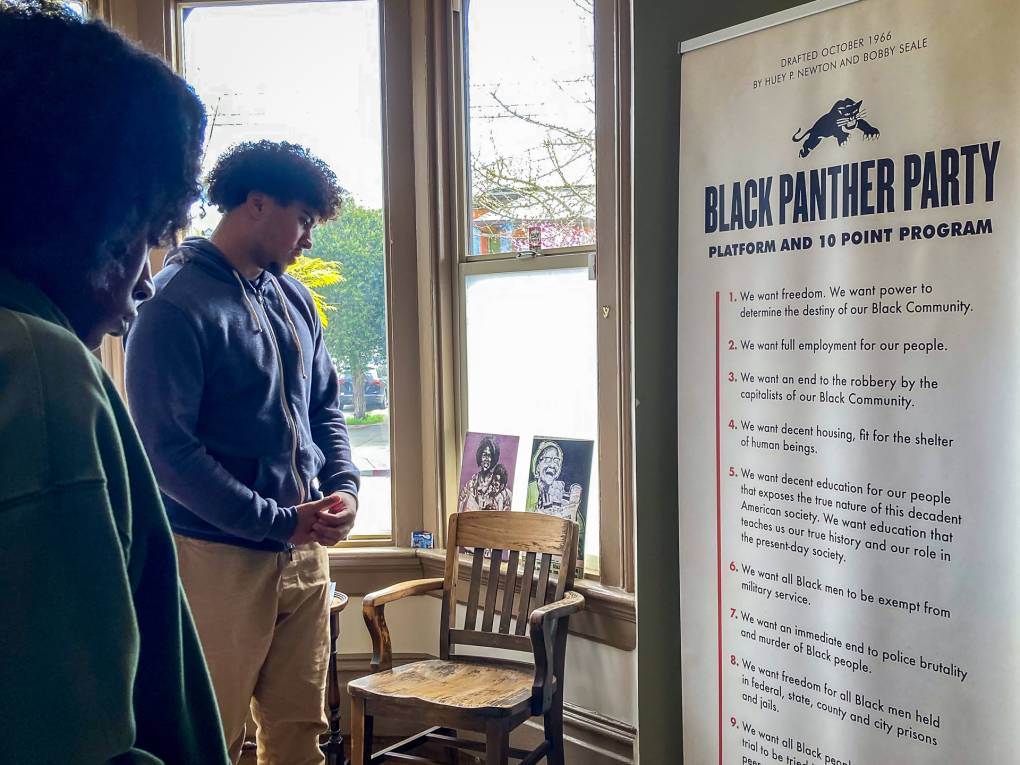
"caption": "On their field trip, students Olamide Ajike (left) and Zach Lee read the Black Panther Party's platform and 10-point program at a museum dedicated to the Party at the West Oakland Mural Project.",
"description": null,
"title": "IMG_5241-1",
"credit": "Sara Hossaini/KQED",
"status": "inherit",
"altTag": "Two high school students stand next to each other inside the West Oakland Mural Project, while reading text on a wall that outlines the Black Panther Party's platform and 10-point program.",
"isLoading": false,
"fetchFailed": false
},
"news_11921831": {
"type": "attachments",
"id": "news_11921831",
"meta": {
"index": "attachments_1716263798",
"site": "news",
"id": "11921831",
"found": true
},
"parent": 11921807,
"imgSizes": {
"twentyfourteen-full-width": {
"file": "https://ww2.kqed.org/app/uploads/sites/10/2022/08/Screen-Shot-2022-08-05-at-2.04.11-PM-1038x576.png",
"width": 1038,
"mimeType": "image/png",
"height": 576
},
"thumbnail": {
"file": "https://ww2.kqed.org/app/uploads/sites/10/2022/08/Screen-Shot-2022-08-05-at-2.04.11-PM-160x92.png",
"width": 160,
"mimeType": "image/png",
"height": 92
},
"post-thumbnail": {
"file": "https://ww2.kqed.org/app/uploads/sites/10/2022/08/Screen-Shot-2022-08-05-at-2.04.11-PM-672x372.png",
"width": 672,
"mimeType": "image/png",
"height": 372
},
"kqedFullSize": {
"file": "https://ww2.kqed.org/app/uploads/sites/10/2022/08/Screen-Shot-2022-08-05-at-2.04.11-PM.png",
"width": 3470,
"height": 2002
},
"2048x2048": {
"file": "https://ww2.kqed.org/app/uploads/sites/10/2022/08/Screen-Shot-2022-08-05-at-2.04.11-PM-2048x1182.png",
"width": 2048,
"mimeType": "image/png",
"height": 1182
},
"large": {
"file": "https://ww2.kqed.org/app/uploads/sites/10/2022/08/Screen-Shot-2022-08-05-at-2.04.11-PM-1020x588.png",
"width": 1020,
"mimeType": "image/png",
"height": 588
},
"1536x1536": {
"file": "https://ww2.kqed.org/app/uploads/sites/10/2022/08/Screen-Shot-2022-08-05-at-2.04.11-PM-1536x886.png",
"width": 1536,
"mimeType": "image/png",
"height": 886
},
"full-width": {
"file": "https://ww2.kqed.org/app/uploads/sites/10/2022/08/Screen-Shot-2022-08-05-at-2.04.11-PM-1920x1108.png",
"width": 1920,
"mimeType": "image/png",
"height": 1108
},
"medium": {
"file": "https://ww2.kqed.org/app/uploads/sites/10/2022/08/Screen-Shot-2022-08-05-at-2.04.11-PM-800x462.png",
"width": 800,
"mimeType": "image/png",
"height": 462
}
},
"publishDate": 1659738321,
"modified": 1659738468,
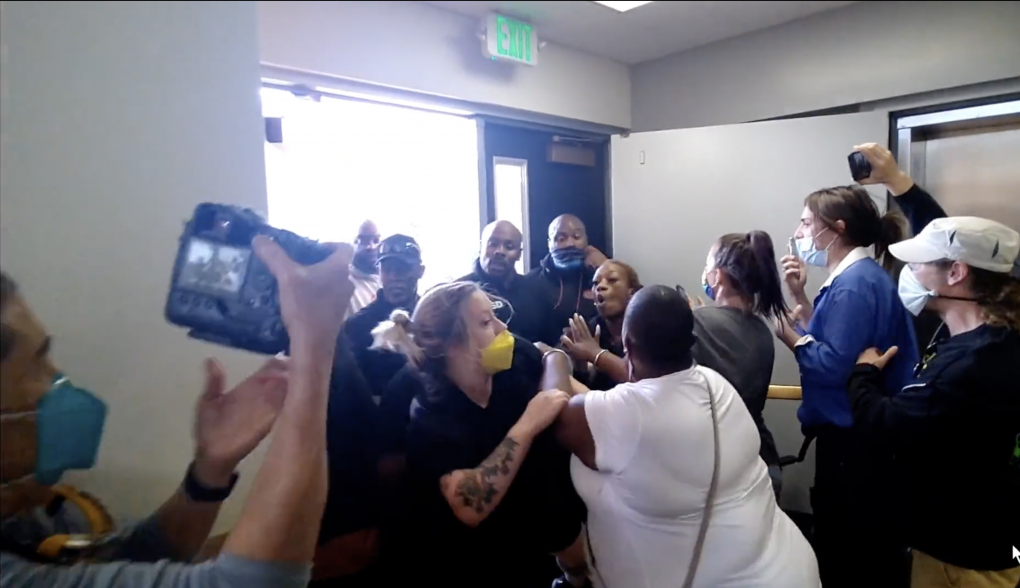
"caption": "Protesters at Parker Elementary School clash with Oakland Unified School District security officers in this screenshot from a video posted on social media by independent journalist Jaime Omar Yassin.",
"description": null,
"title": "Screen Shot 2022-08-05 at 2.04.11 PM",
"credit": "Jaime Omar Yassin via Twitter",
"status": "inherit",
"altTag": "a group of people wearing masks clash with security officers in the doorway to a school building as someone films",
"isLoading": false,
"fetchFailed": false
},
"news_11920798": {
"type": "attachments",
"id": "news_11920798",
"meta": {
"index": "attachments_1716263798",
"site": "news",
"id": "11920798",
"found": true
},
"parent": 11920767,
"imgSizes": {
"twentyfourteen-full-width": {
"file": "https://ww2.kqed.org/app/uploads/sites/10/2022/07/Image-from-iOS-6-1038x576.jpg",
"width": 1038,
"mimeType": "image/jpeg",
"height": 576
},
"thumbnail": {
"file": "https://ww2.kqed.org/app/uploads/sites/10/2022/07/Image-from-iOS-6-160x107.jpg",
"width": 160,
"mimeType": "image/jpeg",
"height": 107
},
"post-thumbnail": {
"file": "https://ww2.kqed.org/app/uploads/sites/10/2022/07/Image-from-iOS-6-672x372.jpg",
"width": 672,
"mimeType": "image/jpeg",
"height": 372
},
"kqedFullSize": {
"file": "https://ww2.kqed.org/app/uploads/sites/10/2022/07/Image-from-iOS-6.jpg",
"width": 1317,
"height": 878
},
"large": {
"file": "https://ww2.kqed.org/app/uploads/sites/10/2022/07/Image-from-iOS-6-1020x680.jpg",
"width": 1020,
"mimeType": "image/jpeg",
"height": 680
},
"medium": {
"file": "https://ww2.kqed.org/app/uploads/sites/10/2022/07/Image-from-iOS-6-800x533.jpg",
"width": 800,
"mimeType": "image/jpeg",
"height": 533
}
},
"publishDate": 1659052528,
"modified": 1659066921,
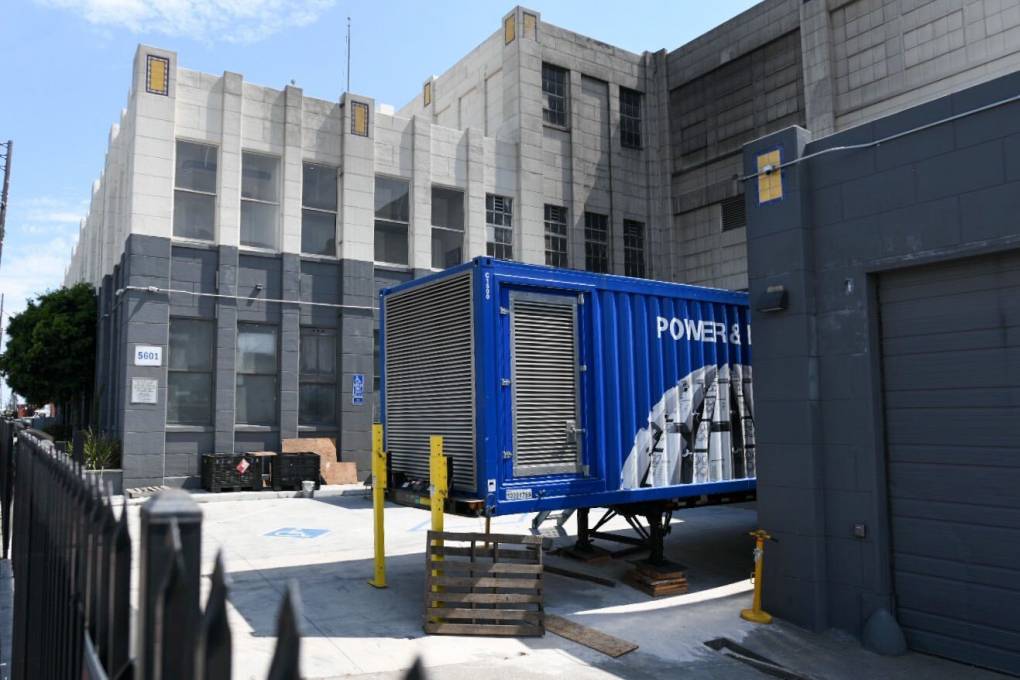
"caption": "Diesel-fueled generators supply power to cannabis production facilities at East Oakland properties owned by Denver-based Green Sage on July 28, 2022.",
"description": null,
"title": "Image from iOS (6)",
"credit": "Beth LaBerge/KQED",
"status": "inherit",
"altTag": "Generators behind a building.",
"isLoading": false,
"fetchFailed": false
},
"news_11918323": {
"type": "attachments",
"id": "news_11918323",
"meta": {
"index": "attachments_1716263798",
"site": "news",
"id": "11918323",
"found": true
},
"parent": 11918216,
"imgSizes": {
"twentyfourteen-full-width": {
"file": "https://ww2.kqed.org/app/uploads/sites/10/2022/06/greensage-1038x576.jpg",
"width": 1038,
"mimeType": "image/jpeg",
"height": 576
},
"thumbnail": {
"file": "https://ww2.kqed.org/app/uploads/sites/10/2022/06/greensage-160x111.jpg",
"width": 160,
"mimeType": "image/jpeg",
"height": 111
},
"post-thumbnail": {
"file": "https://ww2.kqed.org/app/uploads/sites/10/2022/06/greensage-672x372.jpg",
"width": 672,
"mimeType": "image/jpeg",
"height": 372
},
"kqedFullSize": {
"file": "https://ww2.kqed.org/app/uploads/sites/10/2022/06/greensage.jpg",
"width": 1920,
"height": 1333
},
"large": {
"file": "https://ww2.kqed.org/app/uploads/sites/10/2022/06/greensage-1020x708.jpg",
"width": 1020,
"mimeType": "image/jpeg",
"height": 708
},
"1536x1536": {
"file": "https://ww2.kqed.org/app/uploads/sites/10/2022/06/greensage-1536x1066.jpg",
"width": 1536,
"mimeType": "image/jpeg",
"height": 1066
},
"medium": {
"file": "https://ww2.kqed.org/app/uploads/sites/10/2022/06/greensage-800x555.jpg",
"width": 800,
"mimeType": "image/jpeg",
"height": 555
}
},
"publishDate": 1656528903,
"modified": 1656528979,
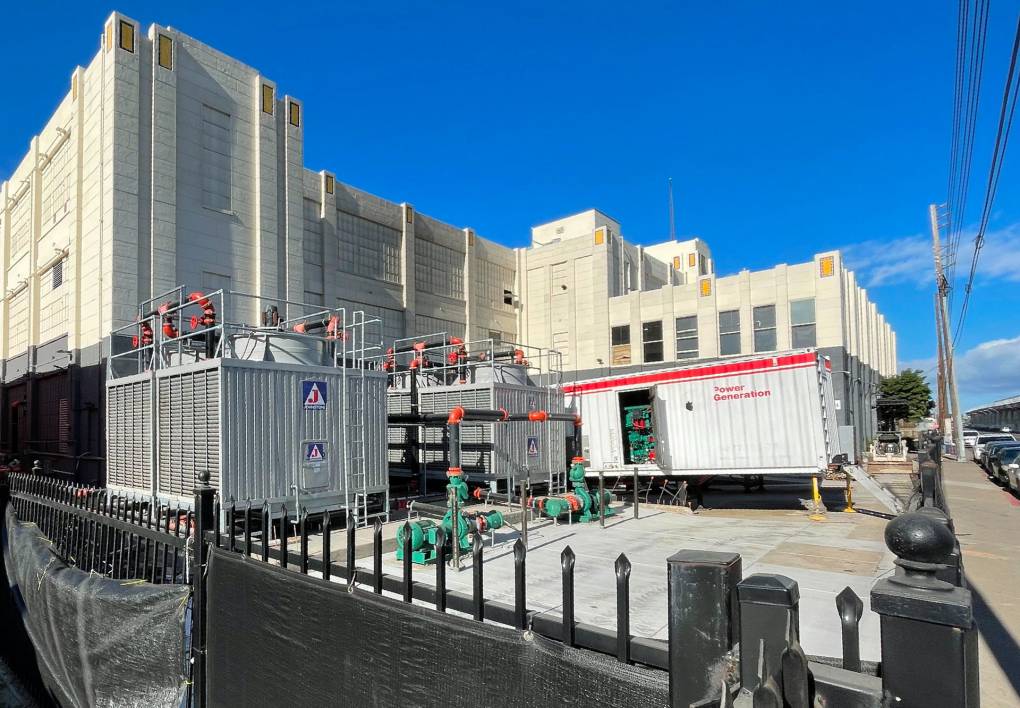
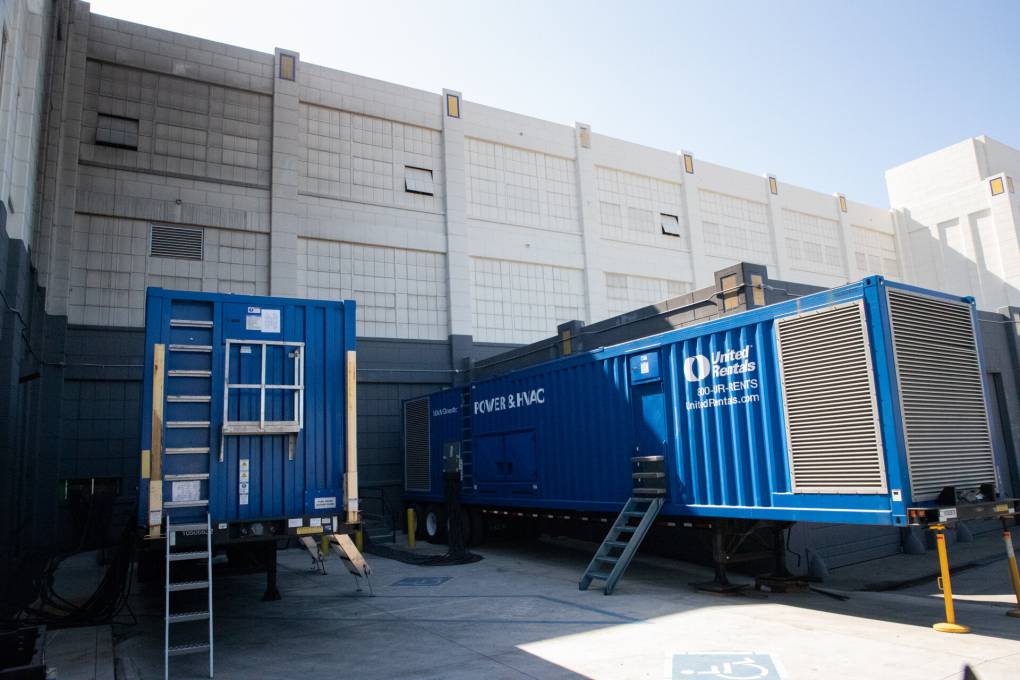
"caption": "Diesel generators and cooling equipment operating outside the Green Sage building at 5601 San Leandro St. in Oakland on Feb. 22, 2022.",
"description": null,
"title": "greensage",
"credit": "Dan Brekke/KQED",
"status": "inherit",
"altTag": "white buildings stained blackish with diesel exhaust loom against a blue sky as cube-shaped generators sit at ground level",
"isLoading": false,
"fetchFailed": false
},
"news_11908991": {
"type": "attachments",
"id": "news_11908991",
"meta": {
"index": "attachments_1716263798",
"site": "news",
"id": "11908991",
"found": true
},
"parent": 11908979,
"imgSizes": {
"twentyfourteen-full-width": {
"file": "https://ww2.kqed.org/app/uploads/sites/10/2022/03/RS54581_20220317-IMG_6356-qut-1038x576.jpg",
"width": 1038,
"mimeType": "image/jpeg",
"height": 576
},
"thumbnail": {
"file": "https://ww2.kqed.org/app/uploads/sites/10/2022/03/RS54581_20220317-IMG_6356-qut-160x107.jpg",
"width": 160,
"mimeType": "image/jpeg",
"height": 107
},
"post-thumbnail": {
"file": "https://ww2.kqed.org/app/uploads/sites/10/2022/03/RS54581_20220317-IMG_6356-qut-672x372.jpg",
"width": 672,
"mimeType": "image/jpeg",
"height": 372
},
"kqedFullSize": {
"file": "https://ww2.kqed.org/app/uploads/sites/10/2022/03/RS54581_20220317-IMG_6356-qut.jpg",
"width": 1920,
"height": 1280
},
"large": {
"file": "https://ww2.kqed.org/app/uploads/sites/10/2022/03/RS54581_20220317-IMG_6356-qut-1020x680.jpg",
"width": 1020,
"mimeType": "image/jpeg",
"height": 680
},
"1536x1536": {
"file": "https://ww2.kqed.org/app/uploads/sites/10/2022/03/RS54581_20220317-IMG_6356-qut-1536x1024.jpg",
"width": 1536,
"mimeType": "image/jpeg",
"height": 1024
},
"medium": {
"file": "https://ww2.kqed.org/app/uploads/sites/10/2022/03/RS54581_20220317-IMG_6356-qut-800x533.jpg",
"width": 800,
"mimeType": "image/jpeg",
"height": 533
}
},
"publishDate": 1648024900,
"modified": 1650578995,
"caption": "Two of the diesel-fueled generators that have been supplying power to cannabis production facilities at East Oakland properties owned by Denver-based Green Sage.",
"description": null,
"title": "Green Sage Generators",
"credit": "Amaya Nicole Edwards/KQED",
"status": "inherit",
"altTag": "Two giant diesel generators parked outside cannabis production facility in Oakland, California.",
"isLoading": false,
"fetchFailed": false
},
"news_11872235": {
"type": "attachments",
"id": "news_11872235",
"meta": {
"index": "attachments_1716263798",
"site": "news",
"id": "11872235",
"found": true
},
"parent": 11872011,
"imgSizes": {
"twentyfourteen-full-width": {
"file": "https://ww2.kqed.org/app/uploads/sites/10/2021/05/Image-from-iOS-1-1038x576.jpg",
"width": 1038,
"mimeType": "image/jpeg",
"height": 576
},
"thumbnail": {
"file": "https://ww2.kqed.org/app/uploads/sites/10/2021/05/Image-from-iOS-1-160x120.jpg",
"width": 160,
"mimeType": "image/jpeg",
"height": 120
},
"post-thumbnail": {
"file": "https://ww2.kqed.org/app/uploads/sites/10/2021/05/Image-from-iOS-1-672x372.jpg",
"width": 672,
"mimeType": "image/jpeg",
"height": 372
},
"kqedFullSize": {
"file": "https://ww2.kqed.org/app/uploads/sites/10/2021/05/Image-from-iOS-1-scaled.jpg",
"width": 2560,
"height": 1920
},
"2048x2048": {
"file": "https://ww2.kqed.org/app/uploads/sites/10/2021/05/Image-from-iOS-1-2048x1536.jpg",
"width": 2048,
"mimeType": "image/jpeg",
"height": 1536
},
"large": {
"file": "https://ww2.kqed.org/app/uploads/sites/10/2021/05/Image-from-iOS-1-1020x765.jpg",
"width": 1020,
"mimeType": "image/jpeg",
"height": 765
},
"1536x1536": {
"file": "https://ww2.kqed.org/app/uploads/sites/10/2021/05/Image-from-iOS-1-1536x1152.jpg",
"width": 1536,
"mimeType": "image/jpeg",
"height": 1152
},
"full-width": {
"file": "https://ww2.kqed.org/app/uploads/sites/10/2021/05/Image-from-iOS-1-1920x1440.jpg",
"width": 1920,
"mimeType": "image/jpeg",
"height": 1440
},
"medium": {
"file": "https://ww2.kqed.org/app/uploads/sites/10/2021/05/Image-from-iOS-1-800x600.jpg",
"width": 800,
"mimeType": "image/jpeg",
"height": 600
}
},
"publishDate": 1620171174,
"modified": 1620171434,
"caption": "Similar to other once busy thoroughfares around the Bay, International Boulevard has suffered during the pandemic. After receiving little to no support from the federal government or banks, some businesses have been forced to close. ",
"description": "Similar to other once busy thoroughfares around the Bay, International Boulevard has suffered during the pandemic. After receiving little to no support from the federal government or banks, some businesses have been forced to close. ",
"title": "Similar to other once busy thoroughfares around the Bay, International Boulevard has suffered during the pandemic. After receiving little to no support from the federal government or banks, some businesses have been forced to close.",
"credit": "Adhiti Bandlamudi/KQED News",
"status": "inherit",
"altTag": "Similar to other once busy thoroughfares around the Bay, International Boulevard has suffered during the pandemic. After receiving little to no support from the federal government or banks, some businesses have been forced to close.",
"isLoading": false,
"fetchFailed": false
},
"news_11872228": {
"type": "attachments",
"id": "news_11872228",
"meta": {
"index": "attachments_1716263798",
"site": "news",
"id": "11872228",
"found": true
},
"parent": 11872011,
"imgSizes": {
"twentyfourteen-full-width": {
"file": "https://ww2.kqed.org/app/uploads/sites/10/2021/05/Image-from-iOS-1038x576.jpg",
"width": 1038,
"mimeType": "image/jpeg",
"height": 576
},
"thumbnail": {
"file": "https://ww2.kqed.org/app/uploads/sites/10/2021/05/Image-from-iOS-160x120.jpg",
"width": 160,
"mimeType": "image/jpeg",
"height": 120
},
"post-thumbnail": {
"file": "https://ww2.kqed.org/app/uploads/sites/10/2021/05/Image-from-iOS-672x372.jpg",
"width": 672,
"mimeType": "image/jpeg",
"height": 372
},
"kqedFullSize": {
"file": "https://ww2.kqed.org/app/uploads/sites/10/2021/05/Image-from-iOS-scaled.jpg",
"width": 2560,
"height": 1920
},
"2048x2048": {
"file": "https://ww2.kqed.org/app/uploads/sites/10/2021/05/Image-from-iOS-2048x1536.jpg",
"width": 2048,
"mimeType": "image/jpeg",
"height": 1536
},
"large": {
"file": "https://ww2.kqed.org/app/uploads/sites/10/2021/05/Image-from-iOS-1020x765.jpg",
"width": 1020,
"mimeType": "image/jpeg",
"height": 765
},
"1536x1536": {
"file": "https://ww2.kqed.org/app/uploads/sites/10/2021/05/Image-from-iOS-1536x1152.jpg",
"width": 1536,
"mimeType": "image/jpeg",
"height": 1152
},
"full-width": {
"file": "https://ww2.kqed.org/app/uploads/sites/10/2021/05/Image-from-iOS-1920x1440.jpg",
"width": 1920,
"mimeType": "image/jpeg",
"height": 1440
},
"medium": {
"file": "https://ww2.kqed.org/app/uploads/sites/10/2021/05/Image-from-iOS-800x600.jpg",
"width": 800,
"mimeType": "image/jpeg",
"height": 600
}
},
"publishDate": 1620170434,
"modified": 1620767681,
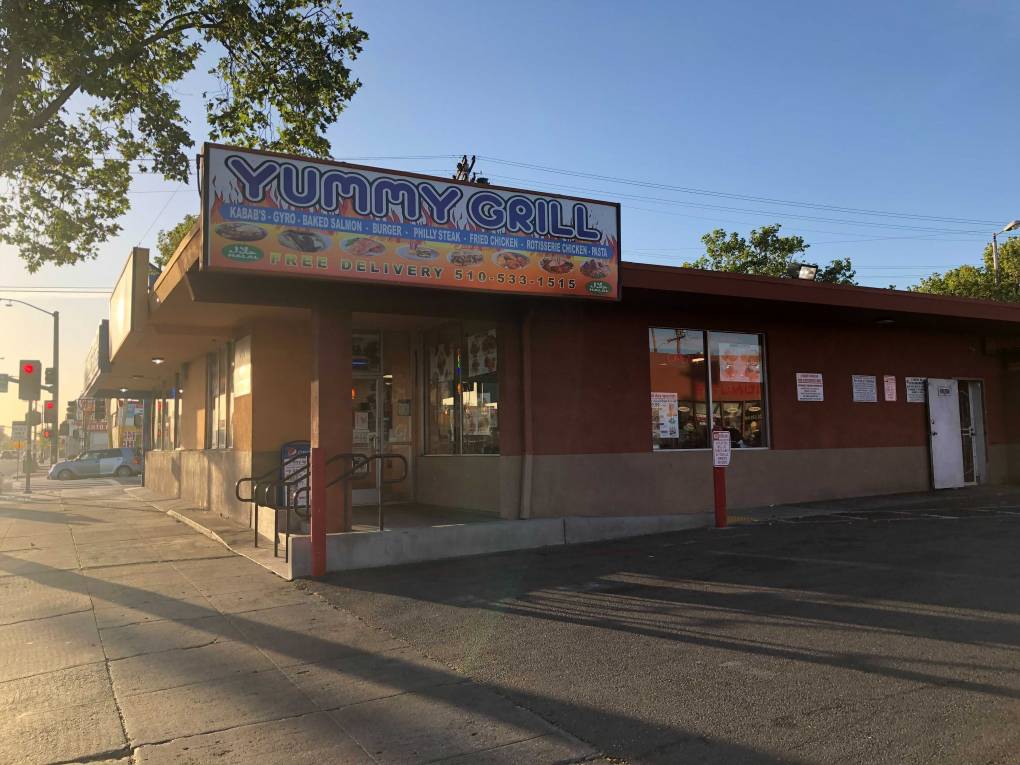
"caption": "Yummy Grill, an Afghan kebab restaurant on International Boulevard, has struggled through the pandemic. After three failed attempts applying for a PPP loan through Chase Bank, it just recently received one through a Utah-based small-business specialist.",
"description": "Yummy Grill, an Afghan kebab restaurant on International Boulevard, has struggled through the pandemic. Only five percent of businesses in this neighborhood who applied for a PPP loan, received one. Yummy Grill only recently received PPP funding through Lendio, a Utah-based small business specialist.",
"title": "Yummy Grill, an Afghan kebab restaurant on International Boulevard, has struggled through the pandemic. Only five percent of businesses in this neighborhood who applied for a PPP loan, received one. Yummy Grill only recently received PPP funding through Lendio, a Utah-based small business specialist.",
"credit": "Adhiti Bandlamudi/KQED",
"status": "inherit",
"altTag": "Yummy Grill, an Afghan kebab restaurant on International Boulevard, has struggled through the pandemic. Only five percent of businesses in this neighborhood who applied for a PPP loan, received one. Yummy Grill only recently received PPP funding through Lendio, a Utah-based small business specialist.",
"isLoading": false,
"fetchFailed": false
},
"news_11861987": {
"type": "attachments",
"id": "news_11861987",
"meta": {
"index": "attachments_1716263798",
"site": "news",
"id": "11861987",
"found": true
},
"parent": 11861840,
"imgSizes": {
"apple_news_ca_landscape_5_5": {
"file": "https://ww2.kqed.org/app/uploads/sites/10/2021/02/Sandobal-Tiny-House-1044x783.jpg",
"width": 1044,
"mimeType": "image/jpeg",
"height": 783
},
"apple_news_ca_square_4_0": {
"file": "https://ww2.kqed.org/app/uploads/sites/10/2021/02/Sandobal-Tiny-House-470x470.jpg",
"width": 470,
"mimeType": "image/jpeg",
"height": 470
},
"twentyfourteen-full-width": {
"file": "https://ww2.kqed.org/app/uploads/sites/10/2021/02/Sandobal-Tiny-House-1038x576.jpg",
"width": 1038,
"mimeType": "image/jpeg",
"height": 576
},
"thumbnail": {
"file": "https://ww2.kqed.org/app/uploads/sites/10/2021/02/Sandobal-Tiny-House-160x109.jpg",
"width": 160,
"mimeType": "image/jpeg",
"height": 109
},
"post-thumbnail": {
"file": "https://ww2.kqed.org/app/uploads/sites/10/2021/02/Sandobal-Tiny-House-672x372.jpg",
"width": 672,
"mimeType": "image/jpeg",
"height": 372
},
"kqedFullSize": {
"file": "https://ww2.kqed.org/app/uploads/sites/10/2021/02/Sandobal-Tiny-House.jpg",
"width": 1920,
"height": 1305
},
"apple_news_ca_landscape_4_7": {
"file": "https://ww2.kqed.org/app/uploads/sites/10/2021/02/Sandobal-Tiny-House-632x474.jpg",
"width": 632,
"mimeType": "image/jpeg",
"height": 474
},
"large": {
"file": "https://ww2.kqed.org/app/uploads/sites/10/2021/02/Sandobal-Tiny-House-1020x693.jpg",
"width": 1020,
"mimeType": "image/jpeg",
"height": 693
},
"apple_news_ca_landscape_4_0": {
"file": "https://ww2.kqed.org/app/uploads/sites/10/2021/02/Sandobal-Tiny-House-536x402.jpg",
"width": 536,
"mimeType": "image/jpeg",
"height": 402
},
"apple_news_ca_portrait_12_9": {
"file": "https://ww2.kqed.org/app/uploads/sites/10/2021/02/Sandobal-Tiny-House-1122x1305.jpg",
"width": 1122,
"mimeType": "image/jpeg",
"height": 1305
},
"medium": {
"file": "https://ww2.kqed.org/app/uploads/sites/10/2021/02/Sandobal-Tiny-House-800x544.jpg",
"width": 800,
"mimeType": "image/jpeg",
"height": 544
},
"apple_news_ca_portrait_4_0": {
"file": "https://ww2.kqed.org/app/uploads/sites/10/2021/02/Sandobal-Tiny-House-354x472.jpg",
"width": 354,
"mimeType": "image/jpeg",
"height": 472
},
"apple_news_ca_portrait_9_7": {
"file": "https://ww2.kqed.org/app/uploads/sites/10/2021/02/Sandobal-Tiny-House-840x1120.jpg",
"width": 840,
"mimeType": "image/jpeg",
"height": 1120
},
"apple_news_ca_landscape_12_9": {
"file": "https://ww2.kqed.org/app/uploads/sites/10/2021/02/Sandobal-Tiny-House-1832x1305.jpg",
"width": 1832,
"mimeType": "image/jpeg",
"height": 1305
},
"apple_news_ca_square_9_7": {
"file": "https://ww2.kqed.org/app/uploads/sites/10/2021/02/Sandobal-Tiny-House-1104x1104.jpg",
"width": 1104,
"mimeType": "image/jpeg",
"height": 1104
},
"1536x1536": {
"file": "https://ww2.kqed.org/app/uploads/sites/10/2021/02/Sandobal-Tiny-House-1536x1044.jpg",
"width": 1536,
"mimeType": "image/jpeg",
"height": 1044
},
"apple_news_ca_portrait_4_7": {
"file": "https://ww2.kqed.org/app/uploads/sites/10/2021/02/Sandobal-Tiny-House-414x552.jpg",
"width": 414,
"mimeType": "image/jpeg",
"height": 552
},
"apple_news_ca_square_12_9": {
"file": "https://ww2.kqed.org/app/uploads/sites/10/2021/02/Sandobal-Tiny-House-1472x1305.jpg",
"width": 1472,
"mimeType": "image/jpeg",
"height": 1305
},
"apple_news_ca_portrait_5_5": {
"file": "https://ww2.kqed.org/app/uploads/sites/10/2021/02/Sandobal-Tiny-House-687x916.jpg",
"width": 687,
"mimeType": "image/jpeg",
"height": 916
},
"apple_news_ca_square_4_7": {
"file": "https://ww2.kqed.org/app/uploads/sites/10/2021/02/Sandobal-Tiny-House-550x550.jpg",
"width": 550,
"mimeType": "image/jpeg",
"height": 550
},
"apple_news_ca_landscape_9_7": {
"file": "https://ww2.kqed.org/app/uploads/sites/10/2021/02/Sandobal-Tiny-House-1376x1032.jpg",
"width": 1376,
"mimeType": "image/jpeg",
"height": 1032
},
"apple_news_ca_square_5_5": {
"file": "https://ww2.kqed.org/app/uploads/sites/10/2021/02/Sandobal-Tiny-House-912x912.jpg",
"width": 912,
"mimeType": "image/jpeg",
"height": 912
}
},
"publishDate": 1614208973,
"modified": 1614212711,
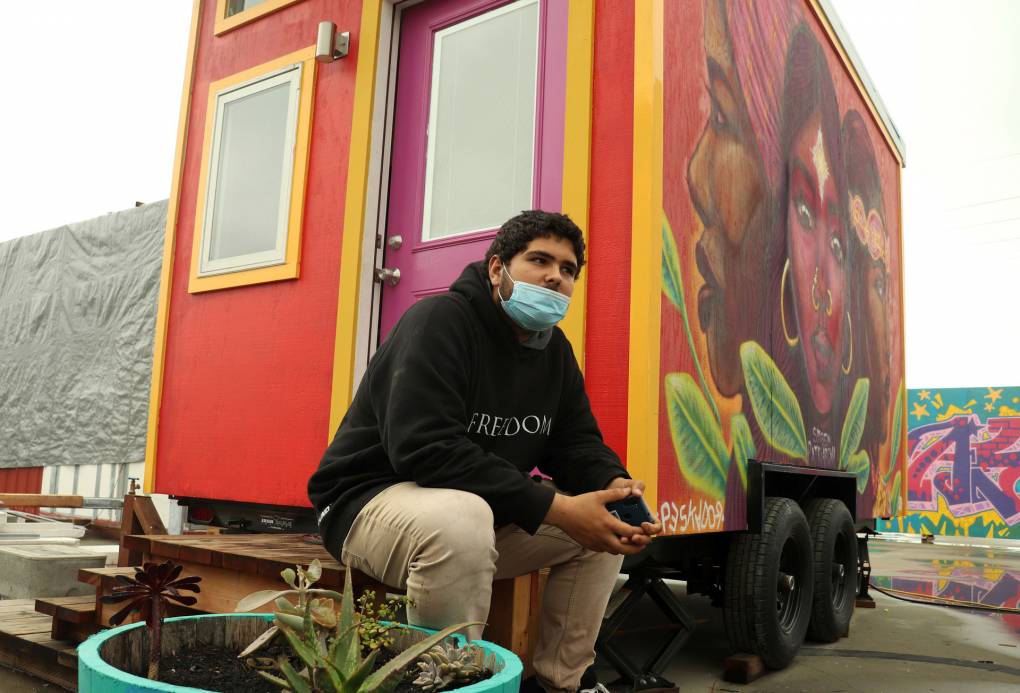
"caption": "Ernie Sandobal, who said he hasn't had a stable place to live in three years, moved into the new Tiny House Empowerment Village for unhoused youth on Feb. 19, 2021 in Oakland.",
"description": "Ernie Sandobal, who said he hasn't had a stable place to live in three years, moved into the new Tiny House Empowerment Village for unhoused youth on Feb. 19, 2021 in Oakland.",
"title": "Sandobal-Tiny-House",
"credit": "MJ Johnson/KQED",
"status": "inherit",
"altTag": null,
"isLoading": false,
"fetchFailed": false
}
},
"audioPlayerReducer": {
"postId": "stream_live",
"isPaused": true,
"isPlaying": false,
"pfsActive": false,
"pledgeModalIsOpen": true,
"playerDrawerIsOpen": false,
"liveAudioPlayStartedAt": 0,
"liveAudioPlayContext": ""
},
"authorsReducer": {
"byline_news_11972507": {
"type": "authors",
"id": "byline_news_11972507",
"meta": {
"override": true
},
"slug": "byline_news_11972507",
"name": "\u003ca href=\"https://www.eltimpano.org/\">El Tímpano\u003c/a>",
"isLoading": false
},
"danbrekke": {
"type": "authors",
"id": "222",
"meta": {
"index": "authors_1716337520",
"id": "222",
"found": true
},
"name": "Dan Brekke",
"firstName": "Dan",
"lastName": "Brekke",
"slug": "danbrekke",
"email": "dbrekke@kqed.org",
"display_author_email": true,
"staff_mastheads": [
"news",
"science"
],
"title": "KQED Editor and Reporter",
"bio": "Dan Brekke is a reporter and editor for KQED News, responsible for coverage of topics ranging from California water issues to the Bay Area's transportation challenges. In a newsroom career that began in Chicago in 1972, Dan has worked for \u003cem>The San Francisco Examiner,\u003c/em> Wired and TechTV and has been published in The New York Times, The New York Times Magazine, Business 2.0, Salon and elsewhere.\r\n\r\nSince joining KQED in 2007, Dan has reported, edited and produced both radio and online features and breaking news pieces. He has shared as both editor and reporter in four Society of Professional Journalists Norcal Excellence in Journalism awards and one Edward R. Murrow regional award. He was chosen for a spring 2017 residency at the Mesa Refuge to advance his research on California salmon.\r\n\r\nEmail Dan at: \u003ca href=\"mailto:dbrekke@kqed.org\">dbrekke@kqed.org\u003c/a>\r\n\r\n\u003cstrong>Twitter:\u003c/strong> \u003ca href=\"https://twitter.com/danbrekke\" rel=\"noopener noreferrer\">twitter.com/danbrekke\u003c/a>\r\n\u003cstrong>Facebook:\u003c/strong> \u003ca href=\"https://www.facebook.com/danbrekke\" rel=\"noopener noreferrer\">www.facebook.com/danbrekke\u003c/a>\r\n\u003cstrong>LinkedIn:\u003c/strong> \u003ca href=\"https://www.linkedin.com/in/danbrekke\" rel=\"noopener noreferrer\">www.linkedin.com/in/danbrekke\u003c/a>",
"avatar": "https://secure.gravatar.com/avatar/c8126230345efca3f7aa89b1a402be45?s=600&d=mm&r=g",
"twitter": "danbrekke",
"facebook": null,
"instagram": "https://www.instagram.com/dan.brekke/",
"linkedin": "https://www.linkedin.com/in/danbrekke/",
"sites": [
{
"site": "news",
"roles": [
"administrator",
"create_posts"
]
},
{
"site": "stateofhealth",
"roles": [
"editor"
]
},
{
"site": "science",
"roles": [
"editor"
]
},
{
"site": "quest",
"roles": [
"contributor"
]
},
{
"site": "food",
"roles": [
"contributor"
]
},
{
"site": "forum",
"roles": [
"contributor"
]
},
{
"site": "liveblog",
"roles": [
"editor"
]
}
],
"headData": {
"title": "Dan Brekke | KQED",
"description": "KQED Editor and Reporter",
"ogImgSrc": "https://secure.gravatar.com/avatar/c8126230345efca3f7aa89b1a402be45?s=600&d=mm&r=g",
"twImgSrc": "https://secure.gravatar.com/avatar/c8126230345efca3f7aa89b1a402be45?s=600&d=mm&r=g"
},
"isLoading": false,
"link": "/author/danbrekke"
},
"jmcevoy": {
"type": "authors",
"id": "231",
"meta": {
"index": "authors_1716337520",
"id": "231",
"found": true
},
"name": "Julia McEvoy",
"firstName": "Julia",
"lastName": "McEvoy",
"slug": "jmcevoy",
"email": "jmcevoy@KQED.org",
"display_author_email": true,
"staff_mastheads": [
"news"
],
"title": "KQED Senior Editor",
"bio": "Julia McEvoy is KQED's Senior Editor, Education Equity.\r\n\r\nJulia heads KQED’s education coverage examining inequities students face in Bay Area and California schools, and reports on what it will take to educate the next generation.\r\n\r\nJulia's editorial work has received a Peabody Award, a Casey Medal for Coverage of Children and Families, several Edward R. Murrow awards, as well as awards from the Public Radio News Directors Inc. and the Society for Professional Journalists.",
"avatar": "https://secure.gravatar.com/avatar/aec3ce21abe02b302fd33638abd56a22?s=600&d=blank&r=g",
"twitter": "juliamcevoy1",
"facebook": null,
"instagram": null,
"linkedin": null,
"sites": [
{
"site": "news",
"roles": []
},
{
"site": "stateofhealth",
"roles": [
"author"
]
}
],
"headData": {
"title": "Julia McEvoy | KQED",
"description": "KQED Senior Editor",
"ogImgSrc": "https://secure.gravatar.com/avatar/aec3ce21abe02b302fd33638abd56a22?s=600&d=blank&r=g",
"twImgSrc": "https://secure.gravatar.com/avatar/aec3ce21abe02b302fd33638abd56a22?s=600&d=blank&r=g"
},
"isLoading": false,
"link": "/author/jmcevoy"
},
"matthewgreen": {
"type": "authors",
"id": "1263",
"meta": {
"index": "authors_1716337520",
"id": "1263",
"found": true
},
"name": "Matthew Green",
"firstName": "Matthew",
"lastName": "Green",
"slug": "matthewgreen",
"email": "mgreen@kqed.org",
"display_author_email": false,
"staff_mastheads": [],
"title": "KQED Editor/Reporter",
"bio": "Matthew Green is a digital media producer for KQED News. He previously produced \u003ca href=\"http://www.kqed.org/lowdown\">The Lowdown\u003c/a>, KQED’s multimedia news education blog. Matthew's written for numerous Bay Area publications, including the Oakland Tribune and San Francisco Chronicle. He also taught journalism classes at Fremont High School in East Oakland.\r\n\r\nEmail: mgreen@kqed.org; Twitter: @MGreenKQED",
"avatar": "https://secure.gravatar.com/avatar/3bf498d1267ca02c8494f33d8cfc575e?s=600&d=blank&r=g",
"twitter": "MGreenKQED",
"facebook": null,
"instagram": null,
"linkedin": null,
"sites": [
{
"site": "news",
"roles": []
},
{
"site": "lowdown",
"roles": []
},
{
"site": "science",
"roles": []
},
{
"site": "education",
"roles": []
},
{
"site": "quest",
"roles": []
},
{
"site": "liveblog",
"roles": []
}
],
"headData": {
"title": "Matthew Green | KQED",
"description": "KQED Editor/Reporter",
"ogImgSrc": "https://secure.gravatar.com/avatar/3bf498d1267ca02c8494f33d8cfc575e?s=600&d=blank&r=g",
"twImgSrc": "https://secure.gravatar.com/avatar/3bf498d1267ca02c8494f33d8cfc575e?s=600&d=blank&r=g"
},
"isLoading": false,
"link": "/author/matthewgreen"
},
"shossaini": {
"type": "authors",
"id": "3214",
"meta": {
"index": "authors_1716337520",
"id": "3214",
"found": true
},
"name": "Sara Hossaini",
"firstName": "Sara",
"lastName": "Hossaini",
"slug": "shossaini",
"email": "shossaini@kqed.org",
"display_author_email": true,
"staff_mastheads": [
"news"
],
"title": "KQED Reporter",
"bio": "Sara Hossaini came to general assignment reporting at KQED in 2013 after two winters reporting at Wyoming Public Radio. She holds a bachelor's degree in broadcast journalism from the University of Nebraska-Lincoln. Her radio romance began after a bitter breakup with documentary film (Ok, maybe it's still complicated). Her first simultaneous jobs in San Francisco were as Associate Producer on a PBS film series through the Center for Asian American Media and as a butler. She likes to trot, plot and make things with her hands.",
"avatar": "https://secure.gravatar.com/avatar/060e9f56b9554e17942e89f413242774?s=600&d=blank&r=g",
"twitter": "mshossaini",
"facebook": null,
"instagram": null,
"linkedin": null,
"sites": [
{
"site": "news",
"roles": [
"author"
]
},
{
"site": "stateofhealth",
"roles": [
"author"
]
}
],
"headData": {
"title": "Sara Hossaini | KQED",
"description": "KQED Reporter",
"ogImgSrc": "https://secure.gravatar.com/avatar/060e9f56b9554e17942e89f413242774?s=600&d=blank&r=g",
"twImgSrc": "https://secure.gravatar.com/avatar/060e9f56b9554e17942e89f413242774?s=600&d=blank&r=g"
},
"isLoading": false,
"link": "/author/shossaini"
},
"esilvers": {
"type": "authors",
"id": "7237",
"meta": {
"index": "authors_1716337520",
"id": "7237",
"found": true
},
"name": "Emma Silvers",
"firstName": "Emma",
"lastName": "Silvers",
"slug": "esilvers",
"email": "esilvers@kqed.org",
"display_author_email": false,
"staff_mastheads": [],
"title": "KQED Contributor",
"bio": "Emma Silvers is an editor at KQED Arts and a former digital producer at KQED News. Born and raised in the Bay Area, she has previously been an arts and entertainment editor at the \u003cem>San Francisco Chronicle\u003c/em>, \u003cem>SF Weekly\u003c/em> and the \u003cem>San Francisco Bay Guardian.\u003c/em> \u003ca href=\"https://www.emmasilvers.com\">Her work\u003c/a> has also appeared in \u003cem>Rolling Stone\u003c/em>, Pitchfork and \u003cem>Mother Jones\u003c/em>. In 2017 she was the recipient of the Society of Professional Journalists-Northern California's award for arts and culture reporting. In 1993 she \u003ca href=\"https://www.kqed.org/pop/16759/wait-what-my-coworker-was-a-voice-over-hyperventilator-for-jurassic-park\">hyperventilated in \u003cem>Jurassic Park\u003c/em>\u003c/a>.",
"avatar": "https://secure.gravatar.com/avatar/247beada39b88ea5759db1f51dba05cf?s=600&d=blank&r=g",
"twitter": "emmaruthless",
"facebook": null,
"instagram": null,
"linkedin": null,
"sites": [
{
"site": "arts",
"roles": [
"editor"
]
},
{
"site": "news",
"roles": [
"editor"
]
},
{
"site": "pop",
"roles": [
"contributor"
]
},
{
"site": "bayareabites",
"roles": [
"editor"
]
},
{
"site": "food",
"roles": [
"contributor"
]
},
{
"site": "liveblog",
"roles": [
"editor"
]
}
],
"headData": {
"title": "Emma Silvers | KQED",
"description": "KQED Contributor",
"ogImgSrc": "https://secure.gravatar.com/avatar/247beada39b88ea5759db1f51dba05cf?s=600&d=blank&r=g",
"twImgSrc": "https://secure.gravatar.com/avatar/247beada39b88ea5759db1f51dba05cf?s=600&d=blank&r=g"
},
"isLoading": false,
"link": "/author/esilvers"
},
"dkatayama": {
"type": "authors",
"id": "7240",
"meta": {
"index": "authors_1716337520",
"id": "7240",
"found": true
},
"name": "Devin Katayama",
"firstName": "Devin",
"lastName": "Katayama",
"slug": "dkatayama",
"email": "dkatayama@kqed.org",
"display_author_email": true,
"staff_mastheads": [
"news"
],
"title": "Editor of Talent and Development",
"bio": "Devin Katayama is former Editor of Talent and Development for KQED. He supported our internship program and on-call staff by looking for equitable opportunities to improve the newsroom.\r\n\r\nHe previously hosted The Bay and American Suburb podcasts from KQED News. Prior to returning to the Bay Area in 2015, Devin was the education reporter for WFPL in Louisville and worked as a producer with radio stations in Chicago and Portland, OR. His work has appeared on NPR’s \u003cem>Morning Edition, All Things Considered, The Takeaway\u003c/em> and \u003cem>Here and Now.\u003c/em>\r\n\r\nDevin earned his MA in Journalism from Columbia College Chicago, where he was a Follett Fellow and the recipient of the 2011 Studs Terkel Community Media Workshop Scholarship for his story on Chicago's homeless youth. He won WBUR's 2014 Daniel Schorr award and a regional RTNDA Edward R. Murrow Award for his documentary \"At Risk\" that looked at issues facing some of Louisville's students. Devin has also received numerous local awards from the Associated Press and the Society of Professional Journalists.",
"avatar": "https://secure.gravatar.com/avatar/d0d2978a31002fb2de107921a8e18405?s=600&d=blank&r=g",
"twitter": "RadioDevin",
"facebook": null,
"instagram": null,
"linkedin": null,
"sites": [
{
"site": "arts",
"roles": []
},
{
"site": "news",
"roles": [
"author"
]
},
{
"site": "stateofhealth",
"roles": [
"author"
]
},
{
"site": "forum",
"roles": [
"editor"
]
},
{
"site": "perspectives",
"roles": [
"editor"
]
}
],
"headData": {
"title": "Devin Katayama | KQED",
"description": "Editor of Talent and Development",
"ogImgSrc": "https://secure.gravatar.com/avatar/d0d2978a31002fb2de107921a8e18405?s=600&d=blank&r=g",
"twImgSrc": "https://secure.gravatar.com/avatar/d0d2978a31002fb2de107921a8e18405?s=600&d=blank&r=g"
},
"isLoading": false,
"link": "/author/dkatayama"
},
"ecruzguevarra": {
"type": "authors",
"id": "8654",
"meta": {
"index": "authors_1716337520",
"id": "8654",
"found": true
},
"name": "Ericka Cruz Guevarra",
"firstName": "Ericka",
"lastName": "Cruz Guevarra",
"slug": "ecruzguevarra",
"email": "ecruzguevarra@kqed.org",
"display_author_email": true,
"staff_mastheads": [
"news"
],
"title": "Producer, The Bay Podcast",
"bio": "Ericka Cruz Guevarra is host of \u003ca href=\"https://www.kqed.org/podcasts/thebay\">\u003cem>The Bay\u003c/em>\u003c/a> podcast at KQED. Before host, she was the show’s producer. Her work in that capacity includes a three-part reported series on policing in Vallejo, which won a 2020 excellence in journalism award from the Society of Professional Journalists. Ericka has worked as a breaking news reporter at Oregon Public Broadcasting, helped produce the Code Switch podcast, and was KQED’s inaugural Raul Ramirez Diversity Fund intern. She’s also an alumna of NPR’s Next Generation Radio program. Send her an email if you have strong feelings about whether Fairfield and Suisun City are the Bay. Ericka is represented by SAG-AFTRA.",
"avatar": "https://secure.gravatar.com/avatar/accefc1de4bafc7e234b69bcb9b6f6536c130fd84709bc3069ef11a78787e1bb?s=600&d=blank&r=g",
"twitter": "NotoriousECG",
"bluesky": null,
"facebook": null,
"instagram": null,
"linkedin": null,
"sites": [
{
"site": "arts",
"roles": [
"subscriber"
]
},
{
"site": "news",
"roles": [
"editor",
"manage_categories"
]
},
{
"site": "futureofyou",
"roles": [
"subscriber"
]
},
{
"site": "stateofhealth",
"roles": [
"subscriber"
]
},
{
"site": "science",
"roles": [
"editor"
]
},
{
"site": "forum",
"roles": [
"subscriber"
]
}
],
"headData": {
"title": "Ericka Cruz Guevarra | KQED",
"description": "Producer, The Bay Podcast",
"ogImgSrc": "https://secure.gravatar.com/avatar/accefc1de4bafc7e234b69bcb9b6f6536c130fd84709bc3069ef11a78787e1bb?s=600&d=blank&r=g",
"twImgSrc": "https://secure.gravatar.com/avatar/accefc1de4bafc7e234b69bcb9b6f6536c130fd84709bc3069ef11a78787e1bb?s=600&d=blank&r=g"
},
"isLoading": false,
"link": "/author/ecruzguevarra"
},
"amontecillo": {
"type": "authors",
"id": "11649",
"meta": {
"index": "authors_1716337520",
"id": "11649",
"found": true
},
"name": "Alan Montecillo",
"firstName": "Alan",
"lastName": "Montecillo",
"slug": "amontecillo",
"email": "amontecillo@kqed.org",
"display_author_email": false,
"staff_mastheads": [
"news"
],
"title": "KQED Contributor",
"bio": "Alan Montecillo is the senior editor of \u003cem>\u003ca href=\"http://kqed.org/thebay\">The Bay\u003c/a>, \u003c/em> KQED's local news podcast. Before moving to the Bay Area, he worked as a senior talk show producer for WILL in Champaign-Urbana, Illinois and at Oregon Public Broadcasting in Portland, Oregon. He has won journalism awards from the Society of Professional Journalists Northern California, the Public Media Journalists Association, The Signal Awards, and has also received a regional Edward R. Murrow award. Alan is a Filipino American from Hong Kong and a graduate of Reed College.",
"avatar": "https://secure.gravatar.com/avatar/268f53a2066899ea9efdd8a5900218b17c822d9862cbc9326cccec53ef41d349?s=600&d=blank&r=g",
"twitter": "alanmontecillo",
"bluesky": null,
"facebook": null,
"instagram": null,
"linkedin": null,
"sites": [
{
"site": "",
"roles": [
"editor"
]
},
{
"site": "news",
"roles": [
"editor",
"manage_categories"
]
}
],
"headData": {
"title": "Alan Montecillo | KQED",
"description": "KQED Contributor",
"ogImgSrc": "https://secure.gravatar.com/avatar/268f53a2066899ea9efdd8a5900218b17c822d9862cbc9326cccec53ef41d349?s=600&d=blank&r=g",
"twImgSrc": "https://secure.gravatar.com/avatar/268f53a2066899ea9efdd8a5900218b17c822d9862cbc9326cccec53ef41d349?s=600&d=blank&r=g"
},
"isLoading": false,
"link": "/author/amontecillo"
},
"abandlamudi": {
"type": "authors",
"id": "11672",
"meta": {
"index": "authors_1716337520",
"id": "11672",
"found": true
},
"name": "Adhiti Bandlamudi",
"firstName": "Adhiti",
"lastName": "Bandlamudi",
"slug": "abandlamudi",
"email": "abandlamudi@kqed.org",
"display_author_email": false,
"staff_mastheads": [
"news"
],
"title": "KQED Housing Reporter",
"bio": "Adhiti Bandlamudi reports for KQED's Housing desk. She focuses on how housing gets built across the Bay Area. Before joining KQED in 2020, she reported for WUNC in Durham, North Carolina, WABE in Atlanta, Georgia and Capital Public Radio in Sacramento. In 2017, she was awarded a Kroc Fellowship at NPR where she reported on everything from sprinkles to the Golden State Killer's arrest. When she's not reporting, she's baking new recipes in her kitchen or watching movies with friends and family. She's originally from Georgia and has strong opinions about Great British Bake Off.",
"avatar": "https://secure.gravatar.com/avatar/868129c8b257bb99a3500e2c86a65400?s=600&d=mm&r=g",
"twitter": "oddity_adhiti",
"facebook": null,
"instagram": null,
"linkedin": null,
"sites": [
{
"site": "arts",
"roles": [
"author"
]
},
{
"site": "news",
"roles": [
"editor"
]
},
{
"site": "liveblog",
"roles": [
"author"
]
}
],
"headData": {
"title": "Adhiti Bandlamudi | KQED",
"description": "KQED Housing Reporter",
"ogImgSrc": "https://secure.gravatar.com/avatar/868129c8b257bb99a3500e2c86a65400?s=600&d=mm&r=g",
"twImgSrc": "https://secure.gravatar.com/avatar/868129c8b257bb99a3500e2c86a65400?s=600&d=mm&r=g"
},
"isLoading": false,
"link": "/author/abandlamudi"
},
"agonzalez": {
"type": "authors",
"id": "11724",
"meta": {
"index": "authors_1716337520",
"id": "11724",
"found": true
},
"name": "Alexander Gonzalez",
"firstName": "Alexander",
"lastName": "Gonzalez",
"slug": "agonzalez",
"email": "AlexanderGonzalez@KQED.org",
"display_author_email": false,
"staff_mastheads": [
"news"
],
"title": "KQED Contributor",
"bio": null,
"avatar": "https://secure.gravatar.com/avatar/9e291ed34e154df4c662edf858b641d70b4859939bfe40be478408f9dfd057d2?s=600&d=blank&r=g",
"twitter": null,
"bluesky": null,
"facebook": null,
"instagram": null,
"linkedin": null,
"sites": [
{
"site": "arts",
"roles": [
"editor"
]
},
{
"site": "news",
"roles": [
"editor"
]
},
{
"site": "science",
"roles": [
"editor"
]
}
],
"headData": {
"title": "Alexander Gonzalez | KQED",
"description": "KQED Contributor",
"ogImgSrc": "https://secure.gravatar.com/avatar/9e291ed34e154df4c662edf858b641d70b4859939bfe40be478408f9dfd057d2?s=600&d=blank&r=g",
"twImgSrc": "https://secure.gravatar.com/avatar/9e291ed34e154df4c662edf858b641d70b4859939bfe40be478408f9dfd057d2?s=600&d=blank&r=g"
},
"isLoading": false,
"link": "/author/agonzalez"
},
"mjohnson": {
"type": "authors",
"id": "11729",
"meta": {
"index": "authors_1716337520",
"id": "11729",
"found": true
},
"name": "MJ Johnson",
"firstName": "MJ",
"lastName": "Johnson",
"slug": "mjohnson",
"email": "mjohnson@kqed.org",
"display_author_email": false,
"staff_mastheads": [],
"title": "KQED Contributor",
"bio": " \u003ci>MJ Johnson is a visual journalist and writer who was born and raised in Japan. She received her B.A. in Journalism from San Francisco State University and has worked as a local reporter for the San Francisco Examiner and the Golden Gate Xpress. Her interest in journalism comes from a desire to absorb and understand media through a multicultural lens, leading her to cover stories on race, identity and history. \u003c/i>",
"avatar": "https://secure.gravatar.com/avatar/62308b3d5f2db77681f1d24bbe76b6de?s=600&d=blank&r=g",
"twitter": null,
"facebook": null,
"instagram": null,
"linkedin": null,
"sites": [
{
"site": "news",
"roles": []
}
],
"headData": {
"title": "MJ Johnson | KQED",
"description": "KQED Contributor",
"ogImgSrc": "https://secure.gravatar.com/avatar/62308b3d5f2db77681f1d24bbe76b6de?s=600&d=blank&r=g",
"twImgSrc": "https://secure.gravatar.com/avatar/62308b3d5f2db77681f1d24bbe76b6de?s=600&d=blank&r=g"
},
"isLoading": false,
"link": "/author/mjohnson"
},
"kdebenedetti": {
"type": "authors",
"id": "11913",
"meta": {
"index": "authors_1716337520",
"id": "11913",
"found": true
},
"name": "Katie DeBenedetti",
"firstName": "Katie",
"lastName": "DeBenedetti",
"slug": "kdebenedetti",
"email": "kdebenedetti@kqed.org",
"display_author_email": false,
"staff_mastheads": [
"news",
"science"
],
"title": "KQED Contributor",
"bio": "Katie DeBenedetti is a digital reporter covering daily news for the Express Desk. Prior to joining KQED as a culture reporting intern in January 2024, she covered education and city government for the Napa Valley Register.",
"avatar": "https://secure.gravatar.com/avatar/6e31073cb8f7e4214ab03f42771d0f45?s=600&d=blank&r=g",
"twitter": null,
"facebook": null,
"instagram": null,
"linkedin": null,
"sites": [
{
"site": "news",
"roles": [
"author"
]
},
{
"site": "science",
"roles": [
"author"
]
},
{
"site": "liveblog",
"roles": [
"author"
]
}
],
"headData": {
"title": "Katie DeBenedetti | KQED",
"description": "KQED Contributor",
"ogImgSrc": "https://secure.gravatar.com/avatar/6e31073cb8f7e4214ab03f42771d0f45?s=600&d=blank&r=g",
"twImgSrc": "https://secure.gravatar.com/avatar/6e31073cb8f7e4214ab03f42771d0f45?s=600&d=blank&r=g"
},
"isLoading": false,
"link": "/author/kdebenedetti"
}
},
"pagesReducer": {
"news_tag_east-oakland": {
"type": "terms",
"id": "news_18066",
"meta": {
"index": "terms_1716263798",
"site": "news",
"id": "18066",
"score": 9.556055
},
"featImg": null,
"name": "east oakland",
"description": null,
"taxonomy": "tag",
"headData": {
"twImgId": null,
"twTitle": null,
"ogTitle": null,
"ogImgId": null,
"twDescription": null,
"description": null,
"title": "east oakland Archives | KQED News",
"ogDescription": null
},
"ttid": 18100,
"slug": "east-oakland",
"isLoading": false,
"title": "east oakland",
"pageMeta": {
"site": "news",
"WpPageTemplate": "page-topic-editorial",
"currentPage": 3
},
"blocks": [
{
"blockName": "kqed/post-list",
"attrs": {
"layout": "cardArticle2",
"query": "posts/news?tag=east-oakland",
"seeMore": false,
"paginated": true,
"page": 3
}
},
{
"blockName": "kqed/ad"
}
]
}
},
"pfsSessionReducer": {},
"postsReducer": {
"stream_live": {
"type": "live",
"id": "stream_live",
"audioUrl": "https://streams.kqed.org/kqedradio",
"title": "Live Stream",
"excerpt": "Live Stream information currently unavailable.",
"link": "/radio",
"featImg": "",
"label": {
"name": "KQED Live",
"link": "/"
}
},
"stream_kqedNewscast": {
"type": "posts",
"id": "stream_kqedNewscast",
"audioUrl": "https://www.kqed.org/.stream/anon/radio/RDnews/newscast.mp3?_=1",
"title": "KQED Newscast",
"featImg": "",
"label": {
"name": "88.5 FM",
"link": "/"
}
},
"news_11989730": {
"type": "posts",
"id": "news_11989730",
"meta": {
"index": "posts_1716263798",
"site": "news",
"id": "11989730",
"score": null,
"sort": [
1718064220000
]
},
"guestAuthors": [],
"slug": "3-teens-killed-in-oakland-underscoring-gun-violences-cumulative-trauma",
"title": "3 Teens Killed in Oakland, Underscoring Gun Violence’s ‘Cumulative Trauma’",
"publishDate": 1718064220,
"format": "standard",
"headTitle": "3 Teens Killed in Oakland, Underscoring Gun Violence’s ‘Cumulative Trauma’ | KQED",
"labelTerm": {
"site": "news"
},
"content": "\u003cp>Three teenagers were killed in Oakland during two fatal shootings early Monday morning, according to Oakland police officials.\u003c/p>\n\u003cp>The first shooting took place around 1:30 a.m. near 10th Street on Filbert Street. Police said that the victim, a 16-year-old boy, was declared dead on the scene.\u003c/p>\n\u003cp>Less than an hour later, officers responded to a second shooting on 102nd Avenue near International Boulevard, police said. Around 2 a.m., police located one of the victims, an 18-year-old from Antioch. He was assisted by paramedics and transported to a local hospital, where he was declared dead, according to a police spokesperson.\u003c/p>\n\u003cp>Police said they were notified that a second victim, a 17-year-old San Francisco resident, had arrived at a nearby hospital. He was pronounced dead after receiving treatment from hospital personnel. The names of the victims have not been released.\u003c/p>\n\u003cp>Joseph Griffin, the executive director of Youth Alive, a community-based violence prevention and intervention agency in Oakland, said that when young people are victims of gun violence, it has reverberating effects on their families and community.\u003c/p>\n\u003cp>“One of the things that we know from doing this work and from our own personal experiences is that mourning comes in waves,” Griffin said. “Making sure that we’re there for the families in [the] immediate, but also in the long term to create a community around them is really important.”\u003c/p>\n\u003cp>[ad fullwidth]\u003c/p>\n\u003cp>Young people who are exposed to high rates of violence over an extended period of time also have increased risks for developing chronic physical health conditions, like diabetes, later in life, according to Griffin. Family members often face financial burdens as well as mental health challenges, he said.\u003c/p>\n\u003cp>Griffin told KQED that many of the people he works with in Oakland have or will experience more than one loss to gun violence in their lifetime. The three homicides on Monday brought the city’s total to 40 this year. In the same time period, San Francisco has reported 14 homicides, according to the San Francisco Police Department.\u003c/p>\n\u003cp>Griffin said exposure to violence can have a snowball effect.\u003c/p>\n\u003cp>“Having a history of violence in a community, where there’s trauma that’s passed down from generation to generation, it can make you more vulnerable to violence because the options become fewer,” Griffin said. “There’s cumulative trauma of having those folks who are in your life but are now gone too soon, folks who may have been part of your own support as a child.\u003c/p>\n\u003cp>“When you start to fracture a community like that, it has many long-term impacts.”\u003c/p>\n\u003cp>\u003c/p>\n",
"blocks": [],
"excerpt": "When young people are victims of shootings, it has reverberating effects on their families and community, a violence prevention advocate said.\r\n",
"status": "publish",
"parent": 0,
"modified": 1719342772,
"stats": {
"hasAudio": false,
"hasVideo": false,
"hasChartOrMap": false,
"iframeSrcs": [],
"hasGoogleForm": false,
"hasGallery": false,
"hasHearkenModule": false,
"hasPolis": false,
"paragraphCount": 13,
"wordCount": 451
},
"headData": {
"title": "3 Teens Killed in Oakland, Underscoring Gun Violence’s ‘Cumulative Trauma’ | KQED",
"description": "When young people are victims of shootings, it has reverberating effects on their families and community, a violence prevention advocate said.\r\n",
"ogTitle": "",
"ogDescription": "",
"ogImgId": "",
"twTitle": "",
"twDescription": "",
"twImgId": "",
"schema": {
"@context": "https://schema.org",
"@type": "NewsArticle",
"headline": "3 Teens Killed in Oakland, Underscoring Gun Violence’s ‘Cumulative Trauma’",
"datePublished": "2024-06-10T17:03:40-07:00",
"dateModified": "2024-06-25T12:12:52-07:00",
"image": "https://cdn.kqed.org/wp-content/uploads/2020/02/KQED-OG-Image@1x.png",
"isAccessibleForFree": "True",
"publisher": {
"@type": "NewsMediaOrganization",
"@id": "https://www.kqed.org/#organization",
"name": "KQED",
"logo": "https://cdn.kqed.org/wp-content/uploads/2020/02/KQED-OG-Image@1x.png",
"url": "https://www.kqed.org",
"sameAs": [
"https://www.facebook.com/KQED",
"https://twitter.com/KQED",
"https://www.instagram.com/kqed/",
"https://www.tiktok.com/@kqedofficial",
"https://www.linkedin.com/company/kqed",
"https://www.youtube.com/channel/UCeC0IOo7i1P_61zVUWbJ4nw"
]
}
}
},
"sticky": false,
"nprStoryId": "kqed-11989730",
"excludeFromSiteSearch": "Include",
"showOnAuthorArchivePages": "No",
"articleAge": "0",
"path": "/news/11989730/3-teens-killed-in-oakland-underscoring-gun-violences-cumulative-trauma",
"audioTrackLength": null,
"parsedContent": [
{
"type": "contentString",
"content": "\u003cdiv class=\"post-body\">\u003cp>\u003cp>Three teenagers were killed in Oakland during two fatal shootings early Monday morning, according to Oakland police officials.\u003c/p>\n\u003cp>The first shooting took place around 1:30 a.m. near 10th Street on Filbert Street. Police said that the victim, a 16-year-old boy, was declared dead on the scene.\u003c/p>\n\u003cp>Less than an hour later, officers responded to a second shooting on 102nd Avenue near International Boulevard, police said. Around 2 a.m., police located one of the victims, an 18-year-old from Antioch. He was assisted by paramedics and transported to a local hospital, where he was declared dead, according to a police spokesperson.\u003c/p>\n\u003cp>Police said they were notified that a second victim, a 17-year-old San Francisco resident, had arrived at a nearby hospital. He was pronounced dead after receiving treatment from hospital personnel. The names of the victims have not been released.\u003c/p>\n\u003cp>Joseph Griffin, the executive director of Youth Alive, a community-based violence prevention and intervention agency in Oakland, said that when young people are victims of gun violence, it has reverberating effects on their families and community.\u003c/p>\n\u003cp>“One of the things that we know from doing this work and from our own personal experiences is that mourning comes in waves,” Griffin said. “Making sure that we’re there for the families in [the] immediate, but also in the long term to create a community around them is really important.”\u003c/p>\n\u003cp>\u003c/p>\u003c/div>",
"attributes": {
"named": {},
"numeric": []
}
},
{
"type": "component",
"content": "",
"name": "ad",
"attributes": {
"named": {
"label": "fullwidth"
},
"numeric": [
"fullwidth"
]
}
},
{
"type": "contentString",
"content": "\u003cdiv class=\"post-body\">\u003cp>\u003c/p>\n\u003cp>Young people who are exposed to high rates of violence over an extended period of time also have increased risks for developing chronic physical health conditions, like diabetes, later in life, according to Griffin. Family members often face financial burdens as well as mental health challenges, he said.\u003c/p>\n\u003cp>Griffin told KQED that many of the people he works with in Oakland have or will experience more than one loss to gun violence in their lifetime. The three homicides on Monday brought the city’s total to 40 this year. In the same time period, San Francisco has reported 14 homicides, according to the San Francisco Police Department.\u003c/p>\n\u003cp>Griffin said exposure to violence can have a snowball effect.\u003c/p>\n\u003cp>“Having a history of violence in a community, where there’s trauma that’s passed down from generation to generation, it can make you more vulnerable to violence because the options become fewer,” Griffin said. “There’s cumulative trauma of having those folks who are in your life but are now gone too soon, folks who may have been part of your own support as a child.\u003c/p>\n\u003cp>“When you start to fracture a community like that, it has many long-term impacts.”\u003c/p>\n\u003cp>\u003c/p>\n\u003c/div>\u003c/p>",
"attributes": {
"named": {},
"numeric": []
}
}
],
"link": "/news/11989730/3-teens-killed-in-oakland-underscoring-gun-violences-cumulative-trauma",
"authors": [
"11913"
],
"categories": [
"news_8"
],
"tags": [
"news_18066",
"news_416",
"news_2318"
],
"featImg": "news_11989736",
"label": "news"
},
"news_11972507": {
"type": "posts",
"id": "news_11972507",
"meta": {
"index": "posts_1716263798",
"site": "news",
"id": "11972507",
"score": null,
"sort": [
1705089615000
]
},
"guestAuthors": [],
"slug": "tales-of-celebration-stories-of-survival-at-this-beloved-east-bay-swap-meet",
"title": "Tales of Celebration, Stories of Survival at This Beloved East Bay Swap Meet",
"publishDate": 1705089615,
"format": "standard",
"headTitle": "Tales of Celebration, Stories of Survival at This Beloved East Bay Swap Meet | KQED",
"labelTerm": {
"site": "news"
},
"content": "\u003cp>\u003cem>This story was produced by \u003ca href=\"https://www.eltimpano.org/\">El Tímpano\u003c/a>, a bilingual nonprofit news outlet that amplifies the voices of Latino and Mayan immigrants in Oakland and the wider Bay Area.\u003c/em>\u003c/p>\n\u003cp>Like swap meets throughout the country, the Coliseum Swap Meet, an open-air market known as La Pulga in East Oakland, is a reflection of the community it serves. Here, all are welcome to taste the flavors of Mexico, enjoy a Michelada under the shade, buy household goods, produce, sweets, croc charms, flowers, hardware, clothes, jewelry, cosmetics, electronics and more at a discounted price.\u003c/p>\n\u003cp>Children can run around a playground or ride a colorful choo-choo train that snakes around the aisles. Friends can meet for a beer and dance to live bands that perform on weekend evenings. La Pulga certainly provides.\u003c/p>\n\u003cp>\u003cimg loading=\"lazy\" decoding=\"async\" class=\"aligncenter size-full wp-image-11972354\" src=\"https://cdn.kqed.org/wp-content/uploads/sites/10/2024/01/240111-La-Pulga-HD-03-KQED.jpg\" alt=\"Two photos show a couple dancing and a child riding in a stroller as bubbles float past.\" width=\"2000\" height=\"1333\" srcset=\"https://cdn.kqed.org/wp-content/uploads/sites/10/2024/01/240111-La-Pulga-HD-03-KQED.jpg 2000w, https://cdn.kqed.org/wp-content/uploads/sites/10/2024/01/240111-La-Pulga-HD-03-KQED-800x533.jpg 800w, https://cdn.kqed.org/wp-content/uploads/sites/10/2024/01/240111-La-Pulga-HD-03-KQED-1020x680.jpg 1020w, https://cdn.kqed.org/wp-content/uploads/sites/10/2024/01/240111-La-Pulga-HD-03-KQED-160x107.jpg 160w, https://cdn.kqed.org/wp-content/uploads/sites/10/2024/01/240111-La-Pulga-HD-03-KQED-1536x1024.jpg 1536w, https://cdn.kqed.org/wp-content/uploads/sites/10/2024/01/240111-La-Pulga-HD-03-KQED-1920x1280.jpg 1920w\" sizes=\"(max-width: 2000px) 100vw, 2000px\" />\u003c/p>\n\u003cp>\u003cimg loading=\"lazy\" decoding=\"async\" class=\"alignnone wp-image-11972355 size-full\" src=\"https://cdn.kqed.org/wp-content/uploads/sites/10/2024/01/240111-La-Pulga-HD-04-KQED.jpg\" alt=\"Two photos show people browsing wares in market stalls and a musician singing into a microphone.\" width=\"2000\" height=\"1333\" srcset=\"https://cdn.kqed.org/wp-content/uploads/sites/10/2024/01/240111-La-Pulga-HD-04-KQED.jpg 2000w, https://cdn.kqed.org/wp-content/uploads/sites/10/2024/01/240111-La-Pulga-HD-04-KQED-800x533.jpg 800w, https://cdn.kqed.org/wp-content/uploads/sites/10/2024/01/240111-La-Pulga-HD-04-KQED-1020x680.jpg 1020w, https://cdn.kqed.org/wp-content/uploads/sites/10/2024/01/240111-La-Pulga-HD-04-KQED-160x107.jpg 160w, https://cdn.kqed.org/wp-content/uploads/sites/10/2024/01/240111-La-Pulga-HD-04-KQED-1536x1024.jpg 1536w, https://cdn.kqed.org/wp-content/uploads/sites/10/2024/01/240111-La-Pulga-HD-04-KQED-1920x1280.jpg 1920w\" sizes=\"(max-width: 2000px) 100vw, 2000px\" />\u003c/p>\n\u003cp>For three Saturdays in October, the El Tímpano team set up a booth at La Pulga to engage with the community. We offered instant film portraits for free, and nearly everyone who participated in the portrait session agreed to a recorded interview. Almost 60 patrons and 14 vendors spoke to El Tímpano about how they spend their time and money at La Pulga.\u003c/p>\n\u003cp>We heard tales of celebration, camaraderie, and some of heartbreak, but mostly, we heard stories of survival.\u003c/p>\n\u003cp>\u003cimg loading=\"lazy\" decoding=\"async\" class=\"aligncenter size-full wp-image-11972356\" src=\"https://cdn.kqed.org/wp-content/uploads/sites/10/2024/01/240111-La-Pulga-HD-05-KQED.jpg\" alt=\"Three photos show a person in a cowboy hat, an assortment of jewelry, and two people carrying a large pot.\" width=\"2000\" height=\"1333\" srcset=\"https://cdn.kqed.org/wp-content/uploads/sites/10/2024/01/240111-La-Pulga-HD-05-KQED.jpg 2000w, https://cdn.kqed.org/wp-content/uploads/sites/10/2024/01/240111-La-Pulga-HD-05-KQED-800x533.jpg 800w, https://cdn.kqed.org/wp-content/uploads/sites/10/2024/01/240111-La-Pulga-HD-05-KQED-1020x680.jpg 1020w, https://cdn.kqed.org/wp-content/uploads/sites/10/2024/01/240111-La-Pulga-HD-05-KQED-160x107.jpg 160w, https://cdn.kqed.org/wp-content/uploads/sites/10/2024/01/240111-La-Pulga-HD-05-KQED-1536x1024.jpg 1536w, https://cdn.kqed.org/wp-content/uploads/sites/10/2024/01/240111-La-Pulga-HD-05-KQED-1920x1280.jpg 1920w\" sizes=\"(max-width: 2000px) 100vw, 2000px\" />\u003c/p>\n\u003cp>\u003cimg loading=\"lazy\" decoding=\"async\" class=\"aligncenter size-full wp-image-11972357\" src=\"https://cdn.kqed.org/wp-content/uploads/sites/10/2024/01/240111-La-Pulga-HD-06-KQED.jpg\" alt=\"Three photos showing a large crowd in an outdoor setting.\" width=\"2000\" height=\"843\" srcset=\"https://cdn.kqed.org/wp-content/uploads/sites/10/2024/01/240111-La-Pulga-HD-06-KQED.jpg 2000w, https://cdn.kqed.org/wp-content/uploads/sites/10/2024/01/240111-La-Pulga-HD-06-KQED-800x337.jpg 800w, https://cdn.kqed.org/wp-content/uploads/sites/10/2024/01/240111-La-Pulga-HD-06-KQED-1020x430.jpg 1020w, https://cdn.kqed.org/wp-content/uploads/sites/10/2024/01/240111-La-Pulga-HD-06-KQED-160x67.jpg 160w, https://cdn.kqed.org/wp-content/uploads/sites/10/2024/01/240111-La-Pulga-HD-06-KQED-1536x647.jpg 1536w, https://cdn.kqed.org/wp-content/uploads/sites/10/2024/01/240111-La-Pulga-HD-06-KQED-1920x809.jpg 1920w\" sizes=\"(max-width: 2000px) 100vw, 2000px\" />\u003c/p>\n\u003cp>Nearly every day, Samuelin Martinez, 73, can be found walking the grounds of La Pulga. Martinez calls his laps around the market “prayer walks.”\u003c/p>\n\u003cfigure id=\"attachment_11972359\" class=\"wp-caption aligncenter\" style=\"max-width: 640px\">\u003cimg loading=\"lazy\" decoding=\"async\" class=\"wp-image-11972359 size-large\" src=\"https://cdn.kqed.org/wp-content/uploads/sites/10/2024/01/240111-La-Pulga-HD-08-KQED-1020x1214.jpg\" alt=\"A person with a moustache waves while sitting for a photo.\" width=\"640\" height=\"762\" srcset=\"https://cdn.kqed.org/wp-content/uploads/sites/10/2024/01/240111-La-Pulga-HD-08-KQED-1020x1214.jpg 1020w, https://cdn.kqed.org/wp-content/uploads/sites/10/2024/01/240111-La-Pulga-HD-08-KQED-800x952.jpg 800w, https://cdn.kqed.org/wp-content/uploads/sites/10/2024/01/240111-La-Pulga-HD-08-KQED-160x190.jpg 160w, https://cdn.kqed.org/wp-content/uploads/sites/10/2024/01/240111-La-Pulga-HD-08-KQED-1291x1536.jpg 1291w, https://cdn.kqed.org/wp-content/uploads/sites/10/2024/01/240111-La-Pulga-HD-08-KQED.jpg 1681w\" sizes=\"(max-width: 640px) 100vw, 640px\" />\u003cfigcaption class=\"wp-caption-text\">Samuelin Martínez\u003c/figcaption>\u003c/figure>\n\u003cp>Martinez describes it as if he’s talking about a sacred place. He has long been a community activist and is keenly aware of the area’s history — he used to live in High Street Homes, temporary public housing that once stood near where La Pulga stands now. With the help of his cane, Martinez now spends his days slowly walking among hundreds of booths run mostly by Spanish-speaking vendors. He talks to anyone who crosses his path and greets them with a wide, mustachioed smile.\u003c/p>\n\u003cp>\u003cimg loading=\"lazy\" decoding=\"async\" class=\"aligncenter size-full wp-image-11972444\" src=\"https://cdn.kqed.org/wp-content/uploads/sites/10/2024/01/La-Pulga-Block-1.jpg\" alt=\"Six instant photos including two people wearing cowboy hats, a person with wings tattooed on their back and a band on stage.\" width=\"2500\" height=\"2026\" srcset=\"https://cdn.kqed.org/wp-content/uploads/sites/10/2024/01/La-Pulga-Block-1.jpg 2500w, https://cdn.kqed.org/wp-content/uploads/sites/10/2024/01/La-Pulga-Block-1-800x648.jpg 800w, https://cdn.kqed.org/wp-content/uploads/sites/10/2024/01/La-Pulga-Block-1-1020x827.jpg 1020w, https://cdn.kqed.org/wp-content/uploads/sites/10/2024/01/La-Pulga-Block-1-160x130.jpg 160w, https://cdn.kqed.org/wp-content/uploads/sites/10/2024/01/La-Pulga-Block-1-1536x1245.jpg 1536w, https://cdn.kqed.org/wp-content/uploads/sites/10/2024/01/La-Pulga-Block-1-2048x1660.jpg 2048w, https://cdn.kqed.org/wp-content/uploads/sites/10/2024/01/La-Pulga-Block-1-1920x1556.jpg 1920w\" sizes=\"(max-width: 2500px) 100vw, 2500px\" />\u003c/p>\n\u003cp>Many vendors have found it hard to stay afloat in the aftermath of the COVID-19 pandemic. Inflation has also impacted sales. Many told El Tímpano that the flea market isn’t as large or packed with people as before the pandemic.\u003c/p>\n\u003cfigure id=\"attachment_11972426\" class=\"wp-caption aligncenter\" style=\"max-width: 2000px\">\u003cimg loading=\"lazy\" decoding=\"async\" class=\"wp-image-11972426 size-full\" src=\"https://ww2.kqed.org/app/uploads/sites/10/2024/01/240111-LA-PULGA-MARIA-VILLA-01.jpg\" alt=\"Two photos: on the left, a person stands amidst varied wares in a market stall. On the right, several Día de los Muertos statues on display in a market stall.\" width=\"2000\" height=\"1130\" />\u003cfigcaption class=\"wp-caption-text\">María Villa\u003c/figcaption>\u003c/figure>\n\u003cp>María Villa, 77, an immigrant from Mexico, was a single mother of two. She’s known around La Pulga as “Tía María” and has sold artisan jugs, pots, toys and decorations for 30 years. The sales from her booth helped put her children in college. But, Villa adds, business recently has been slow.\u003c/p>\n\u003cp>\u003cimg loading=\"lazy\" decoding=\"async\" class=\"aligncenter size-full wp-image-11972445\" src=\"https://cdn.kqed.org/wp-content/uploads/sites/10/2024/01/La-Pulga-Block-2.jpg\" alt=\"Six instant photos including two people playing music, an array of baseball caps and a pan standing beside a truck.\" width=\"2500\" height=\"2026\" srcset=\"https://cdn.kqed.org/wp-content/uploads/sites/10/2024/01/La-Pulga-Block-2.jpg 2500w, https://cdn.kqed.org/wp-content/uploads/sites/10/2024/01/La-Pulga-Block-2-800x648.jpg 800w, https://cdn.kqed.org/wp-content/uploads/sites/10/2024/01/La-Pulga-Block-2-1020x827.jpg 1020w, https://cdn.kqed.org/wp-content/uploads/sites/10/2024/01/La-Pulga-Block-2-160x130.jpg 160w, https://cdn.kqed.org/wp-content/uploads/sites/10/2024/01/La-Pulga-Block-2-1536x1245.jpg 1536w, https://cdn.kqed.org/wp-content/uploads/sites/10/2024/01/La-Pulga-Block-2-2048x1660.jpg 2048w, https://cdn.kqed.org/wp-content/uploads/sites/10/2024/01/La-Pulga-Block-2-1920x1556.jpg 1920w\" sizes=\"(max-width: 2500px) 100vw, 2500px\" />\u003c/p>\n\u003cp>Blanca Luna, 62, is an immigrant from Guatemala who has also sold at La Pulga for 30 years. Between the flashy lights of LED signs for sale and the noises coming from the small electronic toys she sells, her booth is hard to miss.\u003c/p>\n\u003cfigure id=\"attachment_11972431\" class=\"wp-caption aligncenter\" style=\"max-width: 640px\">\u003cimg loading=\"lazy\" decoding=\"async\" class=\"wp-image-11972431 size-large\" src=\"https://cdn.kqed.org/wp-content/uploads/sites/10/2024/01/240111-La-Pulga-HD-45-KQED-1020x1224.jpg\" alt=\"A person in sunglasses standing in front of an array of LED signs.\" width=\"640\" height=\"768\" srcset=\"https://cdn.kqed.org/wp-content/uploads/sites/10/2024/01/240111-La-Pulga-HD-45-KQED-1020x1224.jpg 1020w, https://cdn.kqed.org/wp-content/uploads/sites/10/2024/01/240111-La-Pulga-HD-45-KQED-800x960.jpg 800w, https://cdn.kqed.org/wp-content/uploads/sites/10/2024/01/240111-La-Pulga-HD-45-KQED-160x192.jpg 160w, https://cdn.kqed.org/wp-content/uploads/sites/10/2024/01/240111-La-Pulga-HD-45-KQED-1280x1536.jpg 1280w, https://cdn.kqed.org/wp-content/uploads/sites/10/2024/01/240111-La-Pulga-HD-45-KQED.jpg 1667w\" sizes=\"(max-width: 640px) 100vw, 640px\" />\u003cfigcaption class=\"wp-caption-text\">Blanca Luna\u003c/figcaption>\u003c/figure>\n\u003cp>Still, Luna says her profits today are not as good as they were when she first opened up shop. On a good weekend, she says, she might take home between $200–$250.\u003c/p>\n\u003cp>She has noticed that patrons are spending less, and she cannot compete with online sales. On top of that, her booth location will be auctioned in December, and she’s unsure if she can afford to keep it if she is outbid.\u003c/p>\n\u003cp>\u003cimg loading=\"lazy\" decoding=\"async\" class=\"alignnone wp-image-11972447 size-full\" src=\"https://cdn.kqed.org/wp-content/uploads/sites/10/2024/01/La-Pulga-Block-4.jpg\" alt=\"Six instant photos including a couple dancing, a clown playing music and a Pancho Villa sticker on a car bumper.\" width=\"2500\" height=\"2026\" srcset=\"https://cdn.kqed.org/wp-content/uploads/sites/10/2024/01/La-Pulga-Block-4.jpg 2500w, https://cdn.kqed.org/wp-content/uploads/sites/10/2024/01/La-Pulga-Block-4-800x648.jpg 800w, https://cdn.kqed.org/wp-content/uploads/sites/10/2024/01/La-Pulga-Block-4-1020x827.jpg 1020w, https://cdn.kqed.org/wp-content/uploads/sites/10/2024/01/La-Pulga-Block-4-160x130.jpg 160w, https://cdn.kqed.org/wp-content/uploads/sites/10/2024/01/La-Pulga-Block-4-1536x1245.jpg 1536w, https://cdn.kqed.org/wp-content/uploads/sites/10/2024/01/La-Pulga-Block-4-2048x1660.jpg 2048w, https://cdn.kqed.org/wp-content/uploads/sites/10/2024/01/La-Pulga-Block-4-1920x1556.jpg 1920w\" sizes=\"(max-width: 2500px) 100vw, 2500px\" />\u003c/p>\n\u003cp>La Pulga has also made recent headlines. Two men were arrested in August for allegedly selling $85,000 worth of stolen merchandise.\u003c/p>\n\u003cp>On Oct. 21, Omar Oñate Rivas told El Tímpano he was visiting La Pulga for the first time to try to find stolen construction tools that were taken from his friend’s car in San Jose.\u003c/p>\n\u003cfigure id=\"attachment_11972358\" class=\"wp-caption aligncenter\" style=\"max-width: 640px\">\u003cimg loading=\"lazy\" decoding=\"async\" class=\"wp-image-11972358 size-large\" src=\"https://cdn.kqed.org/wp-content/uploads/sites/10/2024/01/240111-La-Pulga-HD-07-KQED-1020x1219.jpg\" alt=\"A person with short hair sits for a photo.\" width=\"640\" height=\"765\" srcset=\"https://cdn.kqed.org/wp-content/uploads/sites/10/2024/01/240111-La-Pulga-HD-07-KQED-1020x1219.jpg 1020w, https://cdn.kqed.org/wp-content/uploads/sites/10/2024/01/240111-La-Pulga-HD-07-KQED-800x956.jpg 800w, https://cdn.kqed.org/wp-content/uploads/sites/10/2024/01/240111-La-Pulga-HD-07-KQED-160x191.jpg 160w, https://cdn.kqed.org/wp-content/uploads/sites/10/2024/01/240111-La-Pulga-HD-07-KQED-1285x1536.jpg 1285w, https://cdn.kqed.org/wp-content/uploads/sites/10/2024/01/240111-La-Pulga-HD-07-KQED.jpg 1673w\" sizes=\"(max-width: 640px) 100vw, 640px\" />\u003cfigcaption class=\"wp-caption-text\">Omar Oñate Rivas\u003c/figcaption>\u003c/figure>\n\u003cp>Though Oñate Rivas didn’t find the stolen items that day, he could purchase budget-friendly construction supplies he could use for his job as a day laborer.\u003c/p>\n\u003cp>\u003cimg loading=\"lazy\" decoding=\"async\" class=\"aligncenter size-full wp-image-11972446\" src=\"https://cdn.kqed.org/wp-content/uploads/sites/10/2024/01/La-Pulga-Block-3.jpg\" alt=\"Six instant photos including a woman singing, a series of children's train cars and an outdoor space filled with shopping stalls.\" width=\"2500\" height=\"2026\" srcset=\"https://cdn.kqed.org/wp-content/uploads/sites/10/2024/01/La-Pulga-Block-3.jpg 2500w, https://cdn.kqed.org/wp-content/uploads/sites/10/2024/01/La-Pulga-Block-3-800x648.jpg 800w, https://cdn.kqed.org/wp-content/uploads/sites/10/2024/01/La-Pulga-Block-3-1020x827.jpg 1020w, https://cdn.kqed.org/wp-content/uploads/sites/10/2024/01/La-Pulga-Block-3-160x130.jpg 160w, https://cdn.kqed.org/wp-content/uploads/sites/10/2024/01/La-Pulga-Block-3-1536x1245.jpg 1536w, https://cdn.kqed.org/wp-content/uploads/sites/10/2024/01/La-Pulga-Block-3-2048x1660.jpg 2048w, https://cdn.kqed.org/wp-content/uploads/sites/10/2024/01/La-Pulga-Block-3-1920x1556.jpg 1920w\" sizes=\"(max-width: 2500px) 100vw, 2500px\" />\u003c/p>\n\u003cp>Though El Tímpano’s goal at La Pulga was not to verify whether goods sold at the market were stolen, we observed a cycle of supply and demand that makes clear how challenging it can be to afford to live in the Bay Area. Immigrants might find work as day laborers or in construction, but they often need to buy their tools — equipment that could amount to hundreds of dollars that they may not have.\u003c/p>\n\u003cp>Cesar, whom El Tímpano is identifying by first name only because he is underage, has sold used construction tools at La Pulga for nearly a year with three partners. Their hundreds of tools for sale are laid out on the floor in chunky rows that resemble farm fields.\u003c/p>\n\u003cfigure id=\"attachment_11972397\" class=\"wp-caption aligncenter\" style=\"max-width: 640px\">\u003cimg loading=\"lazy\" decoding=\"async\" class=\"wp-image-11972397 size-large\" src=\"https://cdn.kqed.org/wp-content/uploads/sites/10/2024/01/240111-La-Pulga-HD-46-KQED-1020x1220.jpg\" alt=\"A person wears a Whitney Houston sweatshirt while standing beside an array of power tools in an outdoor setting.\" width=\"640\" height=\"765\" srcset=\"https://cdn.kqed.org/wp-content/uploads/sites/10/2024/01/240111-La-Pulga-HD-46-KQED-1020x1220.jpg 1020w, https://cdn.kqed.org/wp-content/uploads/sites/10/2024/01/240111-La-Pulga-HD-46-KQED-800x957.jpg 800w, https://cdn.kqed.org/wp-content/uploads/sites/10/2024/01/240111-La-Pulga-HD-46-KQED-160x191.jpg 160w, https://cdn.kqed.org/wp-content/uploads/sites/10/2024/01/240111-La-Pulga-HD-46-KQED-1284x1536.jpg 1284w, https://cdn.kqed.org/wp-content/uploads/sites/10/2024/01/240111-La-Pulga-HD-46-KQED.jpg 1672w\" sizes=\"(max-width: 640px) 100vw, 640px\" />\u003cfigcaption class=\"wp-caption-text\">Cesar\u003c/figcaption>\u003c/figure>\n\u003cp>Ultimately, La Pulga’s ecosystem is a microcosm of life in East Oakland, like a terrarium filled with loud music and the smell of new leather.\u003c/p>\n\u003cp>“This is the only work I’ve been able to invent in order to survive,” says Patricia Beltrán in Spanish. She lost her job during the pandemic and recently separated from her husband. She sells a mish-mash of items, from craft supplies to clothes. At La Pulga, she can bring her children with her so that she doesn’t have to pay for childcare.\u003c/p>\n\u003cfigure id=\"attachment_11972428\" class=\"wp-caption aligncenter\" style=\"max-width: 2000px\">\u003cimg loading=\"lazy\" decoding=\"async\" class=\"wp-image-11972428 size-full\" src=\"https://ww2.kqed.org/app/uploads/sites/10/2024/01/240111-LA-PULGA-PATRICIA-BELTRÁN-01.jpg\" alt=\"Two photos: on the left, person with long hair stands beside a market stall. On the right, the same person with long hair sits for a photo with a child.\" width=\"2000\" height=\"1130\" />\u003cfigcaption class=\"wp-caption-text\">Patricia Beltrán\u003c/figcaption>\u003c/figure>\n\u003cp>“Oakland is a beautiful city … I respect everyone, from the young people who make donuts — you’ve got to be brave to make donuts, you’ve got to be brave for everything,” Beltrán says.\u003c/p>\n\u003cp>\u003ci>This story includes contributions from El Tímpano’s Hiram Durán, Mayra Sierra, Katherine Nagasawa, Luis Ángel Urbina, Jasmine Aguilera, Mayra Sierra, Vanessa Flores, Ximena Loeza, Maye Primera, Martha Calmo Ramirez and Madeleine Bair.\u003c/i>\u003c/p>\n\u003cp>\u003ca href=\"https://www.eltimpano.org/reporting/memories-of-the-market/\"> \u003ci>El Tímpano’s original version of the story — in English and Spanish — can be found here.\u003c/i>\u003c/a>\u003c/p>\n",
"blocks": [],
"excerpt": "Dedicated patrons and vendors at the Coliseum Swap Meet in Oakland, affectionately known as 'La Pulga,' share the market's significance in their daily lives through striking photographs.",
"status": "publish",
"parent": 0,
"modified": 1721157357,
"stats": {
"hasAudio": false,
"hasVideo": false,
"hasChartOrMap": false,
"iframeSrcs": [],
"hasGoogleForm": false,
"hasGallery": false,
"hasHearkenModule": false,
"hasPolis": false,
"paragraphCount": 30,
"wordCount": 952
},
"headData": {
"title": "Tales of Celebration, Stories of Survival at This Beloved East Bay Swap Meet | KQED",
"description": "Dedicated patrons and vendors at the Coliseum Swap Meet in Oakland, affectionately known as 'La Pulga,' share the market's significance in their daily lives through striking photographs.",
"ogTitle": "",
"ogDescription": "",
"ogImgId": "",
"twTitle": "",
"twDescription": "",
"twImgId": "",
"schema": {
"@context": "https://schema.org",
"@type": "NewsArticle",
"headline": "Tales of Celebration, Stories of Survival at This Beloved East Bay Swap Meet",
"datePublished": "2024-01-12T12:00:15-08:00",
"dateModified": "2024-07-16T12:15:57-07:00",
"image": "https://cdn.kqed.org/wp-content/uploads/2020/02/KQED-OG-Image@1x.png",
"isAccessibleForFree": "True",
"publisher": {
"@type": "NewsMediaOrganization",
"@id": "https://www.kqed.org/#organization",
"name": "KQED",
"logo": "https://cdn.kqed.org/wp-content/uploads/2020/02/KQED-OG-Image@1x.png",
"url": "https://www.kqed.org",
"sameAs": [
"https://www.facebook.com/KQED",
"https://twitter.com/KQED",
"https://www.instagram.com/kqed/",
"https://www.tiktok.com/@kqedofficial",
"https://www.linkedin.com/company/kqed",
"https://www.youtube.com/channel/UCeC0IOo7i1P_61zVUWbJ4nw"
]
}
}
},
"sticky": false,
"nprByline": "\u003ca href=\"https://www.eltimpano.org/\">El Tímpano\u003c/a>",
"nprStoryId": "kqed-11972507",
"excludeFromSiteSearch": "Include",
"showOnAuthorArchivePages": "No",
"articleAge": "0",
"path": "/news/11972507/tales-of-celebration-stories-of-survival-at-this-beloved-east-bay-swap-meet",
"audioTrackLength": null,
"parsedContent": [
{
"type": "contentString",
"content": "\u003cdiv class=\"post-body\">\u003cp>\u003cp>\u003cem>This story was produced by \u003ca href=\"https://www.eltimpano.org/\">El Tímpano\u003c/a>, a bilingual nonprofit news outlet that amplifies the voices of Latino and Mayan immigrants in Oakland and the wider Bay Area.\u003c/em>\u003c/p>\n\u003cp>Like swap meets throughout the country, the Coliseum Swap Meet, an open-air market known as La Pulga in East Oakland, is a reflection of the community it serves. Here, all are welcome to taste the flavors of Mexico, enjoy a Michelada under the shade, buy household goods, produce, sweets, croc charms, flowers, hardware, clothes, jewelry, cosmetics, electronics and more at a discounted price.\u003c/p>\n\u003cp>Children can run around a playground or ride a colorful choo-choo train that snakes around the aisles. Friends can meet for a beer and dance to live bands that perform on weekend evenings. La Pulga certainly provides.\u003c/p>\n\u003cp>\u003cimg loading=\"lazy\" decoding=\"async\" class=\"aligncenter size-full wp-image-11972354\" src=\"https://cdn.kqed.org/wp-content/uploads/sites/10/2024/01/240111-La-Pulga-HD-03-KQED.jpg\" alt=\"Two photos show a couple dancing and a child riding in a stroller as bubbles float past.\" width=\"2000\" height=\"1333\" srcset=\"https://cdn.kqed.org/wp-content/uploads/sites/10/2024/01/240111-La-Pulga-HD-03-KQED.jpg 2000w, https://cdn.kqed.org/wp-content/uploads/sites/10/2024/01/240111-La-Pulga-HD-03-KQED-800x533.jpg 800w, https://cdn.kqed.org/wp-content/uploads/sites/10/2024/01/240111-La-Pulga-HD-03-KQED-1020x680.jpg 1020w, https://cdn.kqed.org/wp-content/uploads/sites/10/2024/01/240111-La-Pulga-HD-03-KQED-160x107.jpg 160w, https://cdn.kqed.org/wp-content/uploads/sites/10/2024/01/240111-La-Pulga-HD-03-KQED-1536x1024.jpg 1536w, https://cdn.kqed.org/wp-content/uploads/sites/10/2024/01/240111-La-Pulga-HD-03-KQED-1920x1280.jpg 1920w\" sizes=\"(max-width: 2000px) 100vw, 2000px\" />\u003c/p>\n\u003cp>\u003cimg loading=\"lazy\" decoding=\"async\" class=\"alignnone wp-image-11972355 size-full\" src=\"https://cdn.kqed.org/wp-content/uploads/sites/10/2024/01/240111-La-Pulga-HD-04-KQED.jpg\" alt=\"Two photos show people browsing wares in market stalls and a musician singing into a microphone.\" width=\"2000\" height=\"1333\" srcset=\"https://cdn.kqed.org/wp-content/uploads/sites/10/2024/01/240111-La-Pulga-HD-04-KQED.jpg 2000w, https://cdn.kqed.org/wp-content/uploads/sites/10/2024/01/240111-La-Pulga-HD-04-KQED-800x533.jpg 800w, https://cdn.kqed.org/wp-content/uploads/sites/10/2024/01/240111-La-Pulga-HD-04-KQED-1020x680.jpg 1020w, https://cdn.kqed.org/wp-content/uploads/sites/10/2024/01/240111-La-Pulga-HD-04-KQED-160x107.jpg 160w, https://cdn.kqed.org/wp-content/uploads/sites/10/2024/01/240111-La-Pulga-HD-04-KQED-1536x1024.jpg 1536w, https://cdn.kqed.org/wp-content/uploads/sites/10/2024/01/240111-La-Pulga-HD-04-KQED-1920x1280.jpg 1920w\" sizes=\"(max-width: 2000px) 100vw, 2000px\" />\u003c/p>\n\u003cp>For three Saturdays in October, the El Tímpano team set up a booth at La Pulga to engage with the community. We offered instant film portraits for free, and nearly everyone who participated in the portrait session agreed to a recorded interview. Almost 60 patrons and 14 vendors spoke to El Tímpano about how they spend their time and money at La Pulga.\u003c/p>\n\u003cp>We heard tales of celebration, camaraderie, and some of heartbreak, but mostly, we heard stories of survival.\u003c/p>\n\u003cp>\u003cimg loading=\"lazy\" decoding=\"async\" class=\"aligncenter size-full wp-image-11972356\" src=\"https://cdn.kqed.org/wp-content/uploads/sites/10/2024/01/240111-La-Pulga-HD-05-KQED.jpg\" alt=\"Three photos show a person in a cowboy hat, an assortment of jewelry, and two people carrying a large pot.\" width=\"2000\" height=\"1333\" srcset=\"https://cdn.kqed.org/wp-content/uploads/sites/10/2024/01/240111-La-Pulga-HD-05-KQED.jpg 2000w, https://cdn.kqed.org/wp-content/uploads/sites/10/2024/01/240111-La-Pulga-HD-05-KQED-800x533.jpg 800w, https://cdn.kqed.org/wp-content/uploads/sites/10/2024/01/240111-La-Pulga-HD-05-KQED-1020x680.jpg 1020w, https://cdn.kqed.org/wp-content/uploads/sites/10/2024/01/240111-La-Pulga-HD-05-KQED-160x107.jpg 160w, https://cdn.kqed.org/wp-content/uploads/sites/10/2024/01/240111-La-Pulga-HD-05-KQED-1536x1024.jpg 1536w, https://cdn.kqed.org/wp-content/uploads/sites/10/2024/01/240111-La-Pulga-HD-05-KQED-1920x1280.jpg 1920w\" sizes=\"(max-width: 2000px) 100vw, 2000px\" />\u003c/p>\n\u003cp>\u003cimg loading=\"lazy\" decoding=\"async\" class=\"aligncenter size-full wp-image-11972357\" src=\"https://cdn.kqed.org/wp-content/uploads/sites/10/2024/01/240111-La-Pulga-HD-06-KQED.jpg\" alt=\"Three photos showing a large crowd in an outdoor setting.\" width=\"2000\" height=\"843\" srcset=\"https://cdn.kqed.org/wp-content/uploads/sites/10/2024/01/240111-La-Pulga-HD-06-KQED.jpg 2000w, https://cdn.kqed.org/wp-content/uploads/sites/10/2024/01/240111-La-Pulga-HD-06-KQED-800x337.jpg 800w, https://cdn.kqed.org/wp-content/uploads/sites/10/2024/01/240111-La-Pulga-HD-06-KQED-1020x430.jpg 1020w, https://cdn.kqed.org/wp-content/uploads/sites/10/2024/01/240111-La-Pulga-HD-06-KQED-160x67.jpg 160w, https://cdn.kqed.org/wp-content/uploads/sites/10/2024/01/240111-La-Pulga-HD-06-KQED-1536x647.jpg 1536w, https://cdn.kqed.org/wp-content/uploads/sites/10/2024/01/240111-La-Pulga-HD-06-KQED-1920x809.jpg 1920w\" sizes=\"(max-width: 2000px) 100vw, 2000px\" />\u003c/p>\n\u003cp>Nearly every day, Samuelin Martinez, 73, can be found walking the grounds of La Pulga. Martinez calls his laps around the market “prayer walks.”\u003c/p>\n\u003cfigure id=\"attachment_11972359\" class=\"wp-caption aligncenter\" style=\"max-width: 640px\">\u003cimg loading=\"lazy\" decoding=\"async\" class=\"wp-image-11972359 size-large\" src=\"https://cdn.kqed.org/wp-content/uploads/sites/10/2024/01/240111-La-Pulga-HD-08-KQED-1020x1214.jpg\" alt=\"A person with a moustache waves while sitting for a photo.\" width=\"640\" height=\"762\" srcset=\"https://cdn.kqed.org/wp-content/uploads/sites/10/2024/01/240111-La-Pulga-HD-08-KQED-1020x1214.jpg 1020w, https://cdn.kqed.org/wp-content/uploads/sites/10/2024/01/240111-La-Pulga-HD-08-KQED-800x952.jpg 800w, https://cdn.kqed.org/wp-content/uploads/sites/10/2024/01/240111-La-Pulga-HD-08-KQED-160x190.jpg 160w, https://cdn.kqed.org/wp-content/uploads/sites/10/2024/01/240111-La-Pulga-HD-08-KQED-1291x1536.jpg 1291w, https://cdn.kqed.org/wp-content/uploads/sites/10/2024/01/240111-La-Pulga-HD-08-KQED.jpg 1681w\" sizes=\"(max-width: 640px) 100vw, 640px\" />\u003cfigcaption class=\"wp-caption-text\">Samuelin Martínez\u003c/figcaption>\u003c/figure>\n\u003cp>Martinez describes it as if he’s talking about a sacred place. He has long been a community activist and is keenly aware of the area’s history — he used to live in High Street Homes, temporary public housing that once stood near where La Pulga stands now. With the help of his cane, Martinez now spends his days slowly walking among hundreds of booths run mostly by Spanish-speaking vendors. He talks to anyone who crosses his path and greets them with a wide, mustachioed smile.\u003c/p>\n\u003cp>\u003cimg loading=\"lazy\" decoding=\"async\" class=\"aligncenter size-full wp-image-11972444\" src=\"https://cdn.kqed.org/wp-content/uploads/sites/10/2024/01/La-Pulga-Block-1.jpg\" alt=\"Six instant photos including two people wearing cowboy hats, a person with wings tattooed on their back and a band on stage.\" width=\"2500\" height=\"2026\" srcset=\"https://cdn.kqed.org/wp-content/uploads/sites/10/2024/01/La-Pulga-Block-1.jpg 2500w, https://cdn.kqed.org/wp-content/uploads/sites/10/2024/01/La-Pulga-Block-1-800x648.jpg 800w, https://cdn.kqed.org/wp-content/uploads/sites/10/2024/01/La-Pulga-Block-1-1020x827.jpg 1020w, https://cdn.kqed.org/wp-content/uploads/sites/10/2024/01/La-Pulga-Block-1-160x130.jpg 160w, https://cdn.kqed.org/wp-content/uploads/sites/10/2024/01/La-Pulga-Block-1-1536x1245.jpg 1536w, https://cdn.kqed.org/wp-content/uploads/sites/10/2024/01/La-Pulga-Block-1-2048x1660.jpg 2048w, https://cdn.kqed.org/wp-content/uploads/sites/10/2024/01/La-Pulga-Block-1-1920x1556.jpg 1920w\" sizes=\"(max-width: 2500px) 100vw, 2500px\" />\u003c/p>\n\u003cp>Many vendors have found it hard to stay afloat in the aftermath of the COVID-19 pandemic. Inflation has also impacted sales. Many told El Tímpano that the flea market isn’t as large or packed with people as before the pandemic.\u003c/p>\n\u003cfigure id=\"attachment_11972426\" class=\"wp-caption aligncenter\" style=\"max-width: 2000px\">\u003cimg loading=\"lazy\" decoding=\"async\" class=\"wp-image-11972426 size-full\" src=\"https://ww2.kqed.org/app/uploads/sites/10/2024/01/240111-LA-PULGA-MARIA-VILLA-01.jpg\" alt=\"Two photos: on the left, a person stands amidst varied wares in a market stall. On the right, several Día de los Muertos statues on display in a market stall.\" width=\"2000\" height=\"1130\" />\u003cfigcaption class=\"wp-caption-text\">María Villa\u003c/figcaption>\u003c/figure>\n\u003cp>María Villa, 77, an immigrant from Mexico, was a single mother of two. She’s known around La Pulga as “Tía María” and has sold artisan jugs, pots, toys and decorations for 30 years. The sales from her booth helped put her children in college. But, Villa adds, business recently has been slow.\u003c/p>\n\u003cp>\u003cimg loading=\"lazy\" decoding=\"async\" class=\"aligncenter size-full wp-image-11972445\" src=\"https://cdn.kqed.org/wp-content/uploads/sites/10/2024/01/La-Pulga-Block-2.jpg\" alt=\"Six instant photos including two people playing music, an array of baseball caps and a pan standing beside a truck.\" width=\"2500\" height=\"2026\" srcset=\"https://cdn.kqed.org/wp-content/uploads/sites/10/2024/01/La-Pulga-Block-2.jpg 2500w, https://cdn.kqed.org/wp-content/uploads/sites/10/2024/01/La-Pulga-Block-2-800x648.jpg 800w, https://cdn.kqed.org/wp-content/uploads/sites/10/2024/01/La-Pulga-Block-2-1020x827.jpg 1020w, https://cdn.kqed.org/wp-content/uploads/sites/10/2024/01/La-Pulga-Block-2-160x130.jpg 160w, https://cdn.kqed.org/wp-content/uploads/sites/10/2024/01/La-Pulga-Block-2-1536x1245.jpg 1536w, https://cdn.kqed.org/wp-content/uploads/sites/10/2024/01/La-Pulga-Block-2-2048x1660.jpg 2048w, https://cdn.kqed.org/wp-content/uploads/sites/10/2024/01/La-Pulga-Block-2-1920x1556.jpg 1920w\" sizes=\"(max-width: 2500px) 100vw, 2500px\" />\u003c/p>\n\u003cp>Blanca Luna, 62, is an immigrant from Guatemala who has also sold at La Pulga for 30 years. Between the flashy lights of LED signs for sale and the noises coming from the small electronic toys she sells, her booth is hard to miss.\u003c/p>\n\u003cfigure id=\"attachment_11972431\" class=\"wp-caption aligncenter\" style=\"max-width: 640px\">\u003cimg loading=\"lazy\" decoding=\"async\" class=\"wp-image-11972431 size-large\" src=\"https://cdn.kqed.org/wp-content/uploads/sites/10/2024/01/240111-La-Pulga-HD-45-KQED-1020x1224.jpg\" alt=\"A person in sunglasses standing in front of an array of LED signs.\" width=\"640\" height=\"768\" srcset=\"https://cdn.kqed.org/wp-content/uploads/sites/10/2024/01/240111-La-Pulga-HD-45-KQED-1020x1224.jpg 1020w, https://cdn.kqed.org/wp-content/uploads/sites/10/2024/01/240111-La-Pulga-HD-45-KQED-800x960.jpg 800w, https://cdn.kqed.org/wp-content/uploads/sites/10/2024/01/240111-La-Pulga-HD-45-KQED-160x192.jpg 160w, https://cdn.kqed.org/wp-content/uploads/sites/10/2024/01/240111-La-Pulga-HD-45-KQED-1280x1536.jpg 1280w, https://cdn.kqed.org/wp-content/uploads/sites/10/2024/01/240111-La-Pulga-HD-45-KQED.jpg 1667w\" sizes=\"(max-width: 640px) 100vw, 640px\" />\u003cfigcaption class=\"wp-caption-text\">Blanca Luna\u003c/figcaption>\u003c/figure>\n\u003cp>Still, Luna says her profits today are not as good as they were when she first opened up shop. On a good weekend, she says, she might take home between $200–$250.\u003c/p>\n\u003cp>She has noticed that patrons are spending less, and she cannot compete with online sales. On top of that, her booth location will be auctioned in December, and she’s unsure if she can afford to keep it if she is outbid.\u003c/p>\n\u003cp>\u003cimg loading=\"lazy\" decoding=\"async\" class=\"alignnone wp-image-11972447 size-full\" src=\"https://cdn.kqed.org/wp-content/uploads/sites/10/2024/01/La-Pulga-Block-4.jpg\" alt=\"Six instant photos including a couple dancing, a clown playing music and a Pancho Villa sticker on a car bumper.\" width=\"2500\" height=\"2026\" srcset=\"https://cdn.kqed.org/wp-content/uploads/sites/10/2024/01/La-Pulga-Block-4.jpg 2500w, https://cdn.kqed.org/wp-content/uploads/sites/10/2024/01/La-Pulga-Block-4-800x648.jpg 800w, https://cdn.kqed.org/wp-content/uploads/sites/10/2024/01/La-Pulga-Block-4-1020x827.jpg 1020w, https://cdn.kqed.org/wp-content/uploads/sites/10/2024/01/La-Pulga-Block-4-160x130.jpg 160w, https://cdn.kqed.org/wp-content/uploads/sites/10/2024/01/La-Pulga-Block-4-1536x1245.jpg 1536w, https://cdn.kqed.org/wp-content/uploads/sites/10/2024/01/La-Pulga-Block-4-2048x1660.jpg 2048w, https://cdn.kqed.org/wp-content/uploads/sites/10/2024/01/La-Pulga-Block-4-1920x1556.jpg 1920w\" sizes=\"(max-width: 2500px) 100vw, 2500px\" />\u003c/p>\n\u003cp>La Pulga has also made recent headlines. Two men were arrested in August for allegedly selling $85,000 worth of stolen merchandise.\u003c/p>\n\u003cp>On Oct. 21, Omar Oñate Rivas told El Tímpano he was visiting La Pulga for the first time to try to find stolen construction tools that were taken from his friend’s car in San Jose.\u003c/p>\n\u003cfigure id=\"attachment_11972358\" class=\"wp-caption aligncenter\" style=\"max-width: 640px\">\u003cimg loading=\"lazy\" decoding=\"async\" class=\"wp-image-11972358 size-large\" src=\"https://cdn.kqed.org/wp-content/uploads/sites/10/2024/01/240111-La-Pulga-HD-07-KQED-1020x1219.jpg\" alt=\"A person with short hair sits for a photo.\" width=\"640\" height=\"765\" srcset=\"https://cdn.kqed.org/wp-content/uploads/sites/10/2024/01/240111-La-Pulga-HD-07-KQED-1020x1219.jpg 1020w, https://cdn.kqed.org/wp-content/uploads/sites/10/2024/01/240111-La-Pulga-HD-07-KQED-800x956.jpg 800w, https://cdn.kqed.org/wp-content/uploads/sites/10/2024/01/240111-La-Pulga-HD-07-KQED-160x191.jpg 160w, https://cdn.kqed.org/wp-content/uploads/sites/10/2024/01/240111-La-Pulga-HD-07-KQED-1285x1536.jpg 1285w, https://cdn.kqed.org/wp-content/uploads/sites/10/2024/01/240111-La-Pulga-HD-07-KQED.jpg 1673w\" sizes=\"(max-width: 640px) 100vw, 640px\" />\u003cfigcaption class=\"wp-caption-text\">Omar Oñate Rivas\u003c/figcaption>\u003c/figure>\n\u003cp>Though Oñate Rivas didn’t find the stolen items that day, he could purchase budget-friendly construction supplies he could use for his job as a day laborer.\u003c/p>\n\u003cp>\u003cimg loading=\"lazy\" decoding=\"async\" class=\"aligncenter size-full wp-image-11972446\" src=\"https://cdn.kqed.org/wp-content/uploads/sites/10/2024/01/La-Pulga-Block-3.jpg\" alt=\"Six instant photos including a woman singing, a series of children's train cars and an outdoor space filled with shopping stalls.\" width=\"2500\" height=\"2026\" srcset=\"https://cdn.kqed.org/wp-content/uploads/sites/10/2024/01/La-Pulga-Block-3.jpg 2500w, https://cdn.kqed.org/wp-content/uploads/sites/10/2024/01/La-Pulga-Block-3-800x648.jpg 800w, https://cdn.kqed.org/wp-content/uploads/sites/10/2024/01/La-Pulga-Block-3-1020x827.jpg 1020w, https://cdn.kqed.org/wp-content/uploads/sites/10/2024/01/La-Pulga-Block-3-160x130.jpg 160w, https://cdn.kqed.org/wp-content/uploads/sites/10/2024/01/La-Pulga-Block-3-1536x1245.jpg 1536w, https://cdn.kqed.org/wp-content/uploads/sites/10/2024/01/La-Pulga-Block-3-2048x1660.jpg 2048w, https://cdn.kqed.org/wp-content/uploads/sites/10/2024/01/La-Pulga-Block-3-1920x1556.jpg 1920w\" sizes=\"(max-width: 2500px) 100vw, 2500px\" />\u003c/p>\n\u003cp>Though El Tímpano’s goal at La Pulga was not to verify whether goods sold at the market were stolen, we observed a cycle of supply and demand that makes clear how challenging it can be to afford to live in the Bay Area. Immigrants might find work as day laborers or in construction, but they often need to buy their tools — equipment that could amount to hundreds of dollars that they may not have.\u003c/p>\n\u003cp>Cesar, whom El Tímpano is identifying by first name only because he is underage, has sold used construction tools at La Pulga for nearly a year with three partners. Their hundreds of tools for sale are laid out on the floor in chunky rows that resemble farm fields.\u003c/p>\n\u003cfigure id=\"attachment_11972397\" class=\"wp-caption aligncenter\" style=\"max-width: 640px\">\u003cimg loading=\"lazy\" decoding=\"async\" class=\"wp-image-11972397 size-large\" src=\"https://cdn.kqed.org/wp-content/uploads/sites/10/2024/01/240111-La-Pulga-HD-46-KQED-1020x1220.jpg\" alt=\"A person wears a Whitney Houston sweatshirt while standing beside an array of power tools in an outdoor setting.\" width=\"640\" height=\"765\" srcset=\"https://cdn.kqed.org/wp-content/uploads/sites/10/2024/01/240111-La-Pulga-HD-46-KQED-1020x1220.jpg 1020w, https://cdn.kqed.org/wp-content/uploads/sites/10/2024/01/240111-La-Pulga-HD-46-KQED-800x957.jpg 800w, https://cdn.kqed.org/wp-content/uploads/sites/10/2024/01/240111-La-Pulga-HD-46-KQED-160x191.jpg 160w, https://cdn.kqed.org/wp-content/uploads/sites/10/2024/01/240111-La-Pulga-HD-46-KQED-1284x1536.jpg 1284w, https://cdn.kqed.org/wp-content/uploads/sites/10/2024/01/240111-La-Pulga-HD-46-KQED.jpg 1672w\" sizes=\"(max-width: 640px) 100vw, 640px\" />\u003cfigcaption class=\"wp-caption-text\">Cesar\u003c/figcaption>\u003c/figure>\n\u003cp>Ultimately, La Pulga’s ecosystem is a microcosm of life in East Oakland, like a terrarium filled with loud music and the smell of new leather.\u003c/p>\n\u003cp>“This is the only work I’ve been able to invent in order to survive,” says Patricia Beltrán in Spanish. She lost her job during the pandemic and recently separated from her husband. She sells a mish-mash of items, from craft supplies to clothes. At La Pulga, she can bring her children with her so that she doesn’t have to pay for childcare.\u003c/p>\n\u003cfigure id=\"attachment_11972428\" class=\"wp-caption aligncenter\" style=\"max-width: 2000px\">\u003cimg loading=\"lazy\" decoding=\"async\" class=\"wp-image-11972428 size-full\" src=\"https://ww2.kqed.org/app/uploads/sites/10/2024/01/240111-LA-PULGA-PATRICIA-BELTRÁN-01.jpg\" alt=\"Two photos: on the left, person with long hair stands beside a market stall. On the right, the same person with long hair sits for a photo with a child.\" width=\"2000\" height=\"1130\" />\u003cfigcaption class=\"wp-caption-text\">Patricia Beltrán\u003c/figcaption>\u003c/figure>\n\u003cp>“Oakland is a beautiful city … I respect everyone, from the young people who make donuts — you’ve got to be brave to make donuts, you’ve got to be brave for everything,” Beltrán says.\u003c/p>\n\u003cp>\u003ci>This story includes contributions from El Tímpano’s Hiram Durán, Mayra Sierra, Katherine Nagasawa, Luis Ángel Urbina, Jasmine Aguilera, Mayra Sierra, Vanessa Flores, Ximena Loeza, Maye Primera, Martha Calmo Ramirez and Madeleine Bair.\u003c/i>\u003c/p>\n\u003cp>\u003ca href=\"https://www.eltimpano.org/reporting/memories-of-the-market/\"> \u003ci>El Tímpano’s original version of the story — in English and Spanish — can be found here.\u003c/i>\u003c/a>\u003c/p>\n\u003c/div>\u003c/p>",
"attributes": {
"named": {},
"numeric": []
}
}
],
"link": "/news/11972507/tales-of-celebration-stories-of-survival-at-this-beloved-east-bay-swap-meet",
"authors": [
"byline_news_11972507"
],
"categories": [
"news_223",
"news_8"
],
"tags": [
"news_22973",
"news_18352",
"news_18066",
"news_20013",
"news_27626",
"news_19904",
"news_17596",
"news_2672"
],
"featImg": "news_11972352",
"label": "news"
},
"news_11953087": {
"type": "posts",
"id": "news_11953087",
"meta": {
"index": "posts_1716263798",
"site": "news",
"id": "11953087",
"score": null,
"sort": [
1686909610000
]
},
"guestAuthors": [],
"slug": "oakland-summer-series-aimed-at-gun-violence-prevention-returns-for-summer-2023",
"title": "Oakland Event Series Aimed at Gun Violence Prevention Returns for Summer 2023",
"publishDate": 1686909610,
"format": "audio",
"headTitle": "Oakland Event Series Aimed at Gun Violence Prevention Returns for Summer 2023 | KQED",
"labelTerm": {},
"content": "\u003cp>\u003cspan style=\"font-weight: 400\">A spate of deadly shootings across the Bay are highlighting an\u003c/span>\u003ca href=\"https://www.sfchronicle.com/bayarea/article/bay-area-gun-violence-18148226.php\">\u003cspan style=\"font-weight: 400\"> ongoing surge in gun violence\u003c/span>\u003c/a>\u003cspan style=\"font-weight: 400\"> in the region, especially since the pandemic, which in part interrupted some of the work that had been trying to prevent gun violence.\u003c/span>\u003c/p>\n\u003cp>\u003cspan style=\"font-weight: 400\">In Oakland, community groups and the city’s Department of Violence Prevention (DVP) say it’s going to take creative thinking to solve this problem — and that includes investing in arts and culture. Starting Friday and through July, DVP is bringing back \u003c/span>\u003ca href=\"https://www.oaklandca.gov/departments/violence-prevention#youre-invited-summer-2023-town-nights\">\u003cspan style=\"font-weight: 400\">Town Nights\u003c/span>\u003c/a>\u003cspan style=\"font-weight: 400\">, a series of arts and culture events around Oakland that provide resources and positive social outlets. So why do some of the city’s leading gun violence prevention groups say this programming is effective at stopping gun violence? The Bay revisits this question in an episode featuring Nastia Voynovskaya, KQED associate editor of arts and culture. \u003c/span>\u003c/p>\n\u003cp>\u003ca href=\"https://bit.ly/3Npa7fr\">\u003cem>Episode transcript\u003c/em>\u003c/a>\u003c/p>\n\u003cp>\u003cspan style=\"font-weight: 400\">Links:\u003c/span>\u003c/p>\n\u003cul>\n\u003cli style=\"font-weight: 400\">\u003ca href=\"https://www.oaklandca.gov/departments/violence-prevention\">\u003cspan style=\"font-weight: 400\">Town Nights events for Summer 2023\u003c/span>\u003c/a>\u003c/li>\n\u003c/ul>\n\u003cp>\u003c!-- iframe plugin v.4.3 wordpress.org/plugins/iframe/ -->\u003cbr>\n\u003ciframe loading=\"lazy\" frameborder=\"0\" height=\"200\" scrolling=\"no\" src=\"https://playlist.megaphone.fm/?e=KQINC5177146733\" width=\"100%\" class=\"iframe-class\">\u003c/iframe>\u003c/p>\n\u003cp>[ad fullwidth]\u003c/p>\n\u003cp>\u003c/p>\n\u003cp>\u003ci>This episode\u003c/i>\u003ca style=\"color: #41a62a\" href=\"https://www.kqed.org/news/11928051/preventing-gun-violence-through-arts-and-culture\">\u003ci> first published October 10, 2022.\u003c/i>\u003c/a>\u003c/p>\n\n",
"blocks": [],
"excerpt": "Oakland's Department of Violence Prevention is bringing back Town Nights, a series of arts and culture events that provide resources and positive social outlets.",
"status": "publish",
"parent": 0,
"modified": 1721146717,
"stats": {
"hasAudio": true,
"hasVideo": false,
"hasChartOrMap": false,
"iframeSrcs": [],
"hasGoogleForm": false,
"hasGallery": false,
"hasHearkenModule": false,
"hasPolis": false,
"paragraphCount": 8,
"wordCount": 164
},
"headData": {
"title": "Oakland Event Series Aimed at Gun Violence Prevention Returns for Summer 2023 | KQED",
"description": "Oakland's Department of Violence Prevention is bringing back Town Nights, a series of arts and culture events that provide resources and positive social outlets.",
"ogTitle": "",
"ogDescription": "",
"ogImgId": "",
"twTitle": "",
"twDescription": "",
"twImgId": "",
"schema": {
"@context": "https://schema.org",
"@type": "NewsArticle",
"headline": "Oakland Event Series Aimed at Gun Violence Prevention Returns for Summer 2023",
"datePublished": "2023-06-16T03:00:10-07:00",
"dateModified": "2024-07-16T09:18:37-07:00",
"image": "https://cdn.kqed.org/wp-content/uploads/2020/02/KQED-OG-Image@1x.png",
"isAccessibleForFree": "True",
"publisher": {
"@type": "NewsMediaOrganization",
"@id": "https://www.kqed.org/#organization",
"name": "KQED",
"logo": "https://cdn.kqed.org/wp-content/uploads/2020/02/KQED-OG-Image@1x.png",
"url": "https://www.kqed.org",
"sameAs": [
"https://www.facebook.com/KQED",
"https://twitter.com/KQED",
"https://www.instagram.com/kqed/",
"https://www.tiktok.com/@kqedofficial",
"https://www.linkedin.com/company/kqed",
"https://www.youtube.com/channel/UCeC0IOo7i1P_61zVUWbJ4nw"
]
}
}
},
"source": "The Bay",
"sourceUrl": "https://www.kqed.org/podcasts/thebay",
"audioUrl": "https://www.podtrac.com/pts/redirect.mp3/chrt.fm/track/G6C7C3/traffic.megaphone.fm/KQINC5177146733.mp3?updated=1686867382",
"sticky": false,
"excludeFromSiteSearch": "Include",
"articleAge": "0",
"path": "/news/11953087/oakland-summer-series-aimed-at-gun-violence-prevention-returns-for-summer-2023",
"audioTrackLength": null,
"parsedContent": [
{
"type": "contentString",
"content": "\u003cdiv class=\"post-body\">\u003cp>\u003cp>\u003cspan style=\"font-weight: 400\">A spate of deadly shootings across the Bay are highlighting an\u003c/span>\u003ca href=\"https://www.sfchronicle.com/bayarea/article/bay-area-gun-violence-18148226.php\">\u003cspan style=\"font-weight: 400\"> ongoing surge in gun violence\u003c/span>\u003c/a>\u003cspan style=\"font-weight: 400\"> in the region, especially since the pandemic, which in part interrupted some of the work that had been trying to prevent gun violence.\u003c/span>\u003c/p>\n\u003cp>\u003cspan style=\"font-weight: 400\">In Oakland, community groups and the city’s Department of Violence Prevention (DVP) say it’s going to take creative thinking to solve this problem — and that includes investing in arts and culture. Starting Friday and through July, DVP is bringing back \u003c/span>\u003ca href=\"https://www.oaklandca.gov/departments/violence-prevention#youre-invited-summer-2023-town-nights\">\u003cspan style=\"font-weight: 400\">Town Nights\u003c/span>\u003c/a>\u003cspan style=\"font-weight: 400\">, a series of arts and culture events around Oakland that provide resources and positive social outlets. So why do some of the city’s leading gun violence prevention groups say this programming is effective at stopping gun violence? The Bay revisits this question in an episode featuring Nastia Voynovskaya, KQED associate editor of arts and culture. \u003c/span>\u003c/p>\n\u003cp>\u003ca href=\"https://bit.ly/3Npa7fr\">\u003cem>Episode transcript\u003c/em>\u003c/a>\u003c/p>\n\u003cp>\u003cspan style=\"font-weight: 400\">Links:\u003c/span>\u003c/p>\n\u003cul>\n\u003cli style=\"font-weight: 400\">\u003ca href=\"https://www.oaklandca.gov/departments/violence-prevention\">\u003cspan style=\"font-weight: 400\">Town Nights events for Summer 2023\u003c/span>\u003c/a>\u003c/li>\n\u003c/ul>\n\u003cp>\u003c!-- iframe plugin v.4.3 wordpress.org/plugins/iframe/ -->\u003cbr>\n\u003ciframe loading=\"lazy\" frameborder=\"0\" height=\"200\" scrolling=\"no\" src=\"https://playlist.megaphone.fm/?e=KQINC5177146733\" width=\"100%\" class=\"iframe-class\">\u003c/iframe>\u003c/p>\n\u003cp>\u003c/p>\u003c/div>",
"attributes": {
"named": {},
"numeric": []
}
},
{
"type": "component",
"content": "",
"name": "ad",
"attributes": {
"named": {
"label": "fullwidth"
},
"numeric": [
"fullwidth"
]
}
},
{
"type": "contentString",
"content": "\u003cdiv class=\"post-body\">\u003cp>\u003c/p>\n\u003cp>\u003c/p>\n\u003cp>\u003ci>This episode\u003c/i>\u003ca style=\"color: #41a62a\" href=\"https://www.kqed.org/news/11928051/preventing-gun-violence-through-arts-and-culture\">\u003ci> first published October 10, 2022.\u003c/i>\u003c/a>\u003c/p>\n\n\u003c/div>\u003c/p>",
"attributes": {
"named": {},
"numeric": []
}
}
],
"link": "/news/11953087/oakland-summer-series-aimed-at-gun-violence-prevention-returns-for-summer-2023",
"authors": [
"8654"
],
"programs": [
"news_28779"
],
"categories": [
"news_8",
"news_33520"
],
"tags": [
"news_18066",
"news_1103",
"news_22598"
],
"featImg": "news_11953091",
"label": "source_news_11953087"
},
"news_11944699": {
"type": "posts",
"id": "news_11944699",
"meta": {
"index": "posts_1716263798",
"site": "news",
"id": "11944699",
"score": null,
"sort": [
1679752854000
]
},
"guestAuthors": [],
"slug": "its-uplifting-all-of-us-oakland-high-school-students-experience-lessons-in-black-history-beyond-the-classroom",
"title": "'It's Uplifting All of Us': Oakland High School Students Experience Lessons in Black History Beyond the Classroom",
"publishDate": 1679752854,
"format": "standard",
"headTitle": "‘It’s Uplifting All of Us’: Oakland High School Students Experience Lessons in Black History Beyond the Classroom | KQED",
"labelTerm": {
"site": "news"
},
"content": "\u003cp>Lois the Pie Queen, considered one of the oldest \u003ca href=\"https://www.kqed.org/bayareabites/132331/your-guide-to-black-owned-eateries-around-the-bay\">Black-owned restaurants\u003c/a> in Northern California, recently served up a history lesson to Oakland high school students alongside its menu of soul food favorites.\u003c/p>\n\u003cp>“Buildings have been torn down. New buildings been built. But in terms of here, it’s always been the same. Everybody wants to find Lois the Pie Queen and see what it’s all about,” said restaurant owner Corey Jackson.\u003c/p>\n\u003cfigure id=\"attachment_11944744\" class=\"wp-caption aligncenter\" style=\"max-width: 1920px\">\u003cimg loading=\"lazy\" decoding=\"async\" class=\"size-full wp-image-11944744\" src=\"https://ww2.kqed.org/app/uploads/sites/10/2023/03/RS63804_007_KQED_LoisthePieQueenOakland_03222023-qut.jpg\" alt=\"\" width=\"1920\" height=\"1280\" srcset=\"https://cdn.kqed.org/wp-content/uploads/sites/10/2023/03/RS63804_007_KQED_LoisthePieQueenOakland_03222023-qut.jpg 1920w, https://cdn.kqed.org/wp-content/uploads/sites/10/2023/03/RS63804_007_KQED_LoisthePieQueenOakland_03222023-qut-800x533.jpg 800w, https://cdn.kqed.org/wp-content/uploads/sites/10/2023/03/RS63804_007_KQED_LoisthePieQueenOakland_03222023-qut-1020x680.jpg 1020w, https://cdn.kqed.org/wp-content/uploads/sites/10/2023/03/RS63804_007_KQED_LoisthePieQueenOakland_03222023-qut-160x107.jpg 160w, https://cdn.kqed.org/wp-content/uploads/sites/10/2023/03/RS63804_007_KQED_LoisthePieQueenOakland_03222023-qut-1536x1024.jpg 1536w\" sizes=\"auto, (max-width: 1920px) 100vw, 1920px\">\u003cfigcaption class=\"wp-caption-text\">Lois the Pie Queen restaurant in Oakland on March 22, 2023. \u003ccite>(Beth LaBerge/KQED)\u003c/cite>\u003c/figcaption>\u003c/figure>\n\u003cp>Lois the Pie Queen’s decades-long staying power in the community made it the ideal first stop during a high school field trip tour of historic Black sites in Oakland.\u003c/p>\n\u003cp>On Monday, Tony Green, a teacher at Bishop O’Dowd High School, led the field trip for a group of juniors and seniors enrolled in his Advanced Placement African American Studies class.\u003c/p>\n\u003cfigure id=\"attachment_11944785\" class=\"wp-caption aligncenter\" style=\"max-width: 1920px\">\u003cimg loading=\"lazy\" decoding=\"async\" class=\"size-full wp-image-11944785\" src=\"https://ww2.kqed.org/app/uploads/sites/10/2023/03/RS63800_001_KQED_LoisthePieQueenOakland_03222023-qut-1.jpg\" alt=\"A close up of a diner counter with hot sauce bottles, glass sugar containers, salt and pepper shakers, packets of jelly and plastic bottles of ketchup neatly arranged. In the background, a large collage of individually framed photos decorate the wall leaving no room between each frame. In the center, coffee pots warm on the coffee station.\" width=\"1920\" height=\"1280\" srcset=\"https://cdn.kqed.org/wp-content/uploads/sites/10/2023/03/RS63800_001_KQED_LoisthePieQueenOakland_03222023-qut-1.jpg 1920w, https://cdn.kqed.org/wp-content/uploads/sites/10/2023/03/RS63800_001_KQED_LoisthePieQueenOakland_03222023-qut-1-800x533.jpg 800w, https://cdn.kqed.org/wp-content/uploads/sites/10/2023/03/RS63800_001_KQED_LoisthePieQueenOakland_03222023-qut-1-1020x680.jpg 1020w, https://cdn.kqed.org/wp-content/uploads/sites/10/2023/03/RS63800_001_KQED_LoisthePieQueenOakland_03222023-qut-1-160x107.jpg 160w, https://cdn.kqed.org/wp-content/uploads/sites/10/2023/03/RS63800_001_KQED_LoisthePieQueenOakland_03222023-qut-1-1536x1024.jpg 1536w\" sizes=\"auto, (max-width: 1920px) 100vw, 1920px\">\u003cfigcaption class=\"wp-caption-text\">Photos fill the wall behind the lunch counter at Lois the Pie Queen restaurant in Oakland on March 22, 2023. \u003ccite>(Beth LaBerge/KQED)\u003c/cite>\u003c/figcaption>\u003c/figure>\n\u003cp>Throughout the year, Green said he’s taught his students about the wealth gap, redlining and gentrification.\u003c/p>\n\u003cp>“It’s meaningful because it’s an attempt at telling the actual truth about African Americans and their relationship with the rest of the world,” said Green, who’s been teaching a version of the class for 32 years.\u003c/p>\n\u003cfigure id=\"attachment_11944745\" class=\"wp-caption aligncenter\" style=\"max-width: 1920px\">\u003cimg loading=\"lazy\" decoding=\"async\" class=\"size-full wp-image-11944745\" src=\"https://ww2.kqed.org/app/uploads/sites/10/2023/03/RS63818_001_KQED_TonyGreenClassBishopODowd_03222023-qut.jpg\" alt=\"\" width=\"1920\" height=\"1280\" srcset=\"https://cdn.kqed.org/wp-content/uploads/sites/10/2023/03/RS63818_001_KQED_TonyGreenClassBishopODowd_03222023-qut.jpg 1920w, https://cdn.kqed.org/wp-content/uploads/sites/10/2023/03/RS63818_001_KQED_TonyGreenClassBishopODowd_03222023-qut-800x533.jpg 800w, https://cdn.kqed.org/wp-content/uploads/sites/10/2023/03/RS63818_001_KQED_TonyGreenClassBishopODowd_03222023-qut-1020x680.jpg 1020w, https://cdn.kqed.org/wp-content/uploads/sites/10/2023/03/RS63818_001_KQED_TonyGreenClassBishopODowd_03222023-qut-160x107.jpg 160w, https://cdn.kqed.org/wp-content/uploads/sites/10/2023/03/RS63818_001_KQED_TonyGreenClassBishopODowd_03222023-qut-1536x1024.jpg 1536w\" sizes=\"auto, (max-width: 1920px) 100vw, 1920px\">\u003cfigcaption class=\"wp-caption-text\">Teacher Tony Green speaks to his African American studies class at Bishop O’Dowd High School in Oakland on March 22, 2023, following a field trip to historic Black sites in Oakland. \u003ccite>(Beth LaBerge/KQED)\u003c/cite>\u003c/figcaption>\u003c/figure>\n\u003cp>Christian Colbert, a junior, said Green’s teaching style — which aims not only to explain historical facts, but to also show how they’re interconnected across time — resonated with him.\u003c/p>\n\u003cp>“I just feel like a lot of history classes are just like bits and pieces of history,” he said. “Classes like these, kind of give you the whole thing, from like, ancient in Mali, to like, all the way to the Black Panthers.”\u003c/p>\n\u003cfigure id=\"attachment_11944737\" class=\"wp-caption aligncenter\" style=\"max-width: 1920px\">\u003cimg loading=\"lazy\" decoding=\"async\" class=\"size-full wp-image-11944737\" src=\"https://ww2.kqed.org/app/uploads/sites/10/2023/03/RS63824_008_KQED_TonyGreenClassBishopODowd_03222023-qut.jpg\" alt=\"Students sit at desks inside a classroom. A projector displays a presentation. Three high school boys stand at the podium in front of the classroom ready to speak.\" width=\"1920\" height=\"1280\" srcset=\"https://cdn.kqed.org/wp-content/uploads/sites/10/2023/03/RS63824_008_KQED_TonyGreenClassBishopODowd_03222023-qut.jpg 1920w, https://cdn.kqed.org/wp-content/uploads/sites/10/2023/03/RS63824_008_KQED_TonyGreenClassBishopODowd_03222023-qut-800x533.jpg 800w, https://cdn.kqed.org/wp-content/uploads/sites/10/2023/03/RS63824_008_KQED_TonyGreenClassBishopODowd_03222023-qut-1020x680.jpg 1020w, https://cdn.kqed.org/wp-content/uploads/sites/10/2023/03/RS63824_008_KQED_TonyGreenClassBishopODowd_03222023-qut-160x107.jpg 160w, https://cdn.kqed.org/wp-content/uploads/sites/10/2023/03/RS63824_008_KQED_TonyGreenClassBishopODowd_03222023-qut-1536x1024.jpg 1536w\" sizes=\"auto, (max-width: 1920px) 100vw, 1920px\">\u003cfigcaption class=\"wp-caption-text\">Christian Colbert (right), a junior, speaks about urban development and redlining during a presentation in Tony Green’s African American studies class at Bishop O’Dowd High School in Oakland on March 22, 2023, following a field trip to historic Black sites in Oakland. \u003ccite>(Beth LaBerge/KQED)\u003c/cite>\u003c/figcaption>\u003c/figure>\n\u003cp>Bishop O’Dowd, a Catholic school, is among 60 schools in the U.S. currently piloting the \u003ca href=\"https://apcentral.collegeboard.org/media/pdf/ap-african-american-studies-course-framework.pdf\">College Board AP African American Studies curriculum (PDF)\u003c/a> — which covers early African societies, the slave trade and the history of resistance and resilience in the U.S.[pullquote size=\"medium\" align=\"right\" citation=\"Catherine Gholamipour, student\"]‘History is mainly white history. You don’t get a ton of exposure to stuff like this in other classes.’[/pullquote]Recently, the curriculum became part of a national political debate around teaching history in schools. The focus on topics such as Black feminism, among others, is one of the reasons why \u003ca href=\"https://www.npr.org/2023/02/01/1153434464/college-boards-revised-ap-african-american-studies-course-draws-new-criticism\">Florida Gov. Ron DeSantis\u003c/a> initially refused to offer the course in schools in that state.\u003c/p>\n\u003cp>California has also had its share of discussions around social studies requirements. Starting with the class of 2030, \u003ca href=\"https://www.kqed.org/news/11891396/new-california-law-will-require-ethnic-studies-class-for-high-schoolers\">a new law\u003c/a> mandates all high school students in the Golden State complete a semester of ethnic studies — in part to help students of color see themselves reflected.\u003c/p>\n\u003cp>[ad fullwidth]\u003c/p>\n\u003cp>“History is mainly white history,” said Catherine Gholamipour, a student in Green’s class. “You don’t get a ton of exposure to stuff like this in other classes.”\u003c/p>\n\u003cp>Her peer Nartan Farucht, a senior, echoed the importance of a class that fills in the gaps of other social studies classes.\u003c/p>\n\u003cfigure id=\"attachment_11944740\" class=\"wp-caption aligncenter\" style=\"max-width: 1920px\">\u003cimg loading=\"lazy\" decoding=\"async\" class=\"size-full wp-image-11944740\" src=\"https://ww2.kqed.org/app/uploads/sites/10/2023/03/RS63815_009_KQED_MarcusBooksOakland_03222023-qut.jpg\" alt='A sign hangs outside of a brick building reads \"Marcus Books.\"' width=\"1920\" height=\"1280\" srcset=\"https://cdn.kqed.org/wp-content/uploads/sites/10/2023/03/RS63815_009_KQED_MarcusBooksOakland_03222023-qut.jpg 1920w, https://cdn.kqed.org/wp-content/uploads/sites/10/2023/03/RS63815_009_KQED_MarcusBooksOakland_03222023-qut-800x533.jpg 800w, https://cdn.kqed.org/wp-content/uploads/sites/10/2023/03/RS63815_009_KQED_MarcusBooksOakland_03222023-qut-1020x680.jpg 1020w, https://cdn.kqed.org/wp-content/uploads/sites/10/2023/03/RS63815_009_KQED_MarcusBooksOakland_03222023-qut-160x107.jpg 160w, https://cdn.kqed.org/wp-content/uploads/sites/10/2023/03/RS63815_009_KQED_MarcusBooksOakland_03222023-qut-1536x1024.jpg 1536w\" sizes=\"auto, (max-width: 1920px) 100vw, 1920px\">\u003cfigcaption class=\"wp-caption-text\">A sign for Marcus Book Store hangs above the business in Oakland on March 22, 2023. \u003ccite>(Beth LaBerge/KQED)\u003c/cite>\u003c/figcaption>\u003c/figure>\n\u003cp>“You can’t actually talk about the way we built our government, where we built our cities, we built our schools, without talking about the slave trade and the people who actually built these locations on their backs,” Farucht said.[aside postID=news_11942006 hero='https://ww2.kqed.org/app/uploads/sites/10/2023/03/Mother-and-Son-1020x765.jpeg']Green and his students all live in Oakland, a city lush with history and the birthplace of the revolutionary Black Panther Party. During the field trip, the class made additional stops at Marcus Books, the oldest Black-owned bookstore in the country, and the West Oakland Mural Project, whose blue facade recognizes the women of the Black Panther Party and houses the only museum in the U.S. dedicated to the organization’s legacy.\u003c/p>\n\u003cp>Jilchristina Vest, the museum’s founder and curator, explained to Green’s class how the party was instrumental in community service efforts, offering free breakfast programs, health care and food co-ops.\u003c/p>\n\u003cp>“It’s uplifting all of us, and if I’m not allowed to learn my history as an American, then why do we have schools at all,” she said.\u003c/p>\n\u003cp>Tobias Aisien, a junior at Bishop O’Dowd, said the museum visit helped him make connections to the history he’s been studying.\u003c/p>\n\u003cfigure id=\"attachment_11944750\" class=\"wp-caption aligncenter\" style=\"max-width: 1920px\">\u003cimg loading=\"lazy\" decoding=\"async\" class=\"size-full wp-image-11944750\" src=\"https://ww2.kqed.org/app/uploads/sites/10/2023/03/RS63826_011_KQED_TonyGreenClassBishopODowd_03222023-qut.jpg\" alt=\"\" width=\"1920\" height=\"1280\" srcset=\"https://cdn.kqed.org/wp-content/uploads/sites/10/2023/03/RS63826_011_KQED_TonyGreenClassBishopODowd_03222023-qut.jpg 1920w, https://cdn.kqed.org/wp-content/uploads/sites/10/2023/03/RS63826_011_KQED_TonyGreenClassBishopODowd_03222023-qut-800x533.jpg 800w, https://cdn.kqed.org/wp-content/uploads/sites/10/2023/03/RS63826_011_KQED_TonyGreenClassBishopODowd_03222023-qut-1020x680.jpg 1020w, https://cdn.kqed.org/wp-content/uploads/sites/10/2023/03/RS63826_011_KQED_TonyGreenClassBishopODowd_03222023-qut-160x107.jpg 160w, https://cdn.kqed.org/wp-content/uploads/sites/10/2023/03/RS63826_011_KQED_TonyGreenClassBishopODowd_03222023-qut-1536x1024.jpg 1536w\" sizes=\"auto, (max-width: 1920px) 100vw, 1920px\">\u003cfigcaption class=\"wp-caption-text\">Tobias Aisien, a Bishop O’Dowd High School junior, listens to speakers during Tony Green’s African American studies class in Oakland on March 22, 2023, following a field trip to historic Black sites in Oakland. \u003ccite>(Beth LaBerge/KQED)\u003c/cite>\u003c/figcaption>\u003c/figure>\n\u003cp>“Women’s involvement in the Black Panthers, you don’t really learn about that in the history books. So it’s just really cool to see,” Aisien said.\u003c/p>\n\u003cp>Oakland’s contributions to Black history are highlighted in the AP course’s national curriculum, which includes a unit about the origins and contributions of the Black Panther Party.\u003c/p>\n\u003cfigure id=\"attachment_11944792\" class=\"wp-caption aligncenter\" style=\"max-width: 1920px\">\u003cimg loading=\"lazy\" decoding=\"async\" class=\"size-full wp-image-11944792\" src=\"https://ww2.kqed.org/app/uploads/sites/10/2023/03/RS63808_003_KQED_MarcusBooksOakland_03222023-qut.jpg\" alt=\"Inside a bookstore, a wall is covered in colorful imagery and black and white posters of historic figures such as James Baldwin, Paul Robeson, Malcolm X and Martin Luther King Jr.\" width=\"1920\" height=\"1280\" srcset=\"https://cdn.kqed.org/wp-content/uploads/sites/10/2023/03/RS63808_003_KQED_MarcusBooksOakland_03222023-qut.jpg 1920w, https://cdn.kqed.org/wp-content/uploads/sites/10/2023/03/RS63808_003_KQED_MarcusBooksOakland_03222023-qut-800x533.jpg 800w, https://cdn.kqed.org/wp-content/uploads/sites/10/2023/03/RS63808_003_KQED_MarcusBooksOakland_03222023-qut-1020x680.jpg 1020w, https://cdn.kqed.org/wp-content/uploads/sites/10/2023/03/RS63808_003_KQED_MarcusBooksOakland_03222023-qut-160x107.jpg 160w, https://cdn.kqed.org/wp-content/uploads/sites/10/2023/03/RS63808_003_KQED_MarcusBooksOakland_03222023-qut-1536x1024.jpg 1536w\" sizes=\"auto, (max-width: 1920px) 100vw, 1920px\">\u003cfigcaption class=\"wp-caption-text\">Black history posters line a wall at Marcus Book Store in Oakland on March 22, 2023. \u003ccite>(Beth LaBerge/KQED)\u003c/cite>\u003c/figcaption>\u003c/figure>\n\u003cp>Green said AP African American Studies is expected to expand to hundreds of schools nationwide next year.\u003c/p>\n\u003cp>“We are a very diverse country and everybody here has made contributions,” he said. “So that’s what history is supposed to be, right? It gives us, the citizens of society, a sense of who they are and what their values should be.”\u003c/p>\n\u003cp>\u003c/p>\n",
"blocks": [],
"excerpt": "Bishop O'Dowd, a Catholic high school in Oakland, is among 60 schools in the U.S. currently piloting the College Board AP African American Studies curriculum. Students recently took a field trip to learn more about important Black historical sites in their hometown.",
"status": "publish",
"parent": 0,
"modified": 1740613348,
"stats": {
"hasAudio": false,
"hasVideo": false,
"hasChartOrMap": false,
"iframeSrcs": [],
"hasGoogleForm": false,
"hasGallery": false,
"hasHearkenModule": false,
"hasPolis": false,
"paragraphCount": 22,
"wordCount": 1075
},
"headData": {
"title": "'It's Uplifting All of Us': Oakland High School Students Experience Lessons in Black History Beyond the Classroom | KQED",
"description": "Bishop O'Dowd, a Catholic high school in Oakland, is among 60 schools in the U.S. currently piloting the College Board AP African American Studies curriculum. Students recently took a field trip to learn more about important Black historical sites in their hometown.",
"ogTitle": "",
"ogDescription": "",
"ogImgId": "",
"twTitle": "",
"twDescription": "",
"twImgId": "",
"schema": {
"@context": "https://schema.org",
"@type": "NewsArticle",
"headline": "'It's Uplifting All of Us': Oakland High School Students Experience Lessons in Black History Beyond the Classroom",
"datePublished": "2023-03-25T07:00:54-07:00",
"dateModified": "2025-02-26T15:42:28-08:00",
"image": "https://cdn.kqed.org/wp-content/uploads/2020/02/KQED-OG-Image@1x.png",
"isAccessibleForFree": "True",
"publisher": {
"@type": "NewsMediaOrganization",
"@id": "https://www.kqed.org/#organization",
"name": "KQED",
"logo": "https://cdn.kqed.org/wp-content/uploads/2020/02/KQED-OG-Image@1x.png",
"url": "https://www.kqed.org",
"sameAs": [
"https://www.facebook.com/KQED",
"https://twitter.com/KQED",
"https://www.instagram.com/kqed/",
"https://www.tiktok.com/@kqedofficial",
"https://www.linkedin.com/company/kqed",
"https://www.youtube.com/channel/UCeC0IOo7i1P_61zVUWbJ4nw"
]
}
}
},
"audioUrl": "https://traffic.omny.fm/d/clips/0af137ef-751e-4b19-a055-aaef00d2d578/ffca7e9f-6831-4[…]f-aaef00f5a073/81907a4e-0a75-40e4-b7e9-afce0118fe7e/audio.mp3",
"sticky": false,
"excludeFromSiteSearch": "Include",
"showOnAuthorArchivePages": "No",
"articleAge": "0",
"path": "/news/11944699/its-uplifting-all-of-us-oakland-high-school-students-experience-lessons-in-black-history-beyond-the-classroom",
"audioTrackLength": null,
"parsedContent": [
{
"type": "contentString",
"content": "\u003cdiv class=\"post-body\">\u003cp>\u003cp>Lois the Pie Queen, considered one of the oldest \u003ca href=\"https://www.kqed.org/bayareabites/132331/your-guide-to-black-owned-eateries-around-the-bay\">Black-owned restaurants\u003c/a> in Northern California, recently served up a history lesson to Oakland high school students alongside its menu of soul food favorites.\u003c/p>\n\u003cp>“Buildings have been torn down. New buildings been built. But in terms of here, it’s always been the same. Everybody wants to find Lois the Pie Queen and see what it’s all about,” said restaurant owner Corey Jackson.\u003c/p>\n\u003cfigure id=\"attachment_11944744\" class=\"wp-caption aligncenter\" style=\"max-width: 1920px\">\u003cimg loading=\"lazy\" decoding=\"async\" class=\"size-full wp-image-11944744\" src=\"https://ww2.kqed.org/app/uploads/sites/10/2023/03/RS63804_007_KQED_LoisthePieQueenOakland_03222023-qut.jpg\" alt=\"\" width=\"1920\" height=\"1280\" srcset=\"https://cdn.kqed.org/wp-content/uploads/sites/10/2023/03/RS63804_007_KQED_LoisthePieQueenOakland_03222023-qut.jpg 1920w, https://cdn.kqed.org/wp-content/uploads/sites/10/2023/03/RS63804_007_KQED_LoisthePieQueenOakland_03222023-qut-800x533.jpg 800w, https://cdn.kqed.org/wp-content/uploads/sites/10/2023/03/RS63804_007_KQED_LoisthePieQueenOakland_03222023-qut-1020x680.jpg 1020w, https://cdn.kqed.org/wp-content/uploads/sites/10/2023/03/RS63804_007_KQED_LoisthePieQueenOakland_03222023-qut-160x107.jpg 160w, https://cdn.kqed.org/wp-content/uploads/sites/10/2023/03/RS63804_007_KQED_LoisthePieQueenOakland_03222023-qut-1536x1024.jpg 1536w\" sizes=\"auto, (max-width: 1920px) 100vw, 1920px\">\u003cfigcaption class=\"wp-caption-text\">Lois the Pie Queen restaurant in Oakland on March 22, 2023. \u003ccite>(Beth LaBerge/KQED)\u003c/cite>\u003c/figcaption>\u003c/figure>\n\u003cp>Lois the Pie Queen’s decades-long staying power in the community made it the ideal first stop during a high school field trip tour of historic Black sites in Oakland.\u003c/p>\n\u003cp>On Monday, Tony Green, a teacher at Bishop O’Dowd High School, led the field trip for a group of juniors and seniors enrolled in his Advanced Placement African American Studies class.\u003c/p>\n\u003cfigure id=\"attachment_11944785\" class=\"wp-caption aligncenter\" style=\"max-width: 1920px\">\u003cimg loading=\"lazy\" decoding=\"async\" class=\"size-full wp-image-11944785\" src=\"https://ww2.kqed.org/app/uploads/sites/10/2023/03/RS63800_001_KQED_LoisthePieQueenOakland_03222023-qut-1.jpg\" alt=\"A close up of a diner counter with hot sauce bottles, glass sugar containers, salt and pepper shakers, packets of jelly and plastic bottles of ketchup neatly arranged. In the background, a large collage of individually framed photos decorate the wall leaving no room between each frame. In the center, coffee pots warm on the coffee station.\" width=\"1920\" height=\"1280\" srcset=\"https://cdn.kqed.org/wp-content/uploads/sites/10/2023/03/RS63800_001_KQED_LoisthePieQueenOakland_03222023-qut-1.jpg 1920w, https://cdn.kqed.org/wp-content/uploads/sites/10/2023/03/RS63800_001_KQED_LoisthePieQueenOakland_03222023-qut-1-800x533.jpg 800w, https://cdn.kqed.org/wp-content/uploads/sites/10/2023/03/RS63800_001_KQED_LoisthePieQueenOakland_03222023-qut-1-1020x680.jpg 1020w, https://cdn.kqed.org/wp-content/uploads/sites/10/2023/03/RS63800_001_KQED_LoisthePieQueenOakland_03222023-qut-1-160x107.jpg 160w, https://cdn.kqed.org/wp-content/uploads/sites/10/2023/03/RS63800_001_KQED_LoisthePieQueenOakland_03222023-qut-1-1536x1024.jpg 1536w\" sizes=\"auto, (max-width: 1920px) 100vw, 1920px\">\u003cfigcaption class=\"wp-caption-text\">Photos fill the wall behind the lunch counter at Lois the Pie Queen restaurant in Oakland on March 22, 2023. \u003ccite>(Beth LaBerge/KQED)\u003c/cite>\u003c/figcaption>\u003c/figure>\n\u003cp>Throughout the year, Green said he’s taught his students about the wealth gap, redlining and gentrification.\u003c/p>\n\u003cp>“It’s meaningful because it’s an attempt at telling the actual truth about African Americans and their relationship with the rest of the world,” said Green, who’s been teaching a version of the class for 32 years.\u003c/p>\n\u003cfigure id=\"attachment_11944745\" class=\"wp-caption aligncenter\" style=\"max-width: 1920px\">\u003cimg loading=\"lazy\" decoding=\"async\" class=\"size-full wp-image-11944745\" src=\"https://ww2.kqed.org/app/uploads/sites/10/2023/03/RS63818_001_KQED_TonyGreenClassBishopODowd_03222023-qut.jpg\" alt=\"\" width=\"1920\" height=\"1280\" srcset=\"https://cdn.kqed.org/wp-content/uploads/sites/10/2023/03/RS63818_001_KQED_TonyGreenClassBishopODowd_03222023-qut.jpg 1920w, https://cdn.kqed.org/wp-content/uploads/sites/10/2023/03/RS63818_001_KQED_TonyGreenClassBishopODowd_03222023-qut-800x533.jpg 800w, https://cdn.kqed.org/wp-content/uploads/sites/10/2023/03/RS63818_001_KQED_TonyGreenClassBishopODowd_03222023-qut-1020x680.jpg 1020w, https://cdn.kqed.org/wp-content/uploads/sites/10/2023/03/RS63818_001_KQED_TonyGreenClassBishopODowd_03222023-qut-160x107.jpg 160w, https://cdn.kqed.org/wp-content/uploads/sites/10/2023/03/RS63818_001_KQED_TonyGreenClassBishopODowd_03222023-qut-1536x1024.jpg 1536w\" sizes=\"auto, (max-width: 1920px) 100vw, 1920px\">\u003cfigcaption class=\"wp-caption-text\">Teacher Tony Green speaks to his African American studies class at Bishop O’Dowd High School in Oakland on March 22, 2023, following a field trip to historic Black sites in Oakland. \u003ccite>(Beth LaBerge/KQED)\u003c/cite>\u003c/figcaption>\u003c/figure>\n\u003cp>Christian Colbert, a junior, said Green’s teaching style — which aims not only to explain historical facts, but to also show how they’re interconnected across time — resonated with him.\u003c/p>\n\u003cp>“I just feel like a lot of history classes are just like bits and pieces of history,” he said. “Classes like these, kind of give you the whole thing, from like, ancient in Mali, to like, all the way to the Black Panthers.”\u003c/p>\n\u003cfigure id=\"attachment_11944737\" class=\"wp-caption aligncenter\" style=\"max-width: 1920px\">\u003cimg loading=\"lazy\" decoding=\"async\" class=\"size-full wp-image-11944737\" src=\"https://ww2.kqed.org/app/uploads/sites/10/2023/03/RS63824_008_KQED_TonyGreenClassBishopODowd_03222023-qut.jpg\" alt=\"Students sit at desks inside a classroom. A projector displays a presentation. Three high school boys stand at the podium in front of the classroom ready to speak.\" width=\"1920\" height=\"1280\" srcset=\"https://cdn.kqed.org/wp-content/uploads/sites/10/2023/03/RS63824_008_KQED_TonyGreenClassBishopODowd_03222023-qut.jpg 1920w, https://cdn.kqed.org/wp-content/uploads/sites/10/2023/03/RS63824_008_KQED_TonyGreenClassBishopODowd_03222023-qut-800x533.jpg 800w, https://cdn.kqed.org/wp-content/uploads/sites/10/2023/03/RS63824_008_KQED_TonyGreenClassBishopODowd_03222023-qut-1020x680.jpg 1020w, https://cdn.kqed.org/wp-content/uploads/sites/10/2023/03/RS63824_008_KQED_TonyGreenClassBishopODowd_03222023-qut-160x107.jpg 160w, https://cdn.kqed.org/wp-content/uploads/sites/10/2023/03/RS63824_008_KQED_TonyGreenClassBishopODowd_03222023-qut-1536x1024.jpg 1536w\" sizes=\"auto, (max-width: 1920px) 100vw, 1920px\">\u003cfigcaption class=\"wp-caption-text\">Christian Colbert (right), a junior, speaks about urban development and redlining during a presentation in Tony Green’s African American studies class at Bishop O’Dowd High School in Oakland on March 22, 2023, following a field trip to historic Black sites in Oakland. \u003ccite>(Beth LaBerge/KQED)\u003c/cite>\u003c/figcaption>\u003c/figure>\n\u003cp>Bishop O’Dowd, a Catholic school, is among 60 schools in the U.S. currently piloting the \u003ca href=\"https://apcentral.collegeboard.org/media/pdf/ap-african-american-studies-course-framework.pdf\">College Board AP African American Studies curriculum (PDF)\u003c/a> — which covers early African societies, the slave trade and the history of resistance and resilience in the U.S.\u003c/p>\u003c/div>",
"attributes": {
"named": {},
"numeric": []
}
},
{
"type": "component",
"content": "‘History is mainly white history. You don’t get a ton of exposure to stuff like this in other classes.’",
"name": "pullquote",
"attributes": {
"named": {
"size": "medium",
"align": "right",
"citation": "Catherine Gholamipour, student",
"label": ""
},
"numeric": []
}
},
{
"type": "contentString",
"content": "\u003cdiv class=\"post-body\">\u003cp>Recently, the curriculum became part of a national political debate around teaching history in schools. The focus on topics such as Black feminism, among others, is one of the reasons why \u003ca href=\"https://www.npr.org/2023/02/01/1153434464/college-boards-revised-ap-african-american-studies-course-draws-new-criticism\">Florida Gov. Ron DeSantis\u003c/a> initially refused to offer the course in schools in that state.\u003c/p>\n\u003cp>California has also had its share of discussions around social studies requirements. Starting with the class of 2030, \u003ca href=\"https://www.kqed.org/news/11891396/new-california-law-will-require-ethnic-studies-class-for-high-schoolers\">a new law\u003c/a> mandates all high school students in the Golden State complete a semester of ethnic studies — in part to help students of color see themselves reflected.\u003c/p>\n\u003cp>\u003c/p>\u003c/div>",
"attributes": {
"named": {},
"numeric": []
}
},
{
"type": "component",
"content": "",
"name": "ad",
"attributes": {
"named": {
"label": "fullwidth"
},
"numeric": [
"fullwidth"
]
}
},
{
"type": "contentString",
"content": "\u003cdiv class=\"post-body\">\u003cp>\u003c/p>\n\u003cp>“History is mainly white history,” said Catherine Gholamipour, a student in Green’s class. “You don’t get a ton of exposure to stuff like this in other classes.”\u003c/p>\n\u003cp>Her peer Nartan Farucht, a senior, echoed the importance of a class that fills in the gaps of other social studies classes.\u003c/p>\n\u003cfigure id=\"attachment_11944740\" class=\"wp-caption aligncenter\" style=\"max-width: 1920px\">\u003cimg loading=\"lazy\" decoding=\"async\" class=\"size-full wp-image-11944740\" src=\"https://ww2.kqed.org/app/uploads/sites/10/2023/03/RS63815_009_KQED_MarcusBooksOakland_03222023-qut.jpg\" alt='A sign hangs outside of a brick building reads \"Marcus Books.\"' width=\"1920\" height=\"1280\" srcset=\"https://cdn.kqed.org/wp-content/uploads/sites/10/2023/03/RS63815_009_KQED_MarcusBooksOakland_03222023-qut.jpg 1920w, https://cdn.kqed.org/wp-content/uploads/sites/10/2023/03/RS63815_009_KQED_MarcusBooksOakland_03222023-qut-800x533.jpg 800w, https://cdn.kqed.org/wp-content/uploads/sites/10/2023/03/RS63815_009_KQED_MarcusBooksOakland_03222023-qut-1020x680.jpg 1020w, https://cdn.kqed.org/wp-content/uploads/sites/10/2023/03/RS63815_009_KQED_MarcusBooksOakland_03222023-qut-160x107.jpg 160w, https://cdn.kqed.org/wp-content/uploads/sites/10/2023/03/RS63815_009_KQED_MarcusBooksOakland_03222023-qut-1536x1024.jpg 1536w\" sizes=\"auto, (max-width: 1920px) 100vw, 1920px\">\u003cfigcaption class=\"wp-caption-text\">A sign for Marcus Book Store hangs above the business in Oakland on March 22, 2023. \u003ccite>(Beth LaBerge/KQED)\u003c/cite>\u003c/figcaption>\u003c/figure>\n\u003cp>“You can’t actually talk about the way we built our government, where we built our cities, we built our schools, without talking about the slave trade and the people who actually built these locations on their backs,” Farucht said.\u003c/p>\u003c/div>",
"attributes": {
"named": {},
"numeric": []
}
},
{
"type": "component",
"content": "",
"name": "aside",
"attributes": {
"named": {
"postid": "news_11942006",
"hero": "https://ww2.kqed.org/app/uploads/sites/10/2023/03/Mother-and-Son-1020x765.jpeg",
"label": ""
},
"numeric": []
}
},
{
"type": "contentString",
"content": "\u003cdiv class=\"post-body\">\u003cp>Green and his students all live in Oakland, a city lush with history and the birthplace of the revolutionary Black Panther Party. During the field trip, the class made additional stops at Marcus Books, the oldest Black-owned bookstore in the country, and the West Oakland Mural Project, whose blue facade recognizes the women of the Black Panther Party and houses the only museum in the U.S. dedicated to the organization’s legacy.\u003c/p>\n\u003cp>Jilchristina Vest, the museum’s founder and curator, explained to Green’s class how the party was instrumental in community service efforts, offering free breakfast programs, health care and food co-ops.\u003c/p>\n\u003cp>“It’s uplifting all of us, and if I’m not allowed to learn my history as an American, then why do we have schools at all,” she said.\u003c/p>\n\u003cp>Tobias Aisien, a junior at Bishop O’Dowd, said the museum visit helped him make connections to the history he’s been studying.\u003c/p>\n\u003cfigure id=\"attachment_11944750\" class=\"wp-caption aligncenter\" style=\"max-width: 1920px\">\u003cimg loading=\"lazy\" decoding=\"async\" class=\"size-full wp-image-11944750\" src=\"https://ww2.kqed.org/app/uploads/sites/10/2023/03/RS63826_011_KQED_TonyGreenClassBishopODowd_03222023-qut.jpg\" alt=\"\" width=\"1920\" height=\"1280\" srcset=\"https://cdn.kqed.org/wp-content/uploads/sites/10/2023/03/RS63826_011_KQED_TonyGreenClassBishopODowd_03222023-qut.jpg 1920w, https://cdn.kqed.org/wp-content/uploads/sites/10/2023/03/RS63826_011_KQED_TonyGreenClassBishopODowd_03222023-qut-800x533.jpg 800w, https://cdn.kqed.org/wp-content/uploads/sites/10/2023/03/RS63826_011_KQED_TonyGreenClassBishopODowd_03222023-qut-1020x680.jpg 1020w, https://cdn.kqed.org/wp-content/uploads/sites/10/2023/03/RS63826_011_KQED_TonyGreenClassBishopODowd_03222023-qut-160x107.jpg 160w, https://cdn.kqed.org/wp-content/uploads/sites/10/2023/03/RS63826_011_KQED_TonyGreenClassBishopODowd_03222023-qut-1536x1024.jpg 1536w\" sizes=\"auto, (max-width: 1920px) 100vw, 1920px\">\u003cfigcaption class=\"wp-caption-text\">Tobias Aisien, a Bishop O’Dowd High School junior, listens to speakers during Tony Green’s African American studies class in Oakland on March 22, 2023, following a field trip to historic Black sites in Oakland. \u003ccite>(Beth LaBerge/KQED)\u003c/cite>\u003c/figcaption>\u003c/figure>\n\u003cp>“Women’s involvement in the Black Panthers, you don’t really learn about that in the history books. So it’s just really cool to see,” Aisien said.\u003c/p>\n\u003cp>Oakland’s contributions to Black history are highlighted in the AP course’s national curriculum, which includes a unit about the origins and contributions of the Black Panther Party.\u003c/p>\n\u003cfigure id=\"attachment_11944792\" class=\"wp-caption aligncenter\" style=\"max-width: 1920px\">\u003cimg loading=\"lazy\" decoding=\"async\" class=\"size-full wp-image-11944792\" src=\"https://ww2.kqed.org/app/uploads/sites/10/2023/03/RS63808_003_KQED_MarcusBooksOakland_03222023-qut.jpg\" alt=\"Inside a bookstore, a wall is covered in colorful imagery and black and white posters of historic figures such as James Baldwin, Paul Robeson, Malcolm X and Martin Luther King Jr.\" width=\"1920\" height=\"1280\" srcset=\"https://cdn.kqed.org/wp-content/uploads/sites/10/2023/03/RS63808_003_KQED_MarcusBooksOakland_03222023-qut.jpg 1920w, https://cdn.kqed.org/wp-content/uploads/sites/10/2023/03/RS63808_003_KQED_MarcusBooksOakland_03222023-qut-800x533.jpg 800w, https://cdn.kqed.org/wp-content/uploads/sites/10/2023/03/RS63808_003_KQED_MarcusBooksOakland_03222023-qut-1020x680.jpg 1020w, https://cdn.kqed.org/wp-content/uploads/sites/10/2023/03/RS63808_003_KQED_MarcusBooksOakland_03222023-qut-160x107.jpg 160w, https://cdn.kqed.org/wp-content/uploads/sites/10/2023/03/RS63808_003_KQED_MarcusBooksOakland_03222023-qut-1536x1024.jpg 1536w\" sizes=\"auto, (max-width: 1920px) 100vw, 1920px\">\u003cfigcaption class=\"wp-caption-text\">Black history posters line a wall at Marcus Book Store in Oakland on March 22, 2023. \u003ccite>(Beth LaBerge/KQED)\u003c/cite>\u003c/figcaption>\u003c/figure>\n\u003cp>Green said AP African American Studies is expected to expand to hundreds of schools nationwide next year.\u003c/p>\n\u003cp>“We are a very diverse country and everybody here has made contributions,” he said. “So that’s what history is supposed to be, right? It gives us, the citizens of society, a sense of who they are and what their values should be.”\u003c/p>\n\u003cp>\u003c/p>\n\u003c/div>\u003c/p>",
"attributes": {
"named": {},
"numeric": []
}
}
],
"link": "/news/11944699/its-uplifting-all-of-us-oakland-high-school-students-experience-lessons-in-black-history-beyond-the-classroom",
"authors": [
"11724",
"3214"
],
"categories": [
"news_31795",
"news_18540",
"news_8"
],
"tags": [
"news_30074",
"news_29600",
"news_22590",
"news_18538",
"news_31933",
"news_4750",
"news_18066",
"news_20013",
"news_30211",
"news_5240",
"news_34054",
"news_3457",
"news_2318"
],
"featImg": "news_11944729",
"label": "news"
},
"news_11921807": {
"type": "posts",
"id": "news_11921807",
"meta": {
"index": "posts_1716263798",
"site": "news",
"id": "11921807",
"score": null,
"sort": [
1659746024000
]
},
"guestAuthors": [],
"slug": "parker-elementary-activists-demand-investigation-after-clash-with-ousd-security",
"title": "Parker Elementary Activists Demand Investigation After Clash with OUSD Security",
"publishDate": 1659746024,
"format": "standard",
"headTitle": "Parker Elementary Activists Demand Investigation After Clash with OUSD Security | KQED",
"labelTerm": {
"site": "news"
},
"content": "\u003cp>Community organizers occupying Parker Elementary School in East Oakland demanded answers from the school district on Friday, a day after district security forces attempted to remove them from the premises in what witnesses described as a violent altercation.\u003c/p>\n\u003cp>Among those involved in the Thursday evening incident was Max Orozco, an Oakland parent-organizer and school board candidate. He said Oakland Unified School District (OUSD) security officers handcuffed and detained him at the scene in what he called “an attack.”\u003c/p>\n\u003cfigure id=\"attachment_11921881\" class=\"wp-caption alignright\" style=\"max-width: 301px\">\u003ca href=\"https://ww2.kqed.org/app/uploads/sites/10/2022/08/Screen-Shot-2022-08-05-at-4.09.06-PM.png\">\u003cimg loading=\"lazy\" decoding=\"async\" class=\"wp-image-11921881 \" src=\"https://ww2.kqed.org/app/uploads/sites/10/2022/08/Screen-Shot-2022-08-05-at-4.09.06-PM-e1659744317415.png\" alt=\"\" width=\"301\" height=\"527\" srcset=\"https://cdn.kqed.org/wp-content/uploads/sites/10/2022/08/Screen-Shot-2022-08-05-at-4.09.06-PM-e1659744317415.png 778w, https://cdn.kqed.org/wp-content/uploads/sites/10/2022/08/Screen-Shot-2022-08-05-at-4.09.06-PM-e1659744317415-160x280.png 160w\" sizes=\"(max-width: 301px) 100vw, 301px\">\u003c/a>\u003cfigcaption class=\"wp-caption-text\">Parker Liberation member and Oakland school board candidate Max Orozco, speaking at a Friday press conference, described being violently detained by OUSD security officers on Thursday evening during a confrontation at the school. \u003ccite>(Annelise Finney/KQED)\u003c/cite>\u003c/figcaption>\u003c/figure>\n\u003cp>According to eyewitnesses, he was held inside for nearly two hours as nearly 60 people gathered outside demanding his release.\u003c/p>\n\u003cp>Parker is among the 11 city schools that the district \u003ca href=\"https://www.kqed.org/news/11904618/oakland-moves-to-close-seven-schools-despite-fierce-community-opposition\">in February chose to permanently close or merge\u003c/a> due to budget issues. The school was officially shuttered May 25.\u003c/p>\n\u003cp>But a group of parents and students who staunchly oppose the closure \u003ca href=\"https://www.kqed.org/news/11915396/we-have-power-oakland-activists-camp-out-in-school-to-stop-its-closure\">took over the building in early June\u003c/a>. Since then, members of the “Parker Liberation,” as the group calls itself, have been living inside the building and hosting a community-run summer school — part of an effort that organizers say echoes the work of the Black Panther Party in the 1960s and 1970s.\u003c/p>\n\u003cp>Multiple people involved in the incident said they responded to a message on social media alerting the community that district security guards were forcefully preventing people from entering the building.\u003c/p>\n\u003cp>After officers eventually reopened the building, “the staff were just violent with community members, just pushing and punching,” said community organizer Pecolia Manigo. “There were people harmed, physically beaten today, and that was not OK.”\u003c/p>\n\u003cp>“I’m really proud of our community for a quick response — that people came and saw and witnessed the violence that these OUSD event staff were executing with … it was unnecessary,” she added. “And I hope that we can have a better conversation about our police-free schools, and making sure anybody that’s representing and/or on the payroll of our district is not violent toward our community members.”\u003c/p>\n\u003cp>https://twitter.com/hyphy_republic/status/1555379206078361600\u003c/p>\n\u003cp>Parker Liberation members said more than 10 people sustained mild to moderate injuries during the confrontation and two went to the hospital for treatment.\u003c/p>\n\u003cp>Reached on Thursday night, during the confrontation, OUSD spokesperson John Sasaki said that when security first arrived at the building in the afternoon, no one was there.\u003c/p>\n\u003cp>“So, we changed the locks and set the alarm,” he said in an email. “Someone picked, cut, or otherwise broke through a lock to get back inside the building. They were removed. Now, we are doing what we can to keep several others from entering the building.”[aside postID=\"news_11915396\" hero='https://ww2.kqed.org/app/uploads/sites/10/2022/05/IMG_7890-1020x765.jpg']Videos posted to Twitter by an account called “Parker For The People” and by independent Oakland journalist Jaime Omar Yassin show chaotic clashes between protesters and security guards at the front doors and hallway of the school. Officers who appear to be with the Oakland Police Department are also seen standing by.\u003c/p>\n\u003cp>As of Friday morning, activists were back inside Parker Elementary, and organizers indicated at the press conference that they had no plans to change course.\u003c/p>\n\u003cp>“We’re here to serve our community by any means necessary,” said parent-organizer Rochelle Jenkins.\u003c/p>\n\u003cp>Oakland City Councilmember Carroll Fife, who came to the scene on Thursday, said she will work with fellow council members and the school board to find a solution to the Parker standoff. She called the current situation “untenable.”\u003c/p>\n\u003cp>Orozco, who had a cut lip on Friday and said he was experiencing chest pain as a result of the altercation, called for accountability, saying the community deserved to know who had given the security officers their orders.\u003c/p>\n\u003cp>https://twitter.com/saveparker510/status/1555452003240722432\u003c/p>\n\u003cp>“I am not a violent person,” he said. “I do call on all these high officials in the school district to investigate what happened to me yesterday and show consequences to these people.”\u003c/p>\n\u003cp>An OUSD spokesperson did not immediately respond on Friday to requests for comment about the incident and what the district planned to do next. The district’s first board of education meeting of the 2022-2023 school year is scheduled for Wednesday.\u003c/p>\n\u003cp>\u003cem>This story includes reporting from KQED’s Annelise Finney.\u003c/em>\u003c/p>\n\u003cp>[ad fullwidth]\u003c/p>\n\u003cp>\u003c/p>\n",
"blocks": [],
"excerpt": "Organizers are calling for accountability after an attempt by district security officers to remove activists from the shuttered elementary school Thursday night turned physical.",
"status": "publish",
"parent": 0,
"modified": 1721134162,
"stats": {
"hasAudio": false,
"hasVideo": false,
"hasChartOrMap": false,
"iframeSrcs": [],
"hasGoogleForm": false,
"hasGallery": false,
"hasHearkenModule": false,
"hasPolis": false,
"paragraphCount": 20,
"wordCount": 781
},
"headData": {
"title": "Parker Elementary Activists Demand Investigation After Clash with OUSD Security | KQED",
"description": "Organizers are calling for accountability after an attempt by district security officers to remove activists from the shuttered elementary school Thursday night turned physical.",
"ogTitle": "",
"ogDescription": "",
"ogImgId": "",
"twTitle": "",
"twDescription": "",
"twImgId": "",
"schema": {
"@context": "https://schema.org",
"@type": "NewsArticle",
"headline": "Parker Elementary Activists Demand Investigation After Clash with OUSD Security",
"datePublished": "2022-08-05T17:33:44-07:00",
"dateModified": "2024-07-16T05:49:22-07:00",
"image": "https://cdn.kqed.org/wp-content/uploads/2020/02/KQED-OG-Image@1x.png",
"isAccessibleForFree": "True",
"publisher": {
"@type": "NewsMediaOrganization",
"@id": "https://www.kqed.org/#organization",
"name": "KQED",
"logo": "https://cdn.kqed.org/wp-content/uploads/2020/02/KQED-OG-Image@1x.png",
"url": "https://www.kqed.org",
"sameAs": [
"https://www.facebook.com/KQED",
"https://twitter.com/KQED",
"https://www.instagram.com/kqed/",
"https://www.tiktok.com/@kqedofficial",
"https://www.linkedin.com/company/kqed",
"https://www.youtube.com/channel/UCeC0IOo7i1P_61zVUWbJ4nw"
]
}
}
},
"sticky": false,
"excludeFromSiteSearch": "Include",
"path": "/news/11921807/parker-elementary-activists-demand-investigation-after-clash-with-ousd-security",
"audioTrackLength": null,
"parsedContent": [
{
"type": "contentString",
"content": "\u003cdiv class=\"post-body\">\u003cp>\u003cp>Community organizers occupying Parker Elementary School in East Oakland demanded answers from the school district on Friday, a day after district security forces attempted to remove them from the premises in what witnesses described as a violent altercation.\u003c/p>\n\u003cp>Among those involved in the Thursday evening incident was Max Orozco, an Oakland parent-organizer and school board candidate. He said Oakland Unified School District (OUSD) security officers handcuffed and detained him at the scene in what he called “an attack.”\u003c/p>\n\u003cfigure id=\"attachment_11921881\" class=\"wp-caption alignright\" style=\"max-width: 301px\">\u003ca href=\"https://ww2.kqed.org/app/uploads/sites/10/2022/08/Screen-Shot-2022-08-05-at-4.09.06-PM.png\">\u003cimg loading=\"lazy\" decoding=\"async\" class=\"wp-image-11921881 \" src=\"https://ww2.kqed.org/app/uploads/sites/10/2022/08/Screen-Shot-2022-08-05-at-4.09.06-PM-e1659744317415.png\" alt=\"\" width=\"301\" height=\"527\" srcset=\"https://cdn.kqed.org/wp-content/uploads/sites/10/2022/08/Screen-Shot-2022-08-05-at-4.09.06-PM-e1659744317415.png 778w, https://cdn.kqed.org/wp-content/uploads/sites/10/2022/08/Screen-Shot-2022-08-05-at-4.09.06-PM-e1659744317415-160x280.png 160w\" sizes=\"(max-width: 301px) 100vw, 301px\">\u003c/a>\u003cfigcaption class=\"wp-caption-text\">Parker Liberation member and Oakland school board candidate Max Orozco, speaking at a Friday press conference, described being violently detained by OUSD security officers on Thursday evening during a confrontation at the school. \u003ccite>(Annelise Finney/KQED)\u003c/cite>\u003c/figcaption>\u003c/figure>\n\u003cp>According to eyewitnesses, he was held inside for nearly two hours as nearly 60 people gathered outside demanding his release.\u003c/p>\n\u003cp>Parker is among the 11 city schools that the district \u003ca href=\"https://www.kqed.org/news/11904618/oakland-moves-to-close-seven-schools-despite-fierce-community-opposition\">in February chose to permanently close or merge\u003c/a> due to budget issues. The school was officially shuttered May 25.\u003c/p>\n\u003cp>But a group of parents and students who staunchly oppose the closure \u003ca href=\"https://www.kqed.org/news/11915396/we-have-power-oakland-activists-camp-out-in-school-to-stop-its-closure\">took over the building in early June\u003c/a>. Since then, members of the “Parker Liberation,” as the group calls itself, have been living inside the building and hosting a community-run summer school — part of an effort that organizers say echoes the work of the Black Panther Party in the 1960s and 1970s.\u003c/p>\n\u003cp>Multiple people involved in the incident said they responded to a message on social media alerting the community that district security guards were forcefully preventing people from entering the building.\u003c/p>\n\u003cp>After officers eventually reopened the building, “the staff were just violent with community members, just pushing and punching,” said community organizer Pecolia Manigo. “There were people harmed, physically beaten today, and that was not OK.”\u003c/p>\n\u003cp>“I’m really proud of our community for a quick response — that people came and saw and witnessed the violence that these OUSD event staff were executing with … it was unnecessary,” she added. “And I hope that we can have a better conversation about our police-free schools, and making sure anybody that’s representing and/or on the payroll of our district is not violent toward our community members.”\u003c/p>\u003c/p>\u003c/div>",
"attributes": {
"named": {},
"numeric": []
}
},
{
"type": "component",
"content": "",
"name": "singleTwitterStatus",
"attributes": {
"named": {
"id": "1555379206078361600"
},
"numeric": []
}
},
{
"type": "contentString",
"content": "\u003cdiv class=\"post-body\">\u003cp>\n\u003cp>Parker Liberation members said more than 10 people sustained mild to moderate injuries during the confrontation and two went to the hospital for treatment.\u003c/p>\n\u003cp>Reached on Thursday night, during the confrontation, OUSD spokesperson John Sasaki said that when security first arrived at the building in the afternoon, no one was there.\u003c/p>\n\u003cp>“So, we changed the locks and set the alarm,” he said in an email. “Someone picked, cut, or otherwise broke through a lock to get back inside the building. They were removed. Now, we are doing what we can to keep several others from entering the building.”\u003c/p>\u003c/div>",
"attributes": {
"named": {},
"numeric": []
}
},
{
"type": "component",
"content": "",
"name": "aside",
"attributes": {
"named": {
"postid": "news_11915396",
"hero": "https://ww2.kqed.org/app/uploads/sites/10/2022/05/IMG_7890-1020x765.jpg",
"label": ""
},
"numeric": []
}
},
{
"type": "contentString",
"content": "\u003cdiv class=\"post-body\">\u003cp>Videos posted to Twitter by an account called “Parker For The People” and by independent Oakland journalist Jaime Omar Yassin show chaotic clashes between protesters and security guards at the front doors and hallway of the school. Officers who appear to be with the Oakland Police Department are also seen standing by.\u003c/p>\n\u003cp>As of Friday morning, activists were back inside Parker Elementary, and organizers indicated at the press conference that they had no plans to change course.\u003c/p>\n\u003cp>“We’re here to serve our community by any means necessary,” said parent-organizer Rochelle Jenkins.\u003c/p>\n\u003cp>Oakland City Councilmember Carroll Fife, who came to the scene on Thursday, said she will work with fellow council members and the school board to find a solution to the Parker standoff. She called the current situation “untenable.”\u003c/p>\n\u003cp>Orozco, who had a cut lip on Friday and said he was experiencing chest pain as a result of the altercation, called for accountability, saying the community deserved to know who had given the security officers their orders.\u003c/p>\u003c/p>\u003c/div>",
"attributes": {
"named": {},
"numeric": []
}
},
{
"type": "component",
"content": "",
"name": "singleTwitterStatus",
"attributes": {
"named": {
"id": "1555452003240722432"
},
"numeric": []
}
},
{
"type": "contentString",
"content": "\u003cdiv class=\"post-body\">\u003cp>\n\u003cp>“I am not a violent person,” he said. “I do call on all these high officials in the school district to investigate what happened to me yesterday and show consequences to these people.”\u003c/p>\n\u003cp>An OUSD spokesperson did not immediately respond on Friday to requests for comment about the incident and what the district planned to do next. The district’s first board of education meeting of the 2022-2023 school year is scheduled for Wednesday.\u003c/p>\n\u003cp>\u003cem>This story includes reporting from KQED’s Annelise Finney.\u003c/em>\u003c/p>\n\u003cp>\u003c/p>\u003c/div>",
"attributes": {
"named": {},
"numeric": []
}
},
{
"type": "component",
"content": "",
"name": "ad",
"attributes": {
"named": {
"label": "fullwidth"
},
"numeric": [
"fullwidth"
]
}
},
{
"type": "contentString",
"content": "\u003cdiv class=\"post-body\">\u003cp>\u003c/p>\n\u003cp>\u003c/p>\n\u003c/div>\u003c/p>",
"attributes": {
"named": {},
"numeric": []
}
}
],
"link": "/news/11921807/parker-elementary-activists-demand-investigation-after-clash-with-ousd-security",
"authors": [
"7237",
"231"
],
"categories": [
"news_8"
],
"tags": [
"news_18066",
"news_20013",
"news_1826"
],
"featImg": "news_11921831",
"label": "news"
},
"news_11920767": {
"type": "posts",
"id": "news_11920767",
"meta": {
"index": "posts_1716263798",
"site": "news",
"id": "11920767",
"score": null,
"sort": [
1659053316000
]
},
"parent": 0,
"labelTerm": {
"site": "news"
},
"blocks": [],
"publishDate": 1659053316,
"format": "standard",
"disqusTitle": "A Cannabis Landlord in East Oakland Seeks to Overturn Order to Shut Down Diesel Generators",
"title": "A Cannabis Landlord in East Oakland Seeks to Overturn Order to Shut Down Diesel Generators",
"headTitle": "KQED News",
"content": "\u003cp>\u003cem>Updated 3 p.m. Friday\u003c/em>\u003c/p>\n\u003cp>Regional air regulators are locked in a court dispute with an Oakland cannabis landlord that has been running massive diesel generators without permits for nearly two years.\u003c/p>\n\u003cp>The Bay Area Air Quality Management District (BAAQMD) filed an \u003ca href=\"https://s3.documentcloud.org/documents/22123043/baaqmd-v-green-sage-management-et-al.pdf\" target=\"_blank\" rel=\"noopener noreferrer\">injunction request\u003c/a> late Thursday in Alameda County Superior Court seeking enforcement of an abatement order issued against Denver-based firm Green Sage last week by the agency's independent hearing board.\u003c/p>\n\u003cp>In addition to seeking an injunction against Green Sage, the district is seeking penalties of up to $175,000 a day for continued violations of the abatement order and state air pollution laws. The district's legal action also targets cannabis growers in the Green Sage complex.\u003c/p>\n\u003cp>The district's action came hours after Green Sage \u003ca href=\"https://s3.documentcloud.org/documents/22123601/green-sage-request-for-writ-of-mandate-220728.pdf\" target=\"_blank\" rel=\"noopener noreferrer\">asked the court\u003c/a> to block the abatement order.\u003c/p>\n\u003cp>[ad fullwidth]\u003c/p>\n\u003cp>The company argued the generators are necessary because existing PG&E power supplies are insufficient to power cannabis growth at its properties and claims that pot worth millions of dollars will be lost if they're turned off.\u003c/p>\n\u003cp>The air district hearing board issued \u003ca href=\"https://s3.documentcloud.org/documents/22122163/2022-07-21-order-for-abatement.pdf\">its formal order\u003c/a> last week directing Green Sage to immediately cease operating generators at its two San Leandro Street buildings until it gets air district permits.\u003c/p>\n\u003cp>The air district had already indicated that Green Sage was likely ineligible for such permits. That's because the firm has used the diesel generators as the primary source of power for nearly two years in violation of air district rules.\u003c/p>\n\u003cp>[pullquote size=\"medium\" align=\"right\" citation=\"Oakland residents, Center for Environmental Health, Environmental Democracy Project\"]'We've spent hundreds of hours on the board's abatement process because Green Sage's conduct is so obviously at odds with the district's regulations.'[/pullquote]Green Sage began leasing generators to provide power for cannabis tenants beginning in October 2020. At one point, \u003ca href=\"https://s3.documentcloud.org/documents/22076676/mills-report-green-sage-generators.pdf\">an expert for the air district found\u003c/a>, the firm had a dozen generators running simultaneously, producing 11.1 megawatts of electricity – enough to power about 9,000 California homes.\u003c/p>\n\u003cp>Green Sage residential tenants first complained to the air district about the generators last September, saying they're beyond frustrated with the engines' continued around-the-clock operation.\u003c/p>\n\u003cp>[aside postID=\"news_11918216,news_11911263,news_11908979\" label=\"Related Posts\"]In \u003ca href=\"https://s3.documentcloud.org/documents/22122200/residents-letter-to-baaqmd-green-sage-enforcement.pdf\">a letter to the air district\u003c/a> joined by environmental advocates and community supporters, they said they were disillusioned with the district's hearing process and demanded immediate enforcement of its order.\u003c/p>\n\u003cp>\"We placed faith in this system and were extremely patient,\" the joint letter from residents, the \u003ca href=\"https://ceh.org/\">Center for Environmental Health\u003c/a> and the \u003ca href=\"https://www.edpcal.org/\">Environmental Democracy Project\u003c/a> said. \"We’ve spent hundreds of hours on the board’s abatement process because Green Sage’s conduct is so obviously at odds with the district’s regulations. After all that investment of our time, it seems that we were misled into believing that the district would actually shut the generators down.\"\u003c/p>\n\u003cp>\u003cspan style=\"font-weight: 400\">The letter complained that \"Green Sage has been afforded every opportunity to appeal, delay, and ignore the law without consequence.\"\u003c/span>\u003c/p>\n\u003cp>\u003cspan style=\"font-weight: 400\">In response, the air district issued a statement calling Green Sage's continued generator use \u003c/span>\u003cspan style=\"font-weight: 400\">\"alarming and unacceptable.\" The district said it \"will deploy all our available tools and work with other enforcement agencies to hold Green Sage accountable and shut down these generators, which are a threat to air quality and public health in the surrounding community.\"\u003c/span>\u003c/p>\n\u003cp>\u003cspan style=\"font-weight: 400\">The air district's hearing board process gives Green Sage 30 days to appeal last week's abatement order. The company would also need to seek a separate court order to delay enforcement of the air district's shutdown decree.\u003c/span>\u003c/p>\n\u003cp>\u003cspan style=\"font-weight: 400\">Green Sage, which has failed to comply with at least three other city and air district violation notices related to the diesel generators since late last year, did not respond to questions this week about whether it will contest the abatement order. Prior to filing Thursday's injunction request, air district officials said they had not received notice that Green Sage would appeal. \u003c/span>\u003c/p>\n\u003cp>\u003cspan style=\"font-weight: 400\">Testifying before the hearing board on July 12, Green Sage Managing Director Ken Greer argued the generators are necessary to preserve cannabis crops worth millions of dollars.\u003c/span>\u003c/p>\n\u003cp>\u003cspan style=\"font-weight: 400\">Greer also said that PG&E power upgrades will be complete for one of the two Green Sage buildings by the end of September and asked the board to hold off on an abatement order until that work is complete. \u003c/span>\u003c/p>\n\u003cp>\u003cspan style=\"font-weight: 400\">But he maintained that even with the PG&E upgrade in place, more power will be needed to keep cannabis operations running. He said that could be supplied by a company he's formed, New Grass Power, which would generate electricity using natural gas turbines fueled by methane from dairy waste. \u003c/span>\u003c/p>\n\u003cp>\u003cspan style=\"font-weight: 400\">\"We're desperately trying to get off the diesel generators,\" Greer told the hearing board. \u003c/span>\u003cspan style=\"font-weight: 400\">\"We can't afford them. We don't want them. But we have no other alternative.\" \u003c/span>\u003c/p>\n\u003cfigure id=\"attachment_11920839\" class=\"wp-caption alignnone\" style=\"max-width: 800px\">\u003ca href=\"https://ww2.kqed.org/app/uploads/sites/10/2022/07/greer220712-scaled.jpg\">\u003cimg class=\"size-medium wp-image-11920839\" src=\"https://ww2.kqed.org/app/uploads/sites/10/2022/07/greer220712-800x518.jpg\" alt=\"Ken Greer of Green Sage testifying before air district hearing board via Zoom. \" width=\"800\" height=\"518\" srcset=\"https://ww2.kqed.org/app/uploads/sites/10/2022/07/greer220712-800x518.jpg 800w, https://ww2.kqed.org/app/uploads/sites/10/2022/07/greer220712-1020x660.jpg 1020w, https://ww2.kqed.org/app/uploads/sites/10/2022/07/greer220712-160x104.jpg 160w, https://ww2.kqed.org/app/uploads/sites/10/2022/07/greer220712-1536x994.jpg 1536w, https://ww2.kqed.org/app/uploads/sites/10/2022/07/greer220712-2048x1325.jpg 2048w, https://ww2.kqed.org/app/uploads/sites/10/2022/07/greer220712-1920x1242.jpg 1920w\" sizes=\"(max-width: 800px) 100vw, 800px\">\u003c/a>\u003cfigcaption class=\"wp-caption-text\">Green Sage Managing Director Ken Greer testifying before the Bay Area Air Quality Management District hearing board on July 12, 2022. \u003ccite>(BAAQMD)\u003c/cite>\u003c/figcaption>\u003c/figure>\n\u003cp>\u003cspan style=\"font-weight: 400\">Evidence produced during the hearing board's three sessions showed Green Sage began relying on generators as an ongoing source of supplemental power nearly two years ago, and \u003c/span>\u003ca href=\"https://s3.documentcloud.org/documents/21423328/americas-brickworks-v-220111-greer-declaration.pdf\">\u003cspan style=\"font-weight: 400\">a January 2022 court filing by Greer\u003c/span>\u003c/a>\u003cspan style=\"font-weight: 400\"> indicated that supplying diesel generators for cannabis operations had become Green Sage's standard operating procedure. \u003c/span>\u003c/p>\n\u003cp>\u003cspan style=\"font-weight: 400\">The city of Oakland issued notices of violation last December and again in April warning Green Sage that the unpermitted generators must be shut down. The April notice is under appeal, and the generators continued to run. \u003c/span>\u003c/p>\n\u003cp>\u003cspan style=\"font-weight: 400\">The air district issued its own notice of violation in February because the generators had been set up and operated without district permits. After Green Sage filed only incomplete permit applications, \u003c/span>\u003ca href=\"https://www.kqed.org/news/11911263/regulator-moves-to-shut-down-diesel-generators-at-east-oakland-cannabis-facility\">\u003cspan style=\"font-weight: 400\">the district issued a formal \"accusation\" in April\u003c/span>\u003c/a>\u003cspan style=\"font-weight: 400\"> charging Green Sage with violating generator regulations. \u003c/span>\u003c/p>\n\u003cp>\u003cspan style=\"font-weight: 400\">That accusation led to the hearing board, which met for three days to consider the case, and its subsequent abatement order. \u003c/span>\u003c/p>\n\u003cp>\u003cspan style=\"font-weight: 400\">Tanya Boyce, a longtime East Oakland resident, former city of Oakland planner and executive director of the Environmental Democracy Project, which is suing Green Sage, said this week she's infuriated that the enforcement process has taken so long and produced such a lack of results. \u003c/span>\u003c/p>\n\u003cp>\u003cspan style=\"font-weight: 400\">\"This is total and complete fuckery,\" Boyce said.\u003c/span>\u003c/p>\n\u003cp>\u003cspan style=\"font-weight: 400\">In her hearing board appearance earlier this month, Boyce testified about recently produced city data that show the neighborhoods most likely to be affected by fallout from Green Sage's generators are also those that already suffer Oakland's highest levels of air pollution.\u003c/span>\u003c/p>\n\u003cp>\u003cspan style=\"font-weight: 400\">She says she sees a connection to fallout from another crisis.\u003c/span>\u003c/p>\n\u003cp>\u003cspan style=\"font-weight: 400\">\"This ultra-deference for the environmental criminal is absolutely insulting to Black and brown communities that have been completely devastated by the war on drugs,\" Boyce said. \"I know a lot of street drug dealers. Imagine how different the world would be if they were given the same respect as Green Sage. Imagine if crack dealers went through such an administrative process with the right to appeal before they stopped selling crack.\"\u003c/span>\u003c/p>\n\u003cp>\u003ca href=\"https://greensagemb.com/\">\u003cspan style=\"font-weight: 400\">Green Sage\u003c/span>\u003c/a>\u003cspan style=\"font-weight: 400\"> acquired its two East Oakland properties — The Tinnery, at 5601 San Leandro St., and The Cannery, at 5733 San Leandro St., a historic live/work building — in 2016 and 2017. \u003c/span>\u003c/p>\n\u003cp>\u003cspan style=\"font-weight: 400\">The firm attracted investors with a vision of converting the two 1930-era buildings into one of California's largest cannabis production facilities. But the project has run into a long series of legal disputes and financial and infrastructural problems. \u003c/span>\u003c/p>\n\u003cp>\u003cspan style=\"font-weight: 400\">Over the past 4 1/2 years, Green Sage has been sued nearly two dozen times in California, Colorado, Virginia and Nevada. \u003c/span>\u003ca href=\"https://docs.google.com/spreadsheets/d/1K1_F2HesfIuiH2L0dGGbK_j6L9wm8mI0PgZxqc-XPc0/edit?usp=sharing\">\u003cspan style=\"font-weight: 400\">Those suits \u003c/span>\u003c/a>\u003cspan style=\"font-weight: 400\">include complaints filed by investors, a former business partner, contractors, a generator rental firm, cannabis tenants and The Cannery's current and former residents. The most recent actions were filed over the past month by environmental groups and tenants alleging the company has violated the federal Clean Air Act and California's \u003c/span>\u003ca href=\"https://www.kqed.org/news/11918216/environmental-groups-line-up-behind-residents-to-try-to-shut-down-diesel-generators-at-oakland-cannabis-facility\">\u003cspan style=\"font-weight: 400\">Proposition 65 toxics law\u003c/span>\u003c/a>\u003cspan style=\"font-weight: 400\">. \u003c/span>\u003c/p>\n\u003cp>[ad floatright]\u003c/p>\n\u003cp>\u003cspan style=\"font-weight: 400\">Green Sage defaulted on its $54.5 million mortgage last year and faces a possible foreclosure auction on Aug. 3.\u003cbr>\n\u003c/span>\u003c/p>\n\n",
"disqusIdentifier": "11920767 https://ww2.kqed.org/news/?p=11920767",
"disqusUrl": "https://ww2.kqed.org/news/2022/07/28/a-cannabis-business-in-east-oakland-continues-to-ignore-orders-to-shut-down-its-diesel-powered-generators/",
"stats": {
"hasVideo": false,
"hasChartOrMap": false,
"hasAudio": false,
"hasPolis": false,
"wordCount": 1368,
"hasGoogleForm": false,
"hasGallery": false,
"hasHearkenModule": false,
"iframeSrcs": [],
"paragraphCount": 35
},
"modified": 1659549608,
"excerpt": "The Bay Area Air Quality Management District is locked in a legal dispute with a Denver-based firm that has operated massive generators without permits for nearly two years. ",
"headData": {
"twImgId": "",
"twTitle": "",
"ogTitle": "",
"ogImgId": "",
"twDescription": "",
"description": "The Bay Area Air Quality Management District is locked in a legal dispute with a Denver-based firm that has operated massive generators without permits for nearly two years. ",
"title": "A Cannabis Landlord in East Oakland Seeks to Overturn Order to Shut Down Diesel Generators | KQED",
"ogDescription": "",
"schema": {
"@context": "https://schema.org",
"@type": "NewsArticle",
"headline": "A Cannabis Landlord in East Oakland Seeks to Overturn Order to Shut Down Diesel Generators",
"datePublished": "2022-07-28T17:08:36-07:00",
"dateModified": "2022-08-03T11:00:08-07:00",
"image": "https://cdn.kqed.org/wp-content/uploads/2020/02/KQED-OG-Image@1x.png",
"isAccessibleForFree": "True",
"publisher": {
"@type": "NewsMediaOrganization",
"@id": "https://www.kqed.org/#organization",
"name": "KQED",
"logo": "https://cdn.kqed.org/wp-content/uploads/2020/02/KQED-OG-Image@1x.png",
"url": "https://www.kqed.org",
"sameAs": [
"https://www.facebook.com/KQED",
"https://twitter.com/KQED",
"https://www.instagram.com/kqed/",
"https://www.tiktok.com/@kqedofficial",
"https://www.linkedin.com/company/kqed",
"https://www.youtube.com/channel/UCeC0IOo7i1P_61zVUWbJ4nw"
]
}
}
},
"guestAuthors": [],
"slug": "a-cannabis-business-in-east-oakland-continues-to-ignore-orders-to-shut-down-its-diesel-powered-generators",
"status": "publish",
"excludeFromSiteSearch": "Include",
"path": "/news/11920767/a-cannabis-business-in-east-oakland-continues-to-ignore-orders-to-shut-down-its-diesel-powered-generators",
"audioTrackLength": null,
"parsedContent": [
{
"type": "contentString",
"content": "\u003cdiv class=\"post-body\">\u003cp>\u003cp>\u003cem>Updated 3 p.m. Friday\u003c/em>\u003c/p>\n\u003cp>Regional air regulators are locked in a court dispute with an Oakland cannabis landlord that has been running massive diesel generators without permits for nearly two years.\u003c/p>\n\u003cp>The Bay Area Air Quality Management District (BAAQMD) filed an \u003ca href=\"https://s3.documentcloud.org/documents/22123043/baaqmd-v-green-sage-management-et-al.pdf\" target=\"_blank\" rel=\"noopener noreferrer\">injunction request\u003c/a> late Thursday in Alameda County Superior Court seeking enforcement of an abatement order issued against Denver-based firm Green Sage last week by the agency's independent hearing board.\u003c/p>\n\u003cp>In addition to seeking an injunction against Green Sage, the district is seeking penalties of up to $175,000 a day for continued violations of the abatement order and state air pollution laws. The district's legal action also targets cannabis growers in the Green Sage complex.\u003c/p>\n\u003cp>The district's action came hours after Green Sage \u003ca href=\"https://s3.documentcloud.org/documents/22123601/green-sage-request-for-writ-of-mandate-220728.pdf\" target=\"_blank\" rel=\"noopener noreferrer\">asked the court\u003c/a> to block the abatement order.\u003c/p>\n\u003cp>\u003c/p>\u003c/div>",
"attributes": {
"named": {},
"numeric": []
}
},
{
"type": "component",
"content": "",
"name": "ad",
"attributes": {
"named": {
"label": "fullwidth"
},
"numeric": [
"fullwidth"
]
}
},
{
"type": "contentString",
"content": "\u003cdiv class=\"post-body\">\u003cp>\u003c/p>\n\u003cp>The company argued the generators are necessary because existing PG&E power supplies are insufficient to power cannabis growth at its properties and claims that pot worth millions of dollars will be lost if they're turned off.\u003c/p>\n\u003cp>The air district hearing board issued \u003ca href=\"https://s3.documentcloud.org/documents/22122163/2022-07-21-order-for-abatement.pdf\">its formal order\u003c/a> last week directing Green Sage to immediately cease operating generators at its two San Leandro Street buildings until it gets air district permits.\u003c/p>\n\u003cp>The air district had already indicated that Green Sage was likely ineligible for such permits. That's because the firm has used the diesel generators as the primary source of power for nearly two years in violation of air district rules.\u003c/p>\n\u003cp>\u003c/p>\u003c/div>",
"attributes": {
"named": {},
"numeric": []
}
},
{
"type": "component",
"content": "'We've spent hundreds of hours on the board's abatement process because Green Sage's conduct is so obviously at odds with the district's regulations.'",
"name": "pullquote",
"attributes": {
"named": {
"size": "medium",
"align": "right",
"citation": "Oakland residents, Center for Environmental Health, Environmental Democracy Project",
"label": ""
},
"numeric": []
}
},
{
"type": "contentString",
"content": "\u003cdiv class=\"post-body\">\u003cp>Green Sage began leasing generators to provide power for cannabis tenants beginning in October 2020. At one point, \u003ca href=\"https://s3.documentcloud.org/documents/22076676/mills-report-green-sage-generators.pdf\">an expert for the air district found\u003c/a>, the firm had a dozen generators running simultaneously, producing 11.1 megawatts of electricity – enough to power about 9,000 California homes.\u003c/p>\n\u003cp>Green Sage residential tenants first complained to the air district about the generators last September, saying they're beyond frustrated with the engines' continued around-the-clock operation.\u003c/p>\n\u003cp>\u003c/p>\u003c/div>",
"attributes": {
"named": {},
"numeric": []
}
},
{
"type": "component",
"content": "",
"name": "aside",
"attributes": {
"named": {
"postid": "news_11918216,news_11911263,news_11908979",
"label": "Related Posts "
},
"numeric": []
}
},
{
"type": "contentString",
"content": "\u003cdiv class=\"post-body\">\u003cp>In \u003ca href=\"https://s3.documentcloud.org/documents/22122200/residents-letter-to-baaqmd-green-sage-enforcement.pdf\">a letter to the air district\u003c/a> joined by environmental advocates and community supporters, they said they were disillusioned with the district's hearing process and demanded immediate enforcement of its order.\u003c/p>\n\u003cp>\"We placed faith in this system and were extremely patient,\" the joint letter from residents, the \u003ca href=\"https://ceh.org/\">Center for Environmental Health\u003c/a> and the \u003ca href=\"https://www.edpcal.org/\">Environmental Democracy Project\u003c/a> said. \"We’ve spent hundreds of hours on the board’s abatement process because Green Sage’s conduct is so obviously at odds with the district’s regulations. After all that investment of our time, it seems that we were misled into believing that the district would actually shut the generators down.\"\u003c/p>\n\u003cp>\u003cspan style=\"font-weight: 400\">The letter complained that \"Green Sage has been afforded every opportunity to appeal, delay, and ignore the law without consequence.\"\u003c/span>\u003c/p>\n\u003cp>\u003cspan style=\"font-weight: 400\">In response, the air district issued a statement calling Green Sage's continued generator use \u003c/span>\u003cspan style=\"font-weight: 400\">\"alarming and unacceptable.\" The district said it \"will deploy all our available tools and work with other enforcement agencies to hold Green Sage accountable and shut down these generators, which are a threat to air quality and public health in the surrounding community.\"\u003c/span>\u003c/p>\n\u003cp>\u003cspan style=\"font-weight: 400\">The air district's hearing board process gives Green Sage 30 days to appeal last week's abatement order. The company would also need to seek a separate court order to delay enforcement of the air district's shutdown decree.\u003c/span>\u003c/p>\n\u003cp>\u003cspan style=\"font-weight: 400\">Green Sage, which has failed to comply with at least three other city and air district violation notices related to the diesel generators since late last year, did not respond to questions this week about whether it will contest the abatement order. Prior to filing Thursday's injunction request, air district officials said they had not received notice that Green Sage would appeal. \u003c/span>\u003c/p>\n\u003cp>\u003cspan style=\"font-weight: 400\">Testifying before the hearing board on July 12, Green Sage Managing Director Ken Greer argued the generators are necessary to preserve cannabis crops worth millions of dollars.\u003c/span>\u003c/p>\n\u003cp>\u003cspan style=\"font-weight: 400\">Greer also said that PG&E power upgrades will be complete for one of the two Green Sage buildings by the end of September and asked the board to hold off on an abatement order until that work is complete. \u003c/span>\u003c/p>\n\u003cp>\u003cspan style=\"font-weight: 400\">But he maintained that even with the PG&E upgrade in place, more power will be needed to keep cannabis operations running. He said that could be supplied by a company he's formed, New Grass Power, which would generate electricity using natural gas turbines fueled by methane from dairy waste. \u003c/span>\u003c/p>\n\u003cp>\u003cspan style=\"font-weight: 400\">\"We're desperately trying to get off the diesel generators,\" Greer told the hearing board. \u003c/span>\u003cspan style=\"font-weight: 400\">\"We can't afford them. We don't want them. But we have no other alternative.\" \u003c/span>\u003c/p>\n\u003cfigure id=\"attachment_11920839\" class=\"wp-caption alignnone\" style=\"max-width: 800px\">\u003ca href=\"https://ww2.kqed.org/app/uploads/sites/10/2022/07/greer220712-scaled.jpg\">\u003cimg class=\"size-medium wp-image-11920839\" src=\"https://ww2.kqed.org/app/uploads/sites/10/2022/07/greer220712-800x518.jpg\" alt=\"Ken Greer of Green Sage testifying before air district hearing board via Zoom. \" width=\"800\" height=\"518\" srcset=\"https://ww2.kqed.org/app/uploads/sites/10/2022/07/greer220712-800x518.jpg 800w, https://ww2.kqed.org/app/uploads/sites/10/2022/07/greer220712-1020x660.jpg 1020w, https://ww2.kqed.org/app/uploads/sites/10/2022/07/greer220712-160x104.jpg 160w, https://ww2.kqed.org/app/uploads/sites/10/2022/07/greer220712-1536x994.jpg 1536w, https://ww2.kqed.org/app/uploads/sites/10/2022/07/greer220712-2048x1325.jpg 2048w, https://ww2.kqed.org/app/uploads/sites/10/2022/07/greer220712-1920x1242.jpg 1920w\" sizes=\"(max-width: 800px) 100vw, 800px\">\u003c/a>\u003cfigcaption class=\"wp-caption-text\">Green Sage Managing Director Ken Greer testifying before the Bay Area Air Quality Management District hearing board on July 12, 2022. \u003ccite>(BAAQMD)\u003c/cite>\u003c/figcaption>\u003c/figure>\n\u003cp>\u003cspan style=\"font-weight: 400\">Evidence produced during the hearing board's three sessions showed Green Sage began relying on generators as an ongoing source of supplemental power nearly two years ago, and \u003c/span>\u003ca href=\"https://s3.documentcloud.org/documents/21423328/americas-brickworks-v-220111-greer-declaration.pdf\">\u003cspan style=\"font-weight: 400\">a January 2022 court filing by Greer\u003c/span>\u003c/a>\u003cspan style=\"font-weight: 400\"> indicated that supplying diesel generators for cannabis operations had become Green Sage's standard operating procedure. \u003c/span>\u003c/p>\n\u003cp>\u003cspan style=\"font-weight: 400\">The city of Oakland issued notices of violation last December and again in April warning Green Sage that the unpermitted generators must be shut down. The April notice is under appeal, and the generators continued to run. \u003c/span>\u003c/p>\n\u003cp>\u003cspan style=\"font-weight: 400\">The air district issued its own notice of violation in February because the generators had been set up and operated without district permits. After Green Sage filed only incomplete permit applications, \u003c/span>\u003ca href=\"https://www.kqed.org/news/11911263/regulator-moves-to-shut-down-diesel-generators-at-east-oakland-cannabis-facility\">\u003cspan style=\"font-weight: 400\">the district issued a formal \"accusation\" in April\u003c/span>\u003c/a>\u003cspan style=\"font-weight: 400\"> charging Green Sage with violating generator regulations. \u003c/span>\u003c/p>\n\u003cp>\u003cspan style=\"font-weight: 400\">That accusation led to the hearing board, which met for three days to consider the case, and its subsequent abatement order. \u003c/span>\u003c/p>\n\u003cp>\u003cspan style=\"font-weight: 400\">Tanya Boyce, a longtime East Oakland resident, former city of Oakland planner and executive director of the Environmental Democracy Project, which is suing Green Sage, said this week she's infuriated that the enforcement process has taken so long and produced such a lack of results. \u003c/span>\u003c/p>\n\u003cp>\u003cspan style=\"font-weight: 400\">\"This is total and complete fuckery,\" Boyce said.\u003c/span>\u003c/p>\n\u003cp>\u003cspan style=\"font-weight: 400\">In her hearing board appearance earlier this month, Boyce testified about recently produced city data that show the neighborhoods most likely to be affected by fallout from Green Sage's generators are also those that already suffer Oakland's highest levels of air pollution.\u003c/span>\u003c/p>\n\u003cp>\u003cspan style=\"font-weight: 400\">She says she sees a connection to fallout from another crisis.\u003c/span>\u003c/p>\n\u003cp>\u003cspan style=\"font-weight: 400\">\"This ultra-deference for the environmental criminal is absolutely insulting to Black and brown communities that have been completely devastated by the war on drugs,\" Boyce said. \"I know a lot of street drug dealers. Imagine how different the world would be if they were given the same respect as Green Sage. Imagine if crack dealers went through such an administrative process with the right to appeal before they stopped selling crack.\"\u003c/span>\u003c/p>\n\u003cp>\u003ca href=\"https://greensagemb.com/\">\u003cspan style=\"font-weight: 400\">Green Sage\u003c/span>\u003c/a>\u003cspan style=\"font-weight: 400\"> acquired its two East Oakland properties — The Tinnery, at 5601 San Leandro St., and The Cannery, at 5733 San Leandro St., a historic live/work building — in 2016 and 2017. \u003c/span>\u003c/p>\n\u003cp>\u003cspan style=\"font-weight: 400\">The firm attracted investors with a vision of converting the two 1930-era buildings into one of California's largest cannabis production facilities. But the project has run into a long series of legal disputes and financial and infrastructural problems. \u003c/span>\u003c/p>\n\u003cp>\u003cspan style=\"font-weight: 400\">Over the past 4 1/2 years, Green Sage has been sued nearly two dozen times in California, Colorado, Virginia and Nevada. \u003c/span>\u003ca href=\"https://docs.google.com/spreadsheets/d/1K1_F2HesfIuiH2L0dGGbK_j6L9wm8mI0PgZxqc-XPc0/edit?usp=sharing\">\u003cspan style=\"font-weight: 400\">Those suits \u003c/span>\u003c/a>\u003cspan style=\"font-weight: 400\">include complaints filed by investors, a former business partner, contractors, a generator rental firm, cannabis tenants and The Cannery's current and former residents. The most recent actions were filed over the past month by environmental groups and tenants alleging the company has violated the federal Clean Air Act and California's \u003c/span>\u003ca href=\"https://www.kqed.org/news/11918216/environmental-groups-line-up-behind-residents-to-try-to-shut-down-diesel-generators-at-oakland-cannabis-facility\">\u003cspan style=\"font-weight: 400\">Proposition 65 toxics law\u003c/span>\u003c/a>\u003cspan style=\"font-weight: 400\">. \u003c/span>\u003c/p>\n\u003cp>\u003c/p>\u003c/div>",
"attributes": {
"named": {},
"numeric": []
}
},
{
"type": "component",
"content": "",
"name": "ad",
"attributes": {
"named": {
"label": "floatright"
},
"numeric": [
"floatright"
]
}
},
{
"type": "contentString",
"content": "\u003cdiv class=\"post-body\">\u003cp>\u003c/p>\n\u003cp>\u003cspan style=\"font-weight: 400\">Green Sage defaulted on its $54.5 million mortgage last year and faces a possible foreclosure auction on Aug. 3.\u003cbr>\n\u003c/span>\u003c/p>\n\n\u003c/div>\u003c/p>",
"attributes": {
"named": {},
"numeric": []
}
}
],
"link": "/news/11920767/a-cannabis-business-in-east-oakland-continues-to-ignore-orders-to-shut-down-its-diesel-powered-generators",
"authors": [
"222"
],
"categories": [
"news_19906",
"news_8"
],
"tags": [
"news_2036",
"news_20628",
"news_31394",
"news_18066",
"news_30801",
"news_18",
"news_2920"
],
"featImg": "news_11920798",
"label": "news"
},
"news_11918216": {
"type": "posts",
"id": "news_11918216",
"meta": {
"index": "posts_1716263798",
"site": "news",
"id": "11918216",
"score": null,
"sort": [
1656529120000
]
},
"parent": 0,
"labelTerm": {
"site": "news"
},
"blocks": [],
"publishDate": 1656529120,
"format": "standard",
"disqusTitle": "Environmental Groups Line Up Behind Residents to Try to Shut Down Diesel Generators at Oakland Cannabis Facility",
"title": "Environmental Groups Line Up Behind Residents to Try to Shut Down Diesel Generators at Oakland Cannabis Facility",
"headTitle": "KQED News",
"content": "\u003cp>The owners of a massive East Oakland cannabis facility are facing the latest in a series of enforcement actions intended to halt the use of pollution-spewing diesel generators to provide power to the complex.\u003c/p>\n\u003cp>Residents in one of the buildings owned by Denver-based Green Sage teamed with a pair of Oakland environmental groups to use Proposition 65, the state's landmark toxics enforcement law, to get the semi-trailer-sized generators shut down.\u003c/p>\n\u003cp>The move comes nearly two years after Green Sage began relying on diesel generators to power its two big San Leandro Street buildings — and after a long series of thus far unsuccessful attempts by city agencies and regional air regulators to stop the firm's unpermitted use of the heavily polluting machines.\u003c/p>\n\u003cp>The Oakland-based Center for Environmental Health and the recently formed Environmental Democracy Project, along with residents of a building where the generators began running in July 2020, filed \u003ca href=\"https://s3.documentcloud.org/documents/22070993/green-sage-prop-65-notice-220627.pdf\">a Proposition 65 notice of violation\u003c/a> on Monday against Denver-based cannabis landlord Green Sage.\u003c/p>\n\u003cp>[pullquote size=\"medium\" align=\"right\" citation=\"Tanya Boyce, executive director, Environmental Democracy Project\"]'I know from personal experience that ... East Oakland gets under-regulated based on the fact that they don't think anybody out here is going to speak up.'[/pullquote]The notice alleges the company has failed to provide Prop. 65 warnings about the health dangers, including cancer, posed by exposure to diesel exhaust. Green Sage has operated as many as nine of the unpermitted semi-trailer-sized generators around the clock outside its San Leandro Street buildings.\u003c/p>\n\u003cp>\"Just to the east of the generators, where the wind carries the pollution, is a very dense residential neighborhood, a community of color,\" said Lucas Williams, an attorney representing the environmental groups and building residents. \"There's schools, playgrounds, and people live there. So not surprisingly the elevated cancer risk is very significant.\"\u003c/p>\n\u003cp>The notice, accompanied by a confidential scientific report on the generators' effects on residents' health to the California attorney general's office, is the first step in a process that could lead to state enforcement action or a private lawsuit.\u003c/p>\n\u003cp>If found in violation of the toxics law, Green Sage could face retroactive penalties of as much as $2,500 a day. That could mean a total penalty of nearly $2 million if assessed back to July 2020, when the first generator was deployed at the Green Sage properties.\u003c/p>\n\u003cp>[ad fullwidth]\u003c/p>\n\u003cp>The generators have prompted the city of Oakland to issue at least three separate notices of violation over the past year. \u003ca href=\"https://www.documentcloud.org/documents/22073692-green-sage-oakland-nov-220407\" target=\"_blank\" rel=\"noopener noreferrer\">A notice sent to Green Sage in early April\u003c/a> warned the company it must halt use of the diesel engines.\u003c/p>\n\u003cp>Following up on public complaints last September, the Bay Area Air Quality Management District issued a notice of violation against Green Sage in February and is currently seeking an order to have the generators shut down.\u003c/p>\n\u003cp>The generators continue to run as Green Sage appeals the city order and seeks to delay the air district's enforcement action. The company has said the generators are necessary because electricity demands at its facilities have exceeded PG&E's local power capacity.\u003c/p>\n\u003cp>Alistair Monroe, a resident of one of the Green Sage-owned buildings, The Cannery, said that given the city's failure to get the generators shut down, filing the Proposition 65 notice is \"the only way to put our foot down and say enough is enough.\"\u003c/p>\n\u003cp>\"I feel it's important we protect the residents and the community at large,\" Monroe said in an interview. \"There's no governing body from City Hall or from the city that is taking drastic measures to do so.\"\u003c/p>\n\u003cp>[aside postID=\"news_11911263,news_11908979,news_11879641\" label=\"Related Posts\"]Environmental Democracy Project Executive Director Tanya Boyce, who worked as a planner and redevelopment analyst for the city of Oakland earlier in her career, also faults what she calls the city's \"complete, total lapse\" in enforcing regulations in the Green Sage case.\u003c/p>\n\u003cp>\"The records indicate that they have given warnings and then extended warnings and extended warnings and extended warnings when they know that there are life safety situations here,\" Boyce said.\u003c/p>\n\u003cp>\"I really am concerned as an ex-city employee about the type of behavior and the actual lack of taking the duties of enforcement and regulation seriously,\" she said. \"I know from personal experience that ... East Oakland gets under-regulated based on the fact that they don't think anybody out here is going to speak up.\"\u003c/p>\n\u003cp>Kaya Allan Sugerman, who directs public-interest litigation for the Center for Environmental Health, said neighborhoods downwind of Green Sage already are heavily burdened by diesel engine pollution from nearby freeways, industry and other sources. She said Green Sage's contribution to the air quality problem is \"one huge exposure on top of a mountain\" of other hazards.\u003c/p>\n\u003cp>\"This industry moving into East Oakland from outside and being allowed to pollute this community without repercussions is environmental racism in action,\" Sugerman said.\u003c/p>\n\u003cp>A recent report filed as part of Oakland's 2045 general plan update \u003ca href=\"https://cao-94612.s3.amazonaws.com/documents/EJ-Racial-Equity-Baseline_Appendix.pdf\">ranked the neighborhoods adjacent to the Green Sage facilities as among the city's most polluted\u003c/a>.\u003c/p>\n\u003cp>\u003c/p>\n",
"disqusIdentifier": "11918216 https://ww2.kqed.org/news/?p=11918216",
"disqusUrl": "https://ww2.kqed.org/news/2022/06/29/environmental-groups-line-up-behind-residents-to-try-to-shut-down-diesel-generators-at-oakland-cannabis-facility/",
"stats": {
"hasVideo": false,
"hasChartOrMap": false,
"hasAudio": false,
"hasPolis": false,
"wordCount": 862,
"hasGoogleForm": false,
"hasGallery": false,
"hasHearkenModule": false,
"iframeSrcs": [],
"paragraphCount": 21
},
"modified": 1656536527,
"excerpt": "Citing the dangers posed to nearby residents by high levels of diesel exhaust, groups filed a Prop. 65 notice of violation with California's attorney general to get cannabis landlords to halt use of generators to power its buildings.",
"headData": {
"twImgId": "",
"twTitle": "",
"ogTitle": "",
"ogImgId": "",
"twDescription": "",
"description": "Citing the dangers posed to nearby residents by high levels of diesel exhaust, groups filed a Prop. 65 notice of violation with California's attorney general to get cannabis landlords to halt use of generators to power its buildings.",
"title": "Environmental Groups Line Up Behind Residents to Try to Shut Down Diesel Generators at Oakland Cannabis Facility | KQED",
"ogDescription": "",
"schema": {
"@context": "https://schema.org",
"@type": "NewsArticle",
"headline": "Environmental Groups Line Up Behind Residents to Try to Shut Down Diesel Generators at Oakland Cannabis Facility",
"datePublished": "2022-06-29T11:58:40-07:00",
"dateModified": "2022-06-29T14:02:07-07:00",
"image": "https://cdn.kqed.org/wp-content/uploads/2020/02/KQED-OG-Image@1x.png",
"isAccessibleForFree": "True",
"publisher": {
"@type": "NewsMediaOrganization",
"@id": "https://www.kqed.org/#organization",
"name": "KQED",
"logo": "https://cdn.kqed.org/wp-content/uploads/2020/02/KQED-OG-Image@1x.png",
"url": "https://www.kqed.org",
"sameAs": [
"https://www.facebook.com/KQED",
"https://twitter.com/KQED",
"https://www.instagram.com/kqed/",
"https://www.tiktok.com/@kqedofficial",
"https://www.linkedin.com/company/kqed",
"https://www.youtube.com/channel/UCeC0IOo7i1P_61zVUWbJ4nw"
]
}
}
},
"guestAuthors": [],
"slug": "environmental-groups-line-up-behind-residents-to-try-to-shut-down-diesel-generators-at-oakland-cannabis-facility",
"status": "publish",
"excludeFromSiteSearch": "Include",
"path": "/news/11918216/environmental-groups-line-up-behind-residents-to-try-to-shut-down-diesel-generators-at-oakland-cannabis-facility",
"audioTrackLength": null,
"parsedContent": [
{
"type": "contentString",
"content": "\u003cdiv class=\"post-body\">\u003cp>\u003cp>The owners of a massive East Oakland cannabis facility are facing the latest in a series of enforcement actions intended to halt the use of pollution-spewing diesel generators to provide power to the complex.\u003c/p>\n\u003cp>Residents in one of the buildings owned by Denver-based Green Sage teamed with a pair of Oakland environmental groups to use Proposition 65, the state's landmark toxics enforcement law, to get the semi-trailer-sized generators shut down.\u003c/p>\n\u003cp>The move comes nearly two years after Green Sage began relying on diesel generators to power its two big San Leandro Street buildings — and after a long series of thus far unsuccessful attempts by city agencies and regional air regulators to stop the firm's unpermitted use of the heavily polluting machines.\u003c/p>\n\u003cp>The Oakland-based Center for Environmental Health and the recently formed Environmental Democracy Project, along with residents of a building where the generators began running in July 2020, filed \u003ca href=\"https://s3.documentcloud.org/documents/22070993/green-sage-prop-65-notice-220627.pdf\">a Proposition 65 notice of violation\u003c/a> on Monday against Denver-based cannabis landlord Green Sage.\u003c/p>\n\u003cp>\u003c/p>\u003c/div>",
"attributes": {
"named": {},
"numeric": []
}
},
{
"type": "component",
"content": "'I know from personal experience that ... East Oakland gets under-regulated based on the fact that they don't think anybody out here is going to speak up.'",
"name": "pullquote",
"attributes": {
"named": {
"size": "medium",
"align": "right",
"citation": "Tanya Boyce, executive director, Environmental Democracy Project",
"label": ""
},
"numeric": []
}
},
{
"type": "contentString",
"content": "\u003cdiv class=\"post-body\">\u003cp>The notice alleges the company has failed to provide Prop. 65 warnings about the health dangers, including cancer, posed by exposure to diesel exhaust. Green Sage has operated as many as nine of the unpermitted semi-trailer-sized generators around the clock outside its San Leandro Street buildings.\u003c/p>\n\u003cp>\"Just to the east of the generators, where the wind carries the pollution, is a very dense residential neighborhood, a community of color,\" said Lucas Williams, an attorney representing the environmental groups and building residents. \"There's schools, playgrounds, and people live there. So not surprisingly the elevated cancer risk is very significant.\"\u003c/p>\n\u003cp>The notice, accompanied by a confidential scientific report on the generators' effects on residents' health to the California attorney general's office, is the first step in a process that could lead to state enforcement action or a private lawsuit.\u003c/p>\n\u003cp>If found in violation of the toxics law, Green Sage could face retroactive penalties of as much as $2,500 a day. That could mean a total penalty of nearly $2 million if assessed back to July 2020, when the first generator was deployed at the Green Sage properties.\u003c/p>\n\u003cp>\u003c/p>\u003c/div>",
"attributes": {
"named": {},
"numeric": []
}
},
{
"type": "component",
"content": "",
"name": "ad",
"attributes": {
"named": {
"label": "fullwidth"
},
"numeric": [
"fullwidth"
]
}
},
{
"type": "contentString",
"content": "\u003cdiv class=\"post-body\">\u003cp>\u003c/p>\n\u003cp>The generators have prompted the city of Oakland to issue at least three separate notices of violation over the past year. \u003ca href=\"https://www.documentcloud.org/documents/22073692-green-sage-oakland-nov-220407\" target=\"_blank\" rel=\"noopener noreferrer\">A notice sent to Green Sage in early April\u003c/a> warned the company it must halt use of the diesel engines.\u003c/p>\n\u003cp>Following up on public complaints last September, the Bay Area Air Quality Management District issued a notice of violation against Green Sage in February and is currently seeking an order to have the generators shut down.\u003c/p>\n\u003cp>The generators continue to run as Green Sage appeals the city order and seeks to delay the air district's enforcement action. The company has said the generators are necessary because electricity demands at its facilities have exceeded PG&E's local power capacity.\u003c/p>\n\u003cp>Alistair Monroe, a resident of one of the Green Sage-owned buildings, The Cannery, said that given the city's failure to get the generators shut down, filing the Proposition 65 notice is \"the only way to put our foot down and say enough is enough.\"\u003c/p>\n\u003cp>\"I feel it's important we protect the residents and the community at large,\" Monroe said in an interview. \"There's no governing body from City Hall or from the city that is taking drastic measures to do so.\"\u003c/p>\n\u003cp>\u003c/p>\u003c/div>",
"attributes": {
"named": {},
"numeric": []
}
},
{
"type": "component",
"content": "",
"name": "aside",
"attributes": {
"named": {
"postid": "news_11911263,news_11908979,news_11879641",
"label": "Related Posts "
},
"numeric": []
}
},
{
"type": "contentString",
"content": "\u003cdiv class=\"post-body\">\u003cp>Environmental Democracy Project Executive Director Tanya Boyce, who worked as a planner and redevelopment analyst for the city of Oakland earlier in her career, also faults what she calls the city's \"complete, total lapse\" in enforcing regulations in the Green Sage case.\u003c/p>\n\u003cp>\"The records indicate that they have given warnings and then extended warnings and extended warnings and extended warnings when they know that there are life safety situations here,\" Boyce said.\u003c/p>\n\u003cp>\"I really am concerned as an ex-city employee about the type of behavior and the actual lack of taking the duties of enforcement and regulation seriously,\" she said. \"I know from personal experience that ... East Oakland gets under-regulated based on the fact that they don't think anybody out here is going to speak up.\"\u003c/p>\n\u003cp>Kaya Allan Sugerman, who directs public-interest litigation for the Center for Environmental Health, said neighborhoods downwind of Green Sage already are heavily burdened by diesel engine pollution from nearby freeways, industry and other sources. She said Green Sage's contribution to the air quality problem is \"one huge exposure on top of a mountain\" of other hazards.\u003c/p>\n\u003cp>\"This industry moving into East Oakland from outside and being allowed to pollute this community without repercussions is environmental racism in action,\" Sugerman said.\u003c/p>\n\u003cp>A recent report filed as part of Oakland's 2045 general plan update \u003ca href=\"https://cao-94612.s3.amazonaws.com/documents/EJ-Racial-Equity-Baseline_Appendix.pdf\">ranked the neighborhoods adjacent to the Green Sage facilities as among the city's most polluted\u003c/a>.\u003c/p>\n\u003cp>\u003c/p>\n\u003c/div>\u003c/p>",
"attributes": {
"named": {},
"numeric": []
}
}
],
"link": "/news/11918216/environmental-groups-line-up-behind-residents-to-try-to-shut-down-diesel-generators-at-oakland-cannabis-facility",
"authors": [
"222"
],
"categories": [
"news_19906",
"news_457",
"news_8"
],
"tags": [
"news_2036",
"news_20628",
"news_19963",
"news_18066",
"news_31267",
"news_27626",
"news_30801",
"news_18",
"news_19921"
],
"featImg": "news_11918323",
"label": "news"
},
"news_11911263": {
"type": "posts",
"id": "news_11911263",
"meta": {
"index": "posts_1716263798",
"site": "news",
"id": "11911263",
"score": null,
"sort": [
1650581912000
]
},
"parent": 0,
"labelTerm": {
"site": "news"
},
"blocks": [],
"publishDate": 1650581912,
"format": "standard",
"disqusTitle": "Regulator Moves to Shut Down Diesel Generators at East Oakland Cannabis Facility",
"title": "Regulator Moves to Shut Down Diesel Generators at East Oakland Cannabis Facility",
"headTitle": "KQED News",
"content": "\u003cp>Regional air regulators are moving to shut down a set of giant diesel generators that have been used for more than a year and a half to power a major cannabis-growing facility in East Oakland.\u003c/p>\n\u003cp>In \u003ca href=\"https://s3.documentcloud.org/documents/21678879/2022-4-20-green-sage-accusation.pdf\" target=\"_blank\" rel=\"noopener noreferrer\">a complaint issued Wednesday\u003c/a>, the Bay Area Air Quality Management District formally accused a Denver-based firm called Green Sage of \u003ca href=\"https://www.kqed.org/news/11908979/a-denver-based-firm-is-using-huge-diesel-generators-to-grow-cannabis-in-east-oakland-now-the-city-is-trying-to-shut-them-down\" target=\"_blank\" rel=\"noopener noreferrer\">installing the heavily polluting generators\u003c/a> as a long-term substitute for standard grid power in violation of state and regional regulations.[aside postID=\"news_11908979,arts_13826417,news_11879641\" label=\"Related Posts\"]\u003c/p>\n\u003cp>\"The impacts of these generators are serious,\" Damian Breen, the district's deputy operations chief, said in an interview. \"East Oakland suffers from more air pollution than other parts of the Bay Area, and diesel particulate matter can have a significant impact.\"\u003c/p>\n\u003cp>As many as nine of the huge diesel units have operated simultaneously outside the two buildings. Portable diesel generators emit diesel particulate matter, nitrogen oxides, carbon monoxide and other pollutants.\u003c/p>\n\u003cp>The complaint seeks an order from the district's independent hearing board requiring Green Sage and cannabis tenants at its two San Leandro Street properties to shut down the generators until they get permits to operate them. The complaint also makes it clear that permits are available only for temporary generator use — for instance, during short-term emergencies or to provide power during electrical upgrades — not as a long-term replacement for the conventional grid power.\u003c/p>\n\u003cp>Breen said it could take 30 to 60 days for the hearing board to convene and deliver an abatement order to halt use of the generators, the first of which was installed in July 2020.\u003c/p>\n\u003cp>\u003ca href=\"https://greensagemb.com/\" target=\"_blank\" rel=\"noopener noreferrer\">Green Sage\u003c/a> bought two large San Leandro Street buildings, known as The Tinnery and The Cannery, in 2016 and 2017, and began leasing space to cannabis operations. The company is owned by Ken Greer, 41, a former Massachusetts stockbroker with addresses in Denver and San Diego County, and Bruce Miller, 70, a real-estate agent listed with residences in Los Angeles, Wyoming and Montana.\u003c/p>\n\u003cp>Residents of The Cannery, a live-work space that has housed artists and artisans for nearly 50 years, have raised alarms for the past 20 months about the industrial generators and the pollution they're emitting in a part of Oakland that has long suffered from hazardous air quality due to proximity to Interstate 880 and factories in the area.\u003c/p>\n\u003cp>When power demand from energy-intensive growing operations overtaxed the existing transformers and other electrical infrastructure at the buildings, Green Sage began renting semi-trailer-sized diesel generators as its primary source for tenants' electrical needs. The generators consume thousands of gallons of fuel a day, and cannabis operators at the complex report monthly fuel bills in the hundreds of thousands of dollars.\u003c/p>\n\u003cfigure id=\"attachment_11909005\" class=\"wp-caption alignnone\" style=\"max-width: 800px\">\u003ca href=\"https://ww2.kqed.org/app/uploads/sites/10/2022/03/RS54583_20220317-IMG_6392-qut.jpg\">\u003cimg class=\"size-medium wp-image-11909005\" src=\"https://ww2.kqed.org/app/uploads/sites/10/2022/03/RS54583_20220317-IMG_6392-qut-800x541.jpg\" alt=\"A large tanker truck delivers\" width=\"800\" height=\"541\" srcset=\"https://ww2.kqed.org/app/uploads/sites/10/2022/03/RS54583_20220317-IMG_6392-qut-800x541.jpg 800w, https://ww2.kqed.org/app/uploads/sites/10/2022/03/RS54583_20220317-IMG_6392-qut-1020x690.jpg 1020w, https://ww2.kqed.org/app/uploads/sites/10/2022/03/RS54583_20220317-IMG_6392-qut-160x108.jpg 160w, https://ww2.kqed.org/app/uploads/sites/10/2022/03/RS54583_20220317-IMG_6392-qut-1536x1039.jpg 1536w, https://ww2.kqed.org/app/uploads/sites/10/2022/03/RS54583_20220317-IMG_6392-qut.jpg 1920w\" sizes=\"(max-width: 800px) 100vw, 800px\">\u003c/a>\u003cfigcaption class=\"wp-caption-text\">A tanker delivering diesel fuel to industrial generators outside the Green Sage cannabis complex on San Leandro Street in East Oakland. Seven generators at the site require daily fuel deliveries and burn more than 2,000 gallons of fuel a day. \u003ccite>(Amaya Nicole Edwards/KQED)\u003c/cite>\u003c/figcaption>\u003c/figure>\n\u003cp>The formal air district complaint follows a February \u003ca href=\"https://s3.documentcloud.org/documents/21480754/bay-area-air-quality-management-district-green-sage-notice-of-violation-feb-16-2022.pdf\" target=\"_blank\" rel=\"noopener noreferrer\">notice of violation\u003c/a> the agency issued because Green Sage had failed to get permits to install or operate the generators.\u003c/p>\n\u003cp>The city of Oakland has slapped the company with a pair of violation notices for running the generators without permits and for a host of code violations. The \u003ca href=\"https://s3.documentcloud.org/documents/21475890/city-of-oakland-march-21-2022-notice-of-violation-to-green-sage.pdf\" target=\"_blank\" rel=\"noopener noreferrer\">most recent notice\u003c/a>, sent last month, gave Green Sage until Friday, April 22, to end use of the generators. But as of Thursday, just a day before that deadline, the generators continue to run 24 hours a day, seven days a week.\u003c/p>\n\u003cp>Green Sage did not respond to a request for comment on the latest violation notice. In answer to the air district's February notice of violation, a Green Sage lawyer wrote the agency a letter saying the company had filed \"application materials\" for the diesel-powered generators at San Leandro Street.\u003c/p>\n\u003cp>The letter from San Francisco attorney Darrin Gambelin went on to say that Green Sage also was preparing to submit an application to install cleaner-burning turbines that would be powered by gas derived from dairy waste. The turbines would \"immediately reduce emissions and expeditiously install a permanent clean, renewable, net-negative carbon power source.\"\u003c/p>\n\u003cp>The company floated the potentially expensive turbine proposal despite the fact it appears to be in extreme financial straits. Green Sage apparently stopped making payments last August on a $54.5 million dollar loan it had gotten to underwrite construction at the San Leandro Street properties and was placed in default in December. The buildings are currently set to be sold at a May 4 foreclosure auction in Oakland.\u003c/p>\n\u003cp>In any event, the air district says Green Sage has yet to file a complete application for either the diesel generators or the proposed turbines. And Breen said Wednesday it's long past time for the company to have complied with agency regulations.\u003c/p>\n\u003cp>\"The correct course of action would have been to notify the air district before [the generators] were moved into the area,\" Breen said. \"We could have done a health risk analysis. We could have made sure that the folks in East Oakland who suffer from disproportionate burdens from air pollution were protected.\"\u003c/p>\n\u003cp>[ad fullwidth]\u003c/p>\n\u003cp>\u003c/p>\n",
"disqusIdentifier": "11911263 https://ww2.kqed.org/news/?p=11911263",
"disqusUrl": "https://ww2.kqed.org/news/2022/04/21/regulator-moves-to-shut-down-diesel-generators-at-east-oakland-cannabis-facility/",
"stats": {
"hasVideo": false,
"hasChartOrMap": false,
"hasAudio": false,
"hasPolis": false,
"wordCount": 874,
"hasGoogleForm": false,
"hasGallery": false,
"hasHearkenModule": false,
"iframeSrcs": [],
"paragraphCount": 18
},
"modified": 1650581912,
"excerpt": "The city of Oakland also is trying to end use of generators in a part of the city that has long suffered from high levels of air pollution.",
"headData": {
"twImgId": "",
"twTitle": "",
"ogTitle": "",
"ogImgId": "",
"twDescription": "",
"description": "The city of Oakland also is trying to end use of generators in a part of the city that has long suffered from high levels of air pollution.",
"title": "Regulator Moves to Shut Down Diesel Generators at East Oakland Cannabis Facility | KQED",
"ogDescription": "",
"schema": {
"@context": "https://schema.org",
"@type": "NewsArticle",
"headline": "Regulator Moves to Shut Down Diesel Generators at East Oakland Cannabis Facility",
"datePublished": "2022-04-21T15:58:32-07:00",
"dateModified": "2022-04-21T15:58:32-07:00",
"image": "https://cdn.kqed.org/wp-content/uploads/2020/02/KQED-OG-Image@1x.png",
"isAccessibleForFree": "True",
"publisher": {
"@type": "NewsMediaOrganization",
"@id": "https://www.kqed.org/#organization",
"name": "KQED",
"logo": "https://cdn.kqed.org/wp-content/uploads/2020/02/KQED-OG-Image@1x.png",
"url": "https://www.kqed.org",
"sameAs": [
"https://www.facebook.com/KQED",
"https://twitter.com/KQED",
"https://www.instagram.com/kqed/",
"https://www.tiktok.com/@kqedofficial",
"https://www.linkedin.com/company/kqed",
"https://www.youtube.com/channel/UCeC0IOo7i1P_61zVUWbJ4nw"
]
}
}
},
"guestAuthors": [],
"slug": "regulator-moves-to-shut-down-diesel-generators-at-east-oakland-cannabis-facility",
"status": "publish",
"excludeFromSiteSearch": "Include",
"path": "/news/11911263/regulator-moves-to-shut-down-diesel-generators-at-east-oakland-cannabis-facility",
"audioTrackLength": null,
"parsedContent": [
{
"type": "contentString",
"content": "\u003cdiv class=\"post-body\">\u003cp>\u003cp>Regional air regulators are moving to shut down a set of giant diesel generators that have been used for more than a year and a half to power a major cannabis-growing facility in East Oakland.\u003c/p>\n\u003cp>In \u003ca href=\"https://s3.documentcloud.org/documents/21678879/2022-4-20-green-sage-accusation.pdf\" target=\"_blank\" rel=\"noopener noreferrer\">a complaint issued Wednesday\u003c/a>, the Bay Area Air Quality Management District formally accused a Denver-based firm called Green Sage of \u003ca href=\"https://www.kqed.org/news/11908979/a-denver-based-firm-is-using-huge-diesel-generators-to-grow-cannabis-in-east-oakland-now-the-city-is-trying-to-shut-them-down\" target=\"_blank\" rel=\"noopener noreferrer\">installing the heavily polluting generators\u003c/a> as a long-term substitute for standard grid power in violation of state and regional regulations.\u003c/p>\u003c/div>",
"attributes": {
"named": {},
"numeric": []
}
},
{
"type": "component",
"content": "",
"name": "aside",
"attributes": {
"named": {
"postid": "news_11908979,arts_13826417,news_11879641",
"label": "Related Posts "
},
"numeric": []
}
},
{
"type": "contentString",
"content": "\u003cdiv class=\"post-body\">\u003cp>\u003c/p>\n\u003cp>\"The impacts of these generators are serious,\" Damian Breen, the district's deputy operations chief, said in an interview. \"East Oakland suffers from more air pollution than other parts of the Bay Area, and diesel particulate matter can have a significant impact.\"\u003c/p>\n\u003cp>As many as nine of the huge diesel units have operated simultaneously outside the two buildings. Portable diesel generators emit diesel particulate matter, nitrogen oxides, carbon monoxide and other pollutants.\u003c/p>\n\u003cp>The complaint seeks an order from the district's independent hearing board requiring Green Sage and cannabis tenants at its two San Leandro Street properties to shut down the generators until they get permits to operate them. The complaint also makes it clear that permits are available only for temporary generator use — for instance, during short-term emergencies or to provide power during electrical upgrades — not as a long-term replacement for the conventional grid power.\u003c/p>\n\u003cp>Breen said it could take 30 to 60 days for the hearing board to convene and deliver an abatement order to halt use of the generators, the first of which was installed in July 2020.\u003c/p>\n\u003cp>\u003ca href=\"https://greensagemb.com/\" target=\"_blank\" rel=\"noopener noreferrer\">Green Sage\u003c/a> bought two large San Leandro Street buildings, known as The Tinnery and The Cannery, in 2016 and 2017, and began leasing space to cannabis operations. The company is owned by Ken Greer, 41, a former Massachusetts stockbroker with addresses in Denver and San Diego County, and Bruce Miller, 70, a real-estate agent listed with residences in Los Angeles, Wyoming and Montana.\u003c/p>\n\u003cp>Residents of The Cannery, a live-work space that has housed artists and artisans for nearly 50 years, have raised alarms for the past 20 months about the industrial generators and the pollution they're emitting in a part of Oakland that has long suffered from hazardous air quality due to proximity to Interstate 880 and factories in the area.\u003c/p>\n\u003cp>When power demand from energy-intensive growing operations overtaxed the existing transformers and other electrical infrastructure at the buildings, Green Sage began renting semi-trailer-sized diesel generators as its primary source for tenants' electrical needs. The generators consume thousands of gallons of fuel a day, and cannabis operators at the complex report monthly fuel bills in the hundreds of thousands of dollars.\u003c/p>\n\u003cfigure id=\"attachment_11909005\" class=\"wp-caption alignnone\" style=\"max-width: 800px\">\u003ca href=\"https://ww2.kqed.org/app/uploads/sites/10/2022/03/RS54583_20220317-IMG_6392-qut.jpg\">\u003cimg class=\"size-medium wp-image-11909005\" src=\"https://ww2.kqed.org/app/uploads/sites/10/2022/03/RS54583_20220317-IMG_6392-qut-800x541.jpg\" alt=\"A large tanker truck delivers\" width=\"800\" height=\"541\" srcset=\"https://ww2.kqed.org/app/uploads/sites/10/2022/03/RS54583_20220317-IMG_6392-qut-800x541.jpg 800w, https://ww2.kqed.org/app/uploads/sites/10/2022/03/RS54583_20220317-IMG_6392-qut-1020x690.jpg 1020w, https://ww2.kqed.org/app/uploads/sites/10/2022/03/RS54583_20220317-IMG_6392-qut-160x108.jpg 160w, https://ww2.kqed.org/app/uploads/sites/10/2022/03/RS54583_20220317-IMG_6392-qut-1536x1039.jpg 1536w, https://ww2.kqed.org/app/uploads/sites/10/2022/03/RS54583_20220317-IMG_6392-qut.jpg 1920w\" sizes=\"(max-width: 800px) 100vw, 800px\">\u003c/a>\u003cfigcaption class=\"wp-caption-text\">A tanker delivering diesel fuel to industrial generators outside the Green Sage cannabis complex on San Leandro Street in East Oakland. Seven generators at the site require daily fuel deliveries and burn more than 2,000 gallons of fuel a day. \u003ccite>(Amaya Nicole Edwards/KQED)\u003c/cite>\u003c/figcaption>\u003c/figure>\n\u003cp>The formal air district complaint follows a February \u003ca href=\"https://s3.documentcloud.org/documents/21480754/bay-area-air-quality-management-district-green-sage-notice-of-violation-feb-16-2022.pdf\" target=\"_blank\" rel=\"noopener noreferrer\">notice of violation\u003c/a> the agency issued because Green Sage had failed to get permits to install or operate the generators.\u003c/p>\n\u003cp>The city of Oakland has slapped the company with a pair of violation notices for running the generators without permits and for a host of code violations. The \u003ca href=\"https://s3.documentcloud.org/documents/21475890/city-of-oakland-march-21-2022-notice-of-violation-to-green-sage.pdf\" target=\"_blank\" rel=\"noopener noreferrer\">most recent notice\u003c/a>, sent last month, gave Green Sage until Friday, April 22, to end use of the generators. But as of Thursday, just a day before that deadline, the generators continue to run 24 hours a day, seven days a week.\u003c/p>\n\u003cp>Green Sage did not respond to a request for comment on the latest violation notice. In answer to the air district's February notice of violation, a Green Sage lawyer wrote the agency a letter saying the company had filed \"application materials\" for the diesel-powered generators at San Leandro Street.\u003c/p>\n\u003cp>The letter from San Francisco attorney Darrin Gambelin went on to say that Green Sage also was preparing to submit an application to install cleaner-burning turbines that would be powered by gas derived from dairy waste. The turbines would \"immediately reduce emissions and expeditiously install a permanent clean, renewable, net-negative carbon power source.\"\u003c/p>\n\u003cp>The company floated the potentially expensive turbine proposal despite the fact it appears to be in extreme financial straits. Green Sage apparently stopped making payments last August on a $54.5 million dollar loan it had gotten to underwrite construction at the San Leandro Street properties and was placed in default in December. The buildings are currently set to be sold at a May 4 foreclosure auction in Oakland.\u003c/p>\n\u003cp>In any event, the air district says Green Sage has yet to file a complete application for either the diesel generators or the proposed turbines. And Breen said Wednesday it's long past time for the company to have complied with agency regulations.\u003c/p>\n\u003cp>\"The correct course of action would have been to notify the air district before [the generators] were moved into the area,\" Breen said. \"We could have done a health risk analysis. We could have made sure that the folks in East Oakland who suffer from disproportionate burdens from air pollution were protected.\"\u003c/p>\n\u003cp>\u003c/p>\u003c/div>",
"attributes": {
"named": {},
"numeric": []
}
},
{
"type": "component",
"content": "",
"name": "ad",
"attributes": {
"named": {
"label": "fullwidth"
},
"numeric": [
"fullwidth"
]
}
},
{
"type": "contentString",
"content": "\u003cdiv class=\"post-body\">\u003cp>\u003c/p>\n\u003cp>\u003c/p>\n\u003c/div>\u003c/p>",
"attributes": {
"named": {},
"numeric": []
}
}
],
"link": "/news/11911263/regulator-moves-to-shut-down-diesel-generators-at-east-oakland-cannabis-facility",
"authors": [
"222"
],
"categories": [
"news_19906",
"news_8"
],
"tags": [
"news_20628",
"news_19963",
"news_18066",
"news_30801",
"news_18"
],
"featImg": "news_11908991",
"label": "news"
},
"news_11908979": {
"type": "posts",
"id": "news_11908979",
"meta": {
"index": "posts_1716263798",
"site": "news",
"id": "11908979",
"score": null,
"sort": [
1648078489000
]
},
"guestAuthors": [],
"slug": "a-denver-based-firm-is-using-huge-diesel-generators-to-grow-cannabis-in-east-oakland-now-the-city-is-trying-to-shut-them-down",
"title": "A Denver-Based Firm Is Using Huge Diesel Generators to Grow Cannabis in East Oakland. Now the City Is Trying to Shut Them Down",
"publishDate": 1648078489,
"format": "standard",
"headTitle": "A Denver-Based Firm Is Using Huge Diesel Generators to Grow Cannabis in East Oakland. Now the City Is Trying to Shut Them Down | KQED",
"labelTerm": {
"site": "news"
},
"content": "\u003cp>[dropcap]T[/dropcap]he city of Oakland is warning the Colorado owners of a major cannabis production complex in East Oakland that they may face significant fines and criminal charges if they don’t quickly remove unpermitted diesel generators that have been running around the clock for more than a year to power the facility’s operations.\u003c/p>\n\u003cp>But with the city’s previous warnings to the company apparently going unheeded, frustrated residents of a historic live/work building that’s part of the cannabis complex are threatening to take action themselves to shut down the generators.[aside postID=\"arts_13826417,arts_13910331,news_11901878,news_11879641\" label=\"Related Posts\"]Residents of The Cannery building have raised alarms for the past 20 months about the industrial generators and the pollution they’re emitting in a part of Oakland that has long suffered from hazardous air quality due to proximity to Interstate 880 and factories in the area.\u003c/p>\n\u003cp>So far, the city has been unable to curb repeated building and fire code violations by Denver-based \u003ca href=\"https://greensagemb.com/\" target=\"_blank\" rel=\"noopener noreferrer\">Green Sage\u003c/a>, the firm that owns The Cannery and an adjacent building called The Tinnery.\u003c/p>\n\u003cp>\u003ca href=\"https://s3.documentcloud.org/documents/21475890/city-of-oakland-march-21-2022-notice-of-violation-to-green-sage.pdf\" target=\"_blank\" rel=\"noopener noreferrer\">The notice sent Monday\u003c/a> to Green Sage and its owners — Ken Greer, 41, a former Massachusetts stockbroker, and Bruce Miller, 70, a real-estate agent with addresses in Los Angeles and Wyoming — gives the firm 30 days to stop using the seven generators currently operating at the San Leandro Street complex.\u003c/p>\n\u003cp>The threatened prosecution and other sanctions would add to the legal challenges facing Green Sage, whose Oakland operations have been entangled in more than \u003ca href=\"https://docs.google.com/spreadsheets/d/16rALJbtz5xFiUOiQ4ObQo0IWUhKwD9S05kN0gDeEy70/edit?usp=sharing\" target=\"_blank\" rel=\"noopener\">two dozen lawsuits\u003c/a> in state and federal courts in California, Colorado and Virginia.\u003c/p>\n\u003cp>Oakland City Councilmember Loren Taylor, who represents the district that includes the Green Sage properties, says the situation shows the city needs to move faster and have better enforcement mechanisms in place when confronted by “out of bounds” cannabis operators.\u003c/p>\n\u003cp>“While I am grateful that this notice of violation has been issued with clear timeframes for required remediation and clarity around the penalties for insufficient response, this is an example of how our system works too slowly for the needs of tenants who are forced to deal with unbearable conditions on a daily basis,” Taylor said in an email statement.\u003c/p>\n\u003cp>The company began installing generators at the complex in July 2020 after a PG&E transformer serving the buildings failed and a power line caught fire — apparently because of a sharp increase in power demand related to the cannabis operations. As many as nine generators have operated simultaneously at the site since then, with seven on site now.\u003c/p>\n\u003cp>The city alleges several violations of the state fire code and city ordinances, including operating the generators, using and storing diesel fuel without permits and exposing workers and residents at the complex to diesel fumes that pose “a grave risk to health and safety.”\u003c/p>\n\u003cp>The Monday notice says failure to stop using the generators by April 22 could result in the company having its property declared a public nuisance and being fined as much as $1,000 a day. The city also warned Green Sage that if it doesn’t comply, it could be referred to the Alameda County District Attorney’s Office for criminal prosecution of the alleged fire code violations.\u003c/p>\n\u003cp>The notice included 20 images of conditions at the two Green Sage properties, including two huge diesel generators stationed adjacent to the soot-blackened facade of one of the buildings.\u003c/p>\n\u003cfigure id=\"attachment_11908996\" class=\"wp-caption alignnone\" style=\"max-width: 800px\">\u003ca href=\"https://ww2.kqed.org/app/uploads/sites/10/2022/03/Screen-Shot-2022-03-23-at-2.04.12-AM.png\">\u003cimg loading=\"lazy\" decoding=\"async\" class=\"size-medium wp-image-11908996\" src=\"https://ww2.kqed.org/app/uploads/sites/10/2022/03/Screen-Shot-2022-03-23-at-2.04.12-AM-800x450.png\" alt=\"Large diesel generators outside industrial building.\" width=\"800\" height=\"450\" srcset=\"https://cdn.kqed.org/wp-content/uploads/sites/10/2022/03/Screen-Shot-2022-03-23-at-2.04.12-AM-800x450.png 800w, https://cdn.kqed.org/wp-content/uploads/sites/10/2022/03/Screen-Shot-2022-03-23-at-2.04.12-AM-1020x573.png 1020w, https://cdn.kqed.org/wp-content/uploads/sites/10/2022/03/Screen-Shot-2022-03-23-at-2.04.12-AM-160x90.png 160w, https://cdn.kqed.org/wp-content/uploads/sites/10/2022/03/Screen-Shot-2022-03-23-at-2.04.12-AM-1536x864.png 1536w, https://cdn.kqed.org/wp-content/uploads/sites/10/2022/03/Screen-Shot-2022-03-23-at-2.04.12-AM-1920x1079.png 1920w, https://cdn.kqed.org/wp-content/uploads/sites/10/2022/03/Screen-Shot-2022-03-23-at-2.04.12-AM.png 1946w\" sizes=\"(max-width: 800px) 100vw, 800px\">\u003c/a>\u003cfigcaption class=\"wp-caption-text\">Images from city of Oakland’s notice of violation to Green Sage, the Denver-based owners of the East Oakland cannabis facility. The city warned the owners to stop using the highly polluting generators or face potential criminal charges. \u003ccite>(Courtesy of Oakland Fire Department)\u003c/cite>\u003c/figcaption>\u003c/figure>\n\u003cp>Green Sage did not respond to an email seeking comment on the violation notice. In past statements to KQED, Greer has said he and Miller are “avid environmentalists” and that the generators are necessary because PG&E is unable to supply enough power to the facility’s energy-intensive cannabis growing and processing operations.\u003c/p>\n\u003cp>PG&E disputes that assertion.\u003c/p>\n\u003cp>Green Sage paid $20 million in 2016 and 2017 to buy the two San Leandro Street properties — The Tinnery, at 5601 San Leandro St., and The Cannery, at 5733 San Leandro.\u003c/p>\n\u003cp>\u003ca href=\"https://www.theoaklandcannery.com/\" target=\"_blank\" rel=\"noopener noreferrer\">The Cannery\u003c/a> was not just any big brick building waiting for an out-of-town entrepreneur to turn it into a weed factory. It was one of Oakland’s first live/work artists’ communities and the long-time home of the celebrated \u003ca href=\"https://openspace.sfmoma.org/2019/10/a-restless-philosophical-quest-the-art-of-arthur-monroe/\" target=\"_blank\" rel=\"noopener noreferrer\">abstract expressionist painter Arthur Monroe\u003c/a>. He became the building’s first artist-tenant in the mid-1970s and lived there until his death in 2019 at age 84.[pullquote size=\"medium\" align=\"right\" citation=\"Oakland Cannery residents\"]‘We are done asking nicely and are now demanding that the generators be shut down.’[/pullquote] Deteriorating living conditions at the building since Green Sage acquired it — including the 24/7 diesel emissions from the unpermitted generators — have reduced the number of tenants in its 20 residential units from 32 to 10 over the last two years.\u003c/p>\n\u003cp>Cannery resident Alistair Monroe — the son of painter Arthur Monroe — and former building manager James Dawson have been leading efforts to get the city to respond to the generators and say it’s past time for decisive official action.\u003c/p>\n\u003cp>That led them to send an emailed ultimatum earlier this week to city officials giving them until Thursday afternoon to have the generators shut down.\u003c/p>\n\u003cp>“We are done asking nicely and are now demanding that the generators be shut down,” the email from Monroe and Dawson said, warning they would join with community supporters to shut down the generators themselves if the city didn’t act.\u003c/p>\n\u003cp>In an interview, Monroe and Dawson said they might be able to do that by blocking tanker trucks that each day deliver the thousands of gallons of diesel fuel the generators need to keep running.\u003c/p>\n\u003cp>Monroe said that the ultimatum remains in place despite the city’s new violation notice to Green Sage.\u003c/p>\n\u003cp>“We have NO FAITH that letter will resolve any issues with Green Sage,” Monroe said in an email after the city sent the notice of violation.\u003c/p>\n\u003cfigure id=\"attachment_11908992\" class=\"wp-caption alignnone\" style=\"max-width: 800px\">\u003ca href=\"https://ww2.kqed.org/app/uploads/sites/10/2022/03/RS54587_20220317-IMG_6443-qut.jpg\">\u003cimg loading=\"lazy\" decoding=\"async\" class=\"size-medium wp-image-11908992\" src=\"https://ww2.kqed.org/app/uploads/sites/10/2022/03/RS54587_20220317-IMG_6443-qut-800x533.jpg\" alt=\"Alistair Monroe posing outside the red-brick Cannery building in East Oakland.\" width=\"800\" height=\"533\" srcset=\"https://cdn.kqed.org/wp-content/uploads/sites/10/2022/03/RS54587_20220317-IMG_6443-qut-800x533.jpg 800w, https://cdn.kqed.org/wp-content/uploads/sites/10/2022/03/RS54587_20220317-IMG_6443-qut-1020x680.jpg 1020w, https://cdn.kqed.org/wp-content/uploads/sites/10/2022/03/RS54587_20220317-IMG_6443-qut-160x107.jpg 160w, https://cdn.kqed.org/wp-content/uploads/sites/10/2022/03/RS54587_20220317-IMG_6443-qut-1536x1024.jpg 1536w, https://cdn.kqed.org/wp-content/uploads/sites/10/2022/03/RS54587_20220317-IMG_6443-qut.jpg 1920w\" sizes=\"(max-width: 800px) 100vw, 800px\">\u003c/a>\u003cfigcaption class=\"wp-caption-text\">Resident Alistair Monroe at The Cannery live/work building in East Oakland. Monroe, whose artist father lived at the building for more than 40 years, has been one of the tenants leading the fight to preserve it as a live/work space. ‘So, I’ve been told by professors that because of me and my history that I’d been prepping subconsciously, throughout my life, to protect this building. And I’m doing everything I can in my power to do it. So it’s been like, how do you go up against a billion-dollar operation? You just do it with heart and soul, right?’ Monroe said. \u003ccite>(Amaya Nicole Edwards/KQED)\u003c/cite>\u003c/figcaption>\u003c/figure>\n\u003cp>[dropcap]T[/dropcap]he threatened generator shutdown action follows years of efforts by Monroe, Dawson and other tenants to get the city’s attention about conditions at The Cannery.\u003c/p>\n\u003cp>They met with initial success when the City Council passed \u003ca href=\"https://www.kqed.org/arts/13826417/new-oakland-law-could-prevent-cannabis-companies-from-evicting-tenants\" target=\"_blank\" rel=\"noopener noreferrer\">an ordinance\u003c/a> in 2018 barring residential evictions in Oakland’s so-called “Green Zone,” a 10-mile-long, L-shaped strip on the edges of West and East Oakland designated for industrial cannabis operations.\u003c/p>\n\u003cp>The Cannery residents also have succeeded in \u003ca href=\"https://s3.documentcloud.org/documents/21480652/city-of-oakland-march-16-2022-advisory-to-green-sage-on-cannery-livework-spaces.pdf\" target=\"_blank\" rel=\"noopener noreferrer\">getting the city to warn Green Sage and its cannabis tenants\u003c/a> against expanding operations into vacated live/work spaces, which is prohibited by the 2018 measure.\u003c/p>\n\u003cp>They’ve had far less success getting action on the generators.\u003c/p>\n\u003cp>“We have been alerting the people who have the ability to do something about this for quite a long time,” Dawson said. “And I don’t know if it’s a bureaucratic process or what it is, but it’s just not stopping. Twenty months is a long time for this to go on sort of uninterrupted 24 hours a day.”\u003c/p>\n\u003cp>Until Monday’s notice of violation, residents’ complaints about the generators have led to several preliminary enforcement actions by both the city of Oakland and regional air regulators.[pullquote size=\"medium\" align-\"right\" citation=\"Michael Hunt, Oakland Fire Department\"]‘The generators were at no time permitted as a permanent power source.’[/pullquote]Michael Hunt, the Oakland Fire Department’s chief of staff, said in an email earlier this month that the generators should only have been used on a temporary basis and “were never meant for ongoing use.”\u003c/p>\n\u003cp>Typically, Hunt said, a generator would be approved and permitted for 90 days. He said temporary approval was granted after the July 2020 transformer failure “to ensure that the live/work tenants [at The Cannery] had power. … The generators were at no time permitted as a permanent power source.”\u003c/p>\n\u003cp>Now that residents are getting power from PG&E, “there is no justifiable need for the generators to be in use to keep power on in the live work units,” Hunt said. “The multiple unpermitted generators now are only augmenting the need for power to support the cannabis-related businesses.”\u003c/p>\n\u003cp>Green Sage also has come to the attention of the Bay Area Air Quality Management District. Last month the district filed its own \u003ca href=\"https://s3.documentcloud.org/documents/21480754/bay-area-air-quality-management-district-green-sage-notice-of-violation-feb-16-2022.pdf\" target=\"_blank\" rel=\"noopener noreferrer\">notice of violation\u003c/a> against the company for failing to obtain a permit to operate the generators. The notice prompted Green Sage to apply for an air district permit, but the agency said as of Monday that application remained incomplete.\u003c/p>\n\u003cp>In a recent interview at the site, Councilmember Taylor said he was “frankly upset that the warehouse owners have been using industrial diesel generators as a permanent power source.”\u003c/p>\n\u003cp>“Generators are intended to be temporary, while we’re bridging a gap, not to be a long-term fixture in the community polluting and pushing out the chemicals into the air,” Taylor said.\u003c/p>\n\u003cp>He said he’d expressed his concerns to city staff about ending the generators’ unpermitted use.\u003c/p>\n\u003cfigure id=\"attachment_11909005\" class=\"wp-caption alignnone\" style=\"max-width: 800px\">\u003ca href=\"https://ww2.kqed.org/app/uploads/sites/10/2022/03/RS54583_20220317-IMG_6392-qut.jpg\">\u003cimg loading=\"lazy\" decoding=\"async\" class=\"wp-image-11909005 size-medium\" src=\"https://ww2.kqed.org/app/uploads/sites/10/2022/03/RS54583_20220317-IMG_6392-qut-800x541.jpg\" alt=\"A large tanker truck is parked alongside a long metal fence in an industrial area. Across the street are the elevated BART tracks.\" width=\"800\" height=\"541\" srcset=\"https://cdn.kqed.org/wp-content/uploads/sites/10/2022/03/RS54583_20220317-IMG_6392-qut-800x541.jpg 800w, https://cdn.kqed.org/wp-content/uploads/sites/10/2022/03/RS54583_20220317-IMG_6392-qut-1020x690.jpg 1020w, https://cdn.kqed.org/wp-content/uploads/sites/10/2022/03/RS54583_20220317-IMG_6392-qut-160x108.jpg 160w, https://cdn.kqed.org/wp-content/uploads/sites/10/2022/03/RS54583_20220317-IMG_6392-qut-1536x1039.jpg 1536w, https://cdn.kqed.org/wp-content/uploads/sites/10/2022/03/RS54583_20220317-IMG_6392-qut.jpg 1920w\" sizes=\"(max-width: 800px) 100vw, 800px\">\u003c/a>\u003cfigcaption class=\"wp-caption-text\">A tanker delivering diesel fuel to industrial generators outside the Green Sage cannabis complex on San Leandro Street in East Oakland. Seven generators at the site require daily fuel deliveries and burn more than 2,000 gallons of fuel a day. \u003ccite>(Amaya Nicole Edwards/KQED)\u003c/cite>\u003c/figcaption>\u003c/figure>\n\u003cp>“That is something that we absolutely need to get on top of,” Taylor said. “We need to do more to ensure that it has stopped.”\u003c/p>\n\u003cp>Earlier attempts by city officials to address Green Sage code violations show just how hard it has been for them to get on top of the situation.\u003c/p>\n\u003cp>Last October, inspectors from three city agencies toured the Green Sage complex. That inspection, in turn, resulted in \u003ca href=\"https://s3.documentcloud.org/documents/21423379/city-of-oakland-december-2021-green-sage-violation-notice.pdf\" target=\"_blank\" rel=\"noopener noreferrer\">a Dec. 7 letter\u003c/a> from city officials to Green Sage partners Greer and Miller. The missive noted the “collapsed” PG&E transformer, unpermitted electrical work and the installation of the diesel generators “without city-required inspections and permits.”\u003c/p>\n\u003cp>The letter said Greer and Miller would need to get both a Fire Department permit and sign-off from the city’s Bureau of Building “for interim use” of the generators.\u003c/p>\n\u003cp>The message closed by warning the Green Sage owners that “failure to work with the city and take meaningful corrective measures to bring the identified issues into code compliance will result in the city seeking any and all appropriate legal remedies including fines, criminal penalties, suspension or revocation of any operational or occupancy permits and removal of the generators.”\u003c/p>\n\u003cp>Hunt said inspectors returned to the company’s San Leandro Street properties in early January and “confirmed that state and local fire code violations were present and must be remedied.” But the generators have continued running nonstop.\u003c/p>\n\u003cp>[dropcap]I[/dropcap]n response to emailed questions last month, Greer said the generators are necessary because PG&E isn’t supplying enough electricity for the power-intensive cannabis operations at the Green Sage buildings.\u003c/p>\n\u003cp>But PG&E says it’s been working with Green Sage to find power solutions.\u003c/p>\n\u003cp>“While we can’t get into specific customer account details for privacy reasons, PG&E has provided various options and recommended designs to meet the customer’s electric needs,” Tamar Sarkissian, a PG&E spokesperson, said in an emailed statement. “PG&E also has a capacity project in place to help support the growth of its customers in Oakland’s cannabis industry.”\u003c/p>\n\u003cp>Over the past year, Green Sage has said in a series of communications to tenants, city officials, regulators and KQED that it intends to install some form of clean-burning gas turbines to power their tenants’ cannabis operations.\u003c/p>\n\u003cp>“Given our current energy challenges, my mission is to help take the cannabis industry off-grid on methane gas from dairy farms, and develop a ground-breaking alternative,” Greer said in an email to KQED. “I am very driven to execute this solution so that other facilities around Oakland (and hopefully worldwide) can do the same.”\u003c/p>\n\u003cp>The regional air district says that while it has discussed with Green Sage the possibility of gas turbines being installed at its properties, the company has yet to file an application to do so.\u003c/p>\n\u003cp>But that hasn’t stopped Greer from claiming on social media that generators are already up and running at the San Leandro Street complex, which he calls “the largest indoor cannabis facility in California.” (\u003ca href=\"https://www.greenhousegrower.com/crops/north-americas-largest-cannabis-growers-for-2021/\" target=\"_blank\" rel=\"noopener noreferrer\">Industry sources indicate\u003c/a> California’s largest indoor pot facility — about five times larger than the Green Sage properties — is actually in the Riverside County city of Blythe.)\u003c/p>\n\u003cp>In his \u003ca href=\"https://www.linkedin.com/in/kengreer1/\" target=\"_blank\" rel=\"noopener noreferrer\">LinkedIn\u003c/a> and \u003ca href=\"https://www.facebook.com/ken.e.greer/about_work_and_education\" target=\"_blank\" rel=\"noopener noreferrer\">Facebook\u003c/a> profiles, Greer represents himself as founder and CEO of a company called New Grass Power LLC.\u003c/p>\n\u003cp>“New Grass Power is a renewable energy company that provides low-cost, reliable power to the largest indoor cannabis facility in California,” his profiles say. “We use turbines powered by renewable natural gas from dairy farms so our facilities can become carbon negative and go off-grid.”\u003c/p>\n\u003cp>However, there’s no evidence that New Grass Power is providing electricity in Oakland or anywhere else.\u003c/p>\n\u003cp>In fact, Greer made statements in a January court filing that contradict his online claims about New Grass Power and make it clear that installing diesel generators has been standard operating procedure at the San Leandro Street warehouses.\u003c/p>\n\u003cp>In \u003ca href=\"https://s3.documentcloud.org/documents/21480862/5601-sloca-v-americas-brickworks-greer-declaration-220111.pdf\" target=\"_blank\" rel=\"noopener noreferrer\">a declaration\u003c/a> filed as part of an eviction action, Greer described how Green Sage supplies electricity to its cannabis tenants.\u003c/p>\n\u003cp>“Defendants were advised at the time they signed the lease that plaintiff provides power to all tenant [sic] by renting diesel generators,” Greer wrote. “Upon request from a tenant, plaintiff orders a generator. Generators are only provided when a tenant is prepared to test installed cannabis grow equipment.”\u003c/p>\n\u003cp>Green Sage, which launched in 2014, says on \u003ca href=\"https://web.archive.org/web/20220324235644/https://greensagemb.com/\" target=\"_blank\" rel=\"noopener noreferrer\">its website\u003c/a> that it aims to help “set the standard for transparency, integrity and accountability in the cannabis industry.” The reality has been more complicated.\u003c/p>\n\u003cp>Green Sage and its connected firms — it operates under the names of at least half a dozen different limited liability companies registered by Greer and Miller — have frequently found themselves the targets of lawsuits related to its Oakland business in state and federal courts in California, Colorado and Virginia.\u003c/p>\n\u003cp>The suits have included claims that Green Sage has illegally tried to force residential tenants out of The Cannery, that the firm has failed to live up to conditions in its leases with cannabis tenants and that it has failed to pay contractors for more than $3 million in work done at its San Leandro Street properties.\u003c/p>\n\u003cp>Green Sage has responded in court with blanket denials to all allegations.\u003c/p>\n\u003cp>[ad fullwidth]\u003c/p>\n\u003cp>[ad floatright]\u003c/p>\n",
"blocks": [],
"excerpt": "After more than a year of complaints from residents of a historic artists' live/work building in East Oakland, the city is telling a Denver-based company to stop using the industrial-sized generators or face possible criminal charges. ",
"status": "publish",
"parent": 0,
"modified": 1721156734,
"stats": {
"hasAudio": false,
"hasVideo": false,
"hasChartOrMap": false,
"iframeSrcs": [],
"hasGoogleForm": false,
"hasGallery": false,
"hasHearkenModule": false,
"hasPolis": false,
"paragraphCount": 58,
"wordCount": 2709
},
"headData": {
"title": "A Denver-Based Firm Is Using Huge Diesel Generators to Grow Cannabis in East Oakland. Now the City Is Trying to Shut Them Down | KQED",
"description": "After more than a year of complaints from residents of a historic artists' live/work building in East Oakland, the city is telling a Denver-based company to stop using the industrial-sized generators or face possible criminal charges. ",
"ogTitle": "",
"ogDescription": "",
"ogImgId": "",
"twTitle": "",
"twDescription": "",
"twImgId": "",
"schema": {
"@context": "https://schema.org",
"@type": "NewsArticle",
"headline": "A Denver-Based Firm Is Using Huge Diesel Generators to Grow Cannabis in East Oakland. Now the City Is Trying to Shut Them Down",
"datePublished": "2022-03-23T16:34:49-07:00",
"dateModified": "2024-07-16T12:05:34-07:00",
"image": "https://cdn.kqed.org/wp-content/uploads/2020/02/KQED-OG-Image@1x.png",
"isAccessibleForFree": "True",
"publisher": {
"@type": "NewsMediaOrganization",
"@id": "https://www.kqed.org/#organization",
"name": "KQED",
"logo": "https://cdn.kqed.org/wp-content/uploads/2020/02/KQED-OG-Image@1x.png",
"url": "https://www.kqed.org",
"sameAs": [
"https://www.facebook.com/KQED",
"https://twitter.com/KQED",
"https://www.instagram.com/kqed/",
"https://www.tiktok.com/@kqedofficial",
"https://www.linkedin.com/company/kqed",
"https://www.youtube.com/channel/UCeC0IOo7i1P_61zVUWbJ4nw"
]
}
}
},
"sticky": false,
"excludeFromSiteSearch": "Include",
"articleAge": "0",
"path": "/news/11908979/a-denver-based-firm-is-using-huge-diesel-generators-to-grow-cannabis-in-east-oakland-now-the-city-is-trying-to-shut-them-down",
"audioTrackLength": null,
"parsedContent": [
{
"type": "contentString",
"content": "\u003cdiv class=\"post-body\">\u003cp>\u003cp>\u003c/p>\u003cp>\u003cspan class=\"utils-parseShortcode-shortcodes-__dropcapShortcode__dropcap\">T\u003c/span>\u003c/p>\u003cp>he city of Oakland is warning the Colorado owners of a major cannabis production complex in East Oakland that they may face significant fines and criminal charges if they don’t quickly remove unpermitted diesel generators that have been running around the clock for more than a year to power the facility’s operations.\u003c/p>\n\u003cp>But with the city’s previous warnings to the company apparently going unheeded, frustrated residents of a historic live/work building that’s part of the cannabis complex are threatening to take action themselves to shut down the generators.\u003c/p>\u003c/div>",
"attributes": {
"named": {},
"numeric": []
}
},
{
"type": "component",
"content": "",
"name": "aside",
"attributes": {
"named": {
"postid": "arts_13826417,arts_13910331,news_11901878,news_11879641",
"label": "Related Posts "
},
"numeric": []
}
},
{
"type": "contentString",
"content": "\u003cdiv class=\"post-body\">\u003cp>Residents of The Cannery building have raised alarms for the past 20 months about the industrial generators and the pollution they’re emitting in a part of Oakland that has long suffered from hazardous air quality due to proximity to Interstate 880 and factories in the area.\u003c/p>\n\u003cp>So far, the city has been unable to curb repeated building and fire code violations by Denver-based \u003ca href=\"https://greensagemb.com/\" target=\"_blank\" rel=\"noopener noreferrer\">Green Sage\u003c/a>, the firm that owns The Cannery and an adjacent building called The Tinnery.\u003c/p>\n\u003cp>\u003ca href=\"https://s3.documentcloud.org/documents/21475890/city-of-oakland-march-21-2022-notice-of-violation-to-green-sage.pdf\" target=\"_blank\" rel=\"noopener noreferrer\">The notice sent Monday\u003c/a> to Green Sage and its owners — Ken Greer, 41, a former Massachusetts stockbroker, and Bruce Miller, 70, a real-estate agent with addresses in Los Angeles and Wyoming — gives the firm 30 days to stop using the seven generators currently operating at the San Leandro Street complex.\u003c/p>\n\u003cp>The threatened prosecution and other sanctions would add to the legal challenges facing Green Sage, whose Oakland operations have been entangled in more than \u003ca href=\"https://docs.google.com/spreadsheets/d/16rALJbtz5xFiUOiQ4ObQo0IWUhKwD9S05kN0gDeEy70/edit?usp=sharing\" target=\"_blank\" rel=\"noopener\">two dozen lawsuits\u003c/a> in state and federal courts in California, Colorado and Virginia.\u003c/p>\n\u003cp>Oakland City Councilmember Loren Taylor, who represents the district that includes the Green Sage properties, says the situation shows the city needs to move faster and have better enforcement mechanisms in place when confronted by “out of bounds” cannabis operators.\u003c/p>\n\u003cp>“While I am grateful that this notice of violation has been issued with clear timeframes for required remediation and clarity around the penalties for insufficient response, this is an example of how our system works too slowly for the needs of tenants who are forced to deal with unbearable conditions on a daily basis,” Taylor said in an email statement.\u003c/p>\n\u003cp>The company began installing generators at the complex in July 2020 after a PG&E transformer serving the buildings failed and a power line caught fire — apparently because of a sharp increase in power demand related to the cannabis operations. As many as nine generators have operated simultaneously at the site since then, with seven on site now.\u003c/p>\n\u003cp>The city alleges several violations of the state fire code and city ordinances, including operating the generators, using and storing diesel fuel without permits and exposing workers and residents at the complex to diesel fumes that pose “a grave risk to health and safety.”\u003c/p>\n\u003cp>The Monday notice says failure to stop using the generators by April 22 could result in the company having its property declared a public nuisance and being fined as much as $1,000 a day. The city also warned Green Sage that if it doesn’t comply, it could be referred to the Alameda County District Attorney’s Office for criminal prosecution of the alleged fire code violations.\u003c/p>\n\u003cp>The notice included 20 images of conditions at the two Green Sage properties, including two huge diesel generators stationed adjacent to the soot-blackened facade of one of the buildings.\u003c/p>\n\u003cfigure id=\"attachment_11908996\" class=\"wp-caption alignnone\" style=\"max-width: 800px\">\u003ca href=\"https://ww2.kqed.org/app/uploads/sites/10/2022/03/Screen-Shot-2022-03-23-at-2.04.12-AM.png\">\u003cimg loading=\"lazy\" decoding=\"async\" class=\"size-medium wp-image-11908996\" src=\"https://ww2.kqed.org/app/uploads/sites/10/2022/03/Screen-Shot-2022-03-23-at-2.04.12-AM-800x450.png\" alt=\"Large diesel generators outside industrial building.\" width=\"800\" height=\"450\" srcset=\"https://cdn.kqed.org/wp-content/uploads/sites/10/2022/03/Screen-Shot-2022-03-23-at-2.04.12-AM-800x450.png 800w, https://cdn.kqed.org/wp-content/uploads/sites/10/2022/03/Screen-Shot-2022-03-23-at-2.04.12-AM-1020x573.png 1020w, https://cdn.kqed.org/wp-content/uploads/sites/10/2022/03/Screen-Shot-2022-03-23-at-2.04.12-AM-160x90.png 160w, https://cdn.kqed.org/wp-content/uploads/sites/10/2022/03/Screen-Shot-2022-03-23-at-2.04.12-AM-1536x864.png 1536w, https://cdn.kqed.org/wp-content/uploads/sites/10/2022/03/Screen-Shot-2022-03-23-at-2.04.12-AM-1920x1079.png 1920w, https://cdn.kqed.org/wp-content/uploads/sites/10/2022/03/Screen-Shot-2022-03-23-at-2.04.12-AM.png 1946w\" sizes=\"(max-width: 800px) 100vw, 800px\">\u003c/a>\u003cfigcaption class=\"wp-caption-text\">Images from city of Oakland’s notice of violation to Green Sage, the Denver-based owners of the East Oakland cannabis facility. The city warned the owners to stop using the highly polluting generators or face potential criminal charges. \u003ccite>(Courtesy of Oakland Fire Department)\u003c/cite>\u003c/figcaption>\u003c/figure>\n\u003cp>Green Sage did not respond to an email seeking comment on the violation notice. In past statements to KQED, Greer has said he and Miller are “avid environmentalists” and that the generators are necessary because PG&E is unable to supply enough power to the facility’s energy-intensive cannabis growing and processing operations.\u003c/p>\n\u003cp>PG&E disputes that assertion.\u003c/p>\n\u003cp>Green Sage paid $20 million in 2016 and 2017 to buy the two San Leandro Street properties — The Tinnery, at 5601 San Leandro St., and The Cannery, at 5733 San Leandro.\u003c/p>\n\u003cp>\u003ca href=\"https://www.theoaklandcannery.com/\" target=\"_blank\" rel=\"noopener noreferrer\">The Cannery\u003c/a> was not just any big brick building waiting for an out-of-town entrepreneur to turn it into a weed factory. It was one of Oakland’s first live/work artists’ communities and the long-time home of the celebrated \u003ca href=\"https://openspace.sfmoma.org/2019/10/a-restless-philosophical-quest-the-art-of-arthur-monroe/\" target=\"_blank\" rel=\"noopener noreferrer\">abstract expressionist painter Arthur Monroe\u003c/a>. He became the building’s first artist-tenant in the mid-1970s and lived there until his death in 2019 at age 84.\u003c/p>\u003c/div>",
"attributes": {
"named": {},
"numeric": []
}
},
{
"type": "component",
"content": "‘We are done asking nicely and are now demanding that the generators be shut down.’",
"name": "pullquote",
"attributes": {
"named": {
"size": "medium",
"align": "right",
"citation": "Oakland Cannery residents",
"label": ""
},
"numeric": []
}
},
{
"type": "contentString",
"content": "\u003cdiv class=\"post-body\">\u003cp> Deteriorating living conditions at the building since Green Sage acquired it — including the 24/7 diesel emissions from the unpermitted generators — have reduced the number of tenants in its 20 residential units from 32 to 10 over the last two years.\u003c/p>\n\u003cp>Cannery resident Alistair Monroe — the son of painter Arthur Monroe — and former building manager James Dawson have been leading efforts to get the city to respond to the generators and say it’s past time for decisive official action.\u003c/p>\n\u003cp>That led them to send an emailed ultimatum earlier this week to city officials giving them until Thursday afternoon to have the generators shut down.\u003c/p>\n\u003cp>“We are done asking nicely and are now demanding that the generators be shut down,” the email from Monroe and Dawson said, warning they would join with community supporters to shut down the generators themselves if the city didn’t act.\u003c/p>\n\u003cp>In an interview, Monroe and Dawson said they might be able to do that by blocking tanker trucks that each day deliver the thousands of gallons of diesel fuel the generators need to keep running.\u003c/p>\n\u003cp>Monroe said that the ultimatum remains in place despite the city’s new violation notice to Green Sage.\u003c/p>\n\u003cp>“We have NO FAITH that letter will resolve any issues with Green Sage,” Monroe said in an email after the city sent the notice of violation.\u003c/p>\n\u003cfigure id=\"attachment_11908992\" class=\"wp-caption alignnone\" style=\"max-width: 800px\">\u003ca href=\"https://ww2.kqed.org/app/uploads/sites/10/2022/03/RS54587_20220317-IMG_6443-qut.jpg\">\u003cimg loading=\"lazy\" decoding=\"async\" class=\"size-medium wp-image-11908992\" src=\"https://ww2.kqed.org/app/uploads/sites/10/2022/03/RS54587_20220317-IMG_6443-qut-800x533.jpg\" alt=\"Alistair Monroe posing outside the red-brick Cannery building in East Oakland.\" width=\"800\" height=\"533\" srcset=\"https://cdn.kqed.org/wp-content/uploads/sites/10/2022/03/RS54587_20220317-IMG_6443-qut-800x533.jpg 800w, https://cdn.kqed.org/wp-content/uploads/sites/10/2022/03/RS54587_20220317-IMG_6443-qut-1020x680.jpg 1020w, https://cdn.kqed.org/wp-content/uploads/sites/10/2022/03/RS54587_20220317-IMG_6443-qut-160x107.jpg 160w, https://cdn.kqed.org/wp-content/uploads/sites/10/2022/03/RS54587_20220317-IMG_6443-qut-1536x1024.jpg 1536w, https://cdn.kqed.org/wp-content/uploads/sites/10/2022/03/RS54587_20220317-IMG_6443-qut.jpg 1920w\" sizes=\"(max-width: 800px) 100vw, 800px\">\u003c/a>\u003cfigcaption class=\"wp-caption-text\">Resident Alistair Monroe at The Cannery live/work building in East Oakland. Monroe, whose artist father lived at the building for more than 40 years, has been one of the tenants leading the fight to preserve it as a live/work space. ‘So, I’ve been told by professors that because of me and my history that I’d been prepping subconsciously, throughout my life, to protect this building. And I’m doing everything I can in my power to do it. So it’s been like, how do you go up against a billion-dollar operation? You just do it with heart and soul, right?’ Monroe said. \u003ccite>(Amaya Nicole Edwards/KQED)\u003c/cite>\u003c/figcaption>\u003c/figure>\n\u003cp>\u003c/p>\u003cp>\u003cspan class=\"utils-parseShortcode-shortcodes-__dropcapShortcode__dropcap\">T\u003c/span>\u003c/p>\u003cp>he threatened generator shutdown action follows years of efforts by Monroe, Dawson and other tenants to get the city’s attention about conditions at The Cannery.\u003c/p>\n\u003cp>They met with initial success when the City Council passed \u003ca href=\"https://www.kqed.org/arts/13826417/new-oakland-law-could-prevent-cannabis-companies-from-evicting-tenants\" target=\"_blank\" rel=\"noopener noreferrer\">an ordinance\u003c/a> in 2018 barring residential evictions in Oakland’s so-called “Green Zone,” a 10-mile-long, L-shaped strip on the edges of West and East Oakland designated for industrial cannabis operations.\u003c/p>\n\u003cp>The Cannery residents also have succeeded in \u003ca href=\"https://s3.documentcloud.org/documents/21480652/city-of-oakland-march-16-2022-advisory-to-green-sage-on-cannery-livework-spaces.pdf\" target=\"_blank\" rel=\"noopener noreferrer\">getting the city to warn Green Sage and its cannabis tenants\u003c/a> against expanding operations into vacated live/work spaces, which is prohibited by the 2018 measure.\u003c/p>\n\u003cp>They’ve had far less success getting action on the generators.\u003c/p>\n\u003cp>“We have been alerting the people who have the ability to do something about this for quite a long time,” Dawson said. “And I don’t know if it’s a bureaucratic process or what it is, but it’s just not stopping. Twenty months is a long time for this to go on sort of uninterrupted 24 hours a day.”\u003c/p>\n\u003cp>Until Monday’s notice of violation, residents’ complaints about the generators have led to several preliminary enforcement actions by both the city of Oakland and regional air regulators.\u003c/p>\u003c/div>",
"attributes": {
"named": {},
"numeric": []
}
},
{
"type": "component",
"content": "‘The generators were at no time permitted as a permanent power source.’",
"name": "pullquote",
"attributes": {
"named": {
"size": "medium",
"citation": "Michael Hunt, Oakland Fire Department",
"label": "align-\"right\""
},
"numeric": [
"align-\"right\""
]
}
},
{
"type": "contentString",
"content": "\u003cdiv class=\"post-body\">\u003cp>Michael Hunt, the Oakland Fire Department’s chief of staff, said in an email earlier this month that the generators should only have been used on a temporary basis and “were never meant for ongoing use.”\u003c/p>\n\u003cp>Typically, Hunt said, a generator would be approved and permitted for 90 days. He said temporary approval was granted after the July 2020 transformer failure “to ensure that the live/work tenants [at The Cannery] had power. … The generators were at no time permitted as a permanent power source.”\u003c/p>\n\u003cp>Now that residents are getting power from PG&E, “there is no justifiable need for the generators to be in use to keep power on in the live work units,” Hunt said. “The multiple unpermitted generators now are only augmenting the need for power to support the cannabis-related businesses.”\u003c/p>\n\u003cp>Green Sage also has come to the attention of the Bay Area Air Quality Management District. Last month the district filed its own \u003ca href=\"https://s3.documentcloud.org/documents/21480754/bay-area-air-quality-management-district-green-sage-notice-of-violation-feb-16-2022.pdf\" target=\"_blank\" rel=\"noopener noreferrer\">notice of violation\u003c/a> against the company for failing to obtain a permit to operate the generators. The notice prompted Green Sage to apply for an air district permit, but the agency said as of Monday that application remained incomplete.\u003c/p>\n\u003cp>In a recent interview at the site, Councilmember Taylor said he was “frankly upset that the warehouse owners have been using industrial diesel generators as a permanent power source.”\u003c/p>\n\u003cp>“Generators are intended to be temporary, while we’re bridging a gap, not to be a long-term fixture in the community polluting and pushing out the chemicals into the air,” Taylor said.\u003c/p>\n\u003cp>He said he’d expressed his concerns to city staff about ending the generators’ unpermitted use.\u003c/p>\n\u003cfigure id=\"attachment_11909005\" class=\"wp-caption alignnone\" style=\"max-width: 800px\">\u003ca href=\"https://ww2.kqed.org/app/uploads/sites/10/2022/03/RS54583_20220317-IMG_6392-qut.jpg\">\u003cimg loading=\"lazy\" decoding=\"async\" class=\"wp-image-11909005 size-medium\" src=\"https://ww2.kqed.org/app/uploads/sites/10/2022/03/RS54583_20220317-IMG_6392-qut-800x541.jpg\" alt=\"A large tanker truck is parked alongside a long metal fence in an industrial area. Across the street are the elevated BART tracks.\" width=\"800\" height=\"541\" srcset=\"https://cdn.kqed.org/wp-content/uploads/sites/10/2022/03/RS54583_20220317-IMG_6392-qut-800x541.jpg 800w, https://cdn.kqed.org/wp-content/uploads/sites/10/2022/03/RS54583_20220317-IMG_6392-qut-1020x690.jpg 1020w, https://cdn.kqed.org/wp-content/uploads/sites/10/2022/03/RS54583_20220317-IMG_6392-qut-160x108.jpg 160w, https://cdn.kqed.org/wp-content/uploads/sites/10/2022/03/RS54583_20220317-IMG_6392-qut-1536x1039.jpg 1536w, https://cdn.kqed.org/wp-content/uploads/sites/10/2022/03/RS54583_20220317-IMG_6392-qut.jpg 1920w\" sizes=\"(max-width: 800px) 100vw, 800px\">\u003c/a>\u003cfigcaption class=\"wp-caption-text\">A tanker delivering diesel fuel to industrial generators outside the Green Sage cannabis complex on San Leandro Street in East Oakland. Seven generators at the site require daily fuel deliveries and burn more than 2,000 gallons of fuel a day. \u003ccite>(Amaya Nicole Edwards/KQED)\u003c/cite>\u003c/figcaption>\u003c/figure>\n\u003cp>“That is something that we absolutely need to get on top of,” Taylor said. “We need to do more to ensure that it has stopped.”\u003c/p>\n\u003cp>Earlier attempts by city officials to address Green Sage code violations show just how hard it has been for them to get on top of the situation.\u003c/p>\n\u003cp>Last October, inspectors from three city agencies toured the Green Sage complex. That inspection, in turn, resulted in \u003ca href=\"https://s3.documentcloud.org/documents/21423379/city-of-oakland-december-2021-green-sage-violation-notice.pdf\" target=\"_blank\" rel=\"noopener noreferrer\">a Dec. 7 letter\u003c/a> from city officials to Green Sage partners Greer and Miller. The missive noted the “collapsed” PG&E transformer, unpermitted electrical work and the installation of the diesel generators “without city-required inspections and permits.”\u003c/p>\n\u003cp>The letter said Greer and Miller would need to get both a Fire Department permit and sign-off from the city’s Bureau of Building “for interim use” of the generators.\u003c/p>\n\u003cp>The message closed by warning the Green Sage owners that “failure to work with the city and take meaningful corrective measures to bring the identified issues into code compliance will result in the city seeking any and all appropriate legal remedies including fines, criminal penalties, suspension or revocation of any operational or occupancy permits and removal of the generators.”\u003c/p>\n\u003cp>Hunt said inspectors returned to the company’s San Leandro Street properties in early January and “confirmed that state and local fire code violations were present and must be remedied.” But the generators have continued running nonstop.\u003c/p>\n\u003cp>\u003c/p>\u003cp>\u003cspan class=\"utils-parseShortcode-shortcodes-__dropcapShortcode__dropcap\">I\u003c/span>\u003c/p>\u003cp>n response to emailed questions last month, Greer said the generators are necessary because PG&E isn’t supplying enough electricity for the power-intensive cannabis operations at the Green Sage buildings.\u003c/p>\n\u003cp>But PG&E says it’s been working with Green Sage to find power solutions.\u003c/p>\n\u003cp>“While we can’t get into specific customer account details for privacy reasons, PG&E has provided various options and recommended designs to meet the customer’s electric needs,” Tamar Sarkissian, a PG&E spokesperson, said in an emailed statement. “PG&E also has a capacity project in place to help support the growth of its customers in Oakland’s cannabis industry.”\u003c/p>\n\u003cp>Over the past year, Green Sage has said in a series of communications to tenants, city officials, regulators and KQED that it intends to install some form of clean-burning gas turbines to power their tenants’ cannabis operations.\u003c/p>\n\u003cp>“Given our current energy challenges, my mission is to help take the cannabis industry off-grid on methane gas from dairy farms, and develop a ground-breaking alternative,” Greer said in an email to KQED. “I am very driven to execute this solution so that other facilities around Oakland (and hopefully worldwide) can do the same.”\u003c/p>\n\u003cp>The regional air district says that while it has discussed with Green Sage the possibility of gas turbines being installed at its properties, the company has yet to file an application to do so.\u003c/p>\n\u003cp>But that hasn’t stopped Greer from claiming on social media that generators are already up and running at the San Leandro Street complex, which he calls “the largest indoor cannabis facility in California.” (\u003ca href=\"https://www.greenhousegrower.com/crops/north-americas-largest-cannabis-growers-for-2021/\" target=\"_blank\" rel=\"noopener noreferrer\">Industry sources indicate\u003c/a> California’s largest indoor pot facility — about five times larger than the Green Sage properties — is actually in the Riverside County city of Blythe.)\u003c/p>\n\u003cp>In his \u003ca href=\"https://www.linkedin.com/in/kengreer1/\" target=\"_blank\" rel=\"noopener noreferrer\">LinkedIn\u003c/a> and \u003ca href=\"https://www.facebook.com/ken.e.greer/about_work_and_education\" target=\"_blank\" rel=\"noopener noreferrer\">Facebook\u003c/a> profiles, Greer represents himself as founder and CEO of a company called New Grass Power LLC.\u003c/p>\n\u003cp>“New Grass Power is a renewable energy company that provides low-cost, reliable power to the largest indoor cannabis facility in California,” his profiles say. “We use turbines powered by renewable natural gas from dairy farms so our facilities can become carbon negative and go off-grid.”\u003c/p>\n\u003cp>However, there’s no evidence that New Grass Power is providing electricity in Oakland or anywhere else.\u003c/p>\n\u003cp>In fact, Greer made statements in a January court filing that contradict his online claims about New Grass Power and make it clear that installing diesel generators has been standard operating procedure at the San Leandro Street warehouses.\u003c/p>\n\u003cp>In \u003ca href=\"https://s3.documentcloud.org/documents/21480862/5601-sloca-v-americas-brickworks-greer-declaration-220111.pdf\" target=\"_blank\" rel=\"noopener noreferrer\">a declaration\u003c/a> filed as part of an eviction action, Greer described how Green Sage supplies electricity to its cannabis tenants.\u003c/p>\n\u003cp>“Defendants were advised at the time they signed the lease that plaintiff provides power to all tenant [sic] by renting diesel generators,” Greer wrote. “Upon request from a tenant, plaintiff orders a generator. Generators are only provided when a tenant is prepared to test installed cannabis grow equipment.”\u003c/p>\n\u003cp>Green Sage, which launched in 2014, says on \u003ca href=\"https://web.archive.org/web/20220324235644/https://greensagemb.com/\" target=\"_blank\" rel=\"noopener noreferrer\">its website\u003c/a> that it aims to help “set the standard for transparency, integrity and accountability in the cannabis industry.” The reality has been more complicated.\u003c/p>\n\u003cp>Green Sage and its connected firms — it operates under the names of at least half a dozen different limited liability companies registered by Greer and Miller — have frequently found themselves the targets of lawsuits related to its Oakland business in state and federal courts in California, Colorado and Virginia.\u003c/p>\n\u003cp>The suits have included claims that Green Sage has illegally tried to force residential tenants out of The Cannery, that the firm has failed to live up to conditions in its leases with cannabis tenants and that it has failed to pay contractors for more than $3 million in work done at its San Leandro Street properties.\u003c/p>\n\u003cp>Green Sage has responded in court with blanket denials to all allegations.\u003c/p>\n\u003cp>\u003c/p>\u003c/div>",
"attributes": {
"named": {},
"numeric": []
}
},
{
"type": "component",
"content": "",
"name": "ad",
"attributes": {
"named": {
"label": "fullwidth"
},
"numeric": [
"fullwidth"
]
}
},
{
"type": "contentString",
"content": "\u003cdiv class=\"post-body\">\u003cp>\u003c/p>\n\u003cp>\u003c/p>\u003c/div>",
"attributes": {
"named": {},
"numeric": []
}
},
{
"type": "component",
"content": "",
"name": "ad",
"attributes": {
"named": {
"label": "floatright"
},
"numeric": [
"floatright"
]
}
},
{
"type": "contentString",
"content": "\u003cdiv class=\"post-body\">\u003cp>\u003c/p>\n\u003c/div>\u003c/p>",
"attributes": {
"named": {},
"numeric": []
}
}
],
"link": "/news/11908979/a-denver-based-firm-is-using-huge-diesel-generators-to-grow-cannabis-in-east-oakland-now-the-city-is-trying-to-shut-them-down",
"authors": [
"222"
],
"categories": [
"news_29992",
"news_457",
"news_8"
],
"tags": [
"news_19963",
"news_18066",
"news_20013",
"news_30801"
],
"featImg": "news_11908991",
"label": "news"
},
"news_11873683": {
"type": "posts",
"id": "news_11873683",
"meta": {
"index": "posts_1716263798",
"site": "news",
"id": "11873683",
"score": null,
"sort": [
1621245608000
]
},
"parent": 0,
"labelTerm": {},
"blocks": [],
"publishDate": 1621245608,
"format": "audio",
"title": "PPP Loans Were Meant to Help Save Businesses, But Many in Communities of Color Didn’t Get Them",
"headTitle": "PPP Loans Were Meant to Help Save Businesses, But Many in Communities of Color Didn’t Get Them | KQED",
"content": "\u003cp>On International Boulevard in East Oakland, just 5% of businesses received Paycheck Protection Program (PPP) loans from April through August 2020. Meanwhile, in the nearby, mostly white neighborhood of Montclair, 49% of businesses received a PPP loan. Advocates and small-business owners point to factors like language barriers, a complicated application process and a legacy of banks not serving communities of color.\u003c/p>\n\u003cp>This kind of disparity exists all over the Bay Area, and as the region reopens, this unequal distribution of loans will have lasting impacts.\u003c/p>\n\u003cp>\u003cstrong>Guest\u003c/strong>: \u003ca href=\"https://twitter.com/oddity_adhiti\">Adhiti Bandlamudi\u003c/a>, KQED Silicon Valley reporter\u003c/p>\n\u003cp>\u003ci>This story was reported in partnership with Reveal and the Center for Investigative Reporting.\u003c/i>\u003c/p>\n\u003cp>Episode transcript \u003ca href=\"https://bit.ly/3ogBs6N\">here\u003c/a>.\u003c/p>\n\u003cp>[ad fullwidth]\u003c/p>\n\u003cp>\u003ci>Subscribe to our newsletter \u003c/i>\u003ca href=\"https://docs.google.com/forms/d/e/1FAIpQLSfeiQTfCnzwvOkxyTf8kUNPHsaoishgMkbMpQ25W5UpHOn9bw/viewform\">\u003ci>here\u003c/i>\u003c/a>\u003ci>.\u003c/i>\u003c/p>\n\u003cp>\u003c/p>\n\u003cp>\u003ci>Follow \u003c/i>\u003ca href=\"https://www.kqed.org/news/tag/the-bay\">\u003ci>The Bay\u003c/i>\u003c/a>\u003ci> to hear more local Bay Area stories like this one. New episodes are released Monday, Wednesday and Friday at 3 a.m. Find The Bay on \u003c/i>\u003ca href=\"https://podcasts.apple.com/us/podcast/the-bay/id1350043452?mt=2\">\u003ci>Apple Podcasts\u003c/i>\u003c/a>\u003ci>, \u003c/i>\u003ca href=\"https://open.spotify.com/show/4BIKBKIujizLHlIlBNaAqQ\">\u003ci>Spotify\u003c/i>\u003c/a>\u003ci>, \u003c/i>\u003ca href=\"https://www.stitcher.com/podcast/kqed/the-bay\">\u003ci>Stitcher\u003c/i>\u003c/a>\u003ci>, NPR One or via \u003c/i>\u003ca href=\"https://www.amazon.com/KQED-The-Bay-Flash-Briefing/dp/B07H6YYV23\">\u003ci>Alexa\u003c/i>\u003c/a>.\u003c/p>\n\n",
"stats": {
"hasVideo": false,
"hasChartOrMap": false,
"hasAudio": false,
"hasPolis": false,
"wordCount": 156,
"hasGoogleForm": false,
"hasGallery": false,
"hasHearkenModule": false,
"iframeSrcs": [],
"paragraphCount": 9
},
"modified": 1700692919,
"excerpt": null,
"headData": {
"twImgId": "",
"twTitle": "",
"ogTitle": "",
"ogImgId": "",
"twDescription": "",
"description": "On International Boulevard in East Oakland, just 5% of businesses received Paycheck Protection Program (PPP) loans from April through August 2020. Meanwhile, in the nearby, mostly white neighborhood of Montclair, 49% of businesses received a PPP loan. Advocates and small-business owners point to factors like language barriers, a complicated application process and a legacy of",
"title": "PPP Loans Were Meant to Help Save Businesses, But Many in Communities of Color Didn’t Get Them | KQED",
"ogDescription": "",
"schema": {
"@context": "https://schema.org",
"@type": "NewsArticle",
"headline": "PPP Loans Were Meant to Help Save Businesses, But Many in Communities of Color Didn’t Get Them",
"datePublished": "2021-05-17T03:00:08-07:00",
"dateModified": "2023-11-22T14:41:59-08:00",
"image": "https://cdn.kqed.org/wp-content/uploads/2020/02/KQED-OG-Image@1x.png",
"isAccessibleForFree": "True",
"publisher": {
"@type": "NewsMediaOrganization",
"@id": "https://www.kqed.org/#organization",
"name": "KQED",
"logo": "https://cdn.kqed.org/wp-content/uploads/2020/02/KQED-OG-Image@1x.png",
"url": "https://www.kqed.org",
"sameAs": [
"https://www.facebook.com/KQED",
"https://twitter.com/KQED",
"https://www.instagram.com/kqed/",
"https://www.tiktok.com/@kqedofficial",
"https://www.linkedin.com/company/kqed",
"https://www.youtube.com/channel/UCeC0IOo7i1P_61zVUWbJ4nw"
]
}
}
},
"guestAuthors": [],
"slug": "on-international-boulevard-in-east-oakland-just-5-of-businesses-received-ppp-loans-in-2020",
"status": "publish",
"sourceUrl": "https://www.kqed.org/podcasts/thebay",
"audioUrl": "https://www.podtrac.com/pts/redirect.mp3/traffic.megaphone.fm/KQINC6802594892.mp3?updated=1621030716",
"source": "The Bay",
"path": "/news/11873683/on-international-boulevard-in-east-oakland-just-5-of-businesses-received-ppp-loans-in-2020",
"audioTrackLength": null,
"parsedContent": [
{
"type": "contentString",
"content": "\u003cdiv class=\"post-body\">\u003cp>\u003cp>On International Boulevard in East Oakland, just 5% of businesses received Paycheck Protection Program (PPP) loans from April through August 2020. Meanwhile, in the nearby, mostly white neighborhood of Montclair, 49% of businesses received a PPP loan. Advocates and small-business owners point to factors like language barriers, a complicated application process and a legacy of banks not serving communities of color.\u003c/p>\n\u003cp>This kind of disparity exists all over the Bay Area, and as the region reopens, this unequal distribution of loans will have lasting impacts.\u003c/p>\n\u003cp>\u003cstrong>Guest\u003c/strong>: \u003ca href=\"https://twitter.com/oddity_adhiti\">Adhiti Bandlamudi\u003c/a>, KQED Silicon Valley reporter\u003c/p>\n\u003cp>\u003ci>This story was reported in partnership with Reveal and the Center for Investigative Reporting.\u003c/i>\u003c/p>\n\u003cp>Episode transcript \u003ca href=\"https://bit.ly/3ogBs6N\">here\u003c/a>.\u003c/p>\n\u003cp>\u003c/p>\u003c/div>",
"attributes": {
"named": {},
"numeric": []
}
},
{
"type": "component",
"content": "",
"name": "ad",
"attributes": {
"named": {
"label": "fullwidth"
},
"numeric": [
"fullwidth"
]
}
},
{
"type": "contentString",
"content": "\u003cdiv class=\"post-body\">\u003cp>\u003c/p>\n\u003cp>\u003ci>Subscribe to our newsletter \u003c/i>\u003ca href=\"https://docs.google.com/forms/d/e/1FAIpQLSfeiQTfCnzwvOkxyTf8kUNPHsaoishgMkbMpQ25W5UpHOn9bw/viewform\">\u003ci>here\u003c/i>\u003c/a>\u003ci>.\u003c/i>\u003c/p>\n\u003cp>\u003c/p>\n\u003cp>\u003ci>Follow \u003c/i>\u003ca href=\"https://www.kqed.org/news/tag/the-bay\">\u003ci>The Bay\u003c/i>\u003c/a>\u003ci> to hear more local Bay Area stories like this one. New episodes are released Monday, Wednesday and Friday at 3 a.m. Find The Bay on \u003c/i>\u003ca href=\"https://podcasts.apple.com/us/podcast/the-bay/id1350043452?mt=2\">\u003ci>Apple Podcasts\u003c/i>\u003c/a>\u003ci>, \u003c/i>\u003ca href=\"https://open.spotify.com/show/4BIKBKIujizLHlIlBNaAqQ\">\u003ci>Spotify\u003c/i>\u003c/a>\u003ci>, \u003c/i>\u003ca href=\"https://www.stitcher.com/podcast/kqed/the-bay\">\u003ci>Stitcher\u003c/i>\u003c/a>\u003ci>, NPR One or via \u003c/i>\u003ca href=\"https://www.amazon.com/KQED-The-Bay-Flash-Briefing/dp/B07H6YYV23\">\u003ci>Alexa\u003c/i>\u003c/a>.\u003c/p>\n\n\u003c/div>\u003c/p>",
"attributes": {
"named": {},
"numeric": []
}
}
],
"link": "/news/11873683/on-international-boulevard-in-east-oakland-just-5-of-businesses-received-ppp-loans-in-2020",
"authors": [
"7240",
"11672",
"8654",
"11649"
],
"programs": [
"news_28779"
],
"categories": [
"news_8",
"news_33520"
],
"tags": [
"news_18066",
"news_22598"
],
"featImg": "news_11872235",
"label": "source_news_11873683"
},
"news_11872011": {
"type": "posts",
"id": "news_11872011",
"meta": {
"index": "posts_1716263798",
"site": "news",
"id": "11872011",
"score": null,
"sort": [
1620770611000
]
},
"guestAuthors": [],
"slug": "unequal-distribution-how-businesses-in-east-oakland-and-other-communities-of-color-missed-out-on-ppp-loans",
"title": "Unequal Distribution: How Businesses in East Oakland and Other Communities of Color Missed Out on PPP Loans",
"publishDate": 1620770611,
"format": "standard",
"headTitle": "Unequal Distribution: How Businesses in East Oakland and Other Communities of Color Missed Out on PPP Loans | KQED",
"labelTerm": {
"site": "news"
},
"content": "\u003cp>International Boulevard in East Oakland lives up to its name. In particular, the stretch between 42nd and 83rd avenues is home to hundreds of Mexican panaderias, Vietnamese nail salons, Black barber shops and other minority-owned businesses.\u003c/p>\n\u003cp>Before COVID-19 hit, this busy thoroughfare was bustling with foot traffic. But more than a year into the pandemic, almost every other shop is boarded up or closed with metal gates.\u003c/p>\n\u003cp>Across the United States, as the pandemic ravaged local economies, scores of small-business owners applied for forgivable Paycheck Protection Program loans, a federal initiative that injected some $700 billion into businesses as much of the economy shut down. Many often waited months to receive support as they struggled to stay afloat.\u003c/p>\n\u003cp>[aside label=\"related coverage\" tag=\"paycheck-protection-program\"]Yet, \u003ca href=\"https://revealnews.org/article/which-neighborhoods-were-neglected-by-the-paycheck-protection-program/\">a Reveal analysis\u003c/a> of more than 5 million PPP loans issued during the first two rounds of funding from April through August found sweeping racial disparities in how that money was distributed, with businesses in largely white neighborhoods receiving loans at a far greater rate than those in neighborhoods with significant minority populations.\u003c/p>\n\u003cp>Such was the case in this stretch of East Oakland along International Boulevard, where just about 5% of businesses received PPP loans during that period, the analysis found.\u003c/p>\n\u003cp>Compare that to the 49% of businesses who received PPP loans in Montclair, a predominantly white neighborhood in the nearby Oakland Hills.\u003c/p>\n\u003cp>The loan data, which Reveal obtained after successfully suing the U.S. Small Business Administration, provides the number of loans issued per location, but does not include the number of applicants, which means the approval/denial rate in each area is unclear.\u003c/p>\n\u003cp>[Read more about the methodology of Reveal’s analysis \u003ca href=\"https://revealnews.org/article/which-neighborhoods-were-neglected-by-the-paycheck-protection-program/\">here\u003c/a>.]\u003c/p>\n\u003cp>Therefore, the low loan rates in many communities of color may have resulted from a large percentage of businesses not applying — as opposed to having had their applications rejected.\u003c/p>\n\u003cp>But the results are nonetheless disturbing to equitable lending advocates, who note that under federal law, banks must meet the credit needs of the communities they operate in, income notwithstanding. And regardless of whether businesses in many Black and brown communities simply didn’t apply for PPP loans or were rejected, the gaping disparities in reception rates suggest the program failed to effectively serve all communities equally, those advocates say.\u003c/p>\n\u003cp>Many small-business owners, particularly non-English speakers, say they\u003ca href=\"https://smallbusinessmajority.org/press-release/ppp-application-deadline-expires-small-business-majority-releases-stories-struggling-small-business-owners\"> struggled to navigate the complicated PPP application process\u003c/a> or find the resources needed to help them apply.\u003c/p>\n\u003cdiv style=\"width: 100%\" align=\"center\">\n\u003c!-- iframe plugin v.4.3 wordpress.org/plugins/iframe/ -->\u003cbr>\n\u003ciframe loading=\"lazy\" width=\"1000\" height=\"800\" frameborder=\"0\" src=\"https://mgreen.carto.com/builder/c0d6b729-9e21-460a-a814-fce1a83e060e/embed\" scrolling=\"yes\" class=\"iframe-class\">\u003c/iframe>\n\u003c/div>\n\u003ch2>\u003c/h2>\n\u003ch2>Questionable Distribution\u003c/h2>\n\u003cp>Farid Ahmed Bakhtary owns Yummy Grill, an Afghan kebab shop nestled between a strip mall and King Street on International Boulevard. He applied for a PPP loan through Chase Bank three different times, and was declined each time.\u003c/p>\n\u003cp>“We’ve gone through all this struggle and hardship,” Bakhtary said. “Hopefully, there is a light at the end of the tunnel.”\u003c/p>\n\u003cp>He eventually applied through \u003ca href=\"https://www.lendio.com/\">Lendio\u003c/a>, a Utah-based small-business specialist, to get his loan approved. “Some of these big banks, I think it’s not helping the small businesses,” Bakhtary said.\u003c/p>\n\u003cp>Iba Reller, a spokeswoman for Chase Bank, wouldn’t speak specifically about East Oakland or Yummy Grill, but said that nationally more than 32% of her bank’s PPP loans in 2020 were to small businesses in communities of color.\u003c/p>\n\u003cfigure id=\"attachment_11872235\" class=\"wp-caption aligncenter\" style=\"max-width: 2560px\">\u003cimg loading=\"lazy\" decoding=\"async\" class=\"wp-image-11872235 size-full\" src=\"https://ww2.kqed.org/app/uploads/sites/10/2021/05/Image-from-iOS-1-scaled.jpg\" alt=\"Similar to other once busy thoroughfares around the Bay, International Boulevard has suffered during the pandemic. After receiving little to no support from the federal government or banks, some businesses have been forced to close. \" width=\"2560\" height=\"1920\" srcset=\"https://cdn.kqed.org/wp-content/uploads/sites/10/2021/05/Image-from-iOS-1-scaled.jpg 2560w, https://cdn.kqed.org/wp-content/uploads/sites/10/2021/05/Image-from-iOS-1-800x600.jpg 800w, https://cdn.kqed.org/wp-content/uploads/sites/10/2021/05/Image-from-iOS-1-1020x765.jpg 1020w, https://cdn.kqed.org/wp-content/uploads/sites/10/2021/05/Image-from-iOS-1-160x120.jpg 160w, https://cdn.kqed.org/wp-content/uploads/sites/10/2021/05/Image-from-iOS-1-1536x1152.jpg 1536w, https://cdn.kqed.org/wp-content/uploads/sites/10/2021/05/Image-from-iOS-1-2048x1536.jpg 2048w, https://cdn.kqed.org/wp-content/uploads/sites/10/2021/05/Image-from-iOS-1-1920x1440.jpg 1920w\" sizes=\"auto, (max-width: 2560px) 100vw, 2560px\">\u003cfigcaption class=\"wp-caption-text\">Similar to other once-busy thoroughfares in cities around the Bay Area, International Boulevard in East Oakland has suffered during the pandemic. After receiving little to no support from the federal government or banks, some businesses have been forced to close. \u003ccite>(Adhiti Bandlamudi/KQED News)\u003c/cite>\u003c/figcaption>\u003c/figure>\n\u003cp>“Our goal has always been to help as many customers — and their employees — as possible,” Reller said in an email. “We proactively marketed the program specifically to minority-owned businesses, in English and in Spanish, to ensure awareness and how to apply.”\u003c/p>\n\u003cp>Still, Reveal’s analysis found that Chase Bank, one of the biggest PPP lenders, approved about 6,600 PPP loans during the first two rounds of the program in the \u003ca href=\"https://censusreporter.org/profiles/31000US41860-san-francisco-oakland-berkeley-ca-metro-area/\">San Francisco-Oakland-Berkeley metropolitan region\u003c/a> (which includes San Francisco, much of the East Bay and some cities in the South Bay and North Bay). But just over 250 of those went to businesses in predominantly Latinx commercial neighborhoods and a meager 14 to those in predominantly Black neighborhoods, while almost 3,000 went to businesses in white neighborhoods.\u003c/p>\n\u003ch3>‘We Knew There Was Going to Be a Problem’\u003c/h3>\n\u003cp>Paulina Gonzalez-Brito, executive director of the nonprofit \u003ca href=\"https://calreinvest.org/\">California Reinvestment Coalition\u003c/a>, says she was not surprised to find communities of color struggling to land support from the federal government’s PPP loan program.\u003c/p>\n\u003cp>“As soon as we saw the government was going to run the PPP program through the banks, we knew that there was going to be a problem for these small-business owners,” she said.\u003c/p>\n\u003cfigure id=\"attachment_11873194\" class=\"wp-caption alignright\" style=\"max-width: 640px\">\u003ca href=\"https://ww2.kqed.org/app/uploads/sites/10/2021/05/mcGAM-how-big-banks-distributed-ppp-loans-4-1.png\">\u003cimg loading=\"lazy\" decoding=\"async\" class=\"size-large wp-image-11873194\" src=\"https://ww2.kqed.org/app/uploads/sites/10/2021/05/mcGAM-how-big-banks-distributed-ppp-loans-4-1-1020x605.png\" alt=\"\" width=\"640\" height=\"380\" srcset=\"https://cdn.kqed.org/wp-content/uploads/sites/10/2021/05/mcGAM-how-big-banks-distributed-ppp-loans-4-1-1020x605.png 1020w, https://cdn.kqed.org/wp-content/uploads/sites/10/2021/05/mcGAM-how-big-banks-distributed-ppp-loans-4-1-800x474.png 800w, https://cdn.kqed.org/wp-content/uploads/sites/10/2021/05/mcGAM-how-big-banks-distributed-ppp-loans-4-1-160x95.png 160w, https://cdn.kqed.org/wp-content/uploads/sites/10/2021/05/mcGAM-how-big-banks-distributed-ppp-loans-4-1.png 1240w\" sizes=\"auto, (max-width: 640px) 100vw, 640px\">\u003c/a>\u003cfigcaption class=\"wp-caption-text\">Mixed neighborhoods refer to U.S. Census tracts with no racial majority. \u003cbr>Data provided by \u003ca href=\"https://revealnews.org/article/which-neighborhoods-were-neglected-by-the-paycheck-protection-program/\">Reveal\u003c/a> based on figures from the U.S. Small Business Administration, and the U.S. Census, Department of Housing and Urban Development, and Postal Service. \u003ccite>(Chart by Adhiti Bandlamudi)\u003c/cite>\u003c/figcaption>\u003c/figure>\n\u003cp>Chase Bank isn’t the only bank that made a disproportionate share of its PPP loan to businesses in predominantly white neighborhoods. On the whole, Latinx and Black neighborhoods in the Bay Area received the lowest percentage of PPP loans from all major banks and credit unions, further increasing the wealth gap already widened during the pandemic.\u003c/p>\n\u003cp>Gonzales-Brito is also concerned with how much big banks profited during the pandemic from individual retail customers. In the last three months of 2020, 12 of America’s 15 largest banks, including Chase Bank, Wells Fargo and Bank of America, each \u003ca href=\"https://prospect.org/economy/big-banks-charged-billions-in-overdraft-fees-during-pandemic/\">made more than $1 billion\u003c/a> in overdraft fees. Gonzalez-Brito points out that communities of color are more likely to be affected by these fees, especially during the pandemic.\u003c/p>\n\u003cp>“It’s the way our banks, for generations, have not worked for our communities,” she said.\u003c/p>\n\u003cp>\u003ci>Editor’s note: KQED is among the local businesses and media organizations that have received a Paycheck Protection Program loan. This helps us continue to provide essential information and service to our audiences during the COVID-19 pandemic.\u003c/i>\u003c/p>\n\u003cp>\u003cem>This story was done in collaboration with the Center for Investigative Reporting’s Reveal podcast. Read the original investigation, which looked at businesses in Southern California, \u003ca href=\"https://revealnews.org/article/rampant-racial-disparities-plagued-how-billions-of-dollars-in-PPP-loans-were-distributed-in-the-U.S/\">here\u003c/a>.\u003cbr>\n\u003c/em>\u003cbr>\n[ad fullwidth]\u003c/p>\n\u003cp>[ad floatright]\u003c/p>\n",
"blocks": [],
"excerpt": "The Paycheck Protection Program promised to support small businesses as they struggled through the pandemic. But businesses in predominantly white neighborhoods received a much greater percentage of PPP loans than those in neighborhoods of color. ",
"status": "publish",
"parent": 0,
"modified": 1740181441,
"stats": {
"hasAudio": false,
"hasVideo": false,
"hasChartOrMap": true,
"iframeSrcs": [
"https://mgreen.carto.com/builder/c0d6b729-9e21-460a-a814-fce1a83e060e/embed"
],
"hasGoogleForm": false,
"hasGallery": false,
"hasHearkenModule": false,
"hasPolis": false,
"paragraphCount": 25,
"wordCount": 1088
},
"headData": {
"title": "Unequal Distribution: How Businesses in East Oakland and Other Communities of Color Missed Out on PPP Loans | KQED",
"description": "The Paycheck Protection Program promised to support small businesses as they struggled through the pandemic. But businesses in predominantly white neighborhoods received a much greater percentage of PPP loans than those in neighborhoods of color. ",
"ogTitle": "",
"ogDescription": "",
"ogImgId": "",
"twTitle": "",
"twDescription": "",
"twImgId": "",
"schema": {
"@context": "https://schema.org",
"@type": "NewsArticle",
"headline": "Unequal Distribution: How Businesses in East Oakland and Other Communities of Color Missed Out on PPP Loans",
"datePublished": "2021-05-11T15:03:31-07:00",
"dateModified": "2025-02-21T15:44:01-08:00",
"image": "https://cdn.kqed.org/wp-content/uploads/2020/02/KQED-OG-Image@1x.png",
"isAccessibleForFree": "True",
"publisher": {
"@type": "NewsMediaOrganization",
"@id": "https://www.kqed.org/#organization",
"name": "KQED",
"logo": "https://cdn.kqed.org/wp-content/uploads/2020/02/KQED-OG-Image@1x.png",
"url": "https://www.kqed.org",
"sameAs": [
"https://www.facebook.com/KQED",
"https://twitter.com/KQED",
"https://www.instagram.com/kqed/",
"https://www.tiktok.com/@kqedofficial",
"https://www.linkedin.com/company/kqed",
"https://www.youtube.com/channel/UCeC0IOo7i1P_61zVUWbJ4nw"
]
}
}
},
"audioUrl": "https://traffic.omny.fm/d/clips/0af137ef-751e-4b19-a055-aaef00d2d578/ffca7e9f-6831-41c5-bcaf-aaef00f5a073/ee0d339d-4957-4373-99a6-ad1d012516e8/audio.mp3",
"sticky": false,
"excludeFromSiteSearch": "Include",
"articleAge": "0",
"path": "/news/11872011/unequal-distribution-how-businesses-in-east-oakland-and-other-communities-of-color-missed-out-on-ppp-loans",
"audioTrackLength": null,
"parsedContent": [
{
"type": "contentString",
"content": "\u003cdiv class=\"post-body\">\u003cp>\u003cp>International Boulevard in East Oakland lives up to its name. In particular, the stretch between 42nd and 83rd avenues is home to hundreds of Mexican panaderias, Vietnamese nail salons, Black barber shops and other minority-owned businesses.\u003c/p>\n\u003cp>Before COVID-19 hit, this busy thoroughfare was bustling with foot traffic. But more than a year into the pandemic, almost every other shop is boarded up or closed with metal gates.\u003c/p>\n\u003cp>Across the United States, as the pandemic ravaged local economies, scores of small-business owners applied for forgivable Paycheck Protection Program loans, a federal initiative that injected some $700 billion into businesses as much of the economy shut down. Many often waited months to receive support as they struggled to stay afloat.\u003c/p>\n\u003cp>\u003c/p>\u003c/div>",
"attributes": {
"named": {},
"numeric": []
}
},
{
"type": "component",
"content": "",
"name": "aside",
"attributes": {
"named": {
"label": "related coverage ",
"tag": "paycheck-protection-program"
},
"numeric": []
}
},
{
"type": "contentString",
"content": "\u003cdiv class=\"post-body\">\u003cp>Yet, \u003ca href=\"https://revealnews.org/article/which-neighborhoods-were-neglected-by-the-paycheck-protection-program/\">a Reveal analysis\u003c/a> of more than 5 million PPP loans issued during the first two rounds of funding from April through August found sweeping racial disparities in how that money was distributed, with businesses in largely white neighborhoods receiving loans at a far greater rate than those in neighborhoods with significant minority populations.\u003c/p>\n\u003cp>Such was the case in this stretch of East Oakland along International Boulevard, where just about 5% of businesses received PPP loans during that period, the analysis found.\u003c/p>\n\u003cp>Compare that to the 49% of businesses who received PPP loans in Montclair, a predominantly white neighborhood in the nearby Oakland Hills.\u003c/p>\n\u003cp>The loan data, which Reveal obtained after successfully suing the U.S. Small Business Administration, provides the number of loans issued per location, but does not include the number of applicants, which means the approval/denial rate in each area is unclear.\u003c/p>\n\u003cp>[Read more about the methodology of Reveal’s analysis \u003ca href=\"https://revealnews.org/article/which-neighborhoods-were-neglected-by-the-paycheck-protection-program/\">here\u003c/a>.]\u003c/p>\n\u003cp>Therefore, the low loan rates in many communities of color may have resulted from a large percentage of businesses not applying — as opposed to having had their applications rejected.\u003c/p>\n\u003cp>But the results are nonetheless disturbing to equitable lending advocates, who note that under federal law, banks must meet the credit needs of the communities they operate in, income notwithstanding. And regardless of whether businesses in many Black and brown communities simply didn’t apply for PPP loans or were rejected, the gaping disparities in reception rates suggest the program failed to effectively serve all communities equally, those advocates say.\u003c/p>\n\u003cp>Many small-business owners, particularly non-English speakers, say they\u003ca href=\"https://smallbusinessmajority.org/press-release/ppp-application-deadline-expires-small-business-majority-releases-stories-struggling-small-business-owners\"> struggled to navigate the complicated PPP application process\u003c/a> or find the resources needed to help them apply.\u003c/p>\n\u003cdiv style=\"width: 100%\" align=\"center\">\n\u003c!-- iframe plugin v.4.3 wordpress.org/plugins/iframe/ -->\u003cbr>\n\u003ciframe loading=\"lazy\" width=\"1000\" height=\"800\" frameborder=\"0\" src=\"https://mgreen.carto.com/builder/c0d6b729-9e21-460a-a814-fce1a83e060e/embed\" scrolling=\"yes\" class=\"iframe-class\">\u003c/iframe>\n\u003c/div>\n\u003ch2>\u003c/h2>\n\u003ch2>Questionable Distribution\u003c/h2>\n\u003cp>Farid Ahmed Bakhtary owns Yummy Grill, an Afghan kebab shop nestled between a strip mall and King Street on International Boulevard. He applied for a PPP loan through Chase Bank three different times, and was declined each time.\u003c/p>\n\u003cp>“We’ve gone through all this struggle and hardship,” Bakhtary said. “Hopefully, there is a light at the end of the tunnel.”\u003c/p>\n\u003cp>He eventually applied through \u003ca href=\"https://www.lendio.com/\">Lendio\u003c/a>, a Utah-based small-business specialist, to get his loan approved. “Some of these big banks, I think it’s not helping the small businesses,” Bakhtary said.\u003c/p>\n\u003cp>Iba Reller, a spokeswoman for Chase Bank, wouldn’t speak specifically about East Oakland or Yummy Grill, but said that nationally more than 32% of her bank’s PPP loans in 2020 were to small businesses in communities of color.\u003c/p>\n\u003cfigure id=\"attachment_11872235\" class=\"wp-caption aligncenter\" style=\"max-width: 2560px\">\u003cimg loading=\"lazy\" decoding=\"async\" class=\"wp-image-11872235 size-full\" src=\"https://ww2.kqed.org/app/uploads/sites/10/2021/05/Image-from-iOS-1-scaled.jpg\" alt=\"Similar to other once busy thoroughfares around the Bay, International Boulevard has suffered during the pandemic. After receiving little to no support from the federal government or banks, some businesses have been forced to close. \" width=\"2560\" height=\"1920\" srcset=\"https://cdn.kqed.org/wp-content/uploads/sites/10/2021/05/Image-from-iOS-1-scaled.jpg 2560w, https://cdn.kqed.org/wp-content/uploads/sites/10/2021/05/Image-from-iOS-1-800x600.jpg 800w, https://cdn.kqed.org/wp-content/uploads/sites/10/2021/05/Image-from-iOS-1-1020x765.jpg 1020w, https://cdn.kqed.org/wp-content/uploads/sites/10/2021/05/Image-from-iOS-1-160x120.jpg 160w, https://cdn.kqed.org/wp-content/uploads/sites/10/2021/05/Image-from-iOS-1-1536x1152.jpg 1536w, https://cdn.kqed.org/wp-content/uploads/sites/10/2021/05/Image-from-iOS-1-2048x1536.jpg 2048w, https://cdn.kqed.org/wp-content/uploads/sites/10/2021/05/Image-from-iOS-1-1920x1440.jpg 1920w\" sizes=\"auto, (max-width: 2560px) 100vw, 2560px\">\u003cfigcaption class=\"wp-caption-text\">Similar to other once-busy thoroughfares in cities around the Bay Area, International Boulevard in East Oakland has suffered during the pandemic. After receiving little to no support from the federal government or banks, some businesses have been forced to close. \u003ccite>(Adhiti Bandlamudi/KQED News)\u003c/cite>\u003c/figcaption>\u003c/figure>\n\u003cp>“Our goal has always been to help as many customers — and their employees — as possible,” Reller said in an email. “We proactively marketed the program specifically to minority-owned businesses, in English and in Spanish, to ensure awareness and how to apply.”\u003c/p>\n\u003cp>Still, Reveal’s analysis found that Chase Bank, one of the biggest PPP lenders, approved about 6,600 PPP loans during the first two rounds of the program in the \u003ca href=\"https://censusreporter.org/profiles/31000US41860-san-francisco-oakland-berkeley-ca-metro-area/\">San Francisco-Oakland-Berkeley metropolitan region\u003c/a> (which includes San Francisco, much of the East Bay and some cities in the South Bay and North Bay). But just over 250 of those went to businesses in predominantly Latinx commercial neighborhoods and a meager 14 to those in predominantly Black neighborhoods, while almost 3,000 went to businesses in white neighborhoods.\u003c/p>\n\u003ch3>‘We Knew There Was Going to Be a Problem’\u003c/h3>\n\u003cp>Paulina Gonzalez-Brito, executive director of the nonprofit \u003ca href=\"https://calreinvest.org/\">California Reinvestment Coalition\u003c/a>, says she was not surprised to find communities of color struggling to land support from the federal government’s PPP loan program.\u003c/p>\n\u003cp>“As soon as we saw the government was going to run the PPP program through the banks, we knew that there was going to be a problem for these small-business owners,” she said.\u003c/p>\n\u003cfigure id=\"attachment_11873194\" class=\"wp-caption alignright\" style=\"max-width: 640px\">\u003ca href=\"https://ww2.kqed.org/app/uploads/sites/10/2021/05/mcGAM-how-big-banks-distributed-ppp-loans-4-1.png\">\u003cimg loading=\"lazy\" decoding=\"async\" class=\"size-large wp-image-11873194\" src=\"https://ww2.kqed.org/app/uploads/sites/10/2021/05/mcGAM-how-big-banks-distributed-ppp-loans-4-1-1020x605.png\" alt=\"\" width=\"640\" height=\"380\" srcset=\"https://cdn.kqed.org/wp-content/uploads/sites/10/2021/05/mcGAM-how-big-banks-distributed-ppp-loans-4-1-1020x605.png 1020w, https://cdn.kqed.org/wp-content/uploads/sites/10/2021/05/mcGAM-how-big-banks-distributed-ppp-loans-4-1-800x474.png 800w, https://cdn.kqed.org/wp-content/uploads/sites/10/2021/05/mcGAM-how-big-banks-distributed-ppp-loans-4-1-160x95.png 160w, https://cdn.kqed.org/wp-content/uploads/sites/10/2021/05/mcGAM-how-big-banks-distributed-ppp-loans-4-1.png 1240w\" sizes=\"auto, (max-width: 640px) 100vw, 640px\">\u003c/a>\u003cfigcaption class=\"wp-caption-text\">Mixed neighborhoods refer to U.S. Census tracts with no racial majority. \u003cbr>Data provided by \u003ca href=\"https://revealnews.org/article/which-neighborhoods-were-neglected-by-the-paycheck-protection-program/\">Reveal\u003c/a> based on figures from the U.S. Small Business Administration, and the U.S. Census, Department of Housing and Urban Development, and Postal Service. \u003ccite>(Chart by Adhiti Bandlamudi)\u003c/cite>\u003c/figcaption>\u003c/figure>\n\u003cp>Chase Bank isn’t the only bank that made a disproportionate share of its PPP loan to businesses in predominantly white neighborhoods. On the whole, Latinx and Black neighborhoods in the Bay Area received the lowest percentage of PPP loans from all major banks and credit unions, further increasing the wealth gap already widened during the pandemic.\u003c/p>\n\u003cp>Gonzales-Brito is also concerned with how much big banks profited during the pandemic from individual retail customers. In the last three months of 2020, 12 of America’s 15 largest banks, including Chase Bank, Wells Fargo and Bank of America, each \u003ca href=\"https://prospect.org/economy/big-banks-charged-billions-in-overdraft-fees-during-pandemic/\">made more than $1 billion\u003c/a> in overdraft fees. Gonzalez-Brito points out that communities of color are more likely to be affected by these fees, especially during the pandemic.\u003c/p>\n\u003cp>“It’s the way our banks, for generations, have not worked for our communities,” she said.\u003c/p>\n\u003cp>\u003ci>Editor’s note: KQED is among the local businesses and media organizations that have received a Paycheck Protection Program loan. This helps us continue to provide essential information and service to our audiences during the COVID-19 pandemic.\u003c/i>\u003c/p>\n\u003cp>\u003cem>This story was done in collaboration with the Center for Investigative Reporting’s Reveal podcast. Read the original investigation, which looked at businesses in Southern California, \u003ca href=\"https://revealnews.org/article/rampant-racial-disparities-plagued-how-billions-of-dollars-in-PPP-loans-were-distributed-in-the-U.S/\">here\u003c/a>.\u003cbr>\n\u003c/em>\u003cbr>\n\u003c/p>\u003c/div>",
"attributes": {
"named": {},
"numeric": []
}
},
{
"type": "component",
"content": "",
"name": "ad",
"attributes": {
"named": {
"label": "fullwidth"
},
"numeric": [
"fullwidth"
]
}
},
{
"type": "contentString",
"content": "\u003cdiv class=\"post-body\">\u003cp>\u003c/p>\n\u003cp>\u003c/p>\u003c/div>",
"attributes": {
"named": {},
"numeric": []
}
},
{
"type": "component",
"content": "",
"name": "ad",
"attributes": {
"named": {
"label": "floatright"
},
"numeric": [
"floatright"
]
}
},
{
"type": "contentString",
"content": "\u003cdiv class=\"post-body\">\u003cp>\u003c/p>\n\u003c/div>\u003c/p>",
"attributes": {
"named": {},
"numeric": []
}
}
],
"link": "/news/11872011/unequal-distribution-how-businesses-in-east-oakland-and-other-communities-of-color-missed-out-on-ppp-loans",
"authors": [
"11672",
"1263"
],
"categories": [
"news_1758",
"news_18540",
"news_8"
],
"tags": [
"news_27510",
"news_69",
"news_18066",
"news_20013",
"news_27626",
"news_18543",
"news_27814",
"news_20920"
],
"featImg": "news_11872228",
"label": "news"
},
"news_11861840": {
"type": "posts",
"id": "news_11861840",
"meta": {
"index": "posts_1716263798",
"site": "news",
"id": "11861840",
"score": null,
"sort": [
1614284958000
]
},
"guestAuthors": [],
"slug": "a-beacon-of-light-unhoused-youth-move-into-oaklands-new-tiny-house-village",
"title": "'A Beacon of Light': Unhoused Youth Move Into Oakland's New Tiny House Village",
"publishDate": 1614284958,
"format": "audio",
"headTitle": "‘A Beacon of Light’: Unhoused Youth Move Into Oakland’s New Tiny House Village | KQED",
"labelTerm": {
"site": "news"
},
"content": "\u003cp>Ernie Sandoval was awestruck as he stared at a mural painted on the side of a brightly colored tiny house in East Oakland last Friday.\u003c/p>\n\u003cp>“That used to be me,” Sandoval said while taking in the dynamic city scene depicted in the mural. “I used to sleep on the bus, on abandoned roofs, sleeping behind the dumpster, that was my bed for the night.”\u003c/p>\n\u003cp>The tiny house is part of a new village of tiny homes for unhoused youth that welcomed Sandoval and 10 other residents on Feb. 19. The village will eventually house a total of 22 young residents from Oakland and Berkeley who are experiencing homelessness.\u003c/p>\n\u003cp>[pullquote size=\"medium\" align=\"right\" citation=\"Sean Williams-McCreary, community organizer and live-in resident assistant at Tiny House Empowerment Village\"]‘We’re trying to build a familial environment. So I have to be that backbone for them, I have to be that support that I wish I had.’[/pullquote]\u003c/p>\n\u003cp>This will be the first time the 22-year-old has had stable housing since he was kicked out of his home at age 18.\u003c/p>\n\u003cp>“There’s no words to describe how good it feels to be here,” Sandoval said.\u003c/p>\n\u003cp>The \u003ca href=\"https://youthspiritartworks.org/wp-content/uploads/2021/01/YSA_Overview.pdf\">Tiny House Empowerment Village\u003c/a> on Hegenberger Road just south of the Oakland Coliseum will operate as a transitional housing center for young people ages 18-25 in 26 tiny houses.\u003c/p>\n\u003cp>\u003ca href=\"https://youthspiritartworks.org/\">Youth Spirit Artworks\u003c/a>, a Berkeley-based nonprofit arts and job training program for low-income youth, spearheaded the tiny house project since planning began in 2017. Artists, activists and over 2,000 volunteers from the community and faith-based organizations built the village over two years.\u003c/p>\n\u003cfigure id=\"attachment_11862025\" class=\"wp-caption aligncenter\" style=\"max-width: 1702px\">\u003cimg loading=\"lazy\" decoding=\"async\" class=\"wp-image-11862025 size-full\" src=\"https://ww2.kqed.org/app/uploads/sites/10/2021/02/Sandobal-Tiny-House-2.jpg\" alt=\"\" width=\"1702\" height=\"1241\" srcset=\"https://cdn.kqed.org/wp-content/uploads/sites/10/2021/02/Sandobal-Tiny-House-2.jpg 1702w, https://cdn.kqed.org/wp-content/uploads/sites/10/2021/02/Sandobal-Tiny-House-2-800x583.jpg 800w, https://cdn.kqed.org/wp-content/uploads/sites/10/2021/02/Sandobal-Tiny-House-2-1020x744.jpg 1020w, https://cdn.kqed.org/wp-content/uploads/sites/10/2021/02/Sandobal-Tiny-House-2-160x117.jpg 160w, https://cdn.kqed.org/wp-content/uploads/sites/10/2021/02/Sandobal-Tiny-House-2-1536x1120.jpg 1536w\" sizes=\"auto, (max-width: 1702px) 100vw, 1702px\">\u003cfigcaption class=\"wp-caption-text\">‘That used to be me. I used to sleep on the bus, on abandoned roofs, sleeping behind the dumpster, that was my bed for the night,’ said Ernie Sandoval, who moved into the Tiny House Empowerment Village in Oakland on Feb. 19, 2021. \u003ccite>(MJ Johnson/KQED)\u003c/cite>\u003c/figcaption>\u003c/figure>\n\u003cp>Sean Williams-McCreary, 20, a community organizer for YSA, has been involved in the planning and building of the village since its inception. As someone who has faced homelessness and housing insecurity since he was 11 years old, he said finally seeing the village completed is overwhelming and cathartic.\u003c/p>\n\u003cp>“It’s like watching a seed grow, and people that care a whole lot water it,” said Williams-McCreary, who will live on-site at the village as a resident assistant.\u003c/p>\n\u003cp>“We’re trying to build a familial environment,” he said. “So I have to be that backbone for them, I have to be that support that I wish I had.”\u003c/p>\n\u003cfigure id=\"attachment_11862019\" class=\"wp-caption aligncenter\" style=\"max-width: 1920px\">\u003cimg loading=\"lazy\" decoding=\"async\" class=\"size-full wp-image-11862019\" src=\"https://ww2.kqed.org/app/uploads/sites/10/2021/02/MCreary.jpg\" alt=\"\" width=\"1920\" height=\"1323\" srcset=\"https://cdn.kqed.org/wp-content/uploads/sites/10/2021/02/MCreary.jpg 1920w, https://cdn.kqed.org/wp-content/uploads/sites/10/2021/02/MCreary-800x551.jpg 800w, https://cdn.kqed.org/wp-content/uploads/sites/10/2021/02/MCreary-1020x703.jpg 1020w, https://cdn.kqed.org/wp-content/uploads/sites/10/2021/02/MCreary-160x110.jpg 160w, https://cdn.kqed.org/wp-content/uploads/sites/10/2021/02/MCreary-1536x1058.jpg 1536w\" sizes=\"auto, (max-width: 1920px) 100vw, 1920px\">\u003cfigcaption class=\"wp-caption-text\">Sean Williams-McCreary, community organizer for Youth Spirit Artworks, stands outside the Tiny House Empowerment Village for unhoused youth on Feb. 19, 2021 in Oakland. \u003ccite>(MJ Johnson/KQED)\u003c/cite>\u003c/figcaption>\u003c/figure>\n\u003cp>Each tiny house measures 8 feet by 10 feet, and includes a pull-out bed, a desk and chair, closet space, electricity and heating. Shared bathrooms, communal kitchens, gardens and community spaces within the village are part of the services on-site.\u003c/p>\n\u003cp>The Bay Area Transportation Working Group donated bicycles for all the residents. Residents will be able to stay for up to two years and receive opportunities for employment and jobs training from YSA programs. Four resident assistants, including Williams-McCreary, will also live in the village.\u003c/p>\n\u003cp>https://twitter.com/its_mjj/status/1364732438878953472\u003c/p>\n\u003cp>Sandoval said his dream is to one day be a film editor, and that he spoke with a case manager from YSA about applying to film school. But his first priority is getting his basic needs met.\u003c/p>\n\u003cp>“A good night’s sleep, a place where I don’t have to hold onto my backpack, that’s what I’m actually really looking forward to,” he said.\u003c/p>\n\u003cp>\u003ca href=\"https://everyonehome.org/wp-content/uploads/2019/09/2019HIRDReport_Berkeley_2019-Final.pdf\">A 2019 study\u003c/a> on homelessness in Alameda County found that unhoused young people have a harder time accessing services including shelter, medical care and employment due to stigma and a lack of knowledge about available resources.\u003c/p>\n\u003cp>Of the 8,022 people experiencing homelessness in Alameda County, 9% are transition-age youth, 18-24 years old, according to the 2019 point-in-time count. Williams-McCreary said that number has dramatically increased in 2020 due to impacts of the COVID-19 pandemic, and said that he hopes the village can be a template for other cities looking to provide housing for unhoused youth.\u003c/p>\n\u003cp>[ad fullwidth]\u003c/p>\n\u003cp>The city of Oakland has \u003ca href=\"https://www.kqed.org/news/11677912/inside-one-of-oaklands-tuff-shed-homeless-communities\">pioneered tiny houses\u003c/a> as a solution to homelessness in the past, with two other sites that use Tuff Sheds as transitional homes. These tiny home communities prioritize those who have been living at nearby encampments for the longest period of time and therefore do not often house young people. The city provided YSA with $360,000 in grants to run the village and the group has raised over $210,000 in donations for construction costs.\u003c/p>\n\u003cp>“The village is a beacon of light for a lot of people,” said Reginald Gentry, assistant project manager for the village for YSA. “These tiny houses are affordable, they’re beautiful, they’re mobile and they’re innovative.”\u003c/p>\n\u003cp>[aside label='Related Coverage' tag='homelessness']YSA commissioned artists from around the Bay Area to paint murals on the side of each tiny house. The group also delivered planks to schools and churches to be decorated with uplifting messages and artwork. The colorful planks make up the fence that surrounds the village. Gentry said the village was designed to be colorful and eye-catching so it could be a positive and transformative place for underserved youth.\u003c/p>\n\u003cp>Ashley, a 23-year-old resident also moving into the village, said experiencing homelessness during the pandemic has been difficult for her mental health. She has been in shelters with restrictive guidelines that prevent her from staying inside during the day or keeping her dog.\u003c/p>\n\u003cp>“Everyone is so positive here and seeing bright colors every day can really brighten up your mood,” she said. Ashley also said she’s overjoyed that her dog will be able to join her in the tiny house.\u003c/p>\n\u003cp>“For younger people this is an opportunity to get our lives back on track,” she said.\u003c/p>\n\u003cp>\u003cem>This story has been updated to reflect the correct spelling of Ernie Sandoval’s name.\u003c/em>\u003c/p>\n\u003cp>\u003c/p>\n",
"blocks": [],
"excerpt": "The tiny homes, built by artists, activists and thousands of volunteers, will eventually house a total of 22 young residents from Oakland and Berkeley who are experiencing homelessness.",
"status": "publish",
"parent": 0,
"modified": 1740530037,
"stats": {
"hasAudio": false,
"hasVideo": false,
"hasChartOrMap": false,
"iframeSrcs": [],
"hasGoogleForm": false,
"hasGallery": false,
"hasHearkenModule": false,
"hasPolis": false,
"paragraphCount": 26,
"wordCount": 1071
},
"headData": {
"title": "'A Beacon of Light': Unhoused Youth Move Into Oakland's New Tiny House Village | KQED",
"description": "The tiny homes, built by artists, activists and thousands of volunteers, will eventually house a total of 22 young residents from Oakland and Berkeley who are experiencing homelessness.",
"ogTitle": "",
"ogDescription": "",
"ogImgId": "",
"twTitle": "",
"twDescription": "",
"twImgId": "",
"schema": {
"@context": "https://schema.org",
"@type": "NewsArticle",
"headline": "'A Beacon of Light': Unhoused Youth Move Into Oakland's New Tiny House Village",
"datePublished": "2021-02-25T12:29:18-08:00",
"dateModified": "2025-02-25T16:33:57-08:00",
"image": "https://cdn.kqed.org/wp-content/uploads/2020/02/KQED-OG-Image@1x.png",
"isAccessibleForFree": "True",
"publisher": {
"@type": "NewsMediaOrganization",
"@id": "https://www.kqed.org/#organization",
"name": "KQED",
"logo": "https://cdn.kqed.org/wp-content/uploads/2020/02/KQED-OG-Image@1x.png",
"url": "https://www.kqed.org",
"sameAs": [
"https://www.facebook.com/KQED",
"https://twitter.com/KQED",
"https://www.instagram.com/kqed/",
"https://www.tiktok.com/@kqedofficial",
"https://www.linkedin.com/company/kqed",
"https://www.youtube.com/channel/UCeC0IOo7i1P_61zVUWbJ4nw"
]
}
}
},
"audioUrl": "https://www.kqed.org/.stream/anon/radio/RDnews/2021/02/JohnsonTinyHomeVillage20210225.mp3",
"sticky": false,
"path": "/news/11861840/a-beacon-of-light-unhoused-youth-move-into-oaklands-new-tiny-house-village",
"audioDuration": 96000,
"audioTrackLength": null,
"parsedContent": [
{
"type": "contentString",
"content": "\u003cdiv class=\"post-body\">\u003cp>\u003cp>Ernie Sandoval was awestruck as he stared at a mural painted on the side of a brightly colored tiny house in East Oakland last Friday.\u003c/p>\n\u003cp>“That used to be me,” Sandoval said while taking in the dynamic city scene depicted in the mural. “I used to sleep on the bus, on abandoned roofs, sleeping behind the dumpster, that was my bed for the night.”\u003c/p>\n\u003cp>The tiny house is part of a new village of tiny homes for unhoused youth that welcomed Sandoval and 10 other residents on Feb. 19. The village will eventually house a total of 22 young residents from Oakland and Berkeley who are experiencing homelessness.\u003c/p>\n\u003cp>\u003c/p>\u003c/div>",
"attributes": {
"named": {},
"numeric": []
}
},
{
"type": "component",
"content": "‘We’re trying to build a familial environment. So I have to be that backbone for them, I have to be that support that I wish I had.’",
"name": "pullquote",
"attributes": {
"named": {
"size": "medium",
"align": "right",
"citation": "Sean Williams-McCreary, community organizer and live-in resident assistant at Tiny House Empowerment Village",
"label": ""
},
"numeric": []
}
},
{
"type": "contentString",
"content": "\u003cdiv class=\"post-body\">\u003cp>\u003c/p>\n\u003cp>This will be the first time the 22-year-old has had stable housing since he was kicked out of his home at age 18.\u003c/p>\n\u003cp>“There’s no words to describe how good it feels to be here,” Sandoval said.\u003c/p>\n\u003cp>The \u003ca href=\"https://youthspiritartworks.org/wp-content/uploads/2021/01/YSA_Overview.pdf\">Tiny House Empowerment Village\u003c/a> on Hegenberger Road just south of the Oakland Coliseum will operate as a transitional housing center for young people ages 18-25 in 26 tiny houses.\u003c/p>\n\u003cp>\u003ca href=\"https://youthspiritartworks.org/\">Youth Spirit Artworks\u003c/a>, a Berkeley-based nonprofit arts and job training program for low-income youth, spearheaded the tiny house project since planning began in 2017. Artists, activists and over 2,000 volunteers from the community and faith-based organizations built the village over two years.\u003c/p>\n\u003cfigure id=\"attachment_11862025\" class=\"wp-caption aligncenter\" style=\"max-width: 1702px\">\u003cimg loading=\"lazy\" decoding=\"async\" class=\"wp-image-11862025 size-full\" src=\"https://ww2.kqed.org/app/uploads/sites/10/2021/02/Sandobal-Tiny-House-2.jpg\" alt=\"\" width=\"1702\" height=\"1241\" srcset=\"https://cdn.kqed.org/wp-content/uploads/sites/10/2021/02/Sandobal-Tiny-House-2.jpg 1702w, https://cdn.kqed.org/wp-content/uploads/sites/10/2021/02/Sandobal-Tiny-House-2-800x583.jpg 800w, https://cdn.kqed.org/wp-content/uploads/sites/10/2021/02/Sandobal-Tiny-House-2-1020x744.jpg 1020w, https://cdn.kqed.org/wp-content/uploads/sites/10/2021/02/Sandobal-Tiny-House-2-160x117.jpg 160w, https://cdn.kqed.org/wp-content/uploads/sites/10/2021/02/Sandobal-Tiny-House-2-1536x1120.jpg 1536w\" sizes=\"auto, (max-width: 1702px) 100vw, 1702px\">\u003cfigcaption class=\"wp-caption-text\">‘That used to be me. I used to sleep on the bus, on abandoned roofs, sleeping behind the dumpster, that was my bed for the night,’ said Ernie Sandoval, who moved into the Tiny House Empowerment Village in Oakland on Feb. 19, 2021. \u003ccite>(MJ Johnson/KQED)\u003c/cite>\u003c/figcaption>\u003c/figure>\n\u003cp>Sean Williams-McCreary, 20, a community organizer for YSA, has been involved in the planning and building of the village since its inception. As someone who has faced homelessness and housing insecurity since he was 11 years old, he said finally seeing the village completed is overwhelming and cathartic.\u003c/p>\n\u003cp>“It’s like watching a seed grow, and people that care a whole lot water it,” said Williams-McCreary, who will live on-site at the village as a resident assistant.\u003c/p>\n\u003cp>“We’re trying to build a familial environment,” he said. “So I have to be that backbone for them, I have to be that support that I wish I had.”\u003c/p>\n\u003cfigure id=\"attachment_11862019\" class=\"wp-caption aligncenter\" style=\"max-width: 1920px\">\u003cimg loading=\"lazy\" decoding=\"async\" class=\"size-full wp-image-11862019\" src=\"https://ww2.kqed.org/app/uploads/sites/10/2021/02/MCreary.jpg\" alt=\"\" width=\"1920\" height=\"1323\" srcset=\"https://cdn.kqed.org/wp-content/uploads/sites/10/2021/02/MCreary.jpg 1920w, https://cdn.kqed.org/wp-content/uploads/sites/10/2021/02/MCreary-800x551.jpg 800w, https://cdn.kqed.org/wp-content/uploads/sites/10/2021/02/MCreary-1020x703.jpg 1020w, https://cdn.kqed.org/wp-content/uploads/sites/10/2021/02/MCreary-160x110.jpg 160w, https://cdn.kqed.org/wp-content/uploads/sites/10/2021/02/MCreary-1536x1058.jpg 1536w\" sizes=\"auto, (max-width: 1920px) 100vw, 1920px\">\u003cfigcaption class=\"wp-caption-text\">Sean Williams-McCreary, community organizer for Youth Spirit Artworks, stands outside the Tiny House Empowerment Village for unhoused youth on Feb. 19, 2021 in Oakland. \u003ccite>(MJ Johnson/KQED)\u003c/cite>\u003c/figcaption>\u003c/figure>\n\u003cp>Each tiny house measures 8 feet by 10 feet, and includes a pull-out bed, a desk and chair, closet space, electricity and heating. Shared bathrooms, communal kitchens, gardens and community spaces within the village are part of the services on-site.\u003c/p>\n\u003cp>The Bay Area Transportation Working Group donated bicycles for all the residents. Residents will be able to stay for up to two years and receive opportunities for employment and jobs training from YSA programs. Four resident assistants, including Williams-McCreary, will also live in the village.\u003c/p>\u003c/p>\u003c/div>",
"attributes": {
"named": {},
"numeric": []
}
},
{
"type": "component",
"content": "",
"name": "singleTwitterStatus",
"attributes": {
"named": {
"id": "1364732438878953472"
},
"numeric": []
}
},
{
"type": "contentString",
"content": "\u003cdiv class=\"post-body\">\u003cp>\n\u003cp>Sandoval said his dream is to one day be a film editor, and that he spoke with a case manager from YSA about applying to film school. But his first priority is getting his basic needs met.\u003c/p>\n\u003cp>“A good night’s sleep, a place where I don’t have to hold onto my backpack, that’s what I’m actually really looking forward to,” he said.\u003c/p>\n\u003cp>\u003ca href=\"https://everyonehome.org/wp-content/uploads/2019/09/2019HIRDReport_Berkeley_2019-Final.pdf\">A 2019 study\u003c/a> on homelessness in Alameda County found that unhoused young people have a harder time accessing services including shelter, medical care and employment due to stigma and a lack of knowledge about available resources.\u003c/p>\n\u003cp>Of the 8,022 people experiencing homelessness in Alameda County, 9% are transition-age youth, 18-24 years old, according to the 2019 point-in-time count. Williams-McCreary said that number has dramatically increased in 2020 due to impacts of the COVID-19 pandemic, and said that he hopes the village can be a template for other cities looking to provide housing for unhoused youth.\u003c/p>\n\u003cp>\u003c/p>\u003c/div>",
"attributes": {
"named": {},
"numeric": []
}
},
{
"type": "component",
"content": "",
"name": "ad",
"attributes": {
"named": {
"label": "fullwidth"
},
"numeric": [
"fullwidth"
]
}
},
{
"type": "contentString",
"content": "\u003cdiv class=\"post-body\">\u003cp>\u003c/p>\n\u003cp>The city of Oakland has \u003ca href=\"https://www.kqed.org/news/11677912/inside-one-of-oaklands-tuff-shed-homeless-communities\">pioneered tiny houses\u003c/a> as a solution to homelessness in the past, with two other sites that use Tuff Sheds as transitional homes. These tiny home communities prioritize those who have been living at nearby encampments for the longest period of time and therefore do not often house young people. The city provided YSA with $360,000 in grants to run the village and the group has raised over $210,000 in donations for construction costs.\u003c/p>\n\u003cp>“The village is a beacon of light for a lot of people,” said Reginald Gentry, assistant project manager for the village for YSA. “These tiny houses are affordable, they’re beautiful, they’re mobile and they’re innovative.”\u003c/p>\n\u003cp>\u003c/p>\u003c/div>",
"attributes": {
"named": {},
"numeric": []
}
},
{
"type": "component",
"content": "",
"name": "aside",
"attributes": {
"named": {
"label": "Related Coverage ",
"tag": "homelessness"
},
"numeric": []
}
},
{
"type": "contentString",
"content": "\u003cdiv class=\"post-body\">\u003cp>YSA commissioned artists from around the Bay Area to paint murals on the side of each tiny house. The group also delivered planks to schools and churches to be decorated with uplifting messages and artwork. The colorful planks make up the fence that surrounds the village. Gentry said the village was designed to be colorful and eye-catching so it could be a positive and transformative place for underserved youth.\u003c/p>\n\u003cp>Ashley, a 23-year-old resident also moving into the village, said experiencing homelessness during the pandemic has been difficult for her mental health. She has been in shelters with restrictive guidelines that prevent her from staying inside during the day or keeping her dog.\u003c/p>\n\u003cp>“Everyone is so positive here and seeing bright colors every day can really brighten up your mood,” she said. Ashley also said she’s overjoyed that her dog will be able to join her in the tiny house.\u003c/p>\n\u003cp>“For younger people this is an opportunity to get our lives back on track,” she said.\u003c/p>\n\u003cp>\u003cem>This story has been updated to reflect the correct spelling of Ernie Sandoval’s name.\u003c/em>\u003c/p>\n\u003cp>\u003c/p>\n\u003c/div>\u003c/p>",
"attributes": {
"named": {},
"numeric": []
}
}
],
"link": "/news/11861840/a-beacon-of-light-unhoused-youth-move-into-oaklands-new-tiny-house-village",
"authors": [
"11729"
],
"categories": [
"news_18540",
"news_6266",
"news_8"
],
"tags": [
"news_18066",
"news_20013",
"news_4020",
"news_22864",
"news_19083"
],
"featImg": "news_11861987",
"label": "news"
}
},
"podcastsReducer": {
"isFetching": false,
"fetchFailed": false,
"hasFetched": false,
"podcasts": {}
},
"radioProgramsReducer": {
"isFetching": false,
"fetchFailed": false,
"hasFetched": false,
"radioPrograms": {}
},
"radioSearchSegmentsReducer": {},
"programsReducer": {
"all-things-considered": {
"id": "all-things-considered",
"title": "All Things Considered",
"info": "Every weekday, \u003cem>All Things Considered\u003c/em> hosts Robert Siegel, Audie Cornish, Ari Shapiro, and Kelly McEvers present the program's trademark mix of news, interviews, commentaries, reviews, and offbeat features. Michel Martin hosts on the weekends.",
"airtime": "MON-FRI 1pm-2pm, 4:30pm-6:30pm\u003cbr />SAT-SUN 5pm-6pm",
"imageSrc": "https://cdn.kqed.org/wp-content/uploads/2024/04/All-Things-Considered-Podcast-Tile-360x360-1.jpg",
"officialWebsiteLink": "https://www.npr.org/programs/all-things-considered/",
"meta": {
"site": "news",
"source": "npr"
},
"link": "/radio/program/all-things-considered"
},
"american-suburb-podcast": {
"id": "american-suburb-podcast",
"title": "American Suburb: The Podcast",
"tagline": "The flip side of gentrification, told through one town",
"info": "Gentrification is changing cities across America, forcing people from neighborhoods they have long called home. Call them the displaced. Now those priced out of the Bay Area are looking for a better life in an unlikely place. American Suburb follows this migration to one California town along the Delta, 45 miles from San Francisco. But is this once sleepy suburb ready for them?",
"imageSrc": "https://cdn.kqed.org/wp-content/uploads/2024/04/American-Suburb-Podcast-Tile-703x703-1.jpg",
"officialWebsiteLink": "/news/series/american-suburb-podcast",
"meta": {
"site": "news",
"source": "kqed",
"order": 19
},
"link": "/news/series/american-suburb-podcast/",
"subscribe": {
"npr": "https://rpb3r.app.goo.gl/RBrW",
"apple": "https://itunes.apple.com/WebObjects/MZStore.woa/wa/viewPodcast?mt=2&id=1287748328",
"tuneIn": "https://tunein.com/radio/American-Suburb-p1086805/",
"rss": "https://ww2.kqed.org/news/series/american-suburb-podcast/feed/podcast",
"google": "https://podcasts.google.com/feed/aHR0cHM6Ly9mZWVkcy5tZWdhcGhvbmUuZm0vS1FJTkMzMDExODgxNjA5"
}
},
"baycurious": {
"id": "baycurious",
"title": "Bay Curious",
"tagline": "Exploring the Bay Area, one question at a time",
"info": "KQED’s new podcast, Bay Curious, gets to the bottom of the mysteries — both profound and peculiar — that give the Bay Area its unique identity. And we’ll do it with your help! You ask the questions. You decide what Bay Curious investigates. And you join us on the journey to find the answers.",
"imageSrc": "https://cdn.kqed.org/wp-content/uploads/2024/04/Bay-Curious-Podcast-Tile-703x703-1.jpg",
"imageAlt": "KQED Bay Curious",
"officialWebsiteLink": "/news/series/baycurious",
"meta": {
"site": "news",
"source": "kqed",
"order": 3
},
"link": "/podcasts/baycurious",
"subscribe": {
"apple": "https://podcasts.apple.com/us/podcast/bay-curious/id1172473406",
"npr": "https://www.npr.org/podcasts/500557090/bay-curious",
"rss": "https://ww2.kqed.org/news/category/bay-curious-podcast/feed/podcast",
"amazon": "https://music.amazon.com/podcasts/9a90d476-aa04-455d-9a4c-0871ed6216d4/bay-curious",
"stitcher": "https://www.stitcher.com/podcast/kqed/bay-curious",
"spotify": "https://open.spotify.com/show/6O76IdmhixfijmhTZLIJ8k"
}
},
"bbc-world-service": {
"id": "bbc-world-service",
"title": "BBC World Service",
"info": "The day's top stories from BBC News compiled twice daily in the week, once at weekends.",
"airtime": "MON-FRI 9pm-10pm, TUE-FRI 1am-2am",
"imageSrc": "https://cdn.kqed.org/wp-content/uploads/2024/04/BBC-World-Service-Podcast-Tile-360x360-1.jpg",
"officialWebsiteLink": "https://www.bbc.co.uk/sounds/play/live:bbc_world_service",
"meta": {
"site": "news",
"source": "BBC World Service"
},
"link": "/radio/program/bbc-world-service",
"subscribe": {
"apple": "https://itunes.apple.com/us/podcast/global-news-podcast/id135067274?mt=2",
"tuneIn": "https://tunein.com/radio/BBC-World-Service-p455581/",
"rss": "https://podcasts.files.bbci.co.uk/p02nq0gn.rss"
}
},
"californiareport": {
"id": "californiareport",
"title": "The California Report",
"tagline": "California, day by day",
"info": "KQED’s statewide radio news program providing daily coverage of issues, trends and public policy decisions.",
"imageSrc": "https://cdn.kqed.org/wp-content/uploads/2024/04/The-California-Report-Podcast-Tile-703x703-1.jpg",
"imageAlt": "KQED The California Report",
"officialWebsiteLink": "/californiareport",
"meta": {
"site": "news",
"source": "kqed",
"order": 8
},
"link": "/californiareport",
"subscribe": {
"apple": "https://podcasts.apple.com/us/podcast/kqeds-the-california-report/id79681292",
"amazon": "https://music.amazon.com/podcasts/26099305-72af-4542-9dde-ac1807fe36d5/kqed-s-the-california-report",
"npr": "https://www.npr.org/podcasts/432285393/the-california-report",
"stitcher": "https://www.stitcher.com/podcast/kqedfm-kqeds-the-california-report-podcast-8838",
"rss": "https://ww2.kqed.org/news/tag/tcram/feed/podcast"
}
},
"californiareportmagazine": {
"id": "californiareportmagazine",
"title": "The California Report Magazine",
"tagline": "Your state, your stories",
"info": "Every week, The California Report Magazine takes you on a road trip for the ears: to visit the places and meet the people who make California unique. The in-depth storytelling podcast from the California Report.",
"airtime": "FRI 4:30pm-5pm, 6:30pm-7pm, 11pm-11:30pm",
"imageSrc": "https://cdn.kqed.org/wp-content/uploads/2024/04/The-California-Report-Magazine-Podcast-Tile-703x703-1.jpg",
"imageAlt": "KQED The California Report Magazine",
"officialWebsiteLink": "/californiareportmagazine",
"meta": {
"site": "news",
"source": "kqed",
"order": 10
},
"link": "/californiareportmagazine",
"subscribe": {
"apple": "https://podcasts.apple.com/us/podcast/the-california-report-magazine/id1314750545",
"google": "https://podcasts.google.com/feed/aHR0cHM6Ly9mZWVkcy5tZWdhcGhvbmUuZm0vS1FJTkM3NjkwNjk1OTAz",
"npr": "https://www.npr.org/podcasts/564733126/the-california-report-magazine",
"stitcher": "https://www.stitcher.com/podcast/kqed/the-california-report-magazine",
"rss": "https://ww2.kqed.org/news/tag/tcrmag/feed/podcast"
}
},
"city-arts": {
"id": "city-arts",
"title": "City Arts & Lectures",
"info": "A one-hour radio program to hear celebrated writers, artists and thinkers address contemporary ideas and values, often discussing the creative process. Please note: tapes or transcripts are not available",
"imageSrc": "https://ww2.kqed.org/radio/wp-content/uploads/sites/50/2018/05/cityartsandlecture-300x300.jpg",
"officialWebsiteLink": "https://www.cityarts.net/",
"airtime": "SUN 1pm-2pm, TUE 10pm, WED 1am",
"meta": {
"site": "news",
"source": "City Arts & Lectures"
},
"link": "https://www.cityarts.net",
"subscribe": {
"tuneIn": "https://tunein.com/radio/City-Arts-and-Lectures-p692/",
"rss": "https://www.cityarts.net/feed/"
}
},
"closealltabs": {
"id": "closealltabs",
"title": "Close All Tabs",
"tagline": "Your irreverent guide to the trends redefining our world",
"info": "Close All Tabs breaks down how digital culture shapes our world through thoughtful insights and irreverent humor.",
"imageSrc": "https://cdn.kqed.org/wp-content/uploads/2025/02/CAT_2_Tile-scaled.jpg",
"imageAlt": "KQED Close All Tabs",
"officialWebsiteLink": "/podcasts/closealltabs",
"meta": {
"site": "news",
"source": "kqed",
"order": 1
},
"link": "/podcasts/closealltabs",
"subscribe": {
"apple": "https://podcasts.apple.com/us/podcast/close-all-tabs/id214663465",
"rss": "https://feeds.megaphone.fm/KQINC6993880386",
"amazon": "https://music.amazon.com/podcasts/92d9d4ac-67a3-4eed-b10a-fb45d45b1ef2/close-all-tabs",
"spotify": "https://open.spotify.com/show/6LAJFHnGK1pYXYzv6SIol6?si=deb0cae19813417c"
}
},
"code-switch-life-kit": {
"id": "code-switch-life-kit",
"title": "Code Switch / Life Kit",
"info": "\u003cem>Code Switch\u003c/em>, which listeners will hear in the first part of the hour, has fearless and much-needed conversations about race. Hosted by journalists of color, the show tackles the subject of race head-on, exploring how it impacts every part of society — from politics and pop culture to history, sports and more.\u003cbr />\u003cbr />\u003cem>Life Kit\u003c/em>, which will be in the second part of the hour, guides you through spaces and feelings no one prepares you for — from finances to mental health, from workplace microaggressions to imposter syndrome, from relationships to parenting. The show features experts with real world experience and shares their knowledge. Because everyone needs a little help being human.\u003cbr />\u003cbr />\u003ca href=\"https://www.npr.org/podcasts/510312/codeswitch\">\u003cem>Code Switch\u003c/em> offical site and podcast\u003c/a>\u003cbr />\u003ca href=\"https://www.npr.org/lifekit\">\u003cem>Life Kit\u003c/em> offical site and podcast\u003c/a>\u003cbr />",
"airtime": "SUN 9pm-10pm",
"imageSrc": "https://cdn.kqed.org/wp-content/uploads/2024/04/Code-Switch-Life-Kit-Podcast-Tile-360x360-1.jpg",
"meta": {
"site": "radio",
"source": "npr"
},
"link": "/radio/program/code-switch-life-kit",
"subscribe": {
"apple": "https://podcasts.apple.com/podcast/1112190608?mt=2&at=11l79Y&ct=nprdirectory",
"google": "https://podcasts.google.com/feed/aHR0cHM6Ly93d3cubnByLm9yZy9yc3MvcG9kY2FzdC5waHA_aWQ9NTEwMzEy",
"spotify": "https://open.spotify.com/show/3bExJ9JQpkwNhoHvaIIuyV",
"rss": "https://feeds.npr.org/510312/podcast.xml"
}
},
"commonwealth-club": {
"id": "commonwealth-club",
"title": "Commonwealth Club of California Podcast",
"info": "The Commonwealth Club of California is the nation's oldest and largest public affairs forum. As a non-partisan forum, The Club brings to the public airwaves diverse viewpoints on important topics. The Club's weekly radio broadcast - the oldest in the U.S., dating back to 1924 - is carried across the nation on public radio stations and is now podcasting. Our website archive features audio of our recent programs, as well as selected speeches from our long and distinguished history. This podcast feed is usually updated twice a week and is always un-edited.",
"airtime": "THU 10pm, FRI 1am",
"imageSrc": "https://cdn.kqed.org/wp-content/uploads/2024/04/Commonwealth-Club-Podcast-Tile-360x360-1.jpg",
"officialWebsiteLink": "https://www.commonwealthclub.org/podcasts",
"meta": {
"site": "news",
"source": "Commonwealth Club of California"
},
"link": "/radio/program/commonwealth-club",
"subscribe": {
"apple": "https://itunes.apple.com/us/podcast/commonwealth-club-of-california-podcast/id976334034?mt=2",
"google": "https://podcasts.google.com/feed/aHR0cDovL3d3dy5jb21tb253ZWFsdGhjbHViLm9yZy9hdWRpby9wb2RjYXN0L3dlZWtseS54bWw",
"tuneIn": "https://tunein.com/radio/Commonwealth-Club-of-California-p1060/"
}
},
"forum": {
"id": "forum",
"title": "Forum",
"tagline": "The conversation starts here",
"info": "KQED’s live call-in program discussing local, state, national and international issues, as well as in-depth interviews.",
"airtime": "MON-FRI 9am-11am, 10pm-11pm",
"imageSrc": "https://cdn.kqed.org/wp-content/uploads/2024/04/Forum-Podcast-Tile-703x703-1.jpg",
"imageAlt": "KQED Forum with Mina Kim and Alexis Madrigal",
"officialWebsiteLink": "/forum",
"meta": {
"site": "news",
"source": "kqed",
"order": 9
},
"link": "/forum",
"subscribe": {
"apple": "https://podcasts.apple.com/us/podcast/kqeds-forum/id73329719",
"google": "https://podcasts.google.com/feed/aHR0cHM6Ly9mZWVkcy5tZWdhcGhvbmUuZm0vS1FJTkM5NTU3MzgxNjMz",
"npr": "https://www.npr.org/podcasts/432307980/forum",
"stitcher": "https://www.stitcher.com/podcast/kqedfm-kqeds-forum-podcast",
"rss": "https://feeds.megaphone.fm/KQINC9557381633"
}
},
"freakonomics-radio": {
"id": "freakonomics-radio",
"title": "Freakonomics Radio",
"info": "Freakonomics Radio is a one-hour award-winning podcast and public-radio project hosted by Stephen Dubner, with co-author Steve Levitt as a regular guest. It is produced in partnership with WNYC.",
"imageSrc": "https://ww2.kqed.org/news/wp-content/uploads/sites/10/2018/05/freakonomicsRadio.png",
"officialWebsiteLink": "http://freakonomics.com/",
"airtime": "SUN 1am-2am, SAT 3pm-4pm",
"meta": {
"site": "radio",
"source": "WNYC"
},
"link": "/radio/program/freakonomics-radio",
"subscribe": {
"npr": "https://rpb3r.app.goo.gl/4s8b",
"apple": "https://itunes.apple.com/us/podcast/freakonomics-radio/id354668519",
"tuneIn": "https://tunein.com/podcasts/WNYC-Podcasts/Freakonomics-Radio-p272293/",
"rss": "https://feeds.feedburner.com/freakonomicsradio"
}
},
"fresh-air": {
"id": "fresh-air",
"title": "Fresh Air",
"info": "Hosted by Terry Gross, \u003cem>Fresh Air from WHYY\u003c/em> is the Peabody Award-winning weekday magazine of contemporary arts and issues. One of public radio's most popular programs, Fresh Air features intimate conversations with today's biggest luminaries.",
"airtime": "MON-FRI 7pm-8pm",
"imageSrc": "https://cdn.kqed.org/wp-content/uploads/2024/04/Fresh-Air-Podcast-Tile-360x360-1.jpg",
"officialWebsiteLink": "https://www.npr.org/programs/fresh-air/",
"meta": {
"site": "radio",
"source": "npr"
},
"link": "/radio/program/fresh-air",
"subscribe": {
"npr": "https://rpb3r.app.goo.gl/4s8b",
"apple": "https://itunes.apple.com/WebObjects/MZStore.woa/wa/viewPodcast?s=143441&mt=2&id=214089682&at=11l79Y&ct=nprdirectory",
"tuneIn": "https://tunein.com/radio/Fresh-Air-p17/",
"rss": "https://feeds.npr.org/381444908/podcast.xml"
}
},
"here-and-now": {
"id": "here-and-now",
"title": "Here & Now",
"info": "A live production of NPR and WBUR Boston, in collaboration with stations across the country, Here & Now reflects the fluid world of news as it's happening in the middle of the day, with timely, in-depth news, interviews and conversation. Hosted by Robin Young, Jeremy Hobson and Tonya Mosley.",
"airtime": "MON-THU 11am-12pm",
"imageSrc": "https://cdn.kqed.org/wp-content/uploads/2024/04/Here-And-Now-Podcast-Tile-360x360-1.jpg",
"officialWebsiteLink": "http://www.wbur.org/hereandnow",
"meta": {
"site": "news",
"source": "npr"
},
"link": "/radio/program/here-and-now",
"subsdcribe": {
"apple": "https://itunes.apple.com/WebObjects/MZStore.woa/wa/viewPodcast?mt=2&id=426698661",
"tuneIn": "https://tunein.com/radio/Here--Now-p211/",
"rss": "https://feeds.npr.org/510051/podcast.xml"
}
},
"hidden-brain": {
"id": "hidden-brain",
"title": "Hidden Brain",
"info": "Shankar Vedantam uses science and storytelling to reveal the unconscious patterns that drive human behavior, shape our choices and direct our relationships.",
"imageSrc": "https://ww2.kqed.org/radio/wp-content/uploads/sites/50/2018/05/hiddenbrain.jpg",
"officialWebsiteLink": "https://www.npr.org/series/423302056/hidden-brain",
"airtime": "SUN 7pm-8pm",
"meta": {
"site": "news",
"source": "NPR"
},
"link": "/radio/program/hidden-brain",
"subscribe": {
"apple": "https://itunes.apple.com/us/podcast/hidden-brain/id1028908750?mt=2",
"tuneIn": "https://tunein.com/podcasts/Science-Podcasts/Hidden-Brain-p787503/",
"rss": "https://feeds.npr.org/510308/podcast.xml"
}
},
"how-i-built-this": {
"id": "how-i-built-this",
"title": "How I Built This with Guy Raz",
"info": "Guy Raz dives into the stories behind some of the world's best known companies. How I Built This weaves a narrative journey about innovators, entrepreneurs and idealists—and the movements they built.",
"imageSrc": "https://ww2.kqed.org/news/wp-content/uploads/sites/10/2018/05/howIBuiltThis.png",
"officialWebsiteLink": "https://www.npr.org/podcasts/510313/how-i-built-this",
"airtime": "SUN 7:30pm-8pm",
"meta": {
"site": "news",
"source": "npr"
},
"link": "/radio/program/how-i-built-this",
"subscribe": {
"npr": "https://rpb3r.app.goo.gl/3zxy",
"apple": "https://itunes.apple.com/us/podcast/how-i-built-this-with-guy-raz/id1150510297?mt=2",
"tuneIn": "https://tunein.com/podcasts/Arts--Culture-Podcasts/How-I-Built-This-p910896/",
"rss": "https://feeds.npr.org/510313/podcast.xml"
}
},
"hyphenacion": {
"id": "hyphenacion",
"title": "Hyphenación",
"tagline": "Where conversation and cultura meet",
"info": "What kind of no sabo word is Hyphenación? For us, it’s about living within a hyphenation. Like being a third-gen Mexican-American from the Texas border now living that Bay Area Chicano life. Like Xorje! Each week we bring together a couple of hyphenated Latinos to talk all about personal life choices: family, careers, relationships, belonging … everything is on the table. ",
"imageSrc": "https://cdn.kqed.org/wp-content/uploads/2025/03/Hyphenacion_FinalAssets_PodcastTile.png",
"imageAlt": "KQED Hyphenación",
"officialWebsiteLink": "/podcasts/hyphenacion",
"meta": {
"site": "news",
"source": "kqed",
"order": 15
},
"link": "/podcasts/hyphenacion",
"subscribe": {
"apple": "https://podcasts.apple.com/us/podcast/hyphenaci%C3%B3n/id1191591838",
"spotify": "https://open.spotify.com/show/2p3Fifq96nw9BPcmFdIq0o?si=39209f7b25774f38",
"youtube": "https://www.youtube.com/c/kqedarts",
"amazon": "https://music.amazon.com/podcasts/6c3dd23c-93fb-4aab-97ba-1725fa6315f1/hyphenaci%C3%B3n",
"rss": "https://feeds.megaphone.fm/KQINC2275451163"
}
},
"jerrybrown": {
"id": "jerrybrown",
"title": "The Political Mind of Jerry Brown",
"tagline": "Lessons from a lifetime in politics",
"info": "The Political Mind of Jerry Brown brings listeners the wisdom of the former Governor, Mayor, and presidential candidate. Scott Shafer interviewed Brown for more than 40 hours, covering the former governor's life and half-century in the political game – and Brown has some lessons he'd like to share. ",
"imageSrc": "https://cdn.kqed.org/wp-content/uploads/2024/04/The-Political-Mind-of-Jerry-Brown-Podcast-Tile-703x703-1.jpg",
"imageAlt": "KQED The Political Mind of Jerry Brown",
"officialWebsiteLink": "/podcasts/jerrybrown",
"meta": {
"site": "news",
"source": "kqed",
"order": 18
},
"link": "/podcasts/jerrybrown",
"subscribe": {
"npr": "https://www.npr.org/podcasts/790253322/the-political-mind-of-jerry-brown",
"apple": "https://itunes.apple.com/us/podcast/id1492194549",
"rss": "https://ww2.kqed.org/news/series/jerrybrown/feed/podcast/",
"tuneIn": "http://tun.in/pjGcK",
"stitcher": "https://www.stitcher.com/podcast/kqed/the-political-mind-of-jerry-brown",
"spotify": "https://open.spotify.com/show/54C1dmuyFyKMFttY6X2j6r?si=K8SgRCoISNK6ZbjpXrX5-w",
"amazon": "https://music.amazon.com/podcasts/44420f75-3b0e-4301-ab3b-16da6b09e543/the-political-mind-of-jerry-brown"
}
},
"latino-usa": {
"id": "latino-usa",
"title": "Latino USA",
"airtime": "MON 1am-2am, SUN 6pm-7pm",
"info": "Latino USA, the radio journal of news and culture, is the only national, English-language radio program produced from a Latino perspective.",
"imageSrc": "https://ww2.kqed.org/radio/wp-content/uploads/sites/50/2018/04/latinoUsa.jpg",
"officialWebsiteLink": "http://latinousa.org/",
"meta": {
"site": "news",
"source": "npr"
},
"link": "/radio/program/latino-usa",
"subscribe": {
"npr": "https://rpb3r.app.goo.gl/xtTd",
"apple": "https://itunes.apple.com/WebObjects/MZStore.woa/wa/viewPodcast?s=143441&mt=2&id=79681317&at=11l79Y&ct=nprdirectory",
"tuneIn": "https://tunein.com/radio/Latino-USA-p621/",
"rss": "https://feeds.npr.org/510016/podcast.xml"
}
},
"marketplace": {
"id": "marketplace",
"title": "Marketplace",
"info": "Our flagship program, helmed by Kai Ryssdal, examines what the day in money delivered, through stories, conversations, newsworthy numbers and more. Updated Monday through Friday at about 3:30 p.m. PT.",
"airtime": "MON-FRI 4pm-4:30pm, MON-WED 6:30pm-7pm",
"imageSrc": "https://cdn.kqed.org/wp-content/uploads/2024/04/Marketplace-Podcast-Tile-360x360-1.jpg",
"officialWebsiteLink": "https://www.marketplace.org/",
"meta": {
"site": "news",
"source": "American Public Media"
},
"link": "/radio/program/marketplace",
"subscribe": {
"apple": "https://itunes.apple.com/WebObjects/MZStore.woa/wa/viewPodcast?s=143441&mt=2&id=201853034&at=11l79Y&ct=nprdirectory",
"tuneIn": "https://tunein.com/radio/APM-Marketplace-p88/",
"rss": "https://feeds.publicradio.org/public_feeds/marketplace-pm/rss/rss"
}
},
"masters-of-scale": {
"id": "masters-of-scale",
"title": "Masters of Scale",
"info": "Masters of Scale is an original podcast in which LinkedIn co-founder and Greylock Partner Reid Hoffman sets out to describe and prove theories that explain how great entrepreneurs take their companies from zero to a gazillion in ingenious fashion.",
"airtime": "Every other Wednesday June 12 through October 16 at 8pm (repeats Thursdays at 2am)",
"imageSrc": "https://cdn.kqed.org/wp-content/uploads/2024/04/Masters-of-Scale-Podcast-Tile-360x360-1.jpg",
"officialWebsiteLink": "https://mastersofscale.com/",
"meta": {
"site": "radio",
"source": "WaitWhat"
},
"link": "/radio/program/masters-of-scale",
"subscribe": {
"apple": "http://mastersofscale.app.link/",
"rss": "https://rss.art19.com/masters-of-scale"
}
},
"mindshift": {
"id": "mindshift",
"title": "MindShift",
"tagline": "A podcast about the future of learning and how we raise our kids",
"info": "The MindShift podcast explores the innovations in education that are shaping how kids learn. Hosts Ki Sung and Katrina Schwartz introduce listeners to educators, researchers, parents and students who are developing effective ways to improve how kids learn. We cover topics like how fed-up administrators are developing surprising tactics to deal with classroom disruptions; how listening to podcasts are helping kids develop reading skills; the consequences of overparenting; and why interdisciplinary learning can engage students on all ends of the traditional achievement spectrum. This podcast is part of the MindShift education site, a division of KQED News. KQED is an NPR/PBS member station based in San Francisco. You can also visit the MindShift website for episodes and supplemental blog posts or tweet us \u003ca href=\"https://twitter.com/MindShiftKQED\">@MindShiftKQED\u003c/a> or visit us at \u003ca href=\"/mindshift\">MindShift.KQED.org\u003c/a>",
"imageSrc": "https://cdn.kqed.org/wp-content/uploads/2024/04/Mindshift-Podcast-Tile-703x703-1.jpg",
"imageAlt": "KQED MindShift: How We Will Learn",
"officialWebsiteLink": "/mindshift/",
"meta": {
"site": "news",
"source": "kqed",
"order": 12
},
"link": "/podcasts/mindshift",
"subscribe": {
"apple": "https://podcasts.apple.com/us/podcast/mindshift-podcast/id1078765985",
"google": "https://podcasts.google.com/feed/aHR0cHM6Ly9mZWVkcy5tZWdhcGhvbmUuZm0vS1FJTkM1NzY0NjAwNDI5",
"npr": "https://www.npr.org/podcasts/464615685/mind-shift-podcast",
"stitcher": "https://www.stitcher.com/podcast/kqed/stories-teachers-share",
"spotify": "https://open.spotify.com/show/0MxSpNYZKNprFLCl7eEtyx"
}
},
"morning-edition": {
"id": "morning-edition",
"title": "Morning Edition",
"info": "\u003cem>Morning Edition\u003c/em> takes listeners around the country and the world with multi-faceted stories and commentaries every weekday. Hosts Steve Inskeep, David Greene and Rachel Martin bring you the latest breaking news and features to prepare you for the day.",
"airtime": "MON-FRI 3am-9am",
"imageSrc": "https://cdn.kqed.org/wp-content/uploads/2024/04/Morning-Edition-Podcast-Tile-360x360-1.jpg",
"officialWebsiteLink": "https://www.npr.org/programs/morning-edition/",
"meta": {
"site": "news",
"source": "npr"
},
"link": "/radio/program/morning-edition"
},
"onourwatch": {
"id": "onourwatch",
"title": "On Our Watch",
"tagline": "Deeply-reported investigative journalism",
"info": "For decades, the process for how police police themselves has been inconsistent – if not opaque. In some states, like California, these proceedings were completely hidden. After a new police transparency law unsealed scores of internal affairs files, our reporters set out to examine these cases and the shadow world of police discipline. On Our Watch brings listeners into the rooms where officers are questioned and witnesses are interrogated to find out who this system is really protecting. Is it the officers, or the public they've sworn to serve?",
"imageSrc": "https://cdn.kqed.org/wp-content/uploads/2024/04/On-Our-Watch-Podcast-Tile-703x703-1.jpg",
"imageAlt": "On Our Watch from NPR and KQED",
"officialWebsiteLink": "/podcasts/onourwatch",
"meta": {
"site": "news",
"source": "kqed",
"order": 11
},
"link": "/podcasts/onourwatch",
"subscribe": {
"apple": "https://podcasts.apple.com/podcast/id1567098962",
"google": "https://podcasts.google.com/feed/aHR0cHM6Ly9mZWVkcy5ucHIub3JnLzUxMDM2MC9wb2RjYXN0LnhtbD9zYz1nb29nbGVwb2RjYXN0cw",
"npr": "https://rpb3r.app.goo.gl/onourwatch",
"spotify": "https://open.spotify.com/show/0OLWoyizopu6tY1XiuX70x",
"tuneIn": "https://tunein.com/radio/On-Our-Watch-p1436229/",
"stitcher": "https://www.stitcher.com/show/on-our-watch",
"rss": "https://feeds.npr.org/510360/podcast.xml"
}
},
"on-the-media": {
"id": "on-the-media",
"title": "On The Media",
"info": "Our weekly podcast explores how the media 'sausage' is made, casts an incisive eye on fluctuations in the marketplace of ideas, and examines threats to the freedom of information and expression in America and abroad. For one hour a week, the show tries to lift the veil from the process of \"making media,\" especially news media, because it's through that lens that we see the world and the world sees us",
"airtime": "SUN 2pm-3pm, MON 12am-1am",
"imageSrc": "https://ww2.kqed.org/radio/wp-content/uploads/sites/50/2018/04/onTheMedia.png",
"officialWebsiteLink": "https://www.wnycstudios.org/shows/otm",
"meta": {
"site": "news",
"source": "wnyc"
},
"link": "/radio/program/on-the-media",
"subscribe": {
"apple": "https://itunes.apple.com/us/podcast/on-the-media/id73330715?mt=2",
"tuneIn": "https://tunein.com/radio/On-the-Media-p69/",
"rss": "http://feeds.wnyc.org/onthemedia"
}
},
"pbs-newshour": {
"id": "pbs-newshour",
"title": "PBS NewsHour",
"info": "Analysis, background reports and updates from the PBS NewsHour putting today's news in context.",
"airtime": "MON-FRI 3pm-4pm",
"imageSrc": "https://cdn.kqed.org/wp-content/uploads/2024/04/PBS-News-Hour-Podcast-Tile-360x360-1.jpg",
"officialWebsiteLink": "https://www.pbs.org/newshour/",
"meta": {
"site": "news",
"source": "pbs"
},
"link": "/radio/program/pbs-newshour",
"subscribe": {
"apple": "https://itunes.apple.com/us/podcast/pbs-newshour-full-show/id394432287?mt=2",
"tuneIn": "https://tunein.com/radio/PBS-NewsHour---Full-Show-p425698/",
"rss": "https://www.pbs.org/newshour/feeds/rss/podcasts/show"
}
},
"perspectives": {
"id": "perspectives",
"title": "Perspectives",
"tagline": "KQED's series of daily listener commentaries since 1991",
"info": "KQED's series of daily listener commentaries since 1991.",
"imageSrc": "https://cdn.kqed.org/wp-content/uploads/2025/01/Perspectives_Tile_Final.jpg",
"imageAlt": "KQED Perspectives",
"officialWebsiteLink": "/perspectives/",
"meta": {
"site": "radio",
"source": "kqed",
"order": 14
},
"link": "/perspectives",
"subscribe": {
"apple": "https://podcasts.apple.com/us/podcast/id73801135",
"npr": "https://www.npr.org/podcasts/432309616/perspectives",
"rss": "https://ww2.kqed.org/perspectives/category/perspectives/feed/",
"google": "https://podcasts.google.com/feed/aHR0cHM6Ly93dzIua3FlZC5vcmcvcGVyc3BlY3RpdmVzL2NhdGVnb3J5L3BlcnNwZWN0aXZlcy9mZWVkLw"
}
},
"planet-money": {
"id": "planet-money",
"title": "Planet Money",
"info": "The economy explained. Imagine you could call up a friend and say, Meet me at the bar and tell me what's going on with the economy. Now imagine that's actually a fun evening.",
"airtime": "SUN 3pm-4pm",
"imageSrc": "https://ww2.kqed.org/radio/wp-content/uploads/sites/50/2018/04/planetmoney.jpg",
"officialWebsiteLink": "https://www.npr.org/sections/money/",
"meta": {
"site": "news",
"source": "npr"
},
"link": "/radio/program/planet-money",
"subscribe": {
"npr": "https://rpb3r.app.goo.gl/M4f5",
"apple": "https://itunes.apple.com/us/podcast/planet-money/id290783428?mt=2",
"tuneIn": "https://tunein.com/podcasts/Business--Economics-Podcasts/Planet-Money-p164680/",
"rss": "https://feeds.npr.org/510289/podcast.xml"
}
},
"politicalbreakdown": {
"id": "politicalbreakdown",
"title": "Political Breakdown",
"tagline": "Politics from a personal perspective",
"info": "Political Breakdown is a new series that explores the political intersection of California and the nation. Each week hosts Scott Shafer and Marisa Lagos are joined with a new special guest to unpack politics -- with personality — and offer an insider’s glimpse at how politics happens.",
"airtime": "THU 6:30pm-7pm",
"imageSrc": "https://cdn.kqed.org/wp-content/uploads/2024/04/Political-Breakdown-2024-Podcast-Tile-703x703-1.jpg",
"imageAlt": "KQED Political Breakdown",
"officialWebsiteLink": "/podcasts/politicalbreakdown",
"meta": {
"site": "radio",
"source": "kqed",
"order": 5
},
"link": "/podcasts/politicalbreakdown",
"subscribe": {
"apple": "https://podcasts.apple.com/us/podcast/political-breakdown/id1327641087",
"amazon": "https://music.amazon.com/podcasts/e0c2d153-ad36-4c8d-901d-f1da6a724824/political-breakdown",
"npr": "https://www.npr.org/podcasts/572155894/political-breakdown",
"stitcher": "https://www.stitcher.com/podcast/kqed/political-breakdown",
"spotify": "https://open.spotify.com/show/07RVyIjIdk2WDuVehvBMoN",
"rss": "https://ww2.kqed.org/news/tag/political-breakdown/feed/podcast"
}
},
"possible": {
"id": "possible",
"title": "Possible",
"info": "Possible is hosted by entrepreneur Reid Hoffman and writer Aria Finger. Together in Possible, Hoffman and Finger lead enlightening discussions about building a brighter collective future. The show features interviews with visionary guests like Trevor Noah, Sam Altman and Janette Sadik-Khan. Possible paints an optimistic portrait of the world we can create through science, policy, business, art and our shared humanity. It asks: What if everything goes right for once? How can we get there? Each episode also includes a short fiction story generated by advanced AI GPT-4, serving as a thought-provoking springboard to speculate how humanity could leverage technology for good.",
"airtime": "SUN 2pm",
"imageSrc": "https://cdn.kqed.org/wp-content/uploads/2024/04/Possible-Podcast-Tile-360x360-1.jpg",
"officialWebsiteLink": "https://www.possible.fm/",
"meta": {
"site": "news",
"source": "Possible"
},
"link": "/radio/program/possible",
"subscribe": {
"apple": "https://podcasts.apple.com/us/podcast/possible/id1677184070",
"spotify": "https://open.spotify.com/show/730YpdUSNlMyPQwNnyjp4k"
}
},
"pri-the-world": {
"id": "pri-the-world",
"title": "PRI's The World: Latest Edition",
"info": "Each weekday, host Marco Werman and his team of producers bring you the world's most interesting stories in an hour of radio that reminds us just how small our planet really is.",
"airtime": "MON-FRI 2pm-3pm",
"imageSrc": "https://cdn.kqed.org/wp-content/uploads/2024/04/The-World-Podcast-Tile-360x360-1.jpg",
"officialWebsiteLink": "https://www.pri.org/programs/the-world",
"meta": {
"site": "news",
"source": "PRI"
},
"link": "/radio/program/pri-the-world",
"subscribe": {
"apple": "https://itunes.apple.com/us/podcast/pris-the-world-latest-edition/id278196007?mt=2",
"tuneIn": "https://tunein.com/podcasts/News--Politics-Podcasts/PRIs-The-World-p24/",
"rss": "http://feeds.feedburner.com/pri/theworld"
}
},
"radiolab": {
"id": "radiolab",
"title": "Radiolab",
"info": "A two-time Peabody Award-winner, Radiolab is an investigation told through sounds and stories, and centered around one big idea. In the Radiolab world, information sounds like music and science and culture collide. Hosted by Jad Abumrad and Robert Krulwich, the show is designed for listeners who demand skepticism, but appreciate wonder. WNYC Studios is the producer of other leading podcasts including Freakonomics Radio, Death, Sex & Money, On the Media and many more.",
"airtime": "SUN 12am-1am, SAT 2pm-3pm",
"imageSrc": "https://ww2.kqed.org/radio/wp-content/uploads/sites/50/2018/04/radiolab1400.png",
"officialWebsiteLink": "https://www.wnycstudios.org/shows/radiolab/",
"meta": {
"site": "science",
"source": "WNYC"
},
"link": "/radio/program/radiolab",
"subscribe": {
"apple": "https://itunes.apple.com/us/podcast/radiolab/id152249110?mt=2",
"tuneIn": "https://tunein.com/radio/RadioLab-p68032/",
"rss": "https://feeds.wnyc.org/radiolab"
}
},
"reveal": {
"id": "reveal",
"title": "Reveal",
"info": "Created by The Center for Investigative Reporting and PRX, Reveal is public radios first one-hour weekly radio show and podcast dedicated to investigative reporting. Credible, fact based and without a partisan agenda, Reveal combines the power and artistry of driveway moment storytelling with data-rich reporting on critically important issues. The result is stories that inform and inspire, arming our listeners with information to right injustices, hold the powerful accountable and improve lives.Reveal is hosted by Al Letson and showcases the award-winning work of CIR and newsrooms large and small across the nation. In a radio and podcast market crowded with choices, Reveal focuses on important and often surprising stories that illuminate the world for our listeners.",
"airtime": "SAT 4pm-5pm",
"imageSrc": "https://ww2.kqed.org/radio/wp-content/uploads/sites/50/2018/04/reveal300px.png",
"officialWebsiteLink": "https://www.revealnews.org/episodes/",
"meta": {
"site": "news",
"source": "npr"
},
"link": "/radio/program/reveal",
"subscribe": {
"apple": "https://itunes.apple.com/us/podcast/reveal/id886009669",
"tuneIn": "https://tunein.com/radio/Reveal-p679597/",
"rss": "http://feeds.revealradio.org/revealpodcast"
}
},
"rightnowish": {
"id": "rightnowish",
"title": "Rightnowish",
"tagline": "Art is where you find it",
"info": "Rightnowish digs into life in the Bay Area right now… ish. Journalist Pendarvis Harshaw takes us to galleries painted on the sides of liquor stores in West Oakland. We'll dance in warehouses in the Bayview, make smoothies with kids in South Berkeley, and listen to classical music in a 1984 Cutlass Supreme in Richmond. Every week, Pen talks to movers and shakers about how the Bay Area shapes what they create, and how they shape the place we call home.",
"imageSrc": "https://cdn.kqed.org/wp-content/uploads/2024/04/Rightnowish-Podcast-Tile-500x500-1.jpg",
"imageAlt": "KQED Rightnowish with Pendarvis Harshaw",
"officialWebsiteLink": "/podcasts/rightnowish",
"meta": {
"site": "arts",
"source": "kqed",
"order": 16
},
"link": "/podcasts/rightnowish",
"subscribe": {
"npr": "https://www.npr.org/podcasts/721590300/rightnowish",
"rss": "https://ww2.kqed.org/arts/programs/rightnowish/feed/podcast",
"apple": "https://podcasts.apple.com/us/podcast/rightnowish/id1482187648",
"stitcher": "https://www.stitcher.com/podcast/kqed/rightnowish",
"google": "https://podcasts.google.com/feed/aHR0cHM6Ly9mZWVkcy5tZWdhcGhvbmUuZm0vS1FJTkMxMjU5MTY3NDc4",
"spotify": "https://open.spotify.com/show/7kEJuafTzTVan7B78ttz1I"
}
},
"science-friday": {
"id": "science-friday",
"title": "Science Friday",
"info": "Science Friday is a weekly science talk show, broadcast live over public radio stations nationwide. Each week, the show focuses on science topics that are in the news and tries to bring an educated, balanced discussion to bear on the scientific issues at hand. Panels of expert guests join host Ira Flatow, a veteran science journalist, to discuss science and to take questions from listeners during the call-in portion of the program.",
"airtime": "FRI 11am-1pm",
"imageSrc": "https://cdn.kqed.org/wp-content/uploads/2024/04/Science-Friday-Podcast-Tile-360x360-1.jpg",
"officialWebsiteLink": "https://www.wnycstudios.org/shows/science-friday",
"meta": {
"site": "news",
"source": "npr"
},
"link": "/radio/program/science-friday",
"subscribe": {
"apple": "https://itunes.apple.com/WebObjects/MZStore.woa/wa/viewPodcast?s=143441&mt=2&id=73329284&at=11l79Y&ct=nprdirectory",
"tuneIn": "https://tunein.com/radio/Science-Friday-p394/",
"rss": "http://feeds.wnyc.org/science-friday"
}
},
"snap-judgment": {
"id": "snap-judgment",
"title": "Snap Judgment",
"tagline": "Real stories with killer beats",
"info": "The Snap Judgment radio show and podcast mixes real stories with killer beats to produce cinematic, dramatic radio. Snap's musical brand of storytelling dares listeners to see the world through the eyes of another. This is storytelling... with a BEAT!! Snap first aired on public radio stations nationwide in July 2010. Today, Snap Judgment airs on over 450 public radio stations and is brought to the airwaves by KQED & PRX.",
"airtime": "SAT 1pm-2pm, 9pm-10pm",
"imageSrc": "https://cdn.kqed.org/wp-content/uploads/2024/05/Snap-Judgment-Podcast-Tile-703x703-1.jpg",
"imageAlt": "KQED Snap Judgment",
"officialWebsiteLink": "https://snapjudgment.org",
"meta": {
"site": "arts",
"source": "kqed",
"order": 4
},
"link": "https://snapjudgment.org",
"subscribe": {
"apple": "https://podcasts.apple.com/us/podcast/snap-judgment/id283657561",
"npr": "https://www.npr.org/podcasts/449018144/snap-judgment",
"stitcher": "https://www.pandora.com/podcast/snap-judgment/PC:241?source=stitcher-sunset",
"spotify": "https://open.spotify.com/show/3Cct7ZWmxHNAtLgBTqjC5v",
"rss": "https://snap.feed.snapjudgment.org/"
}
},
"soldout": {
"id": "soldout",
"title": "SOLD OUT: Rethinking Housing in America",
"tagline": "A new future for housing",
"info": "Sold Out: Rethinking Housing in America",
"imageSrc": "https://cdn.kqed.org/wp-content/uploads/2024/04/Sold-Out-Podcast-Tile-703x703-1.jpg",
"imageAlt": "KQED Sold Out: Rethinking Housing in America",
"officialWebsiteLink": "/podcasts/soldout",
"meta": {
"site": "news",
"source": "kqed",
"order": 13
},
"link": "/podcasts/soldout",
"subscribe": {
"npr": "https://www.npr.org/podcasts/911586047/s-o-l-d-o-u-t-a-new-future-for-housing",
"apple": "https://podcasts.apple.com/us/podcast/introducing-sold-out-rethinking-housing-in-america/id1531354937",
"rss": "https://feeds.megaphone.fm/soldout",
"spotify": "https://open.spotify.com/show/38dTBSk2ISFoPiyYNoKn1X",
"stitcher": "https://www.stitcher.com/podcast/kqed/sold-out-rethinking-housing-in-america",
"tunein": "https://tunein.com/radio/SOLD-OUT-Rethinking-Housing-in-America-p1365871/"
}
},
"spooked": {
"id": "spooked",
"title": "Spooked",
"tagline": "True-life supernatural stories",
"info": "",
"imageSrc": "https://cdn.kqed.org/wp-content/uploads/2024/10/Spooked-Podcast-Tile-703x703-1.jpg",
"imageAlt": "KQED Spooked",
"officialWebsiteLink": "https://spookedpodcast.org/",
"meta": {
"site": "news",
"source": "kqed",
"order": 7
},
"link": "https://spookedpodcast.org/",
"subscribe": {
"apple": "https://podcasts.apple.com/us/podcast/spooked/id1279361017",
"npr": "https://www.npr.org/podcasts/549547848/snap-judgment-presents-spooked",
"spotify": "https://open.spotify.com/show/76571Rfl3m7PLJQZKQIGCT",
"rss": "https://feeds.simplecast.com/TBotaapn"
}
},
"tech-nation": {
"id": "tech-nation",
"title": "Tech Nation Radio Podcast",
"info": "Tech Nation is a weekly public radio program, hosted by Dr. Moira Gunn. Founded in 1993, it has grown from a simple interview show to a multi-faceted production, featuring conversations with noted technology and science leaders, and a weekly science and technology-related commentary.",
"airtime": "FRI 10pm",
"imageSrc": "https://cdn.kqed.org/wp-content/uploads/2024/04/Tech-Nation-Radio-Podcast-Tile-360x360-1.jpg",
"officialWebsiteLink": "http://technation.podomatic.com/",
"meta": {
"site": "science",
"source": "Tech Nation Media"
},
"link": "/radio/program/tech-nation",
"subscribe": {
"rss": "https://technation.podomatic.com/rss2.xml"
}
},
"ted-radio-hour": {
"id": "ted-radio-hour",
"title": "TED Radio Hour",
"info": "The TED Radio Hour is a journey through fascinating ideas, astonishing inventions, fresh approaches to old problems, and new ways to think and create.",
"airtime": "SUN 3pm-4pm, SAT 10pm-11pm",
"imageSrc": "https://ww2.kqed.org/radio/wp-content/uploads/sites/50/2018/04/tedRadioHour.jpg",
"officialWebsiteLink": "https://www.npr.org/programs/ted-radio-hour/?showDate=2018-06-22",
"meta": {
"site": "news",
"source": "npr"
},
"link": "/radio/program/ted-radio-hour",
"subscribe": {
"npr": "https://rpb3r.app.goo.gl/8vsS",
"apple": "https://itunes.apple.com/WebObjects/MZStore.woa/wa/viewPodcast?s=143441&mt=2&id=523121474&at=11l79Y&ct=nprdirectory",
"tuneIn": "https://tunein.com/radio/TED-Radio-Hour-p418021/",
"rss": "https://feeds.npr.org/510298/podcast.xml"
}
},
"thebay": {
"id": "thebay",
"title": "The Bay",
"tagline": "Local news to keep you rooted",
"info": "Host Devin Katayama walks you through the biggest story of the day with reporters and newsmakers.",
"imageSrc": "https://cdn.kqed.org/wp-content/uploads/2024/04/The-Bay-Podcast-Tile-703x703-1.jpg",
"imageAlt": "KQED The Bay",
"officialWebsiteLink": "/podcasts/thebay",
"meta": {
"site": "radio",
"source": "kqed",
"order": 2
},
"link": "/podcasts/thebay",
"subscribe": {
"apple": "https://podcasts.apple.com/us/podcast/the-bay/id1350043452",
"amazon": "https://music.amazon.com/podcasts/d800ea4c-7a2c-42f2-b861-edaf78a5db0b/the-bay",
"npr": "https://www.npr.org/podcasts/586725995/the-bay",
"stitcher": "https://www.stitcher.com/podcast/kqed/the-bay",
"spotify": "https://open.spotify.com/show/4BIKBKIujizLHlIlBNaAqQ",
"rss": "https://feeds.megaphone.fm/KQINC8259786327"
}
},
"thelatest": {
"id": "thelatest",
"title": "The Latest",
"tagline": "Trusted local news in real time",
"info": "",
"imageSrc": "https://cdn.kqed.org/wp-content/uploads/2025/05/The-Latest-2025-Podcast-Tile-703x703-1.jpg",
"imageAlt": "KQED The Latest",
"officialWebsiteLink": "/thelatest",
"meta": {
"site": "news",
"source": "kqed",
"order": 6
},
"link": "/thelatest",
"subscribe": {
"apple": "https://podcasts.apple.com/us/podcast/the-latest-from-kqed/id1197721799",
"npr": "https://www.npr.org/podcasts/1257949365/the-latest-from-k-q-e-d",
"spotify": "https://open.spotify.com/show/5KIIXMgM9GTi5AepwOYvIZ?si=bd3053fec7244dba",
"rss": "https://feeds.megaphone.fm/KQINC9137121918"
}
},
"theleap": {
"id": "theleap",
"title": "The Leap",
"tagline": "What if you closed your eyes, and jumped?",
"info": "Stories about people making dramatic, risky changes, told by award-winning public radio reporter Judy Campbell.",
"imageSrc": "https://cdn.kqed.org/wp-content/uploads/2024/04/The-Leap-Podcast-Tile-703x703-1.jpg",
"imageAlt": "KQED The Leap",
"officialWebsiteLink": "/podcasts/theleap",
"meta": {
"site": "news",
"source": "kqed",
"order": 17
},
"link": "/podcasts/theleap",
"subscribe": {
"apple": "https://podcasts.apple.com/us/podcast/the-leap/id1046668171",
"npr": "https://www.npr.org/podcasts/447248267/the-leap",
"stitcher": "https://www.stitcher.com/podcast/kqed/the-leap",
"spotify": "https://open.spotify.com/show/3sSlVHHzU0ytLwuGs1SD1U",
"rss": "https://ww2.kqed.org/news/programs/the-leap/feed/podcast"
}
},
"the-moth-radio-hour": {
"id": "the-moth-radio-hour",
"title": "The Moth Radio Hour",
"info": "Since its launch in 1997, The Moth has presented thousands of true stories, told live and without notes, to standing-room-only crowds worldwide. Moth storytellers stand alone, under a spotlight, with only a microphone and a roomful of strangers. The storyteller and the audience embark on a high-wire act of shared experience which is both terrifying and exhilarating. Since 2008, The Moth podcast has featured many of our favorite stories told live on Moth stages around the country. For information on all of our programs and live events, visit themoth.org.",
"airtime": "SAT 8pm-9pm and SUN 11am-12pm",
"imageSrc": "https://ww2.kqed.org/radio/wp-content/uploads/sites/50/2018/04/theMoth.jpg",
"officialWebsiteLink": "https://themoth.org/",
"meta": {
"site": "arts",
"source": "prx"
},
"link": "/radio/program/the-moth-radio-hour",
"subscribe": {
"apple": "https://itunes.apple.com/us/podcast/the-moth-podcast/id275699983?mt=2",
"tuneIn": "https://tunein.com/radio/The-Moth-p273888/",
"rss": "http://feeds.themoth.org/themothpodcast"
}
},
"the-new-yorker-radio-hour": {
"id": "the-new-yorker-radio-hour",
"title": "The New Yorker Radio Hour",
"info": "The New Yorker Radio Hour is a weekly program presented by the magazine's editor, David Remnick, and produced by WNYC Studios and The New Yorker. Each episode features a diverse mix of interviews, profiles, storytelling, and an occasional burst of humor inspired by the magazine, and shaped by its writers, artists, and editors. This isn't a radio version of a magazine, but something all its own, reflecting the rich possibilities of audio storytelling and conversation. Theme music for the show was composed and performed by Merrill Garbus of tUnE-YArDs.",
"airtime": "SAT 10am-11am",
"imageSrc": "https://cdn.kqed.org/wp-content/uploads/2024/04/The-New-Yorker-Podcast-Tile-360x360-1.jpg",
"officialWebsiteLink": "https://www.wnycstudios.org/shows/tnyradiohour",
"meta": {
"site": "arts",
"source": "WNYC"
},
"link": "/radio/program/the-new-yorker-radio-hour",
"subscribe": {
"apple": "https://itunes.apple.com/us/podcast/id1050430296",
"tuneIn": "https://tunein.com/podcasts/WNYC-Podcasts/New-Yorker-Radio-Hour-p803804/",
"rss": "https://feeds.feedburner.com/newyorkerradiohour"
}
},
"the-sam-sanders-show": {
"id": "the-sam-sanders-show",
"title": "The Sam Sanders Show",
"info": "One of public radio's most dynamic voices, Sam Sanders helped launch The NPR Politics Podcast and hosted NPR's hit show It's Been A Minute. Now, the award-winning host returns with something brand new, The Sam Sanders Show. Every week, Sam Sanders and friends dig into the culture that shapes our lives: what's driving the biggest trends, how artists really think, and even the memes you can't stop scrolling past. Sam is beloved for his way of unpacking the world and bringing you up close to fresh currents and engaging conversations. The Sam Sanders Show is smart, funny and always a good time.",
"airtime": "FRI 12-1pm AND SAT 11am-12pm",
"imageSrc": "https://cdn.kqed.org/wp-content/uploads/2025/11/The-Sam-Sanders-Show-Podcast-Tile-400x400-1.jpg",
"officialWebsiteLink": "https://www.kcrw.com/shows/the-sam-sanders-show/latest",
"meta": {
"site": "arts",
"source": "KCRW"
},
"link": "https://www.kcrw.com/shows/the-sam-sanders-show/latest",
"subscribe": {
"rss": "https://feed.cdnstream1.com/zjb/feed/download/ac/28/59/ac28594c-e1d0-4231-8728-61865cdc80e8.xml"
}
},
"the-splendid-table": {
"id": "the-splendid-table",
"title": "The Splendid Table",
"info": "\u003cem>The Splendid Table\u003c/em> hosts our nation's conversations about cooking, sustainability and food culture.",
"imageSrc": "https://cdn.kqed.org/wp-content/uploads/2024/04/The-Splendid-Table-Podcast-Tile-360x360-1.jpg",
"officialWebsiteLink": "https://www.splendidtable.org/",
"airtime": "SUN 10-11 pm",
"meta": {
"site": "radio",
"source": "npr"
},
"link": "/radio/program/the-splendid-table"
},
"this-american-life": {
"id": "this-american-life",
"title": "This American Life",
"info": "This American Life is a weekly public radio show, heard by 2.2 million people on more than 500 stations. Another 2.5 million people download the weekly podcast. It is hosted by Ira Glass, produced in collaboration with Chicago Public Media, delivered to stations by PRX The Public Radio Exchange, and has won all of the major broadcasting awards.",
"airtime": "SAT 12pm-1pm, 7pm-8pm",
"imageSrc": "https://ww2.kqed.org/radio/wp-content/uploads/sites/50/2018/04/thisAmericanLife.png",
"officialWebsiteLink": "https://www.thisamericanlife.org/",
"meta": {
"site": "news",
"source": "wbez"
},
"link": "/radio/program/this-american-life",
"subscribe": {
"apple": "https://itunes.apple.com/WebObjects/MZStore.woa/wa/viewPodcast?s=143441&mt=2&id=201671138&at=11l79Y&ct=nprdirectory",
"rss": "https://www.thisamericanlife.org/podcast/rss.xml"
}
},
"tinydeskradio": {
"id": "tinydeskradio",
"title": "Tiny Desk Radio",
"info": "We're bringing the best of Tiny Desk to the airwaves, only on public radio.",
"airtime": "SUN 8pm and SAT 9pm",
"imageSrc": "https://cdn.kqed.org/wp-content/uploads/2025/04/300x300-For-Member-Station-Logo-Tiny-Desk-Radio-@2x.png",
"officialWebsiteLink": "https://www.npr.org/series/g-s1-52030/tiny-desk-radio",
"meta": {
"site": "news",
"source": "npr"
},
"link": "/radio/program/tinydeskradio",
"subscribe": {
"rss": "https://feeds.npr.org/g-s1-52030/rss.xml"
}
},
"wait-wait-dont-tell-me": {
"id": "wait-wait-dont-tell-me",
"title": "Wait Wait... Don't Tell Me!",
"info": "Peter Sagal and Bill Kurtis host the weekly NPR News quiz show alongside some of the best and brightest news and entertainment personalities.",
"airtime": "SUN 10am-11am, SAT 11am-12pm, SAT 6pm-7pm",
"imageSrc": "https://cdn.kqed.org/wp-content/uploads/2024/04/Wait-Wait-Podcast-Tile-300x300-1.jpg",
"officialWebsiteLink": "https://www.npr.org/programs/wait-wait-dont-tell-me/",
"meta": {
"site": "news",
"source": "npr"
},
"link": "/radio/program/wait-wait-dont-tell-me",
"subscribe": {
"npr": "https://rpb3r.app.goo.gl/Xogv",
"apple": "https://itunes.apple.com/WebObjects/MZStore.woa/wa/viewPodcast?s=143441&mt=2&id=121493804&at=11l79Y&ct=nprdirectory",
"tuneIn": "https://tunein.com/radio/Wait-Wait-Dont-Tell-Me-p46/",
"rss": "https://feeds.npr.org/344098539/podcast.xml"
}
},
"weekend-edition-saturday": {
"id": "weekend-edition-saturday",
"title": "Weekend Edition Saturday",
"info": "Weekend Edition Saturday wraps up the week's news and offers a mix of analysis and features on a wide range of topics, including arts, sports, entertainment, and human interest stories. The two-hour program is hosted by NPR's Peabody Award-winning Scott Simon.",
"airtime": "SAT 5am-10am",
"imageSrc": "https://cdn.kqed.org/wp-content/uploads/2024/04/Weekend-Edition-Podcast-Tile-360x360-1.jpg",
"officialWebsiteLink": "https://www.npr.org/programs/weekend-edition-saturday/",
"meta": {
"site": "news",
"source": "npr"
},
"link": "/radio/program/weekend-edition-saturday"
},
"weekend-edition-sunday": {
"id": "weekend-edition-sunday",
"title": "Weekend Edition Sunday",
"info": "Weekend Edition Sunday features interviews with newsmakers, artists, scientists, politicians, musicians, writers, theologians and historians. The program has covered news events from Nelson Mandela's 1990 release from a South African prison to the capture of Saddam Hussein.",
"airtime": "SUN 5am-10am",
"imageSrc": "https://cdn.kqed.org/wp-content/uploads/2024/04/Weekend-Edition-Podcast-Tile-360x360-1.jpg",
"officialWebsiteLink": "https://www.npr.org/programs/weekend-edition-sunday/",
"meta": {
"site": "news",
"source": "npr"
},
"link": "/radio/program/weekend-edition-sunday"
}
},
"racesReducer": {},
"racesGenElectionReducer": {},
"racesGenElection2026Reducer": {},
"radioSchedulesReducer": {},
"listsReducer": {
"posts/news?tag=east-oakland": {
"isFetching": false,
"latestQuery": {
"from": 24,
"size": 12
},
"vitalsOnly": false,
"totalRequested": 12,
"isLoading": false,
"isLoadingMore": true,
"total": {
"value": 47,
"relation": "eq"
},
"items": [
"news_11989730",
"news_11972507",
"news_11953087",
"news_11944699",
"news_11921807",
"news_11920767",
"news_11918216",
"news_11911263",
"news_11908979",
"news_11873683",
"news_11872011",
"news_11861840"
],
"complete": true
}
},
"recallGuideReducer": {
"intros": {},
"policy": {},
"candidates": {}
},
"savedArticleReducer": {
"articles": [],
"status": {}
},
"newslettersReducer": {
"isFetching": false,
"fetchFailed": false,
"hasFetched": false,
"newsletters": {},
"isSubscribing": false,
"isUnsubscribing": false,
"subscribedNewsletters": {}
},
"termsReducer": {
"about": {
"name": "About",
"type": "terms",
"id": "about",
"slug": "about",
"link": "/about",
"taxonomy": "site"
},
"arts": {
"name": "Arts & Culture",
"grouping": [
"arts",
"pop",
"trulyca"
],
"description": "KQED Arts provides daily in-depth coverage of the Bay Area's music, art, film, performing arts, literature and arts news, as well as cultural commentary and criticism.",
"type": "terms",
"id": "arts",
"slug": "arts",
"link": "/arts",
"taxonomy": "site"
},
"artschool": {
"name": "Art School",
"parent": "arts",
"type": "terms",
"id": "artschool",
"slug": "artschool",
"link": "/artschool",
"taxonomy": "site"
},
"bayareabites": {
"name": "KQED food",
"grouping": [
"food",
"bayareabites",
"checkplease"
],
"parent": "food",
"type": "terms",
"id": "bayareabites",
"slug": "bayareabites",
"link": "/food",
"taxonomy": "site"
},
"bayareahiphop": {
"name": "Bay Area Hiphop",
"type": "terms",
"id": "bayareahiphop",
"slug": "bayareahiphop",
"link": "/bayareahiphop",
"taxonomy": "site"
},
"campaign21": {
"name": "Campaign 21",
"type": "terms",
"id": "campaign21",
"slug": "campaign21",
"link": "/campaign21",
"taxonomy": "site"
},
"careers": {
"name": "Careers",
"type": "terms",
"id": "careers",
"slug": "careers",
"link": "/careers",
"taxonomy": "site"
},
"checkplease": {
"name": "KQED food",
"grouping": [
"food",
"bayareabites",
"checkplease"
],
"parent": "food",
"type": "terms",
"id": "checkplease",
"slug": "checkplease",
"link": "/food",
"taxonomy": "site"
},
"education": {
"name": "Education",
"grouping": [
"education"
],
"type": "terms",
"id": "education",
"slug": "education",
"link": "/education",
"taxonomy": "site"
},
"elections": {
"name": "Elections",
"type": "terms",
"id": "elections",
"slug": "elections",
"link": "/elections",
"taxonomy": "site"
},
"events": {
"name": "Events",
"type": "terms",
"id": "events",
"slug": "events",
"link": "/events",
"taxonomy": "site"
},
"event": {
"name": "Event",
"alias": "events",
"type": "terms",
"id": "event",
"slug": "event",
"link": "/event",
"taxonomy": "site"
},
"filmschoolshorts": {
"name": "Film School Shorts",
"type": "terms",
"id": "filmschoolshorts",
"slug": "filmschoolshorts",
"link": "/filmschoolshorts",
"taxonomy": "site"
},
"food": {
"name": "KQED food",
"grouping": [
"food",
"bayareabites",
"checkplease"
],
"type": "terms",
"id": "food",
"slug": "food",
"link": "/food",
"taxonomy": "site"
},
"forum": {
"name": "Forum",
"relatedContentQuery": "posts/forum?",
"parent": "news",
"type": "terms",
"id": "forum",
"slug": "forum",
"link": "/forum",
"taxonomy": "site"
},
"futureofyou": {
"name": "Future of You",
"grouping": [
"science",
"futureofyou"
],
"parent": "science",
"type": "terms",
"id": "futureofyou",
"slug": "futureofyou",
"link": "/futureofyou",
"taxonomy": "site"
},
"jpepinheart": {
"name": "KQED food",
"relatedContentQuery": "posts/food,bayareabites,checkplease",
"parent": "food",
"type": "terms",
"id": "jpepinheart",
"slug": "jpepinheart",
"link": "/food",
"taxonomy": "site"
},
"liveblog": {
"name": "Live Blog",
"type": "terms",
"id": "liveblog",
"slug": "liveblog",
"link": "/liveblog",
"taxonomy": "site"
},
"livetv": {
"name": "Live TV",
"parent": "tv",
"type": "terms",
"id": "livetv",
"slug": "livetv",
"link": "/livetv",
"taxonomy": "site"
},
"lowdown": {
"name": "The Lowdown",
"relatedContentQuery": "posts/lowdown?",
"parent": "news",
"type": "terms",
"id": "lowdown",
"slug": "lowdown",
"link": "/lowdown",
"taxonomy": "site"
},
"mindshift": {
"name": "Mindshift",
"parent": "news",
"description": "MindShift explores the future of education by highlighting the innovative – and sometimes counterintuitive – ways educators and parents are helping all children succeed.",
"type": "terms",
"id": "mindshift",
"slug": "mindshift",
"link": "/mindshift",
"taxonomy": "site"
},
"news": {
"name": "News",
"grouping": [
"news",
"forum"
],
"type": "terms",
"id": "news",
"slug": "news",
"link": "/news",
"taxonomy": "site"
},
"newsletters": {
"name": "newsletters",
"type": "terms",
"id": "newsletters",
"slug": "newsletters",
"link": "/newsletters",
"taxonomy": "site"
},
"perspectives": {
"name": "Perspectives",
"parent": "radio",
"type": "terms",
"id": "perspectives",
"slug": "perspectives",
"link": "/perspectives",
"taxonomy": "site"
},
"podcasts": {
"name": "Podcasts",
"type": "terms",
"id": "podcasts",
"slug": "podcasts",
"link": "/podcasts",
"taxonomy": "site"
},
"pop": {
"name": "Pop",
"parent": "arts",
"type": "terms",
"id": "pop",
"slug": "pop",
"link": "/pop",
"taxonomy": "site"
},
"pressroom": {
"name": "Pressroom",
"type": "terms",
"id": "pressroom",
"slug": "pressroom",
"link": "/pressroom",
"taxonomy": "site"
},
"quest": {
"name": "Quest",
"parent": "science",
"type": "terms",
"id": "quest",
"slug": "quest",
"link": "/quest",
"taxonomy": "site"
},
"radio": {
"name": "Radio",
"grouping": [
"forum",
"perspectives"
],
"description": "Listen to KQED Public Radio – home of Forum and The California Report – on 88.5 FM in San Francisco, 89.3 FM in Sacramento, 88.3 FM in Santa Rosa and 88.1 FM in Martinez.",
"type": "terms",
"id": "radio",
"slug": "radio",
"link": "/radio",
"taxonomy": "site"
},
"root": {
"name": "KQED",
"image": "https://ww2.kqed.org/app/uploads/2020/02/KQED-OG-Image@1x.png",
"imageWidth": 1200,
"imageHeight": 630,
"headData": {
"title": "KQED | News, Radio, Podcasts, TV | Public Media for Northern California",
"description": "KQED provides public radio, television, and independent reporting on issues that matter to the Bay Area. We’re the NPR and PBS member station for Northern California."
},
"type": "terms",
"id": "root",
"slug": "root",
"link": "/root",
"taxonomy": "site"
},
"science": {
"name": "Science",
"grouping": [
"science",
"futureofyou"
],
"description": "KQED Science brings you award-winning science and environment coverage from the Bay Area and beyond.",
"type": "terms",
"id": "science",
"slug": "science",
"link": "/science",
"taxonomy": "site"
},
"stateofhealth": {
"name": "State of Health",
"parent": "science",
"type": "terms",
"id": "stateofhealth",
"slug": "stateofhealth",
"link": "/stateofhealth",
"taxonomy": "site"
},
"support": {
"name": "Support",
"type": "terms",
"id": "support",
"slug": "support",
"link": "/support",
"taxonomy": "site"
},
"thedolist": {
"name": "The Do List",
"parent": "arts",
"type": "terms",
"id": "thedolist",
"slug": "thedolist",
"link": "/thedolist",
"taxonomy": "site"
},
"trulyca": {
"name": "Truly CA",
"grouping": [
"arts",
"pop",
"trulyca"
],
"parent": "arts",
"type": "terms",
"id": "trulyca",
"slug": "trulyca",
"link": "/trulyca",
"taxonomy": "site"
},
"tv": {
"name": "TV",
"type": "terms",
"id": "tv",
"slug": "tv",
"link": "/tv",
"taxonomy": "site"
},
"voterguide": {
"name": "Voter Guide",
"parent": "elections",
"alias": "elections",
"type": "terms",
"id": "voterguide",
"slug": "voterguide",
"link": "/voterguide",
"taxonomy": "site"
},
"guiaelectoral": {
"name": "Guia Electoral",
"parent": "elections",
"alias": "elections",
"type": "terms",
"id": "guiaelectoral",
"slug": "guiaelectoral",
"link": "/guiaelectoral",
"taxonomy": "site"
},
"news_tag_east-oakland": {
"isLoading": true
},
"news_18066": {
"type": "terms",
"id": "news_18066",
"meta": {
"index": "terms_1716263798",
"site": "news",
"id": "18066",
"found": true
},
"relationships": {},
"featImg": null,
"name": "east oakland",
"description": null,
"taxonomy": "tag",
"headData": {
"twImgId": null,
"twTitle": null,
"ogTitle": null,
"ogImgId": null,
"twDescription": null,
"description": null,
"title": "east oakland Archives | KQED News",
"ogDescription": null
},
"ttid": 18100,
"slug": "east-oakland",
"isLoading": false,
"link": "/news/tag/east-oakland"
},
"source_news_11953087": {
"type": "terms",
"id": "source_news_11953087",
"meta": {
"override": true
},
"name": "The Bay",
"link": "https://www.kqed.org/podcasts/thebay",
"isLoading": false
},
"source_news_11873683": {
"type": "terms",
"id": "source_news_11873683",
"meta": {
"override": true
},
"name": "The Bay",
"link": "https://www.kqed.org/podcasts/thebay",
"isLoading": false
},
"news_8": {
"type": "terms",
"id": "news_8",
"meta": {
"index": "terms_1716263798",
"site": "news",
"id": "8",
"found": true
},
"relationships": {},
"featImg": null,
"name": "News",
"description": null,
"taxonomy": "category",
"headData": {
"twImgId": null,
"twTitle": null,
"ogTitle": null,
"ogImgId": null,
"twDescription": null,
"description": null,
"title": "News Archives | KQED News",
"ogDescription": null
},
"ttid": 8,
"slug": "news",
"isLoading": false,
"link": "/news/category/news"
},
"news_416": {
"type": "terms",
"id": "news_416",
"meta": {
"index": "terms_1716263798",
"site": "news",
"id": "416",
"found": true
},
"relationships": {},
"featImg": null,
"name": "Oakland Police Department",
"description": null,
"taxonomy": "tag",
"headData": {
"twImgId": null,
"twTitle": null,
"ogTitle": null,
"ogImgId": null,
"twDescription": null,
"description": null,
"title": "Oakland Police Department Archives | KQED News",
"ogDescription": null
},
"ttid": 425,
"slug": "oakland-police-department",
"isLoading": false,
"link": "/news/tag/oakland-police-department"
},
"news_2318": {
"type": "terms",
"id": "news_2318",
"meta": {
"index": "terms_1716263798",
"site": "news",
"id": "2318",
"found": true
},
"relationships": {},
"featImg": null,
"name": "West Oakland",
"description": null,
"taxonomy": "tag",
"headData": {
"twImgId": null,
"twTitle": null,
"ogTitle": null,
"ogImgId": null,
"twDescription": null,
"description": null,
"title": "West Oakland Archives | KQED News",
"ogDescription": null
},
"ttid": 2333,
"slug": "west-oakland",
"isLoading": false,
"link": "/news/tag/west-oakland"
},
"news_33745": {
"type": "terms",
"id": "news_33745",
"meta": {
"index": "terms_1716263798",
"site": "news",
"id": "33745",
"found": true
},
"relationships": {},
"featImg": null,
"name": "Criminal Justice",
"description": null,
"taxonomy": "interest",
"headData": {
"twImgId": null,
"twTitle": null,
"ogTitle": null,
"ogImgId": null,
"twDescription": null,
"description": null,
"title": "Criminal Justice Archives | KQED News",
"ogDescription": null
},
"ttid": 33762,
"slug": "criminal-justice",
"isLoading": false,
"link": "/news/interest/criminal-justice"
},
"news_33741": {
"type": "terms",
"id": "news_33741",
"meta": {
"index": "terms_1716263798",
"site": "news",
"id": "33741",
"found": true
},
"relationships": {},
"featImg": null,
"name": "East Bay",
"description": null,
"taxonomy": "interest",
"headData": {
"twImgId": null,
"twTitle": null,
"ogTitle": null,
"ogImgId": null,
"twDescription": null,
"description": null,
"title": "East Bay Archives | KQED News",
"ogDescription": null
},
"ttid": 33758,
"slug": "east-bay",
"isLoading": false,
"link": "/news/interest/east-bay"
},
"news_33730": {
"type": "terms",
"id": "news_33730",
"meta": {
"index": "terms_1716263798",
"site": "news",
"id": "33730",
"found": true
},
"relationships": {},
"featImg": null,
"name": "Oakland",
"description": null,
"taxonomy": "interest",
"headData": {
"twImgId": null,
"twTitle": null,
"ogTitle": null,
"ogImgId": null,
"twDescription": null,
"description": null,
"title": "Oakland Archives | KQED News",
"ogDescription": null
},
"ttid": 33747,
"slug": "oakland",
"isLoading": false,
"link": "/news/interest/oakland"
},
"news_223": {
"type": "terms",
"id": "news_223",
"meta": {
"index": "terms_1716263798",
"site": "news",
"id": "223",
"found": true
},
"relationships": {},
"featImg": null,
"name": "Arts and Culture",
"description": null,
"taxonomy": "category",
"headData": {
"twImgId": null,
"twTitle": null,
"ogTitle": null,
"ogImgId": null,
"twDescription": null,
"description": null,
"title": "Arts and Culture Archives | KQED News",
"ogDescription": null
},
"ttid": 231,
"slug": "arts-and-culture",
"isLoading": false,
"link": "/news/category/arts-and-culture"
},
"news_22973": {
"type": "terms",
"id": "news_22973",
"meta": {
"index": "terms_1716263798",
"site": "news",
"id": "22973",
"found": true
},
"relationships": {},
"featImg": null,
"name": "culture",
"description": null,
"taxonomy": "tag",
"headData": {
"twImgId": null,
"twTitle": null,
"ogTitle": null,
"ogImgId": null,
"twDescription": null,
"description": null,
"title": "culture Archives | KQED News",
"ogDescription": null
},
"ttid": 22990,
"slug": "culture",
"isLoading": false,
"link": "/news/tag/culture"
},
"news_18352": {
"type": "terms",
"id": "news_18352",
"meta": {
"index": "terms_1716263798",
"site": "news",
"id": "18352",
"found": true
},
"relationships": {},
"featImg": null,
"name": "East Bay",
"description": null,
"taxonomy": "tag",
"headData": {
"twImgId": null,
"twTitle": null,
"ogTitle": null,
"ogImgId": null,
"twDescription": null,
"description": null,
"title": "East Bay Archives | KQED News",
"ogDescription": null
},
"ttid": 18386,
"slug": "east-bay",
"isLoading": false,
"link": "/news/tag/east-bay"
},
"news_20013": {
"type": "terms",
"id": "news_20013",
"meta": {
"index": "terms_1716263798",
"site": "news",
"id": "20013",
"found": true
},
"relationships": {},
"featImg": null,
"name": "education",
"description": null,
"taxonomy": "tag",
"headData": {
"twImgId": null,
"twTitle": null,
"ogTitle": null,
"ogImgId": null,
"twDescription": null,
"description": null,
"title": "education Archives | KQED News",
"ogDescription": null
},
"ttid": 20030,
"slug": "education",
"isLoading": false,
"link": "/news/tag/education"
},
"news_27626": {
"type": "terms",
"id": "news_27626",
"meta": {
"index": "terms_1716263798",
"site": "news",
"id": "27626",
"found": true
},
"relationships": {},
"featImg": null,
"name": "featured-news",
"description": null,
"taxonomy": "tag",
"headData": {
"twImgId": null,
"twTitle": null,
"ogTitle": null,
"ogImgId": null,
"twDescription": null,
"description": null,
"title": "featured-news Archives | KQED News",
"ogDescription": null
},
"ttid": 27643,
"slug": "featured-news",
"isLoading": false,
"link": "/news/tag/featured-news"
},
"news_19904": {
"type": "terms",
"id": "news_19904",
"meta": {
"index": "terms_1716263798",
"site": "news",
"id": "19904",
"found": true
},
"relationships": {},
"name": "Labor",
"slug": "labor",
"taxonomy": "tag",
"description": null,
"featImg": null,
"headData": {
"title": "Labor | KQED News",
"description": null,
"ogTitle": null,
"ogDescription": null,
"ogImgId": null,
"twTitle": null,
"twDescription": null,
"twImgId": null
},
"ttid": 19921,
"isLoading": false,
"link": "/news/tag/labor"
},
"news_17596": {
"type": "terms",
"id": "news_17596",
"meta": {
"index": "terms_1716263798",
"site": "news",
"id": "17596",
"found": true
},
"relationships": {},
"featImg": null,
"name": "Oakland Coliseum",
"description": null,
"taxonomy": "tag",
"headData": {
"twImgId": null,
"twTitle": null,
"ogTitle": null,
"ogImgId": null,
"twDescription": null,
"description": null,
"title": "Oakland Coliseum Archives | KQED News",
"ogDescription": null
},
"ttid": 17630,
"slug": "oakland-coliseum",
"isLoading": false,
"link": "/news/tag/oakland-coliseum"
},
"news_2672": {
"type": "terms",
"id": "news_2672",
"meta": {
"index": "terms_1716263798",
"site": "news",
"id": "2672",
"found": true
},
"relationships": {},
"featImg": null,
"name": "Photography",
"description": "Witness the Bay Area through captivating images and compelling narratives. Explore the latest visually-driven storytelling by KQED and immerse yourself in the heart of our community.",
"taxonomy": "tag",
"headData": {
"twImgId": null,
"twTitle": null,
"ogTitle": null,
"ogImgId": null,
"twDescription": null,
"description": "Witness the Bay Area through captivating images and compelling narratives. Explore the latest visually-driven storytelling by KQED and immerse yourself in the heart of our community.",
"title": "Photography Archives | KQED News",
"ogDescription": null
},
"ttid": 2689,
"slug": "photography",
"isLoading": false,
"link": "/news/tag/photography"
},
"news_28779": {
"type": "terms",
"id": "news_28779",
"meta": {
"index": "terms_1716263798",
"site": "news",
"id": "28779",
"found": true
},
"relationships": {},
"featImg": null,
"name": "The Bay",
"description": null,
"taxonomy": "program",
"headData": {
"twImgId": null,
"twTitle": null,
"ogTitle": null,
"ogImgId": null,
"twDescription": null,
"description": "The Bay is a daily news and culture program from KQED that covers the latest headlines, trends, and stories that matter to the Bay Area.",
"title": "The Bay Area Archives | KQED",
"ogDescription": null
},
"ttid": 28796,
"slug": "the-bay",
"isLoading": false,
"link": "/news/program/the-bay"
},
"news_33520": {
"type": "terms",
"id": "news_33520",
"meta": {
"index": "terms_1716263798",
"site": "news",
"id": "33520",
"found": true
},
"relationships": {},
"featImg": null,
"name": "Podcast",
"description": null,
"taxonomy": "category",
"headData": {
"twImgId": null,
"twTitle": null,
"ogTitle": null,
"ogImgId": null,
"twDescription": null,
"description": null,
"title": "Podcast Archives | KQED News",
"ogDescription": null
},
"ttid": 33537,
"slug": "podcast",
"isLoading": false,
"link": "/news/category/podcast"
},
"news_1103": {
"type": "terms",
"id": "news_1103",
"meta": {
"index": "terms_1716263798",
"site": "news",
"id": "1103",
"found": true
},
"relationships": {},
"featImg": null,
"name": "guns",
"description": null,
"taxonomy": "tag",
"headData": {
"twImgId": null,
"twTitle": null,
"ogTitle": null,
"ogImgId": null,
"twDescription": null,
"description": null,
"title": "guns Archives | KQED News",
"ogDescription": null
},
"ttid": 1114,
"slug": "guns",
"isLoading": false,
"link": "/news/tag/guns"
},
"news_22598": {
"type": "terms",
"id": "news_22598",
"meta": {
"index": "terms_1716263798",
"site": "news",
"id": "22598",
"found": true
},
"relationships": {},
"featImg": null,
"name": "The Bay",
"description": "\u003cimg class=\"alignnone size-medium wp-image-11638190\" src=\"https://ww2.kqed.org/news/wp-content/uploads/sites/10/2018/02/TheBay_1200x6301.png\" alt=\"\" />\r\n\u003cbr/>\r\n\r\nEvery good story starts local. So that’s where we start. \u003ci>The Bay\u003c/i> is storytelling for daily news. KQED host Devin Katayama talks with reporters to help us make sense of what’s happening in the Bay Area. One story. One conversation. One idea.\r\n\r\n\u003cstrong>Subscribe to The Bay:\u003c/strong>\r\n\r\n\u003ca href=\"https://itunes.apple.com/us/podcast/the-bay/id1350043452?mt=2\">\u003cimg src=\"https://ww2.kqed.org/news/wp-content/uploads/sites/10/2018/01/Listen_on_Apple_Podcasts_sRGB_US-e1515635079510.png\" />\u003c/a>",
"taxonomy": "tag",
"headData": {
"twImgId": null,
"twTitle": null,
"ogTitle": null,
"ogImgId": null,
"twDescription": null,
"description": "Every good story starts local. So that’s where we start. The Bay is storytelling for daily news. KQED host Devin Katayama talks with reporters to help us make sense of what’s happening in the Bay Area. One story. One conversation. One idea. Subscribe to The Bay:",
"title": "The Bay Archives | KQED News",
"ogDescription": null
},
"ttid": 22615,
"slug": "the-bay",
"isLoading": false,
"link": "/news/tag/the-bay"
},
"news_31795": {
"type": "terms",
"id": "news_31795",
"meta": {
"index": "terms_1716263798",
"site": "news",
"id": "31795",
"found": true
},
"relationships": {},
"featImg": null,
"name": "California",
"description": null,
"taxonomy": "category",
"headData": {
"twImgId": null,
"twTitle": null,
"ogTitle": null,
"ogImgId": null,
"twDescription": null,
"description": null,
"title": "California Archives | KQED News",
"ogDescription": null
},
"ttid": 31812,
"slug": "california",
"isLoading": false,
"link": "/news/category/california"
},
"news_18540": {
"type": "terms",
"id": "news_18540",
"meta": {
"index": "terms_1716263798",
"site": "news",
"id": "18540",
"found": true
},
"relationships": {},
"featImg": null,
"name": "Education",
"description": null,
"taxonomy": "category",
"headData": {
"twImgId": null,
"twTitle": null,
"ogTitle": null,
"ogImgId": null,
"twDescription": null,
"description": null,
"title": "Education Archives | KQED News",
"ogDescription": null
},
"ttid": 2595,
"slug": "education",
"isLoading": false,
"link": "/news/category/education"
},
"news_30074": {
"type": "terms",
"id": "news_30074",
"meta": {
"index": "terms_1716263798",
"site": "news",
"id": "30074",
"found": true
},
"relationships": {},
"name": "Bishop O'Dowd High School",
"slug": "bishop-odowd-high-school",
"taxonomy": "tag",
"description": null,
"featImg": null,
"headData": {
"title": "Bishop O'Dowd High School | KQED News",
"description": null,
"ogTitle": null,
"ogDescription": null,
"ogImgId": null,
"twTitle": null,
"twDescription": null,
"twImgId": null,
"metaRobotsNoIndex": "noindex"
},
"ttid": 30091,
"isLoading": false,
"link": "/news/tag/bishop-odowd-high-school"
},
"news_29600": {
"type": "terms",
"id": "news_29600",
"meta": {
"index": "terms_1716263798",
"site": "news",
"id": "29600",
"found": true
},
"relationships": {},
"featImg": null,
"name": "black history",
"description": null,
"taxonomy": "tag",
"headData": {
"twImgId": null,
"twTitle": null,
"ogTitle": null,
"ogImgId": null,
"twDescription": null,
"description": null,
"title": "black history Archives | KQED News",
"ogDescription": null
},
"ttid": 29617,
"slug": "black-history",
"isLoading": false,
"link": "/news/tag/black-history"
},
"news_22590": {
"type": "terms",
"id": "news_22590",
"meta": {
"index": "terms_1716263798",
"site": "news",
"id": "22590",
"found": true
},
"relationships": {},
"featImg": null,
"name": "Black Panther Party",
"description": null,
"taxonomy": "tag",
"headData": {
"twImgId": null,
"twTitle": null,
"ogTitle": null,
"ogImgId": null,
"twDescription": null,
"description": null,
"title": "Black Panther Party Archives | KQED News",
"ogDescription": null
},
"ttid": 22607,
"slug": "black-panther-party",
"isLoading": false,
"link": "/news/tag/black-panther-party"
},
"news_18538": {
"type": "terms",
"id": "news_18538",
"meta": {
"index": "terms_1716263798",
"site": "news",
"id": "18538",
"found": true
},
"relationships": {},
"featImg": null,
"name": "California",
"description": null,
"taxonomy": "tag",
"headData": {
"twImgId": null,
"twTitle": null,
"ogTitle": null,
"ogImgId": null,
"twDescription": null,
"description": null,
"title": "California Archives | KQED News",
"ogDescription": null
},
"ttid": 31,
"slug": "california",
"isLoading": false,
"link": "/news/tag/california"
},
"news_31933": {
"type": "terms",
"id": "news_31933",
"meta": {
"index": "terms_1716263798",
"site": "news",
"id": "31933",
"found": true
},
"relationships": {},
"featImg": null,
"name": "California education",
"description": null,
"taxonomy": "tag",
"headData": {
"twImgId": null,
"twTitle": null,
"ogTitle": null,
"ogImgId": null,
"twDescription": null,
"description": null,
"title": "California education Archives | KQED News",
"ogDescription": null
},
"ttid": 31950,
"slug": "california-education",
"isLoading": false,
"link": "/news/tag/california-education"
},
"news_4750": {
"type": "terms",
"id": "news_4750",
"meta": {
"index": "terms_1716263798",
"site": "news",
"id": "4750",
"found": true
},
"relationships": {},
"featImg": null,
"name": "civil rights",
"description": null,
"taxonomy": "tag",
"headData": {
"twImgId": null,
"twTitle": null,
"ogTitle": null,
"ogImgId": null,
"twDescription": null,
"description": null,
"title": "civil rights Archives | KQED News",
"ogDescription": null
},
"ttid": 4769,
"slug": "civil-rights",
"isLoading": false,
"link": "/news/tag/civil-rights"
},
"news_30211": {
"type": "terms",
"id": "news_30211",
"meta": {
"index": "terms_1716263798",
"site": "news",
"id": "30211",
"found": true
},
"relationships": {},
"featImg": null,
"name": "education equity",
"description": null,
"taxonomy": "tag",
"headData": {
"twImgId": null,
"twTitle": null,
"ogTitle": null,
"ogImgId": null,
"twDescription": null,
"description": null,
"title": "education equity Archives | KQED News",
"ogDescription": null
},
"ttid": 30228,
"slug": "education-equity",
"isLoading": false,
"link": "/news/tag/education-equity"
},
"news_5240": {
"type": "terms",
"id": "news_5240",
"meta": {
"index": "terms_1716263798",
"site": "news",
"id": "5240",
"found": true
},
"relationships": {},
"name": "Marcus Books",
"slug": "marcus-books",
"taxonomy": "tag",
"description": null,
"featImg": null,
"headData": {
"title": "Marcus Books | KQED News",
"description": null,
"ogTitle": null,
"ogDescription": null,
"ogImgId": null,
"twTitle": null,
"twDescription": null,
"twImgId": null,
"metaRobotsNoIndex": "noindex"
},
"ttid": 5262,
"isLoading": false,
"link": "/news/tag/marcus-books"
},
"news_34054": {
"type": "terms",
"id": "news_34054",
"meta": {
"index": "terms_1716263798",
"site": "news",
"id": "34054",
"found": true
},
"relationships": {},
"featImg": null,
"name": "oakland",
"description": null,
"taxonomy": "tag",
"headData": {
"twImgId": null,
"twTitle": null,
"ogTitle": null,
"ogImgId": null,
"twDescription": null,
"description": null,
"title": "oakland Archives | KQED News",
"ogDescription": null
},
"ttid": 34071,
"slug": "oakland",
"isLoading": false,
"link": "/news/tag/oakland"
},
"news_3457": {
"type": "terms",
"id": "news_3457",
"meta": {
"index": "terms_1716263798",
"site": "news",
"id": "3457",
"found": true
},
"relationships": {},
"name": "Students",
"slug": "students",
"taxonomy": "tag",
"description": null,
"featImg": null,
"headData": {
"title": "Students | KQED News",
"description": null,
"ogTitle": null,
"ogDescription": null,
"ogImgId": null,
"twTitle": null,
"twDescription": null,
"twImgId": null
},
"ttid": 3475,
"isLoading": false,
"link": "/news/tag/students"
},
"news_1826": {
"type": "terms",
"id": "news_1826",
"meta": {
"index": "terms_1716263798",
"site": "news",
"id": "1826",
"found": true
},
"relationships": {},
"featImg": null,
"name": "Oakland Unified School District",
"description": null,
"taxonomy": "tag",
"headData": {
"twImgId": null,
"twTitle": null,
"ogTitle": null,
"ogImgId": null,
"twDescription": null,
"description": null,
"title": "Oakland Unified School District Archives | KQED News",
"ogDescription": null
},
"ttid": 1841,
"slug": "oakland-unified-school-district",
"isLoading": false,
"link": "/news/tag/oakland-unified-school-district"
},
"news_19906": {
"type": "terms",
"id": "news_19906",
"meta": {
"index": "terms_1716263798",
"site": "news",
"id": "19906",
"found": true
},
"relationships": {},
"featImg": null,
"name": "Environment",
"description": null,
"taxonomy": "category",
"headData": {
"twImgId": null,
"twTitle": null,
"ogTitle": null,
"ogImgId": null,
"twDescription": null,
"description": null,
"title": "Environment Archives | KQED News",
"ogDescription": null
},
"ttid": 19923,
"slug": "environment",
"isLoading": false,
"link": "/news/category/environment"
},
"news_2036": {
"type": "terms",
"id": "news_2036",
"meta": {
"index": "terms_1716263798",
"site": "news",
"id": "2036",
"found": true
},
"relationships": {},
"featImg": null,
"name": "air pollution",
"description": null,
"taxonomy": "tag",
"headData": {
"twImgId": null,
"twTitle": null,
"ogTitle": null,
"ogImgId": null,
"twDescription": null,
"description": null,
"title": "air pollution Archives | KQED News",
"ogDescription": null
},
"ttid": 2051,
"slug": "air-pollution",
"isLoading": false,
"link": "/news/tag/air-pollution"
},
"news_20628": {
"type": "terms",
"id": "news_20628",
"meta": {
"index": "terms_1716263798",
"site": "news",
"id": "20628",
"found": true
},
"relationships": {},
"featImg": null,
"name": "Bay Area Air Quality Management District",
"description": null,
"taxonomy": "tag",
"headData": {
"twImgId": null,
"twTitle": null,
"ogTitle": null,
"ogImgId": null,
"twDescription": null,
"description": null,
"title": "Bay Area Air Quality Management District Archives | KQED News",
"ogDescription": null
},
"ttid": 20645,
"slug": "bay-area-air-quality-management-district",
"isLoading": false,
"link": "/news/tag/bay-area-air-quality-management-district"
},
"news_31394": {
"type": "terms",
"id": "news_31394",
"meta": {
"index": "terms_1716263798",
"site": "news",
"id": "31394",
"found": true
},
"relationships": {},
"featImg": null,
"name": "Diesel generators",
"description": null,
"taxonomy": "tag",
"headData": {
"twImgId": null,
"twTitle": null,
"ogTitle": null,
"ogImgId": null,
"twDescription": null,
"description": null,
"title": "Diesel generators Archives | KQED News",
"ogDescription": null
},
"ttid": 31411,
"slug": "diesel-generators",
"isLoading": false,
"link": "/news/tag/diesel-generators"
},
"news_30801": {
"type": "terms",
"id": "news_30801",
"meta": {
"index": "terms_1716263798",
"site": "news",
"id": "30801",
"found": true
},
"relationships": {},
"featImg": null,
"name": "Green Sage",
"description": null,
"taxonomy": "tag",
"headData": {
"twImgId": null,
"twTitle": null,
"ogTitle": null,
"ogImgId": null,
"twDescription": null,
"description": null,
"title": "Green Sage Archives | KQED News",
"ogDescription": null
},
"ttid": 30818,
"slug": "green-sage",
"isLoading": false,
"link": "/news/tag/green-sage"
},
"news_2920": {
"type": "terms",
"id": "news_2920",
"meta": {
"index": "terms_1716263798",
"site": "news",
"id": "2920",
"found": true
},
"relationships": {},
"featImg": null,
"name": "pollution",
"description": null,
"taxonomy": "tag",
"headData": {
"twImgId": null,
"twTitle": null,
"ogTitle": null,
"ogImgId": null,
"twDescription": null,
"description": null,
"title": "pollution Archives | KQED News",
"ogDescription": null
},
"ttid": 2938,
"slug": "pollution",
"isLoading": false,
"link": "/news/tag/pollution"
},
"news_457": {
"type": "terms",
"id": "news_457",
"meta": {
"index": "terms_1716263798",
"site": "news",
"id": "457",
"found": true
},
"relationships": {},
"featImg": null,
"name": "Health",
"description": null,
"taxonomy": "category",
"headData": {
"twImgId": null,
"twTitle": null,
"ogTitle": null,
"ogImgId": null,
"twDescription": null,
"description": null,
"title": "Health Archives | KQED News",
"ogDescription": null
},
"ttid": 16998,
"slug": "health",
"isLoading": false,
"link": "/news/category/health"
},
"news_19963": {
"type": "terms",
"id": "news_19963",
"meta": {
"index": "terms_1716263798",
"site": "news",
"id": "19963",
"found": true
},
"relationships": {},
"featImg": null,
"name": "Cannabis",
"description": null,
"taxonomy": "tag",
"headData": {
"twImgId": null,
"twTitle": null,
"ogTitle": null,
"ogImgId": null,
"twDescription": null,
"description": null,
"title": "Cannabis Archives | KQED News",
"ogDescription": null
},
"ttid": 19980,
"slug": "cannabis",
"isLoading": false,
"link": "/news/tag/cannabis"
},
"news_19921": {
"type": "terms",
"id": "news_19921",
"meta": {
"index": "terms_1716263798",
"site": "news",
"id": "19921",
"found": true
},
"relationships": {},
"featImg": null,
"name": "Proposition 65",
"description": null,
"taxonomy": "tag",
"headData": {
"twImgId": null,
"twTitle": null,
"ogTitle": null,
"ogImgId": null,
"twDescription": null,
"description": null,
"title": "Proposition 65 Archives | KQED News",
"ogDescription": null
},
"ttid": 19938,
"slug": "proposition-65",
"isLoading": false,
"link": "/news/tag/proposition-65"
},
"news_29992": {
"type": "terms",
"id": "news_29992",
"meta": {
"index": "terms_1716263798",
"site": "news",
"id": "29992",
"found": true
},
"relationships": {},
"featImg": null,
"name": "Arts",
"description": null,
"taxonomy": "category",
"headData": {
"twImgId": null,
"twTitle": null,
"ogTitle": null,
"ogImgId": null,
"twDescription": null,
"description": null,
"title": "Arts Archives | KQED News",
"ogDescription": null
},
"ttid": 30009,
"slug": "arts",
"isLoading": false,
"link": "/news/category/arts"
},
"news_1758": {
"type": "terms",
"id": "news_1758",
"meta": {
"index": "terms_1716263798",
"site": "news",
"id": "1758",
"found": true
},
"relationships": {},
"featImg": null,
"name": "Economy",
"description": null,
"taxonomy": "category",
"headData": {
"twImgId": null,
"twTitle": null,
"ogTitle": null,
"ogImgId": null,
"twDescription": null,
"description": "Full coverage of the economy",
"title": "Economy Archives | KQED News",
"ogDescription": null
},
"ttid": 2648,
"slug": "economy",
"isLoading": false,
"link": "/news/category/economy"
},
"news_27510": {
"type": "terms",
"id": "news_27510",
"meta": {
"index": "terms_1716263798",
"site": "news",
"id": "27510",
"found": true
},
"relationships": {},
"featImg": null,
"name": "Adhiti Bandlamudi",
"description": null,
"taxonomy": "tag",
"headData": {
"twImgId": null,
"twTitle": null,
"ogTitle": null,
"ogImgId": null,
"twDescription": null,
"description": null,
"title": "Adhiti Bandlamudi Archives | KQED News",
"ogDescription": null
},
"ttid": 27527,
"slug": "adhiti-bandlamudi",
"isLoading": false,
"link": "/news/tag/adhiti-bandlamudi"
},
"news_69": {
"type": "terms",
"id": "news_69",
"meta": {
"index": "terms_1716263798",
"site": "news",
"id": "69",
"found": true
},
"relationships": {},
"name": "Banks",
"slug": "banks",
"taxonomy": "tag",
"description": null,
"featImg": null,
"headData": {
"title": "Banks | KQED News",
"description": null,
"ogTitle": null,
"ogDescription": null,
"ogImgId": null,
"twTitle": null,
"twDescription": null,
"twImgId": null
},
"ttid": 70,
"isLoading": false,
"link": "/news/tag/banks"
},
"news_18543": {
"type": "terms",
"id": "news_18543",
"meta": {
"index": "terms_1716263798",
"site": "news",
"id": "18543",
"found": true
},
"relationships": {},
"featImg": null,
"name": "Health",
"description": null,
"taxonomy": "tag",
"headData": {
"twImgId": null,
"twTitle": null,
"ogTitle": null,
"ogImgId": null,
"twDescription": null,
"description": null,
"title": "Health Archives | KQED News",
"ogDescription": null
},
"ttid": 466,
"slug": "health",
"isLoading": false,
"link": "/news/tag/health"
},
"news_27814": {
"type": "terms",
"id": "news_27814",
"meta": {
"index": "terms_1716263798",
"site": "news",
"id": "27814",
"found": true
},
"relationships": {},
"featImg": null,
"name": "Paycheck Protection Program",
"description": null,
"taxonomy": "tag",
"headData": {
"twImgId": null,
"twTitle": null,
"ogTitle": null,
"ogImgId": null,
"twDescription": null,
"description": null,
"title": "Paycheck Protection Program Archives | KQED News",
"ogDescription": null
},
"ttid": 27831,
"slug": "paycheck-protection-program",
"isLoading": false,
"link": "/news/tag/paycheck-protection-program"
},
"news_20920": {
"type": "terms",
"id": "news_20920",
"meta": {
"index": "terms_1716263798",
"site": "news",
"id": "20920",
"found": true
},
"relationships": {},
"featImg": null,
"name": "small business",
"description": null,
"taxonomy": "tag",
"headData": {
"twImgId": null,
"twTitle": null,
"ogTitle": null,
"ogImgId": null,
"twDescription": null,
"description": null,
"title": "small business Archives | KQED News",
"ogDescription": null
},
"ttid": 20937,
"slug": "small-business",
"isLoading": false,
"link": "/news/tag/small-business"
},
"news_6266": {
"type": "terms",
"id": "news_6266",
"meta": {
"index": "terms_1716263798",
"site": "news",
"id": "6266",
"found": true
},
"relationships": {},
"featImg": null,
"name": "Housing",
"description": null,
"taxonomy": "category",
"headData": {
"twImgId": null,
"twTitle": null,
"ogTitle": null,
"ogImgId": null,
"twDescription": null,
"description": null,
"title": "Housing Archives | KQED News",
"ogDescription": null
},
"ttid": 6290,
"slug": "housing",
"isLoading": false,
"link": "/news/category/housing"
},
"news_4020": {
"type": "terms",
"id": "news_4020",
"meta": {
"index": "terms_1716263798",
"site": "news",
"id": "4020",
"found": true
},
"relationships": {},
"name": "Homelessness",
"slug": "homelessness",
"taxonomy": "tag",
"description": null,
"featImg": null,
"headData": {
"title": "Homelessness | KQED News",
"description": null,
"ogTitle": null,
"ogDescription": null,
"ogImgId": null,
"twTitle": null,
"twDescription": null,
"twImgId": null,
"metaRobotsNoIndex": "index"
},
"ttid": 4039,
"isLoading": false,
"link": "/news/tag/homelessness"
},
"news_22864": {
"type": "terms",
"id": "news_22864",
"meta": {
"index": "terms_1716263798",
"site": "news",
"id": "22864",
"found": true
},
"relationships": {},
"featImg": null,
"name": "Tiny Homes",
"description": null,
"taxonomy": "tag",
"headData": {
"twImgId": null,
"twTitle": null,
"ogTitle": null,
"ogImgId": null,
"twDescription": null,
"description": null,
"title": "Tiny Homes Archives | KQED News",
"ogDescription": null
},
"ttid": 22881,
"slug": "tiny-homes",
"isLoading": false,
"link": "/news/tag/tiny-homes"
},
"news_19083": {
"type": "terms",
"id": "news_19083",
"meta": {
"index": "terms_1716263798",
"site": "news",
"id": "19083",
"found": true
},
"relationships": {},
"featImg": null,
"name": "Tiny Houses",
"description": null,
"taxonomy": "tag",
"headData": {
"twImgId": null,
"twTitle": null,
"ogTitle": null,
"ogImgId": null,
"twDescription": null,
"description": null,
"title": "Tiny Houses Archives | KQED News",
"ogDescription": null
},
"ttid": 19100,
"slug": "tiny-houses",
"isLoading": false,
"link": "/news/tag/tiny-houses"
}
},
"userPermissionsReducer": {
"wpLoggedIn": false
},
"eventsReducer": {},
"fssReducer": {},
"tvDailyScheduleReducer": {},
"tvWeeklyScheduleReducer": {},
"tvPrimetimeScheduleReducer": {},
"tvMonthlyScheduleReducer": {},
"userAccountReducer": {
"user": {
"email": null,
"emailStatus": "EMAIL_UNVALIDATED",
"loggedStatus": "LOGGED_OUT",
"loggingChecked": false,
"articles": [],
"firstName": null,
"lastName": null,
"phoneNumber": null,
"fetchingMembership": false,
"membershipError": false,
"memberships": [
{
"id": null,
"startDate": null,
"firstName": null,
"lastName": null,
"familyNumber": null,
"memberNumber": null,
"memberSince": null,
"expirationDate": null,
"pfsEligible": false,
"isSustaining": false,
"membershipLevel": "Prospect",
"membershipStatus": "Non Member",
"lastGiftDate": null,
"renewalDate": null,
"lastDonationAmount": null
}
]
},
"authModal": {
"isOpen": false,
"view": "LANDING_VIEW"
},
"error": null
},
"youthMediaReducer": {},
"checkPleaseReducer": {
"filterData": {
"region": {
"key": "Restaurant Region",
"filters": [
"Any Region"
]
},
"cuisine": {
"key": "Restaurant Cuisine",
"filters": [
"Any Cuisine"
]
}
},
"restaurantDataById": {},
"restaurantIdsSorted": [],
"error": null
},
"userAgentReducer": {
"userAgent": "Mozilla/5.0 AppleWebKit/537.36 (KHTML, like Gecko; compatible; ClaudeBot/1.0; +claudebot@anthropic.com)",
"isBot": true
},
"requestOutcomesReducer": {
"notFound": []
}
}