window.__IS_SSR__=true
window.__INITIAL_STATE__={
"attachmentsReducer": {
"audio_0": {
"type": "attachments",
"id": "audio_0",
"imgSizes": {
"kqedFullSize": {
"file": "https://ww2.kqed.org/news/wp-content/themes/KQED-unified/img/audio_bgs/background0.jpg"
}
}
},
"audio_1": {
"type": "attachments",
"id": "audio_1",
"imgSizes": {
"kqedFullSize": {
"file": "https://ww2.kqed.org/news/wp-content/themes/KQED-unified/img/audio_bgs/background1.jpg"
}
}
},
"audio_2": {
"type": "attachments",
"id": "audio_2",
"imgSizes": {
"kqedFullSize": {
"file": "https://ww2.kqed.org/news/wp-content/themes/KQED-unified/img/audio_bgs/background2.jpg"
}
}
},
"audio_3": {
"type": "attachments",
"id": "audio_3",
"imgSizes": {
"kqedFullSize": {
"file": "https://ww2.kqed.org/news/wp-content/themes/KQED-unified/img/audio_bgs/background3.jpg"
}
}
},
"audio_4": {
"type": "attachments",
"id": "audio_4",
"imgSizes": {
"kqedFullSize": {
"file": "https://ww2.kqed.org/news/wp-content/themes/KQED-unified/img/audio_bgs/background4.jpg"
}
}
},
"placeholder": {
"type": "attachments",
"id": "placeholder",
"imgSizes": {
"thumbnail": {
"file": "https://cdn.kqed.org/wp-content/uploads/2024/12/KQED-Default-Image-816638274-2000x1333-1-160x107.jpg",
"width": 160,
"height": 107,
"mimeType": "image/jpeg"
},
"medium": {
"file": "https://cdn.kqed.org/wp-content/uploads/2024/12/KQED-Default-Image-816638274-2000x1333-1-800x533.jpg",
"width": 800,
"height": 533,
"mimeType": "image/jpeg"
},
"medium_large": {
"file": "https://cdn.kqed.org/wp-content/uploads/2024/12/KQED-Default-Image-816638274-2000x1333-1-768x512.jpg",
"width": 768,
"height": 512,
"mimeType": "image/jpeg"
},
"large": {
"file": "https://cdn.kqed.org/wp-content/uploads/2024/12/KQED-Default-Image-816638274-2000x1333-1-1020x680.jpg",
"width": 1020,
"height": 680,
"mimeType": "image/jpeg"
},
"1536x1536": {
"file": "https://cdn.kqed.org/wp-content/uploads/2024/12/KQED-Default-Image-816638274-2000x1333-1-1536x1024.jpg",
"width": 1536,
"height": 1024,
"mimeType": "image/jpeg"
},
"fd-lrg": {
"file": "https://cdn.kqed.org/wp-content/uploads/2024/12/KQED-Default-Image-816638274-2000x1333-1-1536x1024.jpg",
"width": 1536,
"height": 1024,
"mimeType": "image/jpeg"
},
"fd-med": {
"file": "https://cdn.kqed.org/wp-content/uploads/2024/12/KQED-Default-Image-816638274-2000x1333-1-1020x680.jpg",
"width": 1020,
"height": 680,
"mimeType": "image/jpeg"
},
"fd-sm": {
"file": "https://cdn.kqed.org/wp-content/uploads/2024/12/KQED-Default-Image-816638274-2000x1333-1-800x533.jpg",
"width": 800,
"height": 533,
"mimeType": "image/jpeg"
},
"post-thumbnail": {
"file": "https://cdn.kqed.org/wp-content/uploads/2024/12/KQED-Default-Image-816638274-2000x1333-1-672x372.jpg",
"width": 672,
"height": 372,
"mimeType": "image/jpeg"
},
"twentyfourteen-full-width": {
"file": "https://cdn.kqed.org/wp-content/uploads/2024/12/KQED-Default-Image-816638274-2000x1333-1-1038x576.jpg",
"width": 1038,
"height": 576,
"mimeType": "image/jpeg"
},
"xxsmall": {
"file": "https://cdn.kqed.org/wp-content/uploads/2024/12/KQED-Default-Image-816638274-2000x1333-1-160x107.jpg",
"width": 160,
"height": 107,
"mimeType": "image/jpeg"
},
"xsmall": {
"file": "https://cdn.kqed.org/wp-content/uploads/2024/12/KQED-Default-Image-816638274-2000x1333-1-672x372.jpg",
"width": 672,
"height": 372,
"mimeType": "image/jpeg"
},
"small": {
"file": "https://cdn.kqed.org/wp-content/uploads/2024/12/KQED-Default-Image-816638274-2000x1333-1-672x372.jpg",
"width": 672,
"height": 372,
"mimeType": "image/jpeg"
},
"xlarge": {
"file": "https://cdn.kqed.org/wp-content/uploads/2024/12/KQED-Default-Image-816638274-2000x1333-1-1020x680.jpg",
"width": 1020,
"height": 680,
"mimeType": "image/jpeg"
},
"full-width": {
"file": "https://cdn.kqed.org/wp-content/uploads/2024/12/KQED-Default-Image-816638274-2000x1333-1-1920x1280.jpg",
"width": 1920,
"height": 1280,
"mimeType": "image/jpeg"
},
"guest-author-32": {
"file": "https://cdn.kqed.org/wp-content/uploads/2025/01/KQED-Default-Image-816638274-1333x1333-1-160x160.jpg",
"width": 32,
"height": 32,
"mimeType": "image/jpeg"
},
"guest-author-50": {
"file": "https://cdn.kqed.org/wp-content/uploads/2025/01/KQED-Default-Image-816638274-1333x1333-1-160x160.jpg",
"width": 50,
"height": 50,
"mimeType": "image/jpeg"
},
"guest-author-64": {
"file": "https://cdn.kqed.org/wp-content/uploads/2025/01/KQED-Default-Image-816638274-1333x1333-1-160x160.jpg",
"width": 64,
"height": 64,
"mimeType": "image/jpeg"
},
"guest-author-96": {
"file": "https://cdn.kqed.org/wp-content/uploads/2025/01/KQED-Default-Image-816638274-1333x1333-1-160x160.jpg",
"width": 96,
"height": 96,
"mimeType": "image/jpeg"
},
"guest-author-128": {
"file": "https://cdn.kqed.org/wp-content/uploads/2025/01/KQED-Default-Image-816638274-1333x1333-1-160x160.jpg",
"width": 128,
"height": 128,
"mimeType": "image/jpeg"
},
"detail": {
"file": "https://cdn.kqed.org/wp-content/uploads/2025/01/KQED-Default-Image-816638274-1333x1333-1-160x160.jpg",
"width": 160,
"height": 160,
"mimeType": "image/jpeg"
},
"kqedFullSize": {
"file": "https://cdn.kqed.org/wp-content/uploads/2024/12/KQED-Default-Image-816638274-2000x1333-1.jpg",
"width": 2000,
"height": 1333
}
}
},
"news_11875892": {
"type": "attachments",
"id": "news_11875892",
"meta": {
"index": "attachments_1716263798",
"site": "news",
"id": "11875892",
"found": true
},
"parent": 11874585,
"imgSizes": {
"twentyfourteen-full-width": {
"file": "https://ww2.kqed.org/app/uploads/sites/10/2021/05/UpperLake_BloodyIslandSunriseCeremony-1038x576.jpg",
"width": 1038,
"mimeType": "image/jpeg",
"height": 576
},
"thumbnail": {
"file": "https://ww2.kqed.org/app/uploads/sites/10/2021/05/UpperLake_BloodyIslandSunriseCeremony-160x99.jpg",
"width": 160,
"mimeType": "image/jpeg",
"height": 99
},
"post-thumbnail": {
"file": "https://ww2.kqed.org/app/uploads/sites/10/2021/05/UpperLake_BloodyIslandSunriseCeremony-672x372.jpg",
"width": 672,
"mimeType": "image/jpeg",
"height": 372
},
"kqedFullSize": {
"file": "https://ww2.kqed.org/app/uploads/sites/10/2021/05/UpperLake_BloodyIslandSunriseCeremony.jpg",
"width": 1920,
"height": 1191
},
"large": {
"file": "https://ww2.kqed.org/app/uploads/sites/10/2021/05/UpperLake_BloodyIslandSunriseCeremony-1020x633.jpg",
"width": 1020,
"mimeType": "image/jpeg",
"height": 633
},
"1536x1536": {
"file": "https://ww2.kqed.org/app/uploads/sites/10/2021/05/UpperLake_BloodyIslandSunriseCeremony-1536x953.jpg",
"width": 1536,
"mimeType": "image/jpeg",
"height": 953
},
"medium": {
"file": "https://ww2.kqed.org/app/uploads/sites/10/2021/05/UpperLake_BloodyIslandSunriseCeremony-800x496.jpg",
"width": 800,
"mimeType": "image/jpeg",
"height": 496
}
},
"publishDate": 1622228786,
"modified": 1622240817,
"caption": "Spirit Olevia and her son Anaiah listen to speakers during the Bloody Island Sunrise Ceremony near Upper Lake, California, on May 15, 2021. Spirit is a singer, often dedicating her work to her ancestors.",
"description": "Spirit Olevia and her son Anaiah listen to speakers during the Bloody Island Sunrise Ceremony near Upper Lake, California on May 15, 2021. Spirit is a singer, often dedicating her work to her ancestors.",
"title": "UpperLake_BloodyIslandSunriseCeremony",
"credit": "Beth LaBerge/KQED",
"status": "inherit",
"altTag": null,
"isLoading": false,
"fetchFailed": false
},
"news_11874583": {
"type": "attachments",
"id": "news_11874583",
"meta": {
"index": "attachments_1716263798",
"site": "news",
"id": "11874583",
"found": true
},
"parent": 11874549,
"imgSizes": {
"twentyfourteen-full-width": {
"file": "https://ww2.kqed.org/app/uploads/sites/10/2021/05/MusiKaravan-1-large-1038x576.jpeg",
"width": 1038,
"mimeType": "image/jpeg",
"height": 576
},
"thumbnail": {
"file": "https://ww2.kqed.org/app/uploads/sites/10/2021/05/MusiKaravan-1-large-160x120.jpeg",
"width": 160,
"mimeType": "image/jpeg",
"height": 120
},
"post-thumbnail": {
"file": "https://ww2.kqed.org/app/uploads/sites/10/2021/05/MusiKaravan-1-large-672x372.jpeg",
"width": 672,
"mimeType": "image/jpeg",
"height": 372
},
"kqedFullSize": {
"file": "https://ww2.kqed.org/app/uploads/sites/10/2021/05/MusiKaravan-1-large-scaled.jpeg",
"width": 2560,
"height": 1920
},
"2048x2048": {
"file": "https://ww2.kqed.org/app/uploads/sites/10/2021/05/MusiKaravan-1-large-2048x1536.jpeg",
"width": 2048,
"mimeType": "image/jpeg",
"height": 1536
},
"large": {
"file": "https://ww2.kqed.org/app/uploads/sites/10/2021/05/MusiKaravan-1-large-1020x765.jpeg",
"width": 1020,
"mimeType": "image/jpeg",
"height": 765
},
"1536x1536": {
"file": "https://ww2.kqed.org/app/uploads/sites/10/2021/05/MusiKaravan-1-large-1536x1152.jpeg",
"width": 1536,
"mimeType": "image/jpeg",
"height": 1152
},
"full-width": {
"file": "https://ww2.kqed.org/app/uploads/sites/10/2021/05/MusiKaravan-1-large-1920x1440.jpeg",
"width": 1920,
"mimeType": "image/jpeg",
"height": 1440
},
"medium": {
"file": "https://ww2.kqed.org/app/uploads/sites/10/2021/05/MusiKaravan-1-large-800x600.jpeg",
"width": 800,
"mimeType": "image/jpeg",
"height": 600
}
},
"publishDate": 1621550989,
"modified": 1621620608,
"caption": "MusiKaravan violinists Etienne Gara and YuEun Kim in Paso Robles with their bright red 1971 VW bus named Boris.",
"description": "MusiKaravan violinists Etienne Gara and YuEun Kim in Paso Robles with their bright red 1971 VW bus named Boris.",
"title": "MusiKaravan 1 large",
"credit": "Courtesy Lathan J.",
"status": "inherit",
"altTag": null,
"isLoading": false,
"fetchFailed": false
},
"news_11874783": {
"type": "attachments",
"id": "news_11874783",
"meta": {
"index": "attachments_1716263798",
"site": "news",
"id": "11874783",
"found": true
},
"parent": 11874669,
"imgSizes": {
"twentyfourteen-full-width": {
"file": "https://ww2.kqed.org/app/uploads/sites/10/2021/05/RS47568_027_SanFrancisco_EmbarcaderoReopening_03032021-qut-1038x576.jpg",
"width": 1038,
"mimeType": "image/jpeg",
"height": 576
},
"thumbnail": {
"file": "https://ww2.kqed.org/app/uploads/sites/10/2021/05/RS47568_027_SanFrancisco_EmbarcaderoReopening_03032021-qut-160x107.jpg",
"width": 160,
"mimeType": "image/jpeg",
"height": 107
},
"post-thumbnail": {
"file": "https://ww2.kqed.org/app/uploads/sites/10/2021/05/RS47568_027_SanFrancisco_EmbarcaderoReopening_03032021-qut-672x372.jpg",
"width": 672,
"mimeType": "image/jpeg",
"height": 372
},
"kqedFullSize": {
"file": "https://ww2.kqed.org/app/uploads/sites/10/2021/05/RS47568_027_SanFrancisco_EmbarcaderoReopening_03032021-qut.jpg",
"width": 1920,
"height": 1280
},
"large": {
"file": "https://ww2.kqed.org/app/uploads/sites/10/2021/05/RS47568_027_SanFrancisco_EmbarcaderoReopening_03032021-qut-1020x680.jpg",
"width": 1020,
"mimeType": "image/jpeg",
"height": 680
},
"1536x1536": {
"file": "https://ww2.kqed.org/app/uploads/sites/10/2021/05/RS47568_027_SanFrancisco_EmbarcaderoReopening_03032021-qut-1536x1024.jpg",
"width": 1536,
"mimeType": "image/jpeg",
"height": 1024
},
"medium": {
"file": "https://ww2.kqed.org/app/uploads/sites/10/2021/05/RS47568_027_SanFrancisco_EmbarcaderoReopening_03032021-qut-800x533.jpg",
"width": 800,
"mimeType": "image/jpeg",
"height": 533
}
},
"publishDate": 1621630525,
"modified": 1621630547,
"caption": "Diners eat inside of a tent at La Mar Cebicheria Peruana restaurant in San Francisco on March 3, 2021.",
"description": null,
"title": "RS47568_027_SanFrancisco_EmbarcaderoReopening_03032021-qut",
"credit": "Beth LaBerge/KQED",
"status": "inherit",
"altTag": null,
"isLoading": false,
"fetchFailed": false
},
"news_11874701": {
"type": "attachments",
"id": "news_11874701",
"meta": {
"index": "attachments_1716263798",
"site": "news",
"id": "11874701",
"found": true
},
"parent": 11874680,
"imgSizes": {
"twentyfourteen-full-width": {
"file": "https://ww2.kqed.org/app/uploads/sites/10/2021/05/iStock_suspensefile_01-1038x576.jpeg",
"width": 1038,
"mimeType": "image/jpeg",
"height": 576
},
"thumbnail": {
"file": "https://ww2.kqed.org/app/uploads/sites/10/2021/05/iStock_suspensefile_01-160x109.jpeg",
"width": 160,
"mimeType": "image/jpeg",
"height": 109
},
"post-thumbnail": {
"file": "https://ww2.kqed.org/app/uploads/sites/10/2021/05/iStock_suspensefile_01-672x372.jpeg",
"width": 672,
"mimeType": "image/jpeg",
"height": 372
},
"kqedFullSize": {
"file": "https://ww2.kqed.org/app/uploads/sites/10/2021/05/iStock_suspensefile_01.jpeg",
"width": 2000,
"height": 1368
},
"large": {
"file": "https://ww2.kqed.org/app/uploads/sites/10/2021/05/iStock_suspensefile_01-1020x698.jpeg",
"width": 1020,
"mimeType": "image/jpeg",
"height": 698
},
"1536x1536": {
"file": "https://ww2.kqed.org/app/uploads/sites/10/2021/05/iStock_suspensefile_01-1536x1051.jpeg",
"width": 1536,
"mimeType": "image/jpeg",
"height": 1051
},
"full-width": {
"file": "https://ww2.kqed.org/app/uploads/sites/10/2021/05/iStock_suspensefile_01-1920x1313.jpeg",
"width": 1920,
"mimeType": "image/jpeg",
"height": 1313
},
"medium": {
"file": "https://ww2.kqed.org/app/uploads/sites/10/2021/05/iStock_suspensefile_01-800x547.jpeg",
"width": 800,
"mimeType": "image/jpeg",
"height": 547
}
},
"publishDate": 1621621912,
"modified": 1621621943,
"caption": null,
"description": null,
"title": "lost",
"credit": "Anne Wernikoff/CalMatters",
"status": "inherit",
"altTag": null,
"isLoading": false,
"fetchFailed": false
},
"news_11874433": {
"type": "attachments",
"id": "news_11874433",
"meta": {
"index": "attachments_1716263798",
"site": "news",
"id": "11874433",
"found": true
},
"parent": 11874287,
"imgSizes": {
"twentyfourteen-full-width": {
"file": "https://ww2.kqed.org/app/uploads/sites/10/2021/05/pexels-nithin-pa-2583028-1038x576.jpg",
"width": 1038,
"mimeType": "image/jpeg",
"height": 576
},
"thumbnail": {
"file": "https://ww2.kqed.org/app/uploads/sites/10/2021/05/pexels-nithin-pa-2583028-160x107.jpg",
"width": 160,
"mimeType": "image/jpeg",
"height": 107
},
"post-thumbnail": {
"file": "https://ww2.kqed.org/app/uploads/sites/10/2021/05/pexels-nithin-pa-2583028-672x372.jpg",
"width": 672,
"mimeType": "image/jpeg",
"height": 372
},
"kqedFullSize": {
"file": "https://ww2.kqed.org/app/uploads/sites/10/2021/05/pexels-nithin-pa-2583028.jpg",
"width": 1920,
"height": 1280
},
"large": {
"file": "https://ww2.kqed.org/app/uploads/sites/10/2021/05/pexels-nithin-pa-2583028-1020x680.jpg",
"width": 1020,
"mimeType": "image/jpeg",
"height": 680
},
"1536x1536": {
"file": "https://ww2.kqed.org/app/uploads/sites/10/2021/05/pexels-nithin-pa-2583028-1536x1024.jpg",
"width": 1536,
"mimeType": "image/jpeg",
"height": 1024
},
"medium": {
"file": "https://ww2.kqed.org/app/uploads/sites/10/2021/05/pexels-nithin-pa-2583028-800x533.jpg",
"width": 800,
"mimeType": "image/jpeg",
"height": 533
}
},
"publishDate": 1621470237,
"modified": 1621470311,
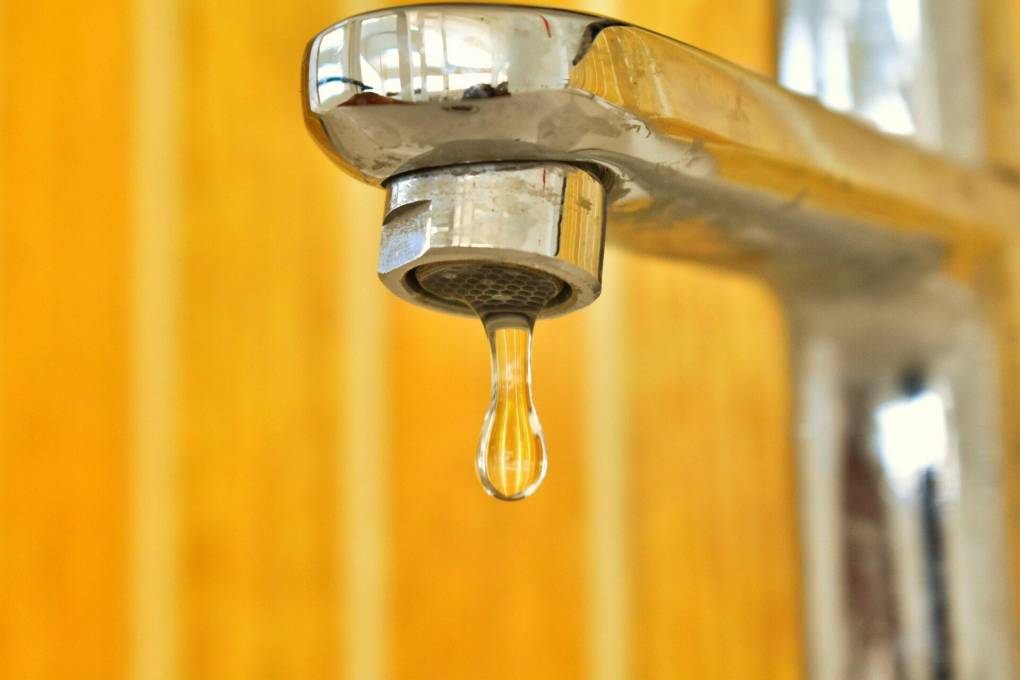
"caption": "California's in a drought again. How can you conserve water in your home?",
"description": "California's in a drought again. How can you conserve water in your home?",
"title": "pexels-nithin-pa-2583028",
"credit": "Nithin PA/Pexels",
"status": "inherit",
"altTag": null,
"isLoading": false,
"fetchFailed": false
},
"news_11874335": {
"type": "attachments",
"id": "news_11874335",
"meta": {
"index": "attachments_1716263798",
"site": "news",
"id": "11874335",
"found": true
},
"parent": 11874233,
"imgSizes": {
"twentyfourteen-full-width": {
"file": "https://ww2.kqed.org/app/uploads/sites/10/2021/05/RS38619_GettyImages-941502770-qut-1038x576.jpg",
"width": 1038,
"mimeType": "image/jpeg",
"height": 576
},
"thumbnail": {
"file": "https://ww2.kqed.org/app/uploads/sites/10/2021/05/RS38619_GettyImages-941502770-qut-160x107.jpg",
"width": 160,
"mimeType": "image/jpeg",
"height": 107
},
"post-thumbnail": {
"file": "https://ww2.kqed.org/app/uploads/sites/10/2021/05/RS38619_GettyImages-941502770-qut-672x372.jpg",
"width": 672,
"mimeType": "image/jpeg",
"height": 372
},
"kqedFullSize": {
"file": "https://ww2.kqed.org/app/uploads/sites/10/2021/05/RS38619_GettyImages-941502770-qut.jpg",
"width": 1920,
"height": 1280
},
"large": {
"file": "https://ww2.kqed.org/app/uploads/sites/10/2021/05/RS38619_GettyImages-941502770-qut-1020x680.jpg",
"width": 1020,
"mimeType": "image/jpeg",
"height": 680
},
"1536x1536": {
"file": "https://ww2.kqed.org/app/uploads/sites/10/2021/05/RS38619_GettyImages-941502770-qut-1536x1024.jpg",
"width": 1536,
"mimeType": "image/jpeg",
"height": 1024
},
"medium": {
"file": "https://ww2.kqed.org/app/uploads/sites/10/2021/05/RS38619_GettyImages-941502770-qut-800x533.jpg",
"width": 800,
"mimeType": "image/jpeg",
"height": 533
}
},
"publishDate": 1621456390,
"modified": 1621462430,
"caption": "Shirley Weber, then a state Assemblywoman, speaks at a 2018 news conference in Sacramento. Weber was confirmed as Secretary of State in January of 2021.",
"description": "Shirley Weber, then a state Assemblywoman, speaks at a 2018 news conference in Sacramento. Weber was confirmed as Secretary of State in January of 2021.",
"title": "California Lawmakers Announce Bill To Alter Police Use Of Lethal Force Policy",
"credit": "Justin Sullivan/Getty Images",
"status": "inherit",
"altTag": null,
"isLoading": false,
"fetchFailed": false
},
"news_11874205": {
"type": "attachments",
"id": "news_11874205",
"meta": {
"index": "attachments_1716263798",
"site": "news",
"id": "11874205",
"found": true
},
"parent": 11874204,
"imgSizes": {
"twentyfourteen-full-width": {
"file": "https://ww2.kqed.org/app/uploads/sites/10/2021/05/gettyimages-1318655494_wide-c8c40d76737b9837d8fccbee4e24e6172517a9c1-1038x576.jpg",
"width": 1038,
"mimeType": "image/jpeg",
"height": 576
},
"thumbnail": {
"file": "https://ww2.kqed.org/app/uploads/sites/10/2021/05/gettyimages-1318655494_wide-c8c40d76737b9837d8fccbee4e24e6172517a9c1-160x90.jpg",
"width": 160,
"mimeType": "image/jpeg",
"height": 90
},
"post-thumbnail": {
"file": "https://ww2.kqed.org/app/uploads/sites/10/2021/05/gettyimages-1318655494_wide-c8c40d76737b9837d8fccbee4e24e6172517a9c1-672x372.jpg",
"width": 672,
"mimeType": "image/jpeg",
"height": 372
},
"kqedFullSize": {
"file": "https://ww2.kqed.org/app/uploads/sites/10/2021/05/gettyimages-1318655494_wide-c8c40d76737b9837d8fccbee4e24e6172517a9c1-scaled.jpg",
"width": 2560,
"height": 1440
},
"2048x2048": {
"file": "https://ww2.kqed.org/app/uploads/sites/10/2021/05/gettyimages-1318655494_wide-c8c40d76737b9837d8fccbee4e24e6172517a9c1-2048x1152.jpg",
"width": 2048,
"mimeType": "image/jpeg",
"height": 1152
},
"large": {
"file": "https://ww2.kqed.org/app/uploads/sites/10/2021/05/gettyimages-1318655494_wide-c8c40d76737b9837d8fccbee4e24e6172517a9c1-1020x574.jpg",
"width": 1020,
"mimeType": "image/jpeg",
"height": 574
},
"1536x1536": {
"file": "https://ww2.kqed.org/app/uploads/sites/10/2021/05/gettyimages-1318655494_wide-c8c40d76737b9837d8fccbee4e24e6172517a9c1-1536x864.jpg",
"width": 1536,
"mimeType": "image/jpeg",
"height": 864
},
"full-width": {
"file": "https://ww2.kqed.org/app/uploads/sites/10/2021/05/gettyimages-1318655494_wide-c8c40d76737b9837d8fccbee4e24e6172517a9c1-1920x1080.jpg",
"width": 1920,
"mimeType": "image/jpeg",
"height": 1080
},
"medium": {
"file": "https://ww2.kqed.org/app/uploads/sites/10/2021/05/gettyimages-1318655494_wide-c8c40d76737b9837d8fccbee4e24e6172517a9c1-800x450.jpg",
"width": 800,
"mimeType": "image/jpeg",
"height": 450
}
},
"publishDate": 1621379464,
"modified": 1621379959,
"caption": "Rep. Judy Chu, chair of the Congressional Asian Pacific American Caucus, speaks about the COVID-19 Hate Crimes Act ahead of its passage at the U.S. Capitol on Tuesday.",
"description": "Rep. Judy Chu, chair of the Congressional Asian Pacific American Caucus, speaks about the COVID-19 Hate Crimes Act ahead of its passage at the U.S. Capitol on Tuesday.",
"title": "Rep. Judy Chu, chair of the Congressional Asian Pacific American Caucus, speaks about the COVID-19 Hate Crimes Act ahead of its passage at the U.S. Capitol on Tuesday.",
"credit": "Kevin Dietsch/Getty Images",
"status": "inherit",
"altTag": null,
"isLoading": false,
"fetchFailed": false
},
"news_11874106": {
"type": "attachments",
"id": "news_11874106",
"meta": {
"index": "attachments_1716263798",
"site": "news",
"id": "11874106",
"found": true
},
"parent": 11874105,
"imgSizes": {
"twentyfourteen-full-width": {
"file": "https://ww2.kqed.org/app/uploads/sites/10/2021/05/ap_21132641215828_wide-a459f7e68a01ff3bd8b4d7ed05bedbb9b5ff807a-1038x576.jpg",
"width": 1038,
"mimeType": "image/jpeg",
"height": 576
},
"thumbnail": {
"file": "https://ww2.kqed.org/app/uploads/sites/10/2021/05/ap_21132641215828_wide-a459f7e68a01ff3bd8b4d7ed05bedbb9b5ff807a-160x90.jpg",
"width": 160,
"mimeType": "image/jpeg",
"height": 90
},
"post-thumbnail": {
"file": "https://ww2.kqed.org/app/uploads/sites/10/2021/05/ap_21132641215828_wide-a459f7e68a01ff3bd8b4d7ed05bedbb9b5ff807a-672x372.jpg",
"width": 672,
"mimeType": "image/jpeg",
"height": 372
},
"kqedFullSize": {
"file": "https://ww2.kqed.org/app/uploads/sites/10/2021/05/ap_21132641215828_wide-a459f7e68a01ff3bd8b4d7ed05bedbb9b5ff807a-scaled.jpg",
"width": 2560,
"height": 1440
},
"2048x2048": {
"file": "https://ww2.kqed.org/app/uploads/sites/10/2021/05/ap_21132641215828_wide-a459f7e68a01ff3bd8b4d7ed05bedbb9b5ff807a-2048x1152.jpg",
"width": 2048,
"mimeType": "image/jpeg",
"height": 1152
},
"large": {
"file": "https://ww2.kqed.org/app/uploads/sites/10/2021/05/ap_21132641215828_wide-a459f7e68a01ff3bd8b4d7ed05bedbb9b5ff807a-1020x574.jpg",
"width": 1020,
"mimeType": "image/jpeg",
"height": 574
},
"1536x1536": {
"file": "https://ww2.kqed.org/app/uploads/sites/10/2021/05/ap_21132641215828_wide-a459f7e68a01ff3bd8b4d7ed05bedbb9b5ff807a-1536x864.jpg",
"width": 1536,
"mimeType": "image/jpeg",
"height": 864
},
"full-width": {
"file": "https://ww2.kqed.org/app/uploads/sites/10/2021/05/ap_21132641215828_wide-a459f7e68a01ff3bd8b4d7ed05bedbb9b5ff807a-1920x1080.jpg",
"width": 1920,
"mimeType": "image/jpeg",
"height": 1080
},
"medium": {
"file": "https://ww2.kqed.org/app/uploads/sites/10/2021/05/ap_21132641215828_wide-a459f7e68a01ff3bd8b4d7ed05bedbb9b5ff807a-800x450.jpg",
"width": 800,
"mimeType": "image/jpeg",
"height": 450
}
},
"publishDate": 1621355381,
"modified": 1621355973,
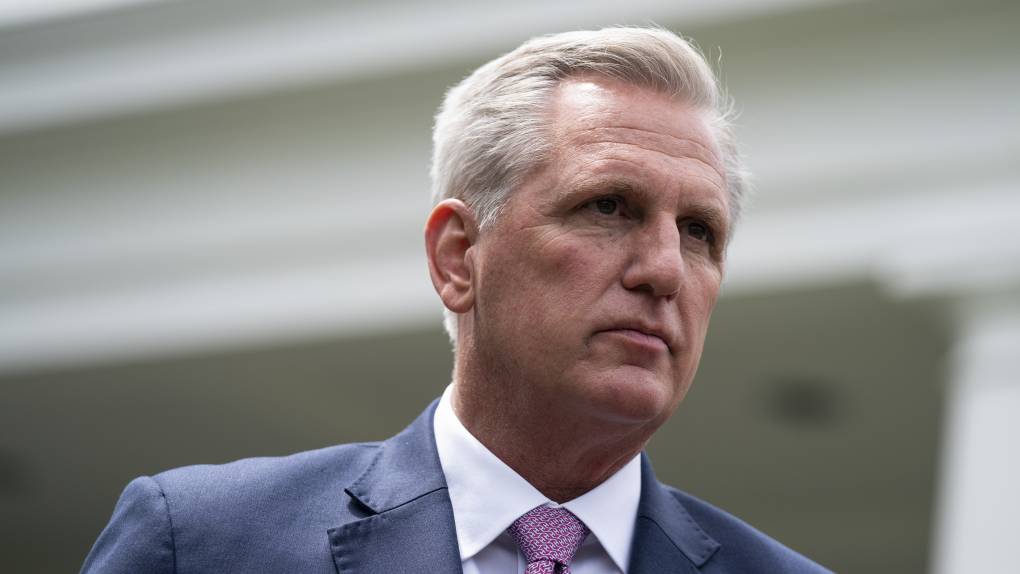
"caption": "California's Kevin McCarthy, the Republican House minority leader, speaks to reporters outside the White House after a meeting with President Joe Biden, Wednesday, May 12, 2021, in Washington.",
"description": "California's Kevin McCarthy, the Republican House minority leader, speaks to reporters outside the White House after a meeting with President Joe Biden, Wednesday, May 12, 2021, in Washington.",
"title": "House Minority Leader Kevin McCarthy, R-Calif., opposes a deal setting up a 9/11-style commission to investigate the Jan. 6 attacks on the U.S. Capitol.",
"credit": "Evan Vucci/AP",
"status": "inherit",
"altTag": null,
"isLoading": false,
"fetchFailed": false
},
"news_11873983": {
"type": "attachments",
"id": "news_11873983",
"meta": {
"index": "attachments_1716263798",
"site": "news",
"id": "11873983",
"found": true
},
"parent": 11873943,
"imgSizes": {
"twentyfourteen-full-width": {
"file": "https://ww2.kqed.org/app/uploads/sites/10/2021/05/RS46266_015_KQED_SanFrancisco_COVIDShutdown_12042020-qut-1038x576.jpg",
"width": 1038,
"mimeType": "image/jpeg",
"height": 576
},
"thumbnail": {
"file": "https://ww2.kqed.org/app/uploads/sites/10/2021/05/RS46266_015_KQED_SanFrancisco_COVIDShutdown_12042020-qut-160x107.jpg",
"width": 160,
"mimeType": "image/jpeg",
"height": 107
},
"post-thumbnail": {
"file": "https://ww2.kqed.org/app/uploads/sites/10/2021/05/RS46266_015_KQED_SanFrancisco_COVIDShutdown_12042020-qut-672x372.jpg",
"width": 672,
"mimeType": "image/jpeg",
"height": 372
},
"kqedFullSize": {
"file": "https://ww2.kqed.org/app/uploads/sites/10/2021/05/RS46266_015_KQED_SanFrancisco_COVIDShutdown_12042020-qut.jpg",
"width": 1920,
"height": 1280
},
"large": {
"file": "https://ww2.kqed.org/app/uploads/sites/10/2021/05/RS46266_015_KQED_SanFrancisco_COVIDShutdown_12042020-qut-1020x680.jpg",
"width": 1020,
"mimeType": "image/jpeg",
"height": 680
},
"1536x1536": {
"file": "https://ww2.kqed.org/app/uploads/sites/10/2021/05/RS46266_015_KQED_SanFrancisco_COVIDShutdown_12042020-qut-1536x1024.jpg",
"width": 1536,
"mimeType": "image/jpeg",
"height": 1024
},
"medium": {
"file": "https://ww2.kqed.org/app/uploads/sites/10/2021/05/RS46266_015_KQED_SanFrancisco_COVIDShutdown_12042020-qut-800x533.jpg",
"width": 800,
"mimeType": "image/jpeg",
"height": 533
}
},
"publishDate": 1621283368,
"modified": 1621285677,
"caption": "A person wearing a mask crosses a street in Union Square in San Francisco on Dec. 4, 2020.",
"description": "A person wearing a mask crosses a street in Union Square in San Francisco on Dec. 4, 2020.",
"title": "RS46266_015_KQED_SanFrancisco_COVIDShutdown_12042020-qut",
"credit": "Beth LaBerge/KQED",
"status": "inherit",
"altTag": "Masked pedestrian crosses SF street",
"isLoading": false,
"fetchFailed": false
},
"news_11873664": {
"type": "attachments",
"id": "news_11873664",
"meta": {
"index": "attachments_1716263798",
"site": "news",
"id": "11873664",
"found": true
},
"parent": 11873288,
"imgSizes": {
"twentyfourteen-full-width": {
"file": "https://ww2.kqed.org/app/uploads/sites/10/2021/05/iStock-1220974008-1038x576.jpg",
"width": 1038,
"mimeType": "image/jpeg",
"height": 576
},
"thumbnail": {
"file": "https://ww2.kqed.org/app/uploads/sites/10/2021/05/iStock-1220974008-160x107.jpg",
"width": 160,
"mimeType": "image/jpeg",
"height": 107
},
"post-thumbnail": {
"file": "https://ww2.kqed.org/app/uploads/sites/10/2021/05/iStock-1220974008-672x372.jpg",
"width": 672,
"mimeType": "image/jpeg",
"height": 372
},
"kqedFullSize": {
"file": "https://ww2.kqed.org/app/uploads/sites/10/2021/05/iStock-1220974008.jpg",
"width": 2121,
"height": 1414
},
"2048x2048": {
"file": "https://ww2.kqed.org/app/uploads/sites/10/2021/05/iStock-1220974008-2048x1365.jpg",
"width": 2048,
"mimeType": "image/jpeg",
"height": 1365
},
"large": {
"file": "https://ww2.kqed.org/app/uploads/sites/10/2021/05/iStock-1220974008-1020x680.jpg",
"width": 1020,
"mimeType": "image/jpeg",
"height": 680
},
"1536x1536": {
"file": "https://ww2.kqed.org/app/uploads/sites/10/2021/05/iStock-1220974008-1536x1024.jpg",
"width": 1536,
"mimeType": "image/jpeg",
"height": 1024
},
"full-width": {
"file": "https://ww2.kqed.org/app/uploads/sites/10/2021/05/iStock-1220974008-1920x1280.jpg",
"width": 1920,
"mimeType": "image/jpeg",
"height": 1280
},
"medium": {
"file": "https://ww2.kqed.org/app/uploads/sites/10/2021/05/iStock-1220974008-800x533.jpg",
"width": 800,
"mimeType": "image/jpeg",
"height": 533
}
},
"publishDate": 1620964772,
"modified": 1620964831,
"caption": "Top cybersecurity experts say state and local governments across the country are also sitting ducks for cyber attacks due to outdated technology and understaffing. ",
"description": null,
"title": "Website design. Developing programming and coding technologies.",
"credit": "iStock",
"status": "inherit",
"altTag": null,
"isLoading": false,
"fetchFailed": false
},
"news_11863601": {
"type": "attachments",
"id": "news_11863601",
"meta": {
"index": "attachments_1716263798",
"site": "news",
"id": "11863601",
"found": true
},
"parent": 11862122,
"imgSizes": {
"apple_news_ca_landscape_5_5": {
"file": "https://ww2.kqed.org/app/uploads/sites/10/2021/03/RS47577_iStock-915488206-qut-1044x783.jpg",
"width": 1044,
"mimeType": "image/jpeg",
"height": 783
},
"apple_news_ca_square_4_0": {
"file": "https://ww2.kqed.org/app/uploads/sites/10/2021/03/RS47577_iStock-915488206-qut-470x470.jpg",
"width": 470,
"mimeType": "image/jpeg",
"height": 470
},
"twentyfourteen-full-width": {
"file": "https://ww2.kqed.org/app/uploads/sites/10/2021/03/RS47577_iStock-915488206-qut-1038x576.jpg",
"width": 1038,
"mimeType": "image/jpeg",
"height": 576
},
"thumbnail": {
"file": "https://ww2.kqed.org/app/uploads/sites/10/2021/03/RS47577_iStock-915488206-qut-160x84.jpg",
"width": 160,
"mimeType": "image/jpeg",
"height": 84
},
"post-thumbnail": {
"file": "https://ww2.kqed.org/app/uploads/sites/10/2021/03/RS47577_iStock-915488206-qut-672x372.jpg",
"width": 672,
"mimeType": "image/jpeg",
"height": 372
},
"kqedFullSize": {
"file": "https://ww2.kqed.org/app/uploads/sites/10/2021/03/RS47577_iStock-915488206-qut.jpg",
"width": 1920,
"height": 1012
},
"apple_news_ca_landscape_4_7": {
"file": "https://ww2.kqed.org/app/uploads/sites/10/2021/03/RS47577_iStock-915488206-qut-632x474.jpg",
"width": 632,
"mimeType": "image/jpeg",
"height": 474
},
"large": {
"file": "https://ww2.kqed.org/app/uploads/sites/10/2021/03/RS47577_iStock-915488206-qut-1020x538.jpg",
"width": 1020,
"mimeType": "image/jpeg",
"height": 538
},
"apple_news_ca_landscape_4_0": {
"file": "https://ww2.kqed.org/app/uploads/sites/10/2021/03/RS47577_iStock-915488206-qut-536x402.jpg",
"width": 536,
"mimeType": "image/jpeg",
"height": 402
},
"apple_news_ca_portrait_12_9": {
"file": "https://ww2.kqed.org/app/uploads/sites/10/2021/03/RS47577_iStock-915488206-qut-1122x1012.jpg",
"width": 1122,
"mimeType": "image/jpeg",
"height": 1012
},
"medium": {
"file": "https://ww2.kqed.org/app/uploads/sites/10/2021/03/RS47577_iStock-915488206-qut-800x422.jpg",
"width": 800,
"mimeType": "image/jpeg",
"height": 422
},
"apple_news_ca_portrait_4_0": {
"file": "https://ww2.kqed.org/app/uploads/sites/10/2021/03/RS47577_iStock-915488206-qut-354x472.jpg",
"width": 354,
"mimeType": "image/jpeg",
"height": 472
},
"apple_news_ca_portrait_9_7": {
"file": "https://ww2.kqed.org/app/uploads/sites/10/2021/03/RS47577_iStock-915488206-qut-840x1012.jpg",
"width": 840,
"mimeType": "image/jpeg",
"height": 1012
},
"apple_news_ca_landscape_12_9": {
"file": "https://ww2.kqed.org/app/uploads/sites/10/2021/03/RS47577_iStock-915488206-qut-1832x1012.jpg",
"width": 1832,
"mimeType": "image/jpeg",
"height": 1012
},
"apple_news_ca_square_9_7": {
"file": "https://ww2.kqed.org/app/uploads/sites/10/2021/03/RS47577_iStock-915488206-qut-1104x1012.jpg",
"width": 1104,
"mimeType": "image/jpeg",
"height": 1012
},
"1536x1536": {
"file": "https://ww2.kqed.org/app/uploads/sites/10/2021/03/RS47577_iStock-915488206-qut-1536x810.jpg",
"width": 1536,
"mimeType": "image/jpeg",
"height": 810
},
"apple_news_ca_portrait_4_7": {
"file": "https://ww2.kqed.org/app/uploads/sites/10/2021/03/RS47577_iStock-915488206-qut-414x552.jpg",
"width": 414,
"mimeType": "image/jpeg",
"height": 552
},
"apple_news_ca_square_12_9": {
"file": "https://ww2.kqed.org/app/uploads/sites/10/2021/03/RS47577_iStock-915488206-qut-1472x1012.jpg",
"width": 1472,
"mimeType": "image/jpeg",
"height": 1012
},
"apple_news_ca_portrait_5_5": {
"file": "https://ww2.kqed.org/app/uploads/sites/10/2021/03/RS47577_iStock-915488206-qut-687x916.jpg",
"width": 687,
"mimeType": "image/jpeg",
"height": 916
},
"apple_news_ca_square_4_7": {
"file": "https://ww2.kqed.org/app/uploads/sites/10/2021/03/RS47577_iStock-915488206-qut-550x550.jpg",
"width": 550,
"mimeType": "image/jpeg",
"height": 550
},
"apple_news_ca_landscape_9_7": {
"file": "https://ww2.kqed.org/app/uploads/sites/10/2021/03/RS47577_iStock-915488206-qut-1376x1012.jpg",
"width": 1376,
"mimeType": "image/jpeg",
"height": 1012
},
"apple_news_ca_square_5_5": {
"file": "https://ww2.kqed.org/app/uploads/sites/10/2021/03/RS47577_iStock-915488206-qut-912x912.jpg",
"width": 912,
"mimeType": "image/jpeg",
"height": 912
}
},
"publishDate": 1614991589,
"modified": 1614991927,
"caption": null,
"description": null,
"title": "Elderly Woman Using Calculator For Taxes And Budget At Home",
"credit": "Getty Images",
"status": "inherit",
"altTag": "woman doing taxes with calculator",
"isLoading": false,
"fetchFailed": false
}
},
"audioPlayerReducer": {
"postId": "stream_live",
"isPaused": true,
"isPlaying": false,
"pfsActive": false,
"pledgeModalIsOpen": true,
"playerDrawerIsOpen": false,
"liveAudioPlayStartedAt": 0,
"liveAudioPlayContext": ""
},
"authorsReducer": {
"byline_news_11874549": {
"type": "authors",
"id": "byline_news_11874549",
"meta": {
"override": true
},
"slug": "byline_news_11874549",
"name": "Polina Cherezova",
"isLoading": false
},
"byline_news_11874680": {
"type": "authors",
"id": "byline_news_11874680",
"meta": {
"override": true
},
"slug": "byline_news_11874680",
"name": "\u003ca href=\"https://calmatters.org/author/laurel-rosenhall/\">Laurel Rosenhall\u003c/a>",
"isLoading": false
},
"byline_news_11874204": {
"type": "authors",
"id": "byline_news_11874204",
"meta": {
"override": true
},
"slug": "byline_news_11874204",
"name": "Barbara Sprunt",
"isLoading": false
},
"byline_news_11874105": {
"type": "authors",
"id": "byline_news_11874105",
"meta": {
"override": true
},
"slug": "byline_news_11874105",
"name": "\u003ca href=\"https://www.npr.org/people/617095374/deirdre-walsh\">Deirdre Walsh\u003c/a>",
"isLoading": false
},
"ohubertallen": {
"type": "authors",
"id": "102",
"meta": {
"index": "authors_1716337520",
"id": "102",
"found": true
},
"name": "Olivia Allen-Price",
"firstName": "Olivia",
"lastName": "Allen-Price",
"slug": "ohubertallen",
"email": "oallenprice@kqed.org",
"display_author_email": false,
"staff_mastheads": [
"news"
],
"title": "Senior Editor",
"bio": "Olivia Allen-Price is senior editor and host of the award-winning Bay Curious podcast. Prior to joining KQED in 2013, Olivia worked at The Baltimore Sun and The Virginian-Pilot in Norfolk, Va. She holds degrees in journalism and political science from Elon University. Her work has earned awards from the Society of Professional Journalists, the Hearst Foundation and Hearken. She loves to talk about running and curly hair.\r\n\r\nFollow: \u003ca href=\"https://twitter.com/oallenprice\">@oallenprice\u003c/a>\r\nEmail: \u003ca href=\"mailto:oallenprice@kqed.org\">oallenprice@kqed.org\u003c/a>",
"avatar": "https://secure.gravatar.com/avatar/07f7803c1f6be56f3be58ef276dfa64dce898502e0554408ef4858451a8294f7?s=600&d=blank&r=g",
"twitter": "oallenprice",
"bluesky": null,
"facebook": null,
"instagram": null,
"linkedin": null,
"sites": [
{
"site": "",
"roles": [
"editor"
]
},
{
"site": "arts",
"roles": [
"subscriber"
]
},
{
"site": "news",
"roles": [
"administrator"
]
},
{
"site": "pop",
"roles": [
"administrator"
]
},
{
"site": "bayareabites",
"roles": [
"contributor"
]
},
{
"site": "stateofhealth",
"roles": [
"administrator"
]
},
{
"site": "science",
"roles": [
"editor"
]
}
],
"headData": {
"title": "Olivia Allen-Price | KQED",
"description": "Senior Editor",
"ogImgSrc": "https://secure.gravatar.com/avatar/07f7803c1f6be56f3be58ef276dfa64dce898502e0554408ef4858451a8294f7?s=600&d=blank&r=g",
"twImgSrc": "https://secure.gravatar.com/avatar/07f7803c1f6be56f3be58ef276dfa64dce898502e0554408ef4858451a8294f7?s=600&d=blank&r=g"
},
"isLoading": false,
"link": "/author/ohubertallen"
},
"gmarzorati": {
"type": "authors",
"id": "227",
"meta": {
"index": "authors_1716337520",
"id": "227",
"found": true
},
"name": "Guy Marzorati",
"firstName": "Guy",
"lastName": "Marzorati",
"slug": "gmarzorati",
"email": "gmarzorati@KQED.org",
"display_author_email": true,
"staff_mastheads": [
"news"
],
"title": "Correspondent",
"bio": "Guy Marzorati is a correspondent on KQED's California Politics and Government Desk, based in San Jose. A graduate of Santa Clara University, Guy joined KQED in 2013. He reports on state and local politics and produces KQED's digital voter guide.",
"avatar": "https://secure.gravatar.com/avatar/e7038b8dbfd55b104369b76b1cd0b9de?s=600&d=blank&r=g",
"twitter": "guymarzorati",
"facebook": null,
"instagram": null,
"linkedin": null,
"sites": [
{
"site": "",
"roles": [
"editor"
]
},
{
"site": "news",
"roles": [
"editor"
]
},
{
"site": "science",
"roles": [
"editor"
]
},
{
"site": "forum",
"roles": [
"editor"
]
},
{
"site": "elections",
"roles": [
"editor"
]
},
{
"site": "liveblog",
"roles": [
"editor"
]
}
],
"headData": {
"title": "Guy Marzorati | KQED",
"description": "Correspondent",
"ogImgSrc": "https://secure.gravatar.com/avatar/e7038b8dbfd55b104369b76b1cd0b9de?s=600&d=blank&r=g",
"twImgSrc": "https://secure.gravatar.com/avatar/e7038b8dbfd55b104369b76b1cd0b9de?s=600&d=blank&r=g"
},
"isLoading": false,
"link": "/author/gmarzorati"
},
"rachael-myrow": {
"type": "authors",
"id": "251",
"meta": {
"index": "authors_1716337520",
"id": "251",
"found": true
},
"name": "Rachael Myrow",
"firstName": "Rachael",
"lastName": "Myrow",
"slug": "rachael-myrow",
"email": "rmyrow@kqed.org",
"display_author_email": true,
"staff_mastheads": [
"news"
],
"title": "Senior Editor of KQED's Silicon Valley News Desk",
"bio": "• I write and edit stories about how Silicon Valley power and policies shape everyday life in California. I’m also passionate about making Bay Area history and culture more accessible to a broad public. • I’ve been a journalist for most of my life, starting in high school with The Franklin Press in Los Angeles, where I grew up. While earning my first degree in English at UC Berkeley, I got my start in public radio at KALX-FM. After completing a second degree in journalism at Cal, I landed my first professional job at Marketplace, then moved on to KPCC (now LAist), and then KQED, where I hosted The California Report for more than seven years. • My reporting has appeared on NPR, The World, WBUR’s \u003ci>Here & Now\u003c/i>, and the BBC. I also guest host for KQED’s \u003ci>Forum\u003c/i>, as well as the Commonwealth Club in San Francisco. • I speak periodically on media, democracy and technology issues, and do voiceover work for documentaries and educational video projects. • Outside of the studio, you'll find me hiking Bay Area trails and whipping up Insta-ready meals in my kitchen. • I do not accept gifts, money, or favors from anyone connected to my reporting, I don't pay people for information, and I do not support or donate to political causes. • I strive to treat the people I report on with fairness, honesty, and respect. I also recognize there are often multiple sides to a story and work to verify information through multiple sources and documentation. If I get something wrong, I correct it.",
"avatar": "https://secure.gravatar.com/avatar/87bf8cb5874e045cdff430523a6d48b1?s=600&d=blank&r=g",
"twitter": "rachaelmyrow",
"facebook": null,
"instagram": null,
"linkedin": "https://www.linkedin.com/in/rachaelmyrow/",
"sites": [
{
"site": "arts",
"roles": [
"administrator"
]
},
{
"site": "news",
"roles": [
"edit_others_posts",
"editor"
]
},
{
"site": "futureofyou",
"roles": [
"editor"
]
},
{
"site": "bayareabites",
"roles": [
"editor"
]
},
{
"site": "stateofhealth",
"roles": [
"editor"
]
},
{
"site": "science",
"roles": [
"editor"
]
},
{
"site": "food",
"roles": [
"editor"
]
},
{
"site": "forum",
"roles": [
"editor"
]
},
{
"site": "liveblog",
"roles": [
"author"
]
}
],
"headData": {
"title": "Rachael Myrow | KQED",
"description": "Senior Editor of KQED's Silicon Valley News Desk",
"ogImgSrc": "https://secure.gravatar.com/avatar/87bf8cb5874e045cdff430523a6d48b1?s=600&d=blank&r=g",
"twImgSrc": "https://secure.gravatar.com/avatar/87bf8cb5874e045cdff430523a6d48b1?s=600&d=blank&r=g"
},
"isLoading": false,
"link": "/author/rachael-myrow"
},
"matthewgreen": {
"type": "authors",
"id": "1263",
"meta": {
"index": "authors_1716337520",
"id": "1263",
"found": true
},
"name": "Matthew Green",
"firstName": "Matthew",
"lastName": "Green",
"slug": "matthewgreen",
"email": "mgreen@kqed.org",
"display_author_email": false,
"staff_mastheads": [],
"title": "KQED Editor/Reporter",
"bio": "Matthew Green is a digital media producer for KQED News. He previously produced \u003ca href=\"http://www.kqed.org/lowdown\">The Lowdown\u003c/a>, KQED’s multimedia news education blog. Matthew's written for numerous Bay Area publications, including the Oakland Tribune and San Francisco Chronicle. He also taught journalism classes at Fremont High School in East Oakland.\r\n\r\nEmail: mgreen@kqed.org; Twitter: @MGreenKQED",
"avatar": "https://secure.gravatar.com/avatar/3bf498d1267ca02c8494f33d8cfc575e?s=600&d=blank&r=g",
"twitter": "MGreenKQED",
"facebook": null,
"instagram": null,
"linkedin": null,
"sites": [
{
"site": "news",
"roles": []
},
{
"site": "lowdown",
"roles": []
},
{
"site": "science",
"roles": []
},
{
"site": "education",
"roles": []
},
{
"site": "quest",
"roles": []
},
{
"site": "liveblog",
"roles": []
}
],
"headData": {
"title": "Matthew Green | KQED",
"description": "KQED Editor/Reporter",
"ogImgSrc": "https://secure.gravatar.com/avatar/3bf498d1267ca02c8494f33d8cfc575e?s=600&d=blank&r=g",
"twImgSrc": "https://secure.gravatar.com/avatar/3bf498d1267ca02c8494f33d8cfc575e?s=600&d=blank&r=g"
},
"isLoading": false,
"link": "/author/matthewgreen"
},
"carlysevern": {
"type": "authors",
"id": "3243",
"meta": {
"index": "authors_1716337520",
"id": "3243",
"found": true
},
"name": "Carly Severn",
"firstName": "Carly",
"lastName": "Severn",
"slug": "carlysevern",
"email": "csevern@kqed.org",
"display_author_email": false,
"staff_mastheads": [
"news"
],
"title": "Senior Editor, Audience News ",
"bio": "Carly is KQED's Senior Editor of Audience News on the Digital News team, and has reported for the California Report Magazine, Bay Curious and KQED Arts. She's formerly the host of \u003ca href=\"http://ww2.kqed.org/pop/category/the-cooler/\" rel=\"noopener noreferrer\">The Cooler\u003c/a> podcast.",
"avatar": "https://secure.gravatar.com/avatar/2d8d6765f186e64c798cf7f0c8088a41?s=600&d=blank&r=g",
"twitter": "teacupinthebay",
"facebook": null,
"instagram": null,
"linkedin": null,
"sites": [
{
"site": "",
"roles": [
"editor"
]
},
{
"site": "arts",
"roles": [
"editor"
]
},
{
"site": "news",
"roles": [
"administrator"
]
},
{
"site": "pop",
"roles": [
"editor"
]
},
{
"site": "futureofyou",
"roles": [
"editor"
]
},
{
"site": "about",
"roles": [
"administrator"
]
},
{
"site": "mindshift",
"roles": [
"editor"
]
},
{
"site": "bayareabites",
"roles": [
"editor"
]
},
{
"site": "stateofhealth",
"roles": [
"editor"
]
},
{
"site": "science",
"roles": [
"editor"
]
},
{
"site": "food",
"roles": [
"contributor"
]
},
{
"site": "forum",
"roles": [
"editor"
]
},
{
"site": "perspectives",
"roles": [
"administrator"
]
},
{
"site": "liveblog",
"roles": [
"editor"
]
}
],
"headData": {
"title": "Carly Severn | KQED",
"description": "Senior Editor, Audience News ",
"ogImgSrc": "https://secure.gravatar.com/avatar/2d8d6765f186e64c798cf7f0c8088a41?s=600&d=blank&r=g",
"twImgSrc": "https://secure.gravatar.com/avatar/2d8d6765f186e64c798cf7f0c8088a41?s=600&d=blank&r=g"
},
"isLoading": false,
"link": "/author/carlysevern"
},
"blaberge": {
"type": "authors",
"id": "11667",
"meta": {
"index": "authors_1716337520",
"id": "11667",
"found": true
},
"name": "Beth LaBerge",
"firstName": "Beth",
"lastName": "LaBerge",
"slug": "blaberge",
"email": "blaberge@KQED.org",
"display_author_email": true,
"staff_mastheads": [
"news"
],
"title": "Photographer, News",
"bio": "Beth LaBerge is a visual journalist for \u003ca href=\"https://www.kqed.org/news\">KQED News\u003c/a>.",
"avatar": "https://secure.gravatar.com/avatar/15e224cd55918d1876693b8280954875?s=600&d=blank&r=g",
"twitter": null,
"facebook": null,
"instagram": "https://www.instagram.com/bethlaberge/",
"linkedin": null,
"sites": [
{
"site": "arts",
"roles": [
"editor"
]
},
{
"site": "news",
"roles": [
"editor"
]
},
{
"site": "science",
"roles": [
"editor",
"contributor",
"author"
]
},
{
"site": "liveblog",
"roles": [
"editor"
]
}
],
"headData": {
"title": "Beth LaBerge | KQED",
"description": "Photographer, News",
"ogImgSrc": "https://secure.gravatar.com/avatar/15e224cd55918d1876693b8280954875?s=600&d=blank&r=g",
"twImgSrc": "https://secure.gravatar.com/avatar/15e224cd55918d1876693b8280954875?s=600&d=blank&r=g"
},
"isLoading": false,
"link": "/author/blaberge"
},
"ccabreralomeli": {
"type": "authors",
"id": "11708",
"meta": {
"index": "authors_1716337520",
"id": "11708",
"found": true
},
"name": "Carlos Cabrera-Lomelí",
"firstName": "Carlos",
"lastName": "Cabrera-Lomelí",
"slug": "ccabreralomeli",
"email": "ccabreralomeli@KQED.org",
"display_author_email": true,
"staff_mastheads": [
"news"
],
"title": "Community Reporter",
"bio": "Carlos Cabrera-Lomelí is a community reporter with KQED's digital engagement team. He also reports and co-produces for KQED's bilingual news hub KQED en Español. He grew up in San Francisco's Mission District and has previously worked with Univision, 48 Hills and REFORMA in Mexico City.",
"avatar": "https://secure.gravatar.com/avatar/c309be9665e484f887b818c89e273ecc673004f426f36b24d00a4d813a2e0518?s=600&d=blank&r=g",
"twitter": "@LomeliCabrera",
"bluesky": null,
"facebook": null,
"instagram": null,
"linkedin": null,
"sites": [
{
"site": "arts",
"roles": [
"editor"
]
},
{
"site": "news",
"roles": [
"editor"
]
},
{
"site": "about",
"roles": [
"editor"
]
},
{
"site": "science",
"roles": [
"editor"
]
},
{
"site": "perspectives",
"roles": [
"editor"
]
},
{
"site": "elections",
"roles": [
"editor"
]
},
{
"site": "liveblog",
"roles": [
"contributor"
]
}
],
"headData": {
"title": "Carlos Cabrera-Lomelí | KQED",
"description": "Community Reporter",
"ogImgSrc": "https://secure.gravatar.com/avatar/c309be9665e484f887b818c89e273ecc673004f426f36b24d00a4d813a2e0518?s=600&d=blank&r=g",
"twImgSrc": "https://secure.gravatar.com/avatar/c309be9665e484f887b818c89e273ecc673004f426f36b24d00a4d813a2e0518?s=600&d=blank&r=g"
},
"isLoading": false,
"link": "/author/ccabreralomeli"
}
},
"pagesReducer": {
"news_tag_california": {
"type": "terms",
"id": "news_18538",
"meta": {
"index": "terms_1716263798",
"site": "news",
"id": "18538",
"score": 6.8450828
},
"featImg": null,
"name": "California",
"description": null,
"taxonomy": "tag",
"headData": {
"twImgId": null,
"twTitle": null,
"ogTitle": null,
"ogImgId": null,
"twDescription": null,
"description": null,
"title": "California Archives | KQED News",
"ogDescription": null
},
"ttid": 31,
"slug": "california",
"isLoading": false,
"title": "California",
"pageMeta": {
"site": "news",
"WpPageTemplate": "page-topic-editorial",
"currentPage": 180
},
"blocks": [
{
"blockName": "kqed/post-list",
"attrs": {
"layout": "cardArticle2",
"query": "posts/news?tag=california",
"seeMore": false,
"paginated": true,
"page": 180
}
},
{
"blockName": "kqed/ad"
}
]
}
},
"pfsSessionReducer": {},
"postsReducer": {
"stream_live": {
"type": "live",
"id": "stream_live",
"audioUrl": "https://streams.kqed.org/kqedradio",
"title": "Live Stream",
"excerpt": "Live Stream information currently unavailable.",
"link": "/radio",
"featImg": "",
"label": {
"name": "KQED Live",
"link": "/"
}
},
"stream_kqedNewscast": {
"type": "posts",
"id": "stream_kqedNewscast",
"audioUrl": "https://www.kqed.org/.stream/anon/radio/RDnews/newscast.mp3?_=1",
"title": "KQED Newscast",
"featImg": "",
"label": {
"name": "88.5 FM",
"link": "/"
}
},
"news_11874585": {
"type": "posts",
"id": "news_11874585",
"meta": {
"index": "posts_1716263798",
"site": "news",
"id": "11874585",
"score": null,
"sort": [
1622233410000
]
},
"guestAuthors": [],
"slug": "we-always-have-our-ancestors-within-us-scenes-from-bloody-islands-sunrise-ceremony",
"title": "'We Always Have Our Ancestors Within Us': Scenes From Bloody Island's Sunrise Ceremony",
"publishDate": 1622233410,
"format": "standard",
"headTitle": "‘We Always Have Our Ancestors Within Us’: Scenes From Bloody Island’s Sunrise Ceremony | KQED",
"labelTerm": {
"site": "news"
},
"content": "\u003cp>[dropcap]O[/dropcap]ne-hundred seventy-one years ago, the small island of Bonopoti in Lake County was still a haven for the people who had lived here for centuries: the Pomo. It was where many people gathered to fish, and to collect plants and medicine — at a time when the Gold Rush and colonial policies were already rapidly transforming Indigenous people’s way of life.\u003c/p>\n\u003cp>On May 15, 1850, a U.S Army regiment arrived on the island and killed every Pomo man, woman and child they could find there. From then on, Bonopoti became known as Bloody Island.\u003c/p>\n\u003cp>Clayton Duncan’s great-grandmother Lucy Moore was just a child when she survived the Bloody Island Massacre by hiding below the surface of the water, breathing through a hollowed-out reed. And for two decades, along with his brother Douglas, \u003ca href=\"https://www.kqed.org/news/11818362/marking-a-california-massacre-with-a-native-ceremony-of-forgiveness\">Duncan has organized a Sunrise Ceremony of Forgiveness every May\u003c/a> at Bloody Island. \u003cem>(Listen to Duncan tell the story \u003ca href=\"https://www.kqed.org/news/11818362/marking-a-california-massacre-with-a-native-ceremony-of-forgiveness\">on The California Report Magazine\u003c/a>)\u003c/em>\u003c/p>\n\u003cp>[aside postID=news_11818362 hero='https://ww2.kqed.org/app/uploads/sites/10/2020/05/RS43182_IMG_0012-qut-1020x765.jpg']It’s a space where people from different Indigenous tribes gather to honor those ancestors claimed in the massacre — and to look to the future. \u003c/p>\n\u003cp>Now in his 70s, year after year Duncan remains an integral figure at this ceremony, and a passionate advocate for the gathering’s ethos of remembrance with forgiveness.\u003c/p>\n\u003cp>At the 2021 ceremony on May 15, Duncan told the assembled people that “no matter how much anger, no matter how much hatred is out there that’s going to face you, you have to do it this way: this love way. This respectful way.”\u003c/p>\n\u003cfigure id=\"attachment_11875207\" class=\"wp-caption alignnone\" style=\"max-width: 1920px\">\u003cimg loading=\"lazy\" decoding=\"async\" class=\"size-full wp-image-11875207\" src=\"https://ww2.kqed.org/app/uploads/sites/10/2021/05/RS49315_031_LakeCounty_ProjectHomekey_05142021-qut.jpg\" alt=\"\" width=\"1920\" height=\"1280\" srcset=\"https://cdn.kqed.org/wp-content/uploads/sites/10/2021/05/RS49315_031_LakeCounty_ProjectHomekey_05142021-qut.jpg 1920w, https://cdn.kqed.org/wp-content/uploads/sites/10/2021/05/RS49315_031_LakeCounty_ProjectHomekey_05142021-qut-800x533.jpg 800w, https://cdn.kqed.org/wp-content/uploads/sites/10/2021/05/RS49315_031_LakeCounty_ProjectHomekey_05142021-qut-1020x680.jpg 1020w, https://cdn.kqed.org/wp-content/uploads/sites/10/2021/05/RS49315_031_LakeCounty_ProjectHomekey_05142021-qut-160x107.jpg 160w, https://cdn.kqed.org/wp-content/uploads/sites/10/2021/05/RS49315_031_LakeCounty_ProjectHomekey_05142021-qut-1536x1024.jpg 1536w\" sizes=\"(max-width: 1920px) 100vw, 1920px\">\u003cfigcaption class=\"wp-caption-text\">Clayton Duncan speaks during a tribal youth event in Upper Lake, California, on May 14, 2021, where he tells the crowd the history of the Bloody Island Massacre. \u003ccite>(Beth LaBerge)\u003c/cite>\u003c/figcaption>\u003c/figure>\n\u003cp>“We can learn no matter how old we get. We can change no matter how old we get,” he said.\u003c/p>\n\u003ch3>‘We Always Have Our Ancestors Within Us’\u003c/h3>\n\u003cp>There’s no way to confirm how many Pomo people were killed that day at the massacre. \u003c/p>\n\u003cp>Army estimates from the time put the death toll at around 200 people. Contemporary Indigenous leaders estimate closer to 400 people lived on the island – and very few survived.\u003c/p>\n\u003cfigure id=\"attachment_11875061\" class=\"wp-caption alignnone\" style=\"max-width: 1920px\">\u003cimg loading=\"lazy\" decoding=\"async\" class=\"size-full wp-image-11875061\" src=\"https://ww2.kqed.org/app/uploads/sites/10/2021/05/RS49144_007_UpperLake_BloodyIslandSunriseCeremony_05152021-qut.jpg\" alt=\"\" width=\"1920\" height=\"1280\" srcset=\"https://cdn.kqed.org/wp-content/uploads/sites/10/2021/05/RS49144_007_UpperLake_BloodyIslandSunriseCeremony_05152021-qut.jpg 1920w, https://cdn.kqed.org/wp-content/uploads/sites/10/2021/05/RS49144_007_UpperLake_BloodyIslandSunriseCeremony_05152021-qut-800x533.jpg 800w, https://cdn.kqed.org/wp-content/uploads/sites/10/2021/05/RS49144_007_UpperLake_BloodyIslandSunriseCeremony_05152021-qut-1020x680.jpg 1020w, https://cdn.kqed.org/wp-content/uploads/sites/10/2021/05/RS49144_007_UpperLake_BloodyIslandSunriseCeremony_05152021-qut-160x107.jpg 160w, https://cdn.kqed.org/wp-content/uploads/sites/10/2021/05/RS49144_007_UpperLake_BloodyIslandSunriseCeremony_05152021-qut-1536x1024.jpg 1536w\" sizes=\"(max-width: 1920px) 100vw, 1920px\">\u003cfigcaption class=\"wp-caption-text\">Robert Bell, Vietnam War veteran and a Cahto tribe member, stands in a circle during the Bloody Island Sunrise Ceremony near Upper Lake on May 15, 2021. \u003ccite>(Beth LaBerge/KQED)\u003c/cite>\u003c/figcaption>\u003c/figure>\n\u003cp>The 2021 Sunrise Ceremony saw the participants first gather in the dancing arbor where they had danced the night before, saying a blessing for the land and putting down tobacco in a fire before circling out of the dancing ground.\u003c/p>\n\u003cp>Those gathered then walked down the dirt road across Highway 20, and down the path named Reclamation Road that leads to where the massacre occurred.\u003c/p>\n\u003cfigure id=\"attachment_11875065\" class=\"wp-caption alignnone\" style=\"max-width: 1920px\">\u003cimg loading=\"lazy\" decoding=\"async\" class=\"size-full wp-image-11875065\" src=\"https://ww2.kqed.org/app/uploads/sites/10/2021/05/RS49169_033_UpperLake_BloodyIslandSunriseCeremony_05152021-qut.jpg\" alt=\"\" width=\"1920\" height=\"1280\" srcset=\"https://cdn.kqed.org/wp-content/uploads/sites/10/2021/05/RS49169_033_UpperLake_BloodyIslandSunriseCeremony_05152021-qut.jpg 1920w, https://cdn.kqed.org/wp-content/uploads/sites/10/2021/05/RS49169_033_UpperLake_BloodyIslandSunriseCeremony_05152021-qut-800x533.jpg 800w, https://cdn.kqed.org/wp-content/uploads/sites/10/2021/05/RS49169_033_UpperLake_BloodyIslandSunriseCeremony_05152021-qut-1020x680.jpg 1020w, https://cdn.kqed.org/wp-content/uploads/sites/10/2021/05/RS49169_033_UpperLake_BloodyIslandSunriseCeremony_05152021-qut-160x107.jpg 160w, https://cdn.kqed.org/wp-content/uploads/sites/10/2021/05/RS49169_033_UpperLake_BloodyIslandSunriseCeremony_05152021-qut-1536x1024.jpg 1536w\" sizes=\"(max-width: 1920px) 100vw, 1920px\">\u003cfigcaption class=\"wp-caption-text\">Lupe Luna moves through the circle smudging attendees from head to foot during the Bloody Island Sunrise Ceremony near Upper Lake on May 15, 2021. ‘Usually every time we come together and we smudge and we burn some sage, it’s a cleansing. So it’s to get rid of all of that negative energy, whatever you’re carrying that you brought in,’ she said. \u003ccite>(Beth LaBerge/KQED)\u003c/cite>\u003c/figcaption>\u003c/figure>\n\u003cp>“It’s a beautiful feeling,” said attendee Lupe Luna. \u003c/p>\n\u003cp>“Going out there and hearing everybody’s story, with the mic and saying a prayer, singing songs, burning some sage, releasing the negative feeling,” Luna said. “And having hope and faith that something will happen for the greater good for our people.”\u003c/p>\n\u003cp>Eileen Boughton attended the ceremony for the first time this year after recently learning that her own grandfather had been present at the massacre — and survived. \u003c/p>\n\u003cp>“I’m 64 and I never knew that,” she said. “If he didn’t survive, we wouldn’t be here.”\u003c/p>\n\u003cfigure id=\"attachment_11875080\" class=\"wp-caption alignnone\" style=\"max-width: 1920px\">\u003cimg loading=\"lazy\" decoding=\"async\" class=\"size-full wp-image-11875080\" src=\"https://ww2.kqed.org/app/uploads/sites/10/2021/05/RS49217_086_UpperLake_BloodyIslandSunriseCeremony_05152021-qut.jpg\" alt=\"\" width=\"1920\" height=\"1280\" srcset=\"https://cdn.kqed.org/wp-content/uploads/sites/10/2021/05/RS49217_086_UpperLake_BloodyIslandSunriseCeremony_05152021-qut.jpg 1920w, https://cdn.kqed.org/wp-content/uploads/sites/10/2021/05/RS49217_086_UpperLake_BloodyIslandSunriseCeremony_05152021-qut-800x533.jpg 800w, https://cdn.kqed.org/wp-content/uploads/sites/10/2021/05/RS49217_086_UpperLake_BloodyIslandSunriseCeremony_05152021-qut-1020x680.jpg 1020w, https://cdn.kqed.org/wp-content/uploads/sites/10/2021/05/RS49217_086_UpperLake_BloodyIslandSunriseCeremony_05152021-qut-160x107.jpg 160w, https://cdn.kqed.org/wp-content/uploads/sites/10/2021/05/RS49217_086_UpperLake_BloodyIslandSunriseCeremony_05152021-qut-1536x1024.jpg 1536w\" sizes=\"(max-width: 1920px) 100vw, 1920px\">\u003cfigcaption class=\"wp-caption-text\">Eileen Boughton on the grounds of the dance arbor near Upper Lake on May 15, 2021. \u003ccite>(Beth LaBerge/KQED)\u003c/cite>\u003c/figcaption>\u003c/figure>\n\u003cp>Boughton said she tells her younger family members, now that she knows the story. “I am so grateful, and we always have our ancestors within us. They’re in our blood. They’re everywhere we go.”\u003c/p>\n\u003cp>Boughton’s drive to spread the word about her family’s history, and her community’s past, is in contrast to how she recalls her own childhood questions about her heritage being met with “anger and the frustration” from her elders. Frustration directed not at her, but at the injustice of the treatment the Pomo have received over the years, and stemming from the personal trauma suffered by those same family members, who had felt their Indigenous identities being deliberately erased.\u003c/p>\n\u003cfigure id=\"attachment_11875067\" class=\"wp-caption alignnone\" style=\"max-width: 1920px\">\u003cimg loading=\"lazy\" decoding=\"async\" class=\"size-full wp-image-11875067\" src=\"https://ww2.kqed.org/app/uploads/sites/10/2021/05/RS49180_044_UpperLake_BloodyIslandSunriseCeremony_05152021-qut.jpg\" alt=\"\" width=\"1920\" height=\"1280\" srcset=\"https://cdn.kqed.org/wp-content/uploads/sites/10/2021/05/RS49180_044_UpperLake_BloodyIslandSunriseCeremony_05152021-qut.jpg 1920w, https://cdn.kqed.org/wp-content/uploads/sites/10/2021/05/RS49180_044_UpperLake_BloodyIslandSunriseCeremony_05152021-qut-800x533.jpg 800w, https://cdn.kqed.org/wp-content/uploads/sites/10/2021/05/RS49180_044_UpperLake_BloodyIslandSunriseCeremony_05152021-qut-1020x680.jpg 1020w, https://cdn.kqed.org/wp-content/uploads/sites/10/2021/05/RS49180_044_UpperLake_BloodyIslandSunriseCeremony_05152021-qut-160x107.jpg 160w, https://cdn.kqed.org/wp-content/uploads/sites/10/2021/05/RS49180_044_UpperLake_BloodyIslandSunriseCeremony_05152021-qut-1536x1024.jpg 1536w\" sizes=\"(max-width: 1920px) 100vw, 1920px\">\u003cfigcaption class=\"wp-caption-text\">Eileen Boughton (left) and Lupe Luna raise their fists during a song at the Bloody Island Sunrise Ceremony near Upper Lake on May 15, 2021. \u003ccite>(Beth LaBerge/KQED)\u003c/cite>\u003c/figcaption>\u003c/figure>\n\u003cp>Being at the ceremony, said Boughton, was “just beautiful. It was stunning. It was spectacular.”\u003c/p>\n\u003cp>But on Bloody Island, joy at the beauty of the gathering and the sense of community intermingles with the pain of this historic atrocity — and also the trauma inherent in remembrance.\u003c/p>\n\u003cfigure id=\"attachment_11875060\" class=\"wp-caption alignnone\" style=\"max-width: 1920px\">\u003cimg loading=\"lazy\" decoding=\"async\" class=\"size-full wp-image-11875060\" src=\"https://ww2.kqed.org/app/uploads/sites/10/2021/05/RS49138_001_UpperLake_BloodyIslandSunriseCeremony_05152021-qut.jpg\" alt=\"\" width=\"1920\" height=\"1280\" srcset=\"https://cdn.kqed.org/wp-content/uploads/sites/10/2021/05/RS49138_001_UpperLake_BloodyIslandSunriseCeremony_05152021-qut.jpg 1920w, https://cdn.kqed.org/wp-content/uploads/sites/10/2021/05/RS49138_001_UpperLake_BloodyIslandSunriseCeremony_05152021-qut-800x533.jpg 800w, https://cdn.kqed.org/wp-content/uploads/sites/10/2021/05/RS49138_001_UpperLake_BloodyIslandSunriseCeremony_05152021-qut-1020x680.jpg 1020w, https://cdn.kqed.org/wp-content/uploads/sites/10/2021/05/RS49138_001_UpperLake_BloodyIslandSunriseCeremony_05152021-qut-160x107.jpg 160w, https://cdn.kqed.org/wp-content/uploads/sites/10/2021/05/RS49138_001_UpperLake_BloodyIslandSunriseCeremony_05152021-qut-1536x1024.jpg 1536w\" sizes=\"(max-width: 1920px) 100vw, 1920px\">\u003cfigcaption class=\"wp-caption-text\">A group walks from a dance arbor located on tribal lands near Upper Lake, singing the ghost dance song on May 15, 2021, down Reclamation Road to the Bloody Island Sunrise Ceremony. \u003ccite>(Beth LaBerge/KQED)\u003c/cite>\u003c/figcaption>\u003c/figure>\n\u003cp>Pomo Elder Thomas Leon Brown took the microphone at the Sunrise Ceremony to speak of the emotional weight incurred by his repeated retellings of the Bloody Island Massacre in the region’s schools.\u003c/p>\n\u003cp>“I never realized in all my years as an elder how much that each time you tell that story, how much it hurts — what happened to our people,” said Brown.\u003c/p>\n\u003cfigure id=\"attachment_11875063\" class=\"wp-caption alignnone\" style=\"max-width: 1920px\">\u003cimg loading=\"lazy\" decoding=\"async\" class=\"size-full wp-image-11875063\" src=\"https://ww2.kqed.org/app/uploads/sites/10/2021/05/RS49162_025_UpperLake_BloodyIslandSunriseCeremony_05152021-qut.jpg\" alt=\"\" width=\"1920\" height=\"1280\" srcset=\"https://cdn.kqed.org/wp-content/uploads/sites/10/2021/05/RS49162_025_UpperLake_BloodyIslandSunriseCeremony_05152021-qut.jpg 1920w, https://cdn.kqed.org/wp-content/uploads/sites/10/2021/05/RS49162_025_UpperLake_BloodyIslandSunriseCeremony_05152021-qut-800x533.jpg 800w, https://cdn.kqed.org/wp-content/uploads/sites/10/2021/05/RS49162_025_UpperLake_BloodyIslandSunriseCeremony_05152021-qut-1020x680.jpg 1020w, https://cdn.kqed.org/wp-content/uploads/sites/10/2021/05/RS49162_025_UpperLake_BloodyIslandSunriseCeremony_05152021-qut-160x107.jpg 160w, https://cdn.kqed.org/wp-content/uploads/sites/10/2021/05/RS49162_025_UpperLake_BloodyIslandSunriseCeremony_05152021-qut-1536x1024.jpg 1536w\" sizes=\"(max-width: 1920px) 100vw, 1920px\">\u003cfigcaption class=\"wp-caption-text\">Thomas Leon Brown speaks during the Bloody Island Sunrise Ceremony on May 15, 2021 near Upper Lake. Brown teaches the history of Bloody Island at Lake County schools. \u003ccite>(Beth LaBerge/KQED)\u003c/cite>\u003c/figcaption>\u003c/figure>\n\u003cp>“We have what we call now historical trauma, intergenerational trauma among our children, and among a lot of our families,” Brown said. “But we have to keep on praying. Do these healing songs. Bring our people together.”\u003c/p>\n\u003ch3>Remembering, Renaming\u003c/h3>\n\u003cp>Another way the Bloody Island Massacre carries its impact into the present day is in the current push to rename the nearby town, which bears the name of the man whose cruelty set the massacre in motion: Kelseyville.\u003c/p>\n\u003cfigure id=\"attachment_11875081\" class=\"wp-caption aligncenter\" style=\"max-width: 1920px\">\u003cimg loading=\"lazy\" decoding=\"async\" src=\"https://ww2.kqed.org/app/uploads/sites/10/2021/05/RS49219_089_UpperLake_BloodyIslandSunriseCeremony_05152021-qut.jpg\" alt=\"\" width=\"1920\" height=\"1280\" class=\"size-full wp-image-11875081\" srcset=\"https://cdn.kqed.org/wp-content/uploads/sites/10/2021/05/RS49219_089_UpperLake_BloodyIslandSunriseCeremony_05152021-qut.jpg 1920w, https://cdn.kqed.org/wp-content/uploads/sites/10/2021/05/RS49219_089_UpperLake_BloodyIslandSunriseCeremony_05152021-qut-800x533.jpg 800w, https://cdn.kqed.org/wp-content/uploads/sites/10/2021/05/RS49219_089_UpperLake_BloodyIslandSunriseCeremony_05152021-qut-1020x680.jpg 1020w, https://cdn.kqed.org/wp-content/uploads/sites/10/2021/05/RS49219_089_UpperLake_BloodyIslandSunriseCeremony_05152021-qut-160x107.jpg 160w, https://cdn.kqed.org/wp-content/uploads/sites/10/2021/05/RS49219_089_UpperLake_BloodyIslandSunriseCeremony_05152021-qut-1536x1024.jpg 1536w\" sizes=\"(max-width: 1920px) 100vw, 1920px\">\u003cfigcaption class=\"wp-caption-text\">The view from above Clear Lake on May 15, 2021. \u003ccite>(Beth LaBerge/KQED)\u003c/cite>\u003c/figcaption>\u003c/figure>\n\u003cp>The U.S. Army’s supposed justification for the slaughter: the fact that members of the Pomo had previously killed two notoriously brutal white ranchers who had systematically enslaved, abused and starved the local people.\u003c/p>\n\u003cp>Andrew Kelsey, for whom Kelseyville was named in 1882, was one of those white ranchers – and his cruelty toward the local Indigenous people was legendary. Along with a man named Charles Stone, Kelsey forced Pomo to work as laborers on their ranch. Native people were often starved and beaten, sometimes even strung up from trees as a form of torture.\u003c/p>\n\u003cfigure id=\"attachment_11875071\" class=\"wp-caption alignnone\" style=\"max-width: 1920px\">\u003cimg loading=\"lazy\" decoding=\"async\" class=\"size-full wp-image-11875071\" src=\"https://ww2.kqed.org/app/uploads/sites/10/2021/05/RS49193_058_UpperLake_BloodyIslandSunriseCeremony_05152021-qut.jpg\" alt=\"\" width=\"1920\" height=\"1280\" srcset=\"https://cdn.kqed.org/wp-content/uploads/sites/10/2021/05/RS49193_058_UpperLake_BloodyIslandSunriseCeremony_05152021-qut.jpg 1920w, https://cdn.kqed.org/wp-content/uploads/sites/10/2021/05/RS49193_058_UpperLake_BloodyIslandSunriseCeremony_05152021-qut-800x533.jpg 800w, https://cdn.kqed.org/wp-content/uploads/sites/10/2021/05/RS49193_058_UpperLake_BloodyIslandSunriseCeremony_05152021-qut-1020x680.jpg 1020w, https://cdn.kqed.org/wp-content/uploads/sites/10/2021/05/RS49193_058_UpperLake_BloodyIslandSunriseCeremony_05152021-qut-160x107.jpg 160w, https://cdn.kqed.org/wp-content/uploads/sites/10/2021/05/RS49193_058_UpperLake_BloodyIslandSunriseCeremony_05152021-qut-1536x1024.jpg 1536w\" sizes=\"(max-width: 1920px) 100vw, 1920px\">\u003cfigcaption class=\"wp-caption-text\">Douglas Duncan touches the earth near the site of the Bloody Island Massacre during a Sunrise Ceremony near Upper Lake on May 15, 2021. \u003ccite>(Beth LaBerge/KQED)\u003c/cite>\u003c/figcaption>\u003c/figure>\n\u003cp>It all came to a head after Kelsey lashed a young Pomo boy 100 times, then shot him, allegedly for flirting with a Pomo woman Kelsey was holding on his property. Enraged at this culmination of longstanding violence and oppression, Pomo men killed Kelsey and Stone soon after.\u003c/p>\n\u003cp>Now, the local volunteer group \u003ca href=\"http://citizensforhealing.org/\">Citizens for Healing\u003c/a> wants to see the town’s name changed. They say the “unwarranted and disrespectful” naming is an insult to the tribal community and also “shames local pioneer descendants and current residents.” Kelsey’s killing, the group said, was a “justifiable execution” in the light of his brutal violence toward local people.\u003c/p>\n\u003cfigure id=\"attachment_11875073\" class=\"wp-caption alignnone\" style=\"max-width: 1920px\">\u003cimg loading=\"lazy\" decoding=\"async\" class=\"size-full wp-image-11875073\" src=\"https://ww2.kqed.org/app/uploads/sites/10/2021/05/RS49195_060_UpperLake_BloodyIslandSunriseCeremony_05152021-qut.jpg\" alt=\"\" width=\"1920\" height=\"1280\" srcset=\"https://cdn.kqed.org/wp-content/uploads/sites/10/2021/05/RS49195_060_UpperLake_BloodyIslandSunriseCeremony_05152021-qut.jpg 1920w, https://cdn.kqed.org/wp-content/uploads/sites/10/2021/05/RS49195_060_UpperLake_BloodyIslandSunriseCeremony_05152021-qut-800x533.jpg 800w, https://cdn.kqed.org/wp-content/uploads/sites/10/2021/05/RS49195_060_UpperLake_BloodyIslandSunriseCeremony_05152021-qut-1020x680.jpg 1020w, https://cdn.kqed.org/wp-content/uploads/sites/10/2021/05/RS49195_060_UpperLake_BloodyIslandSunriseCeremony_05152021-qut-160x107.jpg 160w, https://cdn.kqed.org/wp-content/uploads/sites/10/2021/05/RS49195_060_UpperLake_BloodyIslandSunriseCeremony_05152021-qut-1536x1024.jpg 1536w\" sizes=\"(max-width: 1920px) 100vw, 1920px\">\u003cfigcaption class=\"wp-caption-text\">Spirit Olevia and her son Anaiah listen to speakers during the Bloody Island Sunrise Ceremony near Upper Lake on May 15, 2021. Spirit is a singer, often dedicating her work to her ancestors.\u003c/figcaption>\u003c/figure>\n\u003cp>Citizens for Healing member Kevin Engle attended the 2021 Sunrise Ceremony and said he was initially unfamiliar with the story of the Bloody Island Massacre — but that his research revealed the true extent of the island’s horrific past.\u003c/p>\n\u003cp>“The more I got into it, the more I found,” he said. “It’s amazing how much of a historical record there is, and what a documented trail these guys left behind.”\u003c/p>\n\u003cfigure id=\"attachment_11875066\" class=\"wp-caption alignnone\" style=\"max-width: 1920px\">\u003cimg loading=\"lazy\" decoding=\"async\" class=\"size-full wp-image-11875066\" src=\"https://ww2.kqed.org/app/uploads/sites/10/2021/05/RS49178_042_UpperLake_BloodyIslandSunriseCeremony_05152021-qut.jpg\" alt=\"\" width=\"1920\" height=\"1280\" srcset=\"https://cdn.kqed.org/wp-content/uploads/sites/10/2021/05/RS49178_042_UpperLake_BloodyIslandSunriseCeremony_05152021-qut.jpg 1920w, https://cdn.kqed.org/wp-content/uploads/sites/10/2021/05/RS49178_042_UpperLake_BloodyIslandSunriseCeremony_05152021-qut-800x533.jpg 800w, https://cdn.kqed.org/wp-content/uploads/sites/10/2021/05/RS49178_042_UpperLake_BloodyIslandSunriseCeremony_05152021-qut-1020x680.jpg 1020w, https://cdn.kqed.org/wp-content/uploads/sites/10/2021/05/RS49178_042_UpperLake_BloodyIslandSunriseCeremony_05152021-qut-160x107.jpg 160w, https://cdn.kqed.org/wp-content/uploads/sites/10/2021/05/RS49178_042_UpperLake_BloodyIslandSunriseCeremony_05152021-qut-1536x1024.jpg 1536w\" sizes=\"(max-width: 1920px) 100vw, 1920px\">\u003cfigcaption class=\"wp-caption-text\">Yolanda Cota (left) and her niece Elizabeth Ku-Oi Six speak during the Bloody Island Sunrise Ceremony near Upper Lake on May 15, 2021.\u003c/figcaption>\u003c/figure>\n\u003cp>These pushes to honor the area’s Indigenous history are also echoed in the conversations around how the Bloody Island Massacre itself should be memorialized — not just on the landscape, but in the community.\u003c/p>\n\u003cp>Douglas Duncan — brother to Clayton Duncan, with whom he works to bring the Sunrise Ceremony to life each year — notes that the plaque on the island incorrectly terms those events as a “battle.”\u003c/p>\n\u003cp>“It wasn’t a battle,” he said. “It was a massacre.” \u003c/p>\n\u003cp>This plaque remains spattered in red paint, to signify the blood spilled at this site.\u003c/p>\n\u003cfigure id=\"attachment_11875075\" class=\"wp-caption alignnone\" style=\"max-width: 1920px\">\u003cimg loading=\"lazy\" decoding=\"async\" class=\"size-full wp-image-11875075\" src=\"https://ww2.kqed.org/app/uploads/sites/10/2021/05/RS49203_069_UpperLake_BloodyIslandSunriseCeremony_05152021-qut.jpg\" alt=\"\" width=\"1920\" height=\"1280\" srcset=\"https://cdn.kqed.org/wp-content/uploads/sites/10/2021/05/RS49203_069_UpperLake_BloodyIslandSunriseCeremony_05152021-qut.jpg 1920w, https://cdn.kqed.org/wp-content/uploads/sites/10/2021/05/RS49203_069_UpperLake_BloodyIslandSunriseCeremony_05152021-qut-800x533.jpg 800w, https://cdn.kqed.org/wp-content/uploads/sites/10/2021/05/RS49203_069_UpperLake_BloodyIslandSunriseCeremony_05152021-qut-1020x680.jpg 1020w, https://cdn.kqed.org/wp-content/uploads/sites/10/2021/05/RS49203_069_UpperLake_BloodyIslandSunriseCeremony_05152021-qut-160x107.jpg 160w, https://cdn.kqed.org/wp-content/uploads/sites/10/2021/05/RS49203_069_UpperLake_BloodyIslandSunriseCeremony_05152021-qut-1536x1024.jpg 1536w\" sizes=\"(max-width: 1920px) 100vw, 1920px\">\u003cfigcaption class=\"wp-caption-text\">A plaque on a rock outcropping on the site of the Bloody Island Massacre near Upper Lake on May 15, 2021. The plaque was installed by the Native Sons of the Golden West and downplays the murders that took place. It is covered with red paint to signify the blood spilled there. \u003ccite>(Beth LaBerge/KQED)\u003c/cite>\u003c/figcaption>\u003c/figure>\n\u003cp>If the state truly wants to share an accurate history with its people, said Douglas Duncan, this particular memorial plaque should be changed to echo the language that’s on the California Historical Landmark plaque that stands on the highway nearby — the one that accurately recognizes the deaths as a military massacre.\u003c/p>\n\u003cfigure id=\"attachment_11875072\" class=\"wp-caption alignnone\" style=\"max-width: 1920px\">\u003cimg loading=\"lazy\" decoding=\"async\" class=\"size-full wp-image-11875072\" src=\"https://ww2.kqed.org/app/uploads/sites/10/2021/05/RS49194_059_UpperLake_BloodyIslandSunriseCeremony_05152021-qut.jpg\" alt=\"\" width=\"1920\" height=\"1280\" srcset=\"https://cdn.kqed.org/wp-content/uploads/sites/10/2021/05/RS49194_059_UpperLake_BloodyIslandSunriseCeremony_05152021-qut.jpg 1920w, https://cdn.kqed.org/wp-content/uploads/sites/10/2021/05/RS49194_059_UpperLake_BloodyIslandSunriseCeremony_05152021-qut-800x533.jpg 800w, https://cdn.kqed.org/wp-content/uploads/sites/10/2021/05/RS49194_059_UpperLake_BloodyIslandSunriseCeremony_05152021-qut-1020x680.jpg 1020w, https://cdn.kqed.org/wp-content/uploads/sites/10/2021/05/RS49194_059_UpperLake_BloodyIslandSunriseCeremony_05152021-qut-160x107.jpg 160w, https://cdn.kqed.org/wp-content/uploads/sites/10/2021/05/RS49194_059_UpperLake_BloodyIslandSunriseCeremony_05152021-qut-1536x1024.jpg 1536w\" sizes=\"(max-width: 1920px) 100vw, 1920px\">\u003cfigcaption class=\"wp-caption-text\">Douglas Duncan sings at the end of the Bloody Island Sunrise Ceremony near Upper Lake on May 15, 2021. \u003ccite>(Beth LaBerge/KQED)\u003c/cite>\u003c/figcaption>\u003c/figure>\n\u003cp>[ad fullwidth]\u003c/p>\n\u003cp>But beyond plaques, for Douglas Duncan, truly honoring this painful history might look more like providing spaces for the community to commune and thrive: healing centers that focus on supporting body and soul, and a museum celebrating Indigenous traditions — “so that younger ones can learn,” he said.\u003c/p>\n\u003cp>For Lupe Luna, her vision of wider healing is in large part dependent on not just raising awareness of the painful histories that came before, but finding community in that awareness. To have people “have that humble heart and come together as one, as unity … as strong people and bring healing within ourselves, and within Mother Earth.”\u003c/p>\n\u003cfigure id=\"attachment_11875068\" class=\"wp-caption alignnone\" style=\"max-width: 1920px\">\u003cimg loading=\"lazy\" decoding=\"async\" class=\"size-full wp-image-11875068\" src=\"https://ww2.kqed.org/app/uploads/sites/10/2021/05/RS49181_046_UpperLake_BloodyIslandSunriseCeremony_05152021-qut.jpg\" alt=\"\" width=\"1920\" height=\"1280\" srcset=\"https://cdn.kqed.org/wp-content/uploads/sites/10/2021/05/RS49181_046_UpperLake_BloodyIslandSunriseCeremony_05152021-qut.jpg 1920w, https://cdn.kqed.org/wp-content/uploads/sites/10/2021/05/RS49181_046_UpperLake_BloodyIslandSunriseCeremony_05152021-qut-800x533.jpg 800w, https://cdn.kqed.org/wp-content/uploads/sites/10/2021/05/RS49181_046_UpperLake_BloodyIslandSunriseCeremony_05152021-qut-1020x680.jpg 1020w, https://cdn.kqed.org/wp-content/uploads/sites/10/2021/05/RS49181_046_UpperLake_BloodyIslandSunriseCeremony_05152021-qut-160x107.jpg 160w, https://cdn.kqed.org/wp-content/uploads/sites/10/2021/05/RS49181_046_UpperLake_BloodyIslandSunriseCeremony_05152021-qut-1536x1024.jpg 1536w\" sizes=\"(max-width: 1920px) 100vw, 1920px\">\u003cfigcaption class=\"wp-caption-text\">Eileen Boughton (left) and Lupe Luna hug after singing during the Bloody Island Sunrise Ceremony near Upper Lake on May 15, 2021. \u003ccite>(Beth LaBerge/KQED)\u003c/cite>\u003c/figcaption>\u003c/figure>\n\u003cp>The goal, said Luna, is “that we have hope — that our future generations don’t have to go through this type of trauma.”\u003c/p>\n\u003cp>Of this moment in time, Clayton Duncan said, “I feel in my heart it’s time for change. And I think Lake County is going to be the center of letting this out: the feeling, this forgiveness.”\u003c/p>\n\u003cfigure id=\"attachment_11875076\" class=\"wp-caption alignnone\" style=\"max-width: 1920px\">\u003cimg loading=\"lazy\" decoding=\"async\" class=\"size-full wp-image-11875076\" src=\"https://ww2.kqed.org/app/uploads/sites/10/2021/05/RS49208_074_UpperLake_BloodyIslandSunriseCeremony_05152021-qut.jpg\" alt=\"\" width=\"1920\" height=\"1280\" srcset=\"https://cdn.kqed.org/wp-content/uploads/sites/10/2021/05/RS49208_074_UpperLake_BloodyIslandSunriseCeremony_05152021-qut.jpg 1920w, https://cdn.kqed.org/wp-content/uploads/sites/10/2021/05/RS49208_074_UpperLake_BloodyIslandSunriseCeremony_05152021-qut-800x533.jpg 800w, https://cdn.kqed.org/wp-content/uploads/sites/10/2021/05/RS49208_074_UpperLake_BloodyIslandSunriseCeremony_05152021-qut-1020x680.jpg 1020w, https://cdn.kqed.org/wp-content/uploads/sites/10/2021/05/RS49208_074_UpperLake_BloodyIslandSunriseCeremony_05152021-qut-160x107.jpg 160w, https://cdn.kqed.org/wp-content/uploads/sites/10/2021/05/RS49208_074_UpperLake_BloodyIslandSunriseCeremony_05152021-qut-1536x1024.jpg 1536w\" sizes=\"(max-width: 1920px) 100vw, 1920px\">\u003cfigcaption class=\"wp-caption-text\">The site of the Bloody Island Massacre near Upper Lake, California, on May 15, 2021.\u003c/figcaption>\u003c/figure>\n\u003cp>\u003cem>This story includes reporting from KQED’s Sasha Khokha and Suzie Racho.\u003c/em>\u003c/p>\n\u003cp>[ad floatright]\u003c/p>\n",
"blocks": [],
"excerpt": "In May of 1850, the U.S. Army massacred hundreds of Pomo people in Lake County. Every year, their descendants — and many others — gather here at sunrise to honor this history.",
"status": "publish",
"parent": 0,
"modified": 1721129638,
"stats": {
"hasAudio": false,
"hasVideo": false,
"hasChartOrMap": false,
"iframeSrcs": [],
"hasGoogleForm": false,
"hasGallery": false,
"hasHearkenModule": false,
"hasPolis": false,
"paragraphCount": 41,
"wordCount": 1974
},
"headData": {
"title": "'We Always Have Our Ancestors Within Us': Scenes From Bloody Island's Sunrise Ceremony | KQED",
"description": "In May, 1850, the Army massacred hundreds of Pomo people in Lake County. Every year, their descendants – and many others – gather here at sunrise to honor this history.",
"ogTitle": "",
"ogDescription": "",
"ogImgId": "",
"twTitle": "",
"twDescription": "",
"twImgId": "",
"socialDescription": "In May, 1850, the Army massacred hundreds of Pomo people in Lake County. Every year, their descendants – and many others – gather here at sunrise to honor this history.",
"schema": {
"@context": "https://schema.org",
"@type": "NewsArticle",
"headline": "'We Always Have Our Ancestors Within Us': Scenes From Bloody Island's Sunrise Ceremony",
"datePublished": "2021-05-28T13:23:30-07:00",
"dateModified": "2024-07-16T04:33:58-07:00",
"image": "https://cdn.kqed.org/wp-content/uploads/2020/02/KQED-OG-Image@1x.png",
"isAccessibleForFree": "True",
"publisher": {
"@type": "NewsMediaOrganization",
"@id": "https://www.kqed.org/#organization",
"name": "KQED",
"logo": "https://cdn.kqed.org/wp-content/uploads/2020/02/KQED-OG-Image@1x.png",
"url": "https://www.kqed.org",
"sameAs": [
"https://www.facebook.com/KQED",
"https://twitter.com/KQED",
"https://www.instagram.com/kqed/",
"https://www.tiktok.com/@kqedofficial",
"https://www.linkedin.com/company/kqed",
"https://www.youtube.com/channel/UCeC0IOo7i1P_61zVUWbJ4nw"
]
}
}
},
"sticky": false,
"path": "/news/11874585/we-always-have-our-ancestors-within-us-scenes-from-bloody-islands-sunrise-ceremony",
"audioTrackLength": null,
"parsedContent": [
{
"type": "contentString",
"content": "\u003cdiv class=\"post-body\">\u003cp>\u003cp>\u003c/p>\u003cp>\u003cspan class=\"utils-parseShortcode-shortcodes-__dropcapShortcode__dropcap\">O\u003c/span>\u003c/p>\u003cp>ne-hundred seventy-one years ago, the small island of Bonopoti in Lake County was still a haven for the people who had lived here for centuries: the Pomo. It was where many people gathered to fish, and to collect plants and medicine — at a time when the Gold Rush and colonial policies were already rapidly transforming Indigenous people’s way of life.\u003c/p>\n\u003cp>On May 15, 1850, a U.S Army regiment arrived on the island and killed every Pomo man, woman and child they could find there. From then on, Bonopoti became known as Bloody Island.\u003c/p>\n\u003cp>Clayton Duncan’s great-grandmother Lucy Moore was just a child when she survived the Bloody Island Massacre by hiding below the surface of the water, breathing through a hollowed-out reed. And for two decades, along with his brother Douglas, \u003ca href=\"https://www.kqed.org/news/11818362/marking-a-california-massacre-with-a-native-ceremony-of-forgiveness\">Duncan has organized a Sunrise Ceremony of Forgiveness every May\u003c/a> at Bloody Island. \u003cem>(Listen to Duncan tell the story \u003ca href=\"https://www.kqed.org/news/11818362/marking-a-california-massacre-with-a-native-ceremony-of-forgiveness\">on The California Report Magazine\u003c/a>)\u003c/em>\u003c/p>\n\u003cp>\u003c/p>\u003c/div>",
"attributes": {
"named": {},
"numeric": []
}
},
{
"type": "component",
"content": "",
"name": "aside",
"attributes": {
"named": {
"postid": "news_11818362",
"hero": "https://ww2.kqed.org/app/uploads/sites/10/2020/05/RS43182_IMG_0012-qut-1020x765.jpg",
"label": ""
},
"numeric": []
}
},
{
"type": "contentString",
"content": "\u003cdiv class=\"post-body\">\u003cp>It’s a space where people from different Indigenous tribes gather to honor those ancestors claimed in the massacre — and to look to the future. \u003c/p>\n\u003cp>Now in his 70s, year after year Duncan remains an integral figure at this ceremony, and a passionate advocate for the gathering’s ethos of remembrance with forgiveness.\u003c/p>\n\u003cp>At the 2021 ceremony on May 15, Duncan told the assembled people that “no matter how much anger, no matter how much hatred is out there that’s going to face you, you have to do it this way: this love way. This respectful way.”\u003c/p>\n\u003cfigure id=\"attachment_11875207\" class=\"wp-caption alignnone\" style=\"max-width: 1920px\">\u003cimg loading=\"lazy\" decoding=\"async\" class=\"size-full wp-image-11875207\" src=\"https://ww2.kqed.org/app/uploads/sites/10/2021/05/RS49315_031_LakeCounty_ProjectHomekey_05142021-qut.jpg\" alt=\"\" width=\"1920\" height=\"1280\" srcset=\"https://cdn.kqed.org/wp-content/uploads/sites/10/2021/05/RS49315_031_LakeCounty_ProjectHomekey_05142021-qut.jpg 1920w, https://cdn.kqed.org/wp-content/uploads/sites/10/2021/05/RS49315_031_LakeCounty_ProjectHomekey_05142021-qut-800x533.jpg 800w, https://cdn.kqed.org/wp-content/uploads/sites/10/2021/05/RS49315_031_LakeCounty_ProjectHomekey_05142021-qut-1020x680.jpg 1020w, https://cdn.kqed.org/wp-content/uploads/sites/10/2021/05/RS49315_031_LakeCounty_ProjectHomekey_05142021-qut-160x107.jpg 160w, https://cdn.kqed.org/wp-content/uploads/sites/10/2021/05/RS49315_031_LakeCounty_ProjectHomekey_05142021-qut-1536x1024.jpg 1536w\" sizes=\"(max-width: 1920px) 100vw, 1920px\">\u003cfigcaption class=\"wp-caption-text\">Clayton Duncan speaks during a tribal youth event in Upper Lake, California, on May 14, 2021, where he tells the crowd the history of the Bloody Island Massacre. \u003ccite>(Beth LaBerge)\u003c/cite>\u003c/figcaption>\u003c/figure>\n\u003cp>“We can learn no matter how old we get. We can change no matter how old we get,” he said.\u003c/p>\n\u003ch3>‘We Always Have Our Ancestors Within Us’\u003c/h3>\n\u003cp>There’s no way to confirm how many Pomo people were killed that day at the massacre. \u003c/p>\n\u003cp>Army estimates from the time put the death toll at around 200 people. Contemporary Indigenous leaders estimate closer to 400 people lived on the island – and very few survived.\u003c/p>\n\u003cfigure id=\"attachment_11875061\" class=\"wp-caption alignnone\" style=\"max-width: 1920px\">\u003cimg loading=\"lazy\" decoding=\"async\" class=\"size-full wp-image-11875061\" src=\"https://ww2.kqed.org/app/uploads/sites/10/2021/05/RS49144_007_UpperLake_BloodyIslandSunriseCeremony_05152021-qut.jpg\" alt=\"\" width=\"1920\" height=\"1280\" srcset=\"https://cdn.kqed.org/wp-content/uploads/sites/10/2021/05/RS49144_007_UpperLake_BloodyIslandSunriseCeremony_05152021-qut.jpg 1920w, https://cdn.kqed.org/wp-content/uploads/sites/10/2021/05/RS49144_007_UpperLake_BloodyIslandSunriseCeremony_05152021-qut-800x533.jpg 800w, https://cdn.kqed.org/wp-content/uploads/sites/10/2021/05/RS49144_007_UpperLake_BloodyIslandSunriseCeremony_05152021-qut-1020x680.jpg 1020w, https://cdn.kqed.org/wp-content/uploads/sites/10/2021/05/RS49144_007_UpperLake_BloodyIslandSunriseCeremony_05152021-qut-160x107.jpg 160w, https://cdn.kqed.org/wp-content/uploads/sites/10/2021/05/RS49144_007_UpperLake_BloodyIslandSunriseCeremony_05152021-qut-1536x1024.jpg 1536w\" sizes=\"(max-width: 1920px) 100vw, 1920px\">\u003cfigcaption class=\"wp-caption-text\">Robert Bell, Vietnam War veteran and a Cahto tribe member, stands in a circle during the Bloody Island Sunrise Ceremony near Upper Lake on May 15, 2021. \u003ccite>(Beth LaBerge/KQED)\u003c/cite>\u003c/figcaption>\u003c/figure>\n\u003cp>The 2021 Sunrise Ceremony saw the participants first gather in the dancing arbor where they had danced the night before, saying a blessing for the land and putting down tobacco in a fire before circling out of the dancing ground.\u003c/p>\n\u003cp>Those gathered then walked down the dirt road across Highway 20, and down the path named Reclamation Road that leads to where the massacre occurred.\u003c/p>\n\u003cfigure id=\"attachment_11875065\" class=\"wp-caption alignnone\" style=\"max-width: 1920px\">\u003cimg loading=\"lazy\" decoding=\"async\" class=\"size-full wp-image-11875065\" src=\"https://ww2.kqed.org/app/uploads/sites/10/2021/05/RS49169_033_UpperLake_BloodyIslandSunriseCeremony_05152021-qut.jpg\" alt=\"\" width=\"1920\" height=\"1280\" srcset=\"https://cdn.kqed.org/wp-content/uploads/sites/10/2021/05/RS49169_033_UpperLake_BloodyIslandSunriseCeremony_05152021-qut.jpg 1920w, https://cdn.kqed.org/wp-content/uploads/sites/10/2021/05/RS49169_033_UpperLake_BloodyIslandSunriseCeremony_05152021-qut-800x533.jpg 800w, https://cdn.kqed.org/wp-content/uploads/sites/10/2021/05/RS49169_033_UpperLake_BloodyIslandSunriseCeremony_05152021-qut-1020x680.jpg 1020w, https://cdn.kqed.org/wp-content/uploads/sites/10/2021/05/RS49169_033_UpperLake_BloodyIslandSunriseCeremony_05152021-qut-160x107.jpg 160w, https://cdn.kqed.org/wp-content/uploads/sites/10/2021/05/RS49169_033_UpperLake_BloodyIslandSunriseCeremony_05152021-qut-1536x1024.jpg 1536w\" sizes=\"(max-width: 1920px) 100vw, 1920px\">\u003cfigcaption class=\"wp-caption-text\">Lupe Luna moves through the circle smudging attendees from head to foot during the Bloody Island Sunrise Ceremony near Upper Lake on May 15, 2021. ‘Usually every time we come together and we smudge and we burn some sage, it’s a cleansing. So it’s to get rid of all of that negative energy, whatever you’re carrying that you brought in,’ she said. \u003ccite>(Beth LaBerge/KQED)\u003c/cite>\u003c/figcaption>\u003c/figure>\n\u003cp>“It’s a beautiful feeling,” said attendee Lupe Luna. \u003c/p>\n\u003cp>“Going out there and hearing everybody’s story, with the mic and saying a prayer, singing songs, burning some sage, releasing the negative feeling,” Luna said. “And having hope and faith that something will happen for the greater good for our people.”\u003c/p>\n\u003cp>Eileen Boughton attended the ceremony for the first time this year after recently learning that her own grandfather had been present at the massacre — and survived. \u003c/p>\n\u003cp>“I’m 64 and I never knew that,” she said. “If he didn’t survive, we wouldn’t be here.”\u003c/p>\n\u003cfigure id=\"attachment_11875080\" class=\"wp-caption alignnone\" style=\"max-width: 1920px\">\u003cimg loading=\"lazy\" decoding=\"async\" class=\"size-full wp-image-11875080\" src=\"https://ww2.kqed.org/app/uploads/sites/10/2021/05/RS49217_086_UpperLake_BloodyIslandSunriseCeremony_05152021-qut.jpg\" alt=\"\" width=\"1920\" height=\"1280\" srcset=\"https://cdn.kqed.org/wp-content/uploads/sites/10/2021/05/RS49217_086_UpperLake_BloodyIslandSunriseCeremony_05152021-qut.jpg 1920w, https://cdn.kqed.org/wp-content/uploads/sites/10/2021/05/RS49217_086_UpperLake_BloodyIslandSunriseCeremony_05152021-qut-800x533.jpg 800w, https://cdn.kqed.org/wp-content/uploads/sites/10/2021/05/RS49217_086_UpperLake_BloodyIslandSunriseCeremony_05152021-qut-1020x680.jpg 1020w, https://cdn.kqed.org/wp-content/uploads/sites/10/2021/05/RS49217_086_UpperLake_BloodyIslandSunriseCeremony_05152021-qut-160x107.jpg 160w, https://cdn.kqed.org/wp-content/uploads/sites/10/2021/05/RS49217_086_UpperLake_BloodyIslandSunriseCeremony_05152021-qut-1536x1024.jpg 1536w\" sizes=\"(max-width: 1920px) 100vw, 1920px\">\u003cfigcaption class=\"wp-caption-text\">Eileen Boughton on the grounds of the dance arbor near Upper Lake on May 15, 2021. \u003ccite>(Beth LaBerge/KQED)\u003c/cite>\u003c/figcaption>\u003c/figure>\n\u003cp>Boughton said she tells her younger family members, now that she knows the story. “I am so grateful, and we always have our ancestors within us. They’re in our blood. They’re everywhere we go.”\u003c/p>\n\u003cp>Boughton’s drive to spread the word about her family’s history, and her community’s past, is in contrast to how she recalls her own childhood questions about her heritage being met with “anger and the frustration” from her elders. Frustration directed not at her, but at the injustice of the treatment the Pomo have received over the years, and stemming from the personal trauma suffered by those same family members, who had felt their Indigenous identities being deliberately erased.\u003c/p>\n\u003cfigure id=\"attachment_11875067\" class=\"wp-caption alignnone\" style=\"max-width: 1920px\">\u003cimg loading=\"lazy\" decoding=\"async\" class=\"size-full wp-image-11875067\" src=\"https://ww2.kqed.org/app/uploads/sites/10/2021/05/RS49180_044_UpperLake_BloodyIslandSunriseCeremony_05152021-qut.jpg\" alt=\"\" width=\"1920\" height=\"1280\" srcset=\"https://cdn.kqed.org/wp-content/uploads/sites/10/2021/05/RS49180_044_UpperLake_BloodyIslandSunriseCeremony_05152021-qut.jpg 1920w, https://cdn.kqed.org/wp-content/uploads/sites/10/2021/05/RS49180_044_UpperLake_BloodyIslandSunriseCeremony_05152021-qut-800x533.jpg 800w, https://cdn.kqed.org/wp-content/uploads/sites/10/2021/05/RS49180_044_UpperLake_BloodyIslandSunriseCeremony_05152021-qut-1020x680.jpg 1020w, https://cdn.kqed.org/wp-content/uploads/sites/10/2021/05/RS49180_044_UpperLake_BloodyIslandSunriseCeremony_05152021-qut-160x107.jpg 160w, https://cdn.kqed.org/wp-content/uploads/sites/10/2021/05/RS49180_044_UpperLake_BloodyIslandSunriseCeremony_05152021-qut-1536x1024.jpg 1536w\" sizes=\"(max-width: 1920px) 100vw, 1920px\">\u003cfigcaption class=\"wp-caption-text\">Eileen Boughton (left) and Lupe Luna raise their fists during a song at the Bloody Island Sunrise Ceremony near Upper Lake on May 15, 2021. \u003ccite>(Beth LaBerge/KQED)\u003c/cite>\u003c/figcaption>\u003c/figure>\n\u003cp>Being at the ceremony, said Boughton, was “just beautiful. It was stunning. It was spectacular.”\u003c/p>\n\u003cp>But on Bloody Island, joy at the beauty of the gathering and the sense of community intermingles with the pain of this historic atrocity — and also the trauma inherent in remembrance.\u003c/p>\n\u003cfigure id=\"attachment_11875060\" class=\"wp-caption alignnone\" style=\"max-width: 1920px\">\u003cimg loading=\"lazy\" decoding=\"async\" class=\"size-full wp-image-11875060\" src=\"https://ww2.kqed.org/app/uploads/sites/10/2021/05/RS49138_001_UpperLake_BloodyIslandSunriseCeremony_05152021-qut.jpg\" alt=\"\" width=\"1920\" height=\"1280\" srcset=\"https://cdn.kqed.org/wp-content/uploads/sites/10/2021/05/RS49138_001_UpperLake_BloodyIslandSunriseCeremony_05152021-qut.jpg 1920w, https://cdn.kqed.org/wp-content/uploads/sites/10/2021/05/RS49138_001_UpperLake_BloodyIslandSunriseCeremony_05152021-qut-800x533.jpg 800w, https://cdn.kqed.org/wp-content/uploads/sites/10/2021/05/RS49138_001_UpperLake_BloodyIslandSunriseCeremony_05152021-qut-1020x680.jpg 1020w, https://cdn.kqed.org/wp-content/uploads/sites/10/2021/05/RS49138_001_UpperLake_BloodyIslandSunriseCeremony_05152021-qut-160x107.jpg 160w, https://cdn.kqed.org/wp-content/uploads/sites/10/2021/05/RS49138_001_UpperLake_BloodyIslandSunriseCeremony_05152021-qut-1536x1024.jpg 1536w\" sizes=\"(max-width: 1920px) 100vw, 1920px\">\u003cfigcaption class=\"wp-caption-text\">A group walks from a dance arbor located on tribal lands near Upper Lake, singing the ghost dance song on May 15, 2021, down Reclamation Road to the Bloody Island Sunrise Ceremony. \u003ccite>(Beth LaBerge/KQED)\u003c/cite>\u003c/figcaption>\u003c/figure>\n\u003cp>Pomo Elder Thomas Leon Brown took the microphone at the Sunrise Ceremony to speak of the emotional weight incurred by his repeated retellings of the Bloody Island Massacre in the region’s schools.\u003c/p>\n\u003cp>“I never realized in all my years as an elder how much that each time you tell that story, how much it hurts — what happened to our people,” said Brown.\u003c/p>\n\u003cfigure id=\"attachment_11875063\" class=\"wp-caption alignnone\" style=\"max-width: 1920px\">\u003cimg loading=\"lazy\" decoding=\"async\" class=\"size-full wp-image-11875063\" src=\"https://ww2.kqed.org/app/uploads/sites/10/2021/05/RS49162_025_UpperLake_BloodyIslandSunriseCeremony_05152021-qut.jpg\" alt=\"\" width=\"1920\" height=\"1280\" srcset=\"https://cdn.kqed.org/wp-content/uploads/sites/10/2021/05/RS49162_025_UpperLake_BloodyIslandSunriseCeremony_05152021-qut.jpg 1920w, https://cdn.kqed.org/wp-content/uploads/sites/10/2021/05/RS49162_025_UpperLake_BloodyIslandSunriseCeremony_05152021-qut-800x533.jpg 800w, https://cdn.kqed.org/wp-content/uploads/sites/10/2021/05/RS49162_025_UpperLake_BloodyIslandSunriseCeremony_05152021-qut-1020x680.jpg 1020w, https://cdn.kqed.org/wp-content/uploads/sites/10/2021/05/RS49162_025_UpperLake_BloodyIslandSunriseCeremony_05152021-qut-160x107.jpg 160w, https://cdn.kqed.org/wp-content/uploads/sites/10/2021/05/RS49162_025_UpperLake_BloodyIslandSunriseCeremony_05152021-qut-1536x1024.jpg 1536w\" sizes=\"(max-width: 1920px) 100vw, 1920px\">\u003cfigcaption class=\"wp-caption-text\">Thomas Leon Brown speaks during the Bloody Island Sunrise Ceremony on May 15, 2021 near Upper Lake. Brown teaches the history of Bloody Island at Lake County schools. \u003ccite>(Beth LaBerge/KQED)\u003c/cite>\u003c/figcaption>\u003c/figure>\n\u003cp>“We have what we call now historical trauma, intergenerational trauma among our children, and among a lot of our families,” Brown said. “But we have to keep on praying. Do these healing songs. Bring our people together.”\u003c/p>\n\u003ch3>Remembering, Renaming\u003c/h3>\n\u003cp>Another way the Bloody Island Massacre carries its impact into the present day is in the current push to rename the nearby town, which bears the name of the man whose cruelty set the massacre in motion: Kelseyville.\u003c/p>\n\u003cfigure id=\"attachment_11875081\" class=\"wp-caption aligncenter\" style=\"max-width: 1920px\">\u003cimg loading=\"lazy\" decoding=\"async\" src=\"https://ww2.kqed.org/app/uploads/sites/10/2021/05/RS49219_089_UpperLake_BloodyIslandSunriseCeremony_05152021-qut.jpg\" alt=\"\" width=\"1920\" height=\"1280\" class=\"size-full wp-image-11875081\" srcset=\"https://cdn.kqed.org/wp-content/uploads/sites/10/2021/05/RS49219_089_UpperLake_BloodyIslandSunriseCeremony_05152021-qut.jpg 1920w, https://cdn.kqed.org/wp-content/uploads/sites/10/2021/05/RS49219_089_UpperLake_BloodyIslandSunriseCeremony_05152021-qut-800x533.jpg 800w, https://cdn.kqed.org/wp-content/uploads/sites/10/2021/05/RS49219_089_UpperLake_BloodyIslandSunriseCeremony_05152021-qut-1020x680.jpg 1020w, https://cdn.kqed.org/wp-content/uploads/sites/10/2021/05/RS49219_089_UpperLake_BloodyIslandSunriseCeremony_05152021-qut-160x107.jpg 160w, https://cdn.kqed.org/wp-content/uploads/sites/10/2021/05/RS49219_089_UpperLake_BloodyIslandSunriseCeremony_05152021-qut-1536x1024.jpg 1536w\" sizes=\"(max-width: 1920px) 100vw, 1920px\">\u003cfigcaption class=\"wp-caption-text\">The view from above Clear Lake on May 15, 2021. \u003ccite>(Beth LaBerge/KQED)\u003c/cite>\u003c/figcaption>\u003c/figure>\n\u003cp>The U.S. Army’s supposed justification for the slaughter: the fact that members of the Pomo had previously killed two notoriously brutal white ranchers who had systematically enslaved, abused and starved the local people.\u003c/p>\n\u003cp>Andrew Kelsey, for whom Kelseyville was named in 1882, was one of those white ranchers – and his cruelty toward the local Indigenous people was legendary. Along with a man named Charles Stone, Kelsey forced Pomo to work as laborers on their ranch. Native people were often starved and beaten, sometimes even strung up from trees as a form of torture.\u003c/p>\n\u003cfigure id=\"attachment_11875071\" class=\"wp-caption alignnone\" style=\"max-width: 1920px\">\u003cimg loading=\"lazy\" decoding=\"async\" class=\"size-full wp-image-11875071\" src=\"https://ww2.kqed.org/app/uploads/sites/10/2021/05/RS49193_058_UpperLake_BloodyIslandSunriseCeremony_05152021-qut.jpg\" alt=\"\" width=\"1920\" height=\"1280\" srcset=\"https://cdn.kqed.org/wp-content/uploads/sites/10/2021/05/RS49193_058_UpperLake_BloodyIslandSunriseCeremony_05152021-qut.jpg 1920w, https://cdn.kqed.org/wp-content/uploads/sites/10/2021/05/RS49193_058_UpperLake_BloodyIslandSunriseCeremony_05152021-qut-800x533.jpg 800w, https://cdn.kqed.org/wp-content/uploads/sites/10/2021/05/RS49193_058_UpperLake_BloodyIslandSunriseCeremony_05152021-qut-1020x680.jpg 1020w, https://cdn.kqed.org/wp-content/uploads/sites/10/2021/05/RS49193_058_UpperLake_BloodyIslandSunriseCeremony_05152021-qut-160x107.jpg 160w, https://cdn.kqed.org/wp-content/uploads/sites/10/2021/05/RS49193_058_UpperLake_BloodyIslandSunriseCeremony_05152021-qut-1536x1024.jpg 1536w\" sizes=\"(max-width: 1920px) 100vw, 1920px\">\u003cfigcaption class=\"wp-caption-text\">Douglas Duncan touches the earth near the site of the Bloody Island Massacre during a Sunrise Ceremony near Upper Lake on May 15, 2021. \u003ccite>(Beth LaBerge/KQED)\u003c/cite>\u003c/figcaption>\u003c/figure>\n\u003cp>It all came to a head after Kelsey lashed a young Pomo boy 100 times, then shot him, allegedly for flirting with a Pomo woman Kelsey was holding on his property. Enraged at this culmination of longstanding violence and oppression, Pomo men killed Kelsey and Stone soon after.\u003c/p>\n\u003cp>Now, the local volunteer group \u003ca href=\"http://citizensforhealing.org/\">Citizens for Healing\u003c/a> wants to see the town’s name changed. They say the “unwarranted and disrespectful” naming is an insult to the tribal community and also “shames local pioneer descendants and current residents.” Kelsey’s killing, the group said, was a “justifiable execution” in the light of his brutal violence toward local people.\u003c/p>\n\u003cfigure id=\"attachment_11875073\" class=\"wp-caption alignnone\" style=\"max-width: 1920px\">\u003cimg loading=\"lazy\" decoding=\"async\" class=\"size-full wp-image-11875073\" src=\"https://ww2.kqed.org/app/uploads/sites/10/2021/05/RS49195_060_UpperLake_BloodyIslandSunriseCeremony_05152021-qut.jpg\" alt=\"\" width=\"1920\" height=\"1280\" srcset=\"https://cdn.kqed.org/wp-content/uploads/sites/10/2021/05/RS49195_060_UpperLake_BloodyIslandSunriseCeremony_05152021-qut.jpg 1920w, https://cdn.kqed.org/wp-content/uploads/sites/10/2021/05/RS49195_060_UpperLake_BloodyIslandSunriseCeremony_05152021-qut-800x533.jpg 800w, https://cdn.kqed.org/wp-content/uploads/sites/10/2021/05/RS49195_060_UpperLake_BloodyIslandSunriseCeremony_05152021-qut-1020x680.jpg 1020w, https://cdn.kqed.org/wp-content/uploads/sites/10/2021/05/RS49195_060_UpperLake_BloodyIslandSunriseCeremony_05152021-qut-160x107.jpg 160w, https://cdn.kqed.org/wp-content/uploads/sites/10/2021/05/RS49195_060_UpperLake_BloodyIslandSunriseCeremony_05152021-qut-1536x1024.jpg 1536w\" sizes=\"(max-width: 1920px) 100vw, 1920px\">\u003cfigcaption class=\"wp-caption-text\">Spirit Olevia and her son Anaiah listen to speakers during the Bloody Island Sunrise Ceremony near Upper Lake on May 15, 2021. Spirit is a singer, often dedicating her work to her ancestors.\u003c/figcaption>\u003c/figure>\n\u003cp>Citizens for Healing member Kevin Engle attended the 2021 Sunrise Ceremony and said he was initially unfamiliar with the story of the Bloody Island Massacre — but that his research revealed the true extent of the island’s horrific past.\u003c/p>\n\u003cp>“The more I got into it, the more I found,” he said. “It’s amazing how much of a historical record there is, and what a documented trail these guys left behind.”\u003c/p>\n\u003cfigure id=\"attachment_11875066\" class=\"wp-caption alignnone\" style=\"max-width: 1920px\">\u003cimg loading=\"lazy\" decoding=\"async\" class=\"size-full wp-image-11875066\" src=\"https://ww2.kqed.org/app/uploads/sites/10/2021/05/RS49178_042_UpperLake_BloodyIslandSunriseCeremony_05152021-qut.jpg\" alt=\"\" width=\"1920\" height=\"1280\" srcset=\"https://cdn.kqed.org/wp-content/uploads/sites/10/2021/05/RS49178_042_UpperLake_BloodyIslandSunriseCeremony_05152021-qut.jpg 1920w, https://cdn.kqed.org/wp-content/uploads/sites/10/2021/05/RS49178_042_UpperLake_BloodyIslandSunriseCeremony_05152021-qut-800x533.jpg 800w, https://cdn.kqed.org/wp-content/uploads/sites/10/2021/05/RS49178_042_UpperLake_BloodyIslandSunriseCeremony_05152021-qut-1020x680.jpg 1020w, https://cdn.kqed.org/wp-content/uploads/sites/10/2021/05/RS49178_042_UpperLake_BloodyIslandSunriseCeremony_05152021-qut-160x107.jpg 160w, https://cdn.kqed.org/wp-content/uploads/sites/10/2021/05/RS49178_042_UpperLake_BloodyIslandSunriseCeremony_05152021-qut-1536x1024.jpg 1536w\" sizes=\"(max-width: 1920px) 100vw, 1920px\">\u003cfigcaption class=\"wp-caption-text\">Yolanda Cota (left) and her niece Elizabeth Ku-Oi Six speak during the Bloody Island Sunrise Ceremony near Upper Lake on May 15, 2021.\u003c/figcaption>\u003c/figure>\n\u003cp>These pushes to honor the area’s Indigenous history are also echoed in the conversations around how the Bloody Island Massacre itself should be memorialized — not just on the landscape, but in the community.\u003c/p>\n\u003cp>Douglas Duncan — brother to Clayton Duncan, with whom he works to bring the Sunrise Ceremony to life each year — notes that the plaque on the island incorrectly terms those events as a “battle.”\u003c/p>\n\u003cp>“It wasn’t a battle,” he said. “It was a massacre.” \u003c/p>\n\u003cp>This plaque remains spattered in red paint, to signify the blood spilled at this site.\u003c/p>\n\u003cfigure id=\"attachment_11875075\" class=\"wp-caption alignnone\" style=\"max-width: 1920px\">\u003cimg loading=\"lazy\" decoding=\"async\" class=\"size-full wp-image-11875075\" src=\"https://ww2.kqed.org/app/uploads/sites/10/2021/05/RS49203_069_UpperLake_BloodyIslandSunriseCeremony_05152021-qut.jpg\" alt=\"\" width=\"1920\" height=\"1280\" srcset=\"https://cdn.kqed.org/wp-content/uploads/sites/10/2021/05/RS49203_069_UpperLake_BloodyIslandSunriseCeremony_05152021-qut.jpg 1920w, https://cdn.kqed.org/wp-content/uploads/sites/10/2021/05/RS49203_069_UpperLake_BloodyIslandSunriseCeremony_05152021-qut-800x533.jpg 800w, https://cdn.kqed.org/wp-content/uploads/sites/10/2021/05/RS49203_069_UpperLake_BloodyIslandSunriseCeremony_05152021-qut-1020x680.jpg 1020w, https://cdn.kqed.org/wp-content/uploads/sites/10/2021/05/RS49203_069_UpperLake_BloodyIslandSunriseCeremony_05152021-qut-160x107.jpg 160w, https://cdn.kqed.org/wp-content/uploads/sites/10/2021/05/RS49203_069_UpperLake_BloodyIslandSunriseCeremony_05152021-qut-1536x1024.jpg 1536w\" sizes=\"(max-width: 1920px) 100vw, 1920px\">\u003cfigcaption class=\"wp-caption-text\">A plaque on a rock outcropping on the site of the Bloody Island Massacre near Upper Lake on May 15, 2021. The plaque was installed by the Native Sons of the Golden West and downplays the murders that took place. It is covered with red paint to signify the blood spilled there. \u003ccite>(Beth LaBerge/KQED)\u003c/cite>\u003c/figcaption>\u003c/figure>\n\u003cp>If the state truly wants to share an accurate history with its people, said Douglas Duncan, this particular memorial plaque should be changed to echo the language that’s on the California Historical Landmark plaque that stands on the highway nearby — the one that accurately recognizes the deaths as a military massacre.\u003c/p>\n\u003cfigure id=\"attachment_11875072\" class=\"wp-caption alignnone\" style=\"max-width: 1920px\">\u003cimg loading=\"lazy\" decoding=\"async\" class=\"size-full wp-image-11875072\" src=\"https://ww2.kqed.org/app/uploads/sites/10/2021/05/RS49194_059_UpperLake_BloodyIslandSunriseCeremony_05152021-qut.jpg\" alt=\"\" width=\"1920\" height=\"1280\" srcset=\"https://cdn.kqed.org/wp-content/uploads/sites/10/2021/05/RS49194_059_UpperLake_BloodyIslandSunriseCeremony_05152021-qut.jpg 1920w, https://cdn.kqed.org/wp-content/uploads/sites/10/2021/05/RS49194_059_UpperLake_BloodyIslandSunriseCeremony_05152021-qut-800x533.jpg 800w, https://cdn.kqed.org/wp-content/uploads/sites/10/2021/05/RS49194_059_UpperLake_BloodyIslandSunriseCeremony_05152021-qut-1020x680.jpg 1020w, https://cdn.kqed.org/wp-content/uploads/sites/10/2021/05/RS49194_059_UpperLake_BloodyIslandSunriseCeremony_05152021-qut-160x107.jpg 160w, https://cdn.kqed.org/wp-content/uploads/sites/10/2021/05/RS49194_059_UpperLake_BloodyIslandSunriseCeremony_05152021-qut-1536x1024.jpg 1536w\" sizes=\"(max-width: 1920px) 100vw, 1920px\">\u003cfigcaption class=\"wp-caption-text\">Douglas Duncan sings at the end of the Bloody Island Sunrise Ceremony near Upper Lake on May 15, 2021. \u003ccite>(Beth LaBerge/KQED)\u003c/cite>\u003c/figcaption>\u003c/figure>\n\u003cp>\u003c/p>\u003c/div>",
"attributes": {
"named": {},
"numeric": []
}
},
{
"type": "component",
"content": "",
"name": "ad",
"attributes": {
"named": {
"label": "fullwidth"
},
"numeric": [
"fullwidth"
]
}
},
{
"type": "contentString",
"content": "\u003cdiv class=\"post-body\">\u003cp>\u003c/p>\n\u003cp>But beyond plaques, for Douglas Duncan, truly honoring this painful history might look more like providing spaces for the community to commune and thrive: healing centers that focus on supporting body and soul, and a museum celebrating Indigenous traditions — “so that younger ones can learn,” he said.\u003c/p>\n\u003cp>For Lupe Luna, her vision of wider healing is in large part dependent on not just raising awareness of the painful histories that came before, but finding community in that awareness. To have people “have that humble heart and come together as one, as unity … as strong people and bring healing within ourselves, and within Mother Earth.”\u003c/p>\n\u003cfigure id=\"attachment_11875068\" class=\"wp-caption alignnone\" style=\"max-width: 1920px\">\u003cimg loading=\"lazy\" decoding=\"async\" class=\"size-full wp-image-11875068\" src=\"https://ww2.kqed.org/app/uploads/sites/10/2021/05/RS49181_046_UpperLake_BloodyIslandSunriseCeremony_05152021-qut.jpg\" alt=\"\" width=\"1920\" height=\"1280\" srcset=\"https://cdn.kqed.org/wp-content/uploads/sites/10/2021/05/RS49181_046_UpperLake_BloodyIslandSunriseCeremony_05152021-qut.jpg 1920w, https://cdn.kqed.org/wp-content/uploads/sites/10/2021/05/RS49181_046_UpperLake_BloodyIslandSunriseCeremony_05152021-qut-800x533.jpg 800w, https://cdn.kqed.org/wp-content/uploads/sites/10/2021/05/RS49181_046_UpperLake_BloodyIslandSunriseCeremony_05152021-qut-1020x680.jpg 1020w, https://cdn.kqed.org/wp-content/uploads/sites/10/2021/05/RS49181_046_UpperLake_BloodyIslandSunriseCeremony_05152021-qut-160x107.jpg 160w, https://cdn.kqed.org/wp-content/uploads/sites/10/2021/05/RS49181_046_UpperLake_BloodyIslandSunriseCeremony_05152021-qut-1536x1024.jpg 1536w\" sizes=\"(max-width: 1920px) 100vw, 1920px\">\u003cfigcaption class=\"wp-caption-text\">Eileen Boughton (left) and Lupe Luna hug after singing during the Bloody Island Sunrise Ceremony near Upper Lake on May 15, 2021. \u003ccite>(Beth LaBerge/KQED)\u003c/cite>\u003c/figcaption>\u003c/figure>\n\u003cp>The goal, said Luna, is “that we have hope — that our future generations don’t have to go through this type of trauma.”\u003c/p>\n\u003cp>Of this moment in time, Clayton Duncan said, “I feel in my heart it’s time for change. And I think Lake County is going to be the center of letting this out: the feeling, this forgiveness.”\u003c/p>\n\u003cfigure id=\"attachment_11875076\" class=\"wp-caption alignnone\" style=\"max-width: 1920px\">\u003cimg loading=\"lazy\" decoding=\"async\" class=\"size-full wp-image-11875076\" src=\"https://ww2.kqed.org/app/uploads/sites/10/2021/05/RS49208_074_UpperLake_BloodyIslandSunriseCeremony_05152021-qut.jpg\" alt=\"\" width=\"1920\" height=\"1280\" srcset=\"https://cdn.kqed.org/wp-content/uploads/sites/10/2021/05/RS49208_074_UpperLake_BloodyIslandSunriseCeremony_05152021-qut.jpg 1920w, https://cdn.kqed.org/wp-content/uploads/sites/10/2021/05/RS49208_074_UpperLake_BloodyIslandSunriseCeremony_05152021-qut-800x533.jpg 800w, https://cdn.kqed.org/wp-content/uploads/sites/10/2021/05/RS49208_074_UpperLake_BloodyIslandSunriseCeremony_05152021-qut-1020x680.jpg 1020w, https://cdn.kqed.org/wp-content/uploads/sites/10/2021/05/RS49208_074_UpperLake_BloodyIslandSunriseCeremony_05152021-qut-160x107.jpg 160w, https://cdn.kqed.org/wp-content/uploads/sites/10/2021/05/RS49208_074_UpperLake_BloodyIslandSunriseCeremony_05152021-qut-1536x1024.jpg 1536w\" sizes=\"(max-width: 1920px) 100vw, 1920px\">\u003cfigcaption class=\"wp-caption-text\">The site of the Bloody Island Massacre near Upper Lake, California, on May 15, 2021.\u003c/figcaption>\u003c/figure>\n\u003cp>\u003cem>This story includes reporting from KQED’s Sasha Khokha and Suzie Racho.\u003c/em>\u003c/p>\n\u003cp>\u003c/p>\u003c/div>",
"attributes": {
"named": {},
"numeric": []
}
},
{
"type": "component",
"content": "",
"name": "ad",
"attributes": {
"named": {
"label": "floatright"
},
"numeric": [
"floatright"
]
}
},
{
"type": "contentString",
"content": "\u003cdiv class=\"post-body\">\u003cp>\u003c/p>\n\u003c/div>\u003c/p>",
"attributes": {
"named": {},
"numeric": []
}
}
],
"link": "/news/11874585/we-always-have-our-ancestors-within-us-scenes-from-bloody-islands-sunrise-ceremony",
"authors": [
"3243",
"11667"
],
"categories": [
"news_8"
],
"tags": [
"news_18538",
"news_20397",
"news_27966",
"news_18411",
"news_1261",
"news_1262"
],
"featImg": "news_11875892",
"label": "news"
},
"news_11874549": {
"type": "posts",
"id": "news_11874549",
"meta": {
"index": "posts_1716263798",
"site": "news",
"id": "11874549",
"score": null,
"sort": [
1621638844000
]
},
"parent": 0,
"labelTerm": {
"site": "news",
"term": 26731
},
"blocks": [],
"publishDate": 1621638844,
"format": "image",
"disqusTitle": "MusiKaravan: Bringing Tunes and Human Bonding to California’s Countryside",
"title": "MusiKaravan: Bringing Tunes and Human Bonding to California’s Countryside",
"headTitle": "The California Report Magazine | KQED News",
"content": "\u003cp>A little red 1971 Volkswagen bus pulls up to the driveway of a farm in the countryside of California. Two violinists pop out. They’re exhausted from being on the road for hours, they need a shower, as well as a place to park overnight, but their eyes are sparkling with excitement.\u003c/p>\n\u003cp>[pullquote size=\"medium\" align=\"right\" citation=\"Etienne Gara, MusiKaravan violinist\"]'It’s about breaking that wall that we have, bond together, and create stories.'[/pullquote]Concert violinists Etienne Gara and YuEun Kim hit the road during the height of the pandemic, driving through our divided states, bringing music to farmers, winemakers and anyone they would meet along the way, including turkeys and even ostriches.\u003c/p>\n\u003cp>\u003ca href=\"http://deliriummusicum.com/projects-without-borders/musikaravan/\" target=\"_blank\" rel=\"noopener noreferrer\">MusiKaravan\u003c/a> emerged as a side project of \u003ca href=\"https://deliriummusicum.com/\" target=\"_blank\" rel=\"noopener noreferrer\">Delirium Musicum\u003c/a>, a Los Angeles-based string chamber orchestra. Gara is a French Hungarian violinist, artistic director and founder of Delirium Musicum. He recorded his \"French Recital\" CD on a 1714 Leonora Jackson Stradivarius, appeared on Leonard Cohen’s last album and was recently named artist in residence at \u003ca href=\"https://www.thesoraya.org/\" target=\"_blank\" rel=\"noopener noreferrer\">The Soraya\u003c/a>, a 1,700 seat state-of-the-art venue in Los Angeles. Kim is a Korean violinist, part of Delirium Musicum and an international competition winner with over 6 million views on YouTube.\u003c/p>\n\u003cp>Their mission is simple: to bring joy and human bonding through music. And in a time when our states are more divided than ever, they believe music can bring us a little closer.\u003c/p>\n\u003cp>“Music is going to save the world,” Gara said. “We all have the same dreams, we all have the same worries, we all have the same everything in life, no matter what political, social, religious background you have. And it’s about breaking that wall that we have, bond together and create stories.”\u003c/p>\n\u003cp>https://www.youtube.com/watch?v=Q-XGS6_4clo\u003c/p>\n\u003cp>Becoming traveling musicians on the road was far from what the two violinists had envisioned back in March 2020. Delirium Musicum was in full swing. They were getting ready for tours, preparing for a recording session with a major record label and they were just about to play a concert at the Wallis Annenberg Center for the Performing Arts in Beverly Hills.\u003c/p>\n\u003cp>“We were really looking forward to it,” Gara said.\u003c/p>\n\u003cp>https://www.youtube.com/watch?v=2bmFgGOfOEs\u003c/p>\n\u003cp>Then the pandemic hit, and everything stopped. Concert halls suddenly went silent. Like other performers and musicians this past year, Gara and Kim found themselves without any opportunities for live performances. But they couldn’t just stop making music.\u003c/p>\n\u003cp>“You cannot stop life,” Gara said. “It’s like, I still need to create, otherwise I cannot live.”\u003c/p>\n\u003cp>From this isolation, and necessity to create, an idea was born: What if they could continue performing, but outdoors and socially distanced?\u003c/p>\n\u003cp>As part of Delirium Musicum, they created a courtyard concert series in April, where they would play in the center of their apartment building in East Hollywood every Sunday. The music brought people out of their homes. From the elderly to parents with children, all kinds of listeners stepped out onto their balconies to experience live music.\u003c/p>\n\u003cp>“We realized it was so important for the people,” Gara said. “It was like a medical cure for them emotionally and physically.”\u003c/p>\n\u003cp>https://www.youtube.com/watch?v=fDpebnb4Bpg\u003c/p>\n\u003cp>Gara and Kim said they felt a sense of purpose in bringing music as a way to connect to people who were now spending their days isolated in their apartments. They started to think about how they could bring music to people all over America, not just Los Angeles.\u003c/p>\n\u003cp>That’s when Gara came up with the crazy idea to hit the road. Ever since he was a child, he said he always dreamed of traveling, and not being tied to a single place. Though Kim was hesitant at first, it didn’t take long before she was on board, too.\u003c/p>\n\u003cp>“I never imagined that I’m going to be living in a bus,” Kim said. “When he talked about this idea, of course, I thought, ‘It’s crazy!’ ”\u003c/p>\n\u003cp>Without a schedule full of concerts and tours, Kim agreed that they should take the opportunity to experience something different.\u003c/p>\n\u003cp>In June 2020, Gara and Kim started hunting for a vehicle. They scrolled through hundreds of buses and vans on Craigslist, stumbling upon some rustier than others, until they found the one: a little 1971 VW bus — a vehicle with personality, the third character to their story.\u003c/p>\n\u003cfigure id=\"attachment_11874563\" class=\"wp-caption alignnone\" style=\"max-width: 800px\">\u003cimg class=\"size-medium wp-image-11874563\" src=\"https://ww2.kqed.org/app/uploads/sites/10/2021/05/MusiKaravan-2-800x600.jpg\" alt=\"\" width=\"800\" height=\"600\" srcset=\"https://ww2.kqed.org/app/uploads/sites/10/2021/05/MusiKaravan-2-800x600.jpg 800w, https://ww2.kqed.org/app/uploads/sites/10/2021/05/MusiKaravan-2-1020x765.jpg 1020w, https://ww2.kqed.org/app/uploads/sites/10/2021/05/MusiKaravan-2-160x120.jpg 160w, https://ww2.kqed.org/app/uploads/sites/10/2021/05/MusiKaravan-2-1536x1152.jpg 1536w, https://ww2.kqed.org/app/uploads/sites/10/2021/05/MusiKaravan-2.jpg 1920w\" sizes=\"(max-width: 800px) 100vw, 800px\">\u003cfigcaption class=\"wp-caption-text\">MusiKaravan violinists Etienne Gara and YuEun Kim after they bought their 1971 VW bus in Los Angeles. \u003ccite>(Courtesy of MusiKaravan)\u003c/cite>\u003c/figcaption>\u003c/figure>\n\u003cp>They spent about a month and a half working on the bus to bring it into shape. The metal plates of the chassis were rusted, there were bumps and scratches and the paint was faded, but after some mechanical repairs, a new set of curtains and a coat of bright red paint, the bus was ready.\u003c/p>\n\u003cp>“It’s extremely cute,” Gara said. “It triggers imagination, it triggers stories because most people have a story about a VW bus about 50 years ago, and nobody can throw you out when they see this cute candy on wheels.”\u003c/p>\n\u003cp>They named him Boris. And finally, in August, they hit the road.\u003c/p>\n\u003cfigure id=\"attachment_11874565\" class=\"wp-caption alignnone\" style=\"max-width: 800px\">\u003cimg class=\"size-medium wp-image-11874565\" src=\"https://ww2.kqed.org/app/uploads/sites/10/2021/05/MusiKaravan-3-800x1067.jpeg\" alt=\"\" width=\"800\" height=\"1067\" srcset=\"https://ww2.kqed.org/app/uploads/sites/10/2021/05/MusiKaravan-3-800x1067.jpeg 800w, https://ww2.kqed.org/app/uploads/sites/10/2021/05/MusiKaravan-3-1020x1360.jpeg 1020w, https://ww2.kqed.org/app/uploads/sites/10/2021/05/MusiKaravan-3-160x213.jpeg 160w, https://ww2.kqed.org/app/uploads/sites/10/2021/05/MusiKaravan-3-1152x1536.jpeg 1152w, https://ww2.kqed.org/app/uploads/sites/10/2021/05/MusiKaravan-3.jpeg 1440w\" sizes=\"(max-width: 800px) 100vw, 800px\">\u003cfigcaption class=\"wp-caption-text\">MusiKaravan violinists Etienne Gara and YuEun Kim in Paso Robles. \u003ccite>(Lathan J.)\u003c/cite>\u003c/figcaption>\u003c/figure>\n\u003cp>It was the start of their own great American road trip — two violinists from foreign countries, traveling across the states from one place to the next, trying to bring people together.\u003c/p>\n\u003cp>“I like being on the road, I feel good,” Gara said. “I never thought about it as me being French or not from here. I always felt that I’m coming to people — they don’t know my background, I don’t know their background, but I see them just as people.”\u003c/p>\n\u003cp>Meeting people along the way gave them a sense of place in America, as they carried on this American tradition that is rooted in history. Their journey is reminiscent of the 1960s, the hippie era, when young people hit Route 66 searching for independence and their sense of identity.\u003c/p>\n\u003cp>“Where do I belong? Am I French? Am I Hungarian? American? European?” Gara pondered. “Where do I really come from? Where do I go? It became normal to be a foreigner, to be on the road.”\u003c/p>\n\u003cp>For Kim, being on the road helped her cope with grief. Her father passed away last year just as they had left Los Angeles and to start touring.\u003c/p>\n\u003cp>“Because of what happened to my father, the beginning was really hard,” Kim said.\u003c/p>\n\u003cp>After receiving the call about Kim’s father, Kim and Gara immediately returned to Los Angeles. Kim boarded a flight to South Korea to visit her family and attend her father’s funeral, which ended up delaying their MusiKaravan plans for a month.\u003c/p>\n\u003cp>[ad fullwidth]\u003c/p>\n\u003cp>When she returned, still mourning, she said, “But it was more helpful for me to travel and meet new people and [to experience] this crazy time on the road.”\u003c/p>\n\u003cp>There’s a kind of freedom in not knowing where the road would take them next. As Gara and Kim drove through cinematic landscapes, across deserts and forests, they experienced tall redwood trees in Northern California, the glistening of the sun rising in the mornings and snow-capped mountain tops. The scenery helped them see life from a different perspective.\u003c/p>\n\u003cp>“This is so beautiful and stunning, and at the same time, I’m so small,” Kim said. “Compared to this Earth, I’m nothing. I really like that feeling.”\u003c/p>\n\u003cp>Living in a tiny and cramped bus is not easy. Gara and Kim said they can only afford to keep only the essentials inside of their bus, like their violins, filming equipment, a small sink, a water tank, propane and a small ice box where they store their food. Their driveway hosts also generously gifted them meat from their farms, as well as fresh organic fruits and vegetables, and bottles of wine, they said. They even butchered an old rooster one time, which they turned into coq au vin.\u003c/p>\n\u003cp>“It’s like a Michelin star restaurant just in the bus!” Gara exclaimed.\u003c/p>\n\u003cfigure id=\"attachment_11874566\" class=\"wp-caption alignnone\" style=\"max-width: 800px\">\u003cimg class=\"size-medium wp-image-11874566\" src=\"https://ww2.kqed.org/app/uploads/sites/10/2021/05/MusiKaravan-4-800x450.jpg\" alt=\"\" width=\"800\" height=\"450\" srcset=\"https://ww2.kqed.org/app/uploads/sites/10/2021/05/MusiKaravan-4-800x450.jpg 800w, https://ww2.kqed.org/app/uploads/sites/10/2021/05/MusiKaravan-4-1020x574.jpg 1020w, https://ww2.kqed.org/app/uploads/sites/10/2021/05/MusiKaravan-4-160x90.jpg 160w, https://ww2.kqed.org/app/uploads/sites/10/2021/05/MusiKaravan-4-1536x864.jpg 1536w, https://ww2.kqed.org/app/uploads/sites/10/2021/05/MusiKaravan-4.jpg 1920w\" sizes=\"(max-width: 800px) 100vw, 800px\">\u003cfigcaption class=\"wp-caption-text\">MusiKaravan violinists Etienne Gara and YuEun Kim in Oceanside, California. \u003ccite>(Courtesy of MusiKaravan)\u003c/cite>\u003c/figcaption>\u003c/figure>\n\u003cp>The bus has taken Gara and Kim to farms, groves, vineyards and even an Orthodox Christian monastery. Along the road, they’ve met all kinds of people. From Trump supporters to liberals to war veterans and hippies who traveled in VW buses years ago, people from all political, religious and social backgrounds have welcomed Gara and Kim into their homes.\u003c/p>\n\u003cp>“They open their door no matter what,” Kim said. “They hear our story, what we’re doing at this time, and they immediately feel that, ‘Oh, I need to do something good, too.’”\u003c/p>\n\u003cp>[aside postID=news_11873038 hero='https://ww2.kqed.org/app/uploads/sites/10/2021/05/RS48979_IMG_1077-qut-1020x588.jpg']In Napa, Gara and Kim said they experienced a special moment of bonding between neighboring households. Their driveway hosts were pro-Trump, and they invited neighbors from a block away who were old hippies to listen to their garden concert.\u003c/p>\n\u003cp>“They were both surprised to find themselves in the same place, but it was courteous, it was nice,” Gara said. “They all enjoyed each other, and I think they saw that, you know, we’re human beings before everything.”\u003c/p>\n\u003cp>Another memorable moment was during the first month of their trip in Southern California. From Oceanside they drove north, through Ventura County heading toward the farms outside of Ojai, 80 miles north of Los Angeles. They parked Boris between vast groves of citrus, walnut and olive trees, near the farm of the Ojai Olive Oil Company.\u003c/p>\n\u003cp>They met with Alice Asquith, owner of the company. After 14 years working for the Los Angeles Philharmonic and LA Opera, Asquith moved to Ojai where she eventually got involved with the family business.\u003c/p>\n\u003cp>When Gara and Kim arrived at the grove, Asquith gave them a tour, shared her knowledge of olive trees and offered them a variety of olive oils to try. In exchange, they gave her live music. Behind the foothills, in a little canyon by a pond, Gara and Kim set up their music stands. They performed a concert for a little audience of five. Their program included their arrangement of Chopin’s \"Nocturne Op.9 No.2\" for two violins.\u003c/p>\n\u003cfigure id=\"attachment_11874567\" class=\"wp-caption alignnone\" style=\"max-width: 800px\">\u003cimg class=\"size-medium wp-image-11874567\" src=\"https://ww2.kqed.org/app/uploads/sites/10/2021/05/MusiKaravan-5-800x450.jpg\" alt=\"\" width=\"800\" height=\"450\" srcset=\"https://ww2.kqed.org/app/uploads/sites/10/2021/05/MusiKaravan-5-800x450.jpg 800w, https://ww2.kqed.org/app/uploads/sites/10/2021/05/MusiKaravan-5-1020x574.jpg 1020w, https://ww2.kqed.org/app/uploads/sites/10/2021/05/MusiKaravan-5-160x90.jpg 160w, https://ww2.kqed.org/app/uploads/sites/10/2021/05/MusiKaravan-5-1536x864.jpg 1536w, https://ww2.kqed.org/app/uploads/sites/10/2021/05/MusiKaravan-5.jpg 1920w\" sizes=\"(max-width: 800px) 100vw, 800px\">\u003cfigcaption class=\"wp-caption-text\">MusiKaravan violinists Etienne Gara and YuEun Kim performing in a canyon for Alice Asquith and friends at the Ojai Olive Oil Company. \u003ccite>(Courtesy of MusiKaravan)\u003c/cite>\u003c/figcaption>\u003c/figure>\n\u003cp>“It’s like somebody took them from some magical place and plonked them down there, there they were,” Asquith said. “And they could have been anywhere, you know? It was about the music, that’s all it was, it was about music.”\u003c/p>\n\u003cp>And down at the grove, the workers could hear the music, too.\u003c/p>\n\u003cp>“Everybody stopped and listened,” Asquith said. “And they all said the same thing — it was like time stopped.”\u003c/p>\n\u003cp>Whether Gara and Kim’s audience is a full concert hall or just several people, they say their goal is the same: to have a direct, intimate connection with the audience.\u003c/p>\n\u003cp>“If we play with our heart, then they will love it, whatever we play,” Kim said.\u003c/p>\n\u003cp>“So, it gives [us] faith in humanity,” Gara said. “People are compassionate, people are respectful, people have dreams and when you put all this together it’s pretty amazing to be alive.”\u003c/p>\n\u003cp>[pullquote size=\"medium\" align=\"right\" citation=\"YuEun Kim, MusiKaravan violinist\"]'If we play with our heart, then they will love it, whatever we play.'[/pullquote]Although MusiKaravan began as a response to a deadly pandemic, Gara and Kim said they’re just getting started. Without the barriers of the pandemic, Gara believes MusiKaravan can go further, with more buses, bringing other musicians from Delirium Musicum, and possibly inviting dozens of listeners into their driveway host’s backyard concerts instead of three people.\u003c/p>\n\u003cp>“It feels like it’s in the continuity of what was meant to do,” Gara said. “I think it will be part of the Delirium experience”\u003c/p>\n\u003cp>The little red bus has taken Gara and Kim from Southern California all the way to the Canadian border this past year. But there’s one thing that remains constant — the music and the power it has in bringing people together.\u003c/p>\n\u003cp>Gara and Kim will post updates on their journey to Instagram \u003ca href=\"https://www.instagram.com/musikaravan/\" target=\"_blank\" rel=\"noopener noreferrer\">@MusiKaravan\u003c/a> and their \u003ca href=\"https://www.youtube.com/channel/UCbD3bfbQdhaO6UbZeOmJxGA\" target=\"_blank\" rel=\"noopener noreferrer\">YouTube channel\u003c/a> throughout the summer.\u003c/p>\n\u003cp>\u003cem>This story is part of a collaboration between The California Report and students of the \u003ca href=\"https://annenberg.usc.edu/\">Annenberg School at USC.\u003c/a>\u003c/em>\u003c/p>\n\u003cp>[ad floatright]\u003c/p>\n",
"disqusIdentifier": "11874549 https://ww2.kqed.org/news/?p=11874549",
"disqusUrl": "https://ww2.kqed.org/news/2021/05/21/musikaravan-bringing-tunes-and-human-bonding-to-californias-countryside/",
"stats": {
"hasVideo": true,
"hasChartOrMap": false,
"hasAudio": false,
"hasPolis": false,
"wordCount": 2201,
"hasGoogleForm": false,
"hasGallery": false,
"hasHearkenModule": false,
"iframeSrcs": [],
"paragraphCount": 52
},
"modified": 1621896879,
"excerpt": "Concert violinists Etienne Gara and YuEun Kim hit the road with their bright red 1971 Volkswagen bus during the height of the pandemic. Their mission? Bringing joy and human bonding through music to farmers, winemakers and anyone else along the way.",
"headData": {
"twImgId": "",
"twTitle": "",
"ogTitle": "",
"ogImgId": "",
"twDescription": "",
"description": "Concert violinists Etienne Gara and YuEun Kim hit the road with their bright red 1971 Volkswagen bus during the height of the pandemic. Their mission? Bringing joy and human bonding through music to farmers, winemakers and anyone else along the way.",
"title": "MusiKaravan: Bringing Tunes and Human Bonding to California’s Countryside | KQED",
"ogDescription": "",
"schema": {
"@context": "https://schema.org",
"@type": "NewsArticle",
"headline": "MusiKaravan: Bringing Tunes and Human Bonding to California’s Countryside",
"datePublished": "2021-05-21T16:14:04-07:00",
"dateModified": "2021-05-24T15:54:39-07:00",
"image": "https://cdn.kqed.org/wp-content/uploads/2020/02/KQED-OG-Image@1x.png",
"isAccessibleForFree": "True",
"publisher": {
"@type": "NewsMediaOrganization",
"@id": "https://www.kqed.org/#organization",
"name": "KQED",
"logo": "https://cdn.kqed.org/wp-content/uploads/2020/02/KQED-OG-Image@1x.png",
"url": "https://www.kqed.org",
"sameAs": [
"https://www.facebook.com/KQED",
"https://twitter.com/KQED",
"https://www.instagram.com/kqed/",
"https://www.tiktok.com/@kqedofficial",
"https://www.linkedin.com/company/kqed",
"https://www.youtube.com/channel/UCeC0IOo7i1P_61zVUWbJ4nw"
]
}
}
},
"guestAuthors": [],
"slug": "musikaravan-bringing-tunes-and-human-bonding-to-californias-countryside",
"status": "publish",
"audioUrl": "https://traffic.omny.fm/d/clips/0af137ef-751e-4b19-a055-aaef00d2d578/ffca7e9f-6831-4[…]f-aaef00f5a073/384d8dbd-25ba-4a15-a450-ad2f017ca4c0/audio.mp3",
"nprByline": "Polina Cherezova",
"path": "/news/11874549/musikaravan-bringing-tunes-and-human-bonding-to-californias-countryside",
"audioTrackLength": null,
"parsedContent": [
{
"type": "contentString",
"content": "\u003cdiv class=\"post-body\">\u003cp>\u003cp>A little red 1971 Volkswagen bus pulls up to the driveway of a farm in the countryside of California. Two violinists pop out. They’re exhausted from being on the road for hours, they need a shower, as well as a place to park overnight, but their eyes are sparkling with excitement.\u003c/p>\n\u003cp>\u003c/p>\u003c/div>",
"attributes": {
"named": {},
"numeric": []
}
},
{
"type": "component",
"content": "'It’s about breaking that wall that we have, bond together, and create stories.'",
"name": "pullquote",
"attributes": {
"named": {
"size": "medium",
"align": "right",
"citation": "Etienne Gara, MusiKaravan violinist",
"label": ""
},
"numeric": []
}
},
{
"type": "contentString",
"content": "\u003cdiv class=\"post-body\">\u003cp>Concert violinists Etienne Gara and YuEun Kim hit the road during the height of the pandemic, driving through our divided states, bringing music to farmers, winemakers and anyone they would meet along the way, including turkeys and even ostriches.\u003c/p>\n\u003cp>\u003ca href=\"http://deliriummusicum.com/projects-without-borders/musikaravan/\" target=\"_blank\" rel=\"noopener noreferrer\">MusiKaravan\u003c/a> emerged as a side project of \u003ca href=\"https://deliriummusicum.com/\" target=\"_blank\" rel=\"noopener noreferrer\">Delirium Musicum\u003c/a>, a Los Angeles-based string chamber orchestra. Gara is a French Hungarian violinist, artistic director and founder of Delirium Musicum. He recorded his \"French Recital\" CD on a 1714 Leonora Jackson Stradivarius, appeared on Leonard Cohen’s last album and was recently named artist in residence at \u003ca href=\"https://www.thesoraya.org/\" target=\"_blank\" rel=\"noopener noreferrer\">The Soraya\u003c/a>, a 1,700 seat state-of-the-art venue in Los Angeles. Kim is a Korean violinist, part of Delirium Musicum and an international competition winner with over 6 million views on YouTube.\u003c/p>\n\u003cp>Their mission is simple: to bring joy and human bonding through music. And in a time when our states are more divided than ever, they believe music can bring us a little closer.\u003c/p>\n\u003cp>“Music is going to save the world,” Gara said. “We all have the same dreams, we all have the same worries, we all have the same everything in life, no matter what political, social, religious background you have. And it’s about breaking that wall that we have, bond together and create stories.”\u003c/p>\u003c/p>\u003cp>\u003cspan class='utils-parseShortcode-shortcodes-__youtubeShortcode__embedYoutube'>\n \u003cspan class='utils-parseShortcode-shortcodes-__youtubeShortcode__embedYoutubeInside'>\n \u003ciframe\n loading='lazy'\n class='utils-parseShortcode-shortcodes-__youtubeShortcode__youtubePlayer'\n type='text/html'\n src='//www.youtube.com/embed/Q-XGS6_4clo'\n title='//www.youtube.com/embed/Q-XGS6_4clo'\n allowfullscreen='true'\n style='border:0;'>\u003c/iframe>\n \u003c/span>\n \u003c/span>\u003c/p>\u003cp>\u003cp>Becoming traveling musicians on the road was far from what the two violinists had envisioned back in March 2020. Delirium Musicum was in full swing. They were getting ready for tours, preparing for a recording session with a major record label and they were just about to play a concert at the Wallis Annenberg Center for the Performing Arts in Beverly Hills.\u003c/p>\n\u003cp>“We were really looking forward to it,” Gara said.\u003c/p>\u003c/p>\u003cp>\u003cspan class='utils-parseShortcode-shortcodes-__youtubeShortcode__embedYoutube'>\n \u003cspan class='utils-parseShortcode-shortcodes-__youtubeShortcode__embedYoutubeInside'>\n \u003ciframe\n loading='lazy'\n class='utils-parseShortcode-shortcodes-__youtubeShortcode__youtubePlayer'\n type='text/html'\n src='//www.youtube.com/embed/2bmFgGOfOEs'\n title='//www.youtube.com/embed/2bmFgGOfOEs'\n allowfullscreen='true'\n style='border:0;'>\u003c/iframe>\n \u003c/span>\n \u003c/span>\u003c/p>\u003cp>\u003cp>Then the pandemic hit, and everything stopped. Concert halls suddenly went silent. Like other performers and musicians this past year, Gara and Kim found themselves without any opportunities for live performances. But they couldn’t just stop making music.\u003c/p>\n\u003cp>“You cannot stop life,” Gara said. “It’s like, I still need to create, otherwise I cannot live.”\u003c/p>\n\u003cp>From this isolation, and necessity to create, an idea was born: What if they could continue performing, but outdoors and socially distanced?\u003c/p>\n\u003cp>As part of Delirium Musicum, they created a courtyard concert series in April, where they would play in the center of their apartment building in East Hollywood every Sunday. The music brought people out of their homes. From the elderly to parents with children, all kinds of listeners stepped out onto their balconies to experience live music.\u003c/p>\n\u003cp>“We realized it was so important for the people,” Gara said. “It was like a medical cure for them emotionally and physically.”\u003c/p>\u003c/p>\u003cp>\u003cspan class='utils-parseShortcode-shortcodes-__youtubeShortcode__embedYoutube'>\n \u003cspan class='utils-parseShortcode-shortcodes-__youtubeShortcode__embedYoutubeInside'>\n \u003ciframe\n loading='lazy'\n class='utils-parseShortcode-shortcodes-__youtubeShortcode__youtubePlayer'\n type='text/html'\n src='//www.youtube.com/embed/fDpebnb4Bpg'\n title='//www.youtube.com/embed/fDpebnb4Bpg'\n allowfullscreen='true'\n style='border:0;'>\u003c/iframe>\n \u003c/span>\n \u003c/span>\u003c/p>\u003cp>\u003cp>Gara and Kim said they felt a sense of purpose in bringing music as a way to connect to people who were now spending their days isolated in their apartments. They started to think about how they could bring music to people all over America, not just Los Angeles.\u003c/p>\n\u003cp>That’s when Gara came up with the crazy idea to hit the road. Ever since he was a child, he said he always dreamed of traveling, and not being tied to a single place. Though Kim was hesitant at first, it didn’t take long before she was on board, too.\u003c/p>\n\u003cp>“I never imagined that I’m going to be living in a bus,” Kim said. “When he talked about this idea, of course, I thought, ‘It’s crazy!’ ”\u003c/p>\n\u003cp>Without a schedule full of concerts and tours, Kim agreed that they should take the opportunity to experience something different.\u003c/p>\n\u003cp>In June 2020, Gara and Kim started hunting for a vehicle. They scrolled through hundreds of buses and vans on Craigslist, stumbling upon some rustier than others, until they found the one: a little 1971 VW bus — a vehicle with personality, the third character to their story.\u003c/p>\n\u003cfigure id=\"attachment_11874563\" class=\"wp-caption alignnone\" style=\"max-width: 800px\">\u003cimg class=\"size-medium wp-image-11874563\" src=\"https://ww2.kqed.org/app/uploads/sites/10/2021/05/MusiKaravan-2-800x600.jpg\" alt=\"\" width=\"800\" height=\"600\" srcset=\"https://ww2.kqed.org/app/uploads/sites/10/2021/05/MusiKaravan-2-800x600.jpg 800w, https://ww2.kqed.org/app/uploads/sites/10/2021/05/MusiKaravan-2-1020x765.jpg 1020w, https://ww2.kqed.org/app/uploads/sites/10/2021/05/MusiKaravan-2-160x120.jpg 160w, https://ww2.kqed.org/app/uploads/sites/10/2021/05/MusiKaravan-2-1536x1152.jpg 1536w, https://ww2.kqed.org/app/uploads/sites/10/2021/05/MusiKaravan-2.jpg 1920w\" sizes=\"(max-width: 800px) 100vw, 800px\">\u003cfigcaption class=\"wp-caption-text\">MusiKaravan violinists Etienne Gara and YuEun Kim after they bought their 1971 VW bus in Los Angeles. \u003ccite>(Courtesy of MusiKaravan)\u003c/cite>\u003c/figcaption>\u003c/figure>\n\u003cp>They spent about a month and a half working on the bus to bring it into shape. The metal plates of the chassis were rusted, there were bumps and scratches and the paint was faded, but after some mechanical repairs, a new set of curtains and a coat of bright red paint, the bus was ready.\u003c/p>\n\u003cp>“It’s extremely cute,” Gara said. “It triggers imagination, it triggers stories because most people have a story about a VW bus about 50 years ago, and nobody can throw you out when they see this cute candy on wheels.”\u003c/p>\n\u003cp>They named him Boris. And finally, in August, they hit the road.\u003c/p>\n\u003cfigure id=\"attachment_11874565\" class=\"wp-caption alignnone\" style=\"max-width: 800px\">\u003cimg class=\"size-medium wp-image-11874565\" src=\"https://ww2.kqed.org/app/uploads/sites/10/2021/05/MusiKaravan-3-800x1067.jpeg\" alt=\"\" width=\"800\" height=\"1067\" srcset=\"https://ww2.kqed.org/app/uploads/sites/10/2021/05/MusiKaravan-3-800x1067.jpeg 800w, https://ww2.kqed.org/app/uploads/sites/10/2021/05/MusiKaravan-3-1020x1360.jpeg 1020w, https://ww2.kqed.org/app/uploads/sites/10/2021/05/MusiKaravan-3-160x213.jpeg 160w, https://ww2.kqed.org/app/uploads/sites/10/2021/05/MusiKaravan-3-1152x1536.jpeg 1152w, https://ww2.kqed.org/app/uploads/sites/10/2021/05/MusiKaravan-3.jpeg 1440w\" sizes=\"(max-width: 800px) 100vw, 800px\">\u003cfigcaption class=\"wp-caption-text\">MusiKaravan violinists Etienne Gara and YuEun Kim in Paso Robles. \u003ccite>(Lathan J.)\u003c/cite>\u003c/figcaption>\u003c/figure>\n\u003cp>It was the start of their own great American road trip — two violinists from foreign countries, traveling across the states from one place to the next, trying to bring people together.\u003c/p>\n\u003cp>“I like being on the road, I feel good,” Gara said. “I never thought about it as me being French or not from here. I always felt that I’m coming to people — they don’t know my background, I don’t know their background, but I see them just as people.”\u003c/p>\n\u003cp>Meeting people along the way gave them a sense of place in America, as they carried on this American tradition that is rooted in history. Their journey is reminiscent of the 1960s, the hippie era, when young people hit Route 66 searching for independence and their sense of identity.\u003c/p>\n\u003cp>“Where do I belong? Am I French? Am I Hungarian? American? European?” Gara pondered. “Where do I really come from? Where do I go? It became normal to be a foreigner, to be on the road.”\u003c/p>\n\u003cp>For Kim, being on the road helped her cope with grief. Her father passed away last year just as they had left Los Angeles and to start touring.\u003c/p>\n\u003cp>“Because of what happened to my father, the beginning was really hard,” Kim said.\u003c/p>\n\u003cp>After receiving the call about Kim’s father, Kim and Gara immediately returned to Los Angeles. Kim boarded a flight to South Korea to visit her family and attend her father’s funeral, which ended up delaying their MusiKaravan plans for a month.\u003c/p>\n\u003cp>\u003c/p>\u003c/div>",
"attributes": {
"named": {},
"numeric": []
}
},
{
"type": "component",
"content": "",
"name": "ad",
"attributes": {
"named": {
"label": "fullwidth"
},
"numeric": [
"fullwidth"
]
}
},
{
"type": "contentString",
"content": "\u003cdiv class=\"post-body\">\u003cp>\u003c/p>\n\u003cp>When she returned, still mourning, she said, “But it was more helpful for me to travel and meet new people and [to experience] this crazy time on the road.”\u003c/p>\n\u003cp>There’s a kind of freedom in not knowing where the road would take them next. As Gara and Kim drove through cinematic landscapes, across deserts and forests, they experienced tall redwood trees in Northern California, the glistening of the sun rising in the mornings and snow-capped mountain tops. The scenery helped them see life from a different perspective.\u003c/p>\n\u003cp>“This is so beautiful and stunning, and at the same time, I’m so small,” Kim said. “Compared to this Earth, I’m nothing. I really like that feeling.”\u003c/p>\n\u003cp>Living in a tiny and cramped bus is not easy. Gara and Kim said they can only afford to keep only the essentials inside of their bus, like their violins, filming equipment, a small sink, a water tank, propane and a small ice box where they store their food. Their driveway hosts also generously gifted them meat from their farms, as well as fresh organic fruits and vegetables, and bottles of wine, they said. They even butchered an old rooster one time, which they turned into coq au vin.\u003c/p>\n\u003cp>“It’s like a Michelin star restaurant just in the bus!” Gara exclaimed.\u003c/p>\n\u003cfigure id=\"attachment_11874566\" class=\"wp-caption alignnone\" style=\"max-width: 800px\">\u003cimg class=\"size-medium wp-image-11874566\" src=\"https://ww2.kqed.org/app/uploads/sites/10/2021/05/MusiKaravan-4-800x450.jpg\" alt=\"\" width=\"800\" height=\"450\" srcset=\"https://ww2.kqed.org/app/uploads/sites/10/2021/05/MusiKaravan-4-800x450.jpg 800w, https://ww2.kqed.org/app/uploads/sites/10/2021/05/MusiKaravan-4-1020x574.jpg 1020w, https://ww2.kqed.org/app/uploads/sites/10/2021/05/MusiKaravan-4-160x90.jpg 160w, https://ww2.kqed.org/app/uploads/sites/10/2021/05/MusiKaravan-4-1536x864.jpg 1536w, https://ww2.kqed.org/app/uploads/sites/10/2021/05/MusiKaravan-4.jpg 1920w\" sizes=\"(max-width: 800px) 100vw, 800px\">\u003cfigcaption class=\"wp-caption-text\">MusiKaravan violinists Etienne Gara and YuEun Kim in Oceanside, California. \u003ccite>(Courtesy of MusiKaravan)\u003c/cite>\u003c/figcaption>\u003c/figure>\n\u003cp>The bus has taken Gara and Kim to farms, groves, vineyards and even an Orthodox Christian monastery. Along the road, they’ve met all kinds of people. From Trump supporters to liberals to war veterans and hippies who traveled in VW buses years ago, people from all political, religious and social backgrounds have welcomed Gara and Kim into their homes.\u003c/p>\n\u003cp>“They open their door no matter what,” Kim said. “They hear our story, what we’re doing at this time, and they immediately feel that, ‘Oh, I need to do something good, too.’”\u003c/p>\n\u003cp>\u003c/p>\u003c/div>",
"attributes": {
"named": {},
"numeric": []
}
},
{
"type": "component",
"content": "",
"name": "aside",
"attributes": {
"named": {
"postid": "news_11873038",
"hero": "https://ww2.kqed.org/app/uploads/sites/10/2021/05/RS48979_IMG_1077-qut-1020x588.jpg",
"label": ""
},
"numeric": []
}
},
{
"type": "contentString",
"content": "\u003cdiv class=\"post-body\">\u003cp>In Napa, Gara and Kim said they experienced a special moment of bonding between neighboring households. Their driveway hosts were pro-Trump, and they invited neighbors from a block away who were old hippies to listen to their garden concert.\u003c/p>\n\u003cp>“They were both surprised to find themselves in the same place, but it was courteous, it was nice,” Gara said. “They all enjoyed each other, and I think they saw that, you know, we’re human beings before everything.”\u003c/p>\n\u003cp>Another memorable moment was during the first month of their trip in Southern California. From Oceanside they drove north, through Ventura County heading toward the farms outside of Ojai, 80 miles north of Los Angeles. They parked Boris between vast groves of citrus, walnut and olive trees, near the farm of the Ojai Olive Oil Company.\u003c/p>\n\u003cp>They met with Alice Asquith, owner of the company. After 14 years working for the Los Angeles Philharmonic and LA Opera, Asquith moved to Ojai where she eventually got involved with the family business.\u003c/p>\n\u003cp>When Gara and Kim arrived at the grove, Asquith gave them a tour, shared her knowledge of olive trees and offered them a variety of olive oils to try. In exchange, they gave her live music. Behind the foothills, in a little canyon by a pond, Gara and Kim set up their music stands. They performed a concert for a little audience of five. Their program included their arrangement of Chopin’s \"Nocturne Op.9 No.2\" for two violins.\u003c/p>\n\u003cfigure id=\"attachment_11874567\" class=\"wp-caption alignnone\" style=\"max-width: 800px\">\u003cimg class=\"size-medium wp-image-11874567\" src=\"https://ww2.kqed.org/app/uploads/sites/10/2021/05/MusiKaravan-5-800x450.jpg\" alt=\"\" width=\"800\" height=\"450\" srcset=\"https://ww2.kqed.org/app/uploads/sites/10/2021/05/MusiKaravan-5-800x450.jpg 800w, https://ww2.kqed.org/app/uploads/sites/10/2021/05/MusiKaravan-5-1020x574.jpg 1020w, https://ww2.kqed.org/app/uploads/sites/10/2021/05/MusiKaravan-5-160x90.jpg 160w, https://ww2.kqed.org/app/uploads/sites/10/2021/05/MusiKaravan-5-1536x864.jpg 1536w, https://ww2.kqed.org/app/uploads/sites/10/2021/05/MusiKaravan-5.jpg 1920w\" sizes=\"(max-width: 800px) 100vw, 800px\">\u003cfigcaption class=\"wp-caption-text\">MusiKaravan violinists Etienne Gara and YuEun Kim performing in a canyon for Alice Asquith and friends at the Ojai Olive Oil Company. \u003ccite>(Courtesy of MusiKaravan)\u003c/cite>\u003c/figcaption>\u003c/figure>\n\u003cp>“It’s like somebody took them from some magical place and plonked them down there, there they were,” Asquith said. “And they could have been anywhere, you know? It was about the music, that’s all it was, it was about music.”\u003c/p>\n\u003cp>And down at the grove, the workers could hear the music, too.\u003c/p>\n\u003cp>“Everybody stopped and listened,” Asquith said. “And they all said the same thing — it was like time stopped.”\u003c/p>\n\u003cp>Whether Gara and Kim’s audience is a full concert hall or just several people, they say their goal is the same: to have a direct, intimate connection with the audience.\u003c/p>\n\u003cp>“If we play with our heart, then they will love it, whatever we play,” Kim said.\u003c/p>\n\u003cp>“So, it gives [us] faith in humanity,” Gara said. “People are compassionate, people are respectful, people have dreams and when you put all this together it’s pretty amazing to be alive.”\u003c/p>\n\u003cp>\u003c/p>\u003c/div>",
"attributes": {
"named": {},
"numeric": []
}
},
{
"type": "component",
"content": "'If we play with our heart, then they will love it, whatever we play.'",
"name": "pullquote",
"attributes": {
"named": {
"size": "medium",
"align": "right",
"citation": "YuEun Kim, MusiKaravan violinist",
"label": ""
},
"numeric": []
}
},
{
"type": "contentString",
"content": "\u003cdiv class=\"post-body\">\u003cp>Although MusiKaravan began as a response to a deadly pandemic, Gara and Kim said they’re just getting started. Without the barriers of the pandemic, Gara believes MusiKaravan can go further, with more buses, bringing other musicians from Delirium Musicum, and possibly inviting dozens of listeners into their driveway host’s backyard concerts instead of three people.\u003c/p>\n\u003cp>“It feels like it’s in the continuity of what was meant to do,” Gara said. “I think it will be part of the Delirium experience”\u003c/p>\n\u003cp>The little red bus has taken Gara and Kim from Southern California all the way to the Canadian border this past year. But there’s one thing that remains constant — the music and the power it has in bringing people together.\u003c/p>\n\u003cp>Gara and Kim will post updates on their journey to Instagram \u003ca href=\"https://www.instagram.com/musikaravan/\" target=\"_blank\" rel=\"noopener noreferrer\">@MusiKaravan\u003c/a> and their \u003ca href=\"https://www.youtube.com/channel/UCbD3bfbQdhaO6UbZeOmJxGA\" target=\"_blank\" rel=\"noopener noreferrer\">YouTube channel\u003c/a> throughout the summer.\u003c/p>\n\u003cp>\u003cem>This story is part of a collaboration between The California Report and students of the \u003ca href=\"https://annenberg.usc.edu/\">Annenberg School at USC.\u003c/a>\u003c/em>\u003c/p>\n\u003cp>\u003c/p>\u003c/div>",
"attributes": {
"named": {},
"numeric": []
}
},
{
"type": "component",
"content": "",
"name": "ad",
"attributes": {
"named": {
"label": "floatright"
},
"numeric": [
"floatright"
]
}
},
{
"type": "contentString",
"content": "\u003cdiv class=\"post-body\">\u003cp>\u003c/p>\n\u003c/div>\u003c/p>",
"attributes": {
"named": {},
"numeric": []
}
}
],
"link": "/news/11874549/musikaravan-bringing-tunes-and-human-bonding-to-californias-countryside",
"authors": [
"byline_news_11874549"
],
"programs": [
"news_26731"
],
"categories": [
"news_223",
"news_8"
],
"tags": [
"news_19133",
"news_18538",
"news_4",
"news_1425"
],
"featImg": "news_11874583",
"label": "news_26731"
},
"news_11874669": {
"type": "posts",
"id": "news_11874669",
"meta": {
"index": "posts_1716263798",
"site": "news",
"id": "11874669",
"score": null,
"sort": [
1621631880000
]
},
"parent": 0,
"labelTerm": {
"site": "news"
},
"blocks": [],
"publishDate": 1621631880,
"format": "standard",
"disqusTitle": "California's June 15 Reopening Will Scrap Social Distancing and Capacity Requirements",
"title": "California's June 15 Reopening Will Scrap Social Distancing and Capacity Requirements",
"headTitle": "KQED News",
"content": "\u003cp>Come mid-June, life in California may start to look a whole lot more like pre-pandemic normal again.\u003c/p>\n\u003cp>In just over three weeks, the state will scrap its social distancing requirements and allow businesses to operate at full capacity, California's top health official announced Friday.\u003c/p>\n\u003cp>Dr. Mark Ghaly, the state's health director, said the dramatic statewide decline in COVID-19 case rates and hospitalizations, and the increase in vaccinations, is a solid indicator that it will be safe to remove nearly all restrictions by June 15, when the state is planning to \"fully reopen.\"\u003c/p>\n\u003cp>[pullquote align=\"right\" size=\"medium\" citation=\"Dr. Mark Ghaly, California Health and Human Services secretary\"]'The big message today is we're at a place with this pandemic when those requirements of the past are no longer needed for the foreseeable future.'[/pullquote]\"Something very important happens on June 15 in California. We are now at a point, given our metrics that we’ve been watching, that California is at a place where we can begin to talk about moving beyond the blueprint,” Ghaly said, referring to the state's color-coded, \u003ca href=\"https://covid19.ca.gov/safer-economy/\">four-tier system \u003c/a>that has restricted activities based on each county’s virus prevalence.\u003c/p>\n\u003cp>\"The big message today is we're at a place with this pandemic when those requirements of the past are no longer needed for the foreseeable future,\" Ghaly said. Limits on how many people can be inside businesses at any one time, “which have been a hallmark” of the safety plan, will disappear, he said. \"Physical distancing: There will no longer be restrictions for customers in business sectors.\"\u003c/p>\n\u003cp>The state's workforce regulators are in the process of developing safety rules that will apply to employers, Ghaly added.\u003c/p>\n\u003cp>But this won't mean an abrupt end to mask-wearing, he said. As the state \u003ca href=\"https://www.kqed.org/news/11874128/masks-are-still-required-in-california-until-june-15-what-you-need-to-know\">announced earlier this week\u003c/a>, California on June 15 intends to align its masking guidance to correspond to recently — and abruptly — updated \u003ca href=\"https://www.kqed.org/news/11873527/cdc-says-no-masks-needed-indoors-for-fully-vaccinated-with-a-few-caveats\">national guidelines\u003c/a> from the U.S. Centers for Disease Control and Prevention. Those guidelines say it's safe for fully vaccinated people to shed their masks in most situations, except for crowded indoor locations such as airplanes, buses, hospitals and congregate living facilities.\u003c/p>\n\u003cp>The CDC guidance also \u003ca href=\"https://www.cdc.gov/coronavirus/2019-ncov/community/schools-childcare/operation-strategy.html\">recommends\u003c/a> mask-wearing and social distancing in K-12 schools through the end of the current school year. State health officials did not immediately respond to questions Friday on whether they plan to uphold those mask-wearing and distancing requirements for schools in the fall.\u003c/p>\n\u003cp>https://twitter.com/CAPublicHealth/status/1395799952496992262\u003c/p>\n\u003cp>The state will still recommend that organizers of outdoor events with more than 10,000 people have systems in place for attendees to verify their vaccination status or show a negative test — and encourage those without verification to wear masks. But, Ghaly stressed, \"This again, is not a requirement, it is a recommendation.\"\u003c/p>\n\u003cp>But for large indoor events with more than 5,000 people, he said, stricter guidelines will remain in place for the foreseeable future. \"We are requiring, not recommending the vaccine verification [or] negative test. And there will not be an option to come in if you're neither of those,\" he said.\u003c/p>\n\u003cp>Ghaly made clear that California has no plans to create or require a vaccination \"passport” or other formal system of verification. Health officials, he said, will instead advise businesses and other organizations that require verification to do so \"in a way that doesn't discriminate.\"\u003c/p>\n\u003cp>On June 15, the state also plans to adopt the CDC's looser guidelines on domestic and overseas travel, Ghaly said.\u003c/p>\n\u003cp>That means the lifting of all travel restrictions unless there are certain countries experiencing outbreaks where travel is explicitly discouraged, he said. It also means lifting all voluntary quarantines when people return to California from other states.\u003c/p>\n\u003cfigure id=\"attachment_11874798\" class=\"wp-caption aligncenter\" style=\"max-width: 1024px\">\u003cimg class=\"size-full wp-image-11874798\" src=\"https://ww2.kqed.org/app/uploads/sites/10/2021/05/GettyImages-1232611626-1.jpg\" alt=\"\" width=\"1024\" height=\"682\" srcset=\"https://ww2.kqed.org/app/uploads/sites/10/2021/05/GettyImages-1232611626-1.jpg 1024w, https://ww2.kqed.org/app/uploads/sites/10/2021/05/GettyImages-1232611626-1-800x533.jpg 800w, https://ww2.kqed.org/app/uploads/sites/10/2021/05/GettyImages-1232611626-1-1020x679.jpg 1020w, https://ww2.kqed.org/app/uploads/sites/10/2021/05/GettyImages-1232611626-1-160x107.jpg 160w\" sizes=\"(max-width: 1024px) 100vw, 1024px\" />\u003cfigcaption class=\"wp-caption-text\">Visitors enter Disneyland on the day of the park's re-opening on April 30, 2021, in Anaheim. \u003ccite>(Valerie Macon/AFP via Getty Images)\u003c/cite>\u003c/figcaption>\u003c/figure>\n\u003cp>\"I think our shared objective has always been to get the economy open as quickly as we can by safely doing so,\" Dee Dee Myers, director of the Governor’s Office of Business and Economic Development, said during Friday's press call. Her boss, Gov. Gavin Newsom, is facing a recall election this fall driven in large part by those frustrated with the restrictions he put in place during the pandemic and the state's relatively slow pace of reopening.\u003c/p>\n\u003cp>\"Restrictions around eating and drinking, open bars, buffets, things like that will all go away,\" she said, noting that people can now plan with certainty for events like weddings, conventions and large sporting events. \"So that was a really important milestone as we move forward and try to accelerate the reopening and accelerate economic activity. But also doing so safely. And I think the environment is right for that.\"\u003c/p>\n\u003cp>[ad fullwidth]California was the first state to issue shutdown orders as the virus erupted in March 2020. And at the start of this year, the state was the nation’s epicenter for the disease, which has now killed nearly 62,000 residents.\u003c/p>\n\u003cp>But throughout the spring, that outlook has changed dramatically, as cases and hospitalizations have plunged. Several times in the last week, new daily cases have ducked below 1,000, Ghaly said, with just over 1,300 people across the state \u003ca href=\"https://covid19.ca.gov/state-dashboard/\">currently hospitalized\u003c/a> with the virus. The state is now reporting a case rate of 2.9 per 100,000, and a test positivity rate of under 1%.\u003c/p>\n\u003cp>For more than a month, Newsom and state health officials have repeatedly floated June 15 as the date they expect to lift most coronavirus-related requirements, assuming cases remain low and vaccine availability abundant.\u003c/p>\n\u003cp>\"We've gotten to that place,\" Ghaly said, touting the state's vaccination progress.\u003c/p>\n\u003cp>The vaccine rollout in California, which earlier this year got off to a rocky start to the detriment of the Newsom administration, has since picked up considerable speed. Anyone who now wants a vaccine, should now able to easily get one, Ghaly said.\u003c/p>\n\u003cp>\"Vaccines are widely available and we're proud of where we are — really among the leading states in the nation with not just the number of doses, but the percentage of our population who has gotten one dose,\" he said.\u003c/p>\n\u003cp>The state of 40 million people has to date administered nearly 35.5 million vaccine doses, and more than three-quarters of residents over age 65 — generally considered the most vulnerable population — have received at least one dose. More than 40% of the entire state has been fully vaccinated, with rates beginning to grow among children as young as 12.\u003c/p>\n\u003cp>But, Ghaly said, \"We still have work to do\" in increasing vaccination rates among communities that have been hard hit by the pandemic, acknowledging that millions of eligible residents in the state have yet to sign up for appointments.\u003c/p>\n\u003cp>\"Today's announcement, I hope, for individuals who are considering to get vaccinated, just maybe down on the road, today gives them a chance to say this is the right time. Let me get vaccinated,\" Ghaly said.\u003c/p>\n\u003cp>He also acknowledged that California's plan carries some definite risks, noting that 10 counties remain in the state's red reopening tier, indicating \"substantial\" risk. He emphasized that after mid-June, when those tier assignments disappear, local jurisdictions can still choose to implement guidelines stricter than those dictated by the state if deemed necessary.\u003c/p>\n\u003cp>\"Those who have decided not to be vaccinated may remain vulnerable to transmission and to some of the concerning outcomes. And we’re going to be watching that very closely,\" he said. \"But I think we are in a place statewide where we have a significant number of people vaccinated and protected.\"\u003c/p>\n\u003cp>Dr. Monica Gandhi, a UCSF professor of medicine, applauded the state's decision.\u003c/p>\n\u003cp>\"I think this is a good thing,\" she said. \"The CDC guidance is extremely sound. It's really based on how incredibly effective these vaccines are.\"\u003c/p>\n\u003cp>Throughout the pandemic, Gandhi added, California has been more restrictive and cautious than almost any other state — among only a few yet to adopt the CDC's new guidelines.\u003c/p>\n\u003cp>But increased vaccination rates in California along with the natural immunity many residents gained during the winter surge have \"really profoundly changed the trajectory of the pandemic,\" she said.\u003c/p>\n\u003cp>Underscoring that point, Gandhi noted that San Francisco General Hospital reported having zero COVID-19 patients on Thursday.\u003c/p>\n\u003cp>\"We knew [the vaccines] were going to be effective, but we didn't dream it would happen this fast,\" she said. \"It is really exciting, and we should be celebratory, and we should open and prove that immunity works.\"\u003c/p>\n",
"disqusIdentifier": "11874669 https://ww2.kqed.org/news/?p=11874669",
"disqusUrl": "https://ww2.kqed.org/news/2021/05/21/californias-june-15-reopening-will-scrap-social-distancing-and-capacity-requirements/",
"stats": {
"hasVideo": false,
"hasChartOrMap": false,
"hasAudio": false,
"hasPolis": false,
"wordCount": 1445,
"hasGoogleForm": false,
"hasGallery": false,
"hasHearkenModule": false,
"iframeSrcs": [],
"paragraphCount": 32
},
"modified": 1621660786,
"excerpt": "When California reopens further on June 15, the state will lift social distancing requirements and allow almost all businesses to operate at full capacity, health officials announced Friday.",
"headData": {
"twImgId": "",
"twTitle": "",
"ogTitle": "",
"ogImgId": "",
"twDescription": "",
"description": "When California reopens further on June 15, the state will lift social distancing requirements and allow almost all businesses to operate at full capacity, health officials announced Friday.",
"title": "California's June 15 Reopening Will Scrap Social Distancing and Capacity Requirements | KQED",
"ogDescription": "",
"schema": {
"@context": "https://schema.org",
"@type": "NewsArticle",
"headline": "California's June 15 Reopening Will Scrap Social Distancing and Capacity Requirements",
"datePublished": "2021-05-21T14:18:00-07:00",
"dateModified": "2021-05-21T22:19:46-07:00",
"image": "https://cdn.kqed.org/wp-content/uploads/2020/02/KQED-OG-Image@1x.png",
"isAccessibleForFree": "True",
"publisher": {
"@type": "NewsMediaOrganization",
"@id": "https://www.kqed.org/#organization",
"name": "KQED",
"logo": "https://cdn.kqed.org/wp-content/uploads/2020/02/KQED-OG-Image@1x.png",
"url": "https://www.kqed.org",
"sameAs": [
"https://www.facebook.com/KQED",
"https://twitter.com/KQED",
"https://www.instagram.com/kqed/",
"https://www.tiktok.com/@kqedofficial",
"https://www.linkedin.com/company/kqed",
"https://www.youtube.com/channel/UCeC0IOo7i1P_61zVUWbJ4nw"
]
}
}
},
"guestAuthors": [],
"slug": "californias-june-15-reopening-will-scrap-social-distancing-and-capacity-requirements",
"status": "publish",
"path": "/news/11874669/californias-june-15-reopening-will-scrap-social-distancing-and-capacity-requirements",
"audioTrackLength": null,
"parsedContent": [
{
"type": "contentString",
"content": "\u003cdiv class=\"post-body\">\u003cp>\u003cp>Come mid-June, life in California may start to look a whole lot more like pre-pandemic normal again.\u003c/p>\n\u003cp>In just over three weeks, the state will scrap its social distancing requirements and allow businesses to operate at full capacity, California's top health official announced Friday.\u003c/p>\n\u003cp>Dr. Mark Ghaly, the state's health director, said the dramatic statewide decline in COVID-19 case rates and hospitalizations, and the increase in vaccinations, is a solid indicator that it will be safe to remove nearly all restrictions by June 15, when the state is planning to \"fully reopen.\"\u003c/p>\n\u003cp>\u003c/p>\u003c/div>",
"attributes": {
"named": {},
"numeric": []
}
},
{
"type": "component",
"content": "'The big message today is we're at a place with this pandemic when those requirements of the past are no longer needed for the foreseeable future.'",
"name": "pullquote",
"attributes": {
"named": {
"align": "right",
"size": "medium",
"citation": "Dr. Mark Ghaly, California Health and Human Services secretary",
"label": ""
},
"numeric": []
}
},
{
"type": "contentString",
"content": "\u003cdiv class=\"post-body\">\u003cp>\"Something very important happens on June 15 in California. We are now at a point, given our metrics that we’ve been watching, that California is at a place where we can begin to talk about moving beyond the blueprint,” Ghaly said, referring to the state's color-coded, \u003ca href=\"https://covid19.ca.gov/safer-economy/\">four-tier system \u003c/a>that has restricted activities based on each county’s virus prevalence.\u003c/p>\n\u003cp>\"The big message today is we're at a place with this pandemic when those requirements of the past are no longer needed for the foreseeable future,\" Ghaly said. Limits on how many people can be inside businesses at any one time, “which have been a hallmark” of the safety plan, will disappear, he said. \"Physical distancing: There will no longer be restrictions for customers in business sectors.\"\u003c/p>\n\u003cp>The state's workforce regulators are in the process of developing safety rules that will apply to employers, Ghaly added.\u003c/p>\n\u003cp>But this won't mean an abrupt end to mask-wearing, he said. As the state \u003ca href=\"https://www.kqed.org/news/11874128/masks-are-still-required-in-california-until-june-15-what-you-need-to-know\">announced earlier this week\u003c/a>, California on June 15 intends to align its masking guidance to correspond to recently — and abruptly — updated \u003ca href=\"https://www.kqed.org/news/11873527/cdc-says-no-masks-needed-indoors-for-fully-vaccinated-with-a-few-caveats\">national guidelines\u003c/a> from the U.S. Centers for Disease Control and Prevention. Those guidelines say it's safe for fully vaccinated people to shed their masks in most situations, except for crowded indoor locations such as airplanes, buses, hospitals and congregate living facilities.\u003c/p>\n\u003cp>The CDC guidance also \u003ca href=\"https://www.cdc.gov/coronavirus/2019-ncov/community/schools-childcare/operation-strategy.html\">recommends\u003c/a> mask-wearing and social distancing in K-12 schools through the end of the current school year. State health officials did not immediately respond to questions Friday on whether they plan to uphold those mask-wearing and distancing requirements for schools in the fall.\u003c/p>\u003c/p>\u003c/div>",
"attributes": {
"named": {},
"numeric": []
}
},
{
"type": "component",
"content": "",
"name": "singleTwitterStatus",
"attributes": {
"named": {
"id": "1395799952496992262"
},
"numeric": []
}
},
{
"type": "contentString",
"content": "\u003cdiv class=\"post-body\">\u003cp>\n\u003cp>The state will still recommend that organizers of outdoor events with more than 10,000 people have systems in place for attendees to verify their vaccination status or show a negative test — and encourage those without verification to wear masks. But, Ghaly stressed, \"This again, is not a requirement, it is a recommendation.\"\u003c/p>\n\u003cp>But for large indoor events with more than 5,000 people, he said, stricter guidelines will remain in place for the foreseeable future. \"We are requiring, not recommending the vaccine verification [or] negative test. And there will not be an option to come in if you're neither of those,\" he said.\u003c/p>\n\u003cp>Ghaly made clear that California has no plans to create or require a vaccination \"passport” or other formal system of verification. Health officials, he said, will instead advise businesses and other organizations that require verification to do so \"in a way that doesn't discriminate.\"\u003c/p>\n\u003cp>On June 15, the state also plans to adopt the CDC's looser guidelines on domestic and overseas travel, Ghaly said.\u003c/p>\n\u003cp>That means the lifting of all travel restrictions unless there are certain countries experiencing outbreaks where travel is explicitly discouraged, he said. It also means lifting all voluntary quarantines when people return to California from other states.\u003c/p>\n\u003cfigure id=\"attachment_11874798\" class=\"wp-caption aligncenter\" style=\"max-width: 1024px\">\u003cimg class=\"size-full wp-image-11874798\" src=\"https://ww2.kqed.org/app/uploads/sites/10/2021/05/GettyImages-1232611626-1.jpg\" alt=\"\" width=\"1024\" height=\"682\" srcset=\"https://ww2.kqed.org/app/uploads/sites/10/2021/05/GettyImages-1232611626-1.jpg 1024w, https://ww2.kqed.org/app/uploads/sites/10/2021/05/GettyImages-1232611626-1-800x533.jpg 800w, https://ww2.kqed.org/app/uploads/sites/10/2021/05/GettyImages-1232611626-1-1020x679.jpg 1020w, https://ww2.kqed.org/app/uploads/sites/10/2021/05/GettyImages-1232611626-1-160x107.jpg 160w\" sizes=\"(max-width: 1024px) 100vw, 1024px\" />\u003cfigcaption class=\"wp-caption-text\">Visitors enter Disneyland on the day of the park's re-opening on April 30, 2021, in Anaheim. \u003ccite>(Valerie Macon/AFP via Getty Images)\u003c/cite>\u003c/figcaption>\u003c/figure>\n\u003cp>\"I think our shared objective has always been to get the economy open as quickly as we can by safely doing so,\" Dee Dee Myers, director of the Governor’s Office of Business and Economic Development, said during Friday's press call. Her boss, Gov. Gavin Newsom, is facing a recall election this fall driven in large part by those frustrated with the restrictions he put in place during the pandemic and the state's relatively slow pace of reopening.\u003c/p>\n\u003cp>\"Restrictions around eating and drinking, open bars, buffets, things like that will all go away,\" she said, noting that people can now plan with certainty for events like weddings, conventions and large sporting events. \"So that was a really important milestone as we move forward and try to accelerate the reopening and accelerate economic activity. But also doing so safely. And I think the environment is right for that.\"\u003c/p>\n\u003cp>\u003c/p>\u003c/div>",
"attributes": {
"named": {},
"numeric": []
}
},
{
"type": "component",
"content": "",
"name": "ad",
"attributes": {
"named": {
"label": "fullwidth"
},
"numeric": [
"fullwidth"
]
}
},
{
"type": "contentString",
"content": "\u003cdiv class=\"post-body\">\u003cp>California was the first state to issue shutdown orders as the virus erupted in March 2020. And at the start of this year, the state was the nation’s epicenter for the disease, which has now killed nearly 62,000 residents.\u003c/p>\n\u003cp>But throughout the spring, that outlook has changed dramatically, as cases and hospitalizations have plunged. Several times in the last week, new daily cases have ducked below 1,000, Ghaly said, with just over 1,300 people across the state \u003ca href=\"https://covid19.ca.gov/state-dashboard/\">currently hospitalized\u003c/a> with the virus. The state is now reporting a case rate of 2.9 per 100,000, and a test positivity rate of under 1%.\u003c/p>\n\u003cp>For more than a month, Newsom and state health officials have repeatedly floated June 15 as the date they expect to lift most coronavirus-related requirements, assuming cases remain low and vaccine availability abundant.\u003c/p>\n\u003cp>\"We've gotten to that place,\" Ghaly said, touting the state's vaccination progress.\u003c/p>\n\u003cp>The vaccine rollout in California, which earlier this year got off to a rocky start to the detriment of the Newsom administration, has since picked up considerable speed. Anyone who now wants a vaccine, should now able to easily get one, Ghaly said.\u003c/p>\n\u003cp>\"Vaccines are widely available and we're proud of where we are — really among the leading states in the nation with not just the number of doses, but the percentage of our population who has gotten one dose,\" he said.\u003c/p>\n\u003cp>The state of 40 million people has to date administered nearly 35.5 million vaccine doses, and more than three-quarters of residents over age 65 — generally considered the most vulnerable population — have received at least one dose. More than 40% of the entire state has been fully vaccinated, with rates beginning to grow among children as young as 12.\u003c/p>\n\u003cp>But, Ghaly said, \"We still have work to do\" in increasing vaccination rates among communities that have been hard hit by the pandemic, acknowledging that millions of eligible residents in the state have yet to sign up for appointments.\u003c/p>\n\u003cp>\"Today's announcement, I hope, for individuals who are considering to get vaccinated, just maybe down on the road, today gives them a chance to say this is the right time. Let me get vaccinated,\" Ghaly said.\u003c/p>\n\u003cp>He also acknowledged that California's plan carries some definite risks, noting that 10 counties remain in the state's red reopening tier, indicating \"substantial\" risk. He emphasized that after mid-June, when those tier assignments disappear, local jurisdictions can still choose to implement guidelines stricter than those dictated by the state if deemed necessary.\u003c/p>\n\u003cp>\"Those who have decided not to be vaccinated may remain vulnerable to transmission and to some of the concerning outcomes. And we’re going to be watching that very closely,\" he said. \"But I think we are in a place statewide where we have a significant number of people vaccinated and protected.\"\u003c/p>\n\u003cp>Dr. Monica Gandhi, a UCSF professor of medicine, applauded the state's decision.\u003c/p>\n\u003cp>\"I think this is a good thing,\" she said. \"The CDC guidance is extremely sound. It's really based on how incredibly effective these vaccines are.\"\u003c/p>\n\u003cp>Throughout the pandemic, Gandhi added, California has been more restrictive and cautious than almost any other state — among only a few yet to adopt the CDC's new guidelines.\u003c/p>\n\u003cp>But increased vaccination rates in California along with the natural immunity many residents gained during the winter surge have \"really profoundly changed the trajectory of the pandemic,\" she said.\u003c/p>\n\u003cp>Underscoring that point, Gandhi noted that San Francisco General Hospital reported having zero COVID-19 patients on Thursday.\u003c/p>\n\u003cp>\"We knew [the vaccines] were going to be effective, but we didn't dream it would happen this fast,\" she said. \"It is really exciting, and we should be celebratory, and we should open and prove that immunity works.\"\u003c/p>\n\u003c/div>\u003c/p>",
"attributes": {
"named": {},
"numeric": []
}
}
],
"link": "/news/11874669/californias-june-15-reopening-will-scrap-social-distancing-and-capacity-requirements",
"authors": [
"1263"
],
"categories": [
"news_457",
"news_8"
],
"tags": [
"news_18538",
"news_29495",
"news_27350",
"news_27504",
"news_27804",
"news_28352",
"news_27881"
],
"featImg": "news_11874783",
"label": "news"
},
"news_11874680": {
"type": "posts",
"id": "news_11874680",
"meta": {
"index": "posts_1716263798",
"site": "news",
"id": "11874680",
"score": null,
"sort": [
1621624999000
]
},
"guestAuthors": [],
"slug": "california-lawmakers-just-killed-200-bills-from-police-background-checks-to-rape-kits",
"title": "California Lawmakers Just Killed 200 Bills, From Police Background Checks to Rape Kits",
"publishDate": 1621624999,
"format": "standard",
"headTitle": "California Lawmakers Just Killed 200 Bills, From Police Background Checks to Rape Kits | KQED",
"labelTerm": {},
"content": "\u003cp>Forget about new protections for California kids cruising the internet. There will be no new requirements for crime labs to process old rape kits, or for background checks to explore if law enforcement officers have been affiliated with hate groups. And some households behind on their water bills won’t get more time to pay them back before their pipes get shut off.\u003c/p>\n\u003cp>Those were some of the more than 200 bills California lawmakers killed Thursday in the rapid-fire and often \u003ca href=\"https://calmatters.org/politics/2017/09/capitol-suspense-california-bills-vanish-almost-without-trace/\">mysterious procedure known as the suspense file\u003c/a>.\u003c/p>\n\u003cp>\u003cstrong>\u003ca href=\"#culling\">Skip to: details on the key proposals lawmakers killed this week\u003c/a>\u003c/strong>\u003c/p>\n\u003cp>Officially, the procedure promotes fiscal responsibility, allowing lawmakers to consider costly bills together and weigh their priorities. But it’s well known at the state Capitol that the suspense file is also a political tool that allows the most powerful legislators to keep controversial bills from reaching the Assembly or Senate floor — typically with no explanation, and sometimes without a public vote.\u003c/p>\n\u003cp>“It’s driven by a hundred different factors, some of which we can never explain and maybe the transparency is weak on,” said Assemblymember Lorena Gonzalez, the San Diego Democrat who chairs the appropriations committee.\u003c/p>\n\u003cp>“But I’ve never once had the speaker come to me and say, ‘This isn’t politically feasible,’ ” Gonzalez said.\u003c/p>\n\u003cp>With more than 350 bills on the Senate’s suspense file and more than 500 on the Assembly’s, the lobbying leading up to Thursday was intense: “Everybody but God himself has contacted me on a bill,” Gonzalez said.\u003c/p>\n\u003cp>[ad fullwidth]\u003c/p>\n\u003cp>Though she downplayed the role of politics, one of her predecessors said the job is like being the “speaker’s henchman.” They can use the suspense file to prevent an idea they don’t like from becoming law, exact revenge on a fellow lawmaker or shield their colleagues from having to take a position on a controversial proposal.\u003c/p>\n\u003cp>“You’ve got to be prepared to take really tough decisions for the caucus,” former Assemblymember Mike Gatto said on a \u003ca href=\"https://podcasts.apple.com/us/podcast/interview-with-former-assemblyman-mike-gatto/id1282148486?i=1000520630981\">recent podcast\u003c/a>.\u003c/p>\n\u003cp>[aside label='More Politics' tag='politics']Governors also try to bottle some things up in the suspense file, Gatto said, adding that when he left office in 2016, then-Gov. Jerry Brown thanked him for keeping legislation from reaching his desk.\u003c/p>\n\u003cp>The suspense file, of course, is not the only tool for slaying bills. Lawmakers can also kill them simply by doing nothing. For the last two years, the Assembly has allowed policy committee chairpersons to decide whether to give bills a hearing. That means they can \u003ca href=\"https://calmatters.org/politics/2019/04/california-legislators-killing-bills-committee-democrats/\">silently snuff them just by not taking them up for a vote\u003c/a>.\u003c/p>\n\u003cp>This is how Democrats, who control the Legislature, have killed some of the \u003ca href=\"https://calmatters.org/newsletters/whatmatters/2021/04/alex-lee-progressive-california/\">most progressive bills introduced this year\u003c/a>, including proposals to develop a single-payer health care system, ban fracking and levy a wealth tax. It’s also what doomed an attempt to \u003ca href=\"https://www.sfchronicle.com/local/article/California-soda-tax-bill-dies-in-another-win-for-16113143.php\">repeal a ban on local soda taxes\u003c/a>.\u003c/p>\n\u003cp>Gov. Gavin Newsom has said he will not sign tax increases this year, with the state awash in COVID-19 relief money from the federal government and taxes paid by wealthier residents benefiting from a booming stock market.\u003c/p>\n\u003cp>“When you’re enjoying a $76-plus billion — and growing — operating surplus, I don’t think it’s the time to do tax increases,” Newsom said last week as he \u003ca href=\"https://calmatters.org/politics/2021/05/gavin-newsom-spending-spree-california-budget/\">presented his updated budget\u003c/a>.\u003c/p>\n\u003cp>Still, one major tax increase survived the suspense file Thursday — a proposal to \u003ca href=\"https://leginfo.legislature.ca.gov/faces/billNavClient.xhtml?bill_id=202120220AB71\">increase taxes on international corporations to fund homeless services\u003c/a>.\u003c/p>\n\u003cp> \u003c/p>\n\u003ch3>Key Proposals That Stalled This Week\u003c/h3>\n\u003cfigure id=\"attachment_11835456\" class=\"wp-caption aligncenter\" style=\"max-width: 1418px\">\u003cimg loading=\"lazy\" decoding=\"async\" class=\"size-full wp-image-11835456\" src=\"https://ww2.kqed.org/app/uploads/sites/10/2020/08/Image-from-iOS-7.jpg\" alt=\"\" width=\"1418\" height=\"945\" srcset=\"https://cdn.kqed.org/wp-content/uploads/sites/10/2020/08/Image-from-iOS-7.jpg 1418w, https://cdn.kqed.org/wp-content/uploads/sites/10/2020/08/Image-from-iOS-7-800x533.jpg 800w, https://cdn.kqed.org/wp-content/uploads/sites/10/2020/08/Image-from-iOS-7-1020x680.jpg 1020w, https://cdn.kqed.org/wp-content/uploads/sites/10/2020/08/Image-from-iOS-7-160x107.jpg 160w\" sizes=\"auto, (max-width: 1418px) 100vw, 1418px\">\u003cfigcaption class=\"wp-caption-text\">Demonstrators stop at a police barricade outside of the Oakland Police Department on Broadway in Oakland on Aug. 26, 2020. \u003ccite>(Beth LaBerge/KQED)\u003c/cite>\u003c/figcaption>\u003c/figure>\n\u003cp>\u003cstrong>Criminal Justice\u003c/strong>\u003c/p>\n\u003cp>A year after protests across the country over police accountability and racism, lobbying by law enforcement groups effectively watered down or stopped a handful of bills aimed at policing the police:\u003c/p>\n\u003cul>\n\u003cli>A proposed requirement that background checks explore if law enforcement officers have been affiliated with \u003ca href=\"https://leginfo.legislature.ca.gov/faces/billNavClient.xhtml?bill_id=202120220AB655\">hate groups in the past\u003c/a> stalled amid opposition from the California Correctional Peace Officers Association\u003c/li>\n\u003c/ul>\n\u003cul>\n\u003cli>A bill requiring police departments to pull in different agencies to \u003ca href=\"https://leginfo.legislature.ca.gov/faces/billNavClient.xhtml?bill_id=202120220AB594\">investigate police shootings of armed people\u003c/a> is on hold until next year\u003c/li>\n\u003c/ul>\n\u003cul>\n\u003cli>The biggest police reform bill of the year — which would allow the state to kick bad cops out of the profession for certain types of misconduct and make it easier for people to sue officers and departments for civil rights violations — survived the suspense file, but only after it was watered down. The version that’s moving ahead is more limited in when a person can sue the police — a change the bill’s author, state Sen. Steve Bradford, said was “difficult to accept.” But the Gardena Democrat said in a statement: “Compromise requires us to work together to find common ground.”\u003c/li>\n\u003c/ul>\n\u003cp>For the second year in a row, the appropriations committee killed a bill requiring law enforcement agencies to process their backlogged rape kits. The California Public Defenders Association argued the bill would take away resources to test other types of evidence.\u003c/p>\n\u003cp>\u003cem>—Byrhonda Lyons and Robert Lewis\u003c/em>\u003c/p>\n\u003cfigure id=\"attachment_11829079\" class=\"wp-caption aligncenter\" style=\"max-width: 1920px\">\u003cimg loading=\"lazy\" decoding=\"async\" class=\"size-full wp-image-11829079\" src=\"https://ww2.kqed.org/app/uploads/sites/10/2020/07/RS41773_007_KQED_HousingSanFrancisco_02102020_2898-qut.jpg\" alt=\"\" width=\"1920\" height=\"1280\" srcset=\"https://cdn.kqed.org/wp-content/uploads/sites/10/2020/07/RS41773_007_KQED_HousingSanFrancisco_02102020_2898-qut.jpg 1920w, https://cdn.kqed.org/wp-content/uploads/sites/10/2020/07/RS41773_007_KQED_HousingSanFrancisco_02102020_2898-qut-800x533.jpg 800w, https://cdn.kqed.org/wp-content/uploads/sites/10/2020/07/RS41773_007_KQED_HousingSanFrancisco_02102020_2898-qut-1020x680.jpg 1020w, https://cdn.kqed.org/wp-content/uploads/sites/10/2020/07/RS41773_007_KQED_HousingSanFrancisco_02102020_2898-qut-160x107.jpg 160w, https://cdn.kqed.org/wp-content/uploads/sites/10/2020/07/RS41773_007_KQED_HousingSanFrancisco_02102020_2898-qut-1536x1024.jpg 1536w\" sizes=\"auto, (max-width: 1920px) 100vw, 1920px\">\u003cfigcaption class=\"wp-caption-text\">San Francisco on Feb. 10, 2020. \u003ccite>(Beth LaBerge/KQED)\u003c/cite>\u003c/figcaption>\u003c/figure>\n\u003cp>\u003cstrong>Housing\u003c/strong>\u003c/p>\n\u003cp>An effort to \u003ca href=\"https://leginfo.legislature.ca.gov/faces/billNavClient.xhtml?bill_id=202120220AB1135\">streamline affordable housing funding\u003c/a> by creating one place for developers to apply for tax credits, bonds and subsidies is on hold until next year. \u003ca href=\"https://ternercenter.berkeley.edu/wp-content/uploads/pdfs/LIHTC_Construction_Costs_March_2020.pdf\">UC Berkeley’s Terner Center\u003c/a> and the \u003ca href=\"https://www.auditor.ca.gov/pdfs/reports/2020-108.pdf\">state auditor\u003c/a> argued this approach would cut the cost and time it takes to build affordable housing, but state Treasurer Fiona Ma, whose office would have given up some power, called the overhaul “risky.”\u003c/p>\n\u003cp>Assemblymember Buffy Wicks’ \u003ca href=\"https://leginfo.legislature.ca.gov/faces/billNavClient.xhtml?bill_id=202120220AB1188\">third attempt to create a registry\u003c/a> making it easier to determine who owns rental housing died amid opposition from the California Association of Realtors, which argued the registry would burden property owners. The California Association of Realtors — a political powerhouse in Sacramento — spent \u003ca href=\"https://cal-access.sos.ca.gov/PDFGen/pdfgen.prg?filingid=2579564&amendid=0\">nearly $350,000 on lobbying\u003c/a> between January and March and also opposed a measure to curb evictions and another to help first-time homebuyers by ending a mortgage interest deduction on second homes, which \u003ca href=\"https://calmatters.org/housing/2021/05/california-homeownership-black/\">died before they even got to the Assembly appropriations committee\u003c/a>.\u003c/p>\n\u003cp>\u003cem>—Manuela Tobias\u003c/em>\u003c/p>\n\u003cp>\u003cimg loading=\"lazy\" decoding=\"async\" class=\"aligncenter size-full wp-image-11874743\" src=\"https://ww2.kqed.org/app/uploads/sites/10/2021/05/iStock-1198252594.jpg\" alt=\"\" width=\"2309\" height=\"1299\" srcset=\"https://cdn.kqed.org/wp-content/uploads/sites/10/2021/05/iStock-1198252594.jpg 2309w, https://cdn.kqed.org/wp-content/uploads/sites/10/2021/05/iStock-1198252594-800x450.jpg 800w, https://cdn.kqed.org/wp-content/uploads/sites/10/2021/05/iStock-1198252594-1020x574.jpg 1020w, https://cdn.kqed.org/wp-content/uploads/sites/10/2021/05/iStock-1198252594-160x90.jpg 160w, https://cdn.kqed.org/wp-content/uploads/sites/10/2021/05/iStock-1198252594-1536x864.jpg 1536w, https://cdn.kqed.org/wp-content/uploads/sites/10/2021/05/iStock-1198252594-2048x1152.jpg 2048w, https://cdn.kqed.org/wp-content/uploads/sites/10/2021/05/iStock-1198252594-1920x1080.jpg 1920w\" sizes=\"auto, (max-width: 2309px) 100vw, 2309px\">\u003cbr>\n\u003cstrong>Poverty and Inequality\u003c/strong>\u003c/p>\n\u003cp>A \u003ca href=\"https://leginfo.legislature.ca.gov/faces/billNavClient.xhtml?bill_id=202120220SB223\">proposal\u003c/a> to shield more \u003ca href=\"https://calmatters.org/california-divide/2021/01/water-debt-california-households-face-water-shutoffs/\">Californians who are late on water bills\u003c/a> from having their water shut off stalled in the face of opposition from municipal water agencies. But hope is not lost for those late on water bills. Newsom wants to spend $1 billion to bail out consumers and providers crushed by water debt. And \u003ca href=\"https://leginfo.legislature.ca.gov/faces/billNavClient.xhtml?bill_id=202120220SB222\">another bill\u003c/a> to create a water assistance program survived Thursday’s bloodbath.\u003c/p>\n\u003cp>A number of proposals aimed at using the tax system to help low-income consumers also died, including a \u003ca href=\"https://leginfo.legislature.ca.gov/faces/billNavClient.xhtml?bill_id=202120220SB691\">bill\u003c/a> to make parents without income eligible for California’s tax credit for young children of as much as $1,000, a \u003ca href=\"https://leginfo.legislature.ca.gov/faces/billNavClient.xhtml?bill_id=202120220SB276\">proposal\u003c/a> to help low-income workers maximize their tax refund by choosing from the last three years of income and a \u003ca href=\"https://leginfo.legislature.ca.gov/faces/billNavClient.xhtml?bill_id=202120220SB553\">plan\u003c/a> to create a state tax credit for employers who hire people who are disabled veterans, on public assistance or formerly incarcerated. For each, legislative analysts questioned whether the benefits outweigh the cost to the state.\u003c/p>\n\u003cp>\u003cem>—Jackie Botts\u003c/em>\u003c/p>\n\u003cp>\u003cimg loading=\"lazy\" decoding=\"async\" class=\"aligncenter size-full wp-image-11806716\" src=\"https://ww2.kqed.org/app/uploads/sites/10/2020/03/Nursing-Home-Hall.jpg\" alt=\"Even among nursing homes crowned with the maximum government rating of five stars for overall quality, nearly half have been cited for an infection-control lapse.\" width=\"1920\" height=\"1314\" srcset=\"https://cdn.kqed.org/wp-content/uploads/sites/10/2020/03/Nursing-Home-Hall.jpg 1920w, https://cdn.kqed.org/wp-content/uploads/sites/10/2020/03/Nursing-Home-Hall-160x110.jpg 160w, https://cdn.kqed.org/wp-content/uploads/sites/10/2020/03/Nursing-Home-Hall-800x548.jpg 800w, https://cdn.kqed.org/wp-content/uploads/sites/10/2020/03/Nursing-Home-Hall-1020x698.jpg 1020w\" sizes=\"auto, (max-width: 1920px) 100vw, 1920px\">\u003c/p>\n\u003cp>\u003cstrong>Health Care\u003c/strong>\u003c/p>\n\u003cp>Insurance companies prevailed in killing a bill that would have allowed the state to require health plans to issue “emergency payments” to struggling health providers in public health crises. \u003ca href=\"https://leginfo.legislature.ca.gov/faces/billTextClient.xhtml?bill_id=202120220AB454\">The legislation\u003c/a> was backed by doctors and dentists who said the pandemic left many medical and dental practices \u003ca href=\"https://calmatters.org/health/2020/04/coronavirus-private-practice-doctors/\">cash-strapped \u003c/a>because of fewer patient visits.\u003c/p>\n\u003cp>A\u003ca href=\"https://leginfo.legislature.ca.gov/faces/billAnalysisClient.xhtml?bill_id=202120220AB285\"> bill\u003c/a> to hire a chief school nurse at the state level also failed, even though — as \u003ca href=\"https://calmatters.org/health/2020/10/california-without-school-nurse-pandemic/\">CalMatters reported\u003c/a> last year — California is one of only 10 states without someone in that position.\u003c/p>\n\u003cp>\u003cem>—Ana B. Ibarra and Barbara Feder Ostrov\u003c/em>\u003c/p>\n\u003cfigure id=\"attachment_10485439\" class=\"wp-caption aligncenter\" style=\"max-width: 1920px\">\u003cimg loading=\"lazy\" decoding=\"async\" class=\"size-full wp-image-10485439\" src=\"https://ww2.kqed.org/app/uploads/sites/10/2015/04/SolarPanel-e1428694379439.jpg\" alt=\"Residential solar panel.\" width=\"1920\" height=\"1440\">\u003cfigcaption class=\"wp-caption-text\">A residential solar panel. \u003ccite>(Craig Miller/KQED)\u003c/cite>\u003c/figcaption>\u003c/figure>\n\u003cp>\u003cstrong>Environment \u003c/strong>\u003c/p>\n\u003cp>An attempt to streamline permitting for residential solar systems died amid opposition from unions representing electrical workers. Environmental groups supported the\u003ca href=\"https://leginfo.legislature.ca.gov/faces/billNavClient.xhtml?bill_id=202120220SB617\"> bill\u003c/a> that would have required cities and counties to establish online permitting and automated approvals for residential solar systems — a response to the often sluggish permitting process and the associated costs that has caused consumers to cool toward adopting solar systems.\u003c/p>\n\u003cp>Environmentalists also lost out with the stalling of a bill to require companies doing business in California with more than $1 billion in annual revenues to publicly \u003ca href=\"https://leginfo.legislature.ca.gov/faces/billTextClient.xhtml?bill_id=202120220SB260\">report their greenhouse gas emissions\u003c/a> from both direct sources, such as manufacturing, and indirect, such as from their supply chain. The bill’s delay until next year “shows just how much control corporate polluters still have in California,” the head of the California League of Conservation Voters said in a statement.\u003c/p>\n\u003cp>\u003cem>—Julie Cart\u003c/em>\u003c/p>\n\u003cfigure id=\"attachment_11796288\" class=\"wp-caption aligncenter\" style=\"max-width: 1920px\">\u003cimg loading=\"lazy\" decoding=\"async\" class=\"size-full wp-image-11796288\" src=\"https://ww2.kqed.org/app/uploads/sites/10/2020/01/Sather-Tower-UCBerkeley.jpg\" alt=\"Students walk near Sather Tower on the UC Berkeley campus.\" width=\"1920\" height=\"1282\" srcset=\"https://cdn.kqed.org/wp-content/uploads/sites/10/2020/01/Sather-Tower-UCBerkeley.jpg 1920w, https://cdn.kqed.org/wp-content/uploads/sites/10/2020/01/Sather-Tower-UCBerkeley-160x107.jpg 160w, https://cdn.kqed.org/wp-content/uploads/sites/10/2020/01/Sather-Tower-UCBerkeley-800x534.jpg 800w, https://cdn.kqed.org/wp-content/uploads/sites/10/2020/01/Sather-Tower-UCBerkeley-1020x681.jpg 1020w, https://cdn.kqed.org/wp-content/uploads/sites/10/2020/01/Sather-Tower-UCBerkeley-1200x801.jpg 1200w\" sizes=\"auto, (max-width: 1920px) 100vw, 1920px\">\u003cfigcaption class=\"wp-caption-text\">Students walk near Sather Tower on the UC Berkeley campus. \u003ccite>(Justin Sullivan/Getty Images)\u003c/cite>\u003c/figcaption>\u003c/figure>\n\u003cp>\u003cstrong>Higher Education\u003c/strong>\u003c/p>\n\u003cp>\u003ca href=\"https://leginfo.legislature.ca.gov/faces/billNavClient.xhtml?bill_id=202120220AB288\">Legislation aimed at preventing\u003c/a> universities from reducing students’ financial aid when they receive private scholarships is on hold until at least next year. A bill that \u003ca href=\"https://leginfo.legislature.ca.gov/faces/billTextClient.xhtml?bill_id=202120220AB940\">would have dedicated $20 million\u003c/a> to expand mental health services to students attending the state’s public colleges and universities also stalled, but Assemblymember Kevin McCarty said he’ll try to fund it through the state budget. \u003ca href=\"https://leginfo.legislature.ca.gov/faces/billTextClient.xhtml?bill_id=202120220SB566\">Legislation\u003c/a> to ensure support staff at California State University campuses get 5% merit raises failed amid opposition from university leaders.\u003c/p>\n\u003cp>Another measure that stalled \u003ca href=\"https://leginfo.legislature.ca.gov/faces/billTextClient.xhtml?bill_id=202120220SB379\">would have barred\u003c/a> the University of California from entering into contracts with health providers that forbid UC medical staff from providing reproductive health care and gender-affirming care for transgender patients. It was pulled to give the UC until next year to establish its own policies, said a spokesperson for the bill’s author, state Sen. Scott Wiener of San Francisco. The proposal was also \u003ca href=\"https://thealliance.net/sites/default/files/sb_379_oppose_senhealth_041421.pdf\">opposed\u003c/a> by Catholic hospitals, which have partnerships with UC hospitals.\u003c/p>\n\u003cp>Left to live another day is arguably the most consequential higher education bill — \u003ca href=\"https://calmatters.org/education/higher-education/2021/04/cal-grant-expansion-older-students/\">a massive expansion of state financial aid\u003c/a>.\u003c/p>\n\u003cp>\u003cem>—Felicia Mello and Mikhail Zinshteyn\u003c/em>\u003c/p>\n\u003cp>\u003cimg loading=\"lazy\" decoding=\"async\" class=\"aligncenter size-full wp-image-10897055\" src=\"https://ww2.kqed.org/app/uploads/sites/10/2016/03/RS11152_131990247-e1477087351446.jpg\" alt=\"Democratic lawmakers in California are moving to stop a private equity firm from buying the internet registry for .org domain names, which are commonly used by non-profits and advocacy groups.\" width=\"1920\" height=\"1280\">\u003cbr>\n\u003cstrong>Broadband Access and Internet Safety\u003c/strong>\u003c/p>\n\u003cp>The pandemic-induced shift to remote work and distance learning prompted a \u003ca href=\"https://calmatters.org/projects/california-digital-divide-broadband/\">slate of proposals aimed at closing the digital divide\u003c/a>. Two of them died Thursday:\u003c/p>\n\u003cul>\n\u003cli>One proposed \u003ca href=\"https://leginfo.legislature.ca.gov/faces/billNavClient.xhtml?bill_id=202120220AB1176\">a statewide broadband subsidy\u003c/a> for low-income people. While it aimed to improve \u003ca href=\"https://calmatters.org/projects/california-broadband-student-access/\">broadband affordability — a barrier to access that has been laid bare by the pandemic\u003c/a> — anti-poverty groups and advocates for lower taxes on businesses opposed its plan to charge telecom companies 23 cents per month per user. Plus, the federal government just created its own \u003ca href=\"https://www.fcc.gov/broadbandbenefit\">$50 per month pandemic broadband benefit\u003c/a> for low-income consumers, though it’s temporary\u003c/li>\n\u003cli>A \u003ca href=\"https://leginfo.legislature.ca.gov/faces/billTextClient.xhtml?bill_id=202120220AB34\">bill\u003c/a> to put a $10 billion bond on the 2022 ballot to fund a public-sector-run broadband network was scrapped after the governor \u003ca href=\"https://calmatters.org/projects/newsom-broadband-expansion/\">earmarked $7 billion\u003c/a> for internet deployment in his budget proposal\u003c/li>\n\u003c/ul>\n\u003cp>Concern that kids can too easily drift into violent or inappropriate content online prompted \u003ca href=\"https://leginfo.legislature.ca.gov/faces/billNavClient.xhtml?bill_id=202120220AB1545\">a bill\u003c/a> that would have prohibited features such as auto-play videos and in-app purchases, unless parents opt-in for their children. But it died for a second year in a row, even after being narrowed to address the tech industry’s opposition to an earlier version.\u003c/p>\n\u003cp>\u003cem>—Jackie Botts, Ben Christopher and Zayna Syed\u003c/em>\u003c/p>\n\u003cp>\u003cem>CalMatters reporters Rachel Becker, Nigel Duara and Jocelyn Wiener contributed to this story.\u003c/em>\u003c/p>\n\u003cp>\u003cem>Editor’s note: An earlier version of this story incorrectly reported that bills to increase transparency and accountability on nursing home ownership and to shorten the waiting period for end-of-life decisions had been killed. Also, the story has been changed to say that a bill to require reporting of greenhouse gas emissions has been delayed a year.\u003c/em>\u003c/p>\n\u003cp>\u003cem>This article was originally published by \u003ca href=\"https://calmatters.org/politics/2021/05/california-bills-legislators-kill/\">CalMatters\u003c/a>.\u003c/em>\u003c/p>\n\u003cp>\u003cem>This \u003ca href=\"https://calmatters.network/2021/05/20/suspense-file-day-which-controversial-bills-did-california-legislators-kill/\" target=\"_blank\" rel=\"noopener noreferrer\">article\u003c/a> first appeared on \u003ca href=\"https://calmatters.network\" target=\"_blank\" rel=\"noopener noreferrer\">CalMatters Network\u003c/a> and is republished here under a Creative Commons license.\u003cimg decoding=\"async\" style=\"width: 1em; height: 1em; margin-left: 10px;\" src=\"https://calmatters.network/wp-content/uploads/2021/01/cropped-cropped-calmatters-favicon-32x32-1.png\">\u003cimg decoding=\"async\" id=\"republication-tracker-tool-source\" style=\"width: 1px; height: 1px;\" src=\"https://calmatters.network/?republication-pixel=true&post=64435&ga=UA-59722930-8\">\u003c/em>\u003c/p>\n\u003cp>[ad floatright]\u003c/p>\n",
"blocks": [],
"excerpt": "Lawmakers shelved dozens of significant bills this week, many opposed by special interests. They include proposals on police reform, housing, health care and more.",
"status": "publish",
"parent": 0,
"modified": 1738186541,
"stats": {
"hasAudio": false,
"hasVideo": false,
"hasChartOrMap": false,
"iframeSrcs": [],
"hasGoogleForm": false,
"hasGallery": false,
"hasHearkenModule": false,
"hasPolis": false,
"paragraphCount": 51,
"wordCount": 2020
},
"headData": {
"title": "California Lawmakers Just Killed 200 Bills, From Police Background Checks to Rape Kits | KQED",
"description": "Lawmakers shelved dozens of significant bills this week, many opposed by special interests. They include proposals on police reform, housing, health care and more.",
"ogTitle": "",
"ogDescription": "",
"ogImgId": "",
"twTitle": "",
"twDescription": "",
"twImgId": "",
"schema": {
"@context": "https://schema.org",
"@type": "NewsArticle",
"headline": "California Lawmakers Just Killed 200 Bills, From Police Background Checks to Rape Kits",
"datePublished": "2021-05-21T12:23:19-07:00",
"dateModified": "2025-01-29T13:35:41-08:00",
"image": "https://cdn.kqed.org/wp-content/uploads/2020/02/KQED-OG-Image@1x.png",
"isAccessibleForFree": "True",
"publisher": {
"@type": "NewsMediaOrganization",
"@id": "https://www.kqed.org/#organization",
"name": "KQED",
"logo": "https://cdn.kqed.org/wp-content/uploads/2020/02/KQED-OG-Image@1x.png",
"url": "https://www.kqed.org",
"sameAs": [
"https://www.facebook.com/KQED",
"https://twitter.com/KQED",
"https://www.instagram.com/kqed/",
"https://www.tiktok.com/@kqedofficial",
"https://www.linkedin.com/company/kqed",
"https://www.youtube.com/channel/UCeC0IOo7i1P_61zVUWbJ4nw"
]
}
}
},
"source": "Calmatters",
"sourceUrl": "https://calmatters.org/",
"sticky": false,
"nprByline": "\u003ca href=\"https://calmatters.org/author/laurel-rosenhall/\">Laurel Rosenhall\u003c/a>",
"path": "/news/11874680/california-lawmakers-just-killed-200-bills-from-police-background-checks-to-rape-kits",
"audioTrackLength": null,
"parsedContent": [
{
"type": "contentString",
"content": "\u003cdiv class=\"post-body\">\u003cp>\u003cp>Forget about new protections for California kids cruising the internet. There will be no new requirements for crime labs to process old rape kits, or for background checks to explore if law enforcement officers have been affiliated with hate groups. And some households behind on their water bills won’t get more time to pay them back before their pipes get shut off.\u003c/p>\n\u003cp>Those were some of the more than 200 bills California lawmakers killed Thursday in the rapid-fire and often \u003ca href=\"https://calmatters.org/politics/2017/09/capitol-suspense-california-bills-vanish-almost-without-trace/\">mysterious procedure known as the suspense file\u003c/a>.\u003c/p>\n\u003cp>\u003cstrong>\u003ca href=\"#culling\">Skip to: details on the key proposals lawmakers killed this week\u003c/a>\u003c/strong>\u003c/p>\n\u003cp>Officially, the procedure promotes fiscal responsibility, allowing lawmakers to consider costly bills together and weigh their priorities. But it’s well known at the state Capitol that the suspense file is also a political tool that allows the most powerful legislators to keep controversial bills from reaching the Assembly or Senate floor — typically with no explanation, and sometimes without a public vote.\u003c/p>\n\u003cp>“It’s driven by a hundred different factors, some of which we can never explain and maybe the transparency is weak on,” said Assemblymember Lorena Gonzalez, the San Diego Democrat who chairs the appropriations committee.\u003c/p>\n\u003cp>“But I’ve never once had the speaker come to me and say, ‘This isn’t politically feasible,’ ” Gonzalez said.\u003c/p>\n\u003cp>With more than 350 bills on the Senate’s suspense file and more than 500 on the Assembly’s, the lobbying leading up to Thursday was intense: “Everybody but God himself has contacted me on a bill,” Gonzalez said.\u003c/p>\n\u003cp>\u003c/p>\u003c/div>",
"attributes": {
"named": {},
"numeric": []
}
},
{
"type": "component",
"content": "",
"name": "ad",
"attributes": {
"named": {
"label": "fullwidth"
},
"numeric": [
"fullwidth"
]
}
},
{
"type": "contentString",
"content": "\u003cdiv class=\"post-body\">\u003cp>\u003c/p>\n\u003cp>Though she downplayed the role of politics, one of her predecessors said the job is like being the “speaker’s henchman.” They can use the suspense file to prevent an idea they don’t like from becoming law, exact revenge on a fellow lawmaker or shield their colleagues from having to take a position on a controversial proposal.\u003c/p>\n\u003cp>“You’ve got to be prepared to take really tough decisions for the caucus,” former Assemblymember Mike Gatto said on a \u003ca href=\"https://podcasts.apple.com/us/podcast/interview-with-former-assemblyman-mike-gatto/id1282148486?i=1000520630981\">recent podcast\u003c/a>.\u003c/p>\n\u003cp>\u003c/p>\u003c/div>",
"attributes": {
"named": {},
"numeric": []
}
},
{
"type": "component",
"content": "",
"name": "aside",
"attributes": {
"named": {
"label": "More Politics ",
"tag": "politics"
},
"numeric": []
}
},
{
"type": "contentString",
"content": "\u003cdiv class=\"post-body\">\u003cp>Governors also try to bottle some things up in the suspense file, Gatto said, adding that when he left office in 2016, then-Gov. Jerry Brown thanked him for keeping legislation from reaching his desk.\u003c/p>\n\u003cp>The suspense file, of course, is not the only tool for slaying bills. Lawmakers can also kill them simply by doing nothing. For the last two years, the Assembly has allowed policy committee chairpersons to decide whether to give bills a hearing. That means they can \u003ca href=\"https://calmatters.org/politics/2019/04/california-legislators-killing-bills-committee-democrats/\">silently snuff them just by not taking them up for a vote\u003c/a>.\u003c/p>\n\u003cp>This is how Democrats, who control the Legislature, have killed some of the \u003ca href=\"https://calmatters.org/newsletters/whatmatters/2021/04/alex-lee-progressive-california/\">most progressive bills introduced this year\u003c/a>, including proposals to develop a single-payer health care system, ban fracking and levy a wealth tax. It’s also what doomed an attempt to \u003ca href=\"https://www.sfchronicle.com/local/article/California-soda-tax-bill-dies-in-another-win-for-16113143.php\">repeal a ban on local soda taxes\u003c/a>.\u003c/p>\n\u003cp>Gov. Gavin Newsom has said he will not sign tax increases this year, with the state awash in COVID-19 relief money from the federal government and taxes paid by wealthier residents benefiting from a booming stock market.\u003c/p>\n\u003cp>“When you’re enjoying a $76-plus billion — and growing — operating surplus, I don’t think it’s the time to do tax increases,” Newsom said last week as he \u003ca href=\"https://calmatters.org/politics/2021/05/gavin-newsom-spending-spree-california-budget/\">presented his updated budget\u003c/a>.\u003c/p>\n\u003cp>Still, one major tax increase survived the suspense file Thursday — a proposal to \u003ca href=\"https://leginfo.legislature.ca.gov/faces/billNavClient.xhtml?bill_id=202120220AB71\">increase taxes on international corporations to fund homeless services\u003c/a>.\u003c/p>\n\u003cp> \u003c/p>\n\u003ch3>Key Proposals That Stalled This Week\u003c/h3>\n\u003cfigure id=\"attachment_11835456\" class=\"wp-caption aligncenter\" style=\"max-width: 1418px\">\u003cimg loading=\"lazy\" decoding=\"async\" class=\"size-full wp-image-11835456\" src=\"https://ww2.kqed.org/app/uploads/sites/10/2020/08/Image-from-iOS-7.jpg\" alt=\"\" width=\"1418\" height=\"945\" srcset=\"https://cdn.kqed.org/wp-content/uploads/sites/10/2020/08/Image-from-iOS-7.jpg 1418w, https://cdn.kqed.org/wp-content/uploads/sites/10/2020/08/Image-from-iOS-7-800x533.jpg 800w, https://cdn.kqed.org/wp-content/uploads/sites/10/2020/08/Image-from-iOS-7-1020x680.jpg 1020w, https://cdn.kqed.org/wp-content/uploads/sites/10/2020/08/Image-from-iOS-7-160x107.jpg 160w\" sizes=\"auto, (max-width: 1418px) 100vw, 1418px\">\u003cfigcaption class=\"wp-caption-text\">Demonstrators stop at a police barricade outside of the Oakland Police Department on Broadway in Oakland on Aug. 26, 2020. \u003ccite>(Beth LaBerge/KQED)\u003c/cite>\u003c/figcaption>\u003c/figure>\n\u003cp>\u003cstrong>Criminal Justice\u003c/strong>\u003c/p>\n\u003cp>A year after protests across the country over police accountability and racism, lobbying by law enforcement groups effectively watered down or stopped a handful of bills aimed at policing the police:\u003c/p>\n\u003cul>\n\u003cli>A proposed requirement that background checks explore if law enforcement officers have been affiliated with \u003ca href=\"https://leginfo.legislature.ca.gov/faces/billNavClient.xhtml?bill_id=202120220AB655\">hate groups in the past\u003c/a> stalled amid opposition from the California Correctional Peace Officers Association\u003c/li>\n\u003c/ul>\n\u003cul>\n\u003cli>A bill requiring police departments to pull in different agencies to \u003ca href=\"https://leginfo.legislature.ca.gov/faces/billNavClient.xhtml?bill_id=202120220AB594\">investigate police shootings of armed people\u003c/a> is on hold until next year\u003c/li>\n\u003c/ul>\n\u003cul>\n\u003cli>The biggest police reform bill of the year — which would allow the state to kick bad cops out of the profession for certain types of misconduct and make it easier for people to sue officers and departments for civil rights violations — survived the suspense file, but only after it was watered down. The version that’s moving ahead is more limited in when a person can sue the police — a change the bill’s author, state Sen. Steve Bradford, said was “difficult to accept.” But the Gardena Democrat said in a statement: “Compromise requires us to work together to find common ground.”\u003c/li>\n\u003c/ul>\n\u003cp>For the second year in a row, the appropriations committee killed a bill requiring law enforcement agencies to process their backlogged rape kits. The California Public Defenders Association argued the bill would take away resources to test other types of evidence.\u003c/p>\n\u003cp>\u003cem>—Byrhonda Lyons and Robert Lewis\u003c/em>\u003c/p>\n\u003cfigure id=\"attachment_11829079\" class=\"wp-caption aligncenter\" style=\"max-width: 1920px\">\u003cimg loading=\"lazy\" decoding=\"async\" class=\"size-full wp-image-11829079\" src=\"https://ww2.kqed.org/app/uploads/sites/10/2020/07/RS41773_007_KQED_HousingSanFrancisco_02102020_2898-qut.jpg\" alt=\"\" width=\"1920\" height=\"1280\" srcset=\"https://cdn.kqed.org/wp-content/uploads/sites/10/2020/07/RS41773_007_KQED_HousingSanFrancisco_02102020_2898-qut.jpg 1920w, https://cdn.kqed.org/wp-content/uploads/sites/10/2020/07/RS41773_007_KQED_HousingSanFrancisco_02102020_2898-qut-800x533.jpg 800w, https://cdn.kqed.org/wp-content/uploads/sites/10/2020/07/RS41773_007_KQED_HousingSanFrancisco_02102020_2898-qut-1020x680.jpg 1020w, https://cdn.kqed.org/wp-content/uploads/sites/10/2020/07/RS41773_007_KQED_HousingSanFrancisco_02102020_2898-qut-160x107.jpg 160w, https://cdn.kqed.org/wp-content/uploads/sites/10/2020/07/RS41773_007_KQED_HousingSanFrancisco_02102020_2898-qut-1536x1024.jpg 1536w\" sizes=\"auto, (max-width: 1920px) 100vw, 1920px\">\u003cfigcaption class=\"wp-caption-text\">San Francisco on Feb. 10, 2020. \u003ccite>(Beth LaBerge/KQED)\u003c/cite>\u003c/figcaption>\u003c/figure>\n\u003cp>\u003cstrong>Housing\u003c/strong>\u003c/p>\n\u003cp>An effort to \u003ca href=\"https://leginfo.legislature.ca.gov/faces/billNavClient.xhtml?bill_id=202120220AB1135\">streamline affordable housing funding\u003c/a> by creating one place for developers to apply for tax credits, bonds and subsidies is on hold until next year. \u003ca href=\"https://ternercenter.berkeley.edu/wp-content/uploads/pdfs/LIHTC_Construction_Costs_March_2020.pdf\">UC Berkeley’s Terner Center\u003c/a> and the \u003ca href=\"https://www.auditor.ca.gov/pdfs/reports/2020-108.pdf\">state auditor\u003c/a> argued this approach would cut the cost and time it takes to build affordable housing, but state Treasurer Fiona Ma, whose office would have given up some power, called the overhaul “risky.”\u003c/p>\n\u003cp>Assemblymember Buffy Wicks’ \u003ca href=\"https://leginfo.legislature.ca.gov/faces/billNavClient.xhtml?bill_id=202120220AB1188\">third attempt to create a registry\u003c/a> making it easier to determine who owns rental housing died amid opposition from the California Association of Realtors, which argued the registry would burden property owners. The California Association of Realtors — a political powerhouse in Sacramento — spent \u003ca href=\"https://cal-access.sos.ca.gov/PDFGen/pdfgen.prg?filingid=2579564&amendid=0\">nearly $350,000 on lobbying\u003c/a> between January and March and also opposed a measure to curb evictions and another to help first-time homebuyers by ending a mortgage interest deduction on second homes, which \u003ca href=\"https://calmatters.org/housing/2021/05/california-homeownership-black/\">died before they even got to the Assembly appropriations committee\u003c/a>.\u003c/p>\n\u003cp>\u003cem>—Manuela Tobias\u003c/em>\u003c/p>\n\u003cp>\u003cimg loading=\"lazy\" decoding=\"async\" class=\"aligncenter size-full wp-image-11874743\" src=\"https://ww2.kqed.org/app/uploads/sites/10/2021/05/iStock-1198252594.jpg\" alt=\"\" width=\"2309\" height=\"1299\" srcset=\"https://cdn.kqed.org/wp-content/uploads/sites/10/2021/05/iStock-1198252594.jpg 2309w, https://cdn.kqed.org/wp-content/uploads/sites/10/2021/05/iStock-1198252594-800x450.jpg 800w, https://cdn.kqed.org/wp-content/uploads/sites/10/2021/05/iStock-1198252594-1020x574.jpg 1020w, https://cdn.kqed.org/wp-content/uploads/sites/10/2021/05/iStock-1198252594-160x90.jpg 160w, https://cdn.kqed.org/wp-content/uploads/sites/10/2021/05/iStock-1198252594-1536x864.jpg 1536w, https://cdn.kqed.org/wp-content/uploads/sites/10/2021/05/iStock-1198252594-2048x1152.jpg 2048w, https://cdn.kqed.org/wp-content/uploads/sites/10/2021/05/iStock-1198252594-1920x1080.jpg 1920w\" sizes=\"auto, (max-width: 2309px) 100vw, 2309px\">\u003cbr>\n\u003cstrong>Poverty and Inequality\u003c/strong>\u003c/p>\n\u003cp>A \u003ca href=\"https://leginfo.legislature.ca.gov/faces/billNavClient.xhtml?bill_id=202120220SB223\">proposal\u003c/a> to shield more \u003ca href=\"https://calmatters.org/california-divide/2021/01/water-debt-california-households-face-water-shutoffs/\">Californians who are late on water bills\u003c/a> from having their water shut off stalled in the face of opposition from municipal water agencies. But hope is not lost for those late on water bills. Newsom wants to spend $1 billion to bail out consumers and providers crushed by water debt. And \u003ca href=\"https://leginfo.legislature.ca.gov/faces/billNavClient.xhtml?bill_id=202120220SB222\">another bill\u003c/a> to create a water assistance program survived Thursday’s bloodbath.\u003c/p>\n\u003cp>A number of proposals aimed at using the tax system to help low-income consumers also died, including a \u003ca href=\"https://leginfo.legislature.ca.gov/faces/billNavClient.xhtml?bill_id=202120220SB691\">bill\u003c/a> to make parents without income eligible for California’s tax credit for young children of as much as $1,000, a \u003ca href=\"https://leginfo.legislature.ca.gov/faces/billNavClient.xhtml?bill_id=202120220SB276\">proposal\u003c/a> to help low-income workers maximize their tax refund by choosing from the last three years of income and a \u003ca href=\"https://leginfo.legislature.ca.gov/faces/billNavClient.xhtml?bill_id=202120220SB553\">plan\u003c/a> to create a state tax credit for employers who hire people who are disabled veterans, on public assistance or formerly incarcerated. For each, legislative analysts questioned whether the benefits outweigh the cost to the state.\u003c/p>\n\u003cp>\u003cem>—Jackie Botts\u003c/em>\u003c/p>\n\u003cp>\u003cimg loading=\"lazy\" decoding=\"async\" class=\"aligncenter size-full wp-image-11806716\" src=\"https://ww2.kqed.org/app/uploads/sites/10/2020/03/Nursing-Home-Hall.jpg\" alt=\"Even among nursing homes crowned with the maximum government rating of five stars for overall quality, nearly half have been cited for an infection-control lapse.\" width=\"1920\" height=\"1314\" srcset=\"https://cdn.kqed.org/wp-content/uploads/sites/10/2020/03/Nursing-Home-Hall.jpg 1920w, https://cdn.kqed.org/wp-content/uploads/sites/10/2020/03/Nursing-Home-Hall-160x110.jpg 160w, https://cdn.kqed.org/wp-content/uploads/sites/10/2020/03/Nursing-Home-Hall-800x548.jpg 800w, https://cdn.kqed.org/wp-content/uploads/sites/10/2020/03/Nursing-Home-Hall-1020x698.jpg 1020w\" sizes=\"auto, (max-width: 1920px) 100vw, 1920px\">\u003c/p>\n\u003cp>\u003cstrong>Health Care\u003c/strong>\u003c/p>\n\u003cp>Insurance companies prevailed in killing a bill that would have allowed the state to require health plans to issue “emergency payments” to struggling health providers in public health crises. \u003ca href=\"https://leginfo.legislature.ca.gov/faces/billTextClient.xhtml?bill_id=202120220AB454\">The legislation\u003c/a> was backed by doctors and dentists who said the pandemic left many medical and dental practices \u003ca href=\"https://calmatters.org/health/2020/04/coronavirus-private-practice-doctors/\">cash-strapped \u003c/a>because of fewer patient visits.\u003c/p>\n\u003cp>A\u003ca href=\"https://leginfo.legislature.ca.gov/faces/billAnalysisClient.xhtml?bill_id=202120220AB285\"> bill\u003c/a> to hire a chief school nurse at the state level also failed, even though — as \u003ca href=\"https://calmatters.org/health/2020/10/california-without-school-nurse-pandemic/\">CalMatters reported\u003c/a> last year — California is one of only 10 states without someone in that position.\u003c/p>\n\u003cp>\u003cem>—Ana B. Ibarra and Barbara Feder Ostrov\u003c/em>\u003c/p>\n\u003cfigure id=\"attachment_10485439\" class=\"wp-caption aligncenter\" style=\"max-width: 1920px\">\u003cimg loading=\"lazy\" decoding=\"async\" class=\"size-full wp-image-10485439\" src=\"https://ww2.kqed.org/app/uploads/sites/10/2015/04/SolarPanel-e1428694379439.jpg\" alt=\"Residential solar panel.\" width=\"1920\" height=\"1440\">\u003cfigcaption class=\"wp-caption-text\">A residential solar panel. \u003ccite>(Craig Miller/KQED)\u003c/cite>\u003c/figcaption>\u003c/figure>\n\u003cp>\u003cstrong>Environment \u003c/strong>\u003c/p>\n\u003cp>An attempt to streamline permitting for residential solar systems died amid opposition from unions representing electrical workers. Environmental groups supported the\u003ca href=\"https://leginfo.legislature.ca.gov/faces/billNavClient.xhtml?bill_id=202120220SB617\"> bill\u003c/a> that would have required cities and counties to establish online permitting and automated approvals for residential solar systems — a response to the often sluggish permitting process and the associated costs that has caused consumers to cool toward adopting solar systems.\u003c/p>\n\u003cp>Environmentalists also lost out with the stalling of a bill to require companies doing business in California with more than $1 billion in annual revenues to publicly \u003ca href=\"https://leginfo.legislature.ca.gov/faces/billTextClient.xhtml?bill_id=202120220SB260\">report their greenhouse gas emissions\u003c/a> from both direct sources, such as manufacturing, and indirect, such as from their supply chain. The bill’s delay until next year “shows just how much control corporate polluters still have in California,” the head of the California League of Conservation Voters said in a statement.\u003c/p>\n\u003cp>\u003cem>—Julie Cart\u003c/em>\u003c/p>\n\u003cfigure id=\"attachment_11796288\" class=\"wp-caption aligncenter\" style=\"max-width: 1920px\">\u003cimg loading=\"lazy\" decoding=\"async\" class=\"size-full wp-image-11796288\" src=\"https://ww2.kqed.org/app/uploads/sites/10/2020/01/Sather-Tower-UCBerkeley.jpg\" alt=\"Students walk near Sather Tower on the UC Berkeley campus.\" width=\"1920\" height=\"1282\" srcset=\"https://cdn.kqed.org/wp-content/uploads/sites/10/2020/01/Sather-Tower-UCBerkeley.jpg 1920w, https://cdn.kqed.org/wp-content/uploads/sites/10/2020/01/Sather-Tower-UCBerkeley-160x107.jpg 160w, https://cdn.kqed.org/wp-content/uploads/sites/10/2020/01/Sather-Tower-UCBerkeley-800x534.jpg 800w, https://cdn.kqed.org/wp-content/uploads/sites/10/2020/01/Sather-Tower-UCBerkeley-1020x681.jpg 1020w, https://cdn.kqed.org/wp-content/uploads/sites/10/2020/01/Sather-Tower-UCBerkeley-1200x801.jpg 1200w\" sizes=\"auto, (max-width: 1920px) 100vw, 1920px\">\u003cfigcaption class=\"wp-caption-text\">Students walk near Sather Tower on the UC Berkeley campus. \u003ccite>(Justin Sullivan/Getty Images)\u003c/cite>\u003c/figcaption>\u003c/figure>\n\u003cp>\u003cstrong>Higher Education\u003c/strong>\u003c/p>\n\u003cp>\u003ca href=\"https://leginfo.legislature.ca.gov/faces/billNavClient.xhtml?bill_id=202120220AB288\">Legislation aimed at preventing\u003c/a> universities from reducing students’ financial aid when they receive private scholarships is on hold until at least next year. A bill that \u003ca href=\"https://leginfo.legislature.ca.gov/faces/billTextClient.xhtml?bill_id=202120220AB940\">would have dedicated $20 million\u003c/a> to expand mental health services to students attending the state’s public colleges and universities also stalled, but Assemblymember Kevin McCarty said he’ll try to fund it through the state budget. \u003ca href=\"https://leginfo.legislature.ca.gov/faces/billTextClient.xhtml?bill_id=202120220SB566\">Legislation\u003c/a> to ensure support staff at California State University campuses get 5% merit raises failed amid opposition from university leaders.\u003c/p>\n\u003cp>Another measure that stalled \u003ca href=\"https://leginfo.legislature.ca.gov/faces/billTextClient.xhtml?bill_id=202120220SB379\">would have barred\u003c/a> the University of California from entering into contracts with health providers that forbid UC medical staff from providing reproductive health care and gender-affirming care for transgender patients. It was pulled to give the UC until next year to establish its own policies, said a spokesperson for the bill’s author, state Sen. Scott Wiener of San Francisco. The proposal was also \u003ca href=\"https://thealliance.net/sites/default/files/sb_379_oppose_senhealth_041421.pdf\">opposed\u003c/a> by Catholic hospitals, which have partnerships with UC hospitals.\u003c/p>\n\u003cp>Left to live another day is arguably the most consequential higher education bill — \u003ca href=\"https://calmatters.org/education/higher-education/2021/04/cal-grant-expansion-older-students/\">a massive expansion of state financial aid\u003c/a>.\u003c/p>\n\u003cp>\u003cem>—Felicia Mello and Mikhail Zinshteyn\u003c/em>\u003c/p>\n\u003cp>\u003cimg loading=\"lazy\" decoding=\"async\" class=\"aligncenter size-full wp-image-10897055\" src=\"https://ww2.kqed.org/app/uploads/sites/10/2016/03/RS11152_131990247-e1477087351446.jpg\" alt=\"Democratic lawmakers in California are moving to stop a private equity firm from buying the internet registry for .org domain names, which are commonly used by non-profits and advocacy groups.\" width=\"1920\" height=\"1280\">\u003cbr>\n\u003cstrong>Broadband Access and Internet Safety\u003c/strong>\u003c/p>\n\u003cp>The pandemic-induced shift to remote work and distance learning prompted a \u003ca href=\"https://calmatters.org/projects/california-digital-divide-broadband/\">slate of proposals aimed at closing the digital divide\u003c/a>. Two of them died Thursday:\u003c/p>\n\u003cul>\n\u003cli>One proposed \u003ca href=\"https://leginfo.legislature.ca.gov/faces/billNavClient.xhtml?bill_id=202120220AB1176\">a statewide broadband subsidy\u003c/a> for low-income people. While it aimed to improve \u003ca href=\"https://calmatters.org/projects/california-broadband-student-access/\">broadband affordability — a barrier to access that has been laid bare by the pandemic\u003c/a> — anti-poverty groups and advocates for lower taxes on businesses opposed its plan to charge telecom companies 23 cents per month per user. Plus, the federal government just created its own \u003ca href=\"https://www.fcc.gov/broadbandbenefit\">$50 per month pandemic broadband benefit\u003c/a> for low-income consumers, though it’s temporary\u003c/li>\n\u003cli>A \u003ca href=\"https://leginfo.legislature.ca.gov/faces/billTextClient.xhtml?bill_id=202120220AB34\">bill\u003c/a> to put a $10 billion bond on the 2022 ballot to fund a public-sector-run broadband network was scrapped after the governor \u003ca href=\"https://calmatters.org/projects/newsom-broadband-expansion/\">earmarked $7 billion\u003c/a> for internet deployment in his budget proposal\u003c/li>\n\u003c/ul>\n\u003cp>Concern that kids can too easily drift into violent or inappropriate content online prompted \u003ca href=\"https://leginfo.legislature.ca.gov/faces/billNavClient.xhtml?bill_id=202120220AB1545\">a bill\u003c/a> that would have prohibited features such as auto-play videos and in-app purchases, unless parents opt-in for their children. But it died for a second year in a row, even after being narrowed to address the tech industry’s opposition to an earlier version.\u003c/p>\n\u003cp>\u003cem>—Jackie Botts, Ben Christopher and Zayna Syed\u003c/em>\u003c/p>\n\u003cp>\u003cem>CalMatters reporters Rachel Becker, Nigel Duara and Jocelyn Wiener contributed to this story.\u003c/em>\u003c/p>\n\u003cp>\u003cem>Editor’s note: An earlier version of this story incorrectly reported that bills to increase transparency and accountability on nursing home ownership and to shorten the waiting period for end-of-life decisions had been killed. Also, the story has been changed to say that a bill to require reporting of greenhouse gas emissions has been delayed a year.\u003c/em>\u003c/p>\n\u003cp>\u003cem>This article was originally published by \u003ca href=\"https://calmatters.org/politics/2021/05/california-bills-legislators-kill/\">CalMatters\u003c/a>.\u003c/em>\u003c/p>\n\u003cp>\u003cem>This \u003ca href=\"https://calmatters.network/2021/05/20/suspense-file-day-which-controversial-bills-did-california-legislators-kill/\" target=\"_blank\" rel=\"noopener noreferrer\">article\u003c/a> first appeared on \u003ca href=\"https://calmatters.network\" target=\"_blank\" rel=\"noopener noreferrer\">CalMatters Network\u003c/a> and is republished here under a Creative Commons license.\u003cimg decoding=\"async\" style=\"width: 1em; height: 1em; margin-left: 10px;\" src=\"https://calmatters.network/wp-content/uploads/2021/01/cropped-cropped-calmatters-favicon-32x32-1.png\">\u003cimg decoding=\"async\" id=\"republication-tracker-tool-source\" style=\"width: 1px; height: 1px;\" src=\"https://calmatters.network/?republication-pixel=true&post=64435&ga=UA-59722930-8\">\u003c/em>\u003c/p>\n\u003cp>\u003c/p>\u003c/div>",
"attributes": {
"named": {},
"numeric": []
}
},
{
"type": "component",
"content": "",
"name": "ad",
"attributes": {
"named": {
"label": "floatright"
},
"numeric": [
"floatright"
]
}
},
{
"type": "contentString",
"content": "\u003cdiv class=\"post-body\">\u003cp>\u003c/p>\n\u003c/div>\u003c/p>",
"attributes": {
"named": {},
"numeric": []
}
}
],
"link": "/news/11874680/california-lawmakers-just-killed-200-bills-from-police-background-checks-to-rape-kits",
"authors": [
"byline_news_11874680"
],
"categories": [
"news_1758",
"news_18540",
"news_457",
"news_6266",
"news_6188",
"news_8",
"news_13"
],
"tags": [
"news_18538",
"news_2704",
"news_18543",
"news_20081",
"news_20625",
"news_17968"
],
"featImg": "news_11874701",
"label": "source_news_11874680"
},
"news_11874287": {
"type": "posts",
"id": "news_11874287",
"meta": {
"index": "posts_1716263798",
"site": "news",
"id": "11874287",
"score": null,
"sort": [
1621512116000
]
},
"parent": 0,
"labelTerm": {
"site": "news"
},
"blocks": [],
"publishDate": 1621512116,
"format": "image",
"disqusTitle": "12 Simple Ways to Conserve Water at Home During a California Drought",
"title": "12 Simple Ways to Conserve Water at Home During a California Drought",
"headTitle": "KQED News",
"content": "\u003cp>It's official: The entire Bay Area is once again in a drought.\u003c/p>\n\u003cp>In April, Gov. Gavin Newsom declared a California drought emergency for certain regions, which has since been \u003ca href=\"https://www.kqed.org/science/1974669/the-entire-bay-area-is-in-extreme-drought-heres-what-your-local-water-supplier-is-doing\">expanded to encompass parts of the Bay Area\u003c/a>. And over the last couple of weeks, our region has jumped from moderate to extreme drought conditions, according to the \u003ca href=\"https://droughtmonitor.unl.edu/CurrentMap/StateDroughtMonitor.aspx?CA\">U.S. Drought Monitor\u003c/a>.\u003c/p>\n\u003cp>Some water districts around the Bay Area are already imposing \u003ca href=\"https://www.kqed.org/science/1974669/the-entire-bay-area-is-in-extreme-drought-heres-what-your-local-water-supplier-is-doing\">water conservation measures\u003c/a> on residents, and there are several lasting measures homeowners can take to combat water wastage, from installing low-flow toilets and showerheads to building a rainwater collection system. But some of the most effective ways to save water don't require any home alterations — and that's especially handy if you're renting.\u003c/p>\n\u003cp>Read on for some of the simplest ways to tweak your behavior at home to save on water.\u003c/p>\n\u003cp>[ad fullwidth]\u003c/p>\n\u003ch3>Keep Drinking Water in the Fridge So You Don't Have to Run the Tap While It Cools\u003c/h3>\n\u003cp>You don't need a fancy water pitcher to make storing water in the fridge worthwhile. Keeping drinking water there will prevent you from running the tap while you wait for cold water to reach the faucet.\u003c/p>\n\u003cp>If you work out at home, having cold water on hand while you exercise is actually better for rehydrating. That's because your \u003ca href=\"http://goaskalice.columbia.edu/better-drink-warm-rather-cold-water\" target=\"_blank\" rel=\"noopener noreferrer\">body absorbs cold liquids faster than room-temperature liquids\u003c/a> during exercise.\u003c/p>\n\u003ch3>Stop Rinsing Dishes Before You Place Them in the Dishwasher\u003c/h3>\n\u003cp>Scrape food scraps into a compost bin instead of rinsing them down the drain. Garbage disposals require a lot of water to work properly (and \u003ca href=\"http://science.kqed.org/quest/video/science-on-the-spot-dark-matter-inside-the-compost-cycle/\" target=\"_blank\" rel=\"noopener noreferrer\">composting is pretty great\u003c/a>.) Modern dishwashers have gotten good at cleaning stuck-on food without using as much water as hand-washing. By rinsing beforehand, you're not only wasting water, but also time. If food is really encrusted onto your dishes, try soaking them instead.\u003c/p>\n\u003ch3>Only Wash Full Loads of Laundry\u003c/h3>\n\u003cp>Always wait until a load is full before doing laundry. If you must do a smaller load, be sure to adjust the water settings on your washer.\u003c/p>\n\u003cp>By the same token, be sure your dishwasher is completely full before running it.\u003c/p>\n\u003ch3>... And Use the Cold Setting\u003c/h3>\n\u003cp>Washing your laundry on cold can help conserve water and energy. What's more, \u003ca href=\"https://wateruseitwisely.com/tips/category/indoor-tips/\">washing dark clothes in cold water\u003c/a> can help them keep their color.\u003c/p>\n\u003cp>[aside postID=science_1974669 hero='https://ww2.kqed.org/app/uploads/sites/35/2021/05/April-20-vs-may-4-1020x514.jpg']\u003c/p>\n\u003ch3>Take Shorter Showers, Skip Baths Entirely\u003c/h3>\n\u003cp>If you're someone who likes to take long hot showers, you might want to get your phone's timer involved to remind you to keep your shower to five minutes or less.\u003c/p>\n\u003cp>And sorry, bath fans: \u003ca href=\"https://wateruseitwisely.com/tips/category/indoor-tips/\">A full bathtub can require up to 70 gallons of water\u003c/a>, so showers that last less than five minutes will use much less water than one bath (though that can vary by showerhead.)\u003c/p>\n\u003ch3>Buy Drought-Tolerant Plants for Your Home\u003c/h3>\n\u003cp>Choosing your outdoor plants carefully for the amount of water they need (or rather, don't need) is an excellent way to maintain a colorful outdoor space without requiring constant watering.\u003c/p>\n\u003cp>Sunset Magazine has \u003ca href=\"https://www.sunset.com/garden/flowers-plants/low-water-plants\">a list of drought-tolerant plants\u003c/a> to get you started, from cacti to blooming evergreens.\u003c/p>\n\u003ch3>Take Your Car to the Automatic Car Wash Instead of Washing at Home\u003c/h3>\n\u003cp>Many automatic car washes recycle their water, so taking your vehicle to one of these businesses — rather than washing your car at home in the street or on your driveway — is a more environmentally friendly option for keeping your car clean. (Unfortunately, it costs more money though.)\u003c/p>\n\u003ch3>Dropped Ice on the Floor? Give It to Your Plants\u003c/h3>\n\u003cp>No drop of water is too small to be saved. So if you fumble the ice tray, instead of tossing the ice cubes you dropped into the sink, consider placing them in the soil of a plant instead.\u003c/p>\n\u003cp>FYI, you can also use ice to water plants on a regular basis. It allows plants to absorb the water slowly and generally uses less water than traditional watering.\u003c/p>\n\u003ch3>Reuse Water for Your Plants Wherever You Can\u003c/h3>\n\u003cp>Water for your plants can add up, so collecting used water for watering plants — instead of letting it run straight down the drain — is an easy way to save a few gallons of water each week. Opportunities to reuse water include:\u003c/p>\n\u003cul>\n\u003cli>Cooled-down water from cooking pasta ...\u003c/li>\n\u003cli>... or from steaming or boiling vegetables\u003c/li>\n\u003cli>Your pet's water bowl when you're refreshing it\u003c/li>\n\u003c/ul>\n\u003cp>If you're running the faucet to get the water hot, collect the water as it runs and save it for reuse. You might consider keeping a gallon jug and a funnel under your sink for conserving used water.\u003c/p>\n\u003ch3>Serve Meals Straight From the Pot, Not From a Dish\u003c/h3>\n\u003cp>By cutting down on the number of dishes you use during cooking, you can make a big impact on how often the dishwasher is needed. (Or how much water you'll be using to do the dishes by hand.)\u003c/p>\n\u003ch3>Fix Leaks Around the House\u003c/h3>\n\u003cp>Water lost to leaks from faucets and showerheads can add up. According to Arizona's \u003ca href=\"https://wateruseitwisely.com/tips/category/bathroom/?view=list\">Water: Use It Wisely\u003c/a>, one drip every second adds up to five gallons of water lost every day. In this spirit, make sure you turn taps tightly when you're done running water to prevent drips.\u003c/p>\n\u003cp>If you're renting and you're unable to fix a leak yourself, inform your landlord or property manager of the need to fix it straightaway.\u003c/p>\n\u003ch3>Switch From a Hose to a Broom for Cleaning Your Patio\u003c/h3>\n\u003cp>... and try sweeping or vacuuming hard floors instead of mopping with water.\u003c/p>\n\u003cp>\u003cem>\u003ca href=\"https://www.kqed.org/news/123932/eight-simple-ways-to-conserve-water\">A version of this post was originally published in 2015.\u003c/a>\u003c/em>\u003c/p>\n\u003cp>\u003c/p>\n",
"disqusIdentifier": "11874287 https://ww2.kqed.org/news/?p=11874287",
"disqusUrl": "https://ww2.kqed.org/news/2021/05/20/12-simple-ways-to-conserve-water-at-home-during-a-california-drought/",
"stats": {
"hasVideo": false,
"hasChartOrMap": false,
"hasAudio": false,
"hasPolis": false,
"wordCount": 966,
"hasGoogleForm": false,
"hasGallery": false,
"hasHearkenModule": false,
"iframeSrcs": [],
"paragraphCount": 27
},
"modified": 1621534414,
"excerpt": "From drought-tolerant plants to saving your pasta water, we have tips on how to conserve water at home now that the Bay Area is back in drought.",
"headData": {
"twImgId": "",
"twTitle": "",
"ogTitle": "",
"ogImgId": "",
"twDescription": "",
"description": "From drought-tolerant plants to saving your pasta water, we have tips on how to conserve water at home now that the Bay Area is back in drought.",
"title": "12 Simple Ways to Conserve Water at Home During a California Drought | KQED",
"ogDescription": "",
"schema": {
"@context": "https://schema.org",
"@type": "NewsArticle",
"headline": "12 Simple Ways to Conserve Water at Home During a California Drought",
"datePublished": "2021-05-20T05:01:56-07:00",
"dateModified": "2021-05-20T11:13:34-07:00",
"image": "https://cdn.kqed.org/wp-content/uploads/2020/02/KQED-OG-Image@1x.png",
"isAccessibleForFree": "True",
"publisher": {
"@type": "NewsMediaOrganization",
"@id": "https://www.kqed.org/#organization",
"name": "KQED",
"logo": "https://cdn.kqed.org/wp-content/uploads/2020/02/KQED-OG-Image@1x.png",
"url": "https://www.kqed.org",
"sameAs": [
"https://www.facebook.com/KQED",
"https://twitter.com/KQED",
"https://www.instagram.com/kqed/",
"https://www.tiktok.com/@kqedofficial",
"https://www.linkedin.com/company/kqed",
"https://www.youtube.com/channel/UCeC0IOo7i1P_61zVUWbJ4nw"
]
}
}
},
"guestAuthors": [],
"slug": "12-simple-ways-to-conserve-water-at-home-during-a-california-drought",
"status": "publish",
"path": "/news/11874287/12-simple-ways-to-conserve-water-at-home-during-a-california-drought",
"audioTrackLength": null,
"parsedContent": [
{
"type": "contentString",
"content": "\u003cdiv class=\"post-body\">\u003cp>\u003cp>It's official: The entire Bay Area is once again in a drought.\u003c/p>\n\u003cp>In April, Gov. Gavin Newsom declared a California drought emergency for certain regions, which has since been \u003ca href=\"https://www.kqed.org/science/1974669/the-entire-bay-area-is-in-extreme-drought-heres-what-your-local-water-supplier-is-doing\">expanded to encompass parts of the Bay Area\u003c/a>. And over the last couple of weeks, our region has jumped from moderate to extreme drought conditions, according to the \u003ca href=\"https://droughtmonitor.unl.edu/CurrentMap/StateDroughtMonitor.aspx?CA\">U.S. Drought Monitor\u003c/a>.\u003c/p>\n\u003cp>Some water districts around the Bay Area are already imposing \u003ca href=\"https://www.kqed.org/science/1974669/the-entire-bay-area-is-in-extreme-drought-heres-what-your-local-water-supplier-is-doing\">water conservation measures\u003c/a> on residents, and there are several lasting measures homeowners can take to combat water wastage, from installing low-flow toilets and showerheads to building a rainwater collection system. But some of the most effective ways to save water don't require any home alterations — and that's especially handy if you're renting.\u003c/p>\n\u003cp>Read on for some of the simplest ways to tweak your behavior at home to save on water.\u003c/p>\n\u003cp>\u003c/p>\u003c/div>",
"attributes": {
"named": {},
"numeric": []
}
},
{
"type": "component",
"content": "",
"name": "ad",
"attributes": {
"named": {
"label": "fullwidth"
},
"numeric": [
"fullwidth"
]
}
},
{
"type": "contentString",
"content": "\u003cdiv class=\"post-body\">\u003cp>\u003c/p>\n\u003ch3>Keep Drinking Water in the Fridge So You Don't Have to Run the Tap While It Cools\u003c/h3>\n\u003cp>You don't need a fancy water pitcher to make storing water in the fridge worthwhile. Keeping drinking water there will prevent you from running the tap while you wait for cold water to reach the faucet.\u003c/p>\n\u003cp>If you work out at home, having cold water on hand while you exercise is actually better for rehydrating. That's because your \u003ca href=\"http://goaskalice.columbia.edu/better-drink-warm-rather-cold-water\" target=\"_blank\" rel=\"noopener noreferrer\">body absorbs cold liquids faster than room-temperature liquids\u003c/a> during exercise.\u003c/p>\n\u003ch3>Stop Rinsing Dishes Before You Place Them in the Dishwasher\u003c/h3>\n\u003cp>Scrape food scraps into a compost bin instead of rinsing them down the drain. Garbage disposals require a lot of water to work properly (and \u003ca href=\"http://science.kqed.org/quest/video/science-on-the-spot-dark-matter-inside-the-compost-cycle/\" target=\"_blank\" rel=\"noopener noreferrer\">composting is pretty great\u003c/a>.) Modern dishwashers have gotten good at cleaning stuck-on food without using as much water as hand-washing. By rinsing beforehand, you're not only wasting water, but also time. If food is really encrusted onto your dishes, try soaking them instead.\u003c/p>\n\u003ch3>Only Wash Full Loads of Laundry\u003c/h3>\n\u003cp>Always wait until a load is full before doing laundry. If you must do a smaller load, be sure to adjust the water settings on your washer.\u003c/p>\n\u003cp>By the same token, be sure your dishwasher is completely full before running it.\u003c/p>\n\u003ch3>... And Use the Cold Setting\u003c/h3>\n\u003cp>Washing your laundry on cold can help conserve water and energy. What's more, \u003ca href=\"https://wateruseitwisely.com/tips/category/indoor-tips/\">washing dark clothes in cold water\u003c/a> can help them keep their color.\u003c/p>\n\u003cp>\u003c/p>\u003c/div>",
"attributes": {
"named": {},
"numeric": []
}
},
{
"type": "component",
"content": "",
"name": "aside",
"attributes": {
"named": {
"postid": "science_1974669",
"hero": "https://ww2.kqed.org/app/uploads/sites/35/2021/05/April-20-vs-may-4-1020x514.jpg",
"label": ""
},
"numeric": []
}
},
{
"type": "contentString",
"content": "\u003cdiv class=\"post-body\">\u003cp>\u003c/p>\n\u003ch3>Take Shorter Showers, Skip Baths Entirely\u003c/h3>\n\u003cp>If you're someone who likes to take long hot showers, you might want to get your phone's timer involved to remind you to keep your shower to five minutes or less.\u003c/p>\n\u003cp>And sorry, bath fans: \u003ca href=\"https://wateruseitwisely.com/tips/category/indoor-tips/\">A full bathtub can require up to 70 gallons of water\u003c/a>, so showers that last less than five minutes will use much less water than one bath (though that can vary by showerhead.)\u003c/p>\n\u003ch3>Buy Drought-Tolerant Plants for Your Home\u003c/h3>\n\u003cp>Choosing your outdoor plants carefully for the amount of water they need (or rather, don't need) is an excellent way to maintain a colorful outdoor space without requiring constant watering.\u003c/p>\n\u003cp>Sunset Magazine has \u003ca href=\"https://www.sunset.com/garden/flowers-plants/low-water-plants\">a list of drought-tolerant plants\u003c/a> to get you started, from cacti to blooming evergreens.\u003c/p>\n\u003ch3>Take Your Car to the Automatic Car Wash Instead of Washing at Home\u003c/h3>\n\u003cp>Many automatic car washes recycle their water, so taking your vehicle to one of these businesses — rather than washing your car at home in the street or on your driveway — is a more environmentally friendly option for keeping your car clean. (Unfortunately, it costs more money though.)\u003c/p>\n\u003ch3>Dropped Ice on the Floor? Give It to Your Plants\u003c/h3>\n\u003cp>No drop of water is too small to be saved. So if you fumble the ice tray, instead of tossing the ice cubes you dropped into the sink, consider placing them in the soil of a plant instead.\u003c/p>\n\u003cp>FYI, you can also use ice to water plants on a regular basis. It allows plants to absorb the water slowly and generally uses less water than traditional watering.\u003c/p>\n\u003ch3>Reuse Water for Your Plants Wherever You Can\u003c/h3>\n\u003cp>Water for your plants can add up, so collecting used water for watering plants — instead of letting it run straight down the drain — is an easy way to save a few gallons of water each week. Opportunities to reuse water include:\u003c/p>\n\u003cul>\n\u003cli>Cooled-down water from cooking pasta ...\u003c/li>\n\u003cli>... or from steaming or boiling vegetables\u003c/li>\n\u003cli>Your pet's water bowl when you're refreshing it\u003c/li>\n\u003c/ul>\n\u003cp>If you're running the faucet to get the water hot, collect the water as it runs and save it for reuse. You might consider keeping a gallon jug and a funnel under your sink for conserving used water.\u003c/p>\n\u003ch3>Serve Meals Straight From the Pot, Not From a Dish\u003c/h3>\n\u003cp>By cutting down on the number of dishes you use during cooking, you can make a big impact on how often the dishwasher is needed. (Or how much water you'll be using to do the dishes by hand.)\u003c/p>\n\u003ch3>Fix Leaks Around the House\u003c/h3>\n\u003cp>Water lost to leaks from faucets and showerheads can add up. According to Arizona's \u003ca href=\"https://wateruseitwisely.com/tips/category/bathroom/?view=list\">Water: Use It Wisely\u003c/a>, one drip every second adds up to five gallons of water lost every day. In this spirit, make sure you turn taps tightly when you're done running water to prevent drips.\u003c/p>\n\u003cp>If you're renting and you're unable to fix a leak yourself, inform your landlord or property manager of the need to fix it straightaway.\u003c/p>\n\u003ch3>Switch From a Hose to a Broom for Cleaning Your Patio\u003c/h3>\n\u003cp>... and try sweeping or vacuuming hard floors instead of mopping with water.\u003c/p>\n\u003cp>\u003cem>\u003ca href=\"https://www.kqed.org/news/123932/eight-simple-ways-to-conserve-water\">A version of this post was originally published in 2015.\u003c/a>\u003c/em>\u003c/p>\n\u003cp>\u003c/p>\n\u003c/div>\u003c/p>",
"attributes": {
"named": {},
"numeric": []
}
}
],
"link": "/news/11874287/12-simple-ways-to-conserve-water-at-home-during-a-california-drought",
"authors": [
"3243",
"102"
],
"categories": [
"news_19906",
"news_8"
],
"tags": [
"news_18538",
"news_18022",
"news_20447",
"news_21074",
"news_17601",
"news_483",
"news_6442"
],
"featImg": "news_11874433",
"label": "news"
},
"news_11874233": {
"type": "posts",
"id": "news_11874233",
"meta": {
"index": "posts_1716263798",
"site": "news",
"id": "11874233",
"score": null,
"sort": [
1621463244000
]
},
"parent": 0,
"labelTerm": {
"site": "news",
"term": 72
},
"blocks": [],
"publishDate": 1621463244,
"format": "standard",
"disqusTitle": "Shirley Weber, Appointed by Gov. Newsom, Now Oversees His Recall Election",
"title": "Shirley Weber, Appointed by Gov. Newsom, Now Oversees His Recall Election",
"headTitle": "The California Report | KQED News",
"content": "\u003cp>Just months after she was confirmed as California's top election official, Secretary of State Shirley Weber is already facing her first major challenge — overseeing the fall recall election of Gov. Gavin Newsom, who appointed Weber to her post in January.\u003c/p>\n\u003cp>In her role, Weber will have to educate the public about the unique aspects of the election and set the state's recall rules, all while preserving her impartiality at a time when election officials around the nation are facing partisan attacks over their administration of elections.\u003c/p>\n\u003cp>[aside tag=\"newsom-recall\" label=\"More recall coverage\"]\"We want to make sure people understand the process, understand what is being asked of them,\" said Weber, in an interview. \"And we want to have a great turnout so that it truly is a mandate from the people one way or the other.\"\u003c/p>\n\u003cp>In the state's 2003 recall election, 61% of registered voters cast ballots, a level of turnout in line with most gubernatorial elections in the state. And the table is set for high levels of voter participation this time after California voters turned out in historic numbers during the 2020 election.\u003c/p>\n\u003cp>And like last year, California voters will \u003ca href=\"https://www.kqed.org/news/11860552/state-legislature-votes-to-extend-universal-vote-by-mail-through-2021\" target=\"_blank\" rel=\"noopener noreferrer\">again receive a ballot in the mail\u003c/a> by default for the recall election, a practice that has \u003ca href=\"https://www.kqed.org/news/11869522/touting-voter-turnout-vote-by-mail-advocates-seek-permanent-change-to-california-elections\" target=\"_blank\" rel=\"noopener noreferrer\">driven spikes in turnout\u003c/a>.\u003c/p>\n\u003cp>But with nearly two decades having passed since the last recall, the challenge for Weber and local election officials will be to convey the \"nuts and bolts\" of the ballot, said Mindy Romero, director of the Center for Inclusive Democracy at the University of Southern California.\u003c/p>\n\u003cp>The date of the recall election likely won't be announced by Lt. Gov. Eleni Kounalakis until the fall, leaving Weber just a couple of months to spread the word about voting deadlines.\u003c/p>\n\u003cp>And the recall ballot will also look different from a typical gubernatorial election: Voters will first choose whether they support removing Newsom from office. They then must select their preferred candidate to replace the governor should the recall question win support from 50% plus one of voters.\u003c/p>\n\u003cp>\"If people feel unsure about what their vote even means, that could also potentially deter some people from participating,\" Romero said. \"And for people who aren't as aware of [the election], that tends to, generally speaking, disproportionately impact chronically underrepresented groups,\" like Black and Latino voters.\u003c/p>\n\u003cp>Within minutes of announcing that the recall campaign had \u003ca href=\"https://www.kqed.org/news/11870959/newsom-recall-campaign-officially-has-enough-valid-signatures-to-force-election\" target=\"_blank\" rel=\"noopener noreferrer\">collected enough valid signatures to force an election\u003c/a>, Weber's office tweeted a timeline of the recall's path to the ballot, which includes a period for voters to withdraw their signatures from the recall petition and months for state analysts to determine the election's cost.\u003c/p>\n\u003cblockquote class=\"twitter-tweet\">\n\u003cp dir=\"ltr\" lang=\"en\">THREAD: \u003ca href=\"https://twitter.com/hashtag/TrustedInfo?src=hash&ref_src=twsrc%5Etfw\">#TrustedInfo\u003c/a> on potential gubernatorial \u003ca href=\"https://twitter.com/hashtag/recall?src=hash&ref_src=twsrc%5Etfw\">#recall\u003c/a> election - status and next steps from the official election source! [1/8]\u003c/p>\n\u003cp>👇👇👇👇👇👇👇\u003c/p>\n\u003cp>— CA SOS Vote (@CASOSvote) \u003ca href=\"https://twitter.com/CASOSvote/status/1386818767099863041?ref_src=twsrc%5Etfw\">April 26, 2021\u003c/a>\u003c/p>\u003c/blockquote>\n\u003cp>\"I've discovered that a lot of folks don't understand the process,\" Weber said. \"Even friends and family members have called me and asked, 'Did the governor get recalled? In other words, is it over? What happened? Did we miss something?'\"\u003c/p>\n\u003cp>As the election nears, Weber could play a more active role in shaping the field of candidates.\u003c/p>\n\u003cp>The Secretary of State can set the qualifications for candidates hoping to get on the replacement ballot, for instance. In 2003, then-Secretary of State Kevin Shelley set the bar low: 65 voter signatures and a $3,500 filing fee. The result was a circus-like field of 135 candidates.\u003c/p>\n\u003cp>\u003cspan style=\"font-weight: 400\">[pullquote size=\"medium\" align=\"right\" citation=\"Shirley Weber, California Secretary of State\"]'We want to make sure people understand the process, understand what is being asked of them. And we want to have a great turnout so that it truly is a mandate from the people one way or the other.'[/pullquote]\u003c/span>At the time, the California Supreme Court \u003ca href=\"https://appellatecases.courtinfo.ca.gov/search/case/dockets.cfm?dist=0&doc_id=1849513&doc_no=S117834&request_token=NiIwLSEmTkw7WyBNSCJNVE5IIFA0UDxfIiMuJzlSMCAgCg%3D%3D\" target=\"_blank\" rel=\"noopener noreferrer\">rejected a legal challenge\u003c/a> to Shelley's threshold, finding \"The Secretary of State is the constitutional officer charged with administering California's election laws, and his interpretations of those laws are entitled to substantial judicial deference.\"\u003c/p>\n\u003cp>Brandon Stracener, a senior fellow at \u003ca href=\"https://www.law.berkeley.edu/research/california-constitution-center/\">Berkeley Law's California Constitution Center\u003c/a>, said despite the lack of clear statutory guidance on candidate qualifications in a recall election, Weber may face a legal challenge if she sets a higher threshold than existed in 2003.\u003c/p>\n\u003cp>\"Secretaries of state historically have chosen the safe maximal-democracy approach, making it easy for replacement candidates to qualify,\" said Stracener.\u003c/p>\n\u003cp>For her part, Weber sees little flexibility to change the requirements and potentially limit the field of candidates vying to replace Newsom.\u003c/p>\n\u003cp>\"Unfortunately, I don't have that kind of a power that would allow me to just change the requirements for running for office,\" she said. \"So will we avoid the 135 [candidates] or whatever it was last time? I would love to say we would and could, but I guess folks are already lining up.\"\u003c/p>\n\u003cp>Weber is right about that: The number of people filing papers indicating their intent to run is nearing 60, even with the recall election still months away.\u003c/p>\n\u003cp>Weber said she does plan to enforce a new requirement on the gubernatorial hopefuls: that all candidates hoping to appear on the ballot submit five years of tax returns to her office, per a \u003ca href=\"https://leginfo.legislature.ca.gov/faces/billTextClient.xhtml?bill_id=201920200SB27\" target=\"_blank\" rel=\"noopener noreferrer\">law signed by Newsom\u003c/a> in 2019.\u003c/p>\n\u003cp>[aside tag=\"shirley-weber\" label=\"Related coverage\"]Parts of the law relating to the tax returns of presidential candidates were gutted by the California Supreme Court, and \u003ca href=\"https://calmatters.org/politics/2021/05/gavin-newsom-taxes/\" target=\"_blank\" rel=\"noopener noreferrer\">some legal experts have questioned\u003c/a> whether the requirements on gubernatorial candidates apply to a recall election.\u003c/p>\n\u003cp>\"We're going to follow the law ... and not just say, well, this is a different kind of election so people can just do anything that they want to do,\" Weber added.\u003c/p>\n\u003cp>As an appointee and political ally of Newsom, Weber's actions in the recall will come under scrutiny, particularly by the governor's opponents. It remains to be seen if Weber will use her platform to take a position on the recall question itself.\u003c/p>\n\u003cp>\"I haven't really decided yet,\" she said. \"People have asked me what I think about it and I think as a citizen and elected official or not, I have a right to have an opinion about it. [That] doesn't affect what I have to do.\"\u003c/p>\n\u003cp>Weber's predecessor in the secretary of state's office, now-U.S. Sen. Alex Padilla, regularly endorsed candidates and ballot measures in elections he was overseeing, \u003ca href=\"https://www.kqed.org/news/11841574/some-wonder-if-californias-election-chief-is-too-partisan\" target=\"_blank\" rel=\"noopener noreferrer\">which raised the eyebrows of election watchdogs\u003c/a>.\u003c/p>\n\u003cp>\"I really do hope that Secretary Weber is able to pull back from that trend line,\" said Pete Peterson, dean of the \u003ca href=\"https://publicpolicy.pepperdine.edu/lp/christian-university/?utm_medium=cpc&utm_source=google&utm_campaign=DSA_Search&utm_term=DYNAMIC+SEARCH+ADS&utm_vendor=tsa&gclid=Cj0KCQjw7pKFBhDUARIsAFUoMDZZD5egiZ0RUDrvzMWy04jQbsvd0OLmNsbPYATQTaOW9ZTGMWNRORYaAhMUEALw_wcB&gclsrc=aw.ds\">Pepperdine University School of Public Policy\u003c/a>, and a candidate for Secretary of State in 2014.\u003c/p>\n\u003cp>[ad fullwidth]\u003c/p>\n\u003cp>\"Her primary role is in the administration of elections in such a way that voters trust the process and at the same time are encouraged in a nonpartisan way to engage in our rights as voters,\" he added.\u003c/p>\n\u003cp>Whatever the result of the election, Weber says she hopes to work with the state legislature to re-evaluate California's recall process going forward.\u003c/p>\n\u003cp>\"\u003cspan style=\"font-weight: 400\">I am concerned about if this is the best process,\" she said. \"Is this the best we can do with the resources that we will probably be spending on this process?\"\u003c/span>\u003c/p>\n\u003cp>[ad floatright]\u003c/p>\n",
"disqusIdentifier": "11874233 https://ww2.kqed.org/news/?p=11874233",
"disqusUrl": "https://ww2.kqed.org/news/2021/05/19/shirley-weber-appointed-by-gov-newsom-now-oversees-his-recall-election/",
"stats": {
"hasVideo": false,
"hasChartOrMap": false,
"hasAudio": false,
"hasPolis": false,
"wordCount": 1232,
"hasGoogleForm": false,
"hasGallery": false,
"hasHearkenModule": false,
"iframeSrcs": [],
"paragraphCount": 33
},
"modified": 1621476585,
"excerpt": "California's Secretary of State will play a key role in driving turnout and setting the rules of the recall election. ",
"headData": {
"twImgId": "",
"twTitle": "",
"ogTitle": "",
"ogImgId": "",
"twDescription": "",
"description": "California's Secretary of State will play a key role in driving turnout and setting the rules of the recall election. ",
"title": "Shirley Weber, Appointed by Gov. Newsom, Now Oversees His Recall Election | KQED",
"ogDescription": "",
"schema": {
"@context": "https://schema.org",
"@type": "NewsArticle",
"headline": "Shirley Weber, Appointed by Gov. Newsom, Now Oversees His Recall Election",
"datePublished": "2021-05-19T15:27:24-07:00",
"dateModified": "2021-05-19T19:09:45-07:00",
"image": "https://cdn.kqed.org/wp-content/uploads/2020/02/KQED-OG-Image@1x.png",
"isAccessibleForFree": "True",
"publisher": {
"@type": "NewsMediaOrganization",
"@id": "https://www.kqed.org/#organization",
"name": "KQED",
"logo": "https://cdn.kqed.org/wp-content/uploads/2020/02/KQED-OG-Image@1x.png",
"url": "https://www.kqed.org",
"sameAs": [
"https://www.facebook.com/KQED",
"https://twitter.com/KQED",
"https://www.instagram.com/kqed/",
"https://www.tiktok.com/@kqedofficial",
"https://www.linkedin.com/company/kqed",
"https://www.youtube.com/channel/UCeC0IOo7i1P_61zVUWbJ4nw"
]
}
}
},
"guestAuthors": [],
"slug": "shirley-weber-appointed-by-gov-newsom-now-oversees-his-recall-election",
"status": "publish",
"audioUrl": "https://traffic.omny.fm/d/clips/0af137ef-751e-4b19-a055-aaef00d2d578/ffca7e9f-6831-41c5-bcaf-aaef00f5a073/3f00b107-9098-4e08-8b62-ad2d010e9975/audio.mp3",
"path": "/news/11874233/shirley-weber-appointed-by-gov-newsom-now-oversees-his-recall-election",
"audioDuration": 185000,
"audioTrackLength": null,
"parsedContent": [
{
"type": "contentString",
"content": "\u003cdiv class=\"post-body\">\u003cp>\u003cp>Just months after she was confirmed as California's top election official, Secretary of State Shirley Weber is already facing her first major challenge — overseeing the fall recall election of Gov. Gavin Newsom, who appointed Weber to her post in January.\u003c/p>\n\u003cp>In her role, Weber will have to educate the public about the unique aspects of the election and set the state's recall rules, all while preserving her impartiality at a time when election officials around the nation are facing partisan attacks over their administration of elections.\u003c/p>\n\u003cp>\u003c/p>\u003c/div>",
"attributes": {
"named": {},
"numeric": []
}
},
{
"type": "component",
"content": "",
"name": "aside",
"attributes": {
"named": {
"tag": "newsom-recall",
"label": "More recall coverage "
},
"numeric": []
}
},
{
"type": "contentString",
"content": "\u003cdiv class=\"post-body\">\u003cp>\"We want to make sure people understand the process, understand what is being asked of them,\" said Weber, in an interview. \"And we want to have a great turnout so that it truly is a mandate from the people one way or the other.\"\u003c/p>\n\u003cp>In the state's 2003 recall election, 61% of registered voters cast ballots, a level of turnout in line with most gubernatorial elections in the state. And the table is set for high levels of voter participation this time after California voters turned out in historic numbers during the 2020 election.\u003c/p>\n\u003cp>And like last year, California voters will \u003ca href=\"https://www.kqed.org/news/11860552/state-legislature-votes-to-extend-universal-vote-by-mail-through-2021\" target=\"_blank\" rel=\"noopener noreferrer\">again receive a ballot in the mail\u003c/a> by default for the recall election, a practice that has \u003ca href=\"https://www.kqed.org/news/11869522/touting-voter-turnout-vote-by-mail-advocates-seek-permanent-change-to-california-elections\" target=\"_blank\" rel=\"noopener noreferrer\">driven spikes in turnout\u003c/a>.\u003c/p>\n\u003cp>But with nearly two decades having passed since the last recall, the challenge for Weber and local election officials will be to convey the \"nuts and bolts\" of the ballot, said Mindy Romero, director of the Center for Inclusive Democracy at the University of Southern California.\u003c/p>\n\u003cp>The date of the recall election likely won't be announced by Lt. Gov. Eleni Kounalakis until the fall, leaving Weber just a couple of months to spread the word about voting deadlines.\u003c/p>\n\u003cp>And the recall ballot will also look different from a typical gubernatorial election: Voters will first choose whether they support removing Newsom from office. They then must select their preferred candidate to replace the governor should the recall question win support from 50% plus one of voters.\u003c/p>\n\u003cp>\"If people feel unsure about what their vote even means, that could also potentially deter some people from participating,\" Romero said. \"And for people who aren't as aware of [the election], that tends to, generally speaking, disproportionately impact chronically underrepresented groups,\" like Black and Latino voters.\u003c/p>\n\u003cp>Within minutes of announcing that the recall campaign had \u003ca href=\"https://www.kqed.org/news/11870959/newsom-recall-campaign-officially-has-enough-valid-signatures-to-force-election\" target=\"_blank\" rel=\"noopener noreferrer\">collected enough valid signatures to force an election\u003c/a>, Weber's office tweeted a timeline of the recall's path to the ballot, which includes a period for voters to withdraw their signatures from the recall petition and months for state analysts to determine the election's cost.\u003c/p>\n\u003cblockquote class=\"twitter-tweet\">\n\u003cp dir=\"ltr\" lang=\"en\">THREAD: \u003ca href=\"https://twitter.com/hashtag/TrustedInfo?src=hash&ref_src=twsrc%5Etfw\">#TrustedInfo\u003c/a> on potential gubernatorial \u003ca href=\"https://twitter.com/hashtag/recall?src=hash&ref_src=twsrc%5Etfw\">#recall\u003c/a> election - status and next steps from the official election source! [1/8]\u003c/p>\n\u003cp>👇👇👇👇👇👇👇\u003c/p>\n\u003cp>— CA SOS Vote (@CASOSvote) \u003ca href=\"https://twitter.com/CASOSvote/status/1386818767099863041?ref_src=twsrc%5Etfw\">April 26, 2021\u003c/a>\u003c/p>\u003c/blockquote>\n\u003cp>\"I've discovered that a lot of folks don't understand the process,\" Weber said. \"Even friends and family members have called me and asked, 'Did the governor get recalled? In other words, is it over? What happened? Did we miss something?'\"\u003c/p>\n\u003cp>As the election nears, Weber could play a more active role in shaping the field of candidates.\u003c/p>\n\u003cp>The Secretary of State can set the qualifications for candidates hoping to get on the replacement ballot, for instance. In 2003, then-Secretary of State Kevin Shelley set the bar low: 65 voter signatures and a $3,500 filing fee. The result was a circus-like field of 135 candidates.\u003c/p>\n\u003cp>\u003cspan style=\"font-weight: 400\">\u003c/p>\u003c/div>",
"attributes": {
"named": {},
"numeric": []
}
},
{
"type": "component",
"content": "'We want to make sure people understand the process, understand what is being asked of them. And we want to have a great turnout so that it truly is a mandate from the people one way or the other.'",
"name": "pullquote",
"attributes": {
"named": {
"size": "medium",
"align": "right",
"citation": "Shirley Weber, California Secretary of State",
"label": ""
},
"numeric": []
}
},
{
"type": "contentString",
"content": "\u003cdiv class=\"post-body\">\u003cp>\u003c/span>At the time, the California Supreme Court \u003ca href=\"https://appellatecases.courtinfo.ca.gov/search/case/dockets.cfm?dist=0&doc_id=1849513&doc_no=S117834&request_token=NiIwLSEmTkw7WyBNSCJNVE5IIFA0UDxfIiMuJzlSMCAgCg%3D%3D\" target=\"_blank\" rel=\"noopener noreferrer\">rejected a legal challenge\u003c/a> to Shelley's threshold, finding \"The Secretary of State is the constitutional officer charged with administering California's election laws, and his interpretations of those laws are entitled to substantial judicial deference.\"\u003c/p>\n\u003cp>Brandon Stracener, a senior fellow at \u003ca href=\"https://www.law.berkeley.edu/research/california-constitution-center/\">Berkeley Law's California Constitution Center\u003c/a>, said despite the lack of clear statutory guidance on candidate qualifications in a recall election, Weber may face a legal challenge if she sets a higher threshold than existed in 2003.\u003c/p>\n\u003cp>\"Secretaries of state historically have chosen the safe maximal-democracy approach, making it easy for replacement candidates to qualify,\" said Stracener.\u003c/p>\n\u003cp>For her part, Weber sees little flexibility to change the requirements and potentially limit the field of candidates vying to replace Newsom.\u003c/p>\n\u003cp>\"Unfortunately, I don't have that kind of a power that would allow me to just change the requirements for running for office,\" she said. \"So will we avoid the 135 [candidates] or whatever it was last time? I would love to say we would and could, but I guess folks are already lining up.\"\u003c/p>\n\u003cp>Weber is right about that: The number of people filing papers indicating their intent to run is nearing 60, even with the recall election still months away.\u003c/p>\n\u003cp>Weber said she does plan to enforce a new requirement on the gubernatorial hopefuls: that all candidates hoping to appear on the ballot submit five years of tax returns to her office, per a \u003ca href=\"https://leginfo.legislature.ca.gov/faces/billTextClient.xhtml?bill_id=201920200SB27\" target=\"_blank\" rel=\"noopener noreferrer\">law signed by Newsom\u003c/a> in 2019.\u003c/p>\n\u003cp>\u003c/p>\u003c/div>",
"attributes": {
"named": {},
"numeric": []
}
},
{
"type": "component",
"content": "",
"name": "aside",
"attributes": {
"named": {
"tag": "shirley-weber",
"label": "Related coverage "
},
"numeric": []
}
},
{
"type": "contentString",
"content": "\u003cdiv class=\"post-body\">\u003cp>Parts of the law relating to the tax returns of presidential candidates were gutted by the California Supreme Court, and \u003ca href=\"https://calmatters.org/politics/2021/05/gavin-newsom-taxes/\" target=\"_blank\" rel=\"noopener noreferrer\">some legal experts have questioned\u003c/a> whether the requirements on gubernatorial candidates apply to a recall election.\u003c/p>\n\u003cp>\"We're going to follow the law ... and not just say, well, this is a different kind of election so people can just do anything that they want to do,\" Weber added.\u003c/p>\n\u003cp>As an appointee and political ally of Newsom, Weber's actions in the recall will come under scrutiny, particularly by the governor's opponents. It remains to be seen if Weber will use her platform to take a position on the recall question itself.\u003c/p>\n\u003cp>\"I haven't really decided yet,\" she said. \"People have asked me what I think about it and I think as a citizen and elected official or not, I have a right to have an opinion about it. [That] doesn't affect what I have to do.\"\u003c/p>\n\u003cp>Weber's predecessor in the secretary of state's office, now-U.S. Sen. Alex Padilla, regularly endorsed candidates and ballot measures in elections he was overseeing, \u003ca href=\"https://www.kqed.org/news/11841574/some-wonder-if-californias-election-chief-is-too-partisan\" target=\"_blank\" rel=\"noopener noreferrer\">which raised the eyebrows of election watchdogs\u003c/a>.\u003c/p>\n\u003cp>\"I really do hope that Secretary Weber is able to pull back from that trend line,\" said Pete Peterson, dean of the \u003ca href=\"https://publicpolicy.pepperdine.edu/lp/christian-university/?utm_medium=cpc&utm_source=google&utm_campaign=DSA_Search&utm_term=DYNAMIC+SEARCH+ADS&utm_vendor=tsa&gclid=Cj0KCQjw7pKFBhDUARIsAFUoMDZZD5egiZ0RUDrvzMWy04jQbsvd0OLmNsbPYATQTaOW9ZTGMWNRORYaAhMUEALw_wcB&gclsrc=aw.ds\">Pepperdine University School of Public Policy\u003c/a>, and a candidate for Secretary of State in 2014.\u003c/p>\n\u003cp>\u003c/p>\u003c/div>",
"attributes": {
"named": {},
"numeric": []
}
},
{
"type": "component",
"content": "",
"name": "ad",
"attributes": {
"named": {
"label": "fullwidth"
},
"numeric": [
"fullwidth"
]
}
},
{
"type": "contentString",
"content": "\u003cdiv class=\"post-body\">\u003cp>\u003c/p>\n\u003cp>\"Her primary role is in the administration of elections in such a way that voters trust the process and at the same time are encouraged in a nonpartisan way to engage in our rights as voters,\" he added.\u003c/p>\n\u003cp>Whatever the result of the election, Weber says she hopes to work with the state legislature to re-evaluate California's recall process going forward.\u003c/p>\n\u003cp>\"\u003cspan style=\"font-weight: 400\">I am concerned about if this is the best process,\" she said. \"Is this the best we can do with the resources that we will probably be spending on this process?\"\u003c/span>\u003c/p>\n\u003cp>\u003c/p>\u003c/div>",
"attributes": {
"named": {},
"numeric": []
}
},
{
"type": "component",
"content": "",
"name": "ad",
"attributes": {
"named": {
"label": "floatright"
},
"numeric": [
"floatright"
]
}
},
{
"type": "contentString",
"content": "\u003cdiv class=\"post-body\">\u003cp>\u003c/p>\n\u003c/div>\u003c/p>",
"attributes": {
"named": {},
"numeric": []
}
}
],
"link": "/news/11874233/shirley-weber-appointed-by-gov-newsom-now-oversees-his-recall-election",
"authors": [
"227"
],
"programs": [
"news_72"
],
"categories": [
"news_8",
"news_13"
],
"tags": [
"news_18538",
"news_27626",
"news_16",
"news_28988",
"news_17968",
"news_21509",
"news_25419"
],
"featImg": "news_11874335",
"label": "news_72"
},
"news_11874204": {
"type": "posts",
"id": "news_11874204",
"meta": {
"index": "posts_1716263798",
"site": "news",
"id": "11874204",
"score": null,
"sort": [
1621381337000
]
},
"parent": 0,
"labelTerm": {},
"blocks": [],
"publishDate": 1621381337,
"format": "standard",
"disqusTitle": "Congress Passes Bill to Combat 'Second Pandemic' of Anti-Asian Hate",
"title": "Congress Passes Bill to Combat 'Second Pandemic' of Anti-Asian Hate",
"headTitle": "KQED News",
"content": "\u003cp>The U.S. House of Representatives passed a bill Tuesday to address the increase in hate crimes and violence against Asian Americans during the coronavirus pandemic, clearing the legislation for President Biden to sign.\u003c/p>\n\u003cp>The COVID–19 Hate Crimes Act passed by a 364-62 vote. All 62 votes against the bill were from Republicans. \u003ca href=\"https://www.npr.org/2021/04/22/989773400/in-rare-moment-of-bipartisan-unity-senate-approves-asian-american-hate-crimes-bi\">The Senate approved the legislation last month\u003c/a>.\u003c/p>\n\u003cp>[pullquote size=\"medium\" align=\"right\" citation=\"Rep. Grace Meng\"]'The COVID-19 Hate Crimes Act is a necessary step to confront the second pandemic of racism and discrimination. We cannot mend what we do not measure.'[/pullquote]\u003c/p>\n\u003cp>A rise in COVID-19 cases, the first instances of which were reported in China, has been linked to an increase in attacks on Asian Americans. Democrats have pointed to former President Donald Trump's \u003ca href=\"https://www.npr.org/2020/06/22/881810671/white-house-defends-trumps-use-of-racist-term-to-describe-coronavirus\">frequent use of racist phrases\u003c/a> such as \"kung-flu\" to describe the coronavirus as a link to the increase in anti-Asian sentiment.\u003c/p>\n\u003cp>The legislation, introduced by Rep. Grace Meng, D-New York, and Sen. Mazie Hirono, D-Hawaii, instructs the Department of Justice to designate a point person to expedite the review of hate crimes related to COVID-19.\u003c/p>\n\u003cp>[ad fullwidth]\u003c/p>\n\u003cp>The bill also expands efforts to make the reporting of hate crimes more accessible at the local and state levels, including providing online reporting resources that are available in multiple languages.\u003c/p>\n\u003cp>Speaking on the House floor ahead of the vote, Meng recalled how over the past year, the Asian American community has faced an \"additional pandemic: the virus of hate and bigotry.\"\u003c/p>\n\u003cp>https://twitter.com/civilrightsorg/status/1394719235524468742?s=20\u003c/p>\n\u003cp>\"The COVID-19 Hate Crimes Act is a necessary step to confront the second pandemic of racism and discrimination. We cannot mend what we do not measure,\" she said.\u003c/p>\n\u003cp>House Speaker Nancy Pelosi praised the bill as \"important legislation to address a grave and growing crisis.\"\u003c/p>\n\u003cp>\"The COVID-19 Hate Crimes Bill will strengthen our defenses against any anti-AAPI violence, speeding our response to hate crime, supporting state and local governments as they improve reporting, and ensuring that they have crimes information and it's more accessible to the Asian American communities,\" she said on the floor.\u003c/p>\n\u003cp>The legislation \u003ca href=\"https://www.npr.org/2021/04/22/989773400/in-rare-moment-of-bipartisan-unity-senate-approves-asian-american-hate-crimes-bi\">passed the Senate last month\u003c/a> with a rare bipartisan vote of 94 to 1. Republican Sen. Josh Hawley of Missouri voted against the measure.\u003c/p>\n\u003cp>Ahead of the bill's final passage Tuesday, Rep. Judy Chu, chair of the Congressional Asian Pacific American Caucus, applauded the Senate for its \"almost unheard of showing of bipartisan support.\"\u003c/p>\n\u003cp>\"It shows just how much the near-daily tragedies of anti-Asian violence have shocked our nation into action,\" Chu said at a press conference with Democrats involved with the legislation.\u003c/p>\n\u003cp>[aside label='Anti-Asian Attacks' tag='anti-asian-attacks']Meng reassured the Asian American and Pacific Islander communities that after a year of \"pain and struggle,\" Congress is taking action.\u003c/p>\n\u003cp>\"Those of Asian descent have been blamed and scapegoated for the outbreak of COVID-19, and as a result, Asian Americans have been beaten, slashed, spat on and even set on fire and killed,\" she said at the morning news conference. \"The Asian American community is exhausted from being forced to endure this rise in bigotry and racist attacks. Asian Americans are tired of living in fear and being frightened about their kids or elderly parents going outside.\"\u003c/p>\n\u003cp>The community experienced a dramatic \u003ca href=\"https://www.npr.org/2021/03/18/978438147/on-capitol-hill-asian-american-leaders-to-voice-very-real-fear-in-community\">spike in the number of hate crimes\u003c/a> in the past year. The organization \u003ca href=\"https://stopaapihate.org/national-report-through-march-2021/\">Stop AAPI Hate documented 6,603 hate incidents\u003c/a> from March 2020 to March 2021, and leaders said the true number is much higher as many attacks go unreported. Community-led programs in major cities have grown to help \u003ca href=\"https://www.npr.org/2021/04/09/985698836/a-sigh-of-relief-crowdfunded-cab-rides-aim-to-get-asian-americans-home-safe\">Asian American and Pacific Islander residents commute safely\u003c/a>.\u003c/p>\n\u003cp>Chu noted the heavy toll that the rise in hate crimes has had on the mental health of the community.\u003c/p>\n\u003cp>\"What is it like to open up the newspaper every day and see that yet another Asian American has been assaulted, attacked and even killed?\" she asked. \"You start to think, well, will I be next?\"\u003c/p>\n\u003cp>\u003c/p>\n\u003cp>Biden has\u003ca href=\"https://www.whitehouse.gov/briefing-room/statements-releases/2021/03/19/statement-by-president-biden-on-the-covid-19-hate-crimes-act/\"> previously called on Congress to pass \u003c/a>the legislation and is expected to sign it swiftly into law.\u003c/p>\n\u003cdiv class=\"fullattribution\">Copyright 2021 NPR. To see more, visit \u003ca href=\"https://www.npr.org\">NPR.org\u003c/a>.\u003cimg src=\"https://www.google-analytics.com/__utm.gif?utmac=UA-5828686-4&utmdt=Congress+Passes+Bill+To+Counter+The+Rise+In+Anti-Asian+Hate+Crimes&utme=8(APIKey)9(MDAxOTAwOTE4MDEyMTkxMDAzNjczZDljZA004)\">\u003c/div>\n\n",
"disqusIdentifier": "11874204 https://ww2.kqed.org/news/?p=11874204",
"disqusUrl": "https://ww2.kqed.org/news/2021/05/18/congress-passes-bill-to-combat-second-pandemic-of-anti-asian-hate/",
"stats": {
"hasVideo": false,
"hasChartOrMap": false,
"hasAudio": false,
"hasPolis": false,
"wordCount": 709,
"hasGoogleForm": false,
"hasGallery": false,
"hasHearkenModule": false,
"iframeSrcs": [],
"paragraphCount": 21
},
"modified": 1621452150,
"excerpt": "The legislation, which had near-unanimous support from the Senate, now goes to President Biden's desk for his signature. ",
"headData": {
"twImgId": "",
"twTitle": "",
"ogTitle": "",
"ogImgId": "",
"twDescription": "",
"description": "The legislation, which had near-unanimous support from the Senate, now goes to President Biden's desk for his signature. ",
"title": "Congress Passes Bill to Combat 'Second Pandemic' of Anti-Asian Hate | KQED",
"ogDescription": "",
"schema": {
"@context": "https://schema.org",
"@type": "NewsArticle",
"headline": "Congress Passes Bill to Combat 'Second Pandemic' of Anti-Asian Hate",
"datePublished": "2021-05-18T16:42:17-07:00",
"dateModified": "2021-05-19T12:22:30-07:00",
"image": "https://cdn.kqed.org/wp-content/uploads/2020/02/KQED-OG-Image@1x.png",
"isAccessibleForFree": "True",
"publisher": {
"@type": "NewsMediaOrganization",
"@id": "https://www.kqed.org/#organization",
"name": "KQED",
"logo": "https://cdn.kqed.org/wp-content/uploads/2020/02/KQED-OG-Image@1x.png",
"url": "https://www.kqed.org",
"sameAs": [
"https://www.facebook.com/KQED",
"https://twitter.com/KQED",
"https://www.instagram.com/kqed/",
"https://www.tiktok.com/@kqedofficial",
"https://www.linkedin.com/company/kqed",
"https://www.youtube.com/channel/UCeC0IOo7i1P_61zVUWbJ4nw"
]
}
}
},
"guestAuthors": [],
"slug": "congress-passes-bill-to-combat-second-pandemic-of-anti-asian-hate",
"status": "publish",
"sourceUrl": "https://www.npr.org/",
"nprApiLink": "http://api.npr.org/query?id=997847571&apiKey=MDAxOTAwOTE4MDEyMTkxMDAzNjczZDljZA004",
"nprByline": "Barbara Sprunt",
"nprStoryDate": "Tue, 18 May 2021 16:55:52 -0400",
"nprLastModifiedDate": "Tue, 18 May 2021 18:05:17 -0400",
"nprHtmlLink": "https://www.npr.org/2021/05/18/997847571/congress-passes-bill-to-counter-the-rise-in-anti-asian-hate-crimes?ft=nprml&f=997847571",
"nprImageAgency": "Getty Images",
"nprImageCredit": "Kevin Dietsch",
"source": "NPR",
"nprStoryId": "997847571",
"nprRetrievedStory": "1",
"nprPubDate": "Tue, 18 May 2021 18:05:00 -0400",
"path": "/news/11874204/congress-passes-bill-to-combat-second-pandemic-of-anti-asian-hate",
"audioTrackLength": null,
"parsedContent": [
{
"type": "contentString",
"content": "\u003cdiv class=\"post-body\">\u003cp>\u003cp>The U.S. House of Representatives passed a bill Tuesday to address the increase in hate crimes and violence against Asian Americans during the coronavirus pandemic, clearing the legislation for President Biden to sign.\u003c/p>\n\u003cp>The COVID–19 Hate Crimes Act passed by a 364-62 vote. All 62 votes against the bill were from Republicans. \u003ca href=\"https://www.npr.org/2021/04/22/989773400/in-rare-moment-of-bipartisan-unity-senate-approves-asian-american-hate-crimes-bi\">The Senate approved the legislation last month\u003c/a>.\u003c/p>\n\u003cp>\u003c/p>\u003c/div>",
"attributes": {
"named": {},
"numeric": []
}
},
{
"type": "component",
"content": "'The COVID-19 Hate Crimes Act is a necessary step to confront the second pandemic of racism and discrimination. We cannot mend what we do not measure.'",
"name": "pullquote",
"attributes": {
"named": {
"size": "medium",
"align": "right",
"citation": "Rep. Grace Meng",
"label": ""
},
"numeric": []
}
},
{
"type": "contentString",
"content": "\u003cdiv class=\"post-body\">\u003cp>\u003c/p>\n\u003cp>A rise in COVID-19 cases, the first instances of which were reported in China, has been linked to an increase in attacks on Asian Americans. Democrats have pointed to former President Donald Trump's \u003ca href=\"https://www.npr.org/2020/06/22/881810671/white-house-defends-trumps-use-of-racist-term-to-describe-coronavirus\">frequent use of racist phrases\u003c/a> such as \"kung-flu\" to describe the coronavirus as a link to the increase in anti-Asian sentiment.\u003c/p>\n\u003cp>The legislation, introduced by Rep. Grace Meng, D-New York, and Sen. Mazie Hirono, D-Hawaii, instructs the Department of Justice to designate a point person to expedite the review of hate crimes related to COVID-19.\u003c/p>\n\u003cp>\u003c/p>\u003c/div>",
"attributes": {
"named": {},
"numeric": []
}
},
{
"type": "component",
"content": "",
"name": "ad",
"attributes": {
"named": {
"label": "fullwidth"
},
"numeric": [
"fullwidth"
]
}
},
{
"type": "contentString",
"content": "\u003cdiv class=\"post-body\">\u003cp>\u003c/p>\n\u003cp>The bill also expands efforts to make the reporting of hate crimes more accessible at the local and state levels, including providing online reporting resources that are available in multiple languages.\u003c/p>\n\u003cp>Speaking on the House floor ahead of the vote, Meng recalled how over the past year, the Asian American community has faced an \"additional pandemic: the virus of hate and bigotry.\"\u003c/p>\u003c/p>\u003c/div>",
"attributes": {
"named": {},
"numeric": []
}
},
{
"type": "component",
"content": "",
"name": "singleTwitterStatus",
"attributes": {
"named": {
"id": "1394719235524468742"
},
"numeric": []
}
},
{
"type": "contentString",
"content": "\u003cdiv class=\"post-body\">\u003cp>\n\u003cp>\"The COVID-19 Hate Crimes Act is a necessary step to confront the second pandemic of racism and discrimination. We cannot mend what we do not measure,\" she said.\u003c/p>\n\u003cp>House Speaker Nancy Pelosi praised the bill as \"important legislation to address a grave and growing crisis.\"\u003c/p>\n\u003cp>\"The COVID-19 Hate Crimes Bill will strengthen our defenses against any anti-AAPI violence, speeding our response to hate crime, supporting state and local governments as they improve reporting, and ensuring that they have crimes information and it's more accessible to the Asian American communities,\" she said on the floor.\u003c/p>\n\u003cp>The legislation \u003ca href=\"https://www.npr.org/2021/04/22/989773400/in-rare-moment-of-bipartisan-unity-senate-approves-asian-american-hate-crimes-bi\">passed the Senate last month\u003c/a> with a rare bipartisan vote of 94 to 1. Republican Sen. Josh Hawley of Missouri voted against the measure.\u003c/p>\n\u003cp>Ahead of the bill's final passage Tuesday, Rep. Judy Chu, chair of the Congressional Asian Pacific American Caucus, applauded the Senate for its \"almost unheard of showing of bipartisan support.\"\u003c/p>\n\u003cp>\"It shows just how much the near-daily tragedies of anti-Asian violence have shocked our nation into action,\" Chu said at a press conference with Democrats involved with the legislation.\u003c/p>\n\u003cp>\u003c/p>\u003c/div>",
"attributes": {
"named": {},
"numeric": []
}
},
{
"type": "component",
"content": "",
"name": "aside",
"attributes": {
"named": {
"label": "Anti-Asian Attacks ",
"tag": "anti-asian-attacks"
},
"numeric": []
}
},
{
"type": "contentString",
"content": "\u003cdiv class=\"post-body\">\u003cp>Meng reassured the Asian American and Pacific Islander communities that after a year of \"pain and struggle,\" Congress is taking action.\u003c/p>\n\u003cp>\"Those of Asian descent have been blamed and scapegoated for the outbreak of COVID-19, and as a result, Asian Americans have been beaten, slashed, spat on and even set on fire and killed,\" she said at the morning news conference. \"The Asian American community is exhausted from being forced to endure this rise in bigotry and racist attacks. Asian Americans are tired of living in fear and being frightened about their kids or elderly parents going outside.\"\u003c/p>\n\u003cp>The community experienced a dramatic \u003ca href=\"https://www.npr.org/2021/03/18/978438147/on-capitol-hill-asian-american-leaders-to-voice-very-real-fear-in-community\">spike in the number of hate crimes\u003c/a> in the past year. The organization \u003ca href=\"https://stopaapihate.org/national-report-through-march-2021/\">Stop AAPI Hate documented 6,603 hate incidents\u003c/a> from March 2020 to March 2021, and leaders said the true number is much higher as many attacks go unreported. Community-led programs in major cities have grown to help \u003ca href=\"https://www.npr.org/2021/04/09/985698836/a-sigh-of-relief-crowdfunded-cab-rides-aim-to-get-asian-americans-home-safe\">Asian American and Pacific Islander residents commute safely\u003c/a>.\u003c/p>\n\u003cp>Chu noted the heavy toll that the rise in hate crimes has had on the mental health of the community.\u003c/p>\n\u003cp>\"What is it like to open up the newspaper every day and see that yet another Asian American has been assaulted, attacked and even killed?\" she asked. \"You start to think, well, will I be next?\"\u003c/p>\n\u003cp>\u003c/p>\n\u003cp>Biden has\u003ca href=\"https://www.whitehouse.gov/briefing-room/statements-releases/2021/03/19/statement-by-president-biden-on-the-covid-19-hate-crimes-act/\"> previously called on Congress to pass \u003c/a>the legislation and is expected to sign it swiftly into law.\u003c/p>\n\u003cdiv class=\"fullattribution\">Copyright 2021 NPR. To see more, visit \u003ca href=\"https://www.npr.org\">NPR.org\u003c/a>.\u003cimg src=\"https://www.google-analytics.com/__utm.gif?utmac=UA-5828686-4&utmdt=Congress+Passes+Bill+To+Counter+The+Rise+In+Anti-Asian+Hate+Crimes&utme=8(APIKey)9(MDAxOTAwOTE4MDEyMTkxMDAzNjczZDljZA004)\">\u003c/div>\n\n\u003c/div>\u003c/p>",
"attributes": {
"named": {},
"numeric": []
}
}
],
"link": "/news/11874204/congress-passes-bill-to-combat-second-pandemic-of-anti-asian-hate",
"authors": [
"byline_news_11874204"
],
"categories": [
"news_6188",
"news_8",
"news_13"
],
"tags": [
"news_29276",
"news_29182",
"news_29173",
"news_29272",
"news_20075",
"news_18538",
"news_27350",
"news_17968",
"news_19216",
"news_29159"
],
"featImg": "news_11874205",
"label": "source_news_11874204"
},
"news_11874105": {
"type": "posts",
"id": "news_11874105",
"meta": {
"index": "posts_1716263798",
"site": "news",
"id": "11874105",
"score": null,
"sort": [
1621357478000
]
},
"parent": 0,
"labelTerm": {},
"blocks": [],
"publishDate": 1621357478,
"format": "standard",
"disqusTitle": "Top House Republican Kevin McCarthy Rejects Bipartisan Probe of Capitol Riot",
"title": "Top House Republican Kevin McCarthy Rejects Bipartisan Probe of Capitol Riot",
"headTitle": "KQED News",
"content": "\u003cp>House Minority Leader Kevin McCarthy came out Tuesday against \u003ca href=\"https://www.npr.org/2021/05/14/996822835/house-lawmakers-reach-bipartisan-deal-on-panel-to-investigate-jan-6-attack\">a bipartisan proposal\u003c/a> to establish a 9/11-style commission to investigate the Jan. 6 attack on the U.S. Capitol. The announcement comes a day before the House of Representatives is slated to vote on the legislation.\u003c/p>\n\u003cp>McCarthy tasked the top-ranking Republican on the House Homeland Security Committee, Rep. John Katko of New York, to broker a deal on the commission, and the GOP leader's opposition undercuts his own member's agreement with Chairman Bennie Thompson, D-Mississippi, and gives cover to other House Republicans to vote against it.\u003c/p>\n\u003cp>To explain his opposition, the California Republican pointed to other bipartisan efforts in the Senate to probe the riots, a security review underway by a top House official, and \u003ca href=\"https://www.npr.org/2021/02/09/965472049/the-capitol-siege-the-arrested-and-their-stories\">the Justice Department's arrests of hundreds\u003c/a> who breached the Capitol that day. He said the fact that the commission also isn't designed to study other instances of political violence was a problem for him.\u003c/p>\n\u003cp>\"Given the political misdirections that have marred this process, given the now duplicative and potentially counterproductive nature of this effort, and given the Speaker's shortsighted scope that does not examine interrelated forms of political violence in America, I cannot support this legislation,\" McCarthy said in a written statement Tuesday.\u003c/p>\n\u003cp>The bipartisan proposal calls for a 10-member panel, evenly split between the two parties: Five of them, including the chair, would be appointed by the House speaker and the Senate majority leader; the other five, including the vice chair, would be appointed by the minority leaders of the House and Senate. The commission is tasked with studying the \"facts and circumstances of the January 6\u003csup>th\u003c/sup> attack on the Capitol as well as the influencing factors that may have provoked the attack on our democracy.\"\u003c/p>\n\u003cp>[ad fullwidth]\u003c/p>\n\u003cp>The commission would also have the power to issue subpoenas to carry out its investigation, but these would require \"agreement between the Chair and the Vice Chair or a vote by a majority of Commission members.\"\u003c/p>\n\u003cp>The panel is directed to produce a final report and recommendations by Dec. 31. That timeline is much more expedited than the 9/11 commission, which took more than a year for Congress to create and which issued a report almost three years after the terror attacks.\u003c/p>\n\u003cp>The four-month effort to get agreement on the structure of a commission was stalled as GOP lawmakers pushed back on House Speaker Nancy Pelosi's initial plan that included more Democrats than Republicans. They also wanted a broader focus.\u003c/p>\n\u003cp>Rep. Liz Cheney, R- Wyoming, who was \u003ca href=\"https://www.npr.org/2021/05/12/995072539/gop-poised-to-oust-cheney-from-leadership-over-her-criticism-of-trump\">ousted \u003c/a>last week from her No. 3 House GOP leadership post for her criticism of former President Donald Trump, \u003ca href=\"https://abcnews.go.com/Politics/liz-cheney-regrets-voting-trump-2020/story?id=77695446\">told ABC News\u003c/a> she wouldn't be surprised if McCarthy were subpoenaed by a commission.\u003c/p>\n\u003cp>McCarthy spoke with Trump on Jan. 6 and has talked publicly about his appeals to the president that day to address those rioting at the Capitol and urge them to leave. During the second impeachment trial of Trump, Rep. Jaime Herrera Beutler, R-Washington, revealed that McCarthy told her the president's response to him was, \" 'Well, Kevin, I guess these people are more upset about the election than you are.' \"\u003c/p>\n\u003cp>\"I would hope he doesn't require a subpoena, but I wouldn't be surprised if he were subpoenaed,\" Cheney said about McCarthy.\u003c/p>\n\u003cp>[aside label='The Capitol Insurrection' tag='capitol-insurrection']In recent weeks some Republican lawmakers \u003ca href=\"https://www.npr.org/2021/05/12/996162812/at-rancorous-hearing-on-jan-6-insurrection-partisan-divide-takes-center-stage\">have downplayed the threat \u003c/a>to the Capitol on Jan. 6 despite the fact that many of them were in the building when hundreds of violent protesters clashed with police. And while many on the right have tried to emphasize the threat of antifa, \u003ca href=\"https://www.npr.org/2021/03/02/972539274/fbi-director-wray-testifies-before-congress-for-1st-time-since-capitol-attack\">the nation's top law enforcement officials\u003c/a> and \u003ca href=\"https://www.npr.org/2021/03/02/972564176/antifa-didnt-storm-the-capitol-just-ask-the-rioters\">the rioters themselves\u003c/a> confirm that right-wing extremists hold responsibility for the violence.\u003c/p>\n\u003cp>McCarthy, who days after the attack said Trump deserved blame for the riots, has softened his stance. Last week after he met with President Biden, he maintained that no one is disputing the 2020 election results — hours after backing an effort to remove Cheney for calling out fellow Republicans who continue to raise questions about the certification in some states.\u003c/p>\n\u003cp>Pelosi, asked about McCarthy's opposition, told reporters on Capitol Hill, \"I'm very pleased that we have a bipartisan bill to come to the floor and it's disappointing, but not surprising, that the cowardice on the part of some on the Republican side not to want to find the truth.\"\u003c/p>\n\u003cp>Senate Minority Leader Mitch McConnell, R-Kentucky, has not weighed in on the proposal yet. The House is expected to approve the measure, but it would need 10 GOP senators to back it to get through the upper chamber.\u003c/p>\n\u003cp>\u003c/p>\n\u003cp>\u003cem>NPR congressional reporter Claudia Grisales contributed to this report.\u003c/em>\u003c/p>\n\u003cdiv class=\"fullattribution\">Copyright 2021 NPR. To see more, visit \u003ca href=\"https://www.npr.org\">NPR.org\u003c/a>.\u003cimg src=\"https://www.google-analytics.com/__utm.gif?utmac=UA-5828686-4&utmdt=Top+House+Republican+Opposes+Bipartisan+Commission+To+Probe+Capitol+Riot&utme=8(APIKey)9(MDAxOTAwOTE4MDEyMTkxMDAzNjczZDljZA004)\">\u003c/div>\n\n",
"disqusIdentifier": "11874105 https://ww2.kqed.org/news/?p=11874105",
"disqusUrl": "https://ww2.kqed.org/news/2021/05/18/top-house-republican-kevin-mccarthy-rejects-bipartisan-probe-of-capitol-riot/",
"stats": {
"hasVideo": false,
"hasChartOrMap": false,
"hasAudio": false,
"hasPolis": false,
"wordCount": 809,
"hasGoogleForm": false,
"hasGallery": false,
"hasHearkenModule": false,
"iframeSrcs": [],
"paragraphCount": 18
},
"modified": 1621359113,
"excerpt": "California's Kevin McCarthy, who directed the ranking Republican on the Homeland Security Committee to negotiate the structure of the commission, now says he will vote against the deal.",
"headData": {
"twImgId": "",
"twTitle": "",
"ogTitle": "",
"ogImgId": "",
"twDescription": "",
"description": "California's Kevin McCarthy, who directed the ranking Republican on the Homeland Security Committee to negotiate the structure of the commission, now says he will vote against the deal.",
"title": "Top House Republican Kevin McCarthy Rejects Bipartisan Probe of Capitol Riot | KQED",
"ogDescription": "",
"schema": {
"@context": "https://schema.org",
"@type": "NewsArticle",
"headline": "Top House Republican Kevin McCarthy Rejects Bipartisan Probe of Capitol Riot",
"datePublished": "2021-05-18T10:04:38-07:00",
"dateModified": "2021-05-18T10:31:53-07:00",
"image": "https://cdn.kqed.org/wp-content/uploads/2020/02/KQED-OG-Image@1x.png",
"isAccessibleForFree": "True",
"publisher": {
"@type": "NewsMediaOrganization",
"@id": "https://www.kqed.org/#organization",
"name": "KQED",
"logo": "https://cdn.kqed.org/wp-content/uploads/2020/02/KQED-OG-Image@1x.png",
"url": "https://www.kqed.org",
"sameAs": [
"https://www.facebook.com/KQED",
"https://twitter.com/KQED",
"https://www.instagram.com/kqed/",
"https://www.tiktok.com/@kqedofficial",
"https://www.linkedin.com/company/kqed",
"https://www.youtube.com/channel/UCeC0IOo7i1P_61zVUWbJ4nw"
]
}
}
},
"guestAuthors": [],
"slug": "top-house-republican-kevin-mccarthy-rejects-bipartisan-probe-of-capitol-riot",
"status": "publish",
"sourceUrl": "https://www.npr.org/",
"nprApiLink": "http://api.npr.org/query?id=997836874&apiKey=MDAxOTAwOTE4MDEyMTkxMDAzNjczZDljZA004",
"nprByline": "\u003ca href=\"https://www.npr.org/people/617095374/deirdre-walsh\">Deirdre Walsh\u003c/a>",
"nprStoryDate": "Tue, 18 May 2021 11:26:46 -0400",
"nprLastModifiedDate": "Tue, 18 May 2021 12:13:45 -0400",
"nprHtmlLink": "https://www.npr.org/2021/05/18/997836874/top-house-republican-opposes-bipartisan-commission-to-probe-capitol-riot?ft=nprml&f=997836874",
"nprImageAgency": "AP",
"nprImageCredit": "Evan Vucci",
"source": "NPR",
"nprStoryId": "997836874",
"nprRetrievedStory": "1",
"nprPubDate": "Tue, 18 May 2021 12:13:00 -0400",
"path": "/news/11874105/top-house-republican-kevin-mccarthy-rejects-bipartisan-probe-of-capitol-riot",
"audioTrackLength": null,
"parsedContent": [
{
"type": "contentString",
"content": "\u003cdiv class=\"post-body\">\u003cp>\u003cp>House Minority Leader Kevin McCarthy came out Tuesday against \u003ca href=\"https://www.npr.org/2021/05/14/996822835/house-lawmakers-reach-bipartisan-deal-on-panel-to-investigate-jan-6-attack\">a bipartisan proposal\u003c/a> to establish a 9/11-style commission to investigate the Jan. 6 attack on the U.S. Capitol. The announcement comes a day before the House of Representatives is slated to vote on the legislation.\u003c/p>\n\u003cp>McCarthy tasked the top-ranking Republican on the House Homeland Security Committee, Rep. John Katko of New York, to broker a deal on the commission, and the GOP leader's opposition undercuts his own member's agreement with Chairman Bennie Thompson, D-Mississippi, and gives cover to other House Republicans to vote against it.\u003c/p>\n\u003cp>To explain his opposition, the California Republican pointed to other bipartisan efforts in the Senate to probe the riots, a security review underway by a top House official, and \u003ca href=\"https://www.npr.org/2021/02/09/965472049/the-capitol-siege-the-arrested-and-their-stories\">the Justice Department's arrests of hundreds\u003c/a> who breached the Capitol that day. He said the fact that the commission also isn't designed to study other instances of political violence was a problem for him.\u003c/p>\n\u003cp>\"Given the political misdirections that have marred this process, given the now duplicative and potentially counterproductive nature of this effort, and given the Speaker's shortsighted scope that does not examine interrelated forms of political violence in America, I cannot support this legislation,\" McCarthy said in a written statement Tuesday.\u003c/p>\n\u003cp>The bipartisan proposal calls for a 10-member panel, evenly split between the two parties: Five of them, including the chair, would be appointed by the House speaker and the Senate majority leader; the other five, including the vice chair, would be appointed by the minority leaders of the House and Senate. The commission is tasked with studying the \"facts and circumstances of the January 6\u003csup>th\u003c/sup> attack on the Capitol as well as the influencing factors that may have provoked the attack on our democracy.\"\u003c/p>\n\u003cp>\u003c/p>\u003c/div>",
"attributes": {
"named": {},
"numeric": []
}
},
{
"type": "component",
"content": "",
"name": "ad",
"attributes": {
"named": {
"label": "fullwidth"
},
"numeric": [
"fullwidth"
]
}
},
{
"type": "contentString",
"content": "\u003cdiv class=\"post-body\">\u003cp>\u003c/p>\n\u003cp>The commission would also have the power to issue subpoenas to carry out its investigation, but these would require \"agreement between the Chair and the Vice Chair or a vote by a majority of Commission members.\"\u003c/p>\n\u003cp>The panel is directed to produce a final report and recommendations by Dec. 31. That timeline is much more expedited than the 9/11 commission, which took more than a year for Congress to create and which issued a report almost three years after the terror attacks.\u003c/p>\n\u003cp>The four-month effort to get agreement on the structure of a commission was stalled as GOP lawmakers pushed back on House Speaker Nancy Pelosi's initial plan that included more Democrats than Republicans. They also wanted a broader focus.\u003c/p>\n\u003cp>Rep. Liz Cheney, R- Wyoming, who was \u003ca href=\"https://www.npr.org/2021/05/12/995072539/gop-poised-to-oust-cheney-from-leadership-over-her-criticism-of-trump\">ousted \u003c/a>last week from her No. 3 House GOP leadership post for her criticism of former President Donald Trump, \u003ca href=\"https://abcnews.go.com/Politics/liz-cheney-regrets-voting-trump-2020/story?id=77695446\">told ABC News\u003c/a> she wouldn't be surprised if McCarthy were subpoenaed by a commission.\u003c/p>\n\u003cp>McCarthy spoke with Trump on Jan. 6 and has talked publicly about his appeals to the president that day to address those rioting at the Capitol and urge them to leave. During the second impeachment trial of Trump, Rep. Jaime Herrera Beutler, R-Washington, revealed that McCarthy told her the president's response to him was, \" 'Well, Kevin, I guess these people are more upset about the election than you are.' \"\u003c/p>\n\u003cp>\"I would hope he doesn't require a subpoena, but I wouldn't be surprised if he were subpoenaed,\" Cheney said about McCarthy.\u003c/p>\n\u003cp>\u003c/p>\u003c/div>",
"attributes": {
"named": {},
"numeric": []
}
},
{
"type": "component",
"content": "",
"name": "aside",
"attributes": {
"named": {
"label": "The Capitol Insurrection ",
"tag": "capitol-insurrection"
},
"numeric": []
}
},
{
"type": "contentString",
"content": "\u003cdiv class=\"post-body\">\u003cp>In recent weeks some Republican lawmakers \u003ca href=\"https://www.npr.org/2021/05/12/996162812/at-rancorous-hearing-on-jan-6-insurrection-partisan-divide-takes-center-stage\">have downplayed the threat \u003c/a>to the Capitol on Jan. 6 despite the fact that many of them were in the building when hundreds of violent protesters clashed with police. And while many on the right have tried to emphasize the threat of antifa, \u003ca href=\"https://www.npr.org/2021/03/02/972539274/fbi-director-wray-testifies-before-congress-for-1st-time-since-capitol-attack\">the nation's top law enforcement officials\u003c/a> and \u003ca href=\"https://www.npr.org/2021/03/02/972564176/antifa-didnt-storm-the-capitol-just-ask-the-rioters\">the rioters themselves\u003c/a> confirm that right-wing extremists hold responsibility for the violence.\u003c/p>\n\u003cp>McCarthy, who days after the attack said Trump deserved blame for the riots, has softened his stance. Last week after he met with President Biden, he maintained that no one is disputing the 2020 election results — hours after backing an effort to remove Cheney for calling out fellow Republicans who continue to raise questions about the certification in some states.\u003c/p>\n\u003cp>Pelosi, asked about McCarthy's opposition, told reporters on Capitol Hill, \"I'm very pleased that we have a bipartisan bill to come to the floor and it's disappointing, but not surprising, that the cowardice on the part of some on the Republican side not to want to find the truth.\"\u003c/p>\n\u003cp>Senate Minority Leader Mitch McConnell, R-Kentucky, has not weighed in on the proposal yet. The House is expected to approve the measure, but it would need 10 GOP senators to back it to get through the upper chamber.\u003c/p>\n\u003cp>\u003c/p>\n\u003cp>\u003cem>NPR congressional reporter Claudia Grisales contributed to this report.\u003c/em>\u003c/p>\n\u003cdiv class=\"fullattribution\">Copyright 2021 NPR. To see more, visit \u003ca href=\"https://www.npr.org\">NPR.org\u003c/a>.\u003cimg src=\"https://www.google-analytics.com/__utm.gif?utmac=UA-5828686-4&utmdt=Top+House+Republican+Opposes+Bipartisan+Commission+To+Probe+Capitol+Riot&utme=8(APIKey)9(MDAxOTAwOTE4MDEyMTkxMDAzNjczZDljZA004)\">\u003c/div>\n\n\u003c/div>\u003c/p>",
"attributes": {
"named": {},
"numeric": []
}
}
],
"link": "/news/11874105/top-house-republican-kevin-mccarthy-rejects-bipartisan-probe-of-capitol-riot",
"authors": [
"byline_news_11874105"
],
"categories": [
"news_8",
"news_13"
],
"tags": [
"news_18538",
"news_29011",
"news_1323",
"news_1891",
"news_17968",
"news_387"
],
"featImg": "news_11874106",
"label": "source_news_11874105"
},
"news_11874066": {
"type": "posts",
"id": "news_11874066",
"meta": {
"index": "posts_1716263798",
"site": "news",
"id": "11874066",
"score": null,
"sort": [
1621309329000
]
},
"parent": 0,
"labelTerm": {
"site": "news"
},
"blocks": [],
"publishDate": 1621309329,
"format": "standard",
"disqusTitle": "When Can You Stop Wearing a Mask in California? State Says June 15",
"title": "When Can You Stop Wearing a Mask in California? State Says June 15",
"headTitle": "KQED News",
"content": "\u003cp>Don't scrap those masks just yet. California health officials on Monday said the state will wait until its planned reopening date of June 15 to let fully vaccinated Californians take their masks off in most indoor settings.\u003c/p>\n\u003cp>\"This four-week period will give Californians time to prepare for this change while we continue the relentless focus on delivering vaccines, particularly to underserved communities and those that were hard hit throughout this pandemic,” said Dr. Mark Ghaly, secretary of California's Health and Human Services Agency, touting the \"amazing progress\" the state has made in its fight against COVID-19.\u003c/p>\n\u003cp>[pullquote align=\"right\" size=\"medium\" citation=\"Dr. Mark Ghaly, secretary of California's Health and Human Services Agency\"]'This four-week period will give Californians time to prepare for this change while we continue the relentless focus on delivering vaccines, particularly to underserved communities and those that were hard hit throughout this pandemic.'[/pullquote]The announcement comes as more than a dozen other states have already begun lifting their mask mandates after getting the green light from the Centers for Disease Control and Prevention, which \u003ca href=\"https://www.npr.org/sections/health-shots/2021/05/14/996879305/confused-by-cdcs-latest-mask-guidance-heres-what-weve-learned\">issued new guidance\u003c/a> on Thursday that says it is safe for fully vaccinated people to forgo face coverings and social distancing in most indoor settings, including stores and restaurants.\u003c/p>\n\u003cp>\"It's in no way saying that the science or the direction by the CDC is wrong or there's a challenge to it,\" Ghaly said. \"It's really just giving ourselves some additional time to have it implemented with a high degree of integrity, with the continued focus on protecting the public health in mind.\"\u003c/p>\n\u003cp>Amid plummeting COVID-19 infections in California and rising inoculation rates, Gov. Gavin Newsom — who is facing a recall election — has been under pressure to ease mask restrictions, and just last week offered conflicting previews on when the state might lift them.\u003c/p>\n\u003cp>\"Until June 15, when California plans to fully reopen our economy, California will keep our existing guidance around masks in place,\" Ghaly said. \"In indoor settings, when you're outside of one's home, including on transportation and in our schools, face coverings continue to be required, regardless of vaccination status.\"\u003c/p>\n\u003cp>Only at that point, he said, when the state plans to drop most of its current pandemic-related restrictions, will it implement the CDC’s new masking guidelines that \"allow fully vaccinated Californians to go without a mask in most indoor settings.\"\u003c/p>\n\u003cp>Even after June 15, California will continue to require mask-wearing in all public schools, in line with CDC guidelines. Masks will also still be required in some public spaces, including hospitals, public transit and congregate housing facilities like nursing homes, homeless shelters and prisons.\u003c/p>\n\u003cp>Ghaly said all businesses in California are expected to adhere to the guidelines, including national chains like Starbucks, Walmart and Trader Joe's, which have already announced they will no longer require customers to don masks in regions where the new CDC guidelines have been adopted. That four-week delay, he added, will help California businesses prepare for the transition to fewer restrictions and give more residents a chance to get vaccinated.\u003c/p>\n\u003cp>As of Monday, \u003ca href=\"https://www.kqed.org/news/11859829/see-how-many-people-got-the-covid-19-vaccine-in-your-county-so-far\">some 15.4 million Californians\u003c/a> — almost 40% of the state — had been fully vaccinated against the virus, and the state's positivity rate had fallen to below 1%, among the lowest in the country.\u003c/p>\n\u003cp>[aside label=\"Related Stories\" postID=\"news_11864473,news_11855623,news_11868240\"]Under \u003ca href=\"https://covid19.ca.gov/masks-and-ppe/#:~:text=For%20unvaccinated%20persons%2C%20face%20coverings,Live%20performances\">current state rules\u003c/a>, people who are fully vaccinated do not need to wear masks outdoors except in specific crowded environments like concerts or sporting events, while unvaccinated people are only required to wear masks outdoors when physical distancing can't be maintained.\u003c/p>\n\u003cp>The CDC's new mask guidance – an abrupt reversal of recommendations it had issued just weeks earlier – caught many local health officials by surprise, leaving them scrambling to decide whether to ease restrictions in the face of mounting public pressure. And while some health experts and officials say the new guidance is justified given the effectiveness of the vaccines and the drop in case rates, others have criticized the change as premature and confusing.\u003c/p>\n\u003cp>\"My blood is boiling that @CDCgov acted so irresponsibly to adopt an \"honor code\" for public mask wearing,\" Ann O'Leary, Newsom's former chief of staff, said \u003ca href=\"https://twitter.com/Ann_OLeary/status/1393984434571923456\">on Twitter\u003c/a>. \"It’s not good public health advice to say to parents whose kids can’t get vaccinated, just trust the public to do the right thing with all the politicization over masks.\"\u003c/p>\n\u003cp>Bob Wachter, chair of the UCSF Department of Medicine, commended state officials for sticking to the June 15 timeline.\u003c/p>\n\u003cp>\"Good call - simply too much virus & too many unvaxxed folks who won't [wear] mask for no-mask indoor spaces to be safe now,\" he said \u003ca href=\"https://twitter.com/Bob_Wachter/status/1394349999194972163\">in a tweet\u003c/a> on Monday.\u003c/p>\n\u003cp>https://twitter.com/Bob_Wachter/status/1394349999194972163\u003c/p>\n\u003cp>[ad fullwidth]Meanwhile, some business leaders said they're concerned the split between state and federal requirements is likely to increase public confusion and put some businesses in difficult positions.\u003c/p>\n\u003cp>\"It's very difficult for small business owners to have to play 'mask cop' on a daily basis,\" said John Kabateck, director of the California chapter of the National Federation of Independent Businesses. \"We hope that they will not be vulnerable to penalties and scrutiny by state regulators or plaintiffs' attorneys because they’re trying to make sense of this labyrinth.\"\u003c/p>\n\u003cp>Still, Kabateck said he was generally supportive of the state's decision.\u003c/p>\n\u003cp>\"We’re on our way to a full reopening in California,\" he said. \"If wearing masks for a little bit longer is an ounce of prevention that’s going to let mom-and-pops reopen their doors and get people back to work, that’s a step in the right direction.\"\u003c/p>\n\u003cp>\u003cem>This article includes reporting from the Associated Press.\u003c/em>\u003c/p>\n",
"disqusIdentifier": "11874066 https://ww2.kqed.org/news/?p=11874066",
"disqusUrl": "https://ww2.kqed.org/news/2021/05/17/when-can-you-stop-wearing-a-mask-in-california-state-says-june-15-2/",
"stats": {
"hasVideo": false,
"hasChartOrMap": false,
"hasAudio": false,
"hasPolis": false,
"wordCount": 965,
"hasGoogleForm": false,
"hasGallery": false,
"hasHearkenModule": false,
"iframeSrcs": [],
"paragraphCount": 20
},
"modified": 1621309329,
"excerpt": "The announcement comes as more than a dozen other states have already begun lifting mask mandates after getting the green light from the CDC.",
"headData": {
"twImgId": "",
"twTitle": "",
"ogTitle": "",
"ogImgId": "",
"twDescription": "",
"description": "The announcement comes as more than a dozen other states have already begun lifting mask mandates after getting the green light from the CDC.",
"title": "When Can You Stop Wearing a Mask in California? State Says June 15 | KQED",
"ogDescription": "",
"schema": {
"@context": "https://schema.org",
"@type": "NewsArticle",
"headline": "When Can You Stop Wearing a Mask in California? State Says June 15",
"datePublished": "2021-05-17T20:42:09-07:00",
"dateModified": "2021-05-17T20:42:09-07:00",
"image": "https://cdn.kqed.org/wp-content/uploads/2020/02/KQED-OG-Image@1x.png",
"isAccessibleForFree": "True",
"publisher": {
"@type": "NewsMediaOrganization",
"@id": "https://www.kqed.org/#organization",
"name": "KQED",
"logo": "https://cdn.kqed.org/wp-content/uploads/2020/02/KQED-OG-Image@1x.png",
"url": "https://www.kqed.org",
"sameAs": [
"https://www.facebook.com/KQED",
"https://twitter.com/KQED",
"https://www.instagram.com/kqed/",
"https://www.tiktok.com/@kqedofficial",
"https://www.linkedin.com/company/kqed",
"https://www.youtube.com/channel/UCeC0IOo7i1P_61zVUWbJ4nw"
]
}
}
},
"guestAuthors": [],
"slug": "when-can-you-stop-wearing-a-mask-in-california-state-says-june-15-2",
"status": "publish",
"justInHeadline": "California will wait until June 15 to lift mask mandate",
"WpOldSlug": "when-can-you-stop-wearing-a-mask-in-california",
"path": "/news/11874066/when-can-you-stop-wearing-a-mask-in-california-state-says-june-15-2",
"audioTrackLength": null,
"parsedContent": [
{
"type": "contentString",
"content": "\u003cdiv class=\"post-body\">\u003cp>\u003cp>Don't scrap those masks just yet. California health officials on Monday said the state will wait until its planned reopening date of June 15 to let fully vaccinated Californians take their masks off in most indoor settings.\u003c/p>\n\u003cp>\"This four-week period will give Californians time to prepare for this change while we continue the relentless focus on delivering vaccines, particularly to underserved communities and those that were hard hit throughout this pandemic,” said Dr. Mark Ghaly, secretary of California's Health and Human Services Agency, touting the \"amazing progress\" the state has made in its fight against COVID-19.\u003c/p>\n\u003cp>\u003c/p>\u003c/div>",
"attributes": {
"named": {},
"numeric": []
}
},
{
"type": "component",
"content": "'This four-week period will give Californians time to prepare for this change while we continue the relentless focus on delivering vaccines, particularly to underserved communities and those that were hard hit throughout this pandemic.'",
"name": "pullquote",
"attributes": {
"named": {
"align": "right",
"size": "medium",
"citation": "Dr. Mark Ghaly, secretary of California's Health and Human Services Agency",
"label": ""
},
"numeric": []
}
},
{
"type": "contentString",
"content": "\u003cdiv class=\"post-body\">\u003cp>The announcement comes as more than a dozen other states have already begun lifting their mask mandates after getting the green light from the Centers for Disease Control and Prevention, which \u003ca href=\"https://www.npr.org/sections/health-shots/2021/05/14/996879305/confused-by-cdcs-latest-mask-guidance-heres-what-weve-learned\">issued new guidance\u003c/a> on Thursday that says it is safe for fully vaccinated people to forgo face coverings and social distancing in most indoor settings, including stores and restaurants.\u003c/p>\n\u003cp>\"It's in no way saying that the science or the direction by the CDC is wrong or there's a challenge to it,\" Ghaly said. \"It's really just giving ourselves some additional time to have it implemented with a high degree of integrity, with the continued focus on protecting the public health in mind.\"\u003c/p>\n\u003cp>Amid plummeting COVID-19 infections in California and rising inoculation rates, Gov. Gavin Newsom — who is facing a recall election — has been under pressure to ease mask restrictions, and just last week offered conflicting previews on when the state might lift them.\u003c/p>\n\u003cp>\"Until June 15, when California plans to fully reopen our economy, California will keep our existing guidance around masks in place,\" Ghaly said. \"In indoor settings, when you're outside of one's home, including on transportation and in our schools, face coverings continue to be required, regardless of vaccination status.\"\u003c/p>\n\u003cp>Only at that point, he said, when the state plans to drop most of its current pandemic-related restrictions, will it implement the CDC’s new masking guidelines that \"allow fully vaccinated Californians to go without a mask in most indoor settings.\"\u003c/p>\n\u003cp>Even after June 15, California will continue to require mask-wearing in all public schools, in line with CDC guidelines. Masks will also still be required in some public spaces, including hospitals, public transit and congregate housing facilities like nursing homes, homeless shelters and prisons.\u003c/p>\n\u003cp>Ghaly said all businesses in California are expected to adhere to the guidelines, including national chains like Starbucks, Walmart and Trader Joe's, which have already announced they will no longer require customers to don masks in regions where the new CDC guidelines have been adopted. That four-week delay, he added, will help California businesses prepare for the transition to fewer restrictions and give more residents a chance to get vaccinated.\u003c/p>\n\u003cp>As of Monday, \u003ca href=\"https://www.kqed.org/news/11859829/see-how-many-people-got-the-covid-19-vaccine-in-your-county-so-far\">some 15.4 million Californians\u003c/a> — almost 40% of the state — had been fully vaccinated against the virus, and the state's positivity rate had fallen to below 1%, among the lowest in the country.\u003c/p>\n\u003cp>\u003c/p>\u003c/div>",
"attributes": {
"named": {},
"numeric": []
}
},
{
"type": "component",
"content": "",
"name": "aside",
"attributes": {
"named": {
"label": "Related Stories ",
"postid": "news_11864473,news_11855623,news_11868240"
},
"numeric": []
}
},
{
"type": "contentString",
"content": "\u003cdiv class=\"post-body\">\u003cp>Under \u003ca href=\"https://covid19.ca.gov/masks-and-ppe/#:~:text=For%20unvaccinated%20persons%2C%20face%20coverings,Live%20performances\">current state rules\u003c/a>, people who are fully vaccinated do not need to wear masks outdoors except in specific crowded environments like concerts or sporting events, while unvaccinated people are only required to wear masks outdoors when physical distancing can't be maintained.\u003c/p>\n\u003cp>The CDC's new mask guidance – an abrupt reversal of recommendations it had issued just weeks earlier – caught many local health officials by surprise, leaving them scrambling to decide whether to ease restrictions in the face of mounting public pressure. And while some health experts and officials say the new guidance is justified given the effectiveness of the vaccines and the drop in case rates, others have criticized the change as premature and confusing.\u003c/p>\n\u003cp>\"My blood is boiling that @CDCgov acted so irresponsibly to adopt an \"honor code\" for public mask wearing,\" Ann O'Leary, Newsom's former chief of staff, said \u003ca href=\"https://twitter.com/Ann_OLeary/status/1393984434571923456\">on Twitter\u003c/a>. \"It’s not good public health advice to say to parents whose kids can’t get vaccinated, just trust the public to do the right thing with all the politicization over masks.\"\u003c/p>\n\u003cp>Bob Wachter, chair of the UCSF Department of Medicine, commended state officials for sticking to the June 15 timeline.\u003c/p>\n\u003cp>\"Good call - simply too much virus & too many unvaxxed folks who won't [wear] mask for no-mask indoor spaces to be safe now,\" he said \u003ca href=\"https://twitter.com/Bob_Wachter/status/1394349999194972163\">in a tweet\u003c/a> on Monday.\u003c/p>\u003c/p>\u003c/div>",
"attributes": {
"named": {},
"numeric": []
}
},
{
"type": "component",
"content": "",
"name": "singleTwitterStatus",
"attributes": {
"named": {
"id": "1394349999194972163"
},
"numeric": []
}
},
{
"type": "contentString",
"content": "\u003cdiv class=\"post-body\">\u003cp>\n\u003cp>\u003c/p>\u003c/div>",
"attributes": {
"named": {},
"numeric": []
}
},
{
"type": "component",
"content": "",
"name": "ad",
"attributes": {
"named": {
"label": "fullwidth"
},
"numeric": [
"fullwidth"
]
}
},
{
"type": "contentString",
"content": "\u003cdiv class=\"post-body\">\u003cp>Meanwhile, some business leaders said they're concerned the split between state and federal requirements is likely to increase public confusion and put some businesses in difficult positions.\u003c/p>\n\u003cp>\"It's very difficult for small business owners to have to play 'mask cop' on a daily basis,\" said John Kabateck, director of the California chapter of the National Federation of Independent Businesses. \"We hope that they will not be vulnerable to penalties and scrutiny by state regulators or plaintiffs' attorneys because they’re trying to make sense of this labyrinth.\"\u003c/p>\n\u003cp>Still, Kabateck said he was generally supportive of the state's decision.\u003c/p>\n\u003cp>\"We’re on our way to a full reopening in California,\" he said. \"If wearing masks for a little bit longer is an ounce of prevention that’s going to let mom-and-pops reopen their doors and get people back to work, that’s a step in the right direction.\"\u003c/p>\n\u003cp>\u003cem>This article includes reporting from the Associated Press.\u003c/em>\u003c/p>\n\u003c/div>\u003c/p>",
"attributes": {
"named": {},
"numeric": []
}
}
],
"link": "/news/11874066/when-can-you-stop-wearing-a-mask-in-california-state-says-june-15-2",
"authors": [
"1263"
],
"categories": [
"news_457",
"news_8"
],
"tags": [
"news_18538",
"news_27350",
"news_27504",
"news_27804",
"news_27626",
"news_18543",
"news_28352",
"news_27881"
],
"featImg": "news_11873983",
"label": "news"
},
"news_11873943": {
"type": "posts",
"id": "news_11873943",
"meta": {
"index": "posts_1716263798",
"site": "news",
"id": "11873943",
"score": null,
"sort": [
1621283211000
]
},
"parent": 0,
"labelTerm": {
"site": "news"
},
"blocks": [],
"publishDate": 1621283211,
"format": "standard",
"disqusTitle": "California Will Wait Until June 15 to Lift Mask Mandate",
"title": "California Will Wait Until June 15 to Lift Mask Mandate",
"headTitle": "KQED News",
"content": "\u003cp>Don't scrap those masks just yet. California health officials on Monday said the state will wait until its planned reopening date of June 15 to let fully vaccinated Californians take their masks off in most indoor settings.\u003c/p>\n\u003cp>\"This four-week period will give Californians time to prepare for this change while we continue the relentless focus on delivering vaccines, particularly to underserved communities and those that were hard hit throughout this pandemic,” said Dr. Mark Ghaly, secretary of California's Health and Human Services Agency, touting the \"amazing progress\" the state has made in its fight against COVID-19.\u003c/p>\n\u003cp>The announcement comes as more than a dozen other states have already begun lifting their mask mandates after getting the green light from the Centers for Disease Control and Prevention, which \u003ca href=\"https://www.npr.org/sections/health-shots/2021/05/14/996879305/confused-by-cdcs-latest-mask-guidance-heres-what-weve-learned\">issued new guidance\u003c/a> on Thursday that says it is safe for fully vaccinated people to forgo face coverings and social distancing in most indoor settings, including stores and restaurants.\u003c/p>\n\u003cp>\"It's in no way saying that the science or the direction by the CDC is wrong or there's a challenge to it,\" Ghaly said. \"It's really just giving ourselves some additional time to have it implemented with a high degree of integrity, with the continued focus on protecting the public health in mind.\"\u003c/p>\n\u003cp>\"Until June 15, when California plans to fully reopen our economy, California will keep our existing guidance around masks in place,\" Ghaly said. \"In indoor settings, when you're outside of one's home, including on transportation and in our schools, face coverings continue to be required, regardless of vaccination status.\"\u003c/p>\n\u003cp>Only at that point, he said, when the state plans to drop most of its current pandemic-related restrictions, will it implement the CDC’s new masking guidelines that \"allow fully vaccinated Californians to go without a mask in most indoor settings.\"\u003c/p>\n\u003cp>Even after June 15, California will continue to require mask-wearing in all public schools, in line with CDC guidelines. Masks will also still be required in some public spaces, including hospitals, public transit and congregate housing facilities like nursing homes, homeless shelters and prisons.\u003c/p>\n\u003cp>As of Monday, \u003ca href=\"https://www.kqed.org/news/11859829/see-how-many-people-got-the-covid-19-vaccine-in-your-county-so-far\">some 15.4 million Californians\u003c/a> — almost 40% of the state — had been fully vaccinated against the virus, and the state's positivity rate had fallen to below 1%, among the lowest in the country.\u003c/p>\n\u003cp>\u003ca href=\"https://www.kqed.org/news/11874066/when-can-you-stop-wearing-a-mask-in-california-state-says-june-15-2\">Read the full story here\u003c/a>. \u003c/p>\n\u003cp>\u003cem>— \u003ca href=\"https://twitter.com/MGreenKQED\">Matthew Green\u003c/a>\u003c/em>\u003c/p>\n",
"disqusIdentifier": "11873943 https://ww2.kqed.org/news/?p=11873943",
"disqusUrl": "https://ww2.kqed.org/news/2021/05/17/when-can-you-stop-wearing-a-mask-in-california-state-says-june-15/",
"stats": {
"hasVideo": false,
"hasChartOrMap": false,
"hasAudio": false,
"hasPolis": false,
"wordCount": 398,
"hasGoogleForm": false,
"hasGallery": false,
"hasHearkenModule": false,
"iframeSrcs": [],
"paragraphCount": 10
},
"modified": 1621309508,
"excerpt": "The announcement comes as more than a dozen other states have already begun lifting mask mandates after getting the green light from the CDC.",
"headData": {
"twImgId": "",
"twTitle": "",
"ogTitle": "",
"ogImgId": "",
"twDescription": "",
"description": "The announcement comes as more than a dozen other states have already begun lifting mask mandates after getting the green light from the CDC.",
"title": "California Will Wait Until June 15 to Lift Mask Mandate | KQED",
"ogDescription": "",
"schema": {
"@context": "https://schema.org",
"@type": "NewsArticle",
"headline": "California Will Wait Until June 15 to Lift Mask Mandate",
"datePublished": "2021-05-17T13:26:51-07:00",
"dateModified": "2021-05-17T20:45:08-07:00",
"image": "https://cdn.kqed.org/wp-content/uploads/2020/02/KQED-OG-Image@1x.png",
"isAccessibleForFree": "True",
"publisher": {
"@type": "NewsMediaOrganization",
"@id": "https://www.kqed.org/#organization",
"name": "KQED",
"logo": "https://cdn.kqed.org/wp-content/uploads/2020/02/KQED-OG-Image@1x.png",
"url": "https://www.kqed.org",
"sameAs": [
"https://www.facebook.com/KQED",
"https://twitter.com/KQED",
"https://www.instagram.com/kqed/",
"https://www.tiktok.com/@kqedofficial",
"https://www.linkedin.com/company/kqed",
"https://www.youtube.com/channel/UCeC0IOo7i1P_61zVUWbJ4nw"
]
}
}
},
"guestAuthors": [],
"slug": "when-can-you-stop-wearing-a-mask-in-california-state-says-june-15",
"status": "publish",
"justInHeadline": "California will wait until June 15 to lift mask mandate",
"WpOldSlug": "when-can-you-stop-wearing-a-mask-in-california",
"path": "/news/11873943/when-can-you-stop-wearing-a-mask-in-california-state-says-june-15",
"redirect": {
"type": "internal",
"url": "/coronavirusliveupdates/news/11873943/when-can-you-stop-wearing-a-mask-in-california-state-says-june-15"
},
"audioTrackLength": null,
"parsedContent": [
{
"type": "contentString",
"content": "\u003cdiv class=\"post-body\">\u003cp>\u003cp>Don't scrap those masks just yet. California health officials on Monday said the state will wait until its planned reopening date of June 15 to let fully vaccinated Californians take their masks off in most indoor settings.\u003c/p>\n\u003cp>\"This four-week period will give Californians time to prepare for this change while we continue the relentless focus on delivering vaccines, particularly to underserved communities and those that were hard hit throughout this pandemic,” said Dr. Mark Ghaly, secretary of California's Health and Human Services Agency, touting the \"amazing progress\" the state has made in its fight against COVID-19.\u003c/p>\n\u003cp>The announcement comes as more than a dozen other states have already begun lifting their mask mandates after getting the green light from the Centers for Disease Control and Prevention, which \u003ca href=\"https://www.npr.org/sections/health-shots/2021/05/14/996879305/confused-by-cdcs-latest-mask-guidance-heres-what-weve-learned\">issued new guidance\u003c/a> on Thursday that says it is safe for fully vaccinated people to forgo face coverings and social distancing in most indoor settings, including stores and restaurants.\u003c/p>\n\u003cp>\"It's in no way saying that the science or the direction by the CDC is wrong or there's a challenge to it,\" Ghaly said. \"It's really just giving ourselves some additional time to have it implemented with a high degree of integrity, with the continued focus on protecting the public health in mind.\"\u003c/p>\n\u003cp>\"Until June 15, when California plans to fully reopen our economy, California will keep our existing guidance around masks in place,\" Ghaly said. \"In indoor settings, when you're outside of one's home, including on transportation and in our schools, face coverings continue to be required, regardless of vaccination status.\"\u003c/p>\n\u003cp>Only at that point, he said, when the state plans to drop most of its current pandemic-related restrictions, will it implement the CDC’s new masking guidelines that \"allow fully vaccinated Californians to go without a mask in most indoor settings.\"\u003c/p>\n\u003cp>Even after June 15, California will continue to require mask-wearing in all public schools, in line with CDC guidelines. Masks will also still be required in some public spaces, including hospitals, public transit and congregate housing facilities like nursing homes, homeless shelters and prisons.\u003c/p>\n\u003cp>As of Monday, \u003ca href=\"https://www.kqed.org/news/11859829/see-how-many-people-got-the-covid-19-vaccine-in-your-county-so-far\">some 15.4 million Californians\u003c/a> — almost 40% of the state — had been fully vaccinated against the virus, and the state's positivity rate had fallen to below 1%, among the lowest in the country.\u003c/p>\n\u003cp>\u003ca href=\"https://www.kqed.org/news/11874066/when-can-you-stop-wearing-a-mask-in-california-state-says-june-15-2\">Read the full story here\u003c/a>. \u003c/p>\n\u003cp>\u003cem>— \u003ca href=\"https://twitter.com/MGreenKQED\">Matthew Green\u003c/a>\u003c/em>\u003c/p>\n\u003c/div>\u003c/p>",
"attributes": {
"named": {},
"numeric": []
}
}
],
"link": "/coronavirusliveupdates/news/11873943/when-can-you-stop-wearing-a-mask-in-california-state-says-june-15",
"authors": [
"1263"
],
"categories": [
"news_457",
"news_27809",
"news_8"
],
"tags": [
"news_18538",
"news_27350",
"news_27504",
"news_27804",
"news_27626",
"news_18543",
"news_27741",
"news_28352",
"news_27881"
],
"featImg": "news_11873983",
"label": "news"
},
"news_11873288": {
"type": "posts",
"id": "news_11873288",
"meta": {
"index": "posts_1716263798",
"site": "news",
"id": "11873288",
"score": null,
"sort": [
1620944959000
]
},
"guestAuthors": [],
"slug": "california-agencies-long-overdue-for-major-cybersecurity-upgrades-experts-say",
"title": "California Agencies Long Overdue for Major Cybersecurity Upgrades, Experts Say",
"publishDate": 1620944959,
"format": "standard",
"headTitle": "California Agencies Long Overdue for Major Cybersecurity Upgrades, Experts Say | KQED",
"labelTerm": {
"site": "news"
},
"content": "\u003cp>Identity theft, fraud, ransomware: Cybercrime has become a grim fact of life for schools, utilities, government agencies — really, any operation that uses networked computing. Even here in tech-saturated California.\u003c/p>\n\u003cp>\u003ca href=\"https://www.npr.org/2020/04/22/841682627/cobol-cowboys-aim-to-rescue-sluggish-state-unemployment-systems\" target=\"_blank\" rel=\"noopener noreferrer\">Ancient\u003c/a> software, understaffing and mismanagement have plagued state and local agencies for years. That was painfully evident during the height of the pandemic when the California Employment Development Department was caught \u003ca href=\"https://www.kqed.org/news/tag/edd\" target=\"_blank\" rel=\"noopener noreferrer\">completely unprepared\u003c/a> for a massive surge in demand, as well as a surge in hackers keen to get a piece of the action.\u003c/p>\n\u003cp>The agency’s vulnerabilities were fully exposed last fall when district attorneys from across the state announced that some 30,000 fake unemployment claims had been filed in the names of people incarcerated in California.\u003c/p>\n\u003cp>The unprecedented infusion of federal funds into unemployment insurance programs across the country last year “gave individuals and organized criminal groups a high-value target to exploit,” according to the \u003ca href=\"https://www.oig.dol.gov/doloiguioversightwork.htm\" target=\"_blank\" rel=\"noopener noreferrer\">U.S. Labor Department\u003c/a>.\u003c/p>\n\u003cp>[aside label=\"related coverage\" tag=\"cybersecurity\"]According to the Federal Trade Commission, \u003ca href=\"https://public.tableau.com/profile/federal.trade.commission#!/vizhome/FraudandIDTheftMaps/IDTheftbyState\" target=\"_blank\" rel=\"noopener noreferrer\">identity theft\u003c/a> complaints in California jumped from 101,614 in 2019 to 147,386 in 2020, a nearly 50% increase. Specific complaints about government documents and benefits fraud soared during that time, from 3,407 to 14,875.\u003c/p>\n\u003cp>And although the problem flared during the coronavirus pandemic, it’s been mounting for decades.\u003c/p>\n\u003cp>“It’s hard to make it tangible until it’s too late,” said Matt Masterson, who teaches at Stanford’s Internet Observatory, following a stint as a senior adviser at the U.S. Cybersecurity and Infrastructure Security Agency (CISA). “All your systems are locked up, and those same people that have been asking for support either end up getting fired or being moved along because ‘How could you let this happen?’ ”\u003c/p>\n\u003cp>High-profile, massively disruptive cyberattacks in the U.S. — like the recent \u003ca href=\"https://www.npr.org/2021/04/16/985439655/a-worst-nightmare-cyberattack-the-untold-story-of-the-solarwinds-hack\" target=\"_blank\" rel=\"noopener noreferrer\">SolarWinds\u003c/a> and \u003ca href=\"https://www.npr.org/2021/05/11/995751028/what-the-ransomware-attack-on-colonial-pipeline-means-for-the-industry\" target=\"_blank\" rel=\"noopener noreferrer\">Colonial Pipeline\u003c/a> hacks — have effectively underscored the vulnerability of the nation’s critical infrastructure. Acknowledging this, President Biden just signed a broad \u003ca href=\"https://www.whitehouse.gov/briefing-room/statements-releases/2021/05/12/fact-sheet-president-signs-executive-order-charting-new-course-to-improve-the-nations-cybersecurity-and-protect-federal-government-networks/\">executive order\u003c/a> that aims to \u003ca href=\"https://www.npr.org/2021/05/12/996355601/in-wake-of-pipeline-hack-biden-signs-executive-order-on-cybersecurity\">strengthen cybersecurity\u003c/a> for federal networks and outline new security standards for commercial software used by both business and the public.\u003c/p>\n\u003cp>But in their recent \u003ca href=\"https://thehill.com/opinion/cybersecurity/550324-congress-needs-to-help-modernize-our-digital-infrastructure?rl=1\" target=\"_blank\" rel=\"noopener noreferrer\">op-ed\u003c/a> in The Hill, Masterson and former CISA Director Chris Krebs also emphasize the need for federal funding to help state and local agencies around the country get up to speed. The U.S., they argue, needs a new approach to the “new normal of cyber enabled malicious activity.”\u003c/p>\n\u003cp>“Whether it’s at the grid level, whether it’s water-treatment plants, whether it’s county sheriff’s offices, right? That’s a matter of public safety,” Masterson said. “Investment in this, like any infrastructure, has to be ongoing, but man, now’s the time to have this conversation.”\u003c/p>\n\u003cp>Sure enough, a bipartisan group of House lawmakers this week \u003ca href=\"https://statescoop.com/state-local-cyber-grants-500-million/\" target=\"_blank\" rel=\"noopener noreferrer\">reintroduced\u003c/a> a bill to provide state and local governments with $500 million annually to defend against cyberattacks. (It was \u003ca href=\"https://www.congress.gov/bill/116th-congress/house-bill/5823\">passed by the House last year\u003c/a>, but did not get a vote in the U.S. Senate.)\u003c/p>\n\u003cp>[pullquote align=\"right\" size=\"medium\" citation=\"Matt Masterson, Stanford Internet Observatory\"]‘It’s hard to make it tangible until it’s too late. All your systems are locked up, and those same people that have been asking for support either end up getting fired or being moved along, because ‘How could you let this happen?’ ‘[/pullquote]But some California lawmakers, like Silicon Valley Democratic Rep. Ro Khanna, worry that providing money without direction for how to spend it won’t solve the problem.\u003c/p>\n\u003cp>“Money is not sufficient,” he said. “The question is the execution. We need far more expertise from actual technologists than relying on the same people who ‘specialize’ on technology in the Beltway that aren’t up to date on what the latest techniques are. It’s really going to take a partnership with leading technologists, leading people in design, a move away from some of the legacy systems.”\u003c/p>\n\u003cp>Khanna has hit on an obvious first fix, some experts say. State and local agencies could start by switching to commercially available software and systems. And although those wouldn’t be impervious to hacking — no system is — they carry the benefit of receiving the close attention of software engineers all over the world.\u003cbr>\n[ad fullwidth]\u003cbr>\n“How do we help move some of these institutions, for instance, off of running their own email servers [and getting them] up into the cloud — where we know that you can provide greater protection — where companies that provide that support have more advanced security apparatus?” Masterson said.\u003c/p>\n\u003cp>Even internationally funded cyberterrorists, he adds, commonly take advantage of easy opportunities like weak passwords and old software. “All they’re doing is exploiting already known vulnerabilities: systems that aren’t updated, systems that aren’t patched, systems that aren’t supported anymore,” Masterson said.\u003c/p>\n\u003cp>Given California’s unexpected \u003ca href=\"https://www.kqed.org/news/11872910/flush-with-cash-california-set-to-send-billions-in-rebates-to-taxpayers\" target=\"_blank\" rel=\"noopener noreferrer\">budget surplus\u003c/a> this spring, not to mention the glut of in-state IT talent, some are also asking why the state needs to wait for help from the federal government.\u003c/p>\n\u003cp>“We have all the tools to solve this. We have outstanding people at universities. We have extraordinary people in the private sector,” Khanna said. “We need to think about how we get people in technology to answer the nation’s call to service at a time we’re going through a digital revolution.”\u003c/p>\n\u003cp>\u003c/p>\n",
"blocks": [],
"excerpt": "With antiquated IT, state and local agencies in California are sitting ducks for cyberattacks, putting the public at risk, according to many leading tech experts and lawmakers. ",
"status": "publish",
"parent": 0,
"modified": 1729027896,
"stats": {
"hasAudio": false,
"hasVideo": false,
"hasChartOrMap": false,
"iframeSrcs": [],
"hasGoogleForm": false,
"hasGallery": false,
"hasHearkenModule": false,
"hasPolis": false,
"paragraphCount": 18,
"wordCount": 953
},
"headData": {
"title": "California Agencies Long Overdue for Major Cybersecurity Upgrades, Experts Say | KQED",
"description": "With antiquated IT, state and local agencies in California are sitting ducks for cyberattacks, putting the public at risk, according to many leading tech experts and lawmakers. ",
"ogTitle": "",
"ogDescription": "",
"ogImgId": "",
"twTitle": "",
"twDescription": "",
"twImgId": "",
"schema": {
"@context": "https://schema.org",
"@type": "NewsArticle",
"headline": "California Agencies Long Overdue for Major Cybersecurity Upgrades, Experts Say",
"datePublished": "2021-05-13T15:29:19-07:00",
"dateModified": "2024-10-15T14:31:36-07:00",
"image": "https://cdn.kqed.org/wp-content/uploads/2020/02/KQED-OG-Image@1x.png",
"isAccessibleForFree": "True",
"publisher": {
"@type": "NewsMediaOrganization",
"@id": "https://www.kqed.org/#organization",
"name": "KQED",
"logo": "https://cdn.kqed.org/wp-content/uploads/2020/02/KQED-OG-Image@1x.png",
"url": "https://www.kqed.org",
"sameAs": [
"https://www.facebook.com/KQED",
"https://twitter.com/KQED",
"https://www.instagram.com/kqed/",
"https://www.tiktok.com/@kqedofficial",
"https://www.linkedin.com/company/kqed",
"https://www.youtube.com/channel/UCeC0IOo7i1P_61zVUWbJ4nw"
]
}
}
},
"audioUrl": "https://traffic.omny.fm/d/clips/0af137ef-751e-4b19-a055-aaef00d2d578/ffca7e9f-6831-41c5-bcaf-aaef00f5a073/906eda52-b22c-4265-a6e5-ad270109d05a/audio.mp3",
"sticky": false,
"path": "/news/11873288/california-agencies-long-overdue-for-major-cybersecurity-upgrades-experts-say",
"audioTrackLength": null,
"parsedContent": [
{
"type": "contentString",
"content": "\u003cdiv class=\"post-body\">\u003cp>\u003cp>Identity theft, fraud, ransomware: Cybercrime has become a grim fact of life for schools, utilities, government agencies — really, any operation that uses networked computing. Even here in tech-saturated California.\u003c/p>\n\u003cp>\u003ca href=\"https://www.npr.org/2020/04/22/841682627/cobol-cowboys-aim-to-rescue-sluggish-state-unemployment-systems\" target=\"_blank\" rel=\"noopener noreferrer\">Ancient\u003c/a> software, understaffing and mismanagement have plagued state and local agencies for years. That was painfully evident during the height of the pandemic when the California Employment Development Department was caught \u003ca href=\"https://www.kqed.org/news/tag/edd\" target=\"_blank\" rel=\"noopener noreferrer\">completely unprepared\u003c/a> for a massive surge in demand, as well as a surge in hackers keen to get a piece of the action.\u003c/p>\n\u003cp>The agency’s vulnerabilities were fully exposed last fall when district attorneys from across the state announced that some 30,000 fake unemployment claims had been filed in the names of people incarcerated in California.\u003c/p>\n\u003cp>The unprecedented infusion of federal funds into unemployment insurance programs across the country last year “gave individuals and organized criminal groups a high-value target to exploit,” according to the \u003ca href=\"https://www.oig.dol.gov/doloiguioversightwork.htm\" target=\"_blank\" rel=\"noopener noreferrer\">U.S. Labor Department\u003c/a>.\u003c/p>\n\u003cp>\u003c/p>\u003c/div>",
"attributes": {
"named": {},
"numeric": []
}
},
{
"type": "component",
"content": "",
"name": "aside",
"attributes": {
"named": {
"label": "related coverage ",
"tag": "cybersecurity"
},
"numeric": []
}
},
{
"type": "contentString",
"content": "\u003cdiv class=\"post-body\">\u003cp>According to the Federal Trade Commission, \u003ca href=\"https://public.tableau.com/profile/federal.trade.commission#!/vizhome/FraudandIDTheftMaps/IDTheftbyState\" target=\"_blank\" rel=\"noopener noreferrer\">identity theft\u003c/a> complaints in California jumped from 101,614 in 2019 to 147,386 in 2020, a nearly 50% increase. Specific complaints about government documents and benefits fraud soared during that time, from 3,407 to 14,875.\u003c/p>\n\u003cp>And although the problem flared during the coronavirus pandemic, it’s been mounting for decades.\u003c/p>\n\u003cp>“It’s hard to make it tangible until it’s too late,” said Matt Masterson, who teaches at Stanford’s Internet Observatory, following a stint as a senior adviser at the U.S. Cybersecurity and Infrastructure Security Agency (CISA). “All your systems are locked up, and those same people that have been asking for support either end up getting fired or being moved along because ‘How could you let this happen?’ ”\u003c/p>\n\u003cp>High-profile, massively disruptive cyberattacks in the U.S. — like the recent \u003ca href=\"https://www.npr.org/2021/04/16/985439655/a-worst-nightmare-cyberattack-the-untold-story-of-the-solarwinds-hack\" target=\"_blank\" rel=\"noopener noreferrer\">SolarWinds\u003c/a> and \u003ca href=\"https://www.npr.org/2021/05/11/995751028/what-the-ransomware-attack-on-colonial-pipeline-means-for-the-industry\" target=\"_blank\" rel=\"noopener noreferrer\">Colonial Pipeline\u003c/a> hacks — have effectively underscored the vulnerability of the nation’s critical infrastructure. Acknowledging this, President Biden just signed a broad \u003ca href=\"https://www.whitehouse.gov/briefing-room/statements-releases/2021/05/12/fact-sheet-president-signs-executive-order-charting-new-course-to-improve-the-nations-cybersecurity-and-protect-federal-government-networks/\">executive order\u003c/a> that aims to \u003ca href=\"https://www.npr.org/2021/05/12/996355601/in-wake-of-pipeline-hack-biden-signs-executive-order-on-cybersecurity\">strengthen cybersecurity\u003c/a> for federal networks and outline new security standards for commercial software used by both business and the public.\u003c/p>\n\u003cp>But in their recent \u003ca href=\"https://thehill.com/opinion/cybersecurity/550324-congress-needs-to-help-modernize-our-digital-infrastructure?rl=1\" target=\"_blank\" rel=\"noopener noreferrer\">op-ed\u003c/a> in The Hill, Masterson and former CISA Director Chris Krebs also emphasize the need for federal funding to help state and local agencies around the country get up to speed. The U.S., they argue, needs a new approach to the “new normal of cyber enabled malicious activity.”\u003c/p>\n\u003cp>“Whether it’s at the grid level, whether it’s water-treatment plants, whether it’s county sheriff’s offices, right? That’s a matter of public safety,” Masterson said. “Investment in this, like any infrastructure, has to be ongoing, but man, now’s the time to have this conversation.”\u003c/p>\n\u003cp>Sure enough, a bipartisan group of House lawmakers this week \u003ca href=\"https://statescoop.com/state-local-cyber-grants-500-million/\" target=\"_blank\" rel=\"noopener noreferrer\">reintroduced\u003c/a> a bill to provide state and local governments with $500 million annually to defend against cyberattacks. (It was \u003ca href=\"https://www.congress.gov/bill/116th-congress/house-bill/5823\">passed by the House last year\u003c/a>, but did not get a vote in the U.S. Senate.)\u003c/p>\n\u003cp>\u003c/p>\u003c/div>",
"attributes": {
"named": {},
"numeric": []
}
},
{
"type": "component",
"content": "‘It’s hard to make it tangible until it’s too late. All your systems are locked up, and those same people that have been asking for support either end up getting fired or being moved along, because ‘How could you let this happen?’ ‘",
"name": "pullquote",
"attributes": {
"named": {
"align": "right",
"size": "medium",
"citation": "Matt Masterson, Stanford Internet Observatory",
"label": ""
},
"numeric": []
}
},
{
"type": "contentString",
"content": "\u003cdiv class=\"post-body\">\u003cp>But some California lawmakers, like Silicon Valley Democratic Rep. Ro Khanna, worry that providing money without direction for how to spend it won’t solve the problem.\u003c/p>\n\u003cp>“Money is not sufficient,” he said. “The question is the execution. We need far more expertise from actual technologists than relying on the same people who ‘specialize’ on technology in the Beltway that aren’t up to date on what the latest techniques are. It’s really going to take a partnership with leading technologists, leading people in design, a move away from some of the legacy systems.”\u003c/p>\n\u003cp>Khanna has hit on an obvious first fix, some experts say. State and local agencies could start by switching to commercially available software and systems. And although those wouldn’t be impervious to hacking — no system is — they carry the benefit of receiving the close attention of software engineers all over the world.\u003cbr>\n\u003c/p>\u003c/div>",
"attributes": {
"named": {},
"numeric": []
}
},
{
"type": "component",
"content": "",
"name": "ad",
"attributes": {
"named": {
"label": "fullwidth"
},
"numeric": [
"fullwidth"
]
}
},
{
"type": "contentString",
"content": "\u003cdiv class=\"post-body\">\u003cp>\u003cbr>\n“How do we help move some of these institutions, for instance, off of running their own email servers [and getting them] up into the cloud — where we know that you can provide greater protection — where companies that provide that support have more advanced security apparatus?” Masterson said.\u003c/p>\n\u003cp>Even internationally funded cyberterrorists, he adds, commonly take advantage of easy opportunities like weak passwords and old software. “All they’re doing is exploiting already known vulnerabilities: systems that aren’t updated, systems that aren’t patched, systems that aren’t supported anymore,” Masterson said.\u003c/p>\n\u003cp>Given California’s unexpected \u003ca href=\"https://www.kqed.org/news/11872910/flush-with-cash-california-set-to-send-billions-in-rebates-to-taxpayers\" target=\"_blank\" rel=\"noopener noreferrer\">budget surplus\u003c/a> this spring, not to mention the glut of in-state IT talent, some are also asking why the state needs to wait for help from the federal government.\u003c/p>\n\u003cp>“We have all the tools to solve this. We have outstanding people at universities. We have extraordinary people in the private sector,” Khanna said. “We need to think about how we get people in technology to answer the nation’s call to service at a time we’re going through a digital revolution.”\u003c/p>\n\u003cp>\u003c/p>\n\u003c/div>\u003c/p>",
"attributes": {
"named": {},
"numeric": []
}
}
],
"link": "/news/11873288/california-agencies-long-overdue-for-major-cybersecurity-upgrades-experts-say",
"authors": [
"251"
],
"categories": [
"news_8",
"news_13",
"news_248"
],
"tags": [
"news_18538",
"news_1629",
"news_17619",
"news_28339",
"news_1432",
"news_2011",
"news_6238",
"news_1631"
],
"featImg": "news_11873664",
"label": "news"
},
"news_11862122": {
"type": "posts",
"id": "news_11862122",
"meta": {
"index": "posts_1716263798",
"site": "news",
"id": "11862122",
"score": null,
"sort": [
1620688246000
]
},
"parent": 0,
"labelTerm": {
"site": "news"
},
"blocks": [],
"publishDate": 1620688246,
"format": "standard",
"disqusTitle": "How to Get Your California Stimulus Check — and Other Tax Credits You're Entitled To",
"title": "How to Get Your California Stimulus Check — and Other Tax Credits You're Entitled To",
"headTitle": "KQED News",
"content": "\u003cp>With just one week left until the May 17 tax deadline, Gov. Gavin Newsom on Monday proposed a major expansion of California's economic stimulus plan – making it all the more important to make sure you file your taxes on time to get the financial help you're entitled to.\u003c/p>\n\u003cp>Back in February, Newsom \u003ca href=\"https://www.kqed.org/news/11861667/gov-newsom-signs-7-6-billion-stimulus-package\">approved a $7.6 billion plan\u003c/a> known as the Golden State Stimulus, which promised a one-time payment of $600 for anyone who earned less than $30,000 last year. The state also offered an additional $600 ($1,200 in total) to low-income folks, including undocumented immigrants who file their taxes with an Individual Taxpayer Identification Number. Additionally, the federal government’s third stimulus package delivers $1,400 to individuals who earned less than $75,000 last year. \u003cem>(\u003ca href=\"#whenstim\">Find out how long you're likely to wait to receive your payment\u003c/a>).\u003c/em>\u003c/p>\n\u003cp>On Monday, Newsom \u003ca href=\"https://www.kqed.org/news/11872910/flush-with-cash-california-set-to-send-billions-in-rebates-to-taxpayers\">announced a proposal\u003c/a> that would essentially expand the the Golden State Stimulus to households with adjusted gross incomes of up to $75,000. The new, higher income cap would mean two-thirds of the state’s taxpayers would be eligible to receive a $600 check, Newsom said at a press conference in Oakland. The proposal is part of a larger $100 billion California Comeback Plan, which will need approval from the Legislature.\u003c/p>\n\u003cp>While such stimulus efforts are meant to benefit families that have been hit hard by the pandemic, a report released in early April \u003ca href=\"https://www.kqed.org/coronavirusliveupdates/news/11868453/millions-of-californians-entitled-to-stimulus-payments-may-not-be-getting-them-heres-how-to-make-sure-you-do\">showed it wasn't reaching those most in need\u003c/a>.[aside postID=\"news_11870566\"]\u003c/p>\n\u003cp>“We estimate that 2.2 million low-income Californians who are on safety net programs like CalFresh or CalWORKs are missing out on $5.7 billion in stimulus payments,” said Aparna Ramesh, senior research manager with the California Policy Lab and co-author of the report, last month.\u003c/p>\n\u003cp>Why? In order to send payments quickly, the federal and state governments used previous years' tax filings as indicators for need. But that overlooked folks who weren't required to file taxes at all because they had little to no income and didn't owe money to the IRS.\u003c/p>\n\u003cp>There’s also folks who made more than $30,000 in 2019 and saw their income drop below the cutoff in 2020. But without your 2020 taxes filed, the state government will use your 2019 information to decide whether you qualify for a stimulus payment.\u003c/p>\n\u003cp>So, the most dependable way to ensure you get the payments you are due is to file your taxes for 2020 – even if you’re not required to, and even if you have no income to report from the last year.\u003c/p>\n\u003cp>In this guide, we’ve collected essential information to help you make sure you get the aid you're entitled to, ranging from local tax credit programs like the San Francisco Working Families Credit (which grants up to $500 to eligible families) to the Golden State Stimulus plan.\u003c/p>\n\u003cp>We've also included relevant information for undocumented and mixed-status families, who \u003ca href=\"https://calmatters.org/california-divide/2021/02/california-600-stimulus-checks-undocumented-workers/\">may also qualify for an additional $600 from the state\u003c/a> this year.\u003c/p>\n\u003cp>Related: \u003ca href=\"https://www.kqed.org/news/11870566/filing-your-taxes-if-you-claimed-unemployment-benefits-what-to-know-where-to-find-help\">read our guide to filing your taxes if you claimed unemployment benefits.\u003c/a>\u003c/p>\n\u003cp>\u003cstrong>Click on the links below to skip to a specific section:\u003c/strong>\u003c/p>\n\u003cul>\n\u003cli>\u003cstrong>\u003ca href=\"#qualify\">I Earned Between $30,000 and $75,000. Do I Qualify for the Stimulus?\u003c/a>\u003c/strong>\u003c/li>\n\u003cli>\u003ca href=\"#automatic\">What You're Automatically Eligible for When You File\u003c/a>\u003c/li>\n\u003cli>\u003cstrong>\u003ca href=\"#eitc\">Keeping Track of the California Earned Income Tax Credit\u003c/a>\u003c/strong>\u003c/li>\n\u003cli>\u003ca href=\"#whenstim\">When Will I Get My California Stimulus Payment?\u003c/a>\u003c/li>\n\u003cli>\u003cstrong>\u003ca href=\"#wfc\">Applying for San Francisco’s Working Families Credit\u003c/a>\u003c/strong>\u003c/li>\n\u003cli>\u003ca href=\"#itin\">How to Request an ITIN\u003c/a>\u003c/li>\n\u003cli>\u003cstrong>\u003ca href=\"#orgs\">Organizations Offering Free Tax Assistance in the Bay Area\u003c/a>\u003c/strong>\u003c/li>\n\u003c/ul>\n\u003ch3>\u003ca id=\"qualify\">\u003c/a>My Household Earned Between $30,000 and $75,000. Do I Qualify for the Golden State Stimulus?\u003c/h3>\n\u003cp>Not \u003cem>yet\u003c/em>.\u003c/p>\n\u003cp>The proposal Newsom \u003ca href=\"https://www.kqed.org/news/11872910/flush-with-cash-california-set-to-send-billions-in-rebates-to-taxpayers\">announced on Monday\u003c/a>, part of a larger $10 billion \"California Comeback Plan,\" is a major expansion of the state’s stimulus package from February and would include households earning between $30,000 and $75,000 per year in a new round of $600 checks.\u003c/p>\n\u003cp>“We need to provide direct relief to people in the middle class,” Newsom said at a press conference Monday.\u003c/p>\n\u003cp>But the package still needs the Legislature’s approval. Several legislators have already expressed their support for Newsom’s expansion – but don’t expect a check in the mail just yet if your family earned between $30,000 and $75,000 last year.\u003c/p>\n\u003cp>Taxpayers with dependents would also see an additional $500. So, if you already received your $600 check, you could expect the extra $500 to arrive later on (the governor’s office hasn’t released a timeline yet of when the $500 would be sent out).\u003c/p>\n\u003cp>The governor also said he plans to add an extra $2 billion to the state’s rent relief program, an amount he believes could cover 100% of back-rent for tenants who have fallen behind in their rent payments during the pandemic. \u003cem>(\u003ca href=\"https://www.kqed.org/news/11864513/rent-relief-in-california-how-to-apply-and-what-you-could-get\">Find out how to apply for California’s rent relief program\u003c/a>).\u003c/em>\u003c/p>\n\u003ch3>\u003ca id=\"automatic\">\u003c/a>What You're Automatically Eligible for When You File\u003c/h3>\n\u003cp>The first step can sometimes be the hardest. But if you don’t file your taxes on time, you may miss out on the money you're entitled to, regardless of your income.\u003c/p>\n\u003cp>“The goal of the $600 checks is to help those facing the greatest economic challenges due to COVID-19,” said Yolanda López, financial capability coordinator with the \u003ca href=\"https://unitycouncil.org/\">Unity Council\u003c/a>, a nonprofit organization in Oakland that offers free tax assistance.\u003c/p>\n\u003cp>“By simply filing your taxes you will then be eligible to receive this aid through direct deposit to the account you used when filing your taxes, or [money] will be sent as a physical check to the address provided in your filing,” López added.\u003c/p>\n\u003cp>[aside postID=news_11864244 hero='https://ww2.kqed.org/app/uploads/sites/10/2021/03/iStock_daycare_01-1020x680.jpeg']Not reporting your earnings may also put you at risk of missing out on everything you could receive from the third stimulus package.\u003c/p>\n\u003cp>The federal government calculates your eligibility based on your most recent tax filing. So if you didn't file your 2020 taxes before the \u003ca href=\"https://www.npr.org/2021/03/10/975030323/house-gives-final-approval-to-1-9-trillion-covid-19-relief-package\">most recent stimulus\u003c/a> was signed by President Biden on March 11, your eligibility will be calculated based on your 2019 earnings. So if you made more than $75,000 in 2019 — but less than that in 2020 — you may not qualify for these checks, despite seeing your income drop during the pandemic.\u003c/p>\n\u003cp>But if you didn't receive a check from the first or second stimulus packages even though you may have qualified, you can claim these payments in your taxes through something called a Recovery Rebate Credit. The IRS \u003ca href=\"https://www.irs.gov/newsroom/recovery-rebate-credit\">provides instructions on how to include this credit in your taxes\u003c/a> (note: you'll need to look for a letter the IRS sent out to those who didn't receive a check called a 1444 Notice).\u003c/p>\n\u003cp>In the case of undocumented workers, López pointed out that California calculates their eligibility for state aid using their state tax returns, information linked to their \u003ca href=\"https://www.irs.gov/individuals/individual-taxpayer-identification-number\">Individual Taxpayer Identification Number\u003c/a>.\u003c/p>\n\u003cp>An ITIN is a number created by the IRS for taxpayers who don’t have a Social Security number due to their immigration status. While an ITIN helps navigate taxation, it doesn’t provide any privileges or protections. \u003ca href=\"#itin\">Learn more\u003c/a> about how to apply for an ITIN.\u003c/p>\n\u003cp>[ad fullwidth]\u003c/p>\n\u003ch3>\u003ca id=\"eitc\">\u003c/a>Keeping Track of the California Earned Income Tax Credit\u003c/h3>\n\u003cp>For the first time ever, undocumented workers will also be eligible for the California Earned Income Tax Credit this year. This rebate – for Californians who earn up to $30,000 – can provide as much as $3,027 depending on the number of children you have.\u003c/p>\n\u003cp>“This will also be included in your state taxes. Qualifying for the EITC means you qualify for the Golden State Stimulus,” López said. Households that get the state EITC will also be eligible for that one-time $600 pandemic stimulus payment.\u003c/p>\n\u003cp>But to be eligible, make sure you include the California Earned Income Tax Credit FTB 3514 form in your filing, or make sure to ask your tax preparer. Learn more about organizations offering free tax assistance in the Bay Area \u003ca href=\"#orgs\">here\u003c/a>.\u003c/p>\n\u003cp>[aside postID=news_11861667 hero='https://ww2.kqed.org/app/uploads/sites/10/2021/01/RS42402_047_KQED_BethLaBerge_BloomEnergy_Newsom_03282020-qut-1020x680.jpg']In the case of families with mixed status, where the head of household is undocumented and the spouse or children have a legal immigration status, “that is not an obstacle any more to receive the California EITC. If the taxpayer has a valid ITIN number and makes under $30,000, they should qualify,” López pointed out.\u003c/p>\n\u003cp>While ITIN holders qualify for the California EITC, they still are ineligible for the federal earned income tax credit.\u003c/p>\n\u003cp>López also highlighted how important it is to distinguish between government aid — like stimulus checks and rebates — and taxable benefits like unemployment.\u003c/p>\n\u003cp>\"You have to report what you got from unemployment as part of your income,\" she said, while clarifying that stimulus checks – either from the state or federal government – are not taxable.\u003c/p>\n\u003ch3>\u003ca id=\"whenstim\">\u003c/a>When Will I Get My California Stimulus Payment?\u003c/h3>\n\u003cp>While California \u003ca href=\"https://www.kqed.org/news/11861667/gov-newsom-signs-7-6-billion-stimulus-package\">approved the Golden State Stimulus plan back in February\u003c/a>, which includes a one-time payment of $600 for anyone who earned less than $30,000 last year, many residents are still waiting on their money after having filed their 2020 taxes.\u003c/p>\n\u003cp>The original timeline provided by the Department of Finance in March specified that eligible taxpayers who filed their 2020 taxes with direct deposit should expect to receive their rebate within a period of up to 45 days, while those without direct deposit may have to wait up to 60 days. That timeline is still accurate, according to the state.\u003c/p>\n\u003cp>On top of that $600 stimulus check, Californians receiving \u003ca href=\"https://www.ssa.gov/pubs/EN-05-11125.pdf\">Supplemental Security Income (SSI)\u003c/a> qualify for additional $600 grants. Originally, the state intended to send this aid as a separate payment, but after Gov. Gavin Newsom \u003ca href=\"https://leginfo.legislature.ca.gov/faces/billTextClient.xhtml?bill_id=202120220SB86\">signed SB 86\u003c/a> on April 16, the money will be added to each recipient’s monthly SSI check.\u003c/p>\n\u003cp>“With that now enacted, the grant payments should be received by individuals in the next six to eight weeks,” said H.D. Palmer, deputy director of external affairs for California’s Department of Finance, on April 16. According to that timeline, those receiving SSI should see the extra $600 added their benefits by mid-June.\u003c/p>\n\u003cp>Palmer also provided an update on the status of the state's additional $600 grant payments to families receiving CalWORKs, the state’s aid program for families with scarce resources. “All eligible CalWORKs families have received their Golden State Grant payment,” he said.\u003c/p>\n\u003cp>All CalWORKs Golden State grants were processed on March 27 and April 2, and the Department of Social Services sent out a voice notification to eligible families to confirm the status of the payments. According to the voice notification, families who receive their monthly CalWORKS aid by check will receive the additional $600 in the mail by the end of April.\u003c/p>\n\u003cp>If you receive CalWORKs benefits and have questions about the eligibility requirements for the CalWORKs Golden State grant, \u003ca href=\"mailto:GSG@dss.ca.gov\">send an email to the Department of Social Services\u003c/a>.\u003c/p>\n\u003ch3>\u003ca id=\"wfc\">\u003c/a>Applying for San Francisco’s Working Families Credit\u003c/h3>\n\u003cp>While you don't need to do anything more than file your taxes to qualify for state rebates, applying for San Francisco’s Working Families Credit requires a little more work.\u003c/p>\n\u003cp>Taxpayers must have already filed their 2020 taxes before filling out a separate WFC application, explained Chandra Johnson, communications director of the San Francisco Human Services Agency (SFHSA), the office that’s managing the application process for this aid.\u003c/p>\n\u003cp>“We’re encouraging all families with low- to moderate-income to apply,” Johnson said. “While they are working on preparing their taxes either individually or working with San Francisco’s free tax assistance centers, we want to make sure that they know that this credit is available for them,” she added.\u003c/p>\n\u003cp>If you applied for and received this credit for your 2019 taxes, you'll automatically get a COVID-19 relief payment of $250 this year, no application required. But you'll have to apply again after filing your 2020 taxes to get this year's $250 credit (in addition to the automatic pandemic relief payment). SFHSA estimates about 4,000 families will be eligible for that $500 total combined credit.\u003c/p>\n\u003cp>“It’s something we haven’t done before. It’s something designed to be a local stimulus,” Johnson said. “We know families that received the credit last year are already some of the lowest-income working families here in the city. So in many instances, they’re continuing to face economic disparities that have worsened.”\u003c/p>\n\u003cp>To be considered for the WFC, a taxpayer must claim at least one dependent child. And while the income cap for legal residents to qualify is $56,844, the maximum is much lower for undocumented workers — $30,000 — as it’s based on California EITC parameters. This is the first year the WFC is being made available to taxpayers who file with an ITIN, such as undocumented workers.\u003c/p>\n\u003cp>Get started on your WFC application (available in six languages) and find organizations that can help you complete it, either virtually or in person, by going \u003ca href=\"https://www.sfhsa.org/services/jobs-money/free-tax-help/how-get-working-families-credit-wfc\">here\u003c/a>.\u003c/p>\n\u003ch3>\u003ca id=\"itin\">\u003c/a>How to Request an ITIN\u003c/h3>\n\u003cp>If you do not have a Social Security number, you'll need to file your taxes with an \u003ca href=\"https://www.irs.gov/individuals/individual-taxpayer-identification-number\">Individual Taxpayer Identification Number\u003c/a>. The only agency that can grant an ITIN is the IRS. But an organization or person trained and authorized by the IRS – a certifying acceptance agent (CAA) – can help you request an ITIN.\u003c/p>\n\u003cp>When you apply for an ITIN, whether by yourself or with the help of a CAA, you’ll need to print, fill out and mail \u003ca href=\"https://www.irs.gov/forms-pubs/about-form-w-7\">a W-7 form\u003c/a>, which requires supporting documentation to verify your identity and foreign status.\u003c/p>\n\u003cp>[aside label ='Immigration Coverage' tag='immigration']While documents like a driver’s license (U.S. or foreign), a birth certificate or medical records can be used for either category, your passport checks off both boxes, as long as it’s valid and has a date of entry into the country marked by U.S. immigration authorities.\u003c/p>\n\u003cp>If you complete the W-7 form by yourself, keep in mind that you will have to mail the IRS your passport or other documentation you’ll be using – and you won’t get them back until the IRS makes its decision about granting you an ITIN number.\u003c/p>\n\u003cp>But if you apply with the help of a CAA, you can keep your documents throughout the process.\u003c/p>\n\u003cp>“As a CAA, we certify the documents the IRS asks for, and this way folks don’t need to be without their documentation for an extended period of time,” the \u003ca href=\"https://unitycouncil.org/\">Unity Council's\u003c/a> Yolanda López explained.\u003c/p>\n\u003cp>“As an organization, it’s not us that gives someone their ITIN, all we do is help throughout the process,” she said, pointing out that if someone seeks the help of a CAA, they should make sure that the person or organization has been recognized by the IRS.\u003c/p>\n\u003cp>The Unity Council has been helping folks get their ITIN for this tax season since the end of last year, as hearing back from the IRS can take several weeks. If you’re planning to request an ITIN for this year, López said it’s best to start as soon as possible.\u003c/p>\n\u003ch3>\u003ca id=\"orgs\">\u003c/a>Organizations Offering Free Tax Assistance in the Bay Area\u003c/h3>\n\u003cp>\u003cstrong>Alameda County\u003c/strong>\u003c/p>\n\u003cul>\n\u003cli>In Oakland, the \u003ca href=\"https://unitycouncil.org/\">Unity Council\u003c/a> offers in-person appointments for tax and ITIN assistance in English, Mandarin and Spanish. Appointments available on Monday, Tuesday, Thursday and Friday from 9:30 a.m. to 4:30 p.m. To set up a time, call (510) 535-6101\u003c/li>\n\u003cli>Also in Oakland, the \u003ca href=\"https://www.actsfullgospel.org/home\">Acts Full Gospel Church\u003c/a> offers tax assistance through drop-off services at its 1034 66th Ave. location on some Saturdays. No appointment required. For more information, call (510) 567-1300\u003c/li>\n\u003cli>In Hayward, the \u003ca href=\"http://www.getyourrefund.org/4cs/\">Community Child Care Coordinating Council\u003c/a> has partnered with VITA (Volunteer Income Tax Assistance) to provide virtual tax assistance through its website. For more information, call (510) 690-2141\u003c/li>\n\u003cli>For a full list of tax assistance centers, visit \u003ca href=\"https://uwba.org/tax-help/\">United Way Bay Area’s website\u003c/a> or call 211\u003c/li>\n\u003c/ul>\n\u003cp>\u003cstrong>Contra Costa County\u003c/strong>\u003c/p>\n\u003cul>\n\u003cli>In San Pablo, \u003ca href=\"http://www.sanpabloedc.org/business/lao-family-community-development\">Lao Family Community Development\u003c/a> offers tax assistance through drop-off services at 1865 Rumrill Blvd. (Suite B) on weekdays from 9 a.m. to 4 p.m. No appointment required. For more information, call (510) 215 1220. Help available in English and Spanish\u003c/li>\n\u003cli>In Bay Point, the \u003ca href=\"https://www.ambroserec.org/bay-point-works-community-career-center\">Bay Point Works Community Career Center\u003c/a> offers drop-off tax assistance at 3105 Willows Pass Rd. on weekdays from 9:30 a.m. to 4 p.m. No appointment required but due to high demand, call (925) 252-2331 when you have arrived at the office. Help available in English, Tongan and Spanish\u003c/li>\n\u003cli>For a full list of tax assistance centers, visit \u003ca href=\"https://uwba.org/tax-help/\">United Way Bay Area’s website\u003c/a> or call 211\u003c/li>\n\u003c/ul>\n\u003cp>\u003cstrong>Marin County\u003c/strong>\u003c/p>\n\u003cul>\n\u003cli>In San Rafael, \u003ca href=\"https://canalalliance.org/resources\">Canal Alliance\u003c/a> offers virtual appointments every Saturday from 10 a.m. to 4 p.m. until April 10. By appointment only. In English and Spanish. To set up a time, call (415) 526-7500\u003c/li>\n\u003cli>Also in San Rafael, \u003ca href=\"https://camarin.org/\">Community Action Marin\u003c/a> offers drop-off tax assistance services and virtual appointments in English and Spanish. To set up an appointment, call (707) 395-0938. Assistance is only available to those that make less than $60,000 per year\u003c/li>\n\u003cli>To locate other tax assistance centers, call 211 or check out the \u003ca href=\"https://irs.treasury.gov/freetaxprep/\">IRS VITA locator tool\u003c/a>\u003c/li>\n\u003c/ul>\n\u003cp>\u003cstrong>Napa County\u003c/strong>\u003c/p>\n\u003cul>\n\u003cli>In Napa, \u003ca href=\"https://www.puertasabiertasnapa.org/\">Puertas Abiertas Community Resource Center\u003c/a> offers both walk-ins and appointments for assistance in the ITIN process in English and Spanish. In-person help is available at 952 Napa St. from 9:30 a.m. to 5 p.m. To schedule an appointment call (707) 224-1786\u003c/li>\n\u003cli>In St. Helena and Calistoga, \u003ca href=\"http://upvalleyfamilycenters.org/economic-success-and-adult-education/\">UpValley Family Centers\u003c/a> offer in-person tax and ITIN assistance in English and Spanish. In-person help is available at 1500 Cedar St. in Calistoga and 1440 Spring St. in St. Helena. Appointments are required and are available on Tuesdays, Thursdays and select Saturdays. To schedule a time, call (707) 965-5010\u003c/li>\n\u003cli>For a full list of tax assistance centers, visit \u003ca href=\"https://uwba.org/tax-help/\">United Way Bay Area’s website\u003c/a> or call 211\u003c/li>\n\u003c/ul>\n\u003cp>\u003cstrong>San Francisco\u003c/strong>\u003c/p>\n\u003cul>\n\u003cli>\u003ca href=\"https://medasf.org/programs/free-tax-preparation/\">Mission Economic Development Agency\u003c/a> (MEDA) offers both walk-ins and appointments for assistance in the ITIN process in English and Spanish. In-person help is available at 701 Alabama St. every Thursday from 10 a.m. to 5 p.m. Call (415) 612-2014 for more information\u003c/li>\n\u003cli>\u003ca href=\"http://www.sfcec.org/\">San Francisco Community Empowerment Center\u003c/a> offers virtual and in-person appointments in English, Cantonese and Vietnamese. Call (415) 467-1929 to make an appointment from 10 a.m. to 3 p.m. on Mondays, Wednesdays and Fridays\u003c/li>\n\u003cli>\u003ca href=\"https://chinesenewcomers.org/en/volunteer-income-tax-assistance-program-vita/\">Chinese Newcomers Service Center\u003c/a> offers virtual appointments in English, Mandarin, Cantonese and Vietnamese. Call (415) 421-2111 to make an appointment from 9 a.m. to 4 p.m.\u003c/li>\n\u003cli>For a full list of tax assistance centers, visit \u003ca href=\"https://uwba.org/tax-help/\">United Way Bay Area’s website\u003c/a> or call 211\u003c/li>\n\u003c/ul>\n\u003cp>\u003cstrong>San Mateo County\u003c/strong>\u003c/p>\n\u003cul>\n\u003cli>In Redwood City, the Fair Oaks Community Center offers virtual appointments and drop off services in English and Spanish. To set up a time, call (415) 229-9240 or (650) 780-7500\u003c/li>\n\u003cli>In East Palo Alto, the Renaissance Entrepreneurship Center provides virtual appointments in English and Spanish. To set up a time and find out if you qualify, call (650) 321-2193\u003c/li>\n\u003cli>In San Mateo, \u003ca href=\"https://collegeofsanmateo.edu/sparkpoint/vita.asp\">SparkPoint\u003c/a> and VITA (Volunteer Income Tax Assistance) offer virtual appointments for College of San Mateo students and residents who filed their taxes at this VITA site last year. To find out if you qualify and to make an appointment, email \u003ca href=\"mailto:vita@smccd.edu\">vita@smccd.edu\u003c/a>\u003c/li>\n\u003cli>For a full list of tax assistance centers, visit \u003ca href=\"https://uwba.org/tax-help/\">United Way Bay Area’s website\u003c/a> or call 211\u003c/li>\n\u003c/ul>\n\u003cp>\u003cstrong>Santa Clara County\u003c/strong>\u003c/p>\n\u003cul>\n\u003cli>In San Jose, \u003ca href=\"https://sacredheartcs.org/programs/\">Sacred Heart Community Service\u003c/a> offers drop-off services where taxpayers can schedule a time to drop off required documents. For times, call (408) 715-1951 or email \u003ca href=\"mailto:taxhelp@sacredheartcs.org\">taxhelp@sacredheartcs.org\u003c/a>. Assistance is only offered to those who made less than $66,000 in 2020\u003c/li>\n\u003cli>The \u003ca href=\"https://www.sjpl.org/blog/2021-tax-help-san-jose-public-libraries\">San Jose Public Library\u003c/a> has partnered with VITA (Volunteer Income Tax Assistance) to provide in-person assistance at the Hillview Branch every Saturday until April 10 from 2 p.m. to 5 p.m. in English, Vietnamese and Thai. No walk-ins accepted. To make an appointment, call (408) 729-9512. Assistance is only offered to those who made less than $57,000 in 2020\u003c/li>\n\u003cli>For a full list of tax assistance centers, visit \u003ca href=\"https://uwba.org/tax-help/\">United Way Bay Area’s website\u003c/a> or call 211\u003c/li>\n\u003c/ul>\n\u003cp>\u003cstrong>Solano County\u003c/strong>\u003c/p>\n\u003cul>\n\u003cli>In Benicia, the \u003ca href=\"https://www.bencac.com/\">Benicia Community Action Council\u003c/a> offers drop-off services where taxpayers can schedule a time to drop off required documents. For times, call (707) 745-0900 on weekdays from 10 a.m. to 4 p.m.\u003c/li>\n\u003cli>To locate other tax assistance centers you can call 211 or check out the \u003ca href=\"https://irs.treasury.gov/freetaxprep/\">IRS VITA locator tool\u003c/a>\u003c/li>\n\u003c/ul>\n\u003cp>\u003cstrong>Sonoma County\u003c/strong>\u003c/p>\n\u003cul>\n\u003cli>In Santa Rosa, the \u003ca href=\"https://www.capsonoma.org/vita-tax-program/\">Community Action Partnership\u003c/a> of Sonoma County offers drop-off services. To pick up a package and schedule a drop-off time, call (707) 544-6911 from 9 a.m. to 4 p.m. on weekdays. Assistance is only available to those that make less than $66,000 per year\u003c/li>\n\u003cli>In Healdsburg, \u003ca href=\"https://www.corazonhealdsburg.org/\">Corazón Healdsburg\u003c/a> offers drop-off tax assistance services on Mondays and Fridays in English and Spanish. To set up a time to drop off your tax information, call (707) 395-0938. Assistance is only available to those that make less than $60,000 per year\u003c/li>\n\u003cli>To locate other tax assistance centers you can call 211 or check out the \u003ca href=\"https://irs.treasury.gov/freetaxprep/\">IRS VITA locator tool\u003c/a>.\u003c/li>\n\u003c/ul>\n\u003cp>\u003cem>A version of this story was originally published on March 8. This story includes reporting from KQED's Mary Franklin Harvin.\u003c/em>\u003c/p>\n\u003cp>[ad floatright]\u003c/p>\n",
"disqusIdentifier": "11862122 https://ww2.kqed.org/news/?p=11862122",
"disqusUrl": "https://ww2.kqed.org/news/2021/05/10/how-to-get-your-california-stimulus-check-and-other-tax-credits-youre-entitled-to/",
"stats": {
"hasVideo": false,
"hasChartOrMap": false,
"hasAudio": false,
"hasPolis": false,
"wordCount": 3749,
"hasGoogleForm": false,
"hasGallery": false,
"hasHearkenModule": false,
"iframeSrcs": [],
"paragraphCount": 67
},
"modified": 1620691126,
"excerpt": "The Golden State Stimulus plan provides $600 to low-income Californians including undocumented immigrants, in addition to other available aid — but you need to file your taxes to get it.",
"headData": {
"twImgId": "",
"twTitle": "",
"ogTitle": "",
"ogImgId": "",
"twDescription": "",
"description": "The Golden State Stimulus plan provides $600 to low-income Californians including undocumented immigrants, in addition to other available aid — but you need to file your taxes to get it.",
"title": "How to Get Your California Stimulus Check — and Other Tax Credits You're Entitled To | KQED",
"ogDescription": "",
"schema": {
"@context": "https://schema.org",
"@type": "NewsArticle",
"headline": "How to Get Your California Stimulus Check — and Other Tax Credits You're Entitled To",
"datePublished": "2021-05-10T16:10:46-07:00",
"dateModified": "2021-05-10T16:58:46-07:00",
"image": "https://cdn.kqed.org/wp-content/uploads/2020/02/KQED-OG-Image@1x.png",
"isAccessibleForFree": "True",
"publisher": {
"@type": "NewsMediaOrganization",
"@id": "https://www.kqed.org/#organization",
"name": "KQED",
"logo": "https://cdn.kqed.org/wp-content/uploads/2020/02/KQED-OG-Image@1x.png",
"url": "https://www.kqed.org",
"sameAs": [
"https://www.facebook.com/KQED",
"https://twitter.com/KQED",
"https://www.instagram.com/kqed/",
"https://www.tiktok.com/@kqedofficial",
"https://www.linkedin.com/company/kqed",
"https://www.youtube.com/channel/UCeC0IOo7i1P_61zVUWbJ4nw"
]
}
}
},
"guestAuthors": [],
"slug": "how-to-get-your-california-stimulus-check-and-other-tax-credits-youre-entitled-to",
"status": "publish",
"path": "/news/11862122/how-to-get-your-california-stimulus-check-and-other-tax-credits-youre-entitled-to",
"audioTrackLength": null,
"parsedContent": [
{
"type": "contentString",
"content": "\u003cdiv class=\"post-body\">\u003cp>\u003cp>With just one week left until the May 17 tax deadline, Gov. Gavin Newsom on Monday proposed a major expansion of California's economic stimulus plan – making it all the more important to make sure you file your taxes on time to get the financial help you're entitled to.\u003c/p>\n\u003cp>Back in February, Newsom \u003ca href=\"https://www.kqed.org/news/11861667/gov-newsom-signs-7-6-billion-stimulus-package\">approved a $7.6 billion plan\u003c/a> known as the Golden State Stimulus, which promised a one-time payment of $600 for anyone who earned less than $30,000 last year. The state also offered an additional $600 ($1,200 in total) to low-income folks, including undocumented immigrants who file their taxes with an Individual Taxpayer Identification Number. Additionally, the federal government’s third stimulus package delivers $1,400 to individuals who earned less than $75,000 last year. \u003cem>(\u003ca href=\"#whenstim\">Find out how long you're likely to wait to receive your payment\u003c/a>).\u003c/em>\u003c/p>\n\u003cp>On Monday, Newsom \u003ca href=\"https://www.kqed.org/news/11872910/flush-with-cash-california-set-to-send-billions-in-rebates-to-taxpayers\">announced a proposal\u003c/a> that would essentially expand the the Golden State Stimulus to households with adjusted gross incomes of up to $75,000. The new, higher income cap would mean two-thirds of the state’s taxpayers would be eligible to receive a $600 check, Newsom said at a press conference in Oakland. The proposal is part of a larger $100 billion California Comeback Plan, which will need approval from the Legislature.\u003c/p>\n\u003cp>While such stimulus efforts are meant to benefit families that have been hit hard by the pandemic, a report released in early April \u003ca href=\"https://www.kqed.org/coronavirusliveupdates/news/11868453/millions-of-californians-entitled-to-stimulus-payments-may-not-be-getting-them-heres-how-to-make-sure-you-do\">showed it wasn't reaching those most in need\u003c/a>.\u003c/p>\u003c/div>",
"attributes": {
"named": {},
"numeric": []
}
},
{
"type": "component",
"content": "",
"name": "aside",
"attributes": {
"named": {
"postid": "news_11870566",
"label": ""
},
"numeric": []
}
},
{
"type": "contentString",
"content": "\u003cdiv class=\"post-body\">\u003cp>\u003c/p>\n\u003cp>“We estimate that 2.2 million low-income Californians who are on safety net programs like CalFresh or CalWORKs are missing out on $5.7 billion in stimulus payments,” said Aparna Ramesh, senior research manager with the California Policy Lab and co-author of the report, last month.\u003c/p>\n\u003cp>Why? In order to send payments quickly, the federal and state governments used previous years' tax filings as indicators for need. But that overlooked folks who weren't required to file taxes at all because they had little to no income and didn't owe money to the IRS.\u003c/p>\n\u003cp>There’s also folks who made more than $30,000 in 2019 and saw their income drop below the cutoff in 2020. But without your 2020 taxes filed, the state government will use your 2019 information to decide whether you qualify for a stimulus payment.\u003c/p>\n\u003cp>So, the most dependable way to ensure you get the payments you are due is to file your taxes for 2020 – even if you’re not required to, and even if you have no income to report from the last year.\u003c/p>\n\u003cp>In this guide, we’ve collected essential information to help you make sure you get the aid you're entitled to, ranging from local tax credit programs like the San Francisco Working Families Credit (which grants up to $500 to eligible families) to the Golden State Stimulus plan.\u003c/p>\n\u003cp>We've also included relevant information for undocumented and mixed-status families, who \u003ca href=\"https://calmatters.org/california-divide/2021/02/california-600-stimulus-checks-undocumented-workers/\">may also qualify for an additional $600 from the state\u003c/a> this year.\u003c/p>\n\u003cp>Related: \u003ca href=\"https://www.kqed.org/news/11870566/filing-your-taxes-if-you-claimed-unemployment-benefits-what-to-know-where-to-find-help\">read our guide to filing your taxes if you claimed unemployment benefits.\u003c/a>\u003c/p>\n\u003cp>\u003cstrong>Click on the links below to skip to a specific section:\u003c/strong>\u003c/p>\n\u003cul>\n\u003cli>\u003cstrong>\u003ca href=\"#qualify\">I Earned Between $30,000 and $75,000. Do I Qualify for the Stimulus?\u003c/a>\u003c/strong>\u003c/li>\n\u003cli>\u003ca href=\"#automatic\">What You're Automatically Eligible for When You File\u003c/a>\u003c/li>\n\u003cli>\u003cstrong>\u003ca href=\"#eitc\">Keeping Track of the California Earned Income Tax Credit\u003c/a>\u003c/strong>\u003c/li>\n\u003cli>\u003ca href=\"#whenstim\">When Will I Get My California Stimulus Payment?\u003c/a>\u003c/li>\n\u003cli>\u003cstrong>\u003ca href=\"#wfc\">Applying for San Francisco’s Working Families Credit\u003c/a>\u003c/strong>\u003c/li>\n\u003cli>\u003ca href=\"#itin\">How to Request an ITIN\u003c/a>\u003c/li>\n\u003cli>\u003cstrong>\u003ca href=\"#orgs\">Organizations Offering Free Tax Assistance in the Bay Area\u003c/a>\u003c/strong>\u003c/li>\n\u003c/ul>\n\u003ch3>\u003ca id=\"qualify\">\u003c/a>My Household Earned Between $30,000 and $75,000. Do I Qualify for the Golden State Stimulus?\u003c/h3>\n\u003cp>Not \u003cem>yet\u003c/em>.\u003c/p>\n\u003cp>The proposal Newsom \u003ca href=\"https://www.kqed.org/news/11872910/flush-with-cash-california-set-to-send-billions-in-rebates-to-taxpayers\">announced on Monday\u003c/a>, part of a larger $10 billion \"California Comeback Plan,\" is a major expansion of the state’s stimulus package from February and would include households earning between $30,000 and $75,000 per year in a new round of $600 checks.\u003c/p>\n\u003cp>“We need to provide direct relief to people in the middle class,” Newsom said at a press conference Monday.\u003c/p>\n\u003cp>But the package still needs the Legislature’s approval. Several legislators have already expressed their support for Newsom’s expansion – but don’t expect a check in the mail just yet if your family earned between $30,000 and $75,000 last year.\u003c/p>\n\u003cp>Taxpayers with dependents would also see an additional $500. So, if you already received your $600 check, you could expect the extra $500 to arrive later on (the governor’s office hasn’t released a timeline yet of when the $500 would be sent out).\u003c/p>\n\u003cp>The governor also said he plans to add an extra $2 billion to the state’s rent relief program, an amount he believes could cover 100% of back-rent for tenants who have fallen behind in their rent payments during the pandemic. \u003cem>(\u003ca href=\"https://www.kqed.org/news/11864513/rent-relief-in-california-how-to-apply-and-what-you-could-get\">Find out how to apply for California’s rent relief program\u003c/a>).\u003c/em>\u003c/p>\n\u003ch3>\u003ca id=\"automatic\">\u003c/a>What You're Automatically Eligible for When You File\u003c/h3>\n\u003cp>The first step can sometimes be the hardest. But if you don’t file your taxes on time, you may miss out on the money you're entitled to, regardless of your income.\u003c/p>\n\u003cp>“The goal of the $600 checks is to help those facing the greatest economic challenges due to COVID-19,” said Yolanda López, financial capability coordinator with the \u003ca href=\"https://unitycouncil.org/\">Unity Council\u003c/a>, a nonprofit organization in Oakland that offers free tax assistance.\u003c/p>\n\u003cp>“By simply filing your taxes you will then be eligible to receive this aid through direct deposit to the account you used when filing your taxes, or [money] will be sent as a physical check to the address provided in your filing,” López added.\u003c/p>\n\u003cp>\u003c/p>\u003c/div>",
"attributes": {
"named": {},
"numeric": []
}
},
{
"type": "component",
"content": "",
"name": "aside",
"attributes": {
"named": {
"postid": "news_11864244",
"hero": "https://ww2.kqed.org/app/uploads/sites/10/2021/03/iStock_daycare_01-1020x680.jpeg",
"label": ""
},
"numeric": []
}
},
{
"type": "contentString",
"content": "\u003cdiv class=\"post-body\">\u003cp>Not reporting your earnings may also put you at risk of missing out on everything you could receive from the third stimulus package.\u003c/p>\n\u003cp>The federal government calculates your eligibility based on your most recent tax filing. So if you didn't file your 2020 taxes before the \u003ca href=\"https://www.npr.org/2021/03/10/975030323/house-gives-final-approval-to-1-9-trillion-covid-19-relief-package\">most recent stimulus\u003c/a> was signed by President Biden on March 11, your eligibility will be calculated based on your 2019 earnings. So if you made more than $75,000 in 2019 — but less than that in 2020 — you may not qualify for these checks, despite seeing your income drop during the pandemic.\u003c/p>\n\u003cp>But if you didn't receive a check from the first or second stimulus packages even though you may have qualified, you can claim these payments in your taxes through something called a Recovery Rebate Credit. The IRS \u003ca href=\"https://www.irs.gov/newsroom/recovery-rebate-credit\">provides instructions on how to include this credit in your taxes\u003c/a> (note: you'll need to look for a letter the IRS sent out to those who didn't receive a check called a 1444 Notice).\u003c/p>\n\u003cp>In the case of undocumented workers, López pointed out that California calculates their eligibility for state aid using their state tax returns, information linked to their \u003ca href=\"https://www.irs.gov/individuals/individual-taxpayer-identification-number\">Individual Taxpayer Identification Number\u003c/a>.\u003c/p>\n\u003cp>An ITIN is a number created by the IRS for taxpayers who don’t have a Social Security number due to their immigration status. While an ITIN helps navigate taxation, it doesn’t provide any privileges or protections. \u003ca href=\"#itin\">Learn more\u003c/a> about how to apply for an ITIN.\u003c/p>\n\u003cp>\u003c/p>\u003c/div>",
"attributes": {
"named": {},
"numeric": []
}
},
{
"type": "component",
"content": "",
"name": "ad",
"attributes": {
"named": {
"label": "fullwidth"
},
"numeric": [
"fullwidth"
]
}
},
{
"type": "contentString",
"content": "\u003cdiv class=\"post-body\">\u003cp>\u003c/p>\n\u003ch3>\u003ca id=\"eitc\">\u003c/a>Keeping Track of the California Earned Income Tax Credit\u003c/h3>\n\u003cp>For the first time ever, undocumented workers will also be eligible for the California Earned Income Tax Credit this year. This rebate – for Californians who earn up to $30,000 – can provide as much as $3,027 depending on the number of children you have.\u003c/p>\n\u003cp>“This will also be included in your state taxes. Qualifying for the EITC means you qualify for the Golden State Stimulus,” López said. Households that get the state EITC will also be eligible for that one-time $600 pandemic stimulus payment.\u003c/p>\n\u003cp>But to be eligible, make sure you include the California Earned Income Tax Credit FTB 3514 form in your filing, or make sure to ask your tax preparer. Learn more about organizations offering free tax assistance in the Bay Area \u003ca href=\"#orgs\">here\u003c/a>.\u003c/p>\n\u003cp>\u003c/p>\u003c/div>",
"attributes": {
"named": {},
"numeric": []
}
},
{
"type": "component",
"content": "",
"name": "aside",
"attributes": {
"named": {
"postid": "news_11861667",
"hero": "https://ww2.kqed.org/app/uploads/sites/10/2021/01/RS42402_047_KQED_BethLaBerge_BloomEnergy_Newsom_03282020-qut-1020x680.jpg",
"label": ""
},
"numeric": []
}
},
{
"type": "contentString",
"content": "\u003cdiv class=\"post-body\">\u003cp>In the case of families with mixed status, where the head of household is undocumented and the spouse or children have a legal immigration status, “that is not an obstacle any more to receive the California EITC. If the taxpayer has a valid ITIN number and makes under $30,000, they should qualify,” López pointed out.\u003c/p>\n\u003cp>While ITIN holders qualify for the California EITC, they still are ineligible for the federal earned income tax credit.\u003c/p>\n\u003cp>López also highlighted how important it is to distinguish between government aid — like stimulus checks and rebates — and taxable benefits like unemployment.\u003c/p>\n\u003cp>\"You have to report what you got from unemployment as part of your income,\" she said, while clarifying that stimulus checks – either from the state or federal government – are not taxable.\u003c/p>\n\u003ch3>\u003ca id=\"whenstim\">\u003c/a>When Will I Get My California Stimulus Payment?\u003c/h3>\n\u003cp>While California \u003ca href=\"https://www.kqed.org/news/11861667/gov-newsom-signs-7-6-billion-stimulus-package\">approved the Golden State Stimulus plan back in February\u003c/a>, which includes a one-time payment of $600 for anyone who earned less than $30,000 last year, many residents are still waiting on their money after having filed their 2020 taxes.\u003c/p>\n\u003cp>The original timeline provided by the Department of Finance in March specified that eligible taxpayers who filed their 2020 taxes with direct deposit should expect to receive their rebate within a period of up to 45 days, while those without direct deposit may have to wait up to 60 days. That timeline is still accurate, according to the state.\u003c/p>\n\u003cp>On top of that $600 stimulus check, Californians receiving \u003ca href=\"https://www.ssa.gov/pubs/EN-05-11125.pdf\">Supplemental Security Income (SSI)\u003c/a> qualify for additional $600 grants. Originally, the state intended to send this aid as a separate payment, but after Gov. Gavin Newsom \u003ca href=\"https://leginfo.legislature.ca.gov/faces/billTextClient.xhtml?bill_id=202120220SB86\">signed SB 86\u003c/a> on April 16, the money will be added to each recipient’s monthly SSI check.\u003c/p>\n\u003cp>“With that now enacted, the grant payments should be received by individuals in the next six to eight weeks,” said H.D. Palmer, deputy director of external affairs for California’s Department of Finance, on April 16. According to that timeline, those receiving SSI should see the extra $600 added their benefits by mid-June.\u003c/p>\n\u003cp>Palmer also provided an update on the status of the state's additional $600 grant payments to families receiving CalWORKs, the state’s aid program for families with scarce resources. “All eligible CalWORKs families have received their Golden State Grant payment,” he said.\u003c/p>\n\u003cp>All CalWORKs Golden State grants were processed on March 27 and April 2, and the Department of Social Services sent out a voice notification to eligible families to confirm the status of the payments. According to the voice notification, families who receive their monthly CalWORKS aid by check will receive the additional $600 in the mail by the end of April.\u003c/p>\n\u003cp>If you receive CalWORKs benefits and have questions about the eligibility requirements for the CalWORKs Golden State grant, \u003ca href=\"mailto:GSG@dss.ca.gov\">send an email to the Department of Social Services\u003c/a>.\u003c/p>\n\u003ch3>\u003ca id=\"wfc\">\u003c/a>Applying for San Francisco’s Working Families Credit\u003c/h3>\n\u003cp>While you don't need to do anything more than file your taxes to qualify for state rebates, applying for San Francisco’s Working Families Credit requires a little more work.\u003c/p>\n\u003cp>Taxpayers must have already filed their 2020 taxes before filling out a separate WFC application, explained Chandra Johnson, communications director of the San Francisco Human Services Agency (SFHSA), the office that’s managing the application process for this aid.\u003c/p>\n\u003cp>“We’re encouraging all families with low- to moderate-income to apply,” Johnson said. “While they are working on preparing their taxes either individually or working with San Francisco’s free tax assistance centers, we want to make sure that they know that this credit is available for them,” she added.\u003c/p>\n\u003cp>If you applied for and received this credit for your 2019 taxes, you'll automatically get a COVID-19 relief payment of $250 this year, no application required. But you'll have to apply again after filing your 2020 taxes to get this year's $250 credit (in addition to the automatic pandemic relief payment). SFHSA estimates about 4,000 families will be eligible for that $500 total combined credit.\u003c/p>\n\u003cp>“It’s something we haven’t done before. It’s something designed to be a local stimulus,” Johnson said. “We know families that received the credit last year are already some of the lowest-income working families here in the city. So in many instances, they’re continuing to face economic disparities that have worsened.”\u003c/p>\n\u003cp>To be considered for the WFC, a taxpayer must claim at least one dependent child. And while the income cap for legal residents to qualify is $56,844, the maximum is much lower for undocumented workers — $30,000 — as it’s based on California EITC parameters. This is the first year the WFC is being made available to taxpayers who file with an ITIN, such as undocumented workers.\u003c/p>\n\u003cp>Get started on your WFC application (available in six languages) and find organizations that can help you complete it, either virtually or in person, by going \u003ca href=\"https://www.sfhsa.org/services/jobs-money/free-tax-help/how-get-working-families-credit-wfc\">here\u003c/a>.\u003c/p>\n\u003ch3>\u003ca id=\"itin\">\u003c/a>How to Request an ITIN\u003c/h3>\n\u003cp>If you do not have a Social Security number, you'll need to file your taxes with an \u003ca href=\"https://www.irs.gov/individuals/individual-taxpayer-identification-number\">Individual Taxpayer Identification Number\u003c/a>. The only agency that can grant an ITIN is the IRS. But an organization or person trained and authorized by the IRS – a certifying acceptance agent (CAA) – can help you request an ITIN.\u003c/p>\n\u003cp>When you apply for an ITIN, whether by yourself or with the help of a CAA, you’ll need to print, fill out and mail \u003ca href=\"https://www.irs.gov/forms-pubs/about-form-w-7\">a W-7 form\u003c/a>, which requires supporting documentation to verify your identity and foreign status.\u003c/p>\n\u003cp>\u003c/p>\u003c/div>",
"attributes": {
"named": {},
"numeric": []
}
},
{
"type": "component",
"content": "",
"name": "aside",
"attributes": {
"named": {
"label": "Immigration Coverage ",
"tag": "immigration"
},
"numeric": []
}
},
{
"type": "contentString",
"content": "\u003cdiv class=\"post-body\">\u003cp>While documents like a driver’s license (U.S. or foreign), a birth certificate or medical records can be used for either category, your passport checks off both boxes, as long as it’s valid and has a date of entry into the country marked by U.S. immigration authorities.\u003c/p>\n\u003cp>If you complete the W-7 form by yourself, keep in mind that you will have to mail the IRS your passport or other documentation you’ll be using – and you won’t get them back until the IRS makes its decision about granting you an ITIN number.\u003c/p>\n\u003cp>But if you apply with the help of a CAA, you can keep your documents throughout the process.\u003c/p>\n\u003cp>“As a CAA, we certify the documents the IRS asks for, and this way folks don’t need to be without their documentation for an extended period of time,” the \u003ca href=\"https://unitycouncil.org/\">Unity Council's\u003c/a> Yolanda López explained.\u003c/p>\n\u003cp>“As an organization, it’s not us that gives someone their ITIN, all we do is help throughout the process,” she said, pointing out that if someone seeks the help of a CAA, they should make sure that the person or organization has been recognized by the IRS.\u003c/p>\n\u003cp>The Unity Council has been helping folks get their ITIN for this tax season since the end of last year, as hearing back from the IRS can take several weeks. If you’re planning to request an ITIN for this year, López said it’s best to start as soon as possible.\u003c/p>\n\u003ch3>\u003ca id=\"orgs\">\u003c/a>Organizations Offering Free Tax Assistance in the Bay Area\u003c/h3>\n\u003cp>\u003cstrong>Alameda County\u003c/strong>\u003c/p>\n\u003cul>\n\u003cli>In Oakland, the \u003ca href=\"https://unitycouncil.org/\">Unity Council\u003c/a> offers in-person appointments for tax and ITIN assistance in English, Mandarin and Spanish. Appointments available on Monday, Tuesday, Thursday and Friday from 9:30 a.m. to 4:30 p.m. To set up a time, call (510) 535-6101\u003c/li>\n\u003cli>Also in Oakland, the \u003ca href=\"https://www.actsfullgospel.org/home\">Acts Full Gospel Church\u003c/a> offers tax assistance through drop-off services at its 1034 66th Ave. location on some Saturdays. No appointment required. For more information, call (510) 567-1300\u003c/li>\n\u003cli>In Hayward, the \u003ca href=\"http://www.getyourrefund.org/4cs/\">Community Child Care Coordinating Council\u003c/a> has partnered with VITA (Volunteer Income Tax Assistance) to provide virtual tax assistance through its website. For more information, call (510) 690-2141\u003c/li>\n\u003cli>For a full list of tax assistance centers, visit \u003ca href=\"https://uwba.org/tax-help/\">United Way Bay Area’s website\u003c/a> or call 211\u003c/li>\n\u003c/ul>\n\u003cp>\u003cstrong>Contra Costa County\u003c/strong>\u003c/p>\n\u003cul>\n\u003cli>In San Pablo, \u003ca href=\"http://www.sanpabloedc.org/business/lao-family-community-development\">Lao Family Community Development\u003c/a> offers tax assistance through drop-off services at 1865 Rumrill Blvd. (Suite B) on weekdays from 9 a.m. to 4 p.m. No appointment required. For more information, call (510) 215 1220. Help available in English and Spanish\u003c/li>\n\u003cli>In Bay Point, the \u003ca href=\"https://www.ambroserec.org/bay-point-works-community-career-center\">Bay Point Works Community Career Center\u003c/a> offers drop-off tax assistance at 3105 Willows Pass Rd. on weekdays from 9:30 a.m. to 4 p.m. No appointment required but due to high demand, call (925) 252-2331 when you have arrived at the office. Help available in English, Tongan and Spanish\u003c/li>\n\u003cli>For a full list of tax assistance centers, visit \u003ca href=\"https://uwba.org/tax-help/\">United Way Bay Area’s website\u003c/a> or call 211\u003c/li>\n\u003c/ul>\n\u003cp>\u003cstrong>Marin County\u003c/strong>\u003c/p>\n\u003cul>\n\u003cli>In San Rafael, \u003ca href=\"https://canalalliance.org/resources\">Canal Alliance\u003c/a> offers virtual appointments every Saturday from 10 a.m. to 4 p.m. until April 10. By appointment only. In English and Spanish. To set up a time, call (415) 526-7500\u003c/li>\n\u003cli>Also in San Rafael, \u003ca href=\"https://camarin.org/\">Community Action Marin\u003c/a> offers drop-off tax assistance services and virtual appointments in English and Spanish. To set up an appointment, call (707) 395-0938. Assistance is only available to those that make less than $60,000 per year\u003c/li>\n\u003cli>To locate other tax assistance centers, call 211 or check out the \u003ca href=\"https://irs.treasury.gov/freetaxprep/\">IRS VITA locator tool\u003c/a>\u003c/li>\n\u003c/ul>\n\u003cp>\u003cstrong>Napa County\u003c/strong>\u003c/p>\n\u003cul>\n\u003cli>In Napa, \u003ca href=\"https://www.puertasabiertasnapa.org/\">Puertas Abiertas Community Resource Center\u003c/a> offers both walk-ins and appointments for assistance in the ITIN process in English and Spanish. In-person help is available at 952 Napa St. from 9:30 a.m. to 5 p.m. To schedule an appointment call (707) 224-1786\u003c/li>\n\u003cli>In St. Helena and Calistoga, \u003ca href=\"http://upvalleyfamilycenters.org/economic-success-and-adult-education/\">UpValley Family Centers\u003c/a> offer in-person tax and ITIN assistance in English and Spanish. In-person help is available at 1500 Cedar St. in Calistoga and 1440 Spring St. in St. Helena. Appointments are required and are available on Tuesdays, Thursdays and select Saturdays. To schedule a time, call (707) 965-5010\u003c/li>\n\u003cli>For a full list of tax assistance centers, visit \u003ca href=\"https://uwba.org/tax-help/\">United Way Bay Area’s website\u003c/a> or call 211\u003c/li>\n\u003c/ul>\n\u003cp>\u003cstrong>San Francisco\u003c/strong>\u003c/p>\n\u003cul>\n\u003cli>\u003ca href=\"https://medasf.org/programs/free-tax-preparation/\">Mission Economic Development Agency\u003c/a> (MEDA) offers both walk-ins and appointments for assistance in the ITIN process in English and Spanish. In-person help is available at 701 Alabama St. every Thursday from 10 a.m. to 5 p.m. Call (415) 612-2014 for more information\u003c/li>\n\u003cli>\u003ca href=\"http://www.sfcec.org/\">San Francisco Community Empowerment Center\u003c/a> offers virtual and in-person appointments in English, Cantonese and Vietnamese. Call (415) 467-1929 to make an appointment from 10 a.m. to 3 p.m. on Mondays, Wednesdays and Fridays\u003c/li>\n\u003cli>\u003ca href=\"https://chinesenewcomers.org/en/volunteer-income-tax-assistance-program-vita/\">Chinese Newcomers Service Center\u003c/a> offers virtual appointments in English, Mandarin, Cantonese and Vietnamese. Call (415) 421-2111 to make an appointment from 9 a.m. to 4 p.m.\u003c/li>\n\u003cli>For a full list of tax assistance centers, visit \u003ca href=\"https://uwba.org/tax-help/\">United Way Bay Area’s website\u003c/a> or call 211\u003c/li>\n\u003c/ul>\n\u003cp>\u003cstrong>San Mateo County\u003c/strong>\u003c/p>\n\u003cul>\n\u003cli>In Redwood City, the Fair Oaks Community Center offers virtual appointments and drop off services in English and Spanish. To set up a time, call (415) 229-9240 or (650) 780-7500\u003c/li>\n\u003cli>In East Palo Alto, the Renaissance Entrepreneurship Center provides virtual appointments in English and Spanish. To set up a time and find out if you qualify, call (650) 321-2193\u003c/li>\n\u003cli>In San Mateo, \u003ca href=\"https://collegeofsanmateo.edu/sparkpoint/vita.asp\">SparkPoint\u003c/a> and VITA (Volunteer Income Tax Assistance) offer virtual appointments for College of San Mateo students and residents who filed their taxes at this VITA site last year. To find out if you qualify and to make an appointment, email \u003ca href=\"mailto:vita@smccd.edu\">vita@smccd.edu\u003c/a>\u003c/li>\n\u003cli>For a full list of tax assistance centers, visit \u003ca href=\"https://uwba.org/tax-help/\">United Way Bay Area’s website\u003c/a> or call 211\u003c/li>\n\u003c/ul>\n\u003cp>\u003cstrong>Santa Clara County\u003c/strong>\u003c/p>\n\u003cul>\n\u003cli>In San Jose, \u003ca href=\"https://sacredheartcs.org/programs/\">Sacred Heart Community Service\u003c/a> offers drop-off services where taxpayers can schedule a time to drop off required documents. For times, call (408) 715-1951 or email \u003ca href=\"mailto:taxhelp@sacredheartcs.org\">taxhelp@sacredheartcs.org\u003c/a>. Assistance is only offered to those who made less than $66,000 in 2020\u003c/li>\n\u003cli>The \u003ca href=\"https://www.sjpl.org/blog/2021-tax-help-san-jose-public-libraries\">San Jose Public Library\u003c/a> has partnered with VITA (Volunteer Income Tax Assistance) to provide in-person assistance at the Hillview Branch every Saturday until April 10 from 2 p.m. to 5 p.m. in English, Vietnamese and Thai. No walk-ins accepted. To make an appointment, call (408) 729-9512. Assistance is only offered to those who made less than $57,000 in 2020\u003c/li>\n\u003cli>For a full list of tax assistance centers, visit \u003ca href=\"https://uwba.org/tax-help/\">United Way Bay Area’s website\u003c/a> or call 211\u003c/li>\n\u003c/ul>\n\u003cp>\u003cstrong>Solano County\u003c/strong>\u003c/p>\n\u003cul>\n\u003cli>In Benicia, the \u003ca href=\"https://www.bencac.com/\">Benicia Community Action Council\u003c/a> offers drop-off services where taxpayers can schedule a time to drop off required documents. For times, call (707) 745-0900 on weekdays from 10 a.m. to 4 p.m.\u003c/li>\n\u003cli>To locate other tax assistance centers you can call 211 or check out the \u003ca href=\"https://irs.treasury.gov/freetaxprep/\">IRS VITA locator tool\u003c/a>\u003c/li>\n\u003c/ul>\n\u003cp>\u003cstrong>Sonoma County\u003c/strong>\u003c/p>\n\u003cul>\n\u003cli>In Santa Rosa, the \u003ca href=\"https://www.capsonoma.org/vita-tax-program/\">Community Action Partnership\u003c/a> of Sonoma County offers drop-off services. To pick up a package and schedule a drop-off time, call (707) 544-6911 from 9 a.m. to 4 p.m. on weekdays. Assistance is only available to those that make less than $66,000 per year\u003c/li>\n\u003cli>In Healdsburg, \u003ca href=\"https://www.corazonhealdsburg.org/\">Corazón Healdsburg\u003c/a> offers drop-off tax assistance services on Mondays and Fridays in English and Spanish. To set up a time to drop off your tax information, call (707) 395-0938. Assistance is only available to those that make less than $60,000 per year\u003c/li>\n\u003cli>To locate other tax assistance centers you can call 211 or check out the \u003ca href=\"https://irs.treasury.gov/freetaxprep/\">IRS VITA locator tool\u003c/a>.\u003c/li>\n\u003c/ul>\n\u003cp>\u003cem>A version of this story was originally published on March 8. This story includes reporting from KQED's Mary Franklin Harvin.\u003c/em>\u003c/p>\n\u003cp>\u003c/p>\u003c/div>",
"attributes": {
"named": {},
"numeric": []
}
},
{
"type": "component",
"content": "",
"name": "ad",
"attributes": {
"named": {
"label": "floatright"
},
"numeric": [
"floatright"
]
}
},
{
"type": "contentString",
"content": "\u003cdiv class=\"post-body\">\u003cp>\u003c/p>\n\u003c/div>\u003c/p>",
"attributes": {
"named": {},
"numeric": []
}
}
],
"link": "/news/11862122/how-to-get-your-california-stimulus-check-and-other-tax-credits-youre-entitled-to",
"authors": [
"11708"
],
"categories": [
"news_1758",
"news_1169",
"news_8"
],
"tags": [
"news_18538",
"news_29029",
"news_27698",
"news_20202",
"news_25694",
"news_29213",
"news_397",
"news_423",
"news_244",
"news_29214"
],
"featImg": "news_11863601",
"label": "news"
}
},
"podcastsReducer": {
"isFetching": false,
"fetchFailed": false,
"hasFetched": false,
"podcasts": {}
},
"radioProgramsReducer": {
"isFetching": false,
"fetchFailed": false,
"hasFetched": false,
"radioPrograms": {}
},
"programsReducer": {
"all-things-considered": {
"id": "all-things-considered",
"title": "All Things Considered",
"info": "Every weekday, \u003cem>All Things Considered\u003c/em> hosts Robert Siegel, Audie Cornish, Ari Shapiro, and Kelly McEvers present the program's trademark mix of news, interviews, commentaries, reviews, and offbeat features. Michel Martin hosts on the weekends.",
"airtime": "MON-FRI 1pm-2pm, 4:30pm-6:30pm\u003cbr />SAT-SUN 5pm-6pm",
"imageSrc": "https://cdn.kqed.org/wp-content/uploads/2024/04/All-Things-Considered-Podcast-Tile-360x360-1.jpg",
"officialWebsiteLink": "https://www.npr.org/programs/all-things-considered/",
"meta": {
"site": "news",
"source": "npr"
},
"link": "/radio/program/all-things-considered"
},
"american-suburb-podcast": {
"id": "american-suburb-podcast",
"title": "American Suburb: The Podcast",
"tagline": "The flip side of gentrification, told through one town",
"info": "Gentrification is changing cities across America, forcing people from neighborhoods they have long called home. Call them the displaced. Now those priced out of the Bay Area are looking for a better life in an unlikely place. American Suburb follows this migration to one California town along the Delta, 45 miles from San Francisco. But is this once sleepy suburb ready for them?",
"imageSrc": "https://cdn.kqed.org/wp-content/uploads/2024/04/American-Suburb-Podcast-Tile-703x703-1.jpg",
"officialWebsiteLink": "/news/series/american-suburb-podcast",
"meta": {
"site": "news",
"source": "kqed",
"order": 19
},
"link": "/news/series/american-suburb-podcast/",
"subscribe": {
"npr": "https://rpb3r.app.goo.gl/RBrW",
"apple": "https://itunes.apple.com/WebObjects/MZStore.woa/wa/viewPodcast?mt=2&id=1287748328",
"tuneIn": "https://tunein.com/radio/American-Suburb-p1086805/",
"rss": "https://ww2.kqed.org/news/series/american-suburb-podcast/feed/podcast",
"google": "https://podcasts.google.com/feed/aHR0cHM6Ly9mZWVkcy5tZWdhcGhvbmUuZm0vS1FJTkMzMDExODgxNjA5"
}
},
"baycurious": {
"id": "baycurious",
"title": "Bay Curious",
"tagline": "Exploring the Bay Area, one question at a time",
"info": "KQED’s new podcast, Bay Curious, gets to the bottom of the mysteries — both profound and peculiar — that give the Bay Area its unique identity. And we’ll do it with your help! You ask the questions. You decide what Bay Curious investigates. And you join us on the journey to find the answers.",
"imageSrc": "https://cdn.kqed.org/wp-content/uploads/2024/04/Bay-Curious-Podcast-Tile-703x703-1.jpg",
"imageAlt": "KQED Bay Curious",
"officialWebsiteLink": "/news/series/baycurious",
"meta": {
"site": "news",
"source": "kqed",
"order": 3
},
"link": "/podcasts/baycurious",
"subscribe": {
"apple": "https://podcasts.apple.com/us/podcast/bay-curious/id1172473406",
"npr": "https://www.npr.org/podcasts/500557090/bay-curious",
"rss": "https://ww2.kqed.org/news/category/bay-curious-podcast/feed/podcast",
"amazon": "https://music.amazon.com/podcasts/9a90d476-aa04-455d-9a4c-0871ed6216d4/bay-curious",
"stitcher": "https://www.stitcher.com/podcast/kqed/bay-curious",
"spotify": "https://open.spotify.com/show/6O76IdmhixfijmhTZLIJ8k"
}
},
"bbc-world-service": {
"id": "bbc-world-service",
"title": "BBC World Service",
"info": "The day's top stories from BBC News compiled twice daily in the week, once at weekends.",
"airtime": "MON-FRI 9pm-10pm, TUE-FRI 1am-2am",
"imageSrc": "https://cdn.kqed.org/wp-content/uploads/2024/04/BBC-World-Service-Podcast-Tile-360x360-1.jpg",
"officialWebsiteLink": "https://www.bbc.co.uk/sounds/play/live:bbc_world_service",
"meta": {
"site": "news",
"source": "BBC World Service"
},
"link": "/radio/program/bbc-world-service",
"subscribe": {
"apple": "https://itunes.apple.com/us/podcast/global-news-podcast/id135067274?mt=2",
"tuneIn": "https://tunein.com/radio/BBC-World-Service-p455581/",
"rss": "https://podcasts.files.bbci.co.uk/p02nq0gn.rss"
}
},
"californiareport": {
"id": "californiareport",
"title": "The California Report",
"tagline": "California, day by day",
"info": "KQED’s statewide radio news program providing daily coverage of issues, trends and public policy decisions.",
"imageSrc": "https://cdn.kqed.org/wp-content/uploads/2024/04/The-California-Report-Podcast-Tile-703x703-1.jpg",
"imageAlt": "KQED The California Report",
"officialWebsiteLink": "/californiareport",
"meta": {
"site": "news",
"source": "kqed",
"order": 8
},
"link": "/californiareport",
"subscribe": {
"apple": "https://podcasts.apple.com/us/podcast/kqeds-the-california-report/id79681292",
"amazon": "https://music.amazon.com/podcasts/26099305-72af-4542-9dde-ac1807fe36d5/kqed-s-the-california-report",
"npr": "https://www.npr.org/podcasts/432285393/the-california-report",
"stitcher": "https://www.stitcher.com/podcast/kqedfm-kqeds-the-california-report-podcast-8838",
"rss": "https://ww2.kqed.org/news/tag/tcram/feed/podcast"
}
},
"californiareportmagazine": {
"id": "californiareportmagazine",
"title": "The California Report Magazine",
"tagline": "Your state, your stories",
"info": "Every week, The California Report Magazine takes you on a road trip for the ears: to visit the places and meet the people who make California unique. The in-depth storytelling podcast from the California Report.",
"airtime": "FRI 4:30pm-5pm, 6:30pm-7pm, 11pm-11:30pm",
"imageSrc": "https://cdn.kqed.org/wp-content/uploads/2024/04/The-California-Report-Magazine-Podcast-Tile-703x703-1.jpg",
"imageAlt": "KQED The California Report Magazine",
"officialWebsiteLink": "/californiareportmagazine",
"meta": {
"site": "news",
"source": "kqed",
"order": 10
},
"link": "/californiareportmagazine",
"subscribe": {
"apple": "https://podcasts.apple.com/us/podcast/the-california-report-magazine/id1314750545",
"google": "https://podcasts.google.com/feed/aHR0cHM6Ly9mZWVkcy5tZWdhcGhvbmUuZm0vS1FJTkM3NjkwNjk1OTAz",
"npr": "https://www.npr.org/podcasts/564733126/the-california-report-magazine",
"stitcher": "https://www.stitcher.com/podcast/kqed/the-california-report-magazine",
"rss": "https://ww2.kqed.org/news/tag/tcrmag/feed/podcast"
}
},
"city-arts": {
"id": "city-arts",
"title": "City Arts & Lectures",
"info": "A one-hour radio program to hear celebrated writers, artists and thinkers address contemporary ideas and values, often discussing the creative process. Please note: tapes or transcripts are not available",
"imageSrc": "https://ww2.kqed.org/radio/wp-content/uploads/sites/50/2018/05/cityartsandlecture-300x300.jpg",
"officialWebsiteLink": "https://www.cityarts.net/",
"airtime": "SUN 1pm-2pm, TUE 10pm, WED 1am",
"meta": {
"site": "news",
"source": "City Arts & Lectures"
},
"link": "https://www.cityarts.net",
"subscribe": {
"tuneIn": "https://tunein.com/radio/City-Arts-and-Lectures-p692/",
"rss": "https://www.cityarts.net/feed/"
}
},
"closealltabs": {
"id": "closealltabs",
"title": "Close All Tabs",
"tagline": "Your irreverent guide to the trends redefining our world",
"info": "Close All Tabs breaks down how digital culture shapes our world through thoughtful insights and irreverent humor.",
"imageSrc": "https://cdn.kqed.org/wp-content/uploads/2025/02/CAT_2_Tile-scaled.jpg",
"imageAlt": "KQED Close All Tabs",
"officialWebsiteLink": "/podcasts/closealltabs",
"meta": {
"site": "news",
"source": "kqed",
"order": 1
},
"link": "/podcasts/closealltabs",
"subscribe": {
"apple": "https://podcasts.apple.com/us/podcast/close-all-tabs/id214663465",
"rss": "https://feeds.megaphone.fm/KQINC6993880386",
"amazon": "https://music.amazon.com/podcasts/92d9d4ac-67a3-4eed-b10a-fb45d45b1ef2/close-all-tabs",
"spotify": "https://open.spotify.com/show/6LAJFHnGK1pYXYzv6SIol6?si=deb0cae19813417c"
}
},
"code-switch-life-kit": {
"id": "code-switch-life-kit",
"title": "Code Switch / Life Kit",
"info": "\u003cem>Code Switch\u003c/em>, which listeners will hear in the first part of the hour, has fearless and much-needed conversations about race. Hosted by journalists of color, the show tackles the subject of race head-on, exploring how it impacts every part of society — from politics and pop culture to history, sports and more.\u003cbr />\u003cbr />\u003cem>Life Kit\u003c/em>, which will be in the second part of the hour, guides you through spaces and feelings no one prepares you for — from finances to mental health, from workplace microaggressions to imposter syndrome, from relationships to parenting. The show features experts with real world experience and shares their knowledge. Because everyone needs a little help being human.\u003cbr />\u003cbr />\u003ca href=\"https://www.npr.org/podcasts/510312/codeswitch\">\u003cem>Code Switch\u003c/em> offical site and podcast\u003c/a>\u003cbr />\u003ca href=\"https://www.npr.org/lifekit\">\u003cem>Life Kit\u003c/em> offical site and podcast\u003c/a>\u003cbr />",
"airtime": "SUN 9pm-10pm",
"imageSrc": "https://cdn.kqed.org/wp-content/uploads/2024/04/Code-Switch-Life-Kit-Podcast-Tile-360x360-1.jpg",
"meta": {
"site": "radio",
"source": "npr"
},
"link": "/radio/program/code-switch-life-kit",
"subscribe": {
"apple": "https://podcasts.apple.com/podcast/1112190608?mt=2&at=11l79Y&ct=nprdirectory",
"google": "https://podcasts.google.com/feed/aHR0cHM6Ly93d3cubnByLm9yZy9yc3MvcG9kY2FzdC5waHA_aWQ9NTEwMzEy",
"spotify": "https://open.spotify.com/show/3bExJ9JQpkwNhoHvaIIuyV",
"rss": "https://feeds.npr.org/510312/podcast.xml"
}
},
"commonwealth-club": {
"id": "commonwealth-club",
"title": "Commonwealth Club of California Podcast",
"info": "The Commonwealth Club of California is the nation's oldest and largest public affairs forum. As a non-partisan forum, The Club brings to the public airwaves diverse viewpoints on important topics. The Club's weekly radio broadcast - the oldest in the U.S., dating back to 1924 - is carried across the nation on public radio stations and is now podcasting. Our website archive features audio of our recent programs, as well as selected speeches from our long and distinguished history. This podcast feed is usually updated twice a week and is always un-edited.",
"airtime": "THU 10pm, FRI 1am",
"imageSrc": "https://cdn.kqed.org/wp-content/uploads/2024/04/Commonwealth-Club-Podcast-Tile-360x360-1.jpg",
"officialWebsiteLink": "https://www.commonwealthclub.org/podcasts",
"meta": {
"site": "news",
"source": "Commonwealth Club of California"
},
"link": "/radio/program/commonwealth-club",
"subscribe": {
"apple": "https://itunes.apple.com/us/podcast/commonwealth-club-of-california-podcast/id976334034?mt=2",
"google": "https://podcasts.google.com/feed/aHR0cDovL3d3dy5jb21tb253ZWFsdGhjbHViLm9yZy9hdWRpby9wb2RjYXN0L3dlZWtseS54bWw",
"tuneIn": "https://tunein.com/radio/Commonwealth-Club-of-California-p1060/"
}
},
"forum": {
"id": "forum",
"title": "Forum",
"tagline": "The conversation starts here",
"info": "KQED’s live call-in program discussing local, state, national and international issues, as well as in-depth interviews.",
"airtime": "MON-FRI 9am-11am, 10pm-11pm",
"imageSrc": "https://cdn.kqed.org/wp-content/uploads/2024/04/Forum-Podcast-Tile-703x703-1.jpg",
"imageAlt": "KQED Forum with Mina Kim and Alexis Madrigal",
"officialWebsiteLink": "/forum",
"meta": {
"site": "news",
"source": "kqed",
"order": 9
},
"link": "/forum",
"subscribe": {
"apple": "https://podcasts.apple.com/us/podcast/kqeds-forum/id73329719",
"google": "https://podcasts.google.com/feed/aHR0cHM6Ly9mZWVkcy5tZWdhcGhvbmUuZm0vS1FJTkM5NTU3MzgxNjMz",
"npr": "https://www.npr.org/podcasts/432307980/forum",
"stitcher": "https://www.stitcher.com/podcast/kqedfm-kqeds-forum-podcast",
"rss": "https://feeds.megaphone.fm/KQINC9557381633"
}
},
"freakonomics-radio": {
"id": "freakonomics-radio",
"title": "Freakonomics Radio",
"info": "Freakonomics Radio is a one-hour award-winning podcast and public-radio project hosted by Stephen Dubner, with co-author Steve Levitt as a regular guest. It is produced in partnership with WNYC.",
"imageSrc": "https://ww2.kqed.org/news/wp-content/uploads/sites/10/2018/05/freakonomicsRadio.png",
"officialWebsiteLink": "http://freakonomics.com/",
"airtime": "SUN 1am-2am, SAT 3pm-4pm",
"meta": {
"site": "radio",
"source": "WNYC"
},
"link": "/radio/program/freakonomics-radio",
"subscribe": {
"npr": "https://rpb3r.app.goo.gl/4s8b",
"apple": "https://itunes.apple.com/us/podcast/freakonomics-radio/id354668519",
"tuneIn": "https://tunein.com/podcasts/WNYC-Podcasts/Freakonomics-Radio-p272293/",
"rss": "https://feeds.feedburner.com/freakonomicsradio"
}
},
"fresh-air": {
"id": "fresh-air",
"title": "Fresh Air",
"info": "Hosted by Terry Gross, \u003cem>Fresh Air from WHYY\u003c/em> is the Peabody Award-winning weekday magazine of contemporary arts and issues. One of public radio's most popular programs, Fresh Air features intimate conversations with today's biggest luminaries.",
"airtime": "MON-FRI 7pm-8pm",
"imageSrc": "https://cdn.kqed.org/wp-content/uploads/2024/04/Fresh-Air-Podcast-Tile-360x360-1.jpg",
"officialWebsiteLink": "https://www.npr.org/programs/fresh-air/",
"meta": {
"site": "radio",
"source": "npr"
},
"link": "/radio/program/fresh-air",
"subscribe": {
"npr": "https://rpb3r.app.goo.gl/4s8b",
"apple": "https://itunes.apple.com/WebObjects/MZStore.woa/wa/viewPodcast?s=143441&mt=2&id=214089682&at=11l79Y&ct=nprdirectory",
"tuneIn": "https://tunein.com/radio/Fresh-Air-p17/",
"rss": "https://feeds.npr.org/381444908/podcast.xml"
}
},
"here-and-now": {
"id": "here-and-now",
"title": "Here & Now",
"info": "A live production of NPR and WBUR Boston, in collaboration with stations across the country, Here & Now reflects the fluid world of news as it's happening in the middle of the day, with timely, in-depth news, interviews and conversation. Hosted by Robin Young, Jeremy Hobson and Tonya Mosley.",
"airtime": "MON-THU 11am-12pm",
"imageSrc": "https://cdn.kqed.org/wp-content/uploads/2024/04/Here-And-Now-Podcast-Tile-360x360-1.jpg",
"officialWebsiteLink": "http://www.wbur.org/hereandnow",
"meta": {
"site": "news",
"source": "npr"
},
"link": "/radio/program/here-and-now",
"subsdcribe": {
"apple": "https://itunes.apple.com/WebObjects/MZStore.woa/wa/viewPodcast?mt=2&id=426698661",
"tuneIn": "https://tunein.com/radio/Here--Now-p211/",
"rss": "https://feeds.npr.org/510051/podcast.xml"
}
},
"hidden-brain": {
"id": "hidden-brain",
"title": "Hidden Brain",
"info": "Shankar Vedantam uses science and storytelling to reveal the unconscious patterns that drive human behavior, shape our choices and direct our relationships.",
"imageSrc": "https://ww2.kqed.org/radio/wp-content/uploads/sites/50/2018/05/hiddenbrain.jpg",
"officialWebsiteLink": "https://www.npr.org/series/423302056/hidden-brain",
"airtime": "SUN 7pm-8pm",
"meta": {
"site": "news",
"source": "NPR"
},
"link": "/radio/program/hidden-brain",
"subscribe": {
"apple": "https://itunes.apple.com/us/podcast/hidden-brain/id1028908750?mt=2",
"tuneIn": "https://tunein.com/podcasts/Science-Podcasts/Hidden-Brain-p787503/",
"rss": "https://feeds.npr.org/510308/podcast.xml"
}
},
"how-i-built-this": {
"id": "how-i-built-this",
"title": "How I Built This with Guy Raz",
"info": "Guy Raz dives into the stories behind some of the world's best known companies. How I Built This weaves a narrative journey about innovators, entrepreneurs and idealists—and the movements they built.",
"imageSrc": "https://ww2.kqed.org/news/wp-content/uploads/sites/10/2018/05/howIBuiltThis.png",
"officialWebsiteLink": "https://www.npr.org/podcasts/510313/how-i-built-this",
"airtime": "SUN 7:30pm-8pm",
"meta": {
"site": "news",
"source": "npr"
},
"link": "/radio/program/how-i-built-this",
"subscribe": {
"npr": "https://rpb3r.app.goo.gl/3zxy",
"apple": "https://itunes.apple.com/us/podcast/how-i-built-this-with-guy-raz/id1150510297?mt=2",
"tuneIn": "https://tunein.com/podcasts/Arts--Culture-Podcasts/How-I-Built-This-p910896/",
"rss": "https://feeds.npr.org/510313/podcast.xml"
}
},
"hyphenacion": {
"id": "hyphenacion",
"title": "Hyphenación",
"tagline": "Where conversation and cultura meet",
"info": "What kind of no sabo word is Hyphenación? For us, it’s about living within a hyphenation. Like being a third-gen Mexican-American from the Texas border now living that Bay Area Chicano life. Like Xorje! Each week we bring together a couple of hyphenated Latinos to talk all about personal life choices: family, careers, relationships, belonging … everything is on the table. ",
"imageSrc": "https://cdn.kqed.org/wp-content/uploads/2025/03/Hyphenacion_FinalAssets_PodcastTile.png",
"imageAlt": "KQED Hyphenación",
"officialWebsiteLink": "/podcasts/hyphenacion",
"meta": {
"site": "news",
"source": "kqed",
"order": 15
},
"link": "/podcasts/hyphenacion",
"subscribe": {
"apple": "https://podcasts.apple.com/us/podcast/hyphenaci%C3%B3n/id1191591838",
"spotify": "https://open.spotify.com/show/2p3Fifq96nw9BPcmFdIq0o?si=39209f7b25774f38",
"youtube": "https://www.youtube.com/c/kqedarts",
"amazon": "https://music.amazon.com/podcasts/6c3dd23c-93fb-4aab-97ba-1725fa6315f1/hyphenaci%C3%B3n",
"rss": "https://feeds.megaphone.fm/KQINC2275451163"
}
},
"jerrybrown": {
"id": "jerrybrown",
"title": "The Political Mind of Jerry Brown",
"tagline": "Lessons from a lifetime in politics",
"info": "The Political Mind of Jerry Brown brings listeners the wisdom of the former Governor, Mayor, and presidential candidate. Scott Shafer interviewed Brown for more than 40 hours, covering the former governor's life and half-century in the political game – and Brown has some lessons he'd like to share. ",
"imageSrc": "https://cdn.kqed.org/wp-content/uploads/2024/04/The-Political-Mind-of-Jerry-Brown-Podcast-Tile-703x703-1.jpg",
"imageAlt": "KQED The Political Mind of Jerry Brown",
"officialWebsiteLink": "/podcasts/jerrybrown",
"meta": {
"site": "news",
"source": "kqed",
"order": 18
},
"link": "/podcasts/jerrybrown",
"subscribe": {
"npr": "https://www.npr.org/podcasts/790253322/the-political-mind-of-jerry-brown",
"apple": "https://itunes.apple.com/us/podcast/id1492194549",
"rss": "https://ww2.kqed.org/news/series/jerrybrown/feed/podcast/",
"tuneIn": "http://tun.in/pjGcK",
"stitcher": "https://www.stitcher.com/podcast/kqed/the-political-mind-of-jerry-brown",
"spotify": "https://open.spotify.com/show/54C1dmuyFyKMFttY6X2j6r?si=K8SgRCoISNK6ZbjpXrX5-w",
"amazon": "https://music.amazon.com/podcasts/44420f75-3b0e-4301-ab3b-16da6b09e543/the-political-mind-of-jerry-brown"
}
},
"latino-usa": {
"id": "latino-usa",
"title": "Latino USA",
"airtime": "MON 1am-2am, SUN 6pm-7pm",
"info": "Latino USA, the radio journal of news and culture, is the only national, English-language radio program produced from a Latino perspective.",
"imageSrc": "https://ww2.kqed.org/radio/wp-content/uploads/sites/50/2018/04/latinoUsa.jpg",
"officialWebsiteLink": "http://latinousa.org/",
"meta": {
"site": "news",
"source": "npr"
},
"link": "/radio/program/latino-usa",
"subscribe": {
"npr": "https://rpb3r.app.goo.gl/xtTd",
"apple": "https://itunes.apple.com/WebObjects/MZStore.woa/wa/viewPodcast?s=143441&mt=2&id=79681317&at=11l79Y&ct=nprdirectory",
"tuneIn": "https://tunein.com/radio/Latino-USA-p621/",
"rss": "https://feeds.npr.org/510016/podcast.xml"
}
},
"marketplace": {
"id": "marketplace",
"title": "Marketplace",
"info": "Our flagship program, helmed by Kai Ryssdal, examines what the day in money delivered, through stories, conversations, newsworthy numbers and more. Updated Monday through Friday at about 3:30 p.m. PT.",
"airtime": "MON-FRI 4pm-4:30pm, MON-WED 6:30pm-7pm",
"imageSrc": "https://cdn.kqed.org/wp-content/uploads/2024/04/Marketplace-Podcast-Tile-360x360-1.jpg",
"officialWebsiteLink": "https://www.marketplace.org/",
"meta": {
"site": "news",
"source": "American Public Media"
},
"link": "/radio/program/marketplace",
"subscribe": {
"apple": "https://itunes.apple.com/WebObjects/MZStore.woa/wa/viewPodcast?s=143441&mt=2&id=201853034&at=11l79Y&ct=nprdirectory",
"tuneIn": "https://tunein.com/radio/APM-Marketplace-p88/",
"rss": "https://feeds.publicradio.org/public_feeds/marketplace-pm/rss/rss"
}
},
"masters-of-scale": {
"id": "masters-of-scale",
"title": "Masters of Scale",
"info": "Masters of Scale is an original podcast in which LinkedIn co-founder and Greylock Partner Reid Hoffman sets out to describe and prove theories that explain how great entrepreneurs take their companies from zero to a gazillion in ingenious fashion.",
"airtime": "Every other Wednesday June 12 through October 16 at 8pm (repeats Thursdays at 2am)",
"imageSrc": "https://cdn.kqed.org/wp-content/uploads/2024/04/Masters-of-Scale-Podcast-Tile-360x360-1.jpg",
"officialWebsiteLink": "https://mastersofscale.com/",
"meta": {
"site": "radio",
"source": "WaitWhat"
},
"link": "/radio/program/masters-of-scale",
"subscribe": {
"apple": "http://mastersofscale.app.link/",
"rss": "https://rss.art19.com/masters-of-scale"
}
},
"mindshift": {
"id": "mindshift",
"title": "MindShift",
"tagline": "A podcast about the future of learning and how we raise our kids",
"info": "The MindShift podcast explores the innovations in education that are shaping how kids learn. Hosts Ki Sung and Katrina Schwartz introduce listeners to educators, researchers, parents and students who are developing effective ways to improve how kids learn. We cover topics like how fed-up administrators are developing surprising tactics to deal with classroom disruptions; how listening to podcasts are helping kids develop reading skills; the consequences of overparenting; and why interdisciplinary learning can engage students on all ends of the traditional achievement spectrum. This podcast is part of the MindShift education site, a division of KQED News. KQED is an NPR/PBS member station based in San Francisco. You can also visit the MindShift website for episodes and supplemental blog posts or tweet us \u003ca href=\"https://twitter.com/MindShiftKQED\">@MindShiftKQED\u003c/a> or visit us at \u003ca href=\"/mindshift\">MindShift.KQED.org\u003c/a>",
"imageSrc": "https://cdn.kqed.org/wp-content/uploads/2024/04/Mindshift-Podcast-Tile-703x703-1.jpg",
"imageAlt": "KQED MindShift: How We Will Learn",
"officialWebsiteLink": "/mindshift/",
"meta": {
"site": "news",
"source": "kqed",
"order": 12
},
"link": "/podcasts/mindshift",
"subscribe": {
"apple": "https://podcasts.apple.com/us/podcast/mindshift-podcast/id1078765985",
"google": "https://podcasts.google.com/feed/aHR0cHM6Ly9mZWVkcy5tZWdhcGhvbmUuZm0vS1FJTkM1NzY0NjAwNDI5",
"npr": "https://www.npr.org/podcasts/464615685/mind-shift-podcast",
"stitcher": "https://www.stitcher.com/podcast/kqed/stories-teachers-share",
"spotify": "https://open.spotify.com/show/0MxSpNYZKNprFLCl7eEtyx"
}
},
"morning-edition": {
"id": "morning-edition",
"title": "Morning Edition",
"info": "\u003cem>Morning Edition\u003c/em> takes listeners around the country and the world with multi-faceted stories and commentaries every weekday. Hosts Steve Inskeep, David Greene and Rachel Martin bring you the latest breaking news and features to prepare you for the day.",
"airtime": "MON-FRI 3am-9am",
"imageSrc": "https://cdn.kqed.org/wp-content/uploads/2024/04/Morning-Edition-Podcast-Tile-360x360-1.jpg",
"officialWebsiteLink": "https://www.npr.org/programs/morning-edition/",
"meta": {
"site": "news",
"source": "npr"
},
"link": "/radio/program/morning-edition"
},
"onourwatch": {
"id": "onourwatch",
"title": "On Our Watch",
"tagline": "Deeply-reported investigative journalism",
"info": "For decades, the process for how police police themselves has been inconsistent – if not opaque. In some states, like California, these proceedings were completely hidden. After a new police transparency law unsealed scores of internal affairs files, our reporters set out to examine these cases and the shadow world of police discipline. On Our Watch brings listeners into the rooms where officers are questioned and witnesses are interrogated to find out who this system is really protecting. Is it the officers, or the public they've sworn to serve?",
"imageSrc": "https://cdn.kqed.org/wp-content/uploads/2024/04/On-Our-Watch-Podcast-Tile-703x703-1.jpg",
"imageAlt": "On Our Watch from NPR and KQED",
"officialWebsiteLink": "/podcasts/onourwatch",
"meta": {
"site": "news",
"source": "kqed",
"order": 11
},
"link": "/podcasts/onourwatch",
"subscribe": {
"apple": "https://podcasts.apple.com/podcast/id1567098962",
"google": "https://podcasts.google.com/feed/aHR0cHM6Ly9mZWVkcy5ucHIub3JnLzUxMDM2MC9wb2RjYXN0LnhtbD9zYz1nb29nbGVwb2RjYXN0cw",
"npr": "https://rpb3r.app.goo.gl/onourwatch",
"spotify": "https://open.spotify.com/show/0OLWoyizopu6tY1XiuX70x",
"tuneIn": "https://tunein.com/radio/On-Our-Watch-p1436229/",
"stitcher": "https://www.stitcher.com/show/on-our-watch",
"rss": "https://feeds.npr.org/510360/podcast.xml"
}
},
"on-the-media": {
"id": "on-the-media",
"title": "On The Media",
"info": "Our weekly podcast explores how the media 'sausage' is made, casts an incisive eye on fluctuations in the marketplace of ideas, and examines threats to the freedom of information and expression in America and abroad. For one hour a week, the show tries to lift the veil from the process of \"making media,\" especially news media, because it's through that lens that we see the world and the world sees us",
"airtime": "SUN 2pm-3pm, MON 12am-1am",
"imageSrc": "https://ww2.kqed.org/radio/wp-content/uploads/sites/50/2018/04/onTheMedia.png",
"officialWebsiteLink": "https://www.wnycstudios.org/shows/otm",
"meta": {
"site": "news",
"source": "wnyc"
},
"link": "/radio/program/on-the-media",
"subscribe": {
"apple": "https://itunes.apple.com/us/podcast/on-the-media/id73330715?mt=2",
"tuneIn": "https://tunein.com/radio/On-the-Media-p69/",
"rss": "http://feeds.wnyc.org/onthemedia"
}
},
"pbs-newshour": {
"id": "pbs-newshour",
"title": "PBS NewsHour",
"info": "Analysis, background reports and updates from the PBS NewsHour putting today's news in context.",
"airtime": "MON-FRI 3pm-4pm",
"imageSrc": "https://cdn.kqed.org/wp-content/uploads/2024/04/PBS-News-Hour-Podcast-Tile-360x360-1.jpg",
"officialWebsiteLink": "https://www.pbs.org/newshour/",
"meta": {
"site": "news",
"source": "pbs"
},
"link": "/radio/program/pbs-newshour",
"subscribe": {
"apple": "https://itunes.apple.com/us/podcast/pbs-newshour-full-show/id394432287?mt=2",
"tuneIn": "https://tunein.com/radio/PBS-NewsHour---Full-Show-p425698/",
"rss": "https://www.pbs.org/newshour/feeds/rss/podcasts/show"
}
},
"perspectives": {
"id": "perspectives",
"title": "Perspectives",
"tagline": "KQED's series of daily listener commentaries since 1991",
"info": "KQED's series of daily listener commentaries since 1991.",
"imageSrc": "https://cdn.kqed.org/wp-content/uploads/2025/01/Perspectives_Tile_Final.jpg",
"imageAlt": "KQED Perspectives",
"officialWebsiteLink": "/perspectives/",
"meta": {
"site": "radio",
"source": "kqed",
"order": 14
},
"link": "/perspectives",
"subscribe": {
"apple": "https://podcasts.apple.com/us/podcast/id73801135",
"npr": "https://www.npr.org/podcasts/432309616/perspectives",
"rss": "https://ww2.kqed.org/perspectives/category/perspectives/feed/",
"google": "https://podcasts.google.com/feed/aHR0cHM6Ly93dzIua3FlZC5vcmcvcGVyc3BlY3RpdmVzL2NhdGVnb3J5L3BlcnNwZWN0aXZlcy9mZWVkLw"
}
},
"planet-money": {
"id": "planet-money",
"title": "Planet Money",
"info": "The economy explained. Imagine you could call up a friend and say, Meet me at the bar and tell me what's going on with the economy. Now imagine that's actually a fun evening.",
"airtime": "SUN 3pm-4pm",
"imageSrc": "https://ww2.kqed.org/radio/wp-content/uploads/sites/50/2018/04/planetmoney.jpg",
"officialWebsiteLink": "https://www.npr.org/sections/money/",
"meta": {
"site": "news",
"source": "npr"
},
"link": "/radio/program/planet-money",
"subscribe": {
"npr": "https://rpb3r.app.goo.gl/M4f5",
"apple": "https://itunes.apple.com/us/podcast/planet-money/id290783428?mt=2",
"tuneIn": "https://tunein.com/podcasts/Business--Economics-Podcasts/Planet-Money-p164680/",
"rss": "https://feeds.npr.org/510289/podcast.xml"
}
},
"politicalbreakdown": {
"id": "politicalbreakdown",
"title": "Political Breakdown",
"tagline": "Politics from a personal perspective",
"info": "Political Breakdown is a new series that explores the political intersection of California and the nation. Each week hosts Scott Shafer and Marisa Lagos are joined with a new special guest to unpack politics -- with personality — and offer an insider’s glimpse at how politics happens.",
"airtime": "THU 6:30pm-7pm",
"imageSrc": "https://cdn.kqed.org/wp-content/uploads/2024/04/Political-Breakdown-2024-Podcast-Tile-703x703-1.jpg",
"imageAlt": "KQED Political Breakdown",
"officialWebsiteLink": "/podcasts/politicalbreakdown",
"meta": {
"site": "radio",
"source": "kqed",
"order": 5
},
"link": "/podcasts/politicalbreakdown",
"subscribe": {
"apple": "https://podcasts.apple.com/us/podcast/political-breakdown/id1327641087",
"amazon": "https://music.amazon.com/podcasts/e0c2d153-ad36-4c8d-901d-f1da6a724824/political-breakdown",
"npr": "https://www.npr.org/podcasts/572155894/political-breakdown",
"stitcher": "https://www.stitcher.com/podcast/kqed/political-breakdown",
"spotify": "https://open.spotify.com/show/07RVyIjIdk2WDuVehvBMoN",
"rss": "https://ww2.kqed.org/news/tag/political-breakdown/feed/podcast"
}
},
"possible": {
"id": "possible",
"title": "Possible",
"info": "Possible is hosted by entrepreneur Reid Hoffman and writer Aria Finger. Together in Possible, Hoffman and Finger lead enlightening discussions about building a brighter collective future. The show features interviews with visionary guests like Trevor Noah, Sam Altman and Janette Sadik-Khan. Possible paints an optimistic portrait of the world we can create through science, policy, business, art and our shared humanity. It asks: What if everything goes right for once? How can we get there? Each episode also includes a short fiction story generated by advanced AI GPT-4, serving as a thought-provoking springboard to speculate how humanity could leverage technology for good.",
"airtime": "SUN 2pm",
"imageSrc": "https://cdn.kqed.org/wp-content/uploads/2024/04/Possible-Podcast-Tile-360x360-1.jpg",
"officialWebsiteLink": "https://www.possible.fm/",
"meta": {
"site": "news",
"source": "Possible"
},
"link": "/radio/program/possible",
"subscribe": {
"apple": "https://podcasts.apple.com/us/podcast/possible/id1677184070",
"spotify": "https://open.spotify.com/show/730YpdUSNlMyPQwNnyjp4k"
}
},
"pri-the-world": {
"id": "pri-the-world",
"title": "PRI's The World: Latest Edition",
"info": "Each weekday, host Marco Werman and his team of producers bring you the world's most interesting stories in an hour of radio that reminds us just how small our planet really is.",
"airtime": "MON-FRI 2pm-3pm",
"imageSrc": "https://cdn.kqed.org/wp-content/uploads/2024/04/The-World-Podcast-Tile-360x360-1.jpg",
"officialWebsiteLink": "https://www.pri.org/programs/the-world",
"meta": {
"site": "news",
"source": "PRI"
},
"link": "/radio/program/pri-the-world",
"subscribe": {
"apple": "https://itunes.apple.com/us/podcast/pris-the-world-latest-edition/id278196007?mt=2",
"tuneIn": "https://tunein.com/podcasts/News--Politics-Podcasts/PRIs-The-World-p24/",
"rss": "http://feeds.feedburner.com/pri/theworld"
}
},
"radiolab": {
"id": "radiolab",
"title": "Radiolab",
"info": "A two-time Peabody Award-winner, Radiolab is an investigation told through sounds and stories, and centered around one big idea. In the Radiolab world, information sounds like music and science and culture collide. Hosted by Jad Abumrad and Robert Krulwich, the show is designed for listeners who demand skepticism, but appreciate wonder. WNYC Studios is the producer of other leading podcasts including Freakonomics Radio, Death, Sex & Money, On the Media and many more.",
"airtime": "SUN 12am-1am, SAT 2pm-3pm",
"imageSrc": "https://ww2.kqed.org/radio/wp-content/uploads/sites/50/2018/04/radiolab1400.png",
"officialWebsiteLink": "https://www.wnycstudios.org/shows/radiolab/",
"meta": {
"site": "science",
"source": "WNYC"
},
"link": "/radio/program/radiolab",
"subscribe": {
"apple": "https://itunes.apple.com/us/podcast/radiolab/id152249110?mt=2",
"tuneIn": "https://tunein.com/radio/RadioLab-p68032/",
"rss": "https://feeds.wnyc.org/radiolab"
}
},
"reveal": {
"id": "reveal",
"title": "Reveal",
"info": "Created by The Center for Investigative Reporting and PRX, Reveal is public radios first one-hour weekly radio show and podcast dedicated to investigative reporting. Credible, fact based and without a partisan agenda, Reveal combines the power and artistry of driveway moment storytelling with data-rich reporting on critically important issues. The result is stories that inform and inspire, arming our listeners with information to right injustices, hold the powerful accountable and improve lives.Reveal is hosted by Al Letson and showcases the award-winning work of CIR and newsrooms large and small across the nation. In a radio and podcast market crowded with choices, Reveal focuses on important and often surprising stories that illuminate the world for our listeners.",
"airtime": "SAT 4pm-5pm",
"imageSrc": "https://ww2.kqed.org/radio/wp-content/uploads/sites/50/2018/04/reveal300px.png",
"officialWebsiteLink": "https://www.revealnews.org/episodes/",
"meta": {
"site": "news",
"source": "npr"
},
"link": "/radio/program/reveal",
"subscribe": {
"apple": "https://itunes.apple.com/us/podcast/reveal/id886009669",
"tuneIn": "https://tunein.com/radio/Reveal-p679597/",
"rss": "http://feeds.revealradio.org/revealpodcast"
}
},
"rightnowish": {
"id": "rightnowish",
"title": "Rightnowish",
"tagline": "Art is where you find it",
"info": "Rightnowish digs into life in the Bay Area right now… ish. Journalist Pendarvis Harshaw takes us to galleries painted on the sides of liquor stores in West Oakland. We'll dance in warehouses in the Bayview, make smoothies with kids in South Berkeley, and listen to classical music in a 1984 Cutlass Supreme in Richmond. Every week, Pen talks to movers and shakers about how the Bay Area shapes what they create, and how they shape the place we call home.",
"imageSrc": "https://cdn.kqed.org/wp-content/uploads/2024/04/Rightnowish-Podcast-Tile-500x500-1.jpg",
"imageAlt": "KQED Rightnowish with Pendarvis Harshaw",
"officialWebsiteLink": "/podcasts/rightnowish",
"meta": {
"site": "arts",
"source": "kqed",
"order": 16
},
"link": "/podcasts/rightnowish",
"subscribe": {
"npr": "https://www.npr.org/podcasts/721590300/rightnowish",
"rss": "https://ww2.kqed.org/arts/programs/rightnowish/feed/podcast",
"apple": "https://podcasts.apple.com/us/podcast/rightnowish/id1482187648",
"stitcher": "https://www.stitcher.com/podcast/kqed/rightnowish",
"google": "https://podcasts.google.com/feed/aHR0cHM6Ly9mZWVkcy5tZWdhcGhvbmUuZm0vS1FJTkMxMjU5MTY3NDc4",
"spotify": "https://open.spotify.com/show/7kEJuafTzTVan7B78ttz1I"
}
},
"science-friday": {
"id": "science-friday",
"title": "Science Friday",
"info": "Science Friday is a weekly science talk show, broadcast live over public radio stations nationwide. Each week, the show focuses on science topics that are in the news and tries to bring an educated, balanced discussion to bear on the scientific issues at hand. Panels of expert guests join host Ira Flatow, a veteran science journalist, to discuss science and to take questions from listeners during the call-in portion of the program.",
"airtime": "FRI 11am-1pm",
"imageSrc": "https://cdn.kqed.org/wp-content/uploads/2024/04/Science-Friday-Podcast-Tile-360x360-1.jpg",
"officialWebsiteLink": "https://www.wnycstudios.org/shows/science-friday",
"meta": {
"site": "news",
"source": "npr"
},
"link": "/radio/program/science-friday",
"subscribe": {
"apple": "https://itunes.apple.com/WebObjects/MZStore.woa/wa/viewPodcast?s=143441&mt=2&id=73329284&at=11l79Y&ct=nprdirectory",
"tuneIn": "https://tunein.com/radio/Science-Friday-p394/",
"rss": "http://feeds.wnyc.org/science-friday"
}
},
"snap-judgment": {
"id": "snap-judgment",
"title": "Snap Judgment",
"tagline": "Real stories with killer beats",
"info": "The Snap Judgment radio show and podcast mixes real stories with killer beats to produce cinematic, dramatic radio. Snap's musical brand of storytelling dares listeners to see the world through the eyes of another. This is storytelling... with a BEAT!! Snap first aired on public radio stations nationwide in July 2010. Today, Snap Judgment airs on over 450 public radio stations and is brought to the airwaves by KQED & PRX.",
"airtime": "SAT 1pm-2pm, 9pm-10pm",
"imageSrc": "https://cdn.kqed.org/wp-content/uploads/2024/05/Snap-Judgment-Podcast-Tile-703x703-1.jpg",
"imageAlt": "KQED Snap Judgment",
"officialWebsiteLink": "https://snapjudgment.org",
"meta": {
"site": "arts",
"source": "kqed",
"order": 4
},
"link": "https://snapjudgment.org",
"subscribe": {
"apple": "https://podcasts.apple.com/us/podcast/snap-judgment/id283657561",
"npr": "https://www.npr.org/podcasts/449018144/snap-judgment",
"stitcher": "https://www.pandora.com/podcast/snap-judgment/PC:241?source=stitcher-sunset",
"spotify": "https://open.spotify.com/show/3Cct7ZWmxHNAtLgBTqjC5v",
"rss": "https://snap.feed.snapjudgment.org/"
}
},
"soldout": {
"id": "soldout",
"title": "SOLD OUT: Rethinking Housing in America",
"tagline": "A new future for housing",
"info": "Sold Out: Rethinking Housing in America",
"imageSrc": "https://cdn.kqed.org/wp-content/uploads/2024/04/Sold-Out-Podcast-Tile-703x703-1.jpg",
"imageAlt": "KQED Sold Out: Rethinking Housing in America",
"officialWebsiteLink": "/podcasts/soldout",
"meta": {
"site": "news",
"source": "kqed",
"order": 13
},
"link": "/podcasts/soldout",
"subscribe": {
"npr": "https://www.npr.org/podcasts/911586047/s-o-l-d-o-u-t-a-new-future-for-housing",
"apple": "https://podcasts.apple.com/us/podcast/introducing-sold-out-rethinking-housing-in-america/id1531354937",
"rss": "https://feeds.megaphone.fm/soldout",
"spotify": "https://open.spotify.com/show/38dTBSk2ISFoPiyYNoKn1X",
"stitcher": "https://www.stitcher.com/podcast/kqed/sold-out-rethinking-housing-in-america",
"tunein": "https://tunein.com/radio/SOLD-OUT-Rethinking-Housing-in-America-p1365871/"
}
},
"spooked": {
"id": "spooked",
"title": "Spooked",
"tagline": "True-life supernatural stories",
"info": "",
"imageSrc": "https://cdn.kqed.org/wp-content/uploads/2024/10/Spooked-Podcast-Tile-703x703-1.jpg",
"imageAlt": "KQED Spooked",
"officialWebsiteLink": "https://spookedpodcast.org/",
"meta": {
"site": "news",
"source": "kqed",
"order": 7
},
"link": "https://spookedpodcast.org/",
"subscribe": {
"apple": "https://podcasts.apple.com/us/podcast/spooked/id1279361017",
"npr": "https://www.npr.org/podcasts/549547848/snap-judgment-presents-spooked",
"spotify": "https://open.spotify.com/show/76571Rfl3m7PLJQZKQIGCT",
"rss": "https://feeds.simplecast.com/TBotaapn"
}
},
"tech-nation": {
"id": "tech-nation",
"title": "Tech Nation Radio Podcast",
"info": "Tech Nation is a weekly public radio program, hosted by Dr. Moira Gunn. Founded in 1993, it has grown from a simple interview show to a multi-faceted production, featuring conversations with noted technology and science leaders, and a weekly science and technology-related commentary.",
"airtime": "FRI 10pm",
"imageSrc": "https://cdn.kqed.org/wp-content/uploads/2024/04/Tech-Nation-Radio-Podcast-Tile-360x360-1.jpg",
"officialWebsiteLink": "http://technation.podomatic.com/",
"meta": {
"site": "science",
"source": "Tech Nation Media"
},
"link": "/radio/program/tech-nation",
"subscribe": {
"rss": "https://technation.podomatic.com/rss2.xml"
}
},
"ted-radio-hour": {
"id": "ted-radio-hour",
"title": "TED Radio Hour",
"info": "The TED Radio Hour is a journey through fascinating ideas, astonishing inventions, fresh approaches to old problems, and new ways to think and create.",
"airtime": "SUN 3pm-4pm, SAT 10pm-11pm",
"imageSrc": "https://ww2.kqed.org/radio/wp-content/uploads/sites/50/2018/04/tedRadioHour.jpg",
"officialWebsiteLink": "https://www.npr.org/programs/ted-radio-hour/?showDate=2018-06-22",
"meta": {
"site": "news",
"source": "npr"
},
"link": "/radio/program/ted-radio-hour",
"subscribe": {
"npr": "https://rpb3r.app.goo.gl/8vsS",
"apple": "https://itunes.apple.com/WebObjects/MZStore.woa/wa/viewPodcast?s=143441&mt=2&id=523121474&at=11l79Y&ct=nprdirectory",
"tuneIn": "https://tunein.com/radio/TED-Radio-Hour-p418021/",
"rss": "https://feeds.npr.org/510298/podcast.xml"
}
},
"thebay": {
"id": "thebay",
"title": "The Bay",
"tagline": "Local news to keep you rooted",
"info": "Host Devin Katayama walks you through the biggest story of the day with reporters and newsmakers.",
"imageSrc": "https://cdn.kqed.org/wp-content/uploads/2024/04/The-Bay-Podcast-Tile-703x703-1.jpg",
"imageAlt": "KQED The Bay",
"officialWebsiteLink": "/podcasts/thebay",
"meta": {
"site": "radio",
"source": "kqed",
"order": 2
},
"link": "/podcasts/thebay",
"subscribe": {
"apple": "https://podcasts.apple.com/us/podcast/the-bay/id1350043452",
"amazon": "https://music.amazon.com/podcasts/d800ea4c-7a2c-42f2-b861-edaf78a5db0b/the-bay",
"npr": "https://www.npr.org/podcasts/586725995/the-bay",
"stitcher": "https://www.stitcher.com/podcast/kqed/the-bay",
"spotify": "https://open.spotify.com/show/4BIKBKIujizLHlIlBNaAqQ",
"rss": "https://feeds.megaphone.fm/KQINC8259786327"
}
},
"thelatest": {
"id": "thelatest",
"title": "The Latest",
"tagline": "Trusted local news in real time",
"info": "",
"imageSrc": "https://cdn.kqed.org/wp-content/uploads/2025/05/The-Latest-2025-Podcast-Tile-703x703-1.jpg",
"imageAlt": "KQED The Latest",
"officialWebsiteLink": "/thelatest",
"meta": {
"site": "news",
"source": "kqed",
"order": 6
},
"link": "/thelatest",
"subscribe": {
"apple": "https://podcasts.apple.com/us/podcast/the-latest-from-kqed/id1197721799",
"npr": "https://www.npr.org/podcasts/1257949365/the-latest-from-k-q-e-d",
"spotify": "https://open.spotify.com/show/5KIIXMgM9GTi5AepwOYvIZ?si=bd3053fec7244dba",
"rss": "https://feeds.megaphone.fm/KQINC9137121918"
}
},
"theleap": {
"id": "theleap",
"title": "The Leap",
"tagline": "What if you closed your eyes, and jumped?",
"info": "Stories about people making dramatic, risky changes, told by award-winning public radio reporter Judy Campbell.",
"imageSrc": "https://cdn.kqed.org/wp-content/uploads/2024/04/The-Leap-Podcast-Tile-703x703-1.jpg",
"imageAlt": "KQED The Leap",
"officialWebsiteLink": "/podcasts/theleap",
"meta": {
"site": "news",
"source": "kqed",
"order": 17
},
"link": "/podcasts/theleap",
"subscribe": {
"apple": "https://podcasts.apple.com/us/podcast/the-leap/id1046668171",
"npr": "https://www.npr.org/podcasts/447248267/the-leap",
"stitcher": "https://www.stitcher.com/podcast/kqed/the-leap",
"spotify": "https://open.spotify.com/show/3sSlVHHzU0ytLwuGs1SD1U",
"rss": "https://ww2.kqed.org/news/programs/the-leap/feed/podcast"
}
},
"the-moth-radio-hour": {
"id": "the-moth-radio-hour",
"title": "The Moth Radio Hour",
"info": "Since its launch in 1997, The Moth has presented thousands of true stories, told live and without notes, to standing-room-only crowds worldwide. Moth storytellers stand alone, under a spotlight, with only a microphone and a roomful of strangers. The storyteller and the audience embark on a high-wire act of shared experience which is both terrifying and exhilarating. Since 2008, The Moth podcast has featured many of our favorite stories told live on Moth stages around the country. For information on all of our programs and live events, visit themoth.org.",
"airtime": "SAT 8pm-9pm and SUN 11am-12pm",
"imageSrc": "https://ww2.kqed.org/radio/wp-content/uploads/sites/50/2018/04/theMoth.jpg",
"officialWebsiteLink": "https://themoth.org/",
"meta": {
"site": "arts",
"source": "prx"
},
"link": "/radio/program/the-moth-radio-hour",
"subscribe": {
"apple": "https://itunes.apple.com/us/podcast/the-moth-podcast/id275699983?mt=2",
"tuneIn": "https://tunein.com/radio/The-Moth-p273888/",
"rss": "http://feeds.themoth.org/themothpodcast"
}
},
"the-new-yorker-radio-hour": {
"id": "the-new-yorker-radio-hour",
"title": "The New Yorker Radio Hour",
"info": "The New Yorker Radio Hour is a weekly program presented by the magazine's editor, David Remnick, and produced by WNYC Studios and The New Yorker. Each episode features a diverse mix of interviews, profiles, storytelling, and an occasional burst of humor inspired by the magazine, and shaped by its writers, artists, and editors. This isn't a radio version of a magazine, but something all its own, reflecting the rich possibilities of audio storytelling and conversation. Theme music for the show was composed and performed by Merrill Garbus of tUnE-YArDs.",
"airtime": "SAT 10am-11am",
"imageSrc": "https://cdn.kqed.org/wp-content/uploads/2024/04/The-New-Yorker-Podcast-Tile-360x360-1.jpg",
"officialWebsiteLink": "https://www.wnycstudios.org/shows/tnyradiohour",
"meta": {
"site": "arts",
"source": "WNYC"
},
"link": "/radio/program/the-new-yorker-radio-hour",
"subscribe": {
"apple": "https://itunes.apple.com/us/podcast/id1050430296",
"tuneIn": "https://tunein.com/podcasts/WNYC-Podcasts/New-Yorker-Radio-Hour-p803804/",
"rss": "https://feeds.feedburner.com/newyorkerradiohour"
}
},
"the-sam-sanders-show": {
"id": "the-sam-sanders-show",
"title": "The Sam Sanders Show",
"info": "One of public radio's most dynamic voices, Sam Sanders helped launch The NPR Politics Podcast and hosted NPR's hit show It's Been A Minute. Now, the award-winning host returns with something brand new, The Sam Sanders Show. Every week, Sam Sanders and friends dig into the culture that shapes our lives: what's driving the biggest trends, how artists really think, and even the memes you can't stop scrolling past. Sam is beloved for his way of unpacking the world and bringing you up close to fresh currents and engaging conversations. The Sam Sanders Show is smart, funny and always a good time.",
"airtime": "FRI 12-1pm AND SAT 11am-12pm",
"imageSrc": "https://cdn.kqed.org/wp-content/uploads/2025/11/The-Sam-Sanders-Show-Podcast-Tile-400x400-1.jpg",
"officialWebsiteLink": "https://www.kcrw.com/shows/the-sam-sanders-show/latest",
"meta": {
"site": "arts",
"source": "KCRW"
},
"link": "https://www.kcrw.com/shows/the-sam-sanders-show/latest",
"subscribe": {
"rss": "https://feed.cdnstream1.com/zjb/feed/download/ac/28/59/ac28594c-e1d0-4231-8728-61865cdc80e8.xml"
}
},
"the-splendid-table": {
"id": "the-splendid-table",
"title": "The Splendid Table",
"info": "\u003cem>The Splendid Table\u003c/em> hosts our nation's conversations about cooking, sustainability and food culture.",
"imageSrc": "https://cdn.kqed.org/wp-content/uploads/2024/04/The-Splendid-Table-Podcast-Tile-360x360-1.jpg",
"officialWebsiteLink": "https://www.splendidtable.org/",
"airtime": "SUN 10-11 pm",
"meta": {
"site": "radio",
"source": "npr"
},
"link": "/radio/program/the-splendid-table"
},
"this-american-life": {
"id": "this-american-life",
"title": "This American Life",
"info": "This American Life is a weekly public radio show, heard by 2.2 million people on more than 500 stations. Another 2.5 million people download the weekly podcast. It is hosted by Ira Glass, produced in collaboration with Chicago Public Media, delivered to stations by PRX The Public Radio Exchange, and has won all of the major broadcasting awards.",
"airtime": "SAT 12pm-1pm, 7pm-8pm",
"imageSrc": "https://ww2.kqed.org/radio/wp-content/uploads/sites/50/2018/04/thisAmericanLife.png",
"officialWebsiteLink": "https://www.thisamericanlife.org/",
"meta": {
"site": "news",
"source": "wbez"
},
"link": "/radio/program/this-american-life",
"subscribe": {
"apple": "https://itunes.apple.com/WebObjects/MZStore.woa/wa/viewPodcast?s=143441&mt=2&id=201671138&at=11l79Y&ct=nprdirectory",
"rss": "https://www.thisamericanlife.org/podcast/rss.xml"
}
},
"tinydeskradio": {
"id": "tinydeskradio",
"title": "Tiny Desk Radio",
"info": "We're bringing the best of Tiny Desk to the airwaves, only on public radio.",
"airtime": "SUN 8pm and SAT 9pm",
"imageSrc": "https://cdn.kqed.org/wp-content/uploads/2025/04/300x300-For-Member-Station-Logo-Tiny-Desk-Radio-@2x.png",
"officialWebsiteLink": "https://www.npr.org/series/g-s1-52030/tiny-desk-radio",
"meta": {
"site": "news",
"source": "npr"
},
"link": "/radio/program/tinydeskradio",
"subscribe": {
"rss": "https://feeds.npr.org/g-s1-52030/rss.xml"
}
},
"wait-wait-dont-tell-me": {
"id": "wait-wait-dont-tell-me",
"title": "Wait Wait... Don't Tell Me!",
"info": "Peter Sagal and Bill Kurtis host the weekly NPR News quiz show alongside some of the best and brightest news and entertainment personalities.",
"airtime": "SUN 10am-11am, SAT 11am-12pm, SAT 6pm-7pm",
"imageSrc": "https://cdn.kqed.org/wp-content/uploads/2024/04/Wait-Wait-Podcast-Tile-300x300-1.jpg",
"officialWebsiteLink": "https://www.npr.org/programs/wait-wait-dont-tell-me/",
"meta": {
"site": "news",
"source": "npr"
},
"link": "/radio/program/wait-wait-dont-tell-me",
"subscribe": {
"npr": "https://rpb3r.app.goo.gl/Xogv",
"apple": "https://itunes.apple.com/WebObjects/MZStore.woa/wa/viewPodcast?s=143441&mt=2&id=121493804&at=11l79Y&ct=nprdirectory",
"tuneIn": "https://tunein.com/radio/Wait-Wait-Dont-Tell-Me-p46/",
"rss": "https://feeds.npr.org/344098539/podcast.xml"
}
},
"weekend-edition-saturday": {
"id": "weekend-edition-saturday",
"title": "Weekend Edition Saturday",
"info": "Weekend Edition Saturday wraps up the week's news and offers a mix of analysis and features on a wide range of topics, including arts, sports, entertainment, and human interest stories. The two-hour program is hosted by NPR's Peabody Award-winning Scott Simon.",
"airtime": "SAT 5am-10am",
"imageSrc": "https://cdn.kqed.org/wp-content/uploads/2024/04/Weekend-Edition-Podcast-Tile-360x360-1.jpg",
"officialWebsiteLink": "https://www.npr.org/programs/weekend-edition-saturday/",
"meta": {
"site": "news",
"source": "npr"
},
"link": "/radio/program/weekend-edition-saturday"
},
"weekend-edition-sunday": {
"id": "weekend-edition-sunday",
"title": "Weekend Edition Sunday",
"info": "Weekend Edition Sunday features interviews with newsmakers, artists, scientists, politicians, musicians, writers, theologians and historians. The program has covered news events from Nelson Mandela's 1990 release from a South African prison to the capture of Saddam Hussein.",
"airtime": "SUN 5am-10am",
"imageSrc": "https://cdn.kqed.org/wp-content/uploads/2024/04/Weekend-Edition-Podcast-Tile-360x360-1.jpg",
"officialWebsiteLink": "https://www.npr.org/programs/weekend-edition-sunday/",
"meta": {
"site": "news",
"source": "npr"
},
"link": "/radio/program/weekend-edition-sunday"
}
},
"racesReducer": {},
"racesGenElectionReducer": {},
"racesGenElection2026Reducer": {},
"radioSchedulesReducer": {},
"listsReducer": {
"posts/news?tag=california": {
"isFetching": false,
"latestQuery": {
"from": 2148,
"size": 12
},
"vitalsOnly": false,
"totalRequested": 12,
"isLoading": false,
"isLoadingMore": true,
"total": {
"value": 2770,
"relation": "eq"
},
"items": [
"news_11874585",
"news_11874549",
"news_11874669",
"news_11874680",
"news_11874287",
"news_11874233",
"news_11874204",
"news_11874105",
"news_11874066",
"news_11873943",
"news_11873288",
"news_11862122"
],
"complete": true
}
},
"recallGuideReducer": {
"intros": {},
"policy": {},
"candidates": {}
},
"savedArticleReducer": {
"articles": [],
"status": {}
},
"newslettersReducer": {
"isFetching": false,
"fetchFailed": false,
"hasFetched": false,
"newsletters": {},
"isSubscribing": false,
"isUnsubscribing": false,
"subscribedNewsletters": {}
},
"termsReducer": {
"about": {
"name": "About",
"type": "terms",
"id": "about",
"slug": "about",
"link": "/about",
"taxonomy": "site"
},
"arts": {
"name": "Arts & Culture",
"grouping": [
"arts",
"pop",
"trulyca"
],
"description": "KQED Arts provides daily in-depth coverage of the Bay Area's music, art, film, performing arts, literature and arts news, as well as cultural commentary and criticism.",
"type": "terms",
"id": "arts",
"slug": "arts",
"link": "/arts",
"taxonomy": "site"
},
"artschool": {
"name": "Art School",
"parent": "arts",
"type": "terms",
"id": "artschool",
"slug": "artschool",
"link": "/artschool",
"taxonomy": "site"
},
"bayareabites": {
"name": "KQED food",
"grouping": [
"food",
"bayareabites",
"checkplease"
],
"parent": "food",
"type": "terms",
"id": "bayareabites",
"slug": "bayareabites",
"link": "/food",
"taxonomy": "site"
},
"bayareahiphop": {
"name": "Bay Area Hiphop",
"type": "terms",
"id": "bayareahiphop",
"slug": "bayareahiphop",
"link": "/bayareahiphop",
"taxonomy": "site"
},
"campaign21": {
"name": "Campaign 21",
"type": "terms",
"id": "campaign21",
"slug": "campaign21",
"link": "/campaign21",
"taxonomy": "site"
},
"careers": {
"name": "Careers",
"type": "terms",
"id": "careers",
"slug": "careers",
"link": "/careers",
"taxonomy": "site"
},
"checkplease": {
"name": "KQED food",
"grouping": [
"food",
"bayareabites",
"checkplease"
],
"parent": "food",
"type": "terms",
"id": "checkplease",
"slug": "checkplease",
"link": "/food",
"taxonomy": "site"
},
"education": {
"name": "Education",
"grouping": [
"education"
],
"type": "terms",
"id": "education",
"slug": "education",
"link": "/education",
"taxonomy": "site"
},
"elections": {
"name": "Elections",
"type": "terms",
"id": "elections",
"slug": "elections",
"link": "/elections",
"taxonomy": "site"
},
"events": {
"name": "Events",
"type": "terms",
"id": "events",
"slug": "events",
"link": "/events",
"taxonomy": "site"
},
"event": {
"name": "Event",
"alias": "events",
"type": "terms",
"id": "event",
"slug": "event",
"link": "/event",
"taxonomy": "site"
},
"filmschoolshorts": {
"name": "Film School Shorts",
"type": "terms",
"id": "filmschoolshorts",
"slug": "filmschoolshorts",
"link": "/filmschoolshorts",
"taxonomy": "site"
},
"food": {
"name": "KQED food",
"grouping": [
"food",
"bayareabites",
"checkplease"
],
"type": "terms",
"id": "food",
"slug": "food",
"link": "/food",
"taxonomy": "site"
},
"forum": {
"name": "Forum",
"relatedContentQuery": "posts/forum?",
"parent": "news",
"type": "terms",
"id": "forum",
"slug": "forum",
"link": "/forum",
"taxonomy": "site"
},
"futureofyou": {
"name": "Future of You",
"grouping": [
"science",
"futureofyou"
],
"parent": "science",
"type": "terms",
"id": "futureofyou",
"slug": "futureofyou",
"link": "/futureofyou",
"taxonomy": "site"
},
"jpepinheart": {
"name": "KQED food",
"relatedContentQuery": "posts/food,bayareabites,checkplease",
"parent": "food",
"type": "terms",
"id": "jpepinheart",
"slug": "jpepinheart",
"link": "/food",
"taxonomy": "site"
},
"liveblog": {
"name": "Live Blog",
"type": "terms",
"id": "liveblog",
"slug": "liveblog",
"link": "/liveblog",
"taxonomy": "site"
},
"livetv": {
"name": "Live TV",
"parent": "tv",
"type": "terms",
"id": "livetv",
"slug": "livetv",
"link": "/livetv",
"taxonomy": "site"
},
"lowdown": {
"name": "The Lowdown",
"relatedContentQuery": "posts/lowdown?",
"parent": "news",
"type": "terms",
"id": "lowdown",
"slug": "lowdown",
"link": "/lowdown",
"taxonomy": "site"
},
"mindshift": {
"name": "Mindshift",
"parent": "news",
"description": "MindShift explores the future of education by highlighting the innovative – and sometimes counterintuitive – ways educators and parents are helping all children succeed.",
"type": "terms",
"id": "mindshift",
"slug": "mindshift",
"link": "/mindshift",
"taxonomy": "site"
},
"news": {
"name": "News",
"grouping": [
"news",
"forum"
],
"type": "terms",
"id": "news",
"slug": "news",
"link": "/news",
"taxonomy": "site"
},
"newsletters": {
"name": "newsletters",
"type": "terms",
"id": "newsletters",
"slug": "newsletters",
"link": "/newsletters",
"taxonomy": "site"
},
"perspectives": {
"name": "Perspectives",
"parent": "radio",
"type": "terms",
"id": "perspectives",
"slug": "perspectives",
"link": "/perspectives",
"taxonomy": "site"
},
"podcasts": {
"name": "Podcasts",
"type": "terms",
"id": "podcasts",
"slug": "podcasts",
"link": "/podcasts",
"taxonomy": "site"
},
"pop": {
"name": "Pop",
"parent": "arts",
"type": "terms",
"id": "pop",
"slug": "pop",
"link": "/pop",
"taxonomy": "site"
},
"pressroom": {
"name": "Pressroom",
"type": "terms",
"id": "pressroom",
"slug": "pressroom",
"link": "/pressroom",
"taxonomy": "site"
},
"quest": {
"name": "Quest",
"parent": "science",
"type": "terms",
"id": "quest",
"slug": "quest",
"link": "/quest",
"taxonomy": "site"
},
"radio": {
"name": "Radio",
"grouping": [
"forum",
"perspectives"
],
"description": "Listen to KQED Public Radio – home of Forum and The California Report – on 88.5 FM in San Francisco, 89.3 FM in Sacramento, 88.3 FM in Santa Rosa and 88.1 FM in Martinez.",
"type": "terms",
"id": "radio",
"slug": "radio",
"link": "/radio",
"taxonomy": "site"
},
"root": {
"name": "KQED",
"image": "https://ww2.kqed.org/app/uploads/2020/02/KQED-OG-Image@1x.png",
"imageWidth": 1200,
"imageHeight": 630,
"headData": {
"title": "KQED | News, Radio, Podcasts, TV | Public Media for Northern California",
"description": "KQED provides public radio, television, and independent reporting on issues that matter to the Bay Area. We’re the NPR and PBS member station for Northern California."
},
"type": "terms",
"id": "root",
"slug": "root",
"link": "/root",
"taxonomy": "site"
},
"science": {
"name": "Science",
"grouping": [
"science",
"futureofyou"
],
"description": "KQED Science brings you award-winning science and environment coverage from the Bay Area and beyond.",
"type": "terms",
"id": "science",
"slug": "science",
"link": "/science",
"taxonomy": "site"
},
"stateofhealth": {
"name": "State of Health",
"parent": "science",
"type": "terms",
"id": "stateofhealth",
"slug": "stateofhealth",
"link": "/stateofhealth",
"taxonomy": "site"
},
"support": {
"name": "Support",
"type": "terms",
"id": "support",
"slug": "support",
"link": "/support",
"taxonomy": "site"
},
"thedolist": {
"name": "The Do List",
"parent": "arts",
"type": "terms",
"id": "thedolist",
"slug": "thedolist",
"link": "/thedolist",
"taxonomy": "site"
},
"trulyca": {
"name": "Truly CA",
"grouping": [
"arts",
"pop",
"trulyca"
],
"parent": "arts",
"type": "terms",
"id": "trulyca",
"slug": "trulyca",
"link": "/trulyca",
"taxonomy": "site"
},
"tv": {
"name": "TV",
"type": "terms",
"id": "tv",
"slug": "tv",
"link": "/tv",
"taxonomy": "site"
},
"voterguide": {
"name": "Voter Guide",
"parent": "elections",
"alias": "elections",
"type": "terms",
"id": "voterguide",
"slug": "voterguide",
"link": "/voterguide",
"taxonomy": "site"
},
"guiaelectoral": {
"name": "Guia Electoral",
"parent": "elections",
"alias": "elections",
"type": "terms",
"id": "guiaelectoral",
"slug": "guiaelectoral",
"link": "/guiaelectoral",
"taxonomy": "site"
},
"news_tag_california": {
"isLoading": true
},
"news_18538": {
"type": "terms",
"id": "news_18538",
"meta": {
"index": "terms_1716263798",
"site": "news",
"id": "18538",
"found": true
},
"relationships": {},
"featImg": null,
"name": "California",
"description": null,
"taxonomy": "tag",
"headData": {
"twImgId": null,
"twTitle": null,
"ogTitle": null,
"ogImgId": null,
"twDescription": null,
"description": null,
"title": "California Archives | KQED News",
"ogDescription": null
},
"ttid": 31,
"slug": "california",
"isLoading": false,
"link": "/news/tag/california"
},
"source_news_11874680": {
"type": "terms",
"id": "source_news_11874680",
"meta": {
"override": true
},
"name": "Calmatters",
"link": "https://calmatters.org/",
"isLoading": false
},
"source_news_11874204": {
"type": "terms",
"id": "source_news_11874204",
"meta": {
"override": true
},
"name": "NPR",
"link": "https://www.npr.org/",
"isLoading": false
},
"source_news_11874105": {
"type": "terms",
"id": "source_news_11874105",
"meta": {
"override": true
},
"name": "NPR",
"link": "https://www.npr.org/",
"isLoading": false
},
"news_8": {
"type": "terms",
"id": "news_8",
"meta": {
"index": "terms_1716263798",
"site": "news",
"id": "8",
"found": true
},
"relationships": {},
"featImg": null,
"name": "News",
"description": null,
"taxonomy": "category",
"headData": {
"twImgId": null,
"twTitle": null,
"ogTitle": null,
"ogImgId": null,
"twDescription": null,
"description": null,
"title": "News Archives | KQED News",
"ogDescription": null
},
"ttid": 8,
"slug": "news",
"isLoading": false,
"link": "/news/category/news"
},
"news_20397": {
"type": "terms",
"id": "news_20397",
"meta": {
"index": "terms_1716263798",
"site": "news",
"id": "20397",
"found": true
},
"relationships": {},
"featImg": null,
"name": "California history",
"description": null,
"taxonomy": "tag",
"headData": {
"twImgId": null,
"twTitle": null,
"ogTitle": null,
"ogImgId": null,
"twDescription": null,
"description": null,
"title": "California history Archives | KQED News",
"ogDescription": null
},
"ttid": 20414,
"slug": "california-history",
"isLoading": false,
"link": "/news/tag/california-history"
},
"news_27966": {
"type": "terms",
"id": "news_27966",
"meta": {
"index": "terms_1716263798",
"site": "news",
"id": "27966",
"found": true
},
"relationships": {},
"featImg": null,
"name": "indigenous",
"description": null,
"taxonomy": "tag",
"headData": {
"twImgId": null,
"twTitle": null,
"ogTitle": null,
"ogImgId": null,
"twDescription": null,
"description": null,
"title": "indigenous Archives | KQED News",
"ogDescription": null
},
"ttid": 27983,
"slug": "indigenous",
"isLoading": false,
"link": "/news/tag/indigenous"
},
"news_18411": {
"type": "terms",
"id": "news_18411",
"meta": {
"index": "terms_1716263798",
"site": "news",
"id": "18411",
"found": true
},
"relationships": {},
"featImg": null,
"name": "Lake County",
"description": null,
"taxonomy": "tag",
"headData": {
"twImgId": null,
"twTitle": null,
"ogTitle": null,
"ogImgId": null,
"twDescription": null,
"description": null,
"title": "Lake County Archives | KQED News",
"ogDescription": null
},
"ttid": 18445,
"slug": "lake-county",
"isLoading": false,
"link": "/news/tag/lake-county"
},
"news_1261": {
"type": "terms",
"id": "news_1261",
"meta": {
"index": "terms_1716263798",
"site": "news",
"id": "1261",
"found": true
},
"relationships": {},
"featImg": null,
"name": "Native American Issues",
"description": null,
"taxonomy": "tag",
"headData": {
"twImgId": null,
"twTitle": null,
"ogTitle": null,
"ogImgId": null,
"twDescription": null,
"description": null,
"title": "Native American Issues Archives | KQED News",
"ogDescription": null
},
"ttid": 1273,
"slug": "native-american-issues",
"isLoading": false,
"link": "/news/tag/native-american-issues"
},
"news_1262": {
"type": "terms",
"id": "news_1262",
"meta": {
"index": "terms_1716263798",
"site": "news",
"id": "1262",
"found": true
},
"relationships": {},
"featImg": null,
"name": "native americans",
"description": null,
"taxonomy": "tag",
"headData": {
"twImgId": null,
"twTitle": null,
"ogTitle": null,
"ogImgId": null,
"twDescription": null,
"description": null,
"title": "native americans Archives | KQED News",
"ogDescription": null
},
"ttid": 1274,
"slug": "native-americans",
"isLoading": false,
"link": "/news/tag/native-americans"
},
"news_26731": {
"type": "terms",
"id": "news_26731",
"meta": {
"index": "terms_1716263798",
"site": "news",
"id": "26731",
"found": true
},
"relationships": {},
"featImg": null,
"name": "The California Report Magazine",
"description": null,
"taxonomy": "program",
"headData": {
"twImgId": null,
"twTitle": null,
"ogTitle": null,
"ogImgId": null,
"twDescription": null,
"description": null,
"title": "The California Report Magazine Archives | KQED News",
"ogDescription": null
},
"ttid": 26748,
"slug": "the-california-report-magazine",
"isLoading": false,
"link": "/news/program/the-california-report-magazine"
},
"news_223": {
"type": "terms",
"id": "news_223",
"meta": {
"index": "terms_1716263798",
"site": "news",
"id": "223",
"found": true
},
"relationships": {},
"featImg": null,
"name": "Arts and Culture",
"description": null,
"taxonomy": "category",
"headData": {
"twImgId": null,
"twTitle": null,
"ogTitle": null,
"ogImgId": null,
"twDescription": null,
"description": null,
"title": "Arts and Culture Archives | KQED News",
"ogDescription": null
},
"ttid": 231,
"slug": "arts-and-culture",
"isLoading": false,
"link": "/news/category/arts-and-culture"
},
"news_19133": {
"type": "terms",
"id": "news_19133",
"meta": {
"index": "terms_1716263798",
"site": "news",
"id": "19133",
"found": true
},
"relationships": {},
"featImg": null,
"name": "Arts",
"description": null,
"taxonomy": "tag",
"headData": {
"twImgId": null,
"twTitle": null,
"ogTitle": null,
"ogImgId": null,
"twDescription": null,
"description": null,
"title": "Arts Archives | KQED News",
"ogDescription": null
},
"ttid": 19150,
"slug": "arts",
"isLoading": false,
"link": "/news/tag/arts"
},
"news_4": {
"type": "terms",
"id": "news_4",
"meta": {
"index": "terms_1716263798",
"site": "news",
"id": "4",
"found": true
},
"relationships": {},
"featImg": null,
"name": "los angeles",
"description": null,
"taxonomy": "tag",
"headData": {
"twImgId": null,
"twTitle": null,
"ogTitle": null,
"ogImgId": null,
"twDescription": null,
"description": null,
"title": "los angeles Archives | KQED News",
"ogDescription": null
},
"ttid": 4,
"slug": "los-angeles",
"isLoading": false,
"link": "/news/tag/los-angeles"
},
"news_1425": {
"type": "terms",
"id": "news_1425",
"meta": {
"index": "terms_1716263798",
"site": "news",
"id": "1425",
"found": true
},
"relationships": {},
"featImg": null,
"name": "music",
"description": null,
"taxonomy": "tag",
"headData": {
"twImgId": null,
"twTitle": null,
"ogTitle": null,
"ogImgId": null,
"twDescription": null,
"description": null,
"title": "music Archives | KQED News",
"ogDescription": null
},
"ttid": 1437,
"slug": "music",
"isLoading": false,
"link": "/news/tag/music"
},
"news_457": {
"type": "terms",
"id": "news_457",
"meta": {
"index": "terms_1716263798",
"site": "news",
"id": "457",
"found": true
},
"relationships": {},
"featImg": null,
"name": "Health",
"description": null,
"taxonomy": "category",
"headData": {
"twImgId": null,
"twTitle": null,
"ogTitle": null,
"ogImgId": null,
"twDescription": null,
"description": null,
"title": "Health Archives | KQED News",
"ogDescription": null
},
"ttid": 16998,
"slug": "health",
"isLoading": false,
"link": "/news/category/health"
},
"news_29495": {
"type": "terms",
"id": "news_29495",
"meta": {
"index": "terms_1716263798",
"site": "news",
"id": "29495",
"found": true
},
"relationships": {},
"featImg": null,
"name": "california reopening",
"description": null,
"taxonomy": "tag",
"headData": {
"twImgId": null,
"twTitle": null,
"ogTitle": null,
"ogImgId": null,
"twDescription": null,
"description": null,
"title": "california reopening Archives | KQED News",
"ogDescription": null
},
"ttid": 29512,
"slug": "california-reopening",
"isLoading": false,
"link": "/news/tag/california-reopening"
},
"news_27350": {
"type": "terms",
"id": "news_27350",
"meta": {
"index": "terms_1716263798",
"site": "news",
"id": "27350",
"found": true
},
"relationships": {},
"featImg": null,
"name": "coronavirus",
"description": null,
"taxonomy": "tag",
"headData": {
"twImgId": null,
"twTitle": null,
"ogTitle": null,
"ogImgId": null,
"twDescription": null,
"description": null,
"title": "coronavirus Archives | KQED News",
"ogDescription": null
},
"ttid": 27367,
"slug": "coronavirus",
"isLoading": false,
"link": "/news/tag/coronavirus"
},
"news_27504": {
"type": "terms",
"id": "news_27504",
"meta": {
"index": "terms_1716263798",
"site": "news",
"id": "27504",
"found": true
},
"relationships": {},
"featImg": null,
"name": "covid-19",
"description": null,
"taxonomy": "tag",
"headData": {
"twImgId": null,
"twTitle": null,
"ogTitle": null,
"ogImgId": null,
"twDescription": null,
"description": null,
"title": "covid-19 Archives | KQED News",
"ogDescription": null
},
"ttid": 27521,
"slug": "covid-19",
"isLoading": false,
"link": "/news/tag/covid-19"
},
"news_27804": {
"type": "terms",
"id": "news_27804",
"meta": {
"index": "terms_1716263798",
"site": "news",
"id": "27804",
"found": true
},
"relationships": {},
"featImg": null,
"name": "face masks",
"description": null,
"taxonomy": "tag",
"headData": {
"twImgId": null,
"twTitle": null,
"ogTitle": null,
"ogImgId": null,
"twDescription": null,
"description": null,
"title": "face masks Archives | KQED News",
"ogDescription": null
},
"ttid": 27821,
"slug": "face-masks",
"isLoading": false,
"link": "/news/tag/face-masks"
},
"news_28352": {
"type": "terms",
"id": "news_28352",
"meta": {
"index": "terms_1716263798",
"site": "news",
"id": "28352",
"found": true
},
"relationships": {},
"featImg": null,
"name": "mark ghaly",
"description": null,
"taxonomy": "tag",
"headData": {
"twImgId": null,
"twTitle": null,
"ogTitle": null,
"ogImgId": null,
"twDescription": null,
"description": null,
"title": "mark ghaly Archives | KQED News",
"ogDescription": null
},
"ttid": 28369,
"slug": "mark-ghaly",
"isLoading": false,
"link": "/news/tag/mark-ghaly"
},
"news_27881": {
"type": "terms",
"id": "news_27881",
"meta": {
"index": "terms_1716263798",
"site": "news",
"id": "27881",
"found": true
},
"relationships": {},
"featImg": null,
"name": "reopening",
"description": null,
"taxonomy": "tag",
"headData": {
"twImgId": null,
"twTitle": null,
"ogTitle": null,
"ogImgId": null,
"twDescription": null,
"description": null,
"title": "reopening Archives | KQED News",
"ogDescription": null
},
"ttid": 27898,
"slug": "reopening",
"isLoading": false,
"link": "/news/tag/reopening"
},
"news_1758": {
"type": "terms",
"id": "news_1758",
"meta": {
"index": "terms_1716263798",
"site": "news",
"id": "1758",
"found": true
},
"relationships": {},
"featImg": null,
"name": "Economy",
"description": null,
"taxonomy": "category",
"headData": {
"twImgId": null,
"twTitle": null,
"ogTitle": null,
"ogImgId": null,
"twDescription": null,
"description": "Full coverage of the economy",
"title": "Economy Archives | KQED News",
"ogDescription": null
},
"ttid": 2648,
"slug": "economy",
"isLoading": false,
"link": "/news/category/economy"
},
"news_18540": {
"type": "terms",
"id": "news_18540",
"meta": {
"index": "terms_1716263798",
"site": "news",
"id": "18540",
"found": true
},
"relationships": {},
"featImg": null,
"name": "Education",
"description": null,
"taxonomy": "category",
"headData": {
"twImgId": null,
"twTitle": null,
"ogTitle": null,
"ogImgId": null,
"twDescription": null,
"description": null,
"title": "Education Archives | KQED News",
"ogDescription": null
},
"ttid": 2595,
"slug": "education",
"isLoading": false,
"link": "/news/category/education"
},
"news_6266": {
"type": "terms",
"id": "news_6266",
"meta": {
"index": "terms_1716263798",
"site": "news",
"id": "6266",
"found": true
},
"relationships": {},
"featImg": null,
"name": "Housing",
"description": null,
"taxonomy": "category",
"headData": {
"twImgId": null,
"twTitle": null,
"ogTitle": null,
"ogImgId": null,
"twDescription": null,
"description": null,
"title": "Housing Archives | KQED News",
"ogDescription": null
},
"ttid": 6290,
"slug": "housing",
"isLoading": false,
"link": "/news/category/housing"
},
"news_6188": {
"type": "terms",
"id": "news_6188",
"meta": {
"index": "terms_1716263798",
"site": "news",
"id": "6188",
"found": true
},
"relationships": {},
"featImg": null,
"name": "Law and Justice",
"description": null,
"taxonomy": "category",
"headData": {
"twImgId": null,
"twTitle": null,
"ogTitle": null,
"ogImgId": null,
"twDescription": null,
"description": null,
"title": "Law and Justice Archives | KQED News",
"ogDescription": null
},
"ttid": 6212,
"slug": "law-and-justice",
"isLoading": false,
"link": "/news/category/law-and-justice"
},
"news_13": {
"type": "terms",
"id": "news_13",
"meta": {
"index": "terms_1716263798",
"site": "news",
"id": "13",
"found": true
},
"relationships": {},
"name": "Politics",
"slug": "politics",
"taxonomy": "category",
"description": null,
"featImg": null,
"headData": {
"title": "Politics | KQED News",
"description": null,
"ogTitle": null,
"ogDescription": null,
"ogImgId": null,
"twTitle": null,
"twDescription": null,
"twImgId": null
},
"ttid": 13,
"isLoading": false,
"link": "/news/category/politics"
},
"news_2704": {
"type": "terms",
"id": "news_2704",
"meta": {
"index": "terms_1716263798",
"site": "news",
"id": "2704",
"found": true
},
"relationships": {},
"featImg": null,
"name": "California Legislature",
"description": null,
"taxonomy": "tag",
"headData": {
"twImgId": null,
"twTitle": null,
"ogTitle": null,
"ogImgId": null,
"twDescription": null,
"description": null,
"title": "California Legislature Archives | KQED News",
"ogDescription": null
},
"ttid": 2722,
"slug": "california-legislature",
"isLoading": false,
"link": "/news/tag/california-legislature"
},
"news_18543": {
"type": "terms",
"id": "news_18543",
"meta": {
"index": "terms_1716263798",
"site": "news",
"id": "18543",
"found": true
},
"relationships": {},
"featImg": null,
"name": "Health",
"description": null,
"taxonomy": "tag",
"headData": {
"twImgId": null,
"twTitle": null,
"ogTitle": null,
"ogImgId": null,
"twDescription": null,
"description": null,
"title": "Health Archives | KQED News",
"ogDescription": null
},
"ttid": 466,
"slug": "health",
"isLoading": false,
"link": "/news/tag/health"
},
"news_20081": {
"type": "terms",
"id": "news_20081",
"meta": {
"index": "terms_1716263798",
"site": "news",
"id": "20081",
"found": true
},
"relationships": {},
"featImg": null,
"name": "police reform",
"description": null,
"taxonomy": "tag",
"headData": {
"twImgId": null,
"twTitle": null,
"ogTitle": null,
"ogImgId": null,
"twDescription": null,
"description": null,
"title": "police reform Archives | KQED News",
"ogDescription": null
},
"ttid": 20098,
"slug": "police-reform",
"isLoading": false,
"link": "/news/tag/police-reform"
},
"news_20625": {
"type": "terms",
"id": "news_20625",
"meta": {
"index": "terms_1716263798",
"site": "news",
"id": "20625",
"found": true
},
"relationships": {},
"featImg": null,
"name": "policing",
"description": null,
"taxonomy": "tag",
"headData": {
"twImgId": null,
"twTitle": null,
"ogTitle": null,
"ogImgId": null,
"twDescription": null,
"description": null,
"title": "policing Archives | KQED News",
"ogDescription": null
},
"ttid": 20642,
"slug": "policing",
"isLoading": false,
"link": "/news/tag/policing"
},
"news_17968": {
"type": "terms",
"id": "news_17968",
"meta": {
"index": "terms_1716263798",
"site": "news",
"id": "17968",
"found": true
},
"relationships": {},
"name": "Politics",
"slug": "politics",
"taxonomy": "tag",
"description": null,
"featImg": null,
"headData": {
"title": "Politics | KQED News",
"description": null,
"ogTitle": null,
"ogDescription": null,
"ogImgId": null,
"twTitle": null,
"twDescription": null,
"twImgId": null
},
"ttid": 18002,
"isLoading": false,
"link": "/news/tag/politics"
},
"news_19906": {
"type": "terms",
"id": "news_19906",
"meta": {
"index": "terms_1716263798",
"site": "news",
"id": "19906",
"found": true
},
"relationships": {},
"featImg": null,
"name": "Environment",
"description": null,
"taxonomy": "category",
"headData": {
"twImgId": null,
"twTitle": null,
"ogTitle": null,
"ogImgId": null,
"twDescription": null,
"description": null,
"title": "Environment Archives | KQED News",
"ogDescription": null
},
"ttid": 19923,
"slug": "environment",
"isLoading": false,
"link": "/news/category/environment"
},
"news_18022": {
"type": "terms",
"id": "news_18022",
"meta": {
"index": "terms_1716263798",
"site": "news",
"id": "18022",
"found": true
},
"relationships": {},
"featImg": null,
"name": "California Drought",
"description": null,
"taxonomy": "tag",
"headData": {
"twImgId": null,
"twTitle": null,
"ogTitle": null,
"ogImgId": null,
"twDescription": null,
"description": null,
"title": "California Drought Archives | KQED News",
"ogDescription": null
},
"ttid": 18056,
"slug": "california-drought",
"isLoading": false,
"link": "/news/tag/california-drought"
},
"news_20447": {
"type": "terms",
"id": "news_20447",
"meta": {
"index": "terms_1716263798",
"site": "news",
"id": "20447",
"found": true
},
"relationships": {},
"featImg": null,
"name": "California water",
"description": null,
"taxonomy": "tag",
"headData": {
"twImgId": null,
"twTitle": null,
"ogTitle": null,
"ogImgId": null,
"twDescription": null,
"description": null,
"title": "California water Archives | KQED News",
"ogDescription": null
},
"ttid": 20464,
"slug": "california-water",
"isLoading": false,
"link": "/news/tag/california-water"
},
"news_21074": {
"type": "terms",
"id": "news_21074",
"meta": {
"index": "terms_1716263798",
"site": "news",
"id": "21074",
"found": true
},
"relationships": {},
"featImg": null,
"name": "Conservation",
"description": null,
"taxonomy": "tag",
"headData": {
"twImgId": null,
"twTitle": null,
"ogTitle": null,
"ogImgId": null,
"twDescription": null,
"description": null,
"title": "Conservation Archives | KQED News",
"ogDescription": null
},
"ttid": 21091,
"slug": "conservation",
"isLoading": false,
"link": "/news/tag/conservation"
},
"news_17601": {
"type": "terms",
"id": "news_17601",
"meta": {
"index": "terms_1716263798",
"site": "news",
"id": "17601",
"found": true
},
"relationships": {},
"featImg": null,
"name": "Drought",
"description": null,
"taxonomy": "tag",
"headData": {
"twImgId": null,
"twTitle": null,
"ogTitle": null,
"ogImgId": null,
"twDescription": null,
"description": null,
"title": "Drought Archives | KQED News",
"ogDescription": null
},
"ttid": 17635,
"slug": "drought",
"isLoading": false,
"link": "/news/tag/drought"
},
"news_483": {
"type": "terms",
"id": "news_483",
"meta": {
"index": "terms_1716263798",
"site": "news",
"id": "483",
"found": true
},
"relationships": {},
"featImg": null,
"name": "water",
"description": null,
"taxonomy": "tag",
"headData": {
"twImgId": null,
"twTitle": null,
"ogTitle": null,
"ogImgId": null,
"twDescription": null,
"description": null,
"title": "water Archives | KQED News",
"ogDescription": null
},
"ttid": 492,
"slug": "water-2",
"isLoading": false,
"link": "/news/tag/water-2"
},
"news_6442": {
"type": "terms",
"id": "news_6442",
"meta": {
"index": "terms_1716263798",
"site": "news",
"id": "6442",
"found": true
},
"relationships": {},
"featImg": null,
"name": "water conservation",
"description": null,
"taxonomy": "tag",
"headData": {
"twImgId": null,
"twTitle": null,
"ogTitle": null,
"ogImgId": null,
"twDescription": null,
"description": null,
"title": "water conservation Archives | KQED News",
"ogDescription": null
},
"ttid": 6466,
"slug": "water-conservation",
"isLoading": false,
"link": "/news/tag/water-conservation"
},
"news_72": {
"type": "terms",
"id": "news_72",
"meta": {
"index": "terms_1716263798",
"site": "news",
"id": "72",
"found": true
},
"relationships": {},
"featImg": "https://ww2.kqed.org/app/uploads/sites/10/2014/10/TCR-2-Logo-Web-Banners-03.png",
"name": "The California Report",
"description": null,
"taxonomy": "program",
"headData": {
"twImgId": null,
"twTitle": null,
"ogTitle": null,
"ogImgId": null,
"twDescription": null,
"description": null,
"title": "The California Report Archives | KQED News",
"ogDescription": null
},
"ttid": 6969,
"slug": "the-california-report",
"isLoading": false,
"link": "/news/program/the-california-report"
},
"news_27626": {
"type": "terms",
"id": "news_27626",
"meta": {
"index": "terms_1716263798",
"site": "news",
"id": "27626",
"found": true
},
"relationships": {},
"featImg": null,
"name": "featured-news",
"description": null,
"taxonomy": "tag",
"headData": {
"twImgId": null,
"twTitle": null,
"ogTitle": null,
"ogImgId": null,
"twDescription": null,
"description": null,
"title": "featured-news Archives | KQED News",
"ogDescription": null
},
"ttid": 27643,
"slug": "featured-news",
"isLoading": false,
"link": "/news/tag/featured-news"
},
"news_16": {
"type": "terms",
"id": "news_16",
"meta": {
"index": "terms_1716263798",
"site": "news",
"id": "16",
"found": true
},
"relationships": {},
"featImg": null,
"name": "Gavin Newsom",
"description": null,
"taxonomy": "tag",
"headData": {
"twImgId": null,
"twTitle": null,
"ogTitle": null,
"ogImgId": null,
"twDescription": null,
"description": null,
"title": "Gavin Newsom Archives | KQED News",
"ogDescription": null
},
"ttid": 16,
"slug": "gavin-newsom",
"isLoading": false,
"link": "/news/tag/gavin-newsom"
},
"news_28988": {
"type": "terms",
"id": "news_28988",
"meta": {
"index": "terms_1716263798",
"site": "news",
"id": "28988",
"found": true
},
"relationships": {},
"featImg": null,
"name": "Newsom Recall",
"description": "KQED's coverage of the 2021 recall election.",
"taxonomy": "tag",
"headData": {
"twImgId": null,
"twTitle": null,
"ogTitle": null,
"ogImgId": null,
"twDescription": null,
"description": "KQED's coverage of the 2021 recall election.",
"title": "Newsom Recall Archives | KQED News",
"ogDescription": null
},
"ttid": 29005,
"slug": "newsom-recall",
"isLoading": false,
"link": "/news/tag/newsom-recall"
},
"news_21509": {
"type": "terms",
"id": "news_21509",
"meta": {
"index": "terms_1716263798",
"site": "news",
"id": "21509",
"found": true
},
"relationships": {},
"featImg": null,
"name": "recall",
"description": null,
"taxonomy": "tag",
"headData": {
"twImgId": null,
"twTitle": null,
"ogTitle": null,
"ogImgId": null,
"twDescription": null,
"description": null,
"title": "recall Archives | KQED News",
"ogDescription": null
},
"ttid": 21526,
"slug": "recall",
"isLoading": false,
"link": "/news/tag/recall"
},
"news_25419": {
"type": "terms",
"id": "news_25419",
"meta": {
"index": "terms_1716263798",
"site": "news",
"id": "25419",
"found": true
},
"relationships": {},
"featImg": null,
"name": "Shirley Weber",
"description": null,
"taxonomy": "tag",
"headData": {
"twImgId": null,
"twTitle": null,
"ogTitle": null,
"ogImgId": null,
"twDescription": null,
"description": null,
"title": "Shirley Weber Archives | KQED News",
"ogDescription": null
},
"ttid": 25436,
"slug": "shirley-weber",
"isLoading": false,
"link": "/news/tag/shirley-weber"
},
"news_29276": {
"type": "terms",
"id": "news_29276",
"meta": {
"index": "terms_1716263798",
"site": "news",
"id": "29276",
"found": true
},
"relationships": {},
"name": "#stopaapihate",
"slug": "stopaapihate",
"taxonomy": "tag",
"description": null,
"featImg": null,
"headData": {
"title": "#stopaapihate | KQED News",
"description": null,
"ogTitle": null,
"ogDescription": null,
"ogImgId": null,
"twTitle": null,
"twDescription": null,
"twImgId": null,
"metaRobotsNoIndex": "index"
},
"ttid": 29293,
"isLoading": false,
"link": "/news/tag/stopaapihate"
},
"news_29182": {
"type": "terms",
"id": "news_29182",
"meta": {
"index": "terms_1716263798",
"site": "news",
"id": "29182",
"found": true
},
"relationships": {},
"featImg": null,
"name": "AAPI",
"description": null,
"taxonomy": "tag",
"headData": {
"twImgId": null,
"twTitle": null,
"ogTitle": null,
"ogImgId": null,
"twDescription": null,
"description": null,
"title": "AAPI Archives | KQED News",
"ogDescription": null
},
"ttid": 29199,
"slug": "aapi",
"isLoading": false,
"link": "/news/tag/aapi"
},
"news_29173": {
"type": "terms",
"id": "news_29173",
"meta": {
"index": "terms_1716263798",
"site": "news",
"id": "29173",
"found": true
},
"relationships": {},
"featImg": null,
"name": "anti-Asian attacks",
"description": null,
"taxonomy": "tag",
"headData": {
"twImgId": null,
"twTitle": null,
"ogTitle": null,
"ogImgId": null,
"twDescription": null,
"description": null,
"title": "anti-Asian attacks Archives | KQED News",
"ogDescription": null
},
"ttid": 29190,
"slug": "anti-asian-attacks",
"isLoading": false,
"link": "/news/tag/anti-asian-attacks"
},
"news_29272": {
"type": "terms",
"id": "news_29272",
"meta": {
"index": "terms_1716263798",
"site": "news",
"id": "29272",
"found": true
},
"relationships": {},
"featImg": null,
"name": "anti-asian violence",
"description": null,
"taxonomy": "tag",
"headData": {
"twImgId": null,
"twTitle": null,
"ogTitle": null,
"ogImgId": null,
"twDescription": null,
"description": null,
"title": "anti-asian violence Archives | KQED News",
"ogDescription": null
},
"ttid": 29289,
"slug": "anti-asian-violence",
"isLoading": false,
"link": "/news/tag/anti-asian-violence"
},
"news_20075": {
"type": "terms",
"id": "news_20075",
"meta": {
"index": "terms_1716263798",
"site": "news",
"id": "20075",
"found": true
},
"relationships": {},
"featImg": null,
"name": "asian americans",
"description": null,
"taxonomy": "tag",
"headData": {
"twImgId": null,
"twTitle": null,
"ogTitle": null,
"ogImgId": null,
"twDescription": null,
"description": null,
"title": "asian americans Archives | KQED News",
"ogDescription": null
},
"ttid": 20092,
"slug": "asian-americans",
"isLoading": false,
"link": "/news/tag/asian-americans"
},
"news_19216": {
"type": "terms",
"id": "news_19216",
"meta": {
"index": "terms_1716263798",
"site": "news",
"id": "19216",
"found": true
},
"relationships": {},
"featImg": null,
"name": "racism",
"description": null,
"taxonomy": "tag",
"headData": {
"twImgId": null,
"twTitle": null,
"ogTitle": null,
"ogImgId": null,
"twDescription": null,
"description": null,
"title": "racism Archives | KQED News",
"ogDescription": null
},
"ttid": 19233,
"slug": "racism",
"isLoading": false,
"link": "/news/tag/racism"
},
"news_29159": {
"type": "terms",
"id": "news_29159",
"meta": {
"index": "terms_1716263798",
"site": "news",
"id": "29159",
"found": true
},
"relationships": {},
"featImg": null,
"name": "stop aapi hate",
"description": null,
"taxonomy": "tag",
"headData": {
"twImgId": null,
"twTitle": null,
"ogTitle": null,
"ogImgId": null,
"twDescription": null,
"description": null,
"title": "stop aapi hate Archives | KQED News",
"ogDescription": null
},
"ttid": 29176,
"slug": "stop-aapi-hate",
"isLoading": false,
"link": "/news/tag/stop-aapi-hate"
},
"news_29011": {
"type": "terms",
"id": "news_29011",
"meta": {
"index": "terms_1716263798",
"site": "news",
"id": "29011",
"found": true
},
"relationships": {},
"featImg": null,
"name": "capitol insurrection",
"description": null,
"taxonomy": "tag",
"headData": {
"twImgId": null,
"twTitle": null,
"ogTitle": null,
"ogImgId": null,
"twDescription": null,
"description": null,
"title": "capitol insurrection Archives | KQED News",
"ogDescription": null
},
"ttid": 29028,
"slug": "capitol-insurrection",
"isLoading": false,
"link": "/news/tag/capitol-insurrection"
},
"news_1323": {
"type": "terms",
"id": "news_1323",
"meta": {
"index": "terms_1716263798",
"site": "news",
"id": "1323",
"found": true
},
"relationships": {},
"featImg": null,
"name": "Donald Trump",
"description": null,
"taxonomy": "tag",
"headData": {
"twImgId": null,
"twTitle": null,
"ogTitle": null,
"ogImgId": null,
"twDescription": null,
"description": null,
"title": "Donald Trump Archives | KQED News",
"ogDescription": null
},
"ttid": 1335,
"slug": "donald-trump",
"isLoading": false,
"link": "/news/tag/donald-trump"
},
"news_1891": {
"type": "terms",
"id": "news_1891",
"meta": {
"index": "terms_1716263798",
"site": "news",
"id": "1891",
"found": true
},
"relationships": {},
"featImg": null,
"name": "Kevin McCarthy",
"description": null,
"taxonomy": "tag",
"headData": {
"twImgId": null,
"twTitle": null,
"ogTitle": null,
"ogImgId": null,
"twDescription": null,
"description": null,
"title": "Kevin McCarthy Archives | KQED News",
"ogDescription": null
},
"ttid": 1906,
"slug": "kevin-mccarthy",
"isLoading": false,
"link": "/news/tag/kevin-mccarthy"
},
"news_387": {
"type": "terms",
"id": "news_387",
"meta": {
"index": "terms_1716263798",
"site": "news",
"id": "387",
"found": true
},
"relationships": {},
"featImg": null,
"name": "U.S. House of Representatives",
"description": null,
"taxonomy": "tag",
"headData": {
"twImgId": null,
"twTitle": null,
"ogTitle": null,
"ogImgId": null,
"twDescription": null,
"description": null,
"title": "U.S. House of Representatives Archives | KQED News",
"ogDescription": null
},
"ttid": 395,
"slug": "u-s-house-of-representatives",
"isLoading": false,
"link": "/news/tag/u-s-house-of-representatives"
},
"news_27809": {
"type": "terms",
"id": "news_27809",
"meta": {
"index": "terms_1716263798",
"site": "news",
"id": "27809",
"found": true
},
"relationships": {},
"featImg": null,
"name": "Live Updates",
"description": null,
"taxonomy": "category",
"headData": {
"twImgId": null,
"twTitle": null,
"ogTitle": null,
"ogImgId": null,
"twDescription": null,
"description": null,
"title": "Live Updates Archives | KQED News",
"ogDescription": null
},
"ttid": 27826,
"slug": "live-updates",
"isLoading": false,
"link": "/news/category/live-updates"
},
"news_27741": {
"type": "terms",
"id": "news_27741",
"meta": {
"index": "terms_1716263798",
"site": "news",
"id": "27741",
"found": true
},
"relationships": {},
"featImg": null,
"name": "liveupdates",
"description": null,
"taxonomy": "tag",
"headData": {
"twImgId": null,
"twTitle": null,
"ogTitle": null,
"ogImgId": null,
"twDescription": null,
"description": null,
"title": "liveupdates Archives | KQED News",
"ogDescription": null
},
"ttid": 27758,
"slug": "liveupdates",
"isLoading": false,
"link": "/news/tag/liveupdates"
},
"news_248": {
"type": "terms",
"id": "news_248",
"meta": {
"index": "terms_1716263798",
"site": "news",
"id": "248",
"found": true
},
"relationships": {},
"featImg": null,
"name": "Technology",
"description": null,
"taxonomy": "category",
"headData": {
"twImgId": null,
"twTitle": null,
"ogTitle": null,
"ogImgId": null,
"twDescription": null,
"description": null,
"title": "Technology Archives | KQED News",
"ogDescription": null
},
"ttid": 256,
"slug": "technology",
"isLoading": false,
"link": "/news/category/technology"
},
"news_1629": {
"type": "terms",
"id": "news_1629",
"meta": {
"index": "terms_1716263798",
"site": "news",
"id": "1629",
"found": true
},
"relationships": {},
"featImg": null,
"name": "CDCR",
"description": null,
"taxonomy": "tag",
"headData": {
"twImgId": null,
"twTitle": null,
"ogTitle": null,
"ogImgId": null,
"twDescription": null,
"description": null,
"title": "CDCR Archives | KQED News",
"ogDescription": null
},
"ttid": 1641,
"slug": "cdcr",
"isLoading": false,
"link": "/news/tag/cdcr"
},
"news_17619": {
"type": "terms",
"id": "news_17619",
"meta": {
"index": "terms_1716263798",
"site": "news",
"id": "17619",
"found": true
},
"relationships": {},
"featImg": null,
"name": "cybersecurity",
"description": null,
"taxonomy": "tag",
"headData": {
"twImgId": null,
"twTitle": null,
"ogTitle": null,
"ogImgId": null,
"twDescription": null,
"description": null,
"title": "cybersecurity Archives | KQED News",
"ogDescription": null
},
"ttid": 17653,
"slug": "cybersecurity",
"isLoading": false,
"link": "/news/tag/cybersecurity"
},
"news_28339": {
"type": "terms",
"id": "news_28339",
"meta": {
"index": "terms_1716263798",
"site": "news",
"id": "28339",
"found": true
},
"relationships": {},
"featImg": null,
"name": "EDD",
"description": null,
"taxonomy": "tag",
"headData": {
"twImgId": null,
"twTitle": null,
"ogTitle": null,
"ogImgId": null,
"twDescription": null,
"description": null,
"title": "EDD Archives | KQED News",
"ogDescription": null
},
"ttid": 28356,
"slug": "edd",
"isLoading": false,
"link": "/news/tag/edd"
},
"news_1432": {
"type": "terms",
"id": "news_1432",
"meta": {
"index": "terms_1716263798",
"site": "news",
"id": "1432",
"found": true
},
"relationships": {},
"featImg": null,
"name": "identity theft",
"description": null,
"taxonomy": "tag",
"headData": {
"twImgId": null,
"twTitle": null,
"ogTitle": null,
"ogImgId": null,
"twDescription": null,
"description": null,
"title": "identity theft Archives | KQED News",
"ogDescription": null
},
"ttid": 1444,
"slug": "identity-theft",
"isLoading": false,
"link": "/news/tag/identity-theft"
},
"news_2011": {
"type": "terms",
"id": "news_2011",
"meta": {
"index": "terms_1716263798",
"site": "news",
"id": "2011",
"found": true
},
"relationships": {},
"featImg": null,
"name": "Rachael Myrow",
"description": null,
"taxonomy": "tag",
"headData": {
"twImgId": null,
"twTitle": null,
"ogTitle": null,
"ogImgId": null,
"twDescription": null,
"description": null,
"title": "Rachael Myrow Archives | KQED News",
"ogDescription": null
},
"ttid": 2026,
"slug": "rachael-myrow-2",
"isLoading": false,
"link": "/news/tag/rachael-myrow-2"
},
"news_6238": {
"type": "terms",
"id": "news_6238",
"meta": {
"index": "terms_1716263798",
"site": "news",
"id": "6238",
"found": true
},
"relationships": {},
"featImg": null,
"name": "Ro Khanna",
"description": null,
"taxonomy": "tag",
"headData": {
"twImgId": null,
"twTitle": null,
"ogTitle": null,
"ogImgId": null,
"twDescription": null,
"description": null,
"title": "Ro Khanna Archives | KQED News",
"ogDescription": null
},
"ttid": 6262,
"slug": "ro-khanna",
"isLoading": false,
"link": "/news/tag/ro-khanna"
},
"news_1631": {
"type": "terms",
"id": "news_1631",
"meta": {
"index": "terms_1716263798",
"site": "news",
"id": "1631",
"found": true
},
"relationships": {},
"name": "Technology",
"slug": "technology",
"taxonomy": "tag",
"description": null,
"featImg": null,
"headData": {
"title": "Technology | KQED News",
"description": null,
"ogTitle": null,
"ogDescription": null,
"ogImgId": null,
"twTitle": null,
"twDescription": null,
"twImgId": null
},
"ttid": 1643,
"isLoading": false,
"link": "/news/tag/technology"
},
"news_1169": {
"type": "terms",
"id": "news_1169",
"meta": {
"index": "terms_1716263798",
"site": "news",
"id": "1169",
"found": true
},
"relationships": {},
"featImg": null,
"name": "Immigration",
"description": null,
"taxonomy": "category",
"headData": {
"twImgId": null,
"twTitle": null,
"ogTitle": null,
"ogImgId": null,
"twDescription": null,
"description": null,
"title": "Immigration Archives | KQED News",
"ogDescription": null
},
"ttid": 1180,
"slug": "immigration",
"isLoading": false,
"link": "/news/category/immigration"
},
"news_29029": {
"type": "terms",
"id": "news_29029",
"meta": {
"index": "terms_1716263798",
"site": "news",
"id": "29029",
"found": true
},
"relationships": {},
"featImg": null,
"name": "Coronavirus Resources and Explainers",
"description": null,
"taxonomy": "tag",
"headData": {
"twImgId": null,
"twTitle": null,
"ogTitle": null,
"ogImgId": null,
"twDescription": null,
"description": null,
"title": "Coronavirus Resources and Explainers Archives | KQED News",
"ogDescription": null
},
"ttid": 29046,
"slug": "coronavirus-resources-and-explainers",
"isLoading": false,
"link": "/news/tag/coronavirus-resources-and-explainers"
},
"news_27698": {
"type": "terms",
"id": "news_27698",
"meta": {
"index": "terms_1716263798",
"site": "news",
"id": "27698",
"found": true
},
"relationships": {},
"featImg": null,
"name": "essential workers",
"description": null,
"taxonomy": "tag",
"headData": {
"twImgId": null,
"twTitle": null,
"ogTitle": null,
"ogImgId": null,
"twDescription": null,
"description": null,
"title": "essential workers Archives | KQED News",
"ogDescription": null
},
"ttid": 27715,
"slug": "essential-workers",
"isLoading": false,
"link": "/news/tag/essential-workers"
},
"news_20202": {
"type": "terms",
"id": "news_20202",
"meta": {
"index": "terms_1716263798",
"site": "news",
"id": "20202",
"found": true
},
"relationships": {},
"featImg": null,
"name": "immigration",
"description": null,
"taxonomy": "tag",
"headData": {
"twImgId": null,
"twTitle": null,
"ogTitle": null,
"ogImgId": null,
"twDescription": null,
"description": null,
"title": "immigration Archives | KQED News",
"ogDescription": null
},
"ttid": 20219,
"slug": "immigration",
"isLoading": false,
"link": "/news/tag/immigration"
},
"news_25694": {
"type": "terms",
"id": "news_25694",
"meta": {
"index": "terms_1716263798",
"site": "news",
"id": "25694",
"found": true
},
"relationships": {},
"featImg": null,
"name": "income taxes",
"description": null,
"taxonomy": "tag",
"headData": {
"twImgId": null,
"twTitle": null,
"ogTitle": null,
"ogImgId": null,
"twDescription": null,
"description": null,
"title": "income taxes Archives | KQED News",
"ogDescription": null
},
"ttid": 25711,
"slug": "income-taxes",
"isLoading": false,
"link": "/news/tag/income-taxes"
},
"news_397": {
"type": "terms",
"id": "news_397",
"meta": {
"index": "terms_1716263798",
"site": "news",
"id": "397",
"found": true
},
"relationships": {},
"featImg": null,
"name": "stimulus",
"description": null,
"taxonomy": "tag",
"headData": {
"twImgId": null,
"twTitle": null,
"ogTitle": null,
"ogImgId": null,
"twDescription": null,
"description": null,
"title": "stimulus Archives | KQED News",
"ogDescription": null
},
"ttid": 405,
"slug": "stimulus",
"isLoading": false,
"link": "/news/tag/stimulus"
},
"news_423": {
"type": "terms",
"id": "news_423",
"meta": {
"index": "terms_1716263798",
"site": "news",
"id": "423",
"found": true
},
"relationships": {},
"featImg": null,
"name": "taxes",
"description": null,
"taxonomy": "tag",
"headData": {
"twImgId": null,
"twTitle": null,
"ogTitle": null,
"ogImgId": null,
"twDescription": null,
"description": null,
"title": "taxes Archives | KQED News",
"ogDescription": null
},
"ttid": 432,
"slug": "taxes",
"isLoading": false,
"link": "/news/tag/taxes"
},
"news_244": {
"type": "terms",
"id": "news_244",
"meta": {
"index": "terms_1716263798",
"site": "news",
"id": "244",
"found": true
},
"relationships": {},
"featImg": null,
"name": "undocumented immigrants",
"description": null,
"taxonomy": "tag",
"headData": {
"twImgId": null,
"twTitle": null,
"ogTitle": null,
"ogImgId": null,
"twDescription": null,
"description": null,
"title": "undocumented immigrants Archives | KQED News",
"ogDescription": null
},
"ttid": 252,
"slug": "undocumented-immigrants",
"isLoading": false,
"link": "/news/tag/undocumented-immigrants"
}
},
"userPermissionsReducer": {
"wpLoggedIn": false
},
"eventsReducer": {},
"fssReducer": {},
"tvDailyScheduleReducer": {},
"tvWeeklyScheduleReducer": {},
"tvPrimetimeScheduleReducer": {},
"tvMonthlyScheduleReducer": {},
"userAccountReducer": {
"user": {
"email": null,
"emailStatus": "EMAIL_UNVALIDATED",
"loggedStatus": "LOGGED_OUT",
"loggingChecked": false,
"articles": [],
"firstName": null,
"lastName": null,
"phoneNumber": null,
"fetchingMembership": false,
"membershipError": false,
"memberships": [
{
"id": null,
"startDate": null,
"firstName": null,
"lastName": null,
"familyNumber": null,
"memberNumber": null,
"memberSince": null,
"expirationDate": null,
"pfsEligible": false,
"isSustaining": false,
"membershipLevel": "Prospect",
"membershipStatus": "Non Member",
"lastGiftDate": null,
"renewalDate": null,
"lastDonationAmount": null
}
]
},
"authModal": {
"isOpen": false,
"view": "LANDING_VIEW"
},
"error": null
},
"youthMediaReducer": {},
"checkPleaseReducer": {
"filterData": {
"region": {
"key": "Restaurant Region",
"filters": [
"Any Region"
]
},
"cuisine": {
"key": "Restaurant Cuisine",
"filters": [
"Any Cuisine"
]
}
},
"restaurantDataById": {},
"restaurantIdsSorted": [],
"error": null
},
"userAgentReducer": {
"userAgent": "Mozilla/5.0 AppleWebKit/537.36 (KHTML, like Gecko; compatible; ClaudeBot/1.0; +claudebot@anthropic.com)",
"isBot": true
}
}