window.__IS_SSR__=true
window.__INITIAL_STATE__={
"attachmentsReducer": {
"audio_0": {
"type": "attachments",
"id": "audio_0",
"imgSizes": {
"kqedFullSize": {
"file": "https://ww2.kqed.org/news/wp-content/themes/KQED-unified/img/audio_bgs/background0.jpg"
}
}
},
"audio_1": {
"type": "attachments",
"id": "audio_1",
"imgSizes": {
"kqedFullSize": {
"file": "https://ww2.kqed.org/news/wp-content/themes/KQED-unified/img/audio_bgs/background1.jpg"
}
}
},
"audio_2": {
"type": "attachments",
"id": "audio_2",
"imgSizes": {
"kqedFullSize": {
"file": "https://ww2.kqed.org/news/wp-content/themes/KQED-unified/img/audio_bgs/background2.jpg"
}
}
},
"audio_3": {
"type": "attachments",
"id": "audio_3",
"imgSizes": {
"kqedFullSize": {
"file": "https://ww2.kqed.org/news/wp-content/themes/KQED-unified/img/audio_bgs/background3.jpg"
}
}
},
"audio_4": {
"type": "attachments",
"id": "audio_4",
"imgSizes": {
"kqedFullSize": {
"file": "https://ww2.kqed.org/news/wp-content/themes/KQED-unified/img/audio_bgs/background4.jpg"
}
}
},
"placeholder": {
"type": "attachments",
"id": "placeholder",
"imgSizes": {
"thumbnail": {
"file": "https://cdn.kqed.org/wp-content/uploads/2024/12/KQED-Default-Image-816638274-2000x1333-1-160x107.jpg",
"width": 160,
"height": 107,
"mimeType": "image/jpeg"
},
"medium": {
"file": "https://cdn.kqed.org/wp-content/uploads/2024/12/KQED-Default-Image-816638274-2000x1333-1-800x533.jpg",
"width": 800,
"height": 533,
"mimeType": "image/jpeg"
},
"medium_large": {
"file": "https://cdn.kqed.org/wp-content/uploads/2024/12/KQED-Default-Image-816638274-2000x1333-1-768x512.jpg",
"width": 768,
"height": 512,
"mimeType": "image/jpeg"
},
"large": {
"file": "https://cdn.kqed.org/wp-content/uploads/2024/12/KQED-Default-Image-816638274-2000x1333-1-1020x680.jpg",
"width": 1020,
"height": 680,
"mimeType": "image/jpeg"
},
"1536x1536": {
"file": "https://cdn.kqed.org/wp-content/uploads/2024/12/KQED-Default-Image-816638274-2000x1333-1-1536x1024.jpg",
"width": 1536,
"height": 1024,
"mimeType": "image/jpeg"
},
"fd-lrg": {
"file": "https://cdn.kqed.org/wp-content/uploads/2024/12/KQED-Default-Image-816638274-2000x1333-1-1536x1024.jpg",
"width": 1536,
"height": 1024,
"mimeType": "image/jpeg"
},
"fd-med": {
"file": "https://cdn.kqed.org/wp-content/uploads/2024/12/KQED-Default-Image-816638274-2000x1333-1-1020x680.jpg",
"width": 1020,
"height": 680,
"mimeType": "image/jpeg"
},
"fd-sm": {
"file": "https://cdn.kqed.org/wp-content/uploads/2024/12/KQED-Default-Image-816638274-2000x1333-1-800x533.jpg",
"width": 800,
"height": 533,
"mimeType": "image/jpeg"
},
"post-thumbnail": {
"file": "https://cdn.kqed.org/wp-content/uploads/2024/12/KQED-Default-Image-816638274-2000x1333-1-672x372.jpg",
"width": 672,
"height": 372,
"mimeType": "image/jpeg"
},
"twentyfourteen-full-width": {
"file": "https://cdn.kqed.org/wp-content/uploads/2024/12/KQED-Default-Image-816638274-2000x1333-1-1038x576.jpg",
"width": 1038,
"height": 576,
"mimeType": "image/jpeg"
},
"xxsmall": {
"file": "https://cdn.kqed.org/wp-content/uploads/2024/12/KQED-Default-Image-816638274-2000x1333-1-160x107.jpg",
"width": 160,
"height": 107,
"mimeType": "image/jpeg"
},
"xsmall": {
"file": "https://cdn.kqed.org/wp-content/uploads/2024/12/KQED-Default-Image-816638274-2000x1333-1-672x372.jpg",
"width": 672,
"height": 372,
"mimeType": "image/jpeg"
},
"small": {
"file": "https://cdn.kqed.org/wp-content/uploads/2024/12/KQED-Default-Image-816638274-2000x1333-1-672x372.jpg",
"width": 672,
"height": 372,
"mimeType": "image/jpeg"
},
"xlarge": {
"file": "https://cdn.kqed.org/wp-content/uploads/2024/12/KQED-Default-Image-816638274-2000x1333-1-1020x680.jpg",
"width": 1020,
"height": 680,
"mimeType": "image/jpeg"
},
"full-width": {
"file": "https://cdn.kqed.org/wp-content/uploads/2024/12/KQED-Default-Image-816638274-2000x1333-1-1920x1280.jpg",
"width": 1920,
"height": 1280,
"mimeType": "image/jpeg"
},
"guest-author-32": {
"file": "https://cdn.kqed.org/wp-content/uploads/2025/01/KQED-Default-Image-816638274-1333x1333-1-160x160.jpg",
"width": 32,
"height": 32,
"mimeType": "image/jpeg"
},
"guest-author-50": {
"file": "https://cdn.kqed.org/wp-content/uploads/2025/01/KQED-Default-Image-816638274-1333x1333-1-160x160.jpg",
"width": 50,
"height": 50,
"mimeType": "image/jpeg"
},
"guest-author-64": {
"file": "https://cdn.kqed.org/wp-content/uploads/2025/01/KQED-Default-Image-816638274-1333x1333-1-160x160.jpg",
"width": 64,
"height": 64,
"mimeType": "image/jpeg"
},
"guest-author-96": {
"file": "https://cdn.kqed.org/wp-content/uploads/2025/01/KQED-Default-Image-816638274-1333x1333-1-160x160.jpg",
"width": 96,
"height": 96,
"mimeType": "image/jpeg"
},
"guest-author-128": {
"file": "https://cdn.kqed.org/wp-content/uploads/2025/01/KQED-Default-Image-816638274-1333x1333-1-160x160.jpg",
"width": 128,
"height": 128,
"mimeType": "image/jpeg"
},
"detail": {
"file": "https://cdn.kqed.org/wp-content/uploads/2025/01/KQED-Default-Image-816638274-1333x1333-1-160x160.jpg",
"width": 160,
"height": 160,
"mimeType": "image/jpeg"
},
"kqedFullSize": {
"file": "https://cdn.kqed.org/wp-content/uploads/2024/12/KQED-Default-Image-816638274-2000x1333-1.jpg",
"width": 2000,
"height": 1333
}
}
},
"news_11882321": {
"type": "attachments",
"id": "news_11882321",
"meta": {
"index": "attachments_1716263798",
"site": "news",
"id": "11882321",
"found": true
},
"parent": 11882320,
"imgSizes": {
"twentyfourteen-full-width": {
"file": "https://ww2.kqed.org/app/uploads/sites/10/2021/07/kennard-fam-1038x576.jpeg",
"width": 1038,
"mimeType": "image/jpeg",
"height": 576
},
"thumbnail": {
"file": "https://ww2.kqed.org/app/uploads/sites/10/2021/07/kennard-fam-160x107.jpeg",
"width": 160,
"mimeType": "image/jpeg",
"height": 107
},
"post-thumbnail": {
"file": "https://ww2.kqed.org/app/uploads/sites/10/2021/07/kennard-fam-672x372.jpeg",
"width": 672,
"mimeType": "image/jpeg",
"height": 372
},
"kqedFullSize": {
"file": "https://ww2.kqed.org/app/uploads/sites/10/2021/07/kennard-fam.jpeg",
"width": 1800,
"height": 1201
},
"large": {
"file": "https://ww2.kqed.org/app/uploads/sites/10/2021/07/kennard-fam-1020x681.jpeg",
"width": 1020,
"mimeType": "image/jpeg",
"height": 681
},
"1536x1536": {
"file": "https://ww2.kqed.org/app/uploads/sites/10/2021/07/kennard-fam-1536x1025.jpeg",
"width": 1536,
"mimeType": "image/jpeg",
"height": 1025
},
"medium": {
"file": "https://ww2.kqed.org/app/uploads/sites/10/2021/07/kennard-fam-800x534.jpeg",
"width": 800,
"mimeType": "image/jpeg",
"height": 534
}
},
"publishDate": 1627079144,
"modified": 1627325301,
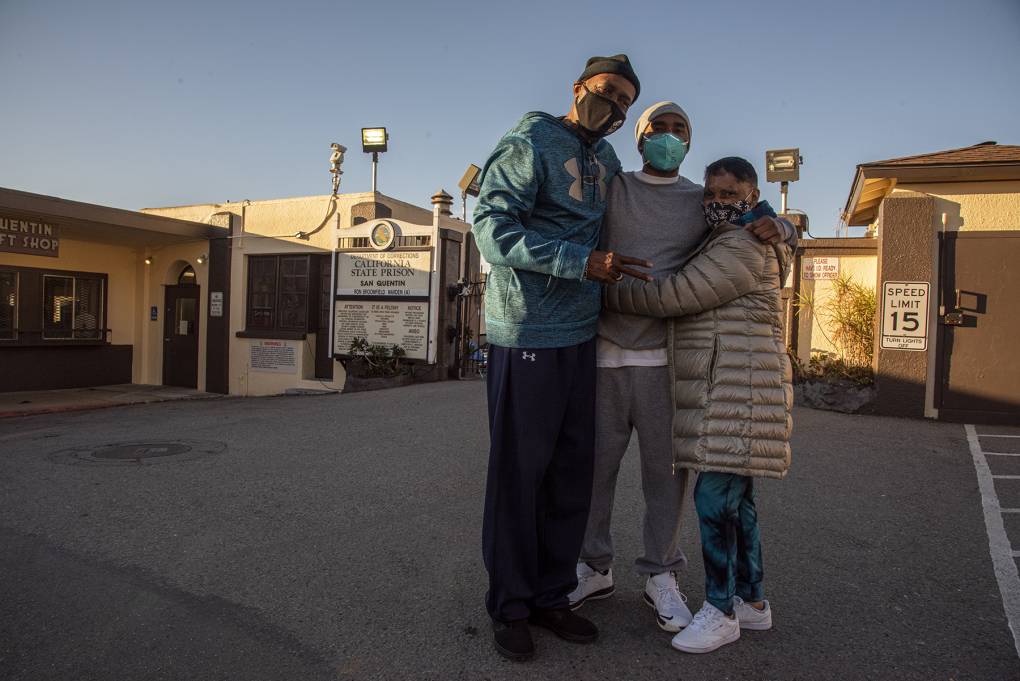
"caption": "Kennard 'Isaiah' Love (center) with his family in December 2020 after his release from San Quentin State Prison. Charged with armed robbery in 2007, at the age of 19, he was sentenced to 28 years in prison, but resentenced and released after 13 years. ",
"description": "Kennard 'Isaiah' Love (center) with his family in December 2020 after his release from San Quentin State Prison. Charged with armed robbery in 2007, at the age of 19, he was sentenced to 28 years in prison, but resentenced and released after 13 years. ",
"title": "kennard fam",
"credit": "Courtesy of For The People",
"status": "inherit",
"altTag": null,
"isLoading": false,
"fetchFailed": false
},
"news_11882024": {
"type": "attachments",
"id": "news_11882024",
"meta": {
"index": "attachments_1716263798",
"site": "news",
"id": "11882024",
"found": true
},
"parent": 11882015,
"imgSizes": {
"twentyfourteen-full-width": {
"file": "https://ww2.kqed.org/app/uploads/sites/10/2021/07/RS50242_021_SanFrancisco_MassialasFencing_07142021-qut-1038x576.jpg",
"width": 1038,
"mimeType": "image/jpeg",
"height": 576
},
"thumbnail": {
"file": "https://ww2.kqed.org/app/uploads/sites/10/2021/07/RS50242_021_SanFrancisco_MassialasFencing_07142021-qut-160x107.jpg",
"width": 160,
"mimeType": "image/jpeg",
"height": 107
},
"post-thumbnail": {
"file": "https://ww2.kqed.org/app/uploads/sites/10/2021/07/RS50242_021_SanFrancisco_MassialasFencing_07142021-qut-672x372.jpg",
"width": 672,
"mimeType": "image/jpeg",
"height": 372
},
"kqedFullSize": {
"file": "https://ww2.kqed.org/app/uploads/sites/10/2021/07/RS50242_021_SanFrancisco_MassialasFencing_07142021-qut.jpg",
"width": 1920,
"height": 1280
},
"large": {
"file": "https://ww2.kqed.org/app/uploads/sites/10/2021/07/RS50242_021_SanFrancisco_MassialasFencing_07142021-qut-1020x680.jpg",
"width": 1020,
"mimeType": "image/jpeg",
"height": 680
},
"1536x1536": {
"file": "https://ww2.kqed.org/app/uploads/sites/10/2021/07/RS50242_021_SanFrancisco_MassialasFencing_07142021-qut-1536x1024.jpg",
"width": 1536,
"mimeType": "image/jpeg",
"height": 1024
},
"medium": {
"file": "https://ww2.kqed.org/app/uploads/sites/10/2021/07/RS50242_021_SanFrancisco_MassialasFencing_07142021-qut-800x533.jpg",
"width": 800,
"mimeType": "image/jpeg",
"height": 533
}
},
"publishDate": 1626910353,
"modified": 1627064569,
"caption": "Alexander Massialas (left), the reigning individual silver medalist from the 2016 Olympic Games, practices with his father Greg at the Massialas Foundation fencing studio in San Francisco on July 14, 2021. Alexander is a right-handed foil fencer and will be heading to his third Olympic Games in Tokyo this year along with Greg, who will serve as the men’s foil team coach.",
"description": "Alexander Massialas (left), the reigning individual silver medalist from the 2016 Olympic Games, practices with his father Greg at the Massialas Foundation fencing studio in San Francisco on July 14, 2021. Alexander is a right-handed foil fencer and will be heading to his third Olympic games in Tokyo this year along with Greg, who will serve as the men’s foil team coach.",
"title": "RS50242_021_SanFrancisco_MassialasFencing_07142021-qut",
"credit": "Beth LaBerge/KQED",
"status": "inherit",
"altTag": null,
"isLoading": false,
"fetchFailed": false
},
"news_11882170": {
"type": "attachments",
"id": "news_11882170",
"meta": {
"index": "attachments_1716263798",
"site": "news",
"id": "11882170",
"found": true
},
"parent": 11881837,
"imgSizes": {
"twentyfourteen-full-width": {
"file": "https://ww2.kqed.org/app/uploads/sites/10/2021/07/dixiefire-1038x576.jpg",
"width": 1038,
"mimeType": "image/jpeg",
"height": 576
},
"thumbnail": {
"file": "https://ww2.kqed.org/app/uploads/sites/10/2021/07/dixiefire-160x89.jpg",
"width": 160,
"mimeType": "image/jpeg",
"height": 89
},
"post-thumbnail": {
"file": "https://ww2.kqed.org/app/uploads/sites/10/2021/07/dixiefire-672x372.jpg",
"width": 672,
"mimeType": "image/jpeg",
"height": 372
},
"kqedFullSize": {
"file": "https://ww2.kqed.org/app/uploads/sites/10/2021/07/dixiefire.jpg",
"width": 1920,
"height": 1064
},
"large": {
"file": "https://ww2.kqed.org/app/uploads/sites/10/2021/07/dixiefire-1020x565.jpg",
"width": 1020,
"mimeType": "image/jpeg",
"height": 565
},
"1536x1536": {
"file": "https://ww2.kqed.org/app/uploads/sites/10/2021/07/dixiefire-1536x851.jpg",
"width": 1536,
"mimeType": "image/jpeg",
"height": 851
},
"medium": {
"file": "https://ww2.kqed.org/app/uploads/sites/10/2021/07/dixiefire-800x443.jpg",
"width": 800,
"mimeType": "image/jpeg",
"height": 443
}
},
"publishDate": 1626987839,
"modified": 1626987883,
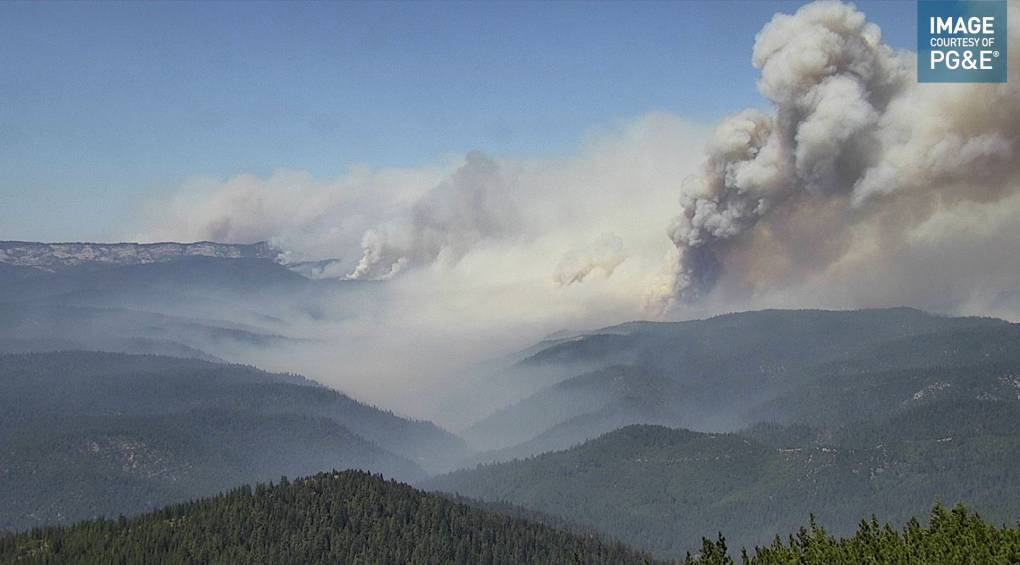
"caption": "An image from a PG&E wildfire camera near the Plumas County community of Crescent Mills shows the Dixie Fire burning the morning of July 22, 2021. ",
"description": "An image from a PG&E wildfire camera near the Plumas County community of Crescent Mills shows the Dixie Fire burning the morning of July 22, 2021. ",
"title": "dixiefire",
"credit": "AlertWildfire/PG&E",
"status": "inherit",
"altTag": "smoke billows above the forest",
"isLoading": false,
"fetchFailed": false
},
"news_11882098": {
"type": "attachments",
"id": "news_11882098",
"meta": {
"index": "attachments_1716263798",
"site": "news",
"id": "11882098",
"found": true
},
"parent": 11881766,
"imgSizes": {
"twentyfourteen-full-width": {
"file": "https://ww2.kqed.org/app/uploads/sites/10/2021/07/RS50344_GettyImages-1317323951-qut-1038x576.jpg",
"width": 1038,
"mimeType": "image/jpeg",
"height": 576
},
"thumbnail": {
"file": "https://ww2.kqed.org/app/uploads/sites/10/2021/07/RS50344_GettyImages-1317323951-qut-160x107.jpg",
"width": 160,
"mimeType": "image/jpeg",
"height": 107
},
"post-thumbnail": {
"file": "https://ww2.kqed.org/app/uploads/sites/10/2021/07/RS50344_GettyImages-1317323951-qut-672x372.jpg",
"width": 672,
"mimeType": "image/jpeg",
"height": 372
},
"kqedFullSize": {
"file": "https://ww2.kqed.org/app/uploads/sites/10/2021/07/RS50344_GettyImages-1317323951-qut.jpg",
"width": 1920,
"height": 1287
},
"large": {
"file": "https://ww2.kqed.org/app/uploads/sites/10/2021/07/RS50344_GettyImages-1317323951-qut-1020x684.jpg",
"width": 1020,
"mimeType": "image/jpeg",
"height": 684
},
"1536x1536": {
"file": "https://ww2.kqed.org/app/uploads/sites/10/2021/07/RS50344_GettyImages-1317323951-qut-1536x1030.jpg",
"width": 1536,
"mimeType": "image/jpeg",
"height": 1030
},
"medium": {
"file": "https://ww2.kqed.org/app/uploads/sites/10/2021/07/RS50344_GettyImages-1317323951-qut-800x536.jpg",
"width": 800,
"mimeType": "image/jpeg",
"height": 536
}
},
"publishDate": 1626971018,
"modified": 1627410308,
"caption": "California Gov. Gavin Newsom announces a $100 billion economic recovery proposal for the state during a press conference at The Unity Council on May 10, 2021 in Oakland, California.",
"description": null,
"title": "California Governor Newsom Unveils His Economic Recovery Package For The State",
"credit": "Justin Sullivan/Getty Images",
"status": "inherit",
"altTag": null,
"isLoading": false,
"fetchFailed": false
},
"news_11881940": {
"type": "attachments",
"id": "news_11881940",
"meta": {
"index": "attachments_1716263798",
"site": "news",
"id": "11881940",
"found": true
},
"parent": 11881927,
"imgSizes": {
"twentyfourteen-full-width": {
"file": "https://ww2.kqed.org/app/uploads/sites/10/2021/07/ElDoradoFire-1038x576.jpg",
"width": 1038,
"mimeType": "image/jpeg",
"height": 576
},
"thumbnail": {
"file": "https://ww2.kqed.org/app/uploads/sites/10/2021/07/ElDoradoFire-160x108.jpg",
"width": 160,
"mimeType": "image/jpeg",
"height": 108
},
"post-thumbnail": {
"file": "https://ww2.kqed.org/app/uploads/sites/10/2021/07/ElDoradoFire-672x372.jpg",
"width": 672,
"mimeType": "image/jpeg",
"height": 372
},
"kqedFullSize": {
"file": "https://ww2.kqed.org/app/uploads/sites/10/2021/07/ElDoradoFire.jpg",
"width": 1920,
"height": 1290
},
"large": {
"file": "https://ww2.kqed.org/app/uploads/sites/10/2021/07/ElDoradoFire-1020x685.jpg",
"width": 1020,
"mimeType": "image/jpeg",
"height": 685
},
"1536x1536": {
"file": "https://ww2.kqed.org/app/uploads/sites/10/2021/07/ElDoradoFire-1536x1032.jpg",
"width": 1536,
"mimeType": "image/jpeg",
"height": 1032
},
"medium": {
"file": "https://ww2.kqed.org/app/uploads/sites/10/2021/07/ElDoradoFire-800x538.jpg",
"width": 800,
"mimeType": "image/jpeg",
"height": 538
}
},
"publishDate": 1626891149,
"modified": 1626891274,
"caption": "The El Dorado fire, pictured on Sept. 5, 2020. A man and woman whose gender reveal ceremony sparked the fire have been charged with involuntary manslaughter in the death of a firefighter.",
"description": "The El Dorado fire, pictured on Sept. 5, 2020. A man and woman whose gender reveal ceremony sparked the fire have been charged with involuntary manslaughter in the death of a firefighter.",
"title": "ElDoradoFire",
"credit": "Zach Behrens/San Bernardino National Forest/Wikimedia Commons",
"status": "inherit",
"altTag": null,
"isLoading": false,
"fetchFailed": false
},
"news_11881807": {
"type": "attachments",
"id": "news_11881807",
"meta": {
"index": "attachments_1716263798",
"site": "news",
"id": "11881807",
"found": true
},
"parent": 11881668,
"imgSizes": {
"twentyfourteen-full-width": {
"file": "https://ww2.kqed.org/app/uploads/sites/10/2021/07/GettyImages-1329563989-1038x576.jpg",
"width": 1038,
"mimeType": "image/jpeg",
"height": 576
},
"thumbnail": {
"file": "https://ww2.kqed.org/app/uploads/sites/10/2021/07/GettyImages-1329563989-160x107.jpg",
"width": 160,
"mimeType": "image/jpeg",
"height": 107
},
"post-thumbnail": {
"file": "https://ww2.kqed.org/app/uploads/sites/10/2021/07/GettyImages-1329563989-672x372.jpg",
"width": 672,
"mimeType": "image/jpeg",
"height": 372
},
"kqedFullSize": {
"file": "https://ww2.kqed.org/app/uploads/sites/10/2021/07/GettyImages-1329563989-scaled.jpg",
"width": 2560,
"height": 1706
},
"2048x2048": {
"file": "https://ww2.kqed.org/app/uploads/sites/10/2021/07/GettyImages-1329563989-2048x1365.jpg",
"width": 2048,
"mimeType": "image/jpeg",
"height": 1365
},
"large": {
"file": "https://ww2.kqed.org/app/uploads/sites/10/2021/07/GettyImages-1329563989-1020x680.jpg",
"width": 1020,
"mimeType": "image/jpeg",
"height": 680
},
"1536x1536": {
"file": "https://ww2.kqed.org/app/uploads/sites/10/2021/07/GettyImages-1329563989-1536x1024.jpg",
"width": 1536,
"mimeType": "image/jpeg",
"height": 1024
},
"full-width": {
"file": "https://ww2.kqed.org/app/uploads/sites/10/2021/07/GettyImages-1329563989-1920x1280.jpg",
"width": 1920,
"mimeType": "image/jpeg",
"height": 1280
},
"medium": {
"file": "https://ww2.kqed.org/app/uploads/sites/10/2021/07/GettyImages-1329563989-800x533.jpg",
"width": 800,
"mimeType": "image/jpeg",
"height": 533
}
},
"publishDate": 1626817968,
"modified": 1626818150,
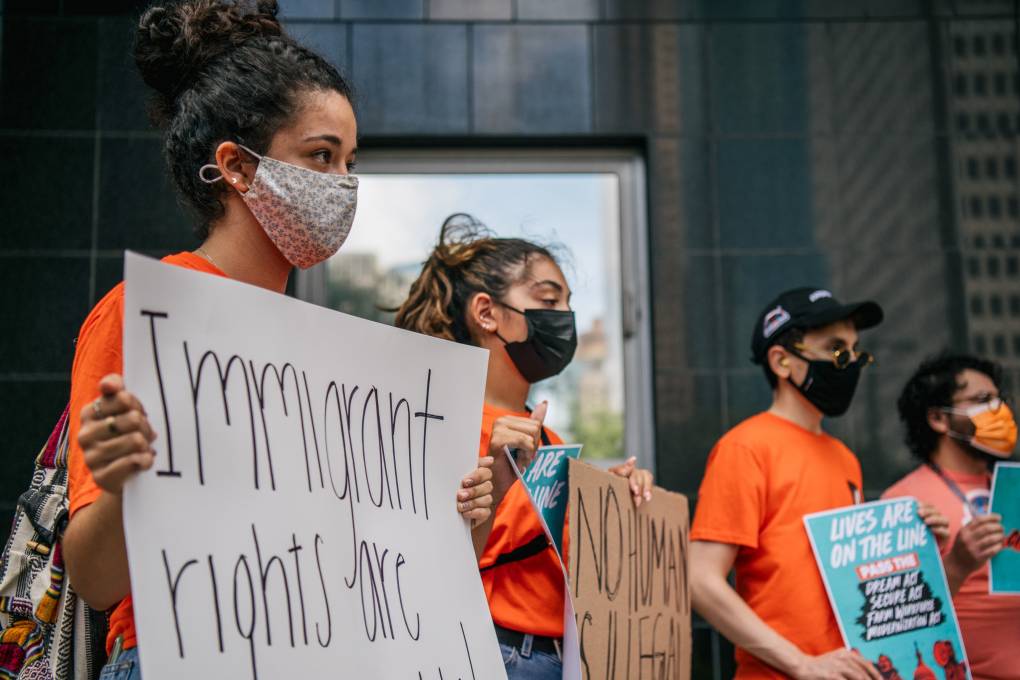
"caption": "Members of the United We Dream organization participate in a demonstration outside of the U.S. District Courthouse on July 19, 2021 in Houston, Texas. The demonstration was held in response to Texas District Judge Andrew Hanen's ordering of the U.S. government to block new Deferred Action for Childhood Arrivals (DACA) applicants. Hanen issued the ruling stating that the Obama administration did not have legal authority in 2012 to create the program. ",
"description": "Members of the United We Dream organization participate in a demonstration outside of the U.S. District Courthouse on July 19, 2021 in Houston, Texas. The demonstration was held in response to Texas District Judge Andrew Hanen's ordering of the U.S. government to block new Deferred Action for Childhood Arrivals (DACA) applicants. Hanen issued the ruling stating that the Obama administration did not have legal authority in 2012 to create the program. ",
"title": "Rally Held At U.S. District Court In Support Of DACA Applicants",
"credit": " Brandon Bell/Getty Images",
"status": "inherit",
"altTag": "A group of youth wearing orange shirts and facemasks hold up several signs that read 'Immigrant rights are human rights.'",
"isLoading": false,
"fetchFailed": false
},
"news_11881845": {
"type": "attachments",
"id": "news_11881845",
"meta": {
"index": "attachments_1716263798",
"site": "news",
"id": "11881845",
"found": true
},
"parent": 11881811,
"imgSizes": {
"twentyfourteen-full-width": {
"file": "https://ww2.kqed.org/app/uploads/sites/10/2021/07/RS50312_GettyImages-1302667624-qut-1038x576.jpg",
"width": 1038,
"mimeType": "image/jpeg",
"height": 576
},
"thumbnail": {
"file": "https://ww2.kqed.org/app/uploads/sites/10/2021/07/RS50312_GettyImages-1302667624-qut-160x107.jpg",
"width": 160,
"mimeType": "image/jpeg",
"height": 107
},
"post-thumbnail": {
"file": "https://ww2.kqed.org/app/uploads/sites/10/2021/07/RS50312_GettyImages-1302667624-qut-672x372.jpg",
"width": 672,
"mimeType": "image/jpeg",
"height": 372
},
"kqedFullSize": {
"file": "https://ww2.kqed.org/app/uploads/sites/10/2021/07/RS50312_GettyImages-1302667624-qut.jpg",
"width": 1920,
"height": 1280
},
"large": {
"file": "https://ww2.kqed.org/app/uploads/sites/10/2021/07/RS50312_GettyImages-1302667624-qut-1020x680.jpg",
"width": 1020,
"mimeType": "image/jpeg",
"height": 680
},
"1536x1536": {
"file": "https://ww2.kqed.org/app/uploads/sites/10/2021/07/RS50312_GettyImages-1302667624-qut-1536x1024.jpg",
"width": 1536,
"mimeType": "image/jpeg",
"height": 1024
},
"medium": {
"file": "https://ww2.kqed.org/app/uploads/sites/10/2021/07/RS50312_GettyImages-1302667624-qut-800x533.jpg",
"width": 800,
"mimeType": "image/jpeg",
"height": 533
}
},
"publishDate": 1626823865,
"modified": 1626825747,
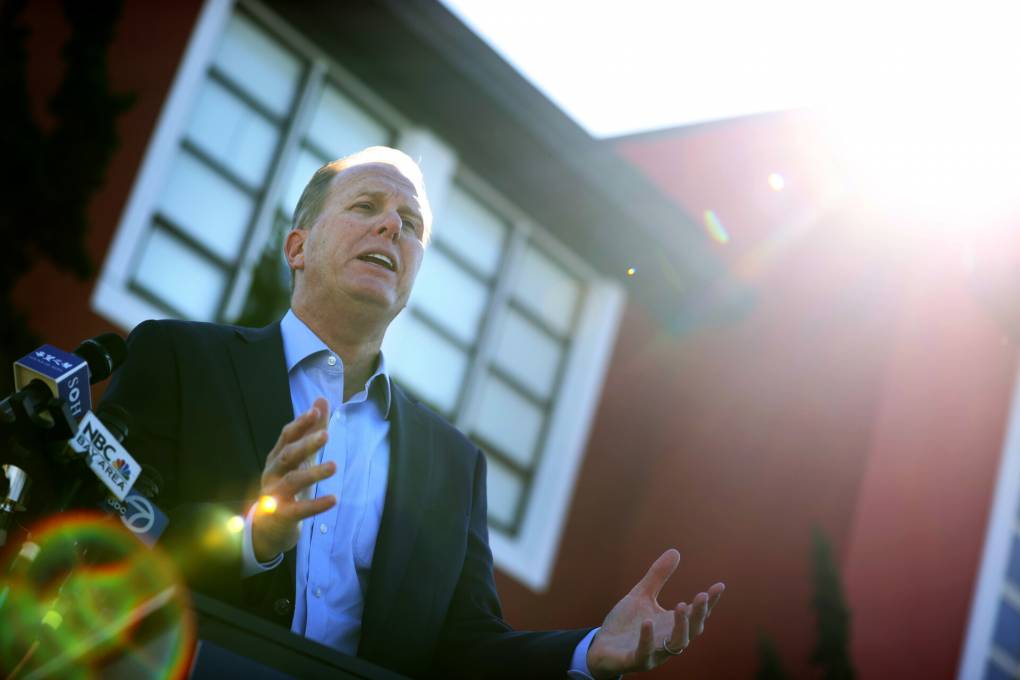
"caption": "Former San Diego Mayor Kevin Faulconer, a GOP candidate to replace Gov. Gavin Newsom — along with talk show host and fellow Republican gubernatorial candidate Larry Elder — is suing Secretary of State Shirley Weber over ballot issues.",
"description": "Former San Diego Mayor Kevin Faulconer, a GOP candidate to replace Gov. Gavin Newsom - along with talk show host and fellow Republican gubernatorial candidate Larry Elder – is suing Secretary of State Shirley Weber over ballot issues.",
"title": "Former San Diego Mayor Kevin Faulconer Campaigns For California Governor As Newsom Faces Possible Recall",
"credit": "Justin Sullivan/Getty Images",
"status": "inherit",
"altTag": null,
"isLoading": false,
"fetchFailed": false
},
"news_11881787": {
"type": "attachments",
"id": "news_11881787",
"meta": {
"index": "attachments_1716263798",
"site": "news",
"id": "11881787",
"found": true
},
"parent": 11881770,
"imgSizes": {
"twentyfourteen-full-width": {
"file": "https://ww2.kqed.org/app/uploads/sites/10/2021/07/WheelchairGeneric-1038x576.jpg",
"width": 1038,
"mimeType": "image/jpeg",
"height": 576
},
"thumbnail": {
"file": "https://ww2.kqed.org/app/uploads/sites/10/2021/07/WheelchairGeneric-160x107.jpg",
"width": 160,
"mimeType": "image/jpeg",
"height": 107
},
"post-thumbnail": {
"file": "https://ww2.kqed.org/app/uploads/sites/10/2021/07/WheelchairGeneric-672x372.jpg",
"width": 672,
"mimeType": "image/jpeg",
"height": 372
},
"kqedFullSize": {
"file": "https://ww2.kqed.org/app/uploads/sites/10/2021/07/WheelchairGeneric.jpg",
"width": 1920,
"height": 1280
},
"large": {
"file": "https://ww2.kqed.org/app/uploads/sites/10/2021/07/WheelchairGeneric-1020x680.jpg",
"width": 1020,
"mimeType": "image/jpeg",
"height": 680
},
"1536x1536": {
"file": "https://ww2.kqed.org/app/uploads/sites/10/2021/07/WheelchairGeneric-1536x1024.jpg",
"width": 1536,
"mimeType": "image/jpeg",
"height": 1024
},
"medium": {
"file": "https://ww2.kqed.org/app/uploads/sites/10/2021/07/WheelchairGeneric-800x533.jpg",
"width": 800,
"mimeType": "image/jpeg",
"height": 533
}
},
"publishDate": 1626810823,
"modified": 1626815616,
"caption": "A court's decision to overturn a ban on nursing home employees from willfully using anything other than residents' preferred names and pronouns is 'disconnected from the reality facing transgender people,' said state Sen. Scott Wiener, D-San Francisco.",
"description": "A court's decision to overturn a ban on nursing home employees from willfully using anything other than residents' preferred names and pronouns is 'disconnected from the reality facing transgender people,' said Sen. Scott Wiener.",
"title": "WheelchairGeneric",
"credit": "Getty Images",
"status": "inherit",
"altTag": "empty wheelchair in foreground, blurry nursing home resident in background",
"isLoading": false,
"fetchFailed": false
},
"news_11881745": {
"type": "attachments",
"id": "news_11881745",
"meta": {
"index": "attachments_1716263798",
"site": "news",
"id": "11881745",
"found": true
},
"parent": 11881743,
"imgSizes": {
"twentyfourteen-full-width": {
"file": "https://ww2.kqed.org/app/uploads/sites/10/2021/07/LosAngeles_AW-1038x576.jpg",
"width": 1038,
"mimeType": "image/jpeg",
"height": 576
},
"thumbnail": {
"file": "https://ww2.kqed.org/app/uploads/sites/10/2021/07/LosAngeles_AW-160x107.jpg",
"width": 160,
"mimeType": "image/jpeg",
"height": 107
},
"post-thumbnail": {
"file": "https://ww2.kqed.org/app/uploads/sites/10/2021/07/LosAngeles_AW-672x372.jpg",
"width": 672,
"mimeType": "image/jpeg",
"height": 372
},
"kqedFullSize": {
"file": "https://ww2.kqed.org/app/uploads/sites/10/2021/07/LosAngeles_AW.jpg",
"width": 1200,
"height": 802
},
"large": {
"file": "https://ww2.kqed.org/app/uploads/sites/10/2021/07/LosAngeles_AW-1020x682.jpg",
"width": 1020,
"mimeType": "image/jpeg",
"height": 682
},
"medium": {
"file": "https://ww2.kqed.org/app/uploads/sites/10/2021/07/LosAngeles_AW-800x535.jpg",
"width": 800,
"mimeType": "image/jpeg",
"height": 535
}
},
"publishDate": 1626800845,
"modified": 1626800876,
"caption": "Students sit outside of Royce Hall at UCLA — among the University of California campuses that could experience tuition hikes every year under a pending proposal.",
"description": null,
"title": "LosAngeles_AW",
"credit": "Anne Wernikoff/CalMatters",
"status": "inherit",
"altTag": null,
"isLoading": false,
"fetchFailed": false
},
"news_11881624": {
"type": "attachments",
"id": "news_11881624",
"meta": {
"index": "attachments_1716263798",
"site": "news",
"id": "11881624",
"found": true
},
"parent": 11881579,
"imgSizes": {
"twentyfourteen-full-width": {
"file": "https://ww2.kqed.org/app/uploads/sites/10/2021/07/DixieFirePyrocumulus-1038x576.jpg",
"width": 1038,
"mimeType": "image/jpeg",
"height": 576
},
"thumbnail": {
"file": "https://ww2.kqed.org/app/uploads/sites/10/2021/07/DixieFirePyrocumulus-160x109.jpg",
"width": 160,
"mimeType": "image/jpeg",
"height": 109
},
"post-thumbnail": {
"file": "https://ww2.kqed.org/app/uploads/sites/10/2021/07/DixieFirePyrocumulus-672x372.jpg",
"width": 672,
"mimeType": "image/jpeg",
"height": 372
},
"kqedFullSize": {
"file": "https://ww2.kqed.org/app/uploads/sites/10/2021/07/DixieFirePyrocumulus.jpg",
"width": 1920,
"height": 1309
},
"large": {
"file": "https://ww2.kqed.org/app/uploads/sites/10/2021/07/DixieFirePyrocumulus-1020x695.jpg",
"width": 1020,
"mimeType": "image/jpeg",
"height": 695
},
"1536x1536": {
"file": "https://ww2.kqed.org/app/uploads/sites/10/2021/07/DixieFirePyrocumulus-1536x1047.jpg",
"width": 1536,
"mimeType": "image/jpeg",
"height": 1047
},
"medium": {
"file": "https://ww2.kqed.org/app/uploads/sites/10/2021/07/DixieFirePyrocumulus-800x545.jpg",
"width": 800,
"mimeType": "image/jpeg",
"height": 545
}
},
"publishDate": 1626722859,
"modified": 1626722896,
"caption": "A wildfire-generated pyrocumulus cloud rises above the Dixie Fire in Butte and Plumas counties on Sunday, July 18, 2021. ",
"description": "A wildfire-generated pyrocumulus cloud rises above the Dixie Fire in Butte and Plumas counties on Sunday, July 18, 2021. ",
"title": "DixieFirePyrocumulus",
"credit": "Courtesy PG&E",
"status": "inherit",
"altTag": "billowing pyrocumulus cloud",
"isLoading": false,
"fetchFailed": false
},
"news_11876538": {
"type": "attachments",
"id": "news_11876538",
"meta": {
"index": "attachments_1716263798",
"site": "news",
"id": "11876538",
"found": true
},
"parent": 11876535,
"imgSizes": {
"twentyfourteen-full-width": {
"file": "https://ww2.kqed.org/app/uploads/sites/10/2021/06/RS31296_GettyImages-968048630-qut-1038x576.jpg",
"width": 1038,
"mimeType": "image/jpeg",
"height": 576
},
"thumbnail": {
"file": "https://ww2.kqed.org/app/uploads/sites/10/2021/06/RS31296_GettyImages-968048630-qut-160x107.jpg",
"width": 160,
"mimeType": "image/jpeg",
"height": 107
},
"post-thumbnail": {
"file": "https://ww2.kqed.org/app/uploads/sites/10/2021/06/RS31296_GettyImages-968048630-qut-672x372.jpg",
"width": 672,
"mimeType": "image/jpeg",
"height": 372
},
"kqedFullSize": {
"file": "https://ww2.kqed.org/app/uploads/sites/10/2021/06/RS31296_GettyImages-968048630-qut.jpg",
"width": 1920,
"height": 1280
},
"large": {
"file": "https://ww2.kqed.org/app/uploads/sites/10/2021/06/RS31296_GettyImages-968048630-qut-1020x680.jpg",
"width": 1020,
"mimeType": "image/jpeg",
"height": 680
},
"1536x1536": {
"file": "https://ww2.kqed.org/app/uploads/sites/10/2021/06/RS31296_GettyImages-968048630-qut-1536x1024.jpg",
"width": 1536,
"mimeType": "image/jpeg",
"height": 1024
},
"medium": {
"file": "https://ww2.kqed.org/app/uploads/sites/10/2021/06/RS31296_GettyImages-968048630-qut-800x533.jpg",
"width": 800,
"mimeType": "image/jpeg",
"height": 533
}
},
"publishDate": 1622744958,
"modified": 1673047047,
"caption": "Gov. Gavin Newsom speaks during his primary election night gathering on June 5, 2018, in San Francisco.",
"description": null,
"title": "California Gubernatorial Candidate Gavin Newsom Holds Primary Night Event In San Francisco",
"credit": "Justin Sullivan/Getty Images",
"status": "inherit",
"altTag": "A white man in a blue suit and blue tie flanked by the US flag and the California flag points his finger as he speaks.",
"isLoading": false,
"fetchFailed": false
},
"news_11881540": {
"type": "attachments",
"id": "news_11881540",
"meta": {
"index": "attachments_1716263798",
"site": "news",
"id": "11881540",
"found": true
},
"parent": 11881535,
"imgSizes": {
"twentyfourteen-full-width": {
"file": "https://ww2.kqed.org/app/uploads/sites/10/2021/07/RS47567_025_SanFrancisco_EmbarcaderoReopening_03032021-qut-1038x576.jpeg",
"width": 1038,
"mimeType": "image/jpeg",
"height": 576
},
"thumbnail": {
"file": "https://ww2.kqed.org/app/uploads/sites/10/2021/07/RS47567_025_SanFrancisco_EmbarcaderoReopening_03032021-qut-160x107.jpeg",
"width": 160,
"mimeType": "image/jpeg",
"height": 107
},
"post-thumbnail": {
"file": "https://ww2.kqed.org/app/uploads/sites/10/2021/07/RS47567_025_SanFrancisco_EmbarcaderoReopening_03032021-qut-672x372.jpeg",
"width": 672,
"mimeType": "image/jpeg",
"height": 372
},
"kqedFullSize": {
"file": "https://ww2.kqed.org/app/uploads/sites/10/2021/07/RS47567_025_SanFrancisco_EmbarcaderoReopening_03032021-qut.jpeg",
"width": 1920,
"height": 1280
},
"large": {
"file": "https://ww2.kqed.org/app/uploads/sites/10/2021/07/RS47567_025_SanFrancisco_EmbarcaderoReopening_03032021-qut-1020x680.jpeg",
"width": 1020,
"mimeType": "image/jpeg",
"height": 680
},
"1536x1536": {
"file": "https://ww2.kqed.org/app/uploads/sites/10/2021/07/RS47567_025_SanFrancisco_EmbarcaderoReopening_03032021-qut-1536x1024.jpeg",
"width": 1536,
"mimeType": "image/jpeg",
"height": 1024
},
"medium": {
"file": "https://ww2.kqed.org/app/uploads/sites/10/2021/07/RS47567_025_SanFrancisco_EmbarcaderoReopening_03032021-qut-800x533.jpeg",
"width": 800,
"mimeType": "image/jpeg",
"height": 533
}
},
"publishDate": 1626554229,
"modified": 1626554247,
"caption": "Diners eat inside of a tent at La Mar Cebicheria Peruana restaurant in San Francisco on March 3, 2021.",
"description": null,
"title": "RS47567_025_SanFrancisco_EmbarcaderoReopening_03032021-qut",
"credit": "Beth LaBerge/KQED",
"status": "inherit",
"altTag": null,
"isLoading": false,
"fetchFailed": false
}
},
"audioPlayerReducer": {
"postId": "stream_live",
"isPaused": true,
"isPlaying": false,
"pfsActive": false,
"pledgeModalIsOpen": true,
"playerDrawerIsOpen": false,
"liveAudioPlayStartedAt": 0,
"liveAudioPlayContext": ""
},
"authorsReducer": {
"byline_news_11881927": {
"type": "authors",
"id": "byline_news_11881927",
"meta": {
"override": true
},
"slug": "byline_news_11881927",
"name": "The Associated Press",
"isLoading": false
},
"byline_news_11881743": {
"type": "authors",
"id": "byline_news_11881743",
"meta": {
"override": true
},
"slug": "byline_news_11881743",
"name": "\u003ca href=\"https://calmatters.org/author/mikhailzinshteyn/\">Mikhail Zinshteyn\u003c/a>\u003cbr>CalMatters",
"isLoading": false
},
"danbrekke": {
"type": "authors",
"id": "222",
"meta": {
"index": "authors_1716337520",
"id": "222",
"found": true
},
"name": "Dan Brekke",
"firstName": "Dan",
"lastName": "Brekke",
"slug": "danbrekke",
"email": "dbrekke@kqed.org",
"display_author_email": true,
"staff_mastheads": [
"news",
"science"
],
"title": "KQED Editor and Reporter",
"bio": "Dan Brekke is a reporter and editor for KQED News, responsible for coverage of topics ranging from California water issues to the Bay Area's transportation challenges. In a newsroom career that began in Chicago in 1972, Dan has worked for \u003cem>The San Francisco Examiner,\u003c/em> Wired and TechTV and has been published in The New York Times, The New York Times Magazine, Business 2.0, Salon and elsewhere.\r\n\r\nSince joining KQED in 2007, Dan has reported, edited and produced both radio and online features and breaking news pieces. He has shared as both editor and reporter in four Society of Professional Journalists Norcal Excellence in Journalism awards and one Edward R. Murrow regional award. He was chosen for a spring 2017 residency at the Mesa Refuge to advance his research on California salmon.\r\n\r\nEmail Dan at: \u003ca href=\"mailto:dbrekke@kqed.org\">dbrekke@kqed.org\u003c/a>\r\n\r\n\u003cstrong>Twitter:\u003c/strong> \u003ca href=\"https://twitter.com/danbrekke\" rel=\"noopener noreferrer\">twitter.com/danbrekke\u003c/a>\r\n\u003cstrong>Facebook:\u003c/strong> \u003ca href=\"https://www.facebook.com/danbrekke\" rel=\"noopener noreferrer\">www.facebook.com/danbrekke\u003c/a>\r\n\u003cstrong>LinkedIn:\u003c/strong> \u003ca href=\"https://www.linkedin.com/in/danbrekke\" rel=\"noopener noreferrer\">www.linkedin.com/in/danbrekke\u003c/a>",
"avatar": "https://secure.gravatar.com/avatar/c8126230345efca3f7aa89b1a402be45?s=600&d=mm&r=g",
"twitter": "danbrekke",
"facebook": null,
"instagram": "https://www.instagram.com/dan.brekke/",
"linkedin": "https://www.linkedin.com/in/danbrekke/",
"sites": [
{
"site": "news",
"roles": [
"administrator",
"create_posts"
]
},
{
"site": "stateofhealth",
"roles": [
"editor"
]
},
{
"site": "science",
"roles": [
"editor"
]
},
{
"site": "quest",
"roles": [
"contributor"
]
},
{
"site": "food",
"roles": [
"contributor"
]
},
{
"site": "forum",
"roles": [
"contributor"
]
},
{
"site": "liveblog",
"roles": [
"editor"
]
}
],
"headData": {
"title": "Dan Brekke | KQED",
"description": "KQED Editor and Reporter",
"ogImgSrc": "https://secure.gravatar.com/avatar/c8126230345efca3f7aa89b1a402be45?s=600&d=mm&r=g",
"twImgSrc": "https://secure.gravatar.com/avatar/c8126230345efca3f7aa89b1a402be45?s=600&d=mm&r=g"
},
"isLoading": false,
"link": "/author/danbrekke"
},
"gmarzorati": {
"type": "authors",
"id": "227",
"meta": {
"index": "authors_1716337520",
"id": "227",
"found": true
},
"name": "Guy Marzorati",
"firstName": "Guy",
"lastName": "Marzorati",
"slug": "gmarzorati",
"email": "gmarzorati@KQED.org",
"display_author_email": true,
"staff_mastheads": [
"news"
],
"title": "Correspondent",
"bio": "Guy Marzorati is a correspondent on KQED's California Politics and Government Desk, based in San Jose. A graduate of Santa Clara University, Guy joined KQED in 2013. He reports on state and local politics and produces KQED's digital voter guide.",
"avatar": "https://secure.gravatar.com/avatar/e7038b8dbfd55b104369b76b1cd0b9de?s=600&d=blank&r=g",
"twitter": "guymarzorati",
"facebook": null,
"instagram": null,
"linkedin": null,
"sites": [
{
"site": "",
"roles": [
"editor"
]
},
{
"site": "news",
"roles": [
"editor"
]
},
{
"site": "science",
"roles": [
"editor"
]
},
{
"site": "forum",
"roles": [
"editor"
]
},
{
"site": "elections",
"roles": [
"editor"
]
},
{
"site": "liveblog",
"roles": [
"editor"
]
}
],
"headData": {
"title": "Guy Marzorati | KQED",
"description": "Correspondent",
"ogImgSrc": "https://secure.gravatar.com/avatar/e7038b8dbfd55b104369b76b1cd0b9de?s=600&d=blank&r=g",
"twImgSrc": "https://secure.gravatar.com/avatar/e7038b8dbfd55b104369b76b1cd0b9de?s=600&d=blank&r=g"
},
"isLoading": false,
"link": "/author/gmarzorati"
},
"kqednewsstaffandwires": {
"type": "authors",
"id": "237",
"meta": {
"index": "authors_1716337520",
"id": "237",
"found": true
},
"name": "KQED News Staff and Wires",
"firstName": "KQED News Staff and Wires",
"lastName": null,
"slug": "kqednewsstaffandwires",
"email": "onlinenewsstaff@kqed.org",
"display_author_email": false,
"staff_mastheads": [],
"title": null,
"bio": null,
"avatar": "https://secure.gravatar.com/avatar/72295af8ebbfbd19a4948f5271285664?s=600&d=blank&r=g",
"twitter": null,
"facebook": null,
"instagram": null,
"linkedin": null,
"sites": [
{
"site": "arts",
"roles": [
"contributor"
]
},
{
"site": "news",
"roles": [
"contributor"
]
},
{
"site": "lowdown",
"roles": [
"author"
]
},
{
"site": "stateofhealth",
"roles": [
"contributor"
]
},
{
"site": "food",
"roles": [
"author"
]
}
],
"headData": {
"title": "KQED News Staff and Wires | KQED",
"description": null,
"ogImgSrc": "https://secure.gravatar.com/avatar/72295af8ebbfbd19a4948f5271285664?s=600&d=blank&r=g",
"twImgSrc": "https://secure.gravatar.com/avatar/72295af8ebbfbd19a4948f5271285664?s=600&d=blank&r=g"
},
"isLoading": false,
"link": "/author/kqednewsstaffandwires"
},
"minakim": {
"type": "authors",
"id": "243",
"meta": {
"index": "authors_1716337520",
"id": "243",
"found": true
},
"name": "Mina Kim",
"firstName": "Mina",
"lastName": "Kim",
"slug": "minakim",
"email": "mkim@kqed.org",
"display_author_email": false,
"staff_mastheads": [
"news"
],
"title": "Host, Forum",
"bio": "Mina Kim is host of the 10 a.m. statewide hour of Forum; a live daily talk show for curious Californians on issues that matter to the state and nation, with a particular emphasis on race and equity.\r\n\r\nBefore joining the Forum team, Mina was KQED’s evening news anchor, and health reporter for The California Report. Her award-winning work has included natural disasters in Napa and gun violence in Oakland. Mina grew up in St. John’s, Newfoundland.",
"avatar": "https://secure.gravatar.com/avatar/145ce657a2d08cb86d93686beb958982?s=600&d=blank&r=g",
"twitter": "mkimreporter",
"facebook": null,
"instagram": null,
"linkedin": null,
"sites": [
{
"site": "news",
"roles": [
"contributor"
]
},
{
"site": "stateofhealth",
"roles": [
"author"
]
},
{
"site": "forum",
"roles": [
"editor"
]
}
],
"headData": {
"title": "Mina Kim | KQED",
"description": "Host, Forum",
"ogImgSrc": "https://secure.gravatar.com/avatar/145ce657a2d08cb86d93686beb958982?s=600&d=blank&r=g",
"twImgSrc": "https://secure.gravatar.com/avatar/145ce657a2d08cb86d93686beb958982?s=600&d=blank&r=g"
},
"isLoading": false,
"link": "/author/minakim"
},
"scottshafer": {
"type": "authors",
"id": "255",
"meta": {
"index": "authors_1716337520",
"id": "255",
"found": true
},
"name": "Scott Shafer",
"firstName": "Scott",
"lastName": "Shafer",
"slug": "scottshafer",
"email": "sshafer@kqed.org",
"display_author_email": false,
"staff_mastheads": [
"news"
],
"title": "KQED Contributor",
"bio": "Scott Shafer is a senior editor with the KQED Politics and Government desk. He is co-host of Political Breakdown, the award-winning radio show and podcast with a personal take on the world of politics. Scott came to KQED in 1998 to host the statewide\u003cem> California Report\u003c/em>. Prior to that he had extended stints in politics and government\u003cem>.\u003c/em> He uses that inside experience at KQED in his, reporting, hosting and analysis for the politics desk. Scott collaborated \u003cem>Political Breakdown a\u003c/em>nd on \u003cem>The Political Mind of Jerry Brown, \u003c/em>an eight-part series about the life and extraordinary political career of the former governor. For fun, he plays water polo with the San Francisco Tsunami.",
"avatar": "https://secure.gravatar.com/avatar/a62ebae45b79d7aed1a39a0e3bf68104?s=600&d=blank&r=g",
"twitter": "scottshafer",
"bluesky": null,
"facebook": null,
"instagram": null,
"linkedin": null,
"sites": [
{
"site": "news",
"roles": [
"editor"
]
},
{
"site": "stateofhealth",
"roles": [
"author"
]
},
{
"site": "science",
"roles": [
"author"
]
},
{
"site": "forum",
"roles": [
"subscriber"
]
},
{
"site": "liveblog",
"roles": [
"author"
]
}
],
"headData": {
"title": "Scott Shafer | KQED",
"description": "KQED Contributor",
"ogImgSrc": "https://secure.gravatar.com/avatar/a62ebae45b79d7aed1a39a0e3bf68104?s=600&d=blank&r=g",
"twImgSrc": "https://secure.gravatar.com/avatar/a62ebae45b79d7aed1a39a0e3bf68104?s=600&d=blank&r=g"
},
"isLoading": false,
"link": "/author/scottshafer"
},
"tarasiler": {
"type": "authors",
"id": "257",
"meta": {
"index": "authors_1716337520",
"id": "257",
"found": true
},
"name": "Tara Siler",
"firstName": "Tara",
"lastName": "Siler",
"slug": "tarasiler",
"email": "tsiler@kqed.org",
"display_author_email": false,
"staff_mastheads": [
"news"
],
"title": "KQED Contributor",
"bio": "Tara reports and anchors for KQED news. She covers a range of issues from community-police relations to local politics. Tara started out in community radio in the Bay Area, where she was raised. She eventually moved to Washington DC where she covered Congress for eight years for Pacifica and Monitor Radio. Her stories have also been heard on NPR's All Things Considered, Morning Edition and The World.\r\n\r\nTara lives with her husband in Oakland-- where they raised their two sons. She enjoys spending time with her family, gardening and hiking in the Oakland hills... and keeping up with the news.",
"avatar": "https://secure.gravatar.com/avatar/99802f9746fb80b65fd8ec6c57954450?s=600&d=blank&r=g",
"twitter": null,
"facebook": null,
"instagram": null,
"linkedin": null,
"sites": [
{
"site": "news",
"roles": [
"contributor",
"edit_others_posts"
]
},
{
"site": "stateofhealth",
"roles": [
"author"
]
}
],
"headData": {
"title": "Tara Siler | KQED",
"description": "KQED Contributor",
"ogImgSrc": "https://secure.gravatar.com/avatar/99802f9746fb80b65fd8ec6c57954450?s=600&d=blank&r=g",
"twImgSrc": "https://secure.gravatar.com/avatar/99802f9746fb80b65fd8ec6c57954450?s=600&d=blank&r=g"
},
"isLoading": false,
"link": "/author/tarasiler"
},
"matthewgreen": {
"type": "authors",
"id": "1263",
"meta": {
"index": "authors_1716337520",
"id": "1263",
"found": true
},
"name": "Matthew Green",
"firstName": "Matthew",
"lastName": "Green",
"slug": "matthewgreen",
"email": "mgreen@kqed.org",
"display_author_email": false,
"staff_mastheads": [],
"title": "KQED Editor/Reporter",
"bio": "Matthew Green is a digital media producer for KQED News. He previously produced \u003ca href=\"http://www.kqed.org/lowdown\">The Lowdown\u003c/a>, KQED’s multimedia news education blog. Matthew's written for numerous Bay Area publications, including the Oakland Tribune and San Francisco Chronicle. He also taught journalism classes at Fremont High School in East Oakland.\r\n\r\nEmail: mgreen@kqed.org; Twitter: @MGreenKQED",
"avatar": "https://secure.gravatar.com/avatar/3bf498d1267ca02c8494f33d8cfc575e?s=600&d=blank&r=g",
"twitter": "MGreenKQED",
"facebook": null,
"instagram": null,
"linkedin": null,
"sites": [
{
"site": "news",
"roles": []
},
{
"site": "lowdown",
"roles": []
},
{
"site": "science",
"roles": []
},
{
"site": "education",
"roles": []
},
{
"site": "quest",
"roles": []
},
{
"site": "liveblog",
"roles": []
}
],
"headData": {
"title": "Matthew Green | KQED",
"description": "KQED Editor/Reporter",
"ogImgSrc": "https://secure.gravatar.com/avatar/3bf498d1267ca02c8494f33d8cfc575e?s=600&d=blank&r=g",
"twImgSrc": "https://secure.gravatar.com/avatar/3bf498d1267ca02c8494f33d8cfc575e?s=600&d=blank&r=g"
},
"isLoading": false,
"link": "/author/matthewgreen"
},
"bwatt": {
"type": "authors",
"id": "11238",
"meta": {
"index": "authors_1716337520",
"id": "11238",
"found": true
},
"name": "Brian Watt",
"firstName": "Brian",
"lastName": "Watt",
"slug": "bwatt",
"email": "bwatt@KQED.org",
"display_author_email": false,
"staff_mastheads": [
"news"
],
"title": "Morning News Anchor",
"bio": "Brian Watt is KQED's morning radio news anchor. He joined the KQED News team in April of 2016. Prior to that, he worked as a Reporter for KPCC in Los Angeles and a producer at \u003cem>Marketplace.\u003c/em>\r\n\r\nDuring eight years at KPCC, Brian covered business and economics, and his work won several awards. In 2008, he won the Los Angeles Press Club’s first-place award for Business and Financial Reporting, Broadcast. He’s also received honorable mention and been first runner up for the Press Club’s Radio Journalist of the Year. He won two Golden Mike awards from the Radio and TV News Association of Southern California.\r\n\r\nBrian holds degrees in theater from Yale University and the Sorbonne, and has worked as an actor in France, Italy, Brazil, Hungary and . . . Hollywood. He appeared in a few television shows, including \u003cem>The West Wing, Judging Amy\u003c/em> and \u003cem>The District.\u003c/em>\r\n\r\nEmail: bwatt@KQED.org Twitter: @RadioBWatt",
"avatar": "https://secure.gravatar.com/avatar/55393ff57ed34e2be773ba4789dd6a19?s=600&d=blank&r=g",
"twitter": "@RadioBWatt",
"facebook": null,
"instagram": null,
"linkedin": null,
"sites": [
{
"site": "arts",
"roles": [
"contributor"
]
},
{
"site": "news",
"roles": [
"editor"
]
}
],
"headData": {
"title": "Brian Watt | KQED",
"description": "Morning News Anchor",
"ogImgSrc": "https://secure.gravatar.com/avatar/55393ff57ed34e2be773ba4789dd6a19?s=600&d=blank&r=g",
"twImgSrc": "https://secure.gravatar.com/avatar/55393ff57ed34e2be773ba4789dd6a19?s=600&d=blank&r=g"
},
"isLoading": false,
"link": "/author/bwatt"
},
"lsarah": {
"type": "authors",
"id": "11626",
"meta": {
"index": "authors_1716337520",
"id": "11626",
"found": true
},
"name": "Lakshmi Sarah",
"firstName": "Lakshmi",
"lastName": "Sarah",
"slug": "lsarah",
"email": "lsarah@kqed.org",
"display_author_email": false,
"staff_mastheads": [],
"title": "Digital Producer",
"bio": "Lakshmi Sarah is an educator, author and journalist with a focus on innovative storytelling. She has worked with newspapers, radio and magazines from Ahmedabad, India to Los Angeles, California. She has written and produced for Die Zeit, Global Voices, AJ+, KQED, Fusion Media Group and the New York Times.",
"avatar": "https://secure.gravatar.com/avatar/652dcaecd8b28826fc17a8b2d6bb4e93?s=600&d=blank&r=g",
"twitter": "lakitalki",
"facebook": null,
"instagram": "https://www.instagram.com/laki.talki/",
"linkedin": "https://www.linkedin.com/in/lakisarah/",
"sites": [
{
"site": "arts",
"roles": []
},
{
"site": "news",
"roles": []
},
{
"site": "bayareabites",
"roles": []
},
{
"site": "science",
"roles": []
}
],
"headData": {
"title": "Lakshmi Sarah | KQED",
"description": "Digital Producer",
"ogImgSrc": "https://secure.gravatar.com/avatar/652dcaecd8b28826fc17a8b2d6bb4e93?s=600&d=blank&r=g",
"twImgSrc": "https://secure.gravatar.com/avatar/652dcaecd8b28826fc17a8b2d6bb4e93?s=600&d=blank&r=g"
},
"isLoading": false,
"link": "/author/lsarah"
},
"ccabreralomeli": {
"type": "authors",
"id": "11708",
"meta": {
"index": "authors_1716337520",
"id": "11708",
"found": true
},
"name": "Carlos Cabrera-Lomelí",
"firstName": "Carlos",
"lastName": "Cabrera-Lomelí",
"slug": "ccabreralomeli",
"email": "ccabreralomeli@KQED.org",
"display_author_email": true,
"staff_mastheads": [
"news"
],
"title": "Community Reporter",
"bio": "Carlos Cabrera-Lomelí is a community reporter with KQED's digital engagement team. He also reports and co-produces for KQED's bilingual news hub KQED en Español. He grew up in San Francisco's Mission District and has previously worked with Univision, 48 Hills and REFORMA in Mexico City.",
"avatar": "https://secure.gravatar.com/avatar/c309be9665e484f887b818c89e273ecc673004f426f36b24d00a4d813a2e0518?s=600&d=blank&r=g",
"twitter": "@LomeliCabrera",
"bluesky": null,
"facebook": null,
"instagram": null,
"linkedin": null,
"sites": [
{
"site": "arts",
"roles": [
"editor"
]
},
{
"site": "news",
"roles": [
"editor"
]
},
{
"site": "about",
"roles": [
"editor"
]
},
{
"site": "science",
"roles": [
"editor"
]
},
{
"site": "perspectives",
"roles": [
"editor"
]
},
{
"site": "elections",
"roles": [
"editor"
]
},
{
"site": "liveblog",
"roles": [
"contributor"
]
}
],
"headData": {
"title": "Carlos Cabrera-Lomelí | KQED",
"description": "Community Reporter",
"ogImgSrc": "https://secure.gravatar.com/avatar/c309be9665e484f887b818c89e273ecc673004f426f36b24d00a4d813a2e0518?s=600&d=blank&r=g",
"twImgSrc": "https://secure.gravatar.com/avatar/c309be9665e484f887b818c89e273ecc673004f426f36b24d00a4d813a2e0518?s=600&d=blank&r=g"
},
"isLoading": false,
"link": "/author/ccabreralomeli"
},
"agonzalez": {
"type": "authors",
"id": "11724",
"meta": {
"index": "authors_1716337520",
"id": "11724",
"found": true
},
"name": "Alexander Gonzalez",
"firstName": "Alexander",
"lastName": "Gonzalez",
"slug": "agonzalez",
"email": "AlexanderGonzalez@KQED.org",
"display_author_email": false,
"staff_mastheads": [
"news"
],
"title": "KQED Contributor",
"bio": null,
"avatar": "https://secure.gravatar.com/avatar/9e291ed34e154df4c662edf858b641d70b4859939bfe40be478408f9dfd057d2?s=600&d=blank&r=g",
"twitter": null,
"bluesky": null,
"facebook": null,
"instagram": null,
"linkedin": null,
"sites": [
{
"site": "arts",
"roles": [
"editor"
]
},
{
"site": "news",
"roles": [
"editor"
]
},
{
"site": "science",
"roles": [
"editor"
]
}
],
"headData": {
"title": "Alexander Gonzalez | KQED",
"description": "KQED Contributor",
"ogImgSrc": "https://secure.gravatar.com/avatar/9e291ed34e154df4c662edf858b641d70b4859939bfe40be478408f9dfd057d2?s=600&d=blank&r=g",
"twImgSrc": "https://secure.gravatar.com/avatar/9e291ed34e154df4c662edf858b641d70b4859939bfe40be478408f9dfd057d2?s=600&d=blank&r=g"
},
"isLoading": false,
"link": "/author/agonzalez"
}
},
"pagesReducer": {
"news_tag_california": {
"type": "terms",
"id": "news_18538",
"meta": {
"index": "terms_1716263798",
"site": "news",
"id": "18538",
"score": 6.8450828
},
"featImg": null,
"name": "California",
"description": null,
"taxonomy": "tag",
"headData": {
"twImgId": null,
"twTitle": null,
"ogTitle": null,
"ogImgId": null,
"twDescription": null,
"description": null,
"title": "California Archives | KQED News",
"ogDescription": null
},
"ttid": 31,
"slug": "california",
"isLoading": false,
"title": "California",
"pageMeta": {
"site": "news",
"WpPageTemplate": "page-topic-editorial",
"currentPage": 176
},
"blocks": [
{
"blockName": "kqed/post-list",
"attrs": {
"layout": "cardArticle2",
"query": "posts/news?tag=california",
"seeMore": false,
"paginated": true,
"page": 176
}
},
{
"blockName": "kqed/ad"
}
]
}
},
"pfsSessionReducer": {},
"postsReducer": {
"stream_live": {
"type": "live",
"id": "stream_live",
"audioUrl": "https://streams.kqed.org/kqedradio",
"title": "Live Stream",
"excerpt": "Live Stream information currently unavailable.",
"link": "/radio",
"featImg": "",
"label": {
"name": "KQED Live",
"link": "/"
}
},
"stream_kqedNewscast": {
"type": "posts",
"id": "stream_kqedNewscast",
"audioUrl": "https://www.kqed.org/.stream/anon/radio/RDnews/newscast.mp3?_=1",
"title": "KQED Newscast",
"featImg": "",
"label": {
"name": "88.5 FM",
"link": "/"
}
},
"news_11882320": {
"type": "posts",
"id": "news_11882320",
"meta": {
"index": "posts_1716263798",
"site": "news",
"id": "11882320",
"score": null,
"sort": [
1627325388000
]
},
"guestAuthors": [],
"slug": "new-state-funding-boosts-prosecutor-led-resentencing-efforts-in-california",
"title": "New State Funding Boosts Prosecutor-Led Resentencing Efforts in California",
"publishDate": 1627325388,
"format": "audio",
"headTitle": "New State Funding Boosts Prosecutor-Led Resentencing Efforts in California | KQED",
"labelTerm": {
"site": "news"
},
"content": "\u003cp>A new state-funded program encourages district attorneys to resentence some incarcerated people serving long prison terms that many now consider excessive.\u003c/p>\n\u003cp>Nine DAs throughout California — including those in San Francisco, Santa Clara and Contra Costa counties — will receive a portion of an $18 million pot earmarked in the recently approved state budget to help identify inmates who are no longer deemed a public safety risk, but still have years left behind bars.\u003c/p>\n\u003cp>“Most prosecutors agree that if a person has transformed their life and there’s no justification for having them incarcerated, then they should be out,” said Hillary Blout, executive director of \u003ca href=\"https://www.fortheppl.org/\">For The People\u003c/a>, a sentencing reform group that is working with the DAs to help identify eligible inmates.\u003c/p>\n\u003cp>“That prosecutor can bring the case back to the court and essentially say, ‘Your honor, our agency asked you to send this person away and we’re here now asking you to send this person home,’ ” Blout said.\u003c/p>\n\u003cp>[pullquote align=\"right\" size=\"medium\" citation=\"Hillary Blout, executive director of For The People\"]‘Most prosecutors agree that if a person has transformed their life and there’s no justification for having them incarcerated, then they should be out.’[/pullquote]The funding is intended to implement \u003ca href=\"https://leginfo.legislature.ca.gov/faces/billTextClient.xhtml?bill_id=201720180AB2942\">Assembly Bill 2942\u003c/a>, a 2018 law that Blout helped draft, which allows district attorneys to recommend that courts reconsider old cases and issue new, lighter sentences — including for people convicted of violent crimes years ago.\u003c/p>\n\u003cp>Some 75 incarcerated people in California have so far been resentenced under the law, according to Blout. In most cases, it’s led to their near-immediate release from prison and reentry back into their communities on parole.\u003c/p>\n\u003cp>That includes about 50 people from San Francisco alone, according to Arcelia Hurtado, chief of the post-conviction unit in the San Francisco DA’s Office. She said her staff is working with the Public Defender’s Office and community groups to review the sentences of the nearly 200 people from San Francisco who have already served over 20 years — about a third of the current prison population from the city. Some of those cases, she added, are women who committed violent crimes against their abusers.\u003c/p>\n\u003cp>“Many years ago, courts just didn’t hear that information or just didn’t give it proper weight,” Hurtado said, noting that her office will likely use the new state funding to hire a dedicated team to review the cases and develop a strong reentry program for people who are released.\u003c/p>\n\u003cp>[ad fullwidth]The state’s investment in the program signals a shift away from the harsh sentencing policies of past decades, when laws like mandatory minimums and three strikes sparked an explosion in the prison population, mushrooming from about 50,000 inmates in 1985 to a peak of 173,000 in 2006.\u003c/p>\n\u003cp>“Our legacy in California has not been a great one in terms of our investment in building prisons and then filling them with people,” Blout said, noting the disproportionate impact that’s had on people of color.\u003c/p>\n\u003cp>But in recent years, the state has advanced a slew of criminal justice reforms aimed at reducing the prison population.\u003c/p>\n\u003cp>“But by and large, with all of those efforts, it historically had been prosecutors that were seen as the barrier to really being able to see the promise of these initiatives,” said Blout, who worked for years as a prosecutor in the San Francisco DA’s Office. “I think that if we’re ever going to get our system to a place where we are effectively implementing all of the different laws at our disposal, we have to have one of the most powerful actors in the criminal justice system involved, and that’s prosecutors.”\u003c/p>\n\u003cp>\u003c!-- iframe plugin v.4.3 wordpress.org/plugins/iframe/ -->\u003cbr>\n\u003ciframe loading=\"lazy\" src=\"https://omny.fm/shows/kqed-segmented-audio/bay-area-counties-participate-in-pilot-program-to/embed?style=cover\" frameborder=\"0\" width=\"100%\" height=\"180\" scrolling=\"yes\" class=\"iframe-class\">\u003c/iframe>\u003c/p>\n\u003cp>The nine DA’s offices in the pilot program, which also include Los Angeles, Merced, San Diego, Humboldt, Riverside and Yolo counties, were chosen to reflect California’s diverse geography and demographics, Blout said, and to show that the model can be applied across the state and the country. In just the last year, two other states — \u003ca href=\"https://www.oregonlive.com/politics/2021/06/bill-allowing-das-and-prisoners-to-ask-court-to-review-sentence-conviction-heads-to-governors-desk.html\">Oregon\u003c/a> and \u003ca href=\"https://www.thetelegraph.com/news/article/Illinois-passes-new-law-prohibiting-police-from-16317669.php'\">Illinois\u003c/a> — have followed California’s lead, passing similar resentencing laws. Washington State \u003ca href=\"https://app.leg.wa.gov/billsummary?Year=2019&BillNumber=6164\">passed its own version\u003c/a> in 2020.\u003c/p>\n\u003cp>After AB 2942 went into effect in 2019, Blout’s organization began working directly with the Santa Clara County District Attorney’s Office to begin reviewing cases and develop risk-assessment protocols.\u003c/p>\n\u003cp>[aside label=\"related coverage\" tag=\"criminal-justice-reform\"]\u003ca href=\"https://www.mercurynews.com/2021/05/08/see-the-chapters-that-still-have-to-be-written-san-jose-mans-redemption-held-up-as-testament-to-landmark-prison-reform-law/\">Kennard Love\u003c/a>, from San Jose, was one of the inmates who quickly rose to the top of the list of eligible participants. In 2007, at the age of 19, he was convicted of multiple armed robberies and sentenced to 28 years in prison.\u003c/p>\n\u003cp>At San Quentin State Prison, he earned associate’s degrees in business, behavioral and social science, and math and joined \u003ca href=\"https://thelastmile.org/\">The Last Mile\u003c/a> program, which teaches computer coding to prisoners.\u003c/p>\n\u003cp>Working with Silicon Valley De-Bug, a criminal justice reform organization that helps support incarcerated people, Blout’s group advocated for Love, and in December 2020, the Santa Clara DA’s Office recommended to a court that he be resentenced. Within days, he walked out prison, on parole.\u003c/p>\n\u003cp>“He decided to make a change in his life,” said Santa Clara County District Attorney Jeffrey Rosen, who oversaw the resentencing effort. “I want to reward and incentivize other inmates to make that change, because that change is good for them and it’s good for our community, because somebody who’s now not a criminal, not robbing, not stealing means that there are fewer crime victims.”\u003c/p>\n\u003cp>Rosen’s office has successfully petitioned to have 12 people resentenced since 2019 – a relatively modest figure that he said reflects the time it takes to carefully evaluate cases and do thorough risk assessments to guarantee public safety. And despite the inherently politically fraught business of releasing people from prison early, particularly those convicted of violent offenses, Rosen said he hasn’t yet faced much pushback.\u003c/p>\n\u003cp>“Of course, this isn’t something we do lightly. We talk to victims’ families,” Rosen said. “And sometimes victims are very supportive of the early release. Sometimes they don’t care so much one way or another, they’ve moved on. And sometimes they’re concerned. I haven’t had a victim say, ‘Oh, absolutely not. That person should rot in prison forever.’ ”\u003c/p>\n\u003cp>The resentencing program, Rosen added, is a validation of his job as a prosecutor.\u003c/p>\n\u003cp>“Our commitment is to do justice. And it doesn’t end after the conviction,” he said. “And while there certainly are cases we prosecuted where we think a person was not sentenced to enough time in prison, certainly we must acknowledge that there’s cases where someone was sentenced to too long in prison. And this law is an opportunity for us to redress that and to provide a fuller justice.”\u003c/p>\n\u003cp>[ad floatright]\u003c/p>\n",
"blocks": [],
"excerpt": "The funding is intended to implement a 2018 state law allowing district attorneys to recommend that courts reconsider old cases and issue new, lighter sentences.",
"status": "publish",
"parent": 0,
"modified": 1738782763,
"stats": {
"hasAudio": false,
"hasVideo": false,
"hasChartOrMap": false,
"iframeSrcs": [],
"hasGoogleForm": false,
"hasGallery": false,
"hasHearkenModule": false,
"hasPolis": false,
"paragraphCount": 24,
"wordCount": 1211
},
"headData": {
"title": "New State Funding Boosts Prosecutor-Led Resentencing Efforts in California | KQED",
"description": "The funding is intended to implement a 2018 state law allowing district attorneys to recommend that courts reconsider old cases and issue new, lighter sentences.",
"ogTitle": "",
"ogDescription": "",
"ogImgId": "",
"twTitle": "",
"twDescription": "",
"twImgId": "",
"schema": {
"@context": "https://schema.org",
"@type": "NewsArticle",
"headline": "New State Funding Boosts Prosecutor-Led Resentencing Efforts in California",
"datePublished": "2021-07-26T11:49:48-07:00",
"dateModified": "2025-02-05T11:12:43-08:00",
"image": "https://cdn.kqed.org/wp-content/uploads/2020/02/KQED-OG-Image@1x.png",
"isAccessibleForFree": "True",
"publisher": {
"@type": "NewsMediaOrganization",
"@id": "https://www.kqed.org/#organization",
"name": "KQED",
"logo": "https://cdn.kqed.org/wp-content/uploads/2020/02/KQED-OG-Image@1x.png",
"url": "https://www.kqed.org",
"sameAs": [
"https://www.facebook.com/KQED",
"https://twitter.com/KQED",
"https://www.instagram.com/kqed/",
"https://www.tiktok.com/@kqedofficial",
"https://www.linkedin.com/company/kqed",
"https://www.youtube.com/channel/UCeC0IOo7i1P_61zVUWbJ4nw"
]
}
}
},
"audioUrl": "https://www.kqed.org/.stream/anon/radio/RDnews/2021/07/Sentencing.mp3",
"sticky": false,
"excludeFromSiteSearch": "Include",
"path": "/news/11882320/new-state-funding-boosts-prosecutor-led-resentencing-efforts-in-california",
"audioTrackLength": null,
"parsedContent": [
{
"type": "contentString",
"content": "\u003cdiv class=\"post-body\">\u003cp>\u003cp>A new state-funded program encourages district attorneys to resentence some incarcerated people serving long prison terms that many now consider excessive.\u003c/p>\n\u003cp>Nine DAs throughout California — including those in San Francisco, Santa Clara and Contra Costa counties — will receive a portion of an $18 million pot earmarked in the recently approved state budget to help identify inmates who are no longer deemed a public safety risk, but still have years left behind bars.\u003c/p>\n\u003cp>“Most prosecutors agree that if a person has transformed their life and there’s no justification for having them incarcerated, then they should be out,” said Hillary Blout, executive director of \u003ca href=\"https://www.fortheppl.org/\">For The People\u003c/a>, a sentencing reform group that is working with the DAs to help identify eligible inmates.\u003c/p>\n\u003cp>“That prosecutor can bring the case back to the court and essentially say, ‘Your honor, our agency asked you to send this person away and we’re here now asking you to send this person home,’ ” Blout said.\u003c/p>\n\u003cp>\u003c/p>\u003c/div>",
"attributes": {
"named": {},
"numeric": []
}
},
{
"type": "component",
"content": "‘Most prosecutors agree that if a person has transformed their life and there’s no justification for having them incarcerated, then they should be out.’",
"name": "pullquote",
"attributes": {
"named": {
"align": "right",
"size": "medium",
"citation": "Hillary Blout, executive director of For The People",
"label": ""
},
"numeric": []
}
},
{
"type": "contentString",
"content": "\u003cdiv class=\"post-body\">\u003cp>The funding is intended to implement \u003ca href=\"https://leginfo.legislature.ca.gov/faces/billTextClient.xhtml?bill_id=201720180AB2942\">Assembly Bill 2942\u003c/a>, a 2018 law that Blout helped draft, which allows district attorneys to recommend that courts reconsider old cases and issue new, lighter sentences — including for people convicted of violent crimes years ago.\u003c/p>\n\u003cp>Some 75 incarcerated people in California have so far been resentenced under the law, according to Blout. In most cases, it’s led to their near-immediate release from prison and reentry back into their communities on parole.\u003c/p>\n\u003cp>That includes about 50 people from San Francisco alone, according to Arcelia Hurtado, chief of the post-conviction unit in the San Francisco DA’s Office. She said her staff is working with the Public Defender’s Office and community groups to review the sentences of the nearly 200 people from San Francisco who have already served over 20 years — about a third of the current prison population from the city. Some of those cases, she added, are women who committed violent crimes against their abusers.\u003c/p>\n\u003cp>“Many years ago, courts just didn’t hear that information or just didn’t give it proper weight,” Hurtado said, noting that her office will likely use the new state funding to hire a dedicated team to review the cases and develop a strong reentry program for people who are released.\u003c/p>\n\u003cp>\u003c/p>\u003c/div>",
"attributes": {
"named": {},
"numeric": []
}
},
{
"type": "component",
"content": "",
"name": "ad",
"attributes": {
"named": {
"label": "fullwidth"
},
"numeric": [
"fullwidth"
]
}
},
{
"type": "contentString",
"content": "\u003cdiv class=\"post-body\">\u003cp>The state’s investment in the program signals a shift away from the harsh sentencing policies of past decades, when laws like mandatory minimums and three strikes sparked an explosion in the prison population, mushrooming from about 50,000 inmates in 1985 to a peak of 173,000 in 2006.\u003c/p>\n\u003cp>“Our legacy in California has not been a great one in terms of our investment in building prisons and then filling them with people,” Blout said, noting the disproportionate impact that’s had on people of color.\u003c/p>\n\u003cp>But in recent years, the state has advanced a slew of criminal justice reforms aimed at reducing the prison population.\u003c/p>\n\u003cp>“But by and large, with all of those efforts, it historically had been prosecutors that were seen as the barrier to really being able to see the promise of these initiatives,” said Blout, who worked for years as a prosecutor in the San Francisco DA’s Office. “I think that if we’re ever going to get our system to a place where we are effectively implementing all of the different laws at our disposal, we have to have one of the most powerful actors in the criminal justice system involved, and that’s prosecutors.”\u003c/p>\n\u003cp>\u003c!-- iframe plugin v.4.3 wordpress.org/plugins/iframe/ -->\u003cbr>\n\u003ciframe loading=\"lazy\" src=\"https://omny.fm/shows/kqed-segmented-audio/bay-area-counties-participate-in-pilot-program-to/embed?style=cover\" frameborder=\"0\" width=\"100%\" height=\"180\" scrolling=\"yes\" class=\"iframe-class\">\u003c/iframe>\u003c/p>\n\u003cp>The nine DA’s offices in the pilot program, which also include Los Angeles, Merced, San Diego, Humboldt, Riverside and Yolo counties, were chosen to reflect California’s diverse geography and demographics, Blout said, and to show that the model can be applied across the state and the country. In just the last year, two other states — \u003ca href=\"https://www.oregonlive.com/politics/2021/06/bill-allowing-das-and-prisoners-to-ask-court-to-review-sentence-conviction-heads-to-governors-desk.html\">Oregon\u003c/a> and \u003ca href=\"https://www.thetelegraph.com/news/article/Illinois-passes-new-law-prohibiting-police-from-16317669.php'\">Illinois\u003c/a> — have followed California’s lead, passing similar resentencing laws. Washington State \u003ca href=\"https://app.leg.wa.gov/billsummary?Year=2019&BillNumber=6164\">passed its own version\u003c/a> in 2020.\u003c/p>\n\u003cp>After AB 2942 went into effect in 2019, Blout’s organization began working directly with the Santa Clara County District Attorney’s Office to begin reviewing cases and develop risk-assessment protocols.\u003c/p>\n\u003cp>\u003c/p>\u003c/div>",
"attributes": {
"named": {},
"numeric": []
}
},
{
"type": "component",
"content": "",
"name": "aside",
"attributes": {
"named": {
"label": "related coverage ",
"tag": "criminal-justice-reform"
},
"numeric": []
}
},
{
"type": "contentString",
"content": "\u003cdiv class=\"post-body\">\u003cp>\u003ca href=\"https://www.mercurynews.com/2021/05/08/see-the-chapters-that-still-have-to-be-written-san-jose-mans-redemption-held-up-as-testament-to-landmark-prison-reform-law/\">Kennard Love\u003c/a>, from San Jose, was one of the inmates who quickly rose to the top of the list of eligible participants. In 2007, at the age of 19, he was convicted of multiple armed robberies and sentenced to 28 years in prison.\u003c/p>\n\u003cp>At San Quentin State Prison, he earned associate’s degrees in business, behavioral and social science, and math and joined \u003ca href=\"https://thelastmile.org/\">The Last Mile\u003c/a> program, which teaches computer coding to prisoners.\u003c/p>\n\u003cp>Working with Silicon Valley De-Bug, a criminal justice reform organization that helps support incarcerated people, Blout’s group advocated for Love, and in December 2020, the Santa Clara DA’s Office recommended to a court that he be resentenced. Within days, he walked out prison, on parole.\u003c/p>\n\u003cp>“He decided to make a change in his life,” said Santa Clara County District Attorney Jeffrey Rosen, who oversaw the resentencing effort. “I want to reward and incentivize other inmates to make that change, because that change is good for them and it’s good for our community, because somebody who’s now not a criminal, not robbing, not stealing means that there are fewer crime victims.”\u003c/p>\n\u003cp>Rosen’s office has successfully petitioned to have 12 people resentenced since 2019 – a relatively modest figure that he said reflects the time it takes to carefully evaluate cases and do thorough risk assessments to guarantee public safety. And despite the inherently politically fraught business of releasing people from prison early, particularly those convicted of violent offenses, Rosen said he hasn’t yet faced much pushback.\u003c/p>\n\u003cp>“Of course, this isn’t something we do lightly. We talk to victims’ families,” Rosen said. “And sometimes victims are very supportive of the early release. Sometimes they don’t care so much one way or another, they’ve moved on. And sometimes they’re concerned. I haven’t had a victim say, ‘Oh, absolutely not. That person should rot in prison forever.’ ”\u003c/p>\n\u003cp>The resentencing program, Rosen added, is a validation of his job as a prosecutor.\u003c/p>\n\u003cp>“Our commitment is to do justice. And it doesn’t end after the conviction,” he said. “And while there certainly are cases we prosecuted where we think a person was not sentenced to enough time in prison, certainly we must acknowledge that there’s cases where someone was sentenced to too long in prison. And this law is an opportunity for us to redress that and to provide a fuller justice.”\u003c/p>\n\u003cp>\u003c/p>\u003c/div>",
"attributes": {
"named": {},
"numeric": []
}
},
{
"type": "component",
"content": "",
"name": "ad",
"attributes": {
"named": {
"label": "floatright"
},
"numeric": [
"floatright"
]
}
},
{
"type": "contentString",
"content": "\u003cdiv class=\"post-body\">\u003cp>\u003c/p>\n\u003c/div>\u003c/p>",
"attributes": {
"named": {},
"numeric": []
}
}
],
"link": "/news/11882320/new-state-funding-boosts-prosecutor-led-resentencing-efforts-in-california",
"authors": [
"1263"
],
"categories": [
"news_34167",
"news_6188",
"news_8",
"news_13"
],
"tags": [
"news_18538",
"news_17725",
"news_21479",
"news_2842",
"news_1471",
"news_2688"
],
"featImg": "news_11882321",
"label": "news"
},
"news_11882015": {
"type": "posts",
"id": "news_11882015",
"meta": {
"index": "posts_1716263798",
"site": "news",
"id": "11882015",
"score": null,
"sort": [
1627062672000
]
},
"guestAuthors": [],
"slug": "legendary-sf-fencing-family-goes-for-gold-in-tokyo-olympics",
"title": "Legendary SF Fencing Family Goes for Gold at Tokyo Olympics",
"publishDate": 1627062672,
"format": "audio",
"headTitle": "Legendary SF Fencing Family Goes for Gold at Tokyo Olympics | KQED",
"labelTerm": {
"site": "news"
},
"content": "\u003cp>Fencing and the Olympics run in the Massialas family. \u003c/p>\n\u003cp>Family patriarch Greg competed in the 1984 and 1988 Olympics and has passed on that experience to coach his two kids, Alexander and Sabrina. They’re all in Tokyo for this year’s Summer Games, with Alexander and Sabrina competing, and Greg serving as coach of the U.S. men’s foil team.\u003c/p>\n\u003cp>“The biggest thing for me is just to go through the whole process along with my sister, because this will be her first time in the Olympic Village as an athlete,” said Alexander, a three-time Olympian who the International Fencing Federation currently \u003ca href=\"https://fie.org/athletes\">ranks\u003c/a> fifth in the world in the men’s individual foil. (The U.S. ranks first overall.)\u003c/p>\n\u003cfigure id=\"attachment_11882025\" class=\"wp-caption aligncenter\" style=\"max-width: 1920px\">\u003cimg loading=\"lazy\" decoding=\"async\" src=\"https://ww2.kqed.org/app/uploads/sites/10/2021/07/RS50245_024_SanFrancisco_MassialasFencing_07142021-qut.jpg\" alt=\"\" width=\"1920\" height=\"1280\" class=\"size-full wp-image-11882025\" srcset=\"https://cdn.kqed.org/wp-content/uploads/sites/10/2021/07/RS50245_024_SanFrancisco_MassialasFencing_07142021-qut.jpg 1920w, https://cdn.kqed.org/wp-content/uploads/sites/10/2021/07/RS50245_024_SanFrancisco_MassialasFencing_07142021-qut-800x533.jpg 800w, https://cdn.kqed.org/wp-content/uploads/sites/10/2021/07/RS50245_024_SanFrancisco_MassialasFencing_07142021-qut-1020x680.jpg 1020w, https://cdn.kqed.org/wp-content/uploads/sites/10/2021/07/RS50245_024_SanFrancisco_MassialasFencing_07142021-qut-160x107.jpg 160w, https://cdn.kqed.org/wp-content/uploads/sites/10/2021/07/RS50245_024_SanFrancisco_MassialasFencing_07142021-qut-1536x1024.jpg 1536w\" sizes=\"(max-width: 1920px) 100vw, 1920px\">\u003cfigcaption class=\"wp-caption-text\">(From left) Sabrina Massialas, Greg Massialas and Alexander Massialas pose for a portrait at the Massialas Foundation fencing studio in San Francisco on July 14, 2021, before leaving for the 2020 Tokyo Olympics. \u003ccite>(Beth LaBerge/KQED)\u003c/cite>\u003c/figcaption>\u003c/figure>\n\u003cp>KQED’s Brian Watt met up with Alexander and Greg before they left for Japan and spoke with them from their home in San Francisco. Here are some highlights from their conversation:\u003c/p>\n\u003ch3>Competing During a Pandemic\u003c/h3>\n\u003cp>Alexander, 27, was the youngest male athlete to compete in the London Games in 2012. In 2016, he earned a silver medal in the Rio de Janeiro Olympics, which was the U.S.’s first individual Olympic medal in men’s fencing since 1984 and first silver since 1932.\u003c/p>\n\u003cp>Despite these prior experiences, this year’s games are different from the outset because of the COVID-19 pandemic.\u003c/p>\n\u003cp>“It drills into this idea that fencing is all about dealing with adversity,” Alexander said. “This [pandemic] is just another facet of adversity. We have to overcome fencing with a mask all year in training.”\u003c/p>\n\u003cp>[ad fullwidth]\u003c/p>\n\u003cp>Thousands of athletes who’ve arrived in Tokyo face many \u003ca href=\"https://www.npr.org/2021/07/21/1018686243/tokyo-olympic-games-grapple-with-pandemic-safety-protocols\">COVID restrictions\u003c/a> over the next several weeks. They’re required to wear masks, undergo regular testing and remain inside the Olympic Village. In the months leading up to the games, there’s been controversy given that vaccination rates are lagging as the delta variant continues to \u003ca href=\"https://www.npr.org/sections/health-shots/2021/07/09/1014512213/covid-is-surging-in-new-hotspots-driven-by-low-vaccination-rates\">spread\u003c/a> ahead of the opening ceremonies, which \u003ca href=\"https://www.npr.org/sections/pictureshow/2021/07/23/1019656439/photos-tokyo-summer-olympics-games-opening-ceremony-tonga-pita\">took place on Friday\u003c/a>. \u003c/p>\n\u003cp>At least 11 athletes had reportedly \u003ca href=\"https://www.npr.org/live-updates/tokyo-olympics-opening-ceremony-start-highlights\">tested positive\u003c/a> for COVID-19 ahead of the opening ceremonies.\u003c/p>\n\u003cp>Still, athletes on Team USA are moving forward after a hiatus year in 2020 affected their Olympic goals. Alexander says he’s confident he’s got a good shot at a gold medal this time.\u003c/p>\n\u003cp>“I feel like I’m in a position now where I’m fencing stronger and better than I was at that point, too,” he said.\u003c/p>\n\u003cfigure id=\"attachment_11882033\" class=\"wp-caption aligncenter\" style=\"max-width: 1920px\">\u003cimg loading=\"lazy\" decoding=\"async\" src=\"https://ww2.kqed.org/app/uploads/sites/10/2021/07/RS50254_033_SanFrancisco_MassialasFencing_07142021-qut.jpg\" alt=\"\" width=\"1920\" height=\"1280\" class=\"size-full wp-image-11882033\" srcset=\"https://cdn.kqed.org/wp-content/uploads/sites/10/2021/07/RS50254_033_SanFrancisco_MassialasFencing_07142021-qut.jpg 1920w, https://cdn.kqed.org/wp-content/uploads/sites/10/2021/07/RS50254_033_SanFrancisco_MassialasFencing_07142021-qut-800x533.jpg 800w, https://cdn.kqed.org/wp-content/uploads/sites/10/2021/07/RS50254_033_SanFrancisco_MassialasFencing_07142021-qut-1020x680.jpg 1020w, https://cdn.kqed.org/wp-content/uploads/sites/10/2021/07/RS50254_033_SanFrancisco_MassialasFencing_07142021-qut-160x107.jpg 160w, https://cdn.kqed.org/wp-content/uploads/sites/10/2021/07/RS50254_033_SanFrancisco_MassialasFencing_07142021-qut-1536x1024.jpg 1536w\" sizes=\"(max-width: 1920px) 100vw, 1920px\">\u003cfigcaption class=\"wp-caption-text\">Sabrina Massialas practices with her father Greg in San Francisco on July 14, 2021. \u003ccite>(Beth LaBerge/KQED)\u003c/cite>\u003c/figcaption>\u003c/figure>\n\u003cp>The Massialas family adapted their training over the past year and a half. \u003c/p>\n\u003cp>They practiced outdoors as COVID restrictions remained in place in the Bay Area. They eventually traveled to the Olympic Training Center in Colorado Springs, where they got a feel for similar testing protocols athletes are experiencing in Tokyo.\u003c/p>\n\u003cp>“That we’ve been able to be away in Colorado where everything has been very antiseptic in that respect, it has helped us,” Greg said. “And I think when we go to Tokyo, that is actually going to be a positive thing because we’re gonna have the same stuff that we’ve been doing.”\u003c/p>\n\u003cfigure id=\"attachment_11882026\" class=\"wp-caption aligncenter\" style=\"max-width: 1920px\">\u003cimg loading=\"lazy\" decoding=\"async\" src=\"https://ww2.kqed.org/app/uploads/sites/10/2021/07/RS50258_037_SanFrancisco_MassialasFencing_07142021-qut.jpg\" alt=\"\" width=\"1920\" height=\"1280\" class=\"size-full wp-image-11882026\" srcset=\"https://cdn.kqed.org/wp-content/uploads/sites/10/2021/07/RS50258_037_SanFrancisco_MassialasFencing_07142021-qut.jpg 1920w, https://cdn.kqed.org/wp-content/uploads/sites/10/2021/07/RS50258_037_SanFrancisco_MassialasFencing_07142021-qut-800x533.jpg 800w, https://cdn.kqed.org/wp-content/uploads/sites/10/2021/07/RS50258_037_SanFrancisco_MassialasFencing_07142021-qut-1020x680.jpg 1020w, https://cdn.kqed.org/wp-content/uploads/sites/10/2021/07/RS50258_037_SanFrancisco_MassialasFencing_07142021-qut-160x107.jpg 160w, https://cdn.kqed.org/wp-content/uploads/sites/10/2021/07/RS50258_037_SanFrancisco_MassialasFencing_07142021-qut-1536x1024.jpg 1536w\" sizes=\"(max-width: 1920px) 100vw, 1920px\">\u003cfigcaption class=\"wp-caption-text\">Fencers practice during a fencing mini camp at the Massialas Foundation fencing studio in San Francisco on July 14, 2021. \u003ccite>(Beth LaBerge/KQED)\u003c/cite>\u003c/figcaption>\u003c/figure>\n\u003ch3>Making the Bay Area a Fencing Hub\u003c/h3>\n\u003cp>Since he focused full time on coaching, Greg has been working to make San Francisco a fencing powerhouse.\u003c/p>\n\u003cp>“San Francisco was really not on the map either in the U.S. and certainly not in the world, because a lot of our strongest fencers and coaches were on the East Coast,” he said. “So out here, it was kind of open from the time that I competed. Then it sort of dropped off a little bit. There wasn’t much going on. And then … we’ve sort of had this renaissance.”\u003c/p>\n\u003cp>[aside postID=news_11040427]Greg runs the Massialas Foundation fencing studio in San Francisco, and there’s an El Cerrito-based \u003ca href=\"https://www.eastbaytimes.com/2016/08/10/new-el-cerrito-fencing-school-has-olympic-connection/\">branch\u003c/a> of his program. Over the years, he’s produced several good fencers – namely his son and Gerek Meinhardt, who ranks second overall in the International Fencing Federation.\u003c/p>\n\u003cp>Alexander says he’s proud that he’s been able to represent his hometown on the world stage every four years.\u003c/p>\n\u003cp>“It is really great that my dad’s program has really elevated fencing in the Bay Area and in California as a whole,” he said. “It’s inspired other clubs in the Bay Area to kind of look up and start their own, not only start their own programs, but start successful programs in their own right. You have other programs in the Bay Area that are sending kids to the junior world championships, the world championships, you know, getting really high-level results as well.”\u003c/p>\n\u003cp>While this growth is happening, Stanford University students rallied against the school’s plan to cut several varsity programs – including fencing. Alexander, an alumnus, helped lead the push to save the teams. Stanford ultimately \u003ca href=\"https://www.stanforddaily.com/2021/05/18/stanford-to-reinstate-all-11-discontinued-varsity-sports/\">reversed\u003c/a> its decision.\u003c/p>\n\u003cp>\u003cstrong>LISTEN: \u003ca href=\"https://omny.fm/shows/kqed-segmented-audio/olympic-fencer-decries-stanford-sports-cuts\">Olympic Fencer Decries Stanford Sports Cuts\u003c/a>\u003c/strong>\u003c/p>\n\u003cp>“Once we got confirmation that the university was going to change its decision, it really felt like a massive load off my back,” he said. “But for me, it was never about myself because obviously my time at Stanford is over. It was really for the next generation of athletes and next generation of fencers.”\u003c/p>\n\u003cp>\u003cem>Fencing begins Saturday, July 24 with women’s individual épée. Find the full schedule \u003ca href=\"https://olympics.com/tokyo-2020/olympic-games/en/results/fencing/olympic-schedule-and-results.htm?fbclid=IwAR18VmQvSAol_-tX5M0kLTjaVFSHvFMTqpLvP-xwe-tjtQwQDEykwRh5yHk?fbclid=IwAR18VmQvSAol_-tX5M0kLTjaVFSHvFMTqpLvP-xwe-tjtQwQDEykwRh5yHk?fbclid=IwAR18VmQvSAol_-tX5M0kLTjaVFSHvFMTqpLvP-xwe-tjtQwQDEykwRh5yHk?fbclid=IwAR18VmQvSAol_-tX5M0kLTjaVFSHvFMTqpLvP-xwe-tjtQwQDEykwRh5yHk\">here.\u003c/a>\u003c/em>\u003c/p>\n\u003cp>\u003c/p>\n",
"blocks": [],
"excerpt": "Greg Massialas, who competed in two Olympics, now coaches his kids Alexander and Sabrina. They’re all in Tokyo, with Alexander and Sabrina competing, and Greg serving as coach of the U.S. men's foil team.",
"status": "publish",
"parent": 0,
"modified": 1721157526,
"stats": {
"hasAudio": false,
"hasVideo": false,
"hasChartOrMap": false,
"iframeSrcs": [],
"hasGoogleForm": false,
"hasGallery": false,
"hasHearkenModule": false,
"hasPolis": false,
"paragraphCount": 25,
"wordCount": 1013
},
"headData": {
"title": "Legendary SF Fencing Family Goes for Gold at Tokyo Olympics | KQED",
"description": "Greg Massialas, who competed in two Olympics, now coaches his kids Alexander and Sabrina. They’re all in Tokyo, with Alexander and Sabrina competing, and Greg serving as coach of the U.S. men's foil team.",
"ogTitle": "",
"ogDescription": "",
"ogImgId": "",
"twTitle": "",
"twDescription": "",
"twImgId": "",
"schema": {
"@context": "https://schema.org",
"@type": "NewsArticle",
"headline": "Legendary SF Fencing Family Goes for Gold at Tokyo Olympics",
"datePublished": "2021-07-23T10:51:12-07:00",
"dateModified": "2024-07-16T12:18:46-07:00",
"image": "https://cdn.kqed.org/wp-content/uploads/2020/02/KQED-OG-Image@1x.png",
"isAccessibleForFree": "True",
"publisher": {
"@type": "NewsMediaOrganization",
"@id": "https://www.kqed.org/#organization",
"name": "KQED",
"logo": "https://cdn.kqed.org/wp-content/uploads/2020/02/KQED-OG-Image@1x.png",
"url": "https://www.kqed.org",
"sameAs": [
"https://www.facebook.com/KQED",
"https://twitter.com/KQED",
"https://www.instagram.com/kqed/",
"https://www.tiktok.com/@kqedofficial",
"https://www.linkedin.com/company/kqed",
"https://www.youtube.com/channel/UCeC0IOo7i1P_61zVUWbJ4nw"
]
}
}
},
"audioUrl": "https://traffic.omny.fm/d/clips/0af137ef-751e-4b19-a055-aaef00d2d578/ffca7e9f-6831-41c5-bcaf-aaef00f5a073/49fbf9d0-3d42-40eb-8a84-ad6e011cd5a3/audio.mp3",
"sticky": false,
"path": "/news/11882015/legendary-sf-fencing-family-goes-for-gold-in-tokyo-olympics",
"audioDuration": 427000,
"audioTrackLength": null,
"parsedContent": [
{
"type": "contentString",
"content": "\u003cdiv class=\"post-body\">\u003cp>\u003cp>Fencing and the Olympics run in the Massialas family. \u003c/p>\n\u003cp>Family patriarch Greg competed in the 1984 and 1988 Olympics and has passed on that experience to coach his two kids, Alexander and Sabrina. They’re all in Tokyo for this year’s Summer Games, with Alexander and Sabrina competing, and Greg serving as coach of the U.S. men’s foil team.\u003c/p>\n\u003cp>“The biggest thing for me is just to go through the whole process along with my sister, because this will be her first time in the Olympic Village as an athlete,” said Alexander, a three-time Olympian who the International Fencing Federation currently \u003ca href=\"https://fie.org/athletes\">ranks\u003c/a> fifth in the world in the men’s individual foil. (The U.S. ranks first overall.)\u003c/p>\n\u003cfigure id=\"attachment_11882025\" class=\"wp-caption aligncenter\" style=\"max-width: 1920px\">\u003cimg loading=\"lazy\" decoding=\"async\" src=\"https://ww2.kqed.org/app/uploads/sites/10/2021/07/RS50245_024_SanFrancisco_MassialasFencing_07142021-qut.jpg\" alt=\"\" width=\"1920\" height=\"1280\" class=\"size-full wp-image-11882025\" srcset=\"https://cdn.kqed.org/wp-content/uploads/sites/10/2021/07/RS50245_024_SanFrancisco_MassialasFencing_07142021-qut.jpg 1920w, https://cdn.kqed.org/wp-content/uploads/sites/10/2021/07/RS50245_024_SanFrancisco_MassialasFencing_07142021-qut-800x533.jpg 800w, https://cdn.kqed.org/wp-content/uploads/sites/10/2021/07/RS50245_024_SanFrancisco_MassialasFencing_07142021-qut-1020x680.jpg 1020w, https://cdn.kqed.org/wp-content/uploads/sites/10/2021/07/RS50245_024_SanFrancisco_MassialasFencing_07142021-qut-160x107.jpg 160w, https://cdn.kqed.org/wp-content/uploads/sites/10/2021/07/RS50245_024_SanFrancisco_MassialasFencing_07142021-qut-1536x1024.jpg 1536w\" sizes=\"(max-width: 1920px) 100vw, 1920px\">\u003cfigcaption class=\"wp-caption-text\">(From left) Sabrina Massialas, Greg Massialas and Alexander Massialas pose for a portrait at the Massialas Foundation fencing studio in San Francisco on July 14, 2021, before leaving for the 2020 Tokyo Olympics. \u003ccite>(Beth LaBerge/KQED)\u003c/cite>\u003c/figcaption>\u003c/figure>\n\u003cp>KQED’s Brian Watt met up with Alexander and Greg before they left for Japan and spoke with them from their home in San Francisco. Here are some highlights from their conversation:\u003c/p>\n\u003ch3>Competing During a Pandemic\u003c/h3>\n\u003cp>Alexander, 27, was the youngest male athlete to compete in the London Games in 2012. In 2016, he earned a silver medal in the Rio de Janeiro Olympics, which was the U.S.’s first individual Olympic medal in men’s fencing since 1984 and first silver since 1932.\u003c/p>\n\u003cp>Despite these prior experiences, this year’s games are different from the outset because of the COVID-19 pandemic.\u003c/p>\n\u003cp>“It drills into this idea that fencing is all about dealing with adversity,” Alexander said. “This [pandemic] is just another facet of adversity. We have to overcome fencing with a mask all year in training.”\u003c/p>\n\u003cp>\u003c/p>\u003c/div>",
"attributes": {
"named": {},
"numeric": []
}
},
{
"type": "component",
"content": "",
"name": "ad",
"attributes": {
"named": {
"label": "fullwidth"
},
"numeric": [
"fullwidth"
]
}
},
{
"type": "contentString",
"content": "\u003cdiv class=\"post-body\">\u003cp>\u003c/p>\n\u003cp>Thousands of athletes who’ve arrived in Tokyo face many \u003ca href=\"https://www.npr.org/2021/07/21/1018686243/tokyo-olympic-games-grapple-with-pandemic-safety-protocols\">COVID restrictions\u003c/a> over the next several weeks. They’re required to wear masks, undergo regular testing and remain inside the Olympic Village. In the months leading up to the games, there’s been controversy given that vaccination rates are lagging as the delta variant continues to \u003ca href=\"https://www.npr.org/sections/health-shots/2021/07/09/1014512213/covid-is-surging-in-new-hotspots-driven-by-low-vaccination-rates\">spread\u003c/a> ahead of the opening ceremonies, which \u003ca href=\"https://www.npr.org/sections/pictureshow/2021/07/23/1019656439/photos-tokyo-summer-olympics-games-opening-ceremony-tonga-pita\">took place on Friday\u003c/a>. \u003c/p>\n\u003cp>At least 11 athletes had reportedly \u003ca href=\"https://www.npr.org/live-updates/tokyo-olympics-opening-ceremony-start-highlights\">tested positive\u003c/a> for COVID-19 ahead of the opening ceremonies.\u003c/p>\n\u003cp>Still, athletes on Team USA are moving forward after a hiatus year in 2020 affected their Olympic goals. Alexander says he’s confident he’s got a good shot at a gold medal this time.\u003c/p>\n\u003cp>“I feel like I’m in a position now where I’m fencing stronger and better than I was at that point, too,” he said.\u003c/p>\n\u003cfigure id=\"attachment_11882033\" class=\"wp-caption aligncenter\" style=\"max-width: 1920px\">\u003cimg loading=\"lazy\" decoding=\"async\" src=\"https://ww2.kqed.org/app/uploads/sites/10/2021/07/RS50254_033_SanFrancisco_MassialasFencing_07142021-qut.jpg\" alt=\"\" width=\"1920\" height=\"1280\" class=\"size-full wp-image-11882033\" srcset=\"https://cdn.kqed.org/wp-content/uploads/sites/10/2021/07/RS50254_033_SanFrancisco_MassialasFencing_07142021-qut.jpg 1920w, https://cdn.kqed.org/wp-content/uploads/sites/10/2021/07/RS50254_033_SanFrancisco_MassialasFencing_07142021-qut-800x533.jpg 800w, https://cdn.kqed.org/wp-content/uploads/sites/10/2021/07/RS50254_033_SanFrancisco_MassialasFencing_07142021-qut-1020x680.jpg 1020w, https://cdn.kqed.org/wp-content/uploads/sites/10/2021/07/RS50254_033_SanFrancisco_MassialasFencing_07142021-qut-160x107.jpg 160w, https://cdn.kqed.org/wp-content/uploads/sites/10/2021/07/RS50254_033_SanFrancisco_MassialasFencing_07142021-qut-1536x1024.jpg 1536w\" sizes=\"(max-width: 1920px) 100vw, 1920px\">\u003cfigcaption class=\"wp-caption-text\">Sabrina Massialas practices with her father Greg in San Francisco on July 14, 2021. \u003ccite>(Beth LaBerge/KQED)\u003c/cite>\u003c/figcaption>\u003c/figure>\n\u003cp>The Massialas family adapted their training over the past year and a half. \u003c/p>\n\u003cp>They practiced outdoors as COVID restrictions remained in place in the Bay Area. They eventually traveled to the Olympic Training Center in Colorado Springs, where they got a feel for similar testing protocols athletes are experiencing in Tokyo.\u003c/p>\n\u003cp>“That we’ve been able to be away in Colorado where everything has been very antiseptic in that respect, it has helped us,” Greg said. “And I think when we go to Tokyo, that is actually going to be a positive thing because we’re gonna have the same stuff that we’ve been doing.”\u003c/p>\n\u003cfigure id=\"attachment_11882026\" class=\"wp-caption aligncenter\" style=\"max-width: 1920px\">\u003cimg loading=\"lazy\" decoding=\"async\" src=\"https://ww2.kqed.org/app/uploads/sites/10/2021/07/RS50258_037_SanFrancisco_MassialasFencing_07142021-qut.jpg\" alt=\"\" width=\"1920\" height=\"1280\" class=\"size-full wp-image-11882026\" srcset=\"https://cdn.kqed.org/wp-content/uploads/sites/10/2021/07/RS50258_037_SanFrancisco_MassialasFencing_07142021-qut.jpg 1920w, https://cdn.kqed.org/wp-content/uploads/sites/10/2021/07/RS50258_037_SanFrancisco_MassialasFencing_07142021-qut-800x533.jpg 800w, https://cdn.kqed.org/wp-content/uploads/sites/10/2021/07/RS50258_037_SanFrancisco_MassialasFencing_07142021-qut-1020x680.jpg 1020w, https://cdn.kqed.org/wp-content/uploads/sites/10/2021/07/RS50258_037_SanFrancisco_MassialasFencing_07142021-qut-160x107.jpg 160w, https://cdn.kqed.org/wp-content/uploads/sites/10/2021/07/RS50258_037_SanFrancisco_MassialasFencing_07142021-qut-1536x1024.jpg 1536w\" sizes=\"(max-width: 1920px) 100vw, 1920px\">\u003cfigcaption class=\"wp-caption-text\">Fencers practice during a fencing mini camp at the Massialas Foundation fencing studio in San Francisco on July 14, 2021. \u003ccite>(Beth LaBerge/KQED)\u003c/cite>\u003c/figcaption>\u003c/figure>\n\u003ch3>Making the Bay Area a Fencing Hub\u003c/h3>\n\u003cp>Since he focused full time on coaching, Greg has been working to make San Francisco a fencing powerhouse.\u003c/p>\n\u003cp>“San Francisco was really not on the map either in the U.S. and certainly not in the world, because a lot of our strongest fencers and coaches were on the East Coast,” he said. “So out here, it was kind of open from the time that I competed. Then it sort of dropped off a little bit. There wasn’t much going on. And then … we’ve sort of had this renaissance.”\u003c/p>\n\u003cp>\u003c/p>\u003c/div>",
"attributes": {
"named": {},
"numeric": []
}
},
{
"type": "component",
"content": "",
"name": "aside",
"attributes": {
"named": {
"postid": "news_11040427",
"label": ""
},
"numeric": []
}
},
{
"type": "contentString",
"content": "\u003cdiv class=\"post-body\">\u003cp>Greg runs the Massialas Foundation fencing studio in San Francisco, and there’s an El Cerrito-based \u003ca href=\"https://www.eastbaytimes.com/2016/08/10/new-el-cerrito-fencing-school-has-olympic-connection/\">branch\u003c/a> of his program. Over the years, he’s produced several good fencers – namely his son and Gerek Meinhardt, who ranks second overall in the International Fencing Federation.\u003c/p>\n\u003cp>Alexander says he’s proud that he’s been able to represent his hometown on the world stage every four years.\u003c/p>\n\u003cp>“It is really great that my dad’s program has really elevated fencing in the Bay Area and in California as a whole,” he said. “It’s inspired other clubs in the Bay Area to kind of look up and start their own, not only start their own programs, but start successful programs in their own right. You have other programs in the Bay Area that are sending kids to the junior world championships, the world championships, you know, getting really high-level results as well.”\u003c/p>\n\u003cp>While this growth is happening, Stanford University students rallied against the school’s plan to cut several varsity programs – including fencing. Alexander, an alumnus, helped lead the push to save the teams. Stanford ultimately \u003ca href=\"https://www.stanforddaily.com/2021/05/18/stanford-to-reinstate-all-11-discontinued-varsity-sports/\">reversed\u003c/a> its decision.\u003c/p>\n\u003cp>\u003cstrong>LISTEN: \u003ca href=\"https://omny.fm/shows/kqed-segmented-audio/olympic-fencer-decries-stanford-sports-cuts\">Olympic Fencer Decries Stanford Sports Cuts\u003c/a>\u003c/strong>\u003c/p>\n\u003cp>“Once we got confirmation that the university was going to change its decision, it really felt like a massive load off my back,” he said. “But for me, it was never about myself because obviously my time at Stanford is over. It was really for the next generation of athletes and next generation of fencers.”\u003c/p>\n\u003cp>\u003cem>Fencing begins Saturday, July 24 with women’s individual épée. Find the full schedule \u003ca href=\"https://olympics.com/tokyo-2020/olympic-games/en/results/fencing/olympic-schedule-and-results.htm?fbclid=IwAR18VmQvSAol_-tX5M0kLTjaVFSHvFMTqpLvP-xwe-tjtQwQDEykwRh5yHk?fbclid=IwAR18VmQvSAol_-tX5M0kLTjaVFSHvFMTqpLvP-xwe-tjtQwQDEykwRh5yHk?fbclid=IwAR18VmQvSAol_-tX5M0kLTjaVFSHvFMTqpLvP-xwe-tjtQwQDEykwRh5yHk?fbclid=IwAR18VmQvSAol_-tX5M0kLTjaVFSHvFMTqpLvP-xwe-tjtQwQDEykwRh5yHk\">here.\u003c/a>\u003c/em>\u003c/p>\n\u003cp>\u003c/p>\n\u003c/div>\u003c/p>",
"attributes": {
"named": {},
"numeric": []
}
}
],
"link": "/news/11882015/legendary-sf-fencing-family-goes-for-gold-in-tokyo-olympics",
"authors": [
"11724",
"11238"
],
"categories": [
"news_8",
"news_10"
],
"tags": [
"news_18538",
"news_34078"
],
"featImg": "news_11882024",
"label": "news"
},
"news_11881837": {
"type": "posts",
"id": "news_11881837",
"meta": {
"index": "posts_1716263798",
"site": "news",
"id": "11881837",
"score": null,
"sort": [
1626990686000
]
},
"guestAuthors": [],
"slug": "why-it-took-pge-9-5-hours-to-get-to-the-scene-where-dixie-fire-started",
"title": "Why It Took PG&E 9.5 Hours to Get to the Scene Where Dixie Fire Started",
"publishDate": 1626990686,
"format": "image",
"headTitle": "Why It Took PG&E 9.5 Hours to Get to the Scene Where Dixie Fire Started | KQED",
"labelTerm": {
"site": "news"
},
"content": "\u003cp>With PG&E’s \u003ca href=\"https://www.kqed.org/news/11881579/pge-power-line-may-have-sparked-dixie-fire-near-where-its-equipment-started-states-deadliest-blaze\">announcement earlier this week\u003c/a> that one of its power lines is under investigation as the cause of yet another destructive Northern California wildfire, attention has focused on the company’s account that nine and a half hours elapsed after the first indication of trouble in the Feather River Canyon before one of the company’s field workers reached the spot where a small fire was beginning to spread.\u003c/p>\n\u003cp>In a series of statements, including public comments from the utility’s CEO, PG&E has blamed the delay on the worker’s difficulty accessing the remote location where a tree had fallen on a power line and ignited the blaze that turned into the \u003ca href=\"https://www.fire.ca.gov/incidents/2021/7/14/dixie-fire/\">Dixie Fire\u003c/a>.\u003c/p>\n\u003cp>But one of the prosecutors investigating the company’s possible role in starting the Dixie Fire, which had burned more than 100,000 acres as of early Thursday, said the utility did not consider a power outage it had detected in the area early on July 13 to be a high-priority issue.\u003c/p>\n\u003cp>As a result, said Butte County District Attorney Mike Ramsey, the worker assigned to investigate the outage did not arrive in the area until as much as four hours after the the problem was detected.\u003c/p>\n\u003cp>That’s just one in a series of delays and obstacles that together may have turned a minor incident into an inferno that has raged through the northern Sierra Nevada forests for 10 days.\u003c/p>\n\u003cp>[ad fullwidth]\u003c/p>\n\u003cp>In \u003ca href=\"https://s3.documentcloud.org/documents/21011766/071821.pdf\" target=\"_blank\" rel=\"noopener noreferrer\">an electrical incident report\u003c/a> to state utility regulators, PG&E said the first indication of trouble the day the fire started, July 13, was a 7 a.m. power outage at Cresta Dam. The dam is part of the company’s complex of hydropower facilities on the North Fork of the Feather River, northeast of Oroville.\u003c/p>\n\u003cp>Ramsey, whose agency is investigating the incident alongside Cal Fire and the Plumas County District Attorney’s Office, said the utility’s response was delayed in part because the initial power outage was not considered a high-priority issue.\u003c/p>\n\u003cp>[aside postID=news_11881579 hero='https://ww2.kqed.org/app/uploads/sites/10/2021/07/DixieFirePyrocumulus-1020x695.jpg']Ramsey said in an interview earlier this week that PG&E issued a “work ticket” after a remote monitoring system detected the problem at the dam.\u003c/p>\n\u003cp>“They put in a ticket — not a high-priority ticket, just a regular ticket, for a lineman in Chico to go check on it,” Ramsey said. First, though, he had “other things to do — higher-priority tickets.” Ramsey estimated the worker got to Cresta Dam about 10:30 or 11 a.m., as much as four hours after the power problem there had been flagged.\u003c/p>\n\u003cp>Once at the dam, Ramsey said, the worker needed to scout for the source of the power problem.\u003c/p>\n\u003cp>According to PG&E’s account, he spotted what appeared to be a blown fuse on a power line across the Feather River and hundreds of feet up the canyon’s precipitous slope. The site of the potential problem was just a quarter-mile from the dam as the crow flies, but it would take the worker hours to reach it.\u003c/p>\n\u003cp>To get there, he had to drive back down Highway 70 to the community of Pulga, where the route crosses the river. Then he had to drive about 10 miles up Camp Creek Road, a one-lane dirt road that passes the spot where the \u003ca href=\"https://www.kqed.org/news/11705306/pge-transmission-line-may-be-tied-to-disastrous-butte-county-fire\" target=\"_blank\" rel=\"noopener noreferrer\">a PG&E transmission line started the Camp Fire\u003c/a> early the morning of Nov. 8, 2018.\u003c/p>\n\u003cp>\u003c!-- iframe plugin v.4.3 wordpress.org/plugins/iframe/ -->\u003cbr>\n\u003ciframe loading=\"lazy\" src=\"https://www.google.com/maps/d/embed?mid=1whAYyxH56Ms3bva5UcjCiYbnlWFcR7Av\" width=\"800\" height=\"600\" scrolling=\"yes\" class=\"iframe-class\" frameborder=\"0\">\u003c/iframe>\u003c/p>\n\u003cp>The trip up the steep, winding road would have been slow under any conditions. Describing the character of the route the worker traveled, Ramsey said, “There’s an old statement, ‘They’re barely passable — not even jackass-able.”\u003c/p>\n\u003cp>Eight miles up the road — still well short of the power line segment with the apparent blown fuse — the driver encountered a roadblock: a Butte County public works crew repairing a bridge.\u003c/p>\n\u003cp>“He was turned back there,” Ramsey said. “They told him, nah, it’s going to be at least a couple, two and a half hours” before they’d be done with the work.\u003c/p>\n\u003cp>Josh Pack, the county’s director of public works, said the crew was working to repair “significant damage” to the one-lane span that had been reported on July 9. Pack said the bridge deck had suffered “multiple failures,” likely due to an oversized vehicle that had used the span.\u003c/p>\n\u003cp>Unable to cross the bridge for the time being, the PG&E worker turned around and drove all the way back down to Highway 70, then another six miles back toward Oroville to a spot where he’d get better radio reception.\u003c/p>\n\u003cfigure id=\"attachment_11882002\" class=\"wp-caption alignnone\" style=\"max-width: 800px\">\u003ca href=\"https://ww2.kqed.org/app/uploads/sites/10/2021/07/IMG_20210713_105628.jpg\">\u003cimg loading=\"lazy\" decoding=\"async\" class=\"size-medium wp-image-11882002\" src=\"https://ww2.kqed.org/app/uploads/sites/10/2021/07/IMG_20210713_105628-800x600.jpg\" alt=\"\" width=\"800\" height=\"600\" srcset=\"https://cdn.kqed.org/wp-content/uploads/sites/10/2021/07/IMG_20210713_105628-800x600.jpg 800w, https://cdn.kqed.org/wp-content/uploads/sites/10/2021/07/IMG_20210713_105628-1020x765.jpg 1020w, https://cdn.kqed.org/wp-content/uploads/sites/10/2021/07/IMG_20210713_105628-160x120.jpg 160w, https://cdn.kqed.org/wp-content/uploads/sites/10/2021/07/IMG_20210713_105628-1536x1152.jpg 1536w, https://cdn.kqed.org/wp-content/uploads/sites/10/2021/07/IMG_20210713_105628.jpg 1632w\" sizes=\"(max-width: 800px) 100vw, 800px\">\u003c/a>\u003cfigcaption class=\"wp-caption-text\">A PG&E worker making his way up Camp Creek Road in Butte County was initially unable to proceed to the suspected source of the trouble because a road crew was repairing damage to this bridge. Trouble on the power line is suspected of touching off the Dixie Fire on July 13, 2021. The photo was taken about six hours before the fire was discovered. \u003ccite>(Butte County Department of Public Works)\u003c/cite>\u003c/figcaption>\u003c/figure>\n\u003cp>Ramsey said the worker discussed with a dispatcher coming back to Chico to do other work, but given the extra travel time that would add, he decided to wait for the bridge on Camp Creek Road to open. It wasn’t until 4:30 p.m. that the worker finally made it up to and over the bridge and reached the spot where trouble was unfolding.\u003c/p>\n\u003cp>Ramsey echoed PG&E’s account that once the worker reached the scene, he discovered a small fire on the ground near a tree that had fallen onto the power lines. Fuses had blown on two of the three lines running across the tops of the poles at the site, Ramsey said, but the third line was apparently still live and may have helped ignite the fire.\u003c/p>\n\u003cp>Ramsey said the worker attempted to call the fire in to a PG&E dispatcher via radio, but got no response. He then attempted to put out the fire, which was spreading slowly on a steep slope below the road, by himself.\u003c/p>\n\u003cp>Ramsey said the worker made two “forays” to try to control the blaze, one while carrying a fire extinguisher, one while using equipment from a fire backpack in his truck.\u003c/p>\n\u003cp>The worker then heard someone on the radio answering his earlier call. He got back on the radio, which led to an emergency call being made to Cal Fire. Ramsey said Cal Fire got the alert from PG&E two minutes after a team of firefighters driving up Highway 70, across the river from the blaze, reported it.\u003c/p>\n\u003cp>According to Cal Fire dispatch audio, the passing firefighters estimated the blaze was about 40 feet by 40 feet.\u003c/p>\n\u003cp>In comments made during media briefings Wednesday, PG&E CEO Patti Poppe said the worker “alone, by himself, in the wilderness, made multiple trips … from the top of the slope, where his truck was, down to the source of the fire, attempting to put it out. His efforts can be called nothing less than heroic.”\u003c/p>\n\u003cp>PG&E declined to respond to detailed questions about the timeline of its response, including what time its worker first reached Cresta Dam to look for trouble and what delays he encountered along the road.\u003c/p>\n\u003cp>[aside label='Related Coverage' tag='pge']Once the fire was reported, Cal Fire dispatched a pair of air tankers and a water-dropping helicopter to hold the fire in check as ground crews tried to reach the incident. But getting to the scene proved as daunting for those crews as it had for the PG&E worker.\u003c/p>\n\u003cp>A Cal Fire engine and a bus carrying a 20-member hand crew made their way up Camp Creek Road only to find the out-of-service bridge. The hand crew arrived at the bridge after 8 p.m. and still faced a hike of two miles to get to the fire.\u003c/p>\n\u003cp>The Cal Fire air tankers succeeded in painting a box of retardant around the fire, limiting its spread, and the helicopter took advantage of ready access to the Feather River to make drop after drop on the fire.\u003c/p>\n\u003cp>Ramsey said that effort was on the verge of success when a drone appeared over the blaze. That led Cal Fire to prematurely end air operations.\u003c/p>\n\u003cp>Ramsey said drone interference cost about 45 minutes in firefighting time, which he said played a major part in the blaze burning out of control after darkness fell.\u003c/p>\n\u003cp>At that point, Cal Fire estimated the fire was just one to two acres and spreading slowly. But with no nighttime air support and ground crews continuing to get into the area, the blaze continued to expand, growing to 500 acres overnight.\u003c/p>\n\u003cp>[ad floatright]\u003c/p>\n\u003cp>On Thursday morning, the incident’s 10th day, the Dixie Fire had burned 104,000 acres, prompted the deployment of almost 4,000 firefighters and caused the evacuation of thousands of Butte and Plumas County residents. Firefighting agencies report the blaze is 17% contained.\u003c/p>\n\n",
"blocks": [],
"excerpt": "Butte County district attorney says that the first signs of trouble – a power outage at a PG&E dam on the Feather River – was not considered a high-priority issue.",
"status": "publish",
"parent": 0,
"modified": 1721120842,
"stats": {
"hasAudio": false,
"hasVideo": false,
"hasChartOrMap": true,
"iframeSrcs": [
"https://www.google.com/maps/d/embed"
],
"hasGoogleForm": false,
"hasGallery": false,
"hasHearkenModule": false,
"hasPolis": false,
"paragraphCount": 35,
"wordCount": 1576
},
"headData": {
"title": "Why It Took PG&E 9.5 Hours to Get to the Scene Where Dixie Fire Started | KQED",
"description": "Butte County district attorney says that the first signs of trouble – a power outage at a PG&E dam on the Feather River – was not considered a high-priority issue.",
"ogTitle": "",
"ogDescription": "",
"ogImgId": "",
"twTitle": "",
"twDescription": "",
"twImgId": "",
"schema": {
"@context": "https://schema.org",
"@type": "NewsArticle",
"headline": "Why It Took PG&E 9.5 Hours to Get to the Scene Where Dixie Fire Started",
"datePublished": "2021-07-22T14:51:26-07:00",
"dateModified": "2024-07-16T02:07:22-07:00",
"image": "https://cdn.kqed.org/wp-content/uploads/2020/02/KQED-OG-Image@1x.png",
"isAccessibleForFree": "True",
"publisher": {
"@type": "NewsMediaOrganization",
"@id": "https://www.kqed.org/#organization",
"name": "KQED",
"logo": "https://cdn.kqed.org/wp-content/uploads/2020/02/KQED-OG-Image@1x.png",
"url": "https://www.kqed.org",
"sameAs": [
"https://www.facebook.com/KQED",
"https://twitter.com/KQED",
"https://www.instagram.com/kqed/",
"https://www.tiktok.com/@kqedofficial",
"https://www.linkedin.com/company/kqed",
"https://www.youtube.com/channel/UCeC0IOo7i1P_61zVUWbJ4nw"
]
}
}
},
"sticky": false,
"path": "/news/11881837/why-it-took-pge-9-5-hours-to-get-to-the-scene-where-dixie-fire-started",
"audioTrackLength": null,
"parsedContent": [
{
"type": "contentString",
"content": "\u003cdiv class=\"post-body\">\u003cp>\u003cp>With PG&E’s \u003ca href=\"https://www.kqed.org/news/11881579/pge-power-line-may-have-sparked-dixie-fire-near-where-its-equipment-started-states-deadliest-blaze\">announcement earlier this week\u003c/a> that one of its power lines is under investigation as the cause of yet another destructive Northern California wildfire, attention has focused on the company’s account that nine and a half hours elapsed after the first indication of trouble in the Feather River Canyon before one of the company’s field workers reached the spot where a small fire was beginning to spread.\u003c/p>\n\u003cp>In a series of statements, including public comments from the utility’s CEO, PG&E has blamed the delay on the worker’s difficulty accessing the remote location where a tree had fallen on a power line and ignited the blaze that turned into the \u003ca href=\"https://www.fire.ca.gov/incidents/2021/7/14/dixie-fire/\">Dixie Fire\u003c/a>.\u003c/p>\n\u003cp>But one of the prosecutors investigating the company’s possible role in starting the Dixie Fire, which had burned more than 100,000 acres as of early Thursday, said the utility did not consider a power outage it had detected in the area early on July 13 to be a high-priority issue.\u003c/p>\n\u003cp>As a result, said Butte County District Attorney Mike Ramsey, the worker assigned to investigate the outage did not arrive in the area until as much as four hours after the the problem was detected.\u003c/p>\n\u003cp>That’s just one in a series of delays and obstacles that together may have turned a minor incident into an inferno that has raged through the northern Sierra Nevada forests for 10 days.\u003c/p>\n\u003cp>\u003c/p>\u003c/div>",
"attributes": {
"named": {},
"numeric": []
}
},
{
"type": "component",
"content": "",
"name": "ad",
"attributes": {
"named": {
"label": "fullwidth"
},
"numeric": [
"fullwidth"
]
}
},
{
"type": "contentString",
"content": "\u003cdiv class=\"post-body\">\u003cp>\u003c/p>\n\u003cp>In \u003ca href=\"https://s3.documentcloud.org/documents/21011766/071821.pdf\" target=\"_blank\" rel=\"noopener noreferrer\">an electrical incident report\u003c/a> to state utility regulators, PG&E said the first indication of trouble the day the fire started, July 13, was a 7 a.m. power outage at Cresta Dam. The dam is part of the company’s complex of hydropower facilities on the North Fork of the Feather River, northeast of Oroville.\u003c/p>\n\u003cp>Ramsey, whose agency is investigating the incident alongside Cal Fire and the Plumas County District Attorney’s Office, said the utility’s response was delayed in part because the initial power outage was not considered a high-priority issue.\u003c/p>\n\u003cp>\u003c/p>\u003c/div>",
"attributes": {
"named": {},
"numeric": []
}
},
{
"type": "component",
"content": "",
"name": "aside",
"attributes": {
"named": {
"postid": "news_11881579",
"hero": "https://ww2.kqed.org/app/uploads/sites/10/2021/07/DixieFirePyrocumulus-1020x695.jpg",
"label": ""
},
"numeric": []
}
},
{
"type": "contentString",
"content": "\u003cdiv class=\"post-body\">\u003cp>Ramsey said in an interview earlier this week that PG&E issued a “work ticket” after a remote monitoring system detected the problem at the dam.\u003c/p>\n\u003cp>“They put in a ticket — not a high-priority ticket, just a regular ticket, for a lineman in Chico to go check on it,” Ramsey said. First, though, he had “other things to do — higher-priority tickets.” Ramsey estimated the worker got to Cresta Dam about 10:30 or 11 a.m., as much as four hours after the power problem there had been flagged.\u003c/p>\n\u003cp>Once at the dam, Ramsey said, the worker needed to scout for the source of the power problem.\u003c/p>\n\u003cp>According to PG&E’s account, he spotted what appeared to be a blown fuse on a power line across the Feather River and hundreds of feet up the canyon’s precipitous slope. The site of the potential problem was just a quarter-mile from the dam as the crow flies, but it would take the worker hours to reach it.\u003c/p>\n\u003cp>To get there, he had to drive back down Highway 70 to the community of Pulga, where the route crosses the river. Then he had to drive about 10 miles up Camp Creek Road, a one-lane dirt road that passes the spot where the \u003ca href=\"https://www.kqed.org/news/11705306/pge-transmission-line-may-be-tied-to-disastrous-butte-county-fire\" target=\"_blank\" rel=\"noopener noreferrer\">a PG&E transmission line started the Camp Fire\u003c/a> early the morning of Nov. 8, 2018.\u003c/p>\n\u003cp>\u003c!-- iframe plugin v.4.3 wordpress.org/plugins/iframe/ -->\u003cbr>\n\u003ciframe loading=\"lazy\" src=\"https://www.google.com/maps/d/embed?mid=1whAYyxH56Ms3bva5UcjCiYbnlWFcR7Av\" width=\"800\" height=\"600\" scrolling=\"yes\" class=\"iframe-class\" frameborder=\"0\">\u003c/iframe>\u003c/p>\n\u003cp>The trip up the steep, winding road would have been slow under any conditions. Describing the character of the route the worker traveled, Ramsey said, “There’s an old statement, ‘They’re barely passable — not even jackass-able.”\u003c/p>\n\u003cp>Eight miles up the road — still well short of the power line segment with the apparent blown fuse — the driver encountered a roadblock: a Butte County public works crew repairing a bridge.\u003c/p>\n\u003cp>“He was turned back there,” Ramsey said. “They told him, nah, it’s going to be at least a couple, two and a half hours” before they’d be done with the work.\u003c/p>\n\u003cp>Josh Pack, the county’s director of public works, said the crew was working to repair “significant damage” to the one-lane span that had been reported on July 9. Pack said the bridge deck had suffered “multiple failures,” likely due to an oversized vehicle that had used the span.\u003c/p>\n\u003cp>Unable to cross the bridge for the time being, the PG&E worker turned around and drove all the way back down to Highway 70, then another six miles back toward Oroville to a spot where he’d get better radio reception.\u003c/p>\n\u003cfigure id=\"attachment_11882002\" class=\"wp-caption alignnone\" style=\"max-width: 800px\">\u003ca href=\"https://ww2.kqed.org/app/uploads/sites/10/2021/07/IMG_20210713_105628.jpg\">\u003cimg loading=\"lazy\" decoding=\"async\" class=\"size-medium wp-image-11882002\" src=\"https://ww2.kqed.org/app/uploads/sites/10/2021/07/IMG_20210713_105628-800x600.jpg\" alt=\"\" width=\"800\" height=\"600\" srcset=\"https://cdn.kqed.org/wp-content/uploads/sites/10/2021/07/IMG_20210713_105628-800x600.jpg 800w, https://cdn.kqed.org/wp-content/uploads/sites/10/2021/07/IMG_20210713_105628-1020x765.jpg 1020w, https://cdn.kqed.org/wp-content/uploads/sites/10/2021/07/IMG_20210713_105628-160x120.jpg 160w, https://cdn.kqed.org/wp-content/uploads/sites/10/2021/07/IMG_20210713_105628-1536x1152.jpg 1536w, https://cdn.kqed.org/wp-content/uploads/sites/10/2021/07/IMG_20210713_105628.jpg 1632w\" sizes=\"(max-width: 800px) 100vw, 800px\">\u003c/a>\u003cfigcaption class=\"wp-caption-text\">A PG&E worker making his way up Camp Creek Road in Butte County was initially unable to proceed to the suspected source of the trouble because a road crew was repairing damage to this bridge. Trouble on the power line is suspected of touching off the Dixie Fire on July 13, 2021. The photo was taken about six hours before the fire was discovered. \u003ccite>(Butte County Department of Public Works)\u003c/cite>\u003c/figcaption>\u003c/figure>\n\u003cp>Ramsey said the worker discussed with a dispatcher coming back to Chico to do other work, but given the extra travel time that would add, he decided to wait for the bridge on Camp Creek Road to open. It wasn’t until 4:30 p.m. that the worker finally made it up to and over the bridge and reached the spot where trouble was unfolding.\u003c/p>\n\u003cp>Ramsey echoed PG&E’s account that once the worker reached the scene, he discovered a small fire on the ground near a tree that had fallen onto the power lines. Fuses had blown on two of the three lines running across the tops of the poles at the site, Ramsey said, but the third line was apparently still live and may have helped ignite the fire.\u003c/p>\n\u003cp>Ramsey said the worker attempted to call the fire in to a PG&E dispatcher via radio, but got no response. He then attempted to put out the fire, which was spreading slowly on a steep slope below the road, by himself.\u003c/p>\n\u003cp>Ramsey said the worker made two “forays” to try to control the blaze, one while carrying a fire extinguisher, one while using equipment from a fire backpack in his truck.\u003c/p>\n\u003cp>The worker then heard someone on the radio answering his earlier call. He got back on the radio, which led to an emergency call being made to Cal Fire. Ramsey said Cal Fire got the alert from PG&E two minutes after a team of firefighters driving up Highway 70, across the river from the blaze, reported it.\u003c/p>\n\u003cp>According to Cal Fire dispatch audio, the passing firefighters estimated the blaze was about 40 feet by 40 feet.\u003c/p>\n\u003cp>In comments made during media briefings Wednesday, PG&E CEO Patti Poppe said the worker “alone, by himself, in the wilderness, made multiple trips … from the top of the slope, where his truck was, down to the source of the fire, attempting to put it out. His efforts can be called nothing less than heroic.”\u003c/p>\n\u003cp>PG&E declined to respond to detailed questions about the timeline of its response, including what time its worker first reached Cresta Dam to look for trouble and what delays he encountered along the road.\u003c/p>\n\u003cp>\u003c/p>\u003c/div>",
"attributes": {
"named": {},
"numeric": []
}
},
{
"type": "component",
"content": "",
"name": "aside",
"attributes": {
"named": {
"label": "Related Coverage ",
"tag": "pge"
},
"numeric": []
}
},
{
"type": "contentString",
"content": "\u003cdiv class=\"post-body\">\u003cp>Once the fire was reported, Cal Fire dispatched a pair of air tankers and a water-dropping helicopter to hold the fire in check as ground crews tried to reach the incident. But getting to the scene proved as daunting for those crews as it had for the PG&E worker.\u003c/p>\n\u003cp>A Cal Fire engine and a bus carrying a 20-member hand crew made their way up Camp Creek Road only to find the out-of-service bridge. The hand crew arrived at the bridge after 8 p.m. and still faced a hike of two miles to get to the fire.\u003c/p>\n\u003cp>The Cal Fire air tankers succeeded in painting a box of retardant around the fire, limiting its spread, and the helicopter took advantage of ready access to the Feather River to make drop after drop on the fire.\u003c/p>\n\u003cp>Ramsey said that effort was on the verge of success when a drone appeared over the blaze. That led Cal Fire to prematurely end air operations.\u003c/p>\n\u003cp>Ramsey said drone interference cost about 45 minutes in firefighting time, which he said played a major part in the blaze burning out of control after darkness fell.\u003c/p>\n\u003cp>At that point, Cal Fire estimated the fire was just one to two acres and spreading slowly. But with no nighttime air support and ground crews continuing to get into the area, the blaze continued to expand, growing to 500 acres overnight.\u003c/p>\n\u003cp>\u003c/p>\u003c/div>",
"attributes": {
"named": {},
"numeric": []
}
},
{
"type": "component",
"content": "",
"name": "ad",
"attributes": {
"named": {
"label": "floatright"
},
"numeric": [
"floatright"
]
}
},
{
"type": "contentString",
"content": "\u003cdiv class=\"post-body\">\u003cp>\u003c/p>\n\u003cp>On Thursday morning, the incident’s 10th day, the Dixie Fire had burned 104,000 acres, prompted the deployment of almost 4,000 firefighters and caused the evacuation of thousands of Butte and Plumas County residents. Firefighting agencies report the blaze is 17% contained.\u003c/p>\n\n\u003c/div>\u003c/p>",
"attributes": {
"named": {},
"numeric": []
}
}
],
"link": "/news/11881837/why-it-took-pge-9-5-hours-to-get-to-the-scene-where-dixie-fire-started",
"authors": [
"222"
],
"categories": [
"news_19906",
"news_8"
],
"tags": [
"news_22754",
"news_6383",
"news_18538",
"news_29684",
"news_27626",
"news_140",
"news_29686",
"news_4463"
],
"featImg": "news_11882170",
"label": "news"
},
"news_11881766": {
"type": "posts",
"id": "news_11881766",
"meta": {
"index": "posts_1716263798",
"site": "news",
"id": "11881766",
"score": null,
"sort": [
1626987084000
]
},
"parent": 0,
"labelTerm": {
"site": "news",
"term": 72
},
"blocks": [],
"publishDate": 1626987084,
"format": "audio",
"disqusTitle": "Facing Recall Anger From Shop Owners, Newsom Touts Small Business Roots",
"title": "Facing Recall Anger From Shop Owners, Newsom Touts Small Business Roots",
"headTitle": "The California Report | KQED News",
"content": "\u003cp>Moments after Gavin Newsom was sworn into a seat on the San Francisco Board of Supervisors in February of 1997, he promised that his experience running a small business would be the north star for his new life in politics.\u003c/p>\n\u003cp>\"I have a unique perspective standing before you today,\" said the 29-year-old supervisor who \"pledged to bring the board the benefit of his business background,\" as reported by the San Francisco Examiner at the time.\u003c/p>\n\u003cp>Newsom's experience running a wine store and restaurants are central to the political origin story California's governor still tells about himself today: the tale of an aspiring entrepreneur who railed against a stifling bureaucracy, until San Francisco's mayor at the time figured it would be better to have Newsom's persuasiveness and ingenuity inside the tent rather than outside complaining.\u003c/p>\n\u003cp>\"That guy Willie Brown was angry with me and shut me up by making me chair of the Parking and Traffic Commission, and here I am, it's all damn connected,\" said Newsom, at a press conference on small business relief held last month in Oakland.\u003c/p>\n\u003cp>Even after decades in politics, Newsom maintained that \"my identity is probably more, in terms of my own consciousness, in the context of right out of college opening a small business.\"\u003c/p>\n\u003cp>[ad fullwidth]\u003c/p>\n\u003cp>But nearly a quarter-century after Willie Brown appointed his protégé to the Board of Supervisors, launching his ultimate ascent to the governorship, Newsom is facing perhaps the most serious test of his political career. A recall election to remove him from office will take place on Sept. 14, driven in part by small business owners who say the governor treated their survival as an afterthought during his response to the COVID-19 pandemic.\u003c/p>\n\u003ch3>Small Business a 'Driving Force' in Recall\u003c/h3>\n\u003cp>In the campaign to get the recall question on the ballot and passed, \"small business owners have been a driving force,\" said Orrin Heatlie, the former Yolo County sheriff's sergeant who started the recall petition in early 2020. \"They’ve been shut out and put out of business.\"\u003c/p>\n\u003cp>Heatlie said independent shops around California served as designated locations for petition-signing, helping qualify the recall. And videos of anguished shop owners, like \u003ca href=\"https://laist.com/news/entertainment/why-are-film-shoots-allowed-when-outdoor-dining-isnt\" target=\"_blank\" rel=\"noopener noreferrer\">Sherman Oaks restauranteur Angela Marsden\u003c/a>, became viral symbols of anti-Newsom anger.\u003c/p>\n\u003cp>[pullquote size=\"medium\" align=\"right\" citation=\"Gretel Tiscornia, Calaveras County small business owner\"]'I don't know if Newsom ever can be considered one of us.'[/pullquote]As he campaigns to fight off the recall attempt, Newsom hopes his relief plans can ease the pain of proprietors who are struggling to stay on their feet after a year of closures and restrictions.\u003c/p>\n\u003cp>“The COVID-19 crisis has absolutely decimated small businesses all across the state,\" said Assemblywoman Cottie Petrie-Norris, D-Laguna Beach, chair of the Select Committee on Small Business and Entrepreneurship, at a hearing last week. \"Thousands of California small businesses have closed their doors forever, thousands more are teetering on the brink.”\u003c/p>\n\u003cp>Newsom's pandemic restrictions \u003ca href=\"https://www.kqed.org/news/11878318/california-and-florida-took-dramatically-divergent-pandemic-paths-who-did-better\" target=\"_blank\" rel=\"noopener noreferrer\">have been credited with saving thousands of lives\u003c/a>, and giving California a lower death rate than comparable states which had more open economies.\u003c/p>\n\u003cp>But many small businesses were left on shaky footing through multiple rounds of tightening rules and a tiered reopening plan that some found difficult to plan around.\u003c/p>\n\u003cp>“We’ve had a lot of sputtering — starting and stopping and then starting again and stopping,\" Dr. Robert Fairlie, professor of economics at UC Santa Cruz, told the committee. \"That’s been really difficult for small businesses and we had not seen that [in previous economic downturns].\"\u003c/p>\n\u003ch3>Calaveras County Shops Open Doors to Recall\u003c/h3>\n\u003cp>In addition to the feeling of whiplash, business owners like Gretel Tiscornia, of Calaveras County, thought the state's rules were giving big business a leg up early in the pandemic.\u003c/p>\n\u003cp>\"You have places like Walmart and Costco that are open all the time, serving hundreds of people in a short amount of time,\" she said. \"Super contradictory.\"\u003c/p>\n\u003cfigure id=\"attachment_11882106\" class=\"wp-caption alignnone\" style=\"max-width: 800px\">\u003cimg class=\"wp-image-11882106 size-medium\" src=\"https://ww2.kqed.org/app/uploads/sites/10/2021/07/RS50342_IMG_3172-qut-e1626973364627-800x600.jpg\" alt=\"\" width=\"800\" height=\"600\" srcset=\"https://ww2.kqed.org/app/uploads/sites/10/2021/07/RS50342_IMG_3172-qut-e1626973364627-800x600.jpg 800w, https://ww2.kqed.org/app/uploads/sites/10/2021/07/RS50342_IMG_3172-qut-e1626973364627-1020x765.jpg 1020w, https://ww2.kqed.org/app/uploads/sites/10/2021/07/RS50342_IMG_3172-qut-e1626973364627-160x120.jpg 160w, https://ww2.kqed.org/app/uploads/sites/10/2021/07/RS50342_IMG_3172-qut-e1626973364627-1536x1152.jpg 1536w, https://ww2.kqed.org/app/uploads/sites/10/2021/07/RS50342_IMG_3172-qut-e1626973364627.jpg 1920w\" sizes=\"(max-width: 800px) 100vw, 800px\">\u003cfigcaption class=\"wp-caption-text\">Gretel Tiscornia, owner of The Pickle Patch restaurant and Mingos on Main. 'I don't know if Newsom ever can be considered one of us,' she said. \u003ccite>(Guy Marzorati/KQED)\u003c/cite>\u003c/figcaption>\u003c/figure>\n\u003cp>Tiscornia runs The Pickle Patch, a restaurant in San Andreas, and Mingos on Main, a gift store in Angels Camp, where the historic main street of 19th century buildings with rhyolite walls evokes the region's Gold Rush legacy.\u003c/p>\n\u003cp>When Newsom announced a second stay-at-home order in December, Tiscornia ignored it — keeping her restaurant open for outdoor dining. As anti-Newsom sentiment rose in the weeks after the governor violated his own guidance by \u003ca href=\"https://www.kqed.org/news/11847570/gov-newsom-went-to-party-violated-own-virus-rules\" target=\"_blank\" rel=\"noopener noreferrer\">dining at The French Laundry restaurant\u003c/a>, Tiscornia made the recall petition available to customers at her stores.\u003c/p>\n\u003cp>\"Sometimes they came in just to sign that, they didn't have lunch, they didn't buy anything,\" said Tiscornia, who now serves on the Angels Camp City Council.\u003c/p>\n\u003cp>[aside label='More Recall Coverage' tag='newsom-recall']Eight miles to the northeast, in the bustling village of Murphys, Russell Irish is seeing visitors steadily return to his wine tasting room, Irish Vineyards. But things looked bleak last winter, when the shutdown order came just as Russell was catching up on his back rent payments.\u003c/p>\n\u003cp>Another closure would have meant potential bankruptcy, and a likely move out of the state, said Russell. Like Tiscornia and other local shop owners, he kept his doors open, and served as a hub for recall petition signing.\u003c/p>\n\u003cp>\"I just wanted to be part of the recall,\" he said. \"You can’t get a recall done or anything else done politically unless you have help. And for us to be a base for that help — where anybody from this area could come sign a petition — that’s where I felt like, sure, open my doors, come on in, sign it.\"\u003c/p>\n\u003cp>Recall organizers say roughly 900 business owners across California hosted petition-signing in their shops, helping fuel the grassroots movement against a governor who they feel abandoned his small business roots.\u003c/p>\n\u003cp>\"I don't know if Newsom ever can be considered one of us,\" Tiscornia said.\u003c/p>\n\u003ch3>A 'Point of Pride' for the Governor\u003c/h3>\n\u003cp>In recent weeks, as Newsom has traveled across the state to pitch his small businesses relief plan, he's argued that his personal history makes him uniquely qualified to help store owners recover from the recession.\u003c/p>\n\u003cp>After all, to find California's last governor who jumped from running a business into politics, you'd have to go back to James Rolph, the shipping and banking entrepreneur who was elected mayor of San Francisco, and then governor, in 1930.\u003c/p>\n\u003cp>\"It’s a big point of pride, it’s personal for me,\" said Newsom, after a visit to a San Francisco restaurant in June. \"I can’t express to you how many extraordinary things have happened in my life because I had the privilege to be behind a counter, serving other people.\"\u003c/p>\n\u003cp>Political consultant Ellie Schafer, who ran Newsom's first ever campaign in 1998, for supervisor, remembers a candidate intent on bringing relief to small business owners butting heads with city bureaucracy.\u003c/p>\n\u003cp>\"His focus was on small business, and that was really something that he ran strong on,\" said Schafer, founder and president of South Lawn Strategies.\u003c/p>\n\u003cp>Unlike your average shop owner, Newsom had well-publicized connections to some of San Francisco's elite families. Oil heir Gordon Getty was among the early investors in Newsom's first shop, PlumpJack Wine & Spirits. But Schafer said Newsom still dealt with bureaucratic hurdles in getting his early businesses off the ground.\u003c/p>\n\u003cfigure id=\"attachment_11882107\" class=\"wp-caption alignnone\" style=\"max-width: 765px\">\u003cimg class=\"size-full wp-image-11882107\" src=\"https://ww2.kqed.org/app/uploads/sites/10/2021/07/RS50346_IMG_3231-qut.jpg\" alt=\"\" width=\"765\" height=\"784\" srcset=\"https://ww2.kqed.org/app/uploads/sites/10/2021/07/RS50346_IMG_3231-qut.jpg 765w, https://ww2.kqed.org/app/uploads/sites/10/2021/07/RS50346_IMG_3231-qut-160x164.jpg 160w\" sizes=\"(max-width: 765px) 100vw, 765px\">\u003cfigcaption class=\"wp-caption-text\">In a mailer for his 1998 campaign for supervisor, Newsom promises to bring 'customer service' to city government.\u003c/figcaption>\u003c/figure>\n\u003cp>\"His philosophy at the time was like, 'If I'm running up against these roadblocks and I have the leg up that I have, what are other people who don't have these advantages running up against?' \" Schafer recalled. \"And he really, truly wanted to make their lives better.\"\u003c/p>\n\u003cp>In that first campaign, Newsom even saw fixes to the city's Muni metro system – the \u003ca href=\"https://www.sfgate.com/politics/article/Muni-Is-Top-Issue-In-Campaigns-for-S-F-2985652.php\" target=\"_blank\" rel=\"noopener noreferrer\">top issue for voters\u003c/a> – through an entrepreneurial lens. He wrote a ballot measure requiring city departments to create annual \"customer service plans,\" an idea which \u003ca href=\"https://sfelections.sfgov.org/november-3-1998-consolidated-general-election%E2%80%8B\" target=\"_blank\" rel=\"noopener noreferrer\">was approved by voters\u003c/a> as Newsom won a full-term on the board.\u003c/p>\n\u003cp>Now, as a governor presiding over California's flush budget coffers, Newsom is directing relief checks to businesses and waiving regulations in hopes of spurring a small business recovery.\u003c/p>\n\u003ch3>Can Grants to Businesses Spur Recovery?\u003c/h3>\n\u003cp>This spring, the governor signed executive orders extending the allowance of parklets for outdoor dining and the sale of alcoholic beverages to-go — and approved a tax cut for shops that received federal loans.\u003c/p>\n\u003cp>And the state budget he approved earlier this month added $1.5 billion to a small business grant program that his administration launched in December — making a total of $4 billion in grants available to companies making less than $2.5 million in annual revenue. So far, 155,471 small businesses and nonprofits have received over $1.8 billion in grants.\u003c/p>\n\u003cp>[pullquote size=\"medium\" align=\"right\" citation=\"Tyranny Allen, co-owner of BeastMode Barbershop in Oakland\"]'We shouldn’t blame the government, we shouldn’t blame Gavin Newsom, can’t blame the president. We have to come together.'[/pullquote]\"California is leading the nation in this type of relief grant program for small businesses,\" Tara Lynn Gray, director of California’s Office of the Small Business Advocate, told assemblymembers last week.\u003c/p>\n\u003cp>Tyranny Allen, co-owner of BeastMode Barbershop in Oakland, is among the entrepreneurs applauding Newsom's investment in small businesses. His barbershop, created in partnership with NFL running back Marshawn Lynch, opened just before the pandemic hit and was closed for 11 months. Because the shop's barbers are independent contractors, not employees, the business was ineligible for federal loans.\u003c/p>\n\u003cfigure id=\"attachment_11882110\" class=\"wp-caption alignnone\" style=\"max-width: 800px\">\u003cimg class=\"size-medium wp-image-11882110\" src=\"https://ww2.kqed.org/app/uploads/sites/10/2021/07/RS50343_IMG_3100-qut-800x709.jpg\" alt=\"\" width=\"800\" height=\"709\" srcset=\"https://ww2.kqed.org/app/uploads/sites/10/2021/07/RS50343_IMG_3100-qut-800x709.jpg 800w, https://ww2.kqed.org/app/uploads/sites/10/2021/07/RS50343_IMG_3100-qut-1020x904.jpg 1020w, https://ww2.kqed.org/app/uploads/sites/10/2021/07/RS50343_IMG_3100-qut-160x142.jpg 160w, https://ww2.kqed.org/app/uploads/sites/10/2021/07/RS50343_IMG_3100-qut-1536x1361.jpg 1536w, https://ww2.kqed.org/app/uploads/sites/10/2021/07/RS50343_IMG_3100-qut.jpg 1920w\" sizes=\"(max-width: 800px) 100vw, 800px\">\u003cfigcaption class=\"wp-caption-text\">Tyranny Allen, co-owner of BeastMode Barbershop in Oakland. 'We shouldn’t blame Gavin Newsom,' he said. 'We have to come together.' \u003ccite>(Guy Marzorati/KQED)\u003c/cite>\u003c/figcaption>\u003c/figure>\n\u003cp>Despite the closure, Allen said he doesn't harbor any resentment toward Newsom, who visited his shop last month on a tour of local small businesses.\u003c/p>\n\u003cp>\"We shouldn’t blame the government, we shouldn’t blame Gavin Newsom, can’t blame the president,\" Allen said. \"We have to come together and I think that’s the most important thing for us to do is come together as far as businesses are concerned.\"\u003c/p>\n\u003cp>Even with the state relief, the road to recovery will not be smooth for all business owners across the state. Advocates for independent store owners say Newsom will need to commit to boosting small businesses, even if he puts the recall in the rear view mirror.\u003c/p>\n\u003cp>One looming concern: commercial rent bills. During the pandemic shutdowns, most small businesses were only given a rent deferment by their landlords, not a reduction, said Mike Daniel, regional director of the Orange County Inland Empire Small Business Development Center, at the Assembly committee hearing.\u003c/p>\n\u003cp>[ad floatright]\u003c/p>\n\u003cp>\"That’s where most businesses are at right now, is that deferment is now coming due,\" he said. \"As [grants] start to subside and go away, what is next?\"\u003c/p>\n\n",
"disqusIdentifier": "11881766 https://ww2.kqed.org/news/?p=11881766",
"disqusUrl": "https://ww2.kqed.org/news/2021/07/22/facing-recall-anger-from-shop-owners-newsom-touts-small-business-roots/",
"stats": {
"hasVideo": false,
"hasChartOrMap": false,
"hasAudio": false,
"hasPolis": false,
"wordCount": 1897,
"hasGoogleForm": false,
"hasGallery": false,
"hasHearkenModule": false,
"iframeSrcs": [],
"paragraphCount": 43
},
"modified": 1627060916,
"excerpt": "Small businesses owners are a 'driving force' in the effort to recall Gov. Gavin Newsom. Can he win back their trust?",
"headData": {
"twImgId": "",
"twTitle": "",
"ogTitle": "",
"ogImgId": "",
"twDescription": "",
"description": "Small businesses owners are a 'driving force' in the effort to recall Gov. Gavin Newsom. Can he win back their trust?",
"title": "Facing Recall Anger From Shop Owners, Newsom Touts Small Business Roots | KQED",
"ogDescription": "",
"schema": {
"@context": "https://schema.org",
"@type": "NewsArticle",
"headline": "Facing Recall Anger From Shop Owners, Newsom Touts Small Business Roots",
"datePublished": "2021-07-22T13:51:24-07:00",
"dateModified": "2021-07-23T10:21:56-07:00",
"image": "https://cdn.kqed.org/wp-content/uploads/2020/02/KQED-OG-Image@1x.png",
"isAccessibleForFree": "True",
"publisher": {
"@type": "NewsMediaOrganization",
"@id": "https://www.kqed.org/#organization",
"name": "KQED",
"logo": "https://cdn.kqed.org/wp-content/uploads/2020/02/KQED-OG-Image@1x.png",
"url": "https://www.kqed.org",
"sameAs": [
"https://www.facebook.com/KQED",
"https://twitter.com/KQED",
"https://www.instagram.com/kqed/",
"https://www.tiktok.com/@kqedofficial",
"https://www.linkedin.com/company/kqed",
"https://www.youtube.com/channel/UCeC0IOo7i1P_61zVUWbJ4nw"
]
}
}
},
"guestAuthors": [],
"slug": "facing-recall-anger-from-shop-owners-newsom-touts-small-business-roots",
"status": "publish",
"audioUrl": "https://traffic.omny.fm/d/clips/0af137ef-751e-4b19-a055-aaef00d2d578/ffca7e9f-6831-41c5-bcaf-aaef00f5a073/dfa363d9-cf6c-4a91-adb0-ad6b010bf920/audio.mp3",
"path": "/news/11881766/facing-recall-anger-from-shop-owners-newsom-touts-small-business-roots",
"audioDuration": 273000,
"audioTrackLength": null,
"parsedContent": [
{
"type": "contentString",
"content": "\u003cdiv class=\"post-body\">\u003cp>\u003cp>Moments after Gavin Newsom was sworn into a seat on the San Francisco Board of Supervisors in February of 1997, he promised that his experience running a small business would be the north star for his new life in politics.\u003c/p>\n\u003cp>\"I have a unique perspective standing before you today,\" said the 29-year-old supervisor who \"pledged to bring the board the benefit of his business background,\" as reported by the San Francisco Examiner at the time.\u003c/p>\n\u003cp>Newsom's experience running a wine store and restaurants are central to the political origin story California's governor still tells about himself today: the tale of an aspiring entrepreneur who railed against a stifling bureaucracy, until San Francisco's mayor at the time figured it would be better to have Newsom's persuasiveness and ingenuity inside the tent rather than outside complaining.\u003c/p>\n\u003cp>\"That guy Willie Brown was angry with me and shut me up by making me chair of the Parking and Traffic Commission, and here I am, it's all damn connected,\" said Newsom, at a press conference on small business relief held last month in Oakland.\u003c/p>\n\u003cp>Even after decades in politics, Newsom maintained that \"my identity is probably more, in terms of my own consciousness, in the context of right out of college opening a small business.\"\u003c/p>\n\u003cp>\u003c/p>\u003c/div>",
"attributes": {
"named": {},
"numeric": []
}
},
{
"type": "component",
"content": "",
"name": "ad",
"attributes": {
"named": {
"label": "fullwidth"
},
"numeric": [
"fullwidth"
]
}
},
{
"type": "contentString",
"content": "\u003cdiv class=\"post-body\">\u003cp>\u003c/p>\n\u003cp>But nearly a quarter-century after Willie Brown appointed his protégé to the Board of Supervisors, launching his ultimate ascent to the governorship, Newsom is facing perhaps the most serious test of his political career. A recall election to remove him from office will take place on Sept. 14, driven in part by small business owners who say the governor treated their survival as an afterthought during his response to the COVID-19 pandemic.\u003c/p>\n\u003ch3>Small Business a 'Driving Force' in Recall\u003c/h3>\n\u003cp>In the campaign to get the recall question on the ballot and passed, \"small business owners have been a driving force,\" said Orrin Heatlie, the former Yolo County sheriff's sergeant who started the recall petition in early 2020. \"They’ve been shut out and put out of business.\"\u003c/p>\n\u003cp>Heatlie said independent shops around California served as designated locations for petition-signing, helping qualify the recall. And videos of anguished shop owners, like \u003ca href=\"https://laist.com/news/entertainment/why-are-film-shoots-allowed-when-outdoor-dining-isnt\" target=\"_blank\" rel=\"noopener noreferrer\">Sherman Oaks restauranteur Angela Marsden\u003c/a>, became viral symbols of anti-Newsom anger.\u003c/p>\n\u003cp>\u003c/p>\u003c/div>",
"attributes": {
"named": {},
"numeric": []
}
},
{
"type": "component",
"content": "'I don't know if Newsom ever can be considered one of us.'",
"name": "pullquote",
"attributes": {
"named": {
"size": "medium",
"align": "right",
"citation": "Gretel Tiscornia, Calaveras County small business owner",
"label": ""
},
"numeric": []
}
},
{
"type": "contentString",
"content": "\u003cdiv class=\"post-body\">\u003cp>As he campaigns to fight off the recall attempt, Newsom hopes his relief plans can ease the pain of proprietors who are struggling to stay on their feet after a year of closures and restrictions.\u003c/p>\n\u003cp>“The COVID-19 crisis has absolutely decimated small businesses all across the state,\" said Assemblywoman Cottie Petrie-Norris, D-Laguna Beach, chair of the Select Committee on Small Business and Entrepreneurship, at a hearing last week. \"Thousands of California small businesses have closed their doors forever, thousands more are teetering on the brink.”\u003c/p>\n\u003cp>Newsom's pandemic restrictions \u003ca href=\"https://www.kqed.org/news/11878318/california-and-florida-took-dramatically-divergent-pandemic-paths-who-did-better\" target=\"_blank\" rel=\"noopener noreferrer\">have been credited with saving thousands of lives\u003c/a>, and giving California a lower death rate than comparable states which had more open economies.\u003c/p>\n\u003cp>But many small businesses were left on shaky footing through multiple rounds of tightening rules and a tiered reopening plan that some found difficult to plan around.\u003c/p>\n\u003cp>“We’ve had a lot of sputtering — starting and stopping and then starting again and stopping,\" Dr. Robert Fairlie, professor of economics at UC Santa Cruz, told the committee. \"That’s been really difficult for small businesses and we had not seen that [in previous economic downturns].\"\u003c/p>\n\u003ch3>Calaveras County Shops Open Doors to Recall\u003c/h3>\n\u003cp>In addition to the feeling of whiplash, business owners like Gretel Tiscornia, of Calaveras County, thought the state's rules were giving big business a leg up early in the pandemic.\u003c/p>\n\u003cp>\"You have places like Walmart and Costco that are open all the time, serving hundreds of people in a short amount of time,\" she said. \"Super contradictory.\"\u003c/p>\n\u003cfigure id=\"attachment_11882106\" class=\"wp-caption alignnone\" style=\"max-width: 800px\">\u003cimg class=\"wp-image-11882106 size-medium\" src=\"https://ww2.kqed.org/app/uploads/sites/10/2021/07/RS50342_IMG_3172-qut-e1626973364627-800x600.jpg\" alt=\"\" width=\"800\" height=\"600\" srcset=\"https://ww2.kqed.org/app/uploads/sites/10/2021/07/RS50342_IMG_3172-qut-e1626973364627-800x600.jpg 800w, https://ww2.kqed.org/app/uploads/sites/10/2021/07/RS50342_IMG_3172-qut-e1626973364627-1020x765.jpg 1020w, https://ww2.kqed.org/app/uploads/sites/10/2021/07/RS50342_IMG_3172-qut-e1626973364627-160x120.jpg 160w, https://ww2.kqed.org/app/uploads/sites/10/2021/07/RS50342_IMG_3172-qut-e1626973364627-1536x1152.jpg 1536w, https://ww2.kqed.org/app/uploads/sites/10/2021/07/RS50342_IMG_3172-qut-e1626973364627.jpg 1920w\" sizes=\"(max-width: 800px) 100vw, 800px\">\u003cfigcaption class=\"wp-caption-text\">Gretel Tiscornia, owner of The Pickle Patch restaurant and Mingos on Main. 'I don't know if Newsom ever can be considered one of us,' she said. \u003ccite>(Guy Marzorati/KQED)\u003c/cite>\u003c/figcaption>\u003c/figure>\n\u003cp>Tiscornia runs The Pickle Patch, a restaurant in San Andreas, and Mingos on Main, a gift store in Angels Camp, where the historic main street of 19th century buildings with rhyolite walls evokes the region's Gold Rush legacy.\u003c/p>\n\u003cp>When Newsom announced a second stay-at-home order in December, Tiscornia ignored it — keeping her restaurant open for outdoor dining. As anti-Newsom sentiment rose in the weeks after the governor violated his own guidance by \u003ca href=\"https://www.kqed.org/news/11847570/gov-newsom-went-to-party-violated-own-virus-rules\" target=\"_blank\" rel=\"noopener noreferrer\">dining at The French Laundry restaurant\u003c/a>, Tiscornia made the recall petition available to customers at her stores.\u003c/p>\n\u003cp>\"Sometimes they came in just to sign that, they didn't have lunch, they didn't buy anything,\" said Tiscornia, who now serves on the Angels Camp City Council.\u003c/p>\n\u003cp>\u003c/p>\u003c/div>",
"attributes": {
"named": {},
"numeric": []
}
},
{
"type": "component",
"content": "",
"name": "aside",
"attributes": {
"named": {
"label": "More Recall Coverage ",
"tag": "newsom-recall"
},
"numeric": []
}
},
{
"type": "contentString",
"content": "\u003cdiv class=\"post-body\">\u003cp>Eight miles to the northeast, in the bustling village of Murphys, Russell Irish is seeing visitors steadily return to his wine tasting room, Irish Vineyards. But things looked bleak last winter, when the shutdown order came just as Russell was catching up on his back rent payments.\u003c/p>\n\u003cp>Another closure would have meant potential bankruptcy, and a likely move out of the state, said Russell. Like Tiscornia and other local shop owners, he kept his doors open, and served as a hub for recall petition signing.\u003c/p>\n\u003cp>\"I just wanted to be part of the recall,\" he said. \"You can’t get a recall done or anything else done politically unless you have help. And for us to be a base for that help — where anybody from this area could come sign a petition — that’s where I felt like, sure, open my doors, come on in, sign it.\"\u003c/p>\n\u003cp>Recall organizers say roughly 900 business owners across California hosted petition-signing in their shops, helping fuel the grassroots movement against a governor who they feel abandoned his small business roots.\u003c/p>\n\u003cp>\"I don't know if Newsom ever can be considered one of us,\" Tiscornia said.\u003c/p>\n\u003ch3>A 'Point of Pride' for the Governor\u003c/h3>\n\u003cp>In recent weeks, as Newsom has traveled across the state to pitch his small businesses relief plan, he's argued that his personal history makes him uniquely qualified to help store owners recover from the recession.\u003c/p>\n\u003cp>After all, to find California's last governor who jumped from running a business into politics, you'd have to go back to James Rolph, the shipping and banking entrepreneur who was elected mayor of San Francisco, and then governor, in 1930.\u003c/p>\n\u003cp>\"It’s a big point of pride, it’s personal for me,\" said Newsom, after a visit to a San Francisco restaurant in June. \"I can’t express to you how many extraordinary things have happened in my life because I had the privilege to be behind a counter, serving other people.\"\u003c/p>\n\u003cp>Political consultant Ellie Schafer, who ran Newsom's first ever campaign in 1998, for supervisor, remembers a candidate intent on bringing relief to small business owners butting heads with city bureaucracy.\u003c/p>\n\u003cp>\"His focus was on small business, and that was really something that he ran strong on,\" said Schafer, founder and president of South Lawn Strategies.\u003c/p>\n\u003cp>Unlike your average shop owner, Newsom had well-publicized connections to some of San Francisco's elite families. Oil heir Gordon Getty was among the early investors in Newsom's first shop, PlumpJack Wine & Spirits. But Schafer said Newsom still dealt with bureaucratic hurdles in getting his early businesses off the ground.\u003c/p>\n\u003cfigure id=\"attachment_11882107\" class=\"wp-caption alignnone\" style=\"max-width: 765px\">\u003cimg class=\"size-full wp-image-11882107\" src=\"https://ww2.kqed.org/app/uploads/sites/10/2021/07/RS50346_IMG_3231-qut.jpg\" alt=\"\" width=\"765\" height=\"784\" srcset=\"https://ww2.kqed.org/app/uploads/sites/10/2021/07/RS50346_IMG_3231-qut.jpg 765w, https://ww2.kqed.org/app/uploads/sites/10/2021/07/RS50346_IMG_3231-qut-160x164.jpg 160w\" sizes=\"(max-width: 765px) 100vw, 765px\">\u003cfigcaption class=\"wp-caption-text\">In a mailer for his 1998 campaign for supervisor, Newsom promises to bring 'customer service' to city government.\u003c/figcaption>\u003c/figure>\n\u003cp>\"His philosophy at the time was like, 'If I'm running up against these roadblocks and I have the leg up that I have, what are other people who don't have these advantages running up against?' \" Schafer recalled. \"And he really, truly wanted to make their lives better.\"\u003c/p>\n\u003cp>In that first campaign, Newsom even saw fixes to the city's Muni metro system – the \u003ca href=\"https://www.sfgate.com/politics/article/Muni-Is-Top-Issue-In-Campaigns-for-S-F-2985652.php\" target=\"_blank\" rel=\"noopener noreferrer\">top issue for voters\u003c/a> – through an entrepreneurial lens. He wrote a ballot measure requiring city departments to create annual \"customer service plans,\" an idea which \u003ca href=\"https://sfelections.sfgov.org/november-3-1998-consolidated-general-election%E2%80%8B\" target=\"_blank\" rel=\"noopener noreferrer\">was approved by voters\u003c/a> as Newsom won a full-term on the board.\u003c/p>\n\u003cp>Now, as a governor presiding over California's flush budget coffers, Newsom is directing relief checks to businesses and waiving regulations in hopes of spurring a small business recovery.\u003c/p>\n\u003ch3>Can Grants to Businesses Spur Recovery?\u003c/h3>\n\u003cp>This spring, the governor signed executive orders extending the allowance of parklets for outdoor dining and the sale of alcoholic beverages to-go — and approved a tax cut for shops that received federal loans.\u003c/p>\n\u003cp>And the state budget he approved earlier this month added $1.5 billion to a small business grant program that his administration launched in December — making a total of $4 billion in grants available to companies making less than $2.5 million in annual revenue. So far, 155,471 small businesses and nonprofits have received over $1.8 billion in grants.\u003c/p>\n\u003cp>\u003c/p>\u003c/div>",
"attributes": {
"named": {},
"numeric": []
}
},
{
"type": "component",
"content": "'We shouldn’t blame the government, we shouldn’t blame Gavin Newsom, can’t blame the president. We have to come together.'",
"name": "pullquote",
"attributes": {
"named": {
"size": "medium",
"align": "right",
"citation": "Tyranny Allen, co-owner of BeastMode Barbershop in Oakland",
"label": ""
},
"numeric": []
}
},
{
"type": "contentString",
"content": "\u003cdiv class=\"post-body\">\u003cp>\"California is leading the nation in this type of relief grant program for small businesses,\" Tara Lynn Gray, director of California’s Office of the Small Business Advocate, told assemblymembers last week.\u003c/p>\n\u003cp>Tyranny Allen, co-owner of BeastMode Barbershop in Oakland, is among the entrepreneurs applauding Newsom's investment in small businesses. His barbershop, created in partnership with NFL running back Marshawn Lynch, opened just before the pandemic hit and was closed for 11 months. Because the shop's barbers are independent contractors, not employees, the business was ineligible for federal loans.\u003c/p>\n\u003cfigure id=\"attachment_11882110\" class=\"wp-caption alignnone\" style=\"max-width: 800px\">\u003cimg class=\"size-medium wp-image-11882110\" src=\"https://ww2.kqed.org/app/uploads/sites/10/2021/07/RS50343_IMG_3100-qut-800x709.jpg\" alt=\"\" width=\"800\" height=\"709\" srcset=\"https://ww2.kqed.org/app/uploads/sites/10/2021/07/RS50343_IMG_3100-qut-800x709.jpg 800w, https://ww2.kqed.org/app/uploads/sites/10/2021/07/RS50343_IMG_3100-qut-1020x904.jpg 1020w, https://ww2.kqed.org/app/uploads/sites/10/2021/07/RS50343_IMG_3100-qut-160x142.jpg 160w, https://ww2.kqed.org/app/uploads/sites/10/2021/07/RS50343_IMG_3100-qut-1536x1361.jpg 1536w, https://ww2.kqed.org/app/uploads/sites/10/2021/07/RS50343_IMG_3100-qut.jpg 1920w\" sizes=\"(max-width: 800px) 100vw, 800px\">\u003cfigcaption class=\"wp-caption-text\">Tyranny Allen, co-owner of BeastMode Barbershop in Oakland. 'We shouldn’t blame Gavin Newsom,' he said. 'We have to come together.' \u003ccite>(Guy Marzorati/KQED)\u003c/cite>\u003c/figcaption>\u003c/figure>\n\u003cp>Despite the closure, Allen said he doesn't harbor any resentment toward Newsom, who visited his shop last month on a tour of local small businesses.\u003c/p>\n\u003cp>\"We shouldn’t blame the government, we shouldn’t blame Gavin Newsom, can’t blame the president,\" Allen said. \"We have to come together and I think that’s the most important thing for us to do is come together as far as businesses are concerned.\"\u003c/p>\n\u003cp>Even with the state relief, the road to recovery will not be smooth for all business owners across the state. Advocates for independent store owners say Newsom will need to commit to boosting small businesses, even if he puts the recall in the rear view mirror.\u003c/p>\n\u003cp>One looming concern: commercial rent bills. During the pandemic shutdowns, most small businesses were only given a rent deferment by their landlords, not a reduction, said Mike Daniel, regional director of the Orange County Inland Empire Small Business Development Center, at the Assembly committee hearing.\u003c/p>\n\u003cp>\u003c/p>\u003c/div>",
"attributes": {
"named": {},
"numeric": []
}
},
{
"type": "component",
"content": "",
"name": "ad",
"attributes": {
"named": {
"label": "floatright"
},
"numeric": [
"floatright"
]
}
},
{
"type": "contentString",
"content": "\u003cdiv class=\"post-body\">\u003cp>\u003c/p>\n\u003cp>\"That’s where most businesses are at right now, is that deferment is now coming due,\" he said. \"As [grants] start to subside and go away, what is next?\"\u003c/p>\n\n\u003c/div>\u003c/p>",
"attributes": {
"named": {},
"numeric": []
}
}
],
"link": "/news/11881766/facing-recall-anger-from-shop-owners-newsom-touts-small-business-roots",
"authors": [
"227"
],
"programs": [
"news_72"
],
"categories": [
"news_1758",
"news_8",
"news_13"
],
"tags": [
"news_18538",
"news_29465",
"news_16",
"news_28988",
"news_17968",
"news_21509",
"news_29647",
"news_20920",
"news_27734"
],
"featImg": "news_11882098",
"label": "news_72"
},
"news_11881927": {
"type": "posts",
"id": "news_11881927",
"meta": {
"index": "posts_1716263798",
"site": "news",
"id": "11881927",
"score": null,
"sort": [
1626891913000
]
},
"parent": 0,
"labelTerm": {
"site": "news"
},
"blocks": [],
"publishDate": 1626891913,
"format": "standard",
"disqusTitle": "California Couple Charged in Deadly Fire Sparked by Their Gender Reveal",
"title": "California Couple Charged in Deadly Fire Sparked by Their Gender Reveal",
"headTitle": "KQED News",
"content": "\u003cp>A couple whose gender reveal ceremony sparked a Southern California wildfire that \u003ca href=\"https://www.npr.org/2020/09/18/914368098/a-firefighter-is-killed-in-california-wildfire-sparked-by-gender-reveal-party\">killed a firefighter\u003c/a> last year were charged with involuntary manslaughter, authorities announced Tuesday.\u003c/p>\n\u003cp>Refugio Manuel Jimenez Jr. and Angela Renee Jimenez pleaded not guilty Monday to charges involving the El Dorado Fire, San Bernardino County District Attorney Jason Anderson announced at a news conference.\u003c/p>\n\u003cp>The charges included one felony count of involuntary manslaughter, along with other felony and misdemeanor counts related to the fire.\u003c/p>\n\u003cp>The El Dorado Fire erupted on Sept. 5 when the couple and their young children staged a baby gender reveal at El Dorado Ranch Park in Yucaipa, at the foot of the San Bernardino Mountains.\u003c/p>\n\u003cp>[ad fullwidth]\u003c/p>\n\u003cp>A smoke-generating pyrotechnic device was set off in a field and quickly ignited dry grass on a scorching day. The couple frantically tried to use bottled water to douse the flames and called 911, authorities said.\u003c/p>\n\u003cp>Strong winds stoked the fire as it ran through wilderness on national forest land, about 75 miles east of Los Angeles.\u003c/p>\n\u003cp>Extremely dry conditions and heat waves tied to \u003ca href=\"https://www.npr.org/2020/09/11/911847159/how-climate-change-affects-wildfires\">climate change have made wildfires harder to fight\u003c/a>. Climate change has made the West much warmer and drier in the past 30 years and will continue to make weather more extreme and wildfires more frequent and destructive.\u003c/p>\n\u003cfigure id=\"attachment_11881941\" class=\"wp-caption aligncenter\" style=\"max-width: 1920px\">\u003cimg class=\"size-full wp-image-11881941\" src=\"https://ww2.kqed.org/app/uploads/sites/10/2021/07/RS50314_GettyImages-1276696874-qut.jpg\" alt=\"\" width=\"1920\" height=\"1277\" srcset=\"https://ww2.kqed.org/app/uploads/sites/10/2021/07/RS50314_GettyImages-1276696874-qut.jpg 1920w, https://ww2.kqed.org/app/uploads/sites/10/2021/07/RS50314_GettyImages-1276696874-qut-800x532.jpg 800w, https://ww2.kqed.org/app/uploads/sites/10/2021/07/RS50314_GettyImages-1276696874-qut-1020x678.jpg 1020w, https://ww2.kqed.org/app/uploads/sites/10/2021/07/RS50314_GettyImages-1276696874-qut-160x106.jpg 160w, https://ww2.kqed.org/app/uploads/sites/10/2021/07/RS50314_GettyImages-1276696874-qut-1536x1022.jpg 1536w\" sizes=\"(max-width: 1920px) 100vw, 1920px\">\u003cfigcaption class=\"wp-caption-text\">A photograph of fallen Big Bear Interagency Hotshot Charles Morton, a firefighter who was killed battling the El Dorado wildfire, is displayed at his memorial service on Sept. 25, 2020 in San Bernardino. \u003ccite>(Mario Tama/Getty Images)\u003c/cite>\u003c/figcaption>\u003c/figure>\n\u003cp>On Sept. 17, flames overran a remote area where firefighters were cutting fire breaks, killing Charles Morton, the 39-year-old leader of the elite Big Bear Interagency Hotshot Squad. Morton had worked as a firefighter for 18 years, mostly with the U.S. Forest Service.\u003c/p>\n\u003cp>The blaze injured 13 other people and forced the evacuations of hundreds of residents in small communities in the San Bernardino National Forest area. It destroyed five homes and 15 other buildings.\u003c/p>\n\u003cp>The blaze blackened nearly 36 square miles of land in San Bernardino and Riverside counties before it was contained on Nov. 16.\u003c/p>\n\u003cp>The fire was one of thousands during a record-breaking wildfire season in California that charred more than 4% of the state while destroying nearly 10,500 buildings and killing 33 people.\u003c/p>\n\u003cp>The couple were released on their own recognizance pending a Sept. 15 court date.\u003c/p>\n\u003cp>\u003c/p>\n",
"disqusIdentifier": "11881927 https://ww2.kqed.org/news/?p=11881927",
"disqusUrl": "https://ww2.kqed.org/news/2021/07/21/california-couple-charged-in-deadly-fire-sparked-by-their-gender-reveal/",
"stats": {
"hasVideo": false,
"hasChartOrMap": false,
"hasAudio": false,
"hasPolis": false,
"wordCount": 399,
"hasGoogleForm": false,
"hasGallery": false,
"hasHearkenModule": false,
"iframeSrcs": [],
"paragraphCount": 14
},
"modified": 1626913964,
"excerpt": "A Southern California couple whose gender reveal ceremony sparked a fire that killed a firefighter last year were charged with involuntary manslaughter, authorities announced Tuesday.",
"headData": {
"twImgId": "",
"twTitle": "",
"ogTitle": "",
"ogImgId": "",
"twDescription": "",
"description": "A Southern California couple whose gender reveal ceremony sparked a fire that killed a firefighter last year were charged with involuntary manslaughter, authorities announced Tuesday.",
"title": "California Couple Charged in Deadly Fire Sparked by Their Gender Reveal | KQED",
"ogDescription": "",
"schema": {
"@context": "https://schema.org",
"@type": "NewsArticle",
"headline": "California Couple Charged in Deadly Fire Sparked by Their Gender Reveal",
"datePublished": "2021-07-21T11:25:13-07:00",
"dateModified": "2021-07-21T17:32:44-07:00",
"image": "https://cdn.kqed.org/wp-content/uploads/2020/02/KQED-OG-Image@1x.png",
"isAccessibleForFree": "True",
"publisher": {
"@type": "NewsMediaOrganization",
"@id": "https://www.kqed.org/#organization",
"name": "KQED",
"logo": "https://cdn.kqed.org/wp-content/uploads/2020/02/KQED-OG-Image@1x.png",
"url": "https://www.kqed.org",
"sameAs": [
"https://www.facebook.com/KQED",
"https://twitter.com/KQED",
"https://www.instagram.com/kqed/",
"https://www.tiktok.com/@kqedofficial",
"https://www.linkedin.com/company/kqed",
"https://www.youtube.com/channel/UCeC0IOo7i1P_61zVUWbJ4nw"
]
}
}
},
"guestAuthors": [],
"slug": "california-couple-charged-in-deadly-fire-sparked-by-their-gender-reveal",
"status": "publish",
"nprByline": "The Associated Press",
"path": "/news/11881927/california-couple-charged-in-deadly-fire-sparked-by-their-gender-reveal",
"audioTrackLength": null,
"parsedContent": [
{
"type": "contentString",
"content": "\u003cdiv class=\"post-body\">\u003cp>\u003cp>A couple whose gender reveal ceremony sparked a Southern California wildfire that \u003ca href=\"https://www.npr.org/2020/09/18/914368098/a-firefighter-is-killed-in-california-wildfire-sparked-by-gender-reveal-party\">killed a firefighter\u003c/a> last year were charged with involuntary manslaughter, authorities announced Tuesday.\u003c/p>\n\u003cp>Refugio Manuel Jimenez Jr. and Angela Renee Jimenez pleaded not guilty Monday to charges involving the El Dorado Fire, San Bernardino County District Attorney Jason Anderson announced at a news conference.\u003c/p>\n\u003cp>The charges included one felony count of involuntary manslaughter, along with other felony and misdemeanor counts related to the fire.\u003c/p>\n\u003cp>The El Dorado Fire erupted on Sept. 5 when the couple and their young children staged a baby gender reveal at El Dorado Ranch Park in Yucaipa, at the foot of the San Bernardino Mountains.\u003c/p>\n\u003cp>\u003c/p>\u003c/div>",
"attributes": {
"named": {},
"numeric": []
}
},
{
"type": "component",
"content": "",
"name": "ad",
"attributes": {
"named": {
"label": "fullwidth"
},
"numeric": [
"fullwidth"
]
}
},
{
"type": "contentString",
"content": "\u003cdiv class=\"post-body\">\u003cp>\u003c/p>\n\u003cp>A smoke-generating pyrotechnic device was set off in a field and quickly ignited dry grass on a scorching day. The couple frantically tried to use bottled water to douse the flames and called 911, authorities said.\u003c/p>\n\u003cp>Strong winds stoked the fire as it ran through wilderness on national forest land, about 75 miles east of Los Angeles.\u003c/p>\n\u003cp>Extremely dry conditions and heat waves tied to \u003ca href=\"https://www.npr.org/2020/09/11/911847159/how-climate-change-affects-wildfires\">climate change have made wildfires harder to fight\u003c/a>. Climate change has made the West much warmer and drier in the past 30 years and will continue to make weather more extreme and wildfires more frequent and destructive.\u003c/p>\n\u003cfigure id=\"attachment_11881941\" class=\"wp-caption aligncenter\" style=\"max-width: 1920px\">\u003cimg class=\"size-full wp-image-11881941\" src=\"https://ww2.kqed.org/app/uploads/sites/10/2021/07/RS50314_GettyImages-1276696874-qut.jpg\" alt=\"\" width=\"1920\" height=\"1277\" srcset=\"https://ww2.kqed.org/app/uploads/sites/10/2021/07/RS50314_GettyImages-1276696874-qut.jpg 1920w, https://ww2.kqed.org/app/uploads/sites/10/2021/07/RS50314_GettyImages-1276696874-qut-800x532.jpg 800w, https://ww2.kqed.org/app/uploads/sites/10/2021/07/RS50314_GettyImages-1276696874-qut-1020x678.jpg 1020w, https://ww2.kqed.org/app/uploads/sites/10/2021/07/RS50314_GettyImages-1276696874-qut-160x106.jpg 160w, https://ww2.kqed.org/app/uploads/sites/10/2021/07/RS50314_GettyImages-1276696874-qut-1536x1022.jpg 1536w\" sizes=\"(max-width: 1920px) 100vw, 1920px\">\u003cfigcaption class=\"wp-caption-text\">A photograph of fallen Big Bear Interagency Hotshot Charles Morton, a firefighter who was killed battling the El Dorado wildfire, is displayed at his memorial service on Sept. 25, 2020 in San Bernardino. \u003ccite>(Mario Tama/Getty Images)\u003c/cite>\u003c/figcaption>\u003c/figure>\n\u003cp>On Sept. 17, flames overran a remote area where firefighters were cutting fire breaks, killing Charles Morton, the 39-year-old leader of the elite Big Bear Interagency Hotshot Squad. Morton had worked as a firefighter for 18 years, mostly with the U.S. Forest Service.\u003c/p>\n\u003cp>The blaze injured 13 other people and forced the evacuations of hundreds of residents in small communities in the San Bernardino National Forest area. It destroyed five homes and 15 other buildings.\u003c/p>\n\u003cp>The blaze blackened nearly 36 square miles of land in San Bernardino and Riverside counties before it was contained on Nov. 16.\u003c/p>\n\u003cp>The fire was one of thousands during a record-breaking wildfire season in California that charred more than 4% of the state while destroying nearly 10,500 buildings and killing 33 people.\u003c/p>\n\u003cp>The couple were released on their own recognizance pending a Sept. 15 court date.\u003c/p>\n\u003cp>\u003c/p>\n\u003c/div>\u003c/p>",
"attributes": {
"named": {},
"numeric": []
}
}
],
"link": "/news/11881927/california-couple-charged-in-deadly-fire-sparked-by-their-gender-reveal",
"authors": [
"byline_news_11881927"
],
"categories": [
"news_19906",
"news_6188",
"news_8"
],
"tags": [
"news_18538",
"news_29694",
"news_29695",
"news_4463"
],
"featImg": "news_11881940",
"label": "news"
},
"news_11881668": {
"type": "posts",
"id": "news_11881668",
"meta": {
"index": "posts_1716263798",
"site": "news",
"id": "11881668",
"score": null,
"sort": [
1626884144000
]
},
"parent": 0,
"labelTerm": {
"site": "news"
},
"blocks": [],
"publishDate": 1626884144,
"format": "audio",
"disqusTitle": "After Texas Court Ruling, What’s the Future for Young Immigrants and DACA Recipients?",
"title": "After Texas Court Ruling, What’s the Future for Young Immigrants and DACA Recipients?",
"headTitle": "KQED News",
"content": "\u003cp>Hundreds of thousands of immigrants in the U.S. are in limbo, after U.S. District Judge Andrew Hanen ruled last Friday against the Deferred Action for Childhood Arrivals (DACA) program launched in 2012 by former President Barack Obama. The program provides temporary protection from deportation, and work authorization, to undocumented immigrants who came to the U.S. as children. Hanen, based in Texas, argued that DACA was created illegally.\u003c/p>\n\u003cp>The decision does not end legal protections for the roughly 616,000 current DACA participants. However, the legal decision does suspend approvals of new applications and leaves the door open for DACA to be terminated in the future.\u003c/p>\n\u003cp>President Biden has \u003ca href=\"https://www.whitehouse.gov/briefing-room/statements-releases/2021/07/17/statement-by-president-joe-biden-on-daca-and-legislation-for-dreamers/\" target=\"_blank\" rel=\"noopener noreferrer\">pledged to appeal the ruling\u003c/a> and called on Congress to protect so-called Dreamers and create a path to citizenship for millions of people who lack legal status in the United States.\u003c/p>\n\u003cp>On July 19, KQED Forum host Mina Kim spoke with the following guests to get an overview of the legal decision and what happens next, and also to hear from immigrants who could be affected:\u003c/p>\n\u003cul>\n\u003cli>\u003cstrong>\u003ca href=\"https://polisci.ucsd.edu/people/faculty/faculty-directory/currently-active-faculty/wong-profile.html\">Tom K. Wong\u003c/a>, \u003c/strong>associate professor of political science and founding director of the U.S. Immigration Policy Center at UC San Diego.\u003c/li>\n\u003cli>\u003cstrong>\u003ca href=\"https://www.borderangels.org/dulce-garcia.html\">Dulce García\u003c/a>, \u003c/strong>immigration attorney, executive director of Border Angels and a DACA recipient.\u003c/li>\n\u003cli>\u003cstrong>\u003ca href=\"https://immigrantsrising.org/story/denea-joseph-i-am-my-grandmothers-child/\">Denea Joseph\u003c/a>, \u003c/strong>immigrants rights advocate and DACA recipient.\u003c/li>\n\u003cli>\u003cstrong>\u003ca href=\"https://immigrantsrising.org/leadership-council/ju-hong/\">Ju Hong\u003c/a>, \u003c/strong>DACA recipient and member of Immigrants Rising, an organization that helps undocumented young people achieve educational and career goals.\u003c/li>\n\u003c/ul>\n\u003cp>\u003cem>The following interview has been edited for length and clarity.\u003c/em>\u003c/p>\n\u003ch3>Understanding the Ruling\u003c/h3>\n\u003cp>\u003cem>What was the basis Judge Andrew Hanen used in ruling that the creation of DACA was unlawful?\u003c/em>\u003c/p>\n\u003cp>\u003cstrong>Tom K. Wong\u003c/strong>: Judge Hanen ruled that DACA is unlawful because the creation of DACA violated the Administrative Procedure Act (APA), which requires public comment before changing policy.\u003c/p>\n\u003cp>The ruling by Hanen based on the APA is a bit ironic because the last several years of the battle over DACA in the courts saw DACA being preserved mostly because of the APA as well. The Trump administration tried to end (DACA). DACA advocates [then] made a legal argument that the way that the Trump administration tried to end DACA violated the APA. Therefore, district courts all the way up to the Supreme Court said that DACA should stay. And now we have Judge Hanen relying on the same Administrative Procedure Act to essentially rule that DACA is illegal.\u003c/p>\n\u003cp>\u003cem>What is the immediate impact of this decision?\u003c/em>\u003c/p>\n\u003cp>\u003cstrong>Tom K. Wong\u003c/strong>: The immediate impact is already being felt. Those who are first-time applicants, they should have received text notification from USCIS saying that biometrics appointments are now canceled. So part of applying for DACA not only includes a paper application, but once that's received by U.S. Citizenship and Immigration Services (USCIS), then individuals go in for biometrics, for example, to provide their fingerprints. So those appointments are already being canceled.\u003c/p>\n\u003cp>For the approximately 600,000 active DACA recipients, this means more uncertainty and more limbo. We essentially had four years of uncertainty over DACA under the Trump administration. And this particular ruling — although it does not say that current active DACA recipients will lose their status — adds to the sort of uncertainty that the recipients are living with on a day to day [basis] and makes more vivid the importance of a permanent legislative solution for not just DACA recipients, but for undocumented immigrants more generally.\u003cbr>\n[ad fullwidth]\u003c/p>\n\u003ch3>The Experiences of DACA Recipients\u003c/h3>\n\u003cp>\u003cem>What was your reaction to the ruling?\u003c/em>\u003c/p>\n\u003cp>[pullquote align=\"right\" size=\"medium\" citation=\"Ju Hong, DACA recipient and member of Immigrants Rising\"]'I'm really tired and I cannot live like this anymore with this fear ... I'm 31 years old and I want to have peace of mind.'[/pullquote]\u003cstrong>Ju Hong: \u003c/strong> When I heard the news, I was devastated and frustrated and honestly, I was sick and tired. I was tired of hearing this news all over again. I just had to let out the frustration with other DACA recipients who are applying for it, and they all felt frustrated and angry, and this gave another affirmation that DACA is temporary and we cannot live in this limbo every two years.\u003c/p>\n\u003cp>Honestly, I'm really tired and I cannot live like this anymore with this fear and this anxiety and the stress, I think enough is enough. I've had DACA since 2012. I've been undocumented since 2001. And I'm 31 years old and I want to have peace of mind and live a normal life.\u003c/p>\n\u003cp>\u003cstrong>Dulce García:\u003c/strong> Sad, tired, frustrated and exhausted. All of these attacks in our communities have taken a toll on us physically and emotionally. The last few years have been very difficult. We were physically at the steps of the Supreme Court and we celebrated a victory last year when we received the opinion of the Supreme Court.\u003c/p>\n\u003cp>We thought with the change of administration, perhaps there was new hope renewed. This takes us back. It's unbelievable that we're in this place yet again where our livelihoods are compromised, where the uncertainty is still there and our lives are still very much in limbo.\u003c/p>\n\u003cp>DACA allowed so many of us to apply for opportunities we never even imagined. As an attorney, I'm able to step into ... immigration courts and represent clients.\u003c/p>\n\u003cp>\u003cem>What are the impacts that are often less known on DACA recipients?\u003c/em>\u003c/p>\n\u003cp>\u003cstrong>Dulce García:\u003c/strong> The emotional toll that we have every time that we have to send our application, and hope that it gets processed in time before we lose our jobs, is a big one. When I applied in 2014, I was hesitant. I didn't trust the government. I wasn't sure whether it would be approved and we would be turning over all of our information, that on its own is a little bit scary to apply for the first time.\u003c/p>\n\u003cp>I understand why some folks hesitated to apply. Once you apply, we know that the program can be destroyed at any moment, as it was during the Trump administration.\u003c/p>\n\u003cp>When I applied in 2014, they told me it would be political suicide for anyone to attack the program. Yet here we are. Where not only the prior administration attacked it and we had to step up and sue the federal government ourselves, but now the state of Texas is doing its own lawsuit and we don't know what's going to happen with the program yet.\u003c/p>\n\u003cfigure id=\"attachment_11881810\" class=\"wp-caption alignnone\" style=\"max-width: 2560px\">\u003cimg class=\"size-full wp-image-11881810\" src=\"https://ww2.kqed.org/app/uploads/sites/10/2021/07/GettyImages-1329566422-scaled.jpg\" alt=\"Two people wearing facemasks hold up signs that say, 'Immigrant rights are human rights!' and 'No human is illegal. Protect DACA.'\" width=\"2560\" height=\"1707\" srcset=\"https://ww2.kqed.org/app/uploads/sites/10/2021/07/GettyImages-1329566422-scaled.jpg 2560w, https://ww2.kqed.org/app/uploads/sites/10/2021/07/GettyImages-1329566422-800x533.jpg 800w, https://ww2.kqed.org/app/uploads/sites/10/2021/07/GettyImages-1329566422-1020x680.jpg 1020w, https://ww2.kqed.org/app/uploads/sites/10/2021/07/GettyImages-1329566422-160x107.jpg 160w, https://ww2.kqed.org/app/uploads/sites/10/2021/07/GettyImages-1329566422-1536x1024.jpg 1536w, https://ww2.kqed.org/app/uploads/sites/10/2021/07/GettyImages-1329566422-2048x1365.jpg 2048w, https://ww2.kqed.org/app/uploads/sites/10/2021/07/GettyImages-1329566422-1920x1280.jpg 1920w\" sizes=\"(max-width: 2560px) 100vw, 2560px\">\u003cfigcaption class=\"wp-caption-text\">Jasmine Parish Moreno, 20, and Fiama Vilagrana-Ocasio, 20, participate in a demonstration outside of the U.S. District Courthouse on July 19, 2021 in Houston, Texas. \u003ccite>(Brandon Bell/Getty Images)\u003c/cite>\u003c/figcaption>\u003c/figure>\n\u003ch3>Possible Paths Forward\u003c/h3>\n\u003cp>\u003cem>Why was DACA was established the way it was in 2012?\u003c/em>\u003c/p>\n\u003cp>\u003cstrong>Tom K. Wong:\u003c/strong> If folks think back to 2010, the DREAM Act was in Congress. It narrowly failed, not because of Republicans who typically are opposed to legal status for undocumented immigrants, but because the Democratic caucus couldn't hold the line. And so the failure of the DREAM Act in 2010, followed by a looming reelection of President Obama in early 2012, combined with potential Republican DREAM Act legislation being introduced by then-Republican presidential hopeful Marco Rubio. That was the political backdrop for the announcement of DACA.\u003c/p>\n\u003cp>[aside label ='Related Coverage' tag='immigration'][Budget reconciliation] seems to be the most viable path forward right now. We know that there are 50 Democrats in the Senate and 50 Republicans. With Vice President (Kamala) Harris being the tiebreaker. The filibuster makes it difficult to imagine getting 60 votes, which is needed to invoke cloture, which ends a filibuster. So it's hard to imagine 60 votes for something like legal status, even for undocumented young people.\u003c/p>\n\u003cp>If we're going to see any action from Congress on immigration, [we should look for] something before the end of summer, before August recess, or if there is some kind of continuing resolution which kind of punts the ball a few months down the road, then the next opportunity would be in fall.\u003c/p>\n\u003cp>\u003cem>To get something into a budget reconciliation bill, you're required to show that DACA has more than incidental budgetary impact. What's the status of that? Is there a strong argument there?\u003c/em>\u003c/p>\n\u003cp>[pullquote align=\"right\" size=\"medium\" citation=\"Tom K. Wong, U.S. Immigration Policy Center at UC San Diego\"]'DACA recipients are in fact, exceptional ... What we see in the data, DACA recipients are using their education to make tremendous contributions to the economy.'[/pullquote]\u003cstrong>Tom K. Wong:\u003c/strong> My colleagues and I at the Center for American Progress, the National Immigration Law Center and United We Dream, have been surveying recipients like Dulce and Ju — sometimes with the help of Dulce and Ju — since the inception of DACA. What we've been able to show are DACA's fiscal and economic impacts and they are overwhelmingly positive.\u003c/p>\n\u003cp>We have asked DACA recipients to be exceptional based on the requirements for receiving DACA in the first place. And our survey data show that DACA recipients are, in fact, exceptional. Part of what we are seeing is that DACA recipients are among the most educated subgroup of the population in the United States, and part of DACA requires at least a high school diploma, GED or equivalent.\u003c/p>\n\u003cp>What we see in the data, DACA recipients are using their education to make tremendous contributions to the economy. We see that 63% have moved to a job with a better pay post-DACA, that 53% have moved to jobs with better working conditions.\u003c/p>\n\u003cp>Similar percentages report moving to jobs that better fit their education and training and their long-term career goals. We have seen 110% in our latest 2020 survey increase in hourly wages because of DACA. With those hourly wages, we're seeing increased tax contributions both at federal, state and local levels.\u003c/p>\n\u003ch3>The Experiences of Black Dreamers\u003c/h3>\n\u003cp>\u003cem>Some advocates point out that Dreamers are not often seen as Black or Asian. Why is it important for Black Dreamers to be more visible?\u003c/em>\u003c/p>\n\u003cp>[pullquote align=\"right\" size=\"medium\" citation=\"Denea Joseph, Immigrants rights advocate and DACA recipient\"]'It's important that we highlight the intersectionality of being both Black and undocumented.'[/pullquote]\u003cstrong>Denea Joseph:\u003c/strong> Black undocumented people in the United States of America, out of the 11.5 million undocumented people that exist in this country, only 619,000 that we know of are actually undocumented and Black. And the reason that that number matters is it might not completely be accurate.\u003c/p>\n\u003cp>In order for you to be counted, you must first have a seat at the table. And for many Black immigrants, [they] tend not to want to share their stories because of a fear of what might happen if we do share our stories. It took me more than a decade in order to share my own.\u003c/p>\n\u003cp>It's important that we highlight the intersectionality of being both Black and undocumented because of the way in which Black immigrants are disproportionately impacted by this immigration system.\u003c/p>\n\u003cp>By a \u003ca href=\"https://www.raicestexas.org/2020/07/22/black-immigrant-lives-are-under-attack/\">RAICES count\u003c/a>, Black immigrants tend to have a 50% higher bond when placed in detention centers, not to mention more susceptible to deportation as a result of their status. We saw a letter come out of the T. Don Hutto (Detention Center) around last year by Cameroonian women in which they spoke about the \u003ca href=\"https://www.texasobserver.org/following-a-protest-ice-transfers-dozens-of-asylum-seekers-to-an-isolated-laredo-facility/\">horrid conditions they were facing\u003c/a> at the hands of people who were detaining them. So they're more susceptible to violence as a result, not only of status, but as a result of our race and our ethnicities.\u003c/p>\n\u003ch3>Supporting Dreamers\u003c/h3>\n\u003cp>\u003cem>How can someone help individuals directly affected by the ruling?\u003c/em>\u003c/p>\n\u003cp>\u003cstrong>Denea Joseph:\u003c/strong> I would say check out organizations like the \u003ca href=\"https://baji.org/\">Black Alliance for Just Immigration\u003c/a>, \u003ca href=\"https://haitianbridge.org/\">Haitian Bridge Alliance\u003c/a>, Inc, \u003ca href=\"https://immigrantsrising.org/\">Immigrants Rising\u003c/a> and the incredible work that they're doing in order to support undocumented entrepreneurs who might not now be given the opportunity to work by way of their employment authorization cards.\u003c/p>\n\u003cp>In the decision to support organizations, I think it's crucial if you see a way for you to support monetarily by way of giving to the mutual aid funds that you might have within your community.\u003c/p>\n\u003cp>\u003cem>Listen to \u003ca href=\"https://www.kqed.org/forum/2010101884494/after-texas-court-ruling-whats-the-future-for-young-immigrants-and-daca-recipients\">KQED Forum\u003c/a> to hear the full episode.\u003c/em>\u003c/p>\n\u003cp>[ad floatright]\u003c/p>\n",
"disqusIdentifier": "11881668 https://ww2.kqed.org/news/?p=11881668",
"disqusUrl": "https://ww2.kqed.org/news/2021/07/21/after-texas-court-ruling-whats-the-future-for-young-immigrants-and-daca-recipients/",
"stats": {
"hasVideo": false,
"hasChartOrMap": false,
"hasAudio": false,
"hasPolis": false,
"wordCount": 2066,
"hasGoogleForm": false,
"hasGallery": false,
"hasHearkenModule": false,
"iframeSrcs": [],
"paragraphCount": 40
},
"modified": 1626898953,
"excerpt": "A court ruling against DACA does not end legal protections for current DACA participants. But it does suspend approvals of new applications and leaves the door open for DACA to be terminated in the future.",
"headData": {
"twImgId": "",
"twTitle": "",
"ogTitle": "",
"ogImgId": "",
"twDescription": "",
"description": "A court ruling against DACA does not end legal protections for current DACA participants. But it does suspend approvals of new applications and leaves the door open for DACA to be terminated in the future.",
"title": "After Texas Court Ruling, What’s the Future for Young Immigrants and DACA Recipients? | KQED",
"ogDescription": "",
"schema": {
"@context": "https://schema.org",
"@type": "NewsArticle",
"headline": "After Texas Court Ruling, What’s the Future for Young Immigrants and DACA Recipients?",
"datePublished": "2021-07-21T09:15:44-07:00",
"dateModified": "2021-07-21T13:22:33-07:00",
"image": "https://cdn.kqed.org/wp-content/uploads/2020/02/KQED-OG-Image@1x.png",
"isAccessibleForFree": "True",
"publisher": {
"@type": "NewsMediaOrganization",
"@id": "https://www.kqed.org/#organization",
"name": "KQED",
"logo": "https://cdn.kqed.org/wp-content/uploads/2020/02/KQED-OG-Image@1x.png",
"url": "https://www.kqed.org",
"sameAs": [
"https://www.facebook.com/KQED",
"https://twitter.com/KQED",
"https://www.instagram.com/kqed/",
"https://www.tiktok.com/@kqedofficial",
"https://www.linkedin.com/company/kqed",
"https://www.youtube.com/channel/UCeC0IOo7i1P_61zVUWbJ4nw"
]
}
}
},
"guestAuthors": [],
"slug": "after-texas-court-ruling-whats-the-future-for-young-immigrants-and-daca-recipients",
"status": "publish",
"audioUrl": "https://www.podtrac.com/pts/redirect.mp3/traffic.megaphone.fm/KQINC5153126894.mp3",
"path": "/news/11881668/after-texas-court-ruling-whats-the-future-for-young-immigrants-and-daca-recipients",
"audioTrackLength": null,
"parsedContent": [
{
"type": "contentString",
"content": "\u003cdiv class=\"post-body\">\u003cp>\u003cp>Hundreds of thousands of immigrants in the U.S. are in limbo, after U.S. District Judge Andrew Hanen ruled last Friday against the Deferred Action for Childhood Arrivals (DACA) program launched in 2012 by former President Barack Obama. The program provides temporary protection from deportation, and work authorization, to undocumented immigrants who came to the U.S. as children. Hanen, based in Texas, argued that DACA was created illegally.\u003c/p>\n\u003cp>The decision does not end legal protections for the roughly 616,000 current DACA participants. However, the legal decision does suspend approvals of new applications and leaves the door open for DACA to be terminated in the future.\u003c/p>\n\u003cp>President Biden has \u003ca href=\"https://www.whitehouse.gov/briefing-room/statements-releases/2021/07/17/statement-by-president-joe-biden-on-daca-and-legislation-for-dreamers/\" target=\"_blank\" rel=\"noopener noreferrer\">pledged to appeal the ruling\u003c/a> and called on Congress to protect so-called Dreamers and create a path to citizenship for millions of people who lack legal status in the United States.\u003c/p>\n\u003cp>On July 19, KQED Forum host Mina Kim spoke with the following guests to get an overview of the legal decision and what happens next, and also to hear from immigrants who could be affected:\u003c/p>\n\u003cul>\n\u003cli>\u003cstrong>\u003ca href=\"https://polisci.ucsd.edu/people/faculty/faculty-directory/currently-active-faculty/wong-profile.html\">Tom K. Wong\u003c/a>, \u003c/strong>associate professor of political science and founding director of the U.S. Immigration Policy Center at UC San Diego.\u003c/li>\n\u003cli>\u003cstrong>\u003ca href=\"https://www.borderangels.org/dulce-garcia.html\">Dulce García\u003c/a>, \u003c/strong>immigration attorney, executive director of Border Angels and a DACA recipient.\u003c/li>\n\u003cli>\u003cstrong>\u003ca href=\"https://immigrantsrising.org/story/denea-joseph-i-am-my-grandmothers-child/\">Denea Joseph\u003c/a>, \u003c/strong>immigrants rights advocate and DACA recipient.\u003c/li>\n\u003cli>\u003cstrong>\u003ca href=\"https://immigrantsrising.org/leadership-council/ju-hong/\">Ju Hong\u003c/a>, \u003c/strong>DACA recipient and member of Immigrants Rising, an organization that helps undocumented young people achieve educational and career goals.\u003c/li>\n\u003c/ul>\n\u003cp>\u003cem>The following interview has been edited for length and clarity.\u003c/em>\u003c/p>\n\u003ch3>Understanding the Ruling\u003c/h3>\n\u003cp>\u003cem>What was the basis Judge Andrew Hanen used in ruling that the creation of DACA was unlawful?\u003c/em>\u003c/p>\n\u003cp>\u003cstrong>Tom K. Wong\u003c/strong>: Judge Hanen ruled that DACA is unlawful because the creation of DACA violated the Administrative Procedure Act (APA), which requires public comment before changing policy.\u003c/p>\n\u003cp>The ruling by Hanen based on the APA is a bit ironic because the last several years of the battle over DACA in the courts saw DACA being preserved mostly because of the APA as well. The Trump administration tried to end (DACA). DACA advocates [then] made a legal argument that the way that the Trump administration tried to end DACA violated the APA. Therefore, district courts all the way up to the Supreme Court said that DACA should stay. And now we have Judge Hanen relying on the same Administrative Procedure Act to essentially rule that DACA is illegal.\u003c/p>\n\u003cp>\u003cem>What is the immediate impact of this decision?\u003c/em>\u003c/p>\n\u003cp>\u003cstrong>Tom K. Wong\u003c/strong>: The immediate impact is already being felt. Those who are first-time applicants, they should have received text notification from USCIS saying that biometrics appointments are now canceled. So part of applying for DACA not only includes a paper application, but once that's received by U.S. Citizenship and Immigration Services (USCIS), then individuals go in for biometrics, for example, to provide their fingerprints. So those appointments are already being canceled.\u003c/p>\n\u003cp>For the approximately 600,000 active DACA recipients, this means more uncertainty and more limbo. We essentially had four years of uncertainty over DACA under the Trump administration. And this particular ruling — although it does not say that current active DACA recipients will lose their status — adds to the sort of uncertainty that the recipients are living with on a day to day [basis] and makes more vivid the importance of a permanent legislative solution for not just DACA recipients, but for undocumented immigrants more generally.\u003cbr>\n\u003c/p>\u003c/div>",
"attributes": {
"named": {},
"numeric": []
}
},
{
"type": "component",
"content": "",
"name": "ad",
"attributes": {
"named": {
"label": "fullwidth"
},
"numeric": [
"fullwidth"
]
}
},
{
"type": "contentString",
"content": "\u003cdiv class=\"post-body\">\u003cp>\u003c/p>\n\u003ch3>The Experiences of DACA Recipients\u003c/h3>\n\u003cp>\u003cem>What was your reaction to the ruling?\u003c/em>\u003c/p>\n\u003cp>\u003c/p>\u003c/div>",
"attributes": {
"named": {},
"numeric": []
}
},
{
"type": "component",
"content": "'I'm really tired and I cannot live like this anymore with this fear ... I'm 31 years old and I want to have peace of mind.'",
"name": "pullquote",
"attributes": {
"named": {
"align": "right",
"size": "medium",
"citation": "Ju Hong, DACA recipient and member of Immigrants Rising",
"label": ""
},
"numeric": []
}
},
{
"type": "contentString",
"content": "\u003cdiv class=\"post-body\">\u003cp>\u003cstrong>Ju Hong: \u003c/strong> When I heard the news, I was devastated and frustrated and honestly, I was sick and tired. I was tired of hearing this news all over again. I just had to let out the frustration with other DACA recipients who are applying for it, and they all felt frustrated and angry, and this gave another affirmation that DACA is temporary and we cannot live in this limbo every two years.\u003c/p>\n\u003cp>Honestly, I'm really tired and I cannot live like this anymore with this fear and this anxiety and the stress, I think enough is enough. I've had DACA since 2012. I've been undocumented since 2001. And I'm 31 years old and I want to have peace of mind and live a normal life.\u003c/p>\n\u003cp>\u003cstrong>Dulce García:\u003c/strong> Sad, tired, frustrated and exhausted. All of these attacks in our communities have taken a toll on us physically and emotionally. The last few years have been very difficult. We were physically at the steps of the Supreme Court and we celebrated a victory last year when we received the opinion of the Supreme Court.\u003c/p>\n\u003cp>We thought with the change of administration, perhaps there was new hope renewed. This takes us back. It's unbelievable that we're in this place yet again where our livelihoods are compromised, where the uncertainty is still there and our lives are still very much in limbo.\u003c/p>\n\u003cp>DACA allowed so many of us to apply for opportunities we never even imagined. As an attorney, I'm able to step into ... immigration courts and represent clients.\u003c/p>\n\u003cp>\u003cem>What are the impacts that are often less known on DACA recipients?\u003c/em>\u003c/p>\n\u003cp>\u003cstrong>Dulce García:\u003c/strong> The emotional toll that we have every time that we have to send our application, and hope that it gets processed in time before we lose our jobs, is a big one. When I applied in 2014, I was hesitant. I didn't trust the government. I wasn't sure whether it would be approved and we would be turning over all of our information, that on its own is a little bit scary to apply for the first time.\u003c/p>\n\u003cp>I understand why some folks hesitated to apply. Once you apply, we know that the program can be destroyed at any moment, as it was during the Trump administration.\u003c/p>\n\u003cp>When I applied in 2014, they told me it would be political suicide for anyone to attack the program. Yet here we are. Where not only the prior administration attacked it and we had to step up and sue the federal government ourselves, but now the state of Texas is doing its own lawsuit and we don't know what's going to happen with the program yet.\u003c/p>\n\u003cfigure id=\"attachment_11881810\" class=\"wp-caption alignnone\" style=\"max-width: 2560px\">\u003cimg class=\"size-full wp-image-11881810\" src=\"https://ww2.kqed.org/app/uploads/sites/10/2021/07/GettyImages-1329566422-scaled.jpg\" alt=\"Two people wearing facemasks hold up signs that say, 'Immigrant rights are human rights!' and 'No human is illegal. Protect DACA.'\" width=\"2560\" height=\"1707\" srcset=\"https://ww2.kqed.org/app/uploads/sites/10/2021/07/GettyImages-1329566422-scaled.jpg 2560w, https://ww2.kqed.org/app/uploads/sites/10/2021/07/GettyImages-1329566422-800x533.jpg 800w, https://ww2.kqed.org/app/uploads/sites/10/2021/07/GettyImages-1329566422-1020x680.jpg 1020w, https://ww2.kqed.org/app/uploads/sites/10/2021/07/GettyImages-1329566422-160x107.jpg 160w, https://ww2.kqed.org/app/uploads/sites/10/2021/07/GettyImages-1329566422-1536x1024.jpg 1536w, https://ww2.kqed.org/app/uploads/sites/10/2021/07/GettyImages-1329566422-2048x1365.jpg 2048w, https://ww2.kqed.org/app/uploads/sites/10/2021/07/GettyImages-1329566422-1920x1280.jpg 1920w\" sizes=\"(max-width: 2560px) 100vw, 2560px\">\u003cfigcaption class=\"wp-caption-text\">Jasmine Parish Moreno, 20, and Fiama Vilagrana-Ocasio, 20, participate in a demonstration outside of the U.S. District Courthouse on July 19, 2021 in Houston, Texas. \u003ccite>(Brandon Bell/Getty Images)\u003c/cite>\u003c/figcaption>\u003c/figure>\n\u003ch3>Possible Paths Forward\u003c/h3>\n\u003cp>\u003cem>Why was DACA was established the way it was in 2012?\u003c/em>\u003c/p>\n\u003cp>\u003cstrong>Tom K. Wong:\u003c/strong> If folks think back to 2010, the DREAM Act was in Congress. It narrowly failed, not because of Republicans who typically are opposed to legal status for undocumented immigrants, but because the Democratic caucus couldn't hold the line. And so the failure of the DREAM Act in 2010, followed by a looming reelection of President Obama in early 2012, combined with potential Republican DREAM Act legislation being introduced by then-Republican presidential hopeful Marco Rubio. That was the political backdrop for the announcement of DACA.\u003c/p>\n\u003cp>\u003c/p>\u003c/div>",
"attributes": {
"named": {},
"numeric": []
}
},
{
"type": "component",
"content": "",
"name": "aside",
"attributes": {
"named": {
"label": "Related Coverage ",
"tag": "immigration"
},
"numeric": []
}
},
{
"type": "contentString",
"content": "\u003cdiv class=\"post-body\">\u003cp>[Budget reconciliation] seems to be the most viable path forward right now. We know that there are 50 Democrats in the Senate and 50 Republicans. With Vice President (Kamala) Harris being the tiebreaker. The filibuster makes it difficult to imagine getting 60 votes, which is needed to invoke cloture, which ends a filibuster. So it's hard to imagine 60 votes for something like legal status, even for undocumented young people.\u003c/p>\n\u003cp>If we're going to see any action from Congress on immigration, [we should look for] something before the end of summer, before August recess, or if there is some kind of continuing resolution which kind of punts the ball a few months down the road, then the next opportunity would be in fall.\u003c/p>\n\u003cp>\u003cem>To get something into a budget reconciliation bill, you're required to show that DACA has more than incidental budgetary impact. What's the status of that? Is there a strong argument there?\u003c/em>\u003c/p>\n\u003cp>\u003c/p>\u003c/div>",
"attributes": {
"named": {},
"numeric": []
}
},
{
"type": "component",
"content": "'DACA recipients are in fact, exceptional ... What we see in the data, DACA recipients are using their education to make tremendous contributions to the economy.'",
"name": "pullquote",
"attributes": {
"named": {
"align": "right",
"size": "medium",
"citation": "Tom K. Wong, U.S. Immigration Policy Center at UC San Diego",
"label": ""
},
"numeric": []
}
},
{
"type": "contentString",
"content": "\u003cdiv class=\"post-body\">\u003cp>\u003cstrong>Tom K. Wong:\u003c/strong> My colleagues and I at the Center for American Progress, the National Immigration Law Center and United We Dream, have been surveying recipients like Dulce and Ju — sometimes with the help of Dulce and Ju — since the inception of DACA. What we've been able to show are DACA's fiscal and economic impacts and they are overwhelmingly positive.\u003c/p>\n\u003cp>We have asked DACA recipients to be exceptional based on the requirements for receiving DACA in the first place. And our survey data show that DACA recipients are, in fact, exceptional. Part of what we are seeing is that DACA recipients are among the most educated subgroup of the population in the United States, and part of DACA requires at least a high school diploma, GED or equivalent.\u003c/p>\n\u003cp>What we see in the data, DACA recipients are using their education to make tremendous contributions to the economy. We see that 63% have moved to a job with a better pay post-DACA, that 53% have moved to jobs with better working conditions.\u003c/p>\n\u003cp>Similar percentages report moving to jobs that better fit their education and training and their long-term career goals. We have seen 110% in our latest 2020 survey increase in hourly wages because of DACA. With those hourly wages, we're seeing increased tax contributions both at federal, state and local levels.\u003c/p>\n\u003ch3>The Experiences of Black Dreamers\u003c/h3>\n\u003cp>\u003cem>Some advocates point out that Dreamers are not often seen as Black or Asian. Why is it important for Black Dreamers to be more visible?\u003c/em>\u003c/p>\n\u003cp>\u003c/p>\u003c/div>",
"attributes": {
"named": {},
"numeric": []
}
},
{
"type": "component",
"content": "'It's important that we highlight the intersectionality of being both Black and undocumented.'",
"name": "pullquote",
"attributes": {
"named": {
"align": "right",
"size": "medium",
"citation": "Denea Joseph, Immigrants rights advocate and DACA recipient",
"label": ""
},
"numeric": []
}
},
{
"type": "contentString",
"content": "\u003cdiv class=\"post-body\">\u003cp>\u003cstrong>Denea Joseph:\u003c/strong> Black undocumented people in the United States of America, out of the 11.5 million undocumented people that exist in this country, only 619,000 that we know of are actually undocumented and Black. And the reason that that number matters is it might not completely be accurate.\u003c/p>\n\u003cp>In order for you to be counted, you must first have a seat at the table. And for many Black immigrants, [they] tend not to want to share their stories because of a fear of what might happen if we do share our stories. It took me more than a decade in order to share my own.\u003c/p>\n\u003cp>It's important that we highlight the intersectionality of being both Black and undocumented because of the way in which Black immigrants are disproportionately impacted by this immigration system.\u003c/p>\n\u003cp>By a \u003ca href=\"https://www.raicestexas.org/2020/07/22/black-immigrant-lives-are-under-attack/\">RAICES count\u003c/a>, Black immigrants tend to have a 50% higher bond when placed in detention centers, not to mention more susceptible to deportation as a result of their status. We saw a letter come out of the T. Don Hutto (Detention Center) around last year by Cameroonian women in which they spoke about the \u003ca href=\"https://www.texasobserver.org/following-a-protest-ice-transfers-dozens-of-asylum-seekers-to-an-isolated-laredo-facility/\">horrid conditions they were facing\u003c/a> at the hands of people who were detaining them. So they're more susceptible to violence as a result, not only of status, but as a result of our race and our ethnicities.\u003c/p>\n\u003ch3>Supporting Dreamers\u003c/h3>\n\u003cp>\u003cem>How can someone help individuals directly affected by the ruling?\u003c/em>\u003c/p>\n\u003cp>\u003cstrong>Denea Joseph:\u003c/strong> I would say check out organizations like the \u003ca href=\"https://baji.org/\">Black Alliance for Just Immigration\u003c/a>, \u003ca href=\"https://haitianbridge.org/\">Haitian Bridge Alliance\u003c/a>, Inc, \u003ca href=\"https://immigrantsrising.org/\">Immigrants Rising\u003c/a> and the incredible work that they're doing in order to support undocumented entrepreneurs who might not now be given the opportunity to work by way of their employment authorization cards.\u003c/p>\n\u003cp>In the decision to support organizations, I think it's crucial if you see a way for you to support monetarily by way of giving to the mutual aid funds that you might have within your community.\u003c/p>\n\u003cp>\u003cem>Listen to \u003ca href=\"https://www.kqed.org/forum/2010101884494/after-texas-court-ruling-whats-the-future-for-young-immigrants-and-daca-recipients\">KQED Forum\u003c/a> to hear the full episode.\u003c/em>\u003c/p>\n\u003cp>\u003c/p>\u003c/div>",
"attributes": {
"named": {},
"numeric": []
}
},
{
"type": "component",
"content": "",
"name": "ad",
"attributes": {
"named": {
"label": "floatright"
},
"numeric": [
"floatright"
]
}
},
{
"type": "contentString",
"content": "\u003cdiv class=\"post-body\">\u003cp>\u003c/p>\n\u003c/div>\u003c/p>",
"attributes": {
"named": {},
"numeric": []
}
}
],
"link": "/news/11881668/after-texas-court-ruling-whats-the-future-for-young-immigrants-and-daca-recipients",
"authors": [
"243",
"11626",
"11708"
],
"categories": [
"news_1758",
"news_1169",
"news_6188",
"news_8",
"news_13"
],
"tags": [
"news_18538",
"news_20226",
"news_21021",
"news_15",
"news_20202",
"news_25296",
"news_932",
"news_21540"
],
"featImg": "news_11881807",
"label": "news"
},
"news_11881811": {
"type": "posts",
"id": "news_11881811",
"meta": {
"index": "posts_1716263798",
"site": "news",
"id": "11881811",
"score": null,
"sort": [
1626824526000
]
},
"parent": 0,
"labelTerm": {
"site": "news",
"term": 72
},
"blocks": [],
"publishDate": 1626824526,
"format": "audio",
"disqusTitle": "Candidates Hoping to Replace Newsom Sue Secretary of State Over Ballot Issues",
"title": "Candidates Hoping to Replace Newsom Sue Secretary of State Over Ballot Issues",
"headTitle": "The California Report | KQED News",
"content": "\u003cp>Two high-profile Republican candidates for governor in the state's upcoming recall election – talk show host Larry Elder and former San Diego Mayor Kevin Faulconer – have each filed lawsuits over different decisions made by California's top election official, Secretary of State Shirley Weber.\u003c/p>\n\u003cp>It's par for the course that candidates and campaigns file lawsuits against state officials in hopes of affecting how they or their issues are described in the election guide sent to every voter. But the high stakes and compressed calendar leading up to the Sept. 14 recall election are triggering a number of pivotal lawsuits with little time to spare.\u003c/p>\n\u003cp>In Faulconer's case, he's suing over Weber's rejection of his preferred three-word ballot description next to his name: \"Retired San Diego Mayor.\" (City names count as one word).\u003c/p>\n\u003cp>In a letter to Faulconer, an attorney in Weber's office wrote that \"it is our understanding that you were unable to run for another term due to terms limits. As such you did not voluntarily retire, thus making your proposed ballot designation unacceptable.\"\u003c/p>\n\u003cp>\"Candidacies really live and die on those three words of what's on the ballot,\" said elections law expert Jessica Levinson from Loyola Law School in Los Angeles.\u003c/p>\n\u003cp>[ad fullwidth]\u003c/p>\n\u003cp>Levinson notes that while the secretary of state's office is technically correct, Faulconer \"wasn't ousted by a recall. His term didn't end other than for reasons of term limits. So it's not clear what the better option here is.\"\u003c/p>\n\u003cp>Levinson noted that the election code very much limits the ways candidates can describe themselves in three words. \"You can't say 'termed out' because it's too many words. We know you can't say 'former.' We know you can't say 'ex-.' So what's the better option?\"\u003c/p>\n\u003cp>Candidates are allowed up to two alternative ballot designations in case their first choice is rejected. Faulconer offered just one: \"Businessman/Educator.\"\u003c/p>\n\u003cp>On Twitter, political insiders offered several tongue-in-cheek options, including \"Emeritus Mayor San Diego,\" \"Erstwhile Mayor San Diego\" and \"Usetabee Mayor San Diego.\"\u003c/p>\n\u003cp>https://twitter.com/scottshafer/status/1417591552684085249\u003c/p>\n\u003cp>In Elder's case, his name was excluded altogether by the secretary of state when the \u003ca href=\"https://www.kqed.org/news/11881560/its-official-41-republicans-vie-to-topple-newsom\">list of candidates who had filed the proper paperwork\u003c/a> was released Saturday night. The state indicated there was a problem with either the five years of personal income taxes Elder filed or the redacted version to be made public.\u003c/p>\n\u003cp>[aside postID=news_11881314 hero='https://ww2.kqed.org/app/uploads/sites/10/2021/07/28090518140_9304c72ab9_k-1-1020x680.jpg']Elder \u003ca href=\"http://tinyurl.com/bmnhjc3k\" target=\"_blank\" rel=\"noopener noreferrer\">filed a lawsuit\u003c/a> to compel Weber to place his name on the ballot using several arguments, including that state law says the secretary of state is required to fix any redaction errors.\u003c/p>\n\u003cp>Election attorney Bradley Hertz, whose firm represents candidates on ballot designation disputes, says the court will weigh whether Elder tried to substantially comply with the law.\u003c/p>\n\u003cp>\"So if the judge sees this as a technicality or as something that the secretary of state is overreaching with regard to Larry Elder, I would think a judge would not be reluctant to order Mr. Elder's name to be on the ballot,\" Hertz said, who is not working for any of the candidates.\u003c/p>\n\u003cp>Elder also claims that the secretary of state had no basis for requiring recall candidates to release five years of personal income taxes.\u003c/p>\n\u003cp>\"He has another claim here that the secretary of state shouldn't even be requiring these tax returns,\" said Levinson. \"And again, I think he has a pretty good claim based on the legislative language,\" which refers to primary elections, not recall elections.\u003c/p>\n\u003cp>A similar legal argument is made by another lawsuit filed Tuesday on Elder's behalf by former Monterey Park Mayor Judy Chu. \u003c/p>\n\u003cp>\"My lawsuit is to protect the constitutional rights of all Californians to vote for a qualified candidate who is being kept off the ballot contrary to state law,\" Chu said.\u003c/p>\n\u003cp>[aside label='More Recall Coverage' tag='newsom-recall']In a video message released last weekend, Elder, wearing his signature white robe, said, \"I don't have any real concerns that I'm going to be off the ballot come Wednesday,\" which is the final deadline for candidate certification.\u003c/p>\n\u003cp>Occasionally campaigns file lawsuits like these just to make a point or generate headlines. But election attorney Hertz said that does not seem to be the case here.\u003c/p>\n\u003cp>\"In both of these lawsuits, it would seem to me they are in it to win it,\" he said.\u003c/p>\n\u003cp>These are not the first lawsuits filed against the secretary of state over the recall. Last month, Gov. Gavin Newsom himself sued Weber — who he appointed to the job – seeking to compel her to note Newsom’s Democratic Party affiliation next to his name on the ballot, even though Newsom’s attorneys missed the deadline. \u003c/p>\n\u003cp>\u003c/p>\n\u003cp>The judge \u003ca href=\"https://www.kqed.org/news/11880918/judge-denies-newsoms-request-to-identify-himself-as-a-democratic-on-recall-ballot\">rejected\u003c/a> Newsom’s arguments.\u003c/p>\n\n",
"disqusIdentifier": "11881811 https://ww2.kqed.org/news/?p=11881811",
"disqusUrl": "https://ww2.kqed.org/news/2021/07/20/candidates-hoping-to-replace-newsom-sue-secretary-of-state-over-ballot-issues/",
"stats": {
"hasVideo": false,
"hasChartOrMap": false,
"hasAudio": false,
"hasPolis": false,
"wordCount": 829,
"hasGoogleForm": false,
"hasGallery": false,
"hasHearkenModule": false,
"iframeSrcs": [],
"paragraphCount": 24
},
"modified": 1626886559,
"excerpt": "At stake is what Californians will see in the highly influential ballot guide sent to every registered voter for the upcoming recall election.",
"headData": {
"twImgId": "",
"twTitle": "",
"ogTitle": "",
"ogImgId": "",
"twDescription": "",
"description": "At stake is what Californians will see in the highly influential ballot guide sent to every registered voter for the upcoming recall election.",
"title": "Candidates Hoping to Replace Newsom Sue Secretary of State Over Ballot Issues | KQED",
"ogDescription": "",
"schema": {
"@context": "https://schema.org",
"@type": "NewsArticle",
"headline": "Candidates Hoping to Replace Newsom Sue Secretary of State Over Ballot Issues",
"datePublished": "2021-07-20T16:42:06-07:00",
"dateModified": "2021-07-21T09:55:59-07:00",
"image": "https://cdn.kqed.org/wp-content/uploads/2020/02/KQED-OG-Image@1x.png",
"isAccessibleForFree": "True",
"publisher": {
"@type": "NewsMediaOrganization",
"@id": "https://www.kqed.org/#organization",
"name": "KQED",
"logo": "https://cdn.kqed.org/wp-content/uploads/2020/02/KQED-OG-Image@1x.png",
"url": "https://www.kqed.org",
"sameAs": [
"https://www.facebook.com/KQED",
"https://twitter.com/KQED",
"https://www.instagram.com/kqed/",
"https://www.tiktok.com/@kqedofficial",
"https://www.linkedin.com/company/kqed",
"https://www.youtube.com/channel/UCeC0IOo7i1P_61zVUWbJ4nw"
]
}
}
},
"guestAuthors": [],
"slug": "candidates-hoping-to-replace-newsom-sue-secretary-of-state-over-ballot-issues",
"status": "publish",
"audioUrl": "https://traffic.omny.fm/d/clips/0af137ef-751e-4b19-a055-aaef00d2d578/ffca7e9f-6831-41c5-bcaf-aaef00f5a073/14ca6aa8-3b10-431a-834f-ad6c0110592a/audio.mp3",
"path": "/news/11881811/candidates-hoping-to-replace-newsom-sue-secretary-of-state-over-ballot-issues",
"audioDuration": 128000,
"audioTrackLength": null,
"parsedContent": [
{
"type": "contentString",
"content": "\u003cdiv class=\"post-body\">\u003cp>\u003cp>Two high-profile Republican candidates for governor in the state's upcoming recall election – talk show host Larry Elder and former San Diego Mayor Kevin Faulconer – have each filed lawsuits over different decisions made by California's top election official, Secretary of State Shirley Weber.\u003c/p>\n\u003cp>It's par for the course that candidates and campaigns file lawsuits against state officials in hopes of affecting how they or their issues are described in the election guide sent to every voter. But the high stakes and compressed calendar leading up to the Sept. 14 recall election are triggering a number of pivotal lawsuits with little time to spare.\u003c/p>\n\u003cp>In Faulconer's case, he's suing over Weber's rejection of his preferred three-word ballot description next to his name: \"Retired San Diego Mayor.\" (City names count as one word).\u003c/p>\n\u003cp>In a letter to Faulconer, an attorney in Weber's office wrote that \"it is our understanding that you were unable to run for another term due to terms limits. As such you did not voluntarily retire, thus making your proposed ballot designation unacceptable.\"\u003c/p>\n\u003cp>\"Candidacies really live and die on those three words of what's on the ballot,\" said elections law expert Jessica Levinson from Loyola Law School in Los Angeles.\u003c/p>\n\u003cp>\u003c/p>\u003c/div>",
"attributes": {
"named": {},
"numeric": []
}
},
{
"type": "component",
"content": "",
"name": "ad",
"attributes": {
"named": {
"label": "fullwidth"
},
"numeric": [
"fullwidth"
]
}
},
{
"type": "contentString",
"content": "\u003cdiv class=\"post-body\">\u003cp>\u003c/p>\n\u003cp>Levinson notes that while the secretary of state's office is technically correct, Faulconer \"wasn't ousted by a recall. His term didn't end other than for reasons of term limits. So it's not clear what the better option here is.\"\u003c/p>\n\u003cp>Levinson noted that the election code very much limits the ways candidates can describe themselves in three words. \"You can't say 'termed out' because it's too many words. We know you can't say 'former.' We know you can't say 'ex-.' So what's the better option?\"\u003c/p>\n\u003cp>Candidates are allowed up to two alternative ballot designations in case their first choice is rejected. Faulconer offered just one: \"Businessman/Educator.\"\u003c/p>\n\u003cp>On Twitter, political insiders offered several tongue-in-cheek options, including \"Emeritus Mayor San Diego,\" \"Erstwhile Mayor San Diego\" and \"Usetabee Mayor San Diego.\"\u003c/p>\u003c/p>\u003c/div>",
"attributes": {
"named": {},
"numeric": []
}
},
{
"type": "component",
"content": "",
"name": "singleTwitterStatus",
"attributes": {
"named": {
"id": "1417591552684085249"
},
"numeric": []
}
},
{
"type": "contentString",
"content": "\u003cdiv class=\"post-body\">\u003cp>\n\u003cp>In Elder's case, his name was excluded altogether by the secretary of state when the \u003ca href=\"https://www.kqed.org/news/11881560/its-official-41-republicans-vie-to-topple-newsom\">list of candidates who had filed the proper paperwork\u003c/a> was released Saturday night. The state indicated there was a problem with either the five years of personal income taxes Elder filed or the redacted version to be made public.\u003c/p>\n\u003cp>\u003c/p>\u003c/div>",
"attributes": {
"named": {},
"numeric": []
}
},
{
"type": "component",
"content": "",
"name": "aside",
"attributes": {
"named": {
"postid": "news_11881314",
"hero": "https://ww2.kqed.org/app/uploads/sites/10/2021/07/28090518140_9304c72ab9_k-1-1020x680.jpg",
"label": ""
},
"numeric": []
}
},
{
"type": "contentString",
"content": "\u003cdiv class=\"post-body\">\u003cp>Elder \u003ca href=\"http://tinyurl.com/bmnhjc3k\" target=\"_blank\" rel=\"noopener noreferrer\">filed a lawsuit\u003c/a> to compel Weber to place his name on the ballot using several arguments, including that state law says the secretary of state is required to fix any redaction errors.\u003c/p>\n\u003cp>Election attorney Bradley Hertz, whose firm represents candidates on ballot designation disputes, says the court will weigh whether Elder tried to substantially comply with the law.\u003c/p>\n\u003cp>\"So if the judge sees this as a technicality or as something that the secretary of state is overreaching with regard to Larry Elder, I would think a judge would not be reluctant to order Mr. Elder's name to be on the ballot,\" Hertz said, who is not working for any of the candidates.\u003c/p>\n\u003cp>Elder also claims that the secretary of state had no basis for requiring recall candidates to release five years of personal income taxes.\u003c/p>\n\u003cp>\"He has another claim here that the secretary of state shouldn't even be requiring these tax returns,\" said Levinson. \"And again, I think he has a pretty good claim based on the legislative language,\" which refers to primary elections, not recall elections.\u003c/p>\n\u003cp>A similar legal argument is made by another lawsuit filed Tuesday on Elder's behalf by former Monterey Park Mayor Judy Chu. \u003c/p>\n\u003cp>\"My lawsuit is to protect the constitutional rights of all Californians to vote for a qualified candidate who is being kept off the ballot contrary to state law,\" Chu said.\u003c/p>\n\u003cp>\u003c/p>\u003c/div>",
"attributes": {
"named": {},
"numeric": []
}
},
{
"type": "component",
"content": "",
"name": "aside",
"attributes": {
"named": {
"label": "More Recall Coverage ",
"tag": "newsom-recall"
},
"numeric": []
}
},
{
"type": "contentString",
"content": "\u003cdiv class=\"post-body\">\u003cp>In a video message released last weekend, Elder, wearing his signature white robe, said, \"I don't have any real concerns that I'm going to be off the ballot come Wednesday,\" which is the final deadline for candidate certification.\u003c/p>\n\u003cp>Occasionally campaigns file lawsuits like these just to make a point or generate headlines. But election attorney Hertz said that does not seem to be the case here.\u003c/p>\n\u003cp>\"In both of these lawsuits, it would seem to me they are in it to win it,\" he said.\u003c/p>\n\u003cp>These are not the first lawsuits filed against the secretary of state over the recall. Last month, Gov. Gavin Newsom himself sued Weber — who he appointed to the job – seeking to compel her to note Newsom’s Democratic Party affiliation next to his name on the ballot, even though Newsom’s attorneys missed the deadline. \u003c/p>\n\u003cp>\u003c/p>\n\u003cp>The judge \u003ca href=\"https://www.kqed.org/news/11880918/judge-denies-newsoms-request-to-identify-himself-as-a-democratic-on-recall-ballot\">rejected\u003c/a> Newsom’s arguments.\u003c/p>\n\n\u003c/div>\u003c/p>",
"attributes": {
"named": {},
"numeric": []
}
}
],
"link": "/news/11881811/candidates-hoping-to-replace-newsom-sue-secretary-of-state-over-ballot-issues",
"authors": [
"255"
],
"programs": [
"news_72"
],
"categories": [
"news_8",
"news_13"
],
"tags": [
"news_18538",
"news_29465",
"news_16",
"news_5973",
"news_29678",
"news_28988",
"news_17968",
"news_29647"
],
"featImg": "news_11881845",
"label": "news_72"
},
"news_11881770": {
"type": "posts",
"id": "news_11881770",
"meta": {
"index": "posts_1716263798",
"site": "news",
"id": "11881770",
"score": null,
"sort": [
1626812557000
]
},
"guestAuthors": [],
"slug": "california-court-rules-nursing-home-employees-can-deadname-transgender-seniors",
"title": "California Court Rules Nursing Home Employees Can Deadname Transgender Seniors",
"publishDate": 1626812557,
"format": "standard",
"headTitle": "California Court Rules Nursing Home Employees Can Deadname Transgender Seniors | KQED",
"labelTerm": {
"site": "news"
},
"content": "\u003cp>LGBTQ rights advocates said Monday that they will seek to challenge an appeals court decision tossing out part of a California law designed to protect older LGBTQ residents in nursing homes.\u003c/p>\n\u003cp>The \u003ca href=\"https://leginfo.legislature.ca.gov/faces/billNavClient.xhtml?bill_id=201720180SB219\">2017 law\u003c/a> is intended to protect against discrimination or mistreatment based on residents’ sexual orientation or gender identity.\u003c/p>\n\u003cp>The Third District Court of Appeal overturned the part of the law barring employees of long-term care facilities from willfully and repeatedly using anything other than residents’ preferred names and pronouns. \u003c/p>\n\u003cp>In other words, it was illegal for employees to intentionally misgender trans residents by using the names and pronouns they were assigned at birth, a practice known as deadnaming.\u003c/p>\n\u003cp>[pullquote size=\"medium\" align=\"right\" citation=\"State Sen. Scott Wiener, D-San Francisco\"]‘Deliberately misgendering a transgender person isn’t just a matter of opinion … Rather, it’s straight up harassment. And, it erases an individual’s fundamental humanity.’[/pullquote]The ban on deadnaming violates employees’ rights to free speech, the court ruled Friday.\u003c/p>\n\u003cp>“The law compels long-term care facility staff to alter the message they would prefer to convey,” the court reasoned, adding that the ban “burdens speech more than is required” to reach the state’s objective of eliminating discrimination, including harassment on the basis of sex.\u003c/p>\n\u003cp>Referring to residents other than by their preferred gender “may be disrespectful, discourteous, and insulting,” Associate Justice Elena Duarte wrote on behalf of the three-judge panel. But it can also be a way “to express an ideological disagreement with another person’s expressed gender identity.” \u003c/p>\n\u003cp>“The pronoun provision at issue here tests the limits of the government’s authority to restrict pure speech that, while potentially offensive or harassing to the listener, does not necessarily create a hostile environment,” she wrote, adding italics to “potentially” and “necessarily.” \u003c/p>\n\u003cp>State Sen. Scott Wiener, D-San Francisco, who carried the law, said deliberately deadnaming someone is actually an act of erasing that person’s humanity. \u003c/p>\n\u003cp>“The Court’s decision is disconnected from the reality facing transgender people,” Wiener said in a statement. “Deliberately misgendering a transgender person isn’t just a matter of opinion, and it’s not simply ‘disrespectful, discourteous, or insulting.’ Rather, it’s straight up harassment. And, it erases an individual’s fundamental humanity, particularly one as vulnerable as a trans senior in a nursing home.”\u003c/p>\n\u003cp>[ad fullwidth]\u003c/p>\n\u003cp>Rick Chavez Zbur, executive director of Equality California, which bills itself as the nation’s largest statewide LGBTQ+ civil rights organization, said using the wrong name and pronoun is “a hateful act that denies someone their dignity and truth” and can cause depression and even suicides.\u003c/p>\n\u003cp>Both said they will fight the ruling, without being specific on what that would mean. \u003c/p>\n\u003cp>That is a decision for the state attorney general’s office, which defended the law in court, said Equality California spokesman Joshua Stickney.\u003c/p>\n\u003cp>[aside label='Related Coverage' tag='transgender']The attorney general’s office said it is reviewing the decision and considering its next steps.\u003c/p>\n\u003cp>The appeals court upheld a second challenged portion of the law prohibiting facilities or employees from assigning rooms based on anything other than a transgender resident’s gender identity. A Sacramento County judge had previously thrown out both parts of the lawsuit.\u003c/p>\n\u003cp>The law was challenged by Taking Offense, described in the decision as an “unincorporated association which includes at least one California citizen and taxpayer who has paid taxes to the state within the last year.” \u003c/p>\n\u003cp>The plaintiff’s attorney, David Llewellyn Jr., did not respond to telephone and email messages.\u003c/p>\n\u003cp>\u003cem>This story includes reporting from The Associated Press’s Don Thompson and KQED’s David Marks.\u003c/em>\u003c/p>\n\u003cp>\u003c/p>\n",
"blocks": [],
"excerpt": "The court overturned a ban on nursing home employees willfully using anything other than residents' preferred names and pronouns. The decision is 'disconnected from the reality facing transgender people,' said state Sen. Scott Wiener, D-San Francisco.",
"status": "publish",
"parent": 0,
"modified": 1738777509,
"stats": {
"hasAudio": false,
"hasVideo": false,
"hasChartOrMap": false,
"iframeSrcs": [],
"hasGoogleForm": false,
"hasGallery": false,
"hasHearkenModule": false,
"hasPolis": false,
"paragraphCount": 20,
"wordCount": 653
},
"headData": {
"title": "California Court Rules Nursing Home Employees Can Deadname Transgender Seniors | KQED",
"description": "The court overturned a ban on nursing home employees willfully using anything other than residents' preferred names and pronouns. The decision is 'disconnected from the reality facing transgender people,' said state Sen. Scott Wiener, D-San Francisco.",
"ogTitle": "",
"ogDescription": "",
"ogImgId": "",
"twTitle": "",
"twDescription": "",
"twImgId": "",
"schema": {
"@context": "https://schema.org",
"@type": "NewsArticle",
"headline": "California Court Rules Nursing Home Employees Can Deadname Transgender Seniors",
"datePublished": "2021-07-20T13:22:37-07:00",
"dateModified": "2025-02-05T09:45:09-08:00",
"image": "https://cdn.kqed.org/wp-content/uploads/2020/02/KQED-OG-Image@1x.png",
"isAccessibleForFree": "True",
"publisher": {
"@type": "NewsMediaOrganization",
"@id": "https://www.kqed.org/#organization",
"name": "KQED",
"logo": "https://cdn.kqed.org/wp-content/uploads/2020/02/KQED-OG-Image@1x.png",
"url": "https://www.kqed.org",
"sameAs": [
"https://www.facebook.com/KQED",
"https://twitter.com/KQED",
"https://www.instagram.com/kqed/",
"https://www.tiktok.com/@kqedofficial",
"https://www.linkedin.com/company/kqed",
"https://www.youtube.com/channel/UCeC0IOo7i1P_61zVUWbJ4nw"
]
}
}
},
"sticky": false,
"path": "/news/11881770/california-court-rules-nursing-home-employees-can-deadname-transgender-seniors",
"audioTrackLength": null,
"parsedContent": [
{
"type": "contentString",
"content": "\u003cdiv class=\"post-body\">\u003cp>\u003cp>LGBTQ rights advocates said Monday that they will seek to challenge an appeals court decision tossing out part of a California law designed to protect older LGBTQ residents in nursing homes.\u003c/p>\n\u003cp>The \u003ca href=\"https://leginfo.legislature.ca.gov/faces/billNavClient.xhtml?bill_id=201720180SB219\">2017 law\u003c/a> is intended to protect against discrimination or mistreatment based on residents’ sexual orientation or gender identity.\u003c/p>\n\u003cp>The Third District Court of Appeal overturned the part of the law barring employees of long-term care facilities from willfully and repeatedly using anything other than residents’ preferred names and pronouns. \u003c/p>\n\u003cp>In other words, it was illegal for employees to intentionally misgender trans residents by using the names and pronouns they were assigned at birth, a practice known as deadnaming.\u003c/p>\n\u003cp>\u003c/p>\u003c/div>",
"attributes": {
"named": {},
"numeric": []
}
},
{
"type": "component",
"content": "‘Deliberately misgendering a transgender person isn’t just a matter of opinion … Rather, it’s straight up harassment. And, it erases an individual’s fundamental humanity.’",
"name": "pullquote",
"attributes": {
"named": {
"size": "medium",
"align": "right",
"citation": "State Sen. Scott Wiener, D-San Francisco",
"label": ""
},
"numeric": []
}
},
{
"type": "contentString",
"content": "\u003cdiv class=\"post-body\">\u003cp>The ban on deadnaming violates employees’ rights to free speech, the court ruled Friday.\u003c/p>\n\u003cp>“The law compels long-term care facility staff to alter the message they would prefer to convey,” the court reasoned, adding that the ban “burdens speech more than is required” to reach the state’s objective of eliminating discrimination, including harassment on the basis of sex.\u003c/p>\n\u003cp>Referring to residents other than by their preferred gender “may be disrespectful, discourteous, and insulting,” Associate Justice Elena Duarte wrote on behalf of the three-judge panel. But it can also be a way “to express an ideological disagreement with another person’s expressed gender identity.” \u003c/p>\n\u003cp>“The pronoun provision at issue here tests the limits of the government’s authority to restrict pure speech that, while potentially offensive or harassing to the listener, does not necessarily create a hostile environment,” she wrote, adding italics to “potentially” and “necessarily.” \u003c/p>\n\u003cp>State Sen. Scott Wiener, D-San Francisco, who carried the law, said deliberately deadnaming someone is actually an act of erasing that person’s humanity. \u003c/p>\n\u003cp>“The Court’s decision is disconnected from the reality facing transgender people,” Wiener said in a statement. “Deliberately misgendering a transgender person isn’t just a matter of opinion, and it’s not simply ‘disrespectful, discourteous, or insulting.’ Rather, it’s straight up harassment. And, it erases an individual’s fundamental humanity, particularly one as vulnerable as a trans senior in a nursing home.”\u003c/p>\n\u003cp>\u003c/p>\u003c/div>",
"attributes": {
"named": {},
"numeric": []
}
},
{
"type": "component",
"content": "",
"name": "ad",
"attributes": {
"named": {
"label": "fullwidth"
},
"numeric": [
"fullwidth"
]
}
},
{
"type": "contentString",
"content": "\u003cdiv class=\"post-body\">\u003cp>\u003c/p>\n\u003cp>Rick Chavez Zbur, executive director of Equality California, which bills itself as the nation’s largest statewide LGBTQ+ civil rights organization, said using the wrong name and pronoun is “a hateful act that denies someone their dignity and truth” and can cause depression and even suicides.\u003c/p>\n\u003cp>Both said they will fight the ruling, without being specific on what that would mean. \u003c/p>\n\u003cp>That is a decision for the state attorney general’s office, which defended the law in court, said Equality California spokesman Joshua Stickney.\u003c/p>\n\u003cp>\u003c/p>\u003c/div>",
"attributes": {
"named": {},
"numeric": []
}
},
{
"type": "component",
"content": "",
"name": "aside",
"attributes": {
"named": {
"label": "Related Coverage ",
"tag": "transgender"
},
"numeric": []
}
},
{
"type": "contentString",
"content": "\u003cdiv class=\"post-body\">\u003cp>The attorney general’s office said it is reviewing the decision and considering its next steps.\u003c/p>\n\u003cp>The appeals court upheld a second challenged portion of the law prohibiting facilities or employees from assigning rooms based on anything other than a transgender resident’s gender identity. A Sacramento County judge had previously thrown out both parts of the lawsuit.\u003c/p>\n\u003cp>The law was challenged by Taking Offense, described in the decision as an “unincorporated association which includes at least one California citizen and taxpayer who has paid taxes to the state within the last year.” \u003c/p>\n\u003cp>The plaintiff’s attorney, David Llewellyn Jr., did not respond to telephone and email messages.\u003c/p>\n\u003cp>\u003cem>This story includes reporting from The Associated Press’s Don Thompson and KQED’s David Marks.\u003c/em>\u003c/p>\n\u003cp>\u003c/p>\n\u003c/div>\u003c/p>",
"attributes": {
"named": {},
"numeric": []
}
}
],
"link": "/news/11881770/california-court-rules-nursing-home-employees-can-deadname-transgender-seniors",
"authors": [
"237"
],
"categories": [
"news_457",
"news_6188",
"news_8"
],
"tags": [
"news_18538",
"news_82",
"news_20004",
"news_17968",
"news_1217",
"news_2081",
"news_2486"
],
"featImg": "news_11881787",
"label": "news"
},
"news_11881743": {
"type": "posts",
"id": "news_11881743",
"meta": {
"index": "posts_1716263798",
"site": "news",
"id": "11881743",
"score": null,
"sort": [
1626809199000
]
},
"parent": 0,
"labelTerm": {},
"blocks": [],
"publishDate": 1626809199,
"format": "standard",
"disqusTitle": "UC Tuition Hike: Regents Approve 'Forever' Increase",
"title": "UC Tuition Hike: Regents Approve 'Forever' Increase",
"headTitle": "CALmatters | KQED News",
"content": "\u003cp>\u003cstrong>Update, 5 p.m. Thursday, July 22:\u003c/strong>\u003cbr>\nThe University of California Board of Regents voted to begin increasing tuition in 2022-23. The Board of Regents voted to largely keep the proposal as laid out below, but with some modifications, including that the hike is no longer indefinite and will be voted on again in five years, and that a greater share of revenue from the increase will go to financial aid for in-state students.\u003c/p>\n\u003cp>\u003cstrong>Original story:\u003c/strong>\u003cbr>\nGet ready for whiplash: After receiving \u003ca href=\"https://regents.universityofcalifornia.edu/regmeet/july21/p2.pdf\">$1.3 billion in new money\u003c/a> from lawmakers this year, the University of California now wants to raise tuition on each incoming undergraduate class. Every year. Indefinitely.\u003c/p>\n\u003cp>Once tuition spikes for an incoming class, it would stay flat for six years for that class — allowing students to more reliably calculate the multiyear cost of a degree.\u003c/p>\n\u003cp>The UC Board of Regents will vote Thursday on a tuition-hike plan two years in the works that was initially derailed by the COVID-19 pandemic but has since been resuscitated.\u003c/p>\n\u003cp>UC officials project that in-state tuition and systemwide fees \u003ca href=\"https://regents.universityofcalifornia.edu/regmeet/july21/b1attach4.pdf#page=7\">would grow by $534 in 2022-23\u003c/a> and increase by a slightly lower amount for each subsequent incoming class of undergraduate students.\u003c/p>\n\u003cp>The upshot is that in 2026-27, California undergraduates entering the UC would owe a projected $15,078 in annual tuition and statewide fees — about $2,500 more than what in-state undergraduates pay now.\u003c/p>\n\u003cp>\u003c!-- iframe plugin v.4.3 wordpress.org/plugins/iframe/ -->\u003cbr>\n\u003ciframe src=\"https://e.infogram.com/_/Uj9MnXqdgAi2JUNhVCPX?src=embed\" title=\"Projected tuition increases at the UC\" width=\"800\" height=\"925\" scrolling=\"no\" frameborder=\"0\" style=\"border:none;\" allowfullscreen=\"allowfullscreen\" class=\"iframe-class\">\u003c/iframe>\u003c/p>\n\u003cp>The proposal is a complicated one, stippled with tuition hike estimates pegged to inflation and studded with various exemptions meant to cap what students would ultimately owe. But what’s definite is that this marks a dramatic departure for the UC: After doubling tuition during the great recession in response to deep state cuts, the UC raised tuition just once since 2011.\u003c/p>\n\u003cp>“I do believe (the tuition increase is) likely to pass even though I would not like it to,” said Alexis Atsilvsgi Zaragoza, a UC Berkeley undergraduate and a student voting member of the Board of Regents who’ll be casting her first vote at this week’s meeting. \u003c/p>\n\u003cp>Her dissent has powerful allies. Speaker of the Assembly Anthony Rendon, a Long Beach Democrat, and Senate President Pro Tempore Toni G. Atkins, the two leaders of the Legislature, oppose the tuition increases at this time, they told CalMatters in emails. \u003c/p>\n\u003cp>[ad fullwidth]\u003c/p>\n\u003cp>“Families have been struggling during this pandemic and this year has been difficult enough for so many Californians,” said Atkins, a San Diego Democrat.\u003c/p>\n\u003cp>UC President Michael V. Drake declined to be interviewed for this story. \u003ca href=\"https://www.youtube.com/watch?v=vgiyF6R9NTE&t=12350s\">At the May Regents meeting\u003c/a>, Drake said the tuition plan will “help campuses preserve academic excellence and critical support services.\u003c/p>\n\u003cp>“It’s no secret that UC’s funding has been unstable for years.”\u003c/p>\n\u003cp>His office argues that the UC needs stable revenue from tuition to counter the long trend of state disinvestment. The system four decades ago got about 80% of funding to educate students from state support. Today, that share has shrunk to closer to 40%, nearly identical to how much revenue the system collects from tuition. \u003ca href=\"https://calmatters.org/education/2021/06/california-college-budget/\">This year’s massive infusion of state cash to the UC\u003c/a> does little to reverse that trend.\u003c/p>\n\u003cp>\u003c!-- iframe plugin v.4.3 wordpress.org/plugins/iframe/ -->\u003cbr>\n\u003ciframe src=\"https://e.infogram.com/c4661e74-01b9-4fc0-81a2-1f3a7617df21?src=embed\" title=\"Declining state support for the UC\" width=\"800\" height=\"975\" scrolling=\"no\" frameborder=\"0\" style=\"border:none;\" allowfullscreen=\"allowfullscreen\" class=\"iframe-class\">\u003c/iframe>\u003c/p>\n\u003cp>The UC president’s office projects \u003ca href=\"https://regents.universityofcalifornia.edu/regmeet/july21/b1attach2.pdf\">soaring costs totaling $2.1 billion by 2026-27\u003c/a> on top of current expenses, a shortfall it argues must be plugged with tuition hikes along with more money from the Legislature. The new added revenue \u003ca href=\"https://regents.universityofcalifornia.edu/regmeet/july21/b1attach3.pdf\">would pay for more faculty hires\u003c/a>, salary and benefits increases, plus a slew of student support services and programs aiming to \u003ca href=\"https://www.universityofcalifornia.edu/news/uc-s-ambitious-plan-help-more-students-earn-degree\">boost graduation rates\u003c/a>.\u003c/p>\n\u003cp>And the UC maintains that the proposed tuition model is ultimately better for all students. \u003c/p>\n\u003cp>Low-income students who don’t pay tuition anyway because they qualify for financial aid would get even more money for books, housing and food, because about 36% of the revenues from the tuition hikes would go back to student aid. \u003c/p>\n\u003cp>And with tuition growing only once per graduating class and tied to inflation, the cost of attendance will be predictable and stable for higher-income students who’ll pay full freight.\u003c/p>\n\u003ch3>Specifics of the Proposed Tuition Hike\u003c/h3>\n\u003cp>The \u003ca href=\"https://regents.universityofcalifornia.edu/regmeet/july21/b1attach1.pdf\">proposed plan would increase tuition for each new incoming undergraduate class of students\u003c/a> starting in 2022-23. Every tuition hike would be pegged to inflation. Undergraduate students also would pay a surcharge of 2% or less, which would be phased out within a few years.\u003c/p>\n\u003cp>New and continuing students in state-funded graduate programs would \u003ca href=\"https://regents.universityofcalifornia.edu/regmeet/july21/b1.pdf\">see a different kind of tuition hike\u003c/a>: theirs would be annual, rather than occurring once for every incoming class, and grow with inflation starting in 2022-23.\u003c/p>\n\u003cp>The proposal ties tuition growth to a three-year rolling average of inflation. Doing so keeps tuition from changing drastically if consumer prices soar. \u003c/p>\n\u003cp>The proposed hike would cap tuition growth \u003ca href=\"https://regents.universityofcalifornia.edu/regmeet/july21/b1.pdf\">in any year at 6%\u003c/a>. Another provision would grow tuition by a smaller amount if state lawmakers increase their share of UC’s budget \u003ca href=\"https://regents.universityofcalifornia.edu/regmeet/july21/b1.pdf#page=2\">by more than 5%\u003c/a>. But that kind of increase is rare: UC’s state support has grown by less than 4.6% per year \u003ca href=\"https://www.ucop.edu/operating-budget/_files/rbudget/2020-21-budget-detail.pdf#page=168\">after hitting 5% in 2014-15\u003c/a>.\u003c/p>\n\u003cp>[aside tag=\"university of california,tuition\" label=\"Related Coverage.\"]\u003c/p>\n\u003cp>Zaragoza, the student regent, says a cap of 6% is still too high; she’ll push for a lower threshold. She wants trigger language in the regents’ proposal that would force the UC to pause tuition hikes in extreme cases like, say, a global pandemic. And she’d like the regents to be required to renew the plan regularly — at least once a decade.\u003c/p>\n\u003cp>“We’re using the messaging of a ‘forever hike,’ ” said Josh Lewis, a rising senior at Berkeley and chair of government relations for the UC Student Association. The systemwide student group opposes any tuition increase and is organizing a phalanx of students to protest the proposed hikes at this week’s Board of Regents meeting. The association is also submitting commentary pieces in all UC campus student papers and has met with regents.\u003c/p>\n\u003cp>Lewis said he wants the state to boost its support to the UC in lieu of tuition hikes.\u003c/p>\n\u003cp>And the regents themselves aren’t unified in support. Lt. Gov. Eleni Kounalakis, who serves as a regent, tweeted her opposition while noting how the cost of tuition to UC Berkeley’s Haas School of Business has skyrocketed since she attended in the 1990s.\u003c/p>\n\u003cp>https://twitter.com/EleniForCA/status/1415064500479283203?ref_src=twsrc%5Etfw%7Ctwcamp%5Etweetembed%7Ctwterm%5E1415064500479283203%7Ctwgr%5E%7Ctwcon%5Es1_c10&ref_url=https%3A%2F%2Fcalmatters.org%2Feducation%2Fhigher-education%2F2021%2F07%2Fuc-tuition-hike%2F\u003c/p>\n\u003cp>But at least one influential lawmaker is comfortable with the UC plan. Assemblymember Kevin McCarty, a Sacramento Democrat who chairs the budget subcommittee on education, said \u003ca href=\"https://www.assembly.ca.gov/media/assembly-budget-subcommittee-2-education-finance-20210201/video\">at a February hearing\u003c/a> that “moderate and predictable” tuition increases of the kind the regents are considering do “make sense.”\u003c/p>\n\u003cp>There’s at least one kink in the UC’s revenue-boosting arguments. California law gives the governor’s director of finance the power to reduce the state funds headed to the UC (and California State University) if the university raises tuition. That’s because every increase to tuition means the state budget spends more on the Cal Grant, the state’s main student aid grant — something a third of UC undergraduates get, and which is automatically pegged to what the UC charges for tuition.\u003c/p>\n\u003ch3>Most Students Won’t Actually Pay\u003c/h3>\n\u003cp>Currently, \u003ca href=\"https://admission.universityofcalifornia.edu/tuition-financial-aid/\">56% of California undergraduates at the UC\u003c/a> don’t pay any tuition due to a combination of state, federal and university aid. \u003c/p>\n\u003cp>That’s not changing under the proposed UC tuition model. The UC calculates that students who aren’t in wealthier households will ultimately owe less in overall college costs under this increase than if tuition stayed flat. That paradox is due to the fact that the UC plans to spend \u003ca href=\"https://regents.universityofcalifornia.edu/regmeet/july21/b1.pdf#page=5\">more than a third of the increased tuition revenue\u003c/a> on student financial aid. That money plus state and federal grants translate into \u003ca href=\"https://regents.universityofcalifornia.edu/regmeet/july21/b1.pdf#page=10\">savings of nearly $2,000 a year by 2028-29\u003c/a> for students whose parents earn $120,000 or less.\u003c/p>\n\u003cp>Despite all that financial aid, students in dire need still fall through the cracks. There are \u003ca href=\"https://calmatters.org/education/2018/04/homeless-college-students-california/\">students living out of cars and vans\u003c/a>. A 2020 UC report found that 6% of undergraduates who get federal grant aid \u003ca href=\"https://www.ucop.edu/global-food-initiative/_files/regents-special-committee-basic-needs-report.pdf#page=38\">still experience homelessness\u003c/a>. \u003c/p>\n\u003cp>For families with incomes of $150,000, UC’s tuition increase plan would result in added tuition costs, growing to about $2,000 by 2028-29 for undergraduates. Those costs will grow even more for wealthier families who don’t qualify for the state’s middle-class scholarship.\u003c/p>\n\u003cp>The proposed tuition hike is basically “a progressive tax,” said UC Regent Cecilia Estolano, now the body’s chair, who said she was undecided on the proposal at the May meeting. \u003c/p>\n\u003cp>“You’re going to charge more affluent people a bit more, but you’re going to give them a promise in exchange: Everybody will have the faculty and staff ratio that they expect out of the University of California,” she said.\u003c/p>\n\u003cp>[ad floatright]\u003c/p>\n",
"disqusIdentifier": "11881743 https://ww2.kqed.org/news/?p=11881743",
"disqusUrl": "https://ww2.kqed.org/news/2021/07/20/uc-tuition-hike-regents-to-vote-thursday-on-forever-increase/",
"stats": {
"hasVideo": false,
"hasChartOrMap": true,
"hasAudio": false,
"hasPolis": false,
"wordCount": 1569,
"hasGoogleForm": false,
"hasGallery": false,
"hasHearkenModule": false,
"iframeSrcs": [
"https://e.infogram.com/_/Uj9MnXqdgAi2JUNhVCPX",
"https://e.infogram.com/c4661e74-01b9-4fc0-81a2-1f3a7617df21"
],
"paragraphCount": 38
},
"modified": 1627073906,
"excerpt": "Thursday’s vote could allow UC campuses to raise tuition every year, indefinitely — despite receiving extra state cash. Student groups are outraged and key lawmakers oppose the move, but UC says it needs more money and that financial aid will blunt the hit to students.",
"headData": {
"twImgId": "",
"twTitle": "",
"ogTitle": "",
"ogImgId": "",
"twDescription": "",
"description": "Thursday’s vote could allow UC campuses to raise tuition every year, indefinitely — despite receiving extra state cash. Student groups are outraged and key lawmakers oppose the move, but UC says it needs more money and that financial aid will blunt the hit to students.",
"title": "UC Tuition Hike: Regents Approve 'Forever' Increase | KQED",
"ogDescription": "",
"schema": {
"@context": "https://schema.org",
"@type": "NewsArticle",
"headline": "UC Tuition Hike: Regents Approve 'Forever' Increase",
"datePublished": "2021-07-20T12:26:39-07:00",
"dateModified": "2021-07-23T13:58:26-07:00",
"image": "https://cdn.kqed.org/wp-content/uploads/2020/02/KQED-OG-Image@1x.png",
"isAccessibleForFree": "True",
"publisher": {
"@type": "NewsMediaOrganization",
"@id": "https://www.kqed.org/#organization",
"name": "KQED",
"logo": "https://cdn.kqed.org/wp-content/uploads/2020/02/KQED-OG-Image@1x.png",
"url": "https://www.kqed.org",
"sameAs": [
"https://www.facebook.com/KQED",
"https://twitter.com/KQED",
"https://www.instagram.com/kqed/",
"https://www.tiktok.com/@kqedofficial",
"https://www.linkedin.com/company/kqed",
"https://www.youtube.com/channel/UCeC0IOo7i1P_61zVUWbJ4nw"
]
}
}
},
"guestAuthors": [],
"slug": "uc-tuition-hike-regents-to-vote-thursday-on-forever-increase",
"status": "publish",
"sourceUrl": "https://calmatters.org/",
"nprByline": "\u003ca href=\"https://calmatters.org/author/mikhailzinshteyn/\">Mikhail Zinshteyn\u003c/a>\u003cbr>CalMatters",
"source": "CalMatters",
"path": "/news/11881743/uc-tuition-hike-regents-to-vote-thursday-on-forever-increase",
"audioTrackLength": null,
"parsedContent": [
{
"type": "contentString",
"content": "\u003cdiv class=\"post-body\">\u003cp>\u003cp>\u003cstrong>Update, 5 p.m. Thursday, July 22:\u003c/strong>\u003cbr>\nThe University of California Board of Regents voted to begin increasing tuition in 2022-23. The Board of Regents voted to largely keep the proposal as laid out below, but with some modifications, including that the hike is no longer indefinite and will be voted on again in five years, and that a greater share of revenue from the increase will go to financial aid for in-state students.\u003c/p>\n\u003cp>\u003cstrong>Original story:\u003c/strong>\u003cbr>\nGet ready for whiplash: After receiving \u003ca href=\"https://regents.universityofcalifornia.edu/regmeet/july21/p2.pdf\">$1.3 billion in new money\u003c/a> from lawmakers this year, the University of California now wants to raise tuition on each incoming undergraduate class. Every year. Indefinitely.\u003c/p>\n\u003cp>Once tuition spikes for an incoming class, it would stay flat for six years for that class — allowing students to more reliably calculate the multiyear cost of a degree.\u003c/p>\n\u003cp>The UC Board of Regents will vote Thursday on a tuition-hike plan two years in the works that was initially derailed by the COVID-19 pandemic but has since been resuscitated.\u003c/p>\n\u003cp>UC officials project that in-state tuition and systemwide fees \u003ca href=\"https://regents.universityofcalifornia.edu/regmeet/july21/b1attach4.pdf#page=7\">would grow by $534 in 2022-23\u003c/a> and increase by a slightly lower amount for each subsequent incoming class of undergraduate students.\u003c/p>\n\u003cp>The upshot is that in 2026-27, California undergraduates entering the UC would owe a projected $15,078 in annual tuition and statewide fees — about $2,500 more than what in-state undergraduates pay now.\u003c/p>\n\u003cp>\u003c!-- iframe plugin v.4.3 wordpress.org/plugins/iframe/ -->\u003cbr>\n\u003ciframe src=\"https://e.infogram.com/_/Uj9MnXqdgAi2JUNhVCPX?src=embed\" title=\"Projected tuition increases at the UC\" width=\"800\" height=\"925\" scrolling=\"no\" frameborder=\"0\" style=\"border:none;\" allowfullscreen=\"allowfullscreen\" class=\"iframe-class\">\u003c/iframe>\u003c/p>\n\u003cp>The proposal is a complicated one, stippled with tuition hike estimates pegged to inflation and studded with various exemptions meant to cap what students would ultimately owe. But what’s definite is that this marks a dramatic departure for the UC: After doubling tuition during the great recession in response to deep state cuts, the UC raised tuition just once since 2011.\u003c/p>\n\u003cp>“I do believe (the tuition increase is) likely to pass even though I would not like it to,” said Alexis Atsilvsgi Zaragoza, a UC Berkeley undergraduate and a student voting member of the Board of Regents who’ll be casting her first vote at this week’s meeting. \u003c/p>\n\u003cp>Her dissent has powerful allies. Speaker of the Assembly Anthony Rendon, a Long Beach Democrat, and Senate President Pro Tempore Toni G. Atkins, the two leaders of the Legislature, oppose the tuition increases at this time, they told CalMatters in emails. \u003c/p>\n\u003cp>\u003c/p>\u003c/div>",
"attributes": {
"named": {},
"numeric": []
}
},
{
"type": "component",
"content": "",
"name": "ad",
"attributes": {
"named": {
"label": "fullwidth"
},
"numeric": [
"fullwidth"
]
}
},
{
"type": "contentString",
"content": "\u003cdiv class=\"post-body\">\u003cp>\u003c/p>\n\u003cp>“Families have been struggling during this pandemic and this year has been difficult enough for so many Californians,” said Atkins, a San Diego Democrat.\u003c/p>\n\u003cp>UC President Michael V. Drake declined to be interviewed for this story. \u003ca href=\"https://www.youtube.com/watch?v=vgiyF6R9NTE&t=12350s\">At the May Regents meeting\u003c/a>, Drake said the tuition plan will “help campuses preserve academic excellence and critical support services.\u003c/p>\n\u003cp>“It’s no secret that UC’s funding has been unstable for years.”\u003c/p>\n\u003cp>His office argues that the UC needs stable revenue from tuition to counter the long trend of state disinvestment. The system four decades ago got about 80% of funding to educate students from state support. Today, that share has shrunk to closer to 40%, nearly identical to how much revenue the system collects from tuition. \u003ca href=\"https://calmatters.org/education/2021/06/california-college-budget/\">This year’s massive infusion of state cash to the UC\u003c/a> does little to reverse that trend.\u003c/p>\n\u003cp>\u003c!-- iframe plugin v.4.3 wordpress.org/plugins/iframe/ -->\u003cbr>\n\u003ciframe src=\"https://e.infogram.com/c4661e74-01b9-4fc0-81a2-1f3a7617df21?src=embed\" title=\"Declining state support for the UC\" width=\"800\" height=\"975\" scrolling=\"no\" frameborder=\"0\" style=\"border:none;\" allowfullscreen=\"allowfullscreen\" class=\"iframe-class\">\u003c/iframe>\u003c/p>\n\u003cp>The UC president’s office projects \u003ca href=\"https://regents.universityofcalifornia.edu/regmeet/july21/b1attach2.pdf\">soaring costs totaling $2.1 billion by 2026-27\u003c/a> on top of current expenses, a shortfall it argues must be plugged with tuition hikes along with more money from the Legislature. The new added revenue \u003ca href=\"https://regents.universityofcalifornia.edu/regmeet/july21/b1attach3.pdf\">would pay for more faculty hires\u003c/a>, salary and benefits increases, plus a slew of student support services and programs aiming to \u003ca href=\"https://www.universityofcalifornia.edu/news/uc-s-ambitious-plan-help-more-students-earn-degree\">boost graduation rates\u003c/a>.\u003c/p>\n\u003cp>And the UC maintains that the proposed tuition model is ultimately better for all students. \u003c/p>\n\u003cp>Low-income students who don’t pay tuition anyway because they qualify for financial aid would get even more money for books, housing and food, because about 36% of the revenues from the tuition hikes would go back to student aid. \u003c/p>\n\u003cp>And with tuition growing only once per graduating class and tied to inflation, the cost of attendance will be predictable and stable for higher-income students who’ll pay full freight.\u003c/p>\n\u003ch3>Specifics of the Proposed Tuition Hike\u003c/h3>\n\u003cp>The \u003ca href=\"https://regents.universityofcalifornia.edu/regmeet/july21/b1attach1.pdf\">proposed plan would increase tuition for each new incoming undergraduate class of students\u003c/a> starting in 2022-23. Every tuition hike would be pegged to inflation. Undergraduate students also would pay a surcharge of 2% or less, which would be phased out within a few years.\u003c/p>\n\u003cp>New and continuing students in state-funded graduate programs would \u003ca href=\"https://regents.universityofcalifornia.edu/regmeet/july21/b1.pdf\">see a different kind of tuition hike\u003c/a>: theirs would be annual, rather than occurring once for every incoming class, and grow with inflation starting in 2022-23.\u003c/p>\n\u003cp>The proposal ties tuition growth to a three-year rolling average of inflation. Doing so keeps tuition from changing drastically if consumer prices soar. \u003c/p>\n\u003cp>The proposed hike would cap tuition growth \u003ca href=\"https://regents.universityofcalifornia.edu/regmeet/july21/b1.pdf\">in any year at 6%\u003c/a>. Another provision would grow tuition by a smaller amount if state lawmakers increase their share of UC’s budget \u003ca href=\"https://regents.universityofcalifornia.edu/regmeet/july21/b1.pdf#page=2\">by more than 5%\u003c/a>. But that kind of increase is rare: UC’s state support has grown by less than 4.6% per year \u003ca href=\"https://www.ucop.edu/operating-budget/_files/rbudget/2020-21-budget-detail.pdf#page=168\">after hitting 5% in 2014-15\u003c/a>.\u003c/p>\n\u003cp>\u003c/p>\u003c/div>",
"attributes": {
"named": {},
"numeric": []
}
},
{
"type": "component",
"content": "",
"name": "aside",
"attributes": {
"named": {
"tag": "university of california,tuition",
"label": "Related Coverage. "
},
"numeric": []
}
},
{
"type": "contentString",
"content": "\u003cdiv class=\"post-body\">\u003cp>\u003c/p>\n\u003cp>Zaragoza, the student regent, says a cap of 6% is still too high; she’ll push for a lower threshold. She wants trigger language in the regents’ proposal that would force the UC to pause tuition hikes in extreme cases like, say, a global pandemic. And she’d like the regents to be required to renew the plan regularly — at least once a decade.\u003c/p>\n\u003cp>“We’re using the messaging of a ‘forever hike,’ ” said Josh Lewis, a rising senior at Berkeley and chair of government relations for the UC Student Association. The systemwide student group opposes any tuition increase and is organizing a phalanx of students to protest the proposed hikes at this week’s Board of Regents meeting. The association is also submitting commentary pieces in all UC campus student papers and has met with regents.\u003c/p>\n\u003cp>Lewis said he wants the state to boost its support to the UC in lieu of tuition hikes.\u003c/p>\n\u003cp>And the regents themselves aren’t unified in support. Lt. Gov. Eleni Kounalakis, who serves as a regent, tweeted her opposition while noting how the cost of tuition to UC Berkeley’s Haas School of Business has skyrocketed since she attended in the 1990s.\u003c/p>\u003c/p>\u003c/div>",
"attributes": {
"named": {},
"numeric": []
}
},
{
"type": "component",
"content": "",
"name": "singleTwitterStatus",
"attributes": {
"named": {
"id": "1415064500479283203"
},
"numeric": []
}
},
{
"type": "contentString",
"content": "\u003cdiv class=\"post-body\">\u003cp>\n\u003cp>But at least one influential lawmaker is comfortable with the UC plan. Assemblymember Kevin McCarty, a Sacramento Democrat who chairs the budget subcommittee on education, said \u003ca href=\"https://www.assembly.ca.gov/media/assembly-budget-subcommittee-2-education-finance-20210201/video\">at a February hearing\u003c/a> that “moderate and predictable” tuition increases of the kind the regents are considering do “make sense.”\u003c/p>\n\u003cp>There’s at least one kink in the UC’s revenue-boosting arguments. California law gives the governor’s director of finance the power to reduce the state funds headed to the UC (and California State University) if the university raises tuition. That’s because every increase to tuition means the state budget spends more on the Cal Grant, the state’s main student aid grant — something a third of UC undergraduates get, and which is automatically pegged to what the UC charges for tuition.\u003c/p>\n\u003ch3>Most Students Won’t Actually Pay\u003c/h3>\n\u003cp>Currently, \u003ca href=\"https://admission.universityofcalifornia.edu/tuition-financial-aid/\">56% of California undergraduates at the UC\u003c/a> don’t pay any tuition due to a combination of state, federal and university aid. \u003c/p>\n\u003cp>That’s not changing under the proposed UC tuition model. The UC calculates that students who aren’t in wealthier households will ultimately owe less in overall college costs under this increase than if tuition stayed flat. That paradox is due to the fact that the UC plans to spend \u003ca href=\"https://regents.universityofcalifornia.edu/regmeet/july21/b1.pdf#page=5\">more than a third of the increased tuition revenue\u003c/a> on student financial aid. That money plus state and federal grants translate into \u003ca href=\"https://regents.universityofcalifornia.edu/regmeet/july21/b1.pdf#page=10\">savings of nearly $2,000 a year by 2028-29\u003c/a> for students whose parents earn $120,000 or less.\u003c/p>\n\u003cp>Despite all that financial aid, students in dire need still fall through the cracks. There are \u003ca href=\"https://calmatters.org/education/2018/04/homeless-college-students-california/\">students living out of cars and vans\u003c/a>. A 2020 UC report found that 6% of undergraduates who get federal grant aid \u003ca href=\"https://www.ucop.edu/global-food-initiative/_files/regents-special-committee-basic-needs-report.pdf#page=38\">still experience homelessness\u003c/a>. \u003c/p>\n\u003cp>For families with incomes of $150,000, UC’s tuition increase plan would result in added tuition costs, growing to about $2,000 by 2028-29 for undergraduates. Those costs will grow even more for wealthier families who don’t qualify for the state’s middle-class scholarship.\u003c/p>\n\u003cp>The proposed tuition hike is basically “a progressive tax,” said UC Regent Cecilia Estolano, now the body’s chair, who said she was undecided on the proposal at the May meeting. \u003c/p>\n\u003cp>“You’re going to charge more affluent people a bit more, but you’re going to give them a promise in exchange: Everybody will have the faculty and staff ratio that they expect out of the University of California,” she said.\u003c/p>\n\u003cp>\u003c/p>\u003c/div>",
"attributes": {
"named": {},
"numeric": []
}
},
{
"type": "component",
"content": "",
"name": "ad",
"attributes": {
"named": {
"label": "floatright"
},
"numeric": [
"floatright"
]
}
},
{
"type": "contentString",
"content": "\u003cdiv class=\"post-body\">\u003cp>\u003c/p>\n\u003c/div>\u003c/p>",
"attributes": {
"named": {},
"numeric": []
}
}
],
"link": "/news/11881743/uc-tuition-hike-regents-to-vote-thursday-on-forever-increase",
"authors": [
"byline_news_11881743"
],
"categories": [
"news_18540",
"news_8"
],
"tags": [
"news_18538",
"news_22772",
"news_20013",
"news_27626",
"news_797",
"news_2100",
"news_206"
],
"affiliates": [
"news_18481"
],
"featImg": "news_11881745",
"label": "source_news_11881743"
},
"news_11881579": {
"type": "posts",
"id": "news_11881579",
"meta": {
"index": "posts_1716263798",
"site": "news",
"id": "11881579",
"score": null,
"sort": [
1626722523000
]
},
"parent": 0,
"labelTerm": {
"site": "news",
"term": 72
},
"blocks": [],
"publishDate": 1626722523,
"format": "standard",
"disqusTitle": "PG&E Power Line May Have Sparked Dixie Fire, Near Where Its Equipment Started State's Deadliest Blaze",
"title": "PG&E Power Line May Have Sparked Dixie Fire, Near Where Its Equipment Started State's Deadliest Blaze",
"headTitle": "The California Report | KQED News",
"content": "\u003cp>PG&E said in a report filed with state utility regulators late Sunday night that Cal Fire is investigating the company's equipment as the possible cause of a wildland blaze that's burned nearly 50 square miles of forest land in Butte and Plumas counties. \u003c/p>\n\u003cp>The company says Cal Fire investigators collected parts of a power line and other possible evidence, including portions of a tree that came into contact with the line, from the location where the fire was first seen last Tuesday, July 13. \u003c/p>\n\u003cp>The Sunday night report and a separate PG&E statement said the company was disclosing the information \"in an abundance of caution\" and is cooperating with Cal Fire's investigation. Cal Fire confirmed it's investigating but declined further comment.\u003c/p>\n\u003cp>The \u003ca href=\"https://www.fire.ca.gov/incidents/2021/7/14/dixie-fire/\">Dixie Fire\u003c/a> started in the Feather River Canyon just 5 miles upstream from the spot where a PG&E transmission line touched off the 2018 Camp Fire, the deadliest and most destructive wildfire in California's recorded history.\u003c/p>\n\u003cp>In its \u003ca href=\"https://s3.documentcloud.org/documents/21011766/071821.pdf\" rel=\"noopener noreferrer\" target=\"_blank\">electrical incident report\u003c/a> to the California Public Utilities Commission, PG&E described a 10-hour series of events that began 7 a.m. on July 13 with a power outage at its Cresta hydropower dam on the Feather River.\u003c/p>\n\u003cp>[ad fullwidth]\u003c/p>\n\u003cp>The company says a field worker — referred to in the report as a troubleman — was dispatched to the area, along Highway 70 about 30 miles northeast of Oroville, to investigate. The company's report does not say when the worker was dispatched. \u003c/p>\n\u003cp>\"The responding PG&E troubleman observed from a distance what he thought was a blown fuse\" on a power line. But getting to the line – a lower-voltage distribution line strung across wooden poles — proved difficult. \u003c/p>\n\u003cp>The only access to the spot, along a rugged dirt track called Storrie Road, was by way of another backcountry route called Camp Creek Road. PG&E says its worker drove along that road until he reached an out-of-service bridge and was forced to walk the rest of the way to the location of the possible blown fuse.\u003c/p>\n\u003cp>When he finally reached that spot it was 4:40 p.m., the company says — nearly 10 hours after the first indication of trouble in the area. In addition to finding that two of three fuses at the location had blown, the company report says, the worker discovered a \"healthy green tree leaning into [a power line], which was still intact and suspended on the poles. He also observed a fire on the ground near the base of the tree.\"\u003c/p>\n\u003cp>After removing the still-intact fuse, the worker alerted a supervisor, who then called 911. But by then, Cal Fire already knew about the blaze. \u003c/p>\n\u003cp>[aside postID=news_11880651,news_11879943,news_11875846 label='Related Coverage']Just after 5 p.m., a passing Sutter County fire crew alerted Cal Fire dispatchers to a small blaze burning \"near the power lines\" on the other side of the river. \u003c/p>\n\u003cp>The crew leader estimated the size of the fire at 40 feet by 40 feet. Cal Fire air tankers and helicopters responded within an hour in hopes of dropping enough water and retardant on the blaze to limit its spread until ground crews could arrive. \u003c/p>\n\u003cp>But getting access to the fire scene also proved daunting for those ground forces, which initially included half a dozen fire engines, two hand crews, a bulldozer and three water tenders.\u003c/p>\n\u003cp>A Cal Fire engine and a bus carrying a 20-member hand crew made their way up Camp Creek Road only to find the impassable bridge. The hand crew arrived at the disabled bridge after 8 p.m., nearly three hours after it was dispatched, and still faced a hike of at least a mile to get to the fire.\u003c/p>\n\u003cp>Fire commanders decided to hold off on sending reinforcements up Camp Creek Road. Instead, just before 9 p.m., they dispatched engines and water tenders to a remote road called 300 U Line that a single Cal Fire engine had scouted and found to have access to the fire scene from the slope above. Getting to the U Line site, however, required a drive of about 20 miles from a staging location on Highway 70 — much of it on a series of steep, twisting dirt roads.\u003c/p>\n\u003cp>One final factor limited Cal Fire's early response to the blaze: Shortly before 8 p.m., air operations were halted when a private drone was spotted over the fire. \u003c/p>\n\u003cp>Still, Cal Fire issued a statement at 8:45 p.m. that sounded an optimistic note about containing the fire. \u003c/p>\n\u003cp>\"Air resources were able to ... hold the fire to approximately 1 to 2 acres,\" the statement said. \"Air tankers dropped at least 7,000 gallons of retardant, while [a] helicopter was able to consistently take and drop water from the Feather River, which was right below the fire. Ground resources were able to hike into the fire and will begin to construct line around the fire and hold the fire at its current size.\"\u003c/p>\n\u003cp>Monday morning, Cal Fire reported the Dixie Fire has burned more than 30,000 acres and is 15% contained. \u003c/p>\n\u003cp>\u003c/p>\n\u003cp>The blaze spread rapidly on Sunday, jumping the Feather River and growing to about 19,000 acres before sunset. The rapid spread of the fire prompted mandatory evacuation orders in several Butte and Plumas county communities north and east of the blaze, including along the river and near Bucks Lake.\u003c/p>\n\n",
"disqusIdentifier": "11881579 https://ww2.kqed.org/news/?p=11881579",
"disqusUrl": "https://ww2.kqed.org/news/2021/07/19/pge-power-line-may-have-sparked-dixie-fire-near-where-its-equipment-started-states-deadliest-blaze/",
"stats": {
"hasVideo": false,
"hasChartOrMap": false,
"hasAudio": false,
"hasPolis": false,
"wordCount": 918,
"hasGoogleForm": false,
"hasGallery": false,
"hasHearkenModule": false,
"iframeSrcs": [],
"paragraphCount": 22
},
"modified": 1626724649,
"excerpt": "PG&E says Cal Fire investigators seized evidence from where the fire was first spotted after a tree made contact with a power line, just 5 miles from where another line ignited the Camp Fire in 2018.",
"headData": {
"twImgId": "",
"twTitle": "",
"ogTitle": "",
"ogImgId": "",
"twDescription": "",
"description": "PG&E says Cal Fire investigators seized evidence from where the fire was first spotted after a tree made contact with a power line, just 5 miles from where another line ignited the Camp Fire in 2018.",
"title": "PG&E Power Line May Have Sparked Dixie Fire, Near Where Its Equipment Started State's Deadliest Blaze | KQED",
"ogDescription": "",
"schema": {
"@context": "https://schema.org",
"@type": "NewsArticle",
"headline": "PG&E Power Line May Have Sparked Dixie Fire, Near Where Its Equipment Started State's Deadliest Blaze",
"datePublished": "2021-07-19T12:22:03-07:00",
"dateModified": "2021-07-19T12:57:29-07:00",
"image": "https://cdn.kqed.org/wp-content/uploads/2020/02/KQED-OG-Image@1x.png",
"isAccessibleForFree": "True",
"publisher": {
"@type": "NewsMediaOrganization",
"@id": "https://www.kqed.org/#organization",
"name": "KQED",
"logo": "https://cdn.kqed.org/wp-content/uploads/2020/02/KQED-OG-Image@1x.png",
"url": "https://www.kqed.org",
"sameAs": [
"https://www.facebook.com/KQED",
"https://twitter.com/KQED",
"https://www.instagram.com/kqed/",
"https://www.tiktok.com/@kqedofficial",
"https://www.linkedin.com/company/kqed",
"https://www.youtube.com/channel/UCeC0IOo7i1P_61zVUWbJ4nw"
]
}
}
},
"guestAuthors": [],
"slug": "pge-power-line-may-have-sparked-dixie-fire-near-where-its-equipment-started-states-deadliest-blaze",
"status": "publish",
"audioUrl": "https://traffic.omny.fm/d/clips/0af137ef-751e-4b19-a055-aaef00d2d578/ffca7e9f-6831-4[…]f-aaef00f5a073/cf0416fe-76d3-46e8-903d-ad6a010f5c7d/audio.mp3",
"path": "/news/11881579/pge-power-line-may-have-sparked-dixie-fire-near-where-its-equipment-started-states-deadliest-blaze",
"audioTrackLength": null,
"parsedContent": [
{
"type": "contentString",
"content": "\u003cdiv class=\"post-body\">\u003cp>\u003cp>PG&E said in a report filed with state utility regulators late Sunday night that Cal Fire is investigating the company's equipment as the possible cause of a wildland blaze that's burned nearly 50 square miles of forest land in Butte and Plumas counties. \u003c/p>\n\u003cp>The company says Cal Fire investigators collected parts of a power line and other possible evidence, including portions of a tree that came into contact with the line, from the location where the fire was first seen last Tuesday, July 13. \u003c/p>\n\u003cp>The Sunday night report and a separate PG&E statement said the company was disclosing the information \"in an abundance of caution\" and is cooperating with Cal Fire's investigation. Cal Fire confirmed it's investigating but declined further comment.\u003c/p>\n\u003cp>The \u003ca href=\"https://www.fire.ca.gov/incidents/2021/7/14/dixie-fire/\">Dixie Fire\u003c/a> started in the Feather River Canyon just 5 miles upstream from the spot where a PG&E transmission line touched off the 2018 Camp Fire, the deadliest and most destructive wildfire in California's recorded history.\u003c/p>\n\u003cp>In its \u003ca href=\"https://s3.documentcloud.org/documents/21011766/071821.pdf\" rel=\"noopener noreferrer\" target=\"_blank\">electrical incident report\u003c/a> to the California Public Utilities Commission, PG&E described a 10-hour series of events that began 7 a.m. on July 13 with a power outage at its Cresta hydropower dam on the Feather River.\u003c/p>\n\u003cp>\u003c/p>\u003c/div>",
"attributes": {
"named": {},
"numeric": []
}
},
{
"type": "component",
"content": "",
"name": "ad",
"attributes": {
"named": {
"label": "fullwidth"
},
"numeric": [
"fullwidth"
]
}
},
{
"type": "contentString",
"content": "\u003cdiv class=\"post-body\">\u003cp>\u003c/p>\n\u003cp>The company says a field worker — referred to in the report as a troubleman — was dispatched to the area, along Highway 70 about 30 miles northeast of Oroville, to investigate. The company's report does not say when the worker was dispatched. \u003c/p>\n\u003cp>\"The responding PG&E troubleman observed from a distance what he thought was a blown fuse\" on a power line. But getting to the line – a lower-voltage distribution line strung across wooden poles — proved difficult. \u003c/p>\n\u003cp>The only access to the spot, along a rugged dirt track called Storrie Road, was by way of another backcountry route called Camp Creek Road. PG&E says its worker drove along that road until he reached an out-of-service bridge and was forced to walk the rest of the way to the location of the possible blown fuse.\u003c/p>\n\u003cp>When he finally reached that spot it was 4:40 p.m., the company says — nearly 10 hours after the first indication of trouble in the area. In addition to finding that two of three fuses at the location had blown, the company report says, the worker discovered a \"healthy green tree leaning into [a power line], which was still intact and suspended on the poles. He also observed a fire on the ground near the base of the tree.\"\u003c/p>\n\u003cp>After removing the still-intact fuse, the worker alerted a supervisor, who then called 911. But by then, Cal Fire already knew about the blaze. \u003c/p>\n\u003cp>\u003c/p>\u003c/div>",
"attributes": {
"named": {},
"numeric": []
}
},
{
"type": "component",
"content": "",
"name": "aside",
"attributes": {
"named": {
"postid": "news_11880651,news_11879943,news_11875846",
"label": "Related Coverage "
},
"numeric": []
}
},
{
"type": "contentString",
"content": "\u003cdiv class=\"post-body\">\u003cp>Just after 5 p.m., a passing Sutter County fire crew alerted Cal Fire dispatchers to a small blaze burning \"near the power lines\" on the other side of the river. \u003c/p>\n\u003cp>The crew leader estimated the size of the fire at 40 feet by 40 feet. Cal Fire air tankers and helicopters responded within an hour in hopes of dropping enough water and retardant on the blaze to limit its spread until ground crews could arrive. \u003c/p>\n\u003cp>But getting access to the fire scene also proved daunting for those ground forces, which initially included half a dozen fire engines, two hand crews, a bulldozer and three water tenders.\u003c/p>\n\u003cp>A Cal Fire engine and a bus carrying a 20-member hand crew made their way up Camp Creek Road only to find the impassable bridge. The hand crew arrived at the disabled bridge after 8 p.m., nearly three hours after it was dispatched, and still faced a hike of at least a mile to get to the fire.\u003c/p>\n\u003cp>Fire commanders decided to hold off on sending reinforcements up Camp Creek Road. Instead, just before 9 p.m., they dispatched engines and water tenders to a remote road called 300 U Line that a single Cal Fire engine had scouted and found to have access to the fire scene from the slope above. Getting to the U Line site, however, required a drive of about 20 miles from a staging location on Highway 70 — much of it on a series of steep, twisting dirt roads.\u003c/p>\n\u003cp>One final factor limited Cal Fire's early response to the blaze: Shortly before 8 p.m., air operations were halted when a private drone was spotted over the fire. \u003c/p>\n\u003cp>Still, Cal Fire issued a statement at 8:45 p.m. that sounded an optimistic note about containing the fire. \u003c/p>\n\u003cp>\"Air resources were able to ... hold the fire to approximately 1 to 2 acres,\" the statement said. \"Air tankers dropped at least 7,000 gallons of retardant, while [a] helicopter was able to consistently take and drop water from the Feather River, which was right below the fire. Ground resources were able to hike into the fire and will begin to construct line around the fire and hold the fire at its current size.\"\u003c/p>\n\u003cp>Monday morning, Cal Fire reported the Dixie Fire has burned more than 30,000 acres and is 15% contained. \u003c/p>\n\u003cp>\u003c/p>\n\u003cp>The blaze spread rapidly on Sunday, jumping the Feather River and growing to about 19,000 acres before sunset. The rapid spread of the fire prompted mandatory evacuation orders in several Butte and Plumas county communities north and east of the blaze, including along the river and near Bucks Lake.\u003c/p>\n\n\u003c/div>\u003c/p>",
"attributes": {
"named": {},
"numeric": []
}
}
],
"link": "/news/11881579/pge-power-line-may-have-sparked-dixie-fire-near-where-its-equipment-started-states-deadliest-blaze",
"authors": [
"222"
],
"programs": [
"news_72"
],
"categories": [
"news_19906",
"news_8"
],
"tags": [
"news_22754",
"news_6383",
"news_18538",
"news_24483",
"news_29684",
"news_27626",
"news_140",
"news_29686",
"news_29685"
],
"featImg": "news_11881624",
"label": "news_72"
},
"news_11881560": {
"type": "posts",
"id": "news_11881560",
"meta": {
"index": "posts_1716263798",
"site": "news",
"id": "11881560",
"score": null,
"sort": [
1626644389000
]
},
"parent": 0,
"labelTerm": {
"site": "news",
"term": 72
},
"blocks": [],
"publishDate": 1626644389,
"format": "audio",
"disqusTitle": "It's Official: 41 Candidates Vie to Replace Newsom",
"title": "It's Official: 41 Candidates Vie to Replace Newsom",
"headTitle": "The California Report | KQED News",
"content": "\u003cp>\u003cem>\u003cstrong>Update 7:18 p.m.:\u003c/strong> This article has been updated to clarify the requirements for talk show host Larry Elder to be placed on the list of certified candidates for governor.\u003c/em>\u003c/p>\n\u003cp>California’s top election official has released the list of candidates who filed to run for governor in the September recall election.\u003c/p>\n\u003cp>Secretary of State Shirley Weber says a total of 41 people filed the paperwork needed to run for governor by the Friday afternoon deadline — far fewer than the 135 who ran in 2003, when Gov. Gray Davis was recalled and replaced by Arnold Schwarzenegger.\u003c/p>\n\u003cp>No prominent Democrats are running, but among the top Republicans are former San Diego Mayor Kevin Faulconer, Assemblyman Kevin Kiley, businessman John Cox, former Congressman Doug Ose and reality TV star Caitlyn Jenner.\u003c/p>\n\u003cp>Political consultants to conservative talk show host Larry Elder said he filed the papers, but his name did not appear on the list. None of the candidates will become governor unless a majority of voters decide to recall Gov. Gavin Newsom in September.\u003c/p>\n\u003cp>[ad fullwidth]\u003c/p>\n\u003cp>Elder, a Republican and regular guest on Fox News, announced his candidacy on July 12, bringing a well-known voice on the political right to a Republican field trying to oust Newsom.\u003c/p>\n\u003cp>But he wasn’t on the list released by the secretary of state of candidates who met the requirements to be placed on the Sept. 14 ballot.\u003c/p>\n\u003cp>\"Calm down, that list was not certified, I fully expect to be on the ballot when the certified list comes out,\" Elder said in a pre-recorded video statement on Twitter.\u003c/p>\n\u003cp>While Elder’s campaign team expects him to be on the final list of certified candidates, the secretary of state’s office indicated it would take a court order to overturn Weber’s determination that Elder failed to submit all of the required paperwork related to his personal income tax filings.\u003c/p>\n\u003cp>https://twitter.com/larryelder/status/1416760877643042818\u003c/p>\n\u003cp>And the smaller-than-expected number of Republican candidates could be a setback for recall supporters who had hoped for a large, prominent field to attract voters for the first, crucial question: Should Newsom be recalled, yes or no? If that question fails, the recall is over and Newsom remains in office, with the potential replacement candidates on the second ballot rendered irrelevant.\u003c/p>\n\u003cp>If Newsom is recalled, then whoever on the list of potential replacements gets the most votes is the new governor of the nation’s most populous state. With numerous candidates and no clear front-runner, it’s possible the winner might get less than 25% of the votes.\u003c/p>\n\u003cp>The recall date was set earlier this month after Republican organizers easily cleared the required 1.5 million petition signatures needed to place the proposal on the ballot. The push to oust Newsom is largely rooted in frustration with long-running school and business closures during the pandemic that overturned daily life for millions of Californians.\u003c/p>\n\u003cp>Some of the leading Republican candidates have been campaigning for months, but no Democrat with political stature decided to run, giving Newsom what amounted to an important, incremental victory. In 2003, Arnold Schwarzenegger, a Republican, was elected after voters recalled Democratic then-Gov. Gray Davis. Many believe Davis was damaged when a fellow Democrat, Lt. Gov. Cruz Bustamante, entered the race.[aside tag=\"recall\" label=\"More recall coverage\"]\u003c/p>\n\u003cp>But that could also backfire. Polls have shown Newsom would beat back the recall. But should he lose in an upset, there would be no established Democrat among replacement candidates, potentially opening the way for a Republican to take the seat.\u003c/p>\n\u003cp>While there are some notable personalities, this year’s list lacks the panache of contenders in the state’s circus-like 2003 recall. Among the 135 names on the ballot that year were former child star Gary Coleman, pornographer Larry Flynt, former baseball Commissioner Peter Ueberroth and political pundit Arianna Huffington, who dropped out shortly before the election.\u003c/p>\n\u003cp>Polls have shown many voters are ignoring this year’s contest, and there were no new candidates who emerged Saturday who appeared to have the potential to reorder the trajectory of the race.\u003c/p>\n\u003cp>When it comes to requirements to run, the bar is relatively low. A candidate must be a citizen, registered or qualified to vote in California and not be convicted of felony bribery or theft of public money. Candidates must pay a filing fee of about $4,200 and submit at least 65 valid nomination signatures with their declaration of candidacy. They must also file copies of federal tax returns for the previous five years.\u003c/p>\n\u003cfigure id=\"attachment_11879531\" class=\"wp-caption alignnone\" style=\"max-width: 2560px\">\u003cimg class=\"size-full wp-image-11879531\" src=\"https://ww2.kqed.org/app/uploads/sites/10/2021/06/GettyImages-1302667642-scaled.jpg\" alt=\"\" width=\"2560\" height=\"1699\" srcset=\"https://ww2.kqed.org/app/uploads/sites/10/2021/06/GettyImages-1302667642-scaled.jpg 2560w, https://ww2.kqed.org/app/uploads/sites/10/2021/06/GettyImages-1302667642-800x531.jpg 800w, https://ww2.kqed.org/app/uploads/sites/10/2021/06/GettyImages-1302667642-1020x677.jpg 1020w, https://ww2.kqed.org/app/uploads/sites/10/2021/06/GettyImages-1302667642-160x106.jpg 160w, https://ww2.kqed.org/app/uploads/sites/10/2021/06/GettyImages-1302667642-1536x1019.jpg 1536w, https://ww2.kqed.org/app/uploads/sites/10/2021/06/GettyImages-1302667642-2048x1359.jpg 2048w, https://ww2.kqed.org/app/uploads/sites/10/2021/06/GettyImages-1302667642-1920x1274.jpg 1920w\" sizes=\"(max-width: 2560px) 100vw, 2560px\">\u003cfigcaption class=\"wp-caption-text\">Kevin Faulconer, former mayor of San Diego and a Republican candidate for California governor, speaks during a news conference in front of Abraham Lincoln High School on Feb. 17, 2021 in San Francisco. Faulconer held a news conference in front of the San Francisco high school to demand that California Gov. Gavin Newsom reopen schools in the state. \u003ccite>(Justin Sullivan/Getty Images)\u003c/cite>\u003c/figcaption>\u003c/figure>\n\u003cp>A certified list — the one voters will see — will be released Wednesday, and changes are possible. According to the secretary of state’s office, candidates who have filed the required paperwork include:\u003c/p>\n\u003cp>\u003cstrong>Kevin Paffrath\u003c/strong>, 29, is a YouTuber who gives financial advice to his 1.7 million subscribers. The Democrat says his lack of “political baggage” is a good thing. Anyone who wins the recall election would be governor for just over a year before the next election, which Paffrath likened to a trial run. His proposals include building underground tunnels for new roadways and cutting income taxes. The multimillionaire denies his run for office is a ploy to generate more publicity.\u003c/p>\n\u003cp>\u003cstrong>Jeff Hewitt\u003c/strong>, 68, is a Riverside County supervisor. He wrote in The Orange County Register that he was entering the race because “this state no longer accommodates dreams, fosters ideas or solves problems.” He argues the state needs a new approach and, as a Libertarian, he is positioned to work with Democrats and Republicans.\u003c/p>\n\u003cp>\u003cstrong>Joel Ventresca\u003c/strong>, 69, is a Democrat though says he’s further to the left than Newsom and even Vermont Sen. Bernie Sanders on some issues. “I consider Newsom a corporate, establishment, insider Democrat,” he says. Ventresca’s main campaign platform is providing free health care and education “cradle to grave” for everyone in California. He retired in 2018 from the San Francisco International Airport, where he held multiple roles, and he ran for mayor of San Francisco in 2019. He got 7% of the vote.\u003c/p>\n\u003cp>\u003cstrong>Sam Gallucci\u003c/strong>, 60, a Republican, is a former technology executive who is senior pastor at Embrace! Church in Oxnard, California. He also runs services that provide assistance for at-risk women and children and migrants. In his tech career, he rose through the corporate ranks to become an executive vice president and general manager for software maker PeopleSoft. Oracle acquired the company for $10.3 billion in 2004. He says “the soul of our state has been lost.”\u003c/p>\n\u003cp>\u003cstrong>Caitlyn Jenner\u003c/strong>, 71, is a lifelong Republican trying to parlay her celebrity into a surprise win. She won the men’s decathlon gold medal at the 1976 Olympics, married into the Kardashian family and with them became reality TV stars, and then came out as a transgender woman in 2015. She has described herself as a fiscal conservative who is liberal on social issues. But she’s proven gaffe-prone in interviews and a sprinkle of polling has suggested she’s no Arnold Schwarzenegger, who used the power of his celebrity to become California governor in a 2003 recall election.\u003c/p>\n\u003cp>\u003cstrong>John Cox\u003c/strong>, 66, was the Republican nominee for governor in 2018 and lost to Newsom in a landslide. This time around the multimillionaire businessman has displayed a showman’s instincts, campaigning at one point with a Kodiak bear to show he wants to make “beastly” changes to California. He’s long sought public office. Starting in 2000, Cox ran for the U.S. House and twice for the U.S. Senate in his old home state of Illinois, but fell short in crowded Republican primaries. He also ran a largely unnoticed campaign for the 2008 Republican presidential nomination.\u003c/p>\n\u003cp>\u003cstrong>Doug Ose\u003c/strong>, 66, is a multimillionaire businessman and former Republican congressman who represented a Sacramento-area district from 1999 to 2005. Ose says he’s ready to work across party lines to reopen schools and get the economy back at full strength. He calls Sacramento broken, pointing to the homeless crisis, climbing gas taxes and increasing crime rates. He’s been calling for regional debates. “Californians are tired of having a governor whose operating themes are hypocrisy, self-interest, half-truths and mediocrity,” Ose says. He briefly ran for governor in 2018.[aside tag=\"politics\" label=\"More Political Coverage\"]\u003c/p>\n\u003cp>\u003cstrong>Jacqueline McGowan\u003c/strong>, 46, a Democrat, is a former stockbroker turned cannabis policy reform advocate. She’s running to bring attention to what she calls a crisis in the legal cannabis market, which has struggled to get on its feet amid heavy regulation and taxes while facing stiff competition from the thriving underground market. Legal marijuana is not available in many parts of the state. She says the state has largely turned its back on the industry’s troubles. She would slash pot taxes and push communities that have not set up local markets to open the door for legal sales.\u003c/p>\n\u003cp>\u003cstrong>Kevin Faulconer\u003c/strong>, 54, is a Republican who was twice elected mayor of Democratic-leaning San Diego and left office last year. He was an early entrant in the recall race and has long been seen as a potential statewide candidate given his centrist credentials in strongly Democratic California. He’s presented himself as a problem-solver who can work across the political aisle and has touted his work keeping homeless encampments off streets while they spread unchecked in Los Angeles and San Francisco.\u003c/p>\n\u003cp>\u003cstrong>Steve Chavez Lodge\u003c/strong>, 62, is a retired homicide detective and small business owner. He gained notoriety when he got engaged to reality TV personality Vicki Gunvalson, who appeared on the “Real Housewives of Orange County” for 15 years. The Republican says “California is completely broken” and is promising to “get government out of our lives ... and out of our wallets.” He also has served on local government commissions.\u003c/p>\n\u003cp>\u003cstrong>Kevin Kiley\u003c/strong>, 36, is a Republican state assemblyman from the Sacramento area who emerged as a favorite among GOP volunteers who gathered petition signatures for the recall. He built a reputation as a strong conservative and one of Newsom’s most vocal critics, and is seen as a rising personality in the California GOP.\u003c/p>\n\u003cp>[ad floatright]\u003c/p>\n\u003cp>\u003cem>KQED Politics editor \u003ca href=\"https://www.kqed.org/author/scottshafer\">Scott Shafer \u003c/a>contributed to this report. Reporting from The Associated Press' \u003ca href=\"https://apnews.com/article/entertainment-health-government-and-politics-elections-california-c5eedc7f144b2e7baa5745b800e67709\">Michael R. Blood and Kathleen Ronayne\u003c/a> was also used in this report. \u003c/em>\u003c/p>\n\n",
"disqusIdentifier": "11881560 https://ww2.kqed.org/news/?p=11881560",
"disqusUrl": "https://ww2.kqed.org/news/2021/07/18/its-official-41-republicans-vie-to-topple-newsom/",
"stats": {
"hasVideo": false,
"hasChartOrMap": false,
"hasAudio": false,
"hasPolis": false,
"wordCount": 1832,
"hasGoogleForm": false,
"hasGallery": false,
"hasHearkenModule": false,
"iframeSrcs": [],
"paragraphCount": 32
},
"modified": 1626889182,
"excerpt": "That list of candidates does not include conservative talk show host Larry Elder, who publicly announced his run previously, and said he filed papers to run for governor.",
"headData": {
"twImgId": "",
"twTitle": "It's Official: 41 Candidates Vie to Replace Newsom",
"ogTitle": "It's Official: 41 Candidates Vie to Replace Newsom",
"ogImgId": "",
"twDescription": "",
"description": "That list of candidates does not include conservative talk show host Larry Elder, who publicly announced his run previously, and said he filed papers to run for governor.",
"title": "It's Official: 41 Candidates Vie to Replace Newsom | KQED",
"ogDescription": "",
"schema": {
"@context": "https://schema.org",
"@type": "NewsArticle",
"headline": "It's Official: 41 Candidates Vie to Replace Newsom",
"datePublished": "2021-07-18T14:39:49-07:00",
"dateModified": "2021-07-21T10:39:42-07:00",
"image": "https://cdn.kqed.org/wp-content/uploads/2020/02/KQED-OG-Image@1x.png",
"isAccessibleForFree": "True",
"publisher": {
"@type": "NewsMediaOrganization",
"@id": "https://www.kqed.org/#organization",
"name": "KQED",
"logo": "https://cdn.kqed.org/wp-content/uploads/2020/02/KQED-OG-Image@1x.png",
"url": "https://www.kqed.org",
"sameAs": [
"https://www.facebook.com/KQED",
"https://twitter.com/KQED",
"https://www.instagram.com/kqed/",
"https://www.tiktok.com/@kqedofficial",
"https://www.linkedin.com/company/kqed",
"https://www.youtube.com/channel/UCeC0IOo7i1P_61zVUWbJ4nw"
]
}
}
},
"guestAuthors": [],
"slug": "its-official-41-republicans-vie-to-topple-newsom",
"status": "publish",
"audioUrl": "https://traffic.omny.fm/d/clips/0af137ef-751e-4b19-a055-aaef00d2d578/ffca7e9f-6831-41c5-bcaf-aaef00f5a073/123045b5-96ad-4042-a429-ad6a010f1201/audio.mp3",
"path": "/news/11881560/its-official-41-republicans-vie-to-topple-newsom",
"audioDuration": 55000,
"audioTrackLength": null,
"parsedContent": [
{
"type": "contentString",
"content": "\u003cdiv class=\"post-body\">\u003cp>\u003cp>\u003cem>\u003cstrong>Update 7:18 p.m.:\u003c/strong> This article has been updated to clarify the requirements for talk show host Larry Elder to be placed on the list of certified candidates for governor.\u003c/em>\u003c/p>\n\u003cp>California’s top election official has released the list of candidates who filed to run for governor in the September recall election.\u003c/p>\n\u003cp>Secretary of State Shirley Weber says a total of 41 people filed the paperwork needed to run for governor by the Friday afternoon deadline — far fewer than the 135 who ran in 2003, when Gov. Gray Davis was recalled and replaced by Arnold Schwarzenegger.\u003c/p>\n\u003cp>No prominent Democrats are running, but among the top Republicans are former San Diego Mayor Kevin Faulconer, Assemblyman Kevin Kiley, businessman John Cox, former Congressman Doug Ose and reality TV star Caitlyn Jenner.\u003c/p>\n\u003cp>Political consultants to conservative talk show host Larry Elder said he filed the papers, but his name did not appear on the list. None of the candidates will become governor unless a majority of voters decide to recall Gov. Gavin Newsom in September.\u003c/p>\n\u003cp>\u003c/p>\u003c/div>",
"attributes": {
"named": {},
"numeric": []
}
},
{
"type": "component",
"content": "",
"name": "ad",
"attributes": {
"named": {
"label": "fullwidth"
},
"numeric": [
"fullwidth"
]
}
},
{
"type": "contentString",
"content": "\u003cdiv class=\"post-body\">\u003cp>\u003c/p>\n\u003cp>Elder, a Republican and regular guest on Fox News, announced his candidacy on July 12, bringing a well-known voice on the political right to a Republican field trying to oust Newsom.\u003c/p>\n\u003cp>But he wasn’t on the list released by the secretary of state of candidates who met the requirements to be placed on the Sept. 14 ballot.\u003c/p>\n\u003cp>\"Calm down, that list was not certified, I fully expect to be on the ballot when the certified list comes out,\" Elder said in a pre-recorded video statement on Twitter.\u003c/p>\n\u003cp>While Elder’s campaign team expects him to be on the final list of certified candidates, the secretary of state’s office indicated it would take a court order to overturn Weber’s determination that Elder failed to submit all of the required paperwork related to his personal income tax filings.\u003c/p>\u003c/p>\u003c/div>",
"attributes": {
"named": {},
"numeric": []
}
},
{
"type": "component",
"content": "",
"name": "singleTwitterStatus",
"attributes": {
"named": {
"id": "1416760877643042818"
},
"numeric": []
}
},
{
"type": "contentString",
"content": "\u003cdiv class=\"post-body\">\u003cp>\n\u003cp>And the smaller-than-expected number of Republican candidates could be a setback for recall supporters who had hoped for a large, prominent field to attract voters for the first, crucial question: Should Newsom be recalled, yes or no? If that question fails, the recall is over and Newsom remains in office, with the potential replacement candidates on the second ballot rendered irrelevant.\u003c/p>\n\u003cp>If Newsom is recalled, then whoever on the list of potential replacements gets the most votes is the new governor of the nation’s most populous state. With numerous candidates and no clear front-runner, it’s possible the winner might get less than 25% of the votes.\u003c/p>\n\u003cp>The recall date was set earlier this month after Republican organizers easily cleared the required 1.5 million petition signatures needed to place the proposal on the ballot. The push to oust Newsom is largely rooted in frustration with long-running school and business closures during the pandemic that overturned daily life for millions of Californians.\u003c/p>\n\u003cp>Some of the leading Republican candidates have been campaigning for months, but no Democrat with political stature decided to run, giving Newsom what amounted to an important, incremental victory. In 2003, Arnold Schwarzenegger, a Republican, was elected after voters recalled Democratic then-Gov. Gray Davis. Many believe Davis was damaged when a fellow Democrat, Lt. Gov. Cruz Bustamante, entered the race.\u003c/p>\u003c/div>",
"attributes": {
"named": {},
"numeric": []
}
},
{
"type": "component",
"content": "",
"name": "aside",
"attributes": {
"named": {
"tag": "recall",
"label": "More recall coverage "
},
"numeric": []
}
},
{
"type": "contentString",
"content": "\u003cdiv class=\"post-body\">\u003cp>\u003c/p>\n\u003cp>But that could also backfire. Polls have shown Newsom would beat back the recall. But should he lose in an upset, there would be no established Democrat among replacement candidates, potentially opening the way for a Republican to take the seat.\u003c/p>\n\u003cp>While there are some notable personalities, this year’s list lacks the panache of contenders in the state’s circus-like 2003 recall. Among the 135 names on the ballot that year were former child star Gary Coleman, pornographer Larry Flynt, former baseball Commissioner Peter Ueberroth and political pundit Arianna Huffington, who dropped out shortly before the election.\u003c/p>\n\u003cp>Polls have shown many voters are ignoring this year’s contest, and there were no new candidates who emerged Saturday who appeared to have the potential to reorder the trajectory of the race.\u003c/p>\n\u003cp>When it comes to requirements to run, the bar is relatively low. A candidate must be a citizen, registered or qualified to vote in California and not be convicted of felony bribery or theft of public money. Candidates must pay a filing fee of about $4,200 and submit at least 65 valid nomination signatures with their declaration of candidacy. They must also file copies of federal tax returns for the previous five years.\u003c/p>\n\u003cfigure id=\"attachment_11879531\" class=\"wp-caption alignnone\" style=\"max-width: 2560px\">\u003cimg class=\"size-full wp-image-11879531\" src=\"https://ww2.kqed.org/app/uploads/sites/10/2021/06/GettyImages-1302667642-scaled.jpg\" alt=\"\" width=\"2560\" height=\"1699\" srcset=\"https://ww2.kqed.org/app/uploads/sites/10/2021/06/GettyImages-1302667642-scaled.jpg 2560w, https://ww2.kqed.org/app/uploads/sites/10/2021/06/GettyImages-1302667642-800x531.jpg 800w, https://ww2.kqed.org/app/uploads/sites/10/2021/06/GettyImages-1302667642-1020x677.jpg 1020w, https://ww2.kqed.org/app/uploads/sites/10/2021/06/GettyImages-1302667642-160x106.jpg 160w, https://ww2.kqed.org/app/uploads/sites/10/2021/06/GettyImages-1302667642-1536x1019.jpg 1536w, https://ww2.kqed.org/app/uploads/sites/10/2021/06/GettyImages-1302667642-2048x1359.jpg 2048w, https://ww2.kqed.org/app/uploads/sites/10/2021/06/GettyImages-1302667642-1920x1274.jpg 1920w\" sizes=\"(max-width: 2560px) 100vw, 2560px\">\u003cfigcaption class=\"wp-caption-text\">Kevin Faulconer, former mayor of San Diego and a Republican candidate for California governor, speaks during a news conference in front of Abraham Lincoln High School on Feb. 17, 2021 in San Francisco. Faulconer held a news conference in front of the San Francisco high school to demand that California Gov. Gavin Newsom reopen schools in the state. \u003ccite>(Justin Sullivan/Getty Images)\u003c/cite>\u003c/figcaption>\u003c/figure>\n\u003cp>A certified list — the one voters will see — will be released Wednesday, and changes are possible. According to the secretary of state’s office, candidates who have filed the required paperwork include:\u003c/p>\n\u003cp>\u003cstrong>Kevin Paffrath\u003c/strong>, 29, is a YouTuber who gives financial advice to his 1.7 million subscribers. The Democrat says his lack of “political baggage” is a good thing. Anyone who wins the recall election would be governor for just over a year before the next election, which Paffrath likened to a trial run. His proposals include building underground tunnels for new roadways and cutting income taxes. The multimillionaire denies his run for office is a ploy to generate more publicity.\u003c/p>\n\u003cp>\u003cstrong>Jeff Hewitt\u003c/strong>, 68, is a Riverside County supervisor. He wrote in The Orange County Register that he was entering the race because “this state no longer accommodates dreams, fosters ideas or solves problems.” He argues the state needs a new approach and, as a Libertarian, he is positioned to work with Democrats and Republicans.\u003c/p>\n\u003cp>\u003cstrong>Joel Ventresca\u003c/strong>, 69, is a Democrat though says he’s further to the left than Newsom and even Vermont Sen. Bernie Sanders on some issues. “I consider Newsom a corporate, establishment, insider Democrat,” he says. Ventresca’s main campaign platform is providing free health care and education “cradle to grave” for everyone in California. He retired in 2018 from the San Francisco International Airport, where he held multiple roles, and he ran for mayor of San Francisco in 2019. He got 7% of the vote.\u003c/p>\n\u003cp>\u003cstrong>Sam Gallucci\u003c/strong>, 60, a Republican, is a former technology executive who is senior pastor at Embrace! Church in Oxnard, California. He also runs services that provide assistance for at-risk women and children and migrants. In his tech career, he rose through the corporate ranks to become an executive vice president and general manager for software maker PeopleSoft. Oracle acquired the company for $10.3 billion in 2004. He says “the soul of our state has been lost.”\u003c/p>\n\u003cp>\u003cstrong>Caitlyn Jenner\u003c/strong>, 71, is a lifelong Republican trying to parlay her celebrity into a surprise win. She won the men’s decathlon gold medal at the 1976 Olympics, married into the Kardashian family and with them became reality TV stars, and then came out as a transgender woman in 2015. She has described herself as a fiscal conservative who is liberal on social issues. But she’s proven gaffe-prone in interviews and a sprinkle of polling has suggested she’s no Arnold Schwarzenegger, who used the power of his celebrity to become California governor in a 2003 recall election.\u003c/p>\n\u003cp>\u003cstrong>John Cox\u003c/strong>, 66, was the Republican nominee for governor in 2018 and lost to Newsom in a landslide. This time around the multimillionaire businessman has displayed a showman’s instincts, campaigning at one point with a Kodiak bear to show he wants to make “beastly” changes to California. He’s long sought public office. Starting in 2000, Cox ran for the U.S. House and twice for the U.S. Senate in his old home state of Illinois, but fell short in crowded Republican primaries. He also ran a largely unnoticed campaign for the 2008 Republican presidential nomination.\u003c/p>\n\u003cp>\u003cstrong>Doug Ose\u003c/strong>, 66, is a multimillionaire businessman and former Republican congressman who represented a Sacramento-area district from 1999 to 2005. Ose says he’s ready to work across party lines to reopen schools and get the economy back at full strength. He calls Sacramento broken, pointing to the homeless crisis, climbing gas taxes and increasing crime rates. He’s been calling for regional debates. “Californians are tired of having a governor whose operating themes are hypocrisy, self-interest, half-truths and mediocrity,” Ose says. He briefly ran for governor in 2018.\u003c/p>\u003c/div>",
"attributes": {
"named": {},
"numeric": []
}
},
{
"type": "component",
"content": "",
"name": "aside",
"attributes": {
"named": {
"tag": "politics",
"label": "More Political Coverage "
},
"numeric": []
}
},
{
"type": "contentString",
"content": "\u003cdiv class=\"post-body\">\u003cp>\u003c/p>\n\u003cp>\u003cstrong>Jacqueline McGowan\u003c/strong>, 46, a Democrat, is a former stockbroker turned cannabis policy reform advocate. She’s running to bring attention to what she calls a crisis in the legal cannabis market, which has struggled to get on its feet amid heavy regulation and taxes while facing stiff competition from the thriving underground market. Legal marijuana is not available in many parts of the state. She says the state has largely turned its back on the industry’s troubles. She would slash pot taxes and push communities that have not set up local markets to open the door for legal sales.\u003c/p>\n\u003cp>\u003cstrong>Kevin Faulconer\u003c/strong>, 54, is a Republican who was twice elected mayor of Democratic-leaning San Diego and left office last year. He was an early entrant in the recall race and has long been seen as a potential statewide candidate given his centrist credentials in strongly Democratic California. He’s presented himself as a problem-solver who can work across the political aisle and has touted his work keeping homeless encampments off streets while they spread unchecked in Los Angeles and San Francisco.\u003c/p>\n\u003cp>\u003cstrong>Steve Chavez Lodge\u003c/strong>, 62, is a retired homicide detective and small business owner. He gained notoriety when he got engaged to reality TV personality Vicki Gunvalson, who appeared on the “Real Housewives of Orange County” for 15 years. The Republican says “California is completely broken” and is promising to “get government out of our lives ... and out of our wallets.” He also has served on local government commissions.\u003c/p>\n\u003cp>\u003cstrong>Kevin Kiley\u003c/strong>, 36, is a Republican state assemblyman from the Sacramento area who emerged as a favorite among GOP volunteers who gathered petition signatures for the recall. He built a reputation as a strong conservative and one of Newsom’s most vocal critics, and is seen as a rising personality in the California GOP.\u003c/p>\n\u003cp>\u003c/p>\u003c/div>",
"attributes": {
"named": {},
"numeric": []
}
},
{
"type": "component",
"content": "",
"name": "ad",
"attributes": {
"named": {
"label": "floatright"
},
"numeric": [
"floatright"
]
}
},
{
"type": "contentString",
"content": "\u003cdiv class=\"post-body\">\u003cp>\u003c/p>\n\u003cp>\u003cem>KQED Politics editor \u003ca href=\"https://www.kqed.org/author/scottshafer\">Scott Shafer \u003c/a>contributed to this report. Reporting from The Associated Press' \u003ca href=\"https://apnews.com/article/entertainment-health-government-and-politics-elections-california-c5eedc7f144b2e7baa5745b800e67709\">Michael R. Blood and Kathleen Ronayne\u003c/a> was also used in this report. \u003c/em>\u003c/p>\n\n\u003c/div>\u003c/p>",
"attributes": {
"named": {},
"numeric": []
}
}
],
"link": "/news/11881560/its-official-41-republicans-vie-to-topple-newsom",
"authors": [
"237"
],
"programs": [
"news_72"
],
"categories": [
"news_8",
"news_13"
],
"tags": [
"news_18538",
"news_23420",
"news_27626",
"news_16",
"news_29678",
"news_17968",
"news_21509"
],
"featImg": "news_11876538",
"label": "news_72"
},
"news_11881535": {
"type": "posts",
"id": "news_11881535",
"meta": {
"index": "posts_1716263798",
"site": "news",
"id": "11881535",
"score": null,
"sort": [
1626635519000
]
},
"parent": 0,
"labelTerm": {
"site": "news"
},
"blocks": [],
"publishDate": 1626635519,
"format": "audio",
"disqusTitle": "‘Focus on Getting the Unvaccinated Vaccinated’: UCSF’s Dr. Monica Gandhi on the Bay Area’s New Masking Recommendations",
"title": "‘Focus on Getting the Unvaccinated Vaccinated’: UCSF’s Dr. Monica Gandhi on the Bay Area’s New Masking Recommendations",
"headTitle": "KQED News",
"content": "\u003cp>Health officials in seven Bay Area counties on Friday\u003ca href=\"https://www.kqed.org/news/11881426/wear-masks-indoors-again-even-if-youre-vaccinated-urge-bay-area-health-officials\" target=\"_blank\" rel=\"noopener noreferrer\"> strongly urged all residents, regardless of vaccination status, to wear masks in public indoor spaces on Friday\u003c/a>. These counties are urging businesses to adopt masking requirements for all indoor customers.\u003c/p>\n\u003cp>Though coronavirus cases have steeply declined in the last six months across the country, they're now on the rise — likely due to \u003ca href=\"https://www.npr.org/sections/health-shots/2021/07/17/1017075240/delta-variant-is-spreading-fast-and-new-cases-are-rising-is-time-to-mask-up-agai\" target=\"_blank\" rel=\"noopener noreferrer\">the highly contagious delta variant\u003c/a>. The Centers for Disease Control and Prevention reported Friday that new cases were up by nearly 70% in just a week nationwide, with hospitalizations up by 36%. Statewide, new coronavirus cases saw a \u003ca href=\"https://www.mercurynews.com/2021/07/18/coronavirus-tracker-new-cases-in-california-total-23027-up-by-90-from-previous-week/\" target=\"_blank\" rel=\"noopener noreferrer\">90% increase from the previous week\u003c/a>, according to end-of-day totals on Friday. Many Bay Area counties are also seeing an \u003ca href=\"https://www.sfchronicle.com/projects/coronavirus-map/\" target=\"_blank\" rel=\"noopener noreferrer\">uptick\u003c/a> in cases. And in Contra Costa County, cases have more than doubled in recent weeks.\u003c/p>\n\u003cp>With all Bay Area counties except Napa and Solano issuing the recommendation to resume masking in public spaces indoors, KQED’s Tara Siler spoke with \u003ca href=\"https://cfar.ucsf.edu/people/monica-gandhi\" target=\"_blank\" rel=\"noopener noreferrer\">Dr. Monica Gandhi\u003c/a>, infectious disease expert and professor of medicine at UCSF, about the risks and rationale behind the recent announcement.\u003c/p>\n\u003cp>\u003cstrong>Tara Siler: Public health officials have said vaccines are very effective against contracting serious disease or death from COVID-19. Can you explain the reasoning behind recommending that vaccinated people wear masks?\u003c/strong>\u003c/p>\n\u003cp>\u003cstrong>Dr. Monica Gandhi:\u003c/strong> This is actually not something that is being endorsed by the California Department of Public Health, nor does the CDC endorse the strategy because — we are really trying to stress as public health officials the effectiveness of the vaccines.\u003c/p>\n\u003cp>Likely, the county representatives were doing this because they wanted unvaccinated people to mask. And they likely thought that this would be a way to get everyone to mask. The worry that I have about that is, we don't want to message that these vaccines aren't effective by saying that vaccinated people have to mask. It's kind of a tricky public health messaging thing to do.\u003c/p>\n\u003cp>\u003cstrong>Do you think it's going to be confusing to people?\u003c/strong>\u003c/p>\n\u003cp>It is confusing. I've been watching the \u003ca href=\"https://www.pbs.org/newshour/health/watch-live-white-house-covid-task-force-holds-news-briefing-5\" target=\"_blank\" rel=\"noopener noreferrer\">White House task force briefings\u003c/a> very carefully — watching the messaging on masks. This has been brought up now in the last three task force briefings. [pullquote size=\"medium\" align=\"right\" citation=\"Dr. Monica Gandhi, infectious disease expert physician and professor of medicine, UCSF\"]'We're in a phase of this pandemic now that it's all about getting [the] unvaccinated vaccinated. I want us to think about public health messaging that strengthens what we know about the effectiveness of vaccines.'[/pullquote]\u003c/p>\n\u003cp>They're very clear that they really want to provide confidence in the effectiveness of the vaccines by not putting back masks for the vaccinated. They have a very clear strategy for the next phase of the U.S. pandemic response, which is focusing on areas with increasing hospitalizations and cases.\u003c/p>\n\u003cp>Our main focus is getting the unvaccinated vaccinated, and that is the national strategy. So we [in the Bay Area] are doing things a little bit different than that.\u003c/p>\n\u003cp>\u003cstrong>Do you think this is a good idea?\u003c/strong>\u003c/p>\n\u003cp>I am worried about the psychology of it on unvaccinated people. I also don't actually think you'll make that much of a difference in terms of cases because vaccinated people masking will not change the equation. We're in a phase of this pandemic now that it's all about getting [the] unvaccinated vaccinated. I want us to think about public health messaging that strengthens what we know about the effectiveness of vaccines.\u003c/p>\n\u003cp>[ad fullwidth]\u003c/p>\n\u003cp>\u003cstrong>What about the idea that you can't identify who's vaccinated and who's not — will unvaccinated people wear a mask?\u003c/strong>\u003c/p>\n\u003cp>I think it has put a very difficult thing on businesses. It's a fair point that unvaccinated people may not be the ones that choose to mask. But I don't think this is going to change the equation. The people getting sick are not at risk from the vaccinated. They are at risk from the other unvaccinated people. And those [transmissions] aren't happening in public spaces at stores. It's happening in private gatherings, that's where these transmissions occur. And likely passing in the store is not giving an unvaccinated person the delta variant.\u003c/p>\n\u003cp>\u003cstrong>Many vaccinated people in the Bay Area have been masking all along, even with reopening and cases are rising. Do we know that the more contagious delta variant is behind most of these recent cases?\u003c/strong>\u003c/p>\n\u003cp>We don't know the answer to that question. Yes, many vaccinated people have been masking in the Bay Area. Cases are spread among the unvaccinated with the majority of our cases, hospitalizations and deaths across the United States being among the unvaccinated.\u003c/p>\n\u003cp>And it's why there's such a focus by the Biden administration on figuring out what it takes to message the community, to go door to door to help people get vaccinated. That's why I think it's unlikely to make a difference.\u003c/p>\n\u003cp>\u003cstrong>What do you think it's going to take to get more shots in arms?\u003c/strong>\u003c/p>\n\u003cp>Friday was an important White House task force briefing — which I really would encourage people to watch — because it was about disinformation and misinformation being propounded on the internet. Some of this misinformation is literally that the vaccines are dangerous. Misinformation has to be controlled.\u003c/p>\n\u003cp>https://www.youtube.com/watch?v=j2gbF3iGgr4\u003c/p>\n\u003cp>Second, we need to get FDA approval on these vaccines. You have to sign a consent form to get a vaccine under the current process — that can be a barrier to someone when they're wondering if it is experimental. [aside tag=\"vaccine, coronavirus\" label=\"More Related Stories\"]\u003c/p>\n\u003cp>Third is community-based messaging. That's what we're doing here in San Francisco. We have higher rates of the Latinx population being vaccinated than many other places, because of the \u003ca href=\"https://www.kqed.org/coronavirusliveupdates/news/11868894/latinos-urged-to-get-vaccine\" target=\"_blank\" rel=\"noopener noreferrer\">wonderful work that communities have done\u003c/a>.\u003c/p>\n\u003cp>Fourth is getting it into doctors' offices and having one-on-one conversations. I have changed seven people's minds in my own practice.\u003c/p>\n\u003cp>Then the final one, there are going to be mandates likely in some settings. San Francisco, for example, has mandated that \u003ca href=\"https://www.nytimes.com/2021/06/24/world/san-francisco-vaccine-mandate.html\" target=\"_blank\" rel=\"noopener noreferrer\">city of San Francisco employees get vaccinated\u003c/a> and those kinds of restricted and more selective mandates are going to be more and more part of the American landscape in the next couple of months.\u003c/p>\n\u003cp>\u003cem>This interview has been edited for length and clarity.\u003c/em>\u003c/p>\n\u003cp>[ad floatright]\u003c/p>\n",
"disqusIdentifier": "11881535 https://ww2.kqed.org/news/?p=11881535",
"disqusUrl": "https://ww2.kqed.org/news/2021/07/18/focus-on-getting-the-unvaccinated-vaccinated-ucsfs-dr-monica-gandhi-on-the-bay-areas-new-masking-recommendations/",
"stats": {
"hasVideo": true,
"hasChartOrMap": false,
"hasAudio": false,
"hasPolis": false,
"wordCount": 1087,
"hasGoogleForm": false,
"hasGallery": false,
"hasHearkenModule": false,
"iframeSrcs": [],
"paragraphCount": 26
},
"modified": 1626718547,
"excerpt": "With the recent recommendation to wear masks in public spaces indoors, KQED spoke with a Bay Area doctor about current risks, public health messaging and what it might take to get more of the population vaccinated.",
"headData": {
"twImgId": "",
"twTitle": "",
"ogTitle": "",
"ogImgId": "",
"twDescription": "",
"description": "With the recent recommendation to wear masks in public spaces indoors, KQED spoke with a Bay Area doctor about current risks, public health messaging and what it might take to get more of the population vaccinated.",
"title": "‘Focus on Getting the Unvaccinated Vaccinated’: UCSF’s Dr. Monica Gandhi on the Bay Area’s New Masking Recommendations | KQED",
"ogDescription": "",
"schema": {
"@context": "https://schema.org",
"@type": "NewsArticle",
"headline": "‘Focus on Getting the Unvaccinated Vaccinated’: UCSF’s Dr. Monica Gandhi on the Bay Area’s New Masking Recommendations",
"datePublished": "2021-07-18T12:11:59-07:00",
"dateModified": "2021-07-19T11:15:47-07:00",
"image": "https://cdn.kqed.org/wp-content/uploads/2020/02/KQED-OG-Image@1x.png",
"isAccessibleForFree": "True",
"publisher": {
"@type": "NewsMediaOrganization",
"@id": "https://www.kqed.org/#organization",
"name": "KQED",
"logo": "https://cdn.kqed.org/wp-content/uploads/2020/02/KQED-OG-Image@1x.png",
"url": "https://www.kqed.org",
"sameAs": [
"https://www.facebook.com/KQED",
"https://twitter.com/KQED",
"https://www.instagram.com/kqed/",
"https://www.tiktok.com/@kqedofficial",
"https://www.linkedin.com/company/kqed",
"https://www.youtube.com/channel/UCeC0IOo7i1P_61zVUWbJ4nw"
]
}
}
},
"guestAuthors": [],
"slug": "focus-on-getting-the-unvaccinated-vaccinated-ucsfs-dr-monica-gandhi-on-the-bay-areas-new-masking-recommendations",
"status": "publish",
"audioUrl": "https://www.kqed.org/.stream/anon/radio/RDnews/2021/07/IndoorMask2way530.mp3",
"path": "/news/11881535/focus-on-getting-the-unvaccinated-vaccinated-ucsfs-dr-monica-gandhi-on-the-bay-areas-new-masking-recommendations",
"audioTrackLength": null,
"parsedContent": [
{
"type": "contentString",
"content": "\u003cdiv class=\"post-body\">\u003cp>\u003cp>Health officials in seven Bay Area counties on Friday\u003ca href=\"https://www.kqed.org/news/11881426/wear-masks-indoors-again-even-if-youre-vaccinated-urge-bay-area-health-officials\" target=\"_blank\" rel=\"noopener noreferrer\"> strongly urged all residents, regardless of vaccination status, to wear masks in public indoor spaces on Friday\u003c/a>. These counties are urging businesses to adopt masking requirements for all indoor customers.\u003c/p>\n\u003cp>Though coronavirus cases have steeply declined in the last six months across the country, they're now on the rise — likely due to \u003ca href=\"https://www.npr.org/sections/health-shots/2021/07/17/1017075240/delta-variant-is-spreading-fast-and-new-cases-are-rising-is-time-to-mask-up-agai\" target=\"_blank\" rel=\"noopener noreferrer\">the highly contagious delta variant\u003c/a>. The Centers for Disease Control and Prevention reported Friday that new cases were up by nearly 70% in just a week nationwide, with hospitalizations up by 36%. Statewide, new coronavirus cases saw a \u003ca href=\"https://www.mercurynews.com/2021/07/18/coronavirus-tracker-new-cases-in-california-total-23027-up-by-90-from-previous-week/\" target=\"_blank\" rel=\"noopener noreferrer\">90% increase from the previous week\u003c/a>, according to end-of-day totals on Friday. Many Bay Area counties are also seeing an \u003ca href=\"https://www.sfchronicle.com/projects/coronavirus-map/\" target=\"_blank\" rel=\"noopener noreferrer\">uptick\u003c/a> in cases. And in Contra Costa County, cases have more than doubled in recent weeks.\u003c/p>\n\u003cp>With all Bay Area counties except Napa and Solano issuing the recommendation to resume masking in public spaces indoors, KQED’s Tara Siler spoke with \u003ca href=\"https://cfar.ucsf.edu/people/monica-gandhi\" target=\"_blank\" rel=\"noopener noreferrer\">Dr. Monica Gandhi\u003c/a>, infectious disease expert and professor of medicine at UCSF, about the risks and rationale behind the recent announcement.\u003c/p>\n\u003cp>\u003cstrong>Tara Siler: Public health officials have said vaccines are very effective against contracting serious disease or death from COVID-19. Can you explain the reasoning behind recommending that vaccinated people wear masks?\u003c/strong>\u003c/p>\n\u003cp>\u003cstrong>Dr. Monica Gandhi:\u003c/strong> This is actually not something that is being endorsed by the California Department of Public Health, nor does the CDC endorse the strategy because — we are really trying to stress as public health officials the effectiveness of the vaccines.\u003c/p>\n\u003cp>Likely, the county representatives were doing this because they wanted unvaccinated people to mask. And they likely thought that this would be a way to get everyone to mask. The worry that I have about that is, we don't want to message that these vaccines aren't effective by saying that vaccinated people have to mask. It's kind of a tricky public health messaging thing to do.\u003c/p>\n\u003cp>\u003cstrong>Do you think it's going to be confusing to people?\u003c/strong>\u003c/p>\n\u003cp>It is confusing. I've been watching the \u003ca href=\"https://www.pbs.org/newshour/health/watch-live-white-house-covid-task-force-holds-news-briefing-5\" target=\"_blank\" rel=\"noopener noreferrer\">White House task force briefings\u003c/a> very carefully — watching the messaging on masks. This has been brought up now in the last three task force briefings. \u003c/p>\u003c/div>",
"attributes": {
"named": {},
"numeric": []
}
},
{
"type": "component",
"content": "'We're in a phase of this pandemic now that it's all about getting [the] unvaccinated vaccinated. I want us to think about public health messaging that strengthens what we know about the effectiveness of vaccines.'",
"name": "pullquote",
"attributes": {
"named": {
"size": "medium",
"align": "right",
"citation": "Dr. Monica Gandhi, infectious disease expert physician and professor of medicine, UCSF",
"label": ""
},
"numeric": []
}
},
{
"type": "contentString",
"content": "\u003cdiv class=\"post-body\">\u003cp>\u003c/p>\n\u003cp>They're very clear that they really want to provide confidence in the effectiveness of the vaccines by not putting back masks for the vaccinated. They have a very clear strategy for the next phase of the U.S. pandemic response, which is focusing on areas with increasing hospitalizations and cases.\u003c/p>\n\u003cp>Our main focus is getting the unvaccinated vaccinated, and that is the national strategy. So we [in the Bay Area] are doing things a little bit different than that.\u003c/p>\n\u003cp>\u003cstrong>Do you think this is a good idea?\u003c/strong>\u003c/p>\n\u003cp>I am worried about the psychology of it on unvaccinated people. I also don't actually think you'll make that much of a difference in terms of cases because vaccinated people masking will not change the equation. We're in a phase of this pandemic now that it's all about getting [the] unvaccinated vaccinated. I want us to think about public health messaging that strengthens what we know about the effectiveness of vaccines.\u003c/p>\n\u003cp>\u003c/p>\u003c/div>",
"attributes": {
"named": {},
"numeric": []
}
},
{
"type": "component",
"content": "",
"name": "ad",
"attributes": {
"named": {
"label": "fullwidth"
},
"numeric": [
"fullwidth"
]
}
},
{
"type": "contentString",
"content": "\u003cdiv class=\"post-body\">\u003cp>\u003c/p>\n\u003cp>\u003cstrong>What about the idea that you can't identify who's vaccinated and who's not — will unvaccinated people wear a mask?\u003c/strong>\u003c/p>\n\u003cp>I think it has put a very difficult thing on businesses. It's a fair point that unvaccinated people may not be the ones that choose to mask. But I don't think this is going to change the equation. The people getting sick are not at risk from the vaccinated. They are at risk from the other unvaccinated people. And those [transmissions] aren't happening in public spaces at stores. It's happening in private gatherings, that's where these transmissions occur. And likely passing in the store is not giving an unvaccinated person the delta variant.\u003c/p>\n\u003cp>\u003cstrong>Many vaccinated people in the Bay Area have been masking all along, even with reopening and cases are rising. Do we know that the more contagious delta variant is behind most of these recent cases?\u003c/strong>\u003c/p>\n\u003cp>We don't know the answer to that question. Yes, many vaccinated people have been masking in the Bay Area. Cases are spread among the unvaccinated with the majority of our cases, hospitalizations and deaths across the United States being among the unvaccinated.\u003c/p>\n\u003cp>And it's why there's such a focus by the Biden administration on figuring out what it takes to message the community, to go door to door to help people get vaccinated. That's why I think it's unlikely to make a difference.\u003c/p>\n\u003cp>\u003cstrong>What do you think it's going to take to get more shots in arms?\u003c/strong>\u003c/p>\n\u003cp>Friday was an important White House task force briefing — which I really would encourage people to watch — because it was about disinformation and misinformation being propounded on the internet. Some of this misinformation is literally that the vaccines are dangerous. Misinformation has to be controlled.\u003c/p>\u003c/p>\u003cp>\u003cspan class='utils-parseShortcode-shortcodes-__youtubeShortcode__embedYoutube'>\n \u003cspan class='utils-parseShortcode-shortcodes-__youtubeShortcode__embedYoutubeInside'>\n \u003ciframe\n loading='lazy'\n class='utils-parseShortcode-shortcodes-__youtubeShortcode__youtubePlayer'\n type='text/html'\n src='//www.youtube.com/embed/j2gbF3iGgr4'\n title='//www.youtube.com/embed/j2gbF3iGgr4'\n allowfullscreen='true'\n style='border:0;'>\u003c/iframe>\n \u003c/span>\n \u003c/span>\u003c/p>\u003cp>\u003cp>Second, we need to get FDA approval on these vaccines. You have to sign a consent form to get a vaccine under the current process — that can be a barrier to someone when they're wondering if it is experimental. \u003c/p>\u003c/div>",
"attributes": {
"named": {},
"numeric": []
}
},
{
"type": "component",
"content": "",
"name": "aside",
"attributes": {
"named": {
"tag": "vaccine, coronavirus",
"label": "More Related Stories "
},
"numeric": []
}
},
{
"type": "contentString",
"content": "\u003cdiv class=\"post-body\">\u003cp>\u003c/p>\n\u003cp>Third is community-based messaging. That's what we're doing here in San Francisco. We have higher rates of the Latinx population being vaccinated than many other places, because of the \u003ca href=\"https://www.kqed.org/coronavirusliveupdates/news/11868894/latinos-urged-to-get-vaccine\" target=\"_blank\" rel=\"noopener noreferrer\">wonderful work that communities have done\u003c/a>.\u003c/p>\n\u003cp>Fourth is getting it into doctors' offices and having one-on-one conversations. I have changed seven people's minds in my own practice.\u003c/p>\n\u003cp>Then the final one, there are going to be mandates likely in some settings. San Francisco, for example, has mandated that \u003ca href=\"https://www.nytimes.com/2021/06/24/world/san-francisco-vaccine-mandate.html\" target=\"_blank\" rel=\"noopener noreferrer\">city of San Francisco employees get vaccinated\u003c/a> and those kinds of restricted and more selective mandates are going to be more and more part of the American landscape in the next couple of months.\u003c/p>\n\u003cp>\u003cem>This interview has been edited for length and clarity.\u003c/em>\u003c/p>\n\u003cp>\u003c/p>\u003c/div>",
"attributes": {
"named": {},
"numeric": []
}
},
{
"type": "component",
"content": "",
"name": "ad",
"attributes": {
"named": {
"label": "floatright"
},
"numeric": [
"floatright"
]
}
},
{
"type": "contentString",
"content": "\u003cdiv class=\"post-body\">\u003cp>\u003c/p>\n\u003c/div>\u003c/p>",
"attributes": {
"named": {},
"numeric": []
}
}
],
"link": "/news/11881535/focus-on-getting-the-unvaccinated-vaccinated-ucsfs-dr-monica-gandhi-on-the-bay-areas-new-masking-recommendations",
"authors": [
"257",
"11626"
],
"categories": [
"news_457",
"news_28250",
"news_8"
],
"tags": [
"news_18538",
"news_27350",
"news_27504",
"news_29644",
"news_27626",
"news_27651",
"news_19960"
],
"featImg": "news_11881540",
"label": "news"
}
},
"podcastsReducer": {
"isFetching": false,
"fetchFailed": false,
"hasFetched": false,
"podcasts": {}
},
"radioProgramsReducer": {
"isFetching": false,
"fetchFailed": false,
"hasFetched": false,
"radioPrograms": {}
},
"programsReducer": {
"all-things-considered": {
"id": "all-things-considered",
"title": "All Things Considered",
"info": "Every weekday, \u003cem>All Things Considered\u003c/em> hosts Robert Siegel, Audie Cornish, Ari Shapiro, and Kelly McEvers present the program's trademark mix of news, interviews, commentaries, reviews, and offbeat features. Michel Martin hosts on the weekends.",
"airtime": "MON-FRI 1pm-2pm, 4:30pm-6:30pm\u003cbr />SAT-SUN 5pm-6pm",
"imageSrc": "https://cdn.kqed.org/wp-content/uploads/2024/04/All-Things-Considered-Podcast-Tile-360x360-1.jpg",
"officialWebsiteLink": "https://www.npr.org/programs/all-things-considered/",
"meta": {
"site": "news",
"source": "npr"
},
"link": "/radio/program/all-things-considered"
},
"american-suburb-podcast": {
"id": "american-suburb-podcast",
"title": "American Suburb: The Podcast",
"tagline": "The flip side of gentrification, told through one town",
"info": "Gentrification is changing cities across America, forcing people from neighborhoods they have long called home. Call them the displaced. Now those priced out of the Bay Area are looking for a better life in an unlikely place. American Suburb follows this migration to one California town along the Delta, 45 miles from San Francisco. But is this once sleepy suburb ready for them?",
"imageSrc": "https://cdn.kqed.org/wp-content/uploads/2024/04/American-Suburb-Podcast-Tile-703x703-1.jpg",
"officialWebsiteLink": "/news/series/american-suburb-podcast",
"meta": {
"site": "news",
"source": "kqed",
"order": 19
},
"link": "/news/series/american-suburb-podcast/",
"subscribe": {
"npr": "https://rpb3r.app.goo.gl/RBrW",
"apple": "https://itunes.apple.com/WebObjects/MZStore.woa/wa/viewPodcast?mt=2&id=1287748328",
"tuneIn": "https://tunein.com/radio/American-Suburb-p1086805/",
"rss": "https://ww2.kqed.org/news/series/american-suburb-podcast/feed/podcast",
"google": "https://podcasts.google.com/feed/aHR0cHM6Ly9mZWVkcy5tZWdhcGhvbmUuZm0vS1FJTkMzMDExODgxNjA5"
}
},
"baycurious": {
"id": "baycurious",
"title": "Bay Curious",
"tagline": "Exploring the Bay Area, one question at a time",
"info": "KQED’s new podcast, Bay Curious, gets to the bottom of the mysteries — both profound and peculiar — that give the Bay Area its unique identity. And we’ll do it with your help! You ask the questions. You decide what Bay Curious investigates. And you join us on the journey to find the answers.",
"imageSrc": "https://cdn.kqed.org/wp-content/uploads/2024/04/Bay-Curious-Podcast-Tile-703x703-1.jpg",
"imageAlt": "KQED Bay Curious",
"officialWebsiteLink": "/news/series/baycurious",
"meta": {
"site": "news",
"source": "kqed",
"order": 3
},
"link": "/podcasts/baycurious",
"subscribe": {
"apple": "https://podcasts.apple.com/us/podcast/bay-curious/id1172473406",
"npr": "https://www.npr.org/podcasts/500557090/bay-curious",
"rss": "https://ww2.kqed.org/news/category/bay-curious-podcast/feed/podcast",
"amazon": "https://music.amazon.com/podcasts/9a90d476-aa04-455d-9a4c-0871ed6216d4/bay-curious",
"stitcher": "https://www.stitcher.com/podcast/kqed/bay-curious",
"spotify": "https://open.spotify.com/show/6O76IdmhixfijmhTZLIJ8k"
}
},
"bbc-world-service": {
"id": "bbc-world-service",
"title": "BBC World Service",
"info": "The day's top stories from BBC News compiled twice daily in the week, once at weekends.",
"airtime": "MON-FRI 9pm-10pm, TUE-FRI 1am-2am",
"imageSrc": "https://cdn.kqed.org/wp-content/uploads/2024/04/BBC-World-Service-Podcast-Tile-360x360-1.jpg",
"officialWebsiteLink": "https://www.bbc.co.uk/sounds/play/live:bbc_world_service",
"meta": {
"site": "news",
"source": "BBC World Service"
},
"link": "/radio/program/bbc-world-service",
"subscribe": {
"apple": "https://itunes.apple.com/us/podcast/global-news-podcast/id135067274?mt=2",
"tuneIn": "https://tunein.com/radio/BBC-World-Service-p455581/",
"rss": "https://podcasts.files.bbci.co.uk/p02nq0gn.rss"
}
},
"californiareport": {
"id": "californiareport",
"title": "The California Report",
"tagline": "California, day by day",
"info": "KQED’s statewide radio news program providing daily coverage of issues, trends and public policy decisions.",
"imageSrc": "https://cdn.kqed.org/wp-content/uploads/2024/04/The-California-Report-Podcast-Tile-703x703-1.jpg",
"imageAlt": "KQED The California Report",
"officialWebsiteLink": "/californiareport",
"meta": {
"site": "news",
"source": "kqed",
"order": 8
},
"link": "/californiareport",
"subscribe": {
"apple": "https://podcasts.apple.com/us/podcast/kqeds-the-california-report/id79681292",
"amazon": "https://music.amazon.com/podcasts/26099305-72af-4542-9dde-ac1807fe36d5/kqed-s-the-california-report",
"npr": "https://www.npr.org/podcasts/432285393/the-california-report",
"stitcher": "https://www.stitcher.com/podcast/kqedfm-kqeds-the-california-report-podcast-8838",
"rss": "https://ww2.kqed.org/news/tag/tcram/feed/podcast"
}
},
"californiareportmagazine": {
"id": "californiareportmagazine",
"title": "The California Report Magazine",
"tagline": "Your state, your stories",
"info": "Every week, The California Report Magazine takes you on a road trip for the ears: to visit the places and meet the people who make California unique. The in-depth storytelling podcast from the California Report.",
"airtime": "FRI 4:30pm-5pm, 6:30pm-7pm, 11pm-11:30pm",
"imageSrc": "https://cdn.kqed.org/wp-content/uploads/2024/04/The-California-Report-Magazine-Podcast-Tile-703x703-1.jpg",
"imageAlt": "KQED The California Report Magazine",
"officialWebsiteLink": "/californiareportmagazine",
"meta": {
"site": "news",
"source": "kqed",
"order": 10
},
"link": "/californiareportmagazine",
"subscribe": {
"apple": "https://podcasts.apple.com/us/podcast/the-california-report-magazine/id1314750545",
"google": "https://podcasts.google.com/feed/aHR0cHM6Ly9mZWVkcy5tZWdhcGhvbmUuZm0vS1FJTkM3NjkwNjk1OTAz",
"npr": "https://www.npr.org/podcasts/564733126/the-california-report-magazine",
"stitcher": "https://www.stitcher.com/podcast/kqed/the-california-report-magazine",
"rss": "https://ww2.kqed.org/news/tag/tcrmag/feed/podcast"
}
},
"city-arts": {
"id": "city-arts",
"title": "City Arts & Lectures",
"info": "A one-hour radio program to hear celebrated writers, artists and thinkers address contemporary ideas and values, often discussing the creative process. Please note: tapes or transcripts are not available",
"imageSrc": "https://ww2.kqed.org/radio/wp-content/uploads/sites/50/2018/05/cityartsandlecture-300x300.jpg",
"officialWebsiteLink": "https://www.cityarts.net/",
"airtime": "SUN 1pm-2pm, TUE 10pm, WED 1am",
"meta": {
"site": "news",
"source": "City Arts & Lectures"
},
"link": "https://www.cityarts.net",
"subscribe": {
"tuneIn": "https://tunein.com/radio/City-Arts-and-Lectures-p692/",
"rss": "https://www.cityarts.net/feed/"
}
},
"closealltabs": {
"id": "closealltabs",
"title": "Close All Tabs",
"tagline": "Your irreverent guide to the trends redefining our world",
"info": "Close All Tabs breaks down how digital culture shapes our world through thoughtful insights and irreverent humor.",
"imageSrc": "https://cdn.kqed.org/wp-content/uploads/2025/02/CAT_2_Tile-scaled.jpg",
"imageAlt": "KQED Close All Tabs",
"officialWebsiteLink": "/podcasts/closealltabs",
"meta": {
"site": "news",
"source": "kqed",
"order": 1
},
"link": "/podcasts/closealltabs",
"subscribe": {
"apple": "https://podcasts.apple.com/us/podcast/close-all-tabs/id214663465",
"rss": "https://feeds.megaphone.fm/KQINC6993880386",
"amazon": "https://music.amazon.com/podcasts/92d9d4ac-67a3-4eed-b10a-fb45d45b1ef2/close-all-tabs",
"spotify": "https://open.spotify.com/show/6LAJFHnGK1pYXYzv6SIol6?si=deb0cae19813417c"
}
},
"code-switch-life-kit": {
"id": "code-switch-life-kit",
"title": "Code Switch / Life Kit",
"info": "\u003cem>Code Switch\u003c/em>, which listeners will hear in the first part of the hour, has fearless and much-needed conversations about race. Hosted by journalists of color, the show tackles the subject of race head-on, exploring how it impacts every part of society — from politics and pop culture to history, sports and more.\u003cbr />\u003cbr />\u003cem>Life Kit\u003c/em>, which will be in the second part of the hour, guides you through spaces and feelings no one prepares you for — from finances to mental health, from workplace microaggressions to imposter syndrome, from relationships to parenting. The show features experts with real world experience and shares their knowledge. Because everyone needs a little help being human.\u003cbr />\u003cbr />\u003ca href=\"https://www.npr.org/podcasts/510312/codeswitch\">\u003cem>Code Switch\u003c/em> offical site and podcast\u003c/a>\u003cbr />\u003ca href=\"https://www.npr.org/lifekit\">\u003cem>Life Kit\u003c/em> offical site and podcast\u003c/a>\u003cbr />",
"airtime": "SUN 9pm-10pm",
"imageSrc": "https://cdn.kqed.org/wp-content/uploads/2024/04/Code-Switch-Life-Kit-Podcast-Tile-360x360-1.jpg",
"meta": {
"site": "radio",
"source": "npr"
},
"link": "/radio/program/code-switch-life-kit",
"subscribe": {
"apple": "https://podcasts.apple.com/podcast/1112190608?mt=2&at=11l79Y&ct=nprdirectory",
"google": "https://podcasts.google.com/feed/aHR0cHM6Ly93d3cubnByLm9yZy9yc3MvcG9kY2FzdC5waHA_aWQ9NTEwMzEy",
"spotify": "https://open.spotify.com/show/3bExJ9JQpkwNhoHvaIIuyV",
"rss": "https://feeds.npr.org/510312/podcast.xml"
}
},
"commonwealth-club": {
"id": "commonwealth-club",
"title": "Commonwealth Club of California Podcast",
"info": "The Commonwealth Club of California is the nation's oldest and largest public affairs forum. As a non-partisan forum, The Club brings to the public airwaves diverse viewpoints on important topics. The Club's weekly radio broadcast - the oldest in the U.S., dating back to 1924 - is carried across the nation on public radio stations and is now podcasting. Our website archive features audio of our recent programs, as well as selected speeches from our long and distinguished history. This podcast feed is usually updated twice a week and is always un-edited.",
"airtime": "THU 10pm, FRI 1am",
"imageSrc": "https://cdn.kqed.org/wp-content/uploads/2024/04/Commonwealth-Club-Podcast-Tile-360x360-1.jpg",
"officialWebsiteLink": "https://www.commonwealthclub.org/podcasts",
"meta": {
"site": "news",
"source": "Commonwealth Club of California"
},
"link": "/radio/program/commonwealth-club",
"subscribe": {
"apple": "https://itunes.apple.com/us/podcast/commonwealth-club-of-california-podcast/id976334034?mt=2",
"google": "https://podcasts.google.com/feed/aHR0cDovL3d3dy5jb21tb253ZWFsdGhjbHViLm9yZy9hdWRpby9wb2RjYXN0L3dlZWtseS54bWw",
"tuneIn": "https://tunein.com/radio/Commonwealth-Club-of-California-p1060/"
}
},
"forum": {
"id": "forum",
"title": "Forum",
"tagline": "The conversation starts here",
"info": "KQED’s live call-in program discussing local, state, national and international issues, as well as in-depth interviews.",
"airtime": "MON-FRI 9am-11am, 10pm-11pm",
"imageSrc": "https://cdn.kqed.org/wp-content/uploads/2024/04/Forum-Podcast-Tile-703x703-1.jpg",
"imageAlt": "KQED Forum with Mina Kim and Alexis Madrigal",
"officialWebsiteLink": "/forum",
"meta": {
"site": "news",
"source": "kqed",
"order": 9
},
"link": "/forum",
"subscribe": {
"apple": "https://podcasts.apple.com/us/podcast/kqeds-forum/id73329719",
"google": "https://podcasts.google.com/feed/aHR0cHM6Ly9mZWVkcy5tZWdhcGhvbmUuZm0vS1FJTkM5NTU3MzgxNjMz",
"npr": "https://www.npr.org/podcasts/432307980/forum",
"stitcher": "https://www.stitcher.com/podcast/kqedfm-kqeds-forum-podcast",
"rss": "https://feeds.megaphone.fm/KQINC9557381633"
}
},
"freakonomics-radio": {
"id": "freakonomics-radio",
"title": "Freakonomics Radio",
"info": "Freakonomics Radio is a one-hour award-winning podcast and public-radio project hosted by Stephen Dubner, with co-author Steve Levitt as a regular guest. It is produced in partnership with WNYC.",
"imageSrc": "https://ww2.kqed.org/news/wp-content/uploads/sites/10/2018/05/freakonomicsRadio.png",
"officialWebsiteLink": "http://freakonomics.com/",
"airtime": "SUN 1am-2am, SAT 3pm-4pm",
"meta": {
"site": "radio",
"source": "WNYC"
},
"link": "/radio/program/freakonomics-radio",
"subscribe": {
"npr": "https://rpb3r.app.goo.gl/4s8b",
"apple": "https://itunes.apple.com/us/podcast/freakonomics-radio/id354668519",
"tuneIn": "https://tunein.com/podcasts/WNYC-Podcasts/Freakonomics-Radio-p272293/",
"rss": "https://feeds.feedburner.com/freakonomicsradio"
}
},
"fresh-air": {
"id": "fresh-air",
"title": "Fresh Air",
"info": "Hosted by Terry Gross, \u003cem>Fresh Air from WHYY\u003c/em> is the Peabody Award-winning weekday magazine of contemporary arts and issues. One of public radio's most popular programs, Fresh Air features intimate conversations with today's biggest luminaries.",
"airtime": "MON-FRI 7pm-8pm",
"imageSrc": "https://cdn.kqed.org/wp-content/uploads/2024/04/Fresh-Air-Podcast-Tile-360x360-1.jpg",
"officialWebsiteLink": "https://www.npr.org/programs/fresh-air/",
"meta": {
"site": "radio",
"source": "npr"
},
"link": "/radio/program/fresh-air",
"subscribe": {
"npr": "https://rpb3r.app.goo.gl/4s8b",
"apple": "https://itunes.apple.com/WebObjects/MZStore.woa/wa/viewPodcast?s=143441&mt=2&id=214089682&at=11l79Y&ct=nprdirectory",
"tuneIn": "https://tunein.com/radio/Fresh-Air-p17/",
"rss": "https://feeds.npr.org/381444908/podcast.xml"
}
},
"here-and-now": {
"id": "here-and-now",
"title": "Here & Now",
"info": "A live production of NPR and WBUR Boston, in collaboration with stations across the country, Here & Now reflects the fluid world of news as it's happening in the middle of the day, with timely, in-depth news, interviews and conversation. Hosted by Robin Young, Jeremy Hobson and Tonya Mosley.",
"airtime": "MON-THU 11am-12pm",
"imageSrc": "https://cdn.kqed.org/wp-content/uploads/2024/04/Here-And-Now-Podcast-Tile-360x360-1.jpg",
"officialWebsiteLink": "http://www.wbur.org/hereandnow",
"meta": {
"site": "news",
"source": "npr"
},
"link": "/radio/program/here-and-now",
"subsdcribe": {
"apple": "https://itunes.apple.com/WebObjects/MZStore.woa/wa/viewPodcast?mt=2&id=426698661",
"tuneIn": "https://tunein.com/radio/Here--Now-p211/",
"rss": "https://feeds.npr.org/510051/podcast.xml"
}
},
"hidden-brain": {
"id": "hidden-brain",
"title": "Hidden Brain",
"info": "Shankar Vedantam uses science and storytelling to reveal the unconscious patterns that drive human behavior, shape our choices and direct our relationships.",
"imageSrc": "https://ww2.kqed.org/radio/wp-content/uploads/sites/50/2018/05/hiddenbrain.jpg",
"officialWebsiteLink": "https://www.npr.org/series/423302056/hidden-brain",
"airtime": "SUN 7pm-8pm",
"meta": {
"site": "news",
"source": "NPR"
},
"link": "/radio/program/hidden-brain",
"subscribe": {
"apple": "https://itunes.apple.com/us/podcast/hidden-brain/id1028908750?mt=2",
"tuneIn": "https://tunein.com/podcasts/Science-Podcasts/Hidden-Brain-p787503/",
"rss": "https://feeds.npr.org/510308/podcast.xml"
}
},
"how-i-built-this": {
"id": "how-i-built-this",
"title": "How I Built This with Guy Raz",
"info": "Guy Raz dives into the stories behind some of the world's best known companies. How I Built This weaves a narrative journey about innovators, entrepreneurs and idealists—and the movements they built.",
"imageSrc": "https://ww2.kqed.org/news/wp-content/uploads/sites/10/2018/05/howIBuiltThis.png",
"officialWebsiteLink": "https://www.npr.org/podcasts/510313/how-i-built-this",
"airtime": "SUN 7:30pm-8pm",
"meta": {
"site": "news",
"source": "npr"
},
"link": "/radio/program/how-i-built-this",
"subscribe": {
"npr": "https://rpb3r.app.goo.gl/3zxy",
"apple": "https://itunes.apple.com/us/podcast/how-i-built-this-with-guy-raz/id1150510297?mt=2",
"tuneIn": "https://tunein.com/podcasts/Arts--Culture-Podcasts/How-I-Built-This-p910896/",
"rss": "https://feeds.npr.org/510313/podcast.xml"
}
},
"hyphenacion": {
"id": "hyphenacion",
"title": "Hyphenación",
"tagline": "Where conversation and cultura meet",
"info": "What kind of no sabo word is Hyphenación? For us, it’s about living within a hyphenation. Like being a third-gen Mexican-American from the Texas border now living that Bay Area Chicano life. Like Xorje! Each week we bring together a couple of hyphenated Latinos to talk all about personal life choices: family, careers, relationships, belonging … everything is on the table. ",
"imageSrc": "https://cdn.kqed.org/wp-content/uploads/2025/03/Hyphenacion_FinalAssets_PodcastTile.png",
"imageAlt": "KQED Hyphenación",
"officialWebsiteLink": "/podcasts/hyphenacion",
"meta": {
"site": "news",
"source": "kqed",
"order": 15
},
"link": "/podcasts/hyphenacion",
"subscribe": {
"apple": "https://podcasts.apple.com/us/podcast/hyphenaci%C3%B3n/id1191591838",
"spotify": "https://open.spotify.com/show/2p3Fifq96nw9BPcmFdIq0o?si=39209f7b25774f38",
"youtube": "https://www.youtube.com/c/kqedarts",
"amazon": "https://music.amazon.com/podcasts/6c3dd23c-93fb-4aab-97ba-1725fa6315f1/hyphenaci%C3%B3n",
"rss": "https://feeds.megaphone.fm/KQINC2275451163"
}
},
"jerrybrown": {
"id": "jerrybrown",
"title": "The Political Mind of Jerry Brown",
"tagline": "Lessons from a lifetime in politics",
"info": "The Political Mind of Jerry Brown brings listeners the wisdom of the former Governor, Mayor, and presidential candidate. Scott Shafer interviewed Brown for more than 40 hours, covering the former governor's life and half-century in the political game – and Brown has some lessons he'd like to share. ",
"imageSrc": "https://cdn.kqed.org/wp-content/uploads/2024/04/The-Political-Mind-of-Jerry-Brown-Podcast-Tile-703x703-1.jpg",
"imageAlt": "KQED The Political Mind of Jerry Brown",
"officialWebsiteLink": "/podcasts/jerrybrown",
"meta": {
"site": "news",
"source": "kqed",
"order": 18
},
"link": "/podcasts/jerrybrown",
"subscribe": {
"npr": "https://www.npr.org/podcasts/790253322/the-political-mind-of-jerry-brown",
"apple": "https://itunes.apple.com/us/podcast/id1492194549",
"rss": "https://ww2.kqed.org/news/series/jerrybrown/feed/podcast/",
"tuneIn": "http://tun.in/pjGcK",
"stitcher": "https://www.stitcher.com/podcast/kqed/the-political-mind-of-jerry-brown",
"spotify": "https://open.spotify.com/show/54C1dmuyFyKMFttY6X2j6r?si=K8SgRCoISNK6ZbjpXrX5-w",
"amazon": "https://music.amazon.com/podcasts/44420f75-3b0e-4301-ab3b-16da6b09e543/the-political-mind-of-jerry-brown"
}
},
"latino-usa": {
"id": "latino-usa",
"title": "Latino USA",
"airtime": "MON 1am-2am, SUN 6pm-7pm",
"info": "Latino USA, the radio journal of news and culture, is the only national, English-language radio program produced from a Latino perspective.",
"imageSrc": "https://ww2.kqed.org/radio/wp-content/uploads/sites/50/2018/04/latinoUsa.jpg",
"officialWebsiteLink": "http://latinousa.org/",
"meta": {
"site": "news",
"source": "npr"
},
"link": "/radio/program/latino-usa",
"subscribe": {
"npr": "https://rpb3r.app.goo.gl/xtTd",
"apple": "https://itunes.apple.com/WebObjects/MZStore.woa/wa/viewPodcast?s=143441&mt=2&id=79681317&at=11l79Y&ct=nprdirectory",
"tuneIn": "https://tunein.com/radio/Latino-USA-p621/",
"rss": "https://feeds.npr.org/510016/podcast.xml"
}
},
"marketplace": {
"id": "marketplace",
"title": "Marketplace",
"info": "Our flagship program, helmed by Kai Ryssdal, examines what the day in money delivered, through stories, conversations, newsworthy numbers and more. Updated Monday through Friday at about 3:30 p.m. PT.",
"airtime": "MON-FRI 4pm-4:30pm, MON-WED 6:30pm-7pm",
"imageSrc": "https://cdn.kqed.org/wp-content/uploads/2024/04/Marketplace-Podcast-Tile-360x360-1.jpg",
"officialWebsiteLink": "https://www.marketplace.org/",
"meta": {
"site": "news",
"source": "American Public Media"
},
"link": "/radio/program/marketplace",
"subscribe": {
"apple": "https://itunes.apple.com/WebObjects/MZStore.woa/wa/viewPodcast?s=143441&mt=2&id=201853034&at=11l79Y&ct=nprdirectory",
"tuneIn": "https://tunein.com/radio/APM-Marketplace-p88/",
"rss": "https://feeds.publicradio.org/public_feeds/marketplace-pm/rss/rss"
}
},
"masters-of-scale": {
"id": "masters-of-scale",
"title": "Masters of Scale",
"info": "Masters of Scale is an original podcast in which LinkedIn co-founder and Greylock Partner Reid Hoffman sets out to describe and prove theories that explain how great entrepreneurs take their companies from zero to a gazillion in ingenious fashion.",
"airtime": "Every other Wednesday June 12 through October 16 at 8pm (repeats Thursdays at 2am)",
"imageSrc": "https://cdn.kqed.org/wp-content/uploads/2024/04/Masters-of-Scale-Podcast-Tile-360x360-1.jpg",
"officialWebsiteLink": "https://mastersofscale.com/",
"meta": {
"site": "radio",
"source": "WaitWhat"
},
"link": "/radio/program/masters-of-scale",
"subscribe": {
"apple": "http://mastersofscale.app.link/",
"rss": "https://rss.art19.com/masters-of-scale"
}
},
"mindshift": {
"id": "mindshift",
"title": "MindShift",
"tagline": "A podcast about the future of learning and how we raise our kids",
"info": "The MindShift podcast explores the innovations in education that are shaping how kids learn. Hosts Ki Sung and Katrina Schwartz introduce listeners to educators, researchers, parents and students who are developing effective ways to improve how kids learn. We cover topics like how fed-up administrators are developing surprising tactics to deal with classroom disruptions; how listening to podcasts are helping kids develop reading skills; the consequences of overparenting; and why interdisciplinary learning can engage students on all ends of the traditional achievement spectrum. This podcast is part of the MindShift education site, a division of KQED News. KQED is an NPR/PBS member station based in San Francisco. You can also visit the MindShift website for episodes and supplemental blog posts or tweet us \u003ca href=\"https://twitter.com/MindShiftKQED\">@MindShiftKQED\u003c/a> or visit us at \u003ca href=\"/mindshift\">MindShift.KQED.org\u003c/a>",
"imageSrc": "https://cdn.kqed.org/wp-content/uploads/2024/04/Mindshift-Podcast-Tile-703x703-1.jpg",
"imageAlt": "KQED MindShift: How We Will Learn",
"officialWebsiteLink": "/mindshift/",
"meta": {
"site": "news",
"source": "kqed",
"order": 12
},
"link": "/podcasts/mindshift",
"subscribe": {
"apple": "https://podcasts.apple.com/us/podcast/mindshift-podcast/id1078765985",
"google": "https://podcasts.google.com/feed/aHR0cHM6Ly9mZWVkcy5tZWdhcGhvbmUuZm0vS1FJTkM1NzY0NjAwNDI5",
"npr": "https://www.npr.org/podcasts/464615685/mind-shift-podcast",
"stitcher": "https://www.stitcher.com/podcast/kqed/stories-teachers-share",
"spotify": "https://open.spotify.com/show/0MxSpNYZKNprFLCl7eEtyx"
}
},
"morning-edition": {
"id": "morning-edition",
"title": "Morning Edition",
"info": "\u003cem>Morning Edition\u003c/em> takes listeners around the country and the world with multi-faceted stories and commentaries every weekday. Hosts Steve Inskeep, David Greene and Rachel Martin bring you the latest breaking news and features to prepare you for the day.",
"airtime": "MON-FRI 3am-9am",
"imageSrc": "https://cdn.kqed.org/wp-content/uploads/2024/04/Morning-Edition-Podcast-Tile-360x360-1.jpg",
"officialWebsiteLink": "https://www.npr.org/programs/morning-edition/",
"meta": {
"site": "news",
"source": "npr"
},
"link": "/radio/program/morning-edition"
},
"onourwatch": {
"id": "onourwatch",
"title": "On Our Watch",
"tagline": "Deeply-reported investigative journalism",
"info": "For decades, the process for how police police themselves has been inconsistent – if not opaque. In some states, like California, these proceedings were completely hidden. After a new police transparency law unsealed scores of internal affairs files, our reporters set out to examine these cases and the shadow world of police discipline. On Our Watch brings listeners into the rooms where officers are questioned and witnesses are interrogated to find out who this system is really protecting. Is it the officers, or the public they've sworn to serve?",
"imageSrc": "https://cdn.kqed.org/wp-content/uploads/2024/04/On-Our-Watch-Podcast-Tile-703x703-1.jpg",
"imageAlt": "On Our Watch from NPR and KQED",
"officialWebsiteLink": "/podcasts/onourwatch",
"meta": {
"site": "news",
"source": "kqed",
"order": 11
},
"link": "/podcasts/onourwatch",
"subscribe": {
"apple": "https://podcasts.apple.com/podcast/id1567098962",
"google": "https://podcasts.google.com/feed/aHR0cHM6Ly9mZWVkcy5ucHIub3JnLzUxMDM2MC9wb2RjYXN0LnhtbD9zYz1nb29nbGVwb2RjYXN0cw",
"npr": "https://rpb3r.app.goo.gl/onourwatch",
"spotify": "https://open.spotify.com/show/0OLWoyizopu6tY1XiuX70x",
"tuneIn": "https://tunein.com/radio/On-Our-Watch-p1436229/",
"stitcher": "https://www.stitcher.com/show/on-our-watch",
"rss": "https://feeds.npr.org/510360/podcast.xml"
}
},
"on-the-media": {
"id": "on-the-media",
"title": "On The Media",
"info": "Our weekly podcast explores how the media 'sausage' is made, casts an incisive eye on fluctuations in the marketplace of ideas, and examines threats to the freedom of information and expression in America and abroad. For one hour a week, the show tries to lift the veil from the process of \"making media,\" especially news media, because it's through that lens that we see the world and the world sees us",
"airtime": "SUN 2pm-3pm, MON 12am-1am",
"imageSrc": "https://ww2.kqed.org/radio/wp-content/uploads/sites/50/2018/04/onTheMedia.png",
"officialWebsiteLink": "https://www.wnycstudios.org/shows/otm",
"meta": {
"site": "news",
"source": "wnyc"
},
"link": "/radio/program/on-the-media",
"subscribe": {
"apple": "https://itunes.apple.com/us/podcast/on-the-media/id73330715?mt=2",
"tuneIn": "https://tunein.com/radio/On-the-Media-p69/",
"rss": "http://feeds.wnyc.org/onthemedia"
}
},
"pbs-newshour": {
"id": "pbs-newshour",
"title": "PBS NewsHour",
"info": "Analysis, background reports and updates from the PBS NewsHour putting today's news in context.",
"airtime": "MON-FRI 3pm-4pm",
"imageSrc": "https://cdn.kqed.org/wp-content/uploads/2024/04/PBS-News-Hour-Podcast-Tile-360x360-1.jpg",
"officialWebsiteLink": "https://www.pbs.org/newshour/",
"meta": {
"site": "news",
"source": "pbs"
},
"link": "/radio/program/pbs-newshour",
"subscribe": {
"apple": "https://itunes.apple.com/us/podcast/pbs-newshour-full-show/id394432287?mt=2",
"tuneIn": "https://tunein.com/radio/PBS-NewsHour---Full-Show-p425698/",
"rss": "https://www.pbs.org/newshour/feeds/rss/podcasts/show"
}
},
"perspectives": {
"id": "perspectives",
"title": "Perspectives",
"tagline": "KQED's series of daily listener commentaries since 1991",
"info": "KQED's series of daily listener commentaries since 1991.",
"imageSrc": "https://cdn.kqed.org/wp-content/uploads/2025/01/Perspectives_Tile_Final.jpg",
"imageAlt": "KQED Perspectives",
"officialWebsiteLink": "/perspectives/",
"meta": {
"site": "radio",
"source": "kqed",
"order": 14
},
"link": "/perspectives",
"subscribe": {
"apple": "https://podcasts.apple.com/us/podcast/id73801135",
"npr": "https://www.npr.org/podcasts/432309616/perspectives",
"rss": "https://ww2.kqed.org/perspectives/category/perspectives/feed/",
"google": "https://podcasts.google.com/feed/aHR0cHM6Ly93dzIua3FlZC5vcmcvcGVyc3BlY3RpdmVzL2NhdGVnb3J5L3BlcnNwZWN0aXZlcy9mZWVkLw"
}
},
"planet-money": {
"id": "planet-money",
"title": "Planet Money",
"info": "The economy explained. Imagine you could call up a friend and say, Meet me at the bar and tell me what's going on with the economy. Now imagine that's actually a fun evening.",
"airtime": "SUN 3pm-4pm",
"imageSrc": "https://ww2.kqed.org/radio/wp-content/uploads/sites/50/2018/04/planetmoney.jpg",
"officialWebsiteLink": "https://www.npr.org/sections/money/",
"meta": {
"site": "news",
"source": "npr"
},
"link": "/radio/program/planet-money",
"subscribe": {
"npr": "https://rpb3r.app.goo.gl/M4f5",
"apple": "https://itunes.apple.com/us/podcast/planet-money/id290783428?mt=2",
"tuneIn": "https://tunein.com/podcasts/Business--Economics-Podcasts/Planet-Money-p164680/",
"rss": "https://feeds.npr.org/510289/podcast.xml"
}
},
"politicalbreakdown": {
"id": "politicalbreakdown",
"title": "Political Breakdown",
"tagline": "Politics from a personal perspective",
"info": "Political Breakdown is a new series that explores the political intersection of California and the nation. Each week hosts Scott Shafer and Marisa Lagos are joined with a new special guest to unpack politics -- with personality — and offer an insider’s glimpse at how politics happens.",
"airtime": "THU 6:30pm-7pm",
"imageSrc": "https://cdn.kqed.org/wp-content/uploads/2024/04/Political-Breakdown-2024-Podcast-Tile-703x703-1.jpg",
"imageAlt": "KQED Political Breakdown",
"officialWebsiteLink": "/podcasts/politicalbreakdown",
"meta": {
"site": "radio",
"source": "kqed",
"order": 5
},
"link": "/podcasts/politicalbreakdown",
"subscribe": {
"apple": "https://podcasts.apple.com/us/podcast/political-breakdown/id1327641087",
"amazon": "https://music.amazon.com/podcasts/e0c2d153-ad36-4c8d-901d-f1da6a724824/political-breakdown",
"npr": "https://www.npr.org/podcasts/572155894/political-breakdown",
"stitcher": "https://www.stitcher.com/podcast/kqed/political-breakdown",
"spotify": "https://open.spotify.com/show/07RVyIjIdk2WDuVehvBMoN",
"rss": "https://ww2.kqed.org/news/tag/political-breakdown/feed/podcast"
}
},
"possible": {
"id": "possible",
"title": "Possible",
"info": "Possible is hosted by entrepreneur Reid Hoffman and writer Aria Finger. Together in Possible, Hoffman and Finger lead enlightening discussions about building a brighter collective future. The show features interviews with visionary guests like Trevor Noah, Sam Altman and Janette Sadik-Khan. Possible paints an optimistic portrait of the world we can create through science, policy, business, art and our shared humanity. It asks: What if everything goes right for once? How can we get there? Each episode also includes a short fiction story generated by advanced AI GPT-4, serving as a thought-provoking springboard to speculate how humanity could leverage technology for good.",
"airtime": "SUN 2pm",
"imageSrc": "https://cdn.kqed.org/wp-content/uploads/2024/04/Possible-Podcast-Tile-360x360-1.jpg",
"officialWebsiteLink": "https://www.possible.fm/",
"meta": {
"site": "news",
"source": "Possible"
},
"link": "/radio/program/possible",
"subscribe": {
"apple": "https://podcasts.apple.com/us/podcast/possible/id1677184070",
"spotify": "https://open.spotify.com/show/730YpdUSNlMyPQwNnyjp4k"
}
},
"pri-the-world": {
"id": "pri-the-world",
"title": "PRI's The World: Latest Edition",
"info": "Each weekday, host Marco Werman and his team of producers bring you the world's most interesting stories in an hour of radio that reminds us just how small our planet really is.",
"airtime": "MON-FRI 2pm-3pm",
"imageSrc": "https://cdn.kqed.org/wp-content/uploads/2024/04/The-World-Podcast-Tile-360x360-1.jpg",
"officialWebsiteLink": "https://www.pri.org/programs/the-world",
"meta": {
"site": "news",
"source": "PRI"
},
"link": "/radio/program/pri-the-world",
"subscribe": {
"apple": "https://itunes.apple.com/us/podcast/pris-the-world-latest-edition/id278196007?mt=2",
"tuneIn": "https://tunein.com/podcasts/News--Politics-Podcasts/PRIs-The-World-p24/",
"rss": "http://feeds.feedburner.com/pri/theworld"
}
},
"radiolab": {
"id": "radiolab",
"title": "Radiolab",
"info": "A two-time Peabody Award-winner, Radiolab is an investigation told through sounds and stories, and centered around one big idea. In the Radiolab world, information sounds like music and science and culture collide. Hosted by Jad Abumrad and Robert Krulwich, the show is designed for listeners who demand skepticism, but appreciate wonder. WNYC Studios is the producer of other leading podcasts including Freakonomics Radio, Death, Sex & Money, On the Media and many more.",
"airtime": "SUN 12am-1am, SAT 2pm-3pm",
"imageSrc": "https://ww2.kqed.org/radio/wp-content/uploads/sites/50/2018/04/radiolab1400.png",
"officialWebsiteLink": "https://www.wnycstudios.org/shows/radiolab/",
"meta": {
"site": "science",
"source": "WNYC"
},
"link": "/radio/program/radiolab",
"subscribe": {
"apple": "https://itunes.apple.com/us/podcast/radiolab/id152249110?mt=2",
"tuneIn": "https://tunein.com/radio/RadioLab-p68032/",
"rss": "https://feeds.wnyc.org/radiolab"
}
},
"reveal": {
"id": "reveal",
"title": "Reveal",
"info": "Created by The Center for Investigative Reporting and PRX, Reveal is public radios first one-hour weekly radio show and podcast dedicated to investigative reporting. Credible, fact based and without a partisan agenda, Reveal combines the power and artistry of driveway moment storytelling with data-rich reporting on critically important issues. The result is stories that inform and inspire, arming our listeners with information to right injustices, hold the powerful accountable and improve lives.Reveal is hosted by Al Letson and showcases the award-winning work of CIR and newsrooms large and small across the nation. In a radio and podcast market crowded with choices, Reveal focuses on important and often surprising stories that illuminate the world for our listeners.",
"airtime": "SAT 4pm-5pm",
"imageSrc": "https://ww2.kqed.org/radio/wp-content/uploads/sites/50/2018/04/reveal300px.png",
"officialWebsiteLink": "https://www.revealnews.org/episodes/",
"meta": {
"site": "news",
"source": "npr"
},
"link": "/radio/program/reveal",
"subscribe": {
"apple": "https://itunes.apple.com/us/podcast/reveal/id886009669",
"tuneIn": "https://tunein.com/radio/Reveal-p679597/",
"rss": "http://feeds.revealradio.org/revealpodcast"
}
},
"rightnowish": {
"id": "rightnowish",
"title": "Rightnowish",
"tagline": "Art is where you find it",
"info": "Rightnowish digs into life in the Bay Area right now… ish. Journalist Pendarvis Harshaw takes us to galleries painted on the sides of liquor stores in West Oakland. We'll dance in warehouses in the Bayview, make smoothies with kids in South Berkeley, and listen to classical music in a 1984 Cutlass Supreme in Richmond. Every week, Pen talks to movers and shakers about how the Bay Area shapes what they create, and how they shape the place we call home.",
"imageSrc": "https://cdn.kqed.org/wp-content/uploads/2024/04/Rightnowish-Podcast-Tile-500x500-1.jpg",
"imageAlt": "KQED Rightnowish with Pendarvis Harshaw",
"officialWebsiteLink": "/podcasts/rightnowish",
"meta": {
"site": "arts",
"source": "kqed",
"order": 16
},
"link": "/podcasts/rightnowish",
"subscribe": {
"npr": "https://www.npr.org/podcasts/721590300/rightnowish",
"rss": "https://ww2.kqed.org/arts/programs/rightnowish/feed/podcast",
"apple": "https://podcasts.apple.com/us/podcast/rightnowish/id1482187648",
"stitcher": "https://www.stitcher.com/podcast/kqed/rightnowish",
"google": "https://podcasts.google.com/feed/aHR0cHM6Ly9mZWVkcy5tZWdhcGhvbmUuZm0vS1FJTkMxMjU5MTY3NDc4",
"spotify": "https://open.spotify.com/show/7kEJuafTzTVan7B78ttz1I"
}
},
"science-friday": {
"id": "science-friday",
"title": "Science Friday",
"info": "Science Friday is a weekly science talk show, broadcast live over public radio stations nationwide. Each week, the show focuses on science topics that are in the news and tries to bring an educated, balanced discussion to bear on the scientific issues at hand. Panels of expert guests join host Ira Flatow, a veteran science journalist, to discuss science and to take questions from listeners during the call-in portion of the program.",
"airtime": "FRI 11am-1pm",
"imageSrc": "https://cdn.kqed.org/wp-content/uploads/2024/04/Science-Friday-Podcast-Tile-360x360-1.jpg",
"officialWebsiteLink": "https://www.wnycstudios.org/shows/science-friday",
"meta": {
"site": "news",
"source": "npr"
},
"link": "/radio/program/science-friday",
"subscribe": {
"apple": "https://itunes.apple.com/WebObjects/MZStore.woa/wa/viewPodcast?s=143441&mt=2&id=73329284&at=11l79Y&ct=nprdirectory",
"tuneIn": "https://tunein.com/radio/Science-Friday-p394/",
"rss": "http://feeds.wnyc.org/science-friday"
}
},
"snap-judgment": {
"id": "snap-judgment",
"title": "Snap Judgment",
"tagline": "Real stories with killer beats",
"info": "The Snap Judgment radio show and podcast mixes real stories with killer beats to produce cinematic, dramatic radio. Snap's musical brand of storytelling dares listeners to see the world through the eyes of another. This is storytelling... with a BEAT!! Snap first aired on public radio stations nationwide in July 2010. Today, Snap Judgment airs on over 450 public radio stations and is brought to the airwaves by KQED & PRX.",
"airtime": "SAT 1pm-2pm, 9pm-10pm",
"imageSrc": "https://cdn.kqed.org/wp-content/uploads/2024/05/Snap-Judgment-Podcast-Tile-703x703-1.jpg",
"imageAlt": "KQED Snap Judgment",
"officialWebsiteLink": "https://snapjudgment.org",
"meta": {
"site": "arts",
"source": "kqed",
"order": 4
},
"link": "https://snapjudgment.org",
"subscribe": {
"apple": "https://podcasts.apple.com/us/podcast/snap-judgment/id283657561",
"npr": "https://www.npr.org/podcasts/449018144/snap-judgment",
"stitcher": "https://www.pandora.com/podcast/snap-judgment/PC:241?source=stitcher-sunset",
"spotify": "https://open.spotify.com/show/3Cct7ZWmxHNAtLgBTqjC5v",
"rss": "https://snap.feed.snapjudgment.org/"
}
},
"soldout": {
"id": "soldout",
"title": "SOLD OUT: Rethinking Housing in America",
"tagline": "A new future for housing",
"info": "Sold Out: Rethinking Housing in America",
"imageSrc": "https://cdn.kqed.org/wp-content/uploads/2024/04/Sold-Out-Podcast-Tile-703x703-1.jpg",
"imageAlt": "KQED Sold Out: Rethinking Housing in America",
"officialWebsiteLink": "/podcasts/soldout",
"meta": {
"site": "news",
"source": "kqed",
"order": 13
},
"link": "/podcasts/soldout",
"subscribe": {
"npr": "https://www.npr.org/podcasts/911586047/s-o-l-d-o-u-t-a-new-future-for-housing",
"apple": "https://podcasts.apple.com/us/podcast/introducing-sold-out-rethinking-housing-in-america/id1531354937",
"rss": "https://feeds.megaphone.fm/soldout",
"spotify": "https://open.spotify.com/show/38dTBSk2ISFoPiyYNoKn1X",
"stitcher": "https://www.stitcher.com/podcast/kqed/sold-out-rethinking-housing-in-america",
"tunein": "https://tunein.com/radio/SOLD-OUT-Rethinking-Housing-in-America-p1365871/"
}
},
"spooked": {
"id": "spooked",
"title": "Spooked",
"tagline": "True-life supernatural stories",
"info": "",
"imageSrc": "https://cdn.kqed.org/wp-content/uploads/2024/10/Spooked-Podcast-Tile-703x703-1.jpg",
"imageAlt": "KQED Spooked",
"officialWebsiteLink": "https://spookedpodcast.org/",
"meta": {
"site": "news",
"source": "kqed",
"order": 7
},
"link": "https://spookedpodcast.org/",
"subscribe": {
"apple": "https://podcasts.apple.com/us/podcast/spooked/id1279361017",
"npr": "https://www.npr.org/podcasts/549547848/snap-judgment-presents-spooked",
"spotify": "https://open.spotify.com/show/76571Rfl3m7PLJQZKQIGCT",
"rss": "https://feeds.simplecast.com/TBotaapn"
}
},
"tech-nation": {
"id": "tech-nation",
"title": "Tech Nation Radio Podcast",
"info": "Tech Nation is a weekly public radio program, hosted by Dr. Moira Gunn. Founded in 1993, it has grown from a simple interview show to a multi-faceted production, featuring conversations with noted technology and science leaders, and a weekly science and technology-related commentary.",
"airtime": "FRI 10pm",
"imageSrc": "https://cdn.kqed.org/wp-content/uploads/2024/04/Tech-Nation-Radio-Podcast-Tile-360x360-1.jpg",
"officialWebsiteLink": "http://technation.podomatic.com/",
"meta": {
"site": "science",
"source": "Tech Nation Media"
},
"link": "/radio/program/tech-nation",
"subscribe": {
"rss": "https://technation.podomatic.com/rss2.xml"
}
},
"ted-radio-hour": {
"id": "ted-radio-hour",
"title": "TED Radio Hour",
"info": "The TED Radio Hour is a journey through fascinating ideas, astonishing inventions, fresh approaches to old problems, and new ways to think and create.",
"airtime": "SUN 3pm-4pm, SAT 10pm-11pm",
"imageSrc": "https://ww2.kqed.org/radio/wp-content/uploads/sites/50/2018/04/tedRadioHour.jpg",
"officialWebsiteLink": "https://www.npr.org/programs/ted-radio-hour/?showDate=2018-06-22",
"meta": {
"site": "news",
"source": "npr"
},
"link": "/radio/program/ted-radio-hour",
"subscribe": {
"npr": "https://rpb3r.app.goo.gl/8vsS",
"apple": "https://itunes.apple.com/WebObjects/MZStore.woa/wa/viewPodcast?s=143441&mt=2&id=523121474&at=11l79Y&ct=nprdirectory",
"tuneIn": "https://tunein.com/radio/TED-Radio-Hour-p418021/",
"rss": "https://feeds.npr.org/510298/podcast.xml"
}
},
"thebay": {
"id": "thebay",
"title": "The Bay",
"tagline": "Local news to keep you rooted",
"info": "Host Devin Katayama walks you through the biggest story of the day with reporters and newsmakers.",
"imageSrc": "https://cdn.kqed.org/wp-content/uploads/2024/04/The-Bay-Podcast-Tile-703x703-1.jpg",
"imageAlt": "KQED The Bay",
"officialWebsiteLink": "/podcasts/thebay",
"meta": {
"site": "radio",
"source": "kqed",
"order": 2
},
"link": "/podcasts/thebay",
"subscribe": {
"apple": "https://podcasts.apple.com/us/podcast/the-bay/id1350043452",
"amazon": "https://music.amazon.com/podcasts/d800ea4c-7a2c-42f2-b861-edaf78a5db0b/the-bay",
"npr": "https://www.npr.org/podcasts/586725995/the-bay",
"stitcher": "https://www.stitcher.com/podcast/kqed/the-bay",
"spotify": "https://open.spotify.com/show/4BIKBKIujizLHlIlBNaAqQ",
"rss": "https://feeds.megaphone.fm/KQINC8259786327"
}
},
"thelatest": {
"id": "thelatest",
"title": "The Latest",
"tagline": "Trusted local news in real time",
"info": "",
"imageSrc": "https://cdn.kqed.org/wp-content/uploads/2025/05/The-Latest-2025-Podcast-Tile-703x703-1.jpg",
"imageAlt": "KQED The Latest",
"officialWebsiteLink": "/thelatest",
"meta": {
"site": "news",
"source": "kqed",
"order": 6
},
"link": "/thelatest",
"subscribe": {
"apple": "https://podcasts.apple.com/us/podcast/the-latest-from-kqed/id1197721799",
"npr": "https://www.npr.org/podcasts/1257949365/the-latest-from-k-q-e-d",
"spotify": "https://open.spotify.com/show/5KIIXMgM9GTi5AepwOYvIZ?si=bd3053fec7244dba",
"rss": "https://feeds.megaphone.fm/KQINC9137121918"
}
},
"theleap": {
"id": "theleap",
"title": "The Leap",
"tagline": "What if you closed your eyes, and jumped?",
"info": "Stories about people making dramatic, risky changes, told by award-winning public radio reporter Judy Campbell.",
"imageSrc": "https://cdn.kqed.org/wp-content/uploads/2024/04/The-Leap-Podcast-Tile-703x703-1.jpg",
"imageAlt": "KQED The Leap",
"officialWebsiteLink": "/podcasts/theleap",
"meta": {
"site": "news",
"source": "kqed",
"order": 17
},
"link": "/podcasts/theleap",
"subscribe": {
"apple": "https://podcasts.apple.com/us/podcast/the-leap/id1046668171",
"npr": "https://www.npr.org/podcasts/447248267/the-leap",
"stitcher": "https://www.stitcher.com/podcast/kqed/the-leap",
"spotify": "https://open.spotify.com/show/3sSlVHHzU0ytLwuGs1SD1U",
"rss": "https://ww2.kqed.org/news/programs/the-leap/feed/podcast"
}
},
"the-moth-radio-hour": {
"id": "the-moth-radio-hour",
"title": "The Moth Radio Hour",
"info": "Since its launch in 1997, The Moth has presented thousands of true stories, told live and without notes, to standing-room-only crowds worldwide. Moth storytellers stand alone, under a spotlight, with only a microphone and a roomful of strangers. The storyteller and the audience embark on a high-wire act of shared experience which is both terrifying and exhilarating. Since 2008, The Moth podcast has featured many of our favorite stories told live on Moth stages around the country. For information on all of our programs and live events, visit themoth.org.",
"airtime": "SAT 8pm-9pm and SUN 11am-12pm",
"imageSrc": "https://ww2.kqed.org/radio/wp-content/uploads/sites/50/2018/04/theMoth.jpg",
"officialWebsiteLink": "https://themoth.org/",
"meta": {
"site": "arts",
"source": "prx"
},
"link": "/radio/program/the-moth-radio-hour",
"subscribe": {
"apple": "https://itunes.apple.com/us/podcast/the-moth-podcast/id275699983?mt=2",
"tuneIn": "https://tunein.com/radio/The-Moth-p273888/",
"rss": "http://feeds.themoth.org/themothpodcast"
}
},
"the-new-yorker-radio-hour": {
"id": "the-new-yorker-radio-hour",
"title": "The New Yorker Radio Hour",
"info": "The New Yorker Radio Hour is a weekly program presented by the magazine's editor, David Remnick, and produced by WNYC Studios and The New Yorker. Each episode features a diverse mix of interviews, profiles, storytelling, and an occasional burst of humor inspired by the magazine, and shaped by its writers, artists, and editors. This isn't a radio version of a magazine, but something all its own, reflecting the rich possibilities of audio storytelling and conversation. Theme music for the show was composed and performed by Merrill Garbus of tUnE-YArDs.",
"airtime": "SAT 10am-11am",
"imageSrc": "https://cdn.kqed.org/wp-content/uploads/2024/04/The-New-Yorker-Podcast-Tile-360x360-1.jpg",
"officialWebsiteLink": "https://www.wnycstudios.org/shows/tnyradiohour",
"meta": {
"site": "arts",
"source": "WNYC"
},
"link": "/radio/program/the-new-yorker-radio-hour",
"subscribe": {
"apple": "https://itunes.apple.com/us/podcast/id1050430296",
"tuneIn": "https://tunein.com/podcasts/WNYC-Podcasts/New-Yorker-Radio-Hour-p803804/",
"rss": "https://feeds.feedburner.com/newyorkerradiohour"
}
},
"the-sam-sanders-show": {
"id": "the-sam-sanders-show",
"title": "The Sam Sanders Show",
"info": "One of public radio's most dynamic voices, Sam Sanders helped launch The NPR Politics Podcast and hosted NPR's hit show It's Been A Minute. Now, the award-winning host returns with something brand new, The Sam Sanders Show. Every week, Sam Sanders and friends dig into the culture that shapes our lives: what's driving the biggest trends, how artists really think, and even the memes you can't stop scrolling past. Sam is beloved for his way of unpacking the world and bringing you up close to fresh currents and engaging conversations. The Sam Sanders Show is smart, funny and always a good time.",
"airtime": "FRI 12-1pm AND SAT 11am-12pm",
"imageSrc": "https://cdn.kqed.org/wp-content/uploads/2025/11/The-Sam-Sanders-Show-Podcast-Tile-400x400-1.jpg",
"officialWebsiteLink": "https://www.kcrw.com/shows/the-sam-sanders-show/latest",
"meta": {
"site": "arts",
"source": "KCRW"
},
"link": "https://www.kcrw.com/shows/the-sam-sanders-show/latest",
"subscribe": {
"rss": "https://feed.cdnstream1.com/zjb/feed/download/ac/28/59/ac28594c-e1d0-4231-8728-61865cdc80e8.xml"
}
},
"the-splendid-table": {
"id": "the-splendid-table",
"title": "The Splendid Table",
"info": "\u003cem>The Splendid Table\u003c/em> hosts our nation's conversations about cooking, sustainability and food culture.",
"imageSrc": "https://cdn.kqed.org/wp-content/uploads/2024/04/The-Splendid-Table-Podcast-Tile-360x360-1.jpg",
"officialWebsiteLink": "https://www.splendidtable.org/",
"airtime": "SUN 10-11 pm",
"meta": {
"site": "radio",
"source": "npr"
},
"link": "/radio/program/the-splendid-table"
},
"this-american-life": {
"id": "this-american-life",
"title": "This American Life",
"info": "This American Life is a weekly public radio show, heard by 2.2 million people on more than 500 stations. Another 2.5 million people download the weekly podcast. It is hosted by Ira Glass, produced in collaboration with Chicago Public Media, delivered to stations by PRX The Public Radio Exchange, and has won all of the major broadcasting awards.",
"airtime": "SAT 12pm-1pm, 7pm-8pm",
"imageSrc": "https://ww2.kqed.org/radio/wp-content/uploads/sites/50/2018/04/thisAmericanLife.png",
"officialWebsiteLink": "https://www.thisamericanlife.org/",
"meta": {
"site": "news",
"source": "wbez"
},
"link": "/radio/program/this-american-life",
"subscribe": {
"apple": "https://itunes.apple.com/WebObjects/MZStore.woa/wa/viewPodcast?s=143441&mt=2&id=201671138&at=11l79Y&ct=nprdirectory",
"rss": "https://www.thisamericanlife.org/podcast/rss.xml"
}
},
"tinydeskradio": {
"id": "tinydeskradio",
"title": "Tiny Desk Radio",
"info": "We're bringing the best of Tiny Desk to the airwaves, only on public radio.",
"airtime": "SUN 8pm and SAT 9pm",
"imageSrc": "https://cdn.kqed.org/wp-content/uploads/2025/04/300x300-For-Member-Station-Logo-Tiny-Desk-Radio-@2x.png",
"officialWebsiteLink": "https://www.npr.org/series/g-s1-52030/tiny-desk-radio",
"meta": {
"site": "news",
"source": "npr"
},
"link": "/radio/program/tinydeskradio",
"subscribe": {
"rss": "https://feeds.npr.org/g-s1-52030/rss.xml"
}
},
"wait-wait-dont-tell-me": {
"id": "wait-wait-dont-tell-me",
"title": "Wait Wait... Don't Tell Me!",
"info": "Peter Sagal and Bill Kurtis host the weekly NPR News quiz show alongside some of the best and brightest news and entertainment personalities.",
"airtime": "SUN 10am-11am, SAT 11am-12pm, SAT 6pm-7pm",
"imageSrc": "https://cdn.kqed.org/wp-content/uploads/2024/04/Wait-Wait-Podcast-Tile-300x300-1.jpg",
"officialWebsiteLink": "https://www.npr.org/programs/wait-wait-dont-tell-me/",
"meta": {
"site": "news",
"source": "npr"
},
"link": "/radio/program/wait-wait-dont-tell-me",
"subscribe": {
"npr": "https://rpb3r.app.goo.gl/Xogv",
"apple": "https://itunes.apple.com/WebObjects/MZStore.woa/wa/viewPodcast?s=143441&mt=2&id=121493804&at=11l79Y&ct=nprdirectory",
"tuneIn": "https://tunein.com/radio/Wait-Wait-Dont-Tell-Me-p46/",
"rss": "https://feeds.npr.org/344098539/podcast.xml"
}
},
"weekend-edition-saturday": {
"id": "weekend-edition-saturday",
"title": "Weekend Edition Saturday",
"info": "Weekend Edition Saturday wraps up the week's news and offers a mix of analysis and features on a wide range of topics, including arts, sports, entertainment, and human interest stories. The two-hour program is hosted by NPR's Peabody Award-winning Scott Simon.",
"airtime": "SAT 5am-10am",
"imageSrc": "https://cdn.kqed.org/wp-content/uploads/2024/04/Weekend-Edition-Podcast-Tile-360x360-1.jpg",
"officialWebsiteLink": "https://www.npr.org/programs/weekend-edition-saturday/",
"meta": {
"site": "news",
"source": "npr"
},
"link": "/radio/program/weekend-edition-saturday"
},
"weekend-edition-sunday": {
"id": "weekend-edition-sunday",
"title": "Weekend Edition Sunday",
"info": "Weekend Edition Sunday features interviews with newsmakers, artists, scientists, politicians, musicians, writers, theologians and historians. The program has covered news events from Nelson Mandela's 1990 release from a South African prison to the capture of Saddam Hussein.",
"airtime": "SUN 5am-10am",
"imageSrc": "https://cdn.kqed.org/wp-content/uploads/2024/04/Weekend-Edition-Podcast-Tile-360x360-1.jpg",
"officialWebsiteLink": "https://www.npr.org/programs/weekend-edition-sunday/",
"meta": {
"site": "news",
"source": "npr"
},
"link": "/radio/program/weekend-edition-sunday"
}
},
"racesReducer": {},
"racesGenElectionReducer": {},
"racesGenElection2026Reducer": {},
"radioSchedulesReducer": {},
"listsReducer": {
"posts/news?tag=california": {
"isFetching": false,
"latestQuery": {
"from": 2100,
"size": 12
},
"vitalsOnly": false,
"totalRequested": 12,
"isLoading": false,
"isLoadingMore": true,
"total": {
"value": 2771,
"relation": "eq"
},
"items": [
"news_11882320",
"news_11882015",
"news_11881837",
"news_11881766",
"news_11881927",
"news_11881668",
"news_11881811",
"news_11881770",
"news_11881743",
"news_11881579",
"news_11881560",
"news_11881535"
],
"complete": true
}
},
"recallGuideReducer": {
"intros": {},
"policy": {},
"candidates": {}
},
"savedArticleReducer": {
"articles": [],
"status": {}
},
"newslettersReducer": {
"isFetching": false,
"fetchFailed": false,
"hasFetched": false,
"newsletters": {},
"isSubscribing": false,
"isUnsubscribing": false,
"subscribedNewsletters": {}
},
"termsReducer": {
"about": {
"name": "About",
"type": "terms",
"id": "about",
"slug": "about",
"link": "/about",
"taxonomy": "site"
},
"arts": {
"name": "Arts & Culture",
"grouping": [
"arts",
"pop",
"trulyca"
],
"description": "KQED Arts provides daily in-depth coverage of the Bay Area's music, art, film, performing arts, literature and arts news, as well as cultural commentary and criticism.",
"type": "terms",
"id": "arts",
"slug": "arts",
"link": "/arts",
"taxonomy": "site"
},
"artschool": {
"name": "Art School",
"parent": "arts",
"type": "terms",
"id": "artschool",
"slug": "artschool",
"link": "/artschool",
"taxonomy": "site"
},
"bayareabites": {
"name": "KQED food",
"grouping": [
"food",
"bayareabites",
"checkplease"
],
"parent": "food",
"type": "terms",
"id": "bayareabites",
"slug": "bayareabites",
"link": "/food",
"taxonomy": "site"
},
"bayareahiphop": {
"name": "Bay Area Hiphop",
"type": "terms",
"id": "bayareahiphop",
"slug": "bayareahiphop",
"link": "/bayareahiphop",
"taxonomy": "site"
},
"campaign21": {
"name": "Campaign 21",
"type": "terms",
"id": "campaign21",
"slug": "campaign21",
"link": "/campaign21",
"taxonomy": "site"
},
"careers": {
"name": "Careers",
"type": "terms",
"id": "careers",
"slug": "careers",
"link": "/careers",
"taxonomy": "site"
},
"checkplease": {
"name": "KQED food",
"grouping": [
"food",
"bayareabites",
"checkplease"
],
"parent": "food",
"type": "terms",
"id": "checkplease",
"slug": "checkplease",
"link": "/food",
"taxonomy": "site"
},
"education": {
"name": "Education",
"grouping": [
"education"
],
"type": "terms",
"id": "education",
"slug": "education",
"link": "/education",
"taxonomy": "site"
},
"elections": {
"name": "Elections",
"type": "terms",
"id": "elections",
"slug": "elections",
"link": "/elections",
"taxonomy": "site"
},
"events": {
"name": "Events",
"type": "terms",
"id": "events",
"slug": "events",
"link": "/events",
"taxonomy": "site"
},
"event": {
"name": "Event",
"alias": "events",
"type": "terms",
"id": "event",
"slug": "event",
"link": "/event",
"taxonomy": "site"
},
"filmschoolshorts": {
"name": "Film School Shorts",
"type": "terms",
"id": "filmschoolshorts",
"slug": "filmschoolshorts",
"link": "/filmschoolshorts",
"taxonomy": "site"
},
"food": {
"name": "KQED food",
"grouping": [
"food",
"bayareabites",
"checkplease"
],
"type": "terms",
"id": "food",
"slug": "food",
"link": "/food",
"taxonomy": "site"
},
"forum": {
"name": "Forum",
"relatedContentQuery": "posts/forum?",
"parent": "news",
"type": "terms",
"id": "forum",
"slug": "forum",
"link": "/forum",
"taxonomy": "site"
},
"futureofyou": {
"name": "Future of You",
"grouping": [
"science",
"futureofyou"
],
"parent": "science",
"type": "terms",
"id": "futureofyou",
"slug": "futureofyou",
"link": "/futureofyou",
"taxonomy": "site"
},
"jpepinheart": {
"name": "KQED food",
"relatedContentQuery": "posts/food,bayareabites,checkplease",
"parent": "food",
"type": "terms",
"id": "jpepinheart",
"slug": "jpepinheart",
"link": "/food",
"taxonomy": "site"
},
"liveblog": {
"name": "Live Blog",
"type": "terms",
"id": "liveblog",
"slug": "liveblog",
"link": "/liveblog",
"taxonomy": "site"
},
"livetv": {
"name": "Live TV",
"parent": "tv",
"type": "terms",
"id": "livetv",
"slug": "livetv",
"link": "/livetv",
"taxonomy": "site"
},
"lowdown": {
"name": "The Lowdown",
"relatedContentQuery": "posts/lowdown?",
"parent": "news",
"type": "terms",
"id": "lowdown",
"slug": "lowdown",
"link": "/lowdown",
"taxonomy": "site"
},
"mindshift": {
"name": "Mindshift",
"parent": "news",
"description": "MindShift explores the future of education by highlighting the innovative – and sometimes counterintuitive – ways educators and parents are helping all children succeed.",
"type": "terms",
"id": "mindshift",
"slug": "mindshift",
"link": "/mindshift",
"taxonomy": "site"
},
"news": {
"name": "News",
"grouping": [
"news",
"forum"
],
"type": "terms",
"id": "news",
"slug": "news",
"link": "/news",
"taxonomy": "site"
},
"newsletters": {
"name": "newsletters",
"type": "terms",
"id": "newsletters",
"slug": "newsletters",
"link": "/newsletters",
"taxonomy": "site"
},
"perspectives": {
"name": "Perspectives",
"parent": "radio",
"type": "terms",
"id": "perspectives",
"slug": "perspectives",
"link": "/perspectives",
"taxonomy": "site"
},
"podcasts": {
"name": "Podcasts",
"type": "terms",
"id": "podcasts",
"slug": "podcasts",
"link": "/podcasts",
"taxonomy": "site"
},
"pop": {
"name": "Pop",
"parent": "arts",
"type": "terms",
"id": "pop",
"slug": "pop",
"link": "/pop",
"taxonomy": "site"
},
"pressroom": {
"name": "Pressroom",
"type": "terms",
"id": "pressroom",
"slug": "pressroom",
"link": "/pressroom",
"taxonomy": "site"
},
"quest": {
"name": "Quest",
"parent": "science",
"type": "terms",
"id": "quest",
"slug": "quest",
"link": "/quest",
"taxonomy": "site"
},
"radio": {
"name": "Radio",
"grouping": [
"forum",
"perspectives"
],
"description": "Listen to KQED Public Radio – home of Forum and The California Report – on 88.5 FM in San Francisco, 89.3 FM in Sacramento, 88.3 FM in Santa Rosa and 88.1 FM in Martinez.",
"type": "terms",
"id": "radio",
"slug": "radio",
"link": "/radio",
"taxonomy": "site"
},
"root": {
"name": "KQED",
"image": "https://ww2.kqed.org/app/uploads/2020/02/KQED-OG-Image@1x.png",
"imageWidth": 1200,
"imageHeight": 630,
"headData": {
"title": "KQED | News, Radio, Podcasts, TV | Public Media for Northern California",
"description": "KQED provides public radio, television, and independent reporting on issues that matter to the Bay Area. We’re the NPR and PBS member station for Northern California."
},
"type": "terms",
"id": "root",
"slug": "root",
"link": "/root",
"taxonomy": "site"
},
"science": {
"name": "Science",
"grouping": [
"science",
"futureofyou"
],
"description": "KQED Science brings you award-winning science and environment coverage from the Bay Area and beyond.",
"type": "terms",
"id": "science",
"slug": "science",
"link": "/science",
"taxonomy": "site"
},
"stateofhealth": {
"name": "State of Health",
"parent": "science",
"type": "terms",
"id": "stateofhealth",
"slug": "stateofhealth",
"link": "/stateofhealth",
"taxonomy": "site"
},
"support": {
"name": "Support",
"type": "terms",
"id": "support",
"slug": "support",
"link": "/support",
"taxonomy": "site"
},
"thedolist": {
"name": "The Do List",
"parent": "arts",
"type": "terms",
"id": "thedolist",
"slug": "thedolist",
"link": "/thedolist",
"taxonomy": "site"
},
"trulyca": {
"name": "Truly CA",
"grouping": [
"arts",
"pop",
"trulyca"
],
"parent": "arts",
"type": "terms",
"id": "trulyca",
"slug": "trulyca",
"link": "/trulyca",
"taxonomy": "site"
},
"tv": {
"name": "TV",
"type": "terms",
"id": "tv",
"slug": "tv",
"link": "/tv",
"taxonomy": "site"
},
"voterguide": {
"name": "Voter Guide",
"parent": "elections",
"alias": "elections",
"type": "terms",
"id": "voterguide",
"slug": "voterguide",
"link": "/voterguide",
"taxonomy": "site"
},
"guiaelectoral": {
"name": "Guia Electoral",
"parent": "elections",
"alias": "elections",
"type": "terms",
"id": "guiaelectoral",
"slug": "guiaelectoral",
"link": "/guiaelectoral",
"taxonomy": "site"
},
"news_tag_california": {
"isLoading": true
},
"news_18538": {
"type": "terms",
"id": "news_18538",
"meta": {
"index": "terms_1716263798",
"site": "news",
"id": "18538",
"found": true
},
"relationships": {},
"featImg": null,
"name": "California",
"description": null,
"taxonomy": "tag",
"headData": {
"twImgId": null,
"twTitle": null,
"ogTitle": null,
"ogImgId": null,
"twDescription": null,
"description": null,
"title": "California Archives | KQED News",
"ogDescription": null
},
"ttid": 31,
"slug": "california",
"isLoading": false,
"link": "/news/tag/california"
},
"source_news_11881743": {
"type": "terms",
"id": "source_news_11881743",
"meta": {
"override": true
},
"name": "CalMatters",
"link": "https://calmatters.org/",
"isLoading": false
},
"news_34167": {
"type": "terms",
"id": "news_34167",
"meta": {
"index": "terms_1716263798",
"site": "news",
"id": "34167",
"found": true
},
"relationships": {},
"name": "Criminal Justice",
"slug": "criminal-justice",
"taxonomy": "category",
"description": null,
"featImg": null,
"headData": {
"title": "Criminal Justice Archives | KQED News",
"description": null,
"ogTitle": null,
"ogDescription": null,
"ogImgId": null,
"twTitle": null,
"twDescription": null,
"twImgId": null
},
"ttid": 34184,
"isLoading": false,
"link": "/news/category/criminal-justice"
},
"news_6188": {
"type": "terms",
"id": "news_6188",
"meta": {
"index": "terms_1716263798",
"site": "news",
"id": "6188",
"found": true
},
"relationships": {},
"featImg": null,
"name": "Law and Justice",
"description": null,
"taxonomy": "category",
"headData": {
"twImgId": null,
"twTitle": null,
"ogTitle": null,
"ogImgId": null,
"twDescription": null,
"description": null,
"title": "Law and Justice Archives | KQED News",
"ogDescription": null
},
"ttid": 6212,
"slug": "law-and-justice",
"isLoading": false,
"link": "/news/category/law-and-justice"
},
"news_8": {
"type": "terms",
"id": "news_8",
"meta": {
"index": "terms_1716263798",
"site": "news",
"id": "8",
"found": true
},
"relationships": {},
"featImg": null,
"name": "News",
"description": null,
"taxonomy": "category",
"headData": {
"twImgId": null,
"twTitle": null,
"ogTitle": null,
"ogImgId": null,
"twDescription": null,
"description": null,
"title": "News Archives | KQED News",
"ogDescription": null
},
"ttid": 8,
"slug": "news",
"isLoading": false,
"link": "/news/category/news"
},
"news_13": {
"type": "terms",
"id": "news_13",
"meta": {
"index": "terms_1716263798",
"site": "news",
"id": "13",
"found": true
},
"relationships": {},
"name": "Politics",
"slug": "politics",
"taxonomy": "category",
"description": null,
"featImg": null,
"headData": {
"title": "Politics | KQED News",
"description": null,
"ogTitle": null,
"ogDescription": null,
"ogImgId": null,
"twTitle": null,
"twDescription": null,
"twImgId": null
},
"ttid": 13,
"isLoading": false,
"link": "/news/category/politics"
},
"news_17725": {
"type": "terms",
"id": "news_17725",
"meta": {
"index": "terms_1716263798",
"site": "news",
"id": "17725",
"found": true
},
"relationships": {},
"featImg": null,
"name": "criminal justice",
"description": null,
"taxonomy": "tag",
"headData": {
"twImgId": null,
"twTitle": null,
"ogTitle": null,
"ogImgId": null,
"twDescription": null,
"description": null,
"title": "criminal justice Archives | KQED News",
"ogDescription": null
},
"ttid": 17759,
"slug": "criminal-justice",
"isLoading": false,
"link": "/news/tag/criminal-justice"
},
"news_21479": {
"type": "terms",
"id": "news_21479",
"meta": {
"index": "terms_1716263798",
"site": "news",
"id": "21479",
"found": true
},
"relationships": {},
"featImg": null,
"name": "District Attorney",
"description": null,
"taxonomy": "tag",
"headData": {
"twImgId": null,
"twTitle": null,
"ogTitle": null,
"ogImgId": null,
"twDescription": null,
"description": null,
"title": "District Attorney Archives | KQED News",
"ogDescription": null
},
"ttid": 21496,
"slug": "district-attorney",
"isLoading": false,
"link": "/news/tag/district-attorney"
},
"news_2842": {
"type": "terms",
"id": "news_2842",
"meta": {
"index": "terms_1716263798",
"site": "news",
"id": "2842",
"found": true
},
"relationships": {},
"featImg": null,
"name": "incarceration",
"description": null,
"taxonomy": "tag",
"headData": {
"twImgId": null,
"twTitle": null,
"ogTitle": null,
"ogImgId": null,
"twDescription": null,
"description": null,
"title": "incarceration Archives | KQED News",
"ogDescription": null
},
"ttid": 2860,
"slug": "incarceration",
"isLoading": false,
"link": "/news/tag/incarceration"
},
"news_1471": {
"type": "terms",
"id": "news_1471",
"meta": {
"index": "terms_1716263798",
"site": "news",
"id": "1471",
"found": true
},
"relationships": {},
"featImg": null,
"name": "prisons",
"description": null,
"taxonomy": "tag",
"headData": {
"twImgId": null,
"twTitle": null,
"ogTitle": null,
"ogImgId": null,
"twDescription": null,
"description": null,
"title": "prisons Archives | KQED News",
"ogDescription": null
},
"ttid": 1483,
"slug": "prisons",
"isLoading": false,
"link": "/news/tag/prisons"
},
"news_2688": {
"type": "terms",
"id": "news_2688",
"meta": {
"index": "terms_1716263798",
"site": "news",
"id": "2688",
"found": true
},
"relationships": {},
"featImg": null,
"name": "sentencing",
"description": null,
"taxonomy": "tag",
"headData": {
"twImgId": null,
"twTitle": null,
"ogTitle": null,
"ogImgId": null,
"twDescription": null,
"description": null,
"title": "sentencing Archives | KQED News",
"ogDescription": null
},
"ttid": 2705,
"slug": "sentencing",
"isLoading": false,
"link": "/news/tag/sentencing"
},
"news_10": {
"type": "terms",
"id": "news_10",
"meta": {
"index": "terms_1716263798",
"site": "news",
"id": "10",
"found": true
},
"relationships": {},
"featImg": null,
"name": "Sports",
"description": null,
"taxonomy": "category",
"headData": {
"twImgId": null,
"twTitle": null,
"ogTitle": null,
"ogImgId": null,
"twDescription": null,
"description": null,
"title": "Sports Archives | KQED News",
"ogDescription": null
},
"ttid": 10,
"slug": "sports",
"isLoading": false,
"link": "/news/category/sports"
},
"news_34078": {
"type": "terms",
"id": "news_34078",
"meta": {
"index": "terms_1716263798",
"site": "news",
"id": "34078",
"found": true
},
"relationships": {},
"featImg": null,
"name": "sports",
"description": null,
"taxonomy": "tag",
"headData": {
"twImgId": null,
"twTitle": null,
"ogTitle": null,
"ogImgId": null,
"twDescription": null,
"description": null,
"title": "sports Archives | KQED News",
"ogDescription": null
},
"ttid": 34095,
"slug": "sports",
"isLoading": false,
"link": "/news/tag/sports"
},
"news_19906": {
"type": "terms",
"id": "news_19906",
"meta": {
"index": "terms_1716263798",
"site": "news",
"id": "19906",
"found": true
},
"relationships": {},
"featImg": null,
"name": "Environment",
"description": null,
"taxonomy": "category",
"headData": {
"twImgId": null,
"twTitle": null,
"ogTitle": null,
"ogImgId": null,
"twDescription": null,
"description": null,
"title": "Environment Archives | KQED News",
"ogDescription": null
},
"ttid": 19923,
"slug": "environment",
"isLoading": false,
"link": "/news/category/environment"
},
"news_22754": {
"type": "terms",
"id": "news_22754",
"meta": {
"index": "terms_1716263798",
"site": "news",
"id": "22754",
"found": true
},
"relationships": {},
"featImg": null,
"name": "Butte County",
"description": null,
"taxonomy": "tag",
"headData": {
"twImgId": null,
"twTitle": null,
"ogTitle": null,
"ogImgId": null,
"twDescription": null,
"description": null,
"title": "Butte County Archives | KQED News",
"ogDescription": null
},
"ttid": 22771,
"slug": "butte-county",
"isLoading": false,
"link": "/news/tag/butte-county"
},
"news_6383": {
"type": "terms",
"id": "news_6383",
"meta": {
"index": "terms_1716263798",
"site": "news",
"id": "6383",
"found": true
},
"relationships": {},
"featImg": null,
"name": "Cal Fire",
"description": null,
"taxonomy": "tag",
"headData": {
"twImgId": null,
"twTitle": null,
"ogTitle": null,
"ogImgId": null,
"twDescription": null,
"description": null,
"title": "Cal Fire Archives | KQED News",
"ogDescription": null
},
"ttid": 6407,
"slug": "cal-fire",
"isLoading": false,
"link": "/news/tag/cal-fire"
},
"news_29684": {
"type": "terms",
"id": "news_29684",
"meta": {
"index": "terms_1716263798",
"site": "news",
"id": "29684",
"found": true
},
"relationships": {},
"featImg": null,
"name": "Dixie Fire",
"description": null,
"taxonomy": "tag",
"headData": {
"twImgId": null,
"twTitle": null,
"ogTitle": null,
"ogImgId": null,
"twDescription": null,
"description": null,
"title": "Dixie Fire Archives | KQED News",
"ogDescription": null
},
"ttid": 29701,
"slug": "dixie-fire",
"isLoading": false,
"link": "/news/tag/dixie-fire"
},
"news_27626": {
"type": "terms",
"id": "news_27626",
"meta": {
"index": "terms_1716263798",
"site": "news",
"id": "27626",
"found": true
},
"relationships": {},
"featImg": null,
"name": "featured-news",
"description": null,
"taxonomy": "tag",
"headData": {
"twImgId": null,
"twTitle": null,
"ogTitle": null,
"ogImgId": null,
"twDescription": null,
"description": null,
"title": "featured-news Archives | KQED News",
"ogDescription": null
},
"ttid": 27643,
"slug": "featured-news",
"isLoading": false,
"link": "/news/tag/featured-news"
},
"news_140": {
"type": "terms",
"id": "news_140",
"meta": {
"index": "terms_1716263798",
"site": "news",
"id": "140",
"found": true
},
"relationships": {},
"featImg": null,
"name": "PG&E",
"description": null,
"taxonomy": "tag",
"headData": {
"twImgId": null,
"twTitle": null,
"ogTitle": null,
"ogImgId": null,
"twDescription": null,
"description": null,
"title": "PG&E Archives | KQED News",
"ogDescription": null
},
"ttid": 144,
"slug": "pge",
"isLoading": false,
"link": "/news/tag/pge"
},
"news_29686": {
"type": "terms",
"id": "news_29686",
"meta": {
"index": "terms_1716263798",
"site": "news",
"id": "29686",
"found": true
},
"relationships": {},
"name": "plumas county",
"slug": "plumas-county",
"taxonomy": "tag",
"description": null,
"featImg": null,
"headData": {
"title": "plumas county | KQED News",
"description": null,
"ogTitle": null,
"ogDescription": null,
"ogImgId": null,
"twTitle": null,
"twDescription": null,
"twImgId": null,
"metaRobotsNoIndex": "noindex"
},
"ttid": 29703,
"isLoading": false,
"link": "/news/tag/plumas-county"
},
"news_4463": {
"type": "terms",
"id": "news_4463",
"meta": {
"index": "terms_1716263798",
"site": "news",
"id": "4463",
"found": true
},
"relationships": {},
"featImg": null,
"name": "wildfires",
"description": null,
"taxonomy": "tag",
"headData": {
"twImgId": null,
"twTitle": null,
"ogTitle": null,
"ogImgId": null,
"twDescription": null,
"description": null,
"title": "wildfires Archives | KQED News",
"ogDescription": null
},
"ttid": 4482,
"slug": "wildfires",
"isLoading": false,
"link": "/news/tag/wildfires"
},
"news_72": {
"type": "terms",
"id": "news_72",
"meta": {
"index": "terms_1716263798",
"site": "news",
"id": "72",
"found": true
},
"relationships": {},
"featImg": "https://ww2.kqed.org/app/uploads/sites/10/2014/10/TCR-2-Logo-Web-Banners-03.png",
"name": "The California Report",
"description": null,
"taxonomy": "program",
"headData": {
"twImgId": null,
"twTitle": null,
"ogTitle": null,
"ogImgId": null,
"twDescription": null,
"description": null,
"title": "The California Report Archives | KQED News",
"ogDescription": null
},
"ttid": 6969,
"slug": "the-california-report",
"isLoading": false,
"link": "/news/program/the-california-report"
},
"news_1758": {
"type": "terms",
"id": "news_1758",
"meta": {
"index": "terms_1716263798",
"site": "news",
"id": "1758",
"found": true
},
"relationships": {},
"featImg": null,
"name": "Economy",
"description": null,
"taxonomy": "category",
"headData": {
"twImgId": null,
"twTitle": null,
"ogTitle": null,
"ogImgId": null,
"twDescription": null,
"description": "Full coverage of the economy",
"title": "Economy Archives | KQED News",
"ogDescription": null
},
"ttid": 2648,
"slug": "economy",
"isLoading": false,
"link": "/news/category/economy"
},
"news_29465": {
"type": "terms",
"id": "news_29465",
"meta": {
"index": "terms_1716263798",
"site": "news",
"id": "29465",
"found": true
},
"relationships": {},
"featImg": null,
"name": "california recall",
"description": null,
"taxonomy": "tag",
"headData": {
"twImgId": null,
"twTitle": null,
"ogTitle": null,
"ogImgId": null,
"twDescription": null,
"description": null,
"title": "california recall Archives | KQED News",
"ogDescription": null
},
"ttid": 29482,
"slug": "california-recall",
"isLoading": false,
"link": "/news/tag/california-recall"
},
"news_16": {
"type": "terms",
"id": "news_16",
"meta": {
"index": "terms_1716263798",
"site": "news",
"id": "16",
"found": true
},
"relationships": {},
"featImg": null,
"name": "Gavin Newsom",
"description": null,
"taxonomy": "tag",
"headData": {
"twImgId": null,
"twTitle": null,
"ogTitle": null,
"ogImgId": null,
"twDescription": null,
"description": null,
"title": "Gavin Newsom Archives | KQED News",
"ogDescription": null
},
"ttid": 16,
"slug": "gavin-newsom",
"isLoading": false,
"link": "/news/tag/gavin-newsom"
},
"news_28988": {
"type": "terms",
"id": "news_28988",
"meta": {
"index": "terms_1716263798",
"site": "news",
"id": "28988",
"found": true
},
"relationships": {},
"featImg": null,
"name": "Newsom Recall",
"description": "KQED's coverage of the 2021 recall election.",
"taxonomy": "tag",
"headData": {
"twImgId": null,
"twTitle": null,
"ogTitle": null,
"ogImgId": null,
"twDescription": null,
"description": "KQED's coverage of the 2021 recall election.",
"title": "Newsom Recall Archives | KQED News",
"ogDescription": null
},
"ttid": 29005,
"slug": "newsom-recall",
"isLoading": false,
"link": "/news/tag/newsom-recall"
},
"news_17968": {
"type": "terms",
"id": "news_17968",
"meta": {
"index": "terms_1716263798",
"site": "news",
"id": "17968",
"found": true
},
"relationships": {},
"name": "Politics",
"slug": "politics",
"taxonomy": "tag",
"description": null,
"featImg": null,
"headData": {
"title": "Politics | KQED News",
"description": null,
"ogTitle": null,
"ogDescription": null,
"ogImgId": null,
"twTitle": null,
"twDescription": null,
"twImgId": null
},
"ttid": 18002,
"isLoading": false,
"link": "/news/tag/politics"
},
"news_21509": {
"type": "terms",
"id": "news_21509",
"meta": {
"index": "terms_1716263798",
"site": "news",
"id": "21509",
"found": true
},
"relationships": {},
"featImg": null,
"name": "recall",
"description": null,
"taxonomy": "tag",
"headData": {
"twImgId": null,
"twTitle": null,
"ogTitle": null,
"ogImgId": null,
"twDescription": null,
"description": null,
"title": "recall Archives | KQED News",
"ogDescription": null
},
"ttid": 21526,
"slug": "recall",
"isLoading": false,
"link": "/news/tag/recall"
},
"news_29647": {
"type": "terms",
"id": "news_29647",
"meta": {
"index": "terms_1716263798",
"site": "news",
"id": "29647",
"found": true
},
"relationships": {},
"featImg": null,
"name": "Recall election",
"description": null,
"taxonomy": "tag",
"headData": {
"twImgId": null,
"twTitle": null,
"ogTitle": null,
"ogImgId": null,
"twDescription": null,
"description": null,
"title": "Recall election Archives | KQED News",
"ogDescription": null
},
"ttid": 29664,
"slug": "recall-election",
"isLoading": false,
"link": "/news/tag/recall-election"
},
"news_20920": {
"type": "terms",
"id": "news_20920",
"meta": {
"index": "terms_1716263798",
"site": "news",
"id": "20920",
"found": true
},
"relationships": {},
"featImg": null,
"name": "small business",
"description": null,
"taxonomy": "tag",
"headData": {
"twImgId": null,
"twTitle": null,
"ogTitle": null,
"ogImgId": null,
"twDescription": null,
"description": null,
"title": "small business Archives | KQED News",
"ogDescription": null
},
"ttid": 20937,
"slug": "small-business",
"isLoading": false,
"link": "/news/tag/small-business"
},
"news_27734": {
"type": "terms",
"id": "news_27734",
"meta": {
"index": "terms_1716263798",
"site": "news",
"id": "27734",
"found": true
},
"relationships": {},
"featImg": null,
"name": "small businesses",
"description": null,
"taxonomy": "tag",
"headData": {
"twImgId": null,
"twTitle": null,
"ogTitle": null,
"ogImgId": null,
"twDescription": null,
"description": null,
"title": "small businesses Archives | KQED News",
"ogDescription": null
},
"ttid": 27751,
"slug": "small-businesses",
"isLoading": false,
"link": "/news/tag/small-businesses"
},
"news_1169": {
"type": "terms",
"id": "news_1169",
"meta": {
"index": "terms_1716263798",
"site": "news",
"id": "1169",
"found": true
},
"relationships": {},
"featImg": null,
"name": "Immigration",
"description": null,
"taxonomy": "category",
"headData": {
"twImgId": null,
"twTitle": null,
"ogTitle": null,
"ogImgId": null,
"twDescription": null,
"description": null,
"title": "Immigration Archives | KQED News",
"ogDescription": null
},
"ttid": 1180,
"slug": "immigration",
"isLoading": false,
"link": "/news/category/immigration"
},
"news_20226": {
"type": "terms",
"id": "news_20226",
"meta": {
"index": "terms_1716263798",
"site": "news",
"id": "20226",
"found": true
},
"relationships": {},
"featImg": null,
"name": "DACA",
"description": null,
"taxonomy": "tag",
"headData": {
"twImgId": null,
"twTitle": null,
"ogTitle": null,
"ogImgId": null,
"twDescription": null,
"description": null,
"title": "DACA Archives | KQED News",
"ogDescription": null
},
"ttid": 20243,
"slug": "daca",
"isLoading": false,
"link": "/news/tag/daca"
},
"news_21021": {
"type": "terms",
"id": "news_21021",
"meta": {
"index": "terms_1716263798",
"site": "news",
"id": "21021",
"found": true
},
"relationships": {},
"featImg": null,
"name": "Deferred Action for Childhood Arrivals",
"description": null,
"taxonomy": "tag",
"headData": {
"twImgId": null,
"twTitle": null,
"ogTitle": null,
"ogImgId": null,
"twDescription": null,
"description": null,
"title": "Deferred Action for Childhood Arrivals Archives | KQED News",
"ogDescription": null
},
"ttid": 21038,
"slug": "deferred-action-for-childhood-arrivals",
"isLoading": false,
"link": "/news/tag/deferred-action-for-childhood-arrivals"
},
"news_15": {
"type": "terms",
"id": "news_15",
"meta": {
"index": "terms_1716263798",
"site": "news",
"id": "15",
"found": true
},
"relationships": {},
"featImg": null,
"name": "Forum",
"description": null,
"taxonomy": "tag",
"headData": {
"twImgId": null,
"twTitle": null,
"ogTitle": null,
"ogImgId": null,
"twDescription": null,
"description": null,
"title": "Forum Archives | KQED News",
"ogDescription": null
},
"ttid": 15,
"slug": "forum",
"isLoading": false,
"link": "/news/tag/forum"
},
"news_20202": {
"type": "terms",
"id": "news_20202",
"meta": {
"index": "terms_1716263798",
"site": "news",
"id": "20202",
"found": true
},
"relationships": {},
"featImg": null,
"name": "immigration",
"description": null,
"taxonomy": "tag",
"headData": {
"twImgId": null,
"twTitle": null,
"ogTitle": null,
"ogImgId": null,
"twDescription": null,
"description": null,
"title": "immigration Archives | KQED News",
"ogDescription": null
},
"ttid": 20219,
"slug": "immigration",
"isLoading": false,
"link": "/news/tag/immigration"
},
"news_25296": {
"type": "terms",
"id": "news_25296",
"meta": {
"index": "terms_1716263798",
"site": "news",
"id": "25296",
"found": true
},
"relationships": {},
"featImg": null,
"name": "migration",
"description": null,
"taxonomy": "tag",
"headData": {
"twImgId": null,
"twTitle": null,
"ogTitle": null,
"ogImgId": null,
"twDescription": null,
"description": null,
"title": "migration Archives | KQED News",
"ogDescription": null
},
"ttid": 25313,
"slug": "migration",
"isLoading": false,
"link": "/news/tag/migration"
},
"news_932": {
"type": "terms",
"id": "news_932",
"meta": {
"index": "terms_1716263798",
"site": "news",
"id": "932",
"found": true
},
"relationships": {},
"featImg": null,
"name": "supreme court",
"description": null,
"taxonomy": "tag",
"headData": {
"twImgId": null,
"twTitle": null,
"ogTitle": null,
"ogImgId": null,
"twDescription": null,
"description": null,
"title": "supreme court Archives | KQED News",
"ogDescription": null
},
"ttid": 942,
"slug": "supreme-court",
"isLoading": false,
"link": "/news/tag/supreme-court"
},
"news_21540": {
"type": "terms",
"id": "news_21540",
"meta": {
"index": "terms_1716263798",
"site": "news",
"id": "21540",
"found": true
},
"relationships": {},
"featImg": null,
"name": "Texas",
"description": null,
"taxonomy": "tag",
"headData": {
"twImgId": null,
"twTitle": null,
"ogTitle": null,
"ogImgId": null,
"twDescription": null,
"description": null,
"title": "Texas Archives | KQED News",
"ogDescription": null
},
"ttid": 21557,
"slug": "texas",
"isLoading": false,
"link": "/news/tag/texas"
},
"news_5973": {
"type": "terms",
"id": "news_5973",
"meta": {
"index": "terms_1716263798",
"site": "news",
"id": "5973",
"found": true
},
"relationships": {},
"featImg": null,
"name": "Kevin Faulconer",
"description": null,
"taxonomy": "tag",
"headData": {
"twImgId": null,
"twTitle": null,
"ogTitle": null,
"ogImgId": null,
"twDescription": null,
"description": null,
"title": "Kevin Faulconer Archives | KQED News",
"ogDescription": null
},
"ttid": 5997,
"slug": "kevin-faulconer",
"isLoading": false,
"link": "/news/tag/kevin-faulconer"
},
"news_29678": {
"type": "terms",
"id": "news_29678",
"meta": {
"index": "terms_1716263798",
"site": "news",
"id": "29678",
"found": true
},
"relationships": {},
"featImg": null,
"name": "Larry Elder",
"description": null,
"taxonomy": "tag",
"headData": {
"twImgId": null,
"twTitle": null,
"ogTitle": null,
"ogImgId": null,
"twDescription": null,
"description": null,
"title": "Larry Elder Archives | KQED News",
"ogDescription": null
},
"ttid": 29695,
"slug": "larry-elder",
"isLoading": false,
"link": "/news/tag/larry-elder"
},
"news_457": {
"type": "terms",
"id": "news_457",
"meta": {
"index": "terms_1716263798",
"site": "news",
"id": "457",
"found": true
},
"relationships": {},
"featImg": null,
"name": "Health",
"description": null,
"taxonomy": "category",
"headData": {
"twImgId": null,
"twTitle": null,
"ogTitle": null,
"ogImgId": null,
"twDescription": null,
"description": null,
"title": "Health Archives | KQED News",
"ogDescription": null
},
"ttid": 16998,
"slug": "health",
"isLoading": false,
"link": "/news/category/health"
},
"news_82": {
"type": "terms",
"id": "news_82",
"meta": {
"index": "terms_1716263798",
"site": "news",
"id": "82",
"found": true
},
"relationships": {},
"featImg": null,
"name": "LGBT",
"description": null,
"taxonomy": "tag",
"headData": {
"twImgId": null,
"twTitle": null,
"ogTitle": null,
"ogImgId": null,
"twDescription": null,
"description": null,
"title": "LGBT Archives | KQED News",
"ogDescription": null
},
"ttid": 83,
"slug": "lgbt",
"isLoading": false,
"link": "/news/tag/lgbt"
},
"news_20004": {
"type": "terms",
"id": "news_20004",
"meta": {
"index": "terms_1716263798",
"site": "news",
"id": "20004",
"found": true
},
"relationships": {},
"featImg": null,
"name": "LGBTQ",
"description": null,
"taxonomy": "tag",
"headData": {
"twImgId": null,
"twTitle": null,
"ogTitle": null,
"ogImgId": null,
"twDescription": null,
"description": null,
"title": "LGBTQ Archives | KQED News",
"ogDescription": null
},
"ttid": 20021,
"slug": "lgbtq",
"isLoading": false,
"link": "/news/tag/lgbtq"
},
"news_1217": {
"type": "terms",
"id": "news_1217",
"meta": {
"index": "terms_1716263798",
"site": "news",
"id": "1217",
"found": true
},
"relationships": {},
"featImg": null,
"name": "Scott Wiener",
"description": null,
"taxonomy": "tag",
"headData": {
"twImgId": null,
"twTitle": null,
"ogTitle": null,
"ogImgId": null,
"twDescription": null,
"description": null,
"title": "Scott Wiener Archives | KQED News",
"ogDescription": null
},
"ttid": 1229,
"slug": "scott-wiener",
"isLoading": false,
"link": "/news/tag/scott-wiener"
},
"news_2081": {
"type": "terms",
"id": "news_2081",
"meta": {
"index": "terms_1716263798",
"site": "news",
"id": "2081",
"found": true
},
"relationships": {},
"featImg": null,
"name": "Seniors",
"description": null,
"taxonomy": "tag",
"headData": {
"twImgId": null,
"twTitle": null,
"ogTitle": null,
"ogImgId": null,
"twDescription": null,
"description": null,
"title": "Seniors Archives | KQED News",
"ogDescription": null
},
"ttid": 2096,
"slug": "seniors",
"isLoading": false,
"link": "/news/tag/seniors"
},
"news_2486": {
"type": "terms",
"id": "news_2486",
"meta": {
"index": "terms_1716263798",
"site": "news",
"id": "2486",
"found": true
},
"relationships": {},
"featImg": null,
"name": "transgender",
"description": null,
"taxonomy": "tag",
"headData": {
"twImgId": null,
"twTitle": null,
"ogTitle": null,
"ogImgId": null,
"twDescription": null,
"description": null,
"title": "transgender Archives | KQED News",
"ogDescription": null
},
"ttid": 2501,
"slug": "transgender",
"isLoading": false,
"link": "/news/tag/transgender"
},
"news_18540": {
"type": "terms",
"id": "news_18540",
"meta": {
"index": "terms_1716263798",
"site": "news",
"id": "18540",
"found": true
},
"relationships": {},
"featImg": null,
"name": "Education",
"description": null,
"taxonomy": "category",
"headData": {
"twImgId": null,
"twTitle": null,
"ogTitle": null,
"ogImgId": null,
"twDescription": null,
"description": null,
"title": "Education Archives | KQED News",
"ogDescription": null
},
"ttid": 2595,
"slug": "education",
"isLoading": false,
"link": "/news/category/education"
},
"news_22772": {
"type": "terms",
"id": "news_22772",
"meta": {
"index": "terms_1716263798",
"site": "news",
"id": "22772",
"found": true
},
"relationships": {},
"featImg": null,
"name": "CALmatters",
"description": null,
"taxonomy": "tag",
"headData": {
"twImgId": null,
"twTitle": null,
"ogTitle": null,
"ogImgId": null,
"twDescription": null,
"description": null,
"title": "CALmatters Archives | KQED News",
"ogDescription": null
},
"ttid": 22789,
"slug": "calmatters",
"isLoading": false,
"link": "/news/tag/calmatters"
},
"news_20013": {
"type": "terms",
"id": "news_20013",
"meta": {
"index": "terms_1716263798",
"site": "news",
"id": "20013",
"found": true
},
"relationships": {},
"featImg": null,
"name": "education",
"description": null,
"taxonomy": "tag",
"headData": {
"twImgId": null,
"twTitle": null,
"ogTitle": null,
"ogImgId": null,
"twDescription": null,
"description": null,
"title": "education Archives | KQED News",
"ogDescription": null
},
"ttid": 20030,
"slug": "education",
"isLoading": false,
"link": "/news/tag/education"
},
"news_797": {
"type": "terms",
"id": "news_797",
"meta": {
"index": "terms_1716263798",
"site": "news",
"id": "797",
"found": true
},
"relationships": {},
"featImg": null,
"name": "tuition",
"description": null,
"taxonomy": "tag",
"headData": {
"twImgId": null,
"twTitle": null,
"ogTitle": null,
"ogImgId": null,
"twDescription": null,
"description": null,
"title": "tuition Archives | KQED News",
"ogDescription": null
},
"ttid": 807,
"slug": "tuition",
"isLoading": false,
"link": "/news/tag/tuition"
},
"news_2100": {
"type": "terms",
"id": "news_2100",
"meta": {
"index": "terms_1716263798",
"site": "news",
"id": "2100",
"found": true
},
"relationships": {},
"featImg": null,
"name": "UC regents",
"description": null,
"taxonomy": "tag",
"headData": {
"twImgId": null,
"twTitle": null,
"ogTitle": null,
"ogImgId": null,
"twDescription": null,
"description": null,
"title": "UC regents Archives | KQED News",
"ogDescription": null
},
"ttid": 2115,
"slug": "uc-regents",
"isLoading": false,
"link": "/news/tag/uc-regents"
},
"news_206": {
"type": "terms",
"id": "news_206",
"meta": {
"index": "terms_1716263798",
"site": "news",
"id": "206",
"found": true
},
"relationships": {},
"featImg": null,
"name": "University of California",
"description": null,
"taxonomy": "tag",
"headData": {
"twImgId": null,
"twTitle": null,
"ogTitle": null,
"ogImgId": null,
"twDescription": null,
"description": null,
"title": "University of California Archives | KQED News",
"ogDescription": null
},
"ttid": 214,
"slug": "university-of-california",
"isLoading": false,
"link": "/news/tag/university-of-california"
},
"news_18481": {
"type": "terms",
"id": "news_18481",
"meta": {
"index": "terms_1716263798",
"site": "news",
"id": "18481",
"found": true
},
"relationships": {},
"featImg": null,
"name": "CALmatters",
"description": null,
"taxonomy": "affiliate",
"headData": {
"twImgId": null,
"twTitle": null,
"ogTitle": null,
"ogImgId": null,
"twDescription": null,
"description": null,
"title": "CALmatters Archives | KQED Arts",
"ogDescription": null
},
"ttid": 18515,
"slug": "calmatters",
"isLoading": false,
"link": "/news/affiliate/calmatters"
},
"news_24483": {
"type": "terms",
"id": "news_24483",
"meta": {
"index": "terms_1716263798",
"site": "news",
"id": "24483",
"found": true
},
"relationships": {},
"featImg": null,
"name": "Camp Fire",
"description": null,
"taxonomy": "tag",
"headData": {
"twImgId": null,
"twTitle": null,
"ogTitle": null,
"ogImgId": null,
"twDescription": null,
"description": null,
"title": "Camp Fire Archives | KQED News",
"ogDescription": null
},
"ttid": 24500,
"slug": "camp-fire",
"isLoading": false,
"link": "/news/tag/camp-fire"
},
"news_28250": {
"type": "terms",
"id": "news_28250",
"meta": {
"index": "terms_1716263798",
"site": "news",
"id": "28250",
"found": true
},
"relationships": {},
"featImg": null,
"name": "Local",
"description": null,
"taxonomy": "category",
"headData": {
"twImgId": null,
"twTitle": null,
"ogTitle": null,
"ogImgId": null,
"twDescription": null,
"description": null,
"title": "Local Archives | KQED News",
"ogDescription": null
},
"ttid": 28267,
"slug": "local",
"isLoading": false,
"link": "/news/category/local"
},
"news_27350": {
"type": "terms",
"id": "news_27350",
"meta": {
"index": "terms_1716263798",
"site": "news",
"id": "27350",
"found": true
},
"relationships": {},
"featImg": null,
"name": "coronavirus",
"description": null,
"taxonomy": "tag",
"headData": {
"twImgId": null,
"twTitle": null,
"ogTitle": null,
"ogImgId": null,
"twDescription": null,
"description": null,
"title": "coronavirus Archives | KQED News",
"ogDescription": null
},
"ttid": 27367,
"slug": "coronavirus",
"isLoading": false,
"link": "/news/tag/coronavirus"
},
"news_27504": {
"type": "terms",
"id": "news_27504",
"meta": {
"index": "terms_1716263798",
"site": "news",
"id": "27504",
"found": true
},
"relationships": {},
"featImg": null,
"name": "covid-19",
"description": null,
"taxonomy": "tag",
"headData": {
"twImgId": null,
"twTitle": null,
"ogTitle": null,
"ogImgId": null,
"twDescription": null,
"description": null,
"title": "covid-19 Archives | KQED News",
"ogDescription": null
},
"ttid": 27521,
"slug": "covid-19",
"isLoading": false,
"link": "/news/tag/covid-19"
},
"news_29644": {
"type": "terms",
"id": "news_29644",
"meta": {
"index": "terms_1716263798",
"site": "news",
"id": "29644",
"found": true
},
"relationships": {},
"featImg": null,
"name": "delta variant",
"description": null,
"taxonomy": "tag",
"headData": {
"twImgId": null,
"twTitle": null,
"ogTitle": null,
"ogImgId": null,
"twDescription": null,
"description": null,
"title": "delta variant Archives | KQED News",
"ogDescription": null
},
"ttid": 29661,
"slug": "delta-variant",
"isLoading": false,
"link": "/news/tag/delta-variant"
},
"news_27651": {
"type": "terms",
"id": "news_27651",
"meta": {
"index": "terms_1716263798",
"site": "news",
"id": "27651",
"found": true
},
"relationships": {},
"featImg": null,
"name": "masks",
"description": null,
"taxonomy": "tag",
"headData": {
"twImgId": null,
"twTitle": null,
"ogTitle": null,
"ogImgId": null,
"twDescription": null,
"description": null,
"title": "masks Archives | KQED News",
"ogDescription": null
},
"ttid": 27668,
"slug": "masks",
"isLoading": false,
"link": "/news/tag/masks"
},
"news_19960": {
"type": "terms",
"id": "news_19960",
"meta": {
"index": "terms_1716263798",
"site": "news",
"id": "19960",
"found": true
},
"relationships": {},
"featImg": null,
"name": "public health",
"description": null,
"taxonomy": "tag",
"headData": {
"twImgId": null,
"twTitle": null,
"ogTitle": null,
"ogImgId": null,
"twDescription": null,
"description": null,
"title": "public health Archives | KQED News",
"ogDescription": null
},
"ttid": 19977,
"slug": "public-health",
"isLoading": false,
"link": "/news/tag/public-health"
}
},
"userPermissionsReducer": {
"wpLoggedIn": false
},
"eventsReducer": {},
"fssReducer": {},
"tvDailyScheduleReducer": {},
"tvWeeklyScheduleReducer": {},
"tvPrimetimeScheduleReducer": {},
"tvMonthlyScheduleReducer": {},
"userAccountReducer": {
"user": {
"email": null,
"emailStatus": "EMAIL_UNVALIDATED",
"loggedStatus": "LOGGED_OUT",
"loggingChecked": false,
"articles": [],
"firstName": null,
"lastName": null,
"phoneNumber": null,
"fetchingMembership": false,
"membershipError": false,
"memberships": [
{
"id": null,
"startDate": null,
"firstName": null,
"lastName": null,
"familyNumber": null,
"memberNumber": null,
"memberSince": null,
"expirationDate": null,
"pfsEligible": false,
"isSustaining": false,
"membershipLevel": "Prospect",
"membershipStatus": "Non Member",
"lastGiftDate": null,
"renewalDate": null,
"lastDonationAmount": null
}
]
},
"authModal": {
"isOpen": false,
"view": "LANDING_VIEW"
},
"error": null
},
"youthMediaReducer": {},
"checkPleaseReducer": {
"filterData": {
"region": {
"key": "Restaurant Region",
"filters": [
"Any Region"
]
},
"cuisine": {
"key": "Restaurant Cuisine",
"filters": [
"Any Cuisine"
]
}
},
"restaurantDataById": {},
"restaurantIdsSorted": [],
"error": null
},
"userAgentReducer": {
"userAgent": "Mozilla/5.0 AppleWebKit/537.36 (KHTML, like Gecko; compatible; ClaudeBot/1.0; +claudebot@anthropic.com)",
"isBot": true
}
}