window.__IS_SSR__=true
window.__INITIAL_STATE__={
"attachmentsReducer": {
"audio_0": {
"type": "attachments",
"id": "audio_0",
"imgSizes": {
"kqedFullSize": {
"file": "https://ww2.kqed.org/news/wp-content/themes/KQED-unified/img/audio_bgs/background0.jpg"
}
}
},
"audio_1": {
"type": "attachments",
"id": "audio_1",
"imgSizes": {
"kqedFullSize": {
"file": "https://ww2.kqed.org/news/wp-content/themes/KQED-unified/img/audio_bgs/background1.jpg"
}
}
},
"audio_2": {
"type": "attachments",
"id": "audio_2",
"imgSizes": {
"kqedFullSize": {
"file": "https://ww2.kqed.org/news/wp-content/themes/KQED-unified/img/audio_bgs/background2.jpg"
}
}
},
"audio_3": {
"type": "attachments",
"id": "audio_3",
"imgSizes": {
"kqedFullSize": {
"file": "https://ww2.kqed.org/news/wp-content/themes/KQED-unified/img/audio_bgs/background3.jpg"
}
}
},
"audio_4": {
"type": "attachments",
"id": "audio_4",
"imgSizes": {
"kqedFullSize": {
"file": "https://ww2.kqed.org/news/wp-content/themes/KQED-unified/img/audio_bgs/background4.jpg"
}
}
},
"placeholder": {
"type": "attachments",
"id": "placeholder",
"imgSizes": {
"thumbnail": {
"file": "https://cdn.kqed.org/wp-content/uploads/2024/12/KQED-Default-Image-816638274-2000x1333-1-160x107.jpg",
"width": 160,
"height": 107,
"mimeType": "image/jpeg"
},
"medium": {
"file": "https://cdn.kqed.org/wp-content/uploads/2024/12/KQED-Default-Image-816638274-2000x1333-1-800x533.jpg",
"width": 800,
"height": 533,
"mimeType": "image/jpeg"
},
"medium_large": {
"file": "https://cdn.kqed.org/wp-content/uploads/2024/12/KQED-Default-Image-816638274-2000x1333-1-768x512.jpg",
"width": 768,
"height": 512,
"mimeType": "image/jpeg"
},
"large": {
"file": "https://cdn.kqed.org/wp-content/uploads/2024/12/KQED-Default-Image-816638274-2000x1333-1-1020x680.jpg",
"width": 1020,
"height": 680,
"mimeType": "image/jpeg"
},
"1536x1536": {
"file": "https://cdn.kqed.org/wp-content/uploads/2024/12/KQED-Default-Image-816638274-2000x1333-1-1536x1024.jpg",
"width": 1536,
"height": 1024,
"mimeType": "image/jpeg"
},
"fd-lrg": {
"file": "https://cdn.kqed.org/wp-content/uploads/2024/12/KQED-Default-Image-816638274-2000x1333-1-1536x1024.jpg",
"width": 1536,
"height": 1024,
"mimeType": "image/jpeg"
},
"fd-med": {
"file": "https://cdn.kqed.org/wp-content/uploads/2024/12/KQED-Default-Image-816638274-2000x1333-1-1020x680.jpg",
"width": 1020,
"height": 680,
"mimeType": "image/jpeg"
},
"fd-sm": {
"file": "https://cdn.kqed.org/wp-content/uploads/2024/12/KQED-Default-Image-816638274-2000x1333-1-800x533.jpg",
"width": 800,
"height": 533,
"mimeType": "image/jpeg"
},
"post-thumbnail": {
"file": "https://cdn.kqed.org/wp-content/uploads/2024/12/KQED-Default-Image-816638274-2000x1333-1-672x372.jpg",
"width": 672,
"height": 372,
"mimeType": "image/jpeg"
},
"twentyfourteen-full-width": {
"file": "https://cdn.kqed.org/wp-content/uploads/2024/12/KQED-Default-Image-816638274-2000x1333-1-1038x576.jpg",
"width": 1038,
"height": 576,
"mimeType": "image/jpeg"
},
"xxsmall": {
"file": "https://cdn.kqed.org/wp-content/uploads/2024/12/KQED-Default-Image-816638274-2000x1333-1-160x107.jpg",
"width": 160,
"height": 107,
"mimeType": "image/jpeg"
},
"xsmall": {
"file": "https://cdn.kqed.org/wp-content/uploads/2024/12/KQED-Default-Image-816638274-2000x1333-1-672x372.jpg",
"width": 672,
"height": 372,
"mimeType": "image/jpeg"
},
"small": {
"file": "https://cdn.kqed.org/wp-content/uploads/2024/12/KQED-Default-Image-816638274-2000x1333-1-672x372.jpg",
"width": 672,
"height": 372,
"mimeType": "image/jpeg"
},
"xlarge": {
"file": "https://cdn.kqed.org/wp-content/uploads/2024/12/KQED-Default-Image-816638274-2000x1333-1-1020x680.jpg",
"width": 1020,
"height": 680,
"mimeType": "image/jpeg"
},
"full-width": {
"file": "https://cdn.kqed.org/wp-content/uploads/2024/12/KQED-Default-Image-816638274-2000x1333-1-1920x1280.jpg",
"width": 1920,
"height": 1280,
"mimeType": "image/jpeg"
},
"guest-author-32": {
"file": "https://cdn.kqed.org/wp-content/uploads/2025/01/KQED-Default-Image-816638274-1333x1333-1-160x160.jpg",
"width": 32,
"height": 32,
"mimeType": "image/jpeg"
},
"guest-author-50": {
"file": "https://cdn.kqed.org/wp-content/uploads/2025/01/KQED-Default-Image-816638274-1333x1333-1-160x160.jpg",
"width": 50,
"height": 50,
"mimeType": "image/jpeg"
},
"guest-author-64": {
"file": "https://cdn.kqed.org/wp-content/uploads/2025/01/KQED-Default-Image-816638274-1333x1333-1-160x160.jpg",
"width": 64,
"height": 64,
"mimeType": "image/jpeg"
},
"guest-author-96": {
"file": "https://cdn.kqed.org/wp-content/uploads/2025/01/KQED-Default-Image-816638274-1333x1333-1-160x160.jpg",
"width": 96,
"height": 96,
"mimeType": "image/jpeg"
},
"guest-author-128": {
"file": "https://cdn.kqed.org/wp-content/uploads/2025/01/KQED-Default-Image-816638274-1333x1333-1-160x160.jpg",
"width": 128,
"height": 128,
"mimeType": "image/jpeg"
},
"detail": {
"file": "https://cdn.kqed.org/wp-content/uploads/2025/01/KQED-Default-Image-816638274-1333x1333-1-160x160.jpg",
"width": 160,
"height": 160,
"mimeType": "image/jpeg"
},
"kqedFullSize": {
"file": "https://cdn.kqed.org/wp-content/uploads/2024/12/KQED-Default-Image-816638274-2000x1333-1.jpg",
"width": 2000,
"height": 1333
}
}
},
"news_11953070": {
"type": "attachments",
"id": "news_11953070",
"meta": {
"index": "attachments_1716263798",
"site": "news",
"id": "11953070",
"found": true
},
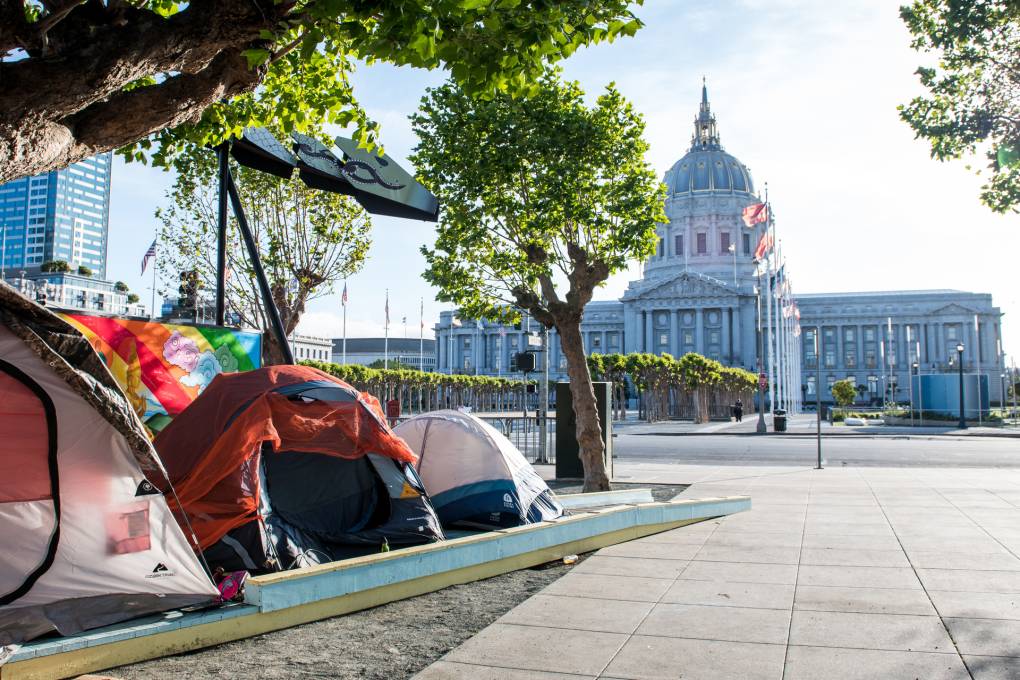
"title": "Tents line Fulton Street near City Hall on April 5, 2020.",
"publishDate": 1686863978,
"status": "inherit",
"parent": 11954718,
"modified": 1718058833,
"caption": "Tents line Fulton Street near City Hall on April 5, 2020.",
"credit": "Beth LaBerge/KQED",
"altTag": "Three tents line a public street with San Francisco's City Hall building shining as the sun comes up in the early morning hours. Rows of trees line a path toward the city building.",
"description": "Tents line Fulton Street near City Hall on April 5, 2020. In June, budget battles are underway in the Bay Area's two largest cities, with Mayors London Breed in San Francisco and Matt Mahan in San José pushing for more voter-approved homelessness dollars to go toward temporary housing.",
"imgSizes": {
"medium": {
"file": "https://cdn.kqed.org/wp-content/uploads/sites/10/2023/06/RS43040_011_KQED_SanFrancisco_TentEncampments_05052020-qut-800x533.jpg",
"width": 800,
"height": 533,
"mimeType": "image/jpeg"
},
"large": {
"file": "https://cdn.kqed.org/wp-content/uploads/sites/10/2023/06/RS43040_011_KQED_SanFrancisco_TentEncampments_05052020-qut-1020x680.jpg",
"width": 1020,
"height": 680,
"mimeType": "image/jpeg"
},
"thumbnail": {
"file": "https://cdn.kqed.org/wp-content/uploads/sites/10/2023/06/RS43040_011_KQED_SanFrancisco_TentEncampments_05052020-qut-160x107.jpg",
"width": 160,
"height": 107,
"mimeType": "image/jpeg"
},
"1536x1536": {
"file": "https://cdn.kqed.org/wp-content/uploads/sites/10/2023/06/RS43040_011_KQED_SanFrancisco_TentEncampments_05052020-qut-1536x1024.jpg",
"width": 1536,
"height": 1024,
"mimeType": "image/jpeg"
},
"post-thumbnail": {
"file": "https://cdn.kqed.org/wp-content/uploads/sites/10/2023/06/RS43040_011_KQED_SanFrancisco_TentEncampments_05052020-qut-672x372.jpg",
"width": 672,
"height": 372,
"mimeType": "image/jpeg"
},
"twentyfourteen-full-width": {
"file": "https://cdn.kqed.org/wp-content/uploads/sites/10/2023/06/RS43040_011_KQED_SanFrancisco_TentEncampments_05052020-qut-1038x576.jpg",
"width": 1038,
"height": 576,
"mimeType": "image/jpeg"
},
"kqedFullSize": {
"file": "https://cdn.kqed.org/wp-content/uploads/sites/10/2023/06/RS43040_011_KQED_SanFrancisco_TentEncampments_05052020-qut.jpg",
"width": 1920,
"height": 1280
}
},
"isLoading": false,
"fetchFailed": false
},
"news_11952645": {
"type": "attachments",
"id": "news_11952645",
"meta": {
"index": "attachments_1716263798",
"site": "news",
"id": "11952645",
"found": true
},
"parent": 0,
"imgSizes": {
"twentyfourteen-full-width": {
"file": "https://ww2.kqed.org/app/uploads/sites/10/2023/06/CalMatters01-1038x576.jpg",
"width": 1038,
"mimeType": "image/jpeg",
"height": 576
},
"thumbnail": {
"file": "https://ww2.kqed.org/app/uploads/sites/10/2023/06/CalMatters01-160x107.jpg",
"width": 160,
"mimeType": "image/jpeg",
"height": 107
},
"post-thumbnail": {
"file": "https://ww2.kqed.org/app/uploads/sites/10/2023/06/CalMatters01-672x372.jpg",
"width": 672,
"mimeType": "image/jpeg",
"height": 372
},
"kqedFullSize": {
"file": "https://ww2.kqed.org/app/uploads/sites/10/2023/06/CalMatters01.jpg",
"width": 1920,
"height": 1279
},
"large": {
"file": "https://ww2.kqed.org/app/uploads/sites/10/2023/06/CalMatters01-1020x679.jpg",
"width": 1020,
"mimeType": "image/jpeg",
"height": 679
},
"1536x1536": {
"file": "https://ww2.kqed.org/app/uploads/sites/10/2023/06/CalMatters01-1536x1023.jpg",
"width": 1536,
"mimeType": "image/jpeg",
"height": 1023
},
"medium": {
"file": "https://ww2.kqed.org/app/uploads/sites/10/2023/06/CalMatters01-800x533.jpg",
"width": 800,
"mimeType": "image/jpeg",
"height": 533
}
},
"publishDate": 1686336350,
"modified": 1686336463,
"caption": "A worshipper at the Shri Guru Ravidass Temple in Rio Linda on June 3, 2023.",
"description": null,
"title": "CalMatters01",
"credit": "Miguel Gutierrez Jr./CalMatters",
"status": "inherit",
"altTag": "A man inside a temple worships and is holding a white feathery fan and is standing next to a microphone at the front of the room.",
"isLoading": false,
"fetchFailed": false
},
"news_11952234": {
"type": "attachments",
"id": "news_11952234",
"meta": {
"index": "attachments_1716263798",
"site": "news",
"id": "11952234",
"found": true
},
"parent": 0,
"imgSizes": {
"twentyfourteen-full-width": {
"file": "https://ww2.kqed.org/app/uploads/sites/10/2023/06/060523-SACRAMENTO-DIOCESE-MIGRANTS-AP-TN-KQED-1038x576.jpg",
"width": 1038,
"mimeType": "image/jpeg",
"height": 576
},
"thumbnail": {
"file": "https://ww2.kqed.org/app/uploads/sites/10/2023/06/060523-SACRAMENTO-DIOCESE-MIGRANTS-AP-TN-KQED-160x107.jpg",
"width": 160,
"mimeType": "image/jpeg",
"height": 107
},
"post-thumbnail": {
"file": "https://ww2.kqed.org/app/uploads/sites/10/2023/06/060523-SACRAMENTO-DIOCESE-MIGRANTS-AP-TN-KQED-672x372.jpg",
"width": 672,
"mimeType": "image/jpeg",
"height": 372
},
"kqedFullSize": {
"file": "https://ww2.kqed.org/app/uploads/sites/10/2023/06/060523-SACRAMENTO-DIOCESE-MIGRANTS-AP-TN-KQED.jpg",
"width": 1920,
"height": 1280
},
"large": {
"file": "https://ww2.kqed.org/app/uploads/sites/10/2023/06/060523-SACRAMENTO-DIOCESE-MIGRANTS-AP-TN-KQED-1020x680.jpg",
"width": 1020,
"mimeType": "image/jpeg",
"height": 680
},
"1536x1536": {
"file": "https://ww2.kqed.org/app/uploads/sites/10/2023/06/060523-SACRAMENTO-DIOCESE-MIGRANTS-AP-TN-KQED-1536x1024.jpg",
"width": 1536,
"mimeType": "image/jpeg",
"height": 1024
},
"medium": {
"file": "https://ww2.kqed.org/app/uploads/sites/10/2023/06/060523-SACRAMENTO-DIOCESE-MIGRANTS-AP-TN-KQED-800x533.jpg",
"width": 800,
"mimeType": "image/jpeg",
"height": 533
}
},
"publishDate": 1686000094,
"modified": 1686010550,
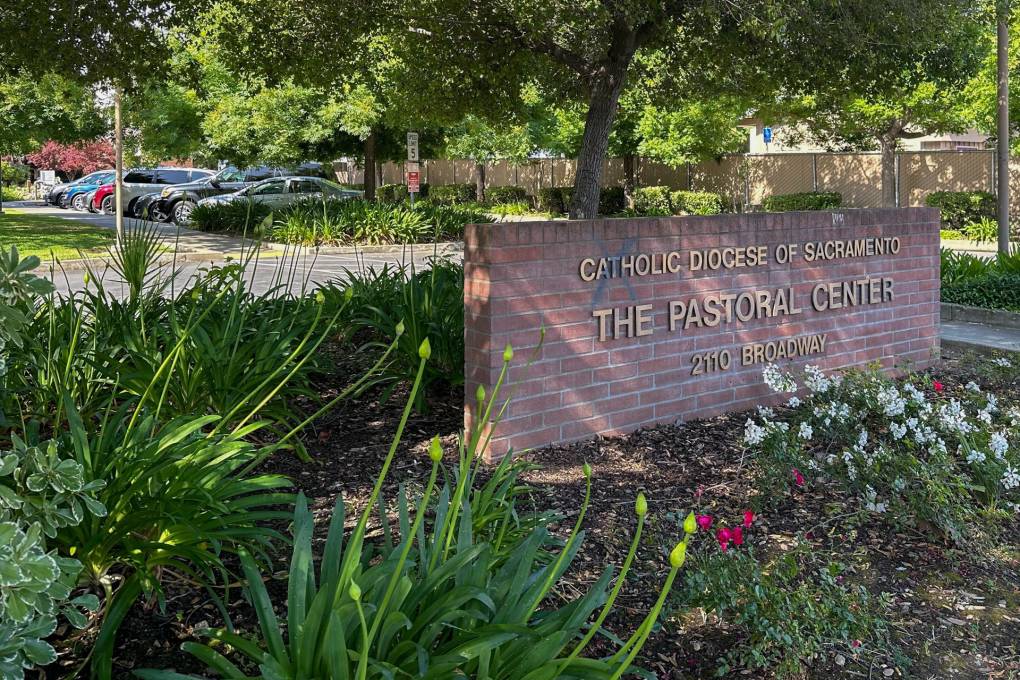
"caption": "The Roman Catholic Diocese of Sacramento, in Sacramento on June 5, 2023. Migrants from Venezuela and Colombia were brought to the diocese's offices on Friday, June 2, 2023, after being flown from New Mexico, by way of Texas, to Sacramento.",
"description": null,
"title": "Immigration Migrant Flights",
"credit": "Tran Nguyen/AP Photo",
"status": "inherit",
"altTag": "A brick, rectangular sign with gold letters surrounded by brown bark, white and red flowers and green bushes reads, \"Catholic Diocese of Sacramento: The Pastoral Center 2110 Broadway.\" It's daytime and a parking lot full of vehicles is seen in the background.",
"isLoading": false,
"fetchFailed": false
},
"news_11952083": {
"type": "attachments",
"id": "news_11952083",
"meta": {
"index": "attachments_1716263798",
"site": "news",
"id": "11952083",
"found": true
},
"parent": 0,
"imgSizes": {
"twentyfourteen-full-width": {
"file": "https://ww2.kqed.org/app/uploads/sites/10/2023/06/RS63703_03192023_kqed_pajarobridge-037-qut-1038x576.jpg",
"width": 1038,
"mimeType": "image/jpeg",
"height": 576
},
"thumbnail": {
"file": "https://ww2.kqed.org/app/uploads/sites/10/2023/06/RS63703_03192023_kqed_pajarobridge-037-qut-160x106.jpg",
"width": 160,
"mimeType": "image/jpeg",
"height": 106
},
"post-thumbnail": {
"file": "https://ww2.kqed.org/app/uploads/sites/10/2023/06/RS63703_03192023_kqed_pajarobridge-037-qut-672x372.jpg",
"width": 672,
"mimeType": "image/jpeg",
"height": 372
},
"kqedFullSize": {
"file": "https://ww2.kqed.org/app/uploads/sites/10/2023/06/RS63703_03192023_kqed_pajarobridge-037-qut.jpg",
"width": 1920,
"height": 1277
},
"large": {
"file": "https://ww2.kqed.org/app/uploads/sites/10/2023/06/RS63703_03192023_kqed_pajarobridge-037-qut-1020x678.jpg",
"width": 1020,
"mimeType": "image/jpeg",
"height": 678
},
"1536x1536": {
"file": "https://ww2.kqed.org/app/uploads/sites/10/2023/06/RS63703_03192023_kqed_pajarobridge-037-qut-1536x1022.jpg",
"width": 1536,
"mimeType": "image/jpeg",
"height": 1022
},
"medium": {
"file": "https://ww2.kqed.org/app/uploads/sites/10/2023/06/RS63703_03192023_kqed_pajarobridge-037-qut-800x532.jpg",
"width": 800,
"mimeType": "image/jpeg",
"height": 532
}
},
"publishDate": 1685741948,
"modified": 1685750866,
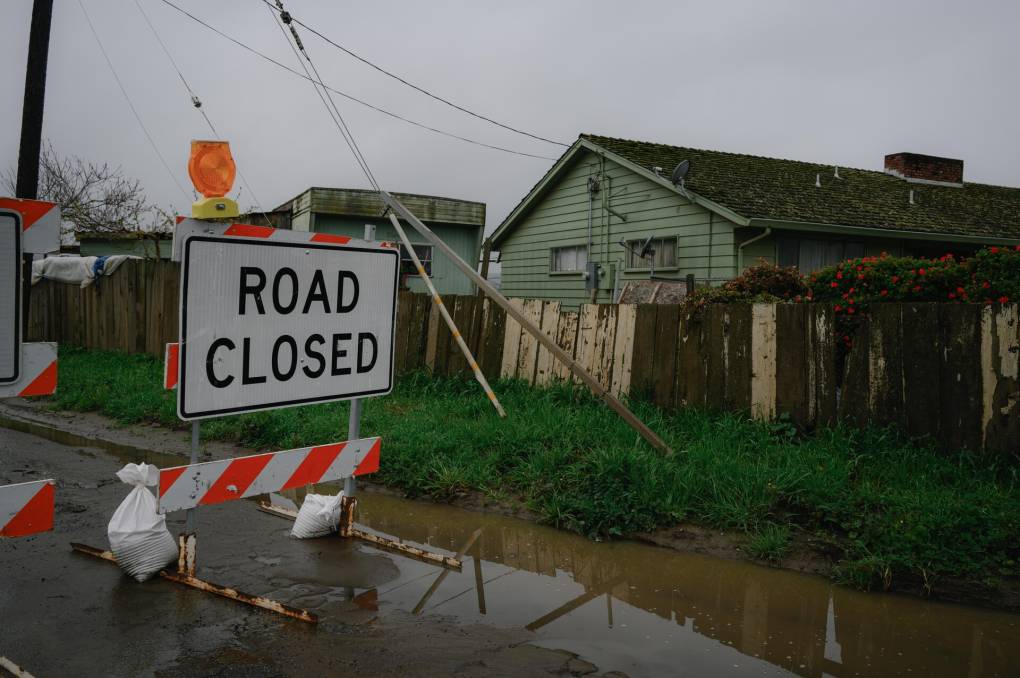
"caption": "Signs block off the stretch of Murphy Road that crosses the Pajaro River in Watsonville on March 19, 2023. In March, Gov. Gavin Newsom said state relief would soon help flood victims who don’t qualify for federal emergency relief. But the state has yet to name nonprofits that will dole out the aid.",
"description": null,
"title": "RS63703_03192023_kqed_pajarobridge 037-qut",
"credit": "Kori Suzuki/KQED",
"status": "inherit",
"altTag": "An orange and white construction sign reads, \"Road closed,\" next to flooded streets and dilapidated wooden fences. A green, wooden home is seen in the background.",
"isLoading": false,
"fetchFailed": false
},
"news_11951943": {
"type": "attachments",
"id": "news_11951943",
"meta": {
"index": "attachments_1716263798",
"site": "news",
"id": "11951943",
"found": true
},
"title": null,
"publishDate": 1685645830,
"status": "inherit",
"parent": 12035855,
"modified": 1744662450,
"caption": "Despite heavy lobbying by Mark Zuckerberg to avoid a trial, the Federal Trade Commission’s case against Meta began Monday, alleging the company violated competition laws with its acquisitions of Instagram and WhatsApp.",
"credit": "Jeff Chiu/AP Photo",
"altTag": "The Meta booth at the Game Developers Conference 2023 in San Francisco.",
"description": null,
"imgSizes": {
"medium": {
"file": "https://cdn.kqed.org/wp-content/uploads/sites/10/2023/06/060123-Meta-Facebook-Instagram-AP-JC-KQED-800x533.jpg",
"width": 800,
"height": 533,
"mimeType": "image/jpeg"
},
"large": {
"file": "https://cdn.kqed.org/wp-content/uploads/sites/10/2023/06/060123-Meta-Facebook-Instagram-AP-JC-KQED-1020x680.jpg",
"width": 1020,
"height": 680,
"mimeType": "image/jpeg"
},
"thumbnail": {
"file": "https://cdn.kqed.org/wp-content/uploads/sites/10/2023/06/060123-Meta-Facebook-Instagram-AP-JC-KQED-160x107.jpg",
"width": 160,
"height": 107,
"mimeType": "image/jpeg"
},
"1536x1536": {
"file": "https://cdn.kqed.org/wp-content/uploads/sites/10/2023/06/060123-Meta-Facebook-Instagram-AP-JC-KQED-1536x1024.jpg",
"width": 1536,
"height": 1024,
"mimeType": "image/jpeg"
},
"post-thumbnail": {
"file": "https://cdn.kqed.org/wp-content/uploads/sites/10/2023/06/060123-Meta-Facebook-Instagram-AP-JC-KQED-672x372.jpg",
"width": 672,
"height": 372,
"mimeType": "image/jpeg"
},
"twentyfourteen-full-width": {
"file": "https://cdn.kqed.org/wp-content/uploads/sites/10/2023/06/060123-Meta-Facebook-Instagram-AP-JC-KQED-1038x576.jpg",
"width": 1038,
"height": 576,
"mimeType": "image/jpeg"
},
"kqedFullSize": {
"file": "https://cdn.kqed.org/wp-content/uploads/sites/10/2023/06/060123-Meta-Facebook-Instagram-AP-JC-KQED.jpg",
"width": 1920,
"height": 1280
}
},
"isLoading": false,
"fetchFailed": false
},
"news_11924772": {
"type": "attachments",
"id": "news_11924772",
"meta": {
"index": "attachments_1716263798",
"site": "news",
"id": "11924772",
"found": true
},
"parent": 11924709,
"imgSizes": {
"twentyfourteen-full-width": {
"file": "https://ww2.kqed.org/app/uploads/sites/10/2022/09/GettyImages-1242997343-1038x576.jpg",
"width": 1038,
"mimeType": "image/jpeg",
"height": 576
},
"thumbnail": {
"file": "https://ww2.kqed.org/app/uploads/sites/10/2022/09/GettyImages-1242997343-160x107.jpg",
"width": 160,
"mimeType": "image/jpeg",
"height": 107
},
"post-thumbnail": {
"file": "https://ww2.kqed.org/app/uploads/sites/10/2022/09/GettyImages-1242997343-672x372.jpg",
"width": 672,
"mimeType": "image/jpeg",
"height": 372
},
"kqedFullSize": {
"file": "https://ww2.kqed.org/app/uploads/sites/10/2022/09/GettyImages-1242997343-scaled.jpg",
"width": 2560,
"height": 1707
},
"2048x2048": {
"file": "https://ww2.kqed.org/app/uploads/sites/10/2022/09/GettyImages-1242997343-2048x1365.jpg",
"width": 2048,
"mimeType": "image/jpeg",
"height": 1365
},
"large": {
"file": "https://ww2.kqed.org/app/uploads/sites/10/2022/09/GettyImages-1242997343-1020x680.jpg",
"width": 1020,
"mimeType": "image/jpeg",
"height": 680
},
"1536x1536": {
"file": "https://ww2.kqed.org/app/uploads/sites/10/2022/09/GettyImages-1242997343-1536x1024.jpg",
"width": 1536,
"mimeType": "image/jpeg",
"height": 1024
},
"full-width": {
"file": "https://ww2.kqed.org/app/uploads/sites/10/2022/09/GettyImages-1242997343-1920x1280.jpg",
"width": 1920,
"mimeType": "image/jpeg",
"height": 1280
},
"medium": {
"file": "https://ww2.kqed.org/app/uploads/sites/10/2022/09/GettyImages-1242997343-800x533.jpg",
"width": 800,
"mimeType": "image/jpeg",
"height": 533
}
},
"publishDate": 1662503235,
"modified": 1685072319,
"caption": "The sun shines behind electrical power lines during a heat wave in Hawthorne.",
"description": null,
"title": "US-CLIMATE-WEATHER-HEAT",
"credit": "Patrick T. Fallon/AFP via Getty Image",
"status": "inherit",
"altTag": "sun shines through electric tower",
"isLoading": false,
"fetchFailed": false
},
"news_11950407": {
"type": "attachments",
"id": "news_11950407",
"meta": {
"index": "attachments_1716263798",
"site": "news",
"id": "11950407",
"found": true
},
"parent": 0,
"imgSizes": {
"twentyfourteen-full-width": {
"file": "https://ww2.kqed.org/app/uploads/sites/10/2023/05/RS10658_IMG_6302-1038x576.jpg",
"width": 1038,
"mimeType": "image/jpeg",
"height": 576
},
"thumbnail": {
"file": "https://ww2.kqed.org/app/uploads/sites/10/2023/05/RS10658_IMG_6302-160x107.jpg",
"width": 160,
"mimeType": "image/jpeg",
"height": 107
},
"post-thumbnail": {
"file": "https://ww2.kqed.org/app/uploads/sites/10/2023/05/RS10658_IMG_6302-672x372.jpg",
"width": 672,
"mimeType": "image/jpeg",
"height": 372
},
"kqedFullSize": {
"file": "https://ww2.kqed.org/app/uploads/sites/10/2023/05/RS10658_IMG_6302.jpg",
"width": 1980,
"height": 1320
},
"large": {
"file": "https://ww2.kqed.org/app/uploads/sites/10/2023/05/RS10658_IMG_6302-1020x680.jpg",
"width": 1020,
"mimeType": "image/jpeg",
"height": 680
},
"1536x1536": {
"file": "https://ww2.kqed.org/app/uploads/sites/10/2023/05/RS10658_IMG_6302-1536x1024.jpg",
"width": 1536,
"mimeType": "image/jpeg",
"height": 1024
},
"full-width": {
"file": "https://ww2.kqed.org/app/uploads/sites/10/2023/05/RS10658_IMG_6302-1920x1280.jpg",
"width": 1920,
"mimeType": "image/jpeg",
"height": 1280
},
"medium": {
"file": "https://ww2.kqed.org/app/uploads/sites/10/2023/05/RS10658_IMG_6302-800x533.jpg",
"width": 800,
"mimeType": "image/jpeg",
"height": 533
}
},
"publishDate": 1684796207,
"modified": 1684870788,
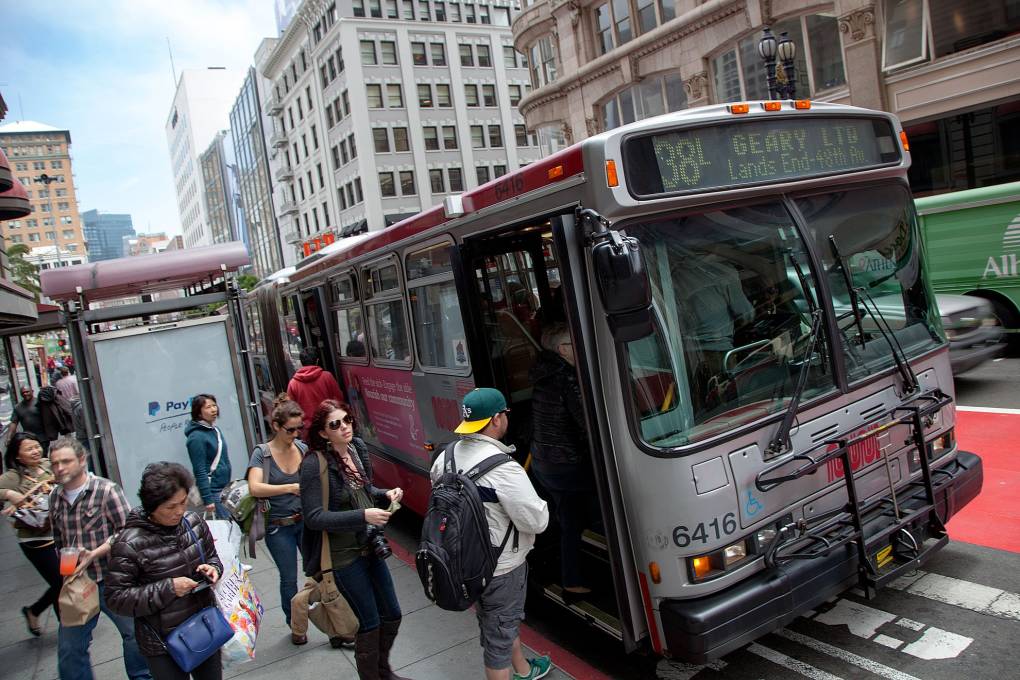
"caption": "Passengers board the 38 bus on Geary Street, near Union Square in San Francisco on June 5, 2014.",
"description": null,
"title": "RS10658_IMG_6302",
"credit": "Mark Andrew Boyer/KQED",
"status": "inherit",
"altTag": "Passengers board a bus on a busy street in San Francisco. One man is wearing an Oakland A's baseball cap.",
"isLoading": false,
"fetchFailed": false
},
"news_11950335": {
"type": "attachments",
"id": "news_11950335",
"meta": {
"index": "attachments_1716263798",
"site": "news",
"id": "11950335",
"found": true
},
"parent": 0,
"imgSizes": {
"twentyfourteen-full-width": {
"file": "https://ww2.kqed.org/app/uploads/sites/10/2023/05/RS63332_023_KQED_CAReparationsTaskForceSac_03032023-qut-1038x576.jpg",
"width": 1038,
"mimeType": "image/jpeg",
"height": 576
},
"thumbnail": {
"file": "https://ww2.kqed.org/app/uploads/sites/10/2023/05/RS63332_023_KQED_CAReparationsTaskForceSac_03032023-qut-160x107.jpg",
"width": 160,
"mimeType": "image/jpeg",
"height": 107
},
"post-thumbnail": {
"file": "https://ww2.kqed.org/app/uploads/sites/10/2023/05/RS63332_023_KQED_CAReparationsTaskForceSac_03032023-qut-672x372.jpg",
"width": 672,
"mimeType": "image/jpeg",
"height": 372
},
"kqedFullSize": {
"file": "https://ww2.kqed.org/app/uploads/sites/10/2023/05/RS63332_023_KQED_CAReparationsTaskForceSac_03032023-qut.jpg",
"width": 1920,
"height": 1280
},
"large": {
"file": "https://ww2.kqed.org/app/uploads/sites/10/2023/05/RS63332_023_KQED_CAReparationsTaskForceSac_03032023-qut-1020x680.jpg",
"width": 1020,
"mimeType": "image/jpeg",
"height": 680
},
"1536x1536": {
"file": "https://ww2.kqed.org/app/uploads/sites/10/2023/05/RS63332_023_KQED_CAReparationsTaskForceSac_03032023-qut-1536x1024.jpg",
"width": 1536,
"mimeType": "image/jpeg",
"height": 1024
},
"medium": {
"file": "https://ww2.kqed.org/app/uploads/sites/10/2023/05/RS63332_023_KQED_CAReparationsTaskForceSac_03032023-qut-800x533.jpg",
"width": 800,
"mimeType": "image/jpeg",
"height": 533
}
},
"publishDate": 1684780944,
"modified": 1684795368,
"caption": "People line up to speak during public comment at a California Reparations Task Force meeting in Sacramento on March 3, 2023.",
"description": null,
"title": "RS63332_023_KQED_CAReparationsTaskForceSac_03032023-qut",
"credit": "Beth LaBerge/KQED",
"status": "inherit",
"altTag": "A black and white sign reads, \"Reparations Now 2023\" and a line of people are to the right of it in business-casual clothing.",
"isLoading": false,
"fetchFailed": false
},
"news_11950215": {
"type": "attachments",
"id": "news_11950215",
"meta": {
"index": "attachments_1716263798",
"site": "news",
"id": "11950215",
"found": true
},
"parent": 11950199,
"imgSizes": {
"twentyfourteen-full-width": {
"file": "https://ww2.kqed.org/app/uploads/sites/10/2023/05/RS43046_018_KQED_SanFrancisco_TentEncampments_05052020-qut-1038x576.jpg",
"width": 1038,
"mimeType": "image/jpeg",
"height": 576
},
"thumbnail": {
"file": "https://ww2.kqed.org/app/uploads/sites/10/2023/05/RS43046_018_KQED_SanFrancisco_TentEncampments_05052020-qut-160x107.jpg",
"width": 160,
"mimeType": "image/jpeg",
"height": 107
},
"post-thumbnail": {
"file": "https://ww2.kqed.org/app/uploads/sites/10/2023/05/RS43046_018_KQED_SanFrancisco_TentEncampments_05052020-qut-672x372.jpg",
"width": 672,
"mimeType": "image/jpeg",
"height": 372
},
"kqedFullSize": {
"file": "https://ww2.kqed.org/app/uploads/sites/10/2023/05/RS43046_018_KQED_SanFrancisco_TentEncampments_05052020-qut.jpg",
"width": 1920,
"height": 1280
},
"large": {
"file": "https://ww2.kqed.org/app/uploads/sites/10/2023/05/RS43046_018_KQED_SanFrancisco_TentEncampments_05052020-qut-1020x680.jpg",
"width": 1020,
"mimeType": "image/jpeg",
"height": 680
},
"1536x1536": {
"file": "https://ww2.kqed.org/app/uploads/sites/10/2023/05/RS43046_018_KQED_SanFrancisco_TentEncampments_05052020-qut-1536x1024.jpg",
"width": 1536,
"mimeType": "image/jpeg",
"height": 1024
},
"medium": {
"file": "https://ww2.kqed.org/app/uploads/sites/10/2023/05/RS43046_018_KQED_SanFrancisco_TentEncampments_05052020-qut-800x533.jpg",
"width": 800,
"mimeType": "image/jpeg",
"height": 533
}
},
"publishDate": 1684520251,
"modified": 1684866517,
"caption": "Tents line Fulton Street near San Francisco City Hall on April 5, 2020.",
"description": null,
"title": "Tents line Fulton Street near City Hall on April 5, 2020.",
"credit": "Beth LaBerge/KQED",
"status": "inherit",
"altTag": "A man stands on a sidewalk with an American flag in red, white and blue, hanging over his shoulders. In front of him, a row of tents line the road. A large tree with bright, green leaves shades the tents.",
"isLoading": false,
"fetchFailed": false
},
"news_11949130": {
"type": "attachments",
"id": "news_11949130",
"meta": {
"index": "attachments_1716263798",
"site": "news",
"id": "11949130",
"found": true
},
"parent": 11948895,
"imgSizes": {
"twentyfourteen-full-width": {
"file": "https://ww2.kqed.org/app/uploads/sites/10/2023/05/IMG_0193-1038x576.jpg",
"width": 1038,
"mimeType": "image/jpeg",
"height": 576
},
"thumbnail": {
"file": "https://ww2.kqed.org/app/uploads/sites/10/2023/05/IMG_0193-160x120.jpg",
"width": 160,
"mimeType": "image/jpeg",
"height": 120
},
"post-thumbnail": {
"file": "https://ww2.kqed.org/app/uploads/sites/10/2023/05/IMG_0193-672x372.jpg",
"width": 672,
"mimeType": "image/jpeg",
"height": 372
},
"kqedFullSize": {
"file": "https://ww2.kqed.org/app/uploads/sites/10/2023/05/IMG_0193.jpg",
"width": 2560,
"height": 1920
},
"2048x2048": {
"file": "https://ww2.kqed.org/app/uploads/sites/10/2023/05/IMG_0193-2048x1536.jpg",
"width": 2048,
"mimeType": "image/jpeg",
"height": 1536
},
"large": {
"file": "https://ww2.kqed.org/app/uploads/sites/10/2023/05/IMG_0193-1020x765.jpg",
"width": 1020,
"mimeType": "image/jpeg",
"height": 765
},
"1536x1536": {
"file": "https://ww2.kqed.org/app/uploads/sites/10/2023/05/IMG_0193-1536x1152.jpg",
"width": 1536,
"mimeType": "image/jpeg",
"height": 1152
},
"full-width": {
"file": "https://ww2.kqed.org/app/uploads/sites/10/2023/05/IMG_0193-1920x1440.jpg",
"width": 1920,
"mimeType": "image/jpeg",
"height": 1440
},
"medium": {
"file": "https://ww2.kqed.org/app/uploads/sites/10/2023/05/IMG_0193-800x600.jpg",
"width": 800,
"mimeType": "image/jpeg",
"height": 600
}
},
"publishDate": 1683823269,
"modified": 1684192838,
"caption": "After an unexpected job loss, knowing how to start saving money fast can feel overwhelming. We asked an expert what to do.",
"description": null,
"title": "laid-off-save-money-bills",
"credit": "Anna Vignet/KQED",
"status": "inherit",
"altTag": "A green and yellow toned illustration of a crouched figure holding massive expense sheet that's as big as they are, while a number of other objects swirl around them.",
"isLoading": false,
"fetchFailed": false
},
"news_11949939": {
"type": "attachments",
"id": "news_11949939",
"meta": {
"index": "attachments_1716263798",
"site": "news",
"id": "11949939",
"found": true
},
"parent": 11949914,
"imgSizes": {
"twentyfourteen-full-width": {
"file": "https://ww2.kqed.org/app/uploads/sites/10/2023/05/RS64876_044_KQED_FireFoundryRescueTraining_04212023-qut-1038x576.jpg",
"width": 1038,
"mimeType": "image/jpeg",
"height": 576
},
"thumbnail": {
"file": "https://ww2.kqed.org/app/uploads/sites/10/2023/05/RS64876_044_KQED_FireFoundryRescueTraining_04212023-qut-160x107.jpg",
"width": 160,
"mimeType": "image/jpeg",
"height": 107
},
"post-thumbnail": {
"file": "https://ww2.kqed.org/app/uploads/sites/10/2023/05/RS64876_044_KQED_FireFoundryRescueTraining_04212023-qut-672x372.jpg",
"width": 672,
"mimeType": "image/jpeg",
"height": 372
},
"kqedFullSize": {
"file": "https://ww2.kqed.org/app/uploads/sites/10/2023/05/RS64876_044_KQED_FireFoundryRescueTraining_04212023-qut.jpg",
"width": 1920,
"height": 1280
},
"large": {
"file": "https://ww2.kqed.org/app/uploads/sites/10/2023/05/RS64876_044_KQED_FireFoundryRescueTraining_04212023-qut-1020x680.jpg",
"width": 1020,
"mimeType": "image/jpeg",
"height": 680
},
"1536x1536": {
"file": "https://ww2.kqed.org/app/uploads/sites/10/2023/05/RS64876_044_KQED_FireFoundryRescueTraining_04212023-qut-1536x1024.jpg",
"width": 1536,
"mimeType": "image/jpeg",
"height": 1024
},
"medium": {
"file": "https://ww2.kqed.org/app/uploads/sites/10/2023/05/RS64876_044_KQED_FireFoundryRescueTraining_04212023-qut-800x533.jpg",
"width": 800,
"mimeType": "image/jpeg",
"height": 533
}
},
"publishDate": 1684426304,
"modified": 1684430639,
"caption": "Lupe Duran descends over a cliff guided by Field Supervisor Darrell Galli during a FIRE Foundry rope rescue training in Marin on April 21, 2023.",
"description": null,
"title": "RS64876_044_KQED_FireFoundryRescueTraining_04212023-qut",
"credit": "Beth LaBerge/KQED",
"status": "inherit",
"altTag": "A Latino man wearing fire gear and helmet with goggles looks up at a fire instructor while rappelling down a cliff.",
"isLoading": false,
"fetchFailed": false
},
"news_11949811": {
"type": "attachments",
"id": "news_11949811",
"meta": {
"index": "attachments_1716263798",
"site": "news",
"id": "11949811",
"found": true
},
"parent": 11949697,
"imgSizes": {
"twentyfourteen-full-width": {
"file": "https://ww2.kqed.org/app/uploads/sites/10/2023/05/2009-08-11-08-11-41-1038x576.jpg",
"width": 1038,
"mimeType": "image/jpeg",
"height": 576
},
"thumbnail": {
"file": "https://ww2.kqed.org/app/uploads/sites/10/2023/05/2009-08-11-08-11-41-160x106.jpg",
"width": 160,
"mimeType": "image/jpeg",
"height": 106
},
"post-thumbnail": {
"file": "https://ww2.kqed.org/app/uploads/sites/10/2023/05/2009-08-11-08-11-41-672x372.jpg",
"width": 672,
"mimeType": "image/jpeg",
"height": 372
},
"kqedFullSize": {
"file": "https://ww2.kqed.org/app/uploads/sites/10/2023/05/2009-08-11-08-11-41.jpg",
"width": 2000,
"height": 1331
},
"large": {
"file": "https://ww2.kqed.org/app/uploads/sites/10/2023/05/2009-08-11-08-11-41-1020x679.jpg",
"width": 1020,
"mimeType": "image/jpeg",
"height": 679
},
"1536x1536": {
"file": "https://ww2.kqed.org/app/uploads/sites/10/2023/05/2009-08-11-08-11-41-1536x1022.jpg",
"width": 1536,
"mimeType": "image/jpeg",
"height": 1022
},
"full-width": {
"file": "https://ww2.kqed.org/app/uploads/sites/10/2023/05/2009-08-11-08-11-41-1920x1278.jpg",
"width": 1920,
"mimeType": "image/jpeg",
"height": 1278
},
"medium": {
"file": "https://ww2.kqed.org/app/uploads/sites/10/2023/05/2009-08-11-08-11-41-800x532.jpg",
"width": 800,
"mimeType": "image/jpeg",
"height": 532
}
},
"publishDate": 1684346145,
"modified": 1684349053,
"caption": "The Dyno Nobel plant near Cheyenne, Wyoming, where the 60,000-pound shipment of ammonium nitrate originated.",
"description": null,
"title": "2009-08-11-08-11-41",
"credit": "The Center for Land Use Interpretation",
"status": "inherit",
"altTag": "A chemicals factory with Dyno Nobel written on one of the buildings.",
"isLoading": false,
"fetchFailed": false
}
},
"audioPlayerReducer": {
"postId": "stream_live",
"isPaused": true,
"isPlaying": false,
"pfsActive": false,
"pledgeModalIsOpen": true,
"playerDrawerIsOpen": false,
"liveAudioPlayStartedAt": 0,
"liveAudioPlayContext": ""
},
"authorsReducer": {
"byline_news_11952543": {
"type": "authors",
"id": "byline_news_11952543",
"meta": {
"override": true
},
"slug": "byline_news_11952543",
"name": "\u003ca href=\"https://calmatters.org/politics/2023/06/caste-discrimination-california/\">Sameea Kamal and Jeanne Kuang\u003c/a>",
"isLoading": false
},
"byline_news_11952227": {
"type": "authors",
"id": "byline_news_11952227",
"meta": {
"override": true
},
"slug": "byline_news_11952227",
"name": "\u003ca href=\"https://apnews.com/\">Trân Nguyen and Olga R. Rodriguez\u003c/a>\u003cbr>The Associated Press",
"isLoading": false
},
"byline_news_11952059": {
"type": "authors",
"id": "byline_news_11952059",
"meta": {
"override": true
},
"slug": "byline_news_11952059",
"name": "\u003ca href=\"https://calmatters.org/author/nicole-foy/\">Nicole Foy\u003c/a>",
"isLoading": false
},
"byline_news_11951924": {
"type": "authors",
"id": "byline_news_11951924",
"meta": {
"override": true
},
"slug": "byline_news_11951924",
"name": "\u003ca href=\"https://www.npr.org/people/638550790/bobby-allyn\">Bobby Allyn\u003c/a>\u003cbr>NPR",
"isLoading": false
},
"byline_news_11950721": {
"type": "authors",
"id": "byline_news_11950721",
"meta": {
"override": true
},
"slug": "byline_news_11950721",
"name": "Adam Beam\u003cbr>The Associated Press\u003c/br>",
"isLoading": false
},
"byline_news_11950403": {
"type": "authors",
"id": "byline_news_11950403",
"meta": {
"override": true
},
"slug": "byline_news_11950403",
"name": "\u003ca href=\"https://calmatters.org/author/sameea-kamal/\">Sameea Kamal\u003c/a>",
"isLoading": false
},
"byline_news_11950199": {
"type": "authors",
"id": "byline_news_11950199",
"meta": {
"override": true
},
"slug": "byline_news_11950199",
"name": "\u003ca href=\"https://twitter.com/WeberCM\">Christopher Weber\u003c/a>\u003cbr>The Associated Press",
"isLoading": false
},
"gmarzorati": {
"type": "authors",
"id": "227",
"meta": {
"index": "authors_1716337520",
"id": "227",
"found": true
},
"name": "Guy Marzorati",
"firstName": "Guy",
"lastName": "Marzorati",
"slug": "gmarzorati",
"email": "gmarzorati@KQED.org",
"display_author_email": true,
"staff_mastheads": [
"news"
],
"title": "Correspondent",
"bio": "Guy Marzorati is a correspondent on KQED's California Politics and Government Desk, based in San Jose. A graduate of Santa Clara University, Guy joined KQED in 2013. He reports on state and local politics and produces KQED's digital voter guide.",
"avatar": "https://secure.gravatar.com/avatar/e7038b8dbfd55b104369b76b1cd0b9de?s=600&d=blank&r=g",
"twitter": "guymarzorati",
"facebook": null,
"instagram": null,
"linkedin": null,
"sites": [
{
"site": "",
"roles": [
"editor"
]
},
{
"site": "news",
"roles": [
"editor"
]
},
{
"site": "science",
"roles": [
"editor"
]
},
{
"site": "forum",
"roles": [
"editor"
]
},
{
"site": "elections",
"roles": [
"editor"
]
},
{
"site": "liveblog",
"roles": [
"editor"
]
}
],
"headData": {
"title": "Guy Marzorati | KQED",
"description": "Correspondent",
"ogImgSrc": "https://secure.gravatar.com/avatar/e7038b8dbfd55b104369b76b1cd0b9de?s=600&d=blank&r=g",
"twImgSrc": "https://secure.gravatar.com/avatar/e7038b8dbfd55b104369b76b1cd0b9de?s=600&d=blank&r=g"
},
"isLoading": false,
"link": "/author/gmarzorati"
},
"tgoldberg": {
"type": "authors",
"id": "258",
"meta": {
"index": "authors_1716337520",
"id": "258",
"found": true
},
"name": "Ted Goldberg",
"firstName": "Ted",
"lastName": "Goldberg",
"slug": "tgoldberg",
"email": "tgoldberg@kqed.org",
"display_author_email": true,
"staff_mastheads": [
"news"
],
"title": "KQED Managing Editor, News and Newscasts",
"bio": "Ted Goldberg is Managing Editor of News and Newscasts at KQED. His main reporting beat is the Bay Area's oil refining industry.\r\n\r\nPrior to joining KQED in 2014, Ted worked at CBS News and WCBS AM in New York and Bay City News and KCBS Radio in San Francisco. He graduated from Oberlin College in Ohio in 1998.",
"avatar": "https://secure.gravatar.com/avatar/30ce2e4fe89135e104f89be2394d16225b9d36c121b5b3cb7651ce642978b96f?s=600&d=blank&r=g",
"twitter": "TedrickG",
"bluesky": null,
"facebook": null,
"instagram": null,
"linkedin": null,
"sites": [
{
"site": "news",
"roles": [
"editor"
]
},
{
"site": "science",
"roles": [
"editor"
]
}
],
"headData": {
"title": "Ted Goldberg | KQED",
"description": "KQED Managing Editor, News and Newscasts",
"ogImgSrc": "https://secure.gravatar.com/avatar/30ce2e4fe89135e104f89be2394d16225b9d36c121b5b3cb7651ce642978b96f?s=600&d=blank&r=g",
"twImgSrc": "https://secure.gravatar.com/avatar/30ce2e4fe89135e104f89be2394d16225b9d36c121b5b3cb7651ce642978b96f?s=600&d=blank&r=g"
},
"isLoading": false,
"link": "/author/tgoldberg"
},
"carlysevern": {
"type": "authors",
"id": "3243",
"meta": {
"index": "authors_1716337520",
"id": "3243",
"found": true
},
"name": "Carly Severn",
"firstName": "Carly",
"lastName": "Severn",
"slug": "carlysevern",
"email": "csevern@kqed.org",
"display_author_email": false,
"staff_mastheads": [
"news"
],
"title": "Senior Editor, Audience News ",
"bio": "Carly is KQED's Senior Editor of Audience News on the Digital News team, and has reported for the California Report Magazine, Bay Curious and KQED Arts. She's formerly the host of \u003ca href=\"http://ww2.kqed.org/pop/category/the-cooler/\" rel=\"noopener noreferrer\">The Cooler\u003c/a> podcast.",
"avatar": "https://secure.gravatar.com/avatar/2d8d6765f186e64c798cf7f0c8088a41?s=600&d=blank&r=g",
"twitter": "teacupinthebay",
"facebook": null,
"instagram": null,
"linkedin": null,
"sites": [
{
"site": "",
"roles": [
"editor"
]
},
{
"site": "arts",
"roles": [
"editor"
]
},
{
"site": "news",
"roles": [
"administrator"
]
},
{
"site": "pop",
"roles": [
"editor"
]
},
{
"site": "futureofyou",
"roles": [
"editor"
]
},
{
"site": "about",
"roles": [
"administrator"
]
},
{
"site": "mindshift",
"roles": [
"editor"
]
},
{
"site": "bayareabites",
"roles": [
"editor"
]
},
{
"site": "stateofhealth",
"roles": [
"editor"
]
},
{
"site": "science",
"roles": [
"editor"
]
},
{
"site": "food",
"roles": [
"contributor"
]
},
{
"site": "forum",
"roles": [
"editor"
]
},
{
"site": "perspectives",
"roles": [
"administrator"
]
},
{
"site": "liveblog",
"roles": [
"editor"
]
}
],
"headData": {
"title": "Carly Severn | KQED",
"description": "Senior Editor, Audience News ",
"ogImgSrc": "https://secure.gravatar.com/avatar/2d8d6765f186e64c798cf7f0c8088a41?s=600&d=blank&r=g",
"twImgSrc": "https://secure.gravatar.com/avatar/2d8d6765f186e64c798cf7f0c8088a41?s=600&d=blank&r=g"
},
"isLoading": false,
"link": "/author/carlysevern"
},
"fjhabvala": {
"type": "authors",
"id": "8659",
"meta": {
"index": "authors_1716337520",
"id": "8659",
"found": true
},
"name": "Farida Jhabvala Romero",
"firstName": "Farida",
"lastName": "Jhabvala Romero",
"slug": "fjhabvala",
"email": "fjhabvala@kqed.org",
"display_author_email": true,
"staff_mastheads": [
"news"
],
"title": "KQED Contributor",
"bio": "Farida Jhabvala Romero is a Labor Correspondent for KQED. She previously covered immigration. Farida was \u003ca href=\"https://www.ccnma.org/2022-most-influential-latina-journalists\">named\u003c/a> one of the 10 Most Influential Latina Journalists in California in 2022 by the California Chicano News Media Association. Her work has won awards from the Society of Professional Journalists (Northern California), as well as a national and regional Edward M. Murrow Award for the collaborative reporting projects “Dangerous Air” and “Graying California.” Before joining KQED, Farida worked as a producer at Radio Bilingüe, a national public radio network. Farida earned her master’s degree in journalism from Stanford University.",
"avatar": "https://secure.gravatar.com/avatar/f9f022d4e2609741874222a1e9d41f48fea74011aa7c615eef91d9a50c944ebe?s=600&d=blank&r=g",
"twitter": "FaridaJhabvala",
"bluesky": null,
"facebook": null,
"instagram": null,
"linkedin": "https://www.linkedin.com/in/faridajhabvala/",
"sites": [
{
"site": "news",
"roles": [
"editor"
]
},
{
"site": "stateofhealth",
"roles": [
"author"
]
},
{
"site": "liveblog",
"roles": [
"author"
]
}
],
"headData": {
"title": "Farida Jhabvala Romero | KQED",
"description": "KQED Contributor",
"ogImgSrc": "https://secure.gravatar.com/avatar/f9f022d4e2609741874222a1e9d41f48fea74011aa7c615eef91d9a50c944ebe?s=600&d=blank&r=g",
"twImgSrc": "https://secure.gravatar.com/avatar/f9f022d4e2609741874222a1e9d41f48fea74011aa7c615eef91d9a50c944ebe?s=600&d=blank&r=g"
},
"isLoading": false,
"link": "/author/fjhabvala"
},
"jrodriguez": {
"type": "authors",
"id": "11690",
"meta": {
"index": "authors_1716337520",
"id": "11690",
"found": true
},
"name": "Joe Fitzgerald Rodriguez",
"firstName": "Joe",
"lastName": "Fitzgerald Rodriguez",
"slug": "jrodriguez",
"email": "jrodriguez@kqed.org",
"display_author_email": true,
"staff_mastheads": [
"news"
],
"title": "Reporter and Producer",
"bio": "Joe Fitzgerald Rodriguez is a reporter and digital producer for KQED covering politics. Joe most recently wrote for the \u003cem>San Francisco Examiner\u003c/em> as a political columnist covering The City. He was raised in San Francisco and has spent his reporting career in his beloved, foggy, city by the bay. Joe was 12-years-old when he conducted his first interview in journalism, grilling former San Francisco Mayor Willie Brown for the Marina Middle School newspaper, \u003cem>The Penguin Press, \u003c/em>and he continues to report on the San Francisco Bay Area to this day.",
"avatar": "https://secure.gravatar.com/avatar/2247beb0564c1e9c62228d5649d2edac?s=600&d=blank&r=g",
"twitter": "FitztheReporter",
"facebook": null,
"instagram": "https://www.instagram.com/fitzthereporter/",
"linkedin": null,
"sites": [
{
"site": "",
"roles": [
"editor"
]
},
{
"site": "arts",
"roles": [
"editor"
]
},
{
"site": "news",
"roles": [
"editor"
]
},
{
"site": "science",
"roles": [
"editor"
]
},
{
"site": "elections",
"roles": [
"editor"
]
},
{
"site": "liveblog",
"roles": [
"editor"
]
}
],
"headData": {
"title": "Joe Fitzgerald Rodriguez | KQED",
"description": "Reporter and Producer",
"ogImgSrc": "https://secure.gravatar.com/avatar/2247beb0564c1e9c62228d5649d2edac?s=600&d=blank&r=g",
"twImgSrc": "https://secure.gravatar.com/avatar/2247beb0564c1e9c62228d5649d2edac?s=600&d=blank&r=g"
},
"isLoading": false,
"link": "/author/jrodriguez"
}
},
"pagesReducer": {
"news_tag_california": {
"type": "terms",
"id": "news_18538",
"meta": {
"index": "terms_1716263798",
"site": "news",
"id": "18538",
"score": 6.8457103
},
"featImg": null,
"name": "California",
"description": null,
"taxonomy": "tag",
"headData": {
"twImgId": null,
"twTitle": null,
"ogTitle": null,
"ogImgId": null,
"twDescription": null,
"description": null,
"title": "California Archives | KQED News",
"ogDescription": null
},
"ttid": 31,
"slug": "california",
"isLoading": false,
"title": "California",
"pageMeta": {
"site": "news",
"WpPageTemplate": "page-topic-editorial",
"currentPage": 154
},
"blocks": [
{
"blockName": "kqed/post-list",
"attrs": {
"layout": "cardArticle2",
"query": "posts/news?tag=california",
"seeMore": false,
"paginated": true,
"page": 154
}
},
{
"blockName": "kqed/ad"
}
]
}
},
"pfsSessionReducer": {},
"postsReducer": {
"stream_live": {
"type": "live",
"id": "stream_live",
"audioUrl": "https://streams.kqed.org/kqedradio",
"title": "Live Stream",
"excerpt": "Live Stream information currently unavailable.",
"link": "/radio",
"featImg": "",
"label": {
"name": "KQED Live",
"link": "/"
}
},
"stream_kqedNewscast": {
"type": "posts",
"id": "stream_kqedNewscast",
"audioUrl": "https://www.kqed.org/.stream/anon/radio/RDnews/newscast.mp3?_=1",
"title": "KQED Newscast",
"featImg": "",
"label": {
"name": "88.5 FM",
"link": "/"
}
},
"news_11953006": {
"type": "posts",
"id": "news_11953006",
"meta": {
"index": "posts_1716263798",
"site": "news",
"id": "11953006",
"score": null,
"sort": [
1686925837000
]
},
"guestAuthors": [],
"slug": "sf-san-jose-mayors-push-to-fund-shelters-as-pressure-builds-on-encampments",
"title": "SF, San José Mayors Push to Fund Shelters as Pressure Builds on Encampments",
"publishDate": 1686925837,
"format": "standard",
"headTitle": "SF, San José Mayors Push to Fund Shelters as Pressure Builds on Encampments | KQED",
"labelTerm": {
"site": "news"
},
"content": "\u003cp>A growing number of California mayors are pushing for a realignment of homelessness spending \u003ca href=\"https://www.kqed.org/news/11952913/san-jose-council-approves-modest-shift-toward-temporary-homeless-housing\">toward shelters and temporary housing\u003c/a> in the face of political pressure to clear encampments and deliver visible reductions of people experiencing homelessness.\u003c/p>\n\u003cp>But that shift has a trade-off: In a world of limited and often dwindling local dollars, more money for short-term solutions means less funding for permanent housing.\u003c/p>\n\u003cp>This dynamic has led to pitched budget battles this month in the Bay Area’s two largest cities, with Mayors London Breed in San Francisco and Matt Mahan in San José pushing for more voter-approved homelessness dollars to go toward temporary housing.\u003c/p>\n\u003cp>\u003cspan style=\"font-weight: 400\">[ad fullwidth]\u003c/span>\u003c/p>\n\u003cp>The mayors are grappling with the legal reality that making housing available is a prerequisite for clearing tents — and they are bolstered by advancements in the quality of temporary shelters they can offer residents living on the street.\u003c/p>\n\u003cp>“We certainly need housing at all levels of affordability that will require public subsidy — not disagreeing with any of that,” said Mahan, who was dealt a setback this week \u003ca href=\"https://www.kqed.org/news/11952913/san-jose-council-approves-modest-shift-toward-temporary-homeless-housing\">when his homelessness spending plan was voted down\u003c/a> by the city council.\u003c/p>\n\u003cp>\u003cspan style=\"font-weight: 400\">[pullquote size=\"medium\" align=\"right\" citation=\"San Francisco Mayor London Breed\"]‘The goal is to shift it towards what the needs are. And so that includes housing, it includes shelter because we need to immediately get people into a place to help decide where they belong.’[/pullquote]\u003c/span>\u003c/p>\n\u003cp>“But as long as we have thousands of people living and literally dying on our streets, I think we have to lean into the faster-to-deploy, more cost-effective solutions for getting people into a safe, managed environment with the privacy and stability that they need to take advantage of supportive services,” he said.\u003c/p>\n\u003cp>The pressures driving this pivot are familiar to mayors across the state and the nation. Thousands of unsheltered residents are suffering and dying on city sidewalks, and \u003ca href=\"https://www.ppic.org/blog/homeless-populations-are-rising-around-california/\">homelessness in California has risen since the pandemic at a higher rate than elsewhere in the country\u003c/a>.\u003c/p>\n\u003cp>For Breed, the shift is a political response to worsening street conditions. In her budget reveal at the end of May, she proposed a controversial move to help fund temporary shelters for unhoused adults by reallocating funding meant to build housing for families and young adults.\u003c/p>\n\u003cp>“The goal is to shift it towards what the needs are. And so that includes housing, it includes shelter because we need to immediately get people into a place to help decide where they belong,” Breed said.\u003c/p>\n\u003cfigure id=\"attachment_11953071\" class=\"wp-caption aligncenter\" style=\"max-width: 1920px\">\u003cimg loading=\"lazy\" decoding=\"async\" class=\"size-full wp-image-11953071\" src=\"https://ww2.kqed.org/app/uploads/sites/10/2023/06/RS52736_023_SanFrancisco_OmicronPressConference_12012021-qut.jpg\" alt=\"A woman with brown hair and a light blue dress stands with her hands folded in front of her. She is looking toward the left. She is standing in front of San Francisco's City Hall building listening to a speech.\" width=\"1920\" height=\"1278\" srcset=\"https://cdn.kqed.org/wp-content/uploads/sites/10/2023/06/RS52736_023_SanFrancisco_OmicronPressConference_12012021-qut.jpg 1920w, https://cdn.kqed.org/wp-content/uploads/sites/10/2023/06/RS52736_023_SanFrancisco_OmicronPressConference_12012021-qut-800x533.jpg 800w, https://cdn.kqed.org/wp-content/uploads/sites/10/2023/06/RS52736_023_SanFrancisco_OmicronPressConference_12012021-qut-1020x679.jpg 1020w, https://cdn.kqed.org/wp-content/uploads/sites/10/2023/06/RS52736_023_SanFrancisco_OmicronPressConference_12012021-qut-160x107.jpg 160w, https://cdn.kqed.org/wp-content/uploads/sites/10/2023/06/RS52736_023_SanFrancisco_OmicronPressConference_12012021-qut-1536x1022.jpg 1536w\" sizes=\"auto, (max-width: 1920px) 100vw, 1920px\">\u003cfigcaption class=\"wp-caption-text\">Mayor London Breed at San Francisco City Hall on Dec. 1, 2021. \u003ccite>(Beth LaBerge/KQED)\u003c/cite>\u003c/figcaption>\u003c/figure>\n\u003cp>In Los Angeles, Mayor Karen Bass defeated a more pro-shelter opponent in last year’s mayoral election. But she has turned to temporary units and hotels as a way to ameliorate street homelessness.\u003c/p>\n\u003cp>In Sacramento, city officials are scrambling to implement a voter-approved measure requiring a certain level of shelter capacity. And hours after San José’s vote, the city council in San Diego approved \u003ca href=\"https://www.sandiegouniontribune.com/news/homelessness/story/2023-06-13/study-shows-san-diego-falls-far-short-of-shelter-beds-needed-to-house-homeless-people\">an encampment ban that will necessitate an expansion of shelter beds\u003c/a>.\u003c/p>\n\u003cp>“We are seeing interest in the quick-build, particularly, because I think to really address the dangerous encampments, to try to do it as quickly as possible, you need this kind of mid-term or interim approach,” said Michael Lane, state policy director at SPUR, a Bay Area think tank.\u003c/p>\n\u003cp>“I think that’s why you’re seeing some of these fights at the local level, because that is a relatively new development over the past few years to really say, yes, we need all of this,” he said.\u003c/p>\n\u003cp>Lane shares in the consensus that cities need investments in permanent as well as temporary housing. But debates in San José and San Francisco have centered on limited pools of tax dollars dedicated to reducing homelessness.\u003cspan style=\"font-weight: 400\">[aside postID=news_11952870 hero='https://ww2.kqed.org/app/uploads/sites/10/2021/02/RS41773_007_KQED_HousingSanFrancisco_02102020_2898-qut-1020x680.jpg']\u003c/span>In that context, a dollar spent paying for an affordable apartment complex can’t be used for a shelter bed. And then, there’s the politics: Both Mahan and Breed are up for reelection next year and face “tremendous pressure” to ensure their city streets are clear of homelessness, Lane said.\u003c/p>\n\u003cp>On Tuesday, Mahan’s homelessness spending plan ran into heavy opposition from members of the city council, who \u003ca href=\"https://www.kqed.org/news/11952913/san-jose-council-approves-modest-shift-toward-temporary-homeless-housing\">instead opted to approve a more modest reallocation toward temporary beds\u003c/a>. Nevertheless, Mahan said that conversations with fellow mayors have led him to believe a broader “rebalancing” of homelessness spending priorities is underway.\u003c/p>\n\u003cp>“I believe this is a trend across the state,” he said. “I suspect that we will see federal, state and county sources shift toward the solutions that are faster and more cost-effective and help us scale solutions.”\u003c/p>\n\u003cp>Also informing the mayors’ moves: the changing nature of shelter beds and the length of time people can stay in them.\u003c/p>\n\u003cp>San José has opened six interim housing sites that bear little resemblance to traditional congregate shelters. Instead of a cot in a large room, residents of the city’s emergency interim housing units can stay for months — and sometimes longer — in a prefabricated apartment, often with a private bathroom and on-site supportive services. When Breed announced her homelessness funding plan in May, she did so at the site of a tiny-home village on Gough Street.\u003c/p>\n\u003ch2>\u003cstrong>San Francisco mayor looks to redirect money for youth\u003c/strong>\u003c/h2>\n\u003cp>In San Francisco, the permanent housing funds that Breed wants to tap come from a hard-fought pot of money intended for youth and families.\u003c/p>\n\u003cp>The 2018 ballot measure known as Proposition C, the Our City, Our Home tax, got just under a two-thirds majority vote to pass, opening it up to legal challenge — even after the effort got major financial backing from Salesforce CEO Marc Benioff. The measure eventually won out, and it taxes businesses making more than $50 million to raise an expected $300 million annually, half of which was earmarked for permanent housing by voter mandate.\u003c/p>\n\u003cp>Facing a $780 million budget shortfall over the next two years, however, Breed’s new budget proposes the city reallocate roughly $60 million of Proposition C funding over the next two years — money that was intended to build permanent homes for young people age 18–24 who are experiencing homelessness, or families with children.\u003c/p>\n\u003cp>Now, that funding may pay for the expansion of hours at two city homeless shelters, add 350 slots for temporary rental assistance and 75 units of supportive housing for adults, maintain the operation of a program helping people who live in oversize RVs to repair their vehicles, and to help fund a Bayview small-cabin shelter site.\u003c/p>\n\u003cp>Sherilyn Adams, executive director of Larkin Street Youth Services, a service provider focused on unhoused youth, said the city already under-spends on young people as well as “transitional age youth,” who are between 18 and 25.[pullquote size=\"medium\" align=\"right\" citation=\"Sherilyn Adams, executive director, Larkin Street Youth Services\"]‘The reason there are people living outside is because we have insufficient housing stock for young people. That only gets worse if we don’t bring on any new interventions.’[/pullquote]There were roughly 1,100 people under 25 years old living on San Francisco’s streets during the last point-in-time count.\u003c/p>\n\u003cp>“The reason there are people living outside is because we have insufficient housing stock for young people. That only gets worse if we don’t bring on any new interventions” like building more housing, Adams said.\u003c/p>\n\u003cp>On \u003ca href=\"https://www.kqed.org/forum/2010101893348/s-f-mayor-london-breed-on-how-to-prevent-an-economic-doom-loop-and-her-new-budget\">KQED’s Forum in early June\u003c/a>, Breed defended her budget reallocation, saying there aren’t any sites in San Francisco that have been identified yet to build housing for transitional-age youth. But Adams said that’s an easily fixable problem.\u003c/p>\n\u003cp>“Not having a building identified for transition-aged youth, so that they could allocate or use the existing Prop. C funds, does not mean that there’s not young people sleeping outside. It means you didn’t find a building. Unallocated is not the same as unneeded,” Adams said.\u003c/p>\n\u003ch2>\u003cstrong>Legal and national pressures on mayors \u003c/strong>\u003c/h2>\n\u003cp>Part of the push for California mayors to favor shelters over permanent housing is the result of legal constraints. The \u003ca href=\"https://www.vox.com/23748522/tent-encampments-martin-boise-homelessness-housing\">2018 Martin v. City of Boise federal appeals court decision\u003c/a> bars locales from clearing out tent encampments if they don’t have enough shelter to offer.\u003c/p>\n\u003cp>San Francisco doesn’t have enough shelter placements for the number of people experiencing homelessness in the city, which in December prompted U.S. Magistrate Judge Donna M. Ryu to place an \u003ca href=\"https://www.kqed.org/news/11950967/advocates-for-unhoused-san-franciscans-say-encampment-sweeps-continue-despite-court-order-call-on-judge-to-rein-city-in\">injunction against encampment sweeps\u003c/a>.\u003cspan style=\"font-weight: 400\">[pullquote size=\"medium\" align=\"right\" citation=\"Eric Tars, legal director, National Homelessness Law Center\"]‘When you have that increased street homelessness, in particular, you get this pressure for increased short-term, quick-fix kind of solutions. People want folks out of sight, out of mind.’[/pullquote]\u003c/span>Building more temporary shelters, then, is a pathway to gain the legal go-ahead to conduct more encampment sweeps.\u003c/p>\n\u003cp>So while California is home to 30% of the U.S. unhoused population, the shift in funding allocation to favor temporary shelter is a national one.\u003c/p>\n\u003cp>Eric Tars, legal director of the National Homelessness Law Center, said in addition to the push being seen in Democratic California cities, many red states are contemplating the adoption of model legislation to put more funding toward short-term housing.\u003c/p>\n\u003cp>“When you have that increased street homelessness, in particular, you get this pressure for increased short-term, quick-fix kind of solutions. People want folks out of sight, out of mind. And so our elected officials are under pressure to kind of get those quick results,” Tars said.\u003c/p>\n\u003cp>While he doesn’t think shelters are unnecessary — far from it — he does think the budget reallocations are shortsighted, and will actually increase homelessness rates in the long term.\u003c/p>\n\u003ch2>\u003cstrong>Budget challenges ahead sharpen the debate\u003c/strong>\u003c/h2>\n\u003cp>Advocates involved in homelessness policy expect the tug-of-war between permanent and temporary housing to intensify — infusing future debates over shrinking local budgets and any attempts to bolster city coffers with new tax or bond money.\u003c/p>\n\u003cp>In San Francisco, long-term budget projections are far from rosy. The Mayor’s Office confirmed its budget proposal still has structural deficits that will remain in future years and has large amounts of deficits plugged by one-time funding sources. The San Francisco Board of Supervisors is expected to debate the budget with the mayor throughout June and put forward a compromise budget proposal by July.\u003c/p>\n\u003cfigure id=\"attachment_11953073\" class=\"wp-caption aligncenter\" style=\"max-width: 1920px\">\u003cimg loading=\"lazy\" decoding=\"async\" class=\"size-full wp-image-11953073\" src=\"https://ww2.kqed.org/app/uploads/sites/10/2023/06/RS61499_IMG_4613-qut.jpg\" alt='A man with a beard wearing a suit and tie stands behind a podium labeled, \"San José Capital of Silicon Valley.\" He is surrounded by people holding various signs. Some read, \"Protect our Democracy.\"' width=\"1920\" height=\"1182\" srcset=\"https://cdn.kqed.org/wp-content/uploads/sites/10/2023/06/RS61499_IMG_4613-qut.jpg 1920w, https://cdn.kqed.org/wp-content/uploads/sites/10/2023/06/RS61499_IMG_4613-qut-800x493.jpg 800w, https://cdn.kqed.org/wp-content/uploads/sites/10/2023/06/RS61499_IMG_4613-qut-1020x628.jpg 1020w, https://cdn.kqed.org/wp-content/uploads/sites/10/2023/06/RS61499_IMG_4613-qut-160x99.jpg 160w, https://cdn.kqed.org/wp-content/uploads/sites/10/2023/06/RS61499_IMG_4613-qut-1536x946.jpg 1536w\" sizes=\"auto, (max-width: 1920px) 100vw, 1920px\">\u003cfigcaption class=\"wp-caption-text\">San José Mayor Matt Mahan said that conversations with fellow mayors have led him to believe a broader ‘rebalancing’ of homelessness spending priorities is underway. ‘I believe this is a trend across the state,’ he said. ‘I suspect that we will see federal, state and county sources shift toward the solutions that are faster and more cost-effective and help us scale solutions.’ \u003ccite>(Guy Marzorati/KQED)\u003c/cite>\u003c/figcaption>\u003c/figure>\n\u003cp>The debate over homelessness spending in San José hinged on money created by Measure E, a voter-approved tax on expensive home sales in the city. Mahan proposed spending $40 million in Measure E funds on short-term solutions such as prefabricated homes and parking lots for RV dwellers. When that plan was voted down, he joined a council majority to support putting $29 million toward those interim programs — leaving the largest share of city homelessness dollars for permanent housing.\u003cspan style=\"font-weight: 400\">[aside label='More Stories on the Unhoused Community' tag='unhoused']\u003c/span>David Low, director of policy and communications for the nonprofit Destination: Home, said those funds are vital for the half-dozen permanent affordable housing projects awaiting Measure E funding next year.\u003c/p>\n\u003cp>“We have affordable housing projects ready to go, and without that funding, we will see further delays, increased costs, at a time we can afford neither, or the very serious risk that some of these projects will all fall apart together,” said Low, a former senior adviser to San José’s previous mayor, Sam Liccardo. “So it’s that real-world trade-off and that real-world opportunity we have to build more affordable housing that we don’t want to lose.”\u003c/p>\n\u003cp>Those trade-offs are likely to dominate future budget discussions across the region and state, particularly as cities grapple with diminished general fund resources, said Lane, with SPUR.\u003c/p>\n\u003cp>The push and pull between permanent and temporary housing will animate discussions about state housing aid from the Legislature and Gov. Gavin Newsom. And the fight could be a key factor in determining the shape of a regional housing bond that could go before Bay Area voters next year.\u003c/p>\n\u003cp>“To show that we actually have a way that we can move people from off the streets ultimately into permanent affordable housing … interim and mid-term types of solutions have to be a key part of that,” Lane said. “And I think that the voters will expect to see that as well.”\u003c/p>\n\u003cp>Tomiquia Moss, CEO of the nonprofit All Home, sees the injection of new revenue as an opportunity to break the growing homelessness policy binary. Her organization works with elected officials, businesses and nonprofits across the Bay Area to promote regional strategies to reduce homelessness. At the core is a belief in concurrent investments in both temporary and permanent housing, in addition to aid for renters.\u003c/p>\n\u003cp>Tax and bond measures are no easy lift, particularly across a nine-county region. But Moss, who previously worked for Mayors Ed Lee in San Francisco and Libby Schaaf in Oakland, said such an initiative could unlock that full portfolio of solutions — and unite the factions of homelessness spending around a single cause.\u003c/p>\n\u003cp>“That, to me, is where you are growing the pie,” Moss added. “You are not robbing Peter to pay Paul. You are increasing resources for the entire region.”\u003c/p>\n\u003cp>[ad floatright]\u003c/p>\n",
"blocks": [],
"excerpt": "San José Mayor Matt Mahan and San Francisco’s London Breed are pushing to divert money from permanent affordable housing plans to temporary ones to aid the unhoused.",
"status": "publish",
"parent": 0,
"modified": 1740530027,
"stats": {
"hasAudio": false,
"hasVideo": false,
"hasChartOrMap": false,
"iframeSrcs": [],
"hasGoogleForm": false,
"hasGallery": false,
"hasHearkenModule": false,
"hasPolis": false,
"paragraphCount": 45,
"wordCount": 2393
},
"headData": {
"title": "SF, San José Mayors Push to Fund Shelters as Pressure Builds on Encampments | KQED",
"description": "San José Mayor Matt Mahan and San Francisco’s London Breed are pushing to divert money from permanent affordable housing plans to temporary ones to aid the unhoused.",
"ogTitle": "",
"ogDescription": "",
"ogImgId": "",
"twTitle": "",
"twDescription": "",
"twImgId": "",
"schema": {
"@context": "https://schema.org",
"@type": "NewsArticle",
"headline": "SF, San José Mayors Push to Fund Shelters as Pressure Builds on Encampments",
"datePublished": "2023-06-16T07:30:37-07:00",
"dateModified": "2025-02-25T16:33:47-08:00",
"image": "https://cdn.kqed.org/wp-content/uploads/2020/02/KQED-OG-Image@1x.png",
"isAccessibleForFree": "True",
"publisher": {
"@type": "NewsMediaOrganization",
"@id": "https://www.kqed.org/#organization",
"name": "KQED",
"logo": "https://cdn.kqed.org/wp-content/uploads/2020/02/KQED-OG-Image@1x.png",
"url": "https://www.kqed.org",
"sameAs": [
"https://www.facebook.com/KQED",
"https://twitter.com/KQED",
"https://www.instagram.com/kqed/",
"https://www.tiktok.com/@kqedofficial",
"https://www.linkedin.com/company/kqed",
"https://www.youtube.com/channel/UCeC0IOo7i1P_61zVUWbJ4nw"
]
}
}
},
"sticky": false,
"excludeFromSiteSearch": "Include",
"articleAge": "0",
"path": "/news/11953006/sf-san-jose-mayors-push-to-fund-shelters-as-pressure-builds-on-encampments",
"audioTrackLength": null,
"parsedContent": [
{
"type": "contentString",
"content": "\u003cdiv class=\"post-body\">\u003cp>\u003cp>A growing number of California mayors are pushing for a realignment of homelessness spending \u003ca href=\"https://www.kqed.org/news/11952913/san-jose-council-approves-modest-shift-toward-temporary-homeless-housing\">toward shelters and temporary housing\u003c/a> in the face of political pressure to clear encampments and deliver visible reductions of people experiencing homelessness.\u003c/p>\n\u003cp>But that shift has a trade-off: In a world of limited and often dwindling local dollars, more money for short-term solutions means less funding for permanent housing.\u003c/p>\n\u003cp>This dynamic has led to pitched budget battles this month in the Bay Area’s two largest cities, with Mayors London Breed in San Francisco and Matt Mahan in San José pushing for more voter-approved homelessness dollars to go toward temporary housing.\u003c/p>\n\u003cp>\u003cspan style=\"font-weight: 400\">\u003c/p>\u003c/div>",
"attributes": {
"named": {},
"numeric": []
}
},
{
"type": "component",
"content": "",
"name": "ad",
"attributes": {
"named": {
"label": "fullwidth"
},
"numeric": [
"fullwidth"
]
}
},
{
"type": "contentString",
"content": "\u003cdiv class=\"post-body\">\u003cp>\u003c/span>\u003c/p>\n\u003cp>The mayors are grappling with the legal reality that making housing available is a prerequisite for clearing tents — and they are bolstered by advancements in the quality of temporary shelters they can offer residents living on the street.\u003c/p>\n\u003cp>“We certainly need housing at all levels of affordability that will require public subsidy — not disagreeing with any of that,” said Mahan, who was dealt a setback this week \u003ca href=\"https://www.kqed.org/news/11952913/san-jose-council-approves-modest-shift-toward-temporary-homeless-housing\">when his homelessness spending plan was voted down\u003c/a> by the city council.\u003c/p>\n\u003cp>\u003cspan style=\"font-weight: 400\">\u003c/p>\u003c/div>",
"attributes": {
"named": {},
"numeric": []
}
},
{
"type": "component",
"content": "‘The goal is to shift it towards what the needs are. And so that includes housing, it includes shelter because we need to immediately get people into a place to help decide where they belong.’",
"name": "pullquote",
"attributes": {
"named": {
"size": "medium",
"align": "right",
"citation": "San Francisco Mayor London Breed",
"label": ""
},
"numeric": []
}
},
{
"type": "contentString",
"content": "\u003cdiv class=\"post-body\">\u003cp>\u003c/span>\u003c/p>\n\u003cp>“But as long as we have thousands of people living and literally dying on our streets, I think we have to lean into the faster-to-deploy, more cost-effective solutions for getting people into a safe, managed environment with the privacy and stability that they need to take advantage of supportive services,” he said.\u003c/p>\n\u003cp>The pressures driving this pivot are familiar to mayors across the state and the nation. Thousands of unsheltered residents are suffering and dying on city sidewalks, and \u003ca href=\"https://www.ppic.org/blog/homeless-populations-are-rising-around-california/\">homelessness in California has risen since the pandemic at a higher rate than elsewhere in the country\u003c/a>.\u003c/p>\n\u003cp>For Breed, the shift is a political response to worsening street conditions. In her budget reveal at the end of May, she proposed a controversial move to help fund temporary shelters for unhoused adults by reallocating funding meant to build housing for families and young adults.\u003c/p>\n\u003cp>“The goal is to shift it towards what the needs are. And so that includes housing, it includes shelter because we need to immediately get people into a place to help decide where they belong,” Breed said.\u003c/p>\n\u003cfigure id=\"attachment_11953071\" class=\"wp-caption aligncenter\" style=\"max-width: 1920px\">\u003cimg loading=\"lazy\" decoding=\"async\" class=\"size-full wp-image-11953071\" src=\"https://ww2.kqed.org/app/uploads/sites/10/2023/06/RS52736_023_SanFrancisco_OmicronPressConference_12012021-qut.jpg\" alt=\"A woman with brown hair and a light blue dress stands with her hands folded in front of her. She is looking toward the left. She is standing in front of San Francisco's City Hall building listening to a speech.\" width=\"1920\" height=\"1278\" srcset=\"https://cdn.kqed.org/wp-content/uploads/sites/10/2023/06/RS52736_023_SanFrancisco_OmicronPressConference_12012021-qut.jpg 1920w, https://cdn.kqed.org/wp-content/uploads/sites/10/2023/06/RS52736_023_SanFrancisco_OmicronPressConference_12012021-qut-800x533.jpg 800w, https://cdn.kqed.org/wp-content/uploads/sites/10/2023/06/RS52736_023_SanFrancisco_OmicronPressConference_12012021-qut-1020x679.jpg 1020w, https://cdn.kqed.org/wp-content/uploads/sites/10/2023/06/RS52736_023_SanFrancisco_OmicronPressConference_12012021-qut-160x107.jpg 160w, https://cdn.kqed.org/wp-content/uploads/sites/10/2023/06/RS52736_023_SanFrancisco_OmicronPressConference_12012021-qut-1536x1022.jpg 1536w\" sizes=\"auto, (max-width: 1920px) 100vw, 1920px\">\u003cfigcaption class=\"wp-caption-text\">Mayor London Breed at San Francisco City Hall on Dec. 1, 2021. \u003ccite>(Beth LaBerge/KQED)\u003c/cite>\u003c/figcaption>\u003c/figure>\n\u003cp>In Los Angeles, Mayor Karen Bass defeated a more pro-shelter opponent in last year’s mayoral election. But she has turned to temporary units and hotels as a way to ameliorate street homelessness.\u003c/p>\n\u003cp>In Sacramento, city officials are scrambling to implement a voter-approved measure requiring a certain level of shelter capacity. And hours after San José’s vote, the city council in San Diego approved \u003ca href=\"https://www.sandiegouniontribune.com/news/homelessness/story/2023-06-13/study-shows-san-diego-falls-far-short-of-shelter-beds-needed-to-house-homeless-people\">an encampment ban that will necessitate an expansion of shelter beds\u003c/a>.\u003c/p>\n\u003cp>“We are seeing interest in the quick-build, particularly, because I think to really address the dangerous encampments, to try to do it as quickly as possible, you need this kind of mid-term or interim approach,” said Michael Lane, state policy director at SPUR, a Bay Area think tank.\u003c/p>\n\u003cp>“I think that’s why you’re seeing some of these fights at the local level, because that is a relatively new development over the past few years to really say, yes, we need all of this,” he said.\u003c/p>\n\u003cp>Lane shares in the consensus that cities need investments in permanent as well as temporary housing. But debates in San José and San Francisco have centered on limited pools of tax dollars dedicated to reducing homelessness.\u003cspan style=\"font-weight: 400\">\u003c/p>\u003c/div>",
"attributes": {
"named": {},
"numeric": []
}
},
{
"type": "component",
"content": "",
"name": "aside",
"attributes": {
"named": {
"postid": "news_11952870",
"hero": "https://ww2.kqed.org/app/uploads/sites/10/2021/02/RS41773_007_KQED_HousingSanFrancisco_02102020_2898-qut-1020x680.jpg",
"label": ""
},
"numeric": []
}
},
{
"type": "contentString",
"content": "\u003cdiv class=\"post-body\">\u003cp>\u003c/span>In that context, a dollar spent paying for an affordable apartment complex can’t be used for a shelter bed. And then, there’s the politics: Both Mahan and Breed are up for reelection next year and face “tremendous pressure” to ensure their city streets are clear of homelessness, Lane said.\u003c/p>\n\u003cp>On Tuesday, Mahan’s homelessness spending plan ran into heavy opposition from members of the city council, who \u003ca href=\"https://www.kqed.org/news/11952913/san-jose-council-approves-modest-shift-toward-temporary-homeless-housing\">instead opted to approve a more modest reallocation toward temporary beds\u003c/a>. Nevertheless, Mahan said that conversations with fellow mayors have led him to believe a broader “rebalancing” of homelessness spending priorities is underway.\u003c/p>\n\u003cp>“I believe this is a trend across the state,” he said. “I suspect that we will see federal, state and county sources shift toward the solutions that are faster and more cost-effective and help us scale solutions.”\u003c/p>\n\u003cp>Also informing the mayors’ moves: the changing nature of shelter beds and the length of time people can stay in them.\u003c/p>\n\u003cp>San José has opened six interim housing sites that bear little resemblance to traditional congregate shelters. Instead of a cot in a large room, residents of the city’s emergency interim housing units can stay for months — and sometimes longer — in a prefabricated apartment, often with a private bathroom and on-site supportive services. When Breed announced her homelessness funding plan in May, she did so at the site of a tiny-home village on Gough Street.\u003c/p>\n\u003ch2>\u003cstrong>San Francisco mayor looks to redirect money for youth\u003c/strong>\u003c/h2>\n\u003cp>In San Francisco, the permanent housing funds that Breed wants to tap come from a hard-fought pot of money intended for youth and families.\u003c/p>\n\u003cp>The 2018 ballot measure known as Proposition C, the Our City, Our Home tax, got just under a two-thirds majority vote to pass, opening it up to legal challenge — even after the effort got major financial backing from Salesforce CEO Marc Benioff. The measure eventually won out, and it taxes businesses making more than $50 million to raise an expected $300 million annually, half of which was earmarked for permanent housing by voter mandate.\u003c/p>\n\u003cp>Facing a $780 million budget shortfall over the next two years, however, Breed’s new budget proposes the city reallocate roughly $60 million of Proposition C funding over the next two years — money that was intended to build permanent homes for young people age 18–24 who are experiencing homelessness, or families with children.\u003c/p>\n\u003cp>Now, that funding may pay for the expansion of hours at two city homeless shelters, add 350 slots for temporary rental assistance and 75 units of supportive housing for adults, maintain the operation of a program helping people who live in oversize RVs to repair their vehicles, and to help fund a Bayview small-cabin shelter site.\u003c/p>\n\u003cp>Sherilyn Adams, executive director of Larkin Street Youth Services, a service provider focused on unhoused youth, said the city already under-spends on young people as well as “transitional age youth,” who are between 18 and 25.\u003c/p>\u003c/div>",
"attributes": {
"named": {},
"numeric": []
}
},
{
"type": "component",
"content": "‘The reason there are people living outside is because we have insufficient housing stock for young people. That only gets worse if we don’t bring on any new interventions.’",
"name": "pullquote",
"attributes": {
"named": {
"size": "medium",
"align": "right",
"citation": "Sherilyn Adams, executive director, Larkin Street Youth Services",
"label": ""
},
"numeric": []
}
},
{
"type": "contentString",
"content": "\u003cdiv class=\"post-body\">\u003cp>There were roughly 1,100 people under 25 years old living on San Francisco’s streets during the last point-in-time count.\u003c/p>\n\u003cp>“The reason there are people living outside is because we have insufficient housing stock for young people. That only gets worse if we don’t bring on any new interventions” like building more housing, Adams said.\u003c/p>\n\u003cp>On \u003ca href=\"https://www.kqed.org/forum/2010101893348/s-f-mayor-london-breed-on-how-to-prevent-an-economic-doom-loop-and-her-new-budget\">KQED’s Forum in early June\u003c/a>, Breed defended her budget reallocation, saying there aren’t any sites in San Francisco that have been identified yet to build housing for transitional-age youth. But Adams said that’s an easily fixable problem.\u003c/p>\n\u003cp>“Not having a building identified for transition-aged youth, so that they could allocate or use the existing Prop. C funds, does not mean that there’s not young people sleeping outside. It means you didn’t find a building. Unallocated is not the same as unneeded,” Adams said.\u003c/p>\n\u003ch2>\u003cstrong>Legal and national pressures on mayors \u003c/strong>\u003c/h2>\n\u003cp>Part of the push for California mayors to favor shelters over permanent housing is the result of legal constraints. The \u003ca href=\"https://www.vox.com/23748522/tent-encampments-martin-boise-homelessness-housing\">2018 Martin v. City of Boise federal appeals court decision\u003c/a> bars locales from clearing out tent encampments if they don’t have enough shelter to offer.\u003c/p>\n\u003cp>San Francisco doesn’t have enough shelter placements for the number of people experiencing homelessness in the city, which in December prompted U.S. Magistrate Judge Donna M. Ryu to place an \u003ca href=\"https://www.kqed.org/news/11950967/advocates-for-unhoused-san-franciscans-say-encampment-sweeps-continue-despite-court-order-call-on-judge-to-rein-city-in\">injunction against encampment sweeps\u003c/a>.\u003cspan style=\"font-weight: 400\">\u003c/p>\u003c/div>",
"attributes": {
"named": {},
"numeric": []
}
},
{
"type": "component",
"content": "‘When you have that increased street homelessness, in particular, you get this pressure for increased short-term, quick-fix kind of solutions. People want folks out of sight, out of mind.’",
"name": "pullquote",
"attributes": {
"named": {
"size": "medium",
"align": "right",
"citation": "Eric Tars, legal director, National Homelessness Law Center",
"label": ""
},
"numeric": []
}
},
{
"type": "contentString",
"content": "\u003cdiv class=\"post-body\">\u003cp>\u003c/span>Building more temporary shelters, then, is a pathway to gain the legal go-ahead to conduct more encampment sweeps.\u003c/p>\n\u003cp>So while California is home to 30% of the U.S. unhoused population, the shift in funding allocation to favor temporary shelter is a national one.\u003c/p>\n\u003cp>Eric Tars, legal director of the National Homelessness Law Center, said in addition to the push being seen in Democratic California cities, many red states are contemplating the adoption of model legislation to put more funding toward short-term housing.\u003c/p>\n\u003cp>“When you have that increased street homelessness, in particular, you get this pressure for increased short-term, quick-fix kind of solutions. People want folks out of sight, out of mind. And so our elected officials are under pressure to kind of get those quick results,” Tars said.\u003c/p>\n\u003cp>While he doesn’t think shelters are unnecessary — far from it — he does think the budget reallocations are shortsighted, and will actually increase homelessness rates in the long term.\u003c/p>\n\u003ch2>\u003cstrong>Budget challenges ahead sharpen the debate\u003c/strong>\u003c/h2>\n\u003cp>Advocates involved in homelessness policy expect the tug-of-war between permanent and temporary housing to intensify — infusing future debates over shrinking local budgets and any attempts to bolster city coffers with new tax or bond money.\u003c/p>\n\u003cp>In San Francisco, long-term budget projections are far from rosy. The Mayor’s Office confirmed its budget proposal still has structural deficits that will remain in future years and has large amounts of deficits plugged by one-time funding sources. The San Francisco Board of Supervisors is expected to debate the budget with the mayor throughout June and put forward a compromise budget proposal by July.\u003c/p>\n\u003cfigure id=\"attachment_11953073\" class=\"wp-caption aligncenter\" style=\"max-width: 1920px\">\u003cimg loading=\"lazy\" decoding=\"async\" class=\"size-full wp-image-11953073\" src=\"https://ww2.kqed.org/app/uploads/sites/10/2023/06/RS61499_IMG_4613-qut.jpg\" alt='A man with a beard wearing a suit and tie stands behind a podium labeled, \"San José Capital of Silicon Valley.\" He is surrounded by people holding various signs. Some read, \"Protect our Democracy.\"' width=\"1920\" height=\"1182\" srcset=\"https://cdn.kqed.org/wp-content/uploads/sites/10/2023/06/RS61499_IMG_4613-qut.jpg 1920w, https://cdn.kqed.org/wp-content/uploads/sites/10/2023/06/RS61499_IMG_4613-qut-800x493.jpg 800w, https://cdn.kqed.org/wp-content/uploads/sites/10/2023/06/RS61499_IMG_4613-qut-1020x628.jpg 1020w, https://cdn.kqed.org/wp-content/uploads/sites/10/2023/06/RS61499_IMG_4613-qut-160x99.jpg 160w, https://cdn.kqed.org/wp-content/uploads/sites/10/2023/06/RS61499_IMG_4613-qut-1536x946.jpg 1536w\" sizes=\"auto, (max-width: 1920px) 100vw, 1920px\">\u003cfigcaption class=\"wp-caption-text\">San José Mayor Matt Mahan said that conversations with fellow mayors have led him to believe a broader ‘rebalancing’ of homelessness spending priorities is underway. ‘I believe this is a trend across the state,’ he said. ‘I suspect that we will see federal, state and county sources shift toward the solutions that are faster and more cost-effective and help us scale solutions.’ \u003ccite>(Guy Marzorati/KQED)\u003c/cite>\u003c/figcaption>\u003c/figure>\n\u003cp>The debate over homelessness spending in San José hinged on money created by Measure E, a voter-approved tax on expensive home sales in the city. Mahan proposed spending $40 million in Measure E funds on short-term solutions such as prefabricated homes and parking lots for RV dwellers. When that plan was voted down, he joined a council majority to support putting $29 million toward those interim programs — leaving the largest share of city homelessness dollars for permanent housing.\u003cspan style=\"font-weight: 400\">\u003c/p>\u003c/div>",
"attributes": {
"named": {},
"numeric": []
}
},
{
"type": "component",
"content": "",
"name": "aside",
"attributes": {
"named": {
"label": "More Stories on the Unhoused Community ",
"tag": "unhoused"
},
"numeric": []
}
},
{
"type": "contentString",
"content": "\u003cdiv class=\"post-body\">\u003cp>\u003c/span>David Low, director of policy and communications for the nonprofit Destination: Home, said those funds are vital for the half-dozen permanent affordable housing projects awaiting Measure E funding next year.\u003c/p>\n\u003cp>“We have affordable housing projects ready to go, and without that funding, we will see further delays, increased costs, at a time we can afford neither, or the very serious risk that some of these projects will all fall apart together,” said Low, a former senior adviser to San José’s previous mayor, Sam Liccardo. “So it’s that real-world trade-off and that real-world opportunity we have to build more affordable housing that we don’t want to lose.”\u003c/p>\n\u003cp>Those trade-offs are likely to dominate future budget discussions across the region and state, particularly as cities grapple with diminished general fund resources, said Lane, with SPUR.\u003c/p>\n\u003cp>The push and pull between permanent and temporary housing will animate discussions about state housing aid from the Legislature and Gov. Gavin Newsom. And the fight could be a key factor in determining the shape of a regional housing bond that could go before Bay Area voters next year.\u003c/p>\n\u003cp>“To show that we actually have a way that we can move people from off the streets ultimately into permanent affordable housing … interim and mid-term types of solutions have to be a key part of that,” Lane said. “And I think that the voters will expect to see that as well.”\u003c/p>\n\u003cp>Tomiquia Moss, CEO of the nonprofit All Home, sees the injection of new revenue as an opportunity to break the growing homelessness policy binary. Her organization works with elected officials, businesses and nonprofits across the Bay Area to promote regional strategies to reduce homelessness. At the core is a belief in concurrent investments in both temporary and permanent housing, in addition to aid for renters.\u003c/p>\n\u003cp>Tax and bond measures are no easy lift, particularly across a nine-county region. But Moss, who previously worked for Mayors Ed Lee in San Francisco and Libby Schaaf in Oakland, said such an initiative could unlock that full portfolio of solutions — and unite the factions of homelessness spending around a single cause.\u003c/p>\n\u003cp>“That, to me, is where you are growing the pie,” Moss added. “You are not robbing Peter to pay Paul. You are increasing resources for the entire region.”\u003c/p>\n\u003cp>\u003c/p>\u003c/div>",
"attributes": {
"named": {},
"numeric": []
}
},
{
"type": "component",
"content": "",
"name": "ad",
"attributes": {
"named": {
"label": "floatright"
},
"numeric": [
"floatright"
]
}
},
{
"type": "contentString",
"content": "\u003cdiv class=\"post-body\">\u003cp>\u003c/p>\n\u003c/div>\u003c/p>",
"attributes": {
"named": {},
"numeric": []
}
}
],
"link": "/news/11953006/sf-san-jose-mayors-push-to-fund-shelters-as-pressure-builds-on-encampments",
"authors": [
"227",
"11690"
],
"categories": [
"news_6266",
"news_8",
"news_13"
],
"tags": [
"news_18538",
"news_16",
"news_21214",
"news_4020",
"news_1775",
"news_6931",
"news_31197",
"news_17968",
"news_38",
"news_18541",
"news_29607"
],
"featImg": "news_11953070",
"label": "news"
},
"news_11952543": {
"type": "posts",
"id": "news_11952543",
"meta": {
"index": "posts_1716263798",
"site": "news",
"id": "11952543",
"score": null,
"sort": [
1686398431000
]
},
"guestAuthors": [],
"slug": "caste-discrimination-california",
"title": "How Caste Discrimination Continues to Affect South Asian Californians",
"publishDate": 1686398431,
"format": "standard",
"headTitle": "How Caste Discrimination Continues to Affect South Asian Californians | KQED",
"labelTerm": {},
"content": "\u003cp>Like many recent arrivals to California, Prem Pariyar searched for work and a home within communities of fellow immigrants.\u003c/p>\n\u003cp>So when coworkers at a South Asian restaurant in Davis refused to room with him in an apartment his employer provided, he was shocked by their reason: \u003ca href=\"https://www.kqed.org/news/11952188/california-caste-discrimination\">his caste\u003c/a>. Not his race, religion, or nationality, but the centuries-old social hierarchies still prevalent in some South Asian societies.\u003c/p>\n\u003cp>Pariyar is Dalit, which means “broken” in Sanskrit and is considered the \u003ca href=\"https://apnews.com/article/india-government-seattle-religion-9acca1a7e005231ecfff35756f211c9c\">lowest-ranking caste\u003c/a>, formerly known as “untouchables.” In Nepal, he said, his family faced violence and harassment. He thought he had escaped that here.\u003c/p>\n\u003cp>“I was speechless,” he said of his coworkers’ actions, which left him depressed, traumatized and living in a van for a month in 2015 until he quit the restaurant. “Why did these people practice these kinds of things here in the U.S.?”\u003c/p>\n\u003cp>[ad fullwidth]\u003c/p>\n\u003cp>Today Pariyar, who won asylum and became a U.S. citizen, is one of California’s most vocal activists for a ban on caste discrimination. After successfully pushing for \u003ca href=\"https://calstate.policystat.com/policy/12891658/latest\">California State University to adopt a ban\u003c/a> in 2022, Pariyar, a social worker in the East Bay, is focused on getting protections for so-called lower-caste people into the state’s fair housing and employment laws.[pullquote size=\"medium\" align=\"right\" citation=\"Prem Pariyar, caste discrimination activist\"]‘I was speechless. Why did these people practice these kinds of things here in the US?’[/pullquote]\u003ca href=\"https://leginfo.legislature.ca.gov/faces/billNavClient.xhtml?bill_id=202320240SB403\">Legislation\u003c/a> to do that is contentious. In April, it drew one of the largest public hearing turnouts for any bill before California’s Legislature this session. It would be the first statewide measure of its kind in the nation, although Seattle passed a similar ordinance in February.\u003c/p>\n\u003cp>While many Californians may never know anyone who experiences caste discrimination, or even what it is, for some, it’s both hidden and inescapable.\u003c/p>\n\u003cp>For many worshipers at \u003ca href=\"https://www.facebook.com/shrigururavidasstemplesacramento/\">Shri Guru Ravidass Temple\u003c/a> on the outskirts of Sacramento, the issue is about their families’ futures: Will the discrimination they experienced as Dalits in India follow them to California? Will it stop their children from achieving the American Dream?\u003c/p>\n\u003cp>\u003ca href=\"https://apnews.com/article/caste-discrimination-california-religion-ravidassia-sikhs-8646f44e891dd681807fe26c06b421c3\">Followers of the Ravidass religion\u003c/a>, which is related to Sikhism, belong to the Dalit caste but formed their distinct faith \u003ca href=\"http://www.cnn.com/2010/WORLD/asiapcf/02/03/india.new.religion/index.html\">as a move against caste discrimination\u003c/a>. On a recent Sunday, between services and a meal, members swapped anecdotes about the discrimination they encountered, including in the U.S.\u003c/p>\n\u003cp>In social settings among other South Asians, they said, they’ve heard derogatory comments about Dalits. One man, a hospital janitor, believes he got tougher assignments because his supervisors and colleagues from upper castes played favorites.\u003c/p>\n\u003cp>Some said bosses, coworkers and classmates asked\u003cstrong> \u003c/strong>probing questions — about their last names, the temple they attended, their relatives’ jobs back home — that to an outsider may seem innocuous, but are common ways to discern someone’s caste background in India.\u003c/p>\n\u003cp>[pullquote size=\"medium\" align=\"right\" citation=\"Raj Rohl, truck driver\"]‘It was really hard for our people to get up, to get a high-paying job and higher education. We struggled a lot. We don’t want that to happen here, so our kids struggle again here to get the education they want, to get the jobs they want.’[/pullquote]\u003c/p>\n\u003cp>Several who spoke to CalMatters work as truck drivers. In many ways, they said, the legacy of the caste system had already shaped the trajectory of their lives, because it limits the jobs and education available to them both in India and now the U.S.\u003c/p>\n\u003cp>“It was really hard for our people to get up, to get a high-paying job and higher education,” said Raj Rohl, 40. “We struggled a lot. We don’t want that to happen here, so our kids struggle again here to get the education they want, to get the jobs they want.”\u003c/p>\n\u003cp>“Honestly, we don’t really deal with that many Brahmins here,” said Raj Vadhan, 50, referring to the highest caste classification. The bill, he said, would help more with “discrimination going on at the upper-level jobs, the higher-paying jobs.”\u003c/p>\n\u003cfigure id=\"attachment_11952646\" class=\"wp-caption aligncenter\" style=\"max-width: 1200px\">\u003cimg loading=\"lazy\" decoding=\"async\" class=\"size-full wp-image-11952646\" src=\"https://ww2.kqed.org/app/uploads/sites/10/2023/06/CalMatters02.jpg\" alt=\"Inside a temple there is an alter covered in white and gold fabric and a man standing in the front of the room. A vase of colorful flowers is at the head of the alter.\" width=\"1200\" height=\"800\" srcset=\"https://cdn.kqed.org/wp-content/uploads/sites/10/2023/06/CalMatters02.jpg 1200w, https://cdn.kqed.org/wp-content/uploads/sites/10/2023/06/CalMatters02-800x533.jpg 800w, https://cdn.kqed.org/wp-content/uploads/sites/10/2023/06/CalMatters02-1020x680.jpg 1020w, https://cdn.kqed.org/wp-content/uploads/sites/10/2023/06/CalMatters02-160x107.jpg 160w\" sizes=\"(max-width: 1200px) 100vw, 1200px\">\u003cfigcaption class=\"wp-caption-text\">Priest Bhai Manhor Singh at the Shri Guru Ravidass Temple in Rio Linda on June 3, 2023. \u003ccite>(Miguel Gutierrez Jr./CalMatters)\u003c/cite>\u003c/figcaption>\u003c/figure>\n\u003cp>South Asians on the other side of the debate say the bill is unnecessary — and unfair.\u003c/p>\n\u003cp>“To tackle discrimination, we have very strong existing laws and existing protections under categories of ancestry and national origin. They can, and should, be used to deal with any issues of caste-based discrimination as they arise — and they have actually already been used,” said Samir Kalra, managing director of the \u003ca href=\"https://www.hinduamerican.org/\">Hindu American Foundation\u003c/a>, an advocacy group opposing the bill.\u003c/p>\n\u003cp>“Creating an entire separate category and law that only applies to minority communities is inconsistent with our constitutional norms.”\u003c/p>\n\u003ch2>\u003cstrong>The bill’s historical roots\u003c/strong>\u003c/h2>\n\u003cp>Sen. \u003ca href=\"https://calmatters.org/legislator-tracker/aisha-wahab-1987/\">Aisha Wahab\u003c/a>, a first-term Democrat from Fremont, \u003ca href=\"https://calmatters.org/newsletters/whatmatters/2023/04/gavin-newsom-walgreens/#wm-story-1\">wants to add caste as a protected category\u003c/a> to the state Unruh Civil Rights Act, the California Fair Employment and Housing Act and the state policy that bans discrimination in public schools.\u003c/p>\n\u003cp>“As our state and country become more and more diverse, our laws have to go further and deeper and clarify more specifically, what is being protected,” she told CalMatters. “And caste discrimination is something that should not take place here in the United States, let alone in California.”\u003c/p>\n\u003cp>The Senate approved her bill, \u003ca href=\"https://leginfo.legislature.ca.gov/faces/billNavClient.xhtml?bill_id=202320240SB403\">SB 403\u003c/a>, on a 34–1 vote on May 11, but advocacy groups opposed to the measure will try again to kill or change it in the Assembly. \u003ca href=\"https://calmatters.org/legislator-tracker/brian-jones-1968/\">Senate Republican leader Brian Jones\u003c/a> of El Cajon was the lone “no” vote, \u003ca href=\"https://calmatters.org/newsletters/whatmatters/2023/05/california-propositions-pigs/#wm-story-2\">calling the bill “duplicative and unnecessarily divisive.”\u003c/a>\u003c/p>\n\u003cp>The concept of the South Asian caste system has been in the U.S. since at least 1965 when a \u003ca href=\"https://history.house.gov/Exhibitions-and-Publications/APA/Historical-Essays/Growing-Diversity/Hart-Celler/\">federal immigration law overhaul\u003c/a> resulted in immigrants from more Asian countries receiving visas. But because those visas focused on skilled labor, the legacy of caste discrimination in India meant upper-caste Indian immigrants were able to establish themselves in the U.S. decades before lower-caste Hindus.\u003c/p>\n\u003cp>The issue became more prominent recently, partly because the \u003ca href=\"https://www.npr.org/2019/05/03/706808616/the-powerful-group-shaping-the-rise-of-hindu-nationalism-in-india\">rise of the Hindu nationalist movement\u003c/a> in Indian politics reinforced caste divisions as it sought to unify and strengthen the Hindu identity in India.\u003c/p>\n\u003cp>One of the earliest examples of caste making headlines in California: In 1999, federal prosecutors charged Berkeley real estate magnate Lakireddy Bali Reddy, as well as his brother, sister-in-law and sons, for smuggling Indian women into the U.S. for illegal sexual activity. Prosecutors said Reddy “took advantage of casteism and economic class to exploit these women.” He was convicted of sex trafficking and \u003ca href=\"https://www.berkeleyside.org/2021/11/12/lakireddy-bali-reddy-dead-berkeley\">spent eight years in federal prison\u003c/a> before dying in Oakland in 2021.[aside postID=news_11952188 hero='https://ww2.kqed.org/app/uploads/sites/10/2023/03/RS63760_AP23081730685175-qut-1020x680.jpg']Caste issues have surfaced prominently in Silicon Valley, where \u003ca href=\"https://siliconvalleyindicators.org/data/people/talent-flows-diversity/tech-talent/share-of-residents-in-technical-occupations-with-a-bachelors-degree-or-higher-by-place-of-origin/\">Indian workers with bachelor’s degrees made up 27% of tech workers in Santa Clara and San Mateo counties in 2021\u003c/a>. In April 2021, the Santa Clara County Human Rights Commission held informational hearings about caste discrimination.\u003c/p>\n\u003cp>In 2020, what is now the \u003ca href=\"https://calcivilrights.ca.gov/\">state Civil Rights Department\u003c/a> sued Cisco, the San José-based networking and cloud management company, and two engineers after an employee filed a complaint alleging he received less pay and fewer opportunities because he was Dalit. He also said the defendants retaliated against him when he spoke out.\u003c/p>\n\u003cp>The two engineers denied the allegations, saying in court filings they reject caste hierarchies and recruited the employee to Cisco with competitive pay and stock options.\u003cstrong> \u003c/strong>The state dropped its case against the engineers, but \u003ca href=\"https://www.nbcnews.com/news/asian-america/calif-scraps-caste-bias-case-cisco-engineers-company-still-sued-rcna79434\">continues the suit against the company\u003c/a>. The state and Cisco are in mediation talks. Attorneys for the company and the two engineers did not respond to requests for comment.\u003c/p>\n\u003ch2>Legislating conflict\u003c/h2>\n\u003cp>While caste discrimination is difficult for corporations to navigate, it’s also a thorny issue for politicians.\u003c/p>\n\u003cp>Rohit Chopra, a professor of global media and cultural identity at Santa Clara University, said some politicians don’t want to be seen as targeting any community — including the Indian community, which has political clout. That gives the opposition a window of opportunity, particularly those in the “Hindu right,” he said.\u003c/p>\n\u003cp>“Whatever organizations are sort of spearheading this … they keep appropriating this right to speak for all Hindus and all Indians,” he said.\u003c/p>\n\u003cp>Wahab, the first Afghan-American lawmaker in the Legislature, is not South Asian, but represents a district that is home to many. In response to the bill, she said she has been the \u003ca href=\"https://time.com/6267016/aisha-wahab-interview-caste-discrimination/\">target of threats and derogatory comments about her identity\u003c/a>, as well as \u003ca href=\"https://www.sacbee.com/news/politics-government/capitol-alert/article274935271.html\">a recall campaign\u003c/a> led by \u003ca href=\"https://twitter.com/tandon4congress/status/1658112022062551042\">congressional candidate Ritesh Tandon\u003c/a>, a San José-area former Cisco engineer. He says his platform includes protecting Silicon Valley jobs, addressing climate change and ending racial preferences in hiring.\u003c/p>\n\u003cp>There are two South Asians in the Legislature: Democratic Assemblymembers \u003ca href=\"https://calmatters.org/legislator-tracker/ash-kalra-1972/\">Ash Kalra\u003c/a> from San José and \u003ca href=\"https://calmatters.org/legislator-tracker/jasmeet-bains-1985/\">Jasmeet Bains\u003c/a> from Bakersfield.\u003c/p>\n\u003cp>Bains, who represents a large Sikh population, signed on as a co-sponsor to the bill in mid-April, but did not respond to requests for an interview on her reasons.\u003cstrong> \u003c/strong>Kalra, who is not a co-sponsor and represents part of Silicon Valley, declined an interview. Neither has had to vote on the bill yet.\u003c/p>\n\u003cp>Naindeep Singh, executive director of \u003ca href=\"https://www.jakara.org/\">Jakara Movement\u003c/a>, a community organizing group for Sikh Californians, said the group supports the bill because “while Sikh theology calls for caste abolitionism, still among some Sikh societies casteism is still practiced.”\u003c/p>\n\u003cp>While some opponents say the bill will make them targets for discrimination, Singh argues that much of the opposition is in bad faith. “The argument that the bill singles out South Asian communities is a canard,” he said. “It is rather simple: If you don’t discriminate against others based on caste, you have little to fear with SB 403’s passage.”\u003c/p>\n\u003cp>Kalra, of the Hindu American Foundation, pushed back on that argument.\u003c/p>\n\u003cp>“You’re already going to be assumed to be caste-ist just as a South Asian, so you are already facing suspicion. And if you are falsely accused, it’s a nightmare to go through that process,” he said.\u003c/p>\n\u003cp>The foundation has submitted amendments to the bill that would remove language such as “caste-oppressed,” which it says would result in racial profiling of South Asians, he said.\u003c/p>\n\u003cp>Amar Shergill, the former chairperson of the \u003ca href=\"https://mailchi.mp/shergilllawfirm/amarchair?fbclid=IwAR0n976oPLPphVKUk9wFhiizn2BDTW8PChbOHP_6VTprCEK9DfpFD80j6Wk\">California Democratic Party’s Progressive Caucus\u003c/a> whose family is from India, said politicians have hesitated to discuss caste, but “thankfully, we are at that place now.”\u003c/p>\n\u003cp>“Let’s face it, this is a difficult issue to discuss,” he said. “Like so many issues of oppression within the community — whether it’s sex discrimination or child abuse or caste oppression — folks don’t want to talk about the pain in their own community.”\u003c/p>\n\u003ch2>It’s a small world\u003c/h2>\n\u003cp>The caste bill is the latest flashpoint as immigrants bring conflicts from their home country to California.\u003c/p>\n\u003cp>The \u003ca href=\"https://www.ppic.org/publication/immigrants-in-california/\">state is home to 10.5 million immigrants\u003c/a> — 23% of the foreign-born population nationwide, according to the Public Policy Institute of California. Nearly a third of California’s population is foreign-born, and almost half of California children have at least one immigrant parent. The fall of the Soviet Union, wars and other global conflicts touched off new waves of migration to California.\u003c/p>\n\u003cp>Included in those waves are Asian Americans, who make up about 15% of the state’s population, according to the 2020 Census. In 2021, nearly \u003ca href=\"https://www.sfchronicle.com/projects/2022/california-asian-population/\">1 million in California self-identified as South Asian\u003c/a> — from India, Pakistan, Nepal, Bangladesh, Bhutan and Sri Lanka, according to an analysis by the University of Minnesota.\u003c/p>\n\u003cp>Data on subgroups of immigrants, such as by caste, can be more difficult to track.\u003c/p>\n\u003cp>A 2016 national survey by the Oakland-based activist group Equality Labs \u003ca href=\"https://www.equalitylabs.org/castesurvey/#key-findings\">found that\u003c/a> \u003ca href=\"https://www.equalitylabs.org/\">two-thirds of Dalit respondents said they had been mistreated at work\u003c/a>, one-third said they experienced discrimination during their education and one-half said they feared being “outed.” In a 2022 research paper Pariyar co-authored while studying at Cal State East Bay, \u003ca href=\"https://journals.library.brandeis.edu/index.php/caste/article/view/320/106\">24 of 27 Dalit Nepalis interviewed in the Bay Area said they had experienced some form of caste-based discrimination\u003c/a>, including two who said they were forced out by roommates or landlords when their caste was discovered.\u003c/p>\n\u003cp>Opponents of the bill say \u003ca href=\"https://twitter.com/search?q=carnegie%20(from%3ACoHNAOfficial)&src=typed_query\">caste discrimination reports are overstated\u003c/a> in the Equality Labs survey. They point instead to a broader 2021 survey of Indian Americans in the U.S. by the \u003ca href=\"https://carnegieendowment.org/2021/06/09/social-realities-of-indian-americans-results-from-2020-indian-american-attitudes-survey-pub-84667\">Carnegie Endowment for International Peace\u003c/a> in which only 5% of respondents reported experiencing caste discrimination — though the study notes that the majority of respondents who were Hindu and identified with a caste reported being from an upper caste.\u003c/p>\n\u003cul>\n\u003cli>\u003cstrong>What is caste?\u003c/strong>\u003cbr>\nA centuries-old class system in South Asia, determined by birth. People in the lowest social and religious class were long called “untouchables.” The concept has been in the U.S. since at least the mid-1960s when more immigrants arrived from South Asia.\u003c/li>\n\u003cli>\u003cstrong>How does caste lead to discrimination?\u003c/strong>\u003cbr>\nAt work, people in lower castes say those in higher castes give them less pay, fewer promotions and tougher assignments. In social settings, caste can limit relationships and marriages and lead to isolation. In the most extreme cases, it has led to harassment, or even violence.\u003c/li>\n\u003cli>\u003cstrong>What would this bill do?\u003c/strong>\u003cbr>\n\u003ca href=\"https://leginfo.legislature.ca.gov/faces/billNavClient.xhtml?bill_id=202320240SB403\">Senate Bill 403\u003c/a> would add caste as a legally protected category to the state Unruh Civil Rights Act, the California Fair Employment and Housing Act and the state anti-discrimination policy in public schools. The bill bans discrimination based on caste, whether the person is in a high or low position.\u003c/li>\n\u003cli>\u003cstrong>What do supporters say?\u003c/strong>\u003cbr>\n\u003ca href=\"https://calmatters.org/wp-content/uploads/2022/06/202320240SB403_Senate-Judiciary.pdf\">California has expanded protections to other marginalized groups (PDF)\u003c/a>, and discrimination based on caste is common enough that businesses and schools need clarity on what state law requires.\u003c/li>\n\u003cli>\u003cstrong>What do opponents say?\u003c/strong>\u003cbr>\n\u003ca href=\"https://calmatters.org/wp-content/uploads/2022/06/202320240SB403_Senate-Judiciary.pdf\">California already bans discrimination based ancestry, national origin and religion (PDF)\u003c/a> so this bill is unnecessary. It could deepen caste divisions and could target all South Asians for legal scrutiny.\u003c/li>\n\u003c/ul>\n\u003cp>Scholars such as Audrey Truschke, a historian of South Asia and associate professor at Rutgers University, say California has set a precedent for addressing issues that affect even “micro-minorities.”\u003c/p>\n\u003cp>That may be due to California’s diverse population, which has long forced its lawmakers to confront broader issues.\u003c/p>\n\u003cp>Take, for instance, an international dispute between Armenian and Turkish people. Among California’s oldest and largest immigrant populations, Armenians first settled in Fresno as early as the 1870s and in larger numbers after World War I, following their deportation from what is now Turkey. Hundreds of thousands of Armenians died from starvation or disease during the forced expulsion in 1915 and 1916 to Syria and elsewhere, in what most scholars call a genocide.\u003c/p>\n\u003cp>California officially recognized the genocide in 1968. But the Republic of Turkey balked, acknowledging the deaths but denying what occurred was systemic. And due to its alliance with Turkey, \u003ca href=\"https://www.washingtonpost.com/politics/2021/04/24/us-formally-recognized-armenian-genocide-why-now-century-later/\">the United States did not recognize the conflict as a genocide until April 2021\u003c/a>.\u003c/p>\n\u003cp>Former Assemblymember \u003ca href=\"https://calmatters.org/legislator-tracker/adrin-nazarian-1973/\">Adrin Nazarian\u003c/a>, who pushed for a 2022 law establishing Genocide Remembrance Day in California, said he wrote the bill in a way that would not just solely acknowledge the trauma of the Armenian community\u003cstrong>. \u003c/strong>\u003c/p>\n\u003cp>“It’s only respectful if we have a day of commemoration that every community can identify with,” he said. “No one’s trauma is at the end of the day greater than the others, or at least we should never treat it that way.”\u003c/p>\n\u003cp>A more recent example was in 2017, when then-Assemblymember Rob Bonta authored a bill to repeal a Cold War-era \u003ca href=\"https://www.sacbee.com/news/politics-government/the-state-worker/article151145112.html\">ban on communists working for the state\u003c/a>, though it was rarely enforced. Bonta, now attorney general, said he pulled his bill out of respect for Vietnamese immigrants who had fled the communist regime in Vietnam.\u003c/p>\n\u003cp>Vincent Tran, organizing director for VietRise, an advocacy group for the Vietnamese community in Orange County, said many immigrants’ political activism is rooted in both the conflicts they fled and quality-of-life issues such as affordable housing.\u003c/p>\n\u003cp>“It’s part of the bigger plan to institutionalize the identity,” Tran said. “What does it mean to be Vietnamese American?”\u003c/p>\n\u003cp>In the case of caste, Dalit activist Thenmozhi Soundararajan of Equality Labs said the anti-discrimination bill is more than a statement on international politics.\u003c/p>\n\u003cp>“It’s not about, ‘We need to make a moral stand,’” she said, “It’s actually that California institutions, California workers and California renters are being impacted.”\u003c/p>\n\u003ch2>Necessary, or duplicative?\u003c/h2>\n\u003cp>At the heart of the state’s debate now: \u003ca href=\"https://calmatters.org/wp-content/uploads/2022/06/202320240SB403_Senate-Judiciary.pdf\">Does California already prohibit caste discrimination? (PDF)\u003c/a>\u003c/p>\n\u003cp>The Cisco case shows that the state can already act on allegations of caste discrimination, though the company in court filings has contended that caste is not a protected identity.\u003cstrong> \u003c/strong>California’s civil rights department said current law allows renters and employees to make caste-based discrimination claims under the state’s bans of discrimination based on race or ancestry.\u003c/p>\n\u003cp>The department could not say — out of the more than 10,000 annual complaints of racial or ancestry-based discrimination — how many mention caste. Nor would it comment on how adding caste to the law would specifically affect how it handles those complaints.\u003c/p>\n\u003cp>\u003c!-- iframe plugin v.4.3 wordpress.org/plugins/iframe/ -->\u003cbr>\n\u003ciframe loading=\"lazy\" src=\"https://e.infogram.com/3cdbfbc6-92b0-42d5-b15d-ab647b2c2b68?src=embed\" title=\"Employment discrimination\" width=\"550\" height=\"882\" scrolling=\"no\" frameborder=\"0\" style=\"border:none;\" allowfullscreen=\"allowfullscreen\" class=\"iframe-class\">\u003c/iframe>\u003c/p>\n\u003cp>“Generally speaking, any effort to further strengthen existing civil rights protections may result in an increase in complaints filed with our office,” a spokesperson wrote in an emailed statement. “Should that occur, the Civil Rights Department will work with the Legislature to ensure any new workload is adequately resourced.”\u003c/p>\n\u003cp>But Jessica Ramey Stender, policy director with \u003ca href=\"https://www.equalrights.org/\">Equal Rights Advocates\u003c/a>, which provides legal assistance to workers, said the bill is necessary to add clarity, despite existing protections.\u003c/p>\n\u003cp>“The key to a discrimination case, of course, is that you are treated differently or adversely based on a protected characteristic,” she said. “And so if the two workers who are being treated differently are of the same race, national origin or ancestry, they may not be able to establish a claim if (they’re) being discriminated against based on being of a different caste.”\u003c/p>\n\u003cp>Guha Krishnamurthi, an associate professor of law at the University of Oklahoma who has studied the bill, said he understands the “ever-present anxiety that one might worry about being sued.\u003c/p>\n\u003cp>“You’re balancing the potential for frivolous cases against making sure people who are facing legitimate cases of caste discrimination have a way of remedying that,” he said. “As a lawyer who believes in the truth-finding function, I am not as worried about our system not being able to ferret out frivolous cases.”\u003c/p>\n\u003cp>He said that the bill also serves an educational purpose: “It tells managers and companies, don’t do this. But it also tells HR departments — be vigilant about this.”\u003c/p>\n\u003cfigure id=\"attachment_11952647\" class=\"wp-caption aligncenter\" style=\"max-width: 1200px\">\u003cimg loading=\"lazy\" decoding=\"async\" class=\"wp-image-11952647 size-full\" src=\"https://ww2.kqed.org/app/uploads/sites/10/2023/06/CalMatters03.jpg\" alt=\"A bearded Indian man with glasses, a dark blue turban priest, and a long, light-blue tunic stands before a wall-size, colorful graphic illustration of another bearded Indian man.\" width=\"1200\" height=\"800\" srcset=\"https://cdn.kqed.org/wp-content/uploads/sites/10/2023/06/CalMatters03.jpg 1200w, https://cdn.kqed.org/wp-content/uploads/sites/10/2023/06/CalMatters03-800x533.jpg 800w, https://cdn.kqed.org/wp-content/uploads/sites/10/2023/06/CalMatters03-1020x680.jpg 1020w, https://cdn.kqed.org/wp-content/uploads/sites/10/2023/06/CalMatters03-160x107.jpg 160w\" sizes=\"(max-width: 1200px) 100vw, 1200px\">\u003cfigcaption class=\"wp-caption-text\">Head priest Bhai Gurdeep Singh at the Shri Guru Ravidass Temple in Rio Linda on June 3, 2023. \u003ccite>(Miguel Gutierrez Jr./CalMatters)\u003c/cite>\u003c/figcaption>\u003c/figure>\n\u003cp>While state law could address discrimination in the workplace, it would be far more difficult to do so in other parts of daily life.\u003c/p>\n\u003cp>In interviews, several Californians of Dalit descent described experiencing how other South Asians had subtly divided them based on caste. Some said it came in the form of ostracism at school — sometimes by parents of their classmates who found out about their family background — and in university groups or immigrant social circles.\u003c/p>\n\u003cp>Pooja Singh, founder of Hindus for Caste Equity, one of the bill’s sponsors, said that when a health care colleague bragged about her family’s upper-caste background, she could see her promotion opportunities shrink because her boss was also from that upper-caste.\u003c/p>\n\u003cp>“When I found out you could go to HR, I just didn’t even take it, because nobody would understand that,” she said. “Americans see, like, Asians fighting Asians. They think it’s personal grudges or something. They don’t understand it’s a caste issue.”\u003c/p>\n\u003cp>\u003cem>CalMatters newsletter writer \u003c/em>\u003ca href=\"https://calmatters.org/author/lynn-la/\">\u003cem>Lynn La\u003c/em>\u003c/a>\u003cem> contributed to this story.\u003c/em>\u003c/p>\n\u003cp>[ad floatright]\u003c/p>\n",
"blocks": [],
"excerpt": "A bill to ban caste discrimination in California brings a global conflict to the Legislature. While many South Asian groups support it, some anticipate it may backfire.",
"status": "publish",
"parent": 0,
"modified": 1721159076,
"stats": {
"hasAudio": false,
"hasVideo": false,
"hasChartOrMap": true,
"iframeSrcs": [
"https://e.infogram.com/3cdbfbc6-92b0-42d5-b15d-ab647b2c2b68"
],
"hasGoogleForm": false,
"hasGallery": false,
"hasHearkenModule": false,
"hasPolis": false,
"paragraphCount": 72,
"wordCount": 3562
},
"headData": {
"title": "How Caste Discrimination Continues to Affect South Asian Californians | KQED",
"description": "A bill to ban caste discrimination in California brings a global conflict to the Legislature. While many South Asian groups support it, some anticipate it may backfire.",
"ogTitle": "",
"ogDescription": "",
"ogImgId": "",
"twTitle": "",
"twDescription": "",
"twImgId": "",
"schema": {
"@context": "https://schema.org",
"@type": "NewsArticle",
"headline": "How Caste Discrimination Continues to Affect South Asian Californians",
"datePublished": "2023-06-10T05:00:31-07:00",
"dateModified": "2024-07-16T12:44:36-07:00",
"image": "https://cdn.kqed.org/wp-content/uploads/2020/02/KQED-OG-Image@1x.png",
"isAccessibleForFree": "True",
"publisher": {
"@type": "NewsMediaOrganization",
"@id": "https://www.kqed.org/#organization",
"name": "KQED",
"logo": "https://cdn.kqed.org/wp-content/uploads/2020/02/KQED-OG-Image@1x.png",
"url": "https://www.kqed.org",
"sameAs": [
"https://www.facebook.com/KQED",
"https://twitter.com/KQED",
"https://www.instagram.com/kqed/",
"https://www.tiktok.com/@kqedofficial",
"https://www.linkedin.com/company/kqed",
"https://www.youtube.com/channel/UCeC0IOo7i1P_61zVUWbJ4nw"
]
}
}
},
"source": "CalMatters",
"sourceUrl": "https://calmatters.org/",
"sticky": false,
"nprByline": "\u003ca href=\"https://calmatters.org/politics/2023/06/caste-discrimination-california/\">Sameea Kamal and Jeanne Kuang\u003c/a>",
"excludeFromSiteSearch": "Include",
"showOnAuthorArchivePages": "No",
"articleAge": "0",
"path": "/news/11952543/caste-discrimination-california",
"audioTrackLength": null,
"parsedContent": [
{
"type": "contentString",
"content": "\u003cdiv class=\"post-body\">\u003cp>\u003cp>Like many recent arrivals to California, Prem Pariyar searched for work and a home within communities of fellow immigrants.\u003c/p>\n\u003cp>So when coworkers at a South Asian restaurant in Davis refused to room with him in an apartment his employer provided, he was shocked by their reason: \u003ca href=\"https://www.kqed.org/news/11952188/california-caste-discrimination\">his caste\u003c/a>. Not his race, religion, or nationality, but the centuries-old social hierarchies still prevalent in some South Asian societies.\u003c/p>\n\u003cp>Pariyar is Dalit, which means “broken” in Sanskrit and is considered the \u003ca href=\"https://apnews.com/article/india-government-seattle-religion-9acca1a7e005231ecfff35756f211c9c\">lowest-ranking caste\u003c/a>, formerly known as “untouchables.” In Nepal, he said, his family faced violence and harassment. He thought he had escaped that here.\u003c/p>\n\u003cp>“I was speechless,” he said of his coworkers’ actions, which left him depressed, traumatized and living in a van for a month in 2015 until he quit the restaurant. “Why did these people practice these kinds of things here in the U.S.?”\u003c/p>\n\u003cp>\u003c/p>\u003c/div>",
"attributes": {
"named": {},
"numeric": []
}
},
{
"type": "component",
"content": "",
"name": "ad",
"attributes": {
"named": {
"label": "fullwidth"
},
"numeric": [
"fullwidth"
]
}
},
{
"type": "contentString",
"content": "\u003cdiv class=\"post-body\">\u003cp>\u003c/p>\n\u003cp>Today Pariyar, who won asylum and became a U.S. citizen, is one of California’s most vocal activists for a ban on caste discrimination. After successfully pushing for \u003ca href=\"https://calstate.policystat.com/policy/12891658/latest\">California State University to adopt a ban\u003c/a> in 2022, Pariyar, a social worker in the East Bay, is focused on getting protections for so-called lower-caste people into the state’s fair housing and employment laws.\u003c/p>\u003c/div>",
"attributes": {
"named": {},
"numeric": []
}
},
{
"type": "component",
"content": "‘I was speechless. Why did these people practice these kinds of things here in the US?’",
"name": "pullquote",
"attributes": {
"named": {
"size": "medium",
"align": "right",
"citation": "Prem Pariyar, caste discrimination activist",
"label": ""
},
"numeric": []
}
},
{
"type": "contentString",
"content": "\u003cdiv class=\"post-body\">\u003cp>\u003ca href=\"https://leginfo.legislature.ca.gov/faces/billNavClient.xhtml?bill_id=202320240SB403\">Legislation\u003c/a> to do that is contentious. In April, it drew one of the largest public hearing turnouts for any bill before California’s Legislature this session. It would be the first statewide measure of its kind in the nation, although Seattle passed a similar ordinance in February.\u003c/p>\n\u003cp>While many Californians may never know anyone who experiences caste discrimination, or even what it is, for some, it’s both hidden and inescapable.\u003c/p>\n\u003cp>For many worshipers at \u003ca href=\"https://www.facebook.com/shrigururavidasstemplesacramento/\">Shri Guru Ravidass Temple\u003c/a> on the outskirts of Sacramento, the issue is about their families’ futures: Will the discrimination they experienced as Dalits in India follow them to California? Will it stop their children from achieving the American Dream?\u003c/p>\n\u003cp>\u003ca href=\"https://apnews.com/article/caste-discrimination-california-religion-ravidassia-sikhs-8646f44e891dd681807fe26c06b421c3\">Followers of the Ravidass religion\u003c/a>, which is related to Sikhism, belong to the Dalit caste but formed their distinct faith \u003ca href=\"http://www.cnn.com/2010/WORLD/asiapcf/02/03/india.new.religion/index.html\">as a move against caste discrimination\u003c/a>. On a recent Sunday, between services and a meal, members swapped anecdotes about the discrimination they encountered, including in the U.S.\u003c/p>\n\u003cp>In social settings among other South Asians, they said, they’ve heard derogatory comments about Dalits. One man, a hospital janitor, believes he got tougher assignments because his supervisors and colleagues from upper castes played favorites.\u003c/p>\n\u003cp>Some said bosses, coworkers and classmates asked\u003cstrong> \u003c/strong>probing questions — about their last names, the temple they attended, their relatives’ jobs back home — that to an outsider may seem innocuous, but are common ways to discern someone’s caste background in India.\u003c/p>\n\u003cp>\u003c/p>\u003c/div>",
"attributes": {
"named": {},
"numeric": []
}
},
{
"type": "component",
"content": "‘It was really hard for our people to get up, to get a high-paying job and higher education. We struggled a lot. We don’t want that to happen here, so our kids struggle again here to get the education they want, to get the jobs they want.’",
"name": "pullquote",
"attributes": {
"named": {
"size": "medium",
"align": "right",
"citation": "Raj Rohl, truck driver",
"label": ""
},
"numeric": []
}
},
{
"type": "contentString",
"content": "\u003cdiv class=\"post-body\">\u003cp>\u003c/p>\n\u003cp>Several who spoke to CalMatters work as truck drivers. In many ways, they said, the legacy of the caste system had already shaped the trajectory of their lives, because it limits the jobs and education available to them both in India and now the U.S.\u003c/p>\n\u003cp>“It was really hard for our people to get up, to get a high-paying job and higher education,” said Raj Rohl, 40. “We struggled a lot. We don’t want that to happen here, so our kids struggle again here to get the education they want, to get the jobs they want.”\u003c/p>\n\u003cp>“Honestly, we don’t really deal with that many Brahmins here,” said Raj Vadhan, 50, referring to the highest caste classification. The bill, he said, would help more with “discrimination going on at the upper-level jobs, the higher-paying jobs.”\u003c/p>\n\u003cfigure id=\"attachment_11952646\" class=\"wp-caption aligncenter\" style=\"max-width: 1200px\">\u003cimg loading=\"lazy\" decoding=\"async\" class=\"size-full wp-image-11952646\" src=\"https://ww2.kqed.org/app/uploads/sites/10/2023/06/CalMatters02.jpg\" alt=\"Inside a temple there is an alter covered in white and gold fabric and a man standing in the front of the room. A vase of colorful flowers is at the head of the alter.\" width=\"1200\" height=\"800\" srcset=\"https://cdn.kqed.org/wp-content/uploads/sites/10/2023/06/CalMatters02.jpg 1200w, https://cdn.kqed.org/wp-content/uploads/sites/10/2023/06/CalMatters02-800x533.jpg 800w, https://cdn.kqed.org/wp-content/uploads/sites/10/2023/06/CalMatters02-1020x680.jpg 1020w, https://cdn.kqed.org/wp-content/uploads/sites/10/2023/06/CalMatters02-160x107.jpg 160w\" sizes=\"(max-width: 1200px) 100vw, 1200px\">\u003cfigcaption class=\"wp-caption-text\">Priest Bhai Manhor Singh at the Shri Guru Ravidass Temple in Rio Linda on June 3, 2023. \u003ccite>(Miguel Gutierrez Jr./CalMatters)\u003c/cite>\u003c/figcaption>\u003c/figure>\n\u003cp>South Asians on the other side of the debate say the bill is unnecessary — and unfair.\u003c/p>\n\u003cp>“To tackle discrimination, we have very strong existing laws and existing protections under categories of ancestry and national origin. They can, and should, be used to deal with any issues of caste-based discrimination as they arise — and they have actually already been used,” said Samir Kalra, managing director of the \u003ca href=\"https://www.hinduamerican.org/\">Hindu American Foundation\u003c/a>, an advocacy group opposing the bill.\u003c/p>\n\u003cp>“Creating an entire separate category and law that only applies to minority communities is inconsistent with our constitutional norms.”\u003c/p>\n\u003ch2>\u003cstrong>The bill’s historical roots\u003c/strong>\u003c/h2>\n\u003cp>Sen. \u003ca href=\"https://calmatters.org/legislator-tracker/aisha-wahab-1987/\">Aisha Wahab\u003c/a>, a first-term Democrat from Fremont, \u003ca href=\"https://calmatters.org/newsletters/whatmatters/2023/04/gavin-newsom-walgreens/#wm-story-1\">wants to add caste as a protected category\u003c/a> to the state Unruh Civil Rights Act, the California Fair Employment and Housing Act and the state policy that bans discrimination in public schools.\u003c/p>\n\u003cp>“As our state and country become more and more diverse, our laws have to go further and deeper and clarify more specifically, what is being protected,” she told CalMatters. “And caste discrimination is something that should not take place here in the United States, let alone in California.”\u003c/p>\n\u003cp>The Senate approved her bill, \u003ca href=\"https://leginfo.legislature.ca.gov/faces/billNavClient.xhtml?bill_id=202320240SB403\">SB 403\u003c/a>, on a 34–1 vote on May 11, but advocacy groups opposed to the measure will try again to kill or change it in the Assembly. \u003ca href=\"https://calmatters.org/legislator-tracker/brian-jones-1968/\">Senate Republican leader Brian Jones\u003c/a> of El Cajon was the lone “no” vote, \u003ca href=\"https://calmatters.org/newsletters/whatmatters/2023/05/california-propositions-pigs/#wm-story-2\">calling the bill “duplicative and unnecessarily divisive.”\u003c/a>\u003c/p>\n\u003cp>The concept of the South Asian caste system has been in the U.S. since at least 1965 when a \u003ca href=\"https://history.house.gov/Exhibitions-and-Publications/APA/Historical-Essays/Growing-Diversity/Hart-Celler/\">federal immigration law overhaul\u003c/a> resulted in immigrants from more Asian countries receiving visas. But because those visas focused on skilled labor, the legacy of caste discrimination in India meant upper-caste Indian immigrants were able to establish themselves in the U.S. decades before lower-caste Hindus.\u003c/p>\n\u003cp>The issue became more prominent recently, partly because the \u003ca href=\"https://www.npr.org/2019/05/03/706808616/the-powerful-group-shaping-the-rise-of-hindu-nationalism-in-india\">rise of the Hindu nationalist movement\u003c/a> in Indian politics reinforced caste divisions as it sought to unify and strengthen the Hindu identity in India.\u003c/p>\n\u003cp>One of the earliest examples of caste making headlines in California: In 1999, federal prosecutors charged Berkeley real estate magnate Lakireddy Bali Reddy, as well as his brother, sister-in-law and sons, for smuggling Indian women into the U.S. for illegal sexual activity. Prosecutors said Reddy “took advantage of casteism and economic class to exploit these women.” He was convicted of sex trafficking and \u003ca href=\"https://www.berkeleyside.org/2021/11/12/lakireddy-bali-reddy-dead-berkeley\">spent eight years in federal prison\u003c/a> before dying in Oakland in 2021.\u003c/p>\u003c/div>",
"attributes": {
"named": {},
"numeric": []
}
},
{
"type": "component",
"content": "",
"name": "aside",
"attributes": {
"named": {
"postid": "news_11952188",
"hero": "https://ww2.kqed.org/app/uploads/sites/10/2023/03/RS63760_AP23081730685175-qut-1020x680.jpg",
"label": ""
},
"numeric": []
}
},
{
"type": "contentString",
"content": "\u003cdiv class=\"post-body\">\u003cp>Caste issues have surfaced prominently in Silicon Valley, where \u003ca href=\"https://siliconvalleyindicators.org/data/people/talent-flows-diversity/tech-talent/share-of-residents-in-technical-occupations-with-a-bachelors-degree-or-higher-by-place-of-origin/\">Indian workers with bachelor’s degrees made up 27% of tech workers in Santa Clara and San Mateo counties in 2021\u003c/a>. In April 2021, the Santa Clara County Human Rights Commission held informational hearings about caste discrimination.\u003c/p>\n\u003cp>In 2020, what is now the \u003ca href=\"https://calcivilrights.ca.gov/\">state Civil Rights Department\u003c/a> sued Cisco, the San José-based networking and cloud management company, and two engineers after an employee filed a complaint alleging he received less pay and fewer opportunities because he was Dalit. He also said the defendants retaliated against him when he spoke out.\u003c/p>\n\u003cp>The two engineers denied the allegations, saying in court filings they reject caste hierarchies and recruited the employee to Cisco with competitive pay and stock options.\u003cstrong> \u003c/strong>The state dropped its case against the engineers, but \u003ca href=\"https://www.nbcnews.com/news/asian-america/calif-scraps-caste-bias-case-cisco-engineers-company-still-sued-rcna79434\">continues the suit against the company\u003c/a>. The state and Cisco are in mediation talks. Attorneys for the company and the two engineers did not respond to requests for comment.\u003c/p>\n\u003ch2>Legislating conflict\u003c/h2>\n\u003cp>While caste discrimination is difficult for corporations to navigate, it’s also a thorny issue for politicians.\u003c/p>\n\u003cp>Rohit Chopra, a professor of global media and cultural identity at Santa Clara University, said some politicians don’t want to be seen as targeting any community — including the Indian community, which has political clout. That gives the opposition a window of opportunity, particularly those in the “Hindu right,” he said.\u003c/p>\n\u003cp>“Whatever organizations are sort of spearheading this … they keep appropriating this right to speak for all Hindus and all Indians,” he said.\u003c/p>\n\u003cp>Wahab, the first Afghan-American lawmaker in the Legislature, is not South Asian, but represents a district that is home to many. In response to the bill, she said she has been the \u003ca href=\"https://time.com/6267016/aisha-wahab-interview-caste-discrimination/\">target of threats and derogatory comments about her identity\u003c/a>, as well as \u003ca href=\"https://www.sacbee.com/news/politics-government/capitol-alert/article274935271.html\">a recall campaign\u003c/a> led by \u003ca href=\"https://twitter.com/tandon4congress/status/1658112022062551042\">congressional candidate Ritesh Tandon\u003c/a>, a San José-area former Cisco engineer. He says his platform includes protecting Silicon Valley jobs, addressing climate change and ending racial preferences in hiring.\u003c/p>\n\u003cp>There are two South Asians in the Legislature: Democratic Assemblymembers \u003ca href=\"https://calmatters.org/legislator-tracker/ash-kalra-1972/\">Ash Kalra\u003c/a> from San José and \u003ca href=\"https://calmatters.org/legislator-tracker/jasmeet-bains-1985/\">Jasmeet Bains\u003c/a> from Bakersfield.\u003c/p>\n\u003cp>Bains, who represents a large Sikh population, signed on as a co-sponsor to the bill in mid-April, but did not respond to requests for an interview on her reasons.\u003cstrong> \u003c/strong>Kalra, who is not a co-sponsor and represents part of Silicon Valley, declined an interview. Neither has had to vote on the bill yet.\u003c/p>\n\u003cp>Naindeep Singh, executive director of \u003ca href=\"https://www.jakara.org/\">Jakara Movement\u003c/a>, a community organizing group for Sikh Californians, said the group supports the bill because “while Sikh theology calls for caste abolitionism, still among some Sikh societies casteism is still practiced.”\u003c/p>\n\u003cp>While some opponents say the bill will make them targets for discrimination, Singh argues that much of the opposition is in bad faith. “The argument that the bill singles out South Asian communities is a canard,” he said. “It is rather simple: If you don’t discriminate against others based on caste, you have little to fear with SB 403’s passage.”\u003c/p>\n\u003cp>Kalra, of the Hindu American Foundation, pushed back on that argument.\u003c/p>\n\u003cp>“You’re already going to be assumed to be caste-ist just as a South Asian, so you are already facing suspicion. And if you are falsely accused, it’s a nightmare to go through that process,” he said.\u003c/p>\n\u003cp>The foundation has submitted amendments to the bill that would remove language such as “caste-oppressed,” which it says would result in racial profiling of South Asians, he said.\u003c/p>\n\u003cp>Amar Shergill, the former chairperson of the \u003ca href=\"https://mailchi.mp/shergilllawfirm/amarchair?fbclid=IwAR0n976oPLPphVKUk9wFhiizn2BDTW8PChbOHP_6VTprCEK9DfpFD80j6Wk\">California Democratic Party’s Progressive Caucus\u003c/a> whose family is from India, said politicians have hesitated to discuss caste, but “thankfully, we are at that place now.”\u003c/p>\n\u003cp>“Let’s face it, this is a difficult issue to discuss,” he said. “Like so many issues of oppression within the community — whether it’s sex discrimination or child abuse or caste oppression — folks don’t want to talk about the pain in their own community.”\u003c/p>\n\u003ch2>It’s a small world\u003c/h2>\n\u003cp>The caste bill is the latest flashpoint as immigrants bring conflicts from their home country to California.\u003c/p>\n\u003cp>The \u003ca href=\"https://www.ppic.org/publication/immigrants-in-california/\">state is home to 10.5 million immigrants\u003c/a> — 23% of the foreign-born population nationwide, according to the Public Policy Institute of California. Nearly a third of California’s population is foreign-born, and almost half of California children have at least one immigrant parent. The fall of the Soviet Union, wars and other global conflicts touched off new waves of migration to California.\u003c/p>\n\u003cp>Included in those waves are Asian Americans, who make up about 15% of the state’s population, according to the 2020 Census. In 2021, nearly \u003ca href=\"https://www.sfchronicle.com/projects/2022/california-asian-population/\">1 million in California self-identified as South Asian\u003c/a> — from India, Pakistan, Nepal, Bangladesh, Bhutan and Sri Lanka, according to an analysis by the University of Minnesota.\u003c/p>\n\u003cp>Data on subgroups of immigrants, such as by caste, can be more difficult to track.\u003c/p>\n\u003cp>A 2016 national survey by the Oakland-based activist group Equality Labs \u003ca href=\"https://www.equalitylabs.org/castesurvey/#key-findings\">found that\u003c/a> \u003ca href=\"https://www.equalitylabs.org/\">two-thirds of Dalit respondents said they had been mistreated at work\u003c/a>, one-third said they experienced discrimination during their education and one-half said they feared being “outed.” In a 2022 research paper Pariyar co-authored while studying at Cal State East Bay, \u003ca href=\"https://journals.library.brandeis.edu/index.php/caste/article/view/320/106\">24 of 27 Dalit Nepalis interviewed in the Bay Area said they had experienced some form of caste-based discrimination\u003c/a>, including two who said they were forced out by roommates or landlords when their caste was discovered.\u003c/p>\n\u003cp>Opponents of the bill say \u003ca href=\"https://twitter.com/search?q=carnegie%20(from%3ACoHNAOfficial)&src=typed_query\">caste discrimination reports are overstated\u003c/a> in the Equality Labs survey. They point instead to a broader 2021 survey of Indian Americans in the U.S. by the \u003ca href=\"https://carnegieendowment.org/2021/06/09/social-realities-of-indian-americans-results-from-2020-indian-american-attitudes-survey-pub-84667\">Carnegie Endowment for International Peace\u003c/a> in which only 5% of respondents reported experiencing caste discrimination — though the study notes that the majority of respondents who were Hindu and identified with a caste reported being from an upper caste.\u003c/p>\n\u003cul>\n\u003cli>\u003cstrong>What is caste?\u003c/strong>\u003cbr>\nA centuries-old class system in South Asia, determined by birth. People in the lowest social and religious class were long called “untouchables.” The concept has been in the U.S. since at least the mid-1960s when more immigrants arrived from South Asia.\u003c/li>\n\u003cli>\u003cstrong>How does caste lead to discrimination?\u003c/strong>\u003cbr>\nAt work, people in lower castes say those in higher castes give them less pay, fewer promotions and tougher assignments. In social settings, caste can limit relationships and marriages and lead to isolation. In the most extreme cases, it has led to harassment, or even violence.\u003c/li>\n\u003cli>\u003cstrong>What would this bill do?\u003c/strong>\u003cbr>\n\u003ca href=\"https://leginfo.legislature.ca.gov/faces/billNavClient.xhtml?bill_id=202320240SB403\">Senate Bill 403\u003c/a> would add caste as a legally protected category to the state Unruh Civil Rights Act, the California Fair Employment and Housing Act and the state anti-discrimination policy in public schools. The bill bans discrimination based on caste, whether the person is in a high or low position.\u003c/li>\n\u003cli>\u003cstrong>What do supporters say?\u003c/strong>\u003cbr>\n\u003ca href=\"https://calmatters.org/wp-content/uploads/2022/06/202320240SB403_Senate-Judiciary.pdf\">California has expanded protections to other marginalized groups (PDF)\u003c/a>, and discrimination based on caste is common enough that businesses and schools need clarity on what state law requires.\u003c/li>\n\u003cli>\u003cstrong>What do opponents say?\u003c/strong>\u003cbr>\n\u003ca href=\"https://calmatters.org/wp-content/uploads/2022/06/202320240SB403_Senate-Judiciary.pdf\">California already bans discrimination based ancestry, national origin and religion (PDF)\u003c/a> so this bill is unnecessary. It could deepen caste divisions and could target all South Asians for legal scrutiny.\u003c/li>\n\u003c/ul>\n\u003cp>Scholars such as Audrey Truschke, a historian of South Asia and associate professor at Rutgers University, say California has set a precedent for addressing issues that affect even “micro-minorities.”\u003c/p>\n\u003cp>That may be due to California’s diverse population, which has long forced its lawmakers to confront broader issues.\u003c/p>\n\u003cp>Take, for instance, an international dispute between Armenian and Turkish people. Among California’s oldest and largest immigrant populations, Armenians first settled in Fresno as early as the 1870s and in larger numbers after World War I, following their deportation from what is now Turkey. Hundreds of thousands of Armenians died from starvation or disease during the forced expulsion in 1915 and 1916 to Syria and elsewhere, in what most scholars call a genocide.\u003c/p>\n\u003cp>California officially recognized the genocide in 1968. But the Republic of Turkey balked, acknowledging the deaths but denying what occurred was systemic. And due to its alliance with Turkey, \u003ca href=\"https://www.washingtonpost.com/politics/2021/04/24/us-formally-recognized-armenian-genocide-why-now-century-later/\">the United States did not recognize the conflict as a genocide until April 2021\u003c/a>.\u003c/p>\n\u003cp>Former Assemblymember \u003ca href=\"https://calmatters.org/legislator-tracker/adrin-nazarian-1973/\">Adrin Nazarian\u003c/a>, who pushed for a 2022 law establishing Genocide Remembrance Day in California, said he wrote the bill in a way that would not just solely acknowledge the trauma of the Armenian community\u003cstrong>. \u003c/strong>\u003c/p>\n\u003cp>“It’s only respectful if we have a day of commemoration that every community can identify with,” he said. “No one’s trauma is at the end of the day greater than the others, or at least we should never treat it that way.”\u003c/p>\n\u003cp>A more recent example was in 2017, when then-Assemblymember Rob Bonta authored a bill to repeal a Cold War-era \u003ca href=\"https://www.sacbee.com/news/politics-government/the-state-worker/article151145112.html\">ban on communists working for the state\u003c/a>, though it was rarely enforced. Bonta, now attorney general, said he pulled his bill out of respect for Vietnamese immigrants who had fled the communist regime in Vietnam.\u003c/p>\n\u003cp>Vincent Tran, organizing director for VietRise, an advocacy group for the Vietnamese community in Orange County, said many immigrants’ political activism is rooted in both the conflicts they fled and quality-of-life issues such as affordable housing.\u003c/p>\n\u003cp>“It’s part of the bigger plan to institutionalize the identity,” Tran said. “What does it mean to be Vietnamese American?”\u003c/p>\n\u003cp>In the case of caste, Dalit activist Thenmozhi Soundararajan of Equality Labs said the anti-discrimination bill is more than a statement on international politics.\u003c/p>\n\u003cp>“It’s not about, ‘We need to make a moral stand,’” she said, “It’s actually that California institutions, California workers and California renters are being impacted.”\u003c/p>\n\u003ch2>Necessary, or duplicative?\u003c/h2>\n\u003cp>At the heart of the state’s debate now: \u003ca href=\"https://calmatters.org/wp-content/uploads/2022/06/202320240SB403_Senate-Judiciary.pdf\">Does California already prohibit caste discrimination? (PDF)\u003c/a>\u003c/p>\n\u003cp>The Cisco case shows that the state can already act on allegations of caste discrimination, though the company in court filings has contended that caste is not a protected identity.\u003cstrong> \u003c/strong>California’s civil rights department said current law allows renters and employees to make caste-based discrimination claims under the state’s bans of discrimination based on race or ancestry.\u003c/p>\n\u003cp>The department could not say — out of the more than 10,000 annual complaints of racial or ancestry-based discrimination — how many mention caste. Nor would it comment on how adding caste to the law would specifically affect how it handles those complaints.\u003c/p>\n\u003cp>\u003c!-- iframe plugin v.4.3 wordpress.org/plugins/iframe/ -->\u003cbr>\n\u003ciframe loading=\"lazy\" src=\"https://e.infogram.com/3cdbfbc6-92b0-42d5-b15d-ab647b2c2b68?src=embed\" title=\"Employment discrimination\" width=\"550\" height=\"882\" scrolling=\"no\" frameborder=\"0\" style=\"border:none;\" allowfullscreen=\"allowfullscreen\" class=\"iframe-class\">\u003c/iframe>\u003c/p>\n\u003cp>“Generally speaking, any effort to further strengthen existing civil rights protections may result in an increase in complaints filed with our office,” a spokesperson wrote in an emailed statement. “Should that occur, the Civil Rights Department will work with the Legislature to ensure any new workload is adequately resourced.”\u003c/p>\n\u003cp>But Jessica Ramey Stender, policy director with \u003ca href=\"https://www.equalrights.org/\">Equal Rights Advocates\u003c/a>, which provides legal assistance to workers, said the bill is necessary to add clarity, despite existing protections.\u003c/p>\n\u003cp>“The key to a discrimination case, of course, is that you are treated differently or adversely based on a protected characteristic,” she said. “And so if the two workers who are being treated differently are of the same race, national origin or ancestry, they may not be able to establish a claim if (they’re) being discriminated against based on being of a different caste.”\u003c/p>\n\u003cp>Guha Krishnamurthi, an associate professor of law at the University of Oklahoma who has studied the bill, said he understands the “ever-present anxiety that one might worry about being sued.\u003c/p>\n\u003cp>“You’re balancing the potential for frivolous cases against making sure people who are facing legitimate cases of caste discrimination have a way of remedying that,” he said. “As a lawyer who believes in the truth-finding function, I am not as worried about our system not being able to ferret out frivolous cases.”\u003c/p>\n\u003cp>He said that the bill also serves an educational purpose: “It tells managers and companies, don’t do this. But it also tells HR departments — be vigilant about this.”\u003c/p>\n\u003cfigure id=\"attachment_11952647\" class=\"wp-caption aligncenter\" style=\"max-width: 1200px\">\u003cimg loading=\"lazy\" decoding=\"async\" class=\"wp-image-11952647 size-full\" src=\"https://ww2.kqed.org/app/uploads/sites/10/2023/06/CalMatters03.jpg\" alt=\"A bearded Indian man with glasses, a dark blue turban priest, and a long, light-blue tunic stands before a wall-size, colorful graphic illustration of another bearded Indian man.\" width=\"1200\" height=\"800\" srcset=\"https://cdn.kqed.org/wp-content/uploads/sites/10/2023/06/CalMatters03.jpg 1200w, https://cdn.kqed.org/wp-content/uploads/sites/10/2023/06/CalMatters03-800x533.jpg 800w, https://cdn.kqed.org/wp-content/uploads/sites/10/2023/06/CalMatters03-1020x680.jpg 1020w, https://cdn.kqed.org/wp-content/uploads/sites/10/2023/06/CalMatters03-160x107.jpg 160w\" sizes=\"(max-width: 1200px) 100vw, 1200px\">\u003cfigcaption class=\"wp-caption-text\">Head priest Bhai Gurdeep Singh at the Shri Guru Ravidass Temple in Rio Linda on June 3, 2023. \u003ccite>(Miguel Gutierrez Jr./CalMatters)\u003c/cite>\u003c/figcaption>\u003c/figure>\n\u003cp>While state law could address discrimination in the workplace, it would be far more difficult to do so in other parts of daily life.\u003c/p>\n\u003cp>In interviews, several Californians of Dalit descent described experiencing how other South Asians had subtly divided them based on caste. Some said it came in the form of ostracism at school — sometimes by parents of their classmates who found out about their family background — and in university groups or immigrant social circles.\u003c/p>\n\u003cp>Pooja Singh, founder of Hindus for Caste Equity, one of the bill’s sponsors, said that when a health care colleague bragged about her family’s upper-caste background, she could see her promotion opportunities shrink because her boss was also from that upper-caste.\u003c/p>\n\u003cp>“When I found out you could go to HR, I just didn’t even take it, because nobody would understand that,” she said. “Americans see, like, Asians fighting Asians. They think it’s personal grudges or something. They don’t understand it’s a caste issue.”\u003c/p>\n\u003cp>\u003cem>CalMatters newsletter writer \u003c/em>\u003ca href=\"https://calmatters.org/author/lynn-la/\">\u003cem>Lynn La\u003c/em>\u003c/a>\u003cem> contributed to this story.\u003c/em>\u003c/p>\n\u003cp>\u003c/p>\u003c/div>",
"attributes": {
"named": {},
"numeric": []
}
},
{
"type": "component",
"content": "",
"name": "ad",
"attributes": {
"named": {
"label": "floatright"
},
"numeric": [
"floatright"
]
}
},
{
"type": "contentString",
"content": "\u003cdiv class=\"post-body\">\u003cp>\u003c/p>\n\u003c/div>\u003c/p>",
"attributes": {
"named": {},
"numeric": []
}
}
],
"link": "/news/11952543/caste-discrimination-california",
"authors": [
"byline_news_11952543"
],
"categories": [
"news_1169",
"news_8"
],
"tags": [
"news_18538",
"news_32790",
"news_20202"
],
"affiliates": [
"news_18481"
],
"featImg": "news_11952645",
"label": "source_news_11952543"
},
"news_11952227": {
"type": "posts",
"id": "news_11952227",
"meta": {
"index": "posts_1716263798",
"site": "news",
"id": "11952227",
"score": null,
"sort": [
1686011424000
]
},
"guestAuthors": [],
"slug": "migrants-flown-to-california-were-intentionally-deceived",
"title": "Migrants Flown to California Were 'Intentionally Deceived'",
"publishDate": 1686011424,
"format": "standard",
"headTitle": "Migrants Flown to California Were ‘Intentionally Deceived’ | KQED",
"labelTerm": {
"site": "news"
},
"content": "\u003cp>The state of Florida picked up \u003ca href=\"https://www.kqed.org/news/11901984/for-asylum-seekers-finding-a-lawyer\">asylum seekers\u003c/a> on the Texas border Monday and took them by private jet to California’s capital city at taxpayer expense for the second time in four days, California officials said, prompting allegations that migrants were misled and catching shelters and aid workers by surprise.\u003c/p>\n\u003cp>Florida Gov. \u003ca href=\"https://www.kqed.org/mindshift/tag/ron-desantis\">Ron DeSantis\u003c/a> and other state officials were mum, as they were initially last year when they flew 49 Venezuelan migrants to the upscale Massachusetts enclave of Martha’s Vineyard, luring them onto private jets from a shelter in San Antonio.\u003c/p>\n\u003cp>As California Attorney General Rob Bonta investigated the migrants’ transportation, local officials and faith-based groups sought to provide housing, food and other resources to the more than three dozen new arrivals. Many were from Colombia and Venezuela, and California had not been their intended destination.\u003c/p>\n\u003cp>[ad fullwidth]\u003c/p>\n\u003cp>California Gov. Gavin Newsom, meanwhile, lashed out at DeSantis as a “small, pathetic man” and suggested the state could pursue kidnapping charges.\u003c/p>\n\u003cp>And as the migrants arrived in California, a Texas sheriff’s office announced Monday it has recommended criminal charges over the two flights to Martha’s Vineyard last year.\u003c/p>\n\u003cp>Johnny Garcia, spokesperson for the Bexar County Sheriff’s Office, said that at this time they are not naming suspects. It’s not clear whether the district attorney will pursue the charges, which include misdemeanor and felony counts of unlawful restraint, according to the sheriff’s office.\u003c/p>\n\u003cfigure id=\"attachment_11952238\" class=\"wp-caption aligncenter\" style=\"max-width: 1920px\">\u003cimg loading=\"lazy\" decoding=\"async\" class=\"wp-image-11952238 size-full\" src=\"https://ww2.kqed.org/app/uploads/sites/10/2023/06/RS48059_003_SanFrancisco_NewsomBontaPressConference_03242021-qut.jpg\" alt=\"A middle-aged white man is looking off to his right shoulder in a room full of large paintings that hang on white walls. He wears a navy suit and tie with his salt and pepper hair slicked back.\" width=\"1920\" height=\"1278\" srcset=\"https://cdn.kqed.org/wp-content/uploads/sites/10/2023/06/RS48059_003_SanFrancisco_NewsomBontaPressConference_03242021-qut.jpg 1920w, https://cdn.kqed.org/wp-content/uploads/sites/10/2023/06/RS48059_003_SanFrancisco_NewsomBontaPressConference_03242021-qut-800x533.jpg 800w, https://cdn.kqed.org/wp-content/uploads/sites/10/2023/06/RS48059_003_SanFrancisco_NewsomBontaPressConference_03242021-qut-1020x679.jpg 1020w, https://cdn.kqed.org/wp-content/uploads/sites/10/2023/06/RS48059_003_SanFrancisco_NewsomBontaPressConference_03242021-qut-160x107.jpg 160w, https://cdn.kqed.org/wp-content/uploads/sites/10/2023/06/RS48059_003_SanFrancisco_NewsomBontaPressConference_03242021-qut-1536x1022.jpg 1536w\" sizes=\"(max-width: 1920px) 100vw, 1920px\">\u003cfigcaption class=\"wp-caption-text\">Gov. Gavin Newsom said in a statement that he met with the newly arrived migrants and officials were working to ensure that they are ‘treated with respect and dignity.’ \u003ccite>(Beth LaBerge/KQED)\u003c/cite>\u003c/figcaption>\u003c/figure>\n\u003cp>The Republican governors of Texas and Arizona have previously sent thousands of migrants on buses to New York, Chicago and Washington, D.C., but the rare charter flights by DeSantis mark an escalation in tactics.\u003c/p>\n\u003cp>The two groups of people sent to Sacramento never went through Florida. Instead, they were approached in El Paso by people with Florida-linked paperwork, sent to New Mexico, then put on private flights to California’s capital, California officials and advocates said.\u003c/p>\n\u003cp>DeSantis, who is seeking the Republican nomination to run for president, has been a fierce critic of federal immigration policy under President Joe Biden and has heavily publicized Florida’s role in past instances in which migrants were transported to Democratic-led states.\u003c/p>\n\u003cp>[aside label='More Stories on Immigration' tag='immigration']\u003c/p>\n\u003cp>He has made the migrant relocation program one of his signature political priorities, using the state legislative process to direct millions of dollars to it and working with multiple contractors to carry out the flights. \u003ca class=\"paragraph-link\" href=\"https://apnews.com/article/texas-florida-immigration-massachusetts-san-antonio-e88805be61d7a1a7cf71581d1c20c19f\">Vertol Systems\u003c/a>, which was paid by Florida to fly migrants to Martha’s Vineyard, appears to be behind the flights to Sacramento, California officials said. The company didn’t respond to an email seeking comment.\u003c/p>\n\u003cp>In Sacramento, the flight that arrived Monday carried about 20 migrants and followed the arrival Friday of 16 others from Colombia and Venezuela. The newest arrivals remained at the airport for a couple of hours and were fed before being transported to a “religious institution,” said Kim Nava, a Sacramento County spokesperson. Nava said she didn’t know the nationalities of the new arrivals or where they had intended to go in the U.S.\u003c/p>\n\u003cp>“Our county social workers are en route and are going to assess all those folks, make sure they have the services and support that they need,” Nava said.\u003c/p>\n\u003cp>The first group of migrants was dropped off at the Roman Catholic Church diocese’s headquarters in Sacramento.\u003c/p>\n\u003cp>Speaking over the weekend about the first group to arrive in Sacramento, Eddie Carmona, campaign director at PICO California, a faith-based group that helps migrants, said U.S. immigration officials had already processed the young women and men and given them court dates for their asylum cases when “individuals representing a private contractor” approached them outside a migrant center in El Paso, Texas, and offered to help them get jobs and get them to their final destinations.[pullquote size=\"medium\" align=\"right\" citation=\"Kim Nava, Sacramento County spokesperson\"]‘Our county social workers are en route and are going to assess all those folks, make sure they have the services and support that they need.’[/pullquote]“They were lied to and intentionally deceived,” Carmona said, adding that the migrants had no idea where they were after being dropped off in Sacramento. He said they have court dates in cities throughout the country and that none of them meant to end up in California.\u003c/p>\n\u003cp>Asylum seekers can change the location of their court appearances, but many are reluctant to try and instead prefer sticking with a firm date, at least for their initial appearances. They figure it is a guarantee, even if horribly inconvenient.\u003c/p>\n\u003cp>The office of New Mexico Democratic Gov. Michelle Lujan Grisham had no specifics as to why the immigrants were taken from Texas to New Mexico before being flown to California.\u003c/p>\n\u003cp>“Gov. Lujan Grisham stresses, yet again, the urgent need for comprehensive, thoughtful federal immigration reform, which is rooted in a humanitarian response that keeps border communities in mind,” the governor’s spokesperson, Caroline Sweeney, said Monday.\u003c/p>\n\u003cp>Last year, DeSantis directed Republican lawmakers in Florida to create a program in his office dedicated to migrant relocations. It specified that the state could transport migrants from locations anywhere in the country. The law was designed to get around questions about the legality of transporting people on a flight that originated in Texas.\u003c/p>\n\u003cp>Florida’s alleged role in the arrival of the two groups in Sacramento is sure to escalate the political feud between DeSantis and Newsom, who have offered conflicting visions on immigration, abortion and a host of other issues.\u003c/p>\n\u003cp>\u003cem>Olga Rodriguez reported from San Francisco. Associated Press writers Anthony Izaguirre in Tallahassee, Fla., Paul J. Weber in Austin, Texas, Susan Montoya Bryan in Albuquerque, New Mexico, and Elliot Spagat in San Diego contributed.\u003c/em>\u003c/p>\n\u003cp>\u003c/p>\n",
"blocks": [],
"excerpt": "Asylum seekers in El Paso, Texas, were approached by people with Florida-linked paperwork, sent to New Mexico, then flown to Sacramento.",
"status": "publish",
"parent": 0,
"modified": 1721118202,
"stats": {
"hasAudio": false,
"hasVideo": false,
"hasChartOrMap": false,
"iframeSrcs": [],
"hasGoogleForm": false,
"hasGallery": false,
"hasHearkenModule": false,
"hasPolis": false,
"paragraphCount": 23,
"wordCount": 1019
},
"headData": {
"title": "Migrants Flown to California Were 'Intentionally Deceived' | KQED",
"description": "Asylum seekers in El Paso, Texas, were approached by people with Florida-linked paperwork, sent to New Mexico, then flown to Sacramento.",
"ogTitle": "",
"ogDescription": "",
"ogImgId": "",
"twTitle": "",
"twDescription": "",
"twImgId": "",
"schema": {
"@context": "https://schema.org",
"@type": "NewsArticle",
"headline": "Migrants Flown to California Were 'Intentionally Deceived'",
"datePublished": "2023-06-05T17:30:24-07:00",
"dateModified": "2024-07-16T01:23:22-07:00",
"image": "https://cdn.kqed.org/wp-content/uploads/2020/02/KQED-OG-Image@1x.png",
"isAccessibleForFree": "True",
"publisher": {
"@type": "NewsMediaOrganization",
"@id": "https://www.kqed.org/#organization",
"name": "KQED",
"logo": "https://cdn.kqed.org/wp-content/uploads/2020/02/KQED-OG-Image@1x.png",
"url": "https://www.kqed.org",
"sameAs": [
"https://www.facebook.com/KQED",
"https://twitter.com/KQED",
"https://www.instagram.com/kqed/",
"https://www.tiktok.com/@kqedofficial",
"https://www.linkedin.com/company/kqed",
"https://www.youtube.com/channel/UCeC0IOo7i1P_61zVUWbJ4nw"
]
}
}
},
"sticky": false,
"nprByline": "\u003ca href=\"https://apnews.com/\">Trân Nguyen and Olga R. Rodriguez\u003c/a>\u003cbr>The Associated Press",
"excludeFromSiteSearch": "Include",
"showOnAuthorArchivePages": "No",
"articleAge": "0",
"path": "/news/11952227/migrants-flown-to-california-were-intentionally-deceived",
"audioTrackLength": null,
"parsedContent": [
{
"type": "contentString",
"content": "\u003cdiv class=\"post-body\">\u003cp>\u003cp>The state of Florida picked up \u003ca href=\"https://www.kqed.org/news/11901984/for-asylum-seekers-finding-a-lawyer\">asylum seekers\u003c/a> on the Texas border Monday and took them by private jet to California’s capital city at taxpayer expense for the second time in four days, California officials said, prompting allegations that migrants were misled and catching shelters and aid workers by surprise.\u003c/p>\n\u003cp>Florida Gov. \u003ca href=\"https://www.kqed.org/mindshift/tag/ron-desantis\">Ron DeSantis\u003c/a> and other state officials were mum, as they were initially last year when they flew 49 Venezuelan migrants to the upscale Massachusetts enclave of Martha’s Vineyard, luring them onto private jets from a shelter in San Antonio.\u003c/p>\n\u003cp>As California Attorney General Rob Bonta investigated the migrants’ transportation, local officials and faith-based groups sought to provide housing, food and other resources to the more than three dozen new arrivals. Many were from Colombia and Venezuela, and California had not been their intended destination.\u003c/p>\n\u003cp>\u003c/p>\u003c/div>",
"attributes": {
"named": {},
"numeric": []
}
},
{
"type": "component",
"content": "",
"name": "ad",
"attributes": {
"named": {
"label": "fullwidth"
},
"numeric": [
"fullwidth"
]
}
},
{
"type": "contentString",
"content": "\u003cdiv class=\"post-body\">\u003cp>\u003c/p>\n\u003cp>California Gov. Gavin Newsom, meanwhile, lashed out at DeSantis as a “small, pathetic man” and suggested the state could pursue kidnapping charges.\u003c/p>\n\u003cp>And as the migrants arrived in California, a Texas sheriff’s office announced Monday it has recommended criminal charges over the two flights to Martha’s Vineyard last year.\u003c/p>\n\u003cp>Johnny Garcia, spokesperson for the Bexar County Sheriff’s Office, said that at this time they are not naming suspects. It’s not clear whether the district attorney will pursue the charges, which include misdemeanor and felony counts of unlawful restraint, according to the sheriff’s office.\u003c/p>\n\u003cfigure id=\"attachment_11952238\" class=\"wp-caption aligncenter\" style=\"max-width: 1920px\">\u003cimg loading=\"lazy\" decoding=\"async\" class=\"wp-image-11952238 size-full\" src=\"https://ww2.kqed.org/app/uploads/sites/10/2023/06/RS48059_003_SanFrancisco_NewsomBontaPressConference_03242021-qut.jpg\" alt=\"A middle-aged white man is looking off to his right shoulder in a room full of large paintings that hang on white walls. He wears a navy suit and tie with his salt and pepper hair slicked back.\" width=\"1920\" height=\"1278\" srcset=\"https://cdn.kqed.org/wp-content/uploads/sites/10/2023/06/RS48059_003_SanFrancisco_NewsomBontaPressConference_03242021-qut.jpg 1920w, https://cdn.kqed.org/wp-content/uploads/sites/10/2023/06/RS48059_003_SanFrancisco_NewsomBontaPressConference_03242021-qut-800x533.jpg 800w, https://cdn.kqed.org/wp-content/uploads/sites/10/2023/06/RS48059_003_SanFrancisco_NewsomBontaPressConference_03242021-qut-1020x679.jpg 1020w, https://cdn.kqed.org/wp-content/uploads/sites/10/2023/06/RS48059_003_SanFrancisco_NewsomBontaPressConference_03242021-qut-160x107.jpg 160w, https://cdn.kqed.org/wp-content/uploads/sites/10/2023/06/RS48059_003_SanFrancisco_NewsomBontaPressConference_03242021-qut-1536x1022.jpg 1536w\" sizes=\"(max-width: 1920px) 100vw, 1920px\">\u003cfigcaption class=\"wp-caption-text\">Gov. Gavin Newsom said in a statement that he met with the newly arrived migrants and officials were working to ensure that they are ‘treated with respect and dignity.’ \u003ccite>(Beth LaBerge/KQED)\u003c/cite>\u003c/figcaption>\u003c/figure>\n\u003cp>The Republican governors of Texas and Arizona have previously sent thousands of migrants on buses to New York, Chicago and Washington, D.C., but the rare charter flights by DeSantis mark an escalation in tactics.\u003c/p>\n\u003cp>The two groups of people sent to Sacramento never went through Florida. Instead, they were approached in El Paso by people with Florida-linked paperwork, sent to New Mexico, then put on private flights to California’s capital, California officials and advocates said.\u003c/p>\n\u003cp>DeSantis, who is seeking the Republican nomination to run for president, has been a fierce critic of federal immigration policy under President Joe Biden and has heavily publicized Florida’s role in past instances in which migrants were transported to Democratic-led states.\u003c/p>\n\u003cp>\u003c/p>\u003c/div>",
"attributes": {
"named": {},
"numeric": []
}
},
{
"type": "component",
"content": "",
"name": "aside",
"attributes": {
"named": {
"label": "More Stories on Immigration ",
"tag": "immigration"
},
"numeric": []
}
},
{
"type": "contentString",
"content": "\u003cdiv class=\"post-body\">\u003cp>\u003c/p>\n\u003cp>He has made the migrant relocation program one of his signature political priorities, using the state legislative process to direct millions of dollars to it and working with multiple contractors to carry out the flights. \u003ca class=\"paragraph-link\" href=\"https://apnews.com/article/texas-florida-immigration-massachusetts-san-antonio-e88805be61d7a1a7cf71581d1c20c19f\">Vertol Systems\u003c/a>, which was paid by Florida to fly migrants to Martha’s Vineyard, appears to be behind the flights to Sacramento, California officials said. The company didn’t respond to an email seeking comment.\u003c/p>\n\u003cp>In Sacramento, the flight that arrived Monday carried about 20 migrants and followed the arrival Friday of 16 others from Colombia and Venezuela. The newest arrivals remained at the airport for a couple of hours and were fed before being transported to a “religious institution,” said Kim Nava, a Sacramento County spokesperson. Nava said she didn’t know the nationalities of the new arrivals or where they had intended to go in the U.S.\u003c/p>\n\u003cp>“Our county social workers are en route and are going to assess all those folks, make sure they have the services and support that they need,” Nava said.\u003c/p>\n\u003cp>The first group of migrants was dropped off at the Roman Catholic Church diocese’s headquarters in Sacramento.\u003c/p>\n\u003cp>Speaking over the weekend about the first group to arrive in Sacramento, Eddie Carmona, campaign director at PICO California, a faith-based group that helps migrants, said U.S. immigration officials had already processed the young women and men and given them court dates for their asylum cases when “individuals representing a private contractor” approached them outside a migrant center in El Paso, Texas, and offered to help them get jobs and get them to their final destinations.\u003c/p>\u003c/div>",
"attributes": {
"named": {},
"numeric": []
}
},
{
"type": "component",
"content": "‘Our county social workers are en route and are going to assess all those folks, make sure they have the services and support that they need.’",
"name": "pullquote",
"attributes": {
"named": {
"size": "medium",
"align": "right",
"citation": "Kim Nava, Sacramento County spokesperson",
"label": ""
},
"numeric": []
}
},
{
"type": "contentString",
"content": "\u003cdiv class=\"post-body\">\u003cp>“They were lied to and intentionally deceived,” Carmona said, adding that the migrants had no idea where they were after being dropped off in Sacramento. He said they have court dates in cities throughout the country and that none of them meant to end up in California.\u003c/p>\n\u003cp>Asylum seekers can change the location of their court appearances, but many are reluctant to try and instead prefer sticking with a firm date, at least for their initial appearances. They figure it is a guarantee, even if horribly inconvenient.\u003c/p>\n\u003cp>The office of New Mexico Democratic Gov. Michelle Lujan Grisham had no specifics as to why the immigrants were taken from Texas to New Mexico before being flown to California.\u003c/p>\n\u003cp>“Gov. Lujan Grisham stresses, yet again, the urgent need for comprehensive, thoughtful federal immigration reform, which is rooted in a humanitarian response that keeps border communities in mind,” the governor’s spokesperson, Caroline Sweeney, said Monday.\u003c/p>\n\u003cp>Last year, DeSantis directed Republican lawmakers in Florida to create a program in his office dedicated to migrant relocations. It specified that the state could transport migrants from locations anywhere in the country. The law was designed to get around questions about the legality of transporting people on a flight that originated in Texas.\u003c/p>\n\u003cp>Florida’s alleged role in the arrival of the two groups in Sacramento is sure to escalate the political feud between DeSantis and Newsom, who have offered conflicting visions on immigration, abortion and a host of other issues.\u003c/p>\n\u003cp>\u003cem>Olga Rodriguez reported from San Francisco. Associated Press writers Anthony Izaguirre in Tallahassee, Fla., Paul J. Weber in Austin, Texas, Susan Montoya Bryan in Albuquerque, New Mexico, and Elliot Spagat in San Diego contributed.\u003c/em>\u003c/p>\n\u003cp>\u003c/p>\n\u003c/div>\u003c/p>",
"attributes": {
"named": {},
"numeric": []
}
}
],
"link": "/news/11952227/migrants-flown-to-california-were-intentionally-deceived",
"authors": [
"byline_news_11952227"
],
"categories": [
"news_1169",
"news_8"
],
"tags": [
"news_18538",
"news_596",
"news_22608",
"news_16",
"news_20202",
"news_23978",
"news_856",
"news_3674",
"news_29586",
"news_95",
"news_21540"
],
"featImg": "news_11952234",
"label": "news"
},
"news_11952059": {
"type": "posts",
"id": "news_11952059",
"meta": {
"index": "posts_1716263798",
"site": "news",
"id": "11952059",
"score": null,
"sort": [
1685797200000
]
},
"guestAuthors": [],
"slug": "californias-undocumented-workers-to-finally-receive-aid-for-storm-damages",
"title": "California's Undocumented Workers to Finally Receive Aid for Storm Damages",
"publishDate": 1685797200,
"format": "standard",
"headTitle": "California’s Undocumented Workers to Finally Receive Aid for Storm Damages | KQED",
"labelTerm": {},
"content": "\u003cp>\u003ca href=\"https://www.kqed.org/science/1982887/california-is-still-at-risk-of-flooding-maybe-rivers-just-need-some-space\">California\u003c/a> will send $95 million to \u003ca href=\"https://www.kqed.org/news/tag/floods\">flood\u003c/a> victims in a long-awaited program to assist undocumented residents suffering hardship and damage from the recent months of storms.\u003c/p>\n\u003cp>The money will be available in many affected counties starting in June, according to the state’s Department of Social Services.\u003c/p>\n\u003cp>The announcement comes two months after Gov. Gavin Newsom promised flood victims that help would come from the state’s Rapid Response Fund. Since then, his office provided few details despite repeated queries and criticism.\u003c/p>\n\u003cp>Alex Stack, a spokesperson for Newsom, said state officials were trying to ensure the program would be accessible to a population that is often hard to reach, while also protecting taxpayer funds from fraud.\u003c/p>\n\u003cp>[ad fullwidth]\u003c/p>\n\u003cp>“This program is going to serve folks who might be reticent to take advantage of public benefits for fear of it affecting their immigration status, and this is a population that moves around a lot because of farm work or other issues,” Stack said. “We’re trying to make sure folks can access this program without hurdles, and do it the right way.”\u003c/p>\n\u003cp>Eligible households could qualify for up to $4,500 — each qualifying adult receiving $1,500 and children receiving $500. Stack said a percentage of the $95 million will go to launching and administering the program.\u003c/p>\n\u003cp>[pullquote size=\"medium\" align=\"right\" citation=\"Alex Stack, spokesperson for Gov. Gavin Newsom\"]‘We’re trying to make sure folks can access this program without hurdles, and do it the right way.’[/pullquote]\u003c/p>\n\u003cp>The funds would be available to residents living or working in counties that were federally designated major disaster areas and that were approved for individual assistance from the Federal Emergency Management Agency. Applicants for the state funds must show they are not eligible for FEMA assistance but experienced hardship from storms beginning in December 2022 to April 2023.\u003c/p>\n\u003cp>In March \u003ca href=\"https://calmatters.org/newsletters/whatmatters/2023/03/california-homeless-encampments/\">Newsom’s office said the state would use its Rapid Response Fund to assist undocumented workers\u003c/a> and \u003ca href=\"https://calmatters.org/economy/2023/03/storm-flood-california-aid-cannabis-farmworkers/#more-info\">residents who do not qualify for individual aid from FEMA\u003c/a> because of their immigration status.\u003c/p>\n\u003cp>Originally the Legislature allocated $175 million to that fund for the 2022–2023 fiscal year, to assist with migrants at the Southern California border and to fund other needs. Now state grants are expected to go to nonprofit organizations to provide financial assistance to people recovering from floods or storms, the governor’s office said.\u003c/p>\n\u003cp>The nonprofit organizations will interview applicants in person “to minimize the risk of fraud” and provide preloaded debit cards or a check, said Scott Murray, a spokesperson for the Department of Social Services.\u003c/p>\n\u003cp>The announcement follows weeks of inquiries from CalMatters and others about assistance to undocumented residents affected by the storms.\u003c/p>\n\u003cp>Local elected leaders say hundreds of residents don’t qualify for FEMA funding because of their immigration status but have lost work or sustained damage to homes and vehicles. Many agricultural workers suddenly \u003ca href=\"https://calmatters.org/california-divide/2023/02/california-safety-net/\">lost work income\u003c/a> due to flooded fields yet must provide for their families and pay for medical care, advocates said.\u003c/p>\n\u003cp>Since Newsom’s March statements about Rapid Response, state officials had been tight-lipped about when funds would be available. As of Wednesday, the state had not announced which nonprofit organizations it would send grants to.\u003c/p>\n\u003ch2>Less than rapid\u003c/h2>\n\u003cp>Luis Alejo, a Monterey County supervisor, has been outspoken about needing more state and federal assistance for \u003ca href=\"https://www.kqed.org/news/tag/pajaro\">Pajaro\u003c/a>. This small, mostly farmworker community was severely flooded when a levee failed in March. On May 4, Alejo tweeted photos of damage in the community, noting there still was no on-the-ground assistance for undocumented flood victims and little word from the state.\u003c/p>\n\u003cp>https://twitter.com/SupervisorAlejo/status/1654289338040188928?s=20\u003c/p>\n\u003cp>“Here we are, going into the end of May, and there’s still no Rapid Response Fund money,” Alejo told CalMatters on May 22. “Maybe we’ve got to take out the ‘rapid,’ because it doesn’t feel rapid.”\u003c/p>\n\u003cp>State Sen. \u003ca href=\"https://calmatters.org/legislator-tracker/melissa-hurtado-1988/\">Melissa Hurtado\u003c/a>, a Democrat from Bakersfield, said farmworkers and others impacted by flooding in her district also need assistance. During a recent visit to the still-flooded Tulare Lake region, Hurtado learned that 1,300 farmworkers in Kings County had been laid off, she said.\u003c/p>\n\u003cp>“Folks that have been impacted by the floods and the drought are really struggling,” Hurtado said. “They’re really struggling to get the resources they need to be fine.”\u003c/p>\n\u003cp>Some nonprofit officials said the state has contacted them about being contractors or subcontractors, to help reach people who need funds.\u003c/p>\n\u003cp>Undocumented workers are, by law, ineligible for federally funded programs such as unemployment benefits or disaster aid from FEMA.[pullquote size=\"medium\" align=\"right\" citation=\"Luis Alejo, Monterey County supervisor\"]‘Maybe we’ve got to take out the ‘rapid,’ because it doesn’t feel rapid.’[/pullquote]To counter that, in 2020 Newsom allocated $75 million to disaster relief for undocumented Californians affected by COVID but who were ineligible for federal aid programs.\u003c/p>\n\u003cp>Hurtado said some of her constituents already were discouraged by long delays in other forms of promised financial assistance.\u003c/p>\n\u003cp>For instance, she said, it’s rare to find a farmworker who didn’t wait in long lines earlier this year to receive a $600 check or debit card\u003cstrong> \u003c/strong>from the U.S. Department of Agriculture’s \u003ca href=\"https://www.ams.usda.gov/services/grants/ffwr\">Farm and Food Workers Relief Grant Program\u003c/a>\u003cstrong>, \u003c/strong>for having worked in frontline agricultural or food industry jobs in 2020.\u003c/p>\n\u003cp>Some who waited never received the funds, she said, while \u003ca href=\"https://lacooperativa.org/fraud-alert-scammers-pretending-to-be-workers-of-farmworker-organizations-charging-a-bogus-fee-to-process-600-direct-relief-payments/\">others were targeted by scammers who posed as farmworker organization employees\u003c/a> charging fees to “process” the $600 relief payments.\u003c/p>\n\u003ch2>Who gets flood help\u003c/h2>\n\u003cp>People who live or work in Kings County — which encompasses the town of Corcoran and a large swath of the floodwaters filling the resurgent Tulare Lake — still do not qualify for individual assistance from FEMA, regardless of undocumented status. Neither the county nor the state applied for Kings County to receive that assistance.\u003c/p>\n\u003cp>Kings County got approval only for FEMA’s public assistance program, which reimburses local and state government agencies for such expenses as emergency response, debris removal and restoration of damaged public facilities and infrastructure. But it doesn’t provide options for individuals. This means Kings County residents will not qualify for the state’s program either.\u003c/p>\n\u003cfigure id=\"attachment_11952089\" class=\"wp-caption aligncenter\" style=\"max-width: 1920px\">\u003cimg loading=\"lazy\" decoding=\"async\" class=\"size-full wp-image-11952089\" src=\"https://ww2.kqed.org/app/uploads/sites/10/2023/06/RS65150_020_KQED_TulareLakeCorcoran_05032023-qut.jpg\" alt=\"A flooded field full of crops is pictured. The ground is muddy and full of water. Plants manage to still poke out above.\" width=\"1920\" height=\"1280\" srcset=\"https://cdn.kqed.org/wp-content/uploads/sites/10/2023/06/RS65150_020_KQED_TulareLakeCorcoran_05032023-qut.jpg 1920w, https://cdn.kqed.org/wp-content/uploads/sites/10/2023/06/RS65150_020_KQED_TulareLakeCorcoran_05032023-qut-800x533.jpg 800w, https://cdn.kqed.org/wp-content/uploads/sites/10/2023/06/RS65150_020_KQED_TulareLakeCorcoran_05032023-qut-1020x680.jpg 1020w, https://cdn.kqed.org/wp-content/uploads/sites/10/2023/06/RS65150_020_KQED_TulareLakeCorcoran_05032023-qut-160x107.jpg 160w, https://cdn.kqed.org/wp-content/uploads/sites/10/2023/06/RS65150_020_KQED_TulareLakeCorcoran_05032023-qut-1536x1024.jpg 1536w\" sizes=\"auto, (max-width: 1920px) 100vw, 1920px\">\u003cfigcaption class=\"wp-caption-text\">Water covers Whitley Avenue in the reemerging Tulare Lake outside Corcoran on May 3, 2023, in the Central Valley. Residents of Kings County, which encompasses the town of Corcoran and a large swath of the floodwaters filling Tulare Lake, still do not qualify for individual assistance from FEMA, regardless of undocumented status. \u003ccite>(Beth LaBerge/KQED)\u003c/cite>\u003c/figcaption>\u003c/figure>\n\u003cp>However, qualifying families and individuals living in other flooded counties, such as Kern, Tulare, Madera and Monterey, can apply for FEMA help to repair damaged homes or property. Because the White House declared major disasters in several California counties, those residents also can seek help from state and federal disaster assistance centers.\u003c/p>\n\u003cp>Preliminary numbers from FEMA show many who thought they qualified for emergency assistance didn’t initially get it. As of May 30, FEMA approved for assistance:\u003c/p>\n\u003cul>\n\u003cli>about 43% of Californians who applied due to the December and January storms.\u003c/li>\n\u003cli>that includes 39% of applicants in Merced County, where the unincorporated community of \u003ca href=\"https://www.latimes.com/california/story/2023-02-14/planada-california-january-storms-rain-flooding-recovery\">Planada flooded in January\u003c/a>.\u003c/li>\n\u003cli>40% of those who applied after the February and March storms.\u003c/li>\n\u003cli>including 35% of applicants in Santa Cruz and Monterey counties, including Alejo’s district and the town of Watsonville.\u003c/li>\n\u003cli>plus a little more than 47% of applicants in Kern County and 53% of applicants in Tulare County, in Hurtado’s district.\u003c/li>\n\u003c/ul>\n\u003ch2>Pending legislation\u003c/h2>\n\u003cp>Funds for the state’s program — called the Storm Assistance for Immigrants Project — will be available through May 31, 2024, or until all funds are exhausted. Assistance will be provided on a first-come, first-served basis and applicants can only seek help from the nonprofit organization assigned to their county or area.\u003c/p>\n\u003cp>State officials also urged storm victims — including those unsure about their eligibility — to seek guidance in the \u003ca href=\"https://www.cdss.ca.gov/Portals/13/DisasterAssistanceGuideforImmigrantCaliforniansSpanishFinal.pdf\">state’s disaster resource guide (PDF)\u003c/a> for immigrants on the \u003ca href=\"https://www.cdss.ca.gov/\">social services department’s website\u003c/a>. It says households with at least one member with legal status can qualify for federal aid.[aside postID=news_11944295 hero='https://ww2.kqed.org/app/uploads/sites/10/2023/03/RS63704_03192023_kqed_pajarobridge-107-qut-1020x678.jpg']\u003ca href=\"https://www.fema.gov/press-release/20230515/30-days-left-register-fema-disaster-assistance\">The deadline for individuals to register with FEMA for disaster assistance is June 5.\u003c/a> Once registered, they can access a number of other programs such as \u003ca href=\"https://www.fema.gov/press-release/20230515/disaster-legal-services-available-california-residents-after-recent-storms\">legal services\u003c/a>, \u003ca href=\"https://www.fema.gov/press-release/20230504/disaster-unemployment-assistance-available-california-residents-affected\">unemployment assistance\u003c/a> and \u003ca href=\"https://www.fema.gov/press-release/20230515/crisis-counseling-available-california-residents-affected-recent-storms-and\">crisis counseling\u003c/a>.\u003c/p>\n\u003cp>Local and state officials say more needs to be done. Hurtado said she has repeatedly sponsored legislation to help farmworkers and other immigrant workers survive severe climate changes in California.\u003c/p>\n\u003cp>Alejo said he supports \u003ca href=\"https://leginfo.legislature.ca.gov/faces/billTextClient.xhtml?bill_id=202320240AB513\">pending legislation\u003c/a>, called the California Individual Assistance Act,\u003cstrong> \u003c/strong>which would establish a grant program to financially assist local agencies, community-based organizations and individuals affected by disasters. The bill faces a vote in the Assembly this week and requires two-thirds approval to pass.\u003c/p>\n\u003cp>“If we’re waiting months after a storm to get any help to the victims, then we’re not serving our residents,” Alejo said. “The plan is not being carried out by whatever program that is there in philosophy, but it’s not on the ground helping anyone out.\u003c/p>\n\u003cp>[ad floatright]\u003c/p>\n",
"blocks": [],
"excerpt": "California's long-awaited program will send $95 million to assist undocumented residents who suffered hardships and flood damages from recent months of storms.",
"status": "publish",
"parent": 0,
"modified": 1739493702,
"stats": {
"hasAudio": false,
"hasVideo": false,
"hasChartOrMap": false,
"iframeSrcs": [],
"hasGoogleForm": false,
"hasGallery": false,
"hasHearkenModule": false,
"hasPolis": false,
"paragraphCount": 34,
"wordCount": 1623
},
"headData": {
"title": "California's Undocumented Workers to Finally Receive Aid for Storm Damages | KQED",
"description": "California's long-awaited program will send $95 million to assist undocumented residents who suffered hardships and flood damages from recent months of storms.",
"ogTitle": "",
"ogDescription": "",
"ogImgId": "",
"twTitle": "",
"twDescription": "",
"twImgId": "",
"schema": {
"@context": "https://schema.org",
"@type": "NewsArticle",
"headline": "California's Undocumented Workers to Finally Receive Aid for Storm Damages",
"datePublished": "2023-06-03T06:00:00-07:00",
"dateModified": "2025-02-13T16:41:42-08:00",
"image": "https://cdn.kqed.org/wp-content/uploads/2020/02/KQED-OG-Image@1x.png",
"isAccessibleForFree": "True",
"publisher": {
"@type": "NewsMediaOrganization",
"@id": "https://www.kqed.org/#organization",
"name": "KQED",
"logo": "https://cdn.kqed.org/wp-content/uploads/2020/02/KQED-OG-Image@1x.png",
"url": "https://www.kqed.org",
"sameAs": [
"https://www.facebook.com/KQED",
"https://twitter.com/KQED",
"https://www.instagram.com/kqed/",
"https://www.tiktok.com/@kqedofficial",
"https://www.linkedin.com/company/kqed",
"https://www.youtube.com/channel/UCeC0IOo7i1P_61zVUWbJ4nw"
]
}
}
},
"source": "CalMatters",
"sourceUrl": "https://calmatters.org/",
"sticky": false,
"nprByline": "\u003ca href=\"https://calmatters.org/author/nicole-foy/\">Nicole Foy\u003c/a>",
"excludeFromSiteSearch": "Include",
"showOnAuthorArchivePages": "No",
"articleAge": "0",
"path": "/news/11952059/californias-undocumented-workers-to-finally-receive-aid-for-storm-damages",
"audioTrackLength": null,
"parsedContent": [
{
"type": "contentString",
"content": "\u003cdiv class=\"post-body\">\u003cp>\u003cp>\u003ca href=\"https://www.kqed.org/science/1982887/california-is-still-at-risk-of-flooding-maybe-rivers-just-need-some-space\">California\u003c/a> will send $95 million to \u003ca href=\"https://www.kqed.org/news/tag/floods\">flood\u003c/a> victims in a long-awaited program to assist undocumented residents suffering hardship and damage from the recent months of storms.\u003c/p>\n\u003cp>The money will be available in many affected counties starting in June, according to the state’s Department of Social Services.\u003c/p>\n\u003cp>The announcement comes two months after Gov. Gavin Newsom promised flood victims that help would come from the state’s Rapid Response Fund. Since then, his office provided few details despite repeated queries and criticism.\u003c/p>\n\u003cp>Alex Stack, a spokesperson for Newsom, said state officials were trying to ensure the program would be accessible to a population that is often hard to reach, while also protecting taxpayer funds from fraud.\u003c/p>\n\u003cp>\u003c/p>\u003c/div>",
"attributes": {
"named": {},
"numeric": []
}
},
{
"type": "component",
"content": "",
"name": "ad",
"attributes": {
"named": {
"label": "fullwidth"
},
"numeric": [
"fullwidth"
]
}
},
{
"type": "contentString",
"content": "\u003cdiv class=\"post-body\">\u003cp>\u003c/p>\n\u003cp>“This program is going to serve folks who might be reticent to take advantage of public benefits for fear of it affecting their immigration status, and this is a population that moves around a lot because of farm work or other issues,” Stack said. “We’re trying to make sure folks can access this program without hurdles, and do it the right way.”\u003c/p>\n\u003cp>Eligible households could qualify for up to $4,500 — each qualifying adult receiving $1,500 and children receiving $500. Stack said a percentage of the $95 million will go to launching and administering the program.\u003c/p>\n\u003cp>\u003c/p>\u003c/div>",
"attributes": {
"named": {},
"numeric": []
}
},
{
"type": "component",
"content": "‘We’re trying to make sure folks can access this program without hurdles, and do it the right way.’",
"name": "pullquote",
"attributes": {
"named": {
"size": "medium",
"align": "right",
"citation": "Alex Stack, spokesperson for Gov. Gavin Newsom",
"label": ""
},
"numeric": []
}
},
{
"type": "contentString",
"content": "\u003cdiv class=\"post-body\">\u003cp>\u003c/p>\n\u003cp>The funds would be available to residents living or working in counties that were federally designated major disaster areas and that were approved for individual assistance from the Federal Emergency Management Agency. Applicants for the state funds must show they are not eligible for FEMA assistance but experienced hardship from storms beginning in December 2022 to April 2023.\u003c/p>\n\u003cp>In March \u003ca href=\"https://calmatters.org/newsletters/whatmatters/2023/03/california-homeless-encampments/\">Newsom’s office said the state would use its Rapid Response Fund to assist undocumented workers\u003c/a> and \u003ca href=\"https://calmatters.org/economy/2023/03/storm-flood-california-aid-cannabis-farmworkers/#more-info\">residents who do not qualify for individual aid from FEMA\u003c/a> because of their immigration status.\u003c/p>\n\u003cp>Originally the Legislature allocated $175 million to that fund for the 2022–2023 fiscal year, to assist with migrants at the Southern California border and to fund other needs. Now state grants are expected to go to nonprofit organizations to provide financial assistance to people recovering from floods or storms, the governor’s office said.\u003c/p>\n\u003cp>The nonprofit organizations will interview applicants in person “to minimize the risk of fraud” and provide preloaded debit cards or a check, said Scott Murray, a spokesperson for the Department of Social Services.\u003c/p>\n\u003cp>The announcement follows weeks of inquiries from CalMatters and others about assistance to undocumented residents affected by the storms.\u003c/p>\n\u003cp>Local elected leaders say hundreds of residents don’t qualify for FEMA funding because of their immigration status but have lost work or sustained damage to homes and vehicles. Many agricultural workers suddenly \u003ca href=\"https://calmatters.org/california-divide/2023/02/california-safety-net/\">lost work income\u003c/a> due to flooded fields yet must provide for their families and pay for medical care, advocates said.\u003c/p>\n\u003cp>Since Newsom’s March statements about Rapid Response, state officials had been tight-lipped about when funds would be available. As of Wednesday, the state had not announced which nonprofit organizations it would send grants to.\u003c/p>\n\u003ch2>Less than rapid\u003c/h2>\n\u003cp>Luis Alejo, a Monterey County supervisor, has been outspoken about needing more state and federal assistance for \u003ca href=\"https://www.kqed.org/news/tag/pajaro\">Pajaro\u003c/a>. This small, mostly farmworker community was severely flooded when a levee failed in March. On May 4, Alejo tweeted photos of damage in the community, noting there still was no on-the-ground assistance for undocumented flood victims and little word from the state.\u003c/p>\u003c/p>\u003c/div>",
"attributes": {
"named": {},
"numeric": []
}
},
{
"type": "component",
"content": "",
"name": "singleTwitterStatus",
"attributes": {
"named": {
"id": "1654289338040188928"
},
"numeric": []
}
},
{
"type": "contentString",
"content": "\u003cdiv class=\"post-body\">\u003cp>\n\u003cp>“Here we are, going into the end of May, and there’s still no Rapid Response Fund money,” Alejo told CalMatters on May 22. “Maybe we’ve got to take out the ‘rapid,’ because it doesn’t feel rapid.”\u003c/p>\n\u003cp>State Sen. \u003ca href=\"https://calmatters.org/legislator-tracker/melissa-hurtado-1988/\">Melissa Hurtado\u003c/a>, a Democrat from Bakersfield, said farmworkers and others impacted by flooding in her district also need assistance. During a recent visit to the still-flooded Tulare Lake region, Hurtado learned that 1,300 farmworkers in Kings County had been laid off, she said.\u003c/p>\n\u003cp>“Folks that have been impacted by the floods and the drought are really struggling,” Hurtado said. “They’re really struggling to get the resources they need to be fine.”\u003c/p>\n\u003cp>Some nonprofit officials said the state has contacted them about being contractors or subcontractors, to help reach people who need funds.\u003c/p>\n\u003cp>Undocumented workers are, by law, ineligible for federally funded programs such as unemployment benefits or disaster aid from FEMA.\u003c/p>\u003c/div>",
"attributes": {
"named": {},
"numeric": []
}
},
{
"type": "component",
"content": "‘Maybe we’ve got to take out the ‘rapid,’ because it doesn’t feel rapid.’",
"name": "pullquote",
"attributes": {
"named": {
"size": "medium",
"align": "right",
"citation": "Luis Alejo, Monterey County supervisor",
"label": ""
},
"numeric": []
}
},
{
"type": "contentString",
"content": "\u003cdiv class=\"post-body\">\u003cp>To counter that, in 2020 Newsom allocated $75 million to disaster relief for undocumented Californians affected by COVID but who were ineligible for federal aid programs.\u003c/p>\n\u003cp>Hurtado said some of her constituents already were discouraged by long delays in other forms of promised financial assistance.\u003c/p>\n\u003cp>For instance, she said, it’s rare to find a farmworker who didn’t wait in long lines earlier this year to receive a $600 check or debit card\u003cstrong> \u003c/strong>from the U.S. Department of Agriculture’s \u003ca href=\"https://www.ams.usda.gov/services/grants/ffwr\">Farm and Food Workers Relief Grant Program\u003c/a>\u003cstrong>, \u003c/strong>for having worked in frontline agricultural or food industry jobs in 2020.\u003c/p>\n\u003cp>Some who waited never received the funds, she said, while \u003ca href=\"https://lacooperativa.org/fraud-alert-scammers-pretending-to-be-workers-of-farmworker-organizations-charging-a-bogus-fee-to-process-600-direct-relief-payments/\">others were targeted by scammers who posed as farmworker organization employees\u003c/a> charging fees to “process” the $600 relief payments.\u003c/p>\n\u003ch2>Who gets flood help\u003c/h2>\n\u003cp>People who live or work in Kings County — which encompasses the town of Corcoran and a large swath of the floodwaters filling the resurgent Tulare Lake — still do not qualify for individual assistance from FEMA, regardless of undocumented status. Neither the county nor the state applied for Kings County to receive that assistance.\u003c/p>\n\u003cp>Kings County got approval only for FEMA’s public assistance program, which reimburses local and state government agencies for such expenses as emergency response, debris removal and restoration of damaged public facilities and infrastructure. But it doesn’t provide options for individuals. This means Kings County residents will not qualify for the state’s program either.\u003c/p>\n\u003cfigure id=\"attachment_11952089\" class=\"wp-caption aligncenter\" style=\"max-width: 1920px\">\u003cimg loading=\"lazy\" decoding=\"async\" class=\"size-full wp-image-11952089\" src=\"https://ww2.kqed.org/app/uploads/sites/10/2023/06/RS65150_020_KQED_TulareLakeCorcoran_05032023-qut.jpg\" alt=\"A flooded field full of crops is pictured. The ground is muddy and full of water. Plants manage to still poke out above.\" width=\"1920\" height=\"1280\" srcset=\"https://cdn.kqed.org/wp-content/uploads/sites/10/2023/06/RS65150_020_KQED_TulareLakeCorcoran_05032023-qut.jpg 1920w, https://cdn.kqed.org/wp-content/uploads/sites/10/2023/06/RS65150_020_KQED_TulareLakeCorcoran_05032023-qut-800x533.jpg 800w, https://cdn.kqed.org/wp-content/uploads/sites/10/2023/06/RS65150_020_KQED_TulareLakeCorcoran_05032023-qut-1020x680.jpg 1020w, https://cdn.kqed.org/wp-content/uploads/sites/10/2023/06/RS65150_020_KQED_TulareLakeCorcoran_05032023-qut-160x107.jpg 160w, https://cdn.kqed.org/wp-content/uploads/sites/10/2023/06/RS65150_020_KQED_TulareLakeCorcoran_05032023-qut-1536x1024.jpg 1536w\" sizes=\"auto, (max-width: 1920px) 100vw, 1920px\">\u003cfigcaption class=\"wp-caption-text\">Water covers Whitley Avenue in the reemerging Tulare Lake outside Corcoran on May 3, 2023, in the Central Valley. Residents of Kings County, which encompasses the town of Corcoran and a large swath of the floodwaters filling Tulare Lake, still do not qualify for individual assistance from FEMA, regardless of undocumented status. \u003ccite>(Beth LaBerge/KQED)\u003c/cite>\u003c/figcaption>\u003c/figure>\n\u003cp>However, qualifying families and individuals living in other flooded counties, such as Kern, Tulare, Madera and Monterey, can apply for FEMA help to repair damaged homes or property. Because the White House declared major disasters in several California counties, those residents also can seek help from state and federal disaster assistance centers.\u003c/p>\n\u003cp>Preliminary numbers from FEMA show many who thought they qualified for emergency assistance didn’t initially get it. As of May 30, FEMA approved for assistance:\u003c/p>\n\u003cul>\n\u003cli>about 43% of Californians who applied due to the December and January storms.\u003c/li>\n\u003cli>that includes 39% of applicants in Merced County, where the unincorporated community of \u003ca href=\"https://www.latimes.com/california/story/2023-02-14/planada-california-january-storms-rain-flooding-recovery\">Planada flooded in January\u003c/a>.\u003c/li>\n\u003cli>40% of those who applied after the February and March storms.\u003c/li>\n\u003cli>including 35% of applicants in Santa Cruz and Monterey counties, including Alejo’s district and the town of Watsonville.\u003c/li>\n\u003cli>plus a little more than 47% of applicants in Kern County and 53% of applicants in Tulare County, in Hurtado’s district.\u003c/li>\n\u003c/ul>\n\u003ch2>Pending legislation\u003c/h2>\n\u003cp>Funds for the state’s program — called the Storm Assistance for Immigrants Project — will be available through May 31, 2024, or until all funds are exhausted. Assistance will be provided on a first-come, first-served basis and applicants can only seek help from the nonprofit organization assigned to their county or area.\u003c/p>\n\u003cp>State officials also urged storm victims — including those unsure about their eligibility — to seek guidance in the \u003ca href=\"https://www.cdss.ca.gov/Portals/13/DisasterAssistanceGuideforImmigrantCaliforniansSpanishFinal.pdf\">state’s disaster resource guide (PDF)\u003c/a> for immigrants on the \u003ca href=\"https://www.cdss.ca.gov/\">social services department’s website\u003c/a>. It says households with at least one member with legal status can qualify for federal aid.\u003c/p>\u003c/div>",
"attributes": {
"named": {},
"numeric": []
}
},
{
"type": "component",
"content": "",
"name": "aside",
"attributes": {
"named": {
"postid": "news_11944295",
"hero": "https://ww2.kqed.org/app/uploads/sites/10/2023/03/RS63704_03192023_kqed_pajarobridge-107-qut-1020x678.jpg",
"label": ""
},
"numeric": []
}
},
{
"type": "contentString",
"content": "\u003cdiv class=\"post-body\">\u003cp>\u003ca href=\"https://www.fema.gov/press-release/20230515/30-days-left-register-fema-disaster-assistance\">The deadline for individuals to register with FEMA for disaster assistance is June 5.\u003c/a> Once registered, they can access a number of other programs such as \u003ca href=\"https://www.fema.gov/press-release/20230515/disaster-legal-services-available-california-residents-after-recent-storms\">legal services\u003c/a>, \u003ca href=\"https://www.fema.gov/press-release/20230504/disaster-unemployment-assistance-available-california-residents-affected\">unemployment assistance\u003c/a> and \u003ca href=\"https://www.fema.gov/press-release/20230515/crisis-counseling-available-california-residents-affected-recent-storms-and\">crisis counseling\u003c/a>.\u003c/p>\n\u003cp>Local and state officials say more needs to be done. Hurtado said she has repeatedly sponsored legislation to help farmworkers and other immigrant workers survive severe climate changes in California.\u003c/p>\n\u003cp>Alejo said he supports \u003ca href=\"https://leginfo.legislature.ca.gov/faces/billTextClient.xhtml?bill_id=202320240AB513\">pending legislation\u003c/a>, called the California Individual Assistance Act,\u003cstrong> \u003c/strong>which would establish a grant program to financially assist local agencies, community-based organizations and individuals affected by disasters. The bill faces a vote in the Assembly this week and requires two-thirds approval to pass.\u003c/p>\n\u003cp>“If we’re waiting months after a storm to get any help to the victims, then we’re not serving our residents,” Alejo said. “The plan is not being carried out by whatever program that is there in philosophy, but it’s not on the ground helping anyone out.\u003c/p>\n\u003cp>\u003c/p>\u003c/div>",
"attributes": {
"named": {},
"numeric": []
}
},
{
"type": "component",
"content": "",
"name": "ad",
"attributes": {
"named": {
"label": "floatright"
},
"numeric": [
"floatright"
]
}
},
{
"type": "contentString",
"content": "\u003cdiv class=\"post-body\">\u003cp>\u003c/p>\n\u003c/div>\u003c/p>",
"attributes": {
"named": {},
"numeric": []
}
}
],
"link": "/news/11952059/californias-undocumented-workers-to-finally-receive-aid-for-storm-damages",
"authors": [
"byline_news_11952059"
],
"categories": [
"news_31795",
"news_8"
],
"tags": [
"news_18538",
"news_31961",
"news_16",
"news_244",
"news_32380"
],
"affiliates": [
"news_18481"
],
"featImg": "news_11952083",
"label": "source_news_11952059"
},
"news_11951924": {
"type": "posts",
"id": "news_11951924",
"meta": {
"index": "posts_1716263798",
"site": "news",
"id": "11951924",
"score": null,
"sort": [
1685648214000
]
},
"guestAuthors": [],
"slug": "facebook-instagram-threaten-to-block-news-stories-in-california",
"title": "Facebook, Instagram Threaten to Block News Stories in California if Bill Passes",
"publishDate": 1685648214,
"format": "standard",
"headTitle": "Facebook, Instagram Threaten to Block News Stories in California if Bill Passes | KQED",
"labelTerm": {},
"content": "\u003cp>Facebook and Instagram will block all news articles in California if state lawmakers pass a bill meant to funnel money from the tech platforms to media organizations, a Meta spokesman threatened on Wednesday.\u003c/p>\n\u003cp>The \u003ca href=\"https://leginfo.legislature.ca.gov/faces/billTextClient.xhtml?bill_id=202320240AB886\">California Journalism Preservation Act\u003c/a> would essentially tax the advertising profits platforms make from distributing news articles. Under the measure, some 70% of the money collected from the so-called “usage fee” would support newsrooms throughout the state.\u003c/p>\n\u003cp>The bill’s sponsor, Assemblywoman Buffy Wicks, a Democrat who represents Oakland, argues the measure could provide a “lifeline” to local news organizations that have seen advertising revenue plunge.\u003c/p>\n\u003cp>“As news consumption has moved online, community news outlets have been downsized and closing at an alarming rate,” Wicks said at a hearing on the bill earlier this month, pointing out that more than 100 California news organizations have gone under in the past decade.\u003c/p>\n\u003cp>[ad fullwidth]\u003c/p>\n\u003cp>But now, Meta warns the legislation would make the company block the sharing of news articles in California on Facebook and Instagram.\u003c/p>\n\u003cp>The bill, the company argued, would mostly assist out-of-state sites “under the guise” of helping news publishers in California.\u003c/p>\n\u003cp>“If the Journalism Preservation Act passes, we will be forced to remove news from Facebook and Instagram, rather than pay into a slush fund that primarily benefits big, out-of-state media companies under the guise of aiding California publishers,” Andy Stone, a spokesman for Meta, \u003ca href=\"https://twitter.com/andymstone/status/1663951770052067338?s=20\">said\u003c/a> on Wednesday.\u003c/p>\n\u003cp>When asked how exactly the act would force Meta to stop distributing news articles, Stone said: “It’s pay or remove the news. Our hand is being forced.”\u003c/p>\n\u003cp>Danielle Coffey, executive vice president of the News Media Alliance trade group, criticized Meta for threatening to block articles in the state, saying the ailing news industry would benefit from having tech platforms pay their fair share.\u003c/p>\n\u003cp>“Meta’s threat to take down news is undemocratic and unbecoming. We have seen [this] in their playbook before,” Coffey said in a statement.\u003c/p>\n\u003ch2>\u003cstrong>Threats in California echo Big Tech’s warnings in Washington and overseas\u003c/strong>\u003c/h2>\n\u003cp>Facebook and Google have developed something of a predictable response to efforts attempting to make them pay the media industry for articles: Threatening to stop carrying news in protest.\u003c/p>\n\u003cfigure id=\"attachment_11951940\" class=\"wp-caption aligncenter\" style=\"max-width: 1920px\">\u003cimg loading=\"lazy\" decoding=\"async\" class=\"size-full wp-image-11951940\" src=\"https://ww2.kqed.org/app/uploads/sites/10/2023/06/RS26525_GettyImages-486234008-qut.jpg\" alt='A building with glass windows and a huge multicolored logo reads, \"Google.\"' width=\"1920\" height=\"1281\" srcset=\"https://cdn.kqed.org/wp-content/uploads/sites/10/2023/06/RS26525_GettyImages-486234008-qut.jpg 1920w, https://cdn.kqed.org/wp-content/uploads/sites/10/2023/06/RS26525_GettyImages-486234008-qut-800x534.jpg 800w, https://cdn.kqed.org/wp-content/uploads/sites/10/2023/06/RS26525_GettyImages-486234008-qut-1020x681.jpg 1020w, https://cdn.kqed.org/wp-content/uploads/sites/10/2023/06/RS26525_GettyImages-486234008-qut-160x107.jpg 160w, https://cdn.kqed.org/wp-content/uploads/sites/10/2023/06/RS26525_GettyImages-486234008-qut-1536x1025.jpg 1536w\" sizes=\"auto, (max-width: 1920px) 100vw, 1920px\">\u003cfigcaption class=\"wp-caption-text\">Google headquarters on Sept. 2, 2015, in Mountain View. According to figures provided to NPR by Insider Intelligence, services owned by Meta or Google have collected nearly 70% of digital advertising revenue made in 2023. \u003ccite>(Justin Sullivan/Getty Images)\u003c/cite>\u003c/figcaption>\u003c/figure>\n\u003cp>They aren’t empty threats; Facebook \u003ca href=\"https://www.npr.org/2021/02/18/968921926/facebook-takes-a-hard-line-against-proposed-australian-law\">briefly blocked\u003c/a> news articles in Australia over a similar measure that required tech companies to pay publishers for news content. Google said it would pull its search engine from the country before a compromise was struck.\u003c/p>\n\u003cp>Lawmakers in Washington floated a plan last year with the goal of helping news outlets negotiate with tech companies, and \u003ca href=\"https://www.reuters.com/technology/facebook-owner-meta-remove-news-its-platform-if-congress-passes-media-bill-2022-12-05/#:~:text=WASHINGTON%2C%20Dec%205%20(Reuters),O)%20Google%20and%20Facebook.\">Facebook said\u003c/a> it would yank news from the platform nationwide.\u003c/p>\n\u003cp>[pullquote size=\"medium\" align=\"right\" citation=\"Danielle Coffey, executive vice president, News Media Alliance\"]‘Meta’s threat to take down news is undemocratic and unbecoming. We have seen [this] in their playbook before.’[/pullquote]\u003c/p>\n\u003cp>Canada is getting a taste of it, too. There, the tech giants \u003ca href=\"https://www.thestar.com/politics/federal/2023/05/30/business-would-be-over-canadas-news-publishers-say-ban-by-google-and-facebook-would-devastate-them.html\">say\u003c/a> they’re ready to pull the plug on news content if a similar measure is enacted. As a test, Google has \u003ca href=\"https://www.wsj.com/articles/google-blocks-news-results-in-some-canadian-searches-a0577c75\">even blocked news articles\u003c/a> from searches for some users.\u003c/p>\n\u003cp>A spokeswoman for Google declined to comment on the California bill.\u003c/p>\n\u003cp>While tech companies and publishers squabble over legislation, many news publishers \u003ca href=\"https://www.npr.org/2023/04/28/1172599212/web-buzzfeed-vice-gawker-facebook-twitter-media-news\">have started pivoting away\u003c/a> from social media altogether and placing the focus on newsletters, podcasts and subscription-driven models.\u003c/p>\n\u003ch2>40,000 newsroom jobs lost, as ad revenue nosedives\u003c/h2>\n\u003cp>The media industry has been hemorrhaging jobs for years. Some 40,000 newsroom jobs disappeared between 2008 and 2020, \u003ca href=\"https://www.pewresearch.org/short-reads/2021/07/13/u-s-newsroom-employment-has-fallen-26-since-2008/\">the Pew Research Center has found\u003c/a>.\u003c/p>\n\u003cp>And while many factors have contributed to the news industry’s woes, a significant blow has been delivered by the tech industry’s dominance over online advertising.\u003c/p>\n\u003cp>According to figures provided to NPR by Insider Intelligence, services owned by Meta or Google have collected nearly 70% of digital advertising revenue made in 2023.\u003c/p>\n\u003cp>In Australia, Facebook and Google eventually buckled and reached deals with news publishers. Bill Grueskin, a professor at the Columbia University School of Journalism who has studied the Australian law, \u003ca href=\"https://www.cjr.org/business_of_news/australia-pressured-google-and-facebook-to-pay-for-journalism-is-america-next.php\">found that\u003c/a> it generated nearly $150 million for news organizations.\u003c/p>\n\u003cfigure id=\"attachment_11951941\" class=\"wp-caption aligncenter\" style=\"max-width: 1920px\">\u003cimg loading=\"lazy\" decoding=\"async\" class=\"size-full wp-image-11951941\" src=\"https://ww2.kqed.org/app/uploads/sites/10/2023/06/RS2274_facebook20120517.jpg\" alt=\"A computer tablet screen glows with a blue and white social media logo for the company Facebook. People are blurred in the background at a cafe setting.\" width=\"1920\" height=\"1277\" srcset=\"https://cdn.kqed.org/wp-content/uploads/sites/10/2023/06/RS2274_facebook20120517.jpg 1920w, https://cdn.kqed.org/wp-content/uploads/sites/10/2023/06/RS2274_facebook20120517-800x532.jpg 800w, https://cdn.kqed.org/wp-content/uploads/sites/10/2023/06/RS2274_facebook20120517-1020x678.jpg 1020w, https://cdn.kqed.org/wp-content/uploads/sites/10/2023/06/RS2274_facebook20120517-160x106.jpg 160w, https://cdn.kqed.org/wp-content/uploads/sites/10/2023/06/RS2274_facebook20120517-1536x1022.jpg 1536w\" sizes=\"auto, (max-width: 1920px) 100vw, 1920px\">\u003cfigcaption class=\"wp-caption-text\">The California Journalism Preservation Act would essentially tax the advertising profits that platforms like Facebook and Instagram make from distributing news articles. Under the measure, some 70% of the money collected from the so-called ‘usage fee’ would support newsrooms throughout the state. Facebook has threatened to pull news stories from its platform altogether should the bill succeed. \u003ccite>(Ted Aljibe/AFP/Getty Images)\u003c/cite>\u003c/figcaption>\u003c/figure>\n\u003cp>The Australian Broadcasting Corporation \u003ca href=\"https://www.abc.net.au/news/2021-12-03/abc-to-add-more-than-50-journalists-in-regional-australia/100673862\">was able to hire\u003c/a> 50 new journalist in underserved parts of the country as a result of the law.\u003c/p>\n\u003cp>California is the first state to attempt to replicate the Australian model.\u003c/p>\n\u003cp>Experts who study the news industry say while the Australian news landscape is distinct from the U.S., given how concentrated it is — Rupert Murdoch’s News Corp. controls more than half of the market — many other states will be watching how the showdown in Sacramento plays out.\u003c/p>\n\u003cp>“We are now in a no-holds-barred battle for revenue, with many news companies, emboldened by the settlement in Australia, becoming quite vocal and aggressive in arguing this case,” said John Wihbey, journalism professor at Northeastern University.\u003c/p>\n\u003cp>The California bill is set to receive a vote on the California assembly floor on Thursday. It is expected to pass and move to the state Senate.\u003c/p>\n\u003ch2>Critics worry the bill will hurt, not help news outlets\u003c/h2>\n\u003cp>In California, struggling publishers have come out strongly in favor of the bill.\u003c/p>\n\u003cp>“Put plainly, Big Tech is bleeding publishers dry without contributing any resources to creating high-quality content,” Troy Masters, the publisher of Los Angeles Blade, \u003ca href=\"https://www.sacbee.com/opinion/article275859591.html\">wrote on Tuesday\u003c/a> in the Sacramento Bee. “This is not a theoretical problem. News deserts are a reality across California at a time when misinformation is at an all-time high, causing Americans’ trust in democracy and our institutions to erode at alarming rates.”\u003c/p>\n\u003cp>Yet others fear the California legislation could have unintended consequences that end up hurting the news outlets it aims to help.\u003c/p>\n\u003cp>For instance, media analyst and publisher Ken Doctor has argued that bad actors with sites peddling misinformation could game the system and end up getting funding. Other worries: The bill would supercharge lurid, clickbait-y headlines from sites angling to get a slice of the new pot of money, or channel money to hedge-fund owners that have cut newsrooms in pursuit of profits.[aside postID=news_11931727 hero='https://ww2.kqed.org/app/uploads/sites/10/2020/06/RS43524_GettyImages-1178141588-qut-1020x680.jpg']“I applaud [that] the legislators’ want to help the local news business,” Doctor \u003ca href=\"https://www.latimes.com/california/newsletter/2023-05-11/could-charging-big-tech-a-journalism-usage-fee-help-save-local-news-essential-california\">told\u003c/a> The Los Angeles Times. “But I think what they really need is a much deeper and wider understanding of the mechanics and nuances of how that business works.”\u003c/p>\n\u003cp>Media scholar Amanda Lotz, who teaches at the Queensland University of Technology, told NPR that “the business model for journalism is collapsing broadly,” but she said it’s not fair to only blame Big Tech companies for the media industry’s struggles.\u003c/p>\n\u003cp>Wihbey at Northeastern University agrees, but he said if California can force Big Tech to the bargaining table with news publishers, it could — even in a small way — prop up a local news market under siege.\u003c/p>\n\u003cp>“Such deals will not ‘save the news’ industry, but they could contribute a new, reliable stream to support news,” he said. “I hope that social platform companies can see it in their interest to support the underlying democratic societies that, after all, are the bedrock of their commercial markets.”\u003c/p>\n\u003cp>[ad floatright]\u003c/p>\n",
"blocks": [],
"excerpt": "Facebook and Instagram have responded to efforts to make them pay the media industry for articles by threatening to stop carrying news stories altogether.",
"status": "publish",
"parent": 0,
"modified": 1740178497,
"stats": {
"hasAudio": false,
"hasVideo": false,
"hasChartOrMap": false,
"iframeSrcs": [],
"hasGoogleForm": false,
"hasGallery": false,
"hasHearkenModule": false,
"hasPolis": false,
"paragraphCount": 35,
"wordCount": 1381
},
"headData": {
"title": "Facebook, Instagram to Block News Stories from California | KQED",
"description": "Facebook, Instagram's response to efforts attempting to make them pay the media industry for content is to threaten to pull news stories altogether.",
"ogTitle": "",
"ogDescription": "",
"ogImgId": "",
"twTitle": "",
"twDescription": "",
"twImgId": "",
"socialTitle": "Facebook, Instagram to Block News Stories from California%%page%% %%sep%% KQED",
"socialDescription": "Facebook, Instagram's response to efforts attempting to make them pay the media industry for content is to threaten to pull news stories altogether.",
"schema": {
"@context": "https://schema.org",
"@type": "NewsArticle",
"headline": "Facebook, Instagram Threaten to Block News Stories in California if Bill Passes",
"datePublished": "2023-06-01T12:36:54-07:00",
"dateModified": "2025-02-21T14:54:57-08:00",
"image": "https://cdn.kqed.org/wp-content/uploads/2020/02/KQED-OG-Image@1x.png",
"isAccessibleForFree": "True",
"publisher": {
"@type": "NewsMediaOrganization",
"@id": "https://www.kqed.org/#organization",
"name": "KQED",
"logo": "https://cdn.kqed.org/wp-content/uploads/2020/02/KQED-OG-Image@1x.png",
"url": "https://www.kqed.org",
"sameAs": [
"https://www.facebook.com/KQED",
"https://twitter.com/KQED",
"https://www.instagram.com/kqed/",
"https://www.tiktok.com/@kqedofficial",
"https://www.linkedin.com/company/kqed",
"https://www.youtube.com/channel/UCeC0IOo7i1P_61zVUWbJ4nw"
]
}
}
},
"source": "NPR",
"sourceUrl": "https://www.npr.org/",
"sticky": false,
"nprByline": "\u003ca href=\"https://www.npr.org/people/638550790/bobby-allyn\">Bobby Allyn\u003c/a>\u003cbr>NPR",
"excludeFromSiteSearch": "Include",
"showOnAuthorArchivePages": "No",
"articleAge": "0",
"path": "/news/11951924/facebook-instagram-threaten-to-block-news-stories-in-california",
"audioTrackLength": null,
"parsedContent": [
{
"type": "contentString",
"content": "\u003cdiv class=\"post-body\">\u003cp>\u003cp>Facebook and Instagram will block all news articles in California if state lawmakers pass a bill meant to funnel money from the tech platforms to media organizations, a Meta spokesman threatened on Wednesday.\u003c/p>\n\u003cp>The \u003ca href=\"https://leginfo.legislature.ca.gov/faces/billTextClient.xhtml?bill_id=202320240AB886\">California Journalism Preservation Act\u003c/a> would essentially tax the advertising profits platforms make from distributing news articles. Under the measure, some 70% of the money collected from the so-called “usage fee” would support newsrooms throughout the state.\u003c/p>\n\u003cp>The bill’s sponsor, Assemblywoman Buffy Wicks, a Democrat who represents Oakland, argues the measure could provide a “lifeline” to local news organizations that have seen advertising revenue plunge.\u003c/p>\n\u003cp>“As news consumption has moved online, community news outlets have been downsized and closing at an alarming rate,” Wicks said at a hearing on the bill earlier this month, pointing out that more than 100 California news organizations have gone under in the past decade.\u003c/p>\n\u003cp>\u003c/p>\u003c/div>",
"attributes": {
"named": {},
"numeric": []
}
},
{
"type": "component",
"content": "",
"name": "ad",
"attributes": {
"named": {
"label": "fullwidth"
},
"numeric": [
"fullwidth"
]
}
},
{
"type": "contentString",
"content": "\u003cdiv class=\"post-body\">\u003cp>\u003c/p>\n\u003cp>But now, Meta warns the legislation would make the company block the sharing of news articles in California on Facebook and Instagram.\u003c/p>\n\u003cp>The bill, the company argued, would mostly assist out-of-state sites “under the guise” of helping news publishers in California.\u003c/p>\n\u003cp>“If the Journalism Preservation Act passes, we will be forced to remove news from Facebook and Instagram, rather than pay into a slush fund that primarily benefits big, out-of-state media companies under the guise of aiding California publishers,” Andy Stone, a spokesman for Meta, \u003ca href=\"https://twitter.com/andymstone/status/1663951770052067338?s=20\">said\u003c/a> on Wednesday.\u003c/p>\n\u003cp>When asked how exactly the act would force Meta to stop distributing news articles, Stone said: “It’s pay or remove the news. Our hand is being forced.”\u003c/p>\n\u003cp>Danielle Coffey, executive vice president of the News Media Alliance trade group, criticized Meta for threatening to block articles in the state, saying the ailing news industry would benefit from having tech platforms pay their fair share.\u003c/p>\n\u003cp>“Meta’s threat to take down news is undemocratic and unbecoming. We have seen [this] in their playbook before,” Coffey said in a statement.\u003c/p>\n\u003ch2>\u003cstrong>Threats in California echo Big Tech’s warnings in Washington and overseas\u003c/strong>\u003c/h2>\n\u003cp>Facebook and Google have developed something of a predictable response to efforts attempting to make them pay the media industry for articles: Threatening to stop carrying news in protest.\u003c/p>\n\u003cfigure id=\"attachment_11951940\" class=\"wp-caption aligncenter\" style=\"max-width: 1920px\">\u003cimg loading=\"lazy\" decoding=\"async\" class=\"size-full wp-image-11951940\" src=\"https://ww2.kqed.org/app/uploads/sites/10/2023/06/RS26525_GettyImages-486234008-qut.jpg\" alt='A building with glass windows and a huge multicolored logo reads, \"Google.\"' width=\"1920\" height=\"1281\" srcset=\"https://cdn.kqed.org/wp-content/uploads/sites/10/2023/06/RS26525_GettyImages-486234008-qut.jpg 1920w, https://cdn.kqed.org/wp-content/uploads/sites/10/2023/06/RS26525_GettyImages-486234008-qut-800x534.jpg 800w, https://cdn.kqed.org/wp-content/uploads/sites/10/2023/06/RS26525_GettyImages-486234008-qut-1020x681.jpg 1020w, https://cdn.kqed.org/wp-content/uploads/sites/10/2023/06/RS26525_GettyImages-486234008-qut-160x107.jpg 160w, https://cdn.kqed.org/wp-content/uploads/sites/10/2023/06/RS26525_GettyImages-486234008-qut-1536x1025.jpg 1536w\" sizes=\"auto, (max-width: 1920px) 100vw, 1920px\">\u003cfigcaption class=\"wp-caption-text\">Google headquarters on Sept. 2, 2015, in Mountain View. According to figures provided to NPR by Insider Intelligence, services owned by Meta or Google have collected nearly 70% of digital advertising revenue made in 2023. \u003ccite>(Justin Sullivan/Getty Images)\u003c/cite>\u003c/figcaption>\u003c/figure>\n\u003cp>They aren’t empty threats; Facebook \u003ca href=\"https://www.npr.org/2021/02/18/968921926/facebook-takes-a-hard-line-against-proposed-australian-law\">briefly blocked\u003c/a> news articles in Australia over a similar measure that required tech companies to pay publishers for news content. Google said it would pull its search engine from the country before a compromise was struck.\u003c/p>\n\u003cp>Lawmakers in Washington floated a plan last year with the goal of helping news outlets negotiate with tech companies, and \u003ca href=\"https://www.reuters.com/technology/facebook-owner-meta-remove-news-its-platform-if-congress-passes-media-bill-2022-12-05/#:~:text=WASHINGTON%2C%20Dec%205%20(Reuters),O)%20Google%20and%20Facebook.\">Facebook said\u003c/a> it would yank news from the platform nationwide.\u003c/p>\n\u003cp>\u003c/p>\u003c/div>",
"attributes": {
"named": {},
"numeric": []
}
},
{
"type": "component",
"content": "‘Meta’s threat to take down news is undemocratic and unbecoming. We have seen [this] in their playbook before.’",
"name": "pullquote",
"attributes": {
"named": {
"size": "medium",
"align": "right",
"citation": "Danielle Coffey, executive vice president, News Media Alliance",
"label": ""
},
"numeric": []
}
},
{
"type": "contentString",
"content": "\u003cdiv class=\"post-body\">\u003cp>\u003c/p>\n\u003cp>Canada is getting a taste of it, too. There, the tech giants \u003ca href=\"https://www.thestar.com/politics/federal/2023/05/30/business-would-be-over-canadas-news-publishers-say-ban-by-google-and-facebook-would-devastate-them.html\">say\u003c/a> they’re ready to pull the plug on news content if a similar measure is enacted. As a test, Google has \u003ca href=\"https://www.wsj.com/articles/google-blocks-news-results-in-some-canadian-searches-a0577c75\">even blocked news articles\u003c/a> from searches for some users.\u003c/p>\n\u003cp>A spokeswoman for Google declined to comment on the California bill.\u003c/p>\n\u003cp>While tech companies and publishers squabble over legislation, many news publishers \u003ca href=\"https://www.npr.org/2023/04/28/1172599212/web-buzzfeed-vice-gawker-facebook-twitter-media-news\">have started pivoting away\u003c/a> from social media altogether and placing the focus on newsletters, podcasts and subscription-driven models.\u003c/p>\n\u003ch2>40,000 newsroom jobs lost, as ad revenue nosedives\u003c/h2>\n\u003cp>The media industry has been hemorrhaging jobs for years. Some 40,000 newsroom jobs disappeared between 2008 and 2020, \u003ca href=\"https://www.pewresearch.org/short-reads/2021/07/13/u-s-newsroom-employment-has-fallen-26-since-2008/\">the Pew Research Center has found\u003c/a>.\u003c/p>\n\u003cp>And while many factors have contributed to the news industry’s woes, a significant blow has been delivered by the tech industry’s dominance over online advertising.\u003c/p>\n\u003cp>According to figures provided to NPR by Insider Intelligence, services owned by Meta or Google have collected nearly 70% of digital advertising revenue made in 2023.\u003c/p>\n\u003cp>In Australia, Facebook and Google eventually buckled and reached deals with news publishers. Bill Grueskin, a professor at the Columbia University School of Journalism who has studied the Australian law, \u003ca href=\"https://www.cjr.org/business_of_news/australia-pressured-google-and-facebook-to-pay-for-journalism-is-america-next.php\">found that\u003c/a> it generated nearly $150 million for news organizations.\u003c/p>\n\u003cfigure id=\"attachment_11951941\" class=\"wp-caption aligncenter\" style=\"max-width: 1920px\">\u003cimg loading=\"lazy\" decoding=\"async\" class=\"size-full wp-image-11951941\" src=\"https://ww2.kqed.org/app/uploads/sites/10/2023/06/RS2274_facebook20120517.jpg\" alt=\"A computer tablet screen glows with a blue and white social media logo for the company Facebook. People are blurred in the background at a cafe setting.\" width=\"1920\" height=\"1277\" srcset=\"https://cdn.kqed.org/wp-content/uploads/sites/10/2023/06/RS2274_facebook20120517.jpg 1920w, https://cdn.kqed.org/wp-content/uploads/sites/10/2023/06/RS2274_facebook20120517-800x532.jpg 800w, https://cdn.kqed.org/wp-content/uploads/sites/10/2023/06/RS2274_facebook20120517-1020x678.jpg 1020w, https://cdn.kqed.org/wp-content/uploads/sites/10/2023/06/RS2274_facebook20120517-160x106.jpg 160w, https://cdn.kqed.org/wp-content/uploads/sites/10/2023/06/RS2274_facebook20120517-1536x1022.jpg 1536w\" sizes=\"auto, (max-width: 1920px) 100vw, 1920px\">\u003cfigcaption class=\"wp-caption-text\">The California Journalism Preservation Act would essentially tax the advertising profits that platforms like Facebook and Instagram make from distributing news articles. Under the measure, some 70% of the money collected from the so-called ‘usage fee’ would support newsrooms throughout the state. Facebook has threatened to pull news stories from its platform altogether should the bill succeed. \u003ccite>(Ted Aljibe/AFP/Getty Images)\u003c/cite>\u003c/figcaption>\u003c/figure>\n\u003cp>The Australian Broadcasting Corporation \u003ca href=\"https://www.abc.net.au/news/2021-12-03/abc-to-add-more-than-50-journalists-in-regional-australia/100673862\">was able to hire\u003c/a> 50 new journalist in underserved parts of the country as a result of the law.\u003c/p>\n\u003cp>California is the first state to attempt to replicate the Australian model.\u003c/p>\n\u003cp>Experts who study the news industry say while the Australian news landscape is distinct from the U.S., given how concentrated it is — Rupert Murdoch’s News Corp. controls more than half of the market — many other states will be watching how the showdown in Sacramento plays out.\u003c/p>\n\u003cp>“We are now in a no-holds-barred battle for revenue, with many news companies, emboldened by the settlement in Australia, becoming quite vocal and aggressive in arguing this case,” said John Wihbey, journalism professor at Northeastern University.\u003c/p>\n\u003cp>The California bill is set to receive a vote on the California assembly floor on Thursday. It is expected to pass and move to the state Senate.\u003c/p>\n\u003ch2>Critics worry the bill will hurt, not help news outlets\u003c/h2>\n\u003cp>In California, struggling publishers have come out strongly in favor of the bill.\u003c/p>\n\u003cp>“Put plainly, Big Tech is bleeding publishers dry without contributing any resources to creating high-quality content,” Troy Masters, the publisher of Los Angeles Blade, \u003ca href=\"https://www.sacbee.com/opinion/article275859591.html\">wrote on Tuesday\u003c/a> in the Sacramento Bee. “This is not a theoretical problem. News deserts are a reality across California at a time when misinformation is at an all-time high, causing Americans’ trust in democracy and our institutions to erode at alarming rates.”\u003c/p>\n\u003cp>Yet others fear the California legislation could have unintended consequences that end up hurting the news outlets it aims to help.\u003c/p>\n\u003cp>For instance, media analyst and publisher Ken Doctor has argued that bad actors with sites peddling misinformation could game the system and end up getting funding. Other worries: The bill would supercharge lurid, clickbait-y headlines from sites angling to get a slice of the new pot of money, or channel money to hedge-fund owners that have cut newsrooms in pursuit of profits.\u003c/p>\u003c/div>",
"attributes": {
"named": {},
"numeric": []
}
},
{
"type": "component",
"content": "",
"name": "aside",
"attributes": {
"named": {
"postid": "news_11931727",
"hero": "https://ww2.kqed.org/app/uploads/sites/10/2020/06/RS43524_GettyImages-1178141588-qut-1020x680.jpg",
"label": ""
},
"numeric": []
}
},
{
"type": "contentString",
"content": "\u003cdiv class=\"post-body\">\u003cp>“I applaud [that] the legislators’ want to help the local news business,” Doctor \u003ca href=\"https://www.latimes.com/california/newsletter/2023-05-11/could-charging-big-tech-a-journalism-usage-fee-help-save-local-news-essential-california\">told\u003c/a> The Los Angeles Times. “But I think what they really need is a much deeper and wider understanding of the mechanics and nuances of how that business works.”\u003c/p>\n\u003cp>Media scholar Amanda Lotz, who teaches at the Queensland University of Technology, told NPR that “the business model for journalism is collapsing broadly,” but she said it’s not fair to only blame Big Tech companies for the media industry’s struggles.\u003c/p>\n\u003cp>Wihbey at Northeastern University agrees, but he said if California can force Big Tech to the bargaining table with news publishers, it could — even in a small way — prop up a local news market under siege.\u003c/p>\n\u003cp>“Such deals will not ‘save the news’ industry, but they could contribute a new, reliable stream to support news,” he said. “I hope that social platform companies can see it in their interest to support the underlying democratic societies that, after all, are the bedrock of their commercial markets.”\u003c/p>\n\u003cp>\u003c/p>\u003c/div>",
"attributes": {
"named": {},
"numeric": []
}
},
{
"type": "component",
"content": "",
"name": "ad",
"attributes": {
"named": {
"label": "floatright"
},
"numeric": [
"floatright"
]
}
},
{
"type": "contentString",
"content": "\u003cdiv class=\"post-body\">\u003cp>\u003c/p>\n\u003c/div>\u003c/p>",
"attributes": {
"named": {},
"numeric": []
}
}
],
"link": "/news/11951924/facebook-instagram-threaten-to-block-news-stories-in-california",
"authors": [
"byline_news_11951924"
],
"categories": [
"news_8",
"news_248"
],
"tags": [
"news_18538",
"news_249",
"news_2451",
"news_30214",
"news_1631"
],
"featImg": "news_11951943",
"label": "source_news_11951924"
},
"news_11950721": {
"type": "posts",
"id": "news_11950721",
"meta": {
"index": "posts_1716263798",
"site": "news",
"id": "11950721",
"score": null,
"sort": [
1685106012000
]
},
"guestAuthors": [],
"slug": "california-unlikely-to-run-short-of-electricity-this-summer-thanks-to-storms-new-power-sources",
"title": "California Unlikely to Run Short of Electricity This Summer Thanks to Storms, New Power Sources",
"publishDate": 1685106012,
"format": "standard",
"headTitle": "California Unlikely to Run Short of Electricity This Summer Thanks to Storms, New Power Sources | KQED",
"labelTerm": {
"site": "news"
},
"content": "\u003cp>California regulators say the state is unlikely to experience electricity shortages this summer after securing new power sources and a \u003ca href=\"https://apnews.com/article/california-too-much-rain-snow-e1b4e0af3111a14f0059a7ba205a9203\">wet winter\u003c/a> that filled the state’s reservoirs enough to restart hydroelectric power plants that were dormant during the drought.\u003c/p>\n\u003cp>The nation’s most populous state normally has more than enough electricity to power the homes and businesses of more than 39 million people. But the electrical grid has trouble when it gets really hot and everyone turns on their air conditioners at the same time.\u003c/p>\n\u003cp>[pullquote size=\"medium\" align=\"right\" citation=\"Siva Gunda, vice chair, California Energy Commission\"]‘I am relieved to say that we are in a much better position than what we were going into 2022.’[/pullquote]It got so hot in August 2020 that California’s power grid was overwhelmed, prompting the state’s three largest utility companies to \u003ca href=\"https://apnews.com/article/virus-outbreak-ap-top-news-san-francisco-ca-state-wire-utilities-78364b669c0a714d2ca7107886510f5e\">shut off electricity\u003c/a> for hundreds of thousands of homes for a few hours over two consecutive days. \u003ca href=\"https://apnews.com/article/wildfires-floods-storms-california-los-angeles-2f4946a5309c48fdf4e2c6d264a3064e\">Similar heat waves\u003c/a> in 2021 and 2022 pushed the state to the brink again. State officials avoided blackouts by encouraging people to conserve energy and tapping some emergency gas-powered generators.\u003c/p>\n\u003cp>The state’s electrical grid was strained in part because of a severe drought that left reservoirs at dangerously low levels, leaving little water available to pass through hydroelectric power plants. The water level in Lake Oroville got so low in 2021 that state officials had to \u003ca href=\"https://apnews.com/article/business-environment-and-nature-california-e1ba2e38caafb44bf893a2f05a18edb7\">shut down a hydroelectric power plant\u003c/a> that was capable of powering 80,000 homes.\u003c/p>\n\u003cp>That won’t be a problem this year after winter storms dumped massive amounts of rain and snow on the state. Plus, an additional 8,594 megawatts of power from wind, solar and battery storage will come online by Sept. 1, according to Neil Millar, vice president of transmission planning and infrastructure development for the California Independent System Operator.\u003c/p>\n\u003cp>[ad fullwidth]\u003c/p>\n\u003cp>[aside postID=\"news_11950286,news_11924828,news_11935425\" label=\"Related Posts\"]One megawatt of electricity is enough to power about 750 homes.\u003c/p>\n\u003cp>“I am relieved to say that we are in a much better position than what we were going into 2022,” said Siva Gunda, vice chair of the California Energy Commission.\u003c/p>\n\u003cp>The struggle to power the state during severe heat waves has been a problem for Democratic Gov. Gavin Newsom, who has aggressively moved the state away from fossil fuels. California gets much of its power now from sources like wind and solar. But those power sources are not always available.\u003c/p>\n\u003cp>To avoid blackouts during heat waves, Newsom and the state Legislature spent $3.3 billion to create a “strategic reliability reserve.” State officials used the money to extend the life of some gas-fired power plants that were scheduled to retire and to purchase large diesel-powered generators. Last September, when a severe heat wave pushed the statewide demand for electricity to an all-time high, this reserve generated up to 1,416 megawatts of energy.\u003c/p>\n\u003cp>On Thursday, Newsom was set to update his plan to move the state away from fossil fuels and “outline a plan to achieve California’s ambitious climate goals,” according to a news release from the governor’s office.\u003c/p>\n\u003cp>While officials say the state should avoid critical power shortages, they warn the weather could change things. \u003ca href=\"https://apnews.com/hub/california-wildfires\">Wildfires are also a threat\u003c/a>, with the potential to knock out key power transmission lines. Those events could still trigger a “flex alert,” warning people to conserve energy.\u003c/p>\n\u003cp>Energy agencies, including the California Energy Commission and the California Independent System Operator, or CAISO, are basing their outlook on what they call a 1-in-10 probability of a heat wave that would rapidly drive up power demand.\u003c/p>\n\u003cp>The “1-in-10” scenario this year projects that statewide power demand will peak at 49,900 megawatts. But the state’s experience in 2022 shows that’s anything but a sure thing.\u003c/p>\n\u003cp>This year’s projection is close to the forecast the agencies made for peak power demand last year — 49,400 megawatts. Demand stayed well below that level until Labor Day weekend, when much of the state experienced heat that soared into triple digits.\u003c/p>\n\u003cp>As the weeklong heat wave continued, statewide energy demand hit its highest level ever — 52,061 megawatts. \u003ca href=\"https://www.kqed.org/news/11924828/grid-operators-again-call-for-energy-conservation-to-avoid-rolling-blackouts\">Rolling blackouts\u003c/a> were avoided only by calling on emergency generation and a last-ditch text message to California residents from the Governor’s Office of Emergency Services pleading for immediate energy conservation.\u003c/p>\n\u003cp>The energy agencies say that the improvement in power supplies this year means the state is much better protected against the possibility of rotating outages. Even so, residents should be prepared to conserve.\u003c/p>\n\u003cp>Wildfires inside and outside the state pose a threat to transmission lines serving California residents. And prolonged heat waves could well prompt CAISO to issue flex alerts — a call for voluntary conservation to help maintain the reliability of the power grid.\u003c/p>\n\u003cp>“I would say that folks shouldn’t be surprised to see a flex alert,” said Alice Reynolds, president of the California Public Utilities Commission. “I mean, we’re talking about extreme heat, unusual events that are hard to manage.”\u003c/p>\n\u003cp>\u003c/p>\n\u003cp>\u003cem>This story includes additional reporting from KQED’s Dan Brekke.\u003c/em>\u003c/p>\n\n",
"blocks": [],
"excerpt": "California regulators say the state is unlikely to run short of electricity this summer, thanks to new power sources and a wet winter that filled reservoirs to restart hydroelectric power plants shuttered during the drought. ",
"status": "publish",
"parent": 0,
"modified": 1721126041,
"stats": {
"hasAudio": false,
"hasVideo": false,
"hasChartOrMap": false,
"iframeSrcs": [],
"hasGoogleForm": false,
"hasGallery": false,
"hasHearkenModule": false,
"hasPolis": false,
"paragraphCount": 21,
"wordCount": 892
},
"headData": {
"title": "California Unlikely to Run Short of Electricity This Summer Thanks to Storms, New Power Sources | KQED",
"description": "California regulators say the state is unlikely to run short of electricity this summer, thanks to new power sources and a wet winter that filled reservoirs to restart hydroelectric power plants shuttered during the drought. ",
"ogTitle": "",
"ogDescription": "",
"ogImgId": "",
"twTitle": "",
"twDescription": "",
"twImgId": "",
"schema": {
"@context": "https://schema.org",
"@type": "NewsArticle",
"headline": "California Unlikely to Run Short of Electricity This Summer Thanks to Storms, New Power Sources",
"datePublished": "2023-05-26T06:00:12-07:00",
"dateModified": "2024-07-16T03:34:01-07:00",
"image": "https://cdn.kqed.org/wp-content/uploads/2020/02/KQED-OG-Image@1x.png",
"isAccessibleForFree": "True",
"publisher": {
"@type": "NewsMediaOrganization",
"@id": "https://www.kqed.org/#organization",
"name": "KQED",
"logo": "https://cdn.kqed.org/wp-content/uploads/2020/02/KQED-OG-Image@1x.png",
"url": "https://www.kqed.org",
"sameAs": [
"https://www.facebook.com/KQED",
"https://twitter.com/KQED",
"https://www.instagram.com/kqed/",
"https://www.tiktok.com/@kqedofficial",
"https://www.linkedin.com/company/kqed",
"https://www.youtube.com/channel/UCeC0IOo7i1P_61zVUWbJ4nw"
]
}
}
},
"sticky": false,
"nprByline": "Adam Beam\u003cbr>The Associated Press\u003c/br>",
"excludeFromSiteSearch": "Include",
"showOnAuthorArchivePages": "No",
"articleAge": "0",
"path": "/news/11950721/california-unlikely-to-run-short-of-electricity-this-summer-thanks-to-storms-new-power-sources",
"audioTrackLength": null,
"parsedContent": [
{
"type": "contentString",
"content": "\u003cdiv class=\"post-body\">\u003cp>\u003cp>California regulators say the state is unlikely to experience electricity shortages this summer after securing new power sources and a \u003ca href=\"https://apnews.com/article/california-too-much-rain-snow-e1b4e0af3111a14f0059a7ba205a9203\">wet winter\u003c/a> that filled the state’s reservoirs enough to restart hydroelectric power plants that were dormant during the drought.\u003c/p>\n\u003cp>The nation’s most populous state normally has more than enough electricity to power the homes and businesses of more than 39 million people. But the electrical grid has trouble when it gets really hot and everyone turns on their air conditioners at the same time.\u003c/p>\n\u003cp>\u003c/p>\u003c/div>",
"attributes": {
"named": {},
"numeric": []
}
},
{
"type": "component",
"content": "‘I am relieved to say that we are in a much better position than what we were going into 2022.’",
"name": "pullquote",
"attributes": {
"named": {
"size": "medium",
"align": "right",
"citation": "Siva Gunda, vice chair, California Energy Commission",
"label": ""
},
"numeric": []
}
},
{
"type": "contentString",
"content": "\u003cdiv class=\"post-body\">\u003cp>It got so hot in August 2020 that California’s power grid was overwhelmed, prompting the state’s three largest utility companies to \u003ca href=\"https://apnews.com/article/virus-outbreak-ap-top-news-san-francisco-ca-state-wire-utilities-78364b669c0a714d2ca7107886510f5e\">shut off electricity\u003c/a> for hundreds of thousands of homes for a few hours over two consecutive days. \u003ca href=\"https://apnews.com/article/wildfires-floods-storms-california-los-angeles-2f4946a5309c48fdf4e2c6d264a3064e\">Similar heat waves\u003c/a> in 2021 and 2022 pushed the state to the brink again. State officials avoided blackouts by encouraging people to conserve energy and tapping some emergency gas-powered generators.\u003c/p>\n\u003cp>The state’s electrical grid was strained in part because of a severe drought that left reservoirs at dangerously low levels, leaving little water available to pass through hydroelectric power plants. The water level in Lake Oroville got so low in 2021 that state officials had to \u003ca href=\"https://apnews.com/article/business-environment-and-nature-california-e1ba2e38caafb44bf893a2f05a18edb7\">shut down a hydroelectric power plant\u003c/a> that was capable of powering 80,000 homes.\u003c/p>\n\u003cp>That won’t be a problem this year after winter storms dumped massive amounts of rain and snow on the state. Plus, an additional 8,594 megawatts of power from wind, solar and battery storage will come online by Sept. 1, according to Neil Millar, vice president of transmission planning and infrastructure development for the California Independent System Operator.\u003c/p>\n\u003cp>\u003c/p>\u003c/div>",
"attributes": {
"named": {},
"numeric": []
}
},
{
"type": "component",
"content": "",
"name": "ad",
"attributes": {
"named": {
"label": "fullwidth"
},
"numeric": [
"fullwidth"
]
}
},
{
"type": "contentString",
"content": "\u003cdiv class=\"post-body\">\u003cp>\u003c/p>\n\u003cp>\u003c/p>\u003c/div>",
"attributes": {
"named": {},
"numeric": []
}
},
{
"type": "component",
"content": "",
"name": "aside",
"attributes": {
"named": {
"postid": "news_11950286,news_11924828,news_11935425",
"label": "Related Posts "
},
"numeric": []
}
},
{
"type": "contentString",
"content": "\u003cdiv class=\"post-body\">\u003cp>One megawatt of electricity is enough to power about 750 homes.\u003c/p>\n\u003cp>“I am relieved to say that we are in a much better position than what we were going into 2022,” said Siva Gunda, vice chair of the California Energy Commission.\u003c/p>\n\u003cp>The struggle to power the state during severe heat waves has been a problem for Democratic Gov. Gavin Newsom, who has aggressively moved the state away from fossil fuels. California gets much of its power now from sources like wind and solar. But those power sources are not always available.\u003c/p>\n\u003cp>To avoid blackouts during heat waves, Newsom and the state Legislature spent $3.3 billion to create a “strategic reliability reserve.” State officials used the money to extend the life of some gas-fired power plants that were scheduled to retire and to purchase large diesel-powered generators. Last September, when a severe heat wave pushed the statewide demand for electricity to an all-time high, this reserve generated up to 1,416 megawatts of energy.\u003c/p>\n\u003cp>On Thursday, Newsom was set to update his plan to move the state away from fossil fuels and “outline a plan to achieve California’s ambitious climate goals,” according to a news release from the governor’s office.\u003c/p>\n\u003cp>While officials say the state should avoid critical power shortages, they warn the weather could change things. \u003ca href=\"https://apnews.com/hub/california-wildfires\">Wildfires are also a threat\u003c/a>, with the potential to knock out key power transmission lines. Those events could still trigger a “flex alert,” warning people to conserve energy.\u003c/p>\n\u003cp>Energy agencies, including the California Energy Commission and the California Independent System Operator, or CAISO, are basing their outlook on what they call a 1-in-10 probability of a heat wave that would rapidly drive up power demand.\u003c/p>\n\u003cp>The “1-in-10” scenario this year projects that statewide power demand will peak at 49,900 megawatts. But the state’s experience in 2022 shows that’s anything but a sure thing.\u003c/p>\n\u003cp>This year’s projection is close to the forecast the agencies made for peak power demand last year — 49,400 megawatts. Demand stayed well below that level until Labor Day weekend, when much of the state experienced heat that soared into triple digits.\u003c/p>\n\u003cp>As the weeklong heat wave continued, statewide energy demand hit its highest level ever — 52,061 megawatts. \u003ca href=\"https://www.kqed.org/news/11924828/grid-operators-again-call-for-energy-conservation-to-avoid-rolling-blackouts\">Rolling blackouts\u003c/a> were avoided only by calling on emergency generation and a last-ditch text message to California residents from the Governor’s Office of Emergency Services pleading for immediate energy conservation.\u003c/p>\n\u003cp>The energy agencies say that the improvement in power supplies this year means the state is much better protected against the possibility of rotating outages. Even so, residents should be prepared to conserve.\u003c/p>\n\u003cp>Wildfires inside and outside the state pose a threat to transmission lines serving California residents. And prolonged heat waves could well prompt CAISO to issue flex alerts — a call for voluntary conservation to help maintain the reliability of the power grid.\u003c/p>\n\u003cp>“I would say that folks shouldn’t be surprised to see a flex alert,” said Alice Reynolds, president of the California Public Utilities Commission. “I mean, we’re talking about extreme heat, unusual events that are hard to manage.”\u003c/p>\n\u003cp>\u003c/p>\n\u003cp>\u003cem>This story includes additional reporting from KQED’s Dan Brekke.\u003c/em>\u003c/p>\n\n\u003c/div>\u003c/p>",
"attributes": {
"named": {},
"numeric": []
}
}
],
"link": "/news/11950721/california-unlikely-to-run-short-of-electricity-this-summer-thanks-to-storms-new-power-sources",
"authors": [
"byline_news_11950721"
],
"categories": [
"news_8"
],
"tags": [
"news_18538",
"news_29147",
"news_18305"
],
"featImg": "news_11924772",
"label": "news"
},
"news_11950403": {
"type": "posts",
"id": "news_11950403",
"meta": {
"index": "posts_1716263798",
"site": "news",
"id": "11950403",
"score": null,
"sort": [
1684871975000
]
},
"guestAuthors": [],
"slug": "some-bay-area-public-transit-lines-could-be-cut-this-summer-as-california-budget-deficit-looms",
"title": "Some Bay Area Public Transit Lines Could Be Cut This Summer as California Budget Deficit Looms",
"publishDate": 1684871975,
"format": "standard",
"headTitle": "Some Bay Area Public Transit Lines Could Be Cut This Summer as California Budget Deficit Looms | KQED",
"labelTerm": {},
"content": "\u003cp>As California grapples with a $31.5 billion budget deficit, Gov. Gavin Newsom in his latest spending plan denied public transit agencies a lifeline.\u003c/p>\n\u003cp>But transit officials and their supporters in the Legislature aren’t giving up hope that the state will offer at least some aid. And Friday, the California Transit Association delivered a plan for how individual agencies should ask for money — and how they would be held accountable for how they spend it.\u003c/p>\n\u003cp>Transit agencies are \u003ca href=\"https://calmatters.org/newsletters/whatmatters/2023/04/california-public-transit-budget/\">seeking $5.15 billion in operating funds\u003c/a> over the next five years — warning that without substantial cash, they’ll \u003ca href=\"https://calmatters.org/public-transportation/2023/04/public-transit-california/\">fall deep into a financial pit\u003c/a> caused by a continued decline in ridership since the pandemic and the drying up of federal funds.\u003c/p>\n\u003cp>\u003cspan style=\"font-weight: 400\">[ad fullwidth]\u003c/span>\u003c/p>\n\u003cp>Without some kind of financial infusion, Muni — San Francisco’s bus system — \u003ca href=\"https://www.sfchronicle.com/bayarea/article/bart-muni-transit-fiscal-cliff-18101045.php\">may have to start cutting bus lines this summer\u003c/a>. Other transit systems are issuing similarly dire forecasts.\u003c/p>\n\u003cp>If services are cut, commuters will be affected, including working people who can’t afford cars — and certainly not electric vehicles. Increased use of public transit \u003ca href=\"https://calmatters.org/public-transportation/2023/04/public-transit-california/\">is key to reducing carbon emissions and reaching the state’s climate goals\u003c/a> championed by Newsom and Democratic leaders.\u003c/p>\n\u003cfigure id=\"attachment_11950410\" class=\"wp-caption aligncenter\" style=\"max-width: 1920px\">\u003cimg loading=\"lazy\" decoding=\"async\" class=\"size-full wp-image-11950410\" src=\"https://ww2.kqed.org/app/uploads/sites/10/2023/05/RS42569_006_KQED_SanFrancisco_Muni_04062020-qut.jpg\" alt=\"Muni buses parked in San Francisco. They are gray with a red stripe down the side of the bus. The road is wet from rain.\" width=\"1920\" height=\"1280\" srcset=\"https://cdn.kqed.org/wp-content/uploads/sites/10/2023/05/RS42569_006_KQED_SanFrancisco_Muni_04062020-qut.jpg 1920w, https://cdn.kqed.org/wp-content/uploads/sites/10/2023/05/RS42569_006_KQED_SanFrancisco_Muni_04062020-qut-800x533.jpg 800w, https://cdn.kqed.org/wp-content/uploads/sites/10/2023/05/RS42569_006_KQED_SanFrancisco_Muni_04062020-qut-1020x680.jpg 1020w, https://cdn.kqed.org/wp-content/uploads/sites/10/2023/05/RS42569_006_KQED_SanFrancisco_Muni_04062020-qut-160x107.jpg 160w, https://cdn.kqed.org/wp-content/uploads/sites/10/2023/05/RS42569_006_KQED_SanFrancisco_Muni_04062020-qut-1536x1024.jpg 1536w\" sizes=\"(max-width: 1920px) 100vw, 1920px\">\u003cfigcaption class=\"wp-caption-text\">A bus yard in San Francisco on April 6, 2020. \u003ccite>(Beth LaBerge/KQED)\u003c/cite>\u003c/figcaption>\u003c/figure>\n\u003cp>But in his \u003ca href=\"https://calmatters.org/politics/2023/05/california-budget-deficit-newsom/\">updated budget plan unveiled this month\u003c/a>, the governor committed only to working with the Legislature to find a solution.\u003c/p>\n\u003cp>“You can’t do everything,” he said at his May 12 budget briefing. “It’s about balancing other priorities.”\u003c/p>\n\u003cp>[pullquote size=\"medium\" align=\"right\" citation=\"Zack Deutsch-Gross, policy director, TransForm\"]‘The $2.5 billion needed to save Bay Area transit is less costly, in terms of dollars, people and the planet than the $5 billion in additional transportation costs that will be paid by the people who can least afford it.’[/pullquote]\u003c/p>\n\u003cp>The state Senate wants to make public transit a priority. In its spending proposal, it included the $5.15 billion as “bridge funding.” Supporters say the money can come from a mix of sources that already support transit and would reduce general fund revenue by only $213 million.\u003c/p>\n\u003cp>TransForm, an advocacy group focused on transit and housing inequities, said it was \u003ca href=\"https://www.transformca.org/post/press-release-governor-newsom-s-may-revise-fails-to-include-transit-operations?eId=b3522a35-c234-4f3b-978a-1250c46c8709&eType=EmailBlastContent\">disappointed in Newsom’s decision\u003c/a>.\u003c/p>\n\u003cp>“The $2.5 billion needed to save Bay Area transit is less costly, in terms of dollars, people and the planet than the $5 billion in additional transportation costs that will be paid by the people who can least afford it,” said Zack Deutsch-Gross, TransForm policy director.\u003c/p>\n\u003cp>The budget negotiations are well underway, with a June 15 deadline for the Legislature to pass a budget to keep collecting pay.\u003c/p>\n\u003ch2>\u003cstrong>Call for help too late?\u003c/strong>\u003c/h2>\n\u003cp>At a \u003ca href=\"https://youtu.be/V4p2vZSN_rs?t=1634\">town hall\u003c/a> on May 12, Assemblymember \u003ca href=\"https://calmatters.org/legislator-tracker/philip-ting-1969/\">Phil Ting\u003c/a>, a Democrat from San Francisco and chair of the Assembly Budget Committee, said transit agencies should have been better prepared and should have “sounded the alarm earlier.”\u003c/p>\n\u003cp>“Having said that, we are where we are. We can’t change the past,” Ting said.\u003c/p>\n\u003cfigure id=\"attachment_11950408\" class=\"wp-caption aligncenter\" style=\"max-width: 1980px\">\u003cimg loading=\"lazy\" decoding=\"async\" class=\"wp-image-11950408 size-full\" src=\"https://ww2.kqed.org/app/uploads/sites/10/2023/05/RS6153_006.jpg\" alt=\"An Asian man with black hair combed back in a blue business suit is speaking with his hands.\" width=\"1980\" height=\"1319\" srcset=\"https://cdn.kqed.org/wp-content/uploads/sites/10/2023/05/RS6153_006.jpg 1980w, https://cdn.kqed.org/wp-content/uploads/sites/10/2023/05/RS6153_006-800x533.jpg 800w, https://cdn.kqed.org/wp-content/uploads/sites/10/2023/05/RS6153_006-1020x679.jpg 1020w, https://cdn.kqed.org/wp-content/uploads/sites/10/2023/05/RS6153_006-160x107.jpg 160w, https://cdn.kqed.org/wp-content/uploads/sites/10/2023/05/RS6153_006-1536x1023.jpg 1536w, https://cdn.kqed.org/wp-content/uploads/sites/10/2023/05/RS6153_006-1920x1279.jpg 1920w\" sizes=\"(max-width: 1980px) 100vw, 1980px\">\u003cfigcaption class=\"wp-caption-text\">Assemblymember Phil Ting at a community meeting on language access and the Affordable Care Act on Aug. 13, 2014. \u003ccite>(Deborah Svoboda/KQED)\u003c/cite>\u003c/figcaption>\u003c/figure>\n\u003cp>He said that legislators in the Bay Area Caucus he leads are focused on the issue and committed to making sure agencies don’t go over the “fiscal cliff.”\u003c/p>\n\u003cp>“We know that once these agencies have to stop service, it’s very difficult to turn it back on,” he said.\u003c/p>\n\u003cp>Ting said that, given the budget shortfall, the goal is to help get agencies to solid enough ground to pursue a local ballot measure for long-term financial sustainability.\u003c/p>\n\u003cp>But he also said that for the state to help, transit representatives need to present a spending plan and demonstrate accountability.\u003c/p>\n\u003cfigure id=\"attachment_11950411\" class=\"wp-caption aligncenter\" style=\"max-width: 1920px\">\u003cimg loading=\"lazy\" decoding=\"async\" class=\"size-full wp-image-11950411\" src=\"https://ww2.kqed.org/app/uploads/sites/10/2023/05/RS41957_007_KQED_PublicTransit_03102020_6511-qut.jpg\" alt=\"A shot of a BART train inside the Civic Center stop.\" width=\"1920\" height=\"1280\" srcset=\"https://cdn.kqed.org/wp-content/uploads/sites/10/2023/05/RS41957_007_KQED_PublicTransit_03102020_6511-qut.jpg 1920w, https://cdn.kqed.org/wp-content/uploads/sites/10/2023/05/RS41957_007_KQED_PublicTransit_03102020_6511-qut-800x533.jpg 800w, https://cdn.kqed.org/wp-content/uploads/sites/10/2023/05/RS41957_007_KQED_PublicTransit_03102020_6511-qut-1020x680.jpg 1020w, https://cdn.kqed.org/wp-content/uploads/sites/10/2023/05/RS41957_007_KQED_PublicTransit_03102020_6511-qut-160x107.jpg 160w, https://cdn.kqed.org/wp-content/uploads/sites/10/2023/05/RS41957_007_KQED_PublicTransit_03102020_6511-qut-1536x1024.jpg 1536w\" sizes=\"(max-width: 1920px) 100vw, 1920px\">\u003cfigcaption class=\"wp-caption-text\">Civic Center Station in San Francisco during the afternoon on Tuesday, March 10, 2020. \u003ccite>(Beth LaBerge/KQED)\u003c/cite>\u003c/figcaption>\u003c/figure>\n\u003cp>On Friday, the California Transit Association, which represents agencies throughout the state, \u003ca href=\"https://calmatters.org/wp-content/uploads/2022/06/California-Transit-Association-Accountability-and-Reform-Framework-FINAL.pdf\">responded with its proposal\u003c/a>, which includes an 18-month deadline to report how funds are spent. Sent to Newsom and legislative leaders, the blueprint is based on recovery plans previously created by the Bay Area’s regional transportation commission and the Los Angeles Metropolitan Transportation Authority, as well as a bill this session from Burbank-area Democratic Assemblymember \u003ca href=\"https://calmatters.org/legislator-tracker/laura-friedman-1966/\">Laura Friedman\u003c/a> on transit oversight.\u003cspan style=\"font-weight: 400\">[aside label='More Stories on Transportation' tag='transportation']\u003c/span>The association also noted that its proposal won’t solve all the underlying issues.\u003c/p>\n\u003cp>“As we advance this accountability and reform framework, we continue to elevate that significant external challenges will continue to impact agencies’ budgets, operating environments, and ridership levels, including, the hollowing out of downtown cores, the housing crisis, and rise in violent crime,” it said in a statement.\u003c/p>\n\u003cp>The proposal, however, doesn’t satisfy concerns from some lawmakers, including state Sen. \u003ca href=\"https://calmatters.org/legislator-tracker/steven-glazer-1957/\">Steve Glazer\u003c/a>, who has been vocal in his criticism of BART oversight. BART officials previously responded to some of those concerns, saying the “fiscal cliff” has more to do with the agency’s financial model rather than specific expenses and missteps.\u003c/p>\n\u003cfigure id=\"attachment_11950409\" class=\"wp-caption aligncenter\" style=\"max-width: 1920px\">\u003cimg loading=\"lazy\" decoding=\"async\" class=\"size-full wp-image-11950409\" src=\"https://ww2.kqed.org/app/uploads/sites/10/2023/05/RS41952_002_KQED_PublicTransit_03102020_6485-qut.jpg\" alt=\"A passenger on BART looks out the window from his seat.\" width=\"1920\" height=\"1280\" srcset=\"https://cdn.kqed.org/wp-content/uploads/sites/10/2023/05/RS41952_002_KQED_PublicTransit_03102020_6485-qut.jpg 1920w, https://cdn.kqed.org/wp-content/uploads/sites/10/2023/05/RS41952_002_KQED_PublicTransit_03102020_6485-qut-800x533.jpg 800w, https://cdn.kqed.org/wp-content/uploads/sites/10/2023/05/RS41952_002_KQED_PublicTransit_03102020_6485-qut-1020x680.jpg 1020w, https://cdn.kqed.org/wp-content/uploads/sites/10/2023/05/RS41952_002_KQED_PublicTransit_03102020_6485-qut-160x107.jpg 160w, https://cdn.kqed.org/wp-content/uploads/sites/10/2023/05/RS41952_002_KQED_PublicTransit_03102020_6485-qut-1536x1024.jpg 1536w\" sizes=\"(max-width: 1920px) 100vw, 1920px\">\u003cfigcaption class=\"wp-caption-text\">A BART train heading from Oakland to San Francisco in the afternoon on Tuesday, March 10, 2020. \u003ccite>(Beth LaBerge/KQED)\u003c/cite>\u003c/figcaption>\u003c/figure>\n\u003cp>“I thought it was an April Fool’s joke delivered in May,” Glazer told CalMatters of the association’s proposal. “Self-policing is not accountability.”\u003c/p>\n\u003cp>Meanwhile, agencies have already begun to make some changes to boost ridership, including BART ramping up service on its most popular line between Antioch and San Francisco, and LA Metro ramping up both homelessness services and microtransit.\u003c/p>\n\u003cp>But those changes aren’t cheap.\u003c/p>\n\u003cp>Bevan Dufty, a member of the BART board of directors, \u003ca href=\"https://www.youtube.com/watch?v=lLHzI1pK9ro\">said in April\u003c/a>: “We really can’t cut our way out of this.”\u003c/p>\n\u003cp>\u003c/p>\n",
"blocks": [],
"excerpt": "California’s public transit agencies are seeking $5 billion over five years to keep buses and trains running, but time is running out in the budget process at the state Capitol.",
"status": "publish",
"parent": 0,
"modified": 1721131426,
"stats": {
"hasAudio": false,
"hasVideo": false,
"hasChartOrMap": false,
"iframeSrcs": [],
"hasGoogleForm": false,
"hasGallery": false,
"hasHearkenModule": false,
"hasPolis": false,
"paragraphCount": 27,
"wordCount": 1016
},
"headData": {
"title": "Some Bay Area Public Transit Lines Could Be Cut This Summer as California Budget Deficit Looms | KQED",
"description": "California’s public transit agencies are seeking $5 billion over five years to keep buses and trains running, but time is running out in the budget process at the state Capitol.",
"ogTitle": "",
"ogDescription": "",
"ogImgId": "",
"twTitle": "",
"twDescription": "",
"twImgId": "",
"schema": {
"@context": "https://schema.org",
"@type": "NewsArticle",
"headline": "Some Bay Area Public Transit Lines Could Be Cut This Summer as California Budget Deficit Looms",
"datePublished": "2023-05-23T12:59:35-07:00",
"dateModified": "2024-07-16T05:03:46-07:00",
"image": "https://cdn.kqed.org/wp-content/uploads/2020/02/KQED-OG-Image@1x.png",
"isAccessibleForFree": "True",
"publisher": {
"@type": "NewsMediaOrganization",
"@id": "https://www.kqed.org/#organization",
"name": "KQED",
"logo": "https://cdn.kqed.org/wp-content/uploads/2020/02/KQED-OG-Image@1x.png",
"url": "https://www.kqed.org",
"sameAs": [
"https://www.facebook.com/KQED",
"https://twitter.com/KQED",
"https://www.instagram.com/kqed/",
"https://www.tiktok.com/@kqedofficial",
"https://www.linkedin.com/company/kqed",
"https://www.youtube.com/channel/UCeC0IOo7i1P_61zVUWbJ4nw"
]
}
}
},
"source": "Calmatters",
"sourceUrl": "https://calmatters.org/",
"sticky": false,
"nprByline": "\u003ca href=\"https://calmatters.org/author/sameea-kamal/\">Sameea Kamal\u003c/a>",
"excludeFromSiteSearch": "Include",
"showOnAuthorArchivePages": "No",
"articleAge": "0",
"path": "/news/11950403/some-bay-area-public-transit-lines-could-be-cut-this-summer-as-california-budget-deficit-looms",
"audioTrackLength": null,
"parsedContent": [
{
"type": "contentString",
"content": "\u003cdiv class=\"post-body\">\u003cp>\u003cp>As California grapples with a $31.5 billion budget deficit, Gov. Gavin Newsom in his latest spending plan denied public transit agencies a lifeline.\u003c/p>\n\u003cp>But transit officials and their supporters in the Legislature aren’t giving up hope that the state will offer at least some aid. And Friday, the California Transit Association delivered a plan for how individual agencies should ask for money — and how they would be held accountable for how they spend it.\u003c/p>\n\u003cp>Transit agencies are \u003ca href=\"https://calmatters.org/newsletters/whatmatters/2023/04/california-public-transit-budget/\">seeking $5.15 billion in operating funds\u003c/a> over the next five years — warning that without substantial cash, they’ll \u003ca href=\"https://calmatters.org/public-transportation/2023/04/public-transit-california/\">fall deep into a financial pit\u003c/a> caused by a continued decline in ridership since the pandemic and the drying up of federal funds.\u003c/p>\n\u003cp>\u003cspan style=\"font-weight: 400\">\u003c/p>\u003c/div>",
"attributes": {
"named": {},
"numeric": []
}
},
{
"type": "component",
"content": "",
"name": "ad",
"attributes": {
"named": {
"label": "fullwidth"
},
"numeric": [
"fullwidth"
]
}
},
{
"type": "contentString",
"content": "\u003cdiv class=\"post-body\">\u003cp>\u003c/span>\u003c/p>\n\u003cp>Without some kind of financial infusion, Muni — San Francisco’s bus system — \u003ca href=\"https://www.sfchronicle.com/bayarea/article/bart-muni-transit-fiscal-cliff-18101045.php\">may have to start cutting bus lines this summer\u003c/a>. Other transit systems are issuing similarly dire forecasts.\u003c/p>\n\u003cp>If services are cut, commuters will be affected, including working people who can’t afford cars — and certainly not electric vehicles. Increased use of public transit \u003ca href=\"https://calmatters.org/public-transportation/2023/04/public-transit-california/\">is key to reducing carbon emissions and reaching the state’s climate goals\u003c/a> championed by Newsom and Democratic leaders.\u003c/p>\n\u003cfigure id=\"attachment_11950410\" class=\"wp-caption aligncenter\" style=\"max-width: 1920px\">\u003cimg loading=\"lazy\" decoding=\"async\" class=\"size-full wp-image-11950410\" src=\"https://ww2.kqed.org/app/uploads/sites/10/2023/05/RS42569_006_KQED_SanFrancisco_Muni_04062020-qut.jpg\" alt=\"Muni buses parked in San Francisco. They are gray with a red stripe down the side of the bus. The road is wet from rain.\" width=\"1920\" height=\"1280\" srcset=\"https://cdn.kqed.org/wp-content/uploads/sites/10/2023/05/RS42569_006_KQED_SanFrancisco_Muni_04062020-qut.jpg 1920w, https://cdn.kqed.org/wp-content/uploads/sites/10/2023/05/RS42569_006_KQED_SanFrancisco_Muni_04062020-qut-800x533.jpg 800w, https://cdn.kqed.org/wp-content/uploads/sites/10/2023/05/RS42569_006_KQED_SanFrancisco_Muni_04062020-qut-1020x680.jpg 1020w, https://cdn.kqed.org/wp-content/uploads/sites/10/2023/05/RS42569_006_KQED_SanFrancisco_Muni_04062020-qut-160x107.jpg 160w, https://cdn.kqed.org/wp-content/uploads/sites/10/2023/05/RS42569_006_KQED_SanFrancisco_Muni_04062020-qut-1536x1024.jpg 1536w\" sizes=\"(max-width: 1920px) 100vw, 1920px\">\u003cfigcaption class=\"wp-caption-text\">A bus yard in San Francisco on April 6, 2020. \u003ccite>(Beth LaBerge/KQED)\u003c/cite>\u003c/figcaption>\u003c/figure>\n\u003cp>But in his \u003ca href=\"https://calmatters.org/politics/2023/05/california-budget-deficit-newsom/\">updated budget plan unveiled this month\u003c/a>, the governor committed only to working with the Legislature to find a solution.\u003c/p>\n\u003cp>“You can’t do everything,” he said at his May 12 budget briefing. “It’s about balancing other priorities.”\u003c/p>\n\u003cp>\u003c/p>\u003c/div>",
"attributes": {
"named": {},
"numeric": []
}
},
{
"type": "component",
"content": "‘The $2.5 billion needed to save Bay Area transit is less costly, in terms of dollars, people and the planet than the $5 billion in additional transportation costs that will be paid by the people who can least afford it.’",
"name": "pullquote",
"attributes": {
"named": {
"size": "medium",
"align": "right",
"citation": "Zack Deutsch-Gross, policy director, TransForm",
"label": ""
},
"numeric": []
}
},
{
"type": "contentString",
"content": "\u003cdiv class=\"post-body\">\u003cp>\u003c/p>\n\u003cp>The state Senate wants to make public transit a priority. In its spending proposal, it included the $5.15 billion as “bridge funding.” Supporters say the money can come from a mix of sources that already support transit and would reduce general fund revenue by only $213 million.\u003c/p>\n\u003cp>TransForm, an advocacy group focused on transit and housing inequities, said it was \u003ca href=\"https://www.transformca.org/post/press-release-governor-newsom-s-may-revise-fails-to-include-transit-operations?eId=b3522a35-c234-4f3b-978a-1250c46c8709&eType=EmailBlastContent\">disappointed in Newsom’s decision\u003c/a>.\u003c/p>\n\u003cp>“The $2.5 billion needed to save Bay Area transit is less costly, in terms of dollars, people and the planet than the $5 billion in additional transportation costs that will be paid by the people who can least afford it,” said Zack Deutsch-Gross, TransForm policy director.\u003c/p>\n\u003cp>The budget negotiations are well underway, with a June 15 deadline for the Legislature to pass a budget to keep collecting pay.\u003c/p>\n\u003ch2>\u003cstrong>Call for help too late?\u003c/strong>\u003c/h2>\n\u003cp>At a \u003ca href=\"https://youtu.be/V4p2vZSN_rs?t=1634\">town hall\u003c/a> on May 12, Assemblymember \u003ca href=\"https://calmatters.org/legislator-tracker/philip-ting-1969/\">Phil Ting\u003c/a>, a Democrat from San Francisco and chair of the Assembly Budget Committee, said transit agencies should have been better prepared and should have “sounded the alarm earlier.”\u003c/p>\n\u003cp>“Having said that, we are where we are. We can’t change the past,” Ting said.\u003c/p>\n\u003cfigure id=\"attachment_11950408\" class=\"wp-caption aligncenter\" style=\"max-width: 1980px\">\u003cimg loading=\"lazy\" decoding=\"async\" class=\"wp-image-11950408 size-full\" src=\"https://ww2.kqed.org/app/uploads/sites/10/2023/05/RS6153_006.jpg\" alt=\"An Asian man with black hair combed back in a blue business suit is speaking with his hands.\" width=\"1980\" height=\"1319\" srcset=\"https://cdn.kqed.org/wp-content/uploads/sites/10/2023/05/RS6153_006.jpg 1980w, https://cdn.kqed.org/wp-content/uploads/sites/10/2023/05/RS6153_006-800x533.jpg 800w, https://cdn.kqed.org/wp-content/uploads/sites/10/2023/05/RS6153_006-1020x679.jpg 1020w, https://cdn.kqed.org/wp-content/uploads/sites/10/2023/05/RS6153_006-160x107.jpg 160w, https://cdn.kqed.org/wp-content/uploads/sites/10/2023/05/RS6153_006-1536x1023.jpg 1536w, https://cdn.kqed.org/wp-content/uploads/sites/10/2023/05/RS6153_006-1920x1279.jpg 1920w\" sizes=\"(max-width: 1980px) 100vw, 1980px\">\u003cfigcaption class=\"wp-caption-text\">Assemblymember Phil Ting at a community meeting on language access and the Affordable Care Act on Aug. 13, 2014. \u003ccite>(Deborah Svoboda/KQED)\u003c/cite>\u003c/figcaption>\u003c/figure>\n\u003cp>He said that legislators in the Bay Area Caucus he leads are focused on the issue and committed to making sure agencies don’t go over the “fiscal cliff.”\u003c/p>\n\u003cp>“We know that once these agencies have to stop service, it’s very difficult to turn it back on,” he said.\u003c/p>\n\u003cp>Ting said that, given the budget shortfall, the goal is to help get agencies to solid enough ground to pursue a local ballot measure for long-term financial sustainability.\u003c/p>\n\u003cp>But he also said that for the state to help, transit representatives need to present a spending plan and demonstrate accountability.\u003c/p>\n\u003cfigure id=\"attachment_11950411\" class=\"wp-caption aligncenter\" style=\"max-width: 1920px\">\u003cimg loading=\"lazy\" decoding=\"async\" class=\"size-full wp-image-11950411\" src=\"https://ww2.kqed.org/app/uploads/sites/10/2023/05/RS41957_007_KQED_PublicTransit_03102020_6511-qut.jpg\" alt=\"A shot of a BART train inside the Civic Center stop.\" width=\"1920\" height=\"1280\" srcset=\"https://cdn.kqed.org/wp-content/uploads/sites/10/2023/05/RS41957_007_KQED_PublicTransit_03102020_6511-qut.jpg 1920w, https://cdn.kqed.org/wp-content/uploads/sites/10/2023/05/RS41957_007_KQED_PublicTransit_03102020_6511-qut-800x533.jpg 800w, https://cdn.kqed.org/wp-content/uploads/sites/10/2023/05/RS41957_007_KQED_PublicTransit_03102020_6511-qut-1020x680.jpg 1020w, https://cdn.kqed.org/wp-content/uploads/sites/10/2023/05/RS41957_007_KQED_PublicTransit_03102020_6511-qut-160x107.jpg 160w, https://cdn.kqed.org/wp-content/uploads/sites/10/2023/05/RS41957_007_KQED_PublicTransit_03102020_6511-qut-1536x1024.jpg 1536w\" sizes=\"(max-width: 1920px) 100vw, 1920px\">\u003cfigcaption class=\"wp-caption-text\">Civic Center Station in San Francisco during the afternoon on Tuesday, March 10, 2020. \u003ccite>(Beth LaBerge/KQED)\u003c/cite>\u003c/figcaption>\u003c/figure>\n\u003cp>On Friday, the California Transit Association, which represents agencies throughout the state, \u003ca href=\"https://calmatters.org/wp-content/uploads/2022/06/California-Transit-Association-Accountability-and-Reform-Framework-FINAL.pdf\">responded with its proposal\u003c/a>, which includes an 18-month deadline to report how funds are spent. Sent to Newsom and legislative leaders, the blueprint is based on recovery plans previously created by the Bay Area’s regional transportation commission and the Los Angeles Metropolitan Transportation Authority, as well as a bill this session from Burbank-area Democratic Assemblymember \u003ca href=\"https://calmatters.org/legislator-tracker/laura-friedman-1966/\">Laura Friedman\u003c/a> on transit oversight.\u003cspan style=\"font-weight: 400\">\u003c/p>\u003c/div>",
"attributes": {
"named": {},
"numeric": []
}
},
{
"type": "component",
"content": "",
"name": "aside",
"attributes": {
"named": {
"label": "More Stories on Transportation ",
"tag": "transportation"
},
"numeric": []
}
},
{
"type": "contentString",
"content": "\u003cdiv class=\"post-body\">\u003cp>\u003c/span>The association also noted that its proposal won’t solve all the underlying issues.\u003c/p>\n\u003cp>“As we advance this accountability and reform framework, we continue to elevate that significant external challenges will continue to impact agencies’ budgets, operating environments, and ridership levels, including, the hollowing out of downtown cores, the housing crisis, and rise in violent crime,” it said in a statement.\u003c/p>\n\u003cp>The proposal, however, doesn’t satisfy concerns from some lawmakers, including state Sen. \u003ca href=\"https://calmatters.org/legislator-tracker/steven-glazer-1957/\">Steve Glazer\u003c/a>, who has been vocal in his criticism of BART oversight. BART officials previously responded to some of those concerns, saying the “fiscal cliff” has more to do with the agency’s financial model rather than specific expenses and missteps.\u003c/p>\n\u003cfigure id=\"attachment_11950409\" class=\"wp-caption aligncenter\" style=\"max-width: 1920px\">\u003cimg loading=\"lazy\" decoding=\"async\" class=\"size-full wp-image-11950409\" src=\"https://ww2.kqed.org/app/uploads/sites/10/2023/05/RS41952_002_KQED_PublicTransit_03102020_6485-qut.jpg\" alt=\"A passenger on BART looks out the window from his seat.\" width=\"1920\" height=\"1280\" srcset=\"https://cdn.kqed.org/wp-content/uploads/sites/10/2023/05/RS41952_002_KQED_PublicTransit_03102020_6485-qut.jpg 1920w, https://cdn.kqed.org/wp-content/uploads/sites/10/2023/05/RS41952_002_KQED_PublicTransit_03102020_6485-qut-800x533.jpg 800w, https://cdn.kqed.org/wp-content/uploads/sites/10/2023/05/RS41952_002_KQED_PublicTransit_03102020_6485-qut-1020x680.jpg 1020w, https://cdn.kqed.org/wp-content/uploads/sites/10/2023/05/RS41952_002_KQED_PublicTransit_03102020_6485-qut-160x107.jpg 160w, https://cdn.kqed.org/wp-content/uploads/sites/10/2023/05/RS41952_002_KQED_PublicTransit_03102020_6485-qut-1536x1024.jpg 1536w\" sizes=\"(max-width: 1920px) 100vw, 1920px\">\u003cfigcaption class=\"wp-caption-text\">A BART train heading from Oakland to San Francisco in the afternoon on Tuesday, March 10, 2020. \u003ccite>(Beth LaBerge/KQED)\u003c/cite>\u003c/figcaption>\u003c/figure>\n\u003cp>“I thought it was an April Fool’s joke delivered in May,” Glazer told CalMatters of the association’s proposal. “Self-policing is not accountability.”\u003c/p>\n\u003cp>Meanwhile, agencies have already begun to make some changes to boost ridership, including BART ramping up service on its most popular line between Antioch and San Francisco, and LA Metro ramping up both homelessness services and microtransit.\u003c/p>\n\u003cp>But those changes aren’t cheap.\u003c/p>\n\u003cp>Bevan Dufty, a member of the BART board of directors, \u003ca href=\"https://www.youtube.com/watch?v=lLHzI1pK9ro\">said in April\u003c/a>: “We really can’t cut our way out of this.”\u003c/p>\n\u003cp>\u003c/p>\n\u003c/div>\u003c/p>",
"attributes": {
"named": {},
"numeric": []
}
}
],
"link": "/news/11950403/some-bay-area-public-transit-lines-could-be-cut-this-summer-as-california-budget-deficit-looms",
"authors": [
"byline_news_11950403"
],
"categories": [
"news_8",
"news_1397"
],
"tags": [
"news_269",
"news_18538",
"news_16",
"news_1764",
"news_1533",
"news_20517"
],
"featImg": "news_11950407",
"label": "source_news_11950403"
},
"news_11950318": {
"type": "posts",
"id": "news_11950318",
"meta": {
"index": "posts_1716263798",
"site": "news",
"id": "11950318",
"score": null,
"sort": [
1684839641000
]
},
"guestAuthors": [],
"slug": "do-california-lawmakers-have-an-appetite-for-reparations-heres-an-early-test",
"title": "Do California Lawmakers Have an Appetite for Reparations? Here's an Early Test",
"publishDate": 1684839641,
"format": "standard",
"headTitle": "Do California Lawmakers Have an Appetite for Reparations? Here’s an Early Test | KQED",
"labelTerm": {
"term": 34369,
"site": "news"
},
"content": "\u003cp>\u003ci>\u003ca href=\"https://www.youtube.com/watch?v=TT_KXUR-zls\">Watch KQED’s short film\u003c/a> about what led the nine members of California’s Reparations Task Force to examine the historic harms of slavery and anti-Black racism in California.\u003c/i>\u003c/p>\n\u003cp>California lawmakers are set to vote on key proposals that reflect ideas supported by the state’s \u003ca href=\"https://www.kqed.org/reparations\">Reparations Task Force\u003c/a>, the historic panel that will soon present the Legislature with recommendations on how to address the effects of slavery and years of racist policies in the state.\u003c/p>\n\u003cp>On their own, the bills offer potentially transformative changes, particularly for the state’s criminal legal system. The legislation will provide an early test of lawmakers’ appetites for supporting specific policies identified by the panel as redress for harms endured by Black Californians.\u003c/p>\n\u003cp>Much of the debate about the task force’s work has centered on the idea of providing \u003ca href=\"https://www.kqed.org/news/11948784/reparations-task-force-recommends-potential-millions-for-eligible-black-californians\">Black residents direct financial compensation\u003c/a>. But supporters of the pending legislation say the proposals open the door to a debate about reparations that goes beyond cash payments to descendants of enslaved people.\u003c/p>\n\u003cp>[ad fullwidth]\u003c/p>\n\u003cp>“I think [the bills] show that reparations is not just about slavery,” said James Woodson, executive director of the California Black Power Network, a coalition of grassroots organizations advocating for policies to improve the living conditions of Black Californians. “These measures show that the harms are continuing today.”\u003c/p>\n\u003cp>The reparations committee was created through a bipartisan vote of the Legislature in 2020, a move celebrated at the time as a historic step toward racial justice in the state. After almost two years of research and public hearings, the task force approved recommendations earlier this month in Oakland.\u003c/p>\n\u003cp>The nine-member panel voted to endorse a litany of policy ideas to benefit the descendants of those held in chattel slavery, along with estimates of financial damages to Black Californians due to health disparities, housing discrimination and unjust policing and sentencing.\u003c/p>\n\u003cp>[aside label=\"Reparations in California\" link1=\"https://www.kqed.org/reparations,Explore why California launched the first-in-the-nation task force to study reparations for Black people\" hero=\"https://ww2.kqed.org/app/uploads/2022/02/RiCLandingPageGraphic-1020x574.png\"]\u003c/p>\n\u003cp>Included in the calculation of harms: $2,352 for each year of residency between 1971 and 2020 to compensate for the effects of over-policing and mass incarceration, and $13,619 for each year lived in the state as recompense for health differences between Black and white Californians.\u003c/p>\n\u003cp>The state bills that correspond with task force ideas don’t come with such neat price tags. Instead, Woodson said, the proposals reflect long-standing priorities for Black residents that predate the current discussion about remuneration. Two constitutional amendments that could go before voters in a future election focus on the rights of incarcerated people. According to research by the Public Policy Institute of California, \u003ca href=\"https://www.ppic.org/publication/californias-prison-population/\">Black Californians are overrepresented in the state’s prisons and have the highest incarceration rate of any racial group\u003c/a>.\u003c/p>\n\u003cp>One amendment would restore voting rights to Californians serving felony sentences, while the other would remove involuntary servitude from the state constitution. Starting this week, those two bills will be eligible for a vote by the full state Assembly. The legislation needs to pass with the support of a two-thirds supermajority to advance to the Senate.\u003c/p>\n\u003cfigure id=\"attachment_11950331\" class=\"wp-caption aligncenter\" style=\"max-width: 1920px\">\u003cimg loading=\"lazy\" decoding=\"async\" class=\"size-full wp-image-11950331\" src=\"https://ww2.kqed.org/app/uploads/sites/10/2023/05/RS63313_005_KQED_CAReparationsTaskForceSac_03032023-qut.jpg\" alt=\"Rows of people sit listening to someone speak. Their attention is toward the front. A row of cameras are on tripods behind them along the back wall.\" width=\"1920\" height=\"1280\" srcset=\"https://cdn.kqed.org/wp-content/uploads/sites/10/2023/05/RS63313_005_KQED_CAReparationsTaskForceSac_03032023-qut.jpg 1920w, https://cdn.kqed.org/wp-content/uploads/sites/10/2023/05/RS63313_005_KQED_CAReparationsTaskForceSac_03032023-qut-800x533.jpg 800w, https://cdn.kqed.org/wp-content/uploads/sites/10/2023/05/RS63313_005_KQED_CAReparationsTaskForceSac_03032023-qut-1020x680.jpg 1020w, https://cdn.kqed.org/wp-content/uploads/sites/10/2023/05/RS63313_005_KQED_CAReparationsTaskForceSac_03032023-qut-160x107.jpg 160w, https://cdn.kqed.org/wp-content/uploads/sites/10/2023/05/RS63313_005_KQED_CAReparationsTaskForceSac_03032023-qut-1536x1024.jpg 1536w\" sizes=\"(max-width: 1920px) 100vw, 1920px\">\u003cfigcaption class=\"wp-caption-text\">A crowd listens during opening remarks at a California Reparations Task Force meeting in Sacramento on March 3, 2023. \u003ccite>(Beth LaBerge/KQED)\u003c/cite>\u003c/figcaption>\u003c/figure>\n\u003cp>“I think there’s a lot of attention that comes around dollar amounts when we’re talking about reparations, but I think these two pieces of legislation show the repair of harm and restoration of rights really have nothing to do with giving people a check,” Woodson said.\u003c/p>\n\u003cp>Assembly Constitutional Amendment 4 would place a measure on the 2024 ballot to extend voting rights to Californians serving felony sentences in state prison or county jail. Currently, only Maine and Vermont allow voting in prison.\u003c/p>\n\u003cp>“Voting is good for feeling connected to the community,” said Assemblymember Isaac Bryan (D-Los Angeles), the bill’s author. “So being able to participate in democracy while incarcerated helps with that transition that’s needed for successful reentry and reintegration.”\u003c/p>\n\u003cp>\u003ca href=\"https://www.kqed.org/news/11845049/proposition-17-passes-restoring-voting-rights-to-parolees-in-california\">Voters approved Proposition 17\u003c/a>, which \u003ca href=\"https://www.kqed.org/news/11841345/proposition-17-and-the-history-of-voting-rights-for-formerly-incarcerated-californians\">restored the right to vote for Californians on parole\u003c/a>, in 2020.[pullquote size=\"medium\" align=\"right\" citation=\"James Woodson, executive director, California Black Power Network\"]‘I think there’s a lot of attention that comes around dollar amounts when we’re talking about reparations, but I think these two pieces of legislation show the repair of harm and restoration of rights really have nothing to do with giving people a check.’[/pullquote]“The Task Force calls on the Legislature to take the re-enfranchisement movement further, and restore voting rights to all incarcerated persons, including those serving state or federal prison terms,” the task force report reads.\u003c/p>\n\u003cp>ACA 4 is likely to face opposition from lawmakers who argue that Californians in prison should first complete their sentences to demonstrate a commitment to society.\u003c/p>\n\u003cp>“If you are still in debt to society and you’re not yet reformed, why should you have your ability to vote given back to you?” said Assemblymember Bill Essayli (R-Riverside), during a hearing on the bill last month in the Assembly Elections Committee. “I’m just worried that we’re going down this path of taking consequences away for committing crimes.”\u003c/p>\n\u003cp>Two South Bay Democrats on the committee, Evan Low and Gail Pellerin, said they shared concerns about the idea, but ultimately voted to advance the bill. Bryan said that the measure’s benefits should ensure a large, multiracial coalition of supporters.\u003c/p>\n\u003cp>“Reparations, pro-democracy, pro-public safety, pro-justice — those are all frames that belong in this conversation,” Bryan told KQED. “While it will enfranchise, disproportionately, a large number of Black folks, it will also re-enfranchise at least 7,000 veterans. It’ll re-enfranchise the parents of over 200,000 children in this state. It’ll re-enfranchise more Latinos than anybody else in terms of total number of people who are incarcerated.”\u003c/p>\n\u003cfigure id=\"attachment_11950326\" class=\"wp-caption aligncenter\" style=\"max-width: 1920px\">\u003cimg loading=\"lazy\" decoding=\"async\" class=\"wp-image-11950326 size-full\" src=\"https://ww2.kqed.org/app/uploads/sites/10/2023/05/RS58685_DSC01673-qut.jpg\" alt=\"A close-up shot of a man's dark brown hands gently clasped as he sits.\" width=\"1920\" height=\"1280\" srcset=\"https://cdn.kqed.org/wp-content/uploads/sites/10/2023/05/RS58685_DSC01673-qut.jpg 1920w, https://cdn.kqed.org/wp-content/uploads/sites/10/2023/05/RS58685_DSC01673-qut-800x533.jpg 800w, https://cdn.kqed.org/wp-content/uploads/sites/10/2023/05/RS58685_DSC01673-qut-1020x680.jpg 1020w, https://cdn.kqed.org/wp-content/uploads/sites/10/2023/05/RS58685_DSC01673-qut-160x107.jpg 160w, https://cdn.kqed.org/wp-content/uploads/sites/10/2023/05/RS58685_DSC01673-qut-1536x1024.jpg 1536w\" sizes=\"(max-width: 1920px) 100vw, 1920px\">\u003cfigcaption class=\"wp-caption-text\">A crowd member’s hands gently clasp during an emotional speech at the reparations teach-in at Congregation Sherith Israel in San Francisco on Sept. 18, 2022. \u003ccite>(Aryk Copley/KQED)\u003c/cite>\u003c/figcaption>\u003c/figure>\n\u003cp>While Black residents make up 5% of California’s population, \u003ca href=\"https://www.ppic.org/publication/californias-prison-population/#:~:text=African%20Americans%20remain%20overrepresented%20in,the%20state's%20adult%20male%20residents.\">28% of the state’s prison population is Black\u003c/a>, according to the Public Policy Institute of California. Assembly Constitutional Amendment 8 would remove an exception to involuntary servitude that has lingered in the state constitution, allowing such forced labor “as punishment to a crime.”\u003c/p>\n\u003cp>Assemblymember Lori Wilson (D-Suisun City) said the effects of the law are felt most acutely by people who can be assigned to work without choice in the type of job or the schedule. Incarcerated people can face punishment for not completing work.\u003c/p>\n\u003cp>The task force report admonished the state for continuing “to sanction, impose, and profit from involuntary servitude.” Currently, people incarcerated in state prisons can be paid as little as $0.08 an hour for their work, according to analysis of a proposal that failed last year.\u003c/p>\n\u003cp>“That is where you see it currently, with people being forced to work no matter what and to work without any sense of compensation,” Wilson said.\u003c/p>\n\u003cfigure id=\"attachment_11950330\" class=\"wp-caption aligncenter\" style=\"max-width: 1920px\">\u003cimg loading=\"lazy\" decoding=\"async\" class=\"wp-image-11950330 size-full\" src=\"https://ww2.kqed.org/app/uploads/sites/10/2023/05/RS55315_025_KQED_CAReparationsTaskForce_04142022-qut.jpg\" alt=\"An older Black bald man is leaning over a podium as he is speaking to a younger black woman with long braids. They both wear business attire and have a projection screen behind them.\" width=\"1920\" height=\"1280\" srcset=\"https://cdn.kqed.org/wp-content/uploads/sites/10/2023/05/RS55315_025_KQED_CAReparationsTaskForce_04142022-qut.jpg 1920w, https://cdn.kqed.org/wp-content/uploads/sites/10/2023/05/RS55315_025_KQED_CAReparationsTaskForce_04142022-qut-800x533.jpg 800w, https://cdn.kqed.org/wp-content/uploads/sites/10/2023/05/RS55315_025_KQED_CAReparationsTaskForce_04142022-qut-1020x680.jpg 1020w, https://cdn.kqed.org/wp-content/uploads/sites/10/2023/05/RS55315_025_KQED_CAReparationsTaskForce_04142022-qut-160x107.jpg 160w, https://cdn.kqed.org/wp-content/uploads/sites/10/2023/05/RS55315_025_KQED_CAReparationsTaskForce_04142022-qut-1536x1024.jpg 1536w\" sizes=\"(max-width: 1920px) 100vw, 1920px\">\u003cfigcaption class=\"wp-caption-text\">Sen. Steven Bradford and task force member Lisa Holder speak during the second day of an in-person meeting of the California Reparations Task Force at Third Baptist Church in San Francisco on April 14, 2022. \u003ccite>(Beth LaBerge/KQED)\u003c/cite>\u003c/figcaption>\u003c/figure>\n\u003cp>By asking voters to amend the state constitution, California would join a handful of states that stripped “involuntary servitude” language from their constitutions last year.\u003c/p>\n\u003cp>Wilson said her proposal will have to overcome two lines of opposition: first, concerns that the change will lead to higher wages for prison labor — a point of objection raised by the Newsom administration in opposition to a \u003ca href=\"https://apnews.com/article/prisons-california-gavin-newsom-minimum-wage-slavery-a0aed840fc6dc54c7eb0da98d0f6bb05\">similar bill that was voted down in the state Senate\u003c/a> last year. Other lawmakers expressed worry that the removal of the involuntary servitude clause could open the door for people in state prisons to refuse shared duties such as cleaning up common areas.\u003c/p>\n\u003cp>Additional bills in the Legislature reflect ideas identified by the task force as ways to reduce the over-policing of Black Californians. Senate Bill 50 would ban traffic stops for low-level infractions. It was written by Sen. Steven Bradford (D-Gardena), who serves on the task force. Assembly Bill 93, also from Bryan, would prohibit law enforcement officers from asking for consent to search a person or their car without a warrant.\u003c/p>\n\u003cfigure id=\"attachment_11950342\" class=\"wp-caption aligncenter\" style=\"max-width: 1920px\">\u003cimg loading=\"lazy\" decoding=\"async\" class=\"wp-image-11950342 size-full\" src=\"https://ww2.kqed.org/app/uploads/sites/10/2023/05/GettyImages-1229455625.jpg\" alt='A Black man with gray hair and glasses and a gray suit speaks from behind a lectern that reads, \"Los Angeles County Democratic Party.\"' width=\"1920\" height=\"1237\" srcset=\"https://cdn.kqed.org/wp-content/uploads/sites/10/2023/05/GettyImages-1229455625.jpg 1920w, https://cdn.kqed.org/wp-content/uploads/sites/10/2023/05/GettyImages-1229455625-800x515.jpg 800w, https://cdn.kqed.org/wp-content/uploads/sites/10/2023/05/GettyImages-1229455625-1020x657.jpg 1020w, https://cdn.kqed.org/wp-content/uploads/sites/10/2023/05/GettyImages-1229455625-160x103.jpg 160w, https://cdn.kqed.org/wp-content/uploads/sites/10/2023/05/GettyImages-1229455625-1536x990.jpg 1536w\" sizes=\"(max-width: 1920px) 100vw, 1920px\">\u003cfigcaption class=\"wp-caption-text\">Assemblymember Reggie Jones-Sawyer of California’s 59th Assembly District on Nov. 3, 2020. \u003ccite>(Myung J. Chun/Los Angeles Times via Getty Images)\u003c/cite>\u003c/figcaption>\u003c/figure>\n\u003cp>Assemblymember Reggie Jones-Sawyer (D-Los Angeles), who also serves on the task force, said a larger push to pass reparations proposals will take place next year. He hopes to pursue something akin to a reparations omnibus bill, a single piece of legislation that would include many of the panel’s recommendations.\u003c/p>\n\u003cp>“Hopefully, we’re able to explain to people who have just concentrated on the financial aspect to know that the other recommendations are just as important,” Jones-Sawyer said. “In their totality, they’re more important when you add them all together.”\u003c/p>\n\u003cp>[ad floatright]\u003c/p>\n",
"blocks": [],
"excerpt": "California lawmakers are set to vote on key proposals that reflect ideas supported by the state's Reparations Task Force, the historic panel that will soon present the Legislature with recommendations to address the effects of slavery and years of racist policies in the state.",
"status": "publish",
"parent": 0,
"modified": 1725920309,
"stats": {
"hasAudio": false,
"hasVideo": false,
"hasChartOrMap": false,
"iframeSrcs": [],
"hasGoogleForm": false,
"hasGallery": false,
"hasHearkenModule": false,
"hasPolis": false,
"paragraphCount": 30,
"wordCount": 1600
},
"headData": {
"title": "Do California Lawmakers Have an Appetite for Reparations? Here's an Early Test | KQED",
"description": "California lawmakers are set to vote on key proposals that reflect ideas supported by the state's Reparations Task Force, the historic panel that will soon present the Legislature with recommendations to address the effects of slavery and years of racist policies in the state.",
"ogTitle": "",
"ogDescription": "",
"ogImgId": "",
"twTitle": "",
"twDescription": "",
"twImgId": "",
"schema": {
"@context": "https://schema.org",
"@type": "NewsArticle",
"headline": "Do California Lawmakers Have an Appetite for Reparations? Here's an Early Test",
"datePublished": "2023-05-23T04:00:41-07:00",
"dateModified": "2024-09-09T15:18:29-07:00",
"image": "https://cdn.kqed.org/wp-content/uploads/2020/02/KQED-OG-Image@1x.png",
"isAccessibleForFree": "True",
"publisher": {
"@type": "NewsMediaOrganization",
"@id": "https://www.kqed.org/#organization",
"name": "KQED",
"logo": "https://cdn.kqed.org/wp-content/uploads/2020/02/KQED-OG-Image@1x.png",
"url": "https://www.kqed.org",
"sameAs": [
"https://www.facebook.com/KQED",
"https://twitter.com/KQED",
"https://www.instagram.com/kqed/",
"https://www.tiktok.com/@kqedofficial",
"https://www.linkedin.com/company/kqed",
"https://www.youtube.com/channel/UCeC0IOo7i1P_61zVUWbJ4nw"
]
}
}
},
"audioUrl": "https://ww2.kqed.org/app/uploads/sites/10/2023/06/DIGITAL-Marzorati-2Way-Reparations-Takeover.mp3",
"sticky": false,
"excludeFromSiteSearch": "Include",
"articleAge": "0",
"path": "/news/11950318/do-california-lawmakers-have-an-appetite-for-reparations-heres-an-early-test",
"audioTrackLength": null,
"parsedContent": [
{
"type": "contentString",
"content": "\u003cdiv class=\"post-body\">\u003cp>\u003cp>\u003ci>\u003ca href=\"https://www.youtube.com/watch?v=TT_KXUR-zls\">Watch KQED’s short film\u003c/a> about what led the nine members of California’s Reparations Task Force to examine the historic harms of slavery and anti-Black racism in California.\u003c/i>\u003c/p>\n\u003cp>California lawmakers are set to vote on key proposals that reflect ideas supported by the state’s \u003ca href=\"https://www.kqed.org/reparations\">Reparations Task Force\u003c/a>, the historic panel that will soon present the Legislature with recommendations on how to address the effects of slavery and years of racist policies in the state.\u003c/p>\n\u003cp>On their own, the bills offer potentially transformative changes, particularly for the state’s criminal legal system. The legislation will provide an early test of lawmakers’ appetites for supporting specific policies identified by the panel as redress for harms endured by Black Californians.\u003c/p>\n\u003cp>Much of the debate about the task force’s work has centered on the idea of providing \u003ca href=\"https://www.kqed.org/news/11948784/reparations-task-force-recommends-potential-millions-for-eligible-black-californians\">Black residents direct financial compensation\u003c/a>. But supporters of the pending legislation say the proposals open the door to a debate about reparations that goes beyond cash payments to descendants of enslaved people.\u003c/p>\n\u003cp>\u003c/p>\u003c/div>",
"attributes": {
"named": {},
"numeric": []
}
},
{
"type": "component",
"content": "",
"name": "ad",
"attributes": {
"named": {
"label": "fullwidth"
},
"numeric": [
"fullwidth"
]
}
},
{
"type": "contentString",
"content": "\u003cdiv class=\"post-body\">\u003cp>\u003c/p>\n\u003cp>“I think [the bills] show that reparations is not just about slavery,” said James Woodson, executive director of the California Black Power Network, a coalition of grassroots organizations advocating for policies to improve the living conditions of Black Californians. “These measures show that the harms are continuing today.”\u003c/p>\n\u003cp>The reparations committee was created through a bipartisan vote of the Legislature in 2020, a move celebrated at the time as a historic step toward racial justice in the state. After almost two years of research and public hearings, the task force approved recommendations earlier this month in Oakland.\u003c/p>\n\u003cp>The nine-member panel voted to endorse a litany of policy ideas to benefit the descendants of those held in chattel slavery, along with estimates of financial damages to Black Californians due to health disparities, housing discrimination and unjust policing and sentencing.\u003c/p>\n\u003cp>\u003c/p>\u003c/div>",
"attributes": {
"named": {},
"numeric": []
}
},
{
"type": "component",
"content": "",
"name": "aside",
"attributes": {
"named": {
"label": "Reparations in California ",
"link1": "https://www.kqed.org/reparations,Explore why California launched the first-in-the-nation task force to study reparations for Black people",
"hero": "https://ww2.kqed.org/app/uploads/2022/02/RiCLandingPageGraphic-1020x574.png"
},
"numeric": []
}
},
{
"type": "contentString",
"content": "\u003cdiv class=\"post-body\">\u003cp>\u003c/p>\n\u003cp>Included in the calculation of harms: $2,352 for each year of residency between 1971 and 2020 to compensate for the effects of over-policing and mass incarceration, and $13,619 for each year lived in the state as recompense for health differences between Black and white Californians.\u003c/p>\n\u003cp>The state bills that correspond with task force ideas don’t come with such neat price tags. Instead, Woodson said, the proposals reflect long-standing priorities for Black residents that predate the current discussion about remuneration. Two constitutional amendments that could go before voters in a future election focus on the rights of incarcerated people. According to research by the Public Policy Institute of California, \u003ca href=\"https://www.ppic.org/publication/californias-prison-population/\">Black Californians are overrepresented in the state’s prisons and have the highest incarceration rate of any racial group\u003c/a>.\u003c/p>\n\u003cp>One amendment would restore voting rights to Californians serving felony sentences, while the other would remove involuntary servitude from the state constitution. Starting this week, those two bills will be eligible for a vote by the full state Assembly. The legislation needs to pass with the support of a two-thirds supermajority to advance to the Senate.\u003c/p>\n\u003cfigure id=\"attachment_11950331\" class=\"wp-caption aligncenter\" style=\"max-width: 1920px\">\u003cimg loading=\"lazy\" decoding=\"async\" class=\"size-full wp-image-11950331\" src=\"https://ww2.kqed.org/app/uploads/sites/10/2023/05/RS63313_005_KQED_CAReparationsTaskForceSac_03032023-qut.jpg\" alt=\"Rows of people sit listening to someone speak. Their attention is toward the front. A row of cameras are on tripods behind them along the back wall.\" width=\"1920\" height=\"1280\" srcset=\"https://cdn.kqed.org/wp-content/uploads/sites/10/2023/05/RS63313_005_KQED_CAReparationsTaskForceSac_03032023-qut.jpg 1920w, https://cdn.kqed.org/wp-content/uploads/sites/10/2023/05/RS63313_005_KQED_CAReparationsTaskForceSac_03032023-qut-800x533.jpg 800w, https://cdn.kqed.org/wp-content/uploads/sites/10/2023/05/RS63313_005_KQED_CAReparationsTaskForceSac_03032023-qut-1020x680.jpg 1020w, https://cdn.kqed.org/wp-content/uploads/sites/10/2023/05/RS63313_005_KQED_CAReparationsTaskForceSac_03032023-qut-160x107.jpg 160w, https://cdn.kqed.org/wp-content/uploads/sites/10/2023/05/RS63313_005_KQED_CAReparationsTaskForceSac_03032023-qut-1536x1024.jpg 1536w\" sizes=\"(max-width: 1920px) 100vw, 1920px\">\u003cfigcaption class=\"wp-caption-text\">A crowd listens during opening remarks at a California Reparations Task Force meeting in Sacramento on March 3, 2023. \u003ccite>(Beth LaBerge/KQED)\u003c/cite>\u003c/figcaption>\u003c/figure>\n\u003cp>“I think there’s a lot of attention that comes around dollar amounts when we’re talking about reparations, but I think these two pieces of legislation show the repair of harm and restoration of rights really have nothing to do with giving people a check,” Woodson said.\u003c/p>\n\u003cp>Assembly Constitutional Amendment 4 would place a measure on the 2024 ballot to extend voting rights to Californians serving felony sentences in state prison or county jail. Currently, only Maine and Vermont allow voting in prison.\u003c/p>\n\u003cp>“Voting is good for feeling connected to the community,” said Assemblymember Isaac Bryan (D-Los Angeles), the bill’s author. “So being able to participate in democracy while incarcerated helps with that transition that’s needed for successful reentry and reintegration.”\u003c/p>\n\u003cp>\u003ca href=\"https://www.kqed.org/news/11845049/proposition-17-passes-restoring-voting-rights-to-parolees-in-california\">Voters approved Proposition 17\u003c/a>, which \u003ca href=\"https://www.kqed.org/news/11841345/proposition-17-and-the-history-of-voting-rights-for-formerly-incarcerated-californians\">restored the right to vote for Californians on parole\u003c/a>, in 2020.\u003c/p>\u003c/div>",
"attributes": {
"named": {},
"numeric": []
}
},
{
"type": "component",
"content": "‘I think there’s a lot of attention that comes around dollar amounts when we’re talking about reparations, but I think these two pieces of legislation show the repair of harm and restoration of rights really have nothing to do with giving people a check.’",
"name": "pullquote",
"attributes": {
"named": {
"size": "medium",
"align": "right",
"citation": "James Woodson, executive director, California Black Power Network",
"label": ""
},
"numeric": []
}
},
{
"type": "contentString",
"content": "\u003cdiv class=\"post-body\">\u003cp>“The Task Force calls on the Legislature to take the re-enfranchisement movement further, and restore voting rights to all incarcerated persons, including those serving state or federal prison terms,” the task force report reads.\u003c/p>\n\u003cp>ACA 4 is likely to face opposition from lawmakers who argue that Californians in prison should first complete their sentences to demonstrate a commitment to society.\u003c/p>\n\u003cp>“If you are still in debt to society and you’re not yet reformed, why should you have your ability to vote given back to you?” said Assemblymember Bill Essayli (R-Riverside), during a hearing on the bill last month in the Assembly Elections Committee. “I’m just worried that we’re going down this path of taking consequences away for committing crimes.”\u003c/p>\n\u003cp>Two South Bay Democrats on the committee, Evan Low and Gail Pellerin, said they shared concerns about the idea, but ultimately voted to advance the bill. Bryan said that the measure’s benefits should ensure a large, multiracial coalition of supporters.\u003c/p>\n\u003cp>“Reparations, pro-democracy, pro-public safety, pro-justice — those are all frames that belong in this conversation,” Bryan told KQED. “While it will enfranchise, disproportionately, a large number of Black folks, it will also re-enfranchise at least 7,000 veterans. It’ll re-enfranchise the parents of over 200,000 children in this state. It’ll re-enfranchise more Latinos than anybody else in terms of total number of people who are incarcerated.”\u003c/p>\n\u003cfigure id=\"attachment_11950326\" class=\"wp-caption aligncenter\" style=\"max-width: 1920px\">\u003cimg loading=\"lazy\" decoding=\"async\" class=\"wp-image-11950326 size-full\" src=\"https://ww2.kqed.org/app/uploads/sites/10/2023/05/RS58685_DSC01673-qut.jpg\" alt=\"A close-up shot of a man's dark brown hands gently clasped as he sits.\" width=\"1920\" height=\"1280\" srcset=\"https://cdn.kqed.org/wp-content/uploads/sites/10/2023/05/RS58685_DSC01673-qut.jpg 1920w, https://cdn.kqed.org/wp-content/uploads/sites/10/2023/05/RS58685_DSC01673-qut-800x533.jpg 800w, https://cdn.kqed.org/wp-content/uploads/sites/10/2023/05/RS58685_DSC01673-qut-1020x680.jpg 1020w, https://cdn.kqed.org/wp-content/uploads/sites/10/2023/05/RS58685_DSC01673-qut-160x107.jpg 160w, https://cdn.kqed.org/wp-content/uploads/sites/10/2023/05/RS58685_DSC01673-qut-1536x1024.jpg 1536w\" sizes=\"(max-width: 1920px) 100vw, 1920px\">\u003cfigcaption class=\"wp-caption-text\">A crowd member’s hands gently clasp during an emotional speech at the reparations teach-in at Congregation Sherith Israel in San Francisco on Sept. 18, 2022. \u003ccite>(Aryk Copley/KQED)\u003c/cite>\u003c/figcaption>\u003c/figure>\n\u003cp>While Black residents make up 5% of California’s population, \u003ca href=\"https://www.ppic.org/publication/californias-prison-population/#:~:text=African%20Americans%20remain%20overrepresented%20in,the%20state's%20adult%20male%20residents.\">28% of the state’s prison population is Black\u003c/a>, according to the Public Policy Institute of California. Assembly Constitutional Amendment 8 would remove an exception to involuntary servitude that has lingered in the state constitution, allowing such forced labor “as punishment to a crime.”\u003c/p>\n\u003cp>Assemblymember Lori Wilson (D-Suisun City) said the effects of the law are felt most acutely by people who can be assigned to work without choice in the type of job or the schedule. Incarcerated people can face punishment for not completing work.\u003c/p>\n\u003cp>The task force report admonished the state for continuing “to sanction, impose, and profit from involuntary servitude.” Currently, people incarcerated in state prisons can be paid as little as $0.08 an hour for their work, according to analysis of a proposal that failed last year.\u003c/p>\n\u003cp>“That is where you see it currently, with people being forced to work no matter what and to work without any sense of compensation,” Wilson said.\u003c/p>\n\u003cfigure id=\"attachment_11950330\" class=\"wp-caption aligncenter\" style=\"max-width: 1920px\">\u003cimg loading=\"lazy\" decoding=\"async\" class=\"wp-image-11950330 size-full\" src=\"https://ww2.kqed.org/app/uploads/sites/10/2023/05/RS55315_025_KQED_CAReparationsTaskForce_04142022-qut.jpg\" alt=\"An older Black bald man is leaning over a podium as he is speaking to a younger black woman with long braids. They both wear business attire and have a projection screen behind them.\" width=\"1920\" height=\"1280\" srcset=\"https://cdn.kqed.org/wp-content/uploads/sites/10/2023/05/RS55315_025_KQED_CAReparationsTaskForce_04142022-qut.jpg 1920w, https://cdn.kqed.org/wp-content/uploads/sites/10/2023/05/RS55315_025_KQED_CAReparationsTaskForce_04142022-qut-800x533.jpg 800w, https://cdn.kqed.org/wp-content/uploads/sites/10/2023/05/RS55315_025_KQED_CAReparationsTaskForce_04142022-qut-1020x680.jpg 1020w, https://cdn.kqed.org/wp-content/uploads/sites/10/2023/05/RS55315_025_KQED_CAReparationsTaskForce_04142022-qut-160x107.jpg 160w, https://cdn.kqed.org/wp-content/uploads/sites/10/2023/05/RS55315_025_KQED_CAReparationsTaskForce_04142022-qut-1536x1024.jpg 1536w\" sizes=\"(max-width: 1920px) 100vw, 1920px\">\u003cfigcaption class=\"wp-caption-text\">Sen. Steven Bradford and task force member Lisa Holder speak during the second day of an in-person meeting of the California Reparations Task Force at Third Baptist Church in San Francisco on April 14, 2022. \u003ccite>(Beth LaBerge/KQED)\u003c/cite>\u003c/figcaption>\u003c/figure>\n\u003cp>By asking voters to amend the state constitution, California would join a handful of states that stripped “involuntary servitude” language from their constitutions last year.\u003c/p>\n\u003cp>Wilson said her proposal will have to overcome two lines of opposition: first, concerns that the change will lead to higher wages for prison labor — a point of objection raised by the Newsom administration in opposition to a \u003ca href=\"https://apnews.com/article/prisons-california-gavin-newsom-minimum-wage-slavery-a0aed840fc6dc54c7eb0da98d0f6bb05\">similar bill that was voted down in the state Senate\u003c/a> last year. Other lawmakers expressed worry that the removal of the involuntary servitude clause could open the door for people in state prisons to refuse shared duties such as cleaning up common areas.\u003c/p>\n\u003cp>Additional bills in the Legislature reflect ideas identified by the task force as ways to reduce the over-policing of Black Californians. Senate Bill 50 would ban traffic stops for low-level infractions. It was written by Sen. Steven Bradford (D-Gardena), who serves on the task force. Assembly Bill 93, also from Bryan, would prohibit law enforcement officers from asking for consent to search a person or their car without a warrant.\u003c/p>\n\u003cfigure id=\"attachment_11950342\" class=\"wp-caption aligncenter\" style=\"max-width: 1920px\">\u003cimg loading=\"lazy\" decoding=\"async\" class=\"wp-image-11950342 size-full\" src=\"https://ww2.kqed.org/app/uploads/sites/10/2023/05/GettyImages-1229455625.jpg\" alt='A Black man with gray hair and glasses and a gray suit speaks from behind a lectern that reads, \"Los Angeles County Democratic Party.\"' width=\"1920\" height=\"1237\" srcset=\"https://cdn.kqed.org/wp-content/uploads/sites/10/2023/05/GettyImages-1229455625.jpg 1920w, https://cdn.kqed.org/wp-content/uploads/sites/10/2023/05/GettyImages-1229455625-800x515.jpg 800w, https://cdn.kqed.org/wp-content/uploads/sites/10/2023/05/GettyImages-1229455625-1020x657.jpg 1020w, https://cdn.kqed.org/wp-content/uploads/sites/10/2023/05/GettyImages-1229455625-160x103.jpg 160w, https://cdn.kqed.org/wp-content/uploads/sites/10/2023/05/GettyImages-1229455625-1536x990.jpg 1536w\" sizes=\"(max-width: 1920px) 100vw, 1920px\">\u003cfigcaption class=\"wp-caption-text\">Assemblymember Reggie Jones-Sawyer of California’s 59th Assembly District on Nov. 3, 2020. \u003ccite>(Myung J. Chun/Los Angeles Times via Getty Images)\u003c/cite>\u003c/figcaption>\u003c/figure>\n\u003cp>Assemblymember Reggie Jones-Sawyer (D-Los Angeles), who also serves on the task force, said a larger push to pass reparations proposals will take place next year. He hopes to pursue something akin to a reparations omnibus bill, a single piece of legislation that would include many of the panel’s recommendations.\u003c/p>\n\u003cp>“Hopefully, we’re able to explain to people who have just concentrated on the financial aspect to know that the other recommendations are just as important,” Jones-Sawyer said. “In their totality, they’re more important when you add them all together.”\u003c/p>\n\u003cp>\u003c/p>\u003c/div>",
"attributes": {
"named": {},
"numeric": []
}
},
{
"type": "component",
"content": "",
"name": "ad",
"attributes": {
"named": {
"label": "floatright"
},
"numeric": [
"floatright"
]
}
},
{
"type": "contentString",
"content": "\u003cdiv class=\"post-body\">\u003cp>\u003c/p>\n\u003c/div>\u003c/p>",
"attributes": {
"named": {},
"numeric": []
}
}
],
"link": "/news/11950318/do-california-lawmakers-have-an-appetite-for-reparations-heres-an-early-test",
"authors": [
"227"
],
"series": [
"news_34369"
],
"categories": [
"news_8"
],
"tags": [
"news_18538",
"news_30345",
"news_30652",
"news_27626",
"news_2923",
"news_30343"
],
"featImg": "news_11950335",
"label": "news_34369"
},
"news_11950199": {
"type": "posts",
"id": "news_11950199",
"meta": {
"index": "posts_1716263798",
"site": "news",
"id": "11950199",
"score": null,
"sort": [
1684522332000
]
},
"guestAuthors": [],
"slug": "bidens-all-inside-initiative-vows-federal-aid-to-reduce-homelessness-in-5-cities-and-california",
"title": "Biden's 'All Inside' Initiative Vows Federal Aid to Reduce Homelessness in California and 5 US Cities",
"publishDate": 1684522332,
"format": "standard",
"headTitle": "Biden’s ‘All Inside’ Initiative Vows Federal Aid to Reduce Homelessness in California and 5 US Cities | KQED",
"labelTerm": {
"site": "news"
},
"content": "\u003cp>Five major U.S. cities and the state of California will receive federal help to get unsheltered residents into permanent housing under a new plan launched Thursday as part of the Biden administration’s larger goal to reduce homelessness nationwide by 25% by 2025.\u003c/p>\n\u003cp>The “All Inside” initiative will partner the U.S. Interagency Council on Homelessness and its 19 federal member agencies with state officials in California and local governments in Los Angeles, Chicago, Dallas, Seattle and the Phoenix metro area.\u003c/p>\n\u003cp>The goal is for the federal government to provide “knowledge, resources and elbow grease” to population centers where nearly half the nation’s unhoused residents live, said Susan Rice, domestic policy adviser to President Biden.\u003c/p>\n\u003cp>[ad fullwidth]\u003c/p>\n\u003cp>The administration will offer “tailored support” for two years to improve efforts toward housing unsheltered people in the participating communities, including embedding a federal official in each area, officials said.\u003c/p>\n\u003cp>In addition, teams will be deployed to help the communities obtain federal funding, establish a network of resources and identify areas where regulations can be loosened and the process for securing housing can be sped up.\u003c/p>\n\u003cp>Philanthropic groups and private businesses will be invited to help identify opportunities for support and collaboration, according to the administration.\u003c/p>\n\u003cp>More than \u003ca href=\"https://apnews.com/article/biden-pandemics-san-francisco-homelessness-f53aac7a11da8d6390da914a619ea646\">580,000 Americans were unhoused in 2022\u003c/a>, with 4 out of 10 of them unsheltered and sleeping on sidewalks and in tents and cars, Rice said.\u003c/p>\n\u003cfigure id=\"attachment_11950212\" class=\"wp-caption aligncenter\" style=\"max-width: 1920px\">\u003cimg loading=\"lazy\" decoding=\"async\" class=\"size-full wp-image-11950212\" src=\"https://ww2.kqed.org/app/uploads/sites/10/2023/05/SusanRiceGetty.jpg\" alt=\"A woman with brown hair and glasses is wearing a hot pink business suit and is giving a speech behind the official White House press podium. The American Flag with red, white and blue is to her left.\" width=\"1920\" height=\"1280\" srcset=\"https://cdn.kqed.org/wp-content/uploads/sites/10/2023/05/SusanRiceGetty.jpg 1920w, https://cdn.kqed.org/wp-content/uploads/sites/10/2023/05/SusanRiceGetty-800x533.jpg 800w, https://cdn.kqed.org/wp-content/uploads/sites/10/2023/05/SusanRiceGetty-1020x680.jpg 1020w, https://cdn.kqed.org/wp-content/uploads/sites/10/2023/05/SusanRiceGetty-160x107.jpg 160w, https://cdn.kqed.org/wp-content/uploads/sites/10/2023/05/SusanRiceGetty-1536x1024.jpg 1536w\" sizes=\"auto, (max-width: 1920px) 100vw, 1920px\">\u003cfigcaption class=\"wp-caption-text\">Domestic Policy Adviser Susan Rice speaks during the daily press briefing at the White House on Jan. 26, 2021, in Washington, DC. On Thursday, May 19, 2023, Rice announced the Biden administration’s All Inside initiative, which will target the state of California and five major US cities to help move unsheltered residents into permanent housing. \u003ccite>(Drew Angerer/Getty Images)\u003c/cite>\u003c/figcaption>\u003c/figure>\n\u003cp>“We know we cannot meaningfully address our nation’s homelessness problem without a distinct focus on unsheltered homelessness,” she said during a livestreamed announcement with the cities’ mayors and other officials.\u003c/p>\n\u003cp>Agencies including the Department of Health and Human Services, the Department of Housing and Urban Development, the Social Security Administration, the Department of Labor and the Federal Emergency Management Agency will help coordinate housing opportunities.[pullquote size=\"medium\" align=\"right\" citation=\"Susan Rice, director, Domestic Policy Council\"]‘We know we cannot meaningfully address our nation’s homelessness problem without a distinct focus on unsheltered homelessness.’[/pullquote]Funding specifics were not offered, but the White House said the program will build on the $2.5 billion already allocated to prevent homelessness under the administration’s American Rescue Plan and $486 million in HUD funding released to local municipalities earlier this year.\u003c/p>\n\u003cp>\u003ca href=\"https://apnews.com/article/los-angeles-homeless-crisis-mayor-karen-bass-billion-budget-3080bb1abdbbddfe0cfbff4eb28f64cc\">Los Angeles Mayor Karen Bass\u003c/a> said she hoped the initiative would unstick the current bottleneck plaguing her program Inside Safe, which offers unhoused people motel rooms and a path to permanent housing with services. The LA City Council on Thursday passed the mayor’s budget, which provides $250 million for the initiative. It has over 1,200 enrollees so far but is moving slowly because of bureaucratic red tape.\u003c/p>\n\u003cp>“If anything, we know that our current system on the federal, state and county level isn’t designed for the emergency that we are facing today,” said Bass, a Democrat.\u003c/p>\n\u003cp>Seattle Mayor Bruce Harrell said the White House plan will “unite our systems,” bringing solutions that are effective in some cities to other areas.\u003c/p>\n\u003cfigure id=\"attachment_11950210\" class=\"wp-caption aligncenter\" style=\"max-width: 1920px\">\u003cimg loading=\"lazy\" decoding=\"async\" class=\"size-full wp-image-11950210\" src=\"https://ww2.kqed.org/app/uploads/sites/10/2023/05/RS43039_009_KQED_SanFrancisco_TentEncampments_05052020-qut.jpg\" alt=\"A row of tents line a sidewalk in downtown San Francisco near City Hall. The white, arched government building is seen standing tall in the background as the sun peaks over a few green trees. A blue tarp hangs over one tent.\" width=\"1920\" height=\"1280\" srcset=\"https://cdn.kqed.org/wp-content/uploads/sites/10/2023/05/RS43039_009_KQED_SanFrancisco_TentEncampments_05052020-qut.jpg 1920w, https://cdn.kqed.org/wp-content/uploads/sites/10/2023/05/RS43039_009_KQED_SanFrancisco_TentEncampments_05052020-qut-800x533.jpg 800w, https://cdn.kqed.org/wp-content/uploads/sites/10/2023/05/RS43039_009_KQED_SanFrancisco_TentEncampments_05052020-qut-1020x680.jpg 1020w, https://cdn.kqed.org/wp-content/uploads/sites/10/2023/05/RS43039_009_KQED_SanFrancisco_TentEncampments_05052020-qut-160x107.jpg 160w, https://cdn.kqed.org/wp-content/uploads/sites/10/2023/05/RS43039_009_KQED_SanFrancisco_TentEncampments_05052020-qut-1536x1024.jpg 1536w\" sizes=\"auto, (max-width: 1920px) 100vw, 1920px\">\u003cfigcaption class=\"wp-caption-text\">Tents line Fulton Street near San Francisco City Hall on April 5, 2020. \u003ccite>(Beth LaBerge/KQED)\u003c/cite>\u003c/figcaption>\u003c/figure>\n\u003cp>“What’s working in one city will work here because we’re dealing with the same American issues,” Harrell, also a Democrat, said.\u003c/p>\n\u003cp>The Seattle area had the nation’s third highest population of unhoused residents in 2022, after Los Angeles and New York, at more than 13,300, according to a one-night count required by the federal government.\u003c/p>\n\u003cp>Seattle, Washington’s King County and nearby cities joined together to launch a regional homelessness authority two years ago. But many officials say the new agency has underperformed, been beset by political fights and had trouble fulfilling administrative duties such as executing contracts with service providers.[aside postID=news_11949978 hero='https://ww2.kqed.org/app/uploads/sites/10/2023/05/001_KQED_WoodStreet_JessicaFountaine_01052023-1020x680.jpg']Meanwhile, Phoenix is under increasing pressure to do something about a massive downtown encampment known as The Zone, where as many as 1,000 unhoused people have congregated near social services.\u003c/p>\n\u003cp>Arizona Gov. Katie Hobbs, a Democrat and former social worker, successfully pushed for $150 million to be included in the state’s budget for the Arizona Housing Trust Fund, to shore up rent and utility assistance programs and eviction prevention, and to build new shelters and affordable housing.\u003c/p>\n\u003cp>Biden’s \u003ca href=\"https://apnews.com/article/biden-pandemics-san-francisco-homelessness-f53aac7a11da8d6390da914a619ea646\">All In strategy road map\u003c/a>, made public last December, follows a 2010 effort called Opening Doors, which was the nation’s first comprehensive effort seeking to prevent and end homelessness.\u003c/p>\n\u003cp>\u003c/p>\n",
"blocks": [],
"excerpt": "The state of California, along with five major US cities including Los Angeles, will receive federal aid to move unsheltered residents into permanent housing under the Biden administration’s new plan.",
"status": "publish",
"parent": 0,
"modified": 1740520220,
"stats": {
"hasAudio": false,
"hasVideo": false,
"hasChartOrMap": false,
"iframeSrcs": [],
"hasGoogleForm": false,
"hasGallery": false,
"hasHearkenModule": false,
"hasPolis": false,
"paragraphCount": 19,
"wordCount": 841
},
"headData": {
"title": "Biden's 'All Inside' Initiative Vows Federal Aid to Reduce Homelessness in California and 5 US Cities | KQED",
"description": "The state of California, along with five major US cities including Los Angeles, will receive federal aid to move unsheltered residents into permanent housing under the Biden administration’s new plan.",
"ogTitle": "",
"ogDescription": "",
"ogImgId": "",
"twTitle": "",
"twDescription": "",
"twImgId": "",
"schema": {
"@context": "https://schema.org",
"@type": "NewsArticle",
"headline": "Biden's 'All Inside' Initiative Vows Federal Aid to Reduce Homelessness in California and 5 US Cities",
"datePublished": "2023-05-19T11:52:12-07:00",
"dateModified": "2025-02-25T13:50:20-08:00",
"image": "https://cdn.kqed.org/wp-content/uploads/2020/02/KQED-OG-Image@1x.png",
"isAccessibleForFree": "True",
"publisher": {
"@type": "NewsMediaOrganization",
"@id": "https://www.kqed.org/#organization",
"name": "KQED",
"logo": "https://cdn.kqed.org/wp-content/uploads/2020/02/KQED-OG-Image@1x.png",
"url": "https://www.kqed.org",
"sameAs": [
"https://www.facebook.com/KQED",
"https://twitter.com/KQED",
"https://www.instagram.com/kqed/",
"https://www.tiktok.com/@kqedofficial",
"https://www.linkedin.com/company/kqed",
"https://www.youtube.com/channel/UCeC0IOo7i1P_61zVUWbJ4nw"
]
}
}
},
"sticky": false,
"nprByline": "\u003ca href=\"https://twitter.com/WeberCM\">Christopher Weber\u003c/a>\u003cbr>The Associated Press",
"excludeFromSiteSearch": "Include",
"showOnAuthorArchivePages": "No",
"articleAge": "0",
"path": "/news/11950199/bidens-all-inside-initiative-vows-federal-aid-to-reduce-homelessness-in-5-cities-and-california",
"audioTrackLength": null,
"parsedContent": [
{
"type": "contentString",
"content": "\u003cdiv class=\"post-body\">\u003cp>\u003cp>Five major U.S. cities and the state of California will receive federal help to get unsheltered residents into permanent housing under a new plan launched Thursday as part of the Biden administration’s larger goal to reduce homelessness nationwide by 25% by 2025.\u003c/p>\n\u003cp>The “All Inside” initiative will partner the U.S. Interagency Council on Homelessness and its 19 federal member agencies with state officials in California and local governments in Los Angeles, Chicago, Dallas, Seattle and the Phoenix metro area.\u003c/p>\n\u003cp>The goal is for the federal government to provide “knowledge, resources and elbow grease” to population centers where nearly half the nation’s unhoused residents live, said Susan Rice, domestic policy adviser to President Biden.\u003c/p>\n\u003cp>\u003c/p>\u003c/div>",
"attributes": {
"named": {},
"numeric": []
}
},
{
"type": "component",
"content": "",
"name": "ad",
"attributes": {
"named": {
"label": "fullwidth"
},
"numeric": [
"fullwidth"
]
}
},
{
"type": "contentString",
"content": "\u003cdiv class=\"post-body\">\u003cp>\u003c/p>\n\u003cp>The administration will offer “tailored support” for two years to improve efforts toward housing unsheltered people in the participating communities, including embedding a federal official in each area, officials said.\u003c/p>\n\u003cp>In addition, teams will be deployed to help the communities obtain federal funding, establish a network of resources and identify areas where regulations can be loosened and the process for securing housing can be sped up.\u003c/p>\n\u003cp>Philanthropic groups and private businesses will be invited to help identify opportunities for support and collaboration, according to the administration.\u003c/p>\n\u003cp>More than \u003ca href=\"https://apnews.com/article/biden-pandemics-san-francisco-homelessness-f53aac7a11da8d6390da914a619ea646\">580,000 Americans were unhoused in 2022\u003c/a>, with 4 out of 10 of them unsheltered and sleeping on sidewalks and in tents and cars, Rice said.\u003c/p>\n\u003cfigure id=\"attachment_11950212\" class=\"wp-caption aligncenter\" style=\"max-width: 1920px\">\u003cimg loading=\"lazy\" decoding=\"async\" class=\"size-full wp-image-11950212\" src=\"https://ww2.kqed.org/app/uploads/sites/10/2023/05/SusanRiceGetty.jpg\" alt=\"A woman with brown hair and glasses is wearing a hot pink business suit and is giving a speech behind the official White House press podium. The American Flag with red, white and blue is to her left.\" width=\"1920\" height=\"1280\" srcset=\"https://cdn.kqed.org/wp-content/uploads/sites/10/2023/05/SusanRiceGetty.jpg 1920w, https://cdn.kqed.org/wp-content/uploads/sites/10/2023/05/SusanRiceGetty-800x533.jpg 800w, https://cdn.kqed.org/wp-content/uploads/sites/10/2023/05/SusanRiceGetty-1020x680.jpg 1020w, https://cdn.kqed.org/wp-content/uploads/sites/10/2023/05/SusanRiceGetty-160x107.jpg 160w, https://cdn.kqed.org/wp-content/uploads/sites/10/2023/05/SusanRiceGetty-1536x1024.jpg 1536w\" sizes=\"auto, (max-width: 1920px) 100vw, 1920px\">\u003cfigcaption class=\"wp-caption-text\">Domestic Policy Adviser Susan Rice speaks during the daily press briefing at the White House on Jan. 26, 2021, in Washington, DC. On Thursday, May 19, 2023, Rice announced the Biden administration’s All Inside initiative, which will target the state of California and five major US cities to help move unsheltered residents into permanent housing. \u003ccite>(Drew Angerer/Getty Images)\u003c/cite>\u003c/figcaption>\u003c/figure>\n\u003cp>“We know we cannot meaningfully address our nation’s homelessness problem without a distinct focus on unsheltered homelessness,” she said during a livestreamed announcement with the cities’ mayors and other officials.\u003c/p>\n\u003cp>Agencies including the Department of Health and Human Services, the Department of Housing and Urban Development, the Social Security Administration, the Department of Labor and the Federal Emergency Management Agency will help coordinate housing opportunities.\u003c/p>\u003c/div>",
"attributes": {
"named": {},
"numeric": []
}
},
{
"type": "component",
"content": "‘We know we cannot meaningfully address our nation’s homelessness problem without a distinct focus on unsheltered homelessness.’",
"name": "pullquote",
"attributes": {
"named": {
"size": "medium",
"align": "right",
"citation": "Susan Rice, director, Domestic Policy Council",
"label": ""
},
"numeric": []
}
},
{
"type": "contentString",
"content": "\u003cdiv class=\"post-body\">\u003cp>Funding specifics were not offered, but the White House said the program will build on the $2.5 billion already allocated to prevent homelessness under the administration’s American Rescue Plan and $486 million in HUD funding released to local municipalities earlier this year.\u003c/p>\n\u003cp>\u003ca href=\"https://apnews.com/article/los-angeles-homeless-crisis-mayor-karen-bass-billion-budget-3080bb1abdbbddfe0cfbff4eb28f64cc\">Los Angeles Mayor Karen Bass\u003c/a> said she hoped the initiative would unstick the current bottleneck plaguing her program Inside Safe, which offers unhoused people motel rooms and a path to permanent housing with services. The LA City Council on Thursday passed the mayor’s budget, which provides $250 million for the initiative. It has over 1,200 enrollees so far but is moving slowly because of bureaucratic red tape.\u003c/p>\n\u003cp>“If anything, we know that our current system on the federal, state and county level isn’t designed for the emergency that we are facing today,” said Bass, a Democrat.\u003c/p>\n\u003cp>Seattle Mayor Bruce Harrell said the White House plan will “unite our systems,” bringing solutions that are effective in some cities to other areas.\u003c/p>\n\u003cfigure id=\"attachment_11950210\" class=\"wp-caption aligncenter\" style=\"max-width: 1920px\">\u003cimg loading=\"lazy\" decoding=\"async\" class=\"size-full wp-image-11950210\" src=\"https://ww2.kqed.org/app/uploads/sites/10/2023/05/RS43039_009_KQED_SanFrancisco_TentEncampments_05052020-qut.jpg\" alt=\"A row of tents line a sidewalk in downtown San Francisco near City Hall. The white, arched government building is seen standing tall in the background as the sun peaks over a few green trees. A blue tarp hangs over one tent.\" width=\"1920\" height=\"1280\" srcset=\"https://cdn.kqed.org/wp-content/uploads/sites/10/2023/05/RS43039_009_KQED_SanFrancisco_TentEncampments_05052020-qut.jpg 1920w, https://cdn.kqed.org/wp-content/uploads/sites/10/2023/05/RS43039_009_KQED_SanFrancisco_TentEncampments_05052020-qut-800x533.jpg 800w, https://cdn.kqed.org/wp-content/uploads/sites/10/2023/05/RS43039_009_KQED_SanFrancisco_TentEncampments_05052020-qut-1020x680.jpg 1020w, https://cdn.kqed.org/wp-content/uploads/sites/10/2023/05/RS43039_009_KQED_SanFrancisco_TentEncampments_05052020-qut-160x107.jpg 160w, https://cdn.kqed.org/wp-content/uploads/sites/10/2023/05/RS43039_009_KQED_SanFrancisco_TentEncampments_05052020-qut-1536x1024.jpg 1536w\" sizes=\"auto, (max-width: 1920px) 100vw, 1920px\">\u003cfigcaption class=\"wp-caption-text\">Tents line Fulton Street near San Francisco City Hall on April 5, 2020. \u003ccite>(Beth LaBerge/KQED)\u003c/cite>\u003c/figcaption>\u003c/figure>\n\u003cp>“What’s working in one city will work here because we’re dealing with the same American issues,” Harrell, also a Democrat, said.\u003c/p>\n\u003cp>The Seattle area had the nation’s third highest population of unhoused residents in 2022, after Los Angeles and New York, at more than 13,300, according to a one-night count required by the federal government.\u003c/p>\n\u003cp>Seattle, Washington’s King County and nearby cities joined together to launch a regional homelessness authority two years ago. But many officials say the new agency has underperformed, been beset by political fights and had trouble fulfilling administrative duties such as executing contracts with service providers.\u003c/p>\u003c/div>",
"attributes": {
"named": {},
"numeric": []
}
},
{
"type": "component",
"content": "",
"name": "aside",
"attributes": {
"named": {
"postid": "news_11949978",
"hero": "https://ww2.kqed.org/app/uploads/sites/10/2023/05/001_KQED_WoodStreet_JessicaFountaine_01052023-1020x680.jpg",
"label": ""
},
"numeric": []
}
},
{
"type": "contentString",
"content": "\u003cdiv class=\"post-body\">\u003cp>Meanwhile, Phoenix is under increasing pressure to do something about a massive downtown encampment known as The Zone, where as many as 1,000 unhoused people have congregated near social services.\u003c/p>\n\u003cp>Arizona Gov. Katie Hobbs, a Democrat and former social worker, successfully pushed for $150 million to be included in the state’s budget for the Arizona Housing Trust Fund, to shore up rent and utility assistance programs and eviction prevention, and to build new shelters and affordable housing.\u003c/p>\n\u003cp>Biden’s \u003ca href=\"https://apnews.com/article/biden-pandemics-san-francisco-homelessness-f53aac7a11da8d6390da914a619ea646\">All In strategy road map\u003c/a>, made public last December, follows a 2010 effort called Opening Doors, which was the nation’s first comprehensive effort seeking to prevent and end homelessness.\u003c/p>\n\u003cp>\u003c/p>\n\u003c/div>\u003c/p>",
"attributes": {
"named": {},
"numeric": []
}
}
],
"link": "/news/11950199/bidens-all-inside-initiative-vows-federal-aid-to-reduce-homelessness-in-5-cities-and-california",
"authors": [
"byline_news_11950199"
],
"categories": [
"news_6266",
"news_8"
],
"tags": [
"news_3921",
"news_18538",
"news_20472",
"news_4020",
"news_1775",
"news_29607",
"news_20449"
],
"featImg": "news_11950215",
"label": "news"
},
"news_11948895": {
"type": "posts",
"id": "news_11948895",
"meta": {
"index": "posts_1716263798",
"site": "news",
"id": "11948895",
"score": null,
"sort": [
1684503020000
]
},
"guestAuthors": [],
"slug": "layoffs-how-to-save-more-money-after-losing-your-job",
"title": "Layoffs: How to Save More Money After Losing Your Job",
"publishDate": 1684503020,
"format": "standard",
"headTitle": "Layoffs: How to Save More Money After Losing Your Job | KQED",
"labelTerm": {
"site": "news"
},
"content": "\u003cp>\u003cem>This guide is part of the KQED News series \u003cstrong>\u003ca href=\"https://www.kqed.org/news/tag/what-to-do-after-a-layoff\">What to Do After a Layoff.\u003c/a>\u003c/strong>\u003c/em>\u003c/p>\n\u003cp>After a layoff, some of your friends or family members may start quizzing you about your “next moves” around job hunting. And in some cases, a person can use this next period as a chance to take a break — especially if they’ve been offered a severance package.\u003c/p>\n\u003cp>But for many folks, the primary concern after a layoff is still around how to save money — as fast as possible — without a regular source of steady income.\u003c/p>\n\u003cp>KQED spoke to \u003ca href=\"https://andreaworoch.com/\">money-saving expert Andrea Woroch\u003c/a> — whose personal finance advice for families has appeared on CNN and \u003cem>Good Morning America\u003c/em> and in \u003cem>The New York Times\u003c/em> and \u003cem>Forbes\u003c/em> — about the various ways Bay Area residents can lower their household spending.\u003c/p>\n\u003cp>Keep reading for the practical steps you can take immediately to cut your expenses after losing your job — including some you might not expect. The advice below might look like a lot — or feel especially overwhelming when you’re also trying to deal with other practical and emotional fallouts that come with losing a job. But remember: Hopefully this period will be a short one. Try tackling one tip or approach at a time.\u003c/p>\n\u003cul>\n\u003cli>\u003cstrong>\u003ca href=\"#tellus\">Tell us: What else do you need information about right now?\u003c/a>\u003c/strong>\u003c/li>\n\u003c/ul>\n\u003cfigure id=\"attachment_11948899\" class=\"wp-caption aligncenter\" style=\"max-width: 2560px\">\u003cimg loading=\"lazy\" decoding=\"async\" class=\"wp-image-11948899 size-full\" src=\"https://ww2.kqed.org/app/uploads/sites/10/2023/05/GettyImages-1391441687-scaled.jpg\" alt=\"White woman and African American man sit at kitchen counter working together with a pen, paper and laptop.\" width=\"2560\" height=\"1707\" srcset=\"https://cdn.kqed.org/wp-content/uploads/sites/10/2023/05/GettyImages-1391441687-scaled.jpg 2560w, https://cdn.kqed.org/wp-content/uploads/sites/10/2023/05/GettyImages-1391441687-800x534.jpg 800w, https://cdn.kqed.org/wp-content/uploads/sites/10/2023/05/GettyImages-1391441687-1020x680.jpg 1020w, https://cdn.kqed.org/wp-content/uploads/sites/10/2023/05/GettyImages-1391441687-160x107.jpg 160w, https://cdn.kqed.org/wp-content/uploads/sites/10/2023/05/GettyImages-1391441687-1536x1024.jpg 1536w, https://cdn.kqed.org/wp-content/uploads/sites/10/2023/05/GettyImages-1391441687-2048x1366.jpg 2048w, https://cdn.kqed.org/wp-content/uploads/sites/10/2023/05/GettyImages-1391441687-1920x1281.jpg 1920w\" sizes=\"(max-width: 2560px) 100vw, 2560px\">\u003cfigcaption class=\"wp-caption-text\">One recommendation from experts: If you can track where your money is going every month, you’ll be better able to identify the areas where you could start cutting back immediately. \u003ccite>(Lock Stock/Getty Images)\u003c/cite>\u003c/figcaption>\u003c/figure>\n\u003ch2>1. Take stock of your spending\u003c/h2>\n\u003cp>“A lot of people really don’t have a dialed-in budget” for their household spending, said Woroch. If that’s you, and you’ve been affected by a job loss, “the first step you really need to take is to assess your spending,” she advised.\u003c/p>\n\u003cp>By figuring out where your money is going every month, you’ll be better able to identify the areas where you could start cutting back straightaway, says Woroch. To do this, grab your credit card and bank statements for the last few months, and make a list of the recurring purchases.\u003c/p>\n\u003cp>For “fluctuating expenses, like food, entertainment and gas,” Woroch recommended you make an estimate of how much you’re spending on those things. (An effective way is to find the total you spent on a certain type of expense — for example, eating out — and then divide that by the number of times you did it in the month.)\u003c/p>\n\u003cp>Consider using a free platform like Google Sheets to make a simple budget document that can add up your expenses. “This is going to give you a clear picture of where your money is going,” said Woroch. “And now, you can create an action plan to start cutting costs.”\u003c/p>\n\u003ch2>2. Work out where you can possibly lower your expenses\u003c/h2>\n\u003cp>To make the process of establishing a budget feel manageable, says Woroch, focus first on the nonessentials: Think expenses like entertainment (movie tickets, eating out) or clothing. By removing those — while you’re in this post-layoff situation — you’ll land on “more of a bare-bones budget, of just your essentials.”\u003c/p>\n\u003cul>\n\u003cli>\u003cstrong>Read more layoff advice in our \u003ca href=\"https://www.kqed.org/news/tag/what-to-do-after-a-layoff\">What to Do After a Layoff \u003c/a>series\u003c/strong>\u003c/li>\n\u003c/ul>\n\u003cp>But once you have that reduced budget, says Woroch, you may still find areas within your slimmed-down budget where you can save. “I think a lot of people focus most on cutting out those discretionary purchases and maybe limiting the impulse shopping and the ‘for fun’ purchases,” said Woroch, “but even on the essentials there are things that you can do. So now that you have everything outlined, you want to start making your cuts.”\u003c/p>\n\u003cp>Don’t overwhelm yourself by trying to do this all at once, cautioned Woroch: “It’s not like you have to do it all in the same day.” If you’re finding yourself feeling deluged by this process, “maybe spread it out and try to tackle one category each day,” she said.\u003cbr>\n[ad fullwidth]\u003c/p>\n\u003ch2>3. Zone in on your household bills — and subscriptions\u003c/h2>\n\u003cp>“This is actually an area [for] a saving opportunity that a lot of people don’t think about,” said Woroch, “even on those essential bills.”\u003c/p>\n\u003cp>Zone in on those recurring bills, she says, and be on the lookout for services you just don’t need, or need right now. “Look [at] your cable plan,” she explained. “Maybe this is the time to get rid of those premium movie channels, get rid of extra DVR and cable boxes in the spare bedrooms and such.”\u003c/p>\n\u003cp>Even though these savings might not seem huge, “maybe only $5 or $10 savings here and there,” Woroch said, they will all add up in your mission to cut costs during this post-layoff period.\u003c/p>\n\u003cp>[aside label='More Money-Saving Guides from KQED' tag='kqed-guides']Your next opportunity: Looking at your subscription services. An efficient way to do this is to look over the last couple of months of your credit and/or debit card statements for the company names of your subscriptions. (If you pay for any subscriptions with a money transfer service like PayPal, don’t forget to look there, too.)\u003c/p>\n\u003cp>Identify any services you don’t need and cut them, says Woroch — there might be some stuff in there you didn’t even know you’d been automatically enrolled in, perhaps after a free trial ended. “Or maybe your kids signed up for something you didn’t know about, which has happened to me,” said Woroch.\u003c/p>\n\u003cp>Your cellphone plan is a potential source of cost-cutting opportunities too. “If you have unlimited data, chances are you really don’t need it,” said Woroch — especially when you can access Wi-Fi at home, or for free at places you’re in, like malls or the airport. You can also consider switching to an online-only, low-cost wireless provider.\u003c/p>\n\u003cfigure id=\"attachment_11948898\" class=\"wp-caption aligncenter\" style=\"max-width: 2560px\">\u003cimg loading=\"lazy\" decoding=\"async\" class=\"size-full wp-image-11948898\" src=\"https://ww2.kqed.org/app/uploads/sites/10/2023/05/GettyImages-1407860632-scaled.jpg\" alt=\"A person's hand is shown unplugging an electric power cord from the wall.\" width=\"2560\" height=\"1707\" srcset=\"https://cdn.kqed.org/wp-content/uploads/sites/10/2023/05/GettyImages-1407860632-scaled.jpg 2560w, https://cdn.kqed.org/wp-content/uploads/sites/10/2023/05/GettyImages-1407860632-800x533.jpg 800w, https://cdn.kqed.org/wp-content/uploads/sites/10/2023/05/GettyImages-1407860632-1020x680.jpg 1020w, https://cdn.kqed.org/wp-content/uploads/sites/10/2023/05/GettyImages-1407860632-160x107.jpg 160w, https://cdn.kqed.org/wp-content/uploads/sites/10/2023/05/GettyImages-1407860632-1536x1024.jpg 1536w, https://cdn.kqed.org/wp-content/uploads/sites/10/2023/05/GettyImages-1407860632-2048x1365.jpg 2048w, https://cdn.kqed.org/wp-content/uploads/sites/10/2023/05/GettyImages-1407860632-1920x1280.jpg 1920w\" sizes=\"(max-width: 2560px) 100vw, 2560px\">\u003cfigcaption class=\"wp-caption-text\">Some utility companies, including PG&E, offer rate plans that offer discounts for customers who reduce their energy consumption during peak hours. \u003ccite>(portostock/Getty Images)\u003c/cite>\u003c/figcaption>\u003c/figure>\n\u003ch2>4. Lower your usage to lower your bills\u003c/h2>\n\u003cp>With energy bills, you’ll usually be paying for what you use — so finding ways to reduce your usage, even temporarily, can add up to savings.\u003c/p>\n\u003cp>Woroch recommends getting into the habit of unplugging any gadgets you’re not using and only plugging them back in to use them. Doing this, she said, “can actually cut your bill by 10%.”\u003c/p>\n\u003cp>Try to run any major household appliances outside peak hours, advised Woroch — “early in the morning, late at night.” PG&E offers Time-of-Use rate plans: \u003ca href=\"https://www.pge.com/en_US/residential/rate-plans/rate-plan-options/time-of-use-base-plan/time-of-use-plan.page\">How much you pay is based on how much energy you use, and when you use it\u003c/a>.\u003c/p>\n\u003cp>Another idea: If you have a washing machine in your home, only wash your clothing in cold water, for further savings on energy. If you have a dryer, consider switching to air-drying your clothes in a warm sunny spot indoors or outdoors. Try turning down your water heater, too.\u003c/p>\n\u003ch2>5. Look at your insurance bills\u003c/h2>\n\u003cp>A lot of people only shop around for auto insurance when they first buy a car, said Woroch, but you can get in the habit of what she calls “comparison shopping” even when that’s not the case.\u003c/p>\n\u003cp>“The reality is, rates change — they’re up now more than ever,” said Woroch, “and you could be overpaying, missing out on a cheaper option at a different provider” by not comparing what you could get elsewhere. Woroch recommends investigating insurance comparison tools online (but remember, if you sign up for a free trial to access a comparison service, just make sure you cancel it before you’re charged).\u003c/p>\n\u003cp>Woroch also notes that increasing your insurance deductible and bundling certain insurance services could also offer you savings on your plan.\u003c/p>\n\u003cp>You can also call your insurer, says Woroch, and negotiate for a lower plan by asking about:\u003c/p>\n\u003cul>\n\u003cli>Available discounts on autopay, or e-billing\u003c/li>\n\u003cli>Any new promotions on offer\u003c/li>\n\u003cli>Possible deals for being a loyal customer\u003c/li>\n\u003c/ul>\n\u003cp>By first obtaining a few speculative quotes from your insurer’s competitors, you’ll also gain information to use in the negotiation process. Yes, this might take a little time, but lowering your insurance bills will also save you money in the longer term, beyond this period after a layoff.\u003c/p>\n\u003ch2>6. Turn to secondhand for purchases\u003c/h2>\n\u003cp>After a layoff, remember to limit your impulse purchases, says Woroch. But for the things you really do need, “you really want to get savvy about how you shop,” she advised. That means thinking outside regular retail, or the places you’d normally buy something, and:\u003c/p>\n\u003cul>\n\u003cli>Consider finding the item on an online resale site, like Facebook Marketplace or Craiglist.\u003c/li>\n\u003cli>Look in a Buy Nothing group on Facebook for free items.\u003c/li>\n\u003cli>For household appliances like electronics, consider either holding off temporarily or looking at certified refurbished options if it’s a necessary purchase.\u003c/li>\n\u003cli>Look for coupons: There are sites that aggregate coupons that will usually require you to sign up first.\u003c/li>\n\u003c/ul>\n\u003cfigure id=\"attachment_11948897\" class=\"wp-caption aligncenter\" style=\"max-width: 2560px\">\u003cimg loading=\"lazy\" decoding=\"async\" class=\"size-full wp-image-11948897\" src=\"https://ww2.kqed.org/app/uploads/sites/10/2023/05/GettyImages-1390327468-scaled.jpg\" alt=\"Young woman looking up in shopping aisle whilst holding her phone\" width=\"2560\" height=\"1703\" srcset=\"https://cdn.kqed.org/wp-content/uploads/sites/10/2023/05/GettyImages-1390327468-scaled.jpg 2560w, https://cdn.kqed.org/wp-content/uploads/sites/10/2023/05/GettyImages-1390327468-800x532.jpg 800w, https://cdn.kqed.org/wp-content/uploads/sites/10/2023/05/GettyImages-1390327468-1020x679.jpg 1020w, https://cdn.kqed.org/wp-content/uploads/sites/10/2023/05/GettyImages-1390327468-160x106.jpg 160w, https://cdn.kqed.org/wp-content/uploads/sites/10/2023/05/GettyImages-1390327468-1536x1022.jpg 1536w, https://cdn.kqed.org/wp-content/uploads/sites/10/2023/05/GettyImages-1390327468-2048x1363.jpg 2048w, https://cdn.kqed.org/wp-content/uploads/sites/10/2023/05/GettyImages-1390327468-1920x1277.jpg 1920w\" sizes=\"(max-width: 2560px) 100vw, 2560px\">\u003cfigcaption class=\"wp-caption-text\">Some supermarkets will mark down prices for food products that are approaching their expiration dates, says savings expert Andrea Woroch. \u003ccite>(Smile/Getty Images)\u003c/cite>\u003c/figcaption>\u003c/figure>\n\u003ch2>7. Find savings on food and groceries\u003c/h2>\n\u003cp>Imposing a temporary pause on all takeout — or at least limiting it — is one way to reduce your food costs quickly after a layoff.\u003c/p>\n\u003cp>At the grocery store, at a time when food prices are higher because of inflation, one of the most effective ways to save is by limiting your impulse to over-buy, says Woroch. Even though buying in bulk may feel more cost-effective sometimes, “what’s going to happen is some of that food is going to end up in the trash — and every time you throw away any food, it’s like throwing your hard-earned dollars in the trash,” she said.\u003c/p>\n\u003cp>Instead, she advises that you plan out your meals for the week wherever possible, and “look for recipes that use overlapping ingredients — meaning they use the same ingredients so that nothing goes to waste,” Woroch said.[aside postID=\"news_11943420\" hero=\"https://ww2.kqed.org/app/uploads/sites/10/2023/03/GettyImages-1144627849-1020x680.jpg\"]“Once you have your meal plan set up, write out your shopping list, look to see what you already have at home in your fridge, freezer or pantry so you don’t double up,” she said. “And now you can figure out which grocery stores in your area have the best deals for the item on your list.”\u003c/p>\n\u003cp>Woroch also recommends what she calls “reverse meal planning” — that is, being vigilant at the store about which fresh foods are approaching their expiration dates. “A lot of stores will mark down meat, fish, poultry, even dairy that’s nearing its expiration date,” she said. And when you’ve acquired markdown food, you can then use a cooking app — or just do an online search — for recipes and meals that use those ingredients.\u003c/p>\n\u003ch2>8. Lastly, apply for the benefits you’re entitled to\u003c/h2>\n\u003cp>Remember, if your household income has been greatly reduced by you losing your job, you may be entitled to certain government benefits during this time.\u003c/p>\n\u003cp>For example, if you’re having trouble buying food, \u003ca href=\"https://www.getcalfresh.org/\">see whether you qualify for CalFresh food benefits\u003c/a> (also known as SNAP or food stamps) to support your household. If you’re already using CalFresh, a reduction in your income might make you eligible for increased monthly benefits. If that’s your situation, \u003ca href=\"https://www.cdss.ca.gov/county-offices\">contact your local social services office\u003c/a>.\u003c/p>\n\u003cp>Make sure to read the rest of our KQED guides about other steps you can take after a layoff to better support yourself and those who depend on you:\u003c/p>\n\u003cul>\n\u003cli>\u003cstrong>\u003ca href=\"https://www.kqed.org/news/11949801/layoffs-how-to-find-a-new-job-jobhunting-tips\">The Best Ways to Find a New Job, According to an Expert\u003c/a>\u003c/strong>\u003c/li>\n\u003cli>\u003cstrong>\u003ca href=\"https://www.kqed.org/news/11949674/layoffs-mental-health-lost-job-self-care\">How to Prioritize Your Mental Health After Losing Your Job, From Telling Family to Self-Care\u003c/a>\u003c/strong>\u003c/li>\n\u003cli>\u003cstrong>\u003ca href=\"https://www.kqed.org/news/11949192/layoffs-unemployment-benefits-health-insurance-calfresh\">From Unemployment Benefits to Health Insurance, the Steps to Take ASAP\u003c/a>\u003c/strong>\u003c/li>\n\u003cli>\u003cstrong>\u003ca href=\"https://www.kqed.org/news/11948895/layoffs-how-to-save-more-money-after-losing-your-job\">How to Save More Money After Losing Your Job\u003c/a>\u003c/strong>\u003c/li>\n\u003c/ul>\n\u003ch2>\u003ca id=\"tellus\">\u003c/a>Tell us: What else do you need information about?\u003c/h2>\n\u003cp>At KQED News, we know that it can sometimes be hard to track down the answers to navigate life in the Bay Area in 2023. We’ve published \u003ca href=\"https://www.kqed.org/news/tag/coronavirus-resources-and-explainers\">clear, helpful explainers and guides about issues like COVID\u003c/a>, \u003ca href=\"https://www.kqed.org/news/11936674/how-to-prepare-for-this-weeks-atmospheric-river-storm-sandbags-emergency-kits-and-more\">how to cope with intense winter weather\u003c/a> and \u003ca href=\"https://www.kqed.org/news/11821950/how-to-safely-attend-a-protest-in-the-bay-area\">how to exercise your right to protest safely\u003c/a>.\u003c/p>\n\u003cp>So tell us: What do you need to know more about? Tell us, and you could see your question answered online or on social media. What you submit will make our reporting stronger, and help us decide what to cover here on our site, and on KQED Public Radio, too.\u003c/p>\n\u003cp>[hearken id=\"10483\" src=\"https://modules.wearehearken.com/kqed/embed/10483.js\"]\u003cbr>\n[ad fullwidth]\u003c/p>\n\u003cp>[ad floatright]\u003c/p>\n",
"blocks": [],
"excerpt": "After losing your job, what are some ways you can start saving money? KQED spoke to experts to understand how folks can spend less while they look for their next job.",
"status": "publish",
"parent": 0,
"modified": 1721135875,
"stats": {
"hasAudio": false,
"hasVideo": false,
"hasChartOrMap": false,
"iframeSrcs": [],
"hasGoogleForm": false,
"hasGallery": false,
"hasHearkenModule": true,
"hasPolis": false,
"paragraphCount": 39,
"wordCount": 2256
},
"headData": {
"title": "Layoffs: How to Save More Money After Losing Your Job | KQED",
"description": "After losing your job, what are some ways you can start saving money? KQED spoke to experts to understand how folks can spend less while they look for their next job.",
"ogTitle": "",
"ogDescription": "",
"ogImgId": "",
"twTitle": "",
"twDescription": "",
"twImgId": "",
"schema": {
"@context": "https://schema.org",
"@type": "NewsArticle",
"headline": "Layoffs: How to Save More Money After Losing Your Job",
"datePublished": "2023-05-19T06:30:20-07:00",
"dateModified": "2024-07-16T06:17:55-07:00",
"image": "https://cdn.kqed.org/wp-content/uploads/2020/02/KQED-OG-Image@1x.png",
"isAccessibleForFree": "True",
"publisher": {
"@type": "NewsMediaOrganization",
"@id": "https://www.kqed.org/#organization",
"name": "KQED",
"logo": "https://cdn.kqed.org/wp-content/uploads/2020/02/KQED-OG-Image@1x.png",
"url": "https://www.kqed.org",
"sameAs": [
"https://www.facebook.com/KQED",
"https://twitter.com/KQED",
"https://www.instagram.com/kqed/",
"https://www.tiktok.com/@kqedofficial",
"https://www.linkedin.com/company/kqed",
"https://www.youtube.com/channel/UCeC0IOo7i1P_61zVUWbJ4nw"
]
}
}
},
"sticky": false,
"excludeFromSiteSearch": "Include",
"articleAge": "0",
"path": "/news/11948895/layoffs-how-to-save-more-money-after-losing-your-job",
"audioTrackLength": null,
"parsedContent": [
{
"type": "contentString",
"content": "\u003cdiv class=\"post-body\">\u003cp>\u003cp>\u003cem>This guide is part of the KQED News series \u003cstrong>\u003ca href=\"https://www.kqed.org/news/tag/what-to-do-after-a-layoff\">What to Do After a Layoff.\u003c/a>\u003c/strong>\u003c/em>\u003c/p>\n\u003cp>After a layoff, some of your friends or family members may start quizzing you about your “next moves” around job hunting. And in some cases, a person can use this next period as a chance to take a break — especially if they’ve been offered a severance package.\u003c/p>\n\u003cp>But for many folks, the primary concern after a layoff is still around how to save money — as fast as possible — without a regular source of steady income.\u003c/p>\n\u003cp>KQED spoke to \u003ca href=\"https://andreaworoch.com/\">money-saving expert Andrea Woroch\u003c/a> — whose personal finance advice for families has appeared on CNN and \u003cem>Good Morning America\u003c/em> and in \u003cem>The New York Times\u003c/em> and \u003cem>Forbes\u003c/em> — about the various ways Bay Area residents can lower their household spending.\u003c/p>\n\u003cp>Keep reading for the practical steps you can take immediately to cut your expenses after losing your job — including some you might not expect. The advice below might look like a lot — or feel especially overwhelming when you’re also trying to deal with other practical and emotional fallouts that come with losing a job. But remember: Hopefully this period will be a short one. Try tackling one tip or approach at a time.\u003c/p>\n\u003cul>\n\u003cli>\u003cstrong>\u003ca href=\"#tellus\">Tell us: What else do you need information about right now?\u003c/a>\u003c/strong>\u003c/li>\n\u003c/ul>\n\u003cfigure id=\"attachment_11948899\" class=\"wp-caption aligncenter\" style=\"max-width: 2560px\">\u003cimg loading=\"lazy\" decoding=\"async\" class=\"wp-image-11948899 size-full\" src=\"https://ww2.kqed.org/app/uploads/sites/10/2023/05/GettyImages-1391441687-scaled.jpg\" alt=\"White woman and African American man sit at kitchen counter working together with a pen, paper and laptop.\" width=\"2560\" height=\"1707\" srcset=\"https://cdn.kqed.org/wp-content/uploads/sites/10/2023/05/GettyImages-1391441687-scaled.jpg 2560w, https://cdn.kqed.org/wp-content/uploads/sites/10/2023/05/GettyImages-1391441687-800x534.jpg 800w, https://cdn.kqed.org/wp-content/uploads/sites/10/2023/05/GettyImages-1391441687-1020x680.jpg 1020w, https://cdn.kqed.org/wp-content/uploads/sites/10/2023/05/GettyImages-1391441687-160x107.jpg 160w, https://cdn.kqed.org/wp-content/uploads/sites/10/2023/05/GettyImages-1391441687-1536x1024.jpg 1536w, https://cdn.kqed.org/wp-content/uploads/sites/10/2023/05/GettyImages-1391441687-2048x1366.jpg 2048w, https://cdn.kqed.org/wp-content/uploads/sites/10/2023/05/GettyImages-1391441687-1920x1281.jpg 1920w\" sizes=\"(max-width: 2560px) 100vw, 2560px\">\u003cfigcaption class=\"wp-caption-text\">One recommendation from experts: If you can track where your money is going every month, you’ll be better able to identify the areas where you could start cutting back immediately. \u003ccite>(Lock Stock/Getty Images)\u003c/cite>\u003c/figcaption>\u003c/figure>\n\u003ch2>1. Take stock of your spending\u003c/h2>\n\u003cp>“A lot of people really don’t have a dialed-in budget” for their household spending, said Woroch. If that’s you, and you’ve been affected by a job loss, “the first step you really need to take is to assess your spending,” she advised.\u003c/p>\n\u003cp>By figuring out where your money is going every month, you’ll be better able to identify the areas where you could start cutting back straightaway, says Woroch. To do this, grab your credit card and bank statements for the last few months, and make a list of the recurring purchases.\u003c/p>\n\u003cp>For “fluctuating expenses, like food, entertainment and gas,” Woroch recommended you make an estimate of how much you’re spending on those things. (An effective way is to find the total you spent on a certain type of expense — for example, eating out — and then divide that by the number of times you did it in the month.)\u003c/p>\n\u003cp>Consider using a free platform like Google Sheets to make a simple budget document that can add up your expenses. “This is going to give you a clear picture of where your money is going,” said Woroch. “And now, you can create an action plan to start cutting costs.”\u003c/p>\n\u003ch2>2. Work out where you can possibly lower your expenses\u003c/h2>\n\u003cp>To make the process of establishing a budget feel manageable, says Woroch, focus first on the nonessentials: Think expenses like entertainment (movie tickets, eating out) or clothing. By removing those — while you’re in this post-layoff situation — you’ll land on “more of a bare-bones budget, of just your essentials.”\u003c/p>\n\u003cul>\n\u003cli>\u003cstrong>Read more layoff advice in our \u003ca href=\"https://www.kqed.org/news/tag/what-to-do-after-a-layoff\">What to Do After a Layoff \u003c/a>series\u003c/strong>\u003c/li>\n\u003c/ul>\n\u003cp>But once you have that reduced budget, says Woroch, you may still find areas within your slimmed-down budget where you can save. “I think a lot of people focus most on cutting out those discretionary purchases and maybe limiting the impulse shopping and the ‘for fun’ purchases,” said Woroch, “but even on the essentials there are things that you can do. So now that you have everything outlined, you want to start making your cuts.”\u003c/p>\n\u003cp>Don’t overwhelm yourself by trying to do this all at once, cautioned Woroch: “It’s not like you have to do it all in the same day.” If you’re finding yourself feeling deluged by this process, “maybe spread it out and try to tackle one category each day,” she said.\u003cbr>\n\u003c/p>\u003c/div>",
"attributes": {
"named": {},
"numeric": []
}
},
{
"type": "component",
"content": "",
"name": "ad",
"attributes": {
"named": {
"label": "fullwidth"
},
"numeric": [
"fullwidth"
]
}
},
{
"type": "contentString",
"content": "\u003cdiv class=\"post-body\">\u003cp>\u003c/p>\n\u003ch2>3. Zone in on your household bills — and subscriptions\u003c/h2>\n\u003cp>“This is actually an area [for] a saving opportunity that a lot of people don’t think about,” said Woroch, “even on those essential bills.”\u003c/p>\n\u003cp>Zone in on those recurring bills, she says, and be on the lookout for services you just don’t need, or need right now. “Look [at] your cable plan,” she explained. “Maybe this is the time to get rid of those premium movie channels, get rid of extra DVR and cable boxes in the spare bedrooms and such.”\u003c/p>\n\u003cp>Even though these savings might not seem huge, “maybe only $5 or $10 savings here and there,” Woroch said, they will all add up in your mission to cut costs during this post-layoff period.\u003c/p>\n\u003cp>\u003c/p>\u003c/div>",
"attributes": {
"named": {},
"numeric": []
}
},
{
"type": "component",
"content": "",
"name": "aside",
"attributes": {
"named": {
"label": "More Money-Saving Guides from KQED ",
"tag": "kqed-guides"
},
"numeric": []
}
},
{
"type": "contentString",
"content": "\u003cdiv class=\"post-body\">\u003cp>Your next opportunity: Looking at your subscription services. An efficient way to do this is to look over the last couple of months of your credit and/or debit card statements for the company names of your subscriptions. (If you pay for any subscriptions with a money transfer service like PayPal, don’t forget to look there, too.)\u003c/p>\n\u003cp>Identify any services you don’t need and cut them, says Woroch — there might be some stuff in there you didn’t even know you’d been automatically enrolled in, perhaps after a free trial ended. “Or maybe your kids signed up for something you didn’t know about, which has happened to me,” said Woroch.\u003c/p>\n\u003cp>Your cellphone plan is a potential source of cost-cutting opportunities too. “If you have unlimited data, chances are you really don’t need it,” said Woroch — especially when you can access Wi-Fi at home, or for free at places you’re in, like malls or the airport. You can also consider switching to an online-only, low-cost wireless provider.\u003c/p>\n\u003cfigure id=\"attachment_11948898\" class=\"wp-caption aligncenter\" style=\"max-width: 2560px\">\u003cimg loading=\"lazy\" decoding=\"async\" class=\"size-full wp-image-11948898\" src=\"https://ww2.kqed.org/app/uploads/sites/10/2023/05/GettyImages-1407860632-scaled.jpg\" alt=\"A person's hand is shown unplugging an electric power cord from the wall.\" width=\"2560\" height=\"1707\" srcset=\"https://cdn.kqed.org/wp-content/uploads/sites/10/2023/05/GettyImages-1407860632-scaled.jpg 2560w, https://cdn.kqed.org/wp-content/uploads/sites/10/2023/05/GettyImages-1407860632-800x533.jpg 800w, https://cdn.kqed.org/wp-content/uploads/sites/10/2023/05/GettyImages-1407860632-1020x680.jpg 1020w, https://cdn.kqed.org/wp-content/uploads/sites/10/2023/05/GettyImages-1407860632-160x107.jpg 160w, https://cdn.kqed.org/wp-content/uploads/sites/10/2023/05/GettyImages-1407860632-1536x1024.jpg 1536w, https://cdn.kqed.org/wp-content/uploads/sites/10/2023/05/GettyImages-1407860632-2048x1365.jpg 2048w, https://cdn.kqed.org/wp-content/uploads/sites/10/2023/05/GettyImages-1407860632-1920x1280.jpg 1920w\" sizes=\"(max-width: 2560px) 100vw, 2560px\">\u003cfigcaption class=\"wp-caption-text\">Some utility companies, including PG&E, offer rate plans that offer discounts for customers who reduce their energy consumption during peak hours. \u003ccite>(portostock/Getty Images)\u003c/cite>\u003c/figcaption>\u003c/figure>\n\u003ch2>4. Lower your usage to lower your bills\u003c/h2>\n\u003cp>With energy bills, you’ll usually be paying for what you use — so finding ways to reduce your usage, even temporarily, can add up to savings.\u003c/p>\n\u003cp>Woroch recommends getting into the habit of unplugging any gadgets you’re not using and only plugging them back in to use them. Doing this, she said, “can actually cut your bill by 10%.”\u003c/p>\n\u003cp>Try to run any major household appliances outside peak hours, advised Woroch — “early in the morning, late at night.” PG&E offers Time-of-Use rate plans: \u003ca href=\"https://www.pge.com/en_US/residential/rate-plans/rate-plan-options/time-of-use-base-plan/time-of-use-plan.page\">How much you pay is based on how much energy you use, and when you use it\u003c/a>.\u003c/p>\n\u003cp>Another idea: If you have a washing machine in your home, only wash your clothing in cold water, for further savings on energy. If you have a dryer, consider switching to air-drying your clothes in a warm sunny spot indoors or outdoors. Try turning down your water heater, too.\u003c/p>\n\u003ch2>5. Look at your insurance bills\u003c/h2>\n\u003cp>A lot of people only shop around for auto insurance when they first buy a car, said Woroch, but you can get in the habit of what she calls “comparison shopping” even when that’s not the case.\u003c/p>\n\u003cp>“The reality is, rates change — they’re up now more than ever,” said Woroch, “and you could be overpaying, missing out on a cheaper option at a different provider” by not comparing what you could get elsewhere. Woroch recommends investigating insurance comparison tools online (but remember, if you sign up for a free trial to access a comparison service, just make sure you cancel it before you’re charged).\u003c/p>\n\u003cp>Woroch also notes that increasing your insurance deductible and bundling certain insurance services could also offer you savings on your plan.\u003c/p>\n\u003cp>You can also call your insurer, says Woroch, and negotiate for a lower plan by asking about:\u003c/p>\n\u003cul>\n\u003cli>Available discounts on autopay, or e-billing\u003c/li>\n\u003cli>Any new promotions on offer\u003c/li>\n\u003cli>Possible deals for being a loyal customer\u003c/li>\n\u003c/ul>\n\u003cp>By first obtaining a few speculative quotes from your insurer’s competitors, you’ll also gain information to use in the negotiation process. Yes, this might take a little time, but lowering your insurance bills will also save you money in the longer term, beyond this period after a layoff.\u003c/p>\n\u003ch2>6. Turn to secondhand for purchases\u003c/h2>\n\u003cp>After a layoff, remember to limit your impulse purchases, says Woroch. But for the things you really do need, “you really want to get savvy about how you shop,” she advised. That means thinking outside regular retail, or the places you’d normally buy something, and:\u003c/p>\n\u003cul>\n\u003cli>Consider finding the item on an online resale site, like Facebook Marketplace or Craiglist.\u003c/li>\n\u003cli>Look in a Buy Nothing group on Facebook for free items.\u003c/li>\n\u003cli>For household appliances like electronics, consider either holding off temporarily or looking at certified refurbished options if it’s a necessary purchase.\u003c/li>\n\u003cli>Look for coupons: There are sites that aggregate coupons that will usually require you to sign up first.\u003c/li>\n\u003c/ul>\n\u003cfigure id=\"attachment_11948897\" class=\"wp-caption aligncenter\" style=\"max-width: 2560px\">\u003cimg loading=\"lazy\" decoding=\"async\" class=\"size-full wp-image-11948897\" src=\"https://ww2.kqed.org/app/uploads/sites/10/2023/05/GettyImages-1390327468-scaled.jpg\" alt=\"Young woman looking up in shopping aisle whilst holding her phone\" width=\"2560\" height=\"1703\" srcset=\"https://cdn.kqed.org/wp-content/uploads/sites/10/2023/05/GettyImages-1390327468-scaled.jpg 2560w, https://cdn.kqed.org/wp-content/uploads/sites/10/2023/05/GettyImages-1390327468-800x532.jpg 800w, https://cdn.kqed.org/wp-content/uploads/sites/10/2023/05/GettyImages-1390327468-1020x679.jpg 1020w, https://cdn.kqed.org/wp-content/uploads/sites/10/2023/05/GettyImages-1390327468-160x106.jpg 160w, https://cdn.kqed.org/wp-content/uploads/sites/10/2023/05/GettyImages-1390327468-1536x1022.jpg 1536w, https://cdn.kqed.org/wp-content/uploads/sites/10/2023/05/GettyImages-1390327468-2048x1363.jpg 2048w, https://cdn.kqed.org/wp-content/uploads/sites/10/2023/05/GettyImages-1390327468-1920x1277.jpg 1920w\" sizes=\"(max-width: 2560px) 100vw, 2560px\">\u003cfigcaption class=\"wp-caption-text\">Some supermarkets will mark down prices for food products that are approaching their expiration dates, says savings expert Andrea Woroch. \u003ccite>(Smile/Getty Images)\u003c/cite>\u003c/figcaption>\u003c/figure>\n\u003ch2>7. Find savings on food and groceries\u003c/h2>\n\u003cp>Imposing a temporary pause on all takeout — or at least limiting it — is one way to reduce your food costs quickly after a layoff.\u003c/p>\n\u003cp>At the grocery store, at a time when food prices are higher because of inflation, one of the most effective ways to save is by limiting your impulse to over-buy, says Woroch. Even though buying in bulk may feel more cost-effective sometimes, “what’s going to happen is some of that food is going to end up in the trash — and every time you throw away any food, it’s like throwing your hard-earned dollars in the trash,” she said.\u003c/p>\n\u003cp>Instead, she advises that you plan out your meals for the week wherever possible, and “look for recipes that use overlapping ingredients — meaning they use the same ingredients so that nothing goes to waste,” Woroch said.\u003c/p>\u003c/div>",
"attributes": {
"named": {},
"numeric": []
}
},
{
"type": "component",
"content": "",
"name": "aside",
"attributes": {
"named": {
"postid": "news_11943420",
"hero": "https://ww2.kqed.org/app/uploads/sites/10/2023/03/GettyImages-1144627849-1020x680.jpg",
"label": ""
},
"numeric": []
}
},
{
"type": "contentString",
"content": "\u003cdiv class=\"post-body\">\u003cp>“Once you have your meal plan set up, write out your shopping list, look to see what you already have at home in your fridge, freezer or pantry so you don’t double up,” she said. “And now you can figure out which grocery stores in your area have the best deals for the item on your list.”\u003c/p>\n\u003cp>Woroch also recommends what she calls “reverse meal planning” — that is, being vigilant at the store about which fresh foods are approaching their expiration dates. “A lot of stores will mark down meat, fish, poultry, even dairy that’s nearing its expiration date,” she said. And when you’ve acquired markdown food, you can then use a cooking app — or just do an online search — for recipes and meals that use those ingredients.\u003c/p>\n\u003ch2>8. Lastly, apply for the benefits you’re entitled to\u003c/h2>\n\u003cp>Remember, if your household income has been greatly reduced by you losing your job, you may be entitled to certain government benefits during this time.\u003c/p>\n\u003cp>For example, if you’re having trouble buying food, \u003ca href=\"https://www.getcalfresh.org/\">see whether you qualify for CalFresh food benefits\u003c/a> (also known as SNAP or food stamps) to support your household. If you’re already using CalFresh, a reduction in your income might make you eligible for increased monthly benefits. If that’s your situation, \u003ca href=\"https://www.cdss.ca.gov/county-offices\">contact your local social services office\u003c/a>.\u003c/p>\n\u003cp>Make sure to read the rest of our KQED guides about other steps you can take after a layoff to better support yourself and those who depend on you:\u003c/p>\n\u003cul>\n\u003cli>\u003cstrong>\u003ca href=\"https://www.kqed.org/news/11949801/layoffs-how-to-find-a-new-job-jobhunting-tips\">The Best Ways to Find a New Job, According to an Expert\u003c/a>\u003c/strong>\u003c/li>\n\u003cli>\u003cstrong>\u003ca href=\"https://www.kqed.org/news/11949674/layoffs-mental-health-lost-job-self-care\">How to Prioritize Your Mental Health After Losing Your Job, From Telling Family to Self-Care\u003c/a>\u003c/strong>\u003c/li>\n\u003cli>\u003cstrong>\u003ca href=\"https://www.kqed.org/news/11949192/layoffs-unemployment-benefits-health-insurance-calfresh\">From Unemployment Benefits to Health Insurance, the Steps to Take ASAP\u003c/a>\u003c/strong>\u003c/li>\n\u003cli>\u003cstrong>\u003ca href=\"https://www.kqed.org/news/11948895/layoffs-how-to-save-more-money-after-losing-your-job\">How to Save More Money After Losing Your Job\u003c/a>\u003c/strong>\u003c/li>\n\u003c/ul>\n\u003ch2>\u003ca id=\"tellus\">\u003c/a>Tell us: What else do you need information about?\u003c/h2>\n\u003cp>At KQED News, we know that it can sometimes be hard to track down the answers to navigate life in the Bay Area in 2023. We’ve published \u003ca href=\"https://www.kqed.org/news/tag/coronavirus-resources-and-explainers\">clear, helpful explainers and guides about issues like COVID\u003c/a>, \u003ca href=\"https://www.kqed.org/news/11936674/how-to-prepare-for-this-weeks-atmospheric-river-storm-sandbags-emergency-kits-and-more\">how to cope with intense winter weather\u003c/a> and \u003ca href=\"https://www.kqed.org/news/11821950/how-to-safely-attend-a-protest-in-the-bay-area\">how to exercise your right to protest safely\u003c/a>.\u003c/p>\n\u003cp>So tell us: What do you need to know more about? Tell us, and you could see your question answered online or on social media. What you submit will make our reporting stronger, and help us decide what to cover here on our site, and on KQED Public Radio, too.\u003c/p>\n\u003cp>\u003c/p>\u003c/div>",
"attributes": {
"named": {},
"numeric": []
}
},
{
"type": "component",
"content": "",
"name": "hearken",
"attributes": {
"named": {
"id": "10483",
"src": "https://modules.wearehearken.com/kqed/embed/10483.js",
"label": ""
},
"numeric": []
}
},
{
"type": "contentString",
"content": "\u003cdiv class=\"post-body\">\u003cp>\u003cbr>\n\u003c/p>\u003c/div>",
"attributes": {
"named": {},
"numeric": []
}
},
{
"type": "component",
"content": "",
"name": "ad",
"attributes": {
"named": {
"label": "fullwidth"
},
"numeric": [
"fullwidth"
]
}
},
{
"type": "contentString",
"content": "\u003cdiv class=\"post-body\">\u003cp>\u003c/p>\n\u003cp>\u003c/p>\u003c/div>",
"attributes": {
"named": {},
"numeric": []
}
},
{
"type": "component",
"content": "",
"name": "ad",
"attributes": {
"named": {
"label": "floatright"
},
"numeric": [
"floatright"
]
}
},
{
"type": "contentString",
"content": "\u003cdiv class=\"post-body\">\u003cp>\u003c/p>\n\u003c/div>\u003c/p>",
"attributes": {
"named": {},
"numeric": []
}
}
],
"link": "/news/11948895/layoffs-how-to-save-more-money-after-losing-your-job",
"authors": [
"3243"
],
"categories": [
"news_28250",
"news_8"
],
"tags": [
"news_32707",
"news_18538",
"news_23333",
"news_26702",
"news_19904",
"news_352",
"news_631",
"news_32735"
],
"featImg": "news_11949130",
"label": "news"
},
"news_11949914": {
"type": "posts",
"id": "news_11949914",
"meta": {
"index": "posts_1716263798",
"site": "news",
"id": "11949914",
"score": null,
"sort": [
1684454620000
]
},
"guestAuthors": [],
"slug": "its-all-ive-wanted-how-an-innovative-bay-area-training-program-is-helping-this-fire-victim-become-a-firefighter",
"title": "'It's All I've Wanted': How an Innovative Bay Area Training Program Is Helping This Fire Victim Become a Firefighter",
"publishDate": 1684454620,
"format": "standard",
"headTitle": "‘It’s All I’ve Wanted’: How an Innovative Bay Area Training Program Is Helping This Fire Victim Become a Firefighter | KQED",
"labelTerm": {
"site": "news"
},
"content": "\u003cp>In the fall of 2017, Lupe Duran sat overwhelmed with loss and uncertainty in an empty community college classroom in Santa Rosa. The Tubbs Fire had just killed 22 people and decimated thousands of homes in the city, including his own.\u003c/p>\n\u003cp>A stream of questions weighed on the 23-year-old: Could he afford to stay in Santa Rosa and continue school? Whose couch would he sleep on tonight?\u003c/p>\n\u003cp>As Duran pondered his future, one thing became clear: He didn’t want to feel completely powerless before a fire anymore. A welding student at the time, it occurred to him he should become a firefighter, like the professionals he’d seen save people’s homes.\u003c/p>\n\u003cp>“It was a feeling of wanting to do more, wanting to actually help and give back to the community,” said Duran, now 28.\u003c/p>\n\u003cp>This would prove easier said than done. California’s firefighting ranks remain disproportionately white, and male. In recent decades, agencies across the state have started to address common barriers for underrepresented communities, including the time and cost of training to qualify for many full-time job openings.[pullquote align=\"right\" size=\"medium\" citation=\"Lupe Duran\"]‘It was a feeling of wanting to do more, wanting to actually help and give back to the community.’[/pullquote]But for Duran, what got him on his way was a comprehensive workforce development program that seeks to diversify the profession.\u003c/p>\n\u003cp>The \u003ca href=\"https://www.firefoundry.org/about-fire-foundry\">FIRE Foundry\u003c/a>, a nonprofit collaboration of the Marin County Fire Department and local organizations and universities, offers free educational services and support aimed at propelling women and people of color into sustainable careers in the fire service.\u003c/p>\n\u003cp>Participants get a paid job in fire prevention with the county, so they can afford to fully engage in the one-year program, which covers the cost of fire academy prerequisite classes, counseling services, housing at fire stations, hands-on skills training, mentorship and more.\u003c/p>\n\u003ch2>‘They’ll see that it’s like the perfect job’\u003c/h2>\n\u003cp>On a recent morning, Duran and about a dozen other FIRE Foundry recruits participated in a mock rescue training in a forested area near Mount Tamalpais. Wearing firefighting uniforms, the team practiced how to use ropes and carabiners to help pull hikers who fall into ravines back to safety.\u003c/p>\n\u003cp>Recruits took turns rappelling off a vertical drop about 50 feet high, while connected to a rope system they had set up around a redwood tree. Once at the bottom, they helped a colleague playing the “victim” start the tough climb up the rocky wall, while the rest of the team pulled on the rope from the top.\u003c/p>\n\u003cp>“I’m hoping that, by showing them all the aspects of what we do in fire service, be it rope rescue or wildland fires, they’ll see that it’s like the perfect job,” said Marin County Fire Captain Rick Wonneberger, one of the instructors supervising the training. “The FIRE Foundry program gives people who may never have considered a career in public safety, who never had a direct \u003cem>in \u003c/em>with it, a way to get their feet wet, see if they really like it.”\u003c/p>\n\u003cfigure id=\"attachment_11949933\" class=\"wp-caption alignnone\" style=\"max-width: 1920px\">\u003cimg loading=\"lazy\" decoding=\"async\" class=\"size-full wp-image-11949933\" src=\"https://ww2.kqed.org/app/uploads/sites/10/2023/05/RS64855_011_KQED_FireFoundryRescueTraining_04212023-qut.jpg\" alt=\"A Latino trainee smiles as he works the rope controls with a female trainee looking on and smiling in a forest setting.\" width=\"1920\" height=\"1280\" srcset=\"https://cdn.kqed.org/wp-content/uploads/sites/10/2023/05/RS64855_011_KQED_FireFoundryRescueTraining_04212023-qut.jpg 1920w, https://cdn.kqed.org/wp-content/uploads/sites/10/2023/05/RS64855_011_KQED_FireFoundryRescueTraining_04212023-qut-800x533.jpg 800w, https://cdn.kqed.org/wp-content/uploads/sites/10/2023/05/RS64855_011_KQED_FireFoundryRescueTraining_04212023-qut-1020x680.jpg 1020w, https://cdn.kqed.org/wp-content/uploads/sites/10/2023/05/RS64855_011_KQED_FireFoundryRescueTraining_04212023-qut-160x107.jpg 160w, https://cdn.kqed.org/wp-content/uploads/sites/10/2023/05/RS64855_011_KQED_FireFoundryRescueTraining_04212023-qut-1536x1024.jpg 1536w\" sizes=\"(max-width: 1920px) 100vw, 1920px\">\u003cfigcaption class=\"wp-caption-text\">Lupe Duran holds the rope that connects the rescuer and rescuee to the team pulling them over a small cliff during a FIRE Foundry rope rescue training in Marin on April 21, 2023. \u003ccite>(Beth LaBerge/KQED)\u003c/cite>\u003c/figcaption>\u003c/figure>\n\u003cp>Most of the calls U.S. fire departments get are not about fires, but about medical emergencies. Medical aid comprised more than 70% of those emergency calls in 2021, while actual fires were just 4%, according to the \u003ca href=\"https://www.nfpa.org/News-and-Research/Data-research-and-tools/Emergency-Responders/Fire-department-calls\">National Fire Protection Association\u003c/a>.\u003c/p>\n\u003cp>Today, many job openings in the field are for firefighter paramedics or emergency medical technicians (EMTs). The expense and years it can take to get certified are prohibitive for candidates with lower incomes and less time to spend training and studying, such as caretakers of young children — often women — or those already working full-time in other occupations.\u003c/p>\n\u003cp>Also, the profession has a strong family tradition — children and other relatives of firefighters apply with a leg up on cultural knowledge, plus valuable information on how to pass tests and requirements, according to experts on diversity in the fire service.\u003c/p>\n\u003cp>To those on the outside, the process can look intimidating and unfamiliar. This helps explain why a profession that historically has been mostly white and male has largely stayed that way: Nearly all the 307,000 firefighters in the country are men, and about 85% identify as white, according to the most recent \u003ca class=\"c-link\" href=\"https://www.bls.gov/cps/cpsaat11.htm\" target=\"_blank\" rel=\"noopener noreferrer\" data-stringify-link=\"https://www.bls.gov/cps/cpsaat11.htm\" data-sk=\"tooltip_parent\">estimates\u003c/a> by the U.S. Bureau of Labor Statistics.\u003c/p>\n\u003cp>The agency does not publish demographic information about the occupation at the state level. While a number of statistics point to a more racially and ethnically diverse firefighting workforce in California, diversity experts said fire departments have more work to do to better reflect the communities they are sworn to serve.\u003c/p>\n\u003cp>“We’ve made some progress, but we have such a long way to go,” said Reginald Freeman, with the International Association of Fire Chiefs. He added that he became a champion for diversity, inclusion and belonging after experiencing intense mistreatment as an African American while at his first firefighter job in Mississippi.\u003c/p>\n\u003cfigure id=\"attachment_11949940\" class=\"wp-caption alignnone\" style=\"max-width: 1920px\">\u003cimg loading=\"lazy\" decoding=\"async\" class=\"size-full wp-image-11949940\" src=\"https://ww2.kqed.org/app/uploads/sites/10/2023/05/RS64877_046_KQED_FireFoundryRescueTraining_04212023-qut.jpg\" alt=\"A white man and a Latino man wearing fire gear and helmets with goggles smile at the camera in the woods with a rope running behind them.\" width=\"1920\" height=\"1280\" srcset=\"https://cdn.kqed.org/wp-content/uploads/sites/10/2023/05/RS64877_046_KQED_FireFoundryRescueTraining_04212023-qut.jpg 1920w, https://cdn.kqed.org/wp-content/uploads/sites/10/2023/05/RS64877_046_KQED_FireFoundryRescueTraining_04212023-qut-800x533.jpg 800w, https://cdn.kqed.org/wp-content/uploads/sites/10/2023/05/RS64877_046_KQED_FireFoundryRescueTraining_04212023-qut-1020x680.jpg 1020w, https://cdn.kqed.org/wp-content/uploads/sites/10/2023/05/RS64877_046_KQED_FireFoundryRescueTraining_04212023-qut-160x107.jpg 160w, https://cdn.kqed.org/wp-content/uploads/sites/10/2023/05/RS64877_046_KQED_FireFoundryRescueTraining_04212023-qut-1536x1024.jpg 1536w\" sizes=\"(max-width: 1920px) 100vw, 1920px\">\u003cfigcaption class=\"wp-caption-text\">Field Supervisor Darrell Galli and Lupe Duran pose for a portrait during a FIRE Foundry rope rescue training in Marin on April 21, 2023. \u003ccite>(Beth LaBerge/KQED)\u003c/cite>\u003c/figcaption>\u003c/figure>\n\u003cp>Freeman stuck it out. And a challenge throughout his more than 22 years of service, he said, has been the erroneous notion among fire ranks that they must compromise quality in pursuit of candidates from different backgrounds.\u003c/p>\n\u003cp>“That’s malarkey. You can have a great diverse applicant pool and not ‘lower your standards,’ to join the profession,” said Freeman, the fire chief in Oakland, who is set to retire next month. “What we are trying to do is increase the standard of equity, social justice, and rightful access to these great jobs.”\u003c/p>\n\u003ch2>Increasing diversity in California’s firefighting workforce\u003c/h2>\n\u003cp>In California, where white and Latino workers comprise similar proportions of the labor force at about 40% each, white firefighters continue to be overrepresented while less than a third are Latino, according to U.S. Census estimates.\u003c/p>\n\u003cp>In 2021, nearly 64% of the state’s firefighters identified as white. Other groups, such as Asians and women, together totaled less than 7% of the firefighting workforce.[aside postID=science_1980766 hero='https://ww2.kqed.org/app/uploads/sites/35/2022/11/RS58620_002_KQED_FireFoundryMarin_09152022-sfi-2.jpeg']Mirroring the state’s population, larger agencies in cities tend to be more diverse, compared to smaller ones located in rural or suburban areas. People of color represent slightly more than half of the firefighting personnel in cities like Los Angeles and San Francisco. Then again, both of those agencies were forced to diversify decades ago under court consent decrees.\u003c/p>\n\u003cp>In the Marin County Fire Department, which launched the FIRE Foundry program last year, more than 80% of firefighters identify as white.\u003c/p>\n\u003cp>More departments are now proactively trying to recruit in communities that historically haven’t considered the fire service as an occupation, said Yvonne de la Peña, executive director of the \u003ca href=\"https://www.caljac.org/\">California Firefighter Joint Apprenticeship Committee\u003c/a>, which offers financial aid for education and help connecting with jobs at more than 190 agencies.\u003c/p>\n\u003cp>“I’ve never seen as many fire departments so interested in trying to reach out to a diverse group of candidates,” said de la Peña, who has worked 37 years for the employment training program. “They recognize that diverse individuals really enhance what they do.”\u003c/p>\n\u003cfigure id=\"attachment_11949937\" class=\"wp-caption alignnone\" style=\"max-width: 1920px\">\u003cimg loading=\"lazy\" decoding=\"async\" class=\"size-full wp-image-11949937\" src=\"https://ww2.kqed.org/app/uploads/sites/10/2023/05/RS64871_031_KQED_FireFoundryRescueTraining_04212023-qut.jpg\" alt=\"A group of trainees wearing firefighting gear hold a rope as they stand in line behind each other, all but one wearing yellow helmets and goggles, trainees are male and female of different ethnicities.\" width=\"1920\" height=\"1280\" srcset=\"https://cdn.kqed.org/wp-content/uploads/sites/10/2023/05/RS64871_031_KQED_FireFoundryRescueTraining_04212023-qut.jpg 1920w, https://cdn.kqed.org/wp-content/uploads/sites/10/2023/05/RS64871_031_KQED_FireFoundryRescueTraining_04212023-qut-800x533.jpg 800w, https://cdn.kqed.org/wp-content/uploads/sites/10/2023/05/RS64871_031_KQED_FireFoundryRescueTraining_04212023-qut-1020x680.jpg 1020w, https://cdn.kqed.org/wp-content/uploads/sites/10/2023/05/RS64871_031_KQED_FireFoundryRescueTraining_04212023-qut-160x107.jpg 160w, https://cdn.kqed.org/wp-content/uploads/sites/10/2023/05/RS64871_031_KQED_FireFoundryRescueTraining_04212023-qut-1536x1024.jpg 1536w\" sizes=\"(max-width: 1920px) 100vw, 1920px\">\u003cfigcaption class=\"wp-caption-text\">(From left) Alfredo Campos, Lupe Duran, Rafael Sanchez and FIRE Foundry students train in rope rescue during a class in Marin on April 21, 2023. \u003ccite>(Beth LaBerge/KQED)\u003c/cite>\u003c/figcaption>\u003c/figure>\n\u003cp>For Fire Captain Wonneberger, diversifying his department will help better serve people in need, including a growing Latino population in the county, and visitors from around the world who flock to local state parks and recreation areas. For him, diversity means cultural competency as well as language proficiency on his team.\u003c/p>\n\u003cp>“In my engine currently they are all English speakers. Some of us can speak a little bit of Spanish,” said Wonneberger. “But how much better would it be if I truly was fluent? How much that person would feel truly at ease?”\u003c/p>\n\u003ch2>Program’s future uncertain\u003c/h2>\n\u003cp>Of the 18 recruits who graduated from the FIRE Foundry its first year — most of them women and people of color — some have gone on to accept seasonal positions with Cal Fire, the Marin County Fire Department and agencies outside the state, said Mimi Choudhury, who coordinates the program.[pullquote align=\"right\" size=\"medium\" citation=\"Yvonne de la Peña, executive director, California Firefighter Joint Apprenticeship Committee\"]‘I’ve never seen as many fire departments so interested in trying to reach out to a diverse group of candidates. They recognize that diverse individuals really enhance what they do.’[/pullquote]But even with that success and a promising 2023 class, the program’s future is in question without long-term funding to continue its wraparound services and support. The FIRE Foundry is partially funded through a California Volunteers state grant, as well as private donations, said Thomas Azwell, a UC Berkeley professor who co-founded the program.\u003c/p>\n\u003cp>“Those grants are going to run out. They all have an expiration date,” said Azwell, who guides recruits to test and research fire technology innovations through the university’s \u003ca href=\"https://disasterlab.berkeley.edu/\">Disaster Lab\u003c/a>. “I believe that we’ve created an effective model, and if it has the funding that it needs, it could be replicated across the state.”\u003c/p>\n\u003cp>For now, Lupe Duran worries others won’t get the chance he got when he found the FIRE Foundry by chance, through an advertisement he saw while reading the news, and applied. Getting a paid job in fuel reduction, while he focuses on getting certified as an EMT and taking care of other requirements, has been a game changer for him.\u003c/p>\n\u003cp>He also values the opportunity to learn directly from professional firefighters, who expose him to the profession’s culture and demystify the process to get into and succeed in the field, Duran said.\u003c/p>\n\u003cfigure id=\"attachment_11949938\" class=\"wp-caption alignnone\" style=\"max-width: 1920px\">\u003cimg loading=\"lazy\" decoding=\"async\" class=\"size-full wp-image-11949938\" src=\"https://ww2.kqed.org/app/uploads/sites/10/2023/05/RS64874_036_KQED_FireFoundryRescueTraining_04212023-qut.jpg\" alt=\"A Latino man with a blue tshirt with a FIRE Foundry logo smiles as he looks away from the camera.\" width=\"1920\" height=\"1280\" srcset=\"https://cdn.kqed.org/wp-content/uploads/sites/10/2023/05/RS64874_036_KQED_FireFoundryRescueTraining_04212023-qut.jpg 1920w, https://cdn.kqed.org/wp-content/uploads/sites/10/2023/05/RS64874_036_KQED_FireFoundryRescueTraining_04212023-qut-800x533.jpg 800w, https://cdn.kqed.org/wp-content/uploads/sites/10/2023/05/RS64874_036_KQED_FireFoundryRescueTraining_04212023-qut-1020x680.jpg 1020w, https://cdn.kqed.org/wp-content/uploads/sites/10/2023/05/RS64874_036_KQED_FireFoundryRescueTraining_04212023-qut-160x107.jpg 160w, https://cdn.kqed.org/wp-content/uploads/sites/10/2023/05/RS64874_036_KQED_FireFoundryRescueTraining_04212023-qut-1536x1024.jpg 1536w\" sizes=\"(max-width: 1920px) 100vw, 1920px\">\u003cfigcaption class=\"wp-caption-text\">Lupe Duran poses for a portrait during a FIRE Foundry rope rescue training in Marin on April 21, 2023. \u003ccite>(Beth LaBerge/KQED)\u003c/cite>\u003c/figcaption>\u003c/figure>\n\u003cp>“The fire captains you meet, the battalion chiefs you meet, you can’t really get that exposure just walking in off the street, unless you know somebody who’s in the fire department, which really makes a difference,” he said.\u003c/p>\n\u003cp>Duran, the first in his family to attend college, is now set to graduate with an associate degree in fire technology. He recently got a job with the Marin County Fire Department, as a wildfire defensible space inspector. And he believes he is now on a path to achieve his dream of working as a firefighter paramedic.\u003c/p>\n\u003cp>“It’s very exciting. I mean, it’s all I’ve wanted for the past six years,” said Duran. “It took some time, but it’s paying off now. And the FIRE Foundry helped a lot. It’s a great push forward.”\u003c/p>\n\u003cp>[ad fullwidth]\u003c/p>\n\u003cp>[ad floatright]\u003c/p>\n",
"blocks": [],
"excerpt": "Lupe Duran, who survived the 2017 Tubbs Fire, is well on his way to becoming a professional firefighter, thanks to a Marin County program that offers free firefighter training to women and people of color.",
"status": "publish",
"parent": 0,
"modified": 1721126181,
"stats": {
"hasAudio": false,
"hasVideo": false,
"hasChartOrMap": false,
"iframeSrcs": [],
"hasGoogleForm": false,
"hasGallery": false,
"hasHearkenModule": false,
"hasPolis": false,
"paragraphCount": 34,
"wordCount": 1924
},
"headData": {
"title": "'It's All I've Wanted': How an Innovative Bay Area Training Program Is Helping This Fire Victim Become a Firefighter | KQED",
"description": "Lupe Duran, who survived the 2017 Tubbs Fire, is well on his way to becoming a professional firefighter, thanks to a Marin County program that offers free firefighter training to women and people of color.",
"ogTitle": "",
"ogDescription": "",
"ogImgId": "",
"twTitle": "",
"twDescription": "",
"twImgId": "",
"schema": {
"@context": "https://schema.org",
"@type": "NewsArticle",
"headline": "'It's All I've Wanted': How an Innovative Bay Area Training Program Is Helping This Fire Victim Become a Firefighter",
"datePublished": "2023-05-18T17:03:40-07:00",
"dateModified": "2024-07-16T03:36:21-07:00",
"image": "https://cdn.kqed.org/wp-content/uploads/2020/02/KQED-OG-Image@1x.png",
"isAccessibleForFree": "True",
"publisher": {
"@type": "NewsMediaOrganization",
"@id": "https://www.kqed.org/#organization",
"name": "KQED",
"logo": "https://cdn.kqed.org/wp-content/uploads/2020/02/KQED-OG-Image@1x.png",
"url": "https://www.kqed.org",
"sameAs": [
"https://www.facebook.com/KQED",
"https://twitter.com/KQED",
"https://www.instagram.com/kqed/",
"https://www.tiktok.com/@kqedofficial",
"https://www.linkedin.com/company/kqed",
"https://www.youtube.com/channel/UCeC0IOo7i1P_61zVUWbJ4nw"
]
}
}
},
"audioUrl": "https://traffic.omny.fm/d/clips/0af137ef-751e-4b19-a055-aaef00d2d578/ffca7e9f-6831-41c5-bcaf-aaef00f5a073/392de2b5-3861-4ae1-96df-b0050103aea2/audio.mp3",
"sticky": false,
"excludeFromSiteSearch": "Include",
"articleAge": "0",
"path": "/news/11949914/its-all-ive-wanted-how-an-innovative-bay-area-training-program-is-helping-this-fire-victim-become-a-firefighter",
"audioTrackLength": null,
"parsedContent": [
{
"type": "contentString",
"content": "\u003cdiv class=\"post-body\">\u003cp>\u003cp>In the fall of 2017, Lupe Duran sat overwhelmed with loss and uncertainty in an empty community college classroom in Santa Rosa. The Tubbs Fire had just killed 22 people and decimated thousands of homes in the city, including his own.\u003c/p>\n\u003cp>A stream of questions weighed on the 23-year-old: Could he afford to stay in Santa Rosa and continue school? Whose couch would he sleep on tonight?\u003c/p>\n\u003cp>As Duran pondered his future, one thing became clear: He didn’t want to feel completely powerless before a fire anymore. A welding student at the time, it occurred to him he should become a firefighter, like the professionals he’d seen save people’s homes.\u003c/p>\n\u003cp>“It was a feeling of wanting to do more, wanting to actually help and give back to the community,” said Duran, now 28.\u003c/p>\n\u003cp>This would prove easier said than done. California’s firefighting ranks remain disproportionately white, and male. In recent decades, agencies across the state have started to address common barriers for underrepresented communities, including the time and cost of training to qualify for many full-time job openings.\u003c/p>\u003c/div>",
"attributes": {
"named": {},
"numeric": []
}
},
{
"type": "component",
"content": "‘It was a feeling of wanting to do more, wanting to actually help and give back to the community.’",
"name": "pullquote",
"attributes": {
"named": {
"align": "right",
"size": "medium",
"citation": "Lupe Duran",
"label": ""
},
"numeric": []
}
},
{
"type": "contentString",
"content": "\u003cdiv class=\"post-body\">\u003cp>But for Duran, what got him on his way was a comprehensive workforce development program that seeks to diversify the profession.\u003c/p>\n\u003cp>The \u003ca href=\"https://www.firefoundry.org/about-fire-foundry\">FIRE Foundry\u003c/a>, a nonprofit collaboration of the Marin County Fire Department and local organizations and universities, offers free educational services and support aimed at propelling women and people of color into sustainable careers in the fire service.\u003c/p>\n\u003cp>Participants get a paid job in fire prevention with the county, so they can afford to fully engage in the one-year program, which covers the cost of fire academy prerequisite classes, counseling services, housing at fire stations, hands-on skills training, mentorship and more.\u003c/p>\n\u003ch2>‘They’ll see that it’s like the perfect job’\u003c/h2>\n\u003cp>On a recent morning, Duran and about a dozen other FIRE Foundry recruits participated in a mock rescue training in a forested area near Mount Tamalpais. Wearing firefighting uniforms, the team practiced how to use ropes and carabiners to help pull hikers who fall into ravines back to safety.\u003c/p>\n\u003cp>Recruits took turns rappelling off a vertical drop about 50 feet high, while connected to a rope system they had set up around a redwood tree. Once at the bottom, they helped a colleague playing the “victim” start the tough climb up the rocky wall, while the rest of the team pulled on the rope from the top.\u003c/p>\n\u003cp>“I’m hoping that, by showing them all the aspects of what we do in fire service, be it rope rescue or wildland fires, they’ll see that it’s like the perfect job,” said Marin County Fire Captain Rick Wonneberger, one of the instructors supervising the training. “The FIRE Foundry program gives people who may never have considered a career in public safety, who never had a direct \u003cem>in \u003c/em>with it, a way to get their feet wet, see if they really like it.”\u003c/p>\n\u003cfigure id=\"attachment_11949933\" class=\"wp-caption alignnone\" style=\"max-width: 1920px\">\u003cimg loading=\"lazy\" decoding=\"async\" class=\"size-full wp-image-11949933\" src=\"https://ww2.kqed.org/app/uploads/sites/10/2023/05/RS64855_011_KQED_FireFoundryRescueTraining_04212023-qut.jpg\" alt=\"A Latino trainee smiles as he works the rope controls with a female trainee looking on and smiling in a forest setting.\" width=\"1920\" height=\"1280\" srcset=\"https://cdn.kqed.org/wp-content/uploads/sites/10/2023/05/RS64855_011_KQED_FireFoundryRescueTraining_04212023-qut.jpg 1920w, https://cdn.kqed.org/wp-content/uploads/sites/10/2023/05/RS64855_011_KQED_FireFoundryRescueTraining_04212023-qut-800x533.jpg 800w, https://cdn.kqed.org/wp-content/uploads/sites/10/2023/05/RS64855_011_KQED_FireFoundryRescueTraining_04212023-qut-1020x680.jpg 1020w, https://cdn.kqed.org/wp-content/uploads/sites/10/2023/05/RS64855_011_KQED_FireFoundryRescueTraining_04212023-qut-160x107.jpg 160w, https://cdn.kqed.org/wp-content/uploads/sites/10/2023/05/RS64855_011_KQED_FireFoundryRescueTraining_04212023-qut-1536x1024.jpg 1536w\" sizes=\"(max-width: 1920px) 100vw, 1920px\">\u003cfigcaption class=\"wp-caption-text\">Lupe Duran holds the rope that connects the rescuer and rescuee to the team pulling them over a small cliff during a FIRE Foundry rope rescue training in Marin on April 21, 2023. \u003ccite>(Beth LaBerge/KQED)\u003c/cite>\u003c/figcaption>\u003c/figure>\n\u003cp>Most of the calls U.S. fire departments get are not about fires, but about medical emergencies. Medical aid comprised more than 70% of those emergency calls in 2021, while actual fires were just 4%, according to the \u003ca href=\"https://www.nfpa.org/News-and-Research/Data-research-and-tools/Emergency-Responders/Fire-department-calls\">National Fire Protection Association\u003c/a>.\u003c/p>\n\u003cp>Today, many job openings in the field are for firefighter paramedics or emergency medical technicians (EMTs). The expense and years it can take to get certified are prohibitive for candidates with lower incomes and less time to spend training and studying, such as caretakers of young children — often women — or those already working full-time in other occupations.\u003c/p>\n\u003cp>Also, the profession has a strong family tradition — children and other relatives of firefighters apply with a leg up on cultural knowledge, plus valuable information on how to pass tests and requirements, according to experts on diversity in the fire service.\u003c/p>\n\u003cp>To those on the outside, the process can look intimidating and unfamiliar. This helps explain why a profession that historically has been mostly white and male has largely stayed that way: Nearly all the 307,000 firefighters in the country are men, and about 85% identify as white, according to the most recent \u003ca class=\"c-link\" href=\"https://www.bls.gov/cps/cpsaat11.htm\" target=\"_blank\" rel=\"noopener noreferrer\" data-stringify-link=\"https://www.bls.gov/cps/cpsaat11.htm\" data-sk=\"tooltip_parent\">estimates\u003c/a> by the U.S. Bureau of Labor Statistics.\u003c/p>\n\u003cp>The agency does not publish demographic information about the occupation at the state level. While a number of statistics point to a more racially and ethnically diverse firefighting workforce in California, diversity experts said fire departments have more work to do to better reflect the communities they are sworn to serve.\u003c/p>\n\u003cp>“We’ve made some progress, but we have such a long way to go,” said Reginald Freeman, with the International Association of Fire Chiefs. He added that he became a champion for diversity, inclusion and belonging after experiencing intense mistreatment as an African American while at his first firefighter job in Mississippi.\u003c/p>\n\u003cfigure id=\"attachment_11949940\" class=\"wp-caption alignnone\" style=\"max-width: 1920px\">\u003cimg loading=\"lazy\" decoding=\"async\" class=\"size-full wp-image-11949940\" src=\"https://ww2.kqed.org/app/uploads/sites/10/2023/05/RS64877_046_KQED_FireFoundryRescueTraining_04212023-qut.jpg\" alt=\"A white man and a Latino man wearing fire gear and helmets with goggles smile at the camera in the woods with a rope running behind them.\" width=\"1920\" height=\"1280\" srcset=\"https://cdn.kqed.org/wp-content/uploads/sites/10/2023/05/RS64877_046_KQED_FireFoundryRescueTraining_04212023-qut.jpg 1920w, https://cdn.kqed.org/wp-content/uploads/sites/10/2023/05/RS64877_046_KQED_FireFoundryRescueTraining_04212023-qut-800x533.jpg 800w, https://cdn.kqed.org/wp-content/uploads/sites/10/2023/05/RS64877_046_KQED_FireFoundryRescueTraining_04212023-qut-1020x680.jpg 1020w, https://cdn.kqed.org/wp-content/uploads/sites/10/2023/05/RS64877_046_KQED_FireFoundryRescueTraining_04212023-qut-160x107.jpg 160w, https://cdn.kqed.org/wp-content/uploads/sites/10/2023/05/RS64877_046_KQED_FireFoundryRescueTraining_04212023-qut-1536x1024.jpg 1536w\" sizes=\"(max-width: 1920px) 100vw, 1920px\">\u003cfigcaption class=\"wp-caption-text\">Field Supervisor Darrell Galli and Lupe Duran pose for a portrait during a FIRE Foundry rope rescue training in Marin on April 21, 2023. \u003ccite>(Beth LaBerge/KQED)\u003c/cite>\u003c/figcaption>\u003c/figure>\n\u003cp>Freeman stuck it out. And a challenge throughout his more than 22 years of service, he said, has been the erroneous notion among fire ranks that they must compromise quality in pursuit of candidates from different backgrounds.\u003c/p>\n\u003cp>“That’s malarkey. You can have a great diverse applicant pool and not ‘lower your standards,’ to join the profession,” said Freeman, the fire chief in Oakland, who is set to retire next month. “What we are trying to do is increase the standard of equity, social justice, and rightful access to these great jobs.”\u003c/p>\n\u003ch2>Increasing diversity in California’s firefighting workforce\u003c/h2>\n\u003cp>In California, where white and Latino workers comprise similar proportions of the labor force at about 40% each, white firefighters continue to be overrepresented while less than a third are Latino, according to U.S. Census estimates.\u003c/p>\n\u003cp>In 2021, nearly 64% of the state’s firefighters identified as white. Other groups, such as Asians and women, together totaled less than 7% of the firefighting workforce.\u003c/p>\u003c/div>",
"attributes": {
"named": {},
"numeric": []
}
},
{
"type": "component",
"content": "",
"name": "aside",
"attributes": {
"named": {
"postid": "science_1980766",
"hero": "https://ww2.kqed.org/app/uploads/sites/35/2022/11/RS58620_002_KQED_FireFoundryMarin_09152022-sfi-2.jpeg",
"label": ""
},
"numeric": []
}
},
{
"type": "contentString",
"content": "\u003cdiv class=\"post-body\">\u003cp>Mirroring the state’s population, larger agencies in cities tend to be more diverse, compared to smaller ones located in rural or suburban areas. People of color represent slightly more than half of the firefighting personnel in cities like Los Angeles and San Francisco. Then again, both of those agencies were forced to diversify decades ago under court consent decrees.\u003c/p>\n\u003cp>In the Marin County Fire Department, which launched the FIRE Foundry program last year, more than 80% of firefighters identify as white.\u003c/p>\n\u003cp>More departments are now proactively trying to recruit in communities that historically haven’t considered the fire service as an occupation, said Yvonne de la Peña, executive director of the \u003ca href=\"https://www.caljac.org/\">California Firefighter Joint Apprenticeship Committee\u003c/a>, which offers financial aid for education and help connecting with jobs at more than 190 agencies.\u003c/p>\n\u003cp>“I’ve never seen as many fire departments so interested in trying to reach out to a diverse group of candidates,” said de la Peña, who has worked 37 years for the employment training program. “They recognize that diverse individuals really enhance what they do.”\u003c/p>\n\u003cfigure id=\"attachment_11949937\" class=\"wp-caption alignnone\" style=\"max-width: 1920px\">\u003cimg loading=\"lazy\" decoding=\"async\" class=\"size-full wp-image-11949937\" src=\"https://ww2.kqed.org/app/uploads/sites/10/2023/05/RS64871_031_KQED_FireFoundryRescueTraining_04212023-qut.jpg\" alt=\"A group of trainees wearing firefighting gear hold a rope as they stand in line behind each other, all but one wearing yellow helmets and goggles, trainees are male and female of different ethnicities.\" width=\"1920\" height=\"1280\" srcset=\"https://cdn.kqed.org/wp-content/uploads/sites/10/2023/05/RS64871_031_KQED_FireFoundryRescueTraining_04212023-qut.jpg 1920w, https://cdn.kqed.org/wp-content/uploads/sites/10/2023/05/RS64871_031_KQED_FireFoundryRescueTraining_04212023-qut-800x533.jpg 800w, https://cdn.kqed.org/wp-content/uploads/sites/10/2023/05/RS64871_031_KQED_FireFoundryRescueTraining_04212023-qut-1020x680.jpg 1020w, https://cdn.kqed.org/wp-content/uploads/sites/10/2023/05/RS64871_031_KQED_FireFoundryRescueTraining_04212023-qut-160x107.jpg 160w, https://cdn.kqed.org/wp-content/uploads/sites/10/2023/05/RS64871_031_KQED_FireFoundryRescueTraining_04212023-qut-1536x1024.jpg 1536w\" sizes=\"(max-width: 1920px) 100vw, 1920px\">\u003cfigcaption class=\"wp-caption-text\">(From left) Alfredo Campos, Lupe Duran, Rafael Sanchez and FIRE Foundry students train in rope rescue during a class in Marin on April 21, 2023. \u003ccite>(Beth LaBerge/KQED)\u003c/cite>\u003c/figcaption>\u003c/figure>\n\u003cp>For Fire Captain Wonneberger, diversifying his department will help better serve people in need, including a growing Latino population in the county, and visitors from around the world who flock to local state parks and recreation areas. For him, diversity means cultural competency as well as language proficiency on his team.\u003c/p>\n\u003cp>“In my engine currently they are all English speakers. Some of us can speak a little bit of Spanish,” said Wonneberger. “But how much better would it be if I truly was fluent? How much that person would feel truly at ease?”\u003c/p>\n\u003ch2>Program’s future uncertain\u003c/h2>\n\u003cp>Of the 18 recruits who graduated from the FIRE Foundry its first year — most of them women and people of color — some have gone on to accept seasonal positions with Cal Fire, the Marin County Fire Department and agencies outside the state, said Mimi Choudhury, who coordinates the program.\u003c/p>\u003c/div>",
"attributes": {
"named": {},
"numeric": []
}
},
{
"type": "component",
"content": "‘I’ve never seen as many fire departments so interested in trying to reach out to a diverse group of candidates. They recognize that diverse individuals really enhance what they do.’",
"name": "pullquote",
"attributes": {
"named": {
"align": "right",
"size": "medium",
"citation": "Yvonne de la Peña, executive director, California Firefighter Joint Apprenticeship Committee",
"label": ""
},
"numeric": []
}
},
{
"type": "contentString",
"content": "\u003cdiv class=\"post-body\">\u003cp>But even with that success and a promising 2023 class, the program’s future is in question without long-term funding to continue its wraparound services and support. The FIRE Foundry is partially funded through a California Volunteers state grant, as well as private donations, said Thomas Azwell, a UC Berkeley professor who co-founded the program.\u003c/p>\n\u003cp>“Those grants are going to run out. They all have an expiration date,” said Azwell, who guides recruits to test and research fire technology innovations through the university’s \u003ca href=\"https://disasterlab.berkeley.edu/\">Disaster Lab\u003c/a>. “I believe that we’ve created an effective model, and if it has the funding that it needs, it could be replicated across the state.”\u003c/p>\n\u003cp>For now, Lupe Duran worries others won’t get the chance he got when he found the FIRE Foundry by chance, through an advertisement he saw while reading the news, and applied. Getting a paid job in fuel reduction, while he focuses on getting certified as an EMT and taking care of other requirements, has been a game changer for him.\u003c/p>\n\u003cp>He also values the opportunity to learn directly from professional firefighters, who expose him to the profession’s culture and demystify the process to get into and succeed in the field, Duran said.\u003c/p>\n\u003cfigure id=\"attachment_11949938\" class=\"wp-caption alignnone\" style=\"max-width: 1920px\">\u003cimg loading=\"lazy\" decoding=\"async\" class=\"size-full wp-image-11949938\" src=\"https://ww2.kqed.org/app/uploads/sites/10/2023/05/RS64874_036_KQED_FireFoundryRescueTraining_04212023-qut.jpg\" alt=\"A Latino man with a blue tshirt with a FIRE Foundry logo smiles as he looks away from the camera.\" width=\"1920\" height=\"1280\" srcset=\"https://cdn.kqed.org/wp-content/uploads/sites/10/2023/05/RS64874_036_KQED_FireFoundryRescueTraining_04212023-qut.jpg 1920w, https://cdn.kqed.org/wp-content/uploads/sites/10/2023/05/RS64874_036_KQED_FireFoundryRescueTraining_04212023-qut-800x533.jpg 800w, https://cdn.kqed.org/wp-content/uploads/sites/10/2023/05/RS64874_036_KQED_FireFoundryRescueTraining_04212023-qut-1020x680.jpg 1020w, https://cdn.kqed.org/wp-content/uploads/sites/10/2023/05/RS64874_036_KQED_FireFoundryRescueTraining_04212023-qut-160x107.jpg 160w, https://cdn.kqed.org/wp-content/uploads/sites/10/2023/05/RS64874_036_KQED_FireFoundryRescueTraining_04212023-qut-1536x1024.jpg 1536w\" sizes=\"(max-width: 1920px) 100vw, 1920px\">\u003cfigcaption class=\"wp-caption-text\">Lupe Duran poses for a portrait during a FIRE Foundry rope rescue training in Marin on April 21, 2023. \u003ccite>(Beth LaBerge/KQED)\u003c/cite>\u003c/figcaption>\u003c/figure>\n\u003cp>“The fire captains you meet, the battalion chiefs you meet, you can’t really get that exposure just walking in off the street, unless you know somebody who’s in the fire department, which really makes a difference,” he said.\u003c/p>\n\u003cp>Duran, the first in his family to attend college, is now set to graduate with an associate degree in fire technology. He recently got a job with the Marin County Fire Department, as a wildfire defensible space inspector. And he believes he is now on a path to achieve his dream of working as a firefighter paramedic.\u003c/p>\n\u003cp>“It’s very exciting. I mean, it’s all I’ve wanted for the past six years,” said Duran. “It took some time, but it’s paying off now. And the FIRE Foundry helped a lot. It’s a great push forward.”\u003c/p>\n\u003cp>\u003c/p>\u003c/div>",
"attributes": {
"named": {},
"numeric": []
}
},
{
"type": "component",
"content": "",
"name": "ad",
"attributes": {
"named": {
"label": "fullwidth"
},
"numeric": [
"fullwidth"
]
}
},
{
"type": "contentString",
"content": "\u003cdiv class=\"post-body\">\u003cp>\u003c/p>\n\u003cp>\u003c/p>\u003c/div>",
"attributes": {
"named": {},
"numeric": []
}
},
{
"type": "component",
"content": "",
"name": "ad",
"attributes": {
"named": {
"label": "floatright"
},
"numeric": [
"floatright"
]
}
},
{
"type": "contentString",
"content": "\u003cdiv class=\"post-body\">\u003cp>\u003c/p>\n\u003c/div>\u003c/p>",
"attributes": {
"named": {},
"numeric": []
}
}
],
"link": "/news/11949914/its-all-ive-wanted-how-an-innovative-bay-area-training-program-is-helping-this-fire-victim-become-a-firefighter",
"authors": [
"8659"
],
"categories": [
"news_31795",
"news_19906",
"news_8"
],
"tags": [
"news_18538",
"news_212",
"news_18512",
"news_6505"
],
"featImg": "news_11949939",
"label": "news"
},
"news_11949697": {
"type": "posts",
"id": "news_11949697",
"meta": {
"index": "posts_1716263798",
"site": "news",
"id": "11949697",
"score": null,
"sort": [
1684285045000
]
},
"parent": 0,
"labelTerm": {
"site": "news"
},
"blocks": [],
"publishDate": 1684285045,
"format": "standard",
"title": "California Officials Investigating Loss of 30-Ton Shipment of Explosive Chemicals",
"headTitle": "California Officials Investigating Loss of 30-Ton Shipment of Explosive Chemicals | KQED",
"content": "\u003cp>Some 60,000 pounds of ammonium nitrate, a chemical used as both fertilizer and a component in explosives, went missing as it was shipped by rail from Wyoming to California last month, prompting four separate investigations.\u003c/p>\n\u003cp>A railcar loaded with 30 tons of the chemical left Cheyenne, Wyoming, on April 12. The car was found to be empty after it arrived two weeks later at a rail stop in the Mojave Desert, according to a short incident report from the explosives firm that made the shipment.\u003c/p>\n\u003cp>The company, Dyno Nobel, made the report May 10 to the federal National Response Center, or NRC. The report also appeared last week in an NRC database of California incidents managed by the state Office of Emergency Services last Wednesday.[pullquote align=\"right\" size=\"medium\" citation=\"Dyno Nobel press statement\"]‘The initial assessment is that a leak through the bottom gate on the railcar may have developed in transit.’[/pullquote]Ammonium nitrate is commonly used as fertilizer. It’s also an ingredient in high explosives and was used in the homemade bomb detonated in the 1995 attack on the Murrah Federal Building in Oklahoma City.\u003c/p>\n\u003cp>Dyno Nobel says it believes the material — transported in pellet form in a covered hopper car similar to those used to ship coal — fell from the car on the way to a rail siding (a short track connecting with the main track) called Saltdale about 30 miles from the town of Mojave in eastern Kern County.\u003c/p>\n\u003cp>“The railcar was sealed when it left the Cheyenne facility, and the seals were still intact when it arrived in Saltdale. The initial assessment is that a leak through the bottom gate on the railcar may have developed in transit,” the company said through a spokesperson.\u003c/p>\n\u003cp>A Federal Railroad Administration representative, though, says the investigation points to one of the hopper car gates not being properly closed.\u003c/p>\n\u003cp>[ad fullwidth]\u003c/p>\n\u003cp>Dyno Nobel says the trip lasted two weeks and included multiple stops. The company says it had “limited control” over the railcar as Union Pacific moved it through the country. It says the railcar is being transported back to Wyoming for inspection. And it says it hopes to understand how the shipment was lost and will work to prevent something similar happening again.\u003c/p>\n\u003cp>The Federal Railroad Administration, the California Public Utilities Commission, Union Pacific and Dyno Nobel are investigating the incident, according to their representatives.\u003c/p>\n\u003cp>Congress passed \u003ca href=\"https://www.congress.gov/bill/110th-congress/house-bill/1680\">a law in 2007\u003c/a> to regulate the sale and transfer of ammonium nitrate to prevent its use in acts of terrorism. The Department of Homeland Security issued \u003ca href=\"https://www.dhs.gov/sites/default/files/publications/privacy_pia_nppd_ansp.pdf\">proposed regulations in 2011 (PDF)\u003c/a> but stopped short of formally adopting them.\u003c/p>\n\u003cp>\u003c/p>\n",
"stats": {
"hasVideo": false,
"hasChartOrMap": false,
"hasAudio": false,
"hasPolis": false,
"wordCount": 451,
"hasGoogleForm": false,
"hasGallery": false,
"hasHearkenModule": false,
"iframeSrcs": [],
"paragraphCount": 11
},
"modified": 1684351605,
"excerpt": "A railcar full of ammonium nitrate, loaded in Wyoming, was reported missing when the train arrived in eastern Kern County last month.",
"headData": {
"twImgId": "",
"twTitle": "",
"ogTitle": "",
"ogImgId": "",
"twDescription": "",
"description": "A railcar full of ammonium nitrate, loaded in Wyoming, was reported missing when the train arrived in eastern Kern County last month.",
"title": "California Officials Investigating Loss of 30-Ton Shipment of Explosive Chemicals | KQED",
"ogDescription": "",
"schema": {
"@context": "https://schema.org",
"@type": "NewsArticle",
"headline": "California Officials Investigating Loss of 30-Ton Shipment of Explosive Chemicals",
"datePublished": "2023-05-16T17:57:25-07:00",
"dateModified": "2023-05-17T12:26:45-07:00",
"image": "https://cdn.kqed.org/wp-content/uploads/2020/02/KQED-OG-Image@1x.png",
"isAccessibleForFree": "True",
"publisher": {
"@type": "NewsMediaOrganization",
"@id": "https://www.kqed.org/#organization",
"name": "KQED",
"logo": "https://cdn.kqed.org/wp-content/uploads/2020/02/KQED-OG-Image@1x.png",
"url": "https://www.kqed.org",
"sameAs": [
"https://www.facebook.com/KQED",
"https://twitter.com/KQED",
"https://www.instagram.com/kqed/",
"https://www.tiktok.com/@kqedofficial",
"https://www.linkedin.com/company/kqed",
"https://www.youtube.com/channel/UCeC0IOo7i1P_61zVUWbJ4nw"
]
}
}
},
"guestAuthors": [],
"slug": "california-officials-trying-to-track-down-missing-30-ton-shipment-of-explosive-chemicals",
"status": "publish",
"excludeFromSiteSearch": "Include",
"articleAge": "0",
"path": "/news/11949697/california-officials-trying-to-track-down-missing-30-ton-shipment-of-explosive-chemicals",
"audioTrackLength": null,
"parsedContent": [
{
"type": "contentString",
"content": "\u003cdiv class=\"post-body\">\u003cp>\u003cp>Some 60,000 pounds of ammonium nitrate, a chemical used as both fertilizer and a component in explosives, went missing as it was shipped by rail from Wyoming to California last month, prompting four separate investigations.\u003c/p>\n\u003cp>A railcar loaded with 30 tons of the chemical left Cheyenne, Wyoming, on April 12. The car was found to be empty after it arrived two weeks later at a rail stop in the Mojave Desert, according to a short incident report from the explosives firm that made the shipment.\u003c/p>\n\u003cp>The company, Dyno Nobel, made the report May 10 to the federal National Response Center, or NRC. The report also appeared last week in an NRC database of California incidents managed by the state Office of Emergency Services last Wednesday.\u003c/p>\u003c/div>",
"attributes": {
"named": {},
"numeric": []
}
},
{
"type": "component",
"content": "‘The initial assessment is that a leak through the bottom gate on the railcar may have developed in transit.’",
"name": "pullquote",
"attributes": {
"named": {
"align": "right",
"size": "medium",
"citation": "Dyno Nobel press statement",
"label": ""
},
"numeric": []
}
},
{
"type": "contentString",
"content": "\u003cdiv class=\"post-body\">\u003cp>Ammonium nitrate is commonly used as fertilizer. It’s also an ingredient in high explosives and was used in the homemade bomb detonated in the 1995 attack on the Murrah Federal Building in Oklahoma City.\u003c/p>\n\u003cp>Dyno Nobel says it believes the material — transported in pellet form in a covered hopper car similar to those used to ship coal — fell from the car on the way to a rail siding (a short track connecting with the main track) called Saltdale about 30 miles from the town of Mojave in eastern Kern County.\u003c/p>\n\u003cp>“The railcar was sealed when it left the Cheyenne facility, and the seals were still intact when it arrived in Saltdale. The initial assessment is that a leak through the bottom gate on the railcar may have developed in transit,” the company said through a spokesperson.\u003c/p>\n\u003cp>A Federal Railroad Administration representative, though, says the investigation points to one of the hopper car gates not being properly closed.\u003c/p>\n\u003cp>\u003c/p>\u003c/div>",
"attributes": {
"named": {},
"numeric": []
}
},
{
"type": "component",
"content": "",
"name": "ad",
"attributes": {
"named": {
"label": "fullwidth"
},
"numeric": [
"fullwidth"
]
}
},
{
"type": "contentString",
"content": "\u003cdiv class=\"post-body\">\u003cp>\u003c/p>\n\u003cp>Dyno Nobel says the trip lasted two weeks and included multiple stops. The company says it had “limited control” over the railcar as Union Pacific moved it through the country. It says the railcar is being transported back to Wyoming for inspection. And it says it hopes to understand how the shipment was lost and will work to prevent something similar happening again.\u003c/p>\n\u003cp>The Federal Railroad Administration, the California Public Utilities Commission, Union Pacific and Dyno Nobel are investigating the incident, according to their representatives.\u003c/p>\n\u003cp>Congress passed \u003ca href=\"https://www.congress.gov/bill/110th-congress/house-bill/1680\">a law in 2007\u003c/a> to regulate the sale and transfer of ammonium nitrate to prevent its use in acts of terrorism. The Department of Homeland Security issued \u003ca href=\"https://www.dhs.gov/sites/default/files/publications/privacy_pia_nppd_ansp.pdf\">proposed regulations in 2011 (PDF)\u003c/a> but stopped short of formally adopting them.\u003c/p>\n\u003cp>\u003c/p>\n\u003c/div>\u003c/p>",
"attributes": {
"named": {},
"numeric": []
}
}
],
"link": "/news/11949697/california-officials-trying-to-track-down-missing-30-ton-shipment-of-explosive-chemicals",
"authors": [
"258"
],
"categories": [
"news_19906",
"news_8"
],
"tags": [
"news_32736",
"news_18538",
"news_32739",
"news_32737",
"news_32738"
],
"featImg": "news_11949811",
"label": "news"
}
},
"podcastsReducer": {
"isFetching": false,
"fetchFailed": false,
"hasFetched": false,
"podcasts": {}
},
"radioProgramsReducer": {
"isFetching": false,
"fetchFailed": false,
"hasFetched": false,
"radioPrograms": {}
},
"programsReducer": {
"all-things-considered": {
"id": "all-things-considered",
"title": "All Things Considered",
"info": "Every weekday, \u003cem>All Things Considered\u003c/em> hosts Robert Siegel, Audie Cornish, Ari Shapiro, and Kelly McEvers present the program's trademark mix of news, interviews, commentaries, reviews, and offbeat features. Michel Martin hosts on the weekends.",
"airtime": "MON-FRI 1pm-2pm, 4:30pm-6:30pm\u003cbr />SAT-SUN 5pm-6pm",
"imageSrc": "https://cdn.kqed.org/wp-content/uploads/2024/04/All-Things-Considered-Podcast-Tile-360x360-1.jpg",
"officialWebsiteLink": "https://www.npr.org/programs/all-things-considered/",
"meta": {
"site": "news",
"source": "npr"
},
"link": "/radio/program/all-things-considered"
},
"american-suburb-podcast": {
"id": "american-suburb-podcast",
"title": "American Suburb: The Podcast",
"tagline": "The flip side of gentrification, told through one town",
"info": "Gentrification is changing cities across America, forcing people from neighborhoods they have long called home. Call them the displaced. Now those priced out of the Bay Area are looking for a better life in an unlikely place. American Suburb follows this migration to one California town along the Delta, 45 miles from San Francisco. But is this once sleepy suburb ready for them?",
"imageSrc": "https://cdn.kqed.org/wp-content/uploads/2024/04/American-Suburb-Podcast-Tile-703x703-1.jpg",
"officialWebsiteLink": "/news/series/american-suburb-podcast",
"meta": {
"site": "news",
"source": "kqed",
"order": 19
},
"link": "/news/series/american-suburb-podcast/",
"subscribe": {
"npr": "https://rpb3r.app.goo.gl/RBrW",
"apple": "https://itunes.apple.com/WebObjects/MZStore.woa/wa/viewPodcast?mt=2&id=1287748328",
"tuneIn": "https://tunein.com/radio/American-Suburb-p1086805/",
"rss": "https://ww2.kqed.org/news/series/american-suburb-podcast/feed/podcast",
"google": "https://podcasts.google.com/feed/aHR0cHM6Ly9mZWVkcy5tZWdhcGhvbmUuZm0vS1FJTkMzMDExODgxNjA5"
}
},
"baycurious": {
"id": "baycurious",
"title": "Bay Curious",
"tagline": "Exploring the Bay Area, one question at a time",
"info": "KQED’s new podcast, Bay Curious, gets to the bottom of the mysteries — both profound and peculiar — that give the Bay Area its unique identity. And we’ll do it with your help! You ask the questions. You decide what Bay Curious investigates. And you join us on the journey to find the answers.",
"imageSrc": "https://cdn.kqed.org/wp-content/uploads/2024/04/Bay-Curious-Podcast-Tile-703x703-1.jpg",
"imageAlt": "KQED Bay Curious",
"officialWebsiteLink": "/news/series/baycurious",
"meta": {
"site": "news",
"source": "kqed",
"order": 3
},
"link": "/podcasts/baycurious",
"subscribe": {
"apple": "https://podcasts.apple.com/us/podcast/bay-curious/id1172473406",
"npr": "https://www.npr.org/podcasts/500557090/bay-curious",
"rss": "https://ww2.kqed.org/news/category/bay-curious-podcast/feed/podcast",
"amazon": "https://music.amazon.com/podcasts/9a90d476-aa04-455d-9a4c-0871ed6216d4/bay-curious",
"stitcher": "https://www.stitcher.com/podcast/kqed/bay-curious",
"spotify": "https://open.spotify.com/show/6O76IdmhixfijmhTZLIJ8k"
}
},
"bbc-world-service": {
"id": "bbc-world-service",
"title": "BBC World Service",
"info": "The day's top stories from BBC News compiled twice daily in the week, once at weekends.",
"airtime": "MON-FRI 9pm-10pm, TUE-FRI 1am-2am",
"imageSrc": "https://cdn.kqed.org/wp-content/uploads/2024/04/BBC-World-Service-Podcast-Tile-360x360-1.jpg",
"officialWebsiteLink": "https://www.bbc.co.uk/sounds/play/live:bbc_world_service",
"meta": {
"site": "news",
"source": "BBC World Service"
},
"link": "/radio/program/bbc-world-service",
"subscribe": {
"apple": "https://itunes.apple.com/us/podcast/global-news-podcast/id135067274?mt=2",
"tuneIn": "https://tunein.com/radio/BBC-World-Service-p455581/",
"rss": "https://podcasts.files.bbci.co.uk/p02nq0gn.rss"
}
},
"californiareport": {
"id": "californiareport",
"title": "The California Report",
"tagline": "California, day by day",
"info": "KQED’s statewide radio news program providing daily coverage of issues, trends and public policy decisions.",
"imageSrc": "https://cdn.kqed.org/wp-content/uploads/2024/04/The-California-Report-Podcast-Tile-703x703-1.jpg",
"imageAlt": "KQED The California Report",
"officialWebsiteLink": "/californiareport",
"meta": {
"site": "news",
"source": "kqed",
"order": 8
},
"link": "/californiareport",
"subscribe": {
"apple": "https://podcasts.apple.com/us/podcast/kqeds-the-california-report/id79681292",
"amazon": "https://music.amazon.com/podcasts/26099305-72af-4542-9dde-ac1807fe36d5/kqed-s-the-california-report",
"npr": "https://www.npr.org/podcasts/432285393/the-california-report",
"stitcher": "https://www.stitcher.com/podcast/kqedfm-kqeds-the-california-report-podcast-8838",
"rss": "https://ww2.kqed.org/news/tag/tcram/feed/podcast"
}
},
"californiareportmagazine": {
"id": "californiareportmagazine",
"title": "The California Report Magazine",
"tagline": "Your state, your stories",
"info": "Every week, The California Report Magazine takes you on a road trip for the ears: to visit the places and meet the people who make California unique. The in-depth storytelling podcast from the California Report.",
"airtime": "FRI 4:30pm-5pm, 6:30pm-7pm, 11pm-11:30pm",
"imageSrc": "https://cdn.kqed.org/wp-content/uploads/2024/04/The-California-Report-Magazine-Podcast-Tile-703x703-1.jpg",
"imageAlt": "KQED The California Report Magazine",
"officialWebsiteLink": "/californiareportmagazine",
"meta": {
"site": "news",
"source": "kqed",
"order": 10
},
"link": "/californiareportmagazine",
"subscribe": {
"apple": "https://podcasts.apple.com/us/podcast/the-california-report-magazine/id1314750545",
"google": "https://podcasts.google.com/feed/aHR0cHM6Ly9mZWVkcy5tZWdhcGhvbmUuZm0vS1FJTkM3NjkwNjk1OTAz",
"npr": "https://www.npr.org/podcasts/564733126/the-california-report-magazine",
"stitcher": "https://www.stitcher.com/podcast/kqed/the-california-report-magazine",
"rss": "https://ww2.kqed.org/news/tag/tcrmag/feed/podcast"
}
},
"city-arts": {
"id": "city-arts",
"title": "City Arts & Lectures",
"info": "A one-hour radio program to hear celebrated writers, artists and thinkers address contemporary ideas and values, often discussing the creative process. Please note: tapes or transcripts are not available",
"imageSrc": "https://ww2.kqed.org/radio/wp-content/uploads/sites/50/2018/05/cityartsandlecture-300x300.jpg",
"officialWebsiteLink": "https://www.cityarts.net/",
"airtime": "SUN 1pm-2pm, TUE 10pm, WED 1am",
"meta": {
"site": "news",
"source": "City Arts & Lectures"
},
"link": "https://www.cityarts.net",
"subscribe": {
"tuneIn": "https://tunein.com/radio/City-Arts-and-Lectures-p692/",
"rss": "https://www.cityarts.net/feed/"
}
},
"closealltabs": {
"id": "closealltabs",
"title": "Close All Tabs",
"tagline": "Your irreverent guide to the trends redefining our world",
"info": "Close All Tabs breaks down how digital culture shapes our world through thoughtful insights and irreverent humor.",
"imageSrc": "https://cdn.kqed.org/wp-content/uploads/2025/02/CAT_2_Tile-scaled.jpg",
"imageAlt": "KQED Close All Tabs",
"officialWebsiteLink": "/podcasts/closealltabs",
"meta": {
"site": "news",
"source": "kqed",
"order": 1
},
"link": "/podcasts/closealltabs",
"subscribe": {
"apple": "https://podcasts.apple.com/us/podcast/close-all-tabs/id214663465",
"rss": "https://feeds.megaphone.fm/KQINC6993880386",
"amazon": "https://music.amazon.com/podcasts/92d9d4ac-67a3-4eed-b10a-fb45d45b1ef2/close-all-tabs",
"spotify": "https://open.spotify.com/show/6LAJFHnGK1pYXYzv6SIol6?si=deb0cae19813417c"
}
},
"code-switch-life-kit": {
"id": "code-switch-life-kit",
"title": "Code Switch / Life Kit",
"info": "\u003cem>Code Switch\u003c/em>, which listeners will hear in the first part of the hour, has fearless and much-needed conversations about race. Hosted by journalists of color, the show tackles the subject of race head-on, exploring how it impacts every part of society — from politics and pop culture to history, sports and more.\u003cbr />\u003cbr />\u003cem>Life Kit\u003c/em>, which will be in the second part of the hour, guides you through spaces and feelings no one prepares you for — from finances to mental health, from workplace microaggressions to imposter syndrome, from relationships to parenting. The show features experts with real world experience and shares their knowledge. Because everyone needs a little help being human.\u003cbr />\u003cbr />\u003ca href=\"https://www.npr.org/podcasts/510312/codeswitch\">\u003cem>Code Switch\u003c/em> offical site and podcast\u003c/a>\u003cbr />\u003ca href=\"https://www.npr.org/lifekit\">\u003cem>Life Kit\u003c/em> offical site and podcast\u003c/a>\u003cbr />",
"airtime": "SUN 9pm-10pm",
"imageSrc": "https://cdn.kqed.org/wp-content/uploads/2024/04/Code-Switch-Life-Kit-Podcast-Tile-360x360-1.jpg",
"meta": {
"site": "radio",
"source": "npr"
},
"link": "/radio/program/code-switch-life-kit",
"subscribe": {
"apple": "https://podcasts.apple.com/podcast/1112190608?mt=2&at=11l79Y&ct=nprdirectory",
"google": "https://podcasts.google.com/feed/aHR0cHM6Ly93d3cubnByLm9yZy9yc3MvcG9kY2FzdC5waHA_aWQ9NTEwMzEy",
"spotify": "https://open.spotify.com/show/3bExJ9JQpkwNhoHvaIIuyV",
"rss": "https://feeds.npr.org/510312/podcast.xml"
}
},
"commonwealth-club": {
"id": "commonwealth-club",
"title": "Commonwealth Club of California Podcast",
"info": "The Commonwealth Club of California is the nation's oldest and largest public affairs forum. As a non-partisan forum, The Club brings to the public airwaves diverse viewpoints on important topics. The Club's weekly radio broadcast - the oldest in the U.S., dating back to 1924 - is carried across the nation on public radio stations and is now podcasting. Our website archive features audio of our recent programs, as well as selected speeches from our long and distinguished history. This podcast feed is usually updated twice a week and is always un-edited.",
"airtime": "THU 10pm, FRI 1am",
"imageSrc": "https://cdn.kqed.org/wp-content/uploads/2024/04/Commonwealth-Club-Podcast-Tile-360x360-1.jpg",
"officialWebsiteLink": "https://www.commonwealthclub.org/podcasts",
"meta": {
"site": "news",
"source": "Commonwealth Club of California"
},
"link": "/radio/program/commonwealth-club",
"subscribe": {
"apple": "https://itunes.apple.com/us/podcast/commonwealth-club-of-california-podcast/id976334034?mt=2",
"google": "https://podcasts.google.com/feed/aHR0cDovL3d3dy5jb21tb253ZWFsdGhjbHViLm9yZy9hdWRpby9wb2RjYXN0L3dlZWtseS54bWw",
"tuneIn": "https://tunein.com/radio/Commonwealth-Club-of-California-p1060/"
}
},
"forum": {
"id": "forum",
"title": "Forum",
"tagline": "The conversation starts here",
"info": "KQED’s live call-in program discussing local, state, national and international issues, as well as in-depth interviews.",
"airtime": "MON-FRI 9am-11am, 10pm-11pm",
"imageSrc": "https://cdn.kqed.org/wp-content/uploads/2024/04/Forum-Podcast-Tile-703x703-1.jpg",
"imageAlt": "KQED Forum with Mina Kim and Alexis Madrigal",
"officialWebsiteLink": "/forum",
"meta": {
"site": "news",
"source": "kqed",
"order": 9
},
"link": "/forum",
"subscribe": {
"apple": "https://podcasts.apple.com/us/podcast/kqeds-forum/id73329719",
"google": "https://podcasts.google.com/feed/aHR0cHM6Ly9mZWVkcy5tZWdhcGhvbmUuZm0vS1FJTkM5NTU3MzgxNjMz",
"npr": "https://www.npr.org/podcasts/432307980/forum",
"stitcher": "https://www.stitcher.com/podcast/kqedfm-kqeds-forum-podcast",
"rss": "https://feeds.megaphone.fm/KQINC9557381633"
}
},
"freakonomics-radio": {
"id": "freakonomics-radio",
"title": "Freakonomics Radio",
"info": "Freakonomics Radio is a one-hour award-winning podcast and public-radio project hosted by Stephen Dubner, with co-author Steve Levitt as a regular guest. It is produced in partnership with WNYC.",
"imageSrc": "https://ww2.kqed.org/news/wp-content/uploads/sites/10/2018/05/freakonomicsRadio.png",
"officialWebsiteLink": "http://freakonomics.com/",
"airtime": "SUN 1am-2am, SAT 3pm-4pm",
"meta": {
"site": "radio",
"source": "WNYC"
},
"link": "/radio/program/freakonomics-radio",
"subscribe": {
"npr": "https://rpb3r.app.goo.gl/4s8b",
"apple": "https://itunes.apple.com/us/podcast/freakonomics-radio/id354668519",
"tuneIn": "https://tunein.com/podcasts/WNYC-Podcasts/Freakonomics-Radio-p272293/",
"rss": "https://feeds.feedburner.com/freakonomicsradio"
}
},
"fresh-air": {
"id": "fresh-air",
"title": "Fresh Air",
"info": "Hosted by Terry Gross, \u003cem>Fresh Air from WHYY\u003c/em> is the Peabody Award-winning weekday magazine of contemporary arts and issues. One of public radio's most popular programs, Fresh Air features intimate conversations with today's biggest luminaries.",
"airtime": "MON-FRI 7pm-8pm",
"imageSrc": "https://cdn.kqed.org/wp-content/uploads/2024/04/Fresh-Air-Podcast-Tile-360x360-1.jpg",
"officialWebsiteLink": "https://www.npr.org/programs/fresh-air/",
"meta": {
"site": "radio",
"source": "npr"
},
"link": "/radio/program/fresh-air",
"subscribe": {
"npr": "https://rpb3r.app.goo.gl/4s8b",
"apple": "https://itunes.apple.com/WebObjects/MZStore.woa/wa/viewPodcast?s=143441&mt=2&id=214089682&at=11l79Y&ct=nprdirectory",
"tuneIn": "https://tunein.com/radio/Fresh-Air-p17/",
"rss": "https://feeds.npr.org/381444908/podcast.xml"
}
},
"here-and-now": {
"id": "here-and-now",
"title": "Here & Now",
"info": "A live production of NPR and WBUR Boston, in collaboration with stations across the country, Here & Now reflects the fluid world of news as it's happening in the middle of the day, with timely, in-depth news, interviews and conversation. Hosted by Robin Young, Jeremy Hobson and Tonya Mosley.",
"airtime": "MON-THU 11am-12pm",
"imageSrc": "https://cdn.kqed.org/wp-content/uploads/2024/04/Here-And-Now-Podcast-Tile-360x360-1.jpg",
"officialWebsiteLink": "http://www.wbur.org/hereandnow",
"meta": {
"site": "news",
"source": "npr"
},
"link": "/radio/program/here-and-now",
"subsdcribe": {
"apple": "https://itunes.apple.com/WebObjects/MZStore.woa/wa/viewPodcast?mt=2&id=426698661",
"tuneIn": "https://tunein.com/radio/Here--Now-p211/",
"rss": "https://feeds.npr.org/510051/podcast.xml"
}
},
"hidden-brain": {
"id": "hidden-brain",
"title": "Hidden Brain",
"info": "Shankar Vedantam uses science and storytelling to reveal the unconscious patterns that drive human behavior, shape our choices and direct our relationships.",
"imageSrc": "https://ww2.kqed.org/radio/wp-content/uploads/sites/50/2018/05/hiddenbrain.jpg",
"officialWebsiteLink": "https://www.npr.org/series/423302056/hidden-brain",
"airtime": "SUN 7pm-8pm",
"meta": {
"site": "news",
"source": "NPR"
},
"link": "/radio/program/hidden-brain",
"subscribe": {
"apple": "https://itunes.apple.com/us/podcast/hidden-brain/id1028908750?mt=2",
"tuneIn": "https://tunein.com/podcasts/Science-Podcasts/Hidden-Brain-p787503/",
"rss": "https://feeds.npr.org/510308/podcast.xml"
}
},
"how-i-built-this": {
"id": "how-i-built-this",
"title": "How I Built This with Guy Raz",
"info": "Guy Raz dives into the stories behind some of the world's best known companies. How I Built This weaves a narrative journey about innovators, entrepreneurs and idealists—and the movements they built.",
"imageSrc": "https://ww2.kqed.org/news/wp-content/uploads/sites/10/2018/05/howIBuiltThis.png",
"officialWebsiteLink": "https://www.npr.org/podcasts/510313/how-i-built-this",
"airtime": "SUN 7:30pm-8pm",
"meta": {
"site": "news",
"source": "npr"
},
"link": "/radio/program/how-i-built-this",
"subscribe": {
"npr": "https://rpb3r.app.goo.gl/3zxy",
"apple": "https://itunes.apple.com/us/podcast/how-i-built-this-with-guy-raz/id1150510297?mt=2",
"tuneIn": "https://tunein.com/podcasts/Arts--Culture-Podcasts/How-I-Built-This-p910896/",
"rss": "https://feeds.npr.org/510313/podcast.xml"
}
},
"hyphenacion": {
"id": "hyphenacion",
"title": "Hyphenación",
"tagline": "Where conversation and cultura meet",
"info": "What kind of no sabo word is Hyphenación? For us, it’s about living within a hyphenation. Like being a third-gen Mexican-American from the Texas border now living that Bay Area Chicano life. Like Xorje! Each week we bring together a couple of hyphenated Latinos to talk all about personal life choices: family, careers, relationships, belonging … everything is on the table. ",
"imageSrc": "https://cdn.kqed.org/wp-content/uploads/2025/03/Hyphenacion_FinalAssets_PodcastTile.png",
"imageAlt": "KQED Hyphenación",
"officialWebsiteLink": "/podcasts/hyphenacion",
"meta": {
"site": "news",
"source": "kqed",
"order": 15
},
"link": "/podcasts/hyphenacion",
"subscribe": {
"apple": "https://podcasts.apple.com/us/podcast/hyphenaci%C3%B3n/id1191591838",
"spotify": "https://open.spotify.com/show/2p3Fifq96nw9BPcmFdIq0o?si=39209f7b25774f38",
"youtube": "https://www.youtube.com/c/kqedarts",
"amazon": "https://music.amazon.com/podcasts/6c3dd23c-93fb-4aab-97ba-1725fa6315f1/hyphenaci%C3%B3n",
"rss": "https://feeds.megaphone.fm/KQINC2275451163"
}
},
"jerrybrown": {
"id": "jerrybrown",
"title": "The Political Mind of Jerry Brown",
"tagline": "Lessons from a lifetime in politics",
"info": "The Political Mind of Jerry Brown brings listeners the wisdom of the former Governor, Mayor, and presidential candidate. Scott Shafer interviewed Brown for more than 40 hours, covering the former governor's life and half-century in the political game – and Brown has some lessons he'd like to share. ",
"imageSrc": "https://cdn.kqed.org/wp-content/uploads/2024/04/The-Political-Mind-of-Jerry-Brown-Podcast-Tile-703x703-1.jpg",
"imageAlt": "KQED The Political Mind of Jerry Brown",
"officialWebsiteLink": "/podcasts/jerrybrown",
"meta": {
"site": "news",
"source": "kqed",
"order": 18
},
"link": "/podcasts/jerrybrown",
"subscribe": {
"npr": "https://www.npr.org/podcasts/790253322/the-political-mind-of-jerry-brown",
"apple": "https://itunes.apple.com/us/podcast/id1492194549",
"rss": "https://ww2.kqed.org/news/series/jerrybrown/feed/podcast/",
"tuneIn": "http://tun.in/pjGcK",
"stitcher": "https://www.stitcher.com/podcast/kqed/the-political-mind-of-jerry-brown",
"spotify": "https://open.spotify.com/show/54C1dmuyFyKMFttY6X2j6r?si=K8SgRCoISNK6ZbjpXrX5-w",
"amazon": "https://music.amazon.com/podcasts/44420f75-3b0e-4301-ab3b-16da6b09e543/the-political-mind-of-jerry-brown"
}
},
"latino-usa": {
"id": "latino-usa",
"title": "Latino USA",
"airtime": "MON 1am-2am, SUN 6pm-7pm",
"info": "Latino USA, the radio journal of news and culture, is the only national, English-language radio program produced from a Latino perspective.",
"imageSrc": "https://ww2.kqed.org/radio/wp-content/uploads/sites/50/2018/04/latinoUsa.jpg",
"officialWebsiteLink": "http://latinousa.org/",
"meta": {
"site": "news",
"source": "npr"
},
"link": "/radio/program/latino-usa",
"subscribe": {
"npr": "https://rpb3r.app.goo.gl/xtTd",
"apple": "https://itunes.apple.com/WebObjects/MZStore.woa/wa/viewPodcast?s=143441&mt=2&id=79681317&at=11l79Y&ct=nprdirectory",
"tuneIn": "https://tunein.com/radio/Latino-USA-p621/",
"rss": "https://feeds.npr.org/510016/podcast.xml"
}
},
"marketplace": {
"id": "marketplace",
"title": "Marketplace",
"info": "Our flagship program, helmed by Kai Ryssdal, examines what the day in money delivered, through stories, conversations, newsworthy numbers and more. Updated Monday through Friday at about 3:30 p.m. PT.",
"airtime": "MON-FRI 4pm-4:30pm, MON-WED 6:30pm-7pm",
"imageSrc": "https://cdn.kqed.org/wp-content/uploads/2024/04/Marketplace-Podcast-Tile-360x360-1.jpg",
"officialWebsiteLink": "https://www.marketplace.org/",
"meta": {
"site": "news",
"source": "American Public Media"
},
"link": "/radio/program/marketplace",
"subscribe": {
"apple": "https://itunes.apple.com/WebObjects/MZStore.woa/wa/viewPodcast?s=143441&mt=2&id=201853034&at=11l79Y&ct=nprdirectory",
"tuneIn": "https://tunein.com/radio/APM-Marketplace-p88/",
"rss": "https://feeds.publicradio.org/public_feeds/marketplace-pm/rss/rss"
}
},
"masters-of-scale": {
"id": "masters-of-scale",
"title": "Masters of Scale",
"info": "Masters of Scale is an original podcast in which LinkedIn co-founder and Greylock Partner Reid Hoffman sets out to describe and prove theories that explain how great entrepreneurs take their companies from zero to a gazillion in ingenious fashion.",
"airtime": "Every other Wednesday June 12 through October 16 at 8pm (repeats Thursdays at 2am)",
"imageSrc": "https://cdn.kqed.org/wp-content/uploads/2024/04/Masters-of-Scale-Podcast-Tile-360x360-1.jpg",
"officialWebsiteLink": "https://mastersofscale.com/",
"meta": {
"site": "radio",
"source": "WaitWhat"
},
"link": "/radio/program/masters-of-scale",
"subscribe": {
"apple": "http://mastersofscale.app.link/",
"rss": "https://rss.art19.com/masters-of-scale"
}
},
"mindshift": {
"id": "mindshift",
"title": "MindShift",
"tagline": "A podcast about the future of learning and how we raise our kids",
"info": "The MindShift podcast explores the innovations in education that are shaping how kids learn. Hosts Ki Sung and Katrina Schwartz introduce listeners to educators, researchers, parents and students who are developing effective ways to improve how kids learn. We cover topics like how fed-up administrators are developing surprising tactics to deal with classroom disruptions; how listening to podcasts are helping kids develop reading skills; the consequences of overparenting; and why interdisciplinary learning can engage students on all ends of the traditional achievement spectrum. This podcast is part of the MindShift education site, a division of KQED News. KQED is an NPR/PBS member station based in San Francisco. You can also visit the MindShift website for episodes and supplemental blog posts or tweet us \u003ca href=\"https://twitter.com/MindShiftKQED\">@MindShiftKQED\u003c/a> or visit us at \u003ca href=\"/mindshift\">MindShift.KQED.org\u003c/a>",
"imageSrc": "https://cdn.kqed.org/wp-content/uploads/2024/04/Mindshift-Podcast-Tile-703x703-1.jpg",
"imageAlt": "KQED MindShift: How We Will Learn",
"officialWebsiteLink": "/mindshift/",
"meta": {
"site": "news",
"source": "kqed",
"order": 12
},
"link": "/podcasts/mindshift",
"subscribe": {
"apple": "https://podcasts.apple.com/us/podcast/mindshift-podcast/id1078765985",
"google": "https://podcasts.google.com/feed/aHR0cHM6Ly9mZWVkcy5tZWdhcGhvbmUuZm0vS1FJTkM1NzY0NjAwNDI5",
"npr": "https://www.npr.org/podcasts/464615685/mind-shift-podcast",
"stitcher": "https://www.stitcher.com/podcast/kqed/stories-teachers-share",
"spotify": "https://open.spotify.com/show/0MxSpNYZKNprFLCl7eEtyx"
}
},
"morning-edition": {
"id": "morning-edition",
"title": "Morning Edition",
"info": "\u003cem>Morning Edition\u003c/em> takes listeners around the country and the world with multi-faceted stories and commentaries every weekday. Hosts Steve Inskeep, David Greene and Rachel Martin bring you the latest breaking news and features to prepare you for the day.",
"airtime": "MON-FRI 3am-9am",
"imageSrc": "https://cdn.kqed.org/wp-content/uploads/2024/04/Morning-Edition-Podcast-Tile-360x360-1.jpg",
"officialWebsiteLink": "https://www.npr.org/programs/morning-edition/",
"meta": {
"site": "news",
"source": "npr"
},
"link": "/radio/program/morning-edition"
},
"onourwatch": {
"id": "onourwatch",
"title": "On Our Watch",
"tagline": "Deeply-reported investigative journalism",
"info": "For decades, the process for how police police themselves has been inconsistent – if not opaque. In some states, like California, these proceedings were completely hidden. After a new police transparency law unsealed scores of internal affairs files, our reporters set out to examine these cases and the shadow world of police discipline. On Our Watch brings listeners into the rooms where officers are questioned and witnesses are interrogated to find out who this system is really protecting. Is it the officers, or the public they've sworn to serve?",
"imageSrc": "https://cdn.kqed.org/wp-content/uploads/2024/04/On-Our-Watch-Podcast-Tile-703x703-1.jpg",
"imageAlt": "On Our Watch from NPR and KQED",
"officialWebsiteLink": "/podcasts/onourwatch",
"meta": {
"site": "news",
"source": "kqed",
"order": 11
},
"link": "/podcasts/onourwatch",
"subscribe": {
"apple": "https://podcasts.apple.com/podcast/id1567098962",
"google": "https://podcasts.google.com/feed/aHR0cHM6Ly9mZWVkcy5ucHIub3JnLzUxMDM2MC9wb2RjYXN0LnhtbD9zYz1nb29nbGVwb2RjYXN0cw",
"npr": "https://rpb3r.app.goo.gl/onourwatch",
"spotify": "https://open.spotify.com/show/0OLWoyizopu6tY1XiuX70x",
"tuneIn": "https://tunein.com/radio/On-Our-Watch-p1436229/",
"stitcher": "https://www.stitcher.com/show/on-our-watch",
"rss": "https://feeds.npr.org/510360/podcast.xml"
}
},
"on-the-media": {
"id": "on-the-media",
"title": "On The Media",
"info": "Our weekly podcast explores how the media 'sausage' is made, casts an incisive eye on fluctuations in the marketplace of ideas, and examines threats to the freedom of information and expression in America and abroad. For one hour a week, the show tries to lift the veil from the process of \"making media,\" especially news media, because it's through that lens that we see the world and the world sees us",
"airtime": "SUN 2pm-3pm, MON 12am-1am",
"imageSrc": "https://ww2.kqed.org/radio/wp-content/uploads/sites/50/2018/04/onTheMedia.png",
"officialWebsiteLink": "https://www.wnycstudios.org/shows/otm",
"meta": {
"site": "news",
"source": "wnyc"
},
"link": "/radio/program/on-the-media",
"subscribe": {
"apple": "https://itunes.apple.com/us/podcast/on-the-media/id73330715?mt=2",
"tuneIn": "https://tunein.com/radio/On-the-Media-p69/",
"rss": "http://feeds.wnyc.org/onthemedia"
}
},
"pbs-newshour": {
"id": "pbs-newshour",
"title": "PBS NewsHour",
"info": "Analysis, background reports and updates from the PBS NewsHour putting today's news in context.",
"airtime": "MON-FRI 3pm-4pm",
"imageSrc": "https://cdn.kqed.org/wp-content/uploads/2024/04/PBS-News-Hour-Podcast-Tile-360x360-1.jpg",
"officialWebsiteLink": "https://www.pbs.org/newshour/",
"meta": {
"site": "news",
"source": "pbs"
},
"link": "/radio/program/pbs-newshour",
"subscribe": {
"apple": "https://itunes.apple.com/us/podcast/pbs-newshour-full-show/id394432287?mt=2",
"tuneIn": "https://tunein.com/radio/PBS-NewsHour---Full-Show-p425698/",
"rss": "https://www.pbs.org/newshour/feeds/rss/podcasts/show"
}
},
"perspectives": {
"id": "perspectives",
"title": "Perspectives",
"tagline": "KQED's series of daily listener commentaries since 1991",
"info": "KQED's series of daily listener commentaries since 1991.",
"imageSrc": "https://cdn.kqed.org/wp-content/uploads/2025/01/Perspectives_Tile_Final.jpg",
"imageAlt": "KQED Perspectives",
"officialWebsiteLink": "/perspectives/",
"meta": {
"site": "radio",
"source": "kqed",
"order": 14
},
"link": "/perspectives",
"subscribe": {
"apple": "https://podcasts.apple.com/us/podcast/id73801135",
"npr": "https://www.npr.org/podcasts/432309616/perspectives",
"rss": "https://ww2.kqed.org/perspectives/category/perspectives/feed/",
"google": "https://podcasts.google.com/feed/aHR0cHM6Ly93dzIua3FlZC5vcmcvcGVyc3BlY3RpdmVzL2NhdGVnb3J5L3BlcnNwZWN0aXZlcy9mZWVkLw"
}
},
"planet-money": {
"id": "planet-money",
"title": "Planet Money",
"info": "The economy explained. Imagine you could call up a friend and say, Meet me at the bar and tell me what's going on with the economy. Now imagine that's actually a fun evening.",
"airtime": "SUN 3pm-4pm",
"imageSrc": "https://ww2.kqed.org/radio/wp-content/uploads/sites/50/2018/04/planetmoney.jpg",
"officialWebsiteLink": "https://www.npr.org/sections/money/",
"meta": {
"site": "news",
"source": "npr"
},
"link": "/radio/program/planet-money",
"subscribe": {
"npr": "https://rpb3r.app.goo.gl/M4f5",
"apple": "https://itunes.apple.com/us/podcast/planet-money/id290783428?mt=2",
"tuneIn": "https://tunein.com/podcasts/Business--Economics-Podcasts/Planet-Money-p164680/",
"rss": "https://feeds.npr.org/510289/podcast.xml"
}
},
"politicalbreakdown": {
"id": "politicalbreakdown",
"title": "Political Breakdown",
"tagline": "Politics from a personal perspective",
"info": "Political Breakdown is a new series that explores the political intersection of California and the nation. Each week hosts Scott Shafer and Marisa Lagos are joined with a new special guest to unpack politics -- with personality — and offer an insider’s glimpse at how politics happens.",
"airtime": "THU 6:30pm-7pm",
"imageSrc": "https://cdn.kqed.org/wp-content/uploads/2024/04/Political-Breakdown-2024-Podcast-Tile-703x703-1.jpg",
"imageAlt": "KQED Political Breakdown",
"officialWebsiteLink": "/podcasts/politicalbreakdown",
"meta": {
"site": "radio",
"source": "kqed",
"order": 5
},
"link": "/podcasts/politicalbreakdown",
"subscribe": {
"apple": "https://podcasts.apple.com/us/podcast/political-breakdown/id1327641087",
"amazon": "https://music.amazon.com/podcasts/e0c2d153-ad36-4c8d-901d-f1da6a724824/political-breakdown",
"npr": "https://www.npr.org/podcasts/572155894/political-breakdown",
"stitcher": "https://www.stitcher.com/podcast/kqed/political-breakdown",
"spotify": "https://open.spotify.com/show/07RVyIjIdk2WDuVehvBMoN",
"rss": "https://ww2.kqed.org/news/tag/political-breakdown/feed/podcast"
}
},
"possible": {
"id": "possible",
"title": "Possible",
"info": "Possible is hosted by entrepreneur Reid Hoffman and writer Aria Finger. Together in Possible, Hoffman and Finger lead enlightening discussions about building a brighter collective future. The show features interviews with visionary guests like Trevor Noah, Sam Altman and Janette Sadik-Khan. Possible paints an optimistic portrait of the world we can create through science, policy, business, art and our shared humanity. It asks: What if everything goes right for once? How can we get there? Each episode also includes a short fiction story generated by advanced AI GPT-4, serving as a thought-provoking springboard to speculate how humanity could leverage technology for good.",
"airtime": "SUN 2pm",
"imageSrc": "https://cdn.kqed.org/wp-content/uploads/2024/04/Possible-Podcast-Tile-360x360-1.jpg",
"officialWebsiteLink": "https://www.possible.fm/",
"meta": {
"site": "news",
"source": "Possible"
},
"link": "/radio/program/possible",
"subscribe": {
"apple": "https://podcasts.apple.com/us/podcast/possible/id1677184070",
"spotify": "https://open.spotify.com/show/730YpdUSNlMyPQwNnyjp4k"
}
},
"pri-the-world": {
"id": "pri-the-world",
"title": "PRI's The World: Latest Edition",
"info": "Each weekday, host Marco Werman and his team of producers bring you the world's most interesting stories in an hour of radio that reminds us just how small our planet really is.",
"airtime": "MON-FRI 2pm-3pm",
"imageSrc": "https://cdn.kqed.org/wp-content/uploads/2024/04/The-World-Podcast-Tile-360x360-1.jpg",
"officialWebsiteLink": "https://www.pri.org/programs/the-world",
"meta": {
"site": "news",
"source": "PRI"
},
"link": "/radio/program/pri-the-world",
"subscribe": {
"apple": "https://itunes.apple.com/us/podcast/pris-the-world-latest-edition/id278196007?mt=2",
"tuneIn": "https://tunein.com/podcasts/News--Politics-Podcasts/PRIs-The-World-p24/",
"rss": "http://feeds.feedburner.com/pri/theworld"
}
},
"radiolab": {
"id": "radiolab",
"title": "Radiolab",
"info": "A two-time Peabody Award-winner, Radiolab is an investigation told through sounds and stories, and centered around one big idea. In the Radiolab world, information sounds like music and science and culture collide. Hosted by Jad Abumrad and Robert Krulwich, the show is designed for listeners who demand skepticism, but appreciate wonder. WNYC Studios is the producer of other leading podcasts including Freakonomics Radio, Death, Sex & Money, On the Media and many more.",
"airtime": "SUN 12am-1am, SAT 2pm-3pm",
"imageSrc": "https://ww2.kqed.org/radio/wp-content/uploads/sites/50/2018/04/radiolab1400.png",
"officialWebsiteLink": "https://www.wnycstudios.org/shows/radiolab/",
"meta": {
"site": "science",
"source": "WNYC"
},
"link": "/radio/program/radiolab",
"subscribe": {
"apple": "https://itunes.apple.com/us/podcast/radiolab/id152249110?mt=2",
"tuneIn": "https://tunein.com/radio/RadioLab-p68032/",
"rss": "https://feeds.wnyc.org/radiolab"
}
},
"reveal": {
"id": "reveal",
"title": "Reveal",
"info": "Created by The Center for Investigative Reporting and PRX, Reveal is public radios first one-hour weekly radio show and podcast dedicated to investigative reporting. Credible, fact based and without a partisan agenda, Reveal combines the power and artistry of driveway moment storytelling with data-rich reporting on critically important issues. The result is stories that inform and inspire, arming our listeners with information to right injustices, hold the powerful accountable and improve lives.Reveal is hosted by Al Letson and showcases the award-winning work of CIR and newsrooms large and small across the nation. In a radio and podcast market crowded with choices, Reveal focuses on important and often surprising stories that illuminate the world for our listeners.",
"airtime": "SAT 4pm-5pm",
"imageSrc": "https://ww2.kqed.org/radio/wp-content/uploads/sites/50/2018/04/reveal300px.png",
"officialWebsiteLink": "https://www.revealnews.org/episodes/",
"meta": {
"site": "news",
"source": "npr"
},
"link": "/radio/program/reveal",
"subscribe": {
"apple": "https://itunes.apple.com/us/podcast/reveal/id886009669",
"tuneIn": "https://tunein.com/radio/Reveal-p679597/",
"rss": "http://feeds.revealradio.org/revealpodcast"
}
},
"rightnowish": {
"id": "rightnowish",
"title": "Rightnowish",
"tagline": "Art is where you find it",
"info": "Rightnowish digs into life in the Bay Area right now… ish. Journalist Pendarvis Harshaw takes us to galleries painted on the sides of liquor stores in West Oakland. We'll dance in warehouses in the Bayview, make smoothies with kids in South Berkeley, and listen to classical music in a 1984 Cutlass Supreme in Richmond. Every week, Pen talks to movers and shakers about how the Bay Area shapes what they create, and how they shape the place we call home.",
"imageSrc": "https://cdn.kqed.org/wp-content/uploads/2024/04/Rightnowish-Podcast-Tile-500x500-1.jpg",
"imageAlt": "KQED Rightnowish with Pendarvis Harshaw",
"officialWebsiteLink": "/podcasts/rightnowish",
"meta": {
"site": "arts",
"source": "kqed",
"order": 16
},
"link": "/podcasts/rightnowish",
"subscribe": {
"npr": "https://www.npr.org/podcasts/721590300/rightnowish",
"rss": "https://ww2.kqed.org/arts/programs/rightnowish/feed/podcast",
"apple": "https://podcasts.apple.com/us/podcast/rightnowish/id1482187648",
"stitcher": "https://www.stitcher.com/podcast/kqed/rightnowish",
"google": "https://podcasts.google.com/feed/aHR0cHM6Ly9mZWVkcy5tZWdhcGhvbmUuZm0vS1FJTkMxMjU5MTY3NDc4",
"spotify": "https://open.spotify.com/show/7kEJuafTzTVan7B78ttz1I"
}
},
"science-friday": {
"id": "science-friday",
"title": "Science Friday",
"info": "Science Friday is a weekly science talk show, broadcast live over public radio stations nationwide. Each week, the show focuses on science topics that are in the news and tries to bring an educated, balanced discussion to bear on the scientific issues at hand. Panels of expert guests join host Ira Flatow, a veteran science journalist, to discuss science and to take questions from listeners during the call-in portion of the program.",
"airtime": "FRI 11am-1pm",
"imageSrc": "https://cdn.kqed.org/wp-content/uploads/2024/04/Science-Friday-Podcast-Tile-360x360-1.jpg",
"officialWebsiteLink": "https://www.wnycstudios.org/shows/science-friday",
"meta": {
"site": "news",
"source": "npr"
},
"link": "/radio/program/science-friday",
"subscribe": {
"apple": "https://itunes.apple.com/WebObjects/MZStore.woa/wa/viewPodcast?s=143441&mt=2&id=73329284&at=11l79Y&ct=nprdirectory",
"tuneIn": "https://tunein.com/radio/Science-Friday-p394/",
"rss": "http://feeds.wnyc.org/science-friday"
}
},
"snap-judgment": {
"id": "snap-judgment",
"title": "Snap Judgment",
"tagline": "Real stories with killer beats",
"info": "The Snap Judgment radio show and podcast mixes real stories with killer beats to produce cinematic, dramatic radio. Snap's musical brand of storytelling dares listeners to see the world through the eyes of another. This is storytelling... with a BEAT!! Snap first aired on public radio stations nationwide in July 2010. Today, Snap Judgment airs on over 450 public radio stations and is brought to the airwaves by KQED & PRX.",
"airtime": "SAT 1pm-2pm, 9pm-10pm",
"imageSrc": "https://cdn.kqed.org/wp-content/uploads/2024/05/Snap-Judgment-Podcast-Tile-703x703-1.jpg",
"imageAlt": "KQED Snap Judgment",
"officialWebsiteLink": "https://snapjudgment.org",
"meta": {
"site": "arts",
"source": "kqed",
"order": 4
},
"link": "https://snapjudgment.org",
"subscribe": {
"apple": "https://podcasts.apple.com/us/podcast/snap-judgment/id283657561",
"npr": "https://www.npr.org/podcasts/449018144/snap-judgment",
"stitcher": "https://www.pandora.com/podcast/snap-judgment/PC:241?source=stitcher-sunset",
"spotify": "https://open.spotify.com/show/3Cct7ZWmxHNAtLgBTqjC5v",
"rss": "https://snap.feed.snapjudgment.org/"
}
},
"soldout": {
"id": "soldout",
"title": "SOLD OUT: Rethinking Housing in America",
"tagline": "A new future for housing",
"info": "Sold Out: Rethinking Housing in America",
"imageSrc": "https://cdn.kqed.org/wp-content/uploads/2024/04/Sold-Out-Podcast-Tile-703x703-1.jpg",
"imageAlt": "KQED Sold Out: Rethinking Housing in America",
"officialWebsiteLink": "/podcasts/soldout",
"meta": {
"site": "news",
"source": "kqed",
"order": 13
},
"link": "/podcasts/soldout",
"subscribe": {
"npr": "https://www.npr.org/podcasts/911586047/s-o-l-d-o-u-t-a-new-future-for-housing",
"apple": "https://podcasts.apple.com/us/podcast/introducing-sold-out-rethinking-housing-in-america/id1531354937",
"rss": "https://feeds.megaphone.fm/soldout",
"spotify": "https://open.spotify.com/show/38dTBSk2ISFoPiyYNoKn1X",
"stitcher": "https://www.stitcher.com/podcast/kqed/sold-out-rethinking-housing-in-america",
"tunein": "https://tunein.com/radio/SOLD-OUT-Rethinking-Housing-in-America-p1365871/"
}
},
"spooked": {
"id": "spooked",
"title": "Spooked",
"tagline": "True-life supernatural stories",
"info": "",
"imageSrc": "https://cdn.kqed.org/wp-content/uploads/2024/10/Spooked-Podcast-Tile-703x703-1.jpg",
"imageAlt": "KQED Spooked",
"officialWebsiteLink": "https://spookedpodcast.org/",
"meta": {
"site": "news",
"source": "kqed",
"order": 7
},
"link": "https://spookedpodcast.org/",
"subscribe": {
"apple": "https://podcasts.apple.com/us/podcast/spooked/id1279361017",
"npr": "https://www.npr.org/podcasts/549547848/snap-judgment-presents-spooked",
"spotify": "https://open.spotify.com/show/76571Rfl3m7PLJQZKQIGCT",
"rss": "https://feeds.simplecast.com/TBotaapn"
}
},
"tech-nation": {
"id": "tech-nation",
"title": "Tech Nation Radio Podcast",
"info": "Tech Nation is a weekly public radio program, hosted by Dr. Moira Gunn. Founded in 1993, it has grown from a simple interview show to a multi-faceted production, featuring conversations with noted technology and science leaders, and a weekly science and technology-related commentary.",
"airtime": "FRI 10pm",
"imageSrc": "https://cdn.kqed.org/wp-content/uploads/2024/04/Tech-Nation-Radio-Podcast-Tile-360x360-1.jpg",
"officialWebsiteLink": "http://technation.podomatic.com/",
"meta": {
"site": "science",
"source": "Tech Nation Media"
},
"link": "/radio/program/tech-nation",
"subscribe": {
"rss": "https://technation.podomatic.com/rss2.xml"
}
},
"ted-radio-hour": {
"id": "ted-radio-hour",
"title": "TED Radio Hour",
"info": "The TED Radio Hour is a journey through fascinating ideas, astonishing inventions, fresh approaches to old problems, and new ways to think and create.",
"airtime": "SUN 3pm-4pm, SAT 10pm-11pm",
"imageSrc": "https://ww2.kqed.org/radio/wp-content/uploads/sites/50/2018/04/tedRadioHour.jpg",
"officialWebsiteLink": "https://www.npr.org/programs/ted-radio-hour/?showDate=2018-06-22",
"meta": {
"site": "news",
"source": "npr"
},
"link": "/radio/program/ted-radio-hour",
"subscribe": {
"npr": "https://rpb3r.app.goo.gl/8vsS",
"apple": "https://itunes.apple.com/WebObjects/MZStore.woa/wa/viewPodcast?s=143441&mt=2&id=523121474&at=11l79Y&ct=nprdirectory",
"tuneIn": "https://tunein.com/radio/TED-Radio-Hour-p418021/",
"rss": "https://feeds.npr.org/510298/podcast.xml"
}
},
"thebay": {
"id": "thebay",
"title": "The Bay",
"tagline": "Local news to keep you rooted",
"info": "Host Devin Katayama walks you through the biggest story of the day with reporters and newsmakers.",
"imageSrc": "https://cdn.kqed.org/wp-content/uploads/2024/04/The-Bay-Podcast-Tile-703x703-1.jpg",
"imageAlt": "KQED The Bay",
"officialWebsiteLink": "/podcasts/thebay",
"meta": {
"site": "radio",
"source": "kqed",
"order": 2
},
"link": "/podcasts/thebay",
"subscribe": {
"apple": "https://podcasts.apple.com/us/podcast/the-bay/id1350043452",
"amazon": "https://music.amazon.com/podcasts/d800ea4c-7a2c-42f2-b861-edaf78a5db0b/the-bay",
"npr": "https://www.npr.org/podcasts/586725995/the-bay",
"stitcher": "https://www.stitcher.com/podcast/kqed/the-bay",
"spotify": "https://open.spotify.com/show/4BIKBKIujizLHlIlBNaAqQ",
"rss": "https://feeds.megaphone.fm/KQINC8259786327"
}
},
"thelatest": {
"id": "thelatest",
"title": "The Latest",
"tagline": "Trusted local news in real time",
"info": "",
"imageSrc": "https://cdn.kqed.org/wp-content/uploads/2025/05/The-Latest-2025-Podcast-Tile-703x703-1.jpg",
"imageAlt": "KQED The Latest",
"officialWebsiteLink": "/thelatest",
"meta": {
"site": "news",
"source": "kqed",
"order": 6
},
"link": "/thelatest",
"subscribe": {
"apple": "https://podcasts.apple.com/us/podcast/the-latest-from-kqed/id1197721799",
"npr": "https://www.npr.org/podcasts/1257949365/the-latest-from-k-q-e-d",
"spotify": "https://open.spotify.com/show/5KIIXMgM9GTi5AepwOYvIZ?si=bd3053fec7244dba",
"rss": "https://feeds.megaphone.fm/KQINC9137121918"
}
},
"theleap": {
"id": "theleap",
"title": "The Leap",
"tagline": "What if you closed your eyes, and jumped?",
"info": "Stories about people making dramatic, risky changes, told by award-winning public radio reporter Judy Campbell.",
"imageSrc": "https://cdn.kqed.org/wp-content/uploads/2024/04/The-Leap-Podcast-Tile-703x703-1.jpg",
"imageAlt": "KQED The Leap",
"officialWebsiteLink": "/podcasts/theleap",
"meta": {
"site": "news",
"source": "kqed",
"order": 17
},
"link": "/podcasts/theleap",
"subscribe": {
"apple": "https://podcasts.apple.com/us/podcast/the-leap/id1046668171",
"npr": "https://www.npr.org/podcasts/447248267/the-leap",
"stitcher": "https://www.stitcher.com/podcast/kqed/the-leap",
"spotify": "https://open.spotify.com/show/3sSlVHHzU0ytLwuGs1SD1U",
"rss": "https://ww2.kqed.org/news/programs/the-leap/feed/podcast"
}
},
"the-moth-radio-hour": {
"id": "the-moth-radio-hour",
"title": "The Moth Radio Hour",
"info": "Since its launch in 1997, The Moth has presented thousands of true stories, told live and without notes, to standing-room-only crowds worldwide. Moth storytellers stand alone, under a spotlight, with only a microphone and a roomful of strangers. The storyteller and the audience embark on a high-wire act of shared experience which is both terrifying and exhilarating. Since 2008, The Moth podcast has featured many of our favorite stories told live on Moth stages around the country. For information on all of our programs and live events, visit themoth.org.",
"airtime": "SAT 8pm-9pm and SUN 11am-12pm",
"imageSrc": "https://ww2.kqed.org/radio/wp-content/uploads/sites/50/2018/04/theMoth.jpg",
"officialWebsiteLink": "https://themoth.org/",
"meta": {
"site": "arts",
"source": "prx"
},
"link": "/radio/program/the-moth-radio-hour",
"subscribe": {
"apple": "https://itunes.apple.com/us/podcast/the-moth-podcast/id275699983?mt=2",
"tuneIn": "https://tunein.com/radio/The-Moth-p273888/",
"rss": "http://feeds.themoth.org/themothpodcast"
}
},
"the-new-yorker-radio-hour": {
"id": "the-new-yorker-radio-hour",
"title": "The New Yorker Radio Hour",
"info": "The New Yorker Radio Hour is a weekly program presented by the magazine's editor, David Remnick, and produced by WNYC Studios and The New Yorker. Each episode features a diverse mix of interviews, profiles, storytelling, and an occasional burst of humor inspired by the magazine, and shaped by its writers, artists, and editors. This isn't a radio version of a magazine, but something all its own, reflecting the rich possibilities of audio storytelling and conversation. Theme music for the show was composed and performed by Merrill Garbus of tUnE-YArDs.",
"airtime": "SAT 10am-11am",
"imageSrc": "https://cdn.kqed.org/wp-content/uploads/2024/04/The-New-Yorker-Podcast-Tile-360x360-1.jpg",
"officialWebsiteLink": "https://www.wnycstudios.org/shows/tnyradiohour",
"meta": {
"site": "arts",
"source": "WNYC"
},
"link": "/radio/program/the-new-yorker-radio-hour",
"subscribe": {
"apple": "https://itunes.apple.com/us/podcast/id1050430296",
"tuneIn": "https://tunein.com/podcasts/WNYC-Podcasts/New-Yorker-Radio-Hour-p803804/",
"rss": "https://feeds.feedburner.com/newyorkerradiohour"
}
},
"the-sam-sanders-show": {
"id": "the-sam-sanders-show",
"title": "The Sam Sanders Show",
"info": "One of public radio's most dynamic voices, Sam Sanders helped launch The NPR Politics Podcast and hosted NPR's hit show It's Been A Minute. Now, the award-winning host returns with something brand new, The Sam Sanders Show. Every week, Sam Sanders and friends dig into the culture that shapes our lives: what's driving the biggest trends, how artists really think, and even the memes you can't stop scrolling past. Sam is beloved for his way of unpacking the world and bringing you up close to fresh currents and engaging conversations. The Sam Sanders Show is smart, funny and always a good time.",
"airtime": "FRI 12-1pm AND SAT 11am-12pm",
"imageSrc": "https://cdn.kqed.org/wp-content/uploads/2025/11/The-Sam-Sanders-Show-Podcast-Tile-400x400-1.jpg",
"officialWebsiteLink": "https://www.kcrw.com/shows/the-sam-sanders-show/latest",
"meta": {
"site": "arts",
"source": "KCRW"
},
"link": "https://www.kcrw.com/shows/the-sam-sanders-show/latest",
"subscribe": {
"rss": "https://feed.cdnstream1.com/zjb/feed/download/ac/28/59/ac28594c-e1d0-4231-8728-61865cdc80e8.xml"
}
},
"the-splendid-table": {
"id": "the-splendid-table",
"title": "The Splendid Table",
"info": "\u003cem>The Splendid Table\u003c/em> hosts our nation's conversations about cooking, sustainability and food culture.",
"imageSrc": "https://cdn.kqed.org/wp-content/uploads/2024/04/The-Splendid-Table-Podcast-Tile-360x360-1.jpg",
"officialWebsiteLink": "https://www.splendidtable.org/",
"airtime": "SUN 10-11 pm",
"meta": {
"site": "radio",
"source": "npr"
},
"link": "/radio/program/the-splendid-table"
},
"this-american-life": {
"id": "this-american-life",
"title": "This American Life",
"info": "This American Life is a weekly public radio show, heard by 2.2 million people on more than 500 stations. Another 2.5 million people download the weekly podcast. It is hosted by Ira Glass, produced in collaboration with Chicago Public Media, delivered to stations by PRX The Public Radio Exchange, and has won all of the major broadcasting awards.",
"airtime": "SAT 12pm-1pm, 7pm-8pm",
"imageSrc": "https://ww2.kqed.org/radio/wp-content/uploads/sites/50/2018/04/thisAmericanLife.png",
"officialWebsiteLink": "https://www.thisamericanlife.org/",
"meta": {
"site": "news",
"source": "wbez"
},
"link": "/radio/program/this-american-life",
"subscribe": {
"apple": "https://itunes.apple.com/WebObjects/MZStore.woa/wa/viewPodcast?s=143441&mt=2&id=201671138&at=11l79Y&ct=nprdirectory",
"rss": "https://www.thisamericanlife.org/podcast/rss.xml"
}
},
"tinydeskradio": {
"id": "tinydeskradio",
"title": "Tiny Desk Radio",
"info": "We're bringing the best of Tiny Desk to the airwaves, only on public radio.",
"airtime": "SUN 8pm and SAT 9pm",
"imageSrc": "https://cdn.kqed.org/wp-content/uploads/2025/04/300x300-For-Member-Station-Logo-Tiny-Desk-Radio-@2x.png",
"officialWebsiteLink": "https://www.npr.org/series/g-s1-52030/tiny-desk-radio",
"meta": {
"site": "news",
"source": "npr"
},
"link": "/radio/program/tinydeskradio",
"subscribe": {
"rss": "https://feeds.npr.org/g-s1-52030/rss.xml"
}
},
"wait-wait-dont-tell-me": {
"id": "wait-wait-dont-tell-me",
"title": "Wait Wait... Don't Tell Me!",
"info": "Peter Sagal and Bill Kurtis host the weekly NPR News quiz show alongside some of the best and brightest news and entertainment personalities.",
"airtime": "SUN 10am-11am, SAT 11am-12pm, SAT 6pm-7pm",
"imageSrc": "https://cdn.kqed.org/wp-content/uploads/2024/04/Wait-Wait-Podcast-Tile-300x300-1.jpg",
"officialWebsiteLink": "https://www.npr.org/programs/wait-wait-dont-tell-me/",
"meta": {
"site": "news",
"source": "npr"
},
"link": "/radio/program/wait-wait-dont-tell-me",
"subscribe": {
"npr": "https://rpb3r.app.goo.gl/Xogv",
"apple": "https://itunes.apple.com/WebObjects/MZStore.woa/wa/viewPodcast?s=143441&mt=2&id=121493804&at=11l79Y&ct=nprdirectory",
"tuneIn": "https://tunein.com/radio/Wait-Wait-Dont-Tell-Me-p46/",
"rss": "https://feeds.npr.org/344098539/podcast.xml"
}
},
"weekend-edition-saturday": {
"id": "weekend-edition-saturday",
"title": "Weekend Edition Saturday",
"info": "Weekend Edition Saturday wraps up the week's news and offers a mix of analysis and features on a wide range of topics, including arts, sports, entertainment, and human interest stories. The two-hour program is hosted by NPR's Peabody Award-winning Scott Simon.",
"airtime": "SAT 5am-10am",
"imageSrc": "https://cdn.kqed.org/wp-content/uploads/2024/04/Weekend-Edition-Podcast-Tile-360x360-1.jpg",
"officialWebsiteLink": "https://www.npr.org/programs/weekend-edition-saturday/",
"meta": {
"site": "news",
"source": "npr"
},
"link": "/radio/program/weekend-edition-saturday"
},
"weekend-edition-sunday": {
"id": "weekend-edition-sunday",
"title": "Weekend Edition Sunday",
"info": "Weekend Edition Sunday features interviews with newsmakers, artists, scientists, politicians, musicians, writers, theologians and historians. The program has covered news events from Nelson Mandela's 1990 release from a South African prison to the capture of Saddam Hussein.",
"airtime": "SUN 5am-10am",
"imageSrc": "https://cdn.kqed.org/wp-content/uploads/2024/04/Weekend-Edition-Podcast-Tile-360x360-1.jpg",
"officialWebsiteLink": "https://www.npr.org/programs/weekend-edition-sunday/",
"meta": {
"site": "news",
"source": "npr"
},
"link": "/radio/program/weekend-edition-sunday"
}
},
"racesReducer": {},
"racesGenElectionReducer": {},
"racesGenElection2026Reducer": {},
"radioSchedulesReducer": {},
"listsReducer": {
"posts/news?tag=california": {
"isFetching": false,
"latestQuery": {
"from": 1836,
"size": 12
},
"vitalsOnly": false,
"totalRequested": 12,
"isLoading": false,
"isLoadingMore": true,
"total": {
"value": 2773,
"relation": "eq"
},
"items": [
"news_11953006",
"news_11952543",
"news_11952227",
"news_11952059",
"news_11951924",
"news_11950721",
"news_11950403",
"news_11950318",
"news_11950199",
"news_11948895",
"news_11949914",
"news_11949697"
],
"complete": true
}
},
"recallGuideReducer": {
"intros": {},
"policy": {},
"candidates": {}
},
"savedArticleReducer": {
"articles": [],
"status": {}
},
"newslettersReducer": {
"isFetching": false,
"fetchFailed": false,
"hasFetched": false,
"newsletters": {},
"isSubscribing": false,
"isUnsubscribing": false,
"subscribedNewsletters": {}
},
"termsReducer": {
"about": {
"name": "About",
"type": "terms",
"id": "about",
"slug": "about",
"link": "/about",
"taxonomy": "site"
},
"arts": {
"name": "Arts & Culture",
"grouping": [
"arts",
"pop",
"trulyca"
],
"description": "KQED Arts provides daily in-depth coverage of the Bay Area's music, art, film, performing arts, literature and arts news, as well as cultural commentary and criticism.",
"type": "terms",
"id": "arts",
"slug": "arts",
"link": "/arts",
"taxonomy": "site"
},
"artschool": {
"name": "Art School",
"parent": "arts",
"type": "terms",
"id": "artschool",
"slug": "artschool",
"link": "/artschool",
"taxonomy": "site"
},
"bayareabites": {
"name": "KQED food",
"grouping": [
"food",
"bayareabites",
"checkplease"
],
"parent": "food",
"type": "terms",
"id": "bayareabites",
"slug": "bayareabites",
"link": "/food",
"taxonomy": "site"
},
"bayareahiphop": {
"name": "Bay Area Hiphop",
"type": "terms",
"id": "bayareahiphop",
"slug": "bayareahiphop",
"link": "/bayareahiphop",
"taxonomy": "site"
},
"campaign21": {
"name": "Campaign 21",
"type": "terms",
"id": "campaign21",
"slug": "campaign21",
"link": "/campaign21",
"taxonomy": "site"
},
"careers": {
"name": "Careers",
"type": "terms",
"id": "careers",
"slug": "careers",
"link": "/careers",
"taxonomy": "site"
},
"checkplease": {
"name": "KQED food",
"grouping": [
"food",
"bayareabites",
"checkplease"
],
"parent": "food",
"type": "terms",
"id": "checkplease",
"slug": "checkplease",
"link": "/food",
"taxonomy": "site"
},
"education": {
"name": "Education",
"grouping": [
"education"
],
"type": "terms",
"id": "education",
"slug": "education",
"link": "/education",
"taxonomy": "site"
},
"elections": {
"name": "Elections",
"type": "terms",
"id": "elections",
"slug": "elections",
"link": "/elections",
"taxonomy": "site"
},
"events": {
"name": "Events",
"type": "terms",
"id": "events",
"slug": "events",
"link": "/events",
"taxonomy": "site"
},
"event": {
"name": "Event",
"alias": "events",
"type": "terms",
"id": "event",
"slug": "event",
"link": "/event",
"taxonomy": "site"
},
"filmschoolshorts": {
"name": "Film School Shorts",
"type": "terms",
"id": "filmschoolshorts",
"slug": "filmschoolshorts",
"link": "/filmschoolshorts",
"taxonomy": "site"
},
"food": {
"name": "KQED food",
"grouping": [
"food",
"bayareabites",
"checkplease"
],
"type": "terms",
"id": "food",
"slug": "food",
"link": "/food",
"taxonomy": "site"
},
"forum": {
"name": "Forum",
"relatedContentQuery": "posts/forum?",
"parent": "news",
"type": "terms",
"id": "forum",
"slug": "forum",
"link": "/forum",
"taxonomy": "site"
},
"futureofyou": {
"name": "Future of You",
"grouping": [
"science",
"futureofyou"
],
"parent": "science",
"type": "terms",
"id": "futureofyou",
"slug": "futureofyou",
"link": "/futureofyou",
"taxonomy": "site"
},
"jpepinheart": {
"name": "KQED food",
"relatedContentQuery": "posts/food,bayareabites,checkplease",
"parent": "food",
"type": "terms",
"id": "jpepinheart",
"slug": "jpepinheart",
"link": "/food",
"taxonomy": "site"
},
"liveblog": {
"name": "Live Blog",
"type": "terms",
"id": "liveblog",
"slug": "liveblog",
"link": "/liveblog",
"taxonomy": "site"
},
"livetv": {
"name": "Live TV",
"parent": "tv",
"type": "terms",
"id": "livetv",
"slug": "livetv",
"link": "/livetv",
"taxonomy": "site"
},
"lowdown": {
"name": "The Lowdown",
"relatedContentQuery": "posts/lowdown?",
"parent": "news",
"type": "terms",
"id": "lowdown",
"slug": "lowdown",
"link": "/lowdown",
"taxonomy": "site"
},
"mindshift": {
"name": "Mindshift",
"parent": "news",
"description": "MindShift explores the future of education by highlighting the innovative – and sometimes counterintuitive – ways educators and parents are helping all children succeed.",
"type": "terms",
"id": "mindshift",
"slug": "mindshift",
"link": "/mindshift",
"taxonomy": "site"
},
"news": {
"name": "News",
"grouping": [
"news",
"forum"
],
"type": "terms",
"id": "news",
"slug": "news",
"link": "/news",
"taxonomy": "site"
},
"newsletters": {
"name": "newsletters",
"type": "terms",
"id": "newsletters",
"slug": "newsletters",
"link": "/newsletters",
"taxonomy": "site"
},
"perspectives": {
"name": "Perspectives",
"parent": "radio",
"type": "terms",
"id": "perspectives",
"slug": "perspectives",
"link": "/perspectives",
"taxonomy": "site"
},
"podcasts": {
"name": "Podcasts",
"type": "terms",
"id": "podcasts",
"slug": "podcasts",
"link": "/podcasts",
"taxonomy": "site"
},
"pop": {
"name": "Pop",
"parent": "arts",
"type": "terms",
"id": "pop",
"slug": "pop",
"link": "/pop",
"taxonomy": "site"
},
"pressroom": {
"name": "Pressroom",
"type": "terms",
"id": "pressroom",
"slug": "pressroom",
"link": "/pressroom",
"taxonomy": "site"
},
"quest": {
"name": "Quest",
"parent": "science",
"type": "terms",
"id": "quest",
"slug": "quest",
"link": "/quest",
"taxonomy": "site"
},
"radio": {
"name": "Radio",
"grouping": [
"forum",
"perspectives"
],
"description": "Listen to KQED Public Radio – home of Forum and The California Report – on 88.5 FM in San Francisco, 89.3 FM in Sacramento, 88.3 FM in Santa Rosa and 88.1 FM in Martinez.",
"type": "terms",
"id": "radio",
"slug": "radio",
"link": "/radio",
"taxonomy": "site"
},
"root": {
"name": "KQED",
"image": "https://ww2.kqed.org/app/uploads/2020/02/KQED-OG-Image@1x.png",
"imageWidth": 1200,
"imageHeight": 630,
"headData": {
"title": "KQED | News, Radio, Podcasts, TV | Public Media for Northern California",
"description": "KQED provides public radio, television, and independent reporting on issues that matter to the Bay Area. We’re the NPR and PBS member station for Northern California."
},
"type": "terms",
"id": "root",
"slug": "root",
"link": "/root",
"taxonomy": "site"
},
"science": {
"name": "Science",
"grouping": [
"science",
"futureofyou"
],
"description": "KQED Science brings you award-winning science and environment coverage from the Bay Area and beyond.",
"type": "terms",
"id": "science",
"slug": "science",
"link": "/science",
"taxonomy": "site"
},
"stateofhealth": {
"name": "State of Health",
"parent": "science",
"type": "terms",
"id": "stateofhealth",
"slug": "stateofhealth",
"link": "/stateofhealth",
"taxonomy": "site"
},
"support": {
"name": "Support",
"type": "terms",
"id": "support",
"slug": "support",
"link": "/support",
"taxonomy": "site"
},
"thedolist": {
"name": "The Do List",
"parent": "arts",
"type": "terms",
"id": "thedolist",
"slug": "thedolist",
"link": "/thedolist",
"taxonomy": "site"
},
"trulyca": {
"name": "Truly CA",
"grouping": [
"arts",
"pop",
"trulyca"
],
"parent": "arts",
"type": "terms",
"id": "trulyca",
"slug": "trulyca",
"link": "/trulyca",
"taxonomy": "site"
},
"tv": {
"name": "TV",
"type": "terms",
"id": "tv",
"slug": "tv",
"link": "/tv",
"taxonomy": "site"
},
"voterguide": {
"name": "Voter Guide",
"parent": "elections",
"alias": "elections",
"type": "terms",
"id": "voterguide",
"slug": "voterguide",
"link": "/voterguide",
"taxonomy": "site"
},
"guiaelectoral": {
"name": "Guia Electoral",
"parent": "elections",
"alias": "elections",
"type": "terms",
"id": "guiaelectoral",
"slug": "guiaelectoral",
"link": "/guiaelectoral",
"taxonomy": "site"
},
"news_tag_california": {
"isLoading": true
},
"news_18538": {
"type": "terms",
"id": "news_18538",
"meta": {
"index": "terms_1716263798",
"site": "news",
"id": "18538",
"found": true
},
"relationships": {},
"featImg": null,
"name": "California",
"description": null,
"taxonomy": "tag",
"headData": {
"twImgId": null,
"twTitle": null,
"ogTitle": null,
"ogImgId": null,
"twDescription": null,
"description": null,
"title": "California Archives | KQED News",
"ogDescription": null
},
"ttid": 31,
"slug": "california",
"isLoading": false,
"link": "/news/tag/california"
},
"source_news_11952543": {
"type": "terms",
"id": "source_news_11952543",
"meta": {
"override": true
},
"name": "CalMatters",
"link": "https://calmatters.org/",
"isLoading": false
},
"source_news_11952059": {
"type": "terms",
"id": "source_news_11952059",
"meta": {
"override": true
},
"name": "CalMatters",
"link": "https://calmatters.org/",
"isLoading": false
},
"source_news_11951924": {
"type": "terms",
"id": "source_news_11951924",
"meta": {
"override": true
},
"name": "NPR",
"link": "https://www.npr.org/",
"isLoading": false
},
"source_news_11950403": {
"type": "terms",
"id": "source_news_11950403",
"meta": {
"override": true
},
"name": "Calmatters",
"link": "https://calmatters.org/",
"isLoading": false
},
"news_6266": {
"type": "terms",
"id": "news_6266",
"meta": {
"index": "terms_1716263798",
"site": "news",
"id": "6266",
"found": true
},
"relationships": {},
"featImg": null,
"name": "Housing",
"description": null,
"taxonomy": "category",
"headData": {
"twImgId": null,
"twTitle": null,
"ogTitle": null,
"ogImgId": null,
"twDescription": null,
"description": null,
"title": "Housing Archives | KQED News",
"ogDescription": null
},
"ttid": 6290,
"slug": "housing",
"isLoading": false,
"link": "/news/category/housing"
},
"news_8": {
"type": "terms",
"id": "news_8",
"meta": {
"index": "terms_1716263798",
"site": "news",
"id": "8",
"found": true
},
"relationships": {},
"featImg": null,
"name": "News",
"description": null,
"taxonomy": "category",
"headData": {
"twImgId": null,
"twTitle": null,
"ogTitle": null,
"ogImgId": null,
"twDescription": null,
"description": null,
"title": "News Archives | KQED News",
"ogDescription": null
},
"ttid": 8,
"slug": "news",
"isLoading": false,
"link": "/news/category/news"
},
"news_13": {
"type": "terms",
"id": "news_13",
"meta": {
"index": "terms_1716263798",
"site": "news",
"id": "13",
"found": true
},
"relationships": {},
"name": "Politics",
"slug": "politics",
"taxonomy": "category",
"description": null,
"featImg": null,
"headData": {
"title": "Politics | KQED News",
"description": null,
"ogTitle": null,
"ogDescription": null,
"ogImgId": null,
"twTitle": null,
"twDescription": null,
"twImgId": null
},
"ttid": 13,
"isLoading": false,
"link": "/news/category/politics"
},
"news_16": {
"type": "terms",
"id": "news_16",
"meta": {
"index": "terms_1716263798",
"site": "news",
"id": "16",
"found": true
},
"relationships": {},
"featImg": null,
"name": "Gavin Newsom",
"description": null,
"taxonomy": "tag",
"headData": {
"twImgId": null,
"twTitle": null,
"ogTitle": null,
"ogImgId": null,
"twDescription": null,
"description": null,
"title": "Gavin Newsom Archives | KQED News",
"ogDescription": null
},
"ttid": 16,
"slug": "gavin-newsom",
"isLoading": false,
"link": "/news/tag/gavin-newsom"
},
"news_21214": {
"type": "terms",
"id": "news_21214",
"meta": {
"index": "terms_1716263798",
"site": "news",
"id": "21214",
"found": true
},
"relationships": {},
"featImg": null,
"name": "homeless encampments",
"description": null,
"taxonomy": "tag",
"headData": {
"twImgId": null,
"twTitle": null,
"ogTitle": null,
"ogImgId": null,
"twDescription": null,
"description": null,
"title": "homeless encampments Archives | KQED News",
"ogDescription": null
},
"ttid": 21231,
"slug": "homeless-encampments",
"isLoading": false,
"link": "/news/tag/homeless-encampments"
},
"news_4020": {
"type": "terms",
"id": "news_4020",
"meta": {
"index": "terms_1716263798",
"site": "news",
"id": "4020",
"found": true
},
"relationships": {},
"name": "Homelessness",
"slug": "homelessness",
"taxonomy": "tag",
"description": null,
"featImg": null,
"headData": {
"title": "Homelessness | KQED News",
"description": null,
"ogTitle": null,
"ogDescription": null,
"ogImgId": null,
"twTitle": null,
"twDescription": null,
"twImgId": null,
"metaRobotsNoIndex": "index"
},
"ttid": 4039,
"isLoading": false,
"link": "/news/tag/homelessness"
},
"news_1775": {
"type": "terms",
"id": "news_1775",
"meta": {
"index": "terms_1716263798",
"site": "news",
"id": "1775",
"found": true
},
"relationships": {},
"featImg": null,
"name": "housing",
"description": null,
"taxonomy": "tag",
"headData": {
"twImgId": null,
"twTitle": null,
"ogTitle": null,
"ogImgId": null,
"twDescription": null,
"description": null,
"title": "housing Archives | KQED News",
"ogDescription": null
},
"ttid": 1790,
"slug": "housing",
"isLoading": false,
"link": "/news/tag/housing"
},
"news_6931": {
"type": "terms",
"id": "news_6931",
"meta": {
"index": "terms_1716263798",
"site": "news",
"id": "6931",
"found": true
},
"relationships": {},
"featImg": null,
"name": "London Breed",
"description": null,
"taxonomy": "tag",
"headData": {
"twImgId": null,
"twTitle": null,
"ogTitle": null,
"ogImgId": null,
"twDescription": null,
"description": null,
"title": "London Breed Archives | KQED News",
"ogDescription": null
},
"ttid": 6955,
"slug": "london-breed",
"isLoading": false,
"link": "/news/tag/london-breed"
},
"news_31197": {
"type": "terms",
"id": "news_31197",
"meta": {
"index": "terms_1716263798",
"site": "news",
"id": "31197",
"found": true
},
"relationships": {},
"name": "Matt Mahan",
"slug": "matt-mahan",
"taxonomy": "tag",
"description": null,
"featImg": null,
"headData": {
"title": "Matt Mahan | KQED News",
"description": null,
"ogTitle": null,
"ogDescription": null,
"ogImgId": null,
"twTitle": null,
"twDescription": null,
"twImgId": null
},
"ttid": 31214,
"isLoading": false,
"link": "/news/tag/matt-mahan"
},
"news_17968": {
"type": "terms",
"id": "news_17968",
"meta": {
"index": "terms_1716263798",
"site": "news",
"id": "17968",
"found": true
},
"relationships": {},
"name": "Politics",
"slug": "politics",
"taxonomy": "tag",
"description": null,
"featImg": null,
"headData": {
"title": "Politics | KQED News",
"description": null,
"ogTitle": null,
"ogDescription": null,
"ogImgId": null,
"twTitle": null,
"twDescription": null,
"twImgId": null
},
"ttid": 18002,
"isLoading": false,
"link": "/news/tag/politics"
},
"news_38": {
"type": "terms",
"id": "news_38",
"meta": {
"index": "terms_1716263798",
"site": "news",
"id": "38",
"found": true
},
"relationships": {},
"featImg": null,
"name": "San Francisco",
"description": null,
"taxonomy": "tag",
"headData": {
"twImgId": null,
"twTitle": null,
"ogTitle": null,
"ogImgId": null,
"twDescription": null,
"description": null,
"title": "San Francisco Archives | KQED News",
"ogDescription": null
},
"ttid": 58,
"slug": "san-francisco",
"isLoading": false,
"link": "/news/tag/san-francisco"
},
"news_18541": {
"type": "terms",
"id": "news_18541",
"meta": {
"index": "terms_1716263798",
"site": "news",
"id": "18541",
"found": true
},
"relationships": {},
"featImg": null,
"name": "San Jose",
"description": null,
"taxonomy": "tag",
"headData": {
"twImgId": null,
"twTitle": null,
"ogTitle": null,
"ogImgId": null,
"twDescription": null,
"description": null,
"title": "San Jose Archives | KQED News",
"ogDescription": null
},
"ttid": 91,
"slug": "san-jose",
"isLoading": false,
"link": "/news/tag/san-jose"
},
"news_29607": {
"type": "terms",
"id": "news_29607",
"meta": {
"index": "terms_1716263798",
"site": "news",
"id": "29607",
"found": true
},
"relationships": {},
"featImg": null,
"name": "unhoused",
"description": null,
"taxonomy": "tag",
"headData": {
"twImgId": null,
"twTitle": null,
"ogTitle": null,
"ogImgId": null,
"twDescription": null,
"description": null,
"title": "unhoused Archives | KQED News",
"ogDescription": null
},
"ttid": 29624,
"slug": "unhoused",
"isLoading": false,
"link": "/news/tag/unhoused"
},
"news_1169": {
"type": "terms",
"id": "news_1169",
"meta": {
"index": "terms_1716263798",
"site": "news",
"id": "1169",
"found": true
},
"relationships": {},
"featImg": null,
"name": "Immigration",
"description": null,
"taxonomy": "category",
"headData": {
"twImgId": null,
"twTitle": null,
"ogTitle": null,
"ogImgId": null,
"twDescription": null,
"description": null,
"title": "Immigration Archives | KQED News",
"ogDescription": null
},
"ttid": 1180,
"slug": "immigration",
"isLoading": false,
"link": "/news/category/immigration"
},
"news_32790": {
"type": "terms",
"id": "news_32790",
"meta": {
"index": "terms_1716263798",
"site": "news",
"id": "32790",
"found": true
},
"relationships": {},
"name": "Caste discrimination",
"slug": "caste-discrimination",
"taxonomy": "tag",
"description": null,
"featImg": null,
"headData": {
"title": "Caste discrimination | KQED News",
"description": null,
"ogTitle": null,
"ogDescription": null,
"ogImgId": null,
"twTitle": null,
"twDescription": null,
"twImgId": null,
"metaRobotsNoIndex": "noindex"
},
"ttid": 32807,
"isLoading": false,
"link": "/news/tag/caste-discrimination"
},
"news_20202": {
"type": "terms",
"id": "news_20202",
"meta": {
"index": "terms_1716263798",
"site": "news",
"id": "20202",
"found": true
},
"relationships": {},
"featImg": null,
"name": "immigration",
"description": null,
"taxonomy": "tag",
"headData": {
"twImgId": null,
"twTitle": null,
"ogTitle": null,
"ogImgId": null,
"twDescription": null,
"description": null,
"title": "immigration Archives | KQED News",
"ogDescription": null
},
"ttid": 20219,
"slug": "immigration",
"isLoading": false,
"link": "/news/tag/immigration"
},
"news_18481": {
"type": "terms",
"id": "news_18481",
"meta": {
"index": "terms_1716263798",
"site": "news",
"id": "18481",
"found": true
},
"relationships": {},
"featImg": null,
"name": "CALmatters",
"description": null,
"taxonomy": "affiliate",
"headData": {
"twImgId": null,
"twTitle": null,
"ogTitle": null,
"ogImgId": null,
"twDescription": null,
"description": null,
"title": "CALmatters Archives | KQED Arts",
"ogDescription": null
},
"ttid": 18515,
"slug": "calmatters",
"isLoading": false,
"link": "/news/affiliate/calmatters"
},
"news_596": {
"type": "terms",
"id": "news_596",
"meta": {
"index": "terms_1716263798",
"site": "news",
"id": "596",
"found": true
},
"relationships": {},
"featImg": null,
"name": "Darrell Steinberg",
"description": null,
"taxonomy": "tag",
"headData": {
"twImgId": null,
"twTitle": null,
"ogTitle": null,
"ogImgId": null,
"twDescription": null,
"description": null,
"title": "Darrell Steinberg Archives | KQED News",
"ogDescription": null
},
"ttid": 605,
"slug": "darrell-steinberg",
"isLoading": false,
"link": "/news/tag/darrell-steinberg"
},
"news_22608": {
"type": "terms",
"id": "news_22608",
"meta": {
"index": "terms_1716263798",
"site": "news",
"id": "22608",
"found": true
},
"relationships": {},
"featImg": null,
"name": "Florida",
"description": null,
"taxonomy": "tag",
"headData": {
"twImgId": null,
"twTitle": null,
"ogTitle": null,
"ogImgId": null,
"twDescription": null,
"description": null,
"title": "Florida Archives | KQED News",
"ogDescription": null
},
"ttid": 22625,
"slug": "florida",
"isLoading": false,
"link": "/news/tag/florida"
},
"news_23978": {
"type": "terms",
"id": "news_23978",
"meta": {
"index": "terms_1716263798",
"site": "news",
"id": "23978",
"found": true
},
"relationships": {},
"featImg": null,
"name": "migrants",
"description": null,
"taxonomy": "tag",
"headData": {
"twImgId": null,
"twTitle": null,
"ogTitle": null,
"ogImgId": null,
"twDescription": null,
"description": null,
"title": "migrants Archives | KQED News",
"ogDescription": null
},
"ttid": 23995,
"slug": "migrants",
"isLoading": false,
"link": "/news/tag/migrants"
},
"news_856": {
"type": "terms",
"id": "news_856",
"meta": {
"index": "terms_1716263798",
"site": "news",
"id": "856",
"found": true
},
"relationships": {},
"featImg": null,
"name": "Religion",
"description": null,
"taxonomy": "tag",
"headData": {
"twImgId": null,
"twTitle": null,
"ogTitle": null,
"ogImgId": null,
"twDescription": null,
"description": null,
"title": "Religion Archives | KQED News",
"ogDescription": null
},
"ttid": 866,
"slug": "religion",
"isLoading": false,
"link": "/news/tag/religion"
},
"news_3674": {
"type": "terms",
"id": "news_3674",
"meta": {
"index": "terms_1716263798",
"site": "news",
"id": "3674",
"found": true
},
"relationships": {},
"featImg": null,
"name": "Rob Bonta",
"description": null,
"taxonomy": "tag",
"headData": {
"twImgId": null,
"twTitle": null,
"ogTitle": null,
"ogImgId": null,
"twDescription": null,
"description": null,
"title": "Rob Bonta Archives | KQED News",
"ogDescription": null
},
"ttid": 3692,
"slug": "rob-bonta",
"isLoading": false,
"link": "/news/tag/rob-bonta"
},
"news_29586": {
"type": "terms",
"id": "news_29586",
"meta": {
"index": "terms_1716263798",
"site": "news",
"id": "29586",
"found": true
},
"relationships": {},
"featImg": null,
"name": "ron desantis",
"description": null,
"taxonomy": "tag",
"headData": {
"twImgId": null,
"twTitle": null,
"ogTitle": null,
"ogImgId": null,
"twDescription": null,
"description": null,
"title": "ron desantis Archives | KQED News",
"ogDescription": null
},
"ttid": 29603,
"slug": "ron-desantis",
"isLoading": false,
"link": "/news/tag/ron-desantis"
},
"news_95": {
"type": "terms",
"id": "news_95",
"meta": {
"index": "terms_1716263798",
"site": "news",
"id": "95",
"found": true
},
"relationships": {},
"featImg": null,
"name": "Sacramento",
"description": null,
"taxonomy": "tag",
"headData": {
"twImgId": null,
"twTitle": null,
"ogTitle": null,
"ogImgId": null,
"twDescription": null,
"description": null,
"title": "Sacramento Archives | KQED News",
"ogDescription": null
},
"ttid": 411,
"slug": "sacramento",
"isLoading": false,
"link": "/news/tag/sacramento"
},
"news_21540": {
"type": "terms",
"id": "news_21540",
"meta": {
"index": "terms_1716263798",
"site": "news",
"id": "21540",
"found": true
},
"relationships": {},
"featImg": null,
"name": "Texas",
"description": null,
"taxonomy": "tag",
"headData": {
"twImgId": null,
"twTitle": null,
"ogTitle": null,
"ogImgId": null,
"twDescription": null,
"description": null,
"title": "Texas Archives | KQED News",
"ogDescription": null
},
"ttid": 21557,
"slug": "texas",
"isLoading": false,
"link": "/news/tag/texas"
},
"news_31795": {
"type": "terms",
"id": "news_31795",
"meta": {
"index": "terms_1716263798",
"site": "news",
"id": "31795",
"found": true
},
"relationships": {},
"featImg": null,
"name": "California",
"description": null,
"taxonomy": "category",
"headData": {
"twImgId": null,
"twTitle": null,
"ogTitle": null,
"ogImgId": null,
"twDescription": null,
"description": null,
"title": "California Archives | KQED News",
"ogDescription": null
},
"ttid": 31812,
"slug": "california",
"isLoading": false,
"link": "/news/category/california"
},
"news_31961": {
"type": "terms",
"id": "news_31961",
"meta": {
"index": "terms_1716263798",
"site": "news",
"id": "31961",
"found": true
},
"relationships": {},
"featImg": null,
"name": "California storm",
"description": null,
"taxonomy": "tag",
"headData": {
"twImgId": null,
"twTitle": null,
"ogTitle": null,
"ogImgId": null,
"twDescription": null,
"description": null,
"title": "California storm Archives | KQED News",
"ogDescription": null
},
"ttid": 31978,
"slug": "california-storm",
"isLoading": false,
"link": "/news/tag/california-storm"
},
"news_244": {
"type": "terms",
"id": "news_244",
"meta": {
"index": "terms_1716263798",
"site": "news",
"id": "244",
"found": true
},
"relationships": {},
"featImg": null,
"name": "undocumented immigrants",
"description": null,
"taxonomy": "tag",
"headData": {
"twImgId": null,
"twTitle": null,
"ogTitle": null,
"ogImgId": null,
"twDescription": null,
"description": null,
"title": "undocumented immigrants Archives | KQED News",
"ogDescription": null
},
"ttid": 252,
"slug": "undocumented-immigrants",
"isLoading": false,
"link": "/news/tag/undocumented-immigrants"
},
"news_32380": {
"type": "terms",
"id": "news_32380",
"meta": {
"index": "terms_1716263798",
"site": "news",
"id": "32380",
"found": true
},
"relationships": {},
"featImg": null,
"name": "undocumented workers",
"description": null,
"taxonomy": "tag",
"headData": {
"twImgId": null,
"twTitle": null,
"ogTitle": null,
"ogImgId": null,
"twDescription": null,
"description": null,
"title": "undocumented workers Archives | KQED News",
"ogDescription": null
},
"ttid": 32397,
"slug": "undocumented-workers",
"isLoading": false,
"link": "/news/tag/undocumented-workers"
},
"news_248": {
"type": "terms",
"id": "news_248",
"meta": {
"index": "terms_1716263798",
"site": "news",
"id": "248",
"found": true
},
"relationships": {},
"featImg": null,
"name": "Technology",
"description": null,
"taxonomy": "category",
"headData": {
"twImgId": null,
"twTitle": null,
"ogTitle": null,
"ogImgId": null,
"twDescription": null,
"description": null,
"title": "Technology Archives | KQED News",
"ogDescription": null
},
"ttid": 256,
"slug": "technology",
"isLoading": false,
"link": "/news/category/technology"
},
"news_249": {
"type": "terms",
"id": "news_249",
"meta": {
"index": "terms_1716263798",
"site": "news",
"id": "249",
"found": true
},
"relationships": {},
"featImg": null,
"name": "Facebook",
"description": null,
"taxonomy": "tag",
"headData": {
"twImgId": null,
"twTitle": null,
"ogTitle": null,
"ogImgId": null,
"twDescription": null,
"description": null,
"title": "Facebook Archives | KQED News",
"ogDescription": null
},
"ttid": 257,
"slug": "facebook",
"isLoading": false,
"link": "/news/tag/facebook"
},
"news_2451": {
"type": "terms",
"id": "news_2451",
"meta": {
"index": "terms_1716263798",
"site": "news",
"id": "2451",
"found": true
},
"relationships": {},
"featImg": null,
"name": "Instagram",
"description": null,
"taxonomy": "tag",
"headData": {
"twImgId": null,
"twTitle": null,
"ogTitle": null,
"ogImgId": null,
"twDescription": null,
"description": null,
"title": "Instagram Archives | KQED News",
"ogDescription": null
},
"ttid": 2466,
"slug": "instagram",
"isLoading": false,
"link": "/news/tag/instagram"
},
"news_30214": {
"type": "terms",
"id": "news_30214",
"meta": {
"index": "terms_1716263798",
"site": "news",
"id": "30214",
"found": true
},
"relationships": {},
"featImg": null,
"name": "Meta",
"description": null,
"taxonomy": "tag",
"headData": {
"twImgId": null,
"twTitle": null,
"ogTitle": null,
"ogImgId": null,
"twDescription": null,
"description": null,
"title": "Meta Archives | KQED News",
"ogDescription": null
},
"ttid": 30231,
"slug": "meta",
"isLoading": false,
"link": "/news/tag/meta"
},
"news_1631": {
"type": "terms",
"id": "news_1631",
"meta": {
"index": "terms_1716263798",
"site": "news",
"id": "1631",
"found": true
},
"relationships": {},
"name": "Technology",
"slug": "technology",
"taxonomy": "tag",
"description": null,
"featImg": null,
"headData": {
"title": "Technology | KQED News",
"description": null,
"ogTitle": null,
"ogDescription": null,
"ogImgId": null,
"twTitle": null,
"twDescription": null,
"twImgId": null
},
"ttid": 1643,
"isLoading": false,
"link": "/news/tag/technology"
},
"news_29147": {
"type": "terms",
"id": "news_29147",
"meta": {
"index": "terms_1716263798",
"site": "news",
"id": "29147",
"found": true
},
"relationships": {},
"featImg": null,
"name": "California Power Grid",
"description": null,
"taxonomy": "tag",
"headData": {
"twImgId": null,
"twTitle": null,
"ogTitle": null,
"ogImgId": null,
"twDescription": null,
"description": null,
"title": "California Power Grid Archives | KQED News",
"ogDescription": null
},
"ttid": 29164,
"slug": "california-power-grid",
"isLoading": false,
"link": "/news/tag/california-power-grid"
},
"news_18305": {
"type": "terms",
"id": "news_18305",
"meta": {
"index": "terms_1716263798",
"site": "news",
"id": "18305",
"found": true
},
"relationships": {},
"featImg": null,
"name": "Renewable Energy",
"description": null,
"taxonomy": "tag",
"headData": {
"twImgId": null,
"twTitle": null,
"ogTitle": null,
"ogImgId": null,
"twDescription": null,
"description": null,
"title": "Renewable Energy Archives | KQED News",
"ogDescription": null
},
"ttid": 18339,
"slug": "renewable-energy",
"isLoading": false,
"link": "/news/tag/renewable-energy"
},
"news_1397": {
"type": "terms",
"id": "news_1397",
"meta": {
"index": "terms_1716263798",
"site": "news",
"id": "1397",
"found": true
},
"relationships": {},
"featImg": null,
"name": "Transportation",
"description": null,
"taxonomy": "category",
"headData": {
"twImgId": null,
"twTitle": null,
"ogTitle": null,
"ogImgId": null,
"twDescription": null,
"description": null,
"title": "Transportation Archives | KQED News",
"ogDescription": null
},
"ttid": 1409,
"slug": "transportation",
"isLoading": false,
"link": "/news/category/transportation"
},
"news_269": {
"type": "terms",
"id": "news_269",
"meta": {
"index": "terms_1716263798",
"site": "news",
"id": "269",
"found": true
},
"relationships": {},
"featImg": null,
"name": "BART",
"description": null,
"taxonomy": "tag",
"headData": {
"twImgId": null,
"twTitle": null,
"ogTitle": null,
"ogImgId": null,
"twDescription": null,
"description": null,
"title": "BART Archives | KQED News",
"ogDescription": null
},
"ttid": 277,
"slug": "bart",
"isLoading": false,
"link": "/news/tag/bart"
},
"news_1764": {
"type": "terms",
"id": "news_1764",
"meta": {
"index": "terms_1716263798",
"site": "news",
"id": "1764",
"found": true
},
"relationships": {},
"featImg": null,
"name": "public transit",
"description": null,
"taxonomy": "tag",
"headData": {
"twImgId": null,
"twTitle": null,
"ogTitle": null,
"ogImgId": null,
"twDescription": null,
"description": null,
"title": "public transit Archives | KQED News",
"ogDescription": null
},
"ttid": 1777,
"slug": "public-transit",
"isLoading": false,
"link": "/news/tag/public-transit"
},
"news_1533": {
"type": "terms",
"id": "news_1533",
"meta": {
"index": "terms_1716263798",
"site": "news",
"id": "1533",
"found": true
},
"relationships": {},
"featImg": null,
"name": "public transportation",
"description": null,
"taxonomy": "tag",
"headData": {
"twImgId": null,
"twTitle": null,
"ogTitle": null,
"ogImgId": null,
"twDescription": null,
"description": null,
"title": "public transportation Archives | KQED News",
"ogDescription": null
},
"ttid": 1545,
"slug": "public-transportation",
"isLoading": false,
"link": "/news/tag/public-transportation"
},
"news_20517": {
"type": "terms",
"id": "news_20517",
"meta": {
"index": "terms_1716263798",
"site": "news",
"id": "20517",
"found": true
},
"relationships": {},
"featImg": null,
"name": "transportation",
"description": null,
"taxonomy": "tag",
"headData": {
"twImgId": null,
"twTitle": null,
"ogTitle": null,
"ogImgId": null,
"twDescription": null,
"description": null,
"title": "transportation Archives | KQED News",
"ogDescription": null
},
"ttid": 20534,
"slug": "transportation",
"isLoading": false,
"link": "/news/tag/transportation"
},
"news_34369": {
"type": "terms",
"id": "news_34369",
"meta": {
"index": "terms_1716263798",
"site": "news",
"id": "34369",
"found": true
},
"relationships": {},
"name": "Reparations",
"slug": "reparations",
"taxonomy": "series",
"description": null,
"featImg": null,
"headData": {
"title": "Reparations Archives | KQED News",
"description": null,
"ogTitle": null,
"ogDescription": null,
"ogImgId": null,
"twTitle": null,
"twDescription": null,
"twImgId": null
},
"ttid": 34386,
"isLoading": false,
"link": "/news/series/reparations"
},
"news_30345": {
"type": "terms",
"id": "news_30345",
"meta": {
"index": "terms_1716263798",
"site": "news",
"id": "30345",
"found": true
},
"relationships": {},
"featImg": null,
"name": "California reparations task force",
"description": null,
"taxonomy": "tag",
"headData": {
"twImgId": null,
"twTitle": null,
"ogTitle": null,
"ogImgId": null,
"twDescription": null,
"description": null,
"title": "California reparations task force Archives | KQED News",
"ogDescription": null
},
"ttid": 30362,
"slug": "california-reparations-task-force",
"isLoading": false,
"link": "/news/tag/california-reparations-task-force"
},
"news_30652": {
"type": "terms",
"id": "news_30652",
"meta": {
"index": "terms_1716263798",
"site": "news",
"id": "30652",
"found": true
},
"relationships": {},
"featImg": null,
"name": "california-reparations",
"description": null,
"taxonomy": "tag",
"headData": {
"twImgId": null,
"twTitle": null,
"ogTitle": null,
"ogImgId": null,
"twDescription": null,
"description": null,
"title": "california-reparations Archives | KQED News",
"ogDescription": null
},
"ttid": 30669,
"slug": "california-reparations",
"isLoading": false,
"link": "/news/tag/california-reparations"
},
"news_27626": {
"type": "terms",
"id": "news_27626",
"meta": {
"index": "terms_1716263798",
"site": "news",
"id": "27626",
"found": true
},
"relationships": {},
"featImg": null,
"name": "featured-news",
"description": null,
"taxonomy": "tag",
"headData": {
"twImgId": null,
"twTitle": null,
"ogTitle": null,
"ogImgId": null,
"twDescription": null,
"description": null,
"title": "featured-news Archives | KQED News",
"ogDescription": null
},
"ttid": 27643,
"slug": "featured-news",
"isLoading": false,
"link": "/news/tag/featured-news"
},
"news_2923": {
"type": "terms",
"id": "news_2923",
"meta": {
"index": "terms_1716263798",
"site": "news",
"id": "2923",
"found": true
},
"relationships": {},
"featImg": null,
"name": "reparations",
"description": null,
"taxonomy": "tag",
"headData": {
"twImgId": null,
"twTitle": null,
"ogTitle": null,
"ogImgId": null,
"twDescription": null,
"description": null,
"title": "reparations Archives | KQED News",
"ogDescription": null
},
"ttid": 2941,
"slug": "reparations",
"isLoading": false,
"link": "/news/tag/reparations"
},
"news_30343": {
"type": "terms",
"id": "news_30343",
"meta": {
"index": "terms_1716263798",
"site": "news",
"id": "30343",
"found": true
},
"relationships": {},
"featImg": null,
"name": "reparations task force",
"description": null,
"taxonomy": "tag",
"headData": {
"twImgId": null,
"twTitle": null,
"ogTitle": null,
"ogImgId": null,
"twDescription": null,
"description": null,
"title": "reparations task force Archives | KQED News",
"ogDescription": null
},
"ttid": 30360,
"slug": "reparations-task-force",
"isLoading": false,
"link": "/news/tag/reparations-task-force"
},
"news_3921": {
"type": "terms",
"id": "news_3921",
"meta": {
"index": "terms_1716263798",
"site": "news",
"id": "3921",
"found": true
},
"relationships": {},
"featImg": null,
"name": "affordable housing",
"description": null,
"taxonomy": "tag",
"headData": {
"twImgId": null,
"twTitle": null,
"ogTitle": null,
"ogImgId": null,
"twDescription": null,
"description": null,
"title": "affordable housing Archives | KQED News",
"ogDescription": null
},
"ttid": 3940,
"slug": "affordable-housing",
"isLoading": false,
"link": "/news/tag/affordable-housing"
},
"news_20472": {
"type": "terms",
"id": "news_20472",
"meta": {
"index": "terms_1716263798",
"site": "news",
"id": "20472",
"found": true
},
"relationships": {},
"featImg": null,
"name": "california housing",
"description": null,
"taxonomy": "tag",
"headData": {
"twImgId": null,
"twTitle": null,
"ogTitle": null,
"ogImgId": null,
"twDescription": null,
"description": null,
"title": "california housing Archives | KQED News",
"ogDescription": null
},
"ttid": 20489,
"slug": "california-housing",
"isLoading": false,
"link": "/news/tag/california-housing"
},
"news_20449": {
"type": "terms",
"id": "news_20449",
"meta": {
"index": "terms_1716263798",
"site": "news",
"id": "20449",
"found": true
},
"relationships": {},
"featImg": null,
"name": "White House",
"description": null,
"taxonomy": "tag",
"headData": {
"twImgId": null,
"twTitle": null,
"ogTitle": null,
"ogImgId": null,
"twDescription": null,
"description": null,
"title": "White House Archives | KQED News",
"ogDescription": null
},
"ttid": 20466,
"slug": "white-house",
"isLoading": false,
"link": "/news/tag/white-house"
},
"news_28250": {
"type": "terms",
"id": "news_28250",
"meta": {
"index": "terms_1716263798",
"site": "news",
"id": "28250",
"found": true
},
"relationships": {},
"featImg": null,
"name": "Local",
"description": null,
"taxonomy": "category",
"headData": {
"twImgId": null,
"twTitle": null,
"ogTitle": null,
"ogImgId": null,
"twDescription": null,
"description": null,
"title": "Local Archives | KQED News",
"ogDescription": null
},
"ttid": 28267,
"slug": "local",
"isLoading": false,
"link": "/news/category/local"
},
"news_32707": {
"type": "terms",
"id": "news_32707",
"meta": {
"index": "terms_1716263798",
"site": "news",
"id": "32707",
"found": true
},
"relationships": {},
"featImg": null,
"name": "audience-news",
"description": null,
"taxonomy": "tag",
"headData": {
"twImgId": null,
"twTitle": null,
"ogTitle": null,
"ogImgId": null,
"twDescription": null,
"description": null,
"title": "audience-news Archives | KQED News",
"ogDescription": null
},
"ttid": 32724,
"slug": "audience-news",
"isLoading": false,
"link": "/news/tag/audience-news"
},
"news_23333": {
"type": "terms",
"id": "news_23333",
"meta": {
"index": "terms_1716263798",
"site": "news",
"id": "23333",
"found": true
},
"relationships": {},
"featImg": null,
"name": "families",
"description": null,
"taxonomy": "tag",
"headData": {
"twImgId": null,
"twTitle": null,
"ogTitle": null,
"ogImgId": null,
"twDescription": null,
"description": null,
"title": "families Archives | KQED News",
"ogDescription": null
},
"ttid": 23350,
"slug": "families",
"isLoading": false,
"link": "/news/tag/families"
},
"news_26702": {
"type": "terms",
"id": "news_26702",
"meta": {
"index": "terms_1716263798",
"site": "news",
"id": "26702",
"found": true
},
"relationships": {},
"featImg": null,
"name": "KQED guides",
"description": null,
"taxonomy": "tag",
"headData": {
"twImgId": null,
"twTitle": null,
"ogTitle": null,
"ogImgId": null,
"twDescription": null,
"description": null,
"title": "KQED guides Archives | KQED News",
"ogDescription": null
},
"ttid": 26719,
"slug": "kqed-guides",
"isLoading": false,
"link": "/news/tag/kqed-guides"
},
"news_19904": {
"type": "terms",
"id": "news_19904",
"meta": {
"index": "terms_1716263798",
"site": "news",
"id": "19904",
"found": true
},
"relationships": {},
"name": "Labor",
"slug": "labor",
"taxonomy": "tag",
"description": null,
"featImg": null,
"headData": {
"title": "Labor | KQED News",
"description": null,
"ogTitle": null,
"ogDescription": null,
"ogImgId": null,
"twTitle": null,
"twDescription": null,
"twImgId": null
},
"ttid": 19921,
"isLoading": false,
"link": "/news/tag/labor"
},
"news_352": {
"type": "terms",
"id": "news_352",
"meta": {
"index": "terms_1716263798",
"site": "news",
"id": "352",
"found": true
},
"relationships": {},
"featImg": null,
"name": "layoffs",
"description": null,
"taxonomy": "tag",
"headData": {
"twImgId": null,
"twTitle": null,
"ogTitle": null,
"ogImgId": null,
"twDescription": null,
"description": null,
"title": "layoffs Archives | KQED News",
"ogDescription": null
},
"ttid": 360,
"slug": "layoffs",
"isLoading": false,
"link": "/news/tag/layoffs"
},
"news_631": {
"type": "terms",
"id": "news_631",
"meta": {
"index": "terms_1716263798",
"site": "news",
"id": "631",
"found": true
},
"relationships": {},
"featImg": null,
"name": "unemployment",
"description": null,
"taxonomy": "tag",
"headData": {
"twImgId": null,
"twTitle": null,
"ogTitle": null,
"ogImgId": null,
"twDescription": null,
"description": null,
"title": "unemployment Archives | KQED News",
"ogDescription": null
},
"ttid": 640,
"slug": "unemployment",
"isLoading": false,
"link": "/news/tag/unemployment"
},
"news_32735": {
"type": "terms",
"id": "news_32735",
"meta": {
"index": "terms_1716263798",
"site": "news",
"id": "32735",
"found": true
},
"relationships": {},
"name": "What to Do After a Layoff",
"slug": "what-to-do-after-a-layoff",
"taxonomy": "tag",
"description": null,
"featImg": null,
"headData": {
"title": "What to Do After a Layoff | KQED News",
"description": null,
"ogTitle": null,
"ogDescription": null,
"ogImgId": null,
"twTitle": null,
"twDescription": null,
"twImgId": null,
"metaRobotsNoIndex": "noindex"
},
"ttid": 32752,
"isLoading": false,
"link": "/news/tag/what-to-do-after-a-layoff"
},
"news_19906": {
"type": "terms",
"id": "news_19906",
"meta": {
"index": "terms_1716263798",
"site": "news",
"id": "19906",
"found": true
},
"relationships": {},
"featImg": null,
"name": "Environment",
"description": null,
"taxonomy": "category",
"headData": {
"twImgId": null,
"twTitle": null,
"ogTitle": null,
"ogImgId": null,
"twDescription": null,
"description": null,
"title": "Environment Archives | KQED News",
"ogDescription": null
},
"ttid": 19923,
"slug": "environment",
"isLoading": false,
"link": "/news/category/environment"
},
"news_212": {
"type": "terms",
"id": "news_212",
"meta": {
"index": "terms_1716263798",
"site": "news",
"id": "212",
"found": true
},
"relationships": {},
"featImg": null,
"name": "Fire",
"description": null,
"taxonomy": "tag",
"headData": {
"twImgId": null,
"twTitle": null,
"ogTitle": null,
"ogImgId": null,
"twDescription": null,
"description": null,
"title": "Fire Archives | KQED News",
"ogDescription": null
},
"ttid": 220,
"slug": "fire",
"isLoading": false,
"link": "/news/tag/fire"
},
"news_18512": {
"type": "terms",
"id": "news_18512",
"meta": {
"index": "terms_1716263798",
"site": "news",
"id": "18512",
"found": true
},
"relationships": {},
"featImg": null,
"name": "firefighters",
"description": null,
"taxonomy": "tag",
"headData": {
"twImgId": null,
"twTitle": null,
"ogTitle": null,
"ogImgId": null,
"twDescription": null,
"description": null,
"title": "firefighters Archives | KQED News",
"ogDescription": null
},
"ttid": 18546,
"slug": "firefighters",
"isLoading": false,
"link": "/news/tag/firefighters"
},
"news_6505": {
"type": "terms",
"id": "news_6505",
"meta": {
"index": "terms_1716263798",
"site": "news",
"id": "6505",
"found": true
},
"relationships": {},
"featImg": null,
"name": "Marin",
"description": null,
"taxonomy": "tag",
"headData": {
"twImgId": null,
"twTitle": null,
"ogTitle": null,
"ogImgId": null,
"twDescription": null,
"description": null,
"title": "Marin Archives | KQED News",
"ogDescription": null
},
"ttid": 6529,
"slug": "marin",
"isLoading": false,
"link": "/news/tag/marin"
}
},
"userPermissionsReducer": {
"wpLoggedIn": false
},
"eventsReducer": {},
"fssReducer": {},
"tvDailyScheduleReducer": {},
"tvWeeklyScheduleReducer": {},
"tvPrimetimeScheduleReducer": {},
"tvMonthlyScheduleReducer": {},
"userAccountReducer": {
"user": {
"email": null,
"emailStatus": "EMAIL_UNVALIDATED",
"loggedStatus": "LOGGED_OUT",
"loggingChecked": false,
"articles": [],
"firstName": null,
"lastName": null,
"phoneNumber": null,
"fetchingMembership": false,
"membershipError": false,
"memberships": [
{
"id": null,
"startDate": null,
"firstName": null,
"lastName": null,
"familyNumber": null,
"memberNumber": null,
"memberSince": null,
"expirationDate": null,
"pfsEligible": false,
"isSustaining": false,
"membershipLevel": "Prospect",
"membershipStatus": "Non Member",
"lastGiftDate": null,
"renewalDate": null,
"lastDonationAmount": null
}
]
},
"authModal": {
"isOpen": false,
"view": "LANDING_VIEW"
},
"error": null
},
"youthMediaReducer": {},
"checkPleaseReducer": {
"filterData": {
"region": {
"key": "Restaurant Region",
"filters": [
"Any Region"
]
},
"cuisine": {
"key": "Restaurant Cuisine",
"filters": [
"Any Cuisine"
]
}
},
"restaurantDataById": {},
"restaurantIdsSorted": [],
"error": null
},
"userAgentReducer": {
"userAgent": "Mozilla/5.0 AppleWebKit/537.36 (KHTML, like Gecko; compatible; ClaudeBot/1.0; +claudebot@anthropic.com)",
"isBot": true
}
}