window.__IS_SSR__=true
window.__INITIAL_STATE__={
"attachmentsReducer": {
"audio_0": {
"type": "attachments",
"id": "audio_0",
"imgSizes": {
"kqedFullSize": {
"file": "https://ww2.kqed.org/news/wp-content/themes/KQED-unified/img/audio_bgs/background0.jpg"
}
}
},
"audio_1": {
"type": "attachments",
"id": "audio_1",
"imgSizes": {
"kqedFullSize": {
"file": "https://ww2.kqed.org/news/wp-content/themes/KQED-unified/img/audio_bgs/background1.jpg"
}
}
},
"audio_2": {
"type": "attachments",
"id": "audio_2",
"imgSizes": {
"kqedFullSize": {
"file": "https://ww2.kqed.org/news/wp-content/themes/KQED-unified/img/audio_bgs/background2.jpg"
}
}
},
"audio_3": {
"type": "attachments",
"id": "audio_3",
"imgSizes": {
"kqedFullSize": {
"file": "https://ww2.kqed.org/news/wp-content/themes/KQED-unified/img/audio_bgs/background3.jpg"
}
}
},
"audio_4": {
"type": "attachments",
"id": "audio_4",
"imgSizes": {
"kqedFullSize": {
"file": "https://ww2.kqed.org/news/wp-content/themes/KQED-unified/img/audio_bgs/background4.jpg"
}
}
},
"placeholder": {
"type": "attachments",
"id": "placeholder",
"imgSizes": {
"thumbnail": {
"file": "https://cdn.kqed.org/wp-content/uploads/2024/12/KQED-Default-Image-816638274-2000x1333-1-160x107.jpg",
"width": 160,
"height": 107,
"mimeType": "image/jpeg"
},
"medium": {
"file": "https://cdn.kqed.org/wp-content/uploads/2024/12/KQED-Default-Image-816638274-2000x1333-1-800x533.jpg",
"width": 800,
"height": 533,
"mimeType": "image/jpeg"
},
"medium_large": {
"file": "https://cdn.kqed.org/wp-content/uploads/2024/12/KQED-Default-Image-816638274-2000x1333-1-768x512.jpg",
"width": 768,
"height": 512,
"mimeType": "image/jpeg"
},
"large": {
"file": "https://cdn.kqed.org/wp-content/uploads/2024/12/KQED-Default-Image-816638274-2000x1333-1-1020x680.jpg",
"width": 1020,
"height": 680,
"mimeType": "image/jpeg"
},
"1536x1536": {
"file": "https://cdn.kqed.org/wp-content/uploads/2024/12/KQED-Default-Image-816638274-2000x1333-1-1536x1024.jpg",
"width": 1536,
"height": 1024,
"mimeType": "image/jpeg"
},
"fd-lrg": {
"file": "https://cdn.kqed.org/wp-content/uploads/2024/12/KQED-Default-Image-816638274-2000x1333-1-1536x1024.jpg",
"width": 1536,
"height": 1024,
"mimeType": "image/jpeg"
},
"fd-med": {
"file": "https://cdn.kqed.org/wp-content/uploads/2024/12/KQED-Default-Image-816638274-2000x1333-1-1020x680.jpg",
"width": 1020,
"height": 680,
"mimeType": "image/jpeg"
},
"fd-sm": {
"file": "https://cdn.kqed.org/wp-content/uploads/2024/12/KQED-Default-Image-816638274-2000x1333-1-800x533.jpg",
"width": 800,
"height": 533,
"mimeType": "image/jpeg"
},
"post-thumbnail": {
"file": "https://cdn.kqed.org/wp-content/uploads/2024/12/KQED-Default-Image-816638274-2000x1333-1-672x372.jpg",
"width": 672,
"height": 372,
"mimeType": "image/jpeg"
},
"twentyfourteen-full-width": {
"file": "https://cdn.kqed.org/wp-content/uploads/2024/12/KQED-Default-Image-816638274-2000x1333-1-1038x576.jpg",
"width": 1038,
"height": 576,
"mimeType": "image/jpeg"
},
"xxsmall": {
"file": "https://cdn.kqed.org/wp-content/uploads/2024/12/KQED-Default-Image-816638274-2000x1333-1-160x107.jpg",
"width": 160,
"height": 107,
"mimeType": "image/jpeg"
},
"xsmall": {
"file": "https://cdn.kqed.org/wp-content/uploads/2024/12/KQED-Default-Image-816638274-2000x1333-1-672x372.jpg",
"width": 672,
"height": 372,
"mimeType": "image/jpeg"
},
"small": {
"file": "https://cdn.kqed.org/wp-content/uploads/2024/12/KQED-Default-Image-816638274-2000x1333-1-672x372.jpg",
"width": 672,
"height": 372,
"mimeType": "image/jpeg"
},
"xlarge": {
"file": "https://cdn.kqed.org/wp-content/uploads/2024/12/KQED-Default-Image-816638274-2000x1333-1-1020x680.jpg",
"width": 1020,
"height": 680,
"mimeType": "image/jpeg"
},
"full-width": {
"file": "https://cdn.kqed.org/wp-content/uploads/2024/12/KQED-Default-Image-816638274-2000x1333-1-1920x1280.jpg",
"width": 1920,
"height": 1280,
"mimeType": "image/jpeg"
},
"guest-author-32": {
"file": "https://cdn.kqed.org/wp-content/uploads/2025/01/KQED-Default-Image-816638274-1333x1333-1-160x160.jpg",
"width": 32,
"height": 32,
"mimeType": "image/jpeg"
},
"guest-author-50": {
"file": "https://cdn.kqed.org/wp-content/uploads/2025/01/KQED-Default-Image-816638274-1333x1333-1-160x160.jpg",
"width": 50,
"height": 50,
"mimeType": "image/jpeg"
},
"guest-author-64": {
"file": "https://cdn.kqed.org/wp-content/uploads/2025/01/KQED-Default-Image-816638274-1333x1333-1-160x160.jpg",
"width": 64,
"height": 64,
"mimeType": "image/jpeg"
},
"guest-author-96": {
"file": "https://cdn.kqed.org/wp-content/uploads/2025/01/KQED-Default-Image-816638274-1333x1333-1-160x160.jpg",
"width": 96,
"height": 96,
"mimeType": "image/jpeg"
},
"guest-author-128": {
"file": "https://cdn.kqed.org/wp-content/uploads/2025/01/KQED-Default-Image-816638274-1333x1333-1-160x160.jpg",
"width": 128,
"height": 128,
"mimeType": "image/jpeg"
},
"detail": {
"file": "https://cdn.kqed.org/wp-content/uploads/2025/01/KQED-Default-Image-816638274-1333x1333-1-160x160.jpg",
"width": 160,
"height": 160,
"mimeType": "image/jpeg"
},
"kqedFullSize": {
"file": "https://cdn.kqed.org/wp-content/uploads/2024/12/KQED-Default-Image-816638274-2000x1333-1.jpg",
"width": 2000,
"height": 1333
}
}
},
"news_12043126": {
"type": "attachments",
"id": "news_12043126",
"meta": {
"index": "attachments_1716263798",
"site": "news",
"id": "12043126",
"found": true
},
"title": "013_KQED_SanFranciscoMarinFoodBank_03182020_9229_qed",
"publishDate": 1749235559,
"status": "inherit",
"parent": 12043122,
"modified": 1749235572,
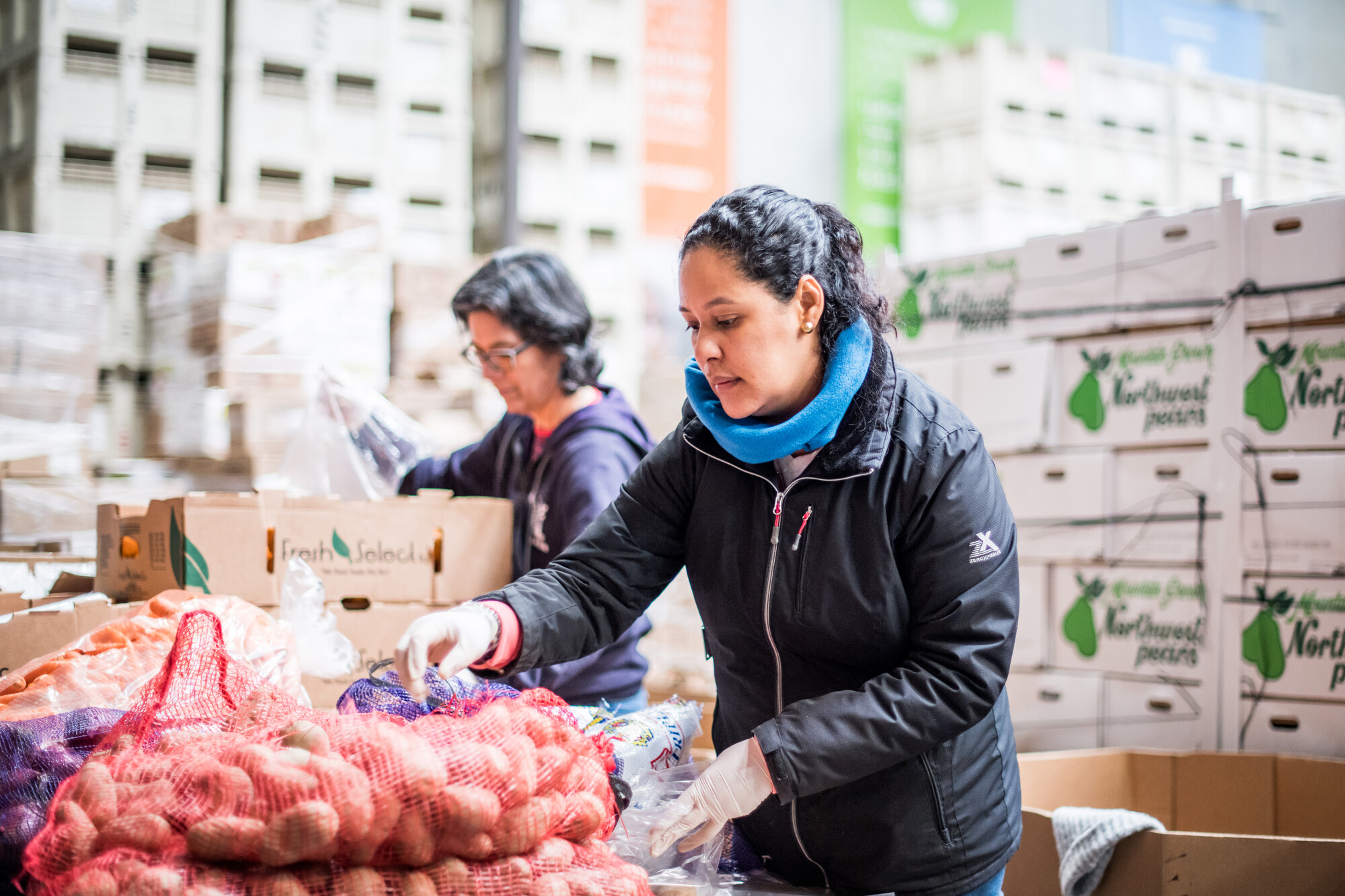
"caption": "Volunteers work to sort donated food at the San Francisco-Marin Food Bank in San Francisco's Dogpatch neighborhood on Wednesday, March 18, 2020. As California warns CalFresh payments will be 'delayed' in November due to the government shutdown, here’s where to find free food assistance.\r\n",
"credit": "Beth LaBerge/KQED",
"altTag": null,
"description": null,
"imgSizes": {
"thumbnail": {
"file": "https://cdn.kqed.org/wp-content/uploads/sites/10/2025/06/013_KQED_SanFranciscoMarinFoodBank_03182020_9229_qed-160x107.jpg",
"width": 160,
"height": 107,
"mimeType": "image/jpeg"
},
"1536x1536": {
"file": "https://cdn.kqed.org/wp-content/uploads/sites/10/2025/06/013_KQED_SanFranciscoMarinFoodBank_03182020_9229_qed-1536x1024.jpg",
"width": 1536,
"height": 1024,
"mimeType": "image/jpeg"
},
"post-thumbnail": {
"file": "https://cdn.kqed.org/wp-content/uploads/sites/10/2025/06/013_KQED_SanFranciscoMarinFoodBank_03182020_9229_qed-672x372.jpg",
"width": 672,
"height": 372,
"mimeType": "image/jpeg"
},
"twentyfourteen-full-width": {
"file": "https://cdn.kqed.org/wp-content/uploads/sites/10/2025/06/013_KQED_SanFranciscoMarinFoodBank_03182020_9229_qed-1038x576.jpg",
"width": 1038,
"height": 576,
"mimeType": "image/jpeg"
},
"kqedFullSize": {
"file": "https://cdn.kqed.org/wp-content/uploads/sites/10/2025/06/013_KQED_SanFranciscoMarinFoodBank_03182020_9229_qed.jpg",
"width": 2000,
"height": 1333
}
},
"isLoading": false,
"fetchFailed": false
},
"news_12060772": {
"type": "attachments",
"id": "news_12060772",
"meta": {
"index": "attachments_1716263798",
"site": "news",
"id": "12060772",
"found": true
},
"title": "SNAP and EBT Accepted here sign. SNAP and Food Stamps provide nutrition benefits to supplement the budgets of disadvantaged families.",
"publishDate": 1761001618,
"status": "inherit",
"parent": 12060770,
"modified": 1761001667,
"caption": "SNAP and EBT Accepted here sign. SNAP and Food Stamps provide nutrition benefits to supplement the budgets of disadvantaged families.",
"credit": "Jet City Image/iStock Editorial via Getty Images Plus",
"altTag": null,
"description": null,
"imgSizes": {
"thumbnail": {
"file": "https://cdn.kqed.org/wp-content/uploads/sites/10/2025/10/SNAPGetty-160x107.jpg",
"width": 160,
"height": 107,
"mimeType": "image/jpeg"
},
"1536x1536": {
"file": "https://cdn.kqed.org/wp-content/uploads/sites/10/2025/10/SNAPGetty-1536x1024.jpg",
"width": 1536,
"height": 1024,
"mimeType": "image/jpeg"
},
"post-thumbnail": {
"file": "https://cdn.kqed.org/wp-content/uploads/sites/10/2025/10/SNAPGetty-672x372.jpg",
"width": 672,
"height": 372,
"mimeType": "image/jpeg"
},
"twentyfourteen-full-width": {
"file": "https://cdn.kqed.org/wp-content/uploads/sites/10/2025/10/SNAPGetty-1038x576.jpg",
"width": 1038,
"height": 576,
"mimeType": "image/jpeg"
},
"kqedFullSize": {
"file": "https://cdn.kqed.org/wp-content/uploads/sites/10/2025/10/SNAPGetty.jpg",
"width": 2000,
"height": 1333
}
},
"isLoading": false,
"fetchFailed": false
},
"news_12059190": {
"type": "attachments",
"id": "news_12059190",
"meta": {
"index": "attachments_1716263798",
"site": "news",
"id": "12059190",
"found": true
},
"title": "251008-CHILDCARE DISCRIMINATION-MD-07-KQED",
"publishDate": 1759963517,
"status": "inherit",
"parent": 0,
"modified": 1759966032,
"caption": "Mariam Younathan holds one of the children attending the daycare at her home in Manteca on Oct. 8, 2025.",
"credit": "Martin do Nascimento/KQED",
"altTag": null,
"description": null,
"imgSizes": {
"thumbnail": {
"file": "https://cdn.kqed.org/wp-content/uploads/sites/10/2025/10/251008-CHILDCARE-DISCRIMINATION-MD-07-KQED-160x107.jpg",
"width": 160,
"height": 107,
"mimeType": "image/jpeg"
},
"1536x1536": {
"file": "https://cdn.kqed.org/wp-content/uploads/sites/10/2025/10/251008-CHILDCARE-DISCRIMINATION-MD-07-KQED-1536x1025.jpg",
"width": 1536,
"height": 1025,
"mimeType": "image/jpeg"
},
"post-thumbnail": {
"file": "https://cdn.kqed.org/wp-content/uploads/sites/10/2025/10/251008-CHILDCARE-DISCRIMINATION-MD-07-KQED-672x372.jpg",
"width": 672,
"height": 372,
"mimeType": "image/jpeg"
},
"twentyfourteen-full-width": {
"file": "https://cdn.kqed.org/wp-content/uploads/sites/10/2025/10/251008-CHILDCARE-DISCRIMINATION-MD-07-KQED-1038x576.jpg",
"width": 1038,
"height": 576,
"mimeType": "image/jpeg"
},
"kqedFullSize": {
"file": "https://cdn.kqed.org/wp-content/uploads/sites/10/2025/10/251008-CHILDCARE-DISCRIMINATION-MD-07-KQED.jpg",
"width": 2000,
"height": 1334
}
},
"isLoading": false,
"fetchFailed": false
},
"news_12050034": {
"type": "attachments",
"id": "news_12050034",
"meta": {
"index": "attachments_1716263798",
"site": "news",
"id": "12050034",
"found": true
},
"title": "CalFreshCM1",
"publishDate": 1753736489,
"status": "inherit",
"parent": 12050032,
"modified": 1783017028,
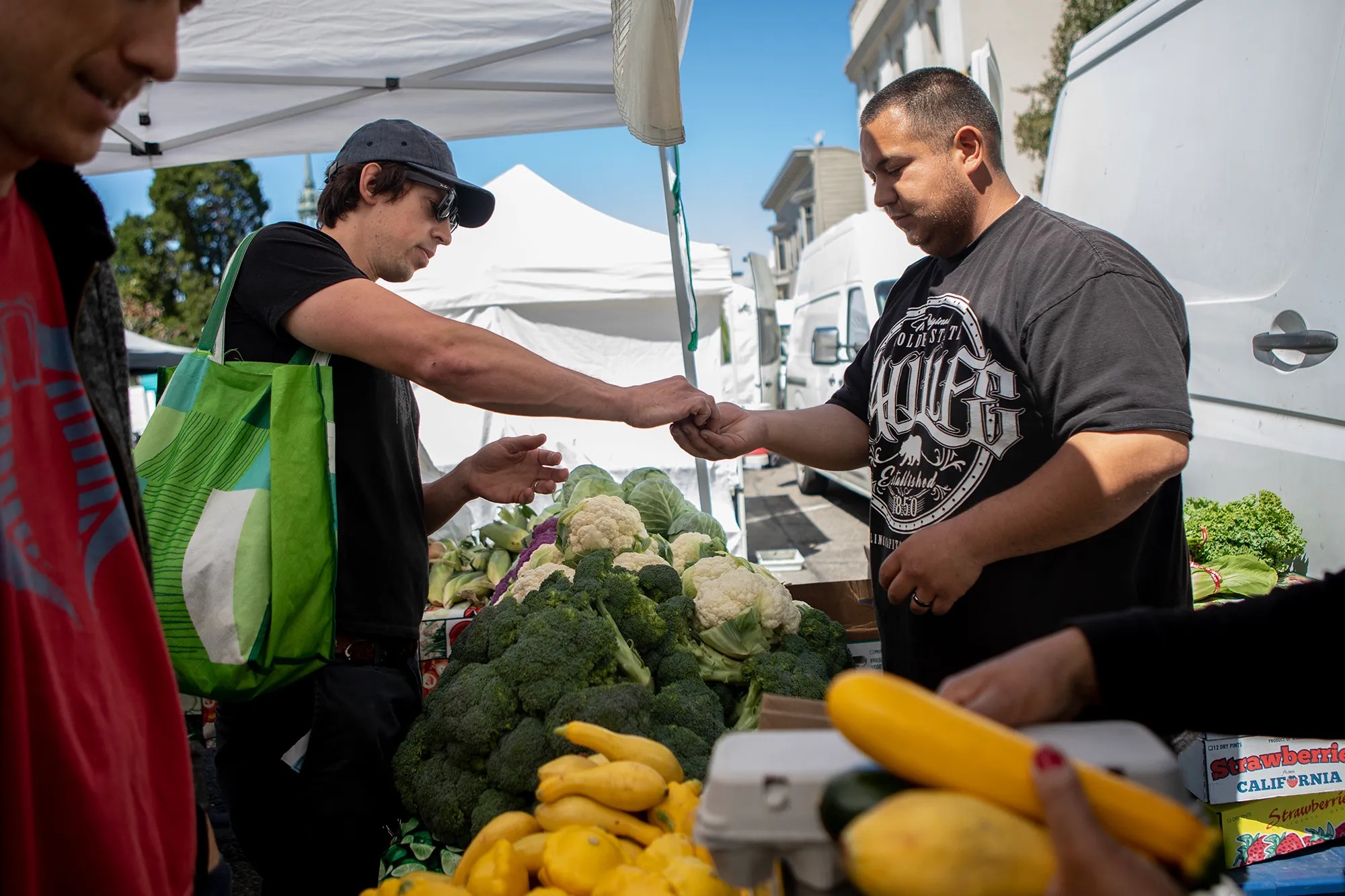
"caption": "The Ecology Center farmers' market in downtown Berkeley on July 13, 2019. CalFresh participants can purchase tokens at the market using their benefits card and can receive up to $10 in additional tokens specifically for fruits and vegetables.",
"credit": "Anne Wernikoff/CalMatters",
"altTag": null,
"description": null,
"imgSizes": {
"thumbnail": {
"file": "https://cdn.kqed.org/wp-content/uploads/sites/10/2025/07/CalFreshCM1-160x107.jpg",
"width": 160,
"height": 107,
"mimeType": "image/jpeg"
},
"1536x1536": {
"file": "https://cdn.kqed.org/wp-content/uploads/sites/10/2025/07/CalFreshCM1-1536x1024.jpg",
"width": 1536,
"height": 1024,
"mimeType": "image/jpeg"
},
"post-thumbnail": {
"file": "https://cdn.kqed.org/wp-content/uploads/sites/10/2025/07/CalFreshCM1-672x372.jpg",
"width": 672,
"height": 372,
"mimeType": "image/jpeg"
},
"twentyfourteen-full-width": {
"file": "https://cdn.kqed.org/wp-content/uploads/sites/10/2025/07/CalFreshCM1-1038x576.jpg",
"width": 1038,
"height": 576,
"mimeType": "image/jpeg"
},
"kqedFullSize": {
"file": "https://cdn.kqed.org/wp-content/uploads/sites/10/2025/07/CalFreshCM1.jpg",
"width": 2000,
"height": 1333
}
},
"isLoading": false,
"fetchFailed": false
},
"news_12032696": {
"type": "attachments",
"id": "news_12032696",
"meta": {
"index": "attachments_1716263798",
"site": "news",
"id": "12032696",
"found": true
},
"title": "250323-DEM TOWN HALLS-MD-14-KQED-1",
"publishDate": 1742819407,
"status": "inherit",
"parent": 12032718,
"modified": 1742833083,
"caption": "(From center right) Connie Wright, Sally MacGuire and Ali Ramirez applaud and cheer at a town hall meeting with Rep. Ro Khanna at the MLK Community Center in Bakersfield on March 23, 2025.",
"credit": "Martin do Nascimento/KQED",
"altTag": null,
"description": null,
"imgSizes": {
"medium": {
"file": "https://cdn.kqed.org/wp-content/uploads/sites/10/2025/03/250323-DEM-TOWN-HALLS-MD-14-KQED-1-800x533.jpg",
"width": 800,
"height": 533,
"mimeType": "image/jpeg"
},
"large": {
"file": "https://cdn.kqed.org/wp-content/uploads/sites/10/2025/03/250323-DEM-TOWN-HALLS-MD-14-KQED-1-1020x680.jpg",
"width": 1020,
"height": 680,
"mimeType": "image/jpeg"
},
"thumbnail": {
"file": "https://cdn.kqed.org/wp-content/uploads/sites/10/2025/03/250323-DEM-TOWN-HALLS-MD-14-KQED-1-160x107.jpg",
"width": 160,
"height": 107,
"mimeType": "image/jpeg"
},
"1536x1536": {
"file": "https://cdn.kqed.org/wp-content/uploads/sites/10/2025/03/250323-DEM-TOWN-HALLS-MD-14-KQED-1-1536x1024.jpg",
"width": 1536,
"height": 1024,
"mimeType": "image/jpeg"
},
"post-thumbnail": {
"file": "https://cdn.kqed.org/wp-content/uploads/sites/10/2025/03/250323-DEM-TOWN-HALLS-MD-14-KQED-1-672x372.jpg",
"width": 672,
"height": 372,
"mimeType": "image/jpeg"
},
"twentyfourteen-full-width": {
"file": "https://cdn.kqed.org/wp-content/uploads/sites/10/2025/03/250323-DEM-TOWN-HALLS-MD-14-KQED-1-1038x576.jpg",
"width": 1038,
"height": 576,
"mimeType": "image/jpeg"
},
"full-width": {
"file": "https://cdn.kqed.org/wp-content/uploads/sites/10/2025/03/250323-DEM-TOWN-HALLS-MD-14-KQED-1-1920x1280.jpg",
"width": 1920,
"height": 1280,
"mimeType": "image/jpeg"
},
"kqedFullSize": {
"file": "https://cdn.kqed.org/wp-content/uploads/sites/10/2025/03/250323-DEM-TOWN-HALLS-MD-14-KQED-1.jpg",
"width": 2000,
"height": 1333
}
},
"isLoading": false,
"fetchFailed": false
},
"news_11989081": {
"type": "attachments",
"id": "news_11989081",
"meta": {
"index": "attachments_1716263798",
"site": "news",
"id": "11989081",
"found": true
},
"title": "Processed with VSCO with e1 preset",
"publishDate": 1717605747,
"status": "inherit",
"parent": 11989080,
"modified": 1717605973,
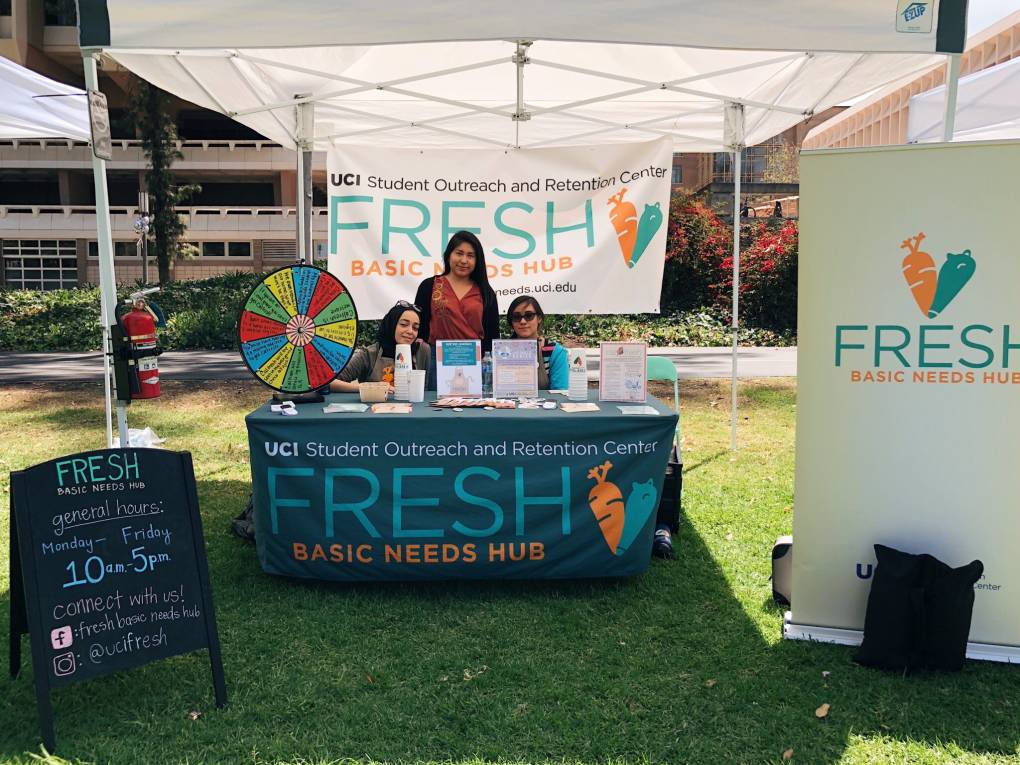
"caption": "At the University of California, Irvine, the basic needs center offers a food pantry, housing support and more to meet students' basic needs.",
"credit": "Courtesy of UCI Basic Needs Center",
"altTag": "Three young women sit and stand behind a table filled with brochures and papers next to a colorful wheel with a banner and sign that reads \"FRESH Basic Needs Hub.\"",
"description": null,
"imgSizes": {
"medium": {
"file": "https://cdn.kqed.org/wp-content/uploads/sites/10/2024/06/IMG_8447-2048x1536-1-800x600.jpg",
"width": 800,
"height": 600,
"mimeType": "image/jpeg"
},
"large": {
"file": "https://cdn.kqed.org/wp-content/uploads/sites/10/2024/06/IMG_8447-2048x1536-1-1020x765.jpg",
"width": 1020,
"height": 765,
"mimeType": "image/jpeg"
},
"thumbnail": {
"file": "https://cdn.kqed.org/wp-content/uploads/sites/10/2024/06/IMG_8447-2048x1536-1-160x120.jpg",
"width": 160,
"height": 120,
"mimeType": "image/jpeg"
},
"1536x1536": {
"file": "https://cdn.kqed.org/wp-content/uploads/sites/10/2024/06/IMG_8447-2048x1536-1-1536x1152.jpg",
"width": 1536,
"height": 1152,
"mimeType": "image/jpeg"
},
"post-thumbnail": {
"file": "https://cdn.kqed.org/wp-content/uploads/sites/10/2024/06/IMG_8447-2048x1536-1-672x372.jpg",
"width": 672,
"height": 372,
"mimeType": "image/jpeg"
},
"twentyfourteen-full-width": {
"file": "https://cdn.kqed.org/wp-content/uploads/sites/10/2024/06/IMG_8447-2048x1536-1-1038x576.jpg",
"width": 1038,
"height": 576,
"mimeType": "image/jpeg"
},
"full-width": {
"file": "https://cdn.kqed.org/wp-content/uploads/sites/10/2024/06/IMG_8447-2048x1536-1-1920x1440.jpg",
"width": 1920,
"height": 1440,
"mimeType": "image/jpeg"
},
"kqedFullSize": {
"file": "https://cdn.kqed.org/wp-content/uploads/sites/10/2024/06/IMG_8447-2048x1536-1.jpg",
"width": 2048,
"height": 1536
}
},
"isLoading": false,
"fetchFailed": false
},
"news_11987152": {
"type": "attachments",
"id": "news_11987152",
"meta": {
"index": "attachments_1716263798",
"site": "news",
"id": "11987152",
"found": true
},
"title": "GettyImages-468771400_qut",
"publishDate": 1716318547,
"status": "inherit",
"parent": 11987126,
"modified": 1716320992,
"caption": "Visitors take photos and view various fish and shark species in a 1-million-gallon tank exhibit depicting the open ocean at the Monterey Bay Aquarium in Monterey, California, on April 6, 2015. ",
"credit": "Saul Loeb/AFP/Getty Images",
"altTag": null,
"description": null,
"imgSizes": {
"medium": {
"file": "https://cdn.kqed.org/wp-content/uploads/sites/10/2024/05/GettyImages-468771400_qut-800x534.jpg",
"width": 800,
"height": 534,
"mimeType": "image/jpeg"
},
"large": {
"file": "https://cdn.kqed.org/wp-content/uploads/sites/10/2024/05/GettyImages-468771400_qut-1020x681.jpg",
"width": 1020,
"height": 681,
"mimeType": "image/jpeg"
},
"thumbnail": {
"file": "https://cdn.kqed.org/wp-content/uploads/sites/10/2024/05/GettyImages-468771400_qut-160x107.jpg",
"width": 160,
"height": 107,
"mimeType": "image/jpeg"
},
"1536x1536": {
"file": "https://cdn.kqed.org/wp-content/uploads/sites/10/2024/05/GettyImages-468771400_qut-1536x1026.jpg",
"width": 1536,
"height": 1026,
"mimeType": "image/jpeg"
},
"post-thumbnail": {
"file": "https://cdn.kqed.org/wp-content/uploads/sites/10/2024/05/GettyImages-468771400_qut-672x372.jpg",
"width": 672,
"height": 372,
"mimeType": "image/jpeg"
},
"twentyfourteen-full-width": {
"file": "https://cdn.kqed.org/wp-content/uploads/sites/10/2024/05/GettyImages-468771400_qut-1038x576.jpg",
"width": 1038,
"height": 576,
"mimeType": "image/jpeg"
},
"kqedFullSize": {
"file": "https://cdn.kqed.org/wp-content/uploads/sites/10/2024/05/GettyImages-468771400_qut.jpg",
"width": 1920,
"height": 1282
}
},
"isLoading": false,
"fetchFailed": false
},
"news_11969783": {
"type": "attachments",
"id": "news_11969783",
"meta": {
"index": "attachments_1716263798",
"site": "news",
"id": "11969783",
"found": true
},
"parent": 11969781,
"imgSizes": {
"twentyfourteen-full-width": {
"file": "https://cdn.kqed.org/wp-content/uploads/sites/10/2023/12/021023-CANNABIS-CRASH-MHN-32-CM-1038x576.jpg",
"width": 1038,
"mimeType": "image/jpeg",
"height": 576
},
"thumbnail": {
"file": "https://cdn.kqed.org/wp-content/uploads/sites/10/2023/12/021023-CANNABIS-CRASH-MHN-32-CM-160x107.jpg",
"width": 160,
"mimeType": "image/jpeg",
"height": 107
},
"post-thumbnail": {
"file": "https://cdn.kqed.org/wp-content/uploads/sites/10/2023/12/021023-CANNABIS-CRASH-MHN-32-CM-672x372.jpg",
"width": 672,
"mimeType": "image/jpeg",
"height": 372
},
"kqedFullSize": {
"file": "https://cdn.kqed.org/wp-content/uploads/sites/10/2023/12/021023-CANNABIS-CRASH-MHN-32-CM.jpg",
"width": 2000,
"height": 1333
},
"large": {
"file": "https://cdn.kqed.org/wp-content/uploads/sites/10/2023/12/021023-CANNABIS-CRASH-MHN-32-CM-1020x680.jpg",
"width": 1020,
"mimeType": "image/jpeg",
"height": 680
},
"1536x1536": {
"file": "https://cdn.kqed.org/wp-content/uploads/sites/10/2023/12/021023-CANNABIS-CRASH-MHN-32-CM-1536x1024.jpg",
"width": 1536,
"mimeType": "image/jpeg",
"height": 1024
},
"full-width": {
"file": "https://cdn.kqed.org/wp-content/uploads/sites/10/2023/12/021023-CANNABIS-CRASH-MHN-32-CM-1920x1280.jpg",
"width": 1920,
"mimeType": "image/jpeg",
"height": 1280
},
"medium": {
"file": "https://cdn.kqed.org/wp-content/uploads/sites/10/2023/12/021023-CANNABIS-CRASH-MHN-32-CM-800x533.jpg",
"width": 800,
"mimeType": "image/jpeg",
"height": 533
}
},
"publishDate": 1702503041,
"modified": 1702508159,
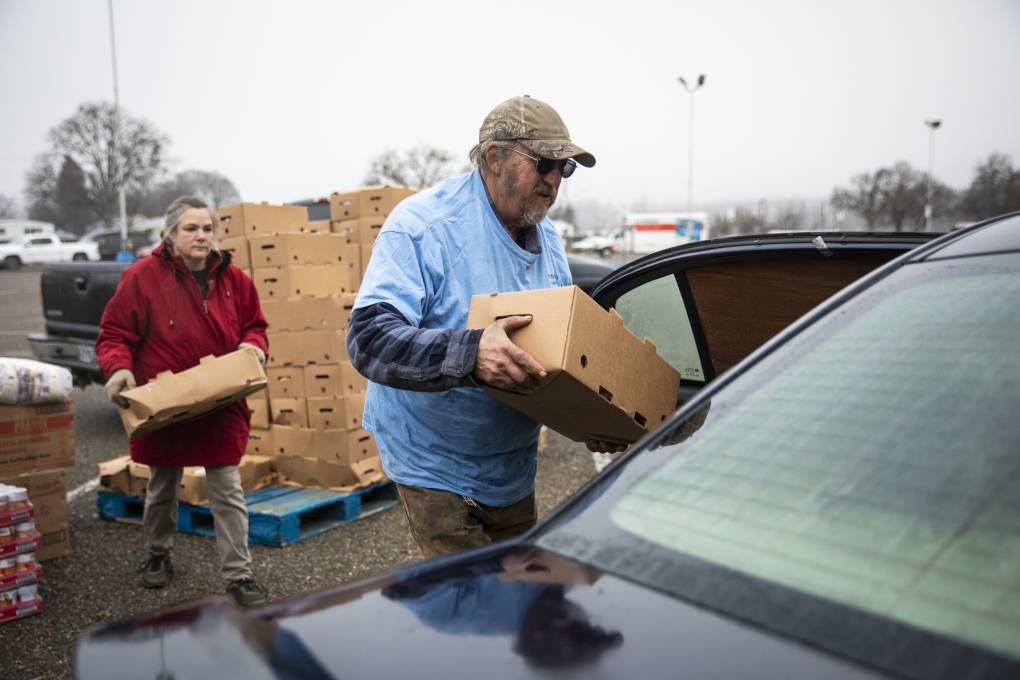
"caption": "Volunteers Terry Scovil (center) and Shendi Klopfer load the car of a community member with food from the Trinity County Food Bank at the Trinity County Fairgrounds on Feb. 8, 2023. ",
"description": null,
"title": "021023-CANNABIS-CRASH-MHN-32-CM",
"credit": "Martin do Nascimento/CalMatters",
"status": "inherit",
"altTag": "A man wearing a blue shirt, green hat and sunglasses holds a cardboard box of food to be moved into a car, with another man and several boxes behind him.",
"isLoading": false,
"fetchFailed": false
},
"news_11953431": {
"type": "attachments",
"id": "news_11953431",
"meta": {
"index": "attachments_1716263798",
"site": "news",
"id": "11953431",
"found": true
},
"parent": 11953407,
"imgSizes": {
"twentyfourteen-full-width": {
"file": "https://ww2.kqed.org/app/uploads/sites/10/2023/06/061523-Fairfield-Farmers-Market-SN-CM-15-1038x576.jpg",
"width": 1038,
"mimeType": "image/jpeg",
"height": 576
},
"thumbnail": {
"file": "https://ww2.kqed.org/app/uploads/sites/10/2023/06/061523-Fairfield-Farmers-Market-SN-CM-15-160x107.jpg",
"width": 160,
"mimeType": "image/jpeg",
"height": 107
},
"post-thumbnail": {
"file": "https://ww2.kqed.org/app/uploads/sites/10/2023/06/061523-Fairfield-Farmers-Market-SN-CM-15-672x372.jpg",
"width": 672,
"mimeType": "image/jpeg",
"height": 372
},
"kqedFullSize": {
"file": "https://ww2.kqed.org/app/uploads/sites/10/2023/06/061523-Fairfield-Farmers-Market-SN-CM-15.jpg",
"width": 2000,
"height": 1333
},
"large": {
"file": "https://ww2.kqed.org/app/uploads/sites/10/2023/06/061523-Fairfield-Farmers-Market-SN-CM-15-1020x680.jpg",
"width": 1020,
"mimeType": "image/jpeg",
"height": 680
},
"1536x1536": {
"file": "https://ww2.kqed.org/app/uploads/sites/10/2023/06/061523-Fairfield-Farmers-Market-SN-CM-15-1536x1024.jpg",
"width": 1536,
"mimeType": "image/jpeg",
"height": 1024
},
"full-width": {
"file": "https://ww2.kqed.org/app/uploads/sites/10/2023/06/061523-Fairfield-Farmers-Market-SN-CM-15-1920x1280.jpg",
"width": 1920,
"mimeType": "image/jpeg",
"height": 1280
},
"medium": {
"file": "https://ww2.kqed.org/app/uploads/sites/10/2023/06/061523-Fairfield-Farmers-Market-SN-CM-15-800x533.jpg",
"width": 800,
"mimeType": "image/jpeg",
"height": 533
}
},
"publishDate": 1687286936,
"modified": 1687289556,
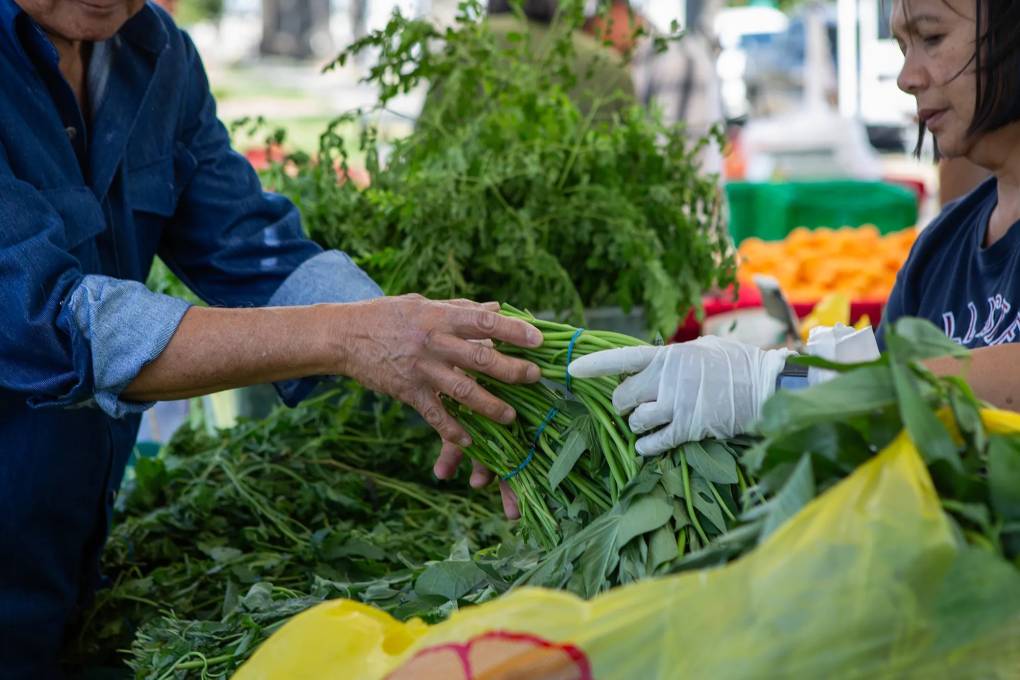
"caption": "A customer picks produce at the Fairfield Farmers' Market on June 15, 2023.",
"description": null,
"title": "061523-Fairfield-Farmers-Market-SN-CM-15",
"credit": "Semantha Norris/CalMatters",
"status": "inherit",
"altTag": "a pair of gloved hands holds out leafy green vegetables to another pair of hands, with tables of vegetables in the background",
"isLoading": false,
"fetchFailed": false
},
"news_11764607": {
"type": "attachments",
"id": "news_11764607",
"meta": {
"index": "attachments_1716263798",
"site": "news",
"id": "11764607",
"found": true
},
"parent": 11764572,
"imgSizes": {
"apple_news_ca_landscape_5_5": {
"file": "https://ww2.kqed.org/app/uploads/sites/10/2019/07/RS38286_food-stamp-cuts-photo-3-qut-1044x783.jpg",
"width": 1044,
"mimeType": "image/jpeg",
"height": 783
},
"apple_news_ca_square_4_0": {
"file": "https://ww2.kqed.org/app/uploads/sites/10/2019/07/RS38286_food-stamp-cuts-photo-3-qut-470x470.jpg",
"width": 470,
"mimeType": "image/jpeg",
"height": 470
},
"twentyfourteen-full-width": {
"file": "https://ww2.kqed.org/app/uploads/sites/10/2019/07/RS38286_food-stamp-cuts-photo-3-qut-1038x576.jpg",
"width": 1038,
"mimeType": "image/jpeg",
"height": 576
},
"thumbnail": {
"file": "https://ww2.kqed.org/app/uploads/sites/10/2019/07/RS38286_food-stamp-cuts-photo-3-qut-160x107.jpg",
"width": 160,
"mimeType": "image/jpeg",
"height": 107
},
"post-thumbnail": {
"file": "https://ww2.kqed.org/app/uploads/sites/10/2019/07/RS38286_food-stamp-cuts-photo-3-qut-672x372.jpg",
"width": 672,
"mimeType": "image/jpeg",
"height": 372
},
"kqedFullSize": {
"file": "https://ww2.kqed.org/app/uploads/sites/10/2019/07/RS38286_food-stamp-cuts-photo-3-qut.jpg",
"width": 1920,
"height": 1280
},
"apple_news_ca_landscape_4_7": {
"file": "https://ww2.kqed.org/app/uploads/sites/10/2019/07/RS38286_food-stamp-cuts-photo-3-qut-632x474.jpg",
"width": 632,
"mimeType": "image/jpeg",
"height": 474
},
"large": {
"file": "https://ww2.kqed.org/app/uploads/sites/10/2019/07/RS38286_food-stamp-cuts-photo-3-qut-1020x680.jpg",
"width": 1020,
"mimeType": "image/jpeg",
"height": 680
},
"complete_open_graph": {
"file": "https://ww2.kqed.org/app/uploads/sites/10/2019/07/RS38286_food-stamp-cuts-photo-3-qut-1200x800.jpg",
"width": 1200,
"mimeType": "image/jpeg",
"height": 800
},
"apple_news_ca_landscape_4_0": {
"file": "https://ww2.kqed.org/app/uploads/sites/10/2019/07/RS38286_food-stamp-cuts-photo-3-qut-536x402.jpg",
"width": 536,
"mimeType": "image/jpeg",
"height": 402
},
"apple_news_ca_portrait_12_9": {
"file": "https://ww2.kqed.org/app/uploads/sites/10/2019/07/RS38286_food-stamp-cuts-photo-3-qut-1122x1280.jpg",
"width": 1122,
"mimeType": "image/jpeg",
"height": 1280
},
"medium": {
"file": "https://ww2.kqed.org/app/uploads/sites/10/2019/07/RS38286_food-stamp-cuts-photo-3-qut-800x533.jpg",
"width": 800,
"mimeType": "image/jpeg",
"height": 533
},
"apple_news_ca_portrait_4_0": {
"file": "https://ww2.kqed.org/app/uploads/sites/10/2019/07/RS38286_food-stamp-cuts-photo-3-qut-354x472.jpg",
"width": 354,
"mimeType": "image/jpeg",
"height": 472
},
"apple_news_ca_portrait_9_7": {
"file": "https://ww2.kqed.org/app/uploads/sites/10/2019/07/RS38286_food-stamp-cuts-photo-3-qut-840x1120.jpg",
"width": 840,
"mimeType": "image/jpeg",
"height": 1120
},
"apple_news_ca_landscape_12_9": {
"file": "https://ww2.kqed.org/app/uploads/sites/10/2019/07/RS38286_food-stamp-cuts-photo-3-qut-1832x1280.jpg",
"width": 1832,
"mimeType": "image/jpeg",
"height": 1280
},
"apple_news_ca_square_9_7": {
"file": "https://ww2.kqed.org/app/uploads/sites/10/2019/07/RS38286_food-stamp-cuts-photo-3-qut-1104x1104.jpg",
"width": 1104,
"mimeType": "image/jpeg",
"height": 1104
},
"apple_news_ca_portrait_4_7": {
"file": "https://ww2.kqed.org/app/uploads/sites/10/2019/07/RS38286_food-stamp-cuts-photo-3-qut-414x552.jpg",
"width": 414,
"mimeType": "image/jpeg",
"height": 552
},
"apple_news_ca_square_12_9": {
"file": "https://ww2.kqed.org/app/uploads/sites/10/2019/07/RS38286_food-stamp-cuts-photo-3-qut-1472x1280.jpg",
"width": 1472,
"mimeType": "image/jpeg",
"height": 1280
},
"apple_news_ca_portrait_5_5": {
"file": "https://ww2.kqed.org/app/uploads/sites/10/2019/07/RS38286_food-stamp-cuts-photo-3-qut-687x916.jpg",
"width": 687,
"mimeType": "image/jpeg",
"height": 916
},
"full-width": {
"file": "https://ww2.kqed.org/app/uploads/sites/10/2019/07/RS38286_food-stamp-cuts-photo-3-qut-1920x1280.jpg",
"width": 1920,
"mimeType": "image/jpeg",
"height": 1280
},
"apple_news_ca_square_4_7": {
"file": "https://ww2.kqed.org/app/uploads/sites/10/2019/07/RS38286_food-stamp-cuts-photo-3-qut-550x550.jpg",
"width": 550,
"mimeType": "image/jpeg",
"height": 550
},
"apple_news_ca_landscape_9_7": {
"file": "https://ww2.kqed.org/app/uploads/sites/10/2019/07/RS38286_food-stamp-cuts-photo-3-qut-1376x1032.jpg",
"width": 1376,
"mimeType": "image/jpeg",
"height": 1032
},
"apple_news_ca_square_5_5": {
"file": "https://ww2.kqed.org/app/uploads/sites/10/2019/07/RS38286_food-stamp-cuts-photo-3-qut-912x912.jpg",
"width": 912,
"mimeType": "image/jpeg",
"height": 912
}
},
"publishDate": 1564603270,
"modified": 1685579216,
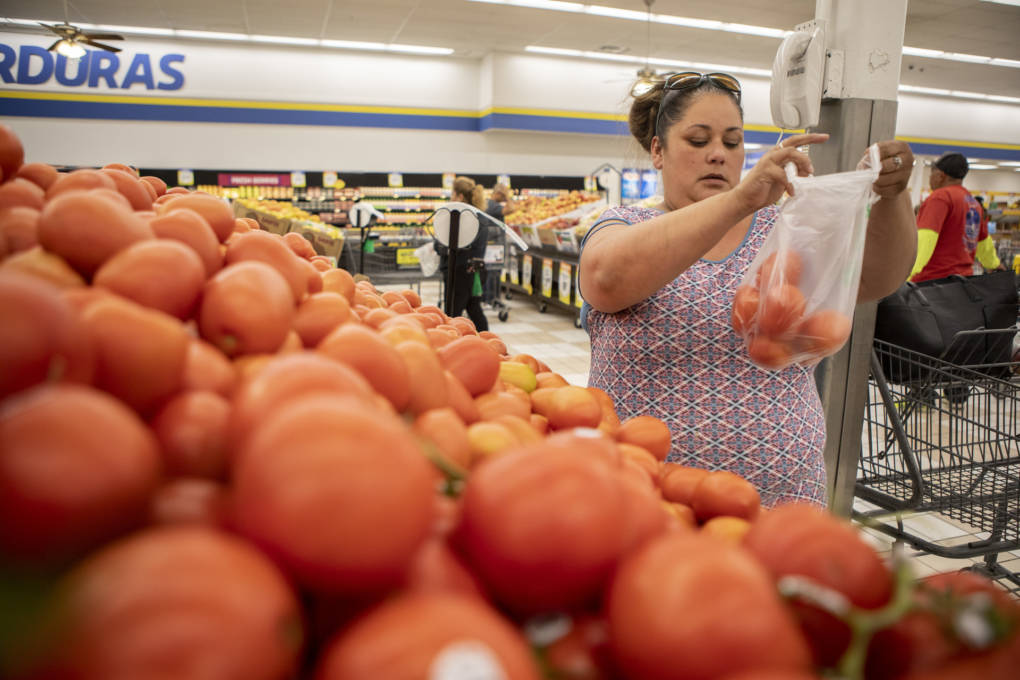
"caption": "Antoinette Martinez does her weekly grocery shopping at FoodMaxx in Watsonville on July 26, 2019. When choosing her fruits and vegetables, Martinez, who receives CalFresh, will not buy an item if it costs more than a dollar per unit.",
"description": null,
"title": "RS38286_food stamp cuts photo 3-qut",
"credit": "Anne Wernikoff/CalMatters",
"status": "inherit",
"altTag": "A woman holds up a plastic bag with tomatoes in a grocery store.",
"isLoading": false,
"fetchFailed": false
},
"news_11819564": {
"type": "attachments",
"id": "news_11819564",
"meta": {
"index": "attachments_1716263798",
"site": "news",
"id": "11819564",
"found": true
},
"parent": 11819549,
"imgSizes": {
"apple_news_ca_landscape_5_5": {
"file": "https://ww2.kqed.org/app/uploads/sites/10/2020/05/RS43261_FOOD-photo-qut-1044x783.jpg",
"width": 1044,
"mimeType": "image/jpeg",
"height": 783
},
"apple_news_ca_square_4_0": {
"file": "https://ww2.kqed.org/app/uploads/sites/10/2020/05/RS43261_FOOD-photo-qut-470x470.jpg",
"width": 470,
"mimeType": "image/jpeg",
"height": 470
},
"twentyfourteen-full-width": {
"file": "https://ww2.kqed.org/app/uploads/sites/10/2020/05/RS43261_FOOD-photo-qut-1038x576.jpg",
"width": 1038,
"mimeType": "image/jpeg",
"height": 576
},
"thumbnail": {
"file": "https://ww2.kqed.org/app/uploads/sites/10/2020/05/RS43261_FOOD-photo-qut-160x117.jpg",
"width": 160,
"mimeType": "image/jpeg",
"height": 117
},
"post-thumbnail": {
"file": "https://ww2.kqed.org/app/uploads/sites/10/2020/05/RS43261_FOOD-photo-qut-672x372.jpg",
"width": 672,
"mimeType": "image/jpeg",
"height": 372
},
"kqedFullSize": {
"file": "https://ww2.kqed.org/app/uploads/sites/10/2020/05/RS43261_FOOD-photo-qut.jpg",
"width": 1920,
"height": 1403
},
"apple_news_ca_landscape_4_7": {
"file": "https://ww2.kqed.org/app/uploads/sites/10/2020/05/RS43261_FOOD-photo-qut-632x474.jpg",
"width": 632,
"mimeType": "image/jpeg",
"height": 474
},
"large": {
"file": "https://ww2.kqed.org/app/uploads/sites/10/2020/05/RS43261_FOOD-photo-qut-1020x745.jpg",
"width": 1020,
"mimeType": "image/jpeg",
"height": 745
},
"apple_news_ca_landscape_4_0": {
"file": "https://ww2.kqed.org/app/uploads/sites/10/2020/05/RS43261_FOOD-photo-qut-536x402.jpg",
"width": 536,
"mimeType": "image/jpeg",
"height": 402
},
"apple_news_ca_portrait_12_9": {
"file": "https://ww2.kqed.org/app/uploads/sites/10/2020/05/RS43261_FOOD-photo-qut-1122x1403.jpg",
"width": 1122,
"mimeType": "image/jpeg",
"height": 1403
},
"medium": {
"file": "https://ww2.kqed.org/app/uploads/sites/10/2020/05/RS43261_FOOD-photo-qut-800x585.jpg",
"width": 800,
"mimeType": "image/jpeg",
"height": 585
},
"apple_news_ca_portrait_4_0": {
"file": "https://ww2.kqed.org/app/uploads/sites/10/2020/05/RS43261_FOOD-photo-qut-354x472.jpg",
"width": 354,
"mimeType": "image/jpeg",
"height": 472
},
"apple_news_ca_portrait_9_7": {
"file": "https://ww2.kqed.org/app/uploads/sites/10/2020/05/RS43261_FOOD-photo-qut-840x1120.jpg",
"width": 840,
"mimeType": "image/jpeg",
"height": 1120
},
"apple_news_ca_landscape_12_9": {
"file": "https://ww2.kqed.org/app/uploads/sites/10/2020/05/RS43261_FOOD-photo-qut-1832x1374.jpg",
"width": 1832,
"mimeType": "image/jpeg",
"height": 1374
},
"apple_news_ca_square_9_7": {
"file": "https://ww2.kqed.org/app/uploads/sites/10/2020/05/RS43261_FOOD-photo-qut-1104x1104.jpg",
"width": 1104,
"mimeType": "image/jpeg",
"height": 1104
},
"apple_news_ca_portrait_4_7": {
"file": "https://ww2.kqed.org/app/uploads/sites/10/2020/05/RS43261_FOOD-photo-qut-414x552.jpg",
"width": 414,
"mimeType": "image/jpeg",
"height": 552
},
"apple_news_ca_square_12_9": {
"file": "https://ww2.kqed.org/app/uploads/sites/10/2020/05/RS43261_FOOD-photo-qut-1472x1403.jpg",
"width": 1472,
"mimeType": "image/jpeg",
"height": 1403
},
"apple_news_ca_portrait_5_5": {
"file": "https://ww2.kqed.org/app/uploads/sites/10/2020/05/RS43261_FOOD-photo-qut-687x916.jpg",
"width": 687,
"mimeType": "image/jpeg",
"height": 916
},
"full-width": {
"file": "https://ww2.kqed.org/app/uploads/sites/10/2020/05/RS43261_FOOD-photo-qut-1920x1403.jpg",
"width": 1920,
"mimeType": "image/jpeg",
"height": 1403
},
"apple_news_ca_square_4_7": {
"file": "https://ww2.kqed.org/app/uploads/sites/10/2020/05/RS43261_FOOD-photo-qut-550x550.jpg",
"width": 550,
"mimeType": "image/jpeg",
"height": 550
},
"apple_news_ca_landscape_9_7": {
"file": "https://ww2.kqed.org/app/uploads/sites/10/2020/05/RS43261_FOOD-photo-qut-1376x1032.jpg",
"width": 1376,
"mimeType": "image/jpeg",
"height": 1032
},
"apple_news_ca_square_5_5": {
"file": "https://ww2.kqed.org/app/uploads/sites/10/2020/05/RS43261_FOOD-photo-qut-912x912.jpg",
"width": 912,
"mimeType": "image/jpeg",
"height": 912
}
},
"publishDate": 1590003525,
"modified": 1590014736,
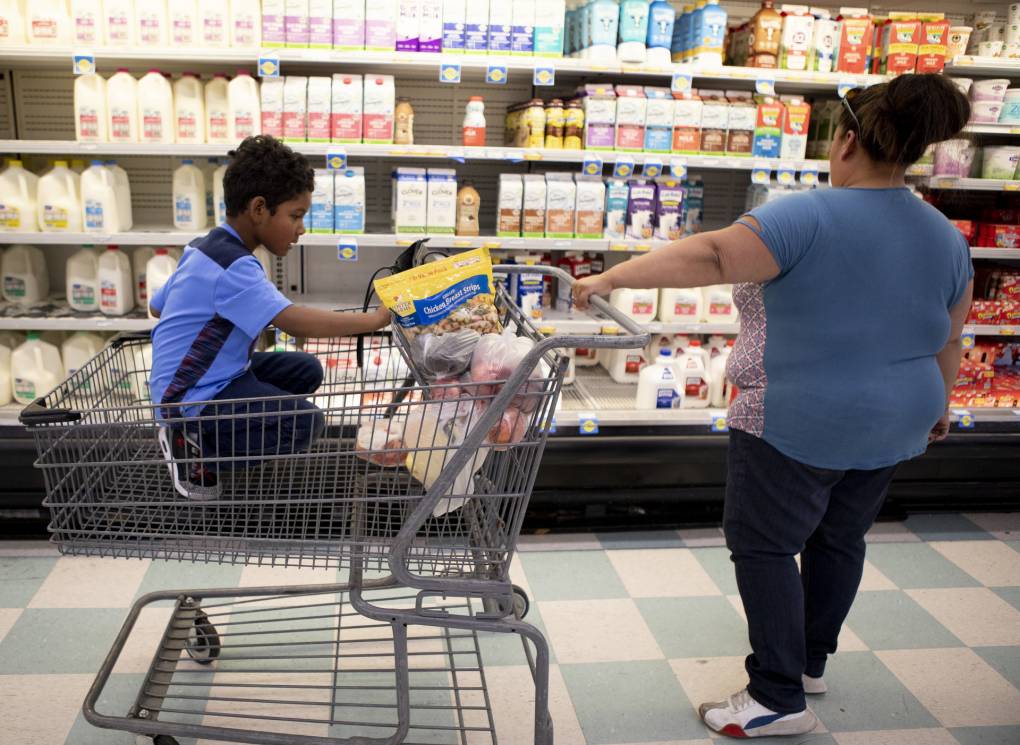
"caption": "Antionette Martinez and her son Caden, 5, who receive CalFresh, do their weekly grocery shopping at FoodMaxx on July 26, 2019. ",
"description": null,
"title": "RS43261_FOOD photo-qut",
"credit": "Anne Wernikoff/CalMatters",
"status": "inherit",
"isLoading": false,
"fetchFailed": false
},
"news_11945872": {
"type": "attachments",
"id": "news_11945872",
"meta": {
"index": "attachments_1716263798",
"site": "news",
"id": "11945872",
"found": true
},
"parent": 11945814,
"imgSizes": {
"twentyfourteen-full-width": {
"file": "https://ww2.kqed.org/app/uploads/sites/10/2023/04/pexels-cottonbro-studio-4778412-1038x576.jpg",
"width": 1038,
"mimeType": "image/jpeg",
"height": 576
},
"thumbnail": {
"file": "https://ww2.kqed.org/app/uploads/sites/10/2023/04/pexels-cottonbro-studio-4778412-160x107.jpg",
"width": 160,
"mimeType": "image/jpeg",
"height": 107
},
"post-thumbnail": {
"file": "https://ww2.kqed.org/app/uploads/sites/10/2023/04/pexels-cottonbro-studio-4778412-672x372.jpg",
"width": 672,
"mimeType": "image/jpeg",
"height": 372
},
"kqedFullSize": {
"file": "https://ww2.kqed.org/app/uploads/sites/10/2023/04/pexels-cottonbro-studio-4778412.jpg",
"width": 1920,
"height": 1280
},
"large": {
"file": "https://ww2.kqed.org/app/uploads/sites/10/2023/04/pexels-cottonbro-studio-4778412-1020x680.jpg",
"width": 1020,
"mimeType": "image/jpeg",
"height": 680
},
"1536x1536": {
"file": "https://ww2.kqed.org/app/uploads/sites/10/2023/04/pexels-cottonbro-studio-4778412-1536x1024.jpg",
"width": 1536,
"mimeType": "image/jpeg",
"height": 1024
},
"medium": {
"file": "https://ww2.kqed.org/app/uploads/sites/10/2023/04/pexels-cottonbro-studio-4778412-800x533.jpg",
"width": 800,
"mimeType": "image/jpeg",
"height": 533
}
},
"publishDate": 1680808812,
"modified": 1680808896,
"caption": "If you're a student, your CalFresh eligibility is about to change.",
"description": null,
"title": "calfresh-login-student",
"credit": "cottonbro studio/Pexels",
"status": "inherit",
"altTag": "A person with medium-toned skin sits at a wooden table writing on a notepad, surrounded by books. They are wearing a gray t-shirt and have tattooed forearms. We can't see their face.",
"isLoading": false,
"fetchFailed": false
}
},
"audioPlayerReducer": {
"postId": "stream_live",
"isPaused": true,
"isPlaying": false,
"pfsActive": false,
"pledgeModalIsOpen": true,
"playerDrawerIsOpen": false,
"liveAudioPlayStartedAt": 0,
"liveAudioPlayContext": ""
},
"authorsReducer": {
"byline_news_12050032": {
"type": "authors",
"id": "byline_news_12050032",
"meta": {
"override": true
},
"slug": "byline_news_12050032",
"name": "Wendy Fry and Mikhail Zinshteyn, CalMatters",
"isLoading": false
},
"byline_news_11989080": {
"type": "authors",
"id": "byline_news_11989080",
"meta": {
"override": true
},
"slug": "byline_news_11989080",
"name": "Betty Márquez Rosales",
"isLoading": false
},
"byline_news_11969781": {
"type": "authors",
"id": "byline_news_11969781",
"meta": {
"override": true
},
"slug": "byline_news_11969781",
"name": "Jeanne Kuang",
"isLoading": false
},
"byline_news_11953407": {
"type": "authors",
"id": "byline_news_11953407",
"meta": {
"override": true
},
"slug": "byline_news_11953407",
"name": "\u003ca href=\"https://calmatters.org/author/ryajetha/\">Rya Jetha\u003c/a>",
"isLoading": false
},
"gmarzorati": {
"type": "authors",
"id": "227",
"meta": {
"index": "authors_1716337520",
"id": "227",
"found": true
},
"name": "Guy Marzorati",
"firstName": "Guy",
"lastName": "Marzorati",
"slug": "gmarzorati",
"email": "gmarzorati@KQED.org",
"display_author_email": true,
"staff_mastheads": [
"news"
],
"title": "Correspondent",
"bio": "Guy Marzorati is a correspondent on KQED's California Politics and Government Desk, based in San Jose. A graduate of Santa Clara University, Guy joined KQED in 2013. He reports on state and local politics and produces KQED's digital voter guide.",
"avatar": "https://secure.gravatar.com/avatar/e7038b8dbfd55b104369b76b1cd0b9de?s=600&d=blank&r=g",
"twitter": "guymarzorati",
"facebook": null,
"instagram": null,
"linkedin": null,
"sites": [
{
"site": "",
"roles": [
"editor"
]
},
{
"site": "news",
"roles": [
"editor"
]
},
{
"site": "science",
"roles": [
"editor"
]
},
{
"site": "forum",
"roles": [
"editor"
]
},
{
"site": "elections",
"roles": [
"editor"
]
},
{
"site": "liveblog",
"roles": [
"editor"
]
}
],
"headData": {
"title": "Guy Marzorati | KQED",
"description": "Correspondent",
"ogImgSrc": "https://secure.gravatar.com/avatar/e7038b8dbfd55b104369b76b1cd0b9de?s=600&d=blank&r=g",
"twImgSrc": "https://secure.gravatar.com/avatar/e7038b8dbfd55b104369b76b1cd0b9de?s=600&d=blank&r=g"
},
"isLoading": false,
"link": "/author/gmarzorati"
},
"carlysevern": {
"type": "authors",
"id": "3243",
"meta": {
"index": "authors_1716337520",
"id": "3243",
"found": true
},
"name": "Carly Severn",
"firstName": "Carly",
"lastName": "Severn",
"slug": "carlysevern",
"email": "csevern@kqed.org",
"display_author_email": false,
"staff_mastheads": [
"news"
],
"title": "Senior Editor, Audience News ",
"bio": "Carly is KQED's Senior Editor of Audience News on the Digital News team, and has reported for the California Report Magazine, Bay Curious and KQED Arts. She's formerly the host of \u003ca href=\"http://ww2.kqed.org/pop/category/the-cooler/\" rel=\"noopener noreferrer\">The Cooler\u003c/a> podcast.",
"avatar": "https://secure.gravatar.com/avatar/54037bf5c128fe678f0ef26cec97a93f2e7f220a22d7285703328f12c42c1b1d?s=600&d=blank&r=g",
"twitter": "teacupinthebay",
"bluesky": null,
"facebook": null,
"instagram": null,
"linkedin": null,
"sites": [
{
"site": "",
"roles": [
"editor"
]
},
{
"site": "arts",
"roles": [
"editor"
]
},
{
"site": "news",
"roles": [
"administrator"
]
},
{
"site": "pop",
"roles": [
"editor"
]
},
{
"site": "futureofyou",
"roles": [
"editor"
]
},
{
"site": "about",
"roles": [
"administrator"
]
},
{
"site": "mindshift",
"roles": [
"editor"
]
},
{
"site": "bayareabites",
"roles": [
"editor"
]
},
{
"site": "stateofhealth",
"roles": [
"editor"
]
},
{
"site": "science",
"roles": [
"editor"
]
},
{
"site": "food",
"roles": [
"contributor"
]
},
{
"site": "forum",
"roles": [
"editor"
]
},
{
"site": "perspectives",
"roles": [
"administrator"
]
},
{
"site": "liveblog",
"roles": [
"editor"
]
}
],
"headData": {
"title": "Carly Severn | KQED",
"description": "Senior Editor, Audience News ",
"ogImgSrc": "https://secure.gravatar.com/avatar/54037bf5c128fe678f0ef26cec97a93f2e7f220a22d7285703328f12c42c1b1d?s=600&d=blank&r=g",
"twImgSrc": "https://secure.gravatar.com/avatar/54037bf5c128fe678f0ef26cec97a93f2e7f220a22d7285703328f12c42c1b1d?s=600&d=blank&r=g"
},
"isLoading": false,
"link": "/author/carlysevern"
},
"ecruzguevarra": {
"type": "authors",
"id": "8654",
"meta": {
"index": "authors_1716337520",
"id": "8654",
"found": true
},
"name": "Ericka Cruz Guevarra",
"firstName": "Ericka",
"lastName": "Cruz Guevarra",
"slug": "ecruzguevarra",
"email": "ecruzguevarra@kqed.org",
"display_author_email": true,
"staff_mastheads": [
"news"
],
"title": "Producer, The Bay Podcast",
"bio": "Ericka Cruz Guevarra is host of \u003ca href=\"https://www.kqed.org/podcasts/thebay\">\u003cem>The Bay\u003c/em>\u003c/a> podcast at KQED. Before host, she was the show’s producer. Her work in that capacity includes a three-part reported series on policing in Vallejo, which won a 2020 excellence in journalism award from the Society of Professional Journalists. Ericka has worked as a breaking news reporter at Oregon Public Broadcasting, helped produce the Code Switch podcast, and was KQED’s inaugural Raul Ramirez Diversity Fund intern. She’s also an alumna of NPR’s Next Generation Radio program. Send her an email if you have strong feelings about whether Fairfield and Suisun City are the Bay. Ericka is represented by SAG-AFTRA.",
"avatar": "https://secure.gravatar.com/avatar/accefc1de4bafc7e234b69bcb9b6f6536c130fd84709bc3069ef11a78787e1bb?s=600&d=blank&r=g",
"twitter": "NotoriousECG",
"bluesky": null,
"facebook": null,
"instagram": null,
"linkedin": null,
"sites": [
{
"site": "arts",
"roles": [
"subscriber"
]
},
{
"site": "news",
"roles": [
"editor",
"manage_categories"
]
},
{
"site": "futureofyou",
"roles": [
"subscriber"
]
},
{
"site": "stateofhealth",
"roles": [
"subscriber"
]
},
{
"site": "science",
"roles": [
"editor"
]
},
{
"site": "forum",
"roles": [
"subscriber"
]
}
],
"headData": {
"title": "Ericka Cruz Guevarra | KQED",
"description": "Producer, The Bay Podcast",
"ogImgSrc": "https://secure.gravatar.com/avatar/accefc1de4bafc7e234b69bcb9b6f6536c130fd84709bc3069ef11a78787e1bb?s=600&d=blank&r=g",
"twImgSrc": "https://secure.gravatar.com/avatar/accefc1de4bafc7e234b69bcb9b6f6536c130fd84709bc3069ef11a78787e1bb?s=600&d=blank&r=g"
},
"isLoading": false,
"link": "/author/ecruzguevarra"
},
"vrancano": {
"type": "authors",
"id": "11276",
"meta": {
"index": "authors_1716337520",
"id": "11276",
"found": true
},
"name": "Vanessa Rancaño",
"firstName": "Vanessa",
"lastName": "Rancaño",
"slug": "vrancano",
"email": "vrancano@kqed.org",
"display_author_email": false,
"staff_mastheads": [
"news"
],
"title": "Reporter",
"bio": "Vanessa Rancaño is a features reporter for KQED. She’s also covered homelessness and education for the station and reported from the Central Valley. Her work has aired across public radio, from flagship national news shows to longform narrative podcasts. Before taking up a mic, she worked as a freelance print journalist. She’s been recognized with a number of national and regional awards. Vanessa grew up in California's Central Valley. She's a former NPR Kroc Fellow, and a graduate of the UC Berkeley Graduate School of Journalism.",
"avatar": "https://secure.gravatar.com/avatar/b3a383dfb0e7ee1c17568f2cf067904ab654d6e3de9743fc661f3c788ade1bed?s=600&d=blank&r=g",
"twitter": "vanessarancano",
"bluesky": null,
"facebook": null,
"instagram": null,
"linkedin": null,
"sites": [
{
"site": "arts",
"roles": [
"editor"
]
},
{
"site": "news",
"roles": [
"editor"
]
},
{
"site": "liveblog",
"roles": [
"contributor"
]
}
],
"headData": {
"title": "Vanessa Rancaño | KQED",
"description": "Reporter",
"ogImgSrc": "https://secure.gravatar.com/avatar/b3a383dfb0e7ee1c17568f2cf067904ab654d6e3de9743fc661f3c788ade1bed?s=600&d=blank&r=g",
"twImgSrc": "https://secure.gravatar.com/avatar/b3a383dfb0e7ee1c17568f2cf067904ab654d6e3de9743fc661f3c788ade1bed?s=600&d=blank&r=g"
},
"isLoading": false,
"link": "/author/vrancano"
},
"amontecillo": {
"type": "authors",
"id": "11649",
"meta": {
"index": "authors_1716337520",
"id": "11649",
"found": true
},
"name": "Alan Montecillo",
"firstName": "Alan",
"lastName": "Montecillo",
"slug": "amontecillo",
"email": "amontecillo@kqed.org",
"display_author_email": false,
"staff_mastheads": [
"news"
],
"title": "KQED Contributor",
"bio": "Alan Montecillo is the senior editor of \u003cem>\u003ca href=\"http://kqed.org/thebay\">The Bay\u003c/a>, \u003c/em> KQED's local news podcast. Before moving to the Bay Area, he worked as a senior talk show producer for WILL in Champaign-Urbana, Illinois and at Oregon Public Broadcasting in Portland, Oregon. He has won journalism awards from the Society of Professional Journalists Northern California, the Public Media Journalists Association, The Signal Awards, and has also received a regional Edward R. Murrow award. Alan is a Filipino American from Hong Kong and a graduate of Reed College.",
"avatar": "https://secure.gravatar.com/avatar/268f53a2066899ea9efdd8a5900218b17c822d9862cbc9326cccec53ef41d349?s=600&d=blank&r=g",
"twitter": "alanmontecillo",
"bluesky": null,
"facebook": null,
"instagram": null,
"linkedin": null,
"sites": [
{
"site": "",
"roles": [
"editor"
]
},
{
"site": "news",
"roles": [
"editor",
"manage_categories"
]
}
],
"headData": {
"title": "Alan Montecillo | KQED",
"description": "KQED Contributor",
"ogImgSrc": "https://secure.gravatar.com/avatar/268f53a2066899ea9efdd8a5900218b17c822d9862cbc9326cccec53ef41d349?s=600&d=blank&r=g",
"twImgSrc": "https://secure.gravatar.com/avatar/268f53a2066899ea9efdd8a5900218b17c822d9862cbc9326cccec53ef41d349?s=600&d=blank&r=g"
},
"isLoading": false,
"link": "/author/amontecillo"
},
"kmizuguchi": {
"type": "authors",
"id": "11739",
"meta": {
"index": "authors_1716337520",
"id": "11739",
"found": true
},
"name": "Keith Mizuguchi",
"firstName": "Keith",
"lastName": "Mizuguchi",
"slug": "kmizuguchi",
"email": "kmizuguchi@kqed.org",
"display_author_email": false,
"staff_mastheads": [],
"title": "KQED Contributor",
"bio": null,
"avatar": "https://secure.gravatar.com/avatar/64d8a7de0723d4099b9fe4e915136103febcc20809abce228ee4415bcb237023?s=600&d=blank&r=g",
"twitter": null,
"bluesky": null,
"facebook": null,
"instagram": null,
"linkedin": null,
"sites": [
{
"site": "news",
"roles": [
"editor"
]
},
{
"site": "science",
"roles": [
"editor"
]
}
],
"headData": {
"title": "Keith Mizuguchi | KQED",
"description": "KQED Contributor",
"ogImgSrc": "https://secure.gravatar.com/avatar/64d8a7de0723d4099b9fe4e915136103febcc20809abce228ee4415bcb237023?s=600&d=blank&r=g",
"twImgSrc": "https://secure.gravatar.com/avatar/64d8a7de0723d4099b9fe4e915136103febcc20809abce228ee4415bcb237023?s=600&d=blank&r=g"
},
"isLoading": false,
"link": "/author/kmizuguchi"
},
"mesquinca": {
"type": "authors",
"id": "11802",
"meta": {
"index": "authors_1716337520",
"id": "11802",
"found": true
},
"name": "Maria Esquinca",
"firstName": "Maria",
"lastName": "Esquinca",
"slug": "mesquinca",
"email": "mesquinca@kqed.org",
"display_author_email": false,
"staff_mastheads": [],
"title": "Producer, The Bay",
"bio": "María Esquinca is a producer of The Bay. Before that, she was a New York Women’s Foundation IGNITE Fellow at Latino USA. She worked at Radio Bilingue where she covered the San Joaquin Valley. Maria has interned at WLRN, News 21, The New York Times Student Journalism Institute and at Crain’s Detroit Business as a Dow Jones News Fund Business Reporting Intern. She is an MFA graduate from the University of Miami. In 2017, she graduated from the Walter Cronkite School of Journalism and Mass Communication with a Master of Mass Communication. A fronteriza, she was born in Ciudad Juárez, Chihuahua, Mexico and grew up in El Paso, Texas.",
"avatar": "https://secure.gravatar.com/avatar/77cedba18aae91da775038ba06dcd8d0?s=600&d=blank&r=g",
"twitter": "@m_esquinca",
"facebook": null,
"instagram": null,
"linkedin": null,
"sites": [
{
"site": "news",
"roles": []
}
],
"headData": {
"title": "Maria Esquinca | KQED",
"description": "Producer, The Bay",
"ogImgSrc": "https://secure.gravatar.com/avatar/77cedba18aae91da775038ba06dcd8d0?s=600&d=blank&r=g",
"twImgSrc": "https://secure.gravatar.com/avatar/77cedba18aae91da775038ba06dcd8d0?s=600&d=blank&r=g"
},
"isLoading": false,
"link": "/author/mesquinca"
},
"sjohnson": {
"type": "authors",
"id": "11840",
"meta": {
"index": "authors_1716337520",
"id": "11840",
"found": true
},
"name": "Sydney Johnson",
"firstName": "Sydney",
"lastName": "Johnson",
"slug": "sjohnson",
"email": "sjohnson@kqed.org",
"display_author_email": false,
"staff_mastheads": [
"news"
],
"title": "KQED Reporter",
"bio": "Sydney Johnson is a general assignment reporter at KQED. She previously reported on public health and city government at the San Francisco Examiner, and before that, she covered statewide education policy for EdSource. Her reporting has won multiple local, state and national awards. Sydney is a graduate of the University of California, Berkeley and lives in San Francisco.",
"avatar": "https://secure.gravatar.com/avatar/97855f2719b72ad6190b7c535fe642c8?s=600&d=blank&r=g",
"twitter": "sydneyfjohnson",
"facebook": null,
"instagram": null,
"linkedin": null,
"sites": [
{
"site": "news",
"roles": [
"editor"
]
}
],
"headData": {
"title": "Sydney Johnson | KQED",
"description": "KQED Reporter",
"ogImgSrc": "https://secure.gravatar.com/avatar/97855f2719b72ad6190b7c535fe642c8?s=600&d=blank&r=g",
"twImgSrc": "https://secure.gravatar.com/avatar/97855f2719b72ad6190b7c535fe642c8?s=600&d=blank&r=g"
},
"isLoading": false,
"link": "/author/sjohnson"
},
"nkhan": {
"type": "authors",
"id": "11867",
"meta": {
"index": "authors_1716337520",
"id": "11867",
"found": true
},
"name": "Nisa Khan",
"firstName": "Nisa",
"lastName": "Khan",
"slug": "nkhan",
"email": "nkhan@kqed.org",
"display_author_email": false,
"staff_mastheads": [],
"title": "KQED Contributor",
"bio": "Nisa Khan is a reporter for KQED's Audience News Desk. She was formerly a data reporter at Michigan Radio. She earned a Bachelor of Science in Information from the University of Michigan and a Master of Arts in Communication from Stanford University.",
"avatar": "https://secure.gravatar.com/avatar/8720459eef081ff64582b3506b124d58523e80e120704a0cbd9892533c914991?s=600&d=blank&r=g",
"twitter": "mnisakhan",
"bluesky": null,
"facebook": null,
"instagram": null,
"linkedin": null,
"sites": [
{
"site": "arts",
"roles": [
"editor"
]
},
{
"site": "news",
"roles": [
"editor"
]
},
{
"site": "science",
"roles": [
"editor",
"author"
]
},
{
"site": "forum",
"roles": [
"editor"
]
},
{
"site": "liveblog",
"roles": [
"contributor"
]
}
],
"headData": {
"title": "Nisa Khan | KQED",
"description": "KQED Contributor",
"ogImgSrc": "https://secure.gravatar.com/avatar/8720459eef081ff64582b3506b124d58523e80e120704a0cbd9892533c914991?s=600&d=blank&r=g",
"twImgSrc": "https://secure.gravatar.com/avatar/8720459eef081ff64582b3506b124d58523e80e120704a0cbd9892533c914991?s=600&d=blank&r=g"
},
"isLoading": false,
"link": "/author/nkhan"
}
},
"pagesReducer": {
"news_tag_calfresh": {
"type": "terms",
"id": "news_22578",
"meta": {
"index": "terms_1716263798",
"site": "news",
"id": "22578",
"score": 9.55587
},
"featImg": null,
"name": "CalFresh",
"description": null,
"taxonomy": "tag",
"headData": {
"twImgId": null,
"twTitle": null,
"ogTitle": null,
"ogImgId": null,
"twDescription": null,
"description": null,
"title": "CalFresh Archives | KQED News",
"ogDescription": null
},
"ttid": 22595,
"slug": "calfresh",
"isLoading": false,
"title": "CalFresh",
"pageMeta": {
"site": "news",
"WpPageTemplate": "page-topic-editorial",
"currentPage": 3
},
"blocks": [
{
"blockName": "kqed/post-list",
"attrs": {
"layout": "cardArticle2",
"query": "posts/news?tag=calfresh",
"seeMore": false,
"paginated": true,
"page": 3
}
},
{
"blockName": "kqed/ad"
}
]
}
},
"pfsSessionReducer": {},
"postsReducer": {
"stream_live": {
"type": "live",
"id": "stream_live",
"audioUrl": "https://streams.kqed.org/kqedradio",
"title": "Live Stream",
"excerpt": "Live Stream information currently unavailable.",
"link": "/radio",
"featImg": "",
"label": {
"name": "KQED Live",
"link": "/"
}
},
"stream_kqedNewscast": {
"type": "posts",
"id": "stream_kqedNewscast",
"audioUrl": "https://www.kqed.org/.stream/anon/radio/RDnews/newscast.mp3?_=1",
"title": "KQED Newscast",
"featImg": "",
"label": {
"name": "88.5 FM",
"link": "/"
}
},
"news_12061440": {
"type": "posts",
"id": "news_12061440",
"meta": {
"index": "posts_1716263798",
"site": "news",
"id": "12061440",
"score": null,
"sort": [
1761329719000
]
},
"guestAuthors": [],
"slug": "calfresh-snap-ebt-shutdown-find-food-banks-near-me-san-francisco-bay-area-alameda-oakland-contra-costa-newsom-national-guard",
"title": "How to Find a Food Bank or Pantry Near You in the San Francisco Bay Area",
"publishDate": 1761329719,
"format": "standard",
"headTitle": "How to Find a Food Bank or Pantry Near You in the San Francisco Bay Area | KQED",
"labelTerm": {
"site": "news"
},
"content": "\u003cp>\u003cem>\u003ca href=\"https://www.kqed.org/news/12062427/como-encontrar-un-banco-de-alimentos-o-despensa-cerca-de-usted-en-el-area-de-la-bahia\">Leer en español\u003c/a>\u003c/em>\u003c/p>\n\u003cp>If you’re one of the 5.5 million Californians who use CalFresh — the state’s version of the Supplemental Nutrition Assistance Program, sometimes referred to as food stamps — you’ll have seen \u003ca href=\"https://www.kqed.org/news/12060770/snap-calfresh-food-stamps-government-shutdown-november-payments-ebt\">your November SNAP payments on your EBT card delayed \u003c/a>due to the \u003ca href=\"https://www.kqed.org/news/tag/government-shutdown\">ongoing federal government shutdown\u003c/a>, according to the state.\u003c/p>\n\u003cp>On Nov. 3, President Donald Trump’s administration said it would \u003ca href=\"https://www.npr.org/2025/11/03/nx-s1-5596121/snap-food-benefits-trump-government-shutdown\">use the U.S. Department of Agriculture’s contingency fund to provide SNAP payments\u003c/a> in November after all, having previously claimed that it could not tap this fund.\u003c/p>\n\u003cp>[ad fullwidth]\u003c/p>\n\u003cp>But the White House warned that payments would still only be half of people’s regular benefits, and that there could be lengthy delays before EBT cards are reloaded. And on Nov. 4, \u003ca href=\"https://www.nytimes.com/live/2025/11/04/us/trump-shutdown-news#cities-nonprofits-food-stamp-snap-payments\">Trump again threatened to withhold SNAP payments\u003c/a> entirely — before a judge \u003ca href=\"https://apnews.com/live/donald-trump-news-updates-11-6-2025#0000019a-5af9-d003-addb-deffec620000\">ruled a second time that the White House must pay these benefits in full by Nov. 7\u003c/a>.\u003c/p>\n\u003cp>On Nov. 6, Gov. Gavin Newsom’s office confirmed that \u003ca href=\"https://www.gov.ca.gov/2025/11/06/californians-are-beginning-to-see-cash-on-their-snap-cards-following-major-win-against-the-trump-administration/\">some CalFresh recipients have begun to see benefits payments\u003c/a> arrive in full onto their EBT cards, but it’s not yet clear how these funds will continue to roll out, especially since \u003ca href=\"https://apnews.com/article/snap-food-government-shutdown-trump-a807e9f0c0a7213e203c074553dc1f9b\">the Trump administration asked a federal appeals court on Nov. 7 to block the judge’s order\u003c/a>.\u003c/p>\n\u003cp>Around the state, food banks are working to meet the needs of people who have already seen their access to food greatly reduced with the Thanksgiving holidays fast approaching.\u003c/p>\n\u003cp>[ad fullwidth]\u003c/p>\n\u003cp>\u003cstrong>Jump straight to:\u003c/strong>\u003c/p>\n\u003cul>\n\u003cli>\u003cstrong>\u003ca href=\"#find-food-bank-near-me\">Where to find a food bank near you\u003c/a>\u003c/strong>\u003c/li>\n\u003cli>\u003cstrong>\u003ca href=\"#Whattoknow\">What to know about your first food bank visit\u003c/a>\u003c/strong>\u003c/li>\n\u003cli>\u003cstrong>\u003ca href=\"#find-free-food-shutdown\">Where to find other sources of free food during the shutdown\u003c/a>\u003c/strong>\u003c/li>\n\u003c/ul>\n\u003cp>\u003ca href=\"https://public.tableau.com/app/profile/california.department.of.social.services/viz/CFdashboard-PUBLIC/Home\">Hundreds of thousands of people on CalFresh\u003c/a> live in the Bay Area, with the largest number of participants in Alameda County — and \u003ca href=\"https://www.accfb.org/\">the Alameda County Community Food Bank\u003c/a> has especially braced for a surge in usage.\u003c/p>\n\u003cp>ACCFB has already seen a 12% increase since July in people using their food distribution sites, said Elizabeth Gomez, the food bank’s vice president of impact. And the CalFresh delays “couldn’t come at a worse time,” she said. “This is November: It’s a time for family, for food, for togetherness.”\u003c/p>\n\u003cp>Many people on CalFresh are particularly relying on these funds to feed their families at the holidays, noted Gomez, “especially during the winter months when not only our food prices go up, but electricity bills go up.”\u003c/p>\n\u003cul>\n\u003cli>\u003cstrong>Tell us: \u003ca href=\"#snap-calfresh-ebt-share\">Will your family be affected by the CalFresh delays?\u003c/a>\u003c/strong>\u003c/li>\n\u003c/ul>\n\u003cp>“There’s no other word that I can describe this as, but catastrophic,” said Gomez. “This is terrible for our communities and for people that rely on CalFresh benefits as a critical source.”\u003c/p>\n\u003cp>“Unfortunately, food insecurity is already at an all-time high in Silicon Valley and in the Bay Area in general,” said Leslie Bacho, CEO of \u003ca href=\"https://www.shfb.org/\">Second Harvest of Silicon Valley\u003c/a>. “It’s in fact higher than the national average, and that’s due to the incredibly high cost of living here.”\u003c/p>\n\u003cp>Bacho said the current situation mirrors the jump in demand she and her colleagues saw in 2023, when \u003ca href=\"https://www.kqed.org/news/11943420/your-calfresh-benefits-will-drop-in-april-heres-what-you-can-do\">COVID-19 era emergency allotments were removed from SNAP benefits\u003c/a>. “That’s really concerning, because we already are serving 1 in 6 of our neighbors,” she said.\u003c/p>\n\u003cp>“We’re back up to serving the same number of people we served at the height of the pandemic, about a half million people a month,” said Bacho.\u003c/p>\n\u003cfigure id=\"attachment_11969784\" class=\"wp-caption aligncenter\" style=\"max-width: 2000px\">\u003ca href=\"https://cdn.kqed.org/wp-content/uploads/sites/10/2023/12/060723-Food-Bank-SKN-CM_12.jpg\">\u003cimg loading=\"lazy\" decoding=\"async\" class=\"size-full wp-image-11969784\" src=\"https://cdn.kqed.org/wp-content/uploads/sites/10/2023/12/060723-Food-Bank-SKN-CM_12.jpg\" alt=\"Two arms place a bag of food in to the back of a vehicle.\" width=\"2000\" height=\"1333\" srcset=\"https://cdn.kqed.org/wp-content/uploads/sites/10/2023/12/060723-Food-Bank-SKN-CM_12.jpg 2000w, https://cdn.kqed.org/wp-content/uploads/sites/10/2023/12/060723-Food-Bank-SKN-CM_12-800x533.jpg 800w, https://cdn.kqed.org/wp-content/uploads/sites/10/2023/12/060723-Food-Bank-SKN-CM_12-1020x680.jpg 1020w, https://cdn.kqed.org/wp-content/uploads/sites/10/2023/12/060723-Food-Bank-SKN-CM_12-160x107.jpg 160w, https://cdn.kqed.org/wp-content/uploads/sites/10/2023/12/060723-Food-Bank-SKN-CM_12-1536x1024.jpg 1536w, https://cdn.kqed.org/wp-content/uploads/sites/10/2023/12/060723-Food-Bank-SKN-CM_12-1920x1280.jpg 1920w\" sizes=\"auto, (max-width: 2000px) 100vw, 2000px\">\u003c/a>\u003cfigcaption class=\"wp-caption-text\">Food Bank of Contra Costa and Solano volunteers and staff load groceries into cars in Vallejo on June 7, 2023. \u003ccite>(Shelby Knowles/CalMatters)\u003c/cite>\u003c/figcaption>\u003c/figure>\n\u003cp>Keep reading for where to find a food bank or food pantry near you at this time, as well as what staff want you to know about using a food bank if it’s your first time. You can also see \u003ca href=\"https://www.kqed.org/arts/13982957/snap-calfresh-ebt-november-shutdown-meals-food-assistance-san-francisco-bay-area\">our list of Bay Area restaurants offering free or discounted meals\u003c/a> to families using CalFresh during the shutdown.\u003c/p>\n\u003cp>(And if you’d like to support your local food bank at this time,\u003ca href=\"https://www.kqed.org/news/12062018/how-to-volunteer-donate-food-bank-near-me-thanksgiving-free-meals-san-francisco-bay-area-snap-calfresh-delays-ebt-november-shutdown\"> read our guide to how to effectively donate your time or your money right now\u003c/a>.)\u003c/p>\n\u003ch2>\u003ca id=\"Whattoknow\">\u003c/a>What to know about your first food bank visit\u003c/h2>\n\u003cp>\u003cstrong>You’ll typically pick up food itself from a food \u003cem>pantry\u003c/em> rather than a food bank\u003c/strong>\u003c/p>\n\u003cp>Although the two terms are often used interchangeably, \u003ca href=\"https://www.feedingamerica.org/hunger-blog/what-difference-between-food-bank-and-food-pantry\">a food bank is usually where food is stored in a warehouse\u003c/a>, to be delivered to local food programs, which include food pantries.\u003c/p>\n\u003cp>But don’t worry too much about the difference, as food banks specialize in helping connect you to where to actually physically pick up the food itself, and will be clear with you about the best locations near you to do so.\u003c/p>\n\u003cp>\u003cstrong>Make the most of helplines and online “find food” tools\u003c/strong>\u003c/p>\n\u003cp>Many food banks have phone hotlines that can assist callers in finding food nearby. ACCFB’s helpline — 1-510-635-3663, open Mon-Fri 9 a.m.–4 p.m. — is available in multiple languages and promises to connect callers “to a source for groceries or a hot meal the same day you call us.” You can also search online using ACCFB’s \u003ca href=\"http://foodnow.net\">FoodNow.net\u003c/a> tool for food sources near you.\u003c/p>\n\u003cp>Second Harvest similarly has \u003ca href=\"https://www.shfb.org/get-food/?filter_mode=distribution/\">a Find Food online search tool\u003c/a>, and you can call their Food Connection helpline at 1-800-984-3663 (or email foodconnection@shfb.org.)\u003c/p>\n\u003cp>Helplines like ACCFB and Second Harvest’s can help you find other sources of food nearby beyond the bigger food banks. “Definitely utilize the resources in the community, like our food pantries, if you can go,” said Maria Gutierrez, outreach associate at ACCFB.\u003c/p>\n\u003cp>\u003cstrong>Be aware of any guidelines or limits on how many times you can visit\u003c/strong>\u003c/p>\n\u003cp>Different food banks and pantries may have different rules on how often a person can pick up food, although some have no limits.\u003c/p>\n\u003cp>“I know for most of the pantries that we refer clients to, they can go once or twice a month,” said Gutierrez.\u003c/p>\n\u003cp>\u003cstrong>Know about home delivery options\u003c/strong>\u003c/p>\n\u003cp>\u003ca href=\"https://www.foodnow.net/do-you-need-food-delivered-to-your-home/\">Some food banks, including ACCFB, will make home deliveries\u003c/a> if you’re physically unable to get to the food bank location. ACCFB says it’s seeing a significant increase in home delivery requests right now, which \u003ca href=\"https://www.sfchronicle.com/politics/article/bay-area-snap-benefits-21122988.php\">Alameda County Supervisor Nikki Fortunato Bas has attributed to fears many immigrants have\u003c/a> about leaving their homes amid\u003ca href=\"https://www.kqed.org/news/12061545/bay-area-spared-from-federal-immigration-enforcement-surge-officials-say\"> recent threats of an immigration crackdown\u003c/a>.\u003c/p>\n\u003cp>Food delivery app \u003ca href=\"https://about.doordash.com/en-us/news/snap-shutdown-announcement\">DoorDash is also waiving delivery and service fees for SNAP recipients\u003c/a> on one order from certain grocery stores. CalFresh users will need to link their EBT card to their DoorDash account to see the fees waived.\u003c/p>\n\u003cp>\u003cstrong>Don’t be deterred or feel you shouldn’t use a food bank \u003c/strong>\u003c/p>\n\u003cp>“I would say to not be afraid to ask for resources,” said Gutierrez. “I know that there’s a lot of stigma around utilizing these resources.”[aside postID=news_12060770 hero='https://cdn.kqed.org/wp-content/uploads/sites/10/2025/10/SNAPGetty.jpg']“Just go, take advantage of the resources that are available to you,” she advised. “Stay positive and in community.”\u003c/p>\n\u003cp>Gomez wants first-time visitors to food banks to know that staff and volunteers that work at food banks “are providing the assistance with love and empathy,” she said.\u003c/p>\n\u003cp>“There are a lot of people that have big hearts and are doing everything that we can to ensure that people don’t miss meals,” said Gomez.\u003c/p>\n\u003cp>Gomez also confirms that you won’t be asked about your documentation status in the U.S. when using ACCFB, and that you can request information via their hotline and the \u003ca href=\"http://foodnow.net\">FoodNow.net\u003c/a> tool anonymously.\u003c/p>\n\u003cp>\u003cstrong>You may see the California National Guard behind the scenes\u003c/strong>\u003c/p>\n\u003cp>Gov. Gavin Newsom has activated the California National Guard \u003ca href=\"https://www.kqed.org/news/12061030/california-national-guard-to-support-food-banks-as-federal-shutdown-drags-on\">to support some food banks around the state\u003c/a> during \u003ca href=\"https://www.kqed.org/news/12060770/snap-calfresh-food-stamps-government-shutdown-november-payments-ebt\">the federal government shutdown\u003c/a>. This is similar to how the National Guard were used to assist California food banks in March 2020 at the start of the COVID-19 pandemic, said Major General Matthew P. Beevers, adjutant general for the California National Guard. “The California Military Department, under the direction of the Governor’s Office, is proud to support food bank operations across the state,” said Beevers.\u003c/p>\n\u003cp>But food banks will have to request or agree to the state guard’s presence. And Assemblymember Alex Lee (D-San José), who chairs the state Legislature’s Human Services Committee with oversight of CalFresh policy, said that per Newsom’s office, the state guard “won’t be armed” when serving at food banks and will be more in behind-the-scenes logistical roles rather than being “civilian-facing.”\u003c/p>\n\u003cp>Lee said he also anticipated that the state guard would be “very few in numbers” at each food bank, because of the sheer number of organizations around the state needing help. And people there to use the food bank’s services “should not confuse [them] with federal troop deployment, federal agents, or ICE,” he said.\u003c/p>\n\u003cp>The California National Guard won’t be at every food bank, either. For example, Gomez confirms that right now, “ACCFB is not planning to utilize that resource.”\u003c/p>\n\u003ch2>\u003ca id=\"find-food-bank-near-me\">\u003c/a>Where can I find a food bank or food pantry near me?\u003c/h2>\n\u003cp>Remember, most food banks are not the actual site to get your meals, but rather a distributor to participating food pantries, organizations, nonprofits and churches.\u003c/p>\n\u003cp>Major food banks, like the \u003ca href=\"https://www.sfmfoodbank.org/workplace-giving/?ea.tracking.id=DigAd2526-PMG&utm_source=google&utm_medium=pmax&utm_campaign=evergreen&utm_content=workplacegiving&ea.tracking.id=DigAd2526-PMG&utm_source=google&utm_medium=pmax&utm_campaign=evergreen&gad_source=1&gad_campaignid=22903428179&gbraid=0AAAAACKCveNd07Igg9N0gD73ISiw1-uWD&gclid=CjwKCAjwpOfHBhAxEiwAm1SwErwV4xaFN_FEK7A9GBHjFfCEezDoE97Ft7G8ZkERCFXMNDrJVQO7YhoCKBsQAvD_BwE\">SF-Marin Food Bank\u003c/a> or the \u003ca href=\"https://www.cafoodbanks.org/our-members/\">California Association of Food Banks\u003c/a>, will likely have \u003ca href=\"https://foodlocator.sfmfoodbank.org/?_gl=1*1lbew87*_gcl_au*MTkzNzUwMDUyLjE3NjEyNDUwMzE.&_ga=2.54192875.2143041145.1761245031-1508876033.1761245031\">a tool online that can help you locate food resources\u003c/a> near you. These maps or search engines can list locations ranging from large operations to small community fridges.\u003c/p>\n\u003cfigure id=\"attachment_11953002\" class=\"wp-caption aligncenter\" style=\"max-width: 2000px\">\u003ca href=\"https://cdn.kqed.org/wp-content/uploads/sites/10/2023/06/RS66300_230613-SFMarinFoodPantry-11-BL-KQED.jpg\">\u003cimg loading=\"lazy\" decoding=\"async\" class=\"size-full wp-image-11953002\" src=\"https://cdn.kqed.org/wp-content/uploads/sites/10/2023/06/RS66300_230613-SFMarinFoodPantry-11-BL-KQED.jpg\" alt=\"A woman with white hair and a warm coat picks through a huge box of ears of corn in a paved outdoor area where lots of other people are also circulating.\" width=\"2000\" height=\"1333\" srcset=\"https://cdn.kqed.org/wp-content/uploads/sites/10/2023/06/RS66300_230613-SFMarinFoodPantry-11-BL-KQED.jpg 2000w, https://cdn.kqed.org/wp-content/uploads/sites/10/2023/06/RS66300_230613-SFMarinFoodPantry-11-BL-KQED-800x533.jpg 800w, https://cdn.kqed.org/wp-content/uploads/sites/10/2023/06/RS66300_230613-SFMarinFoodPantry-11-BL-KQED-1020x680.jpg 1020w, https://cdn.kqed.org/wp-content/uploads/sites/10/2023/06/RS66300_230613-SFMarinFoodPantry-11-BL-KQED-160x107.jpg 160w, https://cdn.kqed.org/wp-content/uploads/sites/10/2023/06/RS66300_230613-SFMarinFoodPantry-11-BL-KQED-1536x1024.jpg 1536w, https://cdn.kqed.org/wp-content/uploads/sites/10/2023/06/RS66300_230613-SFMarinFoodPantry-11-BL-KQED-1920x1280.jpg 1920w\" sizes=\"auto, (max-width: 2000px) 100vw, 2000px\">\u003c/a>\u003cfigcaption class=\"wp-caption-text\">Volunteers distribute food items at a San Francisco-Marin Food Bank pop-up pantry in the Richmond District of San Francisco on June 13, 2023. \u003ccite>(Beth LaBerge/KQED)\u003c/cite>\u003c/figcaption>\u003c/figure>\n\u003cp>You can also:\u003c/p>\n\u003cul>\n\u003cli>Use \u003ca href=\"https://www.cafoodbanks.org/our-members/\">the California Association of Food Banks’ online tool\u003c/a>, which lists all the major food banks in the state\u003c/li>\n\u003cli>\u003ca href=\"https://211ca.org/\">Call the state’s 211 hotline\u003c/a>.\u003c/li>\n\u003c/ul>\n\u003cp>Once you find a spot, be sure to check out the food bank or pantry online before heading out. Note what hours they are open, and for how long. Some locations are open to anyone and to walk-ins, but some may require people to register for a spot beforehand or live in a specific zip code.\u003c/p>\n\u003cp>Here are just some of the food banks and pantries around the Bay Area:\u003c/p>\n\u003cp>\u003cstrong>San Francisco\u003c/strong>\u003c/p>\n\u003cul>\n\u003cli>\u003ca href=\"https://www.sfmfoodbank.org/\">\u003cstrong>SF-Marin Food Bank\u003c/strong>\u003c/a> \u003ca href=\"https://www.sfmfoodbank.org/faq/\">does \u003cem>not\u003c/em> directly\u003c/a> provide food from its warehouse. Instead, it distributes food to participating pantries organizations and has \u003ca href=\"https://foodlocator.sfmfoodbank.org/?_gl=1*1lbew87*_gcl_au*MTkzNzUwMDUyLjE3NjEyNDUwMzE.&_ga=2.54192875.2143041145.1761245031-1508876033.1761245031\">a tool to locate food\u003c/a> resources near you.\u003c/li>\n\u003cli>\u003cstrong>\u003ca href=\"https://www.cityteam.org/get-help/san-francisco\">CityTeam San Francisco\u003c/a> \u003c/strong>also has \u003ca href=\"https://www.cityteam.org/get-help/san-francisco\">a searchable database \u003c/a>of places to find food and other types of support.\u003c/li>\n\u003cli>\u003ca href=\"https://www.stanthonysf.org/services/dining-room/\">\u003cstrong>St. Anthony’s Foundation\u003c/strong>\u003c/a> at 121 Golden Gate Ave.\u003c/li>\n\u003cli>\u003ca href=\"https://www.glide.org/programs/daily-free-meals/\">\u003cstrong>Glide Memorial Church\u003c/strong>\u003c/a> at 330 Ellis St.\u003c/li>\n\u003cli>\u003cstrong>\u003ca href=\"https://www.missionfoodhub.org/our-programs\">Mission Food Hub\u003c/a>\u003c/strong>, located at 701 Alabama St., provides groceries on Fridays to registered residents living in zip code 94110.\u003c/li>\n\u003cli>\u003ca href=\"https://richmondsf.org/food-security/\">\u003cstrong>The Richmond Neighborhood Center\u003c/strong>\u003c/a>, located in various spaces throughout the week, including George Peabody Elementary, Lafayette Elementary and The Richmond Neighborhood Center.\u003c/li>\n\u003c/ul>\n\u003cp>\u003cstrong>East Bay\u003c/strong>\u003c/p>\n\u003cul>\n\u003cli>\u003cstrong>\u003ca href=\"https://www.foodnow.net/find-a-food-pantry/\">Alameda County Community Food Bank\u003c/a> \u003c/strong>has \u003ca href=\"https://www.foodnow.net/find-a-food-pantry/\">a tool to find food resources\u003c/a> in the area. You can also call 510-635-3663 for any emergencies.\u003c/li>\n\u003cli>\u003cstrong>\u003ca href=\"https://www.foodbankccs.org/find-food/foodbycity/?_gl=1*3ajdlo*_up*MQ..*_ga*MjA5ODkyMDQ5NS4xNzYxMjQ2NjU0*_ga_8BLR9BK6YN*czE3NjEyNDY2NTMkbzEkZzAkdDE3NjEyNDY2NTMkajYwJGwwJGgw\">Food Bank of Contra Costa and Solano\u003c/a> \u003c/strong>has \u003ca href=\"https://www.foodbankccs.org/find-food/foodbycity/?_gl=1*3ajdlo*_up*MQ..*_ga*MjA5ODkyMDQ5NS4xNzYxMjQ2NjU0*_ga_8BLR9BK6YN*czE3NjEyNDY2NTMkbzEkZzAkdDE3NjEyNDY2NTMkajYwJGwwJGgw\">a searchable database\u003c/a>. You can also call for help at 855-309-3663.\u003c/li>\n\u003cli>\u003ca href=\"https://www.alamedafoodbank.org/get-food/\">\u003cstrong>Alameda Food Bank\u003c/strong>\u003c/a> at 677 W. Ranger Ave. in Alameda.\u003c/li>\n\u003cli>\u003cstrong>\u003ca href=\"https://loavesfishescc.org/need-a-meal/dining-room-locations/\">Loaves and Fishes of Contra Costa\u003c/a>\u003c/strong> at 835 Ferry St. in Martinez.\u003c/li>\n\u003cli>\u003ca href=\"https://loavesfishescc.org/need-a-meal/dining-room-locations/\">\u003cstrong>The American Legion Hall\u003c/strong>\u003c/a> at 403 West Sixth St. in Antioch.\u003c/li>\n\u003cli>\u003ca href=\"https://loavesfishescc.org/need-a-meal/dining-room-locations/\">\u003cstrong>The Redman-Pocahontas Hall\u003c/strong>\u003c/a> at 1403 Main St. in Oakley.\u003c/li>\n\u003cli>\u003ca href=\"https://loavesfishescc.org/need-a-meal/dining-room-locations/\">\u003cstrong>Saint Vincent de Paul\u003c/strong>\u003c/a> at 1415 Simpson Court in Pittsburg.\u003c/li>\n\u003cli>\u003ca href=\"https://loavesfishescc.org/need-a-meal/dining-room-locations/\">\u003cstrong>Trinity Center\u003c/strong>\u003c/a> at 1888 Trinity Ave. in Walnut Creek.\u003c/li>\n\u003c/ul>\n\u003cp>\u003cstrong>North Bay\u003c/strong>\u003c/p>\n\u003cul>\n\u003cli>\u003ca href=\"https://www.vinnies.org/need-help/hungry/\">\u003cstrong>St. Vincent de Paul Society of Marin County\u003c/strong>\u003c/a> at 820 B St. in San Rafael.\u003c/li>\n\u003cli>\u003ca href=\"https://www.canv.org/food-pantry/\">\u003cstrong>Community Action of Napa County Food Bank\u003c/strong>\u003c/a> delivers to partnering food pantries listed on \u003ca href=\"https://www.canv.org/food-pantry/\">its website.\u003c/a>\u003c/li>\n\u003cli>\u003ca href=\"https://getfood.refb.org/getfood.html\">\u003cstrong>Redwood Empire\u003c/strong>\u003c/a> has a searchable map on its website. People can also text “FOOD” to 707-353-3882 to get a list of options in Sonoma County.\u003c/li>\n\u003cli>\u003ca href=\"https://www.canv.org/food-pantry/\">\u003cstrong>Napa Food Pantry\u003c/strong>\u003c/a> at 938 Kaiser Road in Napa.\u003c/li>\n\u003cli>\u003ca href=\"https://www.canv.org/food-pantry/\">\u003cstrong>American Canyon Food Pantry\u003c/strong>\u003c/a> at 240 Rio Del Mar in American Canyon. There is another branch located at 300 Napa Junction Road.\u003c/li>\n\u003cli>\u003ca href=\"https://www.canv.org/food-pantry/\">\u003cstrong>Angwin Pantry\u003c/strong>\u003c/a> at 1 Angwin Ave. in Angwin.\u003c/li>\n\u003cli>\u003ca href=\"https://www.canv.org/food-pantry/\">\u003cstrong>North of Yountville Pantry\u003c/strong>\u003c/a> at 1777 Main St. in St. Helena.\u003c/li>\n\u003cli>\u003ca href=\"https://www.canv.org/food-pantry/\">\u003cstrong>Pope Valley Pantry\u003c/strong>\u003c/a> at 5800 Pope Valley / Chiles Road in Pope Valley.\u003c/li>\n\u003cli>\u003ca href=\"https://www.canv.org/food-pantry/\">\u003cstrong>Berryessa Pantry\u003c/strong>\u003c/a> at 6004 Monticello Road in Lake Berryessa.\u003c/li>\n\u003cli>\u003ca href=\"https://www.canv.org/food-pantry/\">\u003cstrong>Calistoga Pantry\u003c/strong>\u003c/a> at 1435 North Oak St. in Calistoga.\u003c/li>\n\u003c/ul>\n\u003cp>\u003cstrong>South Bay\u003c/strong>\u003c/p>\n\u003cul>\n\u003cli>\u003ca href=\"https://www.shfb.org/get-food/?filter_mode=distribution/\">\u003cstrong>Second Harvest of Silicon Valley\u003c/strong>\u003c/a> maintains \u003ca href=\"https://www.shfb.org/get-food/?filter_mode=distribution/\">a searchable map tool\u003c/a> to find food assistance in the area.\u003c/li>\n\u003cli>\u003cstrong>\u003ca href=\"https://www.marthas-kitchen.org/ourservices\">Martha’s Kitchen\u003c/a> \u003c/strong>at 749 Story Road in San José.\u003c/li>\n\u003cli>\u003cstrong>\u003ca href=\"https://www.marthas-kitchen.org/san-benito-county\">San Benito County Food Programs\u003c/a> \u003c/strong>has a list of locations specifically for seniors.\u003c/li>\n\u003cli>\u003ca href=\"https://siliconvalley.salvationarmy.org/silicon_valley/emmanuel-house/\">\u003cstrong>The Emmanuel House Program\u003c/strong>\u003c/a> at 405 N 4th St in San José.\u003c/li>\n\u003cli>\u003ca href=\"https://www.mtolive.org/projects-7\">\u003cstrong>Mt. Olive \u003c/strong>\u003c/a>at 605 Hamilton Ave. in Menlo Park.\u003c/li>\n\u003c/ul>\n\u003ch2>\u003ca id=\"find-free-food-shutdown\">\u003c/a>Where else to find food assistance during the shutdown\u003c/h2>\n\u003cp>\u003cstrong>Check if you’re eligible for food assistance through WIC \u003c/strong>\u003c/p>\n\u003cp>The Women, Infants and Children Supplemental Nutrition Program (WIC) provides food assistance to lower-income families who have young children or are expecting a new child, including grandparents. Like CalFresh, it’s federally funded and income-based, and you can receive WIC benefits on top of your CalFresh benefits — but unlike CalFresh, \u003ca href=\"https://www.kqed.org/news/12061005/wic-snap-shutdown-california-november-payments\">the state has confirmed that November WIC payments \u003cem>won’t \u003c/em>be affected during the shutdown\u003c/a>.\u003c/p>\n\u003cp>\u003ca href=\"https://myfamily.wic.ca.gov/Home/HowCanIGetWIC\">See if you qualify for WIC.\u003c/a>\u003c/p>\n\u003cp>\u003cstrong>Look for restaurants near you offering meals to CalFresh families\u003c/strong>\u003c/p>\n\u003cp>A growing number of\u003ca href=\"https://www.kqed.org/arts/13982957/snap-calfresh-ebt-november-shutdown-meals-food-assistance-san-francisco-bay-area\"> Bay Area restaurants are offering free or discounted meals\u003c/a> during the government shutdown to families using SNAP.\u003c/p>\n\u003cp>\u003cstrong>Get your existing EBT balance doubled at a farmer’s market\u003c/strong>\u003c/p>\n\u003cp>\u003ca href=\"https://marketmatch.org/about/how-it-works/\">The Market Match program\u003c/a> allows CalFresh users to show their EBT card at certain farmer’s markets and receive tokens for double their chosen dollar amount from the card to spend at the market. Use \u003ca href=\"https://ecologycenter.org/fmfinder/\">the Farmers’ Market Finder online tool\u003c/a> to find Bay Area locations which accept Market Match.\u003c/p>\n\u003cp>Be aware you’ll need to have existing funds left on your EBT card ahead of the November CalFresh delay, and have a plan for how you’ll best store fresh produce to preserve it — like freezing it.\u003c/p>\n\u003cp>\u003cstrong>Look at your county’s own food access programs\u003c/strong>\u003c/p>\n\u003cp>Bay Area counties have some food assistance options that are separate from nonprofit food banks, although sometimes they work together. Your county may provide locations where you can pick up free food, or offer other ways of getting free or low-cost meals that include delivery:\u003c/p>\n\u003cp>\u003cem>Food assistance from the City and County of San Francisco:\u003c/em>\u003c/p>\n\u003cul>\n\u003cli>\u003ca href=\"https://www.sfhsa.org/services/food/free-food-locations\">Free food locations offering both groceries and meals\u003c/a>\u003c/li>\n\u003cli>\u003ca href=\"https://www.sfhsa.org/services/disability-aging-services/groceries-meals\">Options for having meals delivered to your home\u003c/a>\u003c/li>\n\u003cli>\u003ca href=\"https://www.sfhsa.org/services/disability-aging/groceries-meals/community-meals\">Locations where you can find a community meal \u003c/a>\u003c/li>\n\u003cli>\u003ca href=\"https://www.sfchampss.org/our-program/\">Choosing Healthy Appetizing Meal Plan Solution for Seniors (CHAMPSS)\u003c/a>, a restaurant partnership that offers adults age 60 and older ways to eat subsidized meals at designated restaurants in San Francisco, with a suggested (optional) contribution of $5\u003c/li>\n\u003c/ul>\n\u003cp>\u003cem>Food assistance from Contra Costa County:\u003c/em>\u003c/p>\n\u003cul>\n\u003cli>\u003ca href=\"https://www.cchealth.org/health-and-safety-information/nutrition-and-healthy-living/get-food/food-assistance-for-everyone\">A food assistance program\u003c/a> that provides one member of lower-income households in the county a box of food every month\u003c/li>\n\u003cli>\u003ca href=\"https://www.cchealth.org/health-and-safety-information/nutrition-and-healthy-living/get-food/food-assistance-for-everyone\">The Community Produce Program\u003c/a> that offers one member of each household one or two bags of fresh fruits and vegetables, twice a month (own bag is required)\u003c/li>\n\u003c/ul>\n\u003cp>Contra Costa County residents can call (855) 309-FOOD (3663) for more information.\u003c/p>\n\u003cp>\u003cem>Food assistance from Alameda County:\u003c/em>\u003c/p>\n\u003cul>\n\u003cli>\u003ca href=\"https://foodnow.net/\">FoodNow.net\u003c/a>: A site managed with the Alameda County Community Food Bank that connects county residents to different food sources, including emergency groceries\u003c/li>\n\u003cli>\u003ca href=\"http://www.acgov.org/maps/food-services.htm\">Map of food services and distribution locations in Alameda County\u003c/a>\u003c/li>\n\u003cli>\u003ca href=\"https://www.alamedacountysocialservices.org/ex/our-services/Work-and-Money/General-Assistance/index\">General Assistance\u003c/a>: Cash aid for certain residents of Alameda County\u003c/li>\n\u003c/ul>\n\u003cp>\u003cem>Food assistance from Marin County:\u003c/em>\u003c/p>\n\u003cul>\n\u003cli>\u003ca href=\"https://www.marinhhs.org/resources/Food/Congregate-Meals\">Congregate meal options in Marin County\u003c/a>\u003c/li>\n\u003cli>\u003ca href=\"https://www.marinhhs.org/resources/Food/Food-Pantries\">Food pantry and distribution options in Marin County\u003c/a>\u003c/li>\n\u003cli>\u003ca href=\"https://www.marinhhs.org/resources/Food/Home-Delivered-Meals%2C-Food\">Home-delivered meals in Marin County\u003c/a>\u003c/li>\n\u003c/ul>\n\u003cp>\u003cem>Food assistance from San Mateo County:\u003c/em>\u003c/p>\n\u003cul>\n\u003cli>\u003ca href=\"https://www.smcgov.org/hsa/food-resources\">Food assistance resources\u003c/a> on offer within San Mateo\u003c/li>\n\u003c/ul>\n\u003cp>\u003cem>Food assistance from Napa County:\u003c/em>\u003c/p>\n\u003cul>\n\u003cli>\u003ca href=\"https://www.napacounty.gov/DocumentCenter/View/35354/Food-Resource-List_English_10-2024?bidId=\">A list of food services and distribution locations, including groceries, in Napa County (PDF)\u003c/a>\u003c/li>\n\u003cli>\u003ca href=\"https://www.canv.org/food-pantry/\">A list of Napa food pantries\u003c/a>\u003c/li>\n\u003c/ul>\n\u003cp>\u003cem>Food assistance options in Solano County:\u003c/em>\u003c/p>\n\u003cul>\n\u003cli>\u003ca href=\"https://www.solanocounty.gov/government/health-social-services-hss/employment-eligibility/cash-aid/general-assistance\">Assistance available during the government shutdown\u003c/a>, including food resources\u003c/li>\n\u003cli>\u003ca href=\"https://www.solanocounty.gov/government/health-social-services-hss/employment-eligibility/cash-aid/general-assistance\">General Assistance\u003c/a>: Cash aid for certain residents of Solano County\u003c/li>\n\u003c/ul>\n\u003cp>\u003cem>Food assistance options in Sonoma County:\u003c/em>\u003c/p>\n\u003cul>\n\u003cli>\u003ca href=\"https://sonomacounty.ca.gov/health-and-human-services/human-services/divisions-and-services/economic-assistance/food-and-nutrition-benefits/other-food-programs\">Meals and food service resources in Sonoma County\u003c/a>\u003c/li>\n\u003c/ul>\n\u003cp>\u003cem>Food assistance options in Santa Clara County:\u003c/em>\u003c/p>\n\u003cul>\n\u003cli>\u003ca href=\"https://socialservices.sccgov.org/food-assistance\">Food resources, including delivery, for older adults in Santa Clara County\u003c/a>\u003c/li>\n\u003c/ul>\n\u003ch2>\u003ca id=\"snap-calfresh-ebt-share\">\u003c/a>Want to share your story?\u003c/h2>\n\u003cp>https://docs.google.com/forms/d/e/1FAIpQLSep1AINaCxvNFFW4Pay4HnOcCYWtNZUaietXl2725dD7l6m9g/viewform?embedded=true\u003c/p>\n\u003cp>\u003cem>KQED’s \u003ca href=\"https://www.kqed.org/author/nvoynovskaya\">Nastia Voynovskaya\u003c/a> and Amanda Hernandez contributed reporting to this story.\u003c/em>\u003c/p>\n\u003cp>[ad floatright]\u003c/p>\n",
"blocks": [],
"excerpt": "With November CalFresh payments “delayed” due to the government shutdown, here’s where to find free food assistance in the Bay Area.\r\n",
"status": "publish",
"parent": 0,
"modified": 1762542737,
"stats": {
"hasAudio": false,
"hasVideo": false,
"hasChartOrMap": false,
"iframeSrcs": [],
"hasGoogleForm": true,
"hasGallery": false,
"hasHearkenModule": false,
"hasPolis": false,
"paragraphCount": 72,
"wordCount": 2879
},
"headData": {
"title": "How to Find a Food Bank or Pantry Near You in the San Francisco Bay Area | KQED",
"description": "With November CalFresh payments “delayed” due to the government shutdown, here’s where to find free food assistance in the Bay Area.\r\n",
"ogTitle": "",
"ogDescription": "",
"ogImgId": "",
"twTitle": "",
"twDescription": "",
"twImgId": "",
"schema": {
"@context": "https://schema.org",
"@type": "NewsArticle",
"headline": "How to Find a Food Bank or Pantry Near You in the San Francisco Bay Area",
"datePublished": "2025-10-24T11:15:19-07:00",
"dateModified": "2025-11-07T11:12:17-08:00",
"image": "https://cdn.kqed.org/wp-content/uploads/2020/02/KQED-OG-Image@1x.png",
"isAccessibleForFree": "True",
"publisher": {
"@type": "NewsMediaOrganization",
"@id": "https://www.kqed.org/#organization",
"name": "KQED",
"logo": "https://cdn.kqed.org/wp-content/uploads/2020/02/KQED-OG-Image@1x.png",
"url": "https://www.kqed.org",
"sameAs": [
"https://www.facebook.com/KQED",
"https://twitter.com/KQED",
"https://www.instagram.com/kqed/",
"https://www.tiktok.com/@kqedofficial",
"https://www.linkedin.com/company/kqed",
"https://www.youtube.com/channel/UCeC0IOo7i1P_61zVUWbJ4nw"
]
}
}
},
"primaryCategory": {
"termId": 457,
"slug": "health",
"name": "Health"
},
"sticky": false,
"nprStoryId": "kqed-12061440",
"templateType": "standard",
"featuredImageType": "standard",
"excludeFromSiteSearch": "Include",
"articleAge": "0",
"path": "/news/12061440/calfresh-snap-ebt-shutdown-find-food-banks-near-me-san-francisco-bay-area-alameda-oakland-contra-costa-newsom-national-guard",
"audioTrackLength": null,
"parsedContent": [
{
"type": "contentString",
"content": "\u003cdiv class=\"post-body\">\u003cp>\u003cp>\u003cem>\u003ca href=\"https://www.kqed.org/news/12062427/como-encontrar-un-banco-de-alimentos-o-despensa-cerca-de-usted-en-el-area-de-la-bahia\">Leer en español\u003c/a>\u003c/em>\u003c/p>\n\u003cp>If you’re one of the 5.5 million Californians who use CalFresh — the state’s version of the Supplemental Nutrition Assistance Program, sometimes referred to as food stamps — you’ll have seen \u003ca href=\"https://www.kqed.org/news/12060770/snap-calfresh-food-stamps-government-shutdown-november-payments-ebt\">your November SNAP payments on your EBT card delayed \u003c/a>due to the \u003ca href=\"https://www.kqed.org/news/tag/government-shutdown\">ongoing federal government shutdown\u003c/a>, according to the state.\u003c/p>\n\u003cp>On Nov. 3, President Donald Trump’s administration said it would \u003ca href=\"https://www.npr.org/2025/11/03/nx-s1-5596121/snap-food-benefits-trump-government-shutdown\">use the U.S. Department of Agriculture’s contingency fund to provide SNAP payments\u003c/a> in November after all, having previously claimed that it could not tap this fund.\u003c/p>\n\u003cp>\u003c/p>\u003c/div>",
"attributes": {
"named": {},
"numeric": []
}
},
{
"type": "component",
"content": "",
"name": "ad",
"attributes": {
"named": {
"label": "fullwidth"
},
"numeric": [
"fullwidth"
]
}
},
{
"type": "contentString",
"content": "\u003cdiv class=\"post-body\">\u003cp>\u003c/p>\n\u003cp>But the White House warned that payments would still only be half of people’s regular benefits, and that there could be lengthy delays before EBT cards are reloaded. And on Nov. 4, \u003ca href=\"https://www.nytimes.com/live/2025/11/04/us/trump-shutdown-news#cities-nonprofits-food-stamp-snap-payments\">Trump again threatened to withhold SNAP payments\u003c/a> entirely — before a judge \u003ca href=\"https://apnews.com/live/donald-trump-news-updates-11-6-2025#0000019a-5af9-d003-addb-deffec620000\">ruled a second time that the White House must pay these benefits in full by Nov. 7\u003c/a>.\u003c/p>\n\u003cp>On Nov. 6, Gov. Gavin Newsom’s office confirmed that \u003ca href=\"https://www.gov.ca.gov/2025/11/06/californians-are-beginning-to-see-cash-on-their-snap-cards-following-major-win-against-the-trump-administration/\">some CalFresh recipients have begun to see benefits payments\u003c/a> arrive in full onto their EBT cards, but it’s not yet clear how these funds will continue to roll out, especially since \u003ca href=\"https://apnews.com/article/snap-food-government-shutdown-trump-a807e9f0c0a7213e203c074553dc1f9b\">the Trump administration asked a federal appeals court on Nov. 7 to block the judge’s order\u003c/a>.\u003c/p>\n\u003cp>Around the state, food banks are working to meet the needs of people who have already seen their access to food greatly reduced with the Thanksgiving holidays fast approaching.\u003c/p>\n\u003cp>\u003c/p>\u003c/div>",
"attributes": {
"named": {},
"numeric": []
}
},
{
"type": "component",
"content": "",
"name": "ad",
"attributes": {
"named": {
"label": "fullwidth"
},
"numeric": [
"fullwidth"
]
}
},
{
"type": "contentString",
"content": "\u003cdiv class=\"post-body\">\u003cp>\u003c/p>\n\u003cp>\u003cstrong>Jump straight to:\u003c/strong>\u003c/p>\n\u003cul>\n\u003cli>\u003cstrong>\u003ca href=\"#find-food-bank-near-me\">Where to find a food bank near you\u003c/a>\u003c/strong>\u003c/li>\n\u003cli>\u003cstrong>\u003ca href=\"#Whattoknow\">What to know about your first food bank visit\u003c/a>\u003c/strong>\u003c/li>\n\u003cli>\u003cstrong>\u003ca href=\"#find-free-food-shutdown\">Where to find other sources of free food during the shutdown\u003c/a>\u003c/strong>\u003c/li>\n\u003c/ul>\n\u003cp>\u003ca href=\"https://public.tableau.com/app/profile/california.department.of.social.services/viz/CFdashboard-PUBLIC/Home\">Hundreds of thousands of people on CalFresh\u003c/a> live in the Bay Area, with the largest number of participants in Alameda County — and \u003ca href=\"https://www.accfb.org/\">the Alameda County Community Food Bank\u003c/a> has especially braced for a surge in usage.\u003c/p>\n\u003cp>ACCFB has already seen a 12% increase since July in people using their food distribution sites, said Elizabeth Gomez, the food bank’s vice president of impact. And the CalFresh delays “couldn’t come at a worse time,” she said. “This is November: It’s a time for family, for food, for togetherness.”\u003c/p>\n\u003cp>Many people on CalFresh are particularly relying on these funds to feed their families at the holidays, noted Gomez, “especially during the winter months when not only our food prices go up, but electricity bills go up.”\u003c/p>\n\u003cul>\n\u003cli>\u003cstrong>Tell us: \u003ca href=\"#snap-calfresh-ebt-share\">Will your family be affected by the CalFresh delays?\u003c/a>\u003c/strong>\u003c/li>\n\u003c/ul>\n\u003cp>“There’s no other word that I can describe this as, but catastrophic,” said Gomez. “This is terrible for our communities and for people that rely on CalFresh benefits as a critical source.”\u003c/p>\n\u003cp>“Unfortunately, food insecurity is already at an all-time high in Silicon Valley and in the Bay Area in general,” said Leslie Bacho, CEO of \u003ca href=\"https://www.shfb.org/\">Second Harvest of Silicon Valley\u003c/a>. “It’s in fact higher than the national average, and that’s due to the incredibly high cost of living here.”\u003c/p>\n\u003cp>Bacho said the current situation mirrors the jump in demand she and her colleagues saw in 2023, when \u003ca href=\"https://www.kqed.org/news/11943420/your-calfresh-benefits-will-drop-in-april-heres-what-you-can-do\">COVID-19 era emergency allotments were removed from SNAP benefits\u003c/a>. “That’s really concerning, because we already are serving 1 in 6 of our neighbors,” she said.\u003c/p>\n\u003cp>“We’re back up to serving the same number of people we served at the height of the pandemic, about a half million people a month,” said Bacho.\u003c/p>\n\u003cfigure id=\"attachment_11969784\" class=\"wp-caption aligncenter\" style=\"max-width: 2000px\">\u003ca href=\"https://cdn.kqed.org/wp-content/uploads/sites/10/2023/12/060723-Food-Bank-SKN-CM_12.jpg\">\u003cimg loading=\"lazy\" decoding=\"async\" class=\"size-full wp-image-11969784\" src=\"https://cdn.kqed.org/wp-content/uploads/sites/10/2023/12/060723-Food-Bank-SKN-CM_12.jpg\" alt=\"Two arms place a bag of food in to the back of a vehicle.\" width=\"2000\" height=\"1333\" srcset=\"https://cdn.kqed.org/wp-content/uploads/sites/10/2023/12/060723-Food-Bank-SKN-CM_12.jpg 2000w, https://cdn.kqed.org/wp-content/uploads/sites/10/2023/12/060723-Food-Bank-SKN-CM_12-800x533.jpg 800w, https://cdn.kqed.org/wp-content/uploads/sites/10/2023/12/060723-Food-Bank-SKN-CM_12-1020x680.jpg 1020w, https://cdn.kqed.org/wp-content/uploads/sites/10/2023/12/060723-Food-Bank-SKN-CM_12-160x107.jpg 160w, https://cdn.kqed.org/wp-content/uploads/sites/10/2023/12/060723-Food-Bank-SKN-CM_12-1536x1024.jpg 1536w, https://cdn.kqed.org/wp-content/uploads/sites/10/2023/12/060723-Food-Bank-SKN-CM_12-1920x1280.jpg 1920w\" sizes=\"auto, (max-width: 2000px) 100vw, 2000px\">\u003c/a>\u003cfigcaption class=\"wp-caption-text\">Food Bank of Contra Costa and Solano volunteers and staff load groceries into cars in Vallejo on June 7, 2023. \u003ccite>(Shelby Knowles/CalMatters)\u003c/cite>\u003c/figcaption>\u003c/figure>\n\u003cp>Keep reading for where to find a food bank or food pantry near you at this time, as well as what staff want you to know about using a food bank if it’s your first time. You can also see \u003ca href=\"https://www.kqed.org/arts/13982957/snap-calfresh-ebt-november-shutdown-meals-food-assistance-san-francisco-bay-area\">our list of Bay Area restaurants offering free or discounted meals\u003c/a> to families using CalFresh during the shutdown.\u003c/p>\n\u003cp>(And if you’d like to support your local food bank at this time,\u003ca href=\"https://www.kqed.org/news/12062018/how-to-volunteer-donate-food-bank-near-me-thanksgiving-free-meals-san-francisco-bay-area-snap-calfresh-delays-ebt-november-shutdown\"> read our guide to how to effectively donate your time or your money right now\u003c/a>.)\u003c/p>\n\u003ch2>\u003ca id=\"Whattoknow\">\u003c/a>What to know about your first food bank visit\u003c/h2>\n\u003cp>\u003cstrong>You’ll typically pick up food itself from a food \u003cem>pantry\u003c/em> rather than a food bank\u003c/strong>\u003c/p>\n\u003cp>Although the two terms are often used interchangeably, \u003ca href=\"https://www.feedingamerica.org/hunger-blog/what-difference-between-food-bank-and-food-pantry\">a food bank is usually where food is stored in a warehouse\u003c/a>, to be delivered to local food programs, which include food pantries.\u003c/p>\n\u003cp>But don’t worry too much about the difference, as food banks specialize in helping connect you to where to actually physically pick up the food itself, and will be clear with you about the best locations near you to do so.\u003c/p>\n\u003cp>\u003cstrong>Make the most of helplines and online “find food” tools\u003c/strong>\u003c/p>\n\u003cp>Many food banks have phone hotlines that can assist callers in finding food nearby. ACCFB’s helpline — 1-510-635-3663, open Mon-Fri 9 a.m.–4 p.m. — is available in multiple languages and promises to connect callers “to a source for groceries or a hot meal the same day you call us.” You can also search online using ACCFB’s \u003ca href=\"http://foodnow.net\">FoodNow.net\u003c/a> tool for food sources near you.\u003c/p>\n\u003cp>Second Harvest similarly has \u003ca href=\"https://www.shfb.org/get-food/?filter_mode=distribution/\">a Find Food online search tool\u003c/a>, and you can call their Food Connection helpline at 1-800-984-3663 (or email foodconnection@shfb.org.)\u003c/p>\n\u003cp>Helplines like ACCFB and Second Harvest’s can help you find other sources of food nearby beyond the bigger food banks. “Definitely utilize the resources in the community, like our food pantries, if you can go,” said Maria Gutierrez, outreach associate at ACCFB.\u003c/p>\n\u003cp>\u003cstrong>Be aware of any guidelines or limits on how many times you can visit\u003c/strong>\u003c/p>\n\u003cp>Different food banks and pantries may have different rules on how often a person can pick up food, although some have no limits.\u003c/p>\n\u003cp>“I know for most of the pantries that we refer clients to, they can go once or twice a month,” said Gutierrez.\u003c/p>\n\u003cp>\u003cstrong>Know about home delivery options\u003c/strong>\u003c/p>\n\u003cp>\u003ca href=\"https://www.foodnow.net/do-you-need-food-delivered-to-your-home/\">Some food banks, including ACCFB, will make home deliveries\u003c/a> if you’re physically unable to get to the food bank location. ACCFB says it’s seeing a significant increase in home delivery requests right now, which \u003ca href=\"https://www.sfchronicle.com/politics/article/bay-area-snap-benefits-21122988.php\">Alameda County Supervisor Nikki Fortunato Bas has attributed to fears many immigrants have\u003c/a> about leaving their homes amid\u003ca href=\"https://www.kqed.org/news/12061545/bay-area-spared-from-federal-immigration-enforcement-surge-officials-say\"> recent threats of an immigration crackdown\u003c/a>.\u003c/p>\n\u003cp>Food delivery app \u003ca href=\"https://about.doordash.com/en-us/news/snap-shutdown-announcement\">DoorDash is also waiving delivery and service fees for SNAP recipients\u003c/a> on one order from certain grocery stores. CalFresh users will need to link their EBT card to their DoorDash account to see the fees waived.\u003c/p>\n\u003cp>\u003cstrong>Don’t be deterred or feel you shouldn’t use a food bank \u003c/strong>\u003c/p>\n\u003cp>“I would say to not be afraid to ask for resources,” said Gutierrez. “I know that there’s a lot of stigma around utilizing these resources.”\u003c/p>\u003c/div>",
"attributes": {
"named": {},
"numeric": []
}
},
{
"type": "component",
"content": "",
"name": "aside",
"attributes": {
"named": {
"postid": "news_12060770",
"hero": "https://cdn.kqed.org/wp-content/uploads/sites/10/2025/10/SNAPGetty.jpg",
"label": ""
},
"numeric": []
}
},
{
"type": "contentString",
"content": "\u003cdiv class=\"post-body\">\u003cp>“Just go, take advantage of the resources that are available to you,” she advised. “Stay positive and in community.”\u003c/p>\n\u003cp>Gomez wants first-time visitors to food banks to know that staff and volunteers that work at food banks “are providing the assistance with love and empathy,” she said.\u003c/p>\n\u003cp>“There are a lot of people that have big hearts and are doing everything that we can to ensure that people don’t miss meals,” said Gomez.\u003c/p>\n\u003cp>Gomez also confirms that you won’t be asked about your documentation status in the U.S. when using ACCFB, and that you can request information via their hotline and the \u003ca href=\"http://foodnow.net\">FoodNow.net\u003c/a> tool anonymously.\u003c/p>\n\u003cp>\u003cstrong>You may see the California National Guard behind the scenes\u003c/strong>\u003c/p>\n\u003cp>Gov. Gavin Newsom has activated the California National Guard \u003ca href=\"https://www.kqed.org/news/12061030/california-national-guard-to-support-food-banks-as-federal-shutdown-drags-on\">to support some food banks around the state\u003c/a> during \u003ca href=\"https://www.kqed.org/news/12060770/snap-calfresh-food-stamps-government-shutdown-november-payments-ebt\">the federal government shutdown\u003c/a>. This is similar to how the National Guard were used to assist California food banks in March 2020 at the start of the COVID-19 pandemic, said Major General Matthew P. Beevers, adjutant general for the California National Guard. “The California Military Department, under the direction of the Governor’s Office, is proud to support food bank operations across the state,” said Beevers.\u003c/p>\n\u003cp>But food banks will have to request or agree to the state guard’s presence. And Assemblymember Alex Lee (D-San José), who chairs the state Legislature’s Human Services Committee with oversight of CalFresh policy, said that per Newsom’s office, the state guard “won’t be armed” when serving at food banks and will be more in behind-the-scenes logistical roles rather than being “civilian-facing.”\u003c/p>\n\u003cp>Lee said he also anticipated that the state guard would be “very few in numbers” at each food bank, because of the sheer number of organizations around the state needing help. And people there to use the food bank’s services “should not confuse [them] with federal troop deployment, federal agents, or ICE,” he said.\u003c/p>\n\u003cp>The California National Guard won’t be at every food bank, either. For example, Gomez confirms that right now, “ACCFB is not planning to utilize that resource.”\u003c/p>\n\u003ch2>\u003ca id=\"find-food-bank-near-me\">\u003c/a>Where can I find a food bank or food pantry near me?\u003c/h2>\n\u003cp>Remember, most food banks are not the actual site to get your meals, but rather a distributor to participating food pantries, organizations, nonprofits and churches.\u003c/p>\n\u003cp>Major food banks, like the \u003ca href=\"https://www.sfmfoodbank.org/workplace-giving/?ea.tracking.id=DigAd2526-PMG&utm_source=google&utm_medium=pmax&utm_campaign=evergreen&utm_content=workplacegiving&ea.tracking.id=DigAd2526-PMG&utm_source=google&utm_medium=pmax&utm_campaign=evergreen&gad_source=1&gad_campaignid=22903428179&gbraid=0AAAAACKCveNd07Igg9N0gD73ISiw1-uWD&gclid=CjwKCAjwpOfHBhAxEiwAm1SwErwV4xaFN_FEK7A9GBHjFfCEezDoE97Ft7G8ZkERCFXMNDrJVQO7YhoCKBsQAvD_BwE\">SF-Marin Food Bank\u003c/a> or the \u003ca href=\"https://www.cafoodbanks.org/our-members/\">California Association of Food Banks\u003c/a>, will likely have \u003ca href=\"https://foodlocator.sfmfoodbank.org/?_gl=1*1lbew87*_gcl_au*MTkzNzUwMDUyLjE3NjEyNDUwMzE.&_ga=2.54192875.2143041145.1761245031-1508876033.1761245031\">a tool online that can help you locate food resources\u003c/a> near you. These maps or search engines can list locations ranging from large operations to small community fridges.\u003c/p>\n\u003cfigure id=\"attachment_11953002\" class=\"wp-caption aligncenter\" style=\"max-width: 2000px\">\u003ca href=\"https://cdn.kqed.org/wp-content/uploads/sites/10/2023/06/RS66300_230613-SFMarinFoodPantry-11-BL-KQED.jpg\">\u003cimg loading=\"lazy\" decoding=\"async\" class=\"size-full wp-image-11953002\" src=\"https://cdn.kqed.org/wp-content/uploads/sites/10/2023/06/RS66300_230613-SFMarinFoodPantry-11-BL-KQED.jpg\" alt=\"A woman with white hair and a warm coat picks through a huge box of ears of corn in a paved outdoor area where lots of other people are also circulating.\" width=\"2000\" height=\"1333\" srcset=\"https://cdn.kqed.org/wp-content/uploads/sites/10/2023/06/RS66300_230613-SFMarinFoodPantry-11-BL-KQED.jpg 2000w, https://cdn.kqed.org/wp-content/uploads/sites/10/2023/06/RS66300_230613-SFMarinFoodPantry-11-BL-KQED-800x533.jpg 800w, https://cdn.kqed.org/wp-content/uploads/sites/10/2023/06/RS66300_230613-SFMarinFoodPantry-11-BL-KQED-1020x680.jpg 1020w, https://cdn.kqed.org/wp-content/uploads/sites/10/2023/06/RS66300_230613-SFMarinFoodPantry-11-BL-KQED-160x107.jpg 160w, https://cdn.kqed.org/wp-content/uploads/sites/10/2023/06/RS66300_230613-SFMarinFoodPantry-11-BL-KQED-1536x1024.jpg 1536w, https://cdn.kqed.org/wp-content/uploads/sites/10/2023/06/RS66300_230613-SFMarinFoodPantry-11-BL-KQED-1920x1280.jpg 1920w\" sizes=\"auto, (max-width: 2000px) 100vw, 2000px\">\u003c/a>\u003cfigcaption class=\"wp-caption-text\">Volunteers distribute food items at a San Francisco-Marin Food Bank pop-up pantry in the Richmond District of San Francisco on June 13, 2023. \u003ccite>(Beth LaBerge/KQED)\u003c/cite>\u003c/figcaption>\u003c/figure>\n\u003cp>You can also:\u003c/p>\n\u003cul>\n\u003cli>Use \u003ca href=\"https://www.cafoodbanks.org/our-members/\">the California Association of Food Banks’ online tool\u003c/a>, which lists all the major food banks in the state\u003c/li>\n\u003cli>\u003ca href=\"https://211ca.org/\">Call the state’s 211 hotline\u003c/a>.\u003c/li>\n\u003c/ul>\n\u003cp>Once you find a spot, be sure to check out the food bank or pantry online before heading out. Note what hours they are open, and for how long. Some locations are open to anyone and to walk-ins, but some may require people to register for a spot beforehand or live in a specific zip code.\u003c/p>\n\u003cp>Here are just some of the food banks and pantries around the Bay Area:\u003c/p>\n\u003cp>\u003cstrong>San Francisco\u003c/strong>\u003c/p>\n\u003cul>\n\u003cli>\u003ca href=\"https://www.sfmfoodbank.org/\">\u003cstrong>SF-Marin Food Bank\u003c/strong>\u003c/a> \u003ca href=\"https://www.sfmfoodbank.org/faq/\">does \u003cem>not\u003c/em> directly\u003c/a> provide food from its warehouse. Instead, it distributes food to participating pantries organizations and has \u003ca href=\"https://foodlocator.sfmfoodbank.org/?_gl=1*1lbew87*_gcl_au*MTkzNzUwMDUyLjE3NjEyNDUwMzE.&_ga=2.54192875.2143041145.1761245031-1508876033.1761245031\">a tool to locate food\u003c/a> resources near you.\u003c/li>\n\u003cli>\u003cstrong>\u003ca href=\"https://www.cityteam.org/get-help/san-francisco\">CityTeam San Francisco\u003c/a> \u003c/strong>also has \u003ca href=\"https://www.cityteam.org/get-help/san-francisco\">a searchable database \u003c/a>of places to find food and other types of support.\u003c/li>\n\u003cli>\u003ca href=\"https://www.stanthonysf.org/services/dining-room/\">\u003cstrong>St. Anthony’s Foundation\u003c/strong>\u003c/a> at 121 Golden Gate Ave.\u003c/li>\n\u003cli>\u003ca href=\"https://www.glide.org/programs/daily-free-meals/\">\u003cstrong>Glide Memorial Church\u003c/strong>\u003c/a> at 330 Ellis St.\u003c/li>\n\u003cli>\u003cstrong>\u003ca href=\"https://www.missionfoodhub.org/our-programs\">Mission Food Hub\u003c/a>\u003c/strong>, located at 701 Alabama St., provides groceries on Fridays to registered residents living in zip code 94110.\u003c/li>\n\u003cli>\u003ca href=\"https://richmondsf.org/food-security/\">\u003cstrong>The Richmond Neighborhood Center\u003c/strong>\u003c/a>, located in various spaces throughout the week, including George Peabody Elementary, Lafayette Elementary and The Richmond Neighborhood Center.\u003c/li>\n\u003c/ul>\n\u003cp>\u003cstrong>East Bay\u003c/strong>\u003c/p>\n\u003cul>\n\u003cli>\u003cstrong>\u003ca href=\"https://www.foodnow.net/find-a-food-pantry/\">Alameda County Community Food Bank\u003c/a> \u003c/strong>has \u003ca href=\"https://www.foodnow.net/find-a-food-pantry/\">a tool to find food resources\u003c/a> in the area. You can also call 510-635-3663 for any emergencies.\u003c/li>\n\u003cli>\u003cstrong>\u003ca href=\"https://www.foodbankccs.org/find-food/foodbycity/?_gl=1*3ajdlo*_up*MQ..*_ga*MjA5ODkyMDQ5NS4xNzYxMjQ2NjU0*_ga_8BLR9BK6YN*czE3NjEyNDY2NTMkbzEkZzAkdDE3NjEyNDY2NTMkajYwJGwwJGgw\">Food Bank of Contra Costa and Solano\u003c/a> \u003c/strong>has \u003ca href=\"https://www.foodbankccs.org/find-food/foodbycity/?_gl=1*3ajdlo*_up*MQ..*_ga*MjA5ODkyMDQ5NS4xNzYxMjQ2NjU0*_ga_8BLR9BK6YN*czE3NjEyNDY2NTMkbzEkZzAkdDE3NjEyNDY2NTMkajYwJGwwJGgw\">a searchable database\u003c/a>. You can also call for help at 855-309-3663.\u003c/li>\n\u003cli>\u003ca href=\"https://www.alamedafoodbank.org/get-food/\">\u003cstrong>Alameda Food Bank\u003c/strong>\u003c/a> at 677 W. Ranger Ave. in Alameda.\u003c/li>\n\u003cli>\u003cstrong>\u003ca href=\"https://loavesfishescc.org/need-a-meal/dining-room-locations/\">Loaves and Fishes of Contra Costa\u003c/a>\u003c/strong> at 835 Ferry St. in Martinez.\u003c/li>\n\u003cli>\u003ca href=\"https://loavesfishescc.org/need-a-meal/dining-room-locations/\">\u003cstrong>The American Legion Hall\u003c/strong>\u003c/a> at 403 West Sixth St. in Antioch.\u003c/li>\n\u003cli>\u003ca href=\"https://loavesfishescc.org/need-a-meal/dining-room-locations/\">\u003cstrong>The Redman-Pocahontas Hall\u003c/strong>\u003c/a> at 1403 Main St. in Oakley.\u003c/li>\n\u003cli>\u003ca href=\"https://loavesfishescc.org/need-a-meal/dining-room-locations/\">\u003cstrong>Saint Vincent de Paul\u003c/strong>\u003c/a> at 1415 Simpson Court in Pittsburg.\u003c/li>\n\u003cli>\u003ca href=\"https://loavesfishescc.org/need-a-meal/dining-room-locations/\">\u003cstrong>Trinity Center\u003c/strong>\u003c/a> at 1888 Trinity Ave. in Walnut Creek.\u003c/li>\n\u003c/ul>\n\u003cp>\u003cstrong>North Bay\u003c/strong>\u003c/p>\n\u003cul>\n\u003cli>\u003ca href=\"https://www.vinnies.org/need-help/hungry/\">\u003cstrong>St. Vincent de Paul Society of Marin County\u003c/strong>\u003c/a> at 820 B St. in San Rafael.\u003c/li>\n\u003cli>\u003ca href=\"https://www.canv.org/food-pantry/\">\u003cstrong>Community Action of Napa County Food Bank\u003c/strong>\u003c/a> delivers to partnering food pantries listed on \u003ca href=\"https://www.canv.org/food-pantry/\">its website.\u003c/a>\u003c/li>\n\u003cli>\u003ca href=\"https://getfood.refb.org/getfood.html\">\u003cstrong>Redwood Empire\u003c/strong>\u003c/a> has a searchable map on its website. People can also text “FOOD” to 707-353-3882 to get a list of options in Sonoma County.\u003c/li>\n\u003cli>\u003ca href=\"https://www.canv.org/food-pantry/\">\u003cstrong>Napa Food Pantry\u003c/strong>\u003c/a> at 938 Kaiser Road in Napa.\u003c/li>\n\u003cli>\u003ca href=\"https://www.canv.org/food-pantry/\">\u003cstrong>American Canyon Food Pantry\u003c/strong>\u003c/a> at 240 Rio Del Mar in American Canyon. There is another branch located at 300 Napa Junction Road.\u003c/li>\n\u003cli>\u003ca href=\"https://www.canv.org/food-pantry/\">\u003cstrong>Angwin Pantry\u003c/strong>\u003c/a> at 1 Angwin Ave. in Angwin.\u003c/li>\n\u003cli>\u003ca href=\"https://www.canv.org/food-pantry/\">\u003cstrong>North of Yountville Pantry\u003c/strong>\u003c/a> at 1777 Main St. in St. Helena.\u003c/li>\n\u003cli>\u003ca href=\"https://www.canv.org/food-pantry/\">\u003cstrong>Pope Valley Pantry\u003c/strong>\u003c/a> at 5800 Pope Valley / Chiles Road in Pope Valley.\u003c/li>\n\u003cli>\u003ca href=\"https://www.canv.org/food-pantry/\">\u003cstrong>Berryessa Pantry\u003c/strong>\u003c/a> at 6004 Monticello Road in Lake Berryessa.\u003c/li>\n\u003cli>\u003ca href=\"https://www.canv.org/food-pantry/\">\u003cstrong>Calistoga Pantry\u003c/strong>\u003c/a> at 1435 North Oak St. in Calistoga.\u003c/li>\n\u003c/ul>\n\u003cp>\u003cstrong>South Bay\u003c/strong>\u003c/p>\n\u003cul>\n\u003cli>\u003ca href=\"https://www.shfb.org/get-food/?filter_mode=distribution/\">\u003cstrong>Second Harvest of Silicon Valley\u003c/strong>\u003c/a> maintains \u003ca href=\"https://www.shfb.org/get-food/?filter_mode=distribution/\">a searchable map tool\u003c/a> to find food assistance in the area.\u003c/li>\n\u003cli>\u003cstrong>\u003ca href=\"https://www.marthas-kitchen.org/ourservices\">Martha’s Kitchen\u003c/a> \u003c/strong>at 749 Story Road in San José.\u003c/li>\n\u003cli>\u003cstrong>\u003ca href=\"https://www.marthas-kitchen.org/san-benito-county\">San Benito County Food Programs\u003c/a> \u003c/strong>has a list of locations specifically for seniors.\u003c/li>\n\u003cli>\u003ca href=\"https://siliconvalley.salvationarmy.org/silicon_valley/emmanuel-house/\">\u003cstrong>The Emmanuel House Program\u003c/strong>\u003c/a> at 405 N 4th St in San José.\u003c/li>\n\u003cli>\u003ca href=\"https://www.mtolive.org/projects-7\">\u003cstrong>Mt. Olive \u003c/strong>\u003c/a>at 605 Hamilton Ave. in Menlo Park.\u003c/li>\n\u003c/ul>\n\u003ch2>\u003ca id=\"find-free-food-shutdown\">\u003c/a>Where else to find food assistance during the shutdown\u003c/h2>\n\u003cp>\u003cstrong>Check if you’re eligible for food assistance through WIC \u003c/strong>\u003c/p>\n\u003cp>The Women, Infants and Children Supplemental Nutrition Program (WIC) provides food assistance to lower-income families who have young children or are expecting a new child, including grandparents. Like CalFresh, it’s federally funded and income-based, and you can receive WIC benefits on top of your CalFresh benefits — but unlike CalFresh, \u003ca href=\"https://www.kqed.org/news/12061005/wic-snap-shutdown-california-november-payments\">the state has confirmed that November WIC payments \u003cem>won’t \u003c/em>be affected during the shutdown\u003c/a>.\u003c/p>\n\u003cp>\u003ca href=\"https://myfamily.wic.ca.gov/Home/HowCanIGetWIC\">See if you qualify for WIC.\u003c/a>\u003c/p>\n\u003cp>\u003cstrong>Look for restaurants near you offering meals to CalFresh families\u003c/strong>\u003c/p>\n\u003cp>A growing number of\u003ca href=\"https://www.kqed.org/arts/13982957/snap-calfresh-ebt-november-shutdown-meals-food-assistance-san-francisco-bay-area\"> Bay Area restaurants are offering free or discounted meals\u003c/a> during the government shutdown to families using SNAP.\u003c/p>\n\u003cp>\u003cstrong>Get your existing EBT balance doubled at a farmer’s market\u003c/strong>\u003c/p>\n\u003cp>\u003ca href=\"https://marketmatch.org/about/how-it-works/\">The Market Match program\u003c/a> allows CalFresh users to show their EBT card at certain farmer’s markets and receive tokens for double their chosen dollar amount from the card to spend at the market. Use \u003ca href=\"https://ecologycenter.org/fmfinder/\">the Farmers’ Market Finder online tool\u003c/a> to find Bay Area locations which accept Market Match.\u003c/p>\n\u003cp>Be aware you’ll need to have existing funds left on your EBT card ahead of the November CalFresh delay, and have a plan for how you’ll best store fresh produce to preserve it — like freezing it.\u003c/p>\n\u003cp>\u003cstrong>Look at your county’s own food access programs\u003c/strong>\u003c/p>\n\u003cp>Bay Area counties have some food assistance options that are separate from nonprofit food banks, although sometimes they work together. Your county may provide locations where you can pick up free food, or offer other ways of getting free or low-cost meals that include delivery:\u003c/p>\n\u003cp>\u003cem>Food assistance from the City and County of San Francisco:\u003c/em>\u003c/p>\n\u003cul>\n\u003cli>\u003ca href=\"https://www.sfhsa.org/services/food/free-food-locations\">Free food locations offering both groceries and meals\u003c/a>\u003c/li>\n\u003cli>\u003ca href=\"https://www.sfhsa.org/services/disability-aging-services/groceries-meals\">Options for having meals delivered to your home\u003c/a>\u003c/li>\n\u003cli>\u003ca href=\"https://www.sfhsa.org/services/disability-aging/groceries-meals/community-meals\">Locations where you can find a community meal \u003c/a>\u003c/li>\n\u003cli>\u003ca href=\"https://www.sfchampss.org/our-program/\">Choosing Healthy Appetizing Meal Plan Solution for Seniors (CHAMPSS)\u003c/a>, a restaurant partnership that offers adults age 60 and older ways to eat subsidized meals at designated restaurants in San Francisco, with a suggested (optional) contribution of $5\u003c/li>\n\u003c/ul>\n\u003cp>\u003cem>Food assistance from Contra Costa County:\u003c/em>\u003c/p>\n\u003cul>\n\u003cli>\u003ca href=\"https://www.cchealth.org/health-and-safety-information/nutrition-and-healthy-living/get-food/food-assistance-for-everyone\">A food assistance program\u003c/a> that provides one member of lower-income households in the county a box of food every month\u003c/li>\n\u003cli>\u003ca href=\"https://www.cchealth.org/health-and-safety-information/nutrition-and-healthy-living/get-food/food-assistance-for-everyone\">The Community Produce Program\u003c/a> that offers one member of each household one or two bags of fresh fruits and vegetables, twice a month (own bag is required)\u003c/li>\n\u003c/ul>\n\u003cp>Contra Costa County residents can call (855) 309-FOOD (3663) for more information.\u003c/p>\n\u003cp>\u003cem>Food assistance from Alameda County:\u003c/em>\u003c/p>\n\u003cul>\n\u003cli>\u003ca href=\"https://foodnow.net/\">FoodNow.net\u003c/a>: A site managed with the Alameda County Community Food Bank that connects county residents to different food sources, including emergency groceries\u003c/li>\n\u003cli>\u003ca href=\"http://www.acgov.org/maps/food-services.htm\">Map of food services and distribution locations in Alameda County\u003c/a>\u003c/li>\n\u003cli>\u003ca href=\"https://www.alamedacountysocialservices.org/ex/our-services/Work-and-Money/General-Assistance/index\">General Assistance\u003c/a>: Cash aid for certain residents of Alameda County\u003c/li>\n\u003c/ul>\n\u003cp>\u003cem>Food assistance from Marin County:\u003c/em>\u003c/p>\n\u003cul>\n\u003cli>\u003ca href=\"https://www.marinhhs.org/resources/Food/Congregate-Meals\">Congregate meal options in Marin County\u003c/a>\u003c/li>\n\u003cli>\u003ca href=\"https://www.marinhhs.org/resources/Food/Food-Pantries\">Food pantry and distribution options in Marin County\u003c/a>\u003c/li>\n\u003cli>\u003ca href=\"https://www.marinhhs.org/resources/Food/Home-Delivered-Meals%2C-Food\">Home-delivered meals in Marin County\u003c/a>\u003c/li>\n\u003c/ul>\n\u003cp>\u003cem>Food assistance from San Mateo County:\u003c/em>\u003c/p>\n\u003cul>\n\u003cli>\u003ca href=\"https://www.smcgov.org/hsa/food-resources\">Food assistance resources\u003c/a> on offer within San Mateo\u003c/li>\n\u003c/ul>\n\u003cp>\u003cem>Food assistance from Napa County:\u003c/em>\u003c/p>\n\u003cul>\n\u003cli>\u003ca href=\"https://www.napacounty.gov/DocumentCenter/View/35354/Food-Resource-List_English_10-2024?bidId=\">A list of food services and distribution locations, including groceries, in Napa County (PDF)\u003c/a>\u003c/li>\n\u003cli>\u003ca href=\"https://www.canv.org/food-pantry/\">A list of Napa food pantries\u003c/a>\u003c/li>\n\u003c/ul>\n\u003cp>\u003cem>Food assistance options in Solano County:\u003c/em>\u003c/p>\n\u003cul>\n\u003cli>\u003ca href=\"https://www.solanocounty.gov/government/health-social-services-hss/employment-eligibility/cash-aid/general-assistance\">Assistance available during the government shutdown\u003c/a>, including food resources\u003c/li>\n\u003cli>\u003ca href=\"https://www.solanocounty.gov/government/health-social-services-hss/employment-eligibility/cash-aid/general-assistance\">General Assistance\u003c/a>: Cash aid for certain residents of Solano County\u003c/li>\n\u003c/ul>\n\u003cp>\u003cem>Food assistance options in Sonoma County:\u003c/em>\u003c/p>\n\u003cul>\n\u003cli>\u003ca href=\"https://sonomacounty.ca.gov/health-and-human-services/human-services/divisions-and-services/economic-assistance/food-and-nutrition-benefits/other-food-programs\">Meals and food service resources in Sonoma County\u003c/a>\u003c/li>\n\u003c/ul>\n\u003cp>\u003cem>Food assistance options in Santa Clara County:\u003c/em>\u003c/p>\n\u003cul>\n\u003cli>\u003ca href=\"https://socialservices.sccgov.org/food-assistance\">Food resources, including delivery, for older adults in Santa Clara County\u003c/a>\u003c/li>\n\u003c/ul>\n\u003ch2>\u003ca id=\"snap-calfresh-ebt-share\">\u003c/a>Want to share your story?\u003c/h2>\u003c/p>\u003cp>\u003cdiv class='utils-parseShortcode-shortcodes-__shortcodes__shortcodeWrapper'>\n \u003ciframe\n src='https://docs.google.com/forms/d/e/1FAIpQLSep1AINaCxvNFFW4Pay4HnOcCYWtNZUaietXl2725dD7l6m9g/viewform?embedded=true?embedded=true'\n title='https://docs.google.com/forms/d/e/1FAIpQLSep1AINaCxvNFFW4Pay4HnOcCYWtNZUaietXl2725dD7l6m9g/viewform?embedded=true'\n width='760' height='500'\n frameborder='0'\n marginheight='0' marginwidth='0'>\u003c/iframe>\u003c/div>\u003c/p>\u003cp>\u003cp>\u003cem>KQED’s \u003ca href=\"https://www.kqed.org/author/nvoynovskaya\">Nastia Voynovskaya\u003c/a> and Amanda Hernandez contributed reporting to this story.\u003c/em>\u003c/p>\n\u003cp>\u003c/p>\u003c/div>",
"attributes": {
"named": {},
"numeric": []
}
},
{
"type": "component",
"content": "",
"name": "ad",
"attributes": {
"named": {
"label": "floatright"
},
"numeric": [
"floatright"
]
}
},
{
"type": "contentString",
"content": "\u003cdiv class=\"post-body\">\u003cp>\u003c/p>\n\u003c/div>\u003c/p>",
"attributes": {
"named": {},
"numeric": []
}
}
],
"link": "/news/12061440/calfresh-snap-ebt-shutdown-find-food-banks-near-me-san-francisco-bay-area-alameda-oakland-contra-costa-newsom-national-guard",
"authors": [
"3243",
"11867"
],
"categories": [
"news_31795",
"news_34168",
"news_457",
"news_28250",
"news_8",
"news_13"
],
"tags": [
"news_32707",
"news_36020",
"news_22578",
"news_18538",
"news_29806",
"news_18545",
"news_35888",
"news_23122",
"news_21602",
"news_1204",
"news_18543",
"news_35118",
"news_2605",
"news_22992"
],
"featImg": "news_12043126",
"label": "news"
},
"news_12060770": {
"type": "posts",
"id": "news_12060770",
"meta": {
"index": "posts_1716263798",
"site": "news",
"id": "12060770",
"score": null,
"sort": [
1761264943000
]
},
"guestAuthors": [],
"slug": "snap-calfresh-food-stamps-government-shutdown-november-payments-ebt",
"title": "CalFresh Benefits Will Be 'Delayed' in November by Shutdown. Here's What to Know",
"publishDate": 1761264943,
"format": "standard",
"headTitle": "CalFresh Benefits Will Be ‘Delayed’ in November by Shutdown. Here’s What to Know | KQED",
"labelTerm": {
"site": "news"
},
"content": "\u003cp>As \u003ca href=\"https://www.kqed.org/news/tag/government-shutdown\">the federal government shutdown\u003c/a> enters its second month, with no sign of ending any time soon, \u003ca href=\"https://www.ers.usda.gov/data-products/chart-gallery/chart-detail?chartId=55416\">around 42 million people in the United States\u003c/a> have already \u003ca href=\"https://www.politico.com/news/2025/11/01/millions-lose-food-aid-snap-trump-shutdown-00632404\">gone without their food benefits \u003c/a>from the Supplemental Nutrition Assistance Program, or SNAP.\u003c/p>\n\u003cp>On Nov. 6, Gov. Gavin Newsom’s office confirmed that \u003ca href=\"https://www.gov.ca.gov/2025/11/06/californians-are-beginning-to-see-cash-on-their-snap-cards-following-major-win-against-the-trump-administration/\">some CalFresh recipients \u003cem>have\u003c/em> begun to see benefits payments\u003c/a> arrive in full onto their EBT cards, after a judge \u003ca href=\"https://apnews.com/live/donald-trump-news-updates-11-6-2025#0000019a-5af9-d003-addb-deffec620000\">ruled a second time that the White House must pay these benefits\u003c/a> in full by Nov. 7. \u003ca href=\"https://www.fns.usda.gov/snap/updated-supplemental-nutrition-assistance-program-snap-november-benefit-issuance\">The U.S. Department of Agriculture announced\u003c/a> it will comply with the court order and start sending out full November SNAP benefits.\u003c/p>\n\u003cp>But it’s not yet clear how these funds will continue to roll out, especially since \u003ca href=\"https://apnews.com/article/snap-food-government-shutdown-trump-a807e9f0c0a7213e203c074553dc1f9b\">the Trump administration asked a federal appeals court on Nov. 7 to block the judge’s order\u003c/a>, and has \u003ca href=\"https://www.nytimes.com/live/2025/11/07/us/trump-news-shutdown?smid=nytcore-ios-share&referringSource=articleShare\">now appealed to the Supreme Court\u003c/a> after that request was denied.\u003c/p>\n\u003cp>[ad fullwidth]\u003c/p>\n\u003cp>How we got here: On Oct. 25, \u003ca href=\"https://www.fns.usda.gov/snap/supplemental-nutrition-assistance-program\">the USDA posted a notice to its site \u003c/a>stating that “the well has run dry” and “At this time, there will be no benefits issued November 01.”\u003c/p>\n\u003cp>On Nov. 3, President Donald Trump’s administration said it would \u003ca href=\"https://www.npr.org/2025/11/03/nx-s1-5596121/snap-food-benefits-trump-government-shutdown\">use the USDA’s contingency fund to provide SNAP payments\u003c/a> in November after all, having previously claimed that it could not tap this fund.\u003c/p>\n\u003cp>But the White House warned that payments would still only be half of people’s regular benefits, and that there could be lengthy delays before EBT cards are reloaded. And on Nov. 4, \u003ca href=\"https://www.nytimes.com/live/2025/11/04/us/trump-shutdown-news#cities-nonprofits-food-stamp-snap-payments\">Trump again threatened to withhold SNAP payments\u003c/a> entirely — before the judge \u003ca href=\"https://apnews.com/live/donald-trump-news-updates-11-6-2025#0000019a-5af9-d003-addb-deffec620000\">ruled that the White House must pay these benefits in full\u003c/a>.\u003c/p>\n\u003cp>\u003ca href=\"https://www.kqed.org/news/12062034/san-francisco-will-cover-full-snap-benefits-for-november-amid-federal-shutdown\">San Francisco mayor Daniel Lurie announced Oct. 29\u003c/a> that the city’s roughly 112,000 residents on SNAP will have their benefits covered in November through an $18 million public-private partnership.\u003c/p>\n\u003cp>In the week of Nov. 3, the city’s Human Services Agency will mail instructions to CalFresh users on how they can access pre-paid gift cards that will cover that month’s benefits.\u003c/p>\n\u003cp>\u003ca href=\"https://www.ktvu.com/news/grocery-debit-cards-going-107000-contra-costa-county-calfresh-recipients\">Contra Costa County has also announced plans\u003c/a> to provide alternative funding for its CalFresh users through grocery debit cards.\u003c/p>\n\u003cp>[ad fullwidth]\u003c/p>\n\u003cp>According to June state data, there are \u003ca href=\"https://public.tableau.com/app/profile/california.department.of.social.services/viz/CFdashboard-PUBLIC/Home\">5.5 million Californians on CalFresh\u003c/a>, the food nutrition program that supports lower-income residents and families. These include hundreds of thousands of people living in the Bay Area, where Alameda County has the highest share — 176,133 — of people using CalFresh.\u003c/p>\n\u003cul>\n\u003cli>\u003cstrong>Jump straight to: \u003ca href=\"#calfresh-ebt-snap-shutdown-delay\">What people on CalFresh should know right now\u003c/a>\u003c/strong>\u003c/li>\n\u003c/ul>\n\u003cp>USDA manages \u003ca href=\"https://calfresh.guide/how-the-calfresh-program-is-structured/\">SNAP on the national level\u003c/a> and handles the costs of all benefits distributed to participants through Electronic Benefit Transfer (EBT) cards using federal dollars. [aside postID=news_12061440 hero='https://cdn.kqed.org/wp-content/uploads/sites/10/2025/06/013_KQED_SanFranciscoMarinFoodBank_03182020_9229_qed.jpg']\u003c/p>\n\u003cp>All CalFresh enrollees will see their payments affected in November, but people newly enrolling in the program have already been affected and gone without October payments.\u003c/p>\n\u003cp>“If you signed up in the month of October, you’re more than likely not going to receive any CalFresh benefits for the month of October, nor likely November,” said Assemblymember Alex Lee, who chairs the state Legislature’s Human Services Committee with oversight of CalFresh policy.\u003c/p>\n\u003ch2>\u003ca id=\"calfresh-ebt-snap-shutdown-delay\">\u003c/a>What should people on CalFresh know right now?\u003c/h2>\n\u003cp>With so much uncertainty at the federal level, it’s not yet known what this SNAP “delay” could look like, and whether payments could still come through sometime in November on a later schedule.\u003c/p>\n\u003cp>As for CalFresh payments being back-issued when the government eventually reopens, “we’re not sure about retroactivity on certain things,” cautioned Lee.\u003c/p>\n\u003cul>\n\u003cli>\u003cstrong>Tell us: \u003ca href=\"#snap-calfresh-ebt-share\">Will your family be affected by the CalFresh delays?\u003c/a>\u003c/strong>\u003c/li>\n\u003c/ul>\n\u003cp>During the last government shutdown — the longest in U.S. history, lasting \u003ca href=\"https://www.theguardian.com/us-news/2025/oct/20/government-shutdown-republicans-longest-history\">35 days\u003c/a> from December 2018 to January 2019 during Trump’s first term — \u003ca href=\"https://www.cnn.com/2025/10/18/politics/snap-food-stamps-november-government-shutdown\">USDA initially said SNAP benefits would run out \u003c/a>by the end of January 2019. But February 2019 SNAP benefits were ultimately \u003ca href=\"https://www.crfb.org/papers/government-shutdowns-qa-everything-you-should-know\">distributed early\u003c/a> at the end of January, although food stamp beneficiaries then had to wait until March for the next round of payments.[aside postID=news_12061005 hero='https://cdn.kqed.org/wp-content/uploads/sites/10/2025/10/GettyImages-1457114961-2000x1333.jpg']\u003c/p>\n\u003cp>\u003ca href=\"https://www.bloomberg.com/news/articles/2025-10-23/firestorm-over-food-stamps-erupts-with-funds-set-to-expire\">According to reporting by Bloomberg\u003c/a>, this time around CalFresh recipients will still be able to use any benefits on their Electronic Benefit Transfer (EBT) cards in November, if they have leftover funds in their account. And the state says that “as of now, \u003ca href=\"https://www.cdss.ca.gov/benefits-services/food-nutrition-services/calfresh/calfresh-frequently-asked-questions\">you will be able to use your EBT card\u003c/a> with your existing benefits as usual through the federal government shutdown.”\u003c/p>\n\u003cp>But Lee warned that CalFresh users should ultimately decide what’s right for them and their families, when it comes to spending down their funds now to stock up ahead of November or to save that money.\u003c/p>\n\u003cp>He also warned of the risk that layoffs and furloughs among the federal workers who manage SNAP’s IT systems could potentially impact the EBT system over the coming weeks. While CalFresh users “may still be able to use their EBT cards for the time being, they will probably come to a point … probably relatively soon where that system won’t function,” said Lee.\u003c/p>\n\u003cp>Newsom’s Monday statement also warned of “further stress on local food banks” as the Thanksgiving holiday draws closer. On Wednesday, Newsom announced that he would be \u003ca href=\"https://www.gov.ca.gov/2025/10/22/california-to-deploy-national-guard-to-support-food-banks-fast-track-funding-as-trumps-shutdown-strips-families-of-food-benefits/\">“fast-tracking upwards of $80 million in state support”\u003c/a> for food banks during the shutdown.\u003c/p>\n\u003cp>You can \u003ca href=\"https://www.cafoodbanks.org/find-food/\">use the state’s tool to find a food bank near you\u003c/a> and \u003ca href=\"https://cdss.ca.gov/benefits-services/food-nutrition-services/calfresh/calfresh-frequently-asked-questions\">monitor the latest updates on CalFresh delays on the Department of Social Services site.\u003c/a>\u003c/p>\n\u003cp>You can also learn about \u003ca href=\"https://www.kqed.org/arts/13982957/snap-calfresh-ebt-november-shutdown-meals-food-assistance-san-francisco-bay-area\">restaurants near you offering free and discounted meals to CalFresh recipients\u003c/a> during the shutdown.\u003c/p>\n\u003ch2>Fears about hunger amid SNAP delays\u003c/h2>\n\u003cp>In California, seniors and children make up 63.2% of SNAP users, according to state data from last year. “More than likely, you know someone or you are someone that has needed CalFresh,” said Lee.\u003c/p>\n\u003cp>Advocates have expressed deep concern at the idea of CalFresh benefits being stopped or delayed in November because of the shutdown.\u003c/p>\n\u003cp>“CalFresh is a lifeline for more than 5 million Californians, including 2 million children,” said Shimica Gaskins, the president and CEO of End Child Poverty California. “It is unconscionable that families are just days away from major consequences to their November food benefits.”\u003c/p>\n\u003cp>Gaskins said that “even brief periods of hunger for children cause physical and psychological damage that brings lifelong harms to their growth and development,” and urged the USDA to “follow the law that SNAP is a federal entitlement, drawing on the contingency fund and any other resources, and direct states to issue full November benefits as soon as possible.”\u003c/p>\n\u003cfigure id=\"attachment_11792620\" class=\"wp-caption aligncenter\" style=\"max-width: 1920px\">\u003cimg loading=\"lazy\" decoding=\"async\" class=\"wp-image-11792620 size-full\" src=\"https://cdn.kqed.org/wp-content/uploads/sites/10/2019/12/ap_17271692702067-ea1b97e98e157d598fa245d9c752f917e6c25c57-e1576950264238.jpg\" alt=\"\" width=\"1920\" height=\"1440\">\u003cfigcaption class=\"wp-caption-text\">According to June state data, there are 5.5 million Californians on CalFresh, the food nutrition program that supports lower-income residents and families. \u003ccite>(Danny Moloshok/AP Photo)\u003c/cite>\u003c/figcaption>\u003c/figure>\n\u003ch2>How did we get here?\u003c/h2>\n\u003cp>According to \u003ca href=\"https://static.politico.com/f5/80/bc6534ea40138384f2dd885c83c5/snap-november-2025-issuance-file-guidance.pdf\">a letter obtained by Politico\u003c/a> dated Oct. 10, the United States Department of Agriculture \u003ca href=\"https://subscriber.politicopro.com/article/2025/10/snap-could-run-out-of-federal-support-within-weeks-trump-administration-warns-00604276\">warned state nutrition agencies\u003c/a> that it will run out of money if the shutdown continues to November.\u003c/p>\n\u003cp>USDA Acting Associate Administrator Ronald Ward wrote that “SNAP has funding available for benefits and operations through the month of October.”[aside postID=news_12058260 hero='https://cdn.kqed.org/wp-content/uploads/sites/10/2025/10/GettyImages-903911876-2000x1333.jpg']However, “if the current lapse in appropriations continues, there will be insufficient funds to pay full November SNAP benefits for approximately 42 million individuals across the Nation,” wrote Ward.\u003c/p>\n\u003cp>The letter instructed state agencies to delay sending November benefit issuance files to vendors, who then disperse funds to people on SNAP — which includes people on CalFresh in California.\u003c/p>\n\u003cp>Agriculture Secretary Brooke Rollins told reporters at the White House on Oct. 16 that \u003ca href=\"https://www.cnn.com/2025/10/18/politics/snap-food-stamps-november-government-shutdown\">SNAP would run out of money in two weeks\u003c/a> if the shutdown continued.\u003c/p>\n\u003cp>On Oct. 24, Axios reported that a memo from USDA stated \u003ca href=\"https://www.axios.com/2025/10/24/gov-shutdown-snap-payments-emergency-funds\">the agency wouldn’t use emergency money from its contingency funds\u003c/a> to pay for SNAP during the shutdown.\u003c/p>\n\u003cp>A banner message on the state’s \u003ca href=\"https://www.cdss.ca.gov/\">Department of Social Services website\u003c/a> attributes the shutdown to \u003ca href=\"https://www.cdss.ca.gov/\">“the failures of the President and Congress to continue government funding”\u003c/a> and warns Californians visiting government websites like \u003ca href=\"http://www.hhs.gov\">hhs.gov\u003c/a> for more information to “be wary of potential highly partisan political messaging while visiting federal government websites” — a response to\u003ca href=\"https://www.npr.org/2025/09/30/nx-s1-5558393/government-shutdown-trump-ethics-hatch-act\"> language posted to the official websites of various federal agencies\u003c/a> that refers to \u003ca href=\"https://apnews.com/live/donald-trump-news-updates-10-1-2025#00000199-a08e-de91-adfb-b8cf52820000\">“the Radical Left Democrat shutdown.”\u003c/a>\u003c/p>\n\u003cfigure id=\"attachment_11665754\" class=\"wp-caption aligncenter\" style=\"max-width: 1920px\">\u003cimg loading=\"lazy\" decoding=\"async\" class=\"size-full wp-image-11665754\" src=\"https://cdn.kqed.org/wp-content/uploads/sites/10/2018/05/ap_280051064851_custom-4b2f9763a560df0f3638e47794a33a8e40090371-e1525207334845.jpg\" alt=\"A box of food prepared at a food bank distribution in Petaluma. California ranks near the bottom in enrolling people for food assistance. To change that, it's taking lessons from its robust Medi-Cal health insurance program, which targets much the same population.\" width=\"1920\" height=\"1275\">\u003cfigcaption class=\"wp-caption-text\">A box of food prepared at a food bank distribution in Petaluma. \u003ccite>(Eric Risberg/AP)\u003c/cite>\u003c/figcaption>\u003c/figure>\n\u003ch2>How are other programs affected by the shutdown?\u003c/h2>\n\u003cp>On Oct. 10, \u003ca href=\"https://www.kqed.org/news/12061005/wic-snap-shutdown-california-november-payments\">the Women, Infants & Children Supplemental Nutrition Program (WIC)\u003c/a> received \u003ca href=\"https://apnews.com/article/government-shutdown-wic-food-a6d66fa0ce3d02257b5b43a79355b1bf\">a $300 million infusion\u003c/a> from President Donald Trump’s administration — which the White House said came from \u003ca href=\"https://apnews.com/article/government-shutdown-wic-food-a6d66fa0ce3d02257b5b43a79355b1bf\">unspent tariff revenue from the last fiscal year\u003c/a>. The California Department of Public Health has confirmed that \u003ca href=\"https://www.kqed.org/news/12061005/wic-snap-shutdown-california-november-payments\">these additional funds are allowing WIC to continue through the shutdown\u003c/a>, through at least Nov. 30.\u003c/p>\n\u003cp>WIC provides food assistance to lower-income families who have young children or are expecting a new child, including grandparents. Like CalFresh, it’s federally funded and income-based, but you can receive WIC benefits on top of your CalFresh benefits. \u003ca href=\"https://myfamily.wic.ca.gov/Home/HowCanIGetWIC\">See if you qualify for WIC.\u003c/a>\u003c/p>\n\u003cp>The state says \u003ca href=\"https://benefitscal.com/Dashboard/DBANN\">it expects “to fund CalWORKs [Temporary Assistance for Needy Families] benefits for November 2025,”\u003c/a> but that “a continued federal government shutdown will put December 2025 CalWORKs benefits at risk.”\u003c/p>\n\u003cp>The BenefitsCal website also warns that while “no immediate disruptions to Medi-Cal are expected, an extended federal shutdown lasting past December 2025 could impact the program.”\u003c/p>\n\u003cp>\u003ca href=\"https://www.kqed.org/news/12058260/will-my-social-security-be-affected-by-the-government-shutdown\">Social Security payments remain unaffected\u003c/a> during the shutdown.\u003c/p>\n\u003ch2>\u003ca id=\"snap-calfresh-ebt-share\">\u003c/a>Want to share your story?\u003c/h2>\n\u003cp>https://docs.google.com/forms/d/e/1FAIpQLSep1AINaCxvNFFW4Pay4HnOcCYWtNZUaietXl2725dD7l6m9g/viewform?embedded=true\u003c/p>\n\u003cp>[ad floatright]\u003c/p>\n",
"blocks": [],
"excerpt": "The 5.5 million people statewide using SNAP benefits — called CalFresh in California — will see their November payments delayed, according to the Department of Social Services. Here's what to know. ",
"status": "publish",
"parent": 0,
"modified": 1762561066,
"stats": {
"hasAudio": false,
"hasVideo": false,
"hasChartOrMap": false,
"iframeSrcs": [],
"hasGoogleForm": true,
"hasGallery": false,
"hasHearkenModule": false,
"hasPolis": false,
"paragraphCount": 40,
"wordCount": 1716
},
"headData": {
"title": "CalFresh Benefits Will Be 'Delayed' in November by Shutdown. Here's What to Know | KQED",
"description": "The 5.5 million people statewide using SNAP benefits — called CalFresh in California — will see their November payments delayed, according to the Department of Social Services. Here's what to know. ",
"ogTitle": "",
"ogDescription": "",
"ogImgId": "",
"twTitle": "",
"twDescription": "",
"twImgId": "",
"schema": {
"@context": "https://schema.org",
"@type": "NewsArticle",
"headline": "CalFresh Benefits Will Be 'Delayed' in November by Shutdown. Here's What to Know",
"datePublished": "2025-10-23T17:15:43-07:00",
"dateModified": "2025-11-07T16:17:46-08:00",
"image": "https://cdn.kqed.org/wp-content/uploads/2020/02/KQED-OG-Image@1x.png",
"isAccessibleForFree": "True",
"publisher": {
"@type": "NewsMediaOrganization",
"@id": "https://www.kqed.org/#organization",
"name": "KQED",
"logo": "https://cdn.kqed.org/wp-content/uploads/2020/02/KQED-OG-Image@1x.png",
"url": "https://www.kqed.org",
"sameAs": [
"https://www.facebook.com/KQED",
"https://twitter.com/KQED",
"https://www.instagram.com/kqed/",
"https://www.tiktok.com/@kqedofficial",
"https://www.linkedin.com/company/kqed",
"https://www.youtube.com/channel/UCeC0IOo7i1P_61zVUWbJ4nw"
]
}
}
},
"primaryCategory": {
"termId": 34168,
"slug": "guides-and-explainers",
"name": "Guides and Explainers"
},
"sticky": false,
"nprStoryId": "kqed-12060770",
"templateType": "standard",
"featuredImageType": "standard",
"excludeFromSiteSearch": "Include",
"articleAge": "0",
"path": "/news/12060770/snap-calfresh-food-stamps-government-shutdown-november-payments-ebt",
"audioTrackLength": null,
"parsedContent": [
{
"type": "contentString",
"content": "\u003cdiv class=\"post-body\">\u003cp>\u003cp>As \u003ca href=\"https://www.kqed.org/news/tag/government-shutdown\">the federal government shutdown\u003c/a> enters its second month, with no sign of ending any time soon, \u003ca href=\"https://www.ers.usda.gov/data-products/chart-gallery/chart-detail?chartId=55416\">around 42 million people in the United States\u003c/a> have already \u003ca href=\"https://www.politico.com/news/2025/11/01/millions-lose-food-aid-snap-trump-shutdown-00632404\">gone without their food benefits \u003c/a>from the Supplemental Nutrition Assistance Program, or SNAP.\u003c/p>\n\u003cp>On Nov. 6, Gov. Gavin Newsom’s office confirmed that \u003ca href=\"https://www.gov.ca.gov/2025/11/06/californians-are-beginning-to-see-cash-on-their-snap-cards-following-major-win-against-the-trump-administration/\">some CalFresh recipients \u003cem>have\u003c/em> begun to see benefits payments\u003c/a> arrive in full onto their EBT cards, after a judge \u003ca href=\"https://apnews.com/live/donald-trump-news-updates-11-6-2025#0000019a-5af9-d003-addb-deffec620000\">ruled a second time that the White House must pay these benefits\u003c/a> in full by Nov. 7. \u003ca href=\"https://www.fns.usda.gov/snap/updated-supplemental-nutrition-assistance-program-snap-november-benefit-issuance\">The U.S. Department of Agriculture announced\u003c/a> it will comply with the court order and start sending out full November SNAP benefits.\u003c/p>\n\u003cp>But it’s not yet clear how these funds will continue to roll out, especially since \u003ca href=\"https://apnews.com/article/snap-food-government-shutdown-trump-a807e9f0c0a7213e203c074553dc1f9b\">the Trump administration asked a federal appeals court on Nov. 7 to block the judge’s order\u003c/a>, and has \u003ca href=\"https://www.nytimes.com/live/2025/11/07/us/trump-news-shutdown?smid=nytcore-ios-share&referringSource=articleShare\">now appealed to the Supreme Court\u003c/a> after that request was denied.\u003c/p>\n\u003cp>\u003c/p>\u003c/div>",
"attributes": {
"named": {},
"numeric": []
}
},
{
"type": "component",
"content": "",
"name": "ad",
"attributes": {
"named": {
"label": "fullwidth"
},
"numeric": [
"fullwidth"
]
}
},
{
"type": "contentString",
"content": "\u003cdiv class=\"post-body\">\u003cp>\u003c/p>\n\u003cp>How we got here: On Oct. 25, \u003ca href=\"https://www.fns.usda.gov/snap/supplemental-nutrition-assistance-program\">the USDA posted a notice to its site \u003c/a>stating that “the well has run dry” and “At this time, there will be no benefits issued November 01.”\u003c/p>\n\u003cp>On Nov. 3, President Donald Trump’s administration said it would \u003ca href=\"https://www.npr.org/2025/11/03/nx-s1-5596121/snap-food-benefits-trump-government-shutdown\">use the USDA’s contingency fund to provide SNAP payments\u003c/a> in November after all, having previously claimed that it could not tap this fund.\u003c/p>\n\u003cp>But the White House warned that payments would still only be half of people’s regular benefits, and that there could be lengthy delays before EBT cards are reloaded. And on Nov. 4, \u003ca href=\"https://www.nytimes.com/live/2025/11/04/us/trump-shutdown-news#cities-nonprofits-food-stamp-snap-payments\">Trump again threatened to withhold SNAP payments\u003c/a> entirely — before the judge \u003ca href=\"https://apnews.com/live/donald-trump-news-updates-11-6-2025#0000019a-5af9-d003-addb-deffec620000\">ruled that the White House must pay these benefits in full\u003c/a>.\u003c/p>\n\u003cp>\u003ca href=\"https://www.kqed.org/news/12062034/san-francisco-will-cover-full-snap-benefits-for-november-amid-federal-shutdown\">San Francisco mayor Daniel Lurie announced Oct. 29\u003c/a> that the city’s roughly 112,000 residents on SNAP will have their benefits covered in November through an $18 million public-private partnership.\u003c/p>\n\u003cp>In the week of Nov. 3, the city’s Human Services Agency will mail instructions to CalFresh users on how they can access pre-paid gift cards that will cover that month’s benefits.\u003c/p>\n\u003cp>\u003ca href=\"https://www.ktvu.com/news/grocery-debit-cards-going-107000-contra-costa-county-calfresh-recipients\">Contra Costa County has also announced plans\u003c/a> to provide alternative funding for its CalFresh users through grocery debit cards.\u003c/p>\n\u003cp>\u003c/p>\u003c/div>",
"attributes": {
"named": {},
"numeric": []
}
},
{
"type": "component",
"content": "",
"name": "ad",
"attributes": {
"named": {
"label": "fullwidth"
},
"numeric": [
"fullwidth"
]
}
},
{
"type": "contentString",
"content": "\u003cdiv class=\"post-body\">\u003cp>\u003c/p>\n\u003cp>According to June state data, there are \u003ca href=\"https://public.tableau.com/app/profile/california.department.of.social.services/viz/CFdashboard-PUBLIC/Home\">5.5 million Californians on CalFresh\u003c/a>, the food nutrition program that supports lower-income residents and families. These include hundreds of thousands of people living in the Bay Area, where Alameda County has the highest share — 176,133 — of people using CalFresh.\u003c/p>\n\u003cul>\n\u003cli>\u003cstrong>Jump straight to: \u003ca href=\"#calfresh-ebt-snap-shutdown-delay\">What people on CalFresh should know right now\u003c/a>\u003c/strong>\u003c/li>\n\u003c/ul>\n\u003cp>USDA manages \u003ca href=\"https://calfresh.guide/how-the-calfresh-program-is-structured/\">SNAP on the national level\u003c/a> and handles the costs of all benefits distributed to participants through Electronic Benefit Transfer (EBT) cards using federal dollars. \u003c/p>\u003c/div>",
"attributes": {
"named": {},
"numeric": []
}
},
{
"type": "component",
"content": "",
"name": "aside",
"attributes": {
"named": {
"postid": "news_12061440",
"hero": "https://cdn.kqed.org/wp-content/uploads/sites/10/2025/06/013_KQED_SanFranciscoMarinFoodBank_03182020_9229_qed.jpg",
"label": ""
},
"numeric": []
}
},
{
"type": "contentString",
"content": "\u003cdiv class=\"post-body\">\u003cp>\u003c/p>\n\u003cp>All CalFresh enrollees will see their payments affected in November, but people newly enrolling in the program have already been affected and gone without October payments.\u003c/p>\n\u003cp>“If you signed up in the month of October, you’re more than likely not going to receive any CalFresh benefits for the month of October, nor likely November,” said Assemblymember Alex Lee, who chairs the state Legislature’s Human Services Committee with oversight of CalFresh policy.\u003c/p>\n\u003ch2>\u003ca id=\"calfresh-ebt-snap-shutdown-delay\">\u003c/a>What should people on CalFresh know right now?\u003c/h2>\n\u003cp>With so much uncertainty at the federal level, it’s not yet known what this SNAP “delay” could look like, and whether payments could still come through sometime in November on a later schedule.\u003c/p>\n\u003cp>As for CalFresh payments being back-issued when the government eventually reopens, “we’re not sure about retroactivity on certain things,” cautioned Lee.\u003c/p>\n\u003cul>\n\u003cli>\u003cstrong>Tell us: \u003ca href=\"#snap-calfresh-ebt-share\">Will your family be affected by the CalFresh delays?\u003c/a>\u003c/strong>\u003c/li>\n\u003c/ul>\n\u003cp>During the last government shutdown — the longest in U.S. history, lasting \u003ca href=\"https://www.theguardian.com/us-news/2025/oct/20/government-shutdown-republicans-longest-history\">35 days\u003c/a> from December 2018 to January 2019 during Trump’s first term — \u003ca href=\"https://www.cnn.com/2025/10/18/politics/snap-food-stamps-november-government-shutdown\">USDA initially said SNAP benefits would run out \u003c/a>by the end of January 2019. But February 2019 SNAP benefits were ultimately \u003ca href=\"https://www.crfb.org/papers/government-shutdowns-qa-everything-you-should-know\">distributed early\u003c/a> at the end of January, although food stamp beneficiaries then had to wait until March for the next round of payments.\u003c/p>\u003c/div>",
"attributes": {
"named": {},
"numeric": []
}
},
{
"type": "component",
"content": "",
"name": "aside",
"attributes": {
"named": {
"postid": "news_12061005",
"hero": "https://cdn.kqed.org/wp-content/uploads/sites/10/2025/10/GettyImages-1457114961-2000x1333.jpg",
"label": ""
},
"numeric": []
}
},
{
"type": "contentString",
"content": "\u003cdiv class=\"post-body\">\u003cp>\u003c/p>\n\u003cp>\u003ca href=\"https://www.bloomberg.com/news/articles/2025-10-23/firestorm-over-food-stamps-erupts-with-funds-set-to-expire\">According to reporting by Bloomberg\u003c/a>, this time around CalFresh recipients will still be able to use any benefits on their Electronic Benefit Transfer (EBT) cards in November, if they have leftover funds in their account. And the state says that “as of now, \u003ca href=\"https://www.cdss.ca.gov/benefits-services/food-nutrition-services/calfresh/calfresh-frequently-asked-questions\">you will be able to use your EBT card\u003c/a> with your existing benefits as usual through the federal government shutdown.”\u003c/p>\n\u003cp>But Lee warned that CalFresh users should ultimately decide what’s right for them and their families, when it comes to spending down their funds now to stock up ahead of November or to save that money.\u003c/p>\n\u003cp>He also warned of the risk that layoffs and furloughs among the federal workers who manage SNAP’s IT systems could potentially impact the EBT system over the coming weeks. While CalFresh users “may still be able to use their EBT cards for the time being, they will probably come to a point … probably relatively soon where that system won’t function,” said Lee.\u003c/p>\n\u003cp>Newsom’s Monday statement also warned of “further stress on local food banks” as the Thanksgiving holiday draws closer. On Wednesday, Newsom announced that he would be \u003ca href=\"https://www.gov.ca.gov/2025/10/22/california-to-deploy-national-guard-to-support-food-banks-fast-track-funding-as-trumps-shutdown-strips-families-of-food-benefits/\">“fast-tracking upwards of $80 million in state support”\u003c/a> for food banks during the shutdown.\u003c/p>\n\u003cp>You can \u003ca href=\"https://www.cafoodbanks.org/find-food/\">use the state’s tool to find a food bank near you\u003c/a> and \u003ca href=\"https://cdss.ca.gov/benefits-services/food-nutrition-services/calfresh/calfresh-frequently-asked-questions\">monitor the latest updates on CalFresh delays on the Department of Social Services site.\u003c/a>\u003c/p>\n\u003cp>You can also learn about \u003ca href=\"https://www.kqed.org/arts/13982957/snap-calfresh-ebt-november-shutdown-meals-food-assistance-san-francisco-bay-area\">restaurants near you offering free and discounted meals to CalFresh recipients\u003c/a> during the shutdown.\u003c/p>\n\u003ch2>Fears about hunger amid SNAP delays\u003c/h2>\n\u003cp>In California, seniors and children make up 63.2% of SNAP users, according to state data from last year. “More than likely, you know someone or you are someone that has needed CalFresh,” said Lee.\u003c/p>\n\u003cp>Advocates have expressed deep concern at the idea of CalFresh benefits being stopped or delayed in November because of the shutdown.\u003c/p>\n\u003cp>“CalFresh is a lifeline for more than 5 million Californians, including 2 million children,” said Shimica Gaskins, the president and CEO of End Child Poverty California. “It is unconscionable that families are just days away from major consequences to their November food benefits.”\u003c/p>\n\u003cp>Gaskins said that “even brief periods of hunger for children cause physical and psychological damage that brings lifelong harms to their growth and development,” and urged the USDA to “follow the law that SNAP is a federal entitlement, drawing on the contingency fund and any other resources, and direct states to issue full November benefits as soon as possible.”\u003c/p>\n\u003cfigure id=\"attachment_11792620\" class=\"wp-caption aligncenter\" style=\"max-width: 1920px\">\u003cimg loading=\"lazy\" decoding=\"async\" class=\"wp-image-11792620 size-full\" src=\"https://cdn.kqed.org/wp-content/uploads/sites/10/2019/12/ap_17271692702067-ea1b97e98e157d598fa245d9c752f917e6c25c57-e1576950264238.jpg\" alt=\"\" width=\"1920\" height=\"1440\">\u003cfigcaption class=\"wp-caption-text\">According to June state data, there are 5.5 million Californians on CalFresh, the food nutrition program that supports lower-income residents and families. \u003ccite>(Danny Moloshok/AP Photo)\u003c/cite>\u003c/figcaption>\u003c/figure>\n\u003ch2>How did we get here?\u003c/h2>\n\u003cp>According to \u003ca href=\"https://static.politico.com/f5/80/bc6534ea40138384f2dd885c83c5/snap-november-2025-issuance-file-guidance.pdf\">a letter obtained by Politico\u003c/a> dated Oct. 10, the United States Department of Agriculture \u003ca href=\"https://subscriber.politicopro.com/article/2025/10/snap-could-run-out-of-federal-support-within-weeks-trump-administration-warns-00604276\">warned state nutrition agencies\u003c/a> that it will run out of money if the shutdown continues to November.\u003c/p>\n\u003cp>USDA Acting Associate Administrator Ronald Ward wrote that “SNAP has funding available for benefits and operations through the month of October.”\u003c/p>\u003c/div>",
"attributes": {
"named": {},
"numeric": []
}
},
{
"type": "component",
"content": "",
"name": "aside",
"attributes": {
"named": {
"postid": "news_12058260",
"hero": "https://cdn.kqed.org/wp-content/uploads/sites/10/2025/10/GettyImages-903911876-2000x1333.jpg",
"label": ""
},
"numeric": []
}
},
{
"type": "contentString",
"content": "\u003cdiv class=\"post-body\">\u003cp>However, “if the current lapse in appropriations continues, there will be insufficient funds to pay full November SNAP benefits for approximately 42 million individuals across the Nation,” wrote Ward.\u003c/p>\n\u003cp>The letter instructed state agencies to delay sending November benefit issuance files to vendors, who then disperse funds to people on SNAP — which includes people on CalFresh in California.\u003c/p>\n\u003cp>Agriculture Secretary Brooke Rollins told reporters at the White House on Oct. 16 that \u003ca href=\"https://www.cnn.com/2025/10/18/politics/snap-food-stamps-november-government-shutdown\">SNAP would run out of money in two weeks\u003c/a> if the shutdown continued.\u003c/p>\n\u003cp>On Oct. 24, Axios reported that a memo from USDA stated \u003ca href=\"https://www.axios.com/2025/10/24/gov-shutdown-snap-payments-emergency-funds\">the agency wouldn’t use emergency money from its contingency funds\u003c/a> to pay for SNAP during the shutdown.\u003c/p>\n\u003cp>A banner message on the state’s \u003ca href=\"https://www.cdss.ca.gov/\">Department of Social Services website\u003c/a> attributes the shutdown to \u003ca href=\"https://www.cdss.ca.gov/\">“the failures of the President and Congress to continue government funding”\u003c/a> and warns Californians visiting government websites like \u003ca href=\"http://www.hhs.gov\">hhs.gov\u003c/a> for more information to “be wary of potential highly partisan political messaging while visiting federal government websites” — a response to\u003ca href=\"https://www.npr.org/2025/09/30/nx-s1-5558393/government-shutdown-trump-ethics-hatch-act\"> language posted to the official websites of various federal agencies\u003c/a> that refers to \u003ca href=\"https://apnews.com/live/donald-trump-news-updates-10-1-2025#00000199-a08e-de91-adfb-b8cf52820000\">“the Radical Left Democrat shutdown.”\u003c/a>\u003c/p>\n\u003cfigure id=\"attachment_11665754\" class=\"wp-caption aligncenter\" style=\"max-width: 1920px\">\u003cimg loading=\"lazy\" decoding=\"async\" class=\"size-full wp-image-11665754\" src=\"https://cdn.kqed.org/wp-content/uploads/sites/10/2018/05/ap_280051064851_custom-4b2f9763a560df0f3638e47794a33a8e40090371-e1525207334845.jpg\" alt=\"A box of food prepared at a food bank distribution in Petaluma. California ranks near the bottom in enrolling people for food assistance. To change that, it's taking lessons from its robust Medi-Cal health insurance program, which targets much the same population.\" width=\"1920\" height=\"1275\">\u003cfigcaption class=\"wp-caption-text\">A box of food prepared at a food bank distribution in Petaluma. \u003ccite>(Eric Risberg/AP)\u003c/cite>\u003c/figcaption>\u003c/figure>\n\u003ch2>How are other programs affected by the shutdown?\u003c/h2>\n\u003cp>On Oct. 10, \u003ca href=\"https://www.kqed.org/news/12061005/wic-snap-shutdown-california-november-payments\">the Women, Infants & Children Supplemental Nutrition Program (WIC)\u003c/a> received \u003ca href=\"https://apnews.com/article/government-shutdown-wic-food-a6d66fa0ce3d02257b5b43a79355b1bf\">a $300 million infusion\u003c/a> from President Donald Trump’s administration — which the White House said came from \u003ca href=\"https://apnews.com/article/government-shutdown-wic-food-a6d66fa0ce3d02257b5b43a79355b1bf\">unspent tariff revenue from the last fiscal year\u003c/a>. The California Department of Public Health has confirmed that \u003ca href=\"https://www.kqed.org/news/12061005/wic-snap-shutdown-california-november-payments\">these additional funds are allowing WIC to continue through the shutdown\u003c/a>, through at least Nov. 30.\u003c/p>\n\u003cp>WIC provides food assistance to lower-income families who have young children or are expecting a new child, including grandparents. Like CalFresh, it’s federally funded and income-based, but you can receive WIC benefits on top of your CalFresh benefits. \u003ca href=\"https://myfamily.wic.ca.gov/Home/HowCanIGetWIC\">See if you qualify for WIC.\u003c/a>\u003c/p>\n\u003cp>The state says \u003ca href=\"https://benefitscal.com/Dashboard/DBANN\">it expects “to fund CalWORKs [Temporary Assistance for Needy Families] benefits for November 2025,”\u003c/a> but that “a continued federal government shutdown will put December 2025 CalWORKs benefits at risk.”\u003c/p>\n\u003cp>The BenefitsCal website also warns that while “no immediate disruptions to Medi-Cal are expected, an extended federal shutdown lasting past December 2025 could impact the program.”\u003c/p>\n\u003cp>\u003ca href=\"https://www.kqed.org/news/12058260/will-my-social-security-be-affected-by-the-government-shutdown\">Social Security payments remain unaffected\u003c/a> during the shutdown.\u003c/p>\n\u003ch2>\u003ca id=\"snap-calfresh-ebt-share\">\u003c/a>Want to share your story?\u003c/h2>\u003c/p>\u003cp>\u003cdiv class='utils-parseShortcode-shortcodes-__shortcodes__shortcodeWrapper'>\n \u003ciframe\n src='https://docs.google.com/forms/d/e/1FAIpQLSep1AINaCxvNFFW4Pay4HnOcCYWtNZUaietXl2725dD7l6m9g/viewform?embedded=true?embedded=true'\n title='https://docs.google.com/forms/d/e/1FAIpQLSep1AINaCxvNFFW4Pay4HnOcCYWtNZUaietXl2725dD7l6m9g/viewform?embedded=true'\n width='760' height='500'\n frameborder='0'\n marginheight='0' marginwidth='0'>\u003c/iframe>\u003c/div>\u003c/p>\u003cp>\u003cp>\u003c/p>\u003c/div>",
"attributes": {
"named": {},
"numeric": []
}
},
{
"type": "component",
"content": "",
"name": "ad",
"attributes": {
"named": {
"label": "floatright"
},
"numeric": [
"floatright"
]
}
},
{
"type": "contentString",
"content": "\u003cdiv class=\"post-body\">\u003cp>\u003c/p>\n\u003c/div>\u003c/p>",
"attributes": {
"named": {},
"numeric": []
}
}
],
"link": "/news/12060770/snap-calfresh-food-stamps-government-shutdown-november-payments-ebt",
"authors": [
"11867",
"3243"
],
"categories": [
"news_31795",
"news_34168",
"news_457",
"news_28250",
"news_8",
"news_13"
],
"tags": [
"news_32707",
"news_36020",
"news_22578",
"news_18538",
"news_29806",
"news_18545",
"news_35888",
"news_23122",
"news_21602",
"news_1204",
"news_18543",
"news_35118",
"news_2605",
"news_22992"
],
"featImg": "news_12060772",
"label": "news"
},
"news_12060102": {
"type": "posts",
"id": "news_12060102",
"meta": {
"index": "posts_1716263798",
"site": "news",
"id": "12060102",
"score": null,
"sort": [
1760634029000
]
},
"guestAuthors": [],
"slug": "in-home-daycare-providers-still-face-discrimination-from-landlords",
"title": "In-Home Daycare Providers Still Face Discrimination From Landlords",
"publishDate": 1760634029,
"format": "audio",
"headTitle": "In-Home Daycare Providers Still Face Discrimination From Landlords | KQED",
"labelTerm": {},
"content": "\u003cp>\u003cb>Here are the morning’s top stories on Thursday, October 16, 2025…\u003c/b>\u003c/p>\n\u003cul>\n\u003cli style=\"font-weight: 400\">\u003cspan style=\"font-weight: 400\">Thousands of California families rely on in-home daycares for their kids. But after the housing market collapse in 2008, the state lost 30% of these types of child care settings, leading to a crisis. As part of its effort to rebuild, California passed a law in 2019 forbidding landlords and homeowners’ associations from refusing to rent to in-home child care providers. But that hasn’t stopped the practice.\u003c/span>\u003c/li>\n\u003cli style=\"font-weight: 400\">\u003cspan style=\"font-weight: 400\">California is joining 13 others to \u003ca href=\"https://www.kqed.org/news/12059996/california-joins-breakaway-public-health-alliance-in-rebuke-of-extremists-at-cdc\">create an alliance\u003c/a> aimed at coordinating public health policy– a direct rebuke of the Trump Administration.\u003c/span>\u003c/li>\n\u003cli style=\"font-weight: 400\">\u003cspan style=\"font-weight: 400\">5.5 million Californians could soon \u003ca href=\"https://laist.com/news/calfresh-at-risk-if-shutdown-continues\">lose their food assistance\u003c/a> benefits, if Congress doesn’t end the shutdown and approve a budget agreement. That’s according to The California Department of Social Services, who oversees the program, CalFresh.\u003c/span>\u003c/li>\n\u003c/ul>\n\u003ch2>\u003cstrong>Despite Law In Place, In-Home Child Care Providers Face Challenges With Rent\u003c/strong>\u003c/h2>\n\u003cp>\u003cspan style=\"font-weight: 400\">Thousands of California families rely on in-home daycares for their kids. But after the housing market collapse in 2008, the state lost 30% of these types of child care settings, leading to a crisis. As part of its effort to rebuild, California passed a law in 2019 forbidding landlords and homeowners’ associations from refusing to rent to in-home child care providers. But that hasn’t stopped the practice.\u003c/span>\u003c/p>\n\u003cp>For almost a decade, Mariam Younathan ran a daycare out of a spacious home she was renting in Manteca. “I was a very good renter, paid my rent every single month. A lot of my parents loved the home because I took care of it so well,” she said.\u003c/p>\n\u003cp>But when she contacted her landlord about two years ago to make some repairs – “He came over and he was making false accusations saying it’s because of my daycare that the AC broke, and I assured him that it’s not because of the daycare,” she said. Then, the landlord gave an ultimatum. “He stated that I could stay, but not the daycare. He said he was gonna send me a letter stating that I can no longer do daycare and I would need to sign it. I refused. And then after that, five days later I got an eviction notice.”\u003c/p>\n\u003cp>Younathan filed a complaint with the California Civil Rights Department, which determined through an investigation that the landlord discriminated against her based on her occupation.\u003c/p>\n\u003cp>[ad fullwidth]\u003c/p>\n\u003cp>Laurie Furstenfeld is director of legal advocacy at the Child Care Law Center in Berkeley. She says despite the explicit protections in the 2019 law, in-home child care providers still face housing discrimination. “Just this year, since January 1, we’ve received 81 complaints,” she said.\u003c/p>\n\u003ch2 class=\"routes-Site-routes-Post-Title-__Title__title\">\u003ca href=\"https://www.kqed.org/news/12059996/california-joins-breakaway-public-health-alliance-in-rebuke-of-extremists-at-cdc\">\u003cstrong>California Joins Breakaway Public Health Alliance In Rebuke Of ‘Extremists’ At CDC\u003c/strong>\u003c/a>\u003c/h2>\n\u003cp>California is joining 13 other states to create an alliance aimed at coordinating public health, Gov. \u003ca href=\"https://www.kqed.org/news/tag/gavin-newsom\">Gavin Newsom\u003c/a> announced Wednesday in a direct rebuke of the Trump administration and Health Secretary Robert F. Kennedy Jr.’s dramatic overhaul of the nation’s public health systems.\u003c/p>\n\u003cp>The move comes as public health experts grow increasingly concerned about Kennedy’s transformation of the Centers for Disease Control and Prevention, where he’s \u003ca href=\"https://www.kqed.org/news/12054282/its-been-a-week-of-chaos-at-the-cdc-here-are-5-things-to-know\">fired top officials\u003c/a>, \u003ca href=\"https://www.kqed.org/news/12051152/health-experts-alarmed-by-rfk-jr-s-frightening-cuts-to-mrna-vaccine-funding\">slashed research funding\u003c/a>, changed \u003ca href=\"https://www.kqed.org/news/12056934/rfk-jr-s-vaccine-panel-backs-away-from-plan-to-require-an-rx-for-a-covid-shot\">vaccine recommendations\u003c/a> and gutted the leadership of a key \u003ca href=\"https://www.kqed.org/forum/2010101910276/rfk-jr-stacks-key-federal-immunization-committee-with-vaccine-skeptics\">federal immunization committee\u003c/a> and replaced them with novices.\u003c/p>\n\u003cp>Newsom also noted the deep health care cuts President Trump and congressional Republicans have made this year in announcing the new alliance. “The American people deserve a public health system that puts science before politics,” Newsom said in a statement. “As extremists try to weaponize the CDC and spread misinformation, we’re stepping up to coordinate across states, protect communities, and ensure decisions are driven by data, facts, and the health of the American people.”\u003c/p>\n\u003cp>The new partnership is meant to coordinate public health leadership to improve communication, share information and position states to respond quickly to new threats. It includes the governors of Washington, Oregon, Hawaii, Colorado, Illinois, Massachusetts, New York, New Jersey, Connecticut, Rhode Island, Delaware, Maryland and North Carolina, plus the U.S. territory of Guam.\u003c/p>\n\u003ch2 class=\"ArticlePage-headline\">\u003ca href=\"https://laist.com/news/calfresh-at-risk-if-shutdown-continues\">\u003cstrong>Food Safety Net For Millions Of SoCal Residents Is At Risk If Shutdown Continues\u003c/strong>\u003c/a>\u003c/h2>\n\u003cp>People with low incomes who rely on California’s largest food program will likely be affected starting next month if the federal shutdown continues, officials are warning. It’s one of several safety net programs facing a funding cliff if the shutdown — which has shown no sign of ending — drags on.\u003c/p>\n\u003cp>Well over 1 million people in L.A. County get food benefits from CalFresh — the state’s implementation of the federally funded SNAP program. It provides monthly food benefits to low-income people through debit cards that can be used at grocery stores and farmer’s markets that accept them. Those benefits are secured for October. But if Congress doesn’t reach a deal, funding for those benefits will be disrupted starting next month, according to the county. Federal authorities \u003ca class=\"Link\" href=\"https://www.axios.com/2025/10/10/food-stamps-trump-administration-warning-shutdown\" target=\"_blank\" rel=\"noopener\" data-cms-ai=\"0\">\u003cu>told states last week\u003c/u>\u003c/a> that there’s not enough money to pay full SNAP benefits for November if the shutdown continues, and to not load money onto recipients’ cards for November until further notice.\u003c/p>\n\u003cp>\u003c/p>\n\u003cp>“Should the shutdown continue, our beneficiaries will definitely be impacted starting November…that impacts over 1.6 million individuals that we have on CalFresh,” said Michael Sylvester, who oversees administrative operations for the L.A. County department that administers the food program. If Congress doesn’t strike a deal by the end of this week to extend funding, Sylvester said officials are preparing public messages to alert CalFresh recipients of the anticipated effects and “start to refer them to other resources, such as food banks.”\u003c/p>\n\n",
"blocks": [],
"excerpt": "California passed a law in 2019 forbidding the refusal to rent to in-home child care providers.",
"status": "publish",
"parent": 0,
"modified": 1760708931,
"stats": {
"hasAudio": false,
"hasVideo": false,
"hasChartOrMap": false,
"iframeSrcs": [],
"hasGoogleForm": false,
"hasGallery": false,
"hasHearkenModule": false,
"hasPolis": false,
"paragraphCount": 15,
"wordCount": 1010
},
"headData": {
"title": "In-Home Daycare Providers Still Face Discrimination From Landlords | KQED",
"description": "California passed a law in 2019 forbidding the refusal to rent to in-home child care providers.",
"ogTitle": "",
"ogDescription": "",
"ogImgId": "",
"twTitle": "",
"twDescription": "",
"twImgId": "",
"schema": {
"@context": "https://schema.org",
"@type": "NewsArticle",
"headline": "In-Home Daycare Providers Still Face Discrimination From Landlords",
"datePublished": "2025-10-16T10:00:29-07:00",
"dateModified": "2025-10-17T06:48:51-07:00",
"image": "https://cdn.kqed.org/wp-content/uploads/2020/02/KQED-OG-Image@1x.png",
"isAccessibleForFree": "True",
"publisher": {
"@type": "NewsMediaOrganization",
"@id": "https://www.kqed.org/#organization",
"name": "KQED",
"logo": "https://cdn.kqed.org/wp-content/uploads/2020/02/KQED-OG-Image@1x.png",
"url": "https://www.kqed.org",
"sameAs": [
"https://www.facebook.com/KQED",
"https://twitter.com/KQED",
"https://www.instagram.com/kqed/",
"https://www.tiktok.com/@kqedofficial",
"https://www.linkedin.com/company/kqed",
"https://www.youtube.com/channel/UCeC0IOo7i1P_61zVUWbJ4nw"
]
}
}
},
"primaryCategory": {
"termId": 33520,
"slug": "podcast",
"name": "Podcast"
},
"source": "The California Report",
"sourceUrl": "https://www.kqed.org/news/tag/tcrarchive/",
"audioUrl": "https://www.podtrac.com/pts/redirect.mp3/chrt.fm/track/G6C7C3/traffic.megaphone.fm/KQINC8136765158.mp3?updated=1760623949",
"sticky": false,
"nprStoryId": "kqed-12060102",
"templateType": "standard",
"featuredImageType": "standard",
"excludeFromSiteSearch": "Include",
"articleAge": "0",
"path": "/news/12060102/in-home-daycare-providers-still-face-discrimination-from-landlords",
"audioTrackLength": null,
"parsedContent": [
{
"type": "contentString",
"content": "\u003cdiv class=\"post-body\">\u003cp>\u003cp>\u003cb>Here are the morning’s top stories on Thursday, October 16, 2025…\u003c/b>\u003c/p>\n\u003cul>\n\u003cli style=\"font-weight: 400\">\u003cspan style=\"font-weight: 400\">Thousands of California families rely on in-home daycares for their kids. But after the housing market collapse in 2008, the state lost 30% of these types of child care settings, leading to a crisis. As part of its effort to rebuild, California passed a law in 2019 forbidding landlords and homeowners’ associations from refusing to rent to in-home child care providers. But that hasn’t stopped the practice.\u003c/span>\u003c/li>\n\u003cli style=\"font-weight: 400\">\u003cspan style=\"font-weight: 400\">California is joining 13 others to \u003ca href=\"https://www.kqed.org/news/12059996/california-joins-breakaway-public-health-alliance-in-rebuke-of-extremists-at-cdc\">create an alliance\u003c/a> aimed at coordinating public health policy– a direct rebuke of the Trump Administration.\u003c/span>\u003c/li>\n\u003cli style=\"font-weight: 400\">\u003cspan style=\"font-weight: 400\">5.5 million Californians could soon \u003ca href=\"https://laist.com/news/calfresh-at-risk-if-shutdown-continues\">lose their food assistance\u003c/a> benefits, if Congress doesn’t end the shutdown and approve a budget agreement. That’s according to The California Department of Social Services, who oversees the program, CalFresh.\u003c/span>\u003c/li>\n\u003c/ul>\n\u003ch2>\u003cstrong>Despite Law In Place, In-Home Child Care Providers Face Challenges With Rent\u003c/strong>\u003c/h2>\n\u003cp>\u003cspan style=\"font-weight: 400\">Thousands of California families rely on in-home daycares for their kids. But after the housing market collapse in 2008, the state lost 30% of these types of child care settings, leading to a crisis. As part of its effort to rebuild, California passed a law in 2019 forbidding landlords and homeowners’ associations from refusing to rent to in-home child care providers. But that hasn’t stopped the practice.\u003c/span>\u003c/p>\n\u003cp>For almost a decade, Mariam Younathan ran a daycare out of a spacious home she was renting in Manteca. “I was a very good renter, paid my rent every single month. A lot of my parents loved the home because I took care of it so well,” she said.\u003c/p>\n\u003cp>But when she contacted her landlord about two years ago to make some repairs – “He came over and he was making false accusations saying it’s because of my daycare that the AC broke, and I assured him that it’s not because of the daycare,” she said. Then, the landlord gave an ultimatum. “He stated that I could stay, but not the daycare. He said he was gonna send me a letter stating that I can no longer do daycare and I would need to sign it. I refused. And then after that, five days later I got an eviction notice.”\u003c/p>\n\u003cp>Younathan filed a complaint with the California Civil Rights Department, which determined through an investigation that the landlord discriminated against her based on her occupation.\u003c/p>\n\u003cp>\u003c/p>\u003c/div>",
"attributes": {
"named": {},
"numeric": []
}
},
{
"type": "component",
"content": "",
"name": "ad",
"attributes": {
"named": {
"label": "fullwidth"
},
"numeric": [
"fullwidth"
]
}
},
{
"type": "contentString",
"content": "\u003cdiv class=\"post-body\">\u003cp>\u003c/p>\n\u003cp>Laurie Furstenfeld is director of legal advocacy at the Child Care Law Center in Berkeley. She says despite the explicit protections in the 2019 law, in-home child care providers still face housing discrimination. “Just this year, since January 1, we’ve received 81 complaints,” she said.\u003c/p>\n\u003ch2 class=\"routes-Site-routes-Post-Title-__Title__title\">\u003ca href=\"https://www.kqed.org/news/12059996/california-joins-breakaway-public-health-alliance-in-rebuke-of-extremists-at-cdc\">\u003cstrong>California Joins Breakaway Public Health Alliance In Rebuke Of ‘Extremists’ At CDC\u003c/strong>\u003c/a>\u003c/h2>\n\u003cp>California is joining 13 other states to create an alliance aimed at coordinating public health, Gov. \u003ca href=\"https://www.kqed.org/news/tag/gavin-newsom\">Gavin Newsom\u003c/a> announced Wednesday in a direct rebuke of the Trump administration and Health Secretary Robert F. Kennedy Jr.’s dramatic overhaul of the nation’s public health systems.\u003c/p>\n\u003cp>The move comes as public health experts grow increasingly concerned about Kennedy’s transformation of the Centers for Disease Control and Prevention, where he’s \u003ca href=\"https://www.kqed.org/news/12054282/its-been-a-week-of-chaos-at-the-cdc-here-are-5-things-to-know\">fired top officials\u003c/a>, \u003ca href=\"https://www.kqed.org/news/12051152/health-experts-alarmed-by-rfk-jr-s-frightening-cuts-to-mrna-vaccine-funding\">slashed research funding\u003c/a>, changed \u003ca href=\"https://www.kqed.org/news/12056934/rfk-jr-s-vaccine-panel-backs-away-from-plan-to-require-an-rx-for-a-covid-shot\">vaccine recommendations\u003c/a> and gutted the leadership of a key \u003ca href=\"https://www.kqed.org/forum/2010101910276/rfk-jr-stacks-key-federal-immunization-committee-with-vaccine-skeptics\">federal immunization committee\u003c/a> and replaced them with novices.\u003c/p>\n\u003cp>Newsom also noted the deep health care cuts President Trump and congressional Republicans have made this year in announcing the new alliance. “The American people deserve a public health system that puts science before politics,” Newsom said in a statement. “As extremists try to weaponize the CDC and spread misinformation, we’re stepping up to coordinate across states, protect communities, and ensure decisions are driven by data, facts, and the health of the American people.”\u003c/p>\n\u003cp>The new partnership is meant to coordinate public health leadership to improve communication, share information and position states to respond quickly to new threats. It includes the governors of Washington, Oregon, Hawaii, Colorado, Illinois, Massachusetts, New York, New Jersey, Connecticut, Rhode Island, Delaware, Maryland and North Carolina, plus the U.S. territory of Guam.\u003c/p>\n\u003ch2 class=\"ArticlePage-headline\">\u003ca href=\"https://laist.com/news/calfresh-at-risk-if-shutdown-continues\">\u003cstrong>Food Safety Net For Millions Of SoCal Residents Is At Risk If Shutdown Continues\u003c/strong>\u003c/a>\u003c/h2>\n\u003cp>People with low incomes who rely on California’s largest food program will likely be affected starting next month if the federal shutdown continues, officials are warning. It’s one of several safety net programs facing a funding cliff if the shutdown — which has shown no sign of ending — drags on.\u003c/p>\n\u003cp>Well over 1 million people in L.A. County get food benefits from CalFresh — the state’s implementation of the federally funded SNAP program. It provides monthly food benefits to low-income people through debit cards that can be used at grocery stores and farmer’s markets that accept them. Those benefits are secured for October. But if Congress doesn’t reach a deal, funding for those benefits will be disrupted starting next month, according to the county. Federal authorities \u003ca class=\"Link\" href=\"https://www.axios.com/2025/10/10/food-stamps-trump-administration-warning-shutdown\" target=\"_blank\" rel=\"noopener\" data-cms-ai=\"0\">\u003cu>told states last week\u003c/u>\u003c/a> that there’s not enough money to pay full SNAP benefits for November if the shutdown continues, and to not load money onto recipients’ cards for November until further notice.\u003c/p>\n\u003cp>\u003c/p>\n\u003cp>“Should the shutdown continue, our beneficiaries will definitely be impacted starting November…that impacts over 1.6 million individuals that we have on CalFresh,” said Michael Sylvester, who oversees administrative operations for the L.A. County department that administers the food program. If Congress doesn’t strike a deal by the end of this week to extend funding, Sylvester said officials are preparing public messages to alert CalFresh recipients of the anticipated effects and “start to refer them to other resources, such as food banks.”\u003c/p>\n\n\u003c/div>\u003c/p>",
"attributes": {
"named": {},
"numeric": []
}
}
],
"link": "/news/12060102/in-home-daycare-providers-still-face-discrimination-from-landlords",
"authors": [
"11739"
],
"programs": [
"news_72"
],
"categories": [
"news_33520",
"news_34018"
],
"tags": [
"news_22578",
"news_23122",
"news_35986",
"news_19960",
"news_20967",
"news_21998",
"news_21268"
],
"featImg": "news_12059190",
"label": "source_news_12060102"
},
"news_12050032": {
"type": "posts",
"id": "news_12050032",
"meta": {
"index": "posts_1716263798",
"site": "news",
"id": "12050032",
"score": null,
"sort": [
1753737860000
]
},
"guestAuthors": [],
"slug": "california-sues-after-trump-demands-access-to-sensitive-data-about-food-stamp-recipients",
"title": "California Sues After Trump Demands Access to Sensitive Data About Food Stamp Recipients",
"publishDate": 1753737860,
"format": "standard",
"headTitle": "California Sues After Trump Demands Access to Sensitive Data About Food Stamp Recipients | KQED",
"labelTerm": {},
"content": "\u003cp>\u003c!-- Creative Commons Attribution-NonCommercial-NoDerivatives https://creativecommons.org/licenses/by-nc-nd/4.0/ -->\u003c/p>\n\u003cp>\u003cem>This story was originally published by \u003ca href=\"https://calmatters.org/\">CalMatters\u003c/a>. \u003ca href=\"https://calmatters.org/subscribe-to-calmatters/\">Sign up\u003c/a> for their newsletters.\u003c/em>\u003c/p>\n\u003cp>California, 18 other Democrat-led states and Washington, D.C., are \u003ca href=\"https://www.kqed.org/news/12048504/bonta-announces-33rd-trump-lawsuit-on-kqed-this-one-targets-health-care-cuts\">suing the Trump administration\u003c/a> to halt the U.S. Department of Agriculture from collecting sensitive information about people who receive federal food vouchers, known as SNAP.\u003c/p>\n\u003cp>The Trump administration told states to provide the data by July 30 or risk losing federal funding to administer the program. California receives $1.3 billion annually to distribute about $12 billion a year to 5 million residents who rely on the food vouchers, called CalFresh in California. About \u003ca href=\"https://www.ers.usda.gov/data-products/chart-gallery/chart-detail?chartId=55416\">13% of the state’s population receives the aid\u003c/a>.\u003c/p>\n\u003cp>“The purpose of what the Trump administration is doing here is to target immigrant communities,” said Michigan’s Attorney General Dana Nessel, during a press conference today. She said Trump’s actions “send a chilling effect to American citizens, and to tell them that if they apply for programs that they are perfectly entitled to under law, their most personal and sensitive data is going to be shared with all kinds of people, and it’s going to have the impact, and I think it already is, of scaring people away from seeking these increased incredibly important programs.”\u003c/p>\n\u003cp>[ad fullwidth]\u003c/p>\n\u003cp>Residents without lawful legal status in the U.S. are not eligible for \u003ca href=\"https://www.kqed.org/news/11951830/california-braces-for-food-stamp-restrictions-under-debt-ceiling-deal\">SNAP benefits\u003c/a>. However, during Trump’s first term, he proposed eliminating benefits even for “mixed-status” families where at least one person in a household lacks legal status.\u003c/p>\n\u003cp>In another example of policies that put California at odds with the Trump administration’s effort to crack down on immigrants living in the U.S., the state has tried to expand \u003ca href=\"https://www.kqed.org/news/12044713/food-stamps-at-risk-in-trump-budget-bill-bay-area-food-banks-warn\">food benefits\u003c/a> to some immigrants without legal status.\u003c/p>\n\u003cfigure id=\"attachment_11792620\" class=\"wp-caption aligncenter\" style=\"max-width: 1920px\">\u003cimg loading=\"lazy\" decoding=\"async\" class=\"size-full wp-image-11792620\" src=\"https://cdn.kqed.org/wp-content/uploads/sites/10/2019/12/ap_17271692702067-ea1b97e98e157d598fa245d9c752f917e6c25c57-e1576950264238.jpg\" alt=\"\" width=\"1920\" height=\"1440\">\u003cfigcaption class=\"wp-caption-text\">The new Trump administration rule makes it harder for states to waive the requirement that adults work at least 20 hours a week in order to receive their Supplemental Nutrition Assistance Program — or SNAP — benefits. Some low-income college students could be affected. \u003ccite>(Danny Moloshok/AP)\u003c/cite>\u003c/figcaption>\u003c/figure>\n\u003cp>In 2022, California became the first state in the nation to offer about $165 a month in \u003ca href=\"https://nourishca.org/wp-content/uploads/2025/03/3.3-2025-Budget-Sign-on-Food4All.pdf\">food benefits to about 35,000 immigrants, mostly to recent green card holders\u003c/a>. That expansion was part of the California Food Assistance Program, or CFAP, a state-funded version of food stamps.\u003c/p>\n\u003cp>Advocates for that effort argued that many farmworkers toil in fields for decades at low wages, providing food to the rest of the nation, and then are unable to buy enough to eat, especially when they become senior citizens.\u003c/p>\n\u003ch2>Why states are suing\u003c/h2>\n\u003cp>Attorneys general who are filing the suit argue that the Trump administration’s policy is “arbitrary and capricious,” violates the 10th Amendment that protects states’ rights as well as various privacy laws.\u003c/p>\n\u003cp>“We’re seeing a number of different cases recently where there’s this Spending Clause violation, where new conditions that Congress never put on the funding are being added by the executive branch after the fact,” said California Attorney General Rob Bonta. “They can’t do that.”\u003c/p>\n\u003cfigure id=\"attachment_11959336\" class=\"wp-caption aligncenter\" style=\"max-width: 2000px\">\u003cimg loading=\"lazy\" decoding=\"async\" class=\"size-full wp-image-11959336\" src=\"https://cdn.kqed.org/wp-content/uploads/sites/10/2023/08/230828-ROB-BONTA-AP-MJS-KQED.jpg\" alt=\"A man wearing a navy blue suit, white shirt and blue foulard tie speaks into a microphone.\" width=\"2000\" height=\"1333\" srcset=\"https://cdn.kqed.org/wp-content/uploads/sites/10/2023/08/230828-ROB-BONTA-AP-MJS-KQED.jpg 2000w, https://cdn.kqed.org/wp-content/uploads/sites/10/2023/08/230828-ROB-BONTA-AP-MJS-KQED-800x533.jpg 800w, https://cdn.kqed.org/wp-content/uploads/sites/10/2023/08/230828-ROB-BONTA-AP-MJS-KQED-1020x680.jpg 1020w, https://cdn.kqed.org/wp-content/uploads/sites/10/2023/08/230828-ROB-BONTA-AP-MJS-KQED-160x107.jpg 160w, https://cdn.kqed.org/wp-content/uploads/sites/10/2023/08/230828-ROB-BONTA-AP-MJS-KQED-1536x1024.jpg 1536w, https://cdn.kqed.org/wp-content/uploads/sites/10/2023/08/230828-ROB-BONTA-AP-MJS-KQED-1920x1280.jpg 1920w\" sizes=\"auto, (max-width: 2000px) 100vw, 2000px\">\u003cfigcaption class=\"wp-caption-text\">California Attorney General Rob Bonta fields questions during a press conference on Monday, Aug. 28, 2023, in Los Angeles. \u003ccite>(Marcio Jose Sanchez/AP Photo)\u003c/cite>\u003c/figcaption>\u003c/figure>\n\u003cp>The suit will be filed today in the federal Northern District of California. It is the 35th time in 27 weeks that California has sued the Trump administration.\u003c/p>\n\u003cp>“SNAP applicants provide their private information on the understanding, backed by long-standing state and federal laws, that their information will not be used for unrelated purposes,” Bonta said.\u003c/p>\n\u003cp>The Trump administration has tried to tap several state databases to \u003ca href=\"https://www.migrationpolicy.org/article/trump-ice-data-surveillance\">quickly amass troves of sensitive personal information\u003c/a> about hundreds of millions of people. Using that information is part of Trump’s effort to fulfill his campaign promise of carrying out the largest mass deportation effort in U.S. history.\u003c/p>\n\u003cp>His administration says collecting the data is aimed at preventing waste and fraud. Trump issued an executive order \u003ca href=\"https://www.fns.usda.gov/snap/data-sharing-guidance\">in March\u003c/a> that ordered his administration to have “unfettered access to comprehensive data from all state programs that receive federal funding.” In May, \u003ca href=\"https://www.npr.org/2025/05/09/nx-s1-5389952/usda-snap-doge-data-immigration\">NPR reported\u003c/a> that the administration sought Social Security numbers, addresses and, for one state, citizenship data, for SNAP recipients. The orders came from the U.S. Department of Agriculture and DOGE, the previously Elon Musk-led White House office that sought to slash government spending and was met with numerous lawsuits.[aside postID=news_12049973 hero='https://cdn.kqed.org/wp-content/uploads/sites/10/2025/07/GavinNewsomAPJuly2025.jpg']Bonta said the Department of Agriculture “has never once asked states to turn over private and sensitive data on such a massive scale.” Now, it seeks five years of data about recipients, according to the attorneys general.\u003c/p>\n\u003cp>California \u003ca href=\"https://oag.ca.gov/news/press-releases/attorney-general-bonta-sues-trump-administration-illegally-sharing-californians%E2%80%99\">has already sued\u003c/a> Trump for his administration’s efforts to collect personal data from people who rely on government services. The Department of Homeland Security, which oversees immigration enforcement, obtained access to people’s data held by the Internal Revenue Service and the U.S. Health and Human Services Agency, including private medical information and other personal details about Medicaid recipients.\u003c/p>\n\u003cp>Nessel added that California and New York, the states leading the suit, contribute more in taxes to the federal government than they receive in federal services.\u003c/p>\n\u003cp>“That’s our money,” Nessel said. “We paid tax dollars to the federal government, then the federal government, you know, routes that money back to us in the form of these essential programs.”\u003c/p>\n\u003cp>She added: “And so when you cut off programming like SNAP, it just goes into the pockets of Trump’s friends and billionaires, but we already paid for this stuff.”\u003c/p>\n\u003cp>\u003cem>This article was \u003ca href=\"https://calmatters.org/economy/2025/07/food-program-california/\">originally published on CalMatters\u003c/a> and was republished under the \u003ca href=\"https://creativecommons.org/licenses/by-nc-nd/4.0/\">Creative Commons Attribution-NonCommercial-NoDerivatives\u003c/a> license.\u003c/em>\u003c/p>\n\u003cp>\u003c/p>\n",
"blocks": [],
"excerpt": "The Trump administration told states to provide the data by July 30 or risk losing federal funding to administer the program. This is California’s 35th suit against the Trump administration.",
"status": "publish",
"parent": 0,
"modified": 1753828263,
"stats": {
"hasAudio": false,
"hasVideo": false,
"hasChartOrMap": false,
"iframeSrcs": [],
"hasGoogleForm": false,
"hasGallery": false,
"hasHearkenModule": false,
"hasPolis": false,
"paragraphCount": 22,
"wordCount": 993
},
"headData": {
"title": "California Sues After Trump Demands Access to Sensitive Data About Food Stamp Recipients | KQED",
"description": "The Trump administration told states to provide the data by July 30 or risk losing federal funding to administer the program. This is California’s 35th suit against the Trump administration.",
"ogTitle": "",
"ogDescription": "",
"ogImgId": "",
"twTitle": "",
"twDescription": "",
"twImgId": "",
"schema": {
"@context": "https://schema.org",
"@type": "NewsArticle",
"headline": "California Sues After Trump Demands Access to Sensitive Data About Food Stamp Recipients",
"datePublished": "2025-07-28T14:24:20-07:00",
"dateModified": "2025-07-29T15:31:03-07:00",
"image": "https://cdn.kqed.org/wp-content/uploads/2020/02/KQED-OG-Image@1x.png",
"isAccessibleForFree": "True",
"publisher": {
"@type": "NewsMediaOrganization",
"@id": "https://www.kqed.org/#organization",
"name": "KQED",
"logo": "https://cdn.kqed.org/wp-content/uploads/2020/02/KQED-OG-Image@1x.png",
"url": "https://www.kqed.org",
"sameAs": [
"https://www.facebook.com/KQED",
"https://twitter.com/KQED",
"https://www.instagram.com/kqed/",
"https://www.tiktok.com/@kqedofficial",
"https://www.linkedin.com/company/kqed",
"https://www.youtube.com/channel/UCeC0IOo7i1P_61zVUWbJ4nw"
]
}
}
},
"primaryCategory": {
"termId": 8,
"slug": "news",
"name": "News"
},
"source": "CalMatters",
"sourceUrl": "https://calmatters.org/",
"sticky": false,
"nprByline": "Wendy Fry and Mikhail Zinshteyn, CalMatters",
"nprStoryId": "kqed-12050032",
"templateType": "standard",
"featuredImageType": "standard",
"excludeFromSiteSearch": "Include",
"showOnAuthorArchivePages": "No",
"articleAge": "0",
"path": "/news/12050032/california-sues-after-trump-demands-access-to-sensitive-data-about-food-stamp-recipients",
"audioTrackLength": null,
"parsedContent": [
{
"type": "contentString",
"content": "\u003cdiv class=\"post-body\">\u003cp>\u003cp>\u003c!-- Creative Commons Attribution-NonCommercial-NoDerivatives https://creativecommons.org/licenses/by-nc-nd/4.0/ -->\u003c/p>\n\u003cp>\u003cem>This story was originally published by \u003ca href=\"https://calmatters.org/\">CalMatters\u003c/a>. \u003ca href=\"https://calmatters.org/subscribe-to-calmatters/\">Sign up\u003c/a> for their newsletters.\u003c/em>\u003c/p>\n\u003cp>California, 18 other Democrat-led states and Washington, D.C., are \u003ca href=\"https://www.kqed.org/news/12048504/bonta-announces-33rd-trump-lawsuit-on-kqed-this-one-targets-health-care-cuts\">suing the Trump administration\u003c/a> to halt the U.S. Department of Agriculture from collecting sensitive information about people who receive federal food vouchers, known as SNAP.\u003c/p>\n\u003cp>The Trump administration told states to provide the data by July 30 or risk losing federal funding to administer the program. California receives $1.3 billion annually to distribute about $12 billion a year to 5 million residents who rely on the food vouchers, called CalFresh in California. About \u003ca href=\"https://www.ers.usda.gov/data-products/chart-gallery/chart-detail?chartId=55416\">13% of the state’s population receives the aid\u003c/a>.\u003c/p>\n\u003cp>“The purpose of what the Trump administration is doing here is to target immigrant communities,” said Michigan’s Attorney General Dana Nessel, during a press conference today. She said Trump’s actions “send a chilling effect to American citizens, and to tell them that if they apply for programs that they are perfectly entitled to under law, their most personal and sensitive data is going to be shared with all kinds of people, and it’s going to have the impact, and I think it already is, of scaring people away from seeking these increased incredibly important programs.”\u003c/p>\n\u003cp>\u003c/p>\u003c/div>",
"attributes": {
"named": {},
"numeric": []
}
},
{
"type": "component",
"content": "",
"name": "ad",
"attributes": {
"named": {
"label": "fullwidth"
},
"numeric": [
"fullwidth"
]
}
},
{
"type": "contentString",
"content": "\u003cdiv class=\"post-body\">\u003cp>\u003c/p>\n\u003cp>Residents without lawful legal status in the U.S. are not eligible for \u003ca href=\"https://www.kqed.org/news/11951830/california-braces-for-food-stamp-restrictions-under-debt-ceiling-deal\">SNAP benefits\u003c/a>. However, during Trump’s first term, he proposed eliminating benefits even for “mixed-status” families where at least one person in a household lacks legal status.\u003c/p>\n\u003cp>In another example of policies that put California at odds with the Trump administration’s effort to crack down on immigrants living in the U.S., the state has tried to expand \u003ca href=\"https://www.kqed.org/news/12044713/food-stamps-at-risk-in-trump-budget-bill-bay-area-food-banks-warn\">food benefits\u003c/a> to some immigrants without legal status.\u003c/p>\n\u003cfigure id=\"attachment_11792620\" class=\"wp-caption aligncenter\" style=\"max-width: 1920px\">\u003cimg loading=\"lazy\" decoding=\"async\" class=\"size-full wp-image-11792620\" src=\"https://cdn.kqed.org/wp-content/uploads/sites/10/2019/12/ap_17271692702067-ea1b97e98e157d598fa245d9c752f917e6c25c57-e1576950264238.jpg\" alt=\"\" width=\"1920\" height=\"1440\">\u003cfigcaption class=\"wp-caption-text\">The new Trump administration rule makes it harder for states to waive the requirement that adults work at least 20 hours a week in order to receive their Supplemental Nutrition Assistance Program — or SNAP — benefits. Some low-income college students could be affected. \u003ccite>(Danny Moloshok/AP)\u003c/cite>\u003c/figcaption>\u003c/figure>\n\u003cp>In 2022, California became the first state in the nation to offer about $165 a month in \u003ca href=\"https://nourishca.org/wp-content/uploads/2025/03/3.3-2025-Budget-Sign-on-Food4All.pdf\">food benefits to about 35,000 immigrants, mostly to recent green card holders\u003c/a>. That expansion was part of the California Food Assistance Program, or CFAP, a state-funded version of food stamps.\u003c/p>\n\u003cp>Advocates for that effort argued that many farmworkers toil in fields for decades at low wages, providing food to the rest of the nation, and then are unable to buy enough to eat, especially when they become senior citizens.\u003c/p>\n\u003ch2>Why states are suing\u003c/h2>\n\u003cp>Attorneys general who are filing the suit argue that the Trump administration’s policy is “arbitrary and capricious,” violates the 10th Amendment that protects states’ rights as well as various privacy laws.\u003c/p>\n\u003cp>“We’re seeing a number of different cases recently where there’s this Spending Clause violation, where new conditions that Congress never put on the funding are being added by the executive branch after the fact,” said California Attorney General Rob Bonta. “They can’t do that.”\u003c/p>\n\u003cfigure id=\"attachment_11959336\" class=\"wp-caption aligncenter\" style=\"max-width: 2000px\">\u003cimg loading=\"lazy\" decoding=\"async\" class=\"size-full wp-image-11959336\" src=\"https://cdn.kqed.org/wp-content/uploads/sites/10/2023/08/230828-ROB-BONTA-AP-MJS-KQED.jpg\" alt=\"A man wearing a navy blue suit, white shirt and blue foulard tie speaks into a microphone.\" width=\"2000\" height=\"1333\" srcset=\"https://cdn.kqed.org/wp-content/uploads/sites/10/2023/08/230828-ROB-BONTA-AP-MJS-KQED.jpg 2000w, https://cdn.kqed.org/wp-content/uploads/sites/10/2023/08/230828-ROB-BONTA-AP-MJS-KQED-800x533.jpg 800w, https://cdn.kqed.org/wp-content/uploads/sites/10/2023/08/230828-ROB-BONTA-AP-MJS-KQED-1020x680.jpg 1020w, https://cdn.kqed.org/wp-content/uploads/sites/10/2023/08/230828-ROB-BONTA-AP-MJS-KQED-160x107.jpg 160w, https://cdn.kqed.org/wp-content/uploads/sites/10/2023/08/230828-ROB-BONTA-AP-MJS-KQED-1536x1024.jpg 1536w, https://cdn.kqed.org/wp-content/uploads/sites/10/2023/08/230828-ROB-BONTA-AP-MJS-KQED-1920x1280.jpg 1920w\" sizes=\"auto, (max-width: 2000px) 100vw, 2000px\">\u003cfigcaption class=\"wp-caption-text\">California Attorney General Rob Bonta fields questions during a press conference on Monday, Aug. 28, 2023, in Los Angeles. \u003ccite>(Marcio Jose Sanchez/AP Photo)\u003c/cite>\u003c/figcaption>\u003c/figure>\n\u003cp>The suit will be filed today in the federal Northern District of California. It is the 35th time in 27 weeks that California has sued the Trump administration.\u003c/p>\n\u003cp>“SNAP applicants provide their private information on the understanding, backed by long-standing state and federal laws, that their information will not be used for unrelated purposes,” Bonta said.\u003c/p>\n\u003cp>The Trump administration has tried to tap several state databases to \u003ca href=\"https://www.migrationpolicy.org/article/trump-ice-data-surveillance\">quickly amass troves of sensitive personal information\u003c/a> about hundreds of millions of people. Using that information is part of Trump’s effort to fulfill his campaign promise of carrying out the largest mass deportation effort in U.S. history.\u003c/p>\n\u003cp>His administration says collecting the data is aimed at preventing waste and fraud. Trump issued an executive order \u003ca href=\"https://www.fns.usda.gov/snap/data-sharing-guidance\">in March\u003c/a> that ordered his administration to have “unfettered access to comprehensive data from all state programs that receive federal funding.” In May, \u003ca href=\"https://www.npr.org/2025/05/09/nx-s1-5389952/usda-snap-doge-data-immigration\">NPR reported\u003c/a> that the administration sought Social Security numbers, addresses and, for one state, citizenship data, for SNAP recipients. The orders came from the U.S. Department of Agriculture and DOGE, the previously Elon Musk-led White House office that sought to slash government spending and was met with numerous lawsuits.\u003c/p>\u003c/div>",
"attributes": {
"named": {},
"numeric": []
}
},
{
"type": "component",
"content": "",
"name": "aside",
"attributes": {
"named": {
"postid": "news_12049973",
"hero": "https://cdn.kqed.org/wp-content/uploads/sites/10/2025/07/GavinNewsomAPJuly2025.jpg",
"label": ""
},
"numeric": []
}
},
{
"type": "contentString",
"content": "\u003cdiv class=\"post-body\">\u003cp>Bonta said the Department of Agriculture “has never once asked states to turn over private and sensitive data on such a massive scale.” Now, it seeks five years of data about recipients, according to the attorneys general.\u003c/p>\n\u003cp>California \u003ca href=\"https://oag.ca.gov/news/press-releases/attorney-general-bonta-sues-trump-administration-illegally-sharing-californians%E2%80%99\">has already sued\u003c/a> Trump for his administration’s efforts to collect personal data from people who rely on government services. The Department of Homeland Security, which oversees immigration enforcement, obtained access to people’s data held by the Internal Revenue Service and the U.S. Health and Human Services Agency, including private medical information and other personal details about Medicaid recipients.\u003c/p>\n\u003cp>Nessel added that California and New York, the states leading the suit, contribute more in taxes to the federal government than they receive in federal services.\u003c/p>\n\u003cp>“That’s our money,” Nessel said. “We paid tax dollars to the federal government, then the federal government, you know, routes that money back to us in the form of these essential programs.”\u003c/p>\n\u003cp>She added: “And so when you cut off programming like SNAP, it just goes into the pockets of Trump’s friends and billionaires, but we already paid for this stuff.”\u003c/p>\n\u003cp>\u003cem>This article was \u003ca href=\"https://calmatters.org/economy/2025/07/food-program-california/\">originally published on CalMatters\u003c/a> and was republished under the \u003ca href=\"https://creativecommons.org/licenses/by-nc-nd/4.0/\">Creative Commons Attribution-NonCommercial-NoDerivatives\u003c/a> license.\u003c/em>\u003c/p>\n\u003cp>\u003c/p>\n\u003c/div>\u003c/p>",
"attributes": {
"named": {},
"numeric": []
}
}
],
"link": "/news/12050032/california-sues-after-trump-demands-access-to-sensitive-data-about-food-stamp-recipients",
"authors": [
"byline_news_12050032"
],
"categories": [
"news_31795",
"news_457",
"news_8",
"news_13"
],
"tags": [
"news_31080",
"news_22578",
"news_18538",
"news_23122",
"news_20337",
"news_19994",
"news_16",
"news_18543",
"news_3674",
"news_22992",
"news_18176"
],
"affiliates": [
"news_18481"
],
"featImg": "news_12050034",
"label": "source_news_12050032"
},
"news_12033802": {
"type": "posts",
"id": "news_12033802",
"meta": {
"index": "posts_1716263798",
"site": "news",
"id": "12033802",
"score": null,
"sort": [
1743516008000
]
},
"guestAuthors": [],
"slug": "how-cuts-medicaid-republican-gains-california",
"title": "Here’s How Cuts to Medicaid Could Blunt Republican Gains in California",
"publishDate": 1743516008,
"format": "standard",
"headTitle": "Here’s How Cuts to Medicaid Could Blunt Republican Gains in California | KQED",
"labelTerm": {
"site": "news"
},
"content": "\u003cp>BAKERSFIELD — In 2021, \u003ca href=\"https://www.kqed.org/news/tag/bakersfield\">Bakersfield\u003c/a> resident Elizabeth Ramirez’s mother broke three bones in a fall, leaving Ramirez with a new set of responsibilities: cooking and cleaning for her mom, bathing her and driving her to appointments.\u003c/p>\n\u003cp>“So I was caregiving for her on top of my kids,” Ramirez said. “It was just a lot.”\u003c/p>\n\u003cp>After a few years of juggling, Ramirez became a registered care provider for her mother through the state’s In-Home Supportive Services, a program provided \u003ca href=\"https://www.kqed.org/news/12032878/gop-cuts-to-medicaid-snap-would-shrink-californias-economy-by-17-billion-and-kill-nearly-140000-jobs-new-study-finds\" target=\"_blank\" rel=\"noopener\">through Medi-Cal\u003c/a>.\u003c/p>\n\u003cp>[ad fullwidth]\u003c/p>\n\u003cp>“So the work I put into making sure she’s safe and healthy, I get paid for it now,” Ramirez said. “It’s such a good support system that keeps people from drowning.”\u003c/p>\n\u003cp>No congressional seat in California relies more on Medi-Cal than the 22nd District, which follows Interstate 5 and Highway 99 as they stretch southeast from Avenal and Delano, through almond and pistachio orchards, to Bakersfield.\u003c/p>\n\u003cp>Two-thirds of residents are enrolled in Medi-Cal, the state’s Medicaid program, which provides health care to low-income residents, people with disabilities and those living in nursing homes or need of a personal caregiver.\u003c/p>\n\u003cfigure id=\"attachment_11933948\" class=\"wp-caption aligncenter\" style=\"max-width: 1024px\">\u003cimg loading=\"lazy\" decoding=\"async\" class=\"wp-image-11933948 size-full\" src=\"https://cdn.kqed.org/wp-content/uploads/sites/10/2022/12/GettyImages-1245162773.jpg\" alt=\"oil pumps in a field\" width=\"1024\" height=\"683\" srcset=\"https://cdn.kqed.org/wp-content/uploads/sites/10/2022/12/GettyImages-1245162773.jpg 1024w, https://cdn.kqed.org/wp-content/uploads/sites/10/2022/12/GettyImages-1245162773-800x534.jpg 800w, https://cdn.kqed.org/wp-content/uploads/sites/10/2022/12/GettyImages-1245162773-1020x680.jpg 1020w, https://cdn.kqed.org/wp-content/uploads/sites/10/2022/12/GettyImages-1245162773-160x107.jpg 160w\" sizes=\"auto, (max-width: 1024px) 100vw, 1024px\">\u003cfigcaption class=\"wp-caption-text\">Oil wells are seen at an oil facility by Interstate 5 near Bakersfield. \u003ccite>(Tayfun Coskun/Anadolu Agency via Getty Images)\u003c/cite>\u003c/figcaption>\u003c/figure>\n\u003cp>The 22nd District is also experiencing an intense political shift.\u003c/p>\n\u003cp>Back in 2020, voters here supported Joe Biden over Donald Trump in the presidential election by a 55%-42% margin. In November, Trump won the 22nd District, 52%-46% over Kamala Harris. The 19-point shift between 2020 and 2024 was the largest in California, securing incumbent Rep. David Valadao a comfortable victory that helped the GOP maintain control of the House of Representatives.\u003c/p>\n\u003cp>Connie Conway, the chair of the Republican Party of Tulare County, said Trump drew support from new voters — enough to start a young Republicans chapter in the county — and disaffected Democrats.\u003c/p>\n\u003cp>“I say this to people all the time, and I know because I’m a lifelong Central Valley girl, ‘We’re pretty conservative no matter what your party registration is,” Conway said.\u003c/p>\n\u003cp>Across California, Trump made his largest gains in districts like the 22nd — inland, working class, majority-Latino and, according to a KQED analysis, heavily reliant on Medi-Cal.\u003c/p>\n\u003cp>“We’re not known for our excess wealth, at least in our part of the Central Valley. We’re just hard-working people that share a lot of the same values: family, faith,” Conway said. “I think in this past election, that really resonated with a lot of folks.”\u003c/p>\n\u003cp>\u003c!-- iframe plugin v.4.3 wordpress.org/plugins/iframe/ -->\u003cbr>\n\u003ciframe loading=\"lazy\" title=\"GOP Gains and Medi-Cal Enrollment\" aria-label=\"Scatter Plot\" id=\"datawrapper-chart-svLzI\" src=\"https://datawrapper.dwcdn.net/svLzI/6/\" scrolling=\"no\" frameborder=\"0\" style=\"width: 0; min-width: 100% !important; border: none;\" height=\"576\" data-external=\"1\" width=\"100%\" class=\"iframe-class\">\u003c/iframe>\u003c/p>\n\u003cp>Now, Republicans in Congress are moving ahead with plans to slash the health care program.\u003c/p>\n\u003cp>House Republicans passed a budget resolution in February that set a goal of $2 trillion in spending cuts. It was the first step toward passing a budget that party leaders hope will include over $4.5 trillion in new spending and tax cuts.\u003c/p>\n\u003cp>Top Republicans ruled out reductions to Social Security, Medicare and defense, leaving Medicaid as the most expensive program on the chopping block.\u003c/p>\n\u003cp>The path to achieving the centerpiece of Trump’s legislative agenda could go straight through the pocketbooks of the voters who powered GOP progress in 2024. Cuts to Medicaid, which has enjoyed bipartisan support, could imperil representatives like Valadao and give \u003ca href=\"https://www.kqed.org/news/12032994/democrats-focus-their-message-on-gop-cuts-to-medicaid\">new life to Democrats\u003c/a> looking for ways to reverse their decline in California’s working class communities.\u003c/p>\n\u003cp>[aside postID=news_12033446 hero='https://cdn.kqed.org/wp-content/uploads/sites/10/2025/03/DonaldTrump100DaysGetty-1020x680.jpg']\u003c/p>\n\u003cp>“I don’t want to say that there is an opportunity, since nothing good will come out of this budget, but the opportunity to clarify and define what we as a party are doing in this term of Trump is going to be critical,” said Orrin Evans, a Democratic strategist who has worked on multiple House campaigns in the state. “We have to be united in standing against this.”\u003c/p>\n\u003cp>KQED cross-referenced district-by-district Medicaid enrollment numbers from the UC Berkeley Labor Center with presidential vote totals from the 2020 and 2024 elections in each of the state’s 52 congressional districts, compiled by the California Target Book.\u003c/p>\n\u003cp>Of the 13 seats with the largest shift toward Trump in 2024 — the top quartile of districts — eight were among the top quartile in Medi-Cal reliance. Twelve of the 13 had Medi-Cal populations above the state average.\u003c/p>\n\u003cp>While Valadao voted for the budget resolution, he has expressed concerns for his constituents who benefit from Medi-Cal and said he would not vote for a final budget bill “that risks leaving them behind.” It’s unclear how the party would offset the costs of tax cuts without targeting Medicaid.\u003c/p>\n\u003cp>Doing so could bring political risk for California Republicans beyond just vulnerable incumbents like Valadao. The GOP made \u003ca href=\"https://www.kqed.org/news/12025617/confronting-trump-gotten-harder-california-legislature\">significant inroads\u003c/a> in communities still represented by Democrats in Congress — in the Central Valley, Inland Empire and along the state’s southern border — which fueled Republican gains further down the ballot in 2024.\u003c/p>\n\u003cp>The shifts reflect the acceleration of a yearslong \u003ca href=\"https://www.kqed.org/news/12011642/how-the-diploma-divide-is-reshaping-politics-in-a-key-california-house-race\">political realignment\u003c/a> along \u003ca href=\"https://www.kqed.org/forum/2010101908312/how-the-diploma-divide-polarizes-the-u-s-electorate\">educational lines\u003c/a>. During the Trump era, Democrats have gained ground in highly-educated suburban areas, such as coastal Orange and San Diego counties, and lost support in more working-class counties further inland.\u003c/p>\n\u003cfigure id=\"attachment_12010091\" class=\"wp-caption aligncenter\" style=\"max-width: 2000px\">\u003cimg loading=\"lazy\" decoding=\"async\" class=\"wp-image-12010091 size-full\" src=\"https://cdn.kqed.org/wp-content/uploads/sites/10/2024/10/GettyImages-1255046550-1-scaled-e1743452454384.jpg\" alt=\"\" width=\"2000\" height=\"1334\">\u003cfigcaption class=\"wp-caption-text\">Republican Rep. David Valadao of California’s 22nd Congressional District, pictured in 2022. \u003ccite>(Irfan Khan/Los Angeles Times via Getty Images)\u003c/cite>\u003c/figcaption>\u003c/figure>\n\u003cp>In November, Republicans scored \u003ca href=\"https://www.kqed.org/news/12016328/special-session-to-trump-proof-california-opens-in-sacramento\">two shocking victories\u003c/a> in state Assembly districts long held by Democrats in Imperial and Riverside counties.\u003c/p>\n\u003cp>Valadao’s Bakersfield seat fits the profile of these areas in political transition. According to estimates from the U.S. Census’ American Community Survey, nearly 60% of the citizen voting-age population is Latino, the most of any district in California. Meanwhile, fewer than one in 10 residents over age 24 hold a college degree, the lowest share of any district in the state.\u003c/p>\n\u003cp>“That particular district, President Trump did far better than other Republican candidates had done at the top of the ticket,” said Tal Eslick, Valadao’s former chief of staff, on KQED’s \u003ca href=\"https://www.kqed.org/news/12030830/could-gop-spending-cuts-cost-republicans-the-house\">\u003cem>Political Breakdown\u003c/em>\u003c/a>. “So I think this is an example of a district that’s changing, especially among, I would say, Hispanic males.”\u003c/p>\n\u003cp>Eslick and Conway attributed the GOP’s 2024 turnaround in the area to a mix of economic concerns, such as the cost of living, and social issues, including the debate over transgender rights.\u003c/p>\n\u003cp>“If you can imagine a 70-year-old Hispanic female from Corcoran, I don’t think the trans issues or other issues like that resonated with her,” Eslick said. “I think [Democrats] lost many of those folks, and those folks went towards President Trump.”\u003c/p>\n\u003cp>But it’s exactly in these areas of the state that the health care coverage provided by Medi-Cal is a lifeline for residents, said Scott Graves, budget director at the California Budget & Policy Center.\u003c/p>\n\u003cp>“In the more rural areas of the state, in farming communities, they’re doing some pretty backbreaking jobs,” Graves said. “They’re not getting very well compensated for it, and they’re very unlikely to be offered a health coverage plan.”\u003c/p>\n\u003cp>The federal government covers roughly half of most Medicaid costs in California, splitting the expense with the state government. Under the Affordable Care Act, Medicaid expanded to cover Californians making up to 138% of the federal poverty level ($21,597 for a single adult in 2025), with the federal government covering 90% of the new costs.\u003c/p>\n\u003cfigure id=\"attachment_12032710\" class=\"wp-caption aligncenter\" style=\"max-width: 2000px\">\u003cimg loading=\"lazy\" decoding=\"async\" class=\"wp-image-12032710 size-full\" src=\"https://cdn.kqed.org/wp-content/uploads/sites/10/2025/03/250323-DEM-TOWN-HALLS-MD-16-KQED-3.jpg\" alt=\"\" width=\"2000\" height=\"1333\" srcset=\"https://cdn.kqed.org/wp-content/uploads/sites/10/2025/03/250323-DEM-TOWN-HALLS-MD-16-KQED-3.jpg 2000w, https://cdn.kqed.org/wp-content/uploads/sites/10/2025/03/250323-DEM-TOWN-HALLS-MD-16-KQED-3-800x533.jpg 800w, https://cdn.kqed.org/wp-content/uploads/sites/10/2025/03/250323-DEM-TOWN-HALLS-MD-16-KQED-3-1020x680.jpg 1020w, https://cdn.kqed.org/wp-content/uploads/sites/10/2025/03/250323-DEM-TOWN-HALLS-MD-16-KQED-3-160x107.jpg 160w, https://cdn.kqed.org/wp-content/uploads/sites/10/2025/03/250323-DEM-TOWN-HALLS-MD-16-KQED-3-1536x1024.jpg 1536w, https://cdn.kqed.org/wp-content/uploads/sites/10/2025/03/250323-DEM-TOWN-HALLS-MD-16-KQED-3-1920x1280.jpg 1920w\" sizes=\"auto, (max-width: 2000px) 100vw, 2000px\">\u003cfigcaption class=\"wp-caption-text\">Elizabeth Ramirez outside the MLK Community Center in Bakersfield, where Rep. Ro Khanna held a town hall meeting on March 23, 2025, the first of three town hall events Khanna was set to hold in Republican-held congressional districts across the state. \u003ccite>(Martin do Nascimento/KQED)\u003c/cite>\u003c/figcaption>\u003c/figure>\n\u003cp>Medi-Cal dollars are inextricably woven into the local economy in this part of the state. Kaweah Health Medical Center in Visalia is the largest hospital in Tulare County. It’s also the county’s largest employer.\u003c/p>\n\u003cp>The hospital receives more than 30% of its revenue through Medi-Cal, according to Gary Herbst, Kaweah’s CEO, compared to less than 20% from private insurance. When Herbst first arrived at Kaweah in 1992, that ratio was reversed.\u003c/p>\n\u003cp>Herbst has begun planning for various scenarios of cuts to Medicaid. If the federal government were to lower its cost-sharing to 45% for both traditional and expansion Medi-Cal enrollees, the loss for Kaweah would be around $60 million a year.\u003c/p>\n\u003cp>“If we were to lose 50, 60 million dollars a year in Medi-Cal funding, then where would I cut? How many hundreds of people would I have to lay off? How many services would I have to close?” he said. “We’ve never faced losses of this magnitude.”[aside postID=news_12022068 hero='https://cdn.kqed.org/wp-content/uploads/sites/10/2024/11/GettyImages-536950177-1020x680.jpg']Doctors and nurses at Kaweah would still be required to provide emergency services to anyone who shows up at the hospital, regardless of their ability to pay. So the cuts could potentially come to services such as colonoscopy screenings, surgeries for hip and knee replacements or primary care visits.\u003c/p>\n\u003cp>“It’s not possible to cover a $50- to $60-million reduction in funding and say, ‘Oh, we’re just going to stop providing services to Medi-Cal patients,’” Herbst said. “We would literally be forced to close an entire service, probably multiple services, so it would affect all patients that are receiving those services.”\u003c/p>\n\u003cp>The consequences appeared to be on Valadao’s mind when he spoke on the House floor before voting to advance the GOP budget framework.\u003c/p>\n\u003cp>“I’ve heard from countless constituents who tell me the only way they can afford health care is through programs like Medicaid, and I will not support a final reconciliation bill that risks leaving them behind,” he said.\u003c/p>\n\u003cp>Valadao said Congress is faced with “a historic opportunity to advance the key priorities of this administration.” By cutting spending, Congress would be able to extend crucial provisions of the 2017 Tax Cuts and Jobs Act, such as the doubling of the standard deduction and the child tax credit.\u003c/p>\n\u003cp>After Valadao spoke, Rep. Steve Scalise, the House Majority Leader, said California’s 22nd District “is going to have a very loud voice as this process moves forward.” He said Medicaid could be strengthened by weeding out “waste, fraud and abuse,” without providing details on where that exists in the program.\u003c/p>\n\u003cfigure id=\"attachment_11930872\" class=\"wp-caption aligncenter\" style=\"max-width: 1024px\">\u003cimg loading=\"lazy\" decoding=\"async\" class=\"wp-image-11930872 size-full\" src=\"https://cdn.kqed.org/wp-content/uploads/sites/10/2022/11/GettyImages-1231769719.jpg\" alt=\"A white man in a blue suit.\" width=\"1024\" height=\"683\" srcset=\"https://cdn.kqed.org/wp-content/uploads/sites/10/2022/11/GettyImages-1231769719.jpg 1024w, https://cdn.kqed.org/wp-content/uploads/sites/10/2022/11/GettyImages-1231769719-800x534.jpg 800w, https://cdn.kqed.org/wp-content/uploads/sites/10/2022/11/GettyImages-1231769719-1020x680.jpg 1020w, https://cdn.kqed.org/wp-content/uploads/sites/10/2022/11/GettyImages-1231769719-160x107.jpg 160w\" sizes=\"auto, (max-width: 1024px) 100vw, 1024px\">\u003cfigcaption class=\"wp-caption-text\">Rep. David Valadao (R-Calif.) speaks during a news conference with other House Republican members on immigration in Washington in 2021. \u003ccite>(Caroline Brehman/CQ-Roll Call, Inc via Getty Images)\u003c/cite>\u003c/figcaption>\u003c/figure>\n\u003cp>Valadao declined an interview for this story. Longtime allies such as Eslick and Conway were skeptical that Republicans in Congress would actually carry out large cuts to Medicaid.\u003c/p>\n\u003cp>“I don’t see a scenario in which Republicans, or for that matter any politician, go after an entitlement program that is pretty popular and obviously a key issue for a large swath of people,” Eslick said.\u003c/p>\n\u003cp>It seems impossible for Republicans to achieve their ambitious goals for cutting spending without touching Medicaid. The budget plan passed by the House called for $880 billion in cuts over the next 10 years from programs overseen by the Committee on Energy and Commerce. Just $581 billion of spending \u003ca href=\"https://www.cbo.gov/system/files/2025-03/61235-Boyle-Pallone.pdf\">under the committee’s\u003c/a> jurisdiction is for programs other than Medicaid, according to the Congressional Budget Office.[aside postID=news_12032718 hero='https://cdn.kqed.org/wp-content/uploads/sites/10/2025/03/250323-DEM-TOWN-HALLS-MD-21-KQED-5-1020x680.jpg']Valadao is a political survivor, one of just two Republicans left in the House who voted to impeach Trump in 2021, but he’s not immune to the high-stakes politics of health care. In 2017, he voted to repeal the Affordable Care Act. A year later, he lost his campaign for re-election.\u003c/p>\n\u003cp>“David Valadao has a very clear choice: he can vote on behalf of his district or he can take another step towards a successful lobbying career which he will assume as soon as he is defeated,” said Evans, the Democratic strategist. “Voting for this draconian budget, there is no argument in how it would advance or help constituents in his district.”\u003c/p>\n\u003cp>Another clue about Medicaid’s political potency lies in a little-noticed ballot measure passed in November by California voters. Proposition 35 extended a state tax on providers of health care plans and restricted the revenue to fund Medi-Cal.\u003c/p>\n\u003cp>The initiative passed overwhelmingly with 68% of the vote — outpacing other ballot measures with similar levels of bipartisan support — and it tallied 70% approval in those 13 seats that saw the largest shift toward Trump.\u003c/p>\n\u003cp>Dustin Corcoran, CEO of the California Medical Association, which represents physicians in the state, said Medicaid is often a blind spot for policymakers and elected officials, who typically receive health coverage on the private market.\u003c/p>\n\u003cp>Corcoran saw a different reality as he traveled the state as co-chair of the Proposition 35 campaign. One stop took him to the campus of the UC Merced, in the heart of the 13th Congressional District, which has the third-highest Medi-Cal population and fourth-largest shift toward Trump.\u003c/p>\n\u003cp>He asked this icebreaker: Who knows what Medicaid is?\u003c/p>\n\u003cp>“Every hand went up,” Corcoran said. “Every single hand in the room.”\u003c/p>\n\u003cp>[ad floatright]\u003c/p>\n",
"blocks": [],
"excerpt": "A KQED analysis found the Congressional Districts that shifted most toward President Donald Trump also rely disproportionately on Medi-Cal.",
"status": "publish",
"parent": 0,
"modified": 1743459714,
"stats": {
"hasAudio": false,
"hasVideo": false,
"hasChartOrMap": true,
"iframeSrcs": [
"https://datawrapper.dwcdn.net/svLzI/6/"
],
"hasGoogleForm": false,
"hasGallery": false,
"hasHearkenModule": false,
"hasPolis": false,
"paragraphCount": 53,
"wordCount": 2338
},
"headData": {
"title": "Here’s How Cuts to Medicaid Could Blunt Republican Gains in California | KQED",
"description": "A KQED analysis found the Congressional Districts that shifted most toward President Donald Trump also rely disproportionately on Medi-Cal.",
"ogTitle": "",
"ogDescription": "",
"ogImgId": "",
"twTitle": "",
"twDescription": "",
"twImgId": "",
"schema": {
"@context": "https://schema.org",
"@type": "NewsArticle",
"headline": "Here’s How Cuts to Medicaid Could Blunt Republican Gains in California",
"datePublished": "2025-04-01T07:00:08-07:00",
"dateModified": "2025-03-31T15:21:54-07:00",
"image": "https://cdn.kqed.org/wp-content/uploads/2020/02/KQED-OG-Image@1x.png",
"isAccessibleForFree": "True",
"publisher": {
"@type": "NewsMediaOrganization",
"@id": "https://www.kqed.org/#organization",
"name": "KQED",
"logo": "https://cdn.kqed.org/wp-content/uploads/2020/02/KQED-OG-Image@1x.png",
"url": "https://www.kqed.org",
"sameAs": [
"https://www.facebook.com/KQED",
"https://twitter.com/KQED",
"https://www.instagram.com/kqed/",
"https://www.tiktok.com/@kqedofficial",
"https://www.linkedin.com/company/kqed",
"https://www.youtube.com/channel/UCeC0IOo7i1P_61zVUWbJ4nw"
]
}
}
},
"sticky": false,
"templateType": "standard",
"featuredImageType": "standard",
"excludeFromSiteSearch": "Include",
"articleAge": "0",
"path": "/news/12033802/how-cuts-medicaid-republican-gains-california",
"audioTrackLength": null,
"parsedContent": [
{
"type": "contentString",
"content": "\u003cdiv class=\"post-body\">\u003cp>\u003cp>BAKERSFIELD — In 2021, \u003ca href=\"https://www.kqed.org/news/tag/bakersfield\">Bakersfield\u003c/a> resident Elizabeth Ramirez’s mother broke three bones in a fall, leaving Ramirez with a new set of responsibilities: cooking and cleaning for her mom, bathing her and driving her to appointments.\u003c/p>\n\u003cp>“So I was caregiving for her on top of my kids,” Ramirez said. “It was just a lot.”\u003c/p>\n\u003cp>After a few years of juggling, Ramirez became a registered care provider for her mother through the state’s In-Home Supportive Services, a program provided \u003ca href=\"https://www.kqed.org/news/12032878/gop-cuts-to-medicaid-snap-would-shrink-californias-economy-by-17-billion-and-kill-nearly-140000-jobs-new-study-finds\" target=\"_blank\" rel=\"noopener\">through Medi-Cal\u003c/a>.\u003c/p>\n\u003cp>\u003c/p>\u003c/div>",
"attributes": {
"named": {},
"numeric": []
}
},
{
"type": "component",
"content": "",
"name": "ad",
"attributes": {
"named": {
"label": "fullwidth"
},
"numeric": [
"fullwidth"
]
}
},
{
"type": "contentString",
"content": "\u003cdiv class=\"post-body\">\u003cp>\u003c/p>\n\u003cp>“So the work I put into making sure she’s safe and healthy, I get paid for it now,” Ramirez said. “It’s such a good support system that keeps people from drowning.”\u003c/p>\n\u003cp>No congressional seat in California relies more on Medi-Cal than the 22nd District, which follows Interstate 5 and Highway 99 as they stretch southeast from Avenal and Delano, through almond and pistachio orchards, to Bakersfield.\u003c/p>\n\u003cp>Two-thirds of residents are enrolled in Medi-Cal, the state’s Medicaid program, which provides health care to low-income residents, people with disabilities and those living in nursing homes or need of a personal caregiver.\u003c/p>\n\u003cfigure id=\"attachment_11933948\" class=\"wp-caption aligncenter\" style=\"max-width: 1024px\">\u003cimg loading=\"lazy\" decoding=\"async\" class=\"wp-image-11933948 size-full\" src=\"https://cdn.kqed.org/wp-content/uploads/sites/10/2022/12/GettyImages-1245162773.jpg\" alt=\"oil pumps in a field\" width=\"1024\" height=\"683\" srcset=\"https://cdn.kqed.org/wp-content/uploads/sites/10/2022/12/GettyImages-1245162773.jpg 1024w, https://cdn.kqed.org/wp-content/uploads/sites/10/2022/12/GettyImages-1245162773-800x534.jpg 800w, https://cdn.kqed.org/wp-content/uploads/sites/10/2022/12/GettyImages-1245162773-1020x680.jpg 1020w, https://cdn.kqed.org/wp-content/uploads/sites/10/2022/12/GettyImages-1245162773-160x107.jpg 160w\" sizes=\"auto, (max-width: 1024px) 100vw, 1024px\">\u003cfigcaption class=\"wp-caption-text\">Oil wells are seen at an oil facility by Interstate 5 near Bakersfield. \u003ccite>(Tayfun Coskun/Anadolu Agency via Getty Images)\u003c/cite>\u003c/figcaption>\u003c/figure>\n\u003cp>The 22nd District is also experiencing an intense political shift.\u003c/p>\n\u003cp>Back in 2020, voters here supported Joe Biden over Donald Trump in the presidential election by a 55%-42% margin. In November, Trump won the 22nd District, 52%-46% over Kamala Harris. The 19-point shift between 2020 and 2024 was the largest in California, securing incumbent Rep. David Valadao a comfortable victory that helped the GOP maintain control of the House of Representatives.\u003c/p>\n\u003cp>Connie Conway, the chair of the Republican Party of Tulare County, said Trump drew support from new voters — enough to start a young Republicans chapter in the county — and disaffected Democrats.\u003c/p>\n\u003cp>“I say this to people all the time, and I know because I’m a lifelong Central Valley girl, ‘We’re pretty conservative no matter what your party registration is,” Conway said.\u003c/p>\n\u003cp>Across California, Trump made his largest gains in districts like the 22nd — inland, working class, majority-Latino and, according to a KQED analysis, heavily reliant on Medi-Cal.\u003c/p>\n\u003cp>“We’re not known for our excess wealth, at least in our part of the Central Valley. We’re just hard-working people that share a lot of the same values: family, faith,” Conway said. “I think in this past election, that really resonated with a lot of folks.”\u003c/p>\n\u003cp>\u003c!-- iframe plugin v.4.3 wordpress.org/plugins/iframe/ -->\u003cbr>\n\u003ciframe loading=\"lazy\" title=\"GOP Gains and Medi-Cal Enrollment\" aria-label=\"Scatter Plot\" id=\"datawrapper-chart-svLzI\" src=\"https://datawrapper.dwcdn.net/svLzI/6/\" scrolling=\"no\" frameborder=\"0\" style=\"width: 0; min-width: 100% !important; border: none;\" height=\"576\" data-external=\"1\" width=\"100%\" class=\"iframe-class\">\u003c/iframe>\u003c/p>\n\u003cp>Now, Republicans in Congress are moving ahead with plans to slash the health care program.\u003c/p>\n\u003cp>House Republicans passed a budget resolution in February that set a goal of $2 trillion in spending cuts. It was the first step toward passing a budget that party leaders hope will include over $4.5 trillion in new spending and tax cuts.\u003c/p>\n\u003cp>Top Republicans ruled out reductions to Social Security, Medicare and defense, leaving Medicaid as the most expensive program on the chopping block.\u003c/p>\n\u003cp>The path to achieving the centerpiece of Trump’s legislative agenda could go straight through the pocketbooks of the voters who powered GOP progress in 2024. Cuts to Medicaid, which has enjoyed bipartisan support, could imperil representatives like Valadao and give \u003ca href=\"https://www.kqed.org/news/12032994/democrats-focus-their-message-on-gop-cuts-to-medicaid\">new life to Democrats\u003c/a> looking for ways to reverse their decline in California’s working class communities.\u003c/p>\n\u003cp>\u003c/p>\u003c/div>",
"attributes": {
"named": {},
"numeric": []
}
},
{
"type": "component",
"content": "",
"name": "aside",
"attributes": {
"named": {
"postid": "news_12033446",
"hero": "https://cdn.kqed.org/wp-content/uploads/sites/10/2025/03/DonaldTrump100DaysGetty-1020x680.jpg",
"label": ""
},
"numeric": []
}
},
{
"type": "contentString",
"content": "\u003cdiv class=\"post-body\">\u003cp>\u003c/p>\n\u003cp>“I don’t want to say that there is an opportunity, since nothing good will come out of this budget, but the opportunity to clarify and define what we as a party are doing in this term of Trump is going to be critical,” said Orrin Evans, a Democratic strategist who has worked on multiple House campaigns in the state. “We have to be united in standing against this.”\u003c/p>\n\u003cp>KQED cross-referenced district-by-district Medicaid enrollment numbers from the UC Berkeley Labor Center with presidential vote totals from the 2020 and 2024 elections in each of the state’s 52 congressional districts, compiled by the California Target Book.\u003c/p>\n\u003cp>Of the 13 seats with the largest shift toward Trump in 2024 — the top quartile of districts — eight were among the top quartile in Medi-Cal reliance. Twelve of the 13 had Medi-Cal populations above the state average.\u003c/p>\n\u003cp>While Valadao voted for the budget resolution, he has expressed concerns for his constituents who benefit from Medi-Cal and said he would not vote for a final budget bill “that risks leaving them behind.” It’s unclear how the party would offset the costs of tax cuts without targeting Medicaid.\u003c/p>\n\u003cp>Doing so could bring political risk for California Republicans beyond just vulnerable incumbents like Valadao. The GOP made \u003ca href=\"https://www.kqed.org/news/12025617/confronting-trump-gotten-harder-california-legislature\">significant inroads\u003c/a> in communities still represented by Democrats in Congress — in the Central Valley, Inland Empire and along the state’s southern border — which fueled Republican gains further down the ballot in 2024.\u003c/p>\n\u003cp>The shifts reflect the acceleration of a yearslong \u003ca href=\"https://www.kqed.org/news/12011642/how-the-diploma-divide-is-reshaping-politics-in-a-key-california-house-race\">political realignment\u003c/a> along \u003ca href=\"https://www.kqed.org/forum/2010101908312/how-the-diploma-divide-polarizes-the-u-s-electorate\">educational lines\u003c/a>. During the Trump era, Democrats have gained ground in highly-educated suburban areas, such as coastal Orange and San Diego counties, and lost support in more working-class counties further inland.\u003c/p>\n\u003cfigure id=\"attachment_12010091\" class=\"wp-caption aligncenter\" style=\"max-width: 2000px\">\u003cimg loading=\"lazy\" decoding=\"async\" class=\"wp-image-12010091 size-full\" src=\"https://cdn.kqed.org/wp-content/uploads/sites/10/2024/10/GettyImages-1255046550-1-scaled-e1743452454384.jpg\" alt=\"\" width=\"2000\" height=\"1334\">\u003cfigcaption class=\"wp-caption-text\">Republican Rep. David Valadao of California’s 22nd Congressional District, pictured in 2022. \u003ccite>(Irfan Khan/Los Angeles Times via Getty Images)\u003c/cite>\u003c/figcaption>\u003c/figure>\n\u003cp>In November, Republicans scored \u003ca href=\"https://www.kqed.org/news/12016328/special-session-to-trump-proof-california-opens-in-sacramento\">two shocking victories\u003c/a> in state Assembly districts long held by Democrats in Imperial and Riverside counties.\u003c/p>\n\u003cp>Valadao’s Bakersfield seat fits the profile of these areas in political transition. According to estimates from the U.S. Census’ American Community Survey, nearly 60% of the citizen voting-age population is Latino, the most of any district in California. Meanwhile, fewer than one in 10 residents over age 24 hold a college degree, the lowest share of any district in the state.\u003c/p>\n\u003cp>“That particular district, President Trump did far better than other Republican candidates had done at the top of the ticket,” said Tal Eslick, Valadao’s former chief of staff, on KQED’s \u003ca href=\"https://www.kqed.org/news/12030830/could-gop-spending-cuts-cost-republicans-the-house\">\u003cem>Political Breakdown\u003c/em>\u003c/a>. “So I think this is an example of a district that’s changing, especially among, I would say, Hispanic males.”\u003c/p>\n\u003cp>Eslick and Conway attributed the GOP’s 2024 turnaround in the area to a mix of economic concerns, such as the cost of living, and social issues, including the debate over transgender rights.\u003c/p>\n\u003cp>“If you can imagine a 70-year-old Hispanic female from Corcoran, I don’t think the trans issues or other issues like that resonated with her,” Eslick said. “I think [Democrats] lost many of those folks, and those folks went towards President Trump.”\u003c/p>\n\u003cp>But it’s exactly in these areas of the state that the health care coverage provided by Medi-Cal is a lifeline for residents, said Scott Graves, budget director at the California Budget & Policy Center.\u003c/p>\n\u003cp>“In the more rural areas of the state, in farming communities, they’re doing some pretty backbreaking jobs,” Graves said. “They’re not getting very well compensated for it, and they’re very unlikely to be offered a health coverage plan.”\u003c/p>\n\u003cp>The federal government covers roughly half of most Medicaid costs in California, splitting the expense with the state government. Under the Affordable Care Act, Medicaid expanded to cover Californians making up to 138% of the federal poverty level ($21,597 for a single adult in 2025), with the federal government covering 90% of the new costs.\u003c/p>\n\u003cfigure id=\"attachment_12032710\" class=\"wp-caption aligncenter\" style=\"max-width: 2000px\">\u003cimg loading=\"lazy\" decoding=\"async\" class=\"wp-image-12032710 size-full\" src=\"https://cdn.kqed.org/wp-content/uploads/sites/10/2025/03/250323-DEM-TOWN-HALLS-MD-16-KQED-3.jpg\" alt=\"\" width=\"2000\" height=\"1333\" srcset=\"https://cdn.kqed.org/wp-content/uploads/sites/10/2025/03/250323-DEM-TOWN-HALLS-MD-16-KQED-3.jpg 2000w, https://cdn.kqed.org/wp-content/uploads/sites/10/2025/03/250323-DEM-TOWN-HALLS-MD-16-KQED-3-800x533.jpg 800w, https://cdn.kqed.org/wp-content/uploads/sites/10/2025/03/250323-DEM-TOWN-HALLS-MD-16-KQED-3-1020x680.jpg 1020w, https://cdn.kqed.org/wp-content/uploads/sites/10/2025/03/250323-DEM-TOWN-HALLS-MD-16-KQED-3-160x107.jpg 160w, https://cdn.kqed.org/wp-content/uploads/sites/10/2025/03/250323-DEM-TOWN-HALLS-MD-16-KQED-3-1536x1024.jpg 1536w, https://cdn.kqed.org/wp-content/uploads/sites/10/2025/03/250323-DEM-TOWN-HALLS-MD-16-KQED-3-1920x1280.jpg 1920w\" sizes=\"auto, (max-width: 2000px) 100vw, 2000px\">\u003cfigcaption class=\"wp-caption-text\">Elizabeth Ramirez outside the MLK Community Center in Bakersfield, where Rep. Ro Khanna held a town hall meeting on March 23, 2025, the first of three town hall events Khanna was set to hold in Republican-held congressional districts across the state. \u003ccite>(Martin do Nascimento/KQED)\u003c/cite>\u003c/figcaption>\u003c/figure>\n\u003cp>Medi-Cal dollars are inextricably woven into the local economy in this part of the state. Kaweah Health Medical Center in Visalia is the largest hospital in Tulare County. It’s also the county’s largest employer.\u003c/p>\n\u003cp>The hospital receives more than 30% of its revenue through Medi-Cal, according to Gary Herbst, Kaweah’s CEO, compared to less than 20% from private insurance. When Herbst first arrived at Kaweah in 1992, that ratio was reversed.\u003c/p>\n\u003cp>Herbst has begun planning for various scenarios of cuts to Medicaid. If the federal government were to lower its cost-sharing to 45% for both traditional and expansion Medi-Cal enrollees, the loss for Kaweah would be around $60 million a year.\u003c/p>\n\u003cp>“If we were to lose 50, 60 million dollars a year in Medi-Cal funding, then where would I cut? How many hundreds of people would I have to lay off? How many services would I have to close?” he said. “We’ve never faced losses of this magnitude.”\u003c/p>\u003c/div>",
"attributes": {
"named": {},
"numeric": []
}
},
{
"type": "component",
"content": "",
"name": "aside",
"attributes": {
"named": {
"postid": "news_12022068",
"hero": "https://cdn.kqed.org/wp-content/uploads/sites/10/2024/11/GettyImages-536950177-1020x680.jpg",
"label": ""
},
"numeric": []
}
},
{
"type": "contentString",
"content": "\u003cdiv class=\"post-body\">\u003cp>Doctors and nurses at Kaweah would still be required to provide emergency services to anyone who shows up at the hospital, regardless of their ability to pay. So the cuts could potentially come to services such as colonoscopy screenings, surgeries for hip and knee replacements or primary care visits.\u003c/p>\n\u003cp>“It’s not possible to cover a $50- to $60-million reduction in funding and say, ‘Oh, we’re just going to stop providing services to Medi-Cal patients,’” Herbst said. “We would literally be forced to close an entire service, probably multiple services, so it would affect all patients that are receiving those services.”\u003c/p>\n\u003cp>The consequences appeared to be on Valadao’s mind when he spoke on the House floor before voting to advance the GOP budget framework.\u003c/p>\n\u003cp>“I’ve heard from countless constituents who tell me the only way they can afford health care is through programs like Medicaid, and I will not support a final reconciliation bill that risks leaving them behind,” he said.\u003c/p>\n\u003cp>Valadao said Congress is faced with “a historic opportunity to advance the key priorities of this administration.” By cutting spending, Congress would be able to extend crucial provisions of the 2017 Tax Cuts and Jobs Act, such as the doubling of the standard deduction and the child tax credit.\u003c/p>\n\u003cp>After Valadao spoke, Rep. Steve Scalise, the House Majority Leader, said California’s 22nd District “is going to have a very loud voice as this process moves forward.” He said Medicaid could be strengthened by weeding out “waste, fraud and abuse,” without providing details on where that exists in the program.\u003c/p>\n\u003cfigure id=\"attachment_11930872\" class=\"wp-caption aligncenter\" style=\"max-width: 1024px\">\u003cimg loading=\"lazy\" decoding=\"async\" class=\"wp-image-11930872 size-full\" src=\"https://cdn.kqed.org/wp-content/uploads/sites/10/2022/11/GettyImages-1231769719.jpg\" alt=\"A white man in a blue suit.\" width=\"1024\" height=\"683\" srcset=\"https://cdn.kqed.org/wp-content/uploads/sites/10/2022/11/GettyImages-1231769719.jpg 1024w, https://cdn.kqed.org/wp-content/uploads/sites/10/2022/11/GettyImages-1231769719-800x534.jpg 800w, https://cdn.kqed.org/wp-content/uploads/sites/10/2022/11/GettyImages-1231769719-1020x680.jpg 1020w, https://cdn.kqed.org/wp-content/uploads/sites/10/2022/11/GettyImages-1231769719-160x107.jpg 160w\" sizes=\"auto, (max-width: 1024px) 100vw, 1024px\">\u003cfigcaption class=\"wp-caption-text\">Rep. David Valadao (R-Calif.) speaks during a news conference with other House Republican members on immigration in Washington in 2021. \u003ccite>(Caroline Brehman/CQ-Roll Call, Inc via Getty Images)\u003c/cite>\u003c/figcaption>\u003c/figure>\n\u003cp>Valadao declined an interview for this story. Longtime allies such as Eslick and Conway were skeptical that Republicans in Congress would actually carry out large cuts to Medicaid.\u003c/p>\n\u003cp>“I don’t see a scenario in which Republicans, or for that matter any politician, go after an entitlement program that is pretty popular and obviously a key issue for a large swath of people,” Eslick said.\u003c/p>\n\u003cp>It seems impossible for Republicans to achieve their ambitious goals for cutting spending without touching Medicaid. The budget plan passed by the House called for $880 billion in cuts over the next 10 years from programs overseen by the Committee on Energy and Commerce. Just $581 billion of spending \u003ca href=\"https://www.cbo.gov/system/files/2025-03/61235-Boyle-Pallone.pdf\">under the committee’s\u003c/a> jurisdiction is for programs other than Medicaid, according to the Congressional Budget Office.\u003c/p>\u003c/div>",
"attributes": {
"named": {},
"numeric": []
}
},
{
"type": "component",
"content": "",
"name": "aside",
"attributes": {
"named": {
"postid": "news_12032718",
"hero": "https://cdn.kqed.org/wp-content/uploads/sites/10/2025/03/250323-DEM-TOWN-HALLS-MD-21-KQED-5-1020x680.jpg",
"label": ""
},
"numeric": []
}
},
{
"type": "contentString",
"content": "\u003cdiv class=\"post-body\">\u003cp>Valadao is a political survivor, one of just two Republicans left in the House who voted to impeach Trump in 2021, but he’s not immune to the high-stakes politics of health care. In 2017, he voted to repeal the Affordable Care Act. A year later, he lost his campaign for re-election.\u003c/p>\n\u003cp>“David Valadao has a very clear choice: he can vote on behalf of his district or he can take another step towards a successful lobbying career which he will assume as soon as he is defeated,” said Evans, the Democratic strategist. “Voting for this draconian budget, there is no argument in how it would advance or help constituents in his district.”\u003c/p>\n\u003cp>Another clue about Medicaid’s political potency lies in a little-noticed ballot measure passed in November by California voters. Proposition 35 extended a state tax on providers of health care plans and restricted the revenue to fund Medi-Cal.\u003c/p>\n\u003cp>The initiative passed overwhelmingly with 68% of the vote — outpacing other ballot measures with similar levels of bipartisan support — and it tallied 70% approval in those 13 seats that saw the largest shift toward Trump.\u003c/p>\n\u003cp>Dustin Corcoran, CEO of the California Medical Association, which represents physicians in the state, said Medicaid is often a blind spot for policymakers and elected officials, who typically receive health coverage on the private market.\u003c/p>\n\u003cp>Corcoran saw a different reality as he traveled the state as co-chair of the Proposition 35 campaign. One stop took him to the campus of the UC Merced, in the heart of the 13th Congressional District, which has the third-highest Medi-Cal population and fourth-largest shift toward Trump.\u003c/p>\n\u003cp>He asked this icebreaker: Who knows what Medicaid is?\u003c/p>\n\u003cp>“Every hand went up,” Corcoran said. “Every single hand in the room.”\u003c/p>\n\u003cp>\u003c/p>\u003c/div>",
"attributes": {
"named": {},
"numeric": []
}
},
{
"type": "component",
"content": "",
"name": "ad",
"attributes": {
"named": {
"label": "floatright"
},
"numeric": [
"floatright"
]
}
},
{
"type": "contentString",
"content": "\u003cdiv class=\"post-body\">\u003cp>\u003c/p>\n\u003c/div>\u003c/p>",
"attributes": {
"named": {},
"numeric": []
}
}
],
"link": "/news/12033802/how-cuts-medicaid-republican-gains-california",
"authors": [
"227"
],
"categories": [
"news_457",
"news_8",
"news_13"
],
"tags": [
"news_5563",
"news_22578",
"news_18538",
"news_311",
"news_20717",
"news_1323",
"news_20466",
"news_27626",
"news_34377",
"news_23122",
"news_20337",
"news_21602",
"news_19994",
"news_35118",
"news_2605",
"news_30761",
"news_20666",
"news_17968",
"news_19960",
"news_22992"
],
"featImg": "news_12032696",
"label": "news"
},
"news_11989080": {
"type": "posts",
"id": "news_11989080",
"meta": {
"index": "posts_1716263798",
"site": "news",
"id": "11989080",
"score": null,
"sort": [
1717621230000
]
},
"guestAuthors": [],
"slug": "study-reveals-low-calfresh-enrollment-among-california-college-students",
"title": "Study Reveals Low CalFresh Enrollment Among California College Students",
"publishDate": 1717621230,
"format": "standard",
"headTitle": "Study Reveals Low CalFresh Enrollment Among California College Students | KQED",
"labelTerm": {},
"content": "\u003cp>Few college students participate in the state’s CalFresh food program despite being eligible, according to a report published Tuesday by the University of California’s \u003ca class=\"external\" href=\"https://www.capolicylab.org/\" target=\"_blank\" rel=\"noopener\">California Policy Lab\u003c/a>.\u003c/p>\n\u003cp>The report, “\u003ca class=\"external\" href=\"https://www.capolicylab.org/news/new-report-finds-the-majority-of-california-college-students-who-are-eligible-for-calfresh-benefits-dont-participate/\" target=\"_blank\" rel=\"noopener\">Filling the Gap: CalFresh Eligibility Among University of California and California Community College Students\u003c/a>,” is the first to link together datasets that provide estimates on the number of California college students who are eligible for CalFresh, the state’s food benefits program, in addition to their take-up rate — the share of students who are eligible and also participate in the program.\u003c/p>\n\u003cp>The report’s authors found that CalFresh eligibility and students’ subsequent enrollment in the program depended significantly on which institution of higher learning they attended, age, housing situation, and other factors. The school they were enrolled in was often connected to the level of outreach they received, informing them of the food benefits program and whether they received a certain financial aid grant that made them eligible for CalFresh.\u003c/p>\n\u003cp>[aside postID=\"news_11978394,news_11974262\" label=\"Related Stories\"]“California, in the last few years, has been increasingly focused on this channel of potential support for college students. It’s one of the pieces that students can paste together to put together a financial package that allows them to go to college,” said Jesse Rothstein, report co-author, about the CalFresh program.\u003c/p>\n\u003cp>CalFresh, once known as food stamps, is designed to provide money for groceries for California residents, making it a significant support program for low-income students. College students are typically eligible for CalFresh if they meet the regular rules that everyone, whether a student or not, must meet, in addition to at least one of more than a dozen exemptions. Understanding the \u003ca class=\"external\" href=\"https://www.cdss.ca.gov/Portals/9/CalFresh/Students/CF6177.pdf\" target=\"_blank\" rel=\"noopener\">long list of eligibility criteria\u003c/a> specific to students has long been seen as a significant barrier for students, according to the report.\u003c/p>\n\u003cp>[ad fullwidth]\u003c/p>\n\u003cp>“But because CalFresh is run by a different agency — it’s not part of the education system — I think it’s hard for students to navigate,” said Rothstein, Carmel P. Friesen Professor of Public Policy and Economics at UC Berkeley and the faculty director of the California Policy Lab’s UC Berkeley site.\u003c/p>\n\u003cp>The UC’s California Policy Lab collected the data for the report from four institutions: California Community College Chancellor’s Office, University of California Office of the President, California Department of Social Services and California Student Aid Commission.\u003c/p>\n\u003cp>In gathering data from these four agencies, the authors developed a database connecting college enrollment numbers, monthly CalFresh participation records, and annual federal financial aid (FAFSA) details.\u003c/p>\n\u003cp>The data points to differences in eligibility and take-up rates between students in the California community colleges and the UC campuses, as well as which students actually enroll to receive the benefits if they are eligible.\u003c/p>\n\u003cp>Data from the fall of 2019, the semester immediately prior to the COVID-19 pandemic, provides one of the clearest examples. During that time, the data showed a significant discrepancy between students who were eligible for CalFresh versus those who applied to receive the food aid — and further disparities depending on whether students were enrolled in a community college or a UC.\u003c/p>\n\u003cp>They found that 19% of community college students, 31% of UC undergraduates and 6% of UC graduate students were likely eligible for CalFresh. Yet just 30% of eligible community college students, 22% of eligible UC undergraduates, and 29% of eligible UC graduate students actually enrolled to receive CalFresh benefits.\u003c/p>\n\u003cp>The authors suggest a few reasons for the discrepancies.\u003c/p>\n\u003cp>First, UC students are less likely to live at home with their parents, increasing their chances of being eligible for CalFresh.\u003c/p>\n\u003cp>Second, students in the community colleges are overall less likely to be eligible for CalFresh. This is because “the version of the Cal Grant given to UC students qualifies many of them for CalFresh eligibility, but the version given to CCC students does not,” per the report’s authors.\u003c/p>\n\u003cp>And, finally, the UC has increased outreach efforts to enroll more eligible students into basic needs programs like CalFresh. This would explain, the authors wrote, why the take-up rate among UC undergraduates has increased substantially since 2017, while the same rate among community college students has declined.\u003c/p>\n\u003cp>The authors note that they can only provide data estimates in the report because the multiple eligibility determination factors may be captured inaccurately, although errors were likely insignificant and “our estimates are a good approximation of the share of students who would be found eligible under individualized determinations.”\u003c/p>\n\u003cp>A deeper look into data from the fall of 2019 highlights important details, including:\u003c/p>\n\u003cul>\n\u003cli>The Central Coast’s UC Santa Barbara had the third-highest eligibility rate at 36% but the highest take-up rate at 37%\u003c/li>\n\u003cli>Of the community college regions statewide, the Central Valley had both the highest eligibility rate at 23% and the highest take-up rate at 38%, while the Bay Area had the lowest eligibility rate at 12% and the lowest take-up rate at 22%\u003c/li>\n\u003cli>Black and Latino students were more likely to be eligible than white or Asian peers regardless of the institution attended\u003c/li>\n\u003cli>When it came to actually enrolling in CalFresh, Black and Latino students were more likely to do so if attending a UC, but Latino students were less likely to enroll in the program if attending a community college\u003c/li>\n\u003cli>Students over the age of 23 had higher take-up rates than those 23 years and younger at both institutions\u003c/li>\n\u003c/ul>\n\u003cp>Some of those details were expected, given the history of outreach out of certain institutions. Santa Barbara County and UC Santa Barbara, for example, have long worked toward smoothing out the process for students to both determine their CalFresh eligibility and to apply for the program.\u003c/p>\n\u003cp>Other details, such as the low take-up rates in Los Angeles and the San Francisco Bay Area, highlight the potential need for additional outreach in regions with increasingly high housing and cost-of-living expenses. Among community college students in Los Angeles, just 4% of the population were both eligible and participating in CalFresh during the fall of 2019. That number is 3% during the same timeframe in the Bay Area.\u003c/p>\n\u003ch2>The development of a new dataset\u003c/h2>\n\u003cp>The report included data from millions of students who attended UC and community college campuses between the 2010-11 and 2021-22 school years. While the report’s authors were largely focused on the most recent data, they included previous years’ data that was consistent across the four agencies they had data-sharing agreements with — and this happened to take them as far back as the 2010-11 school year.\u003c/p>\n\u003cp>The bulk of the project took about four years to complete, according to Rothstein, who noted that this project took “longer than most” he’s worked on in his career. The team first needed to execute data-sharing agreements between each of the institutions included in the report and then clean it up to ensure accuracy.\u003c/p>\n\u003cp>“It’s really beyond the ability of the individual agencies to do this kind of project,” Rothstein said.“It just takes too long and requires too much collaboration between agencies.”\u003c/p>\n\u003cp>Notably missing from the institutions that shared their data was California State University, which is the nation’s largest four-year public university system.\u003c/p>\n\u003cp>The CSU “was more reluctant” to share their data, Rothstein said, and his team decided to move forward without that system’s information. He noted that his team plans to work on another edition of the report in which they hope to be able to include CSU data.\u003c/p>\n\u003cp>[ad floatright]\u003c/p>\n\u003cp>“Our hope is that by kind of developing long-term relationships with the agencies, we can build the trust that’s required to do this kind of project,” Rothstein said. “We can also build the kind of specialized knowledge of the individual data sets that makes it possible.”\u003c/p>\n\n",
"blocks": [],
"excerpt": "The report found that CalFresh eligibility and students’ enrollment in the program significantly depended on which school they attended, their age, their housing situation and other factors. ",
"status": "publish",
"parent": 0,
"modified": 1740612823,
"stats": {
"hasAudio": false,
"hasVideo": false,
"hasChartOrMap": false,
"iframeSrcs": [],
"hasGoogleForm": false,
"hasGallery": false,
"hasHearkenModule": false,
"hasPolis": false,
"paragraphCount": 27,
"wordCount": 1357
},
"headData": {
"title": "Study Reveals Low CalFresh Enrollment Among California College Students | KQED",
"description": "The report found that CalFresh eligibility and students’ enrollment in the program significantly depended on which school they attended, their age, their housing situation and other factors. ",
"ogTitle": "",
"ogDescription": "",
"ogImgId": "",
"twTitle": "",
"twDescription": "",
"twImgId": "",
"schema": {
"@context": "https://schema.org",
"@type": "NewsArticle",
"headline": "Study Reveals Low CalFresh Enrollment Among California College Students",
"datePublished": "2024-06-05T14:00:30-07:00",
"dateModified": "2025-02-26T15:33:43-08:00",
"image": "https://cdn.kqed.org/wp-content/uploads/2020/02/KQED-OG-Image@1x.png",
"isAccessibleForFree": "True",
"publisher": {
"@type": "NewsMediaOrganization",
"@id": "https://www.kqed.org/#organization",
"name": "KQED",
"logo": "https://cdn.kqed.org/wp-content/uploads/2020/02/KQED-OG-Image@1x.png",
"url": "https://www.kqed.org",
"sameAs": [
"https://www.facebook.com/KQED",
"https://twitter.com/KQED",
"https://www.instagram.com/kqed/",
"https://www.tiktok.com/@kqedofficial",
"https://www.linkedin.com/company/kqed",
"https://www.youtube.com/channel/UCeC0IOo7i1P_61zVUWbJ4nw"
]
}
}
},
"source": "EdSource",
"sourceUrl": "https://edsource.org",
"sticky": false,
"nprByline": "Betty Márquez Rosales",
"excludeFromSiteSearch": "Include",
"showOnAuthorArchivePages": "No",
"articleAge": "0",
"path": "/news/11989080/study-reveals-low-calfresh-enrollment-among-california-college-students",
"audioTrackLength": null,
"parsedContent": [
{
"type": "contentString",
"content": "\u003cdiv class=\"post-body\">\u003cp>\u003cp>Few college students participate in the state’s CalFresh food program despite being eligible, according to a report published Tuesday by the University of California’s \u003ca class=\"external\" href=\"https://www.capolicylab.org/\" target=\"_blank\" rel=\"noopener\">California Policy Lab\u003c/a>.\u003c/p>\n\u003cp>The report, “\u003ca class=\"external\" href=\"https://www.capolicylab.org/news/new-report-finds-the-majority-of-california-college-students-who-are-eligible-for-calfresh-benefits-dont-participate/\" target=\"_blank\" rel=\"noopener\">Filling the Gap: CalFresh Eligibility Among University of California and California Community College Students\u003c/a>,” is the first to link together datasets that provide estimates on the number of California college students who are eligible for CalFresh, the state’s food benefits program, in addition to their take-up rate — the share of students who are eligible and also participate in the program.\u003c/p>\n\u003cp>The report’s authors found that CalFresh eligibility and students’ subsequent enrollment in the program depended significantly on which institution of higher learning they attended, age, housing situation, and other factors. The school they were enrolled in was often connected to the level of outreach they received, informing them of the food benefits program and whether they received a certain financial aid grant that made them eligible for CalFresh.\u003c/p>\n\u003cp>\u003c/p>\u003c/div>",
"attributes": {
"named": {},
"numeric": []
}
},
{
"type": "component",
"content": "",
"name": "aside",
"attributes": {
"named": {
"postid": "news_11978394,news_11974262",
"label": "Related Stories "
},
"numeric": []
}
},
{
"type": "contentString",
"content": "\u003cdiv class=\"post-body\">\u003cp>“California, in the last few years, has been increasingly focused on this channel of potential support for college students. It’s one of the pieces that students can paste together to put together a financial package that allows them to go to college,” said Jesse Rothstein, report co-author, about the CalFresh program.\u003c/p>\n\u003cp>CalFresh, once known as food stamps, is designed to provide money for groceries for California residents, making it a significant support program for low-income students. College students are typically eligible for CalFresh if they meet the regular rules that everyone, whether a student or not, must meet, in addition to at least one of more than a dozen exemptions. Understanding the \u003ca class=\"external\" href=\"https://www.cdss.ca.gov/Portals/9/CalFresh/Students/CF6177.pdf\" target=\"_blank\" rel=\"noopener\">long list of eligibility criteria\u003c/a> specific to students has long been seen as a significant barrier for students, according to the report.\u003c/p>\n\u003cp>\u003c/p>\u003c/div>",
"attributes": {
"named": {},
"numeric": []
}
},
{
"type": "component",
"content": "",
"name": "ad",
"attributes": {
"named": {
"label": "fullwidth"
},
"numeric": [
"fullwidth"
]
}
},
{
"type": "contentString",
"content": "\u003cdiv class=\"post-body\">\u003cp>\u003c/p>\n\u003cp>“But because CalFresh is run by a different agency — it’s not part of the education system — I think it’s hard for students to navigate,” said Rothstein, Carmel P. Friesen Professor of Public Policy and Economics at UC Berkeley and the faculty director of the California Policy Lab’s UC Berkeley site.\u003c/p>\n\u003cp>The UC’s California Policy Lab collected the data for the report from four institutions: California Community College Chancellor’s Office, University of California Office of the President, California Department of Social Services and California Student Aid Commission.\u003c/p>\n\u003cp>In gathering data from these four agencies, the authors developed a database connecting college enrollment numbers, monthly CalFresh participation records, and annual federal financial aid (FAFSA) details.\u003c/p>\n\u003cp>The data points to differences in eligibility and take-up rates between students in the California community colleges and the UC campuses, as well as which students actually enroll to receive the benefits if they are eligible.\u003c/p>\n\u003cp>Data from the fall of 2019, the semester immediately prior to the COVID-19 pandemic, provides one of the clearest examples. During that time, the data showed a significant discrepancy between students who were eligible for CalFresh versus those who applied to receive the food aid — and further disparities depending on whether students were enrolled in a community college or a UC.\u003c/p>\n\u003cp>They found that 19% of community college students, 31% of UC undergraduates and 6% of UC graduate students were likely eligible for CalFresh. Yet just 30% of eligible community college students, 22% of eligible UC undergraduates, and 29% of eligible UC graduate students actually enrolled to receive CalFresh benefits.\u003c/p>\n\u003cp>The authors suggest a few reasons for the discrepancies.\u003c/p>\n\u003cp>First, UC students are less likely to live at home with their parents, increasing their chances of being eligible for CalFresh.\u003c/p>\n\u003cp>Second, students in the community colleges are overall less likely to be eligible for CalFresh. This is because “the version of the Cal Grant given to UC students qualifies many of them for CalFresh eligibility, but the version given to CCC students does not,” per the report’s authors.\u003c/p>\n\u003cp>And, finally, the UC has increased outreach efforts to enroll more eligible students into basic needs programs like CalFresh. This would explain, the authors wrote, why the take-up rate among UC undergraduates has increased substantially since 2017, while the same rate among community college students has declined.\u003c/p>\n\u003cp>The authors note that they can only provide data estimates in the report because the multiple eligibility determination factors may be captured inaccurately, although errors were likely insignificant and “our estimates are a good approximation of the share of students who would be found eligible under individualized determinations.”\u003c/p>\n\u003cp>A deeper look into data from the fall of 2019 highlights important details, including:\u003c/p>\n\u003cul>\n\u003cli>The Central Coast’s UC Santa Barbara had the third-highest eligibility rate at 36% but the highest take-up rate at 37%\u003c/li>\n\u003cli>Of the community college regions statewide, the Central Valley had both the highest eligibility rate at 23% and the highest take-up rate at 38%, while the Bay Area had the lowest eligibility rate at 12% and the lowest take-up rate at 22%\u003c/li>\n\u003cli>Black and Latino students were more likely to be eligible than white or Asian peers regardless of the institution attended\u003c/li>\n\u003cli>When it came to actually enrolling in CalFresh, Black and Latino students were more likely to do so if attending a UC, but Latino students were less likely to enroll in the program if attending a community college\u003c/li>\n\u003cli>Students over the age of 23 had higher take-up rates than those 23 years and younger at both institutions\u003c/li>\n\u003c/ul>\n\u003cp>Some of those details were expected, given the history of outreach out of certain institutions. Santa Barbara County and UC Santa Barbara, for example, have long worked toward smoothing out the process for students to both determine their CalFresh eligibility and to apply for the program.\u003c/p>\n\u003cp>Other details, such as the low take-up rates in Los Angeles and the San Francisco Bay Area, highlight the potential need for additional outreach in regions with increasingly high housing and cost-of-living expenses. Among community college students in Los Angeles, just 4% of the population were both eligible and participating in CalFresh during the fall of 2019. That number is 3% during the same timeframe in the Bay Area.\u003c/p>\n\u003ch2>The development of a new dataset\u003c/h2>\n\u003cp>The report included data from millions of students who attended UC and community college campuses between the 2010-11 and 2021-22 school years. While the report’s authors were largely focused on the most recent data, they included previous years’ data that was consistent across the four agencies they had data-sharing agreements with — and this happened to take them as far back as the 2010-11 school year.\u003c/p>\n\u003cp>The bulk of the project took about four years to complete, according to Rothstein, who noted that this project took “longer than most” he’s worked on in his career. The team first needed to execute data-sharing agreements between each of the institutions included in the report and then clean it up to ensure accuracy.\u003c/p>\n\u003cp>“It’s really beyond the ability of the individual agencies to do this kind of project,” Rothstein said.“It just takes too long and requires too much collaboration between agencies.”\u003c/p>\n\u003cp>Notably missing from the institutions that shared their data was California State University, which is the nation’s largest four-year public university system.\u003c/p>\n\u003cp>The CSU “was more reluctant” to share their data, Rothstein said, and his team decided to move forward without that system’s information. He noted that his team plans to work on another edition of the report in which they hope to be able to include CSU data.\u003c/p>\n\u003cp>\u003c/p>\u003c/div>",
"attributes": {
"named": {},
"numeric": []
}
},
{
"type": "component",
"content": "",
"name": "ad",
"attributes": {
"named": {
"label": "floatright"
},
"numeric": [
"floatright"
]
}
},
{
"type": "contentString",
"content": "\u003cdiv class=\"post-body\">\u003cp>\u003c/p>\n\u003cp>“Our hope is that by kind of developing long-term relationships with the agencies, we can build the trust that’s required to do this kind of project,” Rothstein said. “We can also build the kind of specialized knowledge of the individual data sets that makes it possible.”\u003c/p>\n\n\u003c/div>\u003c/p>",
"attributes": {
"named": {},
"numeric": []
}
}
],
"link": "/news/11989080/study-reveals-low-calfresh-enrollment-among-california-college-students",
"authors": [
"byline_news_11989080"
],
"categories": [
"news_18540",
"news_8"
],
"tags": [
"news_22578",
"news_18738",
"news_3457"
],
"featImg": "news_11989081",
"label": "source_news_11989080"
},
"news_11987126": {
"type": "posts",
"id": "news_11987126",
"meta": {
"index": "posts_1716263798",
"site": "news",
"id": "11987126",
"score": null,
"sort": [
1716375626000
]
},
"guestAuthors": [],
"slug": "how-to-get-free-admission-to-monterey-bay-aquarium-with-your-ebt-card",
"title": "How to Get Free Admission to Monterey Bay Aquarium With Your EBT Card",
"publishDate": 1716375626,
"format": "standard",
"headTitle": "How to Get Free Admission to Monterey Bay Aquarium With Your EBT Card | KQED",
"labelTerm": {
"site": "news"
},
"content": "\u003cp>For the first time, \u003ca href=\"https://www.kqed.org/science/tag/monterey-bay-aquarium\">the Monterey Bay Aquarium\u003c/a> is offering free admission to anyone receiving food assistance — also known as \u003ca href=\"https://www.benefits.gov/benefit/361\">SNAP (Supplemental Nutrition Assistance Program) benefits\u003c/a> or food stamps, and called \u003ca href=\"https://www.cdss.ca.gov/calfresh\">CalFresh\u003c/a> in California.\u003c/p>\n\u003cp>Starting Memorial Day (May 27), anyone with an EBT (electronic benefit transfer) card can use this as proof of their eligibility at the Monterey Bay Aquarium’s ticketing desks to \u003ca href=\"https://www.montereybayaquarium.org/newsroom/press-releases/museums-for-all\">get free tickets for up to four people\u003c/a>, as part of the nationwide \u003ca href=\"https://museums4all.org/\">Museums for All program\u003c/a>. There’s no application process, and you don’t have to reserve your free tickets in advance.\u003c/p>\n\u003cp>Currently, tickets to the Monterey Bay Aquarium cost $59.95 for adults, $49.95 for youth ages 13–17, $44.95 for children ages 5–12 and $49.95 for seniors age 70 and over (although children 4 and under can always visit the aquarium for free). Using an EBT card means a group of two adults and two children can save well over $200 on admission.\u003c/p>\n\u003cp>Keep reading for what to know about using your EBT card for free admission to the Monterey Bay Aquarium — plus more ways to save even more money on your visit. And if you’re not an EBT holder, remember: You still have \u003ca href=\"https://www.kqed.org/news/11943906/how-to-find-free-museum-tickets-in-the-bay-area\">several ways to find free museum tickets around the Bay Area\u003c/a>.\u003c/p>\n\u003cp>(Don’t currently receive SNAP benefits but think you could be eligible? \u003ca href=\"https://www.getcalfresh.org/?source=dssfood\">Find out how to apply for CalFresh.\u003c/a>)\u003c/p>\n\u003cp>[ad fullwidth]\u003c/p>\n\u003ch2>Tip #1: Know what you need to bring to get free aquarium admission\u003c/h2>\n\u003cp>If you’re using an EBT card to get free aquarium admission for up to four people, the holder of the EBT card needs to be part of your group.\u003c/p>\n\u003cp>As well as their physical EBT card, that person \u003cem>also \u003c/em>needs to have a valid photo ID with a name that matches the name on the EBT card.[aside postID='news_11987214,news_11986383,news_11984496,news_11979339' label='More Guides from KQED']\u003c/p>\n\u003cp>Once you’ve got those things, all you have to do is go to the ticket desk at the aquarium with your group, show your EBT card and ask for “Museums for All tickets.” Remember, no reservation is required, and free tickets are available whenever the museum is open.\u003c/p>\n\u003ch2>Tip #2: Once you’re in Monterey, you can use a free trolley car to get around\u003c/h2>\n\u003cp>Starting Memorial Day weekend and running through Labor Day, the City of Monterey and Monterey-Salinas Transit (MST) operates \u003ca href=\"https://monterey.gov/city_hall/departments/ride_the_free_trolley_shuttle/index.php\">a free trolley car that serves Downtown Monterey, Fisherman’s Wharf, Cannery Row and the Monterey Bay Aquarium\u003c/a> — which you can use to avoid higher-cost parking garage fees closer to the aquarium.\u003c/p>\n\u003cp>The free MST Trolley will run 10 a.m.–6 p.m. daily and connects the downtown parking garages (where all-day parking is $12) with the aquarium.\u003c/p>\n\u003ch2>Tip #3: Time your aquarium visit according to what you want to see\u003c/h2>\n\u003cp>Because your free admission with an EBT card isn’t restricted to particular times or days, you can choose to visit on a schedule that works for you — and offers you what you want to see.\u003c/p>\n\u003cp>In addition to exhibits including \u003ca href=\"https://www.montereybayaquarium.org/visit/exhibits/into-the-deep\">deep-sea creatures\u003c/a>, \u003ca href=\"https://www.montereybayaquarium.org/visit/exhibits/sea-otters\">sea otters\u003c/a>, \u003ca href=\"https://www.montereybayaquarium.org/visit/exhibits/giant-pacific-octopus\">the Giant Pacific octopus\u003c/a> and a \u003ca href=\"https://www.montereybayaquarium.org/visit/exhibits/kelp-forest\">kelp forest\u003c/a>, the aquarium also offers daily talks, screenings and public feeding demonstrations for the animals. \u003ca href=\"https://www.montereybayaquarium.org/visit/hours-schedule\">Look at the Aquarium schedule \u003c/a>beforehand to ensure you don’t miss an event you want to catch.\u003c/p>\n\u003ch2>Tip #4: The aquarium isn’t the only place offering free admission for EBT holders in Monterey\u003c/h2>\n\u003cp>\u003ca href=\"https://museums4all.org/\">The Museums for All program\u003c/a> offers free or reduced admission to 1,300 museums around the United States — so the aquarium is by no means the only place an EBT card can save you a lot of money as a visitor. [aside postID=news_11986383 hero='https://cdn.kqed.org/wp-content/uploads/sites/10/2024/05/BigSur-1020x680.jpg']In Monterey, the following paid museums offer free or low-cost admission for up to four people with an EBT card, for you to visit before or after the aquarium:\u003c/p>\n\u003cul>\n\u003cli>\u003ca href=\"https://mymuseum.org/\">Monterey County Youth Museum (MY Museum)\u003c/a>\u003c/li>\n\u003cli>\u003ca href=\"https://montereyart.org/\">Monterey Museum of Art – Pacific Street\u003c/a>\u003c/li>\n\u003cli>\u003ca href=\"https://montereyart.org/\">Monterey Museum of Art – La Mirada\u003c/a> (open only for special events and programs)\u003c/li>\n\u003cli>\u003ca href=\"https://montereyhistory.org/stanton-center/\">Monterey History and Art at Stanton Center\u003c/a>\u003c/li>\n\u003c/ul>\n\u003cp>When asking for Museums for All tickets, remember that sometimes a staff member might be newer or hasn’t received their training on the Museums for All program yet and could be less familiar with the discount. If this happens when you arrive, we recommend staying patient and showing the staffer \u003ca href=\"https://museums4all.org/#!\">museum’s listing on the Museums for All site\u003c/a> on your phone.\u003c/p>\n\u003ch2>Tip #5: Remember you can use your EBT card for free museum tickets around the Bay Area too\u003c/h2>\n\u003cp>Back in the Bay, many local museums are participating in the Museums for All program, including:\u003c/p>\n\u003cul>\n\u003cli>The \u003ca href=\"https://www.calacademy.org/\">California Academy of Sciences\u003c/a>\u003c/li>\n\u003cli>The \u003ca href=\"https://www.exploratorium.edu/\">Exploratorium\u003c/a>\u003c/li>\n\u003cli>The \u003ca href=\"https://deyoung.famsf.org/\">de Young Museum\u003c/a> and \u003ca href=\"https://legionofhonor.famsf.org/\">Legion of Honor\u003c/a>\u003c/li>\n\u003cli>The \u003ca href=\"https://chabotspace.org/\">Chabot Space and Science Center\u003c/a>\u003c/li>\n\u003cli>The \u003ca href=\"https://museumca.org/\">Oakland Museum of California\u003c/a>\u003c/li>\n\u003cli>\u003ca href=\"https://filoli.org/\">Filoli Historic House and Garden\u003c/a>.\u003c/li>\n\u003c/ul>\n\u003cp>\u003ca href=\"https://www.sfhsa.org/san-francisco-museums-all\">San Francisco also has its own local version of the Museums For All program, which covers \u003c/a>over 20 museums and cultural spaces and offers free or reduced admission to SF residents who are Medi-Cal recipients, as well as to EBT users.\u003c/p>\n\u003cp>See a \u003ca href=\"https://museums4all.org/#!\">full list of all the Bay Area museums participating in the Museums for All program\u003c/a>, and \u003ca href=\"https://www.kqed.org/news/11915329/how-to-get-free-or-low-cost-museum-entry-this-summer-with-your-ebt-card\">read more about using your EBT card to get free museum tickets.\u003c/a>\u003c/p>\n\u003cp>\u003cem>This story contains reporting by KQED’s Jasmine Garnett, Sarah Mohamad and Carlos Cabrera-Lomelí.\u003c/em>\u003c/p>\n\u003cp>\u003c/p>\n",
"blocks": [],
"excerpt": "Monterey Bay Aquarium is offering free admission for up to four people if one has an EBT card. Here’s what to know about the free tickets — and other money-saving tips for your visit.",
"status": "publish",
"parent": 0,
"modified": 1726011903,
"stats": {
"hasAudio": false,
"hasVideo": false,
"hasChartOrMap": false,
"iframeSrcs": [],
"hasGoogleForm": false,
"hasGallery": false,
"hasHearkenModule": false,
"hasPolis": false,
"paragraphCount": 20,
"wordCount": 947
},
"headData": {
"title": "How to Get Free Admission to Monterey Bay Aquarium With Your EBT Card | KQED",
"description": "Monterey Bay Aquarium is offering free admission for up to four people if one has an EBT card. Here’s what to know about the free tickets — and other money-saving tips for your visit.",
"ogTitle": "",
"ogDescription": "",
"ogImgId": "",
"twTitle": "",
"twDescription": "",
"twImgId": "",
"schema": {
"@context": "https://schema.org",
"@type": "NewsArticle",
"headline": "How to Get Free Admission to Monterey Bay Aquarium With Your EBT Card",
"datePublished": "2024-05-22T04:00:26-07:00",
"dateModified": "2024-09-10T16:45:03-07:00",
"image": "https://cdn.kqed.org/wp-content/uploads/2020/02/KQED-OG-Image@1x.png",
"isAccessibleForFree": "True",
"publisher": {
"@type": "NewsMediaOrganization",
"@id": "https://www.kqed.org/#organization",
"name": "KQED",
"logo": "https://cdn.kqed.org/wp-content/uploads/2020/02/KQED-OG-Image@1x.png",
"url": "https://www.kqed.org",
"sameAs": [
"https://www.facebook.com/KQED",
"https://twitter.com/KQED",
"https://www.instagram.com/kqed/",
"https://www.tiktok.com/@kqedofficial",
"https://www.linkedin.com/company/kqed",
"https://www.youtube.com/channel/UCeC0IOo7i1P_61zVUWbJ4nw"
]
}
}
},
"sticky": false,
"nprStoryId": "kqed-11987126",
"templateType": "standard",
"featuredImageType": "standard",
"excludeFromSiteSearch": "Include",
"articleAge": "0",
"path": "/news/11987126/how-to-get-free-admission-to-monterey-bay-aquarium-with-your-ebt-card",
"audioTrackLength": null,
"parsedContent": [
{
"type": "contentString",
"content": "\u003cdiv class=\"post-body\">\u003cp>\u003cp>For the first time, \u003ca href=\"https://www.kqed.org/science/tag/monterey-bay-aquarium\">the Monterey Bay Aquarium\u003c/a> is offering free admission to anyone receiving food assistance — also known as \u003ca href=\"https://www.benefits.gov/benefit/361\">SNAP (Supplemental Nutrition Assistance Program) benefits\u003c/a> or food stamps, and called \u003ca href=\"https://www.cdss.ca.gov/calfresh\">CalFresh\u003c/a> in California.\u003c/p>\n\u003cp>Starting Memorial Day (May 27), anyone with an EBT (electronic benefit transfer) card can use this as proof of their eligibility at the Monterey Bay Aquarium’s ticketing desks to \u003ca href=\"https://www.montereybayaquarium.org/newsroom/press-releases/museums-for-all\">get free tickets for up to four people\u003c/a>, as part of the nationwide \u003ca href=\"https://museums4all.org/\">Museums for All program\u003c/a>. There’s no application process, and you don’t have to reserve your free tickets in advance.\u003c/p>\n\u003cp>Currently, tickets to the Monterey Bay Aquarium cost $59.95 for adults, $49.95 for youth ages 13–17, $44.95 for children ages 5–12 and $49.95 for seniors age 70 and over (although children 4 and under can always visit the aquarium for free). Using an EBT card means a group of two adults and two children can save well over $200 on admission.\u003c/p>\n\u003cp>Keep reading for what to know about using your EBT card for free admission to the Monterey Bay Aquarium — plus more ways to save even more money on your visit. And if you’re not an EBT holder, remember: You still have \u003ca href=\"https://www.kqed.org/news/11943906/how-to-find-free-museum-tickets-in-the-bay-area\">several ways to find free museum tickets around the Bay Area\u003c/a>.\u003c/p>\n\u003cp>(Don’t currently receive SNAP benefits but think you could be eligible? \u003ca href=\"https://www.getcalfresh.org/?source=dssfood\">Find out how to apply for CalFresh.\u003c/a>)\u003c/p>\n\u003cp>\u003c/p>\u003c/div>",
"attributes": {
"named": {},
"numeric": []
}
},
{
"type": "component",
"content": "",
"name": "ad",
"attributes": {
"named": {
"label": "fullwidth"
},
"numeric": [
"fullwidth"
]
}
},
{
"type": "contentString",
"content": "\u003cdiv class=\"post-body\">\u003cp>\u003c/p>\n\u003ch2>Tip #1: Know what you need to bring to get free aquarium admission\u003c/h2>\n\u003cp>If you’re using an EBT card to get free aquarium admission for up to four people, the holder of the EBT card needs to be part of your group.\u003c/p>\n\u003cp>As well as their physical EBT card, that person \u003cem>also \u003c/em>needs to have a valid photo ID with a name that matches the name on the EBT card.\u003c/p>\u003c/div>",
"attributes": {
"named": {},
"numeric": []
}
},
{
"type": "component",
"content": "",
"name": "aside",
"attributes": {
"named": {
"postid": "news_11987214,news_11986383,news_11984496,news_11979339",
"label": "More Guides from KQED "
},
"numeric": []
}
},
{
"type": "contentString",
"content": "\u003cdiv class=\"post-body\">\u003cp>\u003c/p>\n\u003cp>Once you’ve got those things, all you have to do is go to the ticket desk at the aquarium with your group, show your EBT card and ask for “Museums for All tickets.” Remember, no reservation is required, and free tickets are available whenever the museum is open.\u003c/p>\n\u003ch2>Tip #2: Once you’re in Monterey, you can use a free trolley car to get around\u003c/h2>\n\u003cp>Starting Memorial Day weekend and running through Labor Day, the City of Monterey and Monterey-Salinas Transit (MST) operates \u003ca href=\"https://monterey.gov/city_hall/departments/ride_the_free_trolley_shuttle/index.php\">a free trolley car that serves Downtown Monterey, Fisherman’s Wharf, Cannery Row and the Monterey Bay Aquarium\u003c/a> — which you can use to avoid higher-cost parking garage fees closer to the aquarium.\u003c/p>\n\u003cp>The free MST Trolley will run 10 a.m.–6 p.m. daily and connects the downtown parking garages (where all-day parking is $12) with the aquarium.\u003c/p>\n\u003ch2>Tip #3: Time your aquarium visit according to what you want to see\u003c/h2>\n\u003cp>Because your free admission with an EBT card isn’t restricted to particular times or days, you can choose to visit on a schedule that works for you — and offers you what you want to see.\u003c/p>\n\u003cp>In addition to exhibits including \u003ca href=\"https://www.montereybayaquarium.org/visit/exhibits/into-the-deep\">deep-sea creatures\u003c/a>, \u003ca href=\"https://www.montereybayaquarium.org/visit/exhibits/sea-otters\">sea otters\u003c/a>, \u003ca href=\"https://www.montereybayaquarium.org/visit/exhibits/giant-pacific-octopus\">the Giant Pacific octopus\u003c/a> and a \u003ca href=\"https://www.montereybayaquarium.org/visit/exhibits/kelp-forest\">kelp forest\u003c/a>, the aquarium also offers daily talks, screenings and public feeding demonstrations for the animals. \u003ca href=\"https://www.montereybayaquarium.org/visit/hours-schedule\">Look at the Aquarium schedule \u003c/a>beforehand to ensure you don’t miss an event you want to catch.\u003c/p>\n\u003ch2>Tip #4: The aquarium isn’t the only place offering free admission for EBT holders in Monterey\u003c/h2>\n\u003cp>\u003ca href=\"https://museums4all.org/\">The Museums for All program\u003c/a> offers free or reduced admission to 1,300 museums around the United States — so the aquarium is by no means the only place an EBT card can save you a lot of money as a visitor. \u003c/p>\u003c/div>",
"attributes": {
"named": {},
"numeric": []
}
},
{
"type": "component",
"content": "",
"name": "aside",
"attributes": {
"named": {
"postid": "news_11986383",
"hero": "https://cdn.kqed.org/wp-content/uploads/sites/10/2024/05/BigSur-1020x680.jpg",
"label": ""
},
"numeric": []
}
},
{
"type": "contentString",
"content": "\u003cdiv class=\"post-body\">\u003cp>In Monterey, the following paid museums offer free or low-cost admission for up to four people with an EBT card, for you to visit before or after the aquarium:\u003c/p>\n\u003cul>\n\u003cli>\u003ca href=\"https://mymuseum.org/\">Monterey County Youth Museum (MY Museum)\u003c/a>\u003c/li>\n\u003cli>\u003ca href=\"https://montereyart.org/\">Monterey Museum of Art – Pacific Street\u003c/a>\u003c/li>\n\u003cli>\u003ca href=\"https://montereyart.org/\">Monterey Museum of Art – La Mirada\u003c/a> (open only for special events and programs)\u003c/li>\n\u003cli>\u003ca href=\"https://montereyhistory.org/stanton-center/\">Monterey History and Art at Stanton Center\u003c/a>\u003c/li>\n\u003c/ul>\n\u003cp>When asking for Museums for All tickets, remember that sometimes a staff member might be newer or hasn’t received their training on the Museums for All program yet and could be less familiar with the discount. If this happens when you arrive, we recommend staying patient and showing the staffer \u003ca href=\"https://museums4all.org/#!\">museum’s listing on the Museums for All site\u003c/a> on your phone.\u003c/p>\n\u003ch2>Tip #5: Remember you can use your EBT card for free museum tickets around the Bay Area too\u003c/h2>\n\u003cp>Back in the Bay, many local museums are participating in the Museums for All program, including:\u003c/p>\n\u003cul>\n\u003cli>The \u003ca href=\"https://www.calacademy.org/\">California Academy of Sciences\u003c/a>\u003c/li>\n\u003cli>The \u003ca href=\"https://www.exploratorium.edu/\">Exploratorium\u003c/a>\u003c/li>\n\u003cli>The \u003ca href=\"https://deyoung.famsf.org/\">de Young Museum\u003c/a> and \u003ca href=\"https://legionofhonor.famsf.org/\">Legion of Honor\u003c/a>\u003c/li>\n\u003cli>The \u003ca href=\"https://chabotspace.org/\">Chabot Space and Science Center\u003c/a>\u003c/li>\n\u003cli>The \u003ca href=\"https://museumca.org/\">Oakland Museum of California\u003c/a>\u003c/li>\n\u003cli>\u003ca href=\"https://filoli.org/\">Filoli Historic House and Garden\u003c/a>.\u003c/li>\n\u003c/ul>\n\u003cp>\u003ca href=\"https://www.sfhsa.org/san-francisco-museums-all\">San Francisco also has its own local version of the Museums For All program, which covers \u003c/a>over 20 museums and cultural spaces and offers free or reduced admission to SF residents who are Medi-Cal recipients, as well as to EBT users.\u003c/p>\n\u003cp>See a \u003ca href=\"https://museums4all.org/#!\">full list of all the Bay Area museums participating in the Museums for All program\u003c/a>, and \u003ca href=\"https://www.kqed.org/news/11915329/how-to-get-free-or-low-cost-museum-entry-this-summer-with-your-ebt-card\">read more about using your EBT card to get free museum tickets.\u003c/a>\u003c/p>\n\u003cp>\u003cem>This story contains reporting by KQED’s Jasmine Garnett, Sarah Mohamad and Carlos Cabrera-Lomelí.\u003c/em>\u003c/p>\n\u003cp>\u003c/p>\n\u003c/div>\u003c/p>",
"attributes": {
"named": {},
"numeric": []
}
}
],
"link": "/news/11987126/how-to-get-free-admission-to-monterey-bay-aquarium-with-your-ebt-card",
"authors": [
"3243"
],
"categories": [
"news_31795",
"news_34168",
"news_8"
],
"tags": [
"news_32707",
"news_22578",
"news_18538",
"news_29806",
"news_3788"
],
"featImg": "news_11987152",
"label": "news"
},
"news_11969781": {
"type": "posts",
"id": "news_11969781",
"meta": {
"index": "posts_1716263798",
"site": "news",
"id": "11969781",
"score": null,
"sort": [
1702584014000
]
},
"parent": 0,
"labelTerm": {},
"blocks": [],
"publishDate": 1702584014,
"format": "standard",
"title": "California Food Banks Brace for Impact as Pandemic Aid Dries Up",
"headTitle": "California Food Banks Brace for Impact as Pandemic Aid Dries Up | KQED",
"content": "\u003cp>Food insecurity in California ticked upward over the past year, bringing the share of hardship back up to levels early in the COVID-19 pandemic, according to data released by the California Association of Food Banks on Tuesday.\u003c/p>\n\u003cp>“Families are buying less food,” said May Lynn Tan, the association’s director of research and strategic initiatives, who surveyed food aid recipients this summer. “They’re running out of food, not being able to afford nutritious meals, and worrying more about food.”\u003c/p>\n\u003cp>Advocates credited a pandemic-era federal aid program that gave food assistance recipients more money for groceries to pull food insecurity below 20% of California households between 2021 and 2022. The additional aid, Tan said, helped recipients buy healthier food and become more financially stable.\u003c/p>\n\u003cp>As prices soared last year, food insecurity spiked. Then, the boost in federal aid ended in April. By October, more than 1 in 5 California families — more than 3.1 million households, including 1.1 million with children — were steadily reporting uncertain access to food, \u003ca href=\"https://www.cafoodbanks.org/food-insecurity-data/\">according to Census data analyzed\u003c/a> by the association.\u003c/p>\n\u003cp>While hunger overall is disproportionately borne by people of color, Black families in particular reported sharp increases this year. In April, 30% of Black households in California were food insecure. Six months later, the figure was 40% and nearly half of Black families with children.\u003c/p>\n\u003cp>[ad fullwidth]\u003c/p>\n\u003cp>Anti-poverty advocates had feared a rise in hunger after the end of the aid boost this year, which affected the nearly 3 million California households that receive CalFresh, the federally-funded food stamps program. For three years, the program had given all families receiving CalFresh the highest possible amount of food assistance for their family size each month, with $95 on top for those already receiving the maximum.\u003c/p>\n\u003cp>[aside postID=\"news_11953407,news_11965675,news_11955866\" label=\"Related Stories\"]When the program reverted to ordinary aid levels, the decrease was anywhere from 32% to 40%, depending on the recipient, according to the food banks association. In a survey, the association conducted over the summer, more than two-thirds of the state’s food banks reported increases in the number of clients seeking meals and groceries.\u003c/p>\n\u003cp>The uptick in food insecurity also follows an increase in poverty last year, triggered by the \u003ca href=\"https://www.cafoodbanks.org/blog/safety-net-cuts-in-the-midst-of-high-poverty-worsen-hunger-crisis/\">end of a different pandemic-era policy\u003c/a>. A one-time, yearlong expansion of a tax credit program in 2021 sent thousands of dollars to most families with children and pulled child poverty levels down to historic lows; after it ended, \u003ca href=\"https://calmatters.org/california-divide/2023/10/poverty-rate-california/\">poverty spiked again\u003c/a>.\u003c/p>\n\u003cp>Both trends will likely be the basis of advocates’ calls for California to expand safety net spending next year, even as the state \u003ca href=\"https://calmatters.org/politics/2023/12/budget-deficit-california/\">faces a projected $68 billion deficit\u003c/a> in the 2024-25 fiscal year. That’s double the budget hole California plugged this year.\u003c/p>\n\u003cfigure id=\"attachment_11969784\" class=\"wp-caption aligncenter\" style=\"max-width: 2000px\">\u003ca href=\"https://cdn.kqed.org/wp-content/uploads/sites/10/2023/12/060723-Food-Bank-SKN-CM_12.jpg\">\u003cimg loading=\"lazy\" decoding=\"async\" class=\"size-full wp-image-11969784\" src=\"https://cdn.kqed.org/wp-content/uploads/sites/10/2023/12/060723-Food-Bank-SKN-CM_12.jpg\" alt=\"Two arms place a bag of food in to the back of a vehicle.\" width=\"2000\" height=\"1333\" srcset=\"https://cdn.kqed.org/wp-content/uploads/sites/10/2023/12/060723-Food-Bank-SKN-CM_12.jpg 2000w, https://cdn.kqed.org/wp-content/uploads/sites/10/2023/12/060723-Food-Bank-SKN-CM_12-800x533.jpg 800w, https://cdn.kqed.org/wp-content/uploads/sites/10/2023/12/060723-Food-Bank-SKN-CM_12-1020x680.jpg 1020w, https://cdn.kqed.org/wp-content/uploads/sites/10/2023/12/060723-Food-Bank-SKN-CM_12-160x107.jpg 160w, https://cdn.kqed.org/wp-content/uploads/sites/10/2023/12/060723-Food-Bank-SKN-CM_12-1536x1024.jpg 1536w, https://cdn.kqed.org/wp-content/uploads/sites/10/2023/12/060723-Food-Bank-SKN-CM_12-1920x1280.jpg 1920w\" sizes=\"(max-width: 2000px) 100vw, 2000px\">\u003c/a>\u003cfigcaption class=\"wp-caption-text\">Food Bank of Contra Costa and Solano volunteers and staff load groceries into cars in Vallejo on June 7, 2023. \u003ccite>(Shelby Knowles/CalMatters)\u003c/cite>\u003c/figcaption>\u003c/figure>\n\u003cp>The food insecurity data was outlined by the food banks association Tuesday as it gears up to lobby for the expansion of assistance programs next year, including increasing funding for food banks to buy California produce to distribute to clients and supplementing the federally-funded CalFresh (food stamps) program with state dollars.\u003c/p>\n\u003cp>“It does look like a tough budget year next year, but I don’t think that changes our strategy,” said Becky Silva, the association’s director of government relations.\u003c/p>\n\u003cp>It’ll be a tough sell.\u003c/p>\n\u003cp>California lawmakers and Gov. Gavin Newsom avoided major program cuts when they closed the deficit this year, but it did bring to a halt several years of social services expansions.\u003c/p>\n\u003cp>Still, at a separate Tuesday web conference for anti-poverty advocates and lobbyists hosted by the liberal California Budget and Policy Center, Jessica Bartholow, chief of staff to state Senate Budget chairperson \u003ca href=\"https://calmatters.org/legislator-tracker/nancy-skinner-1954/\">Nancy Skinner\u003c/a>, an Oakland Democrat, urged advocates to continue seeking funding or program expansions.\u003c/p>\n\u003cp>“Don’t ask for less,” she said.\u003c/p>\n\u003cp>\u003c/p>\n\u003cp>\u003cem>CalMatters politics reporter \u003c/em>\u003ca href=\"https://calmatters.org/author/yue-yu/\">\u003cem>Yue Stella Yu\u003c/em>\u003c/a>\u003cem> contributed to this story.\u003c/em>\u003c/p>\n\n",
"stats": {
"hasVideo": false,
"hasChartOrMap": false,
"hasAudio": false,
"hasPolis": false,
"wordCount": 685,
"hasGoogleForm": false,
"hasGallery": false,
"hasHearkenModule": false,
"iframeSrcs": [],
"paragraphCount": 18
},
"modified": 1702591364,
"excerpt": "The California food banks association warns of rising food insecurity, but its pleas for more state aid face a tough slog next year due to the projected budget deficit.",
"headData": {
"twImgId": "",
"twTitle": "",
"ogTitle": "",
"ogImgId": "",
"twDescription": "",
"description": "The California food banks association warns of rising food insecurity, but its pleas for more state aid face a tough slog next year due to the projected budget deficit.",
"title": "California Food Banks Brace for Impact as Pandemic Aid Dries Up | KQED",
"ogDescription": "",
"schema": {
"@context": "https://schema.org",
"@type": "NewsArticle",
"headline": "California Food Banks Brace for Impact as Pandemic Aid Dries Up",
"datePublished": "2023-12-14T12:00:14-08:00",
"dateModified": "2023-12-14T14:02:44-08:00",
"image": "https://cdn.kqed.org/wp-content/uploads/2020/02/KQED-OG-Image@1x.png",
"isAccessibleForFree": "True",
"publisher": {
"@type": "NewsMediaOrganization",
"@id": "https://www.kqed.org/#organization",
"name": "KQED",
"logo": "https://cdn.kqed.org/wp-content/uploads/2020/02/KQED-OG-Image@1x.png",
"url": "https://www.kqed.org",
"sameAs": [
"https://www.facebook.com/KQED",
"https://twitter.com/KQED",
"https://www.instagram.com/kqed/",
"https://www.tiktok.com/@kqedofficial",
"https://www.linkedin.com/company/kqed",
"https://www.youtube.com/channel/UCeC0IOo7i1P_61zVUWbJ4nw"
]
}
}
},
"guestAuthors": [],
"slug": "california-food-banks-brace-for-impact-as-pandemic-aid-dries-up",
"status": "publish",
"sourceUrl": "https://calmatters.org",
"nprByline": "Jeanne Kuang",
"excludeFromSiteSearch": "Include",
"sticky": false,
"source": "CalMatters",
"showOnAuthorArchivePages": "No",
"articleAge": "0",
"path": "/news/11969781/california-food-banks-brace-for-impact-as-pandemic-aid-dries-up",
"audioTrackLength": null,
"parsedContent": [
{
"type": "contentString",
"content": "\u003cdiv class=\"post-body\">\u003cp>\u003cp>Food insecurity in California ticked upward over the past year, bringing the share of hardship back up to levels early in the COVID-19 pandemic, according to data released by the California Association of Food Banks on Tuesday.\u003c/p>\n\u003cp>“Families are buying less food,” said May Lynn Tan, the association’s director of research and strategic initiatives, who surveyed food aid recipients this summer. “They’re running out of food, not being able to afford nutritious meals, and worrying more about food.”\u003c/p>\n\u003cp>Advocates credited a pandemic-era federal aid program that gave food assistance recipients more money for groceries to pull food insecurity below 20% of California households between 2021 and 2022. The additional aid, Tan said, helped recipients buy healthier food and become more financially stable.\u003c/p>\n\u003cp>As prices soared last year, food insecurity spiked. Then, the boost in federal aid ended in April. By October, more than 1 in 5 California families — more than 3.1 million households, including 1.1 million with children — were steadily reporting uncertain access to food, \u003ca href=\"https://www.cafoodbanks.org/food-insecurity-data/\">according to Census data analyzed\u003c/a> by the association.\u003c/p>\n\u003cp>While hunger overall is disproportionately borne by people of color, Black families in particular reported sharp increases this year. In April, 30% of Black households in California were food insecure. Six months later, the figure was 40% and nearly half of Black families with children.\u003c/p>\n\u003cp>\u003c/p>\u003c/div>",
"attributes": {
"named": {},
"numeric": []
}
},
{
"type": "component",
"content": "",
"name": "ad",
"attributes": {
"named": {
"label": "fullwidth"
},
"numeric": [
"fullwidth"
]
}
},
{
"type": "contentString",
"content": "\u003cdiv class=\"post-body\">\u003cp>\u003c/p>\n\u003cp>Anti-poverty advocates had feared a rise in hunger after the end of the aid boost this year, which affected the nearly 3 million California households that receive CalFresh, the federally-funded food stamps program. For three years, the program had given all families receiving CalFresh the highest possible amount of food assistance for their family size each month, with $95 on top for those already receiving the maximum.\u003c/p>\n\u003cp>\u003c/p>\u003c/div>",
"attributes": {
"named": {},
"numeric": []
}
},
{
"type": "component",
"content": "",
"name": "aside",
"attributes": {
"named": {
"postid": "news_11953407,news_11965675,news_11955866",
"label": "Related Stories "
},
"numeric": []
}
},
{
"type": "contentString",
"content": "\u003cdiv class=\"post-body\">\u003cp>When the program reverted to ordinary aid levels, the decrease was anywhere from 32% to 40%, depending on the recipient, according to the food banks association. In a survey, the association conducted over the summer, more than two-thirds of the state’s food banks reported increases in the number of clients seeking meals and groceries.\u003c/p>\n\u003cp>The uptick in food insecurity also follows an increase in poverty last year, triggered by the \u003ca href=\"https://www.cafoodbanks.org/blog/safety-net-cuts-in-the-midst-of-high-poverty-worsen-hunger-crisis/\">end of a different pandemic-era policy\u003c/a>. A one-time, yearlong expansion of a tax credit program in 2021 sent thousands of dollars to most families with children and pulled child poverty levels down to historic lows; after it ended, \u003ca href=\"https://calmatters.org/california-divide/2023/10/poverty-rate-california/\">poverty spiked again\u003c/a>.\u003c/p>\n\u003cp>Both trends will likely be the basis of advocates’ calls for California to expand safety net spending next year, even as the state \u003ca href=\"https://calmatters.org/politics/2023/12/budget-deficit-california/\">faces a projected $68 billion deficit\u003c/a> in the 2024-25 fiscal year. That’s double the budget hole California plugged this year.\u003c/p>\n\u003cfigure id=\"attachment_11969784\" class=\"wp-caption aligncenter\" style=\"max-width: 2000px\">\u003ca href=\"https://cdn.kqed.org/wp-content/uploads/sites/10/2023/12/060723-Food-Bank-SKN-CM_12.jpg\">\u003cimg loading=\"lazy\" decoding=\"async\" class=\"size-full wp-image-11969784\" src=\"https://cdn.kqed.org/wp-content/uploads/sites/10/2023/12/060723-Food-Bank-SKN-CM_12.jpg\" alt=\"Two arms place a bag of food in to the back of a vehicle.\" width=\"2000\" height=\"1333\" srcset=\"https://cdn.kqed.org/wp-content/uploads/sites/10/2023/12/060723-Food-Bank-SKN-CM_12.jpg 2000w, https://cdn.kqed.org/wp-content/uploads/sites/10/2023/12/060723-Food-Bank-SKN-CM_12-800x533.jpg 800w, https://cdn.kqed.org/wp-content/uploads/sites/10/2023/12/060723-Food-Bank-SKN-CM_12-1020x680.jpg 1020w, https://cdn.kqed.org/wp-content/uploads/sites/10/2023/12/060723-Food-Bank-SKN-CM_12-160x107.jpg 160w, https://cdn.kqed.org/wp-content/uploads/sites/10/2023/12/060723-Food-Bank-SKN-CM_12-1536x1024.jpg 1536w, https://cdn.kqed.org/wp-content/uploads/sites/10/2023/12/060723-Food-Bank-SKN-CM_12-1920x1280.jpg 1920w\" sizes=\"(max-width: 2000px) 100vw, 2000px\">\u003c/a>\u003cfigcaption class=\"wp-caption-text\">Food Bank of Contra Costa and Solano volunteers and staff load groceries into cars in Vallejo on June 7, 2023. \u003ccite>(Shelby Knowles/CalMatters)\u003c/cite>\u003c/figcaption>\u003c/figure>\n\u003cp>The food insecurity data was outlined by the food banks association Tuesday as it gears up to lobby for the expansion of assistance programs next year, including increasing funding for food banks to buy California produce to distribute to clients and supplementing the federally-funded CalFresh (food stamps) program with state dollars.\u003c/p>\n\u003cp>“It does look like a tough budget year next year, but I don’t think that changes our strategy,” said Becky Silva, the association’s director of government relations.\u003c/p>\n\u003cp>It’ll be a tough sell.\u003c/p>\n\u003cp>California lawmakers and Gov. Gavin Newsom avoided major program cuts when they closed the deficit this year, but it did bring to a halt several years of social services expansions.\u003c/p>\n\u003cp>Still, at a separate Tuesday web conference for anti-poverty advocates and lobbyists hosted by the liberal California Budget and Policy Center, Jessica Bartholow, chief of staff to state Senate Budget chairperson \u003ca href=\"https://calmatters.org/legislator-tracker/nancy-skinner-1954/\">Nancy Skinner\u003c/a>, an Oakland Democrat, urged advocates to continue seeking funding or program expansions.\u003c/p>\n\u003cp>“Don’t ask for less,” she said.\u003c/p>\n\u003cp>\u003c/p>\n\u003cp>\u003cem>CalMatters politics reporter \u003c/em>\u003ca href=\"https://calmatters.org/author/yue-yu/\">\u003cem>Yue Stella Yu\u003c/em>\u003c/a>\u003cem> contributed to this story.\u003c/em>\u003c/p>\n\n\u003c/div>\u003c/p>",
"attributes": {
"named": {},
"numeric": []
}
}
],
"link": "/news/11969781/california-food-banks-brace-for-impact-as-pandemic-aid-dries-up",
"authors": [
"byline_news_11969781"
],
"categories": [
"news_24114",
"news_8"
],
"tags": [
"news_22578",
"news_27626",
"news_20337",
"news_21602"
],
"affiliates": [
"news_18481"
],
"featImg": "news_11969783",
"label": "source_news_11969781"
},
"news_11953407": {
"type": "posts",
"id": "news_11953407",
"meta": {
"index": "posts_1716263798",
"site": "news",
"id": "11953407",
"score": null,
"sort": [
1687289652000
]
},
"parent": 0,
"labelTerm": {},
"blocks": [],
"publishDate": 1687289652,
"format": "standard",
"title": "Fresh Food Benefits Could Be Cut in State Budget",
"headTitle": "Fresh Food Benefits Could Be Cut in State Budget | KQED",
"content": "\u003cp>Every Thursday at the Fairfield Farmers’ Market, many customers don’t pay for their fruits and vegetables with cash, credit card or Apple Pay. Instead, they go to the information booth, swipe their CalFresh EBT card and receive paper vouchers to spend on produce.\u003c/p>\n\u003cp>Under Market Match, California food aid recipients get as much as $10 in matching money — meaning they have at least $20 to spend every week at their local farmers market.\u003c/p>\n\u003cp>“We already spend $200 on meat and cheese at Costco,” said Mitzi Castillo, who lives in Fairfield with two young daughters. “If I didn’t have Market Match, they would have to wait ’til next week to eat fruits and veggies when my husband gets paid.”\u003c/p>\n\u003cp>Castillo buys cherries, strawberries and blueberries from one of the many farmers who also reap benefits from the program, which brings customers and more cash to more than 270 farmers markets across the state.\u003c/p>\n\u003cp>“For me, I get more money, and for the people who use it, they can feed their family more,” said Salvador Navarro, a farmer from Stockton who said he makes as much as $300 from Market Match at the \u003ca href=\"https://www.pcfma.org/fairfield\">Fairfield Farmers’ Market\u003c/a>, more than enough to cover the cost of his stall.\u003c/p>\n\u003cp>[aside postID=news_11943420,news_11950312 label='Food Programs']Together with his stalls across the Bay Area, Navarro says he makes $50,000, or a fourth of his income every season, from CalFresh customers and Market Match.\u003c/p>\n\u003cp>\u003ca href=\"https://marketmatch.org/\">Market Match\u003c/a> is the largest funding beneficiary of the California Nutrition Incentive Program, which is run by the California Department of Food and Agriculture. In 2022, the program provided about 38 million servings of fruits and vegetables to CalFresh participants, accounting for $19.5 million in CalFresh and Market Match spending at farmers markets across the state.\u003c/p>\n\u003cp>However, like many initiatives, the fates of Market Match and other healthy food and nutrition programs are in flux as legislative leaders and Gov. Gavin Newsom \u003ca href=\"https://calmatters.org/explainers/california-budget-2023/\">negotiate the final state budget\u003c/a> while tackling \u003ca href=\"https://www.kqed.org/news/11949333/gov-newsom-says-california-budget-deficit-has-grown-to-nearly-32-billion\">a $31.5 billion deficit\u003c/a>.\u003c/p>\n\u003cp>Although \u003ca href=\"https://sbud.senate.ca.gov/sites/sbud.senate.ca.gov/files/Protect%20Our%20Progress%20Budget%20Plan%20Step%203.1%20June%2012%209am%20Final.docx.pdf\">the plan that legislative Democrats pushed through on Thursday (PDF)\u003c/a> includes $35 million for the incentive program, advocates, CalFresh recipients and farmers worry that the money won’t be in the final budget.\u003c/p>\n\u003cp>[ad fullwidth]\u003c/p>\n\u003cp>“What we’re doing now is trying to get the ear of the governor,” said Minni Forman, director of Market Match, which also includes community groups coordinated by the nonprofit Ecology Center. If the program is not funded in the final budget, Forman says the program will return to fundraising in the philanthropic world, which could mean a major reduction and even the end to Market Match.\u003c/p>\n\u003cp>“I’m worried, and I’m fighting as hard as they are to make sure that it is (part of the final budget),” Assembly Budget Committee Chair Phil Ting told CalMatters.\u003c/p>\n\u003cp>The San Francisco Democrat authored \u003ca href=\"https://a19.asmdc.org/press-releases/20150904-ting-sends-governor-bill-expand-healthy-food-access-farmers-markets\">the 2015 law creating the incentive program\u003c/a> that now funds Market Match and also \u003ca href=\"https://a19.asmdc.org/press-releases/20180801-study-finds-california-program-boosts-healthy-eating-among-calfresh\">championed additional funding in 2018\u003c/a>.\u003c/p>\n\u003cp>Ting declined to comment on the status of ongoing negotiations between legislative leaders and the Newsom administration, as did Senate Budget Chair Nancy Skinner, an Oakland Democrat.\u003c/p>\n\u003cp>Sen. Melissa Hurtado, a Bakersfield Democrat, emphasized the importance of the $35 million for the nutrition incentive program, calling it a “priority” and highlighting \u003ca href=\"https://leginfo.legislature.ca.gov/faces/billTextClient.xhtml?bill_id=202320240SB628\">her bill to make it official state policy for everyone to have access to enough healthy food\u003c/a>.\u003c/p>\n\u003cp>Keeping Market Match funded is also a priority for farmers across California promoting \u003ca href=\"https://ecologycenter.org/blog/state-budget-cuts-endanger-funding-for-ca-market-match-program-its-not-too-late-to-take-action/\">the #FundCNIP campaign\u003c/a>. They include Jeff Nielsen, an organic avocado farmer who manages the \u003ca href=\"https://www.cambriafarmersmarket.com/\">Cambria Farmers Market\u003c/a> and three other markets. He says that because of the program, people who don’t traditionally go to farmers markets find foods they like and keep coming back.\u003c/p>\n\u003cp>“They’ll get $10, $20, even $30 (in produce) from the market, which is a really big win,” said Nielsen. “For every local that comes every week, it supports them, the farmers, and the community.”\u003c/p>\n\u003cfigure id=\"attachment_11953432\" class=\"wp-caption aligncenter\" style=\"max-width: 1568px\">\u003ca href=\"https://ww2.kqed.org/news/2023/06/20/fresh-food-benefits-could-be-cut-in-state-budget/061523_fairfield-market-match_sn_cm_15/\" rel=\"attachment wp-att-11953432\">\u003cimg loading=\"lazy\" decoding=\"async\" class=\"wp-image-11953432 size-full\" src=\"https://ww2.kqed.org/app/uploads/sites/10/2023/06/061523_Fairfield-Market-Match_SN_CM_15.jpg\" alt=\"A Latino man and a Latino girl, both smiling and with arms around each other, stand under a tent and behind a table of fruit, with a sign advertising cherries\" width=\"1568\" height=\"1045\" srcset=\"https://cdn.kqed.org/wp-content/uploads/sites/10/2023/06/061523_Fairfield-Market-Match_SN_CM_15.jpg 1568w, https://cdn.kqed.org/wp-content/uploads/sites/10/2023/06/061523_Fairfield-Market-Match_SN_CM_15-800x533.jpg 800w, https://cdn.kqed.org/wp-content/uploads/sites/10/2023/06/061523_Fairfield-Market-Match_SN_CM_15-1020x680.jpg 1020w, https://cdn.kqed.org/wp-content/uploads/sites/10/2023/06/061523_Fairfield-Market-Match_SN_CM_15-160x107.jpg 160w, https://cdn.kqed.org/wp-content/uploads/sites/10/2023/06/061523_Fairfield-Market-Match_SN_CM_15-1536x1024.jpg 1536w\" sizes=\"(max-width: 1568px) 100vw, 1568px\">\u003c/a>\u003cfigcaption class=\"wp-caption-text\">Farmer Salvador Navarro and his daughter Kimberly at the Fairfield Farmers’ Market. Most of Navarro’s customers use Market Match and other benefit programs to buy their produce. \u003ccite>(Semantha Norris/CalMatters)\u003c/cite>\u003c/figcaption>\u003c/figure>\n\u003cp>The worries about the possible demise of Market Match and other healthy food incentive programs are growing amid broader concerns that California faces a “\u003ca href=\"https://calmatters.org/california-divide/2023/06/california-food-banks/\">catastrophic hunger crisis\u003c/a>” as pandemic-era extra CalFresh benefits come to an end. Even with those additional benefits, \u003ca href=\"https://www.ipr.northwestern.edu/apps/economicindicators.html\">20% of Californians experienced food insecurity in 2021\u003c/a>. This year, the number is expected to rise rapidly.\u003c/p>\n\u003cp>Last week, U.S. Health and Human Services Secretary Xavier Becerra visited Sacramento to address food insecurity and nutrition inequities.\u003c/p>\n\u003cp>“I know the governor has been moving in ways to try to address those social needs, including food insecurity for so many Californians,” Becerra, a former state attorney general and member of Congress, said at a press conference. “I don’t believe that my state, which I’m very proud of, is going to abandon the effort to try to keep people moving in the right direction, and that of course, has to include healthy foods.”\u003c/p>\n\u003ch2>Where food aid stands in budget\u003c/h2>\n\u003cp>So far, the Legislature has approved the governor’s more modest anti-hunger proposals, including the creation of a summer program for eligible households to receive \u003ca href=\"https://www.cde.ca.gov/ls/nu/smmr2023pebtannncmnt.asp\">$40 per month in food assistance benefits for each child\u003c/a>, a \u003ca href=\"https://www.cdss.ca.gov/home/pandemic-ebt\">substantial drop from the $125 per month\u003c/a> for each child that families received last summer. Lawmakers have also approved the expansion of California’s food assistance program for undocumented immigrants 55 and older, beginning in late 2025.\u003c/p>\n\u003cp>Overall, the governor’s May budget proposal included a total of $2.7 billion in state and federal funding for anti-hunger programs. However, the Legislature’s budget includes \u003ca href=\"https://sbud.senate.ca.gov/sites/sbud.senate.ca.gov/files/Protect%20Our%20Progress%20Budget%20Plan%20Step%203.1%20June%2012%209am%20Final.docx.pdf\">a variety of food benefits (PDF)\u003c/a> that the governor did not include:\u003c/p>\n\u003cul>\n\u003cli>$35 million for the incentive program that funds Market Match and a handful of other incentive programs;\u003c/li>\n\u003cli>$30 million for a CalFresh $50 minimum benefit pilot program;\u003c/li>\n\u003cli>$9.9 million for a broader California Fruit & Vegetable EBT pilot program;\u003c/li>\n\u003cli>$3 million to extend a CalFresh program to buy safe drinking water.\u003c/li>\n\u003c/ul>\n\u003cp>The original proposal to increase the minimum CalFresh benefit from $23 to $50 per month statewide was estimated to cost $95 million. However, the Legislature’s budget deal includes only $30 million, enough for a pilot program in some counties. As budget negotiations continue, there is some doubt that even the reduced $30 million will make it.\u003c/p>\n\u003cp>“I recognize with the budget deficit that it’s going to be hard to include,” Sen. Caroline Menjivar, a Van Nuys Democrat who authored the minimum benefit bill, told CalMatters in a recent interview. “But the impact is so big, should this pass and get funding.”\u003c/p>\n\u003cp>While Market Match focuses on farmers markets and uses vouchers and tokens, \u003ca href=\"https://www.cdss.ca.gov/inforesources/ebt/california-fruit-vegetable-ebt-pilot-project\">the California Fruit and Vegetable EBT Pilot Project\u003c/a> borrows a model \u003ca href=\"https://farmdirectincentives.guide/resource/making-snap-incentives-a-snap-on-the-ebt-card/\">pioneered by Massachusetts\u003c/a> to promote nutritious shopping at grocery stores.\u003c/p>\n\u003cp>Eli Zigas, the food and agriculture policy director at \u003ca href=\"https://www.spur.org/about/our-mission-and-history\">SPUR\u003c/a>, a nonprofit policy research institute, says that CalFresh recipients predominantly shop at big-box stores and supermarkets. The test program allows recipients to get money rebated directly back on their EBT cards after buying fruits and vegetables at authorized grocery stores.\u003c/p>\n\u003cp>The pilot plans to have more than 80 locations running by the end of the summer, but Zigas worries that the final budget may delay efforts to make the program statewide and permanent. Last year, when the state had a record budget surplus, supporters asked for $240 million over two years, but the program wasn’t funded. This year, supporters asked for $94 million over two years, but received $9.9 million in the Legislature’s budget.\u003c/p>\n\u003cfigure id=\"attachment_11953433\" class=\"wp-caption aligncenter\" style=\"max-width: 1568px\">\u003ca href=\"https://ww2.kqed.org/news/2023/06/20/fresh-food-benefits-could-be-cut-in-state-budget/061523-fairfield-farmers-market-sn-cm-04/\" rel=\"attachment wp-att-11953433\">\u003cimg loading=\"lazy\" decoding=\"async\" class=\"size-full wp-image-11953433\" src=\"https://ww2.kqed.org/app/uploads/sites/10/2023/06/061523-Fairfield-Farmers-Market-SN-CM-04.jpg\" alt=\"a woman works outside behind a table covered in green vegetables, with a line of people of different races looking through the produce\" width=\"1568\" height=\"1045\" srcset=\"https://cdn.kqed.org/wp-content/uploads/sites/10/2023/06/061523-Fairfield-Farmers-Market-SN-CM-04.jpg 1568w, https://cdn.kqed.org/wp-content/uploads/sites/10/2023/06/061523-Fairfield-Farmers-Market-SN-CM-04-800x533.jpg 800w, https://cdn.kqed.org/wp-content/uploads/sites/10/2023/06/061523-Fairfield-Farmers-Market-SN-CM-04-1020x680.jpg 1020w, https://cdn.kqed.org/wp-content/uploads/sites/10/2023/06/061523-Fairfield-Farmers-Market-SN-CM-04-160x107.jpg 160w, https://cdn.kqed.org/wp-content/uploads/sites/10/2023/06/061523-Fairfield-Farmers-Market-SN-CM-04-1536x1024.jpg 1536w\" sizes=\"(max-width: 1568px) 100vw, 1568px\">\u003c/a>\u003cfigcaption class=\"wp-caption-text\">Customers pick produce at the Fairfield Farmers’ Market. \u003ccite>(Semantha Norris/CalMatters)\u003c/cite>\u003c/figcaption>\u003c/figure>\n\u003cp>Back at the Fairfield Farmers’ Market last week, 82-year-old Gurdial Singh walked from stand to stand, using his Market Match vouchers to buy vegetables. “My wife and I will cook dinner together tonight with the zucchini, eggplant and cucumbers,” he said. “We enjoy this program very much as senior citizens.”\u003c/p>\n\u003cp>Luis Nava, a market manager with the Pacific Coast Farmers’ Market Association who staffs the Fairfield Farmers’ Market, said he wants to send a message to the governor:\u003c/p>\n\u003cp>“We need this program to help low-income families, and if it goes away, it will take away food from our kids’ tables. We need it. We really, really need it.”\u003c/p>\n\u003cp>\u003cem>This story has been updated to accurately reflect state funding for the California Fruit and Vegetable EBT Pilot Project.\u003c/em>\u003c/p>\n\u003cp>[ad floatright]\u003c/p>\n",
"stats": {
"hasVideo": false,
"hasChartOrMap": false,
"hasAudio": false,
"hasPolis": false,
"wordCount": 1482,
"hasGoogleForm": false,
"hasGallery": false,
"hasHearkenModule": false,
"iframeSrcs": [],
"paragraphCount": 32
},
"modified": 1701974702,
"excerpt": "Amid concerns about hunger in the state, a popular program that doubles CalFresh benefits to let recipients buy fruits and vegetables at farmers markets is being debated in state budget negotiations.",
"headData": {
"twImgId": "",
"twTitle": "",
"ogTitle": "",
"ogImgId": "",
"twDescription": "",
"description": "Amid concerns about hunger in the state, a popular program that doubles CalFresh benefits to let recipients buy fruits and vegetables at farmers markets is being debated in state budget negotiations.",
"title": "Fresh Food Benefits Could Be Cut in State Budget | KQED",
"ogDescription": "",
"schema": {
"@context": "https://schema.org",
"@type": "NewsArticle",
"headline": "Fresh Food Benefits Could Be Cut in State Budget",
"datePublished": "2023-06-20T12:34:12-07:00",
"dateModified": "2023-12-07T10:45:02-08:00",
"image": "https://cdn.kqed.org/wp-content/uploads/2020/02/KQED-OG-Image@1x.png",
"isAccessibleForFree": "True",
"publisher": {
"@type": "NewsMediaOrganization",
"@id": "https://www.kqed.org/#organization",
"name": "KQED",
"logo": "https://cdn.kqed.org/wp-content/uploads/2020/02/KQED-OG-Image@1x.png",
"url": "https://www.kqed.org",
"sameAs": [
"https://www.facebook.com/KQED",
"https://twitter.com/KQED",
"https://www.instagram.com/kqed/",
"https://www.tiktok.com/@kqedofficial",
"https://www.linkedin.com/company/kqed",
"https://www.youtube.com/channel/UCeC0IOo7i1P_61zVUWbJ4nw"
]
}
}
},
"guestAuthors": [],
"slug": "fresh-food-benefits-could-be-cut-in-state-budget",
"status": "publish",
"sourceUrl": "/food/",
"nprByline": "\u003ca href=\"https://calmatters.org/author/ryajetha/\">Rya Jetha\u003c/a>",
"excludeFromSiteSearch": "Include",
"sticky": false,
"source": "Food",
"showOnAuthorArchivePages": "No",
"articleAge": "0",
"path": "/news/11953407/fresh-food-benefits-could-be-cut-in-state-budget",
"audioTrackLength": null,
"parsedContent": [
{
"type": "contentString",
"content": "\u003cdiv class=\"post-body\">\u003cp>\u003cp>Every Thursday at the Fairfield Farmers’ Market, many customers don’t pay for their fruits and vegetables with cash, credit card or Apple Pay. Instead, they go to the information booth, swipe their CalFresh EBT card and receive paper vouchers to spend on produce.\u003c/p>\n\u003cp>Under Market Match, California food aid recipients get as much as $10 in matching money — meaning they have at least $20 to spend every week at their local farmers market.\u003c/p>\n\u003cp>“We already spend $200 on meat and cheese at Costco,” said Mitzi Castillo, who lives in Fairfield with two young daughters. “If I didn’t have Market Match, they would have to wait ’til next week to eat fruits and veggies when my husband gets paid.”\u003c/p>\n\u003cp>Castillo buys cherries, strawberries and blueberries from one of the many farmers who also reap benefits from the program, which brings customers and more cash to more than 270 farmers markets across the state.\u003c/p>\n\u003cp>“For me, I get more money, and for the people who use it, they can feed their family more,” said Salvador Navarro, a farmer from Stockton who said he makes as much as $300 from Market Match at the \u003ca href=\"https://www.pcfma.org/fairfield\">Fairfield Farmers’ Market\u003c/a>, more than enough to cover the cost of his stall.\u003c/p>\n\u003cp>\u003c/p>\u003c/div>",
"attributes": {
"named": {},
"numeric": []
}
},
{
"type": "component",
"content": "",
"name": "aside",
"attributes": {
"named": {
"postid": "news_11943420,news_11950312",
"label": "Food Programs "
},
"numeric": []
}
},
{
"type": "contentString",
"content": "\u003cdiv class=\"post-body\">\u003cp>Together with his stalls across the Bay Area, Navarro says he makes $50,000, or a fourth of his income every season, from CalFresh customers and Market Match.\u003c/p>\n\u003cp>\u003ca href=\"https://marketmatch.org/\">Market Match\u003c/a> is the largest funding beneficiary of the California Nutrition Incentive Program, which is run by the California Department of Food and Agriculture. In 2022, the program provided about 38 million servings of fruits and vegetables to CalFresh participants, accounting for $19.5 million in CalFresh and Market Match spending at farmers markets across the state.\u003c/p>\n\u003cp>However, like many initiatives, the fates of Market Match and other healthy food and nutrition programs are in flux as legislative leaders and Gov. Gavin Newsom \u003ca href=\"https://calmatters.org/explainers/california-budget-2023/\">negotiate the final state budget\u003c/a> while tackling \u003ca href=\"https://www.kqed.org/news/11949333/gov-newsom-says-california-budget-deficit-has-grown-to-nearly-32-billion\">a $31.5 billion deficit\u003c/a>.\u003c/p>\n\u003cp>Although \u003ca href=\"https://sbud.senate.ca.gov/sites/sbud.senate.ca.gov/files/Protect%20Our%20Progress%20Budget%20Plan%20Step%203.1%20June%2012%209am%20Final.docx.pdf\">the plan that legislative Democrats pushed through on Thursday (PDF)\u003c/a> includes $35 million for the incentive program, advocates, CalFresh recipients and farmers worry that the money won’t be in the final budget.\u003c/p>\n\u003cp>\u003c/p>\u003c/div>",
"attributes": {
"named": {},
"numeric": []
}
},
{
"type": "component",
"content": "",
"name": "ad",
"attributes": {
"named": {
"label": "fullwidth"
},
"numeric": [
"fullwidth"
]
}
},
{
"type": "contentString",
"content": "\u003cdiv class=\"post-body\">\u003cp>\u003c/p>\n\u003cp>“What we’re doing now is trying to get the ear of the governor,” said Minni Forman, director of Market Match, which also includes community groups coordinated by the nonprofit Ecology Center. If the program is not funded in the final budget, Forman says the program will return to fundraising in the philanthropic world, which could mean a major reduction and even the end to Market Match.\u003c/p>\n\u003cp>“I’m worried, and I’m fighting as hard as they are to make sure that it is (part of the final budget),” Assembly Budget Committee Chair Phil Ting told CalMatters.\u003c/p>\n\u003cp>The San Francisco Democrat authored \u003ca href=\"https://a19.asmdc.org/press-releases/20150904-ting-sends-governor-bill-expand-healthy-food-access-farmers-markets\">the 2015 law creating the incentive program\u003c/a> that now funds Market Match and also \u003ca href=\"https://a19.asmdc.org/press-releases/20180801-study-finds-california-program-boosts-healthy-eating-among-calfresh\">championed additional funding in 2018\u003c/a>.\u003c/p>\n\u003cp>Ting declined to comment on the status of ongoing negotiations between legislative leaders and the Newsom administration, as did Senate Budget Chair Nancy Skinner, an Oakland Democrat.\u003c/p>\n\u003cp>Sen. Melissa Hurtado, a Bakersfield Democrat, emphasized the importance of the $35 million for the nutrition incentive program, calling it a “priority” and highlighting \u003ca href=\"https://leginfo.legislature.ca.gov/faces/billTextClient.xhtml?bill_id=202320240SB628\">her bill to make it official state policy for everyone to have access to enough healthy food\u003c/a>.\u003c/p>\n\u003cp>Keeping Market Match funded is also a priority for farmers across California promoting \u003ca href=\"https://ecologycenter.org/blog/state-budget-cuts-endanger-funding-for-ca-market-match-program-its-not-too-late-to-take-action/\">the #FundCNIP campaign\u003c/a>. They include Jeff Nielsen, an organic avocado farmer who manages the \u003ca href=\"https://www.cambriafarmersmarket.com/\">Cambria Farmers Market\u003c/a> and three other markets. He says that because of the program, people who don’t traditionally go to farmers markets find foods they like and keep coming back.\u003c/p>\n\u003cp>“They’ll get $10, $20, even $30 (in produce) from the market, which is a really big win,” said Nielsen. “For every local that comes every week, it supports them, the farmers, and the community.”\u003c/p>\n\u003cfigure id=\"attachment_11953432\" class=\"wp-caption aligncenter\" style=\"max-width: 1568px\">\u003ca href=\"https://ww2.kqed.org/news/2023/06/20/fresh-food-benefits-could-be-cut-in-state-budget/061523_fairfield-market-match_sn_cm_15/\" rel=\"attachment wp-att-11953432\">\u003cimg loading=\"lazy\" decoding=\"async\" class=\"wp-image-11953432 size-full\" src=\"https://ww2.kqed.org/app/uploads/sites/10/2023/06/061523_Fairfield-Market-Match_SN_CM_15.jpg\" alt=\"A Latino man and a Latino girl, both smiling and with arms around each other, stand under a tent and behind a table of fruit, with a sign advertising cherries\" width=\"1568\" height=\"1045\" srcset=\"https://cdn.kqed.org/wp-content/uploads/sites/10/2023/06/061523_Fairfield-Market-Match_SN_CM_15.jpg 1568w, https://cdn.kqed.org/wp-content/uploads/sites/10/2023/06/061523_Fairfield-Market-Match_SN_CM_15-800x533.jpg 800w, https://cdn.kqed.org/wp-content/uploads/sites/10/2023/06/061523_Fairfield-Market-Match_SN_CM_15-1020x680.jpg 1020w, https://cdn.kqed.org/wp-content/uploads/sites/10/2023/06/061523_Fairfield-Market-Match_SN_CM_15-160x107.jpg 160w, https://cdn.kqed.org/wp-content/uploads/sites/10/2023/06/061523_Fairfield-Market-Match_SN_CM_15-1536x1024.jpg 1536w\" sizes=\"(max-width: 1568px) 100vw, 1568px\">\u003c/a>\u003cfigcaption class=\"wp-caption-text\">Farmer Salvador Navarro and his daughter Kimberly at the Fairfield Farmers’ Market. Most of Navarro’s customers use Market Match and other benefit programs to buy their produce. \u003ccite>(Semantha Norris/CalMatters)\u003c/cite>\u003c/figcaption>\u003c/figure>\n\u003cp>The worries about the possible demise of Market Match and other healthy food incentive programs are growing amid broader concerns that California faces a “\u003ca href=\"https://calmatters.org/california-divide/2023/06/california-food-banks/\">catastrophic hunger crisis\u003c/a>” as pandemic-era extra CalFresh benefits come to an end. Even with those additional benefits, \u003ca href=\"https://www.ipr.northwestern.edu/apps/economicindicators.html\">20% of Californians experienced food insecurity in 2021\u003c/a>. This year, the number is expected to rise rapidly.\u003c/p>\n\u003cp>Last week, U.S. Health and Human Services Secretary Xavier Becerra visited Sacramento to address food insecurity and nutrition inequities.\u003c/p>\n\u003cp>“I know the governor has been moving in ways to try to address those social needs, including food insecurity for so many Californians,” Becerra, a former state attorney general and member of Congress, said at a press conference. “I don’t believe that my state, which I’m very proud of, is going to abandon the effort to try to keep people moving in the right direction, and that of course, has to include healthy foods.”\u003c/p>\n\u003ch2>Where food aid stands in budget\u003c/h2>\n\u003cp>So far, the Legislature has approved the governor’s more modest anti-hunger proposals, including the creation of a summer program for eligible households to receive \u003ca href=\"https://www.cde.ca.gov/ls/nu/smmr2023pebtannncmnt.asp\">$40 per month in food assistance benefits for each child\u003c/a>, a \u003ca href=\"https://www.cdss.ca.gov/home/pandemic-ebt\">substantial drop from the $125 per month\u003c/a> for each child that families received last summer. Lawmakers have also approved the expansion of California’s food assistance program for undocumented immigrants 55 and older, beginning in late 2025.\u003c/p>\n\u003cp>Overall, the governor’s May budget proposal included a total of $2.7 billion in state and federal funding for anti-hunger programs. However, the Legislature’s budget includes \u003ca href=\"https://sbud.senate.ca.gov/sites/sbud.senate.ca.gov/files/Protect%20Our%20Progress%20Budget%20Plan%20Step%203.1%20June%2012%209am%20Final.docx.pdf\">a variety of food benefits (PDF)\u003c/a> that the governor did not include:\u003c/p>\n\u003cul>\n\u003cli>$35 million for the incentive program that funds Market Match and a handful of other incentive programs;\u003c/li>\n\u003cli>$30 million for a CalFresh $50 minimum benefit pilot program;\u003c/li>\n\u003cli>$9.9 million for a broader California Fruit & Vegetable EBT pilot program;\u003c/li>\n\u003cli>$3 million to extend a CalFresh program to buy safe drinking water.\u003c/li>\n\u003c/ul>\n\u003cp>The original proposal to increase the minimum CalFresh benefit from $23 to $50 per month statewide was estimated to cost $95 million. However, the Legislature’s budget deal includes only $30 million, enough for a pilot program in some counties. As budget negotiations continue, there is some doubt that even the reduced $30 million will make it.\u003c/p>\n\u003cp>“I recognize with the budget deficit that it’s going to be hard to include,” Sen. Caroline Menjivar, a Van Nuys Democrat who authored the minimum benefit bill, told CalMatters in a recent interview. “But the impact is so big, should this pass and get funding.”\u003c/p>\n\u003cp>While Market Match focuses on farmers markets and uses vouchers and tokens, \u003ca href=\"https://www.cdss.ca.gov/inforesources/ebt/california-fruit-vegetable-ebt-pilot-project\">the California Fruit and Vegetable EBT Pilot Project\u003c/a> borrows a model \u003ca href=\"https://farmdirectincentives.guide/resource/making-snap-incentives-a-snap-on-the-ebt-card/\">pioneered by Massachusetts\u003c/a> to promote nutritious shopping at grocery stores.\u003c/p>\n\u003cp>Eli Zigas, the food and agriculture policy director at \u003ca href=\"https://www.spur.org/about/our-mission-and-history\">SPUR\u003c/a>, a nonprofit policy research institute, says that CalFresh recipients predominantly shop at big-box stores and supermarkets. The test program allows recipients to get money rebated directly back on their EBT cards after buying fruits and vegetables at authorized grocery stores.\u003c/p>\n\u003cp>The pilot plans to have more than 80 locations running by the end of the summer, but Zigas worries that the final budget may delay efforts to make the program statewide and permanent. Last year, when the state had a record budget surplus, supporters asked for $240 million over two years, but the program wasn’t funded. This year, supporters asked for $94 million over two years, but received $9.9 million in the Legislature’s budget.\u003c/p>\n\u003cfigure id=\"attachment_11953433\" class=\"wp-caption aligncenter\" style=\"max-width: 1568px\">\u003ca href=\"https://ww2.kqed.org/news/2023/06/20/fresh-food-benefits-could-be-cut-in-state-budget/061523-fairfield-farmers-market-sn-cm-04/\" rel=\"attachment wp-att-11953433\">\u003cimg loading=\"lazy\" decoding=\"async\" class=\"size-full wp-image-11953433\" src=\"https://ww2.kqed.org/app/uploads/sites/10/2023/06/061523-Fairfield-Farmers-Market-SN-CM-04.jpg\" alt=\"a woman works outside behind a table covered in green vegetables, with a line of people of different races looking through the produce\" width=\"1568\" height=\"1045\" srcset=\"https://cdn.kqed.org/wp-content/uploads/sites/10/2023/06/061523-Fairfield-Farmers-Market-SN-CM-04.jpg 1568w, https://cdn.kqed.org/wp-content/uploads/sites/10/2023/06/061523-Fairfield-Farmers-Market-SN-CM-04-800x533.jpg 800w, https://cdn.kqed.org/wp-content/uploads/sites/10/2023/06/061523-Fairfield-Farmers-Market-SN-CM-04-1020x680.jpg 1020w, https://cdn.kqed.org/wp-content/uploads/sites/10/2023/06/061523-Fairfield-Farmers-Market-SN-CM-04-160x107.jpg 160w, https://cdn.kqed.org/wp-content/uploads/sites/10/2023/06/061523-Fairfield-Farmers-Market-SN-CM-04-1536x1024.jpg 1536w\" sizes=\"(max-width: 1568px) 100vw, 1568px\">\u003c/a>\u003cfigcaption class=\"wp-caption-text\">Customers pick produce at the Fairfield Farmers’ Market. \u003ccite>(Semantha Norris/CalMatters)\u003c/cite>\u003c/figcaption>\u003c/figure>\n\u003cp>Back at the Fairfield Farmers’ Market last week, 82-year-old Gurdial Singh walked from stand to stand, using his Market Match vouchers to buy vegetables. “My wife and I will cook dinner together tonight with the zucchini, eggplant and cucumbers,” he said. “We enjoy this program very much as senior citizens.”\u003c/p>\n\u003cp>Luis Nava, a market manager with the Pacific Coast Farmers’ Market Association who staffs the Fairfield Farmers’ Market, said he wants to send a message to the governor:\u003c/p>\n\u003cp>“We need this program to help low-income families, and if it goes away, it will take away food from our kids’ tables. We need it. We really, really need it.”\u003c/p>\n\u003cp>\u003cem>This story has been updated to accurately reflect state funding for the California Fruit and Vegetable EBT Pilot Project.\u003c/em>\u003c/p>\n\u003cp>\u003c/p>\u003c/div>",
"attributes": {
"named": {},
"numeric": []
}
},
{
"type": "component",
"content": "",
"name": "ad",
"attributes": {
"named": {
"label": "floatright"
},
"numeric": [
"floatright"
]
}
},
{
"type": "contentString",
"content": "\u003cdiv class=\"post-body\">\u003cp>\u003c/p>\n\u003c/div>\u003c/p>",
"attributes": {
"named": {},
"numeric": []
}
}
],
"link": "/news/11953407/fresh-food-benefits-could-be-cut-in-state-budget",
"authors": [
"byline_news_11953407"
],
"categories": [
"news_24114",
"news_8"
],
"tags": [
"news_22578",
"news_22178"
],
"affiliates": [
"news_18481"
],
"featImg": "news_11953431",
"label": "source_news_11953407"
},
"news_11951830": {
"type": "posts",
"id": "news_11951830",
"meta": {
"index": "posts_1716263798",
"site": "news",
"id": "11951830",
"score": null,
"sort": [
1685579525000
]
},
"guestAuthors": [],
"slug": "california-braces-for-food-stamp-restrictions-under-debt-ceiling-deal",
"title": "California Braces for Food Stamp Restrictions Under Debt Ceiling Deal",
"publishDate": 1685579525,
"format": "standard",
"headTitle": "California Braces for Food Stamp Restrictions Under Debt Ceiling Deal | KQED",
"labelTerm": {
"site": "news"
},
"content": "\u003cul>\n\u003cli>\u003cstrong>Jump straight to: \u003c/strong>\u003ca href=\"#debtceiling\">\u003cstrong>How will the debt ceiling deal affect me if I’m on CalFresh?\u003c/strong>\u003c/a>\u003c/li>\n\u003c/ul>\n\u003cp>California lawmakers and social safety net advocates are scrambling to prepare for the effects of new restrictions on federal assistance programs, such as food stamps and cash aid, which are expected as part of a federal debt ceiling deal headed for a vote in the U.S. House of Representatives Wednesday. Anti-poverty advocates say the new restrictions come at the worst possible moment.\u003c/p>\n\u003cp>Between 2019 and 2021, \u003ca href=\"https://www.ppic.org/publication/poverty-in-california/\">poverty in California fell\u003c/a>, largely thanks to expanded social safety net programs put in place during the pandemic, according to data from the California Poverty Measure (CPM). About 3.9 million more Californians (10.3%) would have been in poverty without those programs, according to the CPM. CalFresh alone kept 1 million Californians out of poverty.\u003c/p>\n\u003cp>Overall, in fall 2021, 28.7% of residents were “poor” or “near poor,” down from 34.0% in 2019. Almost two-thirds of poor Californians lived in families with at least one working adult (excluding families with only older adults).\u003c/p>\n\u003cp>[pullquote size=\"medium\" align=\"right\" citation=\"Andrew Cheyne, managing director of public policy, GRACE End Child Poverty California\"]‘The data shows that taking food assistance away is not helping someone find a job. It is simply taking away their ability to buy groceries and to prevent hunger.’[/pullquote]But advocates said those numbers may rebound due to the proposed cuts. The deal announced Sunday would subject more older adults to time limits on food stamp assistance and more families to work requirements in order for them to get cash support. That could put a wrench in plans to expand some social services in California.\u003c/p>\n\u003ch2>New federal rules could complicate state’s plans\u003c/h2>\n\u003cp>State Sen. Caroline Menjivar (D-Los Angeles) is among the lawmakers who \u003ca href=\"https://sd20.senate.ca.gov/news/senator-menjivar-pursues-increase-nutrition-assistance-calfresh-minimum-benefit-adequacy-act\">introduced bills earlier this year to expand food stamp benefits in California\u003c/a>. She said new federal rules could complicate the state’s plans by adding to the daunting administrative burdens that come with changing programs that serve so many people.\u003c/p>\n\u003cp>[ad fullwidth]\u003c/p>\n\u003cp>“All the work that I’ve been doing so far just feels like now has hit a big wall,” she said, “because depending on what happens in Washington, D.C., [that] will really determine if this will be able to move forward or not.”\u003c/p>\n\u003cp>State Senator Nancy Skinner (D-Berkeley) is more concerned about the proposed changes to a cash aid program. She says 140,000 families in the state could lose a \u003ca href=\"https://www.cdss.ca.gov/cdssweb/entres/forms/English/WINS1.pdf\">small stipend for food (PDF)\u003c/a>.\u003cbr>\n[aside postID=\"news_11945814,news_11943420,news_11940602\" label=\"Related Posts\"]“Either we face those families losing that benefit or us having to compensate for it in the budget,” she said. “And we’re in a situation with the [state budget] shortfall this year.”\u003c/p>\n\u003cp>State lawmakers only have until June 15 to adopt a budget for the coming year. But Skinner said talks are underway to explore solutions. She’s more confident the state can mitigate new restrictions proposed for the food stamp program, noting the \u003ca href=\"https://sbud.senate.ca.gov/sites/sbud.senate.ca.gov/files/Protect%20Our%20Progress%20-%20Senate%20Democrats%27%20Plan%20-%20Step%202_Final.pdf\">Senate budget plan (PDF)\u003c/a> included calls to expand benefits.\u003c/p>\n\u003cp>“While it’s not a done deal, I have more confidence that California will be able to address that part,” she said.\u003c/p>\n\u003cp>The deal brokered between President Joe Biden and House Speaker Kevin McCarthy would expand work requirements for the Supplemental Nutrition Assistance Program, formerly known as food stamps and dubbed CalFresh in California.\u003c/p>\n\u003ch2>\u003ca id=\"debtceiling\">\u003c/a>How eligibility would change under debt ceiling deal\u003c/h2>\n\u003cp>Work requirements are already in place for most nondisabled adults up to 49, limiting their access to food stamps to three months out of every three years unless they can show they’re working 20 hours a week or meet other criteria. The compromise plan would gradually raise the maximum age to 54 by 2025 and make it more difficult for states to waive work requirements for some people.\u003c/p>\n\u003cp>In a win for Democrats, the bill would also expand some benefits for veterans, unhoused people and former foster youth through age 24. The upshot, according to initial projections, is that numbers will stay roughly stable.\u003c/p>\n\u003cp>“There will be about as many people newly protected as newly subject to time limits because of the age change,” National Economic Council Deputy Director Aviva Aron-Dine said at a press briefing on the agreement.\u003c/p>\n\u003cp>All changes to the SNAP program would expire in 2030.\u003c/p>\n\u003cp>The deal would also tighten work requirements for the Temporary Assistance for Needy Families program — CalWORKs in California — which provides cash aid to families with children, by making it harder for states to exempt families from the requirements. .\u003c/p>\n\u003cp>As of this month, \u003ca href=\"https://public.tableau.com/app/profile/california.department.of.social.services/viz/CFdashboard-PUBLIC/Home?publish=yes\">about 3 million California households\u003c/a> receive CalFresh benefits. According to the \u003ca href=\"https://lao.ca.gov/Publications/Report/4530\">Legislative Analyst’s Office\u003c/a>, the projected number of cases with CalWORKs for 2023 increased by 44,435, bringing the total to 398,409.\u003c/p>\n\u003cp>Food stamp benefits expanded during the pandemic. When that ended this March, \u003ca href=\"https://www.cbpp.org/research/food-assistance/temporary-pandemic-snap-benefits-will-end-in-remaining-35-states-in-march\">Californians saw their allotments drop by about $84 a month per person\u003c/a>, according to the Center on Budget and Policy Priorities.\u003c/p>\n\u003cp>“We have just gone over the largest hunger cliff in history,” said Andrew Cheyne, managing director of public policy for the nonprofit GRACE End Child Poverty California.\u003c/p>\n\u003cp>He said now is not the time to further limit access to help.\u003c/p>\n\u003cp>“The data show that taking food assistance away is not helping someone find a job. It is simply taking away their ability to buy groceries and to prevent hunger,” he said. “How does putting hunger on someone’s résumé support them?”\u003c/p>\n\u003cp>Meanwhile, food banks are reporting surging demand. The Alameda County Community Food Bank (ACCFB) has seen calls to its emergency food helpline double since the emergency allotment expired, said Michael Altfest, the food bank’s director of community engagement\u003c/p>\n\u003cp>“We’ve had a lot of households reaching out over the last couple of months, very confused and often angry about what’s been happening,” he said.\u003c/p>\n\u003cp>In Alameda County, the recent reduction in food stamp benefits means that families are forgoing about 3.1 million meals per month, according to an analysis by ACCFB staff. The food bank, by comparison, distributes between 4 million and 5 million meals per month, Altfest said: “That’s a number that our foodbank simply cannot make up for.”\u003c/p>\n\u003cp>Even if the proposed SNAP limits and expansions result in a wash, Altfest said changes can sow chaos.\u003c/p>\n\u003cp>[ad floatright]\u003c/p>\n\u003cp>“Any time that Congress puts limits on the SNAP program, it adds confusion and just causes more people to go hungry,” he said. “And for us, that means it’s going to drive demand to food banks, which are already strapped for resources.”\u003c/p>\n\n",
"blocks": [],
"excerpt": "Anti-poverty advocates are preparing for new restrictions on federal assistance programs like food stamps, as part of a federal debt ceiling deal.",
"status": "publish",
"parent": 0,
"modified": 1721146618,
"stats": {
"hasAudio": false,
"hasVideo": false,
"hasChartOrMap": false,
"iframeSrcs": [],
"hasGoogleForm": false,
"hasGallery": false,
"hasHearkenModule": false,
"hasPolis": false,
"paragraphCount": 27,
"wordCount": 1157
},
"headData": {
"title": "California Braces for Food Stamp Restrictions Under Debt Ceiling Deal | KQED",
"description": "Anti-poverty advocates are preparing for new restrictions on federal assistance programs like food stamps, as part of a federal debt ceiling deal.",
"ogTitle": "",
"ogDescription": "",
"ogImgId": "",
"twTitle": "",
"twDescription": "",
"twImgId": "",
"schema": {
"@context": "https://schema.org",
"@type": "NewsArticle",
"headline": "California Braces for Food Stamp Restrictions Under Debt Ceiling Deal",
"datePublished": "2023-05-31T17:32:05-07:00",
"dateModified": "2024-07-16T09:16:58-07:00",
"image": "https://cdn.kqed.org/wp-content/uploads/2020/02/KQED-OG-Image@1x.png",
"isAccessibleForFree": "True",
"publisher": {
"@type": "NewsMediaOrganization",
"@id": "https://www.kqed.org/#organization",
"name": "KQED",
"logo": "https://cdn.kqed.org/wp-content/uploads/2020/02/KQED-OG-Image@1x.png",
"url": "https://www.kqed.org",
"sameAs": [
"https://www.facebook.com/KQED",
"https://twitter.com/KQED",
"https://www.instagram.com/kqed/",
"https://www.tiktok.com/@kqedofficial",
"https://www.linkedin.com/company/kqed",
"https://www.youtube.com/channel/UCeC0IOo7i1P_61zVUWbJ4nw"
]
}
}
},
"sticky": false,
"excludeFromSiteSearch": "Include",
"articleAge": "0",
"path": "/news/11951830/california-braces-for-food-stamp-restrictions-under-debt-ceiling-deal",
"audioTrackLength": null,
"parsedContent": [
{
"type": "contentString",
"content": "\u003cdiv class=\"post-body\">\u003cp>\u003cul>\n\u003cli>\u003cstrong>Jump straight to: \u003c/strong>\u003ca href=\"#debtceiling\">\u003cstrong>How will the debt ceiling deal affect me if I’m on CalFresh?\u003c/strong>\u003c/a>\u003c/li>\n\u003c/ul>\n\u003cp>California lawmakers and social safety net advocates are scrambling to prepare for the effects of new restrictions on federal assistance programs, such as food stamps and cash aid, which are expected as part of a federal debt ceiling deal headed for a vote in the U.S. House of Representatives Wednesday. Anti-poverty advocates say the new restrictions come at the worst possible moment.\u003c/p>\n\u003cp>Between 2019 and 2021, \u003ca href=\"https://www.ppic.org/publication/poverty-in-california/\">poverty in California fell\u003c/a>, largely thanks to expanded social safety net programs put in place during the pandemic, according to data from the California Poverty Measure (CPM). About 3.9 million more Californians (10.3%) would have been in poverty without those programs, according to the CPM. CalFresh alone kept 1 million Californians out of poverty.\u003c/p>\n\u003cp>Overall, in fall 2021, 28.7% of residents were “poor” or “near poor,” down from 34.0% in 2019. Almost two-thirds of poor Californians lived in families with at least one working adult (excluding families with only older adults).\u003c/p>\n\u003cp>\u003c/p>\u003c/div>",
"attributes": {
"named": {},
"numeric": []
}
},
{
"type": "component",
"content": "‘The data shows that taking food assistance away is not helping someone find a job. It is simply taking away their ability to buy groceries and to prevent hunger.’",
"name": "pullquote",
"attributes": {
"named": {
"size": "medium",
"align": "right",
"citation": "Andrew Cheyne, managing director of public policy, GRACE End Child Poverty California",
"label": ""
},
"numeric": []
}
},
{
"type": "contentString",
"content": "\u003cdiv class=\"post-body\">\u003cp>But advocates said those numbers may rebound due to the proposed cuts. The deal announced Sunday would subject more older adults to time limits on food stamp assistance and more families to work requirements in order for them to get cash support. That could put a wrench in plans to expand some social services in California.\u003c/p>\n\u003ch2>New federal rules could complicate state’s plans\u003c/h2>\n\u003cp>State Sen. Caroline Menjivar (D-Los Angeles) is among the lawmakers who \u003ca href=\"https://sd20.senate.ca.gov/news/senator-menjivar-pursues-increase-nutrition-assistance-calfresh-minimum-benefit-adequacy-act\">introduced bills earlier this year to expand food stamp benefits in California\u003c/a>. She said new federal rules could complicate the state’s plans by adding to the daunting administrative burdens that come with changing programs that serve so many people.\u003c/p>\n\u003cp>\u003c/p>\u003c/div>",
"attributes": {
"named": {},
"numeric": []
}
},
{
"type": "component",
"content": "",
"name": "ad",
"attributes": {
"named": {
"label": "fullwidth"
},
"numeric": [
"fullwidth"
]
}
},
{
"type": "contentString",
"content": "\u003cdiv class=\"post-body\">\u003cp>\u003c/p>\n\u003cp>“All the work that I’ve been doing so far just feels like now has hit a big wall,” she said, “because depending on what happens in Washington, D.C., [that] will really determine if this will be able to move forward or not.”\u003c/p>\n\u003cp>State Senator Nancy Skinner (D-Berkeley) is more concerned about the proposed changes to a cash aid program. She says 140,000 families in the state could lose a \u003ca href=\"https://www.cdss.ca.gov/cdssweb/entres/forms/English/WINS1.pdf\">small stipend for food (PDF)\u003c/a>.\u003cbr>\n\u003c/p>\u003c/div>",
"attributes": {
"named": {},
"numeric": []
}
},
{
"type": "component",
"content": "",
"name": "aside",
"attributes": {
"named": {
"postid": "news_11945814,news_11943420,news_11940602",
"label": "Related Posts "
},
"numeric": []
}
},
{
"type": "contentString",
"content": "\u003cdiv class=\"post-body\">\u003cp>“Either we face those families losing that benefit or us having to compensate for it in the budget,” she said. “And we’re in a situation with the [state budget] shortfall this year.”\u003c/p>\n\u003cp>State lawmakers only have until June 15 to adopt a budget for the coming year. But Skinner said talks are underway to explore solutions. She’s more confident the state can mitigate new restrictions proposed for the food stamp program, noting the \u003ca href=\"https://sbud.senate.ca.gov/sites/sbud.senate.ca.gov/files/Protect%20Our%20Progress%20-%20Senate%20Democrats%27%20Plan%20-%20Step%202_Final.pdf\">Senate budget plan (PDF)\u003c/a> included calls to expand benefits.\u003c/p>\n\u003cp>“While it’s not a done deal, I have more confidence that California will be able to address that part,” she said.\u003c/p>\n\u003cp>The deal brokered between President Joe Biden and House Speaker Kevin McCarthy would expand work requirements for the Supplemental Nutrition Assistance Program, formerly known as food stamps and dubbed CalFresh in California.\u003c/p>\n\u003ch2>\u003ca id=\"debtceiling\">\u003c/a>How eligibility would change under debt ceiling deal\u003c/h2>\n\u003cp>Work requirements are already in place for most nondisabled adults up to 49, limiting their access to food stamps to three months out of every three years unless they can show they’re working 20 hours a week or meet other criteria. The compromise plan would gradually raise the maximum age to 54 by 2025 and make it more difficult for states to waive work requirements for some people.\u003c/p>\n\u003cp>In a win for Democrats, the bill would also expand some benefits for veterans, unhoused people and former foster youth through age 24. The upshot, according to initial projections, is that numbers will stay roughly stable.\u003c/p>\n\u003cp>“There will be about as many people newly protected as newly subject to time limits because of the age change,” National Economic Council Deputy Director Aviva Aron-Dine said at a press briefing on the agreement.\u003c/p>\n\u003cp>All changes to the SNAP program would expire in 2030.\u003c/p>\n\u003cp>The deal would also tighten work requirements for the Temporary Assistance for Needy Families program — CalWORKs in California — which provides cash aid to families with children, by making it harder for states to exempt families from the requirements. .\u003c/p>\n\u003cp>As of this month, \u003ca href=\"https://public.tableau.com/app/profile/california.department.of.social.services/viz/CFdashboard-PUBLIC/Home?publish=yes\">about 3 million California households\u003c/a> receive CalFresh benefits. According to the \u003ca href=\"https://lao.ca.gov/Publications/Report/4530\">Legislative Analyst’s Office\u003c/a>, the projected number of cases with CalWORKs for 2023 increased by 44,435, bringing the total to 398,409.\u003c/p>\n\u003cp>Food stamp benefits expanded during the pandemic. When that ended this March, \u003ca href=\"https://www.cbpp.org/research/food-assistance/temporary-pandemic-snap-benefits-will-end-in-remaining-35-states-in-march\">Californians saw their allotments drop by about $84 a month per person\u003c/a>, according to the Center on Budget and Policy Priorities.\u003c/p>\n\u003cp>“We have just gone over the largest hunger cliff in history,” said Andrew Cheyne, managing director of public policy for the nonprofit GRACE End Child Poverty California.\u003c/p>\n\u003cp>He said now is not the time to further limit access to help.\u003c/p>\n\u003cp>“The data show that taking food assistance away is not helping someone find a job. It is simply taking away their ability to buy groceries and to prevent hunger,” he said. “How does putting hunger on someone’s résumé support them?”\u003c/p>\n\u003cp>Meanwhile, food banks are reporting surging demand. The Alameda County Community Food Bank (ACCFB) has seen calls to its emergency food helpline double since the emergency allotment expired, said Michael Altfest, the food bank’s director of community engagement\u003c/p>\n\u003cp>“We’ve had a lot of households reaching out over the last couple of months, very confused and often angry about what’s been happening,” he said.\u003c/p>\n\u003cp>In Alameda County, the recent reduction in food stamp benefits means that families are forgoing about 3.1 million meals per month, according to an analysis by ACCFB staff. The food bank, by comparison, distributes between 4 million and 5 million meals per month, Altfest said: “That’s a number that our foodbank simply cannot make up for.”\u003c/p>\n\u003cp>Even if the proposed SNAP limits and expansions result in a wash, Altfest said changes can sow chaos.\u003c/p>\n\u003cp>\u003c/p>\u003c/div>",
"attributes": {
"named": {},
"numeric": []
}
},
{
"type": "component",
"content": "",
"name": "ad",
"attributes": {
"named": {
"label": "floatright"
},
"numeric": [
"floatright"
]
}
},
{
"type": "contentString",
"content": "\u003cdiv class=\"post-body\">\u003cp>\u003c/p>\n\u003cp>“Any time that Congress puts limits on the SNAP program, it adds confusion and just causes more people to go hungry,” he said. “And for us, that means it’s going to drive demand to food banks, which are already strapped for resources.”\u003c/p>\n\n\u003c/div>\u003c/p>",
"attributes": {
"named": {},
"numeric": []
}
}
],
"link": "/news/11951830/california-braces-for-food-stamp-restrictions-under-debt-ceiling-deal",
"authors": [
"11276"
],
"categories": [
"news_8"
],
"tags": [
"news_22578",
"news_21405",
"news_27626",
"news_19994",
"news_22992"
],
"featImg": "news_11764607",
"label": "news"
},
"news_11946035": {
"type": "posts",
"id": "news_11946035",
"meta": {
"index": "posts_1716263798",
"site": "news",
"id": "11946035",
"score": null,
"sort": [
1681120815000
]
},
"guestAuthors": [],
"slug": "calfreshs-pandemic-benefits-expire-this-month",
"title": "CalFresh’s Pandemic Benefits Expire This Month",
"publishDate": 1681120815,
"format": "audio",
"headTitle": "CalFresh’s Pandemic Benefits Expire This Month | KQED",
"labelTerm": {},
"content": "\u003cp>\u003cspan style=\"font-weight: 400;\">From extra unemployment assistance to free COVID testing and eviction moratoriums, pandemic-era assistance is fading away. \u003c/span>\u003c/p>\n\u003cp>\u003cspan style=\"font-weight: 400;\">The latest to fall are extra payments for recipients of CalFresh, \u003c/span>\u003cspan style=\"font-weight: 400;\">the state’s version of the federal Supplemental Nutrition Assistance Program (SNAP), also known as food stamps.\u003c/span>\u003c/p>\n\u003cp>\u003ca href=\"https://www.cdss.ca.gov/inforesources/data-portal/research-and-data/calfresh-data-dashboard\">\u003cspan style=\"font-weight: 400;\">Over 3 million households around California use CalFresh\u003c/span>\u003c/a>\u003cspan style=\"font-weight: 400;\">, \u003c/span>\u003cspan style=\"font-weight: 400;\">ranging from families to seniors and students. Data shows these extra payments lifted 1 million people out of poverty. So why are the extra payments going away? And can anything be done about it?\u003c/span>\u003c/p>\n\u003cp>\u003ca href=\"https://drive.google.com/file/d/1933QwgPljdqS2vzPgHAPJu3tRkYxg_rP/view?usp=share_link\">\u003cem>Episode transcript\u003c/em>\u003c/a>\u003c/p>\n\u003cp>\u003cb>Guest: \u003c/b>\u003cb>\u003ca href=\"https://twitter.com/TeacupInTheBay\" target=\"_blank\" rel=\"noopener\">Carly Severn\u003c/a>,\u003c/b>\u003cspan style=\"font-weight: 400;\"> senior editor of audience news for KQED.\u003c/span>\u003c/p>\n\u003cp>[ad fullwidth]\u003c/p>\n\u003cp id=\"embed-code\" class=\"inconsolata\">\n\u003c!-- iframe plugin v.4.3 wordpress.org/plugins/iframe/ -->\u003cbr>\n\u003ciframe loading=\"lazy\" frameborder=\"0\" height=\"200\" scrolling=\"no\" src=\"https://playlist.megaphone.fm/?e=KQINC9370561488\" width=\"100%\" class=\"iframe-class\">\u003c/iframe>\n\u003c/p>\n\u003cp>\u003ci>\u003cspan style=\"font-weight: 400;\">CalFresh Info Line: 1-877-847-3663\u003c/span>\u003c/i>\u003c/p>\n\u003cp>\u003c/p>\n\u003cp>\u003cspan style=\"font-weight: 400;\">LINKS:\u003c/span>\u003c/p>\n\u003cul>\n\u003cli style=\"font-weight: 400;\">\u003ca href=\"https://www.kqed.org/about/17653/help-make-the-bay-even-better\" target=\"_blank\" rel=\"noopener\">\u003cspan style=\"font-weight: 400;\">The Bay Survey\u003c/span>\u003c/a>\u003c/li>\n\u003cli style=\"font-weight: 400;\">\u003ca href=\"https://www.kqed.org/news/11943420/your-calfresh-benefits-will-drop-in-april-heres-what-you-can-do\">\u003cspan style=\"font-weight: 400;\">Your CalFresh Benefits Will Drop in April. Here’s What You Can Do\u003c/span>\u003c/a>\u003c/li>\n\u003c/ul>\n\n",
"blocks": [],
"excerpt": "Extra payments added to CalFresh, the state’s version of the federal Supplemental Nutrition Assistance Program (SNAP), also known as food stamps, are slated to end. Over 3 million households around California who use CalFresh will be affected.\r\n",
"status": "publish",
"parent": 0,
"modified": 1721129674,
"stats": {
"hasAudio": true,
"hasVideo": false,
"hasChartOrMap": false,
"iframeSrcs": [],
"hasGoogleForm": false,
"hasGallery": false,
"hasHearkenModule": false,
"hasPolis": false,
"paragraphCount": 9,
"wordCount": 128
},
"headData": {
"title": "CalFresh’s Pandemic Benefits Expire This Month | KQED",
"description": "Extra payments added to CalFresh, the state’s version of the federal Supplemental Nutrition Assistance Program (SNAP), also known as food stamps, are slated to end. Over 3 million households around California who use CalFresh will be affected.\r\n",
"ogTitle": "",
"ogDescription": "",
"ogImgId": "",
"twTitle": "",
"twDescription": "",
"twImgId": "",
"schema": {
"@context": "https://schema.org",
"@type": "NewsArticle",
"headline": "CalFresh’s Pandemic Benefits Expire This Month",
"datePublished": "2023-04-10T03:00:15-07:00",
"dateModified": "2024-07-16T04:34:34-07:00",
"image": "https://cdn.kqed.org/wp-content/uploads/2020/02/KQED-OG-Image@1x.png",
"isAccessibleForFree": "True",
"publisher": {
"@type": "NewsMediaOrganization",
"@id": "https://www.kqed.org/#organization",
"name": "KQED",
"logo": "https://cdn.kqed.org/wp-content/uploads/2020/02/KQED-OG-Image@1x.png",
"url": "https://www.kqed.org",
"sameAs": [
"https://www.facebook.com/KQED",
"https://twitter.com/KQED",
"https://www.instagram.com/kqed/",
"https://www.tiktok.com/@kqedofficial",
"https://www.linkedin.com/company/kqed",
"https://www.youtube.com/channel/UCeC0IOo7i1P_61zVUWbJ4nw"
]
}
}
},
"source": "The Bay",
"sourceUrl": "https://www.kqed.org/podcasts/thebay",
"audioUrl": "https://www.podtrac.com/pts/redirect.mp3/chrt.fm/track/A511B8/traffic.megaphone.fm/KQINC9370561488.mp3?updated=1680906617",
"sticky": false,
"excludeFromSiteSearch": "Include",
"articleAge": "0",
"path": "/news/11946035/calfreshs-pandemic-benefits-expire-this-month",
"audioTrackLength": null,
"parsedContent": [
{
"type": "contentString",
"content": "\u003cdiv class=\"post-body\">\u003cp>\u003cp>\u003cspan style=\"font-weight: 400;\">From extra unemployment assistance to free COVID testing and eviction moratoriums, pandemic-era assistance is fading away. \u003c/span>\u003c/p>\n\u003cp>\u003cspan style=\"font-weight: 400;\">The latest to fall are extra payments for recipients of CalFresh, \u003c/span>\u003cspan style=\"font-weight: 400;\">the state’s version of the federal Supplemental Nutrition Assistance Program (SNAP), also known as food stamps.\u003c/span>\u003c/p>\n\u003cp>\u003ca href=\"https://www.cdss.ca.gov/inforesources/data-portal/research-and-data/calfresh-data-dashboard\">\u003cspan style=\"font-weight: 400;\">Over 3 million households around California use CalFresh\u003c/span>\u003c/a>\u003cspan style=\"font-weight: 400;\">, \u003c/span>\u003cspan style=\"font-weight: 400;\">ranging from families to seniors and students. Data shows these extra payments lifted 1 million people out of poverty. So why are the extra payments going away? And can anything be done about it?\u003c/span>\u003c/p>\n\u003cp>\u003ca href=\"https://drive.google.com/file/d/1933QwgPljdqS2vzPgHAPJu3tRkYxg_rP/view?usp=share_link\">\u003cem>Episode transcript\u003c/em>\u003c/a>\u003c/p>\n\u003cp>\u003cb>Guest: \u003c/b>\u003cb>\u003ca href=\"https://twitter.com/TeacupInTheBay\" target=\"_blank\" rel=\"noopener\">Carly Severn\u003c/a>,\u003c/b>\u003cspan style=\"font-weight: 400;\"> senior editor of audience news for KQED.\u003c/span>\u003c/p>\n\u003cp>\u003c/p>\u003c/div>",
"attributes": {
"named": {},
"numeric": []
}
},
{
"type": "component",
"content": "",
"name": "ad",
"attributes": {
"named": {
"label": "fullwidth"
},
"numeric": [
"fullwidth"
]
}
},
{
"type": "contentString",
"content": "\u003cdiv class=\"post-body\">\u003cp>\u003c/p>\n\u003cp id=\"embed-code\" class=\"inconsolata\">\n\u003c!-- iframe plugin v.4.3 wordpress.org/plugins/iframe/ -->\u003cbr>\n\u003ciframe loading=\"lazy\" frameborder=\"0\" height=\"200\" scrolling=\"no\" src=\"https://playlist.megaphone.fm/?e=KQINC9370561488\" width=\"100%\" class=\"iframe-class\">\u003c/iframe>\n\u003c/p>\n\u003cp>\u003ci>\u003cspan style=\"font-weight: 400;\">CalFresh Info Line: 1-877-847-3663\u003c/span>\u003c/i>\u003c/p>\n\u003cp>\u003c/p>\n\u003cp>\u003cspan style=\"font-weight: 400;\">LINKS:\u003c/span>\u003c/p>\n\u003cul>\n\u003cli style=\"font-weight: 400;\">\u003ca href=\"https://www.kqed.org/about/17653/help-make-the-bay-even-better\" target=\"_blank\" rel=\"noopener\">\u003cspan style=\"font-weight: 400;\">The Bay Survey\u003c/span>\u003c/a>\u003c/li>\n\u003cli style=\"font-weight: 400;\">\u003ca href=\"https://www.kqed.org/news/11943420/your-calfresh-benefits-will-drop-in-april-heres-what-you-can-do\">\u003cspan style=\"font-weight: 400;\">Your CalFresh Benefits Will Drop in April. Here’s What You Can Do\u003c/span>\u003c/a>\u003c/li>\n\u003c/ul>\n\n\u003c/div>\u003c/p>",
"attributes": {
"named": {},
"numeric": []
}
}
],
"link": "/news/11946035/calfreshs-pandemic-benefits-expire-this-month",
"authors": [
"8654",
"11649",
"11802",
"3243"
],
"programs": [
"news_28779"
],
"categories": [
"news_8",
"news_33520"
],
"tags": [
"news_32707",
"news_22578",
"news_27504",
"news_21602",
"news_22598"
],
"featImg": "news_11819564",
"label": "source_news_11946035"
},
"news_11945814": {
"type": "posts",
"id": "news_11945814",
"meta": {
"index": "posts_1716263798",
"site": "news",
"id": "11945814",
"score": null,
"sort": [
1680811822000
]
},
"parent": 0,
"labelTerm": {
"site": "news"
},
"blocks": [],
"publishDate": 1680811822,
"format": "standard",
"title": "College Students: Your CalFresh Eligibility Is About to Change. Here's What to Do",
"headTitle": "College Students: Your CalFresh Eligibility Is About to Change. Here’s What to Do | KQED",
"content": "\u003cp>During the pandemic, more California students have been able to use\u003ca href=\"https://www.getcalfresh.org/\"> CalFresh food benefits\u003c/a>, the state’s version of the federal Supplemental Nutrition Assistance Program (SNAP) also known as “food stamps.”\u003c/p>\n\u003cp>Now, that \u003ca href=\"https://cdss.ca.gov/calfreshcovid19\">federal program, which widened the eligibility for college students\u003c/a> needing food assistance during the pandemic — and also raised those benefits for many — is coming to an end. But you still have time to sign up to secure another year of food benefits — and student advocates and financial aid experts say now is the time to do so.\u003c/p>\n\u003cp>\u003cstrong>Jump straight to:\u003c/strong>\u003c/p>\n\u003cul>\n\u003cli>\u003cstrong>\u003ca href=\"#whoeligiblecalfreshstudent\">Who is eligible for CalFresh after June 10?\u003c/a>\u003c/strong>\u003c/li>\n\u003cli>\u003cstrong>\u003ca href=\"#howapplycalfreshstudent\">How do I apply before June 10 to keep CalFresh?\u003c/a>\u003c/strong>\u003c/li>\n\u003c/ul>\n\u003cp>“People often don’t know that they are eligible, and if they do know they are eligible, they might not apply because the application is intimidating or they put it off. But it takes 15 minutes, and it is worth the effort,” said Ginnie Tran, CalFresh outreach coordinator for Cal State University, East Bay. “I used it personally when I was in college and was able to help myself and my roommates get groceries.”[pullquote size='medium' align='right']Tip: Put a reminder on your calendar for June 9, the last day you can apply to CalFresh as a student under the widened pandemic-era eligibility rules. Starting June 10, far fewer students will be eligible.[/pullquote]\u003c/p>\n\u003cp>During the pandemic,\u003ca href=\"https://cdss.ca.gov/calfreshcovid19\"> CalFresh provided \u003cem>all\u003c/em> eligible students with $281 a month for food and groceries\u003c/a>, Tran said. \u003ca href=\"https://cdss.ca.gov/Portals/13/CFF-COVID/student-exemptions-flyer-en.pdf\">That changes on June 10 (PDF)\u003c/a>, after which applications will fall under the pre-pandemic regulations, which provide between $25 and $281, depending on income and other individual factors. Not only is the amount offered to students going to fall, but who’s eligible for CalFresh as a student is also changing. \u003cstrong>Jump to: \u003ca href=\"#whoeligiblecalfreshstudent\">How do I know if I qualify for CalFresh now? \u003c/a>\u003c/strong>\u003c/p>\n\u003cp>\u003ca href=\"https://www.cdss.ca.gov/inforesources/data-portal/research-and-data/calfresh-data-dashboard\">Over 3 million households across the state rely on CalFresh.\u003c/a> That includes more than 127,000 students across the California State University system.\u003c/p>\n\u003cp>But many students who are eligible for CalFresh aren’t receiving the support they are entitled to. Somewhere \u003ca href=\"https://www.cdss.ca.gov/Portals/9/Leg/202006-SB-77-CalFresh-Student-Data-Report.pdf\">between 416,000 and 700,000 California college students qualified for CalFresh benefits under the permanent rules during the 2018–19 school year (PDF)\u003c/a>, according to a June 2020 state report. But only 127,360 students applied and received assistance the same year, the report shows.[aside postID=news_11943420 hero='https://ww2.kqed.org/app/uploads/sites/10/2023/03/GettyImages-1144627849-1020x680.jpg']Just 10% of community college students, 12% of UC undergraduate students and 4% of UC graduate students were enrolled in CalFresh through the 2019–2020 academic year, according to \u003ca href=\"https://www.capolicylab.org/california-community-college-and-university-of-california-student-participation-in-calfresh-food-benefits/\">data from the California Policy Lab\u003c/a>.\u003c/p>\n\u003cp>Here’s what you need to know about upcoming changes to student CalFresh benefits, and what to do if you’re a student who’s affected.\u003c/p>\n\u003ch2>Why are CalFresh benefits changing?\u003c/h2>\n\u003cp>The federal government is \u003ca href=\"https://calmatters.org/california-divide/2023/03/calfresh-college-students/\">ending a pandemic-era food assistance program where SNAP expanded benefits\u003c/a> to include students who are eligible for \u003ca href=\"https://www.calstate.edu/attend/paying-for-college/financial-aid/types/Pages/work-study.aspx\">federal or state work study\u003c/a> — a federal program that provides jobs for students with financial need — or whose families cannot afford to contribute any money to their tuition. These were called temporary student exemptions.\u003c/p>\n\u003cul>\n\u003cli>\u003cstrong>\u003ca href=\"#tellus\">Tell us: What else do you need information about right now?\u003c/a>\u003c/strong>\u003c/li>\n\u003c/ul>\n\u003cp>The change is tied to \u003ca href=\"https://www.npr.org/2023/01/31/1152739780/biden-plans-to-end-the-covid-19-national-emergency-on-may-11\">the end of the national public health emergency order for COVID-19 on May 11\u003c/a>, causing \u003ca href=\"https://www.kqed.org/news/11941075/californias-covid-emergency-ends-feb-28-what-does-that-actually-mean-for-you\">numerous state and federal pandemic relief programs to wind down\u003c/a>.\u003c/p>\n\u003cp>The temporary student exemptions expire on June 10, so the last day that students can apply for CalFresh and still receive the pandemic-era benefits is June 9, 2023. Starting June 10, any students applying will be subject to the new eligibility rules (more on this below).\u003c/p>\n\u003cp>“A significant number of students will be affected” by the upcoming eligibility shift, Tran said.\u003c/p>\n\u003ch2>\u003ca id=\"whoeligiblecalfreshstudent\">\u003c/a>I’m a student on CalFresh right now. How do I know if I still qualify?\u003c/h2>\n\u003cp>Beginning July 2023, only students who meet \u003ca href=\"https://www.cdss.ca.gov/Portals/9/Additional-Resources/Forms-and-Brochures/2020/A-D/CF6177.pdf?ver=2021-10-22-160250-313\">what’s known as a “permanent exemption” (PDF)\u003c/a> will continue to qualify for CalFresh when they go through the recertification process. That includes students with physical or mental disabilities that affect their ability to work, some students with children, working students and students who are not expecting to enroll in their next term. \u003ca href=\"https://cdss.ca.gov/Portals/13/CFF-COVID/student-exemptions-flyer-en.pdf\">See the California Department of Social Services list of permanent student exemptions for CalFresh (PDF).\u003c/a>[pullquote size='medium' align='right']Tip: If you’re a student already on CalFresh, you don’t need to do anything until your next recertification to keep your benefits for now.[/pullquote]This means that starting in July, many of those students who qualified for CalFresh during the pandemic under one of the temporary student exemptions will no longer qualify when they recertify. According to the California Department of Social Services (CDSS), the state body that administers CalFresh, if you were approved for CalFresh under one of the temporary student exemptions, you don’t need to do anything to keep your benefits until your next recertification. But to \u003cem>keep\u003c/em> those benefits, you’ll have to meet \u003ca href=\"https://cdss.ca.gov/Portals/13/CFF-COVID/student-exemptions-flyer-en.pdf\">one of the permanent student exemptions (PDF)\u003c/a>.\u003c/p>\n\u003cp>About 2 in 5 college students are still eligible for CalFresh under the new rules starting in July, “but awareness is a lot lower than that,” said Tran. “I would encourage everyone to apply. You don’t get penalized if you apply and aren’t approved.”\u003c/p>\n\u003cp>If you aren’t sure, contact your school’s CalFresh coordinator or county human services agency.\u003c/p>\n\u003cp>[ad fullwidth]\u003c/p>\n\u003ch2>\u003ca id=\"howapplycalfreshstudent\">\u003c/a>I’m a student and I think I qualify. How do I apply for CalFresh?\u003c/h2>\n\u003cp>There are several avenues students can take to apply. Eligible students must typically recertify for CalFresh every year.\u003c/p>\n\u003cp>The easiest way for most students is to \u003ca href=\"https://www.getcalfresh.org/?source=csueb\">fill out an application for CalFresh at getcalfresh.org\u003c/a>.\u003c/p>\n\u003cp>The majority of California counties also have adopted \u003ca href=\"https://benefitscal.com/\">a new website called BenefitsCal.com\u003c/a>. In the Bay Area, counties \u003cem>not\u003c/em> using this site yet are Alameda, San Francisco, San Mateo, Solano and Sonoma, so students within those areas will be prompted through BenefitsCal.com to visit their county’s own website and will be provided with that link. All California counties are expected to host applications through the website by November 2023.[pullquote size='medium' align='right']Tip: Your school may have help and resources for CalFresh applications and other food assistance options. Reach out to your school’s CalFresh coordinator.[/pullquote]In an effort to increase student participation in CalFresh, county social services agencies are increasingly working with campuses to reach out directly to students who might be eligible.\u003c/p>\n\u003cp>In 2021, California lawmakers passed AB 1326, which requires county human services agencies to have college campus liaisons like Tran who provide one-on-one support with students to fill out their CalFresh applications in person or online.\u003c/p>\n\u003ch2>I missed the CalFresh deadline for college students. What now?\u003c/h2>\n\u003cp>If you missed the CalFresh deadline for students, you may still have options.\u003c/p>\n\u003cp>Many California counties offer a 24/7 hotline for social programs such as CalFresh. And you can call 211 to speak with someone about immediate food assistance programs in your area.\u003c/p>\n\u003cp>The California Department of Social Services help line at (888) 445-1955 also offers guidance on food assistance options and programs.\u003c/p>\n\u003cp>See \u003ca href=\"https://www.kqed.org/news/11943420/your-calfresh-benefits-will-drop-in-april-heres-what-you-can-do#foodsupport\">more local resources and options for finding food assistance from KQED’s CalFresh guide\u003c/a>, from how to find a food bank to how to get 50% off produce at local farmers markets.\u003c/p>\n\u003ch2>\u003ca id=\"tellus\">\u003c/a>Tell us: What else do you need information about?\u003c/h2>\n\u003cp>At KQED News, we know that it can sometimes be hard to track down the answers to navigate life in the Bay Area in 2023. We’ve published \u003ca href=\"https://www.kqed.org/news/tag/coronavirus-resources-and-explainers\">clear, practical explainers and guides about COVID\u003c/a>, \u003ca href=\"https://www.kqed.org/news/11936674/how-to-prepare-for-this-weeks-atmospheric-river-storm-sandbags-emergency-kits-and-more\">how to cope with intense winter weather\u003c/a> and \u003ca href=\"https://www.kqed.org/news/11821950/how-to-safely-attend-a-protest-in-the-bay-area\">how to exercise your right to protest safely\u003c/a>.\u003c/p>\n\u003cp>So tell us: What do you need to know more about? Tell us, and you could see your question answered online or on social media. What you submit will make our reporting stronger, and help us decide what to cover here on our site, and on KQED Public Radio, too.\u003c/p>\n\u003cp>[hearken id=\"10483\" src=\"https://modules.wearehearken.com/kqed/embed/10483.js\"]\u003c/p>\n\u003cp>\u003cem>KQED’s Carly Severn contributed to this story.\u003c/em>\u003c/p>\n\u003cp>[ad floatright]\u003c/p>\n",
"stats": {
"hasVideo": false,
"hasChartOrMap": false,
"hasAudio": false,
"hasPolis": false,
"wordCount": 1423,
"hasGoogleForm": false,
"hasGallery": false,
"hasHearkenModule": true,
"iframeSrcs": [],
"paragraphCount": 29
},
"modified": 1683925094,
"excerpt": "Eligibility rules for California’s college student food benefits program will change starting June 10. Here's what to know if you're a student.",
"headData": {
"twImgId": "",
"twTitle": "",
"ogTitle": "",
"ogImgId": "",
"twDescription": "",
"description": "Eligibility rules for California’s college student food benefits program will change starting June 10. Here's what to know if you're a student.",
"title": "College Students: Your CalFresh Eligibility Is About to Change. Here's What to Do | KQED",
"ogDescription": "",
"schema": {
"@context": "https://schema.org",
"@type": "NewsArticle",
"headline": "College Students: Your CalFresh Eligibility Is About to Change. Here's What to Do",
"datePublished": "2023-04-06T13:10:22-07:00",
"dateModified": "2023-05-12T13:58:14-07:00",
"image": "https://cdn.kqed.org/wp-content/uploads/2020/02/KQED-OG-Image@1x.png",
"isAccessibleForFree": "True",
"publisher": {
"@type": "NewsMediaOrganization",
"@id": "https://www.kqed.org/#organization",
"name": "KQED",
"logo": "https://cdn.kqed.org/wp-content/uploads/2020/02/KQED-OG-Image@1x.png",
"url": "https://www.kqed.org",
"sameAs": [
"https://www.facebook.com/KQED",
"https://twitter.com/KQED",
"https://www.instagram.com/kqed/",
"https://www.tiktok.com/@kqedofficial",
"https://www.linkedin.com/company/kqed",
"https://www.youtube.com/channel/UCeC0IOo7i1P_61zVUWbJ4nw"
]
}
}
},
"guestAuthors": [],
"slug": "college-students-your-calfresh-eligibility-is-about-to-change-heres-what-to-do",
"status": "publish",
"excludeFromSiteSearch": "Include",
"articleAge": "0",
"path": "/news/11945814/college-students-your-calfresh-eligibility-is-about-to-change-heres-what-to-do",
"audioTrackLength": null,
"parsedContent": [
{
"type": "contentString",
"content": "\u003cdiv class=\"post-body\">\u003cp>\u003cp>During the pandemic, more California students have been able to use\u003ca href=\"https://www.getcalfresh.org/\"> CalFresh food benefits\u003c/a>, the state’s version of the federal Supplemental Nutrition Assistance Program (SNAP) also known as “food stamps.”\u003c/p>\n\u003cp>Now, that \u003ca href=\"https://cdss.ca.gov/calfreshcovid19\">federal program, which widened the eligibility for college students\u003c/a> needing food assistance during the pandemic — and also raised those benefits for many — is coming to an end. But you still have time to sign up to secure another year of food benefits — and student advocates and financial aid experts say now is the time to do so.\u003c/p>\n\u003cp>\u003cstrong>Jump straight to:\u003c/strong>\u003c/p>\n\u003cul>\n\u003cli>\u003cstrong>\u003ca href=\"#whoeligiblecalfreshstudent\">Who is eligible for CalFresh after June 10?\u003c/a>\u003c/strong>\u003c/li>\n\u003cli>\u003cstrong>\u003ca href=\"#howapplycalfreshstudent\">How do I apply before June 10 to keep CalFresh?\u003c/a>\u003c/strong>\u003c/li>\n\u003c/ul>\n\u003cp>“People often don’t know that they are eligible, and if they do know they are eligible, they might not apply because the application is intimidating or they put it off. But it takes 15 minutes, and it is worth the effort,” said Ginnie Tran, CalFresh outreach coordinator for Cal State University, East Bay. “I used it personally when I was in college and was able to help myself and my roommates get groceries.”\u003c/p>\u003c/div>",
"attributes": {
"named": {},
"numeric": []
}
},
{
"type": "component",
"content": "Tip: Put a reminder on your calendar for June 9, the last day you can apply to CalFresh as a student under the widened pandemic-era eligibility rules. Starting June 10, far fewer students will be eligible.",
"name": "pullquote",
"attributes": {
"named": {
"size": "medium",
"align": "right",
"label": ""
},
"numeric": []
}
},
{
"type": "contentString",
"content": "\u003cdiv class=\"post-body\">\u003cp>\u003c/p>\n\u003cp>During the pandemic,\u003ca href=\"https://cdss.ca.gov/calfreshcovid19\"> CalFresh provided \u003cem>all\u003c/em> eligible students with $281 a month for food and groceries\u003c/a>, Tran said. \u003ca href=\"https://cdss.ca.gov/Portals/13/CFF-COVID/student-exemptions-flyer-en.pdf\">That changes on June 10 (PDF)\u003c/a>, after which applications will fall under the pre-pandemic regulations, which provide between $25 and $281, depending on income and other individual factors. Not only is the amount offered to students going to fall, but who’s eligible for CalFresh as a student is also changing. \u003cstrong>Jump to: \u003ca href=\"#whoeligiblecalfreshstudent\">How do I know if I qualify for CalFresh now? \u003c/a>\u003c/strong>\u003c/p>\n\u003cp>\u003ca href=\"https://www.cdss.ca.gov/inforesources/data-portal/research-and-data/calfresh-data-dashboard\">Over 3 million households across the state rely on CalFresh.\u003c/a> That includes more than 127,000 students across the California State University system.\u003c/p>\n\u003cp>But many students who are eligible for CalFresh aren’t receiving the support they are entitled to. Somewhere \u003ca href=\"https://www.cdss.ca.gov/Portals/9/Leg/202006-SB-77-CalFresh-Student-Data-Report.pdf\">between 416,000 and 700,000 California college students qualified for CalFresh benefits under the permanent rules during the 2018–19 school year (PDF)\u003c/a>, according to a June 2020 state report. But only 127,360 students applied and received assistance the same year, the report shows.\u003c/p>\u003c/div>",
"attributes": {
"named": {},
"numeric": []
}
},
{
"type": "component",
"content": "",
"name": "aside",
"attributes": {
"named": {
"postid": "news_11943420",
"hero": "https://ww2.kqed.org/app/uploads/sites/10/2023/03/GettyImages-1144627849-1020x680.jpg",
"label": ""
},
"numeric": []
}
},
{
"type": "contentString",
"content": "\u003cdiv class=\"post-body\">\u003cp>Just 10% of community college students, 12% of UC undergraduate students and 4% of UC graduate students were enrolled in CalFresh through the 2019–2020 academic year, according to \u003ca href=\"https://www.capolicylab.org/california-community-college-and-university-of-california-student-participation-in-calfresh-food-benefits/\">data from the California Policy Lab\u003c/a>.\u003c/p>\n\u003cp>Here’s what you need to know about upcoming changes to student CalFresh benefits, and what to do if you’re a student who’s affected.\u003c/p>\n\u003ch2>Why are CalFresh benefits changing?\u003c/h2>\n\u003cp>The federal government is \u003ca href=\"https://calmatters.org/california-divide/2023/03/calfresh-college-students/\">ending a pandemic-era food assistance program where SNAP expanded benefits\u003c/a> to include students who are eligible for \u003ca href=\"https://www.calstate.edu/attend/paying-for-college/financial-aid/types/Pages/work-study.aspx\">federal or state work study\u003c/a> — a federal program that provides jobs for students with financial need — or whose families cannot afford to contribute any money to their tuition. These were called temporary student exemptions.\u003c/p>\n\u003cul>\n\u003cli>\u003cstrong>\u003ca href=\"#tellus\">Tell us: What else do you need information about right now?\u003c/a>\u003c/strong>\u003c/li>\n\u003c/ul>\n\u003cp>The change is tied to \u003ca href=\"https://www.npr.org/2023/01/31/1152739780/biden-plans-to-end-the-covid-19-national-emergency-on-may-11\">the end of the national public health emergency order for COVID-19 on May 11\u003c/a>, causing \u003ca href=\"https://www.kqed.org/news/11941075/californias-covid-emergency-ends-feb-28-what-does-that-actually-mean-for-you\">numerous state and federal pandemic relief programs to wind down\u003c/a>.\u003c/p>\n\u003cp>The temporary student exemptions expire on June 10, so the last day that students can apply for CalFresh and still receive the pandemic-era benefits is June 9, 2023. Starting June 10, any students applying will be subject to the new eligibility rules (more on this below).\u003c/p>\n\u003cp>“A significant number of students will be affected” by the upcoming eligibility shift, Tran said.\u003c/p>\n\u003ch2>\u003ca id=\"whoeligiblecalfreshstudent\">\u003c/a>I’m a student on CalFresh right now. How do I know if I still qualify?\u003c/h2>\n\u003cp>Beginning July 2023, only students who meet \u003ca href=\"https://www.cdss.ca.gov/Portals/9/Additional-Resources/Forms-and-Brochures/2020/A-D/CF6177.pdf?ver=2021-10-22-160250-313\">what’s known as a “permanent exemption” (PDF)\u003c/a> will continue to qualify for CalFresh when they go through the recertification process. That includes students with physical or mental disabilities that affect their ability to work, some students with children, working students and students who are not expecting to enroll in their next term. \u003ca href=\"https://cdss.ca.gov/Portals/13/CFF-COVID/student-exemptions-flyer-en.pdf\">See the California Department of Social Services list of permanent student exemptions for CalFresh (PDF).\u003c/a>\u003c/p>\u003c/div>",
"attributes": {
"named": {},
"numeric": []
}
},
{
"type": "component",
"content": "Tip: If you’re a student already on CalFresh, you don’t need to do anything until your next recertification to keep your benefits for now.",
"name": "pullquote",
"attributes": {
"named": {
"size": "medium",
"align": "right",
"label": ""
},
"numeric": []
}
},
{
"type": "contentString",
"content": "\u003cdiv class=\"post-body\">\u003cp>This means that starting in July, many of those students who qualified for CalFresh during the pandemic under one of the temporary student exemptions will no longer qualify when they recertify. According to the California Department of Social Services (CDSS), the state body that administers CalFresh, if you were approved for CalFresh under one of the temporary student exemptions, you don’t need to do anything to keep your benefits until your next recertification. But to \u003cem>keep\u003c/em> those benefits, you’ll have to meet \u003ca href=\"https://cdss.ca.gov/Portals/13/CFF-COVID/student-exemptions-flyer-en.pdf\">one of the permanent student exemptions (PDF)\u003c/a>.\u003c/p>\n\u003cp>About 2 in 5 college students are still eligible for CalFresh under the new rules starting in July, “but awareness is a lot lower than that,” said Tran. “I would encourage everyone to apply. You don’t get penalized if you apply and aren’t approved.”\u003c/p>\n\u003cp>If you aren’t sure, contact your school’s CalFresh coordinator or county human services agency.\u003c/p>\n\u003cp>\u003c/p>\u003c/div>",
"attributes": {
"named": {},
"numeric": []
}
},
{
"type": "component",
"content": "",
"name": "ad",
"attributes": {
"named": {
"label": "fullwidth"
},
"numeric": [
"fullwidth"
]
}
},
{
"type": "contentString",
"content": "\u003cdiv class=\"post-body\">\u003cp>\u003c/p>\n\u003ch2>\u003ca id=\"howapplycalfreshstudent\">\u003c/a>I’m a student and I think I qualify. How do I apply for CalFresh?\u003c/h2>\n\u003cp>There are several avenues students can take to apply. Eligible students must typically recertify for CalFresh every year.\u003c/p>\n\u003cp>The easiest way for most students is to \u003ca href=\"https://www.getcalfresh.org/?source=csueb\">fill out an application for CalFresh at getcalfresh.org\u003c/a>.\u003c/p>\n\u003cp>The majority of California counties also have adopted \u003ca href=\"https://benefitscal.com/\">a new website called BenefitsCal.com\u003c/a>. In the Bay Area, counties \u003cem>not\u003c/em> using this site yet are Alameda, San Francisco, San Mateo, Solano and Sonoma, so students within those areas will be prompted through BenefitsCal.com to visit their county’s own website and will be provided with that link. All California counties are expected to host applications through the website by November 2023.\u003c/p>\u003c/div>",
"attributes": {
"named": {},
"numeric": []
}
},
{
"type": "component",
"content": "Tip: Your school may have help and resources for CalFresh applications and other food assistance options. Reach out to your school’s CalFresh coordinator.",
"name": "pullquote",
"attributes": {
"named": {
"size": "medium",
"align": "right",
"label": ""
},
"numeric": []
}
},
{
"type": "contentString",
"content": "\u003cdiv class=\"post-body\">\u003cp>In an effort to increase student participation in CalFresh, county social services agencies are increasingly working with campuses to reach out directly to students who might be eligible.\u003c/p>\n\u003cp>In 2021, California lawmakers passed AB 1326, which requires county human services agencies to have college campus liaisons like Tran who provide one-on-one support with students to fill out their CalFresh applications in person or online.\u003c/p>\n\u003ch2>I missed the CalFresh deadline for college students. What now?\u003c/h2>\n\u003cp>If you missed the CalFresh deadline for students, you may still have options.\u003c/p>\n\u003cp>Many California counties offer a 24/7 hotline for social programs such as CalFresh. And you can call 211 to speak with someone about immediate food assistance programs in your area.\u003c/p>\n\u003cp>The California Department of Social Services help line at (888) 445-1955 also offers guidance on food assistance options and programs.\u003c/p>\n\u003cp>See \u003ca href=\"https://www.kqed.org/news/11943420/your-calfresh-benefits-will-drop-in-april-heres-what-you-can-do#foodsupport\">more local resources and options for finding food assistance from KQED’s CalFresh guide\u003c/a>, from how to find a food bank to how to get 50% off produce at local farmers markets.\u003c/p>\n\u003ch2>\u003ca id=\"tellus\">\u003c/a>Tell us: What else do you need information about?\u003c/h2>\n\u003cp>At KQED News, we know that it can sometimes be hard to track down the answers to navigate life in the Bay Area in 2023. We’ve published \u003ca href=\"https://www.kqed.org/news/tag/coronavirus-resources-and-explainers\">clear, practical explainers and guides about COVID\u003c/a>, \u003ca href=\"https://www.kqed.org/news/11936674/how-to-prepare-for-this-weeks-atmospheric-river-storm-sandbags-emergency-kits-and-more\">how to cope with intense winter weather\u003c/a> and \u003ca href=\"https://www.kqed.org/news/11821950/how-to-safely-attend-a-protest-in-the-bay-area\">how to exercise your right to protest safely\u003c/a>.\u003c/p>\n\u003cp>So tell us: What do you need to know more about? Tell us, and you could see your question answered online or on social media. What you submit will make our reporting stronger, and help us decide what to cover here on our site, and on KQED Public Radio, too.\u003c/p>\n\u003cp>\u003c/p>\u003c/div>",
"attributes": {
"named": {},
"numeric": []
}
},
{
"type": "component",
"content": "",
"name": "hearken",
"attributes": {
"named": {
"id": "10483",
"src": "https://modules.wearehearken.com/kqed/embed/10483.js",
"label": ""
},
"numeric": []
}
},
{
"type": "contentString",
"content": "\u003cdiv class=\"post-body\">\u003cp>\u003c/p>\n\u003cp>\u003cem>KQED’s Carly Severn contributed to this story.\u003c/em>\u003c/p>\n\u003cp>\u003c/p>\u003c/div>",
"attributes": {
"named": {},
"numeric": []
}
},
{
"type": "component",
"content": "",
"name": "ad",
"attributes": {
"named": {
"label": "floatright"
},
"numeric": [
"floatright"
]
}
},
{
"type": "contentString",
"content": "\u003cdiv class=\"post-body\">\u003cp>\u003c/p>\n\u003c/div>\u003c/p>",
"attributes": {
"named": {},
"numeric": []
}
}
],
"link": "/news/11945814/college-students-your-calfresh-eligibility-is-about-to-change-heres-what-to-do",
"authors": [
"11840"
],
"categories": [
"news_8"
],
"tags": [
"news_32707",
"news_22578",
"news_18085",
"news_29029",
"news_21602"
],
"featImg": "news_11945872",
"label": "news"
}
},
"podcastsReducer": {
"isFetching": false,
"fetchFailed": false,
"hasFetched": false,
"podcasts": {}
},
"radioProgramsReducer": {
"isFetching": false,
"fetchFailed": false,
"hasFetched": false,
"radioPrograms": {}
},
"radioSearchSegmentsReducer": {},
"programsReducer": {
"all-things-considered": {
"id": "all-things-considered",
"title": "All Things Considered",
"info": "Every weekday, \u003cem>All Things Considered\u003c/em> hosts Robert Siegel, Audie Cornish, Ari Shapiro, and Kelly McEvers present the program's trademark mix of news, interviews, commentaries, reviews, and offbeat features. Michel Martin hosts on the weekends.",
"airtime": "MON-FRI 1pm-2pm, 4:30pm-6:30pm\u003cbr />SAT-SUN 5pm-6pm",
"imageSrc": "https://cdn.kqed.org/wp-content/uploads/2024/04/All-Things-Considered-Podcast-Tile-360x360-1.jpg",
"officialWebsiteLink": "https://www.npr.org/programs/all-things-considered/",
"meta": {
"site": "news",
"source": "npr"
},
"link": "/radio/program/all-things-considered"
},
"american-suburb-podcast": {
"id": "american-suburb-podcast",
"title": "American Suburb: The Podcast",
"tagline": "The flip side of gentrification, told through one town",
"info": "Gentrification is changing cities across America, forcing people from neighborhoods they have long called home. Call them the displaced. Now those priced out of the Bay Area are looking for a better life in an unlikely place. American Suburb follows this migration to one California town along the Delta, 45 miles from San Francisco. But is this once sleepy suburb ready for them?",
"imageSrc": "https://cdn.kqed.org/wp-content/uploads/2024/04/American-Suburb-Podcast-Tile-703x703-1.jpg",
"officialWebsiteLink": "/news/series/american-suburb-podcast",
"meta": {
"site": "news",
"source": "kqed",
"order": 19
},
"link": "/news/series/american-suburb-podcast/",
"subscribe": {
"npr": "https://rpb3r.app.goo.gl/RBrW",
"apple": "https://itunes.apple.com/WebObjects/MZStore.woa/wa/viewPodcast?mt=2&id=1287748328",
"tuneIn": "https://tunein.com/radio/American-Suburb-p1086805/",
"rss": "https://ww2.kqed.org/news/series/american-suburb-podcast/feed/podcast",
"google": "https://podcasts.google.com/feed/aHR0cHM6Ly9mZWVkcy5tZWdhcGhvbmUuZm0vS1FJTkMzMDExODgxNjA5"
}
},
"baycurious": {
"id": "baycurious",
"title": "Bay Curious",
"tagline": "Exploring the Bay Area, one question at a time",
"info": "KQED’s new podcast, Bay Curious, gets to the bottom of the mysteries — both profound and peculiar — that give the Bay Area its unique identity. And we’ll do it with your help! You ask the questions. You decide what Bay Curious investigates. And you join us on the journey to find the answers.",
"imageSrc": "https://cdn.kqed.org/wp-content/uploads/2024/04/Bay-Curious-Podcast-Tile-703x703-1.jpg",
"imageAlt": "KQED Bay Curious",
"officialWebsiteLink": "/news/series/baycurious",
"meta": {
"site": "news",
"source": "kqed",
"order": 3
},
"link": "/podcasts/baycurious",
"subscribe": {
"apple": "https://podcasts.apple.com/us/podcast/bay-curious/id1172473406",
"npr": "https://www.npr.org/podcasts/500557090/bay-curious",
"rss": "https://ww2.kqed.org/news/category/bay-curious-podcast/feed/podcast",
"amazon": "https://music.amazon.com/podcasts/9a90d476-aa04-455d-9a4c-0871ed6216d4/bay-curious",
"stitcher": "https://www.stitcher.com/podcast/kqed/bay-curious",
"spotify": "https://open.spotify.com/show/6O76IdmhixfijmhTZLIJ8k"
}
},
"bbc-world-service": {
"id": "bbc-world-service",
"title": "BBC World Service",
"info": "The day's top stories from BBC News compiled twice daily in the week, once at weekends.",
"airtime": "MON-FRI 9pm-10pm, TUE-FRI 1am-2am",
"imageSrc": "https://cdn.kqed.org/wp-content/uploads/2024/04/BBC-World-Service-Podcast-Tile-360x360-1.jpg",
"officialWebsiteLink": "https://www.bbc.co.uk/sounds/play/live:bbc_world_service",
"meta": {
"site": "news",
"source": "BBC World Service"
},
"link": "/radio/program/bbc-world-service",
"subscribe": {
"apple": "https://itunes.apple.com/us/podcast/global-news-podcast/id135067274?mt=2",
"tuneIn": "https://tunein.com/radio/BBC-World-Service-p455581/",
"rss": "https://podcasts.files.bbci.co.uk/p02nq0gn.rss"
}
},
"californiareport": {
"id": "californiareport",
"title": "The California Report",
"tagline": "California, day by day",
"info": "KQED’s statewide radio news program providing daily coverage of issues, trends and public policy decisions.",
"imageSrc": "https://cdn.kqed.org/wp-content/uploads/2024/04/The-California-Report-Podcast-Tile-703x703-1.jpg",
"imageAlt": "KQED The California Report",
"officialWebsiteLink": "/californiareport",
"meta": {
"site": "news",
"source": "kqed",
"order": 8
},
"link": "/californiareport",
"subscribe": {
"apple": "https://podcasts.apple.com/us/podcast/kqeds-the-california-report/id79681292",
"amazon": "https://music.amazon.com/podcasts/26099305-72af-4542-9dde-ac1807fe36d5/kqed-s-the-california-report",
"npr": "https://www.npr.org/podcasts/432285393/the-california-report",
"stitcher": "https://www.stitcher.com/podcast/kqedfm-kqeds-the-california-report-podcast-8838",
"rss": "https://ww2.kqed.org/news/tag/tcram/feed/podcast"
}
},
"californiareportmagazine": {
"id": "californiareportmagazine",
"title": "The California Report Magazine",
"tagline": "Your state, your stories",
"info": "Every week, The California Report Magazine takes you on a road trip for the ears: to visit the places and meet the people who make California unique. The in-depth storytelling podcast from the California Report.",
"airtime": "FRI 4:30pm-5pm, 6:30pm-7pm, 11pm-11:30pm",
"imageSrc": "https://cdn.kqed.org/wp-content/uploads/2024/04/The-California-Report-Magazine-Podcast-Tile-703x703-1.jpg",
"imageAlt": "KQED The California Report Magazine",
"officialWebsiteLink": "/californiareportmagazine",
"meta": {
"site": "news",
"source": "kqed",
"order": 10
},
"link": "/californiareportmagazine",
"subscribe": {
"apple": "https://podcasts.apple.com/us/podcast/the-california-report-magazine/id1314750545",
"google": "https://podcasts.google.com/feed/aHR0cHM6Ly9mZWVkcy5tZWdhcGhvbmUuZm0vS1FJTkM3NjkwNjk1OTAz",
"npr": "https://www.npr.org/podcasts/564733126/the-california-report-magazine",
"stitcher": "https://www.stitcher.com/podcast/kqed/the-california-report-magazine",
"rss": "https://ww2.kqed.org/news/tag/tcrmag/feed/podcast"
}
},
"city-arts": {
"id": "city-arts",
"title": "City Arts & Lectures",
"info": "A one-hour radio program to hear celebrated writers, artists and thinkers address contemporary ideas and values, often discussing the creative process. Please note: tapes or transcripts are not available",
"imageSrc": "https://ww2.kqed.org/radio/wp-content/uploads/sites/50/2018/05/cityartsandlecture-300x300.jpg",
"officialWebsiteLink": "https://www.cityarts.net/",
"airtime": "SUN 1pm-2pm, TUE 10pm, WED 1am",
"meta": {
"site": "news",
"source": "City Arts & Lectures"
},
"link": "https://www.cityarts.net",
"subscribe": {
"tuneIn": "https://tunein.com/radio/City-Arts-and-Lectures-p692/",
"rss": "https://www.cityarts.net/feed/"
}
},
"closealltabs": {
"id": "closealltabs",
"title": "Close All Tabs",
"tagline": "Your irreverent guide to the trends redefining our world",
"info": "Close All Tabs breaks down how digital culture shapes our world through thoughtful insights and irreverent humor.",
"imageSrc": "https://cdn.kqed.org/wp-content/uploads/2025/02/CAT_2_Tile-scaled.jpg",
"imageAlt": "KQED Close All Tabs",
"officialWebsiteLink": "/podcasts/closealltabs",
"meta": {
"site": "news",
"source": "kqed",
"order": 1
},
"link": "/podcasts/closealltabs",
"subscribe": {
"apple": "https://podcasts.apple.com/us/podcast/close-all-tabs/id214663465",
"rss": "https://feeds.megaphone.fm/KQINC6993880386",
"amazon": "https://music.amazon.com/podcasts/92d9d4ac-67a3-4eed-b10a-fb45d45b1ef2/close-all-tabs",
"spotify": "https://open.spotify.com/show/6LAJFHnGK1pYXYzv6SIol6?si=deb0cae19813417c"
}
},
"code-switch-life-kit": {
"id": "code-switch-life-kit",
"title": "Code Switch / Life Kit",
"info": "\u003cem>Code Switch\u003c/em>, which listeners will hear in the first part of the hour, has fearless and much-needed conversations about race. Hosted by journalists of color, the show tackles the subject of race head-on, exploring how it impacts every part of society — from politics and pop culture to history, sports and more.\u003cbr />\u003cbr />\u003cem>Life Kit\u003c/em>, which will be in the second part of the hour, guides you through spaces and feelings no one prepares you for — from finances to mental health, from workplace microaggressions to imposter syndrome, from relationships to parenting. The show features experts with real world experience and shares their knowledge. Because everyone needs a little help being human.\u003cbr />\u003cbr />\u003ca href=\"https://www.npr.org/podcasts/510312/codeswitch\">\u003cem>Code Switch\u003c/em> offical site and podcast\u003c/a>\u003cbr />\u003ca href=\"https://www.npr.org/lifekit\">\u003cem>Life Kit\u003c/em> offical site and podcast\u003c/a>\u003cbr />",
"airtime": "SUN 9pm-10pm",
"imageSrc": "https://cdn.kqed.org/wp-content/uploads/2024/04/Code-Switch-Life-Kit-Podcast-Tile-360x360-1.jpg",
"meta": {
"site": "radio",
"source": "npr"
},
"link": "/radio/program/code-switch-life-kit",
"subscribe": {
"apple": "https://podcasts.apple.com/podcast/1112190608?mt=2&at=11l79Y&ct=nprdirectory",
"google": "https://podcasts.google.com/feed/aHR0cHM6Ly93d3cubnByLm9yZy9yc3MvcG9kY2FzdC5waHA_aWQ9NTEwMzEy",
"spotify": "https://open.spotify.com/show/3bExJ9JQpkwNhoHvaIIuyV",
"rss": "https://feeds.npr.org/510312/podcast.xml"
}
},
"commonwealth-club": {
"id": "commonwealth-club",
"title": "Commonwealth Club of California Podcast",
"info": "The Commonwealth Club of California is the nation's oldest and largest public affairs forum. As a non-partisan forum, The Club brings to the public airwaves diverse viewpoints on important topics. The Club's weekly radio broadcast - the oldest in the U.S., dating back to 1924 - is carried across the nation on public radio stations and is now podcasting. Our website archive features audio of our recent programs, as well as selected speeches from our long and distinguished history. This podcast feed is usually updated twice a week and is always un-edited.",
"airtime": "THU 10pm, FRI 1am",
"imageSrc": "https://cdn.kqed.org/wp-content/uploads/2024/04/Commonwealth-Club-Podcast-Tile-360x360-1.jpg",
"officialWebsiteLink": "https://www.commonwealthclub.org/podcasts",
"meta": {
"site": "news",
"source": "Commonwealth Club of California"
},
"link": "/radio/program/commonwealth-club",
"subscribe": {
"apple": "https://itunes.apple.com/us/podcast/commonwealth-club-of-california-podcast/id976334034?mt=2",
"google": "https://podcasts.google.com/feed/aHR0cDovL3d3dy5jb21tb253ZWFsdGhjbHViLm9yZy9hdWRpby9wb2RjYXN0L3dlZWtseS54bWw",
"tuneIn": "https://tunein.com/radio/Commonwealth-Club-of-California-p1060/"
}
},
"forum": {
"id": "forum",
"title": "Forum",
"tagline": "The conversation starts here",
"info": "KQED’s live call-in program discussing local, state, national and international issues, as well as in-depth interviews.",
"airtime": "MON-FRI 9am-11am, 10pm-11pm",
"imageSrc": "https://cdn.kqed.org/wp-content/uploads/2024/04/Forum-Podcast-Tile-703x703-1.jpg",
"imageAlt": "KQED Forum with Mina Kim and Alexis Madrigal",
"officialWebsiteLink": "/forum",
"meta": {
"site": "news",
"source": "kqed",
"order": 9
},
"link": "/forum",
"subscribe": {
"apple": "https://podcasts.apple.com/us/podcast/kqeds-forum/id73329719",
"google": "https://podcasts.google.com/feed/aHR0cHM6Ly9mZWVkcy5tZWdhcGhvbmUuZm0vS1FJTkM5NTU3MzgxNjMz",
"npr": "https://www.npr.org/podcasts/432307980/forum",
"stitcher": "https://www.stitcher.com/podcast/kqedfm-kqeds-forum-podcast",
"rss": "https://feeds.megaphone.fm/KQINC9557381633"
}
},
"freakonomics-radio": {
"id": "freakonomics-radio",
"title": "Freakonomics Radio",
"info": "Freakonomics Radio is a one-hour award-winning podcast and public-radio project hosted by Stephen Dubner, with co-author Steve Levitt as a regular guest. It is produced in partnership with WNYC.",
"imageSrc": "https://ww2.kqed.org/news/wp-content/uploads/sites/10/2018/05/freakonomicsRadio.png",
"officialWebsiteLink": "http://freakonomics.com/",
"airtime": "SUN 1am-2am, SAT 3pm-4pm",
"meta": {
"site": "radio",
"source": "WNYC"
},
"link": "/radio/program/freakonomics-radio",
"subscribe": {
"npr": "https://rpb3r.app.goo.gl/4s8b",
"apple": "https://itunes.apple.com/us/podcast/freakonomics-radio/id354668519",
"tuneIn": "https://tunein.com/podcasts/WNYC-Podcasts/Freakonomics-Radio-p272293/",
"rss": "https://feeds.feedburner.com/freakonomicsradio"
}
},
"fresh-air": {
"id": "fresh-air",
"title": "Fresh Air",
"info": "Hosted by Terry Gross, \u003cem>Fresh Air from WHYY\u003c/em> is the Peabody Award-winning weekday magazine of contemporary arts and issues. One of public radio's most popular programs, Fresh Air features intimate conversations with today's biggest luminaries.",
"airtime": "MON-FRI 7pm-8pm",
"imageSrc": "https://cdn.kqed.org/wp-content/uploads/2024/04/Fresh-Air-Podcast-Tile-360x360-1.jpg",
"officialWebsiteLink": "https://www.npr.org/programs/fresh-air/",
"meta": {
"site": "radio",
"source": "npr"
},
"link": "/radio/program/fresh-air",
"subscribe": {
"npr": "https://rpb3r.app.goo.gl/4s8b",
"apple": "https://itunes.apple.com/WebObjects/MZStore.woa/wa/viewPodcast?s=143441&mt=2&id=214089682&at=11l79Y&ct=nprdirectory",
"tuneIn": "https://tunein.com/radio/Fresh-Air-p17/",
"rss": "https://feeds.npr.org/381444908/podcast.xml"
}
},
"here-and-now": {
"id": "here-and-now",
"title": "Here & Now",
"info": "A live production of NPR and WBUR Boston, in collaboration with stations across the country, Here & Now reflects the fluid world of news as it's happening in the middle of the day, with timely, in-depth news, interviews and conversation. Hosted by Robin Young, Jeremy Hobson and Tonya Mosley.",
"airtime": "MON-THU 11am-12pm",
"imageSrc": "https://cdn.kqed.org/wp-content/uploads/2024/04/Here-And-Now-Podcast-Tile-360x360-1.jpg",
"officialWebsiteLink": "http://www.wbur.org/hereandnow",
"meta": {
"site": "news",
"source": "npr"
},
"link": "/radio/program/here-and-now",
"subsdcribe": {
"apple": "https://itunes.apple.com/WebObjects/MZStore.woa/wa/viewPodcast?mt=2&id=426698661",
"tuneIn": "https://tunein.com/radio/Here--Now-p211/",
"rss": "https://feeds.npr.org/510051/podcast.xml"
}
},
"hidden-brain": {
"id": "hidden-brain",
"title": "Hidden Brain",
"info": "Shankar Vedantam uses science and storytelling to reveal the unconscious patterns that drive human behavior, shape our choices and direct our relationships.",
"imageSrc": "https://ww2.kqed.org/radio/wp-content/uploads/sites/50/2018/05/hiddenbrain.jpg",
"officialWebsiteLink": "https://www.npr.org/series/423302056/hidden-brain",
"airtime": "SUN 7pm-8pm",
"meta": {
"site": "news",
"source": "NPR"
},
"link": "/radio/program/hidden-brain",
"subscribe": {
"apple": "https://itunes.apple.com/us/podcast/hidden-brain/id1028908750?mt=2",
"tuneIn": "https://tunein.com/podcasts/Science-Podcasts/Hidden-Brain-p787503/",
"rss": "https://feeds.npr.org/510308/podcast.xml"
}
},
"how-i-built-this": {
"id": "how-i-built-this",
"title": "How I Built This with Guy Raz",
"info": "Guy Raz dives into the stories behind some of the world's best known companies. How I Built This weaves a narrative journey about innovators, entrepreneurs and idealists—and the movements they built.",
"imageSrc": "https://ww2.kqed.org/news/wp-content/uploads/sites/10/2018/05/howIBuiltThis.png",
"officialWebsiteLink": "https://www.npr.org/podcasts/510313/how-i-built-this",
"airtime": "SUN 7:30pm-8pm",
"meta": {
"site": "news",
"source": "npr"
},
"link": "/radio/program/how-i-built-this",
"subscribe": {
"npr": "https://rpb3r.app.goo.gl/3zxy",
"apple": "https://itunes.apple.com/us/podcast/how-i-built-this-with-guy-raz/id1150510297?mt=2",
"tuneIn": "https://tunein.com/podcasts/Arts--Culture-Podcasts/How-I-Built-This-p910896/",
"rss": "https://feeds.npr.org/510313/podcast.xml"
}
},
"hyphenacion": {
"id": "hyphenacion",
"title": "Hyphenación",
"tagline": "Where conversation and cultura meet",
"info": "What kind of no sabo word is Hyphenación? For us, it’s about living within a hyphenation. Like being a third-gen Mexican-American from the Texas border now living that Bay Area Chicano life. Like Xorje! Each week we bring together a couple of hyphenated Latinos to talk all about personal life choices: family, careers, relationships, belonging … everything is on the table. ",
"imageSrc": "https://cdn.kqed.org/wp-content/uploads/2025/03/Hyphenacion_FinalAssets_PodcastTile.png",
"imageAlt": "KQED Hyphenación",
"officialWebsiteLink": "/podcasts/hyphenacion",
"meta": {
"site": "news",
"source": "kqed",
"order": 15
},
"link": "/podcasts/hyphenacion",
"subscribe": {
"apple": "https://podcasts.apple.com/us/podcast/hyphenaci%C3%B3n/id1191591838",
"spotify": "https://open.spotify.com/show/2p3Fifq96nw9BPcmFdIq0o?si=39209f7b25774f38",
"youtube": "https://www.youtube.com/c/kqedarts",
"amazon": "https://music.amazon.com/podcasts/6c3dd23c-93fb-4aab-97ba-1725fa6315f1/hyphenaci%C3%B3n",
"rss": "https://feeds.megaphone.fm/KQINC2275451163"
}
},
"jerrybrown": {
"id": "jerrybrown",
"title": "The Political Mind of Jerry Brown",
"tagline": "Lessons from a lifetime in politics",
"info": "The Political Mind of Jerry Brown brings listeners the wisdom of the former Governor, Mayor, and presidential candidate. Scott Shafer interviewed Brown for more than 40 hours, covering the former governor's life and half-century in the political game – and Brown has some lessons he'd like to share. ",
"imageSrc": "https://cdn.kqed.org/wp-content/uploads/2024/04/The-Political-Mind-of-Jerry-Brown-Podcast-Tile-703x703-1.jpg",
"imageAlt": "KQED The Political Mind of Jerry Brown",
"officialWebsiteLink": "/podcasts/jerrybrown",
"meta": {
"site": "news",
"source": "kqed",
"order": 18
},
"link": "/podcasts/jerrybrown",
"subscribe": {
"npr": "https://www.npr.org/podcasts/790253322/the-political-mind-of-jerry-brown",
"apple": "https://itunes.apple.com/us/podcast/id1492194549",
"rss": "https://ww2.kqed.org/news/series/jerrybrown/feed/podcast/",
"tuneIn": "http://tun.in/pjGcK",
"stitcher": "https://www.stitcher.com/podcast/kqed/the-political-mind-of-jerry-brown",
"spotify": "https://open.spotify.com/show/54C1dmuyFyKMFttY6X2j6r?si=K8SgRCoISNK6ZbjpXrX5-w",
"amazon": "https://music.amazon.com/podcasts/44420f75-3b0e-4301-ab3b-16da6b09e543/the-political-mind-of-jerry-brown"
}
},
"latino-usa": {
"id": "latino-usa",
"title": "Latino USA",
"airtime": "MON 1am-2am, SUN 6pm-7pm",
"info": "Latino USA, the radio journal of news and culture, is the only national, English-language radio program produced from a Latino perspective.",
"imageSrc": "https://ww2.kqed.org/radio/wp-content/uploads/sites/50/2018/04/latinoUsa.jpg",
"officialWebsiteLink": "http://latinousa.org/",
"meta": {
"site": "news",
"source": "npr"
},
"link": "/radio/program/latino-usa",
"subscribe": {
"npr": "https://rpb3r.app.goo.gl/xtTd",
"apple": "https://itunes.apple.com/WebObjects/MZStore.woa/wa/viewPodcast?s=143441&mt=2&id=79681317&at=11l79Y&ct=nprdirectory",
"tuneIn": "https://tunein.com/radio/Latino-USA-p621/",
"rss": "https://feeds.npr.org/510016/podcast.xml"
}
},
"marketplace": {
"id": "marketplace",
"title": "Marketplace",
"info": "Our flagship program, helmed by Kai Ryssdal, examines what the day in money delivered, through stories, conversations, newsworthy numbers and more. Updated Monday through Friday at about 3:30 p.m. PT.",
"airtime": "MON-FRI 4pm-4:30pm, MON-WED 6:30pm-7pm",
"imageSrc": "https://cdn.kqed.org/wp-content/uploads/2024/04/Marketplace-Podcast-Tile-360x360-1.jpg",
"officialWebsiteLink": "https://www.marketplace.org/",
"meta": {
"site": "news",
"source": "American Public Media"
},
"link": "/radio/program/marketplace",
"subscribe": {
"apple": "https://itunes.apple.com/WebObjects/MZStore.woa/wa/viewPodcast?s=143441&mt=2&id=201853034&at=11l79Y&ct=nprdirectory",
"tuneIn": "https://tunein.com/radio/APM-Marketplace-p88/",
"rss": "https://feeds.publicradio.org/public_feeds/marketplace-pm/rss/rss"
}
},
"masters-of-scale": {
"id": "masters-of-scale",
"title": "Masters of Scale",
"info": "Masters of Scale is an original podcast in which LinkedIn co-founder and Greylock Partner Reid Hoffman sets out to describe and prove theories that explain how great entrepreneurs take their companies from zero to a gazillion in ingenious fashion.",
"airtime": "Every other Wednesday June 12 through October 16 at 8pm (repeats Thursdays at 2am)",
"imageSrc": "https://cdn.kqed.org/wp-content/uploads/2024/04/Masters-of-Scale-Podcast-Tile-360x360-1.jpg",
"officialWebsiteLink": "https://mastersofscale.com/",
"meta": {
"site": "radio",
"source": "WaitWhat"
},
"link": "/radio/program/masters-of-scale",
"subscribe": {
"apple": "http://mastersofscale.app.link/",
"rss": "https://rss.art19.com/masters-of-scale"
}
},
"mindshift": {
"id": "mindshift",
"title": "MindShift",
"tagline": "A podcast about the future of learning and how we raise our kids",
"info": "The MindShift podcast explores the innovations in education that are shaping how kids learn. Hosts Ki Sung and Katrina Schwartz introduce listeners to educators, researchers, parents and students who are developing effective ways to improve how kids learn. We cover topics like how fed-up administrators are developing surprising tactics to deal with classroom disruptions; how listening to podcasts are helping kids develop reading skills; the consequences of overparenting; and why interdisciplinary learning can engage students on all ends of the traditional achievement spectrum. This podcast is part of the MindShift education site, a division of KQED News. KQED is an NPR/PBS member station based in San Francisco. You can also visit the MindShift website for episodes and supplemental blog posts or tweet us \u003ca href=\"https://twitter.com/MindShiftKQED\">@MindShiftKQED\u003c/a> or visit us at \u003ca href=\"/mindshift\">MindShift.KQED.org\u003c/a>",
"imageSrc": "https://cdn.kqed.org/wp-content/uploads/2024/04/Mindshift-Podcast-Tile-703x703-1.jpg",
"imageAlt": "KQED MindShift: How We Will Learn",
"officialWebsiteLink": "/mindshift/",
"meta": {
"site": "news",
"source": "kqed",
"order": 12
},
"link": "/podcasts/mindshift",
"subscribe": {
"apple": "https://podcasts.apple.com/us/podcast/mindshift-podcast/id1078765985",
"google": "https://podcasts.google.com/feed/aHR0cHM6Ly9mZWVkcy5tZWdhcGhvbmUuZm0vS1FJTkM1NzY0NjAwNDI5",
"npr": "https://www.npr.org/podcasts/464615685/mind-shift-podcast",
"stitcher": "https://www.stitcher.com/podcast/kqed/stories-teachers-share",
"spotify": "https://open.spotify.com/show/0MxSpNYZKNprFLCl7eEtyx"
}
},
"morning-edition": {
"id": "morning-edition",
"title": "Morning Edition",
"info": "\u003cem>Morning Edition\u003c/em> takes listeners around the country and the world with multi-faceted stories and commentaries every weekday. Hosts Steve Inskeep, David Greene and Rachel Martin bring you the latest breaking news and features to prepare you for the day.",
"airtime": "MON-FRI 3am-9am",
"imageSrc": "https://cdn.kqed.org/wp-content/uploads/2024/04/Morning-Edition-Podcast-Tile-360x360-1.jpg",
"officialWebsiteLink": "https://www.npr.org/programs/morning-edition/",
"meta": {
"site": "news",
"source": "npr"
},
"link": "/radio/program/morning-edition"
},
"onourwatch": {
"id": "onourwatch",
"title": "On Our Watch",
"tagline": "Deeply-reported investigative journalism",
"info": "For decades, the process for how police police themselves has been inconsistent – if not opaque. In some states, like California, these proceedings were completely hidden. After a new police transparency law unsealed scores of internal affairs files, our reporters set out to examine these cases and the shadow world of police discipline. On Our Watch brings listeners into the rooms where officers are questioned and witnesses are interrogated to find out who this system is really protecting. Is it the officers, or the public they've sworn to serve?",
"imageSrc": "https://cdn.kqed.org/wp-content/uploads/2024/04/On-Our-Watch-Podcast-Tile-703x703-1.jpg",
"imageAlt": "On Our Watch from NPR and KQED",
"officialWebsiteLink": "/podcasts/onourwatch",
"meta": {
"site": "news",
"source": "kqed",
"order": 11
},
"link": "/podcasts/onourwatch",
"subscribe": {
"apple": "https://podcasts.apple.com/podcast/id1567098962",
"google": "https://podcasts.google.com/feed/aHR0cHM6Ly9mZWVkcy5ucHIub3JnLzUxMDM2MC9wb2RjYXN0LnhtbD9zYz1nb29nbGVwb2RjYXN0cw",
"npr": "https://rpb3r.app.goo.gl/onourwatch",
"spotify": "https://open.spotify.com/show/0OLWoyizopu6tY1XiuX70x",
"tuneIn": "https://tunein.com/radio/On-Our-Watch-p1436229/",
"stitcher": "https://www.stitcher.com/show/on-our-watch",
"rss": "https://feeds.npr.org/510360/podcast.xml"
}
},
"on-the-media": {
"id": "on-the-media",
"title": "On The Media",
"info": "Our weekly podcast explores how the media 'sausage' is made, casts an incisive eye on fluctuations in the marketplace of ideas, and examines threats to the freedom of information and expression in America and abroad. For one hour a week, the show tries to lift the veil from the process of \"making media,\" especially news media, because it's through that lens that we see the world and the world sees us",
"airtime": "SUN 2pm-3pm, MON 12am-1am",
"imageSrc": "https://ww2.kqed.org/radio/wp-content/uploads/sites/50/2018/04/onTheMedia.png",
"officialWebsiteLink": "https://www.wnycstudios.org/shows/otm",
"meta": {
"site": "news",
"source": "wnyc"
},
"link": "/radio/program/on-the-media",
"subscribe": {
"apple": "https://itunes.apple.com/us/podcast/on-the-media/id73330715?mt=2",
"tuneIn": "https://tunein.com/radio/On-the-Media-p69/",
"rss": "http://feeds.wnyc.org/onthemedia"
}
},
"pbs-newshour": {
"id": "pbs-newshour",
"title": "PBS NewsHour",
"info": "Analysis, background reports and updates from the PBS NewsHour putting today's news in context.",
"airtime": "MON-FRI 3pm-4pm",
"imageSrc": "https://cdn.kqed.org/wp-content/uploads/2024/04/PBS-News-Hour-Podcast-Tile-360x360-1.jpg",
"officialWebsiteLink": "https://www.pbs.org/newshour/",
"meta": {
"site": "news",
"source": "pbs"
},
"link": "/radio/program/pbs-newshour",
"subscribe": {
"apple": "https://itunes.apple.com/us/podcast/pbs-newshour-full-show/id394432287?mt=2",
"tuneIn": "https://tunein.com/radio/PBS-NewsHour---Full-Show-p425698/",
"rss": "https://www.pbs.org/newshour/feeds/rss/podcasts/show"
}
},
"perspectives": {
"id": "perspectives",
"title": "Perspectives",
"tagline": "KQED's series of daily listener commentaries since 1991",
"info": "KQED's series of daily listener commentaries since 1991.",
"imageSrc": "https://cdn.kqed.org/wp-content/uploads/2025/01/Perspectives_Tile_Final.jpg",
"imageAlt": "KQED Perspectives",
"officialWebsiteLink": "/perspectives/",
"meta": {
"site": "radio",
"source": "kqed",
"order": 14
},
"link": "/perspectives",
"subscribe": {
"apple": "https://podcasts.apple.com/us/podcast/id73801135",
"npr": "https://www.npr.org/podcasts/432309616/perspectives",
"rss": "https://ww2.kqed.org/perspectives/category/perspectives/feed/",
"google": "https://podcasts.google.com/feed/aHR0cHM6Ly93dzIua3FlZC5vcmcvcGVyc3BlY3RpdmVzL2NhdGVnb3J5L3BlcnNwZWN0aXZlcy9mZWVkLw"
}
},
"planet-money": {
"id": "planet-money",
"title": "Planet Money",
"info": "The economy explained. Imagine you could call up a friend and say, Meet me at the bar and tell me what's going on with the economy. Now imagine that's actually a fun evening.",
"airtime": "SUN 3pm-4pm",
"imageSrc": "https://ww2.kqed.org/radio/wp-content/uploads/sites/50/2018/04/planetmoney.jpg",
"officialWebsiteLink": "https://www.npr.org/sections/money/",
"meta": {
"site": "news",
"source": "npr"
},
"link": "/radio/program/planet-money",
"subscribe": {
"npr": "https://rpb3r.app.goo.gl/M4f5",
"apple": "https://itunes.apple.com/us/podcast/planet-money/id290783428?mt=2",
"tuneIn": "https://tunein.com/podcasts/Business--Economics-Podcasts/Planet-Money-p164680/",
"rss": "https://feeds.npr.org/510289/podcast.xml"
}
},
"politicalbreakdown": {
"id": "politicalbreakdown",
"title": "Political Breakdown",
"tagline": "Politics from a personal perspective",
"info": "Political Breakdown is a new series that explores the political intersection of California and the nation. Each week hosts Scott Shafer and Marisa Lagos are joined with a new special guest to unpack politics -- with personality — and offer an insider’s glimpse at how politics happens.",
"airtime": "THU 6:30pm-7pm",
"imageSrc": "https://cdn.kqed.org/wp-content/uploads/2024/04/Political-Breakdown-2024-Podcast-Tile-703x703-1.jpg",
"imageAlt": "KQED Political Breakdown",
"officialWebsiteLink": "/podcasts/politicalbreakdown",
"meta": {
"site": "radio",
"source": "kqed",
"order": 5
},
"link": "/podcasts/politicalbreakdown",
"subscribe": {
"apple": "https://podcasts.apple.com/us/podcast/political-breakdown/id1327641087",
"amazon": "https://music.amazon.com/podcasts/e0c2d153-ad36-4c8d-901d-f1da6a724824/political-breakdown",
"npr": "https://www.npr.org/podcasts/572155894/political-breakdown",
"stitcher": "https://www.stitcher.com/podcast/kqed/political-breakdown",
"spotify": "https://open.spotify.com/show/07RVyIjIdk2WDuVehvBMoN",
"rss": "https://ww2.kqed.org/news/tag/political-breakdown/feed/podcast"
}
},
"possible": {
"id": "possible",
"title": "Possible",
"info": "Possible is hosted by entrepreneur Reid Hoffman and writer Aria Finger. Together in Possible, Hoffman and Finger lead enlightening discussions about building a brighter collective future. The show features interviews with visionary guests like Trevor Noah, Sam Altman and Janette Sadik-Khan. Possible paints an optimistic portrait of the world we can create through science, policy, business, art and our shared humanity. It asks: What if everything goes right for once? How can we get there? Each episode also includes a short fiction story generated by advanced AI GPT-4, serving as a thought-provoking springboard to speculate how humanity could leverage technology for good.",
"airtime": "SUN 2pm",
"imageSrc": "https://cdn.kqed.org/wp-content/uploads/2024/04/Possible-Podcast-Tile-360x360-1.jpg",
"officialWebsiteLink": "https://www.possible.fm/",
"meta": {
"site": "news",
"source": "Possible"
},
"link": "/radio/program/possible",
"subscribe": {
"apple": "https://podcasts.apple.com/us/podcast/possible/id1677184070",
"spotify": "https://open.spotify.com/show/730YpdUSNlMyPQwNnyjp4k"
}
},
"pri-the-world": {
"id": "pri-the-world",
"title": "PRI's The World: Latest Edition",
"info": "Each weekday, host Marco Werman and his team of producers bring you the world's most interesting stories in an hour of radio that reminds us just how small our planet really is.",
"airtime": "MON-FRI 2pm-3pm",
"imageSrc": "https://cdn.kqed.org/wp-content/uploads/2024/04/The-World-Podcast-Tile-360x360-1.jpg",
"officialWebsiteLink": "https://www.pri.org/programs/the-world",
"meta": {
"site": "news",
"source": "PRI"
},
"link": "/radio/program/pri-the-world",
"subscribe": {
"apple": "https://itunes.apple.com/us/podcast/pris-the-world-latest-edition/id278196007?mt=2",
"tuneIn": "https://tunein.com/podcasts/News--Politics-Podcasts/PRIs-The-World-p24/",
"rss": "http://feeds.feedburner.com/pri/theworld"
}
},
"radiolab": {
"id": "radiolab",
"title": "Radiolab",
"info": "A two-time Peabody Award-winner, Radiolab is an investigation told through sounds and stories, and centered around one big idea. In the Radiolab world, information sounds like music and science and culture collide. Hosted by Jad Abumrad and Robert Krulwich, the show is designed for listeners who demand skepticism, but appreciate wonder. WNYC Studios is the producer of other leading podcasts including Freakonomics Radio, Death, Sex & Money, On the Media and many more.",
"airtime": "SUN 12am-1am, SAT 2pm-3pm",
"imageSrc": "https://ww2.kqed.org/radio/wp-content/uploads/sites/50/2018/04/radiolab1400.png",
"officialWebsiteLink": "https://www.wnycstudios.org/shows/radiolab/",
"meta": {
"site": "science",
"source": "WNYC"
},
"link": "/radio/program/radiolab",
"subscribe": {
"apple": "https://itunes.apple.com/us/podcast/radiolab/id152249110?mt=2",
"tuneIn": "https://tunein.com/radio/RadioLab-p68032/",
"rss": "https://feeds.wnyc.org/radiolab"
}
},
"reveal": {
"id": "reveal",
"title": "Reveal",
"info": "Created by The Center for Investigative Reporting and PRX, Reveal is public radios first one-hour weekly radio show and podcast dedicated to investigative reporting. Credible, fact based and without a partisan agenda, Reveal combines the power and artistry of driveway moment storytelling with data-rich reporting on critically important issues. The result is stories that inform and inspire, arming our listeners with information to right injustices, hold the powerful accountable and improve lives.Reveal is hosted by Al Letson and showcases the award-winning work of CIR and newsrooms large and small across the nation. In a radio and podcast market crowded with choices, Reveal focuses on important and often surprising stories that illuminate the world for our listeners.",
"airtime": "SAT 4pm-5pm",
"imageSrc": "https://ww2.kqed.org/radio/wp-content/uploads/sites/50/2018/04/reveal300px.png",
"officialWebsiteLink": "https://www.revealnews.org/episodes/",
"meta": {
"site": "news",
"source": "npr"
},
"link": "/radio/program/reveal",
"subscribe": {
"apple": "https://itunes.apple.com/us/podcast/reveal/id886009669",
"tuneIn": "https://tunein.com/radio/Reveal-p679597/",
"rss": "http://feeds.revealradio.org/revealpodcast"
}
},
"rightnowish": {
"id": "rightnowish",
"title": "Rightnowish",
"tagline": "Art is where you find it",
"info": "Rightnowish digs into life in the Bay Area right now… ish. Journalist Pendarvis Harshaw takes us to galleries painted on the sides of liquor stores in West Oakland. We'll dance in warehouses in the Bayview, make smoothies with kids in South Berkeley, and listen to classical music in a 1984 Cutlass Supreme in Richmond. Every week, Pen talks to movers and shakers about how the Bay Area shapes what they create, and how they shape the place we call home.",
"imageSrc": "https://cdn.kqed.org/wp-content/uploads/2024/04/Rightnowish-Podcast-Tile-500x500-1.jpg",
"imageAlt": "KQED Rightnowish with Pendarvis Harshaw",
"officialWebsiteLink": "/podcasts/rightnowish",
"meta": {
"site": "arts",
"source": "kqed",
"order": 16
},
"link": "/podcasts/rightnowish",
"subscribe": {
"npr": "https://www.npr.org/podcasts/721590300/rightnowish",
"rss": "https://ww2.kqed.org/arts/programs/rightnowish/feed/podcast",
"apple": "https://podcasts.apple.com/us/podcast/rightnowish/id1482187648",
"stitcher": "https://www.stitcher.com/podcast/kqed/rightnowish",
"google": "https://podcasts.google.com/feed/aHR0cHM6Ly9mZWVkcy5tZWdhcGhvbmUuZm0vS1FJTkMxMjU5MTY3NDc4",
"spotify": "https://open.spotify.com/show/7kEJuafTzTVan7B78ttz1I"
}
},
"science-friday": {
"id": "science-friday",
"title": "Science Friday",
"info": "Science Friday is a weekly science talk show, broadcast live over public radio stations nationwide. Each week, the show focuses on science topics that are in the news and tries to bring an educated, balanced discussion to bear on the scientific issues at hand. Panels of expert guests join host Ira Flatow, a veteran science journalist, to discuss science and to take questions from listeners during the call-in portion of the program.",
"airtime": "FRI 11am-1pm",
"imageSrc": "https://cdn.kqed.org/wp-content/uploads/2024/04/Science-Friday-Podcast-Tile-360x360-1.jpg",
"officialWebsiteLink": "https://www.wnycstudios.org/shows/science-friday",
"meta": {
"site": "news",
"source": "npr"
},
"link": "/radio/program/science-friday",
"subscribe": {
"apple": "https://itunes.apple.com/WebObjects/MZStore.woa/wa/viewPodcast?s=143441&mt=2&id=73329284&at=11l79Y&ct=nprdirectory",
"tuneIn": "https://tunein.com/radio/Science-Friday-p394/",
"rss": "http://feeds.wnyc.org/science-friday"
}
},
"snap-judgment": {
"id": "snap-judgment",
"title": "Snap Judgment",
"tagline": "Real stories with killer beats",
"info": "The Snap Judgment radio show and podcast mixes real stories with killer beats to produce cinematic, dramatic radio. Snap's musical brand of storytelling dares listeners to see the world through the eyes of another. This is storytelling... with a BEAT!! Snap first aired on public radio stations nationwide in July 2010. Today, Snap Judgment airs on over 450 public radio stations and is brought to the airwaves by KQED & PRX.",
"airtime": "SAT 1pm-2pm, 9pm-10pm",
"imageSrc": "https://cdn.kqed.org/wp-content/uploads/2024/05/Snap-Judgment-Podcast-Tile-703x703-1.jpg",
"imageAlt": "KQED Snap Judgment",
"officialWebsiteLink": "https://snapjudgment.org",
"meta": {
"site": "arts",
"source": "kqed",
"order": 4
},
"link": "https://snapjudgment.org",
"subscribe": {
"apple": "https://podcasts.apple.com/us/podcast/snap-judgment/id283657561",
"npr": "https://www.npr.org/podcasts/449018144/snap-judgment",
"stitcher": "https://www.pandora.com/podcast/snap-judgment/PC:241?source=stitcher-sunset",
"spotify": "https://open.spotify.com/show/3Cct7ZWmxHNAtLgBTqjC5v",
"rss": "https://snap.feed.snapjudgment.org/"
}
},
"soldout": {
"id": "soldout",
"title": "SOLD OUT: Rethinking Housing in America",
"tagline": "A new future for housing",
"info": "Sold Out: Rethinking Housing in America",
"imageSrc": "https://cdn.kqed.org/wp-content/uploads/2024/04/Sold-Out-Podcast-Tile-703x703-1.jpg",
"imageAlt": "KQED Sold Out: Rethinking Housing in America",
"officialWebsiteLink": "/podcasts/soldout",
"meta": {
"site": "news",
"source": "kqed",
"order": 13
},
"link": "/podcasts/soldout",
"subscribe": {
"npr": "https://www.npr.org/podcasts/911586047/s-o-l-d-o-u-t-a-new-future-for-housing",
"apple": "https://podcasts.apple.com/us/podcast/introducing-sold-out-rethinking-housing-in-america/id1531354937",
"rss": "https://feeds.megaphone.fm/soldout",
"spotify": "https://open.spotify.com/show/38dTBSk2ISFoPiyYNoKn1X",
"stitcher": "https://www.stitcher.com/podcast/kqed/sold-out-rethinking-housing-in-america",
"tunein": "https://tunein.com/radio/SOLD-OUT-Rethinking-Housing-in-America-p1365871/"
}
},
"spooked": {
"id": "spooked",
"title": "Spooked",
"tagline": "True-life supernatural stories",
"info": "",
"imageSrc": "https://cdn.kqed.org/wp-content/uploads/2024/10/Spooked-Podcast-Tile-703x703-1.jpg",
"imageAlt": "KQED Spooked",
"officialWebsiteLink": "https://spookedpodcast.org/",
"meta": {
"site": "news",
"source": "kqed",
"order": 7
},
"link": "https://spookedpodcast.org/",
"subscribe": {
"apple": "https://podcasts.apple.com/us/podcast/spooked/id1279361017",
"npr": "https://www.npr.org/podcasts/549547848/snap-judgment-presents-spooked",
"spotify": "https://open.spotify.com/show/76571Rfl3m7PLJQZKQIGCT",
"rss": "https://feeds.simplecast.com/TBotaapn"
}
},
"tech-nation": {
"id": "tech-nation",
"title": "Tech Nation Radio Podcast",
"info": "Tech Nation is a weekly public radio program, hosted by Dr. Moira Gunn. Founded in 1993, it has grown from a simple interview show to a multi-faceted production, featuring conversations with noted technology and science leaders, and a weekly science and technology-related commentary.",
"airtime": "FRI 10pm",
"imageSrc": "https://cdn.kqed.org/wp-content/uploads/2024/04/Tech-Nation-Radio-Podcast-Tile-360x360-1.jpg",
"officialWebsiteLink": "http://technation.podomatic.com/",
"meta": {
"site": "science",
"source": "Tech Nation Media"
},
"link": "/radio/program/tech-nation",
"subscribe": {
"rss": "https://technation.podomatic.com/rss2.xml"
}
},
"ted-radio-hour": {
"id": "ted-radio-hour",
"title": "TED Radio Hour",
"info": "The TED Radio Hour is a journey through fascinating ideas, astonishing inventions, fresh approaches to old problems, and new ways to think and create.",
"airtime": "SUN 3pm-4pm, SAT 10pm-11pm",
"imageSrc": "https://ww2.kqed.org/radio/wp-content/uploads/sites/50/2018/04/tedRadioHour.jpg",
"officialWebsiteLink": "https://www.npr.org/programs/ted-radio-hour/?showDate=2018-06-22",
"meta": {
"site": "news",
"source": "npr"
},
"link": "/radio/program/ted-radio-hour",
"subscribe": {
"npr": "https://rpb3r.app.goo.gl/8vsS",
"apple": "https://itunes.apple.com/WebObjects/MZStore.woa/wa/viewPodcast?s=143441&mt=2&id=523121474&at=11l79Y&ct=nprdirectory",
"tuneIn": "https://tunein.com/radio/TED-Radio-Hour-p418021/",
"rss": "https://feeds.npr.org/510298/podcast.xml"
}
},
"thebay": {
"id": "thebay",
"title": "The Bay",
"tagline": "Local news to keep you rooted",
"info": "Host Devin Katayama walks you through the biggest story of the day with reporters and newsmakers.",
"imageSrc": "https://cdn.kqed.org/wp-content/uploads/2024/04/The-Bay-Podcast-Tile-703x703-1.jpg",
"imageAlt": "KQED The Bay",
"officialWebsiteLink": "/podcasts/thebay",
"meta": {
"site": "radio",
"source": "kqed",
"order": 2
},
"link": "/podcasts/thebay",
"subscribe": {
"apple": "https://podcasts.apple.com/us/podcast/the-bay/id1350043452",
"amazon": "https://music.amazon.com/podcasts/d800ea4c-7a2c-42f2-b861-edaf78a5db0b/the-bay",
"npr": "https://www.npr.org/podcasts/586725995/the-bay",
"stitcher": "https://www.stitcher.com/podcast/kqed/the-bay",
"spotify": "https://open.spotify.com/show/4BIKBKIujizLHlIlBNaAqQ",
"rss": "https://feeds.megaphone.fm/KQINC8259786327"
}
},
"thelatest": {
"id": "thelatest",
"title": "The Latest",
"tagline": "Trusted local news in real time",
"info": "",
"imageSrc": "https://cdn.kqed.org/wp-content/uploads/2025/05/The-Latest-2025-Podcast-Tile-703x703-1.jpg",
"imageAlt": "KQED The Latest",
"officialWebsiteLink": "/thelatest",
"meta": {
"site": "news",
"source": "kqed",
"order": 6
},
"link": "/thelatest",
"subscribe": {
"apple": "https://podcasts.apple.com/us/podcast/the-latest-from-kqed/id1197721799",
"npr": "https://www.npr.org/podcasts/1257949365/the-latest-from-k-q-e-d",
"spotify": "https://open.spotify.com/show/5KIIXMgM9GTi5AepwOYvIZ?si=bd3053fec7244dba",
"rss": "https://feeds.megaphone.fm/KQINC9137121918"
}
},
"theleap": {
"id": "theleap",
"title": "The Leap",
"tagline": "What if you closed your eyes, and jumped?",
"info": "Stories about people making dramatic, risky changes, told by award-winning public radio reporter Judy Campbell.",
"imageSrc": "https://cdn.kqed.org/wp-content/uploads/2024/04/The-Leap-Podcast-Tile-703x703-1.jpg",
"imageAlt": "KQED The Leap",
"officialWebsiteLink": "/podcasts/theleap",
"meta": {
"site": "news",
"source": "kqed",
"order": 17
},
"link": "/podcasts/theleap",
"subscribe": {
"apple": "https://podcasts.apple.com/us/podcast/the-leap/id1046668171",
"npr": "https://www.npr.org/podcasts/447248267/the-leap",
"stitcher": "https://www.stitcher.com/podcast/kqed/the-leap",
"spotify": "https://open.spotify.com/show/3sSlVHHzU0ytLwuGs1SD1U",
"rss": "https://ww2.kqed.org/news/programs/the-leap/feed/podcast"
}
},
"the-moth-radio-hour": {
"id": "the-moth-radio-hour",
"title": "The Moth Radio Hour",
"info": "Since its launch in 1997, The Moth has presented thousands of true stories, told live and without notes, to standing-room-only crowds worldwide. Moth storytellers stand alone, under a spotlight, with only a microphone and a roomful of strangers. The storyteller and the audience embark on a high-wire act of shared experience which is both terrifying and exhilarating. Since 2008, The Moth podcast has featured many of our favorite stories told live on Moth stages around the country. For information on all of our programs and live events, visit themoth.org.",
"airtime": "SAT 8pm-9pm and SUN 11am-12pm",
"imageSrc": "https://ww2.kqed.org/radio/wp-content/uploads/sites/50/2018/04/theMoth.jpg",
"officialWebsiteLink": "https://themoth.org/",
"meta": {
"site": "arts",
"source": "prx"
},
"link": "/radio/program/the-moth-radio-hour",
"subscribe": {
"apple": "https://itunes.apple.com/us/podcast/the-moth-podcast/id275699983?mt=2",
"tuneIn": "https://tunein.com/radio/The-Moth-p273888/",
"rss": "http://feeds.themoth.org/themothpodcast"
}
},
"the-new-yorker-radio-hour": {
"id": "the-new-yorker-radio-hour",
"title": "The New Yorker Radio Hour",
"info": "The New Yorker Radio Hour is a weekly program presented by the magazine's editor, David Remnick, and produced by WNYC Studios and The New Yorker. Each episode features a diverse mix of interviews, profiles, storytelling, and an occasional burst of humor inspired by the magazine, and shaped by its writers, artists, and editors. This isn't a radio version of a magazine, but something all its own, reflecting the rich possibilities of audio storytelling and conversation. Theme music for the show was composed and performed by Merrill Garbus of tUnE-YArDs.",
"airtime": "SAT 10am-11am",
"imageSrc": "https://cdn.kqed.org/wp-content/uploads/2024/04/The-New-Yorker-Podcast-Tile-360x360-1.jpg",
"officialWebsiteLink": "https://www.wnycstudios.org/shows/tnyradiohour",
"meta": {
"site": "arts",
"source": "WNYC"
},
"link": "/radio/program/the-new-yorker-radio-hour",
"subscribe": {
"apple": "https://itunes.apple.com/us/podcast/id1050430296",
"tuneIn": "https://tunein.com/podcasts/WNYC-Podcasts/New-Yorker-Radio-Hour-p803804/",
"rss": "https://feeds.feedburner.com/newyorkerradiohour"
}
},
"the-sam-sanders-show": {
"id": "the-sam-sanders-show",
"title": "The Sam Sanders Show",
"info": "One of public radio's most dynamic voices, Sam Sanders helped launch The NPR Politics Podcast and hosted NPR's hit show It's Been A Minute. Now, the award-winning host returns with something brand new, The Sam Sanders Show. Every week, Sam Sanders and friends dig into the culture that shapes our lives: what's driving the biggest trends, how artists really think, and even the memes you can't stop scrolling past. Sam is beloved for his way of unpacking the world and bringing you up close to fresh currents and engaging conversations. The Sam Sanders Show is smart, funny and always a good time.",
"airtime": "FRI 12-1pm AND SAT 11am-12pm",
"imageSrc": "https://cdn.kqed.org/wp-content/uploads/2025/11/The-Sam-Sanders-Show-Podcast-Tile-400x400-1.jpg",
"officialWebsiteLink": "https://www.kcrw.com/shows/the-sam-sanders-show/latest",
"meta": {
"site": "arts",
"source": "KCRW"
},
"link": "https://www.kcrw.com/shows/the-sam-sanders-show/latest",
"subscribe": {
"rss": "https://feed.cdnstream1.com/zjb/feed/download/ac/28/59/ac28594c-e1d0-4231-8728-61865cdc80e8.xml"
}
},
"the-splendid-table": {
"id": "the-splendid-table",
"title": "The Splendid Table",
"info": "\u003cem>The Splendid Table\u003c/em> hosts our nation's conversations about cooking, sustainability and food culture.",
"imageSrc": "https://cdn.kqed.org/wp-content/uploads/2024/04/The-Splendid-Table-Podcast-Tile-360x360-1.jpg",
"officialWebsiteLink": "https://www.splendidtable.org/",
"airtime": "SUN 10-11 pm",
"meta": {
"site": "radio",
"source": "npr"
},
"link": "/radio/program/the-splendid-table"
},
"this-american-life": {
"id": "this-american-life",
"title": "This American Life",
"info": "This American Life is a weekly public radio show, heard by 2.2 million people on more than 500 stations. Another 2.5 million people download the weekly podcast. It is hosted by Ira Glass, produced in collaboration with Chicago Public Media, delivered to stations by PRX The Public Radio Exchange, and has won all of the major broadcasting awards.",
"airtime": "SAT 12pm-1pm, 7pm-8pm",
"imageSrc": "https://ww2.kqed.org/radio/wp-content/uploads/sites/50/2018/04/thisAmericanLife.png",
"officialWebsiteLink": "https://www.thisamericanlife.org/",
"meta": {
"site": "news",
"source": "wbez"
},
"link": "/radio/program/this-american-life",
"subscribe": {
"apple": "https://itunes.apple.com/WebObjects/MZStore.woa/wa/viewPodcast?s=143441&mt=2&id=201671138&at=11l79Y&ct=nprdirectory",
"rss": "https://www.thisamericanlife.org/podcast/rss.xml"
}
},
"tinydeskradio": {
"id": "tinydeskradio",
"title": "Tiny Desk Radio",
"info": "We're bringing the best of Tiny Desk to the airwaves, only on public radio.",
"airtime": "SUN 8pm and SAT 9pm",
"imageSrc": "https://cdn.kqed.org/wp-content/uploads/2025/04/300x300-For-Member-Station-Logo-Tiny-Desk-Radio-@2x.png",
"officialWebsiteLink": "https://www.npr.org/series/g-s1-52030/tiny-desk-radio",
"meta": {
"site": "news",
"source": "npr"
},
"link": "/radio/program/tinydeskradio",
"subscribe": {
"rss": "https://feeds.npr.org/g-s1-52030/rss.xml"
}
},
"wait-wait-dont-tell-me": {
"id": "wait-wait-dont-tell-me",
"title": "Wait Wait... Don't Tell Me!",
"info": "Peter Sagal and Bill Kurtis host the weekly NPR News quiz show alongside some of the best and brightest news and entertainment personalities.",
"airtime": "SUN 10am-11am, SAT 11am-12pm, SAT 6pm-7pm",
"imageSrc": "https://cdn.kqed.org/wp-content/uploads/2024/04/Wait-Wait-Podcast-Tile-300x300-1.jpg",
"officialWebsiteLink": "https://www.npr.org/programs/wait-wait-dont-tell-me/",
"meta": {
"site": "news",
"source": "npr"
},
"link": "/radio/program/wait-wait-dont-tell-me",
"subscribe": {
"npr": "https://rpb3r.app.goo.gl/Xogv",
"apple": "https://itunes.apple.com/WebObjects/MZStore.woa/wa/viewPodcast?s=143441&mt=2&id=121493804&at=11l79Y&ct=nprdirectory",
"tuneIn": "https://tunein.com/radio/Wait-Wait-Dont-Tell-Me-p46/",
"rss": "https://feeds.npr.org/344098539/podcast.xml"
}
},
"weekend-edition-saturday": {
"id": "weekend-edition-saturday",
"title": "Weekend Edition Saturday",
"info": "Weekend Edition Saturday wraps up the week's news and offers a mix of analysis and features on a wide range of topics, including arts, sports, entertainment, and human interest stories. The two-hour program is hosted by NPR's Peabody Award-winning Scott Simon.",
"airtime": "SAT 5am-10am",
"imageSrc": "https://cdn.kqed.org/wp-content/uploads/2024/04/Weekend-Edition-Podcast-Tile-360x360-1.jpg",
"officialWebsiteLink": "https://www.npr.org/programs/weekend-edition-saturday/",
"meta": {
"site": "news",
"source": "npr"
},
"link": "/radio/program/weekend-edition-saturday"
},
"weekend-edition-sunday": {
"id": "weekend-edition-sunday",
"title": "Weekend Edition Sunday",
"info": "Weekend Edition Sunday features interviews with newsmakers, artists, scientists, politicians, musicians, writers, theologians and historians. The program has covered news events from Nelson Mandela's 1990 release from a South African prison to the capture of Saddam Hussein.",
"airtime": "SUN 5am-10am",
"imageSrc": "https://cdn.kqed.org/wp-content/uploads/2024/04/Weekend-Edition-Podcast-Tile-360x360-1.jpg",
"officialWebsiteLink": "https://www.npr.org/programs/weekend-edition-sunday/",
"meta": {
"site": "news",
"source": "npr"
},
"link": "/radio/program/weekend-edition-sunday"
}
},
"racesReducer": {},
"racesGenElectionReducer": {},
"racesGenElection2026Reducer": {},
"radioSchedulesReducer": {},
"listsReducer": {
"posts/news?tag=calfresh": {
"isFetching": false,
"latestQuery": {
"from": 24,
"size": 12
},
"vitalsOnly": false,
"totalRequested": 12,
"isLoading": false,
"isLoadingMore": true,
"total": {
"value": 53,
"relation": "eq"
},
"items": [
"news_12061440",
"news_12060770",
"news_12060102",
"news_12050032",
"news_12033802",
"news_11989080",
"news_11987126",
"news_11969781",
"news_11953407",
"news_11951830",
"news_11946035",
"news_11945814"
],
"complete": true
}
},
"recallGuideReducer": {
"intros": {},
"policy": {},
"candidates": {}
},
"savedArticleReducer": {
"articles": [],
"status": {}
},
"newslettersReducer": {
"isFetching": false,
"fetchFailed": false,
"hasFetched": false,
"newsletters": {},
"isSubscribing": false,
"isUnsubscribing": false,
"subscribedNewsletters": {}
},
"termsReducer": {
"about": {
"name": "About",
"type": "terms",
"id": "about",
"slug": "about",
"link": "/about",
"taxonomy": "site"
},
"arts": {
"name": "Arts & Culture",
"grouping": [
"arts",
"pop",
"trulyca"
],
"description": "KQED Arts provides daily in-depth coverage of the Bay Area's music, art, film, performing arts, literature and arts news, as well as cultural commentary and criticism.",
"type": "terms",
"id": "arts",
"slug": "arts",
"link": "/arts",
"taxonomy": "site"
},
"artschool": {
"name": "Art School",
"parent": "arts",
"type": "terms",
"id": "artschool",
"slug": "artschool",
"link": "/artschool",
"taxonomy": "site"
},
"bayareabites": {
"name": "KQED food",
"grouping": [
"food",
"bayareabites",
"checkplease"
],
"parent": "food",
"type": "terms",
"id": "bayareabites",
"slug": "bayareabites",
"link": "/food",
"taxonomy": "site"
},
"bayareahiphop": {
"name": "Bay Area Hiphop",
"type": "terms",
"id": "bayareahiphop",
"slug": "bayareahiphop",
"link": "/bayareahiphop",
"taxonomy": "site"
},
"campaign21": {
"name": "Campaign 21",
"type": "terms",
"id": "campaign21",
"slug": "campaign21",
"link": "/campaign21",
"taxonomy": "site"
},
"careers": {
"name": "Careers",
"type": "terms",
"id": "careers",
"slug": "careers",
"link": "/careers",
"taxonomy": "site"
},
"checkplease": {
"name": "KQED food",
"grouping": [
"food",
"bayareabites",
"checkplease"
],
"parent": "food",
"type": "terms",
"id": "checkplease",
"slug": "checkplease",
"link": "/food",
"taxonomy": "site"
},
"education": {
"name": "Education",
"grouping": [
"education"
],
"type": "terms",
"id": "education",
"slug": "education",
"link": "/education",
"taxonomy": "site"
},
"elections": {
"name": "Elections",
"type": "terms",
"id": "elections",
"slug": "elections",
"link": "/elections",
"taxonomy": "site"
},
"events": {
"name": "Events",
"type": "terms",
"id": "events",
"slug": "events",
"link": "/events",
"taxonomy": "site"
},
"event": {
"name": "Event",
"alias": "events",
"type": "terms",
"id": "event",
"slug": "event",
"link": "/event",
"taxonomy": "site"
},
"filmschoolshorts": {
"name": "Film School Shorts",
"type": "terms",
"id": "filmschoolshorts",
"slug": "filmschoolshorts",
"link": "/filmschoolshorts",
"taxonomy": "site"
},
"food": {
"name": "KQED food",
"grouping": [
"food",
"bayareabites",
"checkplease"
],
"type": "terms",
"id": "food",
"slug": "food",
"link": "/food",
"taxonomy": "site"
},
"forum": {
"name": "Forum",
"relatedContentQuery": "posts/forum?",
"parent": "news",
"type": "terms",
"id": "forum",
"slug": "forum",
"link": "/forum",
"taxonomy": "site"
},
"futureofyou": {
"name": "Future of You",
"grouping": [
"science",
"futureofyou"
],
"parent": "science",
"type": "terms",
"id": "futureofyou",
"slug": "futureofyou",
"link": "/futureofyou",
"taxonomy": "site"
},
"jpepinheart": {
"name": "KQED food",
"relatedContentQuery": "posts/food,bayareabites,checkplease",
"parent": "food",
"type": "terms",
"id": "jpepinheart",
"slug": "jpepinheart",
"link": "/food",
"taxonomy": "site"
},
"liveblog": {
"name": "Live Blog",
"type": "terms",
"id": "liveblog",
"slug": "liveblog",
"link": "/liveblog",
"taxonomy": "site"
},
"livetv": {
"name": "Live TV",
"parent": "tv",
"type": "terms",
"id": "livetv",
"slug": "livetv",
"link": "/livetv",
"taxonomy": "site"
},
"lowdown": {
"name": "The Lowdown",
"relatedContentQuery": "posts/lowdown?",
"parent": "news",
"type": "terms",
"id": "lowdown",
"slug": "lowdown",
"link": "/lowdown",
"taxonomy": "site"
},
"mindshift": {
"name": "Mindshift",
"parent": "news",
"description": "MindShift explores the future of education by highlighting the innovative – and sometimes counterintuitive – ways educators and parents are helping all children succeed.",
"type": "terms",
"id": "mindshift",
"slug": "mindshift",
"link": "/mindshift",
"taxonomy": "site"
},
"news": {
"name": "News",
"grouping": [
"news",
"forum"
],
"type": "terms",
"id": "news",
"slug": "news",
"link": "/news",
"taxonomy": "site"
},
"newsletters": {
"name": "newsletters",
"type": "terms",
"id": "newsletters",
"slug": "newsletters",
"link": "/newsletters",
"taxonomy": "site"
},
"perspectives": {
"name": "Perspectives",
"parent": "radio",
"type": "terms",
"id": "perspectives",
"slug": "perspectives",
"link": "/perspectives",
"taxonomy": "site"
},
"podcasts": {
"name": "Podcasts",
"type": "terms",
"id": "podcasts",
"slug": "podcasts",
"link": "/podcasts",
"taxonomy": "site"
},
"pop": {
"name": "Pop",
"parent": "arts",
"type": "terms",
"id": "pop",
"slug": "pop",
"link": "/pop",
"taxonomy": "site"
},
"pressroom": {
"name": "Pressroom",
"type": "terms",
"id": "pressroom",
"slug": "pressroom",
"link": "/pressroom",
"taxonomy": "site"
},
"quest": {
"name": "Quest",
"parent": "science",
"type": "terms",
"id": "quest",
"slug": "quest",
"link": "/quest",
"taxonomy": "site"
},
"radio": {
"name": "Radio",
"grouping": [
"forum",
"perspectives"
],
"description": "Listen to KQED Public Radio – home of Forum and The California Report – on 88.5 FM in San Francisco, 89.3 FM in Sacramento, 88.3 FM in Santa Rosa and 88.1 FM in Martinez.",
"type": "terms",
"id": "radio",
"slug": "radio",
"link": "/radio",
"taxonomy": "site"
},
"root": {
"name": "KQED",
"image": "https://ww2.kqed.org/app/uploads/2020/02/KQED-OG-Image@1x.png",
"imageWidth": 1200,
"imageHeight": 630,
"headData": {
"title": "KQED | News, Radio, Podcasts, TV | Public Media for Northern California",
"description": "KQED provides public radio, television, and independent reporting on issues that matter to the Bay Area. We’re the NPR and PBS member station for Northern California."
},
"type": "terms",
"id": "root",
"slug": "root",
"link": "/root",
"taxonomy": "site"
},
"science": {
"name": "Science",
"grouping": [
"science",
"futureofyou"
],
"description": "KQED Science brings you award-winning science and environment coverage from the Bay Area and beyond.",
"type": "terms",
"id": "science",
"slug": "science",
"link": "/science",
"taxonomy": "site"
},
"stateofhealth": {
"name": "State of Health",
"parent": "science",
"type": "terms",
"id": "stateofhealth",
"slug": "stateofhealth",
"link": "/stateofhealth",
"taxonomy": "site"
},
"support": {
"name": "Support",
"type": "terms",
"id": "support",
"slug": "support",
"link": "/support",
"taxonomy": "site"
},
"thedolist": {
"name": "The Do List",
"parent": "arts",
"type": "terms",
"id": "thedolist",
"slug": "thedolist",
"link": "/thedolist",
"taxonomy": "site"
},
"trulyca": {
"name": "Truly CA",
"grouping": [
"arts",
"pop",
"trulyca"
],
"parent": "arts",
"type": "terms",
"id": "trulyca",
"slug": "trulyca",
"link": "/trulyca",
"taxonomy": "site"
},
"tv": {
"name": "TV",
"type": "terms",
"id": "tv",
"slug": "tv",
"link": "/tv",
"taxonomy": "site"
},
"voterguide": {
"name": "Voter Guide",
"parent": "elections",
"alias": "elections",
"type": "terms",
"id": "voterguide",
"slug": "voterguide",
"link": "/voterguide",
"taxonomy": "site"
},
"guiaelectoral": {
"name": "Guia Electoral",
"parent": "elections",
"alias": "elections",
"type": "terms",
"id": "guiaelectoral",
"slug": "guiaelectoral",
"link": "/guiaelectoral",
"taxonomy": "site"
},
"news_tag_calfresh": {
"isLoading": true
},
"news_22578": {
"type": "terms",
"id": "news_22578",
"meta": {
"index": "terms_1716263798",
"site": "news",
"id": "22578",
"found": true
},
"relationships": {},
"featImg": null,
"name": "CalFresh",
"description": null,
"taxonomy": "tag",
"headData": {
"twImgId": null,
"twTitle": null,
"ogTitle": null,
"ogImgId": null,
"twDescription": null,
"description": null,
"title": "CalFresh Archives | KQED News",
"ogDescription": null
},
"ttid": 22595,
"slug": "calfresh",
"isLoading": false,
"link": "/news/tag/calfresh"
},
"source_news_12060102": {
"type": "terms",
"id": "source_news_12060102",
"meta": {
"override": true
},
"name": "The California Report",
"link": "https://www.kqed.org/news/tag/tcrarchive/",
"isLoading": false
},
"source_news_12050032": {
"type": "terms",
"id": "source_news_12050032",
"meta": {
"override": true
},
"name": "CalMatters",
"link": "https://calmatters.org/",
"isLoading": false
},
"source_news_11989080": {
"type": "terms",
"id": "source_news_11989080",
"meta": {
"override": true
},
"name": "EdSource",
"link": "https://edsource.org",
"isLoading": false
},
"source_news_11969781": {
"type": "terms",
"id": "source_news_11969781",
"meta": {
"override": true
},
"name": "CalMatters",
"link": "https://calmatters.org",
"isLoading": false
},
"source_news_11953407": {
"type": "terms",
"id": "source_news_11953407",
"meta": {
"override": true
},
"name": "Food",
"link": "/food/",
"isLoading": false
},
"source_news_11946035": {
"type": "terms",
"id": "source_news_11946035",
"meta": {
"override": true
},
"name": "The Bay",
"link": "https://www.kqed.org/podcasts/thebay",
"isLoading": false
},
"news_31795": {
"type": "terms",
"id": "news_31795",
"meta": {
"index": "terms_1716263798",
"site": "news",
"id": "31795",
"found": true
},
"relationships": {},
"featImg": null,
"name": "California",
"description": null,
"taxonomy": "category",
"headData": {
"twImgId": null,
"twTitle": null,
"ogTitle": null,
"ogImgId": null,
"twDescription": null,
"description": null,
"title": "California Archives | KQED News",
"ogDescription": null
},
"ttid": 31812,
"slug": "california",
"isLoading": false,
"link": "/news/category/california"
},
"news_34168": {
"type": "terms",
"id": "news_34168",
"meta": {
"index": "terms_1716263798",
"site": "news",
"id": "34168",
"found": true
},
"relationships": {},
"name": "Guides and Explainers",
"slug": "guides-and-explainers",
"taxonomy": "category",
"description": null,
"featImg": null,
"headData": {
"title": "Guides and Explainers Archives | KQED News",
"description": null,
"ogTitle": null,
"ogDescription": null,
"ogImgId": null,
"twTitle": null,
"twDescription": null,
"twImgId": null
},
"ttid": 34185,
"isLoading": false,
"link": "/news/category/guides-and-explainers"
},
"news_457": {
"type": "terms",
"id": "news_457",
"meta": {
"index": "terms_1716263798",
"site": "news",
"id": "457",
"found": true
},
"relationships": {},
"featImg": null,
"name": "Health",
"description": null,
"taxonomy": "category",
"headData": {
"twImgId": null,
"twTitle": null,
"ogTitle": null,
"ogImgId": null,
"twDescription": null,
"description": null,
"title": "Health Archives | KQED News",
"ogDescription": null
},
"ttid": 16998,
"slug": "health",
"isLoading": false,
"link": "/news/category/health"
},
"news_28250": {
"type": "terms",
"id": "news_28250",
"meta": {
"index": "terms_1716263798",
"site": "news",
"id": "28250",
"found": true
},
"relationships": {},
"featImg": null,
"name": "Local",
"description": null,
"taxonomy": "category",
"headData": {
"twImgId": null,
"twTitle": null,
"ogTitle": null,
"ogImgId": null,
"twDescription": null,
"description": null,
"title": "Local Archives | KQED News",
"ogDescription": null
},
"ttid": 28267,
"slug": "local",
"isLoading": false,
"link": "/news/category/local"
},
"news_8": {
"type": "terms",
"id": "news_8",
"meta": {
"index": "terms_1716263798",
"site": "news",
"id": "8",
"found": true
},
"relationships": {},
"featImg": null,
"name": "News",
"description": null,
"taxonomy": "category",
"headData": {
"twImgId": null,
"twTitle": null,
"ogTitle": null,
"ogImgId": null,
"twDescription": null,
"description": null,
"title": "News Archives | KQED News",
"ogDescription": null
},
"ttid": 8,
"slug": "news",
"isLoading": false,
"link": "/news/category/news"
},
"news_13": {
"type": "terms",
"id": "news_13",
"meta": {
"index": "terms_1716263798",
"site": "news",
"id": "13",
"found": true
},
"relationships": {},
"name": "Politics",
"slug": "politics",
"taxonomy": "category",
"description": null,
"featImg": null,
"headData": {
"title": "Politics | KQED News",
"description": null,
"ogTitle": null,
"ogDescription": null,
"ogImgId": null,
"twTitle": null,
"twDescription": null,
"twImgId": null
},
"ttid": 13,
"isLoading": false,
"link": "/news/category/politics"
},
"news_32707": {
"type": "terms",
"id": "news_32707",
"meta": {
"index": "terms_1716263798",
"site": "news",
"id": "32707",
"found": true
},
"relationships": {},
"featImg": null,
"name": "audience-news",
"description": null,
"taxonomy": "tag",
"headData": {
"twImgId": null,
"twTitle": null,
"ogTitle": null,
"ogImgId": null,
"twDescription": null,
"description": null,
"title": "audience-news Archives | KQED News",
"ogDescription": null
},
"ttid": 32724,
"slug": "audience-news",
"isLoading": false,
"link": "/news/tag/audience-news"
},
"news_36020": {
"type": "terms",
"id": "news_36020",
"meta": {
"index": "terms_1716263798",
"site": "news",
"id": "36020",
"found": true
},
"relationships": {},
"name": "audience-shutdown",
"slug": "audience-shutdown",
"taxonomy": "tag",
"description": null,
"featImg": null,
"headData": {
"title": "audience-shutdown | KQED News",
"description": null,
"ogTitle": null,
"ogDescription": null,
"ogImgId": null,
"twTitle": null,
"twDescription": null,
"twImgId": null
},
"ttid": 36037,
"isLoading": false,
"link": "/news/tag/audience-shutdown"
},
"news_18538": {
"type": "terms",
"id": "news_18538",
"meta": {
"index": "terms_1716263798",
"site": "news",
"id": "18538",
"found": true
},
"relationships": {},
"featImg": null,
"name": "California",
"description": null,
"taxonomy": "tag",
"headData": {
"twImgId": null,
"twTitle": null,
"ogTitle": null,
"ogImgId": null,
"twDescription": null,
"description": null,
"title": "California Archives | KQED News",
"ogDescription": null
},
"ttid": 31,
"slug": "california",
"isLoading": false,
"link": "/news/tag/california"
},
"news_29806": {
"type": "terms",
"id": "news_29806",
"meta": {
"index": "terms_1716263798",
"site": "news",
"id": "29806",
"found": true
},
"relationships": {},
"name": "EBT",
"slug": "ebt",
"taxonomy": "tag",
"description": null,
"featImg": null,
"headData": {
"title": "EBT | KQED News",
"description": null,
"ogTitle": null,
"ogDescription": null,
"ogImgId": null,
"twTitle": null,
"twDescription": null,
"twImgId": null,
"metaRobotsNoIndex": "noindex"
},
"ttid": 29823,
"isLoading": false,
"link": "/news/tag/ebt"
},
"news_18545": {
"type": "terms",
"id": "news_18545",
"meta": {
"index": "terms_1716263798",
"site": "news",
"id": "18545",
"found": true
},
"relationships": {},
"featImg": null,
"name": "Economy",
"description": null,
"taxonomy": "tag",
"headData": {
"twImgId": null,
"twTitle": null,
"ogTitle": null,
"ogImgId": null,
"twDescription": null,
"description": null,
"title": "Economy Archives | KQED News",
"ogDescription": null
},
"ttid": 1771,
"slug": "economy",
"isLoading": false,
"link": "/news/tag/economy"
},
"news_35888": {
"type": "terms",
"id": "news_35888",
"meta": {
"index": "terms_1716263798",
"site": "news",
"id": "35888",
"found": true
},
"relationships": {},
"name": "featured-audience-news",
"slug": "featured-audience-news",
"taxonomy": "tag",
"description": null,
"featImg": null,
"headData": {
"title": "featured-audience-news | KQED News",
"description": null,
"ogTitle": null,
"ogDescription": null,
"ogImgId": null,
"twTitle": null,
"twDescription": null,
"twImgId": null
},
"ttid": 35905,
"isLoading": false,
"link": "/news/tag/featured-audience-news"
},
"news_23122": {
"type": "terms",
"id": "news_23122",
"meta": {
"index": "terms_1716263798",
"site": "news",
"id": "23122",
"found": true
},
"relationships": {},
"featImg": null,
"name": "food assistance",
"description": null,
"taxonomy": "tag",
"headData": {
"twImgId": null,
"twTitle": null,
"ogTitle": null,
"ogImgId": null,
"twDescription": null,
"description": null,
"title": "food assistance Archives | KQED News",
"ogDescription": null
},
"ttid": 23139,
"slug": "food-assistance",
"isLoading": false,
"link": "/news/tag/food-assistance"
},
"news_21602": {
"type": "terms",
"id": "news_21602",
"meta": {
"index": "terms_1716263798",
"site": "news",
"id": "21602",
"found": true
},
"relationships": {},
"featImg": null,
"name": "food insecurity",
"description": null,
"taxonomy": "tag",
"headData": {
"twImgId": null,
"twTitle": null,
"ogTitle": null,
"ogImgId": null,
"twDescription": null,
"description": null,
"title": "food insecurity Archives | KQED News",
"ogDescription": null
},
"ttid": 21619,
"slug": "food-insecurity",
"isLoading": false,
"link": "/news/tag/food-insecurity"
},
"news_1204": {
"type": "terms",
"id": "news_1204",
"meta": {
"index": "terms_1716263798",
"site": "news",
"id": "1204",
"found": true
},
"relationships": {},
"featImg": null,
"name": "government shutdown",
"description": null,
"taxonomy": "tag",
"headData": {
"twImgId": null,
"twTitle": null,
"ogTitle": null,
"ogImgId": null,
"twDescription": null,
"description": null,
"title": "government shutdown Archives | KQED News",
"ogDescription": null
},
"ttid": 1216,
"slug": "government-shutdown",
"isLoading": false,
"link": "/news/tag/government-shutdown"
},
"news_18543": {
"type": "terms",
"id": "news_18543",
"meta": {
"index": "terms_1716263798",
"site": "news",
"id": "18543",
"found": true
},
"relationships": {},
"featImg": null,
"name": "Health",
"description": null,
"taxonomy": "tag",
"headData": {
"twImgId": null,
"twTitle": null,
"ogTitle": null,
"ogImgId": null,
"twDescription": null,
"description": null,
"title": "Health Archives | KQED News",
"ogDescription": null
},
"ttid": 466,
"slug": "health",
"isLoading": false,
"link": "/news/tag/health"
},
"news_35118": {
"type": "terms",
"id": "news_35118",
"meta": {
"index": "terms_1716263798",
"site": "news",
"id": "35118",
"found": true
},
"relationships": {},
"name": "health care",
"slug": "health-care",
"taxonomy": "tag",
"description": null,
"featImg": null,
"headData": {
"title": "health care | KQED News",
"description": null,
"ogTitle": null,
"ogDescription": null,
"ogImgId": null,
"twTitle": null,
"twDescription": null,
"twImgId": null
},
"ttid": 35135,
"isLoading": false,
"link": "/news/tag/health-care"
},
"news_2605": {
"type": "terms",
"id": "news_2605",
"meta": {
"index": "terms_1716263798",
"site": "news",
"id": "2605",
"found": true
},
"relationships": {},
"featImg": null,
"name": "Medi-Cal",
"description": null,
"taxonomy": "tag",
"headData": {
"twImgId": null,
"twTitle": null,
"ogTitle": null,
"ogImgId": null,
"twDescription": null,
"description": null,
"title": "Medi-Cal Archives | KQED News",
"ogDescription": null
},
"ttid": 2621,
"slug": "medi-cal",
"isLoading": false,
"link": "/news/tag/medi-cal"
},
"news_22992": {
"type": "terms",
"id": "news_22992",
"meta": {
"index": "terms_1716263798",
"site": "news",
"id": "22992",
"found": true
},
"relationships": {},
"featImg": null,
"name": "snap",
"description": null,
"taxonomy": "tag",
"headData": {
"twImgId": null,
"twTitle": null,
"ogTitle": null,
"ogImgId": null,
"twDescription": null,
"description": null,
"title": "snap Archives | KQED News",
"ogDescription": null
},
"ttid": 23009,
"slug": "snap",
"isLoading": false,
"link": "/news/tag/snap"
},
"news_33747": {
"type": "terms",
"id": "news_33747",
"meta": {
"index": "terms_1716263798",
"site": "news",
"id": "33747",
"found": true
},
"relationships": {},
"featImg": null,
"name": "Health",
"description": null,
"taxonomy": "interest",
"headData": {
"twImgId": null,
"twTitle": null,
"ogTitle": null,
"ogImgId": null,
"twDescription": null,
"description": null,
"title": "Health Archives | KQED News",
"ogDescription": null
},
"ttid": 33764,
"slug": "health",
"isLoading": false,
"link": "/news/interest/health"
},
"news_33734": {
"type": "terms",
"id": "news_33734",
"meta": {
"index": "terms_1716263798",
"site": "news",
"id": "33734",
"found": true
},
"relationships": {},
"featImg": null,
"name": "Local Politics",
"description": null,
"taxonomy": "interest",
"headData": {
"twImgId": null,
"twTitle": null,
"ogTitle": null,
"ogImgId": null,
"twDescription": null,
"description": null,
"title": "Local Politics Archives | KQED News",
"ogDescription": null
},
"ttid": 33751,
"slug": "local-politics",
"isLoading": false,
"link": "/news/interest/local-politics"
},
"news_33733": {
"type": "terms",
"id": "news_33733",
"meta": {
"index": "terms_1716263798",
"site": "news",
"id": "33733",
"found": true
},
"relationships": {},
"featImg": null,
"name": "News",
"description": null,
"taxonomy": "interest",
"headData": {
"twImgId": null,
"twTitle": null,
"ogTitle": null,
"ogImgId": null,
"twDescription": null,
"description": null,
"title": "News Archives | KQED News",
"ogDescription": null
},
"ttid": 33750,
"slug": "news",
"isLoading": false,
"link": "/news/interest/news"
},
"news_72": {
"type": "terms",
"id": "news_72",
"meta": {
"index": "terms_1716263798",
"site": "news",
"id": "72",
"found": true
},
"relationships": {},
"featImg": "https://ww2.kqed.org/app/uploads/sites/10/2014/10/TCR-2-Logo-Web-Banners-03.png",
"name": "The California Report",
"description": null,
"taxonomy": "program",
"headData": {
"twImgId": null,
"twTitle": null,
"ogTitle": null,
"ogImgId": null,
"twDescription": null,
"description": null,
"title": "The California Report Archives | KQED News",
"ogDescription": null
},
"ttid": 6969,
"slug": "the-california-report",
"isLoading": false,
"link": "/news/program/the-california-report"
},
"news_33520": {
"type": "terms",
"id": "news_33520",
"meta": {
"index": "terms_1716263798",
"site": "news",
"id": "33520",
"found": true
},
"relationships": {},
"featImg": null,
"name": "Podcast",
"description": null,
"taxonomy": "category",
"headData": {
"twImgId": null,
"twTitle": null,
"ogTitle": null,
"ogImgId": null,
"twDescription": null,
"description": null,
"title": "Podcast Archives | KQED News",
"ogDescription": null
},
"ttid": 33537,
"slug": "podcast",
"isLoading": false,
"link": "/news/category/podcast"
},
"news_34018": {
"type": "terms",
"id": "news_34018",
"meta": {
"index": "terms_1716263798",
"site": "news",
"id": "34018",
"found": true
},
"relationships": {},
"featImg": null,
"name": "tcr",
"description": null,
"taxonomy": "category",
"headData": {
"twImgId": null,
"twTitle": null,
"ogTitle": null,
"ogImgId": null,
"twDescription": null,
"description": null,
"title": "tcr Archives | KQED News",
"ogDescription": null
},
"ttid": 34035,
"slug": "tcr",
"isLoading": false,
"link": "/news/category/tcr"
},
"news_35986": {
"type": "terms",
"id": "news_35986",
"meta": {
"index": "terms_1716263798",
"site": "news",
"id": "35986",
"found": true
},
"relationships": {},
"name": "in-home child care providers",
"slug": "in-home-child-care-providers",
"taxonomy": "tag",
"description": null,
"featImg": null,
"headData": {
"title": "in-home child care providers | KQED News",
"description": null,
"ogTitle": null,
"ogDescription": null,
"ogImgId": null,
"twTitle": null,
"twDescription": null,
"twImgId": null
},
"ttid": 36003,
"isLoading": false,
"link": "/news/tag/in-home-child-care-providers"
},
"news_19960": {
"type": "terms",
"id": "news_19960",
"meta": {
"index": "terms_1716263798",
"site": "news",
"id": "19960",
"found": true
},
"relationships": {},
"featImg": null,
"name": "public health",
"description": null,
"taxonomy": "tag",
"headData": {
"twImgId": null,
"twTitle": null,
"ogTitle": null,
"ogImgId": null,
"twDescription": null,
"description": null,
"title": "public health Archives | KQED News",
"ogDescription": null
},
"ttid": 19977,
"slug": "public-health",
"isLoading": false,
"link": "/news/tag/public-health"
},
"news_20967": {
"type": "terms",
"id": "news_20967",
"meta": {
"index": "terms_1716263798",
"site": "news",
"id": "20967",
"found": true
},
"relationships": {},
"featImg": null,
"name": "Rent",
"description": null,
"taxonomy": "tag",
"headData": {
"twImgId": null,
"twTitle": null,
"ogTitle": null,
"ogImgId": null,
"twDescription": null,
"description": null,
"title": "Rent Archives | KQED News",
"ogDescription": null
},
"ttid": 20984,
"slug": "rent",
"isLoading": false,
"link": "/news/tag/rent"
},
"news_21998": {
"type": "terms",
"id": "news_21998",
"meta": {
"index": "terms_1716263798",
"site": "news",
"id": "21998",
"found": true
},
"relationships": {},
"featImg": null,
"name": "TCRAM",
"description": null,
"taxonomy": "tag",
"headData": {
"twImgId": null,
"twTitle": null,
"ogTitle": null,
"ogImgId": null,
"twDescription": null,
"description": null,
"title": "TCRAM Archives | KQED News",
"ogDescription": null
},
"ttid": 22015,
"slug": "tcram",
"isLoading": false,
"link": "/news/tag/tcram"
},
"news_21268": {
"type": "terms",
"id": "news_21268",
"meta": {
"index": "terms_1716263798",
"site": "news",
"id": "21268",
"found": true
},
"relationships": {},
"featImg": null,
"name": "tcrarchive",
"description": null,
"taxonomy": "tag",
"headData": {
"twImgId": null,
"twTitle": null,
"ogTitle": null,
"ogImgId": null,
"twDescription": null,
"description": null,
"title": "tcrarchive Archives | KQED News",
"ogDescription": null
},
"ttid": 21285,
"slug": "tcrarchive",
"isLoading": false,
"link": "/news/tag/tcrarchive"
},
"news_31080": {
"type": "terms",
"id": "news_31080",
"meta": {
"index": "terms_1716263798",
"site": "news",
"id": "31080",
"found": true
},
"relationships": {},
"featImg": null,
"name": "benefits",
"description": null,
"taxonomy": "tag",
"headData": {
"twImgId": null,
"twTitle": null,
"ogTitle": null,
"ogImgId": null,
"twDescription": null,
"description": null,
"title": "benefits Archives | KQED News",
"ogDescription": null
},
"ttid": 31097,
"slug": "benefits",
"isLoading": false,
"link": "/news/tag/benefits"
},
"news_20337": {
"type": "terms",
"id": "news_20337",
"meta": {
"index": "terms_1716263798",
"site": "news",
"id": "20337",
"found": true
},
"relationships": {},
"featImg": null,
"name": "food banks",
"description": null,
"taxonomy": "tag",
"headData": {
"twImgId": null,
"twTitle": null,
"ogTitle": null,
"ogImgId": null,
"twDescription": null,
"description": null,
"title": "food banks Archives | KQED News",
"ogDescription": null
},
"ttid": 20354,
"slug": "food-banks",
"isLoading": false,
"link": "/news/tag/food-banks"
},
"news_19994": {
"type": "terms",
"id": "news_19994",
"meta": {
"index": "terms_1716263798",
"site": "news",
"id": "19994",
"found": true
},
"relationships": {},
"featImg": null,
"name": "food stamps",
"description": null,
"taxonomy": "tag",
"headData": {
"twImgId": null,
"twTitle": null,
"ogTitle": null,
"ogImgId": null,
"twDescription": null,
"description": null,
"title": "food stamps Archives | KQED News",
"ogDescription": null
},
"ttid": 20011,
"slug": "food-stamps",
"isLoading": false,
"link": "/news/tag/food-stamps"
},
"news_16": {
"type": "terms",
"id": "news_16",
"meta": {
"index": "terms_1716263798",
"site": "news",
"id": "16",
"found": true
},
"relationships": {},
"featImg": null,
"name": "Gavin Newsom",
"description": null,
"taxonomy": "tag",
"headData": {
"twImgId": null,
"twTitle": null,
"ogTitle": null,
"ogImgId": null,
"twDescription": null,
"description": null,
"title": "Gavin Newsom Archives | KQED News",
"ogDescription": null
},
"ttid": 16,
"slug": "gavin-newsom",
"isLoading": false,
"link": "/news/tag/gavin-newsom"
},
"news_3674": {
"type": "terms",
"id": "news_3674",
"meta": {
"index": "terms_1716263798",
"site": "news",
"id": "3674",
"found": true
},
"relationships": {},
"featImg": null,
"name": "Rob Bonta",
"description": null,
"taxonomy": "tag",
"headData": {
"twImgId": null,
"twTitle": null,
"ogTitle": null,
"ogImgId": null,
"twDescription": null,
"description": null,
"title": "Rob Bonta Archives | KQED News",
"ogDescription": null
},
"ttid": 3692,
"slug": "rob-bonta",
"isLoading": false,
"link": "/news/tag/rob-bonta"
},
"news_18176": {
"type": "terms",
"id": "news_18176",
"meta": {
"index": "terms_1716263798",
"site": "news",
"id": "18176",
"found": true
},
"relationships": {},
"featImg": null,
"name": "welfare",
"description": null,
"taxonomy": "tag",
"headData": {
"twImgId": null,
"twTitle": null,
"ogTitle": null,
"ogImgId": null,
"twDescription": null,
"description": null,
"title": "welfare Archives | KQED News",
"ogDescription": null
},
"ttid": 18210,
"slug": "welfare",
"isLoading": false,
"link": "/news/tag/welfare"
},
"news_18481": {
"type": "terms",
"id": "news_18481",
"meta": {
"index": "terms_1716263798",
"site": "news",
"id": "18481",
"found": true
},
"relationships": {},
"featImg": null,
"name": "CALmatters",
"description": null,
"taxonomy": "affiliate",
"headData": {
"twImgId": null,
"twTitle": null,
"ogTitle": null,
"ogImgId": null,
"twDescription": null,
"description": null,
"title": "CALmatters Archives | KQED Arts",
"ogDescription": null
},
"ttid": 18515,
"slug": "calmatters",
"isLoading": false,
"link": "/news/affiliate/calmatters"
},
"news_33738": {
"type": "terms",
"id": "news_33738",
"meta": {
"index": "terms_1716263798",
"site": "news",
"id": "33738",
"found": true
},
"relationships": {},
"featImg": null,
"name": "California",
"description": null,
"taxonomy": "interest",
"headData": {
"twImgId": null,
"twTitle": null,
"ogTitle": null,
"ogImgId": null,
"twDescription": null,
"description": null,
"title": "California Archives | KQED News",
"ogDescription": null
},
"ttid": 33755,
"slug": "california",
"isLoading": false,
"link": "/news/interest/california"
},
"news_5563": {
"type": "terms",
"id": "news_5563",
"meta": {
"index": "terms_1716263798",
"site": "news",
"id": "5563",
"found": true
},
"relationships": {},
"featImg": null,
"name": "Bakersfield",
"description": null,
"taxonomy": "tag",
"headData": {
"twImgId": null,
"twTitle": null,
"ogTitle": null,
"ogImgId": null,
"twDescription": null,
"description": null,
"title": "Bakersfield Archives | KQED News",
"ogDescription": null
},
"ttid": 5587,
"slug": "bakersfield",
"isLoading": false,
"link": "/news/tag/bakersfield"
},
"news_311": {
"type": "terms",
"id": "news_311",
"meta": {
"index": "terms_1716263798",
"site": "news",
"id": "311",
"found": true
},
"relationships": {},
"featImg": null,
"name": "Central Valley",
"description": null,
"taxonomy": "tag",
"headData": {
"twImgId": null,
"twTitle": null,
"ogTitle": null,
"ogImgId": null,
"twDescription": null,
"description": null,
"title": "Central Valley Archives | KQED News",
"ogDescription": null
},
"ttid": 319,
"slug": "central-valley",
"isLoading": false,
"link": "/news/tag/central-valley"
},
"news_20717": {
"type": "terms",
"id": "news_20717",
"meta": {
"index": "terms_1716263798",
"site": "news",
"id": "20717",
"found": true
},
"relationships": {},
"featImg": null,
"name": "David Valadao",
"description": null,
"taxonomy": "tag",
"headData": {
"twImgId": null,
"twTitle": null,
"ogTitle": null,
"ogImgId": null,
"twDescription": null,
"description": null,
"title": "David Valadao Archives | KQED News",
"ogDescription": null
},
"ttid": 20734,
"slug": "david-valadao",
"isLoading": false,
"link": "/news/tag/david-valadao"
},
"news_1323": {
"type": "terms",
"id": "news_1323",
"meta": {
"index": "terms_1716263798",
"site": "news",
"id": "1323",
"found": true
},
"relationships": {},
"featImg": null,
"name": "Donald Trump",
"description": null,
"taxonomy": "tag",
"headData": {
"twImgId": null,
"twTitle": null,
"ogTitle": null,
"ogImgId": null,
"twDescription": null,
"description": null,
"title": "Donald Trump Archives | KQED News",
"ogDescription": null
},
"ttid": 1335,
"slug": "donald-trump",
"isLoading": false,
"link": "/news/tag/donald-trump"
},
"news_20466": {
"type": "terms",
"id": "news_20466",
"meta": {
"index": "terms_1716263798",
"site": "news",
"id": "20466",
"found": true
},
"relationships": {},
"featImg": null,
"name": "Executive Order",
"description": null,
"taxonomy": "tag",
"headData": {
"twImgId": null,
"twTitle": null,
"ogTitle": null,
"ogImgId": null,
"twDescription": null,
"description": null,
"title": "Executive Order Archives | KQED News",
"ogDescription": null
},
"ttid": 20483,
"slug": "executive-order",
"isLoading": false,
"link": "/news/tag/executive-order"
},
"news_27626": {
"type": "terms",
"id": "news_27626",
"meta": {
"index": "terms_1716263798",
"site": "news",
"id": "27626",
"found": true
},
"relationships": {},
"featImg": null,
"name": "featured-news",
"description": null,
"taxonomy": "tag",
"headData": {
"twImgId": null,
"twTitle": null,
"ogTitle": null,
"ogImgId": null,
"twDescription": null,
"description": null,
"title": "featured-news Archives | KQED News",
"ogDescription": null
},
"ttid": 27643,
"slug": "featured-news",
"isLoading": false,
"link": "/news/tag/featured-news"
},
"news_34377": {
"type": "terms",
"id": "news_34377",
"meta": {
"index": "terms_1716263798",
"site": "news",
"id": "34377",
"found": true
},
"relationships": {},
"name": "featured-politics",
"slug": "featured-politics",
"taxonomy": "tag",
"description": null,
"featImg": null,
"headData": {
"title": "featured-politics Archives | KQED News",
"description": null,
"ogTitle": null,
"ogDescription": null,
"ogImgId": null,
"twTitle": null,
"twDescription": null,
"twImgId": null
},
"ttid": 34394,
"isLoading": false,
"link": "/news/tag/featured-politics"
},
"news_30761": {
"type": "terms",
"id": "news_30761",
"meta": {
"index": "terms_1716263798",
"site": "news",
"id": "30761",
"found": true
},
"relationships": {},
"featImg": null,
"name": "Medi-Cal coverage",
"description": null,
"taxonomy": "tag",
"headData": {
"twImgId": null,
"twTitle": null,
"ogTitle": null,
"ogImgId": null,
"twDescription": null,
"description": null,
"title": "Medi-Cal coverage Archives | KQED News",
"ogDescription": null
},
"ttid": 30778,
"slug": "medi-cal-coverage",
"isLoading": false,
"link": "/news/tag/medi-cal-coverage"
},
"news_20666": {
"type": "terms",
"id": "news_20666",
"meta": {
"index": "terms_1716263798",
"site": "news",
"id": "20666",
"found": true
},
"relationships": {},
"featImg": null,
"name": "Medicaid",
"description": null,
"taxonomy": "tag",
"headData": {
"twImgId": null,
"twTitle": null,
"ogTitle": null,
"ogImgId": null,
"twDescription": null,
"description": null,
"title": "Medicaid Archives | KQED News",
"ogDescription": null
},
"ttid": 20683,
"slug": "medicaid",
"isLoading": false,
"link": "/news/tag/medicaid"
},
"news_17968": {
"type": "terms",
"id": "news_17968",
"meta": {
"index": "terms_1716263798",
"site": "news",
"id": "17968",
"found": true
},
"relationships": {},
"name": "Politics",
"slug": "politics",
"taxonomy": "tag",
"description": null,
"featImg": null,
"headData": {
"title": "Politics | KQED News",
"description": null,
"ogTitle": null,
"ogDescription": null,
"ogImgId": null,
"twTitle": null,
"twDescription": null,
"twImgId": null
},
"ttid": 18002,
"isLoading": false,
"link": "/news/tag/politics"
},
"news_18540": {
"type": "terms",
"id": "news_18540",
"meta": {
"index": "terms_1716263798",
"site": "news",
"id": "18540",
"found": true
},
"relationships": {},
"featImg": null,
"name": "Education",
"description": null,
"taxonomy": "category",
"headData": {
"twImgId": null,
"twTitle": null,
"ogTitle": null,
"ogImgId": null,
"twDescription": null,
"description": null,
"title": "Education Archives | KQED News",
"ogDescription": null
},
"ttid": 2595,
"slug": "education",
"isLoading": false,
"link": "/news/category/education"
},
"news_18738": {
"type": "terms",
"id": "news_18738",
"meta": {
"index": "terms_1716263798",
"site": "news",
"id": "18738",
"found": true
},
"relationships": {},
"featImg": null,
"name": "CSU",
"description": null,
"taxonomy": "tag",
"headData": {
"twImgId": null,
"twTitle": null,
"ogTitle": null,
"ogImgId": null,
"twDescription": null,
"description": null,
"title": "CSU Archives | KQED News",
"ogDescription": null
},
"ttid": 18755,
"slug": "csu",
"isLoading": false,
"link": "/news/tag/csu"
},
"news_3457": {
"type": "terms",
"id": "news_3457",
"meta": {
"index": "terms_1716263798",
"site": "news",
"id": "3457",
"found": true
},
"relationships": {},
"name": "Students",
"slug": "students",
"taxonomy": "tag",
"description": null,
"featImg": null,
"headData": {
"title": "Students | KQED News",
"description": null,
"ogTitle": null,
"ogDescription": null,
"ogImgId": null,
"twTitle": null,
"twDescription": null,
"twImgId": null
},
"ttid": 3475,
"isLoading": false,
"link": "/news/tag/students"
},
"news_33746": {
"type": "terms",
"id": "news_33746",
"meta": {
"index": "terms_1716263798",
"site": "news",
"id": "33746",
"found": true
},
"relationships": {},
"featImg": null,
"name": "Education",
"description": null,
"taxonomy": "interest",
"headData": {
"twImgId": null,
"twTitle": null,
"ogTitle": null,
"ogImgId": null,
"twDescription": null,
"description": null,
"title": "Education Archives | KQED News",
"ogDescription": null
},
"ttid": 33763,
"slug": "education",
"isLoading": false,
"link": "/news/interest/education"
},
"news_3788": {
"type": "terms",
"id": "news_3788",
"meta": {
"index": "terms_1716263798",
"site": "news",
"id": "3788",
"found": true
},
"relationships": {},
"featImg": null,
"name": "Monterey",
"description": null,
"taxonomy": "tag",
"headData": {
"twImgId": null,
"twTitle": null,
"ogTitle": null,
"ogImgId": null,
"twDescription": null,
"description": null,
"title": "Monterey Archives | KQED News",
"ogDescription": null
},
"ttid": 3806,
"slug": "monterey",
"isLoading": false,
"link": "/news/tag/monterey"
},
"news_33749": {
"type": "terms",
"id": "news_33749",
"meta": {
"index": "terms_1716263798",
"site": "news",
"id": "33749",
"found": true
},
"relationships": {},
"featImg": null,
"name": "Entertainment",
"description": null,
"taxonomy": "interest",
"headData": {
"twImgId": null,
"twTitle": null,
"ogTitle": null,
"ogImgId": null,
"twDescription": null,
"description": null,
"title": "Entertainment Archives | KQED News",
"ogDescription": null
},
"ttid": 33766,
"slug": "entertainment",
"isLoading": false,
"link": "/news/interest/entertainment"
},
"news_24114": {
"type": "terms",
"id": "news_24114",
"meta": {
"index": "terms_1716263798",
"site": "news",
"id": "24114",
"found": true
},
"relationships": {},
"featImg": null,
"name": "Food",
"description": null,
"taxonomy": "category",
"headData": {
"twImgId": null,
"twTitle": null,
"ogTitle": null,
"ogImgId": null,
"twDescription": null,
"description": null,
"title": "Food Archives | KQED News",
"ogDescription": null
},
"ttid": 24131,
"slug": "food",
"isLoading": false,
"link": "/news/category/food"
},
"news_22178": {
"type": "terms",
"id": "news_22178",
"meta": {
"index": "terms_1716263798",
"site": "news",
"id": "22178",
"found": true
},
"relationships": {},
"featImg": null,
"name": "California State Budget",
"description": null,
"taxonomy": "tag",
"headData": {
"twImgId": null,
"twTitle": null,
"ogTitle": null,
"ogImgId": null,
"twDescription": null,
"description": null,
"title": "California State Budget Archives | KQED News",
"ogDescription": null
},
"ttid": 22195,
"slug": "california-state-budget",
"isLoading": false,
"link": "/news/tag/california-state-budget"
},
"news_21405": {
"type": "terms",
"id": "news_21405",
"meta": {
"index": "terms_1716263798",
"site": "news",
"id": "21405",
"found": true
},
"relationships": {},
"featImg": null,
"name": "equity",
"description": null,
"taxonomy": "tag",
"headData": {
"twImgId": null,
"twTitle": null,
"ogTitle": null,
"ogImgId": null,
"twDescription": null,
"description": null,
"title": "equity Archives | KQED News",
"ogDescription": null
},
"ttid": 21422,
"slug": "equity",
"isLoading": false,
"link": "/news/tag/equity"
},
"news_28779": {
"type": "terms",
"id": "news_28779",
"meta": {
"index": "terms_1716263798",
"site": "news",
"id": "28779",
"found": true
},
"relationships": {},
"featImg": null,
"name": "The Bay",
"description": null,
"taxonomy": "program",
"headData": {
"twImgId": null,
"twTitle": null,
"ogTitle": null,
"ogImgId": null,
"twDescription": null,
"description": "The Bay is a daily news and culture program from KQED that covers the latest headlines, trends, and stories that matter to the Bay Area.",
"title": "The Bay Area Archives | KQED",
"ogDescription": null
},
"ttid": 28796,
"slug": "the-bay",
"isLoading": false,
"link": "/news/program/the-bay"
},
"news_27504": {
"type": "terms",
"id": "news_27504",
"meta": {
"index": "terms_1716263798",
"site": "news",
"id": "27504",
"found": true
},
"relationships": {},
"featImg": null,
"name": "covid-19",
"description": null,
"taxonomy": "tag",
"headData": {
"twImgId": null,
"twTitle": null,
"ogTitle": null,
"ogImgId": null,
"twDescription": null,
"description": null,
"title": "covid-19 Archives | KQED News",
"ogDescription": null
},
"ttid": 27521,
"slug": "covid-19",
"isLoading": false,
"link": "/news/tag/covid-19"
},
"news_22598": {
"type": "terms",
"id": "news_22598",
"meta": {
"index": "terms_1716263798",
"site": "news",
"id": "22598",
"found": true
},
"relationships": {},
"featImg": null,
"name": "The Bay",
"description": "\u003cimg class=\"alignnone size-medium wp-image-11638190\" src=\"https://ww2.kqed.org/news/wp-content/uploads/sites/10/2018/02/TheBay_1200x6301.png\" alt=\"\" />\r\n\u003cbr/>\r\n\r\nEvery good story starts local. So that’s where we start. \u003ci>The Bay\u003c/i> is storytelling for daily news. KQED host Devin Katayama talks with reporters to help us make sense of what’s happening in the Bay Area. One story. One conversation. One idea.\r\n\r\n\u003cstrong>Subscribe to The Bay:\u003c/strong>\r\n\r\n\u003ca href=\"https://itunes.apple.com/us/podcast/the-bay/id1350043452?mt=2\">\u003cimg src=\"https://ww2.kqed.org/news/wp-content/uploads/sites/10/2018/01/Listen_on_Apple_Podcasts_sRGB_US-e1515635079510.png\" />\u003c/a>",
"taxonomy": "tag",
"headData": {
"twImgId": null,
"twTitle": null,
"ogTitle": null,
"ogImgId": null,
"twDescription": null,
"description": "Every good story starts local. So that’s where we start. The Bay is storytelling for daily news. KQED host Devin Katayama talks with reporters to help us make sense of what’s happening in the Bay Area. One story. One conversation. One idea. Subscribe to The Bay:",
"title": "The Bay Archives | KQED News",
"ogDescription": null
},
"ttid": 22615,
"slug": "the-bay",
"isLoading": false,
"link": "/news/tag/the-bay"
},
"news_18085": {
"type": "terms",
"id": "news_18085",
"meta": {
"index": "terms_1716263798",
"site": "news",
"id": "18085",
"found": true
},
"relationships": {},
"name": "College",
"slug": "college",
"taxonomy": "tag",
"description": null,
"featImg": null,
"headData": {
"title": "College | KQED News",
"description": null,
"ogTitle": null,
"ogDescription": null,
"ogImgId": null,
"twTitle": null,
"twDescription": null,
"twImgId": null
},
"ttid": 18119,
"isLoading": false,
"link": "/news/tag/college"
},
"news_29029": {
"type": "terms",
"id": "news_29029",
"meta": {
"index": "terms_1716263798",
"site": "news",
"id": "29029",
"found": true
},
"relationships": {},
"featImg": null,
"name": "Coronavirus Resources and Explainers",
"description": null,
"taxonomy": "tag",
"headData": {
"twImgId": null,
"twTitle": null,
"ogTitle": null,
"ogImgId": null,
"twDescription": null,
"description": null,
"title": "Coronavirus Resources and Explainers Archives | KQED News",
"ogDescription": null
},
"ttid": 29046,
"slug": "coronavirus-resources-and-explainers",
"isLoading": false,
"link": "/news/tag/coronavirus-resources-and-explainers"
}
},
"userPermissionsReducer": {
"wpLoggedIn": false
},
"eventsReducer": {},
"fssReducer": {},
"tvDailyScheduleReducer": {},
"tvWeeklyScheduleReducer": {},
"tvPrimetimeScheduleReducer": {},
"tvMonthlyScheduleReducer": {},
"userAccountReducer": {
"user": {
"email": null,
"emailStatus": "EMAIL_UNVALIDATED",
"loggedStatus": "LOGGED_OUT",
"loggingChecked": false,
"articles": [],
"firstName": null,
"lastName": null,
"phoneNumber": null,
"fetchingMembership": false,
"membershipError": false,
"memberships": [
{
"id": null,
"startDate": null,
"firstName": null,
"lastName": null,
"familyNumber": null,
"memberNumber": null,
"memberSince": null,
"expirationDate": null,
"pfsEligible": false,
"isSustaining": false,
"membershipLevel": "Prospect",
"membershipStatus": "Non Member",
"lastGiftDate": null,
"renewalDate": null,
"lastDonationAmount": null
}
]
},
"authModal": {
"isOpen": false,
"view": "LANDING_VIEW"
},
"error": null
},
"youthMediaReducer": {},
"checkPleaseReducer": {
"filterData": {
"region": {
"key": "Restaurant Region",
"filters": [
"Any Region"
]
},
"cuisine": {
"key": "Restaurant Cuisine",
"filters": [
"Any Cuisine"
]
}
},
"restaurantDataById": {},
"restaurantIdsSorted": [],
"error": null
},
"userAgentReducer": {
"userAgent": "Mozilla/5.0 AppleWebKit/537.36 (KHTML, like Gecko; compatible; ClaudeBot/1.0; +claudebot@anthropic.com)",
"isBot": true
},
"requestOutcomesReducer": {
"notFound": []
}
}