window.__IS_SSR__=true
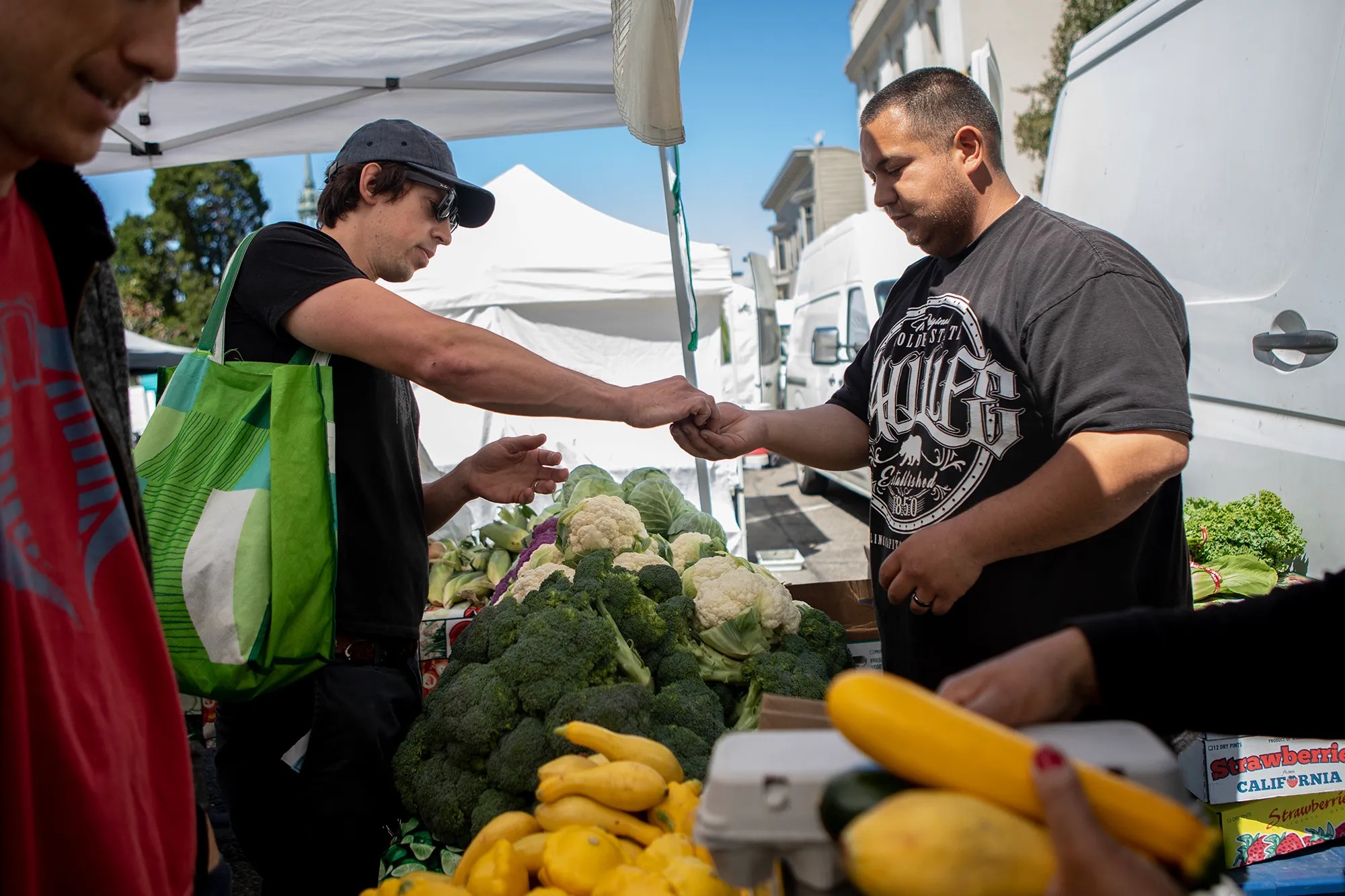
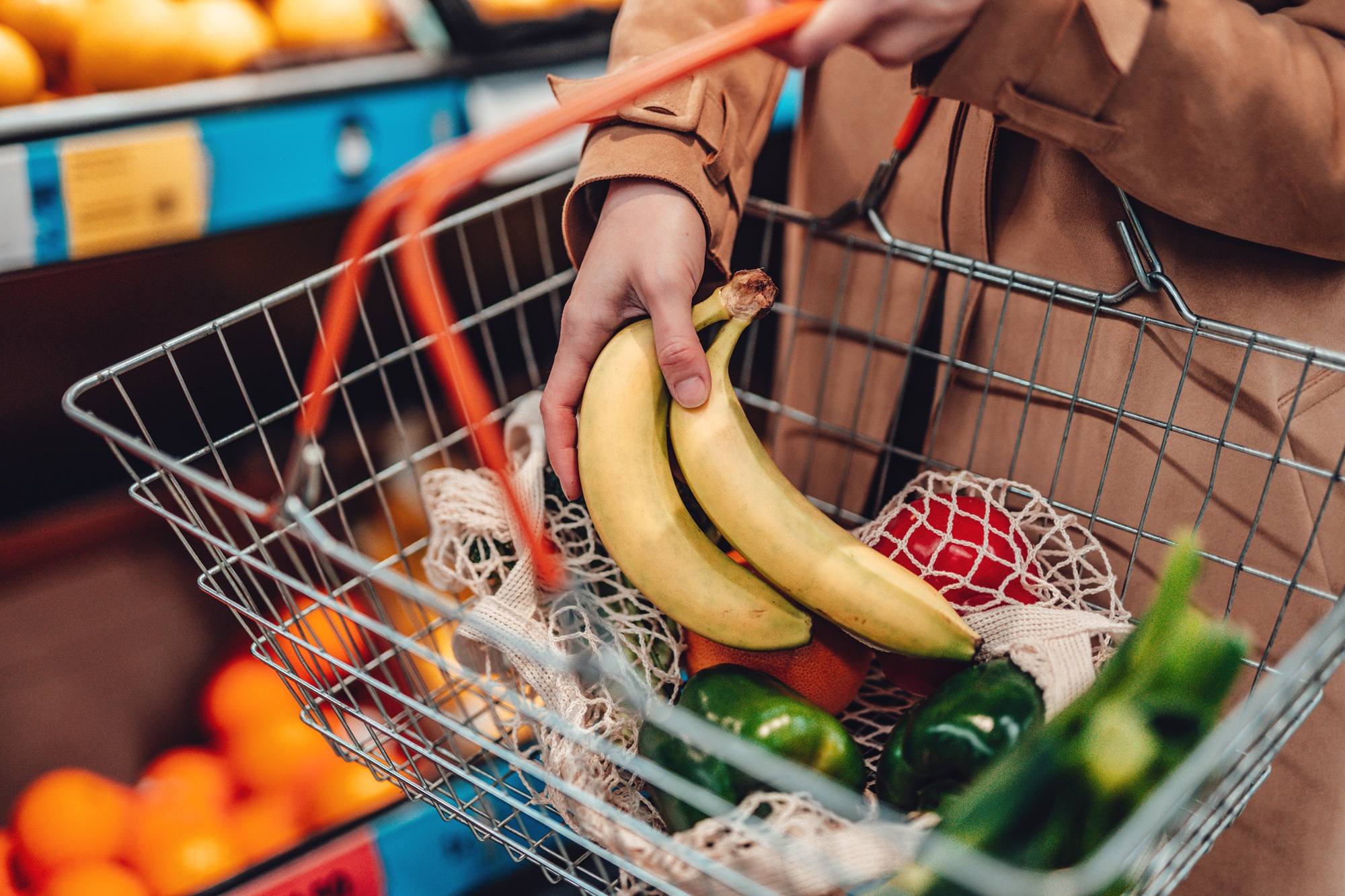
window.__INITIAL_STATE__={
"attachmentsReducer": {
"audio_0": {
"type": "attachments",
"id": "audio_0",
"imgSizes": {
"kqedFullSize": {
"file": "https://ww2.kqed.org/news/wp-content/themes/KQED-unified/img/audio_bgs/background0.jpg"
}
}
},
"audio_1": {
"type": "attachments",
"id": "audio_1",
"imgSizes": {
"kqedFullSize": {
"file": "https://ww2.kqed.org/news/wp-content/themes/KQED-unified/img/audio_bgs/background1.jpg"
}
}
},
"audio_2": {
"type": "attachments",
"id": "audio_2",
"imgSizes": {
"kqedFullSize": {
"file": "https://ww2.kqed.org/news/wp-content/themes/KQED-unified/img/audio_bgs/background2.jpg"
}
}
},
"audio_3": {
"type": "attachments",
"id": "audio_3",
"imgSizes": {
"kqedFullSize": {
"file": "https://ww2.kqed.org/news/wp-content/themes/KQED-unified/img/audio_bgs/background3.jpg"
}
}
},
"audio_4": {
"type": "attachments",
"id": "audio_4",
"imgSizes": {
"kqedFullSize": {
"file": "https://ww2.kqed.org/news/wp-content/themes/KQED-unified/img/audio_bgs/background4.jpg"
}
}
},
"placeholder": {
"type": "attachments",
"id": "placeholder",
"imgSizes": {
"thumbnail": {
"file": "https://cdn.kqed.org/wp-content/uploads/2024/12/KQED-Default-Image-816638274-2000x1333-1-160x107.jpg",
"width": 160,
"height": 107,
"mimeType": "image/jpeg"
},
"medium": {
"file": "https://cdn.kqed.org/wp-content/uploads/2024/12/KQED-Default-Image-816638274-2000x1333-1-800x533.jpg",
"width": 800,
"height": 533,
"mimeType": "image/jpeg"
},
"medium_large": {
"file": "https://cdn.kqed.org/wp-content/uploads/2024/12/KQED-Default-Image-816638274-2000x1333-1-768x512.jpg",
"width": 768,
"height": 512,
"mimeType": "image/jpeg"
},
"large": {
"file": "https://cdn.kqed.org/wp-content/uploads/2024/12/KQED-Default-Image-816638274-2000x1333-1-1020x680.jpg",
"width": 1020,
"height": 680,
"mimeType": "image/jpeg"
},
"1536x1536": {
"file": "https://cdn.kqed.org/wp-content/uploads/2024/12/KQED-Default-Image-816638274-2000x1333-1-1536x1024.jpg",
"width": 1536,
"height": 1024,
"mimeType": "image/jpeg"
},
"fd-lrg": {
"file": "https://cdn.kqed.org/wp-content/uploads/2024/12/KQED-Default-Image-816638274-2000x1333-1-1536x1024.jpg",
"width": 1536,
"height": 1024,
"mimeType": "image/jpeg"
},
"fd-med": {
"file": "https://cdn.kqed.org/wp-content/uploads/2024/12/KQED-Default-Image-816638274-2000x1333-1-1020x680.jpg",
"width": 1020,
"height": 680,
"mimeType": "image/jpeg"
},
"fd-sm": {
"file": "https://cdn.kqed.org/wp-content/uploads/2024/12/KQED-Default-Image-816638274-2000x1333-1-800x533.jpg",
"width": 800,
"height": 533,
"mimeType": "image/jpeg"
},
"post-thumbnail": {
"file": "https://cdn.kqed.org/wp-content/uploads/2024/12/KQED-Default-Image-816638274-2000x1333-1-672x372.jpg",
"width": 672,
"height": 372,
"mimeType": "image/jpeg"
},
"twentyfourteen-full-width": {
"file": "https://cdn.kqed.org/wp-content/uploads/2024/12/KQED-Default-Image-816638274-2000x1333-1-1038x576.jpg",
"width": 1038,
"height": 576,
"mimeType": "image/jpeg"
},
"xxsmall": {
"file": "https://cdn.kqed.org/wp-content/uploads/2024/12/KQED-Default-Image-816638274-2000x1333-1-160x107.jpg",
"width": 160,
"height": 107,
"mimeType": "image/jpeg"
},
"xsmall": {
"file": "https://cdn.kqed.org/wp-content/uploads/2024/12/KQED-Default-Image-816638274-2000x1333-1-672x372.jpg",
"width": 672,
"height": 372,
"mimeType": "image/jpeg"
},
"small": {
"file": "https://cdn.kqed.org/wp-content/uploads/2024/12/KQED-Default-Image-816638274-2000x1333-1-672x372.jpg",
"width": 672,
"height": 372,
"mimeType": "image/jpeg"
},
"xlarge": {
"file": "https://cdn.kqed.org/wp-content/uploads/2024/12/KQED-Default-Image-816638274-2000x1333-1-1020x680.jpg",
"width": 1020,
"height": 680,
"mimeType": "image/jpeg"
},
"full-width": {
"file": "https://cdn.kqed.org/wp-content/uploads/2024/12/KQED-Default-Image-816638274-2000x1333-1-1920x1280.jpg",
"width": 1920,
"height": 1280,
"mimeType": "image/jpeg"
},
"guest-author-32": {
"file": "https://cdn.kqed.org/wp-content/uploads/2025/01/KQED-Default-Image-816638274-1333x1333-1-160x160.jpg",
"width": 32,
"height": 32,
"mimeType": "image/jpeg"
},
"guest-author-50": {
"file": "https://cdn.kqed.org/wp-content/uploads/2025/01/KQED-Default-Image-816638274-1333x1333-1-160x160.jpg",
"width": 50,
"height": 50,
"mimeType": "image/jpeg"
},
"guest-author-64": {
"file": "https://cdn.kqed.org/wp-content/uploads/2025/01/KQED-Default-Image-816638274-1333x1333-1-160x160.jpg",
"width": 64,
"height": 64,
"mimeType": "image/jpeg"
},
"guest-author-96": {
"file": "https://cdn.kqed.org/wp-content/uploads/2025/01/KQED-Default-Image-816638274-1333x1333-1-160x160.jpg",
"width": 96,
"height": 96,
"mimeType": "image/jpeg"
},
"guest-author-128": {
"file": "https://cdn.kqed.org/wp-content/uploads/2025/01/KQED-Default-Image-816638274-1333x1333-1-160x160.jpg",
"width": 128,
"height": 128,
"mimeType": "image/jpeg"
},
"detail": {
"file": "https://cdn.kqed.org/wp-content/uploads/2025/01/KQED-Default-Image-816638274-1333x1333-1-160x160.jpg",
"width": 160,
"height": 160,
"mimeType": "image/jpeg"
},
"kqedFullSize": {
"file": "https://cdn.kqed.org/wp-content/uploads/2024/12/KQED-Default-Image-816638274-2000x1333-1.jpg",
"width": 2000,
"height": 1333
}
}
},
"news_12064448": {
"type": "attachments",
"id": "news_12064448",
"meta": {
"index": "attachments_1716263798",
"site": "news",
"id": "12064448",
"found": true
},
"title": "251113-SNAPDELAYSFEATURE01284_TV-KQED",
"publishDate": 1763420218,
"status": "inherit",
"parent": 12064126,
"modified": 1790877953,
"caption": "A person stands across advertisements for CalFresh as she holds her groceries from the Alameda Food Bank at the 12th Street BART Station in Oakland on Nov. 14, 2025. ",
"credit": "Tâm Vũ/KQED",
"altTag": null,
"description": null,
"imgSizes": {
"thumbnail": {
"file": "https://cdn.kqed.org/wp-content/uploads/sites/10/2025/11/251113-SNAPDELAYSFEATURE01284_TV-KQED-160x107.jpg",
"width": 160,
"height": 107,
"mimeType": "image/jpeg"
},
"1536x1536": {
"file": "https://cdn.kqed.org/wp-content/uploads/sites/10/2025/11/251113-SNAPDELAYSFEATURE01284_TV-KQED-1536x1024.jpg",
"width": 1536,
"height": 1024,
"mimeType": "image/jpeg"
},
"post-thumbnail": {
"file": "https://cdn.kqed.org/wp-content/uploads/sites/10/2025/11/251113-SNAPDELAYSFEATURE01284_TV-KQED-672x372.jpg",
"width": 672,
"height": 372,
"mimeType": "image/jpeg"
},
"twentyfourteen-full-width": {
"file": "https://cdn.kqed.org/wp-content/uploads/sites/10/2025/11/251113-SNAPDELAYSFEATURE01284_TV-KQED-1038x576.jpg",
"width": 1038,
"height": 576,
"mimeType": "image/jpeg"
},
"npr-cds-wide": {
"file": "https://cdn.kqed.org/wp-content/uploads/sites/10/2025/11/251113-SNAPDELAYSFEATURE01284_TV-KQED-1200x675.jpg",
"width": 1200,
"height": 675,
"mimeType": "image/jpeg"
},
"kqedFullSize": {
"file": "https://cdn.kqed.org/wp-content/uploads/sites/10/2025/11/251113-SNAPDELAYSFEATURE01284_TV-KQED.jpg",
"width": 2000,
"height": 1333
}
},
"isLoading": false,
"fetchFailed": false
},
"news_12097663": {
"type": "attachments",
"id": "news_12097663",
"meta": {
"index": "attachments_1716263798",
"site": "news",
"id": "12097663",
"found": true
},
"title": "260811-UrbanTilth-JY-15-KQED",
"publishDate": 1788206407,
"status": "inherit",
"parent": 0,
"modified": 1788206475,
"caption": "North Richmond farm co-managers Cathy Sandoval, left, and Luis Jacobo, right, weed pathways at Urban Tilth Farm in Richmond on Tuesday, Aug. 11, 2026.",
"credit": "Juliana Yamada/KQED",
"altTag": null,
"description": null,
"imgSizes": {
"thumbnail": {
"file": "https://cdn.kqed.org/wp-content/uploads/sites/10/2026/08/260811-UrbanTilth-JY-15-KQED-160x107.jpg",
"width": 160,
"height": 107,
"mimeType": "image/jpeg"
},
"1536x1536": {
"file": "https://cdn.kqed.org/wp-content/uploads/sites/10/2026/08/260811-UrbanTilth-JY-15-KQED-1536x1024.jpg",
"width": 1536,
"height": 1024,
"mimeType": "image/jpeg"
},
"post-thumbnail": {
"file": "https://cdn.kqed.org/wp-content/uploads/sites/10/2026/08/260811-UrbanTilth-JY-15-KQED-672x372.jpg",
"width": 672,
"height": 372,
"mimeType": "image/jpeg"
},
"twentyfourteen-full-width": {
"file": "https://cdn.kqed.org/wp-content/uploads/sites/10/2026/08/260811-UrbanTilth-JY-15-KQED-1038x576.jpg",
"width": 1038,
"height": 576,
"mimeType": "image/jpeg"
},
"npr-cds-wide": {
"file": "https://cdn.kqed.org/wp-content/uploads/sites/10/2026/08/260811-UrbanTilth-JY-15-KQED-1200x675.jpg",
"width": 1200,
"height": 675,
"mimeType": "image/jpeg"
},
"npr-cds-square": {
"file": "https://cdn.kqed.org/wp-content/uploads/sites/10/2026/08/260811-UrbanTilth-JY-15-KQED-600x600.jpg",
"width": 600,
"height": 600,
"mimeType": "image/jpeg"
},
"kqedFullSize": {
"file": "https://cdn.kqed.org/wp-content/uploads/sites/10/2026/08/260811-UrbanTilth-JY-15-KQED.jpg",
"width": 2000,
"height": 1333
}
},
"isLoading": false,
"fetchFailed": false
},
"news_12091835": {
"type": "attachments",
"id": "news_12091835",
"meta": {
"index": "attachments_1716263798",
"site": "news",
"id": "12091835",
"found": true
},
"title": "20260717_FOODBANKSUPDATE_GC-20-KQED",
"publishDate": 1784566274,
"status": "inherit",
"parent": 0,
"modified": 1784566321,
"caption": "Linda Leu, executive director of Tri-City Volunteers, poses for a photo at Tri-City Volunteers Food Bank & Mobile Pantry’s main hub in Fremont on July 17, 2026.",
"credit": "Gina Castro for KQED",
"altTag": null,
"description": null,
"imgSizes": {
"thumbnail": {
"file": "https://cdn.kqed.org/wp-content/uploads/sites/10/2026/07/20260717_FOODBANKSUPDATE_GC-20-KQED-160x105.jpg",
"width": 160,
"height": 105,
"mimeType": "image/jpeg"
},
"1536x1536": {
"file": "https://cdn.kqed.org/wp-content/uploads/sites/10/2026/07/20260717_FOODBANKSUPDATE_GC-20-KQED-1536x1011.jpg",
"width": 1536,
"height": 1011,
"mimeType": "image/jpeg"
},
"post-thumbnail": {
"file": "https://cdn.kqed.org/wp-content/uploads/sites/10/2026/07/20260717_FOODBANKSUPDATE_GC-20-KQED-672x372.jpg",
"width": 672,
"height": 372,
"mimeType": "image/jpeg"
},
"twentyfourteen-full-width": {
"file": "https://cdn.kqed.org/wp-content/uploads/sites/10/2026/07/20260717_FOODBANKSUPDATE_GC-20-KQED-1038x576.jpg",
"width": 1038,
"height": 576,
"mimeType": "image/jpeg"
},
"npr-cds-wide": {
"file": "https://cdn.kqed.org/wp-content/uploads/sites/10/2026/07/20260717_FOODBANKSUPDATE_GC-20-KQED-1200x675.jpg",
"width": 1200,
"height": 675,
"mimeType": "image/jpeg"
},
"npr-cds-square": {
"file": "https://cdn.kqed.org/wp-content/uploads/sites/10/2026/07/20260717_FOODBANKSUPDATE_GC-20-KQED-600x600.jpg",
"width": 600,
"height": 600,
"mimeType": "image/jpeg"
},
"kqedFullSize": {
"file": "https://cdn.kqed.org/wp-content/uploads/sites/10/2026/07/20260717_FOODBANKSUPDATE_GC-20-KQED.jpg",
"width": 2000,
"height": 1317
}
},
"isLoading": false,
"fetchFailed": false
},
"news_12050034": {
"type": "attachments",
"id": "news_12050034",
"meta": {
"index": "attachments_1716263798",
"site": "news",
"id": "12050034",
"found": true
},
"title": "CalFreshCM1",
"publishDate": 1753736489,
"status": "inherit",
"parent": 12050032,
"modified": 1783017028,
"caption": "The Ecology Center farmers' market in downtown Berkeley on July 13, 2019. CalFresh participants can purchase tokens at the market using their benefits card and can receive up to $10 in additional tokens specifically for fruits and vegetables.",
"credit": "Anne Wernikoff/CalMatters",
"altTag": null,
"description": null,
"imgSizes": {
"thumbnail": {
"file": "https://cdn.kqed.org/wp-content/uploads/sites/10/2025/07/CalFreshCM1-160x107.jpg",
"width": 160,
"height": 107,
"mimeType": "image/jpeg"
},
"1536x1536": {
"file": "https://cdn.kqed.org/wp-content/uploads/sites/10/2025/07/CalFreshCM1-1536x1024.jpg",
"width": 1536,
"height": 1024,
"mimeType": "image/jpeg"
},
"post-thumbnail": {
"file": "https://cdn.kqed.org/wp-content/uploads/sites/10/2025/07/CalFreshCM1-672x372.jpg",
"width": 672,
"height": 372,
"mimeType": "image/jpeg"
},
"twentyfourteen-full-width": {
"file": "https://cdn.kqed.org/wp-content/uploads/sites/10/2025/07/CalFreshCM1-1038x576.jpg",
"width": 1038,
"height": 576,
"mimeType": "image/jpeg"
},
"kqedFullSize": {
"file": "https://cdn.kqed.org/wp-content/uploads/sites/10/2025/07/CalFreshCM1.jpg",
"width": 2000,
"height": 1333
}
},
"isLoading": false,
"fetchFailed": false
},
"news_11104718": {
"type": "attachments",
"id": "news_11104718",
"meta": {
"index": "attachments_1716263798",
"site": "news",
"id": "11104718",
"found": true
},
"title": "Thumbnail for 11104717",
"publishDate": 1474916712,
"status": "inherit",
"parent": 11104717,
"modified": 1784047427,
"caption": "An assortment of vegetables and fruits.",
"credit": "Getty Images",
"altTag": null,
"description": "Vegetables and fruits.",
"imgSizes": {
"thumbnail": {
"file": "https://cdn.kqed.org/wp-content/uploads/sites/10/2016/09/11104717-thumb-400x270.jpg",
"width": 400,
"height": 270,
"mimeType": "image/jpeg"
},
"medium": {
"file": "https://cdn.kqed.org/wp-content/uploads/sites/10/2016/09/11104717-thumb-800x540.jpg",
"width": 800,
"height": 540,
"mimeType": "image/jpeg"
},
"large": {
"file": "https://cdn.kqed.org/wp-content/uploads/sites/10/2016/09/11104717-thumb-1920x1296.jpg",
"width": 1920,
"height": 1296,
"mimeType": "image/jpeg"
},
"fd-lrg": {
"file": "https://cdn.kqed.org/wp-content/uploads/sites/10/2016/09/11104717-thumb-1920x1296.jpg",
"width": 1920,
"height": 1296,
"mimeType": "image/jpeg"
},
"fd-med": {
"file": "https://cdn.kqed.org/wp-content/uploads/sites/10/2016/09/11104717-thumb-1180x797.jpg",
"width": 1180,
"height": 797,
"mimeType": "image/jpeg"
},
"fd-sm": {
"file": "https://cdn.kqed.org/wp-content/uploads/sites/10/2016/09/11104717-thumb-960x648.jpg",
"width": 960,
"height": 648,
"mimeType": "image/jpeg"
},
"post-thumbnail": {
"file": "https://cdn.kqed.org/wp-content/uploads/sites/10/2016/09/11104717-thumb-672x372.jpg",
"width": 672,
"height": 372,
"mimeType": "image/jpeg"
},
"twentyfourteen-full-width": {
"file": "https://cdn.kqed.org/wp-content/uploads/sites/10/2016/09/11104717-thumb-1038x576.jpg",
"width": 1038,
"height": 576,
"mimeType": "image/jpeg"
},
"guest-author-32": {
"file": "https://cdn.kqed.org/wp-content/uploads/sites/10/2016/09/11104717-thumb-32x32.jpg",
"width": 32,
"height": 32,
"mimeType": "image/jpeg"
},
"guest-author-50": {
"file": "https://cdn.kqed.org/wp-content/uploads/sites/10/2016/09/11104717-thumb-50x50.jpg",
"width": 50,
"height": 50,
"mimeType": "image/jpeg"
},
"guest-author-64": {
"file": "https://cdn.kqed.org/wp-content/uploads/sites/10/2016/09/11104717-thumb-64x64.jpg",
"width": 64,
"height": 64,
"mimeType": "image/jpeg"
},
"guest-author-96": {
"file": "https://cdn.kqed.org/wp-content/uploads/sites/10/2016/09/11104717-thumb-96x96.jpg",
"width": 96,
"height": 96,
"mimeType": "image/jpeg"
},
"guest-author-128": {
"file": "https://cdn.kqed.org/wp-content/uploads/sites/10/2016/09/11104717-thumb-128x128.jpg",
"width": 128,
"height": 128,
"mimeType": "image/jpeg"
},
"detail": {
"file": "https://cdn.kqed.org/wp-content/uploads/sites/10/2016/09/11104717-thumb-150x150.jpg",
"width": 150,
"height": 150,
"mimeType": "image/jpeg"
},
"jmtc-small-thumb": {
"file": "https://cdn.kqed.org/wp-content/uploads/sites/10/2016/09/11104717-thumb-280x150.jpg",
"width": 280,
"height": 150,
"mimeType": "image/jpeg"
},
"kqedFullSize": {
"file": "https://cdn.kqed.org/wp-content/uploads/sites/10/2016/09/11104717-thumb-e1764880797557.jpg",
"width": 2000,
"height": 1350
}
},
"isLoading": false,
"fetchFailed": false
},
"news_12086641": {
"type": "attachments",
"id": "news_12086641",
"meta": {
"index": "attachments_1716263798",
"site": "news",
"id": "12086641",
"found": true
},
"title": "Takoma Park Middle school students eating cafeteria lunch.",
"publishDate": 1780960751,
"status": "inherit",
"parent": 12086417,
"modified": 1780964693,
"caption": "Takoma Park Middle School students have the option of eating a regular hot lunch or buying chips or other snacks on the side. Students eating cafeteria lunch at Takoma Park Middle School in Takoma Park, Maryland, on Jan. 31, 2013. Schools in Montgomery County still serve snack foods to students during lunch.",
"credit": "Juana Arias for the Washington Post via Getty Images",
"altTag": null,
"description": null,
"imgSizes": {
"thumbnail": {
"file": "https://cdn.kqed.org/wp-content/uploads/sites/10/2026/06/SummerMealsGetty-160x112.jpg",
"width": 160,
"height": 112,
"mimeType": "image/jpeg"
},
"1536x1536": {
"file": "https://cdn.kqed.org/wp-content/uploads/sites/10/2026/06/SummerMealsGetty-1536x1075.jpg",
"width": 1536,
"height": 1075,
"mimeType": "image/jpeg"
},
"post-thumbnail": {
"file": "https://cdn.kqed.org/wp-content/uploads/sites/10/2026/06/SummerMealsGetty-672x372.jpg",
"width": 672,
"height": 372,
"mimeType": "image/jpeg"
},
"twentyfourteen-full-width": {
"file": "https://cdn.kqed.org/wp-content/uploads/sites/10/2026/06/SummerMealsGetty-1038x576.jpg",
"width": 1038,
"height": 576,
"mimeType": "image/jpeg"
},
"npr-cds-wide": {
"file": "https://cdn.kqed.org/wp-content/uploads/sites/10/2026/06/SummerMealsGetty-1200x675.jpg",
"width": 1200,
"height": 675,
"mimeType": "image/jpeg"
},
"npr-cds-square": {
"file": "https://cdn.kqed.org/wp-content/uploads/sites/10/2026/06/SummerMealsGetty-600x600.jpg",
"width": 600,
"height": 600,
"mimeType": "image/jpeg"
},
"kqedFullSize": {
"file": "https://cdn.kqed.org/wp-content/uploads/sites/10/2026/06/SummerMealsGetty.jpg",
"width": 2000,
"height": 1400
}
},
"isLoading": false,
"fetchFailed": false
},
"news_12086378": {
"type": "attachments",
"id": "news_12086378",
"meta": {
"index": "attachments_1716263798",
"site": "news",
"id": "12086378",
"found": true
},
"title": "MBC profile view with driver",
"publishDate": 1780679425,
"status": "inherit",
"parent": 12086370,
"modified": 1780679463,
"caption": "The Mobile Benefits Center from San Francisco’s Human Services Agency, which will be driven to different neighborhoods around the city.",
"credit": "Courtesy of SFHSA",
"altTag": null,
"description": null,
"imgSizes": {
"thumbnail": {
"file": "https://cdn.kqed.org/wp-content/uploads/sites/10/2026/06/MBC-profile-view-with-driver-160x120.jpg",
"width": 160,
"height": 120,
"mimeType": "image/jpeg"
},
"1536x1536": {
"file": "https://cdn.kqed.org/wp-content/uploads/sites/10/2026/06/MBC-profile-view-with-driver-1536x1152.jpg",
"width": 1536,
"height": 1152,
"mimeType": "image/jpeg"
},
"post-thumbnail": {
"file": "https://cdn.kqed.org/wp-content/uploads/sites/10/2026/06/MBC-profile-view-with-driver-672x372.jpg",
"width": 672,
"height": 372,
"mimeType": "image/jpeg"
},
"twentyfourteen-full-width": {
"file": "https://cdn.kqed.org/wp-content/uploads/sites/10/2026/06/MBC-profile-view-with-driver-1038x576.jpg",
"width": 1038,
"height": 576,
"mimeType": "image/jpeg"
},
"npr-cds-wide": {
"file": "https://cdn.kqed.org/wp-content/uploads/sites/10/2026/06/MBC-profile-view-with-driver-1200x675.jpg",
"width": 1200,
"height": 675,
"mimeType": "image/jpeg"
},
"npr-cds-square": {
"file": "https://cdn.kqed.org/wp-content/uploads/sites/10/2026/06/MBC-profile-view-with-driver-600x600.jpg",
"width": 600,
"height": 600,
"mimeType": "image/jpeg"
},
"kqedFullSize": {
"file": "https://cdn.kqed.org/wp-content/uploads/sites/10/2026/06/MBC-profile-view-with-driver.jpg",
"width": 2000,
"height": 1500
}
},
"isLoading": false,
"fetchFailed": false
},
"news_12073557": {
"type": "attachments",
"id": "news_12073557",
"meta": {
"index": "attachments_1716263798",
"site": "news",
"id": "12073557",
"found": true
},
"title": "DanielLurieSFUSDStrike",
"publishDate": 1771026356,
"status": "inherit",
"parent": 12073441,
"modified": 1779411107,
"caption": "Mayor Daniel Lurie speaks at a press conference on Friday, Feb. 13, 2026, in San Francisco, addressing the San Francisco Unified School District’s newly reached agreement with the teachers union.",
"credit": "Sydney Johnson/KQED",
"altTag": null,
"description": null,
"imgSizes": {
"thumbnail": {
"file": "https://cdn.kqed.org/wp-content/uploads/sites/10/2026/02/DanielLurieSFUSDStrike-160x120.jpg",
"width": 160,
"height": 120,
"mimeType": "image/jpeg"
},
"1536x1536": {
"file": "https://cdn.kqed.org/wp-content/uploads/sites/10/2026/02/DanielLurieSFUSDStrike-1536x1152.jpg",
"width": 1536,
"height": 1152,
"mimeType": "image/jpeg"
},
"post-thumbnail": {
"file": "https://cdn.kqed.org/wp-content/uploads/sites/10/2026/02/DanielLurieSFUSDStrike-672x372.jpg",
"width": 672,
"height": 372,
"mimeType": "image/jpeg"
},
"twentyfourteen-full-width": {
"file": "https://cdn.kqed.org/wp-content/uploads/sites/10/2026/02/DanielLurieSFUSDStrike-1038x576.jpg",
"width": 1038,
"height": 576,
"mimeType": "image/jpeg"
},
"npr-cds-wide": {
"file": "https://cdn.kqed.org/wp-content/uploads/sites/10/2026/02/DanielLurieSFUSDStrike-1200x675.jpg",
"width": 1200,
"height": 675,
"mimeType": "image/jpeg"
},
"kqedFullSize": {
"file": "https://cdn.kqed.org/wp-content/uploads/sites/10/2026/02/DanielLurieSFUSDStrike.jpg",
"width": 2000,
"height": 1500
}
},
"isLoading": false,
"fetchFailed": false
},
"news_12066124": {
"type": "attachments",
"id": "news_12066124",
"meta": {
"index": "attachments_1716263798",
"site": "news",
"id": "12066124",
"found": true
},
"title": "Young woman shopping vegetables in supermarket",
"publishDate": 1764878539,
"status": "inherit",
"parent": 12066120,
"modified": 1779134143,
"caption": "A cropped photo of a female hand carrying a shopping basket while choosing vegetables at a supermarket. Grocery shopping concept.",
"credit": "Oscar Wong/Getty Images",
"altTag": null,
"description": null,
"imgSizes": {
"thumbnail": {
"file": "https://cdn.kqed.org/wp-content/uploads/sites/10/2025/12/CalFreshGetty-160x107.jpg",
"width": 160,
"height": 107,
"mimeType": "image/jpeg"
},
"1536x1536": {
"file": "https://cdn.kqed.org/wp-content/uploads/sites/10/2025/12/CalFreshGetty-1536x1024.jpg",
"width": 1536,
"height": 1024,
"mimeType": "image/jpeg"
},
"post-thumbnail": {
"file": "https://cdn.kqed.org/wp-content/uploads/sites/10/2025/12/CalFreshGetty-672x372.jpg",
"width": 672,
"height": 372,
"mimeType": "image/jpeg"
},
"twentyfourteen-full-width": {
"file": "https://cdn.kqed.org/wp-content/uploads/sites/10/2025/12/CalFreshGetty-1038x576.jpg",
"width": 1038,
"height": 576,
"mimeType": "image/jpeg"
},
"npr-cds-wide": {
"file": "https://cdn.kqed.org/wp-content/uploads/sites/10/2025/12/CalFreshGetty-1200x675.jpg",
"width": 1200,
"height": 675,
"mimeType": "image/jpeg"
},
"kqedFullSize": {
"file": "https://cdn.kqed.org/wp-content/uploads/sites/10/2025/12/CalFreshGetty.jpg",
"width": 2000,
"height": 1333
}
},
"isLoading": false,
"fetchFailed": false
},
"news_12062564": {
"type": "attachments",
"id": "news_12062564",
"meta": {
"index": "attachments_1716263798",
"site": "news",
"id": "12062564",
"found": true
},
"title": "251031-SFMARINFOODBANK-11-BL-KQED",
"publishDate": 1761943580,
"status": "inherit",
"parent": 12062577,
"modified": 1761948469,
"caption": "Filmark Bernante (left) and Megan Feria sort fresh produce into boxes at the San Francisco‑Marin Food Bank warehouse in San Francisco on Oct. 31, 2025.",
"credit": "Beth LaBerge/KQED",
"altTag": null,
"description": null,
"imgSizes": {
"thumbnail": {
"file": "https://cdn.kqed.org/wp-content/uploads/sites/10/2025/10/251031-SFMARINFOODBANK-11-BL-KQED-160x107.jpg",
"width": 160,
"height": 107,
"mimeType": "image/jpeg"
},
"1536x1536": {
"file": "https://cdn.kqed.org/wp-content/uploads/sites/10/2025/10/251031-SFMARINFOODBANK-11-BL-KQED-1536x1024.jpg",
"width": 1536,
"height": 1024,
"mimeType": "image/jpeg"
},
"post-thumbnail": {
"file": "https://cdn.kqed.org/wp-content/uploads/sites/10/2025/10/251031-SFMARINFOODBANK-11-BL-KQED-672x372.jpg",
"width": 672,
"height": 372,
"mimeType": "image/jpeg"
},
"twentyfourteen-full-width": {
"file": "https://cdn.kqed.org/wp-content/uploads/sites/10/2025/10/251031-SFMARINFOODBANK-11-BL-KQED-1038x576.jpg",
"width": 1038,
"height": 576,
"mimeType": "image/jpeg"
},
"npr-cds-wide": {
"file": "https://cdn.kqed.org/wp-content/uploads/sites/10/2025/10/251031-SFMARINFOODBANK-11-BL-KQED-1200x675.jpg",
"width": 1200,
"height": 675,
"mimeType": "image/jpeg"
},
"kqedFullSize": {
"file": "https://cdn.kqed.org/wp-content/uploads/sites/10/2025/10/251031-SFMARINFOODBANK-11-BL-KQED.jpg",
"width": 2000,
"height": 1333
}
},
"isLoading": false,
"fetchFailed": false
},
"news_12074853": {
"type": "attachments",
"id": "news_12074853",
"meta": {
"index": "attachments_1716263798",
"site": "news",
"id": "12074853",
"found": true
},
"title": "state workers",
"publishDate": 1772201777,
"status": "inherit",
"parent": 12074852,
"modified": 1772201848,
"caption": "Department of Fish and Wildlife employee Nikolette Clavel holds a sign at a protest against Newsom’s return to the office mandate. March 12, 2025",
"credit": "Megan Myscofski/CapRadio",
"altTag": null,
"description": null,
"imgSizes": {
"thumbnail": {
"file": "https://cdn.kqed.org/wp-content/uploads/sites/10/2026/02/state-workers-160x120.jpg",
"width": 160,
"height": 120,
"mimeType": "image/jpeg"
},
"post-thumbnail": {
"file": "https://cdn.kqed.org/wp-content/uploads/sites/10/2026/02/state-workers-672x372.jpg",
"width": 672,
"height": 372,
"mimeType": "image/jpeg"
},
"twentyfourteen-full-width": {
"file": "https://cdn.kqed.org/wp-content/uploads/sites/10/2026/02/state-workers-1038x576.jpg",
"width": 1038,
"height": 576,
"mimeType": "image/jpeg"
},
"npr-cds-wide": {
"file": "https://cdn.kqed.org/wp-content/uploads/sites/10/2026/02/state-workers-1200x675.jpg",
"width": 1200,
"height": 675,
"mimeType": "image/jpeg"
},
"kqedFullSize": {
"file": "https://cdn.kqed.org/wp-content/uploads/sites/10/2026/02/state-workers.jpg",
"width": 1200,
"height": 900
}
},
"isLoading": false,
"fetchFailed": false
},
"news_11915368": {
"type": "attachments",
"id": "news_11915368",
"meta": {
"index": "attachments_1716263798",
"site": "news",
"id": "11915368",
"found": true
},
"title": "RS47523_009_SanFrancisco_SkyStarWheel_03042021-qut",
"publishDate": 1653689774,
"status": "inherit",
"parent": 11915329,
"modified": 1767990095,
"caption": "The de Young Museum in Golden Gate Park on March 4, 2021.",
"credit": "Beth LaBerge/KQED",
"altTag": "An image of the De Young museum from above during the afternoon.",
"description": "View from the SkyStar Observation Wheel of the de Young Museum in Golden Gate Park on March 4, 2021, the first day of reopening as San Francisco enters the Red Tier.",
"imgSizes": {
"medium": {
"file": "https://cdn.kqed.org/wp-content/uploads/sites/10/2022/05/RS47523_009_SanFrancisco_SkyStarWheel_03042021-qut-800x533.jpg",
"width": 800,
"height": 533,
"mimeType": "image/jpeg"
},
"large": {
"file": "https://cdn.kqed.org/wp-content/uploads/sites/10/2022/05/RS47523_009_SanFrancisco_SkyStarWheel_03042021-qut-1020x680.jpg",
"width": 1020,
"height": 680,
"mimeType": "image/jpeg"
},
"thumbnail": {
"file": "https://cdn.kqed.org/wp-content/uploads/sites/10/2022/05/RS47523_009_SanFrancisco_SkyStarWheel_03042021-qut-160x107.jpg",
"width": 160,
"height": 107,
"mimeType": "image/jpeg"
},
"1536x1536": {
"file": "https://cdn.kqed.org/wp-content/uploads/sites/10/2022/05/RS47523_009_SanFrancisco_SkyStarWheel_03042021-qut-1536x1024.jpg",
"width": 1536,
"height": 1024,
"mimeType": "image/jpeg"
},
"post-thumbnail": {
"file": "https://cdn.kqed.org/wp-content/uploads/sites/10/2022/05/RS47523_009_SanFrancisco_SkyStarWheel_03042021-qut-672x372.jpg",
"width": 672,
"height": 372,
"mimeType": "image/jpeg"
},
"twentyfourteen-full-width": {
"file": "https://cdn.kqed.org/wp-content/uploads/sites/10/2022/05/RS47523_009_SanFrancisco_SkyStarWheel_03042021-qut-1038x576.jpg",
"width": 1038,
"height": 576,
"mimeType": "image/jpeg"
},
"kqedFullSize": {
"file": "https://cdn.kqed.org/wp-content/uploads/sites/10/2022/05/RS47523_009_SanFrancisco_SkyStarWheel_03042021-qut.jpg",
"width": 1920,
"height": 1280
}
},
"isLoading": false,
"fetchFailed": false
}
},
"audioPlayerReducer": {
"postId": "stream_live",
"isPaused": true,
"isPlaying": false,
"pfsActive": false,
"pledgeModalIsOpen": true,
"playerDrawerIsOpen": false,
"liveAudioPlayStartedAt": 0,
"liveAudioPlayContext": ""
},
"authorsReducer": {
"carlysevern": {
"type": "authors",
"id": "3243",
"meta": {
"index": "authors_1716337520",
"id": "3243",
"found": true
},
"name": "Carly Severn",
"firstName": "Carly",
"lastName": "Severn",
"slug": "carlysevern",
"email": "csevern@kqed.org",
"display_author_email": false,
"staff_mastheads": [
"news"
],
"title": "Senior Editor, Audience News ",
"bio": "Carly is KQED's Senior Editor of Audience News on the Digital News team, and has reported for the California Report Magazine, Bay Curious and KQED Arts. She's formerly the host of \u003ca href=\"http://ww2.kqed.org/pop/category/the-cooler/\" rel=\"noopener noreferrer\">The Cooler\u003c/a> podcast.",
"avatar": "https://secure.gravatar.com/avatar/54037bf5c128fe678f0ef26cec97a93f2e7f220a22d7285703328f12c42c1b1d?s=600&d=blank&r=g",
"twitter": "teacupinthebay",
"bluesky": null,
"facebook": null,
"instagram": null,
"linkedin": null,
"sites": [
{
"site": "",
"roles": [
"editor"
]
},
{
"site": "arts",
"roles": [
"editor"
]
},
{
"site": "news",
"roles": [
"administrator"
]
},
{
"site": "pop",
"roles": [
"editor"
]
},
{
"site": "futureofyou",
"roles": [
"editor"
]
},
{
"site": "about",
"roles": [
"administrator"
]
},
{
"site": "mindshift",
"roles": [
"editor"
]
},
{
"site": "bayareabites",
"roles": [
"editor"
]
},
{
"site": "stateofhealth",
"roles": [
"editor"
]
},
{
"site": "science",
"roles": [
"editor"
]
},
{
"site": "food",
"roles": [
"contributor"
]
},
{
"site": "forum",
"roles": [
"editor"
]
},
{
"site": "perspectives",
"roles": [
"administrator"
]
},
{
"site": "liveblog",
"roles": [
"editor"
]
}
],
"headData": {
"title": "Carly Severn | KQED",
"description": "Senior Editor, Audience News ",
"ogImgSrc": "https://secure.gravatar.com/avatar/54037bf5c128fe678f0ef26cec97a93f2e7f220a22d7285703328f12c42c1b1d?s=600&d=blank&r=g",
"twImgSrc": "https://secure.gravatar.com/avatar/54037bf5c128fe678f0ef26cec97a93f2e7f220a22d7285703328f12c42c1b1d?s=600&d=blank&r=g"
},
"isLoading": false,
"link": "/author/carlysevern"
},
"ecruzguevarra": {
"type": "authors",
"id": "8654",
"meta": {
"index": "authors_1716337520",
"id": "8654",
"found": true
},
"name": "Ericka Cruz Guevarra",
"firstName": "Ericka",
"lastName": "Cruz Guevarra",
"slug": "ecruzguevarra",
"email": "ecruzguevarra@kqed.org",
"display_author_email": true,
"staff_mastheads": [
"news"
],
"title": "Producer, The Bay Podcast",
"bio": "Ericka Cruz Guevarra is host of \u003ca href=\"https://www.kqed.org/podcasts/thebay\">\u003cem>The Bay\u003c/em>\u003c/a> podcast at KQED. Before host, she was the show’s producer. Her work in that capacity includes a three-part reported series on policing in Vallejo, which won a 2020 excellence in journalism award from the Society of Professional Journalists. Ericka has worked as a breaking news reporter at Oregon Public Broadcasting, helped produce the Code Switch podcast, and was KQED’s inaugural Raul Ramirez Diversity Fund intern. She’s also an alumna of NPR’s Next Generation Radio program. Send her an email if you have strong feelings about whether Fairfield and Suisun City are the Bay. Ericka is represented by SAG-AFTRA.",
"avatar": "https://secure.gravatar.com/avatar/accefc1de4bafc7e234b69bcb9b6f6536c130fd84709bc3069ef11a78787e1bb?s=600&d=blank&r=g",
"twitter": "NotoriousECG",
"bluesky": null,
"facebook": null,
"instagram": null,
"linkedin": null,
"sites": [
{
"site": "arts",
"roles": [
"subscriber"
]
},
{
"site": "news",
"roles": [
"editor",
"manage_categories"
]
},
{
"site": "futureofyou",
"roles": [
"subscriber"
]
},
{
"site": "stateofhealth",
"roles": [
"subscriber"
]
},
{
"site": "science",
"roles": [
"editor"
]
},
{
"site": "forum",
"roles": [
"subscriber"
]
}
],
"headData": {
"title": "Ericka Cruz Guevarra | KQED",
"description": "Producer, The Bay Podcast",
"ogImgSrc": "https://secure.gravatar.com/avatar/accefc1de4bafc7e234b69bcb9b6f6536c130fd84709bc3069ef11a78787e1bb?s=600&d=blank&r=g",
"twImgSrc": "https://secure.gravatar.com/avatar/accefc1de4bafc7e234b69bcb9b6f6536c130fd84709bc3069ef11a78787e1bb?s=600&d=blank&r=g"
},
"isLoading": false,
"link": "/author/ecruzguevarra"
},
"amontecillo": {
"type": "authors",
"id": "11649",
"meta": {
"index": "authors_1716337520",
"id": "11649",
"found": true
},
"name": "Alan Montecillo",
"firstName": "Alan",
"lastName": "Montecillo",
"slug": "amontecillo",
"email": "amontecillo@kqed.org",
"display_author_email": false,
"staff_mastheads": [
"news"
],
"title": "KQED Contributor",
"bio": "Alan Montecillo is the senior editor of \u003cem>\u003ca href=\"http://kqed.org/thebay\">The Bay\u003c/a>, \u003c/em> KQED's local news podcast. Before moving to the Bay Area, he worked as a senior talk show producer for WILL in Champaign-Urbana, Illinois and at Oregon Public Broadcasting in Portland, Oregon. He has won journalism awards from the Society of Professional Journalists Northern California, the Public Media Journalists Association, The Signal Awards, and has also received a regional Edward R. Murrow award. Alan is a Filipino American from Hong Kong and a graduate of Reed College.",
"avatar": "https://secure.gravatar.com/avatar/268f53a2066899ea9efdd8a5900218b17c822d9862cbc9326cccec53ef41d349?s=600&d=blank&r=g",
"twitter": "alanmontecillo",
"bluesky": null,
"facebook": null,
"instagram": null,
"linkedin": null,
"sites": [
{
"site": "",
"roles": [
"editor"
]
},
{
"site": "news",
"roles": [
"editor",
"manage_categories"
]
}
],
"headData": {
"title": "Alan Montecillo | KQED",
"description": "KQED Contributor",
"ogImgSrc": "https://secure.gravatar.com/avatar/268f53a2066899ea9efdd8a5900218b17c822d9862cbc9326cccec53ef41d349?s=600&d=blank&r=g",
"twImgSrc": "https://secure.gravatar.com/avatar/268f53a2066899ea9efdd8a5900218b17c822d9862cbc9326cccec53ef41d349?s=600&d=blank&r=g"
},
"isLoading": false,
"link": "/author/amontecillo"
},
"kmizuguchi": {
"type": "authors",
"id": "11739",
"meta": {
"index": "authors_1716337520",
"id": "11739",
"found": true
},
"name": "Keith Mizuguchi",
"firstName": "Keith",
"lastName": "Mizuguchi",
"slug": "kmizuguchi",
"email": "kmizuguchi@kqed.org",
"display_author_email": false,
"staff_mastheads": [],
"title": "KQED Contributor",
"bio": null,
"avatar": "https://secure.gravatar.com/avatar/64d8a7de0723d4099b9fe4e915136103febcc20809abce228ee4415bcb237023?s=600&d=blank&r=g",
"twitter": null,
"bluesky": null,
"facebook": null,
"instagram": null,
"linkedin": null,
"sites": [
{
"site": "news",
"roles": [
"editor"
]
},
{
"site": "science",
"roles": [
"editor"
]
}
],
"headData": {
"title": "Keith Mizuguchi | KQED",
"description": "KQED Contributor",
"ogImgSrc": "https://secure.gravatar.com/avatar/64d8a7de0723d4099b9fe4e915136103febcc20809abce228ee4415bcb237023?s=600&d=blank&r=g",
"twImgSrc": "https://secure.gravatar.com/avatar/64d8a7de0723d4099b9fe4e915136103febcc20809abce228ee4415bcb237023?s=600&d=blank&r=g"
},
"isLoading": false,
"link": "/author/kmizuguchi"
},
"nkhan": {
"type": "authors",
"id": "11867",
"meta": {
"index": "authors_1716337520",
"id": "11867",
"found": true
},
"name": "Nisa Khan",
"firstName": "Nisa",
"lastName": "Khan",
"slug": "nkhan",
"email": "nkhan@kqed.org",
"display_author_email": false,
"staff_mastheads": [],
"title": "KQED Contributor",
"bio": "Nisa Khan is a reporter for KQED's Audience News Desk. She was formerly a data reporter at Michigan Radio. She earned a Bachelor of Science in Information from the University of Michigan and a Master of Arts in Communication from Stanford University.",
"avatar": "https://secure.gravatar.com/avatar/8720459eef081ff64582b3506b124d58523e80e120704a0cbd9892533c914991?s=600&d=blank&r=g",
"twitter": "mnisakhan",
"bluesky": null,
"facebook": null,
"instagram": null,
"linkedin": null,
"sites": [
{
"site": "arts",
"roles": [
"editor"
]
},
{
"site": "news",
"roles": [
"editor"
]
},
{
"site": "science",
"roles": [
"editor",
"author"
]
},
{
"site": "forum",
"roles": [
"editor"
]
},
{
"site": "liveblog",
"roles": [
"contributor"
]
}
],
"headData": {
"title": "Nisa Khan | KQED",
"description": "KQED Contributor",
"ogImgSrc": "https://secure.gravatar.com/avatar/8720459eef081ff64582b3506b124d58523e80e120704a0cbd9892533c914991?s=600&d=blank&r=g",
"twImgSrc": "https://secure.gravatar.com/avatar/8720459eef081ff64582b3506b124d58523e80e120704a0cbd9892533c914991?s=600&d=blank&r=g"
},
"isLoading": false,
"link": "/author/nkhan"
},
"jgeha": {
"type": "authors",
"id": "11906",
"meta": {
"index": "authors_1716337520",
"id": "11906",
"found": true
},
"name": "Joseph Geha",
"firstName": "Joseph",
"lastName": "Geha",
"slug": "jgeha",
"email": "jgeha@kqed.org",
"display_author_email": false,
"staff_mastheads": [
"news",
"science"
],
"title": "KQED Contributor",
"bio": null,
"avatar": "https://secure.gravatar.com/avatar/ea84d2b6dd93d6369d453edf19dd583f117cd1759d2d9c9c92f9de77017354fe?s=600&d=blank&r=g",
"twitter": null,
"bluesky": null,
"facebook": null,
"instagram": null,
"linkedin": null,
"sites": [
{
"site": "news",
"roles": [
"editor"
]
},
{
"site": "liveblog",
"roles": [
"author"
]
}
],
"headData": {
"title": "Joseph Geha | KQED",
"description": "KQED Contributor",
"ogImgSrc": "https://secure.gravatar.com/avatar/ea84d2b6dd93d6369d453edf19dd583f117cd1759d2d9c9c92f9de77017354fe?s=600&d=blank&r=g",
"twImgSrc": "https://secure.gravatar.com/avatar/ea84d2b6dd93d6369d453edf19dd583f117cd1759d2d9c9c92f9de77017354fe?s=600&d=blank&r=g"
},
"isLoading": false,
"link": "/author/jgeha"
},
"gglueck": {
"type": "authors",
"id": "11946",
"meta": {
"index": "authors_1716337520",
"id": "11946",
"found": true
},
"name": "Gabriela Glueck",
"firstName": "Gabriela",
"lastName": "Glueck",
"slug": "gglueck",
"email": "gglueck@kqed.org",
"display_author_email": false,
"staff_mastheads": [
"news"
],
"title": "KQED Contributor",
"bio": null,
"avatar": "https://secure.gravatar.com/avatar/ec62b7e3f7727ce1070cc7046dde80271d1e63cf2178d6194f68bb8d1440f841?s=600&d=blank&r=g",
"twitter": null,
"bluesky": null,
"facebook": null,
"instagram": null,
"linkedin": null,
"sites": [
{
"site": "news",
"roles": [
"editor"
]
}
],
"headData": {
"title": "Gabriela Glueck | KQED",
"description": "KQED Contributor",
"ogImgSrc": "https://secure.gravatar.com/avatar/ec62b7e3f7727ce1070cc7046dde80271d1e63cf2178d6194f68bb8d1440f841?s=600&d=blank&r=g",
"twImgSrc": "https://secure.gravatar.com/avatar/ec62b7e3f7727ce1070cc7046dde80271d1e63cf2178d6194f68bb8d1440f841?s=600&d=blank&r=g"
},
"isLoading": false,
"link": "/author/gglueck"
},
"aaliahmad": {
"type": "authors",
"id": "11986",
"meta": {
"index": "authors_1716337520",
"id": "11986",
"found": true
},
"name": "Ayah Ali-Ahmad",
"firstName": "Ayah",
"lastName": "Ali-Ahmad",
"slug": "aaliahmad",
"email": "aaliahmad@KQED.org",
"display_author_email": false,
"staff_mastheads": [],
"title": "KQED Contributor",
"bio": null,
"avatar": "https://secure.gravatar.com/avatar/1cf54f187a5e1064b2cfef3f3d2f1e4f93e453395d56912aca6382a6071ec3ed?s=600&d=blank&r=g",
"twitter": "ayahaliahmad",
"bluesky": null,
"facebook": null,
"instagram": null,
"linkedin": null,
"sites": [
{
"site": "news",
"roles": [
"subscriber"
]
}
],
"headData": {
"title": "Ayah Ali-Ahmad | KQED",
"description": "KQED Contributor",
"ogImgSrc": "https://secure.gravatar.com/avatar/1cf54f187a5e1064b2cfef3f3d2f1e4f93e453395d56912aca6382a6071ec3ed?s=600&d=blank&r=g",
"twImgSrc": "https://secure.gravatar.com/avatar/1cf54f187a5e1064b2cfef3f3d2f1e4f93e453395d56912aca6382a6071ec3ed?s=600&d=blank&r=g"
},
"isLoading": false,
"link": "/author/aaliahmad"
},
"ejackson": {
"type": "authors",
"id": "12003",
"meta": {
"index": "authors_1716337520",
"id": "12003",
"found": true
},
"name": "Ella Jackson",
"firstName": "Ella",
"lastName": "Jackson",
"slug": "ejackson",
"email": "ejackson@kqed.org",
"display_author_email": false,
"staff_mastheads": [],
"title": "KQED Contributor",
"bio": null,
"avatar": "https://secure.gravatar.com/avatar/3c688edc62aec1dcae096e1475956d245f72bde99cff316455871c9b22a7205b?s=600&d=blank&r=g",
"twitter": null,
"bluesky": null,
"facebook": null,
"instagram": null,
"linkedin": null,
"sites": [
{
"site": "news",
"roles": [
"author"
]
},
{
"site": "science",
"roles": [
"author"
]
}
],
"headData": {
"title": "Ella Jackson | KQED",
"description": "KQED Contributor",
"ogImgSrc": "https://secure.gravatar.com/avatar/3c688edc62aec1dcae096e1475956d245f72bde99cff316455871c9b22a7205b?s=600&d=blank&r=g",
"twImgSrc": "https://secure.gravatar.com/avatar/3c688edc62aec1dcae096e1475956d245f72bde99cff316455871c9b22a7205b?s=600&d=blank&r=g"
},
"isLoading": false,
"link": "/author/ejackson"
}
},
"pagesReducer": {
"news_tag_calfresh": {
"type": "terms",
"id": "news_22578",
"meta": {
"index": "terms_1716263798",
"site": "news",
"id": "22578",
"score": 9.557531
},
"featImg": null,
"name": "CalFresh",
"description": null,
"taxonomy": "tag",
"headData": {
"twImgId": null,
"twTitle": null,
"ogTitle": null,
"ogImgId": null,
"twDescription": null,
"description": null,
"title": "CalFresh Archives | KQED News",
"ogDescription": null
},
"ttid": 22595,
"slug": "calfresh",
"isLoading": false,
"title": "CalFresh",
"pageMeta": {
"site": "news",
"WpPageTemplate": "page-topic-editorial",
"currentPage": 1
},
"blocks": [
{
"blockName": "kqed/post-list",
"attrs": {
"layout": "cardArticle2",
"query": "posts/news?tag=calfresh",
"seeMore": false,
"paginated": true,
"page": 1
}
},
{
"blockName": "kqed/ad"
}
]
}
},
"pfsSessionReducer": {},
"postsReducer": {
"stream_live": {
"type": "live",
"id": "stream_live",
"audioUrl": "https://streams.kqed.org/kqedradio",
"title": "Live Stream",
"excerpt": "Live Stream information currently unavailable.",
"link": "/radio",
"featImg": "",
"label": {
"name": "KQED Live",
"link": "/"
}
},
"stream_kqedNewscast": {
"type": "posts",
"id": "stream_kqedNewscast",
"audioUrl": "https://www.kqed.org/.stream/anon/radio/RDnews/newscast.mp3?_=1",
"title": "KQED Newscast",
"featImg": "",
"label": {
"name": "88.5 FM",
"link": "/"
}
},
"news_12102320": {
"type": "posts",
"id": "news_12102320",
"meta": {
"index": "posts_1716263798",
"site": "news",
"id": "12102320",
"score": null,
"sort": [
1790873579000
]
},
"guestAuthors": [],
"slug": "on-calfresh-you-can-once-again-get-60-of-free-fruits-and-vegetables-monthly-for-a-limited-time",
"title": "On CalFresh? You Can Once Again Get $60 of Free Fruits and Vegetables Monthly — for a Limited Time",
"publishDate": 1790873579,
"format": "standard",
"headTitle": "On CalFresh? You Can Once Again Get $60 of Free Fruits and Vegetables Monthly — for a Limited Time | KQED",
"labelTerm": {
"site": "news"
},
"content": "\n\u003cp>A paused state program providing extra money for families to buy fruits and vegetables if they use CalFresh — California’s version of the Supplemental Nutrition Assistance Program, or SNAP — is up and running again, for now. \u003c/p>\n\n\n\n\u003cp>The \u003ca href=\"https://www.kqed.org/news/12066120/calfresh-snap-benefits-free-food-stamps-fruit-vegetables-ebt-program\">CalFresh Fruit and Vegetable EBT Program\u003c/a> works like this: When customers purchase food at \u003ca href=\"https://www.cdss.ca.gov/inforesources/cdss-programs/ebt/california-fruit-vegetable-ebt-pilot-project/calfresh-fruit-vegetable-ebt-pilot-project-locations\">participating markets\u003c/a>, they just swipe their Electronic Benefit Transfer (EBT) card. For every purchase of fresh fruits and vegetables with that card, up to $60, customers receive an instant rebate each month applied to the card. \u003c/p>\n\n\n\n\u003cp>This makes any produce purchased with an EBT card effectively free at the register — and leaves the customer with more funds left on their card that they can then spend on any other items covered by CalFresh. Check out KQED’s \u003ca href=\"https://www.kqed.org/news/12066120/calfresh-snap-benefits-free-food-stamps-fruit-vegetables-ebt-program\">detailed guide on how to use the program\u003c/a> if you have an EBT card. \u003c/p>\n\n\n\n\u003cp>The Fruit and Vegetable EBT Program was suspended in June due to lack of funds, and food security advocates began \u003ca href=\"https://www.kqed.org/news/12086730/a-california-program-providing-fruits-and-veggies-to-low-income-families-is-running-out\">ringing the alarm\u003c/a> about the program’s long-term future. \u003c/p>\n\n\n\n\n\n\u003cp>But in July, Fremont Assemblymember Alex Lee announced that \u003ca href=\"https://www.kqed.org/news/12089686/funding-secured-for-california-program-providing-fruits-and-veggies-to-low-income-families\">$20 million had been set aside\u003c/a> in the 2026-27 state budget to keep the program alive. \u003c/p>\n\n\n\n\u003cp>The revived program, which restarts Thursday, “will be running very slowly, as it has always,” said Grecia Marquez-Nieblas, senior manager at food policy nonprofit \u003ca href=\"https://www.fullwell.us/fruit-vegetable-supplemental-benefits\">Fullwell\u003c/a>, which helps administer the program. “There will be no changes. They’ll still be able to earn [that] $60 per month.” \u003c/p>\n\n\n\n\u003cp>Marquez-Nieblas emphasized that recipients do not need to sign up for anything, since the instant rebate is automatically applied to anyone on CalFresh. \u003c/p>\n\n\n\n\u003cp>“They’ll be able to do their regular shopping,” she said. “All they have to do is to go to one of those participating locations.” \u003c/p>\n\n\n\n\u003cp>Over 80 locations — from retailers to farmer’s markets — are involved with the Fruit and Vegetable EBT Program. In the Bay Area, these locations are all either in \u003ca href=\"https://www.cdss.ca.gov/inforesources/cdss-programs/ebt/california-fruit-vegetable-ebt-pilot-project/calfresh-fruit-vegetable-ebt-pilot-project-locations\">Alameda or Santa Clara County\u003c/a>. \u003c/p>\n\n\n\n\u003cp>The California Department of Social Services’ website advises that participants call the location first to make sure it is \u003ca href=\"https://www.cdss.ca.gov/inforesources/cdss-programs/ebt/california-fruit-vegetable-ebt-pilot-project/calfresh-fruit-vegetable-ebt-pilot-project-locations\">still operating the program\u003c/a>, given the pause over the summer. But according to \u003ca href=\"https://www.cdss.ca.gov/inforesources/ebt/california-fruit-vegetable-ebt-pilot-project\">CDSS,\u003c/a> the program “is not being expanded to new retail locations.”\u003c/p>\n\n\n\n\u003ch2 class=\"wp-block-heading\">Back for a limited time\u003c/h2>\n\n\n\n\u003cp>Since the funds that restarted the Fruit and Vegetable EBT Program were a one-time allocation in the state’s budget, the program has only returned for an unspecified limited period. \u003c/p>\n\n\n\n\u003cp>Advocates estimate it “will be running at least through the end of the year, perhaps into the early January before it pauses,” Marquez-Nieblas said. \u003c/p>\n\n\n\n\u003cfigure class=\"wp-block-embed is-type-rich is-provider-instagram wp-block-embed-instagram\">\u003cdiv class=\"wp-block-embed__wrapper\">\nhttps://www.instagram.com/reel/DSX8MAaD3Ky/\n\u003c/div>\u003c/figure>\n\n\n\n\u003cp>But the money being available now is nonetheless vital: Marquez-Nieblas said not having the program active during the summer was difficult for families — especially with \u003ca href=\"https://www.kqed.org/news/12086417/as-calfresh-guidelines-expand-where-can-students-who-rely-on-school-meals-go\">kids out of school missing free breakfast and lunch meals\u003c/a>. At the time the Fruit and Vegetable EBT Program was last operating in June, there were around 99,00 families participating across the state, she said.\u003c/p>\n\n\n\n\u003cp>“We’ve been hearing since June: ‘When is it going to come back? When will the program be active?’” she said. “I’m excited that we can have an answer now.\u003c/p>\n\n\n\n\u003cp>“We can start getting those dollars out the door as soon as we can.”\u003c/p>\n",
"blocks": [
{
"blockName": "core/paragraph",
"attrs": {
"dropCap": false
},
"innerHTML": "\n\u003cp>A paused state program providing extra money for families to buy fruits and vegetables if they use CalFresh — California’s version of the Supplemental Nutrition Assistance Program, or SNAP — is up and running again, for now. \u003c/p>\n",
"innerContent": [
"\n\u003cp>A paused state program providing extra money for families to buy fruits and vegetables if they use CalFresh — California’s version of the Supplemental Nutrition Assistance Program, or SNAP — is up and running again, for now. \u003c/p>\n"
],
"innerBlocks": []
},
{
"blockName": "core/paragraph",
"attrs": {
"dropCap": false
},
"innerHTML": "\n\u003cp>The \u003ca href=\"https://www.kqed.org/news/12066120/calfresh-snap-benefits-free-food-stamps-fruit-vegetables-ebt-program\">CalFresh Fruit and Vegetable EBT Program\u003c/a> works like this: When customers purchase food at \u003ca href=\"https://www.cdss.ca.gov/inforesources/cdss-programs/ebt/california-fruit-vegetable-ebt-pilot-project/calfresh-fruit-vegetable-ebt-pilot-project-locations\">participating markets\u003c/a>, they just swipe their Electronic Benefit Transfer (EBT) card. For every purchase of fresh fruits and vegetables with that card, up to $60, customers receive an instant rebate each month applied to the card. \u003c/p>\n",
"innerContent": [
"\n\u003cp>The \u003ca href=\"https://www.kqed.org/news/12066120/calfresh-snap-benefits-free-food-stamps-fruit-vegetables-ebt-program\">CalFresh Fruit and Vegetable EBT Program\u003c/a> works like this: When customers purchase food at \u003ca href=\"https://www.cdss.ca.gov/inforesources/cdss-programs/ebt/california-fruit-vegetable-ebt-pilot-project/calfresh-fruit-vegetable-ebt-pilot-project-locations\">participating markets\u003c/a>, they just swipe their Electronic Benefit Transfer (EBT) card. For every purchase of fresh fruits and vegetables with that card, up to $60, customers receive an instant rebate each month applied to the card. \u003c/p>\n"
],
"innerBlocks": []
},
{
"blockName": "core/paragraph",
"attrs": {
"dropCap": false
},
"innerHTML": "\n\u003cp>This makes any produce purchased with an EBT card effectively free at the register — and leaves the customer with more funds left on their card that they can then spend on any other items covered by CalFresh. Check out KQED’s \u003ca href=\"https://www.kqed.org/news/12066120/calfresh-snap-benefits-free-food-stamps-fruit-vegetables-ebt-program\">detailed guide on how to use the program\u003c/a> if you have an EBT card. \u003c/p>\n",
"innerContent": [
"\n\u003cp>This makes any produce purchased with an EBT card effectively free at the register — and leaves the customer with more funds left on their card that they can then spend on any other items covered by CalFresh. Check out KQED’s \u003ca href=\"https://www.kqed.org/news/12066120/calfresh-snap-benefits-free-food-stamps-fruit-vegetables-ebt-program\">detailed guide on how to use the program\u003c/a> if you have an EBT card. \u003c/p>\n"
],
"innerBlocks": []
},
{
"blockName": "core/paragraph",
"attrs": {
"dropCap": false
},
"innerHTML": "\n\u003cp>The Fruit and Vegetable EBT Program was suspended in June due to lack of funds, and food security advocates began \u003ca href=\"https://www.kqed.org/news/12086730/a-california-program-providing-fruits-and-veggies-to-low-income-families-is-running-out\">ringing the alarm\u003c/a> about the program’s long-term future. \u003c/p>\n",
"innerContent": [
"\n\u003cp>The Fruit and Vegetable EBT Program was suspended in June due to lack of funds, and food security advocates began \u003ca href=\"https://www.kqed.org/news/12086730/a-california-program-providing-fruits-and-veggies-to-low-income-families-is-running-out\">ringing the alarm\u003c/a> about the program’s long-term future. \u003c/p>\n"
],
"innerBlocks": []
},
{
"blockName": "kqed-v2/related-articles",
"attrs": {
"postIds": [
"news_12066120"
],
"label": "Related Articles",
"maxPosts": 1,
"showImages": false,
"heroImage": "https://cdn.kqed.org/wp-content/uploads/sites/10/2025/12/CalFreshGetty.jpg",
"query": "",
"labelWasCleared": false,
"heroImageAlt": "",
"heroImageLink": "",
"labelLink": "",
"alignment": "right",
"target": "_self",
"manualLinks": [],
"posts": []
},
"innerHTML": "",
"innerContent": [],
"innerBlocks": []
},
{
"blockName": "core/paragraph",
"attrs": {
"dropCap": false
},
"innerHTML": "\n\u003cp>But in July, Fremont Assemblymember Alex Lee announced that \u003ca href=\"https://www.kqed.org/news/12089686/funding-secured-for-california-program-providing-fruits-and-veggies-to-low-income-families\">$20 million had been set aside\u003c/a> in the 2026-27 state budget to keep the program alive. \u003c/p>\n",
"innerContent": [
"\n\u003cp>But in July, Fremont Assemblymember Alex Lee announced that \u003ca href=\"https://www.kqed.org/news/12089686/funding-secured-for-california-program-providing-fruits-and-veggies-to-low-income-families\">$20 million had been set aside\u003c/a> in the 2026-27 state budget to keep the program alive. \u003c/p>\n"
],
"innerBlocks": []
},
{
"blockName": "core/paragraph",
"attrs": {
"dropCap": false
},
"innerHTML": "\n\u003cp>The revived program, which restarts Thursday, “will be running very slowly, as it has always,” said Grecia Marquez-Nieblas, senior manager at food policy nonprofit \u003ca href=\"https://www.fullwell.us/fruit-vegetable-supplemental-benefits\">Fullwell\u003c/a>, which helps administer the program. “There will be no changes. They’ll still be able to earn [that] $60 per month.” \u003c/p>\n",
"innerContent": [
"\n\u003cp>The revived program, which restarts Thursday, “will be running very slowly, as it has always,” said Grecia Marquez-Nieblas, senior manager at food policy nonprofit \u003ca href=\"https://www.fullwell.us/fruit-vegetable-supplemental-benefits\">Fullwell\u003c/a>, which helps administer the program. “There will be no changes. They’ll still be able to earn [that] $60 per month.” \u003c/p>\n"
],
"innerBlocks": []
},
{
"blockName": "core/paragraph",
"attrs": {
"dropCap": false
},
"innerHTML": "\n\u003cp>Marquez-Nieblas emphasized that recipients do not need to sign up for anything, since the instant rebate is automatically applied to anyone on CalFresh. \u003c/p>\n",
"innerContent": [
"\n\u003cp>Marquez-Nieblas emphasized that recipients do not need to sign up for anything, since the instant rebate is automatically applied to anyone on CalFresh. \u003c/p>\n"
],
"innerBlocks": []
},
{
"blockName": "core/paragraph",
"attrs": {
"dropCap": false
},
"innerHTML": "\n\u003cp>“They’ll be able to do their regular shopping,” she said. “All they have to do is to go to one of those participating locations.” \u003c/p>\n",
"innerContent": [
"\n\u003cp>“They’ll be able to do their regular shopping,” she said. “All they have to do is to go to one of those participating locations.” \u003c/p>\n"
],
"innerBlocks": []
},
{
"blockName": "core/paragraph",
"attrs": {
"dropCap": false
},
"innerHTML": "\n\u003cp>Over 80 locations — from retailers to farmer’s markets — are involved with the Fruit and Vegetable EBT Program. In the Bay Area, these locations are all either in \u003ca href=\"https://www.cdss.ca.gov/inforesources/cdss-programs/ebt/california-fruit-vegetable-ebt-pilot-project/calfresh-fruit-vegetable-ebt-pilot-project-locations\">Alameda or Santa Clara County\u003c/a>. \u003c/p>\n",
"innerContent": [
"\n\u003cp>Over 80 locations — from retailers to farmer’s markets — are involved with the Fruit and Vegetable EBT Program. In the Bay Area, these locations are all either in \u003ca href=\"https://www.cdss.ca.gov/inforesources/cdss-programs/ebt/california-fruit-vegetable-ebt-pilot-project/calfresh-fruit-vegetable-ebt-pilot-project-locations\">Alameda or Santa Clara County\u003c/a>. \u003c/p>\n"
],
"innerBlocks": []
},
{
"blockName": "core/paragraph",
"attrs": {
"dropCap": false
},
"innerHTML": "\n\u003cp>The California Department of Social Services’ website advises that participants call the location first to make sure it is \u003ca href=\"https://www.cdss.ca.gov/inforesources/cdss-programs/ebt/california-fruit-vegetable-ebt-pilot-project/calfresh-fruit-vegetable-ebt-pilot-project-locations\">still operating the program\u003c/a>, given the pause over the summer. But according to \u003ca href=\"https://www.cdss.ca.gov/inforesources/ebt/california-fruit-vegetable-ebt-pilot-project\">CDSS,\u003c/a> the program “is not being expanded to new retail locations.”\u003c/p>\n",
"innerContent": [
"\n\u003cp>The California Department of Social Services’ website advises that participants call the location first to make sure it is \u003ca href=\"https://www.cdss.ca.gov/inforesources/cdss-programs/ebt/california-fruit-vegetable-ebt-pilot-project/calfresh-fruit-vegetable-ebt-pilot-project-locations\">still operating the program\u003c/a>, given the pause over the summer. But according to \u003ca href=\"https://www.cdss.ca.gov/inforesources/ebt/california-fruit-vegetable-ebt-pilot-project\">CDSS,\u003c/a> the program “is not being expanded to new retail locations.”\u003c/p>\n"
],
"innerBlocks": []
},
{
"blockName": "core/heading",
"attrs": {
"text": "Back for a limited time",
"level": 2
},
"innerHTML": "\n\u003ch2 class=\"wp-block-heading\">Back for a limited time\u003c/h2>\n",
"innerContent": [
"\n\u003ch2 class=\"wp-block-heading\">Back for a limited time\u003c/h2>\n"
],
"innerBlocks": []
},
{
"blockName": "core/paragraph",
"attrs": {
"dropCap": false
},
"innerHTML": "\n\u003cp>Since the funds that restarted the Fruit and Vegetable EBT Program were a one-time allocation in the state’s budget, the program has only returned for an unspecified limited period. \u003c/p>\n",
"innerContent": [
"\n\u003cp>Since the funds that restarted the Fruit and Vegetable EBT Program were a one-time allocation in the state’s budget, the program has only returned for an unspecified limited period. \u003c/p>\n"
],
"innerBlocks": []
},
{
"blockName": "core/paragraph",
"attrs": {
"dropCap": false
},
"innerHTML": "\n\u003cp>Advocates estimate it “will be running at least through the end of the year, perhaps into the early January before it pauses,” Marquez-Nieblas said. \u003c/p>\n",
"innerContent": [
"\n\u003cp>Advocates estimate it “will be running at least through the end of the year, perhaps into the early January before it pauses,” Marquez-Nieblas said. \u003c/p>\n"
],
"innerBlocks": []
},
{
"blockName": "core/embed",
"attrs": {
"url": "https://www.instagram.com/reel/DSX8MAaD3Ky/",
"type": "rich",
"providerNameSlug": "instagram",
"responsive": true,
"allowResponsive": true,
"previewable": true
},
"innerHTML": "\n\u003cfigure class=\"wp-block-embed is-type-rich is-provider-instagram wp-block-embed-instagram\">\u003cdiv class=\"wp-block-embed__wrapper\">\nhttps://www.instagram.com/reel/DSX8MAaD3Ky/\n\u003c/div>\u003c/figure>\n",
"innerContent": [
"\n\u003cfigure class=\"wp-block-embed is-type-rich is-provider-instagram wp-block-embed-instagram\">\u003cdiv class=\"wp-block-embed__wrapper\">\nhttps://www.instagram.com/reel/DSX8MAaD3Ky/\n\u003c/div>\u003c/figure>\n"
],
"innerBlocks": [],
"resolvedEmbed": "\u003cblockquote class=\"instagram-media\" data-instgrm-captioned data-instgrm-permalink=\"https://www.instagram.com/reel/DSX8MAaD3Ky/?utm_source=ig_embed&utm_campaign=loading\" data-instgrm-version=\"14\" style=\" background:#FFF; border:0; border-radius:3px; box-shadow:0 0 1px 0 rgba(0,0,0,0.5),0 1px 10px 0 rgba(0,0,0,0.15); margin: 1px; max-width:640px; min-width:326px; padding:0; width:99.375%; width:-webkit-calc(100% - 2px); width:calc(100% - 2px);\">\u003cdiv style=\"padding:16px;\"> \u003ca href=\"https://www.instagram.com/reel/DSX8MAaD3Ky/?utm_source=ig_embed&utm_campaign=loading\" style=\" background:#FFFFFF; line-height:0; padding:0 0; text-align:center; text-decoration:none; width:100%;\" target=\"_blank\"> \u003cdiv style=\" display: flex; flex-direction: row; align-items: center;\"> \u003cdiv style=\"background-color: #F4F4F4; border-radius: 50%; flex-grow: 0; height: 40px; margin-right: 14px; width: 40px;\">\u003c/div> \u003cdiv style=\"display: flex; flex-direction: column; flex-grow: 1; justify-content: center;\"> \u003cdiv style=\" background-color: #F4F4F4; border-radius: 4px; flex-grow: 0; height: 14px; margin-bottom: 6px; width: 100px;\">\u003c/div> \u003cdiv style=\" background-color: #F4F4F4; border-radius: 4px; flex-grow: 0; height: 14px; width: 60px;\">\u003c/div>\u003c/div>\u003c/div>\u003cdiv style=\"padding: 19% 0;\">\u003c/div> \u003cdiv style=\"display:block; height:50px; margin:0 auto 12px; width:50px;\">\u003csvg width=\"50px\" height=\"50px\" viewBox=\"0 0 60 60\" version=\"1.1\" xmlns=\"https://www.w3.org/2000/svg\" xmlns:xlink=\"https://www.w3.org/1999/xlink\">\u003cg stroke=\"none\" stroke-width=\"1\" fill=\"none\" fill-rule=\"evenodd\">\u003cg transform=\"translate(-511.000000, -20.000000)\" fill=\"#000000\">\u003cg>\u003cpath d=\"M556.869,30.41 C554.814,30.41 553.148,32.076 553.148,34.131 C553.148,36.186 554.814,37.852 556.869,37.852 C558.924,37.852 560.59,36.186 560.59,34.131 C560.59,32.076 558.924,30.41 556.869,30.41 M541,60.657 C535.114,60.657 530.342,55.887 530.342,50 C530.342,44.114 535.114,39.342 541,39.342 C546.887,39.342 551.658,44.114 551.658,50 C551.658,55.887 546.887,60.657 541,60.657 M541,33.886 C532.1,33.886 524.886,41.1 524.886,50 C524.886,58.899 532.1,66.113 541,66.113 C549.9,66.113 557.115,58.899 557.115,50 C557.115,41.1 549.9,33.886 541,33.886 M565.378,62.101 C565.244,65.022 564.756,66.606 564.346,67.663 C563.803,69.06 563.154,70.057 562.106,71.106 C561.058,72.155 560.06,72.803 558.662,73.347 C557.607,73.757 556.021,74.244 553.102,74.378 C549.944,74.521 548.997,74.552 541,74.552 C533.003,74.552 532.056,74.521 528.898,74.378 C525.979,74.244 524.393,73.757 523.338,73.347 C521.94,72.803 520.942,72.155 519.894,71.106 C518.846,70.057 518.197,69.06 517.654,67.663 C517.244,66.606 516.755,65.022 516.623,62.101 C516.479,58.943 516.448,57.996 516.448,50 C516.448,42.003 516.479,41.056 516.623,37.899 C516.755,34.978 517.244,33.391 517.654,32.338 C518.197,30.938 518.846,29.942 519.894,28.894 C520.942,27.846 521.94,27.196 523.338,26.654 C524.393,26.244 525.979,25.756 528.898,25.623 C532.057,25.479 533.004,25.448 541,25.448 C548.997,25.448 549.943,25.479 553.102,25.623 C556.021,25.756 557.607,26.244 558.662,26.654 C560.06,27.196 561.058,27.846 562.106,28.894 C563.154,29.942 563.803,30.938 564.346,32.338 C564.756,33.391 565.244,34.978 565.378,37.899 C565.522,41.056 565.552,42.003 565.552,50 C565.552,57.996 565.522,58.943 565.378,62.101 M570.82,37.631 C570.674,34.438 570.167,32.258 569.425,30.349 C568.659,28.377 567.633,26.702 565.965,25.035 C564.297,23.368 562.623,22.342 560.652,21.575 C558.743,20.834 556.562,20.326 553.369,20.18 C550.169,20.033 549.148,20 541,20 C532.853,20 531.831,20.033 528.631,20.18 C525.438,20.326 523.257,20.834 521.349,21.575 C519.376,22.342 517.703,23.368 516.035,25.035 C514.368,26.702 513.342,28.377 512.574,30.349 C511.834,32.258 511.326,34.438 511.181,37.631 C511.035,40.831 511,41.851 511,50 C511,58.147 511.035,59.17 511.181,62.369 C511.326,65.562 511.834,67.743 512.574,69.651 C513.342,71.625 514.368,73.296 516.035,74.965 C517.703,76.634 519.376,77.658 521.349,78.425 C523.257,79.167 525.438,79.673 528.631,79.82 C531.831,79.965 532.853,80.001 541,80.001 C549.148,80.001 550.169,79.965 553.369,79.82 C556.562,79.673 558.743,79.167 560.652,78.425 C562.623,77.658 564.297,76.634 565.965,74.965 C567.633,73.296 568.659,71.625 569.425,69.651 C570.167,67.743 570.674,65.562 570.82,62.369 C570.966,59.17 571,58.147 571,50 C571,41.851 570.966,40.831 570.82,37.631\">\u003c/path>\u003c/g>\u003c/g>\u003c/g>\u003c/svg>\u003c/div>\u003cdiv style=\"padding-top: 8px;\"> \u003cdiv style=\" color:#3897f0; font-family:Arial,sans-serif; font-size:14px; font-style:normal; font-weight:550; line-height:18px;\">View this post on Instagram\u003c/div>\u003c/div>\u003cdiv style=\"padding: 12.5% 0;\">\u003c/div> \u003cdiv style=\"display: flex; flex-direction: row; margin-bottom: 14px; align-items: center;\">\u003cdiv> \u003cdiv style=\"background-color: #F4F4F4; border-radius: 50%; height: 12.5px; width: 12.5px; transform: translateX(0px) translateY(7px);\">\u003c/div> \u003cdiv style=\"background-color: #F4F4F4; height: 12.5px; transform: rotate(-45deg) translateX(3px) translateY(1px); width: 12.5px; flex-grow: 0; margin-right: 14px; margin-left: 2px;\">\u003c/div> \u003cdiv style=\"background-color: #F4F4F4; border-radius: 50%; height: 12.5px; width: 12.5px; transform: translateX(9px) translateY(-18px);\">\u003c/div>\u003c/div>\u003cdiv style=\"margin-left: 8px;\"> \u003cdiv style=\" background-color: #F4F4F4; border-radius: 50%; flex-grow: 0; height: 20px; width: 20px;\">\u003c/div> \u003cdiv style=\" width: 0; height: 0; border-top: 2px solid transparent; border-left: 6px solid #f4f4f4; border-bottom: 2px solid transparent; transform: translateX(16px) translateY(-4px) rotate(30deg)\">\u003c/div>\u003c/div>\u003cdiv style=\"margin-left: auto;\"> \u003cdiv style=\" width: 0px; border-top: 8px solid #F4F4F4; border-right: 8px solid transparent; transform: translateY(16px);\">\u003c/div> \u003cdiv style=\" background-color: #F4F4F4; flex-grow: 0; height: 12px; width: 16px; transform: translateY(-4px);\">\u003c/div> \u003cdiv style=\" width: 0; height: 0; border-top: 8px solid #F4F4F4; border-left: 8px solid transparent; transform: translateY(-4px) translateX(8px);\">\u003c/div>\u003c/div>\u003c/div> \u003cdiv style=\"display: flex; flex-direction: column; flex-grow: 1; justify-content: center; margin-bottom: 24px;\"> \u003cdiv style=\" background-color: #F4F4F4; border-radius: 4px; flex-grow: 0; height: 14px; margin-bottom: 6px; width: 224px;\">\u003c/div> \u003cdiv style=\" background-color: #F4F4F4; border-radius: 4px; flex-grow: 0; height: 14px; width: 144px;\">\u003c/div>\u003c/div>\u003c/a>\u003c/div>\u003c/blockquote>\u003cscript async src=\"//platform.instagram.com/en_US/embeds.js\">\u003c/script>"
},
{
"blockName": "core/paragraph",
"attrs": {
"dropCap": false
},
"innerHTML": "\n\u003cp>But the money being available now is nonetheless vital: Marquez-Nieblas said not having the program active during the summer was difficult for families — especially with \u003ca href=\"https://www.kqed.org/news/12086417/as-calfresh-guidelines-expand-where-can-students-who-rely-on-school-meals-go\">kids out of school missing free breakfast and lunch meals\u003c/a>. At the time the Fruit and Vegetable EBT Program was last operating in June, there were around 99,00 families participating across the state, she said.\u003c/p>\n",
"innerContent": [
"\n\u003cp>But the money being available now is nonetheless vital: Marquez-Nieblas said not having the program active during the summer was difficult for families — especially with \u003ca href=\"https://www.kqed.org/news/12086417/as-calfresh-guidelines-expand-where-can-students-who-rely-on-school-meals-go\">kids out of school missing free breakfast and lunch meals\u003c/a>. At the time the Fruit and Vegetable EBT Program was last operating in June, there were around 99,00 families participating across the state, she said.\u003c/p>\n"
],
"innerBlocks": []
},
{
"blockName": "core/paragraph",
"attrs": {
"dropCap": false
},
"innerHTML": "\n\u003cp>“We’ve been hearing since June: ‘When is it going to come back? When will the program be active?’” she said. “I’m excited that we can have an answer now.\u003c/p>\n",
"innerContent": [
"\n\u003cp>“We’ve been hearing since June: ‘When is it going to come back? When will the program be active?’” she said. “I’m excited that we can have an answer now.\u003c/p>\n"
],
"innerBlocks": []
},
{
"blockName": "core/paragraph",
"attrs": {
"dropCap": false
},
"innerHTML": "\n\u003cp>“We can start getting those dollars out the door as soon as we can.”\u003c/p>\n",
"innerContent": [
"\n\u003cp>“We can start getting those dollars out the door as soon as we can.”\u003c/p>\n"
],
"innerBlocks": []
}
],
"excerpt": "A program dedicated to providing low-income California residents with extra money for fruits and vegetables has returned this month after facing financial troubles this summer.\n",
"status": "publish",
"parent": 0,
"modified": 1790879032,
"stats": {
"hasAudio": false,
"hasVideo": false,
"hasChartOrMap": false,
"iframeSrcs": [],
"hasGoogleForm": false,
"hasGallery": false,
"hasHearkenModule": false,
"hasPolis": false,
"paragraphCount": 15,
"wordCount": 559
},
"headData": {
"title": "On CalFresh? You Can Once Again Get $60 of Free Fruits and Vegetables Monthly — for a Limited Time | KQED",
"description": "A program dedicated to providing low-income California residents with extra money for fruits and vegetables has returned this month after facing financial troubles this summer.\n",
"ogTitle": "",
"ogDescription": "",
"ogImgId": "",
"twTitle": "",
"twDescription": "",
"twImgId": "",
"schema": {
"@context": "https://schema.org",
"@type": "NewsArticle",
"headline": "On CalFresh? You Can Once Again Get $60 of Free Fruits and Vegetables Monthly — for a Limited Time",
"datePublished": "2026-10-01T09:52:59-07:00",
"dateModified": "2026-10-01T11:23:52-07:00",
"image": "https://cdn.kqed.org/wp-content/uploads/2020/02/KQED-OG-Image@1x.png",
"isAccessibleForFree": "True",
"publisher": {
"@type": "NewsMediaOrganization",
"@id": "https://www.kqed.org/#organization",
"name": "KQED",
"logo": "https://cdn.kqed.org/wp-content/uploads/2020/02/KQED-OG-Image@1x.png",
"url": "https://www.kqed.org",
"sameAs": [
"https://www.facebook.com/KQED",
"https://twitter.com/KQED",
"https://www.instagram.com/kqed/",
"https://www.tiktok.com/@kqedofficial",
"https://www.linkedin.com/company/kqed",
"https://www.youtube.com/channel/UCeC0IOo7i1P_61zVUWbJ4nw"
]
}
}
},
"primaryCategory": {
"termId": 34168,
"slug": "guides-and-explainers",
"name": "Guides and Explainers"
},
"sticky": false,
"nprStoryId": "kqed-12102320",
"templateType": "standard",
"featuredImageType": "standard",
"excludeFromSiteSearch": "Include",
"articleAge": "0",
"path": "/news/12102320/on-calfresh-you-can-once-again-get-60-of-free-fruits-and-vegetables-monthly-for-a-limited-time",
"audioTrackLength": null,
"parsedContent": [
{
"type": "contentString",
"content": "\u003cdiv class=\"post-body\">\u003cp>\n\u003cp>A paused state program providing extra money for families to buy fruits and vegetables if they use CalFresh — California’s version of the Supplemental Nutrition Assistance Program, or SNAP — is up and running again, for now. \u003c/p>\n\n\n\n\u003cp>The \u003ca href=\"https://www.kqed.org/news/12066120/calfresh-snap-benefits-free-food-stamps-fruit-vegetables-ebt-program\">CalFresh Fruit and Vegetable EBT Program\u003c/a> works like this: When customers purchase food at \u003ca href=\"https://www.cdss.ca.gov/inforesources/cdss-programs/ebt/california-fruit-vegetable-ebt-pilot-project/calfresh-fruit-vegetable-ebt-pilot-project-locations\">participating markets\u003c/a>, they just swipe their Electronic Benefit Transfer (EBT) card. For every purchase of fresh fruits and vegetables with that card, up to $60, customers receive an instant rebate each month applied to the card. \u003c/p>\n\n\n\n\u003cp>This makes any produce purchased with an EBT card effectively free at the register — and leaves the customer with more funds left on their card that they can then spend on any other items covered by CalFresh. Check out KQED’s \u003ca href=\"https://www.kqed.org/news/12066120/calfresh-snap-benefits-free-food-stamps-fruit-vegetables-ebt-program\">detailed guide on how to use the program\u003c/a> if you have an EBT card. \u003c/p>\n\n\n\n\u003cp>The Fruit and Vegetable EBT Program was suspended in June due to lack of funds, and food security advocates began \u003ca href=\"https://www.kqed.org/news/12086730/a-california-program-providing-fruits-and-veggies-to-low-income-families-is-running-out\">ringing the alarm\u003c/a> about the program’s long-term future. \u003c/p>\n\n\n\n\n\n\u003cp>But in July, Fremont Assemblymember Alex Lee announced that \u003ca href=\"https://www.kqed.org/news/12089686/funding-secured-for-california-program-providing-fruits-and-veggies-to-low-income-families\">$20 million had been set aside\u003c/a> in the 2026-27 state budget to keep the program alive. \u003c/p>\n\n\n\n\u003cp>The revived program, which restarts Thursday, “will be running very slowly, as it has always,” said Grecia Marquez-Nieblas, senior manager at food policy nonprofit \u003ca href=\"https://www.fullwell.us/fruit-vegetable-supplemental-benefits\">Fullwell\u003c/a>, which helps administer the program. “There will be no changes. They’ll still be able to earn [that] $60 per month.” \u003c/p>\n\n\n\n\u003cp>Marquez-Nieblas emphasized that recipients do not need to sign up for anything, since the instant rebate is automatically applied to anyone on CalFresh. \u003c/p>\n\n\n\n\u003cp>“They’ll be able to do their regular shopping,” she said. “All they have to do is to go to one of those participating locations.” \u003c/p>\n\n\n\n\u003cp>Over 80 locations — from retailers to farmer’s markets — are involved with the Fruit and Vegetable EBT Program. In the Bay Area, these locations are all either in \u003ca href=\"https://www.cdss.ca.gov/inforesources/cdss-programs/ebt/california-fruit-vegetable-ebt-pilot-project/calfresh-fruit-vegetable-ebt-pilot-project-locations\">Alameda or Santa Clara County\u003c/a>. \u003c/p>\n\n\n\n\u003cp>The California Department of Social Services’ website advises that participants call the location first to make sure it is \u003ca href=\"https://www.cdss.ca.gov/inforesources/cdss-programs/ebt/california-fruit-vegetable-ebt-pilot-project/calfresh-fruit-vegetable-ebt-pilot-project-locations\">still operating the program\u003c/a>, given the pause over the summer. But according to \u003ca href=\"https://www.cdss.ca.gov/inforesources/ebt/california-fruit-vegetable-ebt-pilot-project\">CDSS,\u003c/a> the program “is not being expanded to new retail locations.”\u003c/p>\n\n\n\n\u003ch2 class=\"wp-block-heading\">Back for a limited time\u003c/h2>\n\n\n\n\u003cp>Since the funds that restarted the Fruit and Vegetable EBT Program were a one-time allocation in the state’s budget, the program has only returned for an unspecified limited period. \u003c/p>\n\n\n\n\u003cp>Advocates estimate it “will be running at least through the end of the year, perhaps into the early January before it pauses,” Marquez-Nieblas said. \u003c/p>\n\n\n\n\u003cfigure class=\"wp-block-embed is-type-rich is-provider-instagram wp-block-embed-instagram\">\u003cdiv class=\"wp-block-embed__wrapper\">\u003c/p>\u003c/div>",
"attributes": {
"named": {},
"numeric": []
}
},
{
"type": "component",
"content": "",
"name": "instagramLink",
"attributes": {
"named": {
"instagramUrl": "https://www.instagram.com/reel/DSX8MAaD3Ky/"
},
"numeric": []
}
},
{
"type": "contentString",
"content": "\u003cdiv class=\"post-body\">\u003cp>\u003c/div>\u003c/figure>\n\n\n\n\u003cp>But the money being available now is nonetheless vital: Marquez-Nieblas said not having the program active during the summer was difficult for families — especially with \u003ca href=\"https://www.kqed.org/news/12086417/as-calfresh-guidelines-expand-where-can-students-who-rely-on-school-meals-go\">kids out of school missing free breakfast and lunch meals\u003c/a>. At the time the Fruit and Vegetable EBT Program was last operating in June, there were around 99,00 families participating across the state, she said.\u003c/p>\n\n\n\n\u003cp>“We’ve been hearing since June: ‘When is it going to come back? When will the program be active?’” she said. “I’m excited that we can have an answer now.\u003c/p>\n\n\n\n\u003cp>“We can start getting those dollars out the door as soon as we can.”\u003c/p>\n\u003c/div>\u003c/p>",
"attributes": {
"named": {},
"numeric": []
}
}
],
"link": "/news/12102320/on-calfresh-you-can-once-again-get-60-of-free-fruits-and-vegetables-monthly-for-a-limited-time",
"authors": [
"11867"
],
"categories": [
"news_31795",
"news_24114",
"news_34168",
"news_457",
"news_8"
],
"tags": [
"news_32707",
"news_1386",
"news_22578",
"news_18538",
"news_29806",
"news_35888",
"news_23122",
"news_20337",
"news_21602",
"news_22992",
"news_36039"
],
"featImg": "news_12064448",
"label": "news"
},
"news_12097279": {
"type": "posts",
"id": "news_12097279",
"meta": {
"index": "posts_1716263798",
"site": "news",
"id": "12097279",
"score": null,
"sort": [
1789228800000
]
},
"guestAuthors": [],
"slug": "a-north-richmond-farm-expands-food-access-as-calfresh-cuts-deepen-hunger-in-east-bay",
"title": "A North Richmond Farm Expands Food Access as CalFresh Cuts Deepen Hunger in East Bay",
"publishDate": 1789228800,
"format": "standard",
"headTitle": "A North Richmond Farm Expands Food Access as CalFresh Cuts Deepen Hunger in East Bay | KQED",
"labelTerm": {
"site": "news"
},
"content": "\n\u003cp>On a sunny Tuesday in August, a group of volunteers rinsed the soil off of freshly harvested greens on an \u003ca href=\"https://www.kqed.org/news/tag/urban-agriculture\">urban farm\u003c/a> in North \u003ca href=\"https://www.kqed.org/news/tag/richmond\">Richmond\u003c/a>, beside beehives and greenhouses. \u003c/p>\n\n\n\n\u003cp>By the week’s end, the vegetables will be packed and delivered to doorsteps across Richmond and San Pablo, or will stock the tables of free farm stands in five neighborhoods. \u003c/p>\n\n\n\n\u003cp>What began as an East Bay nonprofit and community garden in 2005 has grown into a food access program serving hundreds. For some, the North Richmond farm is one of the few places they can reliably get fresh produce. \u003c/p>\n\n\n\n\u003ch2 class=\"wp-block-heading\">A neighborhood with no grocery store\u003c/h2>\n\n\n\n\u003cp>North Richmond has no full-service grocery store and limited infrastructure, said Chinue Fields, who directs food access programs for Urban Tilth, the Richmond nonprofit that runs the farm. \u003c/p>\n\n\n\n\u003cp>Getting to a grocery store means a car or a bus, Fields said, and the neighborhood doesn’t have many sidewalks. Corner stores and liquor stores dot residential streets. The farm is within sight of a landfill and \u003ca href=\"https://www.kqed.org/science/2001777/residents-near-chevrons-richmond-refinery-face-higher-risk-of-cancer-air-district-says\">Chevron refinery\u003c/a>. \u003c/p>\n\n\n\n\u003cp>“The access is gone. The infrastructure is gone,” Fields said.\u003c/p>\n\n\n\n\u003cfigure class=\"wp-block-gallery has-nested-images columns-default is-cropped wp-block-gallery-1 is-layout-flex wp-block-gallery-is-layout-flex\">\n\u003cfigure class=\"wp-block-image size-large\">\u003cimg loading=\"lazy\" decoding=\"async\" width=\"2000\" height=\"1333\" data-id=\"12097662\" src=\"https://cdn.kqed.org/wp-content/uploads/sites/10/2026/08/260811-UrbanTilth-JY-12-KQED.jpg\" alt=\"\" class=\"wp-image-12097662\" srcset=\"https://cdn.kqed.org/wp-content/uploads/sites/10/2026/08/260811-UrbanTilth-JY-12-KQED.jpg 2000w, https://cdn.kqed.org/wp-content/uploads/sites/10/2026/08/260811-UrbanTilth-JY-12-KQED-160x107.jpg 160w, https://cdn.kqed.org/wp-content/uploads/sites/10/2026/08/260811-UrbanTilth-JY-12-KQED-1536x1024.jpg 1536w\" sizes=\"auto, (max-width: 2000px) 100vw, 2000px\" />\u003cfigcaption class=\"wp-element-caption\">CSA coordinator Marco Huerta places bags of produce into a walk-in cooler at Urban Tilth Farm in Richmond on Aug. 11, 2026. (Juliana Yamada/KQED)\u003c/figcaption>\u003c/figure>\n\n\n\n\u003cfigure class=\"wp-block-image size-large\">\u003cimg loading=\"lazy\" decoding=\"async\" width=\"2000\" height=\"1333\" data-id=\"12097660\" src=\"https://cdn.kqed.org/wp-content/uploads/sites/10/2026/08/260811-UrbanTilth-JY-10-KQED.jpg\" alt=\"\" class=\"wp-image-12097660\" srcset=\"https://cdn.kqed.org/wp-content/uploads/sites/10/2026/08/260811-UrbanTilth-JY-10-KQED.jpg 2000w, https://cdn.kqed.org/wp-content/uploads/sites/10/2026/08/260811-UrbanTilth-JY-10-KQED-160x107.jpg 160w, https://cdn.kqed.org/wp-content/uploads/sites/10/2026/08/260811-UrbanTilth-JY-10-KQED-1536x1024.jpg 1536w\" sizes=\"auto, (max-width: 2000px) 100vw, 2000px\" />\u003cfigcaption class=\"wp-element-caption\">Purple carrots in a CSA box at Urban Tilth Farm in Richmond on Aug. 11, 2026. (Juliana Yamada/KQED)\u003c/figcaption>\u003c/figure>\n\u003c/figure>\n\n\n\n\u003cp>The weekly \u003ca href=\"https://www.urbantilthcsa.org/\">produce\u003c/a> share, a community-supported agriculture subscription, reaches more than 400 households across West Contra Costa County. Half of recipients pay nothing. Since need is greater than what the 10-acre farm can grow, the organization buys from about a dozen small farms, prioritizing growers within 200 miles. The free farm stands open four days a week at five sites until the produce runs out.\u003c/p>\n\n\n\n\u003cp>Urban Tilth said turnout at its free farm stands rose roughly 150% in the first quarter of this year, during the coldest and thinnest stretch of the growing calendar, when demand normally sags. Fields said that timing indicated food needs in the area were rising. \u003c/p>\n\n\n\n\u003cp>The goal at each stand is a bag per household, enough for one meal. During those busy weeks, Fields said, when supply is stretched thin, the bags include three to four items. Now, with new federal rules pushing Californians off food assistance, staff say more residents are turning to the farm for sustenance.\u003c/p>\n\n\n\n\u003cp>HR 1, the tax and spending law President Donald Trump signed in 2025, put more than \u003ca href=\"https://www.kqed.org/news/12091819/california-food-banks-brace-for-slow-moving-avalanche-of-snap-cuts\">650,000 Californians\u003c/a> at risk of losing CalFresh — the state’s version of the federal Supplemental Nutrition Assistance Program. The \u003ca href=\"https://www.sfhsa.org/services/jobs/keep-benefits\">changes\u003c/a> took effect on paper in June, but they land household by household as annual recertification deadlines come due. The changes also rolled back exemptions that protected veterans, former foster youth and people experiencing homelessness.\u003c/p>\n\n\n\n\u003cp>County and food bank officials expect the effects to become visible around October and \u003ca href=\"https://www.kqed.org/news/12078490/hundreds-of-thousands-could-be-booted-from-calfresh-and-medi-cal-this-bill-aims-to-help\">continue into next year\u003c/a>. The farm bill, the sprawling federal law that sets both agriculture policy and the rules for SNAP, \u003ca href=\"https://www.naco.org/news/senate-agriculture-committee-holds-farm-bill-markup-remains-committee\">expires Sept. 30\u003c/a>. \u003c/p>\n\n\n\n\u003ch2 class=\"wp-block-heading\">‘It’s survival mode out here’\u003c/h2>\n\n\n\n\u003cp>Last year, \u003ca href=\"https://www.kqed.org/news/12091819/california-food-banks-brace-for-slow-moving-avalanche-of-snap-cuts\">1 in 4\u003c/a> California adults experienced food insecurity. As many as 104,900 Contra Costa County residents rely on CalFresh as of June, according to \u003ca href=\"https://www.cdss.ca.gov/inforesources/data-portal/research-and-data/calfresh-data-dashboard\">state data\u003c/a>. In District 1, which includes Richmond, a county \u003ca href=\"https://contra-costa.legistar.com/View.ashx?M=F&ID=14903929&GUID=9C3B6018-6D20-4170-97F3-739C6E6AE6C4\">presentation\u003c/a> counted 28,035 individuals and 17,399 households — over a quarter of the county’s caseload — as having received CalFresh in September 2025.\u003c/p>\n\n\n\n\u003cp>Urban Tilth’s free weekly delivery has a long waitlist.\u003c/p>\n\n\n\n\u003cp>“Cost of life has gone up. It’s survival mode out here,” said Adam Boisvert, Urban Tilth’s deputy director and director of education programs. “Sometimes we don’t have enough food to give to everybody, and that’s heartbreaking.”\u003c/p>\n\n\n\u003cdiv class=\"wp-block-image\">\n\u003cfigure class=\"aligncenter size-full\">\u003cimg loading=\"lazy\" decoding=\"async\" width=\"2000\" height=\"1333\" src=\"https://cdn.kqed.org/wp-content/uploads/sites/10/2026/08/260811-UrbanTilth-JY-11-KQED.jpg\" alt=\"\" class=\"wp-image-12097661\" srcset=\"https://cdn.kqed.org/wp-content/uploads/sites/10/2026/08/260811-UrbanTilth-JY-11-KQED.jpg 2000w, https://cdn.kqed.org/wp-content/uploads/sites/10/2026/08/260811-UrbanTilth-JY-11-KQED-160x107.jpg 160w, https://cdn.kqed.org/wp-content/uploads/sites/10/2026/08/260811-UrbanTilth-JY-11-KQED-1536x1024.jpg 1536w\" sizes=\"auto, (max-width: 2000px) 100vw, 2000px\" />\u003cfigcaption class=\"wp-element-caption\">CSA coordinator Marco Huerta, left, and procurement specialist Josue Mejia, right, place produce into a walk-in cooler at Urban Tilth Farm in Richmond on Aug. 11, 2026. (Juliana Yamada/KQED)\u003c/figcaption>\u003c/figure>\n\u003c/div>\n\n\n\u003cp>The strain has also started moving up the supply chain. Fields said churches that normally draw their distributions from the regional food bank began calling Urban Tilth directly after the food bank came up short.\u003c/p>\n\n\n\n\u003cp>“That was really eye-opening and a little bit scary, to be honest,” she said. “We consider the cut to SNAP as an emergency.”\u003c/p>\n\n\n\n\u003cp>Costs are climbing on Urban Tilth’s side, too. Fuel surcharges have appeared on top of delivery fees from partner farms, and produce prices have risen. Urban Tilth raised its standard weekly share from $35 to $50 this year. A subsidized share runs $15 for the same bag and the same delivery, Fields said, and a third tier is free for residents who are unemployed, undocumented, unhoused, elderly or disabled.\u003c/p>\n\n\n\n\u003cp>“Folks who really, really need that type of service and wouldn’t otherwise have access to that type or produce,” Fields said.\u003c/p>\n\n\n\n\u003cp>The model Urban Tilth uses — buying from small local growers at full price to feed people who can’t pay — is the same one the federal Local Food Purchase Assistance Program ran until the \u003ca href=\"https://www.kqed.org/news/12088977/a-lifeline-for-californias-small-farms-just-expired-what-comes-next\">Trump administration ended it\u003c/a>. California Governor Gavin Newsom signed a budget in June that includes $15 million to keep the state’s version alive for one more year.\u003c/p>\n\n\n\n\u003ch2 class=\"wp-block-heading\">Food as medicine, and as a job\u003c/h2>\n\n\n\n\u003cp>Through its \u003ca href=\"https://www.urbantilthcsa.org/veggierx\">VeggieRx\u003c/a> program, Urban Tilth delivers free produce to two groups of residents. For patients on Medi-Cal at LifeLong Medical Care, a doctor can decide the produce is part of their care, generally for people managing a chronic illness or recently out of the hospital, and the farm fills it through the same weekly share. A second, state-funded version covers anyone living in Richmond’s Iron Triangle, Santa Fe or Coronado neighborhoods. It runs through July 2027 and is already full, with a waitlist.\u003c/p>\n\n\n\n\u003cp>Fields said people rarely mention a diagnosis when they first come by the stand. There’s shame and stigma around nutrition-related disease, she said, especially in Black and other communities with people of color. \u003c/p>\n\n\n\n\u003cp>But the stands set up in the same spots week after week, year after year, and eventually people volunteer the information themselves: an A1C reading that dropped, a mother who came off her blood-pressure medication.\u003c/p>\n\n\n\u003cdiv class=\"wp-block-image\">\n\u003cfigure class=\"aligncenter size-full\">\u003cimg loading=\"lazy\" decoding=\"async\" width=\"2000\" height=\"1333\" src=\"https://cdn.kqed.org/wp-content/uploads/sites/10/2026/08/260811-UrbanTilth-JY-01-KQED.jpg\" alt=\"\" class=\"wp-image-12097658\" srcset=\"https://cdn.kqed.org/wp-content/uploads/sites/10/2026/08/260811-UrbanTilth-JY-01-KQED.jpg 2000w, https://cdn.kqed.org/wp-content/uploads/sites/10/2026/08/260811-UrbanTilth-JY-01-KQED-160x107.jpg 160w, https://cdn.kqed.org/wp-content/uploads/sites/10/2026/08/260811-UrbanTilth-JY-01-KQED-1536x1024.jpg 1536w\" sizes=\"auto, (max-width: 2000px) 100vw, 2000px\" />\u003cfigcaption class=\"wp-element-caption\">Matthew Mackie fillls CSA boxes with produce at Urban Tilth Farm in Richmond on Aug. 11, 2026. Mackie works with Urban Tilth through nonprofit Vistability, which helps individuals with developmental disabilities and mental health needs. (Juliana Yamada/KQED)\u003c/figcaption>\u003c/figure>\n\u003c/div>\n\n\n\u003cp>“We offer a high level of dignity with our food distribution,” Fields said. “We are there to really engage with people and get to know them on a personal level. We don’t want it to be a transactional relationship.”\u003c/p>\n\n\n\n\u003cp>Staff record what city someone lives in, and more than 90% come from Richmond, North Richmond and San Pablo. They don’t ask about income, need or disability. \u003c/p>\n\n\n\n\u003cp>The volunteers are usually borrowed. Local businesses, nonprofits and school groups schedule time to help pack, Boisvert said.\u003c/p>\n\n\n\n\u003cp>The staff, roughly 85% local, have largely come through the same pipeline: garden lessons at Verde Elementary, the urban agriculture course Boisvert teaches at Richmond High, a summer apprenticeship, a job.\u003c/p>\n\n\n\u003cdiv class=\"wp-block-image\">\n\u003cfigure class=\"aligncenter size-full\">\u003cimg loading=\"lazy\" decoding=\"async\" width=\"2000\" height=\"1333\" src=\"https://cdn.kqed.org/wp-content/uploads/sites/10/2026/08/260811-UrbanTilth-JY-19-KQED.jpg\" alt=\"\" class=\"wp-image-12097666\" srcset=\"https://cdn.kqed.org/wp-content/uploads/sites/10/2026/08/260811-UrbanTilth-JY-19-KQED.jpg 2000w, https://cdn.kqed.org/wp-content/uploads/sites/10/2026/08/260811-UrbanTilth-JY-19-KQED-160x107.jpg 160w, https://cdn.kqed.org/wp-content/uploads/sites/10/2026/08/260811-UrbanTilth-JY-19-KQED-1536x1024.jpg 1536w\" sizes=\"auto, (max-width: 2000px) 100vw, 2000px\" />\u003cfigcaption class=\"wp-element-caption\">North Richmond farm co-manager Cathy Sandoval stands for a portrait at Urban Tilth Farm in Richmond on Aug. 11, 2026. (Juliana Yamada/KQED)\u003c/figcaption>\u003c/figure>\n\u003c/div>\n\n\n\u003cp>Cathy Sandoval came up through Urban Tilth’s Rudy Lozito Fellowship Program four years ago, driving CSA deliveries, and now works in the greenhouses. She said the neighborhood changed how she understood the work. Growing food in a place with little access to organic produce, she said, is “basically political because you are going against what people here in the community are lacking, not having organic food and produce.”\u003c/p>\n\n\n\n\u003cp>“Anytime that I come here to the farm on a bad day, it always ends on a good day, always,” she said.\u003c/p>\n\n\n\n\u003cp>On bad days, she amends a bed, breaking up the rocky soil and aerating it — challenging, physical labor. \u003c/p>\n\n\n\n\u003cp>“You’re giving it life through anger and emotion, sadness, happiness, whatever it is,” she said.\u003c/p>\n\n\n\n\u003cp>Sandoval’s grandfather and father farmed in Mexico, and growing food, in a way, helps her connect to her heritage and family. \u003c/p>\n\n\n\n\u003cp>“We tend to forget about our history and our culture,” she said.\u003c/p>\n\n\n\n\u003ch2 class=\"wp-block-heading\">Uniting neighbors over shared land\u003c/h2>\n\n\n\n\u003cp>More than 20 Japanese American families grew flowers \u003ca href=\"https://richmondmuseum.org/flower-families-in-richmond/\">across Richmond and El Cerrito\u003c/a> for decades, according to the Richmond Museum of History & Culture. In 1942, Executive Order 9066 authorized the forced removal of Japanese Americans. Most of the local flower families were sent to the Topaz War Relocation Center in Utah, where they were incarcerated for four years. \u003c/p>\n\n\n\n\u003cp>When the Nabeta family returned, and their business began to bounce back, their land was \u003ca href=\"https://richmondmuseum.org/flower-families-in-richmond/\">seized\u003c/a> by the state in 1947 to build Interstate 80.\u003c/p>\n\n\n\u003cdiv class=\"wp-block-image\">\n\u003cfigure class=\"aligncenter size-full\">\u003cimg loading=\"lazy\" decoding=\"async\" width=\"2000\" height=\"917\" src=\"https://cdn.kqed.org/wp-content/uploads/sites/10/2026/08/260811-UrbanTilth-JY-21.jpg\" alt=\"\" class=\"wp-image-12097560\" srcset=\"https://cdn.kqed.org/wp-content/uploads/sites/10/2026/08/260811-UrbanTilth-JY-21.jpg 2000w, https://cdn.kqed.org/wp-content/uploads/sites/10/2026/08/260811-UrbanTilth-JY-21-160x73.jpg 160w, https://cdn.kqed.org/wp-content/uploads/sites/10/2026/08/260811-UrbanTilth-JY-21-1536x704.jpg 1536w\" sizes=\"auto, (max-width: 2000px) 100vw, 2000px\" />\u003cfigcaption class=\"wp-element-caption\">Left: North Richmond farm co-manager Cathy Sandoval places weeds into a bucket at Urban Tilth Farm in Richmond on Aug. 11, 2026. Right: Rows of crops at Urban Tilth Farm in Richmond on Aug. 11, 2026. (Juliana Yamada/KQED)\u003c/figcaption>\u003c/figure>\n\u003c/div>\n\n\n\u003cp>They then rebuilt in North Richmond — a Black neighborhood that was brimming with blues clubs and quickly becoming a nightlife hot spot in the Bay Area. \u003c/p>\n\n\n\n\u003cp>Redlining and restrictive covenants had made it one of the few places in the area where Black families could live, according to Urban Tilth’s \u003ca href=\"https://acrobat.adobe.com/id/urn:aaid:sc:VA6C2:363291a1-c927-4b85-884e-508bd4f5bebe\">history\u003c/a> of the neighborhood, and people who came from the South to work in the shipyards built homes there with their wages.\u003c/p>\n\n\n\n\u003cp>The area was also contending with violent crime, and becoming a backdrop to some of the era’s radical politics: In 1967, one of the first pushes of the rising Black Panther Party involved investigating the killing of a North Richmond man by Contra Costa County sheriff’s deputies.\u003c/p>\n\n\n\n\n\n\u003cp>Eventually most of the nurseries closed. In 2022, the Nabeta family decided to \u003ca href=\"https://www.latimes.com/california/story/2022-05-06/questions-of-justice-flare-in-bay-area-warehouse-dispute\">sell their land\u003c/a> to a developer. Urban Tilth, whose farm sat against the property line, learned the plan was a five-story warehouse, said Chito Floriano, the farm programs director.\u003c/p>\n\n\n\n\u003cp>“It [would have been] shaded out by about five to six hours of sunlight,” Floriano said. What followed was what the farm called the “No Shade Campaign”: letters to the developer, letters to the family, a street mural on Brookside Drive.\u003c/p>\n\n\n\n\u003cp>About three months in, Floriano said, members of the Nabeta family walked over. They would rather sell to Urban Tilth if the price could be met, they said. \u003c/p>\n\n\n\n\u003cp>Executive Director Doria Robinson \u003ca href=\"https://www.latimes.com/california/story/2023-08-02/urban-farm-japanese-flower-nursery-warehouse-distribution-center-bay-area\">raised\u003c/a> more than $4.5 million to purchase it. The farm grew from 3 acres to 10.\u003c/p>\n\n\n\n\u003cp>Floriano said Urban Tilth is part of a long lineage of people who have worked the land — the Ohlone, the Black cowboys who once kept horses here and the Japanese American nursery families.\u003c/p>\n\n\n\n\u003cp>“We aren’t the original light bearers of this movement,” he said. “Urban Tilth is gonna be a moment in history now.”\u003c/p>\n\n\n\n\u003ch2 class=\"wp-block-heading\">‘By whatever means necessary’ \u003c/h2>\n\n\n\n\u003cp>In late 2024, Contra Costa County won a federal grant that would have paid for a new resilience center on the farm. The farm planned a solar-powered building where neighbors could wait out a heat wave, a refinery accident or a stretch of dangerous wildfire smoke, stocked with cots, first-aid supplies and portable showers, with a battery system able to run the air-filtration and refrigeration systems for up to three days off the grid. \u003c/p>\n\n\n\n\u003cp>Floriano estimated construction would cost $6 million. It was one of \u003ca href=\"https://urbantilth.org/epa-community-change-grant-status/\">nine\u003c/a> projects across North Richmond covered by a $19 million grant to Contra Costa County from the U.S. Environmental Protection Agency.\u003c/p>\n\n\n\u003cdiv class=\"wp-block-image\">\n\u003cfigure class=\"aligncenter size-full\">\u003cimg loading=\"lazy\" decoding=\"async\" width=\"2000\" height=\"1333\" src=\"https://cdn.kqed.org/wp-content/uploads/sites/10/2026/08/260811-UrbanTilth-JY-07-KQED.jpg\" alt=\"\" class=\"wp-image-12097659\" srcset=\"https://cdn.kqed.org/wp-content/uploads/sites/10/2026/08/260811-UrbanTilth-JY-07-KQED.jpg 2000w, https://cdn.kqed.org/wp-content/uploads/sites/10/2026/08/260811-UrbanTilth-JY-07-KQED-160x107.jpg 160w, https://cdn.kqed.org/wp-content/uploads/sites/10/2026/08/260811-UrbanTilth-JY-07-KQED-1536x1024.jpg 1536w\" sizes=\"auto, (max-width: 2000px) 100vw, 2000px\" />\u003cfigcaption class=\"wp-element-caption\">CSA (community-supported agriculture) coordinator Marco Huerta fills bags with fruit at Urban Tilth Farm in Richmond on Aug. 11, 2026. (Juliana Yamada/KQED)\u003c/figcaption>\u003c/figure>\n\u003c/div>\n\n\n\u003cp>Weeks after the county secured the contract, the federal government pulled the plug. In February 2025, the nonprofit lost contact with the EPA’s grant administrator and later learned the staffer had been fired. The county did not receive formal notice that the EPA had terminated the grant until May of that year.\u003c/p>\n\n\n\n\u003cp>“We took it off the books as soon as we got wind that it wasn’t coming through,” Boisvert said.\u003c/p>\n\n\n\n\u003cp>Five \u003ca href=\"https://acrobat.adobe.com/id/urn:aaid:sc:VA6C2:d8774ef4-9c01-4ae5-b06b-88b18f55d0c9\">new buildings\u003c/a> now stand on the farm, paid for without federal money: a greenhouse, a native plant nursery, a watershed learning center, a toolshed and what Urban Tilth says is the first permitted public composting toilet in an urban area of Contra Costa County. \u003c/p>\n\n\n\n\n\n\u003cp>Urban Tilth says it has raised more than $9.3 million of the roughly $14.3 million this phase will cost. It needs $5 million more to finish.\u003c/p>\n\n\n\n\u003cp>Among the \u003ca href=\"https://urbantilth.org/the-north-richmond-farm-project/\">remaining\u003c/a> line items is $250,000 for a \u003ca href=\"https://acrobat.adobe.com/id/urn:aaid:sc:VA6C2:363291a1-c927-4b85-884e-508bd4f5bebe\">history walk\u003c/a>, a path running the length of the farm that tells the story of the neighborhood: the Ohlone, the blues clubs, the Black Panthers and the Japanese American nursery families, including the Nabetas.\u003c/p>\n\n\n\n\u003cp>Floriano said Urban Tilth receives almost no federal funds now, and is instead carried by state contracts, city creek restoration work, foundations and individual donors.\u003c/p>\n\n\n\n\u003cp>Urban Tilth recently finished two outdoor classrooms, one in the crop rows and one in the orchard, and Boisvert said the spaces get more use as more kids cycle through. His two urban agriculture classes at Richmond High started back up with 80 students, and the farm still runs after-school sessions, senior gardening and a volunteer day every fourth Saturday.\u003c/p>\n\n\n\n\u003cp>“By whatever means necessary, we’re going to see this thing through,” Boisvert said. “Piece by piece, one day at a time, one grant at a time, getting buildings finished, getting projects done.”\u003c/p>\n",
"blocks": [
{
"blockName": "core/paragraph",
"attrs": {
"dropCap": false
},
"innerHTML": "\n\u003cp>On a sunny Tuesday in August, a group of volunteers rinsed the soil off of freshly harvested greens on an \u003ca href=\"https://www.kqed.org/news/tag/urban-agriculture\">urban farm\u003c/a> in North \u003ca href=\"https://www.kqed.org/news/tag/richmond\">Richmond\u003c/a>, beside beehives and greenhouses. \u003c/p>\n",
"innerContent": [
"\n\u003cp>On a sunny Tuesday in August, a group of volunteers rinsed the soil off of freshly harvested greens on an \u003ca href=\"https://www.kqed.org/news/tag/urban-agriculture\">urban farm\u003c/a> in North \u003ca href=\"https://www.kqed.org/news/tag/richmond\">Richmond\u003c/a>, beside beehives and greenhouses. \u003c/p>\n"
],
"innerBlocks": []
},
{
"blockName": "core/paragraph",
"attrs": {
"dropCap": false
},
"innerHTML": "\n\u003cp>By the week’s end, the vegetables will be packed and delivered to doorsteps across Richmond and San Pablo, or will stock the tables of free farm stands in five neighborhoods. \u003c/p>\n",
"innerContent": [
"\n\u003cp>By the week’s end, the vegetables will be packed and delivered to doorsteps across Richmond and San Pablo, or will stock the tables of free farm stands in five neighborhoods. \u003c/p>\n"
],
"innerBlocks": []
},
{
"blockName": "core/paragraph",
"attrs": {
"dropCap": false
},
"innerHTML": "\n\u003cp>What began as an East Bay nonprofit and community garden in 2005 has grown into a food access program serving hundreds. For some, the North Richmond farm is one of the few places they can reliably get fresh produce. \u003c/p>\n",
"innerContent": [
"\n\u003cp>What began as an East Bay nonprofit and community garden in 2005 has grown into a food access program serving hundreds. For some, the North Richmond farm is one of the few places they can reliably get fresh produce. \u003c/p>\n"
],
"innerBlocks": []
},
{
"blockName": "core/heading",
"attrs": {
"text": "A neighborhood with no grocery store",
"level": 2
},
"innerHTML": "\n\u003ch2 class=\"wp-block-heading\">A neighborhood with no grocery store\u003c/h2>\n",
"innerContent": [
"\n\u003ch2 class=\"wp-block-heading\">A neighborhood with no grocery store\u003c/h2>\n"
],
"innerBlocks": []
},
{
"blockName": "core/paragraph",
"attrs": {
"dropCap": false
},
"innerHTML": "\n\u003cp>North Richmond has no full-service grocery store and limited infrastructure, said Chinue Fields, who directs food access programs for Urban Tilth, the Richmond nonprofit that runs the farm. \u003c/p>\n",
"innerContent": [
"\n\u003cp>North Richmond has no full-service grocery store and limited infrastructure, said Chinue Fields, who directs food access programs for Urban Tilth, the Richmond nonprofit that runs the farm. \u003c/p>\n"
],
"innerBlocks": []
},
{
"blockName": "core/paragraph",
"attrs": {
"dropCap": false
},
"innerHTML": "\n\u003cp>Getting to a grocery store means a car or a bus, Fields said, and the neighborhood doesn’t have many sidewalks. Corner stores and liquor stores dot residential streets. The farm is within sight of a landfill and \u003ca href=\"https://www.kqed.org/science/2001777/residents-near-chevrons-richmond-refinery-face-higher-risk-of-cancer-air-district-says\">Chevron refinery\u003c/a>. \u003c/p>\n",
"innerContent": [
"\n\u003cp>Getting to a grocery store means a car or a bus, Fields said, and the neighborhood doesn’t have many sidewalks. Corner stores and liquor stores dot residential streets. The farm is within sight of a landfill and \u003ca href=\"https://www.kqed.org/science/2001777/residents-near-chevrons-richmond-refinery-face-higher-risk-of-cancer-air-district-says\">Chevron refinery\u003c/a>. \u003c/p>\n"
],
"innerBlocks": []
},
{
"blockName": "core/paragraph",
"attrs": {
"dropCap": false
},
"innerHTML": "\n\u003cp>“The access is gone. The infrastructure is gone,” Fields said.\u003c/p>\n",
"innerContent": [
"\n\u003cp>“The access is gone. The infrastructure is gone,” Fields said.\u003c/p>\n"
],
"innerBlocks": []
},
{
"blockName": "core/gallery",
"attrs": {
"linkTo": "none",
"images": [],
"ids": [],
"shortCodeTransforms": [],
"imageCrop": true,
"randomOrder": false,
"fixedHeight": true,
"sizeSlug": "large",
"allowResize": false,
"aspectRatio": "auto"
},
"innerHTML": "\n\u003cfigure class=\"wp-block-gallery has-nested-images columns-default is-cropped\">\n\n\u003c/figure>\n",
"innerContent": [
"\n\u003cfigure class=\"wp-block-gallery has-nested-images columns-default is-cropped\">",
null,
"\n\n",
null,
"\u003c/figure>\n"
],
"innerBlocks": [
{
"blockName": "core/image",
"attrs": {
"id": 12097662,
"sizeSlug": "large",
"linkDestination": "none",
"alt": ""
},
"innerBlocks": [],
"innerHTML": "\n\u003cfigure class=\"wp-block-image size-large\">\u003cimg src=\"https://cdn.kqed.org/wp-content/uploads/sites/10/2026/08/260811-UrbanTilth-JY-12-KQED.jpg\" alt=\"\" class=\"wp-image-12097662\" />\u003cfigcaption class=\"wp-element-caption\">CSA coordinator Marco Huerta places bags of produce into a walk-in cooler at Urban Tilth Farm in Richmond on Aug. 11, 2026.\u003c/figcaption>\u003c/figure>\n",
"innerContent": [
"\n\u003cfigure class=\"wp-block-image size-large\">\u003cimg src=\"https://cdn.kqed.org/wp-content/uploads/sites/10/2026/08/260811-UrbanTilth-JY-12-KQED.jpg\" alt=\"\" class=\"wp-image-12097662\" />\u003cfigcaption class=\"wp-element-caption\">CSA coordinator Marco Huerta places bags of produce into a walk-in cooler at Urban Tilth Farm in Richmond on Aug. 11, 2026.\u003c/figcaption>\u003c/figure>\n"
]
},
{
"blockName": "core/image",
"attrs": {
"id": 12097660,
"sizeSlug": "large",
"linkDestination": "none",
"alt": ""
},
"innerBlocks": [],
"innerHTML": "\n\u003cfigure class=\"wp-block-image size-large\">\u003cimg src=\"https://cdn.kqed.org/wp-content/uploads/sites/10/2026/08/260811-UrbanTilth-JY-10-KQED.jpg\" alt=\"\" class=\"wp-image-12097660\" />\u003cfigcaption class=\"wp-element-caption\">Purple carrots in a CSA box at Urban Tilth Farm in Richmond on Aug. 11, 2026.\u003c/figcaption>\u003c/figure>\n",
"innerContent": [
"\n\u003cfigure class=\"wp-block-image size-large\">\u003cimg src=\"https://cdn.kqed.org/wp-content/uploads/sites/10/2026/08/260811-UrbanTilth-JY-10-KQED.jpg\" alt=\"\" class=\"wp-image-12097660\" />\u003cfigcaption class=\"wp-element-caption\">Purple carrots in a CSA box at Urban Tilth Farm in Richmond on Aug. 11, 2026.\u003c/figcaption>\u003c/figure>\n"
]
}
]
},
{
"blockName": "core/paragraph",
"attrs": {
"dropCap": false
},
"innerHTML": "\n\u003cp>The weekly \u003ca href=\"https://www.urbantilthcsa.org/\">produce\u003c/a> share, a community-supported agriculture subscription, reaches more than 400 households across West Contra Costa County. Half of recipients pay nothing. Since need is greater than what the 10-acre farm can grow, the organization buys from about a dozen small farms, prioritizing growers within 200 miles. The free farm stands open four days a week at five sites until the produce runs out.\u003c/p>\n",
"innerContent": [
"\n\u003cp>The weekly \u003ca href=\"https://www.urbantilthcsa.org/\">produce\u003c/a> share, a community-supported agriculture subscription, reaches more than 400 households across West Contra Costa County. Half of recipients pay nothing. Since need is greater than what the 10-acre farm can grow, the organization buys from about a dozen small farms, prioritizing growers within 200 miles. The free farm stands open four days a week at five sites until the produce runs out.\u003c/p>\n"
],
"innerBlocks": []
},
{
"blockName": "core/paragraph",
"attrs": {
"dropCap": false
},
"innerHTML": "\n\u003cp>Urban Tilth said turnout at its free farm stands rose roughly 150% in the first quarter of this year, during the coldest and thinnest stretch of the growing calendar, when demand normally sags. Fields said that timing indicated food needs in the area were rising. \u003c/p>\n",
"innerContent": [
"\n\u003cp>Urban Tilth said turnout at its free farm stands rose roughly 150% in the first quarter of this year, during the coldest and thinnest stretch of the growing calendar, when demand normally sags. Fields said that timing indicated food needs in the area were rising. \u003c/p>\n"
],
"innerBlocks": []
},
{
"blockName": "core/paragraph",
"attrs": {
"dropCap": false
},
"innerHTML": "\n\u003cp>The goal at each stand is a bag per household, enough for one meal. During those busy weeks, Fields said, when supply is stretched thin, the bags include three to four items. Now, with new federal rules pushing Californians off food assistance, staff say more residents are turning to the farm for sustenance.\u003c/p>\n",
"innerContent": [
"\n\u003cp>The goal at each stand is a bag per household, enough for one meal. During those busy weeks, Fields said, when supply is stretched thin, the bags include three to four items. Now, with new federal rules pushing Californians off food assistance, staff say more residents are turning to the farm for sustenance.\u003c/p>\n"
],
"innerBlocks": []
},
{
"blockName": "core/paragraph",
"attrs": {
"dropCap": false
},
"innerHTML": "\n\u003cp>HR 1, the tax and spending law President Donald Trump signed in 2025, put more than \u003ca href=\"https://www.kqed.org/news/12091819/california-food-banks-brace-for-slow-moving-avalanche-of-snap-cuts\">650,000 Californians\u003c/a> at risk of losing CalFresh — the state’s version of the federal Supplemental Nutrition Assistance Program. The \u003ca href=\"https://www.sfhsa.org/services/jobs/keep-benefits\">changes\u003c/a> took effect on paper in June, but they land household by household as annual recertification deadlines come due. The changes also rolled back exemptions that protected veterans, former foster youth and people experiencing homelessness.\u003c/p>\n",
"innerContent": [
"\n\u003cp>HR 1, the tax and spending law President Donald Trump signed in 2025, put more than \u003ca href=\"https://www.kqed.org/news/12091819/california-food-banks-brace-for-slow-moving-avalanche-of-snap-cuts\">650,000 Californians\u003c/a> at risk of losing CalFresh — the state’s version of the federal Supplemental Nutrition Assistance Program. The \u003ca href=\"https://www.sfhsa.org/services/jobs/keep-benefits\">changes\u003c/a> took effect on paper in June, but they land household by household as annual recertification deadlines come due. The changes also rolled back exemptions that protected veterans, former foster youth and people experiencing homelessness.\u003c/p>\n"
],
"innerBlocks": []
},
{
"blockName": "core/paragraph",
"attrs": {
"dropCap": false
},
"innerHTML": "\n\u003cp>County and food bank officials expect the effects to become visible around October and \u003ca href=\"https://www.kqed.org/news/12078490/hundreds-of-thousands-could-be-booted-from-calfresh-and-medi-cal-this-bill-aims-to-help\">continue into next year\u003c/a>. The farm bill, the sprawling federal law that sets both agriculture policy and the rules for SNAP, \u003ca href=\"https://www.naco.org/news/senate-agriculture-committee-holds-farm-bill-markup-remains-committee\">expires Sept. 30\u003c/a>. \u003c/p>\n",
"innerContent": [
"\n\u003cp>County and food bank officials expect the effects to become visible around October and \u003ca href=\"https://www.kqed.org/news/12078490/hundreds-of-thousands-could-be-booted-from-calfresh-and-medi-cal-this-bill-aims-to-help\">continue into next year\u003c/a>. The farm bill, the sprawling federal law that sets both agriculture policy and the rules for SNAP, \u003ca href=\"https://www.naco.org/news/senate-agriculture-committee-holds-farm-bill-markup-remains-committee\">expires Sept. 30\u003c/a>. \u003c/p>\n"
],
"innerBlocks": []
},
{
"blockName": "core/heading",
"attrs": {
"text": "‘It’s survival mode out here’",
"level": 2
},
"innerHTML": "\n\u003ch2 class=\"wp-block-heading\">‘It’s survival mode out here’\u003c/h2>\n",
"innerContent": [
"\n\u003ch2 class=\"wp-block-heading\">‘It’s survival mode out here’\u003c/h2>\n"
],
"innerBlocks": []
},
{
"blockName": "core/paragraph",
"attrs": {
"dropCap": false
},
"innerHTML": "\n\u003cp>Last year, \u003ca href=\"https://www.kqed.org/news/12091819/california-food-banks-brace-for-slow-moving-avalanche-of-snap-cuts\">1 in 4\u003c/a> California adults experienced food insecurity. As many as 104,900 Contra Costa County residents rely on CalFresh as of June, according to \u003ca href=\"https://www.cdss.ca.gov/inforesources/data-portal/research-and-data/calfresh-data-dashboard\">state data\u003c/a>. In District 1, which includes Richmond, a county \u003ca href=\"https://contra-costa.legistar.com/View.ashx?M=F&ID=14903929&GUID=9C3B6018-6D20-4170-97F3-739C6E6AE6C4\">presentation\u003c/a> counted 28,035 individuals and 17,399 households — over a quarter of the county’s caseload — as having received CalFresh in September 2025.\u003c/p>\n",
"innerContent": [
"\n\u003cp>Last year, \u003ca href=\"https://www.kqed.org/news/12091819/california-food-banks-brace-for-slow-moving-avalanche-of-snap-cuts\">1 in 4\u003c/a> California adults experienced food insecurity. As many as 104,900 Contra Costa County residents rely on CalFresh as of June, according to \u003ca href=\"https://www.cdss.ca.gov/inforesources/data-portal/research-and-data/calfresh-data-dashboard\">state data\u003c/a>. In District 1, which includes Richmond, a county \u003ca href=\"https://contra-costa.legistar.com/View.ashx?M=F&ID=14903929&GUID=9C3B6018-6D20-4170-97F3-739C6E6AE6C4\">presentation\u003c/a> counted 28,035 individuals and 17,399 households — over a quarter of the county’s caseload — as having received CalFresh in September 2025.\u003c/p>\n"
],
"innerBlocks": []
},
{
"blockName": "core/paragraph",
"attrs": {
"dropCap": false
},
"innerHTML": "\n\u003cp>Urban Tilth’s free weekly delivery has a long waitlist.\u003c/p>\n",
"innerContent": [
"\n\u003cp>Urban Tilth’s free weekly delivery has a long waitlist.\u003c/p>\n"
],
"innerBlocks": []
},
{
"blockName": "core/paragraph",
"attrs": {
"dropCap": false
},
"innerHTML": "\n\u003cp>“Cost of life has gone up. It’s survival mode out here,” said Adam Boisvert, Urban Tilth’s deputy director and director of education programs. “Sometimes we don’t have enough food to give to everybody, and that’s heartbreaking.”\u003c/p>\n",
"innerContent": [
"\n\u003cp>“Cost of life has gone up. It’s survival mode out here,” said Adam Boisvert, Urban Tilth’s deputy director and director of education programs. “Sometimes we don’t have enough food to give to everybody, and that’s heartbreaking.”\u003c/p>\n"
],
"innerBlocks": []
},
{
"blockName": "core/image",
"attrs": {
"id": 12097661,
"sizeSlug": "full",
"linkDestination": "none",
"align": "center",
"alt": "",
"srcset": "https://cdn.kqed.org/wp-content/uploads/sites/10/2026/08/260811-UrbanTilth-JY-11-KQED.jpg 2000w, https://cdn.kqed.org/wp-content/uploads/sites/10/2026/08/260811-UrbanTilth-JY-11-KQED-160x107.jpg 160w, https://cdn.kqed.org/wp-content/uploads/sites/10/2026/08/260811-UrbanTilth-JY-11-KQED-1536x1024.jpg 1536w",
"sizes": "(min-width: 992px) min(100vw, 1536px), (min-width: 768px) min(100vw, 1280px), min(100vw, 1020px)"
},
"innerHTML": "\n\u003cfigure class=\"wp-block-image aligncenter size-full\">\u003cimg src=\"https://cdn.kqed.org/wp-content/uploads/sites/10/2026/08/260811-UrbanTilth-JY-11-KQED.jpg\" alt=\"\" class=\"wp-image-12097661\" srcset=\"https://cdn.kqed.org/wp-content/uploads/sites/10/2026/08/260811-UrbanTilth-JY-11-KQED.jpg 2000w, https://cdn.kqed.org/wp-content/uploads/sites/10/2026/08/260811-UrbanTilth-JY-11-KQED-160x107.jpg 160w, https://cdn.kqed.org/wp-content/uploads/sites/10/2026/08/260811-UrbanTilth-JY-11-KQED-1536x1024.jpg 1536w\" sizes=\"(min-width: 992px) min(100vw, 1536px), (min-width: 768px) min(100vw, 1280px), min(100vw, 1020px)\" />\u003cfigcaption class=\"wp-element-caption\">CSA coordinator Marco Huerta, left, and procurement specialist Josue Mejia, right, place produce into a walk-in cooler at Urban Tilth Farm in Richmond on Aug. 11, 2026.\u003ccite class=\"wp-inline-image-credit\"> (Juliana Yamada/KQED)\u003c/cite>\u003c/figcaption>\u003c/figure>\n",
"innerContent": [
"\n\u003cfigure class=\"wp-block-image aligncenter size-full\">\u003cimg src=\"https://cdn.kqed.org/wp-content/uploads/sites/10/2026/08/260811-UrbanTilth-JY-11-KQED.jpg\" alt=\"\" class=\"wp-image-12097661\" />\u003cfigcaption class=\"wp-element-caption\">CSA coordinator Marco Huerta, left, and procurement specialist Josue Mejia, right, place produce into a walk-in cooler at Urban Tilth Farm in Richmond on Aug. 11, 2026.\u003ccite class=\"wp-inline-image-credit\"> (Juliana Yamada/KQED)\u003c/cite>\u003c/figcaption>\u003c/figure>\n"
],
"innerBlocks": []
},
{
"blockName": "core/paragraph",
"attrs": {
"dropCap": false
},
"innerHTML": "\n\u003cp>The strain has also started moving up the supply chain. Fields said churches that normally draw their distributions from the regional food bank began calling Urban Tilth directly after the food bank came up short.\u003c/p>\n",
"innerContent": [
"\n\u003cp>The strain has also started moving up the supply chain. Fields said churches that normally draw their distributions from the regional food bank began calling Urban Tilth directly after the food bank came up short.\u003c/p>\n"
],
"innerBlocks": []
},
{
"blockName": "core/paragraph",
"attrs": {
"dropCap": false
},
"innerHTML": "\n\u003cp>“That was really eye-opening and a little bit scary, to be honest,” she said. “We consider the cut to SNAP as an emergency.”\u003c/p>\n",
"innerContent": [
"\n\u003cp>“That was really eye-opening and a little bit scary, to be honest,” she said. “We consider the cut to SNAP as an emergency.”\u003c/p>\n"
],
"innerBlocks": []
},
{
"blockName": "core/paragraph",
"attrs": {
"dropCap": false
},
"innerHTML": "\n\u003cp>Costs are climbing on Urban Tilth’s side, too. Fuel surcharges have appeared on top of delivery fees from partner farms, and produce prices have risen. Urban Tilth raised its standard weekly share from $35 to $50 this year. A subsidized share runs $15 for the same bag and the same delivery, Fields said, and a third tier is free for residents who are unemployed, undocumented, unhoused, elderly or disabled.\u003c/p>\n",
"innerContent": [
"\n\u003cp>Costs are climbing on Urban Tilth’s side, too. Fuel surcharges have appeared on top of delivery fees from partner farms, and produce prices have risen. Urban Tilth raised its standard weekly share from $35 to $50 this year. A subsidized share runs $15 for the same bag and the same delivery, Fields said, and a third tier is free for residents who are unemployed, undocumented, unhoused, elderly or disabled.\u003c/p>\n"
],
"innerBlocks": []
},
{
"blockName": "core/paragraph",
"attrs": {
"dropCap": false
},
"innerHTML": "\n\u003cp>“Folks who really, really need that type of service and wouldn’t otherwise have access to that type or produce,” Fields said.\u003c/p>\n",
"innerContent": [
"\n\u003cp>“Folks who really, really need that type of service and wouldn’t otherwise have access to that type or produce,” Fields said.\u003c/p>\n"
],
"innerBlocks": []
},
{
"blockName": "core/paragraph",
"attrs": {
"dropCap": false
},
"innerHTML": "\n\u003cp>The model Urban Tilth uses — buying from small local growers at full price to feed people who can’t pay — is the same one the federal Local Food Purchase Assistance Program ran until the \u003ca href=\"https://www.kqed.org/news/12088977/a-lifeline-for-californias-small-farms-just-expired-what-comes-next\">Trump administration ended it\u003c/a>. California Governor Gavin Newsom signed a budget in June that includes $15 million to keep the state’s version alive for one more year.\u003c/p>\n",
"innerContent": [
"\n\u003cp>The model Urban Tilth uses — buying from small local growers at full price to feed people who can’t pay — is the same one the federal Local Food Purchase Assistance Program ran until the \u003ca href=\"https://www.kqed.org/news/12088977/a-lifeline-for-californias-small-farms-just-expired-what-comes-next\">Trump administration ended it\u003c/a>. California Governor Gavin Newsom signed a budget in June that includes $15 million to keep the state’s version alive for one more year.\u003c/p>\n"
],
"innerBlocks": []
},
{
"blockName": "core/heading",
"attrs": {
"text": "Food as medicine, and as a job",
"level": 2
},
"innerHTML": "\n\u003ch2 class=\"wp-block-heading\">Food as medicine, and as a job\u003c/h2>\n",
"innerContent": [
"\n\u003ch2 class=\"wp-block-heading\">Food as medicine, and as a job\u003c/h2>\n"
],
"innerBlocks": []
},
{
"blockName": "core/paragraph",
"attrs": {
"dropCap": false
},
"innerHTML": "\n\u003cp>Through its \u003ca href=\"https://www.urbantilthcsa.org/veggierx\">VeggieRx\u003c/a> program, Urban Tilth delivers free produce to two groups of residents. For patients on Medi-Cal at LifeLong Medical Care, a doctor can decide the produce is part of their care, generally for people managing a chronic illness or recently out of the hospital, and the farm fills it through the same weekly share. A second, state-funded version covers anyone living in Richmond’s Iron Triangle, Santa Fe or Coronado neighborhoods. It runs through July 2027 and is already full, with a waitlist.\u003c/p>\n",
"innerContent": [
"\n\u003cp>Through its \u003ca href=\"https://www.urbantilthcsa.org/veggierx\">VeggieRx\u003c/a> program, Urban Tilth delivers free produce to two groups of residents. For patients on Medi-Cal at LifeLong Medical Care, a doctor can decide the produce is part of their care, generally for people managing a chronic illness or recently out of the hospital, and the farm fills it through the same weekly share. A second, state-funded version covers anyone living in Richmond’s Iron Triangle, Santa Fe or Coronado neighborhoods. It runs through July 2027 and is already full, with a waitlist.\u003c/p>\n"
],
"innerBlocks": []
},
{
"blockName": "core/paragraph",
"attrs": {
"dropCap": false
},
"innerHTML": "\n\u003cp>Fields said people rarely mention a diagnosis when they first come by the stand. There’s shame and stigma around nutrition-related disease, she said, especially in Black and other communities with people of color. \u003c/p>\n",
"innerContent": [
"\n\u003cp>Fields said people rarely mention a diagnosis when they first come by the stand. There’s shame and stigma around nutrition-related disease, she said, especially in Black and other communities with people of color. \u003c/p>\n"
],
"innerBlocks": []
},
{
"blockName": "core/paragraph",
"attrs": {
"dropCap": false
},
"innerHTML": "\n\u003cp>But the stands set up in the same spots week after week, year after year, and eventually people volunteer the information themselves: an A1C reading that dropped, a mother who came off her blood-pressure medication.\u003c/p>\n",
"innerContent": [
"\n\u003cp>But the stands set up in the same spots week after week, year after year, and eventually people volunteer the information themselves: an A1C reading that dropped, a mother who came off her blood-pressure medication.\u003c/p>\n"
],
"innerBlocks": []
},
{
"blockName": "core/image",
"attrs": {
"id": 12097658,
"sizeSlug": "full",
"linkDestination": "none",
"align": "center",
"alt": "",
"srcset": "https://cdn.kqed.org/wp-content/uploads/sites/10/2026/08/260811-UrbanTilth-JY-01-KQED.jpg 2000w, https://cdn.kqed.org/wp-content/uploads/sites/10/2026/08/260811-UrbanTilth-JY-01-KQED-160x107.jpg 160w, https://cdn.kqed.org/wp-content/uploads/sites/10/2026/08/260811-UrbanTilth-JY-01-KQED-1536x1024.jpg 1536w",
"sizes": "(min-width: 992px) min(100vw, 1536px), (min-width: 768px) min(100vw, 1280px), min(100vw, 1020px)"
},
"innerHTML": "\n\u003cfigure class=\"wp-block-image aligncenter size-full\">\u003cimg src=\"https://cdn.kqed.org/wp-content/uploads/sites/10/2026/08/260811-UrbanTilth-JY-01-KQED.jpg\" alt=\"\" class=\"wp-image-12097658\" srcset=\"https://cdn.kqed.org/wp-content/uploads/sites/10/2026/08/260811-UrbanTilth-JY-01-KQED.jpg 2000w, https://cdn.kqed.org/wp-content/uploads/sites/10/2026/08/260811-UrbanTilth-JY-01-KQED-160x107.jpg 160w, https://cdn.kqed.org/wp-content/uploads/sites/10/2026/08/260811-UrbanTilth-JY-01-KQED-1536x1024.jpg 1536w\" sizes=\"(min-width: 992px) min(100vw, 1536px), (min-width: 768px) min(100vw, 1280px), min(100vw, 1020px)\" />\u003cfigcaption class=\"wp-element-caption\">Matthew Mackie fillls CSA boxes with produce at Urban Tilth Farm in Richmond on Aug. 11, 2026. Mackie works with Urban Tilth through nonprofit Vistability, which helps individuals with developmental disabilities and mental health needs.\u003ccite class=\"wp-inline-image-credit\"> (Juliana Yamada/KQED)\u003c/cite>\u003c/figcaption>\u003c/figure>\n",
"innerContent": [
"\n\u003cfigure class=\"wp-block-image aligncenter size-full\">\u003cimg src=\"https://cdn.kqed.org/wp-content/uploads/sites/10/2026/08/260811-UrbanTilth-JY-01-KQED.jpg\" alt=\"\" class=\"wp-image-12097658\" />\u003cfigcaption class=\"wp-element-caption\">Matthew Mackie fillls CSA boxes with produce at Urban Tilth Farm in Richmond on Aug. 11, 2026. Mackie works with Urban Tilth through nonprofit Vistability, which helps individuals with developmental disabilities and mental health needs.\u003ccite class=\"wp-inline-image-credit\"> (Juliana Yamada/KQED)\u003c/cite>\u003c/figcaption>\u003c/figure>\n"
],
"innerBlocks": []
},
{
"blockName": "core/paragraph",
"attrs": {
"dropCap": false
},
"innerHTML": "\n\u003cp>“We offer a high level of dignity with our food distribution,” Fields said. “We are there to really engage with people and get to know them on a personal level. We don’t want it to be a transactional relationship.”\u003c/p>\n",
"innerContent": [
"\n\u003cp>“We offer a high level of dignity with our food distribution,” Fields said. “We are there to really engage with people and get to know them on a personal level. We don’t want it to be a transactional relationship.”\u003c/p>\n"
],
"innerBlocks": []
},
{
"blockName": "core/paragraph",
"attrs": {
"dropCap": false
},
"innerHTML": "\n\u003cp>Staff record what city someone lives in, and more than 90% come from Richmond, North Richmond and San Pablo. They don’t ask about income, need or disability. \u003c/p>\n",
"innerContent": [
"\n\u003cp>Staff record what city someone lives in, and more than 90% come from Richmond, North Richmond and San Pablo. They don’t ask about income, need or disability. \u003c/p>\n"
],
"innerBlocks": []
},
{
"blockName": "core/paragraph",
"attrs": {
"dropCap": false
},
"innerHTML": "\n\u003cp>The volunteers are usually borrowed. Local businesses, nonprofits and school groups schedule time to help pack, Boisvert said.\u003c/p>\n",
"innerContent": [
"\n\u003cp>The volunteers are usually borrowed. Local businesses, nonprofits and school groups schedule time to help pack, Boisvert said.\u003c/p>\n"
],
"innerBlocks": []
},
{
"blockName": "core/paragraph",
"attrs": {
"dropCap": false
},
"innerHTML": "\n\u003cp>The staff, roughly 85% local, have largely come through the same pipeline: garden lessons at Verde Elementary, the urban agriculture course Boisvert teaches at Richmond High, a summer apprenticeship, a job.\u003c/p>\n",
"innerContent": [
"\n\u003cp>The staff, roughly 85% local, have largely come through the same pipeline: garden lessons at Verde Elementary, the urban agriculture course Boisvert teaches at Richmond High, a summer apprenticeship, a job.\u003c/p>\n"
],
"innerBlocks": []
},
{
"blockName": "core/image",
"attrs": {
"id": 12097666,
"sizeSlug": "full",
"linkDestination": "none",
"align": "center",
"alt": "",
"srcset": "https://cdn.kqed.org/wp-content/uploads/sites/10/2026/08/260811-UrbanTilth-JY-19-KQED.jpg 2000w, https://cdn.kqed.org/wp-content/uploads/sites/10/2026/08/260811-UrbanTilth-JY-19-KQED-160x107.jpg 160w, https://cdn.kqed.org/wp-content/uploads/sites/10/2026/08/260811-UrbanTilth-JY-19-KQED-1536x1024.jpg 1536w",
"sizes": "(min-width: 992px) min(100vw, 1536px), (min-width: 768px) min(100vw, 1280px), min(100vw, 1020px)"
},
"innerHTML": "\n\u003cfigure class=\"wp-block-image aligncenter size-full\">\u003cimg src=\"https://cdn.kqed.org/wp-content/uploads/sites/10/2026/08/260811-UrbanTilth-JY-19-KQED.jpg\" alt=\"\" class=\"wp-image-12097666\" srcset=\"https://cdn.kqed.org/wp-content/uploads/sites/10/2026/08/260811-UrbanTilth-JY-19-KQED.jpg 2000w, https://cdn.kqed.org/wp-content/uploads/sites/10/2026/08/260811-UrbanTilth-JY-19-KQED-160x107.jpg 160w, https://cdn.kqed.org/wp-content/uploads/sites/10/2026/08/260811-UrbanTilth-JY-19-KQED-1536x1024.jpg 1536w\" sizes=\"(min-width: 992px) min(100vw, 1536px), (min-width: 768px) min(100vw, 1280px), min(100vw, 1020px)\" />\u003cfigcaption class=\"wp-element-caption\">North Richmond farm co-manager Cathy Sandoval stands for a portrait at Urban Tilth Farm in Richmond on Aug. 11, 2026.\u003ccite class=\"wp-inline-image-credit\"> (Juliana Yamada/KQED)\u003c/cite>\u003c/figcaption>\u003c/figure>\n",
"innerContent": [
"\n\u003cfigure class=\"wp-block-image aligncenter size-full\">\u003cimg src=\"https://cdn.kqed.org/wp-content/uploads/sites/10/2026/08/260811-UrbanTilth-JY-19-KQED.jpg\" alt=\"\" class=\"wp-image-12097666\" />\u003cfigcaption class=\"wp-element-caption\">North Richmond farm co-manager Cathy Sandoval stands for a portrait at Urban Tilth Farm in Richmond on Aug. 11, 2026.\u003ccite class=\"wp-inline-image-credit\"> (Juliana Yamada/KQED)\u003c/cite>\u003c/figcaption>\u003c/figure>\n"
],
"innerBlocks": []
},
{
"blockName": "core/paragraph",
"attrs": {
"dropCap": false
},
"innerHTML": "\n\u003cp>Cathy Sandoval came up through Urban Tilth’s Rudy Lozito Fellowship Program four years ago, driving CSA deliveries, and now works in the greenhouses. She said the neighborhood changed how she understood the work. Growing food in a place with little access to organic produce, she said, is “basically political because you are going against what people here in the community are lacking, not having organic food and produce.”\u003c/p>\n",
"innerContent": [
"\n\u003cp>Cathy Sandoval came up through Urban Tilth’s Rudy Lozito Fellowship Program four years ago, driving CSA deliveries, and now works in the greenhouses. She said the neighborhood changed how she understood the work. Growing food in a place with little access to organic produce, she said, is “basically political because you are going against what people here in the community are lacking, not having organic food and produce.”\u003c/p>\n"
],
"innerBlocks": []
},
{
"blockName": "core/paragraph",
"attrs": {
"dropCap": false
},
"innerHTML": "\n\u003cp>“Anytime that I come here to the farm on a bad day, it always ends on a good day, always,” she said.\u003c/p>\n",
"innerContent": [
"\n\u003cp>“Anytime that I come here to the farm on a bad day, it always ends on a good day, always,” she said.\u003c/p>\n"
],
"innerBlocks": []
},
{
"blockName": "core/paragraph",
"attrs": {
"dropCap": false
},
"innerHTML": "\n\u003cp>On bad days, she amends a bed, breaking up the rocky soil and aerating it — challenging, physical labor. \u003c/p>\n",
"innerContent": [
"\n\u003cp>On bad days, she amends a bed, breaking up the rocky soil and aerating it — challenging, physical labor. \u003c/p>\n"
],
"innerBlocks": []
},
{
"blockName": "core/paragraph",
"attrs": {
"dropCap": false
},
"innerHTML": "\n\u003cp>“You’re giving it life through anger and emotion, sadness, happiness, whatever it is,” she said.\u003c/p>\n",
"innerContent": [
"\n\u003cp>“You’re giving it life through anger and emotion, sadness, happiness, whatever it is,” she said.\u003c/p>\n"
],
"innerBlocks": []
},
{
"blockName": "core/paragraph",
"attrs": {
"dropCap": false
},
"innerHTML": "\n\u003cp>Sandoval’s grandfather and father farmed in Mexico, and growing food, in a way, helps her connect to her heritage and family. \u003c/p>\n",
"innerContent": [
"\n\u003cp>Sandoval’s grandfather and father farmed in Mexico, and growing food, in a way, helps her connect to her heritage and family. \u003c/p>\n"
],
"innerBlocks": []
},
{
"blockName": "core/paragraph",
"attrs": {
"dropCap": false
},
"innerHTML": "\n\u003cp>“We tend to forget about our history and our culture,” she said.\u003c/p>\n",
"innerContent": [
"\n\u003cp>“We tend to forget about our history and our culture,” she said.\u003c/p>\n"
],
"innerBlocks": []
},
{
"blockName": "core/heading",
"attrs": {
"text": "Uniting neighbors over shared land",
"level": 2
},
"innerHTML": "\n\u003ch2 class=\"wp-block-heading\">Uniting neighbors over shared land\u003c/h2>\n",
"innerContent": [
"\n\u003ch2 class=\"wp-block-heading\">Uniting neighbors over shared land\u003c/h2>\n"
],
"innerBlocks": []
},
{
"blockName": "core/paragraph",
"attrs": {
"dropCap": false
},
"innerHTML": "\n\u003cp>More than 20 Japanese American families grew flowers \u003ca href=\"https://richmondmuseum.org/flower-families-in-richmond/\">across Richmond and El Cerrito\u003c/a> for decades, according to the Richmond Museum of History & Culture. In 1942, Executive Order 9066 authorized the forced removal of Japanese Americans. Most of the local flower families were sent to the Topaz War Relocation Center in Utah, where they were incarcerated for four years. \u003c/p>\n",
"innerContent": [
"\n\u003cp>More than 20 Japanese American families grew flowers \u003ca href=\"https://richmondmuseum.org/flower-families-in-richmond/\">across Richmond and El Cerrito\u003c/a> for decades, according to the Richmond Museum of History & Culture. In 1942, Executive Order 9066 authorized the forced removal of Japanese Americans. Most of the local flower families were sent to the Topaz War Relocation Center in Utah, where they were incarcerated for four years. \u003c/p>\n"
],
"innerBlocks": []
},
{
"blockName": "core/paragraph",
"attrs": {
"dropCap": false
},
"innerHTML": "\n\u003cp>When the Nabeta family returned, and their business began to bounce back, their land was \u003ca href=\"https://richmondmuseum.org/flower-families-in-richmond/\">seized\u003c/a> by the state in 1947 to build Interstate 80.\u003c/p>\n",
"innerContent": [
"\n\u003cp>When the Nabeta family returned, and their business began to bounce back, their land was \u003ca href=\"https://richmondmuseum.org/flower-families-in-richmond/\">seized\u003c/a> by the state in 1947 to build Interstate 80.\u003c/p>\n"
],
"innerBlocks": []
},
{
"blockName": "core/image",
"attrs": {
"id": 12097560,
"sizeSlug": "full",
"linkDestination": "none",
"align": "center",
"alt": "",
"srcset": "https://cdn.kqed.org/wp-content/uploads/sites/10/2026/08/260811-UrbanTilth-JY-21.jpg 2000w, https://cdn.kqed.org/wp-content/uploads/sites/10/2026/08/260811-UrbanTilth-JY-21-160x73.jpg 160w, https://cdn.kqed.org/wp-content/uploads/sites/10/2026/08/260811-UrbanTilth-JY-21-1536x704.jpg 1536w",
"sizes": "(min-width: 992px) min(100vw, 1536px), (min-width: 768px) min(100vw, 1280px), min(100vw, 1020px)"
},
"innerHTML": "\n\u003cfigure class=\"wp-block-image aligncenter size-full\">\u003cimg src=\"https://cdn.kqed.org/wp-content/uploads/sites/10/2026/08/260811-UrbanTilth-JY-21.jpg\" alt=\"\" class=\"wp-image-12097560\" srcset=\"https://cdn.kqed.org/wp-content/uploads/sites/10/2026/08/260811-UrbanTilth-JY-21.jpg 2000w, https://cdn.kqed.org/wp-content/uploads/sites/10/2026/08/260811-UrbanTilth-JY-21-160x73.jpg 160w, https://cdn.kqed.org/wp-content/uploads/sites/10/2026/08/260811-UrbanTilth-JY-21-1536x704.jpg 1536w\" sizes=\"(min-width: 992px) min(100vw, 1536px), (min-width: 768px) min(100vw, 1280px), min(100vw, 1020px)\" />\u003cfigcaption class=\"wp-element-caption\">Left: North Richmond farm co-manager Cathy Sandoval places weeds into a bucket at Urban Tilth Farm in Richmond on Aug. 11, 2026. Right: Rows of crops at Urban Tilth Farm in Richmond on Aug. 11, 2026.\u003ccite class=\"wp-inline-image-credit\"> (Juliana Yamada/KQED)\u003c/cite>\u003c/figcaption>\u003c/figure>\n",
"innerContent": [
"\n\u003cfigure class=\"wp-block-image aligncenter size-full\">\u003cimg src=\"https://cdn.kqed.org/wp-content/uploads/sites/10/2026/08/260811-UrbanTilth-JY-21.jpg\" alt=\"\" class=\"wp-image-12097560\" />\u003cfigcaption class=\"wp-element-caption\">Left: North Richmond farm co-manager Cathy Sandoval places weeds into a bucket at Urban Tilth Farm in Richmond on Aug. 11, 2026. Right: Rows of crops at Urban Tilth Farm in Richmond on Aug. 11, 2026.\u003ccite class=\"wp-inline-image-credit\"> (Juliana Yamada/KQED)\u003c/cite>\u003c/figcaption>\u003c/figure>\n"
],
"innerBlocks": []
},
{
"blockName": "core/paragraph",
"attrs": {
"dropCap": false
},
"innerHTML": "\n\u003cp>They then rebuilt in North Richmond — a Black neighborhood that was brimming with blues clubs and quickly becoming a nightlife hot spot in the Bay Area. \u003c/p>\n",
"innerContent": [
"\n\u003cp>They then rebuilt in North Richmond — a Black neighborhood that was brimming with blues clubs and quickly becoming a nightlife hot spot in the Bay Area. \u003c/p>\n"
],
"innerBlocks": []
},
{
"blockName": "core/paragraph",
"attrs": {
"dropCap": false
},
"innerHTML": "\n\u003cp>Redlining and restrictive covenants had made it one of the few places in the area where Black families could live, according to Urban Tilth’s \u003ca href=\"https://acrobat.adobe.com/id/urn:aaid:sc:VA6C2:363291a1-c927-4b85-884e-508bd4f5bebe\">history\u003c/a> of the neighborhood, and people who came from the South to work in the shipyards built homes there with their wages.\u003c/p>\n",
"innerContent": [
"\n\u003cp>Redlining and restrictive covenants had made it one of the few places in the area where Black families could live, according to Urban Tilth’s \u003ca href=\"https://acrobat.adobe.com/id/urn:aaid:sc:VA6C2:363291a1-c927-4b85-884e-508bd4f5bebe\">history\u003c/a> of the neighborhood, and people who came from the South to work in the shipyards built homes there with their wages.\u003c/p>\n"
],
"innerBlocks": []
},
{
"blockName": "core/paragraph",
"attrs": {
"dropCap": false
},
"innerHTML": "\n\u003cp>The area was also contending with violent crime, and becoming a backdrop to some of the era’s radical politics: In 1967, one of the first pushes of the rising Black Panther Party involved investigating the killing of a North Richmond man by Contra Costa County sheriff’s deputies.\u003c/p>\n",
"innerContent": [
"\n\u003cp>The area was also contending with violent crime, and becoming a backdrop to some of the era’s radical politics: In 1967, one of the first pushes of the rising Black Panther Party involved investigating the killing of a North Richmond man by Contra Costa County sheriff’s deputies.\u003c/p>\n"
],
"innerBlocks": []
},
{
"blockName": "kqed-v2/related-articles",
"attrs": {
"postIds": [
"news_12011111"
],
"label": "Related Articles",
"maxPosts": 1,
"showImages": false,
"heroImage": "https://cdn.kqed.org/wp-content/uploads/sites/10/2024/10/Annies-Annuals-3-1920x1440.jpg",
"query": "",
"labelWasCleared": false,
"heroImageAlt": "",
"heroImageLink": "",
"labelLink": "",
"alignment": "right",
"target": "_self",
"manualLinks": [],
"posts": []
},
"innerHTML": "",
"innerContent": [],
"innerBlocks": []
},
{
"blockName": "core/paragraph",
"attrs": {
"dropCap": false
},
"innerHTML": "\n\u003cp>Eventually most of the nurseries closed. In 2022, the Nabeta family decided to \u003ca href=\"https://www.latimes.com/california/story/2022-05-06/questions-of-justice-flare-in-bay-area-warehouse-dispute\">sell their land\u003c/a> to a developer. Urban Tilth, whose farm sat against the property line, learned the plan was a five-story warehouse, said Chito Floriano, the farm programs director.\u003c/p>\n",
"innerContent": [
"\n\u003cp>Eventually most of the nurseries closed. In 2022, the Nabeta family decided to \u003ca href=\"https://www.latimes.com/california/story/2022-05-06/questions-of-justice-flare-in-bay-area-warehouse-dispute\">sell their land\u003c/a> to a developer. Urban Tilth, whose farm sat against the property line, learned the plan was a five-story warehouse, said Chito Floriano, the farm programs director.\u003c/p>\n"
],
"innerBlocks": []
},
{
"blockName": "core/paragraph",
"attrs": {
"dropCap": false
},
"innerHTML": "\n\u003cp>“It [would have been] shaded out by about five to six hours of sunlight,” Floriano said. What followed was what the farm called the “No Shade Campaign”: letters to the developer, letters to the family, a street mural on Brookside Drive.\u003c/p>\n",
"innerContent": [
"\n\u003cp>“It [would have been] shaded out by about five to six hours of sunlight,” Floriano said. What followed was what the farm called the “No Shade Campaign”: letters to the developer, letters to the family, a street mural on Brookside Drive.\u003c/p>\n"
],
"innerBlocks": []
},
{
"blockName": "core/paragraph",
"attrs": {
"dropCap": false
},
"innerHTML": "\n\u003cp>About three months in, Floriano said, members of the Nabeta family walked over. They would rather sell to Urban Tilth if the price could be met, they said. \u003c/p>\n",
"innerContent": [
"\n\u003cp>About three months in, Floriano said, members of the Nabeta family walked over. They would rather sell to Urban Tilth if the price could be met, they said. \u003c/p>\n"
],
"innerBlocks": []
},
{
"blockName": "core/paragraph",
"attrs": {
"dropCap": false
},
"innerHTML": "\n\u003cp>Executive Director Doria Robinson \u003ca href=\"https://www.latimes.com/california/story/2023-08-02/urban-farm-japanese-flower-nursery-warehouse-distribution-center-bay-area\">raised\u003c/a> more than $4.5 million to purchase it. The farm grew from 3 acres to 10.\u003c/p>\n",
"innerContent": [
"\n\u003cp>Executive Director Doria Robinson \u003ca href=\"https://www.latimes.com/california/story/2023-08-02/urban-farm-japanese-flower-nursery-warehouse-distribution-center-bay-area\">raised\u003c/a> more than $4.5 million to purchase it. The farm grew from 3 acres to 10.\u003c/p>\n"
],
"innerBlocks": []
},
{
"blockName": "core/paragraph",
"attrs": {
"dropCap": false
},
"innerHTML": "\n\u003cp>Floriano said Urban Tilth is part of a long lineage of people who have worked the land — the Ohlone, the Black cowboys who once kept horses here and the Japanese American nursery families.\u003c/p>\n",
"innerContent": [
"\n\u003cp>Floriano said Urban Tilth is part of a long lineage of people who have worked the land — the Ohlone, the Black cowboys who once kept horses here and the Japanese American nursery families.\u003c/p>\n"
],
"innerBlocks": []
},
{
"blockName": "core/paragraph",
"attrs": {
"dropCap": false
},
"innerHTML": "\n\u003cp>“We aren’t the original light bearers of this movement,” he said. “Urban Tilth is gonna be a moment in history now.”\u003c/p>\n",
"innerContent": [
"\n\u003cp>“We aren’t the original light bearers of this movement,” he said. “Urban Tilth is gonna be a moment in history now.”\u003c/p>\n"
],
"innerBlocks": []
},
{
"blockName": "core/heading",
"attrs": {
"text": "‘By whatever means necessary’ ",
"level": 2
},
"innerHTML": "\n\u003ch2 class=\"wp-block-heading\">‘By whatever means necessary’ \u003c/h2>\n",
"innerContent": [
"\n\u003ch2 class=\"wp-block-heading\">‘By whatever means necessary’ \u003c/h2>\n"
],
"innerBlocks": []
},
{
"blockName": "core/paragraph",
"attrs": {
"dropCap": false
},
"innerHTML": "\n\u003cp>In late 2024, Contra Costa County won a federal grant that would have paid for a new resilience center on the farm. The farm planned a solar-powered building where neighbors could wait out a heat wave, a refinery accident or a stretch of dangerous wildfire smoke, stocked with cots, first-aid supplies and portable showers, with a battery system able to run the air-filtration and refrigeration systems for up to three days off the grid. \u003c/p>\n",
"innerContent": [
"\n\u003cp>In late 2024, Contra Costa County won a federal grant that would have paid for a new resilience center on the farm. The farm planned a solar-powered building where neighbors could wait out a heat wave, a refinery accident or a stretch of dangerous wildfire smoke, stocked with cots, first-aid supplies and portable showers, with a battery system able to run the air-filtration and refrigeration systems for up to three days off the grid. \u003c/p>\n"
],
"innerBlocks": []
},
{
"blockName": "core/paragraph",
"attrs": {
"dropCap": false
},
"innerHTML": "\n\u003cp>Floriano estimated construction would cost $6 million. It was one of \u003ca href=\"https://urbantilth.org/epa-community-change-grant-status/\">nine\u003c/a> projects across North Richmond covered by a $19 million grant to Contra Costa County from the U.S. Environmental Protection Agency.\u003c/p>\n",
"innerContent": [
"\n\u003cp>Floriano estimated construction would cost $6 million. It was one of \u003ca href=\"https://urbantilth.org/epa-community-change-grant-status/\">nine\u003c/a> projects across North Richmond covered by a $19 million grant to Contra Costa County from the U.S. Environmental Protection Agency.\u003c/p>\n"
],
"innerBlocks": []
},
{
"blockName": "core/image",
"attrs": {
"id": 12097659,
"sizeSlug": "full",
"linkDestination": "none",
"align": "center",
"alt": "",
"srcset": "https://cdn.kqed.org/wp-content/uploads/sites/10/2026/08/260811-UrbanTilth-JY-07-KQED.jpg 2000w, https://cdn.kqed.org/wp-content/uploads/sites/10/2026/08/260811-UrbanTilth-JY-07-KQED-160x107.jpg 160w, https://cdn.kqed.org/wp-content/uploads/sites/10/2026/08/260811-UrbanTilth-JY-07-KQED-1536x1024.jpg 1536w",
"sizes": "(min-width: 992px) min(100vw, 1536px), (min-width: 768px) min(100vw, 1280px), min(100vw, 1020px)"
},
"innerHTML": "\n\u003cfigure class=\"wp-block-image aligncenter size-full\">\u003cimg src=\"https://cdn.kqed.org/wp-content/uploads/sites/10/2026/08/260811-UrbanTilth-JY-07-KQED.jpg\" alt=\"\" class=\"wp-image-12097659\" srcset=\"https://cdn.kqed.org/wp-content/uploads/sites/10/2026/08/260811-UrbanTilth-JY-07-KQED.jpg 2000w, https://cdn.kqed.org/wp-content/uploads/sites/10/2026/08/260811-UrbanTilth-JY-07-KQED-160x107.jpg 160w, https://cdn.kqed.org/wp-content/uploads/sites/10/2026/08/260811-UrbanTilth-JY-07-KQED-1536x1024.jpg 1536w\" sizes=\"(min-width: 992px) min(100vw, 1536px), (min-width: 768px) min(100vw, 1280px), min(100vw, 1020px)\" />\u003cfigcaption class=\"wp-element-caption\">CSA (community-supported agriculture) coordinator Marco Huerta fills bags with fruit at Urban Tilth Farm in Richmond on Aug. 11, 2026.\u003ccite class=\"wp-inline-image-credit\"> (Juliana Yamada/KQED)\u003c/cite>\u003c/figcaption>\u003c/figure>\n",
"innerContent": [
"\n\u003cfigure class=\"wp-block-image aligncenter size-full\">\u003cimg src=\"https://cdn.kqed.org/wp-content/uploads/sites/10/2026/08/260811-UrbanTilth-JY-07-KQED.jpg\" alt=\"\" class=\"wp-image-12097659\" />\u003cfigcaption class=\"wp-element-caption\">CSA (community-supported agriculture) coordinator Marco Huerta fills bags with fruit at Urban Tilth Farm in Richmond on Aug. 11, 2026.\u003ccite class=\"wp-inline-image-credit\"> (Juliana Yamada/KQED)\u003c/cite>\u003c/figcaption>\u003c/figure>\n"
],
"innerBlocks": []
},
{
"blockName": "core/paragraph",
"attrs": {
"dropCap": false
},
"innerHTML": "\n\u003cp>Weeks after the county secured the contract, the federal government pulled the plug. In February 2025, the nonprofit lost contact with the EPA’s grant administrator and later learned the staffer had been fired. The county did not receive formal notice that the EPA had terminated the grant until May of that year.\u003c/p>\n",
"innerContent": [
"\n\u003cp>Weeks after the county secured the contract, the federal government pulled the plug. In February 2025, the nonprofit lost contact with the EPA’s grant administrator and later learned the staffer had been fired. The county did not receive formal notice that the EPA had terminated the grant until May of that year.\u003c/p>\n"
],
"innerBlocks": []
},
{
"blockName": "core/paragraph",
"attrs": {
"dropCap": false
},
"innerHTML": "\n\u003cp>“We took it off the books as soon as we got wind that it wasn’t coming through,” Boisvert said.\u003c/p>\n",
"innerContent": [
"\n\u003cp>“We took it off the books as soon as we got wind that it wasn’t coming through,” Boisvert said.\u003c/p>\n"
],
"innerBlocks": []
},
{
"blockName": "core/paragraph",
"attrs": {
"dropCap": false
},
"innerHTML": "\n\u003cp>Five \u003ca href=\"https://acrobat.adobe.com/id/urn:aaid:sc:VA6C2:d8774ef4-9c01-4ae5-b06b-88b18f55d0c9\">new buildings\u003c/a> now stand on the farm, paid for without federal money: a greenhouse, a native plant nursery, a watershed learning center, a toolshed and what Urban Tilth says is the first permitted public composting toilet in an urban area of Contra Costa County. \u003c/p>\n",
"innerContent": [
"\n\u003cp>Five \u003ca href=\"https://acrobat.adobe.com/id/urn:aaid:sc:VA6C2:d8774ef4-9c01-4ae5-b06b-88b18f55d0c9\">new buildings\u003c/a> now stand on the farm, paid for without federal money: a greenhouse, a native plant nursery, a watershed learning center, a toolshed and what Urban Tilth says is the first permitted public composting toilet in an urban area of Contra Costa County. \u003c/p>\n"
],
"innerBlocks": []
},
{
"blockName": "kqed-v2/related-articles",
"attrs": {
"postIds": [
"news_12096756"
],
"label": "Related Articles",
"maxPosts": 1,
"showImages": false,
"heroImage": "https://cdn.kqed.org/wp-content/uploads/sites/10/2026/07/20260717_FOODBANKSUPDATE_GC-20-KQED-1536x1011.jpg",
"query": "",
"labelWasCleared": false,
"heroImageAlt": "",
"heroImageLink": "",
"labelLink": "",
"alignment": "right",
"target": "_self",
"manualLinks": [],
"posts": []
},
"innerHTML": "",
"innerContent": [],
"innerBlocks": []
},
{
"blockName": "core/paragraph",
"attrs": {
"dropCap": false
},
"innerHTML": "\n\u003cp>Urban Tilth says it has raised more than $9.3 million of the roughly $14.3 million this phase will cost. It needs $5 million more to finish.\u003c/p>\n",
"innerContent": [
"\n\u003cp>Urban Tilth says it has raised more than $9.3 million of the roughly $14.3 million this phase will cost. It needs $5 million more to finish.\u003c/p>\n"
],
"innerBlocks": []
},
{
"blockName": "core/paragraph",
"attrs": {
"dropCap": false
},
"innerHTML": "\n\u003cp>Among the \u003ca href=\"https://urbantilth.org/the-north-richmond-farm-project/\">remaining\u003c/a> line items is $250,000 for a \u003ca href=\"https://acrobat.adobe.com/id/urn:aaid:sc:VA6C2:363291a1-c927-4b85-884e-508bd4f5bebe\">history walk\u003c/a>, a path running the length of the farm that tells the story of the neighborhood: the Ohlone, the blues clubs, the Black Panthers and the Japanese American nursery families, including the Nabetas.\u003c/p>\n",
"innerContent": [
"\n\u003cp>Among the \u003ca href=\"https://urbantilth.org/the-north-richmond-farm-project/\">remaining\u003c/a> line items is $250,000 for a \u003ca href=\"https://acrobat.adobe.com/id/urn:aaid:sc:VA6C2:363291a1-c927-4b85-884e-508bd4f5bebe\">history walk\u003c/a>, a path running the length of the farm that tells the story of the neighborhood: the Ohlone, the blues clubs, the Black Panthers and the Japanese American nursery families, including the Nabetas.\u003c/p>\n"
],
"innerBlocks": []
},
{
"blockName": "core/paragraph",
"attrs": {
"dropCap": false
},
"innerHTML": "\n\u003cp>Floriano said Urban Tilth receives almost no federal funds now, and is instead carried by state contracts, city creek restoration work, foundations and individual donors.\u003c/p>\n",
"innerContent": [
"\n\u003cp>Floriano said Urban Tilth receives almost no federal funds now, and is instead carried by state contracts, city creek restoration work, foundations and individual donors.\u003c/p>\n"
],
"innerBlocks": []
},
{
"blockName": "core/paragraph",
"attrs": {
"dropCap": false
},
"innerHTML": "\n\u003cp>Urban Tilth recently finished two outdoor classrooms, one in the crop rows and one in the orchard, and Boisvert said the spaces get more use as more kids cycle through. His two urban agriculture classes at Richmond High started back up with 80 students, and the farm still runs after-school sessions, senior gardening and a volunteer day every fourth Saturday.\u003c/p>\n",
"innerContent": [
"\n\u003cp>Urban Tilth recently finished two outdoor classrooms, one in the crop rows and one in the orchard, and Boisvert said the spaces get more use as more kids cycle through. His two urban agriculture classes at Richmond High started back up with 80 students, and the farm still runs after-school sessions, senior gardening and a volunteer day every fourth Saturday.\u003c/p>\n"
],
"innerBlocks": []
},
{
"blockName": "core/paragraph",
"attrs": {
"dropCap": false
},
"innerHTML": "\n\u003cp>“By whatever means necessary, we’re going to see this thing through,” Boisvert said. “Piece by piece, one day at a time, one grant at a time, getting buildings finished, getting projects done.”\u003c/p>\n",
"innerContent": [
"\n\u003cp>“By whatever means necessary, we’re going to see this thing through,” Boisvert said. “Piece by piece, one day at a time, one grant at a time, getting buildings finished, getting projects done.”\u003c/p>\n"
],
"innerBlocks": []
}
],
"excerpt": "As new federal rules push hundreds of thousands of Californians off food assistance, an East Bay nonprofit is growing produce from 10 acres wedged between a landfill, a concrete recycler and the Chevron refinery.",
"status": "publish",
"parent": 0,
"modified": 1789228830,
"stats": {
"hasAudio": false,
"hasVideo": false,
"hasChartOrMap": false,
"iframeSrcs": [],
"hasGoogleForm": false,
"hasGallery": false,
"hasHearkenModule": false,
"hasPolis": false,
"paragraphCount": 53,
"wordCount": 2274
},
"headData": {
"title": "A North Richmond Farm Expands Food Access as CalFresh Cuts Deepen Hunger in East Bay | KQED",
"description": "As new federal rules push hundreds of thousands of Californians off food assistance, an East Bay nonprofit is growing produce from 10 acres wedged between a landfill, a concrete recycler and the Chevron refinery.",
"ogTitle": "",
"ogDescription": "",
"ogImgId": "",
"twTitle": "",
"twDescription": "",
"twImgId": "",
"schema": {
"@context": "https://schema.org",
"@type": "NewsArticle",
"headline": "A North Richmond Farm Expands Food Access as CalFresh Cuts Deepen Hunger in East Bay",
"datePublished": "2026-09-12T09:00:00-07:00",
"dateModified": "2026-09-12T09:00:30-07:00",
"image": "https://cdn.kqed.org/wp-content/uploads/2020/02/KQED-OG-Image@1x.png",
"isAccessibleForFree": "True",
"publisher": {
"@type": "NewsMediaOrganization",
"@id": "https://www.kqed.org/#organization",
"name": "KQED",
"logo": "https://cdn.kqed.org/wp-content/uploads/2020/02/KQED-OG-Image@1x.png",
"url": "https://www.kqed.org",
"sameAs": [
"https://www.facebook.com/KQED",
"https://twitter.com/KQED",
"https://www.instagram.com/kqed/",
"https://www.tiktok.com/@kqedofficial",
"https://www.linkedin.com/company/kqed",
"https://www.youtube.com/channel/UCeC0IOo7i1P_61zVUWbJ4nw"
]
}
}
},
"primaryCategory": {
"termId": 28250,
"slug": "local",
"name": "Local"
},
"audioUrl": "https://traffic.omny.fm/d/clips/0af137ef-751e-4b19-a055-aaef00d2d578/ffca7e9f-6831-41c5-bcaf-aaef00f5a073/ebb6749f-574b-4617-8068-b4c101110c3b/audio.mp3",
"sticky": false,
"nprStoryId": "kqed-12097279",
"templateType": "standard",
"featuredImageType": "standard",
"excludeFromSiteSearch": "Include",
"articleAge": "0",
"path": "/news/12097279/a-north-richmond-farm-expands-food-access-as-calfresh-cuts-deepen-hunger-in-east-bay",
"audioTrackLength": null,
"parsedContent": [
{
"type": "contentString",
"content": "\u003cdiv class=\"post-body\">\u003cp>\n\u003cp>On a sunny Tuesday in August, a group of volunteers rinsed the soil off of freshly harvested greens on an \u003ca href=\"https://www.kqed.org/news/tag/urban-agriculture\">urban farm\u003c/a> in North \u003ca href=\"https://www.kqed.org/news/tag/richmond\">Richmond\u003c/a>, beside beehives and greenhouses. \u003c/p>\n\n\n\n\u003cp>By the week’s end, the vegetables will be packed and delivered to doorsteps across Richmond and San Pablo, or will stock the tables of free farm stands in five neighborhoods. \u003c/p>\n\n\n\n\u003cp>What began as an East Bay nonprofit and community garden in 2005 has grown into a food access program serving hundreds. For some, the North Richmond farm is one of the few places they can reliably get fresh produce. \u003c/p>\n\n\n\n\u003ch2 class=\"wp-block-heading\">A neighborhood with no grocery store\u003c/h2>\n\n\n\n\u003cp>North Richmond has no full-service grocery store and limited infrastructure, said Chinue Fields, who directs food access programs for Urban Tilth, the Richmond nonprofit that runs the farm. \u003c/p>\n\n\n\n\u003cp>Getting to a grocery store means a car or a bus, Fields said, and the neighborhood doesn’t have many sidewalks. Corner stores and liquor stores dot residential streets. The farm is within sight of a landfill and \u003ca href=\"https://www.kqed.org/science/2001777/residents-near-chevrons-richmond-refinery-face-higher-risk-of-cancer-air-district-says\">Chevron refinery\u003c/a>. \u003c/p>\n\n\n\n\u003cp>“The access is gone. The infrastructure is gone,” Fields said.\u003c/p>\n\n\n\n\u003cfigure class=\"wp-block-gallery has-nested-images columns-default is-cropped wp-block-gallery-1 is-layout-flex wp-block-gallery-is-layout-flex\">\n\u003cfigure class=\"wp-block-image size-large\">\u003cimg loading=\"lazy\" decoding=\"async\" width=\"2000\" height=\"1333\" data-id=\"12097662\" src=\"https://cdn.kqed.org/wp-content/uploads/sites/10/2026/08/260811-UrbanTilth-JY-12-KQED.jpg\" alt=\"\" class=\"wp-image-12097662\" srcset=\"https://cdn.kqed.org/wp-content/uploads/sites/10/2026/08/260811-UrbanTilth-JY-12-KQED.jpg 2000w, https://cdn.kqed.org/wp-content/uploads/sites/10/2026/08/260811-UrbanTilth-JY-12-KQED-160x107.jpg 160w, https://cdn.kqed.org/wp-content/uploads/sites/10/2026/08/260811-UrbanTilth-JY-12-KQED-1536x1024.jpg 1536w\" sizes=\"auto, (max-width: 2000px) 100vw, 2000px\" />\u003cfigcaption class=\"wp-element-caption\">CSA coordinator Marco Huerta places bags of produce into a walk-in cooler at Urban Tilth Farm in Richmond on Aug. 11, 2026. (Juliana Yamada/KQED)\u003c/figcaption>\u003c/figure>\n\n\n\n\u003cfigure class=\"wp-block-image size-large\">\u003cimg loading=\"lazy\" decoding=\"async\" width=\"2000\" height=\"1333\" data-id=\"12097660\" src=\"https://cdn.kqed.org/wp-content/uploads/sites/10/2026/08/260811-UrbanTilth-JY-10-KQED.jpg\" alt=\"\" class=\"wp-image-12097660\" srcset=\"https://cdn.kqed.org/wp-content/uploads/sites/10/2026/08/260811-UrbanTilth-JY-10-KQED.jpg 2000w, https://cdn.kqed.org/wp-content/uploads/sites/10/2026/08/260811-UrbanTilth-JY-10-KQED-160x107.jpg 160w, https://cdn.kqed.org/wp-content/uploads/sites/10/2026/08/260811-UrbanTilth-JY-10-KQED-1536x1024.jpg 1536w\" sizes=\"auto, (max-width: 2000px) 100vw, 2000px\" />\u003cfigcaption class=\"wp-element-caption\">Purple carrots in a CSA box at Urban Tilth Farm in Richmond on Aug. 11, 2026. (Juliana Yamada/KQED)\u003c/figcaption>\u003c/figure>\n\u003c/figure>\n\n\n\n\u003cp>The weekly \u003ca href=\"https://www.urbantilthcsa.org/\">produce\u003c/a> share, a community-supported agriculture subscription, reaches more than 400 households across West Contra Costa County. Half of recipients pay nothing. Since need is greater than what the 10-acre farm can grow, the organization buys from about a dozen small farms, prioritizing growers within 200 miles. The free farm stands open four days a week at five sites until the produce runs out.\u003c/p>\n\n\n\n\u003cp>Urban Tilth said turnout at its free farm stands rose roughly 150% in the first quarter of this year, during the coldest and thinnest stretch of the growing calendar, when demand normally sags. Fields said that timing indicated food needs in the area were rising. \u003c/p>\n\n\n\n\u003cp>The goal at each stand is a bag per household, enough for one meal. During those busy weeks, Fields said, when supply is stretched thin, the bags include three to four items. Now, with new federal rules pushing Californians off food assistance, staff say more residents are turning to the farm for sustenance.\u003c/p>\n\n\n\n\u003cp>HR 1, the tax and spending law President Donald Trump signed in 2025, put more than \u003ca href=\"https://www.kqed.org/news/12091819/california-food-banks-brace-for-slow-moving-avalanche-of-snap-cuts\">650,000 Californians\u003c/a> at risk of losing CalFresh — the state’s version of the federal Supplemental Nutrition Assistance Program. The \u003ca href=\"https://www.sfhsa.org/services/jobs/keep-benefits\">changes\u003c/a> took effect on paper in June, but they land household by household as annual recertification deadlines come due. The changes also rolled back exemptions that protected veterans, former foster youth and people experiencing homelessness.\u003c/p>\n\n\n\n\u003cp>County and food bank officials expect the effects to become visible around October and \u003ca href=\"https://www.kqed.org/news/12078490/hundreds-of-thousands-could-be-booted-from-calfresh-and-medi-cal-this-bill-aims-to-help\">continue into next year\u003c/a>. The farm bill, the sprawling federal law that sets both agriculture policy and the rules for SNAP, \u003ca href=\"https://www.naco.org/news/senate-agriculture-committee-holds-farm-bill-markup-remains-committee\">expires Sept. 30\u003c/a>. \u003c/p>\n\n\n\n\u003ch2 class=\"wp-block-heading\">‘It’s survival mode out here’\u003c/h2>\n\n\n\n\u003cp>Last year, \u003ca href=\"https://www.kqed.org/news/12091819/california-food-banks-brace-for-slow-moving-avalanche-of-snap-cuts\">1 in 4\u003c/a> California adults experienced food insecurity. As many as 104,900 Contra Costa County residents rely on CalFresh as of June, according to \u003ca href=\"https://www.cdss.ca.gov/inforesources/data-portal/research-and-data/calfresh-data-dashboard\">state data\u003c/a>. In District 1, which includes Richmond, a county \u003ca href=\"https://contra-costa.legistar.com/View.ashx?M=F&ID=14903929&GUID=9C3B6018-6D20-4170-97F3-739C6E6AE6C4\">presentation\u003c/a> counted 28,035 individuals and 17,399 households — over a quarter of the county’s caseload — as having received CalFresh in September 2025.\u003c/p>\n\n\n\n\u003cp>Urban Tilth’s free weekly delivery has a long waitlist.\u003c/p>\n\n\n\n\u003cp>“Cost of life has gone up. It’s survival mode out here,” said Adam Boisvert, Urban Tilth’s deputy director and director of education programs. “Sometimes we don’t have enough food to give to everybody, and that’s heartbreaking.”\u003c/p>\n\n\n\u003cdiv class=\"wp-block-image\">\n\u003cfigure class=\"aligncenter size-full\">\u003cimg loading=\"lazy\" decoding=\"async\" width=\"2000\" height=\"1333\" src=\"https://cdn.kqed.org/wp-content/uploads/sites/10/2026/08/260811-UrbanTilth-JY-11-KQED.jpg\" alt=\"\" class=\"wp-image-12097661\" srcset=\"https://cdn.kqed.org/wp-content/uploads/sites/10/2026/08/260811-UrbanTilth-JY-11-KQED.jpg 2000w, https://cdn.kqed.org/wp-content/uploads/sites/10/2026/08/260811-UrbanTilth-JY-11-KQED-160x107.jpg 160w, https://cdn.kqed.org/wp-content/uploads/sites/10/2026/08/260811-UrbanTilth-JY-11-KQED-1536x1024.jpg 1536w\" sizes=\"auto, (max-width: 2000px) 100vw, 2000px\" />\u003cfigcaption class=\"wp-element-caption\">CSA coordinator Marco Huerta, left, and procurement specialist Josue Mejia, right, place produce into a walk-in cooler at Urban Tilth Farm in Richmond on Aug. 11, 2026. (Juliana Yamada/KQED)\u003c/figcaption>\u003c/figure>\n\u003c/div>\n\n\n\u003cp>The strain has also started moving up the supply chain. Fields said churches that normally draw their distributions from the regional food bank began calling Urban Tilth directly after the food bank came up short.\u003c/p>\n\n\n\n\u003cp>“That was really eye-opening and a little bit scary, to be honest,” she said. “We consider the cut to SNAP as an emergency.”\u003c/p>\n\n\n\n\u003cp>Costs are climbing on Urban Tilth’s side, too. Fuel surcharges have appeared on top of delivery fees from partner farms, and produce prices have risen. Urban Tilth raised its standard weekly share from $35 to $50 this year. A subsidized share runs $15 for the same bag and the same delivery, Fields said, and a third tier is free for residents who are unemployed, undocumented, unhoused, elderly or disabled.\u003c/p>\n\n\n\n\u003cp>“Folks who really, really need that type of service and wouldn’t otherwise have access to that type or produce,” Fields said.\u003c/p>\n\n\n\n\u003cp>The model Urban Tilth uses — buying from small local growers at full price to feed people who can’t pay — is the same one the federal Local Food Purchase Assistance Program ran until the \u003ca href=\"https://www.kqed.org/news/12088977/a-lifeline-for-californias-small-farms-just-expired-what-comes-next\">Trump administration ended it\u003c/a>. California Governor Gavin Newsom signed a budget in June that includes $15 million to keep the state’s version alive for one more year.\u003c/p>\n\n\n\n\u003ch2 class=\"wp-block-heading\">Food as medicine, and as a job\u003c/h2>\n\n\n\n\u003cp>Through its \u003ca href=\"https://www.urbantilthcsa.org/veggierx\">VeggieRx\u003c/a> program, Urban Tilth delivers free produce to two groups of residents. For patients on Medi-Cal at LifeLong Medical Care, a doctor can decide the produce is part of their care, generally for people managing a chronic illness or recently out of the hospital, and the farm fills it through the same weekly share. A second, state-funded version covers anyone living in Richmond’s Iron Triangle, Santa Fe or Coronado neighborhoods. It runs through July 2027 and is already full, with a waitlist.\u003c/p>\n\n\n\n\u003cp>Fields said people rarely mention a diagnosis when they first come by the stand. There’s shame and stigma around nutrition-related disease, she said, especially in Black and other communities with people of color. \u003c/p>\n\n\n\n\u003cp>But the stands set up in the same spots week after week, year after year, and eventually people volunteer the information themselves: an A1C reading that dropped, a mother who came off her blood-pressure medication.\u003c/p>\n\n\n\u003cdiv class=\"wp-block-image\">\n\u003cfigure class=\"aligncenter size-full\">\u003cimg loading=\"lazy\" decoding=\"async\" width=\"2000\" height=\"1333\" src=\"https://cdn.kqed.org/wp-content/uploads/sites/10/2026/08/260811-UrbanTilth-JY-01-KQED.jpg\" alt=\"\" class=\"wp-image-12097658\" srcset=\"https://cdn.kqed.org/wp-content/uploads/sites/10/2026/08/260811-UrbanTilth-JY-01-KQED.jpg 2000w, https://cdn.kqed.org/wp-content/uploads/sites/10/2026/08/260811-UrbanTilth-JY-01-KQED-160x107.jpg 160w, https://cdn.kqed.org/wp-content/uploads/sites/10/2026/08/260811-UrbanTilth-JY-01-KQED-1536x1024.jpg 1536w\" sizes=\"auto, (max-width: 2000px) 100vw, 2000px\" />\u003cfigcaption class=\"wp-element-caption\">Matthew Mackie fillls CSA boxes with produce at Urban Tilth Farm in Richmond on Aug. 11, 2026. Mackie works with Urban Tilth through nonprofit Vistability, which helps individuals with developmental disabilities and mental health needs. (Juliana Yamada/KQED)\u003c/figcaption>\u003c/figure>\n\u003c/div>\n\n\n\u003cp>“We offer a high level of dignity with our food distribution,” Fields said. “We are there to really engage with people and get to know them on a personal level. We don’t want it to be a transactional relationship.”\u003c/p>\n\n\n\n\u003cp>Staff record what city someone lives in, and more than 90% come from Richmond, North Richmond and San Pablo. They don’t ask about income, need or disability. \u003c/p>\n\n\n\n\u003cp>The volunteers are usually borrowed. Local businesses, nonprofits and school groups schedule time to help pack, Boisvert said.\u003c/p>\n\n\n\n\u003cp>The staff, roughly 85% local, have largely come through the same pipeline: garden lessons at Verde Elementary, the urban agriculture course Boisvert teaches at Richmond High, a summer apprenticeship, a job.\u003c/p>\n\n\n\u003cdiv class=\"wp-block-image\">\n\u003cfigure class=\"aligncenter size-full\">\u003cimg loading=\"lazy\" decoding=\"async\" width=\"2000\" height=\"1333\" src=\"https://cdn.kqed.org/wp-content/uploads/sites/10/2026/08/260811-UrbanTilth-JY-19-KQED.jpg\" alt=\"\" class=\"wp-image-12097666\" srcset=\"https://cdn.kqed.org/wp-content/uploads/sites/10/2026/08/260811-UrbanTilth-JY-19-KQED.jpg 2000w, https://cdn.kqed.org/wp-content/uploads/sites/10/2026/08/260811-UrbanTilth-JY-19-KQED-160x107.jpg 160w, https://cdn.kqed.org/wp-content/uploads/sites/10/2026/08/260811-UrbanTilth-JY-19-KQED-1536x1024.jpg 1536w\" sizes=\"auto, (max-width: 2000px) 100vw, 2000px\" />\u003cfigcaption class=\"wp-element-caption\">North Richmond farm co-manager Cathy Sandoval stands for a portrait at Urban Tilth Farm in Richmond on Aug. 11, 2026. (Juliana Yamada/KQED)\u003c/figcaption>\u003c/figure>\n\u003c/div>\n\n\n\u003cp>Cathy Sandoval came up through Urban Tilth’s Rudy Lozito Fellowship Program four years ago, driving CSA deliveries, and now works in the greenhouses. She said the neighborhood changed how she understood the work. Growing food in a place with little access to organic produce, she said, is “basically political because you are going against what people here in the community are lacking, not having organic food and produce.”\u003c/p>\n\n\n\n\u003cp>“Anytime that I come here to the farm on a bad day, it always ends on a good day, always,” she said.\u003c/p>\n\n\n\n\u003cp>On bad days, she amends a bed, breaking up the rocky soil and aerating it — challenging, physical labor. \u003c/p>\n\n\n\n\u003cp>“You’re giving it life through anger and emotion, sadness, happiness, whatever it is,” she said.\u003c/p>\n\n\n\n\u003cp>Sandoval’s grandfather and father farmed in Mexico, and growing food, in a way, helps her connect to her heritage and family. \u003c/p>\n\n\n\n\u003cp>“We tend to forget about our history and our culture,” she said.\u003c/p>\n\n\n\n\u003ch2 class=\"wp-block-heading\">Uniting neighbors over shared land\u003c/h2>\n\n\n\n\u003cp>More than 20 Japanese American families grew flowers \u003ca href=\"https://richmondmuseum.org/flower-families-in-richmond/\">across Richmond and El Cerrito\u003c/a> for decades, according to the Richmond Museum of History & Culture. In 1942, Executive Order 9066 authorized the forced removal of Japanese Americans. Most of the local flower families were sent to the Topaz War Relocation Center in Utah, where they were incarcerated for four years. \u003c/p>\n\n\n\n\u003cp>When the Nabeta family returned, and their business began to bounce back, their land was \u003ca href=\"https://richmondmuseum.org/flower-families-in-richmond/\">seized\u003c/a> by the state in 1947 to build Interstate 80.\u003c/p>\n\n\n\u003cdiv class=\"wp-block-image\">\n\u003cfigure class=\"aligncenter size-full\">\u003cimg loading=\"lazy\" decoding=\"async\" width=\"2000\" height=\"917\" src=\"https://cdn.kqed.org/wp-content/uploads/sites/10/2026/08/260811-UrbanTilth-JY-21.jpg\" alt=\"\" class=\"wp-image-12097560\" srcset=\"https://cdn.kqed.org/wp-content/uploads/sites/10/2026/08/260811-UrbanTilth-JY-21.jpg 2000w, https://cdn.kqed.org/wp-content/uploads/sites/10/2026/08/260811-UrbanTilth-JY-21-160x73.jpg 160w, https://cdn.kqed.org/wp-content/uploads/sites/10/2026/08/260811-UrbanTilth-JY-21-1536x704.jpg 1536w\" sizes=\"auto, (max-width: 2000px) 100vw, 2000px\" />\u003cfigcaption class=\"wp-element-caption\">Left: North Richmond farm co-manager Cathy Sandoval places weeds into a bucket at Urban Tilth Farm in Richmond on Aug. 11, 2026. Right: Rows of crops at Urban Tilth Farm in Richmond on Aug. 11, 2026. (Juliana Yamada/KQED)\u003c/figcaption>\u003c/figure>\n\u003c/div>\n\n\n\u003cp>They then rebuilt in North Richmond — a Black neighborhood that was brimming with blues clubs and quickly becoming a nightlife hot spot in the Bay Area. \u003c/p>\n\n\n\n\u003cp>Redlining and restrictive covenants had made it one of the few places in the area where Black families could live, according to Urban Tilth’s \u003ca href=\"https://acrobat.adobe.com/id/urn:aaid:sc:VA6C2:363291a1-c927-4b85-884e-508bd4f5bebe\">history\u003c/a> of the neighborhood, and people who came from the South to work in the shipyards built homes there with their wages.\u003c/p>\n\n\n\n\u003cp>The area was also contending with violent crime, and becoming a backdrop to some of the era’s radical politics: In 1967, one of the first pushes of the rising Black Panther Party involved investigating the killing of a North Richmond man by Contra Costa County sheriff’s deputies.\u003c/p>\n\n\n\n\n\n\u003cp>Eventually most of the nurseries closed. In 2022, the Nabeta family decided to \u003ca href=\"https://www.latimes.com/california/story/2022-05-06/questions-of-justice-flare-in-bay-area-warehouse-dispute\">sell their land\u003c/a> to a developer. Urban Tilth, whose farm sat against the property line, learned the plan was a five-story warehouse, said Chito Floriano, the farm programs director.\u003c/p>\n\n\n\n\u003cp>“It [would have been] shaded out by about five to six hours of sunlight,” Floriano said. What followed was what the farm called the “No Shade Campaign”: letters to the developer, letters to the family, a street mural on Brookside Drive.\u003c/p>\n\n\n\n\u003cp>About three months in, Floriano said, members of the Nabeta family walked over. They would rather sell to Urban Tilth if the price could be met, they said. \u003c/p>\n\n\n\n\u003cp>Executive Director Doria Robinson \u003ca href=\"https://www.latimes.com/california/story/2023-08-02/urban-farm-japanese-flower-nursery-warehouse-distribution-center-bay-area\">raised\u003c/a> more than $4.5 million to purchase it. The farm grew from 3 acres to 10.\u003c/p>\n\n\n\n\u003cp>Floriano said Urban Tilth is part of a long lineage of people who have worked the land — the Ohlone, the Black cowboys who once kept horses here and the Japanese American nursery families.\u003c/p>\n\n\n\n\u003cp>“We aren’t the original light bearers of this movement,” he said. “Urban Tilth is gonna be a moment in history now.”\u003c/p>\n\n\n\n\u003ch2 class=\"wp-block-heading\">‘By whatever means necessary’ \u003c/h2>\n\n\n\n\u003cp>In late 2024, Contra Costa County won a federal grant that would have paid for a new resilience center on the farm. The farm planned a solar-powered building where neighbors could wait out a heat wave, a refinery accident or a stretch of dangerous wildfire smoke, stocked with cots, first-aid supplies and portable showers, with a battery system able to run the air-filtration and refrigeration systems for up to three days off the grid. \u003c/p>\n\n\n\n\u003cp>Floriano estimated construction would cost $6 million. It was one of \u003ca href=\"https://urbantilth.org/epa-community-change-grant-status/\">nine\u003c/a> projects across North Richmond covered by a $19 million grant to Contra Costa County from the U.S. Environmental Protection Agency.\u003c/p>\n\n\n\u003cdiv class=\"wp-block-image\">\n\u003cfigure class=\"aligncenter size-full\">\u003cimg loading=\"lazy\" decoding=\"async\" width=\"2000\" height=\"1333\" src=\"https://cdn.kqed.org/wp-content/uploads/sites/10/2026/08/260811-UrbanTilth-JY-07-KQED.jpg\" alt=\"\" class=\"wp-image-12097659\" srcset=\"https://cdn.kqed.org/wp-content/uploads/sites/10/2026/08/260811-UrbanTilth-JY-07-KQED.jpg 2000w, https://cdn.kqed.org/wp-content/uploads/sites/10/2026/08/260811-UrbanTilth-JY-07-KQED-160x107.jpg 160w, https://cdn.kqed.org/wp-content/uploads/sites/10/2026/08/260811-UrbanTilth-JY-07-KQED-1536x1024.jpg 1536w\" sizes=\"auto, (max-width: 2000px) 100vw, 2000px\" />\u003cfigcaption class=\"wp-element-caption\">CSA (community-supported agriculture) coordinator Marco Huerta fills bags with fruit at Urban Tilth Farm in Richmond on Aug. 11, 2026. (Juliana Yamada/KQED)\u003c/figcaption>\u003c/figure>\n\u003c/div>\n\n\n\u003cp>Weeks after the county secured the contract, the federal government pulled the plug. In February 2025, the nonprofit lost contact with the EPA’s grant administrator and later learned the staffer had been fired. The county did not receive formal notice that the EPA had terminated the grant until May of that year.\u003c/p>\n\n\n\n\u003cp>“We took it off the books as soon as we got wind that it wasn’t coming through,” Boisvert said.\u003c/p>\n\n\n\n\u003cp>Five \u003ca href=\"https://acrobat.adobe.com/id/urn:aaid:sc:VA6C2:d8774ef4-9c01-4ae5-b06b-88b18f55d0c9\">new buildings\u003c/a> now stand on the farm, paid for without federal money: a greenhouse, a native plant nursery, a watershed learning center, a toolshed and what Urban Tilth says is the first permitted public composting toilet in an urban area of Contra Costa County. \u003c/p>\n\n\n\n\n\n\u003cp>Urban Tilth says it has raised more than $9.3 million of the roughly $14.3 million this phase will cost. It needs $5 million more to finish.\u003c/p>\n\n\n\n\u003cp>Among the \u003ca href=\"https://urbantilth.org/the-north-richmond-farm-project/\">remaining\u003c/a> line items is $250,000 for a \u003ca href=\"https://acrobat.adobe.com/id/urn:aaid:sc:VA6C2:363291a1-c927-4b85-884e-508bd4f5bebe\">history walk\u003c/a>, a path running the length of the farm that tells the story of the neighborhood: the Ohlone, the blues clubs, the Black Panthers and the Japanese American nursery families, including the Nabetas.\u003c/p>\n\n\n\n\u003cp>Floriano said Urban Tilth receives almost no federal funds now, and is instead carried by state contracts, city creek restoration work, foundations and individual donors.\u003c/p>\n\n\n\n\u003cp>Urban Tilth recently finished two outdoor classrooms, one in the crop rows and one in the orchard, and Boisvert said the spaces get more use as more kids cycle through. His two urban agriculture classes at Richmond High started back up with 80 students, and the farm still runs after-school sessions, senior gardening and a volunteer day every fourth Saturday.\u003c/p>\n\n\n\n\u003cp>“By whatever means necessary, we’re going to see this thing through,” Boisvert said. “Piece by piece, one day at a time, one grant at a time, getting buildings finished, getting projects done.”\u003c/p>\n\u003c/div>\u003c/p>",
"attributes": {
"named": {},
"numeric": []
}
}
],
"link": "/news/12097279/a-north-richmond-farm-expands-food-access-as-calfresh-cuts-deepen-hunger-in-east-bay",
"authors": [
"11986"
],
"categories": [
"news_31795",
"news_24114",
"news_457",
"news_28250",
"news_8"
],
"tags": [
"news_22578",
"news_1323",
"news_18352",
"news_34683",
"news_27626",
"news_23122",
"news_21602",
"news_3424",
"news_37310",
"news_3195",
"news_579",
"news_22992",
"news_36039"
],
"featImg": "news_12097663",
"label": "news"
},
"news_12096756": {
"type": "posts",
"id": "news_12096756",
"meta": {
"index": "posts_1716263798",
"site": "news",
"id": "12096756",
"score": null,
"sort": [
1787738400000
]
},
"guestAuthors": [],
"slug": "with-big-cuts-coming-to-snap-food-banks-brace-for-impact",
"title": "With Big Cuts Coming to SNAP, Food Banks Brace for Impact",
"publishDate": 1787738400,
"format": "standard",
"headTitle": "With Big Cuts Coming to SNAP, Food Banks Brace for Impact | KQED",
"labelTerm": {},
"content": "\u003cp>Major cuts to the Supplemental Nutrition Assistance Program – or SNAP – are taking effect as a result of the One Big Beautiful Bill Act that President Donald Trump signed into law last year, with an estimated 650,000 Californians are at risk of losing food assistance benefits. Food banks in the Bay Area, which have been serving people at historic rates since the pandemic, are now bracing for impact.\u003c/p>\n\n\n\n\u003cfigure class=\"wp-block-embed is-type-wp-embed is-provider-megaphone wp-block-embed-megaphone\">\u003cdiv class=\"wp-block-embed__wrapper\">\nhttps://playlist.megaphone.fm/?e=KQINC3111285986&light=true\n\u003c/div>\u003c/figure>\n\n\n\n\u003cp>\u003cstrong>Links:\u003c/strong>\u003c/p>\n\n\n\n\u003cul class=\"wp-block-list\">\n\u003cli>\u003ca href=\"https://www.speakpipe.com/msg/s/495334/4/4cwroc1y5a4mo68s\">Callout: Share your story about San Francisco’s rental market!\u003c/a>\u003c/li>\n\n\n\n\u003cli>\u003ca href=\"https://www.kqed.org/news/12091819/california-food-banks-brace-for-slow-moving-avalanche-of-snap-cuts\">California Food Banks Brace for Slow-Moving Avalanche of SNAP Cuts\u003c/a>\u003c/li>\n\u003c/ul>\n\n\n\n\u003ch2 class=\"wp-block-heading\">\u003cstrong>Episode transcript\u003c/strong>\u003c/h2>\n\n\n\n\u003cp>\u003cem>This transcript is computer-generated. While our team has reviewed it, there may be errors.\u003c/em>\u003c/p>\n\n\n\n\u003cp>\u003cstrong>Ericka Cruz Guevarra: \u003c/strong>\u003cem>[00:01:19] \u003c/em>Hey Bay listeners, it’s Ericka. And before we get started with today’s episode, we’re wondering if you can help us out with a future episode of The Bay that we are working on about San Francisco’s rental market. Have you been trying to find a place to rent in San Francisco recently? How’s that been going for you? If you wanna share your story, tap the link in our show notes and follow the instructions to leave us a message. Please tell us your name and where you’re calling from and your voice might be featured on the show. Thanks so much and we can’t wait to hear from you.\u003c/p>\n\n\n\n\u003cp>\u003cstrong>Ericka Cruz Guevarra: \u003c/strong>\u003cem>[00:02:04] \u003c/em>I’m Ericka Cruz Gavarra and welcome to The Bay, local news to keep you rooted. Ladonna Johnson is like a lot of people here in the Bay. She makes just a little too much to be eligible for SNAP, or CalFresh as it’s known here. But even though Ladonna doesn’t qualify for food assistance, she also doesn’t make enough money to afford groceries on the day-to-day. \u003c/p>\n\n\n\n\u003cp>[ad fullwidth]\u003c/p>\n\u003cp>\u003cstrong>Ladonna Johnson: \u003c/strong>\u003cem>[00:02:36] \u003c/em>Pick and choose a lot of things, especially when it comes to like financing. I make sure that the main bills are taken care of and then I’ll have to struggle for the rest. And that’s why I ended up coming here to get food.\u003c/p>\n\n\n\n\u003cp>\u003cstrong>Ericka Cruz Guevarra: \u003c/strong>\u003cem>[00:02:50] \u003c/em>Here is the Tri-City Volunteers Food Bank in Fremont, where Ladonna has been going for the last eight years. And between inflation, the high cost of living in the Bay, and now unprecedented changes to SNAP, the number of people who will need help getting food on the table is about to go up. \u003c/p>\n\n\n\n\u003cp>\u003cstrong>Joseph Geha: \u003c/strong>\u003cem>[00:03:17] \u003c/em>And how have the lines been for you as a person in the drive-through distributions? Are they getting longer? Are they the same? \u003c/p>\n\n\n\n\u003cp>\u003cstrong>Ladonna Johnson: \u003c/strong>\u003cem>[00:03:22] \u003c/em>They are getting a lot longer. A lot longer\u003cem>.\u003c/em>\u003c/p>\n\n\n\n\u003cp>\u003cstrong>Ericka Cruz Guevarra: \u003c/strong>\u003cem>[00:03:27] \u003c/em>Thanks to the one big beautiful bill act that President Donald Trump signed into law last year, it’s about to get much harder for many people to qualify for SNAP. And advocates worry that food banks aren’t built to fill in the gaps. \u003c/p>\n\n\n\n\u003cp>\u003cstrong>Tanis Crosby: \u003c/strong>\u003cem>[00:03:47] \u003c/em>We cannot food bank our way out of the problem that is being caused by the dismantling of SNAP. We need policies that are going to work to end hunger. What we have are policies that create hunger. \u003c/p>\n\n\n\n\u003cp>\u003cstrong>Ericka Cruz Guevarra: \u003c/strong>\u003cem>[00:04:02] \u003c/em>Today, the big changes coming to SNAP and how that’s playing out at Bay Area food banks.\u003c/p>\n\n\n\n\u003cp>\u003cstrong>Ericka Cruz Guevarra: \u003c/strong>\u003cem>[00:04:15] \u003c/em>How big of a change is SNAP about to go through, would you say?\u003c/p>\n\n\n\n\u003cp>\u003cstrong>Joseph Geha: \u003c/strong>\u003cem>[00:04:20] \u003c/em>Yeah, it’s gonna be massive. \u003c/p>\n\n\n\n\u003cp>\u003cstrong>Ericka Cruz Guevarra: \u003c/strong>\u003cem>[00:04:24] \u003c/em>Joseph Geha is a reporter who covers the South Bay for KQED. \u003c/p>\n\n\n\n\u003cp>\u003cstrong>Joseph Geha: \u003c/strong>\u003cem>[00:04:30] \u003c/em>The Trump administration’s, you know, total cut on this SNAP program nationwide is, over a decade, $187 billion. You know, since last year, anti-hunger advocates and food bank leaders had been sounding the alarm that this bill that the Trump administration was putting together, the big, beautiful bill, would include these unprecedented, massive cuts to SNAP. But ultimately, that bill was passed. It’s now a year later and beyond and now is when we are really starting to see the effects come into view and we’re hearing that these effects are really going to start to become more visible later this year into the fall and early next year. \u003c/p>\n\n\n\n\u003cp>\u003cstrong>Ericka Cruz Guevarra: \u003c/strong>\u003cem>[00:05:16] \u003c/em>But now, as you mentioned, big changes are coming to snap as a result of President Donald Trump’s one big, beautiful bill. What is changing exactly? \u003c/p>\n\n\n\n\u003cp>\u003cstrong>Joseph Geha: \u003c/strong>\u003cem>[00:05:27] \u003c/em>Which changing is the rules around who is eligible. April is when folks that are here as seeking asylum or refugees or parolees or victims of domestic violence or human trafficking, those folks benefits have already ended as of April. The Trump administration is expanding the work requirements or volunteerism requirements for people to as old as 64, whereas before that stopped at age 54. And people who have children or dependents, they used to be able to be eligible for benefits as long as those children were 18 and under, but now that is gonna be changing to shorten when those dependents are 14 or older. So people are being met with a broad set of new work and volunteerism and age requirements, and that’s effectively ending support for potentially up to 650,000 people in California.\u003c/p>\n\n\n\n\u003cp>\u003cstrong>Ericka Cruz Guevarra: \u003c/strong>\u003cem>[00:06:25] \u003c/em>I mean, why is this happening, Joseph? What is the Trump administration’s rationale behind, I mean effectively raising the barriers? \u003c/p>\n\n\n\n\u003cp>\u003cstrong>Joseph Geha: \u003c/strong>\u003cem>[00:06:34] \u003c/em>Well, the Trump administration and Congress and its support of it has kind of essentially said that there is rampant fraud and waste across this program. \u003c/p>\n\n\n\n\u003cp>\u003cstrong>Newscaster: \u003c/strong>\u003cem>[00:06:44] \u003c/em>The Trump administration cracking down on food stamp fraud. Agricultural Secretary Brooke Rollins says between January 25 and early this year, 4.3 million people have stopped receiving food stamps in part due to tackling wide.\u003c/p>\n\n\n\n\u003cp>\u003cstrong>Joseph Geha: \u003c/strong>\u003cem>[00:06:57] \u003c/em>Some of the best reporting on this over the past year or so has, has shown that, you know, these top officials in the Trump administration who are complaining about what they say is fraud or waste are actually kind of conflating things like, you know administrative and clerical errors, like giving somebody a little too much money for their monthly groceries or actually a little less money than they actually are scheduled to receive. That’s like an error, right? But that’s not exactly intentional fraud. And as some of these advocates have said, there are already a lot of quality control measures and a lot checks and balances, so to speak, to make sure that folks who need these benefits are the ones who are getting them. That this is essentially just adding red tape. \u003c/p>\n\n\n\n\u003cp>\u003cstrong>Ericka Cruz Guevarra: \u003c/strong>\u003cem>[00:07:48] \u003c/em>For this story Joseph you went to food banks to try and understand the impact of these SNAP changes. I mean, why are food banks sort of the best place to understand how big changes to SNAP are going to be playing out? \u003c/p>\n\n\n\n\u003cp>\u003cstrong>Joseph Geha: \u003c/strong>\u003cem>[00:08:05] \u003c/em>Well, SNAP is such an effective anti-hunger program, and it really helps people at such a large scale that when benefits like that are taken away in an environment where every day we’re facing higher costs for rent and groceries and insurance and childcare, people need help, and that help often comes in the form of food distribution from their local food bank and local charities. So in the coming months, you know, the people who run these local charities and these large regional food banks are expecting their lines to get longer and expecting to see more people coming to them for basic help with putting food on the table. \u003c/p>\n\n\n\n\u003cp>\u003cstrong>Ericka Cruz Guevarra: \u003c/strong>\u003cem>[00:08:47] \u003c/em>And you visited one food bank in Fremont, the Tri-City Volunteers Food Bank, to kind of see how this is playing out already. What did you see when you went there? \u003c/p>\n\n\n\n\u003cp>\u003cstrong>Joseph Geha: \u003c/strong>\u003cem>[00:08:56] \u003c/em>Tri-City Volunteers is an organization that’s been around for a long time in Fremont. The actual distribution site is tucked into this really small space off of a side street that’s actually called Joseph. It’s really kind of out of view from the general public. You know, on days that there’s distribution there, especially drive-through distribution for folks who have trouble with their mobility and stuff, you’ll see a line of cars popping out onto more major streets as people wait for their help and a bag of groceries, essentially. All right, trunk closing, stand clear, everyone. \u003c/p>\n\n\n\n\u003cp>\u003cstrong>Volunteer: \u003c/strong>\u003cem>[00:09:34] \u003c/em>Next one’s possible too!\u003c/p>\n\n\n\n\u003cp>\u003cstrong>Joseph Geha: \u003c/strong>\u003cem>[00:09:36] \u003c/em>On the day I went, folks like Linda Leu who run the place and all of her dedicated staff and volunteers, they’re essentially kind of getting their energy up. \u003c/p>\n\n\n\n\u003cp>\u003cstrong>Linda Leu: \u003c/strong>\u003cem>[00:09:45] \u003c/em>We’ve got pasta, sauce, pasta, chicken, black beans, sweet potatoes, onions, zucchinis, yellow squash. \u003c/p>\n\n\n\n\u003cp>\u003cstrong>Joseph Geha: \u003c/strong>\u003cem>[00:09:54] \u003c/em>And just kind of the energy was at a high level. You could see people are really dedicated to this work to try and help their neighbors. \u003c/p>\n\n\n\n\u003cp>\u003cstrong>Volunteer: \u003c/strong>\u003cem>[00:10:01] \u003c/em>Okay, you can open whenever I’m so they just gonna do the huddle and then yeah \u003c/p>\n\n\n\n\u003cp>\u003cstrong>Volunteer: \u003c/strong>\u003cem>[00:10:06] \u003c/em>All right, so guys, you don’t have to wait. \u003c/p>\n\n\n\n\u003cp>\u003cstrong>Joseph Geha: \u003c/strong>\u003cem>[00:10:13] \u003c/em>People like Linda Leu are telling us that they have seen increase after increase in need \u003c/p>\n\n\n\n\u003cp>\u003cstrong>Linda Leu: \u003c/strong>\u003cem>[00:10:19] \u003c/em>We were never designed to be anyone’s sole source of food, but I think we have. \u003c/p>\n\n\n\n\u003cp>\u003cstrong>Joseph Geha: \u003c/strong>\u003cem>[00:10:24] \u003c/em>Sort of become that. And especially after some of those changes went into effect, it seems like folks are coming to them more and more often because they do not have this assistance that they need essentially. \u003c/p>\n\n\n\n\u003cp>\u003cstrong>Ericka Cruz Guevarra: \u003c/strong>\u003cem>[00:10:38] \u003c/em>And it sounds like when you were there, they were sort of preparing for another day of distributing food to people in Fremont, which is honestly, I got to say, not something that I think about…. Hunger in, in Fremont, which was just labeled, uh, the happiest city in the U S, wasn’t it? \u003c/p>\n\n\n\n\u003cp>\u003cstrong>Joseph Geha: \u003c/strong>\u003cem>[00:10:57] \u003c/em>Yeah, exactly. I think I think we have some stereotypes in our minds about where hunger might make sense. But the truth of the matter is in every community in the Bay Area, which is a very wealthy region, there are still people in every single community in every corner of every county who are food insecure or who are essentially not knowing if they’re going to be able to get enough food to put on the table for themselves and their families. And Fremont is no exception to that. We spoke with people like Jose Ramirez. Who’s recently retired. \u003c/p>\n\n\n\n\u003cp>\u003cstrong>Jose Ramirez: \u003c/strong>\u003cem>[00:11:28] \u003c/em>67 years old and I’m living in Fremont, California. \u003c/p>\n\n\n\n\u003cp>\u003cstrong>Joseph Geha: \u003c/strong>\u003cem>[00:11:33] \u003c/em>He pays nearly $4,000 a month in rent to keep his home for his family. But Jose had recently started coming to Tri-City Volunteers Food Bank. And he was there in his car waiting to get a bag of groceries to help feed his family.\u003c/p>\n\n\n\n\u003cp>\u003cstrong>Jose Ramirez: \u003c/strong>\u003cem>[00:11:47] \u003c/em>I’m struggles because I don’t have no work and I need to pay rent and everything I need food for survive \u003c/p>\n\n\n\n\u003cp>\u003cstrong>Joseph Geha: \u003c/strong>\u003cem>[00:11:56] \u003c/em>Some folks would like to have SNAP benefits but are just outside the eligibility for that. People like Jose Ramirez who said to us that his retirement income is just a little bit too high for eligibility. But meanwhile he is not earning enough to actually make ends meet for his family on a daily and monthly basis. \u003c/p>\n\n\n\n\u003cp>\u003cstrong>Ericka Cruz Guevarra: \u003c/strong>\u003cem>[00:12:17] \u003c/em>Yeah, it just speaks to the need that people are really in. We’ll have more with KQED’s Joseph Jeha, right after this break. By the way, did you know that the work that we do here on The Bay is funded almost entirely by everyday listeners like you? If you’ve been a listener of the show and you wanna know how to support the journalism that we bring you here on The bay, consider becoming a KQEd sustaining member. We can’t do this work without you. Just go to donate.kqed.org We’ll be right back. \u003c/p>\n\n\n\n\u003cp>\u003cstrong>Ericka Cruz Guevarra: \u003c/strong>\u003cem>[00:13:29] \u003c/em>As you mentioned earlier, these institutions are not built to serve this many people, and increasingly they are. I mean, I know food banks have been really, really struggling with this increase in need, really since the pandemic, as I understand it, but these snap changes are the thing that they kind of have always really feared, right? \u003c/p>\n\n\n\n\u003cp>\u003cstrong>Joseph Geha: \u003c/strong>\u003cem>[00:13:53] \u003c/em>You’re absolutely right. I mean, the pandemic is a unique time for food banks because there was a massive surge in need, but the federal government at that time was also stepping up. But since the major effects of the pandemic have fallen away, there has still been elevated knee. People who run food banks across the state are telling us that they are serving as many people as they served in the pandemic, which for all food banks was essentially their peak or even more people right now. But they don’t have these extra resources that the federal government used to be providing. And in fact, this federal government now is cutting SNAP. \u003c/p>\n\n\n\n\u003cp>\u003cstrong>Tanis Crosby: \u003c/strong>\u003cem>[00:14:34] \u003c/em>So it is a slow moving avalanche. \u003c/p>\n\n\n\n\u003cp>\u003cstrong>Joseph Geha: \u003c/strong>\u003cem>[00:14:38] \u003c/em>One of the folks I spoke with is Tanis Crosby, and she’s the head of the SF Marin food bank. She feels that these changes to the federal government support for SNAP in the big, beautiful bill, H.R. 1, are essentially designed to be cruel.\u003c/p>\n\n\n\n\u003cp>\u003cstrong>Tanis Crosby: \u003c/strong>\u003cem>[00:14:54] \u003c/em>We need policies that are gonna work to end hunger. What we have are policies that’re creating hunger. \u003c/p>\n\n\n\n\u003cp>\u003cstrong>Joseph Geha: \u003c/strong>\u003cem>[00:15:02] \u003c/em>They are designed to confuse people and to essentially, as she said, to make a mountain of paperwork and confusing new requirements both for the people who need these services, as well as the counties, the states, and the individual nonprofits and food banks who are trying to ramp up their work to help keep people enrolled in SNAP. \u003c/p>\n\n\n\n\u003cp>\u003cstrong>Tanis Crosby: \u003c/strong>\u003cem>[00:15:21] \u003c/em>And it will then bury people in paperwork and bury states in new expenses and bury people in rules and requirements and make it much harder to get. \u003c/p>\n\n\n\n\u003cp>\u003cstrong>Ericka Cruz Guevarra: \u003c/strong>\u003cem>[00:15:34] \u003c/em>I mean has the state stepped up in any way to fill in these gaps sort of left by the federal government?\u003c/p>\n\n\n\n\u003cp>\u003cstrong>Joseph Geha: \u003c/strong>\u003cem>[00:15:44] \u003c/em>Certainly, California has tried to address this problem. It has not just been people standing around throwing their arms up at how frustrated they are with the Trump administration and the federal government. Local legislators have gotten together across the state to propose and pass bills and get new allocations for funding. I mean, we’re talking several hundred millions of dollars just in this year’s budget alone to help food banks do things like buy more food from California Farms. Right, so that they are not running out of food during an increased need and it supports local agriculture here in the state. We’ve also seen hundreds of millions of dollars going toward counties and other and other local municipalities who need help trying to keep people enrolled and update their paperwork and absorb new costs that are being shifted onto them from the federal government. So the state is not standing idly by. However, what we’re hearing from leaders in the anti-hunger space is that that alone will never be enough. Even if the state keeps putting more and more money toward these efforts, it’s going to be very hard to replicate the scale that SNAP has achieved. \u003c/p>\n\n\n\n\u003cp>\u003cstrong>Tanis Crosby: \u003c/strong>\u003cem>[00:16:58] \u003c/em>We cannot food bank our way out of the problem that is being caused by the dismantling of SNAP. \u003c/p>\n\n\n\n\u003cp>\u003cstrong>Joseph Geha: \u003c/strong>\u003cem>[00:17:05] \u003c/em>What we’re hearing from folks on the ground is what really needs to happen is that snap cuts need to be reversed, they need to be ended. \u003c/p>\n\n\n\n\u003cp>\u003cstrong>Ericka Cruz Guevarra: \u003c/strong>\u003cem>[00:17:15] \u003c/em>I mean, it sounds like, Joseph, these changes to snap are expected to be a slow drip. I mean have any of these changes already gone into effect here? Can you run us through just the timeline of things?\u003c/p>\n\n\n\n\u003cp>\u003cstrong>Joseph Geha: \u003c/strong>\u003cem>[00:17:30] \u003c/em>The way SNAP works is that people have to sign up, prove their eligibility, and then every year they are essentially recertified. Because of that cycle, food bank leaders and state officials are expecting some of these major cuts to start really taking effect in late September and October, and then kind of continue on a steady pace through the end of the year and into 2027.\u003c/p>\n\n\n\n\u003cp>\u003cstrong>Ericka Cruz Guevarra: \u003c/strong>\u003cem>[00:17:55] \u003c/em>So it sounds like we’re not gonna see the full scope of the impact of this for quite a while. \u003c/p>\n\n\n\n\u003cp>\u003cstrong>Joseph Geha: \u003c/strong>\u003cem>[00:18:00] \u003c/em>That’s correct. The Food Banks Association of the state, it’s called California Food Banks, put out some new data this year and using a model from the United Way essentially showed that nearly 40% of the population in California cannot afford the cost of basic needs in their community. You know, the food bank leaders that I spoke with up and down the state, you know, from LA to Kern County to the very top of the state in Del Norte County. And of course, here in the Bay Area are talking about, you know, essentially bracing folks are needing more and more help. And it’s driving people toward food banks. They are getting ready and doing what they can to prepare for what they expect to be a, an even further increase in need in all of their communities. \u003c/p>\n\n\n\n\u003cp>\u003cstrong>Ericka Cruz Guevarra: \u003c/strong>\u003cem>[00:18:50] \u003c/em>Well, Joseph, thank you so much. \u003c/p>\n\n\n\n\u003cp>\u003cstrong>Joseph Geha: \u003c/strong>\u003cem>[00:18:52] \u003c/em>Thank you, Ericka. Always great to speak with you. \u003c/p>\n\n\n\n\u003cp>[ad floatright]\u003c/p>\n\u003cp>\u003cem>Some members of the KQED podcast team are represented by The Screen Actors Guild, American Federation of Television and Radio Artists, San Francisco-Northern California Local.\u003c/em>\u003c/p>\n\n",
"blocks": [
{
"blockName": "core/paragraph",
"attrs": {
"dropCap": false
},
"innerHTML": "\n\u003cp>Major cuts to the Supplemental Nutrition Assistance Program – or SNAP – are taking effect as a result of the One Big Beautiful Bill Act that President Donald Trump signed into law last year, with an estimated 650,000 Californians are at risk of losing food assistance benefits. Food banks in the Bay Area, which have been serving people at historic rates since the pandemic, are now bracing for impact.\u003c/p>\n",
"innerContent": [
"\n\u003cp>Major cuts to the Supplemental Nutrition Assistance Program – or SNAP – are taking effect as a result of the One Big Beautiful Bill Act that President Donald Trump signed into law last year, with an estimated 650,000 Californians are at risk of losing food assistance benefits. Food banks in the Bay Area, which have been serving people at historic rates since the pandemic, are now bracing for impact.\u003c/p>\n"
],
"innerBlocks": []
},
{
"blockName": "core/embed",
"attrs": {
"url": "https://playlist.megaphone.fm/?e=KQINC3111285986&light=true",
"type": "wp-embed",
"providerNameSlug": "megaphone",
"allowResponsive": true,
"responsive": false,
"previewable": true
},
"innerHTML": "\n\u003cfigure class=\"wp-block-embed is-type-wp-embed is-provider-megaphone wp-block-embed-megaphone\">\u003cdiv class=\"wp-block-embed__wrapper\">\nhttps://playlist.megaphone.fm/?e=KQINC3111285986&light=true\n\u003c/div>\u003c/figure>\n",
"innerContent": [
"\n\u003cfigure class=\"wp-block-embed is-type-wp-embed is-provider-megaphone wp-block-embed-megaphone\">\u003cdiv class=\"wp-block-embed__wrapper\">\nhttps://playlist.megaphone.fm/?e=KQINC3111285986&light=true\n\u003c/div>\u003c/figure>\n"
],
"innerBlocks": []
},
{
"blockName": "core/paragraph",
"attrs": {
"dropCap": false
},
"innerHTML": "\n\u003cp>\u003cstrong>Links:\u003c/strong>\u003c/p>\n",
"innerContent": [
"\n\u003cp>\u003cstrong>Links:\u003c/strong>\u003c/p>\n"
],
"innerBlocks": []
},
{
"blockName": "core/list",
"attrs": {
"items": [
"Callout: Share your story about San Francisco’s rental market!",
"California Food Banks Brace for Slow-Moving Avalanche of SNAP Cuts"
],
"ordered": false,
"values": ""
},
"innerHTML": "\n\u003cul class=\"wp-block-list\">\n\n\u003c/ul>\n",
"innerContent": [
"\n\u003cul class=\"wp-block-list\">",
null,
"\n\n",
null,
"\u003c/ul>\n"
],
"innerBlocks": [
{
"blockName": "core/list-item",
"attrs": [],
"innerBlocks": [],
"innerHTML": "\n\u003cli>\u003ca href=\"https://www.speakpipe.com/msg/s/495334/4/4cwroc1y5a4mo68s\">Callout: Share your story about San Francisco’s rental market!\u003c/a>\u003c/li>\n",
"innerContent": [
"\n\u003cli>\u003ca href=\"https://www.speakpipe.com/msg/s/495334/4/4cwroc1y5a4mo68s\">Callout: Share your story about San Francisco’s rental market!\u003c/a>\u003c/li>\n"
]
},
{
"blockName": "core/list-item",
"attrs": [],
"innerBlocks": [],
"innerHTML": "\n\u003cli>\u003ca href=\"https://www.kqed.org/news/12091819/california-food-banks-brace-for-slow-moving-avalanche-of-snap-cuts\">California Food Banks Brace for Slow-Moving Avalanche of SNAP Cuts\u003c/a>\u003c/li>\n",
"innerContent": [
"\n\u003cli>\u003ca href=\"https://www.kqed.org/news/12091819/california-food-banks-brace-for-slow-moving-avalanche-of-snap-cuts\">California Food Banks Brace for Slow-Moving Avalanche of SNAP Cuts\u003c/a>\u003c/li>\n"
]
}
]
},
{
"blockName": "core/heading",
"attrs": {
"text": "Episode transcript",
"level": 2
},
"innerHTML": "\n\u003ch2 class=\"wp-block-heading\">\u003cstrong>Episode transcript\u003c/strong>\u003c/h2>\n",
"innerContent": [
"\n\u003ch2 class=\"wp-block-heading\">\u003cstrong>Episode transcript\u003c/strong>\u003c/h2>\n"
],
"innerBlocks": []
},
{
"blockName": "core/paragraph",
"attrs": {
"dropCap": false
},
"innerHTML": "\n\u003cp>\u003cem>This transcript is computer-generated. While our team has reviewed it, there may be errors.\u003c/em>\u003c/p>\n",
"innerContent": [
"\n\u003cp>\u003cem>This transcript is computer-generated. While our team has reviewed it, there may be errors.\u003c/em>\u003c/p>\n"
],
"innerBlocks": []
},
{
"blockName": "core/paragraph",
"attrs": {
"dropCap": false
},
"innerHTML": "\n\u003cp>\u003cstrong>Ericka Cruz Guevarra: \u003c/strong>\u003cem>[00:01:19] \u003c/em>Hey Bay listeners, it’s Ericka. And before we get started with today’s episode, we’re wondering if you can help us out with a future episode of The Bay that we are working on about San Francisco’s rental market. Have you been trying to find a place to rent in San Francisco recently? How’s that been going for you? If you wanna share your story, tap the link in our show notes and follow the instructions to leave us a message. Please tell us your name and where you’re calling from and your voice might be featured on the show. Thanks so much and we can’t wait to hear from you.\u003c/p>\n",
"innerContent": [
"\n\u003cp>\u003cstrong>Ericka Cruz Guevarra: \u003c/strong>\u003cem>[00:01:19] \u003c/em>Hey Bay listeners, it’s Ericka. And before we get started with today’s episode, we’re wondering if you can help us out with a future episode of The Bay that we are working on about San Francisco’s rental market. Have you been trying to find a place to rent in San Francisco recently? How’s that been going for you? If you wanna share your story, tap the link in our show notes and follow the instructions to leave us a message. Please tell us your name and where you’re calling from and your voice might be featured on the show. Thanks so much and we can’t wait to hear from you.\u003c/p>\n"
],
"innerBlocks": []
},
{
"blockName": "core/paragraph",
"attrs": {
"dropCap": false
},
"innerHTML": "\n\u003cp>\u003cstrong>Ericka Cruz Guevarra: \u003c/strong>\u003cem>[00:02:04] \u003c/em>I’m Ericka Cruz Gavarra and welcome to The Bay, local news to keep you rooted. Ladonna Johnson is like a lot of people here in the Bay. She makes just a little too much to be eligible for SNAP, or CalFresh as it’s known here. But even though Ladonna doesn’t qualify for food assistance, she also doesn’t make enough money to afford groceries on the day-to-day. \u003c/p>\n",
"innerContent": [
"\n\u003cp>\u003cstrong>Ericka Cruz Guevarra: \u003c/strong>\u003cem>[00:02:04] \u003c/em>I’m Ericka Cruz Gavarra and welcome to The Bay, local news to keep you rooted. Ladonna Johnson is like a lot of people here in the Bay. She makes just a little too much to be eligible for SNAP, or CalFresh as it’s known here. But even though Ladonna doesn’t qualify for food assistance, she also doesn’t make enough money to afford groceries on the day-to-day. \u003c/p>\n"
],
"innerBlocks": []
},
{
"blockName": "kqed/ad",
"attrs": {
"format": "fullwidth"
},
"innerBlocks": [],
"innerHTML": "",
"innerContent": []
},
{
"blockName": "core/paragraph",
"attrs": {
"dropCap": false
},
"innerHTML": "\n\u003cp>\u003cstrong>Ladonna Johnson: \u003c/strong>\u003cem>[00:02:36] \u003c/em>Pick and choose a lot of things, especially when it comes to like financing. I make sure that the main bills are taken care of and then I’ll have to struggle for the rest. And that’s why I ended up coming here to get food.\u003c/p>\n",
"innerContent": [
"\n\u003cp>\u003cstrong>Ladonna Johnson: \u003c/strong>\u003cem>[00:02:36] \u003c/em>Pick and choose a lot of things, especially when it comes to like financing. I make sure that the main bills are taken care of and then I’ll have to struggle for the rest. And that’s why I ended up coming here to get food.\u003c/p>\n"
],
"innerBlocks": []
},
{
"blockName": "core/paragraph",
"attrs": {
"dropCap": false
},
"innerHTML": "\n\u003cp>\u003cstrong>Ericka Cruz Guevarra: \u003c/strong>\u003cem>[00:02:50] \u003c/em>Here is the Tri-City Volunteers Food Bank in Fremont, where Ladonna has been going for the last eight years. And between inflation, the high cost of living in the Bay, and now unprecedented changes to SNAP, the number of people who will need help getting food on the table is about to go up. \u003c/p>\n",
"innerContent": [
"\n\u003cp>\u003cstrong>Ericka Cruz Guevarra: \u003c/strong>\u003cem>[00:02:50] \u003c/em>Here is the Tri-City Volunteers Food Bank in Fremont, where Ladonna has been going for the last eight years. And between inflation, the high cost of living in the Bay, and now unprecedented changes to SNAP, the number of people who will need help getting food on the table is about to go up. \u003c/p>\n"
],
"innerBlocks": []
},
{
"blockName": "core/paragraph",
"attrs": {
"dropCap": false
},
"innerHTML": "\n\u003cp>\u003cstrong>Joseph Geha: \u003c/strong>\u003cem>[00:03:17] \u003c/em>And how have the lines been for you as a person in the drive-through distributions? Are they getting longer? Are they the same? \u003c/p>\n",
"innerContent": [
"\n\u003cp>\u003cstrong>Joseph Geha: \u003c/strong>\u003cem>[00:03:17] \u003c/em>And how have the lines been for you as a person in the drive-through distributions? Are they getting longer? Are they the same? \u003c/p>\n"
],
"innerBlocks": []
},
{
"blockName": "core/paragraph",
"attrs": {
"dropCap": false
},
"innerHTML": "\n\u003cp>\u003cstrong>Ladonna Johnson: \u003c/strong>\u003cem>[00:03:22] \u003c/em>They are getting a lot longer. A lot longer\u003cem>.\u003c/em>\u003c/p>\n",
"innerContent": [
"\n\u003cp>\u003cstrong>Ladonna Johnson: \u003c/strong>\u003cem>[00:03:22] \u003c/em>They are getting a lot longer. A lot longer\u003cem>.\u003c/em>\u003c/p>\n"
],
"innerBlocks": []
},
{
"blockName": "core/paragraph",
"attrs": {
"dropCap": false
},
"innerHTML": "\n\u003cp>\u003cstrong>Ericka Cruz Guevarra: \u003c/strong>\u003cem>[00:03:27] \u003c/em>Thanks to the one big beautiful bill act that President Donald Trump signed into law last year, it’s about to get much harder for many people to qualify for SNAP. And advocates worry that food banks aren’t built to fill in the gaps. \u003c/p>\n",
"innerContent": [
"\n\u003cp>\u003cstrong>Ericka Cruz Guevarra: \u003c/strong>\u003cem>[00:03:27] \u003c/em>Thanks to the one big beautiful bill act that President Donald Trump signed into law last year, it’s about to get much harder for many people to qualify for SNAP. And advocates worry that food banks aren’t built to fill in the gaps. \u003c/p>\n"
],
"innerBlocks": []
},
{
"blockName": "core/paragraph",
"attrs": {
"dropCap": false
},
"innerHTML": "\n\u003cp>\u003cstrong>Tanis Crosby: \u003c/strong>\u003cem>[00:03:47] \u003c/em>We cannot food bank our way out of the problem that is being caused by the dismantling of SNAP. We need policies that are going to work to end hunger. What we have are policies that create hunger. \u003c/p>\n",
"innerContent": [
"\n\u003cp>\u003cstrong>Tanis Crosby: \u003c/strong>\u003cem>[00:03:47] \u003c/em>We cannot food bank our way out of the problem that is being caused by the dismantling of SNAP. We need policies that are going to work to end hunger. What we have are policies that create hunger. \u003c/p>\n"
],
"innerBlocks": []
},
{
"blockName": "core/paragraph",
"attrs": {
"dropCap": false
},
"innerHTML": "\n\u003cp>\u003cstrong>Ericka Cruz Guevarra: \u003c/strong>\u003cem>[00:04:02] \u003c/em>Today, the big changes coming to SNAP and how that’s playing out at Bay Area food banks.\u003c/p>\n",
"innerContent": [
"\n\u003cp>\u003cstrong>Ericka Cruz Guevarra: \u003c/strong>\u003cem>[00:04:02] \u003c/em>Today, the big changes coming to SNAP and how that’s playing out at Bay Area food banks.\u003c/p>\n"
],
"innerBlocks": []
},
{
"blockName": "core/paragraph",
"attrs": {
"dropCap": false
},
"innerHTML": "\n\u003cp>\u003cstrong>Ericka Cruz Guevarra: \u003c/strong>\u003cem>[00:04:15] \u003c/em>How big of a change is SNAP about to go through, would you say?\u003c/p>\n",
"innerContent": [
"\n\u003cp>\u003cstrong>Ericka Cruz Guevarra: \u003c/strong>\u003cem>[00:04:15] \u003c/em>How big of a change is SNAP about to go through, would you say?\u003c/p>\n"
],
"innerBlocks": []
},
{
"blockName": "core/paragraph",
"attrs": {
"dropCap": false
},
"innerHTML": "\n\u003cp>\u003cstrong>Joseph Geha: \u003c/strong>\u003cem>[00:04:20] \u003c/em>Yeah, it’s gonna be massive. \u003c/p>\n",
"innerContent": [
"\n\u003cp>\u003cstrong>Joseph Geha: \u003c/strong>\u003cem>[00:04:20] \u003c/em>Yeah, it’s gonna be massive. \u003c/p>\n"
],
"innerBlocks": []
},
{
"blockName": "core/paragraph",
"attrs": {
"dropCap": false
},
"innerHTML": "\n\u003cp>\u003cstrong>Ericka Cruz Guevarra: \u003c/strong>\u003cem>[00:04:24] \u003c/em>Joseph Geha is a reporter who covers the South Bay for KQED. \u003c/p>\n",
"innerContent": [
"\n\u003cp>\u003cstrong>Ericka Cruz Guevarra: \u003c/strong>\u003cem>[00:04:24] \u003c/em>Joseph Geha is a reporter who covers the South Bay for KQED. \u003c/p>\n"
],
"innerBlocks": []
},
{
"blockName": "core/paragraph",
"attrs": {
"dropCap": false
},
"innerHTML": "\n\u003cp>\u003cstrong>Joseph Geha: \u003c/strong>\u003cem>[00:04:30] \u003c/em>The Trump administration’s, you know, total cut on this SNAP program nationwide is, over a decade, $187 billion. You know, since last year, anti-hunger advocates and food bank leaders had been sounding the alarm that this bill that the Trump administration was putting together, the big, beautiful bill, would include these unprecedented, massive cuts to SNAP. But ultimately, that bill was passed. It’s now a year later and beyond and now is when we are really starting to see the effects come into view and we’re hearing that these effects are really going to start to become more visible later this year into the fall and early next year. \u003c/p>\n",
"innerContent": [
"\n\u003cp>\u003cstrong>Joseph Geha: \u003c/strong>\u003cem>[00:04:30] \u003c/em>The Trump administration’s, you know, total cut on this SNAP program nationwide is, over a decade, $187 billion. You know, since last year, anti-hunger advocates and food bank leaders had been sounding the alarm that this bill that the Trump administration was putting together, the big, beautiful bill, would include these unprecedented, massive cuts to SNAP. But ultimately, that bill was passed. It’s now a year later and beyond and now is when we are really starting to see the effects come into view and we’re hearing that these effects are really going to start to become more visible later this year into the fall and early next year. \u003c/p>\n"
],
"innerBlocks": []
},
{
"blockName": "core/paragraph",
"attrs": {
"dropCap": false
},
"innerHTML": "\n\u003cp>\u003cstrong>Ericka Cruz Guevarra: \u003c/strong>\u003cem>[00:05:16] \u003c/em>But now, as you mentioned, big changes are coming to snap as a result of President Donald Trump’s one big, beautiful bill. What is changing exactly? \u003c/p>\n",
"innerContent": [
"\n\u003cp>\u003cstrong>Ericka Cruz Guevarra: \u003c/strong>\u003cem>[00:05:16] \u003c/em>But now, as you mentioned, big changes are coming to snap as a result of President Donald Trump’s one big, beautiful bill. What is changing exactly? \u003c/p>\n"
],
"innerBlocks": []
},
{
"blockName": "core/paragraph",
"attrs": {
"dropCap": false
},
"innerHTML": "\n\u003cp>\u003cstrong>Joseph Geha: \u003c/strong>\u003cem>[00:05:27] \u003c/em>Which changing is the rules around who is eligible. April is when folks that are here as seeking asylum or refugees or parolees or victims of domestic violence or human trafficking, those folks benefits have already ended as of April. The Trump administration is expanding the work requirements or volunteerism requirements for people to as old as 64, whereas before that stopped at age 54. And people who have children or dependents, they used to be able to be eligible for benefits as long as those children were 18 and under, but now that is gonna be changing to shorten when those dependents are 14 or older. So people are being met with a broad set of new work and volunteerism and age requirements, and that’s effectively ending support for potentially up to 650,000 people in California.\u003c/p>\n",
"innerContent": [
"\n\u003cp>\u003cstrong>Joseph Geha: \u003c/strong>\u003cem>[00:05:27] \u003c/em>Which changing is the rules around who is eligible. April is when folks that are here as seeking asylum or refugees or parolees or victims of domestic violence or human trafficking, those folks benefits have already ended as of April. The Trump administration is expanding the work requirements or volunteerism requirements for people to as old as 64, whereas before that stopped at age 54. And people who have children or dependents, they used to be able to be eligible for benefits as long as those children were 18 and under, but now that is gonna be changing to shorten when those dependents are 14 or older. So people are being met with a broad set of new work and volunteerism and age requirements, and that’s effectively ending support for potentially up to 650,000 people in California.\u003c/p>\n"
],
"innerBlocks": []
},
{
"blockName": "core/paragraph",
"attrs": {
"dropCap": false
},
"innerHTML": "\n\u003cp>\u003cstrong>Ericka Cruz Guevarra: \u003c/strong>\u003cem>[00:06:25] \u003c/em>I mean, why is this happening, Joseph? What is the Trump administration’s rationale behind, I mean effectively raising the barriers? \u003c/p>\n",
"innerContent": [
"\n\u003cp>\u003cstrong>Ericka Cruz Guevarra: \u003c/strong>\u003cem>[00:06:25] \u003c/em>I mean, why is this happening, Joseph? What is the Trump administration’s rationale behind, I mean effectively raising the barriers? \u003c/p>\n"
],
"innerBlocks": []
},
{
"blockName": "core/paragraph",
"attrs": {
"dropCap": false
},
"innerHTML": "\n\u003cp>\u003cstrong>Joseph Geha: \u003c/strong>\u003cem>[00:06:34] \u003c/em>Well, the Trump administration and Congress and its support of it has kind of essentially said that there is rampant fraud and waste across this program. \u003c/p>\n",
"innerContent": [
"\n\u003cp>\u003cstrong>Joseph Geha: \u003c/strong>\u003cem>[00:06:34] \u003c/em>Well, the Trump administration and Congress and its support of it has kind of essentially said that there is rampant fraud and waste across this program. \u003c/p>\n"
],
"innerBlocks": []
},
{
"blockName": "core/paragraph",
"attrs": {
"dropCap": false
},
"innerHTML": "\n\u003cp>\u003cstrong>Newscaster: \u003c/strong>\u003cem>[00:06:44] \u003c/em>The Trump administration cracking down on food stamp fraud. Agricultural Secretary Brooke Rollins says between January 25 and early this year, 4.3 million people have stopped receiving food stamps in part due to tackling wide.\u003c/p>\n",
"innerContent": [
"\n\u003cp>\u003cstrong>Newscaster: \u003c/strong>\u003cem>[00:06:44] \u003c/em>The Trump administration cracking down on food stamp fraud. Agricultural Secretary Brooke Rollins says between January 25 and early this year, 4.3 million people have stopped receiving food stamps in part due to tackling wide.\u003c/p>\n"
],
"innerBlocks": []
},
{
"blockName": "core/paragraph",
"attrs": {
"dropCap": false
},
"innerHTML": "\n\u003cp>\u003cstrong>Joseph Geha: \u003c/strong>\u003cem>[00:06:57] \u003c/em>Some of the best reporting on this over the past year or so has, has shown that, you know, these top officials in the Trump administration who are complaining about what they say is fraud or waste are actually kind of conflating things like, you know administrative and clerical errors, like giving somebody a little too much money for their monthly groceries or actually a little less money than they actually are scheduled to receive. That’s like an error, right? But that’s not exactly intentional fraud. And as some of these advocates have said, there are already a lot of quality control measures and a lot checks and balances, so to speak, to make sure that folks who need these benefits are the ones who are getting them. That this is essentially just adding red tape. \u003c/p>\n",
"innerContent": [
"\n\u003cp>\u003cstrong>Joseph Geha: \u003c/strong>\u003cem>[00:06:57] \u003c/em>Some of the best reporting on this over the past year or so has, has shown that, you know, these top officials in the Trump administration who are complaining about what they say is fraud or waste are actually kind of conflating things like, you know administrative and clerical errors, like giving somebody a little too much money for their monthly groceries or actually a little less money than they actually are scheduled to receive. That’s like an error, right? But that’s not exactly intentional fraud. And as some of these advocates have said, there are already a lot of quality control measures and a lot checks and balances, so to speak, to make sure that folks who need these benefits are the ones who are getting them. That this is essentially just adding red tape. \u003c/p>\n"
],
"innerBlocks": []
},
{
"blockName": "core/paragraph",
"attrs": {
"dropCap": false
},
"innerHTML": "\n\u003cp>\u003cstrong>Ericka Cruz Guevarra: \u003c/strong>\u003cem>[00:07:48] \u003c/em>For this story Joseph you went to food banks to try and understand the impact of these SNAP changes. I mean, why are food banks sort of the best place to understand how big changes to SNAP are going to be playing out? \u003c/p>\n",
"innerContent": [
"\n\u003cp>\u003cstrong>Ericka Cruz Guevarra: \u003c/strong>\u003cem>[00:07:48] \u003c/em>For this story Joseph you went to food banks to try and understand the impact of these SNAP changes. I mean, why are food banks sort of the best place to understand how big changes to SNAP are going to be playing out? \u003c/p>\n"
],
"innerBlocks": []
},
{
"blockName": "core/paragraph",
"attrs": {
"dropCap": false
},
"innerHTML": "\n\u003cp>\u003cstrong>Joseph Geha: \u003c/strong>\u003cem>[00:08:05] \u003c/em>Well, SNAP is such an effective anti-hunger program, and it really helps people at such a large scale that when benefits like that are taken away in an environment where every day we’re facing higher costs for rent and groceries and insurance and childcare, people need help, and that help often comes in the form of food distribution from their local food bank and local charities. So in the coming months, you know, the people who run these local charities and these large regional food banks are expecting their lines to get longer and expecting to see more people coming to them for basic help with putting food on the table. \u003c/p>\n",
"innerContent": [
"\n\u003cp>\u003cstrong>Joseph Geha: \u003c/strong>\u003cem>[00:08:05] \u003c/em>Well, SNAP is such an effective anti-hunger program, and it really helps people at such a large scale that when benefits like that are taken away in an environment where every day we’re facing higher costs for rent and groceries and insurance and childcare, people need help, and that help often comes in the form of food distribution from their local food bank and local charities. So in the coming months, you know, the people who run these local charities and these large regional food banks are expecting their lines to get longer and expecting to see more people coming to them for basic help with putting food on the table. \u003c/p>\n"
],
"innerBlocks": []
},
{
"blockName": "core/paragraph",
"attrs": {
"dropCap": false
},
"innerHTML": "\n\u003cp>\u003cstrong>Ericka Cruz Guevarra: \u003c/strong>\u003cem>[00:08:47] \u003c/em>And you visited one food bank in Fremont, the Tri-City Volunteers Food Bank, to kind of see how this is playing out already. What did you see when you went there? \u003c/p>\n",
"innerContent": [
"\n\u003cp>\u003cstrong>Ericka Cruz Guevarra: \u003c/strong>\u003cem>[00:08:47] \u003c/em>And you visited one food bank in Fremont, the Tri-City Volunteers Food Bank, to kind of see how this is playing out already. What did you see when you went there? \u003c/p>\n"
],
"innerBlocks": []
},
{
"blockName": "core/paragraph",
"attrs": {
"dropCap": false
},
"innerHTML": "\n\u003cp>\u003cstrong>Joseph Geha: \u003c/strong>\u003cem>[00:08:56] \u003c/em>Tri-City Volunteers is an organization that’s been around for a long time in Fremont. The actual distribution site is tucked into this really small space off of a side street that’s actually called Joseph. It’s really kind of out of view from the general public. You know, on days that there’s distribution there, especially drive-through distribution for folks who have trouble with their mobility and stuff, you’ll see a line of cars popping out onto more major streets as people wait for their help and a bag of groceries, essentially. All right, trunk closing, stand clear, everyone. \u003c/p>\n",
"innerContent": [
"\n\u003cp>\u003cstrong>Joseph Geha: \u003c/strong>\u003cem>[00:08:56] \u003c/em>Tri-City Volunteers is an organization that’s been around for a long time in Fremont. The actual distribution site is tucked into this really small space off of a side street that’s actually called Joseph. It’s really kind of out of view from the general public. You know, on days that there’s distribution there, especially drive-through distribution for folks who have trouble with their mobility and stuff, you’ll see a line of cars popping out onto more major streets as people wait for their help and a bag of groceries, essentially. All right, trunk closing, stand clear, everyone. \u003c/p>\n"
],
"innerBlocks": []
},
{
"blockName": "core/paragraph",
"attrs": {
"dropCap": false
},
"innerHTML": "\n\u003cp>\u003cstrong>Volunteer: \u003c/strong>\u003cem>[00:09:34] \u003c/em>Next one’s possible too!\u003c/p>\n",
"innerContent": [
"\n\u003cp>\u003cstrong>Volunteer: \u003c/strong>\u003cem>[00:09:34] \u003c/em>Next one’s possible too!\u003c/p>\n"
],
"innerBlocks": []
},
{
"blockName": "core/paragraph",
"attrs": {
"dropCap": false
},
"innerHTML": "\n\u003cp>\u003cstrong>Joseph Geha: \u003c/strong>\u003cem>[00:09:36] \u003c/em>On the day I went, folks like Linda Leu who run the place and all of her dedicated staff and volunteers, they’re essentially kind of getting their energy up. \u003c/p>\n",
"innerContent": [
"\n\u003cp>\u003cstrong>Joseph Geha: \u003c/strong>\u003cem>[00:09:36] \u003c/em>On the day I went, folks like Linda Leu who run the place and all of her dedicated staff and volunteers, they’re essentially kind of getting their energy up. \u003c/p>\n"
],
"innerBlocks": []
},
{
"blockName": "core/paragraph",
"attrs": {
"dropCap": false
},
"innerHTML": "\n\u003cp>\u003cstrong>Linda Leu: \u003c/strong>\u003cem>[00:09:45] \u003c/em>We’ve got pasta, sauce, pasta, chicken, black beans, sweet potatoes, onions, zucchinis, yellow squash. \u003c/p>\n",
"innerContent": [
"\n\u003cp>\u003cstrong>Linda Leu: \u003c/strong>\u003cem>[00:09:45] \u003c/em>We’ve got pasta, sauce, pasta, chicken, black beans, sweet potatoes, onions, zucchinis, yellow squash. \u003c/p>\n"
],
"innerBlocks": []
},
{
"blockName": "core/paragraph",
"attrs": {
"dropCap": false
},
"innerHTML": "\n\u003cp>\u003cstrong>Joseph Geha: \u003c/strong>\u003cem>[00:09:54] \u003c/em>And just kind of the energy was at a high level. You could see people are really dedicated to this work to try and help their neighbors. \u003c/p>\n",
"innerContent": [
"\n\u003cp>\u003cstrong>Joseph Geha: \u003c/strong>\u003cem>[00:09:54] \u003c/em>And just kind of the energy was at a high level. You could see people are really dedicated to this work to try and help their neighbors. \u003c/p>\n"
],
"innerBlocks": []
},
{
"blockName": "core/paragraph",
"attrs": {
"dropCap": false
},
"innerHTML": "\n\u003cp>\u003cstrong>Volunteer: \u003c/strong>\u003cem>[00:10:01] \u003c/em>Okay, you can open whenever I’m so they just gonna do the huddle and then yeah \u003c/p>\n",
"innerContent": [
"\n\u003cp>\u003cstrong>Volunteer: \u003c/strong>\u003cem>[00:10:01] \u003c/em>Okay, you can open whenever I’m so they just gonna do the huddle and then yeah \u003c/p>\n"
],
"innerBlocks": []
},
{
"blockName": "core/paragraph",
"attrs": {
"dropCap": false
},
"innerHTML": "\n\u003cp>\u003cstrong>Volunteer: \u003c/strong>\u003cem>[00:10:06] \u003c/em>All right, so guys, you don’t have to wait. \u003c/p>\n",
"innerContent": [
"\n\u003cp>\u003cstrong>Volunteer: \u003c/strong>\u003cem>[00:10:06] \u003c/em>All right, so guys, you don’t have to wait. \u003c/p>\n"
],
"innerBlocks": []
},
{
"blockName": "core/paragraph",
"attrs": {
"dropCap": false
},
"innerHTML": "\n\u003cp>\u003cstrong>Joseph Geha: \u003c/strong>\u003cem>[00:10:13] \u003c/em>People like Linda Leu are telling us that they have seen increase after increase in need \u003c/p>\n",
"innerContent": [
"\n\u003cp>\u003cstrong>Joseph Geha: \u003c/strong>\u003cem>[00:10:13] \u003c/em>People like Linda Leu are telling us that they have seen increase after increase in need \u003c/p>\n"
],
"innerBlocks": []
},
{
"blockName": "core/paragraph",
"attrs": {
"dropCap": false
},
"innerHTML": "\n\u003cp>\u003cstrong>Linda Leu: \u003c/strong>\u003cem>[00:10:19] \u003c/em>We were never designed to be anyone’s sole source of food, but I think we have. \u003c/p>\n",
"innerContent": [
"\n\u003cp>\u003cstrong>Linda Leu: \u003c/strong>\u003cem>[00:10:19] \u003c/em>We were never designed to be anyone’s sole source of food, but I think we have. \u003c/p>\n"
],
"innerBlocks": []
},
{
"blockName": "core/paragraph",
"attrs": {
"dropCap": false
},
"innerHTML": "\n\u003cp>\u003cstrong>Joseph Geha: \u003c/strong>\u003cem>[00:10:24] \u003c/em>Sort of become that. And especially after some of those changes went into effect, it seems like folks are coming to them more and more often because they do not have this assistance that they need essentially. \u003c/p>\n",
"innerContent": [
"\n\u003cp>\u003cstrong>Joseph Geha: \u003c/strong>\u003cem>[00:10:24] \u003c/em>Sort of become that. And especially after some of those changes went into effect, it seems like folks are coming to them more and more often because they do not have this assistance that they need essentially. \u003c/p>\n"
],
"innerBlocks": []
},
{
"blockName": "core/paragraph",
"attrs": {
"dropCap": false
},
"innerHTML": "\n\u003cp>\u003cstrong>Ericka Cruz Guevarra: \u003c/strong>\u003cem>[00:10:38] \u003c/em>And it sounds like when you were there, they were sort of preparing for another day of distributing food to people in Fremont, which is honestly, I got to say, not something that I think about…. Hunger in, in Fremont, which was just labeled, uh, the happiest city in the U S, wasn’t it? \u003c/p>\n",
"innerContent": [
"\n\u003cp>\u003cstrong>Ericka Cruz Guevarra: \u003c/strong>\u003cem>[00:10:38] \u003c/em>And it sounds like when you were there, they were sort of preparing for another day of distributing food to people in Fremont, which is honestly, I got to say, not something that I think about…. Hunger in, in Fremont, which was just labeled, uh, the happiest city in the U S, wasn’t it? \u003c/p>\n"
],
"innerBlocks": []
},
{
"blockName": "core/paragraph",
"attrs": {
"dropCap": false
},
"innerHTML": "\n\u003cp>\u003cstrong>Joseph Geha: \u003c/strong>\u003cem>[00:10:57] \u003c/em>Yeah, exactly. I think I think we have some stereotypes in our minds about where hunger might make sense. But the truth of the matter is in every community in the Bay Area, which is a very wealthy region, there are still people in every single community in every corner of every county who are food insecure or who are essentially not knowing if they’re going to be able to get enough food to put on the table for themselves and their families. And Fremont is no exception to that. We spoke with people like Jose Ramirez. Who’s recently retired. \u003c/p>\n",
"innerContent": [
"\n\u003cp>\u003cstrong>Joseph Geha: \u003c/strong>\u003cem>[00:10:57] \u003c/em>Yeah, exactly. I think I think we have some stereotypes in our minds about where hunger might make sense. But the truth of the matter is in every community in the Bay Area, which is a very wealthy region, there are still people in every single community in every corner of every county who are food insecure or who are essentially not knowing if they’re going to be able to get enough food to put on the table for themselves and their families. And Fremont is no exception to that. We spoke with people like Jose Ramirez. Who’s recently retired. \u003c/p>\n"
],
"innerBlocks": []
},
{
"blockName": "core/paragraph",
"attrs": {
"dropCap": false
},
"innerHTML": "\n\u003cp>\u003cstrong>Jose Ramirez: \u003c/strong>\u003cem>[00:11:28] \u003c/em>67 years old and I’m living in Fremont, California. \u003c/p>\n",
"innerContent": [
"\n\u003cp>\u003cstrong>Jose Ramirez: \u003c/strong>\u003cem>[00:11:28] \u003c/em>67 years old and I’m living in Fremont, California. \u003c/p>\n"
],
"innerBlocks": []
},
{
"blockName": "core/paragraph",
"attrs": {
"dropCap": false
},
"innerHTML": "\n\u003cp>\u003cstrong>Joseph Geha: \u003c/strong>\u003cem>[00:11:33] \u003c/em>He pays nearly $4,000 a month in rent to keep his home for his family. But Jose had recently started coming to Tri-City Volunteers Food Bank. And he was there in his car waiting to get a bag of groceries to help feed his family.\u003c/p>\n",
"innerContent": [
"\n\u003cp>\u003cstrong>Joseph Geha: \u003c/strong>\u003cem>[00:11:33] \u003c/em>He pays nearly $4,000 a month in rent to keep his home for his family. But Jose had recently started coming to Tri-City Volunteers Food Bank. And he was there in his car waiting to get a bag of groceries to help feed his family.\u003c/p>\n"
],
"innerBlocks": []
},
{
"blockName": "core/paragraph",
"attrs": {
"dropCap": false
},
"innerHTML": "\n\u003cp>\u003cstrong>Jose Ramirez: \u003c/strong>\u003cem>[00:11:47] \u003c/em>I’m struggles because I don’t have no work and I need to pay rent and everything I need food for survive \u003c/p>\n",
"innerContent": [
"\n\u003cp>\u003cstrong>Jose Ramirez: \u003c/strong>\u003cem>[00:11:47] \u003c/em>I’m struggles because I don’t have no work and I need to pay rent and everything I need food for survive \u003c/p>\n"
],
"innerBlocks": []
},
{
"blockName": "core/paragraph",
"attrs": {
"dropCap": false
},
"innerHTML": "\n\u003cp>\u003cstrong>Joseph Geha: \u003c/strong>\u003cem>[00:11:56] \u003c/em>Some folks would like to have SNAP benefits but are just outside the eligibility for that. People like Jose Ramirez who said to us that his retirement income is just a little bit too high for eligibility. But meanwhile he is not earning enough to actually make ends meet for his family on a daily and monthly basis. \u003c/p>\n",
"innerContent": [
"\n\u003cp>\u003cstrong>Joseph Geha: \u003c/strong>\u003cem>[00:11:56] \u003c/em>Some folks would like to have SNAP benefits but are just outside the eligibility for that. People like Jose Ramirez who said to us that his retirement income is just a little bit too high for eligibility. But meanwhile he is not earning enough to actually make ends meet for his family on a daily and monthly basis. \u003c/p>\n"
],
"innerBlocks": []
},
{
"blockName": "core/paragraph",
"attrs": {
"dropCap": false
},
"innerHTML": "\n\u003cp>\u003cstrong>Ericka Cruz Guevarra: \u003c/strong>\u003cem>[00:12:17] \u003c/em>Yeah, it just speaks to the need that people are really in. We’ll have more with KQED’s Joseph Jeha, right after this break. By the way, did you know that the work that we do here on The Bay is funded almost entirely by everyday listeners like you? If you’ve been a listener of the show and you wanna know how to support the journalism that we bring you here on The bay, consider becoming a KQEd sustaining member. We can’t do this work without you. Just go to donate.kqed.org We’ll be right back. \u003c/p>\n",
"innerContent": [
"\n\u003cp>\u003cstrong>Ericka Cruz Guevarra: \u003c/strong>\u003cem>[00:12:17] \u003c/em>Yeah, it just speaks to the need that people are really in. We’ll have more with KQED’s Joseph Jeha, right after this break. By the way, did you know that the work that we do here on The Bay is funded almost entirely by everyday listeners like you? If you’ve been a listener of the show and you wanna know how to support the journalism that we bring you here on The bay, consider becoming a KQEd sustaining member. We can’t do this work without you. Just go to donate.kqed.org We’ll be right back. \u003c/p>\n"
],
"innerBlocks": []
},
{
"blockName": "core/paragraph",
"attrs": {
"dropCap": false
},
"innerHTML": "\n\u003cp>\u003cstrong>Ericka Cruz Guevarra: \u003c/strong>\u003cem>[00:13:29] \u003c/em>As you mentioned earlier, these institutions are not built to serve this many people, and increasingly they are. I mean, I know food banks have been really, really struggling with this increase in need, really since the pandemic, as I understand it, but these snap changes are the thing that they kind of have always really feared, right? \u003c/p>\n",
"innerContent": [
"\n\u003cp>\u003cstrong>Ericka Cruz Guevarra: \u003c/strong>\u003cem>[00:13:29] \u003c/em>As you mentioned earlier, these institutions are not built to serve this many people, and increasingly they are. I mean, I know food banks have been really, really struggling with this increase in need, really since the pandemic, as I understand it, but these snap changes are the thing that they kind of have always really feared, right? \u003c/p>\n"
],
"innerBlocks": []
},
{
"blockName": "core/paragraph",
"attrs": {
"dropCap": false
},
"innerHTML": "\n\u003cp>\u003cstrong>Joseph Geha: \u003c/strong>\u003cem>[00:13:53] \u003c/em>You’re absolutely right. I mean, the pandemic is a unique time for food banks because there was a massive surge in need, but the federal government at that time was also stepping up. But since the major effects of the pandemic have fallen away, there has still been elevated knee. People who run food banks across the state are telling us that they are serving as many people as they served in the pandemic, which for all food banks was essentially their peak or even more people right now. But they don’t have these extra resources that the federal government used to be providing. And in fact, this federal government now is cutting SNAP. \u003c/p>\n",
"innerContent": [
"\n\u003cp>\u003cstrong>Joseph Geha: \u003c/strong>\u003cem>[00:13:53] \u003c/em>You’re absolutely right. I mean, the pandemic is a unique time for food banks because there was a massive surge in need, but the federal government at that time was also stepping up. But since the major effects of the pandemic have fallen away, there has still been elevated knee. People who run food banks across the state are telling us that they are serving as many people as they served in the pandemic, which for all food banks was essentially their peak or even more people right now. But they don’t have these extra resources that the federal government used to be providing. And in fact, this federal government now is cutting SNAP. \u003c/p>\n"
],
"innerBlocks": []
},
{
"blockName": "core/paragraph",
"attrs": {
"dropCap": false
},
"innerHTML": "\n\u003cp>\u003cstrong>Tanis Crosby: \u003c/strong>\u003cem>[00:14:34] \u003c/em>So it is a slow moving avalanche. \u003c/p>\n",
"innerContent": [
"\n\u003cp>\u003cstrong>Tanis Crosby: \u003c/strong>\u003cem>[00:14:34] \u003c/em>So it is a slow moving avalanche. \u003c/p>\n"
],
"innerBlocks": []
},
{
"blockName": "core/paragraph",
"attrs": {
"dropCap": false
},
"innerHTML": "\n\u003cp>\u003cstrong>Joseph Geha: \u003c/strong>\u003cem>[00:14:38] \u003c/em>One of the folks I spoke with is Tanis Crosby, and she’s the head of the SF Marin food bank. She feels that these changes to the federal government support for SNAP in the big, beautiful bill, H.R. 1, are essentially designed to be cruel.\u003c/p>\n",
"innerContent": [
"\n\u003cp>\u003cstrong>Joseph Geha: \u003c/strong>\u003cem>[00:14:38] \u003c/em>One of the folks I spoke with is Tanis Crosby, and she’s the head of the SF Marin food bank. She feels that these changes to the federal government support for SNAP in the big, beautiful bill, H.R. 1, are essentially designed to be cruel.\u003c/p>\n"
],
"innerBlocks": []
},
{
"blockName": "core/paragraph",
"attrs": {
"dropCap": false
},
"innerHTML": "\n\u003cp>\u003cstrong>Tanis Crosby: \u003c/strong>\u003cem>[00:14:54] \u003c/em>We need policies that are gonna work to end hunger. What we have are policies that’re creating hunger. \u003c/p>\n",
"innerContent": [
"\n\u003cp>\u003cstrong>Tanis Crosby: \u003c/strong>\u003cem>[00:14:54] \u003c/em>We need policies that are gonna work to end hunger. What we have are policies that’re creating hunger. \u003c/p>\n"
],
"innerBlocks": []
},
{
"blockName": "core/paragraph",
"attrs": {
"dropCap": false
},
"innerHTML": "\n\u003cp>\u003cstrong>Joseph Geha: \u003c/strong>\u003cem>[00:15:02] \u003c/em>They are designed to confuse people and to essentially, as she said, to make a mountain of paperwork and confusing new requirements both for the people who need these services, as well as the counties, the states, and the individual nonprofits and food banks who are trying to ramp up their work to help keep people enrolled in SNAP. \u003c/p>\n",
"innerContent": [
"\n\u003cp>\u003cstrong>Joseph Geha: \u003c/strong>\u003cem>[00:15:02] \u003c/em>They are designed to confuse people and to essentially, as she said, to make a mountain of paperwork and confusing new requirements both for the people who need these services, as well as the counties, the states, and the individual nonprofits and food banks who are trying to ramp up their work to help keep people enrolled in SNAP. \u003c/p>\n"
],
"innerBlocks": []
},
{
"blockName": "core/paragraph",
"attrs": {
"dropCap": false
},
"innerHTML": "\n\u003cp>\u003cstrong>Tanis Crosby: \u003c/strong>\u003cem>[00:15:21] \u003c/em>And it will then bury people in paperwork and bury states in new expenses and bury people in rules and requirements and make it much harder to get. \u003c/p>\n",
"innerContent": [
"\n\u003cp>\u003cstrong>Tanis Crosby: \u003c/strong>\u003cem>[00:15:21] \u003c/em>And it will then bury people in paperwork and bury states in new expenses and bury people in rules and requirements and make it much harder to get. \u003c/p>\n"
],
"innerBlocks": []
},
{
"blockName": "core/paragraph",
"attrs": {
"dropCap": false
},
"innerHTML": "\n\u003cp>\u003cstrong>Ericka Cruz Guevarra: \u003c/strong>\u003cem>[00:15:34] \u003c/em>I mean has the state stepped up in any way to fill in these gaps sort of left by the federal government?\u003c/p>\n",
"innerContent": [
"\n\u003cp>\u003cstrong>Ericka Cruz Guevarra: \u003c/strong>\u003cem>[00:15:34] \u003c/em>I mean has the state stepped up in any way to fill in these gaps sort of left by the federal government?\u003c/p>\n"
],
"innerBlocks": []
},
{
"blockName": "core/paragraph",
"attrs": {
"dropCap": false
},
"innerHTML": "\n\u003cp>\u003cstrong>Joseph Geha: \u003c/strong>\u003cem>[00:15:44] \u003c/em>Certainly, California has tried to address this problem. It has not just been people standing around throwing their arms up at how frustrated they are with the Trump administration and the federal government. Local legislators have gotten together across the state to propose and pass bills and get new allocations for funding. I mean, we’re talking several hundred millions of dollars just in this year’s budget alone to help food banks do things like buy more food from California Farms. Right, so that they are not running out of food during an increased need and it supports local agriculture here in the state. We’ve also seen hundreds of millions of dollars going toward counties and other and other local municipalities who need help trying to keep people enrolled and update their paperwork and absorb new costs that are being shifted onto them from the federal government. So the state is not standing idly by. However, what we’re hearing from leaders in the anti-hunger space is that that alone will never be enough. Even if the state keeps putting more and more money toward these efforts, it’s going to be very hard to replicate the scale that SNAP has achieved. \u003c/p>\n",
"innerContent": [
"\n\u003cp>\u003cstrong>Joseph Geha: \u003c/strong>\u003cem>[00:15:44] \u003c/em>Certainly, California has tried to address this problem. It has not just been people standing around throwing their arms up at how frustrated they are with the Trump administration and the federal government. Local legislators have gotten together across the state to propose and pass bills and get new allocations for funding. I mean, we’re talking several hundred millions of dollars just in this year’s budget alone to help food banks do things like buy more food from California Farms. Right, so that they are not running out of food during an increased need and it supports local agriculture here in the state. We’ve also seen hundreds of millions of dollars going toward counties and other and other local municipalities who need help trying to keep people enrolled and update their paperwork and absorb new costs that are being shifted onto them from the federal government. So the state is not standing idly by. However, what we’re hearing from leaders in the anti-hunger space is that that alone will never be enough. Even if the state keeps putting more and more money toward these efforts, it’s going to be very hard to replicate the scale that SNAP has achieved. \u003c/p>\n"
],
"innerBlocks": []
},
{
"blockName": "core/paragraph",
"attrs": {
"dropCap": false
},
"innerHTML": "\n\u003cp>\u003cstrong>Tanis Crosby: \u003c/strong>\u003cem>[00:16:58] \u003c/em>We cannot food bank our way out of the problem that is being caused by the dismantling of SNAP. \u003c/p>\n",
"innerContent": [
"\n\u003cp>\u003cstrong>Tanis Crosby: \u003c/strong>\u003cem>[00:16:58] \u003c/em>We cannot food bank our way out of the problem that is being caused by the dismantling of SNAP. \u003c/p>\n"
],
"innerBlocks": []
},
{
"blockName": "core/paragraph",
"attrs": {
"dropCap": false
},
"innerHTML": "\n\u003cp>\u003cstrong>Joseph Geha: \u003c/strong>\u003cem>[00:17:05] \u003c/em>What we’re hearing from folks on the ground is what really needs to happen is that snap cuts need to be reversed, they need to be ended. \u003c/p>\n",
"innerContent": [
"\n\u003cp>\u003cstrong>Joseph Geha: \u003c/strong>\u003cem>[00:17:05] \u003c/em>What we’re hearing from folks on the ground is what really needs to happen is that snap cuts need to be reversed, they need to be ended. \u003c/p>\n"
],
"innerBlocks": []
},
{
"blockName": "core/paragraph",
"attrs": {
"dropCap": false
},
"innerHTML": "\n\u003cp>\u003cstrong>Ericka Cruz Guevarra: \u003c/strong>\u003cem>[00:17:15] \u003c/em>I mean, it sounds like, Joseph, these changes to snap are expected to be a slow drip. I mean have any of these changes already gone into effect here? Can you run us through just the timeline of things?\u003c/p>\n",
"innerContent": [
"\n\u003cp>\u003cstrong>Ericka Cruz Guevarra: \u003c/strong>\u003cem>[00:17:15] \u003c/em>I mean, it sounds like, Joseph, these changes to snap are expected to be a slow drip. I mean have any of these changes already gone into effect here? Can you run us through just the timeline of things?\u003c/p>\n"
],
"innerBlocks": []
},
{
"blockName": "core/paragraph",
"attrs": {
"dropCap": false
},
"innerHTML": "\n\u003cp>\u003cstrong>Joseph Geha: \u003c/strong>\u003cem>[00:17:30] \u003c/em>The way SNAP works is that people have to sign up, prove their eligibility, and then every year they are essentially recertified. Because of that cycle, food bank leaders and state officials are expecting some of these major cuts to start really taking effect in late September and October, and then kind of continue on a steady pace through the end of the year and into 2027.\u003c/p>\n",
"innerContent": [
"\n\u003cp>\u003cstrong>Joseph Geha: \u003c/strong>\u003cem>[00:17:30] \u003c/em>The way SNAP works is that people have to sign up, prove their eligibility, and then every year they are essentially recertified. Because of that cycle, food bank leaders and state officials are expecting some of these major cuts to start really taking effect in late September and October, and then kind of continue on a steady pace through the end of the year and into 2027.\u003c/p>\n"
],
"innerBlocks": []
},
{
"blockName": "core/paragraph",
"attrs": {
"dropCap": false
},
"innerHTML": "\n\u003cp>\u003cstrong>Ericka Cruz Guevarra: \u003c/strong>\u003cem>[00:17:55] \u003c/em>So it sounds like we’re not gonna see the full scope of the impact of this for quite a while. \u003c/p>\n",
"innerContent": [
"\n\u003cp>\u003cstrong>Ericka Cruz Guevarra: \u003c/strong>\u003cem>[00:17:55] \u003c/em>So it sounds like we’re not gonna see the full scope of the impact of this for quite a while. \u003c/p>\n"
],
"innerBlocks": []
},
{
"blockName": "core/paragraph",
"attrs": {
"dropCap": false
},
"innerHTML": "\n\u003cp>\u003cstrong>Joseph Geha: \u003c/strong>\u003cem>[00:18:00] \u003c/em>That’s correct. The Food Banks Association of the state, it’s called California Food Banks, put out some new data this year and using a model from the United Way essentially showed that nearly 40% of the population in California cannot afford the cost of basic needs in their community. You know, the food bank leaders that I spoke with up and down the state, you know, from LA to Kern County to the very top of the state in Del Norte County. And of course, here in the Bay Area are talking about, you know, essentially bracing folks are needing more and more help. And it’s driving people toward food banks. They are getting ready and doing what they can to prepare for what they expect to be a, an even further increase in need in all of their communities. \u003c/p>\n",
"innerContent": [
"\n\u003cp>\u003cstrong>Joseph Geha: \u003c/strong>\u003cem>[00:18:00] \u003c/em>That’s correct. The Food Banks Association of the state, it’s called California Food Banks, put out some new data this year and using a model from the United Way essentially showed that nearly 40% of the population in California cannot afford the cost of basic needs in their community. You know, the food bank leaders that I spoke with up and down the state, you know, from LA to Kern County to the very top of the state in Del Norte County. And of course, here in the Bay Area are talking about, you know, essentially bracing folks are needing more and more help. And it’s driving people toward food banks. They are getting ready and doing what they can to prepare for what they expect to be a, an even further increase in need in all of their communities. \u003c/p>\n"
],
"innerBlocks": []
},
{
"blockName": "core/paragraph",
"attrs": {
"dropCap": false
},
"innerHTML": "\n\u003cp>\u003cstrong>Ericka Cruz Guevarra: \u003c/strong>\u003cem>[00:18:50] \u003c/em>Well, Joseph, thank you so much. \u003c/p>\n",
"innerContent": [
"\n\u003cp>\u003cstrong>Ericka Cruz Guevarra: \u003c/strong>\u003cem>[00:18:50] \u003c/em>Well, Joseph, thank you so much. \u003c/p>\n"
],
"innerBlocks": []
},
{
"blockName": "core/paragraph",
"attrs": {
"dropCap": false
},
"innerHTML": "\n\u003cp>\u003cstrong>Joseph Geha: \u003c/strong>\u003cem>[00:18:52] \u003c/em>Thank you, Ericka. Always great to speak with you. \u003c/p>\n",
"innerContent": [
"\n\u003cp>\u003cstrong>Joseph Geha: \u003c/strong>\u003cem>[00:18:52] \u003c/em>Thank you, Ericka. Always great to speak with you. \u003c/p>\n"
],
"innerBlocks": []
},
{
"blockName": "kqed/ad",
"attrs": {
"format": "floatright"
},
"innerBlocks": [],
"innerHTML": "",
"innerContent": []
},
{
"blockName": "core/paragraph",
"attrs": {
"dropCap": false
},
"innerHTML": "\n\u003cp>\u003cem>Some members of the KQED podcast team are represented by The Screen Actors Guild, American Federation of Television and Radio Artists, San Francisco-Northern California Local.\u003c/em>\u003c/p>\n",
"innerContent": [
"\n\u003cp>\u003cem>Some members of the KQED podcast team are represented by The Screen Actors Guild, American Federation of Television and Radio Artists, San Francisco-Northern California Local.\u003c/em>\u003c/p>\n"
],
"innerBlocks": []
}
],
"excerpt": "An estimated 650,000 Californians are at risk of losing food assistance benefits.",
"status": "publish",
"parent": 0,
"modified": 1787766080,
"stats": {
"hasAudio": false,
"hasVideo": false,
"hasChartOrMap": false,
"iframeSrcs": [],
"hasGoogleForm": false,
"hasGallery": false,
"hasHearkenModule": false,
"hasPolis": false,
"paragraphCount": 62,
"wordCount": 3218
},
"headData": {
"title": "With Big Cuts Coming to SNAP, Food Banks Brace for Impact | KQED",
"description": "An estimated 650,000 Californians are at risk of losing food assistance benefits.",
"ogTitle": "",
"ogDescription": "",
"ogImgId": "",
"twTitle": "",
"twDescription": "",
"twImgId": "",
"socialDescription": "An estimated 650,000 Californians are at risk of losing food assistance benefits.",
"schema": {
"@context": "https://schema.org",
"@type": "NewsArticle",
"headline": "With Big Cuts Coming to SNAP, Food Banks Brace for Impact",
"datePublished": "2026-08-26T03:00:00-07:00",
"dateModified": "2026-08-26T10:41:20-07:00",
"image": "https://cdn.kqed.org/wp-content/uploads/2020/02/KQED-OG-Image@1x.png",
"isAccessibleForFree": "True",
"publisher": {
"@type": "NewsMediaOrganization",
"@id": "https://www.kqed.org/#organization",
"name": "KQED",
"logo": "https://cdn.kqed.org/wp-content/uploads/2020/02/KQED-OG-Image@1x.png",
"url": "https://www.kqed.org",
"sameAs": [
"https://www.facebook.com/KQED",
"https://twitter.com/KQED",
"https://www.instagram.com/kqed/",
"https://www.tiktok.com/@kqedofficial",
"https://www.linkedin.com/company/kqed",
"https://www.youtube.com/channel/UCeC0IOo7i1P_61zVUWbJ4nw"
]
}
}
},
"primaryCategory": {
"termId": 33520,
"slug": "podcast",
"name": "Podcast"
},
"source": "The Bay",
"sourceUrl": "https://www.kqed.org/podcasts/thebay",
"audioUrl": "https://www.podtrac.com/pts/redirect.mp3/traffic.megaphone.fm/KQINC3111285986.mp3",
"sticky": false,
"nprStoryId": "kqed-12096756",
"templateType": "standard",
"featuredImageType": "standard",
"excludeFromSiteSearch": "Include",
"articleAge": "0",
"path": "/news/12096756/with-big-cuts-coming-to-snap-food-banks-brace-for-impact",
"audioTrackLength": null,
"parsedContent": [
{
"type": "contentString",
"content": "\u003cdiv class=\"post-body\">\u003cp>\u003cp>Major cuts to the Supplemental Nutrition Assistance Program – or SNAP – are taking effect as a result of the One Big Beautiful Bill Act that President Donald Trump signed into law last year, with an estimated 650,000 Californians are at risk of losing food assistance benefits. Food banks in the Bay Area, which have been serving people at historic rates since the pandemic, are now bracing for impact.\u003c/p>\n\n\n\n\u003cfigure class=\"wp-block-embed is-type-wp-embed is-provider-megaphone wp-block-embed-megaphone\">\u003cdiv class=\"wp-block-embed__wrapper\">\nhttps://playlist.megaphone.fm/?e=KQINC3111285986&light=true\n\u003c/div>\u003c/figure>\n\n\n\n\u003cp>\u003cstrong>Links:\u003c/strong>\u003c/p>\n\n\n\n\u003cul class=\"wp-block-list\">\n\u003cli>\u003ca href=\"https://www.speakpipe.com/msg/s/495334/4/4cwroc1y5a4mo68s\">Callout: Share your story about San Francisco’s rental market!\u003c/a>\u003c/li>\n\n\n\n\u003cli>\u003ca href=\"https://www.kqed.org/news/12091819/california-food-banks-brace-for-slow-moving-avalanche-of-snap-cuts\">California Food Banks Brace for Slow-Moving Avalanche of SNAP Cuts\u003c/a>\u003c/li>\n\u003c/ul>\n\n\n\n\u003ch2 class=\"wp-block-heading\">\u003cstrong>Episode transcript\u003c/strong>\u003c/h2>\n\n\n\n\u003cp>\u003cem>This transcript is computer-generated. While our team has reviewed it, there may be errors.\u003c/em>\u003c/p>\n\n\n\n\u003cp>\u003cstrong>Ericka Cruz Guevarra: \u003c/strong>\u003cem>[00:01:19] \u003c/em>Hey Bay listeners, it’s Ericka. And before we get started with today’s episode, we’re wondering if you can help us out with a future episode of The Bay that we are working on about San Francisco’s rental market. Have you been trying to find a place to rent in San Francisco recently? How’s that been going for you? If you wanna share your story, tap the link in our show notes and follow the instructions to leave us a message. Please tell us your name and where you’re calling from and your voice might be featured on the show. Thanks so much and we can’t wait to hear from you.\u003c/p>\n\n\n\n\u003cp>\u003cstrong>Ericka Cruz Guevarra: \u003c/strong>\u003cem>[00:02:04] \u003c/em>I’m Ericka Cruz Gavarra and welcome to The Bay, local news to keep you rooted. Ladonna Johnson is like a lot of people here in the Bay. She makes just a little too much to be eligible for SNAP, or CalFresh as it’s known here. But even though Ladonna doesn’t qualify for food assistance, she also doesn’t make enough money to afford groceries on the day-to-day. \u003c/p>\n\n\n\n\u003cp>\u003c/p>\u003c/div>",
"attributes": {
"named": {},
"numeric": []
}
},
{
"type": "component",
"content": "",
"name": "ad",
"attributes": {
"named": {
"label": "fullwidth"
},
"numeric": [
"fullwidth"
]
}
},
{
"type": "contentString",
"content": "\u003cdiv class=\"post-body\">\u003cp>\u003c/p>\n\u003cp>\u003cstrong>Ladonna Johnson: \u003c/strong>\u003cem>[00:02:36] \u003c/em>Pick and choose a lot of things, especially when it comes to like financing. I make sure that the main bills are taken care of and then I’ll have to struggle for the rest. And that’s why I ended up coming here to get food.\u003c/p>\n\n\n\n\u003cp>\u003cstrong>Ericka Cruz Guevarra: \u003c/strong>\u003cem>[00:02:50] \u003c/em>Here is the Tri-City Volunteers Food Bank in Fremont, where Ladonna has been going for the last eight years. And between inflation, the high cost of living in the Bay, and now unprecedented changes to SNAP, the number of people who will need help getting food on the table is about to go up. \u003c/p>\n\n\n\n\u003cp>\u003cstrong>Joseph Geha: \u003c/strong>\u003cem>[00:03:17] \u003c/em>And how have the lines been for you as a person in the drive-through distributions? Are they getting longer? Are they the same? \u003c/p>\n\n\n\n\u003cp>\u003cstrong>Ladonna Johnson: \u003c/strong>\u003cem>[00:03:22] \u003c/em>They are getting a lot longer. A lot longer\u003cem>.\u003c/em>\u003c/p>\n\n\n\n\u003cp>\u003cstrong>Ericka Cruz Guevarra: \u003c/strong>\u003cem>[00:03:27] \u003c/em>Thanks to the one big beautiful bill act that President Donald Trump signed into law last year, it’s about to get much harder for many people to qualify for SNAP. And advocates worry that food banks aren’t built to fill in the gaps. \u003c/p>\n\n\n\n\u003cp>\u003cstrong>Tanis Crosby: \u003c/strong>\u003cem>[00:03:47] \u003c/em>We cannot food bank our way out of the problem that is being caused by the dismantling of SNAP. We need policies that are going to work to end hunger. What we have are policies that create hunger. \u003c/p>\n\n\n\n\u003cp>\u003cstrong>Ericka Cruz Guevarra: \u003c/strong>\u003cem>[00:04:02] \u003c/em>Today, the big changes coming to SNAP and how that’s playing out at Bay Area food banks.\u003c/p>\n\n\n\n\u003cp>\u003cstrong>Ericka Cruz Guevarra: \u003c/strong>\u003cem>[00:04:15] \u003c/em>How big of a change is SNAP about to go through, would you say?\u003c/p>\n\n\n\n\u003cp>\u003cstrong>Joseph Geha: \u003c/strong>\u003cem>[00:04:20] \u003c/em>Yeah, it’s gonna be massive. \u003c/p>\n\n\n\n\u003cp>\u003cstrong>Ericka Cruz Guevarra: \u003c/strong>\u003cem>[00:04:24] \u003c/em>Joseph Geha is a reporter who covers the South Bay for KQED. \u003c/p>\n\n\n\n\u003cp>\u003cstrong>Joseph Geha: \u003c/strong>\u003cem>[00:04:30] \u003c/em>The Trump administration’s, you know, total cut on this SNAP program nationwide is, over a decade, $187 billion. You know, since last year, anti-hunger advocates and food bank leaders had been sounding the alarm that this bill that the Trump administration was putting together, the big, beautiful bill, would include these unprecedented, massive cuts to SNAP. But ultimately, that bill was passed. It’s now a year later and beyond and now is when we are really starting to see the effects come into view and we’re hearing that these effects are really going to start to become more visible later this year into the fall and early next year. \u003c/p>\n\n\n\n\u003cp>\u003cstrong>Ericka Cruz Guevarra: \u003c/strong>\u003cem>[00:05:16] \u003c/em>But now, as you mentioned, big changes are coming to snap as a result of President Donald Trump’s one big, beautiful bill. What is changing exactly? \u003c/p>\n\n\n\n\u003cp>\u003cstrong>Joseph Geha: \u003c/strong>\u003cem>[00:05:27] \u003c/em>Which changing is the rules around who is eligible. April is when folks that are here as seeking asylum or refugees or parolees or victims of domestic violence or human trafficking, those folks benefits have already ended as of April. The Trump administration is expanding the work requirements or volunteerism requirements for people to as old as 64, whereas before that stopped at age 54. And people who have children or dependents, they used to be able to be eligible for benefits as long as those children were 18 and under, but now that is gonna be changing to shorten when those dependents are 14 or older. So people are being met with a broad set of new work and volunteerism and age requirements, and that’s effectively ending support for potentially up to 650,000 people in California.\u003c/p>\n\n\n\n\u003cp>\u003cstrong>Ericka Cruz Guevarra: \u003c/strong>\u003cem>[00:06:25] \u003c/em>I mean, why is this happening, Joseph? What is the Trump administration’s rationale behind, I mean effectively raising the barriers? \u003c/p>\n\n\n\n\u003cp>\u003cstrong>Joseph Geha: \u003c/strong>\u003cem>[00:06:34] \u003c/em>Well, the Trump administration and Congress and its support of it has kind of essentially said that there is rampant fraud and waste across this program. \u003c/p>\n\n\n\n\u003cp>\u003cstrong>Newscaster: \u003c/strong>\u003cem>[00:06:44] \u003c/em>The Trump administration cracking down on food stamp fraud. Agricultural Secretary Brooke Rollins says between January 25 and early this year, 4.3 million people have stopped receiving food stamps in part due to tackling wide.\u003c/p>\n\n\n\n\u003cp>\u003cstrong>Joseph Geha: \u003c/strong>\u003cem>[00:06:57] \u003c/em>Some of the best reporting on this over the past year or so has, has shown that, you know, these top officials in the Trump administration who are complaining about what they say is fraud or waste are actually kind of conflating things like, you know administrative and clerical errors, like giving somebody a little too much money for their monthly groceries or actually a little less money than they actually are scheduled to receive. That’s like an error, right? But that’s not exactly intentional fraud. And as some of these advocates have said, there are already a lot of quality control measures and a lot checks and balances, so to speak, to make sure that folks who need these benefits are the ones who are getting them. That this is essentially just adding red tape. \u003c/p>\n\n\n\n\u003cp>\u003cstrong>Ericka Cruz Guevarra: \u003c/strong>\u003cem>[00:07:48] \u003c/em>For this story Joseph you went to food banks to try and understand the impact of these SNAP changes. I mean, why are food banks sort of the best place to understand how big changes to SNAP are going to be playing out? \u003c/p>\n\n\n\n\u003cp>\u003cstrong>Joseph Geha: \u003c/strong>\u003cem>[00:08:05] \u003c/em>Well, SNAP is such an effective anti-hunger program, and it really helps people at such a large scale that when benefits like that are taken away in an environment where every day we’re facing higher costs for rent and groceries and insurance and childcare, people need help, and that help often comes in the form of food distribution from their local food bank and local charities. So in the coming months, you know, the people who run these local charities and these large regional food banks are expecting their lines to get longer and expecting to see more people coming to them for basic help with putting food on the table. \u003c/p>\n\n\n\n\u003cp>\u003cstrong>Ericka Cruz Guevarra: \u003c/strong>\u003cem>[00:08:47] \u003c/em>And you visited one food bank in Fremont, the Tri-City Volunteers Food Bank, to kind of see how this is playing out already. What did you see when you went there? \u003c/p>\n\n\n\n\u003cp>\u003cstrong>Joseph Geha: \u003c/strong>\u003cem>[00:08:56] \u003c/em>Tri-City Volunteers is an organization that’s been around for a long time in Fremont. The actual distribution site is tucked into this really small space off of a side street that’s actually called Joseph. It’s really kind of out of view from the general public. You know, on days that there’s distribution there, especially drive-through distribution for folks who have trouble with their mobility and stuff, you’ll see a line of cars popping out onto more major streets as people wait for their help and a bag of groceries, essentially. All right, trunk closing, stand clear, everyone. \u003c/p>\n\n\n\n\u003cp>\u003cstrong>Volunteer: \u003c/strong>\u003cem>[00:09:34] \u003c/em>Next one’s possible too!\u003c/p>\n\n\n\n\u003cp>\u003cstrong>Joseph Geha: \u003c/strong>\u003cem>[00:09:36] \u003c/em>On the day I went, folks like Linda Leu who run the place and all of her dedicated staff and volunteers, they’re essentially kind of getting their energy up. \u003c/p>\n\n\n\n\u003cp>\u003cstrong>Linda Leu: \u003c/strong>\u003cem>[00:09:45] \u003c/em>We’ve got pasta, sauce, pasta, chicken, black beans, sweet potatoes, onions, zucchinis, yellow squash. \u003c/p>\n\n\n\n\u003cp>\u003cstrong>Joseph Geha: \u003c/strong>\u003cem>[00:09:54] \u003c/em>And just kind of the energy was at a high level. You could see people are really dedicated to this work to try and help their neighbors. \u003c/p>\n\n\n\n\u003cp>\u003cstrong>Volunteer: \u003c/strong>\u003cem>[00:10:01] \u003c/em>Okay, you can open whenever I’m so they just gonna do the huddle and then yeah \u003c/p>\n\n\n\n\u003cp>\u003cstrong>Volunteer: \u003c/strong>\u003cem>[00:10:06] \u003c/em>All right, so guys, you don’t have to wait. \u003c/p>\n\n\n\n\u003cp>\u003cstrong>Joseph Geha: \u003c/strong>\u003cem>[00:10:13] \u003c/em>People like Linda Leu are telling us that they have seen increase after increase in need \u003c/p>\n\n\n\n\u003cp>\u003cstrong>Linda Leu: \u003c/strong>\u003cem>[00:10:19] \u003c/em>We were never designed to be anyone’s sole source of food, but I think we have. \u003c/p>\n\n\n\n\u003cp>\u003cstrong>Joseph Geha: \u003c/strong>\u003cem>[00:10:24] \u003c/em>Sort of become that. And especially after some of those changes went into effect, it seems like folks are coming to them more and more often because they do not have this assistance that they need essentially. \u003c/p>\n\n\n\n\u003cp>\u003cstrong>Ericka Cruz Guevarra: \u003c/strong>\u003cem>[00:10:38] \u003c/em>And it sounds like when you were there, they were sort of preparing for another day of distributing food to people in Fremont, which is honestly, I got to say, not something that I think about…. Hunger in, in Fremont, which was just labeled, uh, the happiest city in the U S, wasn’t it? \u003c/p>\n\n\n\n\u003cp>\u003cstrong>Joseph Geha: \u003c/strong>\u003cem>[00:10:57] \u003c/em>Yeah, exactly. I think I think we have some stereotypes in our minds about where hunger might make sense. But the truth of the matter is in every community in the Bay Area, which is a very wealthy region, there are still people in every single community in every corner of every county who are food insecure or who are essentially not knowing if they’re going to be able to get enough food to put on the table for themselves and their families. And Fremont is no exception to that. We spoke with people like Jose Ramirez. Who’s recently retired. \u003c/p>\n\n\n\n\u003cp>\u003cstrong>Jose Ramirez: \u003c/strong>\u003cem>[00:11:28] \u003c/em>67 years old and I’m living in Fremont, California. \u003c/p>\n\n\n\n\u003cp>\u003cstrong>Joseph Geha: \u003c/strong>\u003cem>[00:11:33] \u003c/em>He pays nearly $4,000 a month in rent to keep his home for his family. But Jose had recently started coming to Tri-City Volunteers Food Bank. And he was there in his car waiting to get a bag of groceries to help feed his family.\u003c/p>\n\n\n\n\u003cp>\u003cstrong>Jose Ramirez: \u003c/strong>\u003cem>[00:11:47] \u003c/em>I’m struggles because I don’t have no work and I need to pay rent and everything I need food for survive \u003c/p>\n\n\n\n\u003cp>\u003cstrong>Joseph Geha: \u003c/strong>\u003cem>[00:11:56] \u003c/em>Some folks would like to have SNAP benefits but are just outside the eligibility for that. People like Jose Ramirez who said to us that his retirement income is just a little bit too high for eligibility. But meanwhile he is not earning enough to actually make ends meet for his family on a daily and monthly basis. \u003c/p>\n\n\n\n\u003cp>\u003cstrong>Ericka Cruz Guevarra: \u003c/strong>\u003cem>[00:12:17] \u003c/em>Yeah, it just speaks to the need that people are really in. We’ll have more with KQED’s Joseph Jeha, right after this break. By the way, did you know that the work that we do here on The Bay is funded almost entirely by everyday listeners like you? If you’ve been a listener of the show and you wanna know how to support the journalism that we bring you here on The bay, consider becoming a KQEd sustaining member. We can’t do this work without you. Just go to donate.kqed.org We’ll be right back. \u003c/p>\n\n\n\n\u003cp>\u003cstrong>Ericka Cruz Guevarra: \u003c/strong>\u003cem>[00:13:29] \u003c/em>As you mentioned earlier, these institutions are not built to serve this many people, and increasingly they are. I mean, I know food banks have been really, really struggling with this increase in need, really since the pandemic, as I understand it, but these snap changes are the thing that they kind of have always really feared, right? \u003c/p>\n\n\n\n\u003cp>\u003cstrong>Joseph Geha: \u003c/strong>\u003cem>[00:13:53] \u003c/em>You’re absolutely right. I mean, the pandemic is a unique time for food banks because there was a massive surge in need, but the federal government at that time was also stepping up. But since the major effects of the pandemic have fallen away, there has still been elevated knee. People who run food banks across the state are telling us that they are serving as many people as they served in the pandemic, which for all food banks was essentially their peak or even more people right now. But they don’t have these extra resources that the federal government used to be providing. And in fact, this federal government now is cutting SNAP. \u003c/p>\n\n\n\n\u003cp>\u003cstrong>Tanis Crosby: \u003c/strong>\u003cem>[00:14:34] \u003c/em>So it is a slow moving avalanche. \u003c/p>\n\n\n\n\u003cp>\u003cstrong>Joseph Geha: \u003c/strong>\u003cem>[00:14:38] \u003c/em>One of the folks I spoke with is Tanis Crosby, and she’s the head of the SF Marin food bank. She feels that these changes to the federal government support for SNAP in the big, beautiful bill, H.R. 1, are essentially designed to be cruel.\u003c/p>\n\n\n\n\u003cp>\u003cstrong>Tanis Crosby: \u003c/strong>\u003cem>[00:14:54] \u003c/em>We need policies that are gonna work to end hunger. What we have are policies that’re creating hunger. \u003c/p>\n\n\n\n\u003cp>\u003cstrong>Joseph Geha: \u003c/strong>\u003cem>[00:15:02] \u003c/em>They are designed to confuse people and to essentially, as she said, to make a mountain of paperwork and confusing new requirements both for the people who need these services, as well as the counties, the states, and the individual nonprofits and food banks who are trying to ramp up their work to help keep people enrolled in SNAP. \u003c/p>\n\n\n\n\u003cp>\u003cstrong>Tanis Crosby: \u003c/strong>\u003cem>[00:15:21] \u003c/em>And it will then bury people in paperwork and bury states in new expenses and bury people in rules and requirements and make it much harder to get. \u003c/p>\n\n\n\n\u003cp>\u003cstrong>Ericka Cruz Guevarra: \u003c/strong>\u003cem>[00:15:34] \u003c/em>I mean has the state stepped up in any way to fill in these gaps sort of left by the federal government?\u003c/p>\n\n\n\n\u003cp>\u003cstrong>Joseph Geha: \u003c/strong>\u003cem>[00:15:44] \u003c/em>Certainly, California has tried to address this problem. It has not just been people standing around throwing their arms up at how frustrated they are with the Trump administration and the federal government. Local legislators have gotten together across the state to propose and pass bills and get new allocations for funding. I mean, we’re talking several hundred millions of dollars just in this year’s budget alone to help food banks do things like buy more food from California Farms. Right, so that they are not running out of food during an increased need and it supports local agriculture here in the state. We’ve also seen hundreds of millions of dollars going toward counties and other and other local municipalities who need help trying to keep people enrolled and update their paperwork and absorb new costs that are being shifted onto them from the federal government. So the state is not standing idly by. However, what we’re hearing from leaders in the anti-hunger space is that that alone will never be enough. Even if the state keeps putting more and more money toward these efforts, it’s going to be very hard to replicate the scale that SNAP has achieved. \u003c/p>\n\n\n\n\u003cp>\u003cstrong>Tanis Crosby: \u003c/strong>\u003cem>[00:16:58] \u003c/em>We cannot food bank our way out of the problem that is being caused by the dismantling of SNAP. \u003c/p>\n\n\n\n\u003cp>\u003cstrong>Joseph Geha: \u003c/strong>\u003cem>[00:17:05] \u003c/em>What we’re hearing from folks on the ground is what really needs to happen is that snap cuts need to be reversed, they need to be ended. \u003c/p>\n\n\n\n\u003cp>\u003cstrong>Ericka Cruz Guevarra: \u003c/strong>\u003cem>[00:17:15] \u003c/em>I mean, it sounds like, Joseph, these changes to snap are expected to be a slow drip. I mean have any of these changes already gone into effect here? Can you run us through just the timeline of things?\u003c/p>\n\n\n\n\u003cp>\u003cstrong>Joseph Geha: \u003c/strong>\u003cem>[00:17:30] \u003c/em>The way SNAP works is that people have to sign up, prove their eligibility, and then every year they are essentially recertified. Because of that cycle, food bank leaders and state officials are expecting some of these major cuts to start really taking effect in late September and October, and then kind of continue on a steady pace through the end of the year and into 2027.\u003c/p>\n\n\n\n\u003cp>\u003cstrong>Ericka Cruz Guevarra: \u003c/strong>\u003cem>[00:17:55] \u003c/em>So it sounds like we’re not gonna see the full scope of the impact of this for quite a while. \u003c/p>\n\n\n\n\u003cp>\u003cstrong>Joseph Geha: \u003c/strong>\u003cem>[00:18:00] \u003c/em>That’s correct. The Food Banks Association of the state, it’s called California Food Banks, put out some new data this year and using a model from the United Way essentially showed that nearly 40% of the population in California cannot afford the cost of basic needs in their community. You know, the food bank leaders that I spoke with up and down the state, you know, from LA to Kern County to the very top of the state in Del Norte County. And of course, here in the Bay Area are talking about, you know, essentially bracing folks are needing more and more help. And it’s driving people toward food banks. They are getting ready and doing what they can to prepare for what they expect to be a, an even further increase in need in all of their communities. \u003c/p>\n\n\n\n\u003cp>\u003cstrong>Ericka Cruz Guevarra: \u003c/strong>\u003cem>[00:18:50] \u003c/em>Well, Joseph, thank you so much. \u003c/p>\n\n\n\n\u003cp>\u003cstrong>Joseph Geha: \u003c/strong>\u003cem>[00:18:52] \u003c/em>Thank you, Ericka. Always great to speak with you. \u003c/p>\n\n\n\n\u003cp>\u003c/p>\u003c/div>",
"attributes": {
"named": {},
"numeric": []
}
},
{
"type": "component",
"content": "",
"name": "ad",
"attributes": {
"named": {
"label": "floatright"
},
"numeric": [
"floatright"
]
}
},
{
"type": "contentString",
"content": "\u003cdiv class=\"post-body\">\u003cp>\u003c/p>\n\u003cp>\u003cem>Some members of the KQED podcast team are represented by The Screen Actors Guild, American Federation of Television and Radio Artists, San Francisco-Northern California Local.\u003c/em>\u003c/p>\n\n\u003c/div>\u003c/p>",
"attributes": {
"named": {},
"numeric": []
}
}
],
"link": "/news/12096756/with-big-cuts-coming-to-snap-food-banks-brace-for-impact",
"authors": [
"8654",
"11906",
"11946",
"11649"
],
"categories": [
"news_8",
"news_33520"
],
"tags": [
"news_22578",
"news_1323",
"news_20337",
"news_66",
"news_21161",
"news_33812",
"news_22992",
"news_22598"
],
"featImg": "news_12091835",
"label": "source_news_12096756"
},
"news_12089686": {
"type": "posts",
"id": "news_12089686",
"meta": {
"index": "posts_1716263798",
"site": "news",
"id": "12089686",
"score": null,
"sort": [
1783009862000
]
},
"guestAuthors": [],
"slug": "funding-secured-for-california-program-providing-fruits-and-veggies-to-low-income-families",
"title": "Funding Secured for California Program Providing Fruits and Veggies to Low-Income Families",
"publishDate": 1783009862,
"format": "standard",
"headTitle": "Funding Secured for California Program Providing Fruits and Veggies to Low-Income Families | KQED",
"labelTerm": {
"site": "news"
},
"content": "\u003cp>An \u003ca href=\"https://www.kqed.org/news/12066120/calfresh-snap-benefits-free-food-stamps-fruit-vegetables-ebt-program\">EBT program\u003c/a> providing extra money for fruits and vegetables for families on CalFresh will live to see the rest of the year, Fremont Assemblymember Alex Lee and food justice advocates announced Wednesday afternoon.\u003c/p>\n\u003cp>According to \u003ca href=\"https://lee.asmdc.org/press-releases/20260701-assemblymember-alex-lee-secures-20-million-restart-calfresh-fruit-and\">a news release\u003c/a> from Lee’s office, $20 million has been set aside in the 2026-27 state budget to keep the program alive.\u003c/p>\n\u003cp>“At a time when the federal government is gutting our social services, the program has been crucial to combating food insecurity statewide,” Lee said. “It serves as a national model for reducing hunger, delivering real dollars back into the pockets of over half a million people.”\u003c/p>\n\u003cp>[ad fullwidth]\u003c/p>\n\u003cp>The \u003ca href=\"https://www.kqed.org/news/12066120/calfresh-snap-benefits-free-food-stamps-fruit-vegetables-ebt-program\">CalFresh Fruit and Vegetable EBT Program\u003c/a> provides recipients with up to $60 of free produce each month, in addition to their regular benefits.\u003c/p>\n\u003cp>The program works like this: When customers purchase food at \u003ca href=\"https://www.cdss.ca.gov/inforesources/ebt/california-fruit-vegetable-ebt-pilot-project\">participating markets\u003c/a>, like Arteaga’s Food Center in San José, they just swipe their Electronic Benefit Transfer (EBT) card. For every purchase of fresh fruits and vegetables with that card, customers receive an instant rebate each month, applied to their card. The rebate money can be spent on any food or goods covered by CalFresh, like meat, eggs and dairy. But it is not limited to fruits and vegetables alone.\u003c/p>\n\u003cp>In the month of May alone, the CalFresh Fruit and Vegetable program disbursed over $5 million through EBT cards and served just under 100,000 California households, according to Grecia Marquez-Nieblas, senior manager at the food policy nonprofit Fullwell, which has \u003ca href=\"https://www.fullwell.us/fruit-vegetable-supplemental-benefits\">backed the program\u003c/a>.\u003c/p>\n\u003cfigure id=\"attachment_12064448\" class=\"wp-caption aligncenter\" style=\"max-width: 2000px\">\u003cimg loading=\"lazy\" decoding=\"async\" class=\"size-full wp-image-12064448\" src=\"https://cdn.kqed.org/wp-content/uploads/sites/10/2025/11/251113-SNAPDELAYSFEATURE01284_TV-KQED.jpg\" alt=\"\" width=\"2000\" height=\"1333\" srcset=\"https://cdn.kqed.org/wp-content/uploads/sites/10/2025/11/251113-SNAPDELAYSFEATURE01284_TV-KQED.jpg 2000w, https://cdn.kqed.org/wp-content/uploads/sites/10/2025/11/251113-SNAPDELAYSFEATURE01284_TV-KQED-160x107.jpg 160w, https://cdn.kqed.org/wp-content/uploads/sites/10/2025/11/251113-SNAPDELAYSFEATURE01284_TV-KQED-1536x1024.jpg 1536w\" sizes=\"auto, (max-width: 2000px) 100vw, 2000px\">\u003cfigcaption class=\"wp-caption-text\">A person stands across advertisements for CalFresh as she holds her groceries from the Alameda Food Bank at the 12th Street BART Station in Oakland on Nov. 14, 2025. \u003ccite>(Tâm Vũ/KQED)\u003c/cite>\u003c/figcaption>\u003c/figure>\n\u003cp>But last month, \u003ca href=\"https://www.kqed.org/news/12086730/a-california-program-providing-fruits-and-veggies-to-low-income-families-is-running-out\">food security advocates expressed concern\u003c/a> over the program’s possible termination, pointing to the limited, one-time allocation of $36 million from the \u003ca href=\"https://static1.squarespace.com/static/66184abd58ff422558949380/t/6a0669dde25eb37abe71018c/1778805213910/Supplemental+Benefits+2026-27+Budget+Fact+Sheet+5.14.26.pdf\">2025-26\u003c/a> state budget, which was beginning to dwindle\u003c/p>\n\u003cp>“Overwhelmingly, folks have been telling us that they want it to continue, that it’s made a really positive impact on them,” Marquez-Nieblas said to KQED in early June. “Their diabetes is better managed, their high blood pressure is better managed.”\u003c/p>\n\u003cp>According to Lee’s news release, the program was paused at the end of June.\u003c/p>\n\u003cp>Fullwell’s deputy director, Lena Brook, explained in an email to KQED that the CalFresh Fruit and Vegetable EBT Program’s restart date hasn’t been set yet. Brook estimated that the new funding will support the program for around four more months.[aside postID=news_12086730 hero='https://cdn.kqed.org/wp-content/uploads/sites/10/2016/09/11104717-thumb-e1764880797557.jpg']“Given that low-income Californians are facing unprecedented economic challenges, this investment in our nutrition safety net could not have come at a better time,” Brook said in the Wednesday news release.\u003c/p>\n\u003cp>The $20 million still falls short of \u003ca href=\"https://static1.squarespace.com/static/66184abd58ff422558949380/t/6a0669dde25eb37abe71018c/1778805213910/Supplemental+Benefits+2026-27+Budget+Fact+Sheet+5.14.26.pdf\">the $100 million\u003c/a> that food advocates at Fullwell hoped to see poured into the program, which would sustain it “for a full year and allow it to expand to additional retail locations to serve more CalFresh families in new regions of the state.”\u003c/p>\n\u003cp>Fullwell’s \u003ca href=\"https://static1.squarespace.com/static/66184abd58ff422558949380/t/6a0669dde25eb37abe71018c/1778805213910/Supplemental+Benefits+2026-27+Budget+Fact+Sheet+5.14.26.pdf\">May fact sheet\u003c/a> estimated that $55 million would keep the program active for a full year without interruption.\u003c/p>\n\u003cp>Food security advocates like Brook have emphasized the need for the state to support CalFresh recipients after the effects of President Donald Trump’s H.R.1 cuts dawned on California.\u003c/p>\n\u003cp>In April, most \u003ca href=\"https://www.kqed.org/news/12078168/april-1-snap-food-stamps-cal-fresh-eligibility-change-2026-immigrants-refugees-asylum-seekers-recertify-where-to-find-food-bank\">humanitarian immigrants in California \u003c/a>lost eligibility for the Supplemental Nutrition Assistance Program, or SNAP. Two months later, for the first time since the COVID-19 pandemic, California \u003ca href=\"https://www.kqed.org/news/12083922/calfresh-snap-new-work-requirements-rules-2026-hr1-eligibility-who-is-exempt-food-stamps\">began enforcing new and more rigorous federal guidelines\u003c/a> that require some CalFresh recipients to work 20 hours a week, or an average of 80 hours a month — with a stark reduction in food benefits for those who don’t fulfill those requirements.\u003c/p>\n\u003cp>“This $20 million in program funding will help bridge the significant gap created by H.R. 1 spending cuts and ensure that California’s most vulnerable populations are able to afford the nutritious food they need and want,” Brook said.\u003c/p>\n\u003cp>\u003c/p>\n",
"blocks": [],
"excerpt": "Last month, food advocates rang the alarm over the CalFresh Fruit and Vegetable EBT Program’s possible termination due to a lack of funding in this year’s state budget.",
"status": "publish",
"parent": 0,
"modified": 1783017149,
"stats": {
"hasAudio": false,
"hasVideo": false,
"hasChartOrMap": false,
"iframeSrcs": [],
"hasGoogleForm": false,
"hasGallery": false,
"hasHearkenModule": false,
"hasPolis": false,
"paragraphCount": 17,
"wordCount": 719
},
"headData": {
"title": "Funding Secured for California Program Providing Fruits and Veggies to Low-Income Families | KQED",
"description": "Last month, food advocates rang the alarm over the CalFresh Fruit and Vegetable EBT Program’s possible termination due to a lack of funding in this year’s state budget.",
"ogTitle": "",
"ogDescription": "",
"ogImgId": "",
"twTitle": "",
"twDescription": "",
"twImgId": "",
"schema": {
"@context": "https://schema.org",
"@type": "NewsArticle",
"headline": "Funding Secured for California Program Providing Fruits and Veggies to Low-Income Families",
"datePublished": "2026-07-02T09:31:02-07:00",
"dateModified": "2026-07-02T11:32:29-07:00",
"image": "https://cdn.kqed.org/wp-content/uploads/2020/02/KQED-OG-Image@1x.png",
"isAccessibleForFree": "True",
"publisher": {
"@type": "NewsMediaOrganization",
"@id": "https://www.kqed.org/#organization",
"name": "KQED",
"logo": "https://cdn.kqed.org/wp-content/uploads/2020/02/KQED-OG-Image@1x.png",
"url": "https://www.kqed.org",
"sameAs": [
"https://www.facebook.com/KQED",
"https://twitter.com/KQED",
"https://www.instagram.com/kqed/",
"https://www.tiktok.com/@kqedofficial",
"https://www.linkedin.com/company/kqed",
"https://www.youtube.com/channel/UCeC0IOo7i1P_61zVUWbJ4nw"
]
}
}
},
"primaryCategory": {
"termId": 31795,
"slug": "california",
"name": "California"
},
"sticky": false,
"nprStoryId": "kqed-12089686",
"templateType": "standard",
"featuredImageType": "standard",
"excludeFromSiteSearch": "Include",
"articleAge": "0",
"path": "/news/12089686/funding-secured-for-california-program-providing-fruits-and-veggies-to-low-income-families",
"audioTrackLength": null,
"parsedContent": [
{
"type": "contentString",
"content": "\u003cdiv class=\"post-body\">\u003cp>\u003cp>An \u003ca href=\"https://www.kqed.org/news/12066120/calfresh-snap-benefits-free-food-stamps-fruit-vegetables-ebt-program\">EBT program\u003c/a> providing extra money for fruits and vegetables for families on CalFresh will live to see the rest of the year, Fremont Assemblymember Alex Lee and food justice advocates announced Wednesday afternoon.\u003c/p>\n\u003cp>According to \u003ca href=\"https://lee.asmdc.org/press-releases/20260701-assemblymember-alex-lee-secures-20-million-restart-calfresh-fruit-and\">a news release\u003c/a> from Lee’s office, $20 million has been set aside in the 2026-27 state budget to keep the program alive.\u003c/p>\n\u003cp>“At a time when the federal government is gutting our social services, the program has been crucial to combating food insecurity statewide,” Lee said. “It serves as a national model for reducing hunger, delivering real dollars back into the pockets of over half a million people.”\u003c/p>\n\u003cp>\u003c/p>\u003c/div>",
"attributes": {
"named": {},
"numeric": []
}
},
{
"type": "component",
"content": "",
"name": "ad",
"attributes": {
"named": {
"label": "fullwidth"
},
"numeric": [
"fullwidth"
]
}
},
{
"type": "contentString",
"content": "\u003cdiv class=\"post-body\">\u003cp>\u003c/p>\n\u003cp>The \u003ca href=\"https://www.kqed.org/news/12066120/calfresh-snap-benefits-free-food-stamps-fruit-vegetables-ebt-program\">CalFresh Fruit and Vegetable EBT Program\u003c/a> provides recipients with up to $60 of free produce each month, in addition to their regular benefits.\u003c/p>\n\u003cp>The program works like this: When customers purchase food at \u003ca href=\"https://www.cdss.ca.gov/inforesources/ebt/california-fruit-vegetable-ebt-pilot-project\">participating markets\u003c/a>, like Arteaga’s Food Center in San José, they just swipe their Electronic Benefit Transfer (EBT) card. For every purchase of fresh fruits and vegetables with that card, customers receive an instant rebate each month, applied to their card. The rebate money can be spent on any food or goods covered by CalFresh, like meat, eggs and dairy. But it is not limited to fruits and vegetables alone.\u003c/p>\n\u003cp>In the month of May alone, the CalFresh Fruit and Vegetable program disbursed over $5 million through EBT cards and served just under 100,000 California households, according to Grecia Marquez-Nieblas, senior manager at the food policy nonprofit Fullwell, which has \u003ca href=\"https://www.fullwell.us/fruit-vegetable-supplemental-benefits\">backed the program\u003c/a>.\u003c/p>\n\u003cfigure id=\"attachment_12064448\" class=\"wp-caption aligncenter\" style=\"max-width: 2000px\">\u003cimg loading=\"lazy\" decoding=\"async\" class=\"size-full wp-image-12064448\" src=\"https://cdn.kqed.org/wp-content/uploads/sites/10/2025/11/251113-SNAPDELAYSFEATURE01284_TV-KQED.jpg\" alt=\"\" width=\"2000\" height=\"1333\" srcset=\"https://cdn.kqed.org/wp-content/uploads/sites/10/2025/11/251113-SNAPDELAYSFEATURE01284_TV-KQED.jpg 2000w, https://cdn.kqed.org/wp-content/uploads/sites/10/2025/11/251113-SNAPDELAYSFEATURE01284_TV-KQED-160x107.jpg 160w, https://cdn.kqed.org/wp-content/uploads/sites/10/2025/11/251113-SNAPDELAYSFEATURE01284_TV-KQED-1536x1024.jpg 1536w\" sizes=\"auto, (max-width: 2000px) 100vw, 2000px\">\u003cfigcaption class=\"wp-caption-text\">A person stands across advertisements for CalFresh as she holds her groceries from the Alameda Food Bank at the 12th Street BART Station in Oakland on Nov. 14, 2025. \u003ccite>(Tâm Vũ/KQED)\u003c/cite>\u003c/figcaption>\u003c/figure>\n\u003cp>But last month, \u003ca href=\"https://www.kqed.org/news/12086730/a-california-program-providing-fruits-and-veggies-to-low-income-families-is-running-out\">food security advocates expressed concern\u003c/a> over the program’s possible termination, pointing to the limited, one-time allocation of $36 million from the \u003ca href=\"https://static1.squarespace.com/static/66184abd58ff422558949380/t/6a0669dde25eb37abe71018c/1778805213910/Supplemental+Benefits+2026-27+Budget+Fact+Sheet+5.14.26.pdf\">2025-26\u003c/a> state budget, which was beginning to dwindle\u003c/p>\n\u003cp>“Overwhelmingly, folks have been telling us that they want it to continue, that it’s made a really positive impact on them,” Marquez-Nieblas said to KQED in early June. “Their diabetes is better managed, their high blood pressure is better managed.”\u003c/p>\n\u003cp>According to Lee’s news release, the program was paused at the end of June.\u003c/p>\n\u003cp>Fullwell’s deputy director, Lena Brook, explained in an email to KQED that the CalFresh Fruit and Vegetable EBT Program’s restart date hasn’t been set yet. Brook estimated that the new funding will support the program for around four more months.\u003c/p>\u003c/div>",
"attributes": {
"named": {},
"numeric": []
}
},
{
"type": "component",
"content": "",
"name": "aside",
"attributes": {
"named": {
"postid": "news_12086730",
"hero": "https://cdn.kqed.org/wp-content/uploads/sites/10/2016/09/11104717-thumb-e1764880797557.jpg",
"label": ""
},
"numeric": []
}
},
{
"type": "contentString",
"content": "\u003cdiv class=\"post-body\">\u003cp>“Given that low-income Californians are facing unprecedented economic challenges, this investment in our nutrition safety net could not have come at a better time,” Brook said in the Wednesday news release.\u003c/p>\n\u003cp>The $20 million still falls short of \u003ca href=\"https://static1.squarespace.com/static/66184abd58ff422558949380/t/6a0669dde25eb37abe71018c/1778805213910/Supplemental+Benefits+2026-27+Budget+Fact+Sheet+5.14.26.pdf\">the $100 million\u003c/a> that food advocates at Fullwell hoped to see poured into the program, which would sustain it “for a full year and allow it to expand to additional retail locations to serve more CalFresh families in new regions of the state.”\u003c/p>\n\u003cp>Fullwell’s \u003ca href=\"https://static1.squarespace.com/static/66184abd58ff422558949380/t/6a0669dde25eb37abe71018c/1778805213910/Supplemental+Benefits+2026-27+Budget+Fact+Sheet+5.14.26.pdf\">May fact sheet\u003c/a> estimated that $55 million would keep the program active for a full year without interruption.\u003c/p>\n\u003cp>Food security advocates like Brook have emphasized the need for the state to support CalFresh recipients after the effects of President Donald Trump’s H.R.1 cuts dawned on California.\u003c/p>\n\u003cp>In April, most \u003ca href=\"https://www.kqed.org/news/12078168/april-1-snap-food-stamps-cal-fresh-eligibility-change-2026-immigrants-refugees-asylum-seekers-recertify-where-to-find-food-bank\">humanitarian immigrants in California \u003c/a>lost eligibility for the Supplemental Nutrition Assistance Program, or SNAP. Two months later, for the first time since the COVID-19 pandemic, California \u003ca href=\"https://www.kqed.org/news/12083922/calfresh-snap-new-work-requirements-rules-2026-hr1-eligibility-who-is-exempt-food-stamps\">began enforcing new and more rigorous federal guidelines\u003c/a> that require some CalFresh recipients to work 20 hours a week, or an average of 80 hours a month — with a stark reduction in food benefits for those who don’t fulfill those requirements.\u003c/p>\n\u003cp>“This $20 million in program funding will help bridge the significant gap created by H.R. 1 spending cuts and ensure that California’s most vulnerable populations are able to afford the nutritious food they need and want,” Brook said.\u003c/p>\n\u003cp>\u003c/p>\n\u003c/div>\u003c/p>",
"attributes": {
"named": {},
"numeric": []
}
}
],
"link": "/news/12089686/funding-secured-for-california-program-providing-fruits-and-veggies-to-low-income-families",
"authors": [
"11867"
],
"categories": [
"news_31795",
"news_24114",
"news_34168",
"news_8"
],
"tags": [
"news_32707",
"news_22578",
"news_18538",
"news_29806",
"news_333",
"news_23122",
"news_21602",
"news_22992",
"news_36039"
],
"featImg": "news_12050034",
"label": "news"
},
"news_12086730": {
"type": "posts",
"id": "news_12086730",
"meta": {
"index": "posts_1716263798",
"site": "news",
"id": "12086730",
"score": null,
"sort": [
1781133354000
]
},
"guestAuthors": [],
"slug": "a-california-program-providing-fruits-and-veggies-to-low-income-families-is-running-out",
"title": "A California Program Providing Fruits and Veggies to Low-Income Families Is Running Out",
"publishDate": 1781133354,
"format": "standard",
"headTitle": "A California Program Providing Fruits and Veggies to Low-Income Families Is Running Out | KQED",
"labelTerm": {
"site": "news"
},
"content": "\u003cp>A program dedicated to providing low-income California residents with \u003ca href=\"https://www.kqed.org/news/12066120/calfresh-snap-benefits-free-food-stamps-fruit-vegetables-ebt-program\">extra money for fruits and vegetables\u003c/a> is likely to go under this summer if additional funds are not allocated in this year’s state budget, according to \u003ca href=\"https://act.nourishca.org/action/2026-fruit-veggie-petition\">concerned food justice advocates\u003c/a>.\u003c/p>\n\u003cp>The \u003ca href=\"https://www.kqed.org/news/12066120/calfresh-snap-benefits-free-food-stamps-fruit-vegetables-ebt-program\">CalFresh Fruit and Vegetable EBT Program\u003c/a> provides CalFresh recipients with up to $60 a month of free produce each month, in addition to their benefits. In May alone, the program disbursed over $5 million and “served 95,520 California households,” said Grecia Marquez-Nieblas, senior manager at food policy nonprofit Fullwell, which has \u003ca href=\"https://www.fullwell.us/fruit-vegetable-supplemental-benefits\">backed\u003c/a> the program.\u003c/p>\n\u003cp>“Overwhelmingly, folks have been telling us that they want it to continue, that it’s made a really positive impact on them,” Marquez-Nieblas said. “Their diabetes is better managed; their high blood pressure is better managed.”\u003c/p>\n\u003cp>[ad fullwidth]\u003c/p>\n\u003cp>Those people are now at risk of losing access to that support as funds whittle down. The state budget is set to be finalized on June 15, and “as far as we know, there is no continued funding that has been proposed,” Marquez-Nieblas said.\u003c/p>\n\u003cp>“When this program ends, we’ll have less money to spend, [at] a time when groceries are incredibly more expensive. Gas is more expensive. Everything is more expensive,” she said. “It’s just, unfortunately, a compounding effect. There’s lots of stuff that’s impacting the same people.”\u003c/p>\n\u003cp>The program is simple to use: When customers purchase food at \u003ca href=\"https://www.cdss.ca.gov/inforesources/ebt/california-fruit-vegetable-ebt-pilot-project\">participating markets\u003c/a>, like Arteaga’s Food Center in San José, they just swipe their EBT (electronic benefit transfer) card.\u003c/p>\n\u003cfigure id=\"attachment_12066124\" class=\"wp-caption aligncenter\" style=\"max-width: 2000px\">\u003cimg loading=\"lazy\" decoding=\"async\" class=\"size-full wp-image-12066124\" src=\"https://cdn.kqed.org/wp-content/uploads/sites/10/2025/12/CalFreshGetty.jpg\" alt=\"\" width=\"2000\" height=\"1333\" srcset=\"https://cdn.kqed.org/wp-content/uploads/sites/10/2025/12/CalFreshGetty.jpg 2000w, https://cdn.kqed.org/wp-content/uploads/sites/10/2025/12/CalFreshGetty-160x107.jpg 160w, https://cdn.kqed.org/wp-content/uploads/sites/10/2025/12/CalFreshGetty-1536x1024.jpg 1536w\" sizes=\"auto, (max-width: 2000px) 100vw, 2000px\">\u003cfigcaption class=\"wp-caption-text\">A cropped photo of a female hand carrying a shopping basket while choosing vegetables at a supermarket. Grocery shopping concept. \u003ccite>(Oscar Wong/Getty Images)\u003c/cite>\u003c/figcaption>\u003c/figure>\n\u003cp>For every purchase of fresh fruits and vegetables with that card, customers receive an instant rebate each month, applied to their card. The rebate money can be spent on any food or goods covered by CalFresh, like meat, eggs and dairy — it is not limited to fruits and vegetables.\u003c/p>\n\u003cp>Marquez-Nieblas explained that the pilot program has been implemented in three phases — the latest of which received a limited, one-time allocation of $36 million from the state budget. That seems like a large number, “until we realize that there are hundreds of thousands of individuals across the state using the program.”\u003c/p>\n\u003cp>“It’s been proven many times that CalFresh — and programs like this that support people having more money for food — are incredibly impactful for lifting children out of poverty, for supporting seniors with limited incomes, for anybody,” Marquez-Nieblas said. “Foundationally, these programs are good. They’re good for public health.”\u003c/p>\n\u003cp>Food policy advocates said they are hoping for $100 million for the program to continue to operate year-round. Instead, it was reappropriated around $4.8 million — the remaining funds from last year’s budget cycle, in Gov. Gavin Newsom’s “May Revise” proposal, according to H.D. Palmer, spokesperson for the California Department of Finance.[aside postID=news_12086417 hero='https://cdn.kqed.org/wp-content/uploads/sites/10/2026/06/SummerMealsGetty.jpg']“The program will operate until funds are fully utilized,” Palmer said in an email to KQED.\u003c/p>\n\u003cp>The program’s end would come at a particularly stressful time for CalFresh recipients. This month, for the first time since the COVID-19 pandemic began, California has begun enforcing \u003ca href=\"https://www.kqed.org/news/12083922/calfresh-snap-new-work-requirements-rules-2026-hr1-eligibility-who-is-exempt-food-stamps\">new and expanded federal guidelines \u003c/a>that require some CalFresh recipients to work 20 hours a week, or an average of 80 hours a month — with a stark reduction in food benefits for those who don’t.\u003c/p>\n\u003cp>The changes were \u003ca href=\"https://www.kqed.org/news/12086417/as-calfresh-guidelines-expand-where-can-students-who-rely-on-school-meals-go\">prompted by the passing of President Donald Trump’s H.R.1\u003c/a> last year.\u003c/p>\n\u003cp>“Not only does it add in the onerous work requirement — a lot of people who are already receiving CalFresh are working — but now they have this bureaucratic paperwork to provide,” said Kathy Saile, California director of national nonprofit No Kid Hungry. “There’s some real concern that people could lose benefits just because they couldn’t figure out the paperwork.”\u003c/p>\n\u003cp>H.R. 1’s impact, which also cuts food benefits for \u003ca href=\"https://www.kqed.org/news/12078168/april-1-snap-food-stamps-cal-fresh-eligibility-change-2026-immigrants-refugees-asylum-seekers-recertify-where-to-find-food-bank\">some refugees and asylum seekers\u003c/a>, is apparent, according to federal data analyzed by the nonpartisan research group Center on Budget and Policy Priorities.\u003c/p>\n\u003cp>The center estimated that nationwide, \u003ca href=\"https://www.cbpp.org/research/food-assistance/snap-tracker-people-are-losing-food-assistance-as-the-republican-megabill\">SNAP participation fell by almost 9%\u003c/a> — more than 3.5 million people — between H.R.1’s start in July 2025 and February 2026.\u003c/p>\n\u003cp>Palmer said the state was taking proactive steps to maintain residents’ enrollment in the program.\u003c/p>\n\u003cp>“This includes leveraging existing data to determine possible exemptions from the new SNAP work requirements, implementing automation, and conducting client outreach,” he said.\u003c/p>\n\u003cfigure id=\"attachment_11731844\" class=\"wp-caption aligncenter\" style=\"max-width: 1920px\">\u003cimg loading=\"lazy\" decoding=\"async\" class=\"wp-image-11731844 size-full\" src=\"https://cdn.kqed.org/wp-content/uploads/sites/10/2019/03/RS35734_IMG_0580-qut.jpg\" alt=\"Veronica Aguilar, 36, and son Vladimir, 15, shop for groceries in Pinole. Vladimir spent two months at a shelter for unaccompanied youth in Florida before being released to his mother, who is also seeking asylum.\" width=\"1920\" height=\"1440\" srcset=\"https://cdn.kqed.org/wp-content/uploads/sites/10/2019/03/RS35734_IMG_0580-qut.jpg 1920w, https://cdn.kqed.org/wp-content/uploads/sites/10/2019/03/RS35734_IMG_0580-qut-160x120.jpg 160w, https://cdn.kqed.org/wp-content/uploads/sites/10/2019/03/RS35734_IMG_0580-qut-800x600.jpg 800w, https://cdn.kqed.org/wp-content/uploads/sites/10/2019/03/RS35734_IMG_0580-qut-1020x765.jpg 1020w, https://cdn.kqed.org/wp-content/uploads/sites/10/2019/03/RS35734_IMG_0580-qut-1200x900.jpg 1200w\" sizes=\"auto, (max-width: 1920px) 100vw, 1920px\">\u003cfigcaption class=\"wp-caption-text\">A family shops for groceries in Pinole, California. \u003ccite>(Farida Jhabvala Romero/KQED)\u003c/cite>\u003c/figcaption>\u003c/figure>\n\u003cp>He added that the latest budget revision has “a total of $38 million for the CalFood program — which funds food banks for the purchase, storage, and transportation of food grown and/or produced in California.”\u003c/p>\n\u003cp>In a time of rising bureaucratic barriers implemented by H.R. 1, Marquez-Nieblas said the CalFresh Fruit and Vegetable EBT Program is part of the state’s food safety net.\u003c/p>\n\u003cp>“This is not just about backfill,” she said. “It’s not just about responding to the impacts (of H.R. 1), which are incredibly awful. It’s also about setting ourselves up for success in the future, knowing we have to invest proactively.”\u003c/p>\n\u003cp>Marquez-Nieblas said CalFresh recipients should keep their eyes on the California Department of Social Services\u003ca href=\"https://www.cdss.ca.gov/\"> website\u003c/a> for any possible updates and changes in the future.\u003c/p>\n\u003cp>\u003c/p>\n",
"blocks": [],
"excerpt": "Food justice advocates said that in May alone, the program served 95,520 California households.",
"status": "publish",
"parent": 0,
"modified": 1781136504,
"stats": {
"hasAudio": false,
"hasVideo": false,
"hasChartOrMap": false,
"iframeSrcs": [],
"hasGoogleForm": false,
"hasGallery": false,
"hasHearkenModule": false,
"hasPolis": false,
"paragraphCount": 23,
"wordCount": 985
},
"headData": {
"title": "A California Program Providing Fruits and Veggies to Low-Income Families Is Running Out | KQED",
"description": "Food justice advocates said that in May alone, the program served 95,520 California households.",
"ogTitle": "",
"ogDescription": "",
"ogImgId": "",
"twTitle": "",
"twDescription": "",
"twImgId": "",
"schema": {
"@context": "https://schema.org",
"@type": "NewsArticle",
"headline": "A California Program Providing Fruits and Veggies to Low-Income Families Is Running Out",
"datePublished": "2026-06-10T16:15:54-07:00",
"dateModified": "2026-06-10T17:08:24-07:00",
"image": "https://cdn.kqed.org/wp-content/uploads/2020/02/KQED-OG-Image@1x.png",
"isAccessibleForFree": "True",
"publisher": {
"@type": "NewsMediaOrganization",
"@id": "https://www.kqed.org/#organization",
"name": "KQED",
"logo": "https://cdn.kqed.org/wp-content/uploads/2020/02/KQED-OG-Image@1x.png",
"url": "https://www.kqed.org",
"sameAs": [
"https://www.facebook.com/KQED",
"https://twitter.com/KQED",
"https://www.instagram.com/kqed/",
"https://www.tiktok.com/@kqedofficial",
"https://www.linkedin.com/company/kqed",
"https://www.youtube.com/channel/UCeC0IOo7i1P_61zVUWbJ4nw"
]
}
}
},
"primaryCategory": {
"termId": 28250,
"slug": "local",
"name": "Local"
},
"sticky": false,
"nprStoryId": "kqed-12086730",
"templateType": "standard",
"featuredImageType": "standard",
"excludeFromSiteSearch": "Include",
"articleAge": "0",
"path": "/news/12086730/a-california-program-providing-fruits-and-veggies-to-low-income-families-is-running-out",
"audioTrackLength": null,
"parsedContent": [
{
"type": "contentString",
"content": "\u003cdiv class=\"post-body\">\u003cp>\u003cp>A program dedicated to providing low-income California residents with \u003ca href=\"https://www.kqed.org/news/12066120/calfresh-snap-benefits-free-food-stamps-fruit-vegetables-ebt-program\">extra money for fruits and vegetables\u003c/a> is likely to go under this summer if additional funds are not allocated in this year’s state budget, according to \u003ca href=\"https://act.nourishca.org/action/2026-fruit-veggie-petition\">concerned food justice advocates\u003c/a>.\u003c/p>\n\u003cp>The \u003ca href=\"https://www.kqed.org/news/12066120/calfresh-snap-benefits-free-food-stamps-fruit-vegetables-ebt-program\">CalFresh Fruit and Vegetable EBT Program\u003c/a> provides CalFresh recipients with up to $60 a month of free produce each month, in addition to their benefits. In May alone, the program disbursed over $5 million and “served 95,520 California households,” said Grecia Marquez-Nieblas, senior manager at food policy nonprofit Fullwell, which has \u003ca href=\"https://www.fullwell.us/fruit-vegetable-supplemental-benefits\">backed\u003c/a> the program.\u003c/p>\n\u003cp>“Overwhelmingly, folks have been telling us that they want it to continue, that it’s made a really positive impact on them,” Marquez-Nieblas said. “Their diabetes is better managed; their high blood pressure is better managed.”\u003c/p>\n\u003cp>\u003c/p>\u003c/div>",
"attributes": {
"named": {},
"numeric": []
}
},
{
"type": "component",
"content": "",
"name": "ad",
"attributes": {
"named": {
"label": "fullwidth"
},
"numeric": [
"fullwidth"
]
}
},
{
"type": "contentString",
"content": "\u003cdiv class=\"post-body\">\u003cp>\u003c/p>\n\u003cp>Those people are now at risk of losing access to that support as funds whittle down. The state budget is set to be finalized on June 15, and “as far as we know, there is no continued funding that has been proposed,” Marquez-Nieblas said.\u003c/p>\n\u003cp>“When this program ends, we’ll have less money to spend, [at] a time when groceries are incredibly more expensive. Gas is more expensive. Everything is more expensive,” she said. “It’s just, unfortunately, a compounding effect. There’s lots of stuff that’s impacting the same people.”\u003c/p>\n\u003cp>The program is simple to use: When customers purchase food at \u003ca href=\"https://www.cdss.ca.gov/inforesources/ebt/california-fruit-vegetable-ebt-pilot-project\">participating markets\u003c/a>, like Arteaga’s Food Center in San José, they just swipe their EBT (electronic benefit transfer) card.\u003c/p>\n\u003cfigure id=\"attachment_12066124\" class=\"wp-caption aligncenter\" style=\"max-width: 2000px\">\u003cimg loading=\"lazy\" decoding=\"async\" class=\"size-full wp-image-12066124\" src=\"https://cdn.kqed.org/wp-content/uploads/sites/10/2025/12/CalFreshGetty.jpg\" alt=\"\" width=\"2000\" height=\"1333\" srcset=\"https://cdn.kqed.org/wp-content/uploads/sites/10/2025/12/CalFreshGetty.jpg 2000w, https://cdn.kqed.org/wp-content/uploads/sites/10/2025/12/CalFreshGetty-160x107.jpg 160w, https://cdn.kqed.org/wp-content/uploads/sites/10/2025/12/CalFreshGetty-1536x1024.jpg 1536w\" sizes=\"auto, (max-width: 2000px) 100vw, 2000px\">\u003cfigcaption class=\"wp-caption-text\">A cropped photo of a female hand carrying a shopping basket while choosing vegetables at a supermarket. Grocery shopping concept. \u003ccite>(Oscar Wong/Getty Images)\u003c/cite>\u003c/figcaption>\u003c/figure>\n\u003cp>For every purchase of fresh fruits and vegetables with that card, customers receive an instant rebate each month, applied to their card. The rebate money can be spent on any food or goods covered by CalFresh, like meat, eggs and dairy — it is not limited to fruits and vegetables.\u003c/p>\n\u003cp>Marquez-Nieblas explained that the pilot program has been implemented in three phases — the latest of which received a limited, one-time allocation of $36 million from the state budget. That seems like a large number, “until we realize that there are hundreds of thousands of individuals across the state using the program.”\u003c/p>\n\u003cp>“It’s been proven many times that CalFresh — and programs like this that support people having more money for food — are incredibly impactful for lifting children out of poverty, for supporting seniors with limited incomes, for anybody,” Marquez-Nieblas said. “Foundationally, these programs are good. They’re good for public health.”\u003c/p>\n\u003cp>Food policy advocates said they are hoping for $100 million for the program to continue to operate year-round. Instead, it was reappropriated around $4.8 million — the remaining funds from last year’s budget cycle, in Gov. Gavin Newsom’s “May Revise” proposal, according to H.D. Palmer, spokesperson for the California Department of Finance.\u003c/p>\u003c/div>",
"attributes": {
"named": {},
"numeric": []
}
},
{
"type": "component",
"content": "",
"name": "aside",
"attributes": {
"named": {
"postid": "news_12086417",
"hero": "https://cdn.kqed.org/wp-content/uploads/sites/10/2026/06/SummerMealsGetty.jpg",
"label": ""
},
"numeric": []
}
},
{
"type": "contentString",
"content": "\u003cdiv class=\"post-body\">\u003cp>“The program will operate until funds are fully utilized,” Palmer said in an email to KQED.\u003c/p>\n\u003cp>The program’s end would come at a particularly stressful time for CalFresh recipients. This month, for the first time since the COVID-19 pandemic began, California has begun enforcing \u003ca href=\"https://www.kqed.org/news/12083922/calfresh-snap-new-work-requirements-rules-2026-hr1-eligibility-who-is-exempt-food-stamps\">new and expanded federal guidelines \u003c/a>that require some CalFresh recipients to work 20 hours a week, or an average of 80 hours a month — with a stark reduction in food benefits for those who don’t.\u003c/p>\n\u003cp>The changes were \u003ca href=\"https://www.kqed.org/news/12086417/as-calfresh-guidelines-expand-where-can-students-who-rely-on-school-meals-go\">prompted by the passing of President Donald Trump’s H.R.1\u003c/a> last year.\u003c/p>\n\u003cp>“Not only does it add in the onerous work requirement — a lot of people who are already receiving CalFresh are working — but now they have this bureaucratic paperwork to provide,” said Kathy Saile, California director of national nonprofit No Kid Hungry. “There’s some real concern that people could lose benefits just because they couldn’t figure out the paperwork.”\u003c/p>\n\u003cp>H.R. 1’s impact, which also cuts food benefits for \u003ca href=\"https://www.kqed.org/news/12078168/april-1-snap-food-stamps-cal-fresh-eligibility-change-2026-immigrants-refugees-asylum-seekers-recertify-where-to-find-food-bank\">some refugees and asylum seekers\u003c/a>, is apparent, according to federal data analyzed by the nonpartisan research group Center on Budget and Policy Priorities.\u003c/p>\n\u003cp>The center estimated that nationwide, \u003ca href=\"https://www.cbpp.org/research/food-assistance/snap-tracker-people-are-losing-food-assistance-as-the-republican-megabill\">SNAP participation fell by almost 9%\u003c/a> — more than 3.5 million people — between H.R.1’s start in July 2025 and February 2026.\u003c/p>\n\u003cp>Palmer said the state was taking proactive steps to maintain residents’ enrollment in the program.\u003c/p>\n\u003cp>“This includes leveraging existing data to determine possible exemptions from the new SNAP work requirements, implementing automation, and conducting client outreach,” he said.\u003c/p>\n\u003cfigure id=\"attachment_11731844\" class=\"wp-caption aligncenter\" style=\"max-width: 1920px\">\u003cimg loading=\"lazy\" decoding=\"async\" class=\"wp-image-11731844 size-full\" src=\"https://cdn.kqed.org/wp-content/uploads/sites/10/2019/03/RS35734_IMG_0580-qut.jpg\" alt=\"Veronica Aguilar, 36, and son Vladimir, 15, shop for groceries in Pinole. Vladimir spent two months at a shelter for unaccompanied youth in Florida before being released to his mother, who is also seeking asylum.\" width=\"1920\" height=\"1440\" srcset=\"https://cdn.kqed.org/wp-content/uploads/sites/10/2019/03/RS35734_IMG_0580-qut.jpg 1920w, https://cdn.kqed.org/wp-content/uploads/sites/10/2019/03/RS35734_IMG_0580-qut-160x120.jpg 160w, https://cdn.kqed.org/wp-content/uploads/sites/10/2019/03/RS35734_IMG_0580-qut-800x600.jpg 800w, https://cdn.kqed.org/wp-content/uploads/sites/10/2019/03/RS35734_IMG_0580-qut-1020x765.jpg 1020w, https://cdn.kqed.org/wp-content/uploads/sites/10/2019/03/RS35734_IMG_0580-qut-1200x900.jpg 1200w\" sizes=\"auto, (max-width: 1920px) 100vw, 1920px\">\u003cfigcaption class=\"wp-caption-text\">A family shops for groceries in Pinole, California. \u003ccite>(Farida Jhabvala Romero/KQED)\u003c/cite>\u003c/figcaption>\u003c/figure>\n\u003cp>He added that the latest budget revision has “a total of $38 million for the CalFood program — which funds food banks for the purchase, storage, and transportation of food grown and/or produced in California.”\u003c/p>\n\u003cp>In a time of rising bureaucratic barriers implemented by H.R. 1, Marquez-Nieblas said the CalFresh Fruit and Vegetable EBT Program is part of the state’s food safety net.\u003c/p>\n\u003cp>“This is not just about backfill,” she said. “It’s not just about responding to the impacts (of H.R. 1), which are incredibly awful. It’s also about setting ourselves up for success in the future, knowing we have to invest proactively.”\u003c/p>\n\u003cp>Marquez-Nieblas said CalFresh recipients should keep their eyes on the California Department of Social Services\u003ca href=\"https://www.cdss.ca.gov/\"> website\u003c/a> for any possible updates and changes in the future.\u003c/p>\n\u003cp>\u003c/p>\n\u003c/div>\u003c/p>",
"attributes": {
"named": {},
"numeric": []
}
}
],
"link": "/news/12086730/a-california-program-providing-fruits-and-veggies-to-low-income-families-is-running-out",
"authors": [
"11867"
],
"categories": [
"news_457",
"news_28250",
"news_8"
],
"tags": [
"news_1386",
"news_22578",
"news_18538",
"news_29806",
"news_23122",
"news_21602",
"news_18543",
"news_22992",
"news_36039"
],
"featImg": "news_11104718",
"label": "news"
},
"news_12086417": {
"type": "posts",
"id": "news_12086417",
"meta": {
"index": "posts_1716263798",
"site": "news",
"id": "12086417",
"score": null,
"sort": [
1781031600000
]
},
"guestAuthors": [],
"slug": "as-calfresh-guidelines-expand-where-can-students-who-rely-on-school-meals-go",
"title": "As CalFresh Guidelines Expand, Where Can Students Who Rely on School Meals Go?",
"publishDate": 1781031600,
"format": "standard",
"headTitle": "As CalFresh Guidelines Expand, Where Can Students Who Rely on School Meals Go? | KQED",
"labelTerm": {
"site": "news"
},
"content": "\u003cp>This June, California started enforcing\u003ca href=\"https://www.kqed.org/news/12083922/calfresh-snap-new-work-requirements-rules-2026-hr1-eligibility-who-is-exempt-food-stamps\"> new and expanded federal guidelines\u003c/a> that will now impact the CalFresh eligibility of households with a child 14 and older, right as the school year ends.\u003c/p>\n\u003cp>The timing has prompted food advocates to remind parents and caregivers that there \u003cem>are \u003c/em>meal options for students throughout summer break.\u003c/p>\n\u003cp>Since the pandemic, California has been under a statewide waiver that exempted residents from completing a certain number of work hours to be eligible for the Supplemental Nutrition Assistance Program — known as SNAP nationwide and CalFresh in the state.\u003c/p>\n\u003cp>[ad fullwidth]\u003c/p>\n\u003cp>Now — because of H.R. 1, \u003ca href=\"https://www.kqed.org/news/12083922/calfresh-snap-new-work-requirements-rules-2026-hr1-eligibility-who-is-exempt-food-stamps\">President Donald Trump’s so-called “One Big Beautiful Bill”\u003c/a> — the state must bring back the requirement that some CalFresh recipients must work \u003cem>and \u003c/em>show proof that they are working 20 hours a week, or an average of 80 hours a month. For those who don’t fulfill the requirements, a stark reduction in food benefits will ensue.\u003c/p>\n\u003cp>“Not only does it add in the onerous work requirement — a lot of people who are already receiving CalFresh are working — but now they have this bureaucratic paperwork to provide,” said Kathy Saile, the state director of California’s branch of the national nonprofit No Kid Hungry. “There’s some real concern that people could lose benefits just because they couldn’t figure out the paperwork.”\u003c/p>\n\u003cul>\n\u003cli>\u003cstrong>Jump to: \u003ca href=\"#WherecanteenagersandyoungpeoplefindmealsintheBayAreathissummer\">Where can teenagers and young people find meals in the Bay Area this summer?\u003c/a>\u003c/strong>\u003c/li>\n\u003c/ul>\n\u003cp>H.R.1’s impact, which also takes away food benefits for \u003ca href=\"https://www.kqed.org/news/12078168/april-1-snap-food-stamps-cal-fresh-eligibility-change-2026-immigrants-refugees-asylum-seekers-recertify-where-to-find-food-bank\">some humanitarian immigrants\u003c/a>, is apparent, according to \u003ca href=\"https://www.cbpp.org/research/food-assistance/snap-tracker-people-are-losing-food-assistance-as-the-republican-megabill\">federal data analyzed\u003c/a> by the nonpartisan research group Center on Budget and Policy Priorities.\u003c/p>\n\u003cp>The center estimated that nationwide, SNAP participation fell by almost 9% — more than 3.5 million people — between H.R.1’s start in July 2025 and February 2026.\u003c/p>\n\u003cp>Along with being stricter about implementing the work hours, the bill expands the age range. Now, barring exemptions, CalFresh recipients between the ages of 18 and 64 who do not live with a child under the age of 14 are required to fulfill the hours.\u003c/p>\n\u003cfigure id=\"attachment_12039841\" class=\"wp-caption aligncenter\" style=\"max-width: 2000px\">\u003cimg loading=\"lazy\" decoding=\"async\" class=\"size-full wp-image-12039841\" src=\"https://cdn.kqed.org/wp-content/uploads/sites/10/2025/05/OaklandSchoolChildren.jpg\" alt=\"\" width=\"2000\" height=\"1364\" srcset=\"https://cdn.kqed.org/wp-content/uploads/sites/10/2025/05/OaklandSchoolChildren.jpg 2000w, https://cdn.kqed.org/wp-content/uploads/sites/10/2025/05/OaklandSchoolChildren-800x546.jpg 800w, https://cdn.kqed.org/wp-content/uploads/sites/10/2025/05/OaklandSchoolChildren-1020x696.jpg 1020w, https://cdn.kqed.org/wp-content/uploads/sites/10/2025/05/OaklandSchoolChildren-160x109.jpg 160w, https://cdn.kqed.org/wp-content/uploads/sites/10/2025/05/OaklandSchoolChildren-1536x1048.jpg 1536w, https://cdn.kqed.org/wp-content/uploads/sites/10/2025/05/OaklandSchoolChildren-1920x1309.jpg 1920w\" sizes=\"auto, (max-width: 2000px) 100vw, 2000px\">\u003cfigcaption class=\"wp-caption-text\">First-grade students grab lunch in the cafeteria at Franklin Elementary School on Sept. 7, 2018, in Oakland, California. \u003ccite>(Liz Hafalia/The San Francisco Chronicle via Getty Images)\u003c/cite>\u003c/figcaption>\u003c/figure>\n\u003cp>Previously, the age range was between 18 and \u003cem>55\u003c/em>. Also notable is that, in the past, parents or caregivers with a child aged 17 or younger were also exempt.\u003c/p>\n\u003cp>The new guidelines do not kick in right away for all 5.5 million CalFresh recipients; they apply to new applicants and people who need to recertify their eligibility.\u003c/p>\n\u003cp>The rule changes \u003cem>also \u003c/em>do not mean that if a parent loses their benefits, their children will too.\u003c/p>\n\u003cfigure id=\"attachment_12078496\" class=\"wp-caption aligncenter\" style=\"max-width: 2000px\">\u003cimg loading=\"lazy\" decoding=\"async\" class=\"size-full wp-image-12078496\" src=\"https://cdn.kqed.org/wp-content/uploads/sites/10/2026/04/GroceriesAP.jpg\" alt=\"\" width=\"2000\" height=\"1333\" srcset=\"https://cdn.kqed.org/wp-content/uploads/sites/10/2026/04/GroceriesAP.jpg 2000w, https://cdn.kqed.org/wp-content/uploads/sites/10/2026/04/GroceriesAP-160x107.jpg 160w, https://cdn.kqed.org/wp-content/uploads/sites/10/2026/04/GroceriesAP-1536x1024.jpg 1536w\" sizes=\"auto, (max-width: 2000px) 100vw, 2000px\">\u003cfigcaption class=\"wp-caption-text\">A California’s SNAP benefits shopper pushes a cart through a supermarket in Bellflower, California, on Feb. 13, 2023. \u003ccite>(Allison Dinner/AP Photo)\u003c/cite>\u003c/figcaption>\u003c/figure>\n\u003cp>However, “what we’re concerned about is that the parent or caregiver may not understand that the whole household is not losing benefits, or may not be able to get the paperwork and the continued recertification for their children,” Saile said.\u003c/p>\n\u003cp>This potential loss for the child may come during the summer, which she said “can be the hungriest time of the year, because they don’t have access to school meals.”\u003c/p>\n\u003cp>Read more for summertime food options for kids and teens in the Bay Area. Keep in mind that this guide focuses on students 18 and under; there is \u003ca href=\"https://www.sfhsa.org/services/jobs/keep-benefits\">a work hour exemption for eligible college students\u003c/a> who are enrolled at least half-time.\u003c/p>\n\u003ch2>\u003ca id=\"WherecanteenagersandyoungpeoplefindmealsintheBayAreathissummer\">\u003c/a>Where can teenagers and young people go for meals?\u003c/h2>\n\u003cp>\u003cstrong>Make sure your kid is still on CalFresh\u003c/strong>\u003c/p>\n\u003cp>If someone is a parent who has been impacted by the new work hour guidelines, Saile recommended that they “make sure that they’re staying in close contact with their caseworker.”[aside postID=news_12083922 hero='https://cdn.kqed.org/wp-content/uploads/sites/10/2025/12/CalFreshGetty.jpg']“Going online and making sure they’re not missing any deadlines or recertification appointments, and just paying attention to those details,” she added.\u003c/p>\n\u003cp>Saile pointed to recent research from the Center on Budget and Policy Priorities, which found that among 12 states with available data, \u003ca href=\"https://www.cbpp.org/blog/sharp-drop-in-number-of-children-receiving-snap-food-assistance-under-new-federal-law\">“the number of children receiving SNAP food assistance has fallen by more than 700,000”\u003c/a> since H.R.1 in July 2025. The states include Texas, Ohio, Michigan and Massachusetts.\u003c/p>\n\u003cp>“Even though kids weren’t the stated target of H R.1, it’s certainly resulting in loss of food assistance for children,” she said.\u003c/p>\n\u003cp>There is “also the chilling effect,” she said. “There are a lot of families who are afraid to participate in programs right now.”\u003c/p>\n\u003cp>\u003cstrong>Receive your SUN Bucks card\u003c/strong>\u003c/p>\n\u003cp>Saile said children on CalFresh are automatically enrolled in other programs like \u003ca href=\"https://cdss.ca.gov/sun-bucks\">SUN Bucks\u003c/a>, where a child can get $120 to buy food during the summer.\u003c/p>\n\u003cp>The card can be used at places like \u003ca href=\"https://www.cdss.ca.gov/sun-bucks/faq\">grocery stores, farmers’ markets, Walmart and Amazon\u003c/a>. According to an FAQ from the state, people can use the card to buy food like fruits, vegetables, dairy and meat. However, the card — \u003ca href=\"https://www.fns.usda.gov/snap/eligible-food-items\">like most EBT cards\u003c/a> — cannot be used to buy things like \u003ca href=\"https://www.cdss.ca.gov/sun-bucks/faq\">“hot foods, pet foods, cleaning or household supplies, personal hygiene items, or medicine.”\u003c/a>\u003c/p>\n\u003cp>If the child is on CalFresh, the card “will just come automatically in the mail,” Saile said. “The parent or caregiver just creates a PIN for the card and then can use the card throughout the summer.”\u003c/p>\n\u003cfigure id=\"attachment_12086650\" class=\"wp-caption alignleft\" style=\"max-width: 1209px\">\u003cimg loading=\"lazy\" decoding=\"async\" class=\"size-full wp-image-12086650\" src=\"https://cdn.kqed.org/wp-content/uploads/sites/10/2026/06/SUN-BUCKS.jpg\" alt=\"\" width=\"1209\" height=\"385\" srcset=\"https://cdn.kqed.org/wp-content/uploads/sites/10/2026/06/SUN-BUCKS.jpg 1209w, https://cdn.kqed.org/wp-content/uploads/sites/10/2026/06/SUN-BUCKS-160x51.jpg 160w\" sizes=\"auto, (max-width: 1209px) 100vw, 1209px\">\u003cfigcaption class=\"wp-caption-text\">A Sun Bucks card.\u003c/figcaption>\u003c/figure>\n\u003cp>If a child is not enrolled in CalFresh but is income-eligible (\u003ca href=\"https://www.summerebt.org/faq\">in households at or under 185% of federal poverty guidelines\u003c/a>; \u003ca href=\"https://www.cde.ca.gov/ls/nu/rs/scales2526.asp\">see California’s breakdown on its website\u003c/a>), Saile said the parent or caregiver should contact their school and ask for \u003ca href=\"https://www.cde.ca.gov/ls/nu/sunbucks.asp#:~:text=What%20is%20the%20Universal%20Benefits,for%202025%20SUN%20Bucks%20eligibility.\">a universal benefit application form\u003c/a>. The form must be \u003ca href=\"https://www.cdss.ca.gov/sun-bucks/faq\">submitted back to the school\u003c/a>.\u003c/p>\n\u003cp>Parents can do that anytime during the summer before Aug. 31, Saile said.\u003c/p>\n\u003cp>When the card arrives, it may show up in a plain white envelope “for security reasons,” she said. “And people don’t know what it is. They think it might be a scam.”\u003c/p>\n\u003cp>To recognize it, look for the card’s logo: blocky capitalized letters in orange, yellow and teal that say SUN Bucks. There is a little image of a sun with a knife and fork in the corner.\u003c/p>\n\u003cp>For more information, people can call the SUN Bucks hotline at (877) 328-9677, which also has assistance in different languages.\u003c/p>\n\u003cp>\u003cstrong>Find nearby Summer Meals programs (also known as SUN Meals)\u003c/strong>\u003c/p>\n\u003cp>\u003ca href=\"https://state.nokidhungry.org/california/ca-summer-food-resources/\">SUN Meals\u003c/a> are \u003cem>free \u003c/em>meals available to kids 18 and under at places like schools, libraries and parks throughout the summer.\u003c/p>\n\u003cp>Depending on the location, kids are \u003ca href=\"https://state.nokidhungry.org/program-toolkit/#5\">required\u003c/a> to either eat on-site or take a meal home with them. Some locations will not allow kids to take the meals home with them or have a parent pick up their meal.\u003c/p>\n\u003cp>According to \u003ca href=\"https://state.nokidhungry.org/program-toolkit/#5\">the No Kid Hungry campaign\u003c/a>, no application is required, and no proof of income, residency or citizenship will be requested.\u003c/p>\n\u003cp>\u003c!-- iframe plugin v.4.3 wordpress.org/plugins/iframe/ -->\u003cbr>\n\u003ciframe loading=\"lazy\" width=\"900\" height=\"600\" frameborder=\"0\" src=\"https://arcg.is/1Han113\" scrolling=\"yes\" class=\"iframe-class\">\u003c/iframe>\u003c/p>\n\u003cp>The United States Department of Agriculture has \u003ca href=\"https://experience.arcgis.com/experience/bded45358b994a8fa009e1f88133eb03?org=USDA-FNS\">a comprehensive and regularly updated map of locations\u003c/a> that young people can visit for SUN Meals.\u003c/p>\n\u003cp>According to the USDA website, \u003ca href=\"https://www.fns.usda.gov/sfsp/faqs\">“at most sites, children receive either one or two reimbursable meals each day.”\u003c/a> Meals tend to follow USDA nutrition guidelines, including milk, vegetables, fruit and grain. An example of a meal could be a \u003ca href=\"https://state.nokidhungry.org/program-toolkit/#5\">turkey sandwich on wheat bread with an apple and salad\u003c/a>.\u003c/p>\n\u003cp>The No Kid Hungry California campaign suggests \u003ca href=\"https://state.nokidhungry.org/california/ca-summer-food-resources/\">on its website\u003c/a> that families double-check the hours of the meal site before heading out to make sure the information is up to date. Families can also call \u003ca href=\"https://www.fns.usda.gov/national-hunger-hotline\">the National Hunger Hotline at 1-866-348-6479\u003c/a> to find a location closest to them.\u003c/p>\n\u003cp>You can also download the state’s mobile app, \u003ca href=\"https://www.cde.ca.gov/re/mo/cameals.asp\">CA Meals for Kids\u003c/a>.\u003c/p>\n\u003cp>\u003cstrong>Get familiar with Bay Area food banks \u003c/strong>\u003c/p>\n\u003cp>KQED has a thorough guide on using food banks or food pantries near you in both \u003ca href=\"https://www.kqed.org/news/12061440/calfresh-snap-ebt-shutdown-find-food-banks-near-me-san-francisco-bay-area-alameda-oakland-contra-costa-newsom-national-guard\">English\u003c/a> and \u003ca href=\"https://www.kqed.org/news/12062427/como-encontrar-un-banco-de-alimentos-o-despensa-cerca-de-usted-en-el-area-de-la-bahia\">Spanish\u003c/a>. The big takeaways:\u003c/p>\n\u003cp>Major food banks, like the \u003ca href=\"https://www.sfmfoodbank.org/workplace-giving/?ea.tracking.id=DigAd2526-PMG&utm_source=google&utm_medium=pmax&utm_campaign=evergreen&utm_content=workplacegiving&ea.tracking.id=DigAd2526-PMG&utm_source=google&utm_medium=pmax&utm_campaign=evergreen&gad_source=1&gad_campaignid=22903428179&gbraid=0AAAAACKCveNd07Igg9N0gD73ISiw1-uWD&gclid=CjwKCAjwpOfHBhAxEiwAm1SwErwV4xaFN_FEK7A9GBHjFfCEezDoE97Ft7G8ZkERCFXMNDrJVQO7YhoCKBsQAvD_BwE\">SF-Marin Food Bank\u003c/a>, the \u003ca href=\"https://www.cafoodbanks.org/our-members/\">California Association of Food Banks\u003c/a> or the \u003ca href=\"https://www.foodbankccs.org/find-food/foodbycity/?_gl=1*3ajdlo*_up*MQ..*_ga*MjA5ODkyMDQ5NS4xNzYxMjQ2NjU0*_ga_8BLR9BK6YN*czE3NjEyNDY2NTMkbzEkZzAkdDE3NjEyNDY2NTMkajYwJGwwJGgw\">Alameda County Community Food Bank\u003c/a>, will likely have \u003ca href=\"https://foodlocator.sfmfoodbank.org/?_gl=1*1lbew87*_gcl_au*MTkzNzUwMDUyLjE3NjEyNDUwMzE.&_ga=2.54192875.2143041145.1761245031-1508876033.1761245031\">a tool online that can help you locate food resources\u003c/a> near you. These maps or search engines can list locations ranging from large operations to small community fridges.\u003c/p>\n\u003cp>You can also call \u003ca href=\"https://211ca.org/\">the 211 state hotline \u003c/a>for more information.\u003c/p>\n\u003cfigure id=\"attachment_12064446\" class=\"wp-caption aligncenter\" style=\"max-width: 2000px\">\u003cimg loading=\"lazy\" decoding=\"async\" class=\"size-full wp-image-12064446\" src=\"https://cdn.kqed.org/wp-content/uploads/sites/10/2025/11/251113-SNAPDELAYSFEATURE00936_TV-KQED.jpg\" alt=\"\" width=\"2000\" height=\"1333\" srcset=\"https://cdn.kqed.org/wp-content/uploads/sites/10/2025/11/251113-SNAPDELAYSFEATURE00936_TV-KQED.jpg 2000w, https://cdn.kqed.org/wp-content/uploads/sites/10/2025/11/251113-SNAPDELAYSFEATURE00936_TV-KQED-160x107.jpg 160w, https://cdn.kqed.org/wp-content/uploads/sites/10/2025/11/251113-SNAPDELAYSFEATURE00936_TV-KQED-1536x1024.jpg 1536w\" sizes=\"auto, (max-width: 2000px) 100vw, 2000px\">\u003cfigcaption class=\"wp-caption-text\">Shopping carts are parked around the Alameda Food Bank on Nov. 14, 2025. \u003ccite>(Tâm Vũ/KQED)\u003c/cite>\u003c/figcaption>\u003c/figure>\n\u003cp>Once you find a spot, be sure to check out the food bank or pantry online before heading out. Note what hours they are open, and for how long. Some locations are open to anyone and to walk-ins, but some may require people to register for a spot beforehand or live in a specific zip code.\u003c/p>\n\u003cp>Many food banks serve people regardless of immigration status. For example, the \u003ca href=\"https://www.sfmfoodbank.org/find-food/\">SF-Marin Food Bank states on its website\u003c/a> that it “is committed to serving residents regardless of their immigration status or identity” and, as a non-government agency, does “not collect the immigration status of participants.”\u003c/p>\n\u003cp>But food advocates suggest double-checking by calling the food bank and seeing if it has reporting requirements.\u003c/p>\n\u003cp>[ad floatright]\u003c/p>\n",
"blocks": [],
"excerpt": "With summer break on the way and CalFresh’s new, expanded federal guidelines in place, advocates say there are resources available to support students during what some call “the hungriest time of the year.”",
"status": "publish",
"parent": 0,
"modified": 1781029745,
"stats": {
"hasAudio": false,
"hasVideo": false,
"hasChartOrMap": true,
"iframeSrcs": [
"https://arcg.is/1Han113"
],
"hasGoogleForm": false,
"hasGallery": false,
"hasHearkenModule": false,
"hasPolis": false,
"paragraphCount": 46,
"wordCount": 1605
},
"headData": {
"title": "As CalFresh Guidelines Expand, Where Can Students Who Rely on School Meals Go? | KQED",
"description": "With summer break on the way and CalFresh’s new, expanded federal guidelines in place, advocates say there are resources available to support students during what some call “the hungriest time of the year.”",
"ogTitle": "",
"ogDescription": "",
"ogImgId": "",
"twTitle": "",
"twDescription": "",
"twImgId": "",
"schema": {
"@context": "https://schema.org",
"@type": "NewsArticle",
"headline": "As CalFresh Guidelines Expand, Where Can Students Who Rely on School Meals Go?",
"datePublished": "2026-06-09T12:00:00-07:00",
"dateModified": "2026-06-09T11:29:05-07:00",
"image": "https://cdn.kqed.org/wp-content/uploads/2020/02/KQED-OG-Image@1x.png",
"isAccessibleForFree": "True",
"publisher": {
"@type": "NewsMediaOrganization",
"@id": "https://www.kqed.org/#organization",
"name": "KQED",
"logo": "https://cdn.kqed.org/wp-content/uploads/2020/02/KQED-OG-Image@1x.png",
"url": "https://www.kqed.org",
"sameAs": [
"https://www.facebook.com/KQED",
"https://twitter.com/KQED",
"https://www.instagram.com/kqed/",
"https://www.tiktok.com/@kqedofficial",
"https://www.linkedin.com/company/kqed",
"https://www.youtube.com/channel/UCeC0IOo7i1P_61zVUWbJ4nw"
]
}
}
},
"primaryCategory": {
"termId": 34168,
"slug": "guides-and-explainers",
"name": "Guides and Explainers"
},
"sticky": false,
"templateType": "standard",
"featuredImageType": "standard",
"excludeFromSiteSearch": "Include",
"articleAge": "0",
"path": "/news/12086417/as-calfresh-guidelines-expand-where-can-students-who-rely-on-school-meals-go",
"audioTrackLength": null,
"parsedContent": [
{
"type": "contentString",
"content": "\u003cdiv class=\"post-body\">\u003cp>\u003cp>This June, California started enforcing\u003ca href=\"https://www.kqed.org/news/12083922/calfresh-snap-new-work-requirements-rules-2026-hr1-eligibility-who-is-exempt-food-stamps\"> new and expanded federal guidelines\u003c/a> that will now impact the CalFresh eligibility of households with a child 14 and older, right as the school year ends.\u003c/p>\n\u003cp>The timing has prompted food advocates to remind parents and caregivers that there \u003cem>are \u003c/em>meal options for students throughout summer break.\u003c/p>\n\u003cp>Since the pandemic, California has been under a statewide waiver that exempted residents from completing a certain number of work hours to be eligible for the Supplemental Nutrition Assistance Program — known as SNAP nationwide and CalFresh in the state.\u003c/p>\n\u003cp>\u003c/p>\u003c/div>",
"attributes": {
"named": {},
"numeric": []
}
},
{
"type": "component",
"content": "",
"name": "ad",
"attributes": {
"named": {
"label": "fullwidth"
},
"numeric": [
"fullwidth"
]
}
},
{
"type": "contentString",
"content": "\u003cdiv class=\"post-body\">\u003cp>\u003c/p>\n\u003cp>Now — because of H.R. 1, \u003ca href=\"https://www.kqed.org/news/12083922/calfresh-snap-new-work-requirements-rules-2026-hr1-eligibility-who-is-exempt-food-stamps\">President Donald Trump’s so-called “One Big Beautiful Bill”\u003c/a> — the state must bring back the requirement that some CalFresh recipients must work \u003cem>and \u003c/em>show proof that they are working 20 hours a week, or an average of 80 hours a month. For those who don’t fulfill the requirements, a stark reduction in food benefits will ensue.\u003c/p>\n\u003cp>“Not only does it add in the onerous work requirement — a lot of people who are already receiving CalFresh are working — but now they have this bureaucratic paperwork to provide,” said Kathy Saile, the state director of California’s branch of the national nonprofit No Kid Hungry. “There’s some real concern that people could lose benefits just because they couldn’t figure out the paperwork.”\u003c/p>\n\u003cul>\n\u003cli>\u003cstrong>Jump to: \u003ca href=\"#WherecanteenagersandyoungpeoplefindmealsintheBayAreathissummer\">Where can teenagers and young people find meals in the Bay Area this summer?\u003c/a>\u003c/strong>\u003c/li>\n\u003c/ul>\n\u003cp>H.R.1’s impact, which also takes away food benefits for \u003ca href=\"https://www.kqed.org/news/12078168/april-1-snap-food-stamps-cal-fresh-eligibility-change-2026-immigrants-refugees-asylum-seekers-recertify-where-to-find-food-bank\">some humanitarian immigrants\u003c/a>, is apparent, according to \u003ca href=\"https://www.cbpp.org/research/food-assistance/snap-tracker-people-are-losing-food-assistance-as-the-republican-megabill\">federal data analyzed\u003c/a> by the nonpartisan research group Center on Budget and Policy Priorities.\u003c/p>\n\u003cp>The center estimated that nationwide, SNAP participation fell by almost 9% — more than 3.5 million people — between H.R.1’s start in July 2025 and February 2026.\u003c/p>\n\u003cp>Along with being stricter about implementing the work hours, the bill expands the age range. Now, barring exemptions, CalFresh recipients between the ages of 18 and 64 who do not live with a child under the age of 14 are required to fulfill the hours.\u003c/p>\n\u003cfigure id=\"attachment_12039841\" class=\"wp-caption aligncenter\" style=\"max-width: 2000px\">\u003cimg loading=\"lazy\" decoding=\"async\" class=\"size-full wp-image-12039841\" src=\"https://cdn.kqed.org/wp-content/uploads/sites/10/2025/05/OaklandSchoolChildren.jpg\" alt=\"\" width=\"2000\" height=\"1364\" srcset=\"https://cdn.kqed.org/wp-content/uploads/sites/10/2025/05/OaklandSchoolChildren.jpg 2000w, https://cdn.kqed.org/wp-content/uploads/sites/10/2025/05/OaklandSchoolChildren-800x546.jpg 800w, https://cdn.kqed.org/wp-content/uploads/sites/10/2025/05/OaklandSchoolChildren-1020x696.jpg 1020w, https://cdn.kqed.org/wp-content/uploads/sites/10/2025/05/OaklandSchoolChildren-160x109.jpg 160w, https://cdn.kqed.org/wp-content/uploads/sites/10/2025/05/OaklandSchoolChildren-1536x1048.jpg 1536w, https://cdn.kqed.org/wp-content/uploads/sites/10/2025/05/OaklandSchoolChildren-1920x1309.jpg 1920w\" sizes=\"auto, (max-width: 2000px) 100vw, 2000px\">\u003cfigcaption class=\"wp-caption-text\">First-grade students grab lunch in the cafeteria at Franklin Elementary School on Sept. 7, 2018, in Oakland, California. \u003ccite>(Liz Hafalia/The San Francisco Chronicle via Getty Images)\u003c/cite>\u003c/figcaption>\u003c/figure>\n\u003cp>Previously, the age range was between 18 and \u003cem>55\u003c/em>. Also notable is that, in the past, parents or caregivers with a child aged 17 or younger were also exempt.\u003c/p>\n\u003cp>The new guidelines do not kick in right away for all 5.5 million CalFresh recipients; they apply to new applicants and people who need to recertify their eligibility.\u003c/p>\n\u003cp>The rule changes \u003cem>also \u003c/em>do not mean that if a parent loses their benefits, their children will too.\u003c/p>\n\u003cfigure id=\"attachment_12078496\" class=\"wp-caption aligncenter\" style=\"max-width: 2000px\">\u003cimg loading=\"lazy\" decoding=\"async\" class=\"size-full wp-image-12078496\" src=\"https://cdn.kqed.org/wp-content/uploads/sites/10/2026/04/GroceriesAP.jpg\" alt=\"\" width=\"2000\" height=\"1333\" srcset=\"https://cdn.kqed.org/wp-content/uploads/sites/10/2026/04/GroceriesAP.jpg 2000w, https://cdn.kqed.org/wp-content/uploads/sites/10/2026/04/GroceriesAP-160x107.jpg 160w, https://cdn.kqed.org/wp-content/uploads/sites/10/2026/04/GroceriesAP-1536x1024.jpg 1536w\" sizes=\"auto, (max-width: 2000px) 100vw, 2000px\">\u003cfigcaption class=\"wp-caption-text\">A California’s SNAP benefits shopper pushes a cart through a supermarket in Bellflower, California, on Feb. 13, 2023. \u003ccite>(Allison Dinner/AP Photo)\u003c/cite>\u003c/figcaption>\u003c/figure>\n\u003cp>However, “what we’re concerned about is that the parent or caregiver may not understand that the whole household is not losing benefits, or may not be able to get the paperwork and the continued recertification for their children,” Saile said.\u003c/p>\n\u003cp>This potential loss for the child may come during the summer, which she said “can be the hungriest time of the year, because they don’t have access to school meals.”\u003c/p>\n\u003cp>Read more for summertime food options for kids and teens in the Bay Area. Keep in mind that this guide focuses on students 18 and under; there is \u003ca href=\"https://www.sfhsa.org/services/jobs/keep-benefits\">a work hour exemption for eligible college students\u003c/a> who are enrolled at least half-time.\u003c/p>\n\u003ch2>\u003ca id=\"WherecanteenagersandyoungpeoplefindmealsintheBayAreathissummer\">\u003c/a>Where can teenagers and young people go for meals?\u003c/h2>\n\u003cp>\u003cstrong>Make sure your kid is still on CalFresh\u003c/strong>\u003c/p>\n\u003cp>If someone is a parent who has been impacted by the new work hour guidelines, Saile recommended that they “make sure that they’re staying in close contact with their caseworker.”\u003c/p>\u003c/div>",
"attributes": {
"named": {},
"numeric": []
}
},
{
"type": "component",
"content": "",
"name": "aside",
"attributes": {
"named": {
"postid": "news_12083922",
"hero": "https://cdn.kqed.org/wp-content/uploads/sites/10/2025/12/CalFreshGetty.jpg",
"label": ""
},
"numeric": []
}
},
{
"type": "contentString",
"content": "\u003cdiv class=\"post-body\">\u003cp>“Going online and making sure they’re not missing any deadlines or recertification appointments, and just paying attention to those details,” she added.\u003c/p>\n\u003cp>Saile pointed to recent research from the Center on Budget and Policy Priorities, which found that among 12 states with available data, \u003ca href=\"https://www.cbpp.org/blog/sharp-drop-in-number-of-children-receiving-snap-food-assistance-under-new-federal-law\">“the number of children receiving SNAP food assistance has fallen by more than 700,000”\u003c/a> since H.R.1 in July 2025. The states include Texas, Ohio, Michigan and Massachusetts.\u003c/p>\n\u003cp>“Even though kids weren’t the stated target of H R.1, it’s certainly resulting in loss of food assistance for children,” she said.\u003c/p>\n\u003cp>There is “also the chilling effect,” she said. “There are a lot of families who are afraid to participate in programs right now.”\u003c/p>\n\u003cp>\u003cstrong>Receive your SUN Bucks card\u003c/strong>\u003c/p>\n\u003cp>Saile said children on CalFresh are automatically enrolled in other programs like \u003ca href=\"https://cdss.ca.gov/sun-bucks\">SUN Bucks\u003c/a>, where a child can get $120 to buy food during the summer.\u003c/p>\n\u003cp>The card can be used at places like \u003ca href=\"https://www.cdss.ca.gov/sun-bucks/faq\">grocery stores, farmers’ markets, Walmart and Amazon\u003c/a>. According to an FAQ from the state, people can use the card to buy food like fruits, vegetables, dairy and meat. However, the card — \u003ca href=\"https://www.fns.usda.gov/snap/eligible-food-items\">like most EBT cards\u003c/a> — cannot be used to buy things like \u003ca href=\"https://www.cdss.ca.gov/sun-bucks/faq\">“hot foods, pet foods, cleaning or household supplies, personal hygiene items, or medicine.”\u003c/a>\u003c/p>\n\u003cp>If the child is on CalFresh, the card “will just come automatically in the mail,” Saile said. “The parent or caregiver just creates a PIN for the card and then can use the card throughout the summer.”\u003c/p>\n\u003cfigure id=\"attachment_12086650\" class=\"wp-caption alignleft\" style=\"max-width: 1209px\">\u003cimg loading=\"lazy\" decoding=\"async\" class=\"size-full wp-image-12086650\" src=\"https://cdn.kqed.org/wp-content/uploads/sites/10/2026/06/SUN-BUCKS.jpg\" alt=\"\" width=\"1209\" height=\"385\" srcset=\"https://cdn.kqed.org/wp-content/uploads/sites/10/2026/06/SUN-BUCKS.jpg 1209w, https://cdn.kqed.org/wp-content/uploads/sites/10/2026/06/SUN-BUCKS-160x51.jpg 160w\" sizes=\"auto, (max-width: 1209px) 100vw, 1209px\">\u003cfigcaption class=\"wp-caption-text\">A Sun Bucks card.\u003c/figcaption>\u003c/figure>\n\u003cp>If a child is not enrolled in CalFresh but is income-eligible (\u003ca href=\"https://www.summerebt.org/faq\">in households at or under 185% of federal poverty guidelines\u003c/a>; \u003ca href=\"https://www.cde.ca.gov/ls/nu/rs/scales2526.asp\">see California’s breakdown on its website\u003c/a>), Saile said the parent or caregiver should contact their school and ask for \u003ca href=\"https://www.cde.ca.gov/ls/nu/sunbucks.asp#:~:text=What%20is%20the%20Universal%20Benefits,for%202025%20SUN%20Bucks%20eligibility.\">a universal benefit application form\u003c/a>. The form must be \u003ca href=\"https://www.cdss.ca.gov/sun-bucks/faq\">submitted back to the school\u003c/a>.\u003c/p>\n\u003cp>Parents can do that anytime during the summer before Aug. 31, Saile said.\u003c/p>\n\u003cp>When the card arrives, it may show up in a plain white envelope “for security reasons,” she said. “And people don’t know what it is. They think it might be a scam.”\u003c/p>\n\u003cp>To recognize it, look for the card’s logo: blocky capitalized letters in orange, yellow and teal that say SUN Bucks. There is a little image of a sun with a knife and fork in the corner.\u003c/p>\n\u003cp>For more information, people can call the SUN Bucks hotline at (877) 328-9677, which also has assistance in different languages.\u003c/p>\n\u003cp>\u003cstrong>Find nearby Summer Meals programs (also known as SUN Meals)\u003c/strong>\u003c/p>\n\u003cp>\u003ca href=\"https://state.nokidhungry.org/california/ca-summer-food-resources/\">SUN Meals\u003c/a> are \u003cem>free \u003c/em>meals available to kids 18 and under at places like schools, libraries and parks throughout the summer.\u003c/p>\n\u003cp>Depending on the location, kids are \u003ca href=\"https://state.nokidhungry.org/program-toolkit/#5\">required\u003c/a> to either eat on-site or take a meal home with them. Some locations will not allow kids to take the meals home with them or have a parent pick up their meal.\u003c/p>\n\u003cp>According to \u003ca href=\"https://state.nokidhungry.org/program-toolkit/#5\">the No Kid Hungry campaign\u003c/a>, no application is required, and no proof of income, residency or citizenship will be requested.\u003c/p>\n\u003cp>\u003c!-- iframe plugin v.4.3 wordpress.org/plugins/iframe/ -->\u003cbr>\n\u003ciframe loading=\"lazy\" width=\"900\" height=\"600\" frameborder=\"0\" src=\"https://arcg.is/1Han113\" scrolling=\"yes\" class=\"iframe-class\">\u003c/iframe>\u003c/p>\n\u003cp>The United States Department of Agriculture has \u003ca href=\"https://experience.arcgis.com/experience/bded45358b994a8fa009e1f88133eb03?org=USDA-FNS\">a comprehensive and regularly updated map of locations\u003c/a> that young people can visit for SUN Meals.\u003c/p>\n\u003cp>According to the USDA website, \u003ca href=\"https://www.fns.usda.gov/sfsp/faqs\">“at most sites, children receive either one or two reimbursable meals each day.”\u003c/a> Meals tend to follow USDA nutrition guidelines, including milk, vegetables, fruit and grain. An example of a meal could be a \u003ca href=\"https://state.nokidhungry.org/program-toolkit/#5\">turkey sandwich on wheat bread with an apple and salad\u003c/a>.\u003c/p>\n\u003cp>The No Kid Hungry California campaign suggests \u003ca href=\"https://state.nokidhungry.org/california/ca-summer-food-resources/\">on its website\u003c/a> that families double-check the hours of the meal site before heading out to make sure the information is up to date. Families can also call \u003ca href=\"https://www.fns.usda.gov/national-hunger-hotline\">the National Hunger Hotline at 1-866-348-6479\u003c/a> to find a location closest to them.\u003c/p>\n\u003cp>You can also download the state’s mobile app, \u003ca href=\"https://www.cde.ca.gov/re/mo/cameals.asp\">CA Meals for Kids\u003c/a>.\u003c/p>\n\u003cp>\u003cstrong>Get familiar with Bay Area food banks \u003c/strong>\u003c/p>\n\u003cp>KQED has a thorough guide on using food banks or food pantries near you in both \u003ca href=\"https://www.kqed.org/news/12061440/calfresh-snap-ebt-shutdown-find-food-banks-near-me-san-francisco-bay-area-alameda-oakland-contra-costa-newsom-national-guard\">English\u003c/a> and \u003ca href=\"https://www.kqed.org/news/12062427/como-encontrar-un-banco-de-alimentos-o-despensa-cerca-de-usted-en-el-area-de-la-bahia\">Spanish\u003c/a>. The big takeaways:\u003c/p>\n\u003cp>Major food banks, like the \u003ca href=\"https://www.sfmfoodbank.org/workplace-giving/?ea.tracking.id=DigAd2526-PMG&utm_source=google&utm_medium=pmax&utm_campaign=evergreen&utm_content=workplacegiving&ea.tracking.id=DigAd2526-PMG&utm_source=google&utm_medium=pmax&utm_campaign=evergreen&gad_source=1&gad_campaignid=22903428179&gbraid=0AAAAACKCveNd07Igg9N0gD73ISiw1-uWD&gclid=CjwKCAjwpOfHBhAxEiwAm1SwErwV4xaFN_FEK7A9GBHjFfCEezDoE97Ft7G8ZkERCFXMNDrJVQO7YhoCKBsQAvD_BwE\">SF-Marin Food Bank\u003c/a>, the \u003ca href=\"https://www.cafoodbanks.org/our-members/\">California Association of Food Banks\u003c/a> or the \u003ca href=\"https://www.foodbankccs.org/find-food/foodbycity/?_gl=1*3ajdlo*_up*MQ..*_ga*MjA5ODkyMDQ5NS4xNzYxMjQ2NjU0*_ga_8BLR9BK6YN*czE3NjEyNDY2NTMkbzEkZzAkdDE3NjEyNDY2NTMkajYwJGwwJGgw\">Alameda County Community Food Bank\u003c/a>, will likely have \u003ca href=\"https://foodlocator.sfmfoodbank.org/?_gl=1*1lbew87*_gcl_au*MTkzNzUwMDUyLjE3NjEyNDUwMzE.&_ga=2.54192875.2143041145.1761245031-1508876033.1761245031\">a tool online that can help you locate food resources\u003c/a> near you. These maps or search engines can list locations ranging from large operations to small community fridges.\u003c/p>\n\u003cp>You can also call \u003ca href=\"https://211ca.org/\">the 211 state hotline \u003c/a>for more information.\u003c/p>\n\u003cfigure id=\"attachment_12064446\" class=\"wp-caption aligncenter\" style=\"max-width: 2000px\">\u003cimg loading=\"lazy\" decoding=\"async\" class=\"size-full wp-image-12064446\" src=\"https://cdn.kqed.org/wp-content/uploads/sites/10/2025/11/251113-SNAPDELAYSFEATURE00936_TV-KQED.jpg\" alt=\"\" width=\"2000\" height=\"1333\" srcset=\"https://cdn.kqed.org/wp-content/uploads/sites/10/2025/11/251113-SNAPDELAYSFEATURE00936_TV-KQED.jpg 2000w, https://cdn.kqed.org/wp-content/uploads/sites/10/2025/11/251113-SNAPDELAYSFEATURE00936_TV-KQED-160x107.jpg 160w, https://cdn.kqed.org/wp-content/uploads/sites/10/2025/11/251113-SNAPDELAYSFEATURE00936_TV-KQED-1536x1024.jpg 1536w\" sizes=\"auto, (max-width: 2000px) 100vw, 2000px\">\u003cfigcaption class=\"wp-caption-text\">Shopping carts are parked around the Alameda Food Bank on Nov. 14, 2025. \u003ccite>(Tâm Vũ/KQED)\u003c/cite>\u003c/figcaption>\u003c/figure>\n\u003cp>Once you find a spot, be sure to check out the food bank or pantry online before heading out. Note what hours they are open, and for how long. Some locations are open to anyone and to walk-ins, but some may require people to register for a spot beforehand or live in a specific zip code.\u003c/p>\n\u003cp>Many food banks serve people regardless of immigration status. For example, the \u003ca href=\"https://www.sfmfoodbank.org/find-food/\">SF-Marin Food Bank states on its website\u003c/a> that it “is committed to serving residents regardless of their immigration status or identity” and, as a non-government agency, does “not collect the immigration status of participants.”\u003c/p>\n\u003cp>But food advocates suggest double-checking by calling the food bank and seeing if it has reporting requirements.\u003c/p>\n\u003cp>\u003c/p>\u003c/div>",
"attributes": {
"named": {},
"numeric": []
}
},
{
"type": "component",
"content": "",
"name": "ad",
"attributes": {
"named": {
"label": "floatright"
},
"numeric": [
"floatright"
]
}
},
{
"type": "contentString",
"content": "\u003cdiv class=\"post-body\">\u003cp>\u003c/p>\n\u003c/div>\u003c/p>",
"attributes": {
"named": {},
"numeric": []
}
}
],
"link": "/news/12086417/as-calfresh-guidelines-expand-where-can-students-who-rely-on-school-meals-go",
"authors": [
"11867"
],
"categories": [
"news_18540",
"news_24114",
"news_34168",
"news_28250",
"news_8"
],
"tags": [
"news_32707",
"news_1386",
"news_22578",
"news_29886",
"news_20013",
"news_35888",
"news_27626",
"news_333",
"news_20337",
"news_21602",
"news_3365",
"news_22992"
],
"featImg": "news_12086641",
"label": "news"
},
"news_12086370": {
"type": "posts",
"id": "news_12086370",
"meta": {
"index": "posts_1716263798",
"site": "news",
"id": "12086370",
"score": null,
"sort": [
1780916426000
]
},
"guestAuthors": [],
"slug": "need-to-apply-for-benefits-like-calfresh-in-sf-you-can-do-it-on-this-truck",
"title": "Need to Apply for Benefits Like CalFresh? In SF, You Can Do It on This Truck",
"publishDate": 1780916426,
"format": "standard",
"headTitle": "Need to Apply for Benefits Like CalFresh? In SF, You Can Do It on This Truck | KQED",
"labelTerm": {
"site": "news"
},
"content": "\u003cp>Navigating an application for benefits like \u003ca href=\"https://www.kqed.org/news/tag/calfresh\">CalFresh\u003c/a> can be complicated — especially when you’re doing it without support.\u003c/p>\n\u003cp>This month, San Francisco is attempting to address some of these bureaucratic barriers by launching a new \u003ca href=\"https://www.sfhsa.org/services/mobile-benefits-center\">Mobile Benefits Center\u003c/a>, the first of its kind in the city.\u003c/p>\n\u003cp>The San Francisco Human Services Agency’s Mobile Benefits Center — think of a city office on wheels — will be driven to neighborhoods throughout the city by SFHSA staff who can help city residents apply for benefits without having to physically visit a government office or service center.\u003c/p>\n\u003cp>[ad fullwidth]\u003c/p>\n\u003cp>At an event to announce the service truck in late April, city officials noted that San Francisco’s southern and south-eastern neighborhoods — where many low-income residents live — \u003ca href=\"https://www.sfhsa.org/about/announcements/san-francisco-human-services-agency-launches-mobile-benefits-center\">do not have a dedicated service center,\u003c/a> making it difficult for people to make time to travel, apply for or renew benefits. This especially impacts residents who may have mobility issues or do not have the financial means to travel.\u003c/p>\n\u003cp>The Mobile Benefits Center also aims to support older adults and immigrants who may prefer to \u003ca href=\"https://www.sfhsa.org/sites/default/files/media/document/2026-04/external_program_guide_hsa_mobile_benefits_center_4.20.26.pdf\">have in-person support when navigating bureaucratic procedures like this.\u003c/a>\u003c/p>\n\u003cfigure id=\"attachment_12086392\" class=\"wp-caption aligncenter\" style=\"max-width: 2000px\">\u003cimg loading=\"lazy\" decoding=\"async\" class=\"size-full wp-image-12086392\" src=\"https://cdn.kqed.org/wp-content/uploads/sites/10/2026/06/MBC-group.jpg\" alt=\"\" width=\"2000\" height=\"1500\" srcset=\"https://cdn.kqed.org/wp-content/uploads/sites/10/2026/06/MBC-group.jpg 2000w, https://cdn.kqed.org/wp-content/uploads/sites/10/2026/06/MBC-group-160x120.jpg 160w, https://cdn.kqed.org/wp-content/uploads/sites/10/2026/06/MBC-group-1536x1152.jpg 1536w\" sizes=\"auto, (max-width: 2000px) 100vw, 2000px\">\u003cfigcaption class=\"wp-caption-text\">The Mobile Benefits Center from San Francisco’s Human Services Agency, which will be driven to different neighborhoods around the city. \u003ccite>(Courtesy of SFHSA)\u003c/cite>\u003c/figcaption>\u003c/figure>\n\u003cp>Starting in June, the truck will be visiting the parking lots or spaces of partnering community-based organizations in different neighborhoods, SFHSA program specialist Kyle Lei said.\u003c/p>\n\u003cp>“Hopefully, the travel time — and also the financial aspect — is decreased” for residents who need to apply for benefits, Lei said.\u003c/p>\n\u003cp>The Mobile Benefits Center “allows services and benefits to come to where communities are,” said Mariela Donis, associate director with the No Kid Hungry campaign in California.\u003c/p>\n\u003cul>\n\u003cli>\u003cstrong>Jump straight to: \u003ca href=\"#WhencanIvisittheMobileBenefitsCenter\">When can I visit the Mobile Benefits Center?\u003c/a>\u003c/strong>\u003c/li>\n\u003c/ul>\n\u003cp>“This type of vehicle is a lot less intimidating, especially to immigrant communities,” Donis said. “We’re hopeful that through partnerships with other trusted community organizations, including school districts, this truck would allow for more access to benefits.”[aside postID=news_12083922 hero='https://cdn.kqed.org/wp-content/uploads/sites/10/2025/12/CalFreshGetty.jpg']The Mobile Benefits Center will come at a time when access to benefits like CalFresh has gotten more complicated and riddled with paperwork.\u003c/p>\n\u003cp>Due to the passing of H.R. 1 or the so-called \u003ca href=\"https://www.kqed.org/forum/2010101910533/what-the-big-beautiful-bill-means-for-california\">“One Big Beautiful Bill\u003c/a>,” California began \u003ca href=\"https://www.kqed.org/news/12083922/calfresh-snap-new-work-requirements-rules-2026-hr1-eligibility-who-is-exempt-food-stamps\">enforcing new and expanded federal guidelines\u003c/a> this month that require some CalFresh recipients to work 20 hours a week, or an average of 80 hours a month — with a stark reduction in food benefits for those who don’t fulfill the requirements.\u003c/p>\n\u003cp>“We’re seeing in other states’ data just devastating drops in the SNAP caseload,” Andrew Cheyne, managing director at the County Welfare Directors Association, said to KQED last month. “Not because people are ineligible. Not because they are getting good jobs with good wages. But because of the inability to navigate the red tape that Congress enacted in H.R. 1.”\u003c/p>\n\u003cp>Keep reading to learn more about what you can expect from San Francisco’s Mobile Benefits Center — including where to actually find it.\u003c/p>\n\u003ch2>What services can I access at the Mobile Benefits Center?\u003c/h2>\n\u003cp>The center will support applications and renewals for services like CalFresh, Medi-Cal, County Adult Assistance Programs (CAAP) and CalWORKs, Lei said\u003c/p>\n\u003cp>According to \u003ca href=\"https://www.sfhsa.org/services/mobile-benefits-center\">the city’s website\u003c/a>, the Mobile Benefits Center will also focus on submitting documents on behalf of residents and verifying eligibility, \u003ca href=\"https://www.sfhsa.org/sites/default/files/media/document/2026-04/external_program_guide_hsa_mobile_benefits_center_4.20.26.pdf\">troubleshooting\u003c/a> applications and connecting with resources like childcare, employment support and referral services.\u003c/p>\n\u003cp>Eligible residents can also have their Electronic Benefits (EBT) card immediately printed inside the vehicle and handed to them, so that they can start receiving funds onto it.\u003c/p>\n\u003ch2>What will visiting the Mobile Benefits Center in person be like?\u003c/h2>\n\u003cp>The Mobile Benefits Center is shaped like a compact food truck, or even an ice cream truck. The vehicle can fit around five to six people at most — including employees — so you might not be able to enter straightaway.\u003c/p>\n\u003cfigure id=\"attachment_12086394\" class=\"wp-caption aligncenter\" style=\"max-width: 2000px\">\u003cimg loading=\"lazy\" decoding=\"async\" class=\"size-full wp-image-12086394\" src=\"https://cdn.kqed.org/wp-content/uploads/sites/10/2026/06/MBC-cube-stations.jpg\" alt=\"\" width=\"2000\" height=\"1500\" srcset=\"https://cdn.kqed.org/wp-content/uploads/sites/10/2026/06/MBC-cube-stations.jpg 2000w, https://cdn.kqed.org/wp-content/uploads/sites/10/2026/06/MBC-cube-stations-160x120.jpg 160w, https://cdn.kqed.org/wp-content/uploads/sites/10/2026/06/MBC-cube-stations-1536x1152.jpg 1536w\" sizes=\"auto, (max-width: 2000px) 100vw, 2000px\">\u003cfigcaption class=\"wp-caption-text\">Human Services Agency staff in the Mobile Benefits Center will be able to help city residents apply in person for different benefits. \u003ccite>(Courtesy of SFHSA)\u003c/cite>\u003c/figcaption>\u003c/figure>\n\u003cp>While each event may look different, according to \u003ca href=\"https://www.sfhsa.org/sites/default/files/media/document/2026-04/external_program_guide_hsa_mobile_benefits_center_4.20.26.pdf\">materials for prospective organizations\u003c/a>, residents will be asked to stay in a \u003ca href=\"https://www.sfhsa.org/sites/default/files/media/document/2026-04/external_program_guide_hsa_mobile_benefits_center_4.20.26.pdf\">“comfortable waiting area that includes easy access to a restroom”\u003c/a> and then enter the truck once their turn is up, for privacy.\u003c/p>\n\u003cp>There is also a window where employees can speak through to residents standing outside the truck.\u003c/p>\n\u003ch2>\u003ca id=\"WhencanIvisittheMobileBenefitsCenter\">\u003c/a>When can I visit the Mobile Benefits Center?\u003c/h2>\n\u003cp>The first Mobile Benefits Center stop will focus on applying for CalFresh and will be on Wednesday, June 10, at \u003ca href=\"https://campusrec.sfsu.edu/MWC\">SFSU’s Mashouf Wellness Center\u003c/a> from 9 a.m. to 4 p.m.\u003c/p>\n\u003cp>The next stop will be on Saturday, July 11, at the \u003ca href=\"https://www.instagram.com/disabilityculturalcenter/\">San Francisco Disability Cultural Center\u003c/a> from 10:30 a.m. to noon.\u003c/p>\n\u003cp>Residents can keep track of the next stop on the city’s website \u003ca href=\"https://www.sfhsa.org/services/mobile-benefits-center\">under MBC Events\u003c/a>.\u003c/p>\n\u003cp>Additionally, community organizations, local groups and schools can request a visit from the Mobile Benefits Center \u003ca href=\"https://forms.office.com/g/DbEvxBRSfj\">using the city’s online form.\u003c/a>\u003c/p>\n\u003cp>\u003c/p>\n",
"blocks": [],
"excerpt": "San Francisco’s Mobile Benefits Center will be on the road starting this June, in the hopes of making the benefits application process more accessible.",
"status": "publish",
"parent": 0,
"modified": 1781108994,
"stats": {
"hasAudio": false,
"hasVideo": false,
"hasChartOrMap": false,
"iframeSrcs": [],
"hasGoogleForm": false,
"hasGallery": false,
"hasHearkenModule": false,
"hasPolis": false,
"paragraphCount": 24,
"wordCount": 893
},
"headData": {
"title": "Need to Apply for Benefits Like CalFresh? In SF, You Can Do It on This Truck | KQED",
"description": "San Francisco’s Mobile Benefits Center will be on the road starting this June, in the hopes of making the benefits application process more accessible.",
"ogTitle": "",
"ogDescription": "",
"ogImgId": "",
"twTitle": "",
"twDescription": "",
"twImgId": "",
"schema": {
"@context": "https://schema.org",
"@type": "NewsArticle",
"headline": "Need to Apply for Benefits Like CalFresh? In SF, You Can Do It on This Truck",
"datePublished": "2026-06-08T04:00:26-07:00",
"dateModified": "2026-06-10T09:29:54-07:00",
"image": "https://cdn.kqed.org/wp-content/uploads/2020/02/KQED-OG-Image@1x.png",
"isAccessibleForFree": "True",
"publisher": {
"@type": "NewsMediaOrganization",
"@id": "https://www.kqed.org/#organization",
"name": "KQED",
"logo": "https://cdn.kqed.org/wp-content/uploads/2020/02/KQED-OG-Image@1x.png",
"url": "https://www.kqed.org",
"sameAs": [
"https://www.facebook.com/KQED",
"https://twitter.com/KQED",
"https://www.instagram.com/kqed/",
"https://www.tiktok.com/@kqedofficial",
"https://www.linkedin.com/company/kqed",
"https://www.youtube.com/channel/UCeC0IOo7i1P_61zVUWbJ4nw"
]
}
}
},
"primaryCategory": {
"termId": 34168,
"slug": "guides-and-explainers",
"name": "Guides and Explainers"
},
"audioUrl": "https://traffic.omny.fm/d/clips/0af137ef-751e-4b19-a055-aaef00d2d578/87fdd794-f90e-4280-920f-ab89016e8062/62e18e4c-0d1e-426e-a99d-b4640158df7f/audio.mp3",
"sticky": false,
"nprStoryId": "kqed-12086370",
"templateType": "standard",
"featuredImageType": "standard",
"excludeFromSiteSearch": "Include",
"articleAge": "0",
"path": "/news/12086370/need-to-apply-for-benefits-like-calfresh-in-sf-you-can-do-it-on-this-truck",
"audioTrackLength": null,
"parsedContent": [
{
"type": "contentString",
"content": "\u003cdiv class=\"post-body\">\u003cp>\u003cp>Navigating an application for benefits like \u003ca href=\"https://www.kqed.org/news/tag/calfresh\">CalFresh\u003c/a> can be complicated — especially when you’re doing it without support.\u003c/p>\n\u003cp>This month, San Francisco is attempting to address some of these bureaucratic barriers by launching a new \u003ca href=\"https://www.sfhsa.org/services/mobile-benefits-center\">Mobile Benefits Center\u003c/a>, the first of its kind in the city.\u003c/p>\n\u003cp>The San Francisco Human Services Agency’s Mobile Benefits Center — think of a city office on wheels — will be driven to neighborhoods throughout the city by SFHSA staff who can help city residents apply for benefits without having to physically visit a government office or service center.\u003c/p>\n\u003cp>\u003c/p>\u003c/div>",
"attributes": {
"named": {},
"numeric": []
}
},
{
"type": "component",
"content": "",
"name": "ad",
"attributes": {
"named": {
"label": "fullwidth"
},
"numeric": [
"fullwidth"
]
}
},
{
"type": "contentString",
"content": "\u003cdiv class=\"post-body\">\u003cp>\u003c/p>\n\u003cp>At an event to announce the service truck in late April, city officials noted that San Francisco’s southern and south-eastern neighborhoods — where many low-income residents live — \u003ca href=\"https://www.sfhsa.org/about/announcements/san-francisco-human-services-agency-launches-mobile-benefits-center\">do not have a dedicated service center,\u003c/a> making it difficult for people to make time to travel, apply for or renew benefits. This especially impacts residents who may have mobility issues or do not have the financial means to travel.\u003c/p>\n\u003cp>The Mobile Benefits Center also aims to support older adults and immigrants who may prefer to \u003ca href=\"https://www.sfhsa.org/sites/default/files/media/document/2026-04/external_program_guide_hsa_mobile_benefits_center_4.20.26.pdf\">have in-person support when navigating bureaucratic procedures like this.\u003c/a>\u003c/p>\n\u003cfigure id=\"attachment_12086392\" class=\"wp-caption aligncenter\" style=\"max-width: 2000px\">\u003cimg loading=\"lazy\" decoding=\"async\" class=\"size-full wp-image-12086392\" src=\"https://cdn.kqed.org/wp-content/uploads/sites/10/2026/06/MBC-group.jpg\" alt=\"\" width=\"2000\" height=\"1500\" srcset=\"https://cdn.kqed.org/wp-content/uploads/sites/10/2026/06/MBC-group.jpg 2000w, https://cdn.kqed.org/wp-content/uploads/sites/10/2026/06/MBC-group-160x120.jpg 160w, https://cdn.kqed.org/wp-content/uploads/sites/10/2026/06/MBC-group-1536x1152.jpg 1536w\" sizes=\"auto, (max-width: 2000px) 100vw, 2000px\">\u003cfigcaption class=\"wp-caption-text\">The Mobile Benefits Center from San Francisco’s Human Services Agency, which will be driven to different neighborhoods around the city. \u003ccite>(Courtesy of SFHSA)\u003c/cite>\u003c/figcaption>\u003c/figure>\n\u003cp>Starting in June, the truck will be visiting the parking lots or spaces of partnering community-based organizations in different neighborhoods, SFHSA program specialist Kyle Lei said.\u003c/p>\n\u003cp>“Hopefully, the travel time — and also the financial aspect — is decreased” for residents who need to apply for benefits, Lei said.\u003c/p>\n\u003cp>The Mobile Benefits Center “allows services and benefits to come to where communities are,” said Mariela Donis, associate director with the No Kid Hungry campaign in California.\u003c/p>\n\u003cul>\n\u003cli>\u003cstrong>Jump straight to: \u003ca href=\"#WhencanIvisittheMobileBenefitsCenter\">When can I visit the Mobile Benefits Center?\u003c/a>\u003c/strong>\u003c/li>\n\u003c/ul>\n\u003cp>“This type of vehicle is a lot less intimidating, especially to immigrant communities,” Donis said. “We’re hopeful that through partnerships with other trusted community organizations, including school districts, this truck would allow for more access to benefits.”\u003c/p>\u003c/div>",
"attributes": {
"named": {},
"numeric": []
}
},
{
"type": "component",
"content": "",
"name": "aside",
"attributes": {
"named": {
"postid": "news_12083922",
"hero": "https://cdn.kqed.org/wp-content/uploads/sites/10/2025/12/CalFreshGetty.jpg",
"label": ""
},
"numeric": []
}
},
{
"type": "contentString",
"content": "\u003cdiv class=\"post-body\">\u003cp>The Mobile Benefits Center will come at a time when access to benefits like CalFresh has gotten more complicated and riddled with paperwork.\u003c/p>\n\u003cp>Due to the passing of H.R. 1 or the so-called \u003ca href=\"https://www.kqed.org/forum/2010101910533/what-the-big-beautiful-bill-means-for-california\">“One Big Beautiful Bill\u003c/a>,” California began \u003ca href=\"https://www.kqed.org/news/12083922/calfresh-snap-new-work-requirements-rules-2026-hr1-eligibility-who-is-exempt-food-stamps\">enforcing new and expanded federal guidelines\u003c/a> this month that require some CalFresh recipients to work 20 hours a week, or an average of 80 hours a month — with a stark reduction in food benefits for those who don’t fulfill the requirements.\u003c/p>\n\u003cp>“We’re seeing in other states’ data just devastating drops in the SNAP caseload,” Andrew Cheyne, managing director at the County Welfare Directors Association, said to KQED last month. “Not because people are ineligible. Not because they are getting good jobs with good wages. But because of the inability to navigate the red tape that Congress enacted in H.R. 1.”\u003c/p>\n\u003cp>Keep reading to learn more about what you can expect from San Francisco’s Mobile Benefits Center — including where to actually find it.\u003c/p>\n\u003ch2>What services can I access at the Mobile Benefits Center?\u003c/h2>\n\u003cp>The center will support applications and renewals for services like CalFresh, Medi-Cal, County Adult Assistance Programs (CAAP) and CalWORKs, Lei said\u003c/p>\n\u003cp>According to \u003ca href=\"https://www.sfhsa.org/services/mobile-benefits-center\">the city’s website\u003c/a>, the Mobile Benefits Center will also focus on submitting documents on behalf of residents and verifying eligibility, \u003ca href=\"https://www.sfhsa.org/sites/default/files/media/document/2026-04/external_program_guide_hsa_mobile_benefits_center_4.20.26.pdf\">troubleshooting\u003c/a> applications and connecting with resources like childcare, employment support and referral services.\u003c/p>\n\u003cp>Eligible residents can also have their Electronic Benefits (EBT) card immediately printed inside the vehicle and handed to them, so that they can start receiving funds onto it.\u003c/p>\n\u003ch2>What will visiting the Mobile Benefits Center in person be like?\u003c/h2>\n\u003cp>The Mobile Benefits Center is shaped like a compact food truck, or even an ice cream truck. The vehicle can fit around five to six people at most — including employees — so you might not be able to enter straightaway.\u003c/p>\n\u003cfigure id=\"attachment_12086394\" class=\"wp-caption aligncenter\" style=\"max-width: 2000px\">\u003cimg loading=\"lazy\" decoding=\"async\" class=\"size-full wp-image-12086394\" src=\"https://cdn.kqed.org/wp-content/uploads/sites/10/2026/06/MBC-cube-stations.jpg\" alt=\"\" width=\"2000\" height=\"1500\" srcset=\"https://cdn.kqed.org/wp-content/uploads/sites/10/2026/06/MBC-cube-stations.jpg 2000w, https://cdn.kqed.org/wp-content/uploads/sites/10/2026/06/MBC-cube-stations-160x120.jpg 160w, https://cdn.kqed.org/wp-content/uploads/sites/10/2026/06/MBC-cube-stations-1536x1152.jpg 1536w\" sizes=\"auto, (max-width: 2000px) 100vw, 2000px\">\u003cfigcaption class=\"wp-caption-text\">Human Services Agency staff in the Mobile Benefits Center will be able to help city residents apply in person for different benefits. \u003ccite>(Courtesy of SFHSA)\u003c/cite>\u003c/figcaption>\u003c/figure>\n\u003cp>While each event may look different, according to \u003ca href=\"https://www.sfhsa.org/sites/default/files/media/document/2026-04/external_program_guide_hsa_mobile_benefits_center_4.20.26.pdf\">materials for prospective organizations\u003c/a>, residents will be asked to stay in a \u003ca href=\"https://www.sfhsa.org/sites/default/files/media/document/2026-04/external_program_guide_hsa_mobile_benefits_center_4.20.26.pdf\">“comfortable waiting area that includes easy access to a restroom”\u003c/a> and then enter the truck once their turn is up, for privacy.\u003c/p>\n\u003cp>There is also a window where employees can speak through to residents standing outside the truck.\u003c/p>\n\u003ch2>\u003ca id=\"WhencanIvisittheMobileBenefitsCenter\">\u003c/a>When can I visit the Mobile Benefits Center?\u003c/h2>\n\u003cp>The first Mobile Benefits Center stop will focus on applying for CalFresh and will be on Wednesday, June 10, at \u003ca href=\"https://campusrec.sfsu.edu/MWC\">SFSU’s Mashouf Wellness Center\u003c/a> from 9 a.m. to 4 p.m.\u003c/p>\n\u003cp>The next stop will be on Saturday, July 11, at the \u003ca href=\"https://www.instagram.com/disabilityculturalcenter/\">San Francisco Disability Cultural Center\u003c/a> from 10:30 a.m. to noon.\u003c/p>\n\u003cp>Residents can keep track of the next stop on the city’s website \u003ca href=\"https://www.sfhsa.org/services/mobile-benefits-center\">under MBC Events\u003c/a>.\u003c/p>\n\u003cp>Additionally, community organizations, local groups and schools can request a visit from the Mobile Benefits Center \u003ca href=\"https://forms.office.com/g/DbEvxBRSfj\">using the city’s online form.\u003c/a>\u003c/p>\n\u003cp>\u003c/p>\n\u003c/div>\u003c/p>",
"attributes": {
"named": {},
"numeric": []
}
}
],
"link": "/news/12086370/need-to-apply-for-benefits-like-calfresh-in-sf-you-can-do-it-on-this-truck",
"authors": [
"11867"
],
"categories": [
"news_34168",
"news_457",
"news_28250",
"news_8"
],
"tags": [
"news_32707",
"news_1386",
"news_31080",
"news_22578",
"news_18538",
"news_35888",
"news_23122",
"news_18543",
"news_38",
"news_22992",
"news_36039"
],
"featImg": "news_12086378",
"label": "news"
},
"news_12084669": {
"type": "posts",
"id": "news_12084669",
"meta": {
"index": "posts_1716263798",
"site": "news",
"id": "12084669",
"score": null,
"sort": [
1779406837000
]
},
"guestAuthors": [],
"slug": "lurie-eyes-34-million-to-cushion-h-r-1-blows-to-medi-cal-and-calfresh",
"title": "Lurie Eyes $34 Million to Cushion HR 1 Blows to Medi-Cal and CalFresh",
"publishDate": 1779406837,
"format": "standard",
"headTitle": "Lurie Eyes $34 Million to Cushion HR 1 Blows to Medi-Cal and CalFresh | KQED",
"labelTerm": {
"site": "news"
},
"content": "\u003cp>As \u003ca href=\"https://www.kqed.org/news/12083922/calfresh-snap-new-work-requirements-rules-2026-hr1-eligibility-who-is-exempt-food-stamps\">CalFresh\u003c/a> recipients in San Francisco brace themselves for changes to their federal work and reporting requirements, effective June 1, Mayor Daniel Lurie plans to spend $34 million to help.\u003c/p>\n\u003cp>President Donald Trump’s H.R. 1, or his “One Big Beautiful Bill,” added new work \u003ca href=\"https://www.kqed.org/news/12083922/calfresh-snap-new-work-requirements-rules-2026-hr1-eligibility-who-is-exempt-food-stamps\">requirements\u003c/a> with stricter enforcement, which will impact roughly 21,000 CalFresh and over 40,000 Medi-Cal recipients in San Francisco.\u003c/p>\n\u003cp>The updated requirements for CalFresh recipients begin in June, with Medi-Cal’s changes slated for January. Recipients who are aged 18 to 64 — and who do not live with a child under the age of 14 — will have to prove that they are completing at least 20 hours of work a week to continue receiving food and healthcare.\u003c/p>\n\u003cp>[ad fullwidth]\u003c/p>\n\u003cp>The upcoming \u003ca href=\"https://www.kqed.org/news/12083922/calfresh-snap-new-work-requirements-rules-2026-hr1-eligibility-who-is-exempt-food-stamps\">restrictions\u003c/a> will only apply to new CalFresh and Medi-Cal applicants. Current recipients in California will only be subject to these rules once they recertify their benefits.\u003c/p>\n\u003cp>But Lurie, who is currently working to balance the budget, proposed a way to cushion the blows posed by a more stringent federal guideline — setting aside $34 million for retaining staff that would help San Franciscans navigate the new measures necessary to continue receiving federal aid.[aside postID=news_12083922 hero='https://cdn.kqed.org/wp-content/uploads/sites/10/2025/12/CalFreshGetty.jpg']“While federal cuts make it harder for San Franciscans to access healthcare and put food on the table, this budget will protect our city’s social safety net and help residents stay on the benefits they rely on,” Lurie said in a statement on Thursday. Trent Rhorer, executive director of the San Francisco Human Services Agency, described the federal bill as death by bureaucracy.\u003c/p>\n\u003cp>“They ascribed all of these new requirements as a way to reduce the number of people who successfully receive healthcare through Obamacare,” Rhorer said.\u003c/p>\n\u003cp>He called it “a sinister approach to undoing one of the most successful domestic policy changes in the last four decades.”\u003c/p>\n\u003cp>If passed, hiring for what Lurie estimated as over 150 staffers would not begin until July — once his budget passes through the Board of Supervisors. About half of those employees would work directly with clients to help them find jobs, navigate the paperwork processes and do monthly check-ins to confirm they’re working. The remainder will work as “employment training specialists” to help clients choose the right classes to level up their job skills.\u003c/p>\n\u003cp>Rhorer said that as his team works to protect the Medi-Cal and CalFresh recipients at risk of losing coverage, this additional staffing will be necessary in helping “mitigate the harm to clients that the authors of H.R. 1 actually intend to occur.”\u003c/p>\n\u003cp>\u003c/p>\n",
"blocks": [],
"excerpt": "If his budget is approved, San Francisco will hire 154 new staff to process paperwork, help San Franciscans navigate job applications and conduct employment training.",
"status": "publish",
"parent": 0,
"modified": 1783641056,
"stats": {
"hasAudio": false,
"hasVideo": false,
"hasChartOrMap": false,
"iframeSrcs": [],
"hasGoogleForm": false,
"hasGallery": false,
"hasHearkenModule": false,
"hasPolis": false,
"paragraphCount": 11,
"wordCount": 468
},
"headData": {
"title": "Lurie Eyes $34 Million to Cushion HR 1 Blows to Medi-Cal and CalFresh | KQED",
"description": "If his budget is approved, San Francisco will hire 154 new staff to process paperwork, help San Franciscans navigate job applications and conduct employment training.",
"ogTitle": "",
"ogDescription": "",
"ogImgId": "",
"twTitle": "",
"twDescription": "",
"twImgId": "",
"schema": {
"@context": "https://schema.org",
"@type": "NewsArticle",
"headline": "Lurie Eyes $34 Million to Cushion HR 1 Blows to Medi-Cal and CalFresh",
"datePublished": "2026-05-21T16:40:37-07:00",
"dateModified": "2026-07-09T16:50:56-07:00",
"image": "https://cdn.kqed.org/wp-content/uploads/2020/02/KQED-OG-Image@1x.png",
"isAccessibleForFree": "True",
"publisher": {
"@type": "NewsMediaOrganization",
"@id": "https://www.kqed.org/#organization",
"name": "KQED",
"logo": "https://cdn.kqed.org/wp-content/uploads/2020/02/KQED-OG-Image@1x.png",
"url": "https://www.kqed.org",
"sameAs": [
"https://www.facebook.com/KQED",
"https://twitter.com/KQED",
"https://www.instagram.com/kqed/",
"https://www.tiktok.com/@kqedofficial",
"https://www.linkedin.com/company/kqed",
"https://www.youtube.com/channel/UCeC0IOo7i1P_61zVUWbJ4nw"
]
}
}
},
"primaryCategory": {
"termId": 28250,
"slug": "local",
"name": "Local"
},
"sticky": false,
"nprStoryId": "kqed-12084669",
"templateType": "standard",
"featuredImageType": "standard",
"excludeFromSiteSearch": "Include",
"showOnAuthorArchivePages": "No",
"articleAge": "0",
"path": "/news/12084669/lurie-eyes-34-million-to-cushion-h-r-1-blows-to-medi-cal-and-calfresh",
"audioTrackLength": null,
"parsedContent": [
{
"type": "contentString",
"content": "\u003cdiv class=\"post-body\">\u003cp>\u003cp>As \u003ca href=\"https://www.kqed.org/news/12083922/calfresh-snap-new-work-requirements-rules-2026-hr1-eligibility-who-is-exempt-food-stamps\">CalFresh\u003c/a> recipients in San Francisco brace themselves for changes to their federal work and reporting requirements, effective June 1, Mayor Daniel Lurie plans to spend $34 million to help.\u003c/p>\n\u003cp>President Donald Trump’s H.R. 1, or his “One Big Beautiful Bill,” added new work \u003ca href=\"https://www.kqed.org/news/12083922/calfresh-snap-new-work-requirements-rules-2026-hr1-eligibility-who-is-exempt-food-stamps\">requirements\u003c/a> with stricter enforcement, which will impact roughly 21,000 CalFresh and over 40,000 Medi-Cal recipients in San Francisco.\u003c/p>\n\u003cp>The updated requirements for CalFresh recipients begin in June, with Medi-Cal’s changes slated for January. Recipients who are aged 18 to 64 — and who do not live with a child under the age of 14 — will have to prove that they are completing at least 20 hours of work a week to continue receiving food and healthcare.\u003c/p>\n\u003cp>\u003c/p>\u003c/div>",
"attributes": {
"named": {},
"numeric": []
}
},
{
"type": "component",
"content": "",
"name": "ad",
"attributes": {
"named": {
"label": "fullwidth"
},
"numeric": [
"fullwidth"
]
}
},
{
"type": "contentString",
"content": "\u003cdiv class=\"post-body\">\u003cp>\u003c/p>\n\u003cp>The upcoming \u003ca href=\"https://www.kqed.org/news/12083922/calfresh-snap-new-work-requirements-rules-2026-hr1-eligibility-who-is-exempt-food-stamps\">restrictions\u003c/a> will only apply to new CalFresh and Medi-Cal applicants. Current recipients in California will only be subject to these rules once they recertify their benefits.\u003c/p>\n\u003cp>But Lurie, who is currently working to balance the budget, proposed a way to cushion the blows posed by a more stringent federal guideline — setting aside $34 million for retaining staff that would help San Franciscans navigate the new measures necessary to continue receiving federal aid.\u003c/p>\u003c/div>",
"attributes": {
"named": {},
"numeric": []
}
},
{
"type": "component",
"content": "",
"name": "aside",
"attributes": {
"named": {
"postid": "news_12083922",
"hero": "https://cdn.kqed.org/wp-content/uploads/sites/10/2025/12/CalFreshGetty.jpg",
"label": ""
},
"numeric": []
}
},
{
"type": "contentString",
"content": "\u003cdiv class=\"post-body\">\u003cp>“While federal cuts make it harder for San Franciscans to access healthcare and put food on the table, this budget will protect our city’s social safety net and help residents stay on the benefits they rely on,” Lurie said in a statement on Thursday. Trent Rhorer, executive director of the San Francisco Human Services Agency, described the federal bill as death by bureaucracy.\u003c/p>\n\u003cp>“They ascribed all of these new requirements as a way to reduce the number of people who successfully receive healthcare through Obamacare,” Rhorer said.\u003c/p>\n\u003cp>He called it “a sinister approach to undoing one of the most successful domestic policy changes in the last four decades.”\u003c/p>\n\u003cp>If passed, hiring for what Lurie estimated as over 150 staffers would not begin until July — once his budget passes through the Board of Supervisors. About half of those employees would work directly with clients to help them find jobs, navigate the paperwork processes and do monthly check-ins to confirm they’re working. The remainder will work as “employment training specialists” to help clients choose the right classes to level up their job skills.\u003c/p>\n\u003cp>Rhorer said that as his team works to protect the Medi-Cal and CalFresh recipients at risk of losing coverage, this additional staffing will be necessary in helping “mitigate the harm to clients that the authors of H.R. 1 actually intend to occur.”\u003c/p>\n\u003cp>\u003c/p>\n\u003c/div>\u003c/p>",
"attributes": {
"named": {},
"numeric": []
}
}
],
"link": "/news/12084669/lurie-eyes-34-million-to-cushion-h-r-1-blows-to-medi-cal-and-calfresh",
"authors": [
"12003"
],
"categories": [
"news_457",
"news_28250",
"news_8"
],
"tags": [
"news_22578",
"news_34055",
"news_23122",
"news_18543",
"news_35118",
"news_2605",
"news_17968",
"news_38"
],
"featImg": "news_12073557",
"label": "news"
},
"news_12083922": {
"type": "posts",
"id": "news_12083922",
"meta": {
"index": "posts_1716263798",
"site": "news",
"id": "12083922",
"score": null,
"sort": [
1779199210000
]
},
"guestAuthors": [],
"slug": "calfresh-snap-new-work-requirements-rules-2026-hr1-eligibility-who-is-exempt-food-stamps",
"title": "On CalFresh? What to Know About New June 1 Work Requirements",
"publishDate": 1779199210,
"format": "standard",
"headTitle": "On CalFresh? What to Know About New June 1 Work Requirements | KQED",
"labelTerm": {
"site": "news"
},
"content": "\u003cp>For the first time since the COVID-19 pandemic began, California will begin enforcing new and expanded federal guidelines that require some CalFresh recipients to \u003ca href=\"https://www.sfhsa.org/services/jobs/keep-benefits\">work 20 hours a week, or an average of 80 hours a month\u003c/a> — with a stark reduction in food benefits for those who don’t fulfill the requirements.\u003c/p>\n\u003cp>Approximately \u003ca href=\"https://lao.ca.gov/Publications/Report/5126\">5.5 million people\u003c/a> use CalFresh in California. And since 2020, California, like several other states, has exempted its residents from the federal government’s longstanding (and \u003ca href=\"https://frac.org/blog/history-shows-congress-should-end-snap-time-limits\">contentious) “time limit” policy\u003c/a>, which mandates that any Supplemental Nutrition Assistance Program (SNAP) recipients who don’t meet federal work requirements can only receive three months of food benefits in three years.\u003c/p>\n\u003cp>[ad fullwidth]\u003c/p>\n\u003cp>But now, due to H.R. 1 — \u003ca href=\"https://www.kqed.org/forum/2010101910533/what-the-big-beautiful-bill-means-for-california\">the so-called “One Big Beautiful Bill\u003c/a>” authored by President Donald Trump’s administration — California’s ability to waive work requirements for the entire state has been limited to only seven counties, none of them in the Bay Area.\u003c/p>\n\u003cp>The work requirements also now apply nationally to a wider range of people, including people up to 64 years old and parents with children 14 and older.\u003c/p>\n\u003cp>Using data from \u003ca href=\"https://www.kqed.org/news/12083881/heres-what-newsoms-revised-budget-means-for-education-in-california\">Gov. Gavin Newsom’s revised state budget\u003c/a> released in May, the California Department of Social Services estimates that 2.6 million Californians will be subject to these work requirements starting June 1 — and that as many as 562,000 CalFresh users could ultimately lose access to their food benefits after the new time limit rules are put in place.\u003c/p>\n\u003cul>\n\u003cli>\u003cstrong>Jump to: \u003ca href=\"#ImonCalFreshWhatdoIneedtoknowaboutthenewworkrequirements\"> I’m on CalFresh. What do I need to know about the new work requirements?\u003c/a>\u003c/strong>\u003c/li>\n\u003c/ul>\n\u003cfigure id=\"attachment_12073668\" class=\"wp-caption aligncenter\" style=\"max-width: 2000px\">\u003cimg loading=\"lazy\" decoding=\"async\" class=\"size-full wp-image-12073668\" src=\"https://cdn.kqed.org/wp-content/uploads/sites/10/2026/02/RamadanGetty.jpg\" alt=\"\" width=\"2000\" height=\"1333\" srcset=\"https://cdn.kqed.org/wp-content/uploads/sites/10/2026/02/RamadanGetty.jpg 2000w, https://cdn.kqed.org/wp-content/uploads/sites/10/2026/02/RamadanGetty-160x107.jpg 160w, https://cdn.kqed.org/wp-content/uploads/sites/10/2026/02/RamadanGetty-1536x1024.jpg 1536w\" sizes=\"auto, (max-width: 2000px) 100vw, 2000px\">\u003cfigcaption class=\"wp-caption-text\">Close-up shot of hands holding food. \u003ccite>(Tashdique Mehtaj Ahmed/Getty Images)\u003c/cite>\u003c/figcaption>\u003c/figure>\n\u003cp>“The changes that go into effect on June 1 make several unprecedented changes to this policy, which was already incredibly cruel, and decades of research have shown that it’s ineffectual,” said Andrew Cheyne, managing director at the County Welfare Directors Association.\u003c/p>\n\u003cp>The state has already started rolling out directives from the Trump administration that have impacted eligibility for CalFresh. For example, in April, California began to enforce a requirement that barred \u003ca href=\"https://www.kqed.org/news/12078168/april-1-snap-food-stamps-cal-fresh-eligibility-change-2026-immigrants-refugees-asylum-seekers-recertify-where-to-find-food-bank\">some humanitarian immigrants from signing up for food benefits\u003c/a>.\u003c/p>\n\u003cp>Advocates like Cheyne have expressed alarm about the barriers to food access that are being increased by these directives — additional “burdens for recipients who are experiencing poverty-related hunger,” he said.\u003c/p>\n\u003cp>“We’re seeing in other states’ data just devastating drops in the SNAP caseload,” he said. “Not because people are ineligible. Not because they are getting good jobs with good wages. But because of the inability to navigate the red tape that Congress enacted in H.R. 1.”\u003c/p>\n\u003cp>Cheyne warned that without significant investment in county workers to support residents through these changes, \u003ca href=\"https://www.cdss.ca.gov/Portals/9/Additional-Resources/Fiscal-and-Financial-Information/LOcal-Assistance-Estimates/2026-27/Revisions/2026-may-revision-estimate-methodologies.pdf\">hundreds of thousands of recipients could lose access to CalFresh\u003c/a> after the H.R. 1 updates.\u003c/p>\n\u003ch2>The coming impact of CalFresh changes in June\u003c/h2>\n\u003cp>California’s SNAP changes in June will not apply to everyone. And some people, like those who are pregnant, may be exempt from the work hours guidelines.\u003c/p>\n\u003cp>Trent Rhorer, executive director of the San Francisco Human Services Agency, said 112,000 people in the city receive CalFresh benefits. He estimated these new work requirements may apply to 18% of them: about 19,300 people.\u003c/p>\n\u003cfigure id=\"attachment_12078496\" class=\"wp-caption aligncenter\" style=\"max-width: 2000px\">\u003cimg loading=\"lazy\" decoding=\"async\" class=\"size-full wp-image-12078496\" src=\"https://cdn.kqed.org/wp-content/uploads/sites/10/2026/04/GroceriesAP.jpg\" alt=\"\" width=\"2000\" height=\"1333\" srcset=\"https://cdn.kqed.org/wp-content/uploads/sites/10/2026/04/GroceriesAP.jpg 2000w, https://cdn.kqed.org/wp-content/uploads/sites/10/2026/04/GroceriesAP-160x107.jpg 160w, https://cdn.kqed.org/wp-content/uploads/sites/10/2026/04/GroceriesAP-1536x1024.jpg 1536w\" sizes=\"auto, (max-width: 2000px) 100vw, 2000px\">\u003cfigcaption class=\"wp-caption-text\">A California SNAP benefits shopper pushes a cart through a supermarket in Bellflower, California, on Feb. 13, 2023. \u003ccite>(Allison Dinner/AP Photo)\u003c/cite>\u003c/figcaption>\u003c/figure>\n\u003cp>Rhorer said his office is aiming to reach out to SNAP users who might be impacted through community organizations, to provide them more information about the changes in eligibility and “make this requirement as easy as possible to fulfill for CalFresh recipients.”\u003c/p>\n\u003cp>“Safety net supports, such as food or healthcare, should be provided to low-income people unconditionally,” he said. “There shouldn’t be additional bureaucratic hoops to jump through. There shouldn’t be work requirements ascribed to services that we provide that meet basic human needs.”\u003c/p>\n\u003cp>But what \u003cem>are \u003c/em>these new CalFresh work requirements — and who will be most affected starting in June?\u003c/p>\n\u003cp>Keep reading for what we know. KQED also has \u003ca href=\"https://www.kqed.org/news/12078168/april-1-snap-food-stamps-cal-fresh-eligibility-change-2026-immigrants-refugees-asylum-seekers-recertify-where-to-find-food-bank\">an FAQ on the restrictions announced in April\u003c/a>, which barred some humanitarian immigrants from receiving CalFresh benefits, and a thorough \u003ca href=\"https://www.kqed.org/news/12061440/calfresh-snap-ebt-shutdown-find-food-banks-near-me-san-francisco-bay-area-alameda-oakland-contra-costa-newsom-national-guard\">guide on using food banks or food pantries\u003c/a> near you.\u003c/p>\n\u003cp>You can also jump straight to:\u003c/p>\n\u003cul>\n\u003cli>\u003cstrong>\u003ca href=\"#HowcanIfulfillthenewworkrequirements\">How can I fulfill the new work requirements?\u003c/a>\u003c/strong>\u003c/li>\n\u003cli>\u003cstrong>\u003ca href=\"#Whowillbeexemptfromworkrequirements\">Who will be exempt from work requirements?\u003c/a>\u003c/strong>\u003c/li>\n\u003c/ul>\n\u003ch2>\u003ca id=\"ImonCalFreshWhatdoIneedtoknowaboutthenewworkrequirements\">\u003c/a>What are the new CalFresh work requirements, and who will be affected?\u003c/h2>\n\u003cp>The major change: Starting June 1, CalFresh recipients between the ages of 18 and 64 who do \u003cem>not\u003c/em> live with a child under the age of 14 are required to fulfill a certain number of work hours.\u003c/p>\n\u003cp>(Nationally, the age threshold for federal SNAP work requirements was previously 55. Parents or caregivers with a child age 17 or younger were also exempt.)\u003c/p>\n\u003cfigure id=\"attachment_12064446\" class=\"wp-caption aligncenter\" style=\"max-width: 2000px\">\u003cimg loading=\"lazy\" decoding=\"async\" class=\"size-full wp-image-12064446\" src=\"https://cdn.kqed.org/wp-content/uploads/sites/10/2025/11/251113-SNAPDELAYSFEATURE00936_TV-KQED.jpg\" alt=\"\" width=\"2000\" height=\"1333\" srcset=\"https://cdn.kqed.org/wp-content/uploads/sites/10/2025/11/251113-SNAPDELAYSFEATURE00936_TV-KQED.jpg 2000w, https://cdn.kqed.org/wp-content/uploads/sites/10/2025/11/251113-SNAPDELAYSFEATURE00936_TV-KQED-160x107.jpg 160w, https://cdn.kqed.org/wp-content/uploads/sites/10/2025/11/251113-SNAPDELAYSFEATURE00936_TV-KQED-1536x1024.jpg 1536w\" sizes=\"auto, (max-width: 2000px) 100vw, 2000px\">\u003cfigcaption class=\"wp-caption-text\">Shopping carts are parked around the Alameda Food Bank on Nov. 14, 2025. \u003ccite>(Tâm Vũ/KQED)\u003c/cite>\u003c/figcaption>\u003c/figure>\n\u003cp>CalFresh recipients who are subject to work requirements must complete 20 hours of work-related activities a week, or an average of 80 hours a month.\u003c/p>\n\u003cp>If you’re not exempt (see below) and you’re not working or participating in the eligible work activities outlined below, you can only receive CalFresh benefits for three months out of 36 months, i.e., three years.\u003c/p>\n\u003cp>An important detail on timing: The eligibility guidelines will first apply to \u003cem>new\u003c/em> CalFresh applicants starting June 1. Current SNAP recipients in California will only be subject to these rules once they recertify their benefits, said Rhorer.\u003c/p>\n\u003cp>What if you’re \u003cem>applying \u003c/em>for CalFresh before June 1? “Applications that are submitted now are applied under the current rules,” Cheyne said.\u003c/p>\n\u003cp>This means that if you’re one of the people eligible for the CalFresh work requirements starting June 1, applying for SNAP before that date would mean you’d receive a year of food benefits \u003cem>without \u003c/em>being subject to the work rules, before you eventually recertify. (For most people, \u003ca href=\"https://www.sfhsa.org/services/food/calfresh/keep-calfresh\">recertifying is an annual process\u003c/a>.)\u003c/p>\n\u003ch2>\u003ca id=\"HowcanIfulfillthenewworkrequirements\">\u003c/a>How do I fulfill the new CalFresh work requirements?\u003c/h2>\n\u003cp>According to \u003ca href=\"https://www.sfhsa.org/services/jobs/keep-benefits\">the San Francisco HSA’s website\u003c/a>, work-related activities that satisfy these requirements include:\u003c/p>\n\u003cul>\n\u003cli>Working at a job\u003c/li>\n\u003cli>Volunteering or doing community service\u003c/li>\n\u003cli>Participating in a job training or employment program (in San Francisco, this could be through SFHSA)\u003c/li>\n\u003cli>Enrolled in school less than half-time or in a training program (which in San Francisco could include City College classes like GED or English as a second language, according to Rhorer).\u003c/li>\n\u003c/ul>\n\u003cp>On its website, \u003ca href=\"https://www.sfhsa.org/services/jobs/keep-benefits\">SFHSA said\u003c/a> that the “work activities also need to be documented and can be combined from different activities for a total of 80 hours per month.”\u003c/p>\n\u003cp>There are some positions — like a job at a nonprofit — where recipients can work \u003cem>fewer\u003c/em> than 80 hours per month.\u003c/p>\n\u003cfigure id=\"attachment_12064448\" class=\"wp-caption aligncenter\" style=\"max-width: 2000px\">\u003cimg loading=\"lazy\" decoding=\"async\" class=\"size-full wp-image-12064448\" src=\"https://cdn.kqed.org/wp-content/uploads/sites/10/2025/11/251113-SNAPDELAYSFEATURE01284_TV-KQED.jpg\" alt=\"\" width=\"2000\" height=\"1333\" srcset=\"https://cdn.kqed.org/wp-content/uploads/sites/10/2025/11/251113-SNAPDELAYSFEATURE01284_TV-KQED.jpg 2000w, https://cdn.kqed.org/wp-content/uploads/sites/10/2025/11/251113-SNAPDELAYSFEATURE01284_TV-KQED-160x107.jpg 160w, https://cdn.kqed.org/wp-content/uploads/sites/10/2025/11/251113-SNAPDELAYSFEATURE01284_TV-KQED-1536x1024.jpg 1536w\" sizes=\"auto, (max-width: 2000px) 100vw, 2000px\">\u003cfigcaption class=\"wp-caption-text\">A person stands across advertisements for CalFresh as she holds her groceries from the Alameda Food Bank at the 12th Street BART Station in Oakland on Nov. 14, 2025. \u003ccite>(Tâm Vũ/KQED)\u003c/cite>\u003c/figcaption>\u003c/figure>\n\u003cp>However, a CalFresh recipient would need to check with \u003ca href=\"https://calfresh.dss.ca.gov/food/officelocator/\">their Benefits Program\u003c/a> to see if they still qualify with these reduced work hours. A list of county offices can be found on \u003ca href=\"https://calfresh.dss.ca.gov/food/officelocator/\">an interactive map on CalFresh’s website\u003c/a>, and you can also call CalFresh at 1-877-847-3663.\u003c/p>\n\u003cp>If you’re on CalFresh, your county may have opportunities or referrals for work or job training. For example, San Francisco is “expanding available community work slots for our CalFresh clients,” according to Rhorer, and has \u003ca href=\"https://www.sfhsa.org/services/jobs/jobsnow\">a JobsNOW! Program to connect recipients to workplaces\u003c/a>.\u003c/p>\n\u003cp>San Francisco is partnering with community-based organizations to provide employment training for CalFresh users — from resume preparation to home healthcare for seniors — and pinpointing job opportunities in sectors that are hiring, like tech, construction, hospitality and home care.\u003c/p>\n\u003cp>The city is also developing “a community works program, which is really a way for nonprofit organizations to get volunteers who are on CalFresh to go ahead and work in their nonprofit agencies,” Rhorer said.\u003c/p>\n\u003ch2>\u003ca id=\"Whowillbeexemptfromworkrequirements\">\u003c/a>Which CalFresh recipients are exempt from work requirements?\u003c/h2>\n\u003cp>CalFresh recipients should \u003ca href=\"https://calfresh.dss.ca.gov/food/officelocator/\">check with the Benefits Program\u003c/a> to make sure the exceptions apply to them, but broadly, exemptions from the federal government include:\u003c/p>\n\u003cul>\n\u003cli>Being younger than 18\u003c/li>\n\u003cli>Being older than 64\u003c/li>\n\u003cli>Pregnancy\u003c/li>\n\u003cli>Having a \u003ca href=\"https://www.sfhsa.org/services/jobs/keep-benefits\">“physical or mental health condition that prevents you from working”\u003c/a>\u003c/li>\n\u003cli>Receiving other benefits, like unemployment insurance or Supplemental Security Income\u003c/li>\n\u003cli>In a substance use disorder program\u003c/li>\n\u003cli>Caregiving for a person with a disability\u003c/li>\n\u003cli>Member of a federally recognized tribe\u003c/li>\n\u003cli>Participating in a program like CalWORKS\u003c/li>\n\u003cli>Going to school at least part-time (and adhering to student eligibility requirements).\u003c/li>\n\u003c/ul>\n\u003cp>Veterans, some people experiencing homelessness and\u003ca href=\"https://imprintnews.org/top-stories/california-lawmakers-looking-to-avoid-foster-youth-going-hungry/274537\"> former foster youth\u003c/a> were previously also \u003ca href=\"https://www.cafoodbanks.org/what-we-do/policy/calfresh-changes-hr1/#work\">exempt \u003c/a>from federal work requirements to access SNAP, but may be newly subject to these rules starting June 1.[aside postID=news_12078168 hero='https://cdn.kqed.org/wp-content/uploads/sites/10/2025/10/251031-SFMARINFOODBANK-11-BL-KQED.jpg']\u003c/p>\n\u003ch2>What about those California counties that are still exempt from CalFresh work requirements?\u003c/h2>\n\u003cp>Both states and Congress have worked to waive benefit limits related to work requirements in times of economic distress, including the Great Recession of 2008 and the COVID-19 pandemic.\u003c/p>\n\u003cp>And before the Trump administration’s H.R.1 bill, \u003ca href=\"https://frac.org/blog/qa-how-does-the-new-snap-time-limits-policy-affect-you-what-states-and-families-need-to-know\">some states, including California, were able to get waivers\u003c/a> exempting some or all SNAP recipients from work requirements due to an insufficient number of job opportunities.\u003c/p>\n\u003cp>These waivers are now restricted to California counties with \u003ca href=\"https://frac.org/blog/qa-how-does-the-new-snap-time-limits-policy-affect-you-what-states-and-families-need-to-know\">an unemployment rate of 10% and greater\u003c/a> — which only applies to “very few areas,” Cheyne said. None of them is in the nine-county Bay Area.\u003c/p>\n\u003cp>Until Oct. 31 this year, SNAP recipients in these California counties will remain exempt from work requirements:\u003c/p>\n\u003cul>\n\u003cli>Alpine\u003c/li>\n\u003cli>Colusa\u003c/li>\n\u003cli>Imperial\u003c/li>\n\u003cli>Merced\u003c/li>\n\u003cli>Monterey\u003c/li>\n\u003cli>Plumas\u003c/li>\n\u003cli>Tulare.\u003c/li>\n\u003c/ul>\n\u003ch2>Where can CalFresh recipients go for more information or support?\u003c/h2>\n\u003cp>Cheyne reminded current CalFresh users that these new work requirements won’t apply to them until they recertify their SNAP benefits.\u003c/p>\n\u003cp>Once their case is up for renewal, people should look for information from their county on how to continue their food benefits. A list of county offices can be found on \u003ca href=\"https://calfresh.dss.ca.gov/food/officelocator/\">an interactive map on CalFresh’s website\u003c/a>. You can also call CalFresh at 1-877-847-3663.\u003c/p>\n\u003cp>But Cheyne warned CalFresh users that county workers likely see a higher volume of cases and paperwork, which could impact their ability to serve SNAP recipients like this.\u003c/p>\n\u003cfigure id=\"attachment_12078659\" class=\"wp-caption aligncenter\" style=\"max-width: 1999px\">\u003cimg loading=\"lazy\" decoding=\"async\" class=\"size-full wp-image-12078659\" src=\"https://cdn.kqed.org/wp-content/uploads/sites/10/2026/04/251031-SFMarinFoodBank-21-BL_qed.jpg\" alt=\"\" width=\"1999\" height=\"1333\" srcset=\"https://cdn.kqed.org/wp-content/uploads/sites/10/2026/04/251031-SFMarinFoodBank-21-BL_qed.jpg 1999w, https://cdn.kqed.org/wp-content/uploads/sites/10/2026/04/251031-SFMarinFoodBank-21-BL_qed-160x107.jpg 160w, https://cdn.kqed.org/wp-content/uploads/sites/10/2026/04/251031-SFMarinFoodBank-21-BL_qed-1536x1024.jpg 1536w\" sizes=\"auto, (max-width: 1999px) 100vw, 1999px\">\u003cfigcaption class=\"wp-caption-text\">Volunteers sort fresh produce into boxes at the San Francisco‑Marin Food Bank warehouse in San Francisco. \u003ccite>(Beth LaBerge/KQED)\u003c/cite>\u003c/figcaption>\u003c/figure>\n\u003cp>He recommended that CalFresh users call their usual SNAP office when the time for recertification is coming up. Because of California’s yearslong waiver on work requirements, “this is going to be new for everyone, all of the recipients and all of the workers,” he said.\u003c/p>\n\u003cp>Cheyne pointed to \u003ca href=\"https://www.bostonglobe.com/2026/05/01/metro/snap-benefits-lost-calls-disconnected/\">Massachusetts\u003c/a>, which has already implemented the new eligibility guidelines and has seen “a dramatic drop-off in eligible households … families who are trying to get through, who need assistance.”\u003c/p>\n\u003cp>“But the workers are simply overwhelmed by the volume of workload and can’t keep up with the cases.”\u003c/p>\n\u003cp>[ad floatright]\u003c/p>\n",
"blocks": [],
"excerpt": "Starting in June, California will start enforcing new federal guidelines that require some SNAP recipients to work 20 hours a week — or see their food benefits cut. Here’s what you need to know.",
"status": "publish",
"parent": 0,
"modified": 1780416873,
"stats": {
"hasAudio": false,
"hasVideo": false,
"hasChartOrMap": false,
"iframeSrcs": [],
"hasGoogleForm": false,
"hasGallery": false,
"hasHearkenModule": false,
"hasPolis": false,
"paragraphCount": 45,
"wordCount": 1925
},
"headData": {
"title": "On CalFresh? What to Know About New June 1 Work Requirements | KQED",
"description": "Starting in June, California will start enforcing new federal guidelines that require some SNAP recipients to work 20 hours a week — or see their food benefits cut. Here’s what you need to know.",
"ogTitle": "",
"ogDescription": "",
"ogImgId": "",
"twTitle": "",
"twDescription": "",
"twImgId": "",
"schema": {
"@context": "https://schema.org",
"@type": "NewsArticle",
"headline": "On CalFresh? What to Know About New June 1 Work Requirements",
"datePublished": "2026-05-19T07:00:10-07:00",
"dateModified": "2026-06-02T09:14:33-07:00",
"image": "https://cdn.kqed.org/wp-content/uploads/2020/02/KQED-OG-Image@1x.png",
"isAccessibleForFree": "True",
"publisher": {
"@type": "NewsMediaOrganization",
"@id": "https://www.kqed.org/#organization",
"name": "KQED",
"logo": "https://cdn.kqed.org/wp-content/uploads/2020/02/KQED-OG-Image@1x.png",
"url": "https://www.kqed.org",
"sameAs": [
"https://www.facebook.com/KQED",
"https://twitter.com/KQED",
"https://www.instagram.com/kqed/",
"https://www.tiktok.com/@kqedofficial",
"https://www.linkedin.com/company/kqed",
"https://www.youtube.com/channel/UCeC0IOo7i1P_61zVUWbJ4nw"
]
}
}
},
"primaryCategory": {
"termId": 34168,
"slug": "guides-and-explainers",
"name": "Guides and Explainers"
},
"audioUrl": "https://traffic.omny.fm/d/clips/0af137ef-751e-4b19-a055-aaef00d2d578/ffca7e9f-6831-41c5-bcaf-aaef00f5a073/70c89ce9-e4c1-4867-bac9-b45c01102405/audio.mp3",
"sticky": false,
"nprStoryId": "kqed-12083922",
"templateType": "standard",
"featuredImageType": "standard",
"excludeFromSiteSearch": "Include",
"articleAge": "0",
"path": "/news/12083922/calfresh-snap-new-work-requirements-rules-2026-hr1-eligibility-who-is-exempt-food-stamps",
"audioTrackLength": null,
"parsedContent": [
{
"type": "contentString",
"content": "\u003cdiv class=\"post-body\">\u003cp>\u003cp>For the first time since the COVID-19 pandemic began, California will begin enforcing new and expanded federal guidelines that require some CalFresh recipients to \u003ca href=\"https://www.sfhsa.org/services/jobs/keep-benefits\">work 20 hours a week, or an average of 80 hours a month\u003c/a> — with a stark reduction in food benefits for those who don’t fulfill the requirements.\u003c/p>\n\u003cp>Approximately \u003ca href=\"https://lao.ca.gov/Publications/Report/5126\">5.5 million people\u003c/a> use CalFresh in California. And since 2020, California, like several other states, has exempted its residents from the federal government’s longstanding (and \u003ca href=\"https://frac.org/blog/history-shows-congress-should-end-snap-time-limits\">contentious) “time limit” policy\u003c/a>, which mandates that any Supplemental Nutrition Assistance Program (SNAP) recipients who don’t meet federal work requirements can only receive three months of food benefits in three years.\u003c/p>\n\u003cp>\u003c/p>\u003c/div>",
"attributes": {
"named": {},
"numeric": []
}
},
{
"type": "component",
"content": "",
"name": "ad",
"attributes": {
"named": {
"label": "fullwidth"
},
"numeric": [
"fullwidth"
]
}
},
{
"type": "contentString",
"content": "\u003cdiv class=\"post-body\">\u003cp>\u003c/p>\n\u003cp>But now, due to H.R. 1 — \u003ca href=\"https://www.kqed.org/forum/2010101910533/what-the-big-beautiful-bill-means-for-california\">the so-called “One Big Beautiful Bill\u003c/a>” authored by President Donald Trump’s administration — California’s ability to waive work requirements for the entire state has been limited to only seven counties, none of them in the Bay Area.\u003c/p>\n\u003cp>The work requirements also now apply nationally to a wider range of people, including people up to 64 years old and parents with children 14 and older.\u003c/p>\n\u003cp>Using data from \u003ca href=\"https://www.kqed.org/news/12083881/heres-what-newsoms-revised-budget-means-for-education-in-california\">Gov. Gavin Newsom’s revised state budget\u003c/a> released in May, the California Department of Social Services estimates that 2.6 million Californians will be subject to these work requirements starting June 1 — and that as many as 562,000 CalFresh users could ultimately lose access to their food benefits after the new time limit rules are put in place.\u003c/p>\n\u003cul>\n\u003cli>\u003cstrong>Jump to: \u003ca href=\"#ImonCalFreshWhatdoIneedtoknowaboutthenewworkrequirements\"> I’m on CalFresh. What do I need to know about the new work requirements?\u003c/a>\u003c/strong>\u003c/li>\n\u003c/ul>\n\u003cfigure id=\"attachment_12073668\" class=\"wp-caption aligncenter\" style=\"max-width: 2000px\">\u003cimg loading=\"lazy\" decoding=\"async\" class=\"size-full wp-image-12073668\" src=\"https://cdn.kqed.org/wp-content/uploads/sites/10/2026/02/RamadanGetty.jpg\" alt=\"\" width=\"2000\" height=\"1333\" srcset=\"https://cdn.kqed.org/wp-content/uploads/sites/10/2026/02/RamadanGetty.jpg 2000w, https://cdn.kqed.org/wp-content/uploads/sites/10/2026/02/RamadanGetty-160x107.jpg 160w, https://cdn.kqed.org/wp-content/uploads/sites/10/2026/02/RamadanGetty-1536x1024.jpg 1536w\" sizes=\"auto, (max-width: 2000px) 100vw, 2000px\">\u003cfigcaption class=\"wp-caption-text\">Close-up shot of hands holding food. \u003ccite>(Tashdique Mehtaj Ahmed/Getty Images)\u003c/cite>\u003c/figcaption>\u003c/figure>\n\u003cp>“The changes that go into effect on June 1 make several unprecedented changes to this policy, which was already incredibly cruel, and decades of research have shown that it’s ineffectual,” said Andrew Cheyne, managing director at the County Welfare Directors Association.\u003c/p>\n\u003cp>The state has already started rolling out directives from the Trump administration that have impacted eligibility for CalFresh. For example, in April, California began to enforce a requirement that barred \u003ca href=\"https://www.kqed.org/news/12078168/april-1-snap-food-stamps-cal-fresh-eligibility-change-2026-immigrants-refugees-asylum-seekers-recertify-where-to-find-food-bank\">some humanitarian immigrants from signing up for food benefits\u003c/a>.\u003c/p>\n\u003cp>Advocates like Cheyne have expressed alarm about the barriers to food access that are being increased by these directives — additional “burdens for recipients who are experiencing poverty-related hunger,” he said.\u003c/p>\n\u003cp>“We’re seeing in other states’ data just devastating drops in the SNAP caseload,” he said. “Not because people are ineligible. Not because they are getting good jobs with good wages. But because of the inability to navigate the red tape that Congress enacted in H.R. 1.”\u003c/p>\n\u003cp>Cheyne warned that without significant investment in county workers to support residents through these changes, \u003ca href=\"https://www.cdss.ca.gov/Portals/9/Additional-Resources/Fiscal-and-Financial-Information/LOcal-Assistance-Estimates/2026-27/Revisions/2026-may-revision-estimate-methodologies.pdf\">hundreds of thousands of recipients could lose access to CalFresh\u003c/a> after the H.R. 1 updates.\u003c/p>\n\u003ch2>The coming impact of CalFresh changes in June\u003c/h2>\n\u003cp>California’s SNAP changes in June will not apply to everyone. And some people, like those who are pregnant, may be exempt from the work hours guidelines.\u003c/p>\n\u003cp>Trent Rhorer, executive director of the San Francisco Human Services Agency, said 112,000 people in the city receive CalFresh benefits. He estimated these new work requirements may apply to 18% of them: about 19,300 people.\u003c/p>\n\u003cfigure id=\"attachment_12078496\" class=\"wp-caption aligncenter\" style=\"max-width: 2000px\">\u003cimg loading=\"lazy\" decoding=\"async\" class=\"size-full wp-image-12078496\" src=\"https://cdn.kqed.org/wp-content/uploads/sites/10/2026/04/GroceriesAP.jpg\" alt=\"\" width=\"2000\" height=\"1333\" srcset=\"https://cdn.kqed.org/wp-content/uploads/sites/10/2026/04/GroceriesAP.jpg 2000w, https://cdn.kqed.org/wp-content/uploads/sites/10/2026/04/GroceriesAP-160x107.jpg 160w, https://cdn.kqed.org/wp-content/uploads/sites/10/2026/04/GroceriesAP-1536x1024.jpg 1536w\" sizes=\"auto, (max-width: 2000px) 100vw, 2000px\">\u003cfigcaption class=\"wp-caption-text\">A California SNAP benefits shopper pushes a cart through a supermarket in Bellflower, California, on Feb. 13, 2023. \u003ccite>(Allison Dinner/AP Photo)\u003c/cite>\u003c/figcaption>\u003c/figure>\n\u003cp>Rhorer said his office is aiming to reach out to SNAP users who might be impacted through community organizations, to provide them more information about the changes in eligibility and “make this requirement as easy as possible to fulfill for CalFresh recipients.”\u003c/p>\n\u003cp>“Safety net supports, such as food or healthcare, should be provided to low-income people unconditionally,” he said. “There shouldn’t be additional bureaucratic hoops to jump through. There shouldn’t be work requirements ascribed to services that we provide that meet basic human needs.”\u003c/p>\n\u003cp>But what \u003cem>are \u003c/em>these new CalFresh work requirements — and who will be most affected starting in June?\u003c/p>\n\u003cp>Keep reading for what we know. KQED also has \u003ca href=\"https://www.kqed.org/news/12078168/april-1-snap-food-stamps-cal-fresh-eligibility-change-2026-immigrants-refugees-asylum-seekers-recertify-where-to-find-food-bank\">an FAQ on the restrictions announced in April\u003c/a>, which barred some humanitarian immigrants from receiving CalFresh benefits, and a thorough \u003ca href=\"https://www.kqed.org/news/12061440/calfresh-snap-ebt-shutdown-find-food-banks-near-me-san-francisco-bay-area-alameda-oakland-contra-costa-newsom-national-guard\">guide on using food banks or food pantries\u003c/a> near you.\u003c/p>\n\u003cp>You can also jump straight to:\u003c/p>\n\u003cul>\n\u003cli>\u003cstrong>\u003ca href=\"#HowcanIfulfillthenewworkrequirements\">How can I fulfill the new work requirements?\u003c/a>\u003c/strong>\u003c/li>\n\u003cli>\u003cstrong>\u003ca href=\"#Whowillbeexemptfromworkrequirements\">Who will be exempt from work requirements?\u003c/a>\u003c/strong>\u003c/li>\n\u003c/ul>\n\u003ch2>\u003ca id=\"ImonCalFreshWhatdoIneedtoknowaboutthenewworkrequirements\">\u003c/a>What are the new CalFresh work requirements, and who will be affected?\u003c/h2>\n\u003cp>The major change: Starting June 1, CalFresh recipients between the ages of 18 and 64 who do \u003cem>not\u003c/em> live with a child under the age of 14 are required to fulfill a certain number of work hours.\u003c/p>\n\u003cp>(Nationally, the age threshold for federal SNAP work requirements was previously 55. Parents or caregivers with a child age 17 or younger were also exempt.)\u003c/p>\n\u003cfigure id=\"attachment_12064446\" class=\"wp-caption aligncenter\" style=\"max-width: 2000px\">\u003cimg loading=\"lazy\" decoding=\"async\" class=\"size-full wp-image-12064446\" src=\"https://cdn.kqed.org/wp-content/uploads/sites/10/2025/11/251113-SNAPDELAYSFEATURE00936_TV-KQED.jpg\" alt=\"\" width=\"2000\" height=\"1333\" srcset=\"https://cdn.kqed.org/wp-content/uploads/sites/10/2025/11/251113-SNAPDELAYSFEATURE00936_TV-KQED.jpg 2000w, https://cdn.kqed.org/wp-content/uploads/sites/10/2025/11/251113-SNAPDELAYSFEATURE00936_TV-KQED-160x107.jpg 160w, https://cdn.kqed.org/wp-content/uploads/sites/10/2025/11/251113-SNAPDELAYSFEATURE00936_TV-KQED-1536x1024.jpg 1536w\" sizes=\"auto, (max-width: 2000px) 100vw, 2000px\">\u003cfigcaption class=\"wp-caption-text\">Shopping carts are parked around the Alameda Food Bank on Nov. 14, 2025. \u003ccite>(Tâm Vũ/KQED)\u003c/cite>\u003c/figcaption>\u003c/figure>\n\u003cp>CalFresh recipients who are subject to work requirements must complete 20 hours of work-related activities a week, or an average of 80 hours a month.\u003c/p>\n\u003cp>If you’re not exempt (see below) and you’re not working or participating in the eligible work activities outlined below, you can only receive CalFresh benefits for three months out of 36 months, i.e., three years.\u003c/p>\n\u003cp>An important detail on timing: The eligibility guidelines will first apply to \u003cem>new\u003c/em> CalFresh applicants starting June 1. Current SNAP recipients in California will only be subject to these rules once they recertify their benefits, said Rhorer.\u003c/p>\n\u003cp>What if you’re \u003cem>applying \u003c/em>for CalFresh before June 1? “Applications that are submitted now are applied under the current rules,” Cheyne said.\u003c/p>\n\u003cp>This means that if you’re one of the people eligible for the CalFresh work requirements starting June 1, applying for SNAP before that date would mean you’d receive a year of food benefits \u003cem>without \u003c/em>being subject to the work rules, before you eventually recertify. (For most people, \u003ca href=\"https://www.sfhsa.org/services/food/calfresh/keep-calfresh\">recertifying is an annual process\u003c/a>.)\u003c/p>\n\u003ch2>\u003ca id=\"HowcanIfulfillthenewworkrequirements\">\u003c/a>How do I fulfill the new CalFresh work requirements?\u003c/h2>\n\u003cp>According to \u003ca href=\"https://www.sfhsa.org/services/jobs/keep-benefits\">the San Francisco HSA’s website\u003c/a>, work-related activities that satisfy these requirements include:\u003c/p>\n\u003cul>\n\u003cli>Working at a job\u003c/li>\n\u003cli>Volunteering or doing community service\u003c/li>\n\u003cli>Participating in a job training or employment program (in San Francisco, this could be through SFHSA)\u003c/li>\n\u003cli>Enrolled in school less than half-time or in a training program (which in San Francisco could include City College classes like GED or English as a second language, according to Rhorer).\u003c/li>\n\u003c/ul>\n\u003cp>On its website, \u003ca href=\"https://www.sfhsa.org/services/jobs/keep-benefits\">SFHSA said\u003c/a> that the “work activities also need to be documented and can be combined from different activities for a total of 80 hours per month.”\u003c/p>\n\u003cp>There are some positions — like a job at a nonprofit — where recipients can work \u003cem>fewer\u003c/em> than 80 hours per month.\u003c/p>\n\u003cfigure id=\"attachment_12064448\" class=\"wp-caption aligncenter\" style=\"max-width: 2000px\">\u003cimg loading=\"lazy\" decoding=\"async\" class=\"size-full wp-image-12064448\" src=\"https://cdn.kqed.org/wp-content/uploads/sites/10/2025/11/251113-SNAPDELAYSFEATURE01284_TV-KQED.jpg\" alt=\"\" width=\"2000\" height=\"1333\" srcset=\"https://cdn.kqed.org/wp-content/uploads/sites/10/2025/11/251113-SNAPDELAYSFEATURE01284_TV-KQED.jpg 2000w, https://cdn.kqed.org/wp-content/uploads/sites/10/2025/11/251113-SNAPDELAYSFEATURE01284_TV-KQED-160x107.jpg 160w, https://cdn.kqed.org/wp-content/uploads/sites/10/2025/11/251113-SNAPDELAYSFEATURE01284_TV-KQED-1536x1024.jpg 1536w\" sizes=\"auto, (max-width: 2000px) 100vw, 2000px\">\u003cfigcaption class=\"wp-caption-text\">A person stands across advertisements for CalFresh as she holds her groceries from the Alameda Food Bank at the 12th Street BART Station in Oakland on Nov. 14, 2025. \u003ccite>(Tâm Vũ/KQED)\u003c/cite>\u003c/figcaption>\u003c/figure>\n\u003cp>However, a CalFresh recipient would need to check with \u003ca href=\"https://calfresh.dss.ca.gov/food/officelocator/\">their Benefits Program\u003c/a> to see if they still qualify with these reduced work hours. A list of county offices can be found on \u003ca href=\"https://calfresh.dss.ca.gov/food/officelocator/\">an interactive map on CalFresh’s website\u003c/a>, and you can also call CalFresh at 1-877-847-3663.\u003c/p>\n\u003cp>If you’re on CalFresh, your county may have opportunities or referrals for work or job training. For example, San Francisco is “expanding available community work slots for our CalFresh clients,” according to Rhorer, and has \u003ca href=\"https://www.sfhsa.org/services/jobs/jobsnow\">a JobsNOW! Program to connect recipients to workplaces\u003c/a>.\u003c/p>\n\u003cp>San Francisco is partnering with community-based organizations to provide employment training for CalFresh users — from resume preparation to home healthcare for seniors — and pinpointing job opportunities in sectors that are hiring, like tech, construction, hospitality and home care.\u003c/p>\n\u003cp>The city is also developing “a community works program, which is really a way for nonprofit organizations to get volunteers who are on CalFresh to go ahead and work in their nonprofit agencies,” Rhorer said.\u003c/p>\n\u003ch2>\u003ca id=\"Whowillbeexemptfromworkrequirements\">\u003c/a>Which CalFresh recipients are exempt from work requirements?\u003c/h2>\n\u003cp>CalFresh recipients should \u003ca href=\"https://calfresh.dss.ca.gov/food/officelocator/\">check with the Benefits Program\u003c/a> to make sure the exceptions apply to them, but broadly, exemptions from the federal government include:\u003c/p>\n\u003cul>\n\u003cli>Being younger than 18\u003c/li>\n\u003cli>Being older than 64\u003c/li>\n\u003cli>Pregnancy\u003c/li>\n\u003cli>Having a \u003ca href=\"https://www.sfhsa.org/services/jobs/keep-benefits\">“physical or mental health condition that prevents you from working”\u003c/a>\u003c/li>\n\u003cli>Receiving other benefits, like unemployment insurance or Supplemental Security Income\u003c/li>\n\u003cli>In a substance use disorder program\u003c/li>\n\u003cli>Caregiving for a person with a disability\u003c/li>\n\u003cli>Member of a federally recognized tribe\u003c/li>\n\u003cli>Participating in a program like CalWORKS\u003c/li>\n\u003cli>Going to school at least part-time (and adhering to student eligibility requirements).\u003c/li>\n\u003c/ul>\n\u003cp>Veterans, some people experiencing homelessness and\u003ca href=\"https://imprintnews.org/top-stories/california-lawmakers-looking-to-avoid-foster-youth-going-hungry/274537\"> former foster youth\u003c/a> were previously also \u003ca href=\"https://www.cafoodbanks.org/what-we-do/policy/calfresh-changes-hr1/#work\">exempt \u003c/a>from federal work requirements to access SNAP, but may be newly subject to these rules starting June 1.\u003c/p>\u003c/div>",
"attributes": {
"named": {},
"numeric": []
}
},
{
"type": "component",
"content": "",
"name": "aside",
"attributes": {
"named": {
"postid": "news_12078168",
"hero": "https://cdn.kqed.org/wp-content/uploads/sites/10/2025/10/251031-SFMARINFOODBANK-11-BL-KQED.jpg",
"label": ""
},
"numeric": []
}
},
{
"type": "contentString",
"content": "\u003cdiv class=\"post-body\">\u003cp>\u003c/p>\n\u003ch2>What about those California counties that are still exempt from CalFresh work requirements?\u003c/h2>\n\u003cp>Both states and Congress have worked to waive benefit limits related to work requirements in times of economic distress, including the Great Recession of 2008 and the COVID-19 pandemic.\u003c/p>\n\u003cp>And before the Trump administration’s H.R.1 bill, \u003ca href=\"https://frac.org/blog/qa-how-does-the-new-snap-time-limits-policy-affect-you-what-states-and-families-need-to-know\">some states, including California, were able to get waivers\u003c/a> exempting some or all SNAP recipients from work requirements due to an insufficient number of job opportunities.\u003c/p>\n\u003cp>These waivers are now restricted to California counties with \u003ca href=\"https://frac.org/blog/qa-how-does-the-new-snap-time-limits-policy-affect-you-what-states-and-families-need-to-know\">an unemployment rate of 10% and greater\u003c/a> — which only applies to “very few areas,” Cheyne said. None of them is in the nine-county Bay Area.\u003c/p>\n\u003cp>Until Oct. 31 this year, SNAP recipients in these California counties will remain exempt from work requirements:\u003c/p>\n\u003cul>\n\u003cli>Alpine\u003c/li>\n\u003cli>Colusa\u003c/li>\n\u003cli>Imperial\u003c/li>\n\u003cli>Merced\u003c/li>\n\u003cli>Monterey\u003c/li>\n\u003cli>Plumas\u003c/li>\n\u003cli>Tulare.\u003c/li>\n\u003c/ul>\n\u003ch2>Where can CalFresh recipients go for more information or support?\u003c/h2>\n\u003cp>Cheyne reminded current CalFresh users that these new work requirements won’t apply to them until they recertify their SNAP benefits.\u003c/p>\n\u003cp>Once their case is up for renewal, people should look for information from their county on how to continue their food benefits. A list of county offices can be found on \u003ca href=\"https://calfresh.dss.ca.gov/food/officelocator/\">an interactive map on CalFresh’s website\u003c/a>. You can also call CalFresh at 1-877-847-3663.\u003c/p>\n\u003cp>But Cheyne warned CalFresh users that county workers likely see a higher volume of cases and paperwork, which could impact their ability to serve SNAP recipients like this.\u003c/p>\n\u003cfigure id=\"attachment_12078659\" class=\"wp-caption aligncenter\" style=\"max-width: 1999px\">\u003cimg loading=\"lazy\" decoding=\"async\" class=\"size-full wp-image-12078659\" src=\"https://cdn.kqed.org/wp-content/uploads/sites/10/2026/04/251031-SFMarinFoodBank-21-BL_qed.jpg\" alt=\"\" width=\"1999\" height=\"1333\" srcset=\"https://cdn.kqed.org/wp-content/uploads/sites/10/2026/04/251031-SFMarinFoodBank-21-BL_qed.jpg 1999w, https://cdn.kqed.org/wp-content/uploads/sites/10/2026/04/251031-SFMarinFoodBank-21-BL_qed-160x107.jpg 160w, https://cdn.kqed.org/wp-content/uploads/sites/10/2026/04/251031-SFMarinFoodBank-21-BL_qed-1536x1024.jpg 1536w\" sizes=\"auto, (max-width: 1999px) 100vw, 1999px\">\u003cfigcaption class=\"wp-caption-text\">Volunteers sort fresh produce into boxes at the San Francisco‑Marin Food Bank warehouse in San Francisco. \u003ccite>(Beth LaBerge/KQED)\u003c/cite>\u003c/figcaption>\u003c/figure>\n\u003cp>He recommended that CalFresh users call their usual SNAP office when the time for recertification is coming up. Because of California’s yearslong waiver on work requirements, “this is going to be new for everyone, all of the recipients and all of the workers,” he said.\u003c/p>\n\u003cp>Cheyne pointed to \u003ca href=\"https://www.bostonglobe.com/2026/05/01/metro/snap-benefits-lost-calls-disconnected/\">Massachusetts\u003c/a>, which has already implemented the new eligibility guidelines and has seen “a dramatic drop-off in eligible households … families who are trying to get through, who need assistance.”\u003c/p>\n\u003cp>“But the workers are simply overwhelmed by the volume of workload and can’t keep up with the cases.”\u003c/p>\n\u003cp>\u003c/p>\u003c/div>",
"attributes": {
"named": {},
"numeric": []
}
},
{
"type": "component",
"content": "",
"name": "ad",
"attributes": {
"named": {
"label": "floatright"
},
"numeric": [
"floatright"
]
}
},
{
"type": "contentString",
"content": "\u003cdiv class=\"post-body\">\u003cp>\u003c/p>\n\u003c/div>\u003c/p>",
"attributes": {
"named": {},
"numeric": []
}
}
],
"link": "/news/12083922/calfresh-snap-new-work-requirements-rules-2026-hr1-eligibility-who-is-exempt-food-stamps",
"authors": [
"11867"
],
"categories": [
"news_24114",
"news_34168",
"news_34551",
"news_8"
],
"tags": [
"news_32707",
"news_36078",
"news_22578",
"news_18545",
"news_35888",
"news_333",
"news_21602",
"news_19904"
],
"featImg": "news_12066124",
"label": "news"
},
"news_12078168": {
"type": "posts",
"id": "news_12078168",
"meta": {
"index": "posts_1716263798",
"site": "news",
"id": "12078168",
"score": null,
"sort": [
1775052015000
]
},
"guestAuthors": [],
"slug": "april-1-snap-food-stamps-cal-fresh-eligibility-change-2026-immigrants-refugees-asylum-seekers-recertify-where-to-find-food-bank",
"title": "Thousands of Immigrants Will Lose Access to CalFresh This Week. Here’s What to Know",
"publishDate": 1775052015,
"format": "standard",
"headTitle": "Thousands of Immigrants Will Lose Access to CalFresh This Week. Here’s What to Know | KQED",
"labelTerm": {
"site": "news"
},
"content": "\u003cp>Starting Wednesday, tens of thousands of humanitarian immigrants across California will \u003ca href=\"https://www.kqed.org/news/12065310/trumps-big-beautiful-bill-to-cost-san-francisco-400m-end-care-for-thousands\">no longer be eligible for food assistance through the Supplemental Nutrition Assistance Program\u003c/a>, benefits that are still sometimes referred to as food stamps.\u003c/p>\n\u003cp>The changes in who’s eligible for benefits through SNAP — called CalFresh in California — are among the huge cuts to social safety programs in the United States enacted by President Donald Trump’s 2025 H.R. 1 spending bill”, the “\u003ca href=\"https://www.kqed.org/forum/2010101910533/what-the-big-beautiful-bill-means-for-california\">One Big Beautiful Bill Act.\u003c/a>”\u003c/p>\n\u003cp>Some states have already implemented these restrictions, but California will be following suit starting April 1.\u003c/p>\n\u003cp>\u003cstrong>Jump straight to: \u003c/strong>\u003c/p>\n\u003cul>\n\u003cli>\u003cstrong>\u003ca href=\"#eligibility\">Who will lose eligibility for CalFresh benefits starting April 1?\u003c/a>\u003c/strong>\u003c/li>\n\u003cli>\u003cstrong>\u003ca href=\"#straightaway\">Do impacted people lose benefits straightaway?\u003c/a>\u003c/strong>\u003c/li>\n\u003c/ul>\n\u003cp>While not all immigrants will be pushed out of CalFresh, Trump’s bill specifically targets individuals like refugees and people claiming asylum in the U.S.\u003c/p>\n\u003cp>[ad fullwidth]\u003c/p>\n\u003cp>“There are people who have come here after escaping violence and persecution and torture,” said Jackie Mendelson, policy advocate with nonprofit organization \u003ca href=\"https://nourishca.org/\">Nourish California\u003c/a>. “These are communities that we have historically said, ‘You are welcome here. We have the support for you. We’re going to help you get established in our country.’ And now, the federal government is abandoning them.”\u003c/p>\n\u003cp>Around 72,000 lawfully present immigrants in the state will be impacted, according to the \u003ca href=\"https://nourishca.org/our-work/food4all/\">Food4All Coalition\u003c/a>, a statewide advocacy campaign, and the Alameda County Community Food Bank.\u003c/p>\n\u003cp>While exact numbers are not available for the Bay Area, the organizations in a news release estimate that over 5,000 of these individuals are in Alameda County alone.\u003c/p>\n\u003cfigure id=\"attachment_12064448\" class=\"wp-caption aligncenter\" style=\"max-width: 2000px\">\u003ca href=\"https://cdn.kqed.org/wp-content/uploads/sites/10/2025/11/251113-SNAPDELAYSFEATURE01284_TV-KQED.jpg\">\u003cimg loading=\"lazy\" decoding=\"async\" class=\"size-full wp-image-12064448\" src=\"https://cdn.kqed.org/wp-content/uploads/sites/10/2025/11/251113-SNAPDELAYSFEATURE01284_TV-KQED.jpg\" alt=\"\" width=\"2000\" height=\"1333\" srcset=\"https://cdn.kqed.org/wp-content/uploads/sites/10/2025/11/251113-SNAPDELAYSFEATURE01284_TV-KQED.jpg 2000w, https://cdn.kqed.org/wp-content/uploads/sites/10/2025/11/251113-SNAPDELAYSFEATURE01284_TV-KQED-160x107.jpg 160w, https://cdn.kqed.org/wp-content/uploads/sites/10/2025/11/251113-SNAPDELAYSFEATURE01284_TV-KQED-1536x1024.jpg 1536w\" sizes=\"auto, (max-width: 2000px) 100vw, 2000px\">\u003c/a>\u003cfigcaption class=\"wp-caption-text\">Trozalla Smith stands across advertisements for CalFresh as she holds her groceries from the Alameda Food Bank at the 12th Street BART Station in Oakland on Nov. 14, 2025. \u003ccite>(Tâm Vũ/KQED)\u003c/cite>\u003c/figcaption>\u003c/figure>\n\u003cp>Impacted groups already enrolled in CalFresh will \u003cem>not\u003c/em> lose their benefits right away. However, they will not be able to continue using CalFresh when they recertify their benefits after April 1. For most households, \u003ca href=\"https://www.cdss.ca.gov/cdssweb/entres/forms/english/cf37.pdf\">recertification \u003c/a>usually takes place every 12 months.\u003c/p>\n\u003cp>Keep reading to learn more about the bill’s impact on CalFresh, who will be most affected, and where you can find access to food in the Bay Area regardless of your situation or immigration status.\u003c/p>\n\u003ch2>\u003cstrong>\u003ca id=\"eligibility\">\u003c/a>Who will no longer be eligible for CalFresh food benefits starting April 1?\u003c/strong>\u003c/h2>\n\u003cp>According to \u003ca href=\"https://www.cdss.ca.gov/benefits-services/food-nutrition-services/calfresh/frequently-asked-questions\">the California Department of Social Services\u003c/a>, the following groups will no longer be eligible to apply for new CalFresh benefits starting April 1:\u003c/p>\n\u003cul>\n\u003cli>Asylees\u003c/li>\n\u003cli>Refugees\u003c/li>\n\u003cli>Parolees (unless they are \u003ca href=\"https://acf.gov/sites/default/files/documents/orr/orr_fact_sheet_cuban_haitian_entrant.pdf\">Cuban and Haitian Entrants\u003c/a>)\u003c/li>\n\u003cli>Individuals with deportation or removal withheld\u003c/li>\n\u003cli>Conditional entrants\u003c/li>\n\u003cli>Survivors of trafficking\u003c/li>\n\u003cli>“Battered noncitizens” \u003ca href=\"https://stgenssa.sccgov.org/debs/program_handbooks/common_place/assets/2CSI/05NCitCatCd/05_05BattrdNoncitiz.htm\">(victims of abuse)\u003c/a>\u003c/li>\n\u003cli>Iraqis or Afghans with Special Immigrant Visas (SIV) who are not Lawful Permanent Residents (LPR)\u003c/li>\n\u003cli>Certain Afghan Nationals granted parole between July 31, 2021, and September 30, 2023\u003c/li>\n\u003cli>Certain Ukrainian Nationals granted parole between February 24, 2022, and September 30, 2024\u003c/li>\n\u003c/ul>\n\u003cp>According to CDSS, “if there are multiple people in your household with different immigration statuses, \u003ca href=\"https://cdss.ca.gov/Portals/9/CalFreshResourceCenter/CalFresh%20Noncitizen%20Eligibility%20FAQ_Color.pdf\">you will receive a notice showing who is approved and who is denied.”\u003c/a>\u003c/p>\n\u003cp>\u003ca href=\"https://www.sfhsa.org/services/immigrants/public-benefits-immigrants\">Undocumented immigrants are not eligible for CalFresh.\u003c/a>\u003c/p>\n\u003ch2>\u003cstrong>Who is still eligible for CalFresh?\u003c/strong>\u003c/h2>\n\u003cp>You are still \u003ca href=\"https://cdss.ca.gov/Portals/9/CalFreshResourceCenter/CalFresh%20Noncitizen%20Eligibility%20FAQ_Color.pdf\">eligible for CalFresh\u003c/a> if you are:\u003c/p>\n\u003cul>\n\u003cli>A citizen of the United States\u003c/li>\n\u003cli>A \u003ca href=\"https://travel.state.gov/content/travel/en/legal/travel-legal-considerations/us-citizenship/Certificates-Non-Citizen-Nationality.html\">U.S. national\u003c/a> (for example, without citizenship but born in American Samoa or Swains Island)\u003c/li>\n\u003cli>\u003ca href=\"https://acf.gov/sites/default/files/documents/orr/orr_fact_sheet_cuban_haitian_entrant.pdf\">A Cuban and Haitian entrant (CHE) \u003c/a>\u003c/li>\n\u003cli>A citizen of Micronesia, the Marshall Islands, or Palau\u003c/li>\n\u003cli>A Lawful Permanent Resident (LPR) who has met the five-year waiting period or has an \u003ca href=\"https://cdss.ca.gov/Portals/9/CalFreshResourceCenter/CalFresh%20Noncitizen%20Eligibility%20FAQ_Color.pdf\">exemption from the five-year waiting period\u003c/a>.\u003c/li>\n\u003c/ul>\n\u003cp>If your immigration status \u003cem>changes\u003c/em> to one of the above (for example, you’ve become a lawful permanent resident), you may be eligible for CalFresh again and \u003ca href=\"https://calfresh.dss.ca.gov/food/officelocator/\">should contact your county worker\u003c/a> to learn more.\u003c/p>\n\u003ch2>\u003cstrong>What other changes to CalFresh eligibility should I know about now?\u003c/strong>\u003c/h2>\n\u003cp>The changes to eligibility for certain lawfully present immigrants. This will be on top of the restrictions that kicked in in November 2025, \u003ca href=\"https://www.cdss.ca.gov/benefits-services/food-nutrition-services/calfresh/frequently-asked-questions\">“must have heating or cooling costs separate from their housing costs” \u003c/a>to claim the Standard Utility Allowance. This does not apply to households that don’t include anyone over the age of 60 or someone with a disability.\u003c/p>\n\u003cp>There will be more changes to CalFresh eligibility coming on June 1, when some people receiving these benefits will need to complete \u003ca href=\"https://www.cdss.ca.gov/benefits-services/food-nutrition-services/calfresh/frequently-asked-questions\">new work or community engagement hours\u003c/a>.\u003c/p>\n\u003ch2>\u003cstrong>Will I lose my CalFresh benefits right away on April 1?\u003ca id=\"straightaway\">\u003c/a>\u003c/strong>\u003c/h2>\n\u003cp>No: According to \u003ca href=\"https://cdss.ca.gov/Portals/9/CalFreshResourceCenter/CalFresh%20Noncitizen%20Eligibility%20FAQ_Color.pdf\">CDSS\u003c/a>, your benefits will continue until your \u003cem>next\u003c/em> recertification, “as long as you continue to meet all other non-immigration eligibility criteria” to receive CalFresh.\u003c/p>\n\u003cp>[aside postID=news_12064126 hero='https://cdn.kqed.org/wp-content/uploads/sites/10/2025/11/251113-SNAPDELAYSFEATURE01472_TV-KQED.jpg']\u003c/p>\n\u003cp>Most households \u003ca href=\"https://cdss.ca.gov/Portals/9/CalFreshResourceCenter/CalFresh%20Noncitizen%20Eligibility%20FAQ_Color.pdf\">recertify every 12 months\u003c/a>, but some units may have longer periods than others. You can find out your recertification date on \u003ca href=\"http://benefitscal.com\">BenefitsCal.com\u003c/a>.\u003c/p>\n\u003cp>At that appointment, “a county worker will determine if you are still eligible for benefits at that time,” CDSS said. According to the agency, you will then receive a notification if you no longer meet CalFresh requirements.\u003c/p>\n\u003cp>Nourish California’s Mendelson said that her organization anticipates they’ll “see the majority drop-off for all of these folks” in the next six months.\u003c/p>\n\u003cp>“It also means that beginning April 1st, if someone has one of these immigration statuses, and they have not yet applied for CalFresh, and they apply on April 1st, they will be denied benefits,” she said.\u003c/p>\n\u003ch2>\u003cstrong>I still have questions about my CalFresh eligibility. Who do I go to?\u003c/strong>\u003c/h2>\n\u003cp>You can call 1-877-847-3663 or \u003ca href=\"https://calfresh.dss.ca.gov/food/officelocator/\">visit a local office\u003c/a> to receive help with any CalFresh questions you might still have.\u003c/p>\n\u003cp>Mendelson said people should also consider consulting with an immigration legal expert or attorney to learn more about their public health benefits.\u003c/p>\n\u003cfigure id=\"attachment_12066124\" class=\"wp-caption aligncenter\" style=\"max-width: 2000px\">\u003ca href=\"https://cdn.kqed.org/wp-content/uploads/sites/10/2025/12/CalFreshGetty.jpg\">\u003cimg loading=\"lazy\" decoding=\"async\" class=\"size-full wp-image-12066124\" src=\"https://cdn.kqed.org/wp-content/uploads/sites/10/2025/12/CalFreshGetty.jpg\" alt=\"\" width=\"2000\" height=\"1333\" srcset=\"https://cdn.kqed.org/wp-content/uploads/sites/10/2025/12/CalFreshGetty.jpg 2000w, https://cdn.kqed.org/wp-content/uploads/sites/10/2025/12/CalFreshGetty-160x107.jpg 160w, https://cdn.kqed.org/wp-content/uploads/sites/10/2025/12/CalFreshGetty-1536x1024.jpg 1536w\" sizes=\"auto, (max-width: 2000px) 100vw, 2000px\">\u003c/a>\u003cfigcaption class=\"wp-caption-text\">While not all immigrants will be pushed out of CalFresh, Trump’s bill specifically targets individuals like refugees and people claiming asylum in the U.S. \u003ccite>(Oscar Wong/Getty Images)\u003c/cite>\u003c/figcaption>\u003c/figure>\n\u003cp>The new SNAP eligibility restrictions are “on top of the fears some immigrants already had under the Trump administration and \u003ca href=\"https://www.kqed.org/news/12030564/who-can-see-my-tax-information-when-i-file\">data sharing between agencies\u003c/a>,” Mendelson said — which she sees as another part of a “greater fear and chilling effect that the Trump administration has been creating, attached to receiving public benefits.”\u003c/p>\n\u003cp>KQED has \u003ca href=\"https://www.kqed.org/news/12013522/free-legal-aid-in-the-bay-area-how-it-works-where-to-find-it\">a thorough guide on finding free or low-cost legal aid in the Bay Area\u003c/a>.\u003c/p>\n\u003ch2>\u003cstrong>If I’m losing CalFresh, are there government programs I can still use?\u003c/strong>\u003c/h2>\n\u003cp>\u003cstrong>The California Food Assistance Program\u003c/strong>\u003c/p>\n\u003cp>Some — but not all — humanitarian immigrants may be qualified for\u003ca href=\"https://www.cdss.ca.gov/inforesources/calfresh/california-food-assistance-program\"> the California Food Assistance Program\u003c/a>. For example, some battered noncitizens and certain parolees who will lose CalFresh eligibility starting April 1 \u003cem>may \u003c/em>be \u003ca href=\"https://cdss.ca.gov/Portals/9/CalFreshResourceCenter/CalFresh%20Noncitizen%20Eligibility%20FAQ_Color.pdf\">eligible for CFAP\u003c/a>.\u003c/p>\n\u003cp>CFAP uses \u003ca href=\"https://www.cdss.ca.gov/inforesources/cdss-programs/calfresh/cfap/how-to-apply\">the same application as CalFresh\u003c/a>.[aside postID=news_12077353 hero='https://cdn.kqed.org/wp-content/uploads/sites/10/2026/03/GettyImages-2267571375-2000x1333.jpg'] “At recertification, your county worker will determine your eligibility for CalFresh,” \u003ca href=\"https://cdss.ca.gov/Portals/9/CalFreshResourceCenter/CalFresh%20Noncitizen%20Eligibility%20FAQ_Color.pdf\">CDSS’ guidance\u003c/a> reads. “If you are no longer eligible for CalFresh due to H.R. 1 but you are eligible for CFAP, your county worker will adjust your benefits at that time.”\u003c/p>\n\u003cp>According to \u003ca href=\"https://cdss.ca.gov/Portals/9/CalFreshResourceCenter/CalFresh%20Noncitizen%20Eligibility%20FAQ_Color.pdf\">the CDSS\u003c/a>, “To be eligible for CFAP benefits, you must be ineligible for CalFresh benefits solely due to your immigration status under \u003ca href=\"https://aspe.hhs.gov/reports/personal-responsibility-work-opportunity-reconciliation-act-1996\">the Personal Responsibility and Work Opportunity Reconciliation Act (PRWORA) of 1996.\u003c/a>”\u003c/p>\n\u003cp>Examples of CFAP eligible individuals are noncitizens \u003ca href=\"https://cdss.ca.gov/Portals/9/CalFreshResourceCenter/CalFresh%20Noncitizen%20Eligibility%20FAQ_Color.pdf\">include\u003c/a>:\u003c/p>\n\u003cul>\n\u003cli>Legal permanent residents who have not met the five-year U.S. residency requirement or the 40 qualifying work quarters criteria\u003c/li>\n\u003cli>Conditional entrants\u003c/li>\n\u003cli>Battered or abused\u003c/li>\n\u003cli>As of June 1, \u003ca href=\"https://cdss.ca.gov/Portals/9/CalFreshResourceCenter/CalFresh%20Noncitizen%20Eligibility%20FAQ_Color.pdf\">parolees\u003c/a> \u003ca href=\"https://cdss.ca.gov/Portals/9/CalFreshResourceCenter/CalFresh%20Noncitizen%20Eligibility%20FAQ_Color.pdf\">who have not met the five-year waiting period or an exemption. \u003c/a>\u003c/li>\n\u003c/ul>\n\u003cp>Mendelson said advocates like her are “working to expand our food assistance program to remove immigration status as a barrier.” Starting Oct. 2027, for example, CFAP will be \u003ca href=\"https://calfresh.guide/california-food-assistance-program-cfap/\">available for people 55 and older regardless of immigration status\u003c/a>.\u003c/p>\n\u003cp>This kind of expansion, Mendelson said, “would actually protect immigrant communities from any future attacks by any future federal government.”\u003c/p>\n\u003cp>\u003cstrong>Women, Infants, and Children (WIC) \u003c/strong>\u003c/p>\n\u003cp>The Women, Infants, and Children Program is \u003cem>not \u003c/em>impacted by the changes going into effect on April 1. WIC provides support — \u003ca href=\"https://myfamily.wic.ca.gov/Home/HowWICHelps\">including food assistance\u003c/a> — for families with young children.\u003c/p>\n\u003cp>You can check if you are eligible for WIC benefits by \u003ca href=\"https://myfamily.wic.ca.gov/Home/AmIEligible\">taking the state’s assessment online\u003c/a>.\u003c/p>\n\u003ch2>\u003cstrong>Will applying to these programs impact my immigration status?\u003c/strong>\u003c/h2>\n\u003cp>According to \u003ca href=\"https://www.chhs.ca.gov/public-charge-guide/\">California’s Health and Human Services\u003c/a> agency, the Trump administration has proposed removing a 2022 rule that \u003ca href=\"https://www.chhs.ca.gov/public-charge-guide/\">“removes barriers to accessing public benefits for most immigrants.”\u003c/a>\u003c/p>\n\u003cp>However, the Trump administration’s proposal is not yet in effect. That means that right now, using CFAP and CalFresh will \u003ca href=\"https://cdss.ca.gov/Portals/9/CalFreshResourceCenter/CalFresh%20Noncitizen%20Eligibility%20FAQ_Color.pdf\">“not affect your application for a U.S. visa or your family-based application for a green card,”\u003c/a> according to CDSS.\u003c/p>\n\u003cfigure id=\"attachment_12062568\" class=\"wp-caption aligncenter\" style=\"max-width: 2000px\">\u003ca href=\"https://cdn.kqed.org/wp-content/uploads/sites/10/2025/10/251031-SFMARINFOODBANK-26-BL-KQED.jpg\">\u003cimg loading=\"lazy\" decoding=\"async\" class=\"size-full wp-image-12062568\" src=\"https://cdn.kqed.org/wp-content/uploads/sites/10/2025/10/251031-SFMARINFOODBANK-26-BL-KQED.jpg\" alt=\"\" width=\"2000\" height=\"1333\" srcset=\"https://cdn.kqed.org/wp-content/uploads/sites/10/2025/10/251031-SFMARINFOODBANK-26-BL-KQED.jpg 2000w, https://cdn.kqed.org/wp-content/uploads/sites/10/2025/10/251031-SFMARINFOODBANK-26-BL-KQED-160x107.jpg 160w, https://cdn.kqed.org/wp-content/uploads/sites/10/2025/10/251031-SFMARINFOODBANK-26-BL-KQED-1536x1024.jpg 1536w\" sizes=\"auto, (max-width: 2000px) 100vw, 2000px\">\u003c/a>\u003cfigcaption class=\"wp-caption-text\">Workers sort fresh produce into boxes at the San Francisco‑Marin Food Bank warehouse in San Francisco on Oct. 31, 2025. \u003ccite>(Beth LaBerge/KQED)\u003c/cite>\u003c/figcaption>\u003c/figure>\n\u003cp>If you have more questions about \u003ca href=\"https://www.chhs.ca.gov/public-charge-guide/\">public charges\u003c/a>, the CDSS guide suggests you\u003ca href=\"https://www.kqed.org/news/12013522/free-legal-aid-in-the-bay-area-how-it-works-where-to-find-it\"> reach out to a legal expert\u003c/a>.\u003c/p>\n\u003ch2>\u003cstrong>Where else can I find food assistance? \u003c/strong>\u003c/h2>\n\u003cp>KQED has a thorough guide on \u003ca href=\"https://www.kqed.org/news/12061440/calfresh-snap-ebt-shutdown-find-food-banks-near-me-san-francisco-bay-area-alameda-oakland-contra-costa-newsom-national-guard\">using food banks or food pantries near you\u003c/a>. Keep in mind that most food banks are not the actual site to get your meals, but rather a distributor to participating food pantries, organizations, nonprofits and churches.\u003c/p>\n\u003cul>\n\u003cli>\u003cstrong>Read in Spanish: \u003ca href=\"https://www.kqed.org/news/12062427/como-encontrar-un-banco-de-alimentos-o-despensa-cerca-de-usted-en-el-area-de-la-bahia\">Cómo encontrar un banco de alimentos o despensa cerca de usted en el Área de la Bahía\u003c/a>\u003c/strong>\u003c/li>\n\u003c/ul>\n\u003cdiv class=\"mceTemp\">\u003c/div>\n\u003cp>Many food banks serve people regardless of immigration status. For example, the SF-Marin Food Bank states on \u003ca href=\"https://www.sfmfoodbank.org/find-food/\">its website\u003c/a> that it “is committed to serving residents regardless of their immigration status or identity” and as a non-government agency, does “not collect the immigration status of participants.”\u003c/p>\n\u003cp>“For food banks across the states, typically you don’t need to provide information to get food,” Mendelson said.\u003c/p>\n\u003cp>But she also said that anyone visiting a food bank that provides food through \u003ca href=\"https://www.fns.usda.gov/tefap/emergency-food-assistance-program\">the Emergency Food Assistance Program\u003c/a> — a federal project — “might have to” give some identifying information.\u003c/p>\n\u003cp>“So the best course of action is for folks to call their local food bank to ask about reporting requirements,” she said.\u003c/p>\n\u003cp>\u003ca href=\"https://www.foodnow.net/do-you-need-food-delivered-to-your-home/\">Some food banks, like the Alameda County Community Food Bank, also make home deliveries\u003c/a> if you’re physically unable to get to the food bank location. ACCFB said late last year that it’s seeing a significant increase in home delivery requests right now, which \u003ca href=\"https://www.sfchronicle.com/politics/article/bay-area-snap-benefits-21122988.php\">Alameda County Supervisor Nikki Fortunato Bas has attributed \u003c/a>to fears many immigrants have about leaving their homes amid\u003ca href=\"https://www.kqed.org/news/12061545/bay-area-spared-from-federal-immigration-enforcement-surge-officials-say\"> threats of an immigration crackdown\u003c/a>.\u003c/p>\n\u003cp>For a regularly updated map or tool, you can use:\u003c/p>\n\u003cul>\n\u003cli>\u003ca href=\"https://www.cafoodbanks.org/our-members/\">The California Association of Food Banks’ online tool\u003c/a>, which lists all the major food banks in the state\u003c/li>\n\u003cli>\u003ca href=\"https://211ca.org/\">The state’s 211 hotline\u003c/a>\u003c/li>\n\u003cli>\u003ca href=\"https://www.sfmfoodbank.org/find-food/\">The SF-Marin Food Bank search tool\u003c/a>\u003c/li>\n\u003cli>\u003ca href=\"https://www.cityteam.org/get-help/san-francisco\">CityTeam San Francisco\u003c/a>\u003c/li>\n\u003cli>\u003ca href=\"https://www.missionaction.org/find-services/#health\">Mission Action’s\u003c/a> food assistance number, 415-633-6192\u003c/li>\n\u003cli>\u003ca href=\"https://www.foodnow.net/find-a-food-pantry/\">Alameda County Community Food Bank\u003c/a>; you can also call 510-635-3663\u003c/li>\n\u003cli>\u003ca href=\"https://www.foodbankccs.org/find-food/foodbycity/?_gl=1*3ajdlo*_up*MQ..*_ga*MjA5ODkyMDQ5NS4xNzYxMjQ2NjU0*_ga_8BLR9BK6YN*czE3NjEyNDY2NTMkbzEkZzAkdDE3NjEyNDY2NTMkajYwJGwwJGgw\">Food Bank of Contra Costa and Solano\u003c/a>; you can also call for help at 855-309-3663\u003c/li>\n\u003cli>\u003ca href=\"https://getfood.refb.org/getfood.html\">Redwood Empire\u003c/a> of Sonoma County; you can also text “FOOD” to 707-353-3882\u003c/li>\n\u003cli>\u003ca href=\"https://www.shfb.org/get-food/?filter_mode=distribution/\">Second Harvest of Silicon Valley\u003c/a>\u003c/li>\n\u003c/ul>\n\u003cp>Local trusted community organizations, like \u003ca href=\"https://www.womensbuilding.org/programs/food-pantry\">the Women’s Building in San Francisco\u003c/a> and\u003ca href=\"https://sirenimmigrantrights.org/\"> SIREN in the South Bay\u003c/a>, are also a major way for people to connect to food resources, Mendelson said.\u003c/p>\n\u003cp>Once you find a spot, be sure to check out the food bank or pantry online before heading out. Note what hours they are open, and for how long.\u003c/p>\n\u003cp>Some locations are open to anyone from any city or county and accept walk-ins, but some may require people to register for a spot beforehand or live in a specific zip code.\u003c/p>\n\u003ch2>\u003cstrong>Where can my family find CalFresh eligibility information in other languages?\u003c/strong>\u003c/h2>\n\u003cp>CDSS has Q&A PDFs about the CalFresh changes in the following languages:\u003c/p>\n\u003cul>\n\u003cli>\u003ca href=\"https://cdss.ca.gov/Portals/9/CalFreshResourceCenter/CalFresh%20Noncitizen%20Eligibility%20FAQ_Color%20-%20Spanish.pdf\">Spanish\u003c/a>\u003c/li>\n\u003cli>\u003ca href=\"https://cdss.ca.gov/Portals/9/CalFreshResourceCenter/CalFresh%20Noncitizen%20Eligibility%20FAQ_Color_Arabic.pdf\">Arabic\u003c/a>\u003c/li>\n\u003cli>\u003ca href=\"https://cdss.ca.gov/Portals/9/CalFreshResourceCenter/CalFresh%20Noncitizen%20Eligibility%20FAQ_Color_Farsi_Dari.pdf\">Farsi/Dari\u003c/a>\u003c/li>\n\u003cli>\u003ca href=\"https://cdss.ca.gov/Portals/9/CalFreshResourceCenter/CalFresh%20Noncitizen%20Eligibility%20FAQ_Color_Ukrainian.pdf\">Ukrainian\u003c/a>\u003c/li>\n\u003cli>\u003ca href=\"https://cdss.ca.gov/Portals/9/CalFreshResourceCenter/CalFresh%20Noncitizen%20Eligibility%20FAQ_Color_Hmong.pdf\">Hmong\u003c/a>\u003c/li>\n\u003cli>\u003ca href=\"https://cdss.ca.gov/Portals/9/CalFreshResourceCenter/CalFresh%20Noncitizen%20Eligibility%20FAQ_Color_Cambodian.pdf\">Cambodian\u003c/a>\u003c/li>\n\u003cli>\u003ca href=\"https://cdss.ca.gov/Portals/9/CalFreshResourceCenter/CalFresh%20Noncitizen%20Eligibility%20FAQ_Color_Armenian.pdf\">Armenian\u003c/a>\u003c/li>\n\u003cli>\u003ca href=\"https://cdss.ca.gov/Portals/9/CalFreshResourceCenter/CalFresh_Noncitizen_Eligibility_FAQ_Color_Chinese.pdf\">Chinese\u003c/a>\u003c/li>\n\u003cli>\u003ca href=\"https://cdss.ca.gov/Portals/9/CalFreshResourceCenter/CalFresh%20Noncitizen%20Eligibility%20FAQ_Color_Hindi.pdf\">Hindi\u003c/a>\u003c/li>\n\u003cli>\u003ca href=\"https://cdss.ca.gov/Portals/9/CalFreshResourceCenter/CalFresh%20Noncitizen%20Eligibility%20FAQ_Color_Japanese.pdf\">Japanese\u003c/a>\u003c/li>\n\u003cli>\u003ca href=\"https://cdss.ca.gov/Portals/9/CalFreshResourceCenter/CalFresh%20Noncitizen%20Eligibility%20FAQ_Color_Korean.pdf\">Korean\u003c/a>\u003c/li>\n\u003cli>\u003ca href=\"https://cdss.ca.gov/Portals/9/CalFreshResourceCenter/CalFresh%20Noncitizen%20Eligibility%20FAQ_Color_Lao.pdf\">Lao\u003c/a>\u003c/li>\n\u003cli>\u003ca href=\"https://cdss.ca.gov/Portals/9/CalFreshResourceCenter/CalFresh%20Noncitizen%20Eligibility%20FAQ_Color_Mien.pdf\">Mien\u003c/a>\u003c/li>\n\u003cli>\u003ca href=\"https://cdss.ca.gov/Portals/9/CalFreshResourceCenter/CalFresh%20Noncitizen%20Eligibility%20FAQ_Color_Portuguese.pdf\">Portuguese\u003c/a>\u003c/li>\n\u003cli>\u003ca href=\"https://cdss.ca.gov/Portals/9/CalFreshResourceCenter/CalFresh%20Noncitizen%20Eligibility%20FAQ_Color_Punjabi.pdf\">Punjabi\u003c/a>\u003c/li>\n\u003cli>\u003ca href=\"https://cdss.ca.gov/Portals/9/CalFreshResourceCenter/CalFresh%20Noncitizen%20Eligibility%20FAQ_Color_Russian.pdf\">Russian\u003c/a>\u003c/li>\n\u003cli>\u003ca href=\"https://cdss.ca.gov/Portals/9/CalFreshResourceCenter/CalFresh%20Noncitizen%20Eligibility%20FAQ_Color_Tagalog.pdf\">Tagalog\u003c/a>\u003c/li>\n\u003cli>\u003ca href=\"https://cdss.ca.gov/Portals/9/CalFreshResourceCenter/CalFresh%20Noncitizen%20Eligibility%20FAQ_Color_Thai.pdf\">Thai\u003c/a>\u003c/li>\n\u003cli>\u003ca href=\"https://cdss.ca.gov/Portals/9/CalFreshResourceCenter/CalFresh%20Noncitizen%20Eligibility%20FAQ_Color_Vietnamese.pdf\">Vietnamese\u003c/a>\u003c/li>\n\u003c/ul>\n\u003cp>\u003cem>This story contains reporting from KQED’s \u003ca href=\"https://www.kqed.org/author/carlysevern\">Carly Severn\u003c/a> and \u003ca href=\"https://www.kqed.org/author/shossaini\">Sara Hossaini\u003c/a>.\u003c/em>\u003c/p>\n\u003cp>[ad floatright]\u003c/p>\n",
"blocks": [],
"excerpt": "The changes are among the huge cuts to social safety programs in the U.S. enacted by President Donald Trump’s 2025 H.R. 1 spending bill, the “One Big Beautiful Bill Act.” ",
"status": "publish",
"parent": 0,
"modified": 1775173497,
"stats": {
"hasAudio": false,
"hasVideo": false,
"hasChartOrMap": false,
"iframeSrcs": [],
"hasGoogleForm": false,
"hasGallery": false,
"hasHearkenModule": false,
"hasPolis": false,
"paragraphCount": 54,
"wordCount": 2104
},
"headData": {
"title": "Thousands of Immigrants Will Lose Access to CalFresh This Week. Here’s What to Know | KQED",
"description": "The changes are among the huge cuts to social safety programs in the U.S. enacted by President Donald Trump’s 2025 H.R. 1 spending bill, the “One Big Beautiful Bill Act.” ",
"ogTitle": "",
"ogDescription": "",
"ogImgId": "",
"twTitle": "",
"twDescription": "",
"twImgId": "",
"schema": {
"@context": "https://schema.org",
"@type": "NewsArticle",
"headline": "Thousands of Immigrants Will Lose Access to CalFresh This Week. Here’s What to Know",
"datePublished": "2026-04-01T07:00:15-07:00",
"dateModified": "2026-04-02T16:44:57-07:00",
"image": "https://cdn.kqed.org/wp-content/uploads/2020/02/KQED-OG-Image@1x.png",
"isAccessibleForFree": "True",
"publisher": {
"@type": "NewsMediaOrganization",
"@id": "https://www.kqed.org/#organization",
"name": "KQED",
"logo": "https://cdn.kqed.org/wp-content/uploads/2020/02/KQED-OG-Image@1x.png",
"url": "https://www.kqed.org",
"sameAs": [
"https://www.facebook.com/KQED",
"https://twitter.com/KQED",
"https://www.instagram.com/kqed/",
"https://www.tiktok.com/@kqedofficial",
"https://www.linkedin.com/company/kqed",
"https://www.youtube.com/channel/UCeC0IOo7i1P_61zVUWbJ4nw"
]
}
}
},
"primaryCategory": {
"termId": 34168,
"slug": "guides-and-explainers",
"name": "Guides and Explainers"
},
"sticky": false,
"nprStoryId": "kqed-12078168",
"templateType": "standard",
"featuredImageType": "standard",
"excludeFromSiteSearch": "Include",
"articleAge": "0",
"path": "/news/12078168/april-1-snap-food-stamps-cal-fresh-eligibility-change-2026-immigrants-refugees-asylum-seekers-recertify-where-to-find-food-bank",
"audioTrackLength": null,
"parsedContent": [
{
"type": "contentString",
"content": "\u003cdiv class=\"post-body\">\u003cp>\u003cp>Starting Wednesday, tens of thousands of humanitarian immigrants across California will \u003ca href=\"https://www.kqed.org/news/12065310/trumps-big-beautiful-bill-to-cost-san-francisco-400m-end-care-for-thousands\">no longer be eligible for food assistance through the Supplemental Nutrition Assistance Program\u003c/a>, benefits that are still sometimes referred to as food stamps.\u003c/p>\n\u003cp>The changes in who’s eligible for benefits through SNAP — called CalFresh in California — are among the huge cuts to social safety programs in the United States enacted by President Donald Trump’s 2025 H.R. 1 spending bill”, the “\u003ca href=\"https://www.kqed.org/forum/2010101910533/what-the-big-beautiful-bill-means-for-california\">One Big Beautiful Bill Act.\u003c/a>”\u003c/p>\n\u003cp>Some states have already implemented these restrictions, but California will be following suit starting April 1.\u003c/p>\n\u003cp>\u003cstrong>Jump straight to: \u003c/strong>\u003c/p>\n\u003cul>\n\u003cli>\u003cstrong>\u003ca href=\"#eligibility\">Who will lose eligibility for CalFresh benefits starting April 1?\u003c/a>\u003c/strong>\u003c/li>\n\u003cli>\u003cstrong>\u003ca href=\"#straightaway\">Do impacted people lose benefits straightaway?\u003c/a>\u003c/strong>\u003c/li>\n\u003c/ul>\n\u003cp>While not all immigrants will be pushed out of CalFresh, Trump’s bill specifically targets individuals like refugees and people claiming asylum in the U.S.\u003c/p>\n\u003cp>\u003c/p>\u003c/div>",
"attributes": {
"named": {},
"numeric": []
}
},
{
"type": "component",
"content": "",
"name": "ad",
"attributes": {
"named": {
"label": "fullwidth"
},
"numeric": [
"fullwidth"
]
}
},
{
"type": "contentString",
"content": "\u003cdiv class=\"post-body\">\u003cp>\u003c/p>\n\u003cp>“There are people who have come here after escaping violence and persecution and torture,” said Jackie Mendelson, policy advocate with nonprofit organization \u003ca href=\"https://nourishca.org/\">Nourish California\u003c/a>. “These are communities that we have historically said, ‘You are welcome here. We have the support for you. We’re going to help you get established in our country.’ And now, the federal government is abandoning them.”\u003c/p>\n\u003cp>Around 72,000 lawfully present immigrants in the state will be impacted, according to the \u003ca href=\"https://nourishca.org/our-work/food4all/\">Food4All Coalition\u003c/a>, a statewide advocacy campaign, and the Alameda County Community Food Bank.\u003c/p>\n\u003cp>While exact numbers are not available for the Bay Area, the organizations in a news release estimate that over 5,000 of these individuals are in Alameda County alone.\u003c/p>\n\u003cfigure id=\"attachment_12064448\" class=\"wp-caption aligncenter\" style=\"max-width: 2000px\">\u003ca href=\"https://cdn.kqed.org/wp-content/uploads/sites/10/2025/11/251113-SNAPDELAYSFEATURE01284_TV-KQED.jpg\">\u003cimg loading=\"lazy\" decoding=\"async\" class=\"size-full wp-image-12064448\" src=\"https://cdn.kqed.org/wp-content/uploads/sites/10/2025/11/251113-SNAPDELAYSFEATURE01284_TV-KQED.jpg\" alt=\"\" width=\"2000\" height=\"1333\" srcset=\"https://cdn.kqed.org/wp-content/uploads/sites/10/2025/11/251113-SNAPDELAYSFEATURE01284_TV-KQED.jpg 2000w, https://cdn.kqed.org/wp-content/uploads/sites/10/2025/11/251113-SNAPDELAYSFEATURE01284_TV-KQED-160x107.jpg 160w, https://cdn.kqed.org/wp-content/uploads/sites/10/2025/11/251113-SNAPDELAYSFEATURE01284_TV-KQED-1536x1024.jpg 1536w\" sizes=\"auto, (max-width: 2000px) 100vw, 2000px\">\u003c/a>\u003cfigcaption class=\"wp-caption-text\">Trozalla Smith stands across advertisements for CalFresh as she holds her groceries from the Alameda Food Bank at the 12th Street BART Station in Oakland on Nov. 14, 2025. \u003ccite>(Tâm Vũ/KQED)\u003c/cite>\u003c/figcaption>\u003c/figure>\n\u003cp>Impacted groups already enrolled in CalFresh will \u003cem>not\u003c/em> lose their benefits right away. However, they will not be able to continue using CalFresh when they recertify their benefits after April 1. For most households, \u003ca href=\"https://www.cdss.ca.gov/cdssweb/entres/forms/english/cf37.pdf\">recertification \u003c/a>usually takes place every 12 months.\u003c/p>\n\u003cp>Keep reading to learn more about the bill’s impact on CalFresh, who will be most affected, and where you can find access to food in the Bay Area regardless of your situation or immigration status.\u003c/p>\n\u003ch2>\u003cstrong>\u003ca id=\"eligibility\">\u003c/a>Who will no longer be eligible for CalFresh food benefits starting April 1?\u003c/strong>\u003c/h2>\n\u003cp>According to \u003ca href=\"https://www.cdss.ca.gov/benefits-services/food-nutrition-services/calfresh/frequently-asked-questions\">the California Department of Social Services\u003c/a>, the following groups will no longer be eligible to apply for new CalFresh benefits starting April 1:\u003c/p>\n\u003cul>\n\u003cli>Asylees\u003c/li>\n\u003cli>Refugees\u003c/li>\n\u003cli>Parolees (unless they are \u003ca href=\"https://acf.gov/sites/default/files/documents/orr/orr_fact_sheet_cuban_haitian_entrant.pdf\">Cuban and Haitian Entrants\u003c/a>)\u003c/li>\n\u003cli>Individuals with deportation or removal withheld\u003c/li>\n\u003cli>Conditional entrants\u003c/li>\n\u003cli>Survivors of trafficking\u003c/li>\n\u003cli>“Battered noncitizens” \u003ca href=\"https://stgenssa.sccgov.org/debs/program_handbooks/common_place/assets/2CSI/05NCitCatCd/05_05BattrdNoncitiz.htm\">(victims of abuse)\u003c/a>\u003c/li>\n\u003cli>Iraqis or Afghans with Special Immigrant Visas (SIV) who are not Lawful Permanent Residents (LPR)\u003c/li>\n\u003cli>Certain Afghan Nationals granted parole between July 31, 2021, and September 30, 2023\u003c/li>\n\u003cli>Certain Ukrainian Nationals granted parole between February 24, 2022, and September 30, 2024\u003c/li>\n\u003c/ul>\n\u003cp>According to CDSS, “if there are multiple people in your household with different immigration statuses, \u003ca href=\"https://cdss.ca.gov/Portals/9/CalFreshResourceCenter/CalFresh%20Noncitizen%20Eligibility%20FAQ_Color.pdf\">you will receive a notice showing who is approved and who is denied.”\u003c/a>\u003c/p>\n\u003cp>\u003ca href=\"https://www.sfhsa.org/services/immigrants/public-benefits-immigrants\">Undocumented immigrants are not eligible for CalFresh.\u003c/a>\u003c/p>\n\u003ch2>\u003cstrong>Who is still eligible for CalFresh?\u003c/strong>\u003c/h2>\n\u003cp>You are still \u003ca href=\"https://cdss.ca.gov/Portals/9/CalFreshResourceCenter/CalFresh%20Noncitizen%20Eligibility%20FAQ_Color.pdf\">eligible for CalFresh\u003c/a> if you are:\u003c/p>\n\u003cul>\n\u003cli>A citizen of the United States\u003c/li>\n\u003cli>A \u003ca href=\"https://travel.state.gov/content/travel/en/legal/travel-legal-considerations/us-citizenship/Certificates-Non-Citizen-Nationality.html\">U.S. national\u003c/a> (for example, without citizenship but born in American Samoa or Swains Island)\u003c/li>\n\u003cli>\u003ca href=\"https://acf.gov/sites/default/files/documents/orr/orr_fact_sheet_cuban_haitian_entrant.pdf\">A Cuban and Haitian entrant (CHE) \u003c/a>\u003c/li>\n\u003cli>A citizen of Micronesia, the Marshall Islands, or Palau\u003c/li>\n\u003cli>A Lawful Permanent Resident (LPR) who has met the five-year waiting period or has an \u003ca href=\"https://cdss.ca.gov/Portals/9/CalFreshResourceCenter/CalFresh%20Noncitizen%20Eligibility%20FAQ_Color.pdf\">exemption from the five-year waiting period\u003c/a>.\u003c/li>\n\u003c/ul>\n\u003cp>If your immigration status \u003cem>changes\u003c/em> to one of the above (for example, you’ve become a lawful permanent resident), you may be eligible for CalFresh again and \u003ca href=\"https://calfresh.dss.ca.gov/food/officelocator/\">should contact your county worker\u003c/a> to learn more.\u003c/p>\n\u003ch2>\u003cstrong>What other changes to CalFresh eligibility should I know about now?\u003c/strong>\u003c/h2>\n\u003cp>The changes to eligibility for certain lawfully present immigrants. This will be on top of the restrictions that kicked in in November 2025, \u003ca href=\"https://www.cdss.ca.gov/benefits-services/food-nutrition-services/calfresh/frequently-asked-questions\">“must have heating or cooling costs separate from their housing costs” \u003c/a>to claim the Standard Utility Allowance. This does not apply to households that don’t include anyone over the age of 60 or someone with a disability.\u003c/p>\n\u003cp>There will be more changes to CalFresh eligibility coming on June 1, when some people receiving these benefits will need to complete \u003ca href=\"https://www.cdss.ca.gov/benefits-services/food-nutrition-services/calfresh/frequently-asked-questions\">new work or community engagement hours\u003c/a>.\u003c/p>\n\u003ch2>\u003cstrong>Will I lose my CalFresh benefits right away on April 1?\u003ca id=\"straightaway\">\u003c/a>\u003c/strong>\u003c/h2>\n\u003cp>No: According to \u003ca href=\"https://cdss.ca.gov/Portals/9/CalFreshResourceCenter/CalFresh%20Noncitizen%20Eligibility%20FAQ_Color.pdf\">CDSS\u003c/a>, your benefits will continue until your \u003cem>next\u003c/em> recertification, “as long as you continue to meet all other non-immigration eligibility criteria” to receive CalFresh.\u003c/p>\n\u003cp>\u003c/p>\u003c/div>",
"attributes": {
"named": {},
"numeric": []
}
},
{
"type": "component",
"content": "",
"name": "aside",
"attributes": {
"named": {
"postid": "news_12064126",
"hero": "https://cdn.kqed.org/wp-content/uploads/sites/10/2025/11/251113-SNAPDELAYSFEATURE01472_TV-KQED.jpg",
"label": ""
},
"numeric": []
}
},
{
"type": "contentString",
"content": "\u003cdiv class=\"post-body\">\u003cp>\u003c/p>\n\u003cp>Most households \u003ca href=\"https://cdss.ca.gov/Portals/9/CalFreshResourceCenter/CalFresh%20Noncitizen%20Eligibility%20FAQ_Color.pdf\">recertify every 12 months\u003c/a>, but some units may have longer periods than others. You can find out your recertification date on \u003ca href=\"http://benefitscal.com\">BenefitsCal.com\u003c/a>.\u003c/p>\n\u003cp>At that appointment, “a county worker will determine if you are still eligible for benefits at that time,” CDSS said. According to the agency, you will then receive a notification if you no longer meet CalFresh requirements.\u003c/p>\n\u003cp>Nourish California’s Mendelson said that her organization anticipates they’ll “see the majority drop-off for all of these folks” in the next six months.\u003c/p>\n\u003cp>“It also means that beginning April 1st, if someone has one of these immigration statuses, and they have not yet applied for CalFresh, and they apply on April 1st, they will be denied benefits,” she said.\u003c/p>\n\u003ch2>\u003cstrong>I still have questions about my CalFresh eligibility. Who do I go to?\u003c/strong>\u003c/h2>\n\u003cp>You can call 1-877-847-3663 or \u003ca href=\"https://calfresh.dss.ca.gov/food/officelocator/\">visit a local office\u003c/a> to receive help with any CalFresh questions you might still have.\u003c/p>\n\u003cp>Mendelson said people should also consider consulting with an immigration legal expert or attorney to learn more about their public health benefits.\u003c/p>\n\u003cfigure id=\"attachment_12066124\" class=\"wp-caption aligncenter\" style=\"max-width: 2000px\">\u003ca href=\"https://cdn.kqed.org/wp-content/uploads/sites/10/2025/12/CalFreshGetty.jpg\">\u003cimg loading=\"lazy\" decoding=\"async\" class=\"size-full wp-image-12066124\" src=\"https://cdn.kqed.org/wp-content/uploads/sites/10/2025/12/CalFreshGetty.jpg\" alt=\"\" width=\"2000\" height=\"1333\" srcset=\"https://cdn.kqed.org/wp-content/uploads/sites/10/2025/12/CalFreshGetty.jpg 2000w, https://cdn.kqed.org/wp-content/uploads/sites/10/2025/12/CalFreshGetty-160x107.jpg 160w, https://cdn.kqed.org/wp-content/uploads/sites/10/2025/12/CalFreshGetty-1536x1024.jpg 1536w\" sizes=\"auto, (max-width: 2000px) 100vw, 2000px\">\u003c/a>\u003cfigcaption class=\"wp-caption-text\">While not all immigrants will be pushed out of CalFresh, Trump’s bill specifically targets individuals like refugees and people claiming asylum in the U.S. \u003ccite>(Oscar Wong/Getty Images)\u003c/cite>\u003c/figcaption>\u003c/figure>\n\u003cp>The new SNAP eligibility restrictions are “on top of the fears some immigrants already had under the Trump administration and \u003ca href=\"https://www.kqed.org/news/12030564/who-can-see-my-tax-information-when-i-file\">data sharing between agencies\u003c/a>,” Mendelson said — which she sees as another part of a “greater fear and chilling effect that the Trump administration has been creating, attached to receiving public benefits.”\u003c/p>\n\u003cp>KQED has \u003ca href=\"https://www.kqed.org/news/12013522/free-legal-aid-in-the-bay-area-how-it-works-where-to-find-it\">a thorough guide on finding free or low-cost legal aid in the Bay Area\u003c/a>.\u003c/p>\n\u003ch2>\u003cstrong>If I’m losing CalFresh, are there government programs I can still use?\u003c/strong>\u003c/h2>\n\u003cp>\u003cstrong>The California Food Assistance Program\u003c/strong>\u003c/p>\n\u003cp>Some — but not all — humanitarian immigrants may be qualified for\u003ca href=\"https://www.cdss.ca.gov/inforesources/calfresh/california-food-assistance-program\"> the California Food Assistance Program\u003c/a>. For example, some battered noncitizens and certain parolees who will lose CalFresh eligibility starting April 1 \u003cem>may \u003c/em>be \u003ca href=\"https://cdss.ca.gov/Portals/9/CalFreshResourceCenter/CalFresh%20Noncitizen%20Eligibility%20FAQ_Color.pdf\">eligible for CFAP\u003c/a>.\u003c/p>\n\u003cp>CFAP uses \u003ca href=\"https://www.cdss.ca.gov/inforesources/cdss-programs/calfresh/cfap/how-to-apply\">the same application as CalFresh\u003c/a>.\u003c/p>\u003c/div>",
"attributes": {
"named": {},
"numeric": []
}
},
{
"type": "component",
"content": "",
"name": "aside",
"attributes": {
"named": {
"postid": "news_12077353",
"hero": "https://cdn.kqed.org/wp-content/uploads/sites/10/2026/03/GettyImages-2267571375-2000x1333.jpg",
"label": ""
},
"numeric": []
}
},
{
"type": "contentString",
"content": "\u003cdiv class=\"post-body\">\u003cp> “At recertification, your county worker will determine your eligibility for CalFresh,” \u003ca href=\"https://cdss.ca.gov/Portals/9/CalFreshResourceCenter/CalFresh%20Noncitizen%20Eligibility%20FAQ_Color.pdf\">CDSS’ guidance\u003c/a> reads. “If you are no longer eligible for CalFresh due to H.R. 1 but you are eligible for CFAP, your county worker will adjust your benefits at that time.”\u003c/p>\n\u003cp>According to \u003ca href=\"https://cdss.ca.gov/Portals/9/CalFreshResourceCenter/CalFresh%20Noncitizen%20Eligibility%20FAQ_Color.pdf\">the CDSS\u003c/a>, “To be eligible for CFAP benefits, you must be ineligible for CalFresh benefits solely due to your immigration status under \u003ca href=\"https://aspe.hhs.gov/reports/personal-responsibility-work-opportunity-reconciliation-act-1996\">the Personal Responsibility and Work Opportunity Reconciliation Act (PRWORA) of 1996.\u003c/a>”\u003c/p>\n\u003cp>Examples of CFAP eligible individuals are noncitizens \u003ca href=\"https://cdss.ca.gov/Portals/9/CalFreshResourceCenter/CalFresh%20Noncitizen%20Eligibility%20FAQ_Color.pdf\">include\u003c/a>:\u003c/p>\n\u003cul>\n\u003cli>Legal permanent residents who have not met the five-year U.S. residency requirement or the 40 qualifying work quarters criteria\u003c/li>\n\u003cli>Conditional entrants\u003c/li>\n\u003cli>Battered or abused\u003c/li>\n\u003cli>As of June 1, \u003ca href=\"https://cdss.ca.gov/Portals/9/CalFreshResourceCenter/CalFresh%20Noncitizen%20Eligibility%20FAQ_Color.pdf\">parolees\u003c/a> \u003ca href=\"https://cdss.ca.gov/Portals/9/CalFreshResourceCenter/CalFresh%20Noncitizen%20Eligibility%20FAQ_Color.pdf\">who have not met the five-year waiting period or an exemption. \u003c/a>\u003c/li>\n\u003c/ul>\n\u003cp>Mendelson said advocates like her are “working to expand our food assistance program to remove immigration status as a barrier.” Starting Oct. 2027, for example, CFAP will be \u003ca href=\"https://calfresh.guide/california-food-assistance-program-cfap/\">available for people 55 and older regardless of immigration status\u003c/a>.\u003c/p>\n\u003cp>This kind of expansion, Mendelson said, “would actually protect immigrant communities from any future attacks by any future federal government.”\u003c/p>\n\u003cp>\u003cstrong>Women, Infants, and Children (WIC) \u003c/strong>\u003c/p>\n\u003cp>The Women, Infants, and Children Program is \u003cem>not \u003c/em>impacted by the changes going into effect on April 1. WIC provides support — \u003ca href=\"https://myfamily.wic.ca.gov/Home/HowWICHelps\">including food assistance\u003c/a> — for families with young children.\u003c/p>\n\u003cp>You can check if you are eligible for WIC benefits by \u003ca href=\"https://myfamily.wic.ca.gov/Home/AmIEligible\">taking the state’s assessment online\u003c/a>.\u003c/p>\n\u003ch2>\u003cstrong>Will applying to these programs impact my immigration status?\u003c/strong>\u003c/h2>\n\u003cp>According to \u003ca href=\"https://www.chhs.ca.gov/public-charge-guide/\">California’s Health and Human Services\u003c/a> agency, the Trump administration has proposed removing a 2022 rule that \u003ca href=\"https://www.chhs.ca.gov/public-charge-guide/\">“removes barriers to accessing public benefits for most immigrants.”\u003c/a>\u003c/p>\n\u003cp>However, the Trump administration’s proposal is not yet in effect. That means that right now, using CFAP and CalFresh will \u003ca href=\"https://cdss.ca.gov/Portals/9/CalFreshResourceCenter/CalFresh%20Noncitizen%20Eligibility%20FAQ_Color.pdf\">“not affect your application for a U.S. visa or your family-based application for a green card,”\u003c/a> according to CDSS.\u003c/p>\n\u003cfigure id=\"attachment_12062568\" class=\"wp-caption aligncenter\" style=\"max-width: 2000px\">\u003ca href=\"https://cdn.kqed.org/wp-content/uploads/sites/10/2025/10/251031-SFMARINFOODBANK-26-BL-KQED.jpg\">\u003cimg loading=\"lazy\" decoding=\"async\" class=\"size-full wp-image-12062568\" src=\"https://cdn.kqed.org/wp-content/uploads/sites/10/2025/10/251031-SFMARINFOODBANK-26-BL-KQED.jpg\" alt=\"\" width=\"2000\" height=\"1333\" srcset=\"https://cdn.kqed.org/wp-content/uploads/sites/10/2025/10/251031-SFMARINFOODBANK-26-BL-KQED.jpg 2000w, https://cdn.kqed.org/wp-content/uploads/sites/10/2025/10/251031-SFMARINFOODBANK-26-BL-KQED-160x107.jpg 160w, https://cdn.kqed.org/wp-content/uploads/sites/10/2025/10/251031-SFMARINFOODBANK-26-BL-KQED-1536x1024.jpg 1536w\" sizes=\"auto, (max-width: 2000px) 100vw, 2000px\">\u003c/a>\u003cfigcaption class=\"wp-caption-text\">Workers sort fresh produce into boxes at the San Francisco‑Marin Food Bank warehouse in San Francisco on Oct. 31, 2025. \u003ccite>(Beth LaBerge/KQED)\u003c/cite>\u003c/figcaption>\u003c/figure>\n\u003cp>If you have more questions about \u003ca href=\"https://www.chhs.ca.gov/public-charge-guide/\">public charges\u003c/a>, the CDSS guide suggests you\u003ca href=\"https://www.kqed.org/news/12013522/free-legal-aid-in-the-bay-area-how-it-works-where-to-find-it\"> reach out to a legal expert\u003c/a>.\u003c/p>\n\u003ch2>\u003cstrong>Where else can I find food assistance? \u003c/strong>\u003c/h2>\n\u003cp>KQED has a thorough guide on \u003ca href=\"https://www.kqed.org/news/12061440/calfresh-snap-ebt-shutdown-find-food-banks-near-me-san-francisco-bay-area-alameda-oakland-contra-costa-newsom-national-guard\">using food banks or food pantries near you\u003c/a>. Keep in mind that most food banks are not the actual site to get your meals, but rather a distributor to participating food pantries, organizations, nonprofits and churches.\u003c/p>\n\u003cul>\n\u003cli>\u003cstrong>Read in Spanish: \u003ca href=\"https://www.kqed.org/news/12062427/como-encontrar-un-banco-de-alimentos-o-despensa-cerca-de-usted-en-el-area-de-la-bahia\">Cómo encontrar un banco de alimentos o despensa cerca de usted en el Área de la Bahía\u003c/a>\u003c/strong>\u003c/li>\n\u003c/ul>\n\u003cdiv class=\"mceTemp\">\u003c/div>\n\u003cp>Many food banks serve people regardless of immigration status. For example, the SF-Marin Food Bank states on \u003ca href=\"https://www.sfmfoodbank.org/find-food/\">its website\u003c/a> that it “is committed to serving residents regardless of their immigration status or identity” and as a non-government agency, does “not collect the immigration status of participants.”\u003c/p>\n\u003cp>“For food banks across the states, typically you don’t need to provide information to get food,” Mendelson said.\u003c/p>\n\u003cp>But she also said that anyone visiting a food bank that provides food through \u003ca href=\"https://www.fns.usda.gov/tefap/emergency-food-assistance-program\">the Emergency Food Assistance Program\u003c/a> — a federal project — “might have to” give some identifying information.\u003c/p>\n\u003cp>“So the best course of action is for folks to call their local food bank to ask about reporting requirements,” she said.\u003c/p>\n\u003cp>\u003ca href=\"https://www.foodnow.net/do-you-need-food-delivered-to-your-home/\">Some food banks, like the Alameda County Community Food Bank, also make home deliveries\u003c/a> if you’re physically unable to get to the food bank location. ACCFB said late last year that it’s seeing a significant increase in home delivery requests right now, which \u003ca href=\"https://www.sfchronicle.com/politics/article/bay-area-snap-benefits-21122988.php\">Alameda County Supervisor Nikki Fortunato Bas has attributed \u003c/a>to fears many immigrants have about leaving their homes amid\u003ca href=\"https://www.kqed.org/news/12061545/bay-area-spared-from-federal-immigration-enforcement-surge-officials-say\"> threats of an immigration crackdown\u003c/a>.\u003c/p>\n\u003cp>For a regularly updated map or tool, you can use:\u003c/p>\n\u003cul>\n\u003cli>\u003ca href=\"https://www.cafoodbanks.org/our-members/\">The California Association of Food Banks’ online tool\u003c/a>, which lists all the major food banks in the state\u003c/li>\n\u003cli>\u003ca href=\"https://211ca.org/\">The state’s 211 hotline\u003c/a>\u003c/li>\n\u003cli>\u003ca href=\"https://www.sfmfoodbank.org/find-food/\">The SF-Marin Food Bank search tool\u003c/a>\u003c/li>\n\u003cli>\u003ca href=\"https://www.cityteam.org/get-help/san-francisco\">CityTeam San Francisco\u003c/a>\u003c/li>\n\u003cli>\u003ca href=\"https://www.missionaction.org/find-services/#health\">Mission Action’s\u003c/a> food assistance number, 415-633-6192\u003c/li>\n\u003cli>\u003ca href=\"https://www.foodnow.net/find-a-food-pantry/\">Alameda County Community Food Bank\u003c/a>; you can also call 510-635-3663\u003c/li>\n\u003cli>\u003ca href=\"https://www.foodbankccs.org/find-food/foodbycity/?_gl=1*3ajdlo*_up*MQ..*_ga*MjA5ODkyMDQ5NS4xNzYxMjQ2NjU0*_ga_8BLR9BK6YN*czE3NjEyNDY2NTMkbzEkZzAkdDE3NjEyNDY2NTMkajYwJGwwJGgw\">Food Bank of Contra Costa and Solano\u003c/a>; you can also call for help at 855-309-3663\u003c/li>\n\u003cli>\u003ca href=\"https://getfood.refb.org/getfood.html\">Redwood Empire\u003c/a> of Sonoma County; you can also text “FOOD” to 707-353-3882\u003c/li>\n\u003cli>\u003ca href=\"https://www.shfb.org/get-food/?filter_mode=distribution/\">Second Harvest of Silicon Valley\u003c/a>\u003c/li>\n\u003c/ul>\n\u003cp>Local trusted community organizations, like \u003ca href=\"https://www.womensbuilding.org/programs/food-pantry\">the Women’s Building in San Francisco\u003c/a> and\u003ca href=\"https://sirenimmigrantrights.org/\"> SIREN in the South Bay\u003c/a>, are also a major way for people to connect to food resources, Mendelson said.\u003c/p>\n\u003cp>Once you find a spot, be sure to check out the food bank or pantry online before heading out. Note what hours they are open, and for how long.\u003c/p>\n\u003cp>Some locations are open to anyone from any city or county and accept walk-ins, but some may require people to register for a spot beforehand or live in a specific zip code.\u003c/p>\n\u003ch2>\u003cstrong>Where can my family find CalFresh eligibility information in other languages?\u003c/strong>\u003c/h2>\n\u003cp>CDSS has Q&A PDFs about the CalFresh changes in the following languages:\u003c/p>\n\u003cul>\n\u003cli>\u003ca href=\"https://cdss.ca.gov/Portals/9/CalFreshResourceCenter/CalFresh%20Noncitizen%20Eligibility%20FAQ_Color%20-%20Spanish.pdf\">Spanish\u003c/a>\u003c/li>\n\u003cli>\u003ca href=\"https://cdss.ca.gov/Portals/9/CalFreshResourceCenter/CalFresh%20Noncitizen%20Eligibility%20FAQ_Color_Arabic.pdf\">Arabic\u003c/a>\u003c/li>\n\u003cli>\u003ca href=\"https://cdss.ca.gov/Portals/9/CalFreshResourceCenter/CalFresh%20Noncitizen%20Eligibility%20FAQ_Color_Farsi_Dari.pdf\">Farsi/Dari\u003c/a>\u003c/li>\n\u003cli>\u003ca href=\"https://cdss.ca.gov/Portals/9/CalFreshResourceCenter/CalFresh%20Noncitizen%20Eligibility%20FAQ_Color_Ukrainian.pdf\">Ukrainian\u003c/a>\u003c/li>\n\u003cli>\u003ca href=\"https://cdss.ca.gov/Portals/9/CalFreshResourceCenter/CalFresh%20Noncitizen%20Eligibility%20FAQ_Color_Hmong.pdf\">Hmong\u003c/a>\u003c/li>\n\u003cli>\u003ca href=\"https://cdss.ca.gov/Portals/9/CalFreshResourceCenter/CalFresh%20Noncitizen%20Eligibility%20FAQ_Color_Cambodian.pdf\">Cambodian\u003c/a>\u003c/li>\n\u003cli>\u003ca href=\"https://cdss.ca.gov/Portals/9/CalFreshResourceCenter/CalFresh%20Noncitizen%20Eligibility%20FAQ_Color_Armenian.pdf\">Armenian\u003c/a>\u003c/li>\n\u003cli>\u003ca href=\"https://cdss.ca.gov/Portals/9/CalFreshResourceCenter/CalFresh_Noncitizen_Eligibility_FAQ_Color_Chinese.pdf\">Chinese\u003c/a>\u003c/li>\n\u003cli>\u003ca href=\"https://cdss.ca.gov/Portals/9/CalFreshResourceCenter/CalFresh%20Noncitizen%20Eligibility%20FAQ_Color_Hindi.pdf\">Hindi\u003c/a>\u003c/li>\n\u003cli>\u003ca href=\"https://cdss.ca.gov/Portals/9/CalFreshResourceCenter/CalFresh%20Noncitizen%20Eligibility%20FAQ_Color_Japanese.pdf\">Japanese\u003c/a>\u003c/li>\n\u003cli>\u003ca href=\"https://cdss.ca.gov/Portals/9/CalFreshResourceCenter/CalFresh%20Noncitizen%20Eligibility%20FAQ_Color_Korean.pdf\">Korean\u003c/a>\u003c/li>\n\u003cli>\u003ca href=\"https://cdss.ca.gov/Portals/9/CalFreshResourceCenter/CalFresh%20Noncitizen%20Eligibility%20FAQ_Color_Lao.pdf\">Lao\u003c/a>\u003c/li>\n\u003cli>\u003ca href=\"https://cdss.ca.gov/Portals/9/CalFreshResourceCenter/CalFresh%20Noncitizen%20Eligibility%20FAQ_Color_Mien.pdf\">Mien\u003c/a>\u003c/li>\n\u003cli>\u003ca href=\"https://cdss.ca.gov/Portals/9/CalFreshResourceCenter/CalFresh%20Noncitizen%20Eligibility%20FAQ_Color_Portuguese.pdf\">Portuguese\u003c/a>\u003c/li>\n\u003cli>\u003ca href=\"https://cdss.ca.gov/Portals/9/CalFreshResourceCenter/CalFresh%20Noncitizen%20Eligibility%20FAQ_Color_Punjabi.pdf\">Punjabi\u003c/a>\u003c/li>\n\u003cli>\u003ca href=\"https://cdss.ca.gov/Portals/9/CalFreshResourceCenter/CalFresh%20Noncitizen%20Eligibility%20FAQ_Color_Russian.pdf\">Russian\u003c/a>\u003c/li>\n\u003cli>\u003ca href=\"https://cdss.ca.gov/Portals/9/CalFreshResourceCenter/CalFresh%20Noncitizen%20Eligibility%20FAQ_Color_Tagalog.pdf\">Tagalog\u003c/a>\u003c/li>\n\u003cli>\u003ca href=\"https://cdss.ca.gov/Portals/9/CalFreshResourceCenter/CalFresh%20Noncitizen%20Eligibility%20FAQ_Color_Thai.pdf\">Thai\u003c/a>\u003c/li>\n\u003cli>\u003ca href=\"https://cdss.ca.gov/Portals/9/CalFreshResourceCenter/CalFresh%20Noncitizen%20Eligibility%20FAQ_Color_Vietnamese.pdf\">Vietnamese\u003c/a>\u003c/li>\n\u003c/ul>\n\u003cp>\u003cem>This story contains reporting from KQED’s \u003ca href=\"https://www.kqed.org/author/carlysevern\">Carly Severn\u003c/a> and \u003ca href=\"https://www.kqed.org/author/shossaini\">Sara Hossaini\u003c/a>.\u003c/em>\u003c/p>\n\u003cp>\u003c/p>\u003c/div>",
"attributes": {
"named": {},
"numeric": []
}
},
{
"type": "component",
"content": "",
"name": "ad",
"attributes": {
"named": {
"label": "floatright"
},
"numeric": [
"floatright"
]
}
},
{
"type": "contentString",
"content": "\u003cdiv class=\"post-body\">\u003cp>\u003c/p>\n\u003c/div>\u003c/p>",
"attributes": {
"named": {},
"numeric": []
}
}
],
"link": "/news/12078168/april-1-snap-food-stamps-cal-fresh-eligibility-change-2026-immigrants-refugees-asylum-seekers-recertify-where-to-find-food-bank",
"authors": [
"11867"
],
"categories": [
"news_31795",
"news_34168",
"news_1169",
"news_13"
],
"tags": [
"news_26598",
"news_32707",
"news_22578",
"news_18538",
"news_35888",
"news_23122",
"news_21602",
"news_19994",
"news_17708",
"news_20202",
"news_22992"
],
"featImg": "news_12062564",
"label": "news"
},
"news_12074852": {
"type": "posts",
"id": "news_12074852",
"meta": {
"index": "posts_1716263798",
"site": "news",
"id": "12074852",
"score": null,
"sort": [
1772213419000
]
},
"guestAuthors": [],
"slug": "state-workers-push-for-telework-options",
"title": "State Workers Push for Telework Options",
"publishDate": 1772213419,
"format": "standard",
"headTitle": "State Workers Push for Telework Options | KQED",
"labelTerm": {},
"content": "\u003cp>\u003cb>Here are the morning’s top stories on Friday, Feb. 27, 2026\u003c/b>\u003c/p>\n\u003cul>\n\u003cli style=\"font-weight: 400\">\u003cspan style=\"font-weight: 400\">Sacramento County is home to California’s largest community of state workers, around 90,000 people. Governor Gavin Newsom says he wants them to come back into the office starting this summer — many still work remotely part time following the pandemic. But state worker unions hope \u003ca href=\"https://www.capradio.org/articles/2026/02/23/union-backed-bill-would-require-telework-options-for-california-state-workers/\">a new bill will protect their ability to telework\u003c/a> indefinitely.\u003c/span>\u003c/li>\n\u003cli style=\"font-weight: 400\">\u003cspan style=\"font-weight: 400\">In Humboldt County, low wages are leading to high rates of poverty and \u003ca href=\"https://www.ijpr.org/food-and-agriculture/2026-02-26/far-northern-california-uses-food-assistance-more-than-rest-of-state\">greater enrollment in the state food program CalFresh.\u003c/a> \u003c/span>\u003c/li>\n\u003cli style=\"font-weight: 400\">\u003cspan style=\"font-weight: 400\">Along the coast of San Mateo County, elephant seals at Año Nuevo State Park could be experiencing \u003ca href=\"https://www.kqed.org/science/2000206/officials-confirm-small-bird-flu-outbreak-in-elephant-seals-at-ano-nuevo-state-park\">a “small outbreak” of bird flu\u003c/a>, according to scientists.\u003c/span>\u003c/li>\n\u003c/ul>\n\u003ch2 class=\"page-title\">\u003ca href=\"https://www.capradio.org/articles/2026/02/23/union-backed-bill-would-require-telework-options-for-california-state-workers/\">\u003cstrong>Union-backed bill would require telework options for California state workers\u003c/strong>\u003c/a>\u003c/h2>\n\u003cp>On any given day before the pandemic, hundreds of workers would walk the sidewalks circling the State Capitol in Sacramento on their lunch breaks. But it isn’t as busy in the downtown Capitol corridor as it used to be.\u003c/p>\n\u003cp>A big part of that is state workers are still working remotely a few days a week. Sacramento County is home to California’s largest concentration of state employees – just under 90,000 workers. Gina Garcia-Smith is one of them. She is a former school teacher and now works as a program consultant for the California Department of Education located in downtown Sacramento. Garcia-Smith said the option to work from home has allowed her more flexibility, especially after becoming a new parent. “I’m able to do my job remotely for three days out of the week, that really has improved my quality of life and the amount of time I’m able to spend with my daughter,” Garcia-Smith said. “I’m not, you know, stuck in traffic. I’m able to be present.”\u003c/p>\n\u003cp>Governor Gavin Newsom has ordered most state employees to return to the office four days a week starting July 1, 2026, up from a required twice per week. The mandate received pushback from state workers, including Garcia-Smith, who said the ability to telework is a big draw for state jobs. “If we really want to attract and retain quality state workers, it’s really important to be able to provide some incentive because clearly pay is not the incentive that’s being provided,” she said.\u003c/p>\n\u003cp>Garcia-Smith’s union, SEIU Local 1000 is backing a \u003ca href=\"https://leginfo.legislature.ca.gov/faces/billNavClient.xhtml?bill_id=202520260AB1729\">bill\u003c/a> this year that would require state agencies to continue offering telework. Other unions representing state workers also support the measure, including CAPS UAW Local 1115, AFSCME 2620, CASE, and PECG. Democratic Assemblymember Alex Lee of Milpitas authored the legislation. His district encompasses Silicon Valley where private-sector telework is typical. Lee argued state workers should continue to benefit from that same opportunity. “This has allowed for people to move further away from Sacramento in places that are more affordable, close to their family networks, instead of all being concentrated in one area. And this has a lot of great potential benefits for the workers themselves,” Lee said.\u003c/p>\n\u003cp>[ad fullwidth]\u003c/p>\n\u003cp>A 2025 State Auditor \u003ca href=\"https://www.auditor.ca.gov/reports/2024-118/\">report\u003c/a> estimated that continued telework for state employees would save California around $225 million a year in real estate and facility costs. Supporters of remote work argue the state should consider that projected savings especially \u003ca href=\"https://www.capradio.org/articles/2026/01/09/california-faces-a-bleak-budget-year-but-not-as-gloomy-as-some-expected/\">as it faces a bleak budget outlook\u003c/a>.\u003c/p>\n\u003ch2 class=\"ArtP-headline\">\u003ca href=\"https://www.ijpr.org/food-and-agriculture/2026-02-26/far-northern-california-uses-food-assistance-more-than-rest-of-state\">\u003cstrong>Far Northern California uses food assistance more than rest of state\u003c/strong>\u003c/a>\u003c/h2>\n\u003cp class=\"ArtP-subheadline\">Almost a quarter of adults in Humboldt County are enrolled in CalFresh. This puts the county at the 9th highest enrollment in California, up from 19th in 2014.\u003c/p>\n\u003cp>About 14% of \u003ca class=\"Link\" href=\"https://public.tableau.com/app/profile/california.department.of.social.services/viz/CFdashboard-PUBLIC/Home\" target=\"_blank\" rel=\"noopener\">California residents\u003c/a> use \u003ca class=\"Link\" href=\"https://benefitscal.com/Help/program/calfresh/HCPDE?lang=en\" target=\"_blank\" rel=\"noopener\">CalFresh, the state’s version of the Supplemental Nutrition Assistance Program\u003c/a>. But usage in the far northern portion of the state is much higher, according to \u003ca class=\"Link\" href=\"https://ucdavis.app.box.com/s/eplylnar0l5ipuo1133faf8bqk70wzok\" target=\"_blank\" rel=\"noopener\">a report\u003c/a> from the \u003ca class=\"Link\" href=\"https://www.ucdavis.edu/\" target=\"_blank\" rel=\"noopener\">University of California, Davis\u003c/a>. In Del Norte County, total participation is 24.8%, in Humboldt County, it’s 22.4%, Siskiyou County is 22.3%, and it’s 20.2% in Trinity County.\u003c/p>\n\u003cp>The report noted that higher participation in CalFresh often aligns with other indicators of economic insecurity, including poverty and unemployment.\u003c/p>\n\u003cp>Another \u003ca class=\"Link\" href=\"https://ucdavis.app.box.com/s/txzfnjf75xlnbmx20h3g9u6f9dmxh1uq\" target=\"_blank\" rel=\"noopener\">analysis from UC Davis\u003c/a>, using data from 2014 to 2024, found workers in Humboldt County earn less than those in the rest of California. Median household income in Humboldt County rose about $17,000 over 10 years, adjusted for inflation, while it increased by about $38,000 statewide. That means income grew by about 43% in Humboldt County compared to almost 62% statewide. Despite an unemployment rate typically below the state average, more than 6% of people in Humboldt work full-time, year round and still live in poverty. That share has almost doubled since 2014, while decreasing statewide.\u003c/p>\n\u003ch2 class=\"routes-Site-routes-Post-Title-__Title__title\">\u003ca href=\"https://www.kqed.org/science/2000206/officials-confirm-small-bird-flu-outbreak-in-elephant-seals-at-ano-nuevo-state-park\">\u003cstrong>Officials confirm small bird flu ‘outbreak’ in elephant seals at Año Nuevo State Park\u003c/strong>\u003c/a>\u003c/h2>\n\u003cp>Scientists have confirmed that seven weaned northern elephant seal pups at Año Nuevo State Park tested positive for highly pathogenic avian influenza, known as H5N1.\u003c/p>\n\u003cp>The confirmation, provided by the U.S. Department of Agriculture’s National Veterinary Services Laboratory, marks \u003ca href=\"https://www.kqed.org/news/tag/california\">California\u003c/a>’s first confirmed detection of the virus in a marine mammal. Researchers estimate that about 30 seals, mostly recently weaned pups, plus one adult male, have died so far. Additional samples are still being processed, and officials say the outbreak appears to have been caught early.\u003c/p>\n\u003cp>\u003c/p>\n\u003cp>Field teams already monitoring the colony noticed a slight uptick in dead seals late last week and observed animals showing neurological symptoms, including tremors, weakness and seizure-like activity. During a post-mortem exam on one known female weaned pup, veterinarians found signs that the disease moved quickly. “The animal was in excellent nutritional condition,” said Megan Moriarty, a wildlife veterinarian at UC Santa Cruz. “That means she likely died quickly from a disease process that happened rapidly, as opposed to something more chronic.” Moriarty said the seal showed significant damage to the brain and lungs — findings consistent with the neurological symptoms researchers had observed in the seals out in the field.\u003c/p>\n\n",
"blocks": [],
"excerpt": "A new bill in Sacramento would protect their ability to telework indefinitely.",
"status": "publish",
"parent": 0,
"modified": 1772213419,
"stats": {
"hasAudio": false,
"hasVideo": false,
"hasChartOrMap": false,
"iframeSrcs": [],
"hasGoogleForm": false,
"hasGallery": false,
"hasHearkenModule": false,
"hasPolis": false,
"paragraphCount": 14,
"wordCount": 1060
},
"headData": {
"title": "State Workers Push for Telework Options | KQED",
"description": "A new bill in Sacramento would protect their ability to telework indefinitely.",
"ogTitle": "",
"ogDescription": "",
"ogImgId": "",
"twTitle": "",
"twDescription": "",
"twImgId": "",
"schema": {
"@context": "https://schema.org",
"@type": "NewsArticle",
"headline": "State Workers Push for Telework Options",
"datePublished": "2026-02-27T09:30:19-08:00",
"dateModified": "2026-02-27T09:30:19-08:00",
"image": "https://cdn.kqed.org/wp-content/uploads/2020/02/KQED-OG-Image@1x.png",
"isAccessibleForFree": "True",
"publisher": {
"@type": "NewsMediaOrganization",
"@id": "https://www.kqed.org/#organization",
"name": "KQED",
"logo": "https://cdn.kqed.org/wp-content/uploads/2020/02/KQED-OG-Image@1x.png",
"url": "https://www.kqed.org",
"sameAs": [
"https://www.facebook.com/KQED",
"https://twitter.com/KQED",
"https://www.instagram.com/kqed/",
"https://www.tiktok.com/@kqedofficial",
"https://www.linkedin.com/company/kqed",
"https://www.youtube.com/channel/UCeC0IOo7i1P_61zVUWbJ4nw"
]
}
}
},
"primaryCategory": {
"termId": 33520,
"slug": "podcast",
"name": "Podcast"
},
"source": "The California Report",
"sourceUrl": "https://www.kqed.org/news/tag/tcrarchive/",
"audioUrl": "https://www.podtrac.com/pts/redirect.mp3/traffic.megaphone.fm/KQINC2540948984.mp3?updated=1772202787",
"sticky": false,
"nprStoryId": "kqed-12074852",
"templateType": "standard",
"featuredImageType": "standard",
"excludeFromSiteSearch": "Include",
"articleAge": "0",
"path": "/news/12074852/state-workers-push-for-telework-options",
"audioTrackLength": null,
"parsedContent": [
{
"type": "contentString",
"content": "\u003cdiv class=\"post-body\">\u003cp>\u003cp>\u003cb>Here are the morning’s top stories on Friday, Feb. 27, 2026\u003c/b>\u003c/p>\n\u003cul>\n\u003cli style=\"font-weight: 400\">\u003cspan style=\"font-weight: 400\">Sacramento County is home to California’s largest community of state workers, around 90,000 people. Governor Gavin Newsom says he wants them to come back into the office starting this summer — many still work remotely part time following the pandemic. But state worker unions hope \u003ca href=\"https://www.capradio.org/articles/2026/02/23/union-backed-bill-would-require-telework-options-for-california-state-workers/\">a new bill will protect their ability to telework\u003c/a> indefinitely.\u003c/span>\u003c/li>\n\u003cli style=\"font-weight: 400\">\u003cspan style=\"font-weight: 400\">In Humboldt County, low wages are leading to high rates of poverty and \u003ca href=\"https://www.ijpr.org/food-and-agriculture/2026-02-26/far-northern-california-uses-food-assistance-more-than-rest-of-state\">greater enrollment in the state food program CalFresh.\u003c/a> \u003c/span>\u003c/li>\n\u003cli style=\"font-weight: 400\">\u003cspan style=\"font-weight: 400\">Along the coast of San Mateo County, elephant seals at Año Nuevo State Park could be experiencing \u003ca href=\"https://www.kqed.org/science/2000206/officials-confirm-small-bird-flu-outbreak-in-elephant-seals-at-ano-nuevo-state-park\">a “small outbreak” of bird flu\u003c/a>, according to scientists.\u003c/span>\u003c/li>\n\u003c/ul>\n\u003ch2 class=\"page-title\">\u003ca href=\"https://www.capradio.org/articles/2026/02/23/union-backed-bill-would-require-telework-options-for-california-state-workers/\">\u003cstrong>Union-backed bill would require telework options for California state workers\u003c/strong>\u003c/a>\u003c/h2>\n\u003cp>On any given day before the pandemic, hundreds of workers would walk the sidewalks circling the State Capitol in Sacramento on their lunch breaks. But it isn’t as busy in the downtown Capitol corridor as it used to be.\u003c/p>\n\u003cp>A big part of that is state workers are still working remotely a few days a week. Sacramento County is home to California’s largest concentration of state employees – just under 90,000 workers. Gina Garcia-Smith is one of them. She is a former school teacher and now works as a program consultant for the California Department of Education located in downtown Sacramento. Garcia-Smith said the option to work from home has allowed her more flexibility, especially after becoming a new parent. “I’m able to do my job remotely for three days out of the week, that really has improved my quality of life and the amount of time I’m able to spend with my daughter,” Garcia-Smith said. “I’m not, you know, stuck in traffic. I’m able to be present.”\u003c/p>\n\u003cp>Governor Gavin Newsom has ordered most state employees to return to the office four days a week starting July 1, 2026, up from a required twice per week. The mandate received pushback from state workers, including Garcia-Smith, who said the ability to telework is a big draw for state jobs. “If we really want to attract and retain quality state workers, it’s really important to be able to provide some incentive because clearly pay is not the incentive that’s being provided,” she said.\u003c/p>\n\u003cp>Garcia-Smith’s union, SEIU Local 1000 is backing a \u003ca href=\"https://leginfo.legislature.ca.gov/faces/billNavClient.xhtml?bill_id=202520260AB1729\">bill\u003c/a> this year that would require state agencies to continue offering telework. Other unions representing state workers also support the measure, including CAPS UAW Local 1115, AFSCME 2620, CASE, and PECG. Democratic Assemblymember Alex Lee of Milpitas authored the legislation. His district encompasses Silicon Valley where private-sector telework is typical. Lee argued state workers should continue to benefit from that same opportunity. “This has allowed for people to move further away from Sacramento in places that are more affordable, close to their family networks, instead of all being concentrated in one area. And this has a lot of great potential benefits for the workers themselves,” Lee said.\u003c/p>\n\u003cp>\u003c/p>\u003c/div>",
"attributes": {
"named": {},
"numeric": []
}
},
{
"type": "component",
"content": "",
"name": "ad",
"attributes": {
"named": {
"label": "fullwidth"
},
"numeric": [
"fullwidth"
]
}
},
{
"type": "contentString",
"content": "\u003cdiv class=\"post-body\">\u003cp>\u003c/p>\n\u003cp>A 2025 State Auditor \u003ca href=\"https://www.auditor.ca.gov/reports/2024-118/\">report\u003c/a> estimated that continued telework for state employees would save California around $225 million a year in real estate and facility costs. Supporters of remote work argue the state should consider that projected savings especially \u003ca href=\"https://www.capradio.org/articles/2026/01/09/california-faces-a-bleak-budget-year-but-not-as-gloomy-as-some-expected/\">as it faces a bleak budget outlook\u003c/a>.\u003c/p>\n\u003ch2 class=\"ArtP-headline\">\u003ca href=\"https://www.ijpr.org/food-and-agriculture/2026-02-26/far-northern-california-uses-food-assistance-more-than-rest-of-state\">\u003cstrong>Far Northern California uses food assistance more than rest of state\u003c/strong>\u003c/a>\u003c/h2>\n\u003cp class=\"ArtP-subheadline\">Almost a quarter of adults in Humboldt County are enrolled in CalFresh. This puts the county at the 9th highest enrollment in California, up from 19th in 2014.\u003c/p>\n\u003cp>About 14% of \u003ca class=\"Link\" href=\"https://public.tableau.com/app/profile/california.department.of.social.services/viz/CFdashboard-PUBLIC/Home\" target=\"_blank\" rel=\"noopener\">California residents\u003c/a> use \u003ca class=\"Link\" href=\"https://benefitscal.com/Help/program/calfresh/HCPDE?lang=en\" target=\"_blank\" rel=\"noopener\">CalFresh, the state’s version of the Supplemental Nutrition Assistance Program\u003c/a>. But usage in the far northern portion of the state is much higher, according to \u003ca class=\"Link\" href=\"https://ucdavis.app.box.com/s/eplylnar0l5ipuo1133faf8bqk70wzok\" target=\"_blank\" rel=\"noopener\">a report\u003c/a> from the \u003ca class=\"Link\" href=\"https://www.ucdavis.edu/\" target=\"_blank\" rel=\"noopener\">University of California, Davis\u003c/a>. In Del Norte County, total participation is 24.8%, in Humboldt County, it’s 22.4%, Siskiyou County is 22.3%, and it’s 20.2% in Trinity County.\u003c/p>\n\u003cp>The report noted that higher participation in CalFresh often aligns with other indicators of economic insecurity, including poverty and unemployment.\u003c/p>\n\u003cp>Another \u003ca class=\"Link\" href=\"https://ucdavis.app.box.com/s/txzfnjf75xlnbmx20h3g9u6f9dmxh1uq\" target=\"_blank\" rel=\"noopener\">analysis from UC Davis\u003c/a>, using data from 2014 to 2024, found workers in Humboldt County earn less than those in the rest of California. Median household income in Humboldt County rose about $17,000 over 10 years, adjusted for inflation, while it increased by about $38,000 statewide. That means income grew by about 43% in Humboldt County compared to almost 62% statewide. Despite an unemployment rate typically below the state average, more than 6% of people in Humboldt work full-time, year round and still live in poverty. That share has almost doubled since 2014, while decreasing statewide.\u003c/p>\n\u003ch2 class=\"routes-Site-routes-Post-Title-__Title__title\">\u003ca href=\"https://www.kqed.org/science/2000206/officials-confirm-small-bird-flu-outbreak-in-elephant-seals-at-ano-nuevo-state-park\">\u003cstrong>Officials confirm small bird flu ‘outbreak’ in elephant seals at Año Nuevo State Park\u003c/strong>\u003c/a>\u003c/h2>\n\u003cp>Scientists have confirmed that seven weaned northern elephant seal pups at Año Nuevo State Park tested positive for highly pathogenic avian influenza, known as H5N1.\u003c/p>\n\u003cp>The confirmation, provided by the U.S. Department of Agriculture’s National Veterinary Services Laboratory, marks \u003ca href=\"https://www.kqed.org/news/tag/california\">California\u003c/a>’s first confirmed detection of the virus in a marine mammal. Researchers estimate that about 30 seals, mostly recently weaned pups, plus one adult male, have died so far. Additional samples are still being processed, and officials say the outbreak appears to have been caught early.\u003c/p>\n\u003cp>\u003c/p>\n\u003cp>Field teams already monitoring the colony noticed a slight uptick in dead seals late last week and observed animals showing neurological symptoms, including tremors, weakness and seizure-like activity. During a post-mortem exam on one known female weaned pup, veterinarians found signs that the disease moved quickly. “The animal was in excellent nutritional condition,” said Megan Moriarty, a wildlife veterinarian at UC Santa Cruz. “That means she likely died quickly from a disease process that happened rapidly, as opposed to something more chronic.” Moriarty said the seal showed significant damage to the brain and lungs — findings consistent with the neurological symptoms researchers had observed in the seals out in the field.\u003c/p>\n\n\u003c/div>\u003c/p>",
"attributes": {
"named": {},
"numeric": []
}
}
],
"link": "/news/12074852/state-workers-push-for-telework-options",
"authors": [
"11739"
],
"programs": [
"news_72"
],
"categories": [
"news_33520",
"news_34018"
],
"tags": [
"news_36574",
"news_36572",
"news_33648",
"news_22578",
"news_36573",
"news_5923",
"news_1585",
"news_36575",
"news_2669",
"news_21998",
"news_21268",
"news_36576"
],
"featImg": "news_12074853",
"label": "source_news_12074852"
},
"news_11943906": {
"type": "posts",
"id": "news_11943906",
"meta": {
"index": "posts_1716263798",
"site": "news",
"id": "11943906",
"score": null,
"sort": [
1767989737000
]
},
"guestAuthors": [],
"slug": "how-to-find-free-museum-tickets-in-the-bay-area",
"title": "How to Find Free Museum Tickets in the Bay Area",
"publishDate": 1767989737,
"format": "standard",
"headTitle": "How to Find Free Museum Tickets in the Bay Area | KQED",
"labelTerm": {
"site": "news"
},
"content": "\u003cp>If you’re looking for free \u003ca href=\"https://www.kqed.org/news/12022427/things-to-do-in-the-bay-area-families-events-live-music-listings-newsletters\">things to do in the Bay Area\u003c/a>, especially during the rain — or \u003ca href=\"https://www.kqed.org/arts/13929182/7-ways-to-keep-your-cool-with-young-kids-this-summer\">need ideas for fun cheap things to do with kids \u003c/a>— our region has dozens of museums, ranging from immersive experiences at the Conservatory of Flowers in San Francisco, to planetariums and giant telescopes at the Chabot Space and Science Center in Oakland, plus extensive art collections at the San José Museum of Art.\u003c/p>\n\u003cp>[aside postID=\"arts_13929182\" hero=\"https://ww2.kqed.org/app/uploads/sites/2/2023/05/RS58459_032_KQED_HeatWaveConcord_09082022-qut-1020x680.jpg\"]Visiting a museum when you’re paying full price can be expensive, especially with a larger family. But there are several ways to find free or low-cost tickets for Bay Area museums, from regular free days to using your library card or your EBT card.\u003c/p>\n\u003cp>Keep reading for a list of free days at major local museums, as well as details of free museum entry for kids. Alternatively, jump straight to more options for finding free museum tickets:\u003c/p>\n\u003cul>\n\u003cli>\u003cstrong>\u003ca href=\"#freemuseumlibrarycard\">I have a library card\u003c/a>\u003c/strong>\u003c/li>\n\u003cli>\u003cstrong>\u003ca href=\"#freemuseumebt\">I have an EBT card\u003c/a>\u003c/strong>\u003c/li>\n\u003cli>\u003cstrong>\u003ca href=\"#freemuseumbankofamerica\">I have a Bank of America or Merrill credit or debit card\u003c/a>\u003c/strong>\u003c/li>\n\u003c/ul>\n\u003ch2>Go on a museum’s free day\u003c/h2>\n\u003cp>\u003cem>\u003cstrong>Best if: You don’t mind being flexible about which museum you visit.\u003c/strong>\u003c/em>\u003c/p>\n\u003cp>Many of the museums in the Bay Area have certain days on which it’s totally free to enter — usually in the first week of every month. Often, these free days will have no conditions attached. But sometimes, you’ll need to prove you’re a resident of that city or region, with photo ID. We’ve marked with an asterisk (\u003cstrong>*\u003c/strong>) the museums that only extend this promotion to residents.\u003c/p>\n\u003cp>Remember that special exhibits are rarely included in free general admission, and that some museums could have a crowd capacity limit on free days.\u003c/p>\n\u003cp>If you have a specific museum you want to visit for free, the most reliable way to find their free day(s) is to search for their website and find details of any free days they offer.\u003c/p>\n\u003cp>Otherwise, here’s just some of the major Bay Area museums with free days each month, plus the days they offer them and any residency requirements. Be sure to click through to see details of free entry, including whether online reservations are needed.\u003c/p>\n\u003cp>\u003cstrong>\u003ca href=\"https://about.asianart.org/plan-your-visit/\">Asian Art Museum Free First Sundays\u003c/a>\u003c/strong>\u003c/p>\n\u003cp>The Asian Art Museum is free on the first Sunday of the month.\u003c/p>\n\u003cul>\n\u003cli>\u003cstrong>Free museum entry for kids here?\u003c/strong> \u003ca href=\"https://about.asianart.org/plan-your-visit/\">Free always for ages 12 and under.\u003c/a>\u003c/li>\n\u003c/ul>\n\u003cp>\u003cstrong>\u003ca href=\"https://www.famsf.org/visit/free-reduced-admission\">de Young Museum and Legion of Honor\u003c/a>*\u003c/strong>\u003c/p>\n\u003cp>\u003ca href=\"https://www.famsf.org/events/free-saturdays-de-young\">Free Saturdays at the de Young Museum\u003c/a> and \u003ca href=\"https://www.famsf.org/events/free-saturdays-legion-of-honor\">Free Saturdays at the Legion of Honor\u003c/a> offer free admission for Bay Area residents every Saturday. \u003ca href=\"https://www.famsf.org/visit/free-reduced-admission\">Both museums are free for all, not just Bay Area residents, on the first Tuesday of every month.\u003c/a>\u003c/p>\n\u003cul>\n\u003cli>\u003cstrong>Free museum entry for kids here?\u003c/strong> Free always for ages 17 and under.\u003c/li>\n\u003c/ul>\n\u003cp>\u003ca href=\"https://www.moadsf.org/events#events-calendar\">\u003cstrong>Museum of the African Diaspora (MoAD)\u003c/strong>\u003c/a>\u003c/p>\n\u003cp>MoAD offers free admission with its THRIVE @ MoAD Community Day every second Saturday of the month.\u003c/p>\n\u003cul>\n\u003cli>\u003cstrong>Free museum entry for kids here?\u003c/strong> Free always for ages 11 and under.\u003c/li>\n\u003c/ul>\n\u003cp>\u003cstrong>\u003ca href=\"https://museumca.org/first-sundays/\">Oakland Museum of California\u003c/a>\u003c/strong>\u003c/p>\n\u003cp>On the first Sunday of every month, general admission at the Oakland Museum of California is free.\u003c/p>\n\u003cul>\n\u003cli>\u003cstrong>Free museum entry for kids here? \u003c/strong>Free always for ages 12 and under.\u003c/li>\n\u003c/ul>\n\u003cp>\u003cstrong>\u003ca href=\"https://chabotspace.org/events/events-listing/\">Chabot Space and Science Center\u003c/a>\u003c/strong>\u003c/p>\n\u003cp>Chabot offers free telescope viewing (not museum entry) on Friday and Saturdays 7:30 p.m.–10:30 p.m., weather permitting.\u003c/p>\n\u003cul>\n\u003cli>\u003cstrong>Free museum entry for kids here? \u003c/strong>Free always for ages under 2.\u003c/li>\n\u003c/ul>\n\u003cp>\u003ca href=\"https://bampfa.org/event/free-first-thursdays\">\u003cstrong>BAMPFA, the UC Berkeley Art Museum and Pacific Film Archive\u003c/strong>\u003c/a>\u003c/p>\n\u003cp>BAMPFA offers free entry to all galleries on the first Thursday of each month.\u003c/p>\n\u003cul>\n\u003cli>\u003cstrong>Free museum entry for kids here? \u003c/strong>Free always for ages 18 and under, and one adult accompanying a child age 13 and under also gets free admission.\u003c/li>\n\u003c/ul>\n\u003cp>\u003ca href=\"https://sjmusart.org/hours-and-admission\">\u003cstrong>San José Museum of Art\u003c/strong>\u003c/a>\u003c/p>\n\u003cp>Free admission after 6 p.m. on the first Friday of every month.\u003c/p>\n\u003cul>\n\u003cli>\u003cstrong>Free museum entry for kids here? \u003c/strong>Free always for ages 17 and under.\u003c/li>\n\u003c/ul>\n\u003cp>\u003cstrong>\u003ca href=\"https://www.sfmoma.org/free-days/#family-day\">SFMOMA Free Days\u003c/a>*\u003c/strong>\u003c/p>\n\u003cp>Please note that as of January, SFMOMA has “temporarily paused” its Free Day program, which previously offered free admission for Bay Area residents on the first Thursday of the month. \u003ca href=\"https://www.sfmoma.org/free-days/#free-family-days\">The next SFMOMA Free Family Day in 2026 is still scheduled for Sunday, June 14\u003c/a>.\u003c/p>\n\u003cul>\n\u003cli>\u003cstrong>Free museum entry for kids here?\u003c/strong>\u003ca href=\"https://www.sfmoma.org/visit/\"> Free always for ages 18 and under.\u003c/a>\u003c/li>\n\u003c/ul>\n\u003cp>Regularly scheduled free days aren’t the only way to visit a museum near you for free or a small cost. Keep reading for more ways to find free or low-cost tickets to museums in the Bay Area.\u003c/p>\n\u003cp>[ad fullwidth]\u003c/p>\n\u003ch2>\u003ca id=\"freemuseumlibrarycard\">\u003c/a>Get free entry with your library card thanks to a Discover and Go pass\u003c/h2>\n\u003cp>\u003cem>\u003cstrong>Best if: You have a Bay Area library card, and don’t mind some forward planning.\u003c/strong>\u003c/em>\u003c/p>\n\u003cp>If you have a library card in the Bay Area, you can use the local Discover and Go program, which offers free or low-cost passes to museums and other attractions. You’ll need to already have a library card to choose and secure a Discover and Go pass, and each pass is attached to a specific venue, for a specific date. (That is, you can’t get a blanket Discover and Go pass to use across several venues.)\u003c/p>\n\u003cp>\u003cstrong>Which museums can I get free or low-cost entry to?\u003c/strong>\u003c/p>\n\u003cp>The list of participating Discover and Go sites includes museums, zoos and other attractions around the Bay Area, including the \u003ca href=\"https://www.calacademy.org/\">California Academy of Sciences\u003c/a>, the\u003ca href=\"https://chabotspace.org/\"> Chabot Space and Science Center\u003c/a> and the \u003ca href=\"https://www.exploratorium.edu/\">Exploratorium\u003c/a>.\u003c/p>\n\u003cp>\u003ca href=\"https://discoverandgo.org/venues/venuenames.php\">See a full list of Bay Area museums and attractions offering Discover and Go passes.\u003c/a>\u003c/p>\n\u003cp>\u003cstrong>When can I go?\u003c/strong>\u003c/p>\n\u003cp>It depends. Different museums and attractions will make Discover and Go passes available for different days.\u003c/p>\n\u003cp>\u003cstrong>How do I get these free or low-cost museum tickets? How many tickets can I get?\u003c/strong>\u003c/p>\n\u003cp>Before you head out, \u003cstrong>\u003ca href=\"https://www.discoverandgo.org/\">secure your Discover and Go passes online\u003c/a>\u003c/strong> and bring along either the printed pass or have it downloaded on your phone. You’ll also need to show valid photo ID at the venue.\u003c/p>\n\u003cp>Each venue has different rules on how many adults and kids can get free entry with a Discover and Go pass.\u003c/p>\n\u003cp>\u003ca href=\"https://www.discoverandgo.org/\">\u003cstrong>To secure a pass, visit discoverandgo.org\u003c/strong>\u003c/a>, select your local library and log in with your library credentials (your library card number and your PIN). You’ll then select the date you’re looking for and see which venues have Discover and Go passes available to reserve. You can have two active reservations per library card.\u003c/p>\n\u003cp>If you need more help, the East Bay family blog \u003ca href=\"https://www.510families.com/about-us/\">510families.com\u003c/a> has \u003ca href=\"https://www.510families.com/discover-go/\">a detailed guide to successfully finding Discover and Go passes\u003c/a> at local museums.\u003c/p>\n\u003ch2>\u003ca id=\"freemuseumebt\">\u003c/a>Get free or low-cost museum tickets with your EBT card\u003c/h2>\n\u003cp>\u003cem>\u003cstrong>Best if: You already have an EBT card, want flexibility with dates and have a larger group.\u003c/strong>\u003c/em>\u003c/p>\n\u003cp>The \u003ca href=\"https://museums4all.org/\">Museums for All program\u003c/a> offers free or low-cost entry to many museums nationwide for people receiving \u003ca href=\"https://www.cdss.ca.gov/calfresh\">CalFresh food benefits\u003c/a> (also known as \u003ca href=\"https://www.benefits.gov/benefit/361\">SNAP\u003c/a>, or food stamps). San Francisco has \u003ca href=\"https://www.sfhsa.org/san-francisco-museums-all\">its own local version of the program\u003c/a>, which also includes city residents who are on Medi-Cal.\u003c/p>\n\u003cp>\u003cstrong>Which museums can I get free or low-cost entry to?\u003c/strong>\u003c/p>\n\u003cp>The \u003ca href=\"https://museums4all.org/#!\">Museums for All program\u003c/a> includes the \u003ca href=\"https://www.calacademy.org/\">California Academy of Sciences\u003c/a>, the \u003ca href=\"https://www.exploratorium.edu/\">Exploratorium\u003c/a>, the \u003ca href=\"https://deyoung.famsf.org/\">de Young Museum\u003c/a> and \u003ca href=\"https://legionofhonor.famsf.org/\">Legion of Honor\u003c/a>, the \u003ca href=\"https://chabotspace.org/\">Chabot Space and Science Center\u003c/a>, the \u003ca href=\"https://museumca.org/\">Oakland Museum of California\u003c/a> and \u003ca href=\"https://filoli.org/\">Filoli Historic House and Garden\u003c/a>.\u003c/p>\n\u003cp>See a \u003ca href=\"https://museums4all.org/#!\">full list of all the Bay Area museums participating in the Museums for All program\u003c/a>.\u003c/p>\n\u003cp>\u003cstrong>When can I go?\u003c/strong>\u003c/p>\n\u003cp>Anytime, usually, but be aware that some museums will ask you to also make a reservation online for entry.\u003c/p>\n\u003cp>\u003cstrong>How do I get these free or low-cost museum tickets? How many tickets can I get?\u003c/strong>\u003c/p>\n\u003cp>All you usually have to do to get free or reduced access is show your EBT card — the card you receive your benefits funds on — and a valid ID at the entrance, and ask for Museums for All tickets. For some museums, you may also have to make online reservations too.\u003c/p>\n\u003cp>Up to four individuals per \u003ca>EBT (electronic benefit transfer) card\u003c/a> can get Museum for All tickets.\u003c/p>\n\u003cp>We recommend that you \u003ca href=\"https://www.kqed.org/news/11915329/how-to-get-free-or-low-cost-museum-entry-this-summer-with-your-ebt-card\">read our 2022 guide to how to redeem your free or low-cost ticket with your EBT card before you go\u003c/a>, since some museums have different rules.\u003c/p>\n\u003cp>If you are a San Francisco resident and want to use the city’s local version of the program, \u003ca href=\"https://www.sfhsa.org/san-francisco-museums-all\">which covers 22 museums and cultural institutions\u003c/a>, you will have to bring an ID that shows you are an SF resident, as well as your EBT or Medi-Cal card.\u003c/p>\n\u003cp>\u003ca href=\"https://www.kqed.org/news/11974262/extra-discounts-your-ebt-card-could-offer-from-free-museums-to-the-farmers-market\">Read more about the discounts your EBT card can get you.\u003c/a>\u003c/p>\n\u003ch2>\u003ca id=\"freemuseumbankofamerica\">\u003c/a>Visit on a Bank of America free museum day\u003c/h2>\n\u003cp>\u003cem>\u003cstrong>Best if: You have an eligible credit or debit card, and don’t mind being tied to a specific weekend.\u003c/strong>\u003c/em>\u003c/p>\n\u003cp>If you have a Bank of America credit or debit card, or a Merrill credit or debit card, you can get free entry to several Bay Area museums on the first weekend of every month.\u003c/p>\n\u003cp>\u003cstrong>Which museums can I get free or low-cost entry to?\u003c/strong>\u003c/p>\n\u003cp>Museums that offer this free entry as part of Bank of America’s Museums on Us program include the \u003ca href=\"https://sjmusart.org/\">San José Museum of Art\u003c/a>, the \u003ca href=\"https://deyoung.famsf.org/\">de Young Museum\u003c/a> and \u003ca href=\"https://legionofhonor.famsf.org/\">Legion of Honor\u003c/a> and \u003ca href=\"https://museumca.org/\">the Oakland Museum of California\u003c/a>.\u003c/p>\n\u003cul>\n\u003cli>\u003ca href=\"https://about.bankofamerica.com/en/making-an-impact/museums-on-us-find-locations-map\">See a map of participating museums around the Bay Area.\u003c/a>\u003c/li>\n\u003c/ul>\n\u003cp>\u003cstrong>When can I go?\u003c/strong>\u003c/p>\n\u003cp>The Bank of America Museums on Us program applies to the first \u003cem>full\u003c/em> weekend every month. In 2026, those weekends are:\u003c/p>\n\u003cul>\n\u003cli>January 2 and 3, 2026\u003c/li>\n\u003cli>February 7 and 8, 2026\u003c/li>\n\u003cli>March 7 and 8, 2026\u003c/li>\n\u003cli>April 4 and 5, 2026\u003c/li>\n\u003cli>May 2 and 3, 2026\u003c/li>\n\u003cli>June 6 and 7, 2026\u003c/li>\n\u003cli>July 4 and 5, 2026\u003c/li>\n\u003cli>August 1 and 2, 2026\u003c/li>\n\u003cli>September 5 and 6, 2026\u003c/li>\n\u003cli>October 3 and 4, 2026\u003c/li>\n\u003cli>November 7 and 8, 2026\u003c/li>\n\u003cli>December 5 and 6, 2026.\u003c/li>\n\u003c/ul>\n\u003cp>\u003cstrong>How do I get these free or low-cost museum tickets? How many can I get?\u003c/strong>\u003c/p>\n\u003cp>\u003ca href=\"https://about.bankofamerica.com/en/making-an-impact/arts-and-culture#museums-on-us\">Show your (active, not expired) Bank of America credit or debit card\u003c/a>, or a Merrill credit or debit card and a photo ID when you enter.\u003c/p>\n\u003cp>Each credit or debit card will get you only \u003ca href=\"https://about.bankofamerica.com/en/making-an-impact/arts-and-culture#museums-on-us\">one free general admission ticket\u003c/a>.\u003c/p>\n\u003cp>\u003cem>A version of this story originally published on Aug. 9, 2023, and contains reporting by KQED’s Jasmine Garnett, Sarah Mohamad and Carlos Cabrera-Lomelí.\u003c/em>\u003c/p>\n\u003cp> \u003c/p>\n\u003cp>[ad floatright]\u003c/p>\n",
"blocks": [],
"excerpt": "All the ways to find free museum admission in the Bay Area — especially if you're looking for things to do with the kids (even if it's raining).",
"status": "publish",
"parent": 0,
"modified": 1768414591,
"stats": {
"hasAudio": false,
"hasVideo": false,
"hasChartOrMap": false,
"iframeSrcs": [],
"hasGoogleForm": false,
"hasGallery": false,
"hasHearkenModule": false,
"hasPolis": false,
"paragraphCount": 62,
"wordCount": 1786
},
"headData": {
"title": "Free Museum Tickets in Bay Area: Your Ultimate Guide | KQED",
"description": "Learn tips and tricks to find free museum tickets in the Bay Area. Explore local culture without spending a dime. Start your cultural adventure now!",
"ogTitle": "",
"ogDescription": "",
"ogImgId": "",
"twTitle": "",
"twDescription": "",
"twImgId": "",
"socialTitle": "Free Museum Tickets in Bay Area: Your Ultimate Guide | KQED",
"socialDescription": "Learn tips and tricks to find free museum tickets in the Bay Area. Explore local culture without spending a dime. Start your cultural adventure now!",
"schema": {
"@context": "https://schema.org",
"@type": "NewsArticle",
"headline": "How to Find Free Museum Tickets in the Bay Area",
"datePublished": "2026-01-09T12:15:37-08:00",
"dateModified": "2026-01-14T10:16:31-08:00",
"image": "https://cdn.kqed.org/wp-content/uploads/2020/02/KQED-OG-Image@1x.png",
"isAccessibleForFree": "True",
"publisher": {
"@type": "NewsMediaOrganization",
"@id": "https://www.kqed.org/#organization",
"name": "KQED",
"logo": "https://cdn.kqed.org/wp-content/uploads/2020/02/KQED-OG-Image@1x.png",
"url": "https://www.kqed.org",
"sameAs": [
"https://www.facebook.com/KQED",
"https://twitter.com/KQED",
"https://www.instagram.com/kqed/",
"https://www.tiktok.com/@kqedofficial",
"https://www.linkedin.com/company/kqed",
"https://www.youtube.com/channel/UCeC0IOo7i1P_61zVUWbJ4nw"
]
}
}
},
"primaryCategory": {
"termId": 8,
"slug": "news",
"name": "News"
},
"sticky": false,
"templateType": "standard",
"featuredImageType": "standard",
"excludeFromSiteSearch": "Include",
"articleAge": "0",
"path": "/news/11943906/how-to-find-free-museum-tickets-in-the-bay-area",
"audioTrackLength": null,
"parsedContent": [
{
"type": "contentString",
"content": "\u003cdiv class=\"post-body\">\u003cp>\u003cp>If you’re looking for free \u003ca href=\"https://www.kqed.org/news/12022427/things-to-do-in-the-bay-area-families-events-live-music-listings-newsletters\">things to do in the Bay Area\u003c/a>, especially during the rain — or \u003ca href=\"https://www.kqed.org/arts/13929182/7-ways-to-keep-your-cool-with-young-kids-this-summer\">need ideas for fun cheap things to do with kids \u003c/a>— our region has dozens of museums, ranging from immersive experiences at the Conservatory of Flowers in San Francisco, to planetariums and giant telescopes at the Chabot Space and Science Center in Oakland, plus extensive art collections at the San José Museum of Art.\u003c/p>\n\u003cp>\u003c/p>\u003c/div>",
"attributes": {
"named": {},
"numeric": []
}
},
{
"type": "component",
"content": "",
"name": "aside",
"attributes": {
"named": {
"postid": "arts_13929182",
"hero": "https://ww2.kqed.org/app/uploads/sites/2/2023/05/RS58459_032_KQED_HeatWaveConcord_09082022-qut-1020x680.jpg",
"label": ""
},
"numeric": []
}
},
{
"type": "contentString",
"content": "\u003cdiv class=\"post-body\">\u003cp>Visiting a museum when you’re paying full price can be expensive, especially with a larger family. But there are several ways to find free or low-cost tickets for Bay Area museums, from regular free days to using your library card or your EBT card.\u003c/p>\n\u003cp>Keep reading for a list of free days at major local museums, as well as details of free museum entry for kids. Alternatively, jump straight to more options for finding free museum tickets:\u003c/p>\n\u003cul>\n\u003cli>\u003cstrong>\u003ca href=\"#freemuseumlibrarycard\">I have a library card\u003c/a>\u003c/strong>\u003c/li>\n\u003cli>\u003cstrong>\u003ca href=\"#freemuseumebt\">I have an EBT card\u003c/a>\u003c/strong>\u003c/li>\n\u003cli>\u003cstrong>\u003ca href=\"#freemuseumbankofamerica\">I have a Bank of America or Merrill credit or debit card\u003c/a>\u003c/strong>\u003c/li>\n\u003c/ul>\n\u003ch2>Go on a museum’s free day\u003c/h2>\n\u003cp>\u003cem>\u003cstrong>Best if: You don’t mind being flexible about which museum you visit.\u003c/strong>\u003c/em>\u003c/p>\n\u003cp>Many of the museums in the Bay Area have certain days on which it’s totally free to enter — usually in the first week of every month. Often, these free days will have no conditions attached. But sometimes, you’ll need to prove you’re a resident of that city or region, with photo ID. We’ve marked with an asterisk (\u003cstrong>*\u003c/strong>) the museums that only extend this promotion to residents.\u003c/p>\n\u003cp>Remember that special exhibits are rarely included in free general admission, and that some museums could have a crowd capacity limit on free days.\u003c/p>\n\u003cp>If you have a specific museum you want to visit for free, the most reliable way to find their free day(s) is to search for their website and find details of any free days they offer.\u003c/p>\n\u003cp>Otherwise, here’s just some of the major Bay Area museums with free days each month, plus the days they offer them and any residency requirements. Be sure to click through to see details of free entry, including whether online reservations are needed.\u003c/p>\n\u003cp>\u003cstrong>\u003ca href=\"https://about.asianart.org/plan-your-visit/\">Asian Art Museum Free First Sundays\u003c/a>\u003c/strong>\u003c/p>\n\u003cp>The Asian Art Museum is free on the first Sunday of the month.\u003c/p>\n\u003cul>\n\u003cli>\u003cstrong>Free museum entry for kids here?\u003c/strong> \u003ca href=\"https://about.asianart.org/plan-your-visit/\">Free always for ages 12 and under.\u003c/a>\u003c/li>\n\u003c/ul>\n\u003cp>\u003cstrong>\u003ca href=\"https://www.famsf.org/visit/free-reduced-admission\">de Young Museum and Legion of Honor\u003c/a>*\u003c/strong>\u003c/p>\n\u003cp>\u003ca href=\"https://www.famsf.org/events/free-saturdays-de-young\">Free Saturdays at the de Young Museum\u003c/a> and \u003ca href=\"https://www.famsf.org/events/free-saturdays-legion-of-honor\">Free Saturdays at the Legion of Honor\u003c/a> offer free admission for Bay Area residents every Saturday. \u003ca href=\"https://www.famsf.org/visit/free-reduced-admission\">Both museums are free for all, not just Bay Area residents, on the first Tuesday of every month.\u003c/a>\u003c/p>\n\u003cul>\n\u003cli>\u003cstrong>Free museum entry for kids here?\u003c/strong> Free always for ages 17 and under.\u003c/li>\n\u003c/ul>\n\u003cp>\u003ca href=\"https://www.moadsf.org/events#events-calendar\">\u003cstrong>Museum of the African Diaspora (MoAD)\u003c/strong>\u003c/a>\u003c/p>\n\u003cp>MoAD offers free admission with its THRIVE @ MoAD Community Day every second Saturday of the month.\u003c/p>\n\u003cul>\n\u003cli>\u003cstrong>Free museum entry for kids here?\u003c/strong> Free always for ages 11 and under.\u003c/li>\n\u003c/ul>\n\u003cp>\u003cstrong>\u003ca href=\"https://museumca.org/first-sundays/\">Oakland Museum of California\u003c/a>\u003c/strong>\u003c/p>\n\u003cp>On the first Sunday of every month, general admission at the Oakland Museum of California is free.\u003c/p>\n\u003cul>\n\u003cli>\u003cstrong>Free museum entry for kids here? \u003c/strong>Free always for ages 12 and under.\u003c/li>\n\u003c/ul>\n\u003cp>\u003cstrong>\u003ca href=\"https://chabotspace.org/events/events-listing/\">Chabot Space and Science Center\u003c/a>\u003c/strong>\u003c/p>\n\u003cp>Chabot offers free telescope viewing (not museum entry) on Friday and Saturdays 7:30 p.m.–10:30 p.m., weather permitting.\u003c/p>\n\u003cul>\n\u003cli>\u003cstrong>Free museum entry for kids here? \u003c/strong>Free always for ages under 2.\u003c/li>\n\u003c/ul>\n\u003cp>\u003ca href=\"https://bampfa.org/event/free-first-thursdays\">\u003cstrong>BAMPFA, the UC Berkeley Art Museum and Pacific Film Archive\u003c/strong>\u003c/a>\u003c/p>\n\u003cp>BAMPFA offers free entry to all galleries on the first Thursday of each month.\u003c/p>\n\u003cul>\n\u003cli>\u003cstrong>Free museum entry for kids here? \u003c/strong>Free always for ages 18 and under, and one adult accompanying a child age 13 and under also gets free admission.\u003c/li>\n\u003c/ul>\n\u003cp>\u003ca href=\"https://sjmusart.org/hours-and-admission\">\u003cstrong>San José Museum of Art\u003c/strong>\u003c/a>\u003c/p>\n\u003cp>Free admission after 6 p.m. on the first Friday of every month.\u003c/p>\n\u003cul>\n\u003cli>\u003cstrong>Free museum entry for kids here? \u003c/strong>Free always for ages 17 and under.\u003c/li>\n\u003c/ul>\n\u003cp>\u003cstrong>\u003ca href=\"https://www.sfmoma.org/free-days/#family-day\">SFMOMA Free Days\u003c/a>*\u003c/strong>\u003c/p>\n\u003cp>Please note that as of January, SFMOMA has “temporarily paused” its Free Day program, which previously offered free admission for Bay Area residents on the first Thursday of the month. \u003ca href=\"https://www.sfmoma.org/free-days/#free-family-days\">The next SFMOMA Free Family Day in 2026 is still scheduled for Sunday, June 14\u003c/a>.\u003c/p>\n\u003cul>\n\u003cli>\u003cstrong>Free museum entry for kids here?\u003c/strong>\u003ca href=\"https://www.sfmoma.org/visit/\"> Free always for ages 18 and under.\u003c/a>\u003c/li>\n\u003c/ul>\n\u003cp>Regularly scheduled free days aren’t the only way to visit a museum near you for free or a small cost. Keep reading for more ways to find free or low-cost tickets to museums in the Bay Area.\u003c/p>\n\u003cp>\u003c/p>\u003c/div>",
"attributes": {
"named": {},
"numeric": []
}
},
{
"type": "component",
"content": "",
"name": "ad",
"attributes": {
"named": {
"label": "fullwidth"
},
"numeric": [
"fullwidth"
]
}
},
{
"type": "contentString",
"content": "\u003cdiv class=\"post-body\">\u003cp>\u003c/p>\n\u003ch2>\u003ca id=\"freemuseumlibrarycard\">\u003c/a>Get free entry with your library card thanks to a Discover and Go pass\u003c/h2>\n\u003cp>\u003cem>\u003cstrong>Best if: You have a Bay Area library card, and don’t mind some forward planning.\u003c/strong>\u003c/em>\u003c/p>\n\u003cp>If you have a library card in the Bay Area, you can use the local Discover and Go program, which offers free or low-cost passes to museums and other attractions. You’ll need to already have a library card to choose and secure a Discover and Go pass, and each pass is attached to a specific venue, for a specific date. (That is, you can’t get a blanket Discover and Go pass to use across several venues.)\u003c/p>\n\u003cp>\u003cstrong>Which museums can I get free or low-cost entry to?\u003c/strong>\u003c/p>\n\u003cp>The list of participating Discover and Go sites includes museums, zoos and other attractions around the Bay Area, including the \u003ca href=\"https://www.calacademy.org/\">California Academy of Sciences\u003c/a>, the\u003ca href=\"https://chabotspace.org/\"> Chabot Space and Science Center\u003c/a> and the \u003ca href=\"https://www.exploratorium.edu/\">Exploratorium\u003c/a>.\u003c/p>\n\u003cp>\u003ca href=\"https://discoverandgo.org/venues/venuenames.php\">See a full list of Bay Area museums and attractions offering Discover and Go passes.\u003c/a>\u003c/p>\n\u003cp>\u003cstrong>When can I go?\u003c/strong>\u003c/p>\n\u003cp>It depends. Different museums and attractions will make Discover and Go passes available for different days.\u003c/p>\n\u003cp>\u003cstrong>How do I get these free or low-cost museum tickets? How many tickets can I get?\u003c/strong>\u003c/p>\n\u003cp>Before you head out, \u003cstrong>\u003ca href=\"https://www.discoverandgo.org/\">secure your Discover and Go passes online\u003c/a>\u003c/strong> and bring along either the printed pass or have it downloaded on your phone. You’ll also need to show valid photo ID at the venue.\u003c/p>\n\u003cp>Each venue has different rules on how many adults and kids can get free entry with a Discover and Go pass.\u003c/p>\n\u003cp>\u003ca href=\"https://www.discoverandgo.org/\">\u003cstrong>To secure a pass, visit discoverandgo.org\u003c/strong>\u003c/a>, select your local library and log in with your library credentials (your library card number and your PIN). You’ll then select the date you’re looking for and see which venues have Discover and Go passes available to reserve. You can have two active reservations per library card.\u003c/p>\n\u003cp>If you need more help, the East Bay family blog \u003ca href=\"https://www.510families.com/about-us/\">510families.com\u003c/a> has \u003ca href=\"https://www.510families.com/discover-go/\">a detailed guide to successfully finding Discover and Go passes\u003c/a> at local museums.\u003c/p>\n\u003ch2>\u003ca id=\"freemuseumebt\">\u003c/a>Get free or low-cost museum tickets with your EBT card\u003c/h2>\n\u003cp>\u003cem>\u003cstrong>Best if: You already have an EBT card, want flexibility with dates and have a larger group.\u003c/strong>\u003c/em>\u003c/p>\n\u003cp>The \u003ca href=\"https://museums4all.org/\">Museums for All program\u003c/a> offers free or low-cost entry to many museums nationwide for people receiving \u003ca href=\"https://www.cdss.ca.gov/calfresh\">CalFresh food benefits\u003c/a> (also known as \u003ca href=\"https://www.benefits.gov/benefit/361\">SNAP\u003c/a>, or food stamps). San Francisco has \u003ca href=\"https://www.sfhsa.org/san-francisco-museums-all\">its own local version of the program\u003c/a>, which also includes city residents who are on Medi-Cal.\u003c/p>\n\u003cp>\u003cstrong>Which museums can I get free or low-cost entry to?\u003c/strong>\u003c/p>\n\u003cp>The \u003ca href=\"https://museums4all.org/#!\">Museums for All program\u003c/a> includes the \u003ca href=\"https://www.calacademy.org/\">California Academy of Sciences\u003c/a>, the \u003ca href=\"https://www.exploratorium.edu/\">Exploratorium\u003c/a>, the \u003ca href=\"https://deyoung.famsf.org/\">de Young Museum\u003c/a> and \u003ca href=\"https://legionofhonor.famsf.org/\">Legion of Honor\u003c/a>, the \u003ca href=\"https://chabotspace.org/\">Chabot Space and Science Center\u003c/a>, the \u003ca href=\"https://museumca.org/\">Oakland Museum of California\u003c/a> and \u003ca href=\"https://filoli.org/\">Filoli Historic House and Garden\u003c/a>.\u003c/p>\n\u003cp>See a \u003ca href=\"https://museums4all.org/#!\">full list of all the Bay Area museums participating in the Museums for All program\u003c/a>.\u003c/p>\n\u003cp>\u003cstrong>When can I go?\u003c/strong>\u003c/p>\n\u003cp>Anytime, usually, but be aware that some museums will ask you to also make a reservation online for entry.\u003c/p>\n\u003cp>\u003cstrong>How do I get these free or low-cost museum tickets? How many tickets can I get?\u003c/strong>\u003c/p>\n\u003cp>All you usually have to do to get free or reduced access is show your EBT card — the card you receive your benefits funds on — and a valid ID at the entrance, and ask for Museums for All tickets. For some museums, you may also have to make online reservations too.\u003c/p>\n\u003cp>Up to four individuals per \u003ca>EBT (electronic benefit transfer) card\u003c/a> can get Museum for All tickets.\u003c/p>\n\u003cp>We recommend that you \u003ca href=\"https://www.kqed.org/news/11915329/how-to-get-free-or-low-cost-museum-entry-this-summer-with-your-ebt-card\">read our 2022 guide to how to redeem your free or low-cost ticket with your EBT card before you go\u003c/a>, since some museums have different rules.\u003c/p>\n\u003cp>If you are a San Francisco resident and want to use the city’s local version of the program, \u003ca href=\"https://www.sfhsa.org/san-francisco-museums-all\">which covers 22 museums and cultural institutions\u003c/a>, you will have to bring an ID that shows you are an SF resident, as well as your EBT or Medi-Cal card.\u003c/p>\n\u003cp>\u003ca href=\"https://www.kqed.org/news/11974262/extra-discounts-your-ebt-card-could-offer-from-free-museums-to-the-farmers-market\">Read more about the discounts your EBT card can get you.\u003c/a>\u003c/p>\n\u003ch2>\u003ca id=\"freemuseumbankofamerica\">\u003c/a>Visit on a Bank of America free museum day\u003c/h2>\n\u003cp>\u003cem>\u003cstrong>Best if: You have an eligible credit or debit card, and don’t mind being tied to a specific weekend.\u003c/strong>\u003c/em>\u003c/p>\n\u003cp>If you have a Bank of America credit or debit card, or a Merrill credit or debit card, you can get free entry to several Bay Area museums on the first weekend of every month.\u003c/p>\n\u003cp>\u003cstrong>Which museums can I get free or low-cost entry to?\u003c/strong>\u003c/p>\n\u003cp>Museums that offer this free entry as part of Bank of America’s Museums on Us program include the \u003ca href=\"https://sjmusart.org/\">San José Museum of Art\u003c/a>, the \u003ca href=\"https://deyoung.famsf.org/\">de Young Museum\u003c/a> and \u003ca href=\"https://legionofhonor.famsf.org/\">Legion of Honor\u003c/a> and \u003ca href=\"https://museumca.org/\">the Oakland Museum of California\u003c/a>.\u003c/p>\n\u003cul>\n\u003cli>\u003ca href=\"https://about.bankofamerica.com/en/making-an-impact/museums-on-us-find-locations-map\">See a map of participating museums around the Bay Area.\u003c/a>\u003c/li>\n\u003c/ul>\n\u003cp>\u003cstrong>When can I go?\u003c/strong>\u003c/p>\n\u003cp>The Bank of America Museums on Us program applies to the first \u003cem>full\u003c/em> weekend every month. In 2026, those weekends are:\u003c/p>\n\u003cul>\n\u003cli>January 2 and 3, 2026\u003c/li>\n\u003cli>February 7 and 8, 2026\u003c/li>\n\u003cli>March 7 and 8, 2026\u003c/li>\n\u003cli>April 4 and 5, 2026\u003c/li>\n\u003cli>May 2 and 3, 2026\u003c/li>\n\u003cli>June 6 and 7, 2026\u003c/li>\n\u003cli>July 4 and 5, 2026\u003c/li>\n\u003cli>August 1 and 2, 2026\u003c/li>\n\u003cli>September 5 and 6, 2026\u003c/li>\n\u003cli>October 3 and 4, 2026\u003c/li>\n\u003cli>November 7 and 8, 2026\u003c/li>\n\u003cli>December 5 and 6, 2026.\u003c/li>\n\u003c/ul>\n\u003cp>\u003cstrong>How do I get these free or low-cost museum tickets? How many can I get?\u003c/strong>\u003c/p>\n\u003cp>\u003ca href=\"https://about.bankofamerica.com/en/making-an-impact/arts-and-culture#museums-on-us\">Show your (active, not expired) Bank of America credit or debit card\u003c/a>, or a Merrill credit or debit card and a photo ID when you enter.\u003c/p>\n\u003cp>Each credit or debit card will get you only \u003ca href=\"https://about.bankofamerica.com/en/making-an-impact/arts-and-culture#museums-on-us\">one free general admission ticket\u003c/a>.\u003c/p>\n\u003cp>\u003cem>A version of this story originally published on Aug. 9, 2023, and contains reporting by KQED’s Jasmine Garnett, Sarah Mohamad and Carlos Cabrera-Lomelí.\u003c/em>\u003c/p>\n\u003cp> \u003c/p>\n\u003cp>\u003c/p>\u003c/div>",
"attributes": {
"named": {},
"numeric": []
}
},
{
"type": "component",
"content": "",
"name": "ad",
"attributes": {
"named": {
"label": "floatright"
},
"numeric": [
"floatright"
]
}
},
{
"type": "contentString",
"content": "\u003cdiv class=\"post-body\">\u003cp>\u003c/p>\n\u003c/div>\u003c/p>",
"attributes": {
"named": {},
"numeric": []
}
}
],
"link": "/news/11943906/how-to-find-free-museum-tickets-in-the-bay-area",
"authors": [
"3243"
],
"categories": [
"news_29992",
"news_18540",
"news_8"
],
"tags": [
"news_19133",
"news_32707",
"news_22578",
"news_1653",
"news_20013",
"news_34081",
"news_23333",
"news_35888",
"news_19994",
"news_26702",
"news_17996",
"news_2501"
],
"featImg": "news_11915368",
"label": "news"
}
},
"podcastsReducer": {
"isFetching": false,
"fetchFailed": false,
"hasFetched": false,
"podcasts": {}
},
"radioProgramsReducer": {
"isFetching": false,
"fetchFailed": false,
"hasFetched": false,
"radioPrograms": {}
},
"radioSearchSegmentsReducer": {},
"programsReducer": {
"all-things-considered": {
"id": "all-things-considered",
"title": "All Things Considered",
"info": "Every weekday, \u003cem>All Things Considered\u003c/em> hosts Robert Siegel, Audie Cornish, Ari Shapiro, and Kelly McEvers present the program's trademark mix of news, interviews, commentaries, reviews, and offbeat features. Michel Martin hosts on the weekends.",
"airtime": "MON-FRI 1pm-2pm, 4:30pm-6:30pm\u003cbr />SAT-SUN 5pm-6pm",
"imageSrc": "https://cdn.kqed.org/wp-content/uploads/2024/04/All-Things-Considered-Podcast-Tile-360x360-1.jpg",
"officialWebsiteLink": "https://www.npr.org/programs/all-things-considered/",
"meta": {
"site": "news",
"source": "npr"
},
"link": "/radio/program/all-things-considered"
},
"american-suburb-podcast": {
"id": "american-suburb-podcast",
"title": "American Suburb: The Podcast",
"tagline": "The flip side of gentrification, told through one town",
"info": "Gentrification is changing cities across America, forcing people from neighborhoods they have long called home. Call them the displaced. Now those priced out of the Bay Area are looking for a better life in an unlikely place. American Suburb follows this migration to one California town along the Delta, 45 miles from San Francisco. But is this once sleepy suburb ready for them?",
"imageSrc": "https://cdn.kqed.org/wp-content/uploads/2024/04/American-Suburb-Podcast-Tile-703x703-1.jpg",
"officialWebsiteLink": "/news/series/american-suburb-podcast",
"meta": {
"site": "news",
"source": "kqed",
"order": 19
},
"link": "/news/series/american-suburb-podcast/",
"subscribe": {
"npr": "https://rpb3r.app.goo.gl/RBrW",
"apple": "https://itunes.apple.com/WebObjects/MZStore.woa/wa/viewPodcast?mt=2&id=1287748328",
"tuneIn": "https://tunein.com/radio/American-Suburb-p1086805/",
"rss": "https://ww2.kqed.org/news/series/american-suburb-podcast/feed/podcast",
"google": "https://podcasts.google.com/feed/aHR0cHM6Ly9mZWVkcy5tZWdhcGhvbmUuZm0vS1FJTkMzMDExODgxNjA5"
}
},
"baycurious": {
"id": "baycurious",
"title": "Bay Curious",
"tagline": "Exploring the Bay Area, one question at a time",
"info": "KQED’s new podcast, Bay Curious, gets to the bottom of the mysteries — both profound and peculiar — that give the Bay Area its unique identity. And we’ll do it with your help! You ask the questions. You decide what Bay Curious investigates. And you join us on the journey to find the answers.",
"imageSrc": "https://cdn.kqed.org/wp-content/uploads/2024/04/Bay-Curious-Podcast-Tile-703x703-1.jpg",
"imageAlt": "KQED Bay Curious",
"officialWebsiteLink": "/news/series/baycurious",
"meta": {
"site": "news",
"source": "kqed",
"order": 3
},
"link": "/podcasts/baycurious",
"subscribe": {
"apple": "https://podcasts.apple.com/us/podcast/bay-curious/id1172473406",
"npr": "https://www.npr.org/podcasts/500557090/bay-curious",
"rss": "https://ww2.kqed.org/news/category/bay-curious-podcast/feed/podcast",
"amazon": "https://music.amazon.com/podcasts/9a90d476-aa04-455d-9a4c-0871ed6216d4/bay-curious",
"stitcher": "https://www.stitcher.com/podcast/kqed/bay-curious",
"spotify": "https://open.spotify.com/show/6O76IdmhixfijmhTZLIJ8k"
}
},
"bbc-world-service": {
"id": "bbc-world-service",
"title": "BBC World Service",
"info": "The day's top stories from BBC News compiled twice daily in the week, once at weekends.",
"airtime": "MON-FRI 9pm-10pm, TUE-FRI 1am-2am",
"imageSrc": "https://cdn.kqed.org/wp-content/uploads/2024/04/BBC-World-Service-Podcast-Tile-360x360-1.jpg",
"officialWebsiteLink": "https://www.bbc.co.uk/sounds/play/live:bbc_world_service",
"meta": {
"site": "news",
"source": "BBC World Service"
},
"link": "/radio/program/bbc-world-service",
"subscribe": {
"apple": "https://itunes.apple.com/us/podcast/global-news-podcast/id135067274?mt=2",
"tuneIn": "https://tunein.com/radio/BBC-World-Service-p455581/",
"rss": "https://podcasts.files.bbci.co.uk/p02nq0gn.rss"
}
},
"californiareport": {
"id": "californiareport",
"title": "The California Report",
"tagline": "California, day by day",
"info": "KQED’s statewide radio news program providing daily coverage of issues, trends and public policy decisions.",
"imageSrc": "https://cdn.kqed.org/wp-content/uploads/2024/04/The-California-Report-Podcast-Tile-703x703-1.jpg",
"imageAlt": "KQED The California Report",
"officialWebsiteLink": "/californiareport",
"meta": {
"site": "news",
"source": "kqed",
"order": 8
},
"link": "/californiareport",
"subscribe": {
"apple": "https://podcasts.apple.com/us/podcast/kqeds-the-california-report/id79681292",
"amazon": "https://music.amazon.com/podcasts/26099305-72af-4542-9dde-ac1807fe36d5/kqed-s-the-california-report",
"npr": "https://www.npr.org/podcasts/432285393/the-california-report",
"stitcher": "https://www.stitcher.com/podcast/kqedfm-kqeds-the-california-report-podcast-8838",
"rss": "https://ww2.kqed.org/news/tag/tcram/feed/podcast"
}
},
"californiareportmagazine": {
"id": "californiareportmagazine",
"title": "The California Report Magazine",
"tagline": "Your state, your stories",
"info": "Every week, The California Report Magazine takes you on a road trip for the ears: to visit the places and meet the people who make California unique. The in-depth storytelling podcast from the California Report.",
"airtime": "FRI 4:30pm-5pm, 6:30pm-7pm, 11pm-11:30pm",
"imageSrc": "https://cdn.kqed.org/wp-content/uploads/2024/04/The-California-Report-Magazine-Podcast-Tile-703x703-1.jpg",
"imageAlt": "KQED The California Report Magazine",
"officialWebsiteLink": "/californiareportmagazine",
"meta": {
"site": "news",
"source": "kqed",
"order": 10
},
"link": "/californiareportmagazine",
"subscribe": {
"apple": "https://podcasts.apple.com/us/podcast/the-california-report-magazine/id1314750545",
"google": "https://podcasts.google.com/feed/aHR0cHM6Ly9mZWVkcy5tZWdhcGhvbmUuZm0vS1FJTkM3NjkwNjk1OTAz",
"npr": "https://www.npr.org/podcasts/564733126/the-california-report-magazine",
"stitcher": "https://www.stitcher.com/podcast/kqed/the-california-report-magazine",
"rss": "https://ww2.kqed.org/news/tag/tcrmag/feed/podcast"
}
},
"city-arts": {
"id": "city-arts",
"title": "City Arts & Lectures",
"info": "A one-hour radio program to hear celebrated writers, artists and thinkers address contemporary ideas and values, often discussing the creative process. Please note: tapes or transcripts are not available",
"imageSrc": "https://ww2.kqed.org/radio/wp-content/uploads/sites/50/2018/05/cityartsandlecture-300x300.jpg",
"officialWebsiteLink": "https://www.cityarts.net/",
"airtime": "SUN 1pm-2pm, TUE 10pm, WED 1am",
"meta": {
"site": "news",
"source": "City Arts & Lectures"
},
"link": "https://www.cityarts.net",
"subscribe": {
"tuneIn": "https://tunein.com/radio/City-Arts-and-Lectures-p692/",
"rss": "https://www.cityarts.net/feed/"
}
},
"closealltabs": {
"id": "closealltabs",
"title": "Close All Tabs",
"tagline": "Your irreverent guide to the trends redefining our world",
"info": "Close All Tabs breaks down how digital culture shapes our world through thoughtful insights and irreverent humor.",
"imageSrc": "https://cdn.kqed.org/wp-content/uploads/2025/02/CAT_2_Tile-scaled.jpg",
"imageAlt": "KQED Close All Tabs",
"officialWebsiteLink": "/podcasts/closealltabs",
"meta": {
"site": "news",
"source": "kqed",
"order": 1
},
"link": "/podcasts/closealltabs",
"subscribe": {
"apple": "https://podcasts.apple.com/us/podcast/close-all-tabs/id214663465",
"rss": "https://feeds.megaphone.fm/KQINC6993880386",
"amazon": "https://music.amazon.com/podcasts/92d9d4ac-67a3-4eed-b10a-fb45d45b1ef2/close-all-tabs",
"spotify": "https://open.spotify.com/show/6LAJFHnGK1pYXYzv6SIol6?si=deb0cae19813417c"
}
},
"code-switch-life-kit": {
"id": "code-switch-life-kit",
"title": "Code Switch / Life Kit",
"info": "\u003cem>Code Switch\u003c/em>, which listeners will hear in the first part of the hour, has fearless and much-needed conversations about race. Hosted by journalists of color, the show tackles the subject of race head-on, exploring how it impacts every part of society — from politics and pop culture to history, sports and more.\u003cbr />\u003cbr />\u003cem>Life Kit\u003c/em>, which will be in the second part of the hour, guides you through spaces and feelings no one prepares you for — from finances to mental health, from workplace microaggressions to imposter syndrome, from relationships to parenting. The show features experts with real world experience and shares their knowledge. Because everyone needs a little help being human.\u003cbr />\u003cbr />\u003ca href=\"https://www.npr.org/podcasts/510312/codeswitch\">\u003cem>Code Switch\u003c/em> offical site and podcast\u003c/a>\u003cbr />\u003ca href=\"https://www.npr.org/lifekit\">\u003cem>Life Kit\u003c/em> offical site and podcast\u003c/a>\u003cbr />",
"airtime": "SUN 9pm-10pm",
"imageSrc": "https://cdn.kqed.org/wp-content/uploads/2024/04/Code-Switch-Life-Kit-Podcast-Tile-360x360-1.jpg",
"meta": {
"site": "radio",
"source": "npr"
},
"link": "/radio/program/code-switch-life-kit",
"subscribe": {
"apple": "https://podcasts.apple.com/podcast/1112190608?mt=2&at=11l79Y&ct=nprdirectory",
"google": "https://podcasts.google.com/feed/aHR0cHM6Ly93d3cubnByLm9yZy9yc3MvcG9kY2FzdC5waHA_aWQ9NTEwMzEy",
"spotify": "https://open.spotify.com/show/3bExJ9JQpkwNhoHvaIIuyV",
"rss": "https://feeds.npr.org/510312/podcast.xml"
}
},
"commonwealth-club": {
"id": "commonwealth-club",
"title": "Commonwealth Club of California Podcast",
"info": "The Commonwealth Club of California is the nation's oldest and largest public affairs forum. As a non-partisan forum, The Club brings to the public airwaves diverse viewpoints on important topics. The Club's weekly radio broadcast - the oldest in the U.S., dating back to 1924 - is carried across the nation on public radio stations and is now podcasting. Our website archive features audio of our recent programs, as well as selected speeches from our long and distinguished history. This podcast feed is usually updated twice a week and is always un-edited.",
"airtime": "THU 10pm, FRI 1am",
"imageSrc": "https://cdn.kqed.org/wp-content/uploads/2024/04/Commonwealth-Club-Podcast-Tile-360x360-1.jpg",
"officialWebsiteLink": "https://www.commonwealthclub.org/podcasts",
"meta": {
"site": "news",
"source": "Commonwealth Club of California"
},
"link": "/radio/program/commonwealth-club",
"subscribe": {
"apple": "https://itunes.apple.com/us/podcast/commonwealth-club-of-california-podcast/id976334034?mt=2",
"google": "https://podcasts.google.com/feed/aHR0cDovL3d3dy5jb21tb253ZWFsdGhjbHViLm9yZy9hdWRpby9wb2RjYXN0L3dlZWtseS54bWw",
"tuneIn": "https://tunein.com/radio/Commonwealth-Club-of-California-p1060/"
}
},
"forum": {
"id": "forum",
"title": "Forum",
"tagline": "The conversation starts here",
"info": "KQED’s live call-in program discussing local, state, national and international issues, as well as in-depth interviews.",
"airtime": "MON-FRI 9am-11am, 10pm-11pm",
"imageSrc": "https://cdn.kqed.org/wp-content/uploads/2024/04/Forum-Podcast-Tile-703x703-1.jpg",
"imageAlt": "KQED Forum with Mina Kim and Alexis Madrigal",
"officialWebsiteLink": "/forum",
"meta": {
"site": "news",
"source": "kqed",
"order": 9
},
"link": "/forum",
"subscribe": {
"apple": "https://podcasts.apple.com/us/podcast/kqeds-forum/id73329719",
"google": "https://podcasts.google.com/feed/aHR0cHM6Ly9mZWVkcy5tZWdhcGhvbmUuZm0vS1FJTkM5NTU3MzgxNjMz",
"npr": "https://www.npr.org/podcasts/432307980/forum",
"stitcher": "https://www.stitcher.com/podcast/kqedfm-kqeds-forum-podcast",
"rss": "https://feeds.megaphone.fm/KQINC9557381633"
}
},
"freakonomics-radio": {
"id": "freakonomics-radio",
"title": "Freakonomics Radio",
"info": "Freakonomics Radio is a one-hour award-winning podcast and public-radio project hosted by Stephen Dubner, with co-author Steve Levitt as a regular guest. It is produced in partnership with WNYC.",
"imageSrc": "https://ww2.kqed.org/news/wp-content/uploads/sites/10/2018/05/freakonomicsRadio.png",
"officialWebsiteLink": "http://freakonomics.com/",
"airtime": "SUN 1am-2am, SAT 3pm-4pm",
"meta": {
"site": "radio",
"source": "WNYC"
},
"link": "/radio/program/freakonomics-radio",
"subscribe": {
"npr": "https://rpb3r.app.goo.gl/4s8b",
"apple": "https://itunes.apple.com/us/podcast/freakonomics-radio/id354668519",
"tuneIn": "https://tunein.com/podcasts/WNYC-Podcasts/Freakonomics-Radio-p272293/",
"rss": "https://feeds.feedburner.com/freakonomicsradio"
}
},
"fresh-air": {
"id": "fresh-air",
"title": "Fresh Air",
"info": "Hosted by Terry Gross, \u003cem>Fresh Air from WHYY\u003c/em> is the Peabody Award-winning weekday magazine of contemporary arts and issues. One of public radio's most popular programs, Fresh Air features intimate conversations with today's biggest luminaries.",
"airtime": "MON-FRI 7pm-8pm",
"imageSrc": "https://cdn.kqed.org/wp-content/uploads/2024/04/Fresh-Air-Podcast-Tile-360x360-1.jpg",
"officialWebsiteLink": "https://www.npr.org/programs/fresh-air/",
"meta": {
"site": "radio",
"source": "npr"
},
"link": "/radio/program/fresh-air",
"subscribe": {
"npr": "https://rpb3r.app.goo.gl/4s8b",
"apple": "https://itunes.apple.com/WebObjects/MZStore.woa/wa/viewPodcast?s=143441&mt=2&id=214089682&at=11l79Y&ct=nprdirectory",
"tuneIn": "https://tunein.com/radio/Fresh-Air-p17/",
"rss": "https://feeds.npr.org/381444908/podcast.xml"
}
},
"here-and-now": {
"id": "here-and-now",
"title": "Here & Now",
"info": "A live production of NPR and WBUR Boston, in collaboration with stations across the country, Here & Now reflects the fluid world of news as it's happening in the middle of the day, with timely, in-depth news, interviews and conversation. Hosted by Robin Young, Jeremy Hobson and Tonya Mosley.",
"airtime": "MON-THU 11am-12pm",
"imageSrc": "https://cdn.kqed.org/wp-content/uploads/2024/04/Here-And-Now-Podcast-Tile-360x360-1.jpg",
"officialWebsiteLink": "http://www.wbur.org/hereandnow",
"meta": {
"site": "news",
"source": "npr"
},
"link": "/radio/program/here-and-now",
"subsdcribe": {
"apple": "https://itunes.apple.com/WebObjects/MZStore.woa/wa/viewPodcast?mt=2&id=426698661",
"tuneIn": "https://tunein.com/radio/Here--Now-p211/",
"rss": "https://feeds.npr.org/510051/podcast.xml"
}
},
"hidden-brain": {
"id": "hidden-brain",
"title": "Hidden Brain",
"info": "Shankar Vedantam uses science and storytelling to reveal the unconscious patterns that drive human behavior, shape our choices and direct our relationships.",
"imageSrc": "https://ww2.kqed.org/radio/wp-content/uploads/sites/50/2018/05/hiddenbrain.jpg",
"officialWebsiteLink": "https://www.npr.org/series/423302056/hidden-brain",
"airtime": "SUN 7pm-8pm",
"meta": {
"site": "news",
"source": "NPR"
},
"link": "/radio/program/hidden-brain",
"subscribe": {
"apple": "https://itunes.apple.com/us/podcast/hidden-brain/id1028908750?mt=2",
"tuneIn": "https://tunein.com/podcasts/Science-Podcasts/Hidden-Brain-p787503/",
"rss": "https://feeds.npr.org/510308/podcast.xml"
}
},
"how-i-built-this": {
"id": "how-i-built-this",
"title": "How I Built This with Guy Raz",
"info": "Guy Raz dives into the stories behind some of the world's best known companies. How I Built This weaves a narrative journey about innovators, entrepreneurs and idealists—and the movements they built.",
"imageSrc": "https://ww2.kqed.org/news/wp-content/uploads/sites/10/2018/05/howIBuiltThis.png",
"officialWebsiteLink": "https://www.npr.org/podcasts/510313/how-i-built-this",
"airtime": "SUN 7:30pm-8pm",
"meta": {
"site": "news",
"source": "npr"
},
"link": "/radio/program/how-i-built-this",
"subscribe": {
"npr": "https://rpb3r.app.goo.gl/3zxy",
"apple": "https://itunes.apple.com/us/podcast/how-i-built-this-with-guy-raz/id1150510297?mt=2",
"tuneIn": "https://tunein.com/podcasts/Arts--Culture-Podcasts/How-I-Built-This-p910896/",
"rss": "https://feeds.npr.org/510313/podcast.xml"
}
},
"hyphenacion": {
"id": "hyphenacion",
"title": "Hyphenación",
"tagline": "Where conversation and cultura meet",
"info": "What kind of no sabo word is Hyphenación? For us, it’s about living within a hyphenation. Like being a third-gen Mexican-American from the Texas border now living that Bay Area Chicano life. Like Xorje! Each week we bring together a couple of hyphenated Latinos to talk all about personal life choices: family, careers, relationships, belonging … everything is on the table. ",
"imageSrc": "https://cdn.kqed.org/wp-content/uploads/2025/03/Hyphenacion_FinalAssets_PodcastTile.png",
"imageAlt": "KQED Hyphenación",
"officialWebsiteLink": "/podcasts/hyphenacion",
"meta": {
"site": "news",
"source": "kqed",
"order": 15
},
"link": "/podcasts/hyphenacion",
"subscribe": {
"apple": "https://podcasts.apple.com/us/podcast/hyphenaci%C3%B3n/id1191591838",
"spotify": "https://open.spotify.com/show/2p3Fifq96nw9BPcmFdIq0o?si=39209f7b25774f38",
"youtube": "https://www.youtube.com/c/kqedarts",
"amazon": "https://music.amazon.com/podcasts/6c3dd23c-93fb-4aab-97ba-1725fa6315f1/hyphenaci%C3%B3n",
"rss": "https://feeds.megaphone.fm/KQINC2275451163"
}
},
"jerrybrown": {
"id": "jerrybrown",
"title": "The Political Mind of Jerry Brown",
"tagline": "Lessons from a lifetime in politics",
"info": "The Political Mind of Jerry Brown brings listeners the wisdom of the former Governor, Mayor, and presidential candidate. Scott Shafer interviewed Brown for more than 40 hours, covering the former governor's life and half-century in the political game – and Brown has some lessons he'd like to share. ",
"imageSrc": "https://cdn.kqed.org/wp-content/uploads/2024/04/The-Political-Mind-of-Jerry-Brown-Podcast-Tile-703x703-1.jpg",
"imageAlt": "KQED The Political Mind of Jerry Brown",
"officialWebsiteLink": "/podcasts/jerrybrown",
"meta": {
"site": "news",
"source": "kqed",
"order": 18
},
"link": "/podcasts/jerrybrown",
"subscribe": {
"npr": "https://www.npr.org/podcasts/790253322/the-political-mind-of-jerry-brown",
"apple": "https://itunes.apple.com/us/podcast/id1492194549",
"rss": "https://ww2.kqed.org/news/series/jerrybrown/feed/podcast/",
"tuneIn": "http://tun.in/pjGcK",
"stitcher": "https://www.stitcher.com/podcast/kqed/the-political-mind-of-jerry-brown",
"spotify": "https://open.spotify.com/show/54C1dmuyFyKMFttY6X2j6r?si=K8SgRCoISNK6ZbjpXrX5-w",
"amazon": "https://music.amazon.com/podcasts/44420f75-3b0e-4301-ab3b-16da6b09e543/the-political-mind-of-jerry-brown"
}
},
"latino-usa": {
"id": "latino-usa",
"title": "Latino USA",
"airtime": "MON 1am-2am, SUN 6pm-7pm",
"info": "Latino USA, the radio journal of news and culture, is the only national, English-language radio program produced from a Latino perspective.",
"imageSrc": "https://ww2.kqed.org/radio/wp-content/uploads/sites/50/2018/04/latinoUsa.jpg",
"officialWebsiteLink": "http://latinousa.org/",
"meta": {
"site": "news",
"source": "npr"
},
"link": "/radio/program/latino-usa",
"subscribe": {
"npr": "https://rpb3r.app.goo.gl/xtTd",
"apple": "https://itunes.apple.com/WebObjects/MZStore.woa/wa/viewPodcast?s=143441&mt=2&id=79681317&at=11l79Y&ct=nprdirectory",
"tuneIn": "https://tunein.com/radio/Latino-USA-p621/",
"rss": "https://feeds.npr.org/510016/podcast.xml"
}
},
"marketplace": {
"id": "marketplace",
"title": "Marketplace",
"info": "Our flagship program, helmed by Kai Ryssdal, examines what the day in money delivered, through stories, conversations, newsworthy numbers and more. Updated Monday through Friday at about 3:30 p.m. PT.",
"airtime": "MON-FRI 4pm-4:30pm, MON-WED 6:30pm-7pm",
"imageSrc": "https://cdn.kqed.org/wp-content/uploads/2024/04/Marketplace-Podcast-Tile-360x360-1.jpg",
"officialWebsiteLink": "https://www.marketplace.org/",
"meta": {
"site": "news",
"source": "American Public Media"
},
"link": "/radio/program/marketplace",
"subscribe": {
"apple": "https://itunes.apple.com/WebObjects/MZStore.woa/wa/viewPodcast?s=143441&mt=2&id=201853034&at=11l79Y&ct=nprdirectory",
"tuneIn": "https://tunein.com/radio/APM-Marketplace-p88/",
"rss": "https://feeds.publicradio.org/public_feeds/marketplace-pm/rss/rss"
}
},
"masters-of-scale": {
"id": "masters-of-scale",
"title": "Masters of Scale",
"info": "Masters of Scale is an original podcast in which LinkedIn co-founder and Greylock Partner Reid Hoffman sets out to describe and prove theories that explain how great entrepreneurs take their companies from zero to a gazillion in ingenious fashion.",
"airtime": "Every other Wednesday June 12 through October 16 at 8pm (repeats Thursdays at 2am)",
"imageSrc": "https://cdn.kqed.org/wp-content/uploads/2024/04/Masters-of-Scale-Podcast-Tile-360x360-1.jpg",
"officialWebsiteLink": "https://mastersofscale.com/",
"meta": {
"site": "radio",
"source": "WaitWhat"
},
"link": "/radio/program/masters-of-scale",
"subscribe": {
"apple": "http://mastersofscale.app.link/",
"rss": "https://rss.art19.com/masters-of-scale"
}
},
"mindshift": {
"id": "mindshift",
"title": "MindShift",
"tagline": "A podcast about the future of learning and how we raise our kids",
"info": "The MindShift podcast explores the innovations in education that are shaping how kids learn. Hosts Ki Sung and Katrina Schwartz introduce listeners to educators, researchers, parents and students who are developing effective ways to improve how kids learn. We cover topics like how fed-up administrators are developing surprising tactics to deal with classroom disruptions; how listening to podcasts are helping kids develop reading skills; the consequences of overparenting; and why interdisciplinary learning can engage students on all ends of the traditional achievement spectrum. This podcast is part of the MindShift education site, a division of KQED News. KQED is an NPR/PBS member station based in San Francisco. You can also visit the MindShift website for episodes and supplemental blog posts or tweet us \u003ca href=\"https://twitter.com/MindShiftKQED\">@MindShiftKQED\u003c/a> or visit us at \u003ca href=\"/mindshift\">MindShift.KQED.org\u003c/a>",
"imageSrc": "https://cdn.kqed.org/wp-content/uploads/2024/04/Mindshift-Podcast-Tile-703x703-1.jpg",
"imageAlt": "KQED MindShift: How We Will Learn",
"officialWebsiteLink": "/mindshift/",
"meta": {
"site": "news",
"source": "kqed",
"order": 12
},
"link": "/podcasts/mindshift",
"subscribe": {
"apple": "https://podcasts.apple.com/us/podcast/mindshift-podcast/id1078765985",
"google": "https://podcasts.google.com/feed/aHR0cHM6Ly9mZWVkcy5tZWdhcGhvbmUuZm0vS1FJTkM1NzY0NjAwNDI5",
"npr": "https://www.npr.org/podcasts/464615685/mind-shift-podcast",
"stitcher": "https://www.stitcher.com/podcast/kqed/stories-teachers-share",
"spotify": "https://open.spotify.com/show/0MxSpNYZKNprFLCl7eEtyx"
}
},
"morning-edition": {
"id": "morning-edition",
"title": "Morning Edition",
"info": "\u003cem>Morning Edition\u003c/em> takes listeners around the country and the world with multi-faceted stories and commentaries every weekday. Hosts Steve Inskeep, David Greene and Rachel Martin bring you the latest breaking news and features to prepare you for the day.",
"airtime": "MON-FRI 3am-9am",
"imageSrc": "https://cdn.kqed.org/wp-content/uploads/2024/04/Morning-Edition-Podcast-Tile-360x360-1.jpg",
"officialWebsiteLink": "https://www.npr.org/programs/morning-edition/",
"meta": {
"site": "news",
"source": "npr"
},
"link": "/radio/program/morning-edition"
},
"onourwatch": {
"id": "onourwatch",
"title": "On Our Watch",
"tagline": "Deeply-reported investigative journalism",
"info": "For decades, the process for how police police themselves has been inconsistent – if not opaque. In some states, like California, these proceedings were completely hidden. After a new police transparency law unsealed scores of internal affairs files, our reporters set out to examine these cases and the shadow world of police discipline. On Our Watch brings listeners into the rooms where officers are questioned and witnesses are interrogated to find out who this system is really protecting. Is it the officers, or the public they've sworn to serve?",
"imageSrc": "https://cdn.kqed.org/wp-content/uploads/2024/04/On-Our-Watch-Podcast-Tile-703x703-1.jpg",
"imageAlt": "On Our Watch from NPR and KQED",
"officialWebsiteLink": "/podcasts/onourwatch",
"meta": {
"site": "news",
"source": "kqed",
"order": 11
},
"link": "/podcasts/onourwatch",
"subscribe": {
"apple": "https://podcasts.apple.com/podcast/id1567098962",
"google": "https://podcasts.google.com/feed/aHR0cHM6Ly9mZWVkcy5ucHIub3JnLzUxMDM2MC9wb2RjYXN0LnhtbD9zYz1nb29nbGVwb2RjYXN0cw",
"npr": "https://rpb3r.app.goo.gl/onourwatch",
"spotify": "https://open.spotify.com/show/0OLWoyizopu6tY1XiuX70x",
"tuneIn": "https://tunein.com/radio/On-Our-Watch-p1436229/",
"stitcher": "https://www.stitcher.com/show/on-our-watch",
"rss": "https://feeds.npr.org/510360/podcast.xml"
}
},
"on-the-media": {
"id": "on-the-media",
"title": "On The Media",
"info": "Our weekly podcast explores how the media 'sausage' is made, casts an incisive eye on fluctuations in the marketplace of ideas, and examines threats to the freedom of information and expression in America and abroad. For one hour a week, the show tries to lift the veil from the process of \"making media,\" especially news media, because it's through that lens that we see the world and the world sees us",
"airtime": "SUN 2pm-3pm, MON 12am-1am",
"imageSrc": "https://ww2.kqed.org/radio/wp-content/uploads/sites/50/2018/04/onTheMedia.png",
"officialWebsiteLink": "https://www.wnycstudios.org/shows/otm",
"meta": {
"site": "news",
"source": "wnyc"
},
"link": "/radio/program/on-the-media",
"subscribe": {
"apple": "https://itunes.apple.com/us/podcast/on-the-media/id73330715?mt=2",
"tuneIn": "https://tunein.com/radio/On-the-Media-p69/",
"rss": "http://feeds.wnyc.org/onthemedia"
}
},
"pbs-newshour": {
"id": "pbs-newshour",
"title": "PBS NewsHour",
"info": "Analysis, background reports and updates from the PBS NewsHour putting today's news in context.",
"airtime": "MON-FRI 3pm-4pm",
"imageSrc": "https://cdn.kqed.org/wp-content/uploads/2024/04/PBS-News-Hour-Podcast-Tile-360x360-1.jpg",
"officialWebsiteLink": "https://www.pbs.org/newshour/",
"meta": {
"site": "news",
"source": "pbs"
},
"link": "/radio/program/pbs-newshour",
"subscribe": {
"apple": "https://itunes.apple.com/us/podcast/pbs-newshour-full-show/id394432287?mt=2",
"tuneIn": "https://tunein.com/radio/PBS-NewsHour---Full-Show-p425698/",
"rss": "https://www.pbs.org/newshour/feeds/rss/podcasts/show"
}
},
"perspectives": {
"id": "perspectives",
"title": "Perspectives",
"tagline": "KQED's series of daily listener commentaries since 1991",
"info": "KQED's series of daily listener commentaries since 1991.",
"imageSrc": "https://cdn.kqed.org/wp-content/uploads/2025/01/Perspectives_Tile_Final.jpg",
"imageAlt": "KQED Perspectives",
"officialWebsiteLink": "/perspectives/",
"meta": {
"site": "radio",
"source": "kqed",
"order": 14
},
"link": "/perspectives",
"subscribe": {
"apple": "https://podcasts.apple.com/us/podcast/id73801135",
"npr": "https://www.npr.org/podcasts/432309616/perspectives",
"rss": "https://ww2.kqed.org/perspectives/category/perspectives/feed/",
"google": "https://podcasts.google.com/feed/aHR0cHM6Ly93dzIua3FlZC5vcmcvcGVyc3BlY3RpdmVzL2NhdGVnb3J5L3BlcnNwZWN0aXZlcy9mZWVkLw"
}
},
"planet-money": {
"id": "planet-money",
"title": "Planet Money",
"info": "The economy explained. Imagine you could call up a friend and say, Meet me at the bar and tell me what's going on with the economy. Now imagine that's actually a fun evening.",
"airtime": "SUN 3pm-4pm",
"imageSrc": "https://ww2.kqed.org/radio/wp-content/uploads/sites/50/2018/04/planetmoney.jpg",
"officialWebsiteLink": "https://www.npr.org/sections/money/",
"meta": {
"site": "news",
"source": "npr"
},
"link": "/radio/program/planet-money",
"subscribe": {
"npr": "https://rpb3r.app.goo.gl/M4f5",
"apple": "https://itunes.apple.com/us/podcast/planet-money/id290783428?mt=2",
"tuneIn": "https://tunein.com/podcasts/Business--Economics-Podcasts/Planet-Money-p164680/",
"rss": "https://feeds.npr.org/510289/podcast.xml"
}
},
"politicalbreakdown": {
"id": "politicalbreakdown",
"title": "Political Breakdown",
"tagline": "Politics from a personal perspective",
"info": "Political Breakdown is a new series that explores the political intersection of California and the nation. Each week hosts Scott Shafer and Marisa Lagos are joined with a new special guest to unpack politics -- with personality — and offer an insider’s glimpse at how politics happens.",
"airtime": "THU 6:30pm-7pm",
"imageSrc": "https://cdn.kqed.org/wp-content/uploads/2024/04/Political-Breakdown-2024-Podcast-Tile-703x703-1.jpg",
"imageAlt": "KQED Political Breakdown",
"officialWebsiteLink": "/podcasts/politicalbreakdown",
"meta": {
"site": "radio",
"source": "kqed",
"order": 5
},
"link": "/podcasts/politicalbreakdown",
"subscribe": {
"apple": "https://podcasts.apple.com/us/podcast/political-breakdown/id1327641087",
"amazon": "https://music.amazon.com/podcasts/e0c2d153-ad36-4c8d-901d-f1da6a724824/political-breakdown",
"npr": "https://www.npr.org/podcasts/572155894/political-breakdown",
"stitcher": "https://www.stitcher.com/podcast/kqed/political-breakdown",
"spotify": "https://open.spotify.com/show/07RVyIjIdk2WDuVehvBMoN",
"rss": "https://ww2.kqed.org/news/tag/political-breakdown/feed/podcast"
}
},
"possible": {
"id": "possible",
"title": "Possible",
"info": "Possible is hosted by entrepreneur Reid Hoffman and writer Aria Finger. Together in Possible, Hoffman and Finger lead enlightening discussions about building a brighter collective future. The show features interviews with visionary guests like Trevor Noah, Sam Altman and Janette Sadik-Khan. Possible paints an optimistic portrait of the world we can create through science, policy, business, art and our shared humanity. It asks: What if everything goes right for once? How can we get there? Each episode also includes a short fiction story generated by advanced AI GPT-4, serving as a thought-provoking springboard to speculate how humanity could leverage technology for good.",
"airtime": "SUN 2pm",
"imageSrc": "https://cdn.kqed.org/wp-content/uploads/2024/04/Possible-Podcast-Tile-360x360-1.jpg",
"officialWebsiteLink": "https://www.possible.fm/",
"meta": {
"site": "news",
"source": "Possible"
},
"link": "/radio/program/possible",
"subscribe": {
"apple": "https://podcasts.apple.com/us/podcast/possible/id1677184070",
"spotify": "https://open.spotify.com/show/730YpdUSNlMyPQwNnyjp4k"
}
},
"pri-the-world": {
"id": "pri-the-world",
"title": "PRI's The World: Latest Edition",
"info": "Each weekday, host Marco Werman and his team of producers bring you the world's most interesting stories in an hour of radio that reminds us just how small our planet really is.",
"airtime": "MON-FRI 2pm-3pm",
"imageSrc": "https://cdn.kqed.org/wp-content/uploads/2024/04/The-World-Podcast-Tile-360x360-1.jpg",
"officialWebsiteLink": "https://www.pri.org/programs/the-world",
"meta": {
"site": "news",
"source": "PRI"
},
"link": "/radio/program/pri-the-world",
"subscribe": {
"apple": "https://itunes.apple.com/us/podcast/pris-the-world-latest-edition/id278196007?mt=2",
"tuneIn": "https://tunein.com/podcasts/News--Politics-Podcasts/PRIs-The-World-p24/",
"rss": "http://feeds.feedburner.com/pri/theworld"
}
},
"radiolab": {
"id": "radiolab",
"title": "Radiolab",
"info": "A two-time Peabody Award-winner, Radiolab is an investigation told through sounds and stories, and centered around one big idea. In the Radiolab world, information sounds like music and science and culture collide. Hosted by Jad Abumrad and Robert Krulwich, the show is designed for listeners who demand skepticism, but appreciate wonder. WNYC Studios is the producer of other leading podcasts including Freakonomics Radio, Death, Sex & Money, On the Media and many more.",
"airtime": "SUN 12am-1am, SAT 2pm-3pm",
"imageSrc": "https://ww2.kqed.org/radio/wp-content/uploads/sites/50/2018/04/radiolab1400.png",
"officialWebsiteLink": "https://www.wnycstudios.org/shows/radiolab/",
"meta": {
"site": "science",
"source": "WNYC"
},
"link": "/radio/program/radiolab",
"subscribe": {
"apple": "https://itunes.apple.com/us/podcast/radiolab/id152249110?mt=2",
"tuneIn": "https://tunein.com/radio/RadioLab-p68032/",
"rss": "https://feeds.wnyc.org/radiolab"
}
},
"reveal": {
"id": "reveal",
"title": "Reveal",
"info": "Created by The Center for Investigative Reporting and PRX, Reveal is public radios first one-hour weekly radio show and podcast dedicated to investigative reporting. Credible, fact based and without a partisan agenda, Reveal combines the power and artistry of driveway moment storytelling with data-rich reporting on critically important issues. The result is stories that inform and inspire, arming our listeners with information to right injustices, hold the powerful accountable and improve lives.Reveal is hosted by Al Letson and showcases the award-winning work of CIR and newsrooms large and small across the nation. In a radio and podcast market crowded with choices, Reveal focuses on important and often surprising stories that illuminate the world for our listeners.",
"airtime": "SAT 4pm-5pm",
"imageSrc": "https://ww2.kqed.org/radio/wp-content/uploads/sites/50/2018/04/reveal300px.png",
"officialWebsiteLink": "https://www.revealnews.org/episodes/",
"meta": {
"site": "news",
"source": "npr"
},
"link": "/radio/program/reveal",
"subscribe": {
"apple": "https://itunes.apple.com/us/podcast/reveal/id886009669",
"tuneIn": "https://tunein.com/radio/Reveal-p679597/",
"rss": "http://feeds.revealradio.org/revealpodcast"
}
},
"rightnowish": {
"id": "rightnowish",
"title": "Rightnowish",
"tagline": "Art is where you find it",
"info": "Rightnowish digs into life in the Bay Area right now… ish. Journalist Pendarvis Harshaw takes us to galleries painted on the sides of liquor stores in West Oakland. We'll dance in warehouses in the Bayview, make smoothies with kids in South Berkeley, and listen to classical music in a 1984 Cutlass Supreme in Richmond. Every week, Pen talks to movers and shakers about how the Bay Area shapes what they create, and how they shape the place we call home.",
"imageSrc": "https://cdn.kqed.org/wp-content/uploads/2024/04/Rightnowish-Podcast-Tile-500x500-1.jpg",
"imageAlt": "KQED Rightnowish with Pendarvis Harshaw",
"officialWebsiteLink": "/podcasts/rightnowish",
"meta": {
"site": "arts",
"source": "kqed",
"order": 16
},
"link": "/podcasts/rightnowish",
"subscribe": {
"npr": "https://www.npr.org/podcasts/721590300/rightnowish",
"rss": "https://ww2.kqed.org/arts/programs/rightnowish/feed/podcast",
"apple": "https://podcasts.apple.com/us/podcast/rightnowish/id1482187648",
"stitcher": "https://www.stitcher.com/podcast/kqed/rightnowish",
"google": "https://podcasts.google.com/feed/aHR0cHM6Ly9mZWVkcy5tZWdhcGhvbmUuZm0vS1FJTkMxMjU5MTY3NDc4",
"spotify": "https://open.spotify.com/show/7kEJuafTzTVan7B78ttz1I"
}
},
"science-friday": {
"id": "science-friday",
"title": "Science Friday",
"info": "Science Friday is a weekly science talk show, broadcast live over public radio stations nationwide. Each week, the show focuses on science topics that are in the news and tries to bring an educated, balanced discussion to bear on the scientific issues at hand. Panels of expert guests join host Ira Flatow, a veteran science journalist, to discuss science and to take questions from listeners during the call-in portion of the program.",
"airtime": "FRI 11am-1pm",
"imageSrc": "https://cdn.kqed.org/wp-content/uploads/2024/04/Science-Friday-Podcast-Tile-360x360-1.jpg",
"officialWebsiteLink": "https://www.wnycstudios.org/shows/science-friday",
"meta": {
"site": "news",
"source": "npr"
},
"link": "/radio/program/science-friday",
"subscribe": {
"apple": "https://itunes.apple.com/WebObjects/MZStore.woa/wa/viewPodcast?s=143441&mt=2&id=73329284&at=11l79Y&ct=nprdirectory",
"tuneIn": "https://tunein.com/radio/Science-Friday-p394/",
"rss": "http://feeds.wnyc.org/science-friday"
}
},
"snap-judgment": {
"id": "snap-judgment",
"title": "Snap Judgment",
"tagline": "Real stories with killer beats",
"info": "The Snap Judgment radio show and podcast mixes real stories with killer beats to produce cinematic, dramatic radio. Snap's musical brand of storytelling dares listeners to see the world through the eyes of another. This is storytelling... with a BEAT!! Snap first aired on public radio stations nationwide in July 2010. Today, Snap Judgment airs on over 450 public radio stations and is brought to the airwaves by KQED & PRX.",
"airtime": "SAT 1pm-2pm, 9pm-10pm",
"imageSrc": "https://cdn.kqed.org/wp-content/uploads/2024/05/Snap-Judgment-Podcast-Tile-703x703-1.jpg",
"imageAlt": "KQED Snap Judgment",
"officialWebsiteLink": "https://snapjudgment.org",
"meta": {
"site": "arts",
"source": "kqed",
"order": 4
},
"link": "https://snapjudgment.org",
"subscribe": {
"apple": "https://podcasts.apple.com/us/podcast/snap-judgment/id283657561",
"npr": "https://www.npr.org/podcasts/449018144/snap-judgment",
"stitcher": "https://www.pandora.com/podcast/snap-judgment/PC:241?source=stitcher-sunset",
"spotify": "https://open.spotify.com/show/3Cct7ZWmxHNAtLgBTqjC5v",
"rss": "https://snap.feed.snapjudgment.org/"
}
},
"soldout": {
"id": "soldout",
"title": "SOLD OUT: Rethinking Housing in America",
"tagline": "A new future for housing",
"info": "Sold Out: Rethinking Housing in America",
"imageSrc": "https://cdn.kqed.org/wp-content/uploads/2024/04/Sold-Out-Podcast-Tile-703x703-1.jpg",
"imageAlt": "KQED Sold Out: Rethinking Housing in America",
"officialWebsiteLink": "/podcasts/soldout",
"meta": {
"site": "news",
"source": "kqed",
"order": 13
},
"link": "/podcasts/soldout",
"subscribe": {
"npr": "https://www.npr.org/podcasts/911586047/s-o-l-d-o-u-t-a-new-future-for-housing",
"apple": "https://podcasts.apple.com/us/podcast/introducing-sold-out-rethinking-housing-in-america/id1531354937",
"rss": "https://feeds.megaphone.fm/soldout",
"spotify": "https://open.spotify.com/show/38dTBSk2ISFoPiyYNoKn1X",
"stitcher": "https://www.stitcher.com/podcast/kqed/sold-out-rethinking-housing-in-america",
"tunein": "https://tunein.com/radio/SOLD-OUT-Rethinking-Housing-in-America-p1365871/"
}
},
"spooked": {
"id": "spooked",
"title": "Spooked",
"tagline": "True-life supernatural stories",
"info": "",
"imageSrc": "https://cdn.kqed.org/wp-content/uploads/2024/10/Spooked-Podcast-Tile-703x703-1.jpg",
"imageAlt": "KQED Spooked",
"officialWebsiteLink": "https://spookedpodcast.org/",
"meta": {
"site": "news",
"source": "kqed",
"order": 7
},
"link": "https://spookedpodcast.org/",
"subscribe": {
"apple": "https://podcasts.apple.com/us/podcast/spooked/id1279361017",
"npr": "https://www.npr.org/podcasts/549547848/snap-judgment-presents-spooked",
"spotify": "https://open.spotify.com/show/76571Rfl3m7PLJQZKQIGCT",
"rss": "https://feeds.simplecast.com/TBotaapn"
}
},
"tech-nation": {
"id": "tech-nation",
"title": "Tech Nation Radio Podcast",
"info": "Tech Nation is a weekly public radio program, hosted by Dr. Moira Gunn. Founded in 1993, it has grown from a simple interview show to a multi-faceted production, featuring conversations with noted technology and science leaders, and a weekly science and technology-related commentary.",
"airtime": "FRI 10pm",
"imageSrc": "https://cdn.kqed.org/wp-content/uploads/2024/04/Tech-Nation-Radio-Podcast-Tile-360x360-1.jpg",
"officialWebsiteLink": "http://technation.podomatic.com/",
"meta": {
"site": "science",
"source": "Tech Nation Media"
},
"link": "/radio/program/tech-nation",
"subscribe": {
"rss": "https://technation.podomatic.com/rss2.xml"
}
},
"ted-radio-hour": {
"id": "ted-radio-hour",
"title": "TED Radio Hour",
"info": "The TED Radio Hour is a journey through fascinating ideas, astonishing inventions, fresh approaches to old problems, and new ways to think and create.",
"airtime": "SUN 3pm-4pm, SAT 10pm-11pm",
"imageSrc": "https://ww2.kqed.org/radio/wp-content/uploads/sites/50/2018/04/tedRadioHour.jpg",
"officialWebsiteLink": "https://www.npr.org/programs/ted-radio-hour/?showDate=2018-06-22",
"meta": {
"site": "news",
"source": "npr"
},
"link": "/radio/program/ted-radio-hour",
"subscribe": {
"npr": "https://rpb3r.app.goo.gl/8vsS",
"apple": "https://itunes.apple.com/WebObjects/MZStore.woa/wa/viewPodcast?s=143441&mt=2&id=523121474&at=11l79Y&ct=nprdirectory",
"tuneIn": "https://tunein.com/radio/TED-Radio-Hour-p418021/",
"rss": "https://feeds.npr.org/510298/podcast.xml"
}
},
"thebay": {
"id": "thebay",
"title": "The Bay",
"tagline": "Local news to keep you rooted",
"info": "Host Devin Katayama walks you through the biggest story of the day with reporters and newsmakers.",
"imageSrc": "https://cdn.kqed.org/wp-content/uploads/2024/04/The-Bay-Podcast-Tile-703x703-1.jpg",
"imageAlt": "KQED The Bay",
"officialWebsiteLink": "/podcasts/thebay",
"meta": {
"site": "radio",
"source": "kqed",
"order": 2
},
"link": "/podcasts/thebay",
"subscribe": {
"apple": "https://podcasts.apple.com/us/podcast/the-bay/id1350043452",
"amazon": "https://music.amazon.com/podcasts/d800ea4c-7a2c-42f2-b861-edaf78a5db0b/the-bay",
"npr": "https://www.npr.org/podcasts/586725995/the-bay",
"stitcher": "https://www.stitcher.com/podcast/kqed/the-bay",
"spotify": "https://open.spotify.com/show/4BIKBKIujizLHlIlBNaAqQ",
"rss": "https://feeds.megaphone.fm/KQINC8259786327"
}
},
"thelatest": {
"id": "thelatest",
"title": "The Latest",
"tagline": "Trusted local news in real time",
"info": "",
"imageSrc": "https://cdn.kqed.org/wp-content/uploads/2025/05/The-Latest-2025-Podcast-Tile-703x703-1.jpg",
"imageAlt": "KQED The Latest",
"officialWebsiteLink": "/thelatest",
"meta": {
"site": "news",
"source": "kqed",
"order": 6
},
"link": "/thelatest",
"subscribe": {
"apple": "https://podcasts.apple.com/us/podcast/the-latest-from-kqed/id1197721799",
"npr": "https://www.npr.org/podcasts/1257949365/the-latest-from-k-q-e-d",
"spotify": "https://open.spotify.com/show/5KIIXMgM9GTi5AepwOYvIZ?si=bd3053fec7244dba",
"rss": "https://feeds.megaphone.fm/KQINC9137121918"
}
},
"theleap": {
"id": "theleap",
"title": "The Leap",
"tagline": "What if you closed your eyes, and jumped?",
"info": "Stories about people making dramatic, risky changes, told by award-winning public radio reporter Judy Campbell.",
"imageSrc": "https://cdn.kqed.org/wp-content/uploads/2024/04/The-Leap-Podcast-Tile-703x703-1.jpg",
"imageAlt": "KQED The Leap",
"officialWebsiteLink": "/podcasts/theleap",
"meta": {
"site": "news",
"source": "kqed",
"order": 17
},
"link": "/podcasts/theleap",
"subscribe": {
"apple": "https://podcasts.apple.com/us/podcast/the-leap/id1046668171",
"npr": "https://www.npr.org/podcasts/447248267/the-leap",
"stitcher": "https://www.stitcher.com/podcast/kqed/the-leap",
"spotify": "https://open.spotify.com/show/3sSlVHHzU0ytLwuGs1SD1U",
"rss": "https://ww2.kqed.org/news/programs/the-leap/feed/podcast"
}
},
"the-moth-radio-hour": {
"id": "the-moth-radio-hour",
"title": "The Moth Radio Hour",
"info": "Since its launch in 1997, The Moth has presented thousands of true stories, told live and without notes, to standing-room-only crowds worldwide. Moth storytellers stand alone, under a spotlight, with only a microphone and a roomful of strangers. The storyteller and the audience embark on a high-wire act of shared experience which is both terrifying and exhilarating. Since 2008, The Moth podcast has featured many of our favorite stories told live on Moth stages around the country. For information on all of our programs and live events, visit themoth.org.",
"airtime": "SAT 8pm-9pm and SUN 11am-12pm",
"imageSrc": "https://ww2.kqed.org/radio/wp-content/uploads/sites/50/2018/04/theMoth.jpg",
"officialWebsiteLink": "https://themoth.org/",
"meta": {
"site": "arts",
"source": "prx"
},
"link": "/radio/program/the-moth-radio-hour",
"subscribe": {
"apple": "https://itunes.apple.com/us/podcast/the-moth-podcast/id275699983?mt=2",
"tuneIn": "https://tunein.com/radio/The-Moth-p273888/",
"rss": "http://feeds.themoth.org/themothpodcast"
}
},
"the-new-yorker-radio-hour": {
"id": "the-new-yorker-radio-hour",
"title": "The New Yorker Radio Hour",
"info": "The New Yorker Radio Hour is a weekly program presented by the magazine's editor, David Remnick, and produced by WNYC Studios and The New Yorker. Each episode features a diverse mix of interviews, profiles, storytelling, and an occasional burst of humor inspired by the magazine, and shaped by its writers, artists, and editors. This isn't a radio version of a magazine, but something all its own, reflecting the rich possibilities of audio storytelling and conversation. Theme music for the show was composed and performed by Merrill Garbus of tUnE-YArDs.",
"airtime": "SAT 10am-11am",
"imageSrc": "https://cdn.kqed.org/wp-content/uploads/2024/04/The-New-Yorker-Podcast-Tile-360x360-1.jpg",
"officialWebsiteLink": "https://www.wnycstudios.org/shows/tnyradiohour",
"meta": {
"site": "arts",
"source": "WNYC"
},
"link": "/radio/program/the-new-yorker-radio-hour",
"subscribe": {
"apple": "https://itunes.apple.com/us/podcast/id1050430296",
"tuneIn": "https://tunein.com/podcasts/WNYC-Podcasts/New-Yorker-Radio-Hour-p803804/",
"rss": "https://feeds.feedburner.com/newyorkerradiohour"
}
},
"the-sam-sanders-show": {
"id": "the-sam-sanders-show",
"title": "The Sam Sanders Show",
"info": "One of public radio's most dynamic voices, Sam Sanders helped launch The NPR Politics Podcast and hosted NPR's hit show It's Been A Minute. Now, the award-winning host returns with something brand new, The Sam Sanders Show. Every week, Sam Sanders and friends dig into the culture that shapes our lives: what's driving the biggest trends, how artists really think, and even the memes you can't stop scrolling past. Sam is beloved for his way of unpacking the world and bringing you up close to fresh currents and engaging conversations. The Sam Sanders Show is smart, funny and always a good time.",
"airtime": "FRI 12-1pm AND SAT 11am-12pm",
"imageSrc": "https://cdn.kqed.org/wp-content/uploads/2025/11/The-Sam-Sanders-Show-Podcast-Tile-400x400-1.jpg",
"officialWebsiteLink": "https://www.kcrw.com/shows/the-sam-sanders-show/latest",
"meta": {
"site": "arts",
"source": "KCRW"
},
"link": "https://www.kcrw.com/shows/the-sam-sanders-show/latest",
"subscribe": {
"rss": "https://feed.cdnstream1.com/zjb/feed/download/ac/28/59/ac28594c-e1d0-4231-8728-61865cdc80e8.xml"
}
},
"the-splendid-table": {
"id": "the-splendid-table",
"title": "The Splendid Table",
"info": "\u003cem>The Splendid Table\u003c/em> hosts our nation's conversations about cooking, sustainability and food culture.",
"imageSrc": "https://cdn.kqed.org/wp-content/uploads/2024/04/The-Splendid-Table-Podcast-Tile-360x360-1.jpg",
"officialWebsiteLink": "https://www.splendidtable.org/",
"airtime": "SUN 10-11 pm",
"meta": {
"site": "radio",
"source": "npr"
},
"link": "/radio/program/the-splendid-table"
},
"this-american-life": {
"id": "this-american-life",
"title": "This American Life",
"info": "This American Life is a weekly public radio show, heard by 2.2 million people on more than 500 stations. Another 2.5 million people download the weekly podcast. It is hosted by Ira Glass, produced in collaboration with Chicago Public Media, delivered to stations by PRX The Public Radio Exchange, and has won all of the major broadcasting awards.",
"airtime": "SAT 12pm-1pm, 7pm-8pm",
"imageSrc": "https://ww2.kqed.org/radio/wp-content/uploads/sites/50/2018/04/thisAmericanLife.png",
"officialWebsiteLink": "https://www.thisamericanlife.org/",
"meta": {
"site": "news",
"source": "wbez"
},
"link": "/radio/program/this-american-life",
"subscribe": {
"apple": "https://itunes.apple.com/WebObjects/MZStore.woa/wa/viewPodcast?s=143441&mt=2&id=201671138&at=11l79Y&ct=nprdirectory",
"rss": "https://www.thisamericanlife.org/podcast/rss.xml"
}
},
"tinydeskradio": {
"id": "tinydeskradio",
"title": "Tiny Desk Radio",
"info": "We're bringing the best of Tiny Desk to the airwaves, only on public radio.",
"airtime": "SUN 8pm and SAT 9pm",
"imageSrc": "https://cdn.kqed.org/wp-content/uploads/2025/04/300x300-For-Member-Station-Logo-Tiny-Desk-Radio-@2x.png",
"officialWebsiteLink": "https://www.npr.org/series/g-s1-52030/tiny-desk-radio",
"meta": {
"site": "news",
"source": "npr"
},
"link": "/radio/program/tinydeskradio",
"subscribe": {
"rss": "https://feeds.npr.org/g-s1-52030/rss.xml"
}
},
"wait-wait-dont-tell-me": {
"id": "wait-wait-dont-tell-me",
"title": "Wait Wait... Don't Tell Me!",
"info": "Peter Sagal and Bill Kurtis host the weekly NPR News quiz show alongside some of the best and brightest news and entertainment personalities.",
"airtime": "SUN 10am-11am, SAT 11am-12pm, SAT 6pm-7pm",
"imageSrc": "https://cdn.kqed.org/wp-content/uploads/2024/04/Wait-Wait-Podcast-Tile-300x300-1.jpg",
"officialWebsiteLink": "https://www.npr.org/programs/wait-wait-dont-tell-me/",
"meta": {
"site": "news",
"source": "npr"
},
"link": "/radio/program/wait-wait-dont-tell-me",
"subscribe": {
"npr": "https://rpb3r.app.goo.gl/Xogv",
"apple": "https://itunes.apple.com/WebObjects/MZStore.woa/wa/viewPodcast?s=143441&mt=2&id=121493804&at=11l79Y&ct=nprdirectory",
"tuneIn": "https://tunein.com/radio/Wait-Wait-Dont-Tell-Me-p46/",
"rss": "https://feeds.npr.org/344098539/podcast.xml"
}
},
"weekend-edition-saturday": {
"id": "weekend-edition-saturday",
"title": "Weekend Edition Saturday",
"info": "Weekend Edition Saturday wraps up the week's news and offers a mix of analysis and features on a wide range of topics, including arts, sports, entertainment, and human interest stories. The two-hour program is hosted by NPR's Peabody Award-winning Scott Simon.",
"airtime": "SAT 5am-10am",
"imageSrc": "https://cdn.kqed.org/wp-content/uploads/2024/04/Weekend-Edition-Podcast-Tile-360x360-1.jpg",
"officialWebsiteLink": "https://www.npr.org/programs/weekend-edition-saturday/",
"meta": {
"site": "news",
"source": "npr"
},
"link": "/radio/program/weekend-edition-saturday"
},
"weekend-edition-sunday": {
"id": "weekend-edition-sunday",
"title": "Weekend Edition Sunday",
"info": "Weekend Edition Sunday features interviews with newsmakers, artists, scientists, politicians, musicians, writers, theologians and historians. The program has covered news events from Nelson Mandela's 1990 release from a South African prison to the capture of Saddam Hussein.",
"airtime": "SUN 5am-10am",
"imageSrc": "https://cdn.kqed.org/wp-content/uploads/2024/04/Weekend-Edition-Podcast-Tile-360x360-1.jpg",
"officialWebsiteLink": "https://www.npr.org/programs/weekend-edition-sunday/",
"meta": {
"site": "news",
"source": "npr"
},
"link": "/radio/program/weekend-edition-sunday"
}
},
"racesReducer": {},
"racesGenElectionReducer": {},
"racesGenElection2026Reducer": {},
"racesGenElection2026PresidentialReducer": {},
"radioSchedulesReducer": {},
"listsReducer": {
"posts/news?tag=calfresh": {
"isFetching": false,
"latestQuery": {
"from": 0,
"size": 12
},
"vitalsOnly": false,
"totalRequested": 12,
"isLoading": false,
"isLoadingMore": true,
"total": {
"value": 54,
"relation": "eq"
},
"items": [
"news_12102320",
"news_12097279",
"news_12096756",
"news_12089686",
"news_12086730",
"news_12086417",
"news_12086370",
"news_12084669",
"news_12083922",
"news_12078168",
"news_12074852",
"news_11943906"
],
"complete": true
}
},
"recallGuideReducer": {
"intros": {},
"policy": {},
"candidates": {}
},
"savedArticleReducer": {
"articles": [],
"status": {}
},
"newslettersReducer": {
"isFetching": false,
"fetchFailed": false,
"hasFetched": false,
"newsletters": {},
"isSubscribing": false,
"isUnsubscribing": false,
"subscribedNewsletters": {}
},
"termsReducer": {
"about": {
"name": "About",
"type": "terms",
"id": "about",
"slug": "about",
"link": "/about",
"taxonomy": "site"
},
"arts": {
"name": "Arts & Culture",
"grouping": [
"arts",
"pop",
"trulyca"
],
"description": "KQED Arts provides daily in-depth coverage of the Bay Area's music, art, film, performing arts, literature and arts news, as well as cultural commentary and criticism.",
"type": "terms",
"id": "arts",
"slug": "arts",
"link": "/arts",
"taxonomy": "site"
},
"artschool": {
"name": "Art School",
"parent": "arts",
"type": "terms",
"id": "artschool",
"slug": "artschool",
"link": "/artschool",
"taxonomy": "site"
},
"bayareabites": {
"name": "KQED food",
"grouping": [
"food",
"bayareabites",
"checkplease"
],
"parent": "food",
"type": "terms",
"id": "bayareabites",
"slug": "bayareabites",
"link": "/food",
"taxonomy": "site"
},
"bayareahiphop": {
"name": "Bay Area Hiphop",
"type": "terms",
"id": "bayareahiphop",
"slug": "bayareahiphop",
"link": "/bayareahiphop",
"taxonomy": "site"
},
"campaign21": {
"name": "Campaign 21",
"type": "terms",
"id": "campaign21",
"slug": "campaign21",
"link": "/campaign21",
"taxonomy": "site"
},
"careers": {
"name": "Careers",
"type": "terms",
"id": "careers",
"slug": "careers",
"link": "/careers",
"taxonomy": "site"
},
"checkplease": {
"name": "KQED food",
"grouping": [
"food",
"bayareabites",
"checkplease"
],
"parent": "food",
"type": "terms",
"id": "checkplease",
"slug": "checkplease",
"link": "/food",
"taxonomy": "site"
},
"education": {
"name": "Education",
"grouping": [
"education"
],
"type": "terms",
"id": "education",
"slug": "education",
"link": "/education",
"taxonomy": "site"
},
"elections": {
"name": "Elections",
"type": "terms",
"id": "elections",
"slug": "elections",
"link": "/elections",
"taxonomy": "site"
},
"events": {
"name": "Events",
"type": "terms",
"id": "events",
"slug": "events",
"link": "/events",
"taxonomy": "site"
},
"event": {
"name": "Event",
"alias": "events",
"type": "terms",
"id": "event",
"slug": "event",
"link": "/event",
"taxonomy": "site"
},
"filmschoolshorts": {
"name": "Film School Shorts",
"type": "terms",
"id": "filmschoolshorts",
"slug": "filmschoolshorts",
"link": "/filmschoolshorts",
"taxonomy": "site"
},
"food": {
"name": "KQED food",
"grouping": [
"food",
"bayareabites",
"checkplease"
],
"type": "terms",
"id": "food",
"slug": "food",
"link": "/food",
"taxonomy": "site"
},
"forum": {
"name": "Forum",
"relatedContentQuery": "posts/forum?",
"parent": "news",
"type": "terms",
"id": "forum",
"slug": "forum",
"link": "/forum",
"taxonomy": "site"
},
"futureofyou": {
"name": "Future of You",
"grouping": [
"science",
"futureofyou"
],
"parent": "science",
"type": "terms",
"id": "futureofyou",
"slug": "futureofyou",
"link": "/futureofyou",
"taxonomy": "site"
},
"jpepinheart": {
"name": "KQED food",
"relatedContentQuery": "posts/food,bayareabites,checkplease",
"parent": "food",
"type": "terms",
"id": "jpepinheart",
"slug": "jpepinheart",
"link": "/food",
"taxonomy": "site"
},
"liveblog": {
"name": "Live Blog",
"type": "terms",
"id": "liveblog",
"slug": "liveblog",
"link": "/liveblog",
"taxonomy": "site"
},
"livetv": {
"name": "Live TV",
"parent": "tv",
"type": "terms",
"id": "livetv",
"slug": "livetv",
"link": "/livetv",
"taxonomy": "site"
},
"lowdown": {
"name": "The Lowdown",
"relatedContentQuery": "posts/lowdown?",
"parent": "news",
"type": "terms",
"id": "lowdown",
"slug": "lowdown",
"link": "/lowdown",
"taxonomy": "site"
},
"mindshift": {
"name": "Mindshift",
"parent": "news",
"description": "MindShift explores the future of education by highlighting the innovative – and sometimes counterintuitive – ways educators and parents are helping all children succeed.",
"type": "terms",
"id": "mindshift",
"slug": "mindshift",
"link": "/mindshift",
"taxonomy": "site"
},
"news": {
"name": "News",
"grouping": [
"news",
"forum"
],
"type": "terms",
"id": "news",
"slug": "news",
"link": "/news",
"taxonomy": "site"
},
"newsletters": {
"name": "newsletters",
"type": "terms",
"id": "newsletters",
"slug": "newsletters",
"link": "/newsletters",
"taxonomy": "site"
},
"perspectives": {
"name": "Perspectives",
"parent": "radio",
"type": "terms",
"id": "perspectives",
"slug": "perspectives",
"link": "/perspectives",
"taxonomy": "site"
},
"podcasts": {
"name": "Podcasts",
"type": "terms",
"id": "podcasts",
"slug": "podcasts",
"link": "/podcasts",
"taxonomy": "site"
},
"pop": {
"name": "Pop",
"parent": "arts",
"type": "terms",
"id": "pop",
"slug": "pop",
"link": "/pop",
"taxonomy": "site"
},
"pressroom": {
"name": "Pressroom",
"type": "terms",
"id": "pressroom",
"slug": "pressroom",
"link": "/pressroom",
"taxonomy": "site"
},
"quest": {
"name": "Quest",
"parent": "science",
"type": "terms",
"id": "quest",
"slug": "quest",
"link": "/quest",
"taxonomy": "site"
},
"radio": {
"name": "Radio",
"grouping": [
"forum",
"perspectives"
],
"description": "Listen to KQED Public Radio – home of Forum and The California Report – on 88.5 FM in San Francisco, 89.3 FM in Sacramento, 88.3 FM in Santa Rosa and 88.1 FM in Martinez.",
"type": "terms",
"id": "radio",
"slug": "radio",
"link": "/radio",
"taxonomy": "site"
},
"root": {
"name": "KQED",
"image": "https://ww2.kqed.org/app/uploads/2020/02/KQED-OG-Image@1x.png",
"imageWidth": 1200,
"imageHeight": 630,
"headData": {
"title": "KQED | News, Radio, Podcasts, TV | Public Media for Northern California",
"description": "KQED provides public radio, television, and independent reporting on issues that matter to the Bay Area. We’re the NPR and PBS member station for Northern California."
},
"type": "terms",
"id": "root",
"slug": "root",
"link": "/root",
"taxonomy": "site"
},
"science": {
"name": "Science",
"grouping": [
"science",
"futureofyou"
],
"description": "KQED Science brings you award-winning science and environment coverage from the Bay Area and beyond.",
"type": "terms",
"id": "science",
"slug": "science",
"link": "/science",
"taxonomy": "site"
},
"stateofhealth": {
"name": "State of Health",
"parent": "science",
"type": "terms",
"id": "stateofhealth",
"slug": "stateofhealth",
"link": "/stateofhealth",
"taxonomy": "site"
},
"support": {
"name": "Support",
"type": "terms",
"id": "support",
"slug": "support",
"link": "/support",
"taxonomy": "site"
},
"thedolist": {
"name": "The Do List",
"parent": "arts",
"type": "terms",
"id": "thedolist",
"slug": "thedolist",
"link": "/thedolist",
"taxonomy": "site"
},
"trulyca": {
"name": "Truly CA",
"grouping": [
"arts",
"pop",
"trulyca"
],
"parent": "arts",
"type": "terms",
"id": "trulyca",
"slug": "trulyca",
"link": "/trulyca",
"taxonomy": "site"
},
"tv": {
"name": "TV",
"type": "terms",
"id": "tv",
"slug": "tv",
"link": "/tv",
"taxonomy": "site"
},
"voterguide": {
"name": "Voter Guide",
"parent": "elections",
"alias": "elections",
"type": "terms",
"id": "voterguide",
"slug": "voterguide",
"link": "/voterguide",
"taxonomy": "site"
},
"guiaelectoral": {
"name": "Guia Electoral",
"parent": "elections",
"alias": "elections",
"type": "terms",
"id": "guiaelectoral",
"slug": "guiaelectoral",
"link": "/guiaelectoral",
"taxonomy": "site"
},
"news_tag_calfresh": {
"isLoading": true
},
"news_22578": {
"type": "terms",
"id": "news_22578",
"meta": {
"index": "terms_1716263798",
"site": "news",
"id": "22578",
"found": true
},
"relationships": {},
"featImg": null,
"name": "CalFresh",
"description": null,
"taxonomy": "tag",
"headData": {
"twImgId": null,
"twTitle": null,
"ogTitle": null,
"ogImgId": null,
"twDescription": null,
"description": null,
"title": "CalFresh Archives | KQED News",
"ogDescription": null
},
"ttid": 22595,
"slug": "calfresh",
"isLoading": false,
"link": "/news/tag/calfresh"
},
"source_news_12096756": {
"type": "terms",
"id": "source_news_12096756",
"meta": {
"override": true
},
"name": "The Bay",
"link": "https://www.kqed.org/podcasts/thebay",
"isLoading": false
},
"source_news_12074852": {
"type": "terms",
"id": "source_news_12074852",
"meta": {
"override": true
},
"name": "The California Report",
"link": "https://www.kqed.org/news/tag/tcrarchive/",
"isLoading": false
},
"news_31795": {
"type": "terms",
"id": "news_31795",
"meta": {
"index": "terms_1716263798",
"site": "news",
"id": "31795",
"found": true
},
"relationships": {},
"featImg": null,
"name": "California",
"description": null,
"taxonomy": "category",
"headData": {
"twImgId": null,
"twTitle": null,
"ogTitle": null,
"ogImgId": null,
"twDescription": null,
"description": null,
"title": "California Archives | KQED News",
"ogDescription": null
},
"ttid": 31812,
"slug": "california",
"isLoading": false,
"link": "/news/category/california"
},
"news_24114": {
"type": "terms",
"id": "news_24114",
"meta": {
"index": "terms_1716263798",
"site": "news",
"id": "24114",
"found": true
},
"relationships": {},
"featImg": null,
"name": "Food",
"description": null,
"taxonomy": "category",
"headData": {
"twImgId": null,
"twTitle": null,
"ogTitle": null,
"ogImgId": null,
"twDescription": null,
"description": null,
"title": "Food Archives | KQED News",
"ogDescription": null
},
"ttid": 24131,
"slug": "food",
"isLoading": false,
"link": "/news/category/food"
},
"news_34168": {
"type": "terms",
"id": "news_34168",
"meta": {
"index": "terms_1716263798",
"site": "news",
"id": "34168",
"found": true
},
"relationships": {},
"name": "Guides and Explainers",
"slug": "guides-and-explainers",
"taxonomy": "category",
"description": null,
"featImg": null,
"headData": {
"title": "Guides and Explainers Archives | KQED News",
"description": null,
"ogTitle": null,
"ogDescription": null,
"ogImgId": null,
"twTitle": null,
"twDescription": null,
"twImgId": null
},
"ttid": 34185,
"isLoading": false,
"link": "/news/category/guides-and-explainers"
},
"news_457": {
"type": "terms",
"id": "news_457",
"meta": {
"index": "terms_1716263798",
"site": "news",
"id": "457",
"found": true
},
"relationships": {},
"featImg": null,
"name": "Health",
"description": null,
"taxonomy": "category",
"headData": {
"twImgId": null,
"twTitle": null,
"ogTitle": null,
"ogImgId": null,
"twDescription": null,
"description": null,
"title": "Health Archives | KQED News",
"ogDescription": null
},
"ttid": 16998,
"slug": "health",
"isLoading": false,
"link": "/news/category/health"
},
"news_8": {
"type": "terms",
"id": "news_8",
"meta": {
"index": "terms_1716263798",
"site": "news",
"id": "8",
"found": true
},
"relationships": {},
"featImg": null,
"name": "News",
"description": null,
"taxonomy": "category",
"headData": {
"twImgId": null,
"twTitle": null,
"ogTitle": null,
"ogImgId": null,
"twDescription": null,
"description": null,
"title": "News Archives | KQED News",
"ogDescription": null
},
"ttid": 8,
"slug": "news",
"isLoading": false,
"link": "/news/category/news"
},
"news_32707": {
"type": "terms",
"id": "news_32707",
"meta": {
"index": "terms_1716263798",
"site": "news",
"id": "32707",
"found": true
},
"relationships": {},
"featImg": null,
"name": "audience-news",
"description": null,
"taxonomy": "tag",
"headData": {
"twImgId": null,
"twTitle": null,
"ogTitle": null,
"ogImgId": null,
"twDescription": null,
"description": null,
"title": "audience-news Archives | KQED News",
"ogDescription": null
},
"ttid": 32724,
"slug": "audience-news",
"isLoading": false,
"link": "/news/tag/audience-news"
},
"news_1386": {
"type": "terms",
"id": "news_1386",
"meta": {
"index": "terms_1716263798",
"site": "news",
"id": "1386",
"found": true
},
"relationships": {},
"featImg": null,
"name": "Bay Area",
"description": null,
"taxonomy": "tag",
"headData": {
"twImgId": null,
"twTitle": null,
"ogTitle": null,
"ogImgId": null,
"twDescription": null,
"description": null,
"title": "Bay Area Archives | KQED News",
"ogDescription": null
},
"ttid": 1398,
"slug": "bay-area",
"isLoading": false,
"link": "/news/tag/bay-area"
},
"news_18538": {
"type": "terms",
"id": "news_18538",
"meta": {
"index": "terms_1716263798",
"site": "news",
"id": "18538",
"found": true
},
"relationships": {},
"featImg": null,
"name": "California",
"description": null,
"taxonomy": "tag",
"headData": {
"twImgId": null,
"twTitle": null,
"ogTitle": null,
"ogImgId": null,
"twDescription": null,
"description": null,
"title": "California Archives | KQED News",
"ogDescription": null
},
"ttid": 31,
"slug": "california",
"isLoading": false,
"link": "/news/tag/california"
},
"news_29806": {
"type": "terms",
"id": "news_29806",
"meta": {
"index": "terms_1716263798",
"site": "news",
"id": "29806",
"found": true
},
"relationships": {},
"name": "EBT",
"slug": "ebt",
"taxonomy": "tag",
"description": null,
"featImg": null,
"headData": {
"title": "EBT | KQED News",
"description": null,
"ogTitle": null,
"ogDescription": null,
"ogImgId": null,
"twTitle": null,
"twDescription": null,
"twImgId": null,
"metaRobotsNoIndex": "noindex"
},
"ttid": 29823,
"isLoading": false,
"link": "/news/tag/ebt"
},
"news_35888": {
"type": "terms",
"id": "news_35888",
"meta": {
"index": "terms_1716263798",
"site": "news",
"id": "35888",
"found": true
},
"relationships": {},
"name": "featured-audience-news",
"slug": "featured-audience-news",
"taxonomy": "tag",
"description": null,
"featImg": null,
"headData": {
"title": "featured-audience-news | KQED News",
"description": null,
"ogTitle": null,
"ogDescription": null,
"ogImgId": null,
"twTitle": null,
"twDescription": null,
"twImgId": null
},
"ttid": 35905,
"isLoading": false,
"link": "/news/tag/featured-audience-news"
},
"news_23122": {
"type": "terms",
"id": "news_23122",
"meta": {
"index": "terms_1716263798",
"site": "news",
"id": "23122",
"found": true
},
"relationships": {},
"featImg": null,
"name": "food assistance",
"description": null,
"taxonomy": "tag",
"headData": {
"twImgId": null,
"twTitle": null,
"ogTitle": null,
"ogImgId": null,
"twDescription": null,
"description": null,
"title": "food assistance Archives | KQED News",
"ogDescription": null
},
"ttid": 23139,
"slug": "food-assistance",
"isLoading": false,
"link": "/news/tag/food-assistance"
},
"news_20337": {
"type": "terms",
"id": "news_20337",
"meta": {
"index": "terms_1716263798",
"site": "news",
"id": "20337",
"found": true
},
"relationships": {},
"featImg": null,
"name": "food banks",
"description": null,
"taxonomy": "tag",
"headData": {
"twImgId": null,
"twTitle": null,
"ogTitle": null,
"ogImgId": null,
"twDescription": null,
"description": null,
"title": "food banks Archives | KQED News",
"ogDescription": null
},
"ttid": 20354,
"slug": "food-banks",
"isLoading": false,
"link": "/news/tag/food-banks"
},
"news_21602": {
"type": "terms",
"id": "news_21602",
"meta": {
"index": "terms_1716263798",
"site": "news",
"id": "21602",
"found": true
},
"relationships": {},
"featImg": null,
"name": "food insecurity",
"description": null,
"taxonomy": "tag",
"headData": {
"twImgId": null,
"twTitle": null,
"ogTitle": null,
"ogImgId": null,
"twDescription": null,
"description": null,
"title": "food insecurity Archives | KQED News",
"ogDescription": null
},
"ttid": 21619,
"slug": "food-insecurity",
"isLoading": false,
"link": "/news/tag/food-insecurity"
},
"news_22992": {
"type": "terms",
"id": "news_22992",
"meta": {
"index": "terms_1716263798",
"site": "news",
"id": "22992",
"found": true
},
"relationships": {},
"featImg": null,
"name": "snap",
"description": null,
"taxonomy": "tag",
"headData": {
"twImgId": null,
"twTitle": null,
"ogTitle": null,
"ogImgId": null,
"twDescription": null,
"description": null,
"title": "snap Archives | KQED News",
"ogDescription": null
},
"ttid": 23009,
"slug": "snap",
"isLoading": false,
"link": "/news/tag/snap"
},
"news_36039": {
"type": "terms",
"id": "news_36039",
"meta": {
"index": "terms_1716263798",
"site": "news",
"id": "36039",
"found": true
},
"relationships": {},
"name": "Supplemental Nutrition Assistance Program",
"slug": "supplemental-nutrition-assistance-program",
"taxonomy": "tag",
"description": null,
"featImg": null,
"headData": {
"title": "Supplemental Nutrition Assistance Program | KQED News",
"description": null,
"ogTitle": null,
"ogDescription": null,
"ogImgId": null,
"twTitle": null,
"twDescription": null,
"twImgId": null
},
"ttid": 36056,
"isLoading": false,
"link": "/news/tag/supplemental-nutrition-assistance-program"
},
"news_33738": {
"type": "terms",
"id": "news_33738",
"meta": {
"index": "terms_1716263798",
"site": "news",
"id": "33738",
"found": true
},
"relationships": {},
"featImg": null,
"name": "California",
"description": null,
"taxonomy": "interest",
"headData": {
"twImgId": null,
"twTitle": null,
"ogTitle": null,
"ogImgId": null,
"twDescription": null,
"description": null,
"title": "California Archives | KQED News",
"ogDescription": null
},
"ttid": 33755,
"slug": "california",
"isLoading": false,
"link": "/news/interest/california"
},
"news_33735": {
"type": "terms",
"id": "news_33735",
"meta": {
"index": "terms_1716263798",
"site": "news",
"id": "33735",
"found": true
},
"relationships": {},
"featImg": null,
"name": "Food and Drink",
"description": null,
"taxonomy": "interest",
"headData": {
"twImgId": null,
"twTitle": null,
"ogTitle": null,
"ogImgId": null,
"twDescription": null,
"description": null,
"title": "Food and Drink Archives | KQED News",
"ogDescription": null
},
"ttid": 33752,
"slug": "food-and-drink",
"isLoading": false,
"link": "/news/interest/food-and-drink"
},
"news_33733": {
"type": "terms",
"id": "news_33733",
"meta": {
"index": "terms_1716263798",
"site": "news",
"id": "33733",
"found": true
},
"relationships": {},
"featImg": null,
"name": "News",
"description": null,
"taxonomy": "interest",
"headData": {
"twImgId": null,
"twTitle": null,
"ogTitle": null,
"ogImgId": null,
"twDescription": null,
"description": null,
"title": "News Archives | KQED News",
"ogDescription": null
},
"ttid": 33750,
"slug": "news",
"isLoading": false,
"link": "/news/interest/news"
},
"news_28250": {
"type": "terms",
"id": "news_28250",
"meta": {
"index": "terms_1716263798",
"site": "news",
"id": "28250",
"found": true
},
"relationships": {},
"featImg": null,
"name": "Local",
"description": null,
"taxonomy": "category",
"headData": {
"twImgId": null,
"twTitle": null,
"ogTitle": null,
"ogImgId": null,
"twDescription": null,
"description": null,
"title": "Local Archives | KQED News",
"ogDescription": null
},
"ttid": 28267,
"slug": "local",
"isLoading": false,
"link": "/news/category/local"
},
"news_1323": {
"type": "terms",
"id": "news_1323",
"meta": {
"index": "terms_1716263798",
"site": "news",
"id": "1323",
"found": true
},
"relationships": {},
"featImg": null,
"name": "Donald Trump",
"description": null,
"taxonomy": "tag",
"headData": {
"twImgId": null,
"twTitle": null,
"ogTitle": null,
"ogImgId": null,
"twDescription": null,
"description": null,
"title": "Donald Trump Archives | KQED News",
"ogDescription": null
},
"ttid": 1335,
"slug": "donald-trump",
"isLoading": false,
"link": "/news/tag/donald-trump"
},
"news_18352": {
"type": "terms",
"id": "news_18352",
"meta": {
"index": "terms_1716263798",
"site": "news",
"id": "18352",
"found": true
},
"relationships": {},
"featImg": null,
"name": "East Bay",
"description": null,
"taxonomy": "tag",
"headData": {
"twImgId": null,
"twTitle": null,
"ogTitle": null,
"ogImgId": null,
"twDescription": null,
"description": null,
"title": "East Bay Archives | KQED News",
"ogDescription": null
},
"ttid": 18386,
"slug": "east-bay",
"isLoading": false,
"link": "/news/tag/east-bay"
},
"news_34683": {
"type": "terms",
"id": "news_34683",
"meta": {
"index": "terms_1716263798",
"site": "news",
"id": "34683",
"found": true
},
"relationships": {},
"name": "farming",
"slug": "farming",
"taxonomy": "tag",
"description": null,
"featImg": null,
"headData": {
"title": "farming | KQED News",
"description": null,
"ogTitle": null,
"ogDescription": null,
"ogImgId": null,
"twTitle": null,
"twDescription": null,
"twImgId": null
},
"ttid": 34700,
"isLoading": false,
"link": "/news/tag/farming"
},
"news_27626": {
"type": "terms",
"id": "news_27626",
"meta": {
"index": "terms_1716263798",
"site": "news",
"id": "27626",
"found": true
},
"relationships": {},
"featImg": null,
"name": "featured-news",
"description": null,
"taxonomy": "tag",
"headData": {
"twImgId": null,
"twTitle": null,
"ogTitle": null,
"ogImgId": null,
"twDescription": null,
"description": null,
"title": "featured-news Archives | KQED News",
"ogDescription": null
},
"ttid": 27643,
"slug": "featured-news",
"isLoading": false,
"link": "/news/tag/featured-news"
},
"news_3424": {
"type": "terms",
"id": "news_3424",
"meta": {
"index": "terms_1716263798",
"site": "news",
"id": "3424",
"found": true
},
"relationships": {},
"featImg": null,
"name": "nonprofits",
"description": null,
"taxonomy": "tag",
"headData": {
"twImgId": null,
"twTitle": null,
"ogTitle": null,
"ogImgId": null,
"twDescription": null,
"description": null,
"title": "nonprofits Archives | KQED News",
"ogDescription": null
},
"ttid": 3442,
"slug": "nonprofits",
"isLoading": false,
"link": "/news/tag/nonprofits"
},
"news_37310": {
"type": "terms",
"id": "news_37310",
"meta": {
"index": "terms_1716263798",
"site": "news",
"id": "37310",
"found": true
},
"relationships": {},
"name": "produce",
"slug": "produce",
"taxonomy": "tag",
"description": null,
"featImg": null,
"headData": {
"title": "produce | KQED News",
"description": null,
"ogTitle": null,
"ogDescription": null,
"ogImgId": null,
"twTitle": null,
"twDescription": null,
"twImgId": null
},
"ttid": 37327,
"isLoading": false,
"link": "/news/tag/produce"
},
"news_3195": {
"type": "terms",
"id": "news_3195",
"meta": {
"index": "terms_1716263798",
"site": "news",
"id": "3195",
"found": true
},
"relationships": {},
"featImg": null,
"name": "regulation",
"description": null,
"taxonomy": "tag",
"headData": {
"twImgId": null,
"twTitle": null,
"ogTitle": null,
"ogImgId": null,
"twDescription": null,
"description": null,
"title": "regulation Archives | KQED News",
"ogDescription": null
},
"ttid": 3213,
"slug": "regulation",
"isLoading": false,
"link": "/news/tag/regulation"
},
"news_579": {
"type": "terms",
"id": "news_579",
"meta": {
"index": "terms_1716263798",
"site": "news",
"id": "579",
"found": true
},
"relationships": {},
"featImg": null,
"name": "Richmond",
"description": null,
"taxonomy": "tag",
"headData": {
"twImgId": null,
"twTitle": null,
"ogTitle": null,
"ogImgId": null,
"twDescription": null,
"description": null,
"title": "Richmond Archives | KQED News",
"ogDescription": null
},
"ttid": 2717,
"slug": "richmond",
"isLoading": false,
"link": "/news/tag/richmond"
},
"news_33741": {
"type": "terms",
"id": "news_33741",
"meta": {
"index": "terms_1716263798",
"site": "news",
"id": "33741",
"found": true
},
"relationships": {},
"featImg": null,
"name": "East Bay",
"description": null,
"taxonomy": "interest",
"headData": {
"twImgId": null,
"twTitle": null,
"ogTitle": null,
"ogImgId": null,
"twDescription": null,
"description": null,
"title": "East Bay Archives | KQED News",
"ogDescription": null
},
"ttid": 33758,
"slug": "east-bay",
"isLoading": false,
"link": "/news/interest/east-bay"
},
"news_33747": {
"type": "terms",
"id": "news_33747",
"meta": {
"index": "terms_1716263798",
"site": "news",
"id": "33747",
"found": true
},
"relationships": {},
"featImg": null,
"name": "Health",
"description": null,
"taxonomy": "interest",
"headData": {
"twImgId": null,
"twTitle": null,
"ogTitle": null,
"ogImgId": null,
"twDescription": null,
"description": null,
"title": "Health Archives | KQED News",
"ogDescription": null
},
"ttid": 33764,
"slug": "health",
"isLoading": false,
"link": "/news/interest/health"
},
"news_33520": {
"type": "terms",
"id": "news_33520",
"meta": {
"index": "terms_1716263798",
"site": "news",
"id": "33520",
"found": true
},
"relationships": {},
"featImg": null,
"name": "Podcast",
"description": null,
"taxonomy": "category",
"headData": {
"twImgId": null,
"twTitle": null,
"ogTitle": null,
"ogImgId": null,
"twDescription": null,
"description": null,
"title": "Podcast Archives | KQED News",
"ogDescription": null
},
"ttid": 33537,
"slug": "podcast",
"isLoading": false,
"link": "/news/category/podcast"
},
"news_66": {
"type": "terms",
"id": "news_66",
"meta": {
"index": "terms_1716263798",
"site": "news",
"id": "66",
"found": true
},
"relationships": {},
"featImg": null,
"name": "Fremont",
"description": null,
"taxonomy": "tag",
"headData": {
"twImgId": null,
"twTitle": null,
"ogTitle": null,
"ogImgId": null,
"twDescription": null,
"description": null,
"title": "Fremont Archives | KQED News",
"ogDescription": null
},
"ttid": 67,
"slug": "fremont",
"isLoading": false,
"link": "/news/tag/fremont"
},
"news_21161": {
"type": "terms",
"id": "news_21161",
"meta": {
"index": "terms_1716263798",
"site": "news",
"id": "21161",
"found": true
},
"relationships": {},
"featImg": null,
"name": "hunger",
"description": null,
"taxonomy": "tag",
"headData": {
"twImgId": null,
"twTitle": null,
"ogTitle": null,
"ogImgId": null,
"twDescription": null,
"description": null,
"title": "hunger Archives | KQED News",
"ogDescription": null
},
"ttid": 21178,
"slug": "hunger",
"isLoading": false,
"link": "/news/tag/hunger"
},
"news_33812": {
"type": "terms",
"id": "news_33812",
"meta": {
"index": "terms_1716263798",
"site": "news",
"id": "33812",
"found": true
},
"relationships": {},
"featImg": null,
"name": "Interests",
"description": null,
"taxonomy": "tag",
"headData": {
"twImgId": null,
"twTitle": null,
"ogTitle": null,
"ogImgId": null,
"twDescription": null,
"description": null,
"title": "Interests Archives | KQED News",
"ogDescription": null
},
"ttid": 33829,
"slug": "interests",
"isLoading": false,
"link": "/news/tag/interests"
},
"news_22598": {
"type": "terms",
"id": "news_22598",
"meta": {
"index": "terms_1716263798",
"site": "news",
"id": "22598",
"found": true
},
"relationships": {},
"featImg": null,
"name": "The Bay",
"description": "\u003cimg class=\"alignnone size-medium wp-image-11638190\" src=\"https://ww2.kqed.org/news/wp-content/uploads/sites/10/2018/02/TheBay_1200x6301.png\" alt=\"\" />\r\n\u003cbr/>\r\n\r\nEvery good story starts local. So that’s where we start. \u003ci>The Bay\u003c/i> is storytelling for daily news. KQED host Devin Katayama talks with reporters to help us make sense of what’s happening in the Bay Area. One story. One conversation. One idea.\r\n\r\n\u003cstrong>Subscribe to The Bay:\u003c/strong>\r\n\r\n\u003ca href=\"https://itunes.apple.com/us/podcast/the-bay/id1350043452?mt=2\">\u003cimg src=\"https://ww2.kqed.org/news/wp-content/uploads/sites/10/2018/01/Listen_on_Apple_Podcasts_sRGB_US-e1515635079510.png\" />\u003c/a>",
"taxonomy": "tag",
"headData": {
"twImgId": null,
"twTitle": null,
"ogTitle": null,
"ogImgId": null,
"twDescription": null,
"description": "Every good story starts local. So that’s where we start. The Bay is storytelling for daily news. KQED host Devin Katayama talks with reporters to help us make sense of what’s happening in the Bay Area. One story. One conversation. One idea. Subscribe to The Bay:",
"title": "The Bay Archives | KQED News",
"ogDescription": null
},
"ttid": 22615,
"slug": "the-bay",
"isLoading": false,
"link": "/news/tag/the-bay"
},
"news_333": {
"type": "terms",
"id": "news_333",
"meta": {
"index": "terms_1716263798",
"site": "news",
"id": "333",
"found": true
},
"relationships": {},
"featImg": null,
"name": "Food",
"description": null,
"taxonomy": "tag",
"headData": {
"twImgId": null,
"twTitle": null,
"ogTitle": null,
"ogImgId": null,
"twDescription": null,
"description": null,
"title": "Food Archives | KQED News",
"ogDescription": null
},
"ttid": 341,
"slug": "food",
"isLoading": false,
"link": "/news/tag/food"
},
"news_18543": {
"type": "terms",
"id": "news_18543",
"meta": {
"index": "terms_1716263798",
"site": "news",
"id": "18543",
"found": true
},
"relationships": {},
"featImg": null,
"name": "Health",
"description": null,
"taxonomy": "tag",
"headData": {
"twImgId": null,
"twTitle": null,
"ogTitle": null,
"ogImgId": null,
"twDescription": null,
"description": null,
"title": "Health Archives | KQED News",
"ogDescription": null
},
"ttid": 466,
"slug": "health",
"isLoading": false,
"link": "/news/tag/health"
},
"news_18540": {
"type": "terms",
"id": "news_18540",
"meta": {
"index": "terms_1716263798",
"site": "news",
"id": "18540",
"found": true
},
"relationships": {},
"featImg": null,
"name": "Education",
"description": null,
"taxonomy": "category",
"headData": {
"twImgId": null,
"twTitle": null,
"ogTitle": null,
"ogImgId": null,
"twDescription": null,
"description": null,
"title": "Education Archives | KQED News",
"ogDescription": null
},
"ttid": 2595,
"slug": "education",
"isLoading": false,
"link": "/news/category/education"
},
"news_29886": {
"type": "terms",
"id": "news_29886",
"meta": {
"index": "terms_1716263798",
"site": "news",
"id": "29886",
"found": true
},
"relationships": {},
"featImg": null,
"name": "children's health",
"description": null,
"taxonomy": "tag",
"headData": {
"twImgId": null,
"twTitle": null,
"ogTitle": null,
"ogImgId": null,
"twDescription": null,
"description": null,
"title": "children's health Archives | KQED News",
"ogDescription": null
},
"ttid": 29903,
"slug": "childrens-health",
"isLoading": false,
"link": "/news/tag/childrens-health"
},
"news_20013": {
"type": "terms",
"id": "news_20013",
"meta": {
"index": "terms_1716263798",
"site": "news",
"id": "20013",
"found": true
},
"relationships": {},
"featImg": null,
"name": "education",
"description": null,
"taxonomy": "tag",
"headData": {
"twImgId": null,
"twTitle": null,
"ogTitle": null,
"ogImgId": null,
"twDescription": null,
"description": null,
"title": "education Archives | KQED News",
"ogDescription": null
},
"ttid": 20030,
"slug": "education",
"isLoading": false,
"link": "/news/tag/education"
},
"news_3365": {
"type": "terms",
"id": "news_3365",
"meta": {
"index": "terms_1716263798",
"site": "news",
"id": "3365",
"found": true
},
"relationships": {},
"featImg": null,
"name": "school lunch",
"description": null,
"taxonomy": "tag",
"headData": {
"twImgId": null,
"twTitle": null,
"ogTitle": null,
"ogImgId": null,
"twDescription": null,
"description": null,
"title": "school lunch Archives | KQED News",
"ogDescription": null
},
"ttid": 3383,
"slug": "school-lunch",
"isLoading": false,
"link": "/news/tag/school-lunch"
},
"news_33746": {
"type": "terms",
"id": "news_33746",
"meta": {
"index": "terms_1716263798",
"site": "news",
"id": "33746",
"found": true
},
"relationships": {},
"featImg": null,
"name": "Education",
"description": null,
"taxonomy": "interest",
"headData": {
"twImgId": null,
"twTitle": null,
"ogTitle": null,
"ogImgId": null,
"twDescription": null,
"description": null,
"title": "Education Archives | KQED News",
"ogDescription": null
},
"ttid": 33763,
"slug": "education",
"isLoading": false,
"link": "/news/interest/education"
},
"news_31080": {
"type": "terms",
"id": "news_31080",
"meta": {
"index": "terms_1716263798",
"site": "news",
"id": "31080",
"found": true
},
"relationships": {},
"featImg": null,
"name": "benefits",
"description": null,
"taxonomy": "tag",
"headData": {
"twImgId": null,
"twTitle": null,
"ogTitle": null,
"ogImgId": null,
"twDescription": null,
"description": null,
"title": "benefits Archives | KQED News",
"ogDescription": null
},
"ttid": 31097,
"slug": "benefits",
"isLoading": false,
"link": "/news/tag/benefits"
},
"news_38": {
"type": "terms",
"id": "news_38",
"meta": {
"index": "terms_1716263798",
"site": "news",
"id": "38",
"found": true
},
"relationships": {},
"featImg": null,
"name": "San Francisco",
"description": null,
"taxonomy": "tag",
"headData": {
"twImgId": null,
"twTitle": null,
"ogTitle": null,
"ogImgId": null,
"twDescription": null,
"description": null,
"title": "San Francisco Archives | KQED News",
"ogDescription": null
},
"ttid": 58,
"slug": "san-francisco",
"isLoading": false,
"link": "/news/tag/san-francisco"
},
"news_33729": {
"type": "terms",
"id": "news_33729",
"meta": {
"index": "terms_1716263798",
"site": "news",
"id": "33729",
"found": true
},
"relationships": {},
"featImg": null,
"name": "San Francisco",
"description": null,
"taxonomy": "interest",
"headData": {
"twImgId": null,
"twTitle": null,
"ogTitle": null,
"ogImgId": null,
"twDescription": null,
"description": null,
"title": "San Francisco Archives | KQED News",
"ogDescription": null
},
"ttid": 33746,
"slug": "san-francisco",
"isLoading": false,
"link": "/news/interest/san-francisco"
},
"news_34055": {
"type": "terms",
"id": "news_34055",
"meta": {
"index": "terms_1716263798",
"site": "news",
"id": "34055",
"found": true
},
"relationships": {},
"name": "Daniel Lurie",
"slug": "daniel-lurie",
"taxonomy": "tag",
"description": null,
"featImg": null,
"headData": {
"title": "Daniel Lurie | KQED News",
"description": null,
"ogTitle": null,
"ogDescription": null,
"ogImgId": null,
"twTitle": null,
"twDescription": null,
"twImgId": null
},
"ttid": 34072,
"isLoading": false,
"link": "/news/tag/daniel-lurie"
},
"news_35118": {
"type": "terms",
"id": "news_35118",
"meta": {
"index": "terms_1716263798",
"site": "news",
"id": "35118",
"found": true
},
"relationships": {},
"name": "health care",
"slug": "health-care",
"taxonomy": "tag",
"description": null,
"featImg": null,
"headData": {
"title": "health care | KQED News",
"description": null,
"ogTitle": null,
"ogDescription": null,
"ogImgId": null,
"twTitle": null,
"twDescription": null,
"twImgId": null
},
"ttid": 35135,
"isLoading": false,
"link": "/news/tag/health-care"
},
"news_2605": {
"type": "terms",
"id": "news_2605",
"meta": {
"index": "terms_1716263798",
"site": "news",
"id": "2605",
"found": true
},
"relationships": {},
"featImg": null,
"name": "Medi-Cal",
"description": null,
"taxonomy": "tag",
"headData": {
"twImgId": null,
"twTitle": null,
"ogTitle": null,
"ogImgId": null,
"twDescription": null,
"description": null,
"title": "Medi-Cal Archives | KQED News",
"ogDescription": null
},
"ttid": 2621,
"slug": "medi-cal",
"isLoading": false,
"link": "/news/tag/medi-cal"
},
"news_17968": {
"type": "terms",
"id": "news_17968",
"meta": {
"index": "terms_1716263798",
"site": "news",
"id": "17968",
"found": true
},
"relationships": {},
"name": "Politics",
"slug": "politics",
"taxonomy": "tag",
"description": null,
"featImg": null,
"headData": {
"title": "Politics | KQED News",
"description": null,
"ogTitle": null,
"ogDescription": null,
"ogImgId": null,
"twTitle": null,
"twDescription": null,
"twImgId": null
},
"ttid": 18002,
"isLoading": false,
"link": "/news/tag/politics"
},
"news_33734": {
"type": "terms",
"id": "news_33734",
"meta": {
"index": "terms_1716263798",
"site": "news",
"id": "33734",
"found": true
},
"relationships": {},
"featImg": null,
"name": "Local Politics",
"description": null,
"taxonomy": "interest",
"headData": {
"twImgId": null,
"twTitle": null,
"ogTitle": null,
"ogImgId": null,
"twDescription": null,
"description": null,
"title": "Local Politics Archives | KQED News",
"ogDescription": null
},
"ttid": 33751,
"slug": "local-politics",
"isLoading": false,
"link": "/news/interest/local-politics"
},
"news_34551": {
"type": "terms",
"id": "news_34551",
"meta": {
"index": "terms_1716263798",
"site": "news",
"id": "34551",
"found": true
},
"relationships": {},
"name": "Labor",
"slug": "labor",
"taxonomy": "category",
"description": "We examine worker safety, workplace regulation, employment trends and union organizing.",
"featImg": null,
"headData": {
"title": "Labor | KQED News",
"description": "We examine worker safety, workplace regulation, employment trends and union organizing.",
"ogTitle": null,
"ogDescription": null,
"ogImgId": null,
"twTitle": null,
"twDescription": null,
"twImgId": null
},
"ttid": 34568,
"isLoading": false,
"link": "/news/category/labor"
},
"news_36078": {
"type": "terms",
"id": "news_36078",
"meta": {
"index": "terms_1716263798",
"site": "news",
"id": "36078",
"found": true
},
"relationships": {},
"name": "Big Beautiful Bill",
"slug": "big-beautiful-bill",
"taxonomy": "tag",
"description": null,
"featImg": null,
"headData": {
"title": "Big Beautiful Bill | KQED News",
"description": null,
"ogTitle": null,
"ogDescription": null,
"ogImgId": null,
"twTitle": null,
"twDescription": null,
"twImgId": null
},
"ttid": 36095,
"isLoading": false,
"link": "/news/tag/big-beautiful-bill"
},
"news_18545": {
"type": "terms",
"id": "news_18545",
"meta": {
"index": "terms_1716263798",
"site": "news",
"id": "18545",
"found": true
},
"relationships": {},
"featImg": null,
"name": "Economy",
"description": null,
"taxonomy": "tag",
"headData": {
"twImgId": null,
"twTitle": null,
"ogTitle": null,
"ogImgId": null,
"twDescription": null,
"description": null,
"title": "Economy Archives | KQED News",
"ogDescription": null
},
"ttid": 1771,
"slug": "economy",
"isLoading": false,
"link": "/news/tag/economy"
},
"news_19904": {
"type": "terms",
"id": "news_19904",
"meta": {
"index": "terms_1716263798",
"site": "news",
"id": "19904",
"found": true
},
"relationships": {},
"name": "Labor",
"slug": "labor",
"taxonomy": "tag",
"description": null,
"featImg": null,
"headData": {
"title": "Labor | KQED News",
"description": null,
"ogTitle": null,
"ogDescription": null,
"ogImgId": null,
"twTitle": null,
"twDescription": null,
"twImgId": null
},
"ttid": 19921,
"isLoading": false,
"link": "/news/tag/labor"
},
"news_1169": {
"type": "terms",
"id": "news_1169",
"meta": {
"index": "terms_1716263798",
"site": "news",
"id": "1169",
"found": true
},
"relationships": {},
"featImg": null,
"name": "Immigration",
"description": null,
"taxonomy": "category",
"headData": {
"twImgId": null,
"twTitle": null,
"ogTitle": null,
"ogImgId": null,
"twDescription": null,
"description": null,
"title": "Immigration Archives | KQED News",
"ogDescription": null
},
"ttid": 1180,
"slug": "immigration",
"isLoading": false,
"link": "/news/category/immigration"
},
"news_13": {
"type": "terms",
"id": "news_13",
"meta": {
"index": "terms_1716263798",
"site": "news",
"id": "13",
"found": true
},
"relationships": {},
"name": "Politics",
"slug": "politics",
"taxonomy": "category",
"description": null,
"featImg": null,
"headData": {
"title": "Politics | KQED News",
"description": null,
"ogTitle": null,
"ogDescription": null,
"ogImgId": null,
"twTitle": null,
"twDescription": null,
"twImgId": null
},
"ttid": 13,
"isLoading": false,
"link": "/news/category/politics"
},
"news_26598": {
"type": "terms",
"id": "news_26598",
"meta": {
"index": "terms_1716263798",
"site": "news",
"id": "26598",
"found": true
},
"relationships": {},
"name": "affordability",
"slug": "affordability",
"taxonomy": "tag",
"description": null,
"featImg": null,
"headData": {
"title": "affordability | KQED News",
"description": null,
"ogTitle": null,
"ogDescription": null,
"ogImgId": null,
"twTitle": null,
"twDescription": null,
"twImgId": null,
"metaRobotsNoIndex": "noindex"
},
"ttid": 26615,
"isLoading": false,
"link": "/news/tag/affordability"
},
"news_19994": {
"type": "terms",
"id": "news_19994",
"meta": {
"index": "terms_1716263798",
"site": "news",
"id": "19994",
"found": true
},
"relationships": {},
"featImg": null,
"name": "food stamps",
"description": null,
"taxonomy": "tag",
"headData": {
"twImgId": null,
"twTitle": null,
"ogTitle": null,
"ogImgId": null,
"twDescription": null,
"description": null,
"title": "food stamps Archives | KQED News",
"ogDescription": null
},
"ttid": 20011,
"slug": "food-stamps",
"isLoading": false,
"link": "/news/tag/food-stamps"
},
"news_17708": {
"type": "terms",
"id": "news_17708",
"meta": {
"index": "terms_1716263798",
"site": "news",
"id": "17708",
"found": true
},
"relationships": {},
"featImg": null,
"name": "immigrants",
"description": null,
"taxonomy": "tag",
"headData": {
"twImgId": null,
"twTitle": null,
"ogTitle": null,
"ogImgId": null,
"twDescription": null,
"description": null,
"title": "immigrants Archives | KQED News",
"ogDescription": null
},
"ttid": 17742,
"slug": "immigrants",
"isLoading": false,
"link": "/news/tag/immigrants"
},
"news_20202": {
"type": "terms",
"id": "news_20202",
"meta": {
"index": "terms_1716263798",
"site": "news",
"id": "20202",
"found": true
},
"relationships": {},
"featImg": null,
"name": "immigration",
"description": null,
"taxonomy": "tag",
"headData": {
"twImgId": null,
"twTitle": null,
"ogTitle": null,
"ogImgId": null,
"twDescription": null,
"description": null,
"title": "immigration Archives | KQED News",
"ogDescription": null
},
"ttid": 20219,
"slug": "immigration",
"isLoading": false,
"link": "/news/tag/immigration"
},
"news_33748": {
"type": "terms",
"id": "news_33748",
"meta": {
"index": "terms_1716263798",
"site": "news",
"id": "33748",
"found": true
},
"relationships": {},
"featImg": null,
"name": "Immigration",
"description": null,
"taxonomy": "interest",
"headData": {
"twImgId": null,
"twTitle": null,
"ogTitle": null,
"ogImgId": null,
"twDescription": null,
"description": null,
"title": "Immigration Archives | KQED News",
"ogDescription": null
},
"ttid": 33765,
"slug": "immigration",
"isLoading": false,
"link": "/news/interest/immigration"
},
"news_72": {
"type": "terms",
"id": "news_72",
"meta": {
"index": "terms_1716263798",
"site": "news",
"id": "72",
"found": true
},
"relationships": {},
"featImg": "https://ww2.kqed.org/app/uploads/sites/10/2014/10/TCR-2-Logo-Web-Banners-03.png",
"name": "The California Report",
"description": null,
"taxonomy": "program",
"headData": {
"twImgId": null,
"twTitle": null,
"ogTitle": null,
"ogImgId": null,
"twDescription": null,
"description": null,
"title": "The California Report Archives | KQED News",
"ogDescription": null
},
"ttid": 6969,
"slug": "the-california-report",
"isLoading": false,
"link": "/news/program/the-california-report"
},
"news_34018": {
"type": "terms",
"id": "news_34018",
"meta": {
"index": "terms_1716263798",
"site": "news",
"id": "34018",
"found": true
},
"relationships": {},
"featImg": null,
"name": "tcr",
"description": null,
"taxonomy": "category",
"headData": {
"twImgId": null,
"twTitle": null,
"ogTitle": null,
"ogImgId": null,
"twDescription": null,
"description": null,
"title": "tcr Archives | KQED News",
"ogDescription": null
},
"ttid": 34035,
"slug": "tcr",
"isLoading": false,
"link": "/news/category/tcr"
},
"news_36574": {
"type": "terms",
"id": "news_36574",
"meta": {
"index": "terms_1716263798",
"site": "news",
"id": "36574",
"found": true
},
"relationships": {},
"name": "Año Nuevo State Park",
"slug": "ano-nuevo-state-park",
"taxonomy": "tag",
"description": null,
"featImg": null,
"headData": {
"title": "Año Nuevo State Park | KQED News",
"description": null,
"ogTitle": null,
"ogDescription": null,
"ogImgId": null,
"twTitle": null,
"twDescription": null,
"twImgId": null
},
"ttid": 36591,
"isLoading": false,
"link": "/news/tag/ano-nuevo-state-park"
},
"news_36572": {
"type": "terms",
"id": "news_36572",
"meta": {
"index": "terms_1716263798",
"site": "news",
"id": "36572",
"found": true
},
"relationships": {},
"name": "avian influenza",
"slug": "avian-influenza",
"taxonomy": "tag",
"description": null,
"featImg": null,
"headData": {
"title": "avian influenza | KQED News",
"description": null,
"ogTitle": null,
"ogDescription": null,
"ogImgId": null,
"twTitle": null,
"twDescription": null,
"twImgId": null
},
"ttid": 36589,
"isLoading": false,
"link": "/news/tag/avian-influenza"
},
"news_33648": {
"type": "terms",
"id": "news_33648",
"meta": {
"index": "terms_1716263798",
"site": "news",
"id": "33648",
"found": true
},
"relationships": {},
"featImg": null,
"name": "bird flu",
"description": null,
"taxonomy": "tag",
"headData": {
"twImgId": null,
"twTitle": null,
"ogTitle": null,
"ogImgId": null,
"twDescription": null,
"description": null,
"title": "bird flu Archives | KQED News",
"ogDescription": null
},
"ttid": 33665,
"slug": "bird-flu",
"isLoading": false,
"link": "/news/tag/bird-flu"
},
"news_36573": {
"type": "terms",
"id": "news_36573",
"meta": {
"index": "terms_1716263798",
"site": "news",
"id": "36573",
"found": true
},
"relationships": {},
"name": "elephant seals",
"slug": "elephant-seals",
"taxonomy": "tag",
"description": null,
"featImg": null,
"headData": {
"title": "elephant seals | KQED News",
"description": null,
"ogTitle": null,
"ogDescription": null,
"ogImgId": null,
"twTitle": null,
"twDescription": null,
"twImgId": null
},
"ttid": 36590,
"isLoading": false,
"link": "/news/tag/elephant-seals"
},
"news_5923": {
"type": "terms",
"id": "news_5923",
"meta": {
"index": "terms_1716263798",
"site": "news",
"id": "5923",
"found": true
},
"relationships": {},
"featImg": null,
"name": "Humboldt County",
"description": null,
"taxonomy": "tag",
"headData": {
"twImgId": null,
"twTitle": null,
"ogTitle": null,
"ogImgId": null,
"twDescription": null,
"description": null,
"title": "Humboldt County Archives | KQED News",
"ogDescription": null
},
"ttid": 5947,
"slug": "humboldt-county",
"isLoading": false,
"link": "/news/tag/humboldt-county"
},
"news_1585": {
"type": "terms",
"id": "news_1585",
"meta": {
"index": "terms_1716263798",
"site": "news",
"id": "1585",
"found": true
},
"relationships": {},
"featImg": null,
"name": "poverty",
"description": null,
"taxonomy": "tag",
"headData": {
"twImgId": null,
"twTitle": null,
"ogTitle": null,
"ogImgId": null,
"twDescription": null,
"description": null,
"title": "poverty Archives | KQED News",
"ogDescription": null
},
"ttid": 1597,
"slug": "poverty",
"isLoading": false,
"link": "/news/tag/poverty"
},
"news_36575": {
"type": "terms",
"id": "news_36575",
"meta": {
"index": "terms_1716263798",
"site": "news",
"id": "36575",
"found": true
},
"relationships": {},
"name": "return to office",
"slug": "return-to-office",
"taxonomy": "tag",
"description": null,
"featImg": null,
"headData": {
"title": "return to office | KQED News",
"description": null,
"ogTitle": null,
"ogDescription": null,
"ogImgId": null,
"twTitle": null,
"twDescription": null,
"twImgId": null
},
"ttid": 36592,
"isLoading": false,
"link": "/news/tag/return-to-office"
},
"news_2669": {
"type": "terms",
"id": "news_2669",
"meta": {
"index": "terms_1716263798",
"site": "news",
"id": "2669",
"found": true
},
"relationships": {},
"featImg": null,
"name": "state workers",
"description": null,
"taxonomy": "tag",
"headData": {
"twImgId": null,
"twTitle": null,
"ogTitle": null,
"ogImgId": null,
"twDescription": null,
"description": null,
"title": "state workers Archives | KQED News",
"ogDescription": null
},
"ttid": 2686,
"slug": "state-workers",
"isLoading": false,
"link": "/news/tag/state-workers"
},
"news_21998": {
"type": "terms",
"id": "news_21998",
"meta": {
"index": "terms_1716263798",
"site": "news",
"id": "21998",
"found": true
},
"relationships": {},
"featImg": null,
"name": "TCRAM",
"description": null,
"taxonomy": "tag",
"headData": {
"twImgId": null,
"twTitle": null,
"ogTitle": null,
"ogImgId": null,
"twDescription": null,
"description": null,
"title": "TCRAM Archives | KQED News",
"ogDescription": null
},
"ttid": 22015,
"slug": "tcram",
"isLoading": false,
"link": "/news/tag/tcram"
},
"news_21268": {
"type": "terms",
"id": "news_21268",
"meta": {
"index": "terms_1716263798",
"site": "news",
"id": "21268",
"found": true
},
"relationships": {},
"featImg": null,
"name": "tcrarchive",
"description": null,
"taxonomy": "tag",
"headData": {
"twImgId": null,
"twTitle": null,
"ogTitle": null,
"ogImgId": null,
"twDescription": null,
"description": null,
"title": "tcrarchive Archives | KQED News",
"ogDescription": null
},
"ttid": 21285,
"slug": "tcrarchive",
"isLoading": false,
"link": "/news/tag/tcrarchive"
},
"news_36576": {
"type": "terms",
"id": "news_36576",
"meta": {
"index": "terms_1716263798",
"site": "news",
"id": "36576",
"found": true
},
"relationships": {},
"name": "telework",
"slug": "telework",
"taxonomy": "tag",
"description": null,
"featImg": null,
"headData": {
"title": "telework | KQED News",
"description": null,
"ogTitle": null,
"ogDescription": null,
"ogImgId": null,
"twTitle": null,
"twDescription": null,
"twImgId": null
},
"ttid": 36593,
"isLoading": false,
"link": "/news/tag/telework"
},
"news_29992": {
"type": "terms",
"id": "news_29992",
"meta": {
"index": "terms_1716263798",
"site": "news",
"id": "29992",
"found": true
},
"relationships": {},
"featImg": null,
"name": "Arts",
"description": null,
"taxonomy": "category",
"headData": {
"twImgId": null,
"twTitle": null,
"ogTitle": null,
"ogImgId": null,
"twDescription": null,
"description": null,
"title": "Arts Archives | KQED News",
"ogDescription": null
},
"ttid": 30009,
"slug": "arts",
"isLoading": false,
"link": "/news/category/arts"
},
"news_19133": {
"type": "terms",
"id": "news_19133",
"meta": {
"index": "terms_1716263798",
"site": "news",
"id": "19133",
"found": true
},
"relationships": {},
"featImg": null,
"name": "Arts",
"description": null,
"taxonomy": "tag",
"headData": {
"twImgId": null,
"twTitle": null,
"ogTitle": null,
"ogImgId": null,
"twDescription": null,
"description": null,
"title": "Arts Archives | KQED News",
"ogDescription": null
},
"ttid": 19150,
"slug": "arts",
"isLoading": false,
"link": "/news/tag/arts"
},
"news_1653": {
"type": "terms",
"id": "news_1653",
"meta": {
"index": "terms_1716263798",
"site": "news",
"id": "1653",
"found": true
},
"relationships": {},
"featImg": null,
"name": "California Academy of Sciences",
"description": null,
"taxonomy": "tag",
"headData": {
"twImgId": null,
"twTitle": null,
"ogTitle": null,
"ogImgId": null,
"twDescription": null,
"description": null,
"title": "California Academy of Sciences Archives | KQED News",
"ogDescription": null
},
"ttid": 1665,
"slug": "california-academy-of-sciences",
"isLoading": false,
"link": "/news/tag/california-academy-of-sciences"
},
"news_34081": {
"type": "terms",
"id": "news_34081",
"meta": {
"index": "terms_1716263798",
"site": "news",
"id": "34081",
"found": true
},
"relationships": {},
"featImg": null,
"name": "events",
"description": null,
"taxonomy": "tag",
"headData": {
"twImgId": null,
"twTitle": null,
"ogTitle": null,
"ogImgId": null,
"twDescription": null,
"description": null,
"title": "events Archives | KQED News",
"ogDescription": null
},
"ttid": 34098,
"slug": "events",
"isLoading": false,
"link": "/news/tag/events"
},
"news_23333": {
"type": "terms",
"id": "news_23333",
"meta": {
"index": "terms_1716263798",
"site": "news",
"id": "23333",
"found": true
},
"relationships": {},
"featImg": null,
"name": "families",
"description": null,
"taxonomy": "tag",
"headData": {
"twImgId": null,
"twTitle": null,
"ogTitle": null,
"ogImgId": null,
"twDescription": null,
"description": null,
"title": "families Archives | KQED News",
"ogDescription": null
},
"ttid": 23350,
"slug": "families",
"isLoading": false,
"link": "/news/tag/families"
},
"news_26702": {
"type": "terms",
"id": "news_26702",
"meta": {
"index": "terms_1716263798",
"site": "news",
"id": "26702",
"found": true
},
"relationships": {},
"featImg": null,
"name": "KQED guides",
"description": null,
"taxonomy": "tag",
"headData": {
"twImgId": null,
"twTitle": null,
"ogTitle": null,
"ogImgId": null,
"twDescription": null,
"description": null,
"title": "KQED guides Archives | KQED News",
"ogDescription": null
},
"ttid": 26719,
"slug": "kqed-guides",
"isLoading": false,
"link": "/news/tag/kqed-guides"
},
"news_17996": {
"type": "terms",
"id": "news_17996",
"meta": {
"index": "terms_1716263798",
"site": "news",
"id": "17996",
"found": true
},
"relationships": {},
"featImg": null,
"name": "News",
"description": null,
"taxonomy": "tag",
"headData": {
"twImgId": null,
"twTitle": null,
"ogTitle": null,
"ogImgId": null,
"twDescription": null,
"description": null,
"title": "News Archives | KQED News",
"ogDescription": null
},
"ttid": 18030,
"slug": "news",
"isLoading": false,
"link": "/news/tag/news"
},
"news_2501": {
"type": "terms",
"id": "news_2501",
"meta": {
"index": "terms_1716263798",
"site": "news",
"id": "2501",
"found": true
},
"relationships": {},
"featImg": null,
"name": "Oakland Museum of California",
"description": null,
"taxonomy": "tag",
"headData": {
"twImgId": null,
"twTitle": null,
"ogTitle": null,
"ogImgId": null,
"twDescription": null,
"description": null,
"title": "Oakland Museum of California Archives | KQED News",
"ogDescription": null
},
"ttid": 2516,
"slug": "oakland-museum-of-california",
"isLoading": false,
"link": "/news/tag/oakland-museum-of-california"
}
},
"userPermissionsReducer": {
"wpLoggedIn": false
},
"eventsReducer": {},
"fssReducer": {},
"tvDailyScheduleReducer": {},
"tvWeeklyScheduleReducer": {},
"tvPrimetimeScheduleReducer": {},
"tvMonthlyScheduleReducer": {},
"userAccountReducer": {
"user": {
"email": null,
"emailStatus": "EMAIL_UNVALIDATED",
"loggedStatus": "LOGGED_OUT",
"loggingChecked": false,
"articles": [],
"firstName": null,
"lastName": null,
"phoneNumber": null,
"fetchingMembership": false,
"membershipError": false,
"memberships": [
{
"id": null,
"startDate": null,
"firstName": null,
"lastName": null,
"familyNumber": null,
"memberNumber": null,
"memberSince": null,
"expirationDate": null,
"pfsEligible": false,
"isSustaining": false,
"membershipLevel": "Prospect",
"membershipStatus": "Non Member",
"lastGiftDate": null,
"renewalDate": null,
"lastDonationAmount": null
}
]
},
"authModal": {
"isOpen": false,
"view": "LANDING_VIEW"
},
"error": null
},
"youthMediaReducer": {},
"checkPleaseReducer": {
"filterData": {
"region": {
"key": "Restaurant Region",
"filters": [
"Any Region"
]
},
"cuisine": {
"key": "Restaurant Cuisine",
"filters": [
"Any Cuisine"
]
}
},
"restaurantDataById": {},
"restaurantIdsSorted": [],
"error": null
},
"userAgentReducer": {
"userAgent": "Mozilla/5.0 AppleWebKit/537.36 (KHTML, like Gecko; compatible; ClaudeBot/1.0; +claudebot@anthropic.com)",
"isBot": true
},
"requestOutcomesReducer": {
"notFound": []
}
}