On CalFresh? What to Know About SNAP Changes — and Where to Find Food Assistance
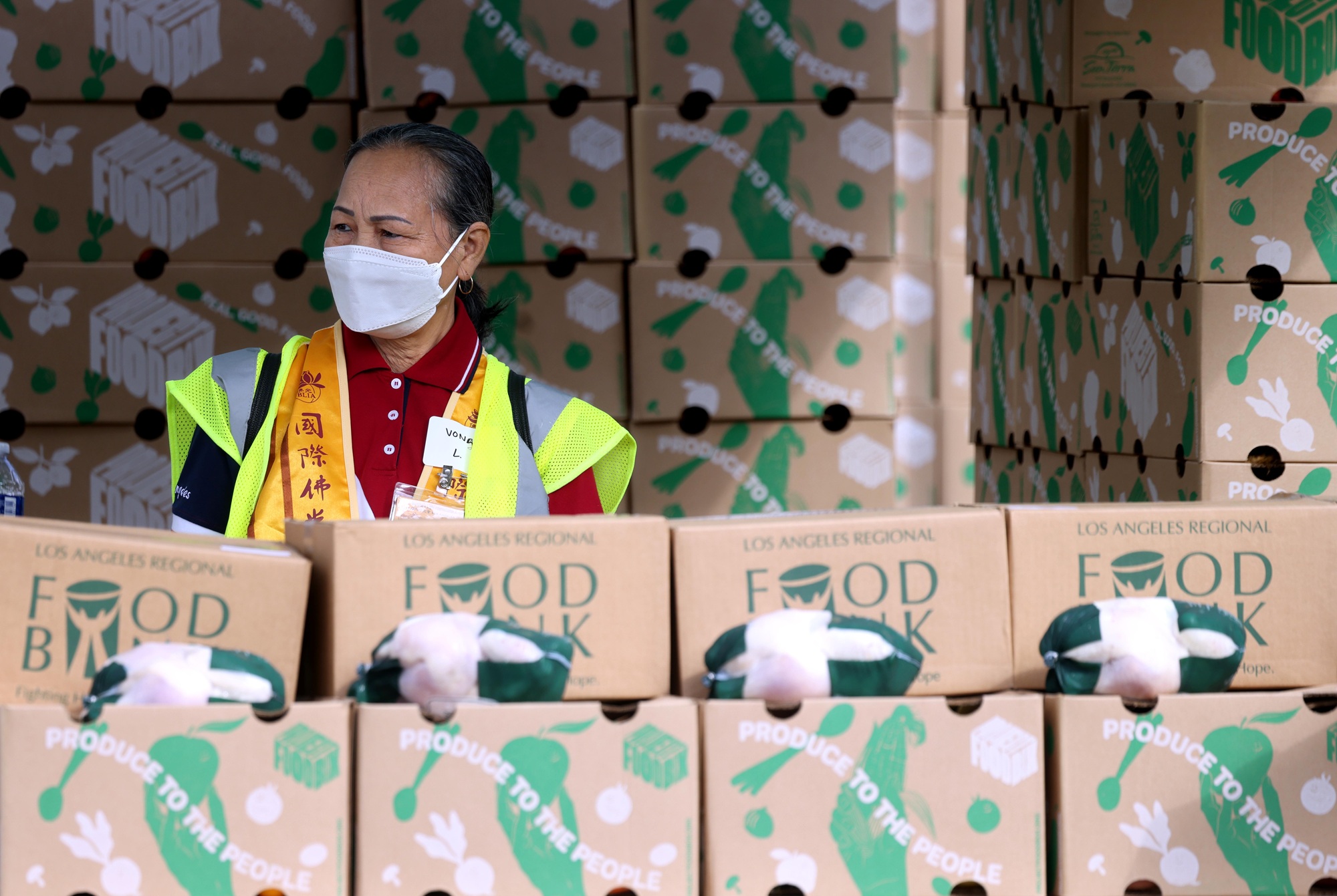
Over 5.1 million people in California receive benefits through the Supplemental Nutrition Assistance Program, or SNAP — known as CalFresh in California. And this month has brought more changes to how this program works.
There have already been several major shifts in SNAP operations over the past year as a result of H.R.1 — the so-called “Big Beautiful Bill” enacted in July 2025. For instance, earlier this year, work requirements for many CalFresh recipients began to be enforced in California for the first time since the outbreak of the COVID-19 pandemic.
Food security advocates have expressed deep concern over the impacts of the bill and its effects on people relying on government programming. In June, the Center on Budget and Policy Priorities, a nonpartisan research group, found that over 337,000 people had dropped out of CalFresh since the passing of the bill.
If you’re on CalFresh, here’s what to know about the latest changes in California in effect this month, how they might already be affecting you and your household and where to find other places locally that offer support to Californians facing food insecurity.
- Jump straight to: Where to find extra food support in the Bay Area
Benefits have gone up (slightly) to reflect inflation …
CalFresh users may see a couple of extra dollars starting this month.
Every October, the federal government adjusts SNAP benefits to account for inflation. Now, one person on CalFresh will get a maximum of $306 per month — $8 more than last year. A household of four could receive a maximum of $1,023 (a rise of $29 from last year).
However, these maximums don’t reflect the amount everyone on CalFresh actually receives. And the recipient’s circumstances, like income and expenses, can always affect the amount of CalFresh benefits they ultimately get.
… but income eligibility thresholds have gone up accordingly
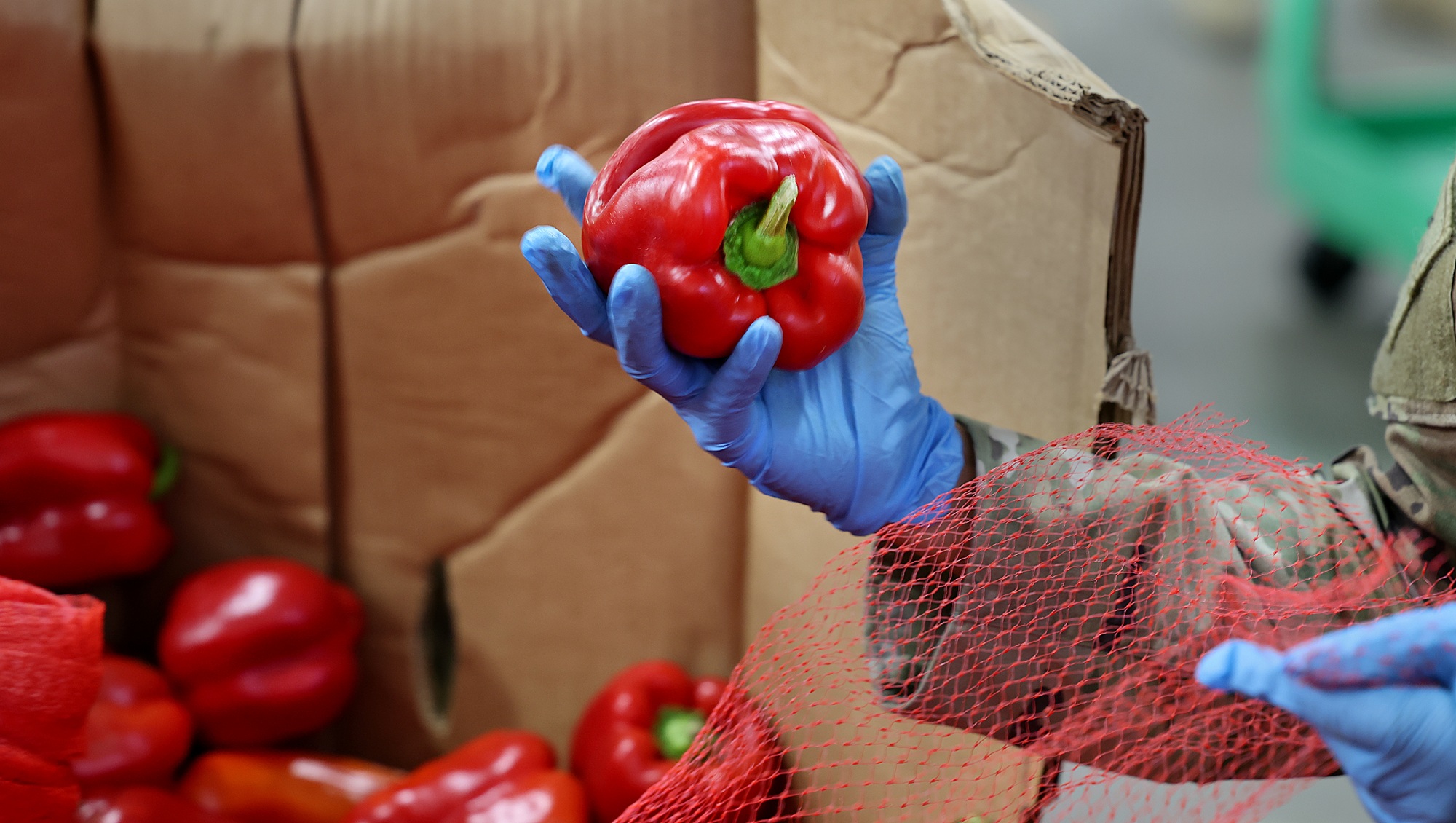
With the slight increases in benefit caps, the benchmarks for how much money a person’s income makes them eligible for have also been increased.
A person’s ability to qualify for CalFresh can, however, vary based on several factors. The best way to check if you can get on CalFresh is to go to BenefitsCal.com and chat with the website’s Ask Robin chatbot feature, or just apply directly to see what level you’re assessed at.
Changes in SNAP staffing and support
Along with the annual adjustment, the federal government is also changing how staff and clerical support for SNAP is being financed.
Usually, both the federal and state governments equally funded SNAP’s administrative costs, like training staff. But now, as of October, states will be covering 75% of these costs.
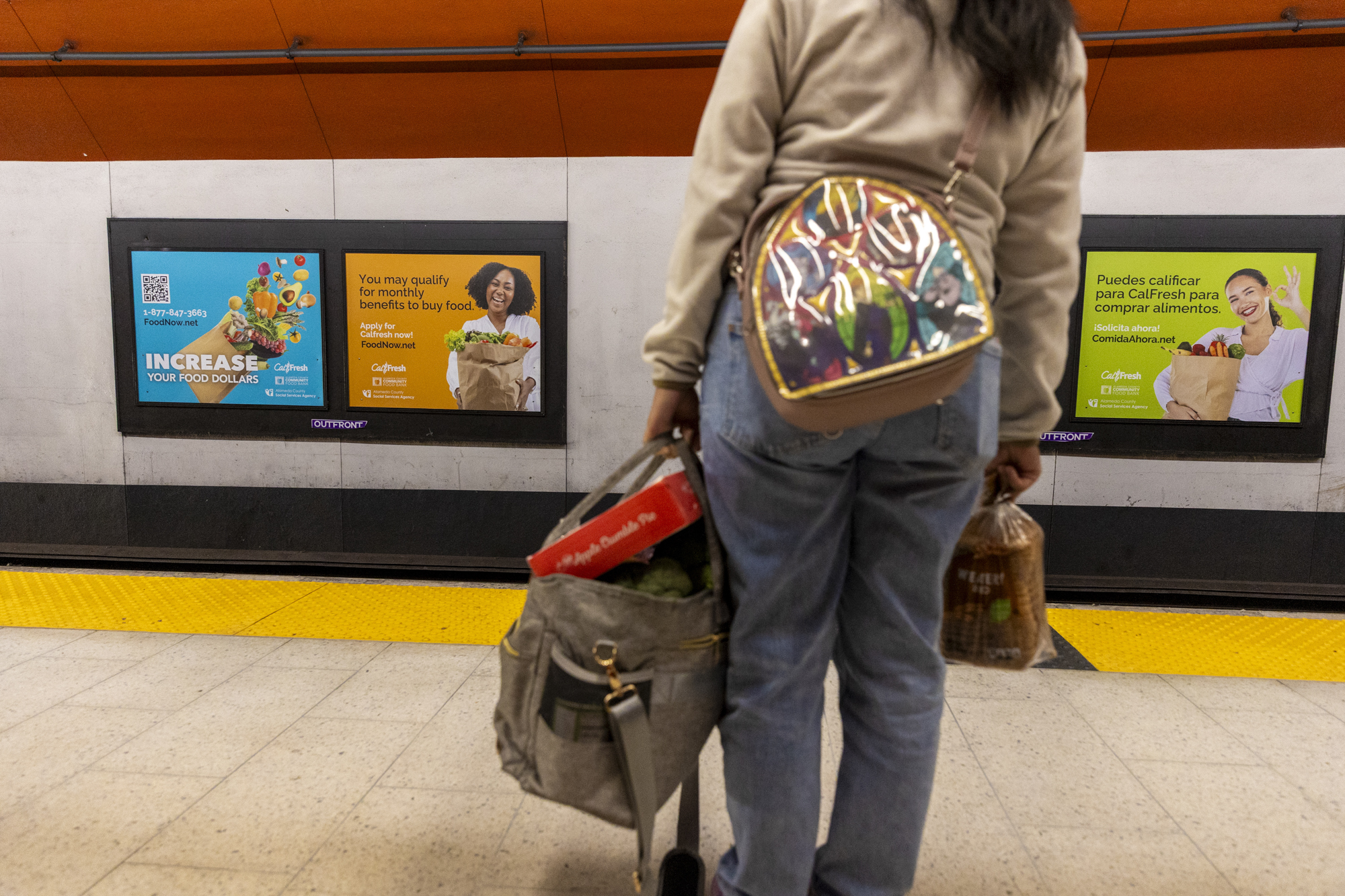
According to advocacy groups like the Food Research & Action Center, this comes at a time when more staff are needed — especially after this summer’s massive change to SNAP’s work requirements that added more paperwork for recipients to collect and document during the benefits process.
And this change in how SNAP is determined and applied will be especially felt in California, since it will be the first time since the start of the COVID-19 pandemic that work requirements have actually been enforced in the state.
The state government addressed some of these major overhauls in its budget, including $100 million in one-time funding and $8 million in ongoing funding for CalFood, which supports California food banks — plus another $223 million in one-time funding for county administration support of CalFresh.
But ultimately, the federal guidelines are part of a long line of changes from H.R.1 enacted in July 2025 that have deeply weakened the food benefits system.
A streamlined system for public college students
Public college students will now have fewer obstacles to jump through when applying to CalFresh.
Gov. Gavin Newsom announced that he is directing county officials to automatically exempt college students attending a California community college, California State University or the University of California from the stricter work requirements when applying for benefits.
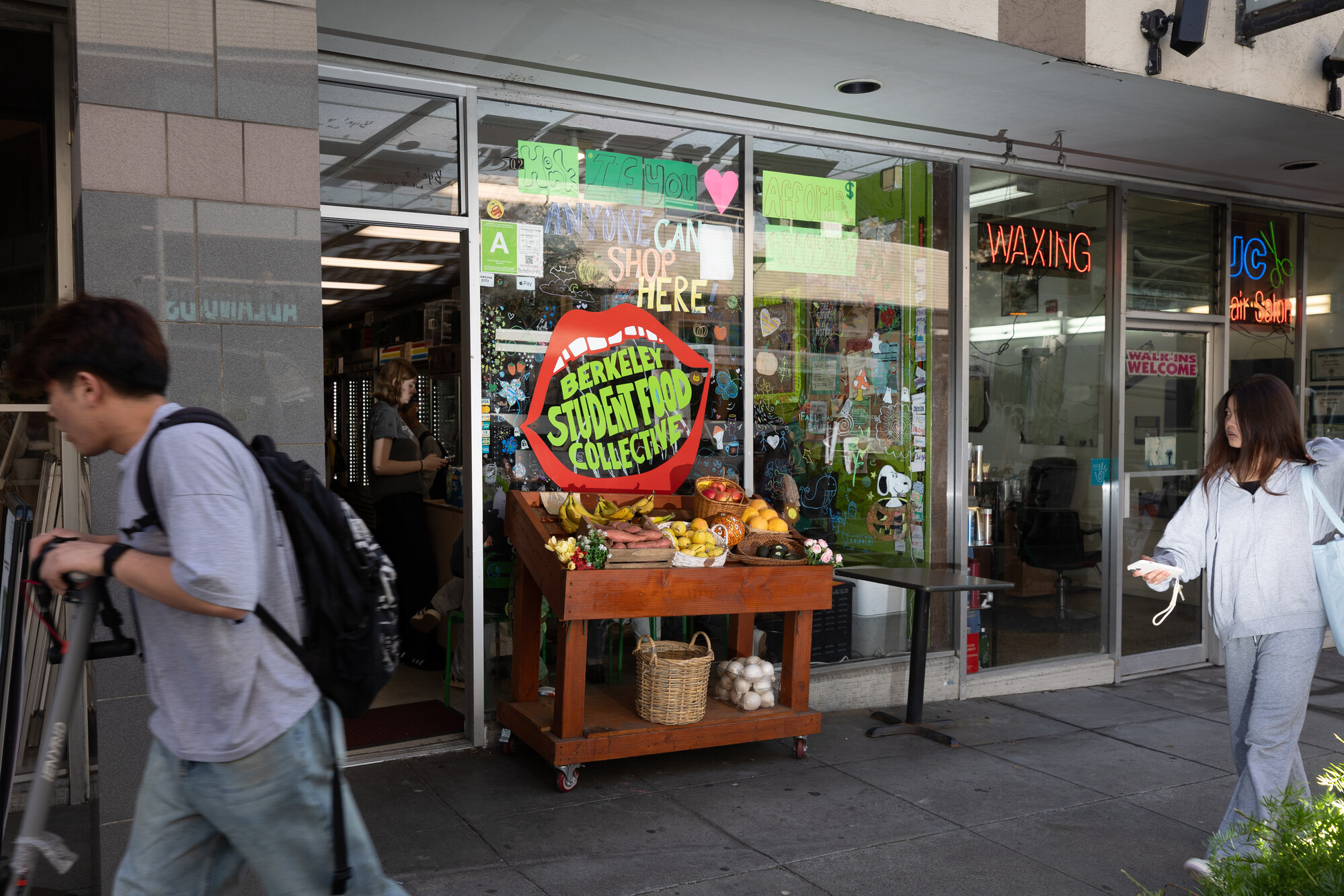
The exemption applies to students who are eligible for CalFresh and are pursuing associate and bachelor’s degree programs at one of the above institutions. According to a letter from Newsom’s office, this allows the CalFresh application process to be more streamlined and reduce administrative burdens.
“We can’t expect students to learn if they’re hungry, and in California, there is no reason for them to be, whether they’re in kindergarten, high school or college,” Newsom said in an Oct. 9 release.
“You shouldn’t have to jump through hoops to get the food benefits you’re entitled to, and now you don’t have to. Go apply now — you might be leaving money on the table,” Newsom said.
Where to find more food assistance in the Bay Area
If you have CalFresh, it now includes free fruit and vegetables
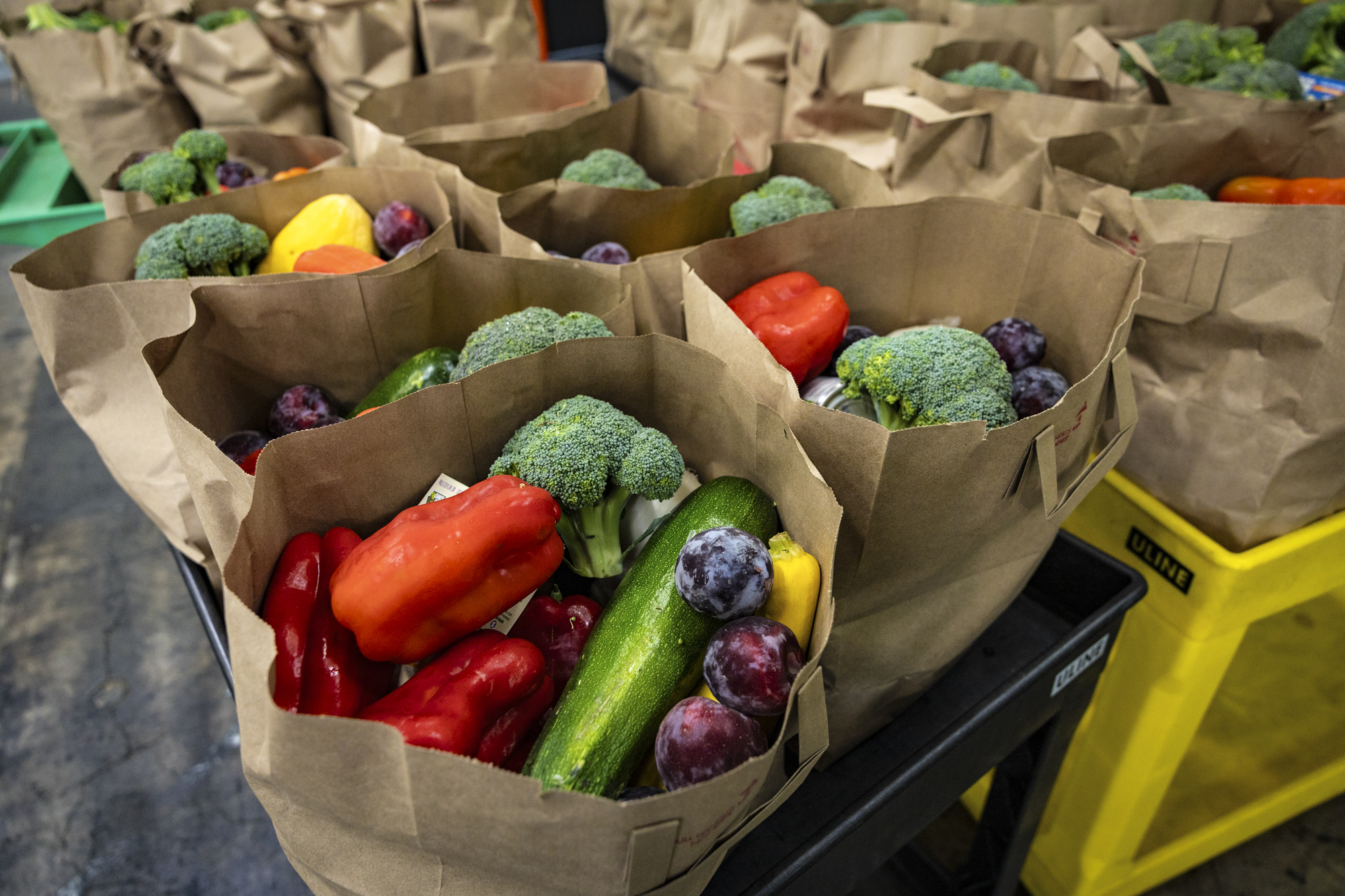
October also marks the return of a state program providing extra money for families to buy fruits and vegetables if they use CalFresh.
The CalFresh Fruit and Vegetable EBT Program allows customers to receive a monthly instant rebate on their Electronic Benefit Transfer (EBT) card after purchasing up to $60 worth of fruits and vegetables.
However, this offer is only available at select participating markets. Over 80 statewide locations — from retailers to farmer’s markets — are involved with the Fruit and Vegetable EBT Program. In the Bay Area, these locations are all either in Alameda or Santa Clara County.
Check if you’re eligible for additional food assistance through WIC
The Women, Infants and Children Supplemental Nutrition Program (WIC) provides food assistance to lower-income families who have young children or are expecting a new child, including grandparents.
Like CalFresh, it’s federally funded and income-based, and you can receive WIC benefits on top of your CalFresh benefits. See if you qualify for WIC.
If you lost CalFresh, see if you qualify for CFAP
Last year, the federal government tightened restrictions that pushed most humanitarian immigrants out of CalFresh eligibility, affecting tens of thousands of people in California.
Some — but not all — humanitarian immigrants may be qualified for the California Food Assistance Program. CFAP uses the same application as CalFresh.
“At recertification, your county worker will determine your eligibility for CalFresh,” state guidance reads. “If you are no longer eligible for CalFresh due to H.R. 1 but you are eligible for CFAP, your county worker will adjust your benefits at that time.”
Examples of CFAP-eligible individuals that are noncitizens include:
- Legal permanent residents who have not met the five-year U.S. residency requirement or the 40 qualifying work quarters criteria
- Conditional entrants
- Battered or abused noncitizens
- Parolees who have not met the five-year waiting period or an exemption.
How to find and use a food bank
KQED has a thorough guide on using food banks or food pantries near you in both English and Spanish, and here are the big takeaways:
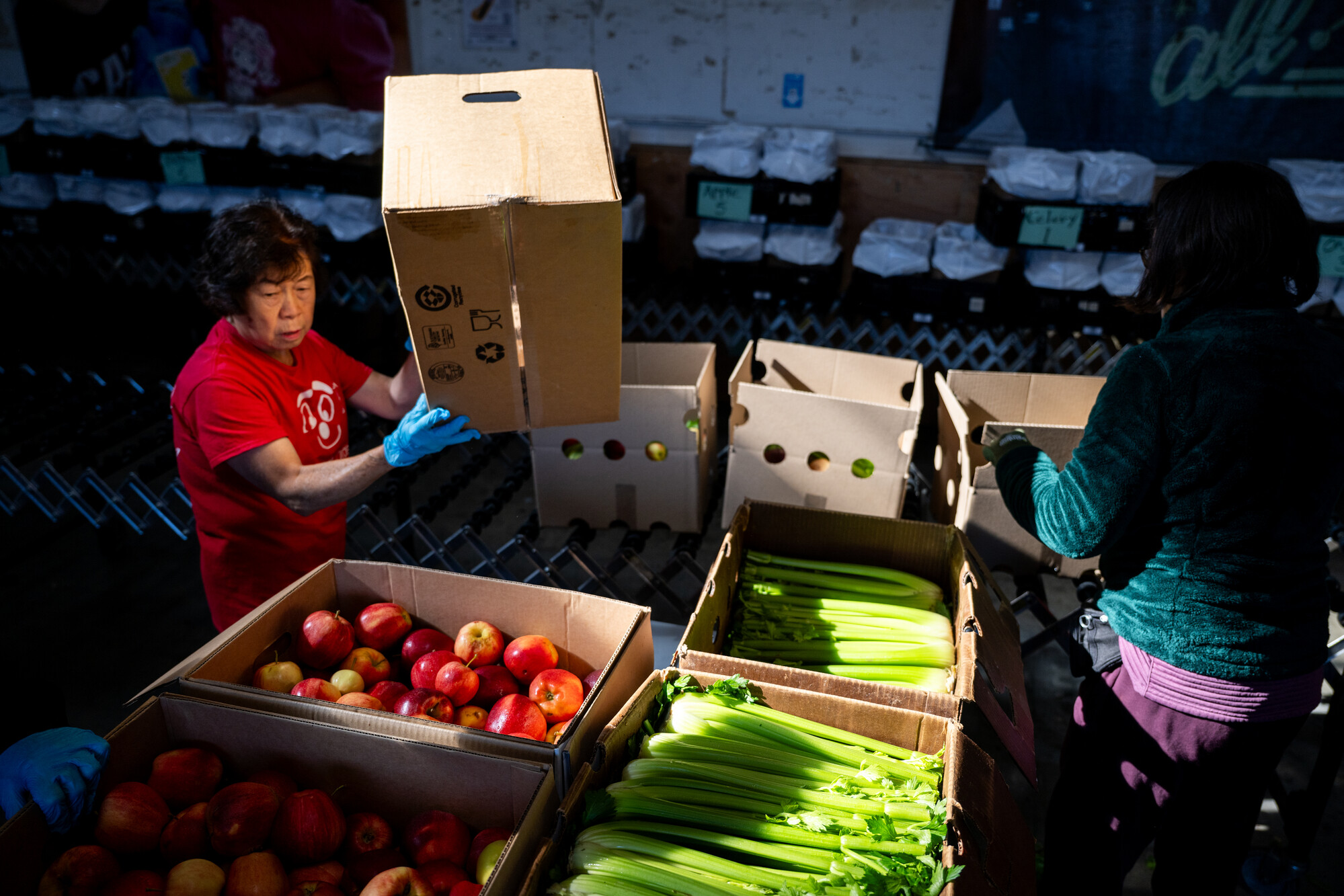
Major food banks, like the SF-Marin Food Bank, the California Association of Food Banks or the Alameda County Community Food Bank, will likely have a tool online that can help you locate food resources near you. These maps or search engines can list locations ranging from large operations to small community fridges.
You can also call the 211 state hotline for more information.
Once you find a spot, be sure to check out the food bank or pantry online before heading out. Note what hours they are open and for how long. Some locations are open to anyone and to walk-ins, but some may require people to register for a spot beforehand or live in a specific zip code.
Many food banks serve people regardless of immigration status. For example, the SF-Marin Food Bank states on its website that it “is committed to serving residents regardless of their immigration status or identity” and, as a non-government agency, does “not collect the immigration status of participants.”
But food advocates suggest double-checking by calling the food bank and seeing if it has reporting requirements.
Also, before heading out, check if your income level meets the requirements of the Emergency Food Assistance Program, a federal program that also provides some assistance. If it does, you can go to participating food banks and distributors to get extra food support.
Take a look at your own county’s food assistance programs
Bay Area counties have some food assistance options that are separate from nonprofit food banks, although sometimes they work together. Your county may provide locations where you can pick up free food, or offer other ways of getting free or low-cost meals that include delivery:
Food assistance from the City and County of San Francisco:
- Free food locations offering both groceries and meals
- Options for having meals delivered to your home
- Locations where you can find a community meal
- Choosing Healthy Appetizing Meal Plan Solution for Seniors (CHAMPSS), a restaurant partnership that offers adults age 60 and older ways to eat subsidized meals at designated restaurants in San Francisco, with a suggested (optional) contribution of $5
Food assistance from Contra Costa County:
- A food assistance program that provides one member of lower-income households in the county a box of food every month
- The Community Produce Program that offers one member of each household one or two bags of fresh fruits and vegetables, twice a month (own bag is required)
- Contra Costa County residents can call 855-309-FOOD (3663) for more information.
Food assistance from Alameda County:
- FoodNow.net: A site managed with the Alameda County Community Food Bank that connects county residents to different food sources, including emergency groceries. People can call 510-635-3663 for more information.
- General Assistance: Cash aid for certain residents of Alameda County
Food assistance from Marin County:
- Congregate meal options in Marin County (scroll down the page to view PDF)
- Food pantry and distribution options in Marin County
- Home-delivered meals in Marin County
Food assistance from San Mateo County:
- Food assistance resources on offer within San Mateo
Food assistance from Napa County:
Food assistance options in Solano County:
- Short-term general assistance available, including food resources
Food assistance options in Sonoma County:
Food assistance options in Santa Clara County: