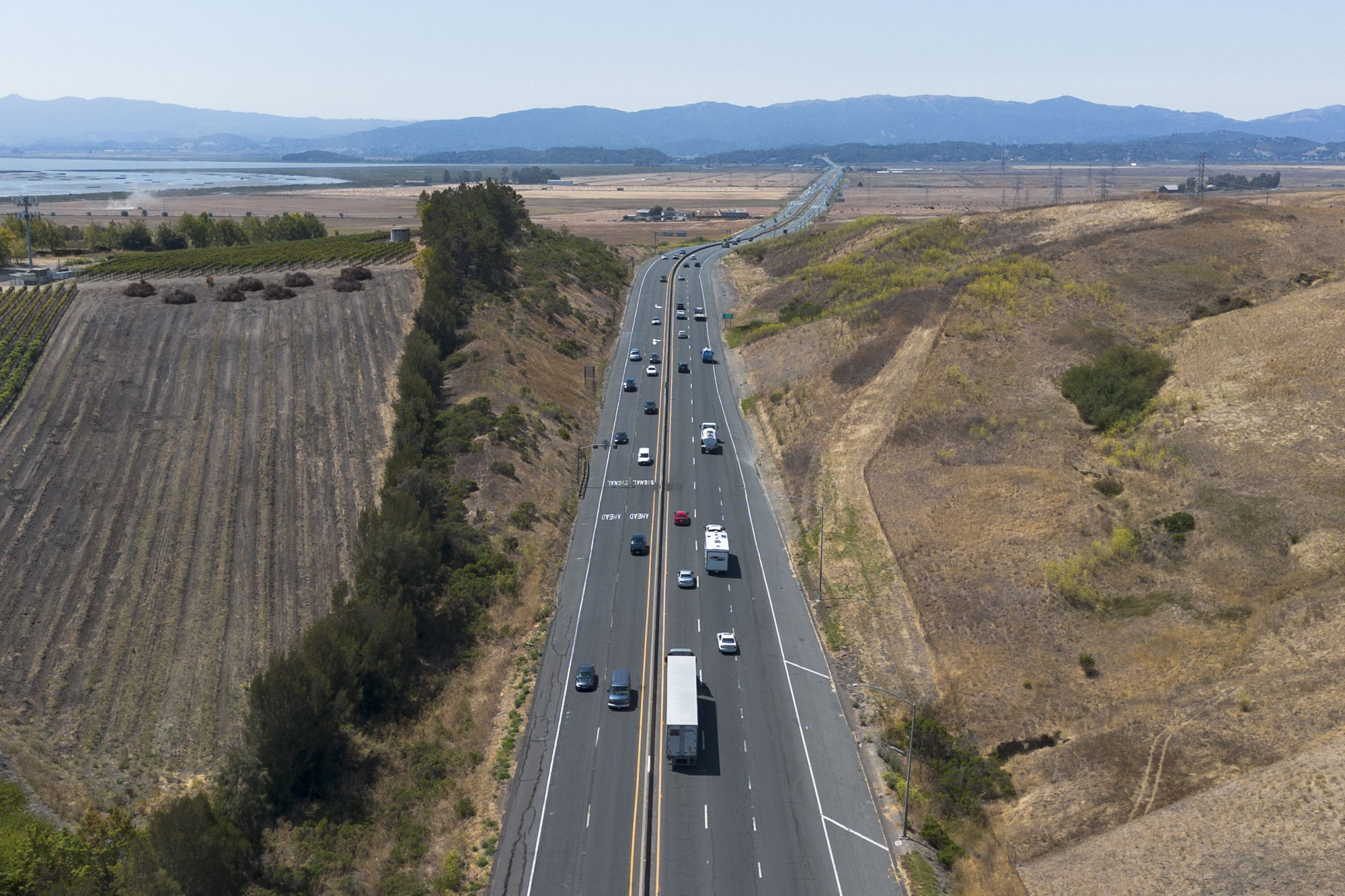
window.__IS_SSR__=true
window.__INITIAL_STATE__={
"attachmentsReducer": {
"audio_0": {
"type": "attachments",
"id": "audio_0",
"imgSizes": {
"kqedFullSize": {
"file": "https://ww2.kqed.org/news/wp-content/themes/KQED-unified/img/audio_bgs/background0.jpg"
}
}
},
"audio_1": {
"type": "attachments",
"id": "audio_1",
"imgSizes": {
"kqedFullSize": {
"file": "https://ww2.kqed.org/news/wp-content/themes/KQED-unified/img/audio_bgs/background1.jpg"
}
}
},
"audio_2": {
"type": "attachments",
"id": "audio_2",
"imgSizes": {
"kqedFullSize": {
"file": "https://ww2.kqed.org/news/wp-content/themes/KQED-unified/img/audio_bgs/background2.jpg"
}
}
},
"audio_3": {
"type": "attachments",
"id": "audio_3",
"imgSizes": {
"kqedFullSize": {
"file": "https://ww2.kqed.org/news/wp-content/themes/KQED-unified/img/audio_bgs/background3.jpg"
}
}
},
"audio_4": {
"type": "attachments",
"id": "audio_4",
"imgSizes": {
"kqedFullSize": {
"file": "https://ww2.kqed.org/news/wp-content/themes/KQED-unified/img/audio_bgs/background4.jpg"
}
}
},
"placeholder": {
"type": "attachments",
"id": "placeholder",
"imgSizes": {
"thumbnail": {
"file": "https://cdn.kqed.org/wp-content/uploads/2024/12/KQED-Default-Image-816638274-2000x1333-1-160x107.jpg",
"width": 160,
"height": 107,
"mimeType": "image/jpeg"
},
"medium": {
"file": "https://cdn.kqed.org/wp-content/uploads/2024/12/KQED-Default-Image-816638274-2000x1333-1-800x533.jpg",
"width": 800,
"height": 533,
"mimeType": "image/jpeg"
},
"medium_large": {
"file": "https://cdn.kqed.org/wp-content/uploads/2024/12/KQED-Default-Image-816638274-2000x1333-1-768x512.jpg",
"width": 768,
"height": 512,
"mimeType": "image/jpeg"
},
"large": {
"file": "https://cdn.kqed.org/wp-content/uploads/2024/12/KQED-Default-Image-816638274-2000x1333-1-1020x680.jpg",
"width": 1020,
"height": 680,
"mimeType": "image/jpeg"
},
"1536x1536": {
"file": "https://cdn.kqed.org/wp-content/uploads/2024/12/KQED-Default-Image-816638274-2000x1333-1-1536x1024.jpg",
"width": 1536,
"height": 1024,
"mimeType": "image/jpeg"
},
"fd-lrg": {
"file": "https://cdn.kqed.org/wp-content/uploads/2024/12/KQED-Default-Image-816638274-2000x1333-1-1536x1024.jpg",
"width": 1536,
"height": 1024,
"mimeType": "image/jpeg"
},
"fd-med": {
"file": "https://cdn.kqed.org/wp-content/uploads/2024/12/KQED-Default-Image-816638274-2000x1333-1-1020x680.jpg",
"width": 1020,
"height": 680,
"mimeType": "image/jpeg"
},
"fd-sm": {
"file": "https://cdn.kqed.org/wp-content/uploads/2024/12/KQED-Default-Image-816638274-2000x1333-1-800x533.jpg",
"width": 800,
"height": 533,
"mimeType": "image/jpeg"
},
"post-thumbnail": {
"file": "https://cdn.kqed.org/wp-content/uploads/2024/12/KQED-Default-Image-816638274-2000x1333-1-672x372.jpg",
"width": 672,
"height": 372,
"mimeType": "image/jpeg"
},
"twentyfourteen-full-width": {
"file": "https://cdn.kqed.org/wp-content/uploads/2024/12/KQED-Default-Image-816638274-2000x1333-1-1038x576.jpg",
"width": 1038,
"height": 576,
"mimeType": "image/jpeg"
},
"xxsmall": {
"file": "https://cdn.kqed.org/wp-content/uploads/2024/12/KQED-Default-Image-816638274-2000x1333-1-160x107.jpg",
"width": 160,
"height": 107,
"mimeType": "image/jpeg"
},
"xsmall": {
"file": "https://cdn.kqed.org/wp-content/uploads/2024/12/KQED-Default-Image-816638274-2000x1333-1-672x372.jpg",
"width": 672,
"height": 372,
"mimeType": "image/jpeg"
},
"small": {
"file": "https://cdn.kqed.org/wp-content/uploads/2024/12/KQED-Default-Image-816638274-2000x1333-1-672x372.jpg",
"width": 672,
"height": 372,
"mimeType": "image/jpeg"
},
"xlarge": {
"file": "https://cdn.kqed.org/wp-content/uploads/2024/12/KQED-Default-Image-816638274-2000x1333-1-1020x680.jpg",
"width": 1020,
"height": 680,
"mimeType": "image/jpeg"
},
"full-width": {
"file": "https://cdn.kqed.org/wp-content/uploads/2024/12/KQED-Default-Image-816638274-2000x1333-1-1920x1280.jpg",
"width": 1920,
"height": 1280,
"mimeType": "image/jpeg"
},
"guest-author-32": {
"file": "https://cdn.kqed.org/wp-content/uploads/2025/01/KQED-Default-Image-816638274-1333x1333-1-160x160.jpg",
"width": 32,
"height": 32,
"mimeType": "image/jpeg"
},
"guest-author-50": {
"file": "https://cdn.kqed.org/wp-content/uploads/2025/01/KQED-Default-Image-816638274-1333x1333-1-160x160.jpg",
"width": 50,
"height": 50,
"mimeType": "image/jpeg"
},
"guest-author-64": {
"file": "https://cdn.kqed.org/wp-content/uploads/2025/01/KQED-Default-Image-816638274-1333x1333-1-160x160.jpg",
"width": 64,
"height": 64,
"mimeType": "image/jpeg"
},
"guest-author-96": {
"file": "https://cdn.kqed.org/wp-content/uploads/2025/01/KQED-Default-Image-816638274-1333x1333-1-160x160.jpg",
"width": 96,
"height": 96,
"mimeType": "image/jpeg"
},
"guest-author-128": {
"file": "https://cdn.kqed.org/wp-content/uploads/2025/01/KQED-Default-Image-816638274-1333x1333-1-160x160.jpg",
"width": 128,
"height": 128,
"mimeType": "image/jpeg"
},
"detail": {
"file": "https://cdn.kqed.org/wp-content/uploads/2025/01/KQED-Default-Image-816638274-1333x1333-1-160x160.jpg",
"width": 160,
"height": 160,
"mimeType": "image/jpeg"
},
"kqedFullSize": {
"file": "https://cdn.kqed.org/wp-content/uploads/2024/12/KQED-Default-Image-816638274-2000x1333-1.jpg",
"width": 2000,
"height": 1333
}
}
},
"news_12052370": {
"type": "attachments",
"id": "news_12052370",
"meta": {
"index": "attachments_1716263798",
"site": "news",
"id": "12052370",
"found": true
},
"title": "Outdoor Camping Setup with Canopy and Equipment by Lake",
"publishDate": 1755279504,
"status": "inherit",
"parent": 12052357,
"modified": 1787763033,
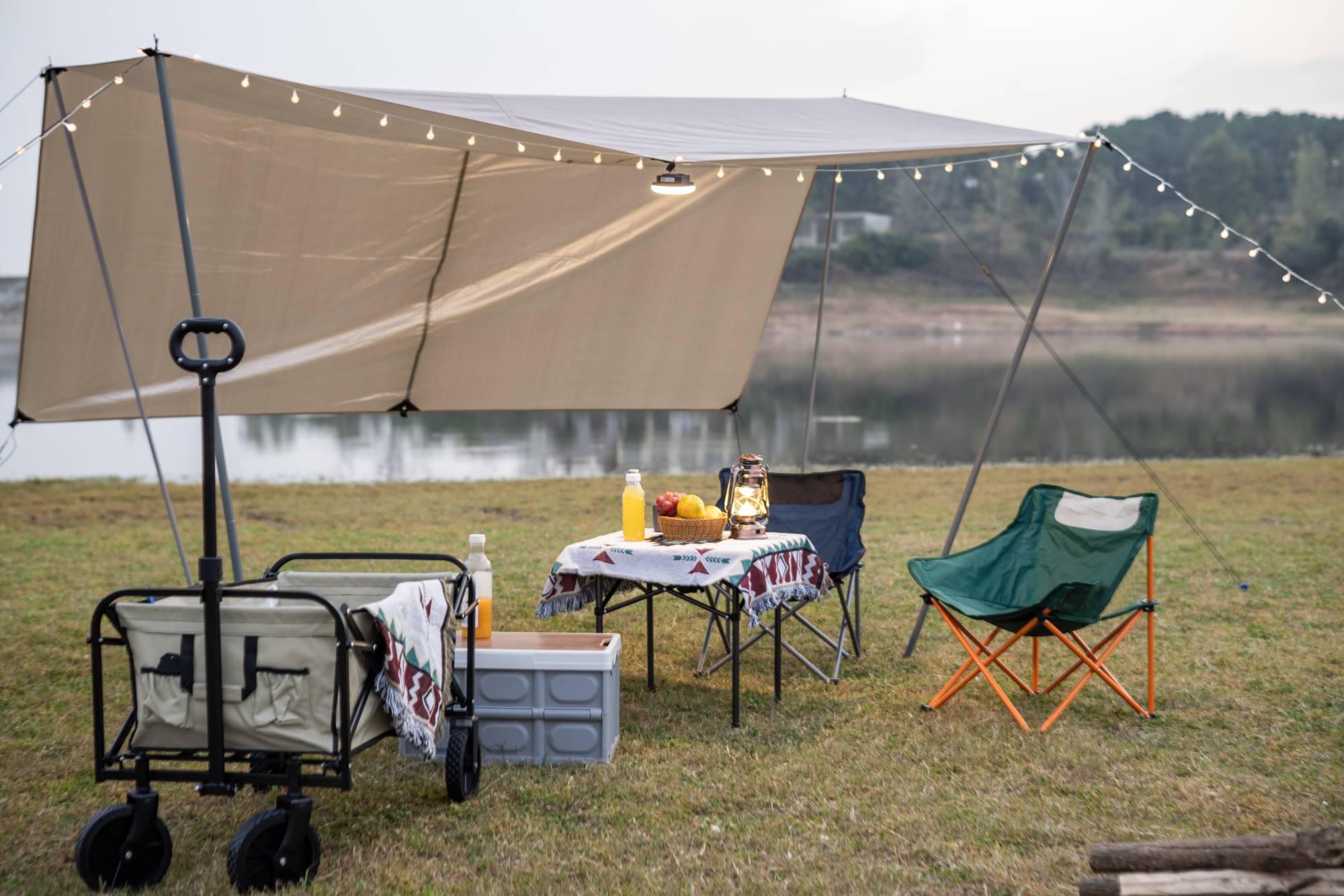
"caption": "If you've got a camping trip planned, and a wildfire is burning not too far away, here's a guide on when to cancel and what to do.",
"credit": "Linyang Zhang/Getty Images",
"altTag": null,
"description": null,
"imgSizes": {
"medium": {
"file": "https://cdn.kqed.org/wp-content/uploads/sites/10/2025/08/GettyImages-2227181433-2000x1334.jpg",
"width": 2000,
"height": 1334,
"mimeType": "image/jpeg"
},
"large": {
"file": "https://cdn.kqed.org/wp-content/uploads/sites/10/2025/08/GettyImages-2227181433-2000x1334.jpg",
"width": 2000,
"height": 1334,
"mimeType": "image/jpeg"
},
"thumbnail": {
"file": "https://cdn.kqed.org/wp-content/uploads/sites/10/2025/08/GettyImages-2227181433-160x107.jpg",
"width": 160,
"height": 107,
"mimeType": "image/jpeg"
},
"1536x1536": {
"file": "https://cdn.kqed.org/wp-content/uploads/sites/10/2025/08/GettyImages-2227181433-1536x1025.jpg",
"width": 1536,
"height": 1025,
"mimeType": "image/jpeg"
},
"2048x2048": {
"file": "https://cdn.kqed.org/wp-content/uploads/sites/10/2025/08/GettyImages-2227181433-2048x1366.jpg",
"width": 2048,
"height": 1366,
"mimeType": "image/jpeg"
},
"post-thumbnail": {
"file": "https://cdn.kqed.org/wp-content/uploads/sites/10/2025/08/GettyImages-2227181433-672x372.jpg",
"width": 672,
"height": 372,
"mimeType": "image/jpeg"
},
"twentyfourteen-full-width": {
"file": "https://cdn.kqed.org/wp-content/uploads/sites/10/2025/08/GettyImages-2227181433-1038x576.jpg",
"width": 1038,
"height": 576,
"mimeType": "image/jpeg"
},
"full-width": {
"file": "https://cdn.kqed.org/wp-content/uploads/sites/10/2025/08/GettyImages-2227181433-2000x1334.jpg",
"width": 2000,
"height": 1334,
"mimeType": "image/jpeg"
},
"kqedFullSize": {
"file": "https://cdn.kqed.org/wp-content/uploads/sites/10/2025/08/GettyImages-2227181433-scaled-e1787762969792.jpg",
"width": 2000,
"height": 1334
}
},
"isLoading": false,
"fetchFailed": false
},
"news_12096320": {
"type": "attachments",
"id": "news_12096320",
"meta": {
"index": "attachments_1716263798",
"site": "news",
"id": "12096320",
"found": true
},
"title": "Geary-Act-Certificate-Illustration1_2 (1)",
"publishDate": 1787344216,
"status": "inherit",
"parent": 12096279,
"modified": 1787344573,
"caption": "When faced with the prospect of deportation, early Chinese immigrants organized across the country to resist the 1892 Geary Act, forming one of the largest civil disobedience campaigns in U.S. history.",
"credit": "Darren Tu/KQED",
"altTag": null,
"description": null,
"imgSizes": {
"thumbnail": {
"file": "https://cdn.kqed.org/wp-content/uploads/sites/10/2026/08/Geary-Act-Certificate-Illustration1_2-1-160x103.jpg",
"width": 160,
"height": 103,
"mimeType": "image/jpeg"
},
"1536x1536": {
"file": "https://cdn.kqed.org/wp-content/uploads/sites/10/2026/08/Geary-Act-Certificate-Illustration1_2-1-1536x992.jpg",
"width": 1536,
"height": 992,
"mimeType": "image/jpeg"
},
"post-thumbnail": {
"file": "https://cdn.kqed.org/wp-content/uploads/sites/10/2026/08/Geary-Act-Certificate-Illustration1_2-1-672x372.jpg",
"width": 672,
"height": 372,
"mimeType": "image/jpeg"
},
"twentyfourteen-full-width": {
"file": "https://cdn.kqed.org/wp-content/uploads/sites/10/2026/08/Geary-Act-Certificate-Illustration1_2-1-1038x576.jpg",
"width": 1038,
"height": 576,
"mimeType": "image/jpeg"
},
"npr-cds-wide": {
"file": "https://cdn.kqed.org/wp-content/uploads/sites/10/2026/08/Geary-Act-Certificate-Illustration1_2-1-1200x675.jpg",
"width": 1200,
"height": 675,
"mimeType": "image/jpeg"
},
"npr-cds-square": {
"file": "https://cdn.kqed.org/wp-content/uploads/sites/10/2026/08/Geary-Act-Certificate-Illustration1_2-1-600x600.jpg",
"width": 600,
"height": 600,
"mimeType": "image/jpeg"
},
"kqedFullSize": {
"file": "https://cdn.kqed.org/wp-content/uploads/sites/10/2026/08/Geary-Act-Certificate-Illustration1_2-1.jpg",
"width": 1920,
"height": 1240
}
},
"isLoading": false,
"fetchFailed": false
},
"news_12096617": {
"type": "attachments",
"id": "news_12096617",
"meta": {
"index": "attachments_1716263798",
"site": "news",
"id": "12096617",
"found": true
},
"title": "260602-District11ConnieChan-05-BL_qed",
"publishDate": 1787612979,
"status": "inherit",
"parent": 12096614,
"modified": 1787612988,
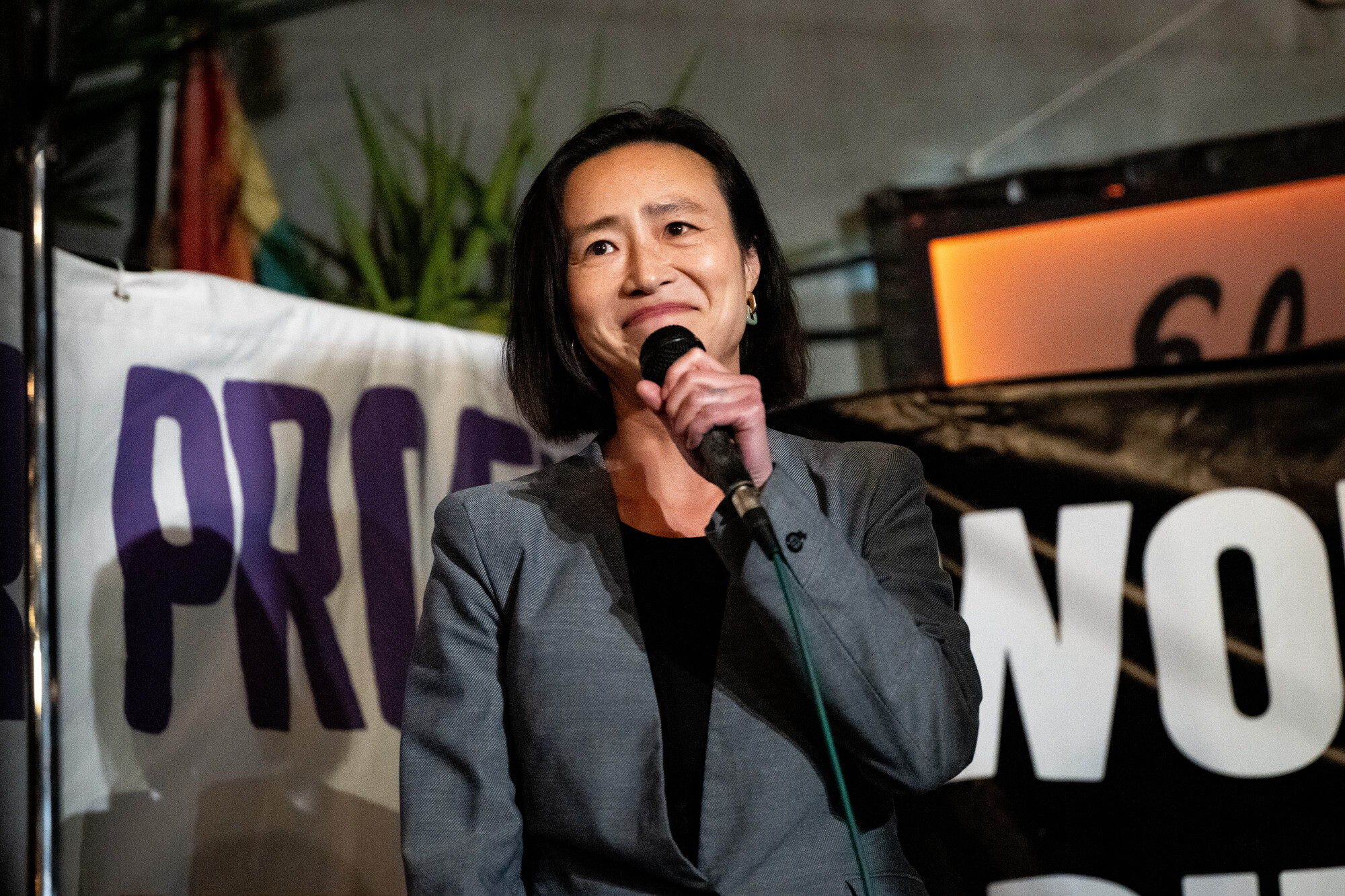
"caption": "Supervisor Connie Chan speaks to supporters during an election night party at El Rio in San Francisco on June 2, 2026.",
"credit": "Beth LaBerge/KQED",
"altTag": null,
"description": null,
"imgSizes": {
"thumbnail": {
"file": "https://cdn.kqed.org/wp-content/uploads/sites/10/2026/08/260602-District11ConnieChan-05-BL_qed-160x107.jpg",
"width": 160,
"height": 107,
"mimeType": "image/jpeg"
},
"1536x1536": {
"file": "https://cdn.kqed.org/wp-content/uploads/sites/10/2026/08/260602-District11ConnieChan-05-BL_qed-1536x1024.jpg",
"width": 1536,
"height": 1024,
"mimeType": "image/jpeg"
},
"post-thumbnail": {
"file": "https://cdn.kqed.org/wp-content/uploads/sites/10/2026/08/260602-District11ConnieChan-05-BL_qed-672x372.jpg",
"width": 672,
"height": 372,
"mimeType": "image/jpeg"
},
"twentyfourteen-full-width": {
"file": "https://cdn.kqed.org/wp-content/uploads/sites/10/2026/08/260602-District11ConnieChan-05-BL_qed-1038x576.jpg",
"width": 1038,
"height": 576,
"mimeType": "image/jpeg"
},
"npr-cds-wide": {
"file": "https://cdn.kqed.org/wp-content/uploads/sites/10/2026/08/260602-District11ConnieChan-05-BL_qed-1200x675.jpg",
"width": 1200,
"height": 675,
"mimeType": "image/jpeg"
},
"npr-cds-square": {
"file": "https://cdn.kqed.org/wp-content/uploads/sites/10/2026/08/260602-District11ConnieChan-05-BL_qed-600x600.jpg",
"width": 600,
"height": 600,
"mimeType": "image/jpeg"
},
"kqedFullSize": {
"file": "https://cdn.kqed.org/wp-content/uploads/sites/10/2026/08/260602-District11ConnieChan-05-BL_qed.jpg",
"width": 2000,
"height": 1333
}
},
"isLoading": false,
"fetchFailed": false
},
"news_12096577": {
"type": "attachments",
"id": "news_12096577",
"meta": {
"index": "attachments_1716263798",
"site": "news",
"id": "12096577",
"found": true
},
"title": "260824-Animal Rescue Presser-ZF-01-KQED",
"publishDate": 1787602768,
"status": "inherit",
"parent": 0,
"modified": 1787603043,
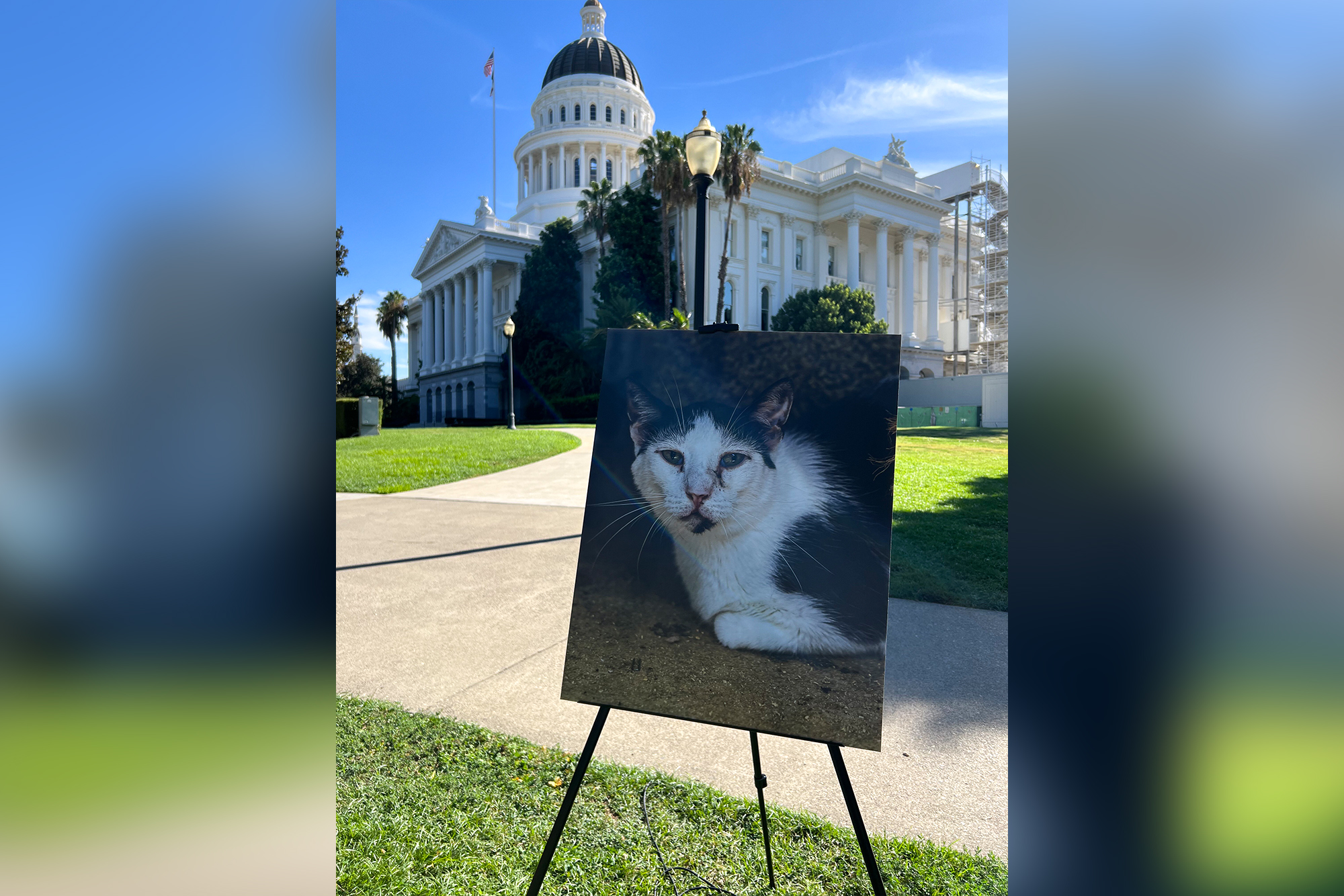
"caption": "CalAnimals displayed photos of animals in need at a press conference to introduce a bill to reform California's animal welfare system at the California State Capitol in Sacramento on Aug. 24, 2026.",
"credit": "Zoë Ferrigno/KQED",
"altTag": null,
"description": null,
"imgSizes": {
"thumbnail": {
"file": "https://cdn.kqed.org/wp-content/uploads/sites/10/2026/08/260824-Animal-Rescue-Presser-ZF-01-KQED-160x107.jpg",
"width": 160,
"height": 107,
"mimeType": "image/jpeg"
},
"1536x1536": {
"file": "https://cdn.kqed.org/wp-content/uploads/sites/10/2026/08/260824-Animal-Rescue-Presser-ZF-01-KQED-1536x1025.jpg",
"width": 1536,
"height": 1025,
"mimeType": "image/jpeg"
},
"post-thumbnail": {
"file": "https://cdn.kqed.org/wp-content/uploads/sites/10/2026/08/260824-Animal-Rescue-Presser-ZF-01-KQED-672x372.jpg",
"width": 672,
"height": 372,
"mimeType": "image/jpeg"
},
"twentyfourteen-full-width": {
"file": "https://cdn.kqed.org/wp-content/uploads/sites/10/2026/08/260824-Animal-Rescue-Presser-ZF-01-KQED-1038x576.jpg",
"width": 1038,
"height": 576,
"mimeType": "image/jpeg"
},
"npr-cds-wide": {
"file": "https://cdn.kqed.org/wp-content/uploads/sites/10/2026/08/260824-Animal-Rescue-Presser-ZF-01-KQED-1200x675.jpg",
"width": 1200,
"height": 675,
"mimeType": "image/jpeg"
},
"npr-cds-square": {
"file": "https://cdn.kqed.org/wp-content/uploads/sites/10/2026/08/260824-Animal-Rescue-Presser-ZF-01-KQED-600x600.jpg",
"width": 600,
"height": 600,
"mimeType": "image/jpeg"
},
"kqedFullSize": {
"file": "https://cdn.kqed.org/wp-content/uploads/sites/10/2026/08/260824-Animal-Rescue-Presser-ZF-01-KQED.jpg",
"width": 2000,
"height": 1334
}
},
"isLoading": false,
"fetchFailed": false
},
"news_12096158": {
"type": "attachments",
"id": "news_12096158",
"meta": {
"index": "attachments_1716263798",
"site": "news",
"id": "12096158",
"found": true
},
"title": "Clipper-Card-Illustration-1_7",
"publishDate": 1787262623,
"status": "inherit",
"parent": 0,
"modified": 1787347449,
"caption": "Internal emails reviewed by KQED between the MTC and Cubic staff show that transit agency leaders and officials at the MTC had, for months, complained that Cubic was struggling to resolve persistent errors with the software, while Cubic staffers said MTC hadn't authorized the company to complete enough testing to ensure the system's success.",
"credit": "Darren Tu/KQED",
"altTag": null,
"description": null,
"imgSizes": {
"thumbnail": {
"file": "https://cdn.kqed.org/wp-content/uploads/sites/10/2026/08/Clipper-Card-Illustration-1_7-160x103.jpg",
"width": 160,
"height": 103,
"mimeType": "image/jpeg"
},
"1536x1536": {
"file": "https://cdn.kqed.org/wp-content/uploads/sites/10/2026/08/Clipper-Card-Illustration-1_7-1536x992.jpg",
"width": 1536,
"height": 992,
"mimeType": "image/jpeg"
},
"post-thumbnail": {
"file": "https://cdn.kqed.org/wp-content/uploads/sites/10/2026/08/Clipper-Card-Illustration-1_7-672x372.jpg",
"width": 672,
"height": 372,
"mimeType": "image/jpeg"
},
"twentyfourteen-full-width": {
"file": "https://cdn.kqed.org/wp-content/uploads/sites/10/2026/08/Clipper-Card-Illustration-1_7-1038x576.jpg",
"width": 1038,
"height": 576,
"mimeType": "image/jpeg"
},
"npr-cds-wide": {
"file": "https://cdn.kqed.org/wp-content/uploads/sites/10/2026/08/Clipper-Card-Illustration-1_7-1200x675.jpg",
"width": 1200,
"height": 675,
"mimeType": "image/jpeg"
},
"npr-cds-square": {
"file": "https://cdn.kqed.org/wp-content/uploads/sites/10/2026/08/Clipper-Card-Illustration-1_7-600x600.jpg",
"width": 600,
"height": 600,
"mimeType": "image/jpeg"
},
"kqedFullSize": {
"file": "https://cdn.kqed.org/wp-content/uploads/sites/10/2026/08/Clipper-Card-Illustration-1_7.jpg",
"width": 1920,
"height": 1240
}
},
"isLoading": false,
"fetchFailed": false
},
"news_12096500": {
"type": "attachments",
"id": "news_12096500",
"meta": {
"index": "attachments_1716263798",
"site": "news",
"id": "12096500",
"found": true
},
"title": "49ers York Arrested",
"publishDate": 1787589780,
"status": "inherit",
"parent": 12096497,
"modified": 1787589806,
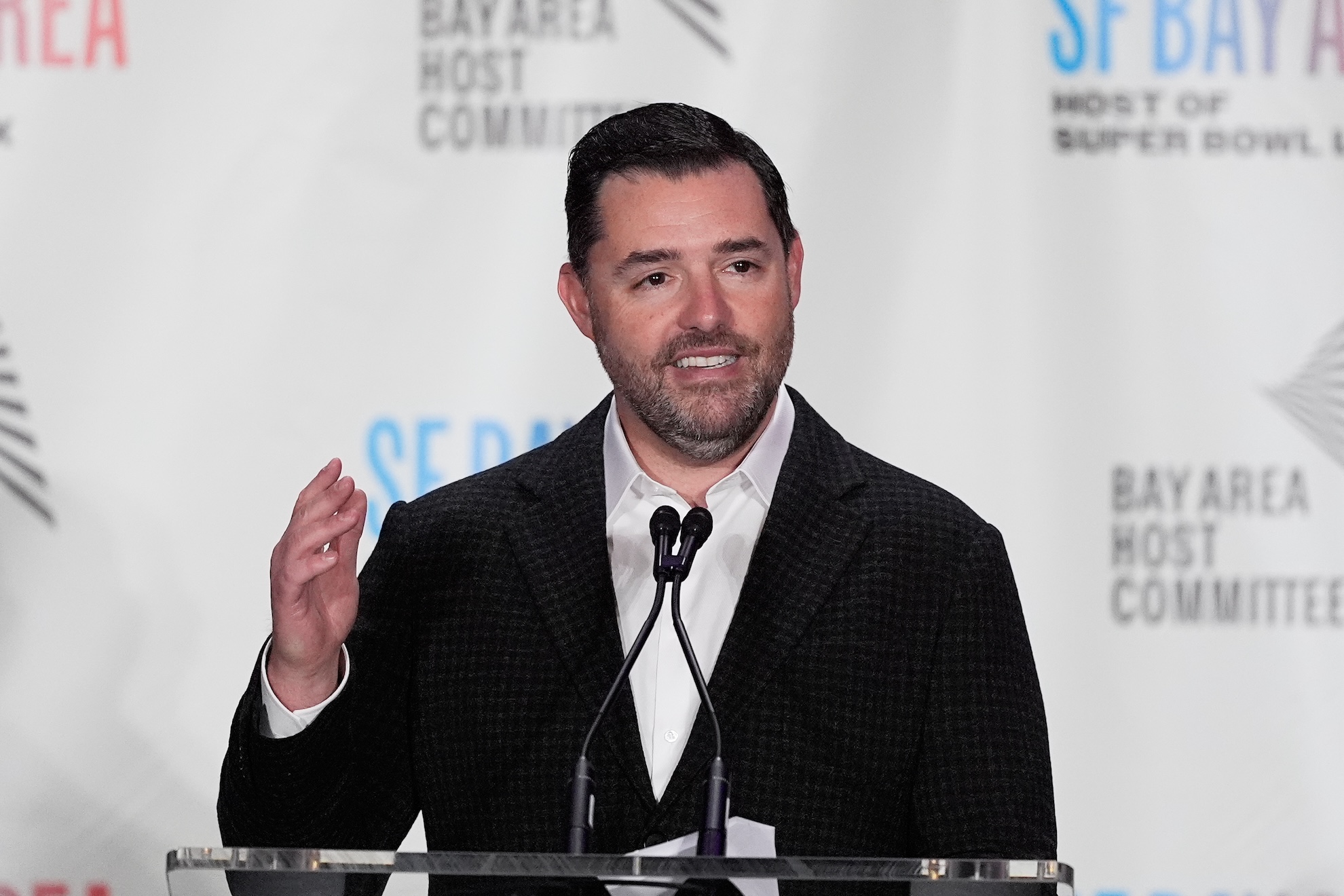
"caption": "San Francisco 49ers team owner Jed York speaks at a news conference in San Francisco, Monday, Feb. 2, 2026.",
"credit": "Jeff Chiu/AP ",
"altTag": null,
"description": null,
"imgSizes": {
"thumbnail": {
"file": "https://cdn.kqed.org/wp-content/uploads/sites/10/2026/08/AP26236557712207-160x107.jpg",
"width": 160,
"height": 107,
"mimeType": "image/jpeg"
},
"1536x1536": {
"file": "https://cdn.kqed.org/wp-content/uploads/sites/10/2026/08/AP26236557712207-1536x1024.jpg",
"width": 1536,
"height": 1024,
"mimeType": "image/jpeg"
},
"post-thumbnail": {
"file": "https://cdn.kqed.org/wp-content/uploads/sites/10/2026/08/AP26236557712207-672x372.jpg",
"width": 672,
"height": 372,
"mimeType": "image/jpeg"
},
"twentyfourteen-full-width": {
"file": "https://cdn.kqed.org/wp-content/uploads/sites/10/2026/08/AP26236557712207-1038x576.jpg",
"width": 1038,
"height": 576,
"mimeType": "image/jpeg"
},
"npr-cds-wide": {
"file": "https://cdn.kqed.org/wp-content/uploads/sites/10/2026/08/AP26236557712207-1200x675.jpg",
"width": 1200,
"height": 675,
"mimeType": "image/jpeg"
},
"npr-cds-square": {
"file": "https://cdn.kqed.org/wp-content/uploads/sites/10/2026/08/AP26236557712207-600x600.jpg",
"width": 600,
"height": 600,
"mimeType": "image/jpeg"
},
"kqedFullSize": {
"file": "https://cdn.kqed.org/wp-content/uploads/sites/10/2026/08/AP26236557712207.jpg",
"width": 1980,
"height": 1320
}
},
"isLoading": false,
"fetchFailed": false
},
"news_12096109": {
"type": "attachments",
"id": "news_12096109",
"meta": {
"index": "attachments_1716263798",
"site": "news",
"id": "12096109",
"found": true
},
"title": "260501-OAKLAND MAY DAY-MD-05_qed",
"publishDate": 1787254053,
"status": "inherit",
"parent": 12096106,
"modified": 1787336857,
"caption": "Protesters march carrying a papier-mâché camera to protest the use of Flock security cameras at the Oakland Sin Fronteras May Day march in Oakland on May 1, 2026.",
"credit": "Martin do Nascimento/KQED",
"altTag": null,
"description": null,
"imgSizes": {
"thumbnail": {
"file": "https://cdn.kqed.org/wp-content/uploads/sites/10/2026/08/260501-OAKLAND-MAY-DAY-MD-05_qed-160x107.jpg",
"width": 160,
"height": 107,
"mimeType": "image/jpeg"
},
"1536x1536": {
"file": "https://cdn.kqed.org/wp-content/uploads/sites/10/2026/08/260501-OAKLAND-MAY-DAY-MD-05_qed-1536x1025.jpg",
"width": 1536,
"height": 1025,
"mimeType": "image/jpeg"
},
"post-thumbnail": {
"file": "https://cdn.kqed.org/wp-content/uploads/sites/10/2026/08/260501-OAKLAND-MAY-DAY-MD-05_qed-672x372.jpg",
"width": 672,
"height": 372,
"mimeType": "image/jpeg"
},
"twentyfourteen-full-width": {
"file": "https://cdn.kqed.org/wp-content/uploads/sites/10/2026/08/260501-OAKLAND-MAY-DAY-MD-05_qed-1038x576.jpg",
"width": 1038,
"height": 576,
"mimeType": "image/jpeg"
},
"npr-cds-wide": {
"file": "https://cdn.kqed.org/wp-content/uploads/sites/10/2026/08/260501-OAKLAND-MAY-DAY-MD-05_qed-1200x675.jpg",
"width": 1200,
"height": 675,
"mimeType": "image/jpeg"
},
"npr-cds-square": {
"file": "https://cdn.kqed.org/wp-content/uploads/sites/10/2026/08/260501-OAKLAND-MAY-DAY-MD-05_qed-600x600.jpg",
"width": 600,
"height": 600,
"mimeType": "image/jpeg"
},
"kqedFullSize": {
"file": "https://cdn.kqed.org/wp-content/uploads/sites/10/2026/08/260501-OAKLAND-MAY-DAY-MD-05_qed.jpg",
"width": 1998,
"height": 1333
}
},
"isLoading": false,
"fetchFailed": false
},
"news_12096190": {
"type": "attachments",
"id": "news_12096190",
"meta": {
"index": "attachments_1716263798",
"site": "news",
"id": "12096190",
"found": true
},
"title": "SFPUC.00_05_51_00.Still008",
"publishDate": 1787264872,
"status": "inherit",
"parent": 12096163,
"modified": 1787264991,
"caption": "A view of the Skyline Watershed Ridge Trail.",
"credit": "Courtesy of the San Francisco Public Utilities Commission",
"altTag": null,
"description": null,
"imgSizes": {
"thumbnail": {
"file": "https://cdn.kqed.org/wp-content/uploads/sites/10/2026/08/SFPUC.00_05_51_00.Still008-160x84.jpg",
"width": 160,
"height": 84,
"mimeType": "image/jpeg"
},
"1536x1536": {
"file": "https://cdn.kqed.org/wp-content/uploads/sites/10/2026/08/SFPUC.00_05_51_00.Still008-1536x809.jpg",
"width": 1536,
"height": 809,
"mimeType": "image/jpeg"
},
"post-thumbnail": {
"file": "https://cdn.kqed.org/wp-content/uploads/sites/10/2026/08/SFPUC.00_05_51_00.Still008-672x372.jpg",
"width": 672,
"height": 372,
"mimeType": "image/jpeg"
},
"twentyfourteen-full-width": {
"file": "https://cdn.kqed.org/wp-content/uploads/sites/10/2026/08/SFPUC.00_05_51_00.Still008-1038x576.jpg",
"width": 1038,
"height": 576,
"mimeType": "image/jpeg"
},
"npr-cds-wide": {
"file": "https://cdn.kqed.org/wp-content/uploads/sites/10/2026/08/SFPUC.00_05_51_00.Still008-1200x675.jpg",
"width": 1200,
"height": 675,
"mimeType": "image/jpeg"
},
"npr-cds-square": {
"file": "https://cdn.kqed.org/wp-content/uploads/sites/10/2026/08/SFPUC.00_05_51_00.Still008-600x600.jpg",
"width": 600,
"height": 600,
"mimeType": "image/jpeg"
},
"kqedFullSize": {
"file": "https://cdn.kqed.org/wp-content/uploads/sites/10/2026/08/SFPUC.00_05_51_00.Still008.jpg",
"width": 2000,
"height": 1054
}
},
"isLoading": false,
"fetchFailed": false
},
"news_12096035": {
"type": "attachments",
"id": "news_12096035",
"meta": {
"index": "attachments_1716263798",
"site": "news",
"id": "12096035",
"found": true
},
"title": "Cars drive down Highway 37 on August 19, 2026, in Sonoma County.",
"publishDate": 1787174972,
"status": "inherit",
"parent": 0,
"modified": 1787175319,
"caption": "Cars drive down Highway 37 in Sonoma County on Aug. 19, 2026.",
"credit": "Miles Cull/KQED",
"altTag": null,
"description": null,
"imgSizes": {
"thumbnail": {
"file": "https://cdn.kqed.org/wp-content/uploads/sites/10/2026/08/081926-Highway37-14-MC-KQED-160x107.jpg",
"width": 160,
"height": 107,
"mimeType": "image/jpeg"
},
"1536x1536": {
"file": "https://cdn.kqed.org/wp-content/uploads/sites/10/2026/08/081926-Highway37-14-MC-KQED-1536x1024.jpg",
"width": 1536,
"height": 1024,
"mimeType": "image/jpeg"
},
"post-thumbnail": {
"file": "https://cdn.kqed.org/wp-content/uploads/sites/10/2026/08/081926-Highway37-14-MC-KQED-672x372.jpg",
"width": 672,
"height": 372,
"mimeType": "image/jpeg"
},
"twentyfourteen-full-width": {
"file": "https://cdn.kqed.org/wp-content/uploads/sites/10/2026/08/081926-Highway37-14-MC-KQED-1038x576.jpg",
"width": 1038,
"height": 576,
"mimeType": "image/jpeg"
},
"npr-cds-wide": {
"file": "https://cdn.kqed.org/wp-content/uploads/sites/10/2026/08/081926-Highway37-14-MC-KQED-1200x675.jpg",
"width": 1200,
"height": 675,
"mimeType": "image/jpeg"
},
"npr-cds-square": {
"file": "https://cdn.kqed.org/wp-content/uploads/sites/10/2026/08/081926-Highway37-14-MC-KQED-600x600.jpg",
"width": 600,
"height": 600,
"mimeType": "image/jpeg"
},
"kqedFullSize": {
"file": "https://cdn.kqed.org/wp-content/uploads/sites/10/2026/08/081926-Highway37-14-MC-KQED.jpg",
"width": 2000,
"height": 1333
}
},
"isLoading": false,
"fetchFailed": false
},
"news_12095720": {
"type": "attachments",
"id": "news_12095720",
"meta": {
"index": "attachments_1716263798",
"site": "news",
"id": "12095720",
"found": true
},
"title": "USSAbrahamLincolnGetty",
"publishDate": 1787072280,
"status": "inherit",
"parent": 12095712,
"modified": 1787072405,
"caption": "The USS Abraham Lincoln conducts U.S. blockade operations related to the Strait of Hormuz on April 16, 2026, in the Arabian Sea. ",
"credit": "Courtesy of the U.S. Navy via Getty Images",
"altTag": null,
"description": null,
"imgSizes": {
"thumbnail": {
"file": "https://cdn.kqed.org/wp-content/uploads/sites/10/2026/08/USSAbrahamLincolnGetty-160x107.jpg",
"width": 160,
"height": 107,
"mimeType": "image/jpeg"
},
"1536x1536": {
"file": "https://cdn.kqed.org/wp-content/uploads/sites/10/2026/08/USSAbrahamLincolnGetty-1536x1024.jpg",
"width": 1536,
"height": 1024,
"mimeType": "image/jpeg"
},
"post-thumbnail": {
"file": "https://cdn.kqed.org/wp-content/uploads/sites/10/2026/08/USSAbrahamLincolnGetty-672x372.jpg",
"width": 672,
"height": 372,
"mimeType": "image/jpeg"
},
"twentyfourteen-full-width": {
"file": "https://cdn.kqed.org/wp-content/uploads/sites/10/2026/08/USSAbrahamLincolnGetty-1038x576.jpg",
"width": 1038,
"height": 576,
"mimeType": "image/jpeg"
},
"npr-cds-wide": {
"file": "https://cdn.kqed.org/wp-content/uploads/sites/10/2026/08/USSAbrahamLincolnGetty-1200x675.jpg",
"width": 1200,
"height": 675,
"mimeType": "image/jpeg"
},
"npr-cds-square": {
"file": "https://cdn.kqed.org/wp-content/uploads/sites/10/2026/08/USSAbrahamLincolnGetty-600x600.jpg",
"width": 600,
"height": 600,
"mimeType": "image/jpeg"
},
"kqedFullSize": {
"file": "https://cdn.kqed.org/wp-content/uploads/sites/10/2026/08/USSAbrahamLincolnGetty.jpg",
"width": 2000,
"height": 1333
}
},
"isLoading": false,
"fetchFailed": false
},
"news_12092732": {
"type": "attachments",
"id": "news_12092732",
"meta": {
"index": "attachments_1716263798",
"site": "news",
"id": "12092732",
"found": true
},
"title": "072526-YouthSports-36-MC-KQED",
"publishDate": 1785178826,
"status": "inherit",
"parent": 0,
"modified": 1785178859,
"caption": "Tyler Yu prepares his swing at the hitting station during the Oakland Baseball Foundation MLB Pitch Hit and Run competition at Bushrod Park in Oakland on July 23, 2026.",
"credit": "Miles Cull/KQED",
"altTag": null,
"description": null,
"imgSizes": {
"thumbnail": {
"file": "https://cdn.kqed.org/wp-content/uploads/sites/10/2026/07/072526-YouthSports-36-MC-KQED-160x107.jpg",
"width": 160,
"height": 107,
"mimeType": "image/jpeg"
},
"1536x1536": {
"file": "https://cdn.kqed.org/wp-content/uploads/sites/10/2026/07/072526-YouthSports-36-MC-KQED-1536x1024.jpg",
"width": 1536,
"height": 1024,
"mimeType": "image/jpeg"
},
"post-thumbnail": {
"file": "https://cdn.kqed.org/wp-content/uploads/sites/10/2026/07/072526-YouthSports-36-MC-KQED-672x372.jpg",
"width": 672,
"height": 372,
"mimeType": "image/jpeg"
},
"twentyfourteen-full-width": {
"file": "https://cdn.kqed.org/wp-content/uploads/sites/10/2026/07/072526-YouthSports-36-MC-KQED-1038x576.jpg",
"width": 1038,
"height": 576,
"mimeType": "image/jpeg"
},
"npr-cds-wide": {
"file": "https://cdn.kqed.org/wp-content/uploads/sites/10/2026/07/072526-YouthSports-36-MC-KQED-1200x675.jpg",
"width": 1200,
"height": 675,
"mimeType": "image/jpeg"
},
"npr-cds-square": {
"file": "https://cdn.kqed.org/wp-content/uploads/sites/10/2026/07/072526-YouthSports-36-MC-KQED-600x600.jpg",
"width": 600,
"height": 600,
"mimeType": "image/jpeg"
},
"kqedFullSize": {
"file": "https://cdn.kqed.org/wp-content/uploads/sites/10/2026/07/072526-YouthSports-36-MC-KQED.jpg",
"width": 2000,
"height": 1333
}
},
"isLoading": false,
"fetchFailed": false
},
"news_12095869": {
"type": "attachments",
"id": "news_12095869",
"meta": {
"index": "attachments_1716263798",
"site": "news",
"id": "12095869",
"found": true
},
"title": "260818-Hernandez Wahab-MD-01-KQED",
"publishDate": 1787093425,
"status": "inherit",
"parent": 0,
"modified": 1787100521,
"caption": "BART Board President Melissa Hernandez (left) and state Sen. Aisha Wahab (right) are facing off in a special election to fill the House seat vacated by Eric Swalwell.",
"credit": "Courtesy of Melissa Hernandez; Tayfun Coskun/Anadolu Agency via Getty Images",
"altTag": null,
"description": null,
"imgSizes": {
"thumbnail": {
"file": "https://cdn.kqed.org/wp-content/uploads/sites/10/2026/08/260818-Hernandez-Wahab-MD-01-KQED-160x107.jpg",
"width": 160,
"height": 107,
"mimeType": "image/jpeg"
},
"1536x1536": {
"file": "https://cdn.kqed.org/wp-content/uploads/sites/10/2026/08/260818-Hernandez-Wahab-MD-01-KQED-1536x1025.jpg",
"width": 1536,
"height": 1025,
"mimeType": "image/jpeg"
},
"post-thumbnail": {
"file": "https://cdn.kqed.org/wp-content/uploads/sites/10/2026/08/260818-Hernandez-Wahab-MD-01-KQED-672x372.jpg",
"width": 672,
"height": 372,
"mimeType": "image/jpeg"
},
"twentyfourteen-full-width": {
"file": "https://cdn.kqed.org/wp-content/uploads/sites/10/2026/08/260818-Hernandez-Wahab-MD-01-KQED-1038x576.jpg",
"width": 1038,
"height": 576,
"mimeType": "image/jpeg"
},
"npr-cds-wide": {
"file": "https://cdn.kqed.org/wp-content/uploads/sites/10/2026/08/260818-Hernandez-Wahab-MD-01-KQED-1200x675.jpg",
"width": 1200,
"height": 675,
"mimeType": "image/jpeg"
},
"npr-cds-square": {
"file": "https://cdn.kqed.org/wp-content/uploads/sites/10/2026/08/260818-Hernandez-Wahab-MD-01-KQED-600x600.jpg",
"width": 600,
"height": 600,
"mimeType": "image/jpeg"
},
"kqedFullSize": {
"file": "https://cdn.kqed.org/wp-content/uploads/sites/10/2026/08/260818-Hernandez-Wahab-MD-01-KQED.jpg",
"width": 2000,
"height": 1334
}
},
"isLoading": false,
"fetchFailed": false
}
},
"audioPlayerReducer": {
"postId": "stream_live",
"isPaused": true,
"isPlaying": false,
"pfsActive": false,
"pledgeModalIsOpen": true,
"playerDrawerIsOpen": false,
"liveAudioPlayStartedAt": 0,
"liveAudioPlayContext": ""
},
"authorsReducer": {
"byline_news_12096327": {
"type": "authors",
"id": "byline_news_12096327",
"meta": {
"override": true
},
"slug": "byline_news_12096327",
"name": " Zoë Ferrigno",
"isLoading": false
},
"byline_news_12096497": {
"type": "authors",
"id": "byline_news_12096497",
"meta": {
"override": true
},
"slug": "byline_news_12096497",
"name": "Josh Dubow",
"isLoading": false
},
"gmarzorati": {
"type": "authors",
"id": "227",
"meta": {
"index": "authors_1716337520",
"id": "227",
"found": true
},
"name": "Guy Marzorati",
"firstName": "Guy",
"lastName": "Marzorati",
"slug": "gmarzorati",
"email": "gmarzorati@KQED.org",
"display_author_email": true,
"staff_mastheads": [
"news"
],
"title": "Correspondent",
"bio": "Guy Marzorati is a correspondent on KQED's California Politics and Government Desk, based in San Jose. A graduate of Santa Clara University, Guy joined KQED in 2013. He reports on state and local politics and produces KQED's digital voter guide.",
"avatar": "https://secure.gravatar.com/avatar/e7038b8dbfd55b104369b76b1cd0b9de?s=600&d=blank&r=g",
"twitter": "guymarzorati",
"facebook": null,
"instagram": null,
"linkedin": null,
"sites": [
{
"site": "",
"roles": [
"editor"
]
},
{
"site": "news",
"roles": [
"editor"
]
},
{
"site": "science",
"roles": [
"editor"
]
},
{
"site": "forum",
"roles": [
"editor"
]
},
{
"site": "elections",
"roles": [
"editor"
]
},
{
"site": "liveblog",
"roles": [
"editor"
]
}
],
"headData": {
"title": "Guy Marzorati | KQED",
"description": "Correspondent",
"ogImgSrc": "https://secure.gravatar.com/avatar/e7038b8dbfd55b104369b76b1cd0b9de?s=600&d=blank&r=g",
"twImgSrc": "https://secure.gravatar.com/avatar/e7038b8dbfd55b104369b76b1cd0b9de?s=600&d=blank&r=g"
},
"isLoading": false,
"link": "/author/gmarzorati"
},
"clei": {
"type": "authors",
"id": "8617",
"meta": {
"index": "authors_1716337520",
"id": "8617",
"found": true
},
"name": "Cecilia Lei",
"firstName": "Cecilia",
"lastName": "Lei",
"slug": "clei",
"email": "clei@KQED.org",
"display_author_email": false,
"staff_mastheads": [],
"title": "KQED Contributor",
"bio": "Cecilia Lei is an on-call host and producer for KQED News and Podcasts. Previously, she was the executive producer and host of the San Francisco Chronicle's daily news podcast, 'Fifth and Mission'. Cecilia is a graduate of UC Berkeley’s Graduate School of Journalism and the former president of the Asian American Journalists Association San Francisco Bay Area chapter.",
"avatar": "https://secure.gravatar.com/avatar/40975f1f88fccf628ee537bf6ffc2af8?s=600&d=blank&r=g",
"twitter": null,
"facebook": null,
"instagram": null,
"linkedin": null,
"sites": [
{
"site": "arts",
"roles": [
"contributor"
]
},
{
"site": "news",
"roles": [
"author",
"read_private_posts"
]
},
{
"site": "about",
"roles": [
"editor"
]
}
],
"headData": {
"title": "Cecilia Lei | KQED",
"description": "KQED Contributor",
"ogImgSrc": "https://secure.gravatar.com/avatar/40975f1f88fccf628ee537bf6ffc2af8?s=600&d=blank&r=g",
"twImgSrc": "https://secure.gravatar.com/avatar/40975f1f88fccf628ee537bf6ffc2af8?s=600&d=blank&r=g"
},
"isLoading": false,
"link": "/author/clei"
},
"adahlstromeckman": {
"type": "authors",
"id": "11785",
"meta": {
"index": "authors_1716337520",
"id": "11785",
"found": true
},
"name": "Azul Dahlstrom-Eckman",
"firstName": "Azul",
"lastName": "Dahlstrom-Eckman",
"slug": "adahlstromeckman",
"email": "adahlstrom-eckman@kqed.org",
"display_author_email": true,
"staff_mastheads": [],
"title": "Reporter",
"bio": "Azul is a reporter for KQED focusing on transportation and features. He joined KQED in 2021 as an alumna of KALW's Audio Academy radio journalism training program.",
"avatar": "https://secure.gravatar.com/avatar/9cb750298435add7815a777f55bf1f46845c1386bb8452555c60a7b820b5aba3?s=600&d=blank&r=g",
"twitter": "@zuliemann",
"bluesky": "@azul415.bsky.social",
"facebook": null,
"instagram": null,
"linkedin": null,
"sites": [
{
"site": "arts",
"roles": [
"editor"
]
},
{
"site": "news",
"roles": [
"editor"
]
},
{
"site": "science",
"roles": [
"editor"
]
},
{
"site": "liveblog",
"roles": [
"author"
]
}
],
"headData": {
"title": "Azul Dahlstrom-Eckman | KQED",
"description": "Reporter",
"ogImgSrc": "https://secure.gravatar.com/avatar/9cb750298435add7815a777f55bf1f46845c1386bb8452555c60a7b820b5aba3?s=600&d=blank&r=g",
"twImgSrc": "https://secure.gravatar.com/avatar/9cb750298435add7815a777f55bf1f46845c1386bb8452555c60a7b820b5aba3?s=600&d=blank&r=g"
},
"isLoading": false,
"link": "/author/adahlstromeckman"
},
"sjohnson": {
"type": "authors",
"id": "11840",
"meta": {
"index": "authors_1716337520",
"id": "11840",
"found": true
},
"name": "Sydney Johnson",
"firstName": "Sydney",
"lastName": "Johnson",
"slug": "sjohnson",
"email": "sjohnson@kqed.org",
"display_author_email": false,
"staff_mastheads": [
"news"
],
"title": "KQED Reporter",
"bio": "Sydney Johnson is a general assignment reporter at KQED. She previously reported on public health and city government at the San Francisco Examiner, and before that, she covered statewide education policy for EdSource. Her reporting has won multiple local, state and national awards. Sydney is a graduate of the University of California, Berkeley and lives in San Francisco.",
"avatar": "https://secure.gravatar.com/avatar/97855f2719b72ad6190b7c535fe642c8?s=600&d=blank&r=g",
"twitter": "sydneyfjohnson",
"facebook": null,
"instagram": null,
"linkedin": null,
"sites": [
{
"site": "news",
"roles": [
"editor"
]
}
],
"headData": {
"title": "Sydney Johnson | KQED",
"description": "KQED Reporter",
"ogImgSrc": "https://secure.gravatar.com/avatar/97855f2719b72ad6190b7c535fe642c8?s=600&d=blank&r=g",
"twImgSrc": "https://secure.gravatar.com/avatar/97855f2719b72ad6190b7c535fe642c8?s=600&d=blank&r=g"
},
"isLoading": false,
"link": "/author/sjohnson"
},
"kdebenedetti": {
"type": "authors",
"id": "11913",
"meta": {
"index": "authors_1716337520",
"id": "11913",
"found": true
},
"name": "Katie DeBenedetti",
"firstName": "Katie",
"lastName": "DeBenedetti",
"slug": "kdebenedetti",
"email": "kdebenedetti@kqed.org",
"display_author_email": false,
"staff_mastheads": [
"news",
"science"
],
"title": "KQED Contributor",
"bio": "Katie DeBenedetti is a digital reporter covering daily news for the Express Desk. Prior to joining KQED as a culture reporting intern in January 2024, she covered education and city government for the Napa Valley Register.",
"avatar": "https://secure.gravatar.com/avatar/6e31073cb8f7e4214ab03f42771d0f45?s=600&d=blank&r=g",
"twitter": null,
"facebook": null,
"instagram": null,
"linkedin": null,
"sites": [
{
"site": "news",
"roles": [
"author"
]
},
{
"site": "science",
"roles": [
"author"
]
},
{
"site": "liveblog",
"roles": [
"author"
]
}
],
"headData": {
"title": "Katie DeBenedetti | KQED",
"description": "KQED Contributor",
"ogImgSrc": "https://secure.gravatar.com/avatar/6e31073cb8f7e4214ab03f42771d0f45?s=600&d=blank&r=g",
"twImgSrc": "https://secure.gravatar.com/avatar/6e31073cb8f7e4214ab03f42771d0f45?s=600&d=blank&r=g"
},
"isLoading": false,
"link": "/author/kdebenedetti"
},
"sarahwright": {
"type": "authors",
"id": "11956",
"meta": {
"index": "authors_1716337520",
"id": "11956",
"found": true
},
"name": "Sarah Wright",
"firstName": "Sarah",
"lastName": "Wright",
"slug": "sarahwright",
"email": "swright@kqed.org",
"display_author_email": true,
"staff_mastheads": [],
"title": "Outdoors Engagement Reporter",
"bio": "Sarah Wright is KQED's Outdoors Engagement Reporter. Originally from Lake Tahoe, she completed a thru-hike of the Pacific Crest Trail in 2019 and was a U.S. Fulbright Program grantee to Argentina in 2023. Her journalism has appeared in The Guardian, The San Francisco Standard, The Palo Alto Weekly and the Half Moon Bay Review.",
"avatar": "https://secure.gravatar.com/avatar/c161a3d6441865cba25e6db4fa561099ad665799e9432e34da2b84d7e371524c?s=600&d=blank&r=g",
"twitter": null,
"bluesky": null,
"facebook": null,
"instagram": null,
"linkedin": null,
"sites": [
{
"site": "arts",
"roles": [
"editor"
]
},
{
"site": "news",
"roles": [
"editor"
]
},
{
"site": "science",
"roles": [
"contributor",
"author"
]
},
{
"site": "forum",
"roles": [
"editor"
]
}
],
"headData": {
"title": "Sarah Wright | KQED",
"description": "Outdoors Engagement Reporter",
"ogImgSrc": "https://secure.gravatar.com/avatar/c161a3d6441865cba25e6db4fa561099ad665799e9432e34da2b84d7e371524c?s=600&d=blank&r=g",
"twImgSrc": "https://secure.gravatar.com/avatar/c161a3d6441865cba25e6db4fa561099ad665799e9432e34da2b84d7e371524c?s=600&d=blank&r=g"
},
"isLoading": false,
"link": "/author/sarahwright"
},
"aaliahmad": {
"type": "authors",
"id": "11986",
"meta": {
"index": "authors_1716337520",
"id": "11986",
"found": true
},
"name": "Ayah Ali-Ahmad",
"firstName": "Ayah",
"lastName": "Ali-Ahmad",
"slug": "aaliahmad",
"email": "aaliahmad@KQED.org",
"display_author_email": false,
"staff_mastheads": [],
"title": "KQED Contributor",
"bio": null,
"avatar": "https://secure.gravatar.com/avatar/1cf54f187a5e1064b2cfef3f3d2f1e4f93e453395d56912aca6382a6071ec3ed?s=600&d=blank&r=g",
"twitter": "ayahaliahmad",
"bluesky": null,
"facebook": null,
"instagram": null,
"linkedin": null,
"sites": [
{
"site": "news",
"roles": [
"subscriber"
]
}
],
"headData": {
"title": "Ayah Ali-Ahmad | KQED",
"description": "KQED Contributor",
"ogImgSrc": "https://secure.gravatar.com/avatar/1cf54f187a5e1064b2cfef3f3d2f1e4f93e453395d56912aca6382a6071ec3ed?s=600&d=blank&r=g",
"twImgSrc": "https://secure.gravatar.com/avatar/1cf54f187a5e1064b2cfef3f3d2f1e4f93e453395d56912aca6382a6071ec3ed?s=600&d=blank&r=g"
},
"isLoading": false,
"link": "/author/aaliahmad"
}
},
"pagesReducer": {
"news_tag_bay-area": {
"type": "terms",
"id": "news_1386",
"meta": {
"index": "terms_1716263798",
"site": "news",
"id": "1386",
"score": 7.788373
},
"featImg": null,
"name": "Bay Area",
"description": null,
"taxonomy": "tag",
"headData": {
"twImgId": null,
"twTitle": null,
"ogTitle": null,
"ogImgId": null,
"twDescription": null,
"description": null,
"title": "Bay Area Archives | KQED News",
"ogDescription": null
},
"ttid": 1398,
"slug": "bay-area",
"isLoading": false,
"title": "Bay Area",
"pageMeta": {
"site": "news",
"WpPageTemplate": "page-topic-editorial",
"currentPage": 6
},
"blocks": [
{
"blockName": "kqed/post-list",
"attrs": {
"layout": "cardArticle2",
"query": "posts/news?tag=bay-area",
"seeMore": false,
"paginated": true,
"page": 6
}
},
{
"blockName": "kqed/ad"
}
]
}
},
"pfsSessionReducer": {},
"postsReducer": {
"stream_live": {
"type": "live",
"id": "stream_live",
"audioUrl": "https://streams.kqed.org/kqedradio",
"title": "Live Stream",
"excerpt": "Live Stream information currently unavailable.",
"link": "/radio",
"featImg": "",
"label": {
"name": "KQED Live",
"link": "/"
}
},
"stream_kqedNewscast": {
"type": "posts",
"id": "stream_kqedNewscast",
"audioUrl": "https://www.kqed.org/.stream/anon/radio/RDnews/newscast.mp3?_=1",
"title": "KQED Newscast",
"featImg": "",
"label": {
"name": "88.5 FM",
"link": "/"
}
},
"news_12096539": {
"type": "posts",
"id": "news_12096539",
"meta": {
"index": "posts_1716263798",
"site": "news",
"id": "12096539",
"score": null,
"sort": [
1787764606000
]
},
"guestAuthors": [],
"slug": "going-camping-during-fire-season-heres-what-to-know",
"title": "Going Camping During Fire Season? Here’s What to Know",
"publishDate": 1787764606,
"format": "standard",
"headTitle": "Going Camping During Fire Season? Here’s What to Know | KQED",
"labelTerm": {
"site": "news"
},
"content": "\u003cp>\u003ca href=\"https://www.kqed.org/wildfires\">Wildfires\u003c/a> are one of the biggest risks of being outdoors in \u003ca href=\"https://www.kqed.org/news/tag/california\">California\u003c/a>, especially at this time of year — and particularly if you’re planning to stay outdoors in a campsite. \u003c/p>\n\n\n\n\u003cp>This summer has proven no exception. Major wildfires continue to prompt \u003ca href=\"https://www.npr.org/2026/08/23/g-s1-139729/thousands-forced-to-evacuate-parts-of-reno-nevada-as-new-wildfire-rages\">evacuations for thousands of Reno residents\u003c/a>, \u003ca href=\"https://www.sfchronicle.com/california/article/burning-man-travel-warning-hawk-fire-reno-22401928.php\">derail plans for 2026 Burning Man attendees\u003c/a> and \u003ca href=\"https://www.kqed.org/news/12094533/big-sur-wildfire-map-evacuation-timber-fire-august-2026\">threaten Big Sur’s most wild places\u003c/a> as California’s camping and fire seasons collide head-on.\u003c/p>\n\n\n\n\u003cp>But if you’ve got a camping trip planned, and a wildfire is burning not too far away, how do you know when you should cancel? \u003c/p>\n\n\n\n\u003cp>Or what the air quality in your campsite will be like due to wildfire smoke, if you choose to continue with your plans? And how can you be ready if the worst happens and a wildfire reaches your campground itself?\u003c/p>\n\n\n\n\u003cfigure class=\"wp-block-image size-full\">\u003cimg loading=\"lazy\" decoding=\"async\" width=\"2000\" height=\"1392\" src=\"https://cdn.kqed.org/wp-content/uploads/sites/10/2025/08/250828-Presidio-Trails-01-KQED.jpg\" alt=\"\" class=\"wp-image-12054125\" srcset=\"https://cdn.kqed.org/wp-content/uploads/sites/10/2025/08/250828-Presidio-Trails-01-KQED.jpg 2000w, https://cdn.kqed.org/wp-content/uploads/sites/10/2025/08/250828-Presidio-Trails-01-KQED-160x111.jpg 160w, https://cdn.kqed.org/wp-content/uploads/sites/10/2025/08/250828-Presidio-Trails-01-KQED-1536x1069.jpg 1536w\" sizes=\"auto, (max-width: 2000px) 100vw, 2000px\">\u003cfigcaption class=\"wp-element-caption\">Campers arrive at Rob Hill Campground in the Presidio, where staying overnight is allowed all summer long. (Courtesy of Presidio Trust)\u003c/figcaption>\u003c/figure>\n\n\n\n\u003cp>There’s at least some good news: There are lots of tools at your disposal to help you decide how to adjust your trip and stay safe, said Peter Ostroskie, staff park and recreation specialist for the Bay Area district of California State Parks.\u003c/p>\n\n\n\n\u003cp>[ad fullwidth]\u003c/p>\n\u003cp>“I would rather people be more safe than sorry,” Ostroskie said — even if that means rescheduling a much-anticipated trip. \u003c/p>\n\n\n\n\u003cp>Here’s what you need to know before heading out into fire-prone areas or during the peak of fire season.\u003c/p>\n\n\n\n\u003cp>\u003cstrong>Jump straight to:\u003c/strong>\u003c/p>\n\n\n\n\u003cul class=\"wp-block-list\">\n\u003cli>\u003cstrong>\u003ca href=\"#air-quality\">How to check air quality at your campsite\u003c/a>\u003c/strong>\u003c/li>\n\n\n\n\u003cli>\u003cstrong>\u003ca href=\"#canceling\">What to know about California State Parks’ new cancellation policy\u003c/a>\u003c/strong>\u003c/li>\n\n\n\n\u003cli>\u003cstrong>\u003ca href=\"#campfire\">Will you be allowed a campfire at your site? \u003c/a>\u003c/strong>\u003c/li>\n\u003c/ul>\n\n\n\n\u003ch2 class=\"wp-block-heading\">Know the fire risk \u003cem>before \u003c/em>you go\u003c/h2>\n\n\n\n\u003cp>Ostroskie’s biggest advice: Check the website of the place you’re planning on camping \u003cem>before \u003c/em>you head out to double-check if there are any evacuation notices or information about wildfires. \u003c/p>\n\n\n\n\u003cp>Check your inbox too, as you may have received an email about conditions at your campsite. \u003c/p>\n\n\n\n\u003cfigure class=\"wp-block-image size-full\">\u003cimg loading=\"lazy\" decoding=\"async\" width=\"2000\" height=\"1500\" src=\"https://cdn.kqed.org/wp-content/uploads/sites/10/2025/08/campfire-photo-sarah-wright-e1755279648823.jpg\" alt=\"\" class=\"wp-image-12052372\">\u003cfigcaption class=\"wp-element-caption\">A campfire during the author’s recent trip to Montana. If you plan to bring firewood, make sure you check your state and campsite’s fire regulations. (Sarah Wright/KQED)\u003c/figcaption>\u003c/figure>\n\n\n\n\u003cp>If there’s an active fire near your camping spot, you can use the \u003ca href=\"https://www.fire.ca.gov/incidents\">CalFire incidents webpage\u003c/a> to know which zones are currently under \u003ca href=\"https://www.kqed.org/news/11834901/fire-evacuation-what-actually-happens-and-how-can-you-plan\">evacuation orders or warnings\u003c/a>. You can also check \u003ca href=\"https://app.watchduty.org/\">apps like Watch Duty \u003c/a>that compile reports of fires from users to watch where the fire is moving and learn if your area might soon be at risk. \u003c/p>\n\n\n\n\u003cp>If you are at all in doubt about safety or whether your campsite is open, just call the local park kiosk and speak to rangers — they will have the latest safety information and will be able to let you know the conditions at the campground, Ostroskie said. (You can usually find that phone number on the main page of your park’s website, or check your reservation for contact information for the park you’re going to.)\u003c/p>\n\n\n\n\u003ch2 class=\"wp-block-heading\" id=\"air-quality\">Check the air quality at your campsite\u003cstrong> \u003c/strong>\u003c/h2>\n\n\n\n\u003cp>Even if your campground is technically open, it might not be all that fun to visit — and sleep outside — if the air quality is poor or \u003ca href=\"https://www.kqed.org/science/1926793/protecting-your-health-from-toxic-wildfire-smoke\">even dangerous\u003c/a>. \u003c/p>\n\n\n\n\u003cp>There are a \u003ca href=\"https://www.kqed.org/science/1969271/making-sense-of-purple-air-vs-airnow-and-a-new-map-to-rule-them-all\">few easy-to-use sources\u003c/a> to give you an idea of air quality in the area you’re heading to, including: \u003c/p>\n\n\n\n\u003cul class=\"wp-block-list\">\n\u003cli>The national \u003ca href=\"https://www.airnow.gov/state/?name=california\">AirNow website\u003c/a> from the Environmental Protection Agency\u003c/li>\n\n\n\n\u003cli>The \u003ca href=\"https://ww2.arb.ca.gov/resources/fact-sheets/frequently-asked-questions-about-wildfire-smoke-ash-air-quality\">California Smoke Spotter mobile app\u003c/a>\u003c/li>\n\n\n\n\u003cli>The crowdsourced \u003ca href=\"https://map.purpleair.com/air-quality-standards-us-epa-aqi/united-states/california?opt=%2F1%2Flp%2Fa10%2Fp604800%2FcC0#5.71/37.419/-119.306\">Purple Air site\u003c/a> (although be aware that crowdsourced air quality sensors tend to be l\u003ca href=\"https://pmc.ncbi.nlm.nih.gov/articles/PMC9784900/\">ess accurate when measuring extreme smoke\u003c/a>)\u003c/li>\n\u003c/ul>\n\n\n\n\u003cp>Each will give you the latest air quality readings from nearby weather stations or community sensors, which can help you decide if it’s safe and comfortable for you to be outside. \u003c/p>\n\n\n\n\u003cfigure class=\"wp-block-image size-full\">\u003cimg loading=\"lazy\" decoding=\"async\" width=\"2000\" height=\"1331\" src=\"https://cdn.kqed.org/wp-content/uploads/sites/10/2026/07/042_KQED_BigBasin_Fire_09102020-KQED.jpg\" alt=\"\" class=\"wp-image-12092803\" srcset=\"https://cdn.kqed.org/wp-content/uploads/sites/10/2026/07/042_KQED_BigBasin_Fire_09102020-KQED.jpg 2000w, https://cdn.kqed.org/wp-content/uploads/sites/10/2026/07/042_KQED_BigBasin_Fire_09102020-KQED-160x106.jpg 160w, https://cdn.kqed.org/wp-content/uploads/sites/10/2026/07/042_KQED_BigBasin_Fire_09102020-KQED-1536x1022.jpg 1536w\" sizes=\"auto, (max-width: 2000px) 100vw, 2000px\">\u003cfigcaption class=\"wp-element-caption\">Two California Park Rangers walk through Big Basin Redwoods State Park headquarters on Sep. 10, 2020. (Beth LaBerge/KQED)\u003c/figcaption>\u003c/figure>\n\n\n\n\u003cp>To help understand what the colors and numbers mean, you can \u003ca href=\"https://www.airnow.gov/aqi/aqi-basics/\">use the EPA’s guide\u003c/a> to reading air quality maps — and don’t forget that some members of your group, including young children and older adults, \u003ca href=\"https://www.epa.gov/wildfire-smoke-course/who-increased-risk-health-effects-wildfire-smoke-exposure\">might be more sensitive to poor air quality. \u003c/a>\u003c/p>\n\n\n\n\u003cp>If you’re planning to camp in a California state park, Ostroskie said the state parks system uses social media and its websites to communicate when an area of a park is experiencing elevated levels of pollutants in the air — and when it might not be the best time to come camping. \u003c/p>\n\n\n\n\u003cp>“We just tell them, ‘Hey, this is at your own risk, but we really advise you not to be outside,’” he said.\u003c/p>\n\n\n\n\u003cp>If you are worried about smoke exposure more generally, \u003ca href=\"https://www.epa.gov/wildfires/protect-yourself-wildfire-smoke-and-ash\">health experts say using an N95 mask\u003c/a> — and wearing it properly, tightly sealed across your face — can help filter out pollutants.\u003c/p>\n\n\n\n\u003ch2 class=\"wp-block-heading\" id=\"canceling\">Be OK with canceling (and know the refund policy)\u003c/h2>\n\n\n\n\u003cp>If your campground is under evacuation orders or any other emergency situation, your reservation will be canceled and refunded for each night the park was evacuated or closed, Ostroskie said. \u003c/p>\n\n\n\n\u003cp>Allow time for processing, but if you’re missing a refund, the best thing to do is to contact the platform you reserved on, like \u003ca href=\"http://reservecalifornia.com\">ReserveCalifornia.com\u003c/a>, and you should get all of your money back.\u003c/p>\n\n\n\n\n\n\u003cp>But even if the campground is open, you might not want to risk going. State-run campgrounds allow modifications, but they charge an $8.25 fee for any change and are based on campsite availability.\u003c/p>\n\n\n\n\u003cp>“If somebody’s feeling nervous about the situation, I would reschedule a trip,” he said.\u003c/p>\n\n\n\n\u003cp>If you’re camping in a California state park, just make sure you’re familiar with the system’s \u003ca href=\"https://www.parks.ca.gov/?page_id=31977\">up-to-date policies\u003c/a> on campsite cancellations. The $8.25 processing fee is never refundable. If you cancel more than a week in advance, you get a full refund — but canceling within seven days means you won’t get all your money back on the reservation. \u003c/p>\n\n\n\n\u003cp>And if you no-show three times in one calendar year, you won’t be able to reserve any more campsites on ReserveCalifornia.com for a calendar year.\u003c/p>\n\n\n\n\u003ch2 class=\"wp-block-heading\" id=\"campfire\">Check campfire restrictions and follow them\u003c/h2>\n\n\n\n\u003cp>Another must-do before heading out to camp is to check the area’s fire regulations. Many places in the state institute blanket fire bans during the summer, meaning that campfires — even at designated sites and in fire rings — are not allowed. \u003c/p>\n\n\n\n\u003cp>The best way to find out about fire restrictions is to call the local entity that manages the land or the place you’re camping. That could be a state, city, county park or a federal land management agency like the U.S. Forest Service and Bureau of Land Management. \u003c/p>\n\n\n\n\u003cp>Check their website for a phone number for the regional office near where you’re going. Their staff will have on-the-ground knowledge of regulations in place.\u003c/p>\n\n\n\n\u003cfigure class=\"wp-block-image size-full\">\u003cimg loading=\"lazy\" decoding=\"async\" width=\"1999\" height=\"1333\" src=\"https://cdn.kqed.org/wp-content/uploads/sites/10/2026/04/040526CheapCamping_GH_003_qed.jpg\" alt=\"\" class=\"wp-image-12079256\" srcset=\"https://cdn.kqed.org/wp-content/uploads/sites/10/2026/04/040526CheapCamping_GH_003_qed.jpg 1999w, https://cdn.kqed.org/wp-content/uploads/sites/10/2026/04/040526CheapCamping_GH_003_qed-160x107.jpg 160w, https://cdn.kqed.org/wp-content/uploads/sites/10/2026/04/040526CheapCamping_GH_003_qed-1536x1024.jpg 1536w\" sizes=\"auto, (max-width: 1999px) 100vw, 1999px\">\u003cfigcaption class=\"wp-element-caption\">Firewood and charcoal are sold at Anthony Chabot Family Campground on April 5, 2026, in Castro Valley, California. (Gustavo Hernandez/KQED)\u003c/figcaption>\u003c/figure>\n\n\n\n\u003cp>And if you are allowed to make a campfire during the summer, be \u003cem>extra \u003c/em>cautious that you’re putting it out fully, Ostroskie said. \u003c/p>\n\n\n\n\u003cp>“I know a lot of folks; what they’ll do is sometimes they’ll just throw a bucket of water onto a campfire and then they’re like, ‘We’re good,’” he said. \u003c/p>\n\n\n\n\u003cp>But the reality is that you have to \u003ca href=\"https://smokeybear.com/campfire-safety\">make absolutely sure that your fire is extinguished\u003c/a>, which “means that everything is cool to the touch,” he said. “You’re not going to be risking anything restarting or reigniting.”\u003c/p>\n\n\n\n\u003cp>To do that, “\u003ca href=\"https://www.facebook.com/salmonchallisnf/posts/three-simple-steps-can-stop-abandoned-or-improperly-extinguished-campfires-from-/957643936661684/\">stir and drown\u003c/a>,” Ostroskie said, which means: Take a stick and make sure that all the water you’re using to put out your fire is hitting all the hot coals at the bottom. \u003c/p>\n\n\n\n\u003cp>And do not under any circumstances start a fire during a \u003ca href=\"https://wfca.com/wildfire-articles/wildfire-preparedness/red-flag-warning/\">red flag warning \u003c/a>— when hot, windy and dry weather can turn your campfire into a deadly wildfire, Ostroskie said. \u003c/p>\n\n\n\n\u003ch2 class=\"wp-block-heading\">Know your exits and consider an emergency device\u003c/h2>\n\n\n\n\u003cp>The idea that a wildfire could reach your campsite itself might seem far-fetched — but it happens. In 2020, campers in Big Basin Redwoods State Park were \u003ca href=\"https://www.bouldercreeklocal.com/around-town/big-basin-evacuation-czu-fire\">dramatically evacuated\u003c/a> as the CZU Lightning Complex fire approached their campground. So how can you be ready for this kind of emergency yourself? \u003c/p>\n\n\n\n\u003cp>Before you head out to your campground, make sure you have all of your maps and navigation downloaded ahead of time, using offline maps if you won’t have cellphone signal at your site. Keep an eye out for the nearest evacuation route out of your campground — usually a paved road — and try to memorize how to get there on foot or in a vehicle from your spot. \u003c/p>\n\n\n\n\u003cp>Just like any other outdoor trip, let someone who isn’t on the trip know where you’re going and when you expect to be back. \u003c/p>\n\n\n\n\u003cfigure class=\"wp-block-image size-full\">\u003cimg loading=\"lazy\" decoding=\"async\" width=\"2560\" height=\"1703\" src=\"https://cdn.kqed.org/wp-content/uploads/sites/10/2023/06/AP23177647201576-scaled.jpg\" alt=\"\" class=\"wp-image-11954242\" srcset=\"https://cdn.kqed.org/wp-content/uploads/sites/10/2023/06/AP23177647201576-scaled.jpg 2560w, https://cdn.kqed.org/wp-content/uploads/sites/10/2023/06/AP23177647201576-800x532.jpg 800w, https://cdn.kqed.org/wp-content/uploads/sites/10/2023/06/AP23177647201576-1020x679.jpg 1020w, https://cdn.kqed.org/wp-content/uploads/sites/10/2023/06/AP23177647201576-160x106.jpg 160w, https://cdn.kqed.org/wp-content/uploads/sites/10/2023/06/AP23177647201576-1536x1022.jpg 1536w, https://cdn.kqed.org/wp-content/uploads/sites/10/2023/06/AP23177647201576-2048x1363.jpg 2048w, https://cdn.kqed.org/wp-content/uploads/sites/10/2023/06/AP23177647201576-1920x1277.jpg 1920w\" sizes=\"auto, (max-width: 2560px) 100vw, 2560px\">\u003cfigcaption class=\"wp-element-caption\">Fire Battalion Chief Craig Newell carries a hose while battling the North Complex Fire in Plumas National Forest, California, on Sept. 14, 2020. (Noah Berger/AP Photo)\u003c/figcaption>\u003c/figure>\n\n\n\n\u003cp>If you’re the type of person who is gone all day hiking while out of cellphone range, consider investing in an \u003ca href=\"https://www.outdoorgearlab.com/topics/camping-and-hiking/best-personal-locator-beacon\">emergency device\u003c/a>, Ostroskie said. Something like a Garmin InReach or a cell phone with satellite capabilities will mean you can stay up-to-date on emergency information. \u003c/p>\n\n\n\n\u003cp>Having some sort of \u003ca href=\"https://www.youtube.com/watch?v=HY7wFXKLzko&t=324\">outdoors insurance\u003c/a> can also give you peace of mind, Ostroskie said, and cover instances like medical evacuations. \u003c/p>\n\n\n\n\u003cp>“If you are an avid backpacker and you are an avid outdoorsperson, you should really be looking at some of those extra insurances that can help pull you out of places, especially if you’re in the backcountry,” he said.\u003c/p>\n\n\n\n\u003ch2 class=\"wp-block-heading\">Be ready to bail — without your stuff\u003c/h2>\n\n\n\n\u003cp>Know that in the case of a fire, you won’t be able to pack up all of your stuff before leaving your campsite, Ostroskie said. So you should consider keeping a “go bag” in your car that’s stocked with three to five days of food, a first aid kit, flashlights and water (\u003ca href=\"https://www.readyforwildfire.org/prepare-for-wildfire/emergency-supply-kit\">a full recommended list is here\u003c/a>).\u003c/p>\n\n\n\n\u003cp>If you do encounter a wildfire near your campsite or while hiking, get to a road as fast as you can, Ostroskie said — and be aware that fires can move quickly. \u003c/p>\n\n\n\n\u003cfigure class=\"wp-block-image size-full\">\u003cimg loading=\"lazy\" decoding=\"async\" width=\"2000\" height=\"1333\" src=\"https://cdn.kqed.org/wp-content/uploads/sites/10/2026/01/CampingGetty1.jpg\" alt=\"\" class=\"wp-image-12069168\" srcset=\"https://cdn.kqed.org/wp-content/uploads/sites/10/2026/01/CampingGetty1.jpg 2000w, https://cdn.kqed.org/wp-content/uploads/sites/10/2026/01/CampingGetty1-160x107.jpg 160w, https://cdn.kqed.org/wp-content/uploads/sites/10/2026/01/CampingGetty1-1536x1024.jpg 1536w\" sizes=\"auto, (max-width: 2000px) 100vw, 2000px\">\u003cfigcaption class=\"wp-element-caption\">A public campground near Camp Richardson is shown on Aug. 4, 2013, in South Lake Tahoe, California. (George Rose/Getty Images)\u003c/figcaption>\u003c/figure>\n\n\n\n\u003cp>“If the wind kicks up just right, and if the fuel sources are there, then it can take off really quick, and the fire can move,” he said — so don’t wait to act. \u003c/p>\n\n\n\n\u003cp>[ad floatright]\u003c/p>\n\u003cp>“If you’re seeing large plumes of smoke and you’re worried, get off the trail, get onto a main road, get back to your vehicle, make sure that you have some way of getting out of there and that somebody can see you so that you can get help,” he said.\u003c/p>\n\n",
"blocks": [
{
"blockName": "core/paragraph",
"attrs": {
"dropCap": false
},
"innerHTML": "\n\u003cp>\u003ca href=\"https://www.kqed.org/wildfires\">Wildfires\u003c/a> are one of the biggest risks of being outdoors in \u003ca href=\"https://www.kqed.org/news/tag/california\">California\u003c/a>, especially at this time of year — and particularly if you’re planning to stay outdoors in a campsite. \u003c/p>\n",
"innerContent": [
"\n\u003cp>\u003ca href=\"https://www.kqed.org/wildfires\">Wildfires\u003c/a> are one of the biggest risks of being outdoors in \u003ca href=\"https://www.kqed.org/news/tag/california\">California\u003c/a>, especially at this time of year — and particularly if you’re planning to stay outdoors in a campsite. \u003c/p>\n"
],
"innerBlocks": []
},
{
"blockName": "core/paragraph",
"attrs": {
"dropCap": false
},
"innerHTML": "\n\u003cp>This summer has proven no exception. Major wildfires continue to prompt \u003ca href=\"https://www.npr.org/2026/08/23/g-s1-139729/thousands-forced-to-evacuate-parts-of-reno-nevada-as-new-wildfire-rages\">evacuations for thousands of Reno residents\u003c/a>, \u003ca href=\"https://www.sfchronicle.com/california/article/burning-man-travel-warning-hawk-fire-reno-22401928.php\">derail plans for 2026 Burning Man attendees\u003c/a> and \u003ca href=\"https://www.kqed.org/news/12094533/big-sur-wildfire-map-evacuation-timber-fire-august-2026\">threaten Big Sur’s most wild places\u003c/a> as California’s camping and fire seasons collide head-on.\u003c/p>\n",
"innerContent": [
"\n\u003cp>This summer has proven no exception. Major wildfires continue to prompt \u003ca href=\"https://www.npr.org/2026/08/23/g-s1-139729/thousands-forced-to-evacuate-parts-of-reno-nevada-as-new-wildfire-rages\">evacuations for thousands of Reno residents\u003c/a>, \u003ca href=\"https://www.sfchronicle.com/california/article/burning-man-travel-warning-hawk-fire-reno-22401928.php\">derail plans for 2026 Burning Man attendees\u003c/a> and \u003ca href=\"https://www.kqed.org/news/12094533/big-sur-wildfire-map-evacuation-timber-fire-august-2026\">threaten Big Sur’s most wild places\u003c/a> as California’s camping and fire seasons collide head-on.\u003c/p>\n"
],
"innerBlocks": []
},
{
"blockName": "core/paragraph",
"attrs": {
"dropCap": false
},
"innerHTML": "\n\u003cp>But if you’ve got a camping trip planned, and a wildfire is burning not too far away, how do you know when you should cancel? \u003c/p>\n",
"innerContent": [
"\n\u003cp>But if you’ve got a camping trip planned, and a wildfire is burning not too far away, how do you know when you should cancel? \u003c/p>\n"
],
"innerBlocks": []
},
{
"blockName": "core/paragraph",
"attrs": {
"dropCap": false
},
"innerHTML": "\n\u003cp>Or what the air quality in your campsite will be like due to wildfire smoke, if you choose to continue with your plans? And how can you be ready if the worst happens and a wildfire reaches your campground itself?\u003c/p>\n",
"innerContent": [
"\n\u003cp>Or what the air quality in your campsite will be like due to wildfire smoke, if you choose to continue with your plans? And how can you be ready if the worst happens and a wildfire reaches your campground itself?\u003c/p>\n"
],
"innerBlocks": []
},
{
"blockName": "core/image",
"attrs": {
"id": 12054125,
"sizeSlug": "full",
"linkDestination": "none",
"imageCredit": "Courtesy of Presidio Trust",
"srcset": "https://cdn.kqed.org/wp-content/uploads/sites/10/2025/08/250828-Presidio-Trails-01-KQED.jpg 2000w, https://cdn.kqed.org/wp-content/uploads/sites/10/2025/08/250828-Presidio-Trails-01-KQED-160x111.jpg 160w, https://cdn.kqed.org/wp-content/uploads/sites/10/2025/08/250828-Presidio-Trails-01-KQED-1536x1069.jpg 1536w",
"sizes": "(min-width: 992px) min(100vw, 1536px), (min-width: 768px) min(100vw, 1280px), min(100vw, 1020px)",
"alt": ""
},
"innerHTML": "\n\u003cfigure class=\"wp-block-image size-full\">\u003cimg src=\"https://cdn.kqed.org/wp-content/uploads/sites/10/2025/08/250828-Presidio-Trails-01-KQED.jpg\" alt=\"\" class=\"wp-image-12054125\" srcset=\"https://cdn.kqed.org/wp-content/uploads/sites/10/2025/08/250828-Presidio-Trails-01-KQED.jpg 2000w, https://cdn.kqed.org/wp-content/uploads/sites/10/2025/08/250828-Presidio-Trails-01-KQED-160x111.jpg 160w, https://cdn.kqed.org/wp-content/uploads/sites/10/2025/08/250828-Presidio-Trails-01-KQED-1536x1069.jpg 1536w\" sizes=\"(min-width: 992px) min(100vw, 1536px), (min-width: 768px) min(100vw, 1280px), min(100vw, 1020px)\" />\u003cfigcaption class=\"wp-element-caption\">Campers arrive at Rob Hill Campground in the Presidio, where staying overnight is allowed all summer long.\u003c/figcaption>\u003c/figure>\n",
"innerContent": [
"\n\u003cfigure class=\"wp-block-image size-full\">\u003cimg src=\"https://cdn.kqed.org/wp-content/uploads/sites/10/2025/08/250828-Presidio-Trails-01-KQED.jpg\" alt=\"\" class=\"wp-image-12054125\" />\u003cfigcaption class=\"wp-element-caption\">Campers arrive at Rob Hill Campground in the Presidio, where staying overnight is allowed all summer long.\u003c/figcaption>\u003c/figure>\n"
],
"innerBlocks": []
},
{
"blockName": "core/paragraph",
"attrs": {
"dropCap": false
},
"innerHTML": "\n\u003cp>There’s at least some good news: There are lots of tools at your disposal to help you decide how to adjust your trip and stay safe, said Peter Ostroskie, staff park and recreation specialist for the Bay Area district of California State Parks.\u003c/p>\n",
"innerContent": [
"\n\u003cp>There’s at least some good news: There are lots of tools at your disposal to help you decide how to adjust your trip and stay safe, said Peter Ostroskie, staff park and recreation specialist for the Bay Area district of California State Parks.\u003c/p>\n"
],
"innerBlocks": []
},
{
"blockName": "kqed/ad",
"attrs": {
"format": "fullwidth"
},
"innerBlocks": [],
"innerHTML": "",
"innerContent": []
},
{
"blockName": "core/paragraph",
"attrs": {
"dropCap": false
},
"innerHTML": "\n\u003cp>“I would rather people be more safe than sorry,” Ostroskie said — even if that means rescheduling a much-anticipated trip. \u003c/p>\n",
"innerContent": [
"\n\u003cp>“I would rather people be more safe than sorry,” Ostroskie said — even if that means rescheduling a much-anticipated trip. \u003c/p>\n"
],
"innerBlocks": []
},
{
"blockName": "core/paragraph",
"attrs": {
"dropCap": false
},
"innerHTML": "\n\u003cp>Here’s what you need to know before heading out into fire-prone areas or during the peak of fire season.\u003c/p>\n",
"innerContent": [
"\n\u003cp>Here’s what you need to know before heading out into fire-prone areas or during the peak of fire season.\u003c/p>\n"
],
"innerBlocks": []
},
{
"blockName": "core/paragraph",
"attrs": {
"dropCap": false
},
"innerHTML": "\n\u003cp>\u003cstrong>Jump straight to:\u003c/strong>\u003c/p>\n",
"innerContent": [
"\n\u003cp>\u003cstrong>Jump straight to:\u003c/strong>\u003c/p>\n"
],
"innerBlocks": []
},
{
"blockName": "core/list",
"attrs": {
"items": [
"How to check air quality at your campsite",
"What to know about California State Parks’ new cancellation policy",
"Will you be allowed a campfire at your site? "
],
"ordered": false,
"values": ""
},
"innerHTML": "\n\u003cul class=\"wp-block-list\">\n\n\n\n\u003c/ul>\n",
"innerContent": [
"\n\u003cul class=\"wp-block-list\">",
null,
"\n\n",
null,
"\n\n",
null,
"\u003c/ul>\n"
],
"innerBlocks": [
{
"blockName": "core/list-item",
"attrs": [],
"innerBlocks": [],
"innerHTML": "\n\u003cli>\u003cstrong>\u003ca href=\"#air-quality\">How to check air quality at your campsite\u003c/a>\u003c/strong>\u003c/li>\n",
"innerContent": [
"\n\u003cli>\u003cstrong>\u003ca href=\"#air-quality\">How to check air quality at your campsite\u003c/a>\u003c/strong>\u003c/li>\n"
]
},
{
"blockName": "core/list-item",
"attrs": [],
"innerBlocks": [],
"innerHTML": "\n\u003cli>\u003cstrong>\u003ca href=\"#canceling\">What to know about California State Parks’ new cancellation policy\u003c/a>\u003c/strong>\u003c/li>\n",
"innerContent": [
"\n\u003cli>\u003cstrong>\u003ca href=\"#canceling\">What to know about California State Parks’ new cancellation policy\u003c/a>\u003c/strong>\u003c/li>\n"
]
},
{
"blockName": "core/list-item",
"attrs": [],
"innerBlocks": [],
"innerHTML": "\n\u003cli>\u003cstrong>\u003ca href=\"#campfire\">Will you be allowed a campfire at your site? \u003c/a>\u003c/strong>\u003c/li>\n",
"innerContent": [
"\n\u003cli>\u003cstrong>\u003ca href=\"#campfire\">Will you be allowed a campfire at your site? \u003c/a>\u003c/strong>\u003c/li>\n"
]
}
]
},
{
"blockName": "core/heading",
"attrs": {
"text": "Know the fire risk before you go",
"level": 2
},
"innerHTML": "\n\u003ch2 class=\"wp-block-heading\">Know the fire risk \u003cem>before \u003c/em>you go\u003c/h2>\n",
"innerContent": [
"\n\u003ch2 class=\"wp-block-heading\">Know the fire risk \u003cem>before \u003c/em>you go\u003c/h2>\n"
],
"innerBlocks": []
},
{
"blockName": "core/paragraph",
"attrs": {
"dropCap": false
},
"innerHTML": "\n\u003cp>Ostroskie’s biggest advice: Check the website of the place you’re planning on camping \u003cem>before \u003c/em>you head out to double-check if there are any evacuation notices or information about wildfires. \u003c/p>\n",
"innerContent": [
"\n\u003cp>Ostroskie’s biggest advice: Check the website of the place you’re planning on camping \u003cem>before \u003c/em>you head out to double-check if there are any evacuation notices or information about wildfires. \u003c/p>\n"
],
"innerBlocks": []
},
{
"blockName": "core/paragraph",
"attrs": {
"dropCap": false
},
"innerHTML": "\n\u003cp>Check your inbox too, as you may have received an email about conditions at your campsite. \u003c/p>\n",
"innerContent": [
"\n\u003cp>Check your inbox too, as you may have received an email about conditions at your campsite. \u003c/p>\n"
],
"innerBlocks": []
},
{
"blockName": "core/image",
"attrs": {
"id": 12052372,
"sizeSlug": "full",
"linkDestination": "none",
"imageCredit": "Sarah Wright/KQED",
"alt": ""
},
"innerHTML": "\n\u003cfigure class=\"wp-block-image size-full\">\u003cimg src=\"https://cdn.kqed.org/wp-content/uploads/sites/10/2025/08/campfire-photo-sarah-wright-e1755279648823.jpg\" alt=\"\" class=\"wp-image-12052372\" />\u003cfigcaption class=\"wp-element-caption\">A campfire during the author’s recent trip to Montana. If you plan to bring firewood, make sure you check your state and campsite’s fire regulations. \u003c/figcaption>\u003c/figure>\n",
"innerContent": [
"\n\u003cfigure class=\"wp-block-image size-full\">\u003cimg src=\"https://cdn.kqed.org/wp-content/uploads/sites/10/2025/08/campfire-photo-sarah-wright-e1755279648823.jpg\" alt=\"\" class=\"wp-image-12052372\" />\u003cfigcaption class=\"wp-element-caption\">A campfire during the author’s recent trip to Montana. If you plan to bring firewood, make sure you check your state and campsite’s fire regulations. \u003c/figcaption>\u003c/figure>\n"
],
"innerBlocks": []
},
{
"blockName": "core/paragraph",
"attrs": {
"dropCap": false
},
"innerHTML": "\n\u003cp>If there’s an active fire near your camping spot, you can use the \u003ca href=\"https://www.fire.ca.gov/incidents\">CalFire incidents webpage\u003c/a> to know which zones are currently under \u003ca href=\"https://www.kqed.org/news/11834901/fire-evacuation-what-actually-happens-and-how-can-you-plan\">evacuation orders or warnings\u003c/a>. You can also check \u003ca href=\"https://app.watchduty.org/\">apps like Watch Duty \u003c/a>that compile reports of fires from users to watch where the fire is moving and learn if your area might soon be at risk. \u003c/p>\n",
"innerContent": [
"\n\u003cp>If there’s an active fire near your camping spot, you can use the \u003ca href=\"https://www.fire.ca.gov/incidents\">CalFire incidents webpage\u003c/a> to know which zones are currently under \u003ca href=\"https://www.kqed.org/news/11834901/fire-evacuation-what-actually-happens-and-how-can-you-plan\">evacuation orders or warnings\u003c/a>. You can also check \u003ca href=\"https://app.watchduty.org/\">apps like Watch Duty \u003c/a>that compile reports of fires from users to watch where the fire is moving and learn if your area might soon be at risk. \u003c/p>\n"
],
"innerBlocks": []
},
{
"blockName": "core/paragraph",
"attrs": {
"dropCap": false
},
"innerHTML": "\n\u003cp>If you are at all in doubt about safety or whether your campsite is open, just call the local park kiosk and speak to rangers — they will have the latest safety information and will be able to let you know the conditions at the campground, Ostroskie said. (You can usually find that phone number on the main page of your park’s website, or check your reservation for contact information for the park you’re going to.)\u003c/p>\n",
"innerContent": [
"\n\u003cp>If you are at all in doubt about safety or whether your campsite is open, just call the local park kiosk and speak to rangers — they will have the latest safety information and will be able to let you know the conditions at the campground, Ostroskie said. (You can usually find that phone number on the main page of your park’s website, or check your reservation for contact information for the park you’re going to.)\u003c/p>\n"
],
"innerBlocks": []
},
{
"blockName": "core/heading",
"attrs": {
"text": "Check the air quality at your campsite ",
"level": 2
},
"innerHTML": "\n\u003ch2 class=\"wp-block-heading\" id=\"air-quality\">Check the air quality at your campsite\u003cstrong> \u003c/strong>\u003c/h2>\n",
"innerContent": [
"\n\u003ch2 class=\"wp-block-heading\" id=\"air-quality\">Check the air quality at your campsite\u003cstrong> \u003c/strong>\u003c/h2>\n"
],
"innerBlocks": []
},
{
"blockName": "core/paragraph",
"attrs": {
"dropCap": false
},
"innerHTML": "\n\u003cp>Even if your campground is technically open, it might not be all that fun to visit — and sleep outside — if the air quality is poor or \u003ca href=\"https://www.kqed.org/science/1926793/protecting-your-health-from-toxic-wildfire-smoke\">even dangerous\u003c/a>. \u003c/p>\n",
"innerContent": [
"\n\u003cp>Even if your campground is technically open, it might not be all that fun to visit — and sleep outside — if the air quality is poor or \u003ca href=\"https://www.kqed.org/science/1926793/protecting-your-health-from-toxic-wildfire-smoke\">even dangerous\u003c/a>. \u003c/p>\n"
],
"innerBlocks": []
},
{
"blockName": "core/paragraph",
"attrs": {
"dropCap": false
},
"innerHTML": "\n\u003cp>There are a \u003ca href=\"https://www.kqed.org/science/1969271/making-sense-of-purple-air-vs-airnow-and-a-new-map-to-rule-them-all\">few easy-to-use sources\u003c/a> to give you an idea of air quality in the area you’re heading to, including: \u003c/p>\n",
"innerContent": [
"\n\u003cp>There are a \u003ca href=\"https://www.kqed.org/science/1969271/making-sense-of-purple-air-vs-airnow-and-a-new-map-to-rule-them-all\">few easy-to-use sources\u003c/a> to give you an idea of air quality in the area you’re heading to, including: \u003c/p>\n"
],
"innerBlocks": []
},
{
"blockName": "core/list",
"attrs": {
"items": [
"The national AirNow website from the Environmental Protection Agency",
"The California Smoke Spotter mobile app",
"The crowdsourced Purple Air site (although be aware that crowdsourced air quality sensors tend to be less accurate when measuring extreme smoke)"
],
"ordered": false,
"values": ""
},
"innerHTML": "\n\u003cul class=\"wp-block-list\">\n\n\n\n\u003c/ul>\n",
"innerContent": [
"\n\u003cul class=\"wp-block-list\">",
null,
"\n\n",
null,
"\n\n",
null,
"\u003c/ul>\n"
],
"innerBlocks": [
{
"blockName": "core/list-item",
"attrs": [],
"innerBlocks": [],
"innerHTML": "\n\u003cli>The national \u003ca href=\"https://www.airnow.gov/state/?name=california\">AirNow website\u003c/a> from the Environmental Protection Agency\u003c/li>\n",
"innerContent": [
"\n\u003cli>The national \u003ca href=\"https://www.airnow.gov/state/?name=california\">AirNow website\u003c/a> from the Environmental Protection Agency\u003c/li>\n"
]
},
{
"blockName": "core/list-item",
"attrs": [],
"innerBlocks": [],
"innerHTML": "\n\u003cli>The \u003ca href=\"https://ww2.arb.ca.gov/resources/fact-sheets/frequently-asked-questions-about-wildfire-smoke-ash-air-quality\">California Smoke Spotter mobile app\u003c/a>\u003c/li>\n",
"innerContent": [
"\n\u003cli>The \u003ca href=\"https://ww2.arb.ca.gov/resources/fact-sheets/frequently-asked-questions-about-wildfire-smoke-ash-air-quality\">California Smoke Spotter mobile app\u003c/a>\u003c/li>\n"
]
},
{
"blockName": "core/list-item",
"attrs": [],
"innerBlocks": [],
"innerHTML": "\n\u003cli>The crowdsourced \u003ca href=\"https://map.purpleair.com/air-quality-standards-us-epa-aqi/united-states/california?opt=%2F1%2Flp%2Fa10%2Fp604800%2FcC0#5.71/37.419/-119.306\">Purple Air site\u003c/a> (although be aware that crowdsourced air quality sensors tend to be l\u003ca href=\"https://pmc.ncbi.nlm.nih.gov/articles/PMC9784900/\">ess accurate when measuring extreme smoke\u003c/a>)\u003c/li>\n",
"innerContent": [
"\n\u003cli>The crowdsourced \u003ca href=\"https://map.purpleair.com/air-quality-standards-us-epa-aqi/united-states/california?opt=%2F1%2Flp%2Fa10%2Fp604800%2FcC0#5.71/37.419/-119.306\">Purple Air site\u003c/a> (although be aware that crowdsourced air quality sensors tend to be l\u003ca href=\"https://pmc.ncbi.nlm.nih.gov/articles/PMC9784900/\">ess accurate when measuring extreme smoke\u003c/a>)\u003c/li>\n"
]
}
]
},
{
"blockName": "core/paragraph",
"attrs": {
"dropCap": false
},
"innerHTML": "\n\u003cp>Each will give you the latest air quality readings from nearby weather stations or community sensors, which can help you decide if it’s safe and comfortable for you to be outside. \u003c/p>\n",
"innerContent": [
"\n\u003cp>Each will give you the latest air quality readings from nearby weather stations or community sensors, which can help you decide if it’s safe and comfortable for you to be outside. \u003c/p>\n"
],
"innerBlocks": []
},
{
"blockName": "core/image",
"attrs": {
"id": 12092803,
"sizeSlug": "full",
"linkDestination": "none",
"imageCredit": "Beth LaBerge/KQED",
"srcset": "https://cdn.kqed.org/wp-content/uploads/sites/10/2026/07/042_KQED_BigBasin_Fire_09102020-KQED.jpg 2000w, https://cdn.kqed.org/wp-content/uploads/sites/10/2026/07/042_KQED_BigBasin_Fire_09102020-KQED-160x106.jpg 160w, https://cdn.kqed.org/wp-content/uploads/sites/10/2026/07/042_KQED_BigBasin_Fire_09102020-KQED-1536x1022.jpg 1536w",
"sizes": "(min-width: 992px) min(100vw, 1536px), (min-width: 768px) min(100vw, 1280px), min(100vw, 1020px)",
"alt": ""
},
"innerHTML": "\n\u003cfigure class=\"wp-block-image size-full\">\u003cimg src=\"https://cdn.kqed.org/wp-content/uploads/sites/10/2026/07/042_KQED_BigBasin_Fire_09102020-KQED.jpg\" alt=\"\" class=\"wp-image-12092803\" srcset=\"https://cdn.kqed.org/wp-content/uploads/sites/10/2026/07/042_KQED_BigBasin_Fire_09102020-KQED.jpg 2000w, https://cdn.kqed.org/wp-content/uploads/sites/10/2026/07/042_KQED_BigBasin_Fire_09102020-KQED-160x106.jpg 160w, https://cdn.kqed.org/wp-content/uploads/sites/10/2026/07/042_KQED_BigBasin_Fire_09102020-KQED-1536x1022.jpg 1536w\" sizes=\"(min-width: 992px) min(100vw, 1536px), (min-width: 768px) min(100vw, 1280px), min(100vw, 1020px)\" />\u003cfigcaption class=\"wp-element-caption\">Two California Park Rangers walk through Big Basin Redwoods State Park headquarters on Sep. 10, 2020.\u003c/figcaption>\u003c/figure>\n",
"innerContent": [
"\n\u003cfigure class=\"wp-block-image size-full\">\u003cimg src=\"https://cdn.kqed.org/wp-content/uploads/sites/10/2026/07/042_KQED_BigBasin_Fire_09102020-KQED.jpg\" alt=\"\" class=\"wp-image-12092803\" />\u003cfigcaption class=\"wp-element-caption\">Two California Park Rangers walk through Big Basin Redwoods State Park headquarters on Sep. 10, 2020.\u003c/figcaption>\u003c/figure>\n"
],
"innerBlocks": []
},
{
"blockName": "core/paragraph",
"attrs": {
"dropCap": false
},
"innerHTML": "\n\u003cp>To help understand what the colors and numbers mean, you can \u003ca href=\"https://www.airnow.gov/aqi/aqi-basics/\">use the EPA’s guide\u003c/a> to reading air quality maps — and don’t forget that some members of your group, including young children and older adults, \u003ca href=\"https://www.epa.gov/wildfire-smoke-course/who-increased-risk-health-effects-wildfire-smoke-exposure\">might be more sensitive to poor air quality. \u003c/a>\u003c/p>\n",
"innerContent": [
"\n\u003cp>To help understand what the colors and numbers mean, you can \u003ca href=\"https://www.airnow.gov/aqi/aqi-basics/\">use the EPA’s guide\u003c/a> to reading air quality maps — and don’t forget that some members of your group, including young children and older adults, \u003ca href=\"https://www.epa.gov/wildfire-smoke-course/who-increased-risk-health-effects-wildfire-smoke-exposure\">might be more sensitive to poor air quality. \u003c/a>\u003c/p>\n"
],
"innerBlocks": []
},
{
"blockName": "core/paragraph",
"attrs": {
"dropCap": false
},
"innerHTML": "\n\u003cp>If you’re planning to camp in a California state park, Ostroskie said the state parks system uses social media and its websites to communicate when an area of a park is experiencing elevated levels of pollutants in the air — and when it might not be the best time to come camping. \u003c/p>\n",
"innerContent": [
"\n\u003cp>If you’re planning to camp in a California state park, Ostroskie said the state parks system uses social media and its websites to communicate when an area of a park is experiencing elevated levels of pollutants in the air — and when it might not be the best time to come camping. \u003c/p>\n"
],
"innerBlocks": []
},
{
"blockName": "core/paragraph",
"attrs": {
"dropCap": false
},
"innerHTML": "\n\u003cp>“We just tell them, ‘Hey, this is at your own risk, but we really advise you not to be outside,’” he said.\u003c/p>\n",
"innerContent": [
"\n\u003cp>“We just tell them, ‘Hey, this is at your own risk, but we really advise you not to be outside,’” he said.\u003c/p>\n"
],
"innerBlocks": []
},
{
"blockName": "core/paragraph",
"attrs": {
"dropCap": false
},
"innerHTML": "\n\u003cp>If you are worried about smoke exposure more generally, \u003ca href=\"https://www.epa.gov/wildfires/protect-yourself-wildfire-smoke-and-ash\">health experts say using an N95 mask\u003c/a> — and wearing it properly, tightly sealed across your face — can help filter out pollutants.\u003c/p>\n",
"innerContent": [
"\n\u003cp>If you are worried about smoke exposure more generally, \u003ca href=\"https://www.epa.gov/wildfires/protect-yourself-wildfire-smoke-and-ash\">health experts say using an N95 mask\u003c/a> — and wearing it properly, tightly sealed across your face — can help filter out pollutants.\u003c/p>\n"
],
"innerBlocks": []
},
{
"blockName": "core/heading",
"attrs": {
"text": "Be OK with canceling (and know the refund policy)",
"level": 2
},
"innerHTML": "\n\u003ch2 class=\"wp-block-heading\" id=\"canceling\">Be OK with canceling (and know the refund policy)\u003c/h2>\n",
"innerContent": [
"\n\u003ch2 class=\"wp-block-heading\" id=\"canceling\">Be OK with canceling (and know the refund policy)\u003c/h2>\n"
],
"innerBlocks": []
},
{
"blockName": "core/paragraph",
"attrs": {
"dropCap": false
},
"innerHTML": "\n\u003cp>If your campground is under evacuation orders or any other emergency situation, your reservation will be canceled and refunded for each night the park was evacuated or closed, Ostroskie said. \u003c/p>\n",
"innerContent": [
"\n\u003cp>If your campground is under evacuation orders or any other emergency situation, your reservation will be canceled and refunded for each night the park was evacuated or closed, Ostroskie said. \u003c/p>\n"
],
"innerBlocks": []
},
{
"blockName": "core/paragraph",
"attrs": {
"dropCap": false
},
"innerHTML": "\n\u003cp>Allow time for processing, but if you’re missing a refund, the best thing to do is to contact the platform you reserved on, like \u003ca href=\"http://reservecalifornia.com\">ReserveCalifornia.com\u003c/a>, and you should get all of your money back.\u003c/p>\n",
"innerContent": [
"\n\u003cp>Allow time for processing, but if you’re missing a refund, the best thing to do is to contact the platform you reserved on, like \u003ca href=\"http://reservecalifornia.com\">ReserveCalifornia.com\u003c/a>, and you should get all of your money back.\u003c/p>\n"
],
"innerBlocks": []
},
{
"blockName": "kqed-v2/related-articles",
"attrs": {
"postIds": [
"science_1969271"
],
"label": "Related Articles",
"maxPosts": 1,
"showImages": false,
"heroImage": "https://cdn.kqed.org/wp-content/uploads/sites/35/2020/09/Image-9-4-20-at-1.32-PM-672x372.jpg",
"query": "",
"labelWasCleared": false,
"heroImageAlt": "",
"heroImageLink": "",
"labelLink": "",
"alignment": "right",
"target": "_self",
"manualLinks": [],
"posts": []
},
"innerHTML": "",
"innerContent": [],
"innerBlocks": []
},
{
"blockName": "core/paragraph",
"attrs": {
"dropCap": false
},
"innerHTML": "\n\u003cp>But even if the campground is open, you might not want to risk going. State-run campgrounds allow modifications, but they charge an $8.25 fee for any change and are based on campsite availability.\u003c/p>\n",
"innerContent": [
"\n\u003cp>But even if the campground is open, you might not want to risk going. State-run campgrounds allow modifications, but they charge an $8.25 fee for any change and are based on campsite availability.\u003c/p>\n"
],
"innerBlocks": []
},
{
"blockName": "core/paragraph",
"attrs": {
"dropCap": false
},
"innerHTML": "\n\u003cp>“If somebody’s feeling nervous about the situation, I would reschedule a trip,” he said.\u003c/p>\n",
"innerContent": [
"\n\u003cp>“If somebody’s feeling nervous about the situation, I would reschedule a trip,” he said.\u003c/p>\n"
],
"innerBlocks": []
},
{
"blockName": "core/paragraph",
"attrs": {
"dropCap": false
},
"innerHTML": "\n\u003cp>If you’re camping in a California state park, just make sure you’re familiar with the system’s \u003ca href=\"https://www.parks.ca.gov/?page_id=31977\">up-to-date policies\u003c/a> on campsite cancellations. The $8.25 processing fee is never refundable. If you cancel more than a week in advance, you get a full refund — but canceling within seven days means you won’t get all your money back on the reservation. \u003c/p>\n",
"innerContent": [
"\n\u003cp>If you’re camping in a California state park, just make sure you’re familiar with the system’s \u003ca href=\"https://www.parks.ca.gov/?page_id=31977\">up-to-date policies\u003c/a> on campsite cancellations. The $8.25 processing fee is never refundable. If you cancel more than a week in advance, you get a full refund — but canceling within seven days means you won’t get all your money back on the reservation. \u003c/p>\n"
],
"innerBlocks": []
},
{
"blockName": "core/paragraph",
"attrs": {
"dropCap": false
},
"innerHTML": "\n\u003cp>And if you no-show three times in one calendar year, you won’t be able to reserve any more campsites on ReserveCalifornia.com for a calendar year.\u003c/p>\n",
"innerContent": [
"\n\u003cp>And if you no-show three times in one calendar year, you won’t be able to reserve any more campsites on ReserveCalifornia.com for a calendar year.\u003c/p>\n"
],
"innerBlocks": []
},
{
"blockName": "core/heading",
"attrs": {
"text": "Check campfire restrictions and follow them",
"level": 2
},
"innerHTML": "\n\u003ch2 class=\"wp-block-heading\" id=\"campfire\">Check campfire restrictions and follow them\u003c/h2>\n",
"innerContent": [
"\n\u003ch2 class=\"wp-block-heading\" id=\"campfire\">Check campfire restrictions and follow them\u003c/h2>\n"
],
"innerBlocks": []
},
{
"blockName": "core/paragraph",
"attrs": {
"dropCap": false
},
"innerHTML": "\n\u003cp>Another must-do before heading out to camp is to check the area’s fire regulations. Many places in the state institute blanket fire bans during the summer, meaning that campfires — even at designated sites and in fire rings — are not allowed. \u003c/p>\n",
"innerContent": [
"\n\u003cp>Another must-do before heading out to camp is to check the area’s fire regulations. Many places in the state institute blanket fire bans during the summer, meaning that campfires — even at designated sites and in fire rings — are not allowed. \u003c/p>\n"
],
"innerBlocks": []
},
{
"blockName": "core/paragraph",
"attrs": {
"dropCap": false
},
"innerHTML": "\n\u003cp>The best way to find out about fire restrictions is to call the local entity that manages the land or the place you’re camping. That could be a state, city, county park or a federal land management agency like the U.S. Forest Service and Bureau of Land Management. \u003c/p>\n",
"innerContent": [
"\n\u003cp>The best way to find out about fire restrictions is to call the local entity that manages the land or the place you’re camping. That could be a state, city, county park or a federal land management agency like the U.S. Forest Service and Bureau of Land Management. \u003c/p>\n"
],
"innerBlocks": []
},
{
"blockName": "core/paragraph",
"attrs": {
"dropCap": false
},
"innerHTML": "\n\u003cp>Check their website for a phone number for the regional office near where you’re going. Their staff will have on-the-ground knowledge of regulations in place.\u003c/p>\n",
"innerContent": [
"\n\u003cp>Check their website for a phone number for the regional office near where you’re going. Their staff will have on-the-ground knowledge of regulations in place.\u003c/p>\n"
],
"innerBlocks": []
},
{
"blockName": "core/image",
"attrs": {
"id": 12079256,
"sizeSlug": "full",
"linkDestination": "none",
"imageCredit": "Gustavo Hernandez/KQED",
"srcset": "https://cdn.kqed.org/wp-content/uploads/sites/10/2026/04/040526CheapCamping_GH_003_qed.jpg 1999w, https://cdn.kqed.org/wp-content/uploads/sites/10/2026/04/040526CheapCamping_GH_003_qed-160x107.jpg 160w, https://cdn.kqed.org/wp-content/uploads/sites/10/2026/04/040526CheapCamping_GH_003_qed-1536x1024.jpg 1536w",
"sizes": "(min-width: 992px) min(100vw, 1536px), (min-width: 768px) min(100vw, 1280px), min(100vw, 1020px)",
"alt": ""
},
"innerHTML": "\n\u003cfigure class=\"wp-block-image size-full\">\u003cimg src=\"https://cdn.kqed.org/wp-content/uploads/sites/10/2026/04/040526CheapCamping_GH_003_qed.jpg\" alt=\"\" class=\"wp-image-12079256\" srcset=\"https://cdn.kqed.org/wp-content/uploads/sites/10/2026/04/040526CheapCamping_GH_003_qed.jpg 1999w, https://cdn.kqed.org/wp-content/uploads/sites/10/2026/04/040526CheapCamping_GH_003_qed-160x107.jpg 160w, https://cdn.kqed.org/wp-content/uploads/sites/10/2026/04/040526CheapCamping_GH_003_qed-1536x1024.jpg 1536w\" sizes=\"(min-width: 992px) min(100vw, 1536px), (min-width: 768px) min(100vw, 1280px), min(100vw, 1020px)\" />\u003cfigcaption class=\"wp-element-caption\">Firewood and charcoal are sold at Anthony Chabot Family Campground on April 5, 2026, in Castro Valley, California.\u003c/figcaption>\u003c/figure>\n",
"innerContent": [
"\n\u003cfigure class=\"wp-block-image size-full\">\u003cimg src=\"https://cdn.kqed.org/wp-content/uploads/sites/10/2026/04/040526CheapCamping_GH_003_qed.jpg\" alt=\"\" class=\"wp-image-12079256\" />\u003cfigcaption class=\"wp-element-caption\">Firewood and charcoal are sold at Anthony Chabot Family Campground on April 5, 2026, in Castro Valley, California.\u003c/figcaption>\u003c/figure>\n"
],
"innerBlocks": []
},
{
"blockName": "core/paragraph",
"attrs": {
"dropCap": false
},
"innerHTML": "\n\u003cp>And if you are allowed to make a campfire during the summer, be \u003cem>extra \u003c/em>cautious that you’re putting it out fully, Ostroskie said. \u003c/p>\n",
"innerContent": [
"\n\u003cp>And if you are allowed to make a campfire during the summer, be \u003cem>extra \u003c/em>cautious that you’re putting it out fully, Ostroskie said. \u003c/p>\n"
],
"innerBlocks": []
},
{
"blockName": "core/paragraph",
"attrs": {
"dropCap": false
},
"innerHTML": "\n\u003cp>“I know a lot of folks; what they’ll do is sometimes they’ll just throw a bucket of water onto a campfire and then they’re like, ‘We’re good,’” he said. \u003c/p>\n",
"innerContent": [
"\n\u003cp>“I know a lot of folks; what they’ll do is sometimes they’ll just throw a bucket of water onto a campfire and then they’re like, ‘We’re good,’” he said. \u003c/p>\n"
],
"innerBlocks": []
},
{
"blockName": "core/paragraph",
"attrs": {
"dropCap": false
},
"innerHTML": "\n\u003cp>But the reality is that you have to \u003ca href=\"https://smokeybear.com/campfire-safety\">make absolutely sure that your fire is extinguished\u003c/a>, which “means that everything is cool to the touch,” he said. “You’re not going to be risking anything restarting or reigniting.”\u003c/p>\n",
"innerContent": [
"\n\u003cp>But the reality is that you have to \u003ca href=\"https://smokeybear.com/campfire-safety\">make absolutely sure that your fire is extinguished\u003c/a>, which “means that everything is cool to the touch,” he said. “You’re not going to be risking anything restarting or reigniting.”\u003c/p>\n"
],
"innerBlocks": []
},
{
"blockName": "core/paragraph",
"attrs": {
"dropCap": false
},
"innerHTML": "\n\u003cp>To do that, “\u003ca href=\"https://www.facebook.com/salmonchallisnf/posts/three-simple-steps-can-stop-abandoned-or-improperly-extinguished-campfires-from-/957643936661684/\">stir and drown\u003c/a>,” Ostroskie said, which means: Take a stick and make sure that all the water you’re using to put out your fire is hitting all the hot coals at the bottom. \u003c/p>\n",
"innerContent": [
"\n\u003cp>To do that, “\u003ca href=\"https://www.facebook.com/salmonchallisnf/posts/three-simple-steps-can-stop-abandoned-or-improperly-extinguished-campfires-from-/957643936661684/\">stir and drown\u003c/a>,” Ostroskie said, which means: Take a stick and make sure that all the water you’re using to put out your fire is hitting all the hot coals at the bottom. \u003c/p>\n"
],
"innerBlocks": []
},
{
"blockName": "core/paragraph",
"attrs": {
"dropCap": false
},
"innerHTML": "\n\u003cp>And do not under any circumstances start a fire during a \u003ca href=\"https://wfca.com/wildfire-articles/wildfire-preparedness/red-flag-warning/\">red flag warning \u003c/a>— when hot, windy and dry weather can turn your campfire into a deadly wildfire, Ostroskie said. \u003c/p>\n",
"innerContent": [
"\n\u003cp>And do not under any circumstances start a fire during a \u003ca href=\"https://wfca.com/wildfire-articles/wildfire-preparedness/red-flag-warning/\">red flag warning \u003c/a>— when hot, windy and dry weather can turn your campfire into a deadly wildfire, Ostroskie said. \u003c/p>\n"
],
"innerBlocks": []
},
{
"blockName": "core/heading",
"attrs": {
"text": "Know your exits and consider an emergency device",
"level": 2
},
"innerHTML": "\n\u003ch2 class=\"wp-block-heading\">Know your exits and consider an emergency device\u003c/h2>\n",
"innerContent": [
"\n\u003ch2 class=\"wp-block-heading\">Know your exits and consider an emergency device\u003c/h2>\n"
],
"innerBlocks": []
},
{
"blockName": "core/paragraph",
"attrs": {
"dropCap": false
},
"innerHTML": "\n\u003cp>The idea that a wildfire could reach your campsite itself might seem far-fetched — but it happens. In 2020, campers in Big Basin Redwoods State Park were \u003ca href=\"https://www.bouldercreeklocal.com/around-town/big-basin-evacuation-czu-fire\">dramatically evacuated\u003c/a> as the CZU Lightning Complex fire approached their campground. So how can you be ready for this kind of emergency yourself? \u003c/p>\n",
"innerContent": [
"\n\u003cp>The idea that a wildfire could reach your campsite itself might seem far-fetched — but it happens. In 2020, campers in Big Basin Redwoods State Park were \u003ca href=\"https://www.bouldercreeklocal.com/around-town/big-basin-evacuation-czu-fire\">dramatically evacuated\u003c/a> as the CZU Lightning Complex fire approached their campground. So how can you be ready for this kind of emergency yourself? \u003c/p>\n"
],
"innerBlocks": []
},
{
"blockName": "core/paragraph",
"attrs": {
"dropCap": false
},
"innerHTML": "\n\u003cp>Before you head out to your campground, make sure you have all of your maps and navigation downloaded ahead of time, using offline maps if you won’t have cellphone signal at your site. Keep an eye out for the nearest evacuation route out of your campground — usually a paved road — and try to memorize how to get there on foot or in a vehicle from your spot. \u003c/p>\n",
"innerContent": [
"\n\u003cp>Before you head out to your campground, make sure you have all of your maps and navigation downloaded ahead of time, using offline maps if you won’t have cellphone signal at your site. Keep an eye out for the nearest evacuation route out of your campground — usually a paved road — and try to memorize how to get there on foot or in a vehicle from your spot. \u003c/p>\n"
],
"innerBlocks": []
},
{
"blockName": "core/paragraph",
"attrs": {
"dropCap": false
},
"innerHTML": "\n\u003cp>Just like any other outdoor trip, let someone who isn’t on the trip know where you’re going and when you expect to be back. \u003c/p>\n",
"innerContent": [
"\n\u003cp>Just like any other outdoor trip, let someone who isn’t on the trip know where you’re going and when you expect to be back. \u003c/p>\n"
],
"innerBlocks": []
},
{
"blockName": "core/image",
"attrs": {
"id": 11954242,
"sizeSlug": "full",
"linkDestination": "none",
"imageCredit": "Noah Berger/AP Photo",
"srcset": "https://cdn.kqed.org/wp-content/uploads/sites/10/2023/06/AP23177647201576-scaled.jpg 2560w, https://cdn.kqed.org/wp-content/uploads/sites/10/2023/06/AP23177647201576-800x532.jpg 800w, https://cdn.kqed.org/wp-content/uploads/sites/10/2023/06/AP23177647201576-1020x679.jpg 1020w, https://cdn.kqed.org/wp-content/uploads/sites/10/2023/06/AP23177647201576-160x106.jpg 160w, https://cdn.kqed.org/wp-content/uploads/sites/10/2023/06/AP23177647201576-1536x1022.jpg 1536w, https://cdn.kqed.org/wp-content/uploads/sites/10/2023/06/AP23177647201576-2048x1363.jpg 2048w, https://cdn.kqed.org/wp-content/uploads/sites/10/2023/06/AP23177647201576-1920x1277.jpg 1920w",
"sizes": "(min-width: 992px) min(100vw, 1536px), (min-width: 768px) min(100vw, 1280px), min(100vw, 1020px)",
"alt": ""
},
"innerHTML": "\n\u003cfigure class=\"wp-block-image size-full\">\u003cimg src=\"https://cdn.kqed.org/wp-content/uploads/sites/10/2023/06/AP23177647201576-scaled.jpg\" alt=\"\" class=\"wp-image-11954242\" srcset=\"https://cdn.kqed.org/wp-content/uploads/sites/10/2023/06/AP23177647201576-scaled.jpg 2560w, https://cdn.kqed.org/wp-content/uploads/sites/10/2023/06/AP23177647201576-800x532.jpg 800w, https://cdn.kqed.org/wp-content/uploads/sites/10/2023/06/AP23177647201576-1020x679.jpg 1020w, https://cdn.kqed.org/wp-content/uploads/sites/10/2023/06/AP23177647201576-160x106.jpg 160w, https://cdn.kqed.org/wp-content/uploads/sites/10/2023/06/AP23177647201576-1536x1022.jpg 1536w, https://cdn.kqed.org/wp-content/uploads/sites/10/2023/06/AP23177647201576-2048x1363.jpg 2048w, https://cdn.kqed.org/wp-content/uploads/sites/10/2023/06/AP23177647201576-1920x1277.jpg 1920w\" sizes=\"(min-width: 992px) min(100vw, 1536px), (min-width: 768px) min(100vw, 1280px), min(100vw, 1020px)\" />\u003cfigcaption class=\"wp-element-caption\">Fire Battalion Chief Craig Newell carries a hose while battling the North Complex Fire in Plumas National Forest, California, on Sept. 14, 2020.\u003c/figcaption>\u003c/figure>\n",
"innerContent": [
"\n\u003cfigure class=\"wp-block-image size-full\">\u003cimg src=\"https://cdn.kqed.org/wp-content/uploads/sites/10/2023/06/AP23177647201576-scaled.jpg\" alt=\"\" class=\"wp-image-11954242\" />\u003cfigcaption class=\"wp-element-caption\">Fire Battalion Chief Craig Newell carries a hose while battling the North Complex Fire in Plumas National Forest, California, on Sept. 14, 2020.\u003c/figcaption>\u003c/figure>\n"
],
"innerBlocks": []
},
{
"blockName": "core/paragraph",
"attrs": {
"dropCap": false
},
"innerHTML": "\n\u003cp>If you’re the type of person who is gone all day hiking while out of cellphone range, consider investing in an \u003ca href=\"https://www.outdoorgearlab.com/topics/camping-and-hiking/best-personal-locator-beacon\">emergency device\u003c/a>, Ostroskie said. Something like a Garmin InReach or a cell phone with satellite capabilities will mean you can stay up-to-date on emergency information. \u003c/p>\n",
"innerContent": [
"\n\u003cp>If you’re the type of person who is gone all day hiking while out of cellphone range, consider investing in an \u003ca href=\"https://www.outdoorgearlab.com/topics/camping-and-hiking/best-personal-locator-beacon\">emergency device\u003c/a>, Ostroskie said. Something like a Garmin InReach or a cell phone with satellite capabilities will mean you can stay up-to-date on emergency information. \u003c/p>\n"
],
"innerBlocks": []
},
{
"blockName": "core/paragraph",
"attrs": {
"dropCap": false
},
"innerHTML": "\n\u003cp>Having some sort of \u003ca href=\"https://www.youtube.com/watch?v=HY7wFXKLzko&t=324\">outdoors insurance\u003c/a> can also give you peace of mind, Ostroskie said, and cover instances like medical evacuations. \u003c/p>\n",
"innerContent": [
"\n\u003cp>Having some sort of \u003ca href=\"https://www.youtube.com/watch?v=HY7wFXKLzko&t=324\">outdoors insurance\u003c/a> can also give you peace of mind, Ostroskie said, and cover instances like medical evacuations. \u003c/p>\n"
],
"innerBlocks": []
},
{
"blockName": "core/paragraph",
"attrs": {
"dropCap": false
},
"innerHTML": "\n\u003cp>“If you are an avid backpacker and you are an avid outdoorsperson, you should really be looking at some of those extra insurances that can help pull you out of places, especially if you’re in the backcountry,” he said.\u003c/p>\n",
"innerContent": [
"\n\u003cp>“If you are an avid backpacker and you are an avid outdoorsperson, you should really be looking at some of those extra insurances that can help pull you out of places, especially if you’re in the backcountry,” he said.\u003c/p>\n"
],
"innerBlocks": []
},
{
"blockName": "core/heading",
"attrs": {
"text": "Be ready to bail — without your stuff",
"level": 2
},
"innerHTML": "\n\u003ch2 class=\"wp-block-heading\">Be ready to bail — without your stuff\u003c/h2>\n",
"innerContent": [
"\n\u003ch2 class=\"wp-block-heading\">Be ready to bail — without your stuff\u003c/h2>\n"
],
"innerBlocks": []
},
{
"blockName": "core/paragraph",
"attrs": {
"dropCap": false
},
"innerHTML": "\n\u003cp>Know that in the case of a fire, you won’t be able to pack up all of your stuff before leaving your campsite, Ostroskie said. So you should consider keeping a “go bag” in your car that’s stocked with three to five days of food, a first aid kit, flashlights and water (\u003ca href=\"https://www.readyforwildfire.org/prepare-for-wildfire/emergency-supply-kit\">a full recommended list is here\u003c/a>).\u003c/p>\n",
"innerContent": [
"\n\u003cp>Know that in the case of a fire, you won’t be able to pack up all of your stuff before leaving your campsite, Ostroskie said. So you should consider keeping a “go bag” in your car that’s stocked with three to five days of food, a first aid kit, flashlights and water (\u003ca href=\"https://www.readyforwildfire.org/prepare-for-wildfire/emergency-supply-kit\">a full recommended list is here\u003c/a>).\u003c/p>\n"
],
"innerBlocks": []
},
{
"blockName": "core/paragraph",
"attrs": {
"dropCap": false
},
"innerHTML": "\n\u003cp>If you do encounter a wildfire near your campsite or while hiking, get to a road as fast as you can, Ostroskie said — and be aware that fires can move quickly. \u003c/p>\n",
"innerContent": [
"\n\u003cp>If you do encounter a wildfire near your campsite or while hiking, get to a road as fast as you can, Ostroskie said — and be aware that fires can move quickly. \u003c/p>\n"
],
"innerBlocks": []
},
{
"blockName": "core/image",
"attrs": {
"id": 12069168,
"sizeSlug": "full",
"linkDestination": "none",
"imageCredit": "George Rose/Getty Images",
"srcset": "https://cdn.kqed.org/wp-content/uploads/sites/10/2026/01/CampingGetty1.jpg 2000w, https://cdn.kqed.org/wp-content/uploads/sites/10/2026/01/CampingGetty1-160x107.jpg 160w, https://cdn.kqed.org/wp-content/uploads/sites/10/2026/01/CampingGetty1-1536x1024.jpg 1536w",
"sizes": "(min-width: 992px) min(100vw, 1536px), (min-width: 768px) min(100vw, 1280px), min(100vw, 1020px)",
"alt": ""
},
"innerHTML": "\n\u003cfigure class=\"wp-block-image size-full\">\u003cimg src=\"https://cdn.kqed.org/wp-content/uploads/sites/10/2026/01/CampingGetty1.jpg\" alt=\"\" class=\"wp-image-12069168\" srcset=\"https://cdn.kqed.org/wp-content/uploads/sites/10/2026/01/CampingGetty1.jpg 2000w, https://cdn.kqed.org/wp-content/uploads/sites/10/2026/01/CampingGetty1-160x107.jpg 160w, https://cdn.kqed.org/wp-content/uploads/sites/10/2026/01/CampingGetty1-1536x1024.jpg 1536w\" sizes=\"(min-width: 992px) min(100vw, 1536px), (min-width: 768px) min(100vw, 1280px), min(100vw, 1020px)\" />\u003cfigcaption class=\"wp-element-caption\">A public campground near Camp Richardson is shown on Aug. 4, 2013, in South Lake Tahoe, California. \u003c/figcaption>\u003c/figure>\n",
"innerContent": [
"\n\u003cfigure class=\"wp-block-image size-full\">\u003cimg src=\"https://cdn.kqed.org/wp-content/uploads/sites/10/2026/01/CampingGetty1.jpg\" alt=\"\" class=\"wp-image-12069168\" />\u003cfigcaption class=\"wp-element-caption\">A public campground near Camp Richardson is shown on Aug. 4, 2013, in South Lake Tahoe, California. \u003c/figcaption>\u003c/figure>\n"
],
"innerBlocks": []
},
{
"blockName": "core/paragraph",
"attrs": {
"dropCap": false
},
"innerHTML": "\n\u003cp>“If the wind kicks up just right, and if the fuel sources are there, then it can take off really quick, and the fire can move,” he said — so don’t wait to act. \u003c/p>\n",
"innerContent": [
"\n\u003cp>“If the wind kicks up just right, and if the fuel sources are there, then it can take off really quick, and the fire can move,” he said — so don’t wait to act. \u003c/p>\n"
],
"innerBlocks": []
},
{
"blockName": "kqed/ad",
"attrs": {
"format": "floatright"
},
"innerBlocks": [],
"innerHTML": "",
"innerContent": []
},
{
"blockName": "core/paragraph",
"attrs": {
"dropCap": false
},
"innerHTML": "\n\u003cp>“If you’re seeing large plumes of smoke and you’re worried, get off the trail, get onto a main road, get back to your vehicle, make sure that you have some way of getting out of there and that somebody can see you so that you can get help,” he said.\u003c/p>\n",
"innerContent": [
"\n\u003cp>“If you’re seeing large plumes of smoke and you’re worried, get off the trail, get onto a main road, get back to your vehicle, make sure that you have some way of getting out of there and that somebody can see you so that you can get help,” he said.\u003c/p>\n"
],
"innerBlocks": []
}
],
"excerpt": "As fires threaten the state and region, campers should know about escape routes and air quality.",
"status": "publish",
"parent": 0,
"modified": 1787773071,
"stats": {
"hasAudio": false,
"hasVideo": false,
"hasChartOrMap": false,
"iframeSrcs": [],
"hasGoogleForm": false,
"hasGallery": false,
"hasHearkenModule": false,
"hasPolis": false,
"paragraphCount": 45,
"wordCount": 1936
},
"headData": {
"title": "Going Camping During Fire Season? Here’s What to Know | KQED",
"description": "As fires threaten the state and region, campers should know about escape routes and air quality.",
"ogTitle": "",
"ogDescription": "",
"ogImgId": "",
"twTitle": "",
"twDescription": "",
"twImgId": "",
"schema": {
"@context": "https://schema.org",
"@type": "NewsArticle",
"headline": "Going Camping During Fire Season? Here’s What to Know",
"datePublished": "2026-08-26T10:16:46-07:00",
"dateModified": "2026-08-26T12:37:51-07:00",
"image": "https://cdn.kqed.org/wp-content/uploads/2020/02/KQED-OG-Image@1x.png",
"isAccessibleForFree": "True",
"publisher": {
"@type": "NewsMediaOrganization",
"@id": "https://www.kqed.org/#organization",
"name": "KQED",
"logo": "https://cdn.kqed.org/wp-content/uploads/2020/02/KQED-OG-Image@1x.png",
"url": "https://www.kqed.org",
"sameAs": [
"https://www.facebook.com/KQED",
"https://twitter.com/KQED",
"https://www.instagram.com/kqed/",
"https://www.tiktok.com/@kqedofficial",
"https://www.linkedin.com/company/kqed",
"https://www.youtube.com/channel/UCeC0IOo7i1P_61zVUWbJ4nw"
]
}
}
},
"primaryCategory": {
"termId": 34168,
"slug": "guides-and-explainers",
"name": "Guides and Explainers"
},
"sticky": false,
"nprStoryId": "kqed-12096539",
"templateType": "standard",
"featuredImageType": "standard",
"excludeFromSiteSearch": "Include",
"articleAge": "0",
"path": "/news/12096539/going-camping-during-fire-season-heres-what-to-know",
"audioTrackLength": null,
"parsedContent": [
{
"type": "contentString",
"content": "\u003cdiv class=\"post-body\">\u003cp>\u003cp>\u003ca href=\"https://www.kqed.org/wildfires\">Wildfires\u003c/a> are one of the biggest risks of being outdoors in \u003ca href=\"https://www.kqed.org/news/tag/california\">California\u003c/a>, especially at this time of year — and particularly if you’re planning to stay outdoors in a campsite. \u003c/p>\n\n\n\n\u003cp>This summer has proven no exception. Major wildfires continue to prompt \u003ca href=\"https://www.npr.org/2026/08/23/g-s1-139729/thousands-forced-to-evacuate-parts-of-reno-nevada-as-new-wildfire-rages\">evacuations for thousands of Reno residents\u003c/a>, \u003ca href=\"https://www.sfchronicle.com/california/article/burning-man-travel-warning-hawk-fire-reno-22401928.php\">derail plans for 2026 Burning Man attendees\u003c/a> and \u003ca href=\"https://www.kqed.org/news/12094533/big-sur-wildfire-map-evacuation-timber-fire-august-2026\">threaten Big Sur’s most wild places\u003c/a> as California’s camping and fire seasons collide head-on.\u003c/p>\n\n\n\n\u003cp>But if you’ve got a camping trip planned, and a wildfire is burning not too far away, how do you know when you should cancel? \u003c/p>\n\n\n\n\u003cp>Or what the air quality in your campsite will be like due to wildfire smoke, if you choose to continue with your plans? And how can you be ready if the worst happens and a wildfire reaches your campground itself?\u003c/p>\n\n\n\n\u003cfigure class=\"wp-block-image size-full\">\u003cimg loading=\"lazy\" decoding=\"async\" width=\"2000\" height=\"1392\" src=\"https://cdn.kqed.org/wp-content/uploads/sites/10/2025/08/250828-Presidio-Trails-01-KQED.jpg\" alt=\"\" class=\"wp-image-12054125\" srcset=\"https://cdn.kqed.org/wp-content/uploads/sites/10/2025/08/250828-Presidio-Trails-01-KQED.jpg 2000w, https://cdn.kqed.org/wp-content/uploads/sites/10/2025/08/250828-Presidio-Trails-01-KQED-160x111.jpg 160w, https://cdn.kqed.org/wp-content/uploads/sites/10/2025/08/250828-Presidio-Trails-01-KQED-1536x1069.jpg 1536w\" sizes=\"auto, (max-width: 2000px) 100vw, 2000px\">\u003cfigcaption class=\"wp-element-caption\">Campers arrive at Rob Hill Campground in the Presidio, where staying overnight is allowed all summer long. (Courtesy of Presidio Trust)\u003c/figcaption>\u003c/figure>\n\n\n\n\u003cp>There’s at least some good news: There are lots of tools at your disposal to help you decide how to adjust your trip and stay safe, said Peter Ostroskie, staff park and recreation specialist for the Bay Area district of California State Parks.\u003c/p>\n\n\n\n\u003cp>\u003c/p>\u003c/div>",
"attributes": {
"named": {},
"numeric": []
}
},
{
"type": "component",
"content": "",
"name": "ad",
"attributes": {
"named": {
"label": "fullwidth"
},
"numeric": [
"fullwidth"
]
}
},
{
"type": "contentString",
"content": "\u003cdiv class=\"post-body\">\u003cp>\u003c/p>\n\u003cp>“I would rather people be more safe than sorry,” Ostroskie said — even if that means rescheduling a much-anticipated trip. \u003c/p>\n\n\n\n\u003cp>Here’s what you need to know before heading out into fire-prone areas or during the peak of fire season.\u003c/p>\n\n\n\n\u003cp>\u003cstrong>Jump straight to:\u003c/strong>\u003c/p>\n\n\n\n\u003cul class=\"wp-block-list\">\n\u003cli>\u003cstrong>\u003ca href=\"#air-quality\">How to check air quality at your campsite\u003c/a>\u003c/strong>\u003c/li>\n\n\n\n\u003cli>\u003cstrong>\u003ca href=\"#canceling\">What to know about California State Parks’ new cancellation policy\u003c/a>\u003c/strong>\u003c/li>\n\n\n\n\u003cli>\u003cstrong>\u003ca href=\"#campfire\">Will you be allowed a campfire at your site? \u003c/a>\u003c/strong>\u003c/li>\n\u003c/ul>\n\n\n\n\u003ch2 class=\"wp-block-heading\">Know the fire risk \u003cem>before \u003c/em>you go\u003c/h2>\n\n\n\n\u003cp>Ostroskie’s biggest advice: Check the website of the place you’re planning on camping \u003cem>before \u003c/em>you head out to double-check if there are any evacuation notices or information about wildfires. \u003c/p>\n\n\n\n\u003cp>Check your inbox too, as you may have received an email about conditions at your campsite. \u003c/p>\n\n\n\n\u003cfigure class=\"wp-block-image size-full\">\u003cimg loading=\"lazy\" decoding=\"async\" width=\"2000\" height=\"1500\" src=\"https://cdn.kqed.org/wp-content/uploads/sites/10/2025/08/campfire-photo-sarah-wright-e1755279648823.jpg\" alt=\"\" class=\"wp-image-12052372\">\u003cfigcaption class=\"wp-element-caption\">A campfire during the author’s recent trip to Montana. If you plan to bring firewood, make sure you check your state and campsite’s fire regulations. (Sarah Wright/KQED)\u003c/figcaption>\u003c/figure>\n\n\n\n\u003cp>If there’s an active fire near your camping spot, you can use the \u003ca href=\"https://www.fire.ca.gov/incidents\">CalFire incidents webpage\u003c/a> to know which zones are currently under \u003ca href=\"https://www.kqed.org/news/11834901/fire-evacuation-what-actually-happens-and-how-can-you-plan\">evacuation orders or warnings\u003c/a>. You can also check \u003ca href=\"https://app.watchduty.org/\">apps like Watch Duty \u003c/a>that compile reports of fires from users to watch where the fire is moving and learn if your area might soon be at risk. \u003c/p>\n\n\n\n\u003cp>If you are at all in doubt about safety or whether your campsite is open, just call the local park kiosk and speak to rangers — they will have the latest safety information and will be able to let you know the conditions at the campground, Ostroskie said. (You can usually find that phone number on the main page of your park’s website, or check your reservation for contact information for the park you’re going to.)\u003c/p>\n\n\n\n\u003ch2 class=\"wp-block-heading\" id=\"air-quality\">Check the air quality at your campsite\u003cstrong> \u003c/strong>\u003c/h2>\n\n\n\n\u003cp>Even if your campground is technically open, it might not be all that fun to visit — and sleep outside — if the air quality is poor or \u003ca href=\"https://www.kqed.org/science/1926793/protecting-your-health-from-toxic-wildfire-smoke\">even dangerous\u003c/a>. \u003c/p>\n\n\n\n\u003cp>There are a \u003ca href=\"https://www.kqed.org/science/1969271/making-sense-of-purple-air-vs-airnow-and-a-new-map-to-rule-them-all\">few easy-to-use sources\u003c/a> to give you an idea of air quality in the area you’re heading to, including: \u003c/p>\n\n\n\n\u003cul class=\"wp-block-list\">\n\u003cli>The national \u003ca href=\"https://www.airnow.gov/state/?name=california\">AirNow website\u003c/a> from the Environmental Protection Agency\u003c/li>\n\n\n\n\u003cli>The \u003ca href=\"https://ww2.arb.ca.gov/resources/fact-sheets/frequently-asked-questions-about-wildfire-smoke-ash-air-quality\">California Smoke Spotter mobile app\u003c/a>\u003c/li>\n\n\n\n\u003cli>The crowdsourced \u003ca href=\"https://map.purpleair.com/air-quality-standards-us-epa-aqi/united-states/california?opt=%2F1%2Flp%2Fa10%2Fp604800%2FcC0#5.71/37.419/-119.306\">Purple Air site\u003c/a> (although be aware that crowdsourced air quality sensors tend to be l\u003ca href=\"https://pmc.ncbi.nlm.nih.gov/articles/PMC9784900/\">ess accurate when measuring extreme smoke\u003c/a>)\u003c/li>\n\u003c/ul>\n\n\n\n\u003cp>Each will give you the latest air quality readings from nearby weather stations or community sensors, which can help you decide if it’s safe and comfortable for you to be outside. \u003c/p>\n\n\n\n\u003cfigure class=\"wp-block-image size-full\">\u003cimg loading=\"lazy\" decoding=\"async\" width=\"2000\" height=\"1331\" src=\"https://cdn.kqed.org/wp-content/uploads/sites/10/2026/07/042_KQED_BigBasin_Fire_09102020-KQED.jpg\" alt=\"\" class=\"wp-image-12092803\" srcset=\"https://cdn.kqed.org/wp-content/uploads/sites/10/2026/07/042_KQED_BigBasin_Fire_09102020-KQED.jpg 2000w, https://cdn.kqed.org/wp-content/uploads/sites/10/2026/07/042_KQED_BigBasin_Fire_09102020-KQED-160x106.jpg 160w, https://cdn.kqed.org/wp-content/uploads/sites/10/2026/07/042_KQED_BigBasin_Fire_09102020-KQED-1536x1022.jpg 1536w\" sizes=\"auto, (max-width: 2000px) 100vw, 2000px\">\u003cfigcaption class=\"wp-element-caption\">Two California Park Rangers walk through Big Basin Redwoods State Park headquarters on Sep. 10, 2020. (Beth LaBerge/KQED)\u003c/figcaption>\u003c/figure>\n\n\n\n\u003cp>To help understand what the colors and numbers mean, you can \u003ca href=\"https://www.airnow.gov/aqi/aqi-basics/\">use the EPA’s guide\u003c/a> to reading air quality maps — and don’t forget that some members of your group, including young children and older adults, \u003ca href=\"https://www.epa.gov/wildfire-smoke-course/who-increased-risk-health-effects-wildfire-smoke-exposure\">might be more sensitive to poor air quality. \u003c/a>\u003c/p>\n\n\n\n\u003cp>If you’re planning to camp in a California state park, Ostroskie said the state parks system uses social media and its websites to communicate when an area of a park is experiencing elevated levels of pollutants in the air — and when it might not be the best time to come camping. \u003c/p>\n\n\n\n\u003cp>“We just tell them, ‘Hey, this is at your own risk, but we really advise you not to be outside,’” he said.\u003c/p>\n\n\n\n\u003cp>If you are worried about smoke exposure more generally, \u003ca href=\"https://www.epa.gov/wildfires/protect-yourself-wildfire-smoke-and-ash\">health experts say using an N95 mask\u003c/a> — and wearing it properly, tightly sealed across your face — can help filter out pollutants.\u003c/p>\n\n\n\n\u003ch2 class=\"wp-block-heading\" id=\"canceling\">Be OK with canceling (and know the refund policy)\u003c/h2>\n\n\n\n\u003cp>If your campground is under evacuation orders or any other emergency situation, your reservation will be canceled and refunded for each night the park was evacuated or closed, Ostroskie said. \u003c/p>\n\n\n\n\u003cp>Allow time for processing, but if you’re missing a refund, the best thing to do is to contact the platform you reserved on, like \u003ca href=\"http://reservecalifornia.com\">ReserveCalifornia.com\u003c/a>, and you should get all of your money back.\u003c/p>\n\n\n\n\n\n\u003cp>But even if the campground is open, you might not want to risk going. State-run campgrounds allow modifications, but they charge an $8.25 fee for any change and are based on campsite availability.\u003c/p>\n\n\n\n\u003cp>“If somebody’s feeling nervous about the situation, I would reschedule a trip,” he said.\u003c/p>\n\n\n\n\u003cp>If you’re camping in a California state park, just make sure you’re familiar with the system’s \u003ca href=\"https://www.parks.ca.gov/?page_id=31977\">up-to-date policies\u003c/a> on campsite cancellations. The $8.25 processing fee is never refundable. If you cancel more than a week in advance, you get a full refund — but canceling within seven days means you won’t get all your money back on the reservation. \u003c/p>\n\n\n\n\u003cp>And if you no-show three times in one calendar year, you won’t be able to reserve any more campsites on ReserveCalifornia.com for a calendar year.\u003c/p>\n\n\n\n\u003ch2 class=\"wp-block-heading\" id=\"campfire\">Check campfire restrictions and follow them\u003c/h2>\n\n\n\n\u003cp>Another must-do before heading out to camp is to check the area’s fire regulations. Many places in the state institute blanket fire bans during the summer, meaning that campfires — even at designated sites and in fire rings — are not allowed. \u003c/p>\n\n\n\n\u003cp>The best way to find out about fire restrictions is to call the local entity that manages the land or the place you’re camping. That could be a state, city, county park or a federal land management agency like the U.S. Forest Service and Bureau of Land Management. \u003c/p>\n\n\n\n\u003cp>Check their website for a phone number for the regional office near where you’re going. Their staff will have on-the-ground knowledge of regulations in place.\u003c/p>\n\n\n\n\u003cfigure class=\"wp-block-image size-full\">\u003cimg loading=\"lazy\" decoding=\"async\" width=\"1999\" height=\"1333\" src=\"https://cdn.kqed.org/wp-content/uploads/sites/10/2026/04/040526CheapCamping_GH_003_qed.jpg\" alt=\"\" class=\"wp-image-12079256\" srcset=\"https://cdn.kqed.org/wp-content/uploads/sites/10/2026/04/040526CheapCamping_GH_003_qed.jpg 1999w, https://cdn.kqed.org/wp-content/uploads/sites/10/2026/04/040526CheapCamping_GH_003_qed-160x107.jpg 160w, https://cdn.kqed.org/wp-content/uploads/sites/10/2026/04/040526CheapCamping_GH_003_qed-1536x1024.jpg 1536w\" sizes=\"auto, (max-width: 1999px) 100vw, 1999px\">\u003cfigcaption class=\"wp-element-caption\">Firewood and charcoal are sold at Anthony Chabot Family Campground on April 5, 2026, in Castro Valley, California. (Gustavo Hernandez/KQED)\u003c/figcaption>\u003c/figure>\n\n\n\n\u003cp>And if you are allowed to make a campfire during the summer, be \u003cem>extra \u003c/em>cautious that you’re putting it out fully, Ostroskie said. \u003c/p>\n\n\n\n\u003cp>“I know a lot of folks; what they’ll do is sometimes they’ll just throw a bucket of water onto a campfire and then they’re like, ‘We’re good,’” he said. \u003c/p>\n\n\n\n\u003cp>But the reality is that you have to \u003ca href=\"https://smokeybear.com/campfire-safety\">make absolutely sure that your fire is extinguished\u003c/a>, which “means that everything is cool to the touch,” he said. “You’re not going to be risking anything restarting or reigniting.”\u003c/p>\n\n\n\n\u003cp>To do that, “\u003ca href=\"https://www.facebook.com/salmonchallisnf/posts/three-simple-steps-can-stop-abandoned-or-improperly-extinguished-campfires-from-/957643936661684/\">stir and drown\u003c/a>,” Ostroskie said, which means: Take a stick and make sure that all the water you’re using to put out your fire is hitting all the hot coals at the bottom. \u003c/p>\n\n\n\n\u003cp>And do not under any circumstances start a fire during a \u003ca href=\"https://wfca.com/wildfire-articles/wildfire-preparedness/red-flag-warning/\">red flag warning \u003c/a>— when hot, windy and dry weather can turn your campfire into a deadly wildfire, Ostroskie said. \u003c/p>\n\n\n\n\u003ch2 class=\"wp-block-heading\">Know your exits and consider an emergency device\u003c/h2>\n\n\n\n\u003cp>The idea that a wildfire could reach your campsite itself might seem far-fetched — but it happens. In 2020, campers in Big Basin Redwoods State Park were \u003ca href=\"https://www.bouldercreeklocal.com/around-town/big-basin-evacuation-czu-fire\">dramatically evacuated\u003c/a> as the CZU Lightning Complex fire approached their campground. So how can you be ready for this kind of emergency yourself? \u003c/p>\n\n\n\n\u003cp>Before you head out to your campground, make sure you have all of your maps and navigation downloaded ahead of time, using offline maps if you won’t have cellphone signal at your site. Keep an eye out for the nearest evacuation route out of your campground — usually a paved road — and try to memorize how to get there on foot or in a vehicle from your spot. \u003c/p>\n\n\n\n\u003cp>Just like any other outdoor trip, let someone who isn’t on the trip know where you’re going and when you expect to be back. \u003c/p>\n\n\n\n\u003cfigure class=\"wp-block-image size-full\">\u003cimg loading=\"lazy\" decoding=\"async\" width=\"2560\" height=\"1703\" src=\"https://cdn.kqed.org/wp-content/uploads/sites/10/2023/06/AP23177647201576-scaled.jpg\" alt=\"\" class=\"wp-image-11954242\" srcset=\"https://cdn.kqed.org/wp-content/uploads/sites/10/2023/06/AP23177647201576-scaled.jpg 2560w, https://cdn.kqed.org/wp-content/uploads/sites/10/2023/06/AP23177647201576-800x532.jpg 800w, https://cdn.kqed.org/wp-content/uploads/sites/10/2023/06/AP23177647201576-1020x679.jpg 1020w, https://cdn.kqed.org/wp-content/uploads/sites/10/2023/06/AP23177647201576-160x106.jpg 160w, https://cdn.kqed.org/wp-content/uploads/sites/10/2023/06/AP23177647201576-1536x1022.jpg 1536w, https://cdn.kqed.org/wp-content/uploads/sites/10/2023/06/AP23177647201576-2048x1363.jpg 2048w, https://cdn.kqed.org/wp-content/uploads/sites/10/2023/06/AP23177647201576-1920x1277.jpg 1920w\" sizes=\"auto, (max-width: 2560px) 100vw, 2560px\">\u003cfigcaption class=\"wp-element-caption\">Fire Battalion Chief Craig Newell carries a hose while battling the North Complex Fire in Plumas National Forest, California, on Sept. 14, 2020. (Noah Berger/AP Photo)\u003c/figcaption>\u003c/figure>\n\n\n\n\u003cp>If you’re the type of person who is gone all day hiking while out of cellphone range, consider investing in an \u003ca href=\"https://www.outdoorgearlab.com/topics/camping-and-hiking/best-personal-locator-beacon\">emergency device\u003c/a>, Ostroskie said. Something like a Garmin InReach or a cell phone with satellite capabilities will mean you can stay up-to-date on emergency information. \u003c/p>\n\n\n\n\u003cp>Having some sort of \u003ca href=\"https://www.youtube.com/watch?v=HY7wFXKLzko&t=324\">outdoors insurance\u003c/a> can also give you peace of mind, Ostroskie said, and cover instances like medical evacuations. \u003c/p>\n\n\n\n\u003cp>“If you are an avid backpacker and you are an avid outdoorsperson, you should really be looking at some of those extra insurances that can help pull you out of places, especially if you’re in the backcountry,” he said.\u003c/p>\n\n\n\n\u003ch2 class=\"wp-block-heading\">Be ready to bail — without your stuff\u003c/h2>\n\n\n\n\u003cp>Know that in the case of a fire, you won’t be able to pack up all of your stuff before leaving your campsite, Ostroskie said. So you should consider keeping a “go bag” in your car that’s stocked with three to five days of food, a first aid kit, flashlights and water (\u003ca href=\"https://www.readyforwildfire.org/prepare-for-wildfire/emergency-supply-kit\">a full recommended list is here\u003c/a>).\u003c/p>\n\n\n\n\u003cp>If you do encounter a wildfire near your campsite or while hiking, get to a road as fast as you can, Ostroskie said — and be aware that fires can move quickly. \u003c/p>\n\n\n\n\u003cfigure class=\"wp-block-image size-full\">\u003cimg loading=\"lazy\" decoding=\"async\" width=\"2000\" height=\"1333\" src=\"https://cdn.kqed.org/wp-content/uploads/sites/10/2026/01/CampingGetty1.jpg\" alt=\"\" class=\"wp-image-12069168\" srcset=\"https://cdn.kqed.org/wp-content/uploads/sites/10/2026/01/CampingGetty1.jpg 2000w, https://cdn.kqed.org/wp-content/uploads/sites/10/2026/01/CampingGetty1-160x107.jpg 160w, https://cdn.kqed.org/wp-content/uploads/sites/10/2026/01/CampingGetty1-1536x1024.jpg 1536w\" sizes=\"auto, (max-width: 2000px) 100vw, 2000px\">\u003cfigcaption class=\"wp-element-caption\">A public campground near Camp Richardson is shown on Aug. 4, 2013, in South Lake Tahoe, California. (George Rose/Getty Images)\u003c/figcaption>\u003c/figure>\n\n\n\n\u003cp>“If the wind kicks up just right, and if the fuel sources are there, then it can take off really quick, and the fire can move,” he said — so don’t wait to act. \u003c/p>\n\n\n\n\u003cp>\u003c/p>\u003c/div>",
"attributes": {
"named": {},
"numeric": []
}
},
{
"type": "component",
"content": "",
"name": "ad",
"attributes": {
"named": {
"label": "floatright"
},
"numeric": [
"floatright"
]
}
},
{
"type": "contentString",
"content": "\u003cdiv class=\"post-body\">\u003cp>\u003c/p>\n\u003cp>“If you’re seeing large plumes of smoke and you’re worried, get off the trail, get onto a main road, get back to your vehicle, make sure that you have some way of getting out of there and that somebody can see you so that you can get help,” he said.\u003c/p>\n\n\u003c/div>\u003c/p>",
"attributes": {
"named": {},
"numeric": []
}
}
],
"link": "/news/12096539/going-camping-during-fire-season-heres-what-to-know",
"authors": [
"11956"
],
"categories": [
"news_31795",
"news_34168",
"news_8"
],
"tags": [
"news_32707",
"news_1386",
"news_18538",
"news_35888",
"news_17925",
"news_36379",
"news_4463"
],
"featImg": "news_12052370",
"label": "news"
},
"news_12096279": {
"type": "posts",
"id": "news_12096279",
"meta": {
"index": "posts_1716263798",
"site": "news",
"id": "12096279",
"score": null,
"sort": [
1787677302000
]
},
"guestAuthors": [],
"slug": "chinese-immigrants-led-the-first-mass-resistance-to-americas-deportation-system",
"title": "Chinese Immigrants Led the First Mass Resistance to America's Deportation System",
"publishDate": 1787677302,
"format": "standard",
"headTitle": "Chinese Immigrants Led the First Mass Resistance to America’s Deportation System | KQED",
"labelTerm": {
"site": "news"
},
"content": "\u003cp>Connie Young Yu thought she knew a lot about her beloved \u003cem>gung gung\u003c/em>. As a young girl, she would listen as her grandfather, Yung Wah Gok, recounted what it was like living through America’s Chinese Exclusion era of the late 19th century. She had heard many stories, like how, as a young boy in \u003ca href=\"https://www.kqed.org/news/tag/san-jose\">San José\u003c/a> Chinatown, he’d have to sprint home while white residents hurled rocks at him.\u003c/p>\n\n\n\n\u003cp>It wasn’t until 1972, when Yu was an adult active in Asian American organizing and scholarship, that her mother shared a surprising piece of his history with her. From the family’s large carved camphor chest in her bedroom, her mother pulled out a neatly folded parchment: It was \u003ca href=\"https://www.thegearyactproject.com/copy-of-upload-a-certificate?pgid=m68xajc7-a512c26d-b87a-443c-883e-98cc622e3d31\">her grandfather’s \u003cem>chak chee\u003c/em>\u003c/a>, a certificate of residence that all Chinese people in the U.S. were required to carry, as mandated by the 1892 Geary Act, the successor to the \u003ca href=\"https://www.archives.gov/milestone-documents/chinese-exclusion-act\">1882 Chinese Exclusion Act\u003c/a>.\u003c/p>\n\n\n\n\u003cp>Stamped across the top of the document was the word “LABORER.” Below it were his occupation — “cook,” his height — just over 5 feet, 3 inches and identifying marks — “scar on left forearm.” And in the lower left corner was a striking portrait photo of her grandfather at the age of 25.\u003c/p>\n\n\n\u003cdiv class=\"wp-block-image\">\n\u003cfigure class=\"aligncenter size-full\">\u003cimg loading=\"lazy\" decoding=\"async\" width=\"2000\" height=\"1333\" src=\"https://cdn.kqed.org/wp-content/uploads/sites/10/2026/08/260730-ConnieYu-JY-11_qed.jpg\" alt=\"\" class=\"wp-image-12096096\" srcset=\"https://cdn.kqed.org/wp-content/uploads/sites/10/2026/08/260730-ConnieYu-JY-11_qed.jpg 2000w, https://cdn.kqed.org/wp-content/uploads/sites/10/2026/08/260730-ConnieYu-JY-11_qed-160x107.jpg 160w, https://cdn.kqed.org/wp-content/uploads/sites/10/2026/08/260730-ConnieYu-JY-11_qed-1536x1024.jpg 1536w\" sizes=\"auto, (max-width: 2000px) 100vw, 2000px\">\u003cfigcaption class=\"wp-element-caption\">Historian Connie Young Yu’s collection of certificates of residence includes her own grandfather’s document. Yung Wah Gok and other Chinese residents initially resisted the Geary Act requirement to carry the certificates with them at all times under the threat of deportation. (Juliana Yamada/KQED)\u003c/figcaption>\u003c/figure>\n\u003c/div>\n\n\n\u003cp>“I just thought, ‘Gee … that doesn’t look like my \u003cem>gung gung\u003c/em>,’” said Yu, now 85, who had known her grandfather as a dignified man who wore suits. “But actually, I really liked that picture in many ways because he looks very determined. Like a young rebel.”\u003c/p>\n\n\n\n\u003cp>The certificate was issued in May 1894, two years after the passage of the Geary Act, revealing that her grandfather had been one of the tens of thousands of Chinese residents across the country who had resisted the federal government’s demands to register — forming one of the largest campaigns of civil disobedience in U.S. history.\u003c/p>\n\n\n\n\u003cp>[ad fullwidth]\u003c/p>\n\u003cp>From 1892-93, Chinese immigrants refused to comply with the requirement to register with their local internal revenue offices. If they were caught without a certificate, they faced arrest, detention and deportation as stipulated by the Geary Act, which historians and legal theorists say helped shape today’s U.S. immigration system. \u003c/p>\n\n\n\n\u003cp>While Chinese immigrants are remembered for constitutional victories, including rulings that established \u003ca href=\"https://www.kqed.org/news/12088125/as-america-turns-250-san-franciscos-role-in-defining-citizenship-endures\">birthright citizenship\u003c/a> and \u003ca href=\"https://www.kqed.org/news/12050233/how-a-chinese-laundryman-shaped-us-civil-rights-from-san-francisco\">strengthened equal protection\u003c/a>, they have another legacy: they led a nationwide campaign against the federal government’s expansion of immigration powers. And though they ultimately failed to overturn the Geary Act in court, their resistance challenged the adoption of now-routine practices — calling them “cruel and unjust,” and incompatible with the nation’s constitutional ideals. \u003c/p>\n\n\n\u003cdiv class=\"wp-block-image\">\n\u003cfigure class=\"aligncenter size-full\">\u003cimg loading=\"lazy\" decoding=\"async\" width=\"2000\" height=\"1333\" src=\"https://cdn.kqed.org/wp-content/uploads/sites/10/2026/08/260730-CONNIEYU-JY-13-KQED.jpg\" alt=\"\" class=\"wp-image-12095828\" srcset=\"https://cdn.kqed.org/wp-content/uploads/sites/10/2026/08/260730-CONNIEYU-JY-13-KQED.jpg 2000w, https://cdn.kqed.org/wp-content/uploads/sites/10/2026/08/260730-CONNIEYU-JY-13-KQED-160x107.jpg 160w, https://cdn.kqed.org/wp-content/uploads/sites/10/2026/08/260730-CONNIEYU-JY-13-KQED-1536x1024.jpg 1536w\" sizes=\"auto, (max-width: 2000px) 100vw, 2000px\">\u003cfigcaption class=\"wp-element-caption\">Historian Connie Young Yu stands for a portrait in her home in Los Altos, California, on Thursday, July 30, 2026. Yu’s paternal grandfather, Yung Wah Gok, arrived in the U.S.as an 11-year-old laborer in 1881, a year before the Chinese Exclusion Act. (Juliana Yamada/KQED)\u003c/figcaption>\u003c/figure>\n\u003c/div>\n\n\n\u003cp>Those sentiments are echoed today by immigrant communities across the country, as the Trump administration \u003ca href=\"https://www.kqed.org/news/12078084/agents-of-chaos-border-patrols-year-of-unchecked-force\">continues\u003c/a> to \u003ca href=\"https://www.kqed.org/news/12092697/bay-area-immigrant-advocates-warn-noncitizens-to-avoid-air-travel-after-ice-arrests\">double down\u003c/a> on its \u003ca href=\"https://www.kqed.org/news/12085159/immigration-courts-are-using-a-new-tactic-to-speed-up-deportations\">deportation efforts\u003c/a>.\u003c/p>\n\n\n\n\u003cp>Yu, a longtime local historian and author, argues the resistance of early Chinese immigrants like her grandfather should be more well known. She co-founded \u003ca href=\"https://www.thegearyactproject.com/\">The Geary Act Project\u003c/a> two years ago and is now on a mission to collect more certificates — to lay a paper trail of evidence linking the racism experienced by her ancestors to the current administration’s immigration crackdown.\u003c/p>\n\n\n\n\u003cp>“Our society is under threat, we’re under attack,” she said. “We’re trying to show that the Chinese Exclusion Act was actually a foundation for ICE and the harassment of people of color and immigration detention and deportation.”\u003c/p>\n\n\n\n\u003ch2 class=\"wp-block-heading\">When Chinese exclusion wasn’t enough\u003cstrong> \u003c/strong>\u003c/h2>\n\n\n\n\u003cp>Yu said it’s by luck that she was born in the United States. Her grandfather arrived in 1881, at age 11 — just one year before the Chinese Exclusion Act banned Chinese laborers from entering the U.S. for a decade.\u003c/p>\n\n\n\n\u003cp>“My parents always said, ‘If he had waited until he was 12, you wouldn’t be here,’” Yu said. \u003c/p>\n\n\n\n\u003cp>When Chinese people began arriving in the U.S. in the late 1840s, there was no federal immigration system. States, including \u003ca href=\"https://www.kqed.org/news/10429550/boomtown-history-2b\">California\u003c/a>, passed laws targeting Chinese immigrants as anti-Chinese sentiment grew, fueled by the narrative that they threatened the nation’s economic well-being.\u003c/p>\n\n\n\u003cdiv class=\"wp-block-image\">\n\u003cfigure class=\"aligncenter size-full\">\u003cimg loading=\"lazy\" decoding=\"async\" width=\"2000\" height=\"1459\" src=\"https://cdn.kqed.org/wp-content/uploads/sites/10/2026/08/GETTYIMAGES-1311093098-KQED.jpg\" alt=\"\" class=\"wp-image-12095866\" srcset=\"https://cdn.kqed.org/wp-content/uploads/sites/10/2026/08/GETTYIMAGES-1311093098-KQED.jpg 2000w, https://cdn.kqed.org/wp-content/uploads/sites/10/2026/08/GETTYIMAGES-1311093098-KQED-160x117.jpg 160w, https://cdn.kqed.org/wp-content/uploads/sites/10/2026/08/GETTYIMAGES-1311093098-KQED-1536x1121.jpg 1536w\" sizes=\"auto, (max-width: 2000px) 100vw, 2000px\">\u003cfigcaption class=\"wp-element-caption\">A Chinese butcher and grocery store, with meat hanging from hooks with vegetables and other fresh produce displayed in crates at the front of the store in the Chinatown neighborhood of San Francisco, California, circa 1885. (Bettmann Archive/Getty Images)\u003c/figcaption>\u003c/figure>\n\u003c/div>\n\n\n\u003cp>But Reconstruction — the post-Civil War era when constitutional protections were expanded for newly freed Black Americans — changed the landscape. The 14th Amendment ensured due process and equal protection to everyone, giving Chinese immigrants new grounds to challenge discriminatory state laws.\u003c/p>\n\n\n\n\u003cp>Several Supreme Court justices, along with others who wished to continue excluding Chinese immigrants, pushed for the federal government to take up immigration control, according to Kelly Lytle Hernández, an author and professor of history at UCLA.\u003c/p>\n\n\n\n\u003cp>“I understand our federal immigration system as being the creation of an effort to skirt the 14th Amendment, to skirt the growth of a multiracial democracy,” she said. ”Reconstruction and Chinese Exclusion are all part of the same story.”\u003c/p>\n\n\n\n\u003cp>In 1875, the Supreme Court ruled in \u003ca href=\"https://supreme.justia.com/cases/federal/us/92/275/\">\u003cem>Chy Lung v. Freeman\u003c/em>\u003c/a> that immigration was a federal responsibility, while \u003ca href=\"https://www.nps.gov/safr/blogs/chinese-women-immigration-and-the-first-u-s-exclusion-law-the-page-act-of-1875.htm\">the Page Act\u003c/a> established one of the first major federal restrictions on immigration, targeting Chinese and other Asian women. \u003c/p>\n\n\n\u003cdiv class=\"wp-block-image\">\n\u003cfigure class=\"aligncenter size-full\">\u003cimg loading=\"lazy\" decoding=\"async\" width=\"1020\" height=\"754\" src=\"https://cdn.kqed.org/wp-content/uploads/sites/10/2026/08/260820-ChinatownActivism-01.jpg\" alt=\"\" class=\"wp-image-12096097\" srcset=\"https://cdn.kqed.org/wp-content/uploads/sites/10/2026/08/260820-ChinatownActivism-01.jpg 1020w, https://cdn.kqed.org/wp-content/uploads/sites/10/2026/08/260820-ChinatownActivism-01-160x118.jpg 160w\" sizes=\"auto, (max-width: 1020px) 100vw, 1020px\">\u003cfigcaption class=\"wp-element-caption\">The Second Market Street Chinatown burned down in an arson fire in 1887. There were no recorded casualties, but the entire Chinese community in San José was displaced. (Courtesy of History San José)\u003c/figcaption>\u003c/figure>\n\u003c/div>\n\n\n\u003cp>Seven years later came the Chinese Exclusion Act. Despite the passage of the landmark law, thousands of Chinese laborers and immigrants still arrived. They filed legal challenges to their exclusion, inundating federal courts in San Francisco and frustrating white politicians and residents who wanted to see Chinese immigration come to an end.\u003c/p>\n\n\n\n\u003cp>As the Chinese Exclusion Act was set to expire in 1892, the federal government realized it needed a way to plug the loopholes of the act, especially as anti-Chinese violence intensified.\u003c/p>\n\n\n\n\u003cp> “As soon as [white residents] saw that their goals weren’t being met by this experiment in diplomatic control, this is why we see the most violent anti-Chinese incidents happening between ’85 and ’88, not before 1882,” said Alexander Jin, a historian at Dartmouth University.\u003c/p>\n\n\n\n\u003cp>Vigilante mobs seized Chinese businesses and homes, and rural Chinatowns along the West Coast were set on fire, including \u003ca href=\"https://www.kqed.org/news/11891987/chinese-immigrants-were-forced-out-of-eureka-in-1885-heres-how-locals-are-making-that-history-known\">Eureka\u003c/a>, \u003ca href=\"https://www.kqed.org/forum/2010101886267/california-cities-apologize-for-historical-wrongs-against-chinese-community\">Antioch\u003c/a>, Napa and \u003ca href=\"https://www.kqed.org/news/11877801/san-jose-had-5-chinatowns-why-did-they-vanish\">San José\u003c/a>.\u003c/p>\n\n\n\n\u003cp>Yu’s grandfather was a pioneer of San José’s Chinatown, and she said he shared details of how his community was destroyed in 1887: “The newspaper always said ‘mysterious fire’ … but my grandfather always said the fire was set to drive us out … [they should’ve] asked the Chinese themselves how they felt,” Yu said. \u003c/p>\n\n\n\n\u003ch2 class=\"wp-block-heading\">‘The Dog Tag Law’\u003c/h2>\n\n\n\n\u003cp>Months before the Chinese Exclusion Act was set to lapse, Santa Rosa lawyer and U.S. House Representative \u003ca href=\"https://history.house.gov/People/Detail/13702\">Thomas J. Geary\u003c/a> introduced legislation that addressed a question the original act had a hard time answering: how could the government not only restrict newcomers but remove Chinese people who were already living in the country?\u003c/p>\n\n\n\n\u003cp>The Geary Act became law, extending the Chinese Exclusion Act by a decade and imposing remarkable provisions on Chinese laborers living in the U.S. They had to register with the federal government and obtain a certificate of residence that they had to carry with them at all times or risk up to one year of hard labor in prison and deportation unless they could prove their immigration status with the testimony of two white witnesses. \u003c/p>\n\n\n\n\u003cfigure class=\"wp-block-gallery has-nested-images columns-default is-cropped wp-block-gallery-9 is-layout-flex wp-block-gallery-is-layout-flex\">\n\u003cfigure class=\"wp-block-image size-large\">\u003cimg loading=\"lazy\" decoding=\"async\" width=\"803\" height=\"772\" data-id=\"12095847\" src=\"https://cdn.kqed.org/wp-content/uploads/sites/10/2026/08/260818-FIGHTING-THE-GEARY-ACT-02-KQED.jpg\" alt=\"\" class=\"wp-image-12095847\" srcset=\"https://cdn.kqed.org/wp-content/uploads/sites/10/2026/08/260818-FIGHTING-THE-GEARY-ACT-02-KQED.jpg 803w, https://cdn.kqed.org/wp-content/uploads/sites/10/2026/08/260818-FIGHTING-THE-GEARY-ACT-02-KQED-160x154.jpg 160w\" sizes=\"auto, (max-width: 803px) 100vw, 803px\">\u003cfigcaption class=\"wp-element-caption\">When faced with the prospect of deportation, early Chinese immigrants organized across the country to resist the 1892 Geary Act, forming one of the largest civil disobedience campaigns in U.S. history. (Courtesy of the Geary Act Project)\u003c/figcaption>\u003c/figure>\n\n\n\n\u003cfigure class=\"wp-block-image size-large\">\u003cimg loading=\"lazy\" decoding=\"async\" width=\"859\" height=\"797\" data-id=\"12095849\" src=\"https://cdn.kqed.org/wp-content/uploads/sites/10/2026/08/260818-FIGHTING-THE-GEARY-ACT-04-KQED.jpg\" alt=\"\" class=\"wp-image-12095849\" srcset=\"https://cdn.kqed.org/wp-content/uploads/sites/10/2026/08/260818-FIGHTING-THE-GEARY-ACT-04-KQED.jpg 859w, https://cdn.kqed.org/wp-content/uploads/sites/10/2026/08/260818-FIGHTING-THE-GEARY-ACT-04-KQED-160x148.jpg 160w\" sizes=\"auto, (max-width: 859px) 100vw, 859px\">\u003cfigcaption class=\"wp-element-caption\">Most of the certificates are marked as “laborer” while others, notably children, were categorized as “persons other than laborer.” (Courtesy of the Geary Act Project)\u003c/figcaption>\u003c/figure>\n\u003c/figure>\n\n\n\n\u003cfigure class=\"wp-block-gallery has-nested-images columns-default is-cropped wp-block-gallery-10 is-layout-flex wp-block-gallery-is-layout-flex\">\n\u003cfigure class=\"wp-block-image size-large\">\u003cimg loading=\"lazy\" decoding=\"async\" width=\"853\" height=\"797\" data-id=\"12095850\" src=\"https://cdn.kqed.org/wp-content/uploads/sites/10/2026/08/260818-FIGHTING-THE-GEARY-ACT-05-KQED.jpg\" alt=\"\" class=\"wp-image-12095850\" srcset=\"https://cdn.kqed.org/wp-content/uploads/sites/10/2026/08/260818-FIGHTING-THE-GEARY-ACT-05-KQED.jpg 853w, https://cdn.kqed.org/wp-content/uploads/sites/10/2026/08/260818-FIGHTING-THE-GEARY-ACT-05-KQED-160x149.jpg 160w\" sizes=\"auto, (max-width: 853px) 100vw, 853px\">\u003cfigcaption class=\"wp-element-caption\">The Geary Act Project, launched by Connie Young Yu and Barre Fong, has collected about 300 certificates since launching about two years ago. (Courtesy of the Geary Act Project)\u003c/figcaption>\u003c/figure>\n\n\n\n\u003cfigure class=\"wp-block-image size-large\">\u003cimg loading=\"lazy\" decoding=\"async\" width=\"803\" height=\"772\" data-id=\"12095848\" src=\"https://cdn.kqed.org/wp-content/uploads/sites/10/2026/08/260818-FIGHTING-THE-GEARY-ACT-03-KQED.jpg\" alt=\"\" class=\"wp-image-12095848\" srcset=\"https://cdn.kqed.org/wp-content/uploads/sites/10/2026/08/260818-FIGHTING-THE-GEARY-ACT-03-KQED.jpg 803w, https://cdn.kqed.org/wp-content/uploads/sites/10/2026/08/260818-FIGHTING-THE-GEARY-ACT-03-KQED-160x154.jpg 160w\" sizes=\"auto, (max-width: 803px) 100vw, 803px\">\u003cfigcaption class=\"wp-element-caption\">“This is how they describe somebody born in the United States. They describe him, this 8-year-old boy, ‘persons other than laborer.’ They do not say ‘American,’ they do not say ‘citizen.’ I want people to know this.” — Janice Tong, San Francisco resident. (Courtesy of the Geary Act Project)\u003c/figcaption>\u003c/figure>\n\u003c/figure>\n\n\n\n\u003cp>In other words, the Geary Act provided the U.S. government a way to deport longtime Chinese residents who had entered the U.S. legally. Historians say the law became the precursor to green cards, visas and other forms of surveillance and identification that the federal government uses today.\u003c/p>\n\n\n\n\u003cp>Though the act was signed into law, it garnered strongly worded protests within Congress, including from Robert R. Hitt, a representative from Illinois. \u003c/p>\n\n\n\n\u003cp>“Never before in a free country was there such a system of tagging a man like a dog to be caught by the police and examined, and if his tag or collar is not all right, taken to the pound or drowned or shot … Never before was it applied by a free people to a human being with the exception (which we can never refer to with pride) of the sad days of slavery.”\u003c/p>\n\n\n\n\u003ch2 class=\"wp-block-heading\">‘Un-American, barbarous and inhuman’\u003c/h2>\n\n\n\n\u003cp>For the Chinese immigrant community, the law was unthinkable and unjust, and the response was swift. \u003c/p>\n\n\n\n\u003cp>The San Francisco-based Chinese Consolidated Benevolent Association, or the Chinese Six Companies, a powerful coalition that had financed earlier \u003ca href=\"https://www.kqed.org/news/12015449/a-129-year-old-san-francisco-lawsuit-could-stop-trump-from-ending-birthright-citizenship\">legal victories\u003c/a>, asked Chinese residents to each contribute a dollar towards a legal campaign against the law. Meanwhile, in New York, the Chinese Equal Rights League was formed with the sole purpose of overturning the Geary Act.\u003c/p>\n\n\n\n\u003cp>In addition to applying political pressure and organizing petition drives, the groups organized Chinese residents to challenge the Geary Act through mass noncompliance. The Six Companies distributed leaflets in Chinese communities throughout the country, declaring that “The Geary Act is an unjust law and no Chinese should obey it … They have disregarded our rights and paid no attention to their promise, and made a law to suit themselves, no matter how unjust to us … Let us stand together.”\u003c/p>\n\n\n\u003cdiv class=\"wp-block-image\">\n\u003cfigure class=\"aligncenter size-full\">\u003cimg loading=\"lazy\" decoding=\"async\" width=\"2000\" height=\"1333\" src=\"https://cdn.kqed.org/wp-content/uploads/sites/10/2026/08/250731-YICKWOCIVILRIGHTS-05-KQED.jpg\" alt=\"\" class=\"wp-image-12096098\" srcset=\"https://cdn.kqed.org/wp-content/uploads/sites/10/2026/08/250731-YICKWOCIVILRIGHTS-05-KQED.jpg 2000w, https://cdn.kqed.org/wp-content/uploads/sites/10/2026/08/250731-YICKWOCIVILRIGHTS-05-KQED-160x107.jpg 160w, https://cdn.kqed.org/wp-content/uploads/sites/10/2026/08/250731-YICKWOCIVILRIGHTS-05-KQED-1536x1024.jpg 1536w\" sizes=\"auto, (max-width: 2000px) 100vw, 2000px\">\u003cfigcaption class=\"wp-element-caption\">The Chinese Consolidated Benevolent Association in San Francisco’s Chinatown neighborhood on July 31, 2025. (Beth LaBerge/KQED)\u003c/figcaption>\u003c/figure>\n\u003c/div>\n\n\n\u003cp>Russell Jeung, a professor of Asian American studies at San Francisco State University, remarked that spreading these messages across the country was an amazing feat, and demonstrated just how tight-knit and organized the Chinese immigrant population was: “The Chinese networks are in a better position to [raise awareness to] the Chinese community than the American government was … clearly there were networks and newspapers and communication among the community.”\u003c/p>\n\n\n\n\u003cp>Chinese residents found allyship with different faith communities, particularly Christians. Some white Americans were compelled, in part, by the efforts of people like Jee Gam, a community leader and the first Chinese congregational pastor in America. Gam wrote essays in English for publications, most notably one titled \u003ca href=\"https://www.whobuiltamerica.org/item/the-geary-act-from-the-standpoint-of-a-christian-chinese\">“The Geary Act: From the Standpoint of a Christian Chinese\u003c/a>.”\u003c/p>\n\n\n\n\u003cp> “This Act withdraws some sacred rights such as in the Declaration of Independence are declared to be inalienable,” he wrote. “The right to a free, untrammelled pursuit of happiness, the right of habeas corpus, the right to be adjudged innocent until proven guilty … it is un-American, barbarous and inhuman.” \u003c/p>\n\n\n\n\u003cp>The call to participate in the civil disobedience campaign was an extraordinary success. Only about 13,000 of the approximately 100,000 Chinese residents in the country registered during the initial registration period. That left the federal government with the challenge of arresting and deporting over 85% of the nation’s Chinese population — something they weren’t prepared or resourced to do. \u003c/p>\n\n\n\n\u003cp>“Getting 100,000 people to do a thing is hard in itself, but I think the biggest success is making plain the weakness of the federal government,” Jin said. “Through the process of not registering and seeing how much power that had, they were able to find the weaknesses of the system and continue to exploit it throughout the exclusion era.”\u003c/p>\n\n\n\n\u003ch2 class=\"wp-block-heading\">The search for the Geary Act’s paper trail\u003c/h2>\n\n\n\n\u003cp>On a dining room table in her Los Altos home, Yu fanned out the \u003cem>chak chee’s\u003c/em> that she’s been collecting, along with her grandfather’s. Since launching The Geary Act Project, Yu and documentary filmmaker Barre Fong have received and digitized \u003ca href=\"https://www.thegearyactproject.com/thecollection\">almost 300 certificates\u003c/a>.\u003c/p>\n\n\n\n\u003cp>“Tens of thousands of people were part of the civil disobedience, including my grandfather. They complied, and they felt unity; there was a community because everybody’s behind it,” Yu said, as she carefully picked up the documents. Most of them are men, marked as “laborers,” but there are also ones for women and children.\u003c/p>\n\n\n\n\u003cp>Almost all of the certificates collected by the project were issued a couple of years after the Geary Act became law. Chinese immigrants only registered after the Supreme Court upheld the law in its ruling on \u003ca href=\"https://tile.loc.gov/storage-services/service/ll/usrep/usrep149/usrep149698/usrep149698.pdf\">\u003cem>Fong Yue Ting v. United States\u003c/em>\u003c/a>, a case carefully orchestrated by the Six Companies. They had raised enough money to hire prominent attorneys and chose three unregistered laundrymen in New York to surrender themselves for arrest. The men were ordered to be deported in accordance with the Geary Act, and a lawsuit was initiated claiming the legislation was discriminatory and violated constitutional protections, including the 14th Amendment. \u003c/p>\n\n\n\u003cdiv class=\"wp-block-image\">\n\u003cfigure class=\"aligncenter size-full\">\u003cimg loading=\"lazy\" decoding=\"async\" width=\"2000\" height=\"1333\" src=\"https://cdn.kqed.org/wp-content/uploads/sites/10/2026/08/260730-CONNIEYU-JY-09-KQED.jpg\" alt=\"\" class=\"wp-image-12095826\" srcset=\"https://cdn.kqed.org/wp-content/uploads/sites/10/2026/08/260730-CONNIEYU-JY-09-KQED.jpg 2000w, https://cdn.kqed.org/wp-content/uploads/sites/10/2026/08/260730-CONNIEYU-JY-09-KQED-160x107.jpg 160w, https://cdn.kqed.org/wp-content/uploads/sites/10/2026/08/260730-CONNIEYU-JY-09-KQED-1536x1024.jpg 1536w\" sizes=\"auto, (max-width: 2000px) 100vw, 2000px\">\u003cfigcaption class=\"wp-element-caption\">Historian Connie Young Yu speaks to KQED in her home in Los Altos, California, on Thursday, July 30, 2026. A longtime historian, Yu is the co-founder of the Geary Act Project, which is collecting and digitizing certificates of residence that may still be in the possession of Chinese American families. (Juliana Yamada/KQED)\u003c/figcaption>\u003c/figure>\n\u003c/div>\n\n\n\u003cp>In May 1893, the court announced a 5-3 decision: the Geary Act was constitutional. The ruling extended the federal government’s power to exclude Chinese immigrants and gave it the ability to deport those already living in the U.S. The decision helped cement \u003ca href=\"https://constitution.congress.gov/browse/essay/artI-S8-C18-8-7-1/ALDE_00001261/\">the plenary power doctrine\u003c/a>, which gives the federal government almost unlimited discretion on all aspects of immigration policy and remains a key tenet of U.S. immigration law today. \u003c/p>\n\n\n\n\u003cp>“Things that seem normal today were actually created at a certain moment in time and for a very specific purpose: to keep Chinese immigrants, or as many as possible, out of the country,” Lytle Hernández said. “ What does it mean that the logic and the language and the rhetoric and the spirit of Chinese exclusion remains written into our precedent and our legal landscape of the immigration regime?”\u003c/p>\n\n\n\n\u003cp>In \u003cem>Strangers in the Land\u003c/em>, author Michael Luo wrote about the news of the Geary Act ruling reaching the San Francisco headquarters of the Six Companies: “In the afternoon, a reporter from the \u003cem>Call\u003c/em> found Gee Chong Tone, the secretary of the Six Companies, inside his office surrounded by stacks of telegrams from concerned immigrants across the state and country … he was shocked by the decision. ‘It’s like a man feeling safe being hit between the eyes in the dark,’ he said.”\u003c/p>\n\n\n\n\u003cfigure class=\"wp-block-gallery has-nested-images columns-default is-cropped wp-block-gallery-11 is-layout-flex wp-block-gallery-is-layout-flex\">\n\u003cfigure class=\"wp-block-image size-full\">\u003cimg loading=\"lazy\" decoding=\"async\" width=\"800\" height=\"738\" data-id=\"12095851\" src=\"https://cdn.kqed.org/wp-content/uploads/sites/10/2026/08/260818-FIGHTING-THE-GEARY-ACT-06-KQED.jpg\" alt=\"\" class=\"wp-image-12095851\" srcset=\"https://cdn.kqed.org/wp-content/uploads/sites/10/2026/08/260818-FIGHTING-THE-GEARY-ACT-06-KQED.jpg 800w, https://cdn.kqed.org/wp-content/uploads/sites/10/2026/08/260818-FIGHTING-THE-GEARY-ACT-06-KQED-160x148.jpg 160w\" sizes=\"auto, (max-width: 800px) 100vw, 800px\">\u003cfigcaption class=\"wp-element-caption\">When faced with the prospect of deportation, early Chinese immigrants organized across the country to resist the 1892 Geary Act, forming one of the largest civil disobedience campaigns in U.S. history. (Courtesy of the Geary Act Project)\u003c/figcaption>\u003c/figure>\n\n\n\n\u003cfigure class=\"wp-block-image size-full\">\u003cimg loading=\"lazy\" decoding=\"async\" width=\"871\" height=\"797\" data-id=\"12095852\" src=\"https://cdn.kqed.org/wp-content/uploads/sites/10/2026/08/260818-FIGHTING-THE-GEARY-ACT-07-KQED.jpg\" alt=\"\" class=\"wp-image-12095852\" srcset=\"https://cdn.kqed.org/wp-content/uploads/sites/10/2026/08/260818-FIGHTING-THE-GEARY-ACT-07-KQED.jpg 871w, https://cdn.kqed.org/wp-content/uploads/sites/10/2026/08/260818-FIGHTING-THE-GEARY-ACT-07-KQED-160x146.jpg 160w\" sizes=\"auto, (max-width: 871px) 100vw, 871px\">\u003cfigcaption class=\"wp-element-caption\">Chinese immigrants are remembered for constitutional victories, including rulings that established birthright citizenship and strengthened equal protection. But they have another legacy: they led a nationwide campaign against the federal government’s expansion of immigration powers. (Courtesy of the Geary Act Project)\u003c/figcaption>\u003c/figure>\n\u003c/figure>\n\n\n\n\u003cfigure class=\"wp-block-gallery has-nested-images columns-default is-cropped wp-block-gallery-12 is-layout-flex wp-block-gallery-is-layout-flex\">\n\u003cfigure class=\"wp-block-image size-large\">\u003cimg loading=\"lazy\" decoding=\"async\" width=\"869\" height=\"797\" data-id=\"12095853\" src=\"https://cdn.kqed.org/wp-content/uploads/sites/10/2026/08/260818-FIGHTING-THE-GEARY-ACT-08-KQED.jpg\" alt=\"\" class=\"wp-image-12095853\" srcset=\"https://cdn.kqed.org/wp-content/uploads/sites/10/2026/08/260818-FIGHTING-THE-GEARY-ACT-08-KQED.jpg 869w, https://cdn.kqed.org/wp-content/uploads/sites/10/2026/08/260818-FIGHTING-THE-GEARY-ACT-08-KQED-160x147.jpg 160w\" sizes=\"auto, (max-width: 869px) 100vw, 869px\">\u003cfigcaption class=\"wp-element-caption\">Most of the certificates collected by the Geary Act Project were issued in 1894, two years after the passage of the Geary Act, because Chinese residents refused to comply with the requirements of the law. (Courtesy of the Geary Act Project)\u003c/figcaption>\u003c/figure>\n\n\n\n\u003cfigure class=\"wp-block-image size-large\">\u003cimg loading=\"lazy\" decoding=\"async\" width=\"874\" height=\"797\" data-id=\"12095854\" src=\"https://cdn.kqed.org/wp-content/uploads/sites/10/2026/08/260818-FIGHTING-THE-GEARY-ACT-10-KQED.jpg\" alt=\"\" class=\"wp-image-12095854\" srcset=\"https://cdn.kqed.org/wp-content/uploads/sites/10/2026/08/260818-FIGHTING-THE-GEARY-ACT-10-KQED.jpg 874w, https://cdn.kqed.org/wp-content/uploads/sites/10/2026/08/260818-FIGHTING-THE-GEARY-ACT-10-KQED-160x146.jpg 160w\" sizes=\"auto, (max-width: 874px) 100vw, 874px\">\u003cfigcaption class=\"wp-element-caption\">“Exclusion is kind of a nebulous idea, but then you look at the faces [on the certificates], and you’re like, ‘Oh, those are real people’ … and they were trying to have a dream of what they wanted to do, and they’re trying to survive.” — Barre Fong, documentary filmmaker. (Courtesy of the Geary Act Project)\u003c/figcaption>\u003c/figure>\n\u003c/figure>\n\n\n\n\u003cp>After the ruling, Geary added more teeth to the law, notably requiring the certificates of residence to include photographs.\u003c/p>\n\n\n\n\u003cp>“You can not make a verbal description of a Chinaman such as you can make of a white man … All Chinamen look alike, all dress alike, all have the same kind of eyes …” Geary said. \u003c/p>\n\n\n\n\u003cp>Yu acknowledges the cruelty of the requirement, but as a historian, she also understands the value of having such detailed documentation of the country’s earliest Chinese residents. You know where each person lived and their physical traits, as detailed as “gold filling in upper teeth” or “large wart on nose right side.” There were also portraits of their faces, some of which show indisputable evidence of their hard labor and the stresses of surviving exclusion: the tanned skin from working outside, the wrinkles on their foreheads, the bags under their eyes. \u003c/p>\n\n\n\n\u003cp>The idea to collect the documents came from a conversation with Yu during a community event, Fong said, shortly after Trump won his second presidential election. There was a “general sense of fear and dread” about the threat facing immigrants, he said, and it felt like the right time to tell a counter-narrative about some of the country’s earliest immigrants. \u003c/p>\n\n\n\u003cdiv class=\"wp-block-image\">\n\u003cfigure class=\"alignleft size-full\">\u003cimg loading=\"lazy\" decoding=\"async\" width=\"812\" height=\"797\" src=\"https://cdn.kqed.org/wp-content/uploads/sites/10/2026/08/260818-FIGHTING-THE-GEARY-ACT-01-KQED.jpg\" alt=\"\" class=\"wp-image-12095845\" srcset=\"https://cdn.kqed.org/wp-content/uploads/sites/10/2026/08/260818-FIGHTING-THE-GEARY-ACT-01-KQED.jpg 812w, https://cdn.kqed.org/wp-content/uploads/sites/10/2026/08/260818-FIGHTING-THE-GEARY-ACT-01-KQED-160x157.jpg 160w\" sizes=\"auto, (max-width: 812px) 100vw, 812px\">\u003cfigcaption class=\"wp-element-caption\">Transcontinental railroad worker Jow Kee’s original certificate of residence. (Courtesy of the Geary Act Project)\u003c/figcaption>\u003c/figure>\n\u003c/div>\n\n\n\u003cp>“Exclusion is kind of a nebulous idea, but then you look at the faces [on the certificates], and you’re like ‘oh those are real people’ … and they were trying to have a dream of what they wanted to do, and they’re trying to survive,” he said.\u003c/p>\n\n\n\n\u003cp>The preservation of the Geary Act certificates offers a tangible record of the government’s efforts to define and categorize Chinese immigrants. Yu and Fong say it’s a slow, manual, volunteer-run effort. \u003c/p>\n\n\n\n\u003cp>In addition to tapping into collections from different historical organizations, they’re depending on submissions from families that have held onto the documents as keepsakes for generations. \u003c/p>\n\n\n\n\u003cp>Some are stored at the National Archives in San Bruno, which announced \u003ca href=\"https://www.kqed.org/news/12088904/exclusive-the-bay-areas-national-archives-office-is-closing-researchers-are-worried\">its impending closure\u003c/a> earlier this year. Documents could be dispersed across the country, Fong said, which would make the search far more difficult.\u003c/p>\n\n\n\n\u003cp>Among the most striking certificates collected by the Geary Act Project came from San Francisco resident Janice Tong, including those belonging to her great-grandfather, great-grandmother and her grandfather when he was just a young boy. It was the child’s certificate that struck Yu as particularly “cold-blooded.” \u003c/p>\n\n\n\n\u003cp>“This is how they describe somebody born in the United States. They describe him, this 8-year-old boy, ‘persons other than laborer.’ They do not say ‘American,’ they do not say ‘citizen.’ I want people to know this.”\u003c/p>\n\n\n\n\n\n\u003cp>Among the most prized certificates they have uncovered was one belonging to Jow Kee, a transcontinental railroad worker. It is the only portrait that has been found of one of the roughly 12,000 Chinese men who helped build the railroad. It had been sitting in a box under a bed in a descendant’s home for years. \u003c/p>\n\n\n\n\u003cp>Fong said the collection of certificates could open up some critical conversations in the Chinese American community: “The \u003ca href=\"https://www.kqed.org/news/12021919/bay-area-japanese-americans-draw-on-wwii-trauma-resist-deportation-threats\">Japanese American community’s incarcerated survivors\u003c/a> [from World War II] are really great at talking about intergenerational trauma. The Chinese American community is not great at that … I think we should be better at talking about it.”\u003c/p>\n\n\n\n\u003cp>Meanwhile, the work of the Geary Act Project is not just a labor of love, Yu said. She believes it’s her “destiny” and that the current moment demands it. \u003c/p>\n\n\n\n\u003cp>As she carefully slipped the certificates back into their protective plastic sleeves, Yu shared a message to her community.\u003c/p>\n\n\n\n\u003cp>“The call to action is ‘stand up, Chinese Americans.’ Stand up for your people and the people in your community … because your ancestors have gone through this turmoil and struggle that so many immigrants are going through … show solidarity. Show empathy.” \u003c/p>\n\n\n\n\u003cp>She also hopes more Chinese American families will search their closets, attics and archives for more certificates — \u003ca href=\"https://www.thegearyactproject.com/upload-a-certificate\">and share them\u003c/a>. \u003c/p>\n\n\n\n\u003cp>[ad floatright]\u003c/p>\n\u003cp>“And bring proof of your ancestors’ lives,” she said, with a small smile. “They struggled to be here.”\u003c/p>\n\n",
"blocks": [
{
"blockName": "core/paragraph",
"attrs": {
"dropCap": false
},
"innerHTML": "\n\u003cp>Connie Young Yu thought she knew a lot about her beloved \u003cem>gung gung\u003c/em>. As a young girl, she would listen as her grandfather, Yung Wah Gok, recounted what it was like living through America’s Chinese Exclusion era of the late 19th century. She had heard many stories, like how, as a young boy in \u003ca href=\"https://www.kqed.org/news/tag/san-jose\">San José\u003c/a> Chinatown, he’d have to sprint home while white residents hurled rocks at him.\u003c/p>\n",
"innerContent": [
"\n\u003cp>Connie Young Yu thought she knew a lot about her beloved \u003cem>gung gung\u003c/em>. As a young girl, she would listen as her grandfather, Yung Wah Gok, recounted what it was like living through America’s Chinese Exclusion era of the late 19th century. She had heard many stories, like how, as a young boy in \u003ca href=\"https://www.kqed.org/news/tag/san-jose\">San José\u003c/a> Chinatown, he’d have to sprint home while white residents hurled rocks at him.\u003c/p>\n"
],
"innerBlocks": []
},
{
"blockName": "core/paragraph",
"attrs": {
"dropCap": false
},
"innerHTML": "\n\u003cp>It wasn’t until 1972, when Yu was an adult active in Asian American organizing and scholarship, that her mother shared a surprising piece of his history with her. From the family’s large carved camphor chest in her bedroom, her mother pulled out a neatly folded parchment: It was \u003ca href=\"https://www.thegearyactproject.com/copy-of-upload-a-certificate?pgid=m68xajc7-a512c26d-b87a-443c-883e-98cc622e3d31\">her grandfather’s \u003cem>chak chee\u003c/em>\u003c/a>, a certificate of residence that all Chinese people in the U.S. were required to carry, as mandated by the 1892 Geary Act, the successor to the \u003ca href=\"https://www.archives.gov/milestone-documents/chinese-exclusion-act\">1882 Chinese Exclusion Act\u003c/a>.\u003c/p>\n",
"innerContent": [
"\n\u003cp>It wasn’t until 1972, when Yu was an adult active in Asian American organizing and scholarship, that her mother shared a surprising piece of his history with her. From the family’s large carved camphor chest in her bedroom, her mother pulled out a neatly folded parchment: It was \u003ca href=\"https://www.thegearyactproject.com/copy-of-upload-a-certificate?pgid=m68xajc7-a512c26d-b87a-443c-883e-98cc622e3d31\">her grandfather’s \u003cem>chak chee\u003c/em>\u003c/a>, a certificate of residence that all Chinese people in the U.S. were required to carry, as mandated by the 1892 Geary Act, the successor to the \u003ca href=\"https://www.archives.gov/milestone-documents/chinese-exclusion-act\">1882 Chinese Exclusion Act\u003c/a>.\u003c/p>\n"
],
"innerBlocks": []
},
{
"blockName": "core/paragraph",
"attrs": {
"dropCap": false
},
"innerHTML": "\n\u003cp>Stamped across the top of the document was the word “LABORER.” Below it were his occupation — “cook,” his height — just over 5 feet, 3 inches and identifying marks — “scar on left forearm.” And in the lower left corner was a striking portrait photo of her grandfather at the age of 25.\u003c/p>\n",
"innerContent": [
"\n\u003cp>Stamped across the top of the document was the word “LABORER.” Below it were his occupation — “cook,” his height — just over 5 feet, 3 inches and identifying marks — “scar on left forearm.” And in the lower left corner was a striking portrait photo of her grandfather at the age of 25.\u003c/p>\n"
],
"innerBlocks": []
},
{
"blockName": "core/image",
"attrs": {
"id": 12096096,
"sizeSlug": "full",
"linkDestination": "none",
"align": "center",
"imageCredit": "Juliana Yamada/KQED",
"srcset": "https://cdn.kqed.org/wp-content/uploads/sites/10/2026/08/260730-ConnieYu-JY-11_qed.jpg 2000w, https://cdn.kqed.org/wp-content/uploads/sites/10/2026/08/260730-ConnieYu-JY-11_qed-160x107.jpg 160w, https://cdn.kqed.org/wp-content/uploads/sites/10/2026/08/260730-ConnieYu-JY-11_qed-1536x1024.jpg 1536w",
"sizes": "(min-width: 992px) min(100vw, 1536px), (min-width: 768px) min(100vw, 1280px), min(100vw, 1020px)",
"alt": ""
},
"innerHTML": "\n\u003cfigure class=\"wp-block-image aligncenter size-full\">\u003cimg src=\"https://cdn.kqed.org/wp-content/uploads/sites/10/2026/08/260730-ConnieYu-JY-11_qed.jpg\" alt=\"\" class=\"wp-image-12096096\" srcset=\"https://cdn.kqed.org/wp-content/uploads/sites/10/2026/08/260730-ConnieYu-JY-11_qed.jpg 2000w, https://cdn.kqed.org/wp-content/uploads/sites/10/2026/08/260730-ConnieYu-JY-11_qed-160x107.jpg 160w, https://cdn.kqed.org/wp-content/uploads/sites/10/2026/08/260730-ConnieYu-JY-11_qed-1536x1024.jpg 1536w\" sizes=\"(min-width: 992px) min(100vw, 1536px), (min-width: 768px) min(100vw, 1280px), min(100vw, 1020px)\" />\u003cfigcaption class=\"wp-element-caption\">Historian Connie Young Yu’s collection of certificates of residence includes her own grandfather’s document. Yung Wah Gok and other Chinese residents initially resisted the Geary Act requirement to carry the certificates with them at all times under the threat of deportation.\u003c/figcaption>\u003c/figure>\n",
"innerContent": [
"\n\u003cfigure class=\"wp-block-image aligncenter size-full\">\u003cimg src=\"https://cdn.kqed.org/wp-content/uploads/sites/10/2026/08/260730-ConnieYu-JY-11_qed.jpg\" alt=\"\" class=\"wp-image-12096096\" />\u003cfigcaption class=\"wp-element-caption\">Historian Connie Young Yu’s collection of certificates of residence includes her own grandfather’s document. Yung Wah Gok and other Chinese residents initially resisted the Geary Act requirement to carry the certificates with them at all times under the threat of deportation.\u003c/figcaption>\u003c/figure>\n"
],
"innerBlocks": []
},
{
"blockName": "core/paragraph",
"attrs": {
"dropCap": false
},
"innerHTML": "\n\u003cp>“I just thought, ‘Gee … that doesn’t look like my \u003cem>gung gung\u003c/em>,’” said Yu, now 85, who had known her grandfather as a dignified man who wore suits. “But actually, I really liked that picture in many ways because he looks very determined. Like a young rebel.”\u003c/p>\n",
"innerContent": [
"\n\u003cp>“I just thought, ‘Gee … that doesn’t look like my \u003cem>gung gung\u003c/em>,’” said Yu, now 85, who had known her grandfather as a dignified man who wore suits. “But actually, I really liked that picture in many ways because he looks very determined. Like a young rebel.”\u003c/p>\n"
],
"innerBlocks": []
},
{
"blockName": "core/paragraph",
"attrs": {
"dropCap": false
},
"innerHTML": "\n\u003cp>The certificate was issued in May 1894, two years after the passage of the Geary Act, revealing that her grandfather had been one of the tens of thousands of Chinese residents across the country who had resisted the federal government’s demands to register — forming one of the largest campaigns of civil disobedience in U.S. history.\u003c/p>\n",
"innerContent": [
"\n\u003cp>The certificate was issued in May 1894, two years after the passage of the Geary Act, revealing that her grandfather had been one of the tens of thousands of Chinese residents across the country who had resisted the federal government’s demands to register — forming one of the largest campaigns of civil disobedience in U.S. history.\u003c/p>\n"
],
"innerBlocks": []
},
{
"blockName": "kqed/ad",
"attrs": {
"format": "fullwidth"
},
"innerBlocks": [],
"innerHTML": "",
"innerContent": []
},
{
"blockName": "core/paragraph",
"attrs": {
"dropCap": false
},
"innerHTML": "\n\u003cp>From 1892-93, Chinese immigrants refused to comply with the requirement to register with their local internal revenue offices. If they were caught without a certificate, they faced arrest, detention and deportation as stipulated by the Geary Act, which historians and legal theorists say helped shape today’s U.S. immigration system. \u003c/p>\n",
"innerContent": [
"\n\u003cp>From 1892-93, Chinese immigrants refused to comply with the requirement to register with their local internal revenue offices. If they were caught without a certificate, they faced arrest, detention and deportation as stipulated by the Geary Act, which historians and legal theorists say helped shape today’s U.S. immigration system. \u003c/p>\n"
],
"innerBlocks": []
},
{
"blockName": "core/paragraph",
"attrs": {
"dropCap": false
},
"innerHTML": "\n\u003cp>While Chinese immigrants are remembered for constitutional victories, including rulings that established \u003ca href=\"https://www.kqed.org/news/12088125/as-america-turns-250-san-franciscos-role-in-defining-citizenship-endures\">birthright citizenship\u003c/a> and \u003ca href=\"https://www.kqed.org/news/12050233/how-a-chinese-laundryman-shaped-us-civil-rights-from-san-francisco\">strengthened equal protection\u003c/a>, they have another legacy: they led a nationwide campaign against the federal government’s expansion of immigration powers. And though they ultimately failed to overturn the Geary Act in court, their resistance challenged the adoption of now-routine practices — calling them “cruel and unjust,” and incompatible with the nation’s constitutional ideals. \u003c/p>\n",
"innerContent": [
"\n\u003cp>While Chinese immigrants are remembered for constitutional victories, including rulings that established \u003ca href=\"https://www.kqed.org/news/12088125/as-america-turns-250-san-franciscos-role-in-defining-citizenship-endures\">birthright citizenship\u003c/a> and \u003ca href=\"https://www.kqed.org/news/12050233/how-a-chinese-laundryman-shaped-us-civil-rights-from-san-francisco\">strengthened equal protection\u003c/a>, they have another legacy: they led a nationwide campaign against the federal government’s expansion of immigration powers. And though they ultimately failed to overturn the Geary Act in court, their resistance challenged the adoption of now-routine practices — calling them “cruel and unjust,” and incompatible with the nation’s constitutional ideals. \u003c/p>\n"
],
"innerBlocks": []
},
{
"blockName": "core/image",
"attrs": {
"id": 12095828,
"sizeSlug": "full",
"linkDestination": "none",
"align": "center",
"imageCredit": "Juliana Yamada/KQED",
"srcset": "https://cdn.kqed.org/wp-content/uploads/sites/10/2026/08/260730-CONNIEYU-JY-13-KQED.jpg 2000w, https://cdn.kqed.org/wp-content/uploads/sites/10/2026/08/260730-CONNIEYU-JY-13-KQED-160x107.jpg 160w, https://cdn.kqed.org/wp-content/uploads/sites/10/2026/08/260730-CONNIEYU-JY-13-KQED-1536x1024.jpg 1536w",
"sizes": "(min-width: 992px) min(100vw, 1536px), (min-width: 768px) min(100vw, 1280px), min(100vw, 1020px)",
"alt": ""
},
"innerHTML": "\n\u003cfigure class=\"wp-block-image aligncenter size-full\">\u003cimg src=\"https://cdn.kqed.org/wp-content/uploads/sites/10/2026/08/260730-CONNIEYU-JY-13-KQED.jpg\" alt=\"\" class=\"wp-image-12095828\" srcset=\"https://cdn.kqed.org/wp-content/uploads/sites/10/2026/08/260730-CONNIEYU-JY-13-KQED.jpg 2000w, https://cdn.kqed.org/wp-content/uploads/sites/10/2026/08/260730-CONNIEYU-JY-13-KQED-160x107.jpg 160w, https://cdn.kqed.org/wp-content/uploads/sites/10/2026/08/260730-CONNIEYU-JY-13-KQED-1536x1024.jpg 1536w\" sizes=\"(min-width: 992px) min(100vw, 1536px), (min-width: 768px) min(100vw, 1280px), min(100vw, 1020px)\" />\u003cfigcaption class=\"wp-element-caption\">Historian Connie Young Yu stands for a portrait in her home in Los Altos, California, on Thursday, July 30, 2026. Yu’s paternal grandfather, Yung Wah Gok, arrived in the U.S.as an 11-year-old laborer in 1881, a year before the Chinese Exclusion Act. \u003c/figcaption>\u003c/figure>\n",
"innerContent": [
"\n\u003cfigure class=\"wp-block-image aligncenter size-full\">\u003cimg src=\"https://cdn.kqed.org/wp-content/uploads/sites/10/2026/08/260730-CONNIEYU-JY-13-KQED.jpg\" alt=\"\" class=\"wp-image-12095828\" />\u003cfigcaption class=\"wp-element-caption\">Historian Connie Young Yu stands for a portrait in her home in Los Altos, California, on Thursday, July 30, 2026. Yu’s paternal grandfather, Yung Wah Gok, arrived in the U.S.as an 11-year-old laborer in 1881, a year before the Chinese Exclusion Act. \u003c/figcaption>\u003c/figure>\n"
],
"innerBlocks": []
},
{
"blockName": "core/paragraph",
"attrs": {
"dropCap": false
},
"innerHTML": "\n\u003cp>Those sentiments are echoed today by immigrant communities across the country, as the Trump administration \u003ca href=\"https://www.kqed.org/news/12078084/agents-of-chaos-border-patrols-year-of-unchecked-force\">continues\u003c/a> to \u003ca href=\"https://www.kqed.org/news/12092697/bay-area-immigrant-advocates-warn-noncitizens-to-avoid-air-travel-after-ice-arrests\">double down\u003c/a> on its \u003ca href=\"https://www.kqed.org/news/12085159/immigration-courts-are-using-a-new-tactic-to-speed-up-deportations\">deportation efforts\u003c/a>.\u003c/p>\n",
"innerContent": [
"\n\u003cp>Those sentiments are echoed today by immigrant communities across the country, as the Trump administration \u003ca href=\"https://www.kqed.org/news/12078084/agents-of-chaos-border-patrols-year-of-unchecked-force\">continues\u003c/a> to \u003ca href=\"https://www.kqed.org/news/12092697/bay-area-immigrant-advocates-warn-noncitizens-to-avoid-air-travel-after-ice-arrests\">double down\u003c/a> on its \u003ca href=\"https://www.kqed.org/news/12085159/immigration-courts-are-using-a-new-tactic-to-speed-up-deportations\">deportation efforts\u003c/a>.\u003c/p>\n"
],
"innerBlocks": []
},
{
"blockName": "core/paragraph",
"attrs": {
"dropCap": false
},
"innerHTML": "\n\u003cp>Yu, a longtime local historian and author, argues the resistance of early Chinese immigrants like her grandfather should be more well known. She co-founded \u003ca href=\"https://www.thegearyactproject.com/\">The Geary Act Project\u003c/a> two years ago and is now on a mission to collect more certificates — to lay a paper trail of evidence linking the racism experienced by her ancestors to the current administration’s immigration crackdown.\u003c/p>\n",
"innerContent": [
"\n\u003cp>Yu, a longtime local historian and author, argues the resistance of early Chinese immigrants like her grandfather should be more well known. She co-founded \u003ca href=\"https://www.thegearyactproject.com/\">The Geary Act Project\u003c/a> two years ago and is now on a mission to collect more certificates — to lay a paper trail of evidence linking the racism experienced by her ancestors to the current administration’s immigration crackdown.\u003c/p>\n"
],
"innerBlocks": []
},
{
"blockName": "core/paragraph",
"attrs": {
"dropCap": false
},
"innerHTML": "\n\u003cp>“Our society is under threat, we’re under attack,” she said. “We’re trying to show that the Chinese Exclusion Act was actually a foundation for ICE and the harassment of people of color and immigration detention and deportation.”\u003c/p>\n",
"innerContent": [
"\n\u003cp>“Our society is under threat, we’re under attack,” she said. “We’re trying to show that the Chinese Exclusion Act was actually a foundation for ICE and the harassment of people of color and immigration detention and deportation.”\u003c/p>\n"
],
"innerBlocks": []
},
{
"blockName": "core/heading",
"attrs": {
"text": "When Chinese exclusion wasn’t enough ",
"level": 2
},
"innerHTML": "\n\u003ch2 class=\"wp-block-heading\">When Chinese exclusion wasn’t enough\u003cstrong> \u003c/strong>\u003c/h2>\n",
"innerContent": [
"\n\u003ch2 class=\"wp-block-heading\">When Chinese exclusion wasn’t enough\u003cstrong> \u003c/strong>\u003c/h2>\n"
],
"innerBlocks": []
},
{
"blockName": "core/paragraph",
"attrs": {
"dropCap": false
},
"innerHTML": "\n\u003cp>Yu said it’s by luck that she was born in the United States. Her grandfather arrived in 1881, at age 11 — just one year before the Chinese Exclusion Act banned Chinese laborers from entering the U.S. for a decade.\u003c/p>\n",
"innerContent": [
"\n\u003cp>Yu said it’s by luck that she was born in the United States. Her grandfather arrived in 1881, at age 11 — just one year before the Chinese Exclusion Act banned Chinese laborers from entering the U.S. for a decade.\u003c/p>\n"
],
"innerBlocks": []
},
{
"blockName": "core/paragraph",
"attrs": {
"dropCap": false
},
"innerHTML": "\n\u003cp>“My parents always said, ‘If he had waited until he was 12, you wouldn’t be here,’” Yu said. \u003c/p>\n",
"innerContent": [
"\n\u003cp>“My parents always said, ‘If he had waited until he was 12, you wouldn’t be here,’” Yu said. \u003c/p>\n"
],
"innerBlocks": []
},
{
"blockName": "core/paragraph",
"attrs": {
"dropCap": false
},
"innerHTML": "\n\u003cp>When Chinese people began arriving in the U.S. in the late 1840s, there was no federal immigration system. States, including \u003ca href=\"https://www.kqed.org/news/10429550/boomtown-history-2b\">California\u003c/a>, passed laws targeting Chinese immigrants as anti-Chinese sentiment grew, fueled by the narrative that they threatened the nation’s economic well-being.\u003c/p>\n",
"innerContent": [
"\n\u003cp>When Chinese people began arriving in the U.S. in the late 1840s, there was no federal immigration system. States, including \u003ca href=\"https://www.kqed.org/news/10429550/boomtown-history-2b\">California\u003c/a>, passed laws targeting Chinese immigrants as anti-Chinese sentiment grew, fueled by the narrative that they threatened the nation’s economic well-being.\u003c/p>\n"
],
"innerBlocks": []
},
{
"blockName": "core/image",
"attrs": {
"id": 12095866,
"sizeSlug": "full",
"linkDestination": "none",
"align": "center",
"imageCredit": "Bettmann Archive/Getty Images",
"srcset": "https://cdn.kqed.org/wp-content/uploads/sites/10/2026/08/GETTYIMAGES-1311093098-KQED.jpg 2000w, https://cdn.kqed.org/wp-content/uploads/sites/10/2026/08/GETTYIMAGES-1311093098-KQED-160x117.jpg 160w, https://cdn.kqed.org/wp-content/uploads/sites/10/2026/08/GETTYIMAGES-1311093098-KQED-1536x1121.jpg 1536w",
"sizes": "(min-width: 992px) min(100vw, 1536px), (min-width: 768px) min(100vw, 1280px), min(100vw, 1020px)",
"alt": ""
},
"innerHTML": "\n\u003cfigure class=\"wp-block-image aligncenter size-full\">\u003cimg src=\"https://cdn.kqed.org/wp-content/uploads/sites/10/2026/08/GETTYIMAGES-1311093098-KQED.jpg\" alt=\"\" class=\"wp-image-12095866\" srcset=\"https://cdn.kqed.org/wp-content/uploads/sites/10/2026/08/GETTYIMAGES-1311093098-KQED.jpg 2000w, https://cdn.kqed.org/wp-content/uploads/sites/10/2026/08/GETTYIMAGES-1311093098-KQED-160x117.jpg 160w, https://cdn.kqed.org/wp-content/uploads/sites/10/2026/08/GETTYIMAGES-1311093098-KQED-1536x1121.jpg 1536w\" sizes=\"(min-width: 992px) min(100vw, 1536px), (min-width: 768px) min(100vw, 1280px), min(100vw, 1020px)\" />\u003cfigcaption class=\"wp-element-caption\">A Chinese butcher and grocery store, with meat hanging from hooks with vegetables and other fresh produce displayed in crates at the front of the store in the Chinatown neighborhood of San Francisco, California, circa 1885. \u003c/figcaption>\u003c/figure>\n",
"innerContent": [
"\n\u003cfigure class=\"wp-block-image aligncenter size-full\">\u003cimg src=\"https://cdn.kqed.org/wp-content/uploads/sites/10/2026/08/GETTYIMAGES-1311093098-KQED.jpg\" alt=\"\" class=\"wp-image-12095866\" />\u003cfigcaption class=\"wp-element-caption\">A Chinese butcher and grocery store, with meat hanging from hooks with vegetables and other fresh produce displayed in crates at the front of the store in the Chinatown neighborhood of San Francisco, California, circa 1885. \u003c/figcaption>\u003c/figure>\n"
],
"innerBlocks": []
},
{
"blockName": "core/paragraph",
"attrs": {
"dropCap": false
},
"innerHTML": "\n\u003cp>But Reconstruction — the post-Civil War era when constitutional protections were expanded for newly freed Black Americans — changed the landscape. The 14th Amendment ensured due process and equal protection to everyone, giving Chinese immigrants new grounds to challenge discriminatory state laws.\u003c/p>\n",
"innerContent": [
"\n\u003cp>But Reconstruction — the post-Civil War era when constitutional protections were expanded for newly freed Black Americans — changed the landscape. The 14th Amendment ensured due process and equal protection to everyone, giving Chinese immigrants new grounds to challenge discriminatory state laws.\u003c/p>\n"
],
"innerBlocks": []
},
{
"blockName": "core/paragraph",
"attrs": {
"dropCap": false
},
"innerHTML": "\n\u003cp>Several Supreme Court justices, along with others who wished to continue excluding Chinese immigrants, pushed for the federal government to take up immigration control, according to Kelly Lytle Hernández, an author and professor of history at UCLA.\u003c/p>\n",
"innerContent": [
"\n\u003cp>Several Supreme Court justices, along with others who wished to continue excluding Chinese immigrants, pushed for the federal government to take up immigration control, according to Kelly Lytle Hernández, an author and professor of history at UCLA.\u003c/p>\n"
],
"innerBlocks": []
},
{
"blockName": "core/paragraph",
"attrs": {
"dropCap": false
},
"innerHTML": "\n\u003cp>“I understand our federal immigration system as being the creation of an effort to skirt the 14th Amendment, to skirt the growth of a multiracial democracy,” she said. ”Reconstruction and Chinese Exclusion are all part of the same story.”\u003c/p>\n",
"innerContent": [
"\n\u003cp>“I understand our federal immigration system as being the creation of an effort to skirt the 14th Amendment, to skirt the growth of a multiracial democracy,” she said. ”Reconstruction and Chinese Exclusion are all part of the same story.”\u003c/p>\n"
],
"innerBlocks": []
},
{
"blockName": "core/paragraph",
"attrs": {
"dropCap": false
},
"innerHTML": "\n\u003cp>In 1875, the Supreme Court ruled in \u003ca href=\"https://supreme.justia.com/cases/federal/us/92/275/\">\u003cem>Chy Lung v. Freeman\u003c/em>\u003c/a> that immigration was a federal responsibility, while \u003ca href=\"https://www.nps.gov/safr/blogs/chinese-women-immigration-and-the-first-u-s-exclusion-law-the-page-act-of-1875.htm\">the Page Act\u003c/a> established one of the first major federal restrictions on immigration, targeting Chinese and other Asian women. \u003c/p>\n",
"innerContent": [
"\n\u003cp>In 1875, the Supreme Court ruled in \u003ca href=\"https://supreme.justia.com/cases/federal/us/92/275/\">\u003cem>Chy Lung v. Freeman\u003c/em>\u003c/a> that immigration was a federal responsibility, while \u003ca href=\"https://www.nps.gov/safr/blogs/chinese-women-immigration-and-the-first-u-s-exclusion-law-the-page-act-of-1875.htm\">the Page Act\u003c/a> established one of the first major federal restrictions on immigration, targeting Chinese and other Asian women. \u003c/p>\n"
],
"innerBlocks": []
},
{
"blockName": "core/image",
"attrs": {
"id": 12096097,
"sizeSlug": "full",
"linkDestination": "none",
"align": "center",
"imageCredit": "Courtesy of History San José",
"srcset": "https://cdn.kqed.org/wp-content/uploads/sites/10/2026/08/260820-ChinatownActivism-01.jpg 1020w, https://cdn.kqed.org/wp-content/uploads/sites/10/2026/08/260820-ChinatownActivism-01-160x118.jpg 160w",
"sizes": "(min-width: 992px) min(100vw, 1536px), (min-width: 768px) min(100vw, 1280px), min(100vw, 1020px)",
"alt": ""
},
"innerHTML": "\n\u003cfigure class=\"wp-block-image aligncenter size-full\">\u003cimg src=\"https://cdn.kqed.org/wp-content/uploads/sites/10/2026/08/260820-ChinatownActivism-01.jpg\" alt=\"\" class=\"wp-image-12096097\" srcset=\"https://cdn.kqed.org/wp-content/uploads/sites/10/2026/08/260820-ChinatownActivism-01.jpg 1020w, https://cdn.kqed.org/wp-content/uploads/sites/10/2026/08/260820-ChinatownActivism-01-160x118.jpg 160w\" sizes=\"(min-width: 992px) min(100vw, 1536px), (min-width: 768px) min(100vw, 1280px), min(100vw, 1020px)\" />\u003cfigcaption class=\"wp-element-caption\">The Second Market Street Chinatown burned down in an arson fire in 1887. There were no recorded casualties, but the entire Chinese community in San José was displaced. \u003c/figcaption>\u003c/figure>\n",
"innerContent": [
"\n\u003cfigure class=\"wp-block-image aligncenter size-full\">\u003cimg src=\"https://cdn.kqed.org/wp-content/uploads/sites/10/2026/08/260820-ChinatownActivism-01.jpg\" alt=\"\" class=\"wp-image-12096097\" />\u003cfigcaption class=\"wp-element-caption\">The Second Market Street Chinatown burned down in an arson fire in 1887. There were no recorded casualties, but the entire Chinese community in San José was displaced. \u003c/figcaption>\u003c/figure>\n"
],
"innerBlocks": []
},
{
"blockName": "core/paragraph",
"attrs": {
"dropCap": false
},
"innerHTML": "\n\u003cp>Seven years later came the Chinese Exclusion Act. Despite the passage of the landmark law, thousands of Chinese laborers and immigrants still arrived. They filed legal challenges to their exclusion, inundating federal courts in San Francisco and frustrating white politicians and residents who wanted to see Chinese immigration come to an end.\u003c/p>\n",
"innerContent": [
"\n\u003cp>Seven years later came the Chinese Exclusion Act. Despite the passage of the landmark law, thousands of Chinese laborers and immigrants still arrived. They filed legal challenges to their exclusion, inundating federal courts in San Francisco and frustrating white politicians and residents who wanted to see Chinese immigration come to an end.\u003c/p>\n"
],
"innerBlocks": []
},
{
"blockName": "core/paragraph",
"attrs": {
"dropCap": false
},
"innerHTML": "\n\u003cp>As the Chinese Exclusion Act was set to expire in 1892, the federal government realized it needed a way to plug the loopholes of the act, especially as anti-Chinese violence intensified.\u003c/p>\n",
"innerContent": [
"\n\u003cp>As the Chinese Exclusion Act was set to expire in 1892, the federal government realized it needed a way to plug the loopholes of the act, especially as anti-Chinese violence intensified.\u003c/p>\n"
],
"innerBlocks": []
},
{
"blockName": "core/paragraph",
"attrs": {
"dropCap": false
},
"innerHTML": "\n\u003cp> “As soon as [white residents] saw that their goals weren’t being met by this experiment in diplomatic control, this is why we see the most violent anti-Chinese incidents happening between ’85 and ’88, not before 1882,” said Alexander Jin, a historian at Dartmouth University.\u003c/p>\n",
"innerContent": [
"\n\u003cp> “As soon as [white residents] saw that their goals weren’t being met by this experiment in diplomatic control, this is why we see the most violent anti-Chinese incidents happening between ’85 and ’88, not before 1882,” said Alexander Jin, a historian at Dartmouth University.\u003c/p>\n"
],
"innerBlocks": []
},
{
"blockName": "core/paragraph",
"attrs": {
"dropCap": false
},
"innerHTML": "\n\u003cp>Vigilante mobs seized Chinese businesses and homes, and rural Chinatowns along the West Coast were set on fire, including \u003ca href=\"https://www.kqed.org/news/11891987/chinese-immigrants-were-forced-out-of-eureka-in-1885-heres-how-locals-are-making-that-history-known\">Eureka\u003c/a>, \u003ca href=\"https://www.kqed.org/forum/2010101886267/california-cities-apologize-for-historical-wrongs-against-chinese-community\">Antioch\u003c/a>, Napa and \u003ca href=\"https://www.kqed.org/news/11877801/san-jose-had-5-chinatowns-why-did-they-vanish\">San José\u003c/a>.\u003c/p>\n",
"innerContent": [
"\n\u003cp>Vigilante mobs seized Chinese businesses and homes, and rural Chinatowns along the West Coast were set on fire, including \u003ca href=\"https://www.kqed.org/news/11891987/chinese-immigrants-were-forced-out-of-eureka-in-1885-heres-how-locals-are-making-that-history-known\">Eureka\u003c/a>, \u003ca href=\"https://www.kqed.org/forum/2010101886267/california-cities-apologize-for-historical-wrongs-against-chinese-community\">Antioch\u003c/a>, Napa and \u003ca href=\"https://www.kqed.org/news/11877801/san-jose-had-5-chinatowns-why-did-they-vanish\">San José\u003c/a>.\u003c/p>\n"
],
"innerBlocks": []
},
{
"blockName": "core/paragraph",
"attrs": {
"dropCap": false
},
"innerHTML": "\n\u003cp>Yu’s grandfather was a pioneer of San José’s Chinatown, and she said he shared details of how his community was destroyed in 1887: “The newspaper always said ‘mysterious fire’ … but my grandfather always said the fire was set to drive us out … [they should’ve] asked the Chinese themselves how they felt,” Yu said. \u003c/p>\n",
"innerContent": [
"\n\u003cp>Yu’s grandfather was a pioneer of San José’s Chinatown, and she said he shared details of how his community was destroyed in 1887: “The newspaper always said ‘mysterious fire’ … but my grandfather always said the fire was set to drive us out … [they should’ve] asked the Chinese themselves how they felt,” Yu said. \u003c/p>\n"
],
"innerBlocks": []
},
{
"blockName": "core/heading",
"attrs": {
"text": "‘The Dog Tag Law’",
"level": 2
},
"innerHTML": "\n\u003ch2 class=\"wp-block-heading\">‘The Dog Tag Law’\u003c/h2>\n",
"innerContent": [
"\n\u003ch2 class=\"wp-block-heading\">‘The Dog Tag Law’\u003c/h2>\n"
],
"innerBlocks": []
},
{
"blockName": "core/paragraph",
"attrs": {
"dropCap": false
},
"innerHTML": "\n\u003cp>Months before the Chinese Exclusion Act was set to lapse, Santa Rosa lawyer and U.S. House Representative \u003ca href=\"https://history.house.gov/People/Detail/13702\">Thomas J. Geary\u003c/a> introduced legislation that addressed a question the original act had a hard time answering: how could the government not only restrict newcomers but remove Chinese people who were already living in the country?\u003c/p>\n",
"innerContent": [
"\n\u003cp>Months before the Chinese Exclusion Act was set to lapse, Santa Rosa lawyer and U.S. House Representative \u003ca href=\"https://history.house.gov/People/Detail/13702\">Thomas J. Geary\u003c/a> introduced legislation that addressed a question the original act had a hard time answering: how could the government not only restrict newcomers but remove Chinese people who were already living in the country?\u003c/p>\n"
],
"innerBlocks": []
},
{
"blockName": "core/paragraph",
"attrs": {
"dropCap": false
},
"innerHTML": "\n\u003cp>The Geary Act became law, extending the Chinese Exclusion Act by a decade and imposing remarkable provisions on Chinese laborers living in the U.S. They had to register with the federal government and obtain a certificate of residence that they had to carry with them at all times or risk up to one year of hard labor in prison and deportation unless they could prove their immigration status with the testimony of two white witnesses. \u003c/p>\n",
"innerContent": [
"\n\u003cp>The Geary Act became law, extending the Chinese Exclusion Act by a decade and imposing remarkable provisions on Chinese laborers living in the U.S. They had to register with the federal government and obtain a certificate of residence that they had to carry with them at all times or risk up to one year of hard labor in prison and deportation unless they could prove their immigration status with the testimony of two white witnesses. \u003c/p>\n"
],
"innerBlocks": []
},
{
"blockName": "core/gallery",
"attrs": {
"linkTo": "none",
"images": [],
"ids": [],
"shortCodeTransforms": [],
"imageCrop": true,
"randomOrder": false,
"fixedHeight": true,
"sizeSlug": "large",
"allowResize": false,
"aspectRatio": "auto"
},
"innerHTML": "\n\u003cfigure class=\"wp-block-gallery has-nested-images columns-default is-cropped\">\n\n\u003c/figure>\n",
"innerContent": [
"\n\u003cfigure class=\"wp-block-gallery has-nested-images columns-default is-cropped\">",
null,
"\n\n",
null,
"\u003c/figure>\n"
],
"innerBlocks": [
{
"blockName": "core/image",
"attrs": {
"id": 12095847,
"sizeSlug": "large",
"linkDestination": "none",
"alt": ""
},
"innerBlocks": [],
"innerHTML": "\n\u003cfigure class=\"wp-block-image size-large\">\u003cimg src=\"https://cdn.kqed.org/wp-content/uploads/sites/10/2026/08/260818-FIGHTING-THE-GEARY-ACT-02-KQED.jpg\" alt=\"\" class=\"wp-image-12095847\" />\u003cfigcaption class=\"wp-element-caption\">When faced with the prospect of deportation, early Chinese immigrants organized across the country to resist the 1892 Geary Act, forming one of the largest civil disobedience campaigns in U.S. history.\u003c/figcaption>\u003c/figure>\n",
"innerContent": [
"\n\u003cfigure class=\"wp-block-image size-large\">\u003cimg src=\"https://cdn.kqed.org/wp-content/uploads/sites/10/2026/08/260818-FIGHTING-THE-GEARY-ACT-02-KQED.jpg\" alt=\"\" class=\"wp-image-12095847\" />\u003cfigcaption class=\"wp-element-caption\">When faced with the prospect of deportation, early Chinese immigrants organized across the country to resist the 1892 Geary Act, forming one of the largest civil disobedience campaigns in U.S. history.\u003c/figcaption>\u003c/figure>\n"
]
},
{
"blockName": "core/image",
"attrs": {
"id": 12095849,
"sizeSlug": "large",
"linkDestination": "none",
"alt": ""
},
"innerBlocks": [],
"innerHTML": "\n\u003cfigure class=\"wp-block-image size-large\">\u003cimg src=\"https://cdn.kqed.org/wp-content/uploads/sites/10/2026/08/260818-FIGHTING-THE-GEARY-ACT-04-KQED.jpg\" alt=\"\" class=\"wp-image-12095849\" />\u003cfigcaption class=\"wp-element-caption\">Most of the certificates are marked as “laborer” while others, notably children, were categorized as “persons other than laborer.”\u003c/figcaption>\u003c/figure>\n",
"innerContent": [
"\n\u003cfigure class=\"wp-block-image size-large\">\u003cimg src=\"https://cdn.kqed.org/wp-content/uploads/sites/10/2026/08/260818-FIGHTING-THE-GEARY-ACT-04-KQED.jpg\" alt=\"\" class=\"wp-image-12095849\" />\u003cfigcaption class=\"wp-element-caption\">Most of the certificates are marked as “laborer” while others, notably children, were categorized as “persons other than laborer.”\u003c/figcaption>\u003c/figure>\n"
]
}
]
},
{
"blockName": "core/gallery",
"attrs": {
"linkTo": "none",
"images": [],
"ids": [],
"shortCodeTransforms": [],
"imageCrop": true,
"randomOrder": false,
"fixedHeight": true,
"sizeSlug": "large",
"allowResize": false,
"aspectRatio": "auto"
},
"innerHTML": "\n\u003cfigure class=\"wp-block-gallery has-nested-images columns-default is-cropped\">\n\n\u003c/figure>\n",
"innerContent": [
"\n\u003cfigure class=\"wp-block-gallery has-nested-images columns-default is-cropped\">",
null,
"\n\n",
null,
"\u003c/figure>\n"
],
"innerBlocks": [
{
"blockName": "core/image",
"attrs": {
"id": 12095850,
"sizeSlug": "large",
"linkDestination": "none",
"alt": ""
},
"innerBlocks": [],
"innerHTML": "\n\u003cfigure class=\"wp-block-image size-large\">\u003cimg src=\"https://cdn.kqed.org/wp-content/uploads/sites/10/2026/08/260818-FIGHTING-THE-GEARY-ACT-05-KQED.jpg\" alt=\"\" class=\"wp-image-12095850\" />\u003cfigcaption class=\"wp-element-caption\">The Geary Act Project, launched by Connie Young Yu and Barre Fong, has collected about 300 certificates since launching about two years ago. \u003c/figcaption>\u003c/figure>\n",
"innerContent": [
"\n\u003cfigure class=\"wp-block-image size-large\">\u003cimg src=\"https://cdn.kqed.org/wp-content/uploads/sites/10/2026/08/260818-FIGHTING-THE-GEARY-ACT-05-KQED.jpg\" alt=\"\" class=\"wp-image-12095850\" />\u003cfigcaption class=\"wp-element-caption\">The Geary Act Project, launched by Connie Young Yu and Barre Fong, has collected about 300 certificates since launching about two years ago. \u003c/figcaption>\u003c/figure>\n"
]
},
{
"blockName": "core/image",
"attrs": {
"id": 12095848,
"sizeSlug": "large",
"linkDestination": "none",
"alt": ""
},
"innerBlocks": [],
"innerHTML": "\n\u003cfigure class=\"wp-block-image size-large\">\u003cimg src=\"https://cdn.kqed.org/wp-content/uploads/sites/10/2026/08/260818-FIGHTING-THE-GEARY-ACT-03-KQED.jpg\" alt=\"\" class=\"wp-image-12095848\" />\u003cfigcaption class=\"wp-element-caption\">“This is how they describe somebody born in the United States. They describe him, this 8-year-old boy, ‘persons other than laborer.’ They do not say ‘American,’ they do not say ‘citizen.’ I want people to know this.” — Janice Tong, San Francisco resident.\u003c/figcaption>\u003c/figure>\n",
"innerContent": [
"\n\u003cfigure class=\"wp-block-image size-large\">\u003cimg src=\"https://cdn.kqed.org/wp-content/uploads/sites/10/2026/08/260818-FIGHTING-THE-GEARY-ACT-03-KQED.jpg\" alt=\"\" class=\"wp-image-12095848\" />\u003cfigcaption class=\"wp-element-caption\">“This is how they describe somebody born in the United States. They describe him, this 8-year-old boy, ‘persons other than laborer.’ They do not say ‘American,’ they do not say ‘citizen.’ I want people to know this.” — Janice Tong, San Francisco resident.\u003c/figcaption>\u003c/figure>\n"
]
}
]
},
{
"blockName": "core/paragraph",
"attrs": {
"dropCap": false
},
"innerHTML": "\n\u003cp>In other words, the Geary Act provided the U.S. government a way to deport longtime Chinese residents who had entered the U.S. legally. Historians say the law became the precursor to green cards, visas and other forms of surveillance and identification that the federal government uses today.\u003c/p>\n",
"innerContent": [
"\n\u003cp>In other words, the Geary Act provided the U.S. government a way to deport longtime Chinese residents who had entered the U.S. legally. Historians say the law became the precursor to green cards, visas and other forms of surveillance and identification that the federal government uses today.\u003c/p>\n"
],
"innerBlocks": []
},
{
"blockName": "core/paragraph",
"attrs": {
"dropCap": false
},
"innerHTML": "\n\u003cp>Though the act was signed into law, it garnered strongly worded protests within Congress, including from Robert R. Hitt, a representative from Illinois. \u003c/p>\n",
"innerContent": [
"\n\u003cp>Though the act was signed into law, it garnered strongly worded protests within Congress, including from Robert R. Hitt, a representative from Illinois. \u003c/p>\n"
],
"innerBlocks": []
},
{
"blockName": "core/paragraph",
"attrs": {
"dropCap": false
},
"innerHTML": "\n\u003cp>“Never before in a free country was there such a system of tagging a man like a dog to be caught by the police and examined, and if his tag or collar is not all right, taken to the pound or drowned or shot … Never before was it applied by a free people to a human being with the exception (which we can never refer to with pride) of the sad days of slavery.”\u003c/p>\n",
"innerContent": [
"\n\u003cp>“Never before in a free country was there such a system of tagging a man like a dog to be caught by the police and examined, and if his tag or collar is not all right, taken to the pound or drowned or shot … Never before was it applied by a free people to a human being with the exception (which we can never refer to with pride) of the sad days of slavery.”\u003c/p>\n"
],
"innerBlocks": []
},
{
"blockName": "core/heading",
"attrs": {
"text": "‘Un-American, barbarous and inhuman’",
"level": 2
},
"innerHTML": "\n\u003ch2 class=\"wp-block-heading\">‘Un-American, barbarous and inhuman’\u003c/h2>\n",
"innerContent": [
"\n\u003ch2 class=\"wp-block-heading\">‘Un-American, barbarous and inhuman’\u003c/h2>\n"
],
"innerBlocks": []
},
{
"blockName": "core/paragraph",
"attrs": {
"dropCap": false
},
"innerHTML": "\n\u003cp>For the Chinese immigrant community, the law was unthinkable and unjust, and the response was swift. \u003c/p>\n",
"innerContent": [
"\n\u003cp>For the Chinese immigrant community, the law was unthinkable and unjust, and the response was swift. \u003c/p>\n"
],
"innerBlocks": []
},
{
"blockName": "core/paragraph",
"attrs": {
"dropCap": false
},
"innerHTML": "\n\u003cp>The San Francisco-based Chinese Consolidated Benevolent Association, or the Chinese Six Companies, a powerful coalition that had financed earlier \u003ca href=\"https://www.kqed.org/news/12015449/a-129-year-old-san-francisco-lawsuit-could-stop-trump-from-ending-birthright-citizenship\">legal victories\u003c/a>, asked Chinese residents to each contribute a dollar towards a legal campaign against the law. Meanwhile, in New York, the Chinese Equal Rights League was formed with the sole purpose of overturning the Geary Act.\u003c/p>\n",
"innerContent": [
"\n\u003cp>The San Francisco-based Chinese Consolidated Benevolent Association, or the Chinese Six Companies, a powerful coalition that had financed earlier \u003ca href=\"https://www.kqed.org/news/12015449/a-129-year-old-san-francisco-lawsuit-could-stop-trump-from-ending-birthright-citizenship\">legal victories\u003c/a>, asked Chinese residents to each contribute a dollar towards a legal campaign against the law. Meanwhile, in New York, the Chinese Equal Rights League was formed with the sole purpose of overturning the Geary Act.\u003c/p>\n"
],
"innerBlocks": []
},
{
"blockName": "core/paragraph",
"attrs": {
"dropCap": false
},
"innerHTML": "\n\u003cp>In addition to applying political pressure and organizing petition drives, the groups organized Chinese residents to challenge the Geary Act through mass noncompliance. The Six Companies distributed leaflets in Chinese communities throughout the country, declaring that “The Geary Act is an unjust law and no Chinese should obey it … They have disregarded our rights and paid no attention to their promise, and made a law to suit themselves, no matter how unjust to us … Let us stand together.”\u003c/p>\n",
"innerContent": [
"\n\u003cp>In addition to applying political pressure and organizing petition drives, the groups organized Chinese residents to challenge the Geary Act through mass noncompliance. The Six Companies distributed leaflets in Chinese communities throughout the country, declaring that “The Geary Act is an unjust law and no Chinese should obey it … They have disregarded our rights and paid no attention to their promise, and made a law to suit themselves, no matter how unjust to us … Let us stand together.”\u003c/p>\n"
],
"innerBlocks": []
},
{
"blockName": "core/image",
"attrs": {
"id": 12096098,
"sizeSlug": "full",
"linkDestination": "none",
"align": "center",
"imageCredit": "Beth LaBerge/KQED",
"srcset": "https://cdn.kqed.org/wp-content/uploads/sites/10/2026/08/250731-YICKWOCIVILRIGHTS-05-KQED.jpg 2000w, https://cdn.kqed.org/wp-content/uploads/sites/10/2026/08/250731-YICKWOCIVILRIGHTS-05-KQED-160x107.jpg 160w, https://cdn.kqed.org/wp-content/uploads/sites/10/2026/08/250731-YICKWOCIVILRIGHTS-05-KQED-1536x1024.jpg 1536w",
"sizes": "(min-width: 992px) min(100vw, 1536px), (min-width: 768px) min(100vw, 1280px), min(100vw, 1020px)",
"alt": ""
},
"innerHTML": "\n\u003cfigure class=\"wp-block-image aligncenter size-full\">\u003cimg src=\"https://cdn.kqed.org/wp-content/uploads/sites/10/2026/08/250731-YICKWOCIVILRIGHTS-05-KQED.jpg\" alt=\"\" class=\"wp-image-12096098\" srcset=\"https://cdn.kqed.org/wp-content/uploads/sites/10/2026/08/250731-YICKWOCIVILRIGHTS-05-KQED.jpg 2000w, https://cdn.kqed.org/wp-content/uploads/sites/10/2026/08/250731-YICKWOCIVILRIGHTS-05-KQED-160x107.jpg 160w, https://cdn.kqed.org/wp-content/uploads/sites/10/2026/08/250731-YICKWOCIVILRIGHTS-05-KQED-1536x1024.jpg 1536w\" sizes=\"(min-width: 992px) min(100vw, 1536px), (min-width: 768px) min(100vw, 1280px), min(100vw, 1020px)\" />\u003cfigcaption class=\"wp-element-caption\">The Chinese Consolidated Benevolent Association in San Francisco’s Chinatown neighborhood on July 31, 2025.\u003c/figcaption>\u003c/figure>\n",
"innerContent": [
"\n\u003cfigure class=\"wp-block-image aligncenter size-full\">\u003cimg src=\"https://cdn.kqed.org/wp-content/uploads/sites/10/2026/08/250731-YICKWOCIVILRIGHTS-05-KQED.jpg\" alt=\"\" class=\"wp-image-12096098\" />\u003cfigcaption class=\"wp-element-caption\">The Chinese Consolidated Benevolent Association in San Francisco’s Chinatown neighborhood on July 31, 2025.\u003c/figcaption>\u003c/figure>\n"
],
"innerBlocks": []
},
{
"blockName": "core/paragraph",
"attrs": {
"dropCap": false
},
"innerHTML": "\n\u003cp>Russell Jeung, a professor of Asian American studies at San Francisco State University, remarked that spreading these messages across the country was an amazing feat, and demonstrated just how tight-knit and organized the Chinese immigrant population was: “The Chinese networks are in a better position to [raise awareness to] the Chinese community than the American government was … clearly there were networks and newspapers and communication among the community.”\u003c/p>\n",
"innerContent": [
"\n\u003cp>Russell Jeung, a professor of Asian American studies at San Francisco State University, remarked that spreading these messages across the country was an amazing feat, and demonstrated just how tight-knit and organized the Chinese immigrant population was: “The Chinese networks are in a better position to [raise awareness to] the Chinese community than the American government was … clearly there were networks and newspapers and communication among the community.”\u003c/p>\n"
],
"innerBlocks": []
},
{
"blockName": "core/paragraph",
"attrs": {
"dropCap": false
},
"innerHTML": "\n\u003cp>Chinese residents found allyship with different faith communities, particularly Christians. Some white Americans were compelled, in part, by the efforts of people like Jee Gam, a community leader and the first Chinese congregational pastor in America. Gam wrote essays in English for publications, most notably one titled \u003ca href=\"https://www.whobuiltamerica.org/item/the-geary-act-from-the-standpoint-of-a-christian-chinese\">“The Geary Act: From the Standpoint of a Christian Chinese\u003c/a>.”\u003c/p>\n",
"innerContent": [
"\n\u003cp>Chinese residents found allyship with different faith communities, particularly Christians. Some white Americans were compelled, in part, by the efforts of people like Jee Gam, a community leader and the first Chinese congregational pastor in America. Gam wrote essays in English for publications, most notably one titled \u003ca href=\"https://www.whobuiltamerica.org/item/the-geary-act-from-the-standpoint-of-a-christian-chinese\">“The Geary Act: From the Standpoint of a Christian Chinese\u003c/a>.”\u003c/p>\n"
],
"innerBlocks": []
},
{
"blockName": "core/paragraph",
"attrs": {
"dropCap": false
},
"innerHTML": "\n\u003cp> “This Act withdraws some sacred rights such as in the Declaration of Independence are declared to be inalienable,” he wrote. “The right to a free, untrammelled pursuit of happiness, the right of habeas corpus, the right to be adjudged innocent until proven guilty … it is un-American, barbarous and inhuman.” \u003c/p>\n",
"innerContent": [
"\n\u003cp> “This Act withdraws some sacred rights such as in the Declaration of Independence are declared to be inalienable,” he wrote. “The right to a free, untrammelled pursuit of happiness, the right of habeas corpus, the right to be adjudged innocent until proven guilty … it is un-American, barbarous and inhuman.” \u003c/p>\n"
],
"innerBlocks": []
},
{
"blockName": "core/paragraph",
"attrs": {
"dropCap": false
},
"innerHTML": "\n\u003cp>The call to participate in the civil disobedience campaign was an extraordinary success. Only about 13,000 of the approximately 100,000 Chinese residents in the country registered during the initial registration period. That left the federal government with the challenge of arresting and deporting over 85% of the nation’s Chinese population — something they weren’t prepared or resourced to do. \u003c/p>\n",
"innerContent": [
"\n\u003cp>The call to participate in the civil disobedience campaign was an extraordinary success. Only about 13,000 of the approximately 100,000 Chinese residents in the country registered during the initial registration period. That left the federal government with the challenge of arresting and deporting over 85% of the nation’s Chinese population — something they weren’t prepared or resourced to do. \u003c/p>\n"
],
"innerBlocks": []
},
{
"blockName": "core/paragraph",
"attrs": {
"dropCap": false
},
"innerHTML": "\n\u003cp>“Getting 100,000 people to do a thing is hard in itself, but I think the biggest success is making plain the weakness of the federal government,” Jin said. “Through the process of not registering and seeing how much power that had, they were able to find the weaknesses of the system and continue to exploit it throughout the exclusion era.”\u003c/p>\n",
"innerContent": [
"\n\u003cp>“Getting 100,000 people to do a thing is hard in itself, but I think the biggest success is making plain the weakness of the federal government,” Jin said. “Through the process of not registering and seeing how much power that had, they were able to find the weaknesses of the system and continue to exploit it throughout the exclusion era.”\u003c/p>\n"
],
"innerBlocks": []
},
{
"blockName": "core/heading",
"attrs": {
"text": "The search for the Geary Act’s paper trail",
"level": 2
},
"innerHTML": "\n\u003ch2 class=\"wp-block-heading\">The search for the Geary Act’s paper trail\u003c/h2>\n",
"innerContent": [
"\n\u003ch2 class=\"wp-block-heading\">The search for the Geary Act’s paper trail\u003c/h2>\n"
],
"innerBlocks": []
},
{
"blockName": "core/paragraph",
"attrs": {
"dropCap": false
},
"innerHTML": "\n\u003cp>On a dining room table in her Los Altos home, Yu fanned out the \u003cem>chak chee’s\u003c/em> that she’s been collecting, along with her grandfather’s. Since launching The Geary Act Project, Yu and documentary filmmaker Barre Fong have received and digitized \u003ca href=\"https://www.thegearyactproject.com/thecollection\">almost 300 certificates\u003c/a>.\u003c/p>\n",
"innerContent": [
"\n\u003cp>On a dining room table in her Los Altos home, Yu fanned out the \u003cem>chak chee’s\u003c/em> that she’s been collecting, along with her grandfather’s. Since launching The Geary Act Project, Yu and documentary filmmaker Barre Fong have received and digitized \u003ca href=\"https://www.thegearyactproject.com/thecollection\">almost 300 certificates\u003c/a>.\u003c/p>\n"
],
"innerBlocks": []
},
{
"blockName": "core/paragraph",
"attrs": {
"dropCap": false
},
"innerHTML": "\n\u003cp>“Tens of thousands of people were part of the civil disobedience, including my grandfather. They complied, and they felt unity; there was a community because everybody’s behind it,” Yu said, as she carefully picked up the documents. Most of them are men, marked as “laborers,” but there are also ones for women and children.\u003c/p>\n",
"innerContent": [
"\n\u003cp>“Tens of thousands of people were part of the civil disobedience, including my grandfather. They complied, and they felt unity; there was a community because everybody’s behind it,” Yu said, as she carefully picked up the documents. Most of them are men, marked as “laborers,” but there are also ones for women and children.\u003c/p>\n"
],
"innerBlocks": []
},
{
"blockName": "core/paragraph",
"attrs": {
"dropCap": false
},
"innerHTML": "\n\u003cp>Almost all of the certificates collected by the project were issued a couple of years after the Geary Act became law. Chinese immigrants only registered after the Supreme Court upheld the law in its ruling on \u003ca href=\"https://tile.loc.gov/storage-services/service/ll/usrep/usrep149/usrep149698/usrep149698.pdf\">\u003cem>Fong Yue Ting v. United States\u003c/em>\u003c/a>, a case carefully orchestrated by the Six Companies. They had raised enough money to hire prominent attorneys and chose three unregistered laundrymen in New York to surrender themselves for arrest. The men were ordered to be deported in accordance with the Geary Act, and a lawsuit was initiated claiming the legislation was discriminatory and violated constitutional protections, including the 14th Amendment. \u003c/p>\n",
"innerContent": [
"\n\u003cp>Almost all of the certificates collected by the project were issued a couple of years after the Geary Act became law. Chinese immigrants only registered after the Supreme Court upheld the law in its ruling on \u003ca href=\"https://tile.loc.gov/storage-services/service/ll/usrep/usrep149/usrep149698/usrep149698.pdf\">\u003cem>Fong Yue Ting v. United States\u003c/em>\u003c/a>, a case carefully orchestrated by the Six Companies. They had raised enough money to hire prominent attorneys and chose three unregistered laundrymen in New York to surrender themselves for arrest. The men were ordered to be deported in accordance with the Geary Act, and a lawsuit was initiated claiming the legislation was discriminatory and violated constitutional protections, including the 14th Amendment. \u003c/p>\n"
],
"innerBlocks": []
},
{
"blockName": "core/image",
"attrs": {
"id": 12095826,
"sizeSlug": "full",
"linkDestination": "none",
"align": "center",
"imageCredit": "Juliana Yamada/KQED",
"srcset": "https://cdn.kqed.org/wp-content/uploads/sites/10/2026/08/260730-CONNIEYU-JY-09-KQED.jpg 2000w, https://cdn.kqed.org/wp-content/uploads/sites/10/2026/08/260730-CONNIEYU-JY-09-KQED-160x107.jpg 160w, https://cdn.kqed.org/wp-content/uploads/sites/10/2026/08/260730-CONNIEYU-JY-09-KQED-1536x1024.jpg 1536w",
"sizes": "(min-width: 992px) min(100vw, 1536px), (min-width: 768px) min(100vw, 1280px), min(100vw, 1020px)",
"alt": ""
},
"innerHTML": "\n\u003cfigure class=\"wp-block-image aligncenter size-full\">\u003cimg src=\"https://cdn.kqed.org/wp-content/uploads/sites/10/2026/08/260730-CONNIEYU-JY-09-KQED.jpg\" alt=\"\" class=\"wp-image-12095826\" srcset=\"https://cdn.kqed.org/wp-content/uploads/sites/10/2026/08/260730-CONNIEYU-JY-09-KQED.jpg 2000w, https://cdn.kqed.org/wp-content/uploads/sites/10/2026/08/260730-CONNIEYU-JY-09-KQED-160x107.jpg 160w, https://cdn.kqed.org/wp-content/uploads/sites/10/2026/08/260730-CONNIEYU-JY-09-KQED-1536x1024.jpg 1536w\" sizes=\"(min-width: 992px) min(100vw, 1536px), (min-width: 768px) min(100vw, 1280px), min(100vw, 1020px)\" />\u003cfigcaption class=\"wp-element-caption\">Historian Connie Young Yu speaks to KQED in her home in Los Altos, California, on Thursday, July 30, 2026. A longtime historian, Yu is the co-founder of the Geary Act Project, which is collecting and digitizing certificates of residence that may still be in the possession of Chinese American families. \u003c/figcaption>\u003c/figure>\n",
"innerContent": [
"\n\u003cfigure class=\"wp-block-image aligncenter size-full\">\u003cimg src=\"https://cdn.kqed.org/wp-content/uploads/sites/10/2026/08/260730-CONNIEYU-JY-09-KQED.jpg\" alt=\"\" class=\"wp-image-12095826\" />\u003cfigcaption class=\"wp-element-caption\">Historian Connie Young Yu speaks to KQED in her home in Los Altos, California, on Thursday, July 30, 2026. A longtime historian, Yu is the co-founder of the Geary Act Project, which is collecting and digitizing certificates of residence that may still be in the possession of Chinese American families. \u003c/figcaption>\u003c/figure>\n"
],
"innerBlocks": []
},
{
"blockName": "core/paragraph",
"attrs": {
"dropCap": false
},
"innerHTML": "\n\u003cp>In May 1893, the court announced a 5-3 decision: the Geary Act was constitutional. The ruling extended the federal government’s power to exclude Chinese immigrants and gave it the ability to deport those already living in the U.S. The decision helped cement \u003ca href=\"https://constitution.congress.gov/browse/essay/artI-S8-C18-8-7-1/ALDE_00001261/\">the plenary power doctrine\u003c/a>, which gives the federal government almost unlimited discretion on all aspects of immigration policy and remains a key tenet of U.S. immigration law today. \u003c/p>\n",
"innerContent": [
"\n\u003cp>In May 1893, the court announced a 5-3 decision: the Geary Act was constitutional. The ruling extended the federal government’s power to exclude Chinese immigrants and gave it the ability to deport those already living in the U.S. The decision helped cement \u003ca href=\"https://constitution.congress.gov/browse/essay/artI-S8-C18-8-7-1/ALDE_00001261/\">the plenary power doctrine\u003c/a>, which gives the federal government almost unlimited discretion on all aspects of immigration policy and remains a key tenet of U.S. immigration law today. \u003c/p>\n"
],
"innerBlocks": []
},
{
"blockName": "core/paragraph",
"attrs": {
"dropCap": false
},
"innerHTML": "\n\u003cp>“Things that seem normal today were actually created at a certain moment in time and for a very specific purpose: to keep Chinese immigrants, or as many as possible, out of the country,” Lytle Hernández said. “ What does it mean that the logic and the language and the rhetoric and the spirit of Chinese exclusion remains written into our precedent and our legal landscape of the immigration regime?”\u003c/p>\n",
"innerContent": [
"\n\u003cp>“Things that seem normal today were actually created at a certain moment in time and for a very specific purpose: to keep Chinese immigrants, or as many as possible, out of the country,” Lytle Hernández said. “ What does it mean that the logic and the language and the rhetoric and the spirit of Chinese exclusion remains written into our precedent and our legal landscape of the immigration regime?”\u003c/p>\n"
],
"innerBlocks": []
},
{
"blockName": "core/paragraph",
"attrs": {
"dropCap": false
},
"innerHTML": "\n\u003cp>In \u003cem>Strangers in the Land\u003c/em>, author Michael Luo wrote about the news of the Geary Act ruling reaching the San Francisco headquarters of the Six Companies: “In the afternoon, a reporter from the \u003cem>Call\u003c/em> found Gee Chong Tone, the secretary of the Six Companies, inside his office surrounded by stacks of telegrams from concerned immigrants across the state and country … he was shocked by the decision. ‘It’s like a man feeling safe being hit between the eyes in the dark,’ he said.”\u003c/p>\n",
"innerContent": [
"\n\u003cp>In \u003cem>Strangers in the Land\u003c/em>, author Michael Luo wrote about the news of the Geary Act ruling reaching the San Francisco headquarters of the Six Companies: “In the afternoon, a reporter from the \u003cem>Call\u003c/em> found Gee Chong Tone, the secretary of the Six Companies, inside his office surrounded by stacks of telegrams from concerned immigrants across the state and country … he was shocked by the decision. ‘It’s like a man feeling safe being hit between the eyes in the dark,’ he said.”\u003c/p>\n"
],
"innerBlocks": []
},
{
"blockName": "core/gallery",
"attrs": {
"linkTo": "none",
"images": [],
"ids": [],
"shortCodeTransforms": [],
"imageCrop": true,
"randomOrder": false,
"fixedHeight": true,
"sizeSlug": "large",
"allowResize": false,
"aspectRatio": "auto"
},
"innerHTML": "\n\u003cfigure class=\"wp-block-gallery has-nested-images columns-default is-cropped\">\n\n\u003c/figure>\n",
"innerContent": [
"\n\u003cfigure class=\"wp-block-gallery has-nested-images columns-default is-cropped\">",
null,
"\n\n",
null,
"\u003c/figure>\n"
],
"innerBlocks": [
{
"blockName": "core/image",
"attrs": {
"id": 12095851,
"sizeSlug": "full",
"linkDestination": "none",
"alt": ""
},
"innerBlocks": [],
"innerHTML": "\n\u003cfigure class=\"wp-block-image size-full\">\u003cimg src=\"https://cdn.kqed.org/wp-content/uploads/sites/10/2026/08/260818-FIGHTING-THE-GEARY-ACT-06-KQED.jpg\" alt=\"\" class=\"wp-image-12095851\" />\u003cfigcaption class=\"wp-element-caption\">When faced with the prospect of deportation, early Chinese immigrants organized across the country to resist the 1892 Geary Act, forming one of the largest civil disobedience campaigns in U.S. history.\u003c/figcaption>\u003c/figure>\n",
"innerContent": [
"\n\u003cfigure class=\"wp-block-image size-full\">\u003cimg src=\"https://cdn.kqed.org/wp-content/uploads/sites/10/2026/08/260818-FIGHTING-THE-GEARY-ACT-06-KQED.jpg\" alt=\"\" class=\"wp-image-12095851\" />\u003cfigcaption class=\"wp-element-caption\">When faced with the prospect of deportation, early Chinese immigrants organized across the country to resist the 1892 Geary Act, forming one of the largest civil disobedience campaigns in U.S. history.\u003c/figcaption>\u003c/figure>\n"
]
},
{
"blockName": "core/image",
"attrs": {
"id": 12095852,
"sizeSlug": "full",
"linkDestination": "none",
"alt": ""
},
"innerBlocks": [],
"innerHTML": "\n\u003cfigure class=\"wp-block-image size-full\">\u003cimg src=\"https://cdn.kqed.org/wp-content/uploads/sites/10/2026/08/260818-FIGHTING-THE-GEARY-ACT-07-KQED.jpg\" alt=\"\" class=\"wp-image-12095852\" />\u003cfigcaption class=\"wp-element-caption\">Chinese immigrants are remembered for constitutional victories, including rulings that established birthright citizenship and strengthened equal protection. But they have another legacy: they led a nationwide campaign against the federal government’s expansion of immigration powers.\u003c/figcaption>\u003c/figure>\n",
"innerContent": [
"\n\u003cfigure class=\"wp-block-image size-full\">\u003cimg src=\"https://cdn.kqed.org/wp-content/uploads/sites/10/2026/08/260818-FIGHTING-THE-GEARY-ACT-07-KQED.jpg\" alt=\"\" class=\"wp-image-12095852\" />\u003cfigcaption class=\"wp-element-caption\">Chinese immigrants are remembered for constitutional victories, including rulings that established birthright citizenship and strengthened equal protection. But they have another legacy: they led a nationwide campaign against the federal government’s expansion of immigration powers.\u003c/figcaption>\u003c/figure>\n"
]
}
]
},
{
"blockName": "core/gallery",
"attrs": {
"linkTo": "none",
"images": [],
"ids": [],
"shortCodeTransforms": [],
"imageCrop": true,
"randomOrder": false,
"fixedHeight": true,
"sizeSlug": "large",
"allowResize": false,
"aspectRatio": "auto"
},
"innerHTML": "\n\u003cfigure class=\"wp-block-gallery has-nested-images columns-default is-cropped\">\n\n\u003c/figure>\n",
"innerContent": [
"\n\u003cfigure class=\"wp-block-gallery has-nested-images columns-default is-cropped\">",
null,
"\n\n",
null,
"\u003c/figure>\n"
],
"innerBlocks": [
{
"blockName": "core/image",
"attrs": {
"id": 12095853,
"sizeSlug": "large",
"linkDestination": "none",
"alt": ""
},
"innerBlocks": [],
"innerHTML": "\n\u003cfigure class=\"wp-block-image size-large\">\u003cimg src=\"https://cdn.kqed.org/wp-content/uploads/sites/10/2026/08/260818-FIGHTING-THE-GEARY-ACT-08-KQED.jpg\" alt=\"\" class=\"wp-image-12095853\" />\u003cfigcaption class=\"wp-element-caption\">Most of the certificates collected by the Geary Act Project were issued in 1894, two years after the passage of the Geary Act, because Chinese residents refused to comply with the requirements of the law. \u003c/figcaption>\u003c/figure>\n",
"innerContent": [
"\n\u003cfigure class=\"wp-block-image size-large\">\u003cimg src=\"https://cdn.kqed.org/wp-content/uploads/sites/10/2026/08/260818-FIGHTING-THE-GEARY-ACT-08-KQED.jpg\" alt=\"\" class=\"wp-image-12095853\" />\u003cfigcaption class=\"wp-element-caption\">Most of the certificates collected by the Geary Act Project were issued in 1894, two years after the passage of the Geary Act, because Chinese residents refused to comply with the requirements of the law. \u003c/figcaption>\u003c/figure>\n"
]
},
{
"blockName": "core/image",
"attrs": {
"id": 12095854,
"sizeSlug": "large",
"linkDestination": "none",
"alt": ""
},
"innerBlocks": [],
"innerHTML": "\n\u003cfigure class=\"wp-block-image size-large\">\u003cimg src=\"https://cdn.kqed.org/wp-content/uploads/sites/10/2026/08/260818-FIGHTING-THE-GEARY-ACT-10-KQED.jpg\" alt=\"\" class=\"wp-image-12095854\" />\u003cfigcaption class=\"wp-element-caption\"> “Exclusion is kind of a nebulous idea, but then you look at the faces [on the certificates], and you’re like, ‘Oh, those are real people’ … and they were trying to have a dream of what they wanted to do, and they’re trying to survive.” — Barre Fong, documentary filmmaker.\u003c/figcaption>\u003c/figure>\n",
"innerContent": [
"\n\u003cfigure class=\"wp-block-image size-large\">\u003cimg src=\"https://cdn.kqed.org/wp-content/uploads/sites/10/2026/08/260818-FIGHTING-THE-GEARY-ACT-10-KQED.jpg\" alt=\"\" class=\"wp-image-12095854\" />\u003cfigcaption class=\"wp-element-caption\"> “Exclusion is kind of a nebulous idea, but then you look at the faces [on the certificates], and you’re like, ‘Oh, those are real people’ … and they were trying to have a dream of what they wanted to do, and they’re trying to survive.” — Barre Fong, documentary filmmaker.\u003c/figcaption>\u003c/figure>\n"
]
}
]
},
{
"blockName": "core/paragraph",
"attrs": {
"dropCap": false
},
"innerHTML": "\n\u003cp>After the ruling, Geary added more teeth to the law, notably requiring the certificates of residence to include photographs.\u003c/p>\n",
"innerContent": [
"\n\u003cp>After the ruling, Geary added more teeth to the law, notably requiring the certificates of residence to include photographs.\u003c/p>\n"
],
"innerBlocks": []
},
{
"blockName": "core/paragraph",
"attrs": {
"dropCap": false
},
"innerHTML": "\n\u003cp>“You can not make a verbal description of a Chinaman such as you can make of a white man … All Chinamen look alike, all dress alike, all have the same kind of eyes …” Geary said. \u003c/p>\n",
"innerContent": [
"\n\u003cp>“You can not make a verbal description of a Chinaman such as you can make of a white man … All Chinamen look alike, all dress alike, all have the same kind of eyes …” Geary said. \u003c/p>\n"
],
"innerBlocks": []
},
{
"blockName": "core/paragraph",
"attrs": {
"dropCap": false
},
"innerHTML": "\n\u003cp>Yu acknowledges the cruelty of the requirement, but as a historian, she also understands the value of having such detailed documentation of the country’s earliest Chinese residents. You know where each person lived and their physical traits, as detailed as “gold filling in upper teeth” or “large wart on nose right side.” There were also portraits of their faces, some of which show indisputable evidence of their hard labor and the stresses of surviving exclusion: the tanned skin from working outside, the wrinkles on their foreheads, the bags under their eyes. \u003c/p>\n",
"innerContent": [
"\n\u003cp>Yu acknowledges the cruelty of the requirement, but as a historian, she also understands the value of having such detailed documentation of the country’s earliest Chinese residents. You know where each person lived and their physical traits, as detailed as “gold filling in upper teeth” or “large wart on nose right side.” There were also portraits of their faces, some of which show indisputable evidence of their hard labor and the stresses of surviving exclusion: the tanned skin from working outside, the wrinkles on their foreheads, the bags under their eyes. \u003c/p>\n"
],
"innerBlocks": []
},
{
"blockName": "core/paragraph",
"attrs": {
"dropCap": false
},
"innerHTML": "\n\u003cp>The idea to collect the documents came from a conversation with Yu during a community event, Fong said, shortly after Trump won his second presidential election. There was a “general sense of fear and dread” about the threat facing immigrants, he said, and it felt like the right time to tell a counter-narrative about some of the country’s earliest immigrants. \u003c/p>\n",
"innerContent": [
"\n\u003cp>The idea to collect the documents came from a conversation with Yu during a community event, Fong said, shortly after Trump won his second presidential election. There was a “general sense of fear and dread” about the threat facing immigrants, he said, and it felt like the right time to tell a counter-narrative about some of the country’s earliest immigrants. \u003c/p>\n"
],
"innerBlocks": []
},
{
"blockName": "core/image",
"attrs": {
"id": 12095845,
"sizeSlug": "full",
"linkDestination": "none",
"align": "left",
"imageCredit": "Courtesy of the Geary Act Project",
"srcset": "https://cdn.kqed.org/wp-content/uploads/sites/10/2026/08/260818-FIGHTING-THE-GEARY-ACT-01-KQED.jpg 812w, https://cdn.kqed.org/wp-content/uploads/sites/10/2026/08/260818-FIGHTING-THE-GEARY-ACT-01-KQED-160x157.jpg 160w",
"sizes": "(min-width: 992px) min(100vw, 1536px), (min-width: 768px) min(100vw, 1280px), min(100vw, 1020px)",
"alt": ""
},
"innerHTML": "\n\u003cfigure class=\"wp-block-image alignleft size-full\">\u003cimg src=\"https://cdn.kqed.org/wp-content/uploads/sites/10/2026/08/260818-FIGHTING-THE-GEARY-ACT-01-KQED.jpg\" alt=\"\" class=\"wp-image-12095845\" srcset=\"https://cdn.kqed.org/wp-content/uploads/sites/10/2026/08/260818-FIGHTING-THE-GEARY-ACT-01-KQED.jpg 812w, https://cdn.kqed.org/wp-content/uploads/sites/10/2026/08/260818-FIGHTING-THE-GEARY-ACT-01-KQED-160x157.jpg 160w\" sizes=\"(min-width: 992px) min(100vw, 1536px), (min-width: 768px) min(100vw, 1280px), min(100vw, 1020px)\" />\u003cfigcaption class=\"wp-element-caption\">Transcontinental railroad worker Jow Kee’s original certificate of residence. \u003c/figcaption>\u003c/figure>\n",
"innerContent": [
"\n\u003cfigure class=\"wp-block-image alignleft size-full\">\u003cimg src=\"https://cdn.kqed.org/wp-content/uploads/sites/10/2026/08/260818-FIGHTING-THE-GEARY-ACT-01-KQED.jpg\" alt=\"\" class=\"wp-image-12095845\" />\u003cfigcaption class=\"wp-element-caption\">Transcontinental railroad worker Jow Kee’s original certificate of residence. \u003c/figcaption>\u003c/figure>\n"
],
"innerBlocks": []
},
{
"blockName": "core/paragraph",
"attrs": {
"dropCap": false
},
"innerHTML": "\n\u003cp>“Exclusion is kind of a nebulous idea, but then you look at the faces [on the certificates], and you’re like ‘oh those are real people’ … and they were trying to have a dream of what they wanted to do, and they’re trying to survive,” he said.\u003c/p>\n",
"innerContent": [
"\n\u003cp>“Exclusion is kind of a nebulous idea, but then you look at the faces [on the certificates], and you’re like ‘oh those are real people’ … and they were trying to have a dream of what they wanted to do, and they’re trying to survive,” he said.\u003c/p>\n"
],
"innerBlocks": []
},
{
"blockName": "core/paragraph",
"attrs": {
"dropCap": false
},
"innerHTML": "\n\u003cp>The preservation of the Geary Act certificates offers a tangible record of the government’s efforts to define and categorize Chinese immigrants. Yu and Fong say it’s a slow, manual, volunteer-run effort. \u003c/p>\n",
"innerContent": [
"\n\u003cp>The preservation of the Geary Act certificates offers a tangible record of the government’s efforts to define and categorize Chinese immigrants. Yu and Fong say it’s a slow, manual, volunteer-run effort. \u003c/p>\n"
],
"innerBlocks": []
},
{
"blockName": "core/paragraph",
"attrs": {
"dropCap": false
},
"innerHTML": "\n\u003cp>In addition to tapping into collections from different historical organizations, they’re depending on submissions from families that have held onto the documents as keepsakes for generations. \u003c/p>\n",
"innerContent": [
"\n\u003cp>In addition to tapping into collections from different historical organizations, they’re depending on submissions from families that have held onto the documents as keepsakes for generations. \u003c/p>\n"
],
"innerBlocks": []
},
{
"blockName": "core/paragraph",
"attrs": {
"dropCap": false
},
"innerHTML": "\n\u003cp>Some are stored at the National Archives in San Bruno, which announced \u003ca href=\"https://www.kqed.org/news/12088904/exclusive-the-bay-areas-national-archives-office-is-closing-researchers-are-worried\">its impending closure\u003c/a> earlier this year. Documents could be dispersed across the country, Fong said, which would make the search far more difficult.\u003c/p>\n",
"innerContent": [
"\n\u003cp>Some are stored at the National Archives in San Bruno, which announced \u003ca href=\"https://www.kqed.org/news/12088904/exclusive-the-bay-areas-national-archives-office-is-closing-researchers-are-worried\">its impending closure\u003c/a> earlier this year. Documents could be dispersed across the country, Fong said, which would make the search far more difficult.\u003c/p>\n"
],
"innerBlocks": []
},
{
"blockName": "core/paragraph",
"attrs": {
"dropCap": false
},
"innerHTML": "\n\u003cp>Among the most striking certificates collected by the Geary Act Project came from San Francisco resident Janice Tong, including those belonging to her great-grandfather, great-grandmother and her grandfather when he was just a young boy. It was the child’s certificate that struck Yu as particularly “cold-blooded.” \u003c/p>\n",
"innerContent": [
"\n\u003cp>Among the most striking certificates collected by the Geary Act Project came from San Francisco resident Janice Tong, including those belonging to her great-grandfather, great-grandmother and her grandfather when he was just a young boy. It was the child’s certificate that struck Yu as particularly “cold-blooded.” \u003c/p>\n"
],
"innerBlocks": []
},
{
"blockName": "core/paragraph",
"attrs": {
"dropCap": false
},
"innerHTML": "\n\u003cp>“This is how they describe somebody born in the United States. They describe him, this 8-year-old boy, ‘persons other than laborer.’ They do not say ‘American,’ they do not say ‘citizen.’ I want people to know this.”\u003c/p>\n",
"innerContent": [
"\n\u003cp>“This is how they describe somebody born in the United States. They describe him, this 8-year-old boy, ‘persons other than laborer.’ They do not say ‘American,’ they do not say ‘citizen.’ I want people to know this.”\u003c/p>\n"
],
"innerBlocks": []
},
{
"blockName": "kqed-v2/related-articles",
"attrs": {
"postIds": [
"news_12088125"
],
"label": "Related Articles",
"maxPosts": 1,
"showImages": false,
"heroImage": "https://cdn.kqed.org/wp-content/uploads/sites/10/2026/06/20260614-ChinatownActivism-JY-02.jpg",
"query": "",
"labelWasCleared": false,
"heroImageAlt": "",
"heroImageLink": "",
"labelLink": "",
"alignment": "right",
"target": "_self",
"manualLinks": [],
"posts": []
},
"innerHTML": "",
"innerContent": [],
"innerBlocks": []
},
{
"blockName": "core/paragraph",
"attrs": {
"dropCap": false
},
"innerHTML": "\n\u003cp>Among the most prized certificates they have uncovered was one belonging to Jow Kee, a transcontinental railroad worker. It is the only portrait that has been found of one of the roughly 12,000 Chinese men who helped build the railroad. It had been sitting in a box under a bed in a descendant’s home for years. \u003c/p>\n",
"innerContent": [
"\n\u003cp>Among the most prized certificates they have uncovered was one belonging to Jow Kee, a transcontinental railroad worker. It is the only portrait that has been found of one of the roughly 12,000 Chinese men who helped build the railroad. It had been sitting in a box under a bed in a descendant’s home for years. \u003c/p>\n"
],
"innerBlocks": []
},
{
"blockName": "core/paragraph",
"attrs": {
"dropCap": false
},
"innerHTML": "\n\u003cp>Fong said the collection of certificates could open up some critical conversations in the Chinese American community: “The \u003ca href=\"https://www.kqed.org/news/12021919/bay-area-japanese-americans-draw-on-wwii-trauma-resist-deportation-threats\">Japanese American community’s incarcerated survivors\u003c/a> [from World War II] are really great at talking about intergenerational trauma. The Chinese American community is not great at that … I think we should be better at talking about it.”\u003c/p>\n",
"innerContent": [
"\n\u003cp>Fong said the collection of certificates could open up some critical conversations in the Chinese American community: “The \u003ca href=\"https://www.kqed.org/news/12021919/bay-area-japanese-americans-draw-on-wwii-trauma-resist-deportation-threats\">Japanese American community’s incarcerated survivors\u003c/a> [from World War II] are really great at talking about intergenerational trauma. The Chinese American community is not great at that … I think we should be better at talking about it.”\u003c/p>\n"
],
"innerBlocks": []
},
{
"blockName": "core/paragraph",
"attrs": {
"dropCap": false
},
"innerHTML": "\n\u003cp>Meanwhile, the work of the Geary Act Project is not just a labor of love, Yu said. She believes it’s her “destiny” and that the current moment demands it. \u003c/p>\n",
"innerContent": [
"\n\u003cp>Meanwhile, the work of the Geary Act Project is not just a labor of love, Yu said. She believes it’s her “destiny” and that the current moment demands it. \u003c/p>\n"
],
"innerBlocks": []
},
{
"blockName": "core/paragraph",
"attrs": {
"dropCap": false
},
"innerHTML": "\n\u003cp>As she carefully slipped the certificates back into their protective plastic sleeves, Yu shared a message to her community.\u003c/p>\n",
"innerContent": [
"\n\u003cp>As she carefully slipped the certificates back into their protective plastic sleeves, Yu shared a message to her community.\u003c/p>\n"
],
"innerBlocks": []
},
{
"blockName": "core/paragraph",
"attrs": {
"dropCap": false
},
"innerHTML": "\n\u003cp>“The call to action is ‘stand up, Chinese Americans.’ Stand up for your people and the people in your community … because your ancestors have gone through this turmoil and struggle that so many immigrants are going through … show solidarity. Show empathy.” \u003c/p>\n",
"innerContent": [
"\n\u003cp>“The call to action is ‘stand up, Chinese Americans.’ Stand up for your people and the people in your community … because your ancestors have gone through this turmoil and struggle that so many immigrants are going through … show solidarity. Show empathy.” \u003c/p>\n"
],
"innerBlocks": []
},
{
"blockName": "core/paragraph",
"attrs": {
"dropCap": false
},
"innerHTML": "\n\u003cp>She also hopes more Chinese American families will search their closets, attics and archives for more certificates — \u003ca href=\"https://www.thegearyactproject.com/upload-a-certificate\">and share them\u003c/a>. \u003c/p>\n",
"innerContent": [
"\n\u003cp>She also hopes more Chinese American families will search their closets, attics and archives for more certificates — \u003ca href=\"https://www.thegearyactproject.com/upload-a-certificate\">and share them\u003c/a>. \u003c/p>\n"
],
"innerBlocks": []
},
{
"blockName": "kqed/ad",
"attrs": {
"format": "floatright"
},
"innerBlocks": [],
"innerHTML": "",
"innerContent": []
},
{
"blockName": "core/paragraph",
"attrs": {
"dropCap": false
},
"innerHTML": "\n\u003cp>“And bring proof of your ancestors’ lives,” she said, with a small smile. “They struggled to be here.”\u003c/p>\n",
"innerContent": [
"\n\u003cp>“And bring proof of your ancestors’ lives,” she said, with a small smile. “They struggled to be here.”\u003c/p>\n"
],
"innerBlocks": []
}
],
"excerpt": "Long before immigration raids and deportations became political flashpoints, Chinese immigrants defied the federal government’s expansion of immigration powers in the late 19th century.",
"status": "publish",
"parent": 0,
"modified": 1787686976,
"stats": {
"hasAudio": false,
"hasVideo": false,
"hasChartOrMap": false,
"iframeSrcs": [],
"hasGoogleForm": false,
"hasGallery": false,
"hasHearkenModule": false,
"hasPolis": false,
"paragraphCount": 58,
"wordCount": 3699
},
"headData": {
"title": "Chinese Immigrants Led the First Mass Resistance to America's Deportation System | KQED",
"description": "Long before immigration raids and deportations became political flashpoints, Chinese immigrants defied the federal government’s expansion of immigration powers in the late 19th century.",
"ogTitle": "",
"ogDescription": "",
"ogImgId": "",
"twTitle": "",
"twDescription": "",
"twImgId": "",
"schema": {
"@context": "https://schema.org",
"@type": "NewsArticle",
"headline": "Chinese Immigrants Led the First Mass Resistance to America's Deportation System",
"datePublished": "2026-08-25T10:01:42-07:00",
"dateModified": "2026-08-25T12:42:56-07:00",
"image": "https://cdn.kqed.org/wp-content/uploads/2020/02/KQED-OG-Image@1x.png",
"isAccessibleForFree": "True",
"publisher": {
"@type": "NewsMediaOrganization",
"@id": "https://www.kqed.org/#organization",
"name": "KQED",
"logo": "https://cdn.kqed.org/wp-content/uploads/2020/02/KQED-OG-Image@1x.png",
"url": "https://www.kqed.org",
"sameAs": [
"https://www.facebook.com/KQED",
"https://twitter.com/KQED",
"https://www.instagram.com/kqed/",
"https://www.tiktok.com/@kqedofficial",
"https://www.linkedin.com/company/kqed",
"https://www.youtube.com/channel/UCeC0IOo7i1P_61zVUWbJ4nw"
]
}
}
},
"primaryCategory": {
"termId": 31795,
"slug": "california",
"name": "California"
},
"audioUrl": "https://traffic.omny.fm/d/clips/0af137ef-751e-4b19-a055-aaef00d2d578/ffca7e9f-6831-41c5-bcaf-aaef00f5a073/540737ec-3d5f-4fd1-b9c9-b4b1010fcb83/audio.mp3",
"sticky": false,
"nprStoryId": "kqed-12096279",
"templateType": "standard",
"featuredImageType": "standard",
"excludeFromSiteSearch": "Include",
"articleAge": "0",
"path": "/news/12096279/chinese-immigrants-led-the-first-mass-resistance-to-americas-deportation-system",
"audioTrackLength": null,
"parsedContent": [
{
"type": "contentString",
"content": "\u003cdiv class=\"post-body\">\u003cp>\u003cp>Connie Young Yu thought she knew a lot about her beloved \u003cem>gung gung\u003c/em>. As a young girl, she would listen as her grandfather, Yung Wah Gok, recounted what it was like living through America’s Chinese Exclusion era of the late 19th century. She had heard many stories, like how, as a young boy in \u003ca href=\"https://www.kqed.org/news/tag/san-jose\">San José\u003c/a> Chinatown, he’d have to sprint home while white residents hurled rocks at him.\u003c/p>\n\n\n\n\u003cp>It wasn’t until 1972, when Yu was an adult active in Asian American organizing and scholarship, that her mother shared a surprising piece of his history with her. From the family’s large carved camphor chest in her bedroom, her mother pulled out a neatly folded parchment: It was \u003ca href=\"https://www.thegearyactproject.com/copy-of-upload-a-certificate?pgid=m68xajc7-a512c26d-b87a-443c-883e-98cc622e3d31\">her grandfather’s \u003cem>chak chee\u003c/em>\u003c/a>, a certificate of residence that all Chinese people in the U.S. were required to carry, as mandated by the 1892 Geary Act, the successor to the \u003ca href=\"https://www.archives.gov/milestone-documents/chinese-exclusion-act\">1882 Chinese Exclusion Act\u003c/a>.\u003c/p>\n\n\n\n\u003cp>Stamped across the top of the document was the word “LABORER.” Below it were his occupation — “cook,” his height — just over 5 feet, 3 inches and identifying marks — “scar on left forearm.” And in the lower left corner was a striking portrait photo of her grandfather at the age of 25.\u003c/p>\n\n\n\u003cdiv class=\"wp-block-image\">\n\u003cfigure class=\"aligncenter size-full\">\u003cimg loading=\"lazy\" decoding=\"async\" width=\"2000\" height=\"1333\" src=\"https://cdn.kqed.org/wp-content/uploads/sites/10/2026/08/260730-ConnieYu-JY-11_qed.jpg\" alt=\"\" class=\"wp-image-12096096\" srcset=\"https://cdn.kqed.org/wp-content/uploads/sites/10/2026/08/260730-ConnieYu-JY-11_qed.jpg 2000w, https://cdn.kqed.org/wp-content/uploads/sites/10/2026/08/260730-ConnieYu-JY-11_qed-160x107.jpg 160w, https://cdn.kqed.org/wp-content/uploads/sites/10/2026/08/260730-ConnieYu-JY-11_qed-1536x1024.jpg 1536w\" sizes=\"auto, (max-width: 2000px) 100vw, 2000px\">\u003cfigcaption class=\"wp-element-caption\">Historian Connie Young Yu’s collection of certificates of residence includes her own grandfather’s document. Yung Wah Gok and other Chinese residents initially resisted the Geary Act requirement to carry the certificates with them at all times under the threat of deportation. (Juliana Yamada/KQED)\u003c/figcaption>\u003c/figure>\n\u003c/div>\n\n\n\u003cp>“I just thought, ‘Gee … that doesn’t look like my \u003cem>gung gung\u003c/em>,’” said Yu, now 85, who had known her grandfather as a dignified man who wore suits. “But actually, I really liked that picture in many ways because he looks very determined. Like a young rebel.”\u003c/p>\n\n\n\n\u003cp>The certificate was issued in May 1894, two years after the passage of the Geary Act, revealing that her grandfather had been one of the tens of thousands of Chinese residents across the country who had resisted the federal government’s demands to register — forming one of the largest campaigns of civil disobedience in U.S. history.\u003c/p>\n\n\n\n\u003cp>\u003c/p>\u003c/div>",
"attributes": {
"named": {},
"numeric": []
}
},
{
"type": "component",
"content": "",
"name": "ad",
"attributes": {
"named": {
"label": "fullwidth"
},
"numeric": [
"fullwidth"
]
}
},
{
"type": "contentString",
"content": "\u003cdiv class=\"post-body\">\u003cp>\u003c/p>\n\u003cp>From 1892-93, Chinese immigrants refused to comply with the requirement to register with their local internal revenue offices. If they were caught without a certificate, they faced arrest, detention and deportation as stipulated by the Geary Act, which historians and legal theorists say helped shape today’s U.S. immigration system. \u003c/p>\n\n\n\n\u003cp>While Chinese immigrants are remembered for constitutional victories, including rulings that established \u003ca href=\"https://www.kqed.org/news/12088125/as-america-turns-250-san-franciscos-role-in-defining-citizenship-endures\">birthright citizenship\u003c/a> and \u003ca href=\"https://www.kqed.org/news/12050233/how-a-chinese-laundryman-shaped-us-civil-rights-from-san-francisco\">strengthened equal protection\u003c/a>, they have another legacy: they led a nationwide campaign against the federal government’s expansion of immigration powers. And though they ultimately failed to overturn the Geary Act in court, their resistance challenged the adoption of now-routine practices — calling them “cruel and unjust,” and incompatible with the nation’s constitutional ideals. \u003c/p>\n\n\n\u003cdiv class=\"wp-block-image\">\n\u003cfigure class=\"aligncenter size-full\">\u003cimg loading=\"lazy\" decoding=\"async\" width=\"2000\" height=\"1333\" src=\"https://cdn.kqed.org/wp-content/uploads/sites/10/2026/08/260730-CONNIEYU-JY-13-KQED.jpg\" alt=\"\" class=\"wp-image-12095828\" srcset=\"https://cdn.kqed.org/wp-content/uploads/sites/10/2026/08/260730-CONNIEYU-JY-13-KQED.jpg 2000w, https://cdn.kqed.org/wp-content/uploads/sites/10/2026/08/260730-CONNIEYU-JY-13-KQED-160x107.jpg 160w, https://cdn.kqed.org/wp-content/uploads/sites/10/2026/08/260730-CONNIEYU-JY-13-KQED-1536x1024.jpg 1536w\" sizes=\"auto, (max-width: 2000px) 100vw, 2000px\">\u003cfigcaption class=\"wp-element-caption\">Historian Connie Young Yu stands for a portrait in her home in Los Altos, California, on Thursday, July 30, 2026. Yu’s paternal grandfather, Yung Wah Gok, arrived in the U.S.as an 11-year-old laborer in 1881, a year before the Chinese Exclusion Act. (Juliana Yamada/KQED)\u003c/figcaption>\u003c/figure>\n\u003c/div>\n\n\n\u003cp>Those sentiments are echoed today by immigrant communities across the country, as the Trump administration \u003ca href=\"https://www.kqed.org/news/12078084/agents-of-chaos-border-patrols-year-of-unchecked-force\">continues\u003c/a> to \u003ca href=\"https://www.kqed.org/news/12092697/bay-area-immigrant-advocates-warn-noncitizens-to-avoid-air-travel-after-ice-arrests\">double down\u003c/a> on its \u003ca href=\"https://www.kqed.org/news/12085159/immigration-courts-are-using-a-new-tactic-to-speed-up-deportations\">deportation efforts\u003c/a>.\u003c/p>\n\n\n\n\u003cp>Yu, a longtime local historian and author, argues the resistance of early Chinese immigrants like her grandfather should be more well known. She co-founded \u003ca href=\"https://www.thegearyactproject.com/\">The Geary Act Project\u003c/a> two years ago and is now on a mission to collect more certificates — to lay a paper trail of evidence linking the racism experienced by her ancestors to the current administration’s immigration crackdown.\u003c/p>\n\n\n\n\u003cp>“Our society is under threat, we’re under attack,” she said. “We’re trying to show that the Chinese Exclusion Act was actually a foundation for ICE and the harassment of people of color and immigration detention and deportation.”\u003c/p>\n\n\n\n\u003ch2 class=\"wp-block-heading\">When Chinese exclusion wasn’t enough\u003cstrong> \u003c/strong>\u003c/h2>\n\n\n\n\u003cp>Yu said it’s by luck that she was born in the United States. Her grandfather arrived in 1881, at age 11 — just one year before the Chinese Exclusion Act banned Chinese laborers from entering the U.S. for a decade.\u003c/p>\n\n\n\n\u003cp>“My parents always said, ‘If he had waited until he was 12, you wouldn’t be here,’” Yu said. \u003c/p>\n\n\n\n\u003cp>When Chinese people began arriving in the U.S. in the late 1840s, there was no federal immigration system. States, including \u003ca href=\"https://www.kqed.org/news/10429550/boomtown-history-2b\">California\u003c/a>, passed laws targeting Chinese immigrants as anti-Chinese sentiment grew, fueled by the narrative that they threatened the nation’s economic well-being.\u003c/p>\n\n\n\u003cdiv class=\"wp-block-image\">\n\u003cfigure class=\"aligncenter size-full\">\u003cimg loading=\"lazy\" decoding=\"async\" width=\"2000\" height=\"1459\" src=\"https://cdn.kqed.org/wp-content/uploads/sites/10/2026/08/GETTYIMAGES-1311093098-KQED.jpg\" alt=\"\" class=\"wp-image-12095866\" srcset=\"https://cdn.kqed.org/wp-content/uploads/sites/10/2026/08/GETTYIMAGES-1311093098-KQED.jpg 2000w, https://cdn.kqed.org/wp-content/uploads/sites/10/2026/08/GETTYIMAGES-1311093098-KQED-160x117.jpg 160w, https://cdn.kqed.org/wp-content/uploads/sites/10/2026/08/GETTYIMAGES-1311093098-KQED-1536x1121.jpg 1536w\" sizes=\"auto, (max-width: 2000px) 100vw, 2000px\">\u003cfigcaption class=\"wp-element-caption\">A Chinese butcher and grocery store, with meat hanging from hooks with vegetables and other fresh produce displayed in crates at the front of the store in the Chinatown neighborhood of San Francisco, California, circa 1885. (Bettmann Archive/Getty Images)\u003c/figcaption>\u003c/figure>\n\u003c/div>\n\n\n\u003cp>But Reconstruction — the post-Civil War era when constitutional protections were expanded for newly freed Black Americans — changed the landscape. The 14th Amendment ensured due process and equal protection to everyone, giving Chinese immigrants new grounds to challenge discriminatory state laws.\u003c/p>\n\n\n\n\u003cp>Several Supreme Court justices, along with others who wished to continue excluding Chinese immigrants, pushed for the federal government to take up immigration control, according to Kelly Lytle Hernández, an author and professor of history at UCLA.\u003c/p>\n\n\n\n\u003cp>“I understand our federal immigration system as being the creation of an effort to skirt the 14th Amendment, to skirt the growth of a multiracial democracy,” she said. ”Reconstruction and Chinese Exclusion are all part of the same story.”\u003c/p>\n\n\n\n\u003cp>In 1875, the Supreme Court ruled in \u003ca href=\"https://supreme.justia.com/cases/federal/us/92/275/\">\u003cem>Chy Lung v. Freeman\u003c/em>\u003c/a> that immigration was a federal responsibility, while \u003ca href=\"https://www.nps.gov/safr/blogs/chinese-women-immigration-and-the-first-u-s-exclusion-law-the-page-act-of-1875.htm\">the Page Act\u003c/a> established one of the first major federal restrictions on immigration, targeting Chinese and other Asian women. \u003c/p>\n\n\n\u003cdiv class=\"wp-block-image\">\n\u003cfigure class=\"aligncenter size-full\">\u003cimg loading=\"lazy\" decoding=\"async\" width=\"1020\" height=\"754\" src=\"https://cdn.kqed.org/wp-content/uploads/sites/10/2026/08/260820-ChinatownActivism-01.jpg\" alt=\"\" class=\"wp-image-12096097\" srcset=\"https://cdn.kqed.org/wp-content/uploads/sites/10/2026/08/260820-ChinatownActivism-01.jpg 1020w, https://cdn.kqed.org/wp-content/uploads/sites/10/2026/08/260820-ChinatownActivism-01-160x118.jpg 160w\" sizes=\"auto, (max-width: 1020px) 100vw, 1020px\">\u003cfigcaption class=\"wp-element-caption\">The Second Market Street Chinatown burned down in an arson fire in 1887. There were no recorded casualties, but the entire Chinese community in San José was displaced. (Courtesy of History San José)\u003c/figcaption>\u003c/figure>\n\u003c/div>\n\n\n\u003cp>Seven years later came the Chinese Exclusion Act. Despite the passage of the landmark law, thousands of Chinese laborers and immigrants still arrived. They filed legal challenges to their exclusion, inundating federal courts in San Francisco and frustrating white politicians and residents who wanted to see Chinese immigration come to an end.\u003c/p>\n\n\n\n\u003cp>As the Chinese Exclusion Act was set to expire in 1892, the federal government realized it needed a way to plug the loopholes of the act, especially as anti-Chinese violence intensified.\u003c/p>\n\n\n\n\u003cp> “As soon as [white residents] saw that their goals weren’t being met by this experiment in diplomatic control, this is why we see the most violent anti-Chinese incidents happening between ’85 and ’88, not before 1882,” said Alexander Jin, a historian at Dartmouth University.\u003c/p>\n\n\n\n\u003cp>Vigilante mobs seized Chinese businesses and homes, and rural Chinatowns along the West Coast were set on fire, including \u003ca href=\"https://www.kqed.org/news/11891987/chinese-immigrants-were-forced-out-of-eureka-in-1885-heres-how-locals-are-making-that-history-known\">Eureka\u003c/a>, \u003ca href=\"https://www.kqed.org/forum/2010101886267/california-cities-apologize-for-historical-wrongs-against-chinese-community\">Antioch\u003c/a>, Napa and \u003ca href=\"https://www.kqed.org/news/11877801/san-jose-had-5-chinatowns-why-did-they-vanish\">San José\u003c/a>.\u003c/p>\n\n\n\n\u003cp>Yu’s grandfather was a pioneer of San José’s Chinatown, and she said he shared details of how his community was destroyed in 1887: “The newspaper always said ‘mysterious fire’ … but my grandfather always said the fire was set to drive us out … [they should’ve] asked the Chinese themselves how they felt,” Yu said. \u003c/p>\n\n\n\n\u003ch2 class=\"wp-block-heading\">‘The Dog Tag Law’\u003c/h2>\n\n\n\n\u003cp>Months before the Chinese Exclusion Act was set to lapse, Santa Rosa lawyer and U.S. House Representative \u003ca href=\"https://history.house.gov/People/Detail/13702\">Thomas J. Geary\u003c/a> introduced legislation that addressed a question the original act had a hard time answering: how could the government not only restrict newcomers but remove Chinese people who were already living in the country?\u003c/p>\n\n\n\n\u003cp>The Geary Act became law, extending the Chinese Exclusion Act by a decade and imposing remarkable provisions on Chinese laborers living in the U.S. They had to register with the federal government and obtain a certificate of residence that they had to carry with them at all times or risk up to one year of hard labor in prison and deportation unless they could prove their immigration status with the testimony of two white witnesses. \u003c/p>\n\n\n\n\u003cfigure class=\"wp-block-gallery has-nested-images columns-default is-cropped wp-block-gallery-9 is-layout-flex wp-block-gallery-is-layout-flex\">\n\u003cfigure class=\"wp-block-image size-large\">\u003cimg loading=\"lazy\" decoding=\"async\" width=\"803\" height=\"772\" data-id=\"12095847\" src=\"https://cdn.kqed.org/wp-content/uploads/sites/10/2026/08/260818-FIGHTING-THE-GEARY-ACT-02-KQED.jpg\" alt=\"\" class=\"wp-image-12095847\" srcset=\"https://cdn.kqed.org/wp-content/uploads/sites/10/2026/08/260818-FIGHTING-THE-GEARY-ACT-02-KQED.jpg 803w, https://cdn.kqed.org/wp-content/uploads/sites/10/2026/08/260818-FIGHTING-THE-GEARY-ACT-02-KQED-160x154.jpg 160w\" sizes=\"auto, (max-width: 803px) 100vw, 803px\">\u003cfigcaption class=\"wp-element-caption\">When faced with the prospect of deportation, early Chinese immigrants organized across the country to resist the 1892 Geary Act, forming one of the largest civil disobedience campaigns in U.S. history. (Courtesy of the Geary Act Project)\u003c/figcaption>\u003c/figure>\n\n\n\n\u003cfigure class=\"wp-block-image size-large\">\u003cimg loading=\"lazy\" decoding=\"async\" width=\"859\" height=\"797\" data-id=\"12095849\" src=\"https://cdn.kqed.org/wp-content/uploads/sites/10/2026/08/260818-FIGHTING-THE-GEARY-ACT-04-KQED.jpg\" alt=\"\" class=\"wp-image-12095849\" srcset=\"https://cdn.kqed.org/wp-content/uploads/sites/10/2026/08/260818-FIGHTING-THE-GEARY-ACT-04-KQED.jpg 859w, https://cdn.kqed.org/wp-content/uploads/sites/10/2026/08/260818-FIGHTING-THE-GEARY-ACT-04-KQED-160x148.jpg 160w\" sizes=\"auto, (max-width: 859px) 100vw, 859px\">\u003cfigcaption class=\"wp-element-caption\">Most of the certificates are marked as “laborer” while others, notably children, were categorized as “persons other than laborer.” (Courtesy of the Geary Act Project)\u003c/figcaption>\u003c/figure>\n\u003c/figure>\n\n\n\n\u003cfigure class=\"wp-block-gallery has-nested-images columns-default is-cropped wp-block-gallery-10 is-layout-flex wp-block-gallery-is-layout-flex\">\n\u003cfigure class=\"wp-block-image size-large\">\u003cimg loading=\"lazy\" decoding=\"async\" width=\"853\" height=\"797\" data-id=\"12095850\" src=\"https://cdn.kqed.org/wp-content/uploads/sites/10/2026/08/260818-FIGHTING-THE-GEARY-ACT-05-KQED.jpg\" alt=\"\" class=\"wp-image-12095850\" srcset=\"https://cdn.kqed.org/wp-content/uploads/sites/10/2026/08/260818-FIGHTING-THE-GEARY-ACT-05-KQED.jpg 853w, https://cdn.kqed.org/wp-content/uploads/sites/10/2026/08/260818-FIGHTING-THE-GEARY-ACT-05-KQED-160x149.jpg 160w\" sizes=\"auto, (max-width: 853px) 100vw, 853px\">\u003cfigcaption class=\"wp-element-caption\">The Geary Act Project, launched by Connie Young Yu and Barre Fong, has collected about 300 certificates since launching about two years ago. (Courtesy of the Geary Act Project)\u003c/figcaption>\u003c/figure>\n\n\n\n\u003cfigure class=\"wp-block-image size-large\">\u003cimg loading=\"lazy\" decoding=\"async\" width=\"803\" height=\"772\" data-id=\"12095848\" src=\"https://cdn.kqed.org/wp-content/uploads/sites/10/2026/08/260818-FIGHTING-THE-GEARY-ACT-03-KQED.jpg\" alt=\"\" class=\"wp-image-12095848\" srcset=\"https://cdn.kqed.org/wp-content/uploads/sites/10/2026/08/260818-FIGHTING-THE-GEARY-ACT-03-KQED.jpg 803w, https://cdn.kqed.org/wp-content/uploads/sites/10/2026/08/260818-FIGHTING-THE-GEARY-ACT-03-KQED-160x154.jpg 160w\" sizes=\"auto, (max-width: 803px) 100vw, 803px\">\u003cfigcaption class=\"wp-element-caption\">“This is how they describe somebody born in the United States. They describe him, this 8-year-old boy, ‘persons other than laborer.’ They do not say ‘American,’ they do not say ‘citizen.’ I want people to know this.” — Janice Tong, San Francisco resident. (Courtesy of the Geary Act Project)\u003c/figcaption>\u003c/figure>\n\u003c/figure>\n\n\n\n\u003cp>In other words, the Geary Act provided the U.S. government a way to deport longtime Chinese residents who had entered the U.S. legally. Historians say the law became the precursor to green cards, visas and other forms of surveillance and identification that the federal government uses today.\u003c/p>\n\n\n\n\u003cp>Though the act was signed into law, it garnered strongly worded protests within Congress, including from Robert R. Hitt, a representative from Illinois. \u003c/p>\n\n\n\n\u003cp>“Never before in a free country was there such a system of tagging a man like a dog to be caught by the police and examined, and if his tag or collar is not all right, taken to the pound or drowned or shot … Never before was it applied by a free people to a human being with the exception (which we can never refer to with pride) of the sad days of slavery.”\u003c/p>\n\n\n\n\u003ch2 class=\"wp-block-heading\">‘Un-American, barbarous and inhuman’\u003c/h2>\n\n\n\n\u003cp>For the Chinese immigrant community, the law was unthinkable and unjust, and the response was swift. \u003c/p>\n\n\n\n\u003cp>The San Francisco-based Chinese Consolidated Benevolent Association, or the Chinese Six Companies, a powerful coalition that had financed earlier \u003ca href=\"https://www.kqed.org/news/12015449/a-129-year-old-san-francisco-lawsuit-could-stop-trump-from-ending-birthright-citizenship\">legal victories\u003c/a>, asked Chinese residents to each contribute a dollar towards a legal campaign against the law. Meanwhile, in New York, the Chinese Equal Rights League was formed with the sole purpose of overturning the Geary Act.\u003c/p>\n\n\n\n\u003cp>In addition to applying political pressure and organizing petition drives, the groups organized Chinese residents to challenge the Geary Act through mass noncompliance. The Six Companies distributed leaflets in Chinese communities throughout the country, declaring that “The Geary Act is an unjust law and no Chinese should obey it … They have disregarded our rights and paid no attention to their promise, and made a law to suit themselves, no matter how unjust to us … Let us stand together.”\u003c/p>\n\n\n\u003cdiv class=\"wp-block-image\">\n\u003cfigure class=\"aligncenter size-full\">\u003cimg loading=\"lazy\" decoding=\"async\" width=\"2000\" height=\"1333\" src=\"https://cdn.kqed.org/wp-content/uploads/sites/10/2026/08/250731-YICKWOCIVILRIGHTS-05-KQED.jpg\" alt=\"\" class=\"wp-image-12096098\" srcset=\"https://cdn.kqed.org/wp-content/uploads/sites/10/2026/08/250731-YICKWOCIVILRIGHTS-05-KQED.jpg 2000w, https://cdn.kqed.org/wp-content/uploads/sites/10/2026/08/250731-YICKWOCIVILRIGHTS-05-KQED-160x107.jpg 160w, https://cdn.kqed.org/wp-content/uploads/sites/10/2026/08/250731-YICKWOCIVILRIGHTS-05-KQED-1536x1024.jpg 1536w\" sizes=\"auto, (max-width: 2000px) 100vw, 2000px\">\u003cfigcaption class=\"wp-element-caption\">The Chinese Consolidated Benevolent Association in San Francisco’s Chinatown neighborhood on July 31, 2025. (Beth LaBerge/KQED)\u003c/figcaption>\u003c/figure>\n\u003c/div>\n\n\n\u003cp>Russell Jeung, a professor of Asian American studies at San Francisco State University, remarked that spreading these messages across the country was an amazing feat, and demonstrated just how tight-knit and organized the Chinese immigrant population was: “The Chinese networks are in a better position to [raise awareness to] the Chinese community than the American government was … clearly there were networks and newspapers and communication among the community.”\u003c/p>\n\n\n\n\u003cp>Chinese residents found allyship with different faith communities, particularly Christians. Some white Americans were compelled, in part, by the efforts of people like Jee Gam, a community leader and the first Chinese congregational pastor in America. Gam wrote essays in English for publications, most notably one titled \u003ca href=\"https://www.whobuiltamerica.org/item/the-geary-act-from-the-standpoint-of-a-christian-chinese\">“The Geary Act: From the Standpoint of a Christian Chinese\u003c/a>.”\u003c/p>\n\n\n\n\u003cp> “This Act withdraws some sacred rights such as in the Declaration of Independence are declared to be inalienable,” he wrote. “The right to a free, untrammelled pursuit of happiness, the right of habeas corpus, the right to be adjudged innocent until proven guilty … it is un-American, barbarous and inhuman.” \u003c/p>\n\n\n\n\u003cp>The call to participate in the civil disobedience campaign was an extraordinary success. Only about 13,000 of the approximately 100,000 Chinese residents in the country registered during the initial registration period. That left the federal government with the challenge of arresting and deporting over 85% of the nation’s Chinese population — something they weren’t prepared or resourced to do. \u003c/p>\n\n\n\n\u003cp>“Getting 100,000 people to do a thing is hard in itself, but I think the biggest success is making plain the weakness of the federal government,” Jin said. “Through the process of not registering and seeing how much power that had, they were able to find the weaknesses of the system and continue to exploit it throughout the exclusion era.”\u003c/p>\n\n\n\n\u003ch2 class=\"wp-block-heading\">The search for the Geary Act’s paper trail\u003c/h2>\n\n\n\n\u003cp>On a dining room table in her Los Altos home, Yu fanned out the \u003cem>chak chee’s\u003c/em> that she’s been collecting, along with her grandfather’s. Since launching The Geary Act Project, Yu and documentary filmmaker Barre Fong have received and digitized \u003ca href=\"https://www.thegearyactproject.com/thecollection\">almost 300 certificates\u003c/a>.\u003c/p>\n\n\n\n\u003cp>“Tens of thousands of people were part of the civil disobedience, including my grandfather. They complied, and they felt unity; there was a community because everybody’s behind it,” Yu said, as she carefully picked up the documents. Most of them are men, marked as “laborers,” but there are also ones for women and children.\u003c/p>\n\n\n\n\u003cp>Almost all of the certificates collected by the project were issued a couple of years after the Geary Act became law. Chinese immigrants only registered after the Supreme Court upheld the law in its ruling on \u003ca href=\"https://tile.loc.gov/storage-services/service/ll/usrep/usrep149/usrep149698/usrep149698.pdf\">\u003cem>Fong Yue Ting v. United States\u003c/em>\u003c/a>, a case carefully orchestrated by the Six Companies. They had raised enough money to hire prominent attorneys and chose three unregistered laundrymen in New York to surrender themselves for arrest. The men were ordered to be deported in accordance with the Geary Act, and a lawsuit was initiated claiming the legislation was discriminatory and violated constitutional protections, including the 14th Amendment. \u003c/p>\n\n\n\u003cdiv class=\"wp-block-image\">\n\u003cfigure class=\"aligncenter size-full\">\u003cimg loading=\"lazy\" decoding=\"async\" width=\"2000\" height=\"1333\" src=\"https://cdn.kqed.org/wp-content/uploads/sites/10/2026/08/260730-CONNIEYU-JY-09-KQED.jpg\" alt=\"\" class=\"wp-image-12095826\" srcset=\"https://cdn.kqed.org/wp-content/uploads/sites/10/2026/08/260730-CONNIEYU-JY-09-KQED.jpg 2000w, https://cdn.kqed.org/wp-content/uploads/sites/10/2026/08/260730-CONNIEYU-JY-09-KQED-160x107.jpg 160w, https://cdn.kqed.org/wp-content/uploads/sites/10/2026/08/260730-CONNIEYU-JY-09-KQED-1536x1024.jpg 1536w\" sizes=\"auto, (max-width: 2000px) 100vw, 2000px\">\u003cfigcaption class=\"wp-element-caption\">Historian Connie Young Yu speaks to KQED in her home in Los Altos, California, on Thursday, July 30, 2026. A longtime historian, Yu is the co-founder of the Geary Act Project, which is collecting and digitizing certificates of residence that may still be in the possession of Chinese American families. (Juliana Yamada/KQED)\u003c/figcaption>\u003c/figure>\n\u003c/div>\n\n\n\u003cp>In May 1893, the court announced a 5-3 decision: the Geary Act was constitutional. The ruling extended the federal government’s power to exclude Chinese immigrants and gave it the ability to deport those already living in the U.S. The decision helped cement \u003ca href=\"https://constitution.congress.gov/browse/essay/artI-S8-C18-8-7-1/ALDE_00001261/\">the plenary power doctrine\u003c/a>, which gives the federal government almost unlimited discretion on all aspects of immigration policy and remains a key tenet of U.S. immigration law today. \u003c/p>\n\n\n\n\u003cp>“Things that seem normal today were actually created at a certain moment in time and for a very specific purpose: to keep Chinese immigrants, or as many as possible, out of the country,” Lytle Hernández said. “ What does it mean that the logic and the language and the rhetoric and the spirit of Chinese exclusion remains written into our precedent and our legal landscape of the immigration regime?”\u003c/p>\n\n\n\n\u003cp>In \u003cem>Strangers in the Land\u003c/em>, author Michael Luo wrote about the news of the Geary Act ruling reaching the San Francisco headquarters of the Six Companies: “In the afternoon, a reporter from the \u003cem>Call\u003c/em> found Gee Chong Tone, the secretary of the Six Companies, inside his office surrounded by stacks of telegrams from concerned immigrants across the state and country … he was shocked by the decision. ‘It’s like a man feeling safe being hit between the eyes in the dark,’ he said.”\u003c/p>\n\n\n\n\u003cfigure class=\"wp-block-gallery has-nested-images columns-default is-cropped wp-block-gallery-11 is-layout-flex wp-block-gallery-is-layout-flex\">\n\u003cfigure class=\"wp-block-image size-full\">\u003cimg loading=\"lazy\" decoding=\"async\" width=\"800\" height=\"738\" data-id=\"12095851\" src=\"https://cdn.kqed.org/wp-content/uploads/sites/10/2026/08/260818-FIGHTING-THE-GEARY-ACT-06-KQED.jpg\" alt=\"\" class=\"wp-image-12095851\" srcset=\"https://cdn.kqed.org/wp-content/uploads/sites/10/2026/08/260818-FIGHTING-THE-GEARY-ACT-06-KQED.jpg 800w, https://cdn.kqed.org/wp-content/uploads/sites/10/2026/08/260818-FIGHTING-THE-GEARY-ACT-06-KQED-160x148.jpg 160w\" sizes=\"auto, (max-width: 800px) 100vw, 800px\">\u003cfigcaption class=\"wp-element-caption\">When faced with the prospect of deportation, early Chinese immigrants organized across the country to resist the 1892 Geary Act, forming one of the largest civil disobedience campaigns in U.S. history. (Courtesy of the Geary Act Project)\u003c/figcaption>\u003c/figure>\n\n\n\n\u003cfigure class=\"wp-block-image size-full\">\u003cimg loading=\"lazy\" decoding=\"async\" width=\"871\" height=\"797\" data-id=\"12095852\" src=\"https://cdn.kqed.org/wp-content/uploads/sites/10/2026/08/260818-FIGHTING-THE-GEARY-ACT-07-KQED.jpg\" alt=\"\" class=\"wp-image-12095852\" srcset=\"https://cdn.kqed.org/wp-content/uploads/sites/10/2026/08/260818-FIGHTING-THE-GEARY-ACT-07-KQED.jpg 871w, https://cdn.kqed.org/wp-content/uploads/sites/10/2026/08/260818-FIGHTING-THE-GEARY-ACT-07-KQED-160x146.jpg 160w\" sizes=\"auto, (max-width: 871px) 100vw, 871px\">\u003cfigcaption class=\"wp-element-caption\">Chinese immigrants are remembered for constitutional victories, including rulings that established birthright citizenship and strengthened equal protection. But they have another legacy: they led a nationwide campaign against the federal government’s expansion of immigration powers. (Courtesy of the Geary Act Project)\u003c/figcaption>\u003c/figure>\n\u003c/figure>\n\n\n\n\u003cfigure class=\"wp-block-gallery has-nested-images columns-default is-cropped wp-block-gallery-12 is-layout-flex wp-block-gallery-is-layout-flex\">\n\u003cfigure class=\"wp-block-image size-large\">\u003cimg loading=\"lazy\" decoding=\"async\" width=\"869\" height=\"797\" data-id=\"12095853\" src=\"https://cdn.kqed.org/wp-content/uploads/sites/10/2026/08/260818-FIGHTING-THE-GEARY-ACT-08-KQED.jpg\" alt=\"\" class=\"wp-image-12095853\" srcset=\"https://cdn.kqed.org/wp-content/uploads/sites/10/2026/08/260818-FIGHTING-THE-GEARY-ACT-08-KQED.jpg 869w, https://cdn.kqed.org/wp-content/uploads/sites/10/2026/08/260818-FIGHTING-THE-GEARY-ACT-08-KQED-160x147.jpg 160w\" sizes=\"auto, (max-width: 869px) 100vw, 869px\">\u003cfigcaption class=\"wp-element-caption\">Most of the certificates collected by the Geary Act Project were issued in 1894, two years after the passage of the Geary Act, because Chinese residents refused to comply with the requirements of the law. (Courtesy of the Geary Act Project)\u003c/figcaption>\u003c/figure>\n\n\n\n\u003cfigure class=\"wp-block-image size-large\">\u003cimg loading=\"lazy\" decoding=\"async\" width=\"874\" height=\"797\" data-id=\"12095854\" src=\"https://cdn.kqed.org/wp-content/uploads/sites/10/2026/08/260818-FIGHTING-THE-GEARY-ACT-10-KQED.jpg\" alt=\"\" class=\"wp-image-12095854\" srcset=\"https://cdn.kqed.org/wp-content/uploads/sites/10/2026/08/260818-FIGHTING-THE-GEARY-ACT-10-KQED.jpg 874w, https://cdn.kqed.org/wp-content/uploads/sites/10/2026/08/260818-FIGHTING-THE-GEARY-ACT-10-KQED-160x146.jpg 160w\" sizes=\"auto, (max-width: 874px) 100vw, 874px\">\u003cfigcaption class=\"wp-element-caption\">“Exclusion is kind of a nebulous idea, but then you look at the faces [on the certificates], and you’re like, ‘Oh, those are real people’ … and they were trying to have a dream of what they wanted to do, and they’re trying to survive.” — Barre Fong, documentary filmmaker. (Courtesy of the Geary Act Project)\u003c/figcaption>\u003c/figure>\n\u003c/figure>\n\n\n\n\u003cp>After the ruling, Geary added more teeth to the law, notably requiring the certificates of residence to include photographs.\u003c/p>\n\n\n\n\u003cp>“You can not make a verbal description of a Chinaman such as you can make of a white man … All Chinamen look alike, all dress alike, all have the same kind of eyes …” Geary said. \u003c/p>\n\n\n\n\u003cp>Yu acknowledges the cruelty of the requirement, but as a historian, she also understands the value of having such detailed documentation of the country’s earliest Chinese residents. You know where each person lived and their physical traits, as detailed as “gold filling in upper teeth” or “large wart on nose right side.” There were also portraits of their faces, some of which show indisputable evidence of their hard labor and the stresses of surviving exclusion: the tanned skin from working outside, the wrinkles on their foreheads, the bags under their eyes. \u003c/p>\n\n\n\n\u003cp>The idea to collect the documents came from a conversation with Yu during a community event, Fong said, shortly after Trump won his second presidential election. There was a “general sense of fear and dread” about the threat facing immigrants, he said, and it felt like the right time to tell a counter-narrative about some of the country’s earliest immigrants. \u003c/p>\n\n\n\u003cdiv class=\"wp-block-image\">\n\u003cfigure class=\"alignleft size-full\">\u003cimg loading=\"lazy\" decoding=\"async\" width=\"812\" height=\"797\" src=\"https://cdn.kqed.org/wp-content/uploads/sites/10/2026/08/260818-FIGHTING-THE-GEARY-ACT-01-KQED.jpg\" alt=\"\" class=\"wp-image-12095845\" srcset=\"https://cdn.kqed.org/wp-content/uploads/sites/10/2026/08/260818-FIGHTING-THE-GEARY-ACT-01-KQED.jpg 812w, https://cdn.kqed.org/wp-content/uploads/sites/10/2026/08/260818-FIGHTING-THE-GEARY-ACT-01-KQED-160x157.jpg 160w\" sizes=\"auto, (max-width: 812px) 100vw, 812px\">\u003cfigcaption class=\"wp-element-caption\">Transcontinental railroad worker Jow Kee’s original certificate of residence. (Courtesy of the Geary Act Project)\u003c/figcaption>\u003c/figure>\n\u003c/div>\n\n\n\u003cp>“Exclusion is kind of a nebulous idea, but then you look at the faces [on the certificates], and you’re like ‘oh those are real people’ … and they were trying to have a dream of what they wanted to do, and they’re trying to survive,” he said.\u003c/p>\n\n\n\n\u003cp>The preservation of the Geary Act certificates offers a tangible record of the government’s efforts to define and categorize Chinese immigrants. Yu and Fong say it’s a slow, manual, volunteer-run effort. \u003c/p>\n\n\n\n\u003cp>In addition to tapping into collections from different historical organizations, they’re depending on submissions from families that have held onto the documents as keepsakes for generations. \u003c/p>\n\n\n\n\u003cp>Some are stored at the National Archives in San Bruno, which announced \u003ca href=\"https://www.kqed.org/news/12088904/exclusive-the-bay-areas-national-archives-office-is-closing-researchers-are-worried\">its impending closure\u003c/a> earlier this year. Documents could be dispersed across the country, Fong said, which would make the search far more difficult.\u003c/p>\n\n\n\n\u003cp>Among the most striking certificates collected by the Geary Act Project came from San Francisco resident Janice Tong, including those belonging to her great-grandfather, great-grandmother and her grandfather when he was just a young boy. It was the child’s certificate that struck Yu as particularly “cold-blooded.” \u003c/p>\n\n\n\n\u003cp>“This is how they describe somebody born in the United States. They describe him, this 8-year-old boy, ‘persons other than laborer.’ They do not say ‘American,’ they do not say ‘citizen.’ I want people to know this.”\u003c/p>\n\n\n\n\n\n\u003cp>Among the most prized certificates they have uncovered was one belonging to Jow Kee, a transcontinental railroad worker. It is the only portrait that has been found of one of the roughly 12,000 Chinese men who helped build the railroad. It had been sitting in a box under a bed in a descendant’s home for years. \u003c/p>\n\n\n\n\u003cp>Fong said the collection of certificates could open up some critical conversations in the Chinese American community: “The \u003ca href=\"https://www.kqed.org/news/12021919/bay-area-japanese-americans-draw-on-wwii-trauma-resist-deportation-threats\">Japanese American community’s incarcerated survivors\u003c/a> [from World War II] are really great at talking about intergenerational trauma. The Chinese American community is not great at that … I think we should be better at talking about it.”\u003c/p>\n\n\n\n\u003cp>Meanwhile, the work of the Geary Act Project is not just a labor of love, Yu said. She believes it’s her “destiny” and that the current moment demands it. \u003c/p>\n\n\n\n\u003cp>As she carefully slipped the certificates back into their protective plastic sleeves, Yu shared a message to her community.\u003c/p>\n\n\n\n\u003cp>“The call to action is ‘stand up, Chinese Americans.’ Stand up for your people and the people in your community … because your ancestors have gone through this turmoil and struggle that so many immigrants are going through … show solidarity. Show empathy.” \u003c/p>\n\n\n\n\u003cp>She also hopes more Chinese American families will search their closets, attics and archives for more certificates — \u003ca href=\"https://www.thegearyactproject.com/upload-a-certificate\">and share them\u003c/a>. \u003c/p>\n\n\n\n\u003cp>\u003c/p>\u003c/div>",
"attributes": {
"named": {},
"numeric": []
}
},
{
"type": "component",
"content": "",
"name": "ad",
"attributes": {
"named": {
"label": "floatright"
},
"numeric": [
"floatright"
]
}
},
{
"type": "contentString",
"content": "\u003cdiv class=\"post-body\">\u003cp>\u003c/p>\n\u003cp>“And bring proof of your ancestors’ lives,” she said, with a small smile. “They struggled to be here.”\u003c/p>\n\n\u003c/div>\u003c/p>",
"attributes": {
"named": {},
"numeric": []
}
}
],
"link": "/news/12096279/chinese-immigrants-led-the-first-mass-resistance-to-americas-deportation-system",
"authors": [
"8617"
],
"categories": [
"news_31795",
"news_34169",
"news_1169",
"news_28250",
"news_8"
],
"tags": [
"news_1386",
"news_18538",
"news_393",
"news_17653",
"news_23078",
"news_20202",
"news_38",
"news_18541"
],
"featImg": "news_12096320",
"label": "news"
},
"news_12096614": {
"type": "posts",
"id": "news_12096614",
"meta": {
"index": "posts_1716263798",
"site": "news",
"id": "12096614",
"score": null,
"sort": [
1787677200000
]
},
"guestAuthors": [],
"slug": "former-sen-barbara-boxer-endorses-san-francisco-supervisor-connie-chan-for-congress",
"title": "Former Sen. Barbara Boxer Endorses San Francisco Supervisor Connie Chan for Congress",
"publishDate": 1787677200,
"format": "standard",
"headTitle": "Former Sen. Barbara Boxer Endorses San Francisco Supervisor Connie Chan for Congress | KQED",
"labelTerm": {
"site": "news"
},
"content": "\u003cp>Former \u003ca href=\"https://www.kqed.org/news/12006391/barbara-boxer-is-retired-but-still-deeply-engaged-in-politics\">U.S. Sen. Barbara Boxer\u003c/a> is endorsing Connie Chan in the race to represent San Francisco in Congress. \u003c/p>\n\n\n\n\u003cp>The endorsement adds another legendary female politician to Chan’s list of supporters, which also includes \u003ca href=\"https://www.kqed.org/news/12084132/nancy-pelosi-endorses-san-francisco-supervisor-connie-chan-for-congress\">House Speaker Emerita Nancy Pelosi\u003c/a>, whose upcoming \u003ca href=\"https://www.kqed.org/news/12062796/nancy-pelosi-leaves-congress-after-38-years-defining-generations-of-democratic-power\">retirement\u003c/a> has opened one of the most competitive elections for San Francisco’s seat in Congress in decades. \u003c/p>\n\n\n\n\u003cp>“If ever we needed a fighter and coalition builder who puts working families first, it is now. Connie is that fighter,” Boxer said in a statement. Now retired, Boxer has remained active in politics, including supporting Democratic candidates like Will Rollins, who unsuccessfully ran for Congress in 2024, and former Oakland Mayor Libby Schaaf’s brief bid for state treasurer the same year. \u003c/p>\n\n\n\n\u003cfigure class=\"wp-block-image size-full\">\u003cimg loading=\"lazy\" decoding=\"async\" width=\"1920\" height=\"1440\" src=\"https://cdn.kqed.org/wp-content/uploads/sites/10/2021/01/8749_transform.jpg\" alt=\"\" class=\"wp-image-11855572\" srcset=\"https://cdn.kqed.org/wp-content/uploads/sites/10/2021/01/8749_transform.jpg 1920w, https://cdn.kqed.org/wp-content/uploads/sites/10/2021/01/8749_transform-800x600.jpg 800w, https://cdn.kqed.org/wp-content/uploads/sites/10/2021/01/8749_transform-1020x765.jpg 1020w, https://cdn.kqed.org/wp-content/uploads/sites/10/2021/01/8749_transform-160x120.jpg 160w, https://cdn.kqed.org/wp-content/uploads/sites/10/2021/01/8749_transform-1536x1152.jpg 1536w, https://cdn.kqed.org/wp-content/uploads/sites/10/2021/01/8749_transform-1832x1374.jpg 1832w, https://cdn.kqed.org/wp-content/uploads/sites/10/2021/01/8749_transform-1376x1032.jpg 1376w, https://cdn.kqed.org/wp-content/uploads/sites/10/2021/01/8749_transform-1044x783.jpg 1044w, https://cdn.kqed.org/wp-content/uploads/sites/10/2021/01/8749_transform-632x474.jpg 632w, https://cdn.kqed.org/wp-content/uploads/sites/10/2021/01/8749_transform-536x402.jpg 536w\" sizes=\"auto, (max-width: 1920px) 100vw, 1920px\">\u003cfigcaption class=\"wp-element-caption\">Sen. Barbara Boxer, D-California, speaks during a press conference calling for the creation of an independent military justice system to deal with sexual harassment and assault in the military, on Capitol Hill in Washington, D.C., on Feb. 6, 2014. (Mandel Ngan/AFP via Getty Images)\u003c/figcaption>\u003c/figure>\n\n\n\n\u003cp>The Democrat served as a county supervisor in Marin before going on to represent parts of the San Francisco Bay Area in Congress from 1983 to 1993 — one of only 23 women at the time in the House of Representatives. She then served in the U.S. Senate from 1993 to 2017.\u003c/p>\n\n\n\n\u003cp>“Although we have made great progress with now 125 women representatives out of 435, there’s still a lot of work to do. Connie will ensure that gap doesn’t grow,” Boxer said. “She will make us proud.”\u003c/p>\n\n\n\n\u003cp>[ad fullwidth]\u003c/p>\n\u003cp>Chan, a progressive Democrat with wide support from labor organizations, is running against state Sen. Scott Wiener, a former San Francisco supervisor known for his work around housing legislation and LGBTQ rights at the local and state level. \u003c/p>\n\n\n\n\u003cp>Wiener, a more moderate Democrat, has nabbed support from labor leader Dolores Huerta, the majority of the city’s current Board of Supervisors and other Democratic elected officials, including California Attorney General Rob Bonta, State Treasurer Fiona Ma and Rep. Sam Liccardo, the former San José mayor. \u003c/p>\n\n\n\n\u003cp>Chan meanwhile has found a powerful ally in Pelosi, who has thrown her fundraising muscle and political expertise behind her campaign. Recently, Pelosi \u003ca href=\"https://x.com/teampelosi/status/2085488807152136474?s=46\">sharply criticized\u003c/a> one of Wiener’s campaign moves to create an AI-powered chatbot mimicking Chan. \u003c/p>\n\n\n\n\n\n\u003cp>“Women have spent generations fighting to have our own voices heard in the halls of power,” Pelosi said about the chatbot. “We should not have to now fight against artificial intelligence putting words in our mouths.”\u003c/p>\n\n\n\n\u003cp>Wiener’s team later took down the AI chatbot, acknowledging that it “clearly missed the mark.”\u003c/p>\n\n\n\n\u003cp>“My campaign created ConnieChan.ai as a parody to draw attention to my opponent’s record of delay and obstruction around housing, public transit and other critical needs,” Wiener said in a statement following criticism that the tool also mocked Chan’s accent. “Innovation means trying new things, and it also means being honest when something doesn’t land the way you intended.”\u003c/p>\n\n\n\n\u003cp>On Saturday, the state senator held a “Women for Scott” rally with elected officials including East Bay Assemblymember Buffy Wicks, San Francisco Assemblymember Catherine Stefani and SF Democratic Party Chair Nancy Tung, who have all endorsed Wiener. \u003c/p>\n\n\n\n\u003cp>Wiener may have more name recognition, from his pro-housing supporters to national Republicans who have attacked his LGBTQ legislation, but recent polling suggests the race is competitive.\u003c/p>\n\n\n\n\u003cp>Chan said in a statement that she was “deeply grateful” for Boxer’s support. \u003c/p>\n\n\n\n\u003cp>\u003c/p>\n\u003cp>“Her career has shown what it means to fight for working families and bring local government experience directly to Washington,” Chan said. “I’m honored to follow in Senator Boxer’s footsteps and look forward to carrying that fight to Congress.”\u003c/p>\n\n",
"blocks": [
{
"blockName": "core/paragraph",
"attrs": {
"dropCap": false
},
"innerHTML": "\n\u003cp>Former \u003ca href=\"https://www.kqed.org/news/12006391/barbara-boxer-is-retired-but-still-deeply-engaged-in-politics\">U.S. Sen. Barbara Boxer\u003c/a> is endorsing Connie Chan in the race to represent San Francisco in Congress. \u003c/p>\n",
"innerContent": [
"\n\u003cp>Former \u003ca href=\"https://www.kqed.org/news/12006391/barbara-boxer-is-retired-but-still-deeply-engaged-in-politics\">U.S. Sen. Barbara Boxer\u003c/a> is endorsing Connie Chan in the race to represent San Francisco in Congress. \u003c/p>\n"
],
"innerBlocks": []
},
{
"blockName": "core/paragraph",
"attrs": {
"dropCap": false
},
"innerHTML": "\n\u003cp>The endorsement adds another legendary female politician to Chan’s list of supporters, which also includes \u003ca href=\"https://www.kqed.org/news/12084132/nancy-pelosi-endorses-san-francisco-supervisor-connie-chan-for-congress\">House Speaker Emerita Nancy Pelosi\u003c/a>, whose upcoming \u003ca href=\"https://www.kqed.org/news/12062796/nancy-pelosi-leaves-congress-after-38-years-defining-generations-of-democratic-power\">retirement\u003c/a> has opened one of the most competitive elections for San Francisco’s seat in Congress in decades. \u003c/p>\n",
"innerContent": [
"\n\u003cp>The endorsement adds another legendary female politician to Chan’s list of supporters, which also includes \u003ca href=\"https://www.kqed.org/news/12084132/nancy-pelosi-endorses-san-francisco-supervisor-connie-chan-for-congress\">House Speaker Emerita Nancy Pelosi\u003c/a>, whose upcoming \u003ca href=\"https://www.kqed.org/news/12062796/nancy-pelosi-leaves-congress-after-38-years-defining-generations-of-democratic-power\">retirement\u003c/a> has opened one of the most competitive elections for San Francisco’s seat in Congress in decades. \u003c/p>\n"
],
"innerBlocks": []
},
{
"blockName": "core/paragraph",
"attrs": {
"dropCap": false
},
"innerHTML": "\n\u003cp>“If ever we needed a fighter and coalition builder who puts working families first, it is now. Connie is that fighter,” Boxer said in a statement. Now retired, Boxer has remained active in politics, including supporting Democratic candidates like Will Rollins, who unsuccessfully ran for Congress in 2024, and former Oakland Mayor Libby Schaaf’s brief bid for state treasurer the same year. \u003c/p>\n",
"innerContent": [
"\n\u003cp>“If ever we needed a fighter and coalition builder who puts working families first, it is now. Connie is that fighter,” Boxer said in a statement. Now retired, Boxer has remained active in politics, including supporting Democratic candidates like Will Rollins, who unsuccessfully ran for Congress in 2024, and former Oakland Mayor Libby Schaaf’s brief bid for state treasurer the same year. \u003c/p>\n"
],
"innerBlocks": []
},
{
"blockName": "core/image",
"attrs": {
"id": 11855572,
"sizeSlug": "full",
"linkDestination": "none",
"imageCredit": "Mandel Ngan/AFP via Getty Images",
"srcset": "https://cdn.kqed.org/wp-content/uploads/sites/10/2021/01/8749_transform.jpg 1920w, https://cdn.kqed.org/wp-content/uploads/sites/10/2021/01/8749_transform-800x600.jpg 800w, https://cdn.kqed.org/wp-content/uploads/sites/10/2021/01/8749_transform-1020x765.jpg 1020w, https://cdn.kqed.org/wp-content/uploads/sites/10/2021/01/8749_transform-160x120.jpg 160w, https://cdn.kqed.org/wp-content/uploads/sites/10/2021/01/8749_transform-1536x1152.jpg 1536w, https://cdn.kqed.org/wp-content/uploads/sites/10/2021/01/8749_transform-1832x1374.jpg 1832w, https://cdn.kqed.org/wp-content/uploads/sites/10/2021/01/8749_transform-1376x1032.jpg 1376w, https://cdn.kqed.org/wp-content/uploads/sites/10/2021/01/8749_transform-1044x783.jpg 1044w, https://cdn.kqed.org/wp-content/uploads/sites/10/2021/01/8749_transform-632x474.jpg 632w, https://cdn.kqed.org/wp-content/uploads/sites/10/2021/01/8749_transform-536x402.jpg 536w",
"sizes": "(min-width: 992px) min(100vw, 1536px), (min-width: 768px) min(100vw, 1280px), min(100vw, 1020px)",
"alt": ""
},
"innerHTML": "\n\u003cfigure class=\"wp-block-image size-full\">\u003cimg src=\"https://cdn.kqed.org/wp-content/uploads/sites/10/2021/01/8749_transform.jpg\" alt=\"\" class=\"wp-image-11855572\" srcset=\"https://cdn.kqed.org/wp-content/uploads/sites/10/2021/01/8749_transform.jpg 1920w, https://cdn.kqed.org/wp-content/uploads/sites/10/2021/01/8749_transform-800x600.jpg 800w, https://cdn.kqed.org/wp-content/uploads/sites/10/2021/01/8749_transform-1020x765.jpg 1020w, https://cdn.kqed.org/wp-content/uploads/sites/10/2021/01/8749_transform-160x120.jpg 160w, https://cdn.kqed.org/wp-content/uploads/sites/10/2021/01/8749_transform-1536x1152.jpg 1536w, https://cdn.kqed.org/wp-content/uploads/sites/10/2021/01/8749_transform-1832x1374.jpg 1832w, https://cdn.kqed.org/wp-content/uploads/sites/10/2021/01/8749_transform-1376x1032.jpg 1376w, https://cdn.kqed.org/wp-content/uploads/sites/10/2021/01/8749_transform-1044x783.jpg 1044w, https://cdn.kqed.org/wp-content/uploads/sites/10/2021/01/8749_transform-632x474.jpg 632w, https://cdn.kqed.org/wp-content/uploads/sites/10/2021/01/8749_transform-536x402.jpg 536w\" sizes=\"(min-width: 992px) min(100vw, 1536px), (min-width: 768px) min(100vw, 1280px), min(100vw, 1020px)\"/>\u003cfigcaption class=\"wp-element-caption\">Sen. Barbara Boxer, D-California, speaks during a press conference calling for the creation of an independent military justice system to deal with sexual harassment and assault in the military, on Capitol Hill in Washington, D.C., on Feb. 6, 2014.\u003c/figcaption>\u003c/figure>\n",
"innerContent": [
"\n\u003cfigure class=\"wp-block-image size-full\">\u003cimg src=\"https://cdn.kqed.org/wp-content/uploads/sites/10/2021/01/8749_transform.jpg\" alt=\"\" class=\"wp-image-11855572\"/>\u003cfigcaption class=\"wp-element-caption\">Sen. Barbara Boxer, D-California, speaks during a press conference calling for the creation of an independent military justice system to deal with sexual harassment and assault in the military, on Capitol Hill in Washington, D.C., on Feb. 6, 2014.\u003c/figcaption>\u003c/figure>\n"
],
"innerBlocks": []
},
{
"blockName": "core/paragraph",
"attrs": {
"dropCap": false
},
"innerHTML": "\n\u003cp>The Democrat served as a county supervisor in Marin before going on to represent parts of the San Francisco Bay Area in Congress from 1983 to 1993 — one of only 23 women at the time in the House of Representatives. She then served in the U.S. Senate from 1993 to 2017.\u003c/p>\n",
"innerContent": [
"\n\u003cp>The Democrat served as a county supervisor in Marin before going on to represent parts of the San Francisco Bay Area in Congress from 1983 to 1993 — one of only 23 women at the time in the House of Representatives. She then served in the U.S. Senate from 1993 to 2017.\u003c/p>\n"
],
"innerBlocks": []
},
{
"blockName": "core/paragraph",
"attrs": {
"dropCap": false
},
"innerHTML": "\n\u003cp>“Although we have made great progress with now 125 women representatives out of 435, there’s still a lot of work to do. Connie will ensure that gap doesn’t grow,” Boxer said. “She will make us proud.”\u003c/p>\n",
"innerContent": [
"\n\u003cp>“Although we have made great progress with now 125 women representatives out of 435, there’s still a lot of work to do. Connie will ensure that gap doesn’t grow,” Boxer said. “She will make us proud.”\u003c/p>\n"
],
"innerBlocks": []
},
{
"blockName": "kqed/ad",
"attrs": {
"format": "fullwidth"
},
"innerBlocks": [],
"innerHTML": "",
"innerContent": []
},
{
"blockName": "core/paragraph",
"attrs": {
"dropCap": false
},
"innerHTML": "\n\u003cp>Chan, a progressive Democrat with wide support from labor organizations, is running against state Sen. Scott Wiener, a former San Francisco supervisor known for his work around housing legislation and LGBTQ rights at the local and state level. \u003c/p>\n",
"innerContent": [
"\n\u003cp>Chan, a progressive Democrat with wide support from labor organizations, is running against state Sen. Scott Wiener, a former San Francisco supervisor known for his work around housing legislation and LGBTQ rights at the local and state level. \u003c/p>\n"
],
"innerBlocks": []
},
{
"blockName": "core/paragraph",
"attrs": {
"dropCap": false
},
"innerHTML": "\n\u003cp>Wiener, a more moderate Democrat, has nabbed support from labor leader Dolores Huerta, the majority of the city’s current Board of Supervisors and other Democratic elected officials, including California Attorney General Rob Bonta, State Treasurer Fiona Ma and Rep. Sam Liccardo, the former San José mayor. \u003c/p>\n",
"innerContent": [
"\n\u003cp>Wiener, a more moderate Democrat, has nabbed support from labor leader Dolores Huerta, the majority of the city’s current Board of Supervisors and other Democratic elected officials, including California Attorney General Rob Bonta, State Treasurer Fiona Ma and Rep. Sam Liccardo, the former San José mayor. \u003c/p>\n"
],
"innerBlocks": []
},
{
"blockName": "core/paragraph",
"attrs": {
"dropCap": false
},
"innerHTML": "\n\u003cp>Chan meanwhile has found a powerful ally in Pelosi, who has thrown her fundraising muscle and political expertise behind her campaign. Recently, Pelosi \u003ca href=\"https://x.com/teampelosi/status/2085488807152136474?s=46\">sharply criticized\u003c/a> one of Wiener’s campaign moves to create an AI-powered chatbot mimicking Chan. \u003c/p>\n",
"innerContent": [
"\n\u003cp>Chan meanwhile has found a powerful ally in Pelosi, who has thrown her fundraising muscle and political expertise behind her campaign. Recently, Pelosi \u003ca href=\"https://x.com/teampelosi/status/2085488807152136474?s=46\">sharply criticized\u003c/a> one of Wiener’s campaign moves to create an AI-powered chatbot mimicking Chan. \u003c/p>\n"
],
"innerBlocks": []
},
{
"blockName": "kqed-v2/related-articles",
"attrs": {
"postIds": [
"news_12096491"
],
"label": "Related Articles",
"maxPosts": 1,
"showImages": false,
"heroImage": "https://cdn.kqed.org/wp-content/uploads/sites/10/2026/08/20260824_CASCBIANCOBALLOTS_GC-22-KQED.jpg",
"query": "",
"labelWasCleared": false,
"heroImageAlt": "",
"heroImageLink": "",
"labelLink": "",
"alignment": "right",
"target": "_self",
"manualLinks": [],
"posts": []
},
"innerHTML": "",
"innerContent": [],
"innerBlocks": []
},
{
"blockName": "core/paragraph",
"attrs": {
"dropCap": false
},
"innerHTML": "\n\u003cp>“Women have spent generations fighting to have our own voices heard in the halls of power,” Pelosi said about the chatbot. “We should not have to now fight against artificial intelligence putting words in our mouths.”\u003c/p>\n",
"innerContent": [
"\n\u003cp>“Women have spent generations fighting to have our own voices heard in the halls of power,” Pelosi said about the chatbot. “We should not have to now fight against artificial intelligence putting words in our mouths.”\u003c/p>\n"
],
"innerBlocks": []
},
{
"blockName": "core/paragraph",
"attrs": {
"dropCap": false
},
"innerHTML": "\n\u003cp>Wiener’s team later took down the AI chatbot, acknowledging that it “clearly missed the mark.”\u003c/p>\n",
"innerContent": [
"\n\u003cp>Wiener’s team later took down the AI chatbot, acknowledging that it “clearly missed the mark.”\u003c/p>\n"
],
"innerBlocks": []
},
{
"blockName": "core/paragraph",
"attrs": {
"dropCap": false
},
"innerHTML": "\n\u003cp>“My campaign created ConnieChan.ai as a parody to draw attention to my opponent’s record of delay and obstruction around housing, public transit and other critical needs,” Wiener said in a statement following criticism that the tool also mocked Chan’s accent. “Innovation means trying new things, and it also means being honest when something doesn’t land the way you intended.”\u003c/p>\n",
"innerContent": [
"\n\u003cp>“My campaign created ConnieChan.ai as a parody to draw attention to my opponent’s record of delay and obstruction around housing, public transit and other critical needs,” Wiener said in a statement following criticism that the tool also mocked Chan’s accent. “Innovation means trying new things, and it also means being honest when something doesn’t land the way you intended.”\u003c/p>\n"
],
"innerBlocks": []
},
{
"blockName": "core/paragraph",
"attrs": {
"dropCap": false
},
"innerHTML": "\n\u003cp>On Saturday, the state senator held a “Women for Scott” rally with elected officials including East Bay Assemblymember Buffy Wicks, San Francisco Assemblymember Catherine Stefani and SF Democratic Party Chair Nancy Tung, who have all endorsed Wiener. \u003c/p>\n",
"innerContent": [
"\n\u003cp>On Saturday, the state senator held a “Women for Scott” rally with elected officials including East Bay Assemblymember Buffy Wicks, San Francisco Assemblymember Catherine Stefani and SF Democratic Party Chair Nancy Tung, who have all endorsed Wiener. \u003c/p>\n"
],
"innerBlocks": []
},
{
"blockName": "core/paragraph",
"attrs": {
"dropCap": false
},
"innerHTML": "\n\u003cp>Wiener may have more name recognition, from his pro-housing supporters to national Republicans who have attacked his LGBTQ legislation, but recent polling suggests the race is competitive.\u003c/p>\n",
"innerContent": [
"\n\u003cp>Wiener may have more name recognition, from his pro-housing supporters to national Republicans who have attacked his LGBTQ legislation, but recent polling suggests the race is competitive.\u003c/p>\n"
],
"innerBlocks": []
},
{
"blockName": "core/paragraph",
"attrs": {
"dropCap": false
},
"innerHTML": "\n\u003cp>Chan said in a statement that she was “deeply grateful” for Boxer’s support. \u003c/p>\n",
"innerContent": [
"\n\u003cp>Chan said in a statement that she was “deeply grateful” for Boxer’s support. \u003c/p>\n"
],
"innerBlocks": []
},
{
"blockName": "kqed/ad",
"attrs": {
"format": "floatright"
},
"innerBlocks": [],
"innerHTML": "",
"innerContent": []
},
{
"blockName": "core/paragraph",
"attrs": {
"dropCap": false
},
"innerHTML": "\n\u003cp>“Her career has shown what it means to fight for working families and bring local government experience directly to Washington,” Chan said. “I’m honored to follow in Senator Boxer’s footsteps and look forward to carrying that fight to Congress.”\u003c/p>\n",
"innerContent": [
"\n\u003cp>“Her career has shown what it means to fight for working families and bring local government experience directly to Washington,” Chan said. “I’m honored to follow in Senator Boxer’s footsteps and look forward to carrying that fight to Congress.”\u003c/p>\n"
],
"innerBlocks": []
}
],
"excerpt": "Chan has also found a powerful ally in Nancy Pelosi, whose retirement has opened up the first competitive race for the city’s House seat in decades.",
"status": "publish",
"parent": 0,
"modified": 1787684646,
"stats": {
"hasAudio": false,
"hasVideo": false,
"hasChartOrMap": false,
"iframeSrcs": [],
"hasGoogleForm": false,
"hasGallery": false,
"hasHearkenModule": false,
"hasPolis": false,
"paragraphCount": 17,
"wordCount": 669
},
"headData": {
"title": "Former Sen. Barbara Boxer Endorses San Francisco Supervisor Connie Chan for Congress | KQED",
"description": "Chan has also found a powerful ally in Nancy Pelosi, whose retirement has opened up the first competitive race for the city’s House seat in decades.",
"ogTitle": "",
"ogDescription": "",
"ogImgId": "",
"twTitle": "",
"twDescription": "",
"twImgId": "",
"schema": {
"@context": "https://schema.org",
"@type": "NewsArticle",
"headline": "Former Sen. Barbara Boxer Endorses San Francisco Supervisor Connie Chan for Congress",
"datePublished": "2026-08-25T10:00:00-07:00",
"dateModified": "2026-08-25T12:04:06-07:00",
"image": "https://cdn.kqed.org/wp-content/uploads/2020/02/KQED-OG-Image@1x.png",
"isAccessibleForFree": "True",
"publisher": {
"@type": "NewsMediaOrganization",
"@id": "https://www.kqed.org/#organization",
"name": "KQED",
"logo": "https://cdn.kqed.org/wp-content/uploads/2020/02/KQED-OG-Image@1x.png",
"url": "https://www.kqed.org",
"sameAs": [
"https://www.facebook.com/KQED",
"https://twitter.com/KQED",
"https://www.instagram.com/kqed/",
"https://www.tiktok.com/@kqedofficial",
"https://www.linkedin.com/company/kqed",
"https://www.youtube.com/channel/UCeC0IOo7i1P_61zVUWbJ4nw"
]
}
}
},
"primaryCategory": {
"termId": 13,
"slug": "politics",
"name": "Politics"
},
"sticky": false,
"nprStoryId": "kqed-12096614",
"templateType": "standard",
"featuredImageType": "standard",
"excludeFromSiteSearch": "Include",
"articleAge": "0",
"path": "/news/12096614/former-sen-barbara-boxer-endorses-san-francisco-supervisor-connie-chan-for-congress",
"audioTrackLength": null,
"parsedContent": [
{
"type": "contentString",
"content": "\u003cdiv class=\"post-body\">\u003cp>\u003cp>Former \u003ca href=\"https://www.kqed.org/news/12006391/barbara-boxer-is-retired-but-still-deeply-engaged-in-politics\">U.S. Sen. Barbara Boxer\u003c/a> is endorsing Connie Chan in the race to represent San Francisco in Congress. \u003c/p>\n\n\n\n\u003cp>The endorsement adds another legendary female politician to Chan’s list of supporters, which also includes \u003ca href=\"https://www.kqed.org/news/12084132/nancy-pelosi-endorses-san-francisco-supervisor-connie-chan-for-congress\">House Speaker Emerita Nancy Pelosi\u003c/a>, whose upcoming \u003ca href=\"https://www.kqed.org/news/12062796/nancy-pelosi-leaves-congress-after-38-years-defining-generations-of-democratic-power\">retirement\u003c/a> has opened one of the most competitive elections for San Francisco’s seat in Congress in decades. \u003c/p>\n\n\n\n\u003cp>“If ever we needed a fighter and coalition builder who puts working families first, it is now. Connie is that fighter,” Boxer said in a statement. Now retired, Boxer has remained active in politics, including supporting Democratic candidates like Will Rollins, who unsuccessfully ran for Congress in 2024, and former Oakland Mayor Libby Schaaf’s brief bid for state treasurer the same year. \u003c/p>\n\n\n\n\u003cfigure class=\"wp-block-image size-full\">\u003cimg loading=\"lazy\" decoding=\"async\" width=\"1920\" height=\"1440\" src=\"https://cdn.kqed.org/wp-content/uploads/sites/10/2021/01/8749_transform.jpg\" alt=\"\" class=\"wp-image-11855572\" srcset=\"https://cdn.kqed.org/wp-content/uploads/sites/10/2021/01/8749_transform.jpg 1920w, https://cdn.kqed.org/wp-content/uploads/sites/10/2021/01/8749_transform-800x600.jpg 800w, https://cdn.kqed.org/wp-content/uploads/sites/10/2021/01/8749_transform-1020x765.jpg 1020w, https://cdn.kqed.org/wp-content/uploads/sites/10/2021/01/8749_transform-160x120.jpg 160w, https://cdn.kqed.org/wp-content/uploads/sites/10/2021/01/8749_transform-1536x1152.jpg 1536w, https://cdn.kqed.org/wp-content/uploads/sites/10/2021/01/8749_transform-1832x1374.jpg 1832w, https://cdn.kqed.org/wp-content/uploads/sites/10/2021/01/8749_transform-1376x1032.jpg 1376w, https://cdn.kqed.org/wp-content/uploads/sites/10/2021/01/8749_transform-1044x783.jpg 1044w, https://cdn.kqed.org/wp-content/uploads/sites/10/2021/01/8749_transform-632x474.jpg 632w, https://cdn.kqed.org/wp-content/uploads/sites/10/2021/01/8749_transform-536x402.jpg 536w\" sizes=\"auto, (max-width: 1920px) 100vw, 1920px\">\u003cfigcaption class=\"wp-element-caption\">Sen. Barbara Boxer, D-California, speaks during a press conference calling for the creation of an independent military justice system to deal with sexual harassment and assault in the military, on Capitol Hill in Washington, D.C., on Feb. 6, 2014. (Mandel Ngan/AFP via Getty Images)\u003c/figcaption>\u003c/figure>\n\n\n\n\u003cp>The Democrat served as a county supervisor in Marin before going on to represent parts of the San Francisco Bay Area in Congress from 1983 to 1993 — one of only 23 women at the time in the House of Representatives. She then served in the U.S. Senate from 1993 to 2017.\u003c/p>\n\n\n\n\u003cp>“Although we have made great progress with now 125 women representatives out of 435, there’s still a lot of work to do. Connie will ensure that gap doesn’t grow,” Boxer said. “She will make us proud.”\u003c/p>\n\n\n\n\u003cp>\u003c/p>\u003c/div>",
"attributes": {
"named": {},
"numeric": []
}
},
{
"type": "component",
"content": "",
"name": "ad",
"attributes": {
"named": {
"label": "fullwidth"
},
"numeric": [
"fullwidth"
]
}
},
{
"type": "contentString",
"content": "\u003cdiv class=\"post-body\">\u003cp>\u003c/p>\n\u003cp>Chan, a progressive Democrat with wide support from labor organizations, is running against state Sen. Scott Wiener, a former San Francisco supervisor known for his work around housing legislation and LGBTQ rights at the local and state level. \u003c/p>\n\n\n\n\u003cp>Wiener, a more moderate Democrat, has nabbed support from labor leader Dolores Huerta, the majority of the city’s current Board of Supervisors and other Democratic elected officials, including California Attorney General Rob Bonta, State Treasurer Fiona Ma and Rep. Sam Liccardo, the former San José mayor. \u003c/p>\n\n\n\n\u003cp>Chan meanwhile has found a powerful ally in Pelosi, who has thrown her fundraising muscle and political expertise behind her campaign. Recently, Pelosi \u003ca href=\"https://x.com/teampelosi/status/2085488807152136474?s=46\">sharply criticized\u003c/a> one of Wiener’s campaign moves to create an AI-powered chatbot mimicking Chan. \u003c/p>\n\n\n\n\n\n\u003cp>“Women have spent generations fighting to have our own voices heard in the halls of power,” Pelosi said about the chatbot. “We should not have to now fight against artificial intelligence putting words in our mouths.”\u003c/p>\n\n\n\n\u003cp>Wiener’s team later took down the AI chatbot, acknowledging that it “clearly missed the mark.”\u003c/p>\n\n\n\n\u003cp>“My campaign created ConnieChan.ai as a parody to draw attention to my opponent’s record of delay and obstruction around housing, public transit and other critical needs,” Wiener said in a statement following criticism that the tool also mocked Chan’s accent. “Innovation means trying new things, and it also means being honest when something doesn’t land the way you intended.”\u003c/p>\n\n\n\n\u003cp>On Saturday, the state senator held a “Women for Scott” rally with elected officials including East Bay Assemblymember Buffy Wicks, San Francisco Assemblymember Catherine Stefani and SF Democratic Party Chair Nancy Tung, who have all endorsed Wiener. \u003c/p>\n\n\n\n\u003cp>Wiener may have more name recognition, from his pro-housing supporters to national Republicans who have attacked his LGBTQ legislation, but recent polling suggests the race is competitive.\u003c/p>\n\n\n\n\u003cp>Chan said in a statement that she was “deeply grateful” for Boxer’s support. \u003c/p>\n\n\n\n\u003cp>\u003c/p>\n\u003cp>“Her career has shown what it means to fight for working families and bring local government experience directly to Washington,” Chan said. “I’m honored to follow in Senator Boxer’s footsteps and look forward to carrying that fight to Congress.”\u003c/p>\n\n\u003c/div>\u003c/p>",
"attributes": {
"named": {},
"numeric": []
}
}
],
"link": "/news/12096614/former-sen-barbara-boxer-endorses-san-francisco-supervisor-connie-chan-for-congress",
"authors": [
"11840"
],
"categories": [
"news_31795",
"news_28250",
"news_8",
"news_13"
],
"tags": [
"news_1386",
"news_18538",
"news_36137",
"news_27626",
"news_34377",
"news_36067",
"news_177",
"news_17968",
"news_38"
],
"featImg": "news_12096617",
"label": "news"
},
"news_12096327": {
"type": "posts",
"id": "news_12096327",
"meta": {
"index": "posts_1716263798",
"site": "news",
"id": "12096327",
"score": null,
"sort": [
1787655600000
]
},
"guestAuthors": [],
"slug": "advocates-divided-on-how-to-fix-californias-strained-animal-rescue-system",
"title": "Advocates Divided on How to Fix California’s Strained Animal Rescue System",
"publishDate": 1787655600,
"format": "standard",
"headTitle": "Advocates Divided on How to Fix California’s Strained Animal Rescue System | KQED",
"labelTerm": {
"site": "news"
},
"content": "\u003cp>Animal advocacy groups are taking their ideas for fixing California’s shelter system to \u003ca href=\"https://www.kqed.org/news/tag/sacramento\">Sacramento\u003c/a>, following several high-profile abuse cases throughout the state. \u003c/p>\n\n\n\n\u003cp>The advocates gathered outside the California State Capitol on Monday to hold back-to-back press conferences, calling for an increase in oversight and transparency in the state’s animal welfare system.\u003c/p>\n\n\n\n\u003cp>California’s current system lacks any centralized agency for monitoring animal transfers and enforcing state laws, gaps that were recently highlighted by \u003ca href=\"https://www.kqed.org/news/12084725/bay-area-dogs-found-dead-at-humboldt-county-no-kill-rescue\">the case of Miranda’s Rescue,\u003c/a> a “no-kill” animal sanctuary in Humboldt County. \u003c/p>\n\n\n\n\u003cp>Its owner, Shannon Miranda, is accused of taking in dogs for profit, then killing them and burying them on his property. More than 700 animals were also recently seized from a southern California rescue, most of them “suffering from severe neglect,” according to an \u003ca href=\"https://sdhumane.org/san-diego-humane-society-provides-update-on-large-scale-animal-rescue-in-julian-2/\">SDHS press release. \u003c/a>\u003c/p>\n\n\n\n\u003cfigure class=\"wp-block-image size-full\">\u003cimg loading=\"lazy\" decoding=\"async\" width=\"2000\" height=\"1500\" src=\"https://cdn.kqed.org/wp-content/uploads/sites/10/2026/08/260824-Animal-Rescue-Presser-ZF-03-KQED.jpg\" alt=\"\" class=\"wp-image-12096579\" srcset=\"https://cdn.kqed.org/wp-content/uploads/sites/10/2026/08/260824-Animal-Rescue-Presser-ZF-03-KQED.jpg 2000w, https://cdn.kqed.org/wp-content/uploads/sites/10/2026/08/260824-Animal-Rescue-Presser-ZF-03-KQED-160x120.jpg 160w, https://cdn.kqed.org/wp-content/uploads/sites/10/2026/08/260824-Animal-Rescue-Presser-ZF-03-KQED-1536x1152.jpg 1536w\" sizes=\"auto, (max-width: 2000px) 100vw, 2000px\">\u003cfigcaption class=\"wp-element-caption\">Animal advocates gather at a press conference to introduce a bill to reform California’s animal welfare system at the California State Capitol in Sacramento on Aug. 24, 2026. (Zoë Ferrigno/KQED)\u003c/figcaption>\u003c/figure>\n\n\n\n\u003cp>The Humboldt County Sheriff’s \u003ca href=\"https://www.kqed.org/news/12088544/hundreds-of-dogs-remain-missing-as-search-resumes-at-mirandas-rescue\">recent investigation\u003c/a> into Miranda’s found that the small sanctuary took in more than 900 dogs last year, but investigators could only confirm adoption paperwork for about 100 of them. Two hundred of those dogs came from Oakland Animal Services. \u003c/p>\n\n\n\n\u003cp>[ad fullwidth]\u003c/p>\n\u003cp>“We did not realize how many animals he was taking in from all these other jurisdictions,” OAS Director Joe DeVries said. “We did not realize that he was at that scale.\u003c/p>\n\n\n\n\u003cp>“If there were a statewide system, with a couple of clicks of the mouse, you could realize that,” DeVries said.\u003c/p>\n\n\n\n\n\n\u003cp>DeVries supported a proposal from the California Animal Welfare Association, or CalAnimals, to create a bureau within the California Department of Food and Agriculture that would license and inspect shelters and rescues. It would also keep and monitor a database of information about the outcome of animals in the system, and give the public a centralized place to raise concerns.\u003c/p>\n\n\n\n\u003cp>“It seems like every week we’re getting reports of some sort of rescue that got in over their head,” CalAnimals CEO Jill Tucker said. They’re often started by good-hearted people that wanna save animals, and they’re responding to the pleas for help, and they’re trying to help as many as they can … And then they have too many.”\u003c/p>\n\n\n\n\u003cp>The idea for the bureau was inspired by \u003ca href=\"https://ag.colorado.gov/animal-welfare/pet-animal-care-and-facilities-act\">Colorado’s 1994 Pet Animal Care and Facilities Act\u003c/a>. Tucker said that PACFA is “largely self-sustaining” through licensing fees, and that the goal is to set up a similar model in California. \u003c/p>\n\n\n\n\u003cp>The other group, Fix Our Shelters, also wants an oversight body, but they worry the bureau will end up being governed by the same people it is supposed to oversee. \u003c/p>\n\n\n\n\u003cp>“We wanna make sure at the end of the day that it’s an independent body,” Fix Our Shelters President Julie Virga said.\u003c/p>\n\n\n\n\u003cfigure class=\"wp-block-image size-full\">\u003cimg loading=\"lazy\" decoding=\"async\" width=\"2000\" height=\"1500\" src=\"https://cdn.kqed.org/wp-content/uploads/sites/10/2026/08/260824-Animal-Rescue-Presser-ZF-04-KQED.jpg\" alt=\"\" class=\"wp-image-12096581\" srcset=\"https://cdn.kqed.org/wp-content/uploads/sites/10/2026/08/260824-Animal-Rescue-Presser-ZF-04-KQED.jpg 2000w, https://cdn.kqed.org/wp-content/uploads/sites/10/2026/08/260824-Animal-Rescue-Presser-ZF-04-KQED-160x120.jpg 160w, https://cdn.kqed.org/wp-content/uploads/sites/10/2026/08/260824-Animal-Rescue-Presser-ZF-04-KQED-1536x1152.jpg 1536w\" sizes=\"auto, (max-width: 2000px) 100vw, 2000px\">\u003cfigcaption class=\"wp-element-caption\">At Fix Our Shelters’ rally, Jenna Moore shares how she and fellow Humboldt County animal advocate Jennifer Raymond uncovered evidence that led to an investigation into Miranda’s Rescue in Fortuna, California. (Zoë Ferrigno/KQED)\u003c/figcaption>\u003c/figure>\n\n\n\n\u003cp>Jenna Moore, a Humboldt County advocate who uncovered evidence that led to the investigation into Miranda’s Rescue, tearfully recounted her experience at the Fix Our Shelters event. She said there’s one sure way to prevent tragedies like this from happening in the future: “The bottom line is spay and neuter. Spay and neuter. Spay and neuter. Spay and neuter.” \u003c/p>\n\n\n\n\u003cp>Assemblymember Alex Lee introduced a bill that would have required shelters and rescues to keep and regularly publish data about the outcome of animals in their care, which died in committee. The groups now calling for change are hoping to get something introduced in the next legislative session. \u003c/p>\n\n\n\n\u003cp>Sabrina Woods, an animal advocate from Solano County, attended both events. \u003c/p>\n\n\n\n\u003cp>\u003c/p>\n\u003cp>“If we can make sure that that’s going to be a fair process with lots of different stakeholders from different areas,” she said, listing vets, animal control and advocates. “Then, it’s gonna be a go.”\u003c/p>\n\n",
"blocks": [
{
"blockName": "core/paragraph",
"attrs": {
"dropCap": false
},
"innerHTML": "\n\u003cp>Animal advocacy groups are taking their ideas for fixing California’s shelter system to \u003ca href=\"https://www.kqed.org/news/tag/sacramento\">Sacramento\u003c/a>, following several high-profile abuse cases throughout the state. \u003c/p>\n",
"innerContent": [
"\n\u003cp>Animal advocacy groups are taking their ideas for fixing California’s shelter system to \u003ca href=\"https://www.kqed.org/news/tag/sacramento\">Sacramento\u003c/a>, following several high-profile abuse cases throughout the state. \u003c/p>\n"
],
"innerBlocks": []
},
{
"blockName": "core/paragraph",
"attrs": {
"dropCap": false
},
"innerHTML": "\n\u003cp>The advocates gathered outside the California State Capitol on Monday to hold back-to-back press conferences, calling for an increase in oversight and transparency in the state’s animal welfare system.\u003c/p>\n",
"innerContent": [
"\n\u003cp>The advocates gathered outside the California State Capitol on Monday to hold back-to-back press conferences, calling for an increase in oversight and transparency in the state’s animal welfare system.\u003c/p>\n"
],
"innerBlocks": []
},
{
"blockName": "core/paragraph",
"attrs": {
"dropCap": false
},
"innerHTML": "\n\u003cp>California’s current system lacks any centralized agency for monitoring animal transfers and enforcing state laws, gaps that were recently highlighted by \u003ca href=\"https://www.kqed.org/news/12084725/bay-area-dogs-found-dead-at-humboldt-county-no-kill-rescue\">the case of Miranda’s Rescue,\u003c/a> a “no-kill” animal sanctuary in Humboldt County. \u003c/p>\n",
"innerContent": [
"\n\u003cp>California’s current system lacks any centralized agency for monitoring animal transfers and enforcing state laws, gaps that were recently highlighted by \u003ca href=\"https://www.kqed.org/news/12084725/bay-area-dogs-found-dead-at-humboldt-county-no-kill-rescue\">the case of Miranda’s Rescue,\u003c/a> a “no-kill” animal sanctuary in Humboldt County. \u003c/p>\n"
],
"innerBlocks": []
},
{
"blockName": "core/paragraph",
"attrs": {
"dropCap": false
},
"innerHTML": "\n\u003cp>Its owner, Shannon Miranda, is accused of taking in dogs for profit, then killing them and burying them on his property. More than 700 animals were also recently seized from a southern California rescue, most of them “suffering from severe neglect,” according to an \u003ca href=\"https://sdhumane.org/san-diego-humane-society-provides-update-on-large-scale-animal-rescue-in-julian-2/\">SDHS press release. \u003c/a>\u003c/p>\n",
"innerContent": [
"\n\u003cp>Its owner, Shannon Miranda, is accused of taking in dogs for profit, then killing them and burying them on his property. More than 700 animals were also recently seized from a southern California rescue, most of them “suffering from severe neglect,” according to an \u003ca href=\"https://sdhumane.org/san-diego-humane-society-provides-update-on-large-scale-animal-rescue-in-julian-2/\">SDHS press release. \u003c/a>\u003c/p>\n"
],
"innerBlocks": []
},
{
"blockName": "core/image",
"attrs": {
"id": 12096579,
"sizeSlug": "full",
"linkDestination": "none",
"imageCredit": "Zoë Ferrigno/KQED",
"srcset": "https://cdn.kqed.org/wp-content/uploads/sites/10/2026/08/260824-Animal-Rescue-Presser-ZF-03-KQED.jpg 2000w, https://cdn.kqed.org/wp-content/uploads/sites/10/2026/08/260824-Animal-Rescue-Presser-ZF-03-KQED-160x120.jpg 160w, https://cdn.kqed.org/wp-content/uploads/sites/10/2026/08/260824-Animal-Rescue-Presser-ZF-03-KQED-1536x1152.jpg 1536w",
"sizes": "(min-width: 992px) min(100vw, 1536px), (min-width: 768px) min(100vw, 1280px), min(100vw, 1020px)",
"alt": ""
},
"innerHTML": "\n\u003cfigure class=\"wp-block-image size-full\">\u003cimg src=\"https://cdn.kqed.org/wp-content/uploads/sites/10/2026/08/260824-Animal-Rescue-Presser-ZF-03-KQED.jpg\" alt=\"\" class=\"wp-image-12096579\" srcset=\"https://cdn.kqed.org/wp-content/uploads/sites/10/2026/08/260824-Animal-Rescue-Presser-ZF-03-KQED.jpg 2000w, https://cdn.kqed.org/wp-content/uploads/sites/10/2026/08/260824-Animal-Rescue-Presser-ZF-03-KQED-160x120.jpg 160w, https://cdn.kqed.org/wp-content/uploads/sites/10/2026/08/260824-Animal-Rescue-Presser-ZF-03-KQED-1536x1152.jpg 1536w\" sizes=\"(min-width: 992px) min(100vw, 1536px), (min-width: 768px) min(100vw, 1280px), min(100vw, 1020px)\" />\u003cfigcaption class=\"wp-element-caption\">Animal advocates gather at a press conference to introduce a bill to reform California’s animal welfare system at the California State Capitol in Sacramento on Aug. 24, 2026.\u003c/figcaption>\u003c/figure>\n",
"innerContent": [
"\n\u003cfigure class=\"wp-block-image size-full\">\u003cimg src=\"https://cdn.kqed.org/wp-content/uploads/sites/10/2026/08/260824-Animal-Rescue-Presser-ZF-03-KQED.jpg\" alt=\"\" class=\"wp-image-12096579\" />\u003cfigcaption class=\"wp-element-caption\">Animal advocates gather at a press conference to introduce a bill to reform California’s animal welfare system at the California State Capitol in Sacramento on Aug. 24, 2026.\u003c/figcaption>\u003c/figure>\n"
],
"innerBlocks": []
},
{
"blockName": "core/paragraph",
"attrs": {
"dropCap": false
},
"innerHTML": "\n\u003cp>The Humboldt County Sheriff’s \u003ca href=\"https://www.kqed.org/news/12088544/hundreds-of-dogs-remain-missing-as-search-resumes-at-mirandas-rescue\">recent investigation\u003c/a> into Miranda’s found that the small sanctuary took in more than 900 dogs last year, but investigators could only confirm adoption paperwork for about 100 of them. Two hundred of those dogs came from Oakland Animal Services. \u003c/p>\n",
"innerContent": [
"\n\u003cp>The Humboldt County Sheriff’s \u003ca href=\"https://www.kqed.org/news/12088544/hundreds-of-dogs-remain-missing-as-search-resumes-at-mirandas-rescue\">recent investigation\u003c/a> into Miranda’s found that the small sanctuary took in more than 900 dogs last year, but investigators could only confirm adoption paperwork for about 100 of them. Two hundred of those dogs came from Oakland Animal Services. \u003c/p>\n"
],
"innerBlocks": []
},
{
"blockName": "kqed/ad",
"attrs": {
"format": "fullwidth"
},
"innerBlocks": [],
"innerHTML": "",
"innerContent": []
},
{
"blockName": "core/paragraph",
"attrs": {
"dropCap": false
},
"innerHTML": "\n\u003cp>“We did not realize how many animals he was taking in from all these other jurisdictions,” OAS Director Joe DeVries said. “We did not realize that he was at that scale.\u003c/p>\n",
"innerContent": [
"\n\u003cp>“We did not realize how many animals he was taking in from all these other jurisdictions,” OAS Director Joe DeVries said. “We did not realize that he was at that scale.\u003c/p>\n"
],
"innerBlocks": []
},
{
"blockName": "core/paragraph",
"attrs": {
"dropCap": false
},
"innerHTML": "\n\u003cp>“If there were a statewide system, with a couple of clicks of the mouse, you could realize that,” DeVries said.\u003c/p>\n",
"innerContent": [
"\n\u003cp>“If there were a statewide system, with a couple of clicks of the mouse, you could realize that,” DeVries said.\u003c/p>\n"
],
"innerBlocks": []
},
{
"blockName": "kqed-v2/related-articles",
"attrs": {
"postIds": [
"news_12088544"
],
"label": "Related Articles",
"maxPosts": 1,
"showImages": false,
"heroImage": "https://cdn.kqed.org/wp-content/uploads/sites/10/2026/06/DOG.EXHUMING.MIRADNDAS.RESCUE.DSC_9055-KQED.jpg",
"query": "",
"labelWasCleared": false,
"heroImageAlt": "",
"heroImageLink": "",
"labelLink": "",
"alignment": "right",
"target": "_self",
"manualLinks": [],
"posts": []
},
"innerHTML": "",
"innerContent": [],
"innerBlocks": []
},
{
"blockName": "core/paragraph",
"attrs": {
"dropCap": false
},
"innerHTML": "\n\u003cp>DeVries supported a proposal from the California Animal Welfare Association, or CalAnimals, to create a bureau within the California Department of Food and Agriculture that would license and inspect shelters and rescues. It would also keep and monitor a database of information about the outcome of animals in the system, and give the public a centralized place to raise concerns.\u003c/p>\n",
"innerContent": [
"\n\u003cp>DeVries supported a proposal from the California Animal Welfare Association, or CalAnimals, to create a bureau within the California Department of Food and Agriculture that would license and inspect shelters and rescues. It would also keep and monitor a database of information about the outcome of animals in the system, and give the public a centralized place to raise concerns.\u003c/p>\n"
],
"innerBlocks": []
},
{
"blockName": "core/paragraph",
"attrs": {
"dropCap": false
},
"innerHTML": "\n\u003cp>“It seems like every week we’re getting reports of some sort of rescue that got in over their head,” CalAnimals CEO Jill Tucker said. They’re often started by good-hearted people that wanna save animals, and they’re responding to the pleas for help, and they’re trying to help as many as they can … And then they have too many.”\u003c/p>\n",
"innerContent": [
"\n\u003cp>“It seems like every week we’re getting reports of some sort of rescue that got in over their head,” CalAnimals CEO Jill Tucker said. They’re often started by good-hearted people that wanna save animals, and they’re responding to the pleas for help, and they’re trying to help as many as they can … And then they have too many.”\u003c/p>\n"
],
"innerBlocks": []
},
{
"blockName": "core/paragraph",
"attrs": {
"dropCap": false
},
"innerHTML": "\n\u003cp>The idea for the bureau was inspired by \u003ca href=\"https://ag.colorado.gov/animal-welfare/pet-animal-care-and-facilities-act\">Colorado’s 1994 Pet Animal Care and Facilities Act\u003c/a>. Tucker said that PACFA is “largely self-sustaining” through licensing fees, and that the goal is to set up a similar model in California. \u003c/p>\n",
"innerContent": [
"\n\u003cp>The idea for the bureau was inspired by \u003ca href=\"https://ag.colorado.gov/animal-welfare/pet-animal-care-and-facilities-act\">Colorado’s 1994 Pet Animal Care and Facilities Act\u003c/a>. Tucker said that PACFA is “largely self-sustaining” through licensing fees, and that the goal is to set up a similar model in California. \u003c/p>\n"
],
"innerBlocks": []
},
{
"blockName": "core/paragraph",
"attrs": {
"dropCap": false
},
"innerHTML": "\n\u003cp>The other group, Fix Our Shelters, also wants an oversight body, but they worry the bureau will end up being governed by the same people it is supposed to oversee. \u003c/p>\n",
"innerContent": [
"\n\u003cp>The other group, Fix Our Shelters, also wants an oversight body, but they worry the bureau will end up being governed by the same people it is supposed to oversee. \u003c/p>\n"
],
"innerBlocks": []
},
{
"blockName": "core/paragraph",
"attrs": {
"dropCap": false
},
"innerHTML": "\n\u003cp>“We wanna make sure at the end of the day that it’s an independent body,” Fix Our Shelters President Julie Virga said.\u003c/p>\n",
"innerContent": [
"\n\u003cp>“We wanna make sure at the end of the day that it’s an independent body,” Fix Our Shelters President Julie Virga said.\u003c/p>\n"
],
"innerBlocks": []
},
{
"blockName": "core/image",
"attrs": {
"id": 12096581,
"sizeSlug": "full",
"linkDestination": "none",
"imageCredit": "Zoë Ferrigno/KQED",
"srcset": "https://cdn.kqed.org/wp-content/uploads/sites/10/2026/08/260824-Animal-Rescue-Presser-ZF-04-KQED.jpg 2000w, https://cdn.kqed.org/wp-content/uploads/sites/10/2026/08/260824-Animal-Rescue-Presser-ZF-04-KQED-160x120.jpg 160w, https://cdn.kqed.org/wp-content/uploads/sites/10/2026/08/260824-Animal-Rescue-Presser-ZF-04-KQED-1536x1152.jpg 1536w",
"sizes": "(min-width: 992px) min(100vw, 1536px), (min-width: 768px) min(100vw, 1280px), min(100vw, 1020px)",
"alt": ""
},
"innerHTML": "\n\u003cfigure class=\"wp-block-image size-full\">\u003cimg src=\"https://cdn.kqed.org/wp-content/uploads/sites/10/2026/08/260824-Animal-Rescue-Presser-ZF-04-KQED.jpg\" alt=\"\" class=\"wp-image-12096581\" srcset=\"https://cdn.kqed.org/wp-content/uploads/sites/10/2026/08/260824-Animal-Rescue-Presser-ZF-04-KQED.jpg 2000w, https://cdn.kqed.org/wp-content/uploads/sites/10/2026/08/260824-Animal-Rescue-Presser-ZF-04-KQED-160x120.jpg 160w, https://cdn.kqed.org/wp-content/uploads/sites/10/2026/08/260824-Animal-Rescue-Presser-ZF-04-KQED-1536x1152.jpg 1536w\" sizes=\"(min-width: 992px) min(100vw, 1536px), (min-width: 768px) min(100vw, 1280px), min(100vw, 1020px)\" />\u003cfigcaption class=\"wp-element-caption\">At Fix Our Shelters’ rally, Jenna Moore shares how she and fellow Humboldt County animal advocate Jennifer Raymond uncovered evidence that led to an investigation into Miranda’s Rescue in Fortuna, California.\u003c/figcaption>\u003c/figure>\n",
"innerContent": [
"\n\u003cfigure class=\"wp-block-image size-full\">\u003cimg src=\"https://cdn.kqed.org/wp-content/uploads/sites/10/2026/08/260824-Animal-Rescue-Presser-ZF-04-KQED.jpg\" alt=\"\" class=\"wp-image-12096581\" />\u003cfigcaption class=\"wp-element-caption\">At Fix Our Shelters’ rally, Jenna Moore shares how she and fellow Humboldt County animal advocate Jennifer Raymond uncovered evidence that led to an investigation into Miranda’s Rescue in Fortuna, California.\u003c/figcaption>\u003c/figure>\n"
],
"innerBlocks": []
},
{
"blockName": "core/paragraph",
"attrs": {
"dropCap": false
},
"innerHTML": "\n\u003cp>Jenna Moore, a Humboldt County advocate who uncovered evidence that led to the investigation into Miranda’s Rescue, tearfully recounted her experience at the Fix Our Shelters event. She said there’s one sure way to prevent tragedies like this from happening in the future: “The bottom line is spay and neuter. Spay and neuter. Spay and neuter. Spay and neuter.” \u003c/p>\n",
"innerContent": [
"\n\u003cp>Jenna Moore, a Humboldt County advocate who uncovered evidence that led to the investigation into Miranda’s Rescue, tearfully recounted her experience at the Fix Our Shelters event. She said there’s one sure way to prevent tragedies like this from happening in the future: “The bottom line is spay and neuter. Spay and neuter. Spay and neuter. Spay and neuter.” \u003c/p>\n"
],
"innerBlocks": []
},
{
"blockName": "core/paragraph",
"attrs": {
"dropCap": false
},
"innerHTML": "\n\u003cp>Assemblymember Alex Lee introduced a bill that would have required shelters and rescues to keep and regularly publish data about the outcome of animals in their care, which died in committee. The groups now calling for change are hoping to get something introduced in the next legislative session. \u003c/p>\n",
"innerContent": [
"\n\u003cp>Assemblymember Alex Lee introduced a bill that would have required shelters and rescues to keep and regularly publish data about the outcome of animals in their care, which died in committee. The groups now calling for change are hoping to get something introduced in the next legislative session. \u003c/p>\n"
],
"innerBlocks": []
},
{
"blockName": "core/paragraph",
"attrs": {
"dropCap": false
},
"innerHTML": "\n\u003cp>Sabrina Woods, an animal advocate from Solano County, attended both events. \u003c/p>\n",
"innerContent": [
"\n\u003cp>Sabrina Woods, an animal advocate from Solano County, attended both events. \u003c/p>\n"
],
"innerBlocks": []
},
{
"blockName": "kqed/ad",
"attrs": {
"format": "floatright"
},
"innerBlocks": [],
"innerHTML": "",
"innerContent": []
},
{
"blockName": "core/paragraph",
"attrs": {
"dropCap": false
},
"innerHTML": "\n\u003cp>“If we can make sure that that’s going to be a fair process with lots of different stakeholders from different areas,” she said, listing vets, animal control and advocates. “Then, it’s gonna be a go.”\u003c/p>\n",
"innerContent": [
"\n\u003cp>“If we can make sure that that’s going to be a fair process with lots of different stakeholders from different areas,” she said, listing vets, animal control and advocates. “Then, it’s gonna be a go.”\u003c/p>\n"
],
"innerBlocks": []
}
],
"excerpt": "Animal welfare advocates are calling for more state oversight in the wake of high-profile animal abuse cases. ",
"status": "publish",
"parent": 0,
"modified": 1787704350,
"stats": {
"hasAudio": false,
"hasVideo": false,
"hasChartOrMap": false,
"iframeSrcs": [],
"hasGoogleForm": false,
"hasGallery": false,
"hasHearkenModule": false,
"hasPolis": false,
"paragraphCount": 18,
"wordCount": 726
},
"headData": {
"title": "Advocates Divided on How to Fix California’s Strained Animal Rescue System | KQED",
"description": "Animal welfare advocates are calling for more state oversight in the wake of high-profile animal abuse cases. ",
"ogTitle": "",
"ogDescription": "",
"ogImgId": "",
"twTitle": "",
"twDescription": "",
"twImgId": "",
"schema": {
"@context": "https://schema.org",
"@type": "NewsArticle",
"headline": "Advocates Divided on How to Fix California’s Strained Animal Rescue System",
"datePublished": "2026-08-25T04:00:00-07:00",
"dateModified": "2026-08-25T17:32:30-07:00",
"image": "https://cdn.kqed.org/wp-content/uploads/2020/02/KQED-OG-Image@1x.png",
"isAccessibleForFree": "True",
"publisher": {
"@type": "NewsMediaOrganization",
"@id": "https://www.kqed.org/#organization",
"name": "KQED",
"logo": "https://cdn.kqed.org/wp-content/uploads/2020/02/KQED-OG-Image@1x.png",
"url": "https://www.kqed.org",
"sameAs": [
"https://www.facebook.com/KQED",
"https://twitter.com/KQED",
"https://www.instagram.com/kqed/",
"https://www.tiktok.com/@kqedofficial",
"https://www.linkedin.com/company/kqed",
"https://www.youtube.com/channel/UCeC0IOo7i1P_61zVUWbJ4nw"
]
}
}
},
"primaryCategory": {
"termId": 31795,
"slug": "california",
"name": "California"
},
"sticky": false,
"nprByline": " Zoë Ferrigno",
"nprStoryId": "kqed-12096327",
"templateType": "standard",
"featuredImageType": "standard",
"excludeFromSiteSearch": "Include",
"showOnAuthorArchivePages": "No",
"articleAge": "0",
"path": "/news/12096327/advocates-divided-on-how-to-fix-californias-strained-animal-rescue-system",
"audioTrackLength": null,
"parsedContent": [
{
"type": "contentString",
"content": "\u003cdiv class=\"post-body\">\u003cp>\u003cp>Animal advocacy groups are taking their ideas for fixing California’s shelter system to \u003ca href=\"https://www.kqed.org/news/tag/sacramento\">Sacramento\u003c/a>, following several high-profile abuse cases throughout the state. \u003c/p>\n\n\n\n\u003cp>The advocates gathered outside the California State Capitol on Monday to hold back-to-back press conferences, calling for an increase in oversight and transparency in the state’s animal welfare system.\u003c/p>\n\n\n\n\u003cp>California’s current system lacks any centralized agency for monitoring animal transfers and enforcing state laws, gaps that were recently highlighted by \u003ca href=\"https://www.kqed.org/news/12084725/bay-area-dogs-found-dead-at-humboldt-county-no-kill-rescue\">the case of Miranda’s Rescue,\u003c/a> a “no-kill” animal sanctuary in Humboldt County. \u003c/p>\n\n\n\n\u003cp>Its owner, Shannon Miranda, is accused of taking in dogs for profit, then killing them and burying them on his property. More than 700 animals were also recently seized from a southern California rescue, most of them “suffering from severe neglect,” according to an \u003ca href=\"https://sdhumane.org/san-diego-humane-society-provides-update-on-large-scale-animal-rescue-in-julian-2/\">SDHS press release. \u003c/a>\u003c/p>\n\n\n\n\u003cfigure class=\"wp-block-image size-full\">\u003cimg loading=\"lazy\" decoding=\"async\" width=\"2000\" height=\"1500\" src=\"https://cdn.kqed.org/wp-content/uploads/sites/10/2026/08/260824-Animal-Rescue-Presser-ZF-03-KQED.jpg\" alt=\"\" class=\"wp-image-12096579\" srcset=\"https://cdn.kqed.org/wp-content/uploads/sites/10/2026/08/260824-Animal-Rescue-Presser-ZF-03-KQED.jpg 2000w, https://cdn.kqed.org/wp-content/uploads/sites/10/2026/08/260824-Animal-Rescue-Presser-ZF-03-KQED-160x120.jpg 160w, https://cdn.kqed.org/wp-content/uploads/sites/10/2026/08/260824-Animal-Rescue-Presser-ZF-03-KQED-1536x1152.jpg 1536w\" sizes=\"auto, (max-width: 2000px) 100vw, 2000px\">\u003cfigcaption class=\"wp-element-caption\">Animal advocates gather at a press conference to introduce a bill to reform California’s animal welfare system at the California State Capitol in Sacramento on Aug. 24, 2026. (Zoë Ferrigno/KQED)\u003c/figcaption>\u003c/figure>\n\n\n\n\u003cp>The Humboldt County Sheriff’s \u003ca href=\"https://www.kqed.org/news/12088544/hundreds-of-dogs-remain-missing-as-search-resumes-at-mirandas-rescue\">recent investigation\u003c/a> into Miranda’s found that the small sanctuary took in more than 900 dogs last year, but investigators could only confirm adoption paperwork for about 100 of them. Two hundred of those dogs came from Oakland Animal Services. \u003c/p>\n\n\n\n\u003cp>\u003c/p>\u003c/div>",
"attributes": {
"named": {},
"numeric": []
}
},
{
"type": "component",
"content": "",
"name": "ad",
"attributes": {
"named": {
"label": "fullwidth"
},
"numeric": [
"fullwidth"
]
}
},
{
"type": "contentString",
"content": "\u003cdiv class=\"post-body\">\u003cp>\u003c/p>\n\u003cp>“We did not realize how many animals he was taking in from all these other jurisdictions,” OAS Director Joe DeVries said. “We did not realize that he was at that scale.\u003c/p>\n\n\n\n\u003cp>“If there were a statewide system, with a couple of clicks of the mouse, you could realize that,” DeVries said.\u003c/p>\n\n\n\n\n\n\u003cp>DeVries supported a proposal from the California Animal Welfare Association, or CalAnimals, to create a bureau within the California Department of Food and Agriculture that would license and inspect shelters and rescues. It would also keep and monitor a database of information about the outcome of animals in the system, and give the public a centralized place to raise concerns.\u003c/p>\n\n\n\n\u003cp>“It seems like every week we’re getting reports of some sort of rescue that got in over their head,” CalAnimals CEO Jill Tucker said. They’re often started by good-hearted people that wanna save animals, and they’re responding to the pleas for help, and they’re trying to help as many as they can … And then they have too many.”\u003c/p>\n\n\n\n\u003cp>The idea for the bureau was inspired by \u003ca href=\"https://ag.colorado.gov/animal-welfare/pet-animal-care-and-facilities-act\">Colorado’s 1994 Pet Animal Care and Facilities Act\u003c/a>. Tucker said that PACFA is “largely self-sustaining” through licensing fees, and that the goal is to set up a similar model in California. \u003c/p>\n\n\n\n\u003cp>The other group, Fix Our Shelters, also wants an oversight body, but they worry the bureau will end up being governed by the same people it is supposed to oversee. \u003c/p>\n\n\n\n\u003cp>“We wanna make sure at the end of the day that it’s an independent body,” Fix Our Shelters President Julie Virga said.\u003c/p>\n\n\n\n\u003cfigure class=\"wp-block-image size-full\">\u003cimg loading=\"lazy\" decoding=\"async\" width=\"2000\" height=\"1500\" src=\"https://cdn.kqed.org/wp-content/uploads/sites/10/2026/08/260824-Animal-Rescue-Presser-ZF-04-KQED.jpg\" alt=\"\" class=\"wp-image-12096581\" srcset=\"https://cdn.kqed.org/wp-content/uploads/sites/10/2026/08/260824-Animal-Rescue-Presser-ZF-04-KQED.jpg 2000w, https://cdn.kqed.org/wp-content/uploads/sites/10/2026/08/260824-Animal-Rescue-Presser-ZF-04-KQED-160x120.jpg 160w, https://cdn.kqed.org/wp-content/uploads/sites/10/2026/08/260824-Animal-Rescue-Presser-ZF-04-KQED-1536x1152.jpg 1536w\" sizes=\"auto, (max-width: 2000px) 100vw, 2000px\">\u003cfigcaption class=\"wp-element-caption\">At Fix Our Shelters’ rally, Jenna Moore shares how she and fellow Humboldt County animal advocate Jennifer Raymond uncovered evidence that led to an investigation into Miranda’s Rescue in Fortuna, California. (Zoë Ferrigno/KQED)\u003c/figcaption>\u003c/figure>\n\n\n\n\u003cp>Jenna Moore, a Humboldt County advocate who uncovered evidence that led to the investigation into Miranda’s Rescue, tearfully recounted her experience at the Fix Our Shelters event. She said there’s one sure way to prevent tragedies like this from happening in the future: “The bottom line is spay and neuter. Spay and neuter. Spay and neuter. Spay and neuter.” \u003c/p>\n\n\n\n\u003cp>Assemblymember Alex Lee introduced a bill that would have required shelters and rescues to keep and regularly publish data about the outcome of animals in their care, which died in committee. The groups now calling for change are hoping to get something introduced in the next legislative session. \u003c/p>\n\n\n\n\u003cp>Sabrina Woods, an animal advocate from Solano County, attended both events. \u003c/p>\n\n\n\n\u003cp>\u003c/p>\n\u003cp>“If we can make sure that that’s going to be a fair process with lots of different stakeholders from different areas,” she said, listing vets, animal control and advocates. “Then, it’s gonna be a go.”\u003c/p>\n\n\u003c/div>\u003c/p>",
"attributes": {
"named": {},
"numeric": []
}
}
],
"link": "/news/12096327/advocates-divided-on-how-to-fix-californias-strained-animal-rescue-system",
"authors": [
"byline_news_12096327"
],
"categories": [
"news_31795",
"news_34167",
"news_6188",
"news_28250",
"news_8"
],
"tags": [
"news_37115",
"news_2549",
"news_18132",
"news_1386",
"news_18538",
"news_17626",
"news_22434",
"news_27626",
"news_5923",
"news_36946"
],
"featImg": "news_12096577",
"label": "news"
},
"news_12096240": {
"type": "posts",
"id": "news_12096240",
"meta": {
"index": "posts_1716263798",
"site": "news",
"id": "12096240",
"score": null,
"sort": [
1787590671000
]
},
"guestAuthors": [],
"slug": "exclusive-errors-plagued-clipper-2-0-long-before-botched-launch-records-reveal",
"title": "Exclusive: Errors Plagued Clipper 2.0 Long Before Botched Launch, Records Reveal",
"publishDate": 1787590671,
"format": "standard",
"headTitle": "Exclusive: Errors Plagued Clipper 2.0 Long Before Botched Launch, Records Reveal | KQED",
"labelTerm": {
"site": "news"
},
"content": "\n\u003cp>The day before \u003ca href=\"https://www.kqed.org/news/tag/bay-area\">Bay Area\u003c/a> transit agencies rolled out Clipper 2.0 — a long-anticipated upgrade to the region’s electronic train, bus and ferry tickets — a high-level staffer overseeing the project raised an important red flag. \u003c/p>\n\n\n\n\u003cp>Known as “next generation Clipper” and used by 22 Bay Area operators, the software promised to make riding transit easier with bank card tap-to-pay, rider discounts and other features. It had taken Cubic Transportation Systems, the contractor in charge of the update, seven years — nearly three more than initially promised — to deliver the new system.\u003c/p>\n\n\n\n\u003cp>But on the eve of the launch, Jason Weinstein, director of Clipper at the Metropolitan Transportation Commission (MTC), which oversees Cubic’s contract, issued a formal letter, saying the MTC did not have confidence that the process for collecting fares and distributing them to the appropriate operator — a main function of the software — was happening appropriately. The problem, according to the MTC, was that it was not yet fully automated and relied too heavily on manual oversight in a system that handles hundreds of thousands of transactions daily.\u003c/p>\n\n\n\n\u003cp>Weinstein said the commission would “hold Cubic accountable” for meeting the requirements of its contract. \u003c/p>\n\n\n\u003cdiv class=\"wp-block-image\">\n\u003cfigure class=\"aligncenter size-full\">\u003cimg loading=\"lazy\" decoding=\"async\" width=\"2000\" height=\"1333\" src=\"https://cdn.kqed.org/wp-content/uploads/sites/10/2026/08/260729-ClipperInvestigation-NG-19_qed-Edit.jpg\" alt=\"\" class=\"wp-image-12096267\" srcset=\"https://cdn.kqed.org/wp-content/uploads/sites/10/2026/08/260729-ClipperInvestigation-NG-19_qed-Edit.jpg 2000w, https://cdn.kqed.org/wp-content/uploads/sites/10/2026/08/260729-ClipperInvestigation-NG-19_qed-Edit-160x107.jpg 160w, https://cdn.kqed.org/wp-content/uploads/sites/10/2026/08/260729-ClipperInvestigation-NG-19_qed-Edit-1536x1024.jpg 1536w\" sizes=\"auto, (max-width: 2000px) 100vw, 2000px\" />\u003cfigcaption class=\"wp-element-caption\">Passengers board Caltrain at the 22nd Street Caltrain station on July 29, 2026. (Nina Glick/KQED)\u003c/figcaption>\u003c/figure>\n\u003c/div>\n\n\n\u003cp>The incident revealed a fissure that had been deepening over the past year. Internal communications reviewed by KQED between the MTC and Cubic staff show software bugs like these were present long before Weinstein’s warning and Clipper 2.0’s public debut. \u003c/p>\n\n\n\n\u003cp>Transit agency leaders and officials at the MTC had for months complained the company was struggling to resolve persistent errors with the software, while Cubic staffers said MTC hadn’t authorized the company to complete enough testing to ensure the system’s success. \u003c/p>\n\n\n\n\u003cp>For the MTC, there was little time to spare. Executive Director Andrew Fremier said commissioners were eager to get the upgrades installed before the Super Bowl and World Cup, when hundreds of thousands of fans were expected to descend upon the Bay Area — and take transit to get to matches. With assurances from Cubic leadership that issues would be fixed quickly, Fremier said the commission determined the potential benefit of launching the systems’ new features outweighed the known risks. \u003c/p>\n\n\n\n\u003cp>“You’re probably never going to have a perfect system,” Fremier told KQED. “ We didn’t want to be so risk-averse that we weren’t getting good products into people’s hands.” \u003c/p>\n\n\n\u003cdiv class=\"wp-block-image\">\n\u003cfigure class=\"aligncenter size-full\">\u003cimg loading=\"lazy\" decoding=\"async\" width=\"2000\" height=\"1333\" src=\"https://cdn.kqed.org/wp-content/uploads/sites/10/2026/08/260807-ClipperInvestigationPortraits-05-BL.jpg\" alt=\"\" class=\"wp-image-12096162\" srcset=\"https://cdn.kqed.org/wp-content/uploads/sites/10/2026/08/260807-ClipperInvestigationPortraits-05-BL.jpg 2000w, https://cdn.kqed.org/wp-content/uploads/sites/10/2026/08/260807-ClipperInvestigationPortraits-05-BL-160x107.jpg 160w, https://cdn.kqed.org/wp-content/uploads/sites/10/2026/08/260807-ClipperInvestigationPortraits-05-BL-1536x1024.jpg 1536w\" sizes=\"auto, (max-width: 2000px) 100vw, 2000px\" />\u003cfigcaption class=\"wp-element-caption\">Andrew Fremier, executive director of the Metropolitan Transportation Commission, at the Bay Area Transit offices in San Francisco on Aug. 5, 2026. (Beth LaBerge/KQED)\u003c/figcaption>\u003c/figure>\n\u003c/div>\n\n\n\u003cp>In the days that followed, however, Weinstein’s warning proved prescient, and Clipper 2.0 began to unravel. Upon attempting to log in to their accounts, some customers were locked out by error messages; others were charged incorrect fares; ticket vending machines took some riders’ money without crediting their accounts; fare inspection devices failed; and hold times to speak to customer service staff soared up to 100 minutes. \u003c/p>\n\n\n\n\u003cp>During one outage that began on May 18 and lasted approximately 27 hours, BART riders were unable to purchase or add value to their Clipper cards at the agency’s ticket vending machines and faced delays with transactions at BART fare gates, according to a staff memo. The culprit turned out to be Cubic’s \u003ca href=\"https://www.kqed.org/news/12085683/zero-credibility-major-clipper-outage-caused-by-cubics-failure-to-pay-att-bill\">failure to pay an AT&T bill\u003c/a>. \u003c/p>\n\n\n\n\u003cp>The botched rollout comes at a particularly inopportune time for the agencies that rely on the platform to collect fares. The largest among them — BART, Muni, Caltrain and AC Transit — are all facing existential budget crises and are seeking relief from voters through \u003ca href=\"https://www.kqed.org/news/12084841/campaign-to-fund-bay-area-transit-smashes-signature-gathering-goal\">two\u003c/a> separate tax \u003ca href=\"https://www.kqed.org/news/12087755/san-francisco-voters-will-vote-on-munis-future-in-november\">measures\u003c/a> in order to avoid drastic service cuts. \u003c/p>\n\n\n\n\u003cp>“The reputational damage that we are facing on an item that should have been a win at a time when we really need a win is just unacceptable,” Julie Kirschbaum, director of transportation at the San Francisco Municipal Transportation Agency (SFMTA), said at a June meeting of the Clipper Executive Board. \u003c/p>\n\n\n\u003cdiv class=\"wp-block-image\">\n\u003cfigure class=\"aligncenter size-full\">\u003cimg loading=\"lazy\" decoding=\"async\" width=\"2000\" height=\"1334\" src=\"https://cdn.kqed.org/wp-content/uploads/sites/10/2026/08/072826-ClipperInvestigation-06-MC_qed-Edit.jpg\" alt=\"\" class=\"wp-image-12096265\" srcset=\"https://cdn.kqed.org/wp-content/uploads/sites/10/2026/08/072826-ClipperInvestigation-06-MC_qed-Edit.jpg 2000w, https://cdn.kqed.org/wp-content/uploads/sites/10/2026/08/072826-ClipperInvestigation-06-MC_qed-Edit-160x107.jpg 160w, https://cdn.kqed.org/wp-content/uploads/sites/10/2026/08/072826-ClipperInvestigation-06-MC_qed-Edit-1536x1025.jpg 1536w\" sizes=\"auto, (max-width: 2000px) 100vw, 2000px\" />\u003cfigcaption class=\"wp-element-caption\">A rider refills their Clipper card at the North Berkeley BART station on July 28, 2026. (Miles Cull/KQED)\u003c/figcaption>\u003c/figure>\n\u003c/div>\n\n\n\u003cp>Cubic Transportation Systems, a division of the San Diego-based global technology company Cubic Corporation, declined to answer specific questions about Clipper 2.0.\u003c/p>\n\n\n\n\u003cp>In a statement, Cubic spokesperson Cory Shields described Clipper 2.0 as “one of the most complex fare payment systems in the world.”\u003c/p>\n\n\n\n\u003cp>“Integrating the distinct fare structures and operating needs of each agency creates unique challenges that require close coordination among Cubic, MTC and the region’s operators,” Shields told KQED. “Our commitment to our partners and Bay Area riders is unwavering, and we will continue to build upon this progress to deliver the reliable system riders deserve.”\u003c/p>\n\n\n\n\u003cp>The MTC initially estimated that upgrading the system’s roughly 15 million cards to Clipper 2.0 would take two to three months, but as of July 16, only about 15% of those cards have been converted to the new system. \u003c/p>\n\n\n\n\u003cfigure class=\"wp-block-gallery has-nested-images columns-default is-cropped wp-block-gallery-3 is-layout-flex wp-block-gallery-is-layout-flex\">\n\u003cfigure class=\"wp-block-image size-large\">\u003cimg loading=\"lazy\" decoding=\"async\" width=\"1600\" height=\"2000\" data-id=\"12096269\" src=\"https://cdn.kqed.org/wp-content/uploads/sites/10/2026/08/Clipper-Investigation_DahlstromEckman_courtesy1-1-Edit-1.jpg\" alt=\"\" class=\"wp-image-12096269\" srcset=\"https://cdn.kqed.org/wp-content/uploads/sites/10/2026/08/Clipper-Investigation_DahlstromEckman_courtesy1-1-Edit-1.jpg 1600w, https://cdn.kqed.org/wp-content/uploads/sites/10/2026/08/Clipper-Investigation_DahlstromEckman_courtesy1-1-Edit-1-160x200.jpg 160w, https://cdn.kqed.org/wp-content/uploads/sites/10/2026/08/Clipper-Investigation_DahlstromEckman_courtesy1-1-Edit-1-1229x1536.jpg 1229w\" sizes=\"auto, (max-width: 1600px) 100vw, 1600px\" />\u003cfigcaption class=\"wp-element-caption\">An error message is displayed on a Clipper vending machine. The photo was obtained via a California Public Records Act request seeking information about the rollout of Clipper 2.0. (Courtesy of the Metropolitan Transportation Commission)\u003c/figcaption>\u003c/figure>\n\n\n\n\u003cfigure class=\"wp-block-image size-large\">\u003cimg loading=\"lazy\" decoding=\"async\" width=\"1600\" height=\"2000\" data-id=\"12096252\" src=\"https://cdn.kqed.org/wp-content/uploads/sites/10/2026/08/Clipper-Investigation_DahlstromEckman_vending-machine-error_veritcle-.00_00_21_01.Still001-Edit.jpg\" alt=\"\" class=\"wp-image-12096252\" srcset=\"https://cdn.kqed.org/wp-content/uploads/sites/10/2026/08/Clipper-Investigation_DahlstromEckman_vending-machine-error_veritcle-.00_00_21_01.Still001-Edit.jpg 1600w, https://cdn.kqed.org/wp-content/uploads/sites/10/2026/08/Clipper-Investigation_DahlstromEckman_vending-machine-error_veritcle-.00_00_21_01.Still001-Edit-160x200.jpg 160w, https://cdn.kqed.org/wp-content/uploads/sites/10/2026/08/Clipper-Investigation_DahlstromEckman_vending-machine-error_veritcle-.00_00_21_01.Still001-Edit-1229x1536.jpg 1229w\" sizes=\"auto, (max-width: 1600px) 100vw, 1600px\" />\u003cfigcaption class=\"wp-element-caption\">An error message on a Clipper vending machine at the 16th Street BART Station on March 11, 2026. (Erin Baldassari/KQED)\u003c/figcaption>\u003c/figure>\n\u003c/figure>\n\n\n\n\u003cp>The glitches, delays and service outages have increased the program’s cost by millions, and estimates by multiple transit agencies indicate more than $100,000 in lost fare revenue combined, although the MTC said it is still calculating the total revenue lost. \u003c/p>\n\n\n\n\u003cp>In June, the leaders of those agencies urged the commission to pursue “all contractual remedies” against Cubic to recover lost fares. \u003c/p>\n\n\n\n\u003cp>Fremier said his first focus is ensuring Clipper 2.0 actually works. \u003c/p>\n\n\n\n\u003cp>“What we’ve asked Cubic to focus on most directly is getting the system stable to the point where we can shut down the old Clipper system and be functioning in the brand-new Clipper 2 environment,” he told KQED, “and then try to pick up the pieces about who might be responsible for what.”\u003c/p>\n\n\n\n\u003cp>Fremier said he expects those conversations to play out “over the next few months.” \u003c/p>\n\n\n\n\u003ch2 class=\"wp-block-heading\">Years in the making \u003c/h2>\n\n\n\n\u003cp>Next generation Clipper, or Clipper 2.0, is the first update to Clipper since it launched in 2010. \u003c/p>\n\n\n\n\u003cp>The hope, Fremier said, was to offer a better product to riders that would in turn incentivize more people to take transit. Across the Bay Area’s nine counties, \u003ca href=\"https://vitalsigns.mtc.ca.gov/indicators/commute-mode-choice\">more than two-thirds of commuters\u003c/a> drove to work alone in 2024, according to the MTC. Just 8% took transit on a typical workday. \u003c/p>\n\n\n\n\u003cp>But the original Clipper infrastructure wouldn’t support the \u003ca href=\"https://www.kqed.org/news/12065714/clipper-card-\">suite of new features\u003c/a> that the MTC envisioned, including family accounts, reduced or free transfers and improvements to how users add funds. The update moved Clipper from a “card-based” system to an “account-based” system, Fremier said.\u003c/p>\n\n\n\u003cdiv class=\"wp-block-image\">\n\u003cfigure class=\"aligncenter size-full\">\u003cimg loading=\"lazy\" decoding=\"async\" width=\"1920\" height=\"1240\" src=\"https://cdn.kqed.org/wp-content/uploads/sites/10/2026/08/Clipper-Card-Illustration-2_7.jpg\" alt=\"\" class=\"wp-image-12096159\" srcset=\"https://cdn.kqed.org/wp-content/uploads/sites/10/2026/08/Clipper-Card-Illustration-2_7.jpg 1920w, https://cdn.kqed.org/wp-content/uploads/sites/10/2026/08/Clipper-Card-Illustration-2_7-160x103.jpg 160w, https://cdn.kqed.org/wp-content/uploads/sites/10/2026/08/Clipper-Card-Illustration-2_7-1536x992.jpg 1536w\" sizes=\"auto, (max-width: 1920px) 100vw, 1920px\" />\u003cfigcaption class=\"wp-element-caption\">Cubic was the sole bidder for the MTC’s contract, which officials acknowledge is uniquely complex. The system is used by nearly two dozen transit operators across nine counties with a variety of accepted payment methods, internal hardware, software programs and fare structures. (Darren Tu/KQED)\u003c/figcaption>\u003c/figure>\n\u003c/div>\n\n\n\u003cp> “The card used to do all the work, and it could only hold a certain amount of information, and that limited our ability to offer different fare products,” Fremier said. “By moving into newer technology, it offered us a lot more flexibility.”\u003c/p>\n\n\n\n\u003cp>In 2018, MTC awarded Cubic a 10-year, $393 million contract, not including contingency funds, to develop and operate Clipper 2.0 for 10 years. That contract has since increased to $436 million to accommodate additional equipment and features. The company has held the previous contract for the original version of Clipper since 2009. \u003c/p>\n\n\n\n\u003cp>Cubic has developed and upgraded fare payment systems in other major cities, including New York City’s \u003ca href=\"https://nyc.streetsblog.org/2024/05/20/mtas-demotes-omny-contractor-cubic-in-hopes-of-speeding-up-commuter-rail-fare-integration\">OMNY\u003c/a>, Chicago’s \u003ca href=\"https://www.courthousenews.com/to-really-foul-things-up-chicagoprivatizes-transit-payment-system/\">Ventra\u003c/a>, and Boston’s \u003ca href=\"https://mass.streetsblog.org/2024/05/23/mbta-proposes-more-tweaks-to-long-delayed-fare-transformation-initiative\">MBTA\u003c/a> — projects that also faced many of the same \u003ca href=\"https://www.transitchicago.com/cta-announces-steps-to-address-ventra-issues/\">issues\u003c/a> and delays that plague Clipper 2.0. \u003c/p>\n\n\n\n\u003cp>But Cubic was the sole bidder for the MTC’s contract, which officials acknowledge is uniquely complex. The system is used by nearly two dozen transit operators across nine counties with a variety of accepted payment methods, internal hardware, software programs and fare structures. \u003c/p>\n\n\n\u003cdiv class=\"wp-block-image\">\n\u003cfigure class=\"aligncenter size-full\">\u003cimg loading=\"lazy\" decoding=\"async\" width=\"2000\" height=\"1332\" src=\"https://cdn.kqed.org/wp-content/uploads/sites/10/2026/08/CubicCorpGetty.jpg\" alt=\"\" class=\"wp-image-12096308\" srcset=\"https://cdn.kqed.org/wp-content/uploads/sites/10/2026/08/CubicCorpGetty.jpg 2000w, https://cdn.kqed.org/wp-content/uploads/sites/10/2026/08/CubicCorpGetty-160x107.jpg 160w, https://cdn.kqed.org/wp-content/uploads/sites/10/2026/08/CubicCorpGetty-1536x1023.jpg 1536w\" sizes=\"auto, (max-width: 2000px) 100vw, 2000px\" />\u003cfigcaption class=\"wp-element-caption\">The Cubic Corporation logo at the Satellite 2024 conference and exhibition in Walter E. Washington Convention Center, Washington, D.C., on March 19, 2024. (Celal Gunes/Anadolu via Getty Images)\u003c/figcaption>\u003c/figure>\n\u003c/div>\n\n\n\u003cp>Rebecca Long, a spokesperson for MTC, said that while the commission did “everything it could do from a legal and business perspective” to attract multiple bids, its priority was minimizing disruptions for customers, which meant it had to keep Clipper 1.0 running through the transition. She said, however, that decision “added complexity” to the contract. \u003c/p>\n\n\n\n\u003cp>“That would be hard for anyone but Cubic,” Long said. \u003c/p>\n\n\n\n\u003cp>Cubic also has very few competitors in the industry that are able to supply a full suite of services, according to Fremier. Still, he said commissioners thought Cubic’s previous experience running Clipper would be a “helpful benefit.” \u003c/p>\n\n\n\n\u003ch2 class=\"wp-block-heading\">\u003cstrong>Cubic responds\u003c/strong>\u003c/h2>\n\n\n\n\u003cp>In public meetings, Cubic representatives have apologized for the rocky rollout. \u003c/p>\n\n\n\n\u003cp>“It’s completely unacceptable, and I’m deeply sorry for the experiences that you are having,” Peter Montgomery-Torrellas, the former president of Cubic Transportation Systems, told the Clipper Executive Board at a Jan. 26 meeting.\u003c/p>\n\n\n\n\u003cp>Montgomery-Torrellas left the company in June. \u003c/p>\n\n\n\u003cdiv class=\"wp-block-image\">\n\u003cfigure class=\"aligncenter size-full\">\u003cimg loading=\"lazy\" decoding=\"async\" width=\"2000\" height=\"1334\" src=\"https://cdn.kqed.org/wp-content/uploads/sites/10/2026/08/072826-ClipperInvestigation-20-MC_qed-Edit.jpg\" alt=\"\" class=\"wp-image-12096264\" srcset=\"https://cdn.kqed.org/wp-content/uploads/sites/10/2026/08/072826-ClipperInvestigation-20-MC_qed-Edit.jpg 2000w, https://cdn.kqed.org/wp-content/uploads/sites/10/2026/08/072826-ClipperInvestigation-20-MC_qed-Edit-160x107.jpg 160w, https://cdn.kqed.org/wp-content/uploads/sites/10/2026/08/072826-ClipperInvestigation-20-MC_qed-Edit-1536x1025.jpg 1536w\" sizes=\"auto, (max-width: 2000px) 100vw, 2000px\" />\u003cfigcaption class=\"wp-element-caption\">A rider scans their Clipper card at the North Berkeley BART station on July 28, 2026, in Berkeley. (Miles Cull/KQED)\u003c/figcaption>\u003c/figure>\n\u003c/div>\n\n\n\u003cp>In private communications, however, company representatives blamed some of Clipper 2.0’s issues on the MTC for not authorizing sufficient field testing prior to the launch. \u003c/p>\n\n\n\n\u003cp>Nine months before the rollout of Clipper 2.0, Cubic requested MTC increase the number of participants testing the new system from approximately 60 to at least 1,000. \u003c/p>\n\n\n\n\u003cp>“To solidify the potential launch date for the C2 program, it is crucial to maximize the use of the production system,” Dennis Dewan, contracts manager at Cubic, wrote in an email to Weinstein on March 14, 2025. \u003c/p>\n\n\n\n\u003cp>Dewan said since the start of that year, fewer than 1,000 rides had been processed across only nine agencies, involving fewer than 100 unique accounts. \u003c/p>\n\n\n\n\u003cp>“Comprehensive validation of the system necessitates many more taps across a larger range of use cases,” Dewan wrote, referring to when riders “tap” their Clipper card on a card reader. \u003c/p>\n\n\n\u003cdiv class=\"wp-block-image\">\n\u003cfigure class=\"aligncenter size-full\">\u003cimg loading=\"lazy\" decoding=\"async\" width=\"2000\" height=\"1333\" src=\"https://cdn.kqed.org/wp-content/uploads/sites/10/2026/08/260729-ClipperInvestigation-NG-5_qed-Edit.jpg\" alt=\"\" class=\"wp-image-12096263\" srcset=\"https://cdn.kqed.org/wp-content/uploads/sites/10/2026/08/260729-ClipperInvestigation-NG-5_qed-Edit.jpg 2000w, https://cdn.kqed.org/wp-content/uploads/sites/10/2026/08/260729-ClipperInvestigation-NG-5_qed-Edit-160x107.jpg 160w, https://cdn.kqed.org/wp-content/uploads/sites/10/2026/08/260729-ClipperInvestigation-NG-5_qed-Edit-1536x1024.jpg 1536w\" sizes=\"auto, (max-width: 2000px) 100vw, 2000px\" />\u003cfigcaption class=\"wp-element-caption\">A Caltrain rider scans their phone on a Clipper machine at the 22nd Street Caltrain station in San Francisco on July 29, 2026. (Nina Glick/KQED)\u003c/figcaption>\u003c/figure>\n\u003c/div>\n\n\n\u003cp>But despite Cubic’s assertions that the system was ready for significantly larger pilot activity, the MTC declined to expand the number of testers, demanding Cubic resolve a known list of problems first.\u003c/p>\n\n\n\n\u003cp>“MTC does not plan to open the current field testing or to start [the] pilot with the public until an agreeable list of items is complete,” Weinstein told Dewan less than a week later. \u003c/p>\n\n\n\n\u003cp>Those items included successfully demonstrating that customer data — such as account credentials, payment methods and travel history — could be migrated from the old system to the new one. \u003c/p>\n\n\n\n\u003cp>In mid-April, 2025, testing by Cubic still showed “significant failure rates,” with only 49% of tests passing and more than 500 open software bugs, according to a formal letter to Cubic signed by Fremier. The back-and-forth about whether to expand the pilot continued through the spring and summer.\u003c/p>\n\n\n\n\u003cp>By October, the first time a possible launch date was discussed, field testing was 30% complete, and Google Wallet — a digital wallet where people could store their Clipper card on their smartphone — remained blocked, Fremier wrote.\u003c/p>\n\n\n\u003cdiv class=\"wp-block-image\">\n\u003cfigure class=\"aligncenter size-full\">\u003cimg loading=\"lazy\" decoding=\"async\" width=\"2000\" height=\"1334\" src=\"https://cdn.kqed.org/wp-content/uploads/sites/10/2026/08/260208-superbowlsunday00274_TV_qed-Edit-2.jpg\" alt=\"\" class=\"wp-image-12096268\" srcset=\"https://cdn.kqed.org/wp-content/uploads/sites/10/2026/08/260208-superbowlsunday00274_TV_qed-Edit-2.jpg 2000w, https://cdn.kqed.org/wp-content/uploads/sites/10/2026/08/260208-superbowlsunday00274_TV_qed-Edit-2-160x107.jpg 160w, https://cdn.kqed.org/wp-content/uploads/sites/10/2026/08/260208-superbowlsunday00274_TV_qed-Edit-2-1536x1025.jpg 1536w\" sizes=\"auto, (max-width: 2000px) 100vw, 2000px\" />\u003cfigcaption class=\"wp-element-caption\">Super Bowl attendees exit a VTA light rail train at Levi’s Stadium for Super Bowl LX in Santa Clara on Feb. 8, 2026. (Tâm Vũ/KQED)\u003c/figcaption>\u003c/figure>\n\u003c/div>\n\n\n\u003cp>Asked whether field testing was ever fully completed, Long told KQED, “Field testing was conducted on all components that could be validated in real-world conditions,” including Clipper device functionality, system reporting and website performance.\u003c/p>\n\n\n\n\u003cp>But even a week before launch, Diana Hammons, senior manager of revenue growth and reporting at the SFMTA, which runs Muni, expressed dissatisfaction with Cubic’s handling of known errors, asking the company to collate them into a master list. \u003c/p>\n\n\n\n\u003cp>“This e-mail chain is not an ideal way for us to be tracking the progress on these issues and for me to be able to effectively update our General Manager,” she wrote on Dec. 3. “We are seven days away from the scheduled launch date.”\u003c/p>\n\n\n\n\u003cp>Despite known issues, Cubic officials assured MTC it could meet a Dec. 10 launch date for Clipper 2.0, Fremier said, with the MTC agreeing to continue testing in “a more live environment” — a decision he later defended.\u003c/p>\n\n\n\n\u003cp>“ I do think the decision and the reason why we made it was the right one at the time,” Fremier said. \u003c/p>\n\n\n\u003cdiv class=\"wp-block-image\">\n\u003cfigure class=\"aligncenter size-full\">\u003cimg loading=\"lazy\" decoding=\"async\" width=\"1975\" height=\"1317\" src=\"https://cdn.kqed.org/wp-content/uploads/sites/10/2026/08/260803-ClipperInvestigationPortraits-04-BL.jpg\" alt=\"\" class=\"wp-image-12096206\" srcset=\"https://cdn.kqed.org/wp-content/uploads/sites/10/2026/08/260803-ClipperInvestigationPortraits-04-BL.jpg 1975w, https://cdn.kqed.org/wp-content/uploads/sites/10/2026/08/260803-ClipperInvestigationPortraits-04-BL-160x107.jpg 160w, https://cdn.kqed.org/wp-content/uploads/sites/10/2026/08/260803-ClipperInvestigationPortraits-04-BL-1536x1024.jpg 1536w\" sizes=\"auto, (max-width: 1975px) 100vw, 1975px\" />\u003cfigcaption class=\"wp-element-caption\">Dave Mangot stands at the 24th Street BART station in San Francisco on Aug. 3, 2026. (Beth LaBerge/KQED)\u003c/figcaption>\u003c/figure>\n\u003c/div>\n\n\n\u003cp>Dave Mangot, the founder and CEO of the software delivery consultancy Mangoteque, who reviewed Cubic’s outage reports obtained by KQED, said the MTC should not have relied on “assurances” from Cubic that the company would be able to fix the problems in a timely manner. \u003c/p>\n\n\n\n\u003cp>“Assurances are nonsense in software. Either the tests pass, or they don’t. That’s it,” Mangot said. “ Show me that this thing works like it’s supposed to.”\u003c/p>\n\n\n\n\u003cp>Doing a comprehensive pilot with well-planned, well-defined and well-managed outcomes, including full systems load testing, would have been very important for a rollout of this magnitude, according to Shyam Dunna, the principal at nMomentum Corporation, a technology consulting and IT services firm that specializes in fare collection systems. \u003c/p>\n\n\n\n\u003cp>“It appears that this was not done thoroughly enough based on the reports of system issues,” Dunna said, acknowledging that it can be difficult to comment without a forensic inspection of what caused them. \u003c/p>\n\n\n\n\u003ch2 class=\"wp-block-heading\">\u003cstrong>Whac-A-Mole\u003c/strong>\u003c/h2>\n\n\n\n\u003cp>Clipper 2.0 launched on Dec. 10, 2025, with an eager crowd of transit agency heads and local leaders crowding a podium at the Embarcadero BART/Muni station to celebrate. \u003c/p>\n\n\n\n\u003cp>“As a city, we are moving in the right direction, and our economy is coming back,” San Francisco Mayor Daniel Lurie said. “But that progress relies on a stable transit system.”\u003c/p>\n\n\n\n\u003cp>That night, Angus Davol, assistant director of Clipper development and budget at MTC, told transit agency staff in an email that bankcard tap-to-pay acceptance “went smoothly overall,” but Cubic was investigating several issues, including customers “unable to manage their accounts.”\u003c/p>\n\n\n\u003cdiv class=\"wp-block-image\">\n\u003cfigure class=\"aligncenter size-full\">\u003cimg loading=\"lazy\" decoding=\"async\" width=\"2000\" height=\"1334\" src=\"https://cdn.kqed.org/wp-content/uploads/sites/10/2026/08/072826-ClipperInvestigation-12-MC_qed-copy-Edit.jpg\" alt=\"\" class=\"wp-image-12096275\" srcset=\"https://cdn.kqed.org/wp-content/uploads/sites/10/2026/08/072826-ClipperInvestigation-12-MC_qed-copy-Edit.jpg 2000w, https://cdn.kqed.org/wp-content/uploads/sites/10/2026/08/072826-ClipperInvestigation-12-MC_qed-copy-Edit-160x107.jpg 160w, https://cdn.kqed.org/wp-content/uploads/sites/10/2026/08/072826-ClipperInvestigation-12-MC_qed-copy-Edit-1536x1025.jpg 1536w\" sizes=\"auto, (max-width: 2000px) 100vw, 2000px\" />\u003cfigcaption class=\"wp-element-caption\">A BART fare gate displays an “Out of Service” message at North Berkeley Station on July 28, 2026. (Miles Cull/KQED)\u003c/figcaption>\u003c/figure>\n\u003c/div>\n\n\n\u003cp>In the days that followed, internal emails and reports from MTC, transit agency staff and Cubic describe a software rollout similar to a game of Whac-A-Mole, in which issues would worsen and multiply while solutions remained elusive.\u003c/p>\n\n\n\n\u003cp>By January, MTC staff expressed doubts the company would be able to meet its initial schedule for upgrading original Clipper accounts to Clipper 2.0. \u003c/p>\n\n\n\n\u003cp>“They did not design a system and migration process that can handle 600 passes and the significant number of rules and devices that we have in use,” Kelley Jackson, assistant director of Clipper Operations and Customer Experience at MTC, wrote in an email.\u003c/p>\n\n\n\n\u003cp>In several instances when problems did occur, Cubic’s initial response was to perform rolling restarts of servers, which Mangot described as a “turn everything off and on again” approach. \u003c/p>\n\n\n\u003cdiv class=\"wp-block-image\">\n\u003cfigure class=\"aligncenter size-full\">\u003cimg loading=\"lazy\" decoding=\"async\" width=\"2000\" height=\"1334\" src=\"https://cdn.kqed.org/wp-content/uploads/sites/10/2026/08/072826-ClipperInvestigation-14-MC_qed-Edit.jpg\" alt=\"\" class=\"wp-image-12096277\" srcset=\"https://cdn.kqed.org/wp-content/uploads/sites/10/2026/08/072826-ClipperInvestigation-14-MC_qed-Edit.jpg 2000w, https://cdn.kqed.org/wp-content/uploads/sites/10/2026/08/072826-ClipperInvestigation-14-MC_qed-Edit-160x107.jpg 160w, https://cdn.kqed.org/wp-content/uploads/sites/10/2026/08/072826-ClipperInvestigation-14-MC_qed-Edit-1536x1025.jpg 1536w\" sizes=\"auto, (max-width: 2000px) 100vw, 2000px\" />\u003cfigcaption class=\"wp-element-caption\">A rider scans their Clipper card at the 19th Street Oakland BART station on July 28, 2026. (Miles Cull/KQED)\u003c/figcaption>\u003c/figure>\n\u003c/div>\n\n\n\u003cp>“ Which is great if my mom has a problem with her Mac and she needs help, but this isn’t that,” Mangot said. “This is a payment system that’s running 22 different transit agencies. ‘Have you tried turning it off and on again’ isn’t the answer.” \u003c/p>\n\n\n\n\u003cp>In response to a two-hour outage on March 25, when Clipper ticket vending machines were unable to process credit or debit card payments, a Cubic staffer wrote that the company should “estimate the cost of building and maintaining a proper load test environment,” as an action item in response to the outage. \u003c/p>\n\n\n\n\u003cp>Mangot said that response “seemed backwards.” Load testing, the process of testing a system under its expected peak capacity, typically happens before a new system launches. \u003c/p>\n\n\n\n\u003cp>“ So many of these issues that they are running into with [servers] being overutilized, that’s why we do load testing,” he said. \u003c/p>\n\n\n\n\u003ch2 class=\"wp-block-heading\">‘Cheated’ and ‘embarrassed’\u003c/h2>\n\n\n\n\u003cp>Following the December launch, the Clipper Customer Service center became overwhelmed with around \u003ca href=\"https://www.kqed.org/news/12071026/a-hot-mess-transit-riders-officials-skewer-contractor-over-flawed-clipper-2-0-rollout\">47,000 calls\u003c/a> to agents in roughly its first month of operation, nearly four times the amount it was originally contracted to handle. At the same time, Clipper’s customer service staff reported delays accessing customer accounts. \u003c/p>\n\n\n\n\u003cp>BART riders like Omar Sultan found themselves locked out of their accounts for weeks, unable to access the money they had set aside for riding transit. Sultan told the BART Board of Directors in a January email that he missed the reimbursement deadline for transit through his employer because he was unable to access his account for so long.\u003c/p>\n\n\n\n\u003cp>“Riders are being charged for BART trips without the ability to audit those charges — a situation that would not be acceptable in any other payment system. I contacted Clipper customer service regarding this issue and received no response or guidance,” Sultan wrote.\u003c/p>\n\n\n\u003cdiv class=\"wp-block-image\">\n\u003cfigure class=\"aligncenter size-full\">\u003cimg loading=\"lazy\" decoding=\"async\" width=\"1920\" height=\"1240\" src=\"https://cdn.kqed.org/wp-content/uploads/sites/10/2026/08/Clipper-Card-Illustratoin-3_5.jpg\" alt=\"\" class=\"wp-image-12096160\" srcset=\"https://cdn.kqed.org/wp-content/uploads/sites/10/2026/08/Clipper-Card-Illustratoin-3_5.jpg 1920w, https://cdn.kqed.org/wp-content/uploads/sites/10/2026/08/Clipper-Card-Illustratoin-3_5-160x103.jpg 160w, https://cdn.kqed.org/wp-content/uploads/sites/10/2026/08/Clipper-Card-Illustratoin-3_5-1536x992.jpg 1536w\" sizes=\"auto, (max-width: 1920px) 100vw, 1920px\" />\u003cfigcaption class=\"wp-element-caption\">In the days following the launch of Clipper 2.0 — the region’s electronic train, bus and ferry tickets — the system began to unravel, with some customers locked out by error messages, others charged incorrect fares and ticket vending machines taking some riders’ money without crediting their accounts. (Darren Tu/KQED)\u003c/figcaption>\u003c/figure>\n\u003c/div>\n\n\n\u003cp>AC Transit General Manager Salvador Llamas said the ongoing issues made it difficult to recruit passengers who qualify for Clipper START, a discount program for low-income riders. \u003c/p>\n\n\n\n\u003cp>“It’s getting difficult to encourage people to get on Clipper START or other programs when the [ticket vending machines] don’t even work,” Llamas said at a July Clipper executive board meeting. “It’s hard for us to encourage people to trust the system.” \u003c/p>\n\n\n\n\u003cp>One longtime BART station agent who spoke to KQED on condition of anonymity because they are not authorized to speak with the press said the problems with Clipper 2.0 made it harder to come to work, calling it “the worst systemwide morale killer amongst agents since I started working here.” \u003c/p>\n\n\n\n\u003cp>The agent described months of problems with BART ticket vending machines where the machines would take riders’ money but not issue a Clipper card, and station agents “didn’t have an acceptable way to resolve the problem.”\u003c/p>\n\n\n\n\u003cfigure class=\"wp-block-embed is-type-rich is-provider-bluesky-social wp-block-embed-bluesky-social\">\u003cdiv class=\"wp-block-embed__wrapper\">\nhttps://bsky.app/profile/did:plc:dv5kwqbcc24iv2xrvlc5s33o/post/3mnsatydsds27\n\u003c/div>\u003c/figure>\n\n\n\n\u003cp>“I care about our riders’ experience and can’t help but feel personally embarrassed, and organizationally incompetent, when our ‘product’ falls so far short of any reasonable expectations,” the station agent said.\u003c/p>\n\n\n\n\u003cp>The station agent said eventually they turned the vending machine’s ticket dispensing capability off “so passengers wouldn’t get cheated out of their money.” Those problems persisted for months until an update by Cubic on Aug. 3 solved the problem, the station agent said, but “These software issues never should have taken this long to be fixed.”\u003c/p>\n\n\n\n\u003cp>While problems persisted, transit agencies lost money. Caltrain estimated in a March 5 email to MTC staff that from Clipper 2.0’s launch through Jan. 31, it lost $70,000 because fare inspection devices had failed. \u003c/p>\n\n\n\n\u003cp>On March 18, the MTC’s Davol told transit agency staff in an email that Cubic had identified around 125,000 card taps — when a rider pays for their trip using a Clipper card — that had not been priced, meaning the fares had not been deducted from customer accounts or settled with operators. Five days later, he said Cubic had suspended processing those taps because customers were being charged for trips that pre-existing passes should have otherwise covered, and that Cubic was reporting new instances of unpriced taps. By March, BART projected $33,000 in lost revenue because station agents had to give out free rides.\u003c/p>\n\n\n\u003cp>\u003c!-- iframe plugin v.4.3 wordpress.org/plugins/iframe/ -->\u003cbr />\n\u003ciframe loading=\"lazy\" src=\"https://datawrapper.dwcdn.net/iZooa/2/\" width=\"800\" height=\"600\" scrolling=\"yes\" class=\"iframe-class\" frameborder=\"0\">\u003c/iframe>\u003c/p>\n\n\n\n\u003cp>Other errors included failing to update fare tables on New Year’s Day and charging some customers a local fare for express routes.\u003c/p>\n\n\n\n\u003cp>“In this fiscal environment, Caltrain cannot afford to continue to [go] down this path,” Bruce Thompson, manager of fare program operations at Caltrain, wrote in one email to MTC staff, citing the agency’s forecasted $75 million annual budget \u003ca href=\"https://www.caltrain.com/caltrain-budget-deficit\">deficit\u003c/a>. \u003c/p>\n\n\n\n\u003cp>The Super Bowl and World Cup did indeed bring \u003ca href=\"https://www.kqed.org/news/12081663/the-ohtani-effect-and-more-whats-behind-bay-area-transits-comeback\">record-setting\u003c/a> ridership to \u003ca href=\"https://www.caltrain.com/news/ridership-records-broken-fifa-world-cup-stadium-opener\">Caltrain\u003c/a>, \u003ca href=\"https://www.bart.gov/news/articles/2026/news20260615-0\">BART\u003c/a> and the \u003ca href=\"https://www.kqed.org/news/12091975/vtas-record-breaking-world-cup-ridership-nets-just-around-1-per-trip\">Santa Clara Valley Transportation Authority\u003c/a>. But the ongoing issues with Clipper 2.0 forced the agencies to delay introducing new promotions and led some to promote other fare payment platforms, such as the Token Transit app, instead. \u003c/p>\n\n\n\n\u003cp> “There’s no question that it hasn’t been a good rollout, and it hasn’t served our customers well,” Caltrain Executive Director Michelle Bouchard told KQED in June. \u003c/p>\n\n\n\n\u003cp>Between Dec. 10, 2025 and Aug. 10, 2026, Cubic logged 20 major incidents with the system, defined as an outage affecting things like card readers, or the Clipper website or app for more than an hour. The average length of the outages was approximately five hours. Of those 20 incidents, 19 were related to Cubic-managed systems, while one was related to a regional Microsoft outage, Long said.\u003c/p>\n\n\n\u003cdiv class=\"wp-block-image\">\n\u003cfigure class=\"aligncenter size-full\">\u003cimg loading=\"lazy\" decoding=\"async\" width=\"2000\" height=\"1333\" src=\"https://cdn.kqed.org/wp-content/uploads/sites/10/2026/08/260729-ClipperInvestigation-NG-38_qed-Edit.jpg\" alt=\"\" class=\"wp-image-12096260\" srcset=\"https://cdn.kqed.org/wp-content/uploads/sites/10/2026/08/260729-ClipperInvestigation-NG-38_qed-Edit.jpg 2000w, https://cdn.kqed.org/wp-content/uploads/sites/10/2026/08/260729-ClipperInvestigation-NG-38_qed-Edit-160x107.jpg 160w, https://cdn.kqed.org/wp-content/uploads/sites/10/2026/08/260729-ClipperInvestigation-NG-38_qed-Edit-1536x1024.jpg 1536w\" sizes=\"auto, (max-width: 2000px) 100vw, 2000px\" />\u003cfigcaption class=\"wp-element-caption\">A Caltrain rider uses a Clipper card machine at the Palo Alto Caltrain station on July 29, 2026. (Nina Glick/KQED)\u003c/figcaption>\u003c/figure>\n\u003c/div>\n\n\n\u003cp>None of those outages affected riders’ ability to take transit if their Clipper card already had value on it, or if they could pay with a bank card, Long said, but she added that the outages did have “customer-facing impacts.”\u003c/p>\n\n\n\n\u003cp>The last major outage was on June 10. \u003c/p>\n\n\n\n\u003cp>Long said the MTC is still evaluating the total financial impact of Clipper 2.0 to transit operators. In June, the Clipper Executive Board tacked on \u003ca href=\"https://mtc.ca.gov/sites/default/files/meetings/attachments/6584/3c_Clipper_Two_Year_Budget.pdf?cb=a83f1316\">another $11 million\u003c/a> to its fiscal year 2026-27 budget for costs related to Clipper 2.0 delays, including $3.4 million to keep the previous version of Clipper operational for up to nine more months and an additional $7.6 million for increased customer service center staffing. \u003c/p>\n\n\n\n\u003cp>This came shortly after Cubic blew through a self-imposed May 30 deadline to resolve all critical issues and begin upgrading accounts to Clipper 2.0 en masse.\u003c/p>\n\n\n\n\u003ch2 class=\"wp-block-heading\">Learning from mistakes\u003c/h2>\n\n\n\n\u003cp>For Adina Levin, the executive director of the Bay Area transit advocacy nonprofit Seamless Bay Area, the problems with Clipper 2.0’s delivery are representative of broader issues when government agencies are in charge of overseeing large-scale technology projects. \u003c/p>\n\n\n\n\u003cp>“ What is needed is a learning process on what are the attributes of a well-managed technology project, and so what needs to be put in place to do things differently,” Levin said. \u003c/p>\n\n\n\n\u003cp>Levin said the MTC needs to be more involved in the technical planning of systems like Clipper 2.0 in order for them to be successful. \u003c/p>\n\n\n\u003cdiv class=\"wp-block-image\">\n\u003cfigure class=\"aligncenter size-full\">\u003cimg loading=\"lazy\" decoding=\"async\" width=\"2000\" height=\"1333\" src=\"https://cdn.kqed.org/wp-content/uploads/sites/10/2026/08/260807-ClipperInvestigationPortraits-01-BL-1.jpg\" alt=\"\" class=\"wp-image-12096280\" srcset=\"https://cdn.kqed.org/wp-content/uploads/sites/10/2026/08/260807-ClipperInvestigationPortraits-01-BL-1.jpg 2000w, https://cdn.kqed.org/wp-content/uploads/sites/10/2026/08/260807-ClipperInvestigationPortraits-01-BL-1-160x107.jpg 160w, https://cdn.kqed.org/wp-content/uploads/sites/10/2026/08/260807-ClipperInvestigationPortraits-01-BL-1-1536x1024.jpg 1536w\" sizes=\"auto, (max-width: 2000px) 100vw, 2000px\" />\u003cfigcaption class=\"wp-element-caption\">Adina Levin sits at the Menlo Park Caltrain station on Aug. 7, 2026. (Beth LaBerge/KQED)\u003c/figcaption>\u003c/figure>\n\u003c/div>\n\n\n\u003cp>“What is the network environment of this project, and is the system designed to work in this network? What is the testing plan to work in the network? The customer needs to be able to understand that in order to be able to manage it,” Levin said. \u003c/p>\n\n\n\n\u003cp>Levin suggested that for future projects, MTC could structure the contract with smaller components that could allow for more “competitive choices,” as Cubic being the single bidder meant there was no competition or alternatives to choose from. \u003c/p>\n\n\n\n\u003cp>As contract manager, Fremier said the MTC’s job “is to make sure that Cubic produces the system that they bid on and that we specified in the contract.”\u003c/p>\n\n\n\n\u003cp>But he said so much of the work is done behind the scenes by programmers and people with technical expertise that there wasn’t much more the MTC could do to improve delivery of the system.\u003c/p>\n\n\n\n\n\n\u003cp>“ That’s not what we have on staff. We aren’t programmers. That’s a place that most owners, including us, do not have that expertise,” Fremier said. “That’s why you hire a professional contractor to do that.” \u003c/p>\n\n\n\n\u003cp>For Fremier, one takeaway is that the complexity of the Bay Area’s fare payment system contributed to issues rolling out the system. \u003c/p>\n\n\n\n\u003cp>Some agencies like Caltrain and BART charge riders based on how far they ride, while others like MUNI and AC Transit charge a flat fee. Long said agencies’ inspection devices and ticket vending machines all rely on different underlying software which must interact with Clipper 2.0. Even the discount offered to senior or youth riders varies between agencies, Long said. \u003c/p>\n\n\n\n\u003cp>“ We’ve all learned lessons about what we might be able to do better, including maybe down the road simplifying some of the connectivity challenges that we have with all the different systems,” Fremier said. \u003c/p>\n\n\n\n\u003cp>Fremier said he’s confident that over the course of the summer and into the fall, the MTC will be able to shut down the old version of Clipper and manage the entire system on Clipper 2.0.\u003c/p>\n\n\n\n\u003cp>Once that is done, it may be time to start on Clipper 3.0.\u003c/p>\n\n\n\n\u003cp>“ These contracts take several years to procure and several years to build, which is multiple years in the making, which means we need to almost get started now on trying to figure out what that next generation might be,” he said.\u003c/p>\n",
"blocks": [
{
"blockName": "core/paragraph",
"attrs": {
"dropCap": false
},
"innerHTML": "\n\u003cp>The day before \u003ca href=\"https://www.kqed.org/news/tag/bay-area\">Bay Area\u003c/a> transit agencies rolled out Clipper 2.0 — a long-anticipated upgrade to the region’s electronic train, bus and ferry tickets — a high-level staffer overseeing the project raised an important red flag. \u003c/p>\n",
"innerContent": [
"\n\u003cp>The day before \u003ca href=\"https://www.kqed.org/news/tag/bay-area\">Bay Area\u003c/a> transit agencies rolled out Clipper 2.0 — a long-anticipated upgrade to the region’s electronic train, bus and ferry tickets — a high-level staffer overseeing the project raised an important red flag. \u003c/p>\n"
],
"innerBlocks": []
},
{
"blockName": "core/paragraph",
"attrs": {
"dropCap": false
},
"innerHTML": "\n\u003cp>Known as “next generation Clipper” and used by 22 Bay Area operators, the software promised to make riding transit easier with bank card tap-to-pay, rider discounts and other features. It had taken Cubic Transportation Systems, the contractor in charge of the update, seven years — nearly three more than initially promised — to deliver the new system.\u003c/p>\n",
"innerContent": [
"\n\u003cp>Known as “next generation Clipper” and used by 22 Bay Area operators, the software promised to make riding transit easier with bank card tap-to-pay, rider discounts and other features. It had taken Cubic Transportation Systems, the contractor in charge of the update, seven years — nearly three more than initially promised — to deliver the new system.\u003c/p>\n"
],
"innerBlocks": []
},
{
"blockName": "core/paragraph",
"attrs": {
"dropCap": false
},
"innerHTML": "\n\u003cp>But on the eve of the launch, Jason Weinstein, director of Clipper at the Metropolitan Transportation Commission (MTC), which oversees Cubic’s contract, issued a formal letter, saying the MTC did not have confidence that the process for collecting fares and distributing them to the appropriate operator — a main function of the software — was happening appropriately. The problem, according to the MTC, was that it was not yet fully automated and relied too heavily on manual oversight in a system that handles hundreds of thousands of transactions daily.\u003c/p>\n",
"innerContent": [
"\n\u003cp>But on the eve of the launch, Jason Weinstein, director of Clipper at the Metropolitan Transportation Commission (MTC), which oversees Cubic’s contract, issued a formal letter, saying the MTC did not have confidence that the process for collecting fares and distributing them to the appropriate operator — a main function of the software — was happening appropriately. The problem, according to the MTC, was that it was not yet fully automated and relied too heavily on manual oversight in a system that handles hundreds of thousands of transactions daily.\u003c/p>\n"
],
"innerBlocks": []
},
{
"blockName": "core/paragraph",
"attrs": {
"dropCap": false
},
"innerHTML": "\n\u003cp>Weinstein said the commission would “hold Cubic accountable” for meeting the requirements of its contract. \u003c/p>\n",
"innerContent": [
"\n\u003cp>Weinstein said the commission would “hold Cubic accountable” for meeting the requirements of its contract. \u003c/p>\n"
],
"innerBlocks": []
},
{
"blockName": "core/image",
"attrs": {
"id": 12096267,
"sizeSlug": "full",
"linkDestination": "none",
"align": "center",
"alt": "",
"srcset": "https://cdn.kqed.org/wp-content/uploads/sites/10/2026/08/260729-ClipperInvestigation-NG-19_qed-Edit.jpg 2000w, https://cdn.kqed.org/wp-content/uploads/sites/10/2026/08/260729-ClipperInvestigation-NG-19_qed-Edit-160x107.jpg 160w, https://cdn.kqed.org/wp-content/uploads/sites/10/2026/08/260729-ClipperInvestigation-NG-19_qed-Edit-1536x1024.jpg 1536w",
"sizes": "(min-width: 992px) min(100vw, 1536px), (min-width: 768px) min(100vw, 1280px), min(100vw, 1020px)"
},
"innerHTML": "\n\u003cfigure class=\"wp-block-image aligncenter size-full\">\u003cimg src=\"https://cdn.kqed.org/wp-content/uploads/sites/10/2026/08/260729-ClipperInvestigation-NG-19_qed-Edit.jpg\" alt=\"\" class=\"wp-image-12096267\" srcset=\"https://cdn.kqed.org/wp-content/uploads/sites/10/2026/08/260729-ClipperInvestigation-NG-19_qed-Edit.jpg 2000w, https://cdn.kqed.org/wp-content/uploads/sites/10/2026/08/260729-ClipperInvestigation-NG-19_qed-Edit-160x107.jpg 160w, https://cdn.kqed.org/wp-content/uploads/sites/10/2026/08/260729-ClipperInvestigation-NG-19_qed-Edit-1536x1024.jpg 1536w\" sizes=\"(min-width: 992px) min(100vw, 1536px), (min-width: 768px) min(100vw, 1280px), min(100vw, 1020px)\"/>\u003cfigcaption class=\"wp-element-caption\">Passengers board Caltrain at the 22nd Street Caltrain station on July 29, 2026.\u003ccite class=\"wp-inline-image-credit\"> (Nina Glick/KQED)\u003c/cite>\u003c/figcaption>\u003c/figure>\n",
"innerContent": [
"\n\u003cfigure class=\"wp-block-image aligncenter size-full\">\u003cimg src=\"https://cdn.kqed.org/wp-content/uploads/sites/10/2026/08/260729-ClipperInvestigation-NG-19_qed-Edit.jpg\" alt=\"\" class=\"wp-image-12096267\"/>\u003cfigcaption class=\"wp-element-caption\">Passengers board Caltrain at the 22nd Street Caltrain station on July 29, 2026.\u003ccite class=\"wp-inline-image-credit\"> (Nina Glick/KQED)\u003c/cite>\u003c/figcaption>\u003c/figure>\n"
],
"innerBlocks": []
},
{
"blockName": "core/paragraph",
"attrs": {
"dropCap": false
},
"innerHTML": "\n\u003cp>The incident revealed a fissure that had been deepening over the past year. Internal communications reviewed by KQED between the MTC and Cubic staff show software bugs like these were present long before Weinstein’s warning and Clipper 2.0’s public debut. \u003c/p>\n",
"innerContent": [
"\n\u003cp>The incident revealed a fissure that had been deepening over the past year. Internal communications reviewed by KQED between the MTC and Cubic staff show software bugs like these were present long before Weinstein’s warning and Clipper 2.0’s public debut. \u003c/p>\n"
],
"innerBlocks": []
},
{
"blockName": "core/paragraph",
"attrs": {
"dropCap": false
},
"innerHTML": "\n\u003cp>Transit agency leaders and officials at the MTC had for months complained the company was struggling to resolve persistent errors with the software, while Cubic staffers said MTC hadn’t authorized the company to complete enough testing to ensure the system’s success. \u003c/p>\n",
"innerContent": [
"\n\u003cp>Transit agency leaders and officials at the MTC had for months complained the company was struggling to resolve persistent errors with the software, while Cubic staffers said MTC hadn’t authorized the company to complete enough testing to ensure the system’s success. \u003c/p>\n"
],
"innerBlocks": []
},
{
"blockName": "core/paragraph",
"attrs": {
"dropCap": false
},
"innerHTML": "\n\u003cp>For the MTC, there was little time to spare. Executive Director Andrew Fremier said commissioners were eager to get the upgrades installed before the Super Bowl and World Cup, when hundreds of thousands of fans were expected to descend upon the Bay Area — and take transit to get to matches. With assurances from Cubic leadership that issues would be fixed quickly, Fremier said the commission determined the potential benefit of launching the systems’ new features outweighed the known risks. \u003c/p>\n",
"innerContent": [
"\n\u003cp>For the MTC, there was little time to spare. Executive Director Andrew Fremier said commissioners were eager to get the upgrades installed before the Super Bowl and World Cup, when hundreds of thousands of fans were expected to descend upon the Bay Area — and take transit to get to matches. With assurances from Cubic leadership that issues would be fixed quickly, Fremier said the commission determined the potential benefit of launching the systems’ new features outweighed the known risks. \u003c/p>\n"
],
"innerBlocks": []
},
{
"blockName": "core/paragraph",
"attrs": {
"dropCap": false
},
"innerHTML": "\n\u003cp>“You’re probably never going to have a perfect system,” Fremier told KQED. “ We didn’t want to be so risk-averse that we weren’t getting good products into people’s hands.” \u003c/p>\n",
"innerContent": [
"\n\u003cp>“You’re probably never going to have a perfect system,” Fremier told KQED. “ We didn’t want to be so risk-averse that we weren’t getting good products into people’s hands.” \u003c/p>\n"
],
"innerBlocks": []
},
{
"blockName": "core/image",
"attrs": {
"id": 12096162,
"sizeSlug": "full",
"linkDestination": "none",
"align": "center",
"alt": "",
"srcset": "https://cdn.kqed.org/wp-content/uploads/sites/10/2026/08/260807-ClipperInvestigationPortraits-05-BL.jpg 2000w, https://cdn.kqed.org/wp-content/uploads/sites/10/2026/08/260807-ClipperInvestigationPortraits-05-BL-160x107.jpg 160w, https://cdn.kqed.org/wp-content/uploads/sites/10/2026/08/260807-ClipperInvestigationPortraits-05-BL-1536x1024.jpg 1536w",
"sizes": "(min-width: 992px) min(100vw, 1536px), (min-width: 768px) min(100vw, 1280px), min(100vw, 1020px)"
},
"innerHTML": "\n\u003cfigure class=\"wp-block-image aligncenter size-full\">\u003cimg src=\"https://cdn.kqed.org/wp-content/uploads/sites/10/2026/08/260807-ClipperInvestigationPortraits-05-BL.jpg\" alt=\"\" class=\"wp-image-12096162\" srcset=\"https://cdn.kqed.org/wp-content/uploads/sites/10/2026/08/260807-ClipperInvestigationPortraits-05-BL.jpg 2000w, https://cdn.kqed.org/wp-content/uploads/sites/10/2026/08/260807-ClipperInvestigationPortraits-05-BL-160x107.jpg 160w, https://cdn.kqed.org/wp-content/uploads/sites/10/2026/08/260807-ClipperInvestigationPortraits-05-BL-1536x1024.jpg 1536w\" sizes=\"(min-width: 992px) min(100vw, 1536px), (min-width: 768px) min(100vw, 1280px), min(100vw, 1020px)\"/>\u003cfigcaption class=\"wp-element-caption\">Andrew Fremier, executive director of the Metropolitan Transportation Commission, at the Bay Area Transit offices in San Francisco on Aug. 5, 2026.\u003ccite class=\"wp-inline-image-credit\"> (Beth LaBerge/KQED)\u003c/cite>\u003c/figcaption>\u003c/figure>\n",
"innerContent": [
"\n\u003cfigure class=\"wp-block-image aligncenter size-full\">\u003cimg src=\"https://cdn.kqed.org/wp-content/uploads/sites/10/2026/08/260807-ClipperInvestigationPortraits-05-BL.jpg\" alt=\"\" class=\"wp-image-12096162\"/>\u003cfigcaption class=\"wp-element-caption\">Andrew Fremier, executive director of the Metropolitan Transportation Commission, at the Bay Area Transit offices in San Francisco on Aug. 5, 2026.\u003ccite class=\"wp-inline-image-credit\"> (Beth LaBerge/KQED)\u003c/cite>\u003c/figcaption>\u003c/figure>\n"
],
"innerBlocks": []
},
{
"blockName": "core/paragraph",
"attrs": {
"dropCap": false
},
"innerHTML": "\n\u003cp>In the days that followed, however, Weinstein’s warning proved prescient, and Clipper 2.0 began to unravel. Upon attempting to log in to their accounts, some customers were locked out by error messages; others were charged incorrect fares; ticket vending machines took some riders’ money without crediting their accounts; fare inspection devices failed; and hold times to speak to customer service staff soared up to 100 minutes. \u003c/p>\n",
"innerContent": [
"\n\u003cp>In the days that followed, however, Weinstein’s warning proved prescient, and Clipper 2.0 began to unravel. Upon attempting to log in to their accounts, some customers were locked out by error messages; others were charged incorrect fares; ticket vending machines took some riders’ money without crediting their accounts; fare inspection devices failed; and hold times to speak to customer service staff soared up to 100 minutes. \u003c/p>\n"
],
"innerBlocks": []
},
{
"blockName": "core/paragraph",
"attrs": {
"dropCap": false
},
"innerHTML": "\n\u003cp>During one outage that began on May 18 and lasted approximately 27 hours, BART riders were unable to purchase or add value to their Clipper cards at the agency’s ticket vending machines and faced delays with transactions at BART fare gates, according to a staff memo. The culprit turned out to be Cubic’s \u003ca href=\"https://www.kqed.org/news/12085683/zero-credibility-major-clipper-outage-caused-by-cubics-failure-to-pay-att-bill\">failure to pay an AT&T bill\u003c/a>. \u003c/p>\n",
"innerContent": [
"\n\u003cp>During one outage that began on May 18 and lasted approximately 27 hours, BART riders were unable to purchase or add value to their Clipper cards at the agency’s ticket vending machines and faced delays with transactions at BART fare gates, according to a staff memo. The culprit turned out to be Cubic’s \u003ca href=\"https://www.kqed.org/news/12085683/zero-credibility-major-clipper-outage-caused-by-cubics-failure-to-pay-att-bill\">failure to pay an AT&T bill\u003c/a>. \u003c/p>\n"
],
"innerBlocks": []
},
{
"blockName": "core/paragraph",
"attrs": {
"dropCap": false
},
"innerHTML": "\n\u003cp>The botched rollout comes at a particularly inopportune time for the agencies that rely on the platform to collect fares. The largest among them — BART, Muni, Caltrain and AC Transit — are all facing existential budget crises and are seeking relief from voters through \u003ca href=\"https://www.kqed.org/news/12084841/campaign-to-fund-bay-area-transit-smashes-signature-gathering-goal\">two\u003c/a> separate tax \u003ca href=\"https://www.kqed.org/news/12087755/san-francisco-voters-will-vote-on-munis-future-in-november\">measures\u003c/a> in order to avoid drastic service cuts. \u003c/p>\n",
"innerContent": [
"\n\u003cp>The botched rollout comes at a particularly inopportune time for the agencies that rely on the platform to collect fares. The largest among them — BART, Muni, Caltrain and AC Transit — are all facing existential budget crises and are seeking relief from voters through \u003ca href=\"https://www.kqed.org/news/12084841/campaign-to-fund-bay-area-transit-smashes-signature-gathering-goal\">two\u003c/a> separate tax \u003ca href=\"https://www.kqed.org/news/12087755/san-francisco-voters-will-vote-on-munis-future-in-november\">measures\u003c/a> in order to avoid drastic service cuts. \u003c/p>\n"
],
"innerBlocks": []
},
{
"blockName": "core/paragraph",
"attrs": {
"dropCap": false
},
"innerHTML": "\n\u003cp>“The reputational damage that we are facing on an item that should have been a win at a time when we really need a win is just unacceptable,” Julie Kirschbaum, director of transportation at the San Francisco Municipal Transportation Agency (SFMTA), said at a June meeting of the Clipper Executive Board. \u003c/p>\n",
"innerContent": [
"\n\u003cp>“The reputational damage that we are facing on an item that should have been a win at a time when we really need a win is just unacceptable,” Julie Kirschbaum, director of transportation at the San Francisco Municipal Transportation Agency (SFMTA), said at a June meeting of the Clipper Executive Board. \u003c/p>\n"
],
"innerBlocks": []
},
{
"blockName": "core/image",
"attrs": {
"id": 12096265,
"sizeSlug": "full",
"linkDestination": "none",
"align": "center",
"alt": "",
"srcset": "https://cdn.kqed.org/wp-content/uploads/sites/10/2026/08/072826-ClipperInvestigation-06-MC_qed-Edit.jpg 2000w, https://cdn.kqed.org/wp-content/uploads/sites/10/2026/08/072826-ClipperInvestigation-06-MC_qed-Edit-160x107.jpg 160w, https://cdn.kqed.org/wp-content/uploads/sites/10/2026/08/072826-ClipperInvestigation-06-MC_qed-Edit-1536x1025.jpg 1536w",
"sizes": "(min-width: 992px) min(100vw, 1536px), (min-width: 768px) min(100vw, 1280px), min(100vw, 1020px)"
},
"innerHTML": "\n\u003cfigure class=\"wp-block-image aligncenter size-full\">\u003cimg src=\"https://cdn.kqed.org/wp-content/uploads/sites/10/2026/08/072826-ClipperInvestigation-06-MC_qed-Edit.jpg\" alt=\"\" class=\"wp-image-12096265\" srcset=\"https://cdn.kqed.org/wp-content/uploads/sites/10/2026/08/072826-ClipperInvestigation-06-MC_qed-Edit.jpg 2000w, https://cdn.kqed.org/wp-content/uploads/sites/10/2026/08/072826-ClipperInvestigation-06-MC_qed-Edit-160x107.jpg 160w, https://cdn.kqed.org/wp-content/uploads/sites/10/2026/08/072826-ClipperInvestigation-06-MC_qed-Edit-1536x1025.jpg 1536w\" sizes=\"(min-width: 992px) min(100vw, 1536px), (min-width: 768px) min(100vw, 1280px), min(100vw, 1020px)\"/>\u003cfigcaption class=\"wp-element-caption\">A rider refills their Clipper card at the North Berkeley BART station on July 28, 2026.\u003ccite class=\"wp-inline-image-credit\"> (Miles Cull/KQED)\u003c/cite>\u003c/figcaption>\u003c/figure>\n",
"innerContent": [
"\n\u003cfigure class=\"wp-block-image aligncenter size-full\">\u003cimg src=\"https://cdn.kqed.org/wp-content/uploads/sites/10/2026/08/072826-ClipperInvestigation-06-MC_qed-Edit.jpg\" alt=\"\" class=\"wp-image-12096265\"/>\u003cfigcaption class=\"wp-element-caption\">A rider refills their Clipper card at the North Berkeley BART station on July 28, 2026.\u003ccite class=\"wp-inline-image-credit\"> (Miles Cull/KQED)\u003c/cite>\u003c/figcaption>\u003c/figure>\n"
],
"innerBlocks": []
},
{
"blockName": "core/paragraph",
"attrs": {
"dropCap": false
},
"innerHTML": "\n\u003cp>Cubic Transportation Systems, a division of the San Diego-based global technology company Cubic Corporation, declined to answer specific questions about Clipper 2.0.\u003c/p>\n",
"innerContent": [
"\n\u003cp>Cubic Transportation Systems, a division of the San Diego-based global technology company Cubic Corporation, declined to answer specific questions about Clipper 2.0.\u003c/p>\n"
],
"innerBlocks": []
},
{
"blockName": "core/paragraph",
"attrs": {
"dropCap": false
},
"innerHTML": "\n\u003cp>In a statement, Cubic spokesperson Cory Shields described Clipper 2.0 as “one of the most complex fare payment systems in the world.”\u003c/p>\n",
"innerContent": [
"\n\u003cp>In a statement, Cubic spokesperson Cory Shields described Clipper 2.0 as “one of the most complex fare payment systems in the world.”\u003c/p>\n"
],
"innerBlocks": []
},
{
"blockName": "core/paragraph",
"attrs": {
"dropCap": false
},
"innerHTML": "\n\u003cp>“Integrating the distinct fare structures and operating needs of each agency creates unique challenges that require close coordination among Cubic, MTC and the region’s operators,” Shields told KQED. “Our commitment to our partners and Bay Area riders is unwavering, and we will continue to build upon this progress to deliver the reliable system riders deserve.”\u003c/p>\n",
"innerContent": [
"\n\u003cp>“Integrating the distinct fare structures and operating needs of each agency creates unique challenges that require close coordination among Cubic, MTC and the region’s operators,” Shields told KQED. “Our commitment to our partners and Bay Area riders is unwavering, and we will continue to build upon this progress to deliver the reliable system riders deserve.”\u003c/p>\n"
],
"innerBlocks": []
},
{
"blockName": "core/paragraph",
"attrs": {
"dropCap": false
},
"innerHTML": "\n\u003cp>The MTC initially estimated that upgrading the system’s roughly 15 million cards to Clipper 2.0 would take two to three months, but as of July 16, only about 15% of those cards have been converted to the new system. \u003c/p>\n",
"innerContent": [
"\n\u003cp>The MTC initially estimated that upgrading the system’s roughly 15 million cards to Clipper 2.0 would take two to three months, but as of July 16, only about 15% of those cards have been converted to the new system. \u003c/p>\n"
],
"innerBlocks": []
},
{
"blockName": "core/gallery",
"attrs": {
"linkTo": "none",
"images": [],
"ids": [],
"shortCodeTransforms": [],
"imageCrop": true,
"randomOrder": false,
"fixedHeight": true,
"sizeSlug": "large",
"allowResize": false,
"aspectRatio": "auto"
},
"innerHTML": "\n\u003cfigure class=\"wp-block-gallery has-nested-images columns-default is-cropped\">\n\n\u003c/figure>\n",
"innerContent": [
"\n\u003cfigure class=\"wp-block-gallery has-nested-images columns-default is-cropped\">",
null,
"\n\n",
null,
"\u003c/figure>\n"
],
"innerBlocks": [
{
"blockName": "core/image",
"attrs": {
"id": 12096269,
"sizeSlug": "large",
"linkDestination": "none",
"alt": ""
},
"innerBlocks": [],
"innerHTML": "\n\u003cfigure class=\"wp-block-image size-large\">\u003cimg src=\"https://cdn.kqed.org/wp-content/uploads/sites/10/2026/08/Clipper-Investigation_DahlstromEckman_courtesy1-1-Edit-1.jpg\" alt=\"\" class=\"wp-image-12096269\"/>\u003cfigcaption class=\"wp-element-caption\">An error message is displayed on a Clipper vending machine. The photo was obtained via a California Public Records Act request seeking information about the rollout of Clipper 2.0.\u003c/figcaption>\u003c/figure>\n",
"innerContent": [
"\n\u003cfigure class=\"wp-block-image size-large\">\u003cimg src=\"https://cdn.kqed.org/wp-content/uploads/sites/10/2026/08/Clipper-Investigation_DahlstromEckman_courtesy1-1-Edit-1.jpg\" alt=\"\" class=\"wp-image-12096269\"/>\u003cfigcaption class=\"wp-element-caption\">An error message is displayed on a Clipper vending machine. The photo was obtained via a California Public Records Act request seeking information about the rollout of Clipper 2.0.\u003c/figcaption>\u003c/figure>\n"
]
},
{
"blockName": "core/image",
"attrs": {
"id": 12096252,
"sizeSlug": "large",
"linkDestination": "none",
"alt": ""
},
"innerBlocks": [],
"innerHTML": "\n\u003cfigure class=\"wp-block-image size-large\">\u003cimg src=\"https://cdn.kqed.org/wp-content/uploads/sites/10/2026/08/Clipper-Investigation_DahlstromEckman_vending-machine-error_veritcle-.00_00_21_01.Still001-Edit.jpg\" alt=\"\" class=\"wp-image-12096252\"/>\u003cfigcaption class=\"wp-element-caption\">An error message on a Clipper vending machine at the 16th Street BART Station on March 11, 2026. \u003c/figcaption>\u003c/figure>\n",
"innerContent": [
"\n\u003cfigure class=\"wp-block-image size-large\">\u003cimg src=\"https://cdn.kqed.org/wp-content/uploads/sites/10/2026/08/Clipper-Investigation_DahlstromEckman_vending-machine-error_veritcle-.00_00_21_01.Still001-Edit.jpg\" alt=\"\" class=\"wp-image-12096252\"/>\u003cfigcaption class=\"wp-element-caption\">An error message on a Clipper vending machine at the 16th Street BART Station on March 11, 2026. \u003c/figcaption>\u003c/figure>\n"
]
}
]
},
{
"blockName": "core/paragraph",
"attrs": {
"dropCap": false
},
"innerHTML": "\n\u003cp>The glitches, delays and service outages have increased the program’s cost by millions, and estimates by multiple transit agencies indicate more than $100,000 in lost fare revenue combined, although the MTC said it is still calculating the total revenue lost. \u003c/p>\n",
"innerContent": [
"\n\u003cp>The glitches, delays and service outages have increased the program’s cost by millions, and estimates by multiple transit agencies indicate more than $100,000 in lost fare revenue combined, although the MTC said it is still calculating the total revenue lost. \u003c/p>\n"
],
"innerBlocks": []
},
{
"blockName": "core/paragraph",
"attrs": {
"dropCap": false
},
"innerHTML": "\n\u003cp>In June, the leaders of those agencies urged the commission to pursue “all contractual remedies” against Cubic to recover lost fares. \u003c/p>\n",
"innerContent": [
"\n\u003cp>In June, the leaders of those agencies urged the commission to pursue “all contractual remedies” against Cubic to recover lost fares. \u003c/p>\n"
],
"innerBlocks": []
},
{
"blockName": "core/paragraph",
"attrs": {
"dropCap": false
},
"innerHTML": "\n\u003cp>Fremier said his first focus is ensuring Clipper 2.0 actually works. \u003c/p>\n",
"innerContent": [
"\n\u003cp>Fremier said his first focus is ensuring Clipper 2.0 actually works. \u003c/p>\n"
],
"innerBlocks": []
},
{
"blockName": "core/paragraph",
"attrs": {
"dropCap": false
},
"innerHTML": "\n\u003cp>“What we’ve asked Cubic to focus on most directly is getting the system stable to the point where we can shut down the old Clipper system and be functioning in the brand-new Clipper 2 environment,” he told KQED, “and then try to pick up the pieces about who might be responsible for what.”\u003c/p>\n",
"innerContent": [
"\n\u003cp>“What we’ve asked Cubic to focus on most directly is getting the system stable to the point where we can shut down the old Clipper system and be functioning in the brand-new Clipper 2 environment,” he told KQED, “and then try to pick up the pieces about who might be responsible for what.”\u003c/p>\n"
],
"innerBlocks": []
},
{
"blockName": "core/paragraph",
"attrs": {
"dropCap": false
},
"innerHTML": "\n\u003cp>Fremier said he expects those conversations to play out “over the next few months.” \u003c/p>\n",
"innerContent": [
"\n\u003cp>Fremier said he expects those conversations to play out “over the next few months.” \u003c/p>\n"
],
"innerBlocks": []
},
{
"blockName": "core/heading",
"attrs": {
"text": "Years in the making ",
"level": 2
},
"innerHTML": "\n\u003ch2 class=\"wp-block-heading\">Years in the making \u003c/h2>\n",
"innerContent": [
"\n\u003ch2 class=\"wp-block-heading\">Years in the making \u003c/h2>\n"
],
"innerBlocks": []
},
{
"blockName": "core/paragraph",
"attrs": {
"dropCap": false
},
"innerHTML": "\n\u003cp>Next generation Clipper, or Clipper 2.0, is the first update to Clipper since it launched in 2010. \u003c/p>\n",
"innerContent": [
"\n\u003cp>Next generation Clipper, or Clipper 2.0, is the first update to Clipper since it launched in 2010. \u003c/p>\n"
],
"innerBlocks": []
},
{
"blockName": "core/paragraph",
"attrs": {
"dropCap": false
},
"innerHTML": "\n\u003cp>The hope, Fremier said, was to offer a better product to riders that would in turn incentivize more people to take transit. Across the Bay Area’s nine counties, \u003ca href=\"https://vitalsigns.mtc.ca.gov/indicators/commute-mode-choice\">more than two-thirds of commuters\u003c/a> drove to work alone in 2024, according to the MTC. Just 8% took transit on a typical workday. \u003c/p>\n",
"innerContent": [
"\n\u003cp>The hope, Fremier said, was to offer a better product to riders that would in turn incentivize more people to take transit. Across the Bay Area’s nine counties, \u003ca href=\"https://vitalsigns.mtc.ca.gov/indicators/commute-mode-choice\">more than two-thirds of commuters\u003c/a> drove to work alone in 2024, according to the MTC. Just 8% took transit on a typical workday. \u003c/p>\n"
],
"innerBlocks": []
},
{
"blockName": "core/paragraph",
"attrs": {
"dropCap": false
},
"innerHTML": "\n\u003cp>But the original Clipper infrastructure wouldn’t support the \u003ca href=\"https://www.kqed.org/news/12065714/clipper-card-\">suite of new features\u003c/a> that the MTC envisioned, including family accounts, reduced or free transfers and improvements to how users add funds. The update moved Clipper from a “card-based” system to an “account-based” system, Fremier said.\u003c/p>\n",
"innerContent": [
"\n\u003cp>But the original Clipper infrastructure wouldn’t support the \u003ca href=\"https://www.kqed.org/news/12065714/clipper-card-\">suite of new features\u003c/a> that the MTC envisioned, including family accounts, reduced or free transfers and improvements to how users add funds. The update moved Clipper from a “card-based” system to an “account-based” system, Fremier said.\u003c/p>\n"
],
"innerBlocks": []
},
{
"blockName": "core/image",
"attrs": {
"id": 12096159,
"sizeSlug": "full",
"linkDestination": "none",
"align": "center",
"alt": "",
"srcset": "https://cdn.kqed.org/wp-content/uploads/sites/10/2026/08/Clipper-Card-Illustration-2_7.jpg 1920w, https://cdn.kqed.org/wp-content/uploads/sites/10/2026/08/Clipper-Card-Illustration-2_7-160x103.jpg 160w, https://cdn.kqed.org/wp-content/uploads/sites/10/2026/08/Clipper-Card-Illustration-2_7-1536x992.jpg 1536w",
"sizes": "(min-width: 992px) min(100vw, 1536px), (min-width: 768px) min(100vw, 1280px), min(100vw, 1020px)"
},
"innerHTML": "\n\u003cfigure class=\"wp-block-image aligncenter size-full\">\u003cimg src=\"https://cdn.kqed.org/wp-content/uploads/sites/10/2026/08/Clipper-Card-Illustration-2_7.jpg\" alt=\"\" class=\"wp-image-12096159\" srcset=\"https://cdn.kqed.org/wp-content/uploads/sites/10/2026/08/Clipper-Card-Illustration-2_7.jpg 1920w, https://cdn.kqed.org/wp-content/uploads/sites/10/2026/08/Clipper-Card-Illustration-2_7-160x103.jpg 160w, https://cdn.kqed.org/wp-content/uploads/sites/10/2026/08/Clipper-Card-Illustration-2_7-1536x992.jpg 1536w\" sizes=\"(min-width: 992px) min(100vw, 1536px), (min-width: 768px) min(100vw, 1280px), min(100vw, 1020px)\"/>\u003cfigcaption class=\"wp-element-caption\">Cubic was the sole bidder for the MTC’s contract, which officials acknowledge is uniquely complex. The system is used by nearly two dozen transit operators across nine counties with a variety of accepted payment methods, internal hardware, software programs and fare structures.\u003ccite class=\"wp-inline-image-credit\"> (Darren Tu/KQED)\u003c/cite>\u003c/figcaption>\u003c/figure>\n",
"innerContent": [
"\n\u003cfigure class=\"wp-block-image aligncenter size-full\">\u003cimg src=\"https://cdn.kqed.org/wp-content/uploads/sites/10/2026/08/Clipper-Card-Illustration-2_7.jpg\" alt=\"\" class=\"wp-image-12096159\"/>\u003cfigcaption class=\"wp-element-caption\">Cubic was the sole bidder for the MTC’s contract, which officials acknowledge is uniquely complex. The system is used by nearly two dozen transit operators across nine counties with a variety of accepted payment methods, internal hardware, software programs and fare structures.\u003ccite class=\"wp-inline-image-credit\"> (Darren Tu/KQED)\u003c/cite>\u003c/figcaption>\u003c/figure>\n"
],
"innerBlocks": []
},
{
"blockName": "core/paragraph",
"attrs": {
"dropCap": false
},
"innerHTML": "\n\u003cp> “The card used to do all the work, and it could only hold a certain amount of information, and that limited our ability to offer different fare products,” Fremier said. “By moving into newer technology, it offered us a lot more flexibility.”\u003c/p>\n",
"innerContent": [
"\n\u003cp> “The card used to do all the work, and it could only hold a certain amount of information, and that limited our ability to offer different fare products,” Fremier said. “By moving into newer technology, it offered us a lot more flexibility.”\u003c/p>\n"
],
"innerBlocks": []
},
{
"blockName": "core/paragraph",
"attrs": {
"dropCap": false
},
"innerHTML": "\n\u003cp>In 2018, MTC awarded Cubic a 10-year, $393 million contract, not including contingency funds, to develop and operate Clipper 2.0 for 10 years. That contract has since increased to $436 million to accommodate additional equipment and features. The company has held the previous contract for the original version of Clipper since 2009. \u003c/p>\n",
"innerContent": [
"\n\u003cp>In 2018, MTC awarded Cubic a 10-year, $393 million contract, not including contingency funds, to develop and operate Clipper 2.0 for 10 years. That contract has since increased to $436 million to accommodate additional equipment and features. The company has held the previous contract for the original version of Clipper since 2009. \u003c/p>\n"
],
"innerBlocks": []
},
{
"blockName": "core/paragraph",
"attrs": {
"dropCap": false
},
"innerHTML": "\n\u003cp>Cubic has developed and upgraded fare payment systems in other major cities, including New York City’s \u003ca href=\"https://nyc.streetsblog.org/2024/05/20/mtas-demotes-omny-contractor-cubic-in-hopes-of-speeding-up-commuter-rail-fare-integration\">OMNY\u003c/a>, Chicago’s \u003ca href=\"https://www.courthousenews.com/to-really-foul-things-up-chicagoprivatizes-transit-payment-system/\">Ventra\u003c/a>, and Boston’s \u003ca href=\"https://mass.streetsblog.org/2024/05/23/mbta-proposes-more-tweaks-to-long-delayed-fare-transformation-initiative\">MBTA\u003c/a> — projects that also faced many of the same \u003ca href=\"https://www.transitchicago.com/cta-announces-steps-to-address-ventra-issues/\">issues\u003c/a> and delays that plague Clipper 2.0. \u003c/p>\n",
"innerContent": [
"\n\u003cp>Cubic has developed and upgraded fare payment systems in other major cities, including New York City’s \u003ca href=\"https://nyc.streetsblog.org/2024/05/20/mtas-demotes-omny-contractor-cubic-in-hopes-of-speeding-up-commuter-rail-fare-integration\">OMNY\u003c/a>, Chicago’s \u003ca href=\"https://www.courthousenews.com/to-really-foul-things-up-chicagoprivatizes-transit-payment-system/\">Ventra\u003c/a>, and Boston’s \u003ca href=\"https://mass.streetsblog.org/2024/05/23/mbta-proposes-more-tweaks-to-long-delayed-fare-transformation-initiative\">MBTA\u003c/a> — projects that also faced many of the same \u003ca href=\"https://www.transitchicago.com/cta-announces-steps-to-address-ventra-issues/\">issues\u003c/a> and delays that plague Clipper 2.0. \u003c/p>\n"
],
"innerBlocks": []
},
{
"blockName": "core/paragraph",
"attrs": {
"dropCap": false
},
"innerHTML": "\n\u003cp>But Cubic was the sole bidder for the MTC’s contract, which officials acknowledge is uniquely complex. The system is used by nearly two dozen transit operators across nine counties with a variety of accepted payment methods, internal hardware, software programs and fare structures. \u003c/p>\n",
"innerContent": [
"\n\u003cp>But Cubic was the sole bidder for the MTC’s contract, which officials acknowledge is uniquely complex. The system is used by nearly two dozen transit operators across nine counties with a variety of accepted payment methods, internal hardware, software programs and fare structures. \u003c/p>\n"
],
"innerBlocks": []
},
{
"blockName": "core/image",
"attrs": {
"id": 12096308,
"sizeSlug": "full",
"linkDestination": "none",
"align": "center",
"alt": "",
"srcset": "https://cdn.kqed.org/wp-content/uploads/sites/10/2026/08/CubicCorpGetty.jpg 2000w, https://cdn.kqed.org/wp-content/uploads/sites/10/2026/08/CubicCorpGetty-160x107.jpg 160w, https://cdn.kqed.org/wp-content/uploads/sites/10/2026/08/CubicCorpGetty-1536x1023.jpg 1536w",
"sizes": "(min-width: 992px) min(100vw, 1536px), (min-width: 768px) min(100vw, 1280px), min(100vw, 1020px)"
},
"innerHTML": "\n\u003cfigure class=\"wp-block-image aligncenter size-full\">\u003cimg src=\"https://cdn.kqed.org/wp-content/uploads/sites/10/2026/08/CubicCorpGetty.jpg\" alt=\"\" class=\"wp-image-12096308\" srcset=\"https://cdn.kqed.org/wp-content/uploads/sites/10/2026/08/CubicCorpGetty.jpg 2000w, https://cdn.kqed.org/wp-content/uploads/sites/10/2026/08/CubicCorpGetty-160x107.jpg 160w, https://cdn.kqed.org/wp-content/uploads/sites/10/2026/08/CubicCorpGetty-1536x1023.jpg 1536w\" sizes=\"(min-width: 992px) min(100vw, 1536px), (min-width: 768px) min(100vw, 1280px), min(100vw, 1020px)\"/>\u003cfigcaption class=\"wp-element-caption\">The Cubic Corporation logo at the Satellite 2024 conference and exhibition in Walter E. Washington Convention Center, Washington, D.C., on March 19, 2024.\u003ccite class=\"wp-inline-image-credit\"> (Celal Gunes/Anadolu via Getty Images)\u003c/cite>\u003c/figcaption>\u003c/figure>\n",
"innerContent": [
"\n\u003cfigure class=\"wp-block-image aligncenter size-full\">\u003cimg src=\"https://cdn.kqed.org/wp-content/uploads/sites/10/2026/08/CubicCorpGetty.jpg\" alt=\"\" class=\"wp-image-12096308\"/>\u003cfigcaption class=\"wp-element-caption\">The Cubic Corporation logo at the Satellite 2024 conference and exhibition in Walter E. Washington Convention Center, Washington, D.C., on March 19, 2024.\u003ccite class=\"wp-inline-image-credit\"> (Celal Gunes/Anadolu via Getty Images)\u003c/cite>\u003c/figcaption>\u003c/figure>\n"
],
"innerBlocks": []
},
{
"blockName": "core/paragraph",
"attrs": {
"dropCap": false
},
"innerHTML": "\n\u003cp>Rebecca Long, a spokesperson for MTC, said that while the commission did “everything it could do from a legal and business perspective” to attract multiple bids, its priority was minimizing disruptions for customers, which meant it had to keep Clipper 1.0 running through the transition. She said, however, that decision “added complexity” to the contract. \u003c/p>\n",
"innerContent": [
"\n\u003cp>Rebecca Long, a spokesperson for MTC, said that while the commission did “everything it could do from a legal and business perspective” to attract multiple bids, its priority was minimizing disruptions for customers, which meant it had to keep Clipper 1.0 running through the transition. She said, however, that decision “added complexity” to the contract. \u003c/p>\n"
],
"innerBlocks": []
},
{
"blockName": "core/paragraph",
"attrs": {
"dropCap": false
},
"innerHTML": "\n\u003cp>“That would be hard for anyone but Cubic,” Long said. \u003c/p>\n",
"innerContent": [
"\n\u003cp>“That would be hard for anyone but Cubic,” Long said. \u003c/p>\n"
],
"innerBlocks": []
},
{
"blockName": "core/paragraph",
"attrs": {
"dropCap": false
},
"innerHTML": "\n\u003cp>Cubic also has very few competitors in the industry that are able to supply a full suite of services, according to Fremier. Still, he said commissioners thought Cubic’s previous experience running Clipper would be a “helpful benefit.” \u003c/p>\n",
"innerContent": [
"\n\u003cp>Cubic also has very few competitors in the industry that are able to supply a full suite of services, according to Fremier. Still, he said commissioners thought Cubic’s previous experience running Clipper would be a “helpful benefit.” \u003c/p>\n"
],
"innerBlocks": []
},
{
"blockName": "core/heading",
"attrs": {
"text": "Cubic responds",
"level": 2
},
"innerHTML": "\n\u003ch2 class=\"wp-block-heading\">\u003cstrong>Cubic responds\u003c/strong>\u003c/h2>\n",
"innerContent": [
"\n\u003ch2 class=\"wp-block-heading\">\u003cstrong>Cubic responds\u003c/strong>\u003c/h2>\n"
],
"innerBlocks": []
},
{
"blockName": "core/paragraph",
"attrs": {
"dropCap": false
},
"innerHTML": "\n\u003cp>In public meetings, Cubic representatives have apologized for the rocky rollout. \u003c/p>\n",
"innerContent": [
"\n\u003cp>In public meetings, Cubic representatives have apologized for the rocky rollout. \u003c/p>\n"
],
"innerBlocks": []
},
{
"blockName": "core/paragraph",
"attrs": {
"dropCap": false
},
"innerHTML": "\n\u003cp>“It’s completely unacceptable, and I’m deeply sorry for the experiences that you are having,” Peter Montgomery-Torrellas, the former president of Cubic Transportation Systems, told the Clipper Executive Board at a Jan. 26 meeting.\u003c/p>\n",
"innerContent": [
"\n\u003cp>“It’s completely unacceptable, and I’m deeply sorry for the experiences that you are having,” Peter Montgomery-Torrellas, the former president of Cubic Transportation Systems, told the Clipper Executive Board at a Jan. 26 meeting.\u003c/p>\n"
],
"innerBlocks": []
},
{
"blockName": "core/paragraph",
"attrs": {
"dropCap": false
},
"innerHTML": "\n\u003cp>Montgomery-Torrellas left the company in June. \u003c/p>\n",
"innerContent": [
"\n\u003cp>Montgomery-Torrellas left the company in June. \u003c/p>\n"
],
"innerBlocks": []
},
{
"blockName": "core/image",
"attrs": {
"id": 12096264,
"sizeSlug": "full",
"linkDestination": "none",
"align": "center",
"alt": "",
"srcset": "https://cdn.kqed.org/wp-content/uploads/sites/10/2026/08/072826-ClipperInvestigation-20-MC_qed-Edit.jpg 2000w, https://cdn.kqed.org/wp-content/uploads/sites/10/2026/08/072826-ClipperInvestigation-20-MC_qed-Edit-160x107.jpg 160w, https://cdn.kqed.org/wp-content/uploads/sites/10/2026/08/072826-ClipperInvestigation-20-MC_qed-Edit-1536x1025.jpg 1536w",
"sizes": "(min-width: 992px) min(100vw, 1536px), (min-width: 768px) min(100vw, 1280px), min(100vw, 1020px)"
},
"innerHTML": "\n\u003cfigure class=\"wp-block-image aligncenter size-full\">\u003cimg src=\"https://cdn.kqed.org/wp-content/uploads/sites/10/2026/08/072826-ClipperInvestigation-20-MC_qed-Edit.jpg\" alt=\"\" class=\"wp-image-12096264\" srcset=\"https://cdn.kqed.org/wp-content/uploads/sites/10/2026/08/072826-ClipperInvestigation-20-MC_qed-Edit.jpg 2000w, https://cdn.kqed.org/wp-content/uploads/sites/10/2026/08/072826-ClipperInvestigation-20-MC_qed-Edit-160x107.jpg 160w, https://cdn.kqed.org/wp-content/uploads/sites/10/2026/08/072826-ClipperInvestigation-20-MC_qed-Edit-1536x1025.jpg 1536w\" sizes=\"(min-width: 992px) min(100vw, 1536px), (min-width: 768px) min(100vw, 1280px), min(100vw, 1020px)\"/>\u003cfigcaption class=\"wp-element-caption\">A rider scans their Clipper card at the North Berkeley BART station on July 28, 2026, in Berkeley.\u003ccite class=\"wp-inline-image-credit\"> (Miles Cull/KQED)\u003c/cite>\u003c/figcaption>\u003c/figure>\n",
"innerContent": [
"\n\u003cfigure class=\"wp-block-image aligncenter size-full\">\u003cimg src=\"https://cdn.kqed.org/wp-content/uploads/sites/10/2026/08/072826-ClipperInvestigation-20-MC_qed-Edit.jpg\" alt=\"\" class=\"wp-image-12096264\"/>\u003cfigcaption class=\"wp-element-caption\">A rider scans their Clipper card at the North Berkeley BART station on July 28, 2026, in Berkeley.\u003ccite class=\"wp-inline-image-credit\"> (Miles Cull/KQED)\u003c/cite>\u003c/figcaption>\u003c/figure>\n"
],
"innerBlocks": []
},
{
"blockName": "core/paragraph",
"attrs": {
"dropCap": false
},
"innerHTML": "\n\u003cp>In private communications, however, company representatives blamed some of Clipper 2.0’s issues on the MTC for not authorizing sufficient field testing prior to the launch. \u003c/p>\n",
"innerContent": [
"\n\u003cp>In private communications, however, company representatives blamed some of Clipper 2.0’s issues on the MTC for not authorizing sufficient field testing prior to the launch. \u003c/p>\n"
],
"innerBlocks": []
},
{
"blockName": "core/paragraph",
"attrs": {
"dropCap": false
},
"innerHTML": "\n\u003cp>Nine months before the rollout of Clipper 2.0, Cubic requested MTC increase the number of participants testing the new system from approximately 60 to at least 1,000. \u003c/p>\n",
"innerContent": [
"\n\u003cp>Nine months before the rollout of Clipper 2.0, Cubic requested MTC increase the number of participants testing the new system from approximately 60 to at least 1,000. \u003c/p>\n"
],
"innerBlocks": []
},
{
"blockName": "core/paragraph",
"attrs": {
"dropCap": false
},
"innerHTML": "\n\u003cp>“To solidify the potential launch date for the C2 program, it is crucial to maximize the use of the production system,” Dennis Dewan, contracts manager at Cubic, wrote in an email to Weinstein on March 14, 2025. \u003c/p>\n",
"innerContent": [
"\n\u003cp>“To solidify the potential launch date for the C2 program, it is crucial to maximize the use of the production system,” Dennis Dewan, contracts manager at Cubic, wrote in an email to Weinstein on March 14, 2025. \u003c/p>\n"
],
"innerBlocks": []
},
{
"blockName": "core/paragraph",
"attrs": {
"dropCap": false
},
"innerHTML": "\n\u003cp>Dewan said since the start of that year, fewer than 1,000 rides had been processed across only nine agencies, involving fewer than 100 unique accounts. \u003c/p>\n",
"innerContent": [
"\n\u003cp>Dewan said since the start of that year, fewer than 1,000 rides had been processed across only nine agencies, involving fewer than 100 unique accounts. \u003c/p>\n"
],
"innerBlocks": []
},
{
"blockName": "core/paragraph",
"attrs": {
"dropCap": false
},
"innerHTML": "\n\u003cp>“Comprehensive validation of the system necessitates many more taps across a larger range of use cases,” Dewan wrote, referring to when riders “tap” their Clipper card on a card reader. \u003c/p>\n",
"innerContent": [
"\n\u003cp>“Comprehensive validation of the system necessitates many more taps across a larger range of use cases,” Dewan wrote, referring to when riders “tap” their Clipper card on a card reader. \u003c/p>\n"
],
"innerBlocks": []
},
{
"blockName": "core/image",
"attrs": {
"id": 12096263,
"sizeSlug": "full",
"linkDestination": "none",
"align": "center",
"alt": "",
"srcset": "https://cdn.kqed.org/wp-content/uploads/sites/10/2026/08/260729-ClipperInvestigation-NG-5_qed-Edit.jpg 2000w, https://cdn.kqed.org/wp-content/uploads/sites/10/2026/08/260729-ClipperInvestigation-NG-5_qed-Edit-160x107.jpg 160w, https://cdn.kqed.org/wp-content/uploads/sites/10/2026/08/260729-ClipperInvestigation-NG-5_qed-Edit-1536x1024.jpg 1536w",
"sizes": "(min-width: 992px) min(100vw, 1536px), (min-width: 768px) min(100vw, 1280px), min(100vw, 1020px)"
},
"innerHTML": "\n\u003cfigure class=\"wp-block-image aligncenter size-full\">\u003cimg src=\"https://cdn.kqed.org/wp-content/uploads/sites/10/2026/08/260729-ClipperInvestigation-NG-5_qed-Edit.jpg\" alt=\"\" class=\"wp-image-12096263\" srcset=\"https://cdn.kqed.org/wp-content/uploads/sites/10/2026/08/260729-ClipperInvestigation-NG-5_qed-Edit.jpg 2000w, https://cdn.kqed.org/wp-content/uploads/sites/10/2026/08/260729-ClipperInvestigation-NG-5_qed-Edit-160x107.jpg 160w, https://cdn.kqed.org/wp-content/uploads/sites/10/2026/08/260729-ClipperInvestigation-NG-5_qed-Edit-1536x1024.jpg 1536w\" sizes=\"(min-width: 992px) min(100vw, 1536px), (min-width: 768px) min(100vw, 1280px), min(100vw, 1020px)\"/>\u003cfigcaption class=\"wp-element-caption\">A Caltrain rider scans their phone on a Clipper machine at the 22nd Street Caltrain station in San Francisco on July 29, 2026.\u003ccite class=\"wp-inline-image-credit\"> (Nina Glick/KQED)\u003c/cite>\u003c/figcaption>\u003c/figure>\n",
"innerContent": [
"\n\u003cfigure class=\"wp-block-image aligncenter size-full\">\u003cimg src=\"https://cdn.kqed.org/wp-content/uploads/sites/10/2026/08/260729-ClipperInvestigation-NG-5_qed-Edit.jpg\" alt=\"\" class=\"wp-image-12096263\"/>\u003cfigcaption class=\"wp-element-caption\">A Caltrain rider scans their phone on a Clipper machine at the 22nd Street Caltrain station in San Francisco on July 29, 2026.\u003ccite class=\"wp-inline-image-credit\"> (Nina Glick/KQED)\u003c/cite>\u003c/figcaption>\u003c/figure>\n"
],
"innerBlocks": []
},
{
"blockName": "core/paragraph",
"attrs": {
"dropCap": false
},
"innerHTML": "\n\u003cp>But despite Cubic’s assertions that the system was ready for significantly larger pilot activity, the MTC declined to expand the number of testers, demanding Cubic resolve a known list of problems first.\u003c/p>\n",
"innerContent": [
"\n\u003cp>But despite Cubic’s assertions that the system was ready for significantly larger pilot activity, the MTC declined to expand the number of testers, demanding Cubic resolve a known list of problems first.\u003c/p>\n"
],
"innerBlocks": []
},
{
"blockName": "core/paragraph",
"attrs": {
"dropCap": false
},
"innerHTML": "\n\u003cp>“MTC does not plan to open the current field testing or to start [the] pilot with the public until an agreeable list of items is complete,” Weinstein told Dewan less than a week later. \u003c/p>\n",
"innerContent": [
"\n\u003cp>“MTC does not plan to open the current field testing or to start [the] pilot with the public until an agreeable list of items is complete,” Weinstein told Dewan less than a week later. \u003c/p>\n"
],
"innerBlocks": []
},
{
"blockName": "core/paragraph",
"attrs": {
"dropCap": false
},
"innerHTML": "\n\u003cp>Those items included successfully demonstrating that customer data — such as account credentials, payment methods and travel history — could be migrated from the old system to the new one. \u003c/p>\n",
"innerContent": [
"\n\u003cp>Those items included successfully demonstrating that customer data — such as account credentials, payment methods and travel history — could be migrated from the old system to the new one. \u003c/p>\n"
],
"innerBlocks": []
},
{
"blockName": "core/paragraph",
"attrs": {
"dropCap": false
},
"innerHTML": "\n\u003cp>In mid-April, 2025, testing by Cubic still showed “significant failure rates,” with only 49% of tests passing and more than 500 open software bugs, according to a formal letter to Cubic signed by Fremier. The back-and-forth about whether to expand the pilot continued through the spring and summer.\u003c/p>\n",
"innerContent": [
"\n\u003cp>In mid-April, 2025, testing by Cubic still showed “significant failure rates,” with only 49% of tests passing and more than 500 open software bugs, according to a formal letter to Cubic signed by Fremier. The back-and-forth about whether to expand the pilot continued through the spring and summer.\u003c/p>\n"
],
"innerBlocks": []
},
{
"blockName": "core/paragraph",
"attrs": {
"dropCap": false
},
"innerHTML": "\n\u003cp>By October, the first time a possible launch date was discussed, field testing was 30% complete, and Google Wallet — a digital wallet where people could store their Clipper card on their smartphone — remained blocked, Fremier wrote.\u003c/p>\n",
"innerContent": [
"\n\u003cp>By October, the first time a possible launch date was discussed, field testing was 30% complete, and Google Wallet — a digital wallet where people could store their Clipper card on their smartphone — remained blocked, Fremier wrote.\u003c/p>\n"
],
"innerBlocks": []
},
{
"blockName": "core/image",
"attrs": {
"id": 12096268,
"sizeSlug": "full",
"linkDestination": "none",
"align": "center",
"alt": "",
"srcset": "https://cdn.kqed.org/wp-content/uploads/sites/10/2026/08/260208-superbowlsunday00274_TV_qed-Edit-2.jpg 2000w, https://cdn.kqed.org/wp-content/uploads/sites/10/2026/08/260208-superbowlsunday00274_TV_qed-Edit-2-160x107.jpg 160w, https://cdn.kqed.org/wp-content/uploads/sites/10/2026/08/260208-superbowlsunday00274_TV_qed-Edit-2-1536x1025.jpg 1536w",
"sizes": "(min-width: 992px) min(100vw, 1536px), (min-width: 768px) min(100vw, 1280px), min(100vw, 1020px)"
},
"innerHTML": "\n\u003cfigure class=\"wp-block-image aligncenter size-full\">\u003cimg src=\"https://cdn.kqed.org/wp-content/uploads/sites/10/2026/08/260208-superbowlsunday00274_TV_qed-Edit-2.jpg\" alt=\"\" class=\"wp-image-12096268\" srcset=\"https://cdn.kqed.org/wp-content/uploads/sites/10/2026/08/260208-superbowlsunday00274_TV_qed-Edit-2.jpg 2000w, https://cdn.kqed.org/wp-content/uploads/sites/10/2026/08/260208-superbowlsunday00274_TV_qed-Edit-2-160x107.jpg 160w, https://cdn.kqed.org/wp-content/uploads/sites/10/2026/08/260208-superbowlsunday00274_TV_qed-Edit-2-1536x1025.jpg 1536w\" sizes=\"(min-width: 992px) min(100vw, 1536px), (min-width: 768px) min(100vw, 1280px), min(100vw, 1020px)\"/>\u003cfigcaption class=\"wp-element-caption\">Super Bowl attendees exit a VTA light rail train at Levi’s Stadium for Super Bowl LX in Santa Clara on Feb. 8, 2026.\u003ccite class=\"wp-inline-image-credit\"> (Tâm Vũ/KQED)\u003c/cite>\u003c/figcaption>\u003c/figure>\n",
"innerContent": [
"\n\u003cfigure class=\"wp-block-image aligncenter size-full\">\u003cimg src=\"https://cdn.kqed.org/wp-content/uploads/sites/10/2026/08/260208-superbowlsunday00274_TV_qed-Edit-2.jpg\" alt=\"\" class=\"wp-image-12096268\"/>\u003cfigcaption class=\"wp-element-caption\">Super Bowl attendees exit a VTA light rail train at Levi’s Stadium for Super Bowl LX in Santa Clara on Feb. 8, 2026.\u003ccite class=\"wp-inline-image-credit\"> (Tâm Vũ/KQED)\u003c/cite>\u003c/figcaption>\u003c/figure>\n"
],
"innerBlocks": []
},
{
"blockName": "core/paragraph",
"attrs": {
"dropCap": false
},
"innerHTML": "\n\u003cp>Asked whether field testing was ever fully completed, Long told KQED, “Field testing was conducted on all components that could be validated in real-world conditions,” including Clipper device functionality, system reporting and website performance.\u003c/p>\n",
"innerContent": [
"\n\u003cp>Asked whether field testing was ever fully completed, Long told KQED, “Field testing was conducted on all components that could be validated in real-world conditions,” including Clipper device functionality, system reporting and website performance.\u003c/p>\n"
],
"innerBlocks": []
},
{
"blockName": "core/paragraph",
"attrs": {
"dropCap": false
},
"innerHTML": "\n\u003cp>But even a week before launch, Diana Hammons, senior manager of revenue growth and reporting at the SFMTA, which runs Muni, expressed dissatisfaction with Cubic’s handling of known errors, asking the company to collate them into a master list. \u003c/p>\n",
"innerContent": [
"\n\u003cp>But even a week before launch, Diana Hammons, senior manager of revenue growth and reporting at the SFMTA, which runs Muni, expressed dissatisfaction with Cubic’s handling of known errors, asking the company to collate them into a master list. \u003c/p>\n"
],
"innerBlocks": []
},
{
"blockName": "core/paragraph",
"attrs": {
"dropCap": false
},
"innerHTML": "\n\u003cp>“This e-mail chain is not an ideal way for us to be tracking the progress on these issues and for me to be able to effectively update our General Manager,” she wrote on Dec. 3. “We are seven days away from the scheduled launch date.”\u003c/p>\n",
"innerContent": [
"\n\u003cp>“This e-mail chain is not an ideal way for us to be tracking the progress on these issues and for me to be able to effectively update our General Manager,” she wrote on Dec. 3. “We are seven days away from the scheduled launch date.”\u003c/p>\n"
],
"innerBlocks": []
},
{
"blockName": "core/paragraph",
"attrs": {
"dropCap": false
},
"innerHTML": "\n\u003cp>Despite known issues, Cubic officials assured MTC it could meet a Dec. 10 launch date for Clipper 2.0, Fremier said, with the MTC agreeing to continue testing in “a more live environment” — a decision he later defended.\u003c/p>\n",
"innerContent": [
"\n\u003cp>Despite known issues, Cubic officials assured MTC it could meet a Dec. 10 launch date for Clipper 2.0, Fremier said, with the MTC agreeing to continue testing in “a more live environment” — a decision he later defended.\u003c/p>\n"
],
"innerBlocks": []
},
{
"blockName": "core/paragraph",
"attrs": {
"dropCap": false
},
"innerHTML": "\n\u003cp>“ I do think the decision and the reason why we made it was the right one at the time,” Fremier said. \u003c/p>\n",
"innerContent": [
"\n\u003cp>“ I do think the decision and the reason why we made it was the right one at the time,” Fremier said. \u003c/p>\n"
],
"innerBlocks": []
},
{
"blockName": "core/image",
"attrs": {
"id": 12096206,
"sizeSlug": "full",
"linkDestination": "none",
"align": "center",
"alt": "",
"srcset": "https://cdn.kqed.org/wp-content/uploads/sites/10/2026/08/260803-ClipperInvestigationPortraits-04-BL.jpg 1975w, https://cdn.kqed.org/wp-content/uploads/sites/10/2026/08/260803-ClipperInvestigationPortraits-04-BL-160x107.jpg 160w, https://cdn.kqed.org/wp-content/uploads/sites/10/2026/08/260803-ClipperInvestigationPortraits-04-BL-1536x1024.jpg 1536w",
"sizes": "(min-width: 992px) min(100vw, 1536px), (min-width: 768px) min(100vw, 1280px), min(100vw, 1020px)"
},
"innerHTML": "\n\u003cfigure class=\"wp-block-image aligncenter size-full\">\u003cimg src=\"https://cdn.kqed.org/wp-content/uploads/sites/10/2026/08/260803-ClipperInvestigationPortraits-04-BL.jpg\" alt=\"\" class=\"wp-image-12096206\" srcset=\"https://cdn.kqed.org/wp-content/uploads/sites/10/2026/08/260803-ClipperInvestigationPortraits-04-BL.jpg 1975w, https://cdn.kqed.org/wp-content/uploads/sites/10/2026/08/260803-ClipperInvestigationPortraits-04-BL-160x107.jpg 160w, https://cdn.kqed.org/wp-content/uploads/sites/10/2026/08/260803-ClipperInvestigationPortraits-04-BL-1536x1024.jpg 1536w\" sizes=\"(min-width: 992px) min(100vw, 1536px), (min-width: 768px) min(100vw, 1280px), min(100vw, 1020px)\"/>\u003cfigcaption class=\"wp-element-caption\">Dave Mangot stands at the 24th Street BART station in San Francisco on Aug. 3, 2026.\u003ccite class=\"wp-inline-image-credit\"> (Beth LaBerge/KQED)\u003c/cite>\u003c/figcaption>\u003c/figure>\n",
"innerContent": [
"\n\u003cfigure class=\"wp-block-image aligncenter size-full\">\u003cimg src=\"https://cdn.kqed.org/wp-content/uploads/sites/10/2026/08/260803-ClipperInvestigationPortraits-04-BL.jpg\" alt=\"\" class=\"wp-image-12096206\"/>\u003cfigcaption class=\"wp-element-caption\">Dave Mangot stands at the 24th Street BART station in San Francisco on Aug. 3, 2026.\u003ccite class=\"wp-inline-image-credit\"> (Beth LaBerge/KQED)\u003c/cite>\u003c/figcaption>\u003c/figure>\n"
],
"innerBlocks": []
},
{
"blockName": "core/paragraph",
"attrs": {
"dropCap": false
},
"innerHTML": "\n\u003cp>Dave Mangot, the founder and CEO of the software delivery consultancy Mangoteque, who reviewed Cubic’s outage reports obtained by KQED, said the MTC should not have relied on “assurances” from Cubic that the company would be able to fix the problems in a timely manner. \u003c/p>\n",
"innerContent": [
"\n\u003cp>Dave Mangot, the founder and CEO of the software delivery consultancy Mangoteque, who reviewed Cubic’s outage reports obtained by KQED, said the MTC should not have relied on “assurances” from Cubic that the company would be able to fix the problems in a timely manner. \u003c/p>\n"
],
"innerBlocks": []
},
{
"blockName": "core/paragraph",
"attrs": {
"dropCap": false
},
"innerHTML": "\n\u003cp>“Assurances are nonsense in software. Either the tests pass, or they don’t. That’s it,” Mangot said. “ Show me that this thing works like it’s supposed to.”\u003c/p>\n",
"innerContent": [
"\n\u003cp>“Assurances are nonsense in software. Either the tests pass, or they don’t. That’s it,” Mangot said. “ Show me that this thing works like it’s supposed to.”\u003c/p>\n"
],
"innerBlocks": []
},
{
"blockName": "core/paragraph",
"attrs": {
"dropCap": false
},
"innerHTML": "\n\u003cp>Doing a comprehensive pilot with well-planned, well-defined and well-managed outcomes, including full systems load testing, would have been very important for a rollout of this magnitude, according to Shyam Dunna, the principal at nMomentum Corporation, a technology consulting and IT services firm that specializes in fare collection systems. \u003c/p>\n",
"innerContent": [
"\n\u003cp>Doing a comprehensive pilot with well-planned, well-defined and well-managed outcomes, including full systems load testing, would have been very important for a rollout of this magnitude, according to Shyam Dunna, the principal at nMomentum Corporation, a technology consulting and IT services firm that specializes in fare collection systems. \u003c/p>\n"
],
"innerBlocks": []
},
{
"blockName": "core/paragraph",
"attrs": {
"dropCap": false
},
"innerHTML": "\n\u003cp>“It appears that this was not done thoroughly enough based on the reports of system issues,” Dunna said, acknowledging that it can be difficult to comment without a forensic inspection of what caused them. \u003c/p>\n",
"innerContent": [
"\n\u003cp>“It appears that this was not done thoroughly enough based on the reports of system issues,” Dunna said, acknowledging that it can be difficult to comment without a forensic inspection of what caused them. \u003c/p>\n"
],
"innerBlocks": []
},
{
"blockName": "core/heading",
"attrs": {
"text": "Whac-A-Mole",
"level": 2
},
"innerHTML": "\n\u003ch2 class=\"wp-block-heading\">\u003cstrong>Whac-A-Mole\u003c/strong>\u003c/h2>\n",
"innerContent": [
"\n\u003ch2 class=\"wp-block-heading\">\u003cstrong>Whac-A-Mole\u003c/strong>\u003c/h2>\n"
],
"innerBlocks": []
},
{
"blockName": "core/paragraph",
"attrs": {
"dropCap": false
},
"innerHTML": "\n\u003cp>Clipper 2.0 launched on Dec. 10, 2025, with an eager crowd of transit agency heads and local leaders crowding a podium at the Embarcadero BART/Muni station to celebrate. \u003c/p>\n",
"innerContent": [
"\n\u003cp>Clipper 2.0 launched on Dec. 10, 2025, with an eager crowd of transit agency heads and local leaders crowding a podium at the Embarcadero BART/Muni station to celebrate. \u003c/p>\n"
],
"innerBlocks": []
},
{
"blockName": "core/paragraph",
"attrs": {
"dropCap": false
},
"innerHTML": "\n\u003cp>“As a city, we are moving in the right direction, and our economy is coming back,” San Francisco Mayor Daniel Lurie said. “But that progress relies on a stable transit system.”\u003c/p>\n",
"innerContent": [
"\n\u003cp>“As a city, we are moving in the right direction, and our economy is coming back,” San Francisco Mayor Daniel Lurie said. “But that progress relies on a stable transit system.”\u003c/p>\n"
],
"innerBlocks": []
},
{
"blockName": "core/paragraph",
"attrs": {
"dropCap": false
},
"innerHTML": "\n\u003cp>That night, Angus Davol, assistant director of Clipper development and budget at MTC, told transit agency staff in an email that bankcard tap-to-pay acceptance “went smoothly overall,” but Cubic was investigating several issues, including customers “unable to manage their accounts.”\u003c/p>\n",
"innerContent": [
"\n\u003cp>That night, Angus Davol, assistant director of Clipper development and budget at MTC, told transit agency staff in an email that bankcard tap-to-pay acceptance “went smoothly overall,” but Cubic was investigating several issues, including customers “unable to manage their accounts.”\u003c/p>\n"
],
"innerBlocks": []
},
{
"blockName": "core/image",
"attrs": {
"id": 12096275,
"sizeSlug": "full",
"linkDestination": "none",
"align": "center",
"alt": "",
"srcset": "https://cdn.kqed.org/wp-content/uploads/sites/10/2026/08/072826-ClipperInvestigation-12-MC_qed-copy-Edit.jpg 2000w, https://cdn.kqed.org/wp-content/uploads/sites/10/2026/08/072826-ClipperInvestigation-12-MC_qed-copy-Edit-160x107.jpg 160w, https://cdn.kqed.org/wp-content/uploads/sites/10/2026/08/072826-ClipperInvestigation-12-MC_qed-copy-Edit-1536x1025.jpg 1536w",
"sizes": "(min-width: 992px) min(100vw, 1536px), (min-width: 768px) min(100vw, 1280px), min(100vw, 1020px)"
},
"innerHTML": "\n\u003cfigure class=\"wp-block-image aligncenter size-full\">\u003cimg src=\"https://cdn.kqed.org/wp-content/uploads/sites/10/2026/08/072826-ClipperInvestigation-12-MC_qed-copy-Edit.jpg\" alt=\"\" class=\"wp-image-12096275\" srcset=\"https://cdn.kqed.org/wp-content/uploads/sites/10/2026/08/072826-ClipperInvestigation-12-MC_qed-copy-Edit.jpg 2000w, https://cdn.kqed.org/wp-content/uploads/sites/10/2026/08/072826-ClipperInvestigation-12-MC_qed-copy-Edit-160x107.jpg 160w, https://cdn.kqed.org/wp-content/uploads/sites/10/2026/08/072826-ClipperInvestigation-12-MC_qed-copy-Edit-1536x1025.jpg 1536w\" sizes=\"(min-width: 992px) min(100vw, 1536px), (min-width: 768px) min(100vw, 1280px), min(100vw, 1020px)\"/>\u003cfigcaption class=\"wp-element-caption\">A BART fare gate displays an “Out of Service” message at North Berkeley Station on July 28, 2026.\u003ccite class=\"wp-inline-image-credit\"> (Miles Cull/KQED)\u003c/cite>\u003c/figcaption>\u003c/figure>\n",
"innerContent": [
"\n\u003cfigure class=\"wp-block-image aligncenter size-full\">\u003cimg src=\"https://cdn.kqed.org/wp-content/uploads/sites/10/2026/08/072826-ClipperInvestigation-12-MC_qed-copy-Edit.jpg\" alt=\"\" class=\"wp-image-12096275\"/>\u003cfigcaption class=\"wp-element-caption\">A BART fare gate displays an “Out of Service” message at North Berkeley Station on July 28, 2026.\u003ccite class=\"wp-inline-image-credit\"> (Miles Cull/KQED)\u003c/cite>\u003c/figcaption>\u003c/figure>\n"
],
"innerBlocks": []
},
{
"blockName": "core/paragraph",
"attrs": {
"dropCap": false
},
"innerHTML": "\n\u003cp>In the days that followed, internal emails and reports from MTC, transit agency staff and Cubic describe a software rollout similar to a game of Whac-A-Mole, in which issues would worsen and multiply while solutions remained elusive.\u003c/p>\n",
"innerContent": [
"\n\u003cp>In the days that followed, internal emails and reports from MTC, transit agency staff and Cubic describe a software rollout similar to a game of Whac-A-Mole, in which issues would worsen and multiply while solutions remained elusive.\u003c/p>\n"
],
"innerBlocks": []
},
{
"blockName": "core/paragraph",
"attrs": {
"dropCap": false
},
"innerHTML": "\n\u003cp>By January, MTC staff expressed doubts the company would be able to meet its initial schedule for upgrading original Clipper accounts to Clipper 2.0. \u003c/p>\n",
"innerContent": [
"\n\u003cp>By January, MTC staff expressed doubts the company would be able to meet its initial schedule for upgrading original Clipper accounts to Clipper 2.0. \u003c/p>\n"
],
"innerBlocks": []
},
{
"blockName": "core/paragraph",
"attrs": {
"dropCap": false
},
"innerHTML": "\n\u003cp>“They did not design a system and migration process that can handle 600 passes and the significant number of rules and devices that we have in use,” Kelley Jackson, assistant director of Clipper Operations and Customer Experience at MTC, wrote in an email.\u003c/p>\n",
"innerContent": [
"\n\u003cp>“They did not design a system and migration process that can handle 600 passes and the significant number of rules and devices that we have in use,” Kelley Jackson, assistant director of Clipper Operations and Customer Experience at MTC, wrote in an email.\u003c/p>\n"
],
"innerBlocks": []
},
{
"blockName": "core/paragraph",
"attrs": {
"dropCap": false
},
"innerHTML": "\n\u003cp>In several instances when problems did occur, Cubic’s initial response was to perform rolling restarts of servers, which Mangot described as a “turn everything off and on again” approach. \u003c/p>\n",
"innerContent": [
"\n\u003cp>In several instances when problems did occur, Cubic’s initial response was to perform rolling restarts of servers, which Mangot described as a “turn everything off and on again” approach. \u003c/p>\n"
],
"innerBlocks": []
},
{
"blockName": "core/image",
"attrs": {
"id": 12096277,
"sizeSlug": "full",
"linkDestination": "none",
"align": "center",
"alt": "",
"srcset": "https://cdn.kqed.org/wp-content/uploads/sites/10/2026/08/072826-ClipperInvestigation-14-MC_qed-Edit.jpg 2000w, https://cdn.kqed.org/wp-content/uploads/sites/10/2026/08/072826-ClipperInvestigation-14-MC_qed-Edit-160x107.jpg 160w, https://cdn.kqed.org/wp-content/uploads/sites/10/2026/08/072826-ClipperInvestigation-14-MC_qed-Edit-1536x1025.jpg 1536w",
"sizes": "(min-width: 992px) min(100vw, 1536px), (min-width: 768px) min(100vw, 1280px), min(100vw, 1020px)"
},
"innerHTML": "\n\u003cfigure class=\"wp-block-image aligncenter size-full\">\u003cimg src=\"https://cdn.kqed.org/wp-content/uploads/sites/10/2026/08/072826-ClipperInvestigation-14-MC_qed-Edit.jpg\" alt=\"\" class=\"wp-image-12096277\" srcset=\"https://cdn.kqed.org/wp-content/uploads/sites/10/2026/08/072826-ClipperInvestigation-14-MC_qed-Edit.jpg 2000w, https://cdn.kqed.org/wp-content/uploads/sites/10/2026/08/072826-ClipperInvestigation-14-MC_qed-Edit-160x107.jpg 160w, https://cdn.kqed.org/wp-content/uploads/sites/10/2026/08/072826-ClipperInvestigation-14-MC_qed-Edit-1536x1025.jpg 1536w\" sizes=\"(min-width: 992px) min(100vw, 1536px), (min-width: 768px) min(100vw, 1280px), min(100vw, 1020px)\"/>\u003cfigcaption class=\"wp-element-caption\">A rider scans their Clipper card at the 19th Street Oakland BART station on July 28, 2026.\u003ccite class=\"wp-inline-image-credit\"> (Miles Cull/KQED)\u003c/cite>\u003c/figcaption>\u003c/figure>\n",
"innerContent": [
"\n\u003cfigure class=\"wp-block-image aligncenter size-full\">\u003cimg src=\"https://cdn.kqed.org/wp-content/uploads/sites/10/2026/08/072826-ClipperInvestigation-14-MC_qed-Edit.jpg\" alt=\"\" class=\"wp-image-12096277\"/>\u003cfigcaption class=\"wp-element-caption\">A rider scans their Clipper card at the 19th Street Oakland BART station on July 28, 2026.\u003ccite class=\"wp-inline-image-credit\"> (Miles Cull/KQED)\u003c/cite>\u003c/figcaption>\u003c/figure>\n"
],
"innerBlocks": []
},
{
"blockName": "core/paragraph",
"attrs": {
"dropCap": false
},
"innerHTML": "\n\u003cp>“ Which is great if my mom has a problem with her Mac and she needs help, but this isn’t that,” Mangot said. “This is a payment system that’s running 22 different transit agencies. ‘Have you tried turning it off and on again’ isn’t the answer.” \u003c/p>\n",
"innerContent": [
"\n\u003cp>“ Which is great if my mom has a problem with her Mac and she needs help, but this isn’t that,” Mangot said. “This is a payment system that’s running 22 different transit agencies. ‘Have you tried turning it off and on again’ isn’t the answer.” \u003c/p>\n"
],
"innerBlocks": []
},
{
"blockName": "core/paragraph",
"attrs": {
"dropCap": false
},
"innerHTML": "\n\u003cp>In response to a two-hour outage on March 25, when Clipper ticket vending machines were unable to process credit or debit card payments, a Cubic staffer wrote that the company should “estimate the cost of building and maintaining a proper load test environment,” as an action item in response to the outage. \u003c/p>\n",
"innerContent": [
"\n\u003cp>In response to a two-hour outage on March 25, when Clipper ticket vending machines were unable to process credit or debit card payments, a Cubic staffer wrote that the company should “estimate the cost of building and maintaining a proper load test environment,” as an action item in response to the outage. \u003c/p>\n"
],
"innerBlocks": []
},
{
"blockName": "core/paragraph",
"attrs": {
"dropCap": false
},
"innerHTML": "\n\u003cp>Mangot said that response “seemed backwards.” Load testing, the process of testing a system under its expected peak capacity, typically happens before a new system launches. \u003c/p>\n",
"innerContent": [
"\n\u003cp>Mangot said that response “seemed backwards.” Load testing, the process of testing a system under its expected peak capacity, typically happens before a new system launches. \u003c/p>\n"
],
"innerBlocks": []
},
{
"blockName": "core/paragraph",
"attrs": {
"dropCap": false
},
"innerHTML": "\n\u003cp>“ So many of these issues that they are running into with [servers] being overutilized, that’s why we do load testing,” he said. \u003c/p>\n",
"innerContent": [
"\n\u003cp>“ So many of these issues that they are running into with [servers] being overutilized, that’s why we do load testing,” he said. \u003c/p>\n"
],
"innerBlocks": []
},
{
"blockName": "core/heading",
"attrs": {
"text": "‘Cheated’ and ‘embarrassed’",
"level": 2
},
"innerHTML": "\n\u003ch2 class=\"wp-block-heading\">‘Cheated’ and ‘embarrassed’\u003c/h2>\n",
"innerContent": [
"\n\u003ch2 class=\"wp-block-heading\">‘Cheated’ and ‘embarrassed’\u003c/h2>\n"
],
"innerBlocks": []
},
{
"blockName": "core/paragraph",
"attrs": {
"dropCap": false
},
"innerHTML": "\n\u003cp>Following the December launch, the Clipper Customer Service center became overwhelmed with around \u003ca href=\"https://www.kqed.org/news/12071026/a-hot-mess-transit-riders-officials-skewer-contractor-over-flawed-clipper-2-0-rollout\">47,000 calls\u003c/a> to agents in roughly its first month of operation, nearly four times the amount it was originally contracted to handle. At the same time, Clipper’s customer service staff reported delays accessing customer accounts. \u003c/p>\n",
"innerContent": [
"\n\u003cp>Following the December launch, the Clipper Customer Service center became overwhelmed with around \u003ca href=\"https://www.kqed.org/news/12071026/a-hot-mess-transit-riders-officials-skewer-contractor-over-flawed-clipper-2-0-rollout\">47,000 calls\u003c/a> to agents in roughly its first month of operation, nearly four times the amount it was originally contracted to handle. At the same time, Clipper’s customer service staff reported delays accessing customer accounts. \u003c/p>\n"
],
"innerBlocks": []
},
{
"blockName": "core/paragraph",
"attrs": {
"dropCap": false
},
"innerHTML": "\n\u003cp>BART riders like Omar Sultan found themselves locked out of their accounts for weeks, unable to access the money they had set aside for riding transit. Sultan told the BART Board of Directors in a January email that he missed the reimbursement deadline for transit through his employer because he was unable to access his account for so long.\u003c/p>\n",
"innerContent": [
"\n\u003cp>BART riders like Omar Sultan found themselves locked out of their accounts for weeks, unable to access the money they had set aside for riding transit. Sultan told the BART Board of Directors in a January email that he missed the reimbursement deadline for transit through his employer because he was unable to access his account for so long.\u003c/p>\n"
],
"innerBlocks": []
},
{
"blockName": "core/paragraph",
"attrs": {
"dropCap": false
},
"innerHTML": "\n\u003cp>“Riders are being charged for BART trips without the ability to audit those charges — a situation that would not be acceptable in any other payment system. I contacted Clipper customer service regarding this issue and received no response or guidance,” Sultan wrote.\u003c/p>\n",
"innerContent": [
"\n\u003cp>“Riders are being charged for BART trips without the ability to audit those charges — a situation that would not be acceptable in any other payment system. I contacted Clipper customer service regarding this issue and received no response or guidance,” Sultan wrote.\u003c/p>\n"
],
"innerBlocks": []
},
{
"blockName": "core/image",
"attrs": {
"id": 12096160,
"sizeSlug": "full",
"linkDestination": "none",
"align": "center",
"alt": "",
"srcset": "https://cdn.kqed.org/wp-content/uploads/sites/10/2026/08/Clipper-Card-Illustratoin-3_5.jpg 1920w, https://cdn.kqed.org/wp-content/uploads/sites/10/2026/08/Clipper-Card-Illustratoin-3_5-160x103.jpg 160w, https://cdn.kqed.org/wp-content/uploads/sites/10/2026/08/Clipper-Card-Illustratoin-3_5-1536x992.jpg 1536w",
"sizes": "(min-width: 992px) min(100vw, 1536px), (min-width: 768px) min(100vw, 1280px), min(100vw, 1020px)"
},
"innerHTML": "\n\u003cfigure class=\"wp-block-image aligncenter size-full\">\u003cimg src=\"https://cdn.kqed.org/wp-content/uploads/sites/10/2026/08/Clipper-Card-Illustratoin-3_5.jpg\" alt=\"\" class=\"wp-image-12096160\" srcset=\"https://cdn.kqed.org/wp-content/uploads/sites/10/2026/08/Clipper-Card-Illustratoin-3_5.jpg 1920w, https://cdn.kqed.org/wp-content/uploads/sites/10/2026/08/Clipper-Card-Illustratoin-3_5-160x103.jpg 160w, https://cdn.kqed.org/wp-content/uploads/sites/10/2026/08/Clipper-Card-Illustratoin-3_5-1536x992.jpg 1536w\" sizes=\"(min-width: 992px) min(100vw, 1536px), (min-width: 768px) min(100vw, 1280px), min(100vw, 1020px)\"/>\u003cfigcaption class=\"wp-element-caption\">In the days following the launch of Clipper 2.0 — the region’s electronic train, bus and ferry tickets — the system began to unravel, with some customers locked out by error messages, others charged incorrect fares and ticket vending machines taking some riders’ money without crediting their accounts.\u003ccite class=\"wp-inline-image-credit\"> (Darren Tu/KQED)\u003c/cite>\u003c/figcaption>\u003c/figure>\n",
"innerContent": [
"\n\u003cfigure class=\"wp-block-image aligncenter size-full\">\u003cimg src=\"https://cdn.kqed.org/wp-content/uploads/sites/10/2026/08/Clipper-Card-Illustratoin-3_5.jpg\" alt=\"\" class=\"wp-image-12096160\"/>\u003cfigcaption class=\"wp-element-caption\">In the days following the launch of Clipper 2.0 — the region’s electronic train, bus and ferry tickets — the system began to unravel, with some customers locked out by error messages, others charged incorrect fares and ticket vending machines taking some riders’ money without crediting their accounts.\u003ccite class=\"wp-inline-image-credit\"> (Darren Tu/KQED)\u003c/cite>\u003c/figcaption>\u003c/figure>\n"
],
"innerBlocks": []
},
{
"blockName": "core/paragraph",
"attrs": {
"dropCap": false
},
"innerHTML": "\n\u003cp>AC Transit General Manager Salvador Llamas said the ongoing issues made it difficult to recruit passengers who qualify for Clipper START, a discount program for low-income riders. \u003c/p>\n",
"innerContent": [
"\n\u003cp>AC Transit General Manager Salvador Llamas said the ongoing issues made it difficult to recruit passengers who qualify for Clipper START, a discount program for low-income riders. \u003c/p>\n"
],
"innerBlocks": []
},
{
"blockName": "core/paragraph",
"attrs": {
"dropCap": false
},
"innerHTML": "\n\u003cp>“It’s getting difficult to encourage people to get on Clipper START or other programs when the [ticket vending machines] don’t even work,” Llamas said at a July Clipper executive board meeting. “It’s hard for us to encourage people to trust the system.” \u003c/p>\n",
"innerContent": [
"\n\u003cp>“It’s getting difficult to encourage people to get on Clipper START or other programs when the [ticket vending machines] don’t even work,” Llamas said at a July Clipper executive board meeting. “It’s hard for us to encourage people to trust the system.” \u003c/p>\n"
],
"innerBlocks": []
},
{
"blockName": "core/paragraph",
"attrs": {
"dropCap": false
},
"innerHTML": "\n\u003cp>One longtime BART station agent who spoke to KQED on condition of anonymity because they are not authorized to speak with the press said the problems with Clipper 2.0 made it harder to come to work, calling it “the worst systemwide morale killer amongst agents since I started working here.” \u003c/p>\n",
"innerContent": [
"\n\u003cp>One longtime BART station agent who spoke to KQED on condition of anonymity because they are not authorized to speak with the press said the problems with Clipper 2.0 made it harder to come to work, calling it “the worst systemwide morale killer amongst agents since I started working here.” \u003c/p>\n"
],
"innerBlocks": []
},
{
"blockName": "core/paragraph",
"attrs": {
"dropCap": false
},
"innerHTML": "\n\u003cp>The agent described months of problems with BART ticket vending machines where the machines would take riders’ money but not issue a Clipper card, and station agents “didn’t have an acceptable way to resolve the problem.”\u003c/p>\n",
"innerContent": [
"\n\u003cp>The agent described months of problems with BART ticket vending machines where the machines would take riders’ money but not issue a Clipper card, and station agents “didn’t have an acceptable way to resolve the problem.”\u003c/p>\n"
],
"innerBlocks": []
},
{
"blockName": "core/embed",
"attrs": {
"url": "https://bsky.app/profile/did:plc:dv5kwqbcc24iv2xrvlc5s33o/post/3mnsatydsds27",
"type": "rich",
"providerNameSlug": "bluesky-social",
"allowResponsive": true,
"responsive": false,
"previewable": true
},
"innerHTML": "\n\u003cfigure class=\"wp-block-embed is-type-rich is-provider-bluesky-social wp-block-embed-bluesky-social\">\u003cdiv class=\"wp-block-embed__wrapper\">\nhttps://bsky.app/profile/did:plc:dv5kwqbcc24iv2xrvlc5s33o/post/3mnsatydsds27\n\u003c/div>\u003c/figure>\n",
"innerContent": [
"\n\u003cfigure class=\"wp-block-embed is-type-rich is-provider-bluesky-social wp-block-embed-bluesky-social\">\u003cdiv class=\"wp-block-embed__wrapper\">\nhttps://bsky.app/profile/did:plc:dv5kwqbcc24iv2xrvlc5s33o/post/3mnsatydsds27\n\u003c/div>\u003c/figure>\n"
],
"innerBlocks": [],
"resolvedEmbed": "\u003cblockquote class=\"bluesky-embed\" data-bluesky-uri=\"at://did:plc:dv5kwqbcc24iv2xrvlc5s33o/app.bsky.feed.post/3mnsatydsds27\" data-bluesky-cid=\"bafyreifdfglkqclqpxzovr4utk4g5f4urxiifc4kwgcr7mlcgoamd77n7q\">\u003cp lang=\"en\">BART Station Agent Audio:@BART was having Problems withParking Validation & Clipper Card Vending MachinesEspecially at El Cerrito del Norte and Richmond BART StationsJune 8, 2026, 6:08 AM @danbrekke.bsky.social\u003c/p>— \u003ca href=\"https://bsky.app/profile/did:plc:dv5kwqbcc24iv2xrvlc5s33o?ref_src=embed\"> (@bartfare.bsky.social)\u003c/a> \u003ca href=\"https://bsky.app/profile/did:plc:dv5kwqbcc24iv2xrvlc5s33o/post/3mnsatydsds27?ref_src=embed\">2026-06-08T17:54:32.179Z\u003c/a>\u003c/blockquote>\u003cscript async src=\"https://embed.bsky.app/static/embed.js\" charset=\"utf-8\">\u003c/script>"
},
{
"blockName": "core/paragraph",
"attrs": {
"dropCap": false
},
"innerHTML": "\n\u003cp>“I care about our riders’ experience and can’t help but feel personally embarrassed, and organizationally incompetent, when our ‘product’ falls so far short of any reasonable expectations,” the station agent said.\u003c/p>\n",
"innerContent": [
"\n\u003cp>“I care about our riders’ experience and can’t help but feel personally embarrassed, and organizationally incompetent, when our ‘product’ falls so far short of any reasonable expectations,” the station agent said.\u003c/p>\n"
],
"innerBlocks": []
},
{
"blockName": "core/paragraph",
"attrs": {
"dropCap": false
},
"innerHTML": "\n\u003cp>The station agent said eventually they turned the vending machine’s ticket dispensing capability off “so passengers wouldn’t get cheated out of their money.” Those problems persisted for months until an update by Cubic on Aug. 3 solved the problem, the station agent said, but “These software issues never should have taken this long to be fixed.”\u003c/p>\n",
"innerContent": [
"\n\u003cp>The station agent said eventually they turned the vending machine’s ticket dispensing capability off “so passengers wouldn’t get cheated out of their money.” Those problems persisted for months until an update by Cubic on Aug. 3 solved the problem, the station agent said, but “These software issues never should have taken this long to be fixed.”\u003c/p>\n"
],
"innerBlocks": []
},
{
"blockName": "core/paragraph",
"attrs": {
"dropCap": false
},
"innerHTML": "\n\u003cp>While problems persisted, transit agencies lost money. Caltrain estimated in a March 5 email to MTC staff that from Clipper 2.0’s launch through Jan. 31, it lost $70,000 because fare inspection devices had failed. \u003c/p>\n",
"innerContent": [
"\n\u003cp>While problems persisted, transit agencies lost money. Caltrain estimated in a March 5 email to MTC staff that from Clipper 2.0’s launch through Jan. 31, it lost $70,000 because fare inspection devices had failed. \u003c/p>\n"
],
"innerBlocks": []
},
{
"blockName": "core/paragraph",
"attrs": {
"dropCap": false
},
"innerHTML": "\n\u003cp>On March 18, the MTC’s Davol told transit agency staff in an email that Cubic had identified around 125,000 card taps — when a rider pays for their trip using a Clipper card — that had not been priced, meaning the fares had not been deducted from customer accounts or settled with operators. Five days later, he said Cubic had suspended processing those taps because customers were being charged for trips that pre-existing passes should have otherwise covered, and that Cubic was reporting new instances of unpriced taps. By March, BART projected $33,000 in lost revenue because station agents had to give out free rides.\u003c/p>\n",
"innerContent": [
"\n\u003cp>On March 18, the MTC’s Davol told transit agency staff in an email that Cubic had identified around 125,000 card taps — when a rider pays for their trip using a Clipper card — that had not been priced, meaning the fares had not been deducted from customer accounts or settled with operators. Five days later, he said Cubic had suspended processing those taps because customers were being charged for trips that pre-existing passes should have otherwise covered, and that Cubic was reporting new instances of unpriced taps. By March, BART projected $33,000 in lost revenue because station agents had to give out free rides.\u003c/p>\n"
],
"innerBlocks": []
},
{
"blockName": "core/shortcode",
"attrs": {
"shortcode_type": "self_closing",
"shortcode_name": "iframe",
"src": "https://datawrapper.dwcdn.net/iZooa/2/",
"width": "800",
"height": "600"
},
"innerHTML": "\n[iframe src=\"https://datawrapper.dwcdn.net/iZooa/2/\" width=\"800\" height=\"600\"]\n",
"innerContent": [
"\n[iframe src=\"https://datawrapper.dwcdn.net/iZooa/2/\" width=\"800\" height=\"600\"]\n"
],
"innerBlocks": []
},
{
"blockName": "core/paragraph",
"attrs": {
"dropCap": false
},
"innerHTML": "\n\u003cp>Other errors included failing to update fare tables on New Year’s Day and charging some customers a local fare for express routes.\u003c/p>\n",
"innerContent": [
"\n\u003cp>Other errors included failing to update fare tables on New Year’s Day and charging some customers a local fare for express routes.\u003c/p>\n"
],
"innerBlocks": []
},
{
"blockName": "core/paragraph",
"attrs": {
"dropCap": false
},
"innerHTML": "\n\u003cp>“In this fiscal environment, Caltrain cannot afford to continue to [go] down this path,” Bruce Thompson, manager of fare program operations at Caltrain, wrote in one email to MTC staff, citing the agency’s forecasted $75 million annual budget \u003ca href=\"https://www.caltrain.com/caltrain-budget-deficit\">deficit\u003c/a>. \u003c/p>\n",
"innerContent": [
"\n\u003cp>“In this fiscal environment, Caltrain cannot afford to continue to [go] down this path,” Bruce Thompson, manager of fare program operations at Caltrain, wrote in one email to MTC staff, citing the agency’s forecasted $75 million annual budget \u003ca href=\"https://www.caltrain.com/caltrain-budget-deficit\">deficit\u003c/a>. \u003c/p>\n"
],
"innerBlocks": []
},
{
"blockName": "core/paragraph",
"attrs": {
"dropCap": false
},
"innerHTML": "\n\u003cp>The Super Bowl and World Cup did indeed bring \u003ca href=\"https://www.kqed.org/news/12081663/the-ohtani-effect-and-more-whats-behind-bay-area-transits-comeback\">record-setting\u003c/a> ridership to \u003ca href=\"https://www.caltrain.com/news/ridership-records-broken-fifa-world-cup-stadium-opener\">Caltrain\u003c/a>, \u003ca href=\"https://www.bart.gov/news/articles/2026/news20260615-0\">BART\u003c/a> and the \u003ca href=\"https://www.kqed.org/news/12091975/vtas-record-breaking-world-cup-ridership-nets-just-around-1-per-trip\">Santa Clara Valley Transportation Authority\u003c/a>. But the ongoing issues with Clipper 2.0 forced the agencies to delay introducing new promotions and led some to promote other fare payment platforms, such as the Token Transit app, instead. \u003c/p>\n",
"innerContent": [
"\n\u003cp>The Super Bowl and World Cup did indeed bring \u003ca href=\"https://www.kqed.org/news/12081663/the-ohtani-effect-and-more-whats-behind-bay-area-transits-comeback\">record-setting\u003c/a> ridership to \u003ca href=\"https://www.caltrain.com/news/ridership-records-broken-fifa-world-cup-stadium-opener\">Caltrain\u003c/a>, \u003ca href=\"https://www.bart.gov/news/articles/2026/news20260615-0\">BART\u003c/a> and the \u003ca href=\"https://www.kqed.org/news/12091975/vtas-record-breaking-world-cup-ridership-nets-just-around-1-per-trip\">Santa Clara Valley Transportation Authority\u003c/a>. But the ongoing issues with Clipper 2.0 forced the agencies to delay introducing new promotions and led some to promote other fare payment platforms, such as the Token Transit app, instead. \u003c/p>\n"
],
"innerBlocks": []
},
{
"blockName": "core/paragraph",
"attrs": {
"dropCap": false
},
"innerHTML": "\n\u003cp> “There’s no question that it hasn’t been a good rollout, and it hasn’t served our customers well,” Caltrain Executive Director Michelle Bouchard told KQED in June. \u003c/p>\n",
"innerContent": [
"\n\u003cp> “There’s no question that it hasn’t been a good rollout, and it hasn’t served our customers well,” Caltrain Executive Director Michelle Bouchard told KQED in June. \u003c/p>\n"
],
"innerBlocks": []
},
{
"blockName": "core/paragraph",
"attrs": {
"dropCap": false
},
"innerHTML": "\n\u003cp>Between Dec. 10, 2025 and Aug. 10, 2026, Cubic logged 20 major incidents with the system, defined as an outage affecting things like card readers, or the Clipper website or app for more than an hour. The average length of the outages was approximately five hours. Of those 20 incidents, 19 were related to Cubic-managed systems, while one was related to a regional Microsoft outage, Long said.\u003c/p>\n",
"innerContent": [
"\n\u003cp>Between Dec. 10, 2025 and Aug. 10, 2026, Cubic logged 20 major incidents with the system, defined as an outage affecting things like card readers, or the Clipper website or app for more than an hour. The average length of the outages was approximately five hours. Of those 20 incidents, 19 were related to Cubic-managed systems, while one was related to a regional Microsoft outage, Long said.\u003c/p>\n"
],
"innerBlocks": []
},
{
"blockName": "core/image",
"attrs": {
"id": 12096260,
"sizeSlug": "full",
"linkDestination": "none",
"align": "center",
"alt": "",
"srcset": "https://cdn.kqed.org/wp-content/uploads/sites/10/2026/08/260729-ClipperInvestigation-NG-38_qed-Edit.jpg 2000w, https://cdn.kqed.org/wp-content/uploads/sites/10/2026/08/260729-ClipperInvestigation-NG-38_qed-Edit-160x107.jpg 160w, https://cdn.kqed.org/wp-content/uploads/sites/10/2026/08/260729-ClipperInvestigation-NG-38_qed-Edit-1536x1024.jpg 1536w",
"sizes": "(min-width: 992px) min(100vw, 1536px), (min-width: 768px) min(100vw, 1280px), min(100vw, 1020px)"
},
"innerHTML": "\n\u003cfigure class=\"wp-block-image aligncenter size-full\">\u003cimg src=\"https://cdn.kqed.org/wp-content/uploads/sites/10/2026/08/260729-ClipperInvestigation-NG-38_qed-Edit.jpg\" alt=\"\" class=\"wp-image-12096260\" srcset=\"https://cdn.kqed.org/wp-content/uploads/sites/10/2026/08/260729-ClipperInvestigation-NG-38_qed-Edit.jpg 2000w, https://cdn.kqed.org/wp-content/uploads/sites/10/2026/08/260729-ClipperInvestigation-NG-38_qed-Edit-160x107.jpg 160w, https://cdn.kqed.org/wp-content/uploads/sites/10/2026/08/260729-ClipperInvestigation-NG-38_qed-Edit-1536x1024.jpg 1536w\" sizes=\"(min-width: 992px) min(100vw, 1536px), (min-width: 768px) min(100vw, 1280px), min(100vw, 1020px)\"/>\u003cfigcaption class=\"wp-element-caption\">A Caltrain rider uses a Clipper card machine at the Palo Alto Caltrain station on July 29, 2026.\u003ccite class=\"wp-inline-image-credit\"> (Nina Glick/KQED)\u003c/cite>\u003c/figcaption>\u003c/figure>\n",
"innerContent": [
"\n\u003cfigure class=\"wp-block-image aligncenter size-full\">\u003cimg src=\"https://cdn.kqed.org/wp-content/uploads/sites/10/2026/08/260729-ClipperInvestigation-NG-38_qed-Edit.jpg\" alt=\"\" class=\"wp-image-12096260\"/>\u003cfigcaption class=\"wp-element-caption\">A Caltrain rider uses a Clipper card machine at the Palo Alto Caltrain station on July 29, 2026.\u003ccite class=\"wp-inline-image-credit\"> (Nina Glick/KQED)\u003c/cite>\u003c/figcaption>\u003c/figure>\n"
],
"innerBlocks": []
},
{
"blockName": "core/paragraph",
"attrs": {
"dropCap": false
},
"innerHTML": "\n\u003cp>None of those outages affected riders’ ability to take transit if their Clipper card already had value on it, or if they could pay with a bank card, Long said, but she added that the outages did have “customer-facing impacts.”\u003c/p>\n",
"innerContent": [
"\n\u003cp>None of those outages affected riders’ ability to take transit if their Clipper card already had value on it, or if they could pay with a bank card, Long said, but she added that the outages did have “customer-facing impacts.”\u003c/p>\n"
],
"innerBlocks": []
},
{
"blockName": "core/paragraph",
"attrs": {
"dropCap": false
},
"innerHTML": "\n\u003cp>The last major outage was on June 10. \u003c/p>\n",
"innerContent": [
"\n\u003cp>The last major outage was on June 10. \u003c/p>\n"
],
"innerBlocks": []
},
{
"blockName": "core/paragraph",
"attrs": {
"dropCap": false
},
"innerHTML": "\n\u003cp>Long said the MTC is still evaluating the total financial impact of Clipper 2.0 to transit operators. In June, the Clipper Executive Board tacked on \u003ca href=\"https://mtc.ca.gov/sites/default/files/meetings/attachments/6584/3c_Clipper_Two_Year_Budget.pdf?cb=a83f1316\">another $11 million\u003c/a> to its fiscal year 2026-27 budget for costs related to Clipper 2.0 delays, including $3.4 million to keep the previous version of Clipper operational for up to nine more months and an additional $7.6 million for increased customer service center staffing. \u003c/p>\n",
"innerContent": [
"\n\u003cp>Long said the MTC is still evaluating the total financial impact of Clipper 2.0 to transit operators. In June, the Clipper Executive Board tacked on \u003ca href=\"https://mtc.ca.gov/sites/default/files/meetings/attachments/6584/3c_Clipper_Two_Year_Budget.pdf?cb=a83f1316\">another $11 million\u003c/a> to its fiscal year 2026-27 budget for costs related to Clipper 2.0 delays, including $3.4 million to keep the previous version of Clipper operational for up to nine more months and an additional $7.6 million for increased customer service center staffing. \u003c/p>\n"
],
"innerBlocks": []
},
{
"blockName": "core/paragraph",
"attrs": {
"dropCap": false
},
"innerHTML": "\n\u003cp>This came shortly after Cubic blew through a self-imposed May 30 deadline to resolve all critical issues and begin upgrading accounts to Clipper 2.0 en masse.\u003c/p>\n",
"innerContent": [
"\n\u003cp>This came shortly after Cubic blew through a self-imposed May 30 deadline to resolve all critical issues and begin upgrading accounts to Clipper 2.0 en masse.\u003c/p>\n"
],
"innerBlocks": []
},
{
"blockName": "core/heading",
"attrs": {
"text": "Learning from mistakes",
"level": 2
},
"innerHTML": "\n\u003ch2 class=\"wp-block-heading\">Learning from mistakes\u003c/h2>\n",
"innerContent": [
"\n\u003ch2 class=\"wp-block-heading\">Learning from mistakes\u003c/h2>\n"
],
"innerBlocks": []
},
{
"blockName": "core/paragraph",
"attrs": {
"dropCap": false
},
"innerHTML": "\n\u003cp>For Adina Levin, the executive director of the Bay Area transit advocacy nonprofit Seamless Bay Area, the problems with Clipper 2.0’s delivery are representative of broader issues when government agencies are in charge of overseeing large-scale technology projects. \u003c/p>\n",
"innerContent": [
"\n\u003cp>For Adina Levin, the executive director of the Bay Area transit advocacy nonprofit Seamless Bay Area, the problems with Clipper 2.0’s delivery are representative of broader issues when government agencies are in charge of overseeing large-scale technology projects. \u003c/p>\n"
],
"innerBlocks": []
},
{
"blockName": "core/paragraph",
"attrs": {
"dropCap": false
},
"innerHTML": "\n\u003cp>“ What is needed is a learning process on what are the attributes of a well-managed technology project, and so what needs to be put in place to do things differently,” Levin said. \u003c/p>\n",
"innerContent": [
"\n\u003cp>“ What is needed is a learning process on what are the attributes of a well-managed technology project, and so what needs to be put in place to do things differently,” Levin said. \u003c/p>\n"
],
"innerBlocks": []
},
{
"blockName": "core/paragraph",
"attrs": {
"dropCap": false
},
"innerHTML": "\n\u003cp>Levin said the MTC needs to be more involved in the technical planning of systems like Clipper 2.0 in order for them to be successful. \u003c/p>\n",
"innerContent": [
"\n\u003cp>Levin said the MTC needs to be more involved in the technical planning of systems like Clipper 2.0 in order for them to be successful. \u003c/p>\n"
],
"innerBlocks": []
},
{
"blockName": "core/image",
"attrs": {
"id": 12096280,
"sizeSlug": "full",
"linkDestination": "none",
"align": "center",
"alt": "",
"srcset": "https://cdn.kqed.org/wp-content/uploads/sites/10/2026/08/260807-ClipperInvestigationPortraits-01-BL-1.jpg 2000w, https://cdn.kqed.org/wp-content/uploads/sites/10/2026/08/260807-ClipperInvestigationPortraits-01-BL-1-160x107.jpg 160w, https://cdn.kqed.org/wp-content/uploads/sites/10/2026/08/260807-ClipperInvestigationPortraits-01-BL-1-1536x1024.jpg 1536w",
"sizes": "(min-width: 992px) min(100vw, 1536px), (min-width: 768px) min(100vw, 1280px), min(100vw, 1020px)"
},
"innerHTML": "\n\u003cfigure class=\"wp-block-image aligncenter size-full\">\u003cimg src=\"https://cdn.kqed.org/wp-content/uploads/sites/10/2026/08/260807-ClipperInvestigationPortraits-01-BL-1.jpg\" alt=\"\" class=\"wp-image-12096280\" srcset=\"https://cdn.kqed.org/wp-content/uploads/sites/10/2026/08/260807-ClipperInvestigationPortraits-01-BL-1.jpg 2000w, https://cdn.kqed.org/wp-content/uploads/sites/10/2026/08/260807-ClipperInvestigationPortraits-01-BL-1-160x107.jpg 160w, https://cdn.kqed.org/wp-content/uploads/sites/10/2026/08/260807-ClipperInvestigationPortraits-01-BL-1-1536x1024.jpg 1536w\" sizes=\"(min-width: 992px) min(100vw, 1536px), (min-width: 768px) min(100vw, 1280px), min(100vw, 1020px)\"/>\u003cfigcaption class=\"wp-element-caption\">Adina Levin sits at the Menlo Park Caltrain station on Aug. 7, 2026.\u003ccite class=\"wp-inline-image-credit\"> (Beth LaBerge/KQED)\u003c/cite>\u003c/figcaption>\u003c/figure>\n",
"innerContent": [
"\n\u003cfigure class=\"wp-block-image aligncenter size-full\">\u003cimg src=\"https://cdn.kqed.org/wp-content/uploads/sites/10/2026/08/260807-ClipperInvestigationPortraits-01-BL-1.jpg\" alt=\"\" class=\"wp-image-12096280\"/>\u003cfigcaption class=\"wp-element-caption\">Adina Levin sits at the Menlo Park Caltrain station on Aug. 7, 2026.\u003ccite class=\"wp-inline-image-credit\"> (Beth LaBerge/KQED)\u003c/cite>\u003c/figcaption>\u003c/figure>\n"
],
"innerBlocks": []
},
{
"blockName": "core/paragraph",
"attrs": {
"dropCap": false
},
"innerHTML": "\n\u003cp>“What is the network environment of this project, and is the system designed to work in this network? What is the testing plan to work in the network? The customer needs to be able to understand that in order to be able to manage it,” Levin said. \u003c/p>\n",
"innerContent": [
"\n\u003cp>“What is the network environment of this project, and is the system designed to work in this network? What is the testing plan to work in the network? The customer needs to be able to understand that in order to be able to manage it,” Levin said. \u003c/p>\n"
],
"innerBlocks": []
},
{
"blockName": "core/paragraph",
"attrs": {
"dropCap": false
},
"innerHTML": "\n\u003cp>Levin suggested that for future projects, MTC could structure the contract with smaller components that could allow for more “competitive choices,” as Cubic being the single bidder meant there was no competition or alternatives to choose from. \u003c/p>\n",
"innerContent": [
"\n\u003cp>Levin suggested that for future projects, MTC could structure the contract with smaller components that could allow for more “competitive choices,” as Cubic being the single bidder meant there was no competition or alternatives to choose from. \u003c/p>\n"
],
"innerBlocks": []
},
{
"blockName": "core/paragraph",
"attrs": {
"dropCap": false
},
"innerHTML": "\n\u003cp>As contract manager, Fremier said the MTC’s job “is to make sure that Cubic produces the system that they bid on and that we specified in the contract.”\u003c/p>\n",
"innerContent": [
"\n\u003cp>As contract manager, Fremier said the MTC’s job “is to make sure that Cubic produces the system that they bid on and that we specified in the contract.”\u003c/p>\n"
],
"innerBlocks": []
},
{
"blockName": "core/paragraph",
"attrs": {
"dropCap": false
},
"innerHTML": "\n\u003cp>But he said so much of the work is done behind the scenes by programmers and people with technical expertise that there wasn’t much more the MTC could do to improve delivery of the system.\u003c/p>\n",
"innerContent": [
"\n\u003cp>But he said so much of the work is done behind the scenes by programmers and people with technical expertise that there wasn’t much more the MTC could do to improve delivery of the system.\u003c/p>\n"
],
"innerBlocks": []
},
{
"blockName": "kqed-v2/related-articles",
"attrs": {
"postIds": [
"news_12085683"
],
"label": "Related Articles",
"maxPosts": 1,
"showImages": false,
"heroImage": "https://cdn.kqed.org/wp-content/uploads/sites/10/2026/06/ClipperGetty.jpg",
"query": "",
"labelWasCleared": false,
"heroImageAlt": "",
"heroImageLink": "",
"labelLink": "",
"alignment": "right",
"target": "_self",
"manualLinks": [],
"posts": []
},
"innerHTML": "",
"innerContent": [],
"innerBlocks": []
},
{
"blockName": "core/paragraph",
"attrs": {
"dropCap": false
},
"innerHTML": "\n\u003cp>“ That’s not what we have on staff. We aren’t programmers. That’s a place that most owners, including us, do not have that expertise,” Fremier said. “That’s why you hire a professional contractor to do that.” \u003c/p>\n",
"innerContent": [
"\n\u003cp>“ That’s not what we have on staff. We aren’t programmers. That’s a place that most owners, including us, do not have that expertise,” Fremier said. “That’s why you hire a professional contractor to do that.” \u003c/p>\n"
],
"innerBlocks": []
},
{
"blockName": "core/paragraph",
"attrs": {
"dropCap": false
},
"innerHTML": "\n\u003cp>For Fremier, one takeaway is that the complexity of the Bay Area’s fare payment system contributed to issues rolling out the system. \u003c/p>\n",
"innerContent": [
"\n\u003cp>For Fremier, one takeaway is that the complexity of the Bay Area’s fare payment system contributed to issues rolling out the system. \u003c/p>\n"
],
"innerBlocks": []
},
{
"blockName": "core/paragraph",
"attrs": {
"dropCap": false
},
"innerHTML": "\n\u003cp>Some agencies like Caltrain and BART charge riders based on how far they ride, while others like MUNI and AC Transit charge a flat fee. Long said agencies’ inspection devices and ticket vending machines all rely on different underlying software which must interact with Clipper 2.0. Even the discount offered to senior or youth riders varies between agencies, Long said. \u003c/p>\n",
"innerContent": [
"\n\u003cp>Some agencies like Caltrain and BART charge riders based on how far they ride, while others like MUNI and AC Transit charge a flat fee. Long said agencies’ inspection devices and ticket vending machines all rely on different underlying software which must interact with Clipper 2.0. Even the discount offered to senior or youth riders varies between agencies, Long said. \u003c/p>\n"
],
"innerBlocks": []
},
{
"blockName": "core/paragraph",
"attrs": {
"dropCap": false
},
"innerHTML": "\n\u003cp>“ We’ve all learned lessons about what we might be able to do better, including maybe down the road simplifying some of the connectivity challenges that we have with all the different systems,” Fremier said. \u003c/p>\n",
"innerContent": [
"\n\u003cp>“ We’ve all learned lessons about what we might be able to do better, including maybe down the road simplifying some of the connectivity challenges that we have with all the different systems,” Fremier said. \u003c/p>\n"
],
"innerBlocks": []
},
{
"blockName": "core/paragraph",
"attrs": {
"dropCap": false
},
"innerHTML": "\n\u003cp>Fremier said he’s confident that over the course of the summer and into the fall, the MTC will be able to shut down the old version of Clipper and manage the entire system on Clipper 2.0.\u003c/p>\n",
"innerContent": [
"\n\u003cp>Fremier said he’s confident that over the course of the summer and into the fall, the MTC will be able to shut down the old version of Clipper and manage the entire system on Clipper 2.0.\u003c/p>\n"
],
"innerBlocks": []
},
{
"blockName": "core/paragraph",
"attrs": {
"dropCap": false
},
"innerHTML": "\n\u003cp>Once that is done, it may be time to start on Clipper 3.0.\u003c/p>\n",
"innerContent": [
"\n\u003cp>Once that is done, it may be time to start on Clipper 3.0.\u003c/p>\n"
],
"innerBlocks": []
},
{
"blockName": "core/paragraph",
"attrs": {
"dropCap": false
},
"innerHTML": "\n\u003cp>“ These contracts take several years to procure and several years to build, which is multiple years in the making, which means we need to almost get started now on trying to figure out what that next generation might be,” he said.\u003c/p>\n",
"innerContent": [
"\n\u003cp>“ These contracts take several years to procure and several years to build, which is multiple years in the making, which means we need to almost get started now on trying to figure out what that next generation might be,” he said.\u003c/p>\n"
],
"innerBlocks": []
}
],
"excerpt": "An analysis of internal emails and other records by KQED found that problems with Clipper 2.0 persisted long before its bungled rollout late last year. ",
"status": "publish",
"parent": 0,
"modified": 1787786344,
"stats": {
"hasAudio": false,
"hasVideo": false,
"hasChartOrMap": true,
"iframeSrcs": [
"https://datawrapper.dwcdn.net/iZooa/2/"
],
"hasGoogleForm": false,
"hasGallery": false,
"hasHearkenModule": false,
"hasPolis": false,
"paragraphCount": 99,
"wordCount": 4344
},
"headData": {
"title": "Exclusive: Errors Plagued Clipper 2.0 Long Before Botched Launch, Records Reveal | KQED",
"description": "An analysis of internal emails and other records by KQED found that problems with Clipper 2.0 persisted long before its bungled rollout late last year. ",
"ogTitle": "",
"ogDescription": "",
"ogImgId": "",
"twTitle": "",
"twDescription": "",
"twImgId": "",
"schema": {
"@context": "https://schema.org",
"@type": "NewsArticle",
"headline": "Exclusive: Errors Plagued Clipper 2.0 Long Before Botched Launch, Records Reveal",
"datePublished": "2026-08-24T09:57:51-07:00",
"dateModified": "2026-08-26T16:19:04-07:00",
"image": "https://cdn.kqed.org/wp-content/uploads/2020/02/KQED-OG-Image@1x.png",
"isAccessibleForFree": "True",
"publisher": {
"@type": "NewsMediaOrganization",
"@id": "https://www.kqed.org/#organization",
"name": "KQED",
"logo": "https://cdn.kqed.org/wp-content/uploads/2020/02/KQED-OG-Image@1x.png",
"url": "https://www.kqed.org",
"sameAs": [
"https://www.facebook.com/KQED",
"https://twitter.com/KQED",
"https://www.instagram.com/kqed/",
"https://www.tiktok.com/@kqedofficial",
"https://www.linkedin.com/company/kqed",
"https://www.youtube.com/channel/UCeC0IOo7i1P_61zVUWbJ4nw"
]
}
}
},
"primaryCategory": {
"termId": 1397,
"slug": "transportation",
"name": "Transportation"
},
"audioUrl": "https://traffic.omny.fm/d/clips/0af137ef-751e-4b19-a055-aaef00d2d578/ffca7e9f-6831-41c5-bcaf-aaef00f5a073/d083e50b-855f-425e-a42d-b4b001153316/audio.mp3",
"sticky": false,
"nprStoryId": "kqed-12096240",
"templateType": "standard",
"featuredImageType": "standard",
"excludeFromSiteSearch": "Include",
"articleAge": "0",
"path": "/news/12096240/exclusive-errors-plagued-clipper-2-0-long-before-botched-launch-records-reveal",
"audioTrackLength": null,
"parsedContent": [
{
"type": "contentString",
"content": "\u003cdiv class=\"post-body\">\u003cp>\n\u003cp>The day before \u003ca href=\"https://www.kqed.org/news/tag/bay-area\">Bay Area\u003c/a> transit agencies rolled out Clipper 2.0 — a long-anticipated upgrade to the region’s electronic train, bus and ferry tickets — a high-level staffer overseeing the project raised an important red flag. \u003c/p>\n\n\n\n\u003cp>Known as “next generation Clipper” and used by 22 Bay Area operators, the software promised to make riding transit easier with bank card tap-to-pay, rider discounts and other features. It had taken Cubic Transportation Systems, the contractor in charge of the update, seven years — nearly three more than initially promised — to deliver the new system.\u003c/p>\n\n\n\n\u003cp>But on the eve of the launch, Jason Weinstein, director of Clipper at the Metropolitan Transportation Commission (MTC), which oversees Cubic’s contract, issued a formal letter, saying the MTC did not have confidence that the process for collecting fares and distributing them to the appropriate operator — a main function of the software — was happening appropriately. The problem, according to the MTC, was that it was not yet fully automated and relied too heavily on manual oversight in a system that handles hundreds of thousands of transactions daily.\u003c/p>\n\n\n\n\u003cp>Weinstein said the commission would “hold Cubic accountable” for meeting the requirements of its contract. \u003c/p>\n\n\n\u003cdiv class=\"wp-block-image\">\n\u003cfigure class=\"aligncenter size-full\">\u003cimg loading=\"lazy\" decoding=\"async\" width=\"2000\" height=\"1333\" src=\"https://cdn.kqed.org/wp-content/uploads/sites/10/2026/08/260729-ClipperInvestigation-NG-19_qed-Edit.jpg\" alt=\"\" class=\"wp-image-12096267\" srcset=\"https://cdn.kqed.org/wp-content/uploads/sites/10/2026/08/260729-ClipperInvestigation-NG-19_qed-Edit.jpg 2000w, https://cdn.kqed.org/wp-content/uploads/sites/10/2026/08/260729-ClipperInvestigation-NG-19_qed-Edit-160x107.jpg 160w, https://cdn.kqed.org/wp-content/uploads/sites/10/2026/08/260729-ClipperInvestigation-NG-19_qed-Edit-1536x1024.jpg 1536w\" sizes=\"auto, (max-width: 2000px) 100vw, 2000px\" />\u003cfigcaption class=\"wp-element-caption\">Passengers board Caltrain at the 22nd Street Caltrain station on July 29, 2026. (Nina Glick/KQED)\u003c/figcaption>\u003c/figure>\n\u003c/div>\n\n\n\u003cp>The incident revealed a fissure that had been deepening over the past year. Internal communications reviewed by KQED between the MTC and Cubic staff show software bugs like these were present long before Weinstein’s warning and Clipper 2.0’s public debut. \u003c/p>\n\n\n\n\u003cp>Transit agency leaders and officials at the MTC had for months complained the company was struggling to resolve persistent errors with the software, while Cubic staffers said MTC hadn’t authorized the company to complete enough testing to ensure the system’s success. \u003c/p>\n\n\n\n\u003cp>For the MTC, there was little time to spare. Executive Director Andrew Fremier said commissioners were eager to get the upgrades installed before the Super Bowl and World Cup, when hundreds of thousands of fans were expected to descend upon the Bay Area — and take transit to get to matches. With assurances from Cubic leadership that issues would be fixed quickly, Fremier said the commission determined the potential benefit of launching the systems’ new features outweighed the known risks. \u003c/p>\n\n\n\n\u003cp>“You’re probably never going to have a perfect system,” Fremier told KQED. “ We didn’t want to be so risk-averse that we weren’t getting good products into people’s hands.” \u003c/p>\n\n\n\u003cdiv class=\"wp-block-image\">\n\u003cfigure class=\"aligncenter size-full\">\u003cimg loading=\"lazy\" decoding=\"async\" width=\"2000\" height=\"1333\" src=\"https://cdn.kqed.org/wp-content/uploads/sites/10/2026/08/260807-ClipperInvestigationPortraits-05-BL.jpg\" alt=\"\" class=\"wp-image-12096162\" srcset=\"https://cdn.kqed.org/wp-content/uploads/sites/10/2026/08/260807-ClipperInvestigationPortraits-05-BL.jpg 2000w, https://cdn.kqed.org/wp-content/uploads/sites/10/2026/08/260807-ClipperInvestigationPortraits-05-BL-160x107.jpg 160w, https://cdn.kqed.org/wp-content/uploads/sites/10/2026/08/260807-ClipperInvestigationPortraits-05-BL-1536x1024.jpg 1536w\" sizes=\"auto, (max-width: 2000px) 100vw, 2000px\" />\u003cfigcaption class=\"wp-element-caption\">Andrew Fremier, executive director of the Metropolitan Transportation Commission, at the Bay Area Transit offices in San Francisco on Aug. 5, 2026. (Beth LaBerge/KQED)\u003c/figcaption>\u003c/figure>\n\u003c/div>\n\n\n\u003cp>In the days that followed, however, Weinstein’s warning proved prescient, and Clipper 2.0 began to unravel. Upon attempting to log in to their accounts, some customers were locked out by error messages; others were charged incorrect fares; ticket vending machines took some riders’ money without crediting their accounts; fare inspection devices failed; and hold times to speak to customer service staff soared up to 100 minutes. \u003c/p>\n\n\n\n\u003cp>During one outage that began on May 18 and lasted approximately 27 hours, BART riders were unable to purchase or add value to their Clipper cards at the agency’s ticket vending machines and faced delays with transactions at BART fare gates, according to a staff memo. The culprit turned out to be Cubic’s \u003ca href=\"https://www.kqed.org/news/12085683/zero-credibility-major-clipper-outage-caused-by-cubics-failure-to-pay-att-bill\">failure to pay an AT&T bill\u003c/a>. \u003c/p>\n\n\n\n\u003cp>The botched rollout comes at a particularly inopportune time for the agencies that rely on the platform to collect fares. The largest among them — BART, Muni, Caltrain and AC Transit — are all facing existential budget crises and are seeking relief from voters through \u003ca href=\"https://www.kqed.org/news/12084841/campaign-to-fund-bay-area-transit-smashes-signature-gathering-goal\">two\u003c/a> separate tax \u003ca href=\"https://www.kqed.org/news/12087755/san-francisco-voters-will-vote-on-munis-future-in-november\">measures\u003c/a> in order to avoid drastic service cuts. \u003c/p>\n\n\n\n\u003cp>“The reputational damage that we are facing on an item that should have been a win at a time when we really need a win is just unacceptable,” Julie Kirschbaum, director of transportation at the San Francisco Municipal Transportation Agency (SFMTA), said at a June meeting of the Clipper Executive Board. \u003c/p>\n\n\n\u003cdiv class=\"wp-block-image\">\n\u003cfigure class=\"aligncenter size-full\">\u003cimg loading=\"lazy\" decoding=\"async\" width=\"2000\" height=\"1334\" src=\"https://cdn.kqed.org/wp-content/uploads/sites/10/2026/08/072826-ClipperInvestigation-06-MC_qed-Edit.jpg\" alt=\"\" class=\"wp-image-12096265\" srcset=\"https://cdn.kqed.org/wp-content/uploads/sites/10/2026/08/072826-ClipperInvestigation-06-MC_qed-Edit.jpg 2000w, https://cdn.kqed.org/wp-content/uploads/sites/10/2026/08/072826-ClipperInvestigation-06-MC_qed-Edit-160x107.jpg 160w, https://cdn.kqed.org/wp-content/uploads/sites/10/2026/08/072826-ClipperInvestigation-06-MC_qed-Edit-1536x1025.jpg 1536w\" sizes=\"auto, (max-width: 2000px) 100vw, 2000px\" />\u003cfigcaption class=\"wp-element-caption\">A rider refills their Clipper card at the North Berkeley BART station on July 28, 2026. (Miles Cull/KQED)\u003c/figcaption>\u003c/figure>\n\u003c/div>\n\n\n\u003cp>Cubic Transportation Systems, a division of the San Diego-based global technology company Cubic Corporation, declined to answer specific questions about Clipper 2.0.\u003c/p>\n\n\n\n\u003cp>In a statement, Cubic spokesperson Cory Shields described Clipper 2.0 as “one of the most complex fare payment systems in the world.”\u003c/p>\n\n\n\n\u003cp>“Integrating the distinct fare structures and operating needs of each agency creates unique challenges that require close coordination among Cubic, MTC and the region’s operators,” Shields told KQED. “Our commitment to our partners and Bay Area riders is unwavering, and we will continue to build upon this progress to deliver the reliable system riders deserve.”\u003c/p>\n\n\n\n\u003cp>The MTC initially estimated that upgrading the system’s roughly 15 million cards to Clipper 2.0 would take two to three months, but as of July 16, only about 15% of those cards have been converted to the new system. \u003c/p>\n\n\n\n\u003cfigure class=\"wp-block-gallery has-nested-images columns-default is-cropped wp-block-gallery-3 is-layout-flex wp-block-gallery-is-layout-flex\">\n\u003cfigure class=\"wp-block-image size-large\">\u003cimg loading=\"lazy\" decoding=\"async\" width=\"1600\" height=\"2000\" data-id=\"12096269\" src=\"https://cdn.kqed.org/wp-content/uploads/sites/10/2026/08/Clipper-Investigation_DahlstromEckman_courtesy1-1-Edit-1.jpg\" alt=\"\" class=\"wp-image-12096269\" srcset=\"https://cdn.kqed.org/wp-content/uploads/sites/10/2026/08/Clipper-Investigation_DahlstromEckman_courtesy1-1-Edit-1.jpg 1600w, https://cdn.kqed.org/wp-content/uploads/sites/10/2026/08/Clipper-Investigation_DahlstromEckman_courtesy1-1-Edit-1-160x200.jpg 160w, https://cdn.kqed.org/wp-content/uploads/sites/10/2026/08/Clipper-Investigation_DahlstromEckman_courtesy1-1-Edit-1-1229x1536.jpg 1229w\" sizes=\"auto, (max-width: 1600px) 100vw, 1600px\" />\u003cfigcaption class=\"wp-element-caption\">An error message is displayed on a Clipper vending machine. The photo was obtained via a California Public Records Act request seeking information about the rollout of Clipper 2.0. (Courtesy of the Metropolitan Transportation Commission)\u003c/figcaption>\u003c/figure>\n\n\n\n\u003cfigure class=\"wp-block-image size-large\">\u003cimg loading=\"lazy\" decoding=\"async\" width=\"1600\" height=\"2000\" data-id=\"12096252\" src=\"https://cdn.kqed.org/wp-content/uploads/sites/10/2026/08/Clipper-Investigation_DahlstromEckman_vending-machine-error_veritcle-.00_00_21_01.Still001-Edit.jpg\" alt=\"\" class=\"wp-image-12096252\" srcset=\"https://cdn.kqed.org/wp-content/uploads/sites/10/2026/08/Clipper-Investigation_DahlstromEckman_vending-machine-error_veritcle-.00_00_21_01.Still001-Edit.jpg 1600w, https://cdn.kqed.org/wp-content/uploads/sites/10/2026/08/Clipper-Investigation_DahlstromEckman_vending-machine-error_veritcle-.00_00_21_01.Still001-Edit-160x200.jpg 160w, https://cdn.kqed.org/wp-content/uploads/sites/10/2026/08/Clipper-Investigation_DahlstromEckman_vending-machine-error_veritcle-.00_00_21_01.Still001-Edit-1229x1536.jpg 1229w\" sizes=\"auto, (max-width: 1600px) 100vw, 1600px\" />\u003cfigcaption class=\"wp-element-caption\">An error message on a Clipper vending machine at the 16th Street BART Station on March 11, 2026. (Erin Baldassari/KQED)\u003c/figcaption>\u003c/figure>\n\u003c/figure>\n\n\n\n\u003cp>The glitches, delays and service outages have increased the program’s cost by millions, and estimates by multiple transit agencies indicate more than $100,000 in lost fare revenue combined, although the MTC said it is still calculating the total revenue lost. \u003c/p>\n\n\n\n\u003cp>In June, the leaders of those agencies urged the commission to pursue “all contractual remedies” against Cubic to recover lost fares. \u003c/p>\n\n\n\n\u003cp>Fremier said his first focus is ensuring Clipper 2.0 actually works. \u003c/p>\n\n\n\n\u003cp>“What we’ve asked Cubic to focus on most directly is getting the system stable to the point where we can shut down the old Clipper system and be functioning in the brand-new Clipper 2 environment,” he told KQED, “and then try to pick up the pieces about who might be responsible for what.”\u003c/p>\n\n\n\n\u003cp>Fremier said he expects those conversations to play out “over the next few months.” \u003c/p>\n\n\n\n\u003ch2 class=\"wp-block-heading\">Years in the making \u003c/h2>\n\n\n\n\u003cp>Next generation Clipper, or Clipper 2.0, is the first update to Clipper since it launched in 2010. \u003c/p>\n\n\n\n\u003cp>The hope, Fremier said, was to offer a better product to riders that would in turn incentivize more people to take transit. Across the Bay Area’s nine counties, \u003ca href=\"https://vitalsigns.mtc.ca.gov/indicators/commute-mode-choice\">more than two-thirds of commuters\u003c/a> drove to work alone in 2024, according to the MTC. Just 8% took transit on a typical workday. \u003c/p>\n\n\n\n\u003cp>But the original Clipper infrastructure wouldn’t support the \u003ca href=\"https://www.kqed.org/news/12065714/clipper-card-\">suite of new features\u003c/a> that the MTC envisioned, including family accounts, reduced or free transfers and improvements to how users add funds. The update moved Clipper from a “card-based” system to an “account-based” system, Fremier said.\u003c/p>\n\n\n\u003cdiv class=\"wp-block-image\">\n\u003cfigure class=\"aligncenter size-full\">\u003cimg loading=\"lazy\" decoding=\"async\" width=\"1920\" height=\"1240\" src=\"https://cdn.kqed.org/wp-content/uploads/sites/10/2026/08/Clipper-Card-Illustration-2_7.jpg\" alt=\"\" class=\"wp-image-12096159\" srcset=\"https://cdn.kqed.org/wp-content/uploads/sites/10/2026/08/Clipper-Card-Illustration-2_7.jpg 1920w, https://cdn.kqed.org/wp-content/uploads/sites/10/2026/08/Clipper-Card-Illustration-2_7-160x103.jpg 160w, https://cdn.kqed.org/wp-content/uploads/sites/10/2026/08/Clipper-Card-Illustration-2_7-1536x992.jpg 1536w\" sizes=\"auto, (max-width: 1920px) 100vw, 1920px\" />\u003cfigcaption class=\"wp-element-caption\">Cubic was the sole bidder for the MTC’s contract, which officials acknowledge is uniquely complex. The system is used by nearly two dozen transit operators across nine counties with a variety of accepted payment methods, internal hardware, software programs and fare structures. (Darren Tu/KQED)\u003c/figcaption>\u003c/figure>\n\u003c/div>\n\n\n\u003cp> “The card used to do all the work, and it could only hold a certain amount of information, and that limited our ability to offer different fare products,” Fremier said. “By moving into newer technology, it offered us a lot more flexibility.”\u003c/p>\n\n\n\n\u003cp>In 2018, MTC awarded Cubic a 10-year, $393 million contract, not including contingency funds, to develop and operate Clipper 2.0 for 10 years. That contract has since increased to $436 million to accommodate additional equipment and features. The company has held the previous contract for the original version of Clipper since 2009. \u003c/p>\n\n\n\n\u003cp>Cubic has developed and upgraded fare payment systems in other major cities, including New York City’s \u003ca href=\"https://nyc.streetsblog.org/2024/05/20/mtas-demotes-omny-contractor-cubic-in-hopes-of-speeding-up-commuter-rail-fare-integration\">OMNY\u003c/a>, Chicago’s \u003ca href=\"https://www.courthousenews.com/to-really-foul-things-up-chicagoprivatizes-transit-payment-system/\">Ventra\u003c/a>, and Boston’s \u003ca href=\"https://mass.streetsblog.org/2024/05/23/mbta-proposes-more-tweaks-to-long-delayed-fare-transformation-initiative\">MBTA\u003c/a> — projects that also faced many of the same \u003ca href=\"https://www.transitchicago.com/cta-announces-steps-to-address-ventra-issues/\">issues\u003c/a> and delays that plague Clipper 2.0. \u003c/p>\n\n\n\n\u003cp>But Cubic was the sole bidder for the MTC’s contract, which officials acknowledge is uniquely complex. The system is used by nearly two dozen transit operators across nine counties with a variety of accepted payment methods, internal hardware, software programs and fare structures. \u003c/p>\n\n\n\u003cdiv class=\"wp-block-image\">\n\u003cfigure class=\"aligncenter size-full\">\u003cimg loading=\"lazy\" decoding=\"async\" width=\"2000\" height=\"1332\" src=\"https://cdn.kqed.org/wp-content/uploads/sites/10/2026/08/CubicCorpGetty.jpg\" alt=\"\" class=\"wp-image-12096308\" srcset=\"https://cdn.kqed.org/wp-content/uploads/sites/10/2026/08/CubicCorpGetty.jpg 2000w, https://cdn.kqed.org/wp-content/uploads/sites/10/2026/08/CubicCorpGetty-160x107.jpg 160w, https://cdn.kqed.org/wp-content/uploads/sites/10/2026/08/CubicCorpGetty-1536x1023.jpg 1536w\" sizes=\"auto, (max-width: 2000px) 100vw, 2000px\" />\u003cfigcaption class=\"wp-element-caption\">The Cubic Corporation logo at the Satellite 2024 conference and exhibition in Walter E. Washington Convention Center, Washington, D.C., on March 19, 2024. (Celal Gunes/Anadolu via Getty Images)\u003c/figcaption>\u003c/figure>\n\u003c/div>\n\n\n\u003cp>Rebecca Long, a spokesperson for MTC, said that while the commission did “everything it could do from a legal and business perspective” to attract multiple bids, its priority was minimizing disruptions for customers, which meant it had to keep Clipper 1.0 running through the transition. She said, however, that decision “added complexity” to the contract. \u003c/p>\n\n\n\n\u003cp>“That would be hard for anyone but Cubic,” Long said. \u003c/p>\n\n\n\n\u003cp>Cubic also has very few competitors in the industry that are able to supply a full suite of services, according to Fremier. Still, he said commissioners thought Cubic’s previous experience running Clipper would be a “helpful benefit.” \u003c/p>\n\n\n\n\u003ch2 class=\"wp-block-heading\">\u003cstrong>Cubic responds\u003c/strong>\u003c/h2>\n\n\n\n\u003cp>In public meetings, Cubic representatives have apologized for the rocky rollout. \u003c/p>\n\n\n\n\u003cp>“It’s completely unacceptable, and I’m deeply sorry for the experiences that you are having,” Peter Montgomery-Torrellas, the former president of Cubic Transportation Systems, told the Clipper Executive Board at a Jan. 26 meeting.\u003c/p>\n\n\n\n\u003cp>Montgomery-Torrellas left the company in June. \u003c/p>\n\n\n\u003cdiv class=\"wp-block-image\">\n\u003cfigure class=\"aligncenter size-full\">\u003cimg loading=\"lazy\" decoding=\"async\" width=\"2000\" height=\"1334\" src=\"https://cdn.kqed.org/wp-content/uploads/sites/10/2026/08/072826-ClipperInvestigation-20-MC_qed-Edit.jpg\" alt=\"\" class=\"wp-image-12096264\" srcset=\"https://cdn.kqed.org/wp-content/uploads/sites/10/2026/08/072826-ClipperInvestigation-20-MC_qed-Edit.jpg 2000w, https://cdn.kqed.org/wp-content/uploads/sites/10/2026/08/072826-ClipperInvestigation-20-MC_qed-Edit-160x107.jpg 160w, https://cdn.kqed.org/wp-content/uploads/sites/10/2026/08/072826-ClipperInvestigation-20-MC_qed-Edit-1536x1025.jpg 1536w\" sizes=\"auto, (max-width: 2000px) 100vw, 2000px\" />\u003cfigcaption class=\"wp-element-caption\">A rider scans their Clipper card at the North Berkeley BART station on July 28, 2026, in Berkeley. (Miles Cull/KQED)\u003c/figcaption>\u003c/figure>\n\u003c/div>\n\n\n\u003cp>In private communications, however, company representatives blamed some of Clipper 2.0’s issues on the MTC for not authorizing sufficient field testing prior to the launch. \u003c/p>\n\n\n\n\u003cp>Nine months before the rollout of Clipper 2.0, Cubic requested MTC increase the number of participants testing the new system from approximately 60 to at least 1,000. \u003c/p>\n\n\n\n\u003cp>“To solidify the potential launch date for the C2 program, it is crucial to maximize the use of the production system,” Dennis Dewan, contracts manager at Cubic, wrote in an email to Weinstein on March 14, 2025. \u003c/p>\n\n\n\n\u003cp>Dewan said since the start of that year, fewer than 1,000 rides had been processed across only nine agencies, involving fewer than 100 unique accounts. \u003c/p>\n\n\n\n\u003cp>“Comprehensive validation of the system necessitates many more taps across a larger range of use cases,” Dewan wrote, referring to when riders “tap” their Clipper card on a card reader. \u003c/p>\n\n\n\u003cdiv class=\"wp-block-image\">\n\u003cfigure class=\"aligncenter size-full\">\u003cimg loading=\"lazy\" decoding=\"async\" width=\"2000\" height=\"1333\" src=\"https://cdn.kqed.org/wp-content/uploads/sites/10/2026/08/260729-ClipperInvestigation-NG-5_qed-Edit.jpg\" alt=\"\" class=\"wp-image-12096263\" srcset=\"https://cdn.kqed.org/wp-content/uploads/sites/10/2026/08/260729-ClipperInvestigation-NG-5_qed-Edit.jpg 2000w, https://cdn.kqed.org/wp-content/uploads/sites/10/2026/08/260729-ClipperInvestigation-NG-5_qed-Edit-160x107.jpg 160w, https://cdn.kqed.org/wp-content/uploads/sites/10/2026/08/260729-ClipperInvestigation-NG-5_qed-Edit-1536x1024.jpg 1536w\" sizes=\"auto, (max-width: 2000px) 100vw, 2000px\" />\u003cfigcaption class=\"wp-element-caption\">A Caltrain rider scans their phone on a Clipper machine at the 22nd Street Caltrain station in San Francisco on July 29, 2026. (Nina Glick/KQED)\u003c/figcaption>\u003c/figure>\n\u003c/div>\n\n\n\u003cp>But despite Cubic’s assertions that the system was ready for significantly larger pilot activity, the MTC declined to expand the number of testers, demanding Cubic resolve a known list of problems first.\u003c/p>\n\n\n\n\u003cp>“MTC does not plan to open the current field testing or to start [the] pilot with the public until an agreeable list of items is complete,” Weinstein told Dewan less than a week later. \u003c/p>\n\n\n\n\u003cp>Those items included successfully demonstrating that customer data — such as account credentials, payment methods and travel history — could be migrated from the old system to the new one. \u003c/p>\n\n\n\n\u003cp>In mid-April, 2025, testing by Cubic still showed “significant failure rates,” with only 49% of tests passing and more than 500 open software bugs, according to a formal letter to Cubic signed by Fremier. The back-and-forth about whether to expand the pilot continued through the spring and summer.\u003c/p>\n\n\n\n\u003cp>By October, the first time a possible launch date was discussed, field testing was 30% complete, and Google Wallet — a digital wallet where people could store their Clipper card on their smartphone — remained blocked, Fremier wrote.\u003c/p>\n\n\n\u003cdiv class=\"wp-block-image\">\n\u003cfigure class=\"aligncenter size-full\">\u003cimg loading=\"lazy\" decoding=\"async\" width=\"2000\" height=\"1334\" src=\"https://cdn.kqed.org/wp-content/uploads/sites/10/2026/08/260208-superbowlsunday00274_TV_qed-Edit-2.jpg\" alt=\"\" class=\"wp-image-12096268\" srcset=\"https://cdn.kqed.org/wp-content/uploads/sites/10/2026/08/260208-superbowlsunday00274_TV_qed-Edit-2.jpg 2000w, https://cdn.kqed.org/wp-content/uploads/sites/10/2026/08/260208-superbowlsunday00274_TV_qed-Edit-2-160x107.jpg 160w, https://cdn.kqed.org/wp-content/uploads/sites/10/2026/08/260208-superbowlsunday00274_TV_qed-Edit-2-1536x1025.jpg 1536w\" sizes=\"auto, (max-width: 2000px) 100vw, 2000px\" />\u003cfigcaption class=\"wp-element-caption\">Super Bowl attendees exit a VTA light rail train at Levi’s Stadium for Super Bowl LX in Santa Clara on Feb. 8, 2026. (Tâm Vũ/KQED)\u003c/figcaption>\u003c/figure>\n\u003c/div>\n\n\n\u003cp>Asked whether field testing was ever fully completed, Long told KQED, “Field testing was conducted on all components that could be validated in real-world conditions,” including Clipper device functionality, system reporting and website performance.\u003c/p>\n\n\n\n\u003cp>But even a week before launch, Diana Hammons, senior manager of revenue growth and reporting at the SFMTA, which runs Muni, expressed dissatisfaction with Cubic’s handling of known errors, asking the company to collate them into a master list. \u003c/p>\n\n\n\n\u003cp>“This e-mail chain is not an ideal way for us to be tracking the progress on these issues and for me to be able to effectively update our General Manager,” she wrote on Dec. 3. “We are seven days away from the scheduled launch date.”\u003c/p>\n\n\n\n\u003cp>Despite known issues, Cubic officials assured MTC it could meet a Dec. 10 launch date for Clipper 2.0, Fremier said, with the MTC agreeing to continue testing in “a more live environment” — a decision he later defended.\u003c/p>\n\n\n\n\u003cp>“ I do think the decision and the reason why we made it was the right one at the time,” Fremier said. \u003c/p>\n\n\n\u003cdiv class=\"wp-block-image\">\n\u003cfigure class=\"aligncenter size-full\">\u003cimg loading=\"lazy\" decoding=\"async\" width=\"1975\" height=\"1317\" src=\"https://cdn.kqed.org/wp-content/uploads/sites/10/2026/08/260803-ClipperInvestigationPortraits-04-BL.jpg\" alt=\"\" class=\"wp-image-12096206\" srcset=\"https://cdn.kqed.org/wp-content/uploads/sites/10/2026/08/260803-ClipperInvestigationPortraits-04-BL.jpg 1975w, https://cdn.kqed.org/wp-content/uploads/sites/10/2026/08/260803-ClipperInvestigationPortraits-04-BL-160x107.jpg 160w, https://cdn.kqed.org/wp-content/uploads/sites/10/2026/08/260803-ClipperInvestigationPortraits-04-BL-1536x1024.jpg 1536w\" sizes=\"auto, (max-width: 1975px) 100vw, 1975px\" />\u003cfigcaption class=\"wp-element-caption\">Dave Mangot stands at the 24th Street BART station in San Francisco on Aug. 3, 2026. (Beth LaBerge/KQED)\u003c/figcaption>\u003c/figure>\n\u003c/div>\n\n\n\u003cp>Dave Mangot, the founder and CEO of the software delivery consultancy Mangoteque, who reviewed Cubic’s outage reports obtained by KQED, said the MTC should not have relied on “assurances” from Cubic that the company would be able to fix the problems in a timely manner. \u003c/p>\n\n\n\n\u003cp>“Assurances are nonsense in software. Either the tests pass, or they don’t. That’s it,” Mangot said. “ Show me that this thing works like it’s supposed to.”\u003c/p>\n\n\n\n\u003cp>Doing a comprehensive pilot with well-planned, well-defined and well-managed outcomes, including full systems load testing, would have been very important for a rollout of this magnitude, according to Shyam Dunna, the principal at nMomentum Corporation, a technology consulting and IT services firm that specializes in fare collection systems. \u003c/p>\n\n\n\n\u003cp>“It appears that this was not done thoroughly enough based on the reports of system issues,” Dunna said, acknowledging that it can be difficult to comment without a forensic inspection of what caused them. \u003c/p>\n\n\n\n\u003ch2 class=\"wp-block-heading\">\u003cstrong>Whac-A-Mole\u003c/strong>\u003c/h2>\n\n\n\n\u003cp>Clipper 2.0 launched on Dec. 10, 2025, with an eager crowd of transit agency heads and local leaders crowding a podium at the Embarcadero BART/Muni station to celebrate. \u003c/p>\n\n\n\n\u003cp>“As a city, we are moving in the right direction, and our economy is coming back,” San Francisco Mayor Daniel Lurie said. “But that progress relies on a stable transit system.”\u003c/p>\n\n\n\n\u003cp>That night, Angus Davol, assistant director of Clipper development and budget at MTC, told transit agency staff in an email that bankcard tap-to-pay acceptance “went smoothly overall,” but Cubic was investigating several issues, including customers “unable to manage their accounts.”\u003c/p>\n\n\n\u003cdiv class=\"wp-block-image\">\n\u003cfigure class=\"aligncenter size-full\">\u003cimg loading=\"lazy\" decoding=\"async\" width=\"2000\" height=\"1334\" src=\"https://cdn.kqed.org/wp-content/uploads/sites/10/2026/08/072826-ClipperInvestigation-12-MC_qed-copy-Edit.jpg\" alt=\"\" class=\"wp-image-12096275\" srcset=\"https://cdn.kqed.org/wp-content/uploads/sites/10/2026/08/072826-ClipperInvestigation-12-MC_qed-copy-Edit.jpg 2000w, https://cdn.kqed.org/wp-content/uploads/sites/10/2026/08/072826-ClipperInvestigation-12-MC_qed-copy-Edit-160x107.jpg 160w, https://cdn.kqed.org/wp-content/uploads/sites/10/2026/08/072826-ClipperInvestigation-12-MC_qed-copy-Edit-1536x1025.jpg 1536w\" sizes=\"auto, (max-width: 2000px) 100vw, 2000px\" />\u003cfigcaption class=\"wp-element-caption\">A BART fare gate displays an “Out of Service” message at North Berkeley Station on July 28, 2026. (Miles Cull/KQED)\u003c/figcaption>\u003c/figure>\n\u003c/div>\n\n\n\u003cp>In the days that followed, internal emails and reports from MTC, transit agency staff and Cubic describe a software rollout similar to a game of Whac-A-Mole, in which issues would worsen and multiply while solutions remained elusive.\u003c/p>\n\n\n\n\u003cp>By January, MTC staff expressed doubts the company would be able to meet its initial schedule for upgrading original Clipper accounts to Clipper 2.0. \u003c/p>\n\n\n\n\u003cp>“They did not design a system and migration process that can handle 600 passes and the significant number of rules and devices that we have in use,” Kelley Jackson, assistant director of Clipper Operations and Customer Experience at MTC, wrote in an email.\u003c/p>\n\n\n\n\u003cp>In several instances when problems did occur, Cubic’s initial response was to perform rolling restarts of servers, which Mangot described as a “turn everything off and on again” approach. \u003c/p>\n\n\n\u003cdiv class=\"wp-block-image\">\n\u003cfigure class=\"aligncenter size-full\">\u003cimg loading=\"lazy\" decoding=\"async\" width=\"2000\" height=\"1334\" src=\"https://cdn.kqed.org/wp-content/uploads/sites/10/2026/08/072826-ClipperInvestigation-14-MC_qed-Edit.jpg\" alt=\"\" class=\"wp-image-12096277\" srcset=\"https://cdn.kqed.org/wp-content/uploads/sites/10/2026/08/072826-ClipperInvestigation-14-MC_qed-Edit.jpg 2000w, https://cdn.kqed.org/wp-content/uploads/sites/10/2026/08/072826-ClipperInvestigation-14-MC_qed-Edit-160x107.jpg 160w, https://cdn.kqed.org/wp-content/uploads/sites/10/2026/08/072826-ClipperInvestigation-14-MC_qed-Edit-1536x1025.jpg 1536w\" sizes=\"auto, (max-width: 2000px) 100vw, 2000px\" />\u003cfigcaption class=\"wp-element-caption\">A rider scans their Clipper card at the 19th Street Oakland BART station on July 28, 2026. (Miles Cull/KQED)\u003c/figcaption>\u003c/figure>\n\u003c/div>\n\n\n\u003cp>“ Which is great if my mom has a problem with her Mac and she needs help, but this isn’t that,” Mangot said. “This is a payment system that’s running 22 different transit agencies. ‘Have you tried turning it off and on again’ isn’t the answer.” \u003c/p>\n\n\n\n\u003cp>In response to a two-hour outage on March 25, when Clipper ticket vending machines were unable to process credit or debit card payments, a Cubic staffer wrote that the company should “estimate the cost of building and maintaining a proper load test environment,” as an action item in response to the outage. \u003c/p>\n\n\n\n\u003cp>Mangot said that response “seemed backwards.” Load testing, the process of testing a system under its expected peak capacity, typically happens before a new system launches. \u003c/p>\n\n\n\n\u003cp>“ So many of these issues that they are running into with [servers] being overutilized, that’s why we do load testing,” he said. \u003c/p>\n\n\n\n\u003ch2 class=\"wp-block-heading\">‘Cheated’ and ‘embarrassed’\u003c/h2>\n\n\n\n\u003cp>Following the December launch, the Clipper Customer Service center became overwhelmed with around \u003ca href=\"https://www.kqed.org/news/12071026/a-hot-mess-transit-riders-officials-skewer-contractor-over-flawed-clipper-2-0-rollout\">47,000 calls\u003c/a> to agents in roughly its first month of operation, nearly four times the amount it was originally contracted to handle. At the same time, Clipper’s customer service staff reported delays accessing customer accounts. \u003c/p>\n\n\n\n\u003cp>BART riders like Omar Sultan found themselves locked out of their accounts for weeks, unable to access the money they had set aside for riding transit. Sultan told the BART Board of Directors in a January email that he missed the reimbursement deadline for transit through his employer because he was unable to access his account for so long.\u003c/p>\n\n\n\n\u003cp>“Riders are being charged for BART trips without the ability to audit those charges — a situation that would not be acceptable in any other payment system. I contacted Clipper customer service regarding this issue and received no response or guidance,” Sultan wrote.\u003c/p>\n\n\n\u003cdiv class=\"wp-block-image\">\n\u003cfigure class=\"aligncenter size-full\">\u003cimg loading=\"lazy\" decoding=\"async\" width=\"1920\" height=\"1240\" src=\"https://cdn.kqed.org/wp-content/uploads/sites/10/2026/08/Clipper-Card-Illustratoin-3_5.jpg\" alt=\"\" class=\"wp-image-12096160\" srcset=\"https://cdn.kqed.org/wp-content/uploads/sites/10/2026/08/Clipper-Card-Illustratoin-3_5.jpg 1920w, https://cdn.kqed.org/wp-content/uploads/sites/10/2026/08/Clipper-Card-Illustratoin-3_5-160x103.jpg 160w, https://cdn.kqed.org/wp-content/uploads/sites/10/2026/08/Clipper-Card-Illustratoin-3_5-1536x992.jpg 1536w\" sizes=\"auto, (max-width: 1920px) 100vw, 1920px\" />\u003cfigcaption class=\"wp-element-caption\">In the days following the launch of Clipper 2.0 — the region’s electronic train, bus and ferry tickets — the system began to unravel, with some customers locked out by error messages, others charged incorrect fares and ticket vending machines taking some riders’ money without crediting their accounts. (Darren Tu/KQED)\u003c/figcaption>\u003c/figure>\n\u003c/div>\n\n\n\u003cp>AC Transit General Manager Salvador Llamas said the ongoing issues made it difficult to recruit passengers who qualify for Clipper START, a discount program for low-income riders. \u003c/p>\n\n\n\n\u003cp>“It’s getting difficult to encourage people to get on Clipper START or other programs when the [ticket vending machines] don’t even work,” Llamas said at a July Clipper executive board meeting. “It’s hard for us to encourage people to trust the system.” \u003c/p>\n\n\n\n\u003cp>One longtime BART station agent who spoke to KQED on condition of anonymity because they are not authorized to speak with the press said the problems with Clipper 2.0 made it harder to come to work, calling it “the worst systemwide morale killer amongst agents since I started working here.” \u003c/p>\n\n\n\n\u003cp>The agent described months of problems with BART ticket vending machines where the machines would take riders’ money but not issue a Clipper card, and station agents “didn’t have an acceptable way to resolve the problem.”\u003c/p>\n\n\n\n\u003cfigure class=\"wp-block-embed is-type-rich is-provider-bluesky-social wp-block-embed-bluesky-social\">\u003cdiv class=\"wp-block-embed__wrapper\">\nhttps://bsky.app/profile/did:plc:dv5kwqbcc24iv2xrvlc5s33o/post/3mnsatydsds27\n\u003c/div>\u003c/figure>\n\n\n\n\u003cp>“I care about our riders’ experience and can’t help but feel personally embarrassed, and organizationally incompetent, when our ‘product’ falls so far short of any reasonable expectations,” the station agent said.\u003c/p>\n\n\n\n\u003cp>The station agent said eventually they turned the vending machine’s ticket dispensing capability off “so passengers wouldn’t get cheated out of their money.” Those problems persisted for months until an update by Cubic on Aug. 3 solved the problem, the station agent said, but “These software issues never should have taken this long to be fixed.”\u003c/p>\n\n\n\n\u003cp>While problems persisted, transit agencies lost money. Caltrain estimated in a March 5 email to MTC staff that from Clipper 2.0’s launch through Jan. 31, it lost $70,000 because fare inspection devices had failed. \u003c/p>\n\n\n\n\u003cp>On March 18, the MTC’s Davol told transit agency staff in an email that Cubic had identified around 125,000 card taps — when a rider pays for their trip using a Clipper card — that had not been priced, meaning the fares had not been deducted from customer accounts or settled with operators. Five days later, he said Cubic had suspended processing those taps because customers were being charged for trips that pre-existing passes should have otherwise covered, and that Cubic was reporting new instances of unpriced taps. By March, BART projected $33,000 in lost revenue because station agents had to give out free rides.\u003c/p>\n\n\n\u003cp>\u003c!-- iframe plugin v.4.3 wordpress.org/plugins/iframe/ -->\u003cbr />\n\u003ciframe loading=\"lazy\" src=\"https://datawrapper.dwcdn.net/iZooa/2/\" width=\"800\" height=\"600\" scrolling=\"yes\" class=\"iframe-class\" frameborder=\"0\">\u003c/iframe>\u003c/p>\n\n\n\n\u003cp>Other errors included failing to update fare tables on New Year’s Day and charging some customers a local fare for express routes.\u003c/p>\n\n\n\n\u003cp>“In this fiscal environment, Caltrain cannot afford to continue to [go] down this path,” Bruce Thompson, manager of fare program operations at Caltrain, wrote in one email to MTC staff, citing the agency’s forecasted $75 million annual budget \u003ca href=\"https://www.caltrain.com/caltrain-budget-deficit\">deficit\u003c/a>. \u003c/p>\n\n\n\n\u003cp>The Super Bowl and World Cup did indeed bring \u003ca href=\"https://www.kqed.org/news/12081663/the-ohtani-effect-and-more-whats-behind-bay-area-transits-comeback\">record-setting\u003c/a> ridership to \u003ca href=\"https://www.caltrain.com/news/ridership-records-broken-fifa-world-cup-stadium-opener\">Caltrain\u003c/a>, \u003ca href=\"https://www.bart.gov/news/articles/2026/news20260615-0\">BART\u003c/a> and the \u003ca href=\"https://www.kqed.org/news/12091975/vtas-record-breaking-world-cup-ridership-nets-just-around-1-per-trip\">Santa Clara Valley Transportation Authority\u003c/a>. But the ongoing issues with Clipper 2.0 forced the agencies to delay introducing new promotions and led some to promote other fare payment platforms, such as the Token Transit app, instead. \u003c/p>\n\n\n\n\u003cp> “There’s no question that it hasn’t been a good rollout, and it hasn’t served our customers well,” Caltrain Executive Director Michelle Bouchard told KQED in June. \u003c/p>\n\n\n\n\u003cp>Between Dec. 10, 2025 and Aug. 10, 2026, Cubic logged 20 major incidents with the system, defined as an outage affecting things like card readers, or the Clipper website or app for more than an hour. The average length of the outages was approximately five hours. Of those 20 incidents, 19 were related to Cubic-managed systems, while one was related to a regional Microsoft outage, Long said.\u003c/p>\n\n\n\u003cdiv class=\"wp-block-image\">\n\u003cfigure class=\"aligncenter size-full\">\u003cimg loading=\"lazy\" decoding=\"async\" width=\"2000\" height=\"1333\" src=\"https://cdn.kqed.org/wp-content/uploads/sites/10/2026/08/260729-ClipperInvestigation-NG-38_qed-Edit.jpg\" alt=\"\" class=\"wp-image-12096260\" srcset=\"https://cdn.kqed.org/wp-content/uploads/sites/10/2026/08/260729-ClipperInvestigation-NG-38_qed-Edit.jpg 2000w, https://cdn.kqed.org/wp-content/uploads/sites/10/2026/08/260729-ClipperInvestigation-NG-38_qed-Edit-160x107.jpg 160w, https://cdn.kqed.org/wp-content/uploads/sites/10/2026/08/260729-ClipperInvestigation-NG-38_qed-Edit-1536x1024.jpg 1536w\" sizes=\"auto, (max-width: 2000px) 100vw, 2000px\" />\u003cfigcaption class=\"wp-element-caption\">A Caltrain rider uses a Clipper card machine at the Palo Alto Caltrain station on July 29, 2026. (Nina Glick/KQED)\u003c/figcaption>\u003c/figure>\n\u003c/div>\n\n\n\u003cp>None of those outages affected riders’ ability to take transit if their Clipper card already had value on it, or if they could pay with a bank card, Long said, but she added that the outages did have “customer-facing impacts.”\u003c/p>\n\n\n\n\u003cp>The last major outage was on June 10. \u003c/p>\n\n\n\n\u003cp>Long said the MTC is still evaluating the total financial impact of Clipper 2.0 to transit operators. In June, the Clipper Executive Board tacked on \u003ca href=\"https://mtc.ca.gov/sites/default/files/meetings/attachments/6584/3c_Clipper_Two_Year_Budget.pdf?cb=a83f1316\">another $11 million\u003c/a> to its fiscal year 2026-27 budget for costs related to Clipper 2.0 delays, including $3.4 million to keep the previous version of Clipper operational for up to nine more months and an additional $7.6 million for increased customer service center staffing. \u003c/p>\n\n\n\n\u003cp>This came shortly after Cubic blew through a self-imposed May 30 deadline to resolve all critical issues and begin upgrading accounts to Clipper 2.0 en masse.\u003c/p>\n\n\n\n\u003ch2 class=\"wp-block-heading\">Learning from mistakes\u003c/h2>\n\n\n\n\u003cp>For Adina Levin, the executive director of the Bay Area transit advocacy nonprofit Seamless Bay Area, the problems with Clipper 2.0’s delivery are representative of broader issues when government agencies are in charge of overseeing large-scale technology projects. \u003c/p>\n\n\n\n\u003cp>“ What is needed is a learning process on what are the attributes of a well-managed technology project, and so what needs to be put in place to do things differently,” Levin said. \u003c/p>\n\n\n\n\u003cp>Levin said the MTC needs to be more involved in the technical planning of systems like Clipper 2.0 in order for them to be successful. \u003c/p>\n\n\n\u003cdiv class=\"wp-block-image\">\n\u003cfigure class=\"aligncenter size-full\">\u003cimg loading=\"lazy\" decoding=\"async\" width=\"2000\" height=\"1333\" src=\"https://cdn.kqed.org/wp-content/uploads/sites/10/2026/08/260807-ClipperInvestigationPortraits-01-BL-1.jpg\" alt=\"\" class=\"wp-image-12096280\" srcset=\"https://cdn.kqed.org/wp-content/uploads/sites/10/2026/08/260807-ClipperInvestigationPortraits-01-BL-1.jpg 2000w, https://cdn.kqed.org/wp-content/uploads/sites/10/2026/08/260807-ClipperInvestigationPortraits-01-BL-1-160x107.jpg 160w, https://cdn.kqed.org/wp-content/uploads/sites/10/2026/08/260807-ClipperInvestigationPortraits-01-BL-1-1536x1024.jpg 1536w\" sizes=\"auto, (max-width: 2000px) 100vw, 2000px\" />\u003cfigcaption class=\"wp-element-caption\">Adina Levin sits at the Menlo Park Caltrain station on Aug. 7, 2026. (Beth LaBerge/KQED)\u003c/figcaption>\u003c/figure>\n\u003c/div>\n\n\n\u003cp>“What is the network environment of this project, and is the system designed to work in this network? What is the testing plan to work in the network? The customer needs to be able to understand that in order to be able to manage it,” Levin said. \u003c/p>\n\n\n\n\u003cp>Levin suggested that for future projects, MTC could structure the contract with smaller components that could allow for more “competitive choices,” as Cubic being the single bidder meant there was no competition or alternatives to choose from. \u003c/p>\n\n\n\n\u003cp>As contract manager, Fremier said the MTC’s job “is to make sure that Cubic produces the system that they bid on and that we specified in the contract.”\u003c/p>\n\n\n\n\u003cp>But he said so much of the work is done behind the scenes by programmers and people with technical expertise that there wasn’t much more the MTC could do to improve delivery of the system.\u003c/p>\n\n\n\n\n\n\u003cp>“ That’s not what we have on staff. We aren’t programmers. That’s a place that most owners, including us, do not have that expertise,” Fremier said. “That’s why you hire a professional contractor to do that.” \u003c/p>\n\n\n\n\u003cp>For Fremier, one takeaway is that the complexity of the Bay Area’s fare payment system contributed to issues rolling out the system. \u003c/p>\n\n\n\n\u003cp>Some agencies like Caltrain and BART charge riders based on how far they ride, while others like MUNI and AC Transit charge a flat fee. Long said agencies’ inspection devices and ticket vending machines all rely on different underlying software which must interact with Clipper 2.0. Even the discount offered to senior or youth riders varies between agencies, Long said. \u003c/p>\n\n\n\n\u003cp>“ We’ve all learned lessons about what we might be able to do better, including maybe down the road simplifying some of the connectivity challenges that we have with all the different systems,” Fremier said. \u003c/p>\n\n\n\n\u003cp>Fremier said he’s confident that over the course of the summer and into the fall, the MTC will be able to shut down the old version of Clipper and manage the entire system on Clipper 2.0.\u003c/p>\n\n\n\n\u003cp>Once that is done, it may be time to start on Clipper 3.0.\u003c/p>\n\n\n\n\u003cp>“ These contracts take several years to procure and several years to build, which is multiple years in the making, which means we need to almost get started now on trying to figure out what that next generation might be,” he said.\u003c/p>\n\u003c/div>\u003c/p>",
"attributes": {
"named": {},
"numeric": []
}
}
],
"link": "/news/12096240/exclusive-errors-plagued-clipper-2-0-long-before-botched-launch-records-reveal",
"authors": [
"11785"
],
"categories": [
"news_28250",
"news_8",
"news_1397"
],
"tags": [
"news_269",
"news_1386",
"news_17768",
"news_27626",
"news_35354",
"news_34054",
"news_1764",
"news_1533",
"news_38",
"news_20517"
],
"featImg": "news_12096158",
"label": "news"
},
"news_12096497": {
"type": "posts",
"id": "news_12096497",
"meta": {
"index": "posts_1716263798",
"site": "news",
"id": "12096497",
"score": null,
"sort": [
1787590322000
]
},
"guestAuthors": [],
"slug": "49ers-owner-jed-york-pleads-no-contest-to-2-misdemeanor-charges-in-ohio",
"title": "49ers Owner Jed York Pleads No Contest to 2 Misdemeanor Charges in Ohio",
"publishDate": 1787590322,
"format": "standard",
"headTitle": "49ers Owner Jed York Pleads No Contest to 2 Misdemeanor Charges in Ohio | KQED",
"labelTerm": {},
"content": "\u003cp>\u003ca href=\"https://www.kqed.org/news/tag/49ers\">San Francisco 49ers\u003c/a> owner Jed York was arrested over the weekend in Ohio and pleaded no contest to misdemeanor charges of disorderly conduct and possessing criminal tools.\u003c/p>\n\n\n\n\u003cp>York was arrested Sunday in East Palestine, Ohio, and was released after posting a $5,000 bond. He was sentenced to one day in jail for both offenses to be served concurrently and was credited with one day served when he pleaded no contest Monday morning. \u003c/p>\n\n\n\n\u003cp>He also was fined $1,150.\u003c/p>\n\n\n\n\u003cp>Court records show that York initially was charged with engaging in prostitution, but prosecutors amended that to disorderly conduct. \u003c/p>\n\n\n\n\u003cfigure class=\"wp-block-image size-full\">\u003cimg loading=\"lazy\" decoding=\"async\" width=\"1980\" height=\"1321\" src=\"https://cdn.kqed.org/wp-content/uploads/sites/10/2026/08/GettyImages-2260236530.jpg\" alt=\"\" class=\"wp-image-12096502\" srcset=\"https://cdn.kqed.org/wp-content/uploads/sites/10/2026/08/GettyImages-2260236530.jpg 1980w, https://cdn.kqed.org/wp-content/uploads/sites/10/2026/08/GettyImages-2260236530-160x107.jpg 160w, https://cdn.kqed.org/wp-content/uploads/sites/10/2026/08/GettyImages-2260236530-1536x1025.jpg 1536w\" sizes=\"auto, (max-width: 1980px) 100vw, 1980px\">\u003cfigcaption class=\"wp-element-caption\">Jed York speaks during a press conference after Super Bowl LX on Feb. 9, 2026 at Moscone Center in San Francisco, California. (Matthew Huang/Icon Sportswire via Getty Images)\u003c/figcaption>\u003c/figure>\n\n\n\n\u003cp>Records also show that York had a cellphone returned to him and that $160 that was seized was to be given to the Mahoning Valley Human Trafficking Task Force as part of the plea agreement. York also completed an online course.\u003c/p>\n\n\n\n\u003cp>[ad fullwidth]\u003c/p>\n\u003cp>The 49ers and the NFL didn’t immediately respond to requests for comment.\u003c/p>\n\n\n\n\u003cp>The 46-year-old York took over day-to-day control of the 49ers from his parents in 2008. He became the team’s principal owner in 2024. After some initial struggles under York’s leadership, the team has been a consistent contender since hiring coach Kyle Shanahan and general manager John Lynch in 2017.\u003c/p>\n\n\n\n\u003cp>The Niners have made the Super Bowl three times under York’s leadership, losing in the 2012 season under coach Jim Harbaugh and the 2019 and ’23 seasons under Shanahan and Lynch.\u003c/p>\n\n\n\n\u003cp>\u003c/p>\n\u003cp>York also oversaw the building of Levi’s Stadium in Santa Clara, California. The team moved from San Francisco to the new stadium in 2014. The stadium has hosted two Super Bowls, a World Cup and a College Football Playoff title game.\u003c/p>\n\n",
"blocks": [
{
"blockName": "core/paragraph",
"attrs": {
"dropCap": false
},
"innerHTML": "\n\u003cp>\u003ca href=\"https://www.kqed.org/news/tag/49ers\">San Francisco 49ers\u003c/a> owner Jed York was arrested over the weekend in Ohio and pleaded no contest to misdemeanor charges of disorderly conduct and possessing criminal tools.\u003c/p>\n",
"innerContent": [
"\n\u003cp>\u003ca href=\"https://www.kqed.org/news/tag/49ers\">San Francisco 49ers\u003c/a> owner Jed York was arrested over the weekend in Ohio and pleaded no contest to misdemeanor charges of disorderly conduct and possessing criminal tools.\u003c/p>\n"
],
"innerBlocks": []
},
{
"blockName": "core/paragraph",
"attrs": {
"dropCap": false
},
"innerHTML": "\n\u003cp>York was arrested Sunday in East Palestine, Ohio, and was released after posting a $5,000 bond. He was sentenced to one day in jail for both offenses to be served concurrently and was credited with one day served when he pleaded no contest Monday morning. \u003c/p>\n",
"innerContent": [
"\n\u003cp>York was arrested Sunday in East Palestine, Ohio, and was released after posting a $5,000 bond. He was sentenced to one day in jail for both offenses to be served concurrently and was credited with one day served when he pleaded no contest Monday morning. \u003c/p>\n"
],
"innerBlocks": []
},
{
"blockName": "core/paragraph",
"attrs": {
"dropCap": false
},
"innerHTML": "\n\u003cp>He also was fined $1,150.\u003c/p>\n",
"innerContent": [
"\n\u003cp>He also was fined $1,150.\u003c/p>\n"
],
"innerBlocks": []
},
{
"blockName": "core/paragraph",
"attrs": {
"dropCap": false
},
"innerHTML": "\n\u003cp>Court records show that York initially was charged with engaging in prostitution, but prosecutors amended that to disorderly conduct. \u003c/p>\n",
"innerContent": [
"\n\u003cp>Court records show that York initially was charged with engaging in prostitution, but prosecutors amended that to disorderly conduct. \u003c/p>\n"
],
"innerBlocks": []
},
{
"blockName": "core/image",
"attrs": {
"id": 12096502,
"sizeSlug": "full",
"linkDestination": "none",
"imageCredit": "Matthew Huang/Icon Sportswire via Getty Images",
"srcset": "https://cdn.kqed.org/wp-content/uploads/sites/10/2026/08/GettyImages-2260236530.jpg 1980w, https://cdn.kqed.org/wp-content/uploads/sites/10/2026/08/GettyImages-2260236530-160x107.jpg 160w, https://cdn.kqed.org/wp-content/uploads/sites/10/2026/08/GettyImages-2260236530-1536x1025.jpg 1536w",
"sizes": "(min-width: 992px) min(100vw, 1536px), (min-width: 768px) min(100vw, 1280px), min(100vw, 1020px)",
"alt": ""
},
"innerHTML": "\n\u003cfigure class=\"wp-block-image size-full\">\u003cimg src=\"https://cdn.kqed.org/wp-content/uploads/sites/10/2026/08/GettyImages-2260236530.jpg\" alt=\"\" class=\"wp-image-12096502\" srcset=\"https://cdn.kqed.org/wp-content/uploads/sites/10/2026/08/GettyImages-2260236530.jpg 1980w, https://cdn.kqed.org/wp-content/uploads/sites/10/2026/08/GettyImages-2260236530-160x107.jpg 160w, https://cdn.kqed.org/wp-content/uploads/sites/10/2026/08/GettyImages-2260236530-1536x1025.jpg 1536w\" sizes=\"(min-width: 992px) min(100vw, 1536px), (min-width: 768px) min(100vw, 1280px), min(100vw, 1020px)\"/>\u003cfigcaption class=\"wp-element-caption\">Jed York speaks during a press conference after Super Bowl LX on Feb. 9, 2026 at Moscone Center in San Francisco, California.\u003c/figcaption>\u003c/figure>\n",
"innerContent": [
"\n\u003cfigure class=\"wp-block-image size-full\">\u003cimg src=\"https://cdn.kqed.org/wp-content/uploads/sites/10/2026/08/GettyImages-2260236530.jpg\" alt=\"\" class=\"wp-image-12096502\"/>\u003cfigcaption class=\"wp-element-caption\">Jed York speaks during a press conference after Super Bowl LX on Feb. 9, 2026 at Moscone Center in San Francisco, California.\u003c/figcaption>\u003c/figure>\n"
],
"innerBlocks": []
},
{
"blockName": "core/paragraph",
"attrs": {
"dropCap": false
},
"innerHTML": "\n\u003cp>Records also show that York had a cellphone returned to him and that $160 that was seized was to be given to the Mahoning Valley Human Trafficking Task Force as part of the plea agreement. York also completed an online course.\u003c/p>\n",
"innerContent": [
"\n\u003cp>Records also show that York had a cellphone returned to him and that $160 that was seized was to be given to the Mahoning Valley Human Trafficking Task Force as part of the plea agreement. York also completed an online course.\u003c/p>\n"
],
"innerBlocks": []
},
{
"blockName": "kqed/ad",
"attrs": {
"format": "fullwidth"
},
"innerBlocks": [],
"innerHTML": "",
"innerContent": []
},
{
"blockName": "core/paragraph",
"attrs": {
"dropCap": false
},
"innerHTML": "\n\u003cp>The 49ers and the NFL didn’t immediately respond to requests for comment.\u003c/p>\n",
"innerContent": [
"\n\u003cp>The 49ers and the NFL didn’t immediately respond to requests for comment.\u003c/p>\n"
],
"innerBlocks": []
},
{
"blockName": "core/paragraph",
"attrs": {
"dropCap": false
},
"innerHTML": "\n\u003cp>The 46-year-old York took over day-to-day control of the 49ers from his parents in 2008. He became the team’s principal owner in 2024. After some initial struggles under York’s leadership, the team has been a consistent contender since hiring coach Kyle Shanahan and general manager John Lynch in 2017.\u003c/p>\n",
"innerContent": [
"\n\u003cp>The 46-year-old York took over day-to-day control of the 49ers from his parents in 2008. He became the team’s principal owner in 2024. After some initial struggles under York’s leadership, the team has been a consistent contender since hiring coach Kyle Shanahan and general manager John Lynch in 2017.\u003c/p>\n"
],
"innerBlocks": []
},
{
"blockName": "core/paragraph",
"attrs": {
"dropCap": false
},
"innerHTML": "\n\u003cp>The Niners have made the Super Bowl three times under York’s leadership, losing in the 2012 season under coach Jim Harbaugh and the 2019 and ’23 seasons under Shanahan and Lynch.\u003c/p>\n",
"innerContent": [
"\n\u003cp>The Niners have made the Super Bowl three times under York’s leadership, losing in the 2012 season under coach Jim Harbaugh and the 2019 and ’23 seasons under Shanahan and Lynch.\u003c/p>\n"
],
"innerBlocks": []
},
{
"blockName": "core/paragraph",
"attrs": {
"dropCap": false
},
"innerHTML": "\n\u003cp>York also oversaw the building of Levi’s Stadium in Santa Clara, California. The team moved from San Francisco to the new stadium in 2014. The stadium has hosted two Super Bowls, a World Cup and a College Football Playoff title game.\u003c/p>\n",
"innerContent": [
"\n\u003cp>York also oversaw the building of Levi’s Stadium in Santa Clara, California. The team moved from San Francisco to the new stadium in 2014. The stadium has hosted two Super Bowls, a World Cup and a College Football Playoff title game.\u003c/p>\n"
],
"innerBlocks": []
}
],
"excerpt": "York was arrested in East Palestine, Ohio, and was released after posting a $5,000 bond.",
"status": "publish",
"parent": 0,
"modified": 1787590330,
"stats": {
"hasAudio": false,
"hasVideo": false,
"hasChartOrMap": false,
"iframeSrcs": [],
"hasGoogleForm": false,
"hasGallery": false,
"hasHearkenModule": false,
"hasPolis": false,
"paragraphCount": 11,
"wordCount": 319
},
"headData": {
"title": "49ers Owner Jed York Pleads No Contest to 2 Misdemeanor Charges in Ohio | KQED",
"description": "York was arrested in East Palestine, Ohio, and was released after posting a $5,000 bond.",
"ogTitle": "",
"ogDescription": "",
"ogImgId": "",
"twTitle": "",
"twDescription": "",
"twImgId": "",
"schema": {
"@context": "https://schema.org",
"@type": "NewsArticle",
"headline": "49ers Owner Jed York Pleads No Contest to 2 Misdemeanor Charges in Ohio",
"datePublished": "2026-08-24T09:52:02-07:00",
"dateModified": "2026-08-24T09:52:10-07:00",
"image": "https://cdn.kqed.org/wp-content/uploads/2020/02/KQED-OG-Image@1x.png",
"isAccessibleForFree": "True",
"publisher": {
"@type": "NewsMediaOrganization",
"@id": "https://www.kqed.org/#organization",
"name": "KQED",
"logo": "https://cdn.kqed.org/wp-content/uploads/2020/02/KQED-OG-Image@1x.png",
"url": "https://www.kqed.org",
"sameAs": [
"https://www.facebook.com/KQED",
"https://twitter.com/KQED",
"https://www.instagram.com/kqed/",
"https://www.tiktok.com/@kqedofficial",
"https://www.linkedin.com/company/kqed",
"https://www.youtube.com/channel/UCeC0IOo7i1P_61zVUWbJ4nw"
]
}
}
},
"primaryCategory": {
"termId": 10,
"slug": "sports",
"name": "Sports"
},
"source": "AP News",
"sourceUrl": "https://apnews.com/",
"sticky": false,
"nprByline": "Josh Dubow",
"nprStoryId": "kqed-12096497",
"templateType": "standard",
"featuredImageType": "standard",
"excludeFromSiteSearch": "Include",
"showOnAuthorArchivePages": "No",
"articleAge": "0",
"path": "/news/12096497/49ers-owner-jed-york-pleads-no-contest-to-2-misdemeanor-charges-in-ohio",
"audioTrackLength": null,
"parsedContent": [
{
"type": "contentString",
"content": "\u003cdiv class=\"post-body\">\u003cp>\u003cp>\u003ca href=\"https://www.kqed.org/news/tag/49ers\">San Francisco 49ers\u003c/a> owner Jed York was arrested over the weekend in Ohio and pleaded no contest to misdemeanor charges of disorderly conduct and possessing criminal tools.\u003c/p>\n\n\n\n\u003cp>York was arrested Sunday in East Palestine, Ohio, and was released after posting a $5,000 bond. He was sentenced to one day in jail for both offenses to be served concurrently and was credited with one day served when he pleaded no contest Monday morning. \u003c/p>\n\n\n\n\u003cp>He also was fined $1,150.\u003c/p>\n\n\n\n\u003cp>Court records show that York initially was charged with engaging in prostitution, but prosecutors amended that to disorderly conduct. \u003c/p>\n\n\n\n\u003cfigure class=\"wp-block-image size-full\">\u003cimg loading=\"lazy\" decoding=\"async\" width=\"1980\" height=\"1321\" src=\"https://cdn.kqed.org/wp-content/uploads/sites/10/2026/08/GettyImages-2260236530.jpg\" alt=\"\" class=\"wp-image-12096502\" srcset=\"https://cdn.kqed.org/wp-content/uploads/sites/10/2026/08/GettyImages-2260236530.jpg 1980w, https://cdn.kqed.org/wp-content/uploads/sites/10/2026/08/GettyImages-2260236530-160x107.jpg 160w, https://cdn.kqed.org/wp-content/uploads/sites/10/2026/08/GettyImages-2260236530-1536x1025.jpg 1536w\" sizes=\"auto, (max-width: 1980px) 100vw, 1980px\">\u003cfigcaption class=\"wp-element-caption\">Jed York speaks during a press conference after Super Bowl LX on Feb. 9, 2026 at Moscone Center in San Francisco, California. (Matthew Huang/Icon Sportswire via Getty Images)\u003c/figcaption>\u003c/figure>\n\n\n\n\u003cp>Records also show that York had a cellphone returned to him and that $160 that was seized was to be given to the Mahoning Valley Human Trafficking Task Force as part of the plea agreement. York also completed an online course.\u003c/p>\n\n\n\n\u003cp>\u003c/p>\u003c/div>",
"attributes": {
"named": {},
"numeric": []
}
},
{
"type": "component",
"content": "",
"name": "ad",
"attributes": {
"named": {
"label": "fullwidth"
},
"numeric": [
"fullwidth"
]
}
},
{
"type": "contentString",
"content": "\u003cdiv class=\"post-body\">\u003cp>\u003c/p>\n\u003cp>The 49ers and the NFL didn’t immediately respond to requests for comment.\u003c/p>\n\n\n\n\u003cp>The 46-year-old York took over day-to-day control of the 49ers from his parents in 2008. He became the team’s principal owner in 2024. After some initial struggles under York’s leadership, the team has been a consistent contender since hiring coach Kyle Shanahan and general manager John Lynch in 2017.\u003c/p>\n\n\n\n\u003cp>The Niners have made the Super Bowl three times under York’s leadership, losing in the 2012 season under coach Jim Harbaugh and the 2019 and ’23 seasons under Shanahan and Lynch.\u003c/p>\n\n\n\n\u003cp>\u003c/p>\n\u003cp>York also oversaw the building of Levi’s Stadium in Santa Clara, California. The team moved from San Francisco to the new stadium in 2014. The stadium has hosted two Super Bowls, a World Cup and a College Football Playoff title game.\u003c/p>\n\n\u003c/div>\u003c/p>",
"attributes": {
"named": {},
"numeric": []
}
}
],
"link": "/news/12096497/49ers-owner-jed-york-pleads-no-contest-to-2-misdemeanor-charges-in-ohio",
"authors": [
"byline_news_12096497"
],
"categories": [
"news_31795",
"news_8",
"news_10"
],
"tags": [
"news_35965",
"news_1386",
"news_499",
"news_505",
"news_34078",
"news_783"
],
"featImg": "news_12096500",
"label": "source_news_12096497"
},
"news_12096106": {
"type": "posts",
"id": "news_12096106",
"meta": {
"index": "posts_1716263798",
"site": "news",
"id": "12096106",
"score": null,
"sort": [
1787333272000
]
},
"guestAuthors": [],
"slug": "anti-flock-organizers-ramp-up-bay-area-protests-urging-cities-to-cut-ties-with-company",
"title": "Anti-Flock Organizers Ramp Up Bay Area Protests, Urging Cities to Cut Ties With Company",
"publishDate": 1787333272,
"format": "standard",
"headTitle": "Anti-Flock Organizers Ramp Up Bay Area Protests, Urging Cities to Cut Ties With Company | KQED",
"labelTerm": {
"site": "news"
},
"content": "\u003cp>\u003ca href=\"https://www.kqed.org/news/tag/bay-area\">Bay Area\u003c/a> activists launched a multi-day wave of protests this week to demand that cities shut off automated license plate readers entirely instead of adopting new regulations.\u003c/p>\n\n\n\n\u003cp>The mobilization by 20 immigrant rights groups, climate organizers and other community groups is part of a national week of action and arrives as the technology and its primary provider, Flock Safety, face mounting pushback. Over the past eight months, several Bay Area cities, a \u003ca href=\"https://www.kqed.org/news/12074467/santa-clara-county-leaders-cut-out-flock-safety-in-new-surveillance-policy\">county\u003c/a> and a university have \u003ca href=\"https://www.kqed.org/news/12072077/as-california-cities-grow-wary-of-flock-safety-cameras-mountain-views-shuts-its-off\">canceled contracts\u003c/a>, switched cameras off or \u003ca href=\"https://www.kqed.org/news/12075999/san-jose-is-the-latest-bay-area-city-to-restrict-flock-license-plate-cameras\">tightened their rules\u003c/a>. \u003c/p>\n\n\n\n\u003cp>These moves followed \u003ca href=\"https://www.kqed.org/news/12088076/san-francisco-police-audit-shows-feds-accessed-licenseplate-data-hundreds-of-times\">audits\u003c/a> and public records that showed federal and out-of-state agencies accessed local camera data in apparent violation of a 2015 California law that bars it. Flock announced \u003ca href=\"https://apnews.com/article/flock-license-plate-cameras-surveillance-deflock-2a93bc075e2f7ffcca9e04a35d75a3fe\">privacy changes\u003c/a> on Aug. 13, shortening the default period it holds data from 30 days to seven and requiring police customers to turn on misuse-detection tools by Jan. 1.\u003c/p>\n\n\n\n\u003cp>Organizers say the changes don’t go far enough.\u003c/p>\n\n\n\n\u003cfigure class=\"wp-block-image size-full\">\u003cimg loading=\"lazy\" decoding=\"async\" width=\"2000\" height=\"1333\" src=\"https://cdn.kqed.org/wp-content/uploads/sites/10/2026/05/050726BERKELEY-FLOCK-RALLY_GH_023-KQED.jpg\" alt=\"\" class=\"wp-image-12082873\" srcset=\"https://cdn.kqed.org/wp-content/uploads/sites/10/2026/05/050726BERKELEY-FLOCK-RALLY_GH_023-KQED.jpg 2000w, https://cdn.kqed.org/wp-content/uploads/sites/10/2026/05/050726BERKELEY-FLOCK-RALLY_GH_023-KQED-160x107.jpg 160w, https://cdn.kqed.org/wp-content/uploads/sites/10/2026/05/050726BERKELEY-FLOCK-RALLY_GH_023-KQED-1536x1024.jpg 1536w\" sizes=\"auto, (max-width: 2000px) 100vw, 2000px\">\u003cfigcaption class=\"wp-element-caption\">Organizers speak during a rally opposing Berkeley’s proposed contract expansion with surveillance company Flock Safety outside the Berkeley Unified School District boardroom in Berkeley on May 7, 2026. (Gustavo Hernandez/KQED)\u003c/figcaption>\u003c/figure>\n\n\n\n\u003cp>“We cannot sacrifice every person’s rights for the false and dangerous illusion of safety,” said Kimberly Woo, a community organizer with the Services, Immigrant Rights and Education Network, or SIREN, in San José. “That’s why the best solution is to turn all these cameras off.”\u003c/p>\n\n\n\n\u003cp>[ad fullwidth]\u003c/p>\n\u003cp>Many of the events are taking place in Bay Area cities that are actively grappling with how to best balance public safety with privacy. In Palo Alto, where organizers gathered Thursday evening outside City Hall under a “Safety Over Surveillance” banner, 30 cameras are still in use under a contract that extends to 2029. The city council is scheduled to take up an independent audit of the program on Aug. 24. \u003ca href=\"https://www.kqed.org/news/12095764/why-is-flock-safety-so-controversial-in-the-bay-area\">Reporting by \u003cem>The Palo Alto Weekly\u003c/em>\u003c/a> earlier this year found that police agencies around the country had searched Palo Alto’s Flock data, something city police said they had not authorized.\u003c/p>\n\n\n\n\u003cp>Other Bay Area cities have embraced the technology. The Oakland City Council \u003ca href=\"https://www.kqed.org/news/12067461/oakland-council-expands-flock-license-plate-reader-network-despite-privacy-concerns\">voted in December\u003c/a> to renew and expand its Flock network in a $2.25 million, two-year deal, adding pan-tilt-zoom cameras that can follow pedestrians as well as vehicles. Berkeley extended its contract by up to a year in May but \u003ca href=\"https://www.kqed.org/news/12082887/berkeley-extends-surveillance-contract-with-flock-safety-but-rejects-major-expansion\">rejected a $1.4 million expansion\u003c/a> after a city attorney memo warned the company might not be able to honor promises about data sharing.\u003c/p>\n\n\n\n\u003cfigure class=\"wp-block-image size-full\">\u003cimg loading=\"lazy\" decoding=\"async\" width=\"2000\" height=\"1333\" src=\"https://cdn.kqed.org/wp-content/uploads/sites/10/2025/11/image-9.png\" alt=\"\" class=\"wp-image-12064595\" srcset=\"https://cdn.kqed.org/wp-content/uploads/sites/10/2025/11/image-9.png 2000w, https://cdn.kqed.org/wp-content/uploads/sites/10/2025/11/image-9-160x107.png 160w, https://cdn.kqed.org/wp-content/uploads/sites/10/2025/11/image-9-1536x1024.png 1536w\" sizes=\"auto, (max-width: 2000px) 100vw, 2000px\">\u003cfigcaption class=\"wp-element-caption\">San José Mayor Matt Mahan helps install a Flock Safety automated license plate reader on April 23, 2024. Civil liberties groups are now suing the city and Mahan over the technology’s uses. (Joseph Geha/KQED)\u003c/figcaption>\u003c/figure>\n\n\n\n\u003cp>Police departments have consistently defended the cameras as among their most effective investigative tools. San José Police Chief Paul Joseph told the \u003ca href=\"https://www.kqed.org/news/12075999/san-jose-is-the-latest-bay-area-city-to-restrict-flock-license-plate-cameras\">city council in March\u003c/a> that no technology in his career had been more useful for solving serious crimes. Oakland’s Lt. Gabriel Urquiza told the city council \u003ca href=\"https://www.kqed.org/news/12067461/oakland-council-expands-flock-license-plate-reader-network-despite-privacy-concerns\">in December\u003c/a> that the system had produced 232 arrests and the recovery of 68 firearms since mid-2024.\u003c/p>\n\n\n\n\u003cp>Anti-Flock advocates reject the link between the cameras and safety. Woo said crime has been trending down nationally for years for reasons that predate the cameras, and that clearance rates don’t move measurably when the systems are switched on or off. \u003c/p>\n\n\n\n\u003cp>In an email \u003ca href=\"https://www.kqed.org/news/12094101/stanford-cuts-ties-with-flock-safety-shifts-to-new-surveillance-vendor\">earlier this month\u003c/a>, Flock spokesperson Courtney Terlecki told KQED that pulling out a technology that is actively helping solve violent crimes moves public safety backward, leaving cases unsolved longer and victims waiting. \u003c/p>\n\n\n\n\n\n\u003cp>She added it supported more than a million criminal investigations in 2025 and helped locate more than 10,000 missing people, and that new city partnerships this year have outpaced nonrenewals by roughly seven to one. In California, she said, it has disabled its national search feature, blocked out-of-state discoverability and cut off federal access to state agencies’ data.\u003c/p>\n\n\n\n\u003cp>In Gilroy on Sunday, organizers plan to draw a connection between Flock cameras, a planned Amazon data center and an ICE processing facility under construction to highlight the dangers of data collection by automated plate readers. More than 50 agencies and jurisdictions nationwide have canceled, suspended or rejected Flock contracts \u003ca href=\"https://deflock.org/council#wins\">since January\u003c/a>, according to DeFlock, the volunteer group that maps the cameras. \u003c/p>\n\n\n\n\u003cp>A lot of the group’s concerns center around the use of license plate readers for immigration enforcement. Woo described immigrants who fear that a trip to work, school or the grocery store could be the last time they see their families. Some of the organization’s most outspoken people now come to public events in masks, or skip them, worried that being recorded could be turned against them, Woo said. \u003c/p>\n\n\n\n\u003cp>In an email to KQED, the youth climate group Sunrise Movement’s Bay Area chapter said that it sees the two fights as connected. Getting to a “green economy,” one that runs on clean energy and the jobs that come with it, requires a democracy that puts working people’s needs first, not mass surveillance, the group said. \u003c/p>\n\n\n\n\u003cp>\u003c/p>\n\u003cp>“We want cities and counties to completely reject ALPRs and mass surveillance and instead invest in initiatives that create healthy communities like education, affordable housing, green jobs, and social services,” it continued.\u003c/p>\n\n",
"blocks": [
{
"blockName": "core/paragraph",
"attrs": {
"dropCap": false
},
"innerHTML": "\n\u003cp>\u003ca href=\"https://www.kqed.org/news/tag/bay-area\">Bay Area\u003c/a> activists launched a multi-day wave of protests this week to demand that cities shut off automated license plate readers entirely instead of adopting new regulations.\u003c/p>\n",
"innerContent": [
"\n\u003cp>\u003ca href=\"https://www.kqed.org/news/tag/bay-area\">Bay Area\u003c/a> activists launched a multi-day wave of protests this week to demand that cities shut off automated license plate readers entirely instead of adopting new regulations.\u003c/p>\n"
],
"innerBlocks": []
},
{
"blockName": "core/paragraph",
"attrs": {
"dropCap": false
},
"innerHTML": "\n\u003cp>The mobilization by 20 immigrant rights groups, climate organizers and other community groups is part of a national week of action and arrives as the technology and its primary provider, Flock Safety, face mounting pushback. Over the past eight months, several Bay Area cities, a \u003ca href=\"https://www.kqed.org/news/12074467/santa-clara-county-leaders-cut-out-flock-safety-in-new-surveillance-policy\">county\u003c/a> and a university have \u003ca href=\"https://www.kqed.org/news/12072077/as-california-cities-grow-wary-of-flock-safety-cameras-mountain-views-shuts-its-off\">canceled contracts\u003c/a>, switched cameras off or \u003ca href=\"https://www.kqed.org/news/12075999/san-jose-is-the-latest-bay-area-city-to-restrict-flock-license-plate-cameras\">tightened their rules\u003c/a>. \u003c/p>\n",
"innerContent": [
"\n\u003cp>The mobilization by 20 immigrant rights groups, climate organizers and other community groups is part of a national week of action and arrives as the technology and its primary provider, Flock Safety, face mounting pushback. Over the past eight months, several Bay Area cities, a \u003ca href=\"https://www.kqed.org/news/12074467/santa-clara-county-leaders-cut-out-flock-safety-in-new-surveillance-policy\">county\u003c/a> and a university have \u003ca href=\"https://www.kqed.org/news/12072077/as-california-cities-grow-wary-of-flock-safety-cameras-mountain-views-shuts-its-off\">canceled contracts\u003c/a>, switched cameras off or \u003ca href=\"https://www.kqed.org/news/12075999/san-jose-is-the-latest-bay-area-city-to-restrict-flock-license-plate-cameras\">tightened their rules\u003c/a>. \u003c/p>\n"
],
"innerBlocks": []
},
{
"blockName": "core/paragraph",
"attrs": {
"dropCap": false
},
"innerHTML": "\n\u003cp>These moves followed \u003ca href=\"https://www.kqed.org/news/12088076/san-francisco-police-audit-shows-feds-accessed-licenseplate-data-hundreds-of-times\">audits\u003c/a> and public records that showed federal and out-of-state agencies accessed local camera data in apparent violation of a 2015 California law that bars it. Flock announced \u003ca href=\"https://apnews.com/article/flock-license-plate-cameras-surveillance-deflock-2a93bc075e2f7ffcca9e04a35d75a3fe\">privacy changes\u003c/a> on Aug. 13, shortening the default period it holds data from 30 days to seven and requiring police customers to turn on misuse-detection tools by Jan. 1.\u003c/p>\n",
"innerContent": [
"\n\u003cp>These moves followed \u003ca href=\"https://www.kqed.org/news/12088076/san-francisco-police-audit-shows-feds-accessed-licenseplate-data-hundreds-of-times\">audits\u003c/a> and public records that showed federal and out-of-state agencies accessed local camera data in apparent violation of a 2015 California law that bars it. Flock announced \u003ca href=\"https://apnews.com/article/flock-license-plate-cameras-surveillance-deflock-2a93bc075e2f7ffcca9e04a35d75a3fe\">privacy changes\u003c/a> on Aug. 13, shortening the default period it holds data from 30 days to seven and requiring police customers to turn on misuse-detection tools by Jan. 1.\u003c/p>\n"
],
"innerBlocks": []
},
{
"blockName": "core/paragraph",
"attrs": {
"dropCap": false
},
"innerHTML": "\n\u003cp>Organizers say the changes don’t go far enough.\u003c/p>\n",
"innerContent": [
"\n\u003cp>Organizers say the changes don’t go far enough.\u003c/p>\n"
],
"innerBlocks": []
},
{
"blockName": "core/image",
"attrs": {
"id": 12082873,
"sizeSlug": "full",
"linkDestination": "none",
"imageCredit": "Gustavo Hernandez/KQED",
"srcset": "https://cdn.kqed.org/wp-content/uploads/sites/10/2026/05/050726BERKELEY-FLOCK-RALLY_GH_023-KQED.jpg 2000w, https://cdn.kqed.org/wp-content/uploads/sites/10/2026/05/050726BERKELEY-FLOCK-RALLY_GH_023-KQED-160x107.jpg 160w, https://cdn.kqed.org/wp-content/uploads/sites/10/2026/05/050726BERKELEY-FLOCK-RALLY_GH_023-KQED-1536x1024.jpg 1536w",
"sizes": "(min-width: 992px) min(100vw, 1536px), (min-width: 768px) min(100vw, 1280px), min(100vw, 1020px)",
"alt": ""
},
"innerHTML": "\n\u003cfigure class=\"wp-block-image size-full\">\u003cimg src=\"https://cdn.kqed.org/wp-content/uploads/sites/10/2026/05/050726BERKELEY-FLOCK-RALLY_GH_023-KQED.jpg\" alt=\"\" class=\"wp-image-12082873\" srcset=\"https://cdn.kqed.org/wp-content/uploads/sites/10/2026/05/050726BERKELEY-FLOCK-RALLY_GH_023-KQED.jpg 2000w, https://cdn.kqed.org/wp-content/uploads/sites/10/2026/05/050726BERKELEY-FLOCK-RALLY_GH_023-KQED-160x107.jpg 160w, https://cdn.kqed.org/wp-content/uploads/sites/10/2026/05/050726BERKELEY-FLOCK-RALLY_GH_023-KQED-1536x1024.jpg 1536w\" sizes=\"(min-width: 992px) min(100vw, 1536px), (min-width: 768px) min(100vw, 1280px), min(100vw, 1020px)\" />\u003cfigcaption class=\"wp-element-caption\">Organizers speak during a rally opposing Berkeley’s proposed contract expansion with surveillance company Flock Safety outside the Berkeley Unified School District boardroom in Berkeley on May 7, 2026.\u003c/figcaption>\u003c/figure>\n",
"innerContent": [
"\n\u003cfigure class=\"wp-block-image size-full\">\u003cimg src=\"https://cdn.kqed.org/wp-content/uploads/sites/10/2026/05/050726BERKELEY-FLOCK-RALLY_GH_023-KQED.jpg\" alt=\"\" class=\"wp-image-12082873\" />\u003cfigcaption class=\"wp-element-caption\">Organizers speak during a rally opposing Berkeley’s proposed contract expansion with surveillance company Flock Safety outside the Berkeley Unified School District boardroom in Berkeley on May 7, 2026.\u003c/figcaption>\u003c/figure>\n"
],
"innerBlocks": []
},
{
"blockName": "core/paragraph",
"attrs": {
"dropCap": false
},
"innerHTML": "\n\u003cp>“We cannot sacrifice every person’s rights for the false and dangerous illusion of safety,” said Kimberly Woo, a community organizer with the Services, Immigrant Rights and Education Network, or SIREN, in San José. “That’s why the best solution is to turn all these cameras off.”\u003c/p>\n",
"innerContent": [
"\n\u003cp>“We cannot sacrifice every person’s rights for the false and dangerous illusion of safety,” said Kimberly Woo, a community organizer with the Services, Immigrant Rights and Education Network, or SIREN, in San José. “That’s why the best solution is to turn all these cameras off.”\u003c/p>\n"
],
"innerBlocks": []
},
{
"blockName": "kqed/ad",
"attrs": {
"format": "fullwidth"
},
"innerBlocks": [],
"innerHTML": "",
"innerContent": []
},
{
"blockName": "core/paragraph",
"attrs": {
"dropCap": false
},
"innerHTML": "\n\u003cp>Many of the events are taking place in Bay Area cities that are actively grappling with how to best balance public safety with privacy. In Palo Alto, where organizers gathered Thursday evening outside City Hall under a “Safety Over Surveillance” banner, 30 cameras are still in use under a contract that extends to 2029. The city council is scheduled to take up an independent audit of the program on Aug. 24. \u003ca href=\"https://www.kqed.org/news/12095764/why-is-flock-safety-so-controversial-in-the-bay-area\">Reporting by \u003cem>The Palo Alto Weekly\u003c/em>\u003c/a> earlier this year found that police agencies around the country had searched Palo Alto’s Flock data, something city police said they had not authorized.\u003c/p>\n",
"innerContent": [
"\n\u003cp>Many of the events are taking place in Bay Area cities that are actively grappling with how to best balance public safety with privacy. In Palo Alto, where organizers gathered Thursday evening outside City Hall under a “Safety Over Surveillance” banner, 30 cameras are still in use under a contract that extends to 2029. The city council is scheduled to take up an independent audit of the program on Aug. 24. \u003ca href=\"https://www.kqed.org/news/12095764/why-is-flock-safety-so-controversial-in-the-bay-area\">Reporting by \u003cem>The Palo Alto Weekly\u003c/em>\u003c/a> earlier this year found that police agencies around the country had searched Palo Alto’s Flock data, something city police said they had not authorized.\u003c/p>\n"
],
"innerBlocks": []
},
{
"blockName": "core/paragraph",
"attrs": {
"dropCap": false
},
"innerHTML": "\n\u003cp>Other Bay Area cities have embraced the technology. The Oakland City Council \u003ca href=\"https://www.kqed.org/news/12067461/oakland-council-expands-flock-license-plate-reader-network-despite-privacy-concerns\">voted in December\u003c/a> to renew and expand its Flock network in a $2.25 million, two-year deal, adding pan-tilt-zoom cameras that can follow pedestrians as well as vehicles. Berkeley extended its contract by up to a year in May but \u003ca href=\"https://www.kqed.org/news/12082887/berkeley-extends-surveillance-contract-with-flock-safety-but-rejects-major-expansion\">rejected a $1.4 million expansion\u003c/a> after a city attorney memo warned the company might not be able to honor promises about data sharing.\u003c/p>\n",
"innerContent": [
"\n\u003cp>Other Bay Area cities have embraced the technology. The Oakland City Council \u003ca href=\"https://www.kqed.org/news/12067461/oakland-council-expands-flock-license-plate-reader-network-despite-privacy-concerns\">voted in December\u003c/a> to renew and expand its Flock network in a $2.25 million, two-year deal, adding pan-tilt-zoom cameras that can follow pedestrians as well as vehicles. Berkeley extended its contract by up to a year in May but \u003ca href=\"https://www.kqed.org/news/12082887/berkeley-extends-surveillance-contract-with-flock-safety-but-rejects-major-expansion\">rejected a $1.4 million expansion\u003c/a> after a city attorney memo warned the company might not be able to honor promises about data sharing.\u003c/p>\n"
],
"innerBlocks": []
},
{
"blockName": "core/image",
"attrs": {
"id": 12064595,
"sizeSlug": "full",
"linkDestination": "none",
"imageCredit": "Joseph Geha/KQED",
"srcset": "https://cdn.kqed.org/wp-content/uploads/sites/10/2025/11/image-9.png 2000w, https://cdn.kqed.org/wp-content/uploads/sites/10/2025/11/image-9-160x107.png 160w, https://cdn.kqed.org/wp-content/uploads/sites/10/2025/11/image-9-1536x1024.png 1536w",
"sizes": "(min-width: 992px) min(100vw, 1536px), (min-width: 768px) min(100vw, 1280px), min(100vw, 1020px)",
"alt": ""
},
"innerHTML": "\n\u003cfigure class=\"wp-block-image size-full\">\u003cimg src=\"https://cdn.kqed.org/wp-content/uploads/sites/10/2025/11/image-9.png\" alt=\"\" class=\"wp-image-12064595\" srcset=\"https://cdn.kqed.org/wp-content/uploads/sites/10/2025/11/image-9.png 2000w, https://cdn.kqed.org/wp-content/uploads/sites/10/2025/11/image-9-160x107.png 160w, https://cdn.kqed.org/wp-content/uploads/sites/10/2025/11/image-9-1536x1024.png 1536w\" sizes=\"(min-width: 992px) min(100vw, 1536px), (min-width: 768px) min(100vw, 1280px), min(100vw, 1020px)\" />\u003cfigcaption class=\"wp-element-caption\">San José Mayor Matt Mahan helps install a Flock Safety automated license plate reader on April 23, 2024. Civil liberties groups are now suing the city and Mahan over the technology’s uses.\u003c/figcaption>\u003c/figure>\n",
"innerContent": [
"\n\u003cfigure class=\"wp-block-image size-full\">\u003cimg src=\"https://cdn.kqed.org/wp-content/uploads/sites/10/2025/11/image-9.png\" alt=\"\" class=\"wp-image-12064595\" />\u003cfigcaption class=\"wp-element-caption\">San José Mayor Matt Mahan helps install a Flock Safety automated license plate reader on April 23, 2024. Civil liberties groups are now suing the city and Mahan over the technology’s uses.\u003c/figcaption>\u003c/figure>\n"
],
"innerBlocks": []
},
{
"blockName": "core/paragraph",
"attrs": {
"dropCap": false
},
"innerHTML": "\n\u003cp>Police departments have consistently defended the cameras as among their most effective investigative tools. San José Police Chief Paul Joseph told the \u003ca href=\"https://www.kqed.org/news/12075999/san-jose-is-the-latest-bay-area-city-to-restrict-flock-license-plate-cameras\">city council in March\u003c/a> that no technology in his career had been more useful for solving serious crimes. Oakland’s Lt. Gabriel Urquiza told the city council \u003ca href=\"https://www.kqed.org/news/12067461/oakland-council-expands-flock-license-plate-reader-network-despite-privacy-concerns\">in December\u003c/a> that the system had produced 232 arrests and the recovery of 68 firearms since mid-2024.\u003c/p>\n",
"innerContent": [
"\n\u003cp>Police departments have consistently defended the cameras as among their most effective investigative tools. San José Police Chief Paul Joseph told the \u003ca href=\"https://www.kqed.org/news/12075999/san-jose-is-the-latest-bay-area-city-to-restrict-flock-license-plate-cameras\">city council in March\u003c/a> that no technology in his career had been more useful for solving serious crimes. Oakland’s Lt. Gabriel Urquiza told the city council \u003ca href=\"https://www.kqed.org/news/12067461/oakland-council-expands-flock-license-plate-reader-network-despite-privacy-concerns\">in December\u003c/a> that the system had produced 232 arrests and the recovery of 68 firearms since mid-2024.\u003c/p>\n"
],
"innerBlocks": []
},
{
"blockName": "core/paragraph",
"attrs": {
"dropCap": false
},
"innerHTML": "\n\u003cp>Anti-Flock advocates reject the link between the cameras and safety. Woo said crime has been trending down nationally for years for reasons that predate the cameras, and that clearance rates don’t move measurably when the systems are switched on or off. \u003c/p>\n",
"innerContent": [
"\n\u003cp>Anti-Flock advocates reject the link between the cameras and safety. Woo said crime has been trending down nationally for years for reasons that predate the cameras, and that clearance rates don’t move measurably when the systems are switched on or off. \u003c/p>\n"
],
"innerBlocks": []
},
{
"blockName": "core/paragraph",
"attrs": {
"dropCap": false
},
"innerHTML": "\n\u003cp>In an email \u003ca href=\"https://www.kqed.org/news/12094101/stanford-cuts-ties-with-flock-safety-shifts-to-new-surveillance-vendor\">earlier this month\u003c/a>, Flock spokesperson Courtney Terlecki told KQED that pulling out a technology that is actively helping solve violent crimes moves public safety backward, leaving cases unsolved longer and victims waiting. \u003c/p>\n",
"innerContent": [
"\n\u003cp>In an email \u003ca href=\"https://www.kqed.org/news/12094101/stanford-cuts-ties-with-flock-safety-shifts-to-new-surveillance-vendor\">earlier this month\u003c/a>, Flock spokesperson Courtney Terlecki told KQED that pulling out a technology that is actively helping solve violent crimes moves public safety backward, leaving cases unsolved longer and victims waiting. \u003c/p>\n"
],
"innerBlocks": []
},
{
"blockName": "kqed-v2/related-articles",
"attrs": {
"postIds": [
"news_12095997"
],
"label": "Related Articles",
"maxPosts": 1,
"showImages": false,
"heroImage": "https://cdn.kqed.org/wp-content/uploads/sites/10/2026/01/260122-OAKLAND-SPEED-CAMERAS-MD-02-KQED.jpg",
"query": "",
"labelWasCleared": false,
"heroImageAlt": "",
"heroImageLink": "",
"labelLink": "",
"alignment": "right",
"target": "_self",
"manualLinks": [],
"posts": []
},
"innerHTML": "",
"innerContent": [],
"innerBlocks": []
},
{
"blockName": "core/paragraph",
"attrs": {
"dropCap": false
},
"innerHTML": "\n\u003cp>She added it supported more than a million criminal investigations in 2025 and helped locate more than 10,000 missing people, and that new city partnerships this year have outpaced nonrenewals by roughly seven to one. In California, she said, it has disabled its national search feature, blocked out-of-state discoverability and cut off federal access to state agencies’ data.\u003c/p>\n",
"innerContent": [
"\n\u003cp>She added it supported more than a million criminal investigations in 2025 and helped locate more than 10,000 missing people, and that new city partnerships this year have outpaced nonrenewals by roughly seven to one. In California, she said, it has disabled its national search feature, blocked out-of-state discoverability and cut off federal access to state agencies’ data.\u003c/p>\n"
],
"innerBlocks": []
},
{
"blockName": "core/paragraph",
"attrs": {
"dropCap": false
},
"innerHTML": "\n\u003cp>In Gilroy on Sunday, organizers plan to draw a connection between Flock cameras, a planned Amazon data center and an ICE processing facility under construction to highlight the dangers of data collection by automated plate readers. More than 50 agencies and jurisdictions nationwide have canceled, suspended or rejected Flock contracts \u003ca href=\"https://deflock.org/council#wins\">since January\u003c/a>, according to DeFlock, the volunteer group that maps the cameras. \u003c/p>\n",
"innerContent": [
"\n\u003cp>In Gilroy on Sunday, organizers plan to draw a connection between Flock cameras, a planned Amazon data center and an ICE processing facility under construction to highlight the dangers of data collection by automated plate readers. More than 50 agencies and jurisdictions nationwide have canceled, suspended or rejected Flock contracts \u003ca href=\"https://deflock.org/council#wins\">since January\u003c/a>, according to DeFlock, the volunteer group that maps the cameras. \u003c/p>\n"
],
"innerBlocks": []
},
{
"blockName": "core/paragraph",
"attrs": {
"dropCap": false
},
"innerHTML": "\n\u003cp>A lot of the group’s concerns center around the use of license plate readers for immigration enforcement. Woo described immigrants who fear that a trip to work, school or the grocery store could be the last time they see their families. Some of the organization’s most outspoken people now come to public events in masks, or skip them, worried that being recorded could be turned against them, Woo said. \u003c/p>\n",
"innerContent": [
"\n\u003cp>A lot of the group’s concerns center around the use of license plate readers for immigration enforcement. Woo described immigrants who fear that a trip to work, school or the grocery store could be the last time they see their families. Some of the organization’s most outspoken people now come to public events in masks, or skip them, worried that being recorded could be turned against them, Woo said. \u003c/p>\n"
],
"innerBlocks": []
},
{
"blockName": "core/paragraph",
"attrs": {
"dropCap": false
},
"innerHTML": "\n\u003cp>In an email to KQED, the youth climate group Sunrise Movement’s Bay Area chapter said that it sees the two fights as connected. Getting to a “green economy,” one that runs on clean energy and the jobs that come with it, requires a democracy that puts working people’s needs first, not mass surveillance, the group said. \u003c/p>\n",
"innerContent": [
"\n\u003cp>In an email to KQED, the youth climate group Sunrise Movement’s Bay Area chapter said that it sees the two fights as connected. Getting to a “green economy,” one that runs on clean energy and the jobs that come with it, requires a democracy that puts working people’s needs first, not mass surveillance, the group said. \u003c/p>\n"
],
"innerBlocks": []
},
{
"blockName": "kqed/ad",
"attrs": {
"format": "floatright"
},
"innerBlocks": [],
"innerHTML": "",
"innerContent": []
},
{
"blockName": "core/paragraph",
"attrs": {
"dropCap": false
},
"innerHTML": "\n\u003cp>“We want cities and counties to completely reject ALPRs and mass surveillance and instead invest in initiatives that create healthy communities like education, affordable housing, green jobs, and social services,” it continued.\u003c/p>\n",
"innerContent": [
"\n\u003cp>“We want cities and counties to completely reject ALPRs and mass surveillance and instead invest in initiatives that create healthy communities like education, affordable housing, green jobs, and social services,” it continued.\u003c/p>\n"
],
"innerBlocks": []
}
],
"excerpt": "Activists are holding events across the region through next week, urging cities to shut off license plate readers.",
"status": "publish",
"parent": 0,
"modified": 1787338045,
"stats": {
"hasAudio": false,
"hasVideo": false,
"hasChartOrMap": false,
"iframeSrcs": [],
"hasGoogleForm": false,
"hasGallery": false,
"hasHearkenModule": false,
"hasPolis": false,
"paragraphCount": 17,
"wordCount": 916
},
"headData": {
"title": "Anti-Flock Organizers Ramp Up Bay Area Protests, Urging Cities to Cut Ties With Company | KQED",
"description": "Activists are holding events across the region through next week, urging cities to shut off license plate readers.",
"ogTitle": "",
"ogDescription": "",
"ogImgId": "",
"twTitle": "",
"twDescription": "",
"twImgId": "",
"schema": {
"@context": "https://schema.org",
"@type": "NewsArticle",
"headline": "Anti-Flock Organizers Ramp Up Bay Area Protests, Urging Cities to Cut Ties With Company",
"datePublished": "2026-08-21T10:27:52-07:00",
"dateModified": "2026-08-21T11:47:25-07:00",
"image": "https://cdn.kqed.org/wp-content/uploads/2020/02/KQED-OG-Image@1x.png",
"isAccessibleForFree": "True",
"publisher": {
"@type": "NewsMediaOrganization",
"@id": "https://www.kqed.org/#organization",
"name": "KQED",
"logo": "https://cdn.kqed.org/wp-content/uploads/2020/02/KQED-OG-Image@1x.png",
"url": "https://www.kqed.org",
"sameAs": [
"https://www.facebook.com/KQED",
"https://twitter.com/KQED",
"https://www.instagram.com/kqed/",
"https://www.tiktok.com/@kqedofficial",
"https://www.linkedin.com/company/kqed",
"https://www.youtube.com/channel/UCeC0IOo7i1P_61zVUWbJ4nw"
]
}
}
},
"primaryCategory": {
"termId": 28250,
"slug": "local",
"name": "Local"
},
"sticky": false,
"nprStoryId": "kqed-12096106",
"templateType": "standard",
"featuredImageType": "standard",
"excludeFromSiteSearch": "Include",
"articleAge": "0",
"path": "/news/12096106/anti-flock-organizers-ramp-up-bay-area-protests-urging-cities-to-cut-ties-with-company",
"audioTrackLength": null,
"parsedContent": [
{
"type": "contentString",
"content": "\u003cdiv class=\"post-body\">\u003cp>\u003cp>\u003ca href=\"https://www.kqed.org/news/tag/bay-area\">Bay Area\u003c/a> activists launched a multi-day wave of protests this week to demand that cities shut off automated license plate readers entirely instead of adopting new regulations.\u003c/p>\n\n\n\n\u003cp>The mobilization by 20 immigrant rights groups, climate organizers and other community groups is part of a national week of action and arrives as the technology and its primary provider, Flock Safety, face mounting pushback. Over the past eight months, several Bay Area cities, a \u003ca href=\"https://www.kqed.org/news/12074467/santa-clara-county-leaders-cut-out-flock-safety-in-new-surveillance-policy\">county\u003c/a> and a university have \u003ca href=\"https://www.kqed.org/news/12072077/as-california-cities-grow-wary-of-flock-safety-cameras-mountain-views-shuts-its-off\">canceled contracts\u003c/a>, switched cameras off or \u003ca href=\"https://www.kqed.org/news/12075999/san-jose-is-the-latest-bay-area-city-to-restrict-flock-license-plate-cameras\">tightened their rules\u003c/a>. \u003c/p>\n\n\n\n\u003cp>These moves followed \u003ca href=\"https://www.kqed.org/news/12088076/san-francisco-police-audit-shows-feds-accessed-licenseplate-data-hundreds-of-times\">audits\u003c/a> and public records that showed federal and out-of-state agencies accessed local camera data in apparent violation of a 2015 California law that bars it. Flock announced \u003ca href=\"https://apnews.com/article/flock-license-plate-cameras-surveillance-deflock-2a93bc075e2f7ffcca9e04a35d75a3fe\">privacy changes\u003c/a> on Aug. 13, shortening the default period it holds data from 30 days to seven and requiring police customers to turn on misuse-detection tools by Jan. 1.\u003c/p>\n\n\n\n\u003cp>Organizers say the changes don’t go far enough.\u003c/p>\n\n\n\n\u003cfigure class=\"wp-block-image size-full\">\u003cimg loading=\"lazy\" decoding=\"async\" width=\"2000\" height=\"1333\" src=\"https://cdn.kqed.org/wp-content/uploads/sites/10/2026/05/050726BERKELEY-FLOCK-RALLY_GH_023-KQED.jpg\" alt=\"\" class=\"wp-image-12082873\" srcset=\"https://cdn.kqed.org/wp-content/uploads/sites/10/2026/05/050726BERKELEY-FLOCK-RALLY_GH_023-KQED.jpg 2000w, https://cdn.kqed.org/wp-content/uploads/sites/10/2026/05/050726BERKELEY-FLOCK-RALLY_GH_023-KQED-160x107.jpg 160w, https://cdn.kqed.org/wp-content/uploads/sites/10/2026/05/050726BERKELEY-FLOCK-RALLY_GH_023-KQED-1536x1024.jpg 1536w\" sizes=\"auto, (max-width: 2000px) 100vw, 2000px\">\u003cfigcaption class=\"wp-element-caption\">Organizers speak during a rally opposing Berkeley’s proposed contract expansion with surveillance company Flock Safety outside the Berkeley Unified School District boardroom in Berkeley on May 7, 2026. (Gustavo Hernandez/KQED)\u003c/figcaption>\u003c/figure>\n\n\n\n\u003cp>“We cannot sacrifice every person’s rights for the false and dangerous illusion of safety,” said Kimberly Woo, a community organizer with the Services, Immigrant Rights and Education Network, or SIREN, in San José. “That’s why the best solution is to turn all these cameras off.”\u003c/p>\n\n\n\n\u003cp>\u003c/p>\u003c/div>",
"attributes": {
"named": {},
"numeric": []
}
},
{
"type": "component",
"content": "",
"name": "ad",
"attributes": {
"named": {
"label": "fullwidth"
},
"numeric": [
"fullwidth"
]
}
},
{
"type": "contentString",
"content": "\u003cdiv class=\"post-body\">\u003cp>\u003c/p>\n\u003cp>Many of the events are taking place in Bay Area cities that are actively grappling with how to best balance public safety with privacy. In Palo Alto, where organizers gathered Thursday evening outside City Hall under a “Safety Over Surveillance” banner, 30 cameras are still in use under a contract that extends to 2029. The city council is scheduled to take up an independent audit of the program on Aug. 24. \u003ca href=\"https://www.kqed.org/news/12095764/why-is-flock-safety-so-controversial-in-the-bay-area\">Reporting by \u003cem>The Palo Alto Weekly\u003c/em>\u003c/a> earlier this year found that police agencies around the country had searched Palo Alto’s Flock data, something city police said they had not authorized.\u003c/p>\n\n\n\n\u003cp>Other Bay Area cities have embraced the technology. The Oakland City Council \u003ca href=\"https://www.kqed.org/news/12067461/oakland-council-expands-flock-license-plate-reader-network-despite-privacy-concerns\">voted in December\u003c/a> to renew and expand its Flock network in a $2.25 million, two-year deal, adding pan-tilt-zoom cameras that can follow pedestrians as well as vehicles. Berkeley extended its contract by up to a year in May but \u003ca href=\"https://www.kqed.org/news/12082887/berkeley-extends-surveillance-contract-with-flock-safety-but-rejects-major-expansion\">rejected a $1.4 million expansion\u003c/a> after a city attorney memo warned the company might not be able to honor promises about data sharing.\u003c/p>\n\n\n\n\u003cfigure class=\"wp-block-image size-full\">\u003cimg loading=\"lazy\" decoding=\"async\" width=\"2000\" height=\"1333\" src=\"https://cdn.kqed.org/wp-content/uploads/sites/10/2025/11/image-9.png\" alt=\"\" class=\"wp-image-12064595\" srcset=\"https://cdn.kqed.org/wp-content/uploads/sites/10/2025/11/image-9.png 2000w, https://cdn.kqed.org/wp-content/uploads/sites/10/2025/11/image-9-160x107.png 160w, https://cdn.kqed.org/wp-content/uploads/sites/10/2025/11/image-9-1536x1024.png 1536w\" sizes=\"auto, (max-width: 2000px) 100vw, 2000px\">\u003cfigcaption class=\"wp-element-caption\">San José Mayor Matt Mahan helps install a Flock Safety automated license plate reader on April 23, 2024. Civil liberties groups are now suing the city and Mahan over the technology’s uses. (Joseph Geha/KQED)\u003c/figcaption>\u003c/figure>\n\n\n\n\u003cp>Police departments have consistently defended the cameras as among their most effective investigative tools. San José Police Chief Paul Joseph told the \u003ca href=\"https://www.kqed.org/news/12075999/san-jose-is-the-latest-bay-area-city-to-restrict-flock-license-plate-cameras\">city council in March\u003c/a> that no technology in his career had been more useful for solving serious crimes. Oakland’s Lt. Gabriel Urquiza told the city council \u003ca href=\"https://www.kqed.org/news/12067461/oakland-council-expands-flock-license-plate-reader-network-despite-privacy-concerns\">in December\u003c/a> that the system had produced 232 arrests and the recovery of 68 firearms since mid-2024.\u003c/p>\n\n\n\n\u003cp>Anti-Flock advocates reject the link between the cameras and safety. Woo said crime has been trending down nationally for years for reasons that predate the cameras, and that clearance rates don’t move measurably when the systems are switched on or off. \u003c/p>\n\n\n\n\u003cp>In an email \u003ca href=\"https://www.kqed.org/news/12094101/stanford-cuts-ties-with-flock-safety-shifts-to-new-surveillance-vendor\">earlier this month\u003c/a>, Flock spokesperson Courtney Terlecki told KQED that pulling out a technology that is actively helping solve violent crimes moves public safety backward, leaving cases unsolved longer and victims waiting. \u003c/p>\n\n\n\n\n\n\u003cp>She added it supported more than a million criminal investigations in 2025 and helped locate more than 10,000 missing people, and that new city partnerships this year have outpaced nonrenewals by roughly seven to one. In California, she said, it has disabled its national search feature, blocked out-of-state discoverability and cut off federal access to state agencies’ data.\u003c/p>\n\n\n\n\u003cp>In Gilroy on Sunday, organizers plan to draw a connection between Flock cameras, a planned Amazon data center and an ICE processing facility under construction to highlight the dangers of data collection by automated plate readers. More than 50 agencies and jurisdictions nationwide have canceled, suspended or rejected Flock contracts \u003ca href=\"https://deflock.org/council#wins\">since January\u003c/a>, according to DeFlock, the volunteer group that maps the cameras. \u003c/p>\n\n\n\n\u003cp>A lot of the group’s concerns center around the use of license plate readers for immigration enforcement. Woo described immigrants who fear that a trip to work, school or the grocery store could be the last time they see their families. Some of the organization’s most outspoken people now come to public events in masks, or skip them, worried that being recorded could be turned against them, Woo said. \u003c/p>\n\n\n\n\u003cp>In an email to KQED, the youth climate group Sunrise Movement’s Bay Area chapter said that it sees the two fights as connected. Getting to a “green economy,” one that runs on clean energy and the jobs that come with it, requires a democracy that puts working people’s needs first, not mass surveillance, the group said. \u003c/p>\n\n\n\n\u003cp>\u003c/p>\n\u003cp>“We want cities and counties to completely reject ALPRs and mass surveillance and instead invest in initiatives that create healthy communities like education, affordable housing, green jobs, and social services,” it continued.\u003c/p>\n\n\u003c/div>\u003c/p>",
"attributes": {
"named": {},
"numeric": []
}
}
],
"link": "/news/12096106/anti-flock-organizers-ramp-up-bay-area-protests-urging-cities-to-cut-ties-with-company",
"authors": [
"11986"
],
"categories": [
"news_28250",
"news_8",
"news_248"
],
"tags": [
"news_1386",
"news_4750",
"news_22844",
"news_27626",
"news_37321",
"news_36201",
"news_19954",
"news_1859",
"news_22456",
"news_6501",
"news_4289",
"news_1631"
],
"featImg": "news_12096109",
"label": "news"
},
"news_12096163": {
"type": "posts",
"id": "news_12096163",
"meta": {
"index": "posts_1716263798",
"site": "news",
"id": "12096163",
"score": null,
"sort": [
1787310000000
]
},
"guestAuthors": [],
"slug": "phenomenal-views-what-to-know-about-new-peninsula-trail-open-monday",
"title": "‘Phenomenal Views’: What to Know About New Peninsula Trail Opening Monday",
"publishDate": 1787310000,
"format": "standard",
"headTitle": "‘Phenomenal Views’: What to Know About New Peninsula Trail Opening Monday | KQED",
"labelTerm": {
"site": "news"
},
"content": "\u003cp>A major new trail in San Mateo County is opening on Monday: the \u003ca href=\"https://www.sfpuc.gov/learning/come-visit/peninsula-trails/skyline-watershed-ridge-trail\">Skyline Watershed Ridge Trail\u003c/a>. \u003c/p>\n\n\n\n\u003cp>The 6-mile trail, which can only be done as an out-and-back, runs through the San Francisco Public Utilities Commission’s watershed lands — a \u003ca href=\"https://www.sfei.org/projects/peninsula-watershed-historical-ecology-study\">habitat that supports three of the Bay Area’s largest reservoirs\u003c/a>. \u003c/p>\n\n\n\n\u003cp>This landscape also contains the highest concentration of rare, threatened and endangered species in the Bay Area, according to the San Francisco Estuary Institute. \u003c/p>\n\n\n\n\u003cfigure class=\"wp-block-image size-full\">\u003cimg loading=\"lazy\" decoding=\"async\" width=\"2000\" height=\"1333\" src=\"https://cdn.kqed.org/wp-content/uploads/sites/10/2026/08/20260604-040.jpg\" alt=\"\" class=\"wp-image-12096189\" srcset=\"https://cdn.kqed.org/wp-content/uploads/sites/10/2026/08/20260604-040.jpg 2000w, https://cdn.kqed.org/wp-content/uploads/sites/10/2026/08/20260604-040-160x107.jpg 160w, https://cdn.kqed.org/wp-content/uploads/sites/10/2026/08/20260604-040-1536x1024.jpg 1536w\" sizes=\"auto, (max-width: 2000px) 100vw, 2000px\">\u003cfigcaption class=\"wp-element-caption\">A view of the Skyline Watershed Ridge Trail. The trail is open from 6 a.m. to 6 p.m. daily to hikers, runners, cyclists and equestrians. (Courtesy of the San Francisco Public Utilities Commission)\u003c/figcaption>\u003c/figure>\n\n\n\n\u003cp>Running parallel to Skyline Boulevard south of Highway 92, the new trail marks the completion of a key segment of the \u003ca href=\"https://ridgetrail.org/\">Bay Area Ridge Trail\u003c/a>, a 500-mile loop trail that is currently around 75% complete and will eventually circumnavigate the whole region.\u003c/p>\n\n\n\n\u003cp>“This has been a hard place for people to access,” SFPUC Natural Resources and Lands Management Division Manager Tim Ramirez said. “We’re finally able to offer something to people that is going to be new and also give them a glimpse into the universe here on the watershed.”\u003c/p>\n\n\n\n\u003cp>[ad fullwidth]\u003c/p>\n\u003cp>The new Skyline Watershed Ridge Trail is free to access but requires a \u003ca href=\"https://sfpucwatersheds.recdesk.com/Community/Membership?type=26\">permit\u003c/a> that’s good for the next four months, which visitors can find online. If you’re planning on visiting, Ramirez said to get there early, as the parking lot can fill up quickly.\u003c/p>\n\n\n\n\u003cp>In addition to its vistas, the new trail features interpretive signs detailing the story of the watershed and SFPUC’s water system, which delivers clean drinking water \u003ca href=\"https://www.kqed.org/news/11674188/hetch-hetchy-waters-epic-journey-from-mountains-to-tap\">from Hetch Hetchy\u003c/a> in the Sierra Nevada to 2.7 million Bay Area residents. The signs, Ramirez said, also detail the diversity of plants and animals that are home to the area and the history of the people who have lived there.\u003c/p>\n\n\n\n\u003cfigure class=\"wp-block-image size-full\">\u003cimg loading=\"lazy\" decoding=\"async\" width=\"2000\" height=\"1054\" src=\"https://cdn.kqed.org/wp-content/uploads/sites/10/2026/08/Skyline-Watershed-Ridge-Trail-redwoods-2.jpg\" alt=\"\" class=\"wp-image-12096188\" srcset=\"https://cdn.kqed.org/wp-content/uploads/sites/10/2026/08/Skyline-Watershed-Ridge-Trail-redwoods-2.jpg 2000w, https://cdn.kqed.org/wp-content/uploads/sites/10/2026/08/Skyline-Watershed-Ridge-Trail-redwoods-2-160x84.jpg 160w, https://cdn.kqed.org/wp-content/uploads/sites/10/2026/08/Skyline-Watershed-Ridge-Trail-redwoods-2-1536x809.jpg 1536w\" sizes=\"auto, (max-width: 2000px) 100vw, 2000px\">\u003cfigcaption class=\"wp-element-caption\">A view of the Skyline Watershed Ridge Trail. (Courtesy of the San Francisco Public Utilities Commission)\u003c/figcaption>\u003c/figure>\n\n\n\n\u003cp>“It’s fairly spectacular, I have to say,” Ramirez said. “It has really phenomenal views of the bay and, in some places, downtown San Francisco, Mount Diablo, and also the ocean, which is sort of what the Ridge Trail does.”\u003c/p>\n\n\n\n\u003cp>The entirety of the 6-mile trail is completely new, Ramirez said, so construction was “a heavy lift,” especially given the SFPUC’s priority to build parts of the trail using long-lasting materials like concrete instead of wood. \u003c/p>\n\n\n\n\u003cp>As this new trail opens, efforts remain underway to connect the route to the \u003ca href=\"https://www.openspace.org/preserves/purisima-creek-redwoods\">Purisima Creek Redwoods Preserve\u003c/a> on Highway 35 to the south and expand parking at the southern trailhead, Ramirez said. \u003c/p>\n\n\n\n\u003ch2 class=\"wp-block-heading\">Exploring the region — while protecting the land\u003c/h2>\n\n\n\n\u003cp>Just north of the trail is another segment of the Bay Area Ridge Trail, called the \u003ca href=\"https://www.sfpuc.gov/learning/come-visit/peninsula-trails/fifield-cahill-ridge-trail\">Fifield-Cahill Ridge Trail\u003c/a> — but it’s only open with a reservation for a free docent-led hike. That’s because this part of the watershed is more vulnerable, Ramirez said. \u003c/p>\n\n\n\n\u003cp>On the newly opened Skyline Watershed Ridge Trail, instead of education via docent, Ramirez said he hopes opening public access via the permit system and the new signs will “get that information to people without having it be restricted.” \u003c/p>\n\n\n\n\u003cfigure class=\"wp-block-image size-full\">\u003cimg loading=\"lazy\" decoding=\"async\" width=\"2000\" height=\"1498\" src=\"https://cdn.kqed.org/wp-content/uploads/sites/10/2026/08/20250709-082.jpg\" alt=\"\" class=\"wp-image-12096196\" srcset=\"https://cdn.kqed.org/wp-content/uploads/sites/10/2026/08/20250709-082.jpg 2000w, https://cdn.kqed.org/wp-content/uploads/sites/10/2026/08/20250709-082-160x120.jpg 160w, https://cdn.kqed.org/wp-content/uploads/sites/10/2026/08/20250709-082-1536x1150.jpg 1536w\" sizes=\"auto, (max-width: 2000px) 100vw, 2000px\">\u003cfigcaption class=\"wp-element-caption\">A view of the Skyline Watershed Ridge Trail. Parking is slim, with just 22 spaces available, so hikers should be sure to get there early or go during off-peak times. (Courtesy of the San Francisco Public Utilities Commission)\u003c/figcaption>\u003c/figure>\n\n\n\n\u003cp>“We’re trying to model the same level of protection, but we didn’t want to restrict access,” he said. \u003c/p>\n\n\n\n\u003cp>Also nearby is a half-mile ADA accessible trail, called the Watershed Discovery Trail, with more interpretive signs and models for an all-ages and abilities way to experience the watershed, Ramirez said.\u003c/p>\n\n\n\n\u003ch2 class=\"wp-block-heading\">What to know about visiting this new route\u003c/h2>\n\n\n\n\u003cp>Hikers planning on visiting the Skyline Watershed Ridge Trail should be aware that the parking area is small — with just 22 spaces — so get there early or go during off-peak times, Ramirez said. \u003c/p>\n\n\n\n\u003cp>For a car-free option, SamTrans Route 294 can also drop hikers off very close to the trailhead at the Highway 92 and Skyline Boulevard stop, which is accessible via the Caltrain station in Hillsdale.\u003c/p>\n\n\n\n\u003cp>Trail permits, \u003ca href=\"https://sfpucwatersheds.recdesk.com/Community/Membership?type=26\">available online\u003c/a>, are free and good for the current year. They cover groups of up to six people.\u003c/p>\n\n\n\n\u003cp>The trail is open from 6 a.m. to 6 p.m. daily to hikers, runners, cyclists and equestrians. Two pit toilets are located at miles 2 and 5. \u003c/p>\n\n\n\n\u003cp>\u003c/p>\n\u003cp>“Monday morning the gates will be open, and people can come and go as they please,” he said.\u003c/p>\n\n",
"blocks": [
{
"blockName": "core/paragraph",
"attrs": {
"dropCap": false
},
"innerHTML": "\n\u003cp>A major new trail in San Mateo County is opening on Monday: the \u003ca href=\"https://www.sfpuc.gov/learning/come-visit/peninsula-trails/skyline-watershed-ridge-trail\">Skyline Watershed Ridge Trail\u003c/a>. \u003c/p>\n",
"innerContent": [
"\n\u003cp>A major new trail in San Mateo County is opening on Monday: the \u003ca href=\"https://www.sfpuc.gov/learning/come-visit/peninsula-trails/skyline-watershed-ridge-trail\">Skyline Watershed Ridge Trail\u003c/a>. \u003c/p>\n"
],
"innerBlocks": []
},
{
"blockName": "core/paragraph",
"attrs": {
"dropCap": false
},
"innerHTML": "\n\u003cp>The 6-mile trail, which can only be done as an out-and-back, runs through the San Francisco Public Utilities Commission’s watershed lands — a \u003ca href=\"https://www.sfei.org/projects/peninsula-watershed-historical-ecology-study\">habitat that supports three of the Bay Area’s largest reservoirs\u003c/a>. \u003c/p>\n",
"innerContent": [
"\n\u003cp>The 6-mile trail, which can only be done as an out-and-back, runs through the San Francisco Public Utilities Commission’s watershed lands — a \u003ca href=\"https://www.sfei.org/projects/peninsula-watershed-historical-ecology-study\">habitat that supports three of the Bay Area’s largest reservoirs\u003c/a>. \u003c/p>\n"
],
"innerBlocks": []
},
{
"blockName": "core/paragraph",
"attrs": {
"dropCap": false
},
"innerHTML": "\n\u003cp>This landscape also contains the highest concentration of rare, threatened and endangered species in the Bay Area, according to the San Francisco Estuary Institute. \u003c/p>\n",
"innerContent": [
"\n\u003cp>This landscape also contains the highest concentration of rare, threatened and endangered species in the Bay Area, according to the San Francisco Estuary Institute. \u003c/p>\n"
],
"innerBlocks": []
},
{
"blockName": "core/image",
"attrs": {
"id": 12096189,
"sizeSlug": "full",
"linkDestination": "none",
"imageCredit": "Courtesy of the San Francisco Public Utilities Commission",
"srcset": "https://cdn.kqed.org/wp-content/uploads/sites/10/2026/08/20260604-040.jpg 2000w, https://cdn.kqed.org/wp-content/uploads/sites/10/2026/08/20260604-040-160x107.jpg 160w, https://cdn.kqed.org/wp-content/uploads/sites/10/2026/08/20260604-040-1536x1024.jpg 1536w",
"sizes": "(min-width: 992px) min(100vw, 1536px), (min-width: 768px) min(100vw, 1280px), min(100vw, 1020px)",
"alt": ""
},
"innerHTML": "\n\u003cfigure class=\"wp-block-image size-full\">\u003cimg src=\"https://cdn.kqed.org/wp-content/uploads/sites/10/2026/08/20260604-040.jpg\" alt=\"\" class=\"wp-image-12096189\" srcset=\"https://cdn.kqed.org/wp-content/uploads/sites/10/2026/08/20260604-040.jpg 2000w, https://cdn.kqed.org/wp-content/uploads/sites/10/2026/08/20260604-040-160x107.jpg 160w, https://cdn.kqed.org/wp-content/uploads/sites/10/2026/08/20260604-040-1536x1024.jpg 1536w\" sizes=\"(min-width: 992px) min(100vw, 1536px), (min-width: 768px) min(100vw, 1280px), min(100vw, 1020px)\"/>\u003cfigcaption class=\"wp-element-caption\">A view of the Skyline Watershed Ridge Trail. The trail is open from 6 a.m. to 6 p.m. daily to hikers, runners, cyclists and equestrians.\u003c/figcaption>\u003c/figure>\n",
"innerContent": [
"\n\u003cfigure class=\"wp-block-image size-full\">\u003cimg src=\"https://cdn.kqed.org/wp-content/uploads/sites/10/2026/08/20260604-040.jpg\" alt=\"\" class=\"wp-image-12096189\"/>\u003cfigcaption class=\"wp-element-caption\">A view of the Skyline Watershed Ridge Trail. The trail is open from 6 a.m. to 6 p.m. daily to hikers, runners, cyclists and equestrians.\u003c/figcaption>\u003c/figure>\n"
],
"innerBlocks": []
},
{
"blockName": "core/paragraph",
"attrs": {
"dropCap": false
},
"innerHTML": "\n\u003cp>Running parallel to Skyline Boulevard south of Highway 92, the new trail marks the completion of a key segment of the \u003ca href=\"https://ridgetrail.org/\">Bay Area Ridge Trail\u003c/a>, a 500-mile loop trail that is currently around 75% complete and will eventually circumnavigate the whole region.\u003c/p>\n",
"innerContent": [
"\n\u003cp>Running parallel to Skyline Boulevard south of Highway 92, the new trail marks the completion of a key segment of the \u003ca href=\"https://ridgetrail.org/\">Bay Area Ridge Trail\u003c/a>, a 500-mile loop trail that is currently around 75% complete and will eventually circumnavigate the whole region.\u003c/p>\n"
],
"innerBlocks": []
},
{
"blockName": "core/paragraph",
"attrs": {
"dropCap": false
},
"innerHTML": "\n\u003cp>“This has been a hard place for people to access,” SFPUC Natural Resources and Lands Management Division Manager Tim Ramirez said. “We’re finally able to offer something to people that is going to be new and also give them a glimpse into the universe here on the watershed.”\u003c/p>\n",
"innerContent": [
"\n\u003cp>“This has been a hard place for people to access,” SFPUC Natural Resources and Lands Management Division Manager Tim Ramirez said. “We’re finally able to offer something to people that is going to be new and also give them a glimpse into the universe here on the watershed.”\u003c/p>\n"
],
"innerBlocks": []
},
{
"blockName": "kqed/ad",
"attrs": {
"format": "fullwidth"
},
"innerBlocks": [],
"innerHTML": "",
"innerContent": []
},
{
"blockName": "core/paragraph",
"attrs": {
"dropCap": false
},
"innerHTML": "\n\u003cp>The new Skyline Watershed Ridge Trail is free to access but requires a \u003ca href=\"https://sfpucwatersheds.recdesk.com/Community/Membership?type=26\">permit\u003c/a> that’s good for the next four months, which visitors can find online. If you’re planning on visiting, Ramirez said to get there early, as the parking lot can fill up quickly.\u003c/p>\n",
"innerContent": [
"\n\u003cp>The new Skyline Watershed Ridge Trail is free to access but requires a \u003ca href=\"https://sfpucwatersheds.recdesk.com/Community/Membership?type=26\">permit\u003c/a> that’s good for the next four months, which visitors can find online. If you’re planning on visiting, Ramirez said to get there early, as the parking lot can fill up quickly.\u003c/p>\n"
],
"innerBlocks": []
},
{
"blockName": "core/paragraph",
"attrs": {
"dropCap": false
},
"innerHTML": "\n\u003cp>In addition to its vistas, the new trail features interpretive signs detailing the story of the watershed and SFPUC’s water system, which delivers clean drinking water \u003ca href=\"https://www.kqed.org/news/11674188/hetch-hetchy-waters-epic-journey-from-mountains-to-tap\">from Hetch Hetchy\u003c/a> in the Sierra Nevada to 2.7 million Bay Area residents. The signs, Ramirez said, also detail the diversity of plants and animals that are home to the area and the history of the people who have lived there.\u003c/p>\n",
"innerContent": [
"\n\u003cp>In addition to its vistas, the new trail features interpretive signs detailing the story of the watershed and SFPUC’s water system, which delivers clean drinking water \u003ca href=\"https://www.kqed.org/news/11674188/hetch-hetchy-waters-epic-journey-from-mountains-to-tap\">from Hetch Hetchy\u003c/a> in the Sierra Nevada to 2.7 million Bay Area residents. The signs, Ramirez said, also detail the diversity of plants and animals that are home to the area and the history of the people who have lived there.\u003c/p>\n"
],
"innerBlocks": []
},
{
"blockName": "core/image",
"attrs": {
"id": 12096188,
"sizeSlug": "full",
"linkDestination": "none",
"imageCredit": "Courtesy of the San Francisco Public Utilities Commission",
"srcset": "https://cdn.kqed.org/wp-content/uploads/sites/10/2026/08/Skyline-Watershed-Ridge-Trail-redwoods-2.jpg 2000w, https://cdn.kqed.org/wp-content/uploads/sites/10/2026/08/Skyline-Watershed-Ridge-Trail-redwoods-2-160x84.jpg 160w, https://cdn.kqed.org/wp-content/uploads/sites/10/2026/08/Skyline-Watershed-Ridge-Trail-redwoods-2-1536x809.jpg 1536w",
"sizes": "(min-width: 992px) min(100vw, 1536px), (min-width: 768px) min(100vw, 1280px), min(100vw, 1020px)",
"alt": ""
},
"innerHTML": "\n\u003cfigure class=\"wp-block-image size-full\">\u003cimg src=\"https://cdn.kqed.org/wp-content/uploads/sites/10/2026/08/Skyline-Watershed-Ridge-Trail-redwoods-2.jpg\" alt=\"\" class=\"wp-image-12096188\" srcset=\"https://cdn.kqed.org/wp-content/uploads/sites/10/2026/08/Skyline-Watershed-Ridge-Trail-redwoods-2.jpg 2000w, https://cdn.kqed.org/wp-content/uploads/sites/10/2026/08/Skyline-Watershed-Ridge-Trail-redwoods-2-160x84.jpg 160w, https://cdn.kqed.org/wp-content/uploads/sites/10/2026/08/Skyline-Watershed-Ridge-Trail-redwoods-2-1536x809.jpg 1536w\" sizes=\"(min-width: 992px) min(100vw, 1536px), (min-width: 768px) min(100vw, 1280px), min(100vw, 1020px)\"/>\u003cfigcaption class=\"wp-element-caption\">A view of the Skyline Watershed Ridge Trail. \u003c/figcaption>\u003c/figure>\n",
"innerContent": [
"\n\u003cfigure class=\"wp-block-image size-full\">\u003cimg src=\"https://cdn.kqed.org/wp-content/uploads/sites/10/2026/08/Skyline-Watershed-Ridge-Trail-redwoods-2.jpg\" alt=\"\" class=\"wp-image-12096188\"/>\u003cfigcaption class=\"wp-element-caption\">A view of the Skyline Watershed Ridge Trail. \u003c/figcaption>\u003c/figure>\n"
],
"innerBlocks": []
},
{
"blockName": "core/paragraph",
"attrs": {
"dropCap": false
},
"innerHTML": "\n\u003cp>“It’s fairly spectacular, I have to say,” Ramirez said. “It has really phenomenal views of the bay and, in some places, downtown San Francisco, Mount Diablo, and also the ocean, which is sort of what the Ridge Trail does.”\u003c/p>\n",
"innerContent": [
"\n\u003cp>“It’s fairly spectacular, I have to say,” Ramirez said. “It has really phenomenal views of the bay and, in some places, downtown San Francisco, Mount Diablo, and also the ocean, which is sort of what the Ridge Trail does.”\u003c/p>\n"
],
"innerBlocks": []
},
{
"blockName": "core/paragraph",
"attrs": {
"dropCap": false
},
"innerHTML": "\n\u003cp>The entirety of the 6-mile trail is completely new, Ramirez said, so construction was “a heavy lift,” especially given the SFPUC’s priority to build parts of the trail using long-lasting materials like concrete instead of wood. \u003c/p>\n",
"innerContent": [
"\n\u003cp>The entirety of the 6-mile trail is completely new, Ramirez said, so construction was “a heavy lift,” especially given the SFPUC’s priority to build parts of the trail using long-lasting materials like concrete instead of wood. \u003c/p>\n"
],
"innerBlocks": []
},
{
"blockName": "core/paragraph",
"attrs": {
"dropCap": false
},
"innerHTML": "\n\u003cp>As this new trail opens, efforts remain underway to connect the route to the \u003ca href=\"https://www.openspace.org/preserves/purisima-creek-redwoods\">Purisima Creek Redwoods Preserve\u003c/a> on Highway 35 to the south and expand parking at the southern trailhead, Ramirez said. \u003c/p>\n",
"innerContent": [
"\n\u003cp>As this new trail opens, efforts remain underway to connect the route to the \u003ca href=\"https://www.openspace.org/preserves/purisima-creek-redwoods\">Purisima Creek Redwoods Preserve\u003c/a> on Highway 35 to the south and expand parking at the southern trailhead, Ramirez said. \u003c/p>\n"
],
"innerBlocks": []
},
{
"blockName": "core/heading",
"attrs": {
"text": "Exploring the region — while protecting the land",
"level": 2
},
"innerHTML": "\n\u003ch2 class=\"wp-block-heading\">Exploring the region — while protecting the land\u003c/h2>\n",
"innerContent": [
"\n\u003ch2 class=\"wp-block-heading\">Exploring the region — while protecting the land\u003c/h2>\n"
],
"innerBlocks": []
},
{
"blockName": "core/paragraph",
"attrs": {
"dropCap": false
},
"innerHTML": "\n\u003cp>Just north of the trail is another segment of the Bay Area Ridge Trail, called the \u003ca href=\"https://www.sfpuc.gov/learning/come-visit/peninsula-trails/fifield-cahill-ridge-trail\">Fifield-Cahill Ridge Trail\u003c/a> — but it’s only open with a reservation for a free docent-led hike. That’s because this part of the watershed is more vulnerable, Ramirez said. \u003c/p>\n",
"innerContent": [
"\n\u003cp>Just north of the trail is another segment of the Bay Area Ridge Trail, called the \u003ca href=\"https://www.sfpuc.gov/learning/come-visit/peninsula-trails/fifield-cahill-ridge-trail\">Fifield-Cahill Ridge Trail\u003c/a> — but it’s only open with a reservation for a free docent-led hike. That’s because this part of the watershed is more vulnerable, Ramirez said. \u003c/p>\n"
],
"innerBlocks": []
},
{
"blockName": "core/paragraph",
"attrs": {
"dropCap": false
},
"innerHTML": "\n\u003cp>On the newly opened Skyline Watershed Ridge Trail, instead of education via docent, Ramirez said he hopes opening public access via the permit system and the new signs will “get that information to people without having it be restricted.” \u003c/p>\n",
"innerContent": [
"\n\u003cp>On the newly opened Skyline Watershed Ridge Trail, instead of education via docent, Ramirez said he hopes opening public access via the permit system and the new signs will “get that information to people without having it be restricted.” \u003c/p>\n"
],
"innerBlocks": []
},
{
"blockName": "core/image",
"attrs": {
"id": 12096196,
"sizeSlug": "full",
"linkDestination": "none",
"imageCredit": "Courtesy of the San Francisco Public Utilities Commission",
"srcset": "https://cdn.kqed.org/wp-content/uploads/sites/10/2026/08/20250709-082.jpg 2000w, https://cdn.kqed.org/wp-content/uploads/sites/10/2026/08/20250709-082-160x120.jpg 160w, https://cdn.kqed.org/wp-content/uploads/sites/10/2026/08/20250709-082-1536x1150.jpg 1536w",
"sizes": "(min-width: 992px) min(100vw, 1536px), (min-width: 768px) min(100vw, 1280px), min(100vw, 1020px)",
"alt": ""
},
"innerHTML": "\n\u003cfigure class=\"wp-block-image size-full\">\u003cimg src=\"https://cdn.kqed.org/wp-content/uploads/sites/10/2026/08/20250709-082.jpg\" alt=\"\" class=\"wp-image-12096196\" srcset=\"https://cdn.kqed.org/wp-content/uploads/sites/10/2026/08/20250709-082.jpg 2000w, https://cdn.kqed.org/wp-content/uploads/sites/10/2026/08/20250709-082-160x120.jpg 160w, https://cdn.kqed.org/wp-content/uploads/sites/10/2026/08/20250709-082-1536x1150.jpg 1536w\" sizes=\"(min-width: 992px) min(100vw, 1536px), (min-width: 768px) min(100vw, 1280px), min(100vw, 1020px)\"/>\u003cfigcaption class=\"wp-element-caption\">A view of the Skyline Watershed Ridge Trail. Parking is slim, with just 22 spaces available, so hikers should be sure to get there early or go during off-peak times.\u003c/figcaption>\u003c/figure>\n",
"innerContent": [
"\n\u003cfigure class=\"wp-block-image size-full\">\u003cimg src=\"https://cdn.kqed.org/wp-content/uploads/sites/10/2026/08/20250709-082.jpg\" alt=\"\" class=\"wp-image-12096196\"/>\u003cfigcaption class=\"wp-element-caption\">A view of the Skyline Watershed Ridge Trail. Parking is slim, with just 22 spaces available, so hikers should be sure to get there early or go during off-peak times.\u003c/figcaption>\u003c/figure>\n"
],
"innerBlocks": []
},
{
"blockName": "core/paragraph",
"attrs": {
"dropCap": false
},
"innerHTML": "\n\u003cp>“We’re trying to model the same level of protection, but we didn’t want to restrict access,” he said. \u003c/p>\n",
"innerContent": [
"\n\u003cp>“We’re trying to model the same level of protection, but we didn’t want to restrict access,” he said. \u003c/p>\n"
],
"innerBlocks": []
},
{
"blockName": "core/paragraph",
"attrs": {
"dropCap": false
},
"innerHTML": "\n\u003cp>Also nearby is a half-mile ADA accessible trail, called the Watershed Discovery Trail, with more interpretive signs and models for an all-ages and abilities way to experience the watershed, Ramirez said.\u003c/p>\n",
"innerContent": [
"\n\u003cp>Also nearby is a half-mile ADA accessible trail, called the Watershed Discovery Trail, with more interpretive signs and models for an all-ages and abilities way to experience the watershed, Ramirez said.\u003c/p>\n"
],
"innerBlocks": []
},
{
"blockName": "core/heading",
"attrs": {
"text": "What to know about visiting this new route",
"level": 2
},
"innerHTML": "\n\u003ch2 class=\"wp-block-heading\">What to know about visiting this new route\u003c/h2>\n",
"innerContent": [
"\n\u003ch2 class=\"wp-block-heading\">What to know about visiting this new route\u003c/h2>\n"
],
"innerBlocks": []
},
{
"blockName": "core/paragraph",
"attrs": {
"dropCap": false
},
"innerHTML": "\n\u003cp>Hikers planning on visiting the Skyline Watershed Ridge Trail should be aware that the parking area is small — with just 22 spaces — so get there early or go during off-peak times, Ramirez said. \u003c/p>\n",
"innerContent": [
"\n\u003cp>Hikers planning on visiting the Skyline Watershed Ridge Trail should be aware that the parking area is small — with just 22 spaces — so get there early or go during off-peak times, Ramirez said. \u003c/p>\n"
],
"innerBlocks": []
},
{
"blockName": "core/paragraph",
"attrs": {
"dropCap": false
},
"innerHTML": "\n\u003cp>For a car-free option, SamTrans Route 294 can also drop hikers off very close to the trailhead at the Highway 92 and Skyline Boulevard stop, which is accessible via the Caltrain station in Hillsdale.\u003c/p>\n",
"innerContent": [
"\n\u003cp>For a car-free option, SamTrans Route 294 can also drop hikers off very close to the trailhead at the Highway 92 and Skyline Boulevard stop, which is accessible via the Caltrain station in Hillsdale.\u003c/p>\n"
],
"innerBlocks": []
},
{
"blockName": "core/paragraph",
"attrs": {
"dropCap": false
},
"innerHTML": "\n\u003cp>Trail permits, \u003ca href=\"https://sfpucwatersheds.recdesk.com/Community/Membership?type=26\">available online\u003c/a>, are free and good for the current year. They cover groups of up to six people.\u003c/p>\n",
"innerContent": [
"\n\u003cp>Trail permits, \u003ca href=\"https://sfpucwatersheds.recdesk.com/Community/Membership?type=26\">available online\u003c/a>, are free and good for the current year. They cover groups of up to six people.\u003c/p>\n"
],
"innerBlocks": []
},
{
"blockName": "core/paragraph",
"attrs": {
"dropCap": false
},
"innerHTML": "\n\u003cp>The trail is open from 6 a.m. to 6 p.m. daily to hikers, runners, cyclists and equestrians. Two pit toilets are located at miles 2 and 5. \u003c/p>\n",
"innerContent": [
"\n\u003cp>The trail is open from 6 a.m. to 6 p.m. daily to hikers, runners, cyclists and equestrians. Two pit toilets are located at miles 2 and 5. \u003c/p>\n"
],
"innerBlocks": []
},
{
"blockName": "kqed/ad",
"attrs": {
"format": "floatright"
},
"innerBlocks": [],
"innerHTML": "",
"innerContent": []
},
{
"blockName": "core/paragraph",
"attrs": {
"dropCap": false
},
"innerHTML": "\n\u003cp>“Monday morning the gates will be open, and people can come and go as they please,” he said.\u003c/p>\n",
"innerContent": [
"\n\u003cp>“Monday morning the gates will be open, and people can come and go as they please,” he said.\u003c/p>\n"
],
"innerBlocks": []
}
],
"excerpt": "Once “a hard place for people to access,” the Skyline Watershed Ridge Trail is opening to the public — completing another leg of the Bay Area Ridge Trail.",
"status": "publish",
"parent": 0,
"modified": 1787350997,
"stats": {
"hasAudio": false,
"hasVideo": false,
"hasChartOrMap": false,
"iframeSrcs": [],
"hasGoogleForm": false,
"hasGallery": false,
"hasHearkenModule": false,
"hasPolis": false,
"paragraphCount": 21,
"wordCount": 821
},
"headData": {
"title": "‘Phenomenal Views’: What to Know About New Peninsula Trail Opening Monday | KQED",
"description": "Once “a hard place for people to access,” the Skyline Watershed Ridge Trail is opening to the public — completing another leg of the Bay Area Ridge Trail.",
"ogTitle": "",
"ogDescription": "",
"ogImgId": "",
"twTitle": "",
"twDescription": "",
"twImgId": "",
"schema": {
"@context": "https://schema.org",
"@type": "NewsArticle",
"headline": "‘Phenomenal Views’: What to Know About New Peninsula Trail Opening Monday",
"datePublished": "2026-08-21T04:00:00-07:00",
"dateModified": "2026-08-21T15:23:17-07:00",
"image": "https://cdn.kqed.org/wp-content/uploads/2020/02/KQED-OG-Image@1x.png",
"isAccessibleForFree": "True",
"publisher": {
"@type": "NewsMediaOrganization",
"@id": "https://www.kqed.org/#organization",
"name": "KQED",
"logo": "https://cdn.kqed.org/wp-content/uploads/2020/02/KQED-OG-Image@1x.png",
"url": "https://www.kqed.org",
"sameAs": [
"https://www.facebook.com/KQED",
"https://twitter.com/KQED",
"https://www.instagram.com/kqed/",
"https://www.tiktok.com/@kqedofficial",
"https://www.linkedin.com/company/kqed",
"https://www.youtube.com/channel/UCeC0IOo7i1P_61zVUWbJ4nw"
]
}
}
},
"primaryCategory": {
"termId": 34168,
"slug": "guides-and-explainers",
"name": "Guides and Explainers"
},
"sticky": false,
"nprStoryId": "kqed-12096163",
"templateType": "standard",
"featuredImageType": "standard",
"excludeFromSiteSearch": "Include",
"articleAge": "0",
"path": "/news/12096163/phenomenal-views-what-to-know-about-new-peninsula-trail-open-monday",
"audioTrackLength": null,
"parsedContent": [
{
"type": "contentString",
"content": "\u003cdiv class=\"post-body\">\u003cp>\u003cp>A major new trail in San Mateo County is opening on Monday: the \u003ca href=\"https://www.sfpuc.gov/learning/come-visit/peninsula-trails/skyline-watershed-ridge-trail\">Skyline Watershed Ridge Trail\u003c/a>. \u003c/p>\n\n\n\n\u003cp>The 6-mile trail, which can only be done as an out-and-back, runs through the San Francisco Public Utilities Commission’s watershed lands — a \u003ca href=\"https://www.sfei.org/projects/peninsula-watershed-historical-ecology-study\">habitat that supports three of the Bay Area’s largest reservoirs\u003c/a>. \u003c/p>\n\n\n\n\u003cp>This landscape also contains the highest concentration of rare, threatened and endangered species in the Bay Area, according to the San Francisco Estuary Institute. \u003c/p>\n\n\n\n\u003cfigure class=\"wp-block-image size-full\">\u003cimg loading=\"lazy\" decoding=\"async\" width=\"2000\" height=\"1333\" src=\"https://cdn.kqed.org/wp-content/uploads/sites/10/2026/08/20260604-040.jpg\" alt=\"\" class=\"wp-image-12096189\" srcset=\"https://cdn.kqed.org/wp-content/uploads/sites/10/2026/08/20260604-040.jpg 2000w, https://cdn.kqed.org/wp-content/uploads/sites/10/2026/08/20260604-040-160x107.jpg 160w, https://cdn.kqed.org/wp-content/uploads/sites/10/2026/08/20260604-040-1536x1024.jpg 1536w\" sizes=\"auto, (max-width: 2000px) 100vw, 2000px\">\u003cfigcaption class=\"wp-element-caption\">A view of the Skyline Watershed Ridge Trail. The trail is open from 6 a.m. to 6 p.m. daily to hikers, runners, cyclists and equestrians. (Courtesy of the San Francisco Public Utilities Commission)\u003c/figcaption>\u003c/figure>\n\n\n\n\u003cp>Running parallel to Skyline Boulevard south of Highway 92, the new trail marks the completion of a key segment of the \u003ca href=\"https://ridgetrail.org/\">Bay Area Ridge Trail\u003c/a>, a 500-mile loop trail that is currently around 75% complete and will eventually circumnavigate the whole region.\u003c/p>\n\n\n\n\u003cp>“This has been a hard place for people to access,” SFPUC Natural Resources and Lands Management Division Manager Tim Ramirez said. “We’re finally able to offer something to people that is going to be new and also give them a glimpse into the universe here on the watershed.”\u003c/p>\n\n\n\n\u003cp>\u003c/p>\u003c/div>",
"attributes": {
"named": {},
"numeric": []
}
},
{
"type": "component",
"content": "",
"name": "ad",
"attributes": {
"named": {
"label": "fullwidth"
},
"numeric": [
"fullwidth"
]
}
},
{
"type": "contentString",
"content": "\u003cdiv class=\"post-body\">\u003cp>\u003c/p>\n\u003cp>The new Skyline Watershed Ridge Trail is free to access but requires a \u003ca href=\"https://sfpucwatersheds.recdesk.com/Community/Membership?type=26\">permit\u003c/a> that’s good for the next four months, which visitors can find online. If you’re planning on visiting, Ramirez said to get there early, as the parking lot can fill up quickly.\u003c/p>\n\n\n\n\u003cp>In addition to its vistas, the new trail features interpretive signs detailing the story of the watershed and SFPUC’s water system, which delivers clean drinking water \u003ca href=\"https://www.kqed.org/news/11674188/hetch-hetchy-waters-epic-journey-from-mountains-to-tap\">from Hetch Hetchy\u003c/a> in the Sierra Nevada to 2.7 million Bay Area residents. The signs, Ramirez said, also detail the diversity of plants and animals that are home to the area and the history of the people who have lived there.\u003c/p>\n\n\n\n\u003cfigure class=\"wp-block-image size-full\">\u003cimg loading=\"lazy\" decoding=\"async\" width=\"2000\" height=\"1054\" src=\"https://cdn.kqed.org/wp-content/uploads/sites/10/2026/08/Skyline-Watershed-Ridge-Trail-redwoods-2.jpg\" alt=\"\" class=\"wp-image-12096188\" srcset=\"https://cdn.kqed.org/wp-content/uploads/sites/10/2026/08/Skyline-Watershed-Ridge-Trail-redwoods-2.jpg 2000w, https://cdn.kqed.org/wp-content/uploads/sites/10/2026/08/Skyline-Watershed-Ridge-Trail-redwoods-2-160x84.jpg 160w, https://cdn.kqed.org/wp-content/uploads/sites/10/2026/08/Skyline-Watershed-Ridge-Trail-redwoods-2-1536x809.jpg 1536w\" sizes=\"auto, (max-width: 2000px) 100vw, 2000px\">\u003cfigcaption class=\"wp-element-caption\">A view of the Skyline Watershed Ridge Trail. (Courtesy of the San Francisco Public Utilities Commission)\u003c/figcaption>\u003c/figure>\n\n\n\n\u003cp>“It’s fairly spectacular, I have to say,” Ramirez said. “It has really phenomenal views of the bay and, in some places, downtown San Francisco, Mount Diablo, and also the ocean, which is sort of what the Ridge Trail does.”\u003c/p>\n\n\n\n\u003cp>The entirety of the 6-mile trail is completely new, Ramirez said, so construction was “a heavy lift,” especially given the SFPUC’s priority to build parts of the trail using long-lasting materials like concrete instead of wood. \u003c/p>\n\n\n\n\u003cp>As this new trail opens, efforts remain underway to connect the route to the \u003ca href=\"https://www.openspace.org/preserves/purisima-creek-redwoods\">Purisima Creek Redwoods Preserve\u003c/a> on Highway 35 to the south and expand parking at the southern trailhead, Ramirez said. \u003c/p>\n\n\n\n\u003ch2 class=\"wp-block-heading\">Exploring the region — while protecting the land\u003c/h2>\n\n\n\n\u003cp>Just north of the trail is another segment of the Bay Area Ridge Trail, called the \u003ca href=\"https://www.sfpuc.gov/learning/come-visit/peninsula-trails/fifield-cahill-ridge-trail\">Fifield-Cahill Ridge Trail\u003c/a> — but it’s only open with a reservation for a free docent-led hike. That’s because this part of the watershed is more vulnerable, Ramirez said. \u003c/p>\n\n\n\n\u003cp>On the newly opened Skyline Watershed Ridge Trail, instead of education via docent, Ramirez said he hopes opening public access via the permit system and the new signs will “get that information to people without having it be restricted.” \u003c/p>\n\n\n\n\u003cfigure class=\"wp-block-image size-full\">\u003cimg loading=\"lazy\" decoding=\"async\" width=\"2000\" height=\"1498\" src=\"https://cdn.kqed.org/wp-content/uploads/sites/10/2026/08/20250709-082.jpg\" alt=\"\" class=\"wp-image-12096196\" srcset=\"https://cdn.kqed.org/wp-content/uploads/sites/10/2026/08/20250709-082.jpg 2000w, https://cdn.kqed.org/wp-content/uploads/sites/10/2026/08/20250709-082-160x120.jpg 160w, https://cdn.kqed.org/wp-content/uploads/sites/10/2026/08/20250709-082-1536x1150.jpg 1536w\" sizes=\"auto, (max-width: 2000px) 100vw, 2000px\">\u003cfigcaption class=\"wp-element-caption\">A view of the Skyline Watershed Ridge Trail. Parking is slim, with just 22 spaces available, so hikers should be sure to get there early or go during off-peak times. (Courtesy of the San Francisco Public Utilities Commission)\u003c/figcaption>\u003c/figure>\n\n\n\n\u003cp>“We’re trying to model the same level of protection, but we didn’t want to restrict access,” he said. \u003c/p>\n\n\n\n\u003cp>Also nearby is a half-mile ADA accessible trail, called the Watershed Discovery Trail, with more interpretive signs and models for an all-ages and abilities way to experience the watershed, Ramirez said.\u003c/p>\n\n\n\n\u003ch2 class=\"wp-block-heading\">What to know about visiting this new route\u003c/h2>\n\n\n\n\u003cp>Hikers planning on visiting the Skyline Watershed Ridge Trail should be aware that the parking area is small — with just 22 spaces — so get there early or go during off-peak times, Ramirez said. \u003c/p>\n\n\n\n\u003cp>For a car-free option, SamTrans Route 294 can also drop hikers off very close to the trailhead at the Highway 92 and Skyline Boulevard stop, which is accessible via the Caltrain station in Hillsdale.\u003c/p>\n\n\n\n\u003cp>Trail permits, \u003ca href=\"https://sfpucwatersheds.recdesk.com/Community/Membership?type=26\">available online\u003c/a>, are free and good for the current year. They cover groups of up to six people.\u003c/p>\n\n\n\n\u003cp>The trail is open from 6 a.m. to 6 p.m. daily to hikers, runners, cyclists and equestrians. Two pit toilets are located at miles 2 and 5. \u003c/p>\n\n\n\n\u003cp>\u003c/p>\n\u003cp>“Monday morning the gates will be open, and people can come and go as they please,” he said.\u003c/p>\n\n\u003c/div>\u003c/p>",
"attributes": {
"named": {},
"numeric": []
}
}
],
"link": "/news/12096163/phenomenal-views-what-to-know-about-new-peninsula-trail-open-monday",
"authors": [
"11956"
],
"categories": [
"news_31795",
"news_34168",
"news_28250",
"news_8"
],
"tags": [
"news_32707",
"news_1386",
"news_18538",
"news_35888",
"news_27626",
"news_29828",
"news_17925",
"news_36379",
"news_1259"
],
"featImg": "news_12096190",
"label": "news"
},
"news_12095988": {
"type": "posts",
"id": "news_12095988",
"meta": {
"index": "posts_1716263798",
"site": "news",
"id": "12095988",
"score": null,
"sort": [
1787252400000
]
},
"guestAuthors": [],
"slug": "california-budget-crew-sets-eyes-on-flood-prone-highway-37",
"title": "California Budget Crew Sets Eyes on Flood-Prone Highway 37",
"publishDate": 1787252400,
"format": "standard",
"headTitle": "California Budget Crew Sets Eyes on Flood-Prone Highway 37 | KQED",
"labelTerm": {
"site": "news"
},
"content": "\u003cp>The California Transportation Commission will vote Friday on a $95 million funding bid that would launch the long-delayed overhaul of Highway 37, the flood-prone route linking Marin, Sonoma, Napa and Solano \u003ca href=\"https://www.kqed.org/news/tag/northern-california\">counties\u003c/a>.\u003c/p>\n\n\n\n\u003cp>Rep. Mike Thompson, who has directed federal money to the corridor, said the road’s problems have been deferred for decades. Thompson noted that officials had installed traffic barriers known as K-rails years ago to divide the two directions of traffic because a real fix was too expensive at the time. Now, the road is not only inadequate and unsafe but is \u003ca href=\"https://www.kqed.org/science/1940162/north-bays-highway-37-is-going-to-be-a-serious-climate-mess\">going underwater\u003c/a>.\u003c/p>\n\n\n\n\u003cp>Highway 37 runs close to sea level across the San Pablo Baylands and already faces regular storm closures and permanent flooding risks as the bay rises. Caltrans says the work would be built to hold up against sea level rise projected through 2050.\u003c/p>\n\n\n\n\u003cfigure class=\"wp-block-image size-full\">\u003cimg loading=\"lazy\" decoding=\"async\" width=\"2000\" height=\"1333\" src=\"https://cdn.kqed.org/wp-content/uploads/sites/10/2026/08/081926-Highway37-02-MC-KQED.jpg\" alt=\"\" class=\"wp-image-12096033\" srcset=\"https://cdn.kqed.org/wp-content/uploads/sites/10/2026/08/081926-Highway37-02-MC-KQED.jpg 2000w, https://cdn.kqed.org/wp-content/uploads/sites/10/2026/08/081926-Highway37-02-MC-KQED-160x107.jpg 160w, https://cdn.kqed.org/wp-content/uploads/sites/10/2026/08/081926-Highway37-02-MC-KQED-1536x1024.jpg 1536w\" sizes=\"auto, (max-width: 2000px) 100vw, 2000px\">\u003cfigcaption class=\"wp-element-caption\">Cars drive down Highway 37 in Sonoma County on Aug. 19, 2026. More than twice the share on other Bay Area roads, 85% of people who use Highway 37 to get to work earn below the region’s median wage, according to figures from the California Alliance for Jobs. (Miles Cull/KQED)\u003c/figcaption>\u003c/figure>\n\n\n\n\u003cp>Marin County Supervisor Stephanie Moulton-Peters and other supporters of the reconstruction vision gathered Wednesday at a nearby ranch, urging commissioners to approve the funding as traffic tops 40,000 vehicles daily and commute delays stretch past 90 minutes.\u003c/p>\n\n\n\n\u003cp>“The responsible thing to do is build for the future instead of having this conversation again and again when the need is so urgent,” said Moulton-Peters, a member of the regional policy committee for the corridor. \u003c/p>\n\n\n\n\u003cp>[ad fullwidth]\u003c/p>\n\u003cp>Dan Reding, a union official representing Caltrans workers who maintain the road, said improvements have been discussed for decades. “We’ve been talking about this Fix 37 [project] for well over 30 years,” he said. “It’s time that we make a change.”\u003c/p>\n\n\n\n\u003cp>The money sits in two separate budgetary items. One \u003ca href=\"https://catc.ca.gov/-/media/ctc-media/documents/ctc-meetings/2026/2026-08/108-2-5d5-a11y.pdf\">allocates\u003c/a> $32.35 million to rebuild the intersection at Sears Point where Highway 37 meets Highway 121; extend the eastbound merge lane by about a mile; and replace pavement, barriers and lighting. The \u003ca href=\"https://catc.ca.gov/-/media/ctc-media/documents/ctc-meetings/2026/2026-08/130-2-5c10-a11y.pdf\">other\u003c/a> allocates $62.79 million toward the first phase of the larger Sears Point to Mare Island project, which includes replacing the Tolay Creek Bridge with a longer, wider and higher span. Caltrans plans to advertise the combined contract in September and start work in May.\u003c/p>\n\n\n\n\u003cp>Joshua Arce, executive director of the California Alliance for Jobs, said the work is also an equity issue. He told KQED that 85% of people who use Highway 37 to get to work earn below the region’s median wage, while on other Bay Area roads that share is less than 40%. Backers estimate the construction would support as many as 5,000 jobs in Solano County, a region that has the Bay Area’s highest unemployment rate among the nine San Francisco Bay Area Counties.\u003c/p>\n\n\n\n\u003cfigure class=\"wp-block-image size-full\">\u003cimg loading=\"lazy\" decoding=\"async\" width=\"2000\" height=\"1255\" src=\"https://cdn.kqed.org/wp-content/uploads/sites/10/2026/08/salt-marsh-harvest-mouse.jpg\" alt=\"\" class=\"wp-image-12096071\" srcset=\"https://cdn.kqed.org/wp-content/uploads/sites/10/2026/08/salt-marsh-harvest-mouse.jpg 2000w, https://cdn.kqed.org/wp-content/uploads/sites/10/2026/08/salt-marsh-harvest-mouse-160x100.jpg 160w, https://cdn.kqed.org/wp-content/uploads/sites/10/2026/08/salt-marsh-harvest-mouse-1536x964.jpg 1536w\" sizes=\"auto, (max-width: 2000px) 100vw, 2000px\">\u003cfigcaption class=\"wp-element-caption\">The endangered salt-marsh harvest mouse is typically about 3 inches long, weighs 1/2 ounce or less, and its tail can be longer than its body. Protections for the rodent were eased in a California bill to benefit a highway project. (William Thein/U.S. Geological Survey)\u003c/figcaption>\u003c/figure>\n\n\n\n\u003cp>The state has been inching toward this point for years. \u003ca href=\"https://dot.ca.gov/caltrans-near-me/district-4/d4-projects/d4-37-corridor-projects/37-projects/1q761-sears-point-mare-island-improvement-project\">Caltrans\u003c/a> programmed the Sears Point intersection work in 2022, but the funding lapsed in 2025 and had to be reprogrammed. \u003c/p>\n\n\n\n\u003cp>An updated July estimate pushed costs 54% higher after engineers discovered bay mud required them to swap standard sheet walls for complex, pile-supported retaining walls and extensive groundwater treatment. The department also asked for three more years to finish.\u003c/p>\n\n\n\n\u003cp>Gov. Gavin Newsom helped to grease the wheels last October when he signed a bill that \u003ca href=\"https://leginfo.legislature.ca.gov/faces/billTextClient.xhtml?bill_id=202520260AB697\">eased protections\u003c/a> for three species of bird and the salt-marsh harvest mouse, all inhabitants of the marsh beside the highway. \u003c/p>\n\n\n\n\n\n\u003cp>The new law lets state wildlife regulators permit a limited number of deaths of the mouse, the California Ridgway’s rail, the California black rail and the white-tailed kite, provided Caltrans restores habitat in return. \u003c/p>\n\n\n\n\u003cp>Supporters of the roadwork plans said the preexisting restrictions would have limited construction to roughly three months out of a year. \u003c/p>\n\n\n\n\u003cp>Some environmental and transit groups are in the meantime fighting the plan to widen Highway 37. In a 2024 \u003ca href=\"https://transformca.org/wp-content/uploads/2024/09/Sign-on-Letter_-Oppose-Backdoor-Streamlining-for-HW-37.pdf\">letter\u003c/a> to state Senate leadership, two dozen organizations warned that changes to wildlife protections would invite other highway expansions to seek similar exemptions. \u003c/p>\n\n\n\n\u003cp>Advocates at the nonprofit TransForm, which was the lead signatory of the 2024 letter, are not opposing Friday’s item.\u003c/p>\n\n\n\n\u003cp>TransForm policy director Zack Deutsch-Gross told KQED it is staying neutral on the Tolay Creek bridge replacement while continuing to fight the added lanes planned for later phases. \u003c/p>\n\n\n\n\u003cp>“Spending money on expanding a highway that already floods regularly is a waste of taxpayer money and time,” he said. \u003c/p>\n\n\n\n\u003cfigure class=\"wp-block-image size-full\">\u003cimg loading=\"lazy\" decoding=\"async\" width=\"2000\" height=\"1333\" src=\"https://cdn.kqed.org/wp-content/uploads/sites/10/2026/01/20250114_Mare-Island_DMB_00333_qed.jpg\" alt=\"\" class=\"wp-image-12069962\" srcset=\"https://cdn.kqed.org/wp-content/uploads/sites/10/2026/01/20250114_Mare-Island_DMB_00333_qed.jpg 2000w, https://cdn.kqed.org/wp-content/uploads/sites/10/2026/01/20250114_Mare-Island_DMB_00333_qed-160x107.jpg 160w, https://cdn.kqed.org/wp-content/uploads/sites/10/2026/01/20250114_Mare-Island_DMB_00333_qed-1536x1024.jpg 1536w\" sizes=\"auto, (max-width: 2000px) 100vw, 2000px\">\u003cfigcaption class=\"wp-element-caption\">A kayaker floats down the Napa River past the Navy Yard of Mare Island in the city of Vallejo on Jan. 14, 2025. (David M. Barreda/KQED)\u003c/figcaption>\u003c/figure>\n\n\n\n\u003cp>Deutsch-Gross said more lanes won’t relieve congestion long-term, and any elevation gained in this phase is minimal and doesn’t address sea level rise. He also argued that construction of the causeway would mean tearing out the interim work entirely. \u003c/p>\n\n\n\n\u003cp>“We should be advancing truly equitable solutions like affordable housing near jobs and reliable transit service so people don’t have to pay over $12,000 a year in car upkeep and maintenance,” Deutsch-Gross said.\u003c/p>\n\n\n\n\u003cp>Friday’s vote covers phase one. Later phases would widen the highway to four lanes between Sears Point and Mare Island, adding a carpool lane in each direction and bringing bus service to a corridor that has none. Caltrans describes the project as including marsh restoration and nature-based shoreline protection.\u003c/p>\n\n\n\n\u003cp>Solano County Supervisor Cassandra James, whose district includes where the highway enters the county, said commuters absorb the cost daily. \u003c/p>\n\n\n\n\u003cp>\u003c/p>\n\u003cp>“Every single day, thousands of working families across our region are paying a hidden tax,” she said. Nearly one in four Solano residents commute out of the county for work, she said, and for many, the highway is the only route.\u003c/p>\n\n",
"blocks": [
{
"blockName": "core/paragraph",
"attrs": {
"dropCap": false
},
"innerHTML": "\n\u003cp>The California Transportation Commission will vote Friday on a $95 million funding bid that would launch the long-delayed overhaul of Highway 37, the flood-prone route linking Marin, Sonoma, Napa and Solano \u003ca href=\"https://www.kqed.org/news/tag/northern-california\">counties\u003c/a>.\u003c/p>\n",
"innerContent": [
"\n\u003cp>The California Transportation Commission will vote Friday on a $95 million funding bid that would launch the long-delayed overhaul of Highway 37, the flood-prone route linking Marin, Sonoma, Napa and Solano \u003ca href=\"https://www.kqed.org/news/tag/northern-california\">counties\u003c/a>.\u003c/p>\n"
],
"innerBlocks": []
},
{
"blockName": "core/paragraph",
"attrs": {
"dropCap": false
},
"innerHTML": "\n\u003cp>Rep. Mike Thompson, who has directed federal money to the corridor, said the road’s problems have been deferred for decades. Thompson noted that officials had installed traffic barriers known as K-rails years ago to divide the two directions of traffic because a real fix was too expensive at the time. Now, the road is not only inadequate and unsafe but is \u003ca href=\"https://www.kqed.org/science/1940162/north-bays-highway-37-is-going-to-be-a-serious-climate-mess\">going underwater\u003c/a>.\u003c/p>\n",
"innerContent": [
"\n\u003cp>Rep. Mike Thompson, who has directed federal money to the corridor, said the road’s problems have been deferred for decades. Thompson noted that officials had installed traffic barriers known as K-rails years ago to divide the two directions of traffic because a real fix was too expensive at the time. Now, the road is not only inadequate and unsafe but is \u003ca href=\"https://www.kqed.org/science/1940162/north-bays-highway-37-is-going-to-be-a-serious-climate-mess\">going underwater\u003c/a>.\u003c/p>\n"
],
"innerBlocks": []
},
{
"blockName": "core/paragraph",
"attrs": {
"dropCap": false
},
"innerHTML": "\n\u003cp>Highway 37 runs close to sea level across the San Pablo Baylands and already faces regular storm closures and permanent flooding risks as the bay rises. Caltrans says the work would be built to hold up against sea level rise projected through 2050.\u003c/p>\n",
"innerContent": [
"\n\u003cp>Highway 37 runs close to sea level across the San Pablo Baylands and already faces regular storm closures and permanent flooding risks as the bay rises. Caltrans says the work would be built to hold up against sea level rise projected through 2050.\u003c/p>\n"
],
"innerBlocks": []
},
{
"blockName": "core/image",
"attrs": {
"id": 12096033,
"sizeSlug": "full",
"linkDestination": "none",
"imageCredit": "Miles Cull/KQED",
"srcset": "https://cdn.kqed.org/wp-content/uploads/sites/10/2026/08/081926-Highway37-02-MC-KQED.jpg 2000w, https://cdn.kqed.org/wp-content/uploads/sites/10/2026/08/081926-Highway37-02-MC-KQED-160x107.jpg 160w, https://cdn.kqed.org/wp-content/uploads/sites/10/2026/08/081926-Highway37-02-MC-KQED-1536x1024.jpg 1536w",
"sizes": "(min-width: 992px) min(100vw, 1536px), (min-width: 768px) min(100vw, 1280px), min(100vw, 1020px)",
"alt": ""
},
"innerHTML": "\n\u003cfigure class=\"wp-block-image size-full\">\u003cimg src=\"https://cdn.kqed.org/wp-content/uploads/sites/10/2026/08/081926-Highway37-02-MC-KQED.jpg\" alt=\"\" class=\"wp-image-12096033\" srcset=\"https://cdn.kqed.org/wp-content/uploads/sites/10/2026/08/081926-Highway37-02-MC-KQED.jpg 2000w, https://cdn.kqed.org/wp-content/uploads/sites/10/2026/08/081926-Highway37-02-MC-KQED-160x107.jpg 160w, https://cdn.kqed.org/wp-content/uploads/sites/10/2026/08/081926-Highway37-02-MC-KQED-1536x1024.jpg 1536w\" sizes=\"(min-width: 992px) min(100vw, 1536px), (min-width: 768px) min(100vw, 1280px), min(100vw, 1020px)\"/>\u003cfigcaption class=\"wp-element-caption\">Cars drive down Highway 37 in Sonoma County on Aug. 19, 2026. More than twice the share on other Bay Area roads, 85% of people who use Highway 37 to get to work earn below the region’s median wage, according to figures from the California Alliance for Jobs.\u003c/figcaption>\u003c/figure>\n",
"innerContent": [
"\n\u003cfigure class=\"wp-block-image size-full\">\u003cimg src=\"https://cdn.kqed.org/wp-content/uploads/sites/10/2026/08/081926-Highway37-02-MC-KQED.jpg\" alt=\"\" class=\"wp-image-12096033\"/>\u003cfigcaption class=\"wp-element-caption\">Cars drive down Highway 37 in Sonoma County on Aug. 19, 2026. More than twice the share on other Bay Area roads, 85% of people who use Highway 37 to get to work earn below the region’s median wage, according to figures from the California Alliance for Jobs.\u003c/figcaption>\u003c/figure>\n"
],
"innerBlocks": []
},
{
"blockName": "core/paragraph",
"attrs": {
"dropCap": false
},
"innerHTML": "\n\u003cp>Marin County Supervisor Stephanie Moulton-Peters and other supporters of the reconstruction vision gathered Wednesday at a nearby ranch, urging commissioners to approve the funding as traffic tops 40,000 vehicles daily and commute delays stretch past 90 minutes.\u003c/p>\n",
"innerContent": [
"\n\u003cp>Marin County Supervisor Stephanie Moulton-Peters and other supporters of the reconstruction vision gathered Wednesday at a nearby ranch, urging commissioners to approve the funding as traffic tops 40,000 vehicles daily and commute delays stretch past 90 minutes.\u003c/p>\n"
],
"innerBlocks": []
},
{
"blockName": "core/paragraph",
"attrs": {
"dropCap": false
},
"innerHTML": "\n\u003cp>“The responsible thing to do is build for the future instead of having this conversation again and again when the need is so urgent,” said Moulton-Peters, a member of the regional policy committee for the corridor. \u003c/p>\n",
"innerContent": [
"\n\u003cp>“The responsible thing to do is build for the future instead of having this conversation again and again when the need is so urgent,” said Moulton-Peters, a member of the regional policy committee for the corridor. \u003c/p>\n"
],
"innerBlocks": []
},
{
"blockName": "kqed/ad",
"attrs": {
"format": "fullwidth"
},
"innerBlocks": [],
"innerHTML": "",
"innerContent": []
},
{
"blockName": "core/paragraph",
"attrs": {
"dropCap": false
},
"innerHTML": "\n\u003cp>Dan Reding, a union official representing Caltrans workers who maintain the road, said improvements have been discussed for decades. “We’ve been talking about this Fix 37 [project] for well over 30 years,” he said. “It’s time that we make a change.”\u003c/p>\n",
"innerContent": [
"\n\u003cp>Dan Reding, a union official representing Caltrans workers who maintain the road, said improvements have been discussed for decades. “We’ve been talking about this Fix 37 [project] for well over 30 years,” he said. “It’s time that we make a change.”\u003c/p>\n"
],
"innerBlocks": []
},
{
"blockName": "core/paragraph",
"attrs": {
"dropCap": false
},
"innerHTML": "\n\u003cp>The money sits in two separate budgetary items. One \u003ca href=\"https://catc.ca.gov/-/media/ctc-media/documents/ctc-meetings/2026/2026-08/108-2-5d5-a11y.pdf\">allocates\u003c/a> $32.35 million to rebuild the intersection at Sears Point where Highway 37 meets Highway 121; extend the eastbound merge lane by about a mile; and replace pavement, barriers and lighting. The \u003ca href=\"https://catc.ca.gov/-/media/ctc-media/documents/ctc-meetings/2026/2026-08/130-2-5c10-a11y.pdf\">other\u003c/a> allocates $62.79 million toward the first phase of the larger Sears Point to Mare Island project, which includes replacing the Tolay Creek Bridge with a longer, wider and higher span. Caltrans plans to advertise the combined contract in September and start work in May.\u003c/p>\n",
"innerContent": [
"\n\u003cp>The money sits in two separate budgetary items. One \u003ca href=\"https://catc.ca.gov/-/media/ctc-media/documents/ctc-meetings/2026/2026-08/108-2-5d5-a11y.pdf\">allocates\u003c/a> $32.35 million to rebuild the intersection at Sears Point where Highway 37 meets Highway 121; extend the eastbound merge lane by about a mile; and replace pavement, barriers and lighting. The \u003ca href=\"https://catc.ca.gov/-/media/ctc-media/documents/ctc-meetings/2026/2026-08/130-2-5c10-a11y.pdf\">other\u003c/a> allocates $62.79 million toward the first phase of the larger Sears Point to Mare Island project, which includes replacing the Tolay Creek Bridge with a longer, wider and higher span. Caltrans plans to advertise the combined contract in September and start work in May.\u003c/p>\n"
],
"innerBlocks": []
},
{
"blockName": "core/paragraph",
"attrs": {
"dropCap": false
},
"innerHTML": "\n\u003cp>Joshua Arce, executive director of the California Alliance for Jobs, said the work is also an equity issue. He told KQED that 85% of people who use Highway 37 to get to work earn below the region’s median wage, while on other Bay Area roads that share is less than 40%. Backers estimate the construction would support as many as 5,000 jobs in Solano County, a region that has the Bay Area’s highest unemployment rate among the nine San Francisco Bay Area Counties.\u003c/p>\n",
"innerContent": [
"\n\u003cp>Joshua Arce, executive director of the California Alliance for Jobs, said the work is also an equity issue. He told KQED that 85% of people who use Highway 37 to get to work earn below the region’s median wage, while on other Bay Area roads that share is less than 40%. Backers estimate the construction would support as many as 5,000 jobs in Solano County, a region that has the Bay Area’s highest unemployment rate among the nine San Francisco Bay Area Counties.\u003c/p>\n"
],
"innerBlocks": []
},
{
"blockName": "core/image",
"attrs": {
"id": 12096071,
"sizeSlug": "full",
"linkDestination": "none",
"imageCredit": "William Thein/U.S. Geological Survey",
"srcset": "https://cdn.kqed.org/wp-content/uploads/sites/10/2026/08/salt-marsh-harvest-mouse.jpg 2000w, https://cdn.kqed.org/wp-content/uploads/sites/10/2026/08/salt-marsh-harvest-mouse-160x100.jpg 160w, https://cdn.kqed.org/wp-content/uploads/sites/10/2026/08/salt-marsh-harvest-mouse-1536x964.jpg 1536w",
"sizes": "(min-width: 992px) min(100vw, 1536px), (min-width: 768px) min(100vw, 1280px), min(100vw, 1020px)",
"alt": ""
},
"innerHTML": "\n\u003cfigure class=\"wp-block-image size-full\">\u003cimg src=\"https://cdn.kqed.org/wp-content/uploads/sites/10/2026/08/salt-marsh-harvest-mouse.jpg\" alt=\"\" class=\"wp-image-12096071\" srcset=\"https://cdn.kqed.org/wp-content/uploads/sites/10/2026/08/salt-marsh-harvest-mouse.jpg 2000w, https://cdn.kqed.org/wp-content/uploads/sites/10/2026/08/salt-marsh-harvest-mouse-160x100.jpg 160w, https://cdn.kqed.org/wp-content/uploads/sites/10/2026/08/salt-marsh-harvest-mouse-1536x964.jpg 1536w\" sizes=\"(min-width: 992px) min(100vw, 1536px), (min-width: 768px) min(100vw, 1280px), min(100vw, 1020px)\"/>\u003cfigcaption class=\"wp-element-caption\">The endangered salt-marsh harvest mouse is typically about 3 inches long, weighs 1/2 ounce or less, and its tail can be longer than its body. Protections for the rodent were eased in a California bill to benefit a highway project. \u003c/figcaption>\u003c/figure>\n",
"innerContent": [
"\n\u003cfigure class=\"wp-block-image size-full\">\u003cimg src=\"https://cdn.kqed.org/wp-content/uploads/sites/10/2026/08/salt-marsh-harvest-mouse.jpg\" alt=\"\" class=\"wp-image-12096071\"/>\u003cfigcaption class=\"wp-element-caption\">The endangered salt-marsh harvest mouse is typically about 3 inches long, weighs 1/2 ounce or less, and its tail can be longer than its body. Protections for the rodent were eased in a California bill to benefit a highway project. \u003c/figcaption>\u003c/figure>\n"
],
"innerBlocks": []
},
{
"blockName": "core/paragraph",
"attrs": {
"dropCap": false
},
"innerHTML": "\n\u003cp>The state has been inching toward this point for years. \u003ca href=\"https://dot.ca.gov/caltrans-near-me/district-4/d4-projects/d4-37-corridor-projects/37-projects/1q761-sears-point-mare-island-improvement-project\">Caltrans\u003c/a> programmed the Sears Point intersection work in 2022, but the funding lapsed in 2025 and had to be reprogrammed. \u003c/p>\n",
"innerContent": [
"\n\u003cp>The state has been inching toward this point for years. \u003ca href=\"https://dot.ca.gov/caltrans-near-me/district-4/d4-projects/d4-37-corridor-projects/37-projects/1q761-sears-point-mare-island-improvement-project\">Caltrans\u003c/a> programmed the Sears Point intersection work in 2022, but the funding lapsed in 2025 and had to be reprogrammed. \u003c/p>\n"
],
"innerBlocks": []
},
{
"blockName": "core/paragraph",
"attrs": {
"dropCap": false
},
"innerHTML": "\n\u003cp>An updated July estimate pushed costs 54% higher after engineers discovered bay mud required them to swap standard sheet walls for complex, pile-supported retaining walls and extensive groundwater treatment. The department also asked for three more years to finish.\u003c/p>\n",
"innerContent": [
"\n\u003cp>An updated July estimate pushed costs 54% higher after engineers discovered bay mud required them to swap standard sheet walls for complex, pile-supported retaining walls and extensive groundwater treatment. The department also asked for three more years to finish.\u003c/p>\n"
],
"innerBlocks": []
},
{
"blockName": "core/paragraph",
"attrs": {
"dropCap": false
},
"innerHTML": "\n\u003cp>Gov. Gavin Newsom helped to grease the wheels last October when he signed a bill that \u003ca href=\"https://leginfo.legislature.ca.gov/faces/billTextClient.xhtml?bill_id=202520260AB697\">eased protections\u003c/a> for three species of bird and the salt-marsh harvest mouse, all inhabitants of the marsh beside the highway. \u003c/p>\n",
"innerContent": [
"\n\u003cp>Gov. Gavin Newsom helped to grease the wheels last October when he signed a bill that \u003ca href=\"https://leginfo.legislature.ca.gov/faces/billTextClient.xhtml?bill_id=202520260AB697\">eased protections\u003c/a> for three species of bird and the salt-marsh harvest mouse, all inhabitants of the marsh beside the highway. \u003c/p>\n"
],
"innerBlocks": []
},
{
"blockName": "kqed-v2/related-articles",
"attrs": {
"postIds": [
"news_12095712"
],
"label": "Related Articles",
"maxPosts": 1,
"showImages": false,
"heroImage": "https://cdn.kqed.org/wp-content/uploads/sites/10/2026/08/USSAbrahamLincolnGetty.jpg",
"query": "",
"labelWasCleared": false,
"heroImageAlt": "",
"heroImageLink": "",
"labelLink": "",
"alignment": "right",
"target": "_self",
"manualLinks": [],
"posts": []
},
"innerHTML": "",
"innerContent": [],
"innerBlocks": []
},
{
"blockName": "core/paragraph",
"attrs": {
"dropCap": false
},
"innerHTML": "\n\u003cp>The new law lets state wildlife regulators permit a limited number of deaths of the mouse, the California Ridgway’s rail, the California black rail and the white-tailed kite, provided Caltrans restores habitat in return. \u003c/p>\n",
"innerContent": [
"\n\u003cp>The new law lets state wildlife regulators permit a limited number of deaths of the mouse, the California Ridgway’s rail, the California black rail and the white-tailed kite, provided Caltrans restores habitat in return. \u003c/p>\n"
],
"innerBlocks": []
},
{
"blockName": "core/paragraph",
"attrs": {
"dropCap": false
},
"innerHTML": "\n\u003cp>Supporters of the roadwork plans said the preexisting restrictions would have limited construction to roughly three months out of a year. \u003c/p>\n",
"innerContent": [
"\n\u003cp>Supporters of the roadwork plans said the preexisting restrictions would have limited construction to roughly three months out of a year. \u003c/p>\n"
],
"innerBlocks": []
},
{
"blockName": "core/paragraph",
"attrs": {
"dropCap": false
},
"innerHTML": "\n\u003cp>Some environmental and transit groups are in the meantime fighting the plan to widen Highway 37. In a 2024 \u003ca href=\"https://transformca.org/wp-content/uploads/2024/09/Sign-on-Letter_-Oppose-Backdoor-Streamlining-for-HW-37.pdf\">letter\u003c/a> to state Senate leadership, two dozen organizations warned that changes to wildlife protections would invite other highway expansions to seek similar exemptions. \u003c/p>\n",
"innerContent": [
"\n\u003cp>Some environmental and transit groups are in the meantime fighting the plan to widen Highway 37. In a 2024 \u003ca href=\"https://transformca.org/wp-content/uploads/2024/09/Sign-on-Letter_-Oppose-Backdoor-Streamlining-for-HW-37.pdf\">letter\u003c/a> to state Senate leadership, two dozen organizations warned that changes to wildlife protections would invite other highway expansions to seek similar exemptions. \u003c/p>\n"
],
"innerBlocks": []
},
{
"blockName": "core/paragraph",
"attrs": {
"dropCap": false
},
"innerHTML": "\n\u003cp>Advocates at the nonprofit TransForm, which was the lead signatory of the 2024 letter, are not opposing Friday’s item.\u003c/p>\n",
"innerContent": [
"\n\u003cp>Advocates at the nonprofit TransForm, which was the lead signatory of the 2024 letter, are not opposing Friday’s item.\u003c/p>\n"
],
"innerBlocks": []
},
{
"blockName": "core/paragraph",
"attrs": {
"dropCap": false
},
"innerHTML": "\n\u003cp>TransForm policy director Zack Deutsch-Gross told KQED it is staying neutral on the Tolay Creek bridge replacement while continuing to fight the added lanes planned for later phases. \u003c/p>\n",
"innerContent": [
"\n\u003cp>TransForm policy director Zack Deutsch-Gross told KQED it is staying neutral on the Tolay Creek bridge replacement while continuing to fight the added lanes planned for later phases. \u003c/p>\n"
],
"innerBlocks": []
},
{
"blockName": "core/paragraph",
"attrs": {
"dropCap": false
},
"innerHTML": "\n\u003cp>“Spending money on expanding a highway that already floods regularly is a waste of taxpayer money and time,” he said. \u003c/p>\n",
"innerContent": [
"\n\u003cp>“Spending money on expanding a highway that already floods regularly is a waste of taxpayer money and time,” he said. \u003c/p>\n"
],
"innerBlocks": []
},
{
"blockName": "core/image",
"attrs": {
"id": 12069962,
"sizeSlug": "full",
"linkDestination": "none",
"imageCredit": "David M. Barreda/KQED",
"srcset": "https://cdn.kqed.org/wp-content/uploads/sites/10/2026/01/20250114_Mare-Island_DMB_00333_qed.jpg 2000w, https://cdn.kqed.org/wp-content/uploads/sites/10/2026/01/20250114_Mare-Island_DMB_00333_qed-160x107.jpg 160w, https://cdn.kqed.org/wp-content/uploads/sites/10/2026/01/20250114_Mare-Island_DMB_00333_qed-1536x1024.jpg 1536w",
"sizes": "(min-width: 992px) min(100vw, 1536px), (min-width: 768px) min(100vw, 1280px), min(100vw, 1020px)",
"alt": ""
},
"innerHTML": "\n\u003cfigure class=\"wp-block-image size-full\">\u003cimg src=\"https://cdn.kqed.org/wp-content/uploads/sites/10/2026/01/20250114_Mare-Island_DMB_00333_qed.jpg\" alt=\"\" class=\"wp-image-12069962\" srcset=\"https://cdn.kqed.org/wp-content/uploads/sites/10/2026/01/20250114_Mare-Island_DMB_00333_qed.jpg 2000w, https://cdn.kqed.org/wp-content/uploads/sites/10/2026/01/20250114_Mare-Island_DMB_00333_qed-160x107.jpg 160w, https://cdn.kqed.org/wp-content/uploads/sites/10/2026/01/20250114_Mare-Island_DMB_00333_qed-1536x1024.jpg 1536w\" sizes=\"(min-width: 992px) min(100vw, 1536px), (min-width: 768px) min(100vw, 1280px), min(100vw, 1020px)\"/>\u003cfigcaption class=\"wp-element-caption\">A kayaker floats down the Napa River past the Navy Yard of Mare Island in the city of Vallejo on Jan. 14, 2025.\u003c/figcaption>\u003c/figure>\n",
"innerContent": [
"\n\u003cfigure class=\"wp-block-image size-full\">\u003cimg src=\"https://cdn.kqed.org/wp-content/uploads/sites/10/2026/01/20250114_Mare-Island_DMB_00333_qed.jpg\" alt=\"\" class=\"wp-image-12069962\"/>\u003cfigcaption class=\"wp-element-caption\">A kayaker floats down the Napa River past the Navy Yard of Mare Island in the city of Vallejo on Jan. 14, 2025.\u003c/figcaption>\u003c/figure>\n"
],
"innerBlocks": []
},
{
"blockName": "core/paragraph",
"attrs": {
"dropCap": false
},
"innerHTML": "\n\u003cp>Deutsch-Gross said more lanes won’t relieve congestion long-term, and any elevation gained in this phase is minimal and doesn’t address sea level rise. He also argued that construction of the causeway would mean tearing out the interim work entirely. \u003c/p>\n",
"innerContent": [
"\n\u003cp>Deutsch-Gross said more lanes won’t relieve congestion long-term, and any elevation gained in this phase is minimal and doesn’t address sea level rise. He also argued that construction of the causeway would mean tearing out the interim work entirely. \u003c/p>\n"
],
"innerBlocks": []
},
{
"blockName": "core/paragraph",
"attrs": {
"dropCap": false
},
"innerHTML": "\n\u003cp>“We should be advancing truly equitable solutions like affordable housing near jobs and reliable transit service so people don’t have to pay over $12,000 a year in car upkeep and maintenance,” Deutsch-Gross said.\u003c/p>\n",
"innerContent": [
"\n\u003cp>“We should be advancing truly equitable solutions like affordable housing near jobs and reliable transit service so people don’t have to pay over $12,000 a year in car upkeep and maintenance,” Deutsch-Gross said.\u003c/p>\n"
],
"innerBlocks": []
},
{
"blockName": "core/paragraph",
"attrs": {
"dropCap": false
},
"innerHTML": "\n\u003cp>Friday’s vote covers phase one. Later phases would widen the highway to four lanes between Sears Point and Mare Island, adding a carpool lane in each direction and bringing bus service to a corridor that has none. Caltrans describes the project as including marsh restoration and nature-based shoreline protection.\u003c/p>\n",
"innerContent": [
"\n\u003cp>Friday’s vote covers phase one. Later phases would widen the highway to four lanes between Sears Point and Mare Island, adding a carpool lane in each direction and bringing bus service to a corridor that has none. Caltrans describes the project as including marsh restoration and nature-based shoreline protection.\u003c/p>\n"
],
"innerBlocks": []
},
{
"blockName": "core/paragraph",
"attrs": {
"dropCap": false
},
"innerHTML": "\n\u003cp>Solano County Supervisor Cassandra James, whose district includes where the highway enters the county, said commuters absorb the cost daily. \u003c/p>\n",
"innerContent": [
"\n\u003cp>Solano County Supervisor Cassandra James, whose district includes where the highway enters the county, said commuters absorb the cost daily. \u003c/p>\n"
],
"innerBlocks": []
},
{
"blockName": "kqed/ad",
"attrs": {
"format": "floatright"
},
"innerBlocks": [],
"innerHTML": "",
"innerContent": []
},
{
"blockName": "core/paragraph",
"attrs": {
"dropCap": false
},
"innerHTML": "\n\u003cp>“Every single day, thousands of working families across our region are paying a hidden tax,” she said. Nearly one in four Solano residents commute out of the county for work, she said, and for many, the highway is the only route.\u003c/p>\n",
"innerContent": [
"\n\u003cp>“Every single day, thousands of working families across our region are paying a hidden tax,” she said. Nearly one in four Solano residents commute out of the county for work, she said, and for many, the highway is the only route.\u003c/p>\n"
],
"innerBlocks": []
}
],
"excerpt": "The California Transportation Commission decides Friday on construction funding for the corridor’s worst bottleneck.",
"status": "publish",
"parent": 0,
"modified": 1787252547,
"stats": {
"hasAudio": false,
"hasVideo": false,
"hasChartOrMap": false,
"iframeSrcs": [],
"hasGoogleForm": false,
"hasGallery": false,
"hasHearkenModule": false,
"hasPolis": false,
"paragraphCount": 24,
"wordCount": 1061
},
"headData": {
"title": "California Budget Crew Sets Eyes on Flood-Prone Highway 37 | KQED",
"description": "The California Transportation Commission decides Friday on construction funding for the corridor’s worst bottleneck.",
"ogTitle": "",
"ogDescription": "",
"ogImgId": "",
"twTitle": "",
"twDescription": "",
"twImgId": "",
"schema": {
"@context": "https://schema.org",
"@type": "NewsArticle",
"headline": "California Budget Crew Sets Eyes on Flood-Prone Highway 37",
"datePublished": "2026-08-20T12:00:00-07:00",
"dateModified": "2026-08-20T12:02:27-07:00",
"image": "https://cdn.kqed.org/wp-content/uploads/2020/02/KQED-OG-Image@1x.png",
"isAccessibleForFree": "True",
"publisher": {
"@type": "NewsMediaOrganization",
"@id": "https://www.kqed.org/#organization",
"name": "KQED",
"logo": "https://cdn.kqed.org/wp-content/uploads/2020/02/KQED-OG-Image@1x.png",
"url": "https://www.kqed.org",
"sameAs": [
"https://www.facebook.com/KQED",
"https://twitter.com/KQED",
"https://www.instagram.com/kqed/",
"https://www.tiktok.com/@kqedofficial",
"https://www.linkedin.com/company/kqed",
"https://www.youtube.com/channel/UCeC0IOo7i1P_61zVUWbJ4nw"
]
}
}
},
"primaryCategory": {
"termId": 1397,
"slug": "transportation",
"name": "Transportation"
},
"sticky": false,
"nprStoryId": "kqed-12095988",
"templateType": "standard",
"featuredImageType": "standard",
"excludeFromSiteSearch": "Include",
"articleAge": "0",
"path": "/news/12095988/california-budget-crew-sets-eyes-on-flood-prone-highway-37",
"audioTrackLength": null,
"parsedContent": [
{
"type": "contentString",
"content": "\u003cdiv class=\"post-body\">\u003cp>\u003cp>The California Transportation Commission will vote Friday on a $95 million funding bid that would launch the long-delayed overhaul of Highway 37, the flood-prone route linking Marin, Sonoma, Napa and Solano \u003ca href=\"https://www.kqed.org/news/tag/northern-california\">counties\u003c/a>.\u003c/p>\n\n\n\n\u003cp>Rep. Mike Thompson, who has directed federal money to the corridor, said the road’s problems have been deferred for decades. Thompson noted that officials had installed traffic barriers known as K-rails years ago to divide the two directions of traffic because a real fix was too expensive at the time. Now, the road is not only inadequate and unsafe but is \u003ca href=\"https://www.kqed.org/science/1940162/north-bays-highway-37-is-going-to-be-a-serious-climate-mess\">going underwater\u003c/a>.\u003c/p>\n\n\n\n\u003cp>Highway 37 runs close to sea level across the San Pablo Baylands and already faces regular storm closures and permanent flooding risks as the bay rises. Caltrans says the work would be built to hold up against sea level rise projected through 2050.\u003c/p>\n\n\n\n\u003cfigure class=\"wp-block-image size-full\">\u003cimg loading=\"lazy\" decoding=\"async\" width=\"2000\" height=\"1333\" src=\"https://cdn.kqed.org/wp-content/uploads/sites/10/2026/08/081926-Highway37-02-MC-KQED.jpg\" alt=\"\" class=\"wp-image-12096033\" srcset=\"https://cdn.kqed.org/wp-content/uploads/sites/10/2026/08/081926-Highway37-02-MC-KQED.jpg 2000w, https://cdn.kqed.org/wp-content/uploads/sites/10/2026/08/081926-Highway37-02-MC-KQED-160x107.jpg 160w, https://cdn.kqed.org/wp-content/uploads/sites/10/2026/08/081926-Highway37-02-MC-KQED-1536x1024.jpg 1536w\" sizes=\"auto, (max-width: 2000px) 100vw, 2000px\">\u003cfigcaption class=\"wp-element-caption\">Cars drive down Highway 37 in Sonoma County on Aug. 19, 2026. More than twice the share on other Bay Area roads, 85% of people who use Highway 37 to get to work earn below the region’s median wage, according to figures from the California Alliance for Jobs. (Miles Cull/KQED)\u003c/figcaption>\u003c/figure>\n\n\n\n\u003cp>Marin County Supervisor Stephanie Moulton-Peters and other supporters of the reconstruction vision gathered Wednesday at a nearby ranch, urging commissioners to approve the funding as traffic tops 40,000 vehicles daily and commute delays stretch past 90 minutes.\u003c/p>\n\n\n\n\u003cp>“The responsible thing to do is build for the future instead of having this conversation again and again when the need is so urgent,” said Moulton-Peters, a member of the regional policy committee for the corridor. \u003c/p>\n\n\n\n\u003cp>\u003c/p>\u003c/div>",
"attributes": {
"named": {},
"numeric": []
}
},
{
"type": "component",
"content": "",
"name": "ad",
"attributes": {
"named": {
"label": "fullwidth"
},
"numeric": [
"fullwidth"
]
}
},
{
"type": "contentString",
"content": "\u003cdiv class=\"post-body\">\u003cp>\u003c/p>\n\u003cp>Dan Reding, a union official representing Caltrans workers who maintain the road, said improvements have been discussed for decades. “We’ve been talking about this Fix 37 [project] for well over 30 years,” he said. “It’s time that we make a change.”\u003c/p>\n\n\n\n\u003cp>The money sits in two separate budgetary items. One \u003ca href=\"https://catc.ca.gov/-/media/ctc-media/documents/ctc-meetings/2026/2026-08/108-2-5d5-a11y.pdf\">allocates\u003c/a> $32.35 million to rebuild the intersection at Sears Point where Highway 37 meets Highway 121; extend the eastbound merge lane by about a mile; and replace pavement, barriers and lighting. The \u003ca href=\"https://catc.ca.gov/-/media/ctc-media/documents/ctc-meetings/2026/2026-08/130-2-5c10-a11y.pdf\">other\u003c/a> allocates $62.79 million toward the first phase of the larger Sears Point to Mare Island project, which includes replacing the Tolay Creek Bridge with a longer, wider and higher span. Caltrans plans to advertise the combined contract in September and start work in May.\u003c/p>\n\n\n\n\u003cp>Joshua Arce, executive director of the California Alliance for Jobs, said the work is also an equity issue. He told KQED that 85% of people who use Highway 37 to get to work earn below the region’s median wage, while on other Bay Area roads that share is less than 40%. Backers estimate the construction would support as many as 5,000 jobs in Solano County, a region that has the Bay Area’s highest unemployment rate among the nine San Francisco Bay Area Counties.\u003c/p>\n\n\n\n\u003cfigure class=\"wp-block-image size-full\">\u003cimg loading=\"lazy\" decoding=\"async\" width=\"2000\" height=\"1255\" src=\"https://cdn.kqed.org/wp-content/uploads/sites/10/2026/08/salt-marsh-harvest-mouse.jpg\" alt=\"\" class=\"wp-image-12096071\" srcset=\"https://cdn.kqed.org/wp-content/uploads/sites/10/2026/08/salt-marsh-harvest-mouse.jpg 2000w, https://cdn.kqed.org/wp-content/uploads/sites/10/2026/08/salt-marsh-harvest-mouse-160x100.jpg 160w, https://cdn.kqed.org/wp-content/uploads/sites/10/2026/08/salt-marsh-harvest-mouse-1536x964.jpg 1536w\" sizes=\"auto, (max-width: 2000px) 100vw, 2000px\">\u003cfigcaption class=\"wp-element-caption\">The endangered salt-marsh harvest mouse is typically about 3 inches long, weighs 1/2 ounce or less, and its tail can be longer than its body. Protections for the rodent were eased in a California bill to benefit a highway project. (William Thein/U.S. Geological Survey)\u003c/figcaption>\u003c/figure>\n\n\n\n\u003cp>The state has been inching toward this point for years. \u003ca href=\"https://dot.ca.gov/caltrans-near-me/district-4/d4-projects/d4-37-corridor-projects/37-projects/1q761-sears-point-mare-island-improvement-project\">Caltrans\u003c/a> programmed the Sears Point intersection work in 2022, but the funding lapsed in 2025 and had to be reprogrammed. \u003c/p>\n\n\n\n\u003cp>An updated July estimate pushed costs 54% higher after engineers discovered bay mud required them to swap standard sheet walls for complex, pile-supported retaining walls and extensive groundwater treatment. The department also asked for three more years to finish.\u003c/p>\n\n\n\n\u003cp>Gov. Gavin Newsom helped to grease the wheels last October when he signed a bill that \u003ca href=\"https://leginfo.legislature.ca.gov/faces/billTextClient.xhtml?bill_id=202520260AB697\">eased protections\u003c/a> for three species of bird and the salt-marsh harvest mouse, all inhabitants of the marsh beside the highway. \u003c/p>\n\n\n\n\n\n\u003cp>The new law lets state wildlife regulators permit a limited number of deaths of the mouse, the California Ridgway’s rail, the California black rail and the white-tailed kite, provided Caltrans restores habitat in return. \u003c/p>\n\n\n\n\u003cp>Supporters of the roadwork plans said the preexisting restrictions would have limited construction to roughly three months out of a year. \u003c/p>\n\n\n\n\u003cp>Some environmental and transit groups are in the meantime fighting the plan to widen Highway 37. In a 2024 \u003ca href=\"https://transformca.org/wp-content/uploads/2024/09/Sign-on-Letter_-Oppose-Backdoor-Streamlining-for-HW-37.pdf\">letter\u003c/a> to state Senate leadership, two dozen organizations warned that changes to wildlife protections would invite other highway expansions to seek similar exemptions. \u003c/p>\n\n\n\n\u003cp>Advocates at the nonprofit TransForm, which was the lead signatory of the 2024 letter, are not opposing Friday’s item.\u003c/p>\n\n\n\n\u003cp>TransForm policy director Zack Deutsch-Gross told KQED it is staying neutral on the Tolay Creek bridge replacement while continuing to fight the added lanes planned for later phases. \u003c/p>\n\n\n\n\u003cp>“Spending money on expanding a highway that already floods regularly is a waste of taxpayer money and time,” he said. \u003c/p>\n\n\n\n\u003cfigure class=\"wp-block-image size-full\">\u003cimg loading=\"lazy\" decoding=\"async\" width=\"2000\" height=\"1333\" src=\"https://cdn.kqed.org/wp-content/uploads/sites/10/2026/01/20250114_Mare-Island_DMB_00333_qed.jpg\" alt=\"\" class=\"wp-image-12069962\" srcset=\"https://cdn.kqed.org/wp-content/uploads/sites/10/2026/01/20250114_Mare-Island_DMB_00333_qed.jpg 2000w, https://cdn.kqed.org/wp-content/uploads/sites/10/2026/01/20250114_Mare-Island_DMB_00333_qed-160x107.jpg 160w, https://cdn.kqed.org/wp-content/uploads/sites/10/2026/01/20250114_Mare-Island_DMB_00333_qed-1536x1024.jpg 1536w\" sizes=\"auto, (max-width: 2000px) 100vw, 2000px\">\u003cfigcaption class=\"wp-element-caption\">A kayaker floats down the Napa River past the Navy Yard of Mare Island in the city of Vallejo on Jan. 14, 2025. (David M. Barreda/KQED)\u003c/figcaption>\u003c/figure>\n\n\n\n\u003cp>Deutsch-Gross said more lanes won’t relieve congestion long-term, and any elevation gained in this phase is minimal and doesn’t address sea level rise. He also argued that construction of the causeway would mean tearing out the interim work entirely. \u003c/p>\n\n\n\n\u003cp>“We should be advancing truly equitable solutions like affordable housing near jobs and reliable transit service so people don’t have to pay over $12,000 a year in car upkeep and maintenance,” Deutsch-Gross said.\u003c/p>\n\n\n\n\u003cp>Friday’s vote covers phase one. Later phases would widen the highway to four lanes between Sears Point and Mare Island, adding a carpool lane in each direction and bringing bus service to a corridor that has none. Caltrans describes the project as including marsh restoration and nature-based shoreline protection.\u003c/p>\n\n\n\n\u003cp>Solano County Supervisor Cassandra James, whose district includes where the highway enters the county, said commuters absorb the cost daily. \u003c/p>\n\n\n\n\u003cp>\u003c/p>\n\u003cp>“Every single day, thousands of working families across our region are paying a hidden tax,” she said. Nearly one in four Solano residents commute out of the county for work, she said, and for many, the highway is the only route.\u003c/p>\n\n\u003c/div>\u003c/p>",
"attributes": {
"named": {},
"numeric": []
}
}
],
"link": "/news/12095988/california-budget-crew-sets-eyes-on-flood-prone-highway-37",
"authors": [
"11986"
],
"categories": [
"news_31795",
"news_8",
"news_1397"
],
"tags": [
"news_1386",
"news_1759",
"news_18538",
"news_943",
"news_17768",
"news_21074",
"news_32695",
"news_27626",
"news_3431",
"news_3695",
"news_92",
"news_20517"
],
"featImg": "news_12096035",
"label": "news"
},
"news_12095712": {
"type": "posts",
"id": "news_12095712",
"meta": {
"index": "posts_1716263798",
"site": "news",
"id": "12095712",
"score": null,
"sort": [
1787176057000
]
},
"guestAuthors": [],
"slug": "bay-area-lawmakers-raise-alarm-over-reported-conditions-aboard-uss-lincoln",
"title": "Bay Area Lawmakers Raise Alarm Over Reported Conditions Aboard USS Lincoln",
"publishDate": 1787176057,
"format": "standard",
"headTitle": "Bay Area Lawmakers Raise Alarm Over Reported Conditions Aboard USS Lincoln | KQED",
"labelTerm": {
"site": "news"
},
"content": "\u003cp>Bay Area lawmakers are asking the \u003ca href=\"https://www.kqed.org/news/tag/u-s-navy\">Navy\u003c/a> to answer for conditions aboard the USS Abraham Lincoln, an aircraft carrier with a crew of 5,000 sailors that was deployed over eight months ago in the U.S. war against Iran.\u003c/p>\n\n\n\n\u003cp>Reps. John Garamendi, Ro Khanna, Mark DeSaulnier and Mike Thompson were among 52 House Democrats who on Friday \u003ca href=\"https://courtney.house.gov/sites/evo-subsites/courtney-evo.house.gov/files/evo-media-document/081426-letter-to-secnav-on-uss-lincoln-conditions-and-readiness.pdf\">signed a letter\u003c/a> addressed to Acting Navy Secretary Hung Cao, citing allegations from sailors’ families of food shortages, hygiene problems and mental health strain.\u003c/p>\n\n\n\n\u003cp>The Lincoln departed from San Diego on Nov. 21, originally slated to return in May. The letter said the deployment has been extended twice and remains in a combat zone three months past that date, “with no anticipated redeployment date in sight.” The ship has pulled into port twice since deploying — once in December and once for a single day in July — a 208-day stretch that the crew called a “modern record.”\u003c/p>\n\n\n\n\u003cp>Garamendi, who leads Democrats on the House Armed Services Readiness Subcommittee, told KQED that the war has been “nothing but a disaster for our service members,” whom he said are contending with shifting objectives and little clarity about the mission. Garamendi said he would use his subcommittee role to press for answers. \u003c/p>\n\n\n\n\u003cfigure class=\"wp-block-image size-full\">\u003cimg loading=\"lazy\" decoding=\"async\" width=\"2000\" height=\"1332\" src=\"https://cdn.kqed.org/wp-content/uploads/sites/10/2026/03/John-Garamendi-Getty.jpg\" alt=\"\" class=\"wp-image-12076926\" srcset=\"https://cdn.kqed.org/wp-content/uploads/sites/10/2026/03/John-Garamendi-Getty.jpg 2000w, https://cdn.kqed.org/wp-content/uploads/sites/10/2026/03/John-Garamendi-Getty-160x107.jpg 160w, https://cdn.kqed.org/wp-content/uploads/sites/10/2026/03/John-Garamendi-Getty-1536x1023.jpg 1536w\" sizes=\"auto, (max-width: 2000px) 100vw, 2000px\">\u003cfigcaption class=\"wp-element-caption\">Rep. John Garamendi, D-California, at the U.S. Capitol after the last votes of the week on June 16, 2022. (Tom Williams/CQ-Roll Call, Inc via Getty Images)\u003c/figcaption>\u003c/figure>\n\n\n\n\u003cp>DeSaulnier told KQED that President Donald Trump started the war “in a way that didn’t consult with Congress sufficiently and was very thoughtless.” He said he is primarily concerned for the young sailors sent into a war zone.\u003c/p>\n\n\n\n\u003cp>[ad fullwidth]\u003c/p>\n\u003cp>“You’re sending people out into a war zone that we created,” he said. “You’re exposing them to very difficult risks.” \u003c/p>\n\n\n\n\u003cp>DeSaulnier said the purpose of the letter was to ask the administration directly whether the deployment’s extension had been thought through.\u003c/p>\n\n\n\n\u003cp>“These reports are not political conjecture; they come from sailors’ worried family members,” the members wrote. They say numerous sailors have reportedly tried to go overboard, citing an Aug. 11 \u003ca href=\"https://www.navytimes.com/news/your-military/2026/08/11/multiple-uss-abraham-lincoln-sailors-have-tried-to-go-overboard-amid-extended-deployment-families-say/\">Navy Times report\u003c/a>, and that since April, families have raised concerns about food quality. Those grievances culminated in what the letter calls a “fever pitch” at an \u003ca href=\"https://www.stripes.com/theaters/us/2026-08-11/abraham-lincoln-middle-east-mental-health-town-hall-meeting-22506344.html\">Aug. 6 town hall\u003c/a> in San Diego, where families addressed Cao directly.\u003c/p>\n\n\n\n\u003cp>\u003cem>MS NOW \u003c/em>\u003ca href=\"https://www.ms.now/news/conditions-safety-uss-lincoln-iran-war\">interviewed a dozen\u003c/a> relatives of sailors and Marines aboard the ship this month. Family members described moldy showers, broken laundry facilities, stretches without hot water, and the ship’s store frequently running out of basic toiletries. One mother said her son had spent days subsisting on rationed portions. \u003c/p>\n\n\n\n\n\n\u003cp>A spokesperson for the Navy’s 5th Fleet, Cmdr. Joseph Hontz, told \u003cem>MS NOW\u003c/em> that supplies had run low only briefly and that the ship and others in the region have enough food to sustain operations, with fresh produce being the most difficult item to deliver before it spoils. He said the crew has access to mental health and chaplain teams and to fitness facilities, and disputed accounts of damage to the flight deck.\u003c/p>\n\n\n\n\u003cp>The Pentagon completely disputes the families’ accounts. Defense Secretary Pete Hegseth \u003ca href=\"https://www.reuters.com/world/us/hegseth-says-reports-about-poor-conditions-aboard-carrier-are-misrepresented-2026-08-13/\">said\u003c/a> the reports had been “completely misrepresented.” U.S. Central Command \u003ca href=\"https://x.com/centcom/status/2088049195080880337?s=46\">posted\u003c/a> that claims of a spike in suicidal ideation are false, insisting that the Lincoln has among the highest reenlistment rates in the carrier fleet and that a sailor who went overboard Aug. 3 was recovered safely.\u003c/p>\n\n\n\n\u003cp>Trump was dismissive when asked about the deployment on Friday, \u003ca href=\"https://www.pbs.org/newshour/politics/watch-trump-says-uss-lincolns-deployment-was-not-nearly-long-enough\">saying\u003c/a> the ship would be replaced “with another very similar ship.”\u003c/p>\n\n\n\n\u003cp>Responding to the denials from Hegseth and CENTCOM, DeSaulnier said the burden is on them. “They’re calling the families liars,” he told KQED. He said the Pentagon should demonstrate that the extended deployment has not produced the consequences which families are describing.\u003c/p>\n\n\n\n\u003cp>The letter also asks how the Navy would hold its position in the Indo-Pacific if the USS George Washington is dispatched to relieve the Lincoln.\u003c/p>\n\n\n\n\u003cp>\u003c/p>\n\u003cp>Garamendi’s office said it has not confirmed whether any of his constituents are aboard the Lincoln.\u003c/p>\n\n",
"blocks": [
{
"blockName": "core/paragraph",
"attrs": {
"dropCap": false
},
"innerHTML": "\n\u003cp>Bay Area lawmakers are asking the \u003ca href=\"https://www.kqed.org/news/tag/u-s-navy\">Navy\u003c/a> to answer for conditions aboard the USS Abraham Lincoln, an aircraft carrier with a crew of 5,000 sailors that was deployed over eight months ago in the U.S. war against Iran.\u003c/p>\n",
"innerContent": [
"\n\u003cp>Bay Area lawmakers are asking the \u003ca href=\"https://www.kqed.org/news/tag/u-s-navy\">Navy\u003c/a> to answer for conditions aboard the USS Abraham Lincoln, an aircraft carrier with a crew of 5,000 sailors that was deployed over eight months ago in the U.S. war against Iran.\u003c/p>\n"
],
"innerBlocks": []
},
{
"blockName": "core/paragraph",
"attrs": {
"dropCap": false
},
"innerHTML": "\n\u003cp>Reps. John Garamendi, Ro Khanna, Mark DeSaulnier and Mike Thompson were among 52 House Democrats who on Friday \u003ca href=\"https://courtney.house.gov/sites/evo-subsites/courtney-evo.house.gov/files/evo-media-document/081426-letter-to-secnav-on-uss-lincoln-conditions-and-readiness.pdf\">signed a letter\u003c/a> addressed to Acting Navy Secretary Hung Cao, citing allegations from sailors’ families of food shortages, hygiene problems and mental health strain.\u003c/p>\n",
"innerContent": [
"\n\u003cp>Reps. John Garamendi, Ro Khanna, Mark DeSaulnier and Mike Thompson were among 52 House Democrats who on Friday \u003ca href=\"https://courtney.house.gov/sites/evo-subsites/courtney-evo.house.gov/files/evo-media-document/081426-letter-to-secnav-on-uss-lincoln-conditions-and-readiness.pdf\">signed a letter\u003c/a> addressed to Acting Navy Secretary Hung Cao, citing allegations from sailors’ families of food shortages, hygiene problems and mental health strain.\u003c/p>\n"
],
"innerBlocks": []
},
{
"blockName": "core/paragraph",
"attrs": {
"dropCap": false
},
"innerHTML": "\n\u003cp>The Lincoln departed from San Diego on Nov. 21, originally slated to return in May. The letter said the deployment has been extended twice and remains in a combat zone three months past that date, “with no anticipated redeployment date in sight.” The ship has pulled into port twice since deploying — once in December and once for a single day in July — a 208-day stretch that the crew called a “modern record.”\u003c/p>\n",
"innerContent": [
"\n\u003cp>The Lincoln departed from San Diego on Nov. 21, originally slated to return in May. The letter said the deployment has been extended twice and remains in a combat zone three months past that date, “with no anticipated redeployment date in sight.” The ship has pulled into port twice since deploying — once in December and once for a single day in July — a 208-day stretch that the crew called a “modern record.”\u003c/p>\n"
],
"innerBlocks": []
},
{
"blockName": "core/paragraph",
"attrs": {
"dropCap": false
},
"innerHTML": "\n\u003cp>Garamendi, who leads Democrats on the House Armed Services Readiness Subcommittee, told KQED that the war has been “nothing but a disaster for our service members,” whom he said are contending with shifting objectives and little clarity about the mission. Garamendi said he would use his subcommittee role to press for answers. \u003c/p>\n",
"innerContent": [
"\n\u003cp>Garamendi, who leads Democrats on the House Armed Services Readiness Subcommittee, told KQED that the war has been “nothing but a disaster for our service members,” whom he said are contending with shifting objectives and little clarity about the mission. Garamendi said he would use his subcommittee role to press for answers. \u003c/p>\n"
],
"innerBlocks": []
},
{
"blockName": "core/image",
"attrs": {
"id": 12076926,
"sizeSlug": "full",
"linkDestination": "none",
"imageCredit": "Tom Williams/CQ-Roll Call, Inc via Getty Images",
"srcset": "https://cdn.kqed.org/wp-content/uploads/sites/10/2026/03/John-Garamendi-Getty.jpg 2000w, https://cdn.kqed.org/wp-content/uploads/sites/10/2026/03/John-Garamendi-Getty-160x107.jpg 160w, https://cdn.kqed.org/wp-content/uploads/sites/10/2026/03/John-Garamendi-Getty-1536x1023.jpg 1536w",
"sizes": "(min-width: 992px) min(100vw, 1536px), (min-width: 768px) min(100vw, 1280px), min(100vw, 1020px)",
"alt": ""
},
"innerHTML": "\n\u003cfigure class=\"wp-block-image size-full\">\u003cimg src=\"https://cdn.kqed.org/wp-content/uploads/sites/10/2026/03/John-Garamendi-Getty.jpg\" alt=\"\" class=\"wp-image-12076926\" srcset=\"https://cdn.kqed.org/wp-content/uploads/sites/10/2026/03/John-Garamendi-Getty.jpg 2000w, https://cdn.kqed.org/wp-content/uploads/sites/10/2026/03/John-Garamendi-Getty-160x107.jpg 160w, https://cdn.kqed.org/wp-content/uploads/sites/10/2026/03/John-Garamendi-Getty-1536x1023.jpg 1536w\" sizes=\"(min-width: 992px) min(100vw, 1536px), (min-width: 768px) min(100vw, 1280px), min(100vw, 1020px)\" />\u003cfigcaption class=\"wp-element-caption\">Rep. John Garamendi, D-California, at the U.S. Capitol after the last votes of the week on June 16, 2022. \u003c/figcaption>\u003c/figure>\n",
"innerContent": [
"\n\u003cfigure class=\"wp-block-image size-full\">\u003cimg src=\"https://cdn.kqed.org/wp-content/uploads/sites/10/2026/03/John-Garamendi-Getty.jpg\" alt=\"\" class=\"wp-image-12076926\" />\u003cfigcaption class=\"wp-element-caption\">Rep. John Garamendi, D-California, at the U.S. Capitol after the last votes of the week on June 16, 2022. \u003c/figcaption>\u003c/figure>\n"
],
"innerBlocks": []
},
{
"blockName": "core/paragraph",
"attrs": {
"dropCap": false
},
"innerHTML": "\n\u003cp>DeSaulnier told KQED that President Donald Trump started the war “in a way that didn’t consult with Congress sufficiently and was very thoughtless.” He said he is primarily concerned for the young sailors sent into a war zone.\u003c/p>\n",
"innerContent": [
"\n\u003cp>DeSaulnier told KQED that President Donald Trump started the war “in a way that didn’t consult with Congress sufficiently and was very thoughtless.” He said he is primarily concerned for the young sailors sent into a war zone.\u003c/p>\n"
],
"innerBlocks": []
},
{
"blockName": "kqed/ad",
"attrs": {
"format": "fullwidth"
},
"innerBlocks": [],
"innerHTML": "",
"innerContent": []
},
{
"blockName": "core/paragraph",
"attrs": {
"dropCap": false
},
"innerHTML": "\n\u003cp>“You’re sending people out into a war zone that we created,” he said. “You’re exposing them to very difficult risks.” \u003c/p>\n",
"innerContent": [
"\n\u003cp>“You’re sending people out into a war zone that we created,” he said. “You’re exposing them to very difficult risks.” \u003c/p>\n"
],
"innerBlocks": []
},
{
"blockName": "core/paragraph",
"attrs": {
"dropCap": false
},
"innerHTML": "\n\u003cp>DeSaulnier said the purpose of the letter was to ask the administration directly whether the deployment’s extension had been thought through.\u003c/p>\n",
"innerContent": [
"\n\u003cp>DeSaulnier said the purpose of the letter was to ask the administration directly whether the deployment’s extension had been thought through.\u003c/p>\n"
],
"innerBlocks": []
},
{
"blockName": "core/paragraph",
"attrs": {
"dropCap": false
},
"innerHTML": "\n\u003cp>“These reports are not political conjecture; they come from sailors’ worried family members,” the members wrote. They say numerous sailors have reportedly tried to go overboard, citing an Aug. 11 \u003ca href=\"https://www.navytimes.com/news/your-military/2026/08/11/multiple-uss-abraham-lincoln-sailors-have-tried-to-go-overboard-amid-extended-deployment-families-say/\">Navy Times report\u003c/a>, and that since April, families have raised concerns about food quality. Those grievances culminated in what the letter calls a “fever pitch” at an \u003ca href=\"https://www.stripes.com/theaters/us/2026-08-11/abraham-lincoln-middle-east-mental-health-town-hall-meeting-22506344.html\">Aug. 6 town hall\u003c/a> in San Diego, where families addressed Cao directly.\u003c/p>\n",
"innerContent": [
"\n\u003cp>“These reports are not political conjecture; they come from sailors’ worried family members,” the members wrote. They say numerous sailors have reportedly tried to go overboard, citing an Aug. 11 \u003ca href=\"https://www.navytimes.com/news/your-military/2026/08/11/multiple-uss-abraham-lincoln-sailors-have-tried-to-go-overboard-amid-extended-deployment-families-say/\">Navy Times report\u003c/a>, and that since April, families have raised concerns about food quality. Those grievances culminated in what the letter calls a “fever pitch” at an \u003ca href=\"https://www.stripes.com/theaters/us/2026-08-11/abraham-lincoln-middle-east-mental-health-town-hall-meeting-22506344.html\">Aug. 6 town hall\u003c/a> in San Diego, where families addressed Cao directly.\u003c/p>\n"
],
"innerBlocks": []
},
{
"blockName": "core/paragraph",
"attrs": {
"dropCap": false
},
"innerHTML": "\n\u003cp>\u003cem>MS NOW \u003c/em>\u003ca href=\"https://www.ms.now/news/conditions-safety-uss-lincoln-iran-war\">interviewed a dozen\u003c/a> relatives of sailors and Marines aboard the ship this month. Family members described moldy showers, broken laundry facilities, stretches without hot water, and the ship’s store frequently running out of basic toiletries. One mother said her son had spent days subsisting on rationed portions. \u003c/p>\n",
"innerContent": [
"\n\u003cp>\u003cem>MS NOW \u003c/em>\u003ca href=\"https://www.ms.now/news/conditions-safety-uss-lincoln-iran-war\">interviewed a dozen\u003c/a> relatives of sailors and Marines aboard the ship this month. Family members described moldy showers, broken laundry facilities, stretches without hot water, and the ship’s store frequently running out of basic toiletries. One mother said her son had spent days subsisting on rationed portions. \u003c/p>\n"
],
"innerBlocks": []
},
{
"blockName": "kqed-v2/related-articles",
"attrs": {
"postIds": [
"news_12095116"
],
"label": "Related Articles",
"maxPosts": 1,
"showImages": false,
"heroImage": "https://cdn.kqed.org/wp-content/uploads/sites/10/2026/08/20260602_Primary2026CD4_GC-19_qed.jpg",
"query": "",
"labelWasCleared": false,
"heroImageAlt": "",
"heroImageLink": "",
"labelLink": "",
"alignment": "right",
"target": "_self",
"manualLinks": [],
"posts": []
},
"innerHTML": "",
"innerContent": [],
"innerBlocks": []
},
{
"blockName": "core/paragraph",
"attrs": {
"dropCap": false
},
"innerHTML": "\n\u003cp>A spokesperson for the Navy’s 5th Fleet, Cmdr. Joseph Hontz, told \u003cem>MS NOW\u003c/em> that supplies had run low only briefly and that the ship and others in the region have enough food to sustain operations, with fresh produce being the most difficult item to deliver before it spoils. He said the crew has access to mental health and chaplain teams and to fitness facilities, and disputed accounts of damage to the flight deck.\u003c/p>\n",
"innerContent": [
"\n\u003cp>A spokesperson for the Navy’s 5th Fleet, Cmdr. Joseph Hontz, told \u003cem>MS NOW\u003c/em> that supplies had run low only briefly and that the ship and others in the region have enough food to sustain operations, with fresh produce being the most difficult item to deliver before it spoils. He said the crew has access to mental health and chaplain teams and to fitness facilities, and disputed accounts of damage to the flight deck.\u003c/p>\n"
],
"innerBlocks": []
},
{
"blockName": "core/paragraph",
"attrs": {
"dropCap": false
},
"innerHTML": "\n\u003cp>The Pentagon completely disputes the families’ accounts. Defense Secretary Pete Hegseth \u003ca href=\"https://www.reuters.com/world/us/hegseth-says-reports-about-poor-conditions-aboard-carrier-are-misrepresented-2026-08-13/\">said\u003c/a> the reports had been “completely misrepresented.” U.S. Central Command \u003ca href=\"https://x.com/centcom/status/2088049195080880337?s=46\">posted\u003c/a> that claims of a spike in suicidal ideation are false, insisting that the Lincoln has among the highest reenlistment rates in the carrier fleet and that a sailor who went overboard Aug. 3 was recovered safely.\u003c/p>\n",
"innerContent": [
"\n\u003cp>The Pentagon completely disputes the families’ accounts. Defense Secretary Pete Hegseth \u003ca href=\"https://www.reuters.com/world/us/hegseth-says-reports-about-poor-conditions-aboard-carrier-are-misrepresented-2026-08-13/\">said\u003c/a> the reports had been “completely misrepresented.” U.S. Central Command \u003ca href=\"https://x.com/centcom/status/2088049195080880337?s=46\">posted\u003c/a> that claims of a spike in suicidal ideation are false, insisting that the Lincoln has among the highest reenlistment rates in the carrier fleet and that a sailor who went overboard Aug. 3 was recovered safely.\u003c/p>\n"
],
"innerBlocks": []
},
{
"blockName": "core/paragraph",
"attrs": {
"dropCap": false
},
"innerHTML": "\n\u003cp>Trump was dismissive when asked about the deployment on Friday, \u003ca href=\"https://www.pbs.org/newshour/politics/watch-trump-says-uss-lincolns-deployment-was-not-nearly-long-enough\">saying\u003c/a> the ship would be replaced “with another very similar ship.”\u003c/p>\n",
"innerContent": [
"\n\u003cp>Trump was dismissive when asked about the deployment on Friday, \u003ca href=\"https://www.pbs.org/newshour/politics/watch-trump-says-uss-lincolns-deployment-was-not-nearly-long-enough\">saying\u003c/a> the ship would be replaced “with another very similar ship.”\u003c/p>\n"
],
"innerBlocks": []
},
{
"blockName": "core/paragraph",
"attrs": {
"dropCap": false
},
"innerHTML": "\n\u003cp>Responding to the denials from Hegseth and CENTCOM, DeSaulnier said the burden is on them. “They’re calling the families liars,” he told KQED. He said the Pentagon should demonstrate that the extended deployment has not produced the consequences which families are describing.\u003c/p>\n",
"innerContent": [
"\n\u003cp>Responding to the denials from Hegseth and CENTCOM, DeSaulnier said the burden is on them. “They’re calling the families liars,” he told KQED. He said the Pentagon should demonstrate that the extended deployment has not produced the consequences which families are describing.\u003c/p>\n"
],
"innerBlocks": []
},
{
"blockName": "core/paragraph",
"attrs": {
"dropCap": false
},
"innerHTML": "\n\u003cp>The letter also asks how the Navy would hold its position in the Indo-Pacific if the USS George Washington is dispatched to relieve the Lincoln.\u003c/p>\n",
"innerContent": [
"\n\u003cp>The letter also asks how the Navy would hold its position in the Indo-Pacific if the USS George Washington is dispatched to relieve the Lincoln.\u003c/p>\n"
],
"innerBlocks": []
},
{
"blockName": "kqed/ad",
"attrs": {
"format": "floatright"
},
"innerBlocks": [],
"innerHTML": "",
"innerContent": []
},
{
"blockName": "core/paragraph",
"attrs": {
"dropCap": false
},
"innerHTML": "\n\u003cp>Garamendi’s office said it has not confirmed whether any of his constituents are aboard the Lincoln.\u003c/p>\n",
"innerContent": [
"\n\u003cp>Garamendi’s office said it has not confirmed whether any of his constituents are aboard the Lincoln.\u003c/p>\n"
],
"innerBlocks": []
}
],
"excerpt": "Four Bay Area representatives signed a letter demanding the Navy respond to reports of food shortages and mental health strain aboard the USS Abraham Lincoln.",
"status": "publish",
"parent": 0,
"modified": 1787176064,
"stats": {
"hasAudio": false,
"hasVideo": false,
"hasChartOrMap": false,
"iframeSrcs": [],
"hasGoogleForm": false,
"hasGallery": false,
"hasHearkenModule": false,
"hasPolis": false,
"paragraphCount": 17,
"wordCount": 718
},
"headData": {
"title": "Bay Area Lawmakers Raise Alarm Over Reported Conditions Aboard USS Lincoln | KQED",
"description": "Four Bay Area representatives signed a letter demanding the Navy respond to reports of food shortages and mental health strain aboard the USS Abraham Lincoln.",
"ogTitle": "",
"ogDescription": "",
"ogImgId": "",
"twTitle": "",
"twDescription": "",
"twImgId": "",
"schema": {
"@context": "https://schema.org",
"@type": "NewsArticle",
"headline": "Bay Area Lawmakers Raise Alarm Over Reported Conditions Aboard USS Lincoln",
"datePublished": "2026-08-19T14:47:37-07:00",
"dateModified": "2026-08-19T14:47:44-07:00",
"image": "https://cdn.kqed.org/wp-content/uploads/2020/02/KQED-OG-Image@1x.png",
"isAccessibleForFree": "True",
"publisher": {
"@type": "NewsMediaOrganization",
"@id": "https://www.kqed.org/#organization",
"name": "KQED",
"logo": "https://cdn.kqed.org/wp-content/uploads/2020/02/KQED-OG-Image@1x.png",
"url": "https://www.kqed.org",
"sameAs": [
"https://www.facebook.com/KQED",
"https://twitter.com/KQED",
"https://www.instagram.com/kqed/",
"https://www.tiktok.com/@kqedofficial",
"https://www.linkedin.com/company/kqed",
"https://www.youtube.com/channel/UCeC0IOo7i1P_61zVUWbJ4nw"
]
}
}
},
"primaryCategory": {
"termId": 13,
"slug": "politics",
"name": "Politics"
},
"sticky": false,
"nprStoryId": "kqed-12095712",
"templateType": "standard",
"featuredImageType": "standard",
"excludeFromSiteSearch": "Include",
"articleAge": "0",
"path": "/news/12095712/bay-area-lawmakers-raise-alarm-over-reported-conditions-aboard-uss-lincoln",
"audioTrackLength": null,
"parsedContent": [
{
"type": "contentString",
"content": "\u003cdiv class=\"post-body\">\u003cp>\u003cp>Bay Area lawmakers are asking the \u003ca href=\"https://www.kqed.org/news/tag/u-s-navy\">Navy\u003c/a> to answer for conditions aboard the USS Abraham Lincoln, an aircraft carrier with a crew of 5,000 sailors that was deployed over eight months ago in the U.S. war against Iran.\u003c/p>\n\n\n\n\u003cp>Reps. John Garamendi, Ro Khanna, Mark DeSaulnier and Mike Thompson were among 52 House Democrats who on Friday \u003ca href=\"https://courtney.house.gov/sites/evo-subsites/courtney-evo.house.gov/files/evo-media-document/081426-letter-to-secnav-on-uss-lincoln-conditions-and-readiness.pdf\">signed a letter\u003c/a> addressed to Acting Navy Secretary Hung Cao, citing allegations from sailors’ families of food shortages, hygiene problems and mental health strain.\u003c/p>\n\n\n\n\u003cp>The Lincoln departed from San Diego on Nov. 21, originally slated to return in May. The letter said the deployment has been extended twice and remains in a combat zone three months past that date, “with no anticipated redeployment date in sight.” The ship has pulled into port twice since deploying — once in December and once for a single day in July — a 208-day stretch that the crew called a “modern record.”\u003c/p>\n\n\n\n\u003cp>Garamendi, who leads Democrats on the House Armed Services Readiness Subcommittee, told KQED that the war has been “nothing but a disaster for our service members,” whom he said are contending with shifting objectives and little clarity about the mission. Garamendi said he would use his subcommittee role to press for answers. \u003c/p>\n\n\n\n\u003cfigure class=\"wp-block-image size-full\">\u003cimg loading=\"lazy\" decoding=\"async\" width=\"2000\" height=\"1332\" src=\"https://cdn.kqed.org/wp-content/uploads/sites/10/2026/03/John-Garamendi-Getty.jpg\" alt=\"\" class=\"wp-image-12076926\" srcset=\"https://cdn.kqed.org/wp-content/uploads/sites/10/2026/03/John-Garamendi-Getty.jpg 2000w, https://cdn.kqed.org/wp-content/uploads/sites/10/2026/03/John-Garamendi-Getty-160x107.jpg 160w, https://cdn.kqed.org/wp-content/uploads/sites/10/2026/03/John-Garamendi-Getty-1536x1023.jpg 1536w\" sizes=\"auto, (max-width: 2000px) 100vw, 2000px\">\u003cfigcaption class=\"wp-element-caption\">Rep. John Garamendi, D-California, at the U.S. Capitol after the last votes of the week on June 16, 2022. (Tom Williams/CQ-Roll Call, Inc via Getty Images)\u003c/figcaption>\u003c/figure>\n\n\n\n\u003cp>DeSaulnier told KQED that President Donald Trump started the war “in a way that didn’t consult with Congress sufficiently and was very thoughtless.” He said he is primarily concerned for the young sailors sent into a war zone.\u003c/p>\n\n\n\n\u003cp>\u003c/p>\u003c/div>",
"attributes": {
"named": {},
"numeric": []
}
},
{
"type": "component",
"content": "",
"name": "ad",
"attributes": {
"named": {
"label": "fullwidth"
},
"numeric": [
"fullwidth"
]
}
},
{
"type": "contentString",
"content": "\u003cdiv class=\"post-body\">\u003cp>\u003c/p>\n\u003cp>“You’re sending people out into a war zone that we created,” he said. “You’re exposing them to very difficult risks.” \u003c/p>\n\n\n\n\u003cp>DeSaulnier said the purpose of the letter was to ask the administration directly whether the deployment’s extension had been thought through.\u003c/p>\n\n\n\n\u003cp>“These reports are not political conjecture; they come from sailors’ worried family members,” the members wrote. They say numerous sailors have reportedly tried to go overboard, citing an Aug. 11 \u003ca href=\"https://www.navytimes.com/news/your-military/2026/08/11/multiple-uss-abraham-lincoln-sailors-have-tried-to-go-overboard-amid-extended-deployment-families-say/\">Navy Times report\u003c/a>, and that since April, families have raised concerns about food quality. Those grievances culminated in what the letter calls a “fever pitch” at an \u003ca href=\"https://www.stripes.com/theaters/us/2026-08-11/abraham-lincoln-middle-east-mental-health-town-hall-meeting-22506344.html\">Aug. 6 town hall\u003c/a> in San Diego, where families addressed Cao directly.\u003c/p>\n\n\n\n\u003cp>\u003cem>MS NOW \u003c/em>\u003ca href=\"https://www.ms.now/news/conditions-safety-uss-lincoln-iran-war\">interviewed a dozen\u003c/a> relatives of sailors and Marines aboard the ship this month. Family members described moldy showers, broken laundry facilities, stretches without hot water, and the ship’s store frequently running out of basic toiletries. One mother said her son had spent days subsisting on rationed portions. \u003c/p>\n\n\n\n\n\n\u003cp>A spokesperson for the Navy’s 5th Fleet, Cmdr. Joseph Hontz, told \u003cem>MS NOW\u003c/em> that supplies had run low only briefly and that the ship and others in the region have enough food to sustain operations, with fresh produce being the most difficult item to deliver before it spoils. He said the crew has access to mental health and chaplain teams and to fitness facilities, and disputed accounts of damage to the flight deck.\u003c/p>\n\n\n\n\u003cp>The Pentagon completely disputes the families’ accounts. Defense Secretary Pete Hegseth \u003ca href=\"https://www.reuters.com/world/us/hegseth-says-reports-about-poor-conditions-aboard-carrier-are-misrepresented-2026-08-13/\">said\u003c/a> the reports had been “completely misrepresented.” U.S. Central Command \u003ca href=\"https://x.com/centcom/status/2088049195080880337?s=46\">posted\u003c/a> that claims of a spike in suicidal ideation are false, insisting that the Lincoln has among the highest reenlistment rates in the carrier fleet and that a sailor who went overboard Aug. 3 was recovered safely.\u003c/p>\n\n\n\n\u003cp>Trump was dismissive when asked about the deployment on Friday, \u003ca href=\"https://www.pbs.org/newshour/politics/watch-trump-says-uss-lincolns-deployment-was-not-nearly-long-enough\">saying\u003c/a> the ship would be replaced “with another very similar ship.”\u003c/p>\n\n\n\n\u003cp>Responding to the denials from Hegseth and CENTCOM, DeSaulnier said the burden is on them. “They’re calling the families liars,” he told KQED. He said the Pentagon should demonstrate that the extended deployment has not produced the consequences which families are describing.\u003c/p>\n\n\n\n\u003cp>The letter also asks how the Navy would hold its position in the Indo-Pacific if the USS George Washington is dispatched to relieve the Lincoln.\u003c/p>\n\n\n\n\u003cp>\u003c/p>\n\u003cp>Garamendi’s office said it has not confirmed whether any of his constituents are aboard the Lincoln.\u003c/p>\n\n\u003c/div>\u003c/p>",
"attributes": {
"named": {},
"numeric": []
}
}
],
"link": "/news/12095712/bay-area-lawmakers-raise-alarm-over-reported-conditions-aboard-uss-lincoln",
"authors": [
"11986"
],
"categories": [
"news_31795",
"news_8",
"news_13"
],
"tags": [
"news_1386",
"news_18538",
"news_1323",
"news_27626",
"news_34377",
"news_339",
"news_36628",
"news_80",
"news_17968",
"news_35544"
],
"featImg": "news_12095720",
"label": "news"
},
"news_12095587": {
"type": "posts",
"id": "news_12095587",
"meta": {
"index": "posts_1716263798",
"site": "news",
"id": "12095587",
"score": null,
"sort": [
1787148000000
]
},
"guestAuthors": [],
"slug": "is-your-kid-maybe-a-baseball-prodigy-thatll-cost-thousands-of-dollars",
"title": "Is Your Kid Maybe a Baseball Prodigy? That’ll Cost Thousands of Dollars",
"publishDate": 1787148000,
"format": "standard",
"headTitle": "Is Your Kid Maybe a Baseball Prodigy? That’ll Cost Thousands of Dollars | KQED",
"labelTerm": {
"site": "news"
},
"content": "\u003cp>\u003cem>This story is part of How We Get By, a KQED series exploring how people are coping with rising costs in the Bay Area and California. Find the \u003c/em>\u003ca href=\"https://www.kqed.org/affordability\">\u003cem>full series here\u003c/em>\u003c/a>\u003cem>.\u003c/em> \u003c/p>\n\n\n\n\u003cp>Theo Steele, 13, has been playing baseball for nearly half of his life. Like a lot of kids, he began with an \u003ca href=\"https://www.kqed.org/news/tag/oakland\">Oakland\u003c/a> team at the Little League level, which is meant to be recreational. Fun over foul balls. \u003c/p>\n\n\n\n\u003cp>But a year ago, he wanted to step up his game after batting two home runs during a home run derby. \u003c/p>\n\n\n\n\u003cp>“That’s like when I thought I was actually pretty good at baseball,” Theo said.\u003c/p>\n\n\n\n\u003cp>Theo’s mom, Jonna Prinzing, enjoyed the low-stakes experience. Little League isn’t a huge time commitment, and the costs can be manageable. But when Theo asked to join a travel baseball team — the next rung in the aspiring youth athlete ladder — Prinzing hesitated.\u003c/p>\n\n\n\n\u003cp>[ad fullwidth]\u003c/p>\n\u003cp>“You pay per tournament, as well as a fee to be part of the team,” she said, as she cheered on her son during a recent Major League Baseball-sponsored skills competition in Oakland. The teams have multiple practices a week and tournaments most weekends. “All of that was what held us back from joining sooner.” \u003c/p>\n\n\n\u003cdiv class=\"wp-block-image\">\n\u003cfigure class=\"aligncenter size-full\">\u003cimg loading=\"lazy\" decoding=\"async\" width=\"2000\" height=\"1334\" src=\"https://cdn.kqed.org/wp-content/uploads/sites/10/2026/07/072526-YouthSports-21-MC-KQED.jpg\" alt=\"\" class=\"wp-image-12092729\" srcset=\"https://cdn.kqed.org/wp-content/uploads/sites/10/2026/07/072526-YouthSports-21-MC-KQED.jpg 2000w, https://cdn.kqed.org/wp-content/uploads/sites/10/2026/07/072526-YouthSports-21-MC-KQED-160x107.jpg 160w, https://cdn.kqed.org/wp-content/uploads/sites/10/2026/07/072526-YouthSports-21-MC-KQED-1536x1025.jpg 1536w\" sizes=\"auto, (max-width: 2000px) 100vw, 2000px\">\u003cfigcaption class=\"wp-element-caption\">Theodore Steele follows through on his pitch at the pitching event during the Oakland Baseball Foundation MLB Pitch Hit and Run competition at Bushrod Park in Oakland on July 23, 2026. (Miles Cull/KQED)\u003c/figcaption>\u003c/figure>\n\u003c/div>\n\n\n\u003cfigure class=\"wp-block-gallery has-nested-images columns-default is-cropped wp-block-gallery-5 is-layout-flex wp-block-gallery-is-layout-flex\">\n\u003cfigure class=\"wp-block-image size-large\">\u003cimg loading=\"lazy\" decoding=\"async\" width=\"2000\" height=\"1333\" data-id=\"12092731\" src=\"https://cdn.kqed.org/wp-content/uploads/sites/10/2026/07/072526-YouthSports-33-MC-KQED.jpg\" alt=\"\" class=\"wp-image-12092731\" srcset=\"https://cdn.kqed.org/wp-content/uploads/sites/10/2026/07/072526-YouthSports-33-MC-KQED.jpg 2000w, https://cdn.kqed.org/wp-content/uploads/sites/10/2026/07/072526-YouthSports-33-MC-KQED-160x107.jpg 160w, https://cdn.kqed.org/wp-content/uploads/sites/10/2026/07/072526-YouthSports-33-MC-KQED-1536x1024.jpg 1536w\" sizes=\"auto, (max-width: 2000px) 100vw, 2000px\">\u003cfigcaption class=\"wp-element-caption\">A volunteer scores a ball that flew all the way to zone 3 of the outfield during the Oakland Baseball Foundation MLB Pitch Hit and Run competition at Bushrod Park in Oakland on July 23, 2026. (Miles Cull/KQED)\u003c/figcaption>\u003c/figure>\n\n\n\n\u003cfigure class=\"wp-block-image size-large\">\u003cimg loading=\"lazy\" decoding=\"async\" width=\"2000\" height=\"1333\" data-id=\"12092728\" src=\"https://cdn.kqed.org/wp-content/uploads/sites/10/2026/07/072526-YouthSports-20-MC-KQED.jpg\" alt=\"\" class=\"wp-image-12092728\" srcset=\"https://cdn.kqed.org/wp-content/uploads/sites/10/2026/07/072526-YouthSports-20-MC-KQED.jpg 2000w, https://cdn.kqed.org/wp-content/uploads/sites/10/2026/07/072526-YouthSports-20-MC-KQED-160x107.jpg 160w, https://cdn.kqed.org/wp-content/uploads/sites/10/2026/07/072526-YouthSports-20-MC-KQED-1536x1024.jpg 1536w\" sizes=\"auto, (max-width: 2000px) 100vw, 2000px\">\u003cfigcaption class=\"wp-element-caption\">Balls lay in wait for the next competitor at the pitching station during the Oakland Baseball Foundation MLB Pitch Hit and Run competition at Bushrod Park in Oakland on July 23, 2026. (Miles Cull/KQED)\u003c/figcaption>\u003c/figure>\n\u003c/figure>\n\n\n\n\u003cp>A growing number of kids are pursuing competitive sports as young as elementary school. Since the 1980s, competitive club and travel teams have exploded into a \u003ca href=\"https://www.rwbaird.com/siteassets/gib/pdf/organized-sports-whitepaper.pdf\">$40 billion industry\u003c/a>, and many parents feel an enormous pressure to pay so that their kids can play. \u003c/p>\n\n\n\n\u003cp>According to a \u003ca href=\"https://rais.education/wp-content/uploads/0563.pdf\">2025 report\u003c/a> by the Research Association for Interdisciplinary Studies, since 2010, spending on youth sports has increased more than 55%, and nearly 60% of families are financially strained by their children’s sports — while 11% reported that they planned to take on debt.\u003c/p>\n\n\n\n\u003cp>According to \u003ca href=\"https://www.dataforadifference.com/ignite/pay-to-play-youth-sports-cost-bay-area-families-5610\">\u003cem>Data for a Difference\u003c/em>\u003c/a>\u003cem>,\u003c/em> on average, Bay Area families spend nearly $2,000 annually for one child to play one club sport.\u003c/p>\n\n\n\n\u003cp>Prinzing ultimately signed up her son for Future Stars Baseball, which \u003ca href=\"https://futurestarbaseball.com/travel-ball/\">charges\u003c/a> a $600 team fee for the upcoming fall season. Every tournament players attend costs another $125, and extra intramural games are $35 a piece. Plus, families are expected to buy uniforms, priced at $125 a year, along with gear, such as cleats, gloves and bats.\u003c/p>\n\n\n\n\u003cp>“People want to do the best things they can for the kids, so when opportunities come up to play baseball, parents are willing to pay,” said Joe Oh, co-founder of the Oakland Baseball Foundation, a nonprofit that runs baseball travel teams and camps. The organization is part of a growing movement attempting to keep costs lower than similar teams. \u003c/p>\n\n\n\n\u003ch2 class=\"wp-block-heading\">A changing youth sports landscape\u003c/h2>\n\n\n\n\u003cp>These efforts aim to counterbalance the \u003ca href=\"https://www.youtube.com/watch?v=zEOeQQ019aA\">rise in private equity firms\u003c/a> that invest in sports complexes and teams — raising costs for families along the way.\u003c/p>\n\n\n\n\u003cp>In 2024, Josh Harris, the co-founder of Apollo Global Management, and David Blitzer, a chairman at Blackstone and owner of multiple professional sports teams, launched a youth athletics holding company called Unrivaled Sports that owns sports camps, leagues and venues. They started with a portfolio of 12 facilities and now have 15. \u003c/p>\n\n\n\u003cdiv class=\"wp-block-image\">\n\u003cfigure class=\"aligncenter size-full\">\u003cimg loading=\"lazy\" decoding=\"async\" width=\"2000\" height=\"1334\" src=\"https://cdn.kqed.org/wp-content/uploads/sites/10/2026/07/072526-YOUTHSPORTS-25-MC-KQED.jpg\" alt=\"\" class=\"wp-image-12092876\" srcset=\"https://cdn.kqed.org/wp-content/uploads/sites/10/2026/07/072526-YOUTHSPORTS-25-MC-KQED.jpg 2000w, https://cdn.kqed.org/wp-content/uploads/sites/10/2026/07/072526-YOUTHSPORTS-25-MC-KQED-160x107.jpg 160w, https://cdn.kqed.org/wp-content/uploads/sites/10/2026/07/072526-YOUTHSPORTS-25-MC-KQED-1536x1025.jpg 1536w\" sizes=\"auto, (max-width: 2000px) 100vw, 2000px\">\u003cfigcaption class=\"wp-element-caption\">Orion Mitchell swings for the fences at the hitting station during the Oakland Baseball Foundation MLB Pitch Hit and Run competition on July 23, 2026, at Bushrod Park in Oakland. (Miles Cull/KQED)\u003c/figcaption>\u003c/figure>\n\u003c/div>\n\n\n\u003cp>In 2025, they acquired the \u003ca href=\"https://www.prnewswire.com/news-releases/unrivaled-sports-announces-long-term-investment-in-twin-creeks-sports-complex-302636796.html\">Twin Creeks Sports Complex\u003c/a> in Sunnyvale and Big League Dreams in Manteca.\u003c/p>\n\n\n\n\u003cp>Oh said tournament fees have increased significantly at Unrivaled Sports-owned properties. The teams’ entry fee for an upcoming two-day \u003ca href=\"https://cabaseball.usssa.com/event/summer-heat-south-bay/\">Twin Creeks tournament\u003c/a> is $930 — plus a $399 gate fee that teams pay upfront to help cover spectator admission. The \u003ca href=\"https://tprbaseball.com/tournaments/item/super-labor-day-weekend?category_id=38\">tournament fee\u003c/a> for a TPR Baseball event at Mistlin Fields later this month is $855.\u003c/p>\n\n\n\n\u003cp>“What the private equity firms realized was, ‘There’s an opportunity to capitalize on the fields, the uniforms, the equipment, the coaching — all the opportunities that come along with this,’” Oh said.\u003c/p>\n\n\n\n\u003ch2 class=\"wp-block-heading\">\u003cstrong>‘We don’t have thousands to spare’\u003c/strong>\u003c/h2>\n\n\n\n\u003cp>The percentage of children who participate in organized youth sports is significantly correlated with household income, according to the Aspen Institute’s most recent \u003ca href=\"https://projectplay.org/state-of-play-2025/introduction\">State of Play survey\u003c/a>. \u003c/p>\n\n\n\n\u003cp>In 2023, about 37% of kids in households with incomes below the national poverty level participated in \u003ca href=\"https://projectplay.org/state-of-play-2025/participation-trends#5\">organized youth sports\u003c/a>, compared to about 73% of kids in households whose income was four times the national poverty level. The data found that children from homes earning $100,000 or more are twice as likely to play travel sports than those in homes making under $50,000.\u003c/p>\n\n\n\u003cdiv class=\"wp-block-image\">\n\u003cfigure class=\"aligncenter size-full\">\u003cimg loading=\"lazy\" decoding=\"async\" width=\"2000\" height=\"1382\" src=\"https://cdn.kqed.org/wp-content/uploads/sites/10/2026/07/072526-YouthSports-09-MC-KQED.jpg\" alt=\"\" class=\"wp-image-12092727\" srcset=\"https://cdn.kqed.org/wp-content/uploads/sites/10/2026/07/072526-YouthSports-09-MC-KQED.jpg 2000w, https://cdn.kqed.org/wp-content/uploads/sites/10/2026/07/072526-YouthSports-09-MC-KQED-160x111.jpg 160w, https://cdn.kqed.org/wp-content/uploads/sites/10/2026/07/072526-YouthSports-09-MC-KQED-1536x1061.jpg 1536w\" sizes=\"auto, (max-width: 2000px) 100vw, 2000px\">\u003cfigcaption class=\"wp-element-caption\">Kids in the 7 to 8 age division wait their turn at the pitching station during the Oakland Baseball Foundation MLB Pitch Hit and Run competition at Bushrod Park in Oakland on July 23, 2026. (Miles Cull/KQED)\u003c/figcaption>\u003c/figure>\n\u003c/div>\n\n\n\u003cfigure class=\"wp-block-gallery has-nested-images columns-default is-cropped wp-block-gallery-6 is-layout-flex wp-block-gallery-is-layout-flex\">\n\u003cfigure class=\"wp-block-image size-large\">\u003cimg loading=\"lazy\" decoding=\"async\" width=\"2000\" height=\"1334\" data-id=\"12092730\" src=\"https://cdn.kqed.org/wp-content/uploads/sites/10/2026/07/072526-YouthSports-30-MC-KQED.jpg\" alt=\"\" class=\"wp-image-12092730\" srcset=\"https://cdn.kqed.org/wp-content/uploads/sites/10/2026/07/072526-YouthSports-30-MC-KQED.jpg 2000w, https://cdn.kqed.org/wp-content/uploads/sites/10/2026/07/072526-YouthSports-30-MC-KQED-160x107.jpg 160w, https://cdn.kqed.org/wp-content/uploads/sites/10/2026/07/072526-YouthSports-30-MC-KQED-1536x1025.jpg 1536w\" sizes=\"auto, (max-width: 2000px) 100vw, 2000px\">\u003cfigcaption class=\"wp-element-caption\">Matteo Mendoza returns with a ball as Kenny Lofton III watches on at warmups during the Oakland Baseball Foundation MLB Pitch Hit and Run competition at Bushrod Park in Oakland on July 23, 2026. (Miles Cull/KQED)\u003c/figcaption>\u003c/figure>\n\n\n\n\u003cfigure class=\"wp-block-image size-large\">\u003cimg loading=\"lazy\" decoding=\"async\" width=\"2000\" height=\"1323\" data-id=\"12092725\" src=\"https://cdn.kqed.org/wp-content/uploads/sites/10/2026/07/072526-YouthSports-04-MC-KQED.jpg\" alt=\"\" class=\"wp-image-12092725\" srcset=\"https://cdn.kqed.org/wp-content/uploads/sites/10/2026/07/072526-YouthSports-04-MC-KQED.jpg 2000w, https://cdn.kqed.org/wp-content/uploads/sites/10/2026/07/072526-YouthSports-04-MC-KQED-160x106.jpg 160w, https://cdn.kqed.org/wp-content/uploads/sites/10/2026/07/072526-YouthSports-04-MC-KQED-1536x1016.jpg 1536w\" sizes=\"auto, (max-width: 2000px) 100vw, 2000px\">\u003cfigcaption class=\"wp-element-caption\">Kids in the 7 to 8 age division listen to Ryland Henke as he lays down the rules of the event during the Oakland Baseball Foundation MLB Pitch Hit and Run competition at Bushrod Park in Oakland on July 23, 2026. (Miles Cull/KQED)\u003c/figcaption>\u003c/figure>\n\u003c/figure>\n\n\n\n\u003cp>Homero Espinosa, a board member for the Oakland Baseball Foundation, said that while not joining a club team doesn’t necessarily mean that a kid won’t play their sport at a high level, it does put them at a disadvantage.\u003c/p>\n\n\n\n\u003cp>“Kids who have access to the travel ball teams, who are playing a lot more baseball a lot more competitively, obviously are going to have a leg up,” he said. “It’s expensive, it limits access, but that’s how you get to start playing more and more competitively.”\u003c/p>\n\n\n\n\u003cp>There are low-cost and low-commitment options. Many elementary and middle schools have various team sports, and seasonal Little League, Pop Warner Football and AYSO soccer remain popular.\u003c/p>\n\n\n\n\n\n\u003cp>“That’s accessible. It’s a good entry point for beginner kids,” Espinosa said. “But for the kids who want to compete and want to further their opportunities, [that] is where the travel ball teams come into play.”\u003c/p>\n\n\n\n\u003cp>Emmalene Maile’s son has played in San Lorenzo’s Little League, which costs about $250 a season, for a few years. He loves baseball, but Maile said her family hasn’t considered travel ball yet. \u003c/p>\n\n\n\n\u003cp>“I heard it was a lot of money from another parent,” she said. “She did say that there was a payment plan, but like thousands of dollars. We don’t have thousands of dollars to spare.”\u003c/p>\n\n\n\n\u003cp>She said her son has asked about playing travel ball, but he hasn’t pushed for it yet. \u003c/p>\n\n\n\n\u003cp>“I know for sure as he gets older he’s definitely going to want to play,” Maile said. \u003c/p>\n\n\n\n\u003cp>“We’d do our best to save up for it,” she said. “Hopefully we would be able to afford it. It is a big expense.”\u003c/p>\n\n\n\n\u003ch2 class=\"wp-block-heading\">Expanding access\u003c/h2>\n\n\n\n\u003cp>Oh said travel ball is marketed to parents as essential if they want their kid to play at collegiate level. He said that’s not always the case, but “what was evident to us is that we are diminishing the number of kids who have the opportunity to at least even try.”\u003c/p>\n\n\n\n\u003cp>“The point of this organization is to create as much opportunity as possible, and then let the kids decide if they want to play,” Oh said. “Let us create an infrastructure where anyone who wants to play and shows the willingness to want to learn [can] be trained under high-level coaches.”\u003c/p>\n\n\n\n\u003cp>In the case of Oakland Baseball Foundation, its estimated costs are about $5,000 a year, compared with between $10,000 and $15,000 for some teams. A quarter of Foundation players receive scholarships, and they put profits into restoring city fields, like the one at Bushrod Park, where they hosted the recent MLB event.\u003c/p>\n\n\n\u003cdiv class=\"wp-block-image\">\n\u003cfigure class=\"aligncenter size-full\">\u003cimg loading=\"lazy\" decoding=\"async\" width=\"2000\" height=\"1385\" src=\"https://cdn.kqed.org/wp-content/uploads/sites/10/2026/07/072526-YouthSports-07-MC-KQED.jpg\" alt=\"\" class=\"wp-image-12092726\" srcset=\"https://cdn.kqed.org/wp-content/uploads/sites/10/2026/07/072526-YouthSports-07-MC-KQED.jpg 2000w, https://cdn.kqed.org/wp-content/uploads/sites/10/2026/07/072526-YouthSports-07-MC-KQED-160x111.jpg 160w, https://cdn.kqed.org/wp-content/uploads/sites/10/2026/07/072526-YouthSports-07-MC-KQED-1536x1064.jpg 1536w\" sizes=\"auto, (max-width: 2000px) 100vw, 2000px\">\u003cfigcaption class=\"wp-element-caption\">Matthias Hicks prepares his throw at the pitching station during the Oakland Baseball Foundation MLB Pitch Hit and Run competition at Bushrod Park in Oakland on July 23, 2026. (Miles Cull/KQED)\u003c/figcaption>\u003c/figure>\n\u003c/div>\n\n\n\u003cp>Other organizations, like the Volo Kids Foundation, aim to fill similar gaps outside of the competitive arena.\u003c/p>\n\n\n\n\u003cp>Becca Beltramo has registered her foster daughter for the organization’s free six-week sports programs consistently over the last year. \u003c/p>\n\n\n\n\u003cp>“I’m a single parent, so when looking online at the different leagues or the different opportunities for her, it’s a big cost for us and our family,” she said. “I’m on a single income, and it’s hard to make all those things happen for her, but I don’t want to limit her possibilities because of our finances.”\u003c/p>\n\n\n\n\u003cp>Beltramo’s foster daughter has played Volo soccer over the last year. The once-a-week programming includes a warmup, focused skills work and a scrimmage or a structured activity. They also provide T-shirts and the equipment required for the specific sport. \u003c/p>\n\n\n\n\u003cp>[ad floatright]\u003c/p>\n\u003cp>“Volo is a great middle ground for us,” Beltramo said. She said for now, club sports “come with a lot of hidden costs, I’ve found out, that I’m not sure that our family is ready to take on.”\u003c/p>\n\n",
"blocks": [
{
"blockName": "core/paragraph",
"attrs": {
"dropCap": false
},
"innerHTML": "\n\u003cp>\u003cem>This story is part of How We Get By, a KQED series exploring how people are coping with rising costs in the Bay Area and California. Find the \u003c/em>\u003ca href=\"https://www.kqed.org/affordability\">\u003cem>full series here\u003c/em>\u003c/a>\u003cem>.\u003c/em> \u003c/p>\n",
"innerContent": [
"\n\u003cp>\u003cem>This story is part of How We Get By, a KQED series exploring how people are coping with rising costs in the Bay Area and California. Find the \u003c/em>\u003ca href=\"https://www.kqed.org/affordability\">\u003cem>full series here\u003c/em>\u003c/a>\u003cem>.\u003c/em> \u003c/p>\n"
],
"innerBlocks": []
},
{
"blockName": "core/paragraph",
"attrs": {
"dropCap": false
},
"innerHTML": "\n\u003cp>Theo Steele, 13, has been playing baseball for nearly half of his life. Like a lot of kids, he began with an \u003ca href=\"https://www.kqed.org/news/tag/oakland\">Oakland\u003c/a> team at the Little League level, which is meant to be recreational. Fun over foul balls. \u003c/p>\n",
"innerContent": [
"\n\u003cp>Theo Steele, 13, has been playing baseball for nearly half of his life. Like a lot of kids, he began with an \u003ca href=\"https://www.kqed.org/news/tag/oakland\">Oakland\u003c/a> team at the Little League level, which is meant to be recreational. Fun over foul balls. \u003c/p>\n"
],
"innerBlocks": []
},
{
"blockName": "core/paragraph",
"attrs": {
"dropCap": false
},
"innerHTML": "\n\u003cp>But a year ago, he wanted to step up his game after batting two home runs during a home run derby. \u003c/p>\n",
"innerContent": [
"\n\u003cp>But a year ago, he wanted to step up his game after batting two home runs during a home run derby. \u003c/p>\n"
],
"innerBlocks": []
},
{
"blockName": "core/paragraph",
"attrs": {
"dropCap": false
},
"innerHTML": "\n\u003cp>“That’s like when I thought I was actually pretty good at baseball,” Theo said.\u003c/p>\n",
"innerContent": [
"\n\u003cp>“That’s like when I thought I was actually pretty good at baseball,” Theo said.\u003c/p>\n"
],
"innerBlocks": []
},
{
"blockName": "core/paragraph",
"attrs": {
"dropCap": false
},
"innerHTML": "\n\u003cp>Theo’s mom, Jonna Prinzing, enjoyed the low-stakes experience. Little League isn’t a huge time commitment, and the costs can be manageable. But when Theo asked to join a travel baseball team — the next rung in the aspiring youth athlete ladder — Prinzing hesitated.\u003c/p>\n",
"innerContent": [
"\n\u003cp>Theo’s mom, Jonna Prinzing, enjoyed the low-stakes experience. Little League isn’t a huge time commitment, and the costs can be manageable. But when Theo asked to join a travel baseball team — the next rung in the aspiring youth athlete ladder — Prinzing hesitated.\u003c/p>\n"
],
"innerBlocks": []
},
{
"blockName": "kqed/ad",
"attrs": {
"format": "fullwidth"
},
"innerBlocks": [],
"innerHTML": "",
"innerContent": []
},
{
"blockName": "core/paragraph",
"attrs": {
"dropCap": false
},
"innerHTML": "\n\u003cp>“You pay per tournament, as well as a fee to be part of the team,” she said, as she cheered on her son during a recent Major League Baseball-sponsored skills competition in Oakland. The teams have multiple practices a week and tournaments most weekends. “All of that was what held us back from joining sooner.” \u003c/p>\n",
"innerContent": [
"\n\u003cp>“You pay per tournament, as well as a fee to be part of the team,” she said, as she cheered on her son during a recent Major League Baseball-sponsored skills competition in Oakland. The teams have multiple practices a week and tournaments most weekends. “All of that was what held us back from joining sooner.” \u003c/p>\n"
],
"innerBlocks": []
},
{
"blockName": "core/image",
"attrs": {
"id": 12092729,
"sizeSlug": "full",
"linkDestination": "none",
"align": "center",
"imageCredit": "Miles Cull/KQED",
"srcset": "https://cdn.kqed.org/wp-content/uploads/sites/10/2026/07/072526-YouthSports-21-MC-KQED.jpg 2000w, https://cdn.kqed.org/wp-content/uploads/sites/10/2026/07/072526-YouthSports-21-MC-KQED-160x107.jpg 160w, https://cdn.kqed.org/wp-content/uploads/sites/10/2026/07/072526-YouthSports-21-MC-KQED-1536x1025.jpg 1536w",
"sizes": "(min-width: 992px) min(100vw, 1536px), (min-width: 768px) min(100vw, 1280px), min(100vw, 1020px)",
"alt": ""
},
"innerHTML": "\n\u003cfigure class=\"wp-block-image aligncenter size-full\">\u003cimg src=\"https://cdn.kqed.org/wp-content/uploads/sites/10/2026/07/072526-YouthSports-21-MC-KQED.jpg\" alt=\"\" class=\"wp-image-12092729\" srcset=\"https://cdn.kqed.org/wp-content/uploads/sites/10/2026/07/072526-YouthSports-21-MC-KQED.jpg 2000w, https://cdn.kqed.org/wp-content/uploads/sites/10/2026/07/072526-YouthSports-21-MC-KQED-160x107.jpg 160w, https://cdn.kqed.org/wp-content/uploads/sites/10/2026/07/072526-YouthSports-21-MC-KQED-1536x1025.jpg 1536w\" sizes=\"(min-width: 992px) min(100vw, 1536px), (min-width: 768px) min(100vw, 1280px), min(100vw, 1020px)\" />\u003cfigcaption class=\"wp-element-caption\">Theodore Steele follows through on his pitch at the pitching event during the Oakland Baseball Foundation MLB Pitch Hit and Run competition at Bushrod Park in Oakland on July 23, 2026.\u003c/figcaption>\u003c/figure>\n",
"innerContent": [
"\n\u003cfigure class=\"wp-block-image aligncenter size-full\">\u003cimg src=\"https://cdn.kqed.org/wp-content/uploads/sites/10/2026/07/072526-YouthSports-21-MC-KQED.jpg\" alt=\"\" class=\"wp-image-12092729\" />\u003cfigcaption class=\"wp-element-caption\">Theodore Steele follows through on his pitch at the pitching event during the Oakland Baseball Foundation MLB Pitch Hit and Run competition at Bushrod Park in Oakland on July 23, 2026.\u003c/figcaption>\u003c/figure>\n"
],
"innerBlocks": []
},
{
"blockName": "core/gallery",
"attrs": {
"linkTo": "none",
"images": [],
"ids": [],
"shortCodeTransforms": [],
"imageCrop": true,
"randomOrder": false,
"fixedHeight": true,
"sizeSlug": "large",
"allowResize": false,
"aspectRatio": "auto"
},
"innerHTML": "\n\u003cfigure class=\"wp-block-gallery has-nested-images columns-default is-cropped\">\n\n\u003c/figure>\n",
"innerContent": [
"\n\u003cfigure class=\"wp-block-gallery has-nested-images columns-default is-cropped\">",
null,
"\n\n",
null,
"\u003c/figure>\n"
],
"innerBlocks": [
{
"blockName": "core/image",
"attrs": {
"id": 12092731,
"sizeSlug": "large",
"linkDestination": "none",
"alt": ""
},
"innerBlocks": [],
"innerHTML": "\n\u003cfigure class=\"wp-block-image size-large\">\u003cimg src=\"https://cdn.kqed.org/wp-content/uploads/sites/10/2026/07/072526-YouthSports-33-MC-KQED.jpg\" alt=\"\" class=\"wp-image-12092731\" />\u003cfigcaption class=\"wp-element-caption\">A volunteer scores a ball that flew all the way to zone 3 of the outfield during the Oakland Baseball Foundation MLB Pitch Hit and Run competition at Bushrod Park in Oakland on July 23, 2026.\u003c/figcaption>\u003c/figure>\n",
"innerContent": [
"\n\u003cfigure class=\"wp-block-image size-large\">\u003cimg src=\"https://cdn.kqed.org/wp-content/uploads/sites/10/2026/07/072526-YouthSports-33-MC-KQED.jpg\" alt=\"\" class=\"wp-image-12092731\" />\u003cfigcaption class=\"wp-element-caption\">A volunteer scores a ball that flew all the way to zone 3 of the outfield during the Oakland Baseball Foundation MLB Pitch Hit and Run competition at Bushrod Park in Oakland on July 23, 2026.\u003c/figcaption>\u003c/figure>\n"
]
},
{
"blockName": "core/image",
"attrs": {
"id": 12092728,
"sizeSlug": "large",
"linkDestination": "none",
"alt": ""
},
"innerBlocks": [],
"innerHTML": "\n\u003cfigure class=\"wp-block-image size-large\">\u003cimg src=\"https://cdn.kqed.org/wp-content/uploads/sites/10/2026/07/072526-YouthSports-20-MC-KQED.jpg\" alt=\"\" class=\"wp-image-12092728\" />\u003cfigcaption class=\"wp-element-caption\">Balls lay in wait for the next competitor at the pitching station during the Oakland Baseball Foundation MLB Pitch Hit and Run competition at Bushrod Park in Oakland on July 23, 2026.\u003c/figcaption>\u003c/figure>\n",
"innerContent": [
"\n\u003cfigure class=\"wp-block-image size-large\">\u003cimg src=\"https://cdn.kqed.org/wp-content/uploads/sites/10/2026/07/072526-YouthSports-20-MC-KQED.jpg\" alt=\"\" class=\"wp-image-12092728\" />\u003cfigcaption class=\"wp-element-caption\">Balls lay in wait for the next competitor at the pitching station during the Oakland Baseball Foundation MLB Pitch Hit and Run competition at Bushrod Park in Oakland on July 23, 2026.\u003c/figcaption>\u003c/figure>\n"
]
}
]
},
{
"blockName": "core/paragraph",
"attrs": {
"dropCap": false
},
"innerHTML": "\n\u003cp>A growing number of kids are pursuing competitive sports as young as elementary school. Since the 1980s, competitive club and travel teams have exploded into a \u003ca href=\"https://www.rwbaird.com/siteassets/gib/pdf/organized-sports-whitepaper.pdf\">$40 billion industry\u003c/a>, and many parents feel an enormous pressure to pay so that their kids can play. \u003c/p>\n",
"innerContent": [
"\n\u003cp>A growing number of kids are pursuing competitive sports as young as elementary school. Since the 1980s, competitive club and travel teams have exploded into a \u003ca href=\"https://www.rwbaird.com/siteassets/gib/pdf/organized-sports-whitepaper.pdf\">$40 billion industry\u003c/a>, and many parents feel an enormous pressure to pay so that their kids can play. \u003c/p>\n"
],
"innerBlocks": []
},
{
"blockName": "core/paragraph",
"attrs": {
"dropCap": false
},
"innerHTML": "\n\u003cp>According to a \u003ca href=\"https://rais.education/wp-content/uploads/0563.pdf\">2025 report\u003c/a> by the Research Association for Interdisciplinary Studies, since 2010, spending on youth sports has increased more than 55%, and nearly 60% of families are financially strained by their children’s sports — while 11% reported that they planned to take on debt.\u003c/p>\n",
"innerContent": [
"\n\u003cp>According to a \u003ca href=\"https://rais.education/wp-content/uploads/0563.pdf\">2025 report\u003c/a> by the Research Association for Interdisciplinary Studies, since 2010, spending on youth sports has increased more than 55%, and nearly 60% of families are financially strained by their children’s sports — while 11% reported that they planned to take on debt.\u003c/p>\n"
],
"innerBlocks": []
},
{
"blockName": "core/paragraph",
"attrs": {
"dropCap": false
},
"innerHTML": "\n\u003cp>According to \u003ca href=\"https://www.dataforadifference.com/ignite/pay-to-play-youth-sports-cost-bay-area-families-5610\">\u003cem>Data for a Difference\u003c/em>\u003c/a>\u003cem>,\u003c/em> on average, Bay Area families spend nearly $2,000 annually for one child to play one club sport.\u003c/p>\n",
"innerContent": [
"\n\u003cp>According to \u003ca href=\"https://www.dataforadifference.com/ignite/pay-to-play-youth-sports-cost-bay-area-families-5610\">\u003cem>Data for a Difference\u003c/em>\u003c/a>\u003cem>,\u003c/em> on average, Bay Area families spend nearly $2,000 annually for one child to play one club sport.\u003c/p>\n"
],
"innerBlocks": []
},
{
"blockName": "core/paragraph",
"attrs": {
"dropCap": false
},
"innerHTML": "\n\u003cp>Prinzing ultimately signed up her son for Future Stars Baseball, which \u003ca href=\"https://futurestarbaseball.com/travel-ball/\">charges\u003c/a> a $600 team fee for the upcoming fall season. Every tournament players attend costs another $125, and extra intramural games are $35 a piece. Plus, families are expected to buy uniforms, priced at $125 a year, along with gear, such as cleats, gloves and bats.\u003c/p>\n",
"innerContent": [
"\n\u003cp>Prinzing ultimately signed up her son for Future Stars Baseball, which \u003ca href=\"https://futurestarbaseball.com/travel-ball/\">charges\u003c/a> a $600 team fee for the upcoming fall season. Every tournament players attend costs another $125, and extra intramural games are $35 a piece. Plus, families are expected to buy uniforms, priced at $125 a year, along with gear, such as cleats, gloves and bats.\u003c/p>\n"
],
"innerBlocks": []
},
{
"blockName": "core/paragraph",
"attrs": {
"dropCap": false
},
"innerHTML": "\n\u003cp>“People want to do the best things they can for the kids, so when opportunities come up to play baseball, parents are willing to pay,” said Joe Oh, co-founder of the Oakland Baseball Foundation, a nonprofit that runs baseball travel teams and camps. The organization is part of a growing movement attempting to keep costs lower than similar teams. \u003c/p>\n",
"innerContent": [
"\n\u003cp>“People want to do the best things they can for the kids, so when opportunities come up to play baseball, parents are willing to pay,” said Joe Oh, co-founder of the Oakland Baseball Foundation, a nonprofit that runs baseball travel teams and camps. The organization is part of a growing movement attempting to keep costs lower than similar teams. \u003c/p>\n"
],
"innerBlocks": []
},
{
"blockName": "core/heading",
"attrs": {
"text": "A changing youth sports landscape",
"level": 2
},
"innerHTML": "\n\u003ch2 class=\"wp-block-heading\">A changing youth sports landscape\u003c/h2>\n",
"innerContent": [
"\n\u003ch2 class=\"wp-block-heading\">A changing youth sports landscape\u003c/h2>\n"
],
"innerBlocks": []
},
{
"blockName": "core/paragraph",
"attrs": {
"dropCap": false
},
"innerHTML": "\n\u003cp>These efforts aim to counterbalance the \u003ca href=\"https://www.youtube.com/watch?v=zEOeQQ019aA\">rise in private equity firms\u003c/a> that invest in sports complexes and teams — raising costs for families along the way.\u003c/p>\n",
"innerContent": [
"\n\u003cp>These efforts aim to counterbalance the \u003ca href=\"https://www.youtube.com/watch?v=zEOeQQ019aA\">rise in private equity firms\u003c/a> that invest in sports complexes and teams — raising costs for families along the way.\u003c/p>\n"
],
"innerBlocks": []
},
{
"blockName": "core/paragraph",
"attrs": {
"dropCap": false
},
"innerHTML": "\n\u003cp>In 2024, Josh Harris, the co-founder of Apollo Global Management, and David Blitzer, a chairman at Blackstone and owner of multiple professional sports teams, launched a youth athletics holding company called Unrivaled Sports that owns sports camps, leagues and venues. They started with a portfolio of 12 facilities and now have 15. \u003c/p>\n",
"innerContent": [
"\n\u003cp>In 2024, Josh Harris, the co-founder of Apollo Global Management, and David Blitzer, a chairman at Blackstone and owner of multiple professional sports teams, launched a youth athletics holding company called Unrivaled Sports that owns sports camps, leagues and venues. They started with a portfolio of 12 facilities and now have 15. \u003c/p>\n"
],
"innerBlocks": []
},
{
"blockName": "core/image",
"attrs": {
"id": 12092876,
"sizeSlug": "full",
"linkDestination": "none",
"align": "center",
"imageCredit": "Miles Cull/KQED",
"srcset": "https://cdn.kqed.org/wp-content/uploads/sites/10/2026/07/072526-YOUTHSPORTS-25-MC-KQED.jpg 2000w, https://cdn.kqed.org/wp-content/uploads/sites/10/2026/07/072526-YOUTHSPORTS-25-MC-KQED-160x107.jpg 160w, https://cdn.kqed.org/wp-content/uploads/sites/10/2026/07/072526-YOUTHSPORTS-25-MC-KQED-1536x1025.jpg 1536w",
"sizes": "(min-width: 992px) min(100vw, 1536px), (min-width: 768px) min(100vw, 1280px), min(100vw, 1020px)",
"alt": ""
},
"innerHTML": "\n\u003cfigure class=\"wp-block-image aligncenter size-full\">\u003cimg src=\"https://cdn.kqed.org/wp-content/uploads/sites/10/2026/07/072526-YOUTHSPORTS-25-MC-KQED.jpg\" alt=\"\" class=\"wp-image-12092876\" srcset=\"https://cdn.kqed.org/wp-content/uploads/sites/10/2026/07/072526-YOUTHSPORTS-25-MC-KQED.jpg 2000w, https://cdn.kqed.org/wp-content/uploads/sites/10/2026/07/072526-YOUTHSPORTS-25-MC-KQED-160x107.jpg 160w, https://cdn.kqed.org/wp-content/uploads/sites/10/2026/07/072526-YOUTHSPORTS-25-MC-KQED-1536x1025.jpg 1536w\" sizes=\"(min-width: 992px) min(100vw, 1536px), (min-width: 768px) min(100vw, 1280px), min(100vw, 1020px)\" />\u003cfigcaption class=\"wp-element-caption\">Orion Mitchell swings for the fences at the hitting station during the Oakland Baseball Foundation MLB Pitch Hit and Run competition on July 23, 2026, at Bushrod Park in Oakland.\u003c/figcaption>\u003c/figure>\n",
"innerContent": [
"\n\u003cfigure class=\"wp-block-image aligncenter size-full\">\u003cimg src=\"https://cdn.kqed.org/wp-content/uploads/sites/10/2026/07/072526-YOUTHSPORTS-25-MC-KQED.jpg\" alt=\"\" class=\"wp-image-12092876\" />\u003cfigcaption class=\"wp-element-caption\">Orion Mitchell swings for the fences at the hitting station during the Oakland Baseball Foundation MLB Pitch Hit and Run competition on July 23, 2026, at Bushrod Park in Oakland.\u003c/figcaption>\u003c/figure>\n"
],
"innerBlocks": []
},
{
"blockName": "core/paragraph",
"attrs": {
"dropCap": false
},
"innerHTML": "\n\u003cp>In 2025, they acquired the \u003ca href=\"https://www.prnewswire.com/news-releases/unrivaled-sports-announces-long-term-investment-in-twin-creeks-sports-complex-302636796.html\">Twin Creeks Sports Complex\u003c/a> in Sunnyvale and Big League Dreams in Manteca.\u003c/p>\n",
"innerContent": [
"\n\u003cp>In 2025, they acquired the \u003ca href=\"https://www.prnewswire.com/news-releases/unrivaled-sports-announces-long-term-investment-in-twin-creeks-sports-complex-302636796.html\">Twin Creeks Sports Complex\u003c/a> in Sunnyvale and Big League Dreams in Manteca.\u003c/p>\n"
],
"innerBlocks": []
},
{
"blockName": "core/paragraph",
"attrs": {
"dropCap": false
},
"innerHTML": "\n\u003cp>Oh said tournament fees have increased significantly at Unrivaled Sports-owned properties. The teams’ entry fee for an upcoming two-day \u003ca href=\"https://cabaseball.usssa.com/event/summer-heat-south-bay/\">Twin Creeks tournament\u003c/a> is $930 — plus a $399 gate fee that teams pay upfront to help cover spectator admission. The \u003ca href=\"https://tprbaseball.com/tournaments/item/super-labor-day-weekend?category_id=38\">tournament fee\u003c/a> for a TPR Baseball event at Mistlin Fields later this month is $855.\u003c/p>\n",
"innerContent": [
"\n\u003cp>Oh said tournament fees have increased significantly at Unrivaled Sports-owned properties. The teams’ entry fee for an upcoming two-day \u003ca href=\"https://cabaseball.usssa.com/event/summer-heat-south-bay/\">Twin Creeks tournament\u003c/a> is $930 — plus a $399 gate fee that teams pay upfront to help cover spectator admission. The \u003ca href=\"https://tprbaseball.com/tournaments/item/super-labor-day-weekend?category_id=38\">tournament fee\u003c/a> for a TPR Baseball event at Mistlin Fields later this month is $855.\u003c/p>\n"
],
"innerBlocks": []
},
{
"blockName": "core/paragraph",
"attrs": {
"dropCap": false
},
"innerHTML": "\n\u003cp>“What the private equity firms realized was, ‘There’s an opportunity to capitalize on the fields, the uniforms, the equipment, the coaching — all the opportunities that come along with this,’” Oh said.\u003c/p>\n",
"innerContent": [
"\n\u003cp>“What the private equity firms realized was, ‘There’s an opportunity to capitalize on the fields, the uniforms, the equipment, the coaching — all the opportunities that come along with this,’” Oh said.\u003c/p>\n"
],
"innerBlocks": []
},
{
"blockName": "core/heading",
"attrs": {
"text": "‘We don’t have thousands to spare’",
"level": 2
},
"innerHTML": "\n\u003ch2 class=\"wp-block-heading\">\u003cstrong>‘We don’t have thousands to spare’\u003c/strong>\u003c/h2>\n",
"innerContent": [
"\n\u003ch2 class=\"wp-block-heading\">\u003cstrong>‘We don’t have thousands to spare’\u003c/strong>\u003c/h2>\n"
],
"innerBlocks": []
},
{
"blockName": "core/paragraph",
"attrs": {
"dropCap": false
},
"innerHTML": "\n\u003cp>The percentage of children who participate in organized youth sports is significantly correlated with household income, according to the Aspen Institute’s most recent \u003ca href=\"https://projectplay.org/state-of-play-2025/introduction\">State of Play survey\u003c/a>. \u003c/p>\n",
"innerContent": [
"\n\u003cp>The percentage of children who participate in organized youth sports is significantly correlated with household income, according to the Aspen Institute’s most recent \u003ca href=\"https://projectplay.org/state-of-play-2025/introduction\">State of Play survey\u003c/a>. \u003c/p>\n"
],
"innerBlocks": []
},
{
"blockName": "core/paragraph",
"attrs": {
"dropCap": false
},
"innerHTML": "\n\u003cp>In 2023, about 37% of kids in households with incomes below the national poverty level participated in \u003ca href=\"https://projectplay.org/state-of-play-2025/participation-trends#5\">organized youth sports\u003c/a>, compared to about 73% of kids in households whose income was four times the national poverty level. The data found that children from homes earning $100,000 or more are twice as likely to play travel sports than those in homes making under $50,000.\u003c/p>\n",
"innerContent": [
"\n\u003cp>In 2023, about 37% of kids in households with incomes below the national poverty level participated in \u003ca href=\"https://projectplay.org/state-of-play-2025/participation-trends#5\">organized youth sports\u003c/a>, compared to about 73% of kids in households whose income was four times the national poverty level. The data found that children from homes earning $100,000 or more are twice as likely to play travel sports than those in homes making under $50,000.\u003c/p>\n"
],
"innerBlocks": []
},
{
"blockName": "core/image",
"attrs": {
"id": 12092727,
"sizeSlug": "full",
"linkDestination": "none",
"align": "center",
"imageCredit": "Miles Cull/KQED",
"srcset": "https://cdn.kqed.org/wp-content/uploads/sites/10/2026/07/072526-YouthSports-09-MC-KQED.jpg 2000w, https://cdn.kqed.org/wp-content/uploads/sites/10/2026/07/072526-YouthSports-09-MC-KQED-160x111.jpg 160w, https://cdn.kqed.org/wp-content/uploads/sites/10/2026/07/072526-YouthSports-09-MC-KQED-1536x1061.jpg 1536w",
"sizes": "(min-width: 992px) min(100vw, 1536px), (min-width: 768px) min(100vw, 1280px), min(100vw, 1020px)",
"alt": ""
},
"innerHTML": "\n\u003cfigure class=\"wp-block-image aligncenter size-full\">\u003cimg src=\"https://cdn.kqed.org/wp-content/uploads/sites/10/2026/07/072526-YouthSports-09-MC-KQED.jpg\" alt=\"\" class=\"wp-image-12092727\" srcset=\"https://cdn.kqed.org/wp-content/uploads/sites/10/2026/07/072526-YouthSports-09-MC-KQED.jpg 2000w, https://cdn.kqed.org/wp-content/uploads/sites/10/2026/07/072526-YouthSports-09-MC-KQED-160x111.jpg 160w, https://cdn.kqed.org/wp-content/uploads/sites/10/2026/07/072526-YouthSports-09-MC-KQED-1536x1061.jpg 1536w\" sizes=\"(min-width: 992px) min(100vw, 1536px), (min-width: 768px) min(100vw, 1280px), min(100vw, 1020px)\" />\u003cfigcaption class=\"wp-element-caption\">Kids in the 7 to 8 age division wait their turn at the pitching station during the Oakland Baseball Foundation MLB Pitch Hit and Run competition at Bushrod Park in Oakland on July 23, 2026.\u003c/figcaption>\u003c/figure>\n",
"innerContent": [
"\n\u003cfigure class=\"wp-block-image aligncenter size-full\">\u003cimg src=\"https://cdn.kqed.org/wp-content/uploads/sites/10/2026/07/072526-YouthSports-09-MC-KQED.jpg\" alt=\"\" class=\"wp-image-12092727\" />\u003cfigcaption class=\"wp-element-caption\">Kids in the 7 to 8 age division wait their turn at the pitching station during the Oakland Baseball Foundation MLB Pitch Hit and Run competition at Bushrod Park in Oakland on July 23, 2026.\u003c/figcaption>\u003c/figure>\n"
],
"innerBlocks": []
},
{
"blockName": "core/gallery",
"attrs": {
"linkTo": "none",
"images": [],
"ids": [],
"shortCodeTransforms": [],
"imageCrop": true,
"randomOrder": false,
"fixedHeight": true,
"sizeSlug": "large",
"allowResize": false,
"aspectRatio": "auto"
},
"innerHTML": "\n\u003cfigure class=\"wp-block-gallery has-nested-images columns-default is-cropped\">\n\n\u003c/figure>\n",
"innerContent": [
"\n\u003cfigure class=\"wp-block-gallery has-nested-images columns-default is-cropped\">",
null,
"\n\n",
null,
"\u003c/figure>\n"
],
"innerBlocks": [
{
"blockName": "core/image",
"attrs": {
"id": 12092730,
"sizeSlug": "large",
"linkDestination": "none",
"alt": ""
},
"innerBlocks": [],
"innerHTML": "\n\u003cfigure class=\"wp-block-image size-large\">\u003cimg src=\"https://cdn.kqed.org/wp-content/uploads/sites/10/2026/07/072526-YouthSports-30-MC-KQED.jpg\" alt=\"\" class=\"wp-image-12092730\" />\u003cfigcaption class=\"wp-element-caption\">Matteo Mendoza returns with a ball as Kenny Lofton III watches on at warmups during the Oakland Baseball Foundation MLB Pitch Hit and Run competition at Bushrod Park in Oakland on July 23, 2026.\u003c/figcaption>\u003c/figure>\n",
"innerContent": [
"\n\u003cfigure class=\"wp-block-image size-large\">\u003cimg src=\"https://cdn.kqed.org/wp-content/uploads/sites/10/2026/07/072526-YouthSports-30-MC-KQED.jpg\" alt=\"\" class=\"wp-image-12092730\" />\u003cfigcaption class=\"wp-element-caption\">Matteo Mendoza returns with a ball as Kenny Lofton III watches on at warmups during the Oakland Baseball Foundation MLB Pitch Hit and Run competition at Bushrod Park in Oakland on July 23, 2026.\u003c/figcaption>\u003c/figure>\n"
]
},
{
"blockName": "core/image",
"attrs": {
"id": 12092725,
"sizeSlug": "large",
"linkDestination": "none",
"alt": ""
},
"innerBlocks": [],
"innerHTML": "\n\u003cfigure class=\"wp-block-image size-large\">\u003cimg src=\"https://cdn.kqed.org/wp-content/uploads/sites/10/2026/07/072526-YouthSports-04-MC-KQED.jpg\" alt=\"\" class=\"wp-image-12092725\" />\u003cfigcaption class=\"wp-element-caption\">Kids in the 7 to 8 age division listen to Ryland Henke as he lays down the rules of the event during the Oakland Baseball Foundation MLB Pitch Hit and Run competition at Bushrod Park in Oakland on July 23, 2026.\u003c/figcaption>\u003c/figure>\n",
"innerContent": [
"\n\u003cfigure class=\"wp-block-image size-large\">\u003cimg src=\"https://cdn.kqed.org/wp-content/uploads/sites/10/2026/07/072526-YouthSports-04-MC-KQED.jpg\" alt=\"\" class=\"wp-image-12092725\" />\u003cfigcaption class=\"wp-element-caption\">Kids in the 7 to 8 age division listen to Ryland Henke as he lays down the rules of the event during the Oakland Baseball Foundation MLB Pitch Hit and Run competition at Bushrod Park in Oakland on July 23, 2026.\u003c/figcaption>\u003c/figure>\n"
]
}
]
},
{
"blockName": "core/paragraph",
"attrs": {
"dropCap": false
},
"innerHTML": "\n\u003cp>Homero Espinosa, a board member for the Oakland Baseball Foundation, said that while not joining a club team doesn’t necessarily mean that a kid won’t play their sport at a high level, it does put them at a disadvantage.\u003c/p>\n",
"innerContent": [
"\n\u003cp>Homero Espinosa, a board member for the Oakland Baseball Foundation, said that while not joining a club team doesn’t necessarily mean that a kid won’t play their sport at a high level, it does put them at a disadvantage.\u003c/p>\n"
],
"innerBlocks": []
},
{
"blockName": "core/paragraph",
"attrs": {
"dropCap": false
},
"innerHTML": "\n\u003cp>“Kids who have access to the travel ball teams, who are playing a lot more baseball a lot more competitively, obviously are going to have a leg up,” he said. “It’s expensive, it limits access, but that’s how you get to start playing more and more competitively.”\u003c/p>\n",
"innerContent": [
"\n\u003cp>“Kids who have access to the travel ball teams, who are playing a lot more baseball a lot more competitively, obviously are going to have a leg up,” he said. “It’s expensive, it limits access, but that’s how you get to start playing more and more competitively.”\u003c/p>\n"
],
"innerBlocks": []
},
{
"blockName": "core/paragraph",
"attrs": {
"dropCap": false
},
"innerHTML": "\n\u003cp>There are low-cost and low-commitment options. Many elementary and middle schools have various team sports, and seasonal Little League, Pop Warner Football and AYSO soccer remain popular.\u003c/p>\n",
"innerContent": [
"\n\u003cp>There are low-cost and low-commitment options. Many elementary and middle schools have various team sports, and seasonal Little League, Pop Warner Football and AYSO soccer remain popular.\u003c/p>\n"
],
"innerBlocks": []
},
{
"blockName": "kqed-v2/related-articles",
"attrs": {
"postIds": [
"news_12094257"
],
"label": "Related Articles",
"maxPosts": 1,
"showImages": false,
"heroImage": "https://ww2.kqed.org/app/uploads/sites/10/2030/05/018_KQED_EachOneTeachOneChildCare_04262023.jpg",
"query": "",
"labelWasCleared": false,
"heroImageAlt": "",
"heroImageLink": "",
"labelLink": "",
"alignment": "right",
"target": "_self",
"manualLinks": [],
"posts": []
},
"innerHTML": "",
"innerContent": [],
"innerBlocks": []
},
{
"blockName": "core/paragraph",
"attrs": {
"dropCap": false
},
"innerHTML": "\n\u003cp>“That’s accessible. It’s a good entry point for beginner kids,” Espinosa said. “But for the kids who want to compete and want to further their opportunities, [that] is where the travel ball teams come into play.”\u003c/p>\n",
"innerContent": [
"\n\u003cp>“That’s accessible. It’s a good entry point for beginner kids,” Espinosa said. “But for the kids who want to compete and want to further their opportunities, [that] is where the travel ball teams come into play.”\u003c/p>\n"
],
"innerBlocks": []
},
{
"blockName": "core/paragraph",
"attrs": {
"dropCap": false
},
"innerHTML": "\n\u003cp>Emmalene Maile’s son has played in San Lorenzo’s Little League, which costs about $250 a season, for a few years. He loves baseball, but Maile said her family hasn’t considered travel ball yet. \u003c/p>\n",
"innerContent": [
"\n\u003cp>Emmalene Maile’s son has played in San Lorenzo’s Little League, which costs about $250 a season, for a few years. He loves baseball, but Maile said her family hasn’t considered travel ball yet. \u003c/p>\n"
],
"innerBlocks": []
},
{
"blockName": "core/paragraph",
"attrs": {
"dropCap": false
},
"innerHTML": "\n\u003cp>“I heard it was a lot of money from another parent,” she said. “She did say that there was a payment plan, but like thousands of dollars. We don’t have thousands of dollars to spare.”\u003c/p>\n",
"innerContent": [
"\n\u003cp>“I heard it was a lot of money from another parent,” she said. “She did say that there was a payment plan, but like thousands of dollars. We don’t have thousands of dollars to spare.”\u003c/p>\n"
],
"innerBlocks": []
},
{
"blockName": "core/paragraph",
"attrs": {
"dropCap": false
},
"innerHTML": "\n\u003cp>She said her son has asked about playing travel ball, but he hasn’t pushed for it yet. \u003c/p>\n",
"innerContent": [
"\n\u003cp>She said her son has asked about playing travel ball, but he hasn’t pushed for it yet. \u003c/p>\n"
],
"innerBlocks": []
},
{
"blockName": "core/paragraph",
"attrs": {
"dropCap": false
},
"innerHTML": "\n\u003cp>“I know for sure as he gets older he’s definitely going to want to play,” Maile said. \u003c/p>\n",
"innerContent": [
"\n\u003cp>“I know for sure as he gets older he’s definitely going to want to play,” Maile said. \u003c/p>\n"
],
"innerBlocks": []
},
{
"blockName": "core/paragraph",
"attrs": {
"dropCap": false
},
"innerHTML": "\n\u003cp>“We’d do our best to save up for it,” she said. “Hopefully we would be able to afford it. It is a big expense.”\u003c/p>\n",
"innerContent": [
"\n\u003cp>“We’d do our best to save up for it,” she said. “Hopefully we would be able to afford it. It is a big expense.”\u003c/p>\n"
],
"innerBlocks": []
},
{
"blockName": "core/heading",
"attrs": {
"text": "Expanding access",
"level": 2
},
"innerHTML": "\n\u003ch2 class=\"wp-block-heading\">Expanding access\u003c/h2>\n",
"innerContent": [
"\n\u003ch2 class=\"wp-block-heading\">Expanding access\u003c/h2>\n"
],
"innerBlocks": []
},
{
"blockName": "core/paragraph",
"attrs": {
"dropCap": false
},
"innerHTML": "\n\u003cp>Oh said travel ball is marketed to parents as essential if they want their kid to play at collegiate level. He said that’s not always the case, but “what was evident to us is that we are diminishing the number of kids who have the opportunity to at least even try.”\u003c/p>\n",
"innerContent": [
"\n\u003cp>Oh said travel ball is marketed to parents as essential if they want their kid to play at collegiate level. He said that’s not always the case, but “what was evident to us is that we are diminishing the number of kids who have the opportunity to at least even try.”\u003c/p>\n"
],
"innerBlocks": []
},
{
"blockName": "core/paragraph",
"attrs": {
"dropCap": false
},
"innerHTML": "\n\u003cp>“The point of this organization is to create as much opportunity as possible, and then let the kids decide if they want to play,” Oh said. “Let us create an infrastructure where anyone who wants to play and shows the willingness to want to learn [can] be trained under high-level coaches.”\u003c/p>\n",
"innerContent": [
"\n\u003cp>“The point of this organization is to create as much opportunity as possible, and then let the kids decide if they want to play,” Oh said. “Let us create an infrastructure where anyone who wants to play and shows the willingness to want to learn [can] be trained under high-level coaches.”\u003c/p>\n"
],
"innerBlocks": []
},
{
"blockName": "core/paragraph",
"attrs": {
"dropCap": false
},
"innerHTML": "\n\u003cp>In the case of Oakland Baseball Foundation, its estimated costs are about $5,000 a year, compared with between $10,000 and $15,000 for some teams. A quarter of Foundation players receive scholarships, and they put profits into restoring city fields, like the one at Bushrod Park, where they hosted the recent MLB event.\u003c/p>\n",
"innerContent": [
"\n\u003cp>In the case of Oakland Baseball Foundation, its estimated costs are about $5,000 a year, compared with between $10,000 and $15,000 for some teams. A quarter of Foundation players receive scholarships, and they put profits into restoring city fields, like the one at Bushrod Park, where they hosted the recent MLB event.\u003c/p>\n"
],
"innerBlocks": []
},
{
"blockName": "core/image",
"attrs": {
"id": 12092726,
"sizeSlug": "full",
"linkDestination": "none",
"align": "center",
"imageCredit": "Miles Cull/KQED",
"srcset": "https://cdn.kqed.org/wp-content/uploads/sites/10/2026/07/072526-YouthSports-07-MC-KQED.jpg 2000w, https://cdn.kqed.org/wp-content/uploads/sites/10/2026/07/072526-YouthSports-07-MC-KQED-160x111.jpg 160w, https://cdn.kqed.org/wp-content/uploads/sites/10/2026/07/072526-YouthSports-07-MC-KQED-1536x1064.jpg 1536w",
"sizes": "(min-width: 992px) min(100vw, 1536px), (min-width: 768px) min(100vw, 1280px), min(100vw, 1020px)",
"alt": ""
},
"innerHTML": "\n\u003cfigure class=\"wp-block-image aligncenter size-full\">\u003cimg src=\"https://cdn.kqed.org/wp-content/uploads/sites/10/2026/07/072526-YouthSports-07-MC-KQED.jpg\" alt=\"\" class=\"wp-image-12092726\" srcset=\"https://cdn.kqed.org/wp-content/uploads/sites/10/2026/07/072526-YouthSports-07-MC-KQED.jpg 2000w, https://cdn.kqed.org/wp-content/uploads/sites/10/2026/07/072526-YouthSports-07-MC-KQED-160x111.jpg 160w, https://cdn.kqed.org/wp-content/uploads/sites/10/2026/07/072526-YouthSports-07-MC-KQED-1536x1064.jpg 1536w\" sizes=\"(min-width: 992px) min(100vw, 1536px), (min-width: 768px) min(100vw, 1280px), min(100vw, 1020px)\" />\u003cfigcaption class=\"wp-element-caption\">Matthias Hicks prepares his throw at the pitching station during the Oakland Baseball Foundation MLB Pitch Hit and Run competition at Bushrod Park in Oakland on July 23, 2026.\u003c/figcaption>\u003c/figure>\n",
"innerContent": [
"\n\u003cfigure class=\"wp-block-image aligncenter size-full\">\u003cimg src=\"https://cdn.kqed.org/wp-content/uploads/sites/10/2026/07/072526-YouthSports-07-MC-KQED.jpg\" alt=\"\" class=\"wp-image-12092726\" />\u003cfigcaption class=\"wp-element-caption\">Matthias Hicks prepares his throw at the pitching station during the Oakland Baseball Foundation MLB Pitch Hit and Run competition at Bushrod Park in Oakland on July 23, 2026.\u003c/figcaption>\u003c/figure>\n"
],
"innerBlocks": []
},
{
"blockName": "core/paragraph",
"attrs": {
"dropCap": false
},
"innerHTML": "\n\u003cp>Other organizations, like the Volo Kids Foundation, aim to fill similar gaps outside of the competitive arena.\u003c/p>\n",
"innerContent": [
"\n\u003cp>Other organizations, like the Volo Kids Foundation, aim to fill similar gaps outside of the competitive arena.\u003c/p>\n"
],
"innerBlocks": []
},
{
"blockName": "core/paragraph",
"attrs": {
"dropCap": false
},
"innerHTML": "\n\u003cp>Becca Beltramo has registered her foster daughter for the organization’s free six-week sports programs consistently over the last year. \u003c/p>\n",
"innerContent": [
"\n\u003cp>Becca Beltramo has registered her foster daughter for the organization’s free six-week sports programs consistently over the last year. \u003c/p>\n"
],
"innerBlocks": []
},
{
"blockName": "core/paragraph",
"attrs": {
"dropCap": false
},
"innerHTML": "\n\u003cp>“I’m a single parent, so when looking online at the different leagues or the different opportunities for her, it’s a big cost for us and our family,” she said. “I’m on a single income, and it’s hard to make all those things happen for her, but I don’t want to limit her possibilities because of our finances.”\u003c/p>\n",
"innerContent": [
"\n\u003cp>“I’m a single parent, so when looking online at the different leagues or the different opportunities for her, it’s a big cost for us and our family,” she said. “I’m on a single income, and it’s hard to make all those things happen for her, but I don’t want to limit her possibilities because of our finances.”\u003c/p>\n"
],
"innerBlocks": []
},
{
"blockName": "core/paragraph",
"attrs": {
"dropCap": false
},
"innerHTML": "\n\u003cp>Beltramo’s foster daughter has played Volo soccer over the last year. The once-a-week programming includes a warmup, focused skills work and a scrimmage or a structured activity. They also provide T-shirts and the equipment required for the specific sport. \u003c/p>\n",
"innerContent": [
"\n\u003cp>Beltramo’s foster daughter has played Volo soccer over the last year. The once-a-week programming includes a warmup, focused skills work and a scrimmage or a structured activity. They also provide T-shirts and the equipment required for the specific sport. \u003c/p>\n"
],
"innerBlocks": []
},
{
"blockName": "kqed/ad",
"attrs": {
"format": "floatright"
},
"innerBlocks": [],
"innerHTML": "",
"innerContent": []
},
{
"blockName": "core/paragraph",
"attrs": {
"dropCap": false
},
"innerHTML": "\n\u003cp>“Volo is a great middle ground for us,” Beltramo said. She said for now, club sports “come with a lot of hidden costs, I’ve found out, that I’m not sure that our family is ready to take on.”\u003c/p>\n",
"innerContent": [
"\n\u003cp>“Volo is a great middle ground for us,” Beltramo said. She said for now, club sports “come with a lot of hidden costs, I’ve found out, that I’m not sure that our family is ready to take on.”\u003c/p>\n"
],
"innerBlocks": []
}
],
"excerpt": "Families are willing to take on debt so their kids can develop in expensive club teams. Those who can’t afford it worry their children could be left behind.",
"status": "publish",
"parent": 0,
"modified": 1787160521,
"stats": {
"hasAudio": false,
"hasVideo": false,
"hasChartOrMap": false,
"iframeSrcs": [],
"hasGoogleForm": false,
"hasGallery": false,
"hasHearkenModule": false,
"hasPolis": false,
"paragraphCount": 37,
"wordCount": 1753
},
"headData": {
"title": "Is Your Kid Maybe a Baseball Prodigy? That’ll Cost Thousands of Dollars | KQED",
"description": "Families are willing to take on debt so their kids can develop in expensive club teams. Those who can’t afford it worry their children could be left behind.",
"ogTitle": "",
"ogDescription": "",
"ogImgId": "",
"twTitle": "",
"twDescription": "",
"twImgId": "",
"schema": {
"@context": "https://schema.org",
"@type": "NewsArticle",
"headline": "Is Your Kid Maybe a Baseball Prodigy? That’ll Cost Thousands of Dollars",
"datePublished": "2026-08-19T07:00:00-07:00",
"dateModified": "2026-08-19T10:28:41-07:00",
"image": "https://cdn.kqed.org/wp-content/uploads/2020/02/KQED-OG-Image@1x.png",
"isAccessibleForFree": "True",
"publisher": {
"@type": "NewsMediaOrganization",
"@id": "https://www.kqed.org/#organization",
"name": "KQED",
"logo": "https://cdn.kqed.org/wp-content/uploads/2020/02/KQED-OG-Image@1x.png",
"url": "https://www.kqed.org",
"sameAs": [
"https://www.facebook.com/KQED",
"https://twitter.com/KQED",
"https://www.instagram.com/kqed/",
"https://www.tiktok.com/@kqedofficial",
"https://www.linkedin.com/company/kqed",
"https://www.youtube.com/channel/UCeC0IOo7i1P_61zVUWbJ4nw"
]
}
}
},
"primaryCategory": {
"termId": 10,
"slug": "sports",
"name": "Sports"
},
"audioUrl": "https://traffic.omny.fm/d/clips/0af137ef-751e-4b19-a055-aaef00d2d578/ffca7e9f-6831-41c5-bcaf-aaef00f5a073/6e7237d4-0628-42b2-af20-b4ab0115a886/audio.mp3",
"sticky": false,
"nprStoryId": "kqed-12095587",
"templateType": "standard",
"featuredImageType": "standard",
"excludeFromSiteSearch": "Include",
"articleAge": "0",
"path": "/news/12095587/is-your-kid-maybe-a-baseball-prodigy-thatll-cost-thousands-of-dollars",
"audioTrackLength": null,
"parsedContent": [
{
"type": "contentString",
"content": "\u003cdiv class=\"post-body\">\u003cp>\u003cp>\u003cem>This story is part of How We Get By, a KQED series exploring how people are coping with rising costs in the Bay Area and California. Find the \u003c/em>\u003ca href=\"https://www.kqed.org/affordability\">\u003cem>full series here\u003c/em>\u003c/a>\u003cem>.\u003c/em> \u003c/p>\n\n\n\n\u003cp>Theo Steele, 13, has been playing baseball for nearly half of his life. Like a lot of kids, he began with an \u003ca href=\"https://www.kqed.org/news/tag/oakland\">Oakland\u003c/a> team at the Little League level, which is meant to be recreational. Fun over foul balls. \u003c/p>\n\n\n\n\u003cp>But a year ago, he wanted to step up his game after batting two home runs during a home run derby. \u003c/p>\n\n\n\n\u003cp>“That’s like when I thought I was actually pretty good at baseball,” Theo said.\u003c/p>\n\n\n\n\u003cp>Theo’s mom, Jonna Prinzing, enjoyed the low-stakes experience. Little League isn’t a huge time commitment, and the costs can be manageable. But when Theo asked to join a travel baseball team — the next rung in the aspiring youth athlete ladder — Prinzing hesitated.\u003c/p>\n\n\n\n\u003cp>\u003c/p>\u003c/div>",
"attributes": {
"named": {},
"numeric": []
}
},
{
"type": "component",
"content": "",
"name": "ad",
"attributes": {
"named": {
"label": "fullwidth"
},
"numeric": [
"fullwidth"
]
}
},
{
"type": "contentString",
"content": "\u003cdiv class=\"post-body\">\u003cp>\u003c/p>\n\u003cp>“You pay per tournament, as well as a fee to be part of the team,” she said, as she cheered on her son during a recent Major League Baseball-sponsored skills competition in Oakland. The teams have multiple practices a week and tournaments most weekends. “All of that was what held us back from joining sooner.” \u003c/p>\n\n\n\u003cdiv class=\"wp-block-image\">\n\u003cfigure class=\"aligncenter size-full\">\u003cimg loading=\"lazy\" decoding=\"async\" width=\"2000\" height=\"1334\" src=\"https://cdn.kqed.org/wp-content/uploads/sites/10/2026/07/072526-YouthSports-21-MC-KQED.jpg\" alt=\"\" class=\"wp-image-12092729\" srcset=\"https://cdn.kqed.org/wp-content/uploads/sites/10/2026/07/072526-YouthSports-21-MC-KQED.jpg 2000w, https://cdn.kqed.org/wp-content/uploads/sites/10/2026/07/072526-YouthSports-21-MC-KQED-160x107.jpg 160w, https://cdn.kqed.org/wp-content/uploads/sites/10/2026/07/072526-YouthSports-21-MC-KQED-1536x1025.jpg 1536w\" sizes=\"auto, (max-width: 2000px) 100vw, 2000px\">\u003cfigcaption class=\"wp-element-caption\">Theodore Steele follows through on his pitch at the pitching event during the Oakland Baseball Foundation MLB Pitch Hit and Run competition at Bushrod Park in Oakland on July 23, 2026. (Miles Cull/KQED)\u003c/figcaption>\u003c/figure>\n\u003c/div>\n\n\n\u003cfigure class=\"wp-block-gallery has-nested-images columns-default is-cropped wp-block-gallery-5 is-layout-flex wp-block-gallery-is-layout-flex\">\n\u003cfigure class=\"wp-block-image size-large\">\u003cimg loading=\"lazy\" decoding=\"async\" width=\"2000\" height=\"1333\" data-id=\"12092731\" src=\"https://cdn.kqed.org/wp-content/uploads/sites/10/2026/07/072526-YouthSports-33-MC-KQED.jpg\" alt=\"\" class=\"wp-image-12092731\" srcset=\"https://cdn.kqed.org/wp-content/uploads/sites/10/2026/07/072526-YouthSports-33-MC-KQED.jpg 2000w, https://cdn.kqed.org/wp-content/uploads/sites/10/2026/07/072526-YouthSports-33-MC-KQED-160x107.jpg 160w, https://cdn.kqed.org/wp-content/uploads/sites/10/2026/07/072526-YouthSports-33-MC-KQED-1536x1024.jpg 1536w\" sizes=\"auto, (max-width: 2000px) 100vw, 2000px\">\u003cfigcaption class=\"wp-element-caption\">A volunteer scores a ball that flew all the way to zone 3 of the outfield during the Oakland Baseball Foundation MLB Pitch Hit and Run competition at Bushrod Park in Oakland on July 23, 2026. (Miles Cull/KQED)\u003c/figcaption>\u003c/figure>\n\n\n\n\u003cfigure class=\"wp-block-image size-large\">\u003cimg loading=\"lazy\" decoding=\"async\" width=\"2000\" height=\"1333\" data-id=\"12092728\" src=\"https://cdn.kqed.org/wp-content/uploads/sites/10/2026/07/072526-YouthSports-20-MC-KQED.jpg\" alt=\"\" class=\"wp-image-12092728\" srcset=\"https://cdn.kqed.org/wp-content/uploads/sites/10/2026/07/072526-YouthSports-20-MC-KQED.jpg 2000w, https://cdn.kqed.org/wp-content/uploads/sites/10/2026/07/072526-YouthSports-20-MC-KQED-160x107.jpg 160w, https://cdn.kqed.org/wp-content/uploads/sites/10/2026/07/072526-YouthSports-20-MC-KQED-1536x1024.jpg 1536w\" sizes=\"auto, (max-width: 2000px) 100vw, 2000px\">\u003cfigcaption class=\"wp-element-caption\">Balls lay in wait for the next competitor at the pitching station during the Oakland Baseball Foundation MLB Pitch Hit and Run competition at Bushrod Park in Oakland on July 23, 2026. (Miles Cull/KQED)\u003c/figcaption>\u003c/figure>\n\u003c/figure>\n\n\n\n\u003cp>A growing number of kids are pursuing competitive sports as young as elementary school. Since the 1980s, competitive club and travel teams have exploded into a \u003ca href=\"https://www.rwbaird.com/siteassets/gib/pdf/organized-sports-whitepaper.pdf\">$40 billion industry\u003c/a>, and many parents feel an enormous pressure to pay so that their kids can play. \u003c/p>\n\n\n\n\u003cp>According to a \u003ca href=\"https://rais.education/wp-content/uploads/0563.pdf\">2025 report\u003c/a> by the Research Association for Interdisciplinary Studies, since 2010, spending on youth sports has increased more than 55%, and nearly 60% of families are financially strained by their children’s sports — while 11% reported that they planned to take on debt.\u003c/p>\n\n\n\n\u003cp>According to \u003ca href=\"https://www.dataforadifference.com/ignite/pay-to-play-youth-sports-cost-bay-area-families-5610\">\u003cem>Data for a Difference\u003c/em>\u003c/a>\u003cem>,\u003c/em> on average, Bay Area families spend nearly $2,000 annually for one child to play one club sport.\u003c/p>\n\n\n\n\u003cp>Prinzing ultimately signed up her son for Future Stars Baseball, which \u003ca href=\"https://futurestarbaseball.com/travel-ball/\">charges\u003c/a> a $600 team fee for the upcoming fall season. Every tournament players attend costs another $125, and extra intramural games are $35 a piece. Plus, families are expected to buy uniforms, priced at $125 a year, along with gear, such as cleats, gloves and bats.\u003c/p>\n\n\n\n\u003cp>“People want to do the best things they can for the kids, so when opportunities come up to play baseball, parents are willing to pay,” said Joe Oh, co-founder of the Oakland Baseball Foundation, a nonprofit that runs baseball travel teams and camps. The organization is part of a growing movement attempting to keep costs lower than similar teams. \u003c/p>\n\n\n\n\u003ch2 class=\"wp-block-heading\">A changing youth sports landscape\u003c/h2>\n\n\n\n\u003cp>These efforts aim to counterbalance the \u003ca href=\"https://www.youtube.com/watch?v=zEOeQQ019aA\">rise in private equity firms\u003c/a> that invest in sports complexes and teams — raising costs for families along the way.\u003c/p>\n\n\n\n\u003cp>In 2024, Josh Harris, the co-founder of Apollo Global Management, and David Blitzer, a chairman at Blackstone and owner of multiple professional sports teams, launched a youth athletics holding company called Unrivaled Sports that owns sports camps, leagues and venues. They started with a portfolio of 12 facilities and now have 15. \u003c/p>\n\n\n\u003cdiv class=\"wp-block-image\">\n\u003cfigure class=\"aligncenter size-full\">\u003cimg loading=\"lazy\" decoding=\"async\" width=\"2000\" height=\"1334\" src=\"https://cdn.kqed.org/wp-content/uploads/sites/10/2026/07/072526-YOUTHSPORTS-25-MC-KQED.jpg\" alt=\"\" class=\"wp-image-12092876\" srcset=\"https://cdn.kqed.org/wp-content/uploads/sites/10/2026/07/072526-YOUTHSPORTS-25-MC-KQED.jpg 2000w, https://cdn.kqed.org/wp-content/uploads/sites/10/2026/07/072526-YOUTHSPORTS-25-MC-KQED-160x107.jpg 160w, https://cdn.kqed.org/wp-content/uploads/sites/10/2026/07/072526-YOUTHSPORTS-25-MC-KQED-1536x1025.jpg 1536w\" sizes=\"auto, (max-width: 2000px) 100vw, 2000px\">\u003cfigcaption class=\"wp-element-caption\">Orion Mitchell swings for the fences at the hitting station during the Oakland Baseball Foundation MLB Pitch Hit and Run competition on July 23, 2026, at Bushrod Park in Oakland. (Miles Cull/KQED)\u003c/figcaption>\u003c/figure>\n\u003c/div>\n\n\n\u003cp>In 2025, they acquired the \u003ca href=\"https://www.prnewswire.com/news-releases/unrivaled-sports-announces-long-term-investment-in-twin-creeks-sports-complex-302636796.html\">Twin Creeks Sports Complex\u003c/a> in Sunnyvale and Big League Dreams in Manteca.\u003c/p>\n\n\n\n\u003cp>Oh said tournament fees have increased significantly at Unrivaled Sports-owned properties. The teams’ entry fee for an upcoming two-day \u003ca href=\"https://cabaseball.usssa.com/event/summer-heat-south-bay/\">Twin Creeks tournament\u003c/a> is $930 — plus a $399 gate fee that teams pay upfront to help cover spectator admission. The \u003ca href=\"https://tprbaseball.com/tournaments/item/super-labor-day-weekend?category_id=38\">tournament fee\u003c/a> for a TPR Baseball event at Mistlin Fields later this month is $855.\u003c/p>\n\n\n\n\u003cp>“What the private equity firms realized was, ‘There’s an opportunity to capitalize on the fields, the uniforms, the equipment, the coaching — all the opportunities that come along with this,’” Oh said.\u003c/p>\n\n\n\n\u003ch2 class=\"wp-block-heading\">\u003cstrong>‘We don’t have thousands to spare’\u003c/strong>\u003c/h2>\n\n\n\n\u003cp>The percentage of children who participate in organized youth sports is significantly correlated with household income, according to the Aspen Institute’s most recent \u003ca href=\"https://projectplay.org/state-of-play-2025/introduction\">State of Play survey\u003c/a>. \u003c/p>\n\n\n\n\u003cp>In 2023, about 37% of kids in households with incomes below the national poverty level participated in \u003ca href=\"https://projectplay.org/state-of-play-2025/participation-trends#5\">organized youth sports\u003c/a>, compared to about 73% of kids in households whose income was four times the national poverty level. The data found that children from homes earning $100,000 or more are twice as likely to play travel sports than those in homes making under $50,000.\u003c/p>\n\n\n\u003cdiv class=\"wp-block-image\">\n\u003cfigure class=\"aligncenter size-full\">\u003cimg loading=\"lazy\" decoding=\"async\" width=\"2000\" height=\"1382\" src=\"https://cdn.kqed.org/wp-content/uploads/sites/10/2026/07/072526-YouthSports-09-MC-KQED.jpg\" alt=\"\" class=\"wp-image-12092727\" srcset=\"https://cdn.kqed.org/wp-content/uploads/sites/10/2026/07/072526-YouthSports-09-MC-KQED.jpg 2000w, https://cdn.kqed.org/wp-content/uploads/sites/10/2026/07/072526-YouthSports-09-MC-KQED-160x111.jpg 160w, https://cdn.kqed.org/wp-content/uploads/sites/10/2026/07/072526-YouthSports-09-MC-KQED-1536x1061.jpg 1536w\" sizes=\"auto, (max-width: 2000px) 100vw, 2000px\">\u003cfigcaption class=\"wp-element-caption\">Kids in the 7 to 8 age division wait their turn at the pitching station during the Oakland Baseball Foundation MLB Pitch Hit and Run competition at Bushrod Park in Oakland on July 23, 2026. (Miles Cull/KQED)\u003c/figcaption>\u003c/figure>\n\u003c/div>\n\n\n\u003cfigure class=\"wp-block-gallery has-nested-images columns-default is-cropped wp-block-gallery-6 is-layout-flex wp-block-gallery-is-layout-flex\">\n\u003cfigure class=\"wp-block-image size-large\">\u003cimg loading=\"lazy\" decoding=\"async\" width=\"2000\" height=\"1334\" data-id=\"12092730\" src=\"https://cdn.kqed.org/wp-content/uploads/sites/10/2026/07/072526-YouthSports-30-MC-KQED.jpg\" alt=\"\" class=\"wp-image-12092730\" srcset=\"https://cdn.kqed.org/wp-content/uploads/sites/10/2026/07/072526-YouthSports-30-MC-KQED.jpg 2000w, https://cdn.kqed.org/wp-content/uploads/sites/10/2026/07/072526-YouthSports-30-MC-KQED-160x107.jpg 160w, https://cdn.kqed.org/wp-content/uploads/sites/10/2026/07/072526-YouthSports-30-MC-KQED-1536x1025.jpg 1536w\" sizes=\"auto, (max-width: 2000px) 100vw, 2000px\">\u003cfigcaption class=\"wp-element-caption\">Matteo Mendoza returns with a ball as Kenny Lofton III watches on at warmups during the Oakland Baseball Foundation MLB Pitch Hit and Run competition at Bushrod Park in Oakland on July 23, 2026. (Miles Cull/KQED)\u003c/figcaption>\u003c/figure>\n\n\n\n\u003cfigure class=\"wp-block-image size-large\">\u003cimg loading=\"lazy\" decoding=\"async\" width=\"2000\" height=\"1323\" data-id=\"12092725\" src=\"https://cdn.kqed.org/wp-content/uploads/sites/10/2026/07/072526-YouthSports-04-MC-KQED.jpg\" alt=\"\" class=\"wp-image-12092725\" srcset=\"https://cdn.kqed.org/wp-content/uploads/sites/10/2026/07/072526-YouthSports-04-MC-KQED.jpg 2000w, https://cdn.kqed.org/wp-content/uploads/sites/10/2026/07/072526-YouthSports-04-MC-KQED-160x106.jpg 160w, https://cdn.kqed.org/wp-content/uploads/sites/10/2026/07/072526-YouthSports-04-MC-KQED-1536x1016.jpg 1536w\" sizes=\"auto, (max-width: 2000px) 100vw, 2000px\">\u003cfigcaption class=\"wp-element-caption\">Kids in the 7 to 8 age division listen to Ryland Henke as he lays down the rules of the event during the Oakland Baseball Foundation MLB Pitch Hit and Run competition at Bushrod Park in Oakland on July 23, 2026. (Miles Cull/KQED)\u003c/figcaption>\u003c/figure>\n\u003c/figure>\n\n\n\n\u003cp>Homero Espinosa, a board member for the Oakland Baseball Foundation, said that while not joining a club team doesn’t necessarily mean that a kid won’t play their sport at a high level, it does put them at a disadvantage.\u003c/p>\n\n\n\n\u003cp>“Kids who have access to the travel ball teams, who are playing a lot more baseball a lot more competitively, obviously are going to have a leg up,” he said. “It’s expensive, it limits access, but that’s how you get to start playing more and more competitively.”\u003c/p>\n\n\n\n\u003cp>There are low-cost and low-commitment options. Many elementary and middle schools have various team sports, and seasonal Little League, Pop Warner Football and AYSO soccer remain popular.\u003c/p>\n\n\n\n\n\n\u003cp>“That’s accessible. It’s a good entry point for beginner kids,” Espinosa said. “But for the kids who want to compete and want to further their opportunities, [that] is where the travel ball teams come into play.”\u003c/p>\n\n\n\n\u003cp>Emmalene Maile’s son has played in San Lorenzo’s Little League, which costs about $250 a season, for a few years. He loves baseball, but Maile said her family hasn’t considered travel ball yet. \u003c/p>\n\n\n\n\u003cp>“I heard it was a lot of money from another parent,” she said. “She did say that there was a payment plan, but like thousands of dollars. We don’t have thousands of dollars to spare.”\u003c/p>\n\n\n\n\u003cp>She said her son has asked about playing travel ball, but he hasn’t pushed for it yet. \u003c/p>\n\n\n\n\u003cp>“I know for sure as he gets older he’s definitely going to want to play,” Maile said. \u003c/p>\n\n\n\n\u003cp>“We’d do our best to save up for it,” she said. “Hopefully we would be able to afford it. It is a big expense.”\u003c/p>\n\n\n\n\u003ch2 class=\"wp-block-heading\">Expanding access\u003c/h2>\n\n\n\n\u003cp>Oh said travel ball is marketed to parents as essential if they want their kid to play at collegiate level. He said that’s not always the case, but “what was evident to us is that we are diminishing the number of kids who have the opportunity to at least even try.”\u003c/p>\n\n\n\n\u003cp>“The point of this organization is to create as much opportunity as possible, and then let the kids decide if they want to play,” Oh said. “Let us create an infrastructure where anyone who wants to play and shows the willingness to want to learn [can] be trained under high-level coaches.”\u003c/p>\n\n\n\n\u003cp>In the case of Oakland Baseball Foundation, its estimated costs are about $5,000 a year, compared with between $10,000 and $15,000 for some teams. A quarter of Foundation players receive scholarships, and they put profits into restoring city fields, like the one at Bushrod Park, where they hosted the recent MLB event.\u003c/p>\n\n\n\u003cdiv class=\"wp-block-image\">\n\u003cfigure class=\"aligncenter size-full\">\u003cimg loading=\"lazy\" decoding=\"async\" width=\"2000\" height=\"1385\" src=\"https://cdn.kqed.org/wp-content/uploads/sites/10/2026/07/072526-YouthSports-07-MC-KQED.jpg\" alt=\"\" class=\"wp-image-12092726\" srcset=\"https://cdn.kqed.org/wp-content/uploads/sites/10/2026/07/072526-YouthSports-07-MC-KQED.jpg 2000w, https://cdn.kqed.org/wp-content/uploads/sites/10/2026/07/072526-YouthSports-07-MC-KQED-160x111.jpg 160w, https://cdn.kqed.org/wp-content/uploads/sites/10/2026/07/072526-YouthSports-07-MC-KQED-1536x1064.jpg 1536w\" sizes=\"auto, (max-width: 2000px) 100vw, 2000px\">\u003cfigcaption class=\"wp-element-caption\">Matthias Hicks prepares his throw at the pitching station during the Oakland Baseball Foundation MLB Pitch Hit and Run competition at Bushrod Park in Oakland on July 23, 2026. (Miles Cull/KQED)\u003c/figcaption>\u003c/figure>\n\u003c/div>\n\n\n\u003cp>Other organizations, like the Volo Kids Foundation, aim to fill similar gaps outside of the competitive arena.\u003c/p>\n\n\n\n\u003cp>Becca Beltramo has registered her foster daughter for the organization’s free six-week sports programs consistently over the last year. \u003c/p>\n\n\n\n\u003cp>“I’m a single parent, so when looking online at the different leagues or the different opportunities for her, it’s a big cost for us and our family,” she said. “I’m on a single income, and it’s hard to make all those things happen for her, but I don’t want to limit her possibilities because of our finances.”\u003c/p>\n\n\n\n\u003cp>Beltramo’s foster daughter has played Volo soccer over the last year. The once-a-week programming includes a warmup, focused skills work and a scrimmage or a structured activity. They also provide T-shirts and the equipment required for the specific sport. \u003c/p>\n\n\n\n\u003cp>\u003c/p>\u003c/div>",
"attributes": {
"named": {},
"numeric": []
}
},
{
"type": "component",
"content": "",
"name": "ad",
"attributes": {
"named": {
"label": "floatright"
},
"numeric": [
"floatright"
]
}
},
{
"type": "contentString",
"content": "\u003cdiv class=\"post-body\">\u003cp>\u003c/p>\n\u003cp>“Volo is a great middle ground for us,” Beltramo said. She said for now, club sports “come with a lot of hidden costs, I’ve found out, that I’m not sure that our family is ready to take on.”\u003c/p>\n\n\u003c/div>\u003c/p>",
"attributes": {
"named": {},
"numeric": []
}
}
],
"link": "/news/12095587/is-your-kid-maybe-a-baseball-prodigy-thatll-cost-thousands-of-dollars",
"authors": [
"11913"
],
"categories": [
"news_28250",
"news_8",
"news_10"
],
"tags": [
"news_26598",
"news_1386",
"news_36350",
"news_27626",
"news_34078",
"news_98"
],
"featImg": "news_12092732",
"label": "news"
},
"news_12095863": {
"type": "posts",
"id": "news_12095863",
"meta": {
"index": "posts_1716263798",
"site": "news",
"id": "12095863",
"score": null,
"sort": [
1787100716000
]
},
"guestAuthors": [],
"slug": "contentious-east-bay-special-election-for-congress-comes-to-a-close",
"title": "Wahab Leads Hernandez in Contentious East Bay Special Election for Congress",
"publishDate": 1787100716,
"format": "standard",
"headTitle": "Wahab Leads Hernandez in Contentious East Bay Special Election for Congress | KQED",
"labelTerm": {
"site": "news"
},
"content": "\u003cp>State Sen. Aisha Wahab narrowly leads BART board director Melissa Hernandez in a fractious special election for Congress in the East Bay that will decide who will temporarily fill the seat formerly held by disgraced Rep. \u003ca href=\"https://www.kqed.org/news/tag/eric-swalwell\">Eric Swalwell\u003c/a>. \u003c/p>\n\n\n\n\u003cp>The race between \u003ca href=\"https://www.kqed.org/news/tag/aisha-wahab\">Wahab\u003c/a> and Hernandez, both Democrats, interrupted the typically sleepy summer months for voters in Fremont, Hayward and the Tri-Valley. Though Wahab topped a June primary field by a wide margin, \u003ca href=\"https://www.kqed.org/news/12095020/aisha-wahab-to-file-fec-complaint-over-alleged-election-interference-in-race-for-swalwell-seat\">millions of dollars of outside spending\u003c/a> have poured into the district — throwing Democratic divisions over Israel and party leadership into stark relief.\u003c/p>\n\n\n\n\u003cp>In initial returns on Tuesday night, Wahab was ahead of Hernandez 51% to 49% — a lead of fewer than 2,000 votes.\u003c/p>\n\n\n\n\u003cp>“I’m very proud of this district for not listening to the hate-mongering and really knowing and believing the work that I’ve done,” Wahab told KQED. “We believe that the numbers and the lead will just only grow.” \u003c/p>\n\n\n\n\u003cp>The infighting is unlikely to end with this week’s results. While the winner of the special election will complete Swalwell’s term through the end of the year, Wahab and Hernandez will again face off on the November general election ballot for a full two-year term. \u003c/p>\n\n\n\n\u003cfigure class=\"wp-block-image size-full\">\u003cimg loading=\"lazy\" decoding=\"async\" width=\"1980\" height=\"1393\" src=\"https://cdn.kqed.org/wp-content/uploads/sites/10/2026/08/GettyImages-2263914577.jpg\" alt=\"\" class=\"wp-image-12095858\" srcset=\"https://cdn.kqed.org/wp-content/uploads/sites/10/2026/08/GettyImages-2263914577.jpg 1980w, https://cdn.kqed.org/wp-content/uploads/sites/10/2026/08/GettyImages-2263914577-160x113.jpg 160w, https://cdn.kqed.org/wp-content/uploads/sites/10/2026/08/GettyImages-2263914577-1536x1081.jpg 1536w\" sizes=\"auto, (max-width: 1980px) 100vw, 1980px\">\u003cfigcaption class=\"wp-element-caption\">Sen. Aisha Wahab attends a press conference with Gov. Gavin Newsom about new statewide accountability and funding for homelessness and mental health in Hayward, California, on March 2, 2026. (Tayfun Coskun/Anadolu via Getty Images)\u003c/figcaption>\u003c/figure>\n\n\n\n\u003cp>In an interview, Hernandez said she was still looking forward to seeing more results — and was heartened by the gains she made since finishing well behind Wahab in the special election primary.\u003cbr>\u003cbr>“Initially we had a lot of folks in the race … now it’s only us two,” Hernandez said. “So it’s really folks getting to know who I am.” \u003c/p>\n\n\n\n\u003cp>[ad fullwidth]\u003c/p>\n\u003cp>In the nine-week sprint since the primary, the race has turned into a proxy war for larger divides between moderate and progressive Democrats, said David McCuan, political science professor at Sonoma State University. \u003c/p>\n\n\n\n\u003cp>“You see a lot of outside money, a lot of outside influences, and you see a battle between two seasoned, smart politicians that isn’t settled this week,” McCuan said. \u003c/p>\n\n\n\n\u003cp>Wahab, a former Hayward City Council member, has represented the area in the state Senate since 2023. In her run for Congress, she has the backing of the California Democratic Party, the California Federation of Labor Unions and the progressive advocacy group Our Revolution. \u003c/p>\n\n\n\n\u003cp>Before serving on BART’s board of directors, Hernandez was a councilmember in Dublin and mayor until 2024. She has been endorsed by NewDems, a political group that works to elect moderate Democrats, and nearly a dozen members of California’s Democratic congressional delegation. \u003c/p>\n\n\n\n\n\n\u003cp>The chair of the delegation, Rep. Zoe Lofgren, criticized Wahab this week for her decision not to bow out of the special election in favor of a caretaker candidate. Lofgren said other Democrats had agreed to step aside and back a single candidate — who could have won a majority of votes in the June 16 special election primary and taken office immediately in the closely divided Congress. Wahab has derided the process of picking a caretaker as heavy-handed and out of touch with the district. \u003c/p>\n\n\n\n\u003cp>In the \u003ca href=\"https://www.kqed.org/news/12087582/polls-close-tonight-in-special-election-for-swalwells-former-seat\">special election primary\u003c/a>, Wahab received 43% of the vote, with Hernandez in second at 17%. \u003c/p>\n\n\n\n\u003cp>The runoff is much closer, in part the result of a torrent of outside spending in support of Hernandez, much of it from United Democracy Project, the political arm of the American Israel Public Affairs Committee (AIPAC). \u003c/p>\n\n\n\n\u003cp>The pro-Israel group has become a flashpoint in Democratic primaries throughout the country. Neither Wahab nor Hernandez has focused their campaign on America’s relationship with Israel — although in a candidate forum this spring, Wahab said she believed what was happening to the Palestinian people constituted a genocide. \u003c/p>\n\n\n\n\u003cp>Hernandez responded to the yes-or-no question by saying she believed that Israel had a right to defend itself after Hamas’ attacks on Oct. 7, 2023, but that the subsequent destruction in Gaza has gone too far. \u003c/p>\n\n\n\n\u003cfigure class=\"wp-block-image size-full\">\u003cimg loading=\"lazy\" decoding=\"async\" width=\"2000\" height=\"1333\" src=\"https://cdn.kqed.org/wp-content/uploads/sites/10/2026/08/GH26_95996.jpg\" alt=\"\" class=\"wp-image-12095919\" srcset=\"https://cdn.kqed.org/wp-content/uploads/sites/10/2026/08/GH26_95996.jpg 2000w, https://cdn.kqed.org/wp-content/uploads/sites/10/2026/08/GH26_95996-160x107.jpg 160w, https://cdn.kqed.org/wp-content/uploads/sites/10/2026/08/GH26_95996-1536x1024.jpg 1536w\" sizes=\"auto, (max-width: 2000px) 100vw, 2000px\">\u003cfigcaption class=\"wp-element-caption\">BART board director Melissa Hernandez. (Courtesy of Melissa Hernandez)\u003c/figcaption>\u003c/figure>\n\n\n\n\u003cp>United Democracy Project, which cannot coordinate directly with Hernandez’s campaign, has spent $2.4 million to boost Hernandez and sink Wahab. The group has also sent money to BOLD America, another super PAC that has spent over $2 million to help Hernandez. \u003c/p>\n\n\n\n\u003cp>As she cast her ballot on Tuesday in Castro Valley, Leslie Hall bemoaned the polarizing political moment. \u003c/p>\n\n\n\n\u003cp>“The divisiveness that we have right now is mind-blowing,” Hall said. “What happened to love?”\u003c/p>\n\n\n\n\u003cp>\u003c/p>\n\u003cp>\u003cem>KQED’s Jose Velazquez contributed to this report.\u003c/em>\u003c/p>\n\n",
"blocks": [
{
"blockName": "core/paragraph",
"attrs": {
"dropCap": false
},
"innerHTML": "\n\u003cp>State Sen. Aisha Wahab narrowly leads BART board director Melissa Hernandez in a fractious special election for Congress in the East Bay that will decide who will temporarily fill the seat formerly held by disgraced Rep. \u003ca href=\"https://www.kqed.org/news/tag/eric-swalwell\">Eric Swalwell\u003c/a>. \u003c/p>\n",
"innerContent": [
"\n\u003cp>State Sen. Aisha Wahab narrowly leads BART board director Melissa Hernandez in a fractious special election for Congress in the East Bay that will decide who will temporarily fill the seat formerly held by disgraced Rep. \u003ca href=\"https://www.kqed.org/news/tag/eric-swalwell\">Eric Swalwell\u003c/a>. \u003c/p>\n"
],
"innerBlocks": []
},
{
"blockName": "core/paragraph",
"attrs": {
"dropCap": false
},
"innerHTML": "\n\u003cp>The race between \u003ca href=\"https://www.kqed.org/news/tag/aisha-wahab\">Wahab\u003c/a> and Hernandez, both Democrats, interrupted the typically sleepy summer months for voters in Fremont, Hayward and the Tri-Valley. Though Wahab topped a June primary field by a wide margin, \u003ca href=\"https://www.kqed.org/news/12095020/aisha-wahab-to-file-fec-complaint-over-alleged-election-interference-in-race-for-swalwell-seat\">millions of dollars of outside spending\u003c/a> have poured into the district — throwing Democratic divisions over Israel and party leadership into stark relief.\u003c/p>\n",
"innerContent": [
"\n\u003cp>The race between \u003ca href=\"https://www.kqed.org/news/tag/aisha-wahab\">Wahab\u003c/a> and Hernandez, both Democrats, interrupted the typically sleepy summer months for voters in Fremont, Hayward and the Tri-Valley. Though Wahab topped a June primary field by a wide margin, \u003ca href=\"https://www.kqed.org/news/12095020/aisha-wahab-to-file-fec-complaint-over-alleged-election-interference-in-race-for-swalwell-seat\">millions of dollars of outside spending\u003c/a> have poured into the district — throwing Democratic divisions over Israel and party leadership into stark relief.\u003c/p>\n"
],
"innerBlocks": []
},
{
"blockName": "core/paragraph",
"attrs": {
"dropCap": false
},
"innerHTML": "\n\u003cp>In initial returns on Tuesday night, Wahab was ahead of Hernandez 51% to 49% — a lead of fewer than 2,000 votes.\u003c/p>\n",
"innerContent": [
"\n\u003cp>In initial returns on Tuesday night, Wahab was ahead of Hernandez 51% to 49% — a lead of fewer than 2,000 votes.\u003c/p>\n"
],
"innerBlocks": []
},
{
"blockName": "core/paragraph",
"attrs": {
"dropCap": false
},
"innerHTML": "\n\u003cp>“I’m very proud of this district for not listening to the hate-mongering and really knowing and believing the work that I’ve done,” Wahab told KQED. “We believe that the numbers and the lead will just only grow.” \u003c/p>\n",
"innerContent": [
"\n\u003cp>“I’m very proud of this district for not listening to the hate-mongering and really knowing and believing the work that I’ve done,” Wahab told KQED. “We believe that the numbers and the lead will just only grow.” \u003c/p>\n"
],
"innerBlocks": []
},
{
"blockName": "core/paragraph",
"attrs": {
"dropCap": false
},
"innerHTML": "\n\u003cp>The infighting is unlikely to end with this week’s results. While the winner of the special election will complete Swalwell’s term through the end of the year, Wahab and Hernandez will again face off on the November general election ballot for a full two-year term. \u003c/p>\n",
"innerContent": [
"\n\u003cp>The infighting is unlikely to end with this week’s results. While the winner of the special election will complete Swalwell’s term through the end of the year, Wahab and Hernandez will again face off on the November general election ballot for a full two-year term. \u003c/p>\n"
],
"innerBlocks": []
},
{
"blockName": "core/image",
"attrs": {
"id": 12095858,
"sizeSlug": "full",
"linkDestination": "none",
"imageCredit": "Tayfun Coskun/Anadolu via Getty Images",
"srcset": "https://cdn.kqed.org/wp-content/uploads/sites/10/2026/08/GettyImages-2263914577.jpg 1980w, https://cdn.kqed.org/wp-content/uploads/sites/10/2026/08/GettyImages-2263914577-160x113.jpg 160w, https://cdn.kqed.org/wp-content/uploads/sites/10/2026/08/GettyImages-2263914577-1536x1081.jpg 1536w",
"sizes": "(min-width: 992px) min(100vw, 1536px), (min-width: 768px) min(100vw, 1280px), min(100vw, 1020px)",
"alt": ""
},
"innerHTML": "\n\u003cfigure class=\"wp-block-image size-full\">\u003cimg src=\"https://cdn.kqed.org/wp-content/uploads/sites/10/2026/08/GettyImages-2263914577.jpg\" alt=\"\" class=\"wp-image-12095858\" srcset=\"https://cdn.kqed.org/wp-content/uploads/sites/10/2026/08/GettyImages-2263914577.jpg 1980w, https://cdn.kqed.org/wp-content/uploads/sites/10/2026/08/GettyImages-2263914577-160x113.jpg 160w, https://cdn.kqed.org/wp-content/uploads/sites/10/2026/08/GettyImages-2263914577-1536x1081.jpg 1536w\" sizes=\"(min-width: 992px) min(100vw, 1536px), (min-width: 768px) min(100vw, 1280px), min(100vw, 1020px)\" />\u003cfigcaption class=\"wp-element-caption\">Sen. Aisha Wahab attends a press conference with Gov. Gavin Newsom about new statewide accountability and funding for homelessness and mental health in Hayward, California, on March 2, 2026. \u003c/figcaption>\u003c/figure>\n",
"innerContent": [
"\n\u003cfigure class=\"wp-block-image size-full\">\u003cimg src=\"https://cdn.kqed.org/wp-content/uploads/sites/10/2026/08/GettyImages-2263914577.jpg\" alt=\"\" class=\"wp-image-12095858\" />\u003cfigcaption class=\"wp-element-caption\">Sen. Aisha Wahab attends a press conference with Gov. Gavin Newsom about new statewide accountability and funding for homelessness and mental health in Hayward, California, on March 2, 2026. \u003c/figcaption>\u003c/figure>\n"
],
"innerBlocks": []
},
{
"blockName": "core/paragraph",
"attrs": {
"dropCap": false
},
"innerHTML": "\n\u003cp>In an interview, Hernandez said she was still looking forward to seeing more results — and was heartened by the gains she made since finishing well behind Wahab in the special election primary.\u003cbr>\u003cbr>“Initially we had a lot of folks in the race … now it’s only us two,” Hernandez said. “So it’s really folks getting to know who I am.” \u003c/p>\n",
"innerContent": [
"\n\u003cp>In an interview, Hernandez said she was still looking forward to seeing more results — and was heartened by the gains she made since finishing well behind Wahab in the special election primary.\u003cbr>\u003cbr>“Initially we had a lot of folks in the race … now it’s only us two,” Hernandez said. “So it’s really folks getting to know who I am.” \u003c/p>\n"
],
"innerBlocks": []
},
{
"blockName": "kqed/ad",
"attrs": {
"format": "fullwidth"
},
"innerBlocks": [],
"innerHTML": "",
"innerContent": []
},
{
"blockName": "core/paragraph",
"attrs": {
"dropCap": false
},
"innerHTML": "\n\u003cp>In the nine-week sprint since the primary, the race has turned into a proxy war for larger divides between moderate and progressive Democrats, said David McCuan, political science professor at Sonoma State University. \u003c/p>\n",
"innerContent": [
"\n\u003cp>In the nine-week sprint since the primary, the race has turned into a proxy war for larger divides between moderate and progressive Democrats, said David McCuan, political science professor at Sonoma State University. \u003c/p>\n"
],
"innerBlocks": []
},
{
"blockName": "core/paragraph",
"attrs": {
"dropCap": false
},
"innerHTML": "\n\u003cp>“You see a lot of outside money, a lot of outside influences, and you see a battle between two seasoned, smart politicians that isn’t settled this week,” McCuan said. \u003c/p>\n",
"innerContent": [
"\n\u003cp>“You see a lot of outside money, a lot of outside influences, and you see a battle between two seasoned, smart politicians that isn’t settled this week,” McCuan said. \u003c/p>\n"
],
"innerBlocks": []
},
{
"blockName": "core/paragraph",
"attrs": {
"dropCap": false
},
"innerHTML": "\n\u003cp>Wahab, a former Hayward City Council member, has represented the area in the state Senate since 2023. In her run for Congress, she has the backing of the California Democratic Party, the California Federation of Labor Unions and the progressive advocacy group Our Revolution. \u003c/p>\n",
"innerContent": [
"\n\u003cp>Wahab, a former Hayward City Council member, has represented the area in the state Senate since 2023. In her run for Congress, she has the backing of the California Democratic Party, the California Federation of Labor Unions and the progressive advocacy group Our Revolution. \u003c/p>\n"
],
"innerBlocks": []
},
{
"blockName": "core/paragraph",
"attrs": {
"dropCap": false
},
"innerHTML": "\n\u003cp>Before serving on BART’s board of directors, Hernandez was a councilmember in Dublin and mayor until 2024. She has been endorsed by NewDems, a political group that works to elect moderate Democrats, and nearly a dozen members of California’s Democratic congressional delegation. \u003c/p>\n",
"innerContent": [
"\n\u003cp>Before serving on BART’s board of directors, Hernandez was a councilmember in Dublin and mayor until 2024. She has been endorsed by NewDems, a political group that works to elect moderate Democrats, and nearly a dozen members of California’s Democratic congressional delegation. \u003c/p>\n"
],
"innerBlocks": []
},
{
"blockName": "kqed-v2/related-articles",
"attrs": {
"postIds": [
"news_12095616"
],
"label": "Related Articles",
"maxPosts": 1,
"showImages": false,
"heroImage": "https://cdn.kqed.org/wp-content/uploads/sites/10/2026/08/003_KQED_SanFrancisco_Muni_04062020_qed.jpg",
"query": "",
"labelWasCleared": false,
"heroImageAlt": "",
"heroImageLink": "",
"labelLink": "",
"alignment": "right",
"target": "_self",
"manualLinks": [],
"posts": []
},
"innerHTML": "",
"innerContent": [],
"innerBlocks": []
},
{
"blockName": "core/paragraph",
"attrs": {
"dropCap": false
},
"innerHTML": "\n\u003cp>The chair of the delegation, Rep. Zoe Lofgren, criticized Wahab this week for her decision not to bow out of the special election in favor of a caretaker candidate. Lofgren said other Democrats had agreed to step aside and back a single candidate — who could have won a majority of votes in the June 16 special election primary and taken office immediately in the closely divided Congress. Wahab has derided the process of picking a caretaker as heavy-handed and out of touch with the district. \u003c/p>\n",
"innerContent": [
"\n\u003cp>The chair of the delegation, Rep. Zoe Lofgren, criticized Wahab this week for her decision not to bow out of the special election in favor of a caretaker candidate. Lofgren said other Democrats had agreed to step aside and back a single candidate — who could have won a majority of votes in the June 16 special election primary and taken office immediately in the closely divided Congress. Wahab has derided the process of picking a caretaker as heavy-handed and out of touch with the district. \u003c/p>\n"
],
"innerBlocks": []
},
{
"blockName": "core/paragraph",
"attrs": {
"dropCap": false
},
"innerHTML": "\n\u003cp>In the \u003ca href=\"https://www.kqed.org/news/12087582/polls-close-tonight-in-special-election-for-swalwells-former-seat\">special election primary\u003c/a>, Wahab received 43% of the vote, with Hernandez in second at 17%. \u003c/p>\n",
"innerContent": [
"\n\u003cp>In the \u003ca href=\"https://www.kqed.org/news/12087582/polls-close-tonight-in-special-election-for-swalwells-former-seat\">special election primary\u003c/a>, Wahab received 43% of the vote, with Hernandez in second at 17%. \u003c/p>\n"
],
"innerBlocks": []
},
{
"blockName": "core/paragraph",
"attrs": {
"dropCap": false
},
"innerHTML": "\n\u003cp>The runoff is much closer, in part the result of a torrent of outside spending in support of Hernandez, much of it from United Democracy Project, the political arm of the American Israel Public Affairs Committee (AIPAC). \u003c/p>\n",
"innerContent": [
"\n\u003cp>The runoff is much closer, in part the result of a torrent of outside spending in support of Hernandez, much of it from United Democracy Project, the political arm of the American Israel Public Affairs Committee (AIPAC). \u003c/p>\n"
],
"innerBlocks": []
},
{
"blockName": "core/paragraph",
"attrs": {
"dropCap": false
},
"innerHTML": "\n\u003cp>The pro-Israel group has become a flashpoint in Democratic primaries throughout the country. Neither Wahab nor Hernandez has focused their campaign on America’s relationship with Israel — although in a candidate forum this spring, Wahab said she believed what was happening to the Palestinian people constituted a genocide. \u003c/p>\n",
"innerContent": [
"\n\u003cp>The pro-Israel group has become a flashpoint in Democratic primaries throughout the country. Neither Wahab nor Hernandez has focused their campaign on America’s relationship with Israel — although in a candidate forum this spring, Wahab said she believed what was happening to the Palestinian people constituted a genocide. \u003c/p>\n"
],
"innerBlocks": []
},
{
"blockName": "core/paragraph",
"attrs": {
"dropCap": false
},
"innerHTML": "\n\u003cp>Hernandez responded to the yes-or-no question by saying she believed that Israel had a right to defend itself after Hamas’ attacks on Oct. 7, 2023, but that the subsequent destruction in Gaza has gone too far. \u003c/p>\n",
"innerContent": [
"\n\u003cp>Hernandez responded to the yes-or-no question by saying she believed that Israel had a right to defend itself after Hamas’ attacks on Oct. 7, 2023, but that the subsequent destruction in Gaza has gone too far. \u003c/p>\n"
],
"innerBlocks": []
},
{
"blockName": "core/image",
"attrs": {
"id": 12095919,
"sizeSlug": "full",
"linkDestination": "none",
"imageCredit": "Courtesy of Melissa Hernandez",
"srcset": "https://cdn.kqed.org/wp-content/uploads/sites/10/2026/08/GH26_95996.jpg 2000w, https://cdn.kqed.org/wp-content/uploads/sites/10/2026/08/GH26_95996-160x107.jpg 160w, https://cdn.kqed.org/wp-content/uploads/sites/10/2026/08/GH26_95996-1536x1024.jpg 1536w",
"sizes": "(min-width: 992px) min(100vw, 1536px), (min-width: 768px) min(100vw, 1280px), min(100vw, 1020px)",
"alt": ""
},
"innerHTML": "\n\u003cfigure class=\"wp-block-image size-full\">\u003cimg src=\"https://cdn.kqed.org/wp-content/uploads/sites/10/2026/08/GH26_95996.jpg\" alt=\"\" class=\"wp-image-12095919\" srcset=\"https://cdn.kqed.org/wp-content/uploads/sites/10/2026/08/GH26_95996.jpg 2000w, https://cdn.kqed.org/wp-content/uploads/sites/10/2026/08/GH26_95996-160x107.jpg 160w, https://cdn.kqed.org/wp-content/uploads/sites/10/2026/08/GH26_95996-1536x1024.jpg 1536w\" sizes=\"(min-width: 992px) min(100vw, 1536px), (min-width: 768px) min(100vw, 1280px), min(100vw, 1020px)\" />\u003cfigcaption class=\"wp-element-caption\">BART board director Melissa Hernandez.\u003c/figcaption>\u003c/figure>\n",
"innerContent": [
"\n\u003cfigure class=\"wp-block-image size-full\">\u003cimg src=\"https://cdn.kqed.org/wp-content/uploads/sites/10/2026/08/GH26_95996.jpg\" alt=\"\" class=\"wp-image-12095919\" />\u003cfigcaption class=\"wp-element-caption\">BART board director Melissa Hernandez.\u003c/figcaption>\u003c/figure>\n"
],
"innerBlocks": []
},
{
"blockName": "core/paragraph",
"attrs": {
"dropCap": false
},
"innerHTML": "\n\u003cp>United Democracy Project, which cannot coordinate directly with Hernandez’s campaign, has spent $2.4 million to boost Hernandez and sink Wahab. The group has also sent money to BOLD America, another super PAC that has spent over $2 million to help Hernandez. \u003c/p>\n",
"innerContent": [
"\n\u003cp>United Democracy Project, which cannot coordinate directly with Hernandez’s campaign, has spent $2.4 million to boost Hernandez and sink Wahab. The group has also sent money to BOLD America, another super PAC that has spent over $2 million to help Hernandez. \u003c/p>\n"
],
"innerBlocks": []
},
{
"blockName": "core/paragraph",
"attrs": {
"dropCap": false
},
"innerHTML": "\n\u003cp>As she cast her ballot on Tuesday in Castro Valley, Leslie Hall bemoaned the polarizing political moment. \u003c/p>\n",
"innerContent": [
"\n\u003cp>As she cast her ballot on Tuesday in Castro Valley, Leslie Hall bemoaned the polarizing political moment. \u003c/p>\n"
],
"innerBlocks": []
},
{
"blockName": "core/paragraph",
"attrs": {
"dropCap": false
},
"innerHTML": "\n\u003cp>“The divisiveness that we have right now is mind-blowing,” Hall said. “What happened to love?”\u003c/p>\n",
"innerContent": [
"\n\u003cp>“The divisiveness that we have right now is mind-blowing,” Hall said. “What happened to love?”\u003c/p>\n"
],
"innerBlocks": []
},
{
"blockName": "kqed/ad",
"attrs": {
"format": "floatright"
},
"innerBlocks": [],
"innerHTML": "",
"innerContent": []
},
{
"blockName": "core/paragraph",
"attrs": {
"dropCap": false
},
"innerHTML": "\n\u003cp>\u003cem>KQED’s Jose Velazquez contributed to this report.\u003c/em>\u003c/p>\n",
"innerContent": [
"\n\u003cp>\u003cem>KQED’s Jose Velazquez contributed to this report.\u003c/em>\u003c/p>\n"
],
"innerBlocks": []
}
],
"excerpt": "State Sen. Aisha Wahab and BART board director Melissa Hernandez face off in the 14th District race to complete Eric Swalwell’s term, which has divided Democrats. ",
"status": "publish",
"parent": 0,
"modified": 1787116950,
"stats": {
"hasAudio": false,
"hasVideo": false,
"hasChartOrMap": false,
"iframeSrcs": [],
"hasGoogleForm": false,
"hasGallery": false,
"hasHearkenModule": false,
"hasPolis": false,
"paragraphCount": 21,
"wordCount": 822
},
"headData": {
"title": "Wahab Leads Hernandez in Contentious East Bay Special Election for Congress | KQED",
"description": "State Sen. Aisha Wahab and BART board director Melissa Hernandez face off in the 14th District race to complete Eric Swalwell’s term, which has divided Democrats. ",
"ogTitle": "",
"ogDescription": "",
"ogImgId": "",
"twTitle": "",
"twDescription": "",
"twImgId": "",
"schema": {
"@context": "https://schema.org",
"@type": "NewsArticle",
"headline": "Wahab Leads Hernandez in Contentious East Bay Special Election for Congress",
"datePublished": "2026-08-18T17:51:56-07:00",
"dateModified": "2026-08-18T22:22:30-07:00",
"image": "https://cdn.kqed.org/wp-content/uploads/2020/02/KQED-OG-Image@1x.png",
"isAccessibleForFree": "True",
"publisher": {
"@type": "NewsMediaOrganization",
"@id": "https://www.kqed.org/#organization",
"name": "KQED",
"logo": "https://cdn.kqed.org/wp-content/uploads/2020/02/KQED-OG-Image@1x.png",
"url": "https://www.kqed.org",
"sameAs": [
"https://www.facebook.com/KQED",
"https://twitter.com/KQED",
"https://www.instagram.com/kqed/",
"https://www.tiktok.com/@kqedofficial",
"https://www.linkedin.com/company/kqed",
"https://www.youtube.com/channel/UCeC0IOo7i1P_61zVUWbJ4nw"
]
}
}
},
"primaryCategory": {
"termId": 13,
"slug": "politics",
"name": "Politics"
},
"sticky": false,
"nprStoryId": "kqed-12095863",
"templateType": "standard",
"featuredImageType": "standard",
"excludeFromSiteSearch": "Include",
"articleAge": "0",
"path": "/news/12095863/contentious-east-bay-special-election-for-congress-comes-to-a-close",
"audioTrackLength": null,
"parsedContent": [
{
"type": "contentString",
"content": "\u003cdiv class=\"post-body\">\u003cp>\u003cp>State Sen. Aisha Wahab narrowly leads BART board director Melissa Hernandez in a fractious special election for Congress in the East Bay that will decide who will temporarily fill the seat formerly held by disgraced Rep. \u003ca href=\"https://www.kqed.org/news/tag/eric-swalwell\">Eric Swalwell\u003c/a>. \u003c/p>\n\n\n\n\u003cp>The race between \u003ca href=\"https://www.kqed.org/news/tag/aisha-wahab\">Wahab\u003c/a> and Hernandez, both Democrats, interrupted the typically sleepy summer months for voters in Fremont, Hayward and the Tri-Valley. Though Wahab topped a June primary field by a wide margin, \u003ca href=\"https://www.kqed.org/news/12095020/aisha-wahab-to-file-fec-complaint-over-alleged-election-interference-in-race-for-swalwell-seat\">millions of dollars of outside spending\u003c/a> have poured into the district — throwing Democratic divisions over Israel and party leadership into stark relief.\u003c/p>\n\n\n\n\u003cp>In initial returns on Tuesday night, Wahab was ahead of Hernandez 51% to 49% — a lead of fewer than 2,000 votes.\u003c/p>\n\n\n\n\u003cp>“I’m very proud of this district for not listening to the hate-mongering and really knowing and believing the work that I’ve done,” Wahab told KQED. “We believe that the numbers and the lead will just only grow.” \u003c/p>\n\n\n\n\u003cp>The infighting is unlikely to end with this week’s results. While the winner of the special election will complete Swalwell’s term through the end of the year, Wahab and Hernandez will again face off on the November general election ballot for a full two-year term. \u003c/p>\n\n\n\n\u003cfigure class=\"wp-block-image size-full\">\u003cimg loading=\"lazy\" decoding=\"async\" width=\"1980\" height=\"1393\" src=\"https://cdn.kqed.org/wp-content/uploads/sites/10/2026/08/GettyImages-2263914577.jpg\" alt=\"\" class=\"wp-image-12095858\" srcset=\"https://cdn.kqed.org/wp-content/uploads/sites/10/2026/08/GettyImages-2263914577.jpg 1980w, https://cdn.kqed.org/wp-content/uploads/sites/10/2026/08/GettyImages-2263914577-160x113.jpg 160w, https://cdn.kqed.org/wp-content/uploads/sites/10/2026/08/GettyImages-2263914577-1536x1081.jpg 1536w\" sizes=\"auto, (max-width: 1980px) 100vw, 1980px\">\u003cfigcaption class=\"wp-element-caption\">Sen. Aisha Wahab attends a press conference with Gov. Gavin Newsom about new statewide accountability and funding for homelessness and mental health in Hayward, California, on March 2, 2026. (Tayfun Coskun/Anadolu via Getty Images)\u003c/figcaption>\u003c/figure>\n\n\n\n\u003cp>In an interview, Hernandez said she was still looking forward to seeing more results — and was heartened by the gains she made since finishing well behind Wahab in the special election primary.\u003cbr>\u003cbr>“Initially we had a lot of folks in the race … now it’s only us two,” Hernandez said. “So it’s really folks getting to know who I am.” \u003c/p>\n\n\n\n\u003cp>\u003c/p>\u003c/div>",
"attributes": {
"named": {},
"numeric": []
}
},
{
"type": "component",
"content": "",
"name": "ad",
"attributes": {
"named": {
"label": "fullwidth"
},
"numeric": [
"fullwidth"
]
}
},
{
"type": "contentString",
"content": "\u003cdiv class=\"post-body\">\u003cp>\u003c/p>\n\u003cp>In the nine-week sprint since the primary, the race has turned into a proxy war for larger divides between moderate and progressive Democrats, said David McCuan, political science professor at Sonoma State University. \u003c/p>\n\n\n\n\u003cp>“You see a lot of outside money, a lot of outside influences, and you see a battle between two seasoned, smart politicians that isn’t settled this week,” McCuan said. \u003c/p>\n\n\n\n\u003cp>Wahab, a former Hayward City Council member, has represented the area in the state Senate since 2023. In her run for Congress, she has the backing of the California Democratic Party, the California Federation of Labor Unions and the progressive advocacy group Our Revolution. \u003c/p>\n\n\n\n\u003cp>Before serving on BART’s board of directors, Hernandez was a councilmember in Dublin and mayor until 2024. She has been endorsed by NewDems, a political group that works to elect moderate Democrats, and nearly a dozen members of California’s Democratic congressional delegation. \u003c/p>\n\n\n\n\n\n\u003cp>The chair of the delegation, Rep. Zoe Lofgren, criticized Wahab this week for her decision not to bow out of the special election in favor of a caretaker candidate. Lofgren said other Democrats had agreed to step aside and back a single candidate — who could have won a majority of votes in the June 16 special election primary and taken office immediately in the closely divided Congress. Wahab has derided the process of picking a caretaker as heavy-handed and out of touch with the district. \u003c/p>\n\n\n\n\u003cp>In the \u003ca href=\"https://www.kqed.org/news/12087582/polls-close-tonight-in-special-election-for-swalwells-former-seat\">special election primary\u003c/a>, Wahab received 43% of the vote, with Hernandez in second at 17%. \u003c/p>\n\n\n\n\u003cp>The runoff is much closer, in part the result of a torrent of outside spending in support of Hernandez, much of it from United Democracy Project, the political arm of the American Israel Public Affairs Committee (AIPAC). \u003c/p>\n\n\n\n\u003cp>The pro-Israel group has become a flashpoint in Democratic primaries throughout the country. Neither Wahab nor Hernandez has focused their campaign on America’s relationship with Israel — although in a candidate forum this spring, Wahab said she believed what was happening to the Palestinian people constituted a genocide. \u003c/p>\n\n\n\n\u003cp>Hernandez responded to the yes-or-no question by saying she believed that Israel had a right to defend itself after Hamas’ attacks on Oct. 7, 2023, but that the subsequent destruction in Gaza has gone too far. \u003c/p>\n\n\n\n\u003cfigure class=\"wp-block-image size-full\">\u003cimg loading=\"lazy\" decoding=\"async\" width=\"2000\" height=\"1333\" src=\"https://cdn.kqed.org/wp-content/uploads/sites/10/2026/08/GH26_95996.jpg\" alt=\"\" class=\"wp-image-12095919\" srcset=\"https://cdn.kqed.org/wp-content/uploads/sites/10/2026/08/GH26_95996.jpg 2000w, https://cdn.kqed.org/wp-content/uploads/sites/10/2026/08/GH26_95996-160x107.jpg 160w, https://cdn.kqed.org/wp-content/uploads/sites/10/2026/08/GH26_95996-1536x1024.jpg 1536w\" sizes=\"auto, (max-width: 2000px) 100vw, 2000px\">\u003cfigcaption class=\"wp-element-caption\">BART board director Melissa Hernandez. (Courtesy of Melissa Hernandez)\u003c/figcaption>\u003c/figure>\n\n\n\n\u003cp>United Democracy Project, which cannot coordinate directly with Hernandez’s campaign, has spent $2.4 million to boost Hernandez and sink Wahab. The group has also sent money to BOLD America, another super PAC that has spent over $2 million to help Hernandez. \u003c/p>\n\n\n\n\u003cp>As she cast her ballot on Tuesday in Castro Valley, Leslie Hall bemoaned the polarizing political moment. \u003c/p>\n\n\n\n\u003cp>“The divisiveness that we have right now is mind-blowing,” Hall said. “What happened to love?”\u003c/p>\n\n\n\n\u003cp>\u003c/p>\n\u003cp>\u003cem>KQED’s Jose Velazquez contributed to this report.\u003c/em>\u003c/p>\n\n\u003c/div>\u003c/p>",
"attributes": {
"named": {},
"numeric": []
}
}
],
"link": "/news/12095863/contentious-east-bay-special-election-for-congress-comes-to-a-close",
"authors": [
"227"
],
"categories": [
"news_31795",
"news_8",
"news_13"
],
"tags": [
"news_34056",
"news_24191",
"news_1386",
"news_18538",
"news_20156",
"news_20251",
"news_18352",
"news_20910",
"news_27626",
"news_34377",
"news_17968",
"news_36045"
],
"featImg": "news_12095869",
"label": "news"
}
},
"podcastsReducer": {
"isFetching": false,
"fetchFailed": false,
"hasFetched": false,
"podcasts": {}
},
"radioProgramsReducer": {
"isFetching": false,
"fetchFailed": false,
"hasFetched": false,
"radioPrograms": {}
},
"radioSearchSegmentsReducer": {},
"programsReducer": {
"all-things-considered": {
"id": "all-things-considered",
"title": "All Things Considered",
"info": "Every weekday, \u003cem>All Things Considered\u003c/em> hosts Robert Siegel, Audie Cornish, Ari Shapiro, and Kelly McEvers present the program's trademark mix of news, interviews, commentaries, reviews, and offbeat features. Michel Martin hosts on the weekends.",
"airtime": "MON-FRI 1pm-2pm, 4:30pm-6:30pm\u003cbr />SAT-SUN 5pm-6pm",
"imageSrc": "https://cdn.kqed.org/wp-content/uploads/2024/04/All-Things-Considered-Podcast-Tile-360x360-1.jpg",
"officialWebsiteLink": "https://www.npr.org/programs/all-things-considered/",
"meta": {
"site": "news",
"source": "npr"
},
"link": "/radio/program/all-things-considered"
},
"american-suburb-podcast": {
"id": "american-suburb-podcast",
"title": "American Suburb: The Podcast",
"tagline": "The flip side of gentrification, told through one town",
"info": "Gentrification is changing cities across America, forcing people from neighborhoods they have long called home. Call them the displaced. Now those priced out of the Bay Area are looking for a better life in an unlikely place. American Suburb follows this migration to one California town along the Delta, 45 miles from San Francisco. But is this once sleepy suburb ready for them?",
"imageSrc": "https://cdn.kqed.org/wp-content/uploads/2024/04/American-Suburb-Podcast-Tile-703x703-1.jpg",
"officialWebsiteLink": "/news/series/american-suburb-podcast",
"meta": {
"site": "news",
"source": "kqed",
"order": 19
},
"link": "/news/series/american-suburb-podcast/",
"subscribe": {
"npr": "https://rpb3r.app.goo.gl/RBrW",
"apple": "https://itunes.apple.com/WebObjects/MZStore.woa/wa/viewPodcast?mt=2&id=1287748328",
"tuneIn": "https://tunein.com/radio/American-Suburb-p1086805/",
"rss": "https://ww2.kqed.org/news/series/american-suburb-podcast/feed/podcast",
"google": "https://podcasts.google.com/feed/aHR0cHM6Ly9mZWVkcy5tZWdhcGhvbmUuZm0vS1FJTkMzMDExODgxNjA5"
}
},
"baycurious": {
"id": "baycurious",
"title": "Bay Curious",
"tagline": "Exploring the Bay Area, one question at a time",
"info": "KQED’s new podcast, Bay Curious, gets to the bottom of the mysteries — both profound and peculiar — that give the Bay Area its unique identity. And we’ll do it with your help! You ask the questions. You decide what Bay Curious investigates. And you join us on the journey to find the answers.",
"imageSrc": "https://cdn.kqed.org/wp-content/uploads/2024/04/Bay-Curious-Podcast-Tile-703x703-1.jpg",
"imageAlt": "KQED Bay Curious",
"officialWebsiteLink": "/news/series/baycurious",
"meta": {
"site": "news",
"source": "kqed",
"order": 3
},
"link": "/podcasts/baycurious",
"subscribe": {
"apple": "https://podcasts.apple.com/us/podcast/bay-curious/id1172473406",
"npr": "https://www.npr.org/podcasts/500557090/bay-curious",
"rss": "https://ww2.kqed.org/news/category/bay-curious-podcast/feed/podcast",
"amazon": "https://music.amazon.com/podcasts/9a90d476-aa04-455d-9a4c-0871ed6216d4/bay-curious",
"stitcher": "https://www.stitcher.com/podcast/kqed/bay-curious",
"spotify": "https://open.spotify.com/show/6O76IdmhixfijmhTZLIJ8k"
}
},
"bbc-world-service": {
"id": "bbc-world-service",
"title": "BBC World Service",
"info": "The day's top stories from BBC News compiled twice daily in the week, once at weekends.",
"airtime": "MON-FRI 9pm-10pm, TUE-FRI 1am-2am",
"imageSrc": "https://cdn.kqed.org/wp-content/uploads/2024/04/BBC-World-Service-Podcast-Tile-360x360-1.jpg",
"officialWebsiteLink": "https://www.bbc.co.uk/sounds/play/live:bbc_world_service",
"meta": {
"site": "news",
"source": "BBC World Service"
},
"link": "/radio/program/bbc-world-service",
"subscribe": {
"apple": "https://itunes.apple.com/us/podcast/global-news-podcast/id135067274?mt=2",
"tuneIn": "https://tunein.com/radio/BBC-World-Service-p455581/",
"rss": "https://podcasts.files.bbci.co.uk/p02nq0gn.rss"
}
},
"californiareport": {
"id": "californiareport",
"title": "The California Report",
"tagline": "California, day by day",
"info": "KQED’s statewide radio news program providing daily coverage of issues, trends and public policy decisions.",
"imageSrc": "https://cdn.kqed.org/wp-content/uploads/2024/04/The-California-Report-Podcast-Tile-703x703-1.jpg",
"imageAlt": "KQED The California Report",
"officialWebsiteLink": "/californiareport",
"meta": {
"site": "news",
"source": "kqed",
"order": 8
},
"link": "/californiareport",
"subscribe": {
"apple": "https://podcasts.apple.com/us/podcast/kqeds-the-california-report/id79681292",
"amazon": "https://music.amazon.com/podcasts/26099305-72af-4542-9dde-ac1807fe36d5/kqed-s-the-california-report",
"npr": "https://www.npr.org/podcasts/432285393/the-california-report",
"stitcher": "https://www.stitcher.com/podcast/kqedfm-kqeds-the-california-report-podcast-8838",
"rss": "https://ww2.kqed.org/news/tag/tcram/feed/podcast"
}
},
"californiareportmagazine": {
"id": "californiareportmagazine",
"title": "The California Report Magazine",
"tagline": "Your state, your stories",
"info": "Every week, The California Report Magazine takes you on a road trip for the ears: to visit the places and meet the people who make California unique. The in-depth storytelling podcast from the California Report.",
"airtime": "FRI 4:30pm-5pm, 6:30pm-7pm, 11pm-11:30pm",
"imageSrc": "https://cdn.kqed.org/wp-content/uploads/2024/04/The-California-Report-Magazine-Podcast-Tile-703x703-1.jpg",
"imageAlt": "KQED The California Report Magazine",
"officialWebsiteLink": "/californiareportmagazine",
"meta": {
"site": "news",
"source": "kqed",
"order": 10
},
"link": "/californiareportmagazine",
"subscribe": {
"apple": "https://podcasts.apple.com/us/podcast/the-california-report-magazine/id1314750545",
"google": "https://podcasts.google.com/feed/aHR0cHM6Ly9mZWVkcy5tZWdhcGhvbmUuZm0vS1FJTkM3NjkwNjk1OTAz",
"npr": "https://www.npr.org/podcasts/564733126/the-california-report-magazine",
"stitcher": "https://www.stitcher.com/podcast/kqed/the-california-report-magazine",
"rss": "https://ww2.kqed.org/news/tag/tcrmag/feed/podcast"
}
},
"city-arts": {
"id": "city-arts",
"title": "City Arts & Lectures",
"info": "A one-hour radio program to hear celebrated writers, artists and thinkers address contemporary ideas and values, often discussing the creative process. Please note: tapes or transcripts are not available",
"imageSrc": "https://ww2.kqed.org/radio/wp-content/uploads/sites/50/2018/05/cityartsandlecture-300x300.jpg",
"officialWebsiteLink": "https://www.cityarts.net/",
"airtime": "SUN 1pm-2pm, TUE 10pm, WED 1am",
"meta": {
"site": "news",
"source": "City Arts & Lectures"
},
"link": "https://www.cityarts.net",
"subscribe": {
"tuneIn": "https://tunein.com/radio/City-Arts-and-Lectures-p692/",
"rss": "https://www.cityarts.net/feed/"
}
},
"closealltabs": {
"id": "closealltabs",
"title": "Close All Tabs",
"tagline": "Your irreverent guide to the trends redefining our world",
"info": "Close All Tabs breaks down how digital culture shapes our world through thoughtful insights and irreverent humor.",
"imageSrc": "https://cdn.kqed.org/wp-content/uploads/2025/02/CAT_2_Tile-scaled.jpg",
"imageAlt": "KQED Close All Tabs",
"officialWebsiteLink": "/podcasts/closealltabs",
"meta": {
"site": "news",
"source": "kqed",
"order": 1
},
"link": "/podcasts/closealltabs",
"subscribe": {
"apple": "https://podcasts.apple.com/us/podcast/close-all-tabs/id214663465",
"rss": "https://feeds.megaphone.fm/KQINC6993880386",
"amazon": "https://music.amazon.com/podcasts/92d9d4ac-67a3-4eed-b10a-fb45d45b1ef2/close-all-tabs",
"spotify": "https://open.spotify.com/show/6LAJFHnGK1pYXYzv6SIol6?si=deb0cae19813417c"
}
},
"code-switch-life-kit": {
"id": "code-switch-life-kit",
"title": "Code Switch / Life Kit",
"info": "\u003cem>Code Switch\u003c/em>, which listeners will hear in the first part of the hour, has fearless and much-needed conversations about race. Hosted by journalists of color, the show tackles the subject of race head-on, exploring how it impacts every part of society — from politics and pop culture to history, sports and more.\u003cbr />\u003cbr />\u003cem>Life Kit\u003c/em>, which will be in the second part of the hour, guides you through spaces and feelings no one prepares you for — from finances to mental health, from workplace microaggressions to imposter syndrome, from relationships to parenting. The show features experts with real world experience and shares their knowledge. Because everyone needs a little help being human.\u003cbr />\u003cbr />\u003ca href=\"https://www.npr.org/podcasts/510312/codeswitch\">\u003cem>Code Switch\u003c/em> offical site and podcast\u003c/a>\u003cbr />\u003ca href=\"https://www.npr.org/lifekit\">\u003cem>Life Kit\u003c/em> offical site and podcast\u003c/a>\u003cbr />",
"airtime": "SUN 9pm-10pm",
"imageSrc": "https://cdn.kqed.org/wp-content/uploads/2024/04/Code-Switch-Life-Kit-Podcast-Tile-360x360-1.jpg",
"meta": {
"site": "radio",
"source": "npr"
},
"link": "/radio/program/code-switch-life-kit",
"subscribe": {
"apple": "https://podcasts.apple.com/podcast/1112190608?mt=2&at=11l79Y&ct=nprdirectory",
"google": "https://podcasts.google.com/feed/aHR0cHM6Ly93d3cubnByLm9yZy9yc3MvcG9kY2FzdC5waHA_aWQ9NTEwMzEy",
"spotify": "https://open.spotify.com/show/3bExJ9JQpkwNhoHvaIIuyV",
"rss": "https://feeds.npr.org/510312/podcast.xml"
}
},
"commonwealth-club": {
"id": "commonwealth-club",
"title": "Commonwealth Club of California Podcast",
"info": "The Commonwealth Club of California is the nation's oldest and largest public affairs forum. As a non-partisan forum, The Club brings to the public airwaves diverse viewpoints on important topics. The Club's weekly radio broadcast - the oldest in the U.S., dating back to 1924 - is carried across the nation on public radio stations and is now podcasting. Our website archive features audio of our recent programs, as well as selected speeches from our long and distinguished history. This podcast feed is usually updated twice a week and is always un-edited.",
"airtime": "THU 10pm, FRI 1am",
"imageSrc": "https://cdn.kqed.org/wp-content/uploads/2024/04/Commonwealth-Club-Podcast-Tile-360x360-1.jpg",
"officialWebsiteLink": "https://www.commonwealthclub.org/podcasts",
"meta": {
"site": "news",
"source": "Commonwealth Club of California"
},
"link": "/radio/program/commonwealth-club",
"subscribe": {
"apple": "https://itunes.apple.com/us/podcast/commonwealth-club-of-california-podcast/id976334034?mt=2",
"google": "https://podcasts.google.com/feed/aHR0cDovL3d3dy5jb21tb253ZWFsdGhjbHViLm9yZy9hdWRpby9wb2RjYXN0L3dlZWtseS54bWw",
"tuneIn": "https://tunein.com/radio/Commonwealth-Club-of-California-p1060/"
}
},
"forum": {
"id": "forum",
"title": "Forum",
"tagline": "The conversation starts here",
"info": "KQED’s live call-in program discussing local, state, national and international issues, as well as in-depth interviews.",
"airtime": "MON-FRI 9am-11am, 10pm-11pm",
"imageSrc": "https://cdn.kqed.org/wp-content/uploads/2024/04/Forum-Podcast-Tile-703x703-1.jpg",
"imageAlt": "KQED Forum with Mina Kim and Alexis Madrigal",
"officialWebsiteLink": "/forum",
"meta": {
"site": "news",
"source": "kqed",
"order": 9
},
"link": "/forum",
"subscribe": {
"apple": "https://podcasts.apple.com/us/podcast/kqeds-forum/id73329719",
"google": "https://podcasts.google.com/feed/aHR0cHM6Ly9mZWVkcy5tZWdhcGhvbmUuZm0vS1FJTkM5NTU3MzgxNjMz",
"npr": "https://www.npr.org/podcasts/432307980/forum",
"stitcher": "https://www.stitcher.com/podcast/kqedfm-kqeds-forum-podcast",
"rss": "https://feeds.megaphone.fm/KQINC9557381633"
}
},
"freakonomics-radio": {
"id": "freakonomics-radio",
"title": "Freakonomics Radio",
"info": "Freakonomics Radio is a one-hour award-winning podcast and public-radio project hosted by Stephen Dubner, with co-author Steve Levitt as a regular guest. It is produced in partnership with WNYC.",
"imageSrc": "https://ww2.kqed.org/news/wp-content/uploads/sites/10/2018/05/freakonomicsRadio.png",
"officialWebsiteLink": "http://freakonomics.com/",
"airtime": "SUN 1am-2am, SAT 3pm-4pm",
"meta": {
"site": "radio",
"source": "WNYC"
},
"link": "/radio/program/freakonomics-radio",
"subscribe": {
"npr": "https://rpb3r.app.goo.gl/4s8b",
"apple": "https://itunes.apple.com/us/podcast/freakonomics-radio/id354668519",
"tuneIn": "https://tunein.com/podcasts/WNYC-Podcasts/Freakonomics-Radio-p272293/",
"rss": "https://feeds.feedburner.com/freakonomicsradio"
}
},
"fresh-air": {
"id": "fresh-air",
"title": "Fresh Air",
"info": "Hosted by Terry Gross, \u003cem>Fresh Air from WHYY\u003c/em> is the Peabody Award-winning weekday magazine of contemporary arts and issues. One of public radio's most popular programs, Fresh Air features intimate conversations with today's biggest luminaries.",
"airtime": "MON-FRI 7pm-8pm",
"imageSrc": "https://cdn.kqed.org/wp-content/uploads/2024/04/Fresh-Air-Podcast-Tile-360x360-1.jpg",
"officialWebsiteLink": "https://www.npr.org/programs/fresh-air/",
"meta": {
"site": "radio",
"source": "npr"
},
"link": "/radio/program/fresh-air",
"subscribe": {
"npr": "https://rpb3r.app.goo.gl/4s8b",
"apple": "https://itunes.apple.com/WebObjects/MZStore.woa/wa/viewPodcast?s=143441&mt=2&id=214089682&at=11l79Y&ct=nprdirectory",
"tuneIn": "https://tunein.com/radio/Fresh-Air-p17/",
"rss": "https://feeds.npr.org/381444908/podcast.xml"
}
},
"here-and-now": {
"id": "here-and-now",
"title": "Here & Now",
"info": "A live production of NPR and WBUR Boston, in collaboration with stations across the country, Here & Now reflects the fluid world of news as it's happening in the middle of the day, with timely, in-depth news, interviews and conversation. Hosted by Robin Young, Jeremy Hobson and Tonya Mosley.",
"airtime": "MON-THU 11am-12pm",
"imageSrc": "https://cdn.kqed.org/wp-content/uploads/2024/04/Here-And-Now-Podcast-Tile-360x360-1.jpg",
"officialWebsiteLink": "http://www.wbur.org/hereandnow",
"meta": {
"site": "news",
"source": "npr"
},
"link": "/radio/program/here-and-now",
"subsdcribe": {
"apple": "https://itunes.apple.com/WebObjects/MZStore.woa/wa/viewPodcast?mt=2&id=426698661",
"tuneIn": "https://tunein.com/radio/Here--Now-p211/",
"rss": "https://feeds.npr.org/510051/podcast.xml"
}
},
"hidden-brain": {
"id": "hidden-brain",
"title": "Hidden Brain",
"info": "Shankar Vedantam uses science and storytelling to reveal the unconscious patterns that drive human behavior, shape our choices and direct our relationships.",
"imageSrc": "https://ww2.kqed.org/radio/wp-content/uploads/sites/50/2018/05/hiddenbrain.jpg",
"officialWebsiteLink": "https://www.npr.org/series/423302056/hidden-brain",
"airtime": "SUN 7pm-8pm",
"meta": {
"site": "news",
"source": "NPR"
},
"link": "/radio/program/hidden-brain",
"subscribe": {
"apple": "https://itunes.apple.com/us/podcast/hidden-brain/id1028908750?mt=2",
"tuneIn": "https://tunein.com/podcasts/Science-Podcasts/Hidden-Brain-p787503/",
"rss": "https://feeds.npr.org/510308/podcast.xml"
}
},
"how-i-built-this": {
"id": "how-i-built-this",
"title": "How I Built This with Guy Raz",
"info": "Guy Raz dives into the stories behind some of the world's best known companies. How I Built This weaves a narrative journey about innovators, entrepreneurs and idealists—and the movements they built.",
"imageSrc": "https://ww2.kqed.org/news/wp-content/uploads/sites/10/2018/05/howIBuiltThis.png",
"officialWebsiteLink": "https://www.npr.org/podcasts/510313/how-i-built-this",
"airtime": "SUN 7:30pm-8pm",
"meta": {
"site": "news",
"source": "npr"
},
"link": "/radio/program/how-i-built-this",
"subscribe": {
"npr": "https://rpb3r.app.goo.gl/3zxy",
"apple": "https://itunes.apple.com/us/podcast/how-i-built-this-with-guy-raz/id1150510297?mt=2",
"tuneIn": "https://tunein.com/podcasts/Arts--Culture-Podcasts/How-I-Built-This-p910896/",
"rss": "https://feeds.npr.org/510313/podcast.xml"
}
},
"hyphenacion": {
"id": "hyphenacion",
"title": "Hyphenación",
"tagline": "Where conversation and cultura meet",
"info": "What kind of no sabo word is Hyphenación? For us, it’s about living within a hyphenation. Like being a third-gen Mexican-American from the Texas border now living that Bay Area Chicano life. Like Xorje! Each week we bring together a couple of hyphenated Latinos to talk all about personal life choices: family, careers, relationships, belonging … everything is on the table. ",
"imageSrc": "https://cdn.kqed.org/wp-content/uploads/2025/03/Hyphenacion_FinalAssets_PodcastTile.png",
"imageAlt": "KQED Hyphenación",
"officialWebsiteLink": "/podcasts/hyphenacion",
"meta": {
"site": "news",
"source": "kqed",
"order": 15
},
"link": "/podcasts/hyphenacion",
"subscribe": {
"apple": "https://podcasts.apple.com/us/podcast/hyphenaci%C3%B3n/id1191591838",
"spotify": "https://open.spotify.com/show/2p3Fifq96nw9BPcmFdIq0o?si=39209f7b25774f38",
"youtube": "https://www.youtube.com/c/kqedarts",
"amazon": "https://music.amazon.com/podcasts/6c3dd23c-93fb-4aab-97ba-1725fa6315f1/hyphenaci%C3%B3n",
"rss": "https://feeds.megaphone.fm/KQINC2275451163"
}
},
"jerrybrown": {
"id": "jerrybrown",
"title": "The Political Mind of Jerry Brown",
"tagline": "Lessons from a lifetime in politics",
"info": "The Political Mind of Jerry Brown brings listeners the wisdom of the former Governor, Mayor, and presidential candidate. Scott Shafer interviewed Brown for more than 40 hours, covering the former governor's life and half-century in the political game – and Brown has some lessons he'd like to share. ",
"imageSrc": "https://cdn.kqed.org/wp-content/uploads/2024/04/The-Political-Mind-of-Jerry-Brown-Podcast-Tile-703x703-1.jpg",
"imageAlt": "KQED The Political Mind of Jerry Brown",
"officialWebsiteLink": "/podcasts/jerrybrown",
"meta": {
"site": "news",
"source": "kqed",
"order": 18
},
"link": "/podcasts/jerrybrown",
"subscribe": {
"npr": "https://www.npr.org/podcasts/790253322/the-political-mind-of-jerry-brown",
"apple": "https://itunes.apple.com/us/podcast/id1492194549",
"rss": "https://ww2.kqed.org/news/series/jerrybrown/feed/podcast/",
"tuneIn": "http://tun.in/pjGcK",
"stitcher": "https://www.stitcher.com/podcast/kqed/the-political-mind-of-jerry-brown",
"spotify": "https://open.spotify.com/show/54C1dmuyFyKMFttY6X2j6r?si=K8SgRCoISNK6ZbjpXrX5-w",
"amazon": "https://music.amazon.com/podcasts/44420f75-3b0e-4301-ab3b-16da6b09e543/the-political-mind-of-jerry-brown"
}
},
"latino-usa": {
"id": "latino-usa",
"title": "Latino USA",
"airtime": "MON 1am-2am, SUN 6pm-7pm",
"info": "Latino USA, the radio journal of news and culture, is the only national, English-language radio program produced from a Latino perspective.",
"imageSrc": "https://ww2.kqed.org/radio/wp-content/uploads/sites/50/2018/04/latinoUsa.jpg",
"officialWebsiteLink": "http://latinousa.org/",
"meta": {
"site": "news",
"source": "npr"
},
"link": "/radio/program/latino-usa",
"subscribe": {
"npr": "https://rpb3r.app.goo.gl/xtTd",
"apple": "https://itunes.apple.com/WebObjects/MZStore.woa/wa/viewPodcast?s=143441&mt=2&id=79681317&at=11l79Y&ct=nprdirectory",
"tuneIn": "https://tunein.com/radio/Latino-USA-p621/",
"rss": "https://feeds.npr.org/510016/podcast.xml"
}
},
"marketplace": {
"id": "marketplace",
"title": "Marketplace",
"info": "Our flagship program, helmed by Kai Ryssdal, examines what the day in money delivered, through stories, conversations, newsworthy numbers and more. Updated Monday through Friday at about 3:30 p.m. PT.",
"airtime": "MON-FRI 4pm-4:30pm, MON-WED 6:30pm-7pm",
"imageSrc": "https://cdn.kqed.org/wp-content/uploads/2024/04/Marketplace-Podcast-Tile-360x360-1.jpg",
"officialWebsiteLink": "https://www.marketplace.org/",
"meta": {
"site": "news",
"source": "American Public Media"
},
"link": "/radio/program/marketplace",
"subscribe": {
"apple": "https://itunes.apple.com/WebObjects/MZStore.woa/wa/viewPodcast?s=143441&mt=2&id=201853034&at=11l79Y&ct=nprdirectory",
"tuneIn": "https://tunein.com/radio/APM-Marketplace-p88/",
"rss": "https://feeds.publicradio.org/public_feeds/marketplace-pm/rss/rss"
}
},
"masters-of-scale": {
"id": "masters-of-scale",
"title": "Masters of Scale",
"info": "Masters of Scale is an original podcast in which LinkedIn co-founder and Greylock Partner Reid Hoffman sets out to describe and prove theories that explain how great entrepreneurs take their companies from zero to a gazillion in ingenious fashion.",
"airtime": "Every other Wednesday June 12 through October 16 at 8pm (repeats Thursdays at 2am)",
"imageSrc": "https://cdn.kqed.org/wp-content/uploads/2024/04/Masters-of-Scale-Podcast-Tile-360x360-1.jpg",
"officialWebsiteLink": "https://mastersofscale.com/",
"meta": {
"site": "radio",
"source": "WaitWhat"
},
"link": "/radio/program/masters-of-scale",
"subscribe": {
"apple": "http://mastersofscale.app.link/",
"rss": "https://rss.art19.com/masters-of-scale"
}
},
"mindshift": {
"id": "mindshift",
"title": "MindShift",
"tagline": "A podcast about the future of learning and how we raise our kids",
"info": "The MindShift podcast explores the innovations in education that are shaping how kids learn. Hosts Ki Sung and Katrina Schwartz introduce listeners to educators, researchers, parents and students who are developing effective ways to improve how kids learn. We cover topics like how fed-up administrators are developing surprising tactics to deal with classroom disruptions; how listening to podcasts are helping kids develop reading skills; the consequences of overparenting; and why interdisciplinary learning can engage students on all ends of the traditional achievement spectrum. This podcast is part of the MindShift education site, a division of KQED News. KQED is an NPR/PBS member station based in San Francisco. You can also visit the MindShift website for episodes and supplemental blog posts or tweet us \u003ca href=\"https://twitter.com/MindShiftKQED\">@MindShiftKQED\u003c/a> or visit us at \u003ca href=\"/mindshift\">MindShift.KQED.org\u003c/a>",
"imageSrc": "https://cdn.kqed.org/wp-content/uploads/2024/04/Mindshift-Podcast-Tile-703x703-1.jpg",
"imageAlt": "KQED MindShift: How We Will Learn",
"officialWebsiteLink": "/mindshift/",
"meta": {
"site": "news",
"source": "kqed",
"order": 12
},
"link": "/podcasts/mindshift",
"subscribe": {
"apple": "https://podcasts.apple.com/us/podcast/mindshift-podcast/id1078765985",
"google": "https://podcasts.google.com/feed/aHR0cHM6Ly9mZWVkcy5tZWdhcGhvbmUuZm0vS1FJTkM1NzY0NjAwNDI5",
"npr": "https://www.npr.org/podcasts/464615685/mind-shift-podcast",
"stitcher": "https://www.stitcher.com/podcast/kqed/stories-teachers-share",
"spotify": "https://open.spotify.com/show/0MxSpNYZKNprFLCl7eEtyx"
}
},
"morning-edition": {
"id": "morning-edition",
"title": "Morning Edition",
"info": "\u003cem>Morning Edition\u003c/em> takes listeners around the country and the world with multi-faceted stories and commentaries every weekday. Hosts Steve Inskeep, David Greene and Rachel Martin bring you the latest breaking news and features to prepare you for the day.",
"airtime": "MON-FRI 3am-9am",
"imageSrc": "https://cdn.kqed.org/wp-content/uploads/2024/04/Morning-Edition-Podcast-Tile-360x360-1.jpg",
"officialWebsiteLink": "https://www.npr.org/programs/morning-edition/",
"meta": {
"site": "news",
"source": "npr"
},
"link": "/radio/program/morning-edition"
},
"onourwatch": {
"id": "onourwatch",
"title": "On Our Watch",
"tagline": "Deeply-reported investigative journalism",
"info": "For decades, the process for how police police themselves has been inconsistent – if not opaque. In some states, like California, these proceedings were completely hidden. After a new police transparency law unsealed scores of internal affairs files, our reporters set out to examine these cases and the shadow world of police discipline. On Our Watch brings listeners into the rooms where officers are questioned and witnesses are interrogated to find out who this system is really protecting. Is it the officers, or the public they've sworn to serve?",
"imageSrc": "https://cdn.kqed.org/wp-content/uploads/2024/04/On-Our-Watch-Podcast-Tile-703x703-1.jpg",
"imageAlt": "On Our Watch from NPR and KQED",
"officialWebsiteLink": "/podcasts/onourwatch",
"meta": {
"site": "news",
"source": "kqed",
"order": 11
},
"link": "/podcasts/onourwatch",
"subscribe": {
"apple": "https://podcasts.apple.com/podcast/id1567098962",
"google": "https://podcasts.google.com/feed/aHR0cHM6Ly9mZWVkcy5ucHIub3JnLzUxMDM2MC9wb2RjYXN0LnhtbD9zYz1nb29nbGVwb2RjYXN0cw",
"npr": "https://rpb3r.app.goo.gl/onourwatch",
"spotify": "https://open.spotify.com/show/0OLWoyizopu6tY1XiuX70x",
"tuneIn": "https://tunein.com/radio/On-Our-Watch-p1436229/",
"stitcher": "https://www.stitcher.com/show/on-our-watch",
"rss": "https://feeds.npr.org/510360/podcast.xml"
}
},
"on-the-media": {
"id": "on-the-media",
"title": "On The Media",
"info": "Our weekly podcast explores how the media 'sausage' is made, casts an incisive eye on fluctuations in the marketplace of ideas, and examines threats to the freedom of information and expression in America and abroad. For one hour a week, the show tries to lift the veil from the process of \"making media,\" especially news media, because it's through that lens that we see the world and the world sees us",
"airtime": "SUN 2pm-3pm, MON 12am-1am",
"imageSrc": "https://ww2.kqed.org/radio/wp-content/uploads/sites/50/2018/04/onTheMedia.png",
"officialWebsiteLink": "https://www.wnycstudios.org/shows/otm",
"meta": {
"site": "news",
"source": "wnyc"
},
"link": "/radio/program/on-the-media",
"subscribe": {
"apple": "https://itunes.apple.com/us/podcast/on-the-media/id73330715?mt=2",
"tuneIn": "https://tunein.com/radio/On-the-Media-p69/",
"rss": "http://feeds.wnyc.org/onthemedia"
}
},
"pbs-newshour": {
"id": "pbs-newshour",
"title": "PBS NewsHour",
"info": "Analysis, background reports and updates from the PBS NewsHour putting today's news in context.",
"airtime": "MON-FRI 3pm-4pm",
"imageSrc": "https://cdn.kqed.org/wp-content/uploads/2024/04/PBS-News-Hour-Podcast-Tile-360x360-1.jpg",
"officialWebsiteLink": "https://www.pbs.org/newshour/",
"meta": {
"site": "news",
"source": "pbs"
},
"link": "/radio/program/pbs-newshour",
"subscribe": {
"apple": "https://itunes.apple.com/us/podcast/pbs-newshour-full-show/id394432287?mt=2",
"tuneIn": "https://tunein.com/radio/PBS-NewsHour---Full-Show-p425698/",
"rss": "https://www.pbs.org/newshour/feeds/rss/podcasts/show"
}
},
"perspectives": {
"id": "perspectives",
"title": "Perspectives",
"tagline": "KQED's series of daily listener commentaries since 1991",
"info": "KQED's series of daily listener commentaries since 1991.",
"imageSrc": "https://cdn.kqed.org/wp-content/uploads/2025/01/Perspectives_Tile_Final.jpg",
"imageAlt": "KQED Perspectives",
"officialWebsiteLink": "/perspectives/",
"meta": {
"site": "radio",
"source": "kqed",
"order": 14
},
"link": "/perspectives",
"subscribe": {
"apple": "https://podcasts.apple.com/us/podcast/id73801135",
"npr": "https://www.npr.org/podcasts/432309616/perspectives",
"rss": "https://ww2.kqed.org/perspectives/category/perspectives/feed/",
"google": "https://podcasts.google.com/feed/aHR0cHM6Ly93dzIua3FlZC5vcmcvcGVyc3BlY3RpdmVzL2NhdGVnb3J5L3BlcnNwZWN0aXZlcy9mZWVkLw"
}
},
"planet-money": {
"id": "planet-money",
"title": "Planet Money",
"info": "The economy explained. Imagine you could call up a friend and say, Meet me at the bar and tell me what's going on with the economy. Now imagine that's actually a fun evening.",
"airtime": "SUN 3pm-4pm",
"imageSrc": "https://ww2.kqed.org/radio/wp-content/uploads/sites/50/2018/04/planetmoney.jpg",
"officialWebsiteLink": "https://www.npr.org/sections/money/",
"meta": {
"site": "news",
"source": "npr"
},
"link": "/radio/program/planet-money",
"subscribe": {
"npr": "https://rpb3r.app.goo.gl/M4f5",
"apple": "https://itunes.apple.com/us/podcast/planet-money/id290783428?mt=2",
"tuneIn": "https://tunein.com/podcasts/Business--Economics-Podcasts/Planet-Money-p164680/",
"rss": "https://feeds.npr.org/510289/podcast.xml"
}
},
"politicalbreakdown": {
"id": "politicalbreakdown",
"title": "Political Breakdown",
"tagline": "Politics from a personal perspective",
"info": "Political Breakdown is a new series that explores the political intersection of California and the nation. Each week hosts Scott Shafer and Marisa Lagos are joined with a new special guest to unpack politics -- with personality — and offer an insider’s glimpse at how politics happens.",
"airtime": "THU 6:30pm-7pm",
"imageSrc": "https://cdn.kqed.org/wp-content/uploads/2024/04/Political-Breakdown-2024-Podcast-Tile-703x703-1.jpg",
"imageAlt": "KQED Political Breakdown",
"officialWebsiteLink": "/podcasts/politicalbreakdown",
"meta": {
"site": "radio",
"source": "kqed",
"order": 5
},
"link": "/podcasts/politicalbreakdown",
"subscribe": {
"apple": "https://podcasts.apple.com/us/podcast/political-breakdown/id1327641087",
"amazon": "https://music.amazon.com/podcasts/e0c2d153-ad36-4c8d-901d-f1da6a724824/political-breakdown",
"npr": "https://www.npr.org/podcasts/572155894/political-breakdown",
"stitcher": "https://www.stitcher.com/podcast/kqed/political-breakdown",
"spotify": "https://open.spotify.com/show/07RVyIjIdk2WDuVehvBMoN",
"rss": "https://ww2.kqed.org/news/tag/political-breakdown/feed/podcast"
}
},
"possible": {
"id": "possible",
"title": "Possible",
"info": "Possible is hosted by entrepreneur Reid Hoffman and writer Aria Finger. Together in Possible, Hoffman and Finger lead enlightening discussions about building a brighter collective future. The show features interviews with visionary guests like Trevor Noah, Sam Altman and Janette Sadik-Khan. Possible paints an optimistic portrait of the world we can create through science, policy, business, art and our shared humanity. It asks: What if everything goes right for once? How can we get there? Each episode also includes a short fiction story generated by advanced AI GPT-4, serving as a thought-provoking springboard to speculate how humanity could leverage technology for good.",
"airtime": "SUN 2pm",
"imageSrc": "https://cdn.kqed.org/wp-content/uploads/2024/04/Possible-Podcast-Tile-360x360-1.jpg",
"officialWebsiteLink": "https://www.possible.fm/",
"meta": {
"site": "news",
"source": "Possible"
},
"link": "/radio/program/possible",
"subscribe": {
"apple": "https://podcasts.apple.com/us/podcast/possible/id1677184070",
"spotify": "https://open.spotify.com/show/730YpdUSNlMyPQwNnyjp4k"
}
},
"pri-the-world": {
"id": "pri-the-world",
"title": "PRI's The World: Latest Edition",
"info": "Each weekday, host Marco Werman and his team of producers bring you the world's most interesting stories in an hour of radio that reminds us just how small our planet really is.",
"airtime": "MON-FRI 2pm-3pm",
"imageSrc": "https://cdn.kqed.org/wp-content/uploads/2024/04/The-World-Podcast-Tile-360x360-1.jpg",
"officialWebsiteLink": "https://www.pri.org/programs/the-world",
"meta": {
"site": "news",
"source": "PRI"
},
"link": "/radio/program/pri-the-world",
"subscribe": {
"apple": "https://itunes.apple.com/us/podcast/pris-the-world-latest-edition/id278196007?mt=2",
"tuneIn": "https://tunein.com/podcasts/News--Politics-Podcasts/PRIs-The-World-p24/",
"rss": "http://feeds.feedburner.com/pri/theworld"
}
},
"radiolab": {
"id": "radiolab",
"title": "Radiolab",
"info": "A two-time Peabody Award-winner, Radiolab is an investigation told through sounds and stories, and centered around one big idea. In the Radiolab world, information sounds like music and science and culture collide. Hosted by Jad Abumrad and Robert Krulwich, the show is designed for listeners who demand skepticism, but appreciate wonder. WNYC Studios is the producer of other leading podcasts including Freakonomics Radio, Death, Sex & Money, On the Media and many more.",
"airtime": "SUN 12am-1am, SAT 2pm-3pm",
"imageSrc": "https://ww2.kqed.org/radio/wp-content/uploads/sites/50/2018/04/radiolab1400.png",
"officialWebsiteLink": "https://www.wnycstudios.org/shows/radiolab/",
"meta": {
"site": "science",
"source": "WNYC"
},
"link": "/radio/program/radiolab",
"subscribe": {
"apple": "https://itunes.apple.com/us/podcast/radiolab/id152249110?mt=2",
"tuneIn": "https://tunein.com/radio/RadioLab-p68032/",
"rss": "https://feeds.wnyc.org/radiolab"
}
},
"reveal": {
"id": "reveal",
"title": "Reveal",
"info": "Created by The Center for Investigative Reporting and PRX, Reveal is public radios first one-hour weekly radio show and podcast dedicated to investigative reporting. Credible, fact based and without a partisan agenda, Reveal combines the power and artistry of driveway moment storytelling with data-rich reporting on critically important issues. The result is stories that inform and inspire, arming our listeners with information to right injustices, hold the powerful accountable and improve lives.Reveal is hosted by Al Letson and showcases the award-winning work of CIR and newsrooms large and small across the nation. In a radio and podcast market crowded with choices, Reveal focuses on important and often surprising stories that illuminate the world for our listeners.",
"airtime": "SAT 4pm-5pm",
"imageSrc": "https://ww2.kqed.org/radio/wp-content/uploads/sites/50/2018/04/reveal300px.png",
"officialWebsiteLink": "https://www.revealnews.org/episodes/",
"meta": {
"site": "news",
"source": "npr"
},
"link": "/radio/program/reveal",
"subscribe": {
"apple": "https://itunes.apple.com/us/podcast/reveal/id886009669",
"tuneIn": "https://tunein.com/radio/Reveal-p679597/",
"rss": "http://feeds.revealradio.org/revealpodcast"
}
},
"rightnowish": {
"id": "rightnowish",
"title": "Rightnowish",
"tagline": "Art is where you find it",
"info": "Rightnowish digs into life in the Bay Area right now… ish. Journalist Pendarvis Harshaw takes us to galleries painted on the sides of liquor stores in West Oakland. We'll dance in warehouses in the Bayview, make smoothies with kids in South Berkeley, and listen to classical music in a 1984 Cutlass Supreme in Richmond. Every week, Pen talks to movers and shakers about how the Bay Area shapes what they create, and how they shape the place we call home.",
"imageSrc": "https://cdn.kqed.org/wp-content/uploads/2024/04/Rightnowish-Podcast-Tile-500x500-1.jpg",
"imageAlt": "KQED Rightnowish with Pendarvis Harshaw",
"officialWebsiteLink": "/podcasts/rightnowish",
"meta": {
"site": "arts",
"source": "kqed",
"order": 16
},
"link": "/podcasts/rightnowish",
"subscribe": {
"npr": "https://www.npr.org/podcasts/721590300/rightnowish",
"rss": "https://ww2.kqed.org/arts/programs/rightnowish/feed/podcast",
"apple": "https://podcasts.apple.com/us/podcast/rightnowish/id1482187648",
"stitcher": "https://www.stitcher.com/podcast/kqed/rightnowish",
"google": "https://podcasts.google.com/feed/aHR0cHM6Ly9mZWVkcy5tZWdhcGhvbmUuZm0vS1FJTkMxMjU5MTY3NDc4",
"spotify": "https://open.spotify.com/show/7kEJuafTzTVan7B78ttz1I"
}
},
"science-friday": {
"id": "science-friday",
"title": "Science Friday",
"info": "Science Friday is a weekly science talk show, broadcast live over public radio stations nationwide. Each week, the show focuses on science topics that are in the news and tries to bring an educated, balanced discussion to bear on the scientific issues at hand. Panels of expert guests join host Ira Flatow, a veteran science journalist, to discuss science and to take questions from listeners during the call-in portion of the program.",
"airtime": "FRI 11am-1pm",
"imageSrc": "https://cdn.kqed.org/wp-content/uploads/2024/04/Science-Friday-Podcast-Tile-360x360-1.jpg",
"officialWebsiteLink": "https://www.wnycstudios.org/shows/science-friday",
"meta": {
"site": "news",
"source": "npr"
},
"link": "/radio/program/science-friday",
"subscribe": {
"apple": "https://itunes.apple.com/WebObjects/MZStore.woa/wa/viewPodcast?s=143441&mt=2&id=73329284&at=11l79Y&ct=nprdirectory",
"tuneIn": "https://tunein.com/radio/Science-Friday-p394/",
"rss": "http://feeds.wnyc.org/science-friday"
}
},
"snap-judgment": {
"id": "snap-judgment",
"title": "Snap Judgment",
"tagline": "Real stories with killer beats",
"info": "The Snap Judgment radio show and podcast mixes real stories with killer beats to produce cinematic, dramatic radio. Snap's musical brand of storytelling dares listeners to see the world through the eyes of another. This is storytelling... with a BEAT!! Snap first aired on public radio stations nationwide in July 2010. Today, Snap Judgment airs on over 450 public radio stations and is brought to the airwaves by KQED & PRX.",
"airtime": "SAT 1pm-2pm, 9pm-10pm",
"imageSrc": "https://cdn.kqed.org/wp-content/uploads/2024/05/Snap-Judgment-Podcast-Tile-703x703-1.jpg",
"imageAlt": "KQED Snap Judgment",
"officialWebsiteLink": "https://snapjudgment.org",
"meta": {
"site": "arts",
"source": "kqed",
"order": 4
},
"link": "https://snapjudgment.org",
"subscribe": {
"apple": "https://podcasts.apple.com/us/podcast/snap-judgment/id283657561",
"npr": "https://www.npr.org/podcasts/449018144/snap-judgment",
"stitcher": "https://www.pandora.com/podcast/snap-judgment/PC:241?source=stitcher-sunset",
"spotify": "https://open.spotify.com/show/3Cct7ZWmxHNAtLgBTqjC5v",
"rss": "https://snap.feed.snapjudgment.org/"
}
},
"soldout": {
"id": "soldout",
"title": "SOLD OUT: Rethinking Housing in America",
"tagline": "A new future for housing",
"info": "Sold Out: Rethinking Housing in America",
"imageSrc": "https://cdn.kqed.org/wp-content/uploads/2024/04/Sold-Out-Podcast-Tile-703x703-1.jpg",
"imageAlt": "KQED Sold Out: Rethinking Housing in America",
"officialWebsiteLink": "/podcasts/soldout",
"meta": {
"site": "news",
"source": "kqed",
"order": 13
},
"link": "/podcasts/soldout",
"subscribe": {
"npr": "https://www.npr.org/podcasts/911586047/s-o-l-d-o-u-t-a-new-future-for-housing",
"apple": "https://podcasts.apple.com/us/podcast/introducing-sold-out-rethinking-housing-in-america/id1531354937",
"rss": "https://feeds.megaphone.fm/soldout",
"spotify": "https://open.spotify.com/show/38dTBSk2ISFoPiyYNoKn1X",
"stitcher": "https://www.stitcher.com/podcast/kqed/sold-out-rethinking-housing-in-america",
"tunein": "https://tunein.com/radio/SOLD-OUT-Rethinking-Housing-in-America-p1365871/"
}
},
"spooked": {
"id": "spooked",
"title": "Spooked",
"tagline": "True-life supernatural stories",
"info": "",
"imageSrc": "https://cdn.kqed.org/wp-content/uploads/2024/10/Spooked-Podcast-Tile-703x703-1.jpg",
"imageAlt": "KQED Spooked",
"officialWebsiteLink": "https://spookedpodcast.org/",
"meta": {
"site": "news",
"source": "kqed",
"order": 7
},
"link": "https://spookedpodcast.org/",
"subscribe": {
"apple": "https://podcasts.apple.com/us/podcast/spooked/id1279361017",
"npr": "https://www.npr.org/podcasts/549547848/snap-judgment-presents-spooked",
"spotify": "https://open.spotify.com/show/76571Rfl3m7PLJQZKQIGCT",
"rss": "https://feeds.simplecast.com/TBotaapn"
}
},
"tech-nation": {
"id": "tech-nation",
"title": "Tech Nation Radio Podcast",
"info": "Tech Nation is a weekly public radio program, hosted by Dr. Moira Gunn. Founded in 1993, it has grown from a simple interview show to a multi-faceted production, featuring conversations with noted technology and science leaders, and a weekly science and technology-related commentary.",
"airtime": "FRI 10pm",
"imageSrc": "https://cdn.kqed.org/wp-content/uploads/2024/04/Tech-Nation-Radio-Podcast-Tile-360x360-1.jpg",
"officialWebsiteLink": "http://technation.podomatic.com/",
"meta": {
"site": "science",
"source": "Tech Nation Media"
},
"link": "/radio/program/tech-nation",
"subscribe": {
"rss": "https://technation.podomatic.com/rss2.xml"
}
},
"ted-radio-hour": {
"id": "ted-radio-hour",
"title": "TED Radio Hour",
"info": "The TED Radio Hour is a journey through fascinating ideas, astonishing inventions, fresh approaches to old problems, and new ways to think and create.",
"airtime": "SUN 3pm-4pm, SAT 10pm-11pm",
"imageSrc": "https://ww2.kqed.org/radio/wp-content/uploads/sites/50/2018/04/tedRadioHour.jpg",
"officialWebsiteLink": "https://www.npr.org/programs/ted-radio-hour/?showDate=2018-06-22",
"meta": {
"site": "news",
"source": "npr"
},
"link": "/radio/program/ted-radio-hour",
"subscribe": {
"npr": "https://rpb3r.app.goo.gl/8vsS",
"apple": "https://itunes.apple.com/WebObjects/MZStore.woa/wa/viewPodcast?s=143441&mt=2&id=523121474&at=11l79Y&ct=nprdirectory",
"tuneIn": "https://tunein.com/radio/TED-Radio-Hour-p418021/",
"rss": "https://feeds.npr.org/510298/podcast.xml"
}
},
"thebay": {
"id": "thebay",
"title": "The Bay",
"tagline": "Local news to keep you rooted",
"info": "Host Devin Katayama walks you through the biggest story of the day with reporters and newsmakers.",
"imageSrc": "https://cdn.kqed.org/wp-content/uploads/2024/04/The-Bay-Podcast-Tile-703x703-1.jpg",
"imageAlt": "KQED The Bay",
"officialWebsiteLink": "/podcasts/thebay",
"meta": {
"site": "radio",
"source": "kqed",
"order": 2
},
"link": "/podcasts/thebay",
"subscribe": {
"apple": "https://podcasts.apple.com/us/podcast/the-bay/id1350043452",
"amazon": "https://music.amazon.com/podcasts/d800ea4c-7a2c-42f2-b861-edaf78a5db0b/the-bay",
"npr": "https://www.npr.org/podcasts/586725995/the-bay",
"stitcher": "https://www.stitcher.com/podcast/kqed/the-bay",
"spotify": "https://open.spotify.com/show/4BIKBKIujizLHlIlBNaAqQ",
"rss": "https://feeds.megaphone.fm/KQINC8259786327"
}
},
"thelatest": {
"id": "thelatest",
"title": "The Latest",
"tagline": "Trusted local news in real time",
"info": "",
"imageSrc": "https://cdn.kqed.org/wp-content/uploads/2025/05/The-Latest-2025-Podcast-Tile-703x703-1.jpg",
"imageAlt": "KQED The Latest",
"officialWebsiteLink": "/thelatest",
"meta": {
"site": "news",
"source": "kqed",
"order": 6
},
"link": "/thelatest",
"subscribe": {
"apple": "https://podcasts.apple.com/us/podcast/the-latest-from-kqed/id1197721799",
"npr": "https://www.npr.org/podcasts/1257949365/the-latest-from-k-q-e-d",
"spotify": "https://open.spotify.com/show/5KIIXMgM9GTi5AepwOYvIZ?si=bd3053fec7244dba",
"rss": "https://feeds.megaphone.fm/KQINC9137121918"
}
},
"theleap": {
"id": "theleap",
"title": "The Leap",
"tagline": "What if you closed your eyes, and jumped?",
"info": "Stories about people making dramatic, risky changes, told by award-winning public radio reporter Judy Campbell.",
"imageSrc": "https://cdn.kqed.org/wp-content/uploads/2024/04/The-Leap-Podcast-Tile-703x703-1.jpg",
"imageAlt": "KQED The Leap",
"officialWebsiteLink": "/podcasts/theleap",
"meta": {
"site": "news",
"source": "kqed",
"order": 17
},
"link": "/podcasts/theleap",
"subscribe": {
"apple": "https://podcasts.apple.com/us/podcast/the-leap/id1046668171",
"npr": "https://www.npr.org/podcasts/447248267/the-leap",
"stitcher": "https://www.stitcher.com/podcast/kqed/the-leap",
"spotify": "https://open.spotify.com/show/3sSlVHHzU0ytLwuGs1SD1U",
"rss": "https://ww2.kqed.org/news/programs/the-leap/feed/podcast"
}
},
"the-moth-radio-hour": {
"id": "the-moth-radio-hour",
"title": "The Moth Radio Hour",
"info": "Since its launch in 1997, The Moth has presented thousands of true stories, told live and without notes, to standing-room-only crowds worldwide. Moth storytellers stand alone, under a spotlight, with only a microphone and a roomful of strangers. The storyteller and the audience embark on a high-wire act of shared experience which is both terrifying and exhilarating. Since 2008, The Moth podcast has featured many of our favorite stories told live on Moth stages around the country. For information on all of our programs and live events, visit themoth.org.",
"airtime": "SAT 8pm-9pm and SUN 11am-12pm",
"imageSrc": "https://ww2.kqed.org/radio/wp-content/uploads/sites/50/2018/04/theMoth.jpg",
"officialWebsiteLink": "https://themoth.org/",
"meta": {
"site": "arts",
"source": "prx"
},
"link": "/radio/program/the-moth-radio-hour",
"subscribe": {
"apple": "https://itunes.apple.com/us/podcast/the-moth-podcast/id275699983?mt=2",
"tuneIn": "https://tunein.com/radio/The-Moth-p273888/",
"rss": "http://feeds.themoth.org/themothpodcast"
}
},
"the-new-yorker-radio-hour": {
"id": "the-new-yorker-radio-hour",
"title": "The New Yorker Radio Hour",
"info": "The New Yorker Radio Hour is a weekly program presented by the magazine's editor, David Remnick, and produced by WNYC Studios and The New Yorker. Each episode features a diverse mix of interviews, profiles, storytelling, and an occasional burst of humor inspired by the magazine, and shaped by its writers, artists, and editors. This isn't a radio version of a magazine, but something all its own, reflecting the rich possibilities of audio storytelling and conversation. Theme music for the show was composed and performed by Merrill Garbus of tUnE-YArDs.",
"airtime": "SAT 10am-11am",
"imageSrc": "https://cdn.kqed.org/wp-content/uploads/2024/04/The-New-Yorker-Podcast-Tile-360x360-1.jpg",
"officialWebsiteLink": "https://www.wnycstudios.org/shows/tnyradiohour",
"meta": {
"site": "arts",
"source": "WNYC"
},
"link": "/radio/program/the-new-yorker-radio-hour",
"subscribe": {
"apple": "https://itunes.apple.com/us/podcast/id1050430296",
"tuneIn": "https://tunein.com/podcasts/WNYC-Podcasts/New-Yorker-Radio-Hour-p803804/",
"rss": "https://feeds.feedburner.com/newyorkerradiohour"
}
},
"the-sam-sanders-show": {
"id": "the-sam-sanders-show",
"title": "The Sam Sanders Show",
"info": "One of public radio's most dynamic voices, Sam Sanders helped launch The NPR Politics Podcast and hosted NPR's hit show It's Been A Minute. Now, the award-winning host returns with something brand new, The Sam Sanders Show. Every week, Sam Sanders and friends dig into the culture that shapes our lives: what's driving the biggest trends, how artists really think, and even the memes you can't stop scrolling past. Sam is beloved for his way of unpacking the world and bringing you up close to fresh currents and engaging conversations. The Sam Sanders Show is smart, funny and always a good time.",
"airtime": "FRI 12-1pm AND SAT 11am-12pm",
"imageSrc": "https://cdn.kqed.org/wp-content/uploads/2025/11/The-Sam-Sanders-Show-Podcast-Tile-400x400-1.jpg",
"officialWebsiteLink": "https://www.kcrw.com/shows/the-sam-sanders-show/latest",
"meta": {
"site": "arts",
"source": "KCRW"
},
"link": "https://www.kcrw.com/shows/the-sam-sanders-show/latest",
"subscribe": {
"rss": "https://feed.cdnstream1.com/zjb/feed/download/ac/28/59/ac28594c-e1d0-4231-8728-61865cdc80e8.xml"
}
},
"the-splendid-table": {
"id": "the-splendid-table",
"title": "The Splendid Table",
"info": "\u003cem>The Splendid Table\u003c/em> hosts our nation's conversations about cooking, sustainability and food culture.",
"imageSrc": "https://cdn.kqed.org/wp-content/uploads/2024/04/The-Splendid-Table-Podcast-Tile-360x360-1.jpg",
"officialWebsiteLink": "https://www.splendidtable.org/",
"airtime": "SUN 10-11 pm",
"meta": {
"site": "radio",
"source": "npr"
},
"link": "/radio/program/the-splendid-table"
},
"this-american-life": {
"id": "this-american-life",
"title": "This American Life",
"info": "This American Life is a weekly public radio show, heard by 2.2 million people on more than 500 stations. Another 2.5 million people download the weekly podcast. It is hosted by Ira Glass, produced in collaboration with Chicago Public Media, delivered to stations by PRX The Public Radio Exchange, and has won all of the major broadcasting awards.",
"airtime": "SAT 12pm-1pm, 7pm-8pm",
"imageSrc": "https://ww2.kqed.org/radio/wp-content/uploads/sites/50/2018/04/thisAmericanLife.png",
"officialWebsiteLink": "https://www.thisamericanlife.org/",
"meta": {
"site": "news",
"source": "wbez"
},
"link": "/radio/program/this-american-life",
"subscribe": {
"apple": "https://itunes.apple.com/WebObjects/MZStore.woa/wa/viewPodcast?s=143441&mt=2&id=201671138&at=11l79Y&ct=nprdirectory",
"rss": "https://www.thisamericanlife.org/podcast/rss.xml"
}
},
"tinydeskradio": {
"id": "tinydeskradio",
"title": "Tiny Desk Radio",
"info": "We're bringing the best of Tiny Desk to the airwaves, only on public radio.",
"airtime": "SUN 8pm and SAT 9pm",
"imageSrc": "https://cdn.kqed.org/wp-content/uploads/2025/04/300x300-For-Member-Station-Logo-Tiny-Desk-Radio-@2x.png",
"officialWebsiteLink": "https://www.npr.org/series/g-s1-52030/tiny-desk-radio",
"meta": {
"site": "news",
"source": "npr"
},
"link": "/radio/program/tinydeskradio",
"subscribe": {
"rss": "https://feeds.npr.org/g-s1-52030/rss.xml"
}
},
"wait-wait-dont-tell-me": {
"id": "wait-wait-dont-tell-me",
"title": "Wait Wait... Don't Tell Me!",
"info": "Peter Sagal and Bill Kurtis host the weekly NPR News quiz show alongside some of the best and brightest news and entertainment personalities.",
"airtime": "SUN 10am-11am, SAT 11am-12pm, SAT 6pm-7pm",
"imageSrc": "https://cdn.kqed.org/wp-content/uploads/2024/04/Wait-Wait-Podcast-Tile-300x300-1.jpg",
"officialWebsiteLink": "https://www.npr.org/programs/wait-wait-dont-tell-me/",
"meta": {
"site": "news",
"source": "npr"
},
"link": "/radio/program/wait-wait-dont-tell-me",
"subscribe": {
"npr": "https://rpb3r.app.goo.gl/Xogv",
"apple": "https://itunes.apple.com/WebObjects/MZStore.woa/wa/viewPodcast?s=143441&mt=2&id=121493804&at=11l79Y&ct=nprdirectory",
"tuneIn": "https://tunein.com/radio/Wait-Wait-Dont-Tell-Me-p46/",
"rss": "https://feeds.npr.org/344098539/podcast.xml"
}
},
"weekend-edition-saturday": {
"id": "weekend-edition-saturday",
"title": "Weekend Edition Saturday",
"info": "Weekend Edition Saturday wraps up the week's news and offers a mix of analysis and features on a wide range of topics, including arts, sports, entertainment, and human interest stories. The two-hour program is hosted by NPR's Peabody Award-winning Scott Simon.",
"airtime": "SAT 5am-10am",
"imageSrc": "https://cdn.kqed.org/wp-content/uploads/2024/04/Weekend-Edition-Podcast-Tile-360x360-1.jpg",
"officialWebsiteLink": "https://www.npr.org/programs/weekend-edition-saturday/",
"meta": {
"site": "news",
"source": "npr"
},
"link": "/radio/program/weekend-edition-saturday"
},
"weekend-edition-sunday": {
"id": "weekend-edition-sunday",
"title": "Weekend Edition Sunday",
"info": "Weekend Edition Sunday features interviews with newsmakers, artists, scientists, politicians, musicians, writers, theologians and historians. The program has covered news events from Nelson Mandela's 1990 release from a South African prison to the capture of Saddam Hussein.",
"airtime": "SUN 5am-10am",
"imageSrc": "https://cdn.kqed.org/wp-content/uploads/2024/04/Weekend-Edition-Podcast-Tile-360x360-1.jpg",
"officialWebsiteLink": "https://www.npr.org/programs/weekend-edition-sunday/",
"meta": {
"site": "news",
"source": "npr"
},
"link": "/radio/program/weekend-edition-sunday"
}
},
"racesReducer": {},
"racesGenElectionReducer": {},
"racesGenElection2026Reducer": {},
"radioSchedulesReducer": {},
"listsReducer": {
"posts/news?tag=bay-area": {
"isFetching": false,
"latestQuery": {
"from": 60,
"size": 12
},
"vitalsOnly": false,
"totalRequested": 12,
"isLoading": false,
"isLoadingMore": true,
"total": {
"value": 1211,
"relation": "eq"
},
"items": [
"news_12096539",
"news_12096279",
"news_12096614",
"news_12096327",
"news_12096240",
"news_12096497",
"news_12096106",
"news_12096163",
"news_12095988",
"news_12095712",
"news_12095587",
"news_12095863"
],
"complete": true
}
},
"recallGuideReducer": {
"intros": {},
"policy": {},
"candidates": {}
},
"savedArticleReducer": {
"articles": [],
"status": {}
},
"newslettersReducer": {
"isFetching": false,
"fetchFailed": false,
"hasFetched": false,
"newsletters": {},
"isSubscribing": false,
"isUnsubscribing": false,
"subscribedNewsletters": {}
},
"termsReducer": {
"about": {
"name": "About",
"type": "terms",
"id": "about",
"slug": "about",
"link": "/about",
"taxonomy": "site"
},
"arts": {
"name": "Arts & Culture",
"grouping": [
"arts",
"pop",
"trulyca"
],
"description": "KQED Arts provides daily in-depth coverage of the Bay Area's music, art, film, performing arts, literature and arts news, as well as cultural commentary and criticism.",
"type": "terms",
"id": "arts",
"slug": "arts",
"link": "/arts",
"taxonomy": "site"
},
"artschool": {
"name": "Art School",
"parent": "arts",
"type": "terms",
"id": "artschool",
"slug": "artschool",
"link": "/artschool",
"taxonomy": "site"
},
"bayareabites": {
"name": "KQED food",
"grouping": [
"food",
"bayareabites",
"checkplease"
],
"parent": "food",
"type": "terms",
"id": "bayareabites",
"slug": "bayareabites",
"link": "/food",
"taxonomy": "site"
},
"bayareahiphop": {
"name": "Bay Area Hiphop",
"type": "terms",
"id": "bayareahiphop",
"slug": "bayareahiphop",
"link": "/bayareahiphop",
"taxonomy": "site"
},
"campaign21": {
"name": "Campaign 21",
"type": "terms",
"id": "campaign21",
"slug": "campaign21",
"link": "/campaign21",
"taxonomy": "site"
},
"careers": {
"name": "Careers",
"type": "terms",
"id": "careers",
"slug": "careers",
"link": "/careers",
"taxonomy": "site"
},
"checkplease": {
"name": "KQED food",
"grouping": [
"food",
"bayareabites",
"checkplease"
],
"parent": "food",
"type": "terms",
"id": "checkplease",
"slug": "checkplease",
"link": "/food",
"taxonomy": "site"
},
"education": {
"name": "Education",
"grouping": [
"education"
],
"type": "terms",
"id": "education",
"slug": "education",
"link": "/education",
"taxonomy": "site"
},
"elections": {
"name": "Elections",
"type": "terms",
"id": "elections",
"slug": "elections",
"link": "/elections",
"taxonomy": "site"
},
"events": {
"name": "Events",
"type": "terms",
"id": "events",
"slug": "events",
"link": "/events",
"taxonomy": "site"
},
"event": {
"name": "Event",
"alias": "events",
"type": "terms",
"id": "event",
"slug": "event",
"link": "/event",
"taxonomy": "site"
},
"filmschoolshorts": {
"name": "Film School Shorts",
"type": "terms",
"id": "filmschoolshorts",
"slug": "filmschoolshorts",
"link": "/filmschoolshorts",
"taxonomy": "site"
},
"food": {
"name": "KQED food",
"grouping": [
"food",
"bayareabites",
"checkplease"
],
"type": "terms",
"id": "food",
"slug": "food",
"link": "/food",
"taxonomy": "site"
},
"forum": {
"name": "Forum",
"relatedContentQuery": "posts/forum?",
"parent": "news",
"type": "terms",
"id": "forum",
"slug": "forum",
"link": "/forum",
"taxonomy": "site"
},
"futureofyou": {
"name": "Future of You",
"grouping": [
"science",
"futureofyou"
],
"parent": "science",
"type": "terms",
"id": "futureofyou",
"slug": "futureofyou",
"link": "/futureofyou",
"taxonomy": "site"
},
"jpepinheart": {
"name": "KQED food",
"relatedContentQuery": "posts/food,bayareabites,checkplease",
"parent": "food",
"type": "terms",
"id": "jpepinheart",
"slug": "jpepinheart",
"link": "/food",
"taxonomy": "site"
},
"liveblog": {
"name": "Live Blog",
"type": "terms",
"id": "liveblog",
"slug": "liveblog",
"link": "/liveblog",
"taxonomy": "site"
},
"livetv": {
"name": "Live TV",
"parent": "tv",
"type": "terms",
"id": "livetv",
"slug": "livetv",
"link": "/livetv",
"taxonomy": "site"
},
"lowdown": {
"name": "The Lowdown",
"relatedContentQuery": "posts/lowdown?",
"parent": "news",
"type": "terms",
"id": "lowdown",
"slug": "lowdown",
"link": "/lowdown",
"taxonomy": "site"
},
"mindshift": {
"name": "Mindshift",
"parent": "news",
"description": "MindShift explores the future of education by highlighting the innovative – and sometimes counterintuitive – ways educators and parents are helping all children succeed.",
"type": "terms",
"id": "mindshift",
"slug": "mindshift",
"link": "/mindshift",
"taxonomy": "site"
},
"news": {
"name": "News",
"grouping": [
"news",
"forum"
],
"type": "terms",
"id": "news",
"slug": "news",
"link": "/news",
"taxonomy": "site"
},
"newsletters": {
"name": "newsletters",
"type": "terms",
"id": "newsletters",
"slug": "newsletters",
"link": "/newsletters",
"taxonomy": "site"
},
"perspectives": {
"name": "Perspectives",
"parent": "radio",
"type": "terms",
"id": "perspectives",
"slug": "perspectives",
"link": "/perspectives",
"taxonomy": "site"
},
"podcasts": {
"name": "Podcasts",
"type": "terms",
"id": "podcasts",
"slug": "podcasts",
"link": "/podcasts",
"taxonomy": "site"
},
"pop": {
"name": "Pop",
"parent": "arts",
"type": "terms",
"id": "pop",
"slug": "pop",
"link": "/pop",
"taxonomy": "site"
},
"pressroom": {
"name": "Pressroom",
"type": "terms",
"id": "pressroom",
"slug": "pressroom",
"link": "/pressroom",
"taxonomy": "site"
},
"quest": {
"name": "Quest",
"parent": "science",
"type": "terms",
"id": "quest",
"slug": "quest",
"link": "/quest",
"taxonomy": "site"
},
"radio": {
"name": "Radio",
"grouping": [
"forum",
"perspectives"
],
"description": "Listen to KQED Public Radio – home of Forum and The California Report – on 88.5 FM in San Francisco, 89.3 FM in Sacramento, 88.3 FM in Santa Rosa and 88.1 FM in Martinez.",
"type": "terms",
"id": "radio",
"slug": "radio",
"link": "/radio",
"taxonomy": "site"
},
"root": {
"name": "KQED",
"image": "https://ww2.kqed.org/app/uploads/2020/02/KQED-OG-Image@1x.png",
"imageWidth": 1200,
"imageHeight": 630,
"headData": {
"title": "KQED | News, Radio, Podcasts, TV | Public Media for Northern California",
"description": "KQED provides public radio, television, and independent reporting on issues that matter to the Bay Area. We’re the NPR and PBS member station for Northern California."
},
"type": "terms",
"id": "root",
"slug": "root",
"link": "/root",
"taxonomy": "site"
},
"science": {
"name": "Science",
"grouping": [
"science",
"futureofyou"
],
"description": "KQED Science brings you award-winning science and environment coverage from the Bay Area and beyond.",
"type": "terms",
"id": "science",
"slug": "science",
"link": "/science",
"taxonomy": "site"
},
"stateofhealth": {
"name": "State of Health",
"parent": "science",
"type": "terms",
"id": "stateofhealth",
"slug": "stateofhealth",
"link": "/stateofhealth",
"taxonomy": "site"
},
"support": {
"name": "Support",
"type": "terms",
"id": "support",
"slug": "support",
"link": "/support",
"taxonomy": "site"
},
"thedolist": {
"name": "The Do List",
"parent": "arts",
"type": "terms",
"id": "thedolist",
"slug": "thedolist",
"link": "/thedolist",
"taxonomy": "site"
},
"trulyca": {
"name": "Truly CA",
"grouping": [
"arts",
"pop",
"trulyca"
],
"parent": "arts",
"type": "terms",
"id": "trulyca",
"slug": "trulyca",
"link": "/trulyca",
"taxonomy": "site"
},
"tv": {
"name": "TV",
"type": "terms",
"id": "tv",
"slug": "tv",
"link": "/tv",
"taxonomy": "site"
},
"voterguide": {
"name": "Voter Guide",
"parent": "elections",
"alias": "elections",
"type": "terms",
"id": "voterguide",
"slug": "voterguide",
"link": "/voterguide",
"taxonomy": "site"
},
"guiaelectoral": {
"name": "Guia Electoral",
"parent": "elections",
"alias": "elections",
"type": "terms",
"id": "guiaelectoral",
"slug": "guiaelectoral",
"link": "/guiaelectoral",
"taxonomy": "site"
},
"news_tag_bay-area": {
"isLoading": true
},
"news_1386": {
"type": "terms",
"id": "news_1386",
"meta": {
"index": "terms_1716263798",
"site": "news",
"id": "1386",
"found": true
},
"relationships": {},
"featImg": null,
"name": "Bay Area",
"description": null,
"taxonomy": "tag",
"headData": {
"twImgId": null,
"twTitle": null,
"ogTitle": null,
"ogImgId": null,
"twDescription": null,
"description": null,
"title": "Bay Area Archives | KQED News",
"ogDescription": null
},
"ttid": 1398,
"slug": "bay-area",
"isLoading": false,
"link": "/news/tag/bay-area"
},
"source_news_12096497": {
"type": "terms",
"id": "source_news_12096497",
"meta": {
"override": true
},
"name": "AP News",
"link": "https://apnews.com/",
"isLoading": false
},
"news_31795": {
"type": "terms",
"id": "news_31795",
"meta": {
"index": "terms_1716263798",
"site": "news",
"id": "31795",
"found": true
},
"relationships": {},
"featImg": null,
"name": "California",
"description": null,
"taxonomy": "category",
"headData": {
"twImgId": null,
"twTitle": null,
"ogTitle": null,
"ogImgId": null,
"twDescription": null,
"description": null,
"title": "California Archives | KQED News",
"ogDescription": null
},
"ttid": 31812,
"slug": "california",
"isLoading": false,
"link": "/news/category/california"
},
"news_34168": {
"type": "terms",
"id": "news_34168",
"meta": {
"index": "terms_1716263798",
"site": "news",
"id": "34168",
"found": true
},
"relationships": {},
"name": "Guides and Explainers",
"slug": "guides-and-explainers",
"taxonomy": "category",
"description": null,
"featImg": null,
"headData": {
"title": "Guides and Explainers Archives | KQED News",
"description": null,
"ogTitle": null,
"ogDescription": null,
"ogImgId": null,
"twTitle": null,
"twDescription": null,
"twImgId": null
},
"ttid": 34185,
"isLoading": false,
"link": "/news/category/guides-and-explainers"
},
"news_8": {
"type": "terms",
"id": "news_8",
"meta": {
"index": "terms_1716263798",
"site": "news",
"id": "8",
"found": true
},
"relationships": {},
"featImg": null,
"name": "News",
"description": null,
"taxonomy": "category",
"headData": {
"twImgId": null,
"twTitle": null,
"ogTitle": null,
"ogImgId": null,
"twDescription": null,
"description": null,
"title": "News Archives | KQED News",
"ogDescription": null
},
"ttid": 8,
"slug": "news",
"isLoading": false,
"link": "/news/category/news"
},
"news_32707": {
"type": "terms",
"id": "news_32707",
"meta": {
"index": "terms_1716263798",
"site": "news",
"id": "32707",
"found": true
},
"relationships": {},
"featImg": null,
"name": "audience-news",
"description": null,
"taxonomy": "tag",
"headData": {
"twImgId": null,
"twTitle": null,
"ogTitle": null,
"ogImgId": null,
"twDescription": null,
"description": null,
"title": "audience-news Archives | KQED News",
"ogDescription": null
},
"ttid": 32724,
"slug": "audience-news",
"isLoading": false,
"link": "/news/tag/audience-news"
},
"news_18538": {
"type": "terms",
"id": "news_18538",
"meta": {
"index": "terms_1716263798",
"site": "news",
"id": "18538",
"found": true
},
"relationships": {},
"featImg": null,
"name": "California",
"description": null,
"taxonomy": "tag",
"headData": {
"twImgId": null,
"twTitle": null,
"ogTitle": null,
"ogImgId": null,
"twDescription": null,
"description": null,
"title": "California Archives | KQED News",
"ogDescription": null
},
"ttid": 31,
"slug": "california",
"isLoading": false,
"link": "/news/tag/california"
},
"news_35888": {
"type": "terms",
"id": "news_35888",
"meta": {
"index": "terms_1716263798",
"site": "news",
"id": "35888",
"found": true
},
"relationships": {},
"name": "featured-audience-news",
"slug": "featured-audience-news",
"taxonomy": "tag",
"description": null,
"featImg": null,
"headData": {
"title": "featured-audience-news | KQED News",
"description": null,
"ogTitle": null,
"ogDescription": null,
"ogImgId": null,
"twTitle": null,
"twDescription": null,
"twImgId": null
},
"ttid": 35905,
"isLoading": false,
"link": "/news/tag/featured-audience-news"
},
"news_17925": {
"type": "terms",
"id": "news_17925",
"meta": {
"index": "terms_1716263798",
"site": "news",
"id": "17925",
"found": true
},
"relationships": {},
"featImg": null,
"name": "hiking",
"description": null,
"taxonomy": "tag",
"headData": {
"twImgId": null,
"twTitle": null,
"ogTitle": null,
"ogImgId": null,
"twDescription": null,
"description": null,
"title": "hiking Archives | KQED News",
"ogDescription": null
},
"ttid": 17959,
"slug": "hiking",
"isLoading": false,
"link": "/news/tag/hiking"
},
"news_36379": {
"type": "terms",
"id": "news_36379",
"meta": {
"index": "terms_1716263798",
"site": "news",
"id": "36379",
"found": true
},
"relationships": {},
"name": "outdoors",
"slug": "outdoors",
"taxonomy": "tag",
"description": null,
"featImg": null,
"headData": {
"title": "outdoors | KQED News",
"description": null,
"ogTitle": null,
"ogDescription": null,
"ogImgId": null,
"twTitle": null,
"twDescription": null,
"twImgId": null
},
"ttid": 36396,
"isLoading": false,
"link": "/news/tag/outdoors"
},
"news_4463": {
"type": "terms",
"id": "news_4463",
"meta": {
"index": "terms_1716263798",
"site": "news",
"id": "4463",
"found": true
},
"relationships": {},
"featImg": null,
"name": "wildfires",
"description": null,
"taxonomy": "tag",
"headData": {
"twImgId": null,
"twTitle": null,
"ogTitle": null,
"ogImgId": null,
"twDescription": null,
"description": null,
"title": "wildfires Archives | KQED News",
"ogDescription": null
},
"ttid": 4482,
"slug": "wildfires",
"isLoading": false,
"link": "/news/tag/wildfires"
},
"news_33738": {
"type": "terms",
"id": "news_33738",
"meta": {
"index": "terms_1716263798",
"site": "news",
"id": "33738",
"found": true
},
"relationships": {},
"featImg": null,
"name": "California",
"description": null,
"taxonomy": "interest",
"headData": {
"twImgId": null,
"twTitle": null,
"ogTitle": null,
"ogImgId": null,
"twDescription": null,
"description": null,
"title": "California Archives | KQED News",
"ogDescription": null
},
"ttid": 33755,
"slug": "california",
"isLoading": false,
"link": "/news/interest/california"
},
"news_33750": {
"type": "terms",
"id": "news_33750",
"meta": {
"index": "terms_1716263798",
"site": "news",
"id": "33750",
"found": true
},
"relationships": {},
"featImg": null,
"name": "Climate",
"description": null,
"taxonomy": "interest",
"headData": {
"twImgId": null,
"twTitle": null,
"ogTitle": null,
"ogImgId": null,
"twDescription": null,
"description": null,
"title": "Climate Archives | KQED News",
"ogDescription": null
},
"ttid": 33767,
"slug": "climate",
"isLoading": false,
"link": "/news/interest/climate"
},
"news_33733": {
"type": "terms",
"id": "news_33733",
"meta": {
"index": "terms_1716263798",
"site": "news",
"id": "33733",
"found": true
},
"relationships": {},
"featImg": null,
"name": "News",
"description": null,
"taxonomy": "interest",
"headData": {
"twImgId": null,
"twTitle": null,
"ogTitle": null,
"ogImgId": null,
"twDescription": null,
"description": null,
"title": "News Archives | KQED News",
"ogDescription": null
},
"ttid": 33750,
"slug": "news",
"isLoading": false,
"link": "/news/interest/news"
},
"news_34169": {
"type": "terms",
"id": "news_34169",
"meta": {
"index": "terms_1716263798",
"site": "news",
"id": "34169",
"found": true
},
"relationships": {},
"name": "Cultural Commentary",
"slug": "cultural-commentary",
"taxonomy": "category",
"description": null,
"featImg": null,
"headData": {
"title": "Cultural Commentary Archives | KQED News",
"description": null,
"ogTitle": null,
"ogDescription": null,
"ogImgId": null,
"twTitle": null,
"twDescription": null,
"twImgId": null
},
"ttid": 34186,
"isLoading": false,
"link": "/news/category/cultural-commentary"
},
"news_1169": {
"type": "terms",
"id": "news_1169",
"meta": {
"index": "terms_1716263798",
"site": "news",
"id": "1169",
"found": true
},
"relationships": {},
"featImg": null,
"name": "Immigration",
"description": null,
"taxonomy": "category",
"headData": {
"twImgId": null,
"twTitle": null,
"ogTitle": null,
"ogImgId": null,
"twDescription": null,
"description": null,
"title": "Immigration Archives | KQED News",
"ogDescription": null
},
"ttid": 1180,
"slug": "immigration",
"isLoading": false,
"link": "/news/category/immigration"
},
"news_28250": {
"type": "terms",
"id": "news_28250",
"meta": {
"index": "terms_1716263798",
"site": "news",
"id": "28250",
"found": true
},
"relationships": {},
"featImg": null,
"name": "Local",
"description": null,
"taxonomy": "category",
"headData": {
"twImgId": null,
"twTitle": null,
"ogTitle": null,
"ogImgId": null,
"twDescription": null,
"description": null,
"title": "Local Archives | KQED News",
"ogDescription": null
},
"ttid": 28267,
"slug": "local",
"isLoading": false,
"link": "/news/category/local"
},
"news_393": {
"type": "terms",
"id": "news_393",
"meta": {
"index": "terms_1716263798",
"site": "news",
"id": "393",
"found": true
},
"relationships": {},
"featImg": null,
"name": "Chinatown",
"description": null,
"taxonomy": "tag",
"headData": {
"twImgId": null,
"twTitle": null,
"ogTitle": null,
"ogImgId": null,
"twDescription": null,
"description": null,
"title": "Chinatown Archives | KQED News",
"ogDescription": null
},
"ttid": 401,
"slug": "chinatown",
"isLoading": false,
"link": "/news/tag/chinatown"
},
"news_17653": {
"type": "terms",
"id": "news_17653",
"meta": {
"index": "terms_1716263798",
"site": "news",
"id": "17653",
"found": true
},
"relationships": {},
"featImg": null,
"name": "Chinese",
"description": null,
"taxonomy": "tag",
"headData": {
"twImgId": null,
"twTitle": null,
"ogTitle": null,
"ogImgId": null,
"twDescription": null,
"description": null,
"title": "Chinese Archives | KQED News",
"ogDescription": null
},
"ttid": 17687,
"slug": "chinese",
"isLoading": false,
"link": "/news/tag/chinese"
},
"news_23078": {
"type": "terms",
"id": "news_23078",
"meta": {
"index": "terms_1716263798",
"site": "news",
"id": "23078",
"found": true
},
"relationships": {},
"featImg": null,
"name": "Chinese Americans",
"description": null,
"taxonomy": "tag",
"headData": {
"twImgId": null,
"twTitle": null,
"ogTitle": null,
"ogImgId": null,
"twDescription": null,
"description": null,
"title": "Chinese Americans Archives | KQED News",
"ogDescription": null
},
"ttid": 23095,
"slug": "chinese-americans",
"isLoading": false,
"link": "/news/tag/chinese-americans"
},
"news_20202": {
"type": "terms",
"id": "news_20202",
"meta": {
"index": "terms_1716263798",
"site": "news",
"id": "20202",
"found": true
},
"relationships": {},
"featImg": null,
"name": "immigration",
"description": null,
"taxonomy": "tag",
"headData": {
"twImgId": null,
"twTitle": null,
"ogTitle": null,
"ogImgId": null,
"twDescription": null,
"description": null,
"title": "immigration Archives | KQED News",
"ogDescription": null
},
"ttid": 20219,
"slug": "immigration",
"isLoading": false,
"link": "/news/tag/immigration"
},
"news_38": {
"type": "terms",
"id": "news_38",
"meta": {
"index": "terms_1716263798",
"site": "news",
"id": "38",
"found": true
},
"relationships": {},
"featImg": null,
"name": "San Francisco",
"description": null,
"taxonomy": "tag",
"headData": {
"twImgId": null,
"twTitle": null,
"ogTitle": null,
"ogImgId": null,
"twDescription": null,
"description": null,
"title": "San Francisco Archives | KQED News",
"ogDescription": null
},
"ttid": 58,
"slug": "san-francisco",
"isLoading": false,
"link": "/news/tag/san-francisco"
},
"news_18541": {
"type": "terms",
"id": "news_18541",
"meta": {
"index": "terms_1716263798",
"site": "news",
"id": "18541",
"found": true
},
"relationships": {},
"featImg": null,
"name": "San Jose",
"description": null,
"taxonomy": "tag",
"headData": {
"twImgId": null,
"twTitle": null,
"ogTitle": null,
"ogImgId": null,
"twDescription": null,
"description": null,
"title": "San Jose Archives | KQED News",
"ogDescription": null
},
"ttid": 91,
"slug": "san-jose",
"isLoading": false,
"link": "/news/tag/san-jose"
},
"news_33731": {
"type": "terms",
"id": "news_33731",
"meta": {
"index": "terms_1716263798",
"site": "news",
"id": "33731",
"found": true
},
"relationships": {},
"featImg": null,
"name": "South Bay",
"description": null,
"taxonomy": "interest",
"headData": {
"twImgId": null,
"twTitle": null,
"ogTitle": null,
"ogImgId": null,
"twDescription": null,
"description": null,
"title": "South Bay Archives | KQED News",
"ogDescription": null
},
"ttid": 33748,
"slug": "south-bay",
"isLoading": false,
"link": "/news/interest/south-bay"
},
"news_13": {
"type": "terms",
"id": "news_13",
"meta": {
"index": "terms_1716263798",
"site": "news",
"id": "13",
"found": true
},
"relationships": {},
"name": "Politics",
"slug": "politics",
"taxonomy": "category",
"description": null,
"featImg": null,
"headData": {
"title": "Politics | KQED News",
"description": null,
"ogTitle": null,
"ogDescription": null,
"ogImgId": null,
"twTitle": null,
"twDescription": null,
"twImgId": null
},
"ttid": 13,
"isLoading": false,
"link": "/news/category/politics"
},
"news_36137": {
"type": "terms",
"id": "news_36137",
"meta": {
"index": "terms_1716263798",
"site": "news",
"id": "36137",
"found": true
},
"relationships": {},
"name": "connie chan",
"slug": "connie-chan",
"taxonomy": "tag",
"description": null,
"featImg": null,
"headData": {
"title": "connie chan | KQED News",
"description": null,
"ogTitle": null,
"ogDescription": null,
"ogImgId": null,
"twTitle": null,
"twDescription": null,
"twImgId": null
},
"ttid": 36154,
"isLoading": false,
"link": "/news/tag/connie-chan"
},
"news_27626": {
"type": "terms",
"id": "news_27626",
"meta": {
"index": "terms_1716263798",
"site": "news",
"id": "27626",
"found": true
},
"relationships": {},
"featImg": null,
"name": "featured-news",
"description": null,
"taxonomy": "tag",
"headData": {
"twImgId": null,
"twTitle": null,
"ogTitle": null,
"ogImgId": null,
"twDescription": null,
"description": null,
"title": "featured-news Archives | KQED News",
"ogDescription": null
},
"ttid": 27643,
"slug": "featured-news",
"isLoading": false,
"link": "/news/tag/featured-news"
},
"news_34377": {
"type": "terms",
"id": "news_34377",
"meta": {
"index": "terms_1716263798",
"site": "news",
"id": "34377",
"found": true
},
"relationships": {},
"name": "featured-politics",
"slug": "featured-politics",
"taxonomy": "tag",
"description": null,
"featImg": null,
"headData": {
"title": "featured-politics Archives | KQED News",
"description": null,
"ogTitle": null,
"ogDescription": null,
"ogImgId": null,
"twTitle": null,
"twDescription": null,
"twImgId": null
},
"ttid": 34394,
"isLoading": false,
"link": "/news/tag/featured-politics"
},
"news_36067": {
"type": "terms",
"id": "news_36067",
"meta": {
"index": "terms_1716263798",
"site": "news",
"id": "36067",
"found": true
},
"relationships": {},
"name": "House of Representatives",
"slug": "house-of-representatives",
"taxonomy": "tag",
"description": null,
"featImg": null,
"headData": {
"title": "House of Representatives | KQED News",
"description": null,
"ogTitle": null,
"ogDescription": null,
"ogImgId": null,
"twTitle": null,
"twDescription": null,
"twImgId": null
},
"ttid": 36084,
"isLoading": false,
"link": "/news/tag/house-of-representatives"
},
"news_177": {
"type": "terms",
"id": "news_177",
"meta": {
"index": "terms_1716263798",
"site": "news",
"id": "177",
"found": true
},
"relationships": {},
"featImg": null,
"name": "Nancy Pelosi",
"description": null,
"taxonomy": "tag",
"headData": {
"twImgId": null,
"twTitle": null,
"ogTitle": null,
"ogImgId": null,
"twDescription": null,
"description": null,
"title": "Nancy Pelosi Archives | KQED News",
"ogDescription": null
},
"ttid": 184,
"slug": "nancy-pelosi",
"isLoading": false,
"link": "/news/tag/nancy-pelosi"
},
"news_17968": {
"type": "terms",
"id": "news_17968",
"meta": {
"index": "terms_1716263798",
"site": "news",
"id": "17968",
"found": true
},
"relationships": {},
"name": "Politics",
"slug": "politics",
"taxonomy": "tag",
"description": null,
"featImg": null,
"headData": {
"title": "Politics | KQED News",
"description": null,
"ogTitle": null,
"ogDescription": null,
"ogImgId": null,
"twTitle": null,
"twDescription": null,
"twImgId": null
},
"ttid": 18002,
"isLoading": false,
"link": "/news/tag/politics"
},
"news_33734": {
"type": "terms",
"id": "news_33734",
"meta": {
"index": "terms_1716263798",
"site": "news",
"id": "33734",
"found": true
},
"relationships": {},
"featImg": null,
"name": "Local Politics",
"description": null,
"taxonomy": "interest",
"headData": {
"twImgId": null,
"twTitle": null,
"ogTitle": null,
"ogImgId": null,
"twDescription": null,
"description": null,
"title": "Local Politics Archives | KQED News",
"ogDescription": null
},
"ttid": 33751,
"slug": "local-politics",
"isLoading": false,
"link": "/news/interest/local-politics"
},
"news_34167": {
"type": "terms",
"id": "news_34167",
"meta": {
"index": "terms_1716263798",
"site": "news",
"id": "34167",
"found": true
},
"relationships": {},
"name": "Criminal Justice",
"slug": "criminal-justice",
"taxonomy": "category",
"description": null,
"featImg": null,
"headData": {
"title": "Criminal Justice Archives | KQED News",
"description": null,
"ogTitle": null,
"ogDescription": null,
"ogImgId": null,
"twTitle": null,
"twDescription": null,
"twImgId": null
},
"ttid": 34184,
"isLoading": false,
"link": "/news/category/criminal-justice"
},
"news_6188": {
"type": "terms",
"id": "news_6188",
"meta": {
"index": "terms_1716263798",
"site": "news",
"id": "6188",
"found": true
},
"relationships": {},
"featImg": null,
"name": "Law and Justice",
"description": null,
"taxonomy": "category",
"headData": {
"twImgId": null,
"twTitle": null,
"ogTitle": null,
"ogImgId": null,
"twDescription": null,
"description": null,
"title": "Law and Justice Archives | KQED News",
"ogDescription": null
},
"ttid": 6212,
"slug": "law-and-justice",
"isLoading": false,
"link": "/news/category/law-and-justice"
},
"news_37115": {
"type": "terms",
"id": "news_37115",
"meta": {
"index": "terms_1716263798",
"site": "news",
"id": "37115",
"found": true
},
"relationships": {},
"name": "animal rescue",
"slug": "animal-rescue",
"taxonomy": "tag",
"description": null,
"featImg": null,
"headData": {
"title": "animal rescue | KQED News",
"description": null,
"ogTitle": null,
"ogDescription": null,
"ogImgId": null,
"twTitle": null,
"twDescription": null,
"twImgId": null
},
"ttid": 37132,
"isLoading": false,
"link": "/news/tag/animal-rescue"
},
"news_2549": {
"type": "terms",
"id": "news_2549",
"meta": {
"index": "terms_1716263798",
"site": "news",
"id": "2549",
"found": true
},
"relationships": {},
"featImg": null,
"name": "animal rights",
"description": null,
"taxonomy": "tag",
"headData": {
"twImgId": null,
"twTitle": null,
"ogTitle": null,
"ogImgId": null,
"twDescription": null,
"description": null,
"title": "animal rights Archives | KQED News",
"ogDescription": null
},
"ttid": 2564,
"slug": "animal-rights",
"isLoading": false,
"link": "/news/tag/animal-rights"
},
"news_18132": {
"type": "terms",
"id": "news_18132",
"meta": {
"index": "terms_1716263798",
"site": "news",
"id": "18132",
"found": true
},
"relationships": {},
"featImg": null,
"name": "animals",
"description": null,
"taxonomy": "tag",
"headData": {
"twImgId": null,
"twTitle": null,
"ogTitle": null,
"ogImgId": null,
"twDescription": null,
"description": null,
"title": "animals Archives | KQED News",
"ogDescription": null
},
"ttid": 18166,
"slug": "animals",
"isLoading": false,
"link": "/news/tag/animals"
},
"news_17626": {
"type": "terms",
"id": "news_17626",
"meta": {
"index": "terms_1716263798",
"site": "news",
"id": "17626",
"found": true
},
"relationships": {},
"featImg": null,
"name": "crime",
"description": null,
"taxonomy": "tag",
"headData": {
"twImgId": null,
"twTitle": null,
"ogTitle": null,
"ogImgId": null,
"twDescription": null,
"description": null,
"title": "crime Archives | KQED News",
"ogDescription": null
},
"ttid": 17660,
"slug": "crime",
"isLoading": false,
"link": "/news/tag/crime"
},
"news_22434": {
"type": "terms",
"id": "news_22434",
"meta": {
"index": "terms_1716263798",
"site": "news",
"id": "22434",
"found": true
},
"relationships": {},
"featImg": null,
"name": "death",
"description": null,
"taxonomy": "tag",
"headData": {
"twImgId": null,
"twTitle": null,
"ogTitle": null,
"ogImgId": null,
"twDescription": null,
"description": null,
"title": "death Archives | KQED News",
"ogDescription": null
},
"ttid": 22451,
"slug": "death",
"isLoading": false,
"link": "/news/tag/death"
},
"news_5923": {
"type": "terms",
"id": "news_5923",
"meta": {
"index": "terms_1716263798",
"site": "news",
"id": "5923",
"found": true
},
"relationships": {},
"featImg": null,
"name": "Humboldt County",
"description": null,
"taxonomy": "tag",
"headData": {
"twImgId": null,
"twTitle": null,
"ogTitle": null,
"ogImgId": null,
"twDescription": null,
"description": null,
"title": "Humboldt County Archives | KQED News",
"ogDescription": null
},
"ttid": 5947,
"slug": "humboldt-county",
"isLoading": false,
"link": "/news/tag/humboldt-county"
},
"news_36946": {
"type": "terms",
"id": "news_36946",
"meta": {
"index": "terms_1716263798",
"site": "news",
"id": "36946",
"found": true
},
"relationships": {},
"name": "regulations",
"slug": "regulations",
"taxonomy": "tag",
"description": null,
"featImg": null,
"headData": {
"title": "regulations | KQED News",
"description": null,
"ogTitle": null,
"ogDescription": null,
"ogImgId": null,
"twTitle": null,
"twDescription": null,
"twImgId": null
},
"ttid": 36963,
"isLoading": false,
"link": "/news/tag/regulations"
},
"news_33745": {
"type": "terms",
"id": "news_33745",
"meta": {
"index": "terms_1716263798",
"site": "news",
"id": "33745",
"found": true
},
"relationships": {},
"featImg": null,
"name": "Criminal Justice",
"description": null,
"taxonomy": "interest",
"headData": {
"twImgId": null,
"twTitle": null,
"ogTitle": null,
"ogImgId": null,
"twDescription": null,
"description": null,
"title": "Criminal Justice Archives | KQED News",
"ogDescription": null
},
"ttid": 33762,
"slug": "criminal-justice",
"isLoading": false,
"link": "/news/interest/criminal-justice"
},
"news_1397": {
"type": "terms",
"id": "news_1397",
"meta": {
"index": "terms_1716263798",
"site": "news",
"id": "1397",
"found": true
},
"relationships": {},
"featImg": null,
"name": "Transportation",
"description": null,
"taxonomy": "category",
"headData": {
"twImgId": null,
"twTitle": null,
"ogTitle": null,
"ogImgId": null,
"twDescription": null,
"description": null,
"title": "Transportation Archives | KQED News",
"ogDescription": null
},
"ttid": 1409,
"slug": "transportation",
"isLoading": false,
"link": "/news/category/transportation"
},
"news_269": {
"type": "terms",
"id": "news_269",
"meta": {
"index": "terms_1716263798",
"site": "news",
"id": "269",
"found": true
},
"relationships": {},
"featImg": null,
"name": "BART",
"description": null,
"taxonomy": "tag",
"headData": {
"twImgId": null,
"twTitle": null,
"ogTitle": null,
"ogImgId": null,
"twDescription": null,
"description": null,
"title": "BART Archives | KQED News",
"ogDescription": null
},
"ttid": 277,
"slug": "bart",
"isLoading": false,
"link": "/news/tag/bart"
},
"news_17768": {
"type": "terms",
"id": "news_17768",
"meta": {
"index": "terms_1716263798",
"site": "news",
"id": "17768",
"found": true
},
"relationships": {},
"featImg": null,
"name": "commuting",
"description": null,
"taxonomy": "tag",
"headData": {
"twImgId": null,
"twTitle": null,
"ogTitle": null,
"ogImgId": null,
"twDescription": null,
"description": null,
"title": "commuting Archives | KQED News",
"ogDescription": null
},
"ttid": 17802,
"slug": "commuting",
"isLoading": false,
"link": "/news/tag/commuting"
},
"news_35354": {
"type": "terms",
"id": "news_35354",
"meta": {
"index": "terms_1716263798",
"site": "news",
"id": "35354",
"found": true
},
"relationships": {},
"name": "investigation",
"slug": "investigation",
"taxonomy": "tag",
"description": null,
"featImg": null,
"headData": {
"title": "investigation | KQED News",
"description": null,
"ogTitle": null,
"ogDescription": null,
"ogImgId": null,
"twTitle": null,
"twDescription": null,
"twImgId": null
},
"ttid": 35371,
"isLoading": false,
"link": "/news/tag/investigation"
},
"news_34054": {
"type": "terms",
"id": "news_34054",
"meta": {
"index": "terms_1716263798",
"site": "news",
"id": "34054",
"found": true
},
"relationships": {},
"featImg": null,
"name": "oakland",
"description": null,
"taxonomy": "tag",
"headData": {
"twImgId": null,
"twTitle": null,
"ogTitle": null,
"ogImgId": null,
"twDescription": null,
"description": null,
"title": "oakland Archives | KQED News",
"ogDescription": null
},
"ttid": 34071,
"slug": "oakland",
"isLoading": false,
"link": "/news/tag/oakland"
},
"news_1764": {
"type": "terms",
"id": "news_1764",
"meta": {
"index": "terms_1716263798",
"site": "news",
"id": "1764",
"found": true
},
"relationships": {},
"featImg": null,
"name": "public transit",
"description": null,
"taxonomy": "tag",
"headData": {
"twImgId": null,
"twTitle": null,
"ogTitle": null,
"ogImgId": null,
"twDescription": null,
"description": null,
"title": "public transit Archives | KQED News",
"ogDescription": null
},
"ttid": 1777,
"slug": "public-transit",
"isLoading": false,
"link": "/news/tag/public-transit"
},
"news_1533": {
"type": "terms",
"id": "news_1533",
"meta": {
"index": "terms_1716263798",
"site": "news",
"id": "1533",
"found": true
},
"relationships": {},
"featImg": null,
"name": "public transportation",
"description": null,
"taxonomy": "tag",
"headData": {
"twImgId": null,
"twTitle": null,
"ogTitle": null,
"ogImgId": null,
"twDescription": null,
"description": null,
"title": "public transportation Archives | KQED News",
"ogDescription": null
},
"ttid": 1545,
"slug": "public-transportation",
"isLoading": false,
"link": "/news/tag/public-transportation"
},
"news_20517": {
"type": "terms",
"id": "news_20517",
"meta": {
"index": "terms_1716263798",
"site": "news",
"id": "20517",
"found": true
},
"relationships": {},
"featImg": null,
"name": "transportation",
"description": null,
"taxonomy": "tag",
"headData": {
"twImgId": null,
"twTitle": null,
"ogTitle": null,
"ogImgId": null,
"twDescription": null,
"description": null,
"title": "transportation Archives | KQED News",
"ogDescription": null
},
"ttid": 20534,
"slug": "transportation",
"isLoading": false,
"link": "/news/tag/transportation"
},
"news_33730": {
"type": "terms",
"id": "news_33730",
"meta": {
"index": "terms_1716263798",
"site": "news",
"id": "33730",
"found": true
},
"relationships": {},
"featImg": null,
"name": "Oakland",
"description": null,
"taxonomy": "interest",
"headData": {
"twImgId": null,
"twTitle": null,
"ogTitle": null,
"ogImgId": null,
"twDescription": null,
"description": null,
"title": "Oakland Archives | KQED News",
"ogDescription": null
},
"ttid": 33747,
"slug": "oakland",
"isLoading": false,
"link": "/news/interest/oakland"
},
"news_33729": {
"type": "terms",
"id": "news_33729",
"meta": {
"index": "terms_1716263798",
"site": "news",
"id": "33729",
"found": true
},
"relationships": {},
"featImg": null,
"name": "San Francisco",
"description": null,
"taxonomy": "interest",
"headData": {
"twImgId": null,
"twTitle": null,
"ogTitle": null,
"ogImgId": null,
"twDescription": null,
"description": null,
"title": "San Francisco Archives | KQED News",
"ogDescription": null
},
"ttid": 33746,
"slug": "san-francisco",
"isLoading": false,
"link": "/news/interest/san-francisco"
},
"news_10": {
"type": "terms",
"id": "news_10",
"meta": {
"index": "terms_1716263798",
"site": "news",
"id": "10",
"found": true
},
"relationships": {},
"featImg": null,
"name": "Sports",
"description": null,
"taxonomy": "category",
"headData": {
"twImgId": null,
"twTitle": null,
"ogTitle": null,
"ogImgId": null,
"twDescription": null,
"description": null,
"title": "Sports Archives | KQED News",
"ogDescription": null
},
"ttid": 10,
"slug": "sports",
"isLoading": false,
"link": "/news/category/sports"
},
"news_35965": {
"type": "terms",
"id": "news_35965",
"meta": {
"index": "terms_1716263798",
"site": "news",
"id": "35965",
"found": true
},
"relationships": {},
"name": "arrest",
"slug": "arrest",
"taxonomy": "tag",
"description": null,
"featImg": null,
"headData": {
"title": "arrest | KQED News",
"description": null,
"ogTitle": null,
"ogDescription": null,
"ogImgId": null,
"twTitle": null,
"twDescription": null,
"twImgId": null
},
"ttid": 35982,
"isLoading": false,
"link": "/news/tag/arrest"
},
"news_499": {
"type": "terms",
"id": "news_499",
"meta": {
"index": "terms_1716263798",
"site": "news",
"id": "499",
"found": true
},
"relationships": {},
"featImg": null,
"name": "NFL",
"description": null,
"taxonomy": "tag",
"headData": {
"twImgId": null,
"twTitle": null,
"ogTitle": null,
"ogImgId": null,
"twDescription": null,
"description": null,
"title": "NFL Archives | KQED News",
"ogDescription": null
},
"ttid": 508,
"slug": "nfl",
"isLoading": false,
"link": "/news/tag/nfl"
},
"news_505": {
"type": "terms",
"id": "news_505",
"meta": {
"index": "terms_1716263798",
"site": "news",
"id": "505",
"found": true
},
"relationships": {},
"featImg": null,
"name": "San Francisco 49ers",
"description": null,
"taxonomy": "tag",
"headData": {
"twImgId": null,
"twTitle": null,
"ogTitle": null,
"ogImgId": null,
"twDescription": null,
"description": null,
"title": "San Francisco 49ers Archives | KQED News",
"ogDescription": null
},
"ttid": 514,
"slug": "san-francisco-49ers",
"isLoading": false,
"link": "/news/tag/san-francisco-49ers"
},
"news_34078": {
"type": "terms",
"id": "news_34078",
"meta": {
"index": "terms_1716263798",
"site": "news",
"id": "34078",
"found": true
},
"relationships": {},
"featImg": null,
"name": "sports",
"description": null,
"taxonomy": "tag",
"headData": {
"twImgId": null,
"twTitle": null,
"ogTitle": null,
"ogImgId": null,
"twDescription": null,
"description": null,
"title": "sports Archives | KQED News",
"ogDescription": null
},
"ttid": 34095,
"slug": "sports",
"isLoading": false,
"link": "/news/tag/sports"
},
"news_783": {
"type": "terms",
"id": "news_783",
"meta": {
"index": "terms_1716263798",
"site": "news",
"id": "783",
"found": true
},
"relationships": {},
"featImg": null,
"name": "Super Bowl",
"description": null,
"taxonomy": "tag",
"headData": {
"twImgId": null,
"twTitle": null,
"ogTitle": null,
"ogImgId": null,
"twDescription": null,
"description": null,
"title": "Super Bowl Archives | KQED News",
"ogDescription": null
},
"ttid": 792,
"slug": "super-bowl",
"isLoading": false,
"link": "/news/tag/super-bowl"
},
"news_248": {
"type": "terms",
"id": "news_248",
"meta": {
"index": "terms_1716263798",
"site": "news",
"id": "248",
"found": true
},
"relationships": {},
"featImg": null,
"name": "Technology",
"description": null,
"taxonomy": "category",
"headData": {
"twImgId": null,
"twTitle": null,
"ogTitle": null,
"ogImgId": null,
"twDescription": null,
"description": null,
"title": "Technology Archives | KQED News",
"ogDescription": null
},
"ttid": 256,
"slug": "technology",
"isLoading": false,
"link": "/news/category/technology"
},
"news_4750": {
"type": "terms",
"id": "news_4750",
"meta": {
"index": "terms_1716263798",
"site": "news",
"id": "4750",
"found": true
},
"relationships": {},
"featImg": null,
"name": "civil rights",
"description": null,
"taxonomy": "tag",
"headData": {
"twImgId": null,
"twTitle": null,
"ogTitle": null,
"ogImgId": null,
"twDescription": null,
"description": null,
"title": "civil rights Archives | KQED News",
"ogDescription": null
},
"ttid": 4769,
"slug": "civil-rights",
"isLoading": false,
"link": "/news/tag/civil-rights"
},
"news_22844": {
"type": "terms",
"id": "news_22844",
"meta": {
"index": "terms_1716263798",
"site": "news",
"id": "22844",
"found": true
},
"relationships": {},
"featImg": null,
"name": "Data Privacy",
"description": null,
"taxonomy": "tag",
"headData": {
"twImgId": null,
"twTitle": null,
"ogTitle": null,
"ogImgId": null,
"twDescription": null,
"description": null,
"title": "Data Privacy Archives | KQED News",
"ogDescription": null
},
"ttid": 22861,
"slug": "data-privacy",
"isLoading": false,
"link": "/news/tag/data-privacy"
},
"news_37321": {
"type": "terms",
"id": "news_37321",
"meta": {
"index": "terms_1716263798",
"site": "news",
"id": "37321",
"found": true
},
"relationships": {},
"name": "Flock",
"slug": "flock",
"taxonomy": "tag",
"description": null,
"featImg": null,
"headData": {
"title": "Flock | KQED News",
"description": null,
"ogTitle": null,
"ogDescription": null,
"ogImgId": null,
"twTitle": null,
"twDescription": null,
"twImgId": null
},
"ttid": 37338,
"isLoading": false,
"link": "/news/tag/flock"
},
"news_36201": {
"type": "terms",
"id": "news_36201",
"meta": {
"index": "terms_1716263798",
"site": "news",
"id": "36201",
"found": true
},
"relationships": {},
"name": "Flock Safety",
"slug": "flock-safety",
"taxonomy": "tag",
"description": null,
"featImg": null,
"headData": {
"title": "Flock Safety | KQED News",
"description": null,
"ogTitle": null,
"ogDescription": null,
"ogImgId": null,
"twTitle": null,
"twDescription": null,
"twImgId": null
},
"ttid": 36218,
"isLoading": false,
"link": "/news/tag/flock-safety"
},
"news_19954": {
"type": "terms",
"id": "news_19954",
"meta": {
"index": "terms_1716263798",
"site": "news",
"id": "19954",
"found": true
},
"relationships": {},
"featImg": null,
"name": "Law and Justice",
"description": null,
"taxonomy": "tag",
"headData": {
"twImgId": null,
"twTitle": null,
"ogTitle": null,
"ogImgId": null,
"twDescription": null,
"description": null,
"title": "Law and Justice Archives | KQED News",
"ogDescription": null
},
"ttid": 19971,
"slug": "law-and-justice",
"isLoading": false,
"link": "/news/tag/law-and-justice"
},
"news_1859": {
"type": "terms",
"id": "news_1859",
"meta": {
"index": "terms_1716263798",
"site": "news",
"id": "1859",
"found": true
},
"relationships": {},
"featImg": null,
"name": "privacy",
"description": null,
"taxonomy": "tag",
"headData": {
"twImgId": null,
"twTitle": null,
"ogTitle": null,
"ogImgId": null,
"twDescription": null,
"description": null,
"title": "privacy Archives | KQED News",
"ogDescription": null
},
"ttid": 1874,
"slug": "privacy",
"isLoading": false,
"link": "/news/tag/privacy"
},
"news_22456": {
"type": "terms",
"id": "news_22456",
"meta": {
"index": "terms_1716263798",
"site": "news",
"id": "22456",
"found": true
},
"relationships": {},
"featImg": null,
"name": "public safety",
"description": null,
"taxonomy": "tag",
"headData": {
"twImgId": null,
"twTitle": null,
"ogTitle": null,
"ogImgId": null,
"twDescription": null,
"description": null,
"title": "public safety Archives | KQED News",
"ogDescription": null
},
"ttid": 22473,
"slug": "public-safety",
"isLoading": false,
"link": "/news/tag/public-safety"
},
"news_6501": {
"type": "terms",
"id": "news_6501",
"meta": {
"index": "terms_1716263798",
"site": "news",
"id": "6501",
"found": true
},
"relationships": {},
"featImg": null,
"name": "racial profiling",
"description": null,
"taxonomy": "tag",
"headData": {
"twImgId": null,
"twTitle": null,
"ogTitle": null,
"ogImgId": null,
"twDescription": null,
"description": null,
"title": "racial profiling Archives | KQED News",
"ogDescription": null
},
"ttid": 6525,
"slug": "racial-profiling",
"isLoading": false,
"link": "/news/tag/racial-profiling"
},
"news_4289": {
"type": "terms",
"id": "news_4289",
"meta": {
"index": "terms_1716263798",
"site": "news",
"id": "4289",
"found": true
},
"relationships": {},
"featImg": null,
"name": "surveillance",
"description": null,
"taxonomy": "tag",
"headData": {
"twImgId": null,
"twTitle": null,
"ogTitle": null,
"ogImgId": null,
"twDescription": null,
"description": null,
"title": "surveillance Archives | KQED News",
"ogDescription": null
},
"ttid": 4308,
"slug": "surveillance",
"isLoading": false,
"link": "/news/tag/surveillance"
},
"news_1631": {
"type": "terms",
"id": "news_1631",
"meta": {
"index": "terms_1716263798",
"site": "news",
"id": "1631",
"found": true
},
"relationships": {},
"name": "Technology",
"slug": "technology",
"taxonomy": "tag",
"description": null,
"featImg": null,
"headData": {
"title": "Technology | KQED News",
"description": null,
"ogTitle": null,
"ogDescription": null,
"ogImgId": null,
"twTitle": null,
"twDescription": null,
"twImgId": null
},
"ttid": 1643,
"isLoading": false,
"link": "/news/tag/technology"
},
"news_33732": {
"type": "terms",
"id": "news_33732",
"meta": {
"index": "terms_1716263798",
"site": "news",
"id": "33732",
"found": true
},
"relationships": {},
"featImg": null,
"name": "Technology",
"description": null,
"taxonomy": "interest",
"headData": {
"twImgId": null,
"twTitle": null,
"ogTitle": null,
"ogImgId": null,
"twDescription": null,
"description": null,
"title": "Technology Archives | KQED News",
"ogDescription": null
},
"ttid": 33749,
"slug": "technology",
"isLoading": false,
"link": "/news/interest/technology"
},
"news_29828": {
"type": "terms",
"id": "news_29828",
"meta": {
"index": "terms_1716263798",
"site": "news",
"id": "29828",
"found": true
},
"relationships": {},
"featImg": null,
"name": "hikes",
"description": null,
"taxonomy": "tag",
"headData": {
"twImgId": null,
"twTitle": null,
"ogTitle": null,
"ogImgId": null,
"twDescription": null,
"description": null,
"title": "hikes Archives | KQED News",
"ogDescription": null
},
"ttid": 29845,
"slug": "hikes",
"isLoading": false,
"link": "/news/tag/hikes"
},
"news_1259": {
"type": "terms",
"id": "news_1259",
"meta": {
"index": "terms_1716263798",
"site": "news",
"id": "1259",
"found": true
},
"relationships": {},
"featImg": null,
"name": "Peninsula",
"description": null,
"taxonomy": "tag",
"headData": {
"twImgId": null,
"twTitle": null,
"ogTitle": null,
"ogImgId": null,
"twDescription": null,
"description": null,
"title": "Peninsula Archives | KQED News",
"ogDescription": null
},
"ttid": 1271,
"slug": "peninsula",
"isLoading": false,
"link": "/news/tag/peninsula"
},
"news_33740": {
"type": "terms",
"id": "news_33740",
"meta": {
"index": "terms_1716263798",
"site": "news",
"id": "33740",
"found": true
},
"relationships": {},
"featImg": null,
"name": "Events",
"description": null,
"taxonomy": "interest",
"headData": {
"twImgId": null,
"twTitle": null,
"ogTitle": null,
"ogImgId": null,
"twDescription": null,
"description": null,
"title": "Events Archives | KQED News",
"ogDescription": null
},
"ttid": 33757,
"slug": "events",
"isLoading": false,
"link": "/news/interest/events"
},
"news_33744": {
"type": "terms",
"id": "news_33744",
"meta": {
"index": "terms_1716263798",
"site": "news",
"id": "33744",
"found": true
},
"relationships": {},
"featImg": null,
"name": "Peninsula",
"description": null,
"taxonomy": "interest",
"headData": {
"twImgId": null,
"twTitle": null,
"ogTitle": null,
"ogImgId": null,
"twDescription": null,
"description": null,
"title": "Peninsula Archives | KQED News",
"ogDescription": null
},
"ttid": 33761,
"slug": "peninsula",
"isLoading": false,
"link": "/news/interest/peninsula"
},
"news_1759": {
"type": "terms",
"id": "news_1759",
"meta": {
"index": "terms_1716263798",
"site": "news",
"id": "1759",
"found": true
},
"relationships": {},
"featImg": null,
"name": "budget",
"description": null,
"taxonomy": "tag",
"headData": {
"twImgId": null,
"twTitle": null,
"ogTitle": null,
"ogImgId": null,
"twDescription": null,
"description": null,
"title": "budget Archives | KQED News",
"ogDescription": null
},
"ttid": 1772,
"slug": "budget",
"isLoading": false,
"link": "/news/tag/budget"
},
"news_943": {
"type": "terms",
"id": "news_943",
"meta": {
"index": "terms_1716263798",
"site": "news",
"id": "943",
"found": true
},
"relationships": {},
"featImg": null,
"name": "Caltrans",
"description": null,
"taxonomy": "tag",
"headData": {
"twImgId": null,
"twTitle": null,
"ogTitle": null,
"ogImgId": null,
"twDescription": null,
"description": null,
"title": "Caltrans Archives | KQED News",
"ogDescription": null
},
"ttid": 953,
"slug": "caltrans",
"isLoading": false,
"link": "/news/tag/caltrans"
},
"news_21074": {
"type": "terms",
"id": "news_21074",
"meta": {
"index": "terms_1716263798",
"site": "news",
"id": "21074",
"found": true
},
"relationships": {},
"featImg": null,
"name": "Conservation",
"description": null,
"taxonomy": "tag",
"headData": {
"twImgId": null,
"twTitle": null,
"ogTitle": null,
"ogImgId": null,
"twDescription": null,
"description": null,
"title": "Conservation Archives | KQED News",
"ogDescription": null
},
"ttid": 21091,
"slug": "conservation",
"isLoading": false,
"link": "/news/tag/conservation"
},
"news_32695": {
"type": "terms",
"id": "news_32695",
"meta": {
"index": "terms_1716263798",
"site": "news",
"id": "32695",
"found": true
},
"relationships": {},
"featImg": null,
"name": "construction",
"description": null,
"taxonomy": "tag",
"headData": {
"twImgId": null,
"twTitle": null,
"ogTitle": null,
"ogImgId": null,
"twDescription": null,
"description": null,
"title": "construction Archives | KQED News",
"ogDescription": null
},
"ttid": 32712,
"slug": "construction",
"isLoading": false,
"link": "/news/tag/construction"
},
"news_3431": {
"type": "terms",
"id": "news_3431",
"meta": {
"index": "terms_1716263798",
"site": "news",
"id": "3431",
"found": true
},
"relationships": {},
"name": "Flooding",
"slug": "flooding",
"taxonomy": "tag",
"description": null,
"featImg": null,
"headData": {
"title": "Flooding | KQED News",
"description": null,
"ogTitle": null,
"ogDescription": null,
"ogImgId": null,
"twTitle": null,
"twDescription": null,
"twImgId": null
},
"ttid": 3449,
"isLoading": false,
"link": "/news/tag/flooding"
},
"news_3695": {
"type": "terms",
"id": "news_3695",
"meta": {
"index": "terms_1716263798",
"site": "news",
"id": "3695",
"found": true
},
"relationships": {},
"featImg": null,
"name": "Highway 121",
"description": null,
"taxonomy": "tag",
"headData": {
"twImgId": null,
"twTitle": null,
"ogTitle": null,
"ogImgId": null,
"twDescription": null,
"description": null,
"title": "Highway 121 Archives | KQED News",
"ogDescription": null
},
"ttid": 3713,
"slug": "highway-121",
"isLoading": false,
"link": "/news/tag/highway-121"
},
"news_92": {
"type": "terms",
"id": "news_92",
"meta": {
"index": "terms_1716263798",
"site": "news",
"id": "92",
"found": true
},
"relationships": {},
"featImg": null,
"name": "traffic",
"description": null,
"taxonomy": "tag",
"headData": {
"twImgId": null,
"twTitle": null,
"ogTitle": null,
"ogImgId": null,
"twDescription": null,
"description": null,
"title": "traffic Archives | KQED News",
"ogDescription": null
},
"ttid": 95,
"slug": "traffic",
"isLoading": false,
"link": "/news/tag/traffic"
},
"news_1323": {
"type": "terms",
"id": "news_1323",
"meta": {
"index": "terms_1716263798",
"site": "news",
"id": "1323",
"found": true
},
"relationships": {},
"featImg": null,
"name": "Donald Trump",
"description": null,
"taxonomy": "tag",
"headData": {
"twImgId": null,
"twTitle": null,
"ogTitle": null,
"ogImgId": null,
"twDescription": null,
"description": null,
"title": "Donald Trump Archives | KQED News",
"ogDescription": null
},
"ttid": 1335,
"slug": "donald-trump",
"isLoading": false,
"link": "/news/tag/donald-trump"
},
"news_339": {
"type": "terms",
"id": "news_339",
"meta": {
"index": "terms_1716263798",
"site": "news",
"id": "339",
"found": true
},
"relationships": {},
"featImg": null,
"name": "Iran",
"description": null,
"taxonomy": "tag",
"headData": {
"twImgId": null,
"twTitle": null,
"ogTitle": null,
"ogImgId": null,
"twDescription": null,
"description": null,
"title": "Iran Archives | KQED News",
"ogDescription": null
},
"ttid": 347,
"slug": "iran",
"isLoading": false,
"link": "/news/tag/iran"
},
"news_36628": {
"type": "terms",
"id": "news_36628",
"meta": {
"index": "terms_1716263798",
"site": "news",
"id": "36628",
"found": true
},
"relationships": {},
"name": "Iran war",
"slug": "iran-war",
"taxonomy": "tag",
"description": null,
"featImg": null,
"headData": {
"title": "Iran war | KQED News",
"description": null,
"ogTitle": null,
"ogDescription": null,
"ogImgId": null,
"twTitle": null,
"twDescription": null,
"twImgId": null
},
"ttid": 36645,
"isLoading": false,
"link": "/news/tag/iran-war"
},
"news_80": {
"type": "terms",
"id": "news_80",
"meta": {
"index": "terms_1716263798",
"site": "news",
"id": "80",
"found": true
},
"relationships": {},
"featImg": null,
"name": "Military",
"description": null,
"taxonomy": "tag",
"headData": {
"twImgId": null,
"twTitle": null,
"ogTitle": null,
"ogImgId": null,
"twDescription": null,
"description": null,
"title": "Military Archives | KQED News",
"ogDescription": null
},
"ttid": 81,
"slug": "military",
"isLoading": false,
"link": "/news/tag/military"
},
"news_35544": {
"type": "terms",
"id": "news_35544",
"meta": {
"index": "terms_1716263798",
"site": "news",
"id": "35544",
"found": true
},
"relationships": {},
"name": "troops",
"slug": "troops",
"taxonomy": "tag",
"description": null,
"featImg": null,
"headData": {
"title": "troops | KQED News",
"description": null,
"ogTitle": null,
"ogDescription": null,
"ogImgId": null,
"twTitle": null,
"twDescription": null,
"twImgId": null
},
"ttid": 35561,
"isLoading": false,
"link": "/news/tag/troops"
},
"news_26598": {
"type": "terms",
"id": "news_26598",
"meta": {
"index": "terms_1716263798",
"site": "news",
"id": "26598",
"found": true
},
"relationships": {},
"name": "affordability",
"slug": "affordability",
"taxonomy": "tag",
"description": null,
"featImg": null,
"headData": {
"title": "affordability | KQED News",
"description": null,
"ogTitle": null,
"ogDescription": null,
"ogImgId": null,
"twTitle": null,
"twDescription": null,
"twImgId": null,
"metaRobotsNoIndex": "noindex"
},
"ttid": 26615,
"isLoading": false,
"link": "/news/tag/affordability"
},
"news_36350": {
"type": "terms",
"id": "news_36350",
"meta": {
"index": "terms_1716263798",
"site": "news",
"id": "36350",
"found": true
},
"relationships": {},
"name": "featured-affordability",
"slug": "featured-affordability",
"taxonomy": "tag",
"description": null,
"featImg": null,
"headData": {
"title": "featured-affordability | KQED News",
"description": null,
"ogTitle": null,
"ogDescription": null,
"ogImgId": null,
"twTitle": null,
"twDescription": null,
"twImgId": null
},
"ttid": 36367,
"isLoading": false,
"link": "/news/tag/featured-affordability"
},
"news_98": {
"type": "terms",
"id": "news_98",
"meta": {
"index": "terms_1716263798",
"site": "news",
"id": "98",
"found": true
},
"relationships": {},
"featImg": null,
"name": "Youth",
"description": null,
"taxonomy": "tag",
"headData": {
"twImgId": null,
"twTitle": null,
"ogTitle": null,
"ogImgId": null,
"twDescription": null,
"description": null,
"title": "Youth Archives | KQED News",
"ogDescription": null
},
"ttid": 101,
"slug": "youth",
"isLoading": false,
"link": "/news/tag/youth"
},
"news_33746": {
"type": "terms",
"id": "news_33746",
"meta": {
"index": "terms_1716263798",
"site": "news",
"id": "33746",
"found": true
},
"relationships": {},
"featImg": null,
"name": "Education",
"description": null,
"taxonomy": "interest",
"headData": {
"twImgId": null,
"twTitle": null,
"ogTitle": null,
"ogImgId": null,
"twDescription": null,
"description": null,
"title": "Education Archives | KQED News",
"ogDescription": null
},
"ttid": 33763,
"slug": "education",
"isLoading": false,
"link": "/news/interest/education"
},
"news_34056": {
"type": "terms",
"id": "news_34056",
"meta": {
"index": "terms_1716263798",
"site": "news",
"id": "34056",
"found": true
},
"relationships": {},
"name": "AIPAC",
"slug": "aipac",
"taxonomy": "tag",
"description": null,
"featImg": null,
"headData": {
"title": "AIPAC | KQED News",
"description": null,
"ogTitle": null,
"ogDescription": null,
"ogImgId": null,
"twTitle": null,
"twDescription": null,
"twImgId": null,
"metaRobotsNoIndex": "noindex"
},
"ttid": 34073,
"isLoading": false,
"link": "/news/tag/aipac"
},
"news_24191": {
"type": "terms",
"id": "news_24191",
"meta": {
"index": "terms_1716263798",
"site": "news",
"id": "24191",
"found": true
},
"relationships": {},
"name": "Aisha Wahab",
"slug": "aisha-wahab",
"taxonomy": "tag",
"description": null,
"featImg": null,
"headData": {
"title": "Aisha Wahab | KQED News",
"description": null,
"ogTitle": null,
"ogDescription": null,
"ogImgId": null,
"twTitle": null,
"twDescription": null,
"twImgId": null,
"metaRobotsNoIndex": "noindex"
},
"ttid": 24208,
"isLoading": false,
"link": "/news/tag/aisha-wahab"
},
"news_20156": {
"type": "terms",
"id": "news_20156",
"meta": {
"index": "terms_1716263798",
"site": "news",
"id": "20156",
"found": true
},
"relationships": {},
"featImg": null,
"name": "California Democratic Party",
"description": null,
"taxonomy": "tag",
"headData": {
"twImgId": null,
"twTitle": null,
"ogTitle": null,
"ogImgId": null,
"twDescription": null,
"description": null,
"title": "California Democratic Party Archives | KQED News",
"ogDescription": null
},
"ttid": 20173,
"slug": "california-democratic-party",
"isLoading": false,
"link": "/news/tag/california-democratic-party"
},
"news_20251": {
"type": "terms",
"id": "news_20251",
"meta": {
"index": "terms_1716263798",
"site": "news",
"id": "20251",
"found": true
},
"relationships": {},
"featImg": null,
"name": "California Democrats",
"description": null,
"taxonomy": "tag",
"headData": {
"twImgId": null,
"twTitle": null,
"ogTitle": null,
"ogImgId": null,
"twDescription": null,
"description": null,
"title": "California Democrats Archives | KQED News",
"ogDescription": null
},
"ttid": 20268,
"slug": "california-democrats",
"isLoading": false,
"link": "/news/tag/california-democrats"
},
"news_18352": {
"type": "terms",
"id": "news_18352",
"meta": {
"index": "terms_1716263798",
"site": "news",
"id": "18352",
"found": true
},
"relationships": {},
"featImg": null,
"name": "East Bay",
"description": null,
"taxonomy": "tag",
"headData": {
"twImgId": null,
"twTitle": null,
"ogTitle": null,
"ogImgId": null,
"twDescription": null,
"description": null,
"title": "East Bay Archives | KQED News",
"ogDescription": null
},
"ttid": 18386,
"slug": "east-bay",
"isLoading": false,
"link": "/news/tag/east-bay"
},
"news_20910": {
"type": "terms",
"id": "news_20910",
"meta": {
"index": "terms_1716263798",
"site": "news",
"id": "20910",
"found": true
},
"relationships": {},
"featImg": null,
"name": "Eric Swalwell",
"description": null,
"taxonomy": "tag",
"headData": {
"twImgId": null,
"twTitle": null,
"ogTitle": null,
"ogImgId": null,
"twDescription": null,
"description": null,
"title": "Eric Swalwell Archives | KQED News",
"ogDescription": null
},
"ttid": 20927,
"slug": "eric-swalwell",
"isLoading": false,
"link": "/news/tag/eric-swalwell"
},
"news_36045": {
"type": "terms",
"id": "news_36045",
"meta": {
"index": "terms_1716263798",
"site": "news",
"id": "36045",
"found": true
},
"relationships": {},
"name": "Special Election",
"slug": "special-election",
"taxonomy": "tag",
"description": null,
"featImg": null,
"headData": {
"title": "Special Election | KQED News",
"description": null,
"ogTitle": null,
"ogDescription": null,
"ogImgId": null,
"twTitle": null,
"twDescription": null,
"twImgId": null
},
"ttid": 36062,
"isLoading": false,
"link": "/news/tag/special-election"
}
},
"userPermissionsReducer": {
"wpLoggedIn": false
},
"eventsReducer": {},
"fssReducer": {},
"tvDailyScheduleReducer": {},
"tvWeeklyScheduleReducer": {},
"tvPrimetimeScheduleReducer": {},
"tvMonthlyScheduleReducer": {},
"userAccountReducer": {
"user": {
"email": null,
"emailStatus": "EMAIL_UNVALIDATED",
"loggedStatus": "LOGGED_OUT",
"loggingChecked": false,
"articles": [],
"firstName": null,
"lastName": null,
"phoneNumber": null,
"fetchingMembership": false,
"membershipError": false,
"memberships": [
{
"id": null,
"startDate": null,
"firstName": null,
"lastName": null,
"familyNumber": null,
"memberNumber": null,
"memberSince": null,
"expirationDate": null,
"pfsEligible": false,
"isSustaining": false,
"membershipLevel": "Prospect",
"membershipStatus": "Non Member",
"lastGiftDate": null,
"renewalDate": null,
"lastDonationAmount": null
}
]
},
"authModal": {
"isOpen": false,
"view": "LANDING_VIEW"
},
"error": null
},
"youthMediaReducer": {},
"checkPleaseReducer": {
"filterData": {
"region": {
"key": "Restaurant Region",
"filters": [
"Any Region"
]
},
"cuisine": {
"key": "Restaurant Cuisine",
"filters": [
"Any Cuisine"
]
}
},
"restaurantDataById": {},
"restaurantIdsSorted": [],
"error": null
},
"userAgentReducer": {
"userAgent": "Mozilla/5.0 AppleWebKit/537.36 (KHTML, like Gecko; compatible; ClaudeBot/1.0; +claudebot@anthropic.com)",
"isBot": true
},
"requestOutcomesReducer": {
"notFound": []
}
}