window.__IS_SSR__=true
window.__INITIAL_STATE__={
"attachmentsReducer": {
"audio_0": {
"type": "attachments",
"id": "audio_0",
"imgSizes": {
"kqedFullSize": {
"file": "https://ww2.kqed.org/news/wp-content/themes/KQED-unified/img/audio_bgs/background0.jpg"
}
}
},
"audio_1": {
"type": "attachments",
"id": "audio_1",
"imgSizes": {
"kqedFullSize": {
"file": "https://ww2.kqed.org/news/wp-content/themes/KQED-unified/img/audio_bgs/background1.jpg"
}
}
},
"audio_2": {
"type": "attachments",
"id": "audio_2",
"imgSizes": {
"kqedFullSize": {
"file": "https://ww2.kqed.org/news/wp-content/themes/KQED-unified/img/audio_bgs/background2.jpg"
}
}
},
"audio_3": {
"type": "attachments",
"id": "audio_3",
"imgSizes": {
"kqedFullSize": {
"file": "https://ww2.kqed.org/news/wp-content/themes/KQED-unified/img/audio_bgs/background3.jpg"
}
}
},
"audio_4": {
"type": "attachments",
"id": "audio_4",
"imgSizes": {
"kqedFullSize": {
"file": "https://ww2.kqed.org/news/wp-content/themes/KQED-unified/img/audio_bgs/background4.jpg"
}
}
},
"placeholder": {
"type": "attachments",
"id": "placeholder",
"imgSizes": {
"thumbnail": {
"file": "https://cdn.kqed.org/wp-content/uploads/2024/12/KQED-Default-Image-816638274-2000x1333-1-160x107.jpg",
"width": 160,
"height": 107,
"mimeType": "image/jpeg"
},
"medium": {
"file": "https://cdn.kqed.org/wp-content/uploads/2024/12/KQED-Default-Image-816638274-2000x1333-1-800x533.jpg",
"width": 800,
"height": 533,
"mimeType": "image/jpeg"
},
"medium_large": {
"file": "https://cdn.kqed.org/wp-content/uploads/2024/12/KQED-Default-Image-816638274-2000x1333-1-768x512.jpg",
"width": 768,
"height": 512,
"mimeType": "image/jpeg"
},
"large": {
"file": "https://cdn.kqed.org/wp-content/uploads/2024/12/KQED-Default-Image-816638274-2000x1333-1-1020x680.jpg",
"width": 1020,
"height": 680,
"mimeType": "image/jpeg"
},
"1536x1536": {
"file": "https://cdn.kqed.org/wp-content/uploads/2024/12/KQED-Default-Image-816638274-2000x1333-1-1536x1024.jpg",
"width": 1536,
"height": 1024,
"mimeType": "image/jpeg"
},
"fd-lrg": {
"file": "https://cdn.kqed.org/wp-content/uploads/2024/12/KQED-Default-Image-816638274-2000x1333-1-1536x1024.jpg",
"width": 1536,
"height": 1024,
"mimeType": "image/jpeg"
},
"fd-med": {
"file": "https://cdn.kqed.org/wp-content/uploads/2024/12/KQED-Default-Image-816638274-2000x1333-1-1020x680.jpg",
"width": 1020,
"height": 680,
"mimeType": "image/jpeg"
},
"fd-sm": {
"file": "https://cdn.kqed.org/wp-content/uploads/2024/12/KQED-Default-Image-816638274-2000x1333-1-800x533.jpg",
"width": 800,
"height": 533,
"mimeType": "image/jpeg"
},
"post-thumbnail": {
"file": "https://cdn.kqed.org/wp-content/uploads/2024/12/KQED-Default-Image-816638274-2000x1333-1-672x372.jpg",
"width": 672,
"height": 372,
"mimeType": "image/jpeg"
},
"twentyfourteen-full-width": {
"file": "https://cdn.kqed.org/wp-content/uploads/2024/12/KQED-Default-Image-816638274-2000x1333-1-1038x576.jpg",
"width": 1038,
"height": 576,
"mimeType": "image/jpeg"
},
"xxsmall": {
"file": "https://cdn.kqed.org/wp-content/uploads/2024/12/KQED-Default-Image-816638274-2000x1333-1-160x107.jpg",
"width": 160,
"height": 107,
"mimeType": "image/jpeg"
},
"xsmall": {
"file": "https://cdn.kqed.org/wp-content/uploads/2024/12/KQED-Default-Image-816638274-2000x1333-1-672x372.jpg",
"width": 672,
"height": 372,
"mimeType": "image/jpeg"
},
"small": {
"file": "https://cdn.kqed.org/wp-content/uploads/2024/12/KQED-Default-Image-816638274-2000x1333-1-672x372.jpg",
"width": 672,
"height": 372,
"mimeType": "image/jpeg"
},
"xlarge": {
"file": "https://cdn.kqed.org/wp-content/uploads/2024/12/KQED-Default-Image-816638274-2000x1333-1-1020x680.jpg",
"width": 1020,
"height": 680,
"mimeType": "image/jpeg"
},
"full-width": {
"file": "https://cdn.kqed.org/wp-content/uploads/2024/12/KQED-Default-Image-816638274-2000x1333-1-1920x1280.jpg",
"width": 1920,
"height": 1280,
"mimeType": "image/jpeg"
},
"guest-author-32": {
"file": "https://cdn.kqed.org/wp-content/uploads/2025/01/KQED-Default-Image-816638274-1333x1333-1-160x160.jpg",
"width": 32,
"height": 32,
"mimeType": "image/jpeg"
},
"guest-author-50": {
"file": "https://cdn.kqed.org/wp-content/uploads/2025/01/KQED-Default-Image-816638274-1333x1333-1-160x160.jpg",
"width": 50,
"height": 50,
"mimeType": "image/jpeg"
},
"guest-author-64": {
"file": "https://cdn.kqed.org/wp-content/uploads/2025/01/KQED-Default-Image-816638274-1333x1333-1-160x160.jpg",
"width": 64,
"height": 64,
"mimeType": "image/jpeg"
},
"guest-author-96": {
"file": "https://cdn.kqed.org/wp-content/uploads/2025/01/KQED-Default-Image-816638274-1333x1333-1-160x160.jpg",
"width": 96,
"height": 96,
"mimeType": "image/jpeg"
},
"guest-author-128": {
"file": "https://cdn.kqed.org/wp-content/uploads/2025/01/KQED-Default-Image-816638274-1333x1333-1-160x160.jpg",
"width": 128,
"height": 128,
"mimeType": "image/jpeg"
},
"detail": {
"file": "https://cdn.kqed.org/wp-content/uploads/2025/01/KQED-Default-Image-816638274-1333x1333-1-160x160.jpg",
"width": 160,
"height": 160,
"mimeType": "image/jpeg"
},
"kqedFullSize": {
"file": "https://cdn.kqed.org/wp-content/uploads/2024/12/KQED-Default-Image-816638274-2000x1333-1.jpg",
"width": 2000,
"height": 1333
}
}
},
"news_12013257": {
"type": "attachments",
"id": "news_12013257",
"meta": {
"index": "attachments_1716263798",
"site": "news",
"id": "12013257",
"found": true
},
"title": "Election 2024 Trump",
"publishDate": 1730935150,
"status": "inherit",
"parent": 12013256,
"modified": 1743109230,
"caption": "Presidential candidate Donald Trump shakes hands with Robert F. Kennedy Jr. at a campaign rally in October 2024. Kennedy, who is skeptical of vaccines, is among Trump's advisers on health. California leaders are advocating for a state agency dedicated to scientific research and vaccine access as the Trump administration slashes federal public health research funding.",
"credit": "Alex Brandon/AP",
"altTag": null,
"description": null,
"imgSizes": {
"medium": {
"file": "https://cdn.kqed.org/wp-content/uploads/sites/10/2024/11/ap24298071168950-800x534.jpeg",
"width": 800,
"height": 534,
"mimeType": "image/jpeg"
},
"large": {
"file": "https://cdn.kqed.org/wp-content/uploads/sites/10/2024/11/ap24298071168950-1020x681.jpeg",
"width": 1020,
"height": 681,
"mimeType": "image/jpeg"
},
"thumbnail": {
"file": "https://cdn.kqed.org/wp-content/uploads/sites/10/2024/11/ap24298071168950-160x107.jpeg",
"width": 160,
"height": 107,
"mimeType": "image/jpeg"
},
"1536x1536": {
"file": "https://cdn.kqed.org/wp-content/uploads/sites/10/2024/11/ap24298071168950-1536x1026.jpeg",
"width": 1536,
"height": 1026,
"mimeType": "image/jpeg"
},
"2048x2048": {
"file": "https://cdn.kqed.org/wp-content/uploads/sites/10/2024/11/ap24298071168950-2048x1368.jpeg",
"width": 2048,
"height": 1368,
"mimeType": "image/jpeg"
},
"post-thumbnail": {
"file": "https://cdn.kqed.org/wp-content/uploads/sites/10/2024/11/ap24298071168950-672x372.jpeg",
"width": 672,
"height": 372,
"mimeType": "image/jpeg"
},
"twentyfourteen-full-width": {
"file": "https://cdn.kqed.org/wp-content/uploads/sites/10/2024/11/ap24298071168950-1038x576.jpeg",
"width": 1038,
"height": 576,
"mimeType": "image/jpeg"
},
"full-width": {
"file": "https://cdn.kqed.org/wp-content/uploads/sites/10/2024/11/ap24298071168950-1920x1283.jpeg",
"width": 1920,
"height": 1283,
"mimeType": "image/jpeg"
},
"kqedFullSize": {
"file": "https://cdn.kqed.org/wp-content/uploads/sites/10/2024/11/ap24298071168950-scaled-e1743107586450.jpeg",
"width": 2000,
"height": 1336
}
},
"isLoading": false,
"fetchFailed": false
},
"news_12028314": {
"type": "attachments",
"id": "news_12028314",
"meta": {
"index": "attachments_1716263798",
"site": "news",
"id": "12028314",
"found": true
},
"title": "vaccines, CVS, Huntington Park, pharmacy, covid-19, flu, vaccinations.",
"publishDate": 1740420917,
"status": "inherit",
"parent": 12028312,
"modified": 1740420960,
"caption": "A CVS in Huntington Park on Aug. 28, 2024. ",
"credit": "Christina House/Los Angeles Times via Getty Images",
"altTag": null,
"description": null,
"imgSizes": {
"medium": {
"file": "https://cdn.kqed.org/wp-content/uploads/sites/10/2025/02/FluGetty-800x562.jpg",
"width": 800,
"height": 562,
"mimeType": "image/jpeg"
},
"large": {
"file": "https://cdn.kqed.org/wp-content/uploads/sites/10/2025/02/FluGetty-1020x717.jpg",
"width": 1020,
"height": 717,
"mimeType": "image/jpeg"
},
"thumbnail": {
"file": "https://cdn.kqed.org/wp-content/uploads/sites/10/2025/02/FluGetty-160x112.jpg",
"width": 160,
"height": 112,
"mimeType": "image/jpeg"
},
"1536x1536": {
"file": "https://cdn.kqed.org/wp-content/uploads/sites/10/2025/02/FluGetty-1536x1079.jpg",
"width": 1536,
"height": 1079,
"mimeType": "image/jpeg"
},
"post-thumbnail": {
"file": "https://cdn.kqed.org/wp-content/uploads/sites/10/2025/02/FluGetty-672x372.jpg",
"width": 672,
"height": 372,
"mimeType": "image/jpeg"
},
"twentyfourteen-full-width": {
"file": "https://cdn.kqed.org/wp-content/uploads/sites/10/2025/02/FluGetty-1038x576.jpg",
"width": 1038,
"height": 576,
"mimeType": "image/jpeg"
},
"full-width": {
"file": "https://cdn.kqed.org/wp-content/uploads/sites/10/2025/02/FluGetty-1920x1349.jpg",
"width": 1920,
"height": 1349,
"mimeType": "image/jpeg"
},
"kqedFullSize": {
"file": "https://cdn.kqed.org/wp-content/uploads/sites/10/2025/02/FluGetty.jpg",
"width": 2000,
"height": 1405
}
},
"isLoading": false,
"fetchFailed": false
},
"news_12028140": {
"type": "attachments",
"id": "news_12028140",
"meta": {
"index": "attachments_1716263798",
"site": "news",
"id": "12028140",
"found": true
},
"title": "npr.brightspotcdn copy",
"publishDate": 1740164801,
"status": "inherit",
"parent": 12028139,
"modified": 1740164824,
"caption": "Measles spreads easily. It's one of the world's most contagious diseases.",
"credit": "Natalya Maisheva/Getty Images",
"altTag": null,
"description": null,
"imgSizes": {
"medium": {
"file": "https://cdn.kqed.org/wp-content/uploads/sites/10/2025/02/npr.brightspotcdn-copy-7-800x534.jpg",
"width": 800,
"height": 534,
"mimeType": "image/jpeg"
},
"large": {
"file": "https://cdn.kqed.org/wp-content/uploads/sites/10/2025/02/npr.brightspotcdn-copy-7-1020x680.jpg",
"width": 1020,
"height": 680,
"mimeType": "image/jpeg"
},
"thumbnail": {
"file": "https://cdn.kqed.org/wp-content/uploads/sites/10/2025/02/npr.brightspotcdn-copy-7-160x107.jpg",
"width": 160,
"height": 107,
"mimeType": "image/jpeg"
},
"1536x1536": {
"file": "https://cdn.kqed.org/wp-content/uploads/sites/10/2025/02/npr.brightspotcdn-copy-7-1536x1024.jpg",
"width": 1536,
"height": 1024,
"mimeType": "image/jpeg"
},
"post-thumbnail": {
"file": "https://cdn.kqed.org/wp-content/uploads/sites/10/2025/02/npr.brightspotcdn-copy-7-672x372.jpg",
"width": 672,
"height": 372,
"mimeType": "image/jpeg"
},
"twentyfourteen-full-width": {
"file": "https://cdn.kqed.org/wp-content/uploads/sites/10/2025/02/npr.brightspotcdn-copy-7-1038x576.jpg",
"width": 1038,
"height": 576,
"mimeType": "image/jpeg"
},
"kqedFullSize": {
"file": "https://cdn.kqed.org/wp-content/uploads/sites/10/2025/02/npr.brightspotcdn-copy-7.jpg",
"width": 1600,
"height": 1067
}
},
"isLoading": false,
"fetchFailed": false
},
"news_12015813": {
"type": "attachments",
"id": "news_12015813",
"meta": {
"index": "attachments_1716263798",
"site": "news",
"id": "12015813",
"found": true
},
"title": "112224-RFK-Jr.-MM-REUTERS-01-CM",
"publishDate": 1732566218,
"status": "inherit",
"parent": 12015810,
"modified": 1732577645,
"caption": "Robert F. Kennedy Jr. holds for applause during his remarks at the Tucker Carlson Live Tour finale at Desert Diamond Arena in Glendale on Oct. 31, 2024.",
"credit": "Megan Mendoza/Reuters",
"altTag": null,
"description": null,
"imgSizes": {
"medium": {
"file": "https://cdn.kqed.org/wp-content/uploads/sites/10/2024/11/112224-RFK-Jr.-MM-REUTERS-01-CM-800x533.jpg",
"width": 800,
"height": 533,
"mimeType": "image/jpeg"
},
"large": {
"file": "https://cdn.kqed.org/wp-content/uploads/sites/10/2024/11/112224-RFK-Jr.-MM-REUTERS-01-CM-1020x680.jpg",
"width": 1020,
"height": 680,
"mimeType": "image/jpeg"
},
"thumbnail": {
"file": "https://cdn.kqed.org/wp-content/uploads/sites/10/2024/11/112224-RFK-Jr.-MM-REUTERS-01-CM-160x107.jpg",
"width": 160,
"height": 107,
"mimeType": "image/jpeg"
},
"1536x1536": {
"file": "https://cdn.kqed.org/wp-content/uploads/sites/10/2024/11/112224-RFK-Jr.-MM-REUTERS-01-CM-1536x1024.jpg",
"width": 1536,
"height": 1024,
"mimeType": "image/jpeg"
},
"post-thumbnail": {
"file": "https://cdn.kqed.org/wp-content/uploads/sites/10/2024/11/112224-RFK-Jr.-MM-REUTERS-01-CM-672x372.jpg",
"width": 672,
"height": 372,
"mimeType": "image/jpeg"
},
"twentyfourteen-full-width": {
"file": "https://cdn.kqed.org/wp-content/uploads/sites/10/2024/11/112224-RFK-Jr.-MM-REUTERS-01-CM-1038x576.jpg",
"width": 1038,
"height": 576,
"mimeType": "image/jpeg"
},
"full-width": {
"file": "https://cdn.kqed.org/wp-content/uploads/sites/10/2024/11/112224-RFK-Jr.-MM-REUTERS-01-CM-1920x1280.jpg",
"width": 1920,
"height": 1280,
"mimeType": "image/jpeg"
},
"kqedFullSize": {
"file": "https://cdn.kqed.org/wp-content/uploads/sites/10/2024/11/112224-RFK-Jr.-MM-REUTERS-01-CM.jpg",
"width": 2000,
"height": 1333
}
},
"isLoading": false,
"fetchFailed": false
},
"news_12009853": {
"type": "attachments",
"id": "news_12009853",
"meta": {
"index": "attachments_1716263798",
"site": "news",
"id": "12009853",
"found": true
},
"title": "vaccines, CVS, Huntington Park, pharmacy, covid-19, flu, vaccinations.",
"publishDate": 1729194401,
"status": "inherit",
"parent": 12009804,
"modified": 1729194481,
"caption": "A woman receives a flu vaccine from a CVS pharmacist in August.",
"credit": "Christina House / Los Angeles Times via Getty Images",
"altTag": null,
"description": null,
"imgSizes": {
"medium": {
"file": "https://cdn.kqed.org/wp-content/uploads/sites/10/2024/10/GettyImages-2168146948-800x539.jpg",
"width": 800,
"height": 539,
"mimeType": "image/jpeg"
},
"large": {
"file": "https://cdn.kqed.org/wp-content/uploads/sites/10/2024/10/GettyImages-2168146948-1020x688.jpg",
"width": 1020,
"height": 688,
"mimeType": "image/jpeg"
},
"thumbnail": {
"file": "https://cdn.kqed.org/wp-content/uploads/sites/10/2024/10/GettyImages-2168146948-160x108.jpg",
"width": 160,
"height": 108,
"mimeType": "image/jpeg"
},
"1536x1536": {
"file": "https://cdn.kqed.org/wp-content/uploads/sites/10/2024/10/GettyImages-2168146948-1536x1035.jpg",
"width": 1536,
"height": 1035,
"mimeType": "image/jpeg"
},
"2048x2048": {
"file": "https://cdn.kqed.org/wp-content/uploads/sites/10/2024/10/GettyImages-2168146948-2048x1381.jpg",
"width": 2048,
"height": 1381,
"mimeType": "image/jpeg"
},
"post-thumbnail": {
"file": "https://cdn.kqed.org/wp-content/uploads/sites/10/2024/10/GettyImages-2168146948-672x372.jpg",
"width": 672,
"height": 372,
"mimeType": "image/jpeg"
},
"twentyfourteen-full-width": {
"file": "https://cdn.kqed.org/wp-content/uploads/sites/10/2024/10/GettyImages-2168146948-1038x576.jpg",
"width": 1038,
"height": 576,
"mimeType": "image/jpeg"
},
"full-width": {
"file": "https://cdn.kqed.org/wp-content/uploads/sites/10/2024/10/GettyImages-2168146948-1920x1294.jpg",
"width": 1920,
"height": 1294,
"mimeType": "image/jpeg"
},
"kqedFullSize": {
"file": "https://cdn.kqed.org/wp-content/uploads/sites/10/2024/10/GettyImages-2168146948-scaled.jpg",
"width": 2560,
"height": 1726
}
},
"isLoading": false,
"fetchFailed": false
},
"news_12002777": {
"type": "attachments",
"id": "news_12002777",
"meta": {
"index": "attachments_1716263798",
"site": "news",
"id": "12002777",
"found": true
},
"title": "covid-drs-office-66d716c1ae7d6",
"publishDate": 1725372167,
"status": "inherit",
"parent": 12002764,
"modified": 1725372209,
"caption": "Child vaccinations are stored in temperature-controlled refrigerators at pediatrician Eric Ball’s practice.",
"credit": "Jackie Fortier/KFF Health News",
"altTag": "covid shots",
"description": null,
"imgSizes": {
"thumbnail": {
"file": "https://cdn.kqed.org/wp-content/uploads/sites/10/2024/09/covid-drs-office-66d716c1ae7d6-160x106.jpg",
"width": 160,
"height": 106,
"mimeType": "image/jpeg"
},
"post-thumbnail": {
"file": "https://cdn.kqed.org/wp-content/uploads/sites/10/2024/09/covid-drs-office-66d716c1ae7d6-672x372.jpg",
"width": 672,
"height": 372,
"mimeType": "image/jpeg"
},
"kqedFullSize": {
"file": "https://cdn.kqed.org/wp-content/uploads/sites/10/2024/09/covid-drs-office-66d716c1ae7d6.jpg",
"width": 768,
"height": 511
}
},
"isLoading": false,
"fetchFailed": false
},
"news_12001514": {
"type": "attachments",
"id": "news_12001514",
"meta": {
"index": "attachments_1716263798",
"site": "news",
"id": "12001514",
"found": true
},
"title": "where-to-get-new-covid-vaccine",
"publishDate": 1724373438,
"status": "inherit",
"parent": 12001396,
"modified": 1724437765,
"caption": "Where can you get the new COVID-19 vaccine? It'll be rolling out in California in the coming days and weeks after FDA approval.",
"credit": "Imaginestock/Getty Images",
"altTag": "A young doctor in a white protective glove holds a medical syringe and vial.",
"description": null,
"imgSizes": {
"medium": {
"file": "https://cdn.kqed.org/wp-content/uploads/sites/10/2024/08/GettyImages-1303038502-800x516.jpg",
"width": 800,
"height": 516,
"mimeType": "image/jpeg"
},
"large": {
"file": "https://cdn.kqed.org/wp-content/uploads/sites/10/2024/08/GettyImages-1303038502-1020x658.jpg",
"width": 1020,
"height": 658,
"mimeType": "image/jpeg"
},
"thumbnail": {
"file": "https://cdn.kqed.org/wp-content/uploads/sites/10/2024/08/GettyImages-1303038502-160x103.jpg",
"width": 160,
"height": 103,
"mimeType": "image/jpeg"
},
"1536x1536": {
"file": "https://cdn.kqed.org/wp-content/uploads/sites/10/2024/08/GettyImages-1303038502-1536x991.jpg",
"width": 1536,
"height": 991,
"mimeType": "image/jpeg"
},
"2048x2048": {
"file": "https://cdn.kqed.org/wp-content/uploads/sites/10/2024/08/GettyImages-1303038502-2048x1322.jpg",
"width": 2048,
"height": 1322,
"mimeType": "image/jpeg"
},
"post-thumbnail": {
"file": "https://cdn.kqed.org/wp-content/uploads/sites/10/2024/08/GettyImages-1303038502-672x372.jpg",
"width": 672,
"height": 372,
"mimeType": "image/jpeg"
},
"twentyfourteen-full-width": {
"file": "https://cdn.kqed.org/wp-content/uploads/sites/10/2024/08/GettyImages-1303038502-1038x576.jpg",
"width": 1038,
"height": 576,
"mimeType": "image/jpeg"
},
"full-width": {
"file": "https://cdn.kqed.org/wp-content/uploads/sites/10/2024/08/GettyImages-1303038502-1920x1239.jpg",
"width": 1920,
"height": 1239,
"mimeType": "image/jpeg"
},
"kqedFullSize": {
"file": "https://cdn.kqed.org/wp-content/uploads/sites/10/2024/08/GettyImages-1303038502.jpg",
"width": 2155,
"height": 1391
}
},
"isLoading": false,
"fetchFailed": false
},
"news_11988132": {
"type": "attachments",
"id": "news_11988132",
"meta": {
"index": "attachments_1716263798",
"site": "news",
"id": "11988132",
"found": true
},
"title": "Monkeypox-Vaccine",
"publishDate": 1717018502,
"status": "inherit",
"parent": 11988079,
"modified": 1717090895,
"caption": "A pharmacist prepares a dose of the Jynneos mpox vaccine at a pop-up vaccination clinic opened by the Los Angeles County Department of Public Health at the West Hollywood Library on August 3, 2022, in West Hollywood, California. ",
"credit": "Mario Tama/Getty Images",
"altTag": null,
"description": null,
"imgSizes": {
"medium": {
"file": "https://cdn.kqed.org/wp-content/uploads/sites/10/2024/05/GettyImages-1412778743-800x548.jpg",
"width": 800,
"height": 548,
"mimeType": "image/jpeg"
},
"large": {
"file": "https://cdn.kqed.org/wp-content/uploads/sites/10/2024/05/GettyImages-1412778743-1020x699.jpg",
"width": 1020,
"height": 699,
"mimeType": "image/jpeg"
},
"thumbnail": {
"file": "https://cdn.kqed.org/wp-content/uploads/sites/10/2024/05/GettyImages-1412778743-160x110.jpg",
"width": 160,
"height": 110,
"mimeType": "image/jpeg"
},
"1536x1536": {
"file": "https://cdn.kqed.org/wp-content/uploads/sites/10/2024/05/GettyImages-1412778743-1536x1052.jpg",
"width": 1536,
"height": 1052,
"mimeType": "image/jpeg"
},
"post-thumbnail": {
"file": "https://cdn.kqed.org/wp-content/uploads/sites/10/2024/05/GettyImages-1412778743-672x372.jpg",
"width": 672,
"height": 372,
"mimeType": "image/jpeg"
},
"twentyfourteen-full-width": {
"file": "https://cdn.kqed.org/wp-content/uploads/sites/10/2024/05/GettyImages-1412778743-1038x576.jpg",
"width": 1038,
"height": 576,
"mimeType": "image/jpeg"
},
"kqedFullSize": {
"file": "https://cdn.kqed.org/wp-content/uploads/sites/10/2024/05/GettyImages-1412778743.jpg",
"width": 1920,
"height": 1315
}
},
"isLoading": false,
"fetchFailed": false
},
"news_11981385": {
"type": "attachments",
"id": "news_11981385",
"meta": {
"index": "attachments_1716263798",
"site": "news",
"id": "11981385",
"found": true
},
"parent": 11981370,
"imgSizes": {
"twentyfourteen-full-width": {
"file": "https://cdn.kqed.org/wp-content/uploads/sites/10/2024/03/GettyImages-1472596010-1038x576.jpg",
"width": 1038,
"mimeType": "image/jpeg",
"height": 576
},
"thumbnail": {
"file": "https://cdn.kqed.org/wp-content/uploads/sites/10/2024/03/GettyImages-1472596010-160x120.jpg",
"width": 160,
"mimeType": "image/jpeg",
"height": 120
},
"post-thumbnail": {
"file": "https://cdn.kqed.org/wp-content/uploads/sites/10/2024/03/GettyImages-1472596010-672x372.jpg",
"width": 672,
"mimeType": "image/jpeg",
"height": 372
},
"kqedFullSize": {
"file": "https://cdn.kqed.org/wp-content/uploads/sites/10/2024/03/GettyImages-1472596010.jpg",
"width": 2000,
"height": 1500
},
"large": {
"file": "https://cdn.kqed.org/wp-content/uploads/sites/10/2024/03/GettyImages-1472596010-1020x765.jpg",
"width": 1020,
"mimeType": "image/jpeg",
"height": 765
},
"1536x1536": {
"file": "https://cdn.kqed.org/wp-content/uploads/sites/10/2024/03/GettyImages-1472596010-1536x1152.jpg",
"width": 1536,
"mimeType": "image/jpeg",
"height": 1152
},
"full-width": {
"file": "https://cdn.kqed.org/wp-content/uploads/sites/10/2024/03/GettyImages-1472596010-1920x1440.jpg",
"width": 1920,
"mimeType": "image/jpeg",
"height": 1440
},
"medium": {
"file": "https://cdn.kqed.org/wp-content/uploads/sites/10/2024/03/GettyImages-1472596010-800x600.jpg",
"width": 800,
"mimeType": "image/jpeg",
"height": 600
}
},
"publishDate": 1711760265,
"modified": 1711760360,
"caption": null,
"description": null,
"title": "MMR vaccine, illustration",
"credit": "Sergeii Iaremenko/Science Photo Library via Getty Images",
"status": "inherit",
"altTag": null,
"isLoading": false,
"fetchFailed": false
},
"news_11977861": {
"type": "attachments",
"id": "news_11977861",
"meta": {
"index": "attachments_1716263798",
"site": "news",
"id": "11977861",
"found": true
},
"parent": 11977786,
"imgSizes": {
"twentyfourteen-full-width": {
"file": "https://cdn.kqed.org/wp-content/uploads/sites/10/2024/03/GettyImages-1666315571-1024x576.jpg",
"width": 1024,
"mimeType": "image/jpeg",
"height": 576
},
"thumbnail": {
"file": "https://cdn.kqed.org/wp-content/uploads/sites/10/2024/03/GettyImages-1666315571-160x107.jpg",
"width": 160,
"mimeType": "image/jpeg",
"height": 107
},
"post-thumbnail": {
"file": "https://cdn.kqed.org/wp-content/uploads/sites/10/2024/03/GettyImages-1666315571-672x372.jpg",
"width": 672,
"mimeType": "image/jpeg",
"height": 372
},
"kqedFullSize": {
"file": "https://cdn.kqed.org/wp-content/uploads/sites/10/2024/03/GettyImages-1666315571.jpg",
"width": 1024,
"height": 683
},
"large": {
"file": "https://cdn.kqed.org/wp-content/uploads/sites/10/2024/03/GettyImages-1666315571-1020x680.jpg",
"width": 1020,
"mimeType": "image/jpeg",
"height": 680
},
"medium": {
"file": "https://cdn.kqed.org/wp-content/uploads/sites/10/2024/03/GettyImages-1666315571-800x534.jpg",
"width": 800,
"mimeType": "image/jpeg",
"height": 534
}
},
"publishDate": 1709345931,
"modified": 1709391806,
"caption": "Pharmacist Aaron Sun administers the COMIRNATY® (COVID-19 Vaccine, mRNA) vaccine by Pfizer, to John Vuich at a CVS Pharmacy in Eagle Rock, LA County. ",
"description": null,
"title": "New COVID vaccine COMIRNATY® (COVID-19 Vaccine, mRNA) by Pfizer at CVS.",
"credit": "Irfan Khan/Los Angeles Times via Getty Images",
"status": "inherit",
"altTag": null,
"isLoading": false,
"fetchFailed": false
},
"news_11962138": {
"type": "attachments",
"id": "news_11962138",
"meta": {
"index": "attachments_1716263798",
"site": "news",
"id": "11962138",
"found": true
},
"parent": 0,
"imgSizes": {
"twentyfourteen-full-width": {
"file": "https://ww2.kqed.org/app/uploads/sites/10/2023/09/GettyImages-908889590-qut-1038x576.jpg",
"width": 1038,
"mimeType": "image/jpeg",
"height": 576
},
"thumbnail": {
"file": "https://ww2.kqed.org/app/uploads/sites/10/2023/09/GettyImages-908889590-qut-160x107.jpg",
"width": 160,
"mimeType": "image/jpeg",
"height": 107
},
"post-thumbnail": {
"file": "https://ww2.kqed.org/app/uploads/sites/10/2023/09/GettyImages-908889590-qut-672x372.jpg",
"width": 672,
"mimeType": "image/jpeg",
"height": 372
},
"kqedFullSize": {
"file": "https://ww2.kqed.org/app/uploads/sites/10/2023/09/GettyImages-908889590-qut.jpg",
"width": 1920,
"height": 1280
},
"large": {
"file": "https://ww2.kqed.org/app/uploads/sites/10/2023/09/GettyImages-908889590-qut-1020x680.jpg",
"width": 1020,
"mimeType": "image/jpeg",
"height": 680
},
"1536x1536": {
"file": "https://ww2.kqed.org/app/uploads/sites/10/2023/09/GettyImages-908889590-qut-1536x1024.jpg",
"width": 1536,
"mimeType": "image/jpeg",
"height": 1024
},
"medium": {
"file": "https://ww2.kqed.org/app/uploads/sites/10/2023/09/GettyImages-908889590-qut-800x533.jpg",
"width": 800,
"mimeType": "image/jpeg",
"height": 533
}
},
"publishDate": 1695402003,
"modified": 1695403886,
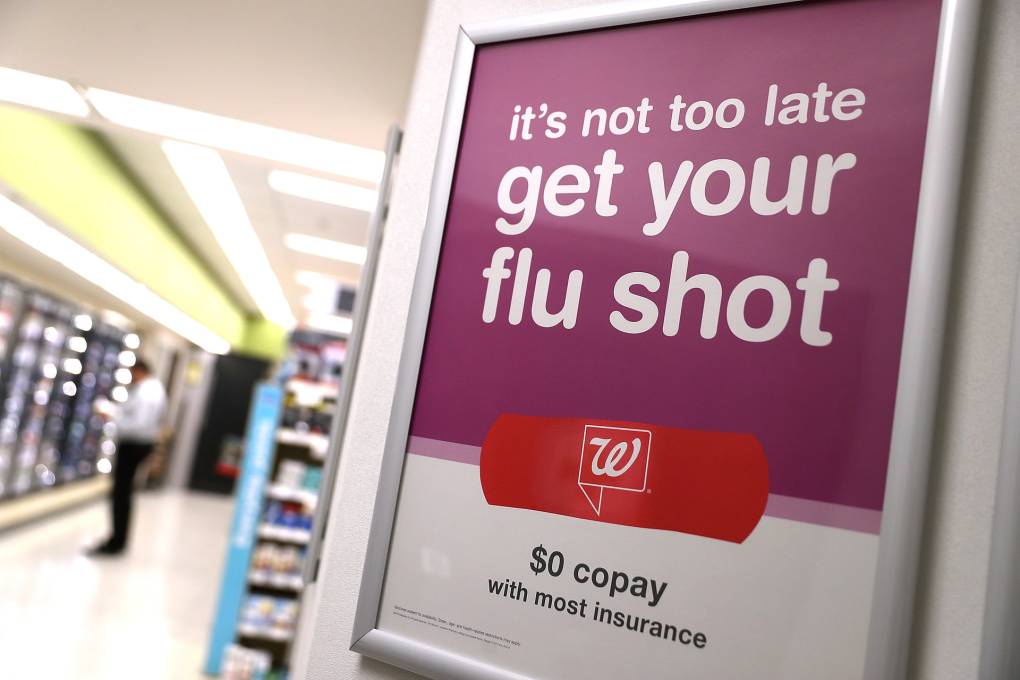
"caption": "A sign advertising flu shots is displayed at a Walgreens pharmacy in San Francisco. This 2023–2024 season, as with previous seasons, the Centers for Disease Control and Prevention says that September and October are 'the best times for most people to get vaccinated.' These recommendations are based on traditional predictions of flu season starting in November and peaking around January or February.",
"description": null,
"title": "California Flu Deaths Rise Sharply In January",
"credit": "Justin Sullivan/Getty Images",
"status": "inherit",
"altTag": "A sign inside a Walgreens pharmacy that reads, \"It's not too late to get your flu shot.\"",
"isLoading": false,
"fetchFailed": false
},
"news_11961112": {
"type": "attachments",
"id": "news_11961112",
"meta": {
"index": "attachments_1716263798",
"site": "news",
"id": "11961112",
"found": true
},
"parent": 0,
"imgSizes": {
"twentyfourteen-full-width": {
"file": "https://ww2.kqed.org/app/uploads/sites/10/2023/09/005_SanFrancisco_UnitedinHealthKidsCOVIDVaccination_11092021-qut-1038x576.jpg",
"width": 1038,
"mimeType": "image/jpeg",
"height": 576
},
"thumbnail": {
"file": "https://ww2.kqed.org/app/uploads/sites/10/2023/09/005_SanFrancisco_UnitedinHealthKidsCOVIDVaccination_11092021-qut-160x107.jpg",
"width": 160,
"mimeType": "image/jpeg",
"height": 107
},
"post-thumbnail": {
"file": "https://ww2.kqed.org/app/uploads/sites/10/2023/09/005_SanFrancisco_UnitedinHealthKidsCOVIDVaccination_11092021-qut-672x372.jpg",
"width": 672,
"mimeType": "image/jpeg",
"height": 372
},
"kqedFullSize": {
"file": "https://ww2.kqed.org/app/uploads/sites/10/2023/09/005_SanFrancisco_UnitedinHealthKidsCOVIDVaccination_11092021-qut.jpg",
"width": 1920,
"height": 1280
},
"large": {
"file": "https://ww2.kqed.org/app/uploads/sites/10/2023/09/005_SanFrancisco_UnitedinHealthKidsCOVIDVaccination_11092021-qut-1020x680.jpg",
"width": 1020,
"mimeType": "image/jpeg",
"height": 680
},
"1536x1536": {
"file": "https://ww2.kqed.org/app/uploads/sites/10/2023/09/005_SanFrancisco_UnitedinHealthKidsCOVIDVaccination_11092021-qut-1536x1024.jpg",
"width": 1536,
"mimeType": "image/jpeg",
"height": 1024
},
"medium": {
"file": "https://ww2.kqed.org/app/uploads/sites/10/2023/09/005_SanFrancisco_UnitedinHealthKidsCOVIDVaccination_11092021-qut-800x533.jpg",
"width": 800,
"mimeType": "image/jpeg",
"height": 533
}
},
"publishDate": 1694646398,
"modified": 1694709097,
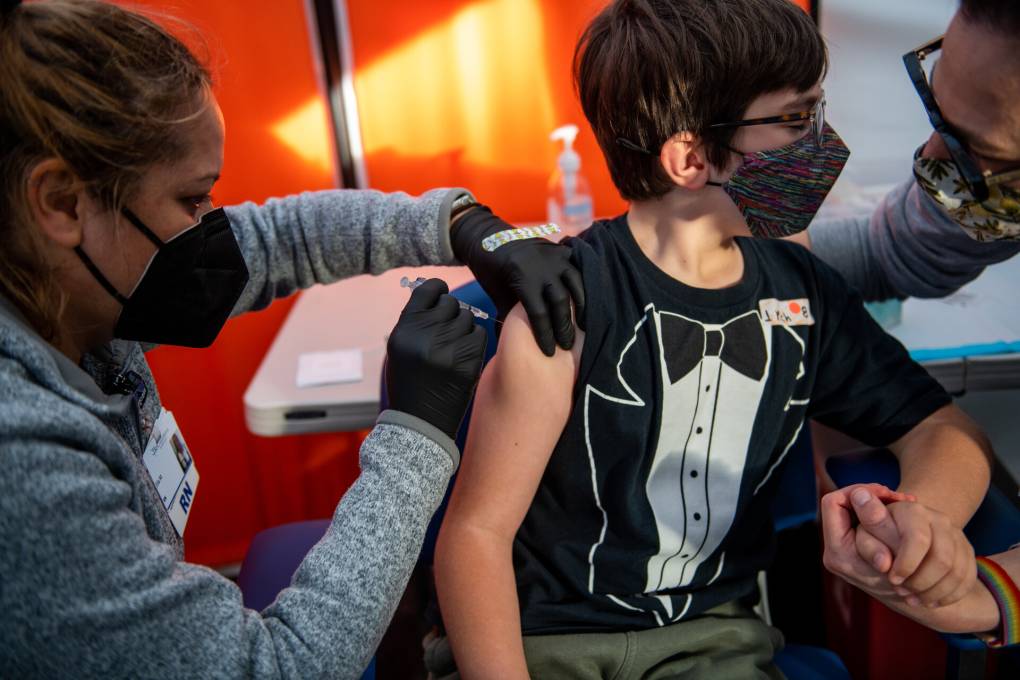
"caption": "On Sept. 12, 2023, advisers of the Centers for Disease Control and Prevention formally authorized new COVID vaccines from Moderna and Pfizer (also known as Comirnaty). The vaccines are now starting to roll out across the United States, amid a rise in COVID cases locally and nationally.",
"description": null,
"title": "new-covid-booster",
"credit": "Beth LaBerge/KQED",
"status": "inherit",
"altTag": "A boy with a tuxedo T-shirt and a face mask holds his mother's hand as he receives a shot in the arm by a nurse.",
"isLoading": false,
"fetchFailed": false
}
},
"audioPlayerReducer": {
"postId": "stream_live",
"isPaused": true,
"isPlaying": false,
"pfsActive": false,
"pledgeModalIsOpen": true,
"playerDrawerIsOpen": false,
"liveAudioPlayStartedAt": 0,
"liveAudioPlayContext": ""
},
"authorsReducer": {
"byline_news_12028139": {
"type": "authors",
"id": "byline_news_12028139",
"meta": {
"override": true
},
"slug": "byline_news_12028139",
"name": "\u003ca href=\"https://www.npr.org/people/348777820/maria-godoy\">Maria Godoy\u003c/a>, NPR",
"isLoading": false
},
"byline_news_12015810": {
"type": "authors",
"id": "byline_news_12015810",
"meta": {
"override": true
},
"slug": "byline_news_12015810",
"name": "\u003ca href=\"https://calmatters.org/author/anaibarra/\">Ana B. Ibarra\u003c/a>, CalMatters",
"isLoading": false
},
"carlysevern": {
"type": "authors",
"id": "3243",
"meta": {
"index": "authors_1716337520",
"id": "3243",
"found": true
},
"name": "Carly Severn",
"firstName": "Carly",
"lastName": "Severn",
"slug": "carlysevern",
"email": "csevern@kqed.org",
"display_author_email": false,
"staff_mastheads": [
"news"
],
"title": "Senior Editor, Audience News ",
"bio": "Carly is KQED's Senior Editor of Audience News on the Digital News team, and has reported for the California Report Magazine, Bay Curious and KQED Arts. She's formerly the host of \u003ca href=\"http://ww2.kqed.org/pop/category/the-cooler/\" rel=\"noopener noreferrer\">The Cooler\u003c/a> podcast.",
"avatar": "https://secure.gravatar.com/avatar/54037bf5c128fe678f0ef26cec97a93f2e7f220a22d7285703328f12c42c1b1d?s=600&d=blank&r=g",
"twitter": "teacupinthebay",
"bluesky": null,
"facebook": null,
"instagram": null,
"linkedin": null,
"sites": [
{
"site": "",
"roles": [
"editor"
]
},
{
"site": "arts",
"roles": [
"editor"
]
},
{
"site": "news",
"roles": [
"administrator"
]
},
{
"site": "pop",
"roles": [
"editor"
]
},
{
"site": "futureofyou",
"roles": [
"editor"
]
},
{
"site": "about",
"roles": [
"administrator"
]
},
{
"site": "mindshift",
"roles": [
"editor"
]
},
{
"site": "bayareabites",
"roles": [
"editor"
]
},
{
"site": "stateofhealth",
"roles": [
"editor"
]
},
{
"site": "science",
"roles": [
"editor"
]
},
{
"site": "food",
"roles": [
"contributor"
]
},
{
"site": "forum",
"roles": [
"editor"
]
},
{
"site": "perspectives",
"roles": [
"administrator"
]
},
{
"site": "liveblog",
"roles": [
"editor"
]
}
],
"headData": {
"title": "Carly Severn | KQED",
"description": "Senior Editor, Audience News ",
"ogImgSrc": "https://secure.gravatar.com/avatar/54037bf5c128fe678f0ef26cec97a93f2e7f220a22d7285703328f12c42c1b1d?s=600&d=blank&r=g",
"twImgSrc": "https://secure.gravatar.com/avatar/54037bf5c128fe678f0ef26cec97a93f2e7f220a22d7285703328f12c42c1b1d?s=600&d=blank&r=g"
},
"isLoading": false,
"link": "/author/carlysevern"
},
"kmizuguchi": {
"type": "authors",
"id": "11739",
"meta": {
"index": "authors_1716337520",
"id": "11739",
"found": true
},
"name": "Keith Mizuguchi",
"firstName": "Keith",
"lastName": "Mizuguchi",
"slug": "kmizuguchi",
"email": "kmizuguchi@kqed.org",
"display_author_email": false,
"staff_mastheads": [],
"title": "KQED Contributor",
"bio": null,
"avatar": "https://secure.gravatar.com/avatar/64d8a7de0723d4099b9fe4e915136103febcc20809abce228ee4415bcb237023?s=600&d=blank&r=g",
"twitter": null,
"bluesky": null,
"facebook": null,
"instagram": null,
"linkedin": null,
"sites": [
{
"site": "news",
"roles": [
"editor"
]
},
{
"site": "science",
"roles": [
"editor"
]
}
],
"headData": {
"title": "Keith Mizuguchi | KQED",
"description": "KQED Contributor",
"ogImgSrc": "https://secure.gravatar.com/avatar/64d8a7de0723d4099b9fe4e915136103febcc20809abce228ee4415bcb237023?s=600&d=blank&r=g",
"twImgSrc": "https://secure.gravatar.com/avatar/64d8a7de0723d4099b9fe4e915136103febcc20809abce228ee4415bcb237023?s=600&d=blank&r=g"
},
"isLoading": false,
"link": "/author/kmizuguchi"
},
"slim": {
"type": "authors",
"id": "11920",
"meta": {
"index": "authors_1716337520",
"id": "11920",
"found": true
},
"name": "Samantha Lim",
"firstName": "Samantha",
"lastName": "Lim",
"slug": "slim",
"email": "slim@KQED.org",
"display_author_email": false,
"staff_mastheads": [],
"title": "KQED Contributor",
"bio": null,
"avatar": "https://secure.gravatar.com/avatar/82e592e6c15fe1a04d385e8ad0fb0b4e?s=600&d=blank&r=g",
"twitter": null,
"facebook": null,
"instagram": null,
"linkedin": null,
"sites": [
{
"site": "news",
"roles": []
}
],
"headData": {
"title": "Samantha Lim | KQED",
"description": "KQED Contributor",
"ogImgSrc": "https://secure.gravatar.com/avatar/82e592e6c15fe1a04d385e8ad0fb0b4e?s=600&d=blank&r=g",
"twImgSrc": "https://secure.gravatar.com/avatar/82e592e6c15fe1a04d385e8ad0fb0b4e?s=600&d=blank&r=g"
},
"isLoading": false,
"link": "/author/slim"
}
},
"pagesReducer": {
"news_tag_vaccines": {
"type": "terms",
"id": "news_981",
"meta": {
"index": "terms_1716263798",
"site": "news",
"id": "981",
"score": 8.668567
},
"name": "Vaccines",
"slug": "vaccines",
"taxonomy": "tag",
"description": null,
"featImg": null,
"headData": {
"title": "Vaccines | KQED News",
"description": null,
"ogTitle": null,
"ogDescription": null,
"ogImgId": null,
"twTitle": null,
"twDescription": null,
"twImgId": null
},
"ttid": 991,
"isLoading": false,
"title": "Vaccines",
"pageMeta": {
"site": "news",
"WpPageTemplate": "page-topic-editorial",
"currentPage": 2
},
"blocks": [
{
"blockName": "kqed/post-list",
"attrs": {
"layout": "cardArticle2",
"query": "posts/news?tag=vaccines",
"seeMore": false,
"paginated": true,
"page": 2
}
},
{
"blockName": "kqed/ad"
}
]
}
},
"pfsSessionReducer": {},
"postsReducer": {
"stream_live": {
"type": "live",
"id": "stream_live",
"audioUrl": "https://streams.kqed.org/kqedradio",
"title": "Live Stream",
"excerpt": "Live Stream information currently unavailable.",
"link": "/radio",
"featImg": "",
"label": {
"name": "KQED Live",
"link": "/"
}
},
"stream_kqedNewscast": {
"type": "posts",
"id": "stream_kqedNewscast",
"audioUrl": "https://www.kqed.org/.stream/anon/radio/RDnews/newscast.mp3?_=1",
"title": "KQED Newscast",
"featImg": "",
"label": {
"name": "88.5 FM",
"link": "/"
}
},
"news_12033326": {
"type": "posts",
"id": "news_12033326",
"meta": {
"index": "posts_1716263798",
"site": "news",
"id": "12033326",
"score": null,
"sort": [
1743108949000
]
},
"guestAuthors": [],
"slug": "preparing-trump-cuts-california-senator-proposes-research-vaccine-access-bills",
"title": "Preparing for Trump Cuts, California Senator Proposes Research and Vaccine Access Bills",
"publishDate": 1743108949,
"format": "standard",
"headTitle": "Preparing for Trump Cuts, California Senator Proposes Research and Vaccine Access Bills | KQED",
"labelTerm": {
"site": "news"
},
"content": "\u003cp>\u003ca href=\"https://www.kqed.org/news/tag/california\">California \u003c/a>leaders are pushing for the creation of a state agency for scientific research and vaccine accessibility as \u003ca href=\"https://www.kqed.org/news/tag/donald-trump\">the Trump administration\u003c/a> continues implementing sweeping cuts to \u003ca href=\"https://www.kqed.org/news/12026447/judge-blocks-trump-plan-cut-research-funding-after-california-other-states-sue\">federal funding\u003c/a> for public health research.\u003c/p>\n\u003cp>The bill, introduced by state Sen. \u003ca href=\"https://www.kqed.org/news/tag/scott-wiener\">Scott Wiener, \u003c/a>D-San Francisco, on Thursday, would create the California Institute for Scientific Research, a new state agency funding grants and loans to organizations that have traditionally relied on the National Institutes of Health.\u003c/p>\n\u003cp>The proposal also seeks to bolster the state’s vaccine infrastructure amid a climate of vaccine skepticism promoted by Health and Human Services Secretary Robert F. Kennedy Jr. and others in government.\u003c/p>\n\u003cp>[ad fullwidth]\u003c/p>\n\u003cp>Trump and Elon Musk’s \u003ca href=\"https://www.kqed.org/news/12029281/musks-costly-cuts-x-will-doge-trump-face-similar-fallout\">Department of Government Efficiency\u003c/a> “are taking a wrecking ball to federal scientific research, and they’re taking a wrecking ball to American leadership,” Wiener told KQED. “If the federal government is going to step back from science leadership, let’s make sure that California is the world leader.”\u003c/p>\n\u003cp>In February, a federal judge temporarily blocked the Trump administration’s plans to drastically reduce NIH funding for scientific research after a lawsuit was filed by a coalition of more than two dozen states. The \u003ca href=\"https://www.kqed.org/news/12030313/uc-berkeley-scientists-protest-trump-administrations-cuts-to-research-funding\">preliminary injunction was extended\u003c/a> earlier this month after Rhode Island U.S. District Court Judge John McConnell declared the cuts unsupported by any constitutional authority.\u003c/p>\n\u003cfigure id=\"attachment_12027568\" class=\"wp-caption aligncenter\" style=\"max-width: 2000px\">\u003cimg loading=\"lazy\" decoding=\"async\" class=\"size-full wp-image-12027568\" src=\"https://cdn.kqed.org/wp-content/uploads/sites/10/2025/02/250218-SFDowntown-20-BL.jpg\" alt=\"\" width=\"2000\" height=\"1333\" srcset=\"https://cdn.kqed.org/wp-content/uploads/sites/10/2025/02/250218-SFDowntown-20-BL.jpg 2000w, https://cdn.kqed.org/wp-content/uploads/sites/10/2025/02/250218-SFDowntown-20-BL-800x533.jpg 800w, https://cdn.kqed.org/wp-content/uploads/sites/10/2025/02/250218-SFDowntown-20-BL-1020x680.jpg 1020w, https://cdn.kqed.org/wp-content/uploads/sites/10/2025/02/250218-SFDowntown-20-BL-160x107.jpg 160w, https://cdn.kqed.org/wp-content/uploads/sites/10/2025/02/250218-SFDowntown-20-BL-1536x1024.jpg 1536w, https://cdn.kqed.org/wp-content/uploads/sites/10/2025/02/250218-SFDowntown-20-BL-1920x1280.jpg 1920w\" sizes=\"auto, (max-width: 2000px) 100vw, 2000px\">\u003cfigcaption class=\"wp-caption-text\">Sen. Scott Wiener speaks during a press conference in Union Square, San Francisco, on Tuesday, Feb. 18, 2025. \u003ccite>(Beth LaBerge/KQED)\u003c/cite>\u003c/figcaption>\u003c/figure>\n\u003cp>Despite the judge’s order, some research funding freezes have continued unobstructed through the Trump administration’s use of procedural loopholes prohibiting health officials from giving public notice of grant review meetings, a required step before funding can be disbursed.\u003c/p>\n\u003cp>Last year, the NIH — the largest research funding institution in the world — allocated over $30 billion in grants to research projects. The University of California system said it received roughly $2.6 billion in NIH research funding. Wiener said cuts, including those to research that touches on diversity, equity and inclusion, would be a major setback for scientific development.[aside postID=news_12032892 hero='https://cdn.kqed.org/wp-content/uploads/sites/10/2025/03/250310-TRUMP-SF-MD-02-KQED-1020x680.jpg']“In California, we should be supporting scientific research around diverse communities,” said Wiener, who is widely thought to be a contender for Sen. Nancy Pelosi’s House seat in the midterms. “But to be clear, what Trump and Musk are doing is way broader than that. They’re upending all scientific research, DEI and otherwise, and so we need to do what we can to enhance our science research capacity here in California.”\u003c/p>\n\u003cp>The California Institute of Scientific Research would fill the void caused by federal funding cuts, Wiener said. The agency would support state institutions and researchers conducting studies in areas including, but not limited to, biomedicine, climate, coastal and marine ecosystems and disease prevention.\u003c/p>\n\u003cp>The bill would also direct CalRX, a state program that produces and distributes prescription drugs such as generic insulin, to partner with other agencies to improve vaccine accessibility for Californians.\u003c/p>\n\u003cp>California’s local public health departments are already reckoning with a measles outbreak, with over \u003ca href=\"https://www.kqed.org/news/12033049/san-mateo-county-measles-case-highlights-risk-for-unvaccinated-expert-sayshttps:/www.kqed.org/news/12033049/san-mateo-county-measles-case-highlights-risk-for-unvaccinated-expert-says\">300 confirmed measles cases\u003c/a> this year. Many experts are attributing the rise in infections to lower vaccination rates in school-age children.\u003c/p>\n\u003cp>Kennedy and other health officials have already begun proposing alternatives to traditional vaccinations when it comes to dealing with diseases such as measles. While Kennedy has said the measles vaccine is effective at protecting children from the disease, he also suggested in an op-ed for Fox News that improved nutrition and vitamin intake is the “best defense” against infectious illnesses.\u003c/p>\n\u003cfigure id=\"attachment_12033385\" class=\"wp-caption aligncenter\" style=\"max-width: 1999px\">\u003cimg loading=\"lazy\" decoding=\"async\" class=\"size-full wp-image-12033385\" src=\"https://cdn.kqed.org/wp-content/uploads/sites/10/2025/03/GettyImages-1231697879_qed.jpg\" alt=\"\" width=\"1999\" height=\"1333\" srcset=\"https://cdn.kqed.org/wp-content/uploads/sites/10/2025/03/GettyImages-1231697879_qed.jpg 1999w, https://cdn.kqed.org/wp-content/uploads/sites/10/2025/03/GettyImages-1231697879_qed-800x533.jpg 800w, https://cdn.kqed.org/wp-content/uploads/sites/10/2025/03/GettyImages-1231697879_qed-1020x680.jpg 1020w, https://cdn.kqed.org/wp-content/uploads/sites/10/2025/03/GettyImages-1231697879_qed-160x107.jpg 160w, https://cdn.kqed.org/wp-content/uploads/sites/10/2025/03/GettyImages-1231697879_qed-1536x1024.jpg 1536w, https://cdn.kqed.org/wp-content/uploads/sites/10/2025/03/GettyImages-1231697879_qed-1920x1280.jpg 1920w\" sizes=\"auto, (max-width: 1999px) 100vw, 1999px\">\u003cfigcaption class=\"wp-caption-text\">A syringe is filled with a dose of the Johnson & Johnson Janssen COVID-19 vaccine at a vaccination site inside Reuther Hall at Forty Acres on March 13, 2021, in Delano, California. \u003ccite>(Patrick T. Fallon/AFP via Getty Images)\u003c/cite>\u003c/figcaption>\u003c/figure>\n\u003cp>State health officials also announced Wednesday that the Centers for Disease Control and Prevention plans to curtail federal funding for COVID-19 vaccinations and surveillance, further alarming health advocates who are pushing for improved public health initiatives.\u003c/p>\n\u003cp>“This COVID-19 rollback of funding at the federal level is just another example of how…we don’t have that kind of support at the federal level, to continue doing important innovative research that will benefit the public and the health of the public,” said Mar Velez, director of policy at the Latino Coalition for a Healthy California. “We’re happy to see that legislators in California are doing their job and setting up infrastructure that will continue to support the health of Californians.”\u003c/p>\n\u003cp>Funding for the bill is likely to be an obstacle moving forward. If Trump is successful in pushing forth sweeping cuts to critical state programs such as MediCaid, California could face a \u003ca href=\"https://www.kqed.org/news/12032878/gop-cuts-to-medicaid-snap-would-shrink-californias-economy-by-17-billion-and-kill-nearly-140000-jobs-new-study-finds\">severe budget deficit\u003c/a>, Wiener said, adding that state leaders are looking for ways to prepare for the worst.\u003c/p>\n\u003cp>“Scientific research is a crucial pillar of California’s economy and of our success, and we should never lose sight of that,” he said. “We’re all nervous. We are all scared…It’s paralyzing the level of harm that [the Trump administration] is doing. We need to all take a deep breath and focus on what we as individuals or as leaders can do.”\u003c/p>\n\u003cp>\u003cem>KQED’s \u003c/em>\u003ca href=\"https://www.kqed.org/author/skennedy\">\u003cem>Samantha Kennedy\u003c/em>\u003c/a>\u003cem> contributed to this report. \u003c/em>\u003c/p>\n\u003cp>\u003c/p>\n",
"blocks": [],
"excerpt": "Sen. Scott Wiener argued that moves by Elon Musk, President Donald Trump and Robert F. Kennedy Jr. show that California is a world leader.",
"status": "publish",
"parent": 0,
"modified": 1743110890,
"stats": {
"hasAudio": false,
"hasVideo": false,
"hasChartOrMap": false,
"iframeSrcs": [],
"hasGoogleForm": false,
"hasGallery": false,
"hasHearkenModule": false,
"hasPolis": false,
"paragraphCount": 18,
"wordCount": 931
},
"headData": {
"title": "Preparing for Trump Cuts, California Senator Proposes Research and Vaccine Access Bills | KQED",
"description": "Sen. Scott Wiener argued that moves by Elon Musk, President Donald Trump and Robert F. Kennedy Jr. show that California is a world leader.",
"ogTitle": "",
"ogDescription": "",
"ogImgId": "",
"twTitle": "",
"twDescription": "",
"twImgId": "",
"schema": {
"@context": "https://schema.org",
"@type": "NewsArticle",
"headline": "Preparing for Trump Cuts, California Senator Proposes Research and Vaccine Access Bills",
"datePublished": "2025-03-27T13:55:49-07:00",
"dateModified": "2025-03-27T14:28:10-07:00",
"image": "https://cdn.kqed.org/wp-content/uploads/2020/02/KQED-OG-Image@1x.png",
"isAccessibleForFree": "True",
"publisher": {
"@type": "NewsMediaOrganization",
"@id": "https://www.kqed.org/#organization",
"name": "KQED",
"logo": "https://cdn.kqed.org/wp-content/uploads/2020/02/KQED-OG-Image@1x.png",
"url": "https://www.kqed.org",
"sameAs": [
"https://www.facebook.com/KQED",
"https://twitter.com/KQED",
"https://www.instagram.com/kqed/",
"https://www.tiktok.com/@kqedofficial",
"https://www.linkedin.com/company/kqed",
"https://www.youtube.com/channel/UCeC0IOo7i1P_61zVUWbJ4nw"
]
}
}
},
"sticky": false,
"nprStoryId": "kqed-12033326",
"templateType": "standard",
"featuredImageType": "standard",
"excludeFromSiteSearch": "Include",
"articleAge": "0",
"path": "/news/12033326/preparing-trump-cuts-california-senator-proposes-research-vaccine-access-bills",
"audioTrackLength": null,
"parsedContent": [
{
"type": "contentString",
"content": "\u003cdiv class=\"post-body\">\u003cp>\u003cp>\u003ca href=\"https://www.kqed.org/news/tag/california\">California \u003c/a>leaders are pushing for the creation of a state agency for scientific research and vaccine accessibility as \u003ca href=\"https://www.kqed.org/news/tag/donald-trump\">the Trump administration\u003c/a> continues implementing sweeping cuts to \u003ca href=\"https://www.kqed.org/news/12026447/judge-blocks-trump-plan-cut-research-funding-after-california-other-states-sue\">federal funding\u003c/a> for public health research.\u003c/p>\n\u003cp>The bill, introduced by state Sen. \u003ca href=\"https://www.kqed.org/news/tag/scott-wiener\">Scott Wiener, \u003c/a>D-San Francisco, on Thursday, would create the California Institute for Scientific Research, a new state agency funding grants and loans to organizations that have traditionally relied on the National Institutes of Health.\u003c/p>\n\u003cp>The proposal also seeks to bolster the state’s vaccine infrastructure amid a climate of vaccine skepticism promoted by Health and Human Services Secretary Robert F. Kennedy Jr. and others in government.\u003c/p>\n\u003cp>\u003c/p>\u003c/div>",
"attributes": {
"named": {},
"numeric": []
}
},
{
"type": "component",
"content": "",
"name": "ad",
"attributes": {
"named": {
"label": "fullwidth"
},
"numeric": [
"fullwidth"
]
}
},
{
"type": "contentString",
"content": "\u003cdiv class=\"post-body\">\u003cp>\u003c/p>\n\u003cp>Trump and Elon Musk’s \u003ca href=\"https://www.kqed.org/news/12029281/musks-costly-cuts-x-will-doge-trump-face-similar-fallout\">Department of Government Efficiency\u003c/a> “are taking a wrecking ball to federal scientific research, and they’re taking a wrecking ball to American leadership,” Wiener told KQED. “If the federal government is going to step back from science leadership, let’s make sure that California is the world leader.”\u003c/p>\n\u003cp>In February, a federal judge temporarily blocked the Trump administration’s plans to drastically reduce NIH funding for scientific research after a lawsuit was filed by a coalition of more than two dozen states. The \u003ca href=\"https://www.kqed.org/news/12030313/uc-berkeley-scientists-protest-trump-administrations-cuts-to-research-funding\">preliminary injunction was extended\u003c/a> earlier this month after Rhode Island U.S. District Court Judge John McConnell declared the cuts unsupported by any constitutional authority.\u003c/p>\n\u003cfigure id=\"attachment_12027568\" class=\"wp-caption aligncenter\" style=\"max-width: 2000px\">\u003cimg loading=\"lazy\" decoding=\"async\" class=\"size-full wp-image-12027568\" src=\"https://cdn.kqed.org/wp-content/uploads/sites/10/2025/02/250218-SFDowntown-20-BL.jpg\" alt=\"\" width=\"2000\" height=\"1333\" srcset=\"https://cdn.kqed.org/wp-content/uploads/sites/10/2025/02/250218-SFDowntown-20-BL.jpg 2000w, https://cdn.kqed.org/wp-content/uploads/sites/10/2025/02/250218-SFDowntown-20-BL-800x533.jpg 800w, https://cdn.kqed.org/wp-content/uploads/sites/10/2025/02/250218-SFDowntown-20-BL-1020x680.jpg 1020w, https://cdn.kqed.org/wp-content/uploads/sites/10/2025/02/250218-SFDowntown-20-BL-160x107.jpg 160w, https://cdn.kqed.org/wp-content/uploads/sites/10/2025/02/250218-SFDowntown-20-BL-1536x1024.jpg 1536w, https://cdn.kqed.org/wp-content/uploads/sites/10/2025/02/250218-SFDowntown-20-BL-1920x1280.jpg 1920w\" sizes=\"auto, (max-width: 2000px) 100vw, 2000px\">\u003cfigcaption class=\"wp-caption-text\">Sen. Scott Wiener speaks during a press conference in Union Square, San Francisco, on Tuesday, Feb. 18, 2025. \u003ccite>(Beth LaBerge/KQED)\u003c/cite>\u003c/figcaption>\u003c/figure>\n\u003cp>Despite the judge’s order, some research funding freezes have continued unobstructed through the Trump administration’s use of procedural loopholes prohibiting health officials from giving public notice of grant review meetings, a required step before funding can be disbursed.\u003c/p>\n\u003cp>Last year, the NIH — the largest research funding institution in the world — allocated over $30 billion in grants to research projects. The University of California system said it received roughly $2.6 billion in NIH research funding. Wiener said cuts, including those to research that touches on diversity, equity and inclusion, would be a major setback for scientific development.\u003c/p>\u003c/div>",
"attributes": {
"named": {},
"numeric": []
}
},
{
"type": "component",
"content": "",
"name": "aside",
"attributes": {
"named": {
"postid": "news_12032892",
"hero": "https://cdn.kqed.org/wp-content/uploads/sites/10/2025/03/250310-TRUMP-SF-MD-02-KQED-1020x680.jpg",
"label": ""
},
"numeric": []
}
},
{
"type": "contentString",
"content": "\u003cdiv class=\"post-body\">\u003cp>“In California, we should be supporting scientific research around diverse communities,” said Wiener, who is widely thought to be a contender for Sen. Nancy Pelosi’s House seat in the midterms. “But to be clear, what Trump and Musk are doing is way broader than that. They’re upending all scientific research, DEI and otherwise, and so we need to do what we can to enhance our science research capacity here in California.”\u003c/p>\n\u003cp>The California Institute of Scientific Research would fill the void caused by federal funding cuts, Wiener said. The agency would support state institutions and researchers conducting studies in areas including, but not limited to, biomedicine, climate, coastal and marine ecosystems and disease prevention.\u003c/p>\n\u003cp>The bill would also direct CalRX, a state program that produces and distributes prescription drugs such as generic insulin, to partner with other agencies to improve vaccine accessibility for Californians.\u003c/p>\n\u003cp>California’s local public health departments are already reckoning with a measles outbreak, with over \u003ca href=\"https://www.kqed.org/news/12033049/san-mateo-county-measles-case-highlights-risk-for-unvaccinated-expert-sayshttps:/www.kqed.org/news/12033049/san-mateo-county-measles-case-highlights-risk-for-unvaccinated-expert-says\">300 confirmed measles cases\u003c/a> this year. Many experts are attributing the rise in infections to lower vaccination rates in school-age children.\u003c/p>\n\u003cp>Kennedy and other health officials have already begun proposing alternatives to traditional vaccinations when it comes to dealing with diseases such as measles. While Kennedy has said the measles vaccine is effective at protecting children from the disease, he also suggested in an op-ed for Fox News that improved nutrition and vitamin intake is the “best defense” against infectious illnesses.\u003c/p>\n\u003cfigure id=\"attachment_12033385\" class=\"wp-caption aligncenter\" style=\"max-width: 1999px\">\u003cimg loading=\"lazy\" decoding=\"async\" class=\"size-full wp-image-12033385\" src=\"https://cdn.kqed.org/wp-content/uploads/sites/10/2025/03/GettyImages-1231697879_qed.jpg\" alt=\"\" width=\"1999\" height=\"1333\" srcset=\"https://cdn.kqed.org/wp-content/uploads/sites/10/2025/03/GettyImages-1231697879_qed.jpg 1999w, https://cdn.kqed.org/wp-content/uploads/sites/10/2025/03/GettyImages-1231697879_qed-800x533.jpg 800w, https://cdn.kqed.org/wp-content/uploads/sites/10/2025/03/GettyImages-1231697879_qed-1020x680.jpg 1020w, https://cdn.kqed.org/wp-content/uploads/sites/10/2025/03/GettyImages-1231697879_qed-160x107.jpg 160w, https://cdn.kqed.org/wp-content/uploads/sites/10/2025/03/GettyImages-1231697879_qed-1536x1024.jpg 1536w, https://cdn.kqed.org/wp-content/uploads/sites/10/2025/03/GettyImages-1231697879_qed-1920x1280.jpg 1920w\" sizes=\"auto, (max-width: 1999px) 100vw, 1999px\">\u003cfigcaption class=\"wp-caption-text\">A syringe is filled with a dose of the Johnson & Johnson Janssen COVID-19 vaccine at a vaccination site inside Reuther Hall at Forty Acres on March 13, 2021, in Delano, California. \u003ccite>(Patrick T. Fallon/AFP via Getty Images)\u003c/cite>\u003c/figcaption>\u003c/figure>\n\u003cp>State health officials also announced Wednesday that the Centers for Disease Control and Prevention plans to curtail federal funding for COVID-19 vaccinations and surveillance, further alarming health advocates who are pushing for improved public health initiatives.\u003c/p>\n\u003cp>“This COVID-19 rollback of funding at the federal level is just another example of how…we don’t have that kind of support at the federal level, to continue doing important innovative research that will benefit the public and the health of the public,” said Mar Velez, director of policy at the Latino Coalition for a Healthy California. “We’re happy to see that legislators in California are doing their job and setting up infrastructure that will continue to support the health of Californians.”\u003c/p>\n\u003cp>Funding for the bill is likely to be an obstacle moving forward. If Trump is successful in pushing forth sweeping cuts to critical state programs such as MediCaid, California could face a \u003ca href=\"https://www.kqed.org/news/12032878/gop-cuts-to-medicaid-snap-would-shrink-californias-economy-by-17-billion-and-kill-nearly-140000-jobs-new-study-finds\">severe budget deficit\u003c/a>, Wiener said, adding that state leaders are looking for ways to prepare for the worst.\u003c/p>\n\u003cp>“Scientific research is a crucial pillar of California’s economy and of our success, and we should never lose sight of that,” he said. “We’re all nervous. We are all scared…It’s paralyzing the level of harm that [the Trump administration] is doing. We need to all take a deep breath and focus on what we as individuals or as leaders can do.”\u003c/p>\n\u003cp>\u003cem>KQED’s \u003c/em>\u003ca href=\"https://www.kqed.org/author/skennedy\">\u003cem>Samantha Kennedy\u003c/em>\u003c/a>\u003cem> contributed to this report. \u003c/em>\u003c/p>\n\u003cp>\u003c/p>\n\u003c/div>\u003c/p>",
"attributes": {
"named": {},
"numeric": []
}
}
],
"link": "/news/12033326/preparing-trump-cuts-california-senator-proposes-research-vaccine-access-bills",
"authors": [
"11920"
],
"categories": [
"news_31795",
"news_457",
"news_8"
],
"tags": [
"news_18538",
"news_1323",
"news_3897",
"news_34377",
"news_28199",
"news_18543",
"news_17968",
"news_19960",
"news_33926",
"news_3187",
"news_1217",
"news_981"
],
"featImg": "news_12013257",
"label": "news"
},
"news_12028312": {
"type": "posts",
"id": "news_12028312",
"meta": {
"index": "posts_1716263798",
"site": "news",
"id": "12028312",
"score": null,
"sort": [
1740516115000
]
},
"guestAuthors": [],
"slug": "californias-worst-flu-season-years-may-finally-easing",
"title": "California's Worst Flu Season in Years May Finally Be Easing",
"publishDate": 1740516115,
"format": "standard",
"headTitle": "California’s Worst Flu Season in Years May Finally Be Easing | KQED",
"labelTerm": {
"site": "news"
},
"content": "\u003cp>California may finally be getting a reprieve from one of the worst recorded \u003ca href=\"https://www.kqed.org/news/tag/flu\">flu\u003c/a> seasons in decades, a recent report by state health officials shows.\u003c/p>\n\u003cul>\n\u003cli>\u003cstrong>Jump straight to: \u003ca href=\"#flu-vaccine\">It’s not too late for a flu shot — and here’s where to find the vaccine\u003c/a>\u003c/strong>\u003c/li>\n\u003c/ul>\n\u003cp>For the week ending Feb. 15, 23.3% of tests conducted by the state’s clinical labs were positive for influenza, making up a week-over-week drop of 3.4 percentage points, according to the report released Friday by the Department of Public Health. That decline was more than triple the one seen the week before.\u003c/p>\n\u003cp>While the decrease in testing positivity rates could be a sign that the season has passed its peak, some health experts are warning that numbers could go up again and urge \u003ca href=\"https://www.kqed.org/news/12027283/forgot-your-flu-vaccine-with-historic-infections-its-not-too-late-for-a-shot\">those who haven’t been vaccinated yet\u003c/a> to do so as soon as possible.\u003c/p>\n\u003cp>[ad fullwidth]\u003c/p>\n\u003cp>A similar drop was reported in early January but only lasted a couple of weeks before rates climbed up again, said Dr. John Swartzberg, clinical professor emeritus at the UC Berkeley School of Public Health, noting that flu season typically peaks around the middle of February.\u003c/p>\n\u003cp>“It’s possible we could get lulled into the same mistake that we made in the middle of January … but I think this drop coincides more with what we typically see with influenza,” Swartzberg said. “I’m cautiously optimistic.”\u003c/p>\n\u003cfigure id=\"attachment_12009848\" class=\"wp-caption aligncenter\" style=\"max-width: 2000px\">\u003cimg loading=\"lazy\" decoding=\"async\" class=\"size-full wp-image-12009848\" src=\"https://cdn.kqed.org/wp-content/uploads/sites/10/2024/10/GettyImages-2168147137-scaled-e1740515847601.jpg\" alt=\"\" width=\"2000\" height=\"1359\">\u003cfigcaption class=\"wp-caption-text\">A man receives both the flu and COVID-19 vaccine at a CVS in August 2024. \u003ccite>(Christina House / Los Angeles Times via Getty Images)\u003c/cite>\u003c/figcaption>\u003c/figure>\n\u003cp>The Centers for Disease Control and Prevention estimates that there have been at least 33 million confirmed cases of influenza, 430,000 hospitalizations and 19,000 deaths across the country \u003ca href=\"https://www.kqed.org/news/12027212/missing-cdc-data-concerns-doctors-as-influenza-and-bird-flu-outbreaks-escalate\">during this flu season\u003c/a> alone.\u003c/p>\n\u003cp>In California, influenza activity remains high even as numbers begin to go down, and at least 15 children have died from flu-related complications — raising concerns about declining pediatric vaccination rates. Swartzberg said it’s worrying to see so many pediatric deaths because children tend to be resilient when it comes to fighting illnesses outside of infancy.\u003c/p>\n\u003cp>The two influenza strains circulating most rapidly this flu season are H1N1 and H3N2, both of which are influenza-type A strains. As the rate of those infections begins to go down, however, Swartzberg said there is another type of influenza circulating — influenza type B — and those numbers usually go up around March, which could result in another peak.\u003c/p>\n\u003cp>[aside postID=news_12028454 hero='https://cdn.kqed.org/wp-content/uploads/sites/10/2025/02/GettyImages-2177324845-1020x680.jpg']\u003c/p>\n\u003cp>“We may continue to see influenza A drop, but then the number of cases of influenza could go back up because influenza B is starting to play a role,” Swartzberg said. “We’ve seen that pattern over the last several years.”\u003c/p>\n\u003cp>Experts can only speculate as to why the rates of infection are so much higher this year, Swartzberg said, adding that several factors, such as a decrease in the use of masks in crowded spaces and lower vaccination rates, could be contributing.\u003c/p>\n\u003cp>People have been less diligent about getting their flu shots since the COVID-19 emergency ended, and herd immunity is way down, Swartzberg said. Additionally, since many people have had less exposure to the flu in recent years, they’re naturally more vulnerable to the respiratory illness, he added.\u003c/p>\n\u003cp>While the CDC recommends that everyone 6 months and older get the flu vaccine as early as possible — ideally in the fall — it’s never too late to get vaccinated, especially since the virus is still circulating.\u003c/p>\n\u003cp>“If you haven’t been vaccinated, you’ll get some immunity within a week of the vaccine, and you get your optimal immunity within two weeks of the vaccine,” Swartzberg said. “The vaccine may not prevent you from getting infected or even getting sick, but it’s quite good at preventing that sickness from getting really bad.”\u003c/p>\n\u003ch2>\u003ca id=\"flu-vaccine\">\u003c/a>Where can I find a flu shot?\u003c/h2>\n\u003cp>Although the CDC recommends that everyone 6 months and older get an annual flu vaccine “\u003ca href=\"https://www.cdc.gov/flu/prevention/index.html\">ideally by the end of October\u003c/a>,” the agency also said that people “should continue to get vaccinated as long as flu viruses pose a threat to their community.”\u003c/p>\n\u003cp>That means that if you forgot to get your shot back in the last months of 2024 — and you haven’t been hit by a flu infection yourself this winter — \u003ca href=\"https://www.kqed.org/news/12027283/forgot-your-flu-vaccine-with-historic-infections-its-not-too-late-for-a-shot\">it’s not too late to get the flu vaccine\u003c/a> now and increase your protection.\u003c/p>\n\u003cp>If you have health insurance, a flu shot is covered and available without extra cost as a preventive service from your usual health care provider. It’s also available at most pharmacies (see below).\u003c/p>\n\u003cp>Common places to find a flu shot appointment, walk-in site or drive-thru flu shot:\u003c/p>\n\u003cul>\n\u003cli>\u003ca href=\"https://www.vaccines.gov/find-vaccines/\">CDC’s Find Flu Vaccines tool\u003c/a>\u003c/li>\n\u003cli>\u003ca href=\"https://mydoctor.kaiserpermanente.org/ncal/cold-and-flu/prevention#/prevention\">Kaiser Permanente flu shots (Northern California)\u003c/a>\u003c/li>\n\u003cli>\u003ca href=\"https://www.cvs.com/immunizations/flu\">CVS flu shots\u003c/a>\u003c/li>\n\u003cli>\u003ca href=\"https://www.walgreens.com/topic/pharmacy/seasonal-flu.jsp?ban=flu_fy21_influenzapage\">Walgreens flu shots\u003c/a>\u003c/li>\n\u003cli>\u003ca href=\"https://www.riteaid.com/pharmacy/scheduler\">Rite Aid flu shots\u003c/a>\u003c/li>\n\u003cli>\u003ca href=\"https://www.costco.com/Pharmacy/adult-immunization-program.html\">Costco Pharmacy flu shots\u003c/a>\u003c/li>\n\u003cli>\u003ca href=\"https://www.albertsons.com/pharmacy/pharmacy-services/immunizations.html\">Albertsons (Safeway) flu shots\u003c/a>\u003c/li>\n\u003c/ul>\n\u003cp>If you don’t have health insurance, you can get the vaccine free of charge from several providers and community clinics around the Bay Area. (You can also technically use these free services even if you do have insurance, but you may consider choosing to reserve these particular resources for those without coverage.)\u003c/p>\n\u003cp>Your county’s public health department may also be offering flu shots.\u003c/p>\n\u003cp>Places to get a free or low-cost flu shot in the Bay Area include:\u003c/p>\n\u003cul>\n\u003cli>\u003ca href=\"https://www.sfcdcp.org/aitc/aitc-regular-prices-low-cost-or-free-vaccines/\">San Francisco Department of Public Health’s AITC clinic\u003c/a> (offers a pay-what-you-can option.)\u003c/li>\n\u003cli>\u003ca href=\"https://cchealth.org/immunization/clinics.php#Uninsured\">Contra Costa Public Health Immunization Clinic\u003c/a> (flu shots are $15 for adults over 19, but fees may be waived if you cannot pay.)\u003c/li>\n\u003cli>\u003ca href=\"https://acphd.org/clinics/\">Alameda County Immunization Clinics\u003c/a>.\u003c/li>\n\u003c/ul>\n\u003cp>\u003cem>KQED’s \u003c/em>\u003ca href=\"https://www.kqed.org/author/nnavarro\">\u003cem>Natalia Navarro\u003c/em>\u003c/a>\u003cem> contributed to this report.\u003c/em>\u003c/p>\n\u003cp>\u003c/p>\n",
"blocks": [],
"excerpt": "A new state report shows a growing decline in flu positivity rates in California, but experts still urge those who haven’t gotten flu shots to do so as soon as possible.",
"status": "publish",
"parent": 0,
"modified": 1749135104,
"stats": {
"hasAudio": false,
"hasVideo": false,
"hasChartOrMap": false,
"iframeSrcs": [],
"hasGoogleForm": false,
"hasGallery": false,
"hasHearkenModule": false,
"hasPolis": false,
"paragraphCount": 24,
"wordCount": 1006
},
"headData": {
"title": "Signs California's Harsh Flu Season Is Winding Down | KQED",
"description": "Learn why health experts say it’s still time to get your shot. Flu positivity rates in California are declining, suggesting the worst may be over.",
"ogTitle": "",
"ogDescription": "",
"ogImgId": "",
"twTitle": "",
"twDescription": "",
"twImgId": "",
"socialTitle": "Signs California's Harsh Flu Season Is Winding Down | KQED",
"socialDescription": "Learn why health experts say it’s still time to get your shot. Flu positivity rates in California are declining, suggesting the worst may be over.",
"schema": {
"@context": "https://schema.org",
"@type": "NewsArticle",
"headline": "California's Worst Flu Season in Years May Finally Be Easing",
"datePublished": "2025-02-25T12:41:55-08:00",
"dateModified": "2025-06-05T07:51:44-07:00",
"image": "https://cdn.kqed.org/wp-content/uploads/2020/02/KQED-OG-Image@1x.png",
"isAccessibleForFree": "True",
"publisher": {
"@type": "NewsMediaOrganization",
"@id": "https://www.kqed.org/#organization",
"name": "KQED",
"logo": "https://cdn.kqed.org/wp-content/uploads/2020/02/KQED-OG-Image@1x.png",
"url": "https://www.kqed.org",
"sameAs": [
"https://www.facebook.com/KQED",
"https://twitter.com/KQED",
"https://www.instagram.com/kqed/",
"https://www.tiktok.com/@kqedofficial",
"https://www.linkedin.com/company/kqed",
"https://www.youtube.com/channel/UCeC0IOo7i1P_61zVUWbJ4nw"
]
}
}
},
"sticky": false,
"nprStoryId": "kqed-12028312",
"templateType": "standard",
"featuredImageType": "standard",
"excludeFromSiteSearch": "Include",
"articleAge": "0",
"path": "/news/12028312/californias-worst-flu-season-years-may-finally-easing",
"audioTrackLength": null,
"parsedContent": [
{
"type": "contentString",
"content": "\u003cdiv class=\"post-body\">\u003cp>\u003cp>California may finally be getting a reprieve from one of the worst recorded \u003ca href=\"https://www.kqed.org/news/tag/flu\">flu\u003c/a> seasons in decades, a recent report by state health officials shows.\u003c/p>\n\u003cul>\n\u003cli>\u003cstrong>Jump straight to: \u003ca href=\"#flu-vaccine\">It’s not too late for a flu shot — and here’s where to find the vaccine\u003c/a>\u003c/strong>\u003c/li>\n\u003c/ul>\n\u003cp>For the week ending Feb. 15, 23.3% of tests conducted by the state’s clinical labs were positive for influenza, making up a week-over-week drop of 3.4 percentage points, according to the report released Friday by the Department of Public Health. That decline was more than triple the one seen the week before.\u003c/p>\n\u003cp>While the decrease in testing positivity rates could be a sign that the season has passed its peak, some health experts are warning that numbers could go up again and urge \u003ca href=\"https://www.kqed.org/news/12027283/forgot-your-flu-vaccine-with-historic-infections-its-not-too-late-for-a-shot\">those who haven’t been vaccinated yet\u003c/a> to do so as soon as possible.\u003c/p>\n\u003cp>\u003c/p>\u003c/div>",
"attributes": {
"named": {},
"numeric": []
}
},
{
"type": "component",
"content": "",
"name": "ad",
"attributes": {
"named": {
"label": "fullwidth"
},
"numeric": [
"fullwidth"
]
}
},
{
"type": "contentString",
"content": "\u003cdiv class=\"post-body\">\u003cp>\u003c/p>\n\u003cp>A similar drop was reported in early January but only lasted a couple of weeks before rates climbed up again, said Dr. John Swartzberg, clinical professor emeritus at the UC Berkeley School of Public Health, noting that flu season typically peaks around the middle of February.\u003c/p>\n\u003cp>“It’s possible we could get lulled into the same mistake that we made in the middle of January … but I think this drop coincides more with what we typically see with influenza,” Swartzberg said. “I’m cautiously optimistic.”\u003c/p>\n\u003cfigure id=\"attachment_12009848\" class=\"wp-caption aligncenter\" style=\"max-width: 2000px\">\u003cimg loading=\"lazy\" decoding=\"async\" class=\"size-full wp-image-12009848\" src=\"https://cdn.kqed.org/wp-content/uploads/sites/10/2024/10/GettyImages-2168147137-scaled-e1740515847601.jpg\" alt=\"\" width=\"2000\" height=\"1359\">\u003cfigcaption class=\"wp-caption-text\">A man receives both the flu and COVID-19 vaccine at a CVS in August 2024. \u003ccite>(Christina House / Los Angeles Times via Getty Images)\u003c/cite>\u003c/figcaption>\u003c/figure>\n\u003cp>The Centers for Disease Control and Prevention estimates that there have been at least 33 million confirmed cases of influenza, 430,000 hospitalizations and 19,000 deaths across the country \u003ca href=\"https://www.kqed.org/news/12027212/missing-cdc-data-concerns-doctors-as-influenza-and-bird-flu-outbreaks-escalate\">during this flu season\u003c/a> alone.\u003c/p>\n\u003cp>In California, influenza activity remains high even as numbers begin to go down, and at least 15 children have died from flu-related complications — raising concerns about declining pediatric vaccination rates. Swartzberg said it’s worrying to see so many pediatric deaths because children tend to be resilient when it comes to fighting illnesses outside of infancy.\u003c/p>\n\u003cp>The two influenza strains circulating most rapidly this flu season are H1N1 and H3N2, both of which are influenza-type A strains. As the rate of those infections begins to go down, however, Swartzberg said there is another type of influenza circulating — influenza type B — and those numbers usually go up around March, which could result in another peak.\u003c/p>\n\u003cp>\u003c/p>\u003c/div>",
"attributes": {
"named": {},
"numeric": []
}
},
{
"type": "component",
"content": "",
"name": "aside",
"attributes": {
"named": {
"postid": "news_12028454",
"hero": "https://cdn.kqed.org/wp-content/uploads/sites/10/2025/02/GettyImages-2177324845-1020x680.jpg",
"label": ""
},
"numeric": []
}
},
{
"type": "contentString",
"content": "\u003cdiv class=\"post-body\">\u003cp>\u003c/p>\n\u003cp>“We may continue to see influenza A drop, but then the number of cases of influenza could go back up because influenza B is starting to play a role,” Swartzberg said. “We’ve seen that pattern over the last several years.”\u003c/p>\n\u003cp>Experts can only speculate as to why the rates of infection are so much higher this year, Swartzberg said, adding that several factors, such as a decrease in the use of masks in crowded spaces and lower vaccination rates, could be contributing.\u003c/p>\n\u003cp>People have been less diligent about getting their flu shots since the COVID-19 emergency ended, and herd immunity is way down, Swartzberg said. Additionally, since many people have had less exposure to the flu in recent years, they’re naturally more vulnerable to the respiratory illness, he added.\u003c/p>\n\u003cp>While the CDC recommends that everyone 6 months and older get the flu vaccine as early as possible — ideally in the fall — it’s never too late to get vaccinated, especially since the virus is still circulating.\u003c/p>\n\u003cp>“If you haven’t been vaccinated, you’ll get some immunity within a week of the vaccine, and you get your optimal immunity within two weeks of the vaccine,” Swartzberg said. “The vaccine may not prevent you from getting infected or even getting sick, but it’s quite good at preventing that sickness from getting really bad.”\u003c/p>\n\u003ch2>\u003ca id=\"flu-vaccine\">\u003c/a>Where can I find a flu shot?\u003c/h2>\n\u003cp>Although the CDC recommends that everyone 6 months and older get an annual flu vaccine “\u003ca href=\"https://www.cdc.gov/flu/prevention/index.html\">ideally by the end of October\u003c/a>,” the agency also said that people “should continue to get vaccinated as long as flu viruses pose a threat to their community.”\u003c/p>\n\u003cp>That means that if you forgot to get your shot back in the last months of 2024 — and you haven’t been hit by a flu infection yourself this winter — \u003ca href=\"https://www.kqed.org/news/12027283/forgot-your-flu-vaccine-with-historic-infections-its-not-too-late-for-a-shot\">it’s not too late to get the flu vaccine\u003c/a> now and increase your protection.\u003c/p>\n\u003cp>If you have health insurance, a flu shot is covered and available without extra cost as a preventive service from your usual health care provider. It’s also available at most pharmacies (see below).\u003c/p>\n\u003cp>Common places to find a flu shot appointment, walk-in site or drive-thru flu shot:\u003c/p>\n\u003cul>\n\u003cli>\u003ca href=\"https://www.vaccines.gov/find-vaccines/\">CDC’s Find Flu Vaccines tool\u003c/a>\u003c/li>\n\u003cli>\u003ca href=\"https://mydoctor.kaiserpermanente.org/ncal/cold-and-flu/prevention#/prevention\">Kaiser Permanente flu shots (Northern California)\u003c/a>\u003c/li>\n\u003cli>\u003ca href=\"https://www.cvs.com/immunizations/flu\">CVS flu shots\u003c/a>\u003c/li>\n\u003cli>\u003ca href=\"https://www.walgreens.com/topic/pharmacy/seasonal-flu.jsp?ban=flu_fy21_influenzapage\">Walgreens flu shots\u003c/a>\u003c/li>\n\u003cli>\u003ca href=\"https://www.riteaid.com/pharmacy/scheduler\">Rite Aid flu shots\u003c/a>\u003c/li>\n\u003cli>\u003ca href=\"https://www.costco.com/Pharmacy/adult-immunization-program.html\">Costco Pharmacy flu shots\u003c/a>\u003c/li>\n\u003cli>\u003ca href=\"https://www.albertsons.com/pharmacy/pharmacy-services/immunizations.html\">Albertsons (Safeway) flu shots\u003c/a>\u003c/li>\n\u003c/ul>\n\u003cp>If you don’t have health insurance, you can get the vaccine free of charge from several providers and community clinics around the Bay Area. (You can also technically use these free services even if you do have insurance, but you may consider choosing to reserve these particular resources for those without coverage.)\u003c/p>\n\u003cp>Your county’s public health department may also be offering flu shots.\u003c/p>\n\u003cp>Places to get a free or low-cost flu shot in the Bay Area include:\u003c/p>\n\u003cul>\n\u003cli>\u003ca href=\"https://www.sfcdcp.org/aitc/aitc-regular-prices-low-cost-or-free-vaccines/\">San Francisco Department of Public Health’s AITC clinic\u003c/a> (offers a pay-what-you-can option.)\u003c/li>\n\u003cli>\u003ca href=\"https://cchealth.org/immunization/clinics.php#Uninsured\">Contra Costa Public Health Immunization Clinic\u003c/a> (flu shots are $15 for adults over 19, but fees may be waived if you cannot pay.)\u003c/li>\n\u003cli>\u003ca href=\"https://acphd.org/clinics/\">Alameda County Immunization Clinics\u003c/a>.\u003c/li>\n\u003c/ul>\n\u003cp>\u003cem>KQED’s \u003c/em>\u003ca href=\"https://www.kqed.org/author/nnavarro\">\u003cem>Natalia Navarro\u003c/em>\u003c/a>\u003cem> contributed to this report.\u003c/em>\u003c/p>\n\u003cp>\u003c/p>\n\u003c/div>\u003c/p>",
"attributes": {
"named": {},
"numeric": []
}
}
],
"link": "/news/12028312/californias-worst-flu-season-years-may-finally-easing",
"authors": [
"11920",
"3243"
],
"categories": [
"news_31795",
"news_457",
"news_8"
],
"tags": [
"news_32707",
"news_1386",
"news_18538",
"news_22326",
"news_18543",
"news_22327",
"news_19960",
"news_981"
],
"featImg": "news_12028314",
"label": "news"
},
"news_12028139": {
"type": "posts",
"id": "news_12028139",
"meta": {
"index": "posts_1716263798",
"site": "news",
"id": "12028139",
"score": null,
"sort": [
1740175217000
]
},
"guestAuthors": [],
"slug": "measles-cases-are-rising-nationwide-do-adults-need-a-vaccine-booster",
"title": "Measles Cases Are Rising Nationwide. Do Adults Need a Vaccine Booster?",
"publishDate": 1740175217,
"format": "standard",
"headTitle": "Measles Cases Are Rising Nationwide. Do Adults Need a Vaccine Booster? | KQED",
"labelTerm": {
"term": 253,
"site": "news"
},
"content": "\u003cp>A measles outbreak in West Texas is continuing to spread. And with kindergarten vaccination rates dipping across the country, \u003ca href=\"https://www.npr.org/2024/09/02/1198913177/measles-cases-are-up-and-childhood-vaccinations-are-down\">more communities may be at risk of outbreaks.\u003c/a>\u003c/p>\n\u003cp>But it’s not just kids who should be vaccinated. Infectious disease experts say some adults may need to get revaccinated, too.\u003c/p>\n\u003cp>Measles can spread incredibly fast — it’s \u003ca href=\"https://www.npr.org/sections/shots-health-news/2025/02/11/nx-s1-5292478/measles-vaccination-kids-health-disease\">one of the world’s most contagious diseases\u003c/a>, more than flu, polio, COVID-19 or just about any other infectious disease.\u003c/p>\n\u003cp>\u003ca href=\"https://www.chop.edu/doctors/offit-paul-a\">Dr. Paul Offit,\u003c/a> director of the Vaccine Education Center at the Children’s Hospital of Philadelphia, notes that just last week, West Texas was reporting 14 cases. This week, it’s \u003ca href=\"https://www.dshs.texas.gov/news-alerts/measles-outbreak-feb-21-2025\">up to 90 cases\u003c/a>. “It’s very hard to control measles,” he says.\u003c/p>\n\u003cp>[ad fullwidth]\u003c/p>\n\u003cp>The best defense against measles is vaccination. The vast majority of people getting sick in Texas are unvaccinated. And the measles vaccine is both safe and highly effective, says \u003ca href=\"https://wag.app.vanderbilt.edu/PublicPage/Faculty/Details/27990\">Dr. William Schaffner\u003c/a>, a professor of infectious diseases at Vanderbilt University Medical Center.\u003c/p>\n\u003cp>“If you have been vaccinated with two doses of vaccine as per routine, you have a 95-plus percent chance of being completely protected throughout your life,” Schaffner says.\u003c/p>\n\u003cp>But public health experts say there are some adults who should consider getting revaccinated. That includes older adults who were born after 1957 and were vaccinated before 1968.\u003c/p>\n\u003cp>That’s because early versions of the measles vaccine were made from an inactivated (killed) virus, which didn’t work particularly well, Offit says. That’s why the Centers for Disease Control and Prevention \u003ca href=\"https://www.cdc.gov/vaccines/vpd/mmr/public/index.html\">recommends that anyone vaccinated before 1968\u003c/a> get at least one dose of the live attenuated vaccine.\u003c/p>\n\u003cp>Before the first measles vaccines were developed in the 1960s, nearly everyone got the disease during childhood. So, people born before 1957 are assumed to have natural immunity.\u003c/p>\n\u003cp>Schaffner says if you’re not sure of your immunity or vaccination status, there’s no harm in getting a shot.\u003c/p>\n\u003cp>If you were vaccinated between 1968 and 1989, you likely received just one dose of the measles vaccine instead of the two doses that are standard today. One dose alone is highly effective, and for most people, it provides more than enough protection, says Dr. Adam Ratner, a pediatric infectious disease specialist in New York City and \u003ca href=\"https://www.npr.org/2025/02/18/1232304335/booster-shots-measles\">author of \u003cem>Booster Shots\u003c/em>, a book on the history of measles.\u003c/a>\u003c/p>\n\u003cp>However, Ratner says there are several situations in which the CDC recommends an additional dose of measles vaccine for \u003ca href=\"https://www.cdc.gov/vaccines/vpd/mmr/public/index.html\">adults who are considered at high risk\u003c/a>. That includes people who are in college settings, work in health care, live or are in close contact with immunocompromised people or are traveling internationally.[aside label='Related Coverage' tag='measles']“If you’re traveling somewhere where there’s an active outbreak, and you’re not sure that you got two doses, it may not be crazy to get a second dose,” Ratner says.\u003c/p>\n\u003cp>And if you live in a community that is experiencing a measles outbreak, your local or state health department may recommend a second dose for adults.\u003c/p>\n\u003cp>It’s worthwhile to make sure you’re protected because adults over 20 are more likely to develop \u003ca href=\"https://www.cdc.gov/measles/signs-symptoms/index.html#:~:text=Severe%20complications%20in%20children%20and,low%2Dbirth%2Dweight%20baby.\">complications from measles\u003c/a>, which can include pneumonia and brain swelling.\u003c/p>\n\u003cp>And measles \u003ca href=\"https://www.npr.org/2019/11/18/780576486/samoa-closes-schools-and-mandates-vaccinations-amid-deadly-measles-epidemic\">can also be dangerous — if not deadly — for children.\u003c/a> As many as 1 in 20 kids with measles will get pneumonia, and 1 out of 1,000 will develop encephalitis or brain swelling — which can \u003ca href=\"https://www.cdc.gov/measles/signs-symptoms/index.html#:~:text=Severe%20complications%20in%20children%20and,low%2Dbirth%2Dweight%20baby.\">lead to death or cause deafness or intellectual disabilities\u003c/a>.\u003c/p>\n\u003cp>Nationwide, kindergarten vaccination rates have fallen below the 95% threshold that the Centers for Disease Control and Prevention says is needed to prevent community outbreaks. In some parts of the U.S., rates are far lower. \u003ca href=\"https://www.npr.org/2025/02/19/g-s1-49648/up-first-newsletter-measles-west-texas-jair-bolsonaro-china-funding\">That includes Gaines County\u003c/a>, Texas, the epicenter of the state’s outbreak, where the vaccination rate is only at about 80%.\u003c/p>\n\u003cp>Offit says vaccination is the best way to protect children.\u003c/p>\n\u003cp>“I lived through the 1991 Philadelphia measles epidemic, where there were 1,400 cases and nine deaths over a period of three months,” he says. “So I’ve seen children suffer needlessly because of the choice not to get a vaccine. So, please vaccinate your children.”\u003c/p>\n\u003cp>\u003c/p>\n",
"blocks": [],
"excerpt": "Public health experts say some adults should consider getting revaccinated, particularly older adults who were born after 1957 and were vaccinated before 1968.",
"status": "publish",
"parent": 0,
"modified": 1740166823,
"stats": {
"hasAudio": false,
"hasVideo": false,
"hasChartOrMap": false,
"iframeSrcs": [],
"hasGoogleForm": false,
"hasGallery": false,
"hasHearkenModule": false,
"hasPolis": false,
"paragraphCount": 20,
"wordCount": 735
},
"headData": {
"title": "Measles Cases Are Rising Nationwide. Do Adults Need a Vaccine Booster? | KQED",
"description": "Public health experts say some adults should consider getting revaccinated, particularly older adults who were born after 1957 and were vaccinated before 1968.",
"ogTitle": "",
"ogDescription": "",
"ogImgId": "",
"twTitle": "",
"twDescription": "",
"twImgId": "",
"schema": {
"@context": "https://schema.org",
"@type": "NewsArticle",
"headline": "Measles Cases Are Rising Nationwide. Do Adults Need a Vaccine Booster?",
"datePublished": "2025-02-21T14:00:17-08:00",
"dateModified": "2025-02-21T11:40:23-08:00",
"image": "https://cdn.kqed.org/wp-content/uploads/2020/02/KQED-OG-Image@1x.png",
"isAccessibleForFree": "True",
"publisher": {
"@type": "NewsMediaOrganization",
"@id": "https://www.kqed.org/#organization",
"name": "KQED",
"logo": "https://cdn.kqed.org/wp-content/uploads/2020/02/KQED-OG-Image@1x.png",
"url": "https://www.kqed.org",
"sameAs": [
"https://www.facebook.com/KQED",
"https://twitter.com/KQED",
"https://www.instagram.com/kqed/",
"https://www.tiktok.com/@kqedofficial",
"https://www.linkedin.com/company/kqed",
"https://www.youtube.com/channel/UCeC0IOo7i1P_61zVUWbJ4nw"
]
}
}
},
"sticky": false,
"nprByline": "\u003ca href=\"https://www.npr.org/people/348777820/maria-godoy\">Maria Godoy\u003c/a>, NPR",
"excludeFromSiteSearch": "Include",
"showOnAuthorArchivePages": "No",
"articleAge": "0",
"path": "/news/12028139/measles-cases-are-rising-nationwide-do-adults-need-a-vaccine-booster",
"audioTrackLength": null,
"parsedContent": [
{
"type": "contentString",
"content": "\u003cdiv class=\"post-body\">\u003cp>\u003cp>A measles outbreak in West Texas is continuing to spread. And with kindergarten vaccination rates dipping across the country, \u003ca href=\"https://www.npr.org/2024/09/02/1198913177/measles-cases-are-up-and-childhood-vaccinations-are-down\">more communities may be at risk of outbreaks.\u003c/a>\u003c/p>\n\u003cp>But it’s not just kids who should be vaccinated. Infectious disease experts say some adults may need to get revaccinated, too.\u003c/p>\n\u003cp>Measles can spread incredibly fast — it’s \u003ca href=\"https://www.npr.org/sections/shots-health-news/2025/02/11/nx-s1-5292478/measles-vaccination-kids-health-disease\">one of the world’s most contagious diseases\u003c/a>, more than flu, polio, COVID-19 or just about any other infectious disease.\u003c/p>\n\u003cp>\u003ca href=\"https://www.chop.edu/doctors/offit-paul-a\">Dr. Paul Offit,\u003c/a> director of the Vaccine Education Center at the Children’s Hospital of Philadelphia, notes that just last week, West Texas was reporting 14 cases. This week, it’s \u003ca href=\"https://www.dshs.texas.gov/news-alerts/measles-outbreak-feb-21-2025\">up to 90 cases\u003c/a>. “It’s very hard to control measles,” he says.\u003c/p>\n\u003cp>\u003c/p>\u003c/div>",
"attributes": {
"named": {},
"numeric": []
}
},
{
"type": "component",
"content": "",
"name": "ad",
"attributes": {
"named": {
"label": "fullwidth"
},
"numeric": [
"fullwidth"
]
}
},
{
"type": "contentString",
"content": "\u003cdiv class=\"post-body\">\u003cp>\u003c/p>\n\u003cp>The best defense against measles is vaccination. The vast majority of people getting sick in Texas are unvaccinated. And the measles vaccine is both safe and highly effective, says \u003ca href=\"https://wag.app.vanderbilt.edu/PublicPage/Faculty/Details/27990\">Dr. William Schaffner\u003c/a>, a professor of infectious diseases at Vanderbilt University Medical Center.\u003c/p>\n\u003cp>“If you have been vaccinated with two doses of vaccine as per routine, you have a 95-plus percent chance of being completely protected throughout your life,” Schaffner says.\u003c/p>\n\u003cp>But public health experts say there are some adults who should consider getting revaccinated. That includes older adults who were born after 1957 and were vaccinated before 1968.\u003c/p>\n\u003cp>That’s because early versions of the measles vaccine were made from an inactivated (killed) virus, which didn’t work particularly well, Offit says. That’s why the Centers for Disease Control and Prevention \u003ca href=\"https://www.cdc.gov/vaccines/vpd/mmr/public/index.html\">recommends that anyone vaccinated before 1968\u003c/a> get at least one dose of the live attenuated vaccine.\u003c/p>\n\u003cp>Before the first measles vaccines were developed in the 1960s, nearly everyone got the disease during childhood. So, people born before 1957 are assumed to have natural immunity.\u003c/p>\n\u003cp>Schaffner says if you’re not sure of your immunity or vaccination status, there’s no harm in getting a shot.\u003c/p>\n\u003cp>If you were vaccinated between 1968 and 1989, you likely received just one dose of the measles vaccine instead of the two doses that are standard today. One dose alone is highly effective, and for most people, it provides more than enough protection, says Dr. Adam Ratner, a pediatric infectious disease specialist in New York City and \u003ca href=\"https://www.npr.org/2025/02/18/1232304335/booster-shots-measles\">author of \u003cem>Booster Shots\u003c/em>, a book on the history of measles.\u003c/a>\u003c/p>\n\u003cp>However, Ratner says there are several situations in which the CDC recommends an additional dose of measles vaccine for \u003ca href=\"https://www.cdc.gov/vaccines/vpd/mmr/public/index.html\">adults who are considered at high risk\u003c/a>. That includes people who are in college settings, work in health care, live or are in close contact with immunocompromised people or are traveling internationally.\u003c/p>\u003c/div>",
"attributes": {
"named": {},
"numeric": []
}
},
{
"type": "component",
"content": "",
"name": "aside",
"attributes": {
"named": {
"label": "Related Coverage ",
"tag": "measles"
},
"numeric": []
}
},
{
"type": "contentString",
"content": "\u003cdiv class=\"post-body\">\u003cp>“If you’re traveling somewhere where there’s an active outbreak, and you’re not sure that you got two doses, it may not be crazy to get a second dose,” Ratner says.\u003c/p>\n\u003cp>And if you live in a community that is experiencing a measles outbreak, your local or state health department may recommend a second dose for adults.\u003c/p>\n\u003cp>It’s worthwhile to make sure you’re protected because adults over 20 are more likely to develop \u003ca href=\"https://www.cdc.gov/measles/signs-symptoms/index.html#:~:text=Severe%20complications%20in%20children%20and,low%2Dbirth%2Dweight%20baby.\">complications from measles\u003c/a>, which can include pneumonia and brain swelling.\u003c/p>\n\u003cp>And measles \u003ca href=\"https://www.npr.org/2019/11/18/780576486/samoa-closes-schools-and-mandates-vaccinations-amid-deadly-measles-epidemic\">can also be dangerous — if not deadly — for children.\u003c/a> As many as 1 in 20 kids with measles will get pneumonia, and 1 out of 1,000 will develop encephalitis or brain swelling — which can \u003ca href=\"https://www.cdc.gov/measles/signs-symptoms/index.html#:~:text=Severe%20complications%20in%20children%20and,low%2Dbirth%2Dweight%20baby.\">lead to death or cause deafness or intellectual disabilities\u003c/a>.\u003c/p>\n\u003cp>Nationwide, kindergarten vaccination rates have fallen below the 95% threshold that the Centers for Disease Control and Prevention says is needed to prevent community outbreaks. In some parts of the U.S., rates are far lower. \u003ca href=\"https://www.npr.org/2025/02/19/g-s1-49648/up-first-newsletter-measles-west-texas-jair-bolsonaro-china-funding\">That includes Gaines County\u003c/a>, Texas, the epicenter of the state’s outbreak, where the vaccination rate is only at about 80%.\u003c/p>\n\u003cp>Offit says vaccination is the best way to protect children.\u003c/p>\n\u003cp>“I lived through the 1991 Philadelphia measles epidemic, where there were 1,400 cases and nine deaths over a period of three months,” he says. “So I’ve seen children suffer needlessly because of the choice not to get a vaccine. So, please vaccinate your children.”\u003c/p>\n\u003cp>\u003c/p>\n\u003c/div>\u003c/p>",
"attributes": {
"named": {},
"numeric": []
}
}
],
"link": "/news/12028139/measles-cases-are-rising-nationwide-do-adults-need-a-vaccine-booster",
"authors": [
"byline_news_12028139"
],
"categories": [
"news_457",
"news_8",
"news_356"
],
"tags": [
"news_23099",
"news_25537",
"news_18543",
"news_17604",
"news_3187",
"news_3228",
"news_981"
],
"affiliates": [
"news_253"
],
"featImg": "news_12028140",
"label": "news_253"
},
"news_12015810": {
"type": "posts",
"id": "news_12015810",
"meta": {
"index": "posts_1716263798",
"site": "news",
"id": "12015810",
"score": null,
"sort": [
1732629652000
]
},
"guestAuthors": [],
"slug": "rfk-jr-fought-californias-vaccine-mandates-and-lost-now-he-could-set-us-health-policy",
"title": "RFK Jr. Fought California's Vaccine Mandates — and Lost. Now, He Could Set US Health Policy",
"publishDate": 1732629652,
"format": "standard",
"headTitle": "RFK Jr. Fought California’s Vaccine Mandates — and Lost. Now, He Could Set US Health Policy | KQED",
"labelTerm": {},
"content": "\u003cp>Five years ago, hundreds of people crowded the halls of the state Capitol, protesting legislation that sought to tighten California’s vaccine rules. Outside, music blasted something about a revolution, and people carried signs that read, “Vaccine mandates violate bodily autonomy.”\u003c/p>\n\u003cp>From the sea of red-clad protesters emerged a familiar face idolized \u003ca href=\"https://www.youtube.com/watch?v=9-QfrVFUoD8\">by the anti-vaccine activists\u003c/a>: Robert F. Kennedy Jr.\u003c/p>\n\u003cp>He was the guest of honor in one of the \u003ca href=\"https://calmatters.org/health/2019/09/california-legislature-protest-menstrual-blood-ani-vaccine/\">biggest public health showdowns\u003c/a> the state has seen in recent years. Ultimately, he and his followers lost — \u003ca href=\"https://leginfo.legislature.ca.gov/faces/billTextClient.xhtml?bill_id=201920200SB276\">the Legislature passed a law\u003c/a> to clamp down on fraudulent or inappropriate medical exemptions for required childhood vaccines.\u003c/p>\n\u003cp>Today, Kennedy finds himself on a bigger stage with potentially far more influence and power. President-elect Donald Trump has nominated the former environmental lawyer turned controversial vaccine critic to oversee the nation’s health policy as secretary of health and human services.\u003c/p>\n\u003cp>[ad fullwidth]\u003c/p>\n\u003cp>He has been known to make false, and at times dangerous, claims about medicine and public health. Perhaps most infamously, he \u003ca href=\"https://www.washingtonpost.com/lifestyle/magazine/robert-kennedy-jrs-belief-in-autism-vaccine-connection-and-its-political-peril/2014/07/16/f21c01ee-f70b-11e3-a606-946fd632f9f1_story.html\">linked vaccines to autism\u003c/a> — a claim that has been debunked over and over again.\u003c/p>\n\u003cp>Now, with Kennedy in the running to lead the federal health department, health leaders and advocates in California and across the country are voicing their concerns and preparing to combat a potential wave of medical disinformation.\u003c/p>\n\u003cp>Having a vaccine skeptic at the helm of the U.S. Department of Health and Human Services, some say, could lead to more Americans refusing to be vaccinated and potentially putting lives at risk. It could also embolden the anti-vaccine movement in California.\u003c/p>\n\u003cp>\u003ca href=\"https://calmatters.org/tag/richard-pan/\">Dr. Richard Pan\u003c/a>, a pediatrician who, as a state senator, authored the 2019 medical exemption law and a separate law that eliminated personal belief exemptions for childhood vaccines, said having a health secretary who casts doubt on vaccines is “a danger” and “disturbing.”\u003c/p>\n\u003cp>“I imagine we’re going to see a lot more direct attacks on individual scientists, individual people. I’m anticipating that I’m probably gonna be hoisted somewhere by those guys as well. I don’t think RFK Jr. has forgotten about me yet,” he said.\u003c/p>\n\u003cp>Pan said he met Kennedy twice when Kennedy traveled to Sacramento to oppose his bills.\u003c/p>\n\u003cp>Carrying those laws made Pan the subject of harassment and attacks, and at one point, an \u003ca href=\"https://www.sacbee.com/news/politics-government/capitol-alert/article234231737.html\">anti-vaccine activist shoved him\u003c/a> while Pan was walking in a Sacramento street. At protests, anti-vaccine activists plastered Pan’s face on posters with the word “LIAR” in red letters.\u003c/p>\n\u003cp>Now, people who rallied against his vaccine bills are celebrating Kennedy’s potential spot in Trump’s cabinet and calling for “justice” via social media posts.\u003c/p>\n\u003cp>In one of their last quarrels, Pan publicly called for Kennedy to be banned from social media platforms when Kennedy promoted COVID-19 disinformation. In response, Kennedy \u003ca href=\"https://www.sacbee.com/news/politics-government/capitol-alert/article249557493.html\">told the Sacramento Bee\u003c/a> that Pan’s request for censorship was anti-American.\u003c/p>\n\u003cp>More recently, Kennedy has taken a more measured approach when responding to questions about vaccines. Following Trump’s win, \u003ca href=\"https://www.youtube.com/watch?v=-fMfOnKUfik\">he told NBC News\u003c/a> that he isn’t looking to take vaccines off the market but rather is advocating for informed choice.\u003c/p>\n\u003cp>“If vaccines are working for somebody, I’m not going to take them away,” he said.\u003c/p>\n\u003ch2>What can RFK Jr. do as health secretary?\u003c/h2>\n\u003cp>If Kennedy is confirmed as head of health and human services, he would oversee a $1.7 trillion budget and about a dozen agencies. He would be responsible for managing pandemic preparedness and would be in charge of issues ranging from health insurance to food safety.\u003c/p>\n\u003cp>Experts say that any controversial changes would likely be met with litigation that could slow or derail Kennedy’s proposals. Still, there are several ways anti-vaccine sentiment in the federal government could undermine public health gains in states.\u003c/p>\n\u003cp>For example, school immunization mandates are issued by states, and while the federal government cannot directly change those, it could decide to withhold public health funding, such as grants sent to states to help fund vaccination efforts, said Dorit Reiss, a professor at UC Law San Francisco.\u003c/p>\n\u003cp>As health secretary, Kennedy would also have the power to appoint members of an advisory committee that makes recommendations on immunization practices to the U.S. Centers for Disease Control and Prevention.\u003c/p>\n\u003cp>Reiss added that the health secretary also has the power to expedite or limit access to new vaccines, which would become especially important in the case of another pandemic.\u003c/p>\n\u003cp>It is the secretary of health and human services who declares a public health emergency and \u003ca href=\"https://www.fda.gov/emergency-preparedness-and-response/mcm-legal-regulatory-and-policy-framework/emergency-use-authorization\">issues emergency use authorization\u003c/a> for unapproved vaccines. When COVID-19 shots were first made available to the public in December 2020, they were allowed under this emergency designation. The U.S. Food and Drug Administration fully approved the vaccine for people 16 and older nine months later.\u003c/p>\n\u003cp>A secretary hostile to vaccines could block or remove the emergency use authorization. That means the vaccine manufacturer “would have to either apply for full approval at the moment or not sell the vaccine,” Reiss said.\u003c/p>\n\u003cp>Kennedy told NBC that he wouldn’t have “directly blocked” the emergency use of COVID-19 vaccines had he been secretary at the time but rather would have made sure that “we have the best science.”\u003c/p>\n\u003cp>Yet, at the height of the pandemic, Kennedy helped fuel mistrust of the coronavirus vaccine. In 2021, \u003ca href=\"https://www.politifact.com/factchecks/2021/dec/10/robert-f-kennedy-jr/no-covid-19-vaccine-not-deadliest-vaccine-ever-mad/\">he called it the “deadliest vaccine ever made”\u003c/a> in opposition to a Louisiana proposal that would have required school children to be vaccinated against the virus.\u003c/p>\n\u003ch2>California vaccine mandates\u003c/h2>\n\u003cp>In 2010, the California Legislature passed \u003ca href=\"https://www.cde.ca.gov/ls/he/hn/pertussis.asp\">a law that added a booster of the pertussis vaccine\u003c/a>, which protects against whooping cough, to the immunization schedule for teens to attend school. Catherine Flores Martin, the executive director of California Immunization Coalition, a nonprofit that advocates for vaccines, remembers when lawmakers were considering this bill, roughly about 18 people or so showed up in opposition, she said.\u003c/p>\n\u003cp>Fast-forward to 2015 and 2019, opposition to vaccine legislation evolved into mass protests of hundreds of people. “It’s gotten wild,” Flores Martin said.\u003c/p>\n\u003cp>“The vast majority of parents still vaccinate their children,” she said. “We hear a lot about hesitancy, but hesitancy doesn’t convert into not vaccinating.”\u003c/p>\n\u003cfigure id=\"attachment_12015843\" class=\"wp-caption aligncenter\" style=\"max-width: 1200px\">\u003cimg loading=\"lazy\" decoding=\"async\" class=\"size-full wp-image-12015843\" src=\"https://cdn.kqed.org/wp-content/uploads/sites/10/2024/11/112224-Richard-Pan-RC-AP-01-CM.jpg\" alt=\"\" width=\"1200\" height=\"800\" srcset=\"https://cdn.kqed.org/wp-content/uploads/sites/10/2024/11/112224-Richard-Pan-RC-AP-01-CM.jpg 1200w, https://cdn.kqed.org/wp-content/uploads/sites/10/2024/11/112224-Richard-Pan-RC-AP-01-CM-800x533.jpg 800w, https://cdn.kqed.org/wp-content/uploads/sites/10/2024/11/112224-Richard-Pan-RC-AP-01-CM-1020x680.jpg 1020w, https://cdn.kqed.org/wp-content/uploads/sites/10/2024/11/112224-Richard-Pan-RC-AP-01-CM-160x107.jpg 160w\" sizes=\"auto, (max-width: 1200px) 100vw, 1200px\">\u003cfigcaption class=\"wp-caption-text\">Dr. Richard Pan, former state senator, speaks in a news conference after visiting a Kaiser Permanente warehouse in Downey on Saturday, March 18, 2023. He wrote California laws that tightened childhood vaccine mandates. \u003ccite>(Ringo Chiu, AP Photo)\u003c/cite>\u003c/figcaption>\u003c/figure>\n\u003cp>In the 2021–22 school year, 94% of California’s kindergarteners had received the required vaccines, the state’s public health department reported.\u003c/p>\n\u003cp>But Flores Martin acknowledges that it has become more challenging to pass vaccine legislation as opposition has become louder in California. She attributes this in part to the growing role of misinformation shared on social media platforms.\u003c/p>\n\u003cp>State public health officials did not respond to an interview request by deadline.\u003c/p>\n\u003cp>[aside label='More Health News' tag='health']\u003c/p>\n\u003cp>The year 2014 was notable in public health for a couple of reasons. That year, whooping cough infections peaked, \u003ca href=\"https://www.cdph.ca.gov/Programs/CID/DCDC/pages/immunization/pertussis.aspx\">with more than 11,000 cases reported in the state\u003c/a>, the most ever. Also, in December of that year, a measles outbreak at Disneyland contributed to \u003ca href=\"https://pmc.ncbi.nlm.nih.gov/articles/PMC8828106/\">the highest number of measles cases reported in the U.S.\u003c/a> in two decades. Most of the cases were among unvaccinated children. The outbreak resulted in hospitalizations, but no deaths were reported.\u003c/p>\n\u003cp>In California, the vaccine that protects against measles, mumps and rubella is \u003ca href=\"https://www.cdph.ca.gov/Programs/CID/DCDC/CDPH%20Document%20Library/Immunization/IMM-231.pdf\">among the required doses for kids (PDF)\u003c/a> to attend school. So are the polio vaccine and the Hepatitis B vaccine, among others. It was this measles outbreak that led the Legislature in 2015 to remove personal belief and religious exemptions for required shots.\u003c/p>\n\u003cp>Then, in 2019, lawmakers came back and approved a second law that allowed the state’s Department of Public Health \u003ca href=\"https://www.sfchronicle.com/politics/article/California-rejected-6-of-medical-exemptions-for-16556125.php\">to review and revoke inappropriate medical exemptions\u003c/a>. Medical exemptions have to be made by a physician and are reserved for small groups of people, such as those who are allergic to vaccine ingredients.\u003c/p>\n\u003cp>Following the 2019 law, the rate of kindergarteners with medical exemptions \u003ca href=\"https://www.cdph.ca.gov/Programs/CID/DCDC/CDPH%20Document%20Library/Immunization/2021-22KindergartenSummaryReport.pdf\">decreased to the lowest levels since 2015–16 (PDF)\u003c/a>, according to the state’s public health department. However, research shows that because of disruption in routine doctor visits during the pandemic, the number of \u003ca href=\"https://jamanetwork.com/journals/jama/fullarticle/2810396\">kindergarteners who were not up to date\u003c/a> on their immunizations ticked up.\u003c/p>\n\u003cp>Health advocates and experts say that it is now more important than ever to instill confidence in vaccines and proven public health measures. Flores Martin said doctors and health advocates will have to band together and push vaccine education to maintain high immunization rates. The messaging matters, she said.\u003c/p>\n\u003cp>\u003cem>Supported by the California Health Care Foundation (CHCF), which works to ensure that people have access to the care they need, when they need it, at a price they can afford. Visit www.chcf.org to learn more.\u003c/em>\u003c/p>\n\u003cp>[ad floatright]\u003c/p>\n",
"blocks": [],
"excerpt": "Robert F. Kennedy Jr. was a key figure in protests over California vaccine laws. He could set U.S. health policy in the Trump administration.",
"status": "publish",
"parent": 0,
"modified": 1740699472,
"stats": {
"hasAudio": false,
"hasVideo": false,
"hasChartOrMap": false,
"iframeSrcs": [],
"hasGoogleForm": false,
"hasGallery": false,
"hasHearkenModule": false,
"hasPolis": false,
"paragraphCount": 39,
"wordCount": 1541
},
"headData": {
"title": "RFK Jr. Fought California's Vaccine Mandates — and Lost. Now, He Could Set US Health Policy | KQED",
"description": "Robert F. Kennedy Jr. was a key figure in protests over California vaccine laws. He could set U.S. health policy in the Trump administration.",
"ogTitle": "",
"ogDescription": "",
"ogImgId": "",
"twTitle": "",
"twDescription": "",
"twImgId": "",
"schema": {
"@context": "https://schema.org",
"@type": "NewsArticle",
"headline": "RFK Jr. Fought California's Vaccine Mandates — and Lost. Now, He Could Set US Health Policy",
"datePublished": "2024-11-26T06:00:52-08:00",
"dateModified": "2025-02-27T15:37:52-08:00",
"image": "https://cdn.kqed.org/wp-content/uploads/2020/02/KQED-OG-Image@1x.png",
"isAccessibleForFree": "True",
"publisher": {
"@type": "NewsMediaOrganization",
"@id": "https://www.kqed.org/#organization",
"name": "KQED",
"logo": "https://cdn.kqed.org/wp-content/uploads/2020/02/KQED-OG-Image@1x.png",
"url": "https://www.kqed.org",
"sameAs": [
"https://www.facebook.com/KQED",
"https://twitter.com/KQED",
"https://www.instagram.com/kqed/",
"https://www.tiktok.com/@kqedofficial",
"https://www.linkedin.com/company/kqed",
"https://www.youtube.com/channel/UCeC0IOo7i1P_61zVUWbJ4nw"
]
}
}
},
"source": "CalMatters",
"sourceUrl": "https://calmatters.org/",
"sticky": false,
"nprByline": "\u003ca href=\"https://calmatters.org/author/anaibarra/\">Ana B. Ibarra\u003c/a>, CalMatters",
"nprStoryId": "kqed-12015810",
"excludeFromSiteSearch": "Include",
"showOnAuthorArchivePages": "No",
"articleAge": "0",
"path": "/news/12015810/rfk-jr-fought-californias-vaccine-mandates-and-lost-now-he-could-set-us-health-policy",
"audioTrackLength": null,
"parsedContent": [
{
"type": "contentString",
"content": "\u003cdiv class=\"post-body\">\u003cp>\u003cp>Five years ago, hundreds of people crowded the halls of the state Capitol, protesting legislation that sought to tighten California’s vaccine rules. Outside, music blasted something about a revolution, and people carried signs that read, “Vaccine mandates violate bodily autonomy.”\u003c/p>\n\u003cp>From the sea of red-clad protesters emerged a familiar face idolized \u003ca href=\"https://www.youtube.com/watch?v=9-QfrVFUoD8\">by the anti-vaccine activists\u003c/a>: Robert F. Kennedy Jr.\u003c/p>\n\u003cp>He was the guest of honor in one of the \u003ca href=\"https://calmatters.org/health/2019/09/california-legislature-protest-menstrual-blood-ani-vaccine/\">biggest public health showdowns\u003c/a> the state has seen in recent years. Ultimately, he and his followers lost — \u003ca href=\"https://leginfo.legislature.ca.gov/faces/billTextClient.xhtml?bill_id=201920200SB276\">the Legislature passed a law\u003c/a> to clamp down on fraudulent or inappropriate medical exemptions for required childhood vaccines.\u003c/p>\n\u003cp>Today, Kennedy finds himself on a bigger stage with potentially far more influence and power. President-elect Donald Trump has nominated the former environmental lawyer turned controversial vaccine critic to oversee the nation’s health policy as secretary of health and human services.\u003c/p>\n\u003cp>\u003c/p>\u003c/div>",
"attributes": {
"named": {},
"numeric": []
}
},
{
"type": "component",
"content": "",
"name": "ad",
"attributes": {
"named": {
"label": "fullwidth"
},
"numeric": [
"fullwidth"
]
}
},
{
"type": "contentString",
"content": "\u003cdiv class=\"post-body\">\u003cp>\u003c/p>\n\u003cp>He has been known to make false, and at times dangerous, claims about medicine and public health. Perhaps most infamously, he \u003ca href=\"https://www.washingtonpost.com/lifestyle/magazine/robert-kennedy-jrs-belief-in-autism-vaccine-connection-and-its-political-peril/2014/07/16/f21c01ee-f70b-11e3-a606-946fd632f9f1_story.html\">linked vaccines to autism\u003c/a> — a claim that has been debunked over and over again.\u003c/p>\n\u003cp>Now, with Kennedy in the running to lead the federal health department, health leaders and advocates in California and across the country are voicing their concerns and preparing to combat a potential wave of medical disinformation.\u003c/p>\n\u003cp>Having a vaccine skeptic at the helm of the U.S. Department of Health and Human Services, some say, could lead to more Americans refusing to be vaccinated and potentially putting lives at risk. It could also embolden the anti-vaccine movement in California.\u003c/p>\n\u003cp>\u003ca href=\"https://calmatters.org/tag/richard-pan/\">Dr. Richard Pan\u003c/a>, a pediatrician who, as a state senator, authored the 2019 medical exemption law and a separate law that eliminated personal belief exemptions for childhood vaccines, said having a health secretary who casts doubt on vaccines is “a danger” and “disturbing.”\u003c/p>\n\u003cp>“I imagine we’re going to see a lot more direct attacks on individual scientists, individual people. I’m anticipating that I’m probably gonna be hoisted somewhere by those guys as well. I don’t think RFK Jr. has forgotten about me yet,” he said.\u003c/p>\n\u003cp>Pan said he met Kennedy twice when Kennedy traveled to Sacramento to oppose his bills.\u003c/p>\n\u003cp>Carrying those laws made Pan the subject of harassment and attacks, and at one point, an \u003ca href=\"https://www.sacbee.com/news/politics-government/capitol-alert/article234231737.html\">anti-vaccine activist shoved him\u003c/a> while Pan was walking in a Sacramento street. At protests, anti-vaccine activists plastered Pan’s face on posters with the word “LIAR” in red letters.\u003c/p>\n\u003cp>Now, people who rallied against his vaccine bills are celebrating Kennedy’s potential spot in Trump’s cabinet and calling for “justice” via social media posts.\u003c/p>\n\u003cp>In one of their last quarrels, Pan publicly called for Kennedy to be banned from social media platforms when Kennedy promoted COVID-19 disinformation. In response, Kennedy \u003ca href=\"https://www.sacbee.com/news/politics-government/capitol-alert/article249557493.html\">told the Sacramento Bee\u003c/a> that Pan’s request for censorship was anti-American.\u003c/p>\n\u003cp>More recently, Kennedy has taken a more measured approach when responding to questions about vaccines. Following Trump’s win, \u003ca href=\"https://www.youtube.com/watch?v=-fMfOnKUfik\">he told NBC News\u003c/a> that he isn’t looking to take vaccines off the market but rather is advocating for informed choice.\u003c/p>\n\u003cp>“If vaccines are working for somebody, I’m not going to take them away,” he said.\u003c/p>\n\u003ch2>What can RFK Jr. do as health secretary?\u003c/h2>\n\u003cp>If Kennedy is confirmed as head of health and human services, he would oversee a $1.7 trillion budget and about a dozen agencies. He would be responsible for managing pandemic preparedness and would be in charge of issues ranging from health insurance to food safety.\u003c/p>\n\u003cp>Experts say that any controversial changes would likely be met with litigation that could slow or derail Kennedy’s proposals. Still, there are several ways anti-vaccine sentiment in the federal government could undermine public health gains in states.\u003c/p>\n\u003cp>For example, school immunization mandates are issued by states, and while the federal government cannot directly change those, it could decide to withhold public health funding, such as grants sent to states to help fund vaccination efforts, said Dorit Reiss, a professor at UC Law San Francisco.\u003c/p>\n\u003cp>As health secretary, Kennedy would also have the power to appoint members of an advisory committee that makes recommendations on immunization practices to the U.S. Centers for Disease Control and Prevention.\u003c/p>\n\u003cp>Reiss added that the health secretary also has the power to expedite or limit access to new vaccines, which would become especially important in the case of another pandemic.\u003c/p>\n\u003cp>It is the secretary of health and human services who declares a public health emergency and \u003ca href=\"https://www.fda.gov/emergency-preparedness-and-response/mcm-legal-regulatory-and-policy-framework/emergency-use-authorization\">issues emergency use authorization\u003c/a> for unapproved vaccines. When COVID-19 shots were first made available to the public in December 2020, they were allowed under this emergency designation. The U.S. Food and Drug Administration fully approved the vaccine for people 16 and older nine months later.\u003c/p>\n\u003cp>A secretary hostile to vaccines could block or remove the emergency use authorization. That means the vaccine manufacturer “would have to either apply for full approval at the moment or not sell the vaccine,” Reiss said.\u003c/p>\n\u003cp>Kennedy told NBC that he wouldn’t have “directly blocked” the emergency use of COVID-19 vaccines had he been secretary at the time but rather would have made sure that “we have the best science.”\u003c/p>\n\u003cp>Yet, at the height of the pandemic, Kennedy helped fuel mistrust of the coronavirus vaccine. In 2021, \u003ca href=\"https://www.politifact.com/factchecks/2021/dec/10/robert-f-kennedy-jr/no-covid-19-vaccine-not-deadliest-vaccine-ever-mad/\">he called it the “deadliest vaccine ever made”\u003c/a> in opposition to a Louisiana proposal that would have required school children to be vaccinated against the virus.\u003c/p>\n\u003ch2>California vaccine mandates\u003c/h2>\n\u003cp>In 2010, the California Legislature passed \u003ca href=\"https://www.cde.ca.gov/ls/he/hn/pertussis.asp\">a law that added a booster of the pertussis vaccine\u003c/a>, which protects against whooping cough, to the immunization schedule for teens to attend school. Catherine Flores Martin, the executive director of California Immunization Coalition, a nonprofit that advocates for vaccines, remembers when lawmakers were considering this bill, roughly about 18 people or so showed up in opposition, she said.\u003c/p>\n\u003cp>Fast-forward to 2015 and 2019, opposition to vaccine legislation evolved into mass protests of hundreds of people. “It’s gotten wild,” Flores Martin said.\u003c/p>\n\u003cp>“The vast majority of parents still vaccinate their children,” she said. “We hear a lot about hesitancy, but hesitancy doesn’t convert into not vaccinating.”\u003c/p>\n\u003cfigure id=\"attachment_12015843\" class=\"wp-caption aligncenter\" style=\"max-width: 1200px\">\u003cimg loading=\"lazy\" decoding=\"async\" class=\"size-full wp-image-12015843\" src=\"https://cdn.kqed.org/wp-content/uploads/sites/10/2024/11/112224-Richard-Pan-RC-AP-01-CM.jpg\" alt=\"\" width=\"1200\" height=\"800\" srcset=\"https://cdn.kqed.org/wp-content/uploads/sites/10/2024/11/112224-Richard-Pan-RC-AP-01-CM.jpg 1200w, https://cdn.kqed.org/wp-content/uploads/sites/10/2024/11/112224-Richard-Pan-RC-AP-01-CM-800x533.jpg 800w, https://cdn.kqed.org/wp-content/uploads/sites/10/2024/11/112224-Richard-Pan-RC-AP-01-CM-1020x680.jpg 1020w, https://cdn.kqed.org/wp-content/uploads/sites/10/2024/11/112224-Richard-Pan-RC-AP-01-CM-160x107.jpg 160w\" sizes=\"auto, (max-width: 1200px) 100vw, 1200px\">\u003cfigcaption class=\"wp-caption-text\">Dr. Richard Pan, former state senator, speaks in a news conference after visiting a Kaiser Permanente warehouse in Downey on Saturday, March 18, 2023. He wrote California laws that tightened childhood vaccine mandates. \u003ccite>(Ringo Chiu, AP Photo)\u003c/cite>\u003c/figcaption>\u003c/figure>\n\u003cp>In the 2021–22 school year, 94% of California’s kindergarteners had received the required vaccines, the state’s public health department reported.\u003c/p>\n\u003cp>But Flores Martin acknowledges that it has become more challenging to pass vaccine legislation as opposition has become louder in California. She attributes this in part to the growing role of misinformation shared on social media platforms.\u003c/p>\n\u003cp>State public health officials did not respond to an interview request by deadline.\u003c/p>\n\u003cp>\u003c/p>\u003c/div>",
"attributes": {
"named": {},
"numeric": []
}
},
{
"type": "component",
"content": "",
"name": "aside",
"attributes": {
"named": {
"label": "More Health News ",
"tag": "health"
},
"numeric": []
}
},
{
"type": "contentString",
"content": "\u003cdiv class=\"post-body\">\u003cp>\u003c/p>\n\u003cp>The year 2014 was notable in public health for a couple of reasons. That year, whooping cough infections peaked, \u003ca href=\"https://www.cdph.ca.gov/Programs/CID/DCDC/pages/immunization/pertussis.aspx\">with more than 11,000 cases reported in the state\u003c/a>, the most ever. Also, in December of that year, a measles outbreak at Disneyland contributed to \u003ca href=\"https://pmc.ncbi.nlm.nih.gov/articles/PMC8828106/\">the highest number of measles cases reported in the U.S.\u003c/a> in two decades. Most of the cases were among unvaccinated children. The outbreak resulted in hospitalizations, but no deaths were reported.\u003c/p>\n\u003cp>In California, the vaccine that protects against measles, mumps and rubella is \u003ca href=\"https://www.cdph.ca.gov/Programs/CID/DCDC/CDPH%20Document%20Library/Immunization/IMM-231.pdf\">among the required doses for kids (PDF)\u003c/a> to attend school. So are the polio vaccine and the Hepatitis B vaccine, among others. It was this measles outbreak that led the Legislature in 2015 to remove personal belief and religious exemptions for required shots.\u003c/p>\n\u003cp>Then, in 2019, lawmakers came back and approved a second law that allowed the state’s Department of Public Health \u003ca href=\"https://www.sfchronicle.com/politics/article/California-rejected-6-of-medical-exemptions-for-16556125.php\">to review and revoke inappropriate medical exemptions\u003c/a>. Medical exemptions have to be made by a physician and are reserved for small groups of people, such as those who are allergic to vaccine ingredients.\u003c/p>\n\u003cp>Following the 2019 law, the rate of kindergarteners with medical exemptions \u003ca href=\"https://www.cdph.ca.gov/Programs/CID/DCDC/CDPH%20Document%20Library/Immunization/2021-22KindergartenSummaryReport.pdf\">decreased to the lowest levels since 2015–16 (PDF)\u003c/a>, according to the state’s public health department. However, research shows that because of disruption in routine doctor visits during the pandemic, the number of \u003ca href=\"https://jamanetwork.com/journals/jama/fullarticle/2810396\">kindergarteners who were not up to date\u003c/a> on their immunizations ticked up.\u003c/p>\n\u003cp>Health advocates and experts say that it is now more important than ever to instill confidence in vaccines and proven public health measures. Flores Martin said doctors and health advocates will have to band together and push vaccine education to maintain high immunization rates. The messaging matters, she said.\u003c/p>\n\u003cp>\u003cem>Supported by the California Health Care Foundation (CHCF), which works to ensure that people have access to the care they need, when they need it, at a price they can afford. Visit www.chcf.org to learn more.\u003c/em>\u003c/p>\n\u003cp>\u003c/p>\u003c/div>",
"attributes": {
"named": {},
"numeric": []
}
},
{
"type": "component",
"content": "",
"name": "ad",
"attributes": {
"named": {
"label": "floatright"
},
"numeric": [
"floatright"
]
}
},
{
"type": "contentString",
"content": "\u003cdiv class=\"post-body\">\u003cp>\u003c/p>\n\u003c/div>\u003c/p>",
"attributes": {
"named": {},
"numeric": []
}
}
],
"link": "/news/12015810/rfk-jr-fought-californias-vaccine-mandates-and-lost-now-he-could-set-us-health-policy",
"authors": [
"byline_news_12015810"
],
"categories": [
"news_31795",
"news_457",
"news_8",
"news_13",
"news_356"
],
"tags": [
"news_18543",
"news_5831",
"news_33926",
"news_24935",
"news_981"
],
"affiliates": [
"news_18481"
],
"featImg": "news_12015813",
"label": "source_news_12015810"
},
"news_12009804": {
"type": "posts",
"id": "news_12009804",
"meta": {
"index": "posts_1716263798",
"site": "news",
"id": "12009804",
"score": null,
"sort": [
1729198808000
]
},
"guestAuthors": [],
"slug": "why-getting-your-2024-covid-and-flu-shots-before-halloween-is-a-good-idea",
"title": "Why Getting Your 2024 COVID and Flu Shots Before Halloween Is a Good Idea",
"publishDate": 1729198808,
"format": "standard",
"headTitle": "Why Getting Your 2024 COVID and Flu Shots Before Halloween Is a Good Idea | KQED",
"labelTerm": {
"site": "news"
},
"content": "\u003cp>If you haven’t yet sought out your updated COVID-19 vaccine — or your flu shot — now might be a good time.\u003c/p>\n\u003cp>That’s because, after a lengthy COVID-19 surge this summer that lasted twice as long as 2023’s summer swell, the Bay Area is now about to enter the winter respiratory virus season.\u003c/p>\n\u003cp>In August, \u003ca href=\"https://www.kqed.org/news/12001396/where-can-i-get-new-covid-vaccine-near-me-2024\">the updated 2024 COVID-19 vaccine was made available to everyone age 6 months and over\u003c/a>, with shots from manufacturers Pfizer, Moderna and most recently, Novavax. These COVID-19 vaccines are now provided as annual fall vaccines, alongside the yearly flu shot, updated to target the latest strains and timed in order to offer maximum protection against the predicted winter surge of these viruses.\u003c/p>\n\u003cp>[ad fullwidth]\u003c/p>\n\u003cp>All of which means if you haven’t gotten either your COVID-19 or flu shot yet at this stage in the fall, seeking them out in the next few weeks is a good idea. Keep reading for what you need to know about fall vaccines, including the best time to get them, what to do if you got COVID-19 this summer and more.\u003c/p>\n\u003cul>\n\u003cli>\u003cstrong>Jump straight to: \u003ca href=\"#covidbayarea\">If I got COVID this summer, when should I get my vaccine?\u003c/a>\u003c/strong>\u003c/li>\n\u003c/ul>\n\u003ch2>When is the best time to get my COVID and flu shot?\u003c/h2>\n\u003cp>The recommendations medical professionals make about when to get a COVID-19 or flu shot are based on:\u003c/p>\n\u003cul>\n\u003cli>The fact that it takes about two weeks after you get vaccinated for antibodies to develop and provide protection against the virus\u003c/li>\n\u003cli>When levels of the virus are predicted to rise that year\u003c/li>\n\u003c/ul>\n\u003cp>\u003cstrong>Getting your COVID shot\u003c/strong>\u003c/p>\n\u003cp>Last year, the Bay Area’s fall and winter COVID-19 surge began in late October, according to Stanford University’s WastewaterSCAN team, which monitors levels of the virus in local sewage. And when it comes to the timing of your COVID-19 shot, you want to aim for what UCSF infectious disease expert Dr. Peter Chin-Hong called “the Goldilocks moment.”\u003c/p>\n\u003cp>“You don’t want to get it too soon because your antibodies might wane just when you need it the most,” Chin-Hong said. “And you don’t want to get it too late because you want to prevent infection. So generally, by Halloween or mid to late October is when most people say the right time is.”\u003c/p>\n\u003cp>[aside postID=news_12001396]\u003c/p>\n\u003cp>The reason for this, explained Chin-Hong, is to ensure you get your full immunity ahead of the busy holiday season, from trick-or-treating at Halloween to holiday travel, Thanksgiving and beyond.\u003c/p>\n\u003cp>With your vaccine, “you not only get protection against serious disease, hospitalization and death, but you get a little bit of a buffer against infection itself,” Chin-Hong said. “So that if you want to have peace of mind while doing all of these things, it’s probably a good idea to peak your antibodies just when people are getting together again.”\u003c/p>\n\u003cp>\u003cstrong>Getting your flu shot\u003c/strong>\u003c/p>\n\u003cp>The Centers for Disease Control and Prevention estimates that last year’s flu season caused between 17,000 and 100,000 deaths and up to 900,000 hospitalizations. Typically, flu season starts in November and peaks around January or February, Chin-Hong said.\u003c/p>\n\u003cp>The CDC recommends that \u003ca href=\"https://www.cdc.gov/flu/prevention/index.html\">everyone 6 months and older get an annual flu vaccine “ideally by the end of October.”\u003c/a> Chin-Hong told KQED that his “optimal sweet point” for getting this shot is “sometime before Halloween” — but that if you see flu cases start to rise earlier, you should hustle to seek out your flu shot even sooner.\u003c/p>\n\u003ch2>Can I get my COVID and my flu shot at the same time?\u003c/h2>\n\u003cp>Yes — it’s totally fine and safe to get your flu shot at the same time as your new COVID-19 vaccine, and you’ll find many pharmacies offer appointments where you can get multiple vaccines at the same time.\u003c/p>\n\u003cp>A caveat: if you’re trying to schedule vaccinations for a child, the CDC advised in 2023 that you first talk to your pediatrician about the best schedule for the COVID-19 and flu vaccines (and now the RSV — respiratory syncytial virus — preventive treatment, too).\u003c/p>\n\u003ch2>\u003ca id=\"covidbayarea\">\u003c/a>I got COVID over the summer. Do I still need a COVID shot?\u003c/h2>\n\u003cp>Yes, Chin-Hong said — although make sure you’re not getting a shot too soon after having COVID-19.\u003c/p>\n\u003cp>That’s because “after getting infected with COVID, in general, you have a force field for around three months,” Chin-Hong said, meaning your infection will give you a good level of immunity against getting COVID-19 again during that period.\u003c/p>\n\u003cp>That said, this immunity will wane, Chin-Hong said, so having “a little bit of a buffer” is something to consider. This means getting your COVID-19 shot even after two months “won’t be a bad idea if it coincides with the time when we expect COVID to come back.”\u003c/p>\n\u003ch2>Where can I get my COVID and flu shot?\u003c/h2>\n\u003cp>For full information on \u003ca href=\"https://www.kqed.org/news/12001396/where-can-i-get-new-covid-vaccine-near-me-2024\">how to find an updated 2024 COVID-19 shot, read our guide\u003c/a>. If you have health insurance, the cost of your COVID-19 vaccine should be fully covered.\u003c/p>\n\u003cp>[aside postID=news_12006600]\u003c/p>\n\u003cp>To learn more about where to find a flu shot with or without insurance, \u003ca href=\"https://www.kqed.org/news/11961649/when-should-i-get-2023-flu-shot-safe-with-new-covid-vaccine-rsv#flushotnearme\">read our 2023 guide to locations offering flu vaccination around the Bay Area\u003c/a>.\u003c/p>\n\u003cp>Remember that many locations — including pharmacies — will offer appointments where you can get both vaccines at the same time.\u003c/p>\n\u003ch2>What about RSV? Should I get a vaccine for that?\u003c/h2>\n\u003cp>The CDC said that while RSV “does not usually cause severe illness in healthy adults and children,” older adults and infants younger than six months of age are especially at risk of becoming “very sick and may need to be hospitalized.”\u003c/p>\n\u003cp>The \u003ca href=\"https://www.cdc.gov/vaccines/vpd/rsv/index.html\">vaccine against RSV is accordingly recommended by the CDC for infants, young children and adults ages 60 and older\u003c/a>, as well as for pregnant people.\u003c/p>\n\u003cp>The virus spreads in the fall and winter like other respiratory viruses and “usually peaks in December and January,” according to the agency, which recommends that \u003ca href=\"https://www.cdc.gov/rsv/hcp/vaccine-clinical-guidance/older-adults.html?CDC_AA_refVal=https%3A%2F%2Fwww.cdc.gov%2Fvaccines%2Fvpd%2Frsv%2Fhcp%2Folder-adults-faqs.html\">vaccination against RSV “will have the most benefit if administered in late summer or early fall\u003c/a> [August through October], just before the RSV season.”\u003c/p>\n\u003cp>Speak to your health care provider about getting the RSV vaccine, when might be the best time for you and whether to get it alongside other vaccines. And as ever, if you’re trying to schedule your kid’s vaccinations, \u003ca href=\"https://www.npr.org/sections/health-shots/2023/09/13/1198803134/covid-boosters-updated-vaccines-fda-cdc\">the CDC advises that you first talk to your pediatrician\u003c/a> about the best schedule for the COVID-19, flu and RSV vaccines.\u003c/p>\n\u003cp>[ad floatright]\u003c/p>\n",
"blocks": [],
"excerpt": "After a lengthy COVID-19 surge this summer, the Bay Area is about to enter the winter respiratory virus season. Explore our guide on what you need to know about fall vaccines.",
"status": "publish",
"parent": 0,
"modified": 1740615296,
"stats": {
"hasAudio": false,
"hasVideo": false,
"hasChartOrMap": false,
"iframeSrcs": [],
"hasGoogleForm": false,
"hasGallery": false,
"hasHearkenModule": false,
"hasPolis": false,
"paragraphCount": 29,
"wordCount": 1155
},
"headData": {
"title": "Why Getting Your 2024 COVID and Flu Shots Before Halloween Is a Good Idea | KQED",
"description": "After a lengthy COVID-19 surge this summer, the Bay Area is about to enter the winter respiratory virus season. Explore our guide on what you need to know about fall vaccines.",
"ogTitle": "",
"ogDescription": "",
"ogImgId": "",
"twTitle": "",
"twDescription": "",
"twImgId": "",
"schema": {
"@context": "https://schema.org",
"@type": "NewsArticle",
"headline": "Why Getting Your 2024 COVID and Flu Shots Before Halloween Is a Good Idea",
"datePublished": "2024-10-17T14:00:08-07:00",
"dateModified": "2025-02-26T16:14:56-08:00",
"image": "https://cdn.kqed.org/wp-content/uploads/2020/02/KQED-OG-Image@1x.png",
"isAccessibleForFree": "True",
"publisher": {
"@type": "NewsMediaOrganization",
"@id": "https://www.kqed.org/#organization",
"name": "KQED",
"logo": "https://cdn.kqed.org/wp-content/uploads/2020/02/KQED-OG-Image@1x.png",
"url": "https://www.kqed.org",
"sameAs": [
"https://www.facebook.com/KQED",
"https://twitter.com/KQED",
"https://www.instagram.com/kqed/",
"https://www.tiktok.com/@kqedofficial",
"https://www.linkedin.com/company/kqed",
"https://www.youtube.com/channel/UCeC0IOo7i1P_61zVUWbJ4nw"
]
}
}
},
"audioUrl": "https://traffic.omny.fm/d/clips/0af137ef-751e-4b19-a055-aaef00d2d578/ffca7e9f-6831-41c5-bcaf-aaef00f5a073/2982bdcc-b654-48c5-8ceb-b1ff0109b02a/audio.mp3",
"sticky": false,
"nprStoryId": "kqed-12009804",
"excludeFromSiteSearch": "Include",
"articleAge": "0",
"path": "/news/12009804/why-getting-your-2024-covid-and-flu-shots-before-halloween-is-a-good-idea",
"audioTrackLength": null,
"parsedContent": [
{
"type": "contentString",
"content": "\u003cdiv class=\"post-body\">\u003cp>\u003cp>If you haven’t yet sought out your updated COVID-19 vaccine — or your flu shot — now might be a good time.\u003c/p>\n\u003cp>That’s because, after a lengthy COVID-19 surge this summer that lasted twice as long as 2023’s summer swell, the Bay Area is now about to enter the winter respiratory virus season.\u003c/p>\n\u003cp>In August, \u003ca href=\"https://www.kqed.org/news/12001396/where-can-i-get-new-covid-vaccine-near-me-2024\">the updated 2024 COVID-19 vaccine was made available to everyone age 6 months and over\u003c/a>, with shots from manufacturers Pfizer, Moderna and most recently, Novavax. These COVID-19 vaccines are now provided as annual fall vaccines, alongside the yearly flu shot, updated to target the latest strains and timed in order to offer maximum protection against the predicted winter surge of these viruses.\u003c/p>\n\u003cp>\u003c/p>\u003c/div>",
"attributes": {
"named": {},
"numeric": []
}
},
{
"type": "component",
"content": "",
"name": "ad",
"attributes": {
"named": {
"label": "fullwidth"
},
"numeric": [
"fullwidth"
]
}
},
{
"type": "contentString",
"content": "\u003cdiv class=\"post-body\">\u003cp>\u003c/p>\n\u003cp>All of which means if you haven’t gotten either your COVID-19 or flu shot yet at this stage in the fall, seeking them out in the next few weeks is a good idea. Keep reading for what you need to know about fall vaccines, including the best time to get them, what to do if you got COVID-19 this summer and more.\u003c/p>\n\u003cul>\n\u003cli>\u003cstrong>Jump straight to: \u003ca href=\"#covidbayarea\">If I got COVID this summer, when should I get my vaccine?\u003c/a>\u003c/strong>\u003c/li>\n\u003c/ul>\n\u003ch2>When is the best time to get my COVID and flu shot?\u003c/h2>\n\u003cp>The recommendations medical professionals make about when to get a COVID-19 or flu shot are based on:\u003c/p>\n\u003cul>\n\u003cli>The fact that it takes about two weeks after you get vaccinated for antibodies to develop and provide protection against the virus\u003c/li>\n\u003cli>When levels of the virus are predicted to rise that year\u003c/li>\n\u003c/ul>\n\u003cp>\u003cstrong>Getting your COVID shot\u003c/strong>\u003c/p>\n\u003cp>Last year, the Bay Area’s fall and winter COVID-19 surge began in late October, according to Stanford University’s WastewaterSCAN team, which monitors levels of the virus in local sewage. And when it comes to the timing of your COVID-19 shot, you want to aim for what UCSF infectious disease expert Dr. Peter Chin-Hong called “the Goldilocks moment.”\u003c/p>\n\u003cp>“You don’t want to get it too soon because your antibodies might wane just when you need it the most,” Chin-Hong said. “And you don’t want to get it too late because you want to prevent infection. So generally, by Halloween or mid to late October is when most people say the right time is.”\u003c/p>\n\u003cp>\u003c/p>\u003c/div>",
"attributes": {
"named": {},
"numeric": []
}
},
{
"type": "component",
"content": "",
"name": "aside",
"attributes": {
"named": {
"postid": "news_12001396",
"label": ""
},
"numeric": []
}
},
{
"type": "contentString",
"content": "\u003cdiv class=\"post-body\">\u003cp>\u003c/p>\n\u003cp>The reason for this, explained Chin-Hong, is to ensure you get your full immunity ahead of the busy holiday season, from trick-or-treating at Halloween to holiday travel, Thanksgiving and beyond.\u003c/p>\n\u003cp>With your vaccine, “you not only get protection against serious disease, hospitalization and death, but you get a little bit of a buffer against infection itself,” Chin-Hong said. “So that if you want to have peace of mind while doing all of these things, it’s probably a good idea to peak your antibodies just when people are getting together again.”\u003c/p>\n\u003cp>\u003cstrong>Getting your flu shot\u003c/strong>\u003c/p>\n\u003cp>The Centers for Disease Control and Prevention estimates that last year’s flu season caused between 17,000 and 100,000 deaths and up to 900,000 hospitalizations. Typically, flu season starts in November and peaks around January or February, Chin-Hong said.\u003c/p>\n\u003cp>The CDC recommends that \u003ca href=\"https://www.cdc.gov/flu/prevention/index.html\">everyone 6 months and older get an annual flu vaccine “ideally by the end of October.”\u003c/a> Chin-Hong told KQED that his “optimal sweet point” for getting this shot is “sometime before Halloween” — but that if you see flu cases start to rise earlier, you should hustle to seek out your flu shot even sooner.\u003c/p>\n\u003ch2>Can I get my COVID and my flu shot at the same time?\u003c/h2>\n\u003cp>Yes — it’s totally fine and safe to get your flu shot at the same time as your new COVID-19 vaccine, and you’ll find many pharmacies offer appointments where you can get multiple vaccines at the same time.\u003c/p>\n\u003cp>A caveat: if you’re trying to schedule vaccinations for a child, the CDC advised in 2023 that you first talk to your pediatrician about the best schedule for the COVID-19 and flu vaccines (and now the RSV — respiratory syncytial virus — preventive treatment, too).\u003c/p>\n\u003ch2>\u003ca id=\"covidbayarea\">\u003c/a>I got COVID over the summer. Do I still need a COVID shot?\u003c/h2>\n\u003cp>Yes, Chin-Hong said — although make sure you’re not getting a shot too soon after having COVID-19.\u003c/p>\n\u003cp>That’s because “after getting infected with COVID, in general, you have a force field for around three months,” Chin-Hong said, meaning your infection will give you a good level of immunity against getting COVID-19 again during that period.\u003c/p>\n\u003cp>That said, this immunity will wane, Chin-Hong said, so having “a little bit of a buffer” is something to consider. This means getting your COVID-19 shot even after two months “won’t be a bad idea if it coincides with the time when we expect COVID to come back.”\u003c/p>\n\u003ch2>Where can I get my COVID and flu shot?\u003c/h2>\n\u003cp>For full information on \u003ca href=\"https://www.kqed.org/news/12001396/where-can-i-get-new-covid-vaccine-near-me-2024\">how to find an updated 2024 COVID-19 shot, read our guide\u003c/a>. If you have health insurance, the cost of your COVID-19 vaccine should be fully covered.\u003c/p>\n\u003cp>\u003c/p>\u003c/div>",
"attributes": {
"named": {},
"numeric": []
}
},
{
"type": "component",
"content": "",
"name": "aside",
"attributes": {
"named": {
"postid": "news_12006600",
"label": ""
},
"numeric": []
}
},
{
"type": "contentString",
"content": "\u003cdiv class=\"post-body\">\u003cp>\u003c/p>\n\u003cp>To learn more about where to find a flu shot with or without insurance, \u003ca href=\"https://www.kqed.org/news/11961649/when-should-i-get-2023-flu-shot-safe-with-new-covid-vaccine-rsv#flushotnearme\">read our 2023 guide to locations offering flu vaccination around the Bay Area\u003c/a>.\u003c/p>\n\u003cp>Remember that many locations — including pharmacies — will offer appointments where you can get both vaccines at the same time.\u003c/p>\n\u003ch2>What about RSV? Should I get a vaccine for that?\u003c/h2>\n\u003cp>The CDC said that while RSV “does not usually cause severe illness in healthy adults and children,” older adults and infants younger than six months of age are especially at risk of becoming “very sick and may need to be hospitalized.”\u003c/p>\n\u003cp>The \u003ca href=\"https://www.cdc.gov/vaccines/vpd/rsv/index.html\">vaccine against RSV is accordingly recommended by the CDC for infants, young children and adults ages 60 and older\u003c/a>, as well as for pregnant people.\u003c/p>\n\u003cp>The virus spreads in the fall and winter like other respiratory viruses and “usually peaks in December and January,” according to the agency, which recommends that \u003ca href=\"https://www.cdc.gov/rsv/hcp/vaccine-clinical-guidance/older-adults.html?CDC_AA_refVal=https%3A%2F%2Fwww.cdc.gov%2Fvaccines%2Fvpd%2Frsv%2Fhcp%2Folder-adults-faqs.html\">vaccination against RSV “will have the most benefit if administered in late summer or early fall\u003c/a> [August through October], just before the RSV season.”\u003c/p>\n\u003cp>Speak to your health care provider about getting the RSV vaccine, when might be the best time for you and whether to get it alongside other vaccines. And as ever, if you’re trying to schedule your kid’s vaccinations, \u003ca href=\"https://www.npr.org/sections/health-shots/2023/09/13/1198803134/covid-boosters-updated-vaccines-fda-cdc\">the CDC advises that you first talk to your pediatrician\u003c/a> about the best schedule for the COVID-19, flu and RSV vaccines.\u003c/p>\n\u003cp>\u003c/p>\u003c/div>",
"attributes": {
"named": {},
"numeric": []
}
},
{
"type": "component",
"content": "",
"name": "ad",
"attributes": {
"named": {
"label": "floatright"
},
"numeric": [
"floatright"
]
}
},
{
"type": "contentString",
"content": "\u003cdiv class=\"post-body\">\u003cp>\u003c/p>\n\u003c/div>\u003c/p>",
"attributes": {
"named": {},
"numeric": []
}
}
],
"link": "/news/12009804/why-getting-your-2024-covid-and-flu-shots-before-halloween-is-a-good-idea",
"authors": [
"3243"
],
"categories": [
"news_457",
"news_8"
],
"tags": [
"news_32707",
"news_27989",
"news_28801",
"news_27504",
"news_22326",
"news_18543",
"news_22327",
"news_981"
],
"featImg": "news_12009853",
"label": "news"
},
"news_12002764": {
"type": "posts",
"id": "news_12002764",
"meta": {
"index": "posts_1716263798",
"site": "news",
"id": "12002764",
"score": null,
"sort": [
1725381914000
]
},
"guestAuthors": [],
"slug": "with-new-covid-vaccine-rolling-out-some-doctors-take-cautious-approach-to-buying-shots",
"title": "With New COVID Vaccine Rolling Out, Some Doctors Take Cautious Approach To Buying Shots",
"publishDate": 1725381914,
"format": "standard",
"headTitle": "With New COVID Vaccine Rolling Out, Some Doctors Take Cautious Approach To Buying Shots | KQED",
"labelTerm": {},
"content": "\u003cp>\u003cb>Here are the morning’s top stories on Tuesday, September 3, 2024…\u003c/b>\u003c/p>\n\u003cul>\n\u003cli style=\"font-weight: 400\">\u003cspan style=\"font-weight: 400\">A \u003c/span>\u003ca href=\"https://www.kqed.org/news/12001396/where-can-i-get-new-covid-vaccine-near-me-2024\">\u003cspan style=\"font-weight: 400\">new round of COVID shots\u003c/span>\u003c/a>\u003cspan style=\"font-weight: 400\"> is shipping to doctor’s offices across California. And for the second year in a row, the federal government is not picking up the tab. Physicians have to order the vaccine weeks in advance and pay up front for the shots they’ll have this fall. Sometimes \u003c/span>\u003ca href=\"https://www.marketplace.org/2024/09/02/doctors-risk-benefit-calculations-covid-19-shots-vaccines/\">\u003cspan style=\"font-weight: 400\">they over-order\u003c/span>\u003c/a>\u003cspan style=\"font-weight: 400\"> and end up with extra doses sitting in the fridge, unused. \u003c/span>\u003c/li>\n\u003cli style=\"font-weight: 400\">\u003cspan style=\"font-weight: 400\">Thousands of migratory birds have died so far in an \u003c/span>\u003ca href=\"https://www.ijpr.org/wildlife/2024-08-30/estimated-20-000-migratory-birds-have-died-so-far-in-klamath-basin-botulism-outbreak\">\u003cspan style=\"font-weight: 400\">avian botulism outbreak\u003c/span>\u003c/a>\u003cspan style=\"font-weight: 400\"> in the Klamath Basin National Wildlife Refuge. \u003c/span>\u003c/li>\n\u003cli>Five years after the deadly Conception boat fire off the coast of Santa Cruz Island in Southern California, a top safety official is \u003ca href=\"https://www.latimes.com/california/story/2024-09-02/five-years-after-34-died-on-conception-ntsb-says-coast-guard-hasnt-reformed\">calling out the Coast Guard\u003c/a> for failing to put safety reforms in place.\u003c/li>\n\u003c/ul>\n\u003ch2>\u003ca href=\"https://www.marketplace.org/2024/09/02/doctors-risk-benefit-calculations-covid-19-shots-vaccines/\">\u003cb>Uncertain Demand For COVID Shots Imposes Risk-Benefit Calculations On Doctors\u003c/b>\u003c/a>\u003c/h2>\n\u003cp>\u003cspan style=\"font-weight: 400\">Pediatricians across the country are pre-ordering \u003c/span>\u003ca href=\"https://www.kqed.org/news/12001396/where-can-i-get-new-covid-vaccine-near-me-2024\">\u003cspan style=\"font-weight: 400\">the updated and reformulated COVID-19 vaccine\u003c/span>\u003c/a>\u003cspan style=\"font-weight: 400\"> for the fall and winter respiratory virus season, but some doctors said they’re struggling to predict whether parents will be interested. Many providers don’t want to waste money ordering doses that won’t be used, but they need enough on hand to vaccinate vulnerable children.\u003c/span>\u003c/p>\n\u003cp>\u003cspan style=\"font-weight: 400\">For the second year in a row, the federal government is not picking up the tab. Physicians have to order the vaccine weeks in advance and pay up front for the shots. Eric Ball has a practice in Orange County. He ended up throwing out dozens of expired shots, costing $150 each, last year. “Last year we bought too many COVID vaccines,” he said. “We thought the demand would be way higher than it was.” But just 6% of eligible California kids got last season’s shot, even though the government \u003c/span>\u003ca href=\"https://www.cdc.gov/media/releases/2024/s-t0627-vaccine-recommendations.html\">\u003cspan style=\"font-weight: 400\">recommends it for every child over six months. \u003c/span>\u003c/a>\u003c/p>\n\u003cp>\u003cspan style=\"font-weight: 400\">So this year, Ball has slashed his fall vaccine order to the bare minimum. “We took the number of flu vaccines that we order and then we ordered 5% of that in COVID vaccines,” Ball said. Some pediatricians say they would order more COVID shots if pharmaceutical companies had a more forgiving return policy. Pfizer, for example, will take back just 30% of unused doses for kids 12 and up.\u003c/span>\u003c/p>\n\u003ch2>\u003ca href=\"https://www.ijpr.org/wildlife/2024-08-30/estimated-20-000-migratory-birds-have-died-so-far-in-klamath-basin-botulism-outbreak\">\u003cb>Thousands Of\u003c/b> \u003cb>Migratory Birds Have Died So Far In Klamath Basin Botulism Outbreak\u003c/b>\u003c/a>\u003c/h2>\n\u003cp>\u003cspan style=\"font-weight: 400\">On August 17, the Bureau of Reclamation started flowing water to the Tule Lake and\u003c/span>\u003ca href=\"https://www.fws.gov/refuge/lower-klamath\">\u003cspan style=\"font-weight: 400\"> Lower Klamath National Wildlife Refuge\u003c/span>\u003c/a>\u003cspan style=\"font-weight: 400\"> to help mitigate \u003c/span>\u003ca href=\"https://www.ijpr.org/environment-energy-and-transportation/2024-08-17/klamath-wildlife-refuges-battle-suspected-botulism-and-bird-flu-outbreak\">\u003cspan style=\"font-weight: 400\">an outbreak of avian botulism.\u003c/span>\u003c/a>\u003cspan style=\"font-weight: 400\"> Thousands of ducks, waterfowl, and shorebirds at the Tule Lake Refuge have died from the disease this month. Both refuges are part of the Klamath Basin Refuge Complex straddling the Oregon-California border near Klamath Falls.\u003c/span>\u003c/p>\n\u003cp>[ad fullwidth]\u003c/p>\n\u003cp>\u003cspan style=\"font-weight: 400\">Since the outbreak began in mid-August, refuge staff have been finding up to 500 dead birds per day in Sump 1A, the largest water body in the Tule Lake National Wildlife Refuge. John Vradenburg, supervisory biologist for the Klamath Basin Refuge Complex, estimates that about 20,000 birds have died so far, many of them ducks like pintails and green-winged teals.\u003c/span>\u003c/p>\n\u003cp>\u003cspan style=\"font-weight: 400\">The circulating water and increased volumes are helping prevent an even greater disaster, says Vradenburg, as sick and dead birds are concentrated in fewer areas. “We are still seeing sick birds where the water is not moving, but some improvements where there is good flow and places where the water is getting deeper,” he said.\u003c/span>\u003c/p>\n\u003ch2>\u003cb>Top Safety Official Calls For Reforms Five Years After Deadly Boat Fire \u003c/b>\u003c/h2>\n\u003cp>\u003cspan style=\"font-weight: 400\">Family members of victims of the Conception dive boat fire off Santa Cruz Island gathered in Santa Barbara on Monday, on \u003c/span>\u003ca href=\"https://www.kclu.org/2024-08-30/labor-day-marks-the-anniversary-of-the-boat-disaster-which-killed-34-people-in-the-channel-islands\">\u003cspan style=\"font-weight: 400\">the fifth anniversary\u003c/span>\u003c/a>\u003cspan style=\"font-weight: 400\"> of the deadly incident.\u003c/span>\u003c/p>\n\u003cp>\u003cspan style=\"font-weight: 400\">During a news conference, Jennifer Homendy, chair of the National Transportation Safety Board, said her agency \u003c/span>\u003ca href=\"https://www.ntsb.gov/news/press-releases/Pages/nr20240902.aspx\">\u003cspan style=\"font-weight: 400\">has made recommendations \u003c/span>\u003c/a>\u003cspan style=\"font-weight: 400\">going back decades, for the Coast Guard to require safety management systems for small vessels. “How many times does the NTSB have to issue this recommendation again before the Coast Guard will take action. How many deaths have to occur. How many injuries have to occur,” she said. “How many families have to stand up here at a press conference grieving for their loved ones before action is taken.”\u003c/span>\u003c/p>\n\u003cp>\u003c/p>\n\u003cp>\u003cspan style=\"font-weight: 400\">33 passengers and one crew member died in the 2019 dive boat fire. Last year, the captain of the Conception was convicted of gross negligence and sentenced to four years in prison. He’s appealing that conviction. \u003c/span>\u003c/p>\n\n",
"blocks": [],
"excerpt": null,
"status": "publish",
"parent": 0,
"modified": 1725381914,
"stats": {
"hasAudio": false,
"hasVideo": false,
"hasChartOrMap": false,
"iframeSrcs": [],
"hasGoogleForm": false,
"hasGallery": false,
"hasHearkenModule": false,
"hasPolis": false,
"paragraphCount": 12,
"wordCount": 764
},
"headData": {
"title": "With New COVID Vaccine Rolling Out, Some Doctors Take Cautious Approach To Buying Shots | KQED",
"description": "Here are the morning's top stories on Tuesday, September 3, 2024… A new round of COVID shots is shipping to doctor's offices across California. And for the second year in a row, the federal government is not picking up the tab. Physicians have to order the vaccine weeks in advance and pay up front for the shots they'll have this fall. Sometimes they over-order and end up with extra doses sitting in the fridge, unused. Thousands of migratory birds have died so far in an avian botulism outbreak in the Klamath Basin National Wildlife Refuge. Five years after the deadly",
"ogTitle": "",
"ogDescription": "",
"ogImgId": "",
"twTitle": "",
"twDescription": "",
"twImgId": "",
"schema": {
"@context": "https://schema.org",
"@type": "NewsArticle",
"headline": "With New COVID Vaccine Rolling Out, Some Doctors Take Cautious Approach To Buying Shots",
"datePublished": "2024-09-03T09:45:14-07:00",
"dateModified": "2024-09-03T09:45:14-07:00",
"image": "https://cdn.kqed.org/wp-content/uploads/2020/02/KQED-OG-Image@1x.png",
"isAccessibleForFree": "True",
"publisher": {
"@type": "NewsMediaOrganization",
"@id": "https://www.kqed.org/#organization",
"name": "KQED",
"logo": "https://cdn.kqed.org/wp-content/uploads/2020/02/KQED-OG-Image@1x.png",
"url": "https://www.kqed.org",
"sameAs": [
"https://www.facebook.com/KQED",
"https://twitter.com/KQED",
"https://www.instagram.com/kqed/",
"https://www.tiktok.com/@kqedofficial",
"https://www.linkedin.com/company/kqed",
"https://www.youtube.com/channel/UCeC0IOo7i1P_61zVUWbJ4nw"
]
}
}
},
"source": "The California Report",
"sourceUrl": "https://www.kqed.org/news/tag/tcrarchive/",
"audioUrl": "https://www.podtrac.com/pts/redirect.mp3/chrt.fm/track/G6C7C3/traffic.megaphone.fm/KQINC6573362772.mp3?updated=1725373049",
"sticky": false,
"nprStoryId": "kqed-12002764",
"excludeFromSiteSearch": "Include",
"articleAge": "0",
"path": "/news/12002764/with-new-covid-vaccine-rolling-out-some-doctors-take-cautious-approach-to-buying-shots",
"audioTrackLength": null,
"parsedContent": [
{
"type": "contentString",
"content": "\u003cdiv class=\"post-body\">\u003cp>\u003cp>\u003cb>Here are the morning’s top stories on Tuesday, September 3, 2024…\u003c/b>\u003c/p>\n\u003cul>\n\u003cli style=\"font-weight: 400\">\u003cspan style=\"font-weight: 400\">A \u003c/span>\u003ca href=\"https://www.kqed.org/news/12001396/where-can-i-get-new-covid-vaccine-near-me-2024\">\u003cspan style=\"font-weight: 400\">new round of COVID shots\u003c/span>\u003c/a>\u003cspan style=\"font-weight: 400\"> is shipping to doctor’s offices across California. And for the second year in a row, the federal government is not picking up the tab. Physicians have to order the vaccine weeks in advance and pay up front for the shots they’ll have this fall. Sometimes \u003c/span>\u003ca href=\"https://www.marketplace.org/2024/09/02/doctors-risk-benefit-calculations-covid-19-shots-vaccines/\">\u003cspan style=\"font-weight: 400\">they over-order\u003c/span>\u003c/a>\u003cspan style=\"font-weight: 400\"> and end up with extra doses sitting in the fridge, unused. \u003c/span>\u003c/li>\n\u003cli style=\"font-weight: 400\">\u003cspan style=\"font-weight: 400\">Thousands of migratory birds have died so far in an \u003c/span>\u003ca href=\"https://www.ijpr.org/wildlife/2024-08-30/estimated-20-000-migratory-birds-have-died-so-far-in-klamath-basin-botulism-outbreak\">\u003cspan style=\"font-weight: 400\">avian botulism outbreak\u003c/span>\u003c/a>\u003cspan style=\"font-weight: 400\"> in the Klamath Basin National Wildlife Refuge. \u003c/span>\u003c/li>\n\u003cli>Five years after the deadly Conception boat fire off the coast of Santa Cruz Island in Southern California, a top safety official is \u003ca href=\"https://www.latimes.com/california/story/2024-09-02/five-years-after-34-died-on-conception-ntsb-says-coast-guard-hasnt-reformed\">calling out the Coast Guard\u003c/a> for failing to put safety reforms in place.\u003c/li>\n\u003c/ul>\n\u003ch2>\u003ca href=\"https://www.marketplace.org/2024/09/02/doctors-risk-benefit-calculations-covid-19-shots-vaccines/\">\u003cb>Uncertain Demand For COVID Shots Imposes Risk-Benefit Calculations On Doctors\u003c/b>\u003c/a>\u003c/h2>\n\u003cp>\u003cspan style=\"font-weight: 400\">Pediatricians across the country are pre-ordering \u003c/span>\u003ca href=\"https://www.kqed.org/news/12001396/where-can-i-get-new-covid-vaccine-near-me-2024\">\u003cspan style=\"font-weight: 400\">the updated and reformulated COVID-19 vaccine\u003c/span>\u003c/a>\u003cspan style=\"font-weight: 400\"> for the fall and winter respiratory virus season, but some doctors said they’re struggling to predict whether parents will be interested. Many providers don’t want to waste money ordering doses that won’t be used, but they need enough on hand to vaccinate vulnerable children.\u003c/span>\u003c/p>\n\u003cp>\u003cspan style=\"font-weight: 400\">For the second year in a row, the federal government is not picking up the tab. Physicians have to order the vaccine weeks in advance and pay up front for the shots. Eric Ball has a practice in Orange County. He ended up throwing out dozens of expired shots, costing $150 each, last year. “Last year we bought too many COVID vaccines,” he said. “We thought the demand would be way higher than it was.” But just 6% of eligible California kids got last season’s shot, even though the government \u003c/span>\u003ca href=\"https://www.cdc.gov/media/releases/2024/s-t0627-vaccine-recommendations.html\">\u003cspan style=\"font-weight: 400\">recommends it for every child over six months. \u003c/span>\u003c/a>\u003c/p>\n\u003cp>\u003cspan style=\"font-weight: 400\">So this year, Ball has slashed his fall vaccine order to the bare minimum. “We took the number of flu vaccines that we order and then we ordered 5% of that in COVID vaccines,” Ball said. Some pediatricians say they would order more COVID shots if pharmaceutical companies had a more forgiving return policy. Pfizer, for example, will take back just 30% of unused doses for kids 12 and up.\u003c/span>\u003c/p>\n\u003ch2>\u003ca href=\"https://www.ijpr.org/wildlife/2024-08-30/estimated-20-000-migratory-birds-have-died-so-far-in-klamath-basin-botulism-outbreak\">\u003cb>Thousands Of\u003c/b> \u003cb>Migratory Birds Have Died So Far In Klamath Basin Botulism Outbreak\u003c/b>\u003c/a>\u003c/h2>\n\u003cp>\u003cspan style=\"font-weight: 400\">On August 17, the Bureau of Reclamation started flowing water to the Tule Lake and\u003c/span>\u003ca href=\"https://www.fws.gov/refuge/lower-klamath\">\u003cspan style=\"font-weight: 400\"> Lower Klamath National Wildlife Refuge\u003c/span>\u003c/a>\u003cspan style=\"font-weight: 400\"> to help mitigate \u003c/span>\u003ca href=\"https://www.ijpr.org/environment-energy-and-transportation/2024-08-17/klamath-wildlife-refuges-battle-suspected-botulism-and-bird-flu-outbreak\">\u003cspan style=\"font-weight: 400\">an outbreak of avian botulism.\u003c/span>\u003c/a>\u003cspan style=\"font-weight: 400\"> Thousands of ducks, waterfowl, and shorebirds at the Tule Lake Refuge have died from the disease this month. Both refuges are part of the Klamath Basin Refuge Complex straddling the Oregon-California border near Klamath Falls.\u003c/span>\u003c/p>\n\u003cp>\u003c/p>\u003c/div>",
"attributes": {
"named": {},
"numeric": []
}
},
{
"type": "component",
"content": "",
"name": "ad",
"attributes": {
"named": {
"label": "fullwidth"
},
"numeric": [
"fullwidth"
]
}
},
{
"type": "contentString",
"content": "\u003cdiv class=\"post-body\">\u003cp>\u003c/p>\n\u003cp>\u003cspan style=\"font-weight: 400\">Since the outbreak began in mid-August, refuge staff have been finding up to 500 dead birds per day in Sump 1A, the largest water body in the Tule Lake National Wildlife Refuge. John Vradenburg, supervisory biologist for the Klamath Basin Refuge Complex, estimates that about 20,000 birds have died so far, many of them ducks like pintails and green-winged teals.\u003c/span>\u003c/p>\n\u003cp>\u003cspan style=\"font-weight: 400\">The circulating water and increased volumes are helping prevent an even greater disaster, says Vradenburg, as sick and dead birds are concentrated in fewer areas. “We are still seeing sick birds where the water is not moving, but some improvements where there is good flow and places where the water is getting deeper,” he said.\u003c/span>\u003c/p>\n\u003ch2>\u003cb>Top Safety Official Calls For Reforms Five Years After Deadly Boat Fire \u003c/b>\u003c/h2>\n\u003cp>\u003cspan style=\"font-weight: 400\">Family members of victims of the Conception dive boat fire off Santa Cruz Island gathered in Santa Barbara on Monday, on \u003c/span>\u003ca href=\"https://www.kclu.org/2024-08-30/labor-day-marks-the-anniversary-of-the-boat-disaster-which-killed-34-people-in-the-channel-islands\">\u003cspan style=\"font-weight: 400\">the fifth anniversary\u003c/span>\u003c/a>\u003cspan style=\"font-weight: 400\"> of the deadly incident.\u003c/span>\u003c/p>\n\u003cp>\u003cspan style=\"font-weight: 400\">During a news conference, Jennifer Homendy, chair of the National Transportation Safety Board, said her agency \u003c/span>\u003ca href=\"https://www.ntsb.gov/news/press-releases/Pages/nr20240902.aspx\">\u003cspan style=\"font-weight: 400\">has made recommendations \u003c/span>\u003c/a>\u003cspan style=\"font-weight: 400\">going back decades, for the Coast Guard to require safety management systems for small vessels. “How many times does the NTSB have to issue this recommendation again before the Coast Guard will take action. How many deaths have to occur. How many injuries have to occur,” she said. “How many families have to stand up here at a press conference grieving for their loved ones before action is taken.”\u003c/span>\u003c/p>\n\u003cp>\u003c/p>\n\u003cp>\u003cspan style=\"font-weight: 400\">33 passengers and one crew member died in the 2019 dive boat fire. Last year, the captain of the Conception was convicted of gross negligence and sentenced to four years in prison. He’s appealing that conviction. \u003c/span>\u003c/p>\n\n\u003c/div>\u003c/p>",
"attributes": {
"named": {},
"numeric": []
}
}
],
"link": "/news/12002764/with-new-covid-vaccine-rolling-out-some-doctors-take-cautious-approach-to-buying-shots",
"authors": [
"11739"
],
"programs": [
"news_72"
],
"categories": [
"news_34018"
],
"tags": [
"news_34493",
"news_34489",
"news_34491",
"news_34490",
"news_34492",
"news_413",
"news_21998",
"news_21268",
"news_981"
],
"featImg": "news_12002777",
"label": "source_news_12002764"
},
"news_12001396": {
"type": "posts",
"id": "news_12001396",
"meta": {
"index": "posts_1716263798",
"site": "news",
"id": "12001396",
"score": null,
"sort": [
1724410810000
]
},
"guestAuthors": [],
"slug": "where-can-i-get-new-covid-vaccine-near-me-2024",
"title": "Where Can I Get the New 2024 COVID Vaccine Near Me?",
"publishDate": 1724410810,
"format": "image",
"headTitle": "Where Can I Get the New 2024 COVID Vaccine Near Me? | KQED",
"labelTerm": {
"site": "news"
},
"content": "\u003cp>\u003cstrong>\u003cem>Looking for \u003ca href=\"https://www.kqed.org/news/12055165/where-can-i-find-new-updated-2025-covid-vaccine-near-me-moderna-pfizer-cvs-walgreens-safeway-vaccinations-health-insurance-cost\">where to find your 2025 COVID-19 vaccine instead\u003c/a>? See our new \u003ca href=\"https://www.kqed.org/news/12055165/where-can-i-find-new-updated-2025-covid-vaccine-near-me-moderna-pfizer-cvs-walgreens-safeway-vaccinations-health-insurance-cost\">guide on how to get vaccinated in 2025\u003c/a>.\u003c/em>\u003c/strong>\u003c/p>\n\u003cp>\u003cem>\u003cbr>\nUpdated 6:20 p.m. on Sept. 1\u003c/em>\u003c/p>\n\u003cp>Have you been wondering, \u003ca href=\"https://www.kqed.org/news/12001344/when-are-new-covid-vaccines-coming-2024\">“When will the new 2024 COVID-19 vaccine be available?” \u003c/a>\u003c/p>\n\u003cp>The short answer is: It’s here. But even though the “fall vaccine” has been approved much earlier this year than the 2023 COVID-19 vaccine was, just like last year, it may take a while for these shots to become widely available to the public.\u003c/p>\n\u003ch2>When will the new COVID vaccines become available?\u003c/h2>\n\u003cp>On Aug. 22, \u003ca href=\"https://apnews.com/article/covid19-vaccines-virus-pfizer-moderna-fb542f97096e9759059c0bdd82a48a74\">the Food and Drug Administration (FDA) signed off on these updated COVID-19 vaccines\u003c/a> from Moderna and Pfizer (also known as Comirnaty), which should roll out across the United States in the coming weeks as \u003ca href=\"https://www.kqed.org/news/11973108/how-long-to-isolate-with-covid-in-2024-california-now-says-that-depends-on-symptoms\">the 2024 summer wave of infections continues around the country. \u003c/a>\u003c/p>\n\u003cp>On Aug. 30, \u003ca href=\"https://www.statnews.com/2024/08/30/novavax-covid-vaccine-fda-authorization/\">the FDA also signed off on the updated Novavax COVID vaccine\u003c/a>.\u003c/p>\n\u003cp>Earlier this year, the Centers for Disease Control and Prevention (CDC) recommended that the updated shots be available to everyone age 6 months and older through pharmacies like CVS, Walgreens, Rite Aid and Safeway, as well as health care providers, county public health departments and community clinics.\u003c/p>\n\u003cp>These COVID-19 vaccines usually become available at pharmacies first because pharmacies take their cue from the federal government and not the state — but with vaccines needing to be shipped, it might still be a while before vaccinations are available. For example, \u003ca href=\"https://www.cvs.com/immunizations/covid-19-vaccine\">CVS is currently offering appointments for the new COVID-19 vaccine\u003c/a> starting no earlier than late August, and \u003ca href=\"https://www.walgreens.com/findcare/schedule-vaccine\">Walgreens is similarly offering appointments \u003c/a>that begin Sept. 6.\u003c/p>\n\u003cp>We’ll keep updating the guide below as vaccines start to roll out, so consider bookmarking this link.\u003c/p>\n\u003cp>\u003cstrong>Jump straight to: \u003c/strong>\u003c/p>\n\u003cul>\n\u003cli>\u003cstrong>\u003ca href=\"#where\">Where can I get the new COVID vaccine near me when it’s available?\u003c/a>\u003c/strong>\u003c/li>\n\u003cli>\u003cstrong>\u003ca href=\"#novavax-covid-vaccine\">Is the new Novavax vaccine now available too?\u003c/a>\u003c/strong>\u003c/li>\n\u003cli>\u003cstrong>\u003ca href=\"#doihavetopayfornewcovidvaccine\">Why do COVID vaccines now involve health insurance? \u003c/a>\u003c/strong>\u003c/li>\n\u003cli>\u003cstrong>\u003ca href=\"#kaisernewcovidvaccine\">Why can’t I get a new COVID vaccine at a pharmacy if I have Kaiser health insurance?\u003c/a>\u003c/strong>\u003c/li>\n\u003c/ul>\n\u003cp>Remember: Unlike previous rounds of the vaccine, the FDA and the CDC stopped calling these updated shots “boosters” in 2023 — so you won’t see that language online around appointments. Instead, they refer to these annual fall vaccines as “new” or “updated” vaccines that have been reformulated to better target a more recent strain of the coronavirus. This time around, Moderna and Pfizer’s vaccines target the omicron variant known as KP.2 that was common earlier this year, and Novavax’s new vaccine targets KP.2’s parent strain, JN.1.\u003c/p>\n\u003cp>Keep reading for what you need to know about the new COVID-19 shots from Pfizer and Moderna — and now Novavax too —and how to find a free COVID-19 vaccine near you \u003cem>when\u003c/em> it becomes available. Or jump straight to:\u003c/p>\n\u003cul>\n\u003cli>\u003cstrong>\u003ca href=\"#delay-covid-vaccine\">The vaccine is available early this year. Should I wait to get it?\u003c/a>\u003c/strong>\u003c/li>\n\u003cli>\u003cstrong>\u003ca href=\"#howsoonaftercovidgetvaccine\">I got COVID this summer. How soon can I get the new COVID vaccine?\u003cbr>\n\u003c/a>\u003c/strong>\u003c/li>\n\u003cli>\u003cstrong>\u003ca href=\"#shouldigetfluandcovidvaccine\">Should I get my 2024 flu shot at the same time as my new COVID vaccine?\u003c/a>\u003c/strong>\u003c/li>\n\u003cli>\u003cstrong>\u003ca href=\"#covidvaccine-no-insurance\">How do I find a COVID vaccine if I’m uninsured?\u003c/a>\u003c/strong>\u003c/li>\n\u003c/ul>\n\u003ch2>\u003ca id=\"doihavetopayfornewcovidvaccine\">\u003c/a>Why do the new COVID vaccine rollouts seem different than they used to?\u003c/h2>\n\u003cp>If you’re wondering why the new COVID-19 vaccine seems to take so long to become widely available now, why you can no longer walk into any vaccination location to get an updated shot and why health insurance matters now, it’s because of the major change that came into effect last year: The federal government has stopped footing the bill for COVID-19 vaccines.\u003c/p>\n\u003cp>\u003ca href=\"https://www.hhs.gov/about/news/2023/05/09/fact-sheet-end-of-the-covid-19-public-health-emergency.html\">These shots have now transitioned into the traditional health care market, like many other kinds of vaccines\u003c/a>. So, for most people with health insurance, insurers will now cover the cost of getting the new COVID-19 vaccine directly, much like your plan might cover your flu shot. This is why you’ll hear many county public health officials urging people to first seek out the new vaccine via their health care provider (and also why those county-run vaccination sites that were so common at the height of the pandemic now don’t exist at least on the same scale.)\u003c/p>\n\u003cul>\n\u003cli>\u003cstrong>Jump straight to: \u003ca href=\"#delay-covid-vaccine\">The vaccine is available early this year. Should I wait to get it?\u003c/a>\u003c/strong>\u003c/li>\n\u003c/ul>\n\u003cp>However, COVID-19 vaccines now being purchased and distributed through the health care market also means it’s far less simple for people without health insurance to find a free shot. Jump to “\u003ca href=\"#covidvaccine-no-insurance\">How do I find a COVID vaccine if I’m uninsured?”\u003c/a>\u003c/p>\n\u003ch2>\u003ca id=\"novavax-covid-vaccine\">\u003c/a>Is the Novavax COVID vaccine available, as well as Moderna and Pfizer’s new vaccines?\u003c/h2>\n\u003cp>The new Novavax vaccine was approved by the FDA on Aug. 30, so expect appointment availability for this particular shot to be a little behind Moderna and Pfizer’s vaccines, which were approved over a week earlier. Right now, our guide to where to find a new vaccine appointment below reflects the Moderna and Pfizer vaccines, as they’re the shots that are currently available.\u003c/p>\n\u003cp>Unlike Pfizer and Moderna’s new COVID-19 shots, the Novavax vaccine is a non-mRNA, protein-based vaccine. One reason some people choose the Novavax vaccine is based on aftereffects from getting the shot — as \u003cem>Science\u003c/em> has reported,\u003ca href=\"https://www.science.org/content/article/should-you-pick-novavax-s-covid-19-shot-over-mrna-options\"> Novavax “appeared less likely than mRNA shots to cause side effects like headache and fatigue”\u003c/a> in clinical trials.\u003c/p>\n\u003cul>\n\u003cli>\u003cstrong>Jump to: \u003ca href=\"#where\">Where can I find the new COVID vaccine near me when it’s available?\u003c/a>\u003c/strong>\u003c/li>\n\u003c/ul>\n\u003ch2>How effective are the new COVID vaccines against the current strains?\u003c/h2>\n\u003cp>Much like the flu shot, COVID-19 vaccines have now become annual shots offered in the fall — and their “recipe” gets updated each year in the hope of maximum efficacy against current strains.\u003c/p>\n\u003cp>The new 2024–25 COVID-19 vaccines from Moderna and Pfizer is an updated shot that supersedes and replaces the 2023–2024 shot, which you should now consider outdated. The recipe for this new vaccine will address a newer target: The KP.2 subvariant of omicron.\u003c/p>\n\u003cp>COVID-19 strains are a moving target, and as you can see from the \u003ca href=\"https://covid.cdc.gov/covid-data-tracker/#variant-proportions\">CDC’s COVID Variant Tracker\u003c/a>, KP.2 is no longer the dominant subvariant in the U.S. — that’s currently KP.3.1.1. But this family of omicron subvariants is closely enough related that the vaccines promise cross-protection. \u003ca href=\"https://apnews.com/article/covid19-vaccines-virus-pfizer-moderna-fb542f97096e9759059c0bdd82a48a74\">A Pfizer spokesman said the company submitted data to the FDA\u003c/a> showing its updated vaccine “generates a substantially improved response” against multiple virus subtypes compared to last fall’s vaccine.\u003c/p>\n\u003cp>“The vaccine is not intended to be perfect. It’s not going to absolutely prevent COVID-19,” said Dr. \u003ca href=\"https://www.fda.gov/about-fda/fda-organization/peter-marks\">Peter Marks\u003c/a>, director of the FDA’s Center for Biologics Evaluation and Research, in a statement announcing the approval decision. “But if we can prevent people from getting serious cases that end them up in emergency rooms, hospitals or worse — dead — that’s what we’re trying to do with these vaccines.”\u003c/p>\n\u003cp>The new vaccines should cut the risk of getting COVID-19 by 60% to 70% and reduce the risk of getting seriously ill by 80% to 90%, Marks said.\u003c/p>\n\u003cul>\n\u003cli>\u003cstrong>\u003ca href=\"#tellus\">Tell us: What else do you need information about right now?\u003c/a>\u003c/strong>\u003c/li>\n\u003c/ul>\n\u003ch2>\u003ca id=\"eligiblebooster\">\u003c/a>Who can get the new COVID vaccine?\u003c/h2>\n\u003cp>As of Aug. 22, anyone aged 6 months and up who got their last COVID-19 vaccine shot at least two months ago — whether that was their primary vaccination series or their last booster shot — can get an updated COVID-19 vaccine from Pfizer or Moderna, as soon as \u003ca href=\"#where\">vaccination appointments become available. \u003c/a>As in 2023, appointments may not become immediately widespread, depending on your location. \u003ca href=\"#where\">Jump straight to where you can find a new COVID-19 vaccine near you.\u003c/a>\u003c/p>\n\u003cp>“Vaccination continues to be the cornerstone of COVID-19 prevention,” Marks said. “Given waning immunity of the population from previous exposure to the virus and from prior vaccination, we strongly encourage those who are eligible to consider receiving an updated COVID-19 vaccine to provide better protection against currently circulating variants.”\u003c/p>\n\u003cp>There is no specific guidance for certain age groups, but, as with other vaccines, children under 12 will be offered a pediatric (smaller) dose of this vaccine.\u003c/p>\n\u003cfigure id=\"attachment_11961117\" class=\"wp-caption aligncenter\" style=\"max-width: 1920px\">\u003cimg loading=\"lazy\" decoding=\"async\" class=\"wp-image-11961117 size-full\" src=\"https://ww2.kqed.org/app/uploads/sites/10/2023/09/013_SanFrancisco_UnitedinHealthKidsCOVIDVaccination_11092021-qut.jpg\" alt=\"A nurse gives a little boy a shot while his mother gives him encouragement.\" width=\"1920\" height=\"1280\" srcset=\"https://cdn.kqed.org/wp-content/uploads/sites/10/2023/09/013_SanFrancisco_UnitedinHealthKidsCOVIDVaccination_11092021-qut.jpg 1920w, https://cdn.kqed.org/wp-content/uploads/sites/10/2023/09/013_SanFrancisco_UnitedinHealthKidsCOVIDVaccination_11092021-qut-800x533.jpg 800w, https://cdn.kqed.org/wp-content/uploads/sites/10/2023/09/013_SanFrancisco_UnitedinHealthKidsCOVIDVaccination_11092021-qut-1020x680.jpg 1020w, https://cdn.kqed.org/wp-content/uploads/sites/10/2023/09/013_SanFrancisco_UnitedinHealthKidsCOVIDVaccination_11092021-qut-160x107.jpg 160w, https://cdn.kqed.org/wp-content/uploads/sites/10/2023/09/013_SanFrancisco_UnitedinHealthKidsCOVIDVaccination_11092021-qut-1536x1024.jpg 1536w\" sizes=\"auto, (max-width: 1920px) 100vw, 1920px\">\u003cfigcaption class=\"wp-caption-text\">COVID-19 shots are transitioning to the traditional health care market and will be increasingly considered the way that other preventative vaccines, like flu shots, are. \u003ccite>(Beth LaBerge/KQED)\u003c/cite>\u003c/figcaption>\u003c/figure>\n\u003ch2>\u003ca id=\"delay-covid-vaccine\">\u003c/a>This ‘fall’ vaccine is available pretty early this year. Who should get it straight away?\u003c/h2>\n\u003cp>The FDA’s Marks said that, for his part, “when this gets into pharmacies, I will probably be online as soon as it gets rolled out.”\u003c/p>\n\u003cp>“Right now, we’re in a wave, so you’d like to get protection against what’s going on right now,” he said. “So I would probably get vaccinated in as timely a manner as possible. Because right now, the match is reasonably close. You’re probably going to get the most benefit you’re going to get from this vaccine against what’s currently circulating.”\u003c/p>\n\u003cp>Dr. Peter Chin-Hong, an infectious disease specialist at UCSF, said that older folks (age 65 and over) or people who are immunocompromised who have neither had a COVID-19 vaccine in the last year nor had a COVID-19 infection should seek out their new vaccine as soon as they can. These were the “folks I saw in the hospital very ill with COVID in the past few months,” Chin-Hong said.\u003c/p>\n\u003cp>Additionally, for Chin-Hong, the best vaccine is the one you actually get, so “at the end of the day, convenience trumps everything,” he said. “If you are motivated to get the updated COVID shot when it comes out sooner rather than later, just do it.”\u003c/p>\n\u003cp>“Getting it in your arm when you are motivated trumps being strategic about the whole thing,” Chin-Hong said.\u003c/p>\n\u003ch2>Who should consider waiting a little while to get the new vaccine?\u003c/h2>\n\u003cp>Delaying getting the updated vaccine may be right for …\u003c/p>\n\u003cp>\u003cstrong>Those who want the best possible immunity for a winter wave — and over the holidays\u003c/strong>\u003c/p>\n\u003cp>Marks also said that even though he personally will be getting his vaccine straightaway, others might consider waiting until September or October if they’re particularly focused on having maximal protection through the anticipated winter COVID-19 wave, as well as over the holidays. “Getting vaccinated sometime in the September to early October time frame seems like a pretty reasonable thing to do to help bring you protection through the December/January time frame,” Marks said.\u003c/p>\n\u003cp>For Chin-Hong, the “sweet spot” for getting the new COVID-19 vaccine, if you’re not in that higher-risk group above, “is still some time in October so that antibodies peak in the winter when things are expected to be worse than the summer.”\u003c/p>\n\u003cp>“This is going to apply to most people,” he said. And while “the vaccine’s superpower is protection against serious disease, hospitalization and death,” the updated shot “does have the bonus of increasing the force field against getting infected as well,” Chin-Hong said. “Because there are so many events after October (Thanksgiving, holiday get-togethers, Christmas, New Year’s), you may also want your antibodies to peak then for that bonus of lowering infection risk.”\u003c/p>\n\u003cp>\u003cstrong>\u003ca id=\"#howsoonaftercovidgetvaccine\">\u003c/a>People who’ve had a COVID vaccine — or a COVID infection — recently\u003c/strong>\u003c/p>\n\u003cp>Another reason you’d want to wait to seek the new vaccine is \u003ca href=\"https://www.cdc.gov/vaccines/covid-19/downloads/COVID-19-immunization-schedule-ages-6months-older.pdf\">if you got your last COVID-19 shot less than two months ago or you had a COVID-19 infection less than three months ago. (PDF)\u003c/a> (If your case was asymptomatic, use the date of your positive test instead of the onset of your symptoms.)\u003c/p>\n\u003cp>“If you have received a vaccine over the summer or got infected over the summer, there is no need to rush out and get the new vaccine as you will be well protected,” Chin-Hong said. “Wait until October and get both flu and COVID shots at the same time.”\u003c/p>\n\u003cp>\u003cstrong>People who are uninsured and need a free vaccine\u003c/strong>\u003c/p>\n\u003cp>The CDC’s \u003ca href=\"https://www.cdc.gov/media/releases/2023/p0914-uninsured-vaccination.html\">Bridge Access Program\u003c/a>, which was launched in September 2023 to provide free COVID-19 vaccinations to uninsured people, was \u003ca href=\"https://www.kqed.org/news/12000297/uninsured-experts-explain-how-to-get-your-free-covid-shot-before-the-money-runs-out\">forecast to last until December — but is instead ending this month\u003c/a>. And while a CDC spokesperson said that the agency will be making “$62 million of unused vaccine contract money” available to states to help vaccinate people without health insurance, right now, it’s still unclear how that will work practically.\u003c/p>\n\u003cp>Waiting for your fall COVID-19 shot, Chin-Hong said, will “give it more time for that system to be put into place so you won’t be charged if you don’t have insurance.”\u003c/p>\n\u003ch2>\u003ca id=\"shouldigetfluandcovidvaccine\">\u003c/a>Should I get my 2024 flu shot at the same time as my new COVID vaccine?\u003c/h2>\n\u003cp>It’s totally fine and safe to get your flu shot at the same time as your new COVID-19 vaccine, and when appointments roll out more widely, you’ll often find that COVID-19 vaccine appointments will prompt you to “add on” a flu shot at the same session — especially at pharmacies. Although, if you’re trying to schedule your kid’s vaccinations, \u003ca href=\"https://www.npr.org/sections/health-shots/2023/09/13/1198803134/covid-boosters-updated-vaccines-fda-cdc\">the CDC advised in 2023 that you first talk to your pediatrician\u003c/a> about the best schedule for the COVID-19 and flu vaccines (and now the RSV — respiratory syncytial virus — preventive treatment, too).\u003c/p>\n\u003cp>That said, the recommendations medical professionals make about when to get a flu shot are based on the fact that, like with your COVID-19 vaccine, it takes about two weeks after you get vaccinated for antibodies to develop and provide protection against the virus.\u003c/p>\n\u003cp>\u003ca href=\"https://www.cdc.gov/flu/professionals/vaccination/vax-summary.htm\">The CDC said that September and October “are generally good times” to get your flu shot.\u003c/a> In 2023, UCSF’s Chin-Hong told KQED that his “optimal sweet point” for getting this shot is “sometime before Halloween” — but notes that this is based on traditional predictions of flu season starting in November and peaking around January or February. If flu cases start to rise earlier, you should seek out your flu shot sooner, he said. And ultimately, in the spirit of any vaccine being better than no vaccine, “do what is most convenient,” he advised.\u003c/p>\n\u003cfigure id=\"attachment_11890214\" class=\"wp-caption alignnone\" style=\"max-width: 2560px\">\u003cimg loading=\"lazy\" decoding=\"async\" class=\"size-full wp-image-11890214\" src=\"https://ww2.kqed.org/app/uploads/sites/10/2021/09/GettyImages-1234768670-scaled.jpg\" alt=\"A man sitting on a large porch lifts up his sleeve as he awaits his vaccine, beside a woman in an orange safety vest preparing the vaccine.\" width=\"2560\" height=\"1703\" srcset=\"https://cdn.kqed.org/wp-content/uploads/sites/10/2021/09/GettyImages-1234768670-scaled.jpg 2560w, https://cdn.kqed.org/wp-content/uploads/sites/10/2021/09/GettyImages-1234768670-800x532.jpg 800w, https://cdn.kqed.org/wp-content/uploads/sites/10/2021/09/GettyImages-1234768670-1020x679.jpg 1020w, https://cdn.kqed.org/wp-content/uploads/sites/10/2021/09/GettyImages-1234768670-160x106.jpg 160w, https://cdn.kqed.org/wp-content/uploads/sites/10/2021/09/GettyImages-1234768670-1536x1022.jpg 1536w, https://cdn.kqed.org/wp-content/uploads/sites/10/2021/09/GettyImages-1234768670-2048x1362.jpg 2048w, https://cdn.kqed.org/wp-content/uploads/sites/10/2021/09/GettyImages-1234768670-1920x1277.jpg 1920w\" sizes=\"auto, (max-width: 2560px) 100vw, 2560px\">\u003cfigcaption class=\"wp-caption-text\">A nurse prepares a first dose of the Pfizer coronavirus vaccine for Jose Luis Sánchez at a clinic in Pasadena on Aug. 19, 2021. The clinic was one of the first in the city to offer ‘supplemental’ third coronavirus shots to people with immunological conditions, according to organizers. \u003ccite>(Robyn Beck/AFP via Getty Images)\u003c/cite>\u003c/figcaption>\u003c/figure>\n\u003ch2>\u003ca id=\"where\">\u003c/a>Where can I find a new COVID vaccine this fall when it becomes available?\u003c/h2>\n\u003cp>Don’t assume you’ll be proactively contacted about getting the new COVID-19 vaccine.\u003c/p>\n\u003cp>Remember that a certain location may only be offering a certain brand of the new vaccine, whether that’s Moderna or Pfizer (or soon, Novavax). So be sure that the location you’re walking into or making an appointment for offers the type of updated vaccine you need or want.\u003c/p>\n\u003cp>Also, make sure the appointment you schedule for your new vaccine is at least two months after your last COVID-19 vaccine shot or three months after your last COVID-19 infection. (When you’re making an appointment for a new vaccine, you’ll likely be asked for the date of your last COVID-19 vaccine dose or booster dose for this reason, to ensure you’re not getting your shot too soon.)\u003c/p>\n\u003cp>If you don’t have health insurance, jump to \u003ca href=\"#covidvaccine-no-insurance\">what we know about COVID-19 vaccination for uninsured folks.\u003c/a>\u003c/p>\n\u003cfigure id=\"attachment_11890217\" class=\"wp-caption alignnone\" style=\"max-width: 2560px\">\u003ca href=\"#mix\">\u003cimg loading=\"lazy\" decoding=\"async\" class=\"wp-image-11890217 size-full\" src=\"https://ww2.kqed.org/app/uploads/sites/10/2021/09/GettyImages-1234768450-scaled.jpg\" alt=\"A close-up of a hand gripping a vaccination card and writing on it with a pen.\" width=\"2560\" height=\"1704\" srcset=\"https://cdn.kqed.org/wp-content/uploads/sites/10/2021/09/GettyImages-1234768450-scaled.jpg 2560w, https://cdn.kqed.org/wp-content/uploads/sites/10/2021/09/GettyImages-1234768450-800x532.jpg 800w, https://cdn.kqed.org/wp-content/uploads/sites/10/2021/09/GettyImages-1234768450-1020x679.jpg 1020w, https://cdn.kqed.org/wp-content/uploads/sites/10/2021/09/GettyImages-1234768450-160x106.jpg 160w, https://cdn.kqed.org/wp-content/uploads/sites/10/2021/09/GettyImages-1234768450-1536x1022.jpg 1536w, https://cdn.kqed.org/wp-content/uploads/sites/10/2021/09/GettyImages-1234768450-2048x1363.jpg 2048w, https://cdn.kqed.org/wp-content/uploads/sites/10/2021/09/GettyImages-1234768450-1920x1278.jpg 1920w\" sizes=\"auto, (max-width: 2560px) 100vw, 2560px\">\u003c/a>\u003cfigcaption class=\"wp-caption-text\">A nurse marks a coronavirus vaccination card with a third booster dose of Pfizer at a vaccine clinic in Pasadena on Aug. 19, 2021. \u003ccite>(Robyn Beck/AFP via Getty Images))\u003c/cite>\u003c/figcaption>\u003c/figure>\n\u003cp>\u003cstrong>1. Find a new COVID vaccine through a local pharmacy, when available\u003c/strong>\u003c/p>\n\u003cp>For future reference, pharmacies are usually the first place new vaccine shots become available when announced because pharmacies take their cue from the federal government, not the state.\u003c/p>\n\u003cp>For example, \u003ca href=\"https://www.cvs.com/immunizations/covid-19-vaccine\">CVS’s COVID-19 vaccination homepage\u003c/a> says that the pharmacy chain is now “waiting on the arrival of the new 2024–25 COVID-19 vaccines” and that “you can schedule an appointment online now for a date in the near future.” \u003ca href=\"https://www.walgreens.com/findcare/schedule-vaccine?ban=RI22_covidvaccine_landing_hero_scheduler&vaccineType=covid\">Walgreens is also offering appointments for the new vaccine starting Sept. 6\u003c/a>.\u003c/p>\n\u003cp>Remember that pharmacies can’t vaccinate kids under 3, except for CVS MinuteClinics, who are permitted to vaccinate kids as young as 18 months old.\u003c/p>\n\u003cp>If you have health insurance, you should be able to give your insurer’s details at a pharmacy vaccination appointment to have the cost of your shot billed to them. One big exception to this: If you get your health care through a health system like Kaiser Permanente, you almost certainly \u003cem>won’t\u003c/em> be able to get your new COVID-19 vaccine for free (i.e., covered by your insurance) at a pharmacy like CVS or Walgreens, the way you can’t get your flu shot covered by Kaiser at a pharmacy either.\u003c/p>\n\u003cp>Ultimately, \u003ca href=\"#kaisernewcovidvaccine\">if you are a member of a health system like Kaiser \u003c/a>and are unsure about what your health insurance covers, reach out to your provider to check if you will need to obtain your new COVID-19 vaccine through them in order to have it covered.\u003c/p>\n\u003cul>\n\u003cli>\u003ca href=\"https://www.cvs.com/immunizations/covid-19-vaccine?icid=cvs-home-hero1-banner-1-link2-coronavirus-vaccine\">CVS COVID vaccine appointments. \u003c/a>\u003c/li>\n\u003cli>\u003ca href=\"https://www.walgreens.com/findcare/vaccination/covid-19?ban=covid_vaccine_landing_schedule\">Walgreens COVID vaccine appointments\u003c/a>, or call 800-WALGREENS/800-925-4733.\u003c/li>\n\u003cli>\u003ca href=\"https://www.riteaid.com/pharmacy/covid-qualifier?utm_source=state&utm_medium=web&utm_campaign=Covid19&utm_content=Covid19scheduler_CA_2_12_21\">Rite Aid COVID vaccine appointments.\u003c/a>\u003c/li>\n\u003cli>\u003ca href=\"https://www.mhealthappointments.com/covidappt\">Safeway (Albertsons) COVID vaccine appointments.\u003c/a>\u003c/li>\n\u003c/ul>\n\u003cp>\u003cstrong>2. Find a new COVID vaccine through your health care provider, when available\u003c/strong>\u003c/p>\n\u003cp>If you have health insurance, check with your health care provider to see whether they can offer you an updated COVID-19 vaccine. The San Francisco Department of Public Health stresses that “Health care providers are the first place to go for COVID-19 and flu health care.” That said, you could still be looking at a wait for supplies to reach your health care provider, even after the new shots were first authorized.\u003c/p>\n\u003cp>If you don’t have health insurance but get medical care through a city- or county-run provider, you should check with that location to see whether they can offer you the new COVID-19 vaccine.\u003c/p>\n\u003cp>In addition to trying to talk with your health care provider directly, check the website of your provider to see whether it offers the ability to make appointments and sign up for their vaccine notifications if that’s an option.\u003c/p>\n\u003cp>\u003cstrong>3. Find a new COVID vaccine through vaccines.gov, when available\u003c/strong>\u003c/p>\n\u003cp>Visit the federal government’s \u003ca href=\"https://www.vaccines.gov/\">vaccines.gov\u003c/a> website to see when appointments for the new updated COVID-19 vaccine in or near your zip code become available.\u003c/p>\n\u003cp>A message on the site states that the CDC is updating this tool, “including replacing the vaccine locator with a pharmacy lookup tool to help people find a pharmacy near them, and this “lookup tool will be added once 2024–25 flu and COVID-19 vaccines become widely available.”\u003c/p>\n\u003cp>\u003cstrong>4. Find a new Moderna or Pfizer COVID vaccine through My Turn, when available\u003c/strong>\u003c/p>\n\u003cp>Throughout the pandemic, \u003ca href=\"https://myturn.ca.gov/\">My Turn has been the state’s site\u003c/a> for all Californians to schedule vaccination appointments or find walk-in locations, regardless of health insurance status.\u003c/p>\n\u003cp>Because the new COVID-19 vaccines are now being distributed through the traditional health care market, My Turn’s services have now been geared primarily toward uninsured people.\u003c/p>\n\u003cp>\u003ca href=\"https://myturn.ca.gov/\">If you visit the My Turn page\u003c/a>, select “Make an Appointment.” My Turn will ask for your information and the ZIP code or location you’d like to use to search for vaccine appointments. You can give your home location or input other locations to see which sites might be available farther away.\u003c/p>\n\u003cp>[ad fullwidth]\u003c/p>\n\u003cp>If you can’t travel to a clinic for your new COVID-19 vaccine because of health or transportation issues, you can note this when registering on My Turn, and a representative from the CDPH is supposed to call you to arrange an in-home visit or transportation.\u003c/p>\n\u003cp>My Turn will ask you to provide a cellphone number and an email address. The state says this is so you can use two-factor authentication to confirm your identity and make your appointment and to prevent bots from automatically scooping up available appointments online.\u003c/p>\n\u003cp>If you don’t have an email address or a cellphone number, or you have questions, you can call the California COVID-19 hotline at 833-422-4255 (Monday–Friday 8 a.m.–8 p.m., Saturday and Sunday 8 a.m.–5 p.m. PDT) and sign up over the phone. Both English-speaking and Spanish-speaking operators are available. Callers needing information in other languages will be connected to a translation service that offers assistance in over 250 languages.\u003c/p>\n\u003cfigure id=\"attachment_11889661\" class=\"wp-caption alignnone\" style=\"max-width: 1920px\">\u003cimg loading=\"lazy\" decoding=\"async\" class=\"size-full wp-image-11889661\" src=\"https://ww2.kqed.org/app/uploads/sites/10/2021/09/michigan_shot_gettyimages-1234850852-8f2a1402d5a0ab808313f55bdac52f950c8ad974-scaled-e1632414475184.jpg\" alt=\"Blue-gloved hands administer a vaccine into a shoulder.\" width=\"1920\" height=\"1440\">\u003cfigcaption class=\"wp-caption-text\">Rufus Peoples receives his booster dose of the Pfizer-BioNTech coronavirus vaccine during an Oakland County Health Department vaccination clinic at the Southfield Pavilion on Aug. 24, 2021, in Southfield, Michigan. \u003ccite>(Emily Elconin/Getty Images)\u003c/cite>\u003c/figcaption>\u003c/figure>\n\u003cp>\u003cstrong>5. Find a new COVID vaccine through your county, when available\u003c/strong>\u003c/p>\n\u003cp>\u003ca href=\"https://www.kqed.org/news/11855623/where-can-i-get-a-covid-19-vaccine-in-the-bay-area-your-questions-answered#county\">Visit your county’s public health website \u003c/a>to learn if your county will soon be offering the new updated COVID-19 vaccine to its residents, particularly those who are uninsured or under-insured.\u003c/p>\n\u003cp>\u003ca href=\"https://www.kqed.org/news/11855623/where-can-i-get-a-covid-19-vaccine-in-the-bay-area-your-questions-answered#county\">Find your Bay Area county in our list.\u003c/a>\u003c/p>\n\u003ch2>\u003ca id=\"covidvaccine-no-insurance\">\u003c/a>Where can I find a new COVID vaccine near me if I’m uninsured?\u003c/h2>\n\u003cp>The CDC’s \u003ca href=\"https://www.cdc.gov/media/releases/2023/p0914-uninsured-vaccination.html\">Bridge Access Program\u003c/a>, which was launched in September 2023 to provide free COVID-19 vaccinations to uninsured people, was \u003ca href=\"https://www.kqed.org/news/12000297/uninsured-experts-explain-how-to-get-your-free-covid-shot-before-the-money-runs-out\">forecast to last until December — but is instead ending this month\u003c/a>.\u003c/p>\n\u003cp>A CDC spokesperson told KQED that the agency will now supply states with “$62 million of unused vaccine contract money” to support state and local health departments this respiratory virus season “and help improve access for uninsured and underinsured Americans to COVID vaccines.” Right now, details of how this will practically work for folks without insurance in California are unclear, so we’ll keep updating this section as we find out new information relating to how people without health insurance can find a free or low-cost vaccine.\u003c/p>\n\u003cp>Uninsured children ages 18 and under can still get free COVID-19 vaccines — and other free immunizations — as part of the \u003ca href=\"https://www.cdc.gov/vaccines/programs/vfc/index.html\">Vaccines for Children Program\u003c/a>.\u003c/p>\n\u003ch2>\u003ca id=\"kaisernewcovidvaccine\">\u003c/a>Why can’t I get my new COVID vaccine at a pharmacy if I have Kaiser health insurance?\u003c/h2>\n\u003cp>Something to watch for this fall: If you get your health care through a health system like Kaiser Permanente, you’ll be asked to pay out-of-pocket if you try to get your new COVID-19 vaccine at a pharmacy like CVS or Walgreens.\u003c/p>\n\u003cp>Why? Usually, if you have health insurance, you should be able to give your insurer’s details at a pharmacy vaccination appointment to have the cost of your shot billed to them. Health systems like Kaiser are the exception to this, and so you almost certainly won’t be able to get your new COVID-19 vaccine at a pharmacy like CVS or Walgreens, the way you can’t get your flu shot covered by Kaiser at a pharmacy either.\u003c/p>\n\u003cp>Instead, last year, Kaiser recommended that its members receive their updated COVID-19 shot at a Kaiser facility. The health system’s website says that \u003ca href=\"https://healthy.kaiserpermanente.org/northern-california/health-wellness/coronavirus-information/vaccine-appointments\">“when provided by Kaiser Permanente, COVID-19 vaccines are covered at no cost,”\u003c/a> but that “most California members” apart from Medi-Cal members will need to pay for the shot if obtained elsewhere. (KP.com also states that \u003ca href=\"https://healthy.kaiserpermanente.org/northern-california/health-wellness/coronavirus-information/vaccine-appointments\">you “may be able to get up to half of the cost reimbursed” from Kaiser\u003c/a> if you do.)\u003c/p>\n\u003cp>This meant that in 2023, people with health insurance through Kaiser faced a longer wait for their new COVID-19 vaccine than folks with other types of insurance unless they were prepared to pay these large costs up-front.\u003ca href=\"https://www.cvs.com/immunizations/covid-19-vaccine\">CVS, for example, charges $190.99 for the new COVID-19 vaccine\u003c/a> “if CVS is not in network with your insurance plan.”\u003c/p>\n\u003cp>We’ll keep updating this guide with information as we get it.\u003ca href=\"https://mydoctor.kaiserpermanente.org/ncal/covid-19-vaccine-locations/\"> Find a Kaiser location near you that may offer the new COVID-19 vaccine when it’s available.\u003c/a>\u003c/p>\n\u003ch2>\u003ca id=\"tellus\">\u003c/a>Tell us: What else do you need information about?\u003c/h2>\n\u003cp>At KQED News, we know that it can sometimes be hard to track down the answers to navigate life in the Bay Area in 2024. We’ve published everything from \u003ca href=\"https://www.kqed.org/news/tag/coronavirus-resources-and-explainers\">clear, practical explainers and guides about COVID-19 \u003c/a>to \u003ca href=\"https://www.kqed.org/news/11821950/how-to-safely-attend-a-protest-in-the-bay-area\">how to exercise your right to protest safely\u003c/a>.\u003c/p>\n\u003cp>So tell us: What do you need to know more about? What questions didn’t you have answered in this guide? Tell us, and you could see your question answered online or on social media. What you submit will make our reporting stronger and help us decide what to cover here on our site and on KQED Public Radio, too.\u003c/p>\n\u003cp>[hearken id=\"10483\" src=\"https://modules.wearehearken.com/kqed/embed/10483.js\"]\u003c/p>\n\u003cp>\u003cem>This story contains reporting from The Associated Press.\u003c/em>\u003c/p>\n\u003cp>[ad floatright]\u003c/p>\n",
"blocks": [],
"excerpt": "The new 2024 COVID-19 vaccine has been approved and will roll out in the coming days and weeks. But should you get it as soon as possible or delay it until later this fall? Here's how to find a free COVID-19 vaccine near you.",
"status": "publish",
"parent": 0,
"modified": 1758058046,
"stats": {
"hasAudio": false,
"hasVideo": false,
"hasChartOrMap": false,
"iframeSrcs": [],
"hasGoogleForm": false,
"hasGallery": false,
"hasHearkenModule": true,
"hasPolis": false,
"paragraphCount": 85,
"wordCount": 4382
},
"headData": {
"title": "Where Can I Get the New 2024 COVID Vaccine Near Me? | KQED",
"description": "The new 2024 COVID-19 vaccine has been approved and will roll out in the coming days and weeks. But should you get it as soon as possible or delay it until later this fall? Here's how to find a free COVID-19 vaccine near you.",
"ogTitle": "",
"ogDescription": "",
"ogImgId": "",
"twTitle": "",
"twDescription": "",
"twImgId": "",
"schema": {
"@context": "https://schema.org",
"@type": "NewsArticle",
"headline": "Where Can I Get the New 2024 COVID Vaccine Near Me?",
"datePublished": "2024-08-23T04:00:10-07:00",
"dateModified": "2025-09-16T14:27:26-07:00",
"image": "https://cdn.kqed.org/wp-content/uploads/2020/02/KQED-OG-Image@1x.png",
"isAccessibleForFree": "True",
"publisher": {
"@type": "NewsMediaOrganization",
"@id": "https://www.kqed.org/#organization",
"name": "KQED",
"logo": "https://cdn.kqed.org/wp-content/uploads/2020/02/KQED-OG-Image@1x.png",
"url": "https://www.kqed.org",
"sameAs": [
"https://www.facebook.com/KQED",
"https://twitter.com/KQED",
"https://www.instagram.com/kqed/",
"https://www.tiktok.com/@kqedofficial",
"https://www.linkedin.com/company/kqed",
"https://www.youtube.com/channel/UCeC0IOo7i1P_61zVUWbJ4nw"
]
}
}
},
"primaryCategory": {
"termId": 8,
"slug": "news",
"name": "News"
},
"sticky": false,
"templateType": "standard",
"featuredImageType": "standard",
"excludeFromSiteSearch": "Include",
"articleAge": "0",
"path": "/news/12001396/where-can-i-get-new-covid-vaccine-near-me-2024",
"audioTrackLength": null,
"parsedContent": [
{
"type": "contentString",
"content": "\u003cdiv class=\"post-body\">\u003cp>\u003cp>\u003cstrong>\u003cem>Looking for \u003ca href=\"https://www.kqed.org/news/12055165/where-can-i-find-new-updated-2025-covid-vaccine-near-me-moderna-pfizer-cvs-walgreens-safeway-vaccinations-health-insurance-cost\">where to find your 2025 COVID-19 vaccine instead\u003c/a>? See our new \u003ca href=\"https://www.kqed.org/news/12055165/where-can-i-find-new-updated-2025-covid-vaccine-near-me-moderna-pfizer-cvs-walgreens-safeway-vaccinations-health-insurance-cost\">guide on how to get vaccinated in 2025\u003c/a>.\u003c/em>\u003c/strong>\u003c/p>\n\u003cp>\u003cem>\u003cbr>\nUpdated 6:20 p.m. on Sept. 1\u003c/em>\u003c/p>\n\u003cp>Have you been wondering, \u003ca href=\"https://www.kqed.org/news/12001344/when-are-new-covid-vaccines-coming-2024\">“When will the new 2024 COVID-19 vaccine be available?” \u003c/a>\u003c/p>\n\u003cp>The short answer is: It’s here. But even though the “fall vaccine” has been approved much earlier this year than the 2023 COVID-19 vaccine was, just like last year, it may take a while for these shots to become widely available to the public.\u003c/p>\n\u003ch2>When will the new COVID vaccines become available?\u003c/h2>\n\u003cp>On Aug. 22, \u003ca href=\"https://apnews.com/article/covid19-vaccines-virus-pfizer-moderna-fb542f97096e9759059c0bdd82a48a74\">the Food and Drug Administration (FDA) signed off on these updated COVID-19 vaccines\u003c/a> from Moderna and Pfizer (also known as Comirnaty), which should roll out across the United States in the coming weeks as \u003ca href=\"https://www.kqed.org/news/11973108/how-long-to-isolate-with-covid-in-2024-california-now-says-that-depends-on-symptoms\">the 2024 summer wave of infections continues around the country. \u003c/a>\u003c/p>\n\u003cp>On Aug. 30, \u003ca href=\"https://www.statnews.com/2024/08/30/novavax-covid-vaccine-fda-authorization/\">the FDA also signed off on the updated Novavax COVID vaccine\u003c/a>.\u003c/p>\n\u003cp>Earlier this year, the Centers for Disease Control and Prevention (CDC) recommended that the updated shots be available to everyone age 6 months and older through pharmacies like CVS, Walgreens, Rite Aid and Safeway, as well as health care providers, county public health departments and community clinics.\u003c/p>\n\u003cp>These COVID-19 vaccines usually become available at pharmacies first because pharmacies take their cue from the federal government and not the state — but with vaccines needing to be shipped, it might still be a while before vaccinations are available. For example, \u003ca href=\"https://www.cvs.com/immunizations/covid-19-vaccine\">CVS is currently offering appointments for the new COVID-19 vaccine\u003c/a> starting no earlier than late August, and \u003ca href=\"https://www.walgreens.com/findcare/schedule-vaccine\">Walgreens is similarly offering appointments \u003c/a>that begin Sept. 6.\u003c/p>\n\u003cp>We’ll keep updating the guide below as vaccines start to roll out, so consider bookmarking this link.\u003c/p>\n\u003cp>\u003cstrong>Jump straight to: \u003c/strong>\u003c/p>\n\u003cul>\n\u003cli>\u003cstrong>\u003ca href=\"#where\">Where can I get the new COVID vaccine near me when it’s available?\u003c/a>\u003c/strong>\u003c/li>\n\u003cli>\u003cstrong>\u003ca href=\"#novavax-covid-vaccine\">Is the new Novavax vaccine now available too?\u003c/a>\u003c/strong>\u003c/li>\n\u003cli>\u003cstrong>\u003ca href=\"#doihavetopayfornewcovidvaccine\">Why do COVID vaccines now involve health insurance? \u003c/a>\u003c/strong>\u003c/li>\n\u003cli>\u003cstrong>\u003ca href=\"#kaisernewcovidvaccine\">Why can’t I get a new COVID vaccine at a pharmacy if I have Kaiser health insurance?\u003c/a>\u003c/strong>\u003c/li>\n\u003c/ul>\n\u003cp>Remember: Unlike previous rounds of the vaccine, the FDA and the CDC stopped calling these updated shots “boosters” in 2023 — so you won’t see that language online around appointments. Instead, they refer to these annual fall vaccines as “new” or “updated” vaccines that have been reformulated to better target a more recent strain of the coronavirus. This time around, Moderna and Pfizer’s vaccines target the omicron variant known as KP.2 that was common earlier this year, and Novavax’s new vaccine targets KP.2’s parent strain, JN.1.\u003c/p>\n\u003cp>Keep reading for what you need to know about the new COVID-19 shots from Pfizer and Moderna — and now Novavax too —and how to find a free COVID-19 vaccine near you \u003cem>when\u003c/em> it becomes available. Or jump straight to:\u003c/p>\n\u003cul>\n\u003cli>\u003cstrong>\u003ca href=\"#delay-covid-vaccine\">The vaccine is available early this year. Should I wait to get it?\u003c/a>\u003c/strong>\u003c/li>\n\u003cli>\u003cstrong>\u003ca href=\"#howsoonaftercovidgetvaccine\">I got COVID this summer. How soon can I get the new COVID vaccine?\u003cbr>\n\u003c/a>\u003c/strong>\u003c/li>\n\u003cli>\u003cstrong>\u003ca href=\"#shouldigetfluandcovidvaccine\">Should I get my 2024 flu shot at the same time as my new COVID vaccine?\u003c/a>\u003c/strong>\u003c/li>\n\u003cli>\u003cstrong>\u003ca href=\"#covidvaccine-no-insurance\">How do I find a COVID vaccine if I’m uninsured?\u003c/a>\u003c/strong>\u003c/li>\n\u003c/ul>\n\u003ch2>\u003ca id=\"doihavetopayfornewcovidvaccine\">\u003c/a>Why do the new COVID vaccine rollouts seem different than they used to?\u003c/h2>\n\u003cp>If you’re wondering why the new COVID-19 vaccine seems to take so long to become widely available now, why you can no longer walk into any vaccination location to get an updated shot and why health insurance matters now, it’s because of the major change that came into effect last year: The federal government has stopped footing the bill for COVID-19 vaccines.\u003c/p>\n\u003cp>\u003ca href=\"https://www.hhs.gov/about/news/2023/05/09/fact-sheet-end-of-the-covid-19-public-health-emergency.html\">These shots have now transitioned into the traditional health care market, like many other kinds of vaccines\u003c/a>. So, for most people with health insurance, insurers will now cover the cost of getting the new COVID-19 vaccine directly, much like your plan might cover your flu shot. This is why you’ll hear many county public health officials urging people to first seek out the new vaccine via their health care provider (and also why those county-run vaccination sites that were so common at the height of the pandemic now don’t exist at least on the same scale.)\u003c/p>\n\u003cul>\n\u003cli>\u003cstrong>Jump straight to: \u003ca href=\"#delay-covid-vaccine\">The vaccine is available early this year. Should I wait to get it?\u003c/a>\u003c/strong>\u003c/li>\n\u003c/ul>\n\u003cp>However, COVID-19 vaccines now being purchased and distributed through the health care market also means it’s far less simple for people without health insurance to find a free shot. Jump to “\u003ca href=\"#covidvaccine-no-insurance\">How do I find a COVID vaccine if I’m uninsured?”\u003c/a>\u003c/p>\n\u003ch2>\u003ca id=\"novavax-covid-vaccine\">\u003c/a>Is the Novavax COVID vaccine available, as well as Moderna and Pfizer’s new vaccines?\u003c/h2>\n\u003cp>The new Novavax vaccine was approved by the FDA on Aug. 30, so expect appointment availability for this particular shot to be a little behind Moderna and Pfizer’s vaccines, which were approved over a week earlier. Right now, our guide to where to find a new vaccine appointment below reflects the Moderna and Pfizer vaccines, as they’re the shots that are currently available.\u003c/p>\n\u003cp>Unlike Pfizer and Moderna’s new COVID-19 shots, the Novavax vaccine is a non-mRNA, protein-based vaccine. One reason some people choose the Novavax vaccine is based on aftereffects from getting the shot — as \u003cem>Science\u003c/em> has reported,\u003ca href=\"https://www.science.org/content/article/should-you-pick-novavax-s-covid-19-shot-over-mrna-options\"> Novavax “appeared less likely than mRNA shots to cause side effects like headache and fatigue”\u003c/a> in clinical trials.\u003c/p>\n\u003cul>\n\u003cli>\u003cstrong>Jump to: \u003ca href=\"#where\">Where can I find the new COVID vaccine near me when it’s available?\u003c/a>\u003c/strong>\u003c/li>\n\u003c/ul>\n\u003ch2>How effective are the new COVID vaccines against the current strains?\u003c/h2>\n\u003cp>Much like the flu shot, COVID-19 vaccines have now become annual shots offered in the fall — and their “recipe” gets updated each year in the hope of maximum efficacy against current strains.\u003c/p>\n\u003cp>The new 2024–25 COVID-19 vaccines from Moderna and Pfizer is an updated shot that supersedes and replaces the 2023–2024 shot, which you should now consider outdated. The recipe for this new vaccine will address a newer target: The KP.2 subvariant of omicron.\u003c/p>\n\u003cp>COVID-19 strains are a moving target, and as you can see from the \u003ca href=\"https://covid.cdc.gov/covid-data-tracker/#variant-proportions\">CDC’s COVID Variant Tracker\u003c/a>, KP.2 is no longer the dominant subvariant in the U.S. — that’s currently KP.3.1.1. But this family of omicron subvariants is closely enough related that the vaccines promise cross-protection. \u003ca href=\"https://apnews.com/article/covid19-vaccines-virus-pfizer-moderna-fb542f97096e9759059c0bdd82a48a74\">A Pfizer spokesman said the company submitted data to the FDA\u003c/a> showing its updated vaccine “generates a substantially improved response” against multiple virus subtypes compared to last fall’s vaccine.\u003c/p>\n\u003cp>“The vaccine is not intended to be perfect. It’s not going to absolutely prevent COVID-19,” said Dr. \u003ca href=\"https://www.fda.gov/about-fda/fda-organization/peter-marks\">Peter Marks\u003c/a>, director of the FDA’s Center for Biologics Evaluation and Research, in a statement announcing the approval decision. “But if we can prevent people from getting serious cases that end them up in emergency rooms, hospitals or worse — dead — that’s what we’re trying to do with these vaccines.”\u003c/p>\n\u003cp>The new vaccines should cut the risk of getting COVID-19 by 60% to 70% and reduce the risk of getting seriously ill by 80% to 90%, Marks said.\u003c/p>\n\u003cul>\n\u003cli>\u003cstrong>\u003ca href=\"#tellus\">Tell us: What else do you need information about right now?\u003c/a>\u003c/strong>\u003c/li>\n\u003c/ul>\n\u003ch2>\u003ca id=\"eligiblebooster\">\u003c/a>Who can get the new COVID vaccine?\u003c/h2>\n\u003cp>As of Aug. 22, anyone aged 6 months and up who got their last COVID-19 vaccine shot at least two months ago — whether that was their primary vaccination series or their last booster shot — can get an updated COVID-19 vaccine from Pfizer or Moderna, as soon as \u003ca href=\"#where\">vaccination appointments become available. \u003c/a>As in 2023, appointments may not become immediately widespread, depending on your location. \u003ca href=\"#where\">Jump straight to where you can find a new COVID-19 vaccine near you.\u003c/a>\u003c/p>\n\u003cp>“Vaccination continues to be the cornerstone of COVID-19 prevention,” Marks said. “Given waning immunity of the population from previous exposure to the virus and from prior vaccination, we strongly encourage those who are eligible to consider receiving an updated COVID-19 vaccine to provide better protection against currently circulating variants.”\u003c/p>\n\u003cp>There is no specific guidance for certain age groups, but, as with other vaccines, children under 12 will be offered a pediatric (smaller) dose of this vaccine.\u003c/p>\n\u003cfigure id=\"attachment_11961117\" class=\"wp-caption aligncenter\" style=\"max-width: 1920px\">\u003cimg loading=\"lazy\" decoding=\"async\" class=\"wp-image-11961117 size-full\" src=\"https://ww2.kqed.org/app/uploads/sites/10/2023/09/013_SanFrancisco_UnitedinHealthKidsCOVIDVaccination_11092021-qut.jpg\" alt=\"A nurse gives a little boy a shot while his mother gives him encouragement.\" width=\"1920\" height=\"1280\" srcset=\"https://cdn.kqed.org/wp-content/uploads/sites/10/2023/09/013_SanFrancisco_UnitedinHealthKidsCOVIDVaccination_11092021-qut.jpg 1920w, https://cdn.kqed.org/wp-content/uploads/sites/10/2023/09/013_SanFrancisco_UnitedinHealthKidsCOVIDVaccination_11092021-qut-800x533.jpg 800w, https://cdn.kqed.org/wp-content/uploads/sites/10/2023/09/013_SanFrancisco_UnitedinHealthKidsCOVIDVaccination_11092021-qut-1020x680.jpg 1020w, https://cdn.kqed.org/wp-content/uploads/sites/10/2023/09/013_SanFrancisco_UnitedinHealthKidsCOVIDVaccination_11092021-qut-160x107.jpg 160w, https://cdn.kqed.org/wp-content/uploads/sites/10/2023/09/013_SanFrancisco_UnitedinHealthKidsCOVIDVaccination_11092021-qut-1536x1024.jpg 1536w\" sizes=\"auto, (max-width: 1920px) 100vw, 1920px\">\u003cfigcaption class=\"wp-caption-text\">COVID-19 shots are transitioning to the traditional health care market and will be increasingly considered the way that other preventative vaccines, like flu shots, are. \u003ccite>(Beth LaBerge/KQED)\u003c/cite>\u003c/figcaption>\u003c/figure>\n\u003ch2>\u003ca id=\"delay-covid-vaccine\">\u003c/a>This ‘fall’ vaccine is available pretty early this year. Who should get it straight away?\u003c/h2>\n\u003cp>The FDA’s Marks said that, for his part, “when this gets into pharmacies, I will probably be online as soon as it gets rolled out.”\u003c/p>\n\u003cp>“Right now, we’re in a wave, so you’d like to get protection against what’s going on right now,” he said. “So I would probably get vaccinated in as timely a manner as possible. Because right now, the match is reasonably close. You’re probably going to get the most benefit you’re going to get from this vaccine against what’s currently circulating.”\u003c/p>\n\u003cp>Dr. Peter Chin-Hong, an infectious disease specialist at UCSF, said that older folks (age 65 and over) or people who are immunocompromised who have neither had a COVID-19 vaccine in the last year nor had a COVID-19 infection should seek out their new vaccine as soon as they can. These were the “folks I saw in the hospital very ill with COVID in the past few months,” Chin-Hong said.\u003c/p>\n\u003cp>Additionally, for Chin-Hong, the best vaccine is the one you actually get, so “at the end of the day, convenience trumps everything,” he said. “If you are motivated to get the updated COVID shot when it comes out sooner rather than later, just do it.”\u003c/p>\n\u003cp>“Getting it in your arm when you are motivated trumps being strategic about the whole thing,” Chin-Hong said.\u003c/p>\n\u003ch2>Who should consider waiting a little while to get the new vaccine?\u003c/h2>\n\u003cp>Delaying getting the updated vaccine may be right for …\u003c/p>\n\u003cp>\u003cstrong>Those who want the best possible immunity for a winter wave — and over the holidays\u003c/strong>\u003c/p>\n\u003cp>Marks also said that even though he personally will be getting his vaccine straightaway, others might consider waiting until September or October if they’re particularly focused on having maximal protection through the anticipated winter COVID-19 wave, as well as over the holidays. “Getting vaccinated sometime in the September to early October time frame seems like a pretty reasonable thing to do to help bring you protection through the December/January time frame,” Marks said.\u003c/p>\n\u003cp>For Chin-Hong, the “sweet spot” for getting the new COVID-19 vaccine, if you’re not in that higher-risk group above, “is still some time in October so that antibodies peak in the winter when things are expected to be worse than the summer.”\u003c/p>\n\u003cp>“This is going to apply to most people,” he said. And while “the vaccine’s superpower is protection against serious disease, hospitalization and death,” the updated shot “does have the bonus of increasing the force field against getting infected as well,” Chin-Hong said. “Because there are so many events after October (Thanksgiving, holiday get-togethers, Christmas, New Year’s), you may also want your antibodies to peak then for that bonus of lowering infection risk.”\u003c/p>\n\u003cp>\u003cstrong>\u003ca id=\"#howsoonaftercovidgetvaccine\">\u003c/a>People who’ve had a COVID vaccine — or a COVID infection — recently\u003c/strong>\u003c/p>\n\u003cp>Another reason you’d want to wait to seek the new vaccine is \u003ca href=\"https://www.cdc.gov/vaccines/covid-19/downloads/COVID-19-immunization-schedule-ages-6months-older.pdf\">if you got your last COVID-19 shot less than two months ago or you had a COVID-19 infection less than three months ago. (PDF)\u003c/a> (If your case was asymptomatic, use the date of your positive test instead of the onset of your symptoms.)\u003c/p>\n\u003cp>“If you have received a vaccine over the summer or got infected over the summer, there is no need to rush out and get the new vaccine as you will be well protected,” Chin-Hong said. “Wait until October and get both flu and COVID shots at the same time.”\u003c/p>\n\u003cp>\u003cstrong>People who are uninsured and need a free vaccine\u003c/strong>\u003c/p>\n\u003cp>The CDC’s \u003ca href=\"https://www.cdc.gov/media/releases/2023/p0914-uninsured-vaccination.html\">Bridge Access Program\u003c/a>, which was launched in September 2023 to provide free COVID-19 vaccinations to uninsured people, was \u003ca href=\"https://www.kqed.org/news/12000297/uninsured-experts-explain-how-to-get-your-free-covid-shot-before-the-money-runs-out\">forecast to last until December — but is instead ending this month\u003c/a>. And while a CDC spokesperson said that the agency will be making “$62 million of unused vaccine contract money” available to states to help vaccinate people without health insurance, right now, it’s still unclear how that will work practically.\u003c/p>\n\u003cp>Waiting for your fall COVID-19 shot, Chin-Hong said, will “give it more time for that system to be put into place so you won’t be charged if you don’t have insurance.”\u003c/p>\n\u003ch2>\u003ca id=\"shouldigetfluandcovidvaccine\">\u003c/a>Should I get my 2024 flu shot at the same time as my new COVID vaccine?\u003c/h2>\n\u003cp>It’s totally fine and safe to get your flu shot at the same time as your new COVID-19 vaccine, and when appointments roll out more widely, you’ll often find that COVID-19 vaccine appointments will prompt you to “add on” a flu shot at the same session — especially at pharmacies. Although, if you’re trying to schedule your kid’s vaccinations, \u003ca href=\"https://www.npr.org/sections/health-shots/2023/09/13/1198803134/covid-boosters-updated-vaccines-fda-cdc\">the CDC advised in 2023 that you first talk to your pediatrician\u003c/a> about the best schedule for the COVID-19 and flu vaccines (and now the RSV — respiratory syncytial virus — preventive treatment, too).\u003c/p>\n\u003cp>That said, the recommendations medical professionals make about when to get a flu shot are based on the fact that, like with your COVID-19 vaccine, it takes about two weeks after you get vaccinated for antibodies to develop and provide protection against the virus.\u003c/p>\n\u003cp>\u003ca href=\"https://www.cdc.gov/flu/professionals/vaccination/vax-summary.htm\">The CDC said that September and October “are generally good times” to get your flu shot.\u003c/a> In 2023, UCSF’s Chin-Hong told KQED that his “optimal sweet point” for getting this shot is “sometime before Halloween” — but notes that this is based on traditional predictions of flu season starting in November and peaking around January or February. If flu cases start to rise earlier, you should seek out your flu shot sooner, he said. And ultimately, in the spirit of any vaccine being better than no vaccine, “do what is most convenient,” he advised.\u003c/p>\n\u003cfigure id=\"attachment_11890214\" class=\"wp-caption alignnone\" style=\"max-width: 2560px\">\u003cimg loading=\"lazy\" decoding=\"async\" class=\"size-full wp-image-11890214\" src=\"https://ww2.kqed.org/app/uploads/sites/10/2021/09/GettyImages-1234768670-scaled.jpg\" alt=\"A man sitting on a large porch lifts up his sleeve as he awaits his vaccine, beside a woman in an orange safety vest preparing the vaccine.\" width=\"2560\" height=\"1703\" srcset=\"https://cdn.kqed.org/wp-content/uploads/sites/10/2021/09/GettyImages-1234768670-scaled.jpg 2560w, https://cdn.kqed.org/wp-content/uploads/sites/10/2021/09/GettyImages-1234768670-800x532.jpg 800w, https://cdn.kqed.org/wp-content/uploads/sites/10/2021/09/GettyImages-1234768670-1020x679.jpg 1020w, https://cdn.kqed.org/wp-content/uploads/sites/10/2021/09/GettyImages-1234768670-160x106.jpg 160w, https://cdn.kqed.org/wp-content/uploads/sites/10/2021/09/GettyImages-1234768670-1536x1022.jpg 1536w, https://cdn.kqed.org/wp-content/uploads/sites/10/2021/09/GettyImages-1234768670-2048x1362.jpg 2048w, https://cdn.kqed.org/wp-content/uploads/sites/10/2021/09/GettyImages-1234768670-1920x1277.jpg 1920w\" sizes=\"auto, (max-width: 2560px) 100vw, 2560px\">\u003cfigcaption class=\"wp-caption-text\">A nurse prepares a first dose of the Pfizer coronavirus vaccine for Jose Luis Sánchez at a clinic in Pasadena on Aug. 19, 2021. The clinic was one of the first in the city to offer ‘supplemental’ third coronavirus shots to people with immunological conditions, according to organizers. \u003ccite>(Robyn Beck/AFP via Getty Images)\u003c/cite>\u003c/figcaption>\u003c/figure>\n\u003ch2>\u003ca id=\"where\">\u003c/a>Where can I find a new COVID vaccine this fall when it becomes available?\u003c/h2>\n\u003cp>Don’t assume you’ll be proactively contacted about getting the new COVID-19 vaccine.\u003c/p>\n\u003cp>Remember that a certain location may only be offering a certain brand of the new vaccine, whether that’s Moderna or Pfizer (or soon, Novavax). So be sure that the location you’re walking into or making an appointment for offers the type of updated vaccine you need or want.\u003c/p>\n\u003cp>Also, make sure the appointment you schedule for your new vaccine is at least two months after your last COVID-19 vaccine shot or three months after your last COVID-19 infection. (When you’re making an appointment for a new vaccine, you’ll likely be asked for the date of your last COVID-19 vaccine dose or booster dose for this reason, to ensure you’re not getting your shot too soon.)\u003c/p>\n\u003cp>If you don’t have health insurance, jump to \u003ca href=\"#covidvaccine-no-insurance\">what we know about COVID-19 vaccination for uninsured folks.\u003c/a>\u003c/p>\n\u003cfigure id=\"attachment_11890217\" class=\"wp-caption alignnone\" style=\"max-width: 2560px\">\u003ca href=\"#mix\">\u003cimg loading=\"lazy\" decoding=\"async\" class=\"wp-image-11890217 size-full\" src=\"https://ww2.kqed.org/app/uploads/sites/10/2021/09/GettyImages-1234768450-scaled.jpg\" alt=\"A close-up of a hand gripping a vaccination card and writing on it with a pen.\" width=\"2560\" height=\"1704\" srcset=\"https://cdn.kqed.org/wp-content/uploads/sites/10/2021/09/GettyImages-1234768450-scaled.jpg 2560w, https://cdn.kqed.org/wp-content/uploads/sites/10/2021/09/GettyImages-1234768450-800x532.jpg 800w, https://cdn.kqed.org/wp-content/uploads/sites/10/2021/09/GettyImages-1234768450-1020x679.jpg 1020w, https://cdn.kqed.org/wp-content/uploads/sites/10/2021/09/GettyImages-1234768450-160x106.jpg 160w, https://cdn.kqed.org/wp-content/uploads/sites/10/2021/09/GettyImages-1234768450-1536x1022.jpg 1536w, https://cdn.kqed.org/wp-content/uploads/sites/10/2021/09/GettyImages-1234768450-2048x1363.jpg 2048w, https://cdn.kqed.org/wp-content/uploads/sites/10/2021/09/GettyImages-1234768450-1920x1278.jpg 1920w\" sizes=\"auto, (max-width: 2560px) 100vw, 2560px\">\u003c/a>\u003cfigcaption class=\"wp-caption-text\">A nurse marks a coronavirus vaccination card with a third booster dose of Pfizer at a vaccine clinic in Pasadena on Aug. 19, 2021. \u003ccite>(Robyn Beck/AFP via Getty Images))\u003c/cite>\u003c/figcaption>\u003c/figure>\n\u003cp>\u003cstrong>1. Find a new COVID vaccine through a local pharmacy, when available\u003c/strong>\u003c/p>\n\u003cp>For future reference, pharmacies are usually the first place new vaccine shots become available when announced because pharmacies take their cue from the federal government, not the state.\u003c/p>\n\u003cp>For example, \u003ca href=\"https://www.cvs.com/immunizations/covid-19-vaccine\">CVS’s COVID-19 vaccination homepage\u003c/a> says that the pharmacy chain is now “waiting on the arrival of the new 2024–25 COVID-19 vaccines” and that “you can schedule an appointment online now for a date in the near future.” \u003ca href=\"https://www.walgreens.com/findcare/schedule-vaccine?ban=RI22_covidvaccine_landing_hero_scheduler&vaccineType=covid\">Walgreens is also offering appointments for the new vaccine starting Sept. 6\u003c/a>.\u003c/p>\n\u003cp>Remember that pharmacies can’t vaccinate kids under 3, except for CVS MinuteClinics, who are permitted to vaccinate kids as young as 18 months old.\u003c/p>\n\u003cp>If you have health insurance, you should be able to give your insurer’s details at a pharmacy vaccination appointment to have the cost of your shot billed to them. One big exception to this: If you get your health care through a health system like Kaiser Permanente, you almost certainly \u003cem>won’t\u003c/em> be able to get your new COVID-19 vaccine for free (i.e., covered by your insurance) at a pharmacy like CVS or Walgreens, the way you can’t get your flu shot covered by Kaiser at a pharmacy either.\u003c/p>\n\u003cp>Ultimately, \u003ca href=\"#kaisernewcovidvaccine\">if you are a member of a health system like Kaiser \u003c/a>and are unsure about what your health insurance covers, reach out to your provider to check if you will need to obtain your new COVID-19 vaccine through them in order to have it covered.\u003c/p>\n\u003cul>\n\u003cli>\u003ca href=\"https://www.cvs.com/immunizations/covid-19-vaccine?icid=cvs-home-hero1-banner-1-link2-coronavirus-vaccine\">CVS COVID vaccine appointments. \u003c/a>\u003c/li>\n\u003cli>\u003ca href=\"https://www.walgreens.com/findcare/vaccination/covid-19?ban=covid_vaccine_landing_schedule\">Walgreens COVID vaccine appointments\u003c/a>, or call 800-WALGREENS/800-925-4733.\u003c/li>\n\u003cli>\u003ca href=\"https://www.riteaid.com/pharmacy/covid-qualifier?utm_source=state&utm_medium=web&utm_campaign=Covid19&utm_content=Covid19scheduler_CA_2_12_21\">Rite Aid COVID vaccine appointments.\u003c/a>\u003c/li>\n\u003cli>\u003ca href=\"https://www.mhealthappointments.com/covidappt\">Safeway (Albertsons) COVID vaccine appointments.\u003c/a>\u003c/li>\n\u003c/ul>\n\u003cp>\u003cstrong>2. Find a new COVID vaccine through your health care provider, when available\u003c/strong>\u003c/p>\n\u003cp>If you have health insurance, check with your health care provider to see whether they can offer you an updated COVID-19 vaccine. The San Francisco Department of Public Health stresses that “Health care providers are the first place to go for COVID-19 and flu health care.” That said, you could still be looking at a wait for supplies to reach your health care provider, even after the new shots were first authorized.\u003c/p>\n\u003cp>If you don’t have health insurance but get medical care through a city- or county-run provider, you should check with that location to see whether they can offer you the new COVID-19 vaccine.\u003c/p>\n\u003cp>In addition to trying to talk with your health care provider directly, check the website of your provider to see whether it offers the ability to make appointments and sign up for their vaccine notifications if that’s an option.\u003c/p>\n\u003cp>\u003cstrong>3. Find a new COVID vaccine through vaccines.gov, when available\u003c/strong>\u003c/p>\n\u003cp>Visit the federal government’s \u003ca href=\"https://www.vaccines.gov/\">vaccines.gov\u003c/a> website to see when appointments for the new updated COVID-19 vaccine in or near your zip code become available.\u003c/p>\n\u003cp>A message on the site states that the CDC is updating this tool, “including replacing the vaccine locator with a pharmacy lookup tool to help people find a pharmacy near them, and this “lookup tool will be added once 2024–25 flu and COVID-19 vaccines become widely available.”\u003c/p>\n\u003cp>\u003cstrong>4. Find a new Moderna or Pfizer COVID vaccine through My Turn, when available\u003c/strong>\u003c/p>\n\u003cp>Throughout the pandemic, \u003ca href=\"https://myturn.ca.gov/\">My Turn has been the state’s site\u003c/a> for all Californians to schedule vaccination appointments or find walk-in locations, regardless of health insurance status.\u003c/p>\n\u003cp>Because the new COVID-19 vaccines are now being distributed through the traditional health care market, My Turn’s services have now been geared primarily toward uninsured people.\u003c/p>\n\u003cp>\u003ca href=\"https://myturn.ca.gov/\">If you visit the My Turn page\u003c/a>, select “Make an Appointment.” My Turn will ask for your information and the ZIP code or location you’d like to use to search for vaccine appointments. You can give your home location or input other locations to see which sites might be available farther away.\u003c/p>\n\u003cp>\u003c/p>\u003c/div>",
"attributes": {
"named": {},
"numeric": []
}
},
{
"type": "component",
"content": "",
"name": "ad",
"attributes": {
"named": {
"label": "fullwidth"
},
"numeric": [
"fullwidth"
]
}
},
{
"type": "contentString",
"content": "\u003cdiv class=\"post-body\">\u003cp>\u003c/p>\n\u003cp>If you can’t travel to a clinic for your new COVID-19 vaccine because of health or transportation issues, you can note this when registering on My Turn, and a representative from the CDPH is supposed to call you to arrange an in-home visit or transportation.\u003c/p>\n\u003cp>My Turn will ask you to provide a cellphone number and an email address. The state says this is so you can use two-factor authentication to confirm your identity and make your appointment and to prevent bots from automatically scooping up available appointments online.\u003c/p>\n\u003cp>If you don’t have an email address or a cellphone number, or you have questions, you can call the California COVID-19 hotline at 833-422-4255 (Monday–Friday 8 a.m.–8 p.m., Saturday and Sunday 8 a.m.–5 p.m. PDT) and sign up over the phone. Both English-speaking and Spanish-speaking operators are available. Callers needing information in other languages will be connected to a translation service that offers assistance in over 250 languages.\u003c/p>\n\u003cfigure id=\"attachment_11889661\" class=\"wp-caption alignnone\" style=\"max-width: 1920px\">\u003cimg loading=\"lazy\" decoding=\"async\" class=\"size-full wp-image-11889661\" src=\"https://ww2.kqed.org/app/uploads/sites/10/2021/09/michigan_shot_gettyimages-1234850852-8f2a1402d5a0ab808313f55bdac52f950c8ad974-scaled-e1632414475184.jpg\" alt=\"Blue-gloved hands administer a vaccine into a shoulder.\" width=\"1920\" height=\"1440\">\u003cfigcaption class=\"wp-caption-text\">Rufus Peoples receives his booster dose of the Pfizer-BioNTech coronavirus vaccine during an Oakland County Health Department vaccination clinic at the Southfield Pavilion on Aug. 24, 2021, in Southfield, Michigan. \u003ccite>(Emily Elconin/Getty Images)\u003c/cite>\u003c/figcaption>\u003c/figure>\n\u003cp>\u003cstrong>5. Find a new COVID vaccine through your county, when available\u003c/strong>\u003c/p>\n\u003cp>\u003ca href=\"https://www.kqed.org/news/11855623/where-can-i-get-a-covid-19-vaccine-in-the-bay-area-your-questions-answered#county\">Visit your county’s public health website \u003c/a>to learn if your county will soon be offering the new updated COVID-19 vaccine to its residents, particularly those who are uninsured or under-insured.\u003c/p>\n\u003cp>\u003ca href=\"https://www.kqed.org/news/11855623/where-can-i-get-a-covid-19-vaccine-in-the-bay-area-your-questions-answered#county\">Find your Bay Area county in our list.\u003c/a>\u003c/p>\n\u003ch2>\u003ca id=\"covidvaccine-no-insurance\">\u003c/a>Where can I find a new COVID vaccine near me if I’m uninsured?\u003c/h2>\n\u003cp>The CDC’s \u003ca href=\"https://www.cdc.gov/media/releases/2023/p0914-uninsured-vaccination.html\">Bridge Access Program\u003c/a>, which was launched in September 2023 to provide free COVID-19 vaccinations to uninsured people, was \u003ca href=\"https://www.kqed.org/news/12000297/uninsured-experts-explain-how-to-get-your-free-covid-shot-before-the-money-runs-out\">forecast to last until December — but is instead ending this month\u003c/a>.\u003c/p>\n\u003cp>A CDC spokesperson told KQED that the agency will now supply states with “$62 million of unused vaccine contract money” to support state and local health departments this respiratory virus season “and help improve access for uninsured and underinsured Americans to COVID vaccines.” Right now, details of how this will practically work for folks without insurance in California are unclear, so we’ll keep updating this section as we find out new information relating to how people without health insurance can find a free or low-cost vaccine.\u003c/p>\n\u003cp>Uninsured children ages 18 and under can still get free COVID-19 vaccines — and other free immunizations — as part of the \u003ca href=\"https://www.cdc.gov/vaccines/programs/vfc/index.html\">Vaccines for Children Program\u003c/a>.\u003c/p>\n\u003ch2>\u003ca id=\"kaisernewcovidvaccine\">\u003c/a>Why can’t I get my new COVID vaccine at a pharmacy if I have Kaiser health insurance?\u003c/h2>\n\u003cp>Something to watch for this fall: If you get your health care through a health system like Kaiser Permanente, you’ll be asked to pay out-of-pocket if you try to get your new COVID-19 vaccine at a pharmacy like CVS or Walgreens.\u003c/p>\n\u003cp>Why? Usually, if you have health insurance, you should be able to give your insurer’s details at a pharmacy vaccination appointment to have the cost of your shot billed to them. Health systems like Kaiser are the exception to this, and so you almost certainly won’t be able to get your new COVID-19 vaccine at a pharmacy like CVS or Walgreens, the way you can’t get your flu shot covered by Kaiser at a pharmacy either.\u003c/p>\n\u003cp>Instead, last year, Kaiser recommended that its members receive their updated COVID-19 shot at a Kaiser facility. The health system’s website says that \u003ca href=\"https://healthy.kaiserpermanente.org/northern-california/health-wellness/coronavirus-information/vaccine-appointments\">“when provided by Kaiser Permanente, COVID-19 vaccines are covered at no cost,”\u003c/a> but that “most California members” apart from Medi-Cal members will need to pay for the shot if obtained elsewhere. (KP.com also states that \u003ca href=\"https://healthy.kaiserpermanente.org/northern-california/health-wellness/coronavirus-information/vaccine-appointments\">you “may be able to get up to half of the cost reimbursed” from Kaiser\u003c/a> if you do.)\u003c/p>\n\u003cp>This meant that in 2023, people with health insurance through Kaiser faced a longer wait for their new COVID-19 vaccine than folks with other types of insurance unless they were prepared to pay these large costs up-front.\u003ca href=\"https://www.cvs.com/immunizations/covid-19-vaccine\">CVS, for example, charges $190.99 for the new COVID-19 vaccine\u003c/a> “if CVS is not in network with your insurance plan.”\u003c/p>\n\u003cp>We’ll keep updating this guide with information as we get it.\u003ca href=\"https://mydoctor.kaiserpermanente.org/ncal/covid-19-vaccine-locations/\"> Find a Kaiser location near you that may offer the new COVID-19 vaccine when it’s available.\u003c/a>\u003c/p>\n\u003ch2>\u003ca id=\"tellus\">\u003c/a>Tell us: What else do you need information about?\u003c/h2>\n\u003cp>At KQED News, we know that it can sometimes be hard to track down the answers to navigate life in the Bay Area in 2024. We’ve published everything from \u003ca href=\"https://www.kqed.org/news/tag/coronavirus-resources-and-explainers\">clear, practical explainers and guides about COVID-19 \u003c/a>to \u003ca href=\"https://www.kqed.org/news/11821950/how-to-safely-attend-a-protest-in-the-bay-area\">how to exercise your right to protest safely\u003c/a>.\u003c/p>\n\u003cp>So tell us: What do you need to know more about? What questions didn’t you have answered in this guide? Tell us, and you could see your question answered online or on social media. What you submit will make our reporting stronger and help us decide what to cover here on our site and on KQED Public Radio, too.\u003c/p>\n\u003cp>\u003c/p>\u003c/div>",
"attributes": {
"named": {},
"numeric": []
}
},
{
"type": "component",
"content": "",
"name": "hearken",
"attributes": {
"named": {
"id": "10483",
"src": "https://modules.wearehearken.com/kqed/embed/10483.js",
"label": ""
},
"numeric": []
}
},
{
"type": "contentString",
"content": "\u003cdiv class=\"post-body\">\u003cp>\u003c/p>\n\u003cp>\u003cem>This story contains reporting from The Associated Press.\u003c/em>\u003c/p>\n\u003cp>\u003c/p>\u003c/div>",
"attributes": {
"named": {},
"numeric": []
}
},
{
"type": "component",
"content": "",
"name": "ad",
"attributes": {
"named": {
"label": "floatright"
},
"numeric": [
"floatright"
]
}
},
{
"type": "contentString",
"content": "\u003cdiv class=\"post-body\">\u003cp>\u003c/p>\n\u003c/div>\u003c/p>",
"attributes": {
"named": {},
"numeric": []
}
}
],
"link": "/news/12001396/where-can-i-get-new-covid-vaccine-near-me-2024",
"authors": [
"3243"
],
"categories": [
"news_34168",
"news_457",
"news_8"
],
"tags": [
"news_32707",
"news_29914",
"news_27350",
"news_29029",
"news_27989",
"news_28801",
"news_27626",
"news_981"
],
"featImg": "news_12001514",
"label": "news"
},
"news_11988079": {
"type": "posts",
"id": "news_11988079",
"meta": {
"index": "posts_1716263798",
"site": "news",
"id": "11988079",
"score": null,
"sort": [
1717080606000
]
},
"guestAuthors": [],
"slug": "2024-mpox-vaccine-formerly-monkeypox-symptoms-rash",
"title": "Get Your Free 2024 Mpox Vaccine, Say San Francisco Health Officials",
"publishDate": 1717080606,
"format": "standard",
"headTitle": "Get Your Free 2024 Mpox Vaccine, Say San Francisco Health Officials | KQED",
"labelTerm": {
"site": "news"
},
"content": "\u003cp>Back in the summer and fall of 2022, \u003ca href=\"https://www.kqed.org/news/11919070/monkeypox-in-the-bay-area-from-symptoms-to-how-to-find-a-vaccine-heres-what-we-know\">an outbreak of the mpox virus\u003c/a>— \u003cu>\u003c/u>\u003ca href=\"https://www.who.int/news/item/28-11-2022-who-recommends-new-name-for-monkeypox-disease\">formerly known as monkeypox\u003c/a> — hit the United States, particularly affecting gay and bisexual men, as well as trans and nonbinary people who have sex with men.\u003c/p>\n\u003cp>After \u003ca href=\"https://www.kqed.org/news/11939819/when-mpox-hit-community-clinics-stepped-in-why-hasnt-the-government-paid-them-back-yet\">a mass vaccination effort led by organizers from the LGBTQ+ community\u003c/a> and public health officials, the rate of mpox infections dropped sharply to very low numbers in California. But with \u003ca href=\"https://www.kqed.org/news/tag/pride\">San Francisco’s giant 2024 Pride celebrations\u003c/a> a month away, the city’s health officials are once again reminding local communities to seek out the free mpox vaccine if they haven’t already — even though there hasn’t been another outbreak here so far.\u003c/p>\n\u003cp>Keep reading to learn what we know about mpox in the Bay Area in 2024, the precautions local public health officials recommend ahead of Pride month, and where you can find an mpox vaccine.\u003c/p>\n\u003cp>\u003cstrong>Jump straight to:\u003c/strong>\u003c/p>\n\u003cul>\n\u003cli>\u003cstrong>\u003ca href=\"#findmonkeypoxvaccine\">Where can I find a free mpox vaccine?\u003c/a>\u003c/strong>\u003c/li>\n\u003cli>\u003cstrong>\u003ca href=\"#whatismpox\">What is mpox and how does it spread?\u003c/a>\u003c/strong>\u003c/li>\n\u003cli>\u003cstrong>\u003ca href=\"#monkeypoxsymptomsrash\">What are the symptoms of mpox? What does the rash look like?\u003c/a>\u003c/strong>\u003c/li>\n\u003c/ul>\n\u003ch2>Do I need to worry about mpox again in the Bay Area in 2024?\u003c/h2>\n\u003cp>The good news: There is no current mpox outbreak in the Bay Area or California, confirmed Dr. Julia Janssen, deputy director of the HIV/STI Prevention and Control Branch at the San Francisco Department of Public Health (SFDPH) — and case counts remain low. In 2024, San Francisco has only seen nine total mpox cases so far.\u003c/p>\n\u003cp>Janssen said that SFPDH is, therefore, basing its vaccine reminder on:\u003c/p>\n\u003cp>\u003cstrong>The possible seasonality of mpox\u003c/strong>\u003c/p>\n\u003cp>Based on previous surges of infections during the summer and fall months, city health officials recognize “that this may be a seasonal pattern,” Janssen said — and they’re making their recommendations accordingly. (After the “large surge of cases” during the initial 2022 outbreak, San Francisco saw a second, smaller surge of 87 cases the following year from July through December 2023.)\u003c/p>\n\u003cp>And while “we don’t know enough about mpox yet to know if we’ll see that again,” Janssen said, “because we’ve seen it in the past, we want to be ready, and we want to be prepared.”\u003c/p>\n\u003cp>\u003cstrong>Summer travel and mpox cases elsewhere\u003c/strong>\u003c/p>\n\u003cp>There’s also San Francisco’s Pride celebrations right around the corner in June — when many folks gather and arrive in the region from other parts of the United States.\u003c/p>\n\u003cp>“In the summer months, with more travel, more events, more interactions, and more gatherings, there’s more opportunities for mpox to spread,” Janssen said. And while nationally, mpox cases have “remained quite low over the past several months,” Janssen said, “we are watching other areas of the country.”\u003c/p>\n\u003cp>Globally, the Centers for Disease Control and Prevention (CDC) are also monitoring\u003ca href=\"https://www.cdc.gov/mmwr/volumes/73/wr/mm7319a3.htm?s_cid=mm7319a3_w\"> a recent outbreak in the Democratic Republic of Congo\u003c/a> of a strain of mpox — called “clade I” — that causes more severe illness and higher fatality rates than the “clade II” type that’s been circulating in the U.S. According to the CDC’s most recent available figures, \u003ca href=\"https://www.cdc.gov/poxvirus/mpox/outbreak/2023-drc.html#:~:text=Since%20January%201%2C%202023%2C%20DRC,and%20more%20than%20900%20deaths.\">this clade I outbreak has resulted in more than 19,000 suspected cases and over 900 deaths\u003c/a>.\u003c/p>\n\u003cp>“Thus far, there have been no known clade I cases of mpox in the United States,” Janssen said. “We would provide any updates if that were to change.”\u003c/p>\n\u003cp>\u003cstrong>Making the mpox vaccine routine\u003c/strong>\u003c/p>\n\u003cp>SFPDH and other health agencies want people to consider the mpox vaccine “as a part of comprehensive sexual health care,” Janssen said— rather than an emergency response.\u003c/p>\n\u003cp>“We want to encourage people to think about it as they’re thinking about STI testing, treatment and evaluation … as a part of their comprehensive sexual health,” she said.\u003c/p>\n\u003cp>[ad fullwidth]\u003c/p>\n\u003ch2>Who is most at risk from mpox?\u003c/h2>\n\u003cp>SFDPH said that previous mpox outbreaks have predominantly affected communities of gay and bisexual men, and men who have sex with men (MSM), as well as trans and nonbinary people who have sex with men.\u003c/p>\n\u003cp>City health officials also especially recommend the mpox vaccine for all people living with HIV, and “anyone taking or eligible to take HIV PrEP.”\u003c/p>\n\u003cp>“In San Francisco, over 99% of our cases since July 1, 2023, have been among cis men with male partners,” Janssen said.\u003c/p>\n\u003cp>A reminder: The mpox vaccine is available to anybody in the Bay Area, with no eligibility requirements to meet. (In the early days of the 2022 outbreak, public health officials \u003cem>were\u003c/em> originally only offering vaccines to people who’d been exposed to mpox or were categorized as being in a specific group more at risk from mpox, but rest assured that those criteria are no longer in effect.)\u003c/p>\n\u003cp>The mpox vaccine was also originally only available for people aged 18 and older, but in 2022 the Food and Drug Administration (FDA) issued an emergency-use authorization that allows providers to also give the vaccine to young people aged under 18 who are “determined to be at high risk” of infection.\u003c/p>\n\u003ch2>\u003ca id=\"findmonkeypoxvaccine\">\u003c/a>Do I need to get the mpox vaccine?\u003c/h2>\n\u003cp>The mpox vaccine currently available in the U.S. (brand name: Jynneos) is a two-dose series, with roughly a month between doses.\u003c/p>\n\u003cp>“Maximal immunity is achieved two weeks after receipt of the second dose of the vaccine,” Janssen said.\u003c/p>\n\u003cp>So …\u003c/p>\n\u003cp>\u003cstrong>If you’ve already had both doses of the mpox vaccine:\u003c/strong>\u003c/p>\n\u003cp>You’re all up to date — and you don’t need to get another mpox vaccine in 2024. There’s no recommendation at this time to get an mpox booster, confirmed Janssen.\u003c/p>\n\u003cp>\u003cstrong>If you \u003cem>haven’t \u003c/em>already had the mpox vaccine\u003c/strong>\u003c/p>\n\u003cp>Go ahead and get your first dose as soon as possible, then get your second dose around 28 days later. A good reason to move quickly to get your first dose right now: You’ll then be able to get your second dose just ahead of Pride, and your immunity will quickly start building to that maximal level.\u003c/p>\n\u003cp>But if you forget or get overwhelmed by events, don’t stress too much about timing: Just go get your mpox vaccine when you can. “Any vaccine is better than no vaccine,” Janssen said, “so we’re encouraging people to get vaccinated as soon as possible to get protection.”\u003c/p>\n\u003cp>\u003cstrong>If you got \u003cem>only your first dose\u003c/em> of the mpox vaccine or more than 28 days ago:\u003c/strong>\u003c/p>\n\u003cp>Go get your second dose as soon as possible, Janssen said — and don’t worry if you got your first dose as long ago as 2022, back in the original outbreak.\u003c/p>\n\u003cp>“You can get the second dose at any time,” Janssen confirmed.\u003c/p>\n\u003ch2>Where can I find the mpox vaccine?\u003c/h2>\n\u003cp>Your mpox vaccine will be 100% free, and you don’t need health insurance to receive one. As with the COVID-19 vaccine, receiving an mpox vaccine won’t make you \u003ca href=\"https://documentedny.com/2021/04/04/public-charge-rule-explained/\">a public charge\u003c/a> or affect any future immigration processes you may enter into, and you won’t be asked about your immigration status to receive the mpox vaccine.\u003c/p>\n\u003cp>If you have a regular health care provider, SFDPH recommends you ask them first about getting the mpox vaccine. Your vaccine will be free, but you may be charged a regular copay for seeing your provider.\u003c/p>\n\u003cp>If you don’t have a regular health care provider or insurance, you can find the mpox vaccine free at clinics around the Bay Area. You can opt to schedule an appointment or choose a walk-in clinic, depending on what works best for you.\u003c/p>\n\u003cp>\u003cstrong>If you live in or near San Francisco:\u003c/strong>\u003c/p>\n\u003cp>See \u003ca href=\"https://sf.gov/information/mpox-vaccine\">a full list of mpox vaccine sites near you in San Francisco\u003c/a>. Cohen confirms that you don’t have to be a city resident to get vaccinated for mpox in San Francisco.\u003c/p>\n\u003cp>\u003cstrong>Mpox vaccination sites elsewhere in the Bay Area and California:\u003c/strong>\u003c/p>\n\u003cul>\n\u003cli>Find an mpox vaccine clinic near you using \u003ca href=\"https://npin.cdc.gov/DynWidgets/index.html?chost=www.cdc.gov&cpath=/lgbthealth/summer/index.html&csearch=&chash=&ctitle=Get%20Healthy%20and%20Ready%20for%20Summer%20%7C%20LGBT%20Health%20%7C%20CDC&wn=DynWidgets&wf=/DynWidgets/&wid=DynWidgets1&mMode=widget&mPage=&mChannel=&componentName=MpoxLocator#/\">the CDC’s Vaccine Locator\u003c/a>\u003c/li>\n\u003cli>Find an mpox vaccine clinic near you using \u003ca href=\"https://myturn.ca.gov/\">the state’s myturn.ca.gov site\u003c/a>\u003c/li>\n\u003c/ul>\n\u003cp>\u003cstrong>Can I get my mpox vaccine at a pharmacy?\u003c/strong>\u003c/p>\n\u003cp>Some pharmacies offer mpox vaccination appointments online, along with other vaccines like COVID and flu. But if you choose this route, you’ll be asked for insurance details — and it’s important to verify with your insurer first that they’ll cover you receiving the mpox vaccine at a pharmacy like CVS or Walgreens, as the out-of-pocket costs you’ll be quoted may be steep.\u003c/p>\n\u003cp>If you get your health care through a health system like Kaiser Permanente, it’s unlikely you’ll be able to get your mpox vaccine covered by insurance at a pharmacy — the way you can’t get your COVID or flu shot covered by Kaiser at a pharmacy either — and may have to seek it directly from a Kaiser provider.\u003c/p>\n\u003cp>If you’re able to make an appointment online at a pharmacy for your mpox vaccine, you should consider calling that location ahead of time to verify that they do indeed have supply in stock. A CVS spokesperson told KQED by email that in San Francisco, CVS pharmacies have “limited supply of the monkeypox vaccine in our pharmacies, but a pharmacist can order the vaccine if requested by a patient.”\u003c/p>\n\u003cp>\u003cstrong>How effective is the mpox vaccine?\u003c/strong>\u003c/p>\n\u003cp>Very. “While we know that no vaccine is 100% effective, we do know that less than 1% of persons who have been fully vaccinated have been diagnosed with mpox,” Janssen said, citing \u003ca href=\"https://www.cdc.gov/mmwr/volumes/73/wr/mm7320a3.htm?s_cid=mm7320a3_w\">a recent study from the CDC on the mpox vaccine’s efficacy.\u003c/a>\u003c/p>\n\u003cp>Another reason to get an mpox vaccine: It’s been shown to help reduce symptoms — which can be very painful — if you \u003cem>do\u003c/em> still get infected. It also “reduces illness severity and the risk of hospitalization and death,” Janssen said.\u003c/p>\n\u003ch2>\u003ca id=\"whatismpox\">\u003c/a>What is mpox, and how does it spread?\u003c/h2>\n\u003cp>\u003ca href=\"https://sf.gov/information/monkeypox\">Mpox is a disease that is caused when a person is infected with the mpox virus.\u003c/a> As the name might suggest, the virus is related to the smallpox virus but is generally less severe and “much less contagious” than smallpox, according to CDPH.\u003c/p>\n\u003cp>\u003ca href=\"https://sf.gov/information/mpox\">Mpox spreads through “prolonged skin-to-skin contact,”\u003c/a> SFDPH said, which can include sex, kissing and sharing bedding or clothing.\u003c/p>\n\u003cp>See how mpox cases are tracked around the country:\u003c/p>\n\u003cul>\n\u003cli>\u003ca href=\"https://www.cdph.ca.gov/Programs/CID/DCDC/Pages/Mpox-Data.aspx\">Mpox case data for California\u003c/a> via the California Department of Public Health (CDPH)\u003c/li>\n\u003cli>\u003ca href=\"https://sf.gov/information/monkeypox-cases\">Mpox case data for San Francisco\u003c/a> via SFDPH\u003c/li>\n\u003cli>\u003ca href=\"https://www.cdc.gov/poxvirus/monkeypox/response/2022/us-map.html\">Mpox case data for the United States\u003c/a> via the Centers for Disease Control and Prevention (CDC)\u003c/li>\n\u003c/ul>\n\u003ch2>\u003ca id=\"monkeypoxsymptomsrash\">\u003c/a>What are the symptoms of mpox?\u003c/h2>\n\u003cp>Mpox symptoms often start as flu-like conditions, SFPDH said, but the virus also appears as a rash or sores or spots that can resemble pimples or blisters on the skin anywhere on the body, especially around your genitals. These spots often start as “red, flat spots and then become bumps,” SFDPH said, before the bumps become filled with pus and turn into scabs when they break.\u003c/p>\n\u003cp>\u003ca href=\"https://www.cdc.gov/poxvirus/mpox/symptoms/index.html\">If you’re unsure about recognizing an mpox rash, the CDC has a photo guide.\u003c/a>\u003c/p>\n\u003cp>\u003ca href=\"https://www.cdc.gov/poxvirus/mpox/symptoms/index.html\">Mpox can have a long incubation period\u003c/a> — that is, the time between when you’re exposed to mpox and when you start to develop symptoms — that can range from three to 17 days, according to the CDC.\u003c/p>\n\u003cp>If you suspect you might have mpox symptoms — even if they’re subtle — see your health care provider right away or \u003ca href=\"https://www.sf.gov/get-mpox-vaccines-testing-and-medicine\">consult one of SFPDH’s clinics for mpox testing\u003c/a>. \u003ca href=\"https://sf.gov/information/mpox\">See more on what to do if you suspect you have mpox.\u003c/a>\u003c/p>\n\u003ch2>\u003cstrong>Is mpox the same as monkeypox?\u003c/strong>\u003c/h2>\n\u003cp>Yes. In 2022, the World Health Organization \u003ca href=\"https://www.ems1.com/infectious-diseases/articles/monkeypox-gets-new-name-after-racist-and-stigmatizing-language-health-officials-say-i1djjhzOPR7VCJrC/#:~:text=%E2%80%9CWhen%20the%20outbreak%20of%20monkeypox,monkeypox%20worldwide%20as%20of%20Nov.\">announced it would adopt the new, preferred term “mpox” as a synonym for monkeypox\u003c/a> in light of the “racist and stigmatizing language online, in other settings and in some communities” that the agency said it had observed during the outbreak earlier that year.\u003c/p>\n\u003cp>You may have also seen the virus referred to as MPX, which was the name originally adopted by SFDPH.\u003c/p>\n\u003cp>[ad floatright]\u003c/p>\n",
"blocks": [],
"excerpt": "A month from Pride, officials are urging people at higher risk for mpox — formerly monkeypox — to find a free vaccine if they haven't already. Here’s how mpox spreads, the symptoms to look for, and what to do if you have already received an mpox vaccine.",
"status": "publish",
"parent": 0,
"modified": 1726011886,
"stats": {
"hasAudio": false,
"hasVideo": false,
"hasChartOrMap": false,
"iframeSrcs": [],
"hasGoogleForm": false,
"hasGallery": false,
"hasHearkenModule": false,
"hasPolis": false,
"paragraphCount": 57,
"wordCount": 2103
},
"headData": {
"title": "Get Your Free 2024 Mpox Vaccine, Say San Francisco Health Officials | KQED",
"description": "A month from Pride, officials are urging people at higher risk for mpox — formerly monkeypox — to find a free vaccine if they haven't already. Here’s how mpox spreads, the symptoms to look for, and what to do if you have already received an mpox vaccine.",
"ogTitle": "",
"ogDescription": "",
"ogImgId": "",
"twTitle": "",
"twDescription": "",
"twImgId": "",
"schema": {
"@context": "https://schema.org",
"@type": "NewsArticle",
"headline": "Get Your Free 2024 Mpox Vaccine, Say San Francisco Health Officials",
"datePublished": "2024-05-30T07:50:06-07:00",
"dateModified": "2024-09-10T16:44:46-07:00",
"image": "https://cdn.kqed.org/wp-content/uploads/2020/02/KQED-OG-Image@1x.png",
"isAccessibleForFree": "True",
"publisher": {
"@type": "NewsMediaOrganization",
"@id": "https://www.kqed.org/#organization",
"name": "KQED",
"logo": "https://cdn.kqed.org/wp-content/uploads/2020/02/KQED-OG-Image@1x.png",
"url": "https://www.kqed.org",
"sameAs": [
"https://www.facebook.com/KQED",
"https://twitter.com/KQED",
"https://www.instagram.com/kqed/",
"https://www.tiktok.com/@kqedofficial",
"https://www.linkedin.com/company/kqed",
"https://www.youtube.com/channel/UCeC0IOo7i1P_61zVUWbJ4nw"
]
}
}
},
"sticky": false,
"nprStoryId": "kqed-11988079",
"excludeFromSiteSearch": "Include",
"articleAge": "0",
"path": "/news/11988079/2024-mpox-vaccine-formerly-monkeypox-symptoms-rash",
"audioTrackLength": null,
"parsedContent": [
{
"type": "contentString",
"content": "\u003cdiv class=\"post-body\">\u003cp>\u003cp>Back in the summer and fall of 2022, \u003ca href=\"https://www.kqed.org/news/11919070/monkeypox-in-the-bay-area-from-symptoms-to-how-to-find-a-vaccine-heres-what-we-know\">an outbreak of the mpox virus\u003c/a>— \u003cu>\u003c/u>\u003ca href=\"https://www.who.int/news/item/28-11-2022-who-recommends-new-name-for-monkeypox-disease\">formerly known as monkeypox\u003c/a> — hit the United States, particularly affecting gay and bisexual men, as well as trans and nonbinary people who have sex with men.\u003c/p>\n\u003cp>After \u003ca href=\"https://www.kqed.org/news/11939819/when-mpox-hit-community-clinics-stepped-in-why-hasnt-the-government-paid-them-back-yet\">a mass vaccination effort led by organizers from the LGBTQ+ community\u003c/a> and public health officials, the rate of mpox infections dropped sharply to very low numbers in California. But with \u003ca href=\"https://www.kqed.org/news/tag/pride\">San Francisco’s giant 2024 Pride celebrations\u003c/a> a month away, the city’s health officials are once again reminding local communities to seek out the free mpox vaccine if they haven’t already — even though there hasn’t been another outbreak here so far.\u003c/p>\n\u003cp>Keep reading to learn what we know about mpox in the Bay Area in 2024, the precautions local public health officials recommend ahead of Pride month, and where you can find an mpox vaccine.\u003c/p>\n\u003cp>\u003cstrong>Jump straight to:\u003c/strong>\u003c/p>\n\u003cul>\n\u003cli>\u003cstrong>\u003ca href=\"#findmonkeypoxvaccine\">Where can I find a free mpox vaccine?\u003c/a>\u003c/strong>\u003c/li>\n\u003cli>\u003cstrong>\u003ca href=\"#whatismpox\">What is mpox and how does it spread?\u003c/a>\u003c/strong>\u003c/li>\n\u003cli>\u003cstrong>\u003ca href=\"#monkeypoxsymptomsrash\">What are the symptoms of mpox? What does the rash look like?\u003c/a>\u003c/strong>\u003c/li>\n\u003c/ul>\n\u003ch2>Do I need to worry about mpox again in the Bay Area in 2024?\u003c/h2>\n\u003cp>The good news: There is no current mpox outbreak in the Bay Area or California, confirmed Dr. Julia Janssen, deputy director of the HIV/STI Prevention and Control Branch at the San Francisco Department of Public Health (SFDPH) — and case counts remain low. In 2024, San Francisco has only seen nine total mpox cases so far.\u003c/p>\n\u003cp>Janssen said that SFPDH is, therefore, basing its vaccine reminder on:\u003c/p>\n\u003cp>\u003cstrong>The possible seasonality of mpox\u003c/strong>\u003c/p>\n\u003cp>Based on previous surges of infections during the summer and fall months, city health officials recognize “that this may be a seasonal pattern,” Janssen said — and they’re making their recommendations accordingly. (After the “large surge of cases” during the initial 2022 outbreak, San Francisco saw a second, smaller surge of 87 cases the following year from July through December 2023.)\u003c/p>\n\u003cp>And while “we don’t know enough about mpox yet to know if we’ll see that again,” Janssen said, “because we’ve seen it in the past, we want to be ready, and we want to be prepared.”\u003c/p>\n\u003cp>\u003cstrong>Summer travel and mpox cases elsewhere\u003c/strong>\u003c/p>\n\u003cp>There’s also San Francisco’s Pride celebrations right around the corner in June — when many folks gather and arrive in the region from other parts of the United States.\u003c/p>\n\u003cp>“In the summer months, with more travel, more events, more interactions, and more gatherings, there’s more opportunities for mpox to spread,” Janssen said. And while nationally, mpox cases have “remained quite low over the past several months,” Janssen said, “we are watching other areas of the country.”\u003c/p>\n\u003cp>Globally, the Centers for Disease Control and Prevention (CDC) are also monitoring\u003ca href=\"https://www.cdc.gov/mmwr/volumes/73/wr/mm7319a3.htm?s_cid=mm7319a3_w\"> a recent outbreak in the Democratic Republic of Congo\u003c/a> of a strain of mpox — called “clade I” — that causes more severe illness and higher fatality rates than the “clade II” type that’s been circulating in the U.S. According to the CDC’s most recent available figures, \u003ca href=\"https://www.cdc.gov/poxvirus/mpox/outbreak/2023-drc.html#:~:text=Since%20January%201%2C%202023%2C%20DRC,and%20more%20than%20900%20deaths.\">this clade I outbreak has resulted in more than 19,000 suspected cases and over 900 deaths\u003c/a>.\u003c/p>\n\u003cp>“Thus far, there have been no known clade I cases of mpox in the United States,” Janssen said. “We would provide any updates if that were to change.”\u003c/p>\n\u003cp>\u003cstrong>Making the mpox vaccine routine\u003c/strong>\u003c/p>\n\u003cp>SFPDH and other health agencies want people to consider the mpox vaccine “as a part of comprehensive sexual health care,” Janssen said— rather than an emergency response.\u003c/p>\n\u003cp>“We want to encourage people to think about it as they’re thinking about STI testing, treatment and evaluation … as a part of their comprehensive sexual health,” she said.\u003c/p>\n\u003cp>\u003c/p>\u003c/div>",
"attributes": {
"named": {},
"numeric": []
}
},
{
"type": "component",
"content": "",
"name": "ad",
"attributes": {
"named": {
"label": "fullwidth"
},
"numeric": [
"fullwidth"
]
}
},
{
"type": "contentString",
"content": "\u003cdiv class=\"post-body\">\u003cp>\u003c/p>\n\u003ch2>Who is most at risk from mpox?\u003c/h2>\n\u003cp>SFDPH said that previous mpox outbreaks have predominantly affected communities of gay and bisexual men, and men who have sex with men (MSM), as well as trans and nonbinary people who have sex with men.\u003c/p>\n\u003cp>City health officials also especially recommend the mpox vaccine for all people living with HIV, and “anyone taking or eligible to take HIV PrEP.”\u003c/p>\n\u003cp>“In San Francisco, over 99% of our cases since July 1, 2023, have been among cis men with male partners,” Janssen said.\u003c/p>\n\u003cp>A reminder: The mpox vaccine is available to anybody in the Bay Area, with no eligibility requirements to meet. (In the early days of the 2022 outbreak, public health officials \u003cem>were\u003c/em> originally only offering vaccines to people who’d been exposed to mpox or were categorized as being in a specific group more at risk from mpox, but rest assured that those criteria are no longer in effect.)\u003c/p>\n\u003cp>The mpox vaccine was also originally only available for people aged 18 and older, but in 2022 the Food and Drug Administration (FDA) issued an emergency-use authorization that allows providers to also give the vaccine to young people aged under 18 who are “determined to be at high risk” of infection.\u003c/p>\n\u003ch2>\u003ca id=\"findmonkeypoxvaccine\">\u003c/a>Do I need to get the mpox vaccine?\u003c/h2>\n\u003cp>The mpox vaccine currently available in the U.S. (brand name: Jynneos) is a two-dose series, with roughly a month between doses.\u003c/p>\n\u003cp>“Maximal immunity is achieved two weeks after receipt of the second dose of the vaccine,” Janssen said.\u003c/p>\n\u003cp>So …\u003c/p>\n\u003cp>\u003cstrong>If you’ve already had both doses of the mpox vaccine:\u003c/strong>\u003c/p>\n\u003cp>You’re all up to date — and you don’t need to get another mpox vaccine in 2024. There’s no recommendation at this time to get an mpox booster, confirmed Janssen.\u003c/p>\n\u003cp>\u003cstrong>If you \u003cem>haven’t \u003c/em>already had the mpox vaccine\u003c/strong>\u003c/p>\n\u003cp>Go ahead and get your first dose as soon as possible, then get your second dose around 28 days later. A good reason to move quickly to get your first dose right now: You’ll then be able to get your second dose just ahead of Pride, and your immunity will quickly start building to that maximal level.\u003c/p>\n\u003cp>But if you forget or get overwhelmed by events, don’t stress too much about timing: Just go get your mpox vaccine when you can. “Any vaccine is better than no vaccine,” Janssen said, “so we’re encouraging people to get vaccinated as soon as possible to get protection.”\u003c/p>\n\u003cp>\u003cstrong>If you got \u003cem>only your first dose\u003c/em> of the mpox vaccine or more than 28 days ago:\u003c/strong>\u003c/p>\n\u003cp>Go get your second dose as soon as possible, Janssen said — and don’t worry if you got your first dose as long ago as 2022, back in the original outbreak.\u003c/p>\n\u003cp>“You can get the second dose at any time,” Janssen confirmed.\u003c/p>\n\u003ch2>Where can I find the mpox vaccine?\u003c/h2>\n\u003cp>Your mpox vaccine will be 100% free, and you don’t need health insurance to receive one. As with the COVID-19 vaccine, receiving an mpox vaccine won’t make you \u003ca href=\"https://documentedny.com/2021/04/04/public-charge-rule-explained/\">a public charge\u003c/a> or affect any future immigration processes you may enter into, and you won’t be asked about your immigration status to receive the mpox vaccine.\u003c/p>\n\u003cp>If you have a regular health care provider, SFDPH recommends you ask them first about getting the mpox vaccine. Your vaccine will be free, but you may be charged a regular copay for seeing your provider.\u003c/p>\n\u003cp>If you don’t have a regular health care provider or insurance, you can find the mpox vaccine free at clinics around the Bay Area. You can opt to schedule an appointment or choose a walk-in clinic, depending on what works best for you.\u003c/p>\n\u003cp>\u003cstrong>If you live in or near San Francisco:\u003c/strong>\u003c/p>\n\u003cp>See \u003ca href=\"https://sf.gov/information/mpox-vaccine\">a full list of mpox vaccine sites near you in San Francisco\u003c/a>. Cohen confirms that you don’t have to be a city resident to get vaccinated for mpox in San Francisco.\u003c/p>\n\u003cp>\u003cstrong>Mpox vaccination sites elsewhere in the Bay Area and California:\u003c/strong>\u003c/p>\n\u003cul>\n\u003cli>Find an mpox vaccine clinic near you using \u003ca href=\"https://npin.cdc.gov/DynWidgets/index.html?chost=www.cdc.gov&cpath=/lgbthealth/summer/index.html&csearch=&chash=&ctitle=Get%20Healthy%20and%20Ready%20for%20Summer%20%7C%20LGBT%20Health%20%7C%20CDC&wn=DynWidgets&wf=/DynWidgets/&wid=DynWidgets1&mMode=widget&mPage=&mChannel=&componentName=MpoxLocator#/\">the CDC’s Vaccine Locator\u003c/a>\u003c/li>\n\u003cli>Find an mpox vaccine clinic near you using \u003ca href=\"https://myturn.ca.gov/\">the state’s myturn.ca.gov site\u003c/a>\u003c/li>\n\u003c/ul>\n\u003cp>\u003cstrong>Can I get my mpox vaccine at a pharmacy?\u003c/strong>\u003c/p>\n\u003cp>Some pharmacies offer mpox vaccination appointments online, along with other vaccines like COVID and flu. But if you choose this route, you’ll be asked for insurance details — and it’s important to verify with your insurer first that they’ll cover you receiving the mpox vaccine at a pharmacy like CVS or Walgreens, as the out-of-pocket costs you’ll be quoted may be steep.\u003c/p>\n\u003cp>If you get your health care through a health system like Kaiser Permanente, it’s unlikely you’ll be able to get your mpox vaccine covered by insurance at a pharmacy — the way you can’t get your COVID or flu shot covered by Kaiser at a pharmacy either — and may have to seek it directly from a Kaiser provider.\u003c/p>\n\u003cp>If you’re able to make an appointment online at a pharmacy for your mpox vaccine, you should consider calling that location ahead of time to verify that they do indeed have supply in stock. A CVS spokesperson told KQED by email that in San Francisco, CVS pharmacies have “limited supply of the monkeypox vaccine in our pharmacies, but a pharmacist can order the vaccine if requested by a patient.”\u003c/p>\n\u003cp>\u003cstrong>How effective is the mpox vaccine?\u003c/strong>\u003c/p>\n\u003cp>Very. “While we know that no vaccine is 100% effective, we do know that less than 1% of persons who have been fully vaccinated have been diagnosed with mpox,” Janssen said, citing \u003ca href=\"https://www.cdc.gov/mmwr/volumes/73/wr/mm7320a3.htm?s_cid=mm7320a3_w\">a recent study from the CDC on the mpox vaccine’s efficacy.\u003c/a>\u003c/p>\n\u003cp>Another reason to get an mpox vaccine: It’s been shown to help reduce symptoms — which can be very painful — if you \u003cem>do\u003c/em> still get infected. It also “reduces illness severity and the risk of hospitalization and death,” Janssen said.\u003c/p>\n\u003ch2>\u003ca id=\"whatismpox\">\u003c/a>What is mpox, and how does it spread?\u003c/h2>\n\u003cp>\u003ca href=\"https://sf.gov/information/monkeypox\">Mpox is a disease that is caused when a person is infected with the mpox virus.\u003c/a> As the name might suggest, the virus is related to the smallpox virus but is generally less severe and “much less contagious” than smallpox, according to CDPH.\u003c/p>\n\u003cp>\u003ca href=\"https://sf.gov/information/mpox\">Mpox spreads through “prolonged skin-to-skin contact,”\u003c/a> SFDPH said, which can include sex, kissing and sharing bedding or clothing.\u003c/p>\n\u003cp>See how mpox cases are tracked around the country:\u003c/p>\n\u003cul>\n\u003cli>\u003ca href=\"https://www.cdph.ca.gov/Programs/CID/DCDC/Pages/Mpox-Data.aspx\">Mpox case data for California\u003c/a> via the California Department of Public Health (CDPH)\u003c/li>\n\u003cli>\u003ca href=\"https://sf.gov/information/monkeypox-cases\">Mpox case data for San Francisco\u003c/a> via SFDPH\u003c/li>\n\u003cli>\u003ca href=\"https://www.cdc.gov/poxvirus/monkeypox/response/2022/us-map.html\">Mpox case data for the United States\u003c/a> via the Centers for Disease Control and Prevention (CDC)\u003c/li>\n\u003c/ul>\n\u003ch2>\u003ca id=\"monkeypoxsymptomsrash\">\u003c/a>What are the symptoms of mpox?\u003c/h2>\n\u003cp>Mpox symptoms often start as flu-like conditions, SFPDH said, but the virus also appears as a rash or sores or spots that can resemble pimples or blisters on the skin anywhere on the body, especially around your genitals. These spots often start as “red, flat spots and then become bumps,” SFDPH said, before the bumps become filled with pus and turn into scabs when they break.\u003c/p>\n\u003cp>\u003ca href=\"https://www.cdc.gov/poxvirus/mpox/symptoms/index.html\">If you’re unsure about recognizing an mpox rash, the CDC has a photo guide.\u003c/a>\u003c/p>\n\u003cp>\u003ca href=\"https://www.cdc.gov/poxvirus/mpox/symptoms/index.html\">Mpox can have a long incubation period\u003c/a> — that is, the time between when you’re exposed to mpox and when you start to develop symptoms — that can range from three to 17 days, according to the CDC.\u003c/p>\n\u003cp>If you suspect you might have mpox symptoms — even if they’re subtle — see your health care provider right away or \u003ca href=\"https://www.sf.gov/get-mpox-vaccines-testing-and-medicine\">consult one of SFPDH’s clinics for mpox testing\u003c/a>. \u003ca href=\"https://sf.gov/information/mpox\">See more on what to do if you suspect you have mpox.\u003c/a>\u003c/p>\n\u003ch2>\u003cstrong>Is mpox the same as monkeypox?\u003c/strong>\u003c/h2>\n\u003cp>Yes. In 2022, the World Health Organization \u003ca href=\"https://www.ems1.com/infectious-diseases/articles/monkeypox-gets-new-name-after-racist-and-stigmatizing-language-health-officials-say-i1djjhzOPR7VCJrC/#:~:text=%E2%80%9CWhen%20the%20outbreak%20of%20monkeypox,monkeypox%20worldwide%20as%20of%20Nov.\">announced it would adopt the new, preferred term “mpox” as a synonym for monkeypox\u003c/a> in light of the “racist and stigmatizing language online, in other settings and in some communities” that the agency said it had observed during the outbreak earlier that year.\u003c/p>\n\u003cp>You may have also seen the virus referred to as MPX, which was the name originally adopted by SFDPH.\u003c/p>\n\u003cp>\u003c/p>\u003c/div>",
"attributes": {
"named": {},
"numeric": []
}
},
{
"type": "component",
"content": "",
"name": "ad",
"attributes": {
"named": {
"label": "floatright"
},
"numeric": [
"floatright"
]
}
},
{
"type": "contentString",
"content": "\u003cdiv class=\"post-body\">\u003cp>\u003c/p>\n\u003c/div>\u003c/p>",
"attributes": {
"named": {},
"numeric": []
}
}
],
"link": "/news/11988079/2024-mpox-vaccine-formerly-monkeypox-symptoms-rash",
"authors": [
"3243"
],
"categories": [
"news_34168",
"news_457",
"news_8"
],
"tags": [
"news_32707",
"news_18538",
"news_18543",
"news_31325",
"news_32353",
"news_19960",
"news_38",
"news_981"
],
"featImg": "news_11988132",
"label": "news"
},
"news_11981370": {
"type": "posts",
"id": "news_11981370",
"meta": {
"index": "posts_1716263798",
"site": "news",
"id": "11981370",
"score": null,
"sort": [
1711839608000
]
},
"guestAuthors": [],
"slug": "why-are-bay-area-health-officials-warning-about-measles",
"title": "Why Are Bay Area Health Officials Warning About Measles?",
"publishDate": 1711839608,
"format": "standard",
"headTitle": "Why Are Bay Area Health Officials Warning About Measles? | KQED",
"labelTerm": {
"site": "news"
},
"content": "\u003cp>Officials from public health departments across the Bay Area have urged residents to be vigilant for the symptoms of measles, especially after travel — and to be up-to-date on their measles vaccination.\u003c/p>\n\u003cul>\n\u003cli>\u003cstrong>Jump straight to: \u003ca href=\"#measles-vaccine\">If I got the measles vaccine, could I still get measles?\u003c/a>\u003c/strong>\u003c/li>\n\u003c/ul>\n\u003cp>The announcement comes a little more than a week after Alameda County’s public health department warned Bay Area residents of \u003ca href=\"https://www.kqed.org/news/11980260/alameda-county-measles-exposure-sons-of-liberty-san-leandro\">a potential exposure to measles in an East Bay restaurant.\u003c/a>\u003c/p>\n\u003cp>Health officers from the nine Bay Area counties — plus Monterey, Santa Cruz and San Benito — issued the call for vigilance in the light of this recent possible exposure and also a national rise in measles cases. \u003ca href=\"https://emergency.cdc.gov/han/2024/pdf/CDC_HAN_504.pdf\">Over 90% of those cases have been linked to international travel (PDF)\u003c/a>, according to the Centers for Disease Control and Prevention.\u003c/p>\n\u003cp>The health officials said the risk of infection for residents in the Bay Area remains low, but still want people to be cautious.\u003c/p>\n\u003cp>[ad fullwidth]\u003c/p>\n\u003cp>Symptoms include fever, cough, runny nose, and pink eye, followed a few days later by a rash. \u003ca href=\"https://www.cdc.gov/measles/symptoms/signs-symptoms.html\">These symptoms can emerge between seven and 21 days after exposure\u003c/a>. About 1 in 5 unvaccinated people who become infected with measles — a highly contagious virus that spreads through direct contact with infectious droplets — will \u003ca href=\"https://www.cdc.gov/measles/symptoms/complications.html\">require hospitalization\u003c/a>, according to the CDC. In some people the disease can be fatal.\u003c/p>\n\u003cp>Keep reading for what you need to know about the rise in measles cases, the recent possible exposure in the Bay Area, the risks of international travel and how to make sure you’re vaccinated against measles.\u003c/p>\n\u003ch2>What should I know about the rise in measles cases?\u003c/h2>\n\u003cp>As of March 28, 97 measles cases were reported across the United States, according to the CDC — 56% of which have resulted in hospitalization. This already represents a sharp rise from the entirety of 2023, \u003ca href=\"https://www.cdc.gov/measles/cases-outbreaks.html\">in which there were a total of 58 measles cases reported nationally.\u003c/a>\u003c/p>\n\u003cp>\u003ca href=\"https://www.cdc.gov/measles/cases-outbreaks.html\">In 2024 so far, there have been seven outbreaks of measles around the U.S.\u003c/a> — defined as three or more related cases. The CDC notes that for comparison, four outbreaks were reported during the whole of 2023.\u003c/p>\n\u003cp>[aside postID=news_11980260 hero='https://cdn.kqed.org/wp-content/uploads/sites/10/2024/03/GettyImages-1203093159_qut-1020x680.jpg']“Most cases in the U.S. have been among children aged 12 months and older who had not received the MMR vaccine,” said the Bay Area health officers in their joint statement on March 29.\u003c/p>\n\u003cp>According to the state’s most recent data from March 20, \u003ca href=\"https://www.cdph.ca.gov/Programs/CID/DCDC/Pages/Immunization/measles.aspx\">five confirmed measles cases have been reported in California\u003c/a> so far in 2024 — a rise of one case in the last week.\u003c/p>\n\u003cp>The statement from local health officials noted that “With three major airports, the Bay Area is a hub for international travel, increasing the potential for exposure to this highly contagious virus.”\u003c/p>\n\u003cp>The CDC notes that\u003ca href=\"https://www.cdc.gov/globalhealth/measles/data/global-measles-outbreaks.html\"> the COVID-19 pandemic has generally impacted vaccination rates globally\u003c/a> because “over 61 million doses of measles-containing vaccine were postponed or missed from 2020 to 2022” due to pandemic-related delays.\u003c/p>\n\u003ch2>What should I know about the possible exposure in the East Bay this month?\u003c/h2>\n\u003cp>According to Alameda County officials, a person infected with measles was present at the \u003ca href=\"https://www.google.com/maps/place/SONS+OF+LIBERTY+ALEHOUSE/@37.7237984,-122.1552742,15z/data=!4m2!3m1!1s0x0:0x63e565bb445aae39?sa=X&ved=1t:2428&ictx=111\">Sons of Liberty Alehouse in San Leandro\u003c/a> back on Saturday, March 9 — and urged anyone who was also at the restaurant between 4:45 p.m. and 7:30 p.m. that day to \u003ca href=\"https://www.kqed.org/news/11980260/alameda-county-measles-exposure-sons-of-liberty-san-leandro#measlesexposurealameda\">reach out to their health care provider and the Alameda County Public Health Department \u003c/a>if they or anyone else present is unvaccinated or in a high-risk group.\u003c/p>\n\u003cp>In a press conference on March 20, Alameda County Public Health Department’s director of clinical guidance and communicable disease controller Dr. Kavita Trivedi stressed that this was not being treated as a measles outbreak, but urged anyone who may have been exposed to monitor themselves for symptoms of measles.\u003c/p>\n\u003cp>A spokesperson for the Alameda County Public Health Department confirmed that as of March 29, “no additional cases of measles have been reported to us at this time” — although the county was continuing “to monitor persons exposed for 21 days.”\u003c/p>\n\u003ch2>I’m planning on traveling internationally soon. What should I know?\u003c/h2>\n\u003cp>The Bay Area health officials’ statement noted that anyone planning to travel outside the U.S. “who is not vaccinated against measles is at increased risk of getting infected.”\u003c/p>\n\u003cp>They urged travelers to plan early and to “check your destination and \u003ca href=\"https://wwwnc.cdc.gov/travel/notices/level1/measles-globe\">the CDC’s Global Measles Travel Health Notice\u003c/a> for more travel health advice, including where measles outbreaks have been reported.”\u003c/p>\n\u003cp>[pullquote align=\"right\" size=\"medium\" citation=\"Association of Bay Area Health Officials\"]‘Most cases in the US have been among children aged 12 months and older who had not received the MMR vaccine.’[/pullquote]Parents, they said, should reach out to their child’s health care provider before any international travel. \u003ca href=\"https://www.cdc.gov/measles/symptoms/complications.html\">Babies and young children are especially at risk from measles\u003c/a>, but the measles vaccine is routinely recommended only for children 12 months and older — so if you intend to travel internationally with a child aged between 6 and 12 months, \u003ca href=\"https://www.cdc.gov/measles/plan-for-travel.html\">you may be able to secure them an early MMR vaccination\u003c/a> due to the measles risk they may face abroad being unvaccinated.\u003c/p>\n\u003cp>Returning travelers should watch for any symptoms of measles for a total of three weeks after arriving back home, the Bay Area health officials said.\u003c/p>\n\u003cp>Trivedi from Alameda County’s public health department said that the infectious person who was at Sons of Liberty Alehouse on March 9 was unaware they had measles at the time of their visit, and that “we believe the person contracted measles while traveling internationally a few weeks prior to illness.”\u003c/p>\n\u003cp>The county would not disclose the exact location of this person’s travel for confidentiality reasons, said Trivedi, who instead pointed people to \u003ca href=\"https://www.cdc.gov/globalhealth/measles/data/global-measles-outbreaks.html\">the CDC’s list of international countries with current measles outbreaks\u003c/a>.\u003c/p>\n\u003ch2>\u003ca id=\"measles-vaccine\">\u003c/a>I’m vaccinated against measles. Could I still get infected with measles from an exposure like this?\u003c/h2>\n\u003cp>Four years of the COVID-19 pandemic have taught us that being vaccinated against a virus doesn’t necessarily mean you won’t get infected with that virus. The COVID-19 vaccine, for example, does somewhat reduce your chances of being infected — although \u003ca href=\"https://www.cdc.gov/ncird/whats-new/5-things-you-should-know.html\">the CDC said that “protection against infection tends to be modest and sometimes short-lived”\u003c/a> — but it also means you’re much less likely to get severely ill if you do get infected.\u003c/p>\n\u003cp>However, \u003ca href=\"https://www.cdc.gov/measles/about/faqs.html#:~:text=Could%20I%20still%20get%20measles,should%20have%20to%20the%20vaccine.\">the measles vaccine \u003cem>is \u003c/em>incredibly effective at protecting against infections, the CDC said\u003c/a>, and two doses of measles vaccine are “about 97% effective” at preventing measles if you’re exposed. (One dose, the CDC said, is “about 93% effective.”)\u003c/p>\n\u003cp>As for why “about three out of 100” people vaccinated against measles will still get measles after exposure, the CDC said that experts “aren’t sure why” and that this could be due to the responsiveness of an individual’s immune system to the vaccine. “But the good news is, fully vaccinated people who get measles seem more likely to have a milder illness,” the CDC said — and fully vaccinated people “seem also less likely to spread the disease to other people.”\u003c/p>\n\u003ch2>\u003cstrong>I don’t know if I’m vaccinated against measles. How can I check?\u003c/strong>\u003c/h2>\n\u003cp>Measles is preventable with the combined Measles, Mumps, and Rubella (MMR) vaccine, and \u003ca href=\"https://www.cdc.gov/measles/about/history.html\">vaccination against measles has been part of routine childhood immunization for decades\u003c/a>. \u003ca href=\"https://www.cdc.gov/vaccines/vpd/mmr/public/index.html\">The CDC recommends that children get two doses of the MMR vaccine\u003c/a>, starting with the first dose at 12–15 months old with the second dose at 4–6 years of age. This vaccine provides lifetime protection against measles.\u003c/p>\n\u003cp>Everyone over 12 months of age is recommended to get vaccinated against measles, although the combined Measles, Mumps, Rubella and Varicella (MMRV) vaccine is \u003ca href=\"https://www.cdc.gov/vaccines/vpd/mmr/public/index.html\">only licensed for use in children under 12 years of age\u003c/a>.\u003c/p>\n\u003cp>If you’re uncertain whether you’re vaccinated against measles, you can \u003ca href=\"https://www.cdc.gov/vaccines/parents/records/keeping-track.html\">check your immunization records\u003c/a> by using \u003ca href=\"https://myvaccinerecord.cdph.ca.gov/\">the California Department of Public Health’s Digital Vaccine Record portal\u003c/a>, or contact your provider (or your child’s pediatrician) for further information about your current levels of protection against measles.\u003c/p>\n\u003cp>Another reason to check your vaccination status if you’re unsure: According to Bay Area health officials, possessing documentation of your vaccination status “can help you avoid being quarantined if you are exposed.”\u003c/p>\n\u003cp>And if you can’t find any sign you or your family have received a measles vaccine? “Teenagers and adults with no evidence of immunity should be vaccinated right away,” said the local health officials.\u003c/p>\n\u003cp>\u003cem>This story contains reporting from KQED’s Samantha Lim.\u003c/em>\u003c/p>\n\u003cp>[ad floatright]\u003c/p>\n",
"blocks": [],
"excerpt": "Amid a national rise in measles cases, local officials are urging the Bay Area to be vigilant for symptoms, especially after travel.",
"status": "publish",
"parent": 0,
"modified": 1740613458,
"stats": {
"hasAudio": false,
"hasVideo": false,
"hasChartOrMap": false,
"iframeSrcs": [],
"hasGoogleForm": false,
"hasGallery": false,
"hasHearkenModule": false,
"hasPolis": false,
"paragraphCount": 32,
"wordCount": 1521
},
"headData": {
"title": "Why Are Bay Area Health Officials Warning About Measles? | KQED",
"description": "Amid a national rise in measles cases, local officials are urging the Bay Area to be vigilant for symptoms, especially after travel.",
"ogTitle": "",
"ogDescription": "",
"ogImgId": "",
"twTitle": "",
"twDescription": "",
"twImgId": "",
"schema": {
"@context": "https://schema.org",
"@type": "NewsArticle",
"headline": "Why Are Bay Area Health Officials Warning About Measles?",
"datePublished": "2024-03-30T16:00:08-07:00",
"dateModified": "2025-02-26T15:44:18-08:00",
"image": "https://cdn.kqed.org/wp-content/uploads/2020/02/KQED-OG-Image@1x.png",
"isAccessibleForFree": "True",
"publisher": {
"@type": "NewsMediaOrganization",
"@id": "https://www.kqed.org/#organization",
"name": "KQED",
"logo": "https://cdn.kqed.org/wp-content/uploads/2020/02/KQED-OG-Image@1x.png",
"url": "https://www.kqed.org",
"sameAs": [
"https://www.facebook.com/KQED",
"https://twitter.com/KQED",
"https://www.instagram.com/kqed/",
"https://www.tiktok.com/@kqedofficial",
"https://www.linkedin.com/company/kqed",
"https://www.youtube.com/channel/UCeC0IOo7i1P_61zVUWbJ4nw"
]
}
}
},
"sticky": false,
"excludeFromSiteSearch": "Include",
"articleAge": "0",
"path": "/news/11981370/why-are-bay-area-health-officials-warning-about-measles",
"audioTrackLength": null,
"parsedContent": [
{
"type": "contentString",
"content": "\u003cdiv class=\"post-body\">\u003cp>\u003cp>Officials from public health departments across the Bay Area have urged residents to be vigilant for the symptoms of measles, especially after travel — and to be up-to-date on their measles vaccination.\u003c/p>\n\u003cul>\n\u003cli>\u003cstrong>Jump straight to: \u003ca href=\"#measles-vaccine\">If I got the measles vaccine, could I still get measles?\u003c/a>\u003c/strong>\u003c/li>\n\u003c/ul>\n\u003cp>The announcement comes a little more than a week after Alameda County’s public health department warned Bay Area residents of \u003ca href=\"https://www.kqed.org/news/11980260/alameda-county-measles-exposure-sons-of-liberty-san-leandro\">a potential exposure to measles in an East Bay restaurant.\u003c/a>\u003c/p>\n\u003cp>Health officers from the nine Bay Area counties — plus Monterey, Santa Cruz and San Benito — issued the call for vigilance in the light of this recent possible exposure and also a national rise in measles cases. \u003ca href=\"https://emergency.cdc.gov/han/2024/pdf/CDC_HAN_504.pdf\">Over 90% of those cases have been linked to international travel (PDF)\u003c/a>, according to the Centers for Disease Control and Prevention.\u003c/p>\n\u003cp>The health officials said the risk of infection for residents in the Bay Area remains low, but still want people to be cautious.\u003c/p>\n\u003cp>\u003c/p>\u003c/div>",
"attributes": {
"named": {},
"numeric": []
}
},
{
"type": "component",
"content": "",
"name": "ad",
"attributes": {
"named": {
"label": "fullwidth"
},
"numeric": [
"fullwidth"
]
}
},
{
"type": "contentString",
"content": "\u003cdiv class=\"post-body\">\u003cp>\u003c/p>\n\u003cp>Symptoms include fever, cough, runny nose, and pink eye, followed a few days later by a rash. \u003ca href=\"https://www.cdc.gov/measles/symptoms/signs-symptoms.html\">These symptoms can emerge between seven and 21 days after exposure\u003c/a>. About 1 in 5 unvaccinated people who become infected with measles — a highly contagious virus that spreads through direct contact with infectious droplets — will \u003ca href=\"https://www.cdc.gov/measles/symptoms/complications.html\">require hospitalization\u003c/a>, according to the CDC. In some people the disease can be fatal.\u003c/p>\n\u003cp>Keep reading for what you need to know about the rise in measles cases, the recent possible exposure in the Bay Area, the risks of international travel and how to make sure you’re vaccinated against measles.\u003c/p>\n\u003ch2>What should I know about the rise in measles cases?\u003c/h2>\n\u003cp>As of March 28, 97 measles cases were reported across the United States, according to the CDC — 56% of which have resulted in hospitalization. This already represents a sharp rise from the entirety of 2023, \u003ca href=\"https://www.cdc.gov/measles/cases-outbreaks.html\">in which there were a total of 58 measles cases reported nationally.\u003c/a>\u003c/p>\n\u003cp>\u003ca href=\"https://www.cdc.gov/measles/cases-outbreaks.html\">In 2024 so far, there have been seven outbreaks of measles around the U.S.\u003c/a> — defined as three or more related cases. The CDC notes that for comparison, four outbreaks were reported during the whole of 2023.\u003c/p>\n\u003cp>\u003c/p>\u003c/div>",
"attributes": {
"named": {},
"numeric": []
}
},
{
"type": "component",
"content": "",
"name": "aside",
"attributes": {
"named": {
"postid": "news_11980260",
"hero": "https://cdn.kqed.org/wp-content/uploads/sites/10/2024/03/GettyImages-1203093159_qut-1020x680.jpg",
"label": ""
},
"numeric": []
}
},
{
"type": "contentString",
"content": "\u003cdiv class=\"post-body\">\u003cp>“Most cases in the U.S. have been among children aged 12 months and older who had not received the MMR vaccine,” said the Bay Area health officers in their joint statement on March 29.\u003c/p>\n\u003cp>According to the state’s most recent data from March 20, \u003ca href=\"https://www.cdph.ca.gov/Programs/CID/DCDC/Pages/Immunization/measles.aspx\">five confirmed measles cases have been reported in California\u003c/a> so far in 2024 — a rise of one case in the last week.\u003c/p>\n\u003cp>The statement from local health officials noted that “With three major airports, the Bay Area is a hub for international travel, increasing the potential for exposure to this highly contagious virus.”\u003c/p>\n\u003cp>The CDC notes that\u003ca href=\"https://www.cdc.gov/globalhealth/measles/data/global-measles-outbreaks.html\"> the COVID-19 pandemic has generally impacted vaccination rates globally\u003c/a> because “over 61 million doses of measles-containing vaccine were postponed or missed from 2020 to 2022” due to pandemic-related delays.\u003c/p>\n\u003ch2>What should I know about the possible exposure in the East Bay this month?\u003c/h2>\n\u003cp>According to Alameda County officials, a person infected with measles was present at the \u003ca href=\"https://www.google.com/maps/place/SONS+OF+LIBERTY+ALEHOUSE/@37.7237984,-122.1552742,15z/data=!4m2!3m1!1s0x0:0x63e565bb445aae39?sa=X&ved=1t:2428&ictx=111\">Sons of Liberty Alehouse in San Leandro\u003c/a> back on Saturday, March 9 — and urged anyone who was also at the restaurant between 4:45 p.m. and 7:30 p.m. that day to \u003ca href=\"https://www.kqed.org/news/11980260/alameda-county-measles-exposure-sons-of-liberty-san-leandro#measlesexposurealameda\">reach out to their health care provider and the Alameda County Public Health Department \u003c/a>if they or anyone else present is unvaccinated or in a high-risk group.\u003c/p>\n\u003cp>In a press conference on March 20, Alameda County Public Health Department’s director of clinical guidance and communicable disease controller Dr. Kavita Trivedi stressed that this was not being treated as a measles outbreak, but urged anyone who may have been exposed to monitor themselves for symptoms of measles.\u003c/p>\n\u003cp>A spokesperson for the Alameda County Public Health Department confirmed that as of March 29, “no additional cases of measles have been reported to us at this time” — although the county was continuing “to monitor persons exposed for 21 days.”\u003c/p>\n\u003ch2>I’m planning on traveling internationally soon. What should I know?\u003c/h2>\n\u003cp>The Bay Area health officials’ statement noted that anyone planning to travel outside the U.S. “who is not vaccinated against measles is at increased risk of getting infected.”\u003c/p>\n\u003cp>They urged travelers to plan early and to “check your destination and \u003ca href=\"https://wwwnc.cdc.gov/travel/notices/level1/measles-globe\">the CDC’s Global Measles Travel Health Notice\u003c/a> for more travel health advice, including where measles outbreaks have been reported.”\u003c/p>\n\u003cp>\u003c/p>\u003c/div>",
"attributes": {
"named": {},
"numeric": []
}
},
{
"type": "component",
"content": "‘Most cases in the US have been among children aged 12 months and older who had not received the MMR vaccine.’",
"name": "pullquote",
"attributes": {
"named": {
"align": "right",
"size": "medium",
"citation": "Association of Bay Area Health Officials",
"label": ""
},
"numeric": []
}
},
{
"type": "contentString",
"content": "\u003cdiv class=\"post-body\">\u003cp>Parents, they said, should reach out to their child’s health care provider before any international travel. \u003ca href=\"https://www.cdc.gov/measles/symptoms/complications.html\">Babies and young children are especially at risk from measles\u003c/a>, but the measles vaccine is routinely recommended only for children 12 months and older — so if you intend to travel internationally with a child aged between 6 and 12 months, \u003ca href=\"https://www.cdc.gov/measles/plan-for-travel.html\">you may be able to secure them an early MMR vaccination\u003c/a> due to the measles risk they may face abroad being unvaccinated.\u003c/p>\n\u003cp>Returning travelers should watch for any symptoms of measles for a total of three weeks after arriving back home, the Bay Area health officials said.\u003c/p>\n\u003cp>Trivedi from Alameda County’s public health department said that the infectious person who was at Sons of Liberty Alehouse on March 9 was unaware they had measles at the time of their visit, and that “we believe the person contracted measles while traveling internationally a few weeks prior to illness.”\u003c/p>\n\u003cp>The county would not disclose the exact location of this person’s travel for confidentiality reasons, said Trivedi, who instead pointed people to \u003ca href=\"https://www.cdc.gov/globalhealth/measles/data/global-measles-outbreaks.html\">the CDC’s list of international countries with current measles outbreaks\u003c/a>.\u003c/p>\n\u003ch2>\u003ca id=\"measles-vaccine\">\u003c/a>I’m vaccinated against measles. Could I still get infected with measles from an exposure like this?\u003c/h2>\n\u003cp>Four years of the COVID-19 pandemic have taught us that being vaccinated against a virus doesn’t necessarily mean you won’t get infected with that virus. The COVID-19 vaccine, for example, does somewhat reduce your chances of being infected — although \u003ca href=\"https://www.cdc.gov/ncird/whats-new/5-things-you-should-know.html\">the CDC said that “protection against infection tends to be modest and sometimes short-lived”\u003c/a> — but it also means you’re much less likely to get severely ill if you do get infected.\u003c/p>\n\u003cp>However, \u003ca href=\"https://www.cdc.gov/measles/about/faqs.html#:~:text=Could%20I%20still%20get%20measles,should%20have%20to%20the%20vaccine.\">the measles vaccine \u003cem>is \u003c/em>incredibly effective at protecting against infections, the CDC said\u003c/a>, and two doses of measles vaccine are “about 97% effective” at preventing measles if you’re exposed. (One dose, the CDC said, is “about 93% effective.”)\u003c/p>\n\u003cp>As for why “about three out of 100” people vaccinated against measles will still get measles after exposure, the CDC said that experts “aren’t sure why” and that this could be due to the responsiveness of an individual’s immune system to the vaccine. “But the good news is, fully vaccinated people who get measles seem more likely to have a milder illness,” the CDC said — and fully vaccinated people “seem also less likely to spread the disease to other people.”\u003c/p>\n\u003ch2>\u003cstrong>I don’t know if I’m vaccinated against measles. How can I check?\u003c/strong>\u003c/h2>\n\u003cp>Measles is preventable with the combined Measles, Mumps, and Rubella (MMR) vaccine, and \u003ca href=\"https://www.cdc.gov/measles/about/history.html\">vaccination against measles has been part of routine childhood immunization for decades\u003c/a>. \u003ca href=\"https://www.cdc.gov/vaccines/vpd/mmr/public/index.html\">The CDC recommends that children get two doses of the MMR vaccine\u003c/a>, starting with the first dose at 12–15 months old with the second dose at 4–6 years of age. This vaccine provides lifetime protection against measles.\u003c/p>\n\u003cp>Everyone over 12 months of age is recommended to get vaccinated against measles, although the combined Measles, Mumps, Rubella and Varicella (MMRV) vaccine is \u003ca href=\"https://www.cdc.gov/vaccines/vpd/mmr/public/index.html\">only licensed for use in children under 12 years of age\u003c/a>.\u003c/p>\n\u003cp>If you’re uncertain whether you’re vaccinated against measles, you can \u003ca href=\"https://www.cdc.gov/vaccines/parents/records/keeping-track.html\">check your immunization records\u003c/a> by using \u003ca href=\"https://myvaccinerecord.cdph.ca.gov/\">the California Department of Public Health’s Digital Vaccine Record portal\u003c/a>, or contact your provider (or your child’s pediatrician) for further information about your current levels of protection against measles.\u003c/p>\n\u003cp>Another reason to check your vaccination status if you’re unsure: According to Bay Area health officials, possessing documentation of your vaccination status “can help you avoid being quarantined if you are exposed.”\u003c/p>\n\u003cp>And if you can’t find any sign you or your family have received a measles vaccine? “Teenagers and adults with no evidence of immunity should be vaccinated right away,” said the local health officials.\u003c/p>\n\u003cp>\u003cem>This story contains reporting from KQED’s Samantha Lim.\u003c/em>\u003c/p>\n\u003cp>\u003c/p>\u003c/div>",
"attributes": {
"named": {},
"numeric": []
}
},
{
"type": "component",
"content": "",
"name": "ad",
"attributes": {
"named": {
"label": "floatright"
},
"numeric": [
"floatright"
]
}
},
{
"type": "contentString",
"content": "\u003cdiv class=\"post-body\">\u003cp>\u003c/p>\n\u003c/div>\u003c/p>",
"attributes": {
"named": {},
"numeric": []
}
}
],
"link": "/news/11981370/why-are-bay-area-health-officials-warning-about-measles",
"authors": [
"3243"
],
"categories": [
"news_31795",
"news_457",
"news_8",
"news_356"
],
"tags": [
"news_32707",
"news_27626",
"news_17604",
"news_3187",
"news_981"
],
"featImg": "news_11981385",
"label": "news"
},
"news_11977786": {
"type": "posts",
"id": "news_11977786",
"meta": {
"index": "posts_1716263798",
"site": "news",
"id": "11977786",
"score": null,
"sort": [
1709380826000
]
},
"guestAuthors": [],
"slug": "a-new-covid-vaccine-dose-is-now-available-for-people-age-65-and-older-where-can-you-find-a-shot-near-you",
"title": "A New COVID Vaccine Dose Is Now Available for People Age 65 and Older. Where Can You Find a Shot Near You?",
"publishDate": 1709380826,
"format": "image",
"headTitle": "A New COVID Vaccine Dose Is Now Available for People Age 65 and Older. Where Can You Find a Shot Near You? | KQED",
"labelTerm": {
"site": "news"
},
"content": "\u003cp>Older adults age 65 and over can now get another COVID vaccine this spring, after the Centers for Disease and Control and Prevention (CDC) formally recommended an extra shot for this age group.\u003c/p>\n\u003cp>The additional vaccine being offered to this age group is another dose of \u003ca href=\"https://www.kqed.org/news/11960630/free-new-covid-vaccine-near-me-2023\">the same updated COVID vaccine that became widely available last fall for everyone age 6 months and older.\u003c/a> All people in this 65+ age group are now eligible to receive this extra vaccine, as long as it’s been at least four months since their last COVID vaccine. These new shots are now rolling out through health care providers and county public health departments, as well as at health centers and pharmacies like CVS, Walgreens, Rite Aid and Safeway.\u003c/p>\n\u003cp>Keep reading for what you need to know about the new booster shots for people age 65 and older, and how to find a free COVID vaccine near you for yourself or a loved one.\u003c/p>\n\u003cp>\u003cstrong>Jump straight to: \u003c/strong>\u003c/p>\n\u003cul>\n\u003cli>\u003cstrong>\u003ca href=\"#where\">Where can I find a new COVID vaccine near me for people age 65 and older?\u003c/a>\u003c/strong>\u003c/li>\n\u003cli>\u003cstrong>\u003ca href=\"#doihavetopayfornewcovidvaccine\">Why was I asked to pay for my new extra COVID shot if I’m age 65 or older?\u003c/a>\u003c/strong>\u003c/li>\n\u003cli>\u003cstrong>\u003ca href=\"#kaisernewcovidvaccine\">Why can’t I get a new COVID vaccine at a pharmacy if I have Kaiser health insurance?\u003c/a>\u003c/strong>\u003c/li>\n\u003c/ul>\n\u003ch2>Why should older adults age 65 and over get another dose of the COVID vaccine this spring?\u003c/h2>\n\u003cp>The CDC’s recommendation, made on Feb. 28, acknowledges what the agency calls “the increased risk of severe disease from COVID-19 in older adults.”\u003c/p>\n\u003cp>\u003ca href=\"https://www.cdc.gov/media/releases/2024/s-0228-covid.html\">“Most COVID-19 deaths and hospitalizations last year were among people 65 years and older,”\u003c/a> said CDC Director Dr. Mandy Cohen in a statement announcing the approval of extra vaccines for this age group. “An additional vaccine dose can provide added protection that may have decreased over time for those at highest risk,” she said.\u003c/p>\n\u003cp>[aside postID=news_11954507 hero='https://ww2.kqed.org/app/uploads/sites/10/2023/06/RS66630_GettyImages-1369841386-qut-1020x680.jpg']There’s also a practical element to the CDC’s decision to recommend an extra vaccine dose for this age group — because their recommendation means that \u003ca href=\"https://kffhealthnews.org/news/article/cdc-faces-dilemma-over-recommending-new-covid-booster-for-all/amp/\">now health insurers \u003cem>have\u003c/em> \u003cem>to\u003c/em> cover your extra 2024 COVID vaccine\u003c/a>. This update means that \u003ca href=\"https://www.cdc.gov/coronavirus/2019-ncov/vaccines/recommendations/immuno.html\">older adults now join immunocompromised people in being eligible\u003c/a> for an additional vaccine dose due to their higher risk levels.\u003c/p>\n\u003cp>Unlike previous rounds of the vaccine, the Food and Drug Administration (FDA) and the CDC aren’t calling the latest COVID vaccine a “booster” — so you probably won’t see that language online around appointments. Instead, they’re referring to it as a “new” or “updated” COVID vaccine for 2023–2024 that’s been updated to better target a more recent strain of the coronavirus than previous vaccines: This time, the omicron variant known as XBB.1.5.\u003c/p>\n\u003cp>\u003cstrong>Jump straight to:\u003c/strong>\u003c/p>\n\u003cul>\n\u003cli>\u003cstrong>\u003ca href=\"#where\">Where can I find the new COVID vaccine near me?\u003c/a>\u003c/strong>\u003c/li>\n\u003cli>\u003cstrong>\u003ca href=\"#shouldigetnewcovidvaccine\">If I don’t have major health risks, should I still get the new COVID vaccine now?\u003c/a>\u003c/strong>\u003c/li>\n\u003cli>\u003cstrong>\u003ca href=\"#howsoonaftercovidgetvaccine\">I’ve had COVID recently. Can I still get the new COVID vaccine?\u003c/a>\u003c/strong>\u003c/li>\n\u003c/ul>\n\u003ch2>\u003ca id=\"doihavetopayfornewcovidvaccine\">\u003c/a>Why have these latest COVID vaccine rollouts seemed so different this time? Do I have to pay for it now?\u003c/h2>\n\u003cp>If you’re wondering why the new COVID vaccine took a while to become widely available back in the fall, or why \u003ca href=\"https://www.sfchronicle.com/health/article/covid-vaccine-price-18375815.php\">you heard reports of some people with Medicare being charged over $150 to receive the new vaccine at a pharmacy back then\u003c/a>, it’s because of one major change that started in 2023: The federal government has stopped footing the bill for COVID vaccines.\u003c/p>\n\u003cp>\u003ca href=\"https://www.hhs.gov/about/news/2023/05/09/fact-sheet-end-of-the-covid-19-public-health-emergency.html\">The shots have now transitioned into the traditional health care market\u003c/a>. So for most people with health insurance, their insurer will now cover the cost of getting the new COVID vaccine direct, much like your plan might cover your flu shot — and this is why many county public health officials urge people to first seek out the new vaccine via their health care provider. (It’s also why those county-run vaccination sites that were so common at the height of the pandemic now no longer exist on the same scale, and will primarily be targeted toward folks without insurance.)\u003c/p>\n\u003cp>\u003ca href=\"https://www.cdc.gov/vaccines/programs/bridge/index.html\">And if you’re one of those people who don’t have insurance, the White House will still cover the costs of your COVID vaccines\u003c/a> through a federal program until December 2024. But this means you may now have a narrower choice of places to get it.\u003c/p>\n\u003cp>The bottom line is that your updated vaccine should still be free, the way COVID vaccines have been throughout the pandemic. But if you have health insurance, it’s still important to be extra sure you’re asking for your COVID shot somewhere that accepts that insurance — especially if you’re going to a pharmacy. In other words, you now have to think about all the potential costs and insurance wrangling that you \u003cem>didn’t\u003c/em> have to consider for several years when it came to your COVID care.\u003c/p>\n\u003ch2>\u003ca id=\"kaisernewcovidvaccine\">\u003c/a>Why can’t I get my new COVID vaccine at a pharmacy if I have Kaiser?\u003c/h2>\n\u003cp>Another reason you might potentially be charged for your new COVID vaccine, or denied the shot if you refuse to pay out of pocket: if you get your health care through a health system like Kaiser Permanente.\u003c/p>\n\u003cp>Usually, if you have health insurance, you should be able to give your insurer’s details at a pharmacy vaccination appointment to have the cost of your shot billed to them. Health systems like Kaiser are the exception to this, and so you almost certainly won’t be able to get your new COVID vaccine at a pharmacy like CVS or Walgreens, the way you can’t get your flu shot covered by Kaiser at a pharmacy either.\u003c/p>\n\u003cp>Instead, Kaiser Permanente has recommended members receive their updated COVID vaccinations at a Kaiser, where the cost of the new COVID vaccines will be covered “according to the coverage of routine vaccinations provided by members’ plan benefits when administered at a Kaiser Permanente facility,” a spokeperson told KQED in 2023. This has also meant that those who have health insurance through Kaiser have faced a slightly longer wait for their new COVID vaccine than folks with other types of insurance, unless you’re prepared to pay large costs up-front. \u003ca href=\"https://www.cvs.com/immunizations/covid-19-vaccine\">CVS, for example, charges $190.99 for the new COVID vaccine\u003c/a> “if CVS is not in network with your insurance plan.”\u003c/p>\n\u003cp>A Kaiser spokesperson told KQED on Feb. 29 that “we are updating our processes and systems to reflect the new CDC recommendation” for people age 65 and older, and that Kaiser expects to begin administering this extra dose “in most areas we serve in California by March 8, and possibly earlier in some locations.” \u003ca href=\"https://mydoctor.kaiserpermanente.org/ncal/covid-19-vaccine-locations/\">Find a Kaiser location near you currently offering the new COVID vaccine.\u003c/a>\u003c/p>\n\u003ch2>Is the Novavax COVID vaccine available as well as Moderna and Pfizer’s new vaccines?\u003c/h2>\n\u003cp>Yes: After \u003ca href=\"https://www.npr.org/sections/health-shots/2023/09/12/1199003441/cdc-advisers-back-broad-rollout-out-of-new-covid-boosters\">a period of FDA review\u003c/a>, the\u003ca href=\"https://www.fda.gov/news-events/press-announcements/fda-authorizes-updated-novavax-covid-19-vaccine-formulated-better-protect-against-currently\"> Novavax COVID vaccine was authorized in 2023\u003c/a> for people age 12 and older who have not already been vaccinated with the new Moderna or Pfizer COVID vaccine.\u003c/p>\n\u003cp>Unlike Pfizer and Moderna’s new COVID shots, the Novavax vaccine is a non-mRNA, protein-based vaccine. One reason some people choose the Novavax vaccine is based on aftereffects from getting the shot — as \u003cem>Science\u003c/em> has reported,\u003ca href=\"https://www.science.org/content/article/should-you-pick-novavax-s-covid-19-shot-over-mrna-options\"> Novavax “appeared less likely than mRNA shots to cause side effects like headache and fatigue”\u003c/a> in clinical trials.\u003c/p>\n\u003cul>\n\u003cli>\u003cstrong>\u003ca href=\"#tellus\">Tell us: What else do you need information about right now?\u003c/a>\u003c/strong>\u003c/li>\n\u003c/ul>\n\u003ch2>What’s the cost of the vaccine, whether I have insurance or not?\u003c/h2>\n\u003cp>This is the first time during the COVID pandemic that the federal government \u003cem>isn’t\u003c/em> footing the bill for these vaccines. Now that \u003ca href=\"https://www.kqed.org/news/11948759/how-to-access-covid-care-in-california-as-u-s-public-health-emergency-ends\">the White House’s public health emergency for COVID has ended\u003c/a>, these COVID vaccines are no longer purchased or distributed by the federal government. Now, \u003ca href=\"https://www.hhs.gov/about/news/2023/05/09/fact-sheet-end-of-the-covid-19-public-health-emergency.html\">COVID shots have transitioned to the traditional health care market\u003c/a> and will be increasingly considered the way that other preventative vaccines, like flu shots, are.\u003c/p>\n\u003cp>For most people with health insurance, their insurer will cover the cost of getting the new COVID vaccine, including Medicare.\u003c/p>\n\u003cfigure id=\"attachment_11961117\" class=\"wp-caption aligncenter\" style=\"max-width: 1920px\">\u003cimg loading=\"lazy\" decoding=\"async\" class=\"wp-image-11961117 size-full\" src=\"https://ww2.kqed.org/app/uploads/sites/10/2023/09/013_SanFrancisco_UnitedinHealthKidsCOVIDVaccination_11092021-qut.jpg\" alt=\"A nurse gives a little boy a shot while his mother gives him encouragement.\" width=\"1920\" height=\"1280\" srcset=\"https://cdn.kqed.org/wp-content/uploads/sites/10/2023/09/013_SanFrancisco_UnitedinHealthKidsCOVIDVaccination_11092021-qut.jpg 1920w, https://cdn.kqed.org/wp-content/uploads/sites/10/2023/09/013_SanFrancisco_UnitedinHealthKidsCOVIDVaccination_11092021-qut-800x533.jpg 800w, https://cdn.kqed.org/wp-content/uploads/sites/10/2023/09/013_SanFrancisco_UnitedinHealthKidsCOVIDVaccination_11092021-qut-1020x680.jpg 1020w, https://cdn.kqed.org/wp-content/uploads/sites/10/2023/09/013_SanFrancisco_UnitedinHealthKidsCOVIDVaccination_11092021-qut-160x107.jpg 160w, https://cdn.kqed.org/wp-content/uploads/sites/10/2023/09/013_SanFrancisco_UnitedinHealthKidsCOVIDVaccination_11092021-qut-1536x1024.jpg 1536w\" sizes=\"auto, (max-width: 1920px) 100vw, 1920px\">\u003cfigcaption class=\"wp-caption-text\">COVID shots have transitioned to the traditional health care market and will be increasingly considered the way that other preventative vaccines, like flu shots, are. \u003ccite>(Beth LaBerge/KQED)\u003c/cite>\u003c/figcaption>\u003c/figure>\n\u003cp>\u003ca href=\"https://www.cdc.gov/vaccines/programs/bridge/index.html\">But if you \u003cem>don’t\u003c/em> have insurance, the White House will still cover your COVID vaccines\u003c/a> through \u003ca href=\"https://www.cdc.gov/vaccines/programs/bridge/index.html\">a federal program called the Bridge Access Program\u003c/a>, which lasts through December 2024. This means you’ll now have a narrower choice of places to get your COVID vaccine because you’ll have to make sure the vaccination location you’ve chosen participates in the Bridge Access Program.\u003c/p>\n\u003cp>The CDC says people without insurance will be able to \u003ca href=\"https://www.vaccines.gov/\">visit the federal government’s vaccines.gov site\u003c/a> to find a location where they can get the new COVID vaccine for free. When searching for a vaccination location near you using this site, be sure to check the box marked “Participating in Bridge Access Program.”\u003c/p>\n\u003ch2>\u003ca id=\"howsoonaftercovidgetvaccine\">\u003c/a>I’m 65 or older and I had COVID recently. Do I have to wait before getting my extra COVID vaccine?\u003c/h2>\n\u003cp>Yes, the CDC advises that you “\u003ca href=\"https://www.cdc.gov/vaccines/covid-19/downloads/COVID-19-immunization-schedule-ages-6months-older.pdf\">may consider delaying vaccination by 3 months from symptom onset.”(PDF)\u003c/a> And if your case was asymptomatic, use the date of your positive test instead of the onset of your symptoms.\u003c/p>\n\u003cp>This means, that if you had a COVID infection \u003cem>after\u003c/em> early December 2024, you may wish to delay getting your new COVID vaccine until you hit your three-month mark. But as with all matters relating to your health, it’s best to speak directly to your health care provider about the best option for you.\u003c/p>\n\u003cfigure id=\"attachment_11890214\" class=\"wp-caption alignnone\" style=\"max-width: 2560px\">\u003cimg loading=\"lazy\" decoding=\"async\" class=\"size-full wp-image-11890214\" src=\"https://ww2.kqed.org/app/uploads/sites/10/2021/09/GettyImages-1234768670-scaled.jpg\" alt=\"A man sitting on a large porch lifts up his sleeve as he awaits his vaccine, beside a woman in an orange safety vest preparing the vaccine.\" width=\"2560\" height=\"1703\" srcset=\"https://cdn.kqed.org/wp-content/uploads/sites/10/2021/09/GettyImages-1234768670-scaled.jpg 2560w, https://cdn.kqed.org/wp-content/uploads/sites/10/2021/09/GettyImages-1234768670-800x532.jpg 800w, https://cdn.kqed.org/wp-content/uploads/sites/10/2021/09/GettyImages-1234768670-1020x679.jpg 1020w, https://cdn.kqed.org/wp-content/uploads/sites/10/2021/09/GettyImages-1234768670-160x106.jpg 160w, https://cdn.kqed.org/wp-content/uploads/sites/10/2021/09/GettyImages-1234768670-1536x1022.jpg 1536w, https://cdn.kqed.org/wp-content/uploads/sites/10/2021/09/GettyImages-1234768670-2048x1362.jpg 2048w, https://cdn.kqed.org/wp-content/uploads/sites/10/2021/09/GettyImages-1234768670-1920x1277.jpg 1920w\" sizes=\"auto, (max-width: 2560px) 100vw, 2560px\">\u003cfigcaption class=\"wp-caption-text\">A nurse prepares a first dose of the Pfizer coronavirus vaccine for Jose Luis Sánchez at a clinic in Pasadena, on Aug. 19, 2021. The clinic was one of the first in the city to offer ‘supplemental’ third coronavirus shots to people with immunological conditions, according to organizers. \u003ccite>(Robyn Beck/AFP via Getty Images)\u003c/cite>\u003c/figcaption>\u003c/figure>\n\u003ch2>\u003ca id=\"where\">\u003c/a>Where can I find an extra COVID vaccine this spring if I’m age 65 or older?\u003c/h2>\n\u003cp>Don’t assume you’ll be proactively contacted about getting an extra dose of the updated COVID vaccine.\u003c/p>\n\u003cp>Remember that a certain location may only be offering a certain brand of the new vaccine, whether that’s Moderna, Pfizer or Novavax. So be sure that the location you’re walking into or making an appointment for offers the type of updated vaccine you need or want. \u003ca href=\"#mix\">Read more about “mixing and matching” COVID vaccines.\u003c/a>\u003c/p>\n\u003cp>Also make sure the appointment you schedule for your new additional vaccine is at least four months after your last COVID vaccine shot, or three months after your last COVID infection. (When you’re making an appointment for a new vaccine, you’ll likely be asked for the date of your last COVID vaccine dose or booster dose for this reason, to ensure you’re not getting your shot too soon.)\u003c/p>\n\u003cfigure id=\"attachment_11890217\" class=\"wp-caption alignnone\" style=\"max-width: 2560px\">\u003ca href=\"#mix\">\u003cimg loading=\"lazy\" decoding=\"async\" class=\"wp-image-11890217 size-full\" src=\"https://ww2.kqed.org/app/uploads/sites/10/2021/09/GettyImages-1234768450-scaled.jpg\" alt=\"A close-up of a hand gripping a vaccination card and writing on it with a pen.\" width=\"2560\" height=\"1704\" srcset=\"https://cdn.kqed.org/wp-content/uploads/sites/10/2021/09/GettyImages-1234768450-scaled.jpg 2560w, https://cdn.kqed.org/wp-content/uploads/sites/10/2021/09/GettyImages-1234768450-800x532.jpg 800w, https://cdn.kqed.org/wp-content/uploads/sites/10/2021/09/GettyImages-1234768450-1020x679.jpg 1020w, https://cdn.kqed.org/wp-content/uploads/sites/10/2021/09/GettyImages-1234768450-160x106.jpg 160w, https://cdn.kqed.org/wp-content/uploads/sites/10/2021/09/GettyImages-1234768450-1536x1022.jpg 1536w, https://cdn.kqed.org/wp-content/uploads/sites/10/2021/09/GettyImages-1234768450-2048x1363.jpg 2048w, https://cdn.kqed.org/wp-content/uploads/sites/10/2021/09/GettyImages-1234768450-1920x1278.jpg 1920w\" sizes=\"auto, (max-width: 2560px) 100vw, 2560px\">\u003c/a>\u003cfigcaption class=\"wp-caption-text\">A nurse marks a coronavirus vaccination card with a third booster dose of Pfizer at a vaccine clinic in Pasadena on Aug. 19, 2021. \u003ccite>(Robyn Beck/AFP via Getty Images))\u003c/cite>\u003c/figcaption>\u003c/figure>\n\u003cp>\u003cstrong>1. Find an extra COVID vaccine dose through a local pharmacy \u003c/strong>\u003c/p>\n\u003cp>For future reference, pharmacies are usually the first place new vaccine shots become available when announced because pharmacies take their cue from the federal government, not the state. Several pharmacy chains, including CVS and Walgreens, are now offering online appointments for the new additional COVID vaccine dose for people age 65 and older, and some may also accept walk-in appointments with no prescheduling required.\u003c/p>\n\u003cp>If you have health insurance like Medicare, you should be able to give your insurer’s details at a pharmacy vaccination appointment to have the cost of your shot billed to them. One big exception to this: If you get your health care through a health system like Kaiser Permanente, you almost certainly \u003cem>won’t\u003c/em> be able to get your new COVID vaccine for free (i.e., covered by your insurance) at a pharmacy like CVS or Walgreens, the way you can’t get your flu shot covered by Kaiser at a pharmacy either.\u003c/p>\n\u003cp>Ultimately, \u003ca href=\"#kaisernewcovidvaccine\">if you are a member of a health system like Kaiser \u003c/a>and are unsure about what your health insurance covers, reach out to your provider to check if you will need to obtain your new COVID vaccine through them, in order to have it covered. \u003ca href=\"#kaisernewcovidvaccine\">Read more about why you’ll need to get your new COVID vaccine at a Kaiser facility if you get your health care through Kaiser.\u003c/a>\u003c/p>\n\u003cp>If you don’t have health insurance, some pharmacies will be offering appointments that don’t require health insurance. Visit the federal government’s \u003ca href=\"https://www.vaccines.gov/\">vaccines.gov\u003c/a> website to search for a location near you, and be sure to check the box marked “Participating in Bridge Access Program,” (the name of the federal program that’s funding new COVID vaccines for uninsured people). For example, a CVS spokesperson confirmed to KQED that the pharmacy chain is participating in the CDC’s Bridge Access Program.\u003c/p>\n\u003cul>\n\u003cli>\u003ca href=\"https://www.cvs.com/immunizations/covid-19-vaccine?icid=cvs-home-hero1-banner-1-link2-coronavirus-vaccine\">CVS COVID vaccine appointments. \u003c/a>\u003c/li>\n\u003cli>\u003ca href=\"https://www.walgreens.com/findcare/vaccination/covid-19?ban=covid_vaccine_landing_schedule\">Walgreens COVID vaccine appointments\u003c/a>, or call (800) WALGREENS/(800) 925-4733.\u003c/li>\n\u003cli>\u003ca href=\"https://www.riteaid.com/pharmacy/covid-qualifier?utm_source=state&utm_medium=web&utm_campaign=Covid19&utm_content=Covid19scheduler_CA_2_12_21\">Rite Aid COVID vaccine appointments.\u003c/a>\u003c/li>\n\u003cli>\u003ca href=\"https://www.mhealthappointments.com/covidappt\">Safeway (Albertsons) COVID vaccine appointments.\u003c/a>\u003c/li>\n\u003c/ul>\n\u003cp>\u003cstrong>2. Find an extra COVID vaccine dose through your health care provider, when available\u003c/strong>\u003c/p>\n\u003cp>If you have health insurance, check with your health care provider to see whether they can offer you an updated COVID vaccine.\u003c/p>\n\u003cp>If you don’t have health insurance but get medical care through a city- or county-run provider, you should check with that location to see whether they can offer you the new COVID vaccine.\u003c/p>\n\u003cp>In addition to trying to talk with your health care provider directly, check the website of your provider to see whether it’s offering the ability to make appointments, and sign up for their vaccine notifications if that’s an option.\u003c/p>\n\u003cp>\u003cstrong>3. Find an extra COVID vaccine dose through vaccines.gov \u003c/strong>\u003c/p>\n\u003cp>Visit the federal government’s \u003ca href=\"https://www.vaccines.gov/\">vaccines.gov\u003c/a> website to see when appointments for the new updated COVID vaccine in or near your zip code become available. Right now, the majority of Bay Area appointments visible on vaccines.gov appear to be at pharmacies.\u003c/p>\n\u003cp>Using \u003ca href=\"https://www.vaccines.gov/\">vaccines.gov \u003c/a>is also the CDC’s recommendation for finding a vaccination site if you’re uninsured. When searching for a vaccination location near you using this site, be sure to check the box marked “Participating in Bridge Access Program,” because that’s the name of the federal program that’ll be funding new COVID vaccines for uninsured people.\u003c/p>\n\u003cp>\u003cstrong>4. Find an extra COVID vaccine dose through My Turn\u003c/strong>\u003c/p>\n\u003cp>Throughout the pandemic, \u003ca href=\"https://myturn.ca.gov/\">My Turn has been the state’s site\u003c/a> for all Californians to schedule vaccination appointments or find walk-in locations, regardless of health insurance status.\u003c/p>\n\u003cp>Because the new COVID vaccines are now being distributed through the traditional health care market, My Turn’s services are now geared primarily toward uninsured people. The site’s homepage says that “if you don’t have insurance or your plan doesn’t cover routine vaccinations, My Turn will provide a list of locations that offer vaccines at no cost for the uninsured.”\u003c/p>\n\u003cp>\u003ca href=\"https://myturn.ca.gov/\">If you visit the My Turn page\u003c/a>, select “Make an Appointment.” My Turn will ask for your information, and the ZIP code or location you’d like to use to search for vaccine appointments. You can give your home location, or input other locations to see which sites might be available farther away.\u003c/p>\n\u003cp>[ad fullwidth]\u003c/p>\n\u003cp>If you can’t travel to a clinic for your new COVID vaccine because of health or transportation issues, you can note this when registering on My Turn, and a representative from the CDPH is supposed to call you to arrange an in-home visit or transportation.\u003c/p>\n\u003cp>My Turn will ask you to provide a cellphone number and an email address. The state says this is so you can use two-factor authentication to confirm your identity and make your appointment, and to prevent bots from automatically scooping up available appointments online.\u003c/p>\n\u003cp>If you don’t have an email address or a cellphone number, or you have questions, you can call the California COVID-19 hotline at (833) 422-4255 (Monday–Friday 8 a.m.–8 p.m., Saturday and Sunday 8 a.m.–5 p.m. PT) and sign up over the phone. Both English-speaking and Spanish-speaking operators are available. Callers needing information in other languages will be connected to a translation service that offers assistance in over 250 languages.\u003c/p>\n\u003cfigure id=\"attachment_11889661\" class=\"wp-caption alignnone\" style=\"max-width: 1920px\">\u003cimg loading=\"lazy\" decoding=\"async\" class=\"size-full wp-image-11889661\" src=\"https://ww2.kqed.org/app/uploads/sites/10/2021/09/michigan_shot_gettyimages-1234850852-8f2a1402d5a0ab808313f55bdac52f950c8ad974-scaled-e1632414475184.jpg\" alt=\"Blue-gloved hands administer a vaccine into a shoulder.\" width=\"1920\" height=\"1440\">\u003cfigcaption class=\"wp-caption-text\">Rufus Peoples receives his booster dose of the Pfizer-BioNTech coronavirus vaccine during an Oakland County Health Department vaccination clinic at the Southfield Pavilion on Aug. 24, 2021, in Southfield, Michigan. \u003ccite>(Emily Elconin/Getty Images)\u003c/cite>\u003c/figcaption>\u003c/figure>\n\u003cp>\u003cstrong>5. Find an extra COVID vaccine dose through your county (if available)\u003c/strong>\u003c/p>\n\u003cp>\u003ca href=\"https://www.kqed.org/news/11855623/where-can-i-get-a-covid-19-vaccine-in-the-bay-area-your-questions-answered#county\">Visit your county’s public health website \u003c/a>to learn if your county will soon be offering the new updated COVID vaccine to its residents, particularly those who are uninsured or under-insured.\u003c/p>\n\u003cp>\u003ca href=\"https://www.kqed.org/news/11855623/where-can-i-get-a-covid-19-vaccine-in-the-bay-area-your-questions-answered#county\">Find your Bay Area county in our list.\u003c/a>\u003c/p>\n\u003ch2>\u003ca id=\"tellus\">\u003c/a>Tell us: What else do you need information about?\u003c/h2>\n\u003cp>At KQED News, we know that it can sometimes be hard to track down the answers to navigate life in the Bay Area in 2024. We’ve published \u003ca href=\"https://www.kqed.org/news/tag/coronavirus-resources-and-explainers\">clear, practical explainers and guides about COVID\u003c/a>, \u003ca href=\"https://www.kqed.org/news/11936674/how-to-prepare-for-this-weeks-atmospheric-river-storm-sandbags-emergency-kits-and-more\">how to cope with intense winter weather\u003c/a> and \u003ca href=\"https://www.kqed.org/news/11821950/how-to-safely-attend-a-protest-in-the-bay-area\">how to exercise your right to protest safely\u003c/a>.\u003c/p>\n\u003cp>So tell us: What do you need to know more about? What questions didn’t you have answered in this guide? Tell us, and you could see your question answered online or on social media. What you submit will make our reporting stronger, and help us decide what to cover here on our site, and on KQED Public Radio, too.\u003c/p>\n\u003cp>[hearken id=\"10483\" src=\"https://modules.wearehearken.com/kqed/embed/10483.js\"]\u003c/p>\n\u003cp>[ad floatright]\u003c/p>\n",
"blocks": [],
"excerpt": "The new COVID vaccine was authorized by the Centers for Disease Control and Prevention Tuesday, and is now rolling out across the US. Here's how to find a free COVID vaccine near you.",
"status": "publish",
"parent": 0,
"modified": 1740615303,
"stats": {
"hasAudio": false,
"hasVideo": false,
"hasChartOrMap": false,
"iframeSrcs": [],
"hasGoogleForm": false,
"hasGallery": false,
"hasHearkenModule": true,
"hasPolis": false,
"paragraphCount": 55,
"wordCount": 3130
},
"headData": {
"title": "A New COVID Vaccine Dose Is Now Available for People Age 65 and Older. Where Can You Find a Shot Near You? | KQED",
"description": "The new COVID vaccine was authorized by the Centers for Disease Control and Prevention Tuesday, and is now rolling out across the US. Here's how to find a free COVID vaccine near you.",
"ogTitle": "",
"ogDescription": "",
"ogImgId": "",
"twTitle": "",
"twDescription": "",
"twImgId": "",
"schema": {
"@context": "https://schema.org",
"@type": "NewsArticle",
"headline": "A New COVID Vaccine Dose Is Now Available for People Age 65 and Older. Where Can You Find a Shot Near You?",
"datePublished": "2024-03-02T04:00:26-08:00",
"dateModified": "2025-02-26T16:15:03-08:00",
"image": "https://cdn.kqed.org/wp-content/uploads/2020/02/KQED-OG-Image@1x.png",
"isAccessibleForFree": "True",
"publisher": {
"@type": "NewsMediaOrganization",
"@id": "https://www.kqed.org/#organization",
"name": "KQED",
"logo": "https://cdn.kqed.org/wp-content/uploads/2020/02/KQED-OG-Image@1x.png",
"url": "https://www.kqed.org",
"sameAs": [
"https://www.facebook.com/KQED",
"https://twitter.com/KQED",
"https://www.instagram.com/kqed/",
"https://www.tiktok.com/@kqedofficial",
"https://www.linkedin.com/company/kqed",
"https://www.youtube.com/channel/UCeC0IOo7i1P_61zVUWbJ4nw"
]
}
}
},
"sticky": false,
"excludeFromSiteSearch": "Include",
"articleAge": "0",
"path": "/news/11977786/a-new-covid-vaccine-dose-is-now-available-for-people-age-65-and-older-where-can-you-find-a-shot-near-you",
"audioTrackLength": null,
"parsedContent": [
{
"type": "contentString",
"content": "\u003cdiv class=\"post-body\">\u003cp>\u003cp>Older adults age 65 and over can now get another COVID vaccine this spring, after the Centers for Disease and Control and Prevention (CDC) formally recommended an extra shot for this age group.\u003c/p>\n\u003cp>The additional vaccine being offered to this age group is another dose of \u003ca href=\"https://www.kqed.org/news/11960630/free-new-covid-vaccine-near-me-2023\">the same updated COVID vaccine that became widely available last fall for everyone age 6 months and older.\u003c/a> All people in this 65+ age group are now eligible to receive this extra vaccine, as long as it’s been at least four months since their last COVID vaccine. These new shots are now rolling out through health care providers and county public health departments, as well as at health centers and pharmacies like CVS, Walgreens, Rite Aid and Safeway.\u003c/p>\n\u003cp>Keep reading for what you need to know about the new booster shots for people age 65 and older, and how to find a free COVID vaccine near you for yourself or a loved one.\u003c/p>\n\u003cp>\u003cstrong>Jump straight to: \u003c/strong>\u003c/p>\n\u003cul>\n\u003cli>\u003cstrong>\u003ca href=\"#where\">Where can I find a new COVID vaccine near me for people age 65 and older?\u003c/a>\u003c/strong>\u003c/li>\n\u003cli>\u003cstrong>\u003ca href=\"#doihavetopayfornewcovidvaccine\">Why was I asked to pay for my new extra COVID shot if I’m age 65 or older?\u003c/a>\u003c/strong>\u003c/li>\n\u003cli>\u003cstrong>\u003ca href=\"#kaisernewcovidvaccine\">Why can’t I get a new COVID vaccine at a pharmacy if I have Kaiser health insurance?\u003c/a>\u003c/strong>\u003c/li>\n\u003c/ul>\n\u003ch2>Why should older adults age 65 and over get another dose of the COVID vaccine this spring?\u003c/h2>\n\u003cp>The CDC’s recommendation, made on Feb. 28, acknowledges what the agency calls “the increased risk of severe disease from COVID-19 in older adults.”\u003c/p>\n\u003cp>\u003ca href=\"https://www.cdc.gov/media/releases/2024/s-0228-covid.html\">“Most COVID-19 deaths and hospitalizations last year were among people 65 years and older,”\u003c/a> said CDC Director Dr. Mandy Cohen in a statement announcing the approval of extra vaccines for this age group. “An additional vaccine dose can provide added protection that may have decreased over time for those at highest risk,” she said.\u003c/p>\n\u003cp>\u003c/p>\u003c/div>",
"attributes": {
"named": {},
"numeric": []
}
},
{
"type": "component",
"content": "",
"name": "aside",
"attributes": {
"named": {
"postid": "news_11954507",
"hero": "https://ww2.kqed.org/app/uploads/sites/10/2023/06/RS66630_GettyImages-1369841386-qut-1020x680.jpg",
"label": ""
},
"numeric": []
}
},
{
"type": "contentString",
"content": "\u003cdiv class=\"post-body\">\u003cp>There’s also a practical element to the CDC’s decision to recommend an extra vaccine dose for this age group — because their recommendation means that \u003ca href=\"https://kffhealthnews.org/news/article/cdc-faces-dilemma-over-recommending-new-covid-booster-for-all/amp/\">now health insurers \u003cem>have\u003c/em> \u003cem>to\u003c/em> cover your extra 2024 COVID vaccine\u003c/a>. This update means that \u003ca href=\"https://www.cdc.gov/coronavirus/2019-ncov/vaccines/recommendations/immuno.html\">older adults now join immunocompromised people in being eligible\u003c/a> for an additional vaccine dose due to their higher risk levels.\u003c/p>\n\u003cp>Unlike previous rounds of the vaccine, the Food and Drug Administration (FDA) and the CDC aren’t calling the latest COVID vaccine a “booster” — so you probably won’t see that language online around appointments. Instead, they’re referring to it as a “new” or “updated” COVID vaccine for 2023–2024 that’s been updated to better target a more recent strain of the coronavirus than previous vaccines: This time, the omicron variant known as XBB.1.5.\u003c/p>\n\u003cp>\u003cstrong>Jump straight to:\u003c/strong>\u003c/p>\n\u003cul>\n\u003cli>\u003cstrong>\u003ca href=\"#where\">Where can I find the new COVID vaccine near me?\u003c/a>\u003c/strong>\u003c/li>\n\u003cli>\u003cstrong>\u003ca href=\"#shouldigetnewcovidvaccine\">If I don’t have major health risks, should I still get the new COVID vaccine now?\u003c/a>\u003c/strong>\u003c/li>\n\u003cli>\u003cstrong>\u003ca href=\"#howsoonaftercovidgetvaccine\">I’ve had COVID recently. Can I still get the new COVID vaccine?\u003c/a>\u003c/strong>\u003c/li>\n\u003c/ul>\n\u003ch2>\u003ca id=\"doihavetopayfornewcovidvaccine\">\u003c/a>Why have these latest COVID vaccine rollouts seemed so different this time? Do I have to pay for it now?\u003c/h2>\n\u003cp>If you’re wondering why the new COVID vaccine took a while to become widely available back in the fall, or why \u003ca href=\"https://www.sfchronicle.com/health/article/covid-vaccine-price-18375815.php\">you heard reports of some people with Medicare being charged over $150 to receive the new vaccine at a pharmacy back then\u003c/a>, it’s because of one major change that started in 2023: The federal government has stopped footing the bill for COVID vaccines.\u003c/p>\n\u003cp>\u003ca href=\"https://www.hhs.gov/about/news/2023/05/09/fact-sheet-end-of-the-covid-19-public-health-emergency.html\">The shots have now transitioned into the traditional health care market\u003c/a>. So for most people with health insurance, their insurer will now cover the cost of getting the new COVID vaccine direct, much like your plan might cover your flu shot — and this is why many county public health officials urge people to first seek out the new vaccine via their health care provider. (It’s also why those county-run vaccination sites that were so common at the height of the pandemic now no longer exist on the same scale, and will primarily be targeted toward folks without insurance.)\u003c/p>\n\u003cp>\u003ca href=\"https://www.cdc.gov/vaccines/programs/bridge/index.html\">And if you’re one of those people who don’t have insurance, the White House will still cover the costs of your COVID vaccines\u003c/a> through a federal program until December 2024. But this means you may now have a narrower choice of places to get it.\u003c/p>\n\u003cp>The bottom line is that your updated vaccine should still be free, the way COVID vaccines have been throughout the pandemic. But if you have health insurance, it’s still important to be extra sure you’re asking for your COVID shot somewhere that accepts that insurance — especially if you’re going to a pharmacy. In other words, you now have to think about all the potential costs and insurance wrangling that you \u003cem>didn’t\u003c/em> have to consider for several years when it came to your COVID care.\u003c/p>\n\u003ch2>\u003ca id=\"kaisernewcovidvaccine\">\u003c/a>Why can’t I get my new COVID vaccine at a pharmacy if I have Kaiser?\u003c/h2>\n\u003cp>Another reason you might potentially be charged for your new COVID vaccine, or denied the shot if you refuse to pay out of pocket: if you get your health care through a health system like Kaiser Permanente.\u003c/p>\n\u003cp>Usually, if you have health insurance, you should be able to give your insurer’s details at a pharmacy vaccination appointment to have the cost of your shot billed to them. Health systems like Kaiser are the exception to this, and so you almost certainly won’t be able to get your new COVID vaccine at a pharmacy like CVS or Walgreens, the way you can’t get your flu shot covered by Kaiser at a pharmacy either.\u003c/p>\n\u003cp>Instead, Kaiser Permanente has recommended members receive their updated COVID vaccinations at a Kaiser, where the cost of the new COVID vaccines will be covered “according to the coverage of routine vaccinations provided by members’ plan benefits when administered at a Kaiser Permanente facility,” a spokeperson told KQED in 2023. This has also meant that those who have health insurance through Kaiser have faced a slightly longer wait for their new COVID vaccine than folks with other types of insurance, unless you’re prepared to pay large costs up-front. \u003ca href=\"https://www.cvs.com/immunizations/covid-19-vaccine\">CVS, for example, charges $190.99 for the new COVID vaccine\u003c/a> “if CVS is not in network with your insurance plan.”\u003c/p>\n\u003cp>A Kaiser spokesperson told KQED on Feb. 29 that “we are updating our processes and systems to reflect the new CDC recommendation” for people age 65 and older, and that Kaiser expects to begin administering this extra dose “in most areas we serve in California by March 8, and possibly earlier in some locations.” \u003ca href=\"https://mydoctor.kaiserpermanente.org/ncal/covid-19-vaccine-locations/\">Find a Kaiser location near you currently offering the new COVID vaccine.\u003c/a>\u003c/p>\n\u003ch2>Is the Novavax COVID vaccine available as well as Moderna and Pfizer’s new vaccines?\u003c/h2>\n\u003cp>Yes: After \u003ca href=\"https://www.npr.org/sections/health-shots/2023/09/12/1199003441/cdc-advisers-back-broad-rollout-out-of-new-covid-boosters\">a period of FDA review\u003c/a>, the\u003ca href=\"https://www.fda.gov/news-events/press-announcements/fda-authorizes-updated-novavax-covid-19-vaccine-formulated-better-protect-against-currently\"> Novavax COVID vaccine was authorized in 2023\u003c/a> for people age 12 and older who have not already been vaccinated with the new Moderna or Pfizer COVID vaccine.\u003c/p>\n\u003cp>Unlike Pfizer and Moderna’s new COVID shots, the Novavax vaccine is a non-mRNA, protein-based vaccine. One reason some people choose the Novavax vaccine is based on aftereffects from getting the shot — as \u003cem>Science\u003c/em> has reported,\u003ca href=\"https://www.science.org/content/article/should-you-pick-novavax-s-covid-19-shot-over-mrna-options\"> Novavax “appeared less likely than mRNA shots to cause side effects like headache and fatigue”\u003c/a> in clinical trials.\u003c/p>\n\u003cul>\n\u003cli>\u003cstrong>\u003ca href=\"#tellus\">Tell us: What else do you need information about right now?\u003c/a>\u003c/strong>\u003c/li>\n\u003c/ul>\n\u003ch2>What’s the cost of the vaccine, whether I have insurance or not?\u003c/h2>\n\u003cp>This is the first time during the COVID pandemic that the federal government \u003cem>isn’t\u003c/em> footing the bill for these vaccines. Now that \u003ca href=\"https://www.kqed.org/news/11948759/how-to-access-covid-care-in-california-as-u-s-public-health-emergency-ends\">the White House’s public health emergency for COVID has ended\u003c/a>, these COVID vaccines are no longer purchased or distributed by the federal government. Now, \u003ca href=\"https://www.hhs.gov/about/news/2023/05/09/fact-sheet-end-of-the-covid-19-public-health-emergency.html\">COVID shots have transitioned to the traditional health care market\u003c/a> and will be increasingly considered the way that other preventative vaccines, like flu shots, are.\u003c/p>\n\u003cp>For most people with health insurance, their insurer will cover the cost of getting the new COVID vaccine, including Medicare.\u003c/p>\n\u003cfigure id=\"attachment_11961117\" class=\"wp-caption aligncenter\" style=\"max-width: 1920px\">\u003cimg loading=\"lazy\" decoding=\"async\" class=\"wp-image-11961117 size-full\" src=\"https://ww2.kqed.org/app/uploads/sites/10/2023/09/013_SanFrancisco_UnitedinHealthKidsCOVIDVaccination_11092021-qut.jpg\" alt=\"A nurse gives a little boy a shot while his mother gives him encouragement.\" width=\"1920\" height=\"1280\" srcset=\"https://cdn.kqed.org/wp-content/uploads/sites/10/2023/09/013_SanFrancisco_UnitedinHealthKidsCOVIDVaccination_11092021-qut.jpg 1920w, https://cdn.kqed.org/wp-content/uploads/sites/10/2023/09/013_SanFrancisco_UnitedinHealthKidsCOVIDVaccination_11092021-qut-800x533.jpg 800w, https://cdn.kqed.org/wp-content/uploads/sites/10/2023/09/013_SanFrancisco_UnitedinHealthKidsCOVIDVaccination_11092021-qut-1020x680.jpg 1020w, https://cdn.kqed.org/wp-content/uploads/sites/10/2023/09/013_SanFrancisco_UnitedinHealthKidsCOVIDVaccination_11092021-qut-160x107.jpg 160w, https://cdn.kqed.org/wp-content/uploads/sites/10/2023/09/013_SanFrancisco_UnitedinHealthKidsCOVIDVaccination_11092021-qut-1536x1024.jpg 1536w\" sizes=\"auto, (max-width: 1920px) 100vw, 1920px\">\u003cfigcaption class=\"wp-caption-text\">COVID shots have transitioned to the traditional health care market and will be increasingly considered the way that other preventative vaccines, like flu shots, are. \u003ccite>(Beth LaBerge/KQED)\u003c/cite>\u003c/figcaption>\u003c/figure>\n\u003cp>\u003ca href=\"https://www.cdc.gov/vaccines/programs/bridge/index.html\">But if you \u003cem>don’t\u003c/em> have insurance, the White House will still cover your COVID vaccines\u003c/a> through \u003ca href=\"https://www.cdc.gov/vaccines/programs/bridge/index.html\">a federal program called the Bridge Access Program\u003c/a>, which lasts through December 2024. This means you’ll now have a narrower choice of places to get your COVID vaccine because you’ll have to make sure the vaccination location you’ve chosen participates in the Bridge Access Program.\u003c/p>\n\u003cp>The CDC says people without insurance will be able to \u003ca href=\"https://www.vaccines.gov/\">visit the federal government’s vaccines.gov site\u003c/a> to find a location where they can get the new COVID vaccine for free. When searching for a vaccination location near you using this site, be sure to check the box marked “Participating in Bridge Access Program.”\u003c/p>\n\u003ch2>\u003ca id=\"howsoonaftercovidgetvaccine\">\u003c/a>I’m 65 or older and I had COVID recently. Do I have to wait before getting my extra COVID vaccine?\u003c/h2>\n\u003cp>Yes, the CDC advises that you “\u003ca href=\"https://www.cdc.gov/vaccines/covid-19/downloads/COVID-19-immunization-schedule-ages-6months-older.pdf\">may consider delaying vaccination by 3 months from symptom onset.”(PDF)\u003c/a> And if your case was asymptomatic, use the date of your positive test instead of the onset of your symptoms.\u003c/p>\n\u003cp>This means, that if you had a COVID infection \u003cem>after\u003c/em> early December 2024, you may wish to delay getting your new COVID vaccine until you hit your three-month mark. But as with all matters relating to your health, it’s best to speak directly to your health care provider about the best option for you.\u003c/p>\n\u003cfigure id=\"attachment_11890214\" class=\"wp-caption alignnone\" style=\"max-width: 2560px\">\u003cimg loading=\"lazy\" decoding=\"async\" class=\"size-full wp-image-11890214\" src=\"https://ww2.kqed.org/app/uploads/sites/10/2021/09/GettyImages-1234768670-scaled.jpg\" alt=\"A man sitting on a large porch lifts up his sleeve as he awaits his vaccine, beside a woman in an orange safety vest preparing the vaccine.\" width=\"2560\" height=\"1703\" srcset=\"https://cdn.kqed.org/wp-content/uploads/sites/10/2021/09/GettyImages-1234768670-scaled.jpg 2560w, https://cdn.kqed.org/wp-content/uploads/sites/10/2021/09/GettyImages-1234768670-800x532.jpg 800w, https://cdn.kqed.org/wp-content/uploads/sites/10/2021/09/GettyImages-1234768670-1020x679.jpg 1020w, https://cdn.kqed.org/wp-content/uploads/sites/10/2021/09/GettyImages-1234768670-160x106.jpg 160w, https://cdn.kqed.org/wp-content/uploads/sites/10/2021/09/GettyImages-1234768670-1536x1022.jpg 1536w, https://cdn.kqed.org/wp-content/uploads/sites/10/2021/09/GettyImages-1234768670-2048x1362.jpg 2048w, https://cdn.kqed.org/wp-content/uploads/sites/10/2021/09/GettyImages-1234768670-1920x1277.jpg 1920w\" sizes=\"auto, (max-width: 2560px) 100vw, 2560px\">\u003cfigcaption class=\"wp-caption-text\">A nurse prepares a first dose of the Pfizer coronavirus vaccine for Jose Luis Sánchez at a clinic in Pasadena, on Aug. 19, 2021. The clinic was one of the first in the city to offer ‘supplemental’ third coronavirus shots to people with immunological conditions, according to organizers. \u003ccite>(Robyn Beck/AFP via Getty Images)\u003c/cite>\u003c/figcaption>\u003c/figure>\n\u003ch2>\u003ca id=\"where\">\u003c/a>Where can I find an extra COVID vaccine this spring if I’m age 65 or older?\u003c/h2>\n\u003cp>Don’t assume you’ll be proactively contacted about getting an extra dose of the updated COVID vaccine.\u003c/p>\n\u003cp>Remember that a certain location may only be offering a certain brand of the new vaccine, whether that’s Moderna, Pfizer or Novavax. So be sure that the location you’re walking into or making an appointment for offers the type of updated vaccine you need or want. \u003ca href=\"#mix\">Read more about “mixing and matching” COVID vaccines.\u003c/a>\u003c/p>\n\u003cp>Also make sure the appointment you schedule for your new additional vaccine is at least four months after your last COVID vaccine shot, or three months after your last COVID infection. (When you’re making an appointment for a new vaccine, you’ll likely be asked for the date of your last COVID vaccine dose or booster dose for this reason, to ensure you’re not getting your shot too soon.)\u003c/p>\n\u003cfigure id=\"attachment_11890217\" class=\"wp-caption alignnone\" style=\"max-width: 2560px\">\u003ca href=\"#mix\">\u003cimg loading=\"lazy\" decoding=\"async\" class=\"wp-image-11890217 size-full\" src=\"https://ww2.kqed.org/app/uploads/sites/10/2021/09/GettyImages-1234768450-scaled.jpg\" alt=\"A close-up of a hand gripping a vaccination card and writing on it with a pen.\" width=\"2560\" height=\"1704\" srcset=\"https://cdn.kqed.org/wp-content/uploads/sites/10/2021/09/GettyImages-1234768450-scaled.jpg 2560w, https://cdn.kqed.org/wp-content/uploads/sites/10/2021/09/GettyImages-1234768450-800x532.jpg 800w, https://cdn.kqed.org/wp-content/uploads/sites/10/2021/09/GettyImages-1234768450-1020x679.jpg 1020w, https://cdn.kqed.org/wp-content/uploads/sites/10/2021/09/GettyImages-1234768450-160x106.jpg 160w, https://cdn.kqed.org/wp-content/uploads/sites/10/2021/09/GettyImages-1234768450-1536x1022.jpg 1536w, https://cdn.kqed.org/wp-content/uploads/sites/10/2021/09/GettyImages-1234768450-2048x1363.jpg 2048w, https://cdn.kqed.org/wp-content/uploads/sites/10/2021/09/GettyImages-1234768450-1920x1278.jpg 1920w\" sizes=\"auto, (max-width: 2560px) 100vw, 2560px\">\u003c/a>\u003cfigcaption class=\"wp-caption-text\">A nurse marks a coronavirus vaccination card with a third booster dose of Pfizer at a vaccine clinic in Pasadena on Aug. 19, 2021. \u003ccite>(Robyn Beck/AFP via Getty Images))\u003c/cite>\u003c/figcaption>\u003c/figure>\n\u003cp>\u003cstrong>1. Find an extra COVID vaccine dose through a local pharmacy \u003c/strong>\u003c/p>\n\u003cp>For future reference, pharmacies are usually the first place new vaccine shots become available when announced because pharmacies take their cue from the federal government, not the state. Several pharmacy chains, including CVS and Walgreens, are now offering online appointments for the new additional COVID vaccine dose for people age 65 and older, and some may also accept walk-in appointments with no prescheduling required.\u003c/p>\n\u003cp>If you have health insurance like Medicare, you should be able to give your insurer’s details at a pharmacy vaccination appointment to have the cost of your shot billed to them. One big exception to this: If you get your health care through a health system like Kaiser Permanente, you almost certainly \u003cem>won’t\u003c/em> be able to get your new COVID vaccine for free (i.e., covered by your insurance) at a pharmacy like CVS or Walgreens, the way you can’t get your flu shot covered by Kaiser at a pharmacy either.\u003c/p>\n\u003cp>Ultimately, \u003ca href=\"#kaisernewcovidvaccine\">if you are a member of a health system like Kaiser \u003c/a>and are unsure about what your health insurance covers, reach out to your provider to check if you will need to obtain your new COVID vaccine through them, in order to have it covered. \u003ca href=\"#kaisernewcovidvaccine\">Read more about why you’ll need to get your new COVID vaccine at a Kaiser facility if you get your health care through Kaiser.\u003c/a>\u003c/p>\n\u003cp>If you don’t have health insurance, some pharmacies will be offering appointments that don’t require health insurance. Visit the federal government’s \u003ca href=\"https://www.vaccines.gov/\">vaccines.gov\u003c/a> website to search for a location near you, and be sure to check the box marked “Participating in Bridge Access Program,” (the name of the federal program that’s funding new COVID vaccines for uninsured people). For example, a CVS spokesperson confirmed to KQED that the pharmacy chain is participating in the CDC’s Bridge Access Program.\u003c/p>\n\u003cul>\n\u003cli>\u003ca href=\"https://www.cvs.com/immunizations/covid-19-vaccine?icid=cvs-home-hero1-banner-1-link2-coronavirus-vaccine\">CVS COVID vaccine appointments. \u003c/a>\u003c/li>\n\u003cli>\u003ca href=\"https://www.walgreens.com/findcare/vaccination/covid-19?ban=covid_vaccine_landing_schedule\">Walgreens COVID vaccine appointments\u003c/a>, or call (800) WALGREENS/(800) 925-4733.\u003c/li>\n\u003cli>\u003ca href=\"https://www.riteaid.com/pharmacy/covid-qualifier?utm_source=state&utm_medium=web&utm_campaign=Covid19&utm_content=Covid19scheduler_CA_2_12_21\">Rite Aid COVID vaccine appointments.\u003c/a>\u003c/li>\n\u003cli>\u003ca href=\"https://www.mhealthappointments.com/covidappt\">Safeway (Albertsons) COVID vaccine appointments.\u003c/a>\u003c/li>\n\u003c/ul>\n\u003cp>\u003cstrong>2. Find an extra COVID vaccine dose through your health care provider, when available\u003c/strong>\u003c/p>\n\u003cp>If you have health insurance, check with your health care provider to see whether they can offer you an updated COVID vaccine.\u003c/p>\n\u003cp>If you don’t have health insurance but get medical care through a city- or county-run provider, you should check with that location to see whether they can offer you the new COVID vaccine.\u003c/p>\n\u003cp>In addition to trying to talk with your health care provider directly, check the website of your provider to see whether it’s offering the ability to make appointments, and sign up for their vaccine notifications if that’s an option.\u003c/p>\n\u003cp>\u003cstrong>3. Find an extra COVID vaccine dose through vaccines.gov \u003c/strong>\u003c/p>\n\u003cp>Visit the federal government’s \u003ca href=\"https://www.vaccines.gov/\">vaccines.gov\u003c/a> website to see when appointments for the new updated COVID vaccine in or near your zip code become available. Right now, the majority of Bay Area appointments visible on vaccines.gov appear to be at pharmacies.\u003c/p>\n\u003cp>Using \u003ca href=\"https://www.vaccines.gov/\">vaccines.gov \u003c/a>is also the CDC’s recommendation for finding a vaccination site if you’re uninsured. When searching for a vaccination location near you using this site, be sure to check the box marked “Participating in Bridge Access Program,” because that’s the name of the federal program that’ll be funding new COVID vaccines for uninsured people.\u003c/p>\n\u003cp>\u003cstrong>4. Find an extra COVID vaccine dose through My Turn\u003c/strong>\u003c/p>\n\u003cp>Throughout the pandemic, \u003ca href=\"https://myturn.ca.gov/\">My Turn has been the state’s site\u003c/a> for all Californians to schedule vaccination appointments or find walk-in locations, regardless of health insurance status.\u003c/p>\n\u003cp>Because the new COVID vaccines are now being distributed through the traditional health care market, My Turn’s services are now geared primarily toward uninsured people. The site’s homepage says that “if you don’t have insurance or your plan doesn’t cover routine vaccinations, My Turn will provide a list of locations that offer vaccines at no cost for the uninsured.”\u003c/p>\n\u003cp>\u003ca href=\"https://myturn.ca.gov/\">If you visit the My Turn page\u003c/a>, select “Make an Appointment.” My Turn will ask for your information, and the ZIP code or location you’d like to use to search for vaccine appointments. You can give your home location, or input other locations to see which sites might be available farther away.\u003c/p>\n\u003cp>\u003c/p>\u003c/div>",
"attributes": {
"named": {},
"numeric": []
}
},
{
"type": "component",
"content": "",
"name": "ad",
"attributes": {
"named": {
"label": "fullwidth"
},
"numeric": [
"fullwidth"
]
}
},
{
"type": "contentString",
"content": "\u003cdiv class=\"post-body\">\u003cp>\u003c/p>\n\u003cp>If you can’t travel to a clinic for your new COVID vaccine because of health or transportation issues, you can note this when registering on My Turn, and a representative from the CDPH is supposed to call you to arrange an in-home visit or transportation.\u003c/p>\n\u003cp>My Turn will ask you to provide a cellphone number and an email address. The state says this is so you can use two-factor authentication to confirm your identity and make your appointment, and to prevent bots from automatically scooping up available appointments online.\u003c/p>\n\u003cp>If you don’t have an email address or a cellphone number, or you have questions, you can call the California COVID-19 hotline at (833) 422-4255 (Monday–Friday 8 a.m.–8 p.m., Saturday and Sunday 8 a.m.–5 p.m. PT) and sign up over the phone. Both English-speaking and Spanish-speaking operators are available. Callers needing information in other languages will be connected to a translation service that offers assistance in over 250 languages.\u003c/p>\n\u003cfigure id=\"attachment_11889661\" class=\"wp-caption alignnone\" style=\"max-width: 1920px\">\u003cimg loading=\"lazy\" decoding=\"async\" class=\"size-full wp-image-11889661\" src=\"https://ww2.kqed.org/app/uploads/sites/10/2021/09/michigan_shot_gettyimages-1234850852-8f2a1402d5a0ab808313f55bdac52f950c8ad974-scaled-e1632414475184.jpg\" alt=\"Blue-gloved hands administer a vaccine into a shoulder.\" width=\"1920\" height=\"1440\">\u003cfigcaption class=\"wp-caption-text\">Rufus Peoples receives his booster dose of the Pfizer-BioNTech coronavirus vaccine during an Oakland County Health Department vaccination clinic at the Southfield Pavilion on Aug. 24, 2021, in Southfield, Michigan. \u003ccite>(Emily Elconin/Getty Images)\u003c/cite>\u003c/figcaption>\u003c/figure>\n\u003cp>\u003cstrong>5. Find an extra COVID vaccine dose through your county (if available)\u003c/strong>\u003c/p>\n\u003cp>\u003ca href=\"https://www.kqed.org/news/11855623/where-can-i-get-a-covid-19-vaccine-in-the-bay-area-your-questions-answered#county\">Visit your county’s public health website \u003c/a>to learn if your county will soon be offering the new updated COVID vaccine to its residents, particularly those who are uninsured or under-insured.\u003c/p>\n\u003cp>\u003ca href=\"https://www.kqed.org/news/11855623/where-can-i-get-a-covid-19-vaccine-in-the-bay-area-your-questions-answered#county\">Find your Bay Area county in our list.\u003c/a>\u003c/p>\n\u003ch2>\u003ca id=\"tellus\">\u003c/a>Tell us: What else do you need information about?\u003c/h2>\n\u003cp>At KQED News, we know that it can sometimes be hard to track down the answers to navigate life in the Bay Area in 2024. We’ve published \u003ca href=\"https://www.kqed.org/news/tag/coronavirus-resources-and-explainers\">clear, practical explainers and guides about COVID\u003c/a>, \u003ca href=\"https://www.kqed.org/news/11936674/how-to-prepare-for-this-weeks-atmospheric-river-storm-sandbags-emergency-kits-and-more\">how to cope with intense winter weather\u003c/a> and \u003ca href=\"https://www.kqed.org/news/11821950/how-to-safely-attend-a-protest-in-the-bay-area\">how to exercise your right to protest safely\u003c/a>.\u003c/p>\n\u003cp>So tell us: What do you need to know more about? What questions didn’t you have answered in this guide? Tell us, and you could see your question answered online or on social media. What you submit will make our reporting stronger, and help us decide what to cover here on our site, and on KQED Public Radio, too.\u003c/p>\n\u003cp>\u003c/p>\u003c/div>",
"attributes": {
"named": {},
"numeric": []
}
},
{
"type": "component",
"content": "",
"name": "hearken",
"attributes": {
"named": {
"id": "10483",
"src": "https://modules.wearehearken.com/kqed/embed/10483.js",
"label": ""
},
"numeric": []
}
},
{
"type": "contentString",
"content": "\u003cdiv class=\"post-body\">\u003cp>\u003c/p>\n\u003cp>\u003c/p>\u003c/div>",
"attributes": {
"named": {},
"numeric": []
}
},
{
"type": "component",
"content": "",
"name": "ad",
"attributes": {
"named": {
"label": "floatright"
},
"numeric": [
"floatright"
]
}
},
{
"type": "contentString",
"content": "\u003cdiv class=\"post-body\">\u003cp>\u003c/p>\n\u003c/div>\u003c/p>",
"attributes": {
"named": {},
"numeric": []
}
}
],
"link": "/news/11977786/a-new-covid-vaccine-dose-is-now-available-for-people-age-65-and-older-where-can-you-find-a-shot-near-you",
"authors": [
"3243"
],
"categories": [
"news_457",
"news_8"
],
"tags": [
"news_32707",
"news_29914",
"news_27350",
"news_29029",
"news_27989",
"news_28801",
"news_27626",
"news_981"
],
"featImg": "news_11977861",
"label": "news"
},
"news_11961649": {
"type": "posts",
"id": "news_11961649",
"meta": {
"index": "posts_1716263798",
"site": "news",
"id": "11961649",
"score": null,
"sort": [
1695407414000
]
},
"guestAuthors": [],
"slug": "when-should-i-get-2023-flu-shot-safe-with-new-covid-vaccine-rsv",
"title": "When Should You Get Your 2023 Flu Shot?",
"publishDate": 1695407414,
"format": "image",
"headTitle": "When Should You Get Your 2023 Flu Shot? | KQED",
"labelTerm": {
"site": "news"
},
"content": "\u003cp>We’re over three years into the COVID pandemic. And \u003ca href=\"https://www.kqed.org/news/11957790/the-new-covid-eris-variant-and-rising-cases-what-you-need-to-know\">as we’ve seen this summer, with the new Eris variant\u003c/a>, COVID continues to infect folks of all ages and still results in severe disease and hospitalization for some.\u003c/p>\n\u003cp>But please don’t forget: The flu remains a potentially serious threat to your health too.\u003c/p>\n\u003cp>Jump straight to:\u003c/p>\n\u003cul>\n\u003cli>\u003cstrong>\u003ca href=\"#whenflushot\">When should I get my flu shot?\u003c/a>\u003c/strong>\u003c/li>\n\u003cli>\u003cstrong>\u003ca href=\"#boosterflushot\">Can I get my new COVID vaccine and my flu shot at the same time? What about the RSV vaccine?\u003c/a>\u003c/strong>\u003c/li>\n\u003cli>\u003cstrong>\u003ca href=\"#flushotnearme\">Where can I get a flu shot, with or without insurance?\u003c/a>\u003c/strong>\u003c/li>\n\u003c/ul>\n\u003ch2>Why is the flu so serious?\u003c/h2>\n\u003cp>Back in \u003ca href=\"https://www.cdc.gov/flu/season/faq-flu-season-2020-2021.htm\">2020, the U.S. saw a record-low number of flu cases\u003c/a> — most likely due to widespread mask-wearing, increased hygiene, social distancing and remote work and school. And \u003ca href=\"https://www.cdc.gov/flu/about/burden/preliminary-in-season-estimates.htm\">the Centers for Disease Control and Prevention says that flu activity has overall “been lower\u003c/a> than observed before the pandemic.”\u003c/p>\n\u003cp>Nonetheless, the CDC estimates that\u003ca href=\"https://www.cdc.gov/flu/about/burden/preliminary-in-season-estimates.htm\"> last year’s flu season resulted in 19,000–58,000 deaths from flu\u003c/a> and 300,000–650,000 flu hospitalizations. The agency says that the 2022–2023 flu season caused up to 54 million illnesses.\u003c/p>\n\u003cp>But the organization says that \u003ca href=\"https://www.cdc.gov/flu/fluvaxview/coverage-2022estimates.htm\">in the 2021–2022 flu season, just under half of adults got a flu shot\u003c/a> — a slight decrease from the previous season.\u003c/p>\n\u003ch2>Why should I get a flu shot?\u003c/h2>\n\u003cp>Getting a flu vaccine can prevent you from getting sick with the flu, which is a draining, unpleasant experience even if your symptoms are not severe. And if you \u003cem>do\u003c/em> get the flu, having a flu shot can also stop you from getting sick enough to have to visit the hospital (and be exposed to all the COVID risks hospital settings can still bring).\u003c/p>\n\u003cp>The CDC says the flu vaccine also offers other potential health impacts, such as being associated with \u003ca class=\"tp-link-policy\" href=\"https://pubmed.ncbi.nlm.nih.gov/24150467/\" data-domain-ext=\"gov\">lower rates of certain cardiac events\u003c/a> for people who have heart disease. It’s also the best, safest way not only to protect \u003cem>yourself\u003c/em> against the influenza virus, but also to minimize the chance you will spread it to others — folks who could be at far higher risk for serious complications or even death if they were to become infected. \u003ca href=\"https://www.cdc.gov/flu/vaccines-work/vaccineeffect.htm\">Read more from the CDC about what the flu shot can do for you.\u003c/a>\u003c/p>\n\u003cp>Keep reading to find out whether you should be getting your flu shot right now, and where to find free or low-cost flu shot options near you.\u003c/p>\n\u003ch2>\u003ca id=\"whenflushot\">\u003c/a>Should I get a flu shot now, or wait?\u003c/h2>\n\u003cp>The recommendations medical professionals make about when to get a flu shot are based on the fact that it takes about two weeks after you get vaccinated for antibodies to develop and provide protection against the flu.\u003c/p>\n\u003cp>This 2023–2024 season, as with previous seasons, \u003ca href=\"https://www.cdc.gov/flu/spotlights/2022-2023/flu-vaccination-recommendations-adopted.htm\">the CDC says that September and October are “the best times for most people to get vaccinated.”\u003c/a> These recommendations are based on traditional predictions of flu season starting in November and peaking around January or February.\u003c/p>\n\u003cfigure id=\"attachment_11838737\" class=\"wp-caption alignnone\" style=\"max-width: 1900px\">\u003cimg loading=\"lazy\" decoding=\"async\" class=\"size-full wp-image-11838737\" src=\"https://ww2.kqed.org/app/uploads/sites/10/2020/09/shots2.png\" alt=\"\" width=\"1900\" height=\"1267\" srcset=\"https://cdn.kqed.org/wp-content/uploads/sites/10/2020/09/shots2.png 1900w, https://cdn.kqed.org/wp-content/uploads/sites/10/2020/09/shots2-800x533.png 800w, https://cdn.kqed.org/wp-content/uploads/sites/10/2020/09/shots2-1020x680.png 1020w, https://cdn.kqed.org/wp-content/uploads/sites/10/2020/09/shots2-160x107.png 160w, https://cdn.kqed.org/wp-content/uploads/sites/10/2020/09/shots2-1536x1024.png 1536w\" sizes=\"auto, (max-width: 1900px) 100vw, 1900px\">\u003cfigcaption class=\"wp-caption-text\">It takes 2 weeks after your flu shot for your body to develop the antibodies it needs to protect you from the flu virus. \u003ccite>(Queen's University/Flickr)\u003c/cite>\u003c/figcaption>\u003c/figure>\n\u003cp>Dr. Peter Chin-Hong, an infectious disease expert at UCSF says that yes, there’s evidence that \u003ca href=\"https://pubmed.ncbi.nlm.nih.gov/28039340/\">your risk of getting the flu increases every month after your flu shot, due to the antibodies waning over time\u003c/a>.\u003c/p>\n\u003cp>But when medical professionals talk about strategically “waiting” to get a flu shot, they’re aiming that advice at those who are at particularly high risk for more serious complications related to the flu. That includes:\u003c/p>\n\u003cul>\n\u003cli>People over 65.\u003c/li>\n\u003cli>Folks with chronic medical conditions.\u003c/li>\n\u003cli>Pregnant people (or those who are planning to become pregnant).\u003c/li>\n\u003cli>Kids under 5.\u003c/li>\n\u003c/ul>\n\u003cp>Delaying inoculations for these populations is based on the idea of getting the shot at a time Chin-Hong calls “the sweet spot,” around mid-to-late October. Two weeks later, right around early November, the antibodies should have developed, just as flu season is (usually) getting serious. Think of it as getting the “biggest bang for your buck,” he said.\u003c/p>\n\u003cp>So, if you’re in one of those vulnerable categories, yes, you can think about waiting, says Chin-Hong. People over 65 might also consider requesting special flu vaccines for this age group — read more about this below. As with all health matters, if you’re looking for advice, it’s best to consult your health care provider or someone you see regularly for your medical needs.\u003c/p>\n\u003cp>And what if you’re under 65, not pregnant and don’t have other risk factors for severe flu? If you can truly trust yourself to plan ahead and not forget to make the appointment, getting it by Halloween (i.e., before October is up) is best, Chin-Hong said. But remember: Not only are you human, and it might slip your mind, but predictions about how the flu season might behave are just that — predictions.\u003c/p>\n\u003cp>Flu cases might start to rise earlier than anticipated, throwing previous notions of a “best time” to get the vaccine into disarray. So, take that “October rule” with “a grain of salt,” Chin-Hong advised, and “get [your flu shot] when you get it.”\u003c/p>\n\u003cp>What if you plan to get your flu shot in October with the best of intentions, but you still forget? If Nov. 1 comes and goes, and you realize you haven’t been vaccinated, all is not lost — since the CDC says that “vaccination after October can still provide protection during the peak of flu season,” which is usually February.\u003c/p>\n\u003cp>In other words, just go get the shot already — whenever that may be.\u003c/p>\n\u003cp>\u003cimg loading=\"lazy\" decoding=\"async\" class=\"alignnone size-full wp-image-11838740\" src=\"https://ww2.kqed.org/app/uploads/sites/10/2020/09/shots3.png\" alt=\"\" width=\"1900\" height=\"1267\" srcset=\"https://cdn.kqed.org/wp-content/uploads/sites/10/2020/09/shots3.png 1900w, https://cdn.kqed.org/wp-content/uploads/sites/10/2020/09/shots3-800x533.png 800w, https://cdn.kqed.org/wp-content/uploads/sites/10/2020/09/shots3-1020x680.png 1020w, https://cdn.kqed.org/wp-content/uploads/sites/10/2020/09/shots3-160x107.png 160w, https://cdn.kqed.org/wp-content/uploads/sites/10/2020/09/shots3-1536x1024.png 1536w\" sizes=\"auto, (max-width: 1900px) 100vw, 1900px\">\u003c/p>\n\u003ch2>\u003ca id=\"boosterflushot\">\u003c/a>Can I get my new COVID vaccine and my flu shot at the same time?\u003c/h2>\n\u003cp>\u003ca href=\"https://www.kqed.org/news/11960630/free-new-covid-vaccine-near-me-2023#shouldigetfluandcovidvaccine\">It’s totally fine, and safe, to get your flu shot at the same time\u003c/a> as your new COVID vaccine, and you’ll find that COVID vaccine appointments will often prompt you to “add on” a flu shot at the same session — especially at pharmacies. Although, if you’re trying to schedule your kid’s vaccinations, \u003ca href=\"https://www.npr.org/sections/health-shots/2023/09/13/1198803134/covid-boosters-updated-vaccines-fda-cdc\">the CDC advises that you first talk to your pediatrician\u003c/a> about the best schedule for the COVID and flu vaccines (and now the RSV — respiratory syncytial virus — preventive treatment too).\u003c/p>\n\u003cp>But if that optimal time to get your flu shot is “sometime before Halloween” according to Chin-Hong — as long as flu season behaves as expected and doesn’t start in earnest before November — should you get your new COVID shot \u003cem>first\u003c/em>, and follow up with a flu shot later?\u003c/p>\n\u003cp>If you can trust yourself to remember to seek out your flu shot by the end of October (or schedule an appointment for October in advance), yes: You might consider getting your new COVID vaccine earlier, separately from your flu shot. And if not — or if life is getting hectic, and a two-for-one vaccination appointment ensures that you actually \u003ci>will \u003c/i>get your shots rather than forgetting — just go ahead and get your COVID and flu shots at the same time, when you can.\u003c/p>\n\u003cp>There’s also the fact that \u003ca href=\"https://www.kqed.org/news/11960630/free-new-covid-vaccine-near-me-2023\">you might \u003cem>have\u003c/em> to wait a little longer for your COVID shot anyway\u003c/a>. Public health officials are urging people to first seek out the new vaccine via their health care provider, but supplies haven’t yet reached many providers. Kaiser Permanente, for example, is telling patients that \u003ca href=\"https://mydoctor.kaiserpermanente.org/covid-19/covid-19-vaccine\">shots of the new COVID vaccine won’t become available through Kaiser until early October\u003c/a>. All this to say: You might not have a choice about waiting to get your new COVID shot — by which time, you might be approaching that optimal October flu shot time anyway, and can choose a double vaccination appointment at that time.\u003c/p>\n\u003cp>Chin-Hong reiterated that “if you really wanted to optimize” the timing of your flu shot, yes, “sometime in October \u003cem>is\u003c/em> probably the best.” But ultimately, he says that just \u003cem>getting\u003c/em> the shots is better than not getting them at all.\u003c/p>\n\u003cp>\u003ca href=\"https://www.kqed.org/news/11960630/free-new-covid-vaccine-near-me-2023\">Read more about where to find the new COVID vaccine near you.\u003c/a>\u003c/p>\n\u003ch2>What about the RSV vaccine?\u003c/h2>\n\u003cp>The CDC says that the respiratory syncytial virus — RSV — is “a common cause of respiratory illness in infants and young children, as well as older adults.” The disease results in up to 160,000 hospitalizations and \u003ca href=\"https://www.cdc.gov/vaccines/vpd/rsv/hcp/older-adults-faqs.html\">up to 10,000 deaths annually among adults ages 65 years and older\u003c/a>, says the agency.\u003c/p>\n\u003cp>\u003ca href=\"https://www.cdc.gov/vaccines/vpd/rsv/index.html\">The vaccine against the respiratory syncytial virus — RSV — is accordingly recommended by the CDC\u003c/a> for infants, young children and adults ages 60 and older.\u003c/p>\n\u003cp>Most \u003ca href=\"https://www.npr.org/sections/health-shots/2023/09/13/1198803134/covid-boosters-updated-vaccines-fda-cdc\">experts NPR talked to for their fall booster guide\u003c/a> recommended getting the RSV vaccine separately from the COVID and flu vaccines.\u003c/p>\n\u003cp>“I think the recommendation would be if you’re going in, get your flu and COVID shot. If you’re eligible for RSV, maybe space that out by a week or two,” Dr. \u003ca href=\"https://www.bcm.edu/people-search/peter-hotez-23229\">Peter Hotez\u003c/a>, who leads the National School of Tropical Medicine at Baylor College of Medicine, told NPR.\u003c/p>\n\u003cp>Again, if you’re trying to schedule your kid’s vaccinations, \u003ca href=\"https://www.npr.org/sections/health-shots/2023/09/13/1198803134/covid-boosters-updated-vaccines-fda-cdc\">the CDC advises that you first talk to your pediatrician\u003c/a> about the best schedule for the COVID, flu and RSV vaccines.\u003c/p>\n\u003ch2>\u003ca id=\"highrisk\">\u003c/a>If I have risk factors for severe flu, what kind of flu shot should I get?\u003c/h2>\n\u003cp>If you’re age 65 or older, there are now three types of flu vaccines it’s recommended you get — because they’ll be even more effective for you than a regular flu shot.\u003c/p>\n\u003cp>Chin-Hong said folks in this age group should seek out these three types of vaccines because you’ll be getting “essentially a high-dose shot” or a vaccine that contains an “adjuvant” — which, in simple terms, “makes the flu shot more powerful in terms of waking up the immune system,” he said. \u003ca href=\"https://www.cdc.gov/flu/prevent/keyfacts.htm\">Read more about the three kinds of flu shots available to people ages 65 and older.\u003c/a>\u003c/p>\n\u003cp>Pregnant people can get a regular flu shot, although some types of flu vaccines are off-limits to pregnant people. The CDC says that getting vaccinated when you’re pregnant will not only help protect you from the flu, but also — if your baby is born during the immunity period — protect your infant in the first few months of their life when they’re too young to get vaccinated themselves.\u003c/p>\n\u003cp>This benefit to the baby is also the reason that pregnant people are one of the few groups who might want to consider getting a flu shot \u003cem>early\u003c/em>, instead of waiting — to ensure their baby isn’t left completely unprotected for those first six months after birth when they can’t get a vaccine. \u003ca href=\"https://www.cdc.gov/flu/prevent/keyfacts.htm\">Read more about the benefits of getting a flu shot if you’re pregnant.\u003c/a>\u003c/p>\n\u003cp>Children ages 6 months and older can get a regular dose of the flu shot. \u003ca href=\"https://www.cdc.gov/flu/highrisk/children-high-risk.htm\">Flu can be particularly dangerous for kids\u003c/a>, and the CDC says that a 2022 study showed that flu vaccination reduced children’s risk of severe, life-threatening influenza by 75%.\u003c/p>\n\u003ch2>\u003ca id=\"flushotnearme\">\u003c/a>Where can I get a flu shot if I have insurance?\u003c/h2>\n\u003cp>If you have health insurance, a flu shot is available without extra cost as a preventive service from your usual health care provider, or at most pharmacies (see below).\u003c/p>\n\u003cp>It’s a good idea to wear a mask, maintain social distancing wherever possible while waiting for your shot, and dress in a top with sleeves you can easily pull up to your shoulder, to make receiving the injection even easier (and quicker).\u003c/p>\n\u003cp>\u003cstrong>Common places to find a flu shot appointment, walk-in site or drive-thru flu shot:\u003c/strong>\u003c/p>\n\u003cul>\n\u003cli>\u003ca href=\"https://www.vaccines.gov/find-vaccines/\">CDC’s Find Flu Vaccines tool.\u003c/a>\u003c/li>\n\u003cli>\u003ca href=\"https://mydoctor.kaiserpermanente.org/ncal/cold-and-flu/prevention#/prevention\">Kaiser Permanente flu shots (Northern California)\u003c/a>.\u003c/li>\n\u003cli>\u003ca href=\"https://www.cvs.com/immunizations/flu\">CVS flu shots.\u003c/a>\u003c/li>\n\u003cli>\u003ca href=\"https://www.walgreens.com/topic/pharmacy/seasonal-flu.jsp?ban=flu_fy21_influenzapage\">Walgreens flu shots.\u003c/a>\u003c/li>\n\u003cli>\u003ca href=\"https://www.riteaid.com/pharmacy/scheduler\">Rite Aid flu shots.\u003c/a>\u003c/li>\n\u003cli>\u003ca href=\"https://www.costco.com/Pharmacy/adult-immunization-program.html\">Costco Pharmacy flu shots.\u003c/a>\u003c/li>\n\u003cli>\u003ca href=\"https://www.albertsons.com/pharmacy/pharmacy-services/immunizations.html\">Albertsons (Safeway) flu shots.\u003c/a>\u003c/li>\n\u003c/ul>\n\u003ch2>Where can I get a flu shot if I \u003cem>don’t\u003c/em> have health insurance?\u003c/h2>\n\u003cp>If you want a flu shot but don’t have health insurance, you can get the vaccine free of charge from several providers and community clinics around the Bay Area. (You can also technically use these free services even if you do have insurance, but you may consider choosing to free up these particular resources for those who are not covered.)\u003c/p>\n\u003cp>Your county’s public health department may also be offering flu shots.\u003c/p>\n\u003cp>\u003cstrong>Places to get a free or low-cost flu shot in the Bay Area include:\u003c/strong>\u003c/p>\n\u003cul>\n\u003cli>\u003ca href=\"https://www.sfcdcp.org/aitc/aitc-regular-prices-low-cost-or-free-vaccines/\">San Francisco Department of Public Health’s AITC clinic\u003c/a> (offers a pay-what-you-can option).\u003c/li>\n\u003cli>\u003ca href=\"https://cchealth.org/immunization/clinics.php#Uninsured\">Contra Costa Public Health Immunization Clinic\u003c/a> (flu shots are $15 for adults over 19, but fees may be waived if you’re unable to pay).\u003c/li>\n\u003cli>\u003ca href=\"https://acphd.org/clinics/\">Alameda County Immunization Clinics.\u003c/a>\u003c/li>\n\u003c/ul>\n\u003cp>\u003cspan style=\"font-weight: 400\">[ad fullwidth]\u003c/span>\u003c/p>\n\u003ch2>And a reminder … the flu vaccine can’t give you the flu\u003c/h2>\n\u003cp>The virus that the flu shot contains has been inactivated or severely weakened, so \u003ca href=\"https://www.cdc.gov/flu/prevent/misconceptions.htm#:~:text=Can%20a%20flu%20vaccine%20give,protein%20from%20the%20flu%20virus.\">you just aren’t physically able to get the flu from your flu shot\u003c/a>, confirms the CDC.\u003c/p>\n\u003cp>\u003ca href=\"https://www.cdc.gov/flu/prevent/general.htm#side-effects\">The flu vaccine can cause side effects\u003c/a> like any medical product, but they’re “\u003ca href=\"https://www.cdc.gov/flu/prevent/general.htm\">generally mild and go away on their own within a few days\u003c/a>,” the agency says.\u003c/p>\n\u003cp>Common flu shot side effects can include soreness or swelling at the injection site, headache, fever, nausea and muscle aches. (But not the flu.)\u003c/p>\n\u003cp>\u003cem>This story contains reporting by KQED’s Alexander Gonzalez.\u003c/em>\u003c/p>\n\u003cp>[ad floatright]\u003c/p>\n",
"blocks": [],
"excerpt": "Should you be getting your 2023 flu shot right now? Plus: Where to find free and low-cost flu shots near you.",
"status": "publish",
"parent": 0,
"modified": 1738185325,
"stats": {
"hasAudio": false,
"hasVideo": false,
"hasChartOrMap": false,
"iframeSrcs": [],
"hasGoogleForm": false,
"hasGallery": false,
"hasHearkenModule": false,
"hasPolis": false,
"paragraphCount": 48,
"wordCount": 2333
},
"headData": {
"title": "When Should You Get Your 2023 Flu Shot? | KQED",
"description": "Should you be getting your flu shot right now? Plus: where to find free and low-cost flu shots near you in the Bay Area, without an apppointment.",
"ogTitle": "",
"ogDescription": "",
"ogImgId": "",
"twTitle": "",
"twDescription": "",
"twImgId": "",
"socialDescription": "Should you be getting your flu shot right now? Plus: where to find free and low-cost flu shots near you in the Bay Area, without an apppointment.",
"schema": {
"@context": "https://schema.org",
"@type": "NewsArticle",
"headline": "When Should You Get Your 2023 Flu Shot?",
"datePublished": "2023-09-22T11:30:14-07:00",
"dateModified": "2025-01-29T13:15:25-08:00",
"image": "https://cdn.kqed.org/wp-content/uploads/2020/02/KQED-OG-Image@1x.png",
"isAccessibleForFree": "True",
"publisher": {
"@type": "NewsMediaOrganization",
"@id": "https://www.kqed.org/#organization",
"name": "KQED",
"logo": "https://cdn.kqed.org/wp-content/uploads/2020/02/KQED-OG-Image@1x.png",
"url": "https://www.kqed.org",
"sameAs": [
"https://www.facebook.com/KQED",
"https://twitter.com/KQED",
"https://www.instagram.com/kqed/",
"https://www.tiktok.com/@kqedofficial",
"https://www.linkedin.com/company/kqed",
"https://www.youtube.com/channel/UCeC0IOo7i1P_61zVUWbJ4nw"
]
}
}
},
"sticky": false,
"excludeFromSiteSearch": "Include",
"articleAge": "0",
"path": "/news/11961649/when-should-i-get-2023-flu-shot-safe-with-new-covid-vaccine-rsv",
"audioTrackLength": null,
"parsedContent": [
{
"type": "contentString",
"content": "\u003cdiv class=\"post-body\">\u003cp>\u003cp>We’re over three years into the COVID pandemic. And \u003ca href=\"https://www.kqed.org/news/11957790/the-new-covid-eris-variant-and-rising-cases-what-you-need-to-know\">as we’ve seen this summer, with the new Eris variant\u003c/a>, COVID continues to infect folks of all ages and still results in severe disease and hospitalization for some.\u003c/p>\n\u003cp>But please don’t forget: The flu remains a potentially serious threat to your health too.\u003c/p>\n\u003cp>Jump straight to:\u003c/p>\n\u003cul>\n\u003cli>\u003cstrong>\u003ca href=\"#whenflushot\">When should I get my flu shot?\u003c/a>\u003c/strong>\u003c/li>\n\u003cli>\u003cstrong>\u003ca href=\"#boosterflushot\">Can I get my new COVID vaccine and my flu shot at the same time? What about the RSV vaccine?\u003c/a>\u003c/strong>\u003c/li>\n\u003cli>\u003cstrong>\u003ca href=\"#flushotnearme\">Where can I get a flu shot, with or without insurance?\u003c/a>\u003c/strong>\u003c/li>\n\u003c/ul>\n\u003ch2>Why is the flu so serious?\u003c/h2>\n\u003cp>Back in \u003ca href=\"https://www.cdc.gov/flu/season/faq-flu-season-2020-2021.htm\">2020, the U.S. saw a record-low number of flu cases\u003c/a> — most likely due to widespread mask-wearing, increased hygiene, social distancing and remote work and school. And \u003ca href=\"https://www.cdc.gov/flu/about/burden/preliminary-in-season-estimates.htm\">the Centers for Disease Control and Prevention says that flu activity has overall “been lower\u003c/a> than observed before the pandemic.”\u003c/p>\n\u003cp>Nonetheless, the CDC estimates that\u003ca href=\"https://www.cdc.gov/flu/about/burden/preliminary-in-season-estimates.htm\"> last year’s flu season resulted in 19,000–58,000 deaths from flu\u003c/a> and 300,000–650,000 flu hospitalizations. The agency says that the 2022–2023 flu season caused up to 54 million illnesses.\u003c/p>\n\u003cp>But the organization says that \u003ca href=\"https://www.cdc.gov/flu/fluvaxview/coverage-2022estimates.htm\">in the 2021–2022 flu season, just under half of adults got a flu shot\u003c/a> — a slight decrease from the previous season.\u003c/p>\n\u003ch2>Why should I get a flu shot?\u003c/h2>\n\u003cp>Getting a flu vaccine can prevent you from getting sick with the flu, which is a draining, unpleasant experience even if your symptoms are not severe. And if you \u003cem>do\u003c/em> get the flu, having a flu shot can also stop you from getting sick enough to have to visit the hospital (and be exposed to all the COVID risks hospital settings can still bring).\u003c/p>\n\u003cp>The CDC says the flu vaccine also offers other potential health impacts, such as being associated with \u003ca class=\"tp-link-policy\" href=\"https://pubmed.ncbi.nlm.nih.gov/24150467/\" data-domain-ext=\"gov\">lower rates of certain cardiac events\u003c/a> for people who have heart disease. It’s also the best, safest way not only to protect \u003cem>yourself\u003c/em> against the influenza virus, but also to minimize the chance you will spread it to others — folks who could be at far higher risk for serious complications or even death if they were to become infected. \u003ca href=\"https://www.cdc.gov/flu/vaccines-work/vaccineeffect.htm\">Read more from the CDC about what the flu shot can do for you.\u003c/a>\u003c/p>\n\u003cp>Keep reading to find out whether you should be getting your flu shot right now, and where to find free or low-cost flu shot options near you.\u003c/p>\n\u003ch2>\u003ca id=\"whenflushot\">\u003c/a>Should I get a flu shot now, or wait?\u003c/h2>\n\u003cp>The recommendations medical professionals make about when to get a flu shot are based on the fact that it takes about two weeks after you get vaccinated for antibodies to develop and provide protection against the flu.\u003c/p>\n\u003cp>This 2023–2024 season, as with previous seasons, \u003ca href=\"https://www.cdc.gov/flu/spotlights/2022-2023/flu-vaccination-recommendations-adopted.htm\">the CDC says that September and October are “the best times for most people to get vaccinated.”\u003c/a> These recommendations are based on traditional predictions of flu season starting in November and peaking around January or February.\u003c/p>\n\u003cfigure id=\"attachment_11838737\" class=\"wp-caption alignnone\" style=\"max-width: 1900px\">\u003cimg loading=\"lazy\" decoding=\"async\" class=\"size-full wp-image-11838737\" src=\"https://ww2.kqed.org/app/uploads/sites/10/2020/09/shots2.png\" alt=\"\" width=\"1900\" height=\"1267\" srcset=\"https://cdn.kqed.org/wp-content/uploads/sites/10/2020/09/shots2.png 1900w, https://cdn.kqed.org/wp-content/uploads/sites/10/2020/09/shots2-800x533.png 800w, https://cdn.kqed.org/wp-content/uploads/sites/10/2020/09/shots2-1020x680.png 1020w, https://cdn.kqed.org/wp-content/uploads/sites/10/2020/09/shots2-160x107.png 160w, https://cdn.kqed.org/wp-content/uploads/sites/10/2020/09/shots2-1536x1024.png 1536w\" sizes=\"auto, (max-width: 1900px) 100vw, 1900px\">\u003cfigcaption class=\"wp-caption-text\">It takes 2 weeks after your flu shot for your body to develop the antibodies it needs to protect you from the flu virus. \u003ccite>(Queen's University/Flickr)\u003c/cite>\u003c/figcaption>\u003c/figure>\n\u003cp>Dr. Peter Chin-Hong, an infectious disease expert at UCSF says that yes, there’s evidence that \u003ca href=\"https://pubmed.ncbi.nlm.nih.gov/28039340/\">your risk of getting the flu increases every month after your flu shot, due to the antibodies waning over time\u003c/a>.\u003c/p>\n\u003cp>But when medical professionals talk about strategically “waiting” to get a flu shot, they’re aiming that advice at those who are at particularly high risk for more serious complications related to the flu. That includes:\u003c/p>\n\u003cul>\n\u003cli>People over 65.\u003c/li>\n\u003cli>Folks with chronic medical conditions.\u003c/li>\n\u003cli>Pregnant people (or those who are planning to become pregnant).\u003c/li>\n\u003cli>Kids under 5.\u003c/li>\n\u003c/ul>\n\u003cp>Delaying inoculations for these populations is based on the idea of getting the shot at a time Chin-Hong calls “the sweet spot,” around mid-to-late October. Two weeks later, right around early November, the antibodies should have developed, just as flu season is (usually) getting serious. Think of it as getting the “biggest bang for your buck,” he said.\u003c/p>\n\u003cp>So, if you’re in one of those vulnerable categories, yes, you can think about waiting, says Chin-Hong. People over 65 might also consider requesting special flu vaccines for this age group — read more about this below. As with all health matters, if you’re looking for advice, it’s best to consult your health care provider or someone you see regularly for your medical needs.\u003c/p>\n\u003cp>And what if you’re under 65, not pregnant and don’t have other risk factors for severe flu? If you can truly trust yourself to plan ahead and not forget to make the appointment, getting it by Halloween (i.e., before October is up) is best, Chin-Hong said. But remember: Not only are you human, and it might slip your mind, but predictions about how the flu season might behave are just that — predictions.\u003c/p>\n\u003cp>Flu cases might start to rise earlier than anticipated, throwing previous notions of a “best time” to get the vaccine into disarray. So, take that “October rule” with “a grain of salt,” Chin-Hong advised, and “get [your flu shot] when you get it.”\u003c/p>\n\u003cp>What if you plan to get your flu shot in October with the best of intentions, but you still forget? If Nov. 1 comes and goes, and you realize you haven’t been vaccinated, all is not lost — since the CDC says that “vaccination after October can still provide protection during the peak of flu season,” which is usually February.\u003c/p>\n\u003cp>In other words, just go get the shot already — whenever that may be.\u003c/p>\n\u003cp>\u003cimg loading=\"lazy\" decoding=\"async\" class=\"alignnone size-full wp-image-11838740\" src=\"https://ww2.kqed.org/app/uploads/sites/10/2020/09/shots3.png\" alt=\"\" width=\"1900\" height=\"1267\" srcset=\"https://cdn.kqed.org/wp-content/uploads/sites/10/2020/09/shots3.png 1900w, https://cdn.kqed.org/wp-content/uploads/sites/10/2020/09/shots3-800x533.png 800w, https://cdn.kqed.org/wp-content/uploads/sites/10/2020/09/shots3-1020x680.png 1020w, https://cdn.kqed.org/wp-content/uploads/sites/10/2020/09/shots3-160x107.png 160w, https://cdn.kqed.org/wp-content/uploads/sites/10/2020/09/shots3-1536x1024.png 1536w\" sizes=\"auto, (max-width: 1900px) 100vw, 1900px\">\u003c/p>\n\u003ch2>\u003ca id=\"boosterflushot\">\u003c/a>Can I get my new COVID vaccine and my flu shot at the same time?\u003c/h2>\n\u003cp>\u003ca href=\"https://www.kqed.org/news/11960630/free-new-covid-vaccine-near-me-2023#shouldigetfluandcovidvaccine\">It’s totally fine, and safe, to get your flu shot at the same time\u003c/a> as your new COVID vaccine, and you’ll find that COVID vaccine appointments will often prompt you to “add on” a flu shot at the same session — especially at pharmacies. Although, if you’re trying to schedule your kid’s vaccinations, \u003ca href=\"https://www.npr.org/sections/health-shots/2023/09/13/1198803134/covid-boosters-updated-vaccines-fda-cdc\">the CDC advises that you first talk to your pediatrician\u003c/a> about the best schedule for the COVID and flu vaccines (and now the RSV — respiratory syncytial virus — preventive treatment too).\u003c/p>\n\u003cp>But if that optimal time to get your flu shot is “sometime before Halloween” according to Chin-Hong — as long as flu season behaves as expected and doesn’t start in earnest before November — should you get your new COVID shot \u003cem>first\u003c/em>, and follow up with a flu shot later?\u003c/p>\n\u003cp>If you can trust yourself to remember to seek out your flu shot by the end of October (or schedule an appointment for October in advance), yes: You might consider getting your new COVID vaccine earlier, separately from your flu shot. And if not — or if life is getting hectic, and a two-for-one vaccination appointment ensures that you actually \u003ci>will \u003c/i>get your shots rather than forgetting — just go ahead and get your COVID and flu shots at the same time, when you can.\u003c/p>\n\u003cp>There’s also the fact that \u003ca href=\"https://www.kqed.org/news/11960630/free-new-covid-vaccine-near-me-2023\">you might \u003cem>have\u003c/em> to wait a little longer for your COVID shot anyway\u003c/a>. Public health officials are urging people to first seek out the new vaccine via their health care provider, but supplies haven’t yet reached many providers. Kaiser Permanente, for example, is telling patients that \u003ca href=\"https://mydoctor.kaiserpermanente.org/covid-19/covid-19-vaccine\">shots of the new COVID vaccine won’t become available through Kaiser until early October\u003c/a>. All this to say: You might not have a choice about waiting to get your new COVID shot — by which time, you might be approaching that optimal October flu shot time anyway, and can choose a double vaccination appointment at that time.\u003c/p>\n\u003cp>Chin-Hong reiterated that “if you really wanted to optimize” the timing of your flu shot, yes, “sometime in October \u003cem>is\u003c/em> probably the best.” But ultimately, he says that just \u003cem>getting\u003c/em> the shots is better than not getting them at all.\u003c/p>\n\u003cp>\u003ca href=\"https://www.kqed.org/news/11960630/free-new-covid-vaccine-near-me-2023\">Read more about where to find the new COVID vaccine near you.\u003c/a>\u003c/p>\n\u003ch2>What about the RSV vaccine?\u003c/h2>\n\u003cp>The CDC says that the respiratory syncytial virus — RSV — is “a common cause of respiratory illness in infants and young children, as well as older adults.” The disease results in up to 160,000 hospitalizations and \u003ca href=\"https://www.cdc.gov/vaccines/vpd/rsv/hcp/older-adults-faqs.html\">up to 10,000 deaths annually among adults ages 65 years and older\u003c/a>, says the agency.\u003c/p>\n\u003cp>\u003ca href=\"https://www.cdc.gov/vaccines/vpd/rsv/index.html\">The vaccine against the respiratory syncytial virus — RSV — is accordingly recommended by the CDC\u003c/a> for infants, young children and adults ages 60 and older.\u003c/p>\n\u003cp>Most \u003ca href=\"https://www.npr.org/sections/health-shots/2023/09/13/1198803134/covid-boosters-updated-vaccines-fda-cdc\">experts NPR talked to for their fall booster guide\u003c/a> recommended getting the RSV vaccine separately from the COVID and flu vaccines.\u003c/p>\n\u003cp>“I think the recommendation would be if you’re going in, get your flu and COVID shot. If you’re eligible for RSV, maybe space that out by a week or two,” Dr. \u003ca href=\"https://www.bcm.edu/people-search/peter-hotez-23229\">Peter Hotez\u003c/a>, who leads the National School of Tropical Medicine at Baylor College of Medicine, told NPR.\u003c/p>\n\u003cp>Again, if you’re trying to schedule your kid’s vaccinations, \u003ca href=\"https://www.npr.org/sections/health-shots/2023/09/13/1198803134/covid-boosters-updated-vaccines-fda-cdc\">the CDC advises that you first talk to your pediatrician\u003c/a> about the best schedule for the COVID, flu and RSV vaccines.\u003c/p>\n\u003ch2>\u003ca id=\"highrisk\">\u003c/a>If I have risk factors for severe flu, what kind of flu shot should I get?\u003c/h2>\n\u003cp>If you’re age 65 or older, there are now three types of flu vaccines it’s recommended you get — because they’ll be even more effective for you than a regular flu shot.\u003c/p>\n\u003cp>Chin-Hong said folks in this age group should seek out these three types of vaccines because you’ll be getting “essentially a high-dose shot” or a vaccine that contains an “adjuvant” — which, in simple terms, “makes the flu shot more powerful in terms of waking up the immune system,” he said. \u003ca href=\"https://www.cdc.gov/flu/prevent/keyfacts.htm\">Read more about the three kinds of flu shots available to people ages 65 and older.\u003c/a>\u003c/p>\n\u003cp>Pregnant people can get a regular flu shot, although some types of flu vaccines are off-limits to pregnant people. The CDC says that getting vaccinated when you’re pregnant will not only help protect you from the flu, but also — if your baby is born during the immunity period — protect your infant in the first few months of their life when they’re too young to get vaccinated themselves.\u003c/p>\n\u003cp>This benefit to the baby is also the reason that pregnant people are one of the few groups who might want to consider getting a flu shot \u003cem>early\u003c/em>, instead of waiting — to ensure their baby isn’t left completely unprotected for those first six months after birth when they can’t get a vaccine. \u003ca href=\"https://www.cdc.gov/flu/prevent/keyfacts.htm\">Read more about the benefits of getting a flu shot if you’re pregnant.\u003c/a>\u003c/p>\n\u003cp>Children ages 6 months and older can get a regular dose of the flu shot. \u003ca href=\"https://www.cdc.gov/flu/highrisk/children-high-risk.htm\">Flu can be particularly dangerous for kids\u003c/a>, and the CDC says that a 2022 study showed that flu vaccination reduced children’s risk of severe, life-threatening influenza by 75%.\u003c/p>\n\u003ch2>\u003ca id=\"flushotnearme\">\u003c/a>Where can I get a flu shot if I have insurance?\u003c/h2>\n\u003cp>If you have health insurance, a flu shot is available without extra cost as a preventive service from your usual health care provider, or at most pharmacies (see below).\u003c/p>\n\u003cp>It’s a good idea to wear a mask, maintain social distancing wherever possible while waiting for your shot, and dress in a top with sleeves you can easily pull up to your shoulder, to make receiving the injection even easier (and quicker).\u003c/p>\n\u003cp>\u003cstrong>Common places to find a flu shot appointment, walk-in site or drive-thru flu shot:\u003c/strong>\u003c/p>\n\u003cul>\n\u003cli>\u003ca href=\"https://www.vaccines.gov/find-vaccines/\">CDC’s Find Flu Vaccines tool.\u003c/a>\u003c/li>\n\u003cli>\u003ca href=\"https://mydoctor.kaiserpermanente.org/ncal/cold-and-flu/prevention#/prevention\">Kaiser Permanente flu shots (Northern California)\u003c/a>.\u003c/li>\n\u003cli>\u003ca href=\"https://www.cvs.com/immunizations/flu\">CVS flu shots.\u003c/a>\u003c/li>\n\u003cli>\u003ca href=\"https://www.walgreens.com/topic/pharmacy/seasonal-flu.jsp?ban=flu_fy21_influenzapage\">Walgreens flu shots.\u003c/a>\u003c/li>\n\u003cli>\u003ca href=\"https://www.riteaid.com/pharmacy/scheduler\">Rite Aid flu shots.\u003c/a>\u003c/li>\n\u003cli>\u003ca href=\"https://www.costco.com/Pharmacy/adult-immunization-program.html\">Costco Pharmacy flu shots.\u003c/a>\u003c/li>\n\u003cli>\u003ca href=\"https://www.albertsons.com/pharmacy/pharmacy-services/immunizations.html\">Albertsons (Safeway) flu shots.\u003c/a>\u003c/li>\n\u003c/ul>\n\u003ch2>Where can I get a flu shot if I \u003cem>don’t\u003c/em> have health insurance?\u003c/h2>\n\u003cp>If you want a flu shot but don’t have health insurance, you can get the vaccine free of charge from several providers and community clinics around the Bay Area. (You can also technically use these free services even if you do have insurance, but you may consider choosing to free up these particular resources for those who are not covered.)\u003c/p>\n\u003cp>Your county’s public health department may also be offering flu shots.\u003c/p>\n\u003cp>\u003cstrong>Places to get a free or low-cost flu shot in the Bay Area include:\u003c/strong>\u003c/p>\n\u003cul>\n\u003cli>\u003ca href=\"https://www.sfcdcp.org/aitc/aitc-regular-prices-low-cost-or-free-vaccines/\">San Francisco Department of Public Health’s AITC clinic\u003c/a> (offers a pay-what-you-can option).\u003c/li>\n\u003cli>\u003ca href=\"https://cchealth.org/immunization/clinics.php#Uninsured\">Contra Costa Public Health Immunization Clinic\u003c/a> (flu shots are $15 for adults over 19, but fees may be waived if you’re unable to pay).\u003c/li>\n\u003cli>\u003ca href=\"https://acphd.org/clinics/\">Alameda County Immunization Clinics.\u003c/a>\u003c/li>\n\u003c/ul>\n\u003cp>\u003cspan style=\"font-weight: 400\">\u003c/p>\u003c/div>",
"attributes": {
"named": {},
"numeric": []
}
},
{
"type": "component",
"content": "",
"name": "ad",
"attributes": {
"named": {
"label": "fullwidth"
},
"numeric": [
"fullwidth"
]
}
},
{
"type": "contentString",
"content": "\u003cdiv class=\"post-body\">\u003cp>\u003c/span>\u003c/p>\n\u003ch2>And a reminder … the flu vaccine can’t give you the flu\u003c/h2>\n\u003cp>The virus that the flu shot contains has been inactivated or severely weakened, so \u003ca href=\"https://www.cdc.gov/flu/prevent/misconceptions.htm#:~:text=Can%20a%20flu%20vaccine%20give,protein%20from%20the%20flu%20virus.\">you just aren’t physically able to get the flu from your flu shot\u003c/a>, confirms the CDC.\u003c/p>\n\u003cp>\u003ca href=\"https://www.cdc.gov/flu/prevent/general.htm#side-effects\">The flu vaccine can cause side effects\u003c/a> like any medical product, but they’re “\u003ca href=\"https://www.cdc.gov/flu/prevent/general.htm\">generally mild and go away on their own within a few days\u003c/a>,” the agency says.\u003c/p>\n\u003cp>Common flu shot side effects can include soreness or swelling at the injection site, headache, fever, nausea and muscle aches. (But not the flu.)\u003c/p>\n\u003cp>\u003cem>This story contains reporting by KQED’s Alexander Gonzalez.\u003c/em>\u003c/p>\n\u003cp>\u003c/p>\u003c/div>",
"attributes": {
"named": {},
"numeric": []
}
},
{
"type": "component",
"content": "",
"name": "ad",
"attributes": {
"named": {
"label": "floatright"
},
"numeric": [
"floatright"
]
}
},
{
"type": "contentString",
"content": "\u003cdiv class=\"post-body\">\u003cp>\u003c/p>\n\u003c/div>\u003c/p>",
"attributes": {
"named": {},
"numeric": []
}
}
],
"link": "/news/11961649/when-should-i-get-2023-flu-shot-safe-with-new-covid-vaccine-rsv",
"authors": [
"3243"
],
"categories": [
"news_457",
"news_8"
],
"tags": [
"news_32707",
"news_29029",
"news_27504",
"news_22326",
"news_18543",
"news_22327",
"news_981"
],
"featImg": "news_11962138",
"label": "news"
},
"news_11960630": {
"type": "posts",
"id": "news_11960630",
"meta": {
"index": "posts_1716263798",
"site": "news",
"id": "11960630",
"score": null,
"sort": [
1694653826000
]
},
"guestAuthors": [],
"slug": "free-new-covid-vaccine-near-me-2023",
"title": "Where Can I Find the New COVID Vaccine Near Me?",
"publishDate": 1694653826,
"format": "image",
"headTitle": "Where Can I Find the New COVID Vaccine Near Me? | KQED",
"labelTerm": {
"site": "news"
},
"content": "\u003cp>\u003cem>Updated 4:40 p.m. Wednesday\u003c/em>\u003c/p>\n\u003cp>Have you been wondering \u003ca href=\"https://www.kqed.org/news/11960155/new-covid-booster-to-protect-against-worrisome-variant-lab-data-suggests\">“When will the new COVID vaccine be available?” \u003c/a>The short answer is: It’s here, but it’s still taking a while for these shots to become widely accessible.\u003c/p>\n\u003cp>Back on September 12, the \u003ca href=\"https://www.cdc.gov/media/releases/2023/p0912-COVID-19-Vaccine.html\">updated COVID vaccines from Moderna and Pfizer (also known as Comirnaty) were formally authorized\u003c/a>, and are now starting to roll out across the United States, amid \u003ca href=\"https://www.kqed.org/news/11957790/the-new-covid-eris-variant-and-rising-cases-what-you-need-to-know\">a rise in COVID cases locally and nationally. \u003c/a>This was after the Centers for Disease Control and Prevention (CDC) signed off on making these updated shots available to everyone age 6 months and older through health care providers and county public health departments, as well as at health centers and pharmacies like CVS, Walgreens, Rite Aid and Safeway. The \u003ca href=\"https://www.fda.gov/news-events/press-announcements/fda-authorizes-updated-novavax-covid-19-vaccine-formulated-better-protect-against-currently\">new Novavax COVID booster has now also been authorized\u003c/a> for people age 12 and older, and will be available soon too.\u003c/p>\n\u003cp>\u003cstrong>Jump straight to: \u003c/strong>\u003c/p>\n\u003cul>\n\u003cli>\u003cstrong>\u003ca href=\"#where\">Where can I find a new COVID vaccine near me?\u003c/a>\u003c/strong>\u003c/li>\n\u003cli>\u003cstrong>\u003ca href=\"#doihavetopayfornewcovidvaccine\">Why was I asked to pay for my new COVID vaccine?\u003c/a>\u003c/strong>\u003c/li>\n\u003cli>\u003cstrong>\u003ca href=\"#kaisernewcovidvaccine\">Why can’t I get a new COVID vaccine at a pharmacy if I have Kaiser health insurance?\u003c/a>\u003c/strong>\u003c/li>\n\u003c/ul>\n\u003cp>Unlike previous rounds of the vaccine, the Food and Drug Administration (FDA) and the Centers for Disease Control and Prevention (CDC) aren’t calling this latest shot a “booster” — so you won’t see that language online around appointments. Instead, they’re referring to it as a “new” or “updated” COVID vaccine for 2023 that’s been updated to better target a more recent strain of the coronavirus than previous vaccines: This time, the omicron variant known as XBB.1.5.[aside postID=news_11954507 hero='https://ww2.kqed.org/app/uploads/sites/10/2023/06/RS66630_GettyImages-1369841386-qut-1020x680.jpg']\u003c/p>\n\u003cp>Keep reading for what you need to know about the new COVID booster shots from Pfizer and Moderna and how to find a free COVID vaccine near you. Or jump straight to:\u003c/p>\n\u003cul>\n\u003cli>\u003cstrong>\u003ca href=\"#where\">Where can I find the new COVID vaccine near me?\u003c/a>\u003c/strong>\u003c/li>\n\u003cli>\u003cstrong>\u003ca href=\"#shouldigetnewcovidvaccine\">If I don’t have major health risks, should I still get the new COVID vaccine now?\u003c/a>\u003c/strong>\u003c/li>\n\u003cli>\u003cstrong>\u003ca href=\"#howsoonaftercovidgetvaccine\">I’ve had COVID recently. Can I still get the new COVID vaccine?\u003cbr>\n\u003c/a>\u003c/strong>\u003c/li>\n\u003cli>\u003cstrong>\u003ca href=\"#shouldigetfluandcovidvaccine\">Should I get my 2023 flu shot at the same time as my new COVID vaccine?\u003c/a>\u003c/strong>\u003c/li>\n\u003c/ul>\n\u003ch2>\u003ca id=\"doihavetopayfornewcovidvaccine\">\u003c/a>Why has the new COVID vaccine rollout seemed so different this time? Do I have to pay for it now?\u003c/h2>\n\u003cp>If you’re wondering why the new COVID vaccine seems to be taking so long to become widely available, or why \u003ca href=\"https://www.sfchronicle.com/health/article/covid-vaccine-price-18375815.php\">you’re hearing reports of people being charged over $150 to receive the new vaccine at a pharmacy\u003c/a>, it’s because of one major change for 2023: This is the first time during the COVID pandemic that the federal government \u003cem>isn’t\u003c/em> footing the bill for these vaccines.\u003c/p>\n\u003cp>\u003ca href=\"https://www.hhs.gov/about/news/2023/05/09/fact-sheet-end-of-the-covid-19-public-health-emergency.html\">The shots have now transitioned into the traditional health care market\u003c/a>. So for most people with health insurance, their insurer will now cover the cost of getting the new COVID vaccine direct, much like your plan might cover your flu shot — and this is why many county public health officials are urging people to first seek out the new vaccine via their health care provider. (It’s also why those county-run vaccination sites that were so common at the height of the pandemic will now not exist on the same scale, and will primarily be targeted toward folks without insurance.)\u003c/p>\n\u003cp>\u003ca href=\"https://www.cdc.gov/vaccines/programs/bridge/index.html\">And if you’re one of those people who don’t have insurance, the White House will still cover the costs of your COVID vaccines\u003c/a> through a federal program until December 2024. But this means you may now have a narrower choice of places to get it.\u003c/p>\n\u003cp>The bottom line is that your updated vaccine \u003cem>should\u003c/em> still be free, the way COVID vaccines have been throughout the pandemic. But because of delays in the rollout, \u003ca href=\"https://www.sfchronicle.com/health/article/covid-vaccine-price-18375815.php\">some people have reported being asked to pay\u003c/a> at pharmacies for their new COVID vaccine.\u003c/p>\n\u003cp>This change in who pays for your COVID vaccine, and how, has already caused issues for folks seeking vaccines, as their public health officials have urged them to. As the \u003cem>San Francisco Chronicle\u003c/em> reported, \u003ca href=\"https://www.sfchronicle.com/health/article/covid-vaccine-price-18375815.php\">some Medicare patients have found themselves being charged large sums to receive the vaccine at pharmacies\u003c/a>, when the costs should have been covered. Representatives from the pharmacies and the \u003ca href=\"https://www.cms.gov/\" target=\"_blank\" rel=\"noopener\">Centers for Medicare and Medicaid Services\u003c/a> attributed this to a glitch in the system around billing codes, with a CVS spokesperson telling the \u003cem>Chronicle\u003c/em> that some “payers are still updating their systems and may not yet be set up to cover the updated COVID-19 vaccines.” If this happens to you, CVS says that a pharmacist can help you reschedule your appointment for a later date.\u003c/p>\n\u003cp>You may have also experienced making an appointment for your new COVID vaccine and having it canceled due to a lack of supply. If so, you’re not alone. As \u003cem>The Guardian\u003c/em> has reported, \u003ca href=\"https://www.theguardian.com/us-news/2023/oct/09/covid-vaccine-update-us-appointments\">CVS and Walgreens blamed canceled appointments on supply-chain issues\u003c/a>, but \u003ca href=\"https://www.nytimes.com/2023/09/22/well/covid-vaccine-booster-insurance.html\" data-link-name=\"in body link\">Moderna and Pfizer told The Associated Press\u003c/a> that they had sufficient supply and had, in fact, delivered millions of doses.\u003c/p>\n\u003cp>Sara Rosenbaum, a health law and policy professor at George Washington University, also told \u003cem>The Guardian\u003c/em> that \u003ca href=\"https://www.theguardian.com/us-news/2023/oct/09/covid-vaccine-update-us-appointments\">some pharmacies did not initially stock enough of these new vaccines\u003c/a> because they weren’t sure how large the public demand for the shots would be. Corporations “fear that vaccines will sit around on their shelves unused,” Rosenbaum said.\u003c/p>\n\u003ch2>\u003ca id=\"kaisernewcovidvaccine\">\u003c/a>Why can’t I get my new COVID vaccine at a pharmacy if I have Kaiser?\u003c/h2>\n\u003cp>Another reason you might be charged for your new COVID vaccine right now, or denied the shot if you refuse to pay out of pocket: if you get your health care through a health system like Kaiser Permanente.\u003c/p>\n\u003cp>Usually, if you have health insurance, you should be able to give your insurer’s details at a pharmacy vaccination appointment to have the cost of your shot billed to them. Health systems like Kaiser are the exception to this, and so you almost certainly won’t be able to get your new COVID vaccine at a pharmacy like CVS or Walgreens, the way you can’t get your flu shot covered by Kaiser at a pharmacy either.\u003c/p>\n\u003cp>Instead, “Kaiser Permanente recommends members receive their updated COVID-19 vaccinations at a Kaiser Permanente facility,” a Kaiser spokesperson told KQED, adding that the cost of the new COVID vaccines would be covered “according to the coverage of routine vaccinations provided by members’ plan benefits when administered at a Kaiser Permanente facility.” This has meant that those who have health insurance through Kaiser have faced a longer wait for their new COVID vaccine than folks with other types of insurance, unless they were prepared to pay these large costs up-front. \u003ca href=\"https://www.cvs.com/immunizations/covid-19-vaccine\">CVS, for example, charges $190.99 for the new COVID vaccine\u003c/a> “if CVS is not in network with your insurance plan.”\u003c/p>\n\u003cp>But some good news: Kaiser now appears to be rolling out the new COVID vaccine for its members. Having initially stated that the new vaccines would be available at Kaiser facilities in “early October,” \u003ca href=\"https://mydoctor.kaiserpermanente.org/ncal/covid-19-vaccine-locations/\">Kaiser’s website now says that the updated shots are “available by walk-in” at “most flu clinics,”\u003c/a> but not by appointment yet. The website also states that Kaiser does not yet have the updated Moderna vaccine, but that the health system expects “to have supply soon.”\u003c/p>\n\u003cp>We’ll keep updating this guide with information as we get it.\u003ca href=\"https://mydoctor.kaiserpermanente.org/ncal/covid-19-vaccine-locations/\"> Find a Kaiser location near you currently offering the new COVID vaccine.\u003c/a>\u003c/p>\n\u003ch2>Is the Novavax COVID vaccine available as well as Moderna and Pfizer’s new vaccines?\u003c/h2>\n\u003cp>Yes: After \u003ca href=\"https://www.npr.org/sections/health-shots/2023/09/12/1199003441/cdc-advisers-back-broad-rollout-out-of-new-covid-boosters\">a period of FDA review\u003c/a>, the\u003ca href=\"https://www.fda.gov/news-events/press-announcements/fda-authorizes-updated-novavax-covid-19-vaccine-formulated-better-protect-against-currently\"> new Novavax COVID booster has now been authorized\u003c/a> for people age 12 and older who have not already been vaccinated with the new Moderna or Pfizer COVID vaccine.\u003c/p>\n\u003cp>Unlike Pfizer and Moderna’s new COVID shots, the Novavax vaccine is a non-mRNA, protein-based vaccine. One reason some people choose the Novavax vaccine is based on aftereffects from getting the shot — as \u003cem>Science\u003c/em> has reported,\u003ca href=\"https://www.science.org/content/article/should-you-pick-novavax-s-covid-19-shot-over-mrna-options\"> Novavax “appeared less likely than mRNA shots to cause side effects like headache and fatigue”\u003c/a> in clinical trials.\u003c/p>\n\u003cp>Since the new Novavax COVID vaccine was authorized several weeks after Moderna and Pfizer’s, you should expect it to take a little while for Novavax supply to reach health care providers and vaccination locations.\u003c/p>\n\u003ch2>How is this new COVID vaccine different from the last one I got?\u003c/h2>\n\u003cp>The last COVID booster shots were offered back in September 2022. This “bivalent vaccine” was so-called because it targeted both the original strain of the coronavirus and the widespread BA.4/BA.5 omicron subvariants, and was also referred to as “the omicron booster.”\u003c/p>\n\u003cp>This new fall COVID vaccine is an updated shot that supersedes and replaces the bivalent booster, which you should now consider outdated. The “recipe” for this new vaccine will address a single, newer target: The XBB.1.5 subvariant of omicron.\u003c/p>\n\u003cp>\u003ca href=\"https://covid.cdc.gov/covid-data-tracker/#variant-proportions\">XBB.1.5 is no longer the dominant strain\u003c/a> of the coronavirus in the United States — so what does that mean for how much this new COVID vaccine is going to protect you from \u003ca href=\"https://www.kqed.org/news/11957790/the-new-covid-eris-variant-and-rising-cases-what-you-need-to-know\">the newer strains doing the rounds, like EG.5\u003c/a> (unofficially called “Eris” by some online)? Dr. Peter Chin-Hong, an infectious disease expert at UCSF, says that because EG.5 and other strains like it are all subvariants of the omicron variant, this means that you should think of these most recent COVID variants as “all kind of flavors of XBB.”\u003c/p>\n\u003cul>\n\u003cli>\u003cstrong>\u003ca href=\"#tellus\">Tell us: What else do you need information about right now?\u003c/a>\u003c/strong>\u003c/li>\n\u003c/ul>\n\u003cp>“COVID hasn’t really changed too much. … since winter to now,” said Chin-Hong. And because recent strains have “just been variations on the theme,” he says, the fact that this updated vaccine is targeted towards XBB.1.5 means it “is going to be pretty decent at targeting these variants” too.\u003c/p>\n\u003cp>What about that other new variant, BA.2.86? Experts were initially worried that this new strain would be better at evading immunity from previous COVID infections and COVID vaccines, but \u003ca href=\"https://www.kqed.org/news/11960155/new-covid-booster-to-protect-against-worrisome-variant-lab-data-suggests\">new data suggests that BA.2.86 probably isn’t, in fact, any better than any of the other strains at evading your immune system.\u003c/a>\u003c/p>\n\u003ch2>\u003ca id=\"eligiblebooster\">\u003c/a>Who can get the new COVID vaccine?\u003c/h2>\n\u003cp>As of Sept. 12, anyone age 6 months and up who got their last COVID vaccine shot at least two months ago — whether that was their primary vaccination series or their last booster shot — can get an updated COVID vaccine from Pfizer or Moderna, as soon as \u003ca href=\"#where\">vaccination appointments become available. \u003c/a>It’s important to note that appointments have not become immediately widespread and may not be for a while, depending on your location. \u003ca href=\"#where\">Jump straight to where you can find a new COVID vaccine near you.\u003c/a>\u003c/p>\n\u003cp>“We have more tools than ever to prevent the worst outcomes from COVID-19,” said CDC Director Dr. Mandy Cohen when authorizing the shots on Sept. 12, after review and approval by the FDA and the CDC’s advisory panel. The agency was, she said, “now recommending updated COVID-19 vaccination for everyone 6 months and older to better protect you and your loved ones.” Unlike with the bivalent booster, there is no specific guidance for certain age groups, but, as with other vaccines, children under 12 will be offered a pediatric (smaller) dose of this vaccine.\u003c/p>\n\u003ch2>\u003ca id=\"shouldigetnewcovidvaccine\">\u003c/a>I know the new COVID vaccine is recommended for basically everyone. But do I really need it?\u003c/h2>\n\u003cp>It’s a fair question, and \u003ca href=\"https://kffhealthnews.org/news/article/cdc-faces-dilemma-over-recommending-new-covid-booster-for-all/amp/\">it’s not like there’s even consensus within the medical community\u003c/a> on the question of whether a younger person with no pre-existing health conditions or other risks for severe disease, hospitalization, or death truly needs to rush to get this new COVID vaccine.\u003c/p>\n\u003cp>The CDC endorsed vaccines for everyone pointing to data showing COVID still poses risks for people at any age, and how\u003ca href=\"https://www.cdc.gov/vaccines/acip/meetings/downloads/slides-2023-02/slides-02-24/COVID-07-Britton-508.pdf\"> vaccination against the coronavirus continues to provide greater protection against illness and hospitalization for all age groups (PDF).\u003c/a>\u003c/p>\n\u003cp>There’s also a practical element to the CDC’s decision to broadly recommend the vaccine for everyone over 6 months of age — because their recommendation means that \u003ca href=\"https://kffhealthnews.org/news/article/cdc-faces-dilemma-over-recommending-new-covid-booster-for-all/amp/\">now health insurers \u003cem>have\u003c/em> \u003cem>to\u003c/em> cover your 2023 COVID vaccine\u003c/a>.\u003c/p>\n\u003cp>Those people that health officials are urging to get the new updated COVID shot are, as with previous vaccines and boosters, those age 65 and over, folks with weakened immune systems or certain other \u003ca href=\"https://www.cdc.gov/coronavirus/2019-ncov/need-extra-precautions/people-with-medical-conditions.html\">medical conditions that increase their risk of getting severely sick, hospitalized or dying from COVID\u003c/a>, as well as pregnant people.\u003c/p>\n\u003cp>If you’re not a part of these groups, \u003ca href=\"https://www.npr.org/sections/health-shots/2023/09/13/1198803134/covid-boosters-updated-vaccines-fda-cdc\">there are still other reasons you might consider getting your updated shot regardless.\u003c/a> These include playing your part in reducing the community spread of COVID, protecting others most vulnerable to severe illness, and reducing the personal inconvenience to you and your family that an infection (and the isolation it requires) can bring to your household and your job.\u003c/p>\n\u003cp>As for long COVID, there’s mounting evidence that \u003ca href=\"https://www.npr.org/sections/health-shots/2023/09/09/1198342040/long-covid-causes-treatment-research\">getting a vaccine reduces the risk of long COVID\u003c/a> among both adults and children, \u003ca href=\"https://www.cdc.gov/vaccines/acip/meetings/downloads/slides-2023-09-12/04-COVID-Saydah-508.pdf\">as the CDC’s Sharon Saydah noted in Sept. 12’s meeting (PDF)\u003c/a> to discuss the recommendations for the new shot.\u003c/p>\n\u003cp>“If somebody’s timing their vaccine around the holidays, or a big trip? In addition to the chronic symptoms, that might be a justification for some young folks,” said UCSF’s Chin-Hong. “Risk is very personal.”\u003c/p>\n\u003cp>Ultimately, if you’re unsure whether you should get the updated COVID vaccine, or when you should get it, as with all matters relating to your health it’s best to speak directly to your health care provider about the best options available to you.\u003c/p>\n\u003ch2>What’s the cost of the vaccine, whether I have insurance or not?\u003c/h2>\n\u003cp>This is the first time during the COVID pandemic that the federal government \u003cem>isn’t\u003c/em> footing the bill for these vaccines. Now that \u003ca href=\"https://www.kqed.org/news/11948759/how-to-access-covid-care-in-california-as-u-s-public-health-emergency-ends\">the White House’s public health emergency for COVID has ended\u003c/a>, these COVID vaccines are no longer purchased or distributed by the federal government. Now, \u003ca href=\"https://www.hhs.gov/about/news/2023/05/09/fact-sheet-end-of-the-covid-19-public-health-emergency.html\">COVID shots are transitioning to the traditional health care market\u003c/a> and will be increasingly considered the way that other preventative vaccines, like flu shots, are.\u003c/p>\n\u003cp>For most people with health insurance, their insurer will cover the cost of getting the new COVID vaccine.\u003c/p>\n\u003cfigure id=\"attachment_11961117\" class=\"wp-caption aligncenter\" style=\"max-width: 1920px\">\u003cimg loading=\"lazy\" decoding=\"async\" class=\"wp-image-11961117 size-full\" src=\"https://ww2.kqed.org/app/uploads/sites/10/2023/09/013_SanFrancisco_UnitedinHealthKidsCOVIDVaccination_11092021-qut.jpg\" alt=\"A nurse gives a little boy a shot while his mother gives him encouragement.\" width=\"1920\" height=\"1280\" srcset=\"https://cdn.kqed.org/wp-content/uploads/sites/10/2023/09/013_SanFrancisco_UnitedinHealthKidsCOVIDVaccination_11092021-qut.jpg 1920w, https://cdn.kqed.org/wp-content/uploads/sites/10/2023/09/013_SanFrancisco_UnitedinHealthKidsCOVIDVaccination_11092021-qut-800x533.jpg 800w, https://cdn.kqed.org/wp-content/uploads/sites/10/2023/09/013_SanFrancisco_UnitedinHealthKidsCOVIDVaccination_11092021-qut-1020x680.jpg 1020w, https://cdn.kqed.org/wp-content/uploads/sites/10/2023/09/013_SanFrancisco_UnitedinHealthKidsCOVIDVaccination_11092021-qut-160x107.jpg 160w, https://cdn.kqed.org/wp-content/uploads/sites/10/2023/09/013_SanFrancisco_UnitedinHealthKidsCOVIDVaccination_11092021-qut-1536x1024.jpg 1536w\" sizes=\"auto, (max-width: 1920px) 100vw, 1920px\">\u003cfigcaption class=\"wp-caption-text\">COVID shots are transitioning to the traditional health care market and will be increasingly considered the way that other preventative vaccines, like flu shots, are. \u003ccite>(Beth LaBerge/KQED)\u003c/cite>\u003c/figcaption>\u003c/figure>\n\u003cp>\u003ca href=\"https://www.cdc.gov/vaccines/programs/bridge/index.html\">But if you \u003cem>don’t\u003c/em> have insurance, the White House will still cover your COVID vaccines\u003c/a> through \u003ca href=\"https://www.cdc.gov/vaccines/programs/bridge/index.html\">a federal program called the Bridge Access Program\u003c/a>, which lasts through December 2024. This means you’ll now have a narrower choice of places to get your COVID vaccine because you’ll have to make sure the vaccination location you’ve chosen participates in the Bridge Access Program.\u003c/p>\n\u003cp>The CDC says people without insurance will be able to \u003ca href=\"https://www.vaccines.gov/\">visit the federal government’s vaccines.gov site\u003c/a> to find a location where they can get the new COVID vaccine for free. When searching for a vaccination location near you using this site, be sure to check the box marked “Participating in Bridge Access Program.”\u003c/p>\n\u003cp>Uninsured children ages 18 and under can still get free COVID vaccines — and other free immunizations — as part of the \u003ca href=\"https://www.cdc.gov/vaccines/programs/vfc/index.html\">Vaccines for Children Program\u003c/a>.\u003c/p>\n\u003ch2>\u003ca id=\"howsoonaftercovidgetvaccine\">\u003c/a>I got COVID recently. Do I have to wait before getting my new COVID vaccine?\u003c/h2>\n\u003cp>Yes, the CDC advises that you “\u003ca href=\"https://www.cdc.gov/vaccines/covid-19/downloads/COVID-19-immunization-schedule-ages-6months-older.pdf\">may consider delaying vaccination by 3 months from symptom onset.”(PDF)\u003c/a> And if your case was asymptomatic, use the date of your positive test instead of the onset of your symptoms.\u003c/p>\n\u003cp>This means, that if you had a COVID infection \u003cem>after\u003c/em> mid-June 2023, you may wish to delay getting your new COVID vaccine until you hit your three-month mark. But as with all matters relating to your health, it’s best to speak directly to your health care provider about the best option for you.\u003c/p>\n\u003ch2>\u003ca id=\"shouldigetfluandcovidvaccine\">\u003c/a>Should I get my 2023 flu shot at the same time as my new COVID vaccine?\u003c/h2>\n\u003cp>It’s totally fine, and safe, to get your flu shot at the same time as your new COVID vaccine, and you’ll often find that COVID vaccine appointments will prompt you to “add on” a flu shot at the same session — especially at pharmacies. Although, if you’re trying to schedule your kid’s vaccinations, \u003ca href=\"https://www.npr.org/sections/health-shots/2023/09/13/1198803134/covid-boosters-updated-vaccines-fda-cdc\">the CDC advises that you first talk to your pediatrician\u003c/a> about the best schedule for the COVID and flu vaccines (and now the RSV — respiratory syncytial virus — preventive treatment too).\u003c/p>\n\u003cp>That said, the recommendations medical professionals make about when to get a flu shot are based on the fact that, like with your COVID vaccine, it takes about two weeks after you get vaccinated for antibodies to develop and provide protection against the virus.\u003c/p>\n\u003cp>This 2023–2024 season, the CDC says that “ideally” September and October are good months to get your flu shot. UCSF’s Chin-Hong says that his “optimal sweet point” for getting this shot is “sometime before Halloween” — but notes that this is based on traditional predictions of flu season starting in November and peaking around January or February. If flu cases start to rise earlier, you should seek out your flu shot sooner, he says.\u003c/p>\n\u003cp>All this means that if you can trust yourself to remember to seek out your flu shot by the end of October (or schedule an appointment for October in advance), you might consider getting your new COVID vaccine earlier, separately from your flu shot. And if not — or if life is getting hectic, and a two-for-one vaccination appointment ensures that you actually \u003ci>will \u003c/i>get your shots rather than forgetting — go ahead and get your COVID and flu shots at the same time, when you can.\u003c/p>\n\u003ch2>Can I ‘mix and match’ COVID vaccines for my new shot?\u003c/h2>\n\u003cp>Yes, according to the CDC, \u003ca href=\"https://covid19.ca.gov/vaccines/\">everyone \u003cem>except\u003c/em> the under-5 age group can “mix and match” vaccine brands\u003c/a>, regardless of whether you originally got Pfizer or Moderna for your previous COVID vaccine or booster.\u003c/p>\n\u003cp>So, for instance, someone 5 or older who originally got the Moderna vaccine can now get a new updated vaccine from either Moderna or Pfizer — and vice versa.\u003c/p>\n\u003cfigure id=\"attachment_11890214\" class=\"wp-caption alignnone\" style=\"max-width: 2560px\">\u003cimg loading=\"lazy\" decoding=\"async\" class=\"size-full wp-image-11890214\" src=\"https://ww2.kqed.org/app/uploads/sites/10/2021/09/GettyImages-1234768670-scaled.jpg\" alt=\"A man sitting on a large porch lifts up his sleeve as he awaits his vaccine, beside a woman in an orange safety vest preparing the vaccine.\" width=\"2560\" height=\"1703\" srcset=\"https://cdn.kqed.org/wp-content/uploads/sites/10/2021/09/GettyImages-1234768670-scaled.jpg 2560w, https://cdn.kqed.org/wp-content/uploads/sites/10/2021/09/GettyImages-1234768670-800x532.jpg 800w, https://cdn.kqed.org/wp-content/uploads/sites/10/2021/09/GettyImages-1234768670-1020x679.jpg 1020w, https://cdn.kqed.org/wp-content/uploads/sites/10/2021/09/GettyImages-1234768670-160x106.jpg 160w, https://cdn.kqed.org/wp-content/uploads/sites/10/2021/09/GettyImages-1234768670-1536x1022.jpg 1536w, https://cdn.kqed.org/wp-content/uploads/sites/10/2021/09/GettyImages-1234768670-2048x1362.jpg 2048w, https://cdn.kqed.org/wp-content/uploads/sites/10/2021/09/GettyImages-1234768670-1920x1277.jpg 1920w\" sizes=\"auto, (max-width: 2560px) 100vw, 2560px\">\u003cfigcaption class=\"wp-caption-text\">A nurse prepares a first dose of the Pfizer coronavirus vaccine for Jose Luis Sánchez at a clinic in Pasadena, on Aug. 19, 2021. The clinic was one of the first in the city to offer ‘supplemental’ third coronavirus shots to people with immunological conditions, according to organizers. \u003ccite>(Robyn Beck/AFP via Getty Images)\u003c/cite>\u003c/figcaption>\u003c/figure>\n\u003ch2>\u003ca id=\"where\">\u003c/a>Where can I find a new COVID vaccine this fall?\u003c/h2>\n\u003cp>Don’t assume you’ll be proactively contacted about getting the new COVID vaccine.\u003c/p>\n\u003cp>Remember that a certain location may only be offering a certain brand of the new vaccine, whether that’s Moderna or Pfizer (or soon, Novavax). So be sure that the location you’re walking into or making an appointment for offers the type of updated vaccine you need or want, particularly if you’re trying to find an updated COVID vaccine for a child under 5. \u003ca href=\"#mix\">Read more about “mixing and matching” COVID vaccines.\u003c/a>\u003c/p>\n\u003cp>Also make sure the appointment you schedule for your new vaccine is at least two months after your last COVID vaccine shot, or three months after your last COVID infection. (When you’re making an appointment for a new vaccine, you’ll likely be asked for the date of your last COVID vaccine dose or booster dose for this reason, to ensure you’re not getting your shot too soon.)\u003c/p>\n\u003cfigure id=\"attachment_11890217\" class=\"wp-caption alignnone\" style=\"max-width: 2560px\">\u003ca href=\"#mix\">\u003cimg loading=\"lazy\" decoding=\"async\" class=\"wp-image-11890217 size-full\" src=\"https://ww2.kqed.org/app/uploads/sites/10/2021/09/GettyImages-1234768450-scaled.jpg\" alt=\"A close-up of a hand gripping a vaccination card and writing on it with a pen.\" width=\"2560\" height=\"1704\" srcset=\"https://cdn.kqed.org/wp-content/uploads/sites/10/2021/09/GettyImages-1234768450-scaled.jpg 2560w, https://cdn.kqed.org/wp-content/uploads/sites/10/2021/09/GettyImages-1234768450-800x532.jpg 800w, https://cdn.kqed.org/wp-content/uploads/sites/10/2021/09/GettyImages-1234768450-1020x679.jpg 1020w, https://cdn.kqed.org/wp-content/uploads/sites/10/2021/09/GettyImages-1234768450-160x106.jpg 160w, https://cdn.kqed.org/wp-content/uploads/sites/10/2021/09/GettyImages-1234768450-1536x1022.jpg 1536w, https://cdn.kqed.org/wp-content/uploads/sites/10/2021/09/GettyImages-1234768450-2048x1363.jpg 2048w, https://cdn.kqed.org/wp-content/uploads/sites/10/2021/09/GettyImages-1234768450-1920x1278.jpg 1920w\" sizes=\"auto, (max-width: 2560px) 100vw, 2560px\">\u003c/a>\u003cfigcaption class=\"wp-caption-text\">A nurse marks a coronavirus vaccination card with a third booster dose of Pfizer at a vaccine clinic in Pasadena on Aug. 19, 2021. \u003ccite>(Robyn Beck/AFP via Getty Images))\u003c/cite>\u003c/figcaption>\u003c/figure>\n\u003cp>\u003cstrong>1. Find a new COVID vaccine through a local pharmacy \u003c/strong>\u003c/p>\n\u003cp>For future reference, pharmacies are usually the first place new vaccine shots become available when announced because pharmacies take their cue from the federal government, not the state. Several pharmacy chains, including CVS and Walgreens, are now offering online appointments for the new COVID vaccine, and some may also accept walk-in appointments with no prescheduling required.\u003c/p>\n\u003cp>Remember that pharmacies can’t vaccinate kids under 3, except for CVS MinuteClinics, who are permitted to vaccinate kids as young as 18 months old.\u003c/p>\n\u003cp>If you have health insurance, you should be able to give your insurer’s details at a pharmacy vaccination appointment to have the cost of your shot billed to them. One big exception to this: If you get your health care through a health system like Kaiser Permanente, you almost certainly \u003cem>won’t\u003c/em> be able to get your new COVID vaccine for free (i.e., covered by your insurance) at a pharmacy like CVS or Walgreens, the way you can’t get your flu shot covered by Kaiser at a pharmacy either.\u003c/p>\n\u003cp>Instead, “Kaiser Permanente recommends members receive their updated COVID-19 vaccinations at a Kaiser Permanente facility,” a Kaiser spokesperson told KQED, and that the cost of the new COVID vaccines would be covered “according to the coverage of routine vaccinations provided by members’ plan benefits when administered at a Kaiser Permanente facility.” Otherwise, you’ll almost certainly be asked to pay out of pocket to get your shot at a pharmacy.\u003c/p>\n\u003cp>Ultimately, \u003ca href=\"#kaisernewcovidvaccine\">if you are a member of a health system like Kaiser \u003c/a>and are unsure about what your health insurance covers, reach out to your provider to check if you will need to obtain your new COVID vaccine through them, in order to have it covered.\u003c/p>\n\u003cp>If you don’t have health insurance, some pharmacies will be offering appointments that don’t require health insurance. Visit the federal government’s \u003ca href=\"https://www.vaccines.gov/\">vaccines.gov\u003c/a> website to search for a location near you, and be sure to check the box marked “Participating in Bridge Access Program,” (the name of the federal program that’s funding new COVID vaccines for uninsured people). For example, a CVS spokesperson confirmed to KQED that the pharmacy chain is participating in the CDC’s Bridge Access Program.\u003c/p>\n\u003cul>\n\u003cli>\u003ca href=\"https://www.cvs.com/immunizations/covid-19-vaccine?icid=cvs-home-hero1-banner-1-link2-coronavirus-vaccine\">CVS COVID vaccine appointments. \u003c/a>\u003c/li>\n\u003cli>\u003ca href=\"https://www.walgreens.com/findcare/vaccination/covid-19?ban=covid_vaccine_landing_schedule\">Walgreens COVID vaccine appointments\u003c/a>, or call (800) WALGREENS/(800) 925-4733.\u003c/li>\n\u003cli>\u003ca href=\"https://www.riteaid.com/pharmacy/covid-qualifier?utm_source=state&utm_medium=web&utm_campaign=Covid19&utm_content=Covid19scheduler_CA_2_12_21\">Rite Aid COVID vaccine appointments.\u003c/a>\u003c/li>\n\u003cli>\u003ca href=\"https://www.mhealthappointments.com/covidappt\">Safeway (Albertsons) COVID vaccine appointments.\u003c/a>\u003c/li>\n\u003c/ul>\n\u003cp>\u003cstrong>2. Find a new COVID vaccine through your health care provider, when available\u003c/strong>\u003c/p>\n\u003cp>If you have health insurance, check with your health care provider to see whether they can offer you an updated COVID vaccine. The San Francisco Department of Public Health stresses that “Health care providers are the first place to go for COVID-19 and flu health care.” That said, you could still be looking at a wait for supplies to reach your health care provider, even this long after the new shots were first authorized.\u003c/p>\n\u003cp>If you don’t have health insurance but get medical care through a city- or county-run provider, you should check with that location to see whether they can offer you the new COVID vaccine.\u003c/p>\n\u003cp>In addition to trying to talk with your health care provider directly, check the website of your provider to see whether it’s offering the ability to make appointments, and sign up for their vaccine notifications if that’s an option.\u003c/p>\n\u003cp>\u003cstrong>3. Find a new COVID vaccine through vaccines.gov \u003c/strong>\u003c/p>\n\u003cp>Visit the federal government’s \u003ca href=\"https://www.vaccines.gov/\">vaccines.gov\u003c/a> website to see when appointments for the new updated COVID vaccine in or near your zip code become available. Right now, the majority of Bay Area appointments visible on vaccines.gov appear to be at pharmacies.\u003c/p>\n\u003cp>Using \u003ca href=\"https://www.vaccines.gov/\">vaccines.gov \u003c/a>is also the CDC’s recommendation for finding a vaccination site if you’re uninsured. When searching for a vaccination location near you using this site, be sure to check the box marked “Participating in Bridge Access Program,” because that’s the name of the federal program that’ll be funding new COVID vaccines for uninsured people.\u003c/p>\n\u003cp>\u003cstrong>4. Find a new Moderna or Pfizer COVID vaccine through My Turn\u003c/strong>\u003c/p>\n\u003cp>Throughout the pandemic, \u003ca href=\"https://myturn.ca.gov/\">My Turn has been the state’s site\u003c/a> for all Californians to schedule vaccination appointments or find walk-in locations, regardless of health insurance status.\u003c/p>\n\u003cp>Because the new COVID vaccines are now being distributed through the traditional health care market, My Turn’s services are now geared primarily toward uninsured people. The site’s homepage says that “if you don’t have insurance or your plan doesn’t cover routine vaccinations, My Turn will provide a list of locations that offer vaccines at no cost for the uninsured.”\u003c/p>\n\u003cp>\u003ca href=\"https://myturn.ca.gov/\">If you visit the My Turn page\u003c/a>, select “Make an Appointment.” My Turn will ask for your information, and the ZIP code or location you’d like to use to search for vaccine appointments. You can give your home location, or input other locations to see which sites might be available farther away.\u003c/p>\n\u003cp>[ad fullwidth]\u003c/p>\n\u003cp>If you can’t travel to a clinic for your new COVID vaccine because of health or transportation issues, you can note this when registering on My Turn, and a representative from the CDPH is supposed to call you to arrange an in-home visit or transportation.\u003c/p>\n\u003cp>My Turn will ask you to provide a cellphone number and an email address. The state says this is so you can use two-factor authentication to confirm your identity and make your appointment, and to prevent bots from automatically scooping up available appointments online.\u003c/p>\n\u003cp>If you don’t have an email address or a cellphone number, or you have questions, you can call the California COVID-19 hotline at (833) 422-4255 (Monday–Friday 8 a.m.–8 p.m., Saturday and Sunday 8 a.m.–5 p.m. PT) and sign up over the phone. Both English-speaking and Spanish-speaking operators are available. Callers needing information in other languages will be connected to a translation service that offers assistance in over 250 languages.\u003c/p>\n\u003cfigure id=\"attachment_11889661\" class=\"wp-caption alignnone\" style=\"max-width: 1920px\">\u003cimg loading=\"lazy\" decoding=\"async\" class=\"size-full wp-image-11889661\" src=\"https://ww2.kqed.org/app/uploads/sites/10/2021/09/michigan_shot_gettyimages-1234850852-8f2a1402d5a0ab808313f55bdac52f950c8ad974-scaled-e1632414475184.jpg\" alt=\"Blue-gloved hands administer a vaccine into a shoulder.\" width=\"1920\" height=\"1440\">\u003cfigcaption class=\"wp-caption-text\">Rufus Peoples receives his booster dose of the Pfizer-BioNTech coronavirus vaccine during an Oakland County Health Department vaccination clinic at the Southfield Pavilion on Aug. 24, 2021, in Southfield, Michigan. \u003ccite>(Emily Elconin/Getty Images)\u003c/cite>\u003c/figcaption>\u003c/figure>\n\u003cp>\u003cstrong>5. Find a new COVID vaccine through your county (when available)\u003c/strong>\u003c/p>\n\u003cp>\u003ca href=\"https://www.kqed.org/news/11855623/where-can-i-get-a-covid-19-vaccine-in-the-bay-area-your-questions-answered#county\">Visit your county’s public health website \u003c/a>to learn if your county will soon be offering the new updated COVID vaccine to its residents, particularly those who are uninsured or under-insured.\u003c/p>\n\u003cp>\u003ca href=\"https://www.kqed.org/news/11855623/where-can-i-get-a-covid-19-vaccine-in-the-bay-area-your-questions-answered#county\">Find your Bay Area county in our list.\u003c/a>\u003c/p>\n\u003ch2>\u003ca id=\"tellus\">\u003c/a>Tell us: What else do you need information about?\u003c/h2>\n\u003cp>At KQED News, we know that it can sometimes be hard to track down the answers to navigate life in the Bay Area in 2023. We’ve published \u003ca href=\"https://www.kqed.org/news/tag/coronavirus-resources-and-explainers\">clear, practical explainers and guides about COVID\u003c/a>, \u003ca href=\"https://www.kqed.org/news/11936674/how-to-prepare-for-this-weeks-atmospheric-river-storm-sandbags-emergency-kits-and-more\">how to cope with intense winter weather\u003c/a> and \u003ca href=\"https://www.kqed.org/news/11821950/how-to-safely-attend-a-protest-in-the-bay-area\">how to exercise your right to protest safely\u003c/a>.\u003c/p>\n\u003cp>So tell us: What do you need to know more about? What questions didn’t you have answered in this guide? Tell us, and you could see your question answered online or on social media. What you submit will make our reporting stronger, and help us decide what to cover here on our site, and on KQED Public Radio, too.\u003c/p>\n\u003cp>[hearken id=\"10483\" src=\"https://modules.wearehearken.com/kqed/embed/10483.js\"]\u003c/p>\n\u003cp>[ad floatright]\u003c/p>\n",
"blocks": [],
"excerpt": "The new COVID vaccine was authorized by the Centers for Disease Control and Prevention Tuesday, and is now rolling out across the US. Here's how to find a free COVID vaccine near you.",
"status": "publish",
"parent": 0,
"modified": 1740615306,
"stats": {
"hasAudio": false,
"hasVideo": false,
"hasChartOrMap": false,
"iframeSrcs": [],
"hasGoogleForm": false,
"hasGallery": false,
"hasHearkenModule": true,
"hasPolis": false,
"paragraphCount": 81,
"wordCount": 4768
},
"headData": {
"title": "Where Can I Find the New COVID Vaccine Near Me? | KQED",
"description": "The new COVID vaccine was authorized by the Centers for Disease Control and Prevention Tuesday, and is now rolling out across the US. Here's how to find a free COVID vaccine near you.",
"ogTitle": "",
"ogDescription": "",
"ogImgId": "",
"twTitle": "",
"twDescription": "",
"twImgId": "",
"schema": {
"@context": "https://schema.org",
"@type": "NewsArticle",
"headline": "Where Can I Find the New COVID Vaccine Near Me?",
"datePublished": "2023-09-13T18:10:26-07:00",
"dateModified": "2025-02-26T16:15:06-08:00",
"image": "https://cdn.kqed.org/wp-content/uploads/2020/02/KQED-OG-Image@1x.png",
"isAccessibleForFree": "True",
"publisher": {
"@type": "NewsMediaOrganization",
"@id": "https://www.kqed.org/#organization",
"name": "KQED",
"logo": "https://cdn.kqed.org/wp-content/uploads/2020/02/KQED-OG-Image@1x.png",
"url": "https://www.kqed.org",
"sameAs": [
"https://www.facebook.com/KQED",
"https://twitter.com/KQED",
"https://www.instagram.com/kqed/",
"https://www.tiktok.com/@kqedofficial",
"https://www.linkedin.com/company/kqed",
"https://www.youtube.com/channel/UCeC0IOo7i1P_61zVUWbJ4nw"
]
}
}
},
"sticky": false,
"excludeFromSiteSearch": "Include",
"articleAge": "0",
"path": "/news/11960630/free-new-covid-vaccine-near-me-2023",
"audioTrackLength": null,
"parsedContent": [
{
"type": "contentString",
"content": "\u003cdiv class=\"post-body\">\u003cp>\u003cp>\u003cem>Updated 4:40 p.m. Wednesday\u003c/em>\u003c/p>\n\u003cp>Have you been wondering \u003ca href=\"https://www.kqed.org/news/11960155/new-covid-booster-to-protect-against-worrisome-variant-lab-data-suggests\">“When will the new COVID vaccine be available?” \u003c/a>The short answer is: It’s here, but it’s still taking a while for these shots to become widely accessible.\u003c/p>\n\u003cp>Back on September 12, the \u003ca href=\"https://www.cdc.gov/media/releases/2023/p0912-COVID-19-Vaccine.html\">updated COVID vaccines from Moderna and Pfizer (also known as Comirnaty) were formally authorized\u003c/a>, and are now starting to roll out across the United States, amid \u003ca href=\"https://www.kqed.org/news/11957790/the-new-covid-eris-variant-and-rising-cases-what-you-need-to-know\">a rise in COVID cases locally and nationally. \u003c/a>This was after the Centers for Disease Control and Prevention (CDC) signed off on making these updated shots available to everyone age 6 months and older through health care providers and county public health departments, as well as at health centers and pharmacies like CVS, Walgreens, Rite Aid and Safeway. The \u003ca href=\"https://www.fda.gov/news-events/press-announcements/fda-authorizes-updated-novavax-covid-19-vaccine-formulated-better-protect-against-currently\">new Novavax COVID booster has now also been authorized\u003c/a> for people age 12 and older, and will be available soon too.\u003c/p>\n\u003cp>\u003cstrong>Jump straight to: \u003c/strong>\u003c/p>\n\u003cul>\n\u003cli>\u003cstrong>\u003ca href=\"#where\">Where can I find a new COVID vaccine near me?\u003c/a>\u003c/strong>\u003c/li>\n\u003cli>\u003cstrong>\u003ca href=\"#doihavetopayfornewcovidvaccine\">Why was I asked to pay for my new COVID vaccine?\u003c/a>\u003c/strong>\u003c/li>\n\u003cli>\u003cstrong>\u003ca href=\"#kaisernewcovidvaccine\">Why can’t I get a new COVID vaccine at a pharmacy if I have Kaiser health insurance?\u003c/a>\u003c/strong>\u003c/li>\n\u003c/ul>\n\u003cp>Unlike previous rounds of the vaccine, the Food and Drug Administration (FDA) and the Centers for Disease Control and Prevention (CDC) aren’t calling this latest shot a “booster” — so you won’t see that language online around appointments. Instead, they’re referring to it as a “new” or “updated” COVID vaccine for 2023 that’s been updated to better target a more recent strain of the coronavirus than previous vaccines: This time, the omicron variant known as XBB.1.5.\u003c/p>\u003c/div>",
"attributes": {
"named": {},
"numeric": []
}
},
{
"type": "component",
"content": "",
"name": "aside",
"attributes": {
"named": {
"postid": "news_11954507",
"hero": "https://ww2.kqed.org/app/uploads/sites/10/2023/06/RS66630_GettyImages-1369841386-qut-1020x680.jpg",
"label": ""
},
"numeric": []
}
},
{
"type": "contentString",
"content": "\u003cdiv class=\"post-body\">\u003cp>\u003c/p>\n\u003cp>Keep reading for what you need to know about the new COVID booster shots from Pfizer and Moderna and how to find a free COVID vaccine near you. Or jump straight to:\u003c/p>\n\u003cul>\n\u003cli>\u003cstrong>\u003ca href=\"#where\">Where can I find the new COVID vaccine near me?\u003c/a>\u003c/strong>\u003c/li>\n\u003cli>\u003cstrong>\u003ca href=\"#shouldigetnewcovidvaccine\">If I don’t have major health risks, should I still get the new COVID vaccine now?\u003c/a>\u003c/strong>\u003c/li>\n\u003cli>\u003cstrong>\u003ca href=\"#howsoonaftercovidgetvaccine\">I’ve had COVID recently. Can I still get the new COVID vaccine?\u003cbr>\n\u003c/a>\u003c/strong>\u003c/li>\n\u003cli>\u003cstrong>\u003ca href=\"#shouldigetfluandcovidvaccine\">Should I get my 2023 flu shot at the same time as my new COVID vaccine?\u003c/a>\u003c/strong>\u003c/li>\n\u003c/ul>\n\u003ch2>\u003ca id=\"doihavetopayfornewcovidvaccine\">\u003c/a>Why has the new COVID vaccine rollout seemed so different this time? Do I have to pay for it now?\u003c/h2>\n\u003cp>If you’re wondering why the new COVID vaccine seems to be taking so long to become widely available, or why \u003ca href=\"https://www.sfchronicle.com/health/article/covid-vaccine-price-18375815.php\">you’re hearing reports of people being charged over $150 to receive the new vaccine at a pharmacy\u003c/a>, it’s because of one major change for 2023: This is the first time during the COVID pandemic that the federal government \u003cem>isn’t\u003c/em> footing the bill for these vaccines.\u003c/p>\n\u003cp>\u003ca href=\"https://www.hhs.gov/about/news/2023/05/09/fact-sheet-end-of-the-covid-19-public-health-emergency.html\">The shots have now transitioned into the traditional health care market\u003c/a>. So for most people with health insurance, their insurer will now cover the cost of getting the new COVID vaccine direct, much like your plan might cover your flu shot — and this is why many county public health officials are urging people to first seek out the new vaccine via their health care provider. (It’s also why those county-run vaccination sites that were so common at the height of the pandemic will now not exist on the same scale, and will primarily be targeted toward folks without insurance.)\u003c/p>\n\u003cp>\u003ca href=\"https://www.cdc.gov/vaccines/programs/bridge/index.html\">And if you’re one of those people who don’t have insurance, the White House will still cover the costs of your COVID vaccines\u003c/a> through a federal program until December 2024. But this means you may now have a narrower choice of places to get it.\u003c/p>\n\u003cp>The bottom line is that your updated vaccine \u003cem>should\u003c/em> still be free, the way COVID vaccines have been throughout the pandemic. But because of delays in the rollout, \u003ca href=\"https://www.sfchronicle.com/health/article/covid-vaccine-price-18375815.php\">some people have reported being asked to pay\u003c/a> at pharmacies for their new COVID vaccine.\u003c/p>\n\u003cp>This change in who pays for your COVID vaccine, and how, has already caused issues for folks seeking vaccines, as their public health officials have urged them to. As the \u003cem>San Francisco Chronicle\u003c/em> reported, \u003ca href=\"https://www.sfchronicle.com/health/article/covid-vaccine-price-18375815.php\">some Medicare patients have found themselves being charged large sums to receive the vaccine at pharmacies\u003c/a>, when the costs should have been covered. Representatives from the pharmacies and the \u003ca href=\"https://www.cms.gov/\" target=\"_blank\" rel=\"noopener\">Centers for Medicare and Medicaid Services\u003c/a> attributed this to a glitch in the system around billing codes, with a CVS spokesperson telling the \u003cem>Chronicle\u003c/em> that some “payers are still updating their systems and may not yet be set up to cover the updated COVID-19 vaccines.” If this happens to you, CVS says that a pharmacist can help you reschedule your appointment for a later date.\u003c/p>\n\u003cp>You may have also experienced making an appointment for your new COVID vaccine and having it canceled due to a lack of supply. If so, you’re not alone. As \u003cem>The Guardian\u003c/em> has reported, \u003ca href=\"https://www.theguardian.com/us-news/2023/oct/09/covid-vaccine-update-us-appointments\">CVS and Walgreens blamed canceled appointments on supply-chain issues\u003c/a>, but \u003ca href=\"https://www.nytimes.com/2023/09/22/well/covid-vaccine-booster-insurance.html\" data-link-name=\"in body link\">Moderna and Pfizer told The Associated Press\u003c/a> that they had sufficient supply and had, in fact, delivered millions of doses.\u003c/p>\n\u003cp>Sara Rosenbaum, a health law and policy professor at George Washington University, also told \u003cem>The Guardian\u003c/em> that \u003ca href=\"https://www.theguardian.com/us-news/2023/oct/09/covid-vaccine-update-us-appointments\">some pharmacies did not initially stock enough of these new vaccines\u003c/a> because they weren’t sure how large the public demand for the shots would be. Corporations “fear that vaccines will sit around on their shelves unused,” Rosenbaum said.\u003c/p>\n\u003ch2>\u003ca id=\"kaisernewcovidvaccine\">\u003c/a>Why can’t I get my new COVID vaccine at a pharmacy if I have Kaiser?\u003c/h2>\n\u003cp>Another reason you might be charged for your new COVID vaccine right now, or denied the shot if you refuse to pay out of pocket: if you get your health care through a health system like Kaiser Permanente.\u003c/p>\n\u003cp>Usually, if you have health insurance, you should be able to give your insurer’s details at a pharmacy vaccination appointment to have the cost of your shot billed to them. Health systems like Kaiser are the exception to this, and so you almost certainly won’t be able to get your new COVID vaccine at a pharmacy like CVS or Walgreens, the way you can’t get your flu shot covered by Kaiser at a pharmacy either.\u003c/p>\n\u003cp>Instead, “Kaiser Permanente recommends members receive their updated COVID-19 vaccinations at a Kaiser Permanente facility,” a Kaiser spokesperson told KQED, adding that the cost of the new COVID vaccines would be covered “according to the coverage of routine vaccinations provided by members’ plan benefits when administered at a Kaiser Permanente facility.” This has meant that those who have health insurance through Kaiser have faced a longer wait for their new COVID vaccine than folks with other types of insurance, unless they were prepared to pay these large costs up-front. \u003ca href=\"https://www.cvs.com/immunizations/covid-19-vaccine\">CVS, for example, charges $190.99 for the new COVID vaccine\u003c/a> “if CVS is not in network with your insurance plan.”\u003c/p>\n\u003cp>But some good news: Kaiser now appears to be rolling out the new COVID vaccine for its members. Having initially stated that the new vaccines would be available at Kaiser facilities in “early October,” \u003ca href=\"https://mydoctor.kaiserpermanente.org/ncal/covid-19-vaccine-locations/\">Kaiser’s website now says that the updated shots are “available by walk-in” at “most flu clinics,”\u003c/a> but not by appointment yet. The website also states that Kaiser does not yet have the updated Moderna vaccine, but that the health system expects “to have supply soon.”\u003c/p>\n\u003cp>We’ll keep updating this guide with information as we get it.\u003ca href=\"https://mydoctor.kaiserpermanente.org/ncal/covid-19-vaccine-locations/\"> Find a Kaiser location near you currently offering the new COVID vaccine.\u003c/a>\u003c/p>\n\u003ch2>Is the Novavax COVID vaccine available as well as Moderna and Pfizer’s new vaccines?\u003c/h2>\n\u003cp>Yes: After \u003ca href=\"https://www.npr.org/sections/health-shots/2023/09/12/1199003441/cdc-advisers-back-broad-rollout-out-of-new-covid-boosters\">a period of FDA review\u003c/a>, the\u003ca href=\"https://www.fda.gov/news-events/press-announcements/fda-authorizes-updated-novavax-covid-19-vaccine-formulated-better-protect-against-currently\"> new Novavax COVID booster has now been authorized\u003c/a> for people age 12 and older who have not already been vaccinated with the new Moderna or Pfizer COVID vaccine.\u003c/p>\n\u003cp>Unlike Pfizer and Moderna’s new COVID shots, the Novavax vaccine is a non-mRNA, protein-based vaccine. One reason some people choose the Novavax vaccine is based on aftereffects from getting the shot — as \u003cem>Science\u003c/em> has reported,\u003ca href=\"https://www.science.org/content/article/should-you-pick-novavax-s-covid-19-shot-over-mrna-options\"> Novavax “appeared less likely than mRNA shots to cause side effects like headache and fatigue”\u003c/a> in clinical trials.\u003c/p>\n\u003cp>Since the new Novavax COVID vaccine was authorized several weeks after Moderna and Pfizer’s, you should expect it to take a little while for Novavax supply to reach health care providers and vaccination locations.\u003c/p>\n\u003ch2>How is this new COVID vaccine different from the last one I got?\u003c/h2>\n\u003cp>The last COVID booster shots were offered back in September 2022. This “bivalent vaccine” was so-called because it targeted both the original strain of the coronavirus and the widespread BA.4/BA.5 omicron subvariants, and was also referred to as “the omicron booster.”\u003c/p>\n\u003cp>This new fall COVID vaccine is an updated shot that supersedes and replaces the bivalent booster, which you should now consider outdated. The “recipe” for this new vaccine will address a single, newer target: The XBB.1.5 subvariant of omicron.\u003c/p>\n\u003cp>\u003ca href=\"https://covid.cdc.gov/covid-data-tracker/#variant-proportions\">XBB.1.5 is no longer the dominant strain\u003c/a> of the coronavirus in the United States — so what does that mean for how much this new COVID vaccine is going to protect you from \u003ca href=\"https://www.kqed.org/news/11957790/the-new-covid-eris-variant-and-rising-cases-what-you-need-to-know\">the newer strains doing the rounds, like EG.5\u003c/a> (unofficially called “Eris” by some online)? Dr. Peter Chin-Hong, an infectious disease expert at UCSF, says that because EG.5 and other strains like it are all subvariants of the omicron variant, this means that you should think of these most recent COVID variants as “all kind of flavors of XBB.”\u003c/p>\n\u003cul>\n\u003cli>\u003cstrong>\u003ca href=\"#tellus\">Tell us: What else do you need information about right now?\u003c/a>\u003c/strong>\u003c/li>\n\u003c/ul>\n\u003cp>“COVID hasn’t really changed too much. … since winter to now,” said Chin-Hong. And because recent strains have “just been variations on the theme,” he says, the fact that this updated vaccine is targeted towards XBB.1.5 means it “is going to be pretty decent at targeting these variants” too.\u003c/p>\n\u003cp>What about that other new variant, BA.2.86? Experts were initially worried that this new strain would be better at evading immunity from previous COVID infections and COVID vaccines, but \u003ca href=\"https://www.kqed.org/news/11960155/new-covid-booster-to-protect-against-worrisome-variant-lab-data-suggests\">new data suggests that BA.2.86 probably isn’t, in fact, any better than any of the other strains at evading your immune system.\u003c/a>\u003c/p>\n\u003ch2>\u003ca id=\"eligiblebooster\">\u003c/a>Who can get the new COVID vaccine?\u003c/h2>\n\u003cp>As of Sept. 12, anyone age 6 months and up who got their last COVID vaccine shot at least two months ago — whether that was their primary vaccination series or their last booster shot — can get an updated COVID vaccine from Pfizer or Moderna, as soon as \u003ca href=\"#where\">vaccination appointments become available. \u003c/a>It’s important to note that appointments have not become immediately widespread and may not be for a while, depending on your location. \u003ca href=\"#where\">Jump straight to where you can find a new COVID vaccine near you.\u003c/a>\u003c/p>\n\u003cp>“We have more tools than ever to prevent the worst outcomes from COVID-19,” said CDC Director Dr. Mandy Cohen when authorizing the shots on Sept. 12, after review and approval by the FDA and the CDC’s advisory panel. The agency was, she said, “now recommending updated COVID-19 vaccination for everyone 6 months and older to better protect you and your loved ones.” Unlike with the bivalent booster, there is no specific guidance for certain age groups, but, as with other vaccines, children under 12 will be offered a pediatric (smaller) dose of this vaccine.\u003c/p>\n\u003ch2>\u003ca id=\"shouldigetnewcovidvaccine\">\u003c/a>I know the new COVID vaccine is recommended for basically everyone. But do I really need it?\u003c/h2>\n\u003cp>It’s a fair question, and \u003ca href=\"https://kffhealthnews.org/news/article/cdc-faces-dilemma-over-recommending-new-covid-booster-for-all/amp/\">it’s not like there’s even consensus within the medical community\u003c/a> on the question of whether a younger person with no pre-existing health conditions or other risks for severe disease, hospitalization, or death truly needs to rush to get this new COVID vaccine.\u003c/p>\n\u003cp>The CDC endorsed vaccines for everyone pointing to data showing COVID still poses risks for people at any age, and how\u003ca href=\"https://www.cdc.gov/vaccines/acip/meetings/downloads/slides-2023-02/slides-02-24/COVID-07-Britton-508.pdf\"> vaccination against the coronavirus continues to provide greater protection against illness and hospitalization for all age groups (PDF).\u003c/a>\u003c/p>\n\u003cp>There’s also a practical element to the CDC’s decision to broadly recommend the vaccine for everyone over 6 months of age — because their recommendation means that \u003ca href=\"https://kffhealthnews.org/news/article/cdc-faces-dilemma-over-recommending-new-covid-booster-for-all/amp/\">now health insurers \u003cem>have\u003c/em> \u003cem>to\u003c/em> cover your 2023 COVID vaccine\u003c/a>.\u003c/p>\n\u003cp>Those people that health officials are urging to get the new updated COVID shot are, as with previous vaccines and boosters, those age 65 and over, folks with weakened immune systems or certain other \u003ca href=\"https://www.cdc.gov/coronavirus/2019-ncov/need-extra-precautions/people-with-medical-conditions.html\">medical conditions that increase their risk of getting severely sick, hospitalized or dying from COVID\u003c/a>, as well as pregnant people.\u003c/p>\n\u003cp>If you’re not a part of these groups, \u003ca href=\"https://www.npr.org/sections/health-shots/2023/09/13/1198803134/covid-boosters-updated-vaccines-fda-cdc\">there are still other reasons you might consider getting your updated shot regardless.\u003c/a> These include playing your part in reducing the community spread of COVID, protecting others most vulnerable to severe illness, and reducing the personal inconvenience to you and your family that an infection (and the isolation it requires) can bring to your household and your job.\u003c/p>\n\u003cp>As for long COVID, there’s mounting evidence that \u003ca href=\"https://www.npr.org/sections/health-shots/2023/09/09/1198342040/long-covid-causes-treatment-research\">getting a vaccine reduces the risk of long COVID\u003c/a> among both adults and children, \u003ca href=\"https://www.cdc.gov/vaccines/acip/meetings/downloads/slides-2023-09-12/04-COVID-Saydah-508.pdf\">as the CDC’s Sharon Saydah noted in Sept. 12’s meeting (PDF)\u003c/a> to discuss the recommendations for the new shot.\u003c/p>\n\u003cp>“If somebody’s timing their vaccine around the holidays, or a big trip? In addition to the chronic symptoms, that might be a justification for some young folks,” said UCSF’s Chin-Hong. “Risk is very personal.”\u003c/p>\n\u003cp>Ultimately, if you’re unsure whether you should get the updated COVID vaccine, or when you should get it, as with all matters relating to your health it’s best to speak directly to your health care provider about the best options available to you.\u003c/p>\n\u003ch2>What’s the cost of the vaccine, whether I have insurance or not?\u003c/h2>\n\u003cp>This is the first time during the COVID pandemic that the federal government \u003cem>isn’t\u003c/em> footing the bill for these vaccines. Now that \u003ca href=\"https://www.kqed.org/news/11948759/how-to-access-covid-care-in-california-as-u-s-public-health-emergency-ends\">the White House’s public health emergency for COVID has ended\u003c/a>, these COVID vaccines are no longer purchased or distributed by the federal government. Now, \u003ca href=\"https://www.hhs.gov/about/news/2023/05/09/fact-sheet-end-of-the-covid-19-public-health-emergency.html\">COVID shots are transitioning to the traditional health care market\u003c/a> and will be increasingly considered the way that other preventative vaccines, like flu shots, are.\u003c/p>\n\u003cp>For most people with health insurance, their insurer will cover the cost of getting the new COVID vaccine.\u003c/p>\n\u003cfigure id=\"attachment_11961117\" class=\"wp-caption aligncenter\" style=\"max-width: 1920px\">\u003cimg loading=\"lazy\" decoding=\"async\" class=\"wp-image-11961117 size-full\" src=\"https://ww2.kqed.org/app/uploads/sites/10/2023/09/013_SanFrancisco_UnitedinHealthKidsCOVIDVaccination_11092021-qut.jpg\" alt=\"A nurse gives a little boy a shot while his mother gives him encouragement.\" width=\"1920\" height=\"1280\" srcset=\"https://cdn.kqed.org/wp-content/uploads/sites/10/2023/09/013_SanFrancisco_UnitedinHealthKidsCOVIDVaccination_11092021-qut.jpg 1920w, https://cdn.kqed.org/wp-content/uploads/sites/10/2023/09/013_SanFrancisco_UnitedinHealthKidsCOVIDVaccination_11092021-qut-800x533.jpg 800w, https://cdn.kqed.org/wp-content/uploads/sites/10/2023/09/013_SanFrancisco_UnitedinHealthKidsCOVIDVaccination_11092021-qut-1020x680.jpg 1020w, https://cdn.kqed.org/wp-content/uploads/sites/10/2023/09/013_SanFrancisco_UnitedinHealthKidsCOVIDVaccination_11092021-qut-160x107.jpg 160w, https://cdn.kqed.org/wp-content/uploads/sites/10/2023/09/013_SanFrancisco_UnitedinHealthKidsCOVIDVaccination_11092021-qut-1536x1024.jpg 1536w\" sizes=\"auto, (max-width: 1920px) 100vw, 1920px\">\u003cfigcaption class=\"wp-caption-text\">COVID shots are transitioning to the traditional health care market and will be increasingly considered the way that other preventative vaccines, like flu shots, are. \u003ccite>(Beth LaBerge/KQED)\u003c/cite>\u003c/figcaption>\u003c/figure>\n\u003cp>\u003ca href=\"https://www.cdc.gov/vaccines/programs/bridge/index.html\">But if you \u003cem>don’t\u003c/em> have insurance, the White House will still cover your COVID vaccines\u003c/a> through \u003ca href=\"https://www.cdc.gov/vaccines/programs/bridge/index.html\">a federal program called the Bridge Access Program\u003c/a>, which lasts through December 2024. This means you’ll now have a narrower choice of places to get your COVID vaccine because you’ll have to make sure the vaccination location you’ve chosen participates in the Bridge Access Program.\u003c/p>\n\u003cp>The CDC says people without insurance will be able to \u003ca href=\"https://www.vaccines.gov/\">visit the federal government’s vaccines.gov site\u003c/a> to find a location where they can get the new COVID vaccine for free. When searching for a vaccination location near you using this site, be sure to check the box marked “Participating in Bridge Access Program.”\u003c/p>\n\u003cp>Uninsured children ages 18 and under can still get free COVID vaccines — and other free immunizations — as part of the \u003ca href=\"https://www.cdc.gov/vaccines/programs/vfc/index.html\">Vaccines for Children Program\u003c/a>.\u003c/p>\n\u003ch2>\u003ca id=\"howsoonaftercovidgetvaccine\">\u003c/a>I got COVID recently. Do I have to wait before getting my new COVID vaccine?\u003c/h2>\n\u003cp>Yes, the CDC advises that you “\u003ca href=\"https://www.cdc.gov/vaccines/covid-19/downloads/COVID-19-immunization-schedule-ages-6months-older.pdf\">may consider delaying vaccination by 3 months from symptom onset.”(PDF)\u003c/a> And if your case was asymptomatic, use the date of your positive test instead of the onset of your symptoms.\u003c/p>\n\u003cp>This means, that if you had a COVID infection \u003cem>after\u003c/em> mid-June 2023, you may wish to delay getting your new COVID vaccine until you hit your three-month mark. But as with all matters relating to your health, it’s best to speak directly to your health care provider about the best option for you.\u003c/p>\n\u003ch2>\u003ca id=\"shouldigetfluandcovidvaccine\">\u003c/a>Should I get my 2023 flu shot at the same time as my new COVID vaccine?\u003c/h2>\n\u003cp>It’s totally fine, and safe, to get your flu shot at the same time as your new COVID vaccine, and you’ll often find that COVID vaccine appointments will prompt you to “add on” a flu shot at the same session — especially at pharmacies. Although, if you’re trying to schedule your kid’s vaccinations, \u003ca href=\"https://www.npr.org/sections/health-shots/2023/09/13/1198803134/covid-boosters-updated-vaccines-fda-cdc\">the CDC advises that you first talk to your pediatrician\u003c/a> about the best schedule for the COVID and flu vaccines (and now the RSV — respiratory syncytial virus — preventive treatment too).\u003c/p>\n\u003cp>That said, the recommendations medical professionals make about when to get a flu shot are based on the fact that, like with your COVID vaccine, it takes about two weeks after you get vaccinated for antibodies to develop and provide protection against the virus.\u003c/p>\n\u003cp>This 2023–2024 season, the CDC says that “ideally” September and October are good months to get your flu shot. UCSF’s Chin-Hong says that his “optimal sweet point” for getting this shot is “sometime before Halloween” — but notes that this is based on traditional predictions of flu season starting in November and peaking around January or February. If flu cases start to rise earlier, you should seek out your flu shot sooner, he says.\u003c/p>\n\u003cp>All this means that if you can trust yourself to remember to seek out your flu shot by the end of October (or schedule an appointment for October in advance), you might consider getting your new COVID vaccine earlier, separately from your flu shot. And if not — or if life is getting hectic, and a two-for-one vaccination appointment ensures that you actually \u003ci>will \u003c/i>get your shots rather than forgetting — go ahead and get your COVID and flu shots at the same time, when you can.\u003c/p>\n\u003ch2>Can I ‘mix and match’ COVID vaccines for my new shot?\u003c/h2>\n\u003cp>Yes, according to the CDC, \u003ca href=\"https://covid19.ca.gov/vaccines/\">everyone \u003cem>except\u003c/em> the under-5 age group can “mix and match” vaccine brands\u003c/a>, regardless of whether you originally got Pfizer or Moderna for your previous COVID vaccine or booster.\u003c/p>\n\u003cp>So, for instance, someone 5 or older who originally got the Moderna vaccine can now get a new updated vaccine from either Moderna or Pfizer — and vice versa.\u003c/p>\n\u003cfigure id=\"attachment_11890214\" class=\"wp-caption alignnone\" style=\"max-width: 2560px\">\u003cimg loading=\"lazy\" decoding=\"async\" class=\"size-full wp-image-11890214\" src=\"https://ww2.kqed.org/app/uploads/sites/10/2021/09/GettyImages-1234768670-scaled.jpg\" alt=\"A man sitting on a large porch lifts up his sleeve as he awaits his vaccine, beside a woman in an orange safety vest preparing the vaccine.\" width=\"2560\" height=\"1703\" srcset=\"https://cdn.kqed.org/wp-content/uploads/sites/10/2021/09/GettyImages-1234768670-scaled.jpg 2560w, https://cdn.kqed.org/wp-content/uploads/sites/10/2021/09/GettyImages-1234768670-800x532.jpg 800w, https://cdn.kqed.org/wp-content/uploads/sites/10/2021/09/GettyImages-1234768670-1020x679.jpg 1020w, https://cdn.kqed.org/wp-content/uploads/sites/10/2021/09/GettyImages-1234768670-160x106.jpg 160w, https://cdn.kqed.org/wp-content/uploads/sites/10/2021/09/GettyImages-1234768670-1536x1022.jpg 1536w, https://cdn.kqed.org/wp-content/uploads/sites/10/2021/09/GettyImages-1234768670-2048x1362.jpg 2048w, https://cdn.kqed.org/wp-content/uploads/sites/10/2021/09/GettyImages-1234768670-1920x1277.jpg 1920w\" sizes=\"auto, (max-width: 2560px) 100vw, 2560px\">\u003cfigcaption class=\"wp-caption-text\">A nurse prepares a first dose of the Pfizer coronavirus vaccine for Jose Luis Sánchez at a clinic in Pasadena, on Aug. 19, 2021. The clinic was one of the first in the city to offer ‘supplemental’ third coronavirus shots to people with immunological conditions, according to organizers. \u003ccite>(Robyn Beck/AFP via Getty Images)\u003c/cite>\u003c/figcaption>\u003c/figure>\n\u003ch2>\u003ca id=\"where\">\u003c/a>Where can I find a new COVID vaccine this fall?\u003c/h2>\n\u003cp>Don’t assume you’ll be proactively contacted about getting the new COVID vaccine.\u003c/p>\n\u003cp>Remember that a certain location may only be offering a certain brand of the new vaccine, whether that’s Moderna or Pfizer (or soon, Novavax). So be sure that the location you’re walking into or making an appointment for offers the type of updated vaccine you need or want, particularly if you’re trying to find an updated COVID vaccine for a child under 5. \u003ca href=\"#mix\">Read more about “mixing and matching” COVID vaccines.\u003c/a>\u003c/p>\n\u003cp>Also make sure the appointment you schedule for your new vaccine is at least two months after your last COVID vaccine shot, or three months after your last COVID infection. (When you’re making an appointment for a new vaccine, you’ll likely be asked for the date of your last COVID vaccine dose or booster dose for this reason, to ensure you’re not getting your shot too soon.)\u003c/p>\n\u003cfigure id=\"attachment_11890217\" class=\"wp-caption alignnone\" style=\"max-width: 2560px\">\u003ca href=\"#mix\">\u003cimg loading=\"lazy\" decoding=\"async\" class=\"wp-image-11890217 size-full\" src=\"https://ww2.kqed.org/app/uploads/sites/10/2021/09/GettyImages-1234768450-scaled.jpg\" alt=\"A close-up of a hand gripping a vaccination card and writing on it with a pen.\" width=\"2560\" height=\"1704\" srcset=\"https://cdn.kqed.org/wp-content/uploads/sites/10/2021/09/GettyImages-1234768450-scaled.jpg 2560w, https://cdn.kqed.org/wp-content/uploads/sites/10/2021/09/GettyImages-1234768450-800x532.jpg 800w, https://cdn.kqed.org/wp-content/uploads/sites/10/2021/09/GettyImages-1234768450-1020x679.jpg 1020w, https://cdn.kqed.org/wp-content/uploads/sites/10/2021/09/GettyImages-1234768450-160x106.jpg 160w, https://cdn.kqed.org/wp-content/uploads/sites/10/2021/09/GettyImages-1234768450-1536x1022.jpg 1536w, https://cdn.kqed.org/wp-content/uploads/sites/10/2021/09/GettyImages-1234768450-2048x1363.jpg 2048w, https://cdn.kqed.org/wp-content/uploads/sites/10/2021/09/GettyImages-1234768450-1920x1278.jpg 1920w\" sizes=\"auto, (max-width: 2560px) 100vw, 2560px\">\u003c/a>\u003cfigcaption class=\"wp-caption-text\">A nurse marks a coronavirus vaccination card with a third booster dose of Pfizer at a vaccine clinic in Pasadena on Aug. 19, 2021. \u003ccite>(Robyn Beck/AFP via Getty Images))\u003c/cite>\u003c/figcaption>\u003c/figure>\n\u003cp>\u003cstrong>1. Find a new COVID vaccine through a local pharmacy \u003c/strong>\u003c/p>\n\u003cp>For future reference, pharmacies are usually the first place new vaccine shots become available when announced because pharmacies take their cue from the federal government, not the state. Several pharmacy chains, including CVS and Walgreens, are now offering online appointments for the new COVID vaccine, and some may also accept walk-in appointments with no prescheduling required.\u003c/p>\n\u003cp>Remember that pharmacies can’t vaccinate kids under 3, except for CVS MinuteClinics, who are permitted to vaccinate kids as young as 18 months old.\u003c/p>\n\u003cp>If you have health insurance, you should be able to give your insurer’s details at a pharmacy vaccination appointment to have the cost of your shot billed to them. One big exception to this: If you get your health care through a health system like Kaiser Permanente, you almost certainly \u003cem>won’t\u003c/em> be able to get your new COVID vaccine for free (i.e., covered by your insurance) at a pharmacy like CVS or Walgreens, the way you can’t get your flu shot covered by Kaiser at a pharmacy either.\u003c/p>\n\u003cp>Instead, “Kaiser Permanente recommends members receive their updated COVID-19 vaccinations at a Kaiser Permanente facility,” a Kaiser spokesperson told KQED, and that the cost of the new COVID vaccines would be covered “according to the coverage of routine vaccinations provided by members’ plan benefits when administered at a Kaiser Permanente facility.” Otherwise, you’ll almost certainly be asked to pay out of pocket to get your shot at a pharmacy.\u003c/p>\n\u003cp>Ultimately, \u003ca href=\"#kaisernewcovidvaccine\">if you are a member of a health system like Kaiser \u003c/a>and are unsure about what your health insurance covers, reach out to your provider to check if you will need to obtain your new COVID vaccine through them, in order to have it covered.\u003c/p>\n\u003cp>If you don’t have health insurance, some pharmacies will be offering appointments that don’t require health insurance. Visit the federal government’s \u003ca href=\"https://www.vaccines.gov/\">vaccines.gov\u003c/a> website to search for a location near you, and be sure to check the box marked “Participating in Bridge Access Program,” (the name of the federal program that’s funding new COVID vaccines for uninsured people). For example, a CVS spokesperson confirmed to KQED that the pharmacy chain is participating in the CDC’s Bridge Access Program.\u003c/p>\n\u003cul>\n\u003cli>\u003ca href=\"https://www.cvs.com/immunizations/covid-19-vaccine?icid=cvs-home-hero1-banner-1-link2-coronavirus-vaccine\">CVS COVID vaccine appointments. \u003c/a>\u003c/li>\n\u003cli>\u003ca href=\"https://www.walgreens.com/findcare/vaccination/covid-19?ban=covid_vaccine_landing_schedule\">Walgreens COVID vaccine appointments\u003c/a>, or call (800) WALGREENS/(800) 925-4733.\u003c/li>\n\u003cli>\u003ca href=\"https://www.riteaid.com/pharmacy/covid-qualifier?utm_source=state&utm_medium=web&utm_campaign=Covid19&utm_content=Covid19scheduler_CA_2_12_21\">Rite Aid COVID vaccine appointments.\u003c/a>\u003c/li>\n\u003cli>\u003ca href=\"https://www.mhealthappointments.com/covidappt\">Safeway (Albertsons) COVID vaccine appointments.\u003c/a>\u003c/li>\n\u003c/ul>\n\u003cp>\u003cstrong>2. Find a new COVID vaccine through your health care provider, when available\u003c/strong>\u003c/p>\n\u003cp>If you have health insurance, check with your health care provider to see whether they can offer you an updated COVID vaccine. The San Francisco Department of Public Health stresses that “Health care providers are the first place to go for COVID-19 and flu health care.” That said, you could still be looking at a wait for supplies to reach your health care provider, even this long after the new shots were first authorized.\u003c/p>\n\u003cp>If you don’t have health insurance but get medical care through a city- or county-run provider, you should check with that location to see whether they can offer you the new COVID vaccine.\u003c/p>\n\u003cp>In addition to trying to talk with your health care provider directly, check the website of your provider to see whether it’s offering the ability to make appointments, and sign up for their vaccine notifications if that’s an option.\u003c/p>\n\u003cp>\u003cstrong>3. Find a new COVID vaccine through vaccines.gov \u003c/strong>\u003c/p>\n\u003cp>Visit the federal government’s \u003ca href=\"https://www.vaccines.gov/\">vaccines.gov\u003c/a> website to see when appointments for the new updated COVID vaccine in or near your zip code become available. Right now, the majority of Bay Area appointments visible on vaccines.gov appear to be at pharmacies.\u003c/p>\n\u003cp>Using \u003ca href=\"https://www.vaccines.gov/\">vaccines.gov \u003c/a>is also the CDC’s recommendation for finding a vaccination site if you’re uninsured. When searching for a vaccination location near you using this site, be sure to check the box marked “Participating in Bridge Access Program,” because that’s the name of the federal program that’ll be funding new COVID vaccines for uninsured people.\u003c/p>\n\u003cp>\u003cstrong>4. Find a new Moderna or Pfizer COVID vaccine through My Turn\u003c/strong>\u003c/p>\n\u003cp>Throughout the pandemic, \u003ca href=\"https://myturn.ca.gov/\">My Turn has been the state’s site\u003c/a> for all Californians to schedule vaccination appointments or find walk-in locations, regardless of health insurance status.\u003c/p>\n\u003cp>Because the new COVID vaccines are now being distributed through the traditional health care market, My Turn’s services are now geared primarily toward uninsured people. The site’s homepage says that “if you don’t have insurance or your plan doesn’t cover routine vaccinations, My Turn will provide a list of locations that offer vaccines at no cost for the uninsured.”\u003c/p>\n\u003cp>\u003ca href=\"https://myturn.ca.gov/\">If you visit the My Turn page\u003c/a>, select “Make an Appointment.” My Turn will ask for your information, and the ZIP code or location you’d like to use to search for vaccine appointments. You can give your home location, or input other locations to see which sites might be available farther away.\u003c/p>\n\u003cp>\u003c/p>\u003c/div>",
"attributes": {
"named": {},
"numeric": []
}
},
{
"type": "component",
"content": "",
"name": "ad",
"attributes": {
"named": {
"label": "fullwidth"
},
"numeric": [
"fullwidth"
]
}
},
{
"type": "contentString",
"content": "\u003cdiv class=\"post-body\">\u003cp>\u003c/p>\n\u003cp>If you can’t travel to a clinic for your new COVID vaccine because of health or transportation issues, you can note this when registering on My Turn, and a representative from the CDPH is supposed to call you to arrange an in-home visit or transportation.\u003c/p>\n\u003cp>My Turn will ask you to provide a cellphone number and an email address. The state says this is so you can use two-factor authentication to confirm your identity and make your appointment, and to prevent bots from automatically scooping up available appointments online.\u003c/p>\n\u003cp>If you don’t have an email address or a cellphone number, or you have questions, you can call the California COVID-19 hotline at (833) 422-4255 (Monday–Friday 8 a.m.–8 p.m., Saturday and Sunday 8 a.m.–5 p.m. PT) and sign up over the phone. Both English-speaking and Spanish-speaking operators are available. Callers needing information in other languages will be connected to a translation service that offers assistance in over 250 languages.\u003c/p>\n\u003cfigure id=\"attachment_11889661\" class=\"wp-caption alignnone\" style=\"max-width: 1920px\">\u003cimg loading=\"lazy\" decoding=\"async\" class=\"size-full wp-image-11889661\" src=\"https://ww2.kqed.org/app/uploads/sites/10/2021/09/michigan_shot_gettyimages-1234850852-8f2a1402d5a0ab808313f55bdac52f950c8ad974-scaled-e1632414475184.jpg\" alt=\"Blue-gloved hands administer a vaccine into a shoulder.\" width=\"1920\" height=\"1440\">\u003cfigcaption class=\"wp-caption-text\">Rufus Peoples receives his booster dose of the Pfizer-BioNTech coronavirus vaccine during an Oakland County Health Department vaccination clinic at the Southfield Pavilion on Aug. 24, 2021, in Southfield, Michigan. \u003ccite>(Emily Elconin/Getty Images)\u003c/cite>\u003c/figcaption>\u003c/figure>\n\u003cp>\u003cstrong>5. Find a new COVID vaccine through your county (when available)\u003c/strong>\u003c/p>\n\u003cp>\u003ca href=\"https://www.kqed.org/news/11855623/where-can-i-get-a-covid-19-vaccine-in-the-bay-area-your-questions-answered#county\">Visit your county’s public health website \u003c/a>to learn if your county will soon be offering the new updated COVID vaccine to its residents, particularly those who are uninsured or under-insured.\u003c/p>\n\u003cp>\u003ca href=\"https://www.kqed.org/news/11855623/where-can-i-get-a-covid-19-vaccine-in-the-bay-area-your-questions-answered#county\">Find your Bay Area county in our list.\u003c/a>\u003c/p>\n\u003ch2>\u003ca id=\"tellus\">\u003c/a>Tell us: What else do you need information about?\u003c/h2>\n\u003cp>At KQED News, we know that it can sometimes be hard to track down the answers to navigate life in the Bay Area in 2023. We’ve published \u003ca href=\"https://www.kqed.org/news/tag/coronavirus-resources-and-explainers\">clear, practical explainers and guides about COVID\u003c/a>, \u003ca href=\"https://www.kqed.org/news/11936674/how-to-prepare-for-this-weeks-atmospheric-river-storm-sandbags-emergency-kits-and-more\">how to cope with intense winter weather\u003c/a> and \u003ca href=\"https://www.kqed.org/news/11821950/how-to-safely-attend-a-protest-in-the-bay-area\">how to exercise your right to protest safely\u003c/a>.\u003c/p>\n\u003cp>So tell us: What do you need to know more about? What questions didn’t you have answered in this guide? Tell us, and you could see your question answered online or on social media. What you submit will make our reporting stronger, and help us decide what to cover here on our site, and on KQED Public Radio, too.\u003c/p>\n\u003cp>\u003c/p>\u003c/div>",
"attributes": {
"named": {},
"numeric": []
}
},
{
"type": "component",
"content": "",
"name": "hearken",
"attributes": {
"named": {
"id": "10483",
"src": "https://modules.wearehearken.com/kqed/embed/10483.js",
"label": ""
},
"numeric": []
}
},
{
"type": "contentString",
"content": "\u003cdiv class=\"post-body\">\u003cp>\u003c/p>\n\u003cp>\u003c/p>\u003c/div>",
"attributes": {
"named": {},
"numeric": []
}
},
{
"type": "component",
"content": "",
"name": "ad",
"attributes": {
"named": {
"label": "floatright"
},
"numeric": [
"floatright"
]
}
},
{
"type": "contentString",
"content": "\u003cdiv class=\"post-body\">\u003cp>\u003c/p>\n\u003c/div>\u003c/p>",
"attributes": {
"named": {},
"numeric": []
}
}
],
"link": "/news/11960630/free-new-covid-vaccine-near-me-2023",
"authors": [
"3243"
],
"categories": [
"news_457",
"news_8"
],
"tags": [
"news_32707",
"news_29914",
"news_27350",
"news_29029",
"news_27989",
"news_28801",
"news_27626",
"news_981"
],
"featImg": "news_11961112",
"label": "news"
}
},
"podcastsReducer": {
"isFetching": false,
"fetchFailed": false,
"hasFetched": false,
"podcasts": {}
},
"radioProgramsReducer": {
"isFetching": false,
"fetchFailed": false,
"hasFetched": false,
"radioPrograms": {}
},
"radioSearchSegmentsReducer": {},
"programsReducer": {
"all-things-considered": {
"id": "all-things-considered",
"title": "All Things Considered",
"info": "Every weekday, \u003cem>All Things Considered\u003c/em> hosts Robert Siegel, Audie Cornish, Ari Shapiro, and Kelly McEvers present the program's trademark mix of news, interviews, commentaries, reviews, and offbeat features. Michel Martin hosts on the weekends.",
"airtime": "MON-FRI 1pm-2pm, 4:30pm-6:30pm\u003cbr />SAT-SUN 5pm-6pm",
"imageSrc": "https://cdn.kqed.org/wp-content/uploads/2024/04/All-Things-Considered-Podcast-Tile-360x360-1.jpg",
"officialWebsiteLink": "https://www.npr.org/programs/all-things-considered/",
"meta": {
"site": "news",
"source": "npr"
},
"link": "/radio/program/all-things-considered"
},
"american-suburb-podcast": {
"id": "american-suburb-podcast",
"title": "American Suburb: The Podcast",
"tagline": "The flip side of gentrification, told through one town",
"info": "Gentrification is changing cities across America, forcing people from neighborhoods they have long called home. Call them the displaced. Now those priced out of the Bay Area are looking for a better life in an unlikely place. American Suburb follows this migration to one California town along the Delta, 45 miles from San Francisco. But is this once sleepy suburb ready for them?",
"imageSrc": "https://cdn.kqed.org/wp-content/uploads/2024/04/American-Suburb-Podcast-Tile-703x703-1.jpg",
"officialWebsiteLink": "/news/series/american-suburb-podcast",
"meta": {
"site": "news",
"source": "kqed",
"order": 19
},
"link": "/news/series/american-suburb-podcast/",
"subscribe": {
"npr": "https://rpb3r.app.goo.gl/RBrW",
"apple": "https://itunes.apple.com/WebObjects/MZStore.woa/wa/viewPodcast?mt=2&id=1287748328",
"tuneIn": "https://tunein.com/radio/American-Suburb-p1086805/",
"rss": "https://ww2.kqed.org/news/series/american-suburb-podcast/feed/podcast",
"google": "https://podcasts.google.com/feed/aHR0cHM6Ly9mZWVkcy5tZWdhcGhvbmUuZm0vS1FJTkMzMDExODgxNjA5"
}
},
"baycurious": {
"id": "baycurious",
"title": "Bay Curious",
"tagline": "Exploring the Bay Area, one question at a time",
"info": "KQED’s new podcast, Bay Curious, gets to the bottom of the mysteries — both profound and peculiar — that give the Bay Area its unique identity. And we’ll do it with your help! You ask the questions. You decide what Bay Curious investigates. And you join us on the journey to find the answers.",
"imageSrc": "https://cdn.kqed.org/wp-content/uploads/2024/04/Bay-Curious-Podcast-Tile-703x703-1.jpg",
"imageAlt": "KQED Bay Curious",
"officialWebsiteLink": "/news/series/baycurious",
"meta": {
"site": "news",
"source": "kqed",
"order": 3
},
"link": "/podcasts/baycurious",
"subscribe": {
"apple": "https://podcasts.apple.com/us/podcast/bay-curious/id1172473406",
"npr": "https://www.npr.org/podcasts/500557090/bay-curious",
"rss": "https://ww2.kqed.org/news/category/bay-curious-podcast/feed/podcast",
"amazon": "https://music.amazon.com/podcasts/9a90d476-aa04-455d-9a4c-0871ed6216d4/bay-curious",
"stitcher": "https://www.stitcher.com/podcast/kqed/bay-curious",
"spotify": "https://open.spotify.com/show/6O76IdmhixfijmhTZLIJ8k"
}
},
"bbc-world-service": {
"id": "bbc-world-service",
"title": "BBC World Service",
"info": "The day's top stories from BBC News compiled twice daily in the week, once at weekends.",
"airtime": "MON-FRI 9pm-10pm, TUE-FRI 1am-2am",
"imageSrc": "https://cdn.kqed.org/wp-content/uploads/2024/04/BBC-World-Service-Podcast-Tile-360x360-1.jpg",
"officialWebsiteLink": "https://www.bbc.co.uk/sounds/play/live:bbc_world_service",
"meta": {
"site": "news",
"source": "BBC World Service"
},
"link": "/radio/program/bbc-world-service",
"subscribe": {
"apple": "https://itunes.apple.com/us/podcast/global-news-podcast/id135067274?mt=2",
"tuneIn": "https://tunein.com/radio/BBC-World-Service-p455581/",
"rss": "https://podcasts.files.bbci.co.uk/p02nq0gn.rss"
}
},
"californiareport": {
"id": "californiareport",
"title": "The California Report",
"tagline": "California, day by day",
"info": "KQED’s statewide radio news program providing daily coverage of issues, trends and public policy decisions.",
"imageSrc": "https://cdn.kqed.org/wp-content/uploads/2024/04/The-California-Report-Podcast-Tile-703x703-1.jpg",
"imageAlt": "KQED The California Report",
"officialWebsiteLink": "/californiareport",
"meta": {
"site": "news",
"source": "kqed",
"order": 8
},
"link": "/californiareport",
"subscribe": {
"apple": "https://podcasts.apple.com/us/podcast/kqeds-the-california-report/id79681292",
"amazon": "https://music.amazon.com/podcasts/26099305-72af-4542-9dde-ac1807fe36d5/kqed-s-the-california-report",
"npr": "https://www.npr.org/podcasts/432285393/the-california-report",
"stitcher": "https://www.stitcher.com/podcast/kqedfm-kqeds-the-california-report-podcast-8838",
"rss": "https://ww2.kqed.org/news/tag/tcram/feed/podcast"
}
},
"californiareportmagazine": {
"id": "californiareportmagazine",
"title": "The California Report Magazine",
"tagline": "Your state, your stories",
"info": "Every week, The California Report Magazine takes you on a road trip for the ears: to visit the places and meet the people who make California unique. The in-depth storytelling podcast from the California Report.",
"airtime": "FRI 4:30pm-5pm, 6:30pm-7pm, 11pm-11:30pm",
"imageSrc": "https://cdn.kqed.org/wp-content/uploads/2024/04/The-California-Report-Magazine-Podcast-Tile-703x703-1.jpg",
"imageAlt": "KQED The California Report Magazine",
"officialWebsiteLink": "/californiareportmagazine",
"meta": {
"site": "news",
"source": "kqed",
"order": 10
},
"link": "/californiareportmagazine",
"subscribe": {
"apple": "https://podcasts.apple.com/us/podcast/the-california-report-magazine/id1314750545",
"google": "https://podcasts.google.com/feed/aHR0cHM6Ly9mZWVkcy5tZWdhcGhvbmUuZm0vS1FJTkM3NjkwNjk1OTAz",
"npr": "https://www.npr.org/podcasts/564733126/the-california-report-magazine",
"stitcher": "https://www.stitcher.com/podcast/kqed/the-california-report-magazine",
"rss": "https://ww2.kqed.org/news/tag/tcrmag/feed/podcast"
}
},
"city-arts": {
"id": "city-arts",
"title": "City Arts & Lectures",
"info": "A one-hour radio program to hear celebrated writers, artists and thinkers address contemporary ideas and values, often discussing the creative process. Please note: tapes or transcripts are not available",
"imageSrc": "https://ww2.kqed.org/radio/wp-content/uploads/sites/50/2018/05/cityartsandlecture-300x300.jpg",
"officialWebsiteLink": "https://www.cityarts.net/",
"airtime": "SUN 1pm-2pm, TUE 10pm, WED 1am",
"meta": {
"site": "news",
"source": "City Arts & Lectures"
},
"link": "https://www.cityarts.net",
"subscribe": {
"tuneIn": "https://tunein.com/radio/City-Arts-and-Lectures-p692/",
"rss": "https://www.cityarts.net/feed/"
}
},
"closealltabs": {
"id": "closealltabs",
"title": "Close All Tabs",
"tagline": "Your irreverent guide to the trends redefining our world",
"info": "Close All Tabs breaks down how digital culture shapes our world through thoughtful insights and irreverent humor.",
"imageSrc": "https://cdn.kqed.org/wp-content/uploads/2025/02/CAT_2_Tile-scaled.jpg",
"imageAlt": "KQED Close All Tabs",
"officialWebsiteLink": "/podcasts/closealltabs",
"meta": {
"site": "news",
"source": "kqed",
"order": 1
},
"link": "/podcasts/closealltabs",
"subscribe": {
"apple": "https://podcasts.apple.com/us/podcast/close-all-tabs/id214663465",
"rss": "https://feeds.megaphone.fm/KQINC6993880386",
"amazon": "https://music.amazon.com/podcasts/92d9d4ac-67a3-4eed-b10a-fb45d45b1ef2/close-all-tabs",
"spotify": "https://open.spotify.com/show/6LAJFHnGK1pYXYzv6SIol6?si=deb0cae19813417c"
}
},
"code-switch-life-kit": {
"id": "code-switch-life-kit",
"title": "Code Switch / Life Kit",
"info": "\u003cem>Code Switch\u003c/em>, which listeners will hear in the first part of the hour, has fearless and much-needed conversations about race. Hosted by journalists of color, the show tackles the subject of race head-on, exploring how it impacts every part of society — from politics and pop culture to history, sports and more.\u003cbr />\u003cbr />\u003cem>Life Kit\u003c/em>, which will be in the second part of the hour, guides you through spaces and feelings no one prepares you for — from finances to mental health, from workplace microaggressions to imposter syndrome, from relationships to parenting. The show features experts with real world experience and shares their knowledge. Because everyone needs a little help being human.\u003cbr />\u003cbr />\u003ca href=\"https://www.npr.org/podcasts/510312/codeswitch\">\u003cem>Code Switch\u003c/em> offical site and podcast\u003c/a>\u003cbr />\u003ca href=\"https://www.npr.org/lifekit\">\u003cem>Life Kit\u003c/em> offical site and podcast\u003c/a>\u003cbr />",
"airtime": "SUN 9pm-10pm",
"imageSrc": "https://cdn.kqed.org/wp-content/uploads/2024/04/Code-Switch-Life-Kit-Podcast-Tile-360x360-1.jpg",
"meta": {
"site": "radio",
"source": "npr"
},
"link": "/radio/program/code-switch-life-kit",
"subscribe": {
"apple": "https://podcasts.apple.com/podcast/1112190608?mt=2&at=11l79Y&ct=nprdirectory",
"google": "https://podcasts.google.com/feed/aHR0cHM6Ly93d3cubnByLm9yZy9yc3MvcG9kY2FzdC5waHA_aWQ9NTEwMzEy",
"spotify": "https://open.spotify.com/show/3bExJ9JQpkwNhoHvaIIuyV",
"rss": "https://feeds.npr.org/510312/podcast.xml"
}
},
"commonwealth-club": {
"id": "commonwealth-club",
"title": "Commonwealth Club of California Podcast",
"info": "The Commonwealth Club of California is the nation's oldest and largest public affairs forum. As a non-partisan forum, The Club brings to the public airwaves diverse viewpoints on important topics. The Club's weekly radio broadcast - the oldest in the U.S., dating back to 1924 - is carried across the nation on public radio stations and is now podcasting. Our website archive features audio of our recent programs, as well as selected speeches from our long and distinguished history. This podcast feed is usually updated twice a week and is always un-edited.",
"airtime": "THU 10pm, FRI 1am",
"imageSrc": "https://cdn.kqed.org/wp-content/uploads/2024/04/Commonwealth-Club-Podcast-Tile-360x360-1.jpg",
"officialWebsiteLink": "https://www.commonwealthclub.org/podcasts",
"meta": {
"site": "news",
"source": "Commonwealth Club of California"
},
"link": "/radio/program/commonwealth-club",
"subscribe": {
"apple": "https://itunes.apple.com/us/podcast/commonwealth-club-of-california-podcast/id976334034?mt=2",
"google": "https://podcasts.google.com/feed/aHR0cDovL3d3dy5jb21tb253ZWFsdGhjbHViLm9yZy9hdWRpby9wb2RjYXN0L3dlZWtseS54bWw",
"tuneIn": "https://tunein.com/radio/Commonwealth-Club-of-California-p1060/"
}
},
"forum": {
"id": "forum",
"title": "Forum",
"tagline": "The conversation starts here",
"info": "KQED’s live call-in program discussing local, state, national and international issues, as well as in-depth interviews.",
"airtime": "MON-FRI 9am-11am, 10pm-11pm",
"imageSrc": "https://cdn.kqed.org/wp-content/uploads/2024/04/Forum-Podcast-Tile-703x703-1.jpg",
"imageAlt": "KQED Forum with Mina Kim and Alexis Madrigal",
"officialWebsiteLink": "/forum",
"meta": {
"site": "news",
"source": "kqed",
"order": 9
},
"link": "/forum",
"subscribe": {
"apple": "https://podcasts.apple.com/us/podcast/kqeds-forum/id73329719",
"google": "https://podcasts.google.com/feed/aHR0cHM6Ly9mZWVkcy5tZWdhcGhvbmUuZm0vS1FJTkM5NTU3MzgxNjMz",
"npr": "https://www.npr.org/podcasts/432307980/forum",
"stitcher": "https://www.stitcher.com/podcast/kqedfm-kqeds-forum-podcast",
"rss": "https://feeds.megaphone.fm/KQINC9557381633"
}
},
"freakonomics-radio": {
"id": "freakonomics-radio",
"title": "Freakonomics Radio",
"info": "Freakonomics Radio is a one-hour award-winning podcast and public-radio project hosted by Stephen Dubner, with co-author Steve Levitt as a regular guest. It is produced in partnership with WNYC.",
"imageSrc": "https://ww2.kqed.org/news/wp-content/uploads/sites/10/2018/05/freakonomicsRadio.png",
"officialWebsiteLink": "http://freakonomics.com/",
"airtime": "SUN 1am-2am, SAT 3pm-4pm",
"meta": {
"site": "radio",
"source": "WNYC"
},
"link": "/radio/program/freakonomics-radio",
"subscribe": {
"npr": "https://rpb3r.app.goo.gl/4s8b",
"apple": "https://itunes.apple.com/us/podcast/freakonomics-radio/id354668519",
"tuneIn": "https://tunein.com/podcasts/WNYC-Podcasts/Freakonomics-Radio-p272293/",
"rss": "https://feeds.feedburner.com/freakonomicsradio"
}
},
"fresh-air": {
"id": "fresh-air",
"title": "Fresh Air",
"info": "Hosted by Terry Gross, \u003cem>Fresh Air from WHYY\u003c/em> is the Peabody Award-winning weekday magazine of contemporary arts and issues. One of public radio's most popular programs, Fresh Air features intimate conversations with today's biggest luminaries.",
"airtime": "MON-FRI 7pm-8pm",
"imageSrc": "https://cdn.kqed.org/wp-content/uploads/2024/04/Fresh-Air-Podcast-Tile-360x360-1.jpg",
"officialWebsiteLink": "https://www.npr.org/programs/fresh-air/",
"meta": {
"site": "radio",
"source": "npr"
},
"link": "/radio/program/fresh-air",
"subscribe": {
"npr": "https://rpb3r.app.goo.gl/4s8b",
"apple": "https://itunes.apple.com/WebObjects/MZStore.woa/wa/viewPodcast?s=143441&mt=2&id=214089682&at=11l79Y&ct=nprdirectory",
"tuneIn": "https://tunein.com/radio/Fresh-Air-p17/",
"rss": "https://feeds.npr.org/381444908/podcast.xml"
}
},
"here-and-now": {
"id": "here-and-now",
"title": "Here & Now",
"info": "A live production of NPR and WBUR Boston, in collaboration with stations across the country, Here & Now reflects the fluid world of news as it's happening in the middle of the day, with timely, in-depth news, interviews and conversation. Hosted by Robin Young, Jeremy Hobson and Tonya Mosley.",
"airtime": "MON-THU 11am-12pm",
"imageSrc": "https://cdn.kqed.org/wp-content/uploads/2024/04/Here-And-Now-Podcast-Tile-360x360-1.jpg",
"officialWebsiteLink": "http://www.wbur.org/hereandnow",
"meta": {
"site": "news",
"source": "npr"
},
"link": "/radio/program/here-and-now",
"subsdcribe": {
"apple": "https://itunes.apple.com/WebObjects/MZStore.woa/wa/viewPodcast?mt=2&id=426698661",
"tuneIn": "https://tunein.com/radio/Here--Now-p211/",
"rss": "https://feeds.npr.org/510051/podcast.xml"
}
},
"hidden-brain": {
"id": "hidden-brain",
"title": "Hidden Brain",
"info": "Shankar Vedantam uses science and storytelling to reveal the unconscious patterns that drive human behavior, shape our choices and direct our relationships.",
"imageSrc": "https://ww2.kqed.org/radio/wp-content/uploads/sites/50/2018/05/hiddenbrain.jpg",
"officialWebsiteLink": "https://www.npr.org/series/423302056/hidden-brain",
"airtime": "SUN 7pm-8pm",
"meta": {
"site": "news",
"source": "NPR"
},
"link": "/radio/program/hidden-brain",
"subscribe": {
"apple": "https://itunes.apple.com/us/podcast/hidden-brain/id1028908750?mt=2",
"tuneIn": "https://tunein.com/podcasts/Science-Podcasts/Hidden-Brain-p787503/",
"rss": "https://feeds.npr.org/510308/podcast.xml"
}
},
"how-i-built-this": {
"id": "how-i-built-this",
"title": "How I Built This with Guy Raz",
"info": "Guy Raz dives into the stories behind some of the world's best known companies. How I Built This weaves a narrative journey about innovators, entrepreneurs and idealists—and the movements they built.",
"imageSrc": "https://ww2.kqed.org/news/wp-content/uploads/sites/10/2018/05/howIBuiltThis.png",
"officialWebsiteLink": "https://www.npr.org/podcasts/510313/how-i-built-this",
"airtime": "SUN 7:30pm-8pm",
"meta": {
"site": "news",
"source": "npr"
},
"link": "/radio/program/how-i-built-this",
"subscribe": {
"npr": "https://rpb3r.app.goo.gl/3zxy",
"apple": "https://itunes.apple.com/us/podcast/how-i-built-this-with-guy-raz/id1150510297?mt=2",
"tuneIn": "https://tunein.com/podcasts/Arts--Culture-Podcasts/How-I-Built-This-p910896/",
"rss": "https://feeds.npr.org/510313/podcast.xml"
}
},
"hyphenacion": {
"id": "hyphenacion",
"title": "Hyphenación",
"tagline": "Where conversation and cultura meet",
"info": "What kind of no sabo word is Hyphenación? For us, it’s about living within a hyphenation. Like being a third-gen Mexican-American from the Texas border now living that Bay Area Chicano life. Like Xorje! Each week we bring together a couple of hyphenated Latinos to talk all about personal life choices: family, careers, relationships, belonging … everything is on the table. ",
"imageSrc": "https://cdn.kqed.org/wp-content/uploads/2025/03/Hyphenacion_FinalAssets_PodcastTile.png",
"imageAlt": "KQED Hyphenación",
"officialWebsiteLink": "/podcasts/hyphenacion",
"meta": {
"site": "news",
"source": "kqed",
"order": 15
},
"link": "/podcasts/hyphenacion",
"subscribe": {
"apple": "https://podcasts.apple.com/us/podcast/hyphenaci%C3%B3n/id1191591838",
"spotify": "https://open.spotify.com/show/2p3Fifq96nw9BPcmFdIq0o?si=39209f7b25774f38",
"youtube": "https://www.youtube.com/c/kqedarts",
"amazon": "https://music.amazon.com/podcasts/6c3dd23c-93fb-4aab-97ba-1725fa6315f1/hyphenaci%C3%B3n",
"rss": "https://feeds.megaphone.fm/KQINC2275451163"
}
},
"jerrybrown": {
"id": "jerrybrown",
"title": "The Political Mind of Jerry Brown",
"tagline": "Lessons from a lifetime in politics",
"info": "The Political Mind of Jerry Brown brings listeners the wisdom of the former Governor, Mayor, and presidential candidate. Scott Shafer interviewed Brown for more than 40 hours, covering the former governor's life and half-century in the political game – and Brown has some lessons he'd like to share. ",
"imageSrc": "https://cdn.kqed.org/wp-content/uploads/2024/04/The-Political-Mind-of-Jerry-Brown-Podcast-Tile-703x703-1.jpg",
"imageAlt": "KQED The Political Mind of Jerry Brown",
"officialWebsiteLink": "/podcasts/jerrybrown",
"meta": {
"site": "news",
"source": "kqed",
"order": 18
},
"link": "/podcasts/jerrybrown",
"subscribe": {
"npr": "https://www.npr.org/podcasts/790253322/the-political-mind-of-jerry-brown",
"apple": "https://itunes.apple.com/us/podcast/id1492194549",
"rss": "https://ww2.kqed.org/news/series/jerrybrown/feed/podcast/",
"tuneIn": "http://tun.in/pjGcK",
"stitcher": "https://www.stitcher.com/podcast/kqed/the-political-mind-of-jerry-brown",
"spotify": "https://open.spotify.com/show/54C1dmuyFyKMFttY6X2j6r?si=K8SgRCoISNK6ZbjpXrX5-w",
"amazon": "https://music.amazon.com/podcasts/44420f75-3b0e-4301-ab3b-16da6b09e543/the-political-mind-of-jerry-brown"
}
},
"latino-usa": {
"id": "latino-usa",
"title": "Latino USA",
"airtime": "MON 1am-2am, SUN 6pm-7pm",
"info": "Latino USA, the radio journal of news and culture, is the only national, English-language radio program produced from a Latino perspective.",
"imageSrc": "https://ww2.kqed.org/radio/wp-content/uploads/sites/50/2018/04/latinoUsa.jpg",
"officialWebsiteLink": "http://latinousa.org/",
"meta": {
"site": "news",
"source": "npr"
},
"link": "/radio/program/latino-usa",
"subscribe": {
"npr": "https://rpb3r.app.goo.gl/xtTd",
"apple": "https://itunes.apple.com/WebObjects/MZStore.woa/wa/viewPodcast?s=143441&mt=2&id=79681317&at=11l79Y&ct=nprdirectory",
"tuneIn": "https://tunein.com/radio/Latino-USA-p621/",
"rss": "https://feeds.npr.org/510016/podcast.xml"
}
},
"marketplace": {
"id": "marketplace",
"title": "Marketplace",
"info": "Our flagship program, helmed by Kai Ryssdal, examines what the day in money delivered, through stories, conversations, newsworthy numbers and more. Updated Monday through Friday at about 3:30 p.m. PT.",
"airtime": "MON-FRI 4pm-4:30pm, MON-WED 6:30pm-7pm",
"imageSrc": "https://cdn.kqed.org/wp-content/uploads/2024/04/Marketplace-Podcast-Tile-360x360-1.jpg",
"officialWebsiteLink": "https://www.marketplace.org/",
"meta": {
"site": "news",
"source": "American Public Media"
},
"link": "/radio/program/marketplace",
"subscribe": {
"apple": "https://itunes.apple.com/WebObjects/MZStore.woa/wa/viewPodcast?s=143441&mt=2&id=201853034&at=11l79Y&ct=nprdirectory",
"tuneIn": "https://tunein.com/radio/APM-Marketplace-p88/",
"rss": "https://feeds.publicradio.org/public_feeds/marketplace-pm/rss/rss"
}
},
"masters-of-scale": {
"id": "masters-of-scale",
"title": "Masters of Scale",
"info": "Masters of Scale is an original podcast in which LinkedIn co-founder and Greylock Partner Reid Hoffman sets out to describe and prove theories that explain how great entrepreneurs take their companies from zero to a gazillion in ingenious fashion.",
"airtime": "Every other Wednesday June 12 through October 16 at 8pm (repeats Thursdays at 2am)",
"imageSrc": "https://cdn.kqed.org/wp-content/uploads/2024/04/Masters-of-Scale-Podcast-Tile-360x360-1.jpg",
"officialWebsiteLink": "https://mastersofscale.com/",
"meta": {
"site": "radio",
"source": "WaitWhat"
},
"link": "/radio/program/masters-of-scale",
"subscribe": {
"apple": "http://mastersofscale.app.link/",
"rss": "https://rss.art19.com/masters-of-scale"
}
},
"mindshift": {
"id": "mindshift",
"title": "MindShift",
"tagline": "A podcast about the future of learning and how we raise our kids",
"info": "The MindShift podcast explores the innovations in education that are shaping how kids learn. Hosts Ki Sung and Katrina Schwartz introduce listeners to educators, researchers, parents and students who are developing effective ways to improve how kids learn. We cover topics like how fed-up administrators are developing surprising tactics to deal with classroom disruptions; how listening to podcasts are helping kids develop reading skills; the consequences of overparenting; and why interdisciplinary learning can engage students on all ends of the traditional achievement spectrum. This podcast is part of the MindShift education site, a division of KQED News. KQED is an NPR/PBS member station based in San Francisco. You can also visit the MindShift website for episodes and supplemental blog posts or tweet us \u003ca href=\"https://twitter.com/MindShiftKQED\">@MindShiftKQED\u003c/a> or visit us at \u003ca href=\"/mindshift\">MindShift.KQED.org\u003c/a>",
"imageSrc": "https://cdn.kqed.org/wp-content/uploads/2024/04/Mindshift-Podcast-Tile-703x703-1.jpg",
"imageAlt": "KQED MindShift: How We Will Learn",
"officialWebsiteLink": "/mindshift/",
"meta": {
"site": "news",
"source": "kqed",
"order": 12
},
"link": "/podcasts/mindshift",
"subscribe": {
"apple": "https://podcasts.apple.com/us/podcast/mindshift-podcast/id1078765985",
"google": "https://podcasts.google.com/feed/aHR0cHM6Ly9mZWVkcy5tZWdhcGhvbmUuZm0vS1FJTkM1NzY0NjAwNDI5",
"npr": "https://www.npr.org/podcasts/464615685/mind-shift-podcast",
"stitcher": "https://www.stitcher.com/podcast/kqed/stories-teachers-share",
"spotify": "https://open.spotify.com/show/0MxSpNYZKNprFLCl7eEtyx"
}
},
"morning-edition": {
"id": "morning-edition",
"title": "Morning Edition",
"info": "\u003cem>Morning Edition\u003c/em> takes listeners around the country and the world with multi-faceted stories and commentaries every weekday. Hosts Steve Inskeep, David Greene and Rachel Martin bring you the latest breaking news and features to prepare you for the day.",
"airtime": "MON-FRI 3am-9am",
"imageSrc": "https://cdn.kqed.org/wp-content/uploads/2024/04/Morning-Edition-Podcast-Tile-360x360-1.jpg",
"officialWebsiteLink": "https://www.npr.org/programs/morning-edition/",
"meta": {
"site": "news",
"source": "npr"
},
"link": "/radio/program/morning-edition"
},
"onourwatch": {
"id": "onourwatch",
"title": "On Our Watch",
"tagline": "Deeply-reported investigative journalism",
"info": "For decades, the process for how police police themselves has been inconsistent – if not opaque. In some states, like California, these proceedings were completely hidden. After a new police transparency law unsealed scores of internal affairs files, our reporters set out to examine these cases and the shadow world of police discipline. On Our Watch brings listeners into the rooms where officers are questioned and witnesses are interrogated to find out who this system is really protecting. Is it the officers, or the public they've sworn to serve?",
"imageSrc": "https://cdn.kqed.org/wp-content/uploads/2024/04/On-Our-Watch-Podcast-Tile-703x703-1.jpg",
"imageAlt": "On Our Watch from NPR and KQED",
"officialWebsiteLink": "/podcasts/onourwatch",
"meta": {
"site": "news",
"source": "kqed",
"order": 11
},
"link": "/podcasts/onourwatch",
"subscribe": {
"apple": "https://podcasts.apple.com/podcast/id1567098962",
"google": "https://podcasts.google.com/feed/aHR0cHM6Ly9mZWVkcy5ucHIub3JnLzUxMDM2MC9wb2RjYXN0LnhtbD9zYz1nb29nbGVwb2RjYXN0cw",
"npr": "https://rpb3r.app.goo.gl/onourwatch",
"spotify": "https://open.spotify.com/show/0OLWoyizopu6tY1XiuX70x",
"tuneIn": "https://tunein.com/radio/On-Our-Watch-p1436229/",
"stitcher": "https://www.stitcher.com/show/on-our-watch",
"rss": "https://feeds.npr.org/510360/podcast.xml"
}
},
"on-the-media": {
"id": "on-the-media",
"title": "On The Media",
"info": "Our weekly podcast explores how the media 'sausage' is made, casts an incisive eye on fluctuations in the marketplace of ideas, and examines threats to the freedom of information and expression in America and abroad. For one hour a week, the show tries to lift the veil from the process of \"making media,\" especially news media, because it's through that lens that we see the world and the world sees us",
"airtime": "SUN 2pm-3pm, MON 12am-1am",
"imageSrc": "https://ww2.kqed.org/radio/wp-content/uploads/sites/50/2018/04/onTheMedia.png",
"officialWebsiteLink": "https://www.wnycstudios.org/shows/otm",
"meta": {
"site": "news",
"source": "wnyc"
},
"link": "/radio/program/on-the-media",
"subscribe": {
"apple": "https://itunes.apple.com/us/podcast/on-the-media/id73330715?mt=2",
"tuneIn": "https://tunein.com/radio/On-the-Media-p69/",
"rss": "http://feeds.wnyc.org/onthemedia"
}
},
"pbs-newshour": {
"id": "pbs-newshour",
"title": "PBS NewsHour",
"info": "Analysis, background reports and updates from the PBS NewsHour putting today's news in context.",
"airtime": "MON-FRI 3pm-4pm",
"imageSrc": "https://cdn.kqed.org/wp-content/uploads/2024/04/PBS-News-Hour-Podcast-Tile-360x360-1.jpg",
"officialWebsiteLink": "https://www.pbs.org/newshour/",
"meta": {
"site": "news",
"source": "pbs"
},
"link": "/radio/program/pbs-newshour",
"subscribe": {
"apple": "https://itunes.apple.com/us/podcast/pbs-newshour-full-show/id394432287?mt=2",
"tuneIn": "https://tunein.com/radio/PBS-NewsHour---Full-Show-p425698/",
"rss": "https://www.pbs.org/newshour/feeds/rss/podcasts/show"
}
},
"perspectives": {
"id": "perspectives",
"title": "Perspectives",
"tagline": "KQED's series of daily listener commentaries since 1991",
"info": "KQED's series of daily listener commentaries since 1991.",
"imageSrc": "https://cdn.kqed.org/wp-content/uploads/2025/01/Perspectives_Tile_Final.jpg",
"imageAlt": "KQED Perspectives",
"officialWebsiteLink": "/perspectives/",
"meta": {
"site": "radio",
"source": "kqed",
"order": 14
},
"link": "/perspectives",
"subscribe": {
"apple": "https://podcasts.apple.com/us/podcast/id73801135",
"npr": "https://www.npr.org/podcasts/432309616/perspectives",
"rss": "https://ww2.kqed.org/perspectives/category/perspectives/feed/",
"google": "https://podcasts.google.com/feed/aHR0cHM6Ly93dzIua3FlZC5vcmcvcGVyc3BlY3RpdmVzL2NhdGVnb3J5L3BlcnNwZWN0aXZlcy9mZWVkLw"
}
},
"planet-money": {
"id": "planet-money",
"title": "Planet Money",
"info": "The economy explained. Imagine you could call up a friend and say, Meet me at the bar and tell me what's going on with the economy. Now imagine that's actually a fun evening.",
"airtime": "SUN 3pm-4pm",
"imageSrc": "https://ww2.kqed.org/radio/wp-content/uploads/sites/50/2018/04/planetmoney.jpg",
"officialWebsiteLink": "https://www.npr.org/sections/money/",
"meta": {
"site": "news",
"source": "npr"
},
"link": "/radio/program/planet-money",
"subscribe": {
"npr": "https://rpb3r.app.goo.gl/M4f5",
"apple": "https://itunes.apple.com/us/podcast/planet-money/id290783428?mt=2",
"tuneIn": "https://tunein.com/podcasts/Business--Economics-Podcasts/Planet-Money-p164680/",
"rss": "https://feeds.npr.org/510289/podcast.xml"
}
},
"politicalbreakdown": {
"id": "politicalbreakdown",
"title": "Political Breakdown",
"tagline": "Politics from a personal perspective",
"info": "Political Breakdown is a new series that explores the political intersection of California and the nation. Each week hosts Scott Shafer and Marisa Lagos are joined with a new special guest to unpack politics -- with personality — and offer an insider’s glimpse at how politics happens.",
"airtime": "THU 6:30pm-7pm",
"imageSrc": "https://cdn.kqed.org/wp-content/uploads/2024/04/Political-Breakdown-2024-Podcast-Tile-703x703-1.jpg",
"imageAlt": "KQED Political Breakdown",
"officialWebsiteLink": "/podcasts/politicalbreakdown",
"meta": {
"site": "radio",
"source": "kqed",
"order": 5
},
"link": "/podcasts/politicalbreakdown",
"subscribe": {
"apple": "https://podcasts.apple.com/us/podcast/political-breakdown/id1327641087",
"amazon": "https://music.amazon.com/podcasts/e0c2d153-ad36-4c8d-901d-f1da6a724824/political-breakdown",
"npr": "https://www.npr.org/podcasts/572155894/political-breakdown",
"stitcher": "https://www.stitcher.com/podcast/kqed/political-breakdown",
"spotify": "https://open.spotify.com/show/07RVyIjIdk2WDuVehvBMoN",
"rss": "https://ww2.kqed.org/news/tag/political-breakdown/feed/podcast"
}
},
"possible": {
"id": "possible",
"title": "Possible",
"info": "Possible is hosted by entrepreneur Reid Hoffman and writer Aria Finger. Together in Possible, Hoffman and Finger lead enlightening discussions about building a brighter collective future. The show features interviews with visionary guests like Trevor Noah, Sam Altman and Janette Sadik-Khan. Possible paints an optimistic portrait of the world we can create through science, policy, business, art and our shared humanity. It asks: What if everything goes right for once? How can we get there? Each episode also includes a short fiction story generated by advanced AI GPT-4, serving as a thought-provoking springboard to speculate how humanity could leverage technology for good.",
"airtime": "SUN 2pm",
"imageSrc": "https://cdn.kqed.org/wp-content/uploads/2024/04/Possible-Podcast-Tile-360x360-1.jpg",
"officialWebsiteLink": "https://www.possible.fm/",
"meta": {
"site": "news",
"source": "Possible"
},
"link": "/radio/program/possible",
"subscribe": {
"apple": "https://podcasts.apple.com/us/podcast/possible/id1677184070",
"spotify": "https://open.spotify.com/show/730YpdUSNlMyPQwNnyjp4k"
}
},
"pri-the-world": {
"id": "pri-the-world",
"title": "PRI's The World: Latest Edition",
"info": "Each weekday, host Marco Werman and his team of producers bring you the world's most interesting stories in an hour of radio that reminds us just how small our planet really is.",
"airtime": "MON-FRI 2pm-3pm",
"imageSrc": "https://cdn.kqed.org/wp-content/uploads/2024/04/The-World-Podcast-Tile-360x360-1.jpg",
"officialWebsiteLink": "https://www.pri.org/programs/the-world",
"meta": {
"site": "news",
"source": "PRI"
},
"link": "/radio/program/pri-the-world",
"subscribe": {
"apple": "https://itunes.apple.com/us/podcast/pris-the-world-latest-edition/id278196007?mt=2",
"tuneIn": "https://tunein.com/podcasts/News--Politics-Podcasts/PRIs-The-World-p24/",
"rss": "http://feeds.feedburner.com/pri/theworld"
}
},
"radiolab": {
"id": "radiolab",
"title": "Radiolab",
"info": "A two-time Peabody Award-winner, Radiolab is an investigation told through sounds and stories, and centered around one big idea. In the Radiolab world, information sounds like music and science and culture collide. Hosted by Jad Abumrad and Robert Krulwich, the show is designed for listeners who demand skepticism, but appreciate wonder. WNYC Studios is the producer of other leading podcasts including Freakonomics Radio, Death, Sex & Money, On the Media and many more.",
"airtime": "SUN 12am-1am, SAT 2pm-3pm",
"imageSrc": "https://ww2.kqed.org/radio/wp-content/uploads/sites/50/2018/04/radiolab1400.png",
"officialWebsiteLink": "https://www.wnycstudios.org/shows/radiolab/",
"meta": {
"site": "science",
"source": "WNYC"
},
"link": "/radio/program/radiolab",
"subscribe": {
"apple": "https://itunes.apple.com/us/podcast/radiolab/id152249110?mt=2",
"tuneIn": "https://tunein.com/radio/RadioLab-p68032/",
"rss": "https://feeds.wnyc.org/radiolab"
}
},
"reveal": {
"id": "reveal",
"title": "Reveal",
"info": "Created by The Center for Investigative Reporting and PRX, Reveal is public radios first one-hour weekly radio show and podcast dedicated to investigative reporting. Credible, fact based and without a partisan agenda, Reveal combines the power and artistry of driveway moment storytelling with data-rich reporting on critically important issues. The result is stories that inform and inspire, arming our listeners with information to right injustices, hold the powerful accountable and improve lives.Reveal is hosted by Al Letson and showcases the award-winning work of CIR and newsrooms large and small across the nation. In a radio and podcast market crowded with choices, Reveal focuses on important and often surprising stories that illuminate the world for our listeners.",
"airtime": "SAT 4pm-5pm",
"imageSrc": "https://ww2.kqed.org/radio/wp-content/uploads/sites/50/2018/04/reveal300px.png",
"officialWebsiteLink": "https://www.revealnews.org/episodes/",
"meta": {
"site": "news",
"source": "npr"
},
"link": "/radio/program/reveal",
"subscribe": {
"apple": "https://itunes.apple.com/us/podcast/reveal/id886009669",
"tuneIn": "https://tunein.com/radio/Reveal-p679597/",
"rss": "http://feeds.revealradio.org/revealpodcast"
}
},
"rightnowish": {
"id": "rightnowish",
"title": "Rightnowish",
"tagline": "Art is where you find it",
"info": "Rightnowish digs into life in the Bay Area right now… ish. Journalist Pendarvis Harshaw takes us to galleries painted on the sides of liquor stores in West Oakland. We'll dance in warehouses in the Bayview, make smoothies with kids in South Berkeley, and listen to classical music in a 1984 Cutlass Supreme in Richmond. Every week, Pen talks to movers and shakers about how the Bay Area shapes what they create, and how they shape the place we call home.",
"imageSrc": "https://cdn.kqed.org/wp-content/uploads/2024/04/Rightnowish-Podcast-Tile-500x500-1.jpg",
"imageAlt": "KQED Rightnowish with Pendarvis Harshaw",
"officialWebsiteLink": "/podcasts/rightnowish",
"meta": {
"site": "arts",
"source": "kqed",
"order": 16
},
"link": "/podcasts/rightnowish",
"subscribe": {
"npr": "https://www.npr.org/podcasts/721590300/rightnowish",
"rss": "https://ww2.kqed.org/arts/programs/rightnowish/feed/podcast",
"apple": "https://podcasts.apple.com/us/podcast/rightnowish/id1482187648",
"stitcher": "https://www.stitcher.com/podcast/kqed/rightnowish",
"google": "https://podcasts.google.com/feed/aHR0cHM6Ly9mZWVkcy5tZWdhcGhvbmUuZm0vS1FJTkMxMjU5MTY3NDc4",
"spotify": "https://open.spotify.com/show/7kEJuafTzTVan7B78ttz1I"
}
},
"science-friday": {
"id": "science-friday",
"title": "Science Friday",
"info": "Science Friday is a weekly science talk show, broadcast live over public radio stations nationwide. Each week, the show focuses on science topics that are in the news and tries to bring an educated, balanced discussion to bear on the scientific issues at hand. Panels of expert guests join host Ira Flatow, a veteran science journalist, to discuss science and to take questions from listeners during the call-in portion of the program.",
"airtime": "FRI 11am-1pm",
"imageSrc": "https://cdn.kqed.org/wp-content/uploads/2024/04/Science-Friday-Podcast-Tile-360x360-1.jpg",
"officialWebsiteLink": "https://www.wnycstudios.org/shows/science-friday",
"meta": {
"site": "news",
"source": "npr"
},
"link": "/radio/program/science-friday",
"subscribe": {
"apple": "https://itunes.apple.com/WebObjects/MZStore.woa/wa/viewPodcast?s=143441&mt=2&id=73329284&at=11l79Y&ct=nprdirectory",
"tuneIn": "https://tunein.com/radio/Science-Friday-p394/",
"rss": "http://feeds.wnyc.org/science-friday"
}
},
"snap-judgment": {
"id": "snap-judgment",
"title": "Snap Judgment",
"tagline": "Real stories with killer beats",
"info": "The Snap Judgment radio show and podcast mixes real stories with killer beats to produce cinematic, dramatic radio. Snap's musical brand of storytelling dares listeners to see the world through the eyes of another. This is storytelling... with a BEAT!! Snap first aired on public radio stations nationwide in July 2010. Today, Snap Judgment airs on over 450 public radio stations and is brought to the airwaves by KQED & PRX.",
"airtime": "SAT 1pm-2pm, 9pm-10pm",
"imageSrc": "https://cdn.kqed.org/wp-content/uploads/2024/05/Snap-Judgment-Podcast-Tile-703x703-1.jpg",
"imageAlt": "KQED Snap Judgment",
"officialWebsiteLink": "https://snapjudgment.org",
"meta": {
"site": "arts",
"source": "kqed",
"order": 4
},
"link": "https://snapjudgment.org",
"subscribe": {
"apple": "https://podcasts.apple.com/us/podcast/snap-judgment/id283657561",
"npr": "https://www.npr.org/podcasts/449018144/snap-judgment",
"stitcher": "https://www.pandora.com/podcast/snap-judgment/PC:241?source=stitcher-sunset",
"spotify": "https://open.spotify.com/show/3Cct7ZWmxHNAtLgBTqjC5v",
"rss": "https://snap.feed.snapjudgment.org/"
}
},
"soldout": {
"id": "soldout",
"title": "SOLD OUT: Rethinking Housing in America",
"tagline": "A new future for housing",
"info": "Sold Out: Rethinking Housing in America",
"imageSrc": "https://cdn.kqed.org/wp-content/uploads/2024/04/Sold-Out-Podcast-Tile-703x703-1.jpg",
"imageAlt": "KQED Sold Out: Rethinking Housing in America",
"officialWebsiteLink": "/podcasts/soldout",
"meta": {
"site": "news",
"source": "kqed",
"order": 13
},
"link": "/podcasts/soldout",
"subscribe": {
"npr": "https://www.npr.org/podcasts/911586047/s-o-l-d-o-u-t-a-new-future-for-housing",
"apple": "https://podcasts.apple.com/us/podcast/introducing-sold-out-rethinking-housing-in-america/id1531354937",
"rss": "https://feeds.megaphone.fm/soldout",
"spotify": "https://open.spotify.com/show/38dTBSk2ISFoPiyYNoKn1X",
"stitcher": "https://www.stitcher.com/podcast/kqed/sold-out-rethinking-housing-in-america",
"tunein": "https://tunein.com/radio/SOLD-OUT-Rethinking-Housing-in-America-p1365871/"
}
},
"spooked": {
"id": "spooked",
"title": "Spooked",
"tagline": "True-life supernatural stories",
"info": "",
"imageSrc": "https://cdn.kqed.org/wp-content/uploads/2024/10/Spooked-Podcast-Tile-703x703-1.jpg",
"imageAlt": "KQED Spooked",
"officialWebsiteLink": "https://spookedpodcast.org/",
"meta": {
"site": "news",
"source": "kqed",
"order": 7
},
"link": "https://spookedpodcast.org/",
"subscribe": {
"apple": "https://podcasts.apple.com/us/podcast/spooked/id1279361017",
"npr": "https://www.npr.org/podcasts/549547848/snap-judgment-presents-spooked",
"spotify": "https://open.spotify.com/show/76571Rfl3m7PLJQZKQIGCT",
"rss": "https://feeds.simplecast.com/TBotaapn"
}
},
"tech-nation": {
"id": "tech-nation",
"title": "Tech Nation Radio Podcast",
"info": "Tech Nation is a weekly public radio program, hosted by Dr. Moira Gunn. Founded in 1993, it has grown from a simple interview show to a multi-faceted production, featuring conversations with noted technology and science leaders, and a weekly science and technology-related commentary.",
"airtime": "FRI 10pm",
"imageSrc": "https://cdn.kqed.org/wp-content/uploads/2024/04/Tech-Nation-Radio-Podcast-Tile-360x360-1.jpg",
"officialWebsiteLink": "http://technation.podomatic.com/",
"meta": {
"site": "science",
"source": "Tech Nation Media"
},
"link": "/radio/program/tech-nation",
"subscribe": {
"rss": "https://technation.podomatic.com/rss2.xml"
}
},
"ted-radio-hour": {
"id": "ted-radio-hour",
"title": "TED Radio Hour",
"info": "The TED Radio Hour is a journey through fascinating ideas, astonishing inventions, fresh approaches to old problems, and new ways to think and create.",
"airtime": "SUN 3pm-4pm, SAT 10pm-11pm",
"imageSrc": "https://ww2.kqed.org/radio/wp-content/uploads/sites/50/2018/04/tedRadioHour.jpg",
"officialWebsiteLink": "https://www.npr.org/programs/ted-radio-hour/?showDate=2018-06-22",
"meta": {
"site": "news",
"source": "npr"
},
"link": "/radio/program/ted-radio-hour",
"subscribe": {
"npr": "https://rpb3r.app.goo.gl/8vsS",
"apple": "https://itunes.apple.com/WebObjects/MZStore.woa/wa/viewPodcast?s=143441&mt=2&id=523121474&at=11l79Y&ct=nprdirectory",
"tuneIn": "https://tunein.com/radio/TED-Radio-Hour-p418021/",
"rss": "https://feeds.npr.org/510298/podcast.xml"
}
},
"thebay": {
"id": "thebay",
"title": "The Bay",
"tagline": "Local news to keep you rooted",
"info": "Host Devin Katayama walks you through the biggest story of the day with reporters and newsmakers.",
"imageSrc": "https://cdn.kqed.org/wp-content/uploads/2024/04/The-Bay-Podcast-Tile-703x703-1.jpg",
"imageAlt": "KQED The Bay",
"officialWebsiteLink": "/podcasts/thebay",
"meta": {
"site": "radio",
"source": "kqed",
"order": 2
},
"link": "/podcasts/thebay",
"subscribe": {
"apple": "https://podcasts.apple.com/us/podcast/the-bay/id1350043452",
"amazon": "https://music.amazon.com/podcasts/d800ea4c-7a2c-42f2-b861-edaf78a5db0b/the-bay",
"npr": "https://www.npr.org/podcasts/586725995/the-bay",
"stitcher": "https://www.stitcher.com/podcast/kqed/the-bay",
"spotify": "https://open.spotify.com/show/4BIKBKIujizLHlIlBNaAqQ",
"rss": "https://feeds.megaphone.fm/KQINC8259786327"
}
},
"thelatest": {
"id": "thelatest",
"title": "The Latest",
"tagline": "Trusted local news in real time",
"info": "",
"imageSrc": "https://cdn.kqed.org/wp-content/uploads/2025/05/The-Latest-2025-Podcast-Tile-703x703-1.jpg",
"imageAlt": "KQED The Latest",
"officialWebsiteLink": "/thelatest",
"meta": {
"site": "news",
"source": "kqed",
"order": 6
},
"link": "/thelatest",
"subscribe": {
"apple": "https://podcasts.apple.com/us/podcast/the-latest-from-kqed/id1197721799",
"npr": "https://www.npr.org/podcasts/1257949365/the-latest-from-k-q-e-d",
"spotify": "https://open.spotify.com/show/5KIIXMgM9GTi5AepwOYvIZ?si=bd3053fec7244dba",
"rss": "https://feeds.megaphone.fm/KQINC9137121918"
}
},
"theleap": {
"id": "theleap",
"title": "The Leap",
"tagline": "What if you closed your eyes, and jumped?",
"info": "Stories about people making dramatic, risky changes, told by award-winning public radio reporter Judy Campbell.",
"imageSrc": "https://cdn.kqed.org/wp-content/uploads/2024/04/The-Leap-Podcast-Tile-703x703-1.jpg",
"imageAlt": "KQED The Leap",
"officialWebsiteLink": "/podcasts/theleap",
"meta": {
"site": "news",
"source": "kqed",
"order": 17
},
"link": "/podcasts/theleap",
"subscribe": {
"apple": "https://podcasts.apple.com/us/podcast/the-leap/id1046668171",
"npr": "https://www.npr.org/podcasts/447248267/the-leap",
"stitcher": "https://www.stitcher.com/podcast/kqed/the-leap",
"spotify": "https://open.spotify.com/show/3sSlVHHzU0ytLwuGs1SD1U",
"rss": "https://ww2.kqed.org/news/programs/the-leap/feed/podcast"
}
},
"the-moth-radio-hour": {
"id": "the-moth-radio-hour",
"title": "The Moth Radio Hour",
"info": "Since its launch in 1997, The Moth has presented thousands of true stories, told live and without notes, to standing-room-only crowds worldwide. Moth storytellers stand alone, under a spotlight, with only a microphone and a roomful of strangers. The storyteller and the audience embark on a high-wire act of shared experience which is both terrifying and exhilarating. Since 2008, The Moth podcast has featured many of our favorite stories told live on Moth stages around the country. For information on all of our programs and live events, visit themoth.org.",
"airtime": "SAT 8pm-9pm and SUN 11am-12pm",
"imageSrc": "https://ww2.kqed.org/radio/wp-content/uploads/sites/50/2018/04/theMoth.jpg",
"officialWebsiteLink": "https://themoth.org/",
"meta": {
"site": "arts",
"source": "prx"
},
"link": "/radio/program/the-moth-radio-hour",
"subscribe": {
"apple": "https://itunes.apple.com/us/podcast/the-moth-podcast/id275699983?mt=2",
"tuneIn": "https://tunein.com/radio/The-Moth-p273888/",
"rss": "http://feeds.themoth.org/themothpodcast"
}
},
"the-new-yorker-radio-hour": {
"id": "the-new-yorker-radio-hour",
"title": "The New Yorker Radio Hour",
"info": "The New Yorker Radio Hour is a weekly program presented by the magazine's editor, David Remnick, and produced by WNYC Studios and The New Yorker. Each episode features a diverse mix of interviews, profiles, storytelling, and an occasional burst of humor inspired by the magazine, and shaped by its writers, artists, and editors. This isn't a radio version of a magazine, but something all its own, reflecting the rich possibilities of audio storytelling and conversation. Theme music for the show was composed and performed by Merrill Garbus of tUnE-YArDs.",
"airtime": "SAT 10am-11am",
"imageSrc": "https://cdn.kqed.org/wp-content/uploads/2024/04/The-New-Yorker-Podcast-Tile-360x360-1.jpg",
"officialWebsiteLink": "https://www.wnycstudios.org/shows/tnyradiohour",
"meta": {
"site": "arts",
"source": "WNYC"
},
"link": "/radio/program/the-new-yorker-radio-hour",
"subscribe": {
"apple": "https://itunes.apple.com/us/podcast/id1050430296",
"tuneIn": "https://tunein.com/podcasts/WNYC-Podcasts/New-Yorker-Radio-Hour-p803804/",
"rss": "https://feeds.feedburner.com/newyorkerradiohour"
}
},
"the-sam-sanders-show": {
"id": "the-sam-sanders-show",
"title": "The Sam Sanders Show",
"info": "One of public radio's most dynamic voices, Sam Sanders helped launch The NPR Politics Podcast and hosted NPR's hit show It's Been A Minute. Now, the award-winning host returns with something brand new, The Sam Sanders Show. Every week, Sam Sanders and friends dig into the culture that shapes our lives: what's driving the biggest trends, how artists really think, and even the memes you can't stop scrolling past. Sam is beloved for his way of unpacking the world and bringing you up close to fresh currents and engaging conversations. The Sam Sanders Show is smart, funny and always a good time.",
"airtime": "FRI 12-1pm AND SAT 11am-12pm",
"imageSrc": "https://cdn.kqed.org/wp-content/uploads/2025/11/The-Sam-Sanders-Show-Podcast-Tile-400x400-1.jpg",
"officialWebsiteLink": "https://www.kcrw.com/shows/the-sam-sanders-show/latest",
"meta": {
"site": "arts",
"source": "KCRW"
},
"link": "https://www.kcrw.com/shows/the-sam-sanders-show/latest",
"subscribe": {
"rss": "https://feed.cdnstream1.com/zjb/feed/download/ac/28/59/ac28594c-e1d0-4231-8728-61865cdc80e8.xml"
}
},
"the-splendid-table": {
"id": "the-splendid-table",
"title": "The Splendid Table",
"info": "\u003cem>The Splendid Table\u003c/em> hosts our nation's conversations about cooking, sustainability and food culture.",
"imageSrc": "https://cdn.kqed.org/wp-content/uploads/2024/04/The-Splendid-Table-Podcast-Tile-360x360-1.jpg",
"officialWebsiteLink": "https://www.splendidtable.org/",
"airtime": "SUN 10-11 pm",
"meta": {
"site": "radio",
"source": "npr"
},
"link": "/radio/program/the-splendid-table"
},
"this-american-life": {
"id": "this-american-life",
"title": "This American Life",
"info": "This American Life is a weekly public radio show, heard by 2.2 million people on more than 500 stations. Another 2.5 million people download the weekly podcast. It is hosted by Ira Glass, produced in collaboration with Chicago Public Media, delivered to stations by PRX The Public Radio Exchange, and has won all of the major broadcasting awards.",
"airtime": "SAT 12pm-1pm, 7pm-8pm",
"imageSrc": "https://ww2.kqed.org/radio/wp-content/uploads/sites/50/2018/04/thisAmericanLife.png",
"officialWebsiteLink": "https://www.thisamericanlife.org/",
"meta": {
"site": "news",
"source": "wbez"
},
"link": "/radio/program/this-american-life",
"subscribe": {
"apple": "https://itunes.apple.com/WebObjects/MZStore.woa/wa/viewPodcast?s=143441&mt=2&id=201671138&at=11l79Y&ct=nprdirectory",
"rss": "https://www.thisamericanlife.org/podcast/rss.xml"
}
},
"tinydeskradio": {
"id": "tinydeskradio",
"title": "Tiny Desk Radio",
"info": "We're bringing the best of Tiny Desk to the airwaves, only on public radio.",
"airtime": "SUN 8pm and SAT 9pm",
"imageSrc": "https://cdn.kqed.org/wp-content/uploads/2025/04/300x300-For-Member-Station-Logo-Tiny-Desk-Radio-@2x.png",
"officialWebsiteLink": "https://www.npr.org/series/g-s1-52030/tiny-desk-radio",
"meta": {
"site": "news",
"source": "npr"
},
"link": "/radio/program/tinydeskradio",
"subscribe": {
"rss": "https://feeds.npr.org/g-s1-52030/rss.xml"
}
},
"wait-wait-dont-tell-me": {
"id": "wait-wait-dont-tell-me",
"title": "Wait Wait... Don't Tell Me!",
"info": "Peter Sagal and Bill Kurtis host the weekly NPR News quiz show alongside some of the best and brightest news and entertainment personalities.",
"airtime": "SUN 10am-11am, SAT 11am-12pm, SAT 6pm-7pm",
"imageSrc": "https://cdn.kqed.org/wp-content/uploads/2024/04/Wait-Wait-Podcast-Tile-300x300-1.jpg",
"officialWebsiteLink": "https://www.npr.org/programs/wait-wait-dont-tell-me/",
"meta": {
"site": "news",
"source": "npr"
},
"link": "/radio/program/wait-wait-dont-tell-me",
"subscribe": {
"npr": "https://rpb3r.app.goo.gl/Xogv",
"apple": "https://itunes.apple.com/WebObjects/MZStore.woa/wa/viewPodcast?s=143441&mt=2&id=121493804&at=11l79Y&ct=nprdirectory",
"tuneIn": "https://tunein.com/radio/Wait-Wait-Dont-Tell-Me-p46/",
"rss": "https://feeds.npr.org/344098539/podcast.xml"
}
},
"weekend-edition-saturday": {
"id": "weekend-edition-saturday",
"title": "Weekend Edition Saturday",
"info": "Weekend Edition Saturday wraps up the week's news and offers a mix of analysis and features on a wide range of topics, including arts, sports, entertainment, and human interest stories. The two-hour program is hosted by NPR's Peabody Award-winning Scott Simon.",
"airtime": "SAT 5am-10am",
"imageSrc": "https://cdn.kqed.org/wp-content/uploads/2024/04/Weekend-Edition-Podcast-Tile-360x360-1.jpg",
"officialWebsiteLink": "https://www.npr.org/programs/weekend-edition-saturday/",
"meta": {
"site": "news",
"source": "npr"
},
"link": "/radio/program/weekend-edition-saturday"
},
"weekend-edition-sunday": {
"id": "weekend-edition-sunday",
"title": "Weekend Edition Sunday",
"info": "Weekend Edition Sunday features interviews with newsmakers, artists, scientists, politicians, musicians, writers, theologians and historians. The program has covered news events from Nelson Mandela's 1990 release from a South African prison to the capture of Saddam Hussein.",
"airtime": "SUN 5am-10am",
"imageSrc": "https://cdn.kqed.org/wp-content/uploads/2024/04/Weekend-Edition-Podcast-Tile-360x360-1.jpg",
"officialWebsiteLink": "https://www.npr.org/programs/weekend-edition-sunday/",
"meta": {
"site": "news",
"source": "npr"
},
"link": "/radio/program/weekend-edition-sunday"
}
},
"racesReducer": {},
"racesGenElectionReducer": {},
"racesGenElection2026Reducer": {},
"radioSchedulesReducer": {},
"listsReducer": {
"posts/news?tag=vaccines": {
"isFetching": false,
"latestQuery": {
"from": 12,
"size": 12
},
"vitalsOnly": false,
"totalRequested": 12,
"isLoading": false,
"isLoadingMore": true,
"total": {
"value": 180,
"relation": "eq"
},
"items": [
"news_12033326",
"news_12028312",
"news_12028139",
"news_12015810",
"news_12009804",
"news_12002764",
"news_12001396",
"news_11988079",
"news_11981370",
"news_11977786",
"news_11961649",
"news_11960630"
],
"complete": true
}
},
"recallGuideReducer": {
"intros": {},
"policy": {},
"candidates": {}
},
"savedArticleReducer": {
"articles": [],
"status": {}
},
"newslettersReducer": {
"isFetching": false,
"fetchFailed": false,
"hasFetched": false,
"newsletters": {},
"isSubscribing": false,
"isUnsubscribing": false,
"subscribedNewsletters": {}
},
"termsReducer": {
"about": {
"name": "About",
"type": "terms",
"id": "about",
"slug": "about",
"link": "/about",
"taxonomy": "site"
},
"arts": {
"name": "Arts & Culture",
"grouping": [
"arts",
"pop",
"trulyca"
],
"description": "KQED Arts provides daily in-depth coverage of the Bay Area's music, art, film, performing arts, literature and arts news, as well as cultural commentary and criticism.",
"type": "terms",
"id": "arts",
"slug": "arts",
"link": "/arts",
"taxonomy": "site"
},
"artschool": {
"name": "Art School",
"parent": "arts",
"type": "terms",
"id": "artschool",
"slug": "artschool",
"link": "/artschool",
"taxonomy": "site"
},
"bayareabites": {
"name": "KQED food",
"grouping": [
"food",
"bayareabites",
"checkplease"
],
"parent": "food",
"type": "terms",
"id": "bayareabites",
"slug": "bayareabites",
"link": "/food",
"taxonomy": "site"
},
"bayareahiphop": {
"name": "Bay Area Hiphop",
"type": "terms",
"id": "bayareahiphop",
"slug": "bayareahiphop",
"link": "/bayareahiphop",
"taxonomy": "site"
},
"campaign21": {
"name": "Campaign 21",
"type": "terms",
"id": "campaign21",
"slug": "campaign21",
"link": "/campaign21",
"taxonomy": "site"
},
"careers": {
"name": "Careers",
"type": "terms",
"id": "careers",
"slug": "careers",
"link": "/careers",
"taxonomy": "site"
},
"checkplease": {
"name": "KQED food",
"grouping": [
"food",
"bayareabites",
"checkplease"
],
"parent": "food",
"type": "terms",
"id": "checkplease",
"slug": "checkplease",
"link": "/food",
"taxonomy": "site"
},
"education": {
"name": "Education",
"grouping": [
"education"
],
"type": "terms",
"id": "education",
"slug": "education",
"link": "/education",
"taxonomy": "site"
},
"elections": {
"name": "Elections",
"type": "terms",
"id": "elections",
"slug": "elections",
"link": "/elections",
"taxonomy": "site"
},
"events": {
"name": "Events",
"type": "terms",
"id": "events",
"slug": "events",
"link": "/events",
"taxonomy": "site"
},
"event": {
"name": "Event",
"alias": "events",
"type": "terms",
"id": "event",
"slug": "event",
"link": "/event",
"taxonomy": "site"
},
"filmschoolshorts": {
"name": "Film School Shorts",
"type": "terms",
"id": "filmschoolshorts",
"slug": "filmschoolshorts",
"link": "/filmschoolshorts",
"taxonomy": "site"
},
"food": {
"name": "KQED food",
"grouping": [
"food",
"bayareabites",
"checkplease"
],
"type": "terms",
"id": "food",
"slug": "food",
"link": "/food",
"taxonomy": "site"
},
"forum": {
"name": "Forum",
"relatedContentQuery": "posts/forum?",
"parent": "news",
"type": "terms",
"id": "forum",
"slug": "forum",
"link": "/forum",
"taxonomy": "site"
},
"futureofyou": {
"name": "Future of You",
"grouping": [
"science",
"futureofyou"
],
"parent": "science",
"type": "terms",
"id": "futureofyou",
"slug": "futureofyou",
"link": "/futureofyou",
"taxonomy": "site"
},
"jpepinheart": {
"name": "KQED food",
"relatedContentQuery": "posts/food,bayareabites,checkplease",
"parent": "food",
"type": "terms",
"id": "jpepinheart",
"slug": "jpepinheart",
"link": "/food",
"taxonomy": "site"
},
"liveblog": {
"name": "Live Blog",
"type": "terms",
"id": "liveblog",
"slug": "liveblog",
"link": "/liveblog",
"taxonomy": "site"
},
"livetv": {
"name": "Live TV",
"parent": "tv",
"type": "terms",
"id": "livetv",
"slug": "livetv",
"link": "/livetv",
"taxonomy": "site"
},
"lowdown": {
"name": "The Lowdown",
"relatedContentQuery": "posts/lowdown?",
"parent": "news",
"type": "terms",
"id": "lowdown",
"slug": "lowdown",
"link": "/lowdown",
"taxonomy": "site"
},
"mindshift": {
"name": "Mindshift",
"parent": "news",
"description": "MindShift explores the future of education by highlighting the innovative – and sometimes counterintuitive – ways educators and parents are helping all children succeed.",
"type": "terms",
"id": "mindshift",
"slug": "mindshift",
"link": "/mindshift",
"taxonomy": "site"
},
"news": {
"name": "News",
"grouping": [
"news",
"forum"
],
"type": "terms",
"id": "news",
"slug": "news",
"link": "/news",
"taxonomy": "site"
},
"newsletters": {
"name": "newsletters",
"type": "terms",
"id": "newsletters",
"slug": "newsletters",
"link": "/newsletters",
"taxonomy": "site"
},
"perspectives": {
"name": "Perspectives",
"parent": "radio",
"type": "terms",
"id": "perspectives",
"slug": "perspectives",
"link": "/perspectives",
"taxonomy": "site"
},
"podcasts": {
"name": "Podcasts",
"type": "terms",
"id": "podcasts",
"slug": "podcasts",
"link": "/podcasts",
"taxonomy": "site"
},
"pop": {
"name": "Pop",
"parent": "arts",
"type": "terms",
"id": "pop",
"slug": "pop",
"link": "/pop",
"taxonomy": "site"
},
"pressroom": {
"name": "Pressroom",
"type": "terms",
"id": "pressroom",
"slug": "pressroom",
"link": "/pressroom",
"taxonomy": "site"
},
"quest": {
"name": "Quest",
"parent": "science",
"type": "terms",
"id": "quest",
"slug": "quest",
"link": "/quest",
"taxonomy": "site"
},
"radio": {
"name": "Radio",
"grouping": [
"forum",
"perspectives"
],
"description": "Listen to KQED Public Radio – home of Forum and The California Report – on 88.5 FM in San Francisco, 89.3 FM in Sacramento, 88.3 FM in Santa Rosa and 88.1 FM in Martinez.",
"type": "terms",
"id": "radio",
"slug": "radio",
"link": "/radio",
"taxonomy": "site"
},
"root": {
"name": "KQED",
"image": "https://ww2.kqed.org/app/uploads/2020/02/KQED-OG-Image@1x.png",
"imageWidth": 1200,
"imageHeight": 630,
"headData": {
"title": "KQED | News, Radio, Podcasts, TV | Public Media for Northern California",
"description": "KQED provides public radio, television, and independent reporting on issues that matter to the Bay Area. We’re the NPR and PBS member station for Northern California."
},
"type": "terms",
"id": "root",
"slug": "root",
"link": "/root",
"taxonomy": "site"
},
"science": {
"name": "Science",
"grouping": [
"science",
"futureofyou"
],
"description": "KQED Science brings you award-winning science and environment coverage from the Bay Area and beyond.",
"type": "terms",
"id": "science",
"slug": "science",
"link": "/science",
"taxonomy": "site"
},
"stateofhealth": {
"name": "State of Health",
"parent": "science",
"type": "terms",
"id": "stateofhealth",
"slug": "stateofhealth",
"link": "/stateofhealth",
"taxonomy": "site"
},
"support": {
"name": "Support",
"type": "terms",
"id": "support",
"slug": "support",
"link": "/support",
"taxonomy": "site"
},
"thedolist": {
"name": "The Do List",
"parent": "arts",
"type": "terms",
"id": "thedolist",
"slug": "thedolist",
"link": "/thedolist",
"taxonomy": "site"
},
"trulyca": {
"name": "Truly CA",
"grouping": [
"arts",
"pop",
"trulyca"
],
"parent": "arts",
"type": "terms",
"id": "trulyca",
"slug": "trulyca",
"link": "/trulyca",
"taxonomy": "site"
},
"tv": {
"name": "TV",
"type": "terms",
"id": "tv",
"slug": "tv",
"link": "/tv",
"taxonomy": "site"
},
"voterguide": {
"name": "Voter Guide",
"parent": "elections",
"alias": "elections",
"type": "terms",
"id": "voterguide",
"slug": "voterguide",
"link": "/voterguide",
"taxonomy": "site"
},
"guiaelectoral": {
"name": "Guia Electoral",
"parent": "elections",
"alias": "elections",
"type": "terms",
"id": "guiaelectoral",
"slug": "guiaelectoral",
"link": "/guiaelectoral",
"taxonomy": "site"
},
"news_tag_vaccines": {
"isLoading": true
},
"news_981": {
"type": "terms",
"id": "news_981",
"meta": {
"index": "terms_1716263798",
"site": "news",
"id": "981",
"found": true
},
"relationships": {},
"name": "Vaccines",
"slug": "vaccines",
"taxonomy": "tag",
"description": null,
"featImg": null,
"headData": {
"title": "Vaccines | KQED News",
"description": null,
"ogTitle": null,
"ogDescription": null,
"ogImgId": null,
"twTitle": null,
"twDescription": null,
"twImgId": null
},
"ttid": 991,
"isLoading": false,
"link": "/news/tag/vaccines"
},
"source_news_12015810": {
"type": "terms",
"id": "source_news_12015810",
"meta": {
"override": true
},
"name": "CalMatters",
"link": "https://calmatters.org/",
"isLoading": false
},
"source_news_12002764": {
"type": "terms",
"id": "source_news_12002764",
"meta": {
"override": true
},
"name": "The California Report",
"link": "https://www.kqed.org/news/tag/tcrarchive/",
"isLoading": false
},
"news_31795": {
"type": "terms",
"id": "news_31795",
"meta": {
"index": "terms_1716263798",
"site": "news",
"id": "31795",
"found": true
},
"relationships": {},
"featImg": null,
"name": "California",
"description": null,
"taxonomy": "category",
"headData": {
"twImgId": null,
"twTitle": null,
"ogTitle": null,
"ogImgId": null,
"twDescription": null,
"description": null,
"title": "California Archives | KQED News",
"ogDescription": null
},
"ttid": 31812,
"slug": "california",
"isLoading": false,
"link": "/news/category/california"
},
"news_457": {
"type": "terms",
"id": "news_457",
"meta": {
"index": "terms_1716263798",
"site": "news",
"id": "457",
"found": true
},
"relationships": {},
"featImg": null,
"name": "Health",
"description": null,
"taxonomy": "category",
"headData": {
"twImgId": null,
"twTitle": null,
"ogTitle": null,
"ogImgId": null,
"twDescription": null,
"description": null,
"title": "Health Archives | KQED News",
"ogDescription": null
},
"ttid": 16998,
"slug": "health",
"isLoading": false,
"link": "/news/category/health"
},
"news_8": {
"type": "terms",
"id": "news_8",
"meta": {
"index": "terms_1716263798",
"site": "news",
"id": "8",
"found": true
},
"relationships": {},
"featImg": null,
"name": "News",
"description": null,
"taxonomy": "category",
"headData": {
"twImgId": null,
"twTitle": null,
"ogTitle": null,
"ogImgId": null,
"twDescription": null,
"description": null,
"title": "News Archives | KQED News",
"ogDescription": null
},
"ttid": 8,
"slug": "news",
"isLoading": false,
"link": "/news/category/news"
},
"news_18538": {
"type": "terms",
"id": "news_18538",
"meta": {
"index": "terms_1716263798",
"site": "news",
"id": "18538",
"found": true
},
"relationships": {},
"featImg": null,
"name": "California",
"description": null,
"taxonomy": "tag",
"headData": {
"twImgId": null,
"twTitle": null,
"ogTitle": null,
"ogImgId": null,
"twDescription": null,
"description": null,
"title": "California Archives | KQED News",
"ogDescription": null
},
"ttid": 31,
"slug": "california",
"isLoading": false,
"link": "/news/tag/california"
},
"news_1323": {
"type": "terms",
"id": "news_1323",
"meta": {
"index": "terms_1716263798",
"site": "news",
"id": "1323",
"found": true
},
"relationships": {},
"featImg": null,
"name": "Donald Trump",
"description": null,
"taxonomy": "tag",
"headData": {
"twImgId": null,
"twTitle": null,
"ogTitle": null,
"ogImgId": null,
"twDescription": null,
"description": null,
"title": "Donald Trump Archives | KQED News",
"ogDescription": null
},
"ttid": 1335,
"slug": "donald-trump",
"isLoading": false,
"link": "/news/tag/donald-trump"
},
"news_3897": {
"type": "terms",
"id": "news_3897",
"meta": {
"index": "terms_1716263798",
"site": "news",
"id": "3897",
"found": true
},
"relationships": {},
"featImg": null,
"name": "Elon Musk",
"description": null,
"taxonomy": "tag",
"headData": {
"twImgId": null,
"twTitle": null,
"ogTitle": null,
"ogImgId": null,
"twDescription": null,
"description": null,
"title": "Elon Musk Archives | KQED News",
"ogDescription": null
},
"ttid": 3916,
"slug": "elon-musk",
"isLoading": false,
"link": "/news/tag/elon-musk"
},
"news_34377": {
"type": "terms",
"id": "news_34377",
"meta": {
"index": "terms_1716263798",
"site": "news",
"id": "34377",
"found": true
},
"relationships": {},
"name": "featured-politics",
"slug": "featured-politics",
"taxonomy": "tag",
"description": null,
"featImg": null,
"headData": {
"title": "featured-politics Archives | KQED News",
"description": null,
"ogTitle": null,
"ogDescription": null,
"ogImgId": null,
"twTitle": null,
"twDescription": null,
"twImgId": null
},
"ttid": 34394,
"isLoading": false,
"link": "/news/tag/featured-politics"
},
"news_28199": {
"type": "terms",
"id": "news_28199",
"meta": {
"index": "terms_1716263798",
"site": "news",
"id": "28199",
"found": true
},
"relationships": {},
"featImg": null,
"name": "featured-science",
"description": null,
"taxonomy": "tag",
"headData": {
"twImgId": null,
"twTitle": null,
"ogTitle": null,
"ogImgId": null,
"twDescription": null,
"description": null,
"title": "featured-science Archives | KQED News",
"ogDescription": null
},
"ttid": 28216,
"slug": "featured-science",
"isLoading": false,
"link": "/news/tag/featured-science"
},
"news_18543": {
"type": "terms",
"id": "news_18543",
"meta": {
"index": "terms_1716263798",
"site": "news",
"id": "18543",
"found": true
},
"relationships": {},
"featImg": null,
"name": "Health",
"description": null,
"taxonomy": "tag",
"headData": {
"twImgId": null,
"twTitle": null,
"ogTitle": null,
"ogImgId": null,
"twDescription": null,
"description": null,
"title": "Health Archives | KQED News",
"ogDescription": null
},
"ttid": 466,
"slug": "health",
"isLoading": false,
"link": "/news/tag/health"
},
"news_17968": {
"type": "terms",
"id": "news_17968",
"meta": {
"index": "terms_1716263798",
"site": "news",
"id": "17968",
"found": true
},
"relationships": {},
"name": "Politics",
"slug": "politics",
"taxonomy": "tag",
"description": null,
"featImg": null,
"headData": {
"title": "Politics | KQED News",
"description": null,
"ogTitle": null,
"ogDescription": null,
"ogImgId": null,
"twTitle": null,
"twDescription": null,
"twImgId": null
},
"ttid": 18002,
"isLoading": false,
"link": "/news/tag/politics"
},
"news_19960": {
"type": "terms",
"id": "news_19960",
"meta": {
"index": "terms_1716263798",
"site": "news",
"id": "19960",
"found": true
},
"relationships": {},
"featImg": null,
"name": "public health",
"description": null,
"taxonomy": "tag",
"headData": {
"twImgId": null,
"twTitle": null,
"ogTitle": null,
"ogImgId": null,
"twDescription": null,
"description": null,
"title": "public health Archives | KQED News",
"ogDescription": null
},
"ttid": 19977,
"slug": "public-health",
"isLoading": false,
"link": "/news/tag/public-health"
},
"news_33926": {
"type": "terms",
"id": "news_33926",
"meta": {
"index": "terms_1716263798",
"site": "news",
"id": "33926",
"found": true
},
"relationships": {},
"featImg": null,
"name": "robert f kennedy jr",
"description": null,
"taxonomy": "tag",
"headData": {
"twImgId": null,
"twTitle": null,
"ogTitle": null,
"ogImgId": null,
"twDescription": null,
"description": null,
"title": "robert f kennedy jr Archives | KQED News",
"ogDescription": null
},
"ttid": 33943,
"slug": "robert-f-kennedy-jr",
"isLoading": false,
"link": "/news/tag/robert-f-kennedy-jr"
},
"news_3187": {
"type": "terms",
"id": "news_3187",
"meta": {
"index": "terms_1716263798",
"site": "news",
"id": "3187",
"found": true
},
"relationships": {},
"featImg": null,
"name": "science",
"description": null,
"taxonomy": "tag",
"headData": {
"twImgId": null,
"twTitle": null,
"ogTitle": null,
"ogImgId": null,
"twDescription": null,
"description": null,
"title": "science Archives | KQED News",
"ogDescription": null
},
"ttid": 3205,
"slug": "science-2",
"isLoading": false,
"link": "/news/tag/science-2"
},
"news_1217": {
"type": "terms",
"id": "news_1217",
"meta": {
"index": "terms_1716263798",
"site": "news",
"id": "1217",
"found": true
},
"relationships": {},
"featImg": null,
"name": "Scott Wiener",
"description": null,
"taxonomy": "tag",
"headData": {
"twImgId": null,
"twTitle": null,
"ogTitle": null,
"ogImgId": null,
"twDescription": null,
"description": null,
"title": "Scott Wiener Archives | KQED News",
"ogDescription": null
},
"ttid": 1229,
"slug": "scott-wiener",
"isLoading": false,
"link": "/news/tag/scott-wiener"
},
"news_33738": {
"type": "terms",
"id": "news_33738",
"meta": {
"index": "terms_1716263798",
"site": "news",
"id": "33738",
"found": true
},
"relationships": {},
"featImg": null,
"name": "California",
"description": null,
"taxonomy": "interest",
"headData": {
"twImgId": null,
"twTitle": null,
"ogTitle": null,
"ogImgId": null,
"twDescription": null,
"description": null,
"title": "California Archives | KQED News",
"ogDescription": null
},
"ttid": 33755,
"slug": "california",
"isLoading": false,
"link": "/news/interest/california"
},
"news_33747": {
"type": "terms",
"id": "news_33747",
"meta": {
"index": "terms_1716263798",
"site": "news",
"id": "33747",
"found": true
},
"relationships": {},
"featImg": null,
"name": "Health",
"description": null,
"taxonomy": "interest",
"headData": {
"twImgId": null,
"twTitle": null,
"ogTitle": null,
"ogImgId": null,
"twDescription": null,
"description": null,
"title": "Health Archives | KQED News",
"ogDescription": null
},
"ttid": 33764,
"slug": "health",
"isLoading": false,
"link": "/news/interest/health"
},
"news_33733": {
"type": "terms",
"id": "news_33733",
"meta": {
"index": "terms_1716263798",
"site": "news",
"id": "33733",
"found": true
},
"relationships": {},
"featImg": null,
"name": "News",
"description": null,
"taxonomy": "interest",
"headData": {
"twImgId": null,
"twTitle": null,
"ogTitle": null,
"ogImgId": null,
"twDescription": null,
"description": null,
"title": "News Archives | KQED News",
"ogDescription": null
},
"ttid": 33750,
"slug": "news",
"isLoading": false,
"link": "/news/interest/news"
},
"news_32707": {
"type": "terms",
"id": "news_32707",
"meta": {
"index": "terms_1716263798",
"site": "news",
"id": "32707",
"found": true
},
"relationships": {},
"featImg": null,
"name": "audience-news",
"description": null,
"taxonomy": "tag",
"headData": {
"twImgId": null,
"twTitle": null,
"ogTitle": null,
"ogImgId": null,
"twDescription": null,
"description": null,
"title": "audience-news Archives | KQED News",
"ogDescription": null
},
"ttid": 32724,
"slug": "audience-news",
"isLoading": false,
"link": "/news/tag/audience-news"
},
"news_1386": {
"type": "terms",
"id": "news_1386",
"meta": {
"index": "terms_1716263798",
"site": "news",
"id": "1386",
"found": true
},
"relationships": {},
"featImg": null,
"name": "Bay Area",
"description": null,
"taxonomy": "tag",
"headData": {
"twImgId": null,
"twTitle": null,
"ogTitle": null,
"ogImgId": null,
"twDescription": null,
"description": null,
"title": "Bay Area Archives | KQED News",
"ogDescription": null
},
"ttid": 1398,
"slug": "bay-area",
"isLoading": false,
"link": "/news/tag/bay-area"
},
"news_22326": {
"type": "terms",
"id": "news_22326",
"meta": {
"index": "terms_1716263798",
"site": "news",
"id": "22326",
"found": true
},
"relationships": {},
"featImg": null,
"name": "flu",
"description": null,
"taxonomy": "tag",
"headData": {
"twImgId": null,
"twTitle": null,
"ogTitle": null,
"ogImgId": null,
"twDescription": null,
"description": null,
"title": "flu Archives | KQED News",
"ogDescription": null
},
"ttid": 22343,
"slug": "flu",
"isLoading": false,
"link": "/news/tag/flu"
},
"news_22327": {
"type": "terms",
"id": "news_22327",
"meta": {
"index": "terms_1716263798",
"site": "news",
"id": "22327",
"found": true
},
"relationships": {},
"featImg": null,
"name": "influenza",
"description": null,
"taxonomy": "tag",
"headData": {
"twImgId": null,
"twTitle": null,
"ogTitle": null,
"ogImgId": null,
"twDescription": null,
"description": null,
"title": "influenza Archives | KQED News",
"ogDescription": null
},
"ttid": 22344,
"slug": "influenza",
"isLoading": false,
"link": "/news/tag/influenza"
},
"news_356": {
"type": "terms",
"id": "news_356",
"meta": {
"index": "terms_1716263798",
"site": "news",
"id": "356",
"found": true
},
"relationships": {},
"featImg": null,
"name": "Science",
"description": null,
"taxonomy": "category",
"headData": {
"twImgId": null,
"twTitle": null,
"ogTitle": null,
"ogImgId": null,
"twDescription": null,
"description": null,
"title": "Science Archives | KQED News",
"ogDescription": null
},
"ttid": 364,
"slug": "science",
"isLoading": false,
"link": "/news/category/science"
},
"news_23099": {
"type": "terms",
"id": "news_23099",
"meta": {
"index": "terms_1716263798",
"site": "news",
"id": "23099",
"found": true
},
"relationships": {},
"featImg": null,
"name": "Centers for Disease Control and Prevention",
"description": null,
"taxonomy": "tag",
"headData": {
"twImgId": null,
"twTitle": null,
"ogTitle": null,
"ogImgId": null,
"twDescription": null,
"description": null,
"title": "Centers for Disease Control and Prevention Archives | KQED News",
"ogDescription": null
},
"ttid": 23116,
"slug": "centers-for-disease-control-and-prevention",
"isLoading": false,
"link": "/news/tag/centers-for-disease-control-and-prevention"
},
"news_25537": {
"type": "terms",
"id": "news_25537",
"meta": {
"index": "terms_1716263798",
"site": "news",
"id": "25537",
"found": true
},
"relationships": {},
"featImg": null,
"name": "childhood vaccinations",
"description": null,
"taxonomy": "tag",
"headData": {
"twImgId": null,
"twTitle": null,
"ogTitle": null,
"ogImgId": null,
"twDescription": null,
"description": null,
"title": "childhood vaccinations Archives | KQED News",
"ogDescription": null
},
"ttid": 25554,
"slug": "childhood-vaccinations",
"isLoading": false,
"link": "/news/tag/childhood-vaccinations"
},
"news_17604": {
"type": "terms",
"id": "news_17604",
"meta": {
"index": "terms_1716263798",
"site": "news",
"id": "17604",
"found": true
},
"relationships": {},
"featImg": null,
"name": "measles",
"description": null,
"taxonomy": "tag",
"headData": {
"twImgId": null,
"twTitle": null,
"ogTitle": null,
"ogImgId": null,
"twDescription": null,
"description": null,
"title": "measles Archives | KQED News",
"ogDescription": null
},
"ttid": 17638,
"slug": "measles",
"isLoading": false,
"link": "/news/tag/measles"
},
"news_3228": {
"type": "terms",
"id": "news_3228",
"meta": {
"index": "terms_1716263798",
"site": "news",
"id": "3228",
"found": true
},
"relationships": {},
"featImg": null,
"name": "vaccination",
"description": null,
"taxonomy": "tag",
"headData": {
"twImgId": null,
"twTitle": null,
"ogTitle": null,
"ogImgId": null,
"twDescription": null,
"description": null,
"title": "vaccination Archives | KQED News",
"ogDescription": null
},
"ttid": 3246,
"slug": "vaccination",
"isLoading": false,
"link": "/news/tag/vaccination"
},
"news_253": {
"type": "terms",
"id": "news_253",
"meta": {
"index": "terms_1716263798",
"site": "news",
"id": "253",
"found": true
},
"relationships": {},
"featImg": null,
"name": "NPR",
"description": null,
"taxonomy": "affiliate",
"headData": {
"twImgId": null,
"twTitle": null,
"ogTitle": null,
"ogImgId": null,
"twDescription": null,
"description": "KQED is the NPR station for the Bay Area, providing award-winning news, programming, and community engagement.",
"title": "NPR Archives - Get the Latest News and Reports from California | KQED",
"ogDescription": null
},
"ttid": 7083,
"slug": "npr",
"isLoading": false,
"link": "/news/affiliate/npr"
},
"news_33737": {
"type": "terms",
"id": "news_33737",
"meta": {
"index": "terms_1716263798",
"site": "news",
"id": "33737",
"found": true
},
"relationships": {},
"featImg": null,
"name": "Science",
"description": null,
"taxonomy": "interest",
"headData": {
"twImgId": null,
"twTitle": null,
"ogTitle": null,
"ogImgId": null,
"twDescription": null,
"description": null,
"title": "Science Archives | KQED News",
"ogDescription": null
},
"ttid": 33754,
"slug": "science",
"isLoading": false,
"link": "/news/interest/science"
},
"news_13": {
"type": "terms",
"id": "news_13",
"meta": {
"index": "terms_1716263798",
"site": "news",
"id": "13",
"found": true
},
"relationships": {},
"name": "Politics",
"slug": "politics",
"taxonomy": "category",
"description": null,
"featImg": null,
"headData": {
"title": "Politics | KQED News",
"description": null,
"ogTitle": null,
"ogDescription": null,
"ogImgId": null,
"twTitle": null,
"twDescription": null,
"twImgId": null
},
"ttid": 13,
"isLoading": false,
"link": "/news/category/politics"
},
"news_5831": {
"type": "terms",
"id": "news_5831",
"meta": {
"index": "terms_1716263798",
"site": "news",
"id": "5831",
"found": true
},
"relationships": {},
"featImg": null,
"name": "Richard Pan",
"description": null,
"taxonomy": "tag",
"headData": {
"twImgId": null,
"twTitle": null,
"ogTitle": null,
"ogImgId": null,
"twDescription": null,
"description": null,
"title": "Richard Pan Archives | KQED News",
"ogDescription": null
},
"ttid": 5855,
"slug": "richard-pan",
"isLoading": false,
"link": "/news/tag/richard-pan"
},
"news_24935": {
"type": "terms",
"id": "news_24935",
"meta": {
"index": "terms_1716263798",
"site": "news",
"id": "24935",
"found": true
},
"relationships": {},
"featImg": null,
"name": "U.S. Department of Health and Human Services",
"description": null,
"taxonomy": "tag",
"headData": {
"twImgId": null,
"twTitle": null,
"ogTitle": null,
"ogImgId": null,
"twDescription": null,
"description": null,
"title": "U.S. Department of Health and Human Services Archives | KQED News",
"ogDescription": null
},
"ttid": 24952,
"slug": "u-s-department-of-health-and-human-services",
"isLoading": false,
"link": "/news/tag/u-s-department-of-health-and-human-services"
},
"news_18481": {
"type": "terms",
"id": "news_18481",
"meta": {
"index": "terms_1716263798",
"site": "news",
"id": "18481",
"found": true
},
"relationships": {},
"featImg": null,
"name": "CALmatters",
"description": null,
"taxonomy": "affiliate",
"headData": {
"twImgId": null,
"twTitle": null,
"ogTitle": null,
"ogImgId": null,
"twDescription": null,
"description": null,
"title": "CALmatters Archives | KQED Arts",
"ogDescription": null
},
"ttid": 18515,
"slug": "calmatters",
"isLoading": false,
"link": "/news/affiliate/calmatters"
},
"news_27989": {
"type": "terms",
"id": "news_27989",
"meta": {
"index": "terms_1716263798",
"site": "news",
"id": "27989",
"found": true
},
"relationships": {},
"featImg": null,
"name": "covid",
"description": null,
"taxonomy": "tag",
"headData": {
"twImgId": null,
"twTitle": null,
"ogTitle": null,
"ogImgId": null,
"twDescription": null,
"description": null,
"title": "covid Archives | KQED News",
"ogDescription": null
},
"ttid": 28006,
"slug": "covid",
"isLoading": false,
"link": "/news/tag/covid"
},
"news_28801": {
"type": "terms",
"id": "news_28801",
"meta": {
"index": "terms_1716263798",
"site": "news",
"id": "28801",
"found": true
},
"relationships": {},
"name": "COVID vaccines",
"slug": "covid-vaccines",
"taxonomy": "tag",
"description": null,
"featImg": null,
"headData": {
"title": "COVID vaccines | KQED News",
"description": null,
"ogTitle": null,
"ogDescription": null,
"ogImgId": null,
"twTitle": null,
"twDescription": null,
"twImgId": null
},
"ttid": 28818,
"isLoading": false,
"link": "/news/tag/covid-vaccines"
},
"news_27504": {
"type": "terms",
"id": "news_27504",
"meta": {
"index": "terms_1716263798",
"site": "news",
"id": "27504",
"found": true
},
"relationships": {},
"featImg": null,
"name": "covid-19",
"description": null,
"taxonomy": "tag",
"headData": {
"twImgId": null,
"twTitle": null,
"ogTitle": null,
"ogImgId": null,
"twDescription": null,
"description": null,
"title": "covid-19 Archives | KQED News",
"ogDescription": null
},
"ttid": 27521,
"slug": "covid-19",
"isLoading": false,
"link": "/news/tag/covid-19"
},
"news_72": {
"type": "terms",
"id": "news_72",
"meta": {
"index": "terms_1716263798",
"site": "news",
"id": "72",
"found": true
},
"relationships": {},
"featImg": "https://ww2.kqed.org/app/uploads/sites/10/2014/10/TCR-2-Logo-Web-Banners-03.png",
"name": "The California Report",
"description": null,
"taxonomy": "program",
"headData": {
"twImgId": null,
"twTitle": null,
"ogTitle": null,
"ogImgId": null,
"twDescription": null,
"description": null,
"title": "The California Report Archives | KQED News",
"ogDescription": null
},
"ttid": 6969,
"slug": "the-california-report",
"isLoading": false,
"link": "/news/program/the-california-report"
},
"news_34018": {
"type": "terms",
"id": "news_34018",
"meta": {
"index": "terms_1716263798",
"site": "news",
"id": "34018",
"found": true
},
"relationships": {},
"featImg": null,
"name": "tcr",
"description": null,
"taxonomy": "category",
"headData": {
"twImgId": null,
"twTitle": null,
"ogTitle": null,
"ogImgId": null,
"twDescription": null,
"description": null,
"title": "tcr Archives | KQED News",
"ogDescription": null
},
"ttid": 34035,
"slug": "tcr",
"isLoading": false,
"link": "/news/category/tcr"
},
"news_34493": {
"type": "terms",
"id": "news_34493",
"meta": {
"index": "terms_1716263798",
"site": "news",
"id": "34493",
"found": true
},
"relationships": {},
"name": "botulism",
"slug": "botulism",
"taxonomy": "tag",
"description": null,
"featImg": null,
"headData": {
"title": "botulism | KQED News",
"description": null,
"ogTitle": null,
"ogDescription": null,
"ogImgId": null,
"twTitle": null,
"twDescription": null,
"twImgId": null,
"metaRobotsNoIndex": "noindex"
},
"ttid": 34510,
"isLoading": false,
"link": "/news/tag/botulism"
},
"news_34489": {
"type": "terms",
"id": "news_34489",
"meta": {
"index": "terms_1716263798",
"site": "news",
"id": "34489",
"found": true
},
"relationships": {},
"name": "Conception",
"slug": "conception",
"taxonomy": "tag",
"description": null,
"featImg": null,
"headData": {
"title": "Conception | KQED News",
"description": null,
"ogTitle": null,
"ogDescription": null,
"ogImgId": null,
"twTitle": null,
"twDescription": null,
"twImgId": null
},
"ttid": 34506,
"isLoading": false,
"link": "/news/tag/conception"
},
"news_34491": {
"type": "terms",
"id": "news_34491",
"meta": {
"index": "terms_1716263798",
"site": "news",
"id": "34491",
"found": true
},
"relationships": {},
"name": "COVID shots",
"slug": "covid-shots",
"taxonomy": "tag",
"description": null,
"featImg": null,
"headData": {
"title": "COVID shots | KQED News",
"description": null,
"ogTitle": null,
"ogDescription": null,
"ogImgId": null,
"twTitle": null,
"twDescription": null,
"twImgId": null,
"metaRobotsNoIndex": "noindex"
},
"ttid": 34508,
"isLoading": false,
"link": "/news/tag/covid-shots"
},
"news_34490": {
"type": "terms",
"id": "news_34490",
"meta": {
"index": "terms_1716263798",
"site": "news",
"id": "34490",
"found": true
},
"relationships": {},
"name": "dive boat fire",
"slug": "dive-boat-fire",
"taxonomy": "tag",
"description": null,
"featImg": null,
"headData": {
"title": "dive boat fire | KQED News",
"description": null,
"ogTitle": null,
"ogDescription": null,
"ogImgId": null,
"twTitle": null,
"twDescription": null,
"twImgId": null,
"metaRobotsNoIndex": "noindex"
},
"ttid": 34507,
"isLoading": false,
"link": "/news/tag/dive-boat-fire"
},
"news_34492": {
"type": "terms",
"id": "news_34492",
"meta": {
"index": "terms_1716263798",
"site": "news",
"id": "34492",
"found": true
},
"relationships": {},
"name": "Klamath Basin",
"slug": "klamath-basin",
"taxonomy": "tag",
"description": null,
"featImg": null,
"headData": {
"title": "Klamath Basin | KQED News",
"description": null,
"ogTitle": null,
"ogDescription": null,
"ogImgId": null,
"twTitle": null,
"twDescription": null,
"twImgId": null,
"metaRobotsNoIndex": "noindex"
},
"ttid": 34509,
"isLoading": false,
"link": "/news/tag/klamath-basin"
},
"news_413": {
"type": "terms",
"id": "news_413",
"meta": {
"index": "terms_1716263798",
"site": "news",
"id": "413",
"found": true
},
"relationships": {},
"featImg": null,
"name": "NTSB",
"description": null,
"taxonomy": "tag",
"headData": {
"twImgId": null,
"twTitle": null,
"ogTitle": null,
"ogImgId": null,
"twDescription": null,
"description": null,
"title": "NTSB Archives | KQED News",
"ogDescription": null
},
"ttid": 422,
"slug": "ntsb",
"isLoading": false,
"link": "/news/tag/ntsb"
},
"news_21998": {
"type": "terms",
"id": "news_21998",
"meta": {
"index": "terms_1716263798",
"site": "news",
"id": "21998",
"found": true
},
"relationships": {},
"featImg": null,
"name": "TCRAM",
"description": null,
"taxonomy": "tag",
"headData": {
"twImgId": null,
"twTitle": null,
"ogTitle": null,
"ogImgId": null,
"twDescription": null,
"description": null,
"title": "TCRAM Archives | KQED News",
"ogDescription": null
},
"ttid": 22015,
"slug": "tcram",
"isLoading": false,
"link": "/news/tag/tcram"
},
"news_21268": {
"type": "terms",
"id": "news_21268",
"meta": {
"index": "terms_1716263798",
"site": "news",
"id": "21268",
"found": true
},
"relationships": {},
"featImg": null,
"name": "tcrarchive",
"description": null,
"taxonomy": "tag",
"headData": {
"twImgId": null,
"twTitle": null,
"ogTitle": null,
"ogImgId": null,
"twDescription": null,
"description": null,
"title": "tcrarchive Archives | KQED News",
"ogDescription": null
},
"ttid": 21285,
"slug": "tcrarchive",
"isLoading": false,
"link": "/news/tag/tcrarchive"
},
"news_34168": {
"type": "terms",
"id": "news_34168",
"meta": {
"index": "terms_1716263798",
"site": "news",
"id": "34168",
"found": true
},
"relationships": {},
"name": "Guides and Explainers",
"slug": "guides-and-explainers",
"taxonomy": "category",
"description": null,
"featImg": null,
"headData": {
"title": "Guides and Explainers Archives | KQED News",
"description": null,
"ogTitle": null,
"ogDescription": null,
"ogImgId": null,
"twTitle": null,
"twDescription": null,
"twImgId": null
},
"ttid": 34185,
"isLoading": false,
"link": "/news/category/guides-and-explainers"
},
"news_29914": {
"type": "terms",
"id": "news_29914",
"meta": {
"index": "terms_1716263798",
"site": "news",
"id": "29914",
"found": true
},
"relationships": {},
"featImg": null,
"name": "booster shots",
"description": null,
"taxonomy": "tag",
"headData": {
"twImgId": null,
"twTitle": null,
"ogTitle": null,
"ogImgId": null,
"twDescription": null,
"description": null,
"title": "booster shots Archives | KQED News",
"ogDescription": null
},
"ttid": 29931,
"slug": "booster-shots",
"isLoading": false,
"link": "/news/tag/booster-shots"
},
"news_27350": {
"type": "terms",
"id": "news_27350",
"meta": {
"index": "terms_1716263798",
"site": "news",
"id": "27350",
"found": true
},
"relationships": {},
"featImg": null,
"name": "coronavirus",
"description": null,
"taxonomy": "tag",
"headData": {
"twImgId": null,
"twTitle": null,
"ogTitle": null,
"ogImgId": null,
"twDescription": null,
"description": null,
"title": "coronavirus Archives | KQED News",
"ogDescription": null
},
"ttid": 27367,
"slug": "coronavirus",
"isLoading": false,
"link": "/news/tag/coronavirus"
},
"news_29029": {
"type": "terms",
"id": "news_29029",
"meta": {
"index": "terms_1716263798",
"site": "news",
"id": "29029",
"found": true
},
"relationships": {},
"featImg": null,
"name": "Coronavirus Resources and Explainers",
"description": null,
"taxonomy": "tag",
"headData": {
"twImgId": null,
"twTitle": null,
"ogTitle": null,
"ogImgId": null,
"twDescription": null,
"description": null,
"title": "Coronavirus Resources and Explainers Archives | KQED News",
"ogDescription": null
},
"ttid": 29046,
"slug": "coronavirus-resources-and-explainers",
"isLoading": false,
"link": "/news/tag/coronavirus-resources-and-explainers"
},
"news_27626": {
"type": "terms",
"id": "news_27626",
"meta": {
"index": "terms_1716263798",
"site": "news",
"id": "27626",
"found": true
},
"relationships": {},
"featImg": null,
"name": "featured-news",
"description": null,
"taxonomy": "tag",
"headData": {
"twImgId": null,
"twTitle": null,
"ogTitle": null,
"ogImgId": null,
"twDescription": null,
"description": null,
"title": "featured-news Archives | KQED News",
"ogDescription": null
},
"ttid": 27643,
"slug": "featured-news",
"isLoading": false,
"link": "/news/tag/featured-news"
},
"news_31325": {
"type": "terms",
"id": "news_31325",
"meta": {
"index": "terms_1716263798",
"site": "news",
"id": "31325",
"found": true
},
"relationships": {},
"name": "Mpox vaccine",
"slug": "mpox-vaccine",
"taxonomy": "tag",
"description": null,
"featImg": null,
"headData": {
"title": "Mpox vaccine | KQED News",
"description": null,
"ogTitle": null,
"ogDescription": null,
"ogImgId": null,
"twTitle": null,
"twDescription": null,
"twImgId": null
},
"ttid": 31342,
"isLoading": false,
"link": "/news/tag/mpox-vaccine"
},
"news_32353": {
"type": "terms",
"id": "news_32353",
"meta": {
"index": "terms_1716263798",
"site": "news",
"id": "32353",
"found": true
},
"relationships": {},
"featImg": null,
"name": "mpox",
"description": null,
"taxonomy": "tag",
"headData": {
"twImgId": null,
"twTitle": null,
"ogTitle": null,
"ogImgId": null,
"twDescription": null,
"description": null,
"title": "mpox Archives | KQED News",
"ogDescription": null
},
"ttid": 32370,
"slug": "mpox",
"isLoading": false,
"link": "/news/tag/mpox"
},
"news_38": {
"type": "terms",
"id": "news_38",
"meta": {
"index": "terms_1716263798",
"site": "news",
"id": "38",
"found": true
},
"relationships": {},
"featImg": null,
"name": "San Francisco",
"description": null,
"taxonomy": "tag",
"headData": {
"twImgId": null,
"twTitle": null,
"ogTitle": null,
"ogImgId": null,
"twDescription": null,
"description": null,
"title": "San Francisco Archives | KQED News",
"ogDescription": null
},
"ttid": 58,
"slug": "san-francisco",
"isLoading": false,
"link": "/news/tag/san-francisco"
},
"news_33729": {
"type": "terms",
"id": "news_33729",
"meta": {
"index": "terms_1716263798",
"site": "news",
"id": "33729",
"found": true
},
"relationships": {},
"featImg": null,
"name": "San Francisco",
"description": null,
"taxonomy": "interest",
"headData": {
"twImgId": null,
"twTitle": null,
"ogTitle": null,
"ogImgId": null,
"twDescription": null,
"description": null,
"title": "San Francisco Archives | KQED News",
"ogDescription": null
},
"ttid": 33746,
"slug": "san-francisco",
"isLoading": false,
"link": "/news/interest/san-francisco"
}
},
"userPermissionsReducer": {
"wpLoggedIn": false
},
"eventsReducer": {},
"fssReducer": {},
"tvDailyScheduleReducer": {},
"tvWeeklyScheduleReducer": {},
"tvPrimetimeScheduleReducer": {},
"tvMonthlyScheduleReducer": {},
"userAccountReducer": {
"user": {
"email": null,
"emailStatus": "EMAIL_UNVALIDATED",
"loggedStatus": "LOGGED_OUT",
"loggingChecked": false,
"articles": [],
"firstName": null,
"lastName": null,
"phoneNumber": null,
"fetchingMembership": false,
"membershipError": false,
"memberships": [
{
"id": null,
"startDate": null,
"firstName": null,
"lastName": null,
"familyNumber": null,
"memberNumber": null,
"memberSince": null,
"expirationDate": null,
"pfsEligible": false,
"isSustaining": false,
"membershipLevel": "Prospect",
"membershipStatus": "Non Member",
"lastGiftDate": null,
"renewalDate": null,
"lastDonationAmount": null
}
]
},
"authModal": {
"isOpen": false,
"view": "LANDING_VIEW"
},
"error": null
},
"youthMediaReducer": {},
"checkPleaseReducer": {
"filterData": {
"region": {
"key": "Restaurant Region",
"filters": [
"Any Region"
]
},
"cuisine": {
"key": "Restaurant Cuisine",
"filters": [
"Any Cuisine"
]
}
},
"restaurantDataById": {},
"restaurantIdsSorted": [],
"error": null
},
"userAgentReducer": {
"userAgent": "Mozilla/5.0 AppleWebKit/537.36 (KHTML, like Gecko; compatible; ClaudeBot/1.0; +claudebot@anthropic.com)",
"isBot": true
},
"requestOutcomesReducer": {
"notFound": []
}
}