window.__IS_SSR__=true
window.__INITIAL_STATE__={
"attachmentsReducer": {
"audio_0": {
"type": "attachments",
"id": "audio_0",
"imgSizes": {
"kqedFullSize": {
"file": "https://ww2.kqed.org/news/wp-content/themes/KQED-unified/img/audio_bgs/background0.jpg"
}
}
},
"audio_1": {
"type": "attachments",
"id": "audio_1",
"imgSizes": {
"kqedFullSize": {
"file": "https://ww2.kqed.org/news/wp-content/themes/KQED-unified/img/audio_bgs/background1.jpg"
}
}
},
"audio_2": {
"type": "attachments",
"id": "audio_2",
"imgSizes": {
"kqedFullSize": {
"file": "https://ww2.kqed.org/news/wp-content/themes/KQED-unified/img/audio_bgs/background2.jpg"
}
}
},
"audio_3": {
"type": "attachments",
"id": "audio_3",
"imgSizes": {
"kqedFullSize": {
"file": "https://ww2.kqed.org/news/wp-content/themes/KQED-unified/img/audio_bgs/background3.jpg"
}
}
},
"audio_4": {
"type": "attachments",
"id": "audio_4",
"imgSizes": {
"kqedFullSize": {
"file": "https://ww2.kqed.org/news/wp-content/themes/KQED-unified/img/audio_bgs/background4.jpg"
}
}
},
"placeholder": {
"type": "attachments",
"id": "placeholder",
"imgSizes": {
"thumbnail": {
"file": "https://cdn.kqed.org/wp-content/uploads/2024/12/KQED-Default-Image-816638274-2000x1333-1-160x107.jpg",
"width": 160,
"height": 107,
"mimeType": "image/jpeg"
},
"medium": {
"file": "https://cdn.kqed.org/wp-content/uploads/2024/12/KQED-Default-Image-816638274-2000x1333-1-800x533.jpg",
"width": 800,
"height": 533,
"mimeType": "image/jpeg"
},
"medium_large": {
"file": "https://cdn.kqed.org/wp-content/uploads/2024/12/KQED-Default-Image-816638274-2000x1333-1-768x512.jpg",
"width": 768,
"height": 512,
"mimeType": "image/jpeg"
},
"large": {
"file": "https://cdn.kqed.org/wp-content/uploads/2024/12/KQED-Default-Image-816638274-2000x1333-1-1020x680.jpg",
"width": 1020,
"height": 680,
"mimeType": "image/jpeg"
},
"1536x1536": {
"file": "https://cdn.kqed.org/wp-content/uploads/2024/12/KQED-Default-Image-816638274-2000x1333-1-1536x1024.jpg",
"width": 1536,
"height": 1024,
"mimeType": "image/jpeg"
},
"fd-lrg": {
"file": "https://cdn.kqed.org/wp-content/uploads/2024/12/KQED-Default-Image-816638274-2000x1333-1-1536x1024.jpg",
"width": 1536,
"height": 1024,
"mimeType": "image/jpeg"
},
"fd-med": {
"file": "https://cdn.kqed.org/wp-content/uploads/2024/12/KQED-Default-Image-816638274-2000x1333-1-1020x680.jpg",
"width": 1020,
"height": 680,
"mimeType": "image/jpeg"
},
"fd-sm": {
"file": "https://cdn.kqed.org/wp-content/uploads/2024/12/KQED-Default-Image-816638274-2000x1333-1-800x533.jpg",
"width": 800,
"height": 533,
"mimeType": "image/jpeg"
},
"post-thumbnail": {
"file": "https://cdn.kqed.org/wp-content/uploads/2024/12/KQED-Default-Image-816638274-2000x1333-1-672x372.jpg",
"width": 672,
"height": 372,
"mimeType": "image/jpeg"
},
"twentyfourteen-full-width": {
"file": "https://cdn.kqed.org/wp-content/uploads/2024/12/KQED-Default-Image-816638274-2000x1333-1-1038x576.jpg",
"width": 1038,
"height": 576,
"mimeType": "image/jpeg"
},
"xxsmall": {
"file": "https://cdn.kqed.org/wp-content/uploads/2024/12/KQED-Default-Image-816638274-2000x1333-1-160x107.jpg",
"width": 160,
"height": 107,
"mimeType": "image/jpeg"
},
"xsmall": {
"file": "https://cdn.kqed.org/wp-content/uploads/2024/12/KQED-Default-Image-816638274-2000x1333-1-672x372.jpg",
"width": 672,
"height": 372,
"mimeType": "image/jpeg"
},
"small": {
"file": "https://cdn.kqed.org/wp-content/uploads/2024/12/KQED-Default-Image-816638274-2000x1333-1-672x372.jpg",
"width": 672,
"height": 372,
"mimeType": "image/jpeg"
},
"xlarge": {
"file": "https://cdn.kqed.org/wp-content/uploads/2024/12/KQED-Default-Image-816638274-2000x1333-1-1020x680.jpg",
"width": 1020,
"height": 680,
"mimeType": "image/jpeg"
},
"full-width": {
"file": "https://cdn.kqed.org/wp-content/uploads/2024/12/KQED-Default-Image-816638274-2000x1333-1-1920x1280.jpg",
"width": 1920,
"height": 1280,
"mimeType": "image/jpeg"
},
"guest-author-32": {
"file": "https://cdn.kqed.org/wp-content/uploads/2025/01/KQED-Default-Image-816638274-1333x1333-1-160x160.jpg",
"width": 32,
"height": 32,
"mimeType": "image/jpeg"
},
"guest-author-50": {
"file": "https://cdn.kqed.org/wp-content/uploads/2025/01/KQED-Default-Image-816638274-1333x1333-1-160x160.jpg",
"width": 50,
"height": 50,
"mimeType": "image/jpeg"
},
"guest-author-64": {
"file": "https://cdn.kqed.org/wp-content/uploads/2025/01/KQED-Default-Image-816638274-1333x1333-1-160x160.jpg",
"width": 64,
"height": 64,
"mimeType": "image/jpeg"
},
"guest-author-96": {
"file": "https://cdn.kqed.org/wp-content/uploads/2025/01/KQED-Default-Image-816638274-1333x1333-1-160x160.jpg",
"width": 96,
"height": 96,
"mimeType": "image/jpeg"
},
"guest-author-128": {
"file": "https://cdn.kqed.org/wp-content/uploads/2025/01/KQED-Default-Image-816638274-1333x1333-1-160x160.jpg",
"width": 128,
"height": 128,
"mimeType": "image/jpeg"
},
"detail": {
"file": "https://cdn.kqed.org/wp-content/uploads/2025/01/KQED-Default-Image-816638274-1333x1333-1-160x160.jpg",
"width": 160,
"height": 160,
"mimeType": "image/jpeg"
},
"kqedFullSize": {
"file": "https://cdn.kqed.org/wp-content/uploads/2024/12/KQED-Default-Image-816638274-2000x1333-1.jpg",
"width": 2000,
"height": 1333
}
}
},
"news_12092435": {
"type": "attachments",
"id": "news_12092435",
"meta": {
"index": "attachments_1716263798",
"site": "news",
"id": "12092435",
"found": true
},
"title": "260723-WikimediaUnion-NG-5_qed",
"publishDate": 1784844873,
"status": "inherit",
"parent": 0,
"modified": 1784845027,
"caption": "The building at 1 Sansome St. (center), home to the Wikimedia Foundation headquarters, in San Francisco, on July 23, 2026.",
"credit": "Nina Glick/KQED",
"altTag": null,
"description": null,
"imgSizes": {
"thumbnail": {
"file": "https://cdn.kqed.org/wp-content/uploads/sites/10/2026/07/260723-WikimediaUnion-NG-5_qed-160x107.jpg",
"width": 160,
"height": 107,
"mimeType": "image/jpeg"
},
"1536x1536": {
"file": "https://cdn.kqed.org/wp-content/uploads/sites/10/2026/07/260723-WikimediaUnion-NG-5_qed-1536x1024.jpg",
"width": 1536,
"height": 1024,
"mimeType": "image/jpeg"
},
"post-thumbnail": {
"file": "https://cdn.kqed.org/wp-content/uploads/sites/10/2026/07/260723-WikimediaUnion-NG-5_qed-672x372.jpg",
"width": 672,
"height": 372,
"mimeType": "image/jpeg"
},
"twentyfourteen-full-width": {
"file": "https://cdn.kqed.org/wp-content/uploads/sites/10/2026/07/260723-WikimediaUnion-NG-5_qed-1038x576.jpg",
"width": 1038,
"height": 576,
"mimeType": "image/jpeg"
},
"npr-cds-wide": {
"file": "https://cdn.kqed.org/wp-content/uploads/sites/10/2026/07/260723-WikimediaUnion-NG-5_qed-1200x675.jpg",
"width": 1200,
"height": 675,
"mimeType": "image/jpeg"
},
"npr-cds-square": {
"file": "https://cdn.kqed.org/wp-content/uploads/sites/10/2026/07/260723-WikimediaUnion-NG-5_qed-600x600.jpg",
"width": 600,
"height": 600,
"mimeType": "image/jpeg"
},
"kqedFullSize": {
"file": "https://cdn.kqed.org/wp-content/uploads/sites/10/2026/07/260723-WikimediaUnion-NG-5_qed.jpg",
"width": 2000,
"height": 1333
}
},
"isLoading": false,
"fetchFailed": false
},
"news_12086149": {
"type": "attachments",
"id": "news_12086149",
"meta": {
"index": "attachments_1716263798",
"site": "news",
"id": "12086149",
"found": true
},
"title": "260601-BRUCELEE-TV-01539-KQED",
"publishDate": 1780519068,
"status": "inherit",
"parent": 0,
"modified": 1784680331,
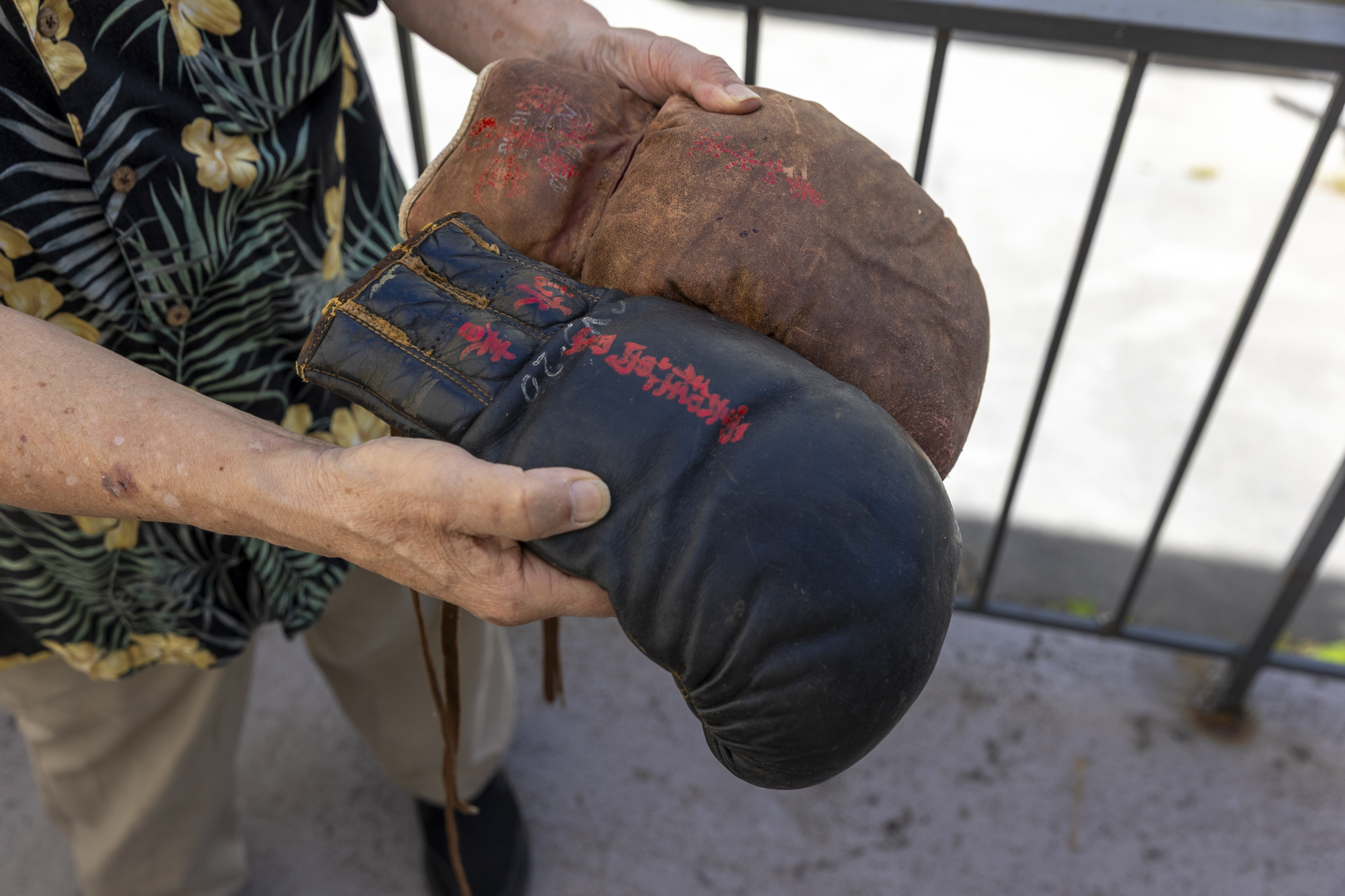
"caption": "Greglon Lee holds up boxing gloves signed by both Bruce Lee and his father James Lee at the apartment complex he lives in in Berkeley on June 1, 2026. Greglon Lee is the son of James Lee, a martial artist who was once Bruce Lee’s training partner.",
"credit": "Tâm Vũ/KQED",
"altTag": null,
"description": null,
"imgSizes": {
"thumbnail": {
"file": "https://cdn.kqed.org/wp-content/uploads/sites/10/2026/06/260601-BRUCELEE-TV-01539-KQED-160x107.jpg",
"width": 160,
"height": 107,
"mimeType": "image/jpeg"
},
"1536x1536": {
"file": "https://cdn.kqed.org/wp-content/uploads/sites/10/2026/06/260601-BRUCELEE-TV-01539-KQED-1536x1024.jpg",
"width": 1536,
"height": 1024,
"mimeType": "image/jpeg"
},
"post-thumbnail": {
"file": "https://cdn.kqed.org/wp-content/uploads/sites/10/2026/06/260601-BRUCELEE-TV-01539-KQED-672x372.jpg",
"width": 672,
"height": 372,
"mimeType": "image/jpeg"
},
"twentyfourteen-full-width": {
"file": "https://cdn.kqed.org/wp-content/uploads/sites/10/2026/06/260601-BRUCELEE-TV-01539-KQED-1038x576.jpg",
"width": 1038,
"height": 576,
"mimeType": "image/jpeg"
},
"npr-cds-wide": {
"file": "https://cdn.kqed.org/wp-content/uploads/sites/10/2026/06/260601-BRUCELEE-TV-01539-KQED-1200x675.jpg",
"width": 1200,
"height": 675,
"mimeType": "image/jpeg"
},
"npr-cds-square": {
"file": "https://cdn.kqed.org/wp-content/uploads/sites/10/2026/06/260601-BRUCELEE-TV-01539-KQED-600x600.jpg",
"width": 600,
"height": 600,
"mimeType": "image/jpeg"
},
"kqedFullSize": {
"file": "https://cdn.kqed.org/wp-content/uploads/sites/10/2026/06/260601-BRUCELEE-TV-01539-KQED.jpg",
"width": 2000,
"height": 1333
}
},
"isLoading": false,
"fetchFailed": false
},
"news_12060375": {
"type": "attachments",
"id": "news_12060375",
"meta": {
"index": "attachments_1716263798",
"site": "news",
"id": "12060375",
"found": true
},
"title": "US-TECH-AI-ALTMAN",
"publishDate": 1760733500,
"status": "inherit",
"parent": 12060365,
"modified": 1760733569,
"caption": "OpenAI CEO Sam Altman speaks at OpenAI DevDay, the company's annual conference for developers, in San Francisco, California, on Oct. 6, 2025. ",
"credit": "Benjamin Legendre/AFP via Getty Images",
"altTag": null,
"description": null,
"imgSizes": {
"thumbnail": {
"file": "https://cdn.kqed.org/wp-content/uploads/sites/10/2025/10/SamAltmanGetty-160x108.jpg",
"width": 160,
"height": 108,
"mimeType": "image/jpeg"
},
"1536x1536": {
"file": "https://cdn.kqed.org/wp-content/uploads/sites/10/2025/10/SamAltmanGetty-1536x1034.jpg",
"width": 1536,
"height": 1034,
"mimeType": "image/jpeg"
},
"post-thumbnail": {
"file": "https://cdn.kqed.org/wp-content/uploads/sites/10/2025/10/SamAltmanGetty-672x372.jpg",
"width": 672,
"height": 372,
"mimeType": "image/jpeg"
},
"twentyfourteen-full-width": {
"file": "https://cdn.kqed.org/wp-content/uploads/sites/10/2025/10/SamAltmanGetty-1038x576.jpg",
"width": 1038,
"height": 576,
"mimeType": "image/jpeg"
},
"kqedFullSize": {
"file": "https://cdn.kqed.org/wp-content/uploads/sites/10/2025/10/SamAltmanGetty.jpg",
"width": 2000,
"height": 1347
}
},
"isLoading": false,
"fetchFailed": false
},
"news_12081136": {
"type": "attachments",
"id": "news_12081136",
"meta": {
"index": "attachments_1716263798",
"site": "news",
"id": "12081136",
"found": true
},
"title": "Relaxing on the grass in Dolores Park, Mission District, San Francisco, California, United States of America, North America",
"publishDate": 1776969261,
"status": "inherit",
"parent": 12081122,
"modified": 1776969561,
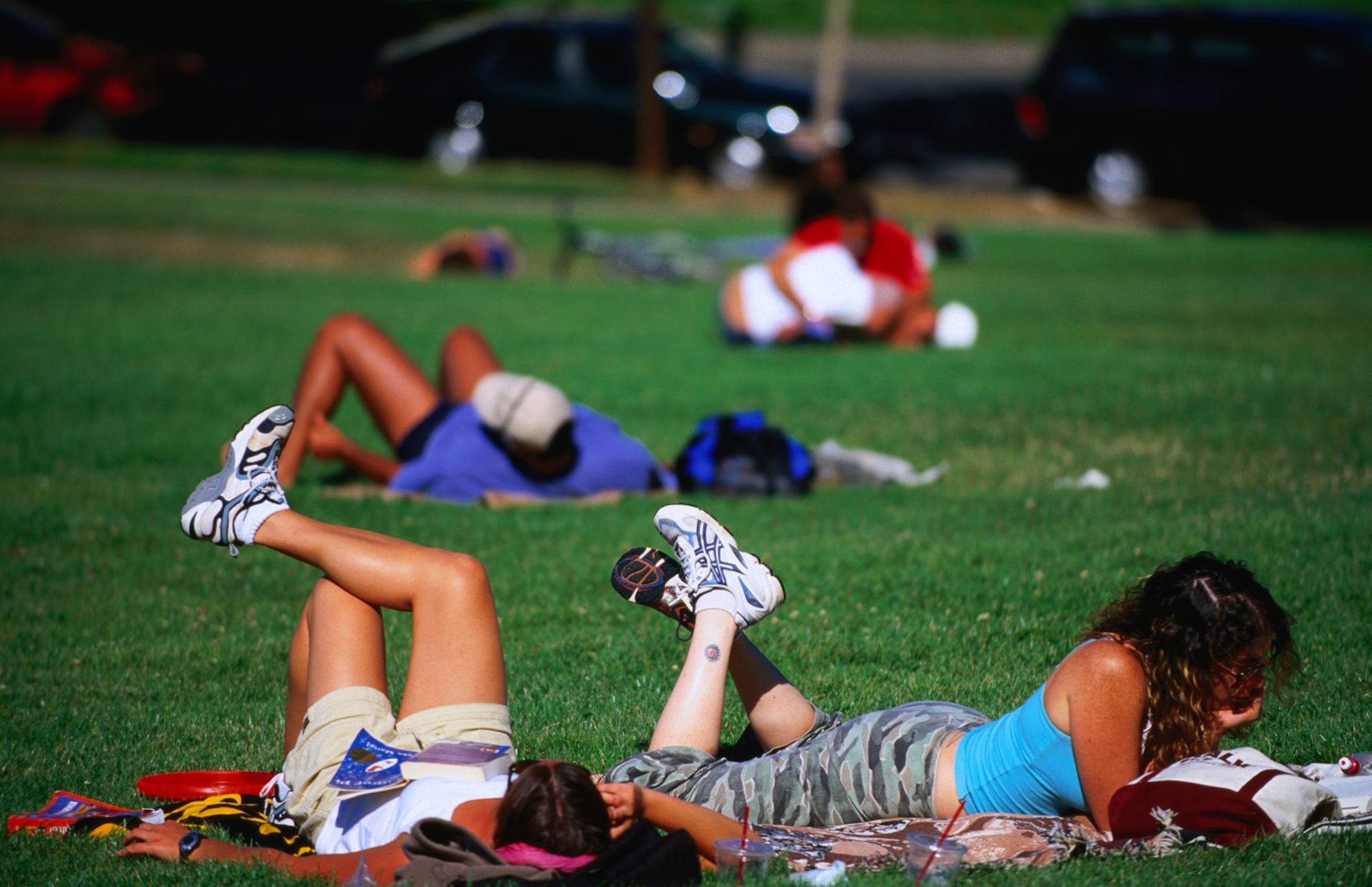
"caption": "People relaxing in the grass at Dolores Park in San Francisco.",
"credit": "Lonely Planet/Getty Images",
"altTag": null,
"description": null,
"imgSizes": {
"thumbnail": {
"file": "https://cdn.kqed.org/wp-content/uploads/sites/10/2026/04/RomanceGetty-160x103.jpg",
"width": 160,
"height": 103,
"mimeType": "image/jpeg"
},
"1536x1536": {
"file": "https://cdn.kqed.org/wp-content/uploads/sites/10/2026/04/RomanceGetty-1536x993.jpg",
"width": 1536,
"height": 993,
"mimeType": "image/jpeg"
},
"post-thumbnail": {
"file": "https://cdn.kqed.org/wp-content/uploads/sites/10/2026/04/RomanceGetty-672x372.jpg",
"width": 672,
"height": 372,
"mimeType": "image/jpeg"
},
"twentyfourteen-full-width": {
"file": "https://cdn.kqed.org/wp-content/uploads/sites/10/2026/04/RomanceGetty-1038x576.jpg",
"width": 1038,
"height": 576,
"mimeType": "image/jpeg"
},
"npr-cds-wide": {
"file": "https://cdn.kqed.org/wp-content/uploads/sites/10/2026/04/RomanceGetty-1200x675.jpg",
"width": 1200,
"height": 675,
"mimeType": "image/jpeg"
},
"npr-cds-square": {
"file": "https://cdn.kqed.org/wp-content/uploads/sites/10/2026/04/RomanceGetty-600x600.jpg",
"width": 600,
"height": 600,
"mimeType": "image/jpeg"
},
"kqedFullSize": {
"file": "https://cdn.kqed.org/wp-content/uploads/sites/10/2026/04/RomanceGetty.jpg",
"width": 2000,
"height": 1293
}
},
"isLoading": false,
"fetchFailed": false
},
"news_12080230": {
"type": "attachments",
"id": "news_12080230",
"meta": {
"index": "attachments_1716263798",
"site": "news",
"id": "12080230",
"found": true
},
"title": "250128-SFImmigration-10-BL_qed",
"publishDate": 1776359834,
"status": "inherit",
"parent": 12080217,
"modified": 1776359862,
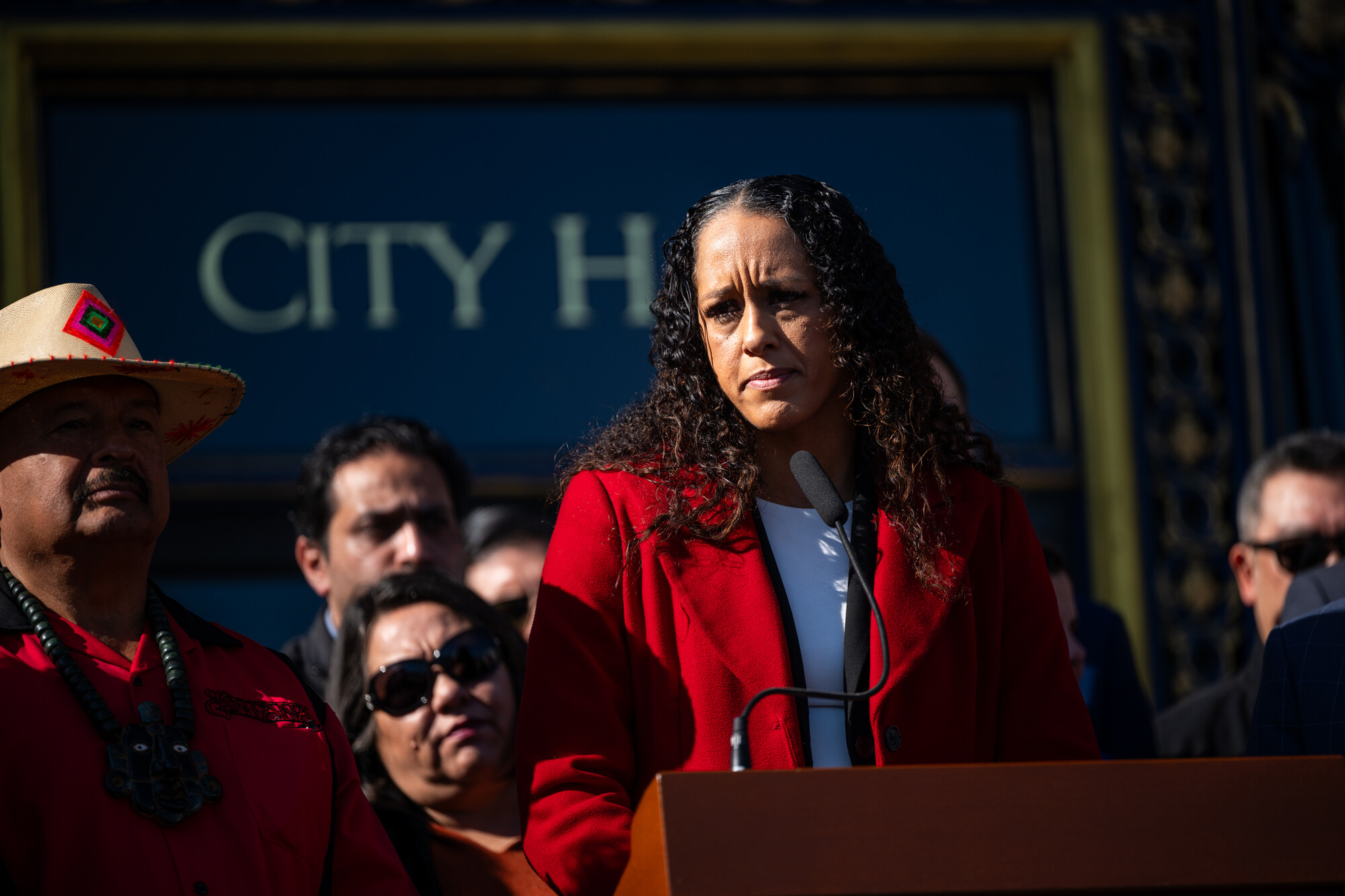
"caption": "San Francisco District Attorney Brooke Jenkins speaks during a press conference with elected and public safety officials and labor leaders in front of City Hall in San Francisco on Tuesday, Jan. 28, 2025, to reaffirm San Francisco’s commitment to being a Sanctuary City.",
"credit": "Beth LaBerge/KQED",
"altTag": null,
"description": null,
"imgSizes": {
"thumbnail": {
"file": "https://cdn.kqed.org/wp-content/uploads/sites/10/2026/04/250128-SFImmigration-10-BL_qed-160x107.jpg",
"width": 160,
"height": 107,
"mimeType": "image/jpeg"
},
"1536x1536": {
"file": "https://cdn.kqed.org/wp-content/uploads/sites/10/2026/04/250128-SFImmigration-10-BL_qed-1536x1024.jpg",
"width": 1536,
"height": 1024,
"mimeType": "image/jpeg"
},
"post-thumbnail": {
"file": "https://cdn.kqed.org/wp-content/uploads/sites/10/2026/04/250128-SFImmigration-10-BL_qed-672x372.jpg",
"width": 672,
"height": 372,
"mimeType": "image/jpeg"
},
"twentyfourteen-full-width": {
"file": "https://cdn.kqed.org/wp-content/uploads/sites/10/2026/04/250128-SFImmigration-10-BL_qed-1038x576.jpg",
"width": 1038,
"height": 576,
"mimeType": "image/jpeg"
},
"npr-cds-wide": {
"file": "https://cdn.kqed.org/wp-content/uploads/sites/10/2026/04/250128-SFImmigration-10-BL_qed-1200x675.jpg",
"width": 1200,
"height": 675,
"mimeType": "image/jpeg"
},
"npr-cds-square": {
"file": "https://cdn.kqed.org/wp-content/uploads/sites/10/2026/04/250128-SFImmigration-10-BL_qed-600x600.jpg",
"width": 600,
"height": 600,
"mimeType": "image/jpeg"
},
"kqedFullSize": {
"file": "https://cdn.kqed.org/wp-content/uploads/sites/10/2026/04/250128-SFImmigration-10-BL_qed.jpg",
"width": 2000,
"height": 1333
}
},
"isLoading": false,
"fetchFailed": false
},
"news_12092015": {
"type": "attachments",
"id": "news_12092015",
"meta": {
"index": "attachments_1716263798",
"site": "news",
"id": "12092015",
"found": true
},
"title": "Anjali Rimi at the Parivar Bay Aria offices in San Francisco on July 21, 2026.",
"publishDate": 1784666250,
"status": "inherit",
"parent": 0,
"modified": 1784725968,
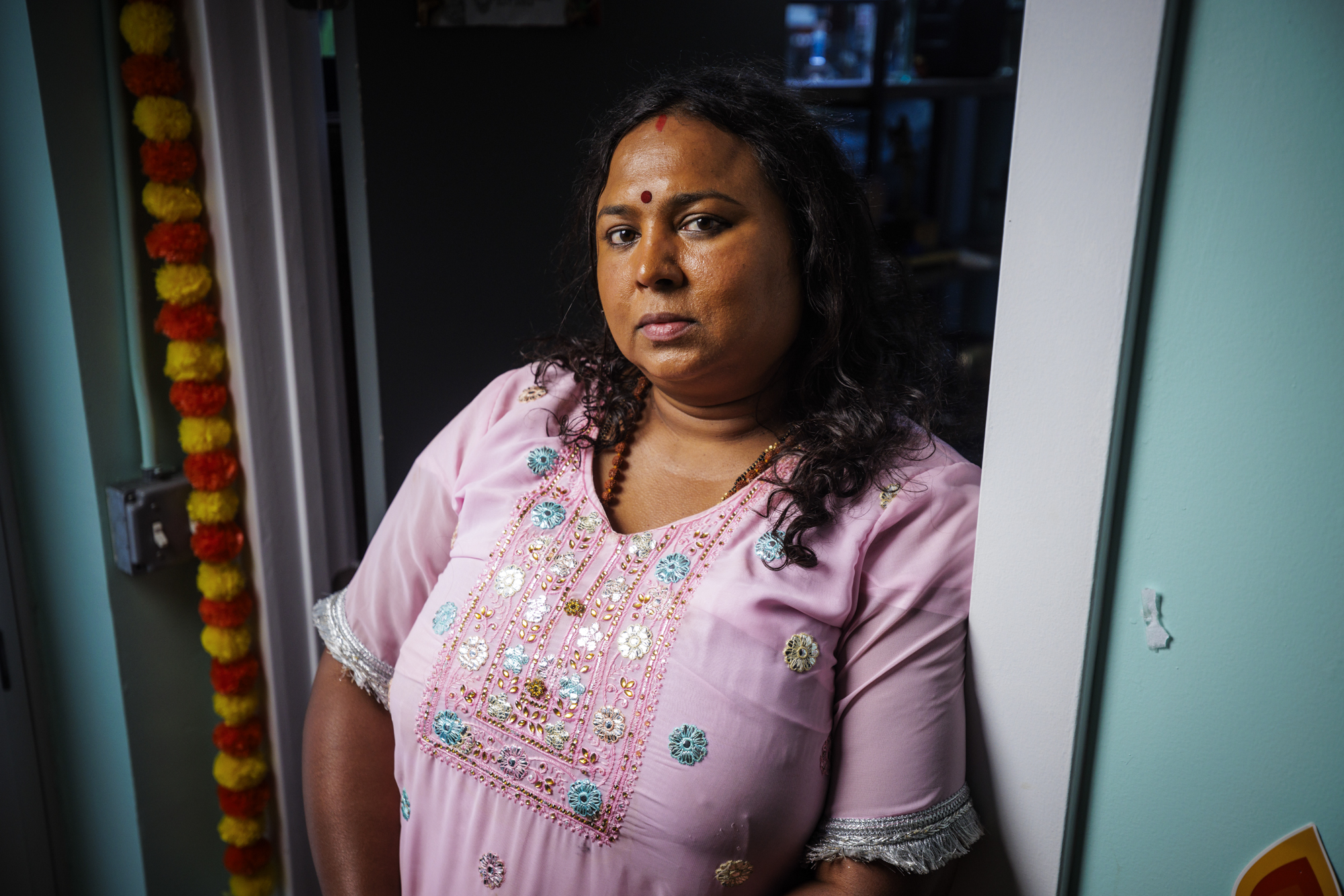
"caption": "Anjali Rimi at the Parivar Bay Area offices in San Francisco on July 21, 2026. Less than a year since it opened, the organization is struggling to keep its doors open.",
"credit": "Martin do Nascimento/KQED",
"altTag": null,
"description": null,
"imgSizes": {
"thumbnail": {
"file": "https://cdn.kqed.org/wp-content/uploads/sites/10/2026/07/260721-PARIVAR-FUNDING-MD-02-KQED-160x107.jpg",
"width": 160,
"height": 107,
"mimeType": "image/jpeg"
},
"1536x1536": {
"file": "https://cdn.kqed.org/wp-content/uploads/sites/10/2026/07/260721-PARIVAR-FUNDING-MD-02-KQED-1536x1025.jpg",
"width": 1536,
"height": 1025,
"mimeType": "image/jpeg"
},
"post-thumbnail": {
"file": "https://cdn.kqed.org/wp-content/uploads/sites/10/2026/07/260721-PARIVAR-FUNDING-MD-02-KQED-672x372.jpg",
"width": 672,
"height": 372,
"mimeType": "image/jpeg"
},
"twentyfourteen-full-width": {
"file": "https://cdn.kqed.org/wp-content/uploads/sites/10/2026/07/260721-PARIVAR-FUNDING-MD-02-KQED-1038x576.jpg",
"width": 1038,
"height": 576,
"mimeType": "image/jpeg"
},
"npr-cds-wide": {
"file": "https://cdn.kqed.org/wp-content/uploads/sites/10/2026/07/260721-PARIVAR-FUNDING-MD-02-KQED-1200x675.jpg",
"width": 1200,
"height": 675,
"mimeType": "image/jpeg"
},
"npr-cds-square": {
"file": "https://cdn.kqed.org/wp-content/uploads/sites/10/2026/07/260721-PARIVAR-FUNDING-MD-02-KQED-600x600.jpg",
"width": 600,
"height": 600,
"mimeType": "image/jpeg"
},
"kqedFullSize": {
"file": "https://cdn.kqed.org/wp-content/uploads/sites/10/2026/07/260721-PARIVAR-FUNDING-MD-02-KQED.jpg",
"width": 2000,
"height": 1334
}
},
"isLoading": false,
"fetchFailed": false
},
"news_11956031": {
"type": "attachments",
"id": "news_11956031",
"meta": {
"index": "attachments_1716263798",
"site": "news",
"id": "11956031",
"found": true
},
"parent": 11955992,
"imgSizes": {
"twentyfourteen-full-width": {
"file": "https://ww2.kqed.org/app/uploads/sites/10/2023/07/RS67104_GettyImages-1437937016-qut-1038x576.jpg",
"width": 1038,
"mimeType": "image/jpeg",
"height": 576
},
"thumbnail": {
"file": "https://ww2.kqed.org/app/uploads/sites/10/2023/07/RS67104_GettyImages-1437937016-qut-160x107.jpg",
"width": 160,
"mimeType": "image/jpeg",
"height": 107
},
"post-thumbnail": {
"file": "https://ww2.kqed.org/app/uploads/sites/10/2023/07/RS67104_GettyImages-1437937016-qut-672x372.jpg",
"width": 672,
"mimeType": "image/jpeg",
"height": 372
},
"kqedFullSize": {
"file": "https://ww2.kqed.org/app/uploads/sites/10/2023/07/RS67104_GettyImages-1437937016-qut.jpg",
"width": 1920,
"height": 1280
},
"large": {
"file": "https://ww2.kqed.org/app/uploads/sites/10/2023/07/RS67104_GettyImages-1437937016-qut-1020x680.jpg",
"width": 1020,
"mimeType": "image/jpeg",
"height": 680
},
"1536x1536": {
"file": "https://ww2.kqed.org/app/uploads/sites/10/2023/07/RS67104_GettyImages-1437937016-qut-1536x1024.jpg",
"width": 1536,
"mimeType": "image/jpeg",
"height": 1024
},
"medium": {
"file": "https://ww2.kqed.org/app/uploads/sites/10/2023/07/RS67104_GettyImages-1437937016-qut-800x533.jpg",
"width": 800,
"mimeType": "image/jpeg",
"height": 533
}
},
"publishDate": 1689798579,
"modified": 1689798629,
"caption": "If you still want to sign up for the SF Marathon, you still have time.",
"description": null,
"title": "Running shoes. Woman tying shoe laces. Closeup of female sport fitness runner getting ready for jogging outdoors on forest path in late summer or fall. Jogging girl exercise motivation heatlh and fitness.",
"credit": "AN Studio/Getty",
"status": "inherit",
"altTag": "An image of a person with lighter skin crouching with one knee bent to tie the laces of their neon orange running shoes. We can't see their face.",
"isLoading": false,
"fetchFailed": false
},
"news_12036911": {
"type": "attachments",
"id": "news_12036911",
"meta": {
"index": "attachments_1716263798",
"site": "news",
"id": "12036911",
"found": true
},
"title": "250418-SFUSD-06-BL-KQED",
"publishDate": 1745253406,
"status": "inherit",
"parent": 12036914,
"modified": 1745274516,
"caption": "The San Francisco Unified School District Administrative Offices in San Francisco on April 18, 2025.",
"credit": "Beth LaBerge/KQED",
"altTag": null,
"description": null,
"imgSizes": {
"medium": {
"file": "https://cdn.kqed.org/wp-content/uploads/sites/10/2025/04/250418-SFUSD-06-BL-KQED-800x533.jpg",
"width": 800,
"height": 533,
"mimeType": "image/jpeg"
},
"large": {
"file": "https://cdn.kqed.org/wp-content/uploads/sites/10/2025/04/250418-SFUSD-06-BL-KQED-1020x680.jpg",
"width": 1020,
"height": 680,
"mimeType": "image/jpeg"
},
"thumbnail": {
"file": "https://cdn.kqed.org/wp-content/uploads/sites/10/2025/04/250418-SFUSD-06-BL-KQED-160x107.jpg",
"width": 160,
"height": 107,
"mimeType": "image/jpeg"
},
"1536x1536": {
"file": "https://cdn.kqed.org/wp-content/uploads/sites/10/2025/04/250418-SFUSD-06-BL-KQED-1536x1024.jpg",
"width": 1536,
"height": 1024,
"mimeType": "image/jpeg"
},
"post-thumbnail": {
"file": "https://cdn.kqed.org/wp-content/uploads/sites/10/2025/04/250418-SFUSD-06-BL-KQED-672x372.jpg",
"width": 672,
"height": 372,
"mimeType": "image/jpeg"
},
"twentyfourteen-full-width": {
"file": "https://cdn.kqed.org/wp-content/uploads/sites/10/2025/04/250418-SFUSD-06-BL-KQED-1038x576.jpg",
"width": 1038,
"height": 576,
"mimeType": "image/jpeg"
},
"full-width": {
"file": "https://cdn.kqed.org/wp-content/uploads/sites/10/2025/04/250418-SFUSD-06-BL-KQED-1920x1280.jpg",
"width": 1920,
"height": 1280,
"mimeType": "image/jpeg"
},
"kqedFullSize": {
"file": "https://cdn.kqed.org/wp-content/uploads/sites/10/2025/04/250418-SFUSD-06-BL-KQED.jpg",
"width": 2000,
"height": 1333
}
},
"isLoading": false,
"fetchFailed": false
},
"news_12089003": {
"type": "attachments",
"id": "news_12089003",
"meta": {
"index": "attachments_1716263798",
"site": "news",
"id": "12089003",
"found": true
},
"title": "260407-CESARCHAVEZMURALS-02-BL-KQED",
"publishDate": 1782494781,
"status": "inherit",
"parent": 0,
"modified": 1782494824,
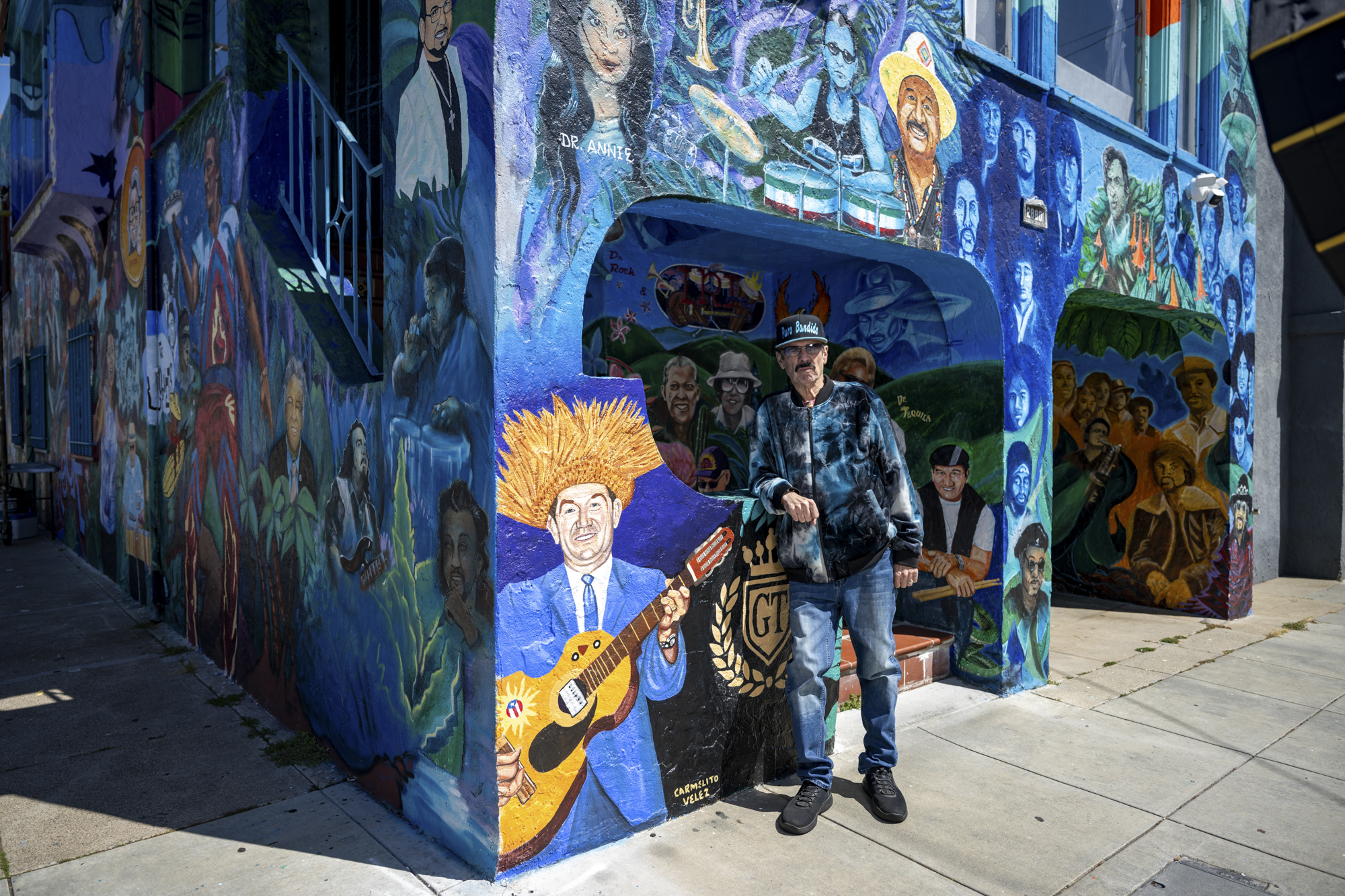
"caption": "Richard Segovia stands in front of his house on 25th and York streets, known as the Latin Rock House, in San Francisco on April 7, 2026. The home is covered in a large mural honoring dozens of musicians tied to the Mission District’s Latin rock scene, which Segovia has helped preserve for decades.",
"credit": "Beth LaBerge/KQED",
"altTag": null,
"description": null,
"imgSizes": {
"thumbnail": {
"file": "https://cdn.kqed.org/wp-content/uploads/sites/10/2026/06/260407-CESARCHAVEZMURALS-02-BL-KQED-160x107.jpg",
"width": 160,
"height": 107,
"mimeType": "image/jpeg"
},
"1536x1536": {
"file": "https://cdn.kqed.org/wp-content/uploads/sites/10/2026/06/260407-CESARCHAVEZMURALS-02-BL-KQED-1536x1024.jpg",
"width": 1536,
"height": 1024,
"mimeType": "image/jpeg"
},
"post-thumbnail": {
"file": "https://cdn.kqed.org/wp-content/uploads/sites/10/2026/06/260407-CESARCHAVEZMURALS-02-BL-KQED-672x372.jpg",
"width": 672,
"height": 372,
"mimeType": "image/jpeg"
},
"twentyfourteen-full-width": {
"file": "https://cdn.kqed.org/wp-content/uploads/sites/10/2026/06/260407-CESARCHAVEZMURALS-02-BL-KQED-1038x576.jpg",
"width": 1038,
"height": 576,
"mimeType": "image/jpeg"
},
"npr-cds-wide": {
"file": "https://cdn.kqed.org/wp-content/uploads/sites/10/2026/06/260407-CESARCHAVEZMURALS-02-BL-KQED-1200x675.jpg",
"width": 1200,
"height": 675,
"mimeType": "image/jpeg"
},
"npr-cds-square": {
"file": "https://cdn.kqed.org/wp-content/uploads/sites/10/2026/06/260407-CESARCHAVEZMURALS-02-BL-KQED-600x600.jpg",
"width": 600,
"height": 600,
"mimeType": "image/jpeg"
},
"kqedFullSize": {
"file": "https://cdn.kqed.org/wp-content/uploads/sites/10/2026/06/260407-CESARCHAVEZMURALS-02-BL-KQED.jpg",
"width": 2000,
"height": 1333
}
},
"isLoading": false,
"fetchFailed": false
},
"news_12091692": {
"type": "attachments",
"id": "news_12091692",
"meta": {
"index": "attachments_1716263798",
"site": "news",
"id": "12091692",
"found": true
},
"title": "Boat Catches Fire Near Alcatraz Island In San Francisco",
"publishDate": 1784330700,
"status": "inherit",
"parent": 12091686,
"modified": 1784330745,
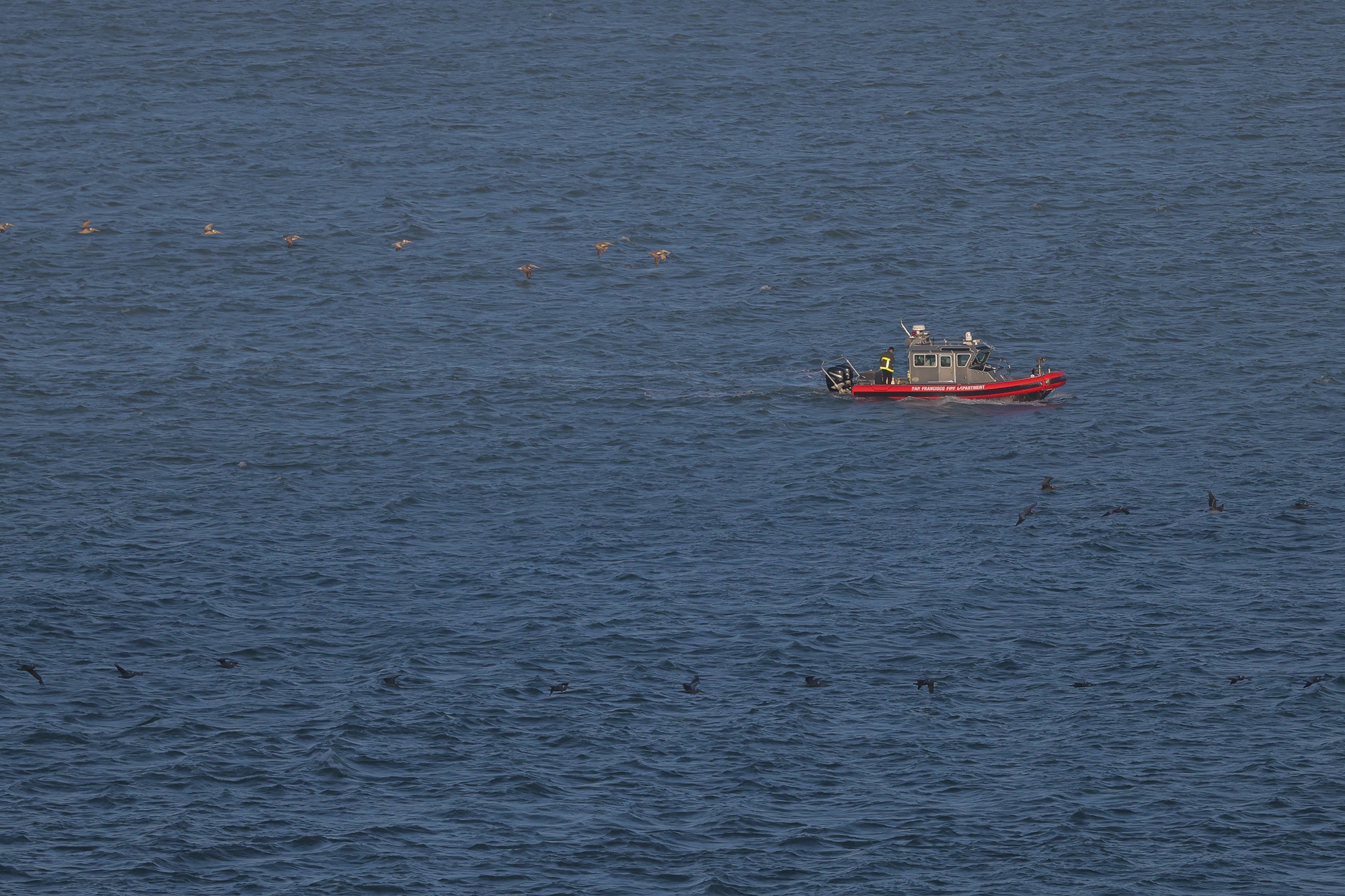
"caption": "A San Francisco Fire Department boat searches near Alcatraz for two missing individuals after a pontoon boat capsized on July 14, 2026, in San Francisco, California. ",
"credit": "Heather Diehl/Getty Images",
"altTag": null,
"description": null,
"imgSizes": {
"thumbnail": {
"file": "https://cdn.kqed.org/wp-content/uploads/sites/10/2026/07/AlcatrazBoatAccidentGetty-160x107.jpg",
"width": 160,
"height": 107,
"mimeType": "image/jpeg"
},
"1536x1536": {
"file": "https://cdn.kqed.org/wp-content/uploads/sites/10/2026/07/AlcatrazBoatAccidentGetty-1536x1024.jpg",
"width": 1536,
"height": 1024,
"mimeType": "image/jpeg"
},
"post-thumbnail": {
"file": "https://cdn.kqed.org/wp-content/uploads/sites/10/2026/07/AlcatrazBoatAccidentGetty-672x372.jpg",
"width": 672,
"height": 372,
"mimeType": "image/jpeg"
},
"twentyfourteen-full-width": {
"file": "https://cdn.kqed.org/wp-content/uploads/sites/10/2026/07/AlcatrazBoatAccidentGetty-1038x576.jpg",
"width": 1038,
"height": 576,
"mimeType": "image/jpeg"
},
"npr-cds-wide": {
"file": "https://cdn.kqed.org/wp-content/uploads/sites/10/2026/07/AlcatrazBoatAccidentGetty-1200x675.jpg",
"width": 1200,
"height": 675,
"mimeType": "image/jpeg"
},
"npr-cds-square": {
"file": "https://cdn.kqed.org/wp-content/uploads/sites/10/2026/07/AlcatrazBoatAccidentGetty-600x600.jpg",
"width": 600,
"height": 600,
"mimeType": "image/jpeg"
},
"kqedFullSize": {
"file": "https://cdn.kqed.org/wp-content/uploads/sites/10/2026/07/AlcatrazBoatAccidentGetty.jpg",
"width": 2000,
"height": 1333
}
},
"isLoading": false,
"fetchFailed": false
},
"news_12091671": {
"type": "attachments",
"id": "news_12091671",
"meta": {
"index": "attachments_1716263798",
"site": "news",
"id": "12091671",
"found": true
},
"title": "260717-Connie Chan legislation-SJ-01-KQED",
"publishDate": 1784322829,
"status": "inherit",
"parent": 0,
"modified": 1784329160,
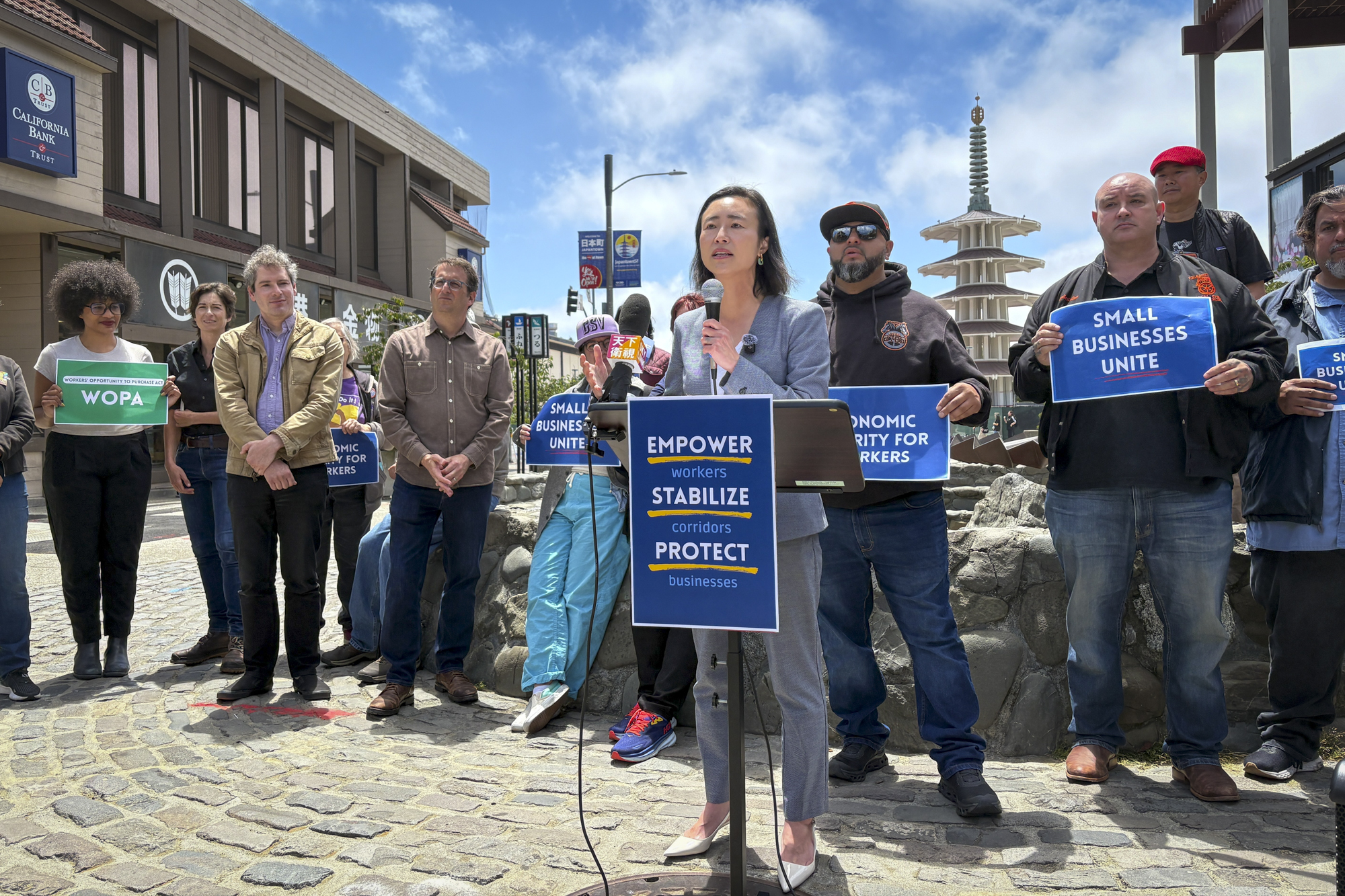
"caption": "Supervisor Connie Chan unveiled a package of legislation aiming to support small business owners amid rising commercial rents and help workers more easily purchase their business if an owner decides to sell, in San Francisco on July 17, 2026.",
"credit": "Sydney Johnson/KQED",
"altTag": null,
"description": null,
"imgSizes": {
"thumbnail": {
"file": "https://cdn.kqed.org/wp-content/uploads/sites/10/2026/07/260717-Connie-Chan-legislation-SJ-01-KQED-160x107.jpg",
"width": 160,
"height": 107,
"mimeType": "image/jpeg"
},
"1536x1536": {
"file": "https://cdn.kqed.org/wp-content/uploads/sites/10/2026/07/260717-Connie-Chan-legislation-SJ-01-KQED-1536x1024.jpg",
"width": 1536,
"height": 1024,
"mimeType": "image/jpeg"
},
"post-thumbnail": {
"file": "https://cdn.kqed.org/wp-content/uploads/sites/10/2026/07/260717-Connie-Chan-legislation-SJ-01-KQED-672x372.jpg",
"width": 672,
"height": 372,
"mimeType": "image/jpeg"
},
"twentyfourteen-full-width": {
"file": "https://cdn.kqed.org/wp-content/uploads/sites/10/2026/07/260717-Connie-Chan-legislation-SJ-01-KQED-1038x576.jpg",
"width": 1038,
"height": 576,
"mimeType": "image/jpeg"
},
"npr-cds-wide": {
"file": "https://cdn.kqed.org/wp-content/uploads/sites/10/2026/07/260717-Connie-Chan-legislation-SJ-01-KQED-1200x675.jpg",
"width": 1200,
"height": 675,
"mimeType": "image/jpeg"
},
"npr-cds-square": {
"file": "https://cdn.kqed.org/wp-content/uploads/sites/10/2026/07/260717-Connie-Chan-legislation-SJ-01-KQED-600x600.jpg",
"width": 600,
"height": 600,
"mimeType": "image/jpeg"
},
"kqedFullSize": {
"file": "https://cdn.kqed.org/wp-content/uploads/sites/10/2026/07/260717-Connie-Chan-legislation-SJ-01-KQED.jpg",
"width": 2000,
"height": 1333
}
},
"isLoading": false,
"fetchFailed": false
},
"news_12091145": {
"type": "attachments",
"id": "news_12091145",
"meta": {
"index": "attachments_1716263798",
"site": "news",
"id": "12091145",
"found": true
},
"title": "260715-AlcatrazSearchUpdate-01-BL",
"publishDate": 1784139846,
"status": "inherit",
"parent": 12091098,
"modified": 1784139860,
"caption": "A San Francisco Fire Department boat pictured in the waters near Alcatraz on July 15, 2026.",
"credit": "Beth LaBerge/KQED",
"altTag": null,
"description": null,
"imgSizes": {
"thumbnail": {
"file": "https://cdn.kqed.org/wp-content/uploads/sites/10/2026/07/260715-AlcatrazSearchUpdate-01-BL-160x107.jpg",
"width": 160,
"height": 107,
"mimeType": "image/jpeg"
},
"1536x1536": {
"file": "https://cdn.kqed.org/wp-content/uploads/sites/10/2026/07/260715-AlcatrazSearchUpdate-01-BL-1536x1024.jpg",
"width": 1536,
"height": 1024,
"mimeType": "image/jpeg"
},
"post-thumbnail": {
"file": "https://cdn.kqed.org/wp-content/uploads/sites/10/2026/07/260715-AlcatrazSearchUpdate-01-BL-672x372.jpg",
"width": 672,
"height": 372,
"mimeType": "image/jpeg"
},
"twentyfourteen-full-width": {
"file": "https://cdn.kqed.org/wp-content/uploads/sites/10/2026/07/260715-AlcatrazSearchUpdate-01-BL-1038x576.jpg",
"width": 1038,
"height": 576,
"mimeType": "image/jpeg"
},
"npr-cds-wide": {
"file": "https://cdn.kqed.org/wp-content/uploads/sites/10/2026/07/260715-AlcatrazSearchUpdate-01-BL-1200x675.jpg",
"width": 1200,
"height": 675,
"mimeType": "image/jpeg"
},
"npr-cds-square": {
"file": "https://cdn.kqed.org/wp-content/uploads/sites/10/2026/07/260715-AlcatrazSearchUpdate-01-BL-600x600.jpg",
"width": 600,
"height": 600,
"mimeType": "image/jpeg"
},
"kqedFullSize": {
"file": "https://cdn.kqed.org/wp-content/uploads/sites/10/2026/07/260715-AlcatrazSearchUpdate-01-BL.jpg",
"width": 2000,
"height": 1333
}
},
"isLoading": false,
"fetchFailed": false
}
},
"audioPlayerReducer": {
"postId": "stream_live",
"isPaused": true,
"isPlaying": false,
"pfsActive": false,
"pledgeModalIsOpen": true,
"playerDrawerIsOpen": false,
"liveAudioPlayStartedAt": 0,
"liveAudioPlayContext": ""
},
"authorsReducer": {
"rachael-myrow": {
"type": "authors",
"id": "251",
"meta": {
"index": "authors_1716337520",
"id": "251",
"found": true
},
"name": "Rachael Myrow",
"firstName": "Rachael",
"lastName": "Myrow",
"slug": "rachael-myrow",
"email": "rmyrow@kqed.org",
"display_author_email": true,
"staff_mastheads": [
"news"
],
"title": "Senior Editor of KQED's Silicon Valley News Desk",
"bio": "• I write and edit stories about how Silicon Valley power and policies shape everyday life in California. I’m also passionate about making Bay Area history and culture more accessible to a broad public. • I’ve been a journalist for most of my life, starting in high school with The Franklin Press in Los Angeles, where I grew up. While earning my first degree in English at UC Berkeley, I got my start in public radio at KALX-FM. After completing a second degree in journalism at Cal, I landed my first professional job at Marketplace, then moved on to KPCC (now LAist), and then KQED, where I hosted The California Report for more than seven years. • My reporting has appeared on NPR, The World, WBUR’s \u003ci>Here & Now\u003c/i>, and the BBC. I also guest host for KQED’s \u003ci>Forum\u003c/i>, as well as the Commonwealth Club in San Francisco. • I speak periodically on media, democracy and technology issues, and do voiceover work for documentaries and educational video projects. • Outside of the studio, you'll find me hiking Bay Area trails and whipping up Insta-ready meals in my kitchen. • I do not accept gifts, money, or favors from anyone connected to my reporting, I don't pay people for information, and I do not support or donate to political causes. • I strive to treat the people I report on with fairness, honesty, and respect. I also recognize there are often multiple sides to a story and work to verify information through multiple sources and documentation. If I get something wrong, I correct it.",
"avatar": "https://secure.gravatar.com/avatar/3ed8a3c5f26025e4a805ba634cda8cd764906b97438a6d9ce216b044e340da4e?s=600&d=blank&r=g",
"twitter": "rachaelmyrow",
"bluesky": null,
"facebook": null,
"instagram": null,
"linkedin": "https://www.linkedin.com/in/rachaelmyrow/",
"sites": [
{
"site": "arts",
"roles": [
"administrator"
]
},
{
"site": "news",
"roles": [
"edit_others_posts",
"editor"
]
},
{
"site": "futureofyou",
"roles": [
"editor"
]
},
{
"site": "bayareabites",
"roles": [
"editor"
]
},
{
"site": "stateofhealth",
"roles": [
"editor"
]
},
{
"site": "science",
"roles": [
"editor"
]
},
{
"site": "food",
"roles": [
"editor"
]
},
{
"site": "forum",
"roles": [
"editor"
]
},
{
"site": "liveblog",
"roles": [
"author"
]
}
],
"headData": {
"title": "Rachael Myrow | KQED",
"description": "Senior Editor of KQED's Silicon Valley News Desk",
"ogImgSrc": "https://secure.gravatar.com/avatar/3ed8a3c5f26025e4a805ba634cda8cd764906b97438a6d9ce216b044e340da4e?s=600&d=blank&r=g",
"twImgSrc": "https://secure.gravatar.com/avatar/3ed8a3c5f26025e4a805ba634cda8cd764906b97438a6d9ce216b044e340da4e?s=600&d=blank&r=g"
},
"isLoading": false,
"link": "/author/rachael-myrow"
},
"adahlstromeckman": {
"type": "authors",
"id": "11785",
"meta": {
"index": "authors_1716337520",
"id": "11785",
"found": true
},
"name": "Azul Dahlstrom-Eckman",
"firstName": "Azul",
"lastName": "Dahlstrom-Eckman",
"slug": "adahlstromeckman",
"email": "adahlstrom-eckman@kqed.org",
"display_author_email": true,
"staff_mastheads": [],
"title": "Reporter",
"bio": "Azul is a reporter for KQED focusing on transportation and features. He joined KQED in 2021 as an alumna of KALW's Audio Academy radio journalism training program.",
"avatar": "https://secure.gravatar.com/avatar/9cb750298435add7815a777f55bf1f46845c1386bb8452555c60a7b820b5aba3?s=600&d=blank&r=g",
"twitter": "@zuliemann",
"bluesky": "@azul415.bsky.social",
"facebook": null,
"instagram": null,
"linkedin": null,
"sites": [
{
"site": "arts",
"roles": [
"editor"
]
},
{
"site": "news",
"roles": [
"editor"
]
},
{
"site": "science",
"roles": [
"editor"
]
},
{
"site": "liveblog",
"roles": [
"author"
]
}
],
"headData": {
"title": "Azul Dahlstrom-Eckman | KQED",
"description": "Reporter",
"ogImgSrc": "https://secure.gravatar.com/avatar/9cb750298435add7815a777f55bf1f46845c1386bb8452555c60a7b820b5aba3?s=600&d=blank&r=g",
"twImgSrc": "https://secure.gravatar.com/avatar/9cb750298435add7815a777f55bf1f46845c1386bb8452555c60a7b820b5aba3?s=600&d=blank&r=g"
},
"isLoading": false,
"link": "/author/adahlstromeckman"
},
"sjohnson": {
"type": "authors",
"id": "11840",
"meta": {
"index": "authors_1716337520",
"id": "11840",
"found": true
},
"name": "Sydney Johnson",
"firstName": "Sydney",
"lastName": "Johnson",
"slug": "sjohnson",
"email": "sjohnson@kqed.org",
"display_author_email": false,
"staff_mastheads": [
"news"
],
"title": "KQED Reporter",
"bio": "Sydney Johnson is a general assignment reporter at KQED. She previously reported on public health and city government at the San Francisco Examiner, and before that, she covered statewide education policy for EdSource. Her reporting has won multiple local, state and national awards. Sydney is a graduate of the University of California, Berkeley and lives in San Francisco.",
"avatar": "https://secure.gravatar.com/avatar/97855f2719b72ad6190b7c535fe642c8?s=600&d=blank&r=g",
"twitter": "sydneyfjohnson",
"facebook": null,
"instagram": null,
"linkedin": null,
"sites": [
{
"site": "news",
"roles": [
"editor"
]
}
],
"headData": {
"title": "Sydney Johnson | KQED",
"description": "KQED Reporter",
"ogImgSrc": "https://secure.gravatar.com/avatar/97855f2719b72ad6190b7c535fe642c8?s=600&d=blank&r=g",
"twImgSrc": "https://secure.gravatar.com/avatar/97855f2719b72ad6190b7c535fe642c8?s=600&d=blank&r=g"
},
"isLoading": false,
"link": "/author/sjohnson"
},
"nkhan": {
"type": "authors",
"id": "11867",
"meta": {
"index": "authors_1716337520",
"id": "11867",
"found": true
},
"name": "Nisa Khan",
"firstName": "Nisa",
"lastName": "Khan",
"slug": "nkhan",
"email": "nkhan@kqed.org",
"display_author_email": false,
"staff_mastheads": [],
"title": "KQED Contributor",
"bio": "Nisa Khan is a reporter for KQED's Audience News Desk. She was formerly a data reporter at Michigan Radio. She earned a Bachelor of Science in Information from the University of Michigan and a Master of Arts in Communication from Stanford University.",
"avatar": "https://secure.gravatar.com/avatar/8720459eef081ff64582b3506b124d58523e80e120704a0cbd9892533c914991?s=600&d=blank&r=g",
"twitter": "mnisakhan",
"bluesky": null,
"facebook": null,
"instagram": null,
"linkedin": null,
"sites": [
{
"site": "arts",
"roles": [
"editor"
]
},
{
"site": "news",
"roles": [
"editor"
]
},
{
"site": "science",
"roles": [
"editor",
"author"
]
},
{
"site": "forum",
"roles": [
"editor"
]
},
{
"site": "liveblog",
"roles": [
"contributor"
]
}
],
"headData": {
"title": "Nisa Khan | KQED",
"description": "KQED Contributor",
"ogImgSrc": "https://secure.gravatar.com/avatar/8720459eef081ff64582b3506b124d58523e80e120704a0cbd9892533c914991?s=600&d=blank&r=g",
"twImgSrc": "https://secure.gravatar.com/avatar/8720459eef081ff64582b3506b124d58523e80e120704a0cbd9892533c914991?s=600&d=blank&r=g"
},
"isLoading": false,
"link": "/author/nkhan"
},
"kdebenedetti": {
"type": "authors",
"id": "11913",
"meta": {
"index": "authors_1716337520",
"id": "11913",
"found": true
},
"name": "Katie DeBenedetti",
"firstName": "Katie",
"lastName": "DeBenedetti",
"slug": "kdebenedetti",
"email": "kdebenedetti@kqed.org",
"display_author_email": false,
"staff_mastheads": [
"news",
"science"
],
"title": "KQED Contributor",
"bio": "Katie DeBenedetti is a digital reporter covering daily news for the Express Desk. Prior to joining KQED as a culture reporting intern in January 2024, she covered education and city government for the Napa Valley Register.",
"avatar": "https://secure.gravatar.com/avatar/6e31073cb8f7e4214ab03f42771d0f45?s=600&d=blank&r=g",
"twitter": null,
"facebook": null,
"instagram": null,
"linkedin": null,
"sites": [
{
"site": "news",
"roles": [
"author"
]
},
{
"site": "science",
"roles": [
"author"
]
},
{
"site": "liveblog",
"roles": [
"author"
]
}
],
"headData": {
"title": "Katie DeBenedetti | KQED",
"description": "KQED Contributor",
"ogImgSrc": "https://secure.gravatar.com/avatar/6e31073cb8f7e4214ab03f42771d0f45?s=600&d=blank&r=g",
"twImgSrc": "https://secure.gravatar.com/avatar/6e31073cb8f7e4214ab03f42771d0f45?s=600&d=blank&r=g"
},
"isLoading": false,
"link": "/author/kdebenedetti"
},
"emanoukian": {
"type": "authors",
"id": "11925",
"meta": {
"index": "authors_1716337520",
"id": "11925",
"found": true
},
"name": "Elize Manoukian",
"firstName": "Elize",
"lastName": "Manoukian",
"slug": "emanoukian",
"email": "emanoukian@KQED.org",
"display_author_email": false,
"staff_mastheads": [
"news"
],
"title": "Digital News Editor",
"bio": "Elize Manoukian is an award-winning audio producer and Senior Editor on the Express Desk, KQED's digital news platform. Her work has appeared on KPFA, Interlochen Public Radio, Oregon Public Broadcast, the New York Daily News, LA Times and the San Diego Union-Tribune.",
"avatar": "https://secure.gravatar.com/avatar/4525f1a8e46ccb30933b32653d9772064cfefe3fa655eb45b3b3a80341f6bdad?s=600&d=blank&r=g",
"twitter": null,
"bluesky": null,
"facebook": null,
"instagram": null,
"linkedin": null,
"sites": [
{
"site": "arts",
"roles": [
"editor"
]
},
{
"site": "news",
"roles": [
"editor"
]
},
{
"site": "science",
"roles": [
"editor"
]
}
],
"headData": {
"title": "Elize Manoukian | KQED",
"description": "Digital News Editor",
"ogImgSrc": "https://secure.gravatar.com/avatar/4525f1a8e46ccb30933b32653d9772064cfefe3fa655eb45b3b3a80341f6bdad?s=600&d=blank&r=g",
"twImgSrc": "https://secure.gravatar.com/avatar/4525f1a8e46ccb30933b32653d9772064cfefe3fa655eb45b3b3a80341f6bdad?s=600&d=blank&r=g"
},
"isLoading": false,
"link": "/author/emanoukian"
},
"sarahwright": {
"type": "authors",
"id": "11956",
"meta": {
"index": "authors_1716337520",
"id": "11956",
"found": true
},
"name": "Sarah Wright",
"firstName": "Sarah",
"lastName": "Wright",
"slug": "sarahwright",
"email": "swright@kqed.org",
"display_author_email": true,
"staff_mastheads": [],
"title": "Outdoors Engagement Reporter",
"bio": "Sarah Wright is KQED's Outdoors Engagement Reporter. Originally from Lake Tahoe, she completed a thru-hike of the Pacific Crest Trail in 2019 and was a U.S. Fulbright Program grantee to Argentina in 2023. Her journalism has appeared in The Guardian, The San Francisco Standard, The Palo Alto Weekly and the Half Moon Bay Review.",
"avatar": "https://secure.gravatar.com/avatar/c161a3d6441865cba25e6db4fa561099ad665799e9432e34da2b84d7e371524c?s=600&d=blank&r=g",
"twitter": null,
"bluesky": null,
"facebook": null,
"instagram": null,
"linkedin": null,
"sites": [
{
"site": "arts",
"roles": [
"editor"
]
},
{
"site": "news",
"roles": [
"editor"
]
},
{
"site": "science",
"roles": [
"contributor",
"author"
]
},
{
"site": "forum",
"roles": [
"editor"
]
}
],
"headData": {
"title": "Sarah Wright | KQED",
"description": "Outdoors Engagement Reporter",
"ogImgSrc": "https://secure.gravatar.com/avatar/c161a3d6441865cba25e6db4fa561099ad665799e9432e34da2b84d7e371524c?s=600&d=blank&r=g",
"twImgSrc": "https://secure.gravatar.com/avatar/c161a3d6441865cba25e6db4fa561099ad665799e9432e34da2b84d7e371524c?s=600&d=blank&r=g"
},
"isLoading": false,
"link": "/author/sarahwright"
},
"dmeagley": {
"type": "authors",
"id": "12002",
"meta": {
"index": "authors_1716337520",
"id": "12002",
"found": true
},
"name": "Desmond Meagley",
"firstName": "Desmond",
"lastName": "Meagley",
"slug": "dmeagley",
"email": "dmeagley@kqed.org",
"display_author_email": false,
"staff_mastheads": [],
"title": "KQED Contributor",
"bio": null,
"avatar": "https://secure.gravatar.com/avatar/16f71d550a6f42fe4d2195a89ee3ac21649feb17ca382d5cd0ad019d930a00ae?s=600&d=blank&r=g",
"twitter": null,
"bluesky": null,
"facebook": null,
"instagram": null,
"linkedin": null,
"sites": [
{
"site": "news",
"roles": [
"author"
]
}
],
"headData": {
"title": "Desmond Meagley | KQED",
"description": "KQED Contributor",
"ogImgSrc": "https://secure.gravatar.com/avatar/16f71d550a6f42fe4d2195a89ee3ac21649feb17ca382d5cd0ad019d930a00ae?s=600&d=blank&r=g",
"twImgSrc": "https://secure.gravatar.com/avatar/16f71d550a6f42fe4d2195a89ee3ac21649feb17ca382d5cd0ad019d930a00ae?s=600&d=blank&r=g"
},
"isLoading": false,
"link": "/author/dmeagley"
},
"ejackson": {
"type": "authors",
"id": "12003",
"meta": {
"index": "authors_1716337520",
"id": "12003",
"found": true
},
"name": "Ella Jackson",
"firstName": "Ella",
"lastName": "Jackson",
"slug": "ejackson",
"email": "ejackson@kqed.org",
"display_author_email": false,
"staff_mastheads": [],
"title": "KQED Contributor",
"bio": null,
"avatar": "https://secure.gravatar.com/avatar/3c688edc62aec1dcae096e1475956d245f72bde99cff316455871c9b22a7205b?s=600&d=blank&r=g",
"twitter": null,
"bluesky": null,
"facebook": null,
"instagram": null,
"linkedin": null,
"sites": [
{
"site": "news",
"roles": [
"author"
]
},
{
"site": "science",
"roles": [
"author"
]
}
],
"headData": {
"title": "Ella Jackson | KQED",
"description": "KQED Contributor",
"ogImgSrc": "https://secure.gravatar.com/avatar/3c688edc62aec1dcae096e1475956d245f72bde99cff316455871c9b22a7205b?s=600&d=blank&r=g",
"twImgSrc": "https://secure.gravatar.com/avatar/3c688edc62aec1dcae096e1475956d245f72bde99cff316455871c9b22a7205b?s=600&d=blank&r=g"
},
"isLoading": false,
"link": "/author/ejackson"
}
},
"pagesReducer": {
"news_tag_san-francisco": {
"type": "terms",
"id": "news_38",
"meta": {
"index": "terms_1716263798",
"site": "news",
"id": "38",
"score": 6.7228813
},
"featImg": null,
"name": "San Francisco",
"description": null,
"taxonomy": "tag",
"headData": {
"twImgId": null,
"twTitle": null,
"ogTitle": null,
"ogImgId": null,
"twDescription": null,
"description": null,
"title": "San Francisco Archives | KQED News",
"ogDescription": null
},
"ttid": 58,
"slug": "san-francisco",
"isLoading": false,
"title": "San Francisco",
"pageMeta": {
"site": "news",
"WpPageTemplate": "page-topic-editorial",
"currentPage": 8
},
"blocks": [
{
"blockName": "kqed/post-list",
"attrs": {
"layout": "cardArticle2",
"query": "posts/news?tag=san-francisco",
"seeMore": false,
"paginated": true,
"page": 8
}
},
{
"blockName": "kqed/ad"
}
]
}
},
"pfsSessionReducer": {},
"postsReducer": {
"stream_live": {
"type": "live",
"id": "stream_live",
"audioUrl": "https://streams.kqed.org/kqedradio",
"title": "Live Stream",
"excerpt": "Live Stream information currently unavailable.",
"link": "/radio",
"featImg": "",
"label": {
"name": "KQED Live",
"link": "/"
}
},
"stream_kqedNewscast": {
"type": "posts",
"id": "stream_kqedNewscast",
"audioUrl": "https://www.kqed.org/.stream/anon/radio/RDnews/newscast.mp3?_=1",
"title": "KQED Newscast",
"featImg": "",
"label": {
"name": "88.5 FM",
"link": "/"
}
},
"news_12092335": {
"type": "posts",
"id": "news_12092335",
"meta": {
"index": "posts_1716263798",
"site": "news",
"id": "12092335",
"score": null,
"sort": [
1784890800000
]
},
"guestAuthors": [],
"slug": "staff-of-san-francisco-based-wikipedia-demand-union-recognition-raise-concerns-over-ai",
"title": "Staff at the San Francisco-Based Foundation Behind Wikipedia Demand Union Recognition",
"publishDate": 1784890800,
"format": "standard",
"headTitle": "Staff at the San Francisco-Based Foundation Behind Wikipedia Demand Union Recognition | KQED",
"labelTerm": {
"site": "news"
},
"content": "\u003cp>Workers at the Wikimedia Foundation — the San Francisco-based foundation that hosts \u003ca href=\"https://www.kqed.org/news/tag/wikipedia\">Wikipedia\u003c/a> — demanded voluntary recognition of their union, Wiki Workers United U.S., on Monday. \u003c/p>\n\n\n\n\u003cp>The staff who run the platform say they want a stronger voice in their workplace, better job protections and an end to common practices that make life “precarious for everyday workers,” according to Jeremy Bernick, one of the union organizers. \u003c/p>\n\n\n\n\u003cp>They gave the foundation until Friday to respond to their request for recognition. \u003c/p>\n\n\n\n\u003cp>Wikipedia, the world’s largest encyclopedia, hosts roughly \u003ca href=\"https://www.nature.com/articles/d41586-026-00074-1\">65 million entries\u003c/a> in \u003ca href=\"https://meta.wikimedia.org/wiki/List_of_Wikipedias\">364 languages\u003c/a>. It is considered a backbone of the internet — boasting an average of 508 million views per day for the past decade, according to \u003ca href=\"https://www.pewresearch.org/short-reads/2026/01/13/wikipedia-at-25-what-the-data-tells-us/#how-many-people-visit-wikipedia\">Pew Research Center\u003c/a>. While Wikipedia is the nonprofit’s largest and most well-known project, the Wikimedia Foundation, which did not respond to requests for comment, supports over a dozen related “sister” projects. \u003c/p>\n\n\n\n\u003cfigure class=\"wp-block-image size-full\">\u003cimg loading=\"lazy\" decoding=\"async\" width=\"2000\" height=\"1333\" src=\"https://cdn.kqed.org/wp-content/uploads/sites/10/2026/07/WikipediaGetty.jpg\" alt=\"\" class=\"wp-image-12092438\" srcset=\"https://cdn.kqed.org/wp-content/uploads/sites/10/2026/07/WikipediaGetty.jpg 2000w, https://cdn.kqed.org/wp-content/uploads/sites/10/2026/07/WikipediaGetty-160x107.jpg 160w, https://cdn.kqed.org/wp-content/uploads/sites/10/2026/07/WikipediaGetty-1536x1024.jpg 1536w\" sizes=\"auto, (max-width: 2000px) 100vw, 2000px\">\u003cfigcaption class=\"wp-element-caption\">A Wikipedia homepage on March 11, 2011. (SD619/Getty Images)\u003c/figcaption>\u003c/figure>\n\n\n\n\u003cp>Bernick said that this campaign is the workers’ third attempt at unionizing and the farthest they’ve gotten in the process.\u003c/p>\n\n\n\n\u003cp>[ad fullwidth]\u003c/p>\n\u003cp>“I think there is a lot of fear right now,” Bernick said — highlighting the Trump administration’s attacks on public media, the cost of living crisis and concerns about artificial intelligence as some of the factors driving more staff toward unionization. \u003c/p>\n\n\n\n\u003cp>As employers make decisions about how and when to integrate AI, Bernick wants to see “workers in the loop.” \u003c/p>\n\n\n\n\u003cp>“Without our say, these systems are not really effective,” Bernick said. “A lot of the time they can make our work less impactful or more strenuous.” \u003c/p>\n\n\n\n\n\n\u003cp>A press release from the Communications Workers of America — Wiki Workers United’s parent union — also said that “recent events at the Wikimedia Foundation have drastically escalated worker concerns regarding transparency, trust, the organization’s future, and leadership’s commitment to the free knowledge movement.”\u003c/p>\n\n\n\n\u003cp>In May, the foundation disbanded the Community Tech team, the bridge between the foundation and the volunteers who update the articles. The decision sparked major backlash, in part, because the team was largely composed of union members, according to a \u003ca href=\"https://en.wikipedia.org/wiki/Wikipedia:Wiki_Workers_United_solidarity\">petition\u003c/a> written by Wikipedia editors with 1,190 signatures.\u003c/p>\n\n\n\n\u003cp>Wikipedia editors are a group of nearly \u003ca href=\"https://www.nature.com/articles/d41586-026-00074-1\">280,000 volunteers\u003c/a> who write and edit the articles. The petition states that the undersigned editors, who have cumulatively made over 17,582,148 edits, according to the page, will strike in support of the union if called. \u003c/p>\n\n\n\n\u003cp>This demand for recognition comes after the U.K. chapter of Wiki Workers United made a similar request of the foundation last month, according to the press release. \u003c/p>\n\n\n\n\u003cp>The union hopes to be a sign that it’s OK for tech workers to ask for protections, Bernick said. \u003c/p>\n\n\n\n\u003cp>\u003c/p>\n\u003cp>“You don’t have to accept the status quo,” Bernick said. “We see having a union as sort of a basic right.”\u003c/p>\n\n",
"blocks": [
{
"blockName": "core/paragraph",
"attrs": [],
"innerHTML": "\n\u003cp>Workers at the Wikimedia Foundation — the San Francisco-based foundation that hosts \u003ca href=\"https://www.kqed.org/news/tag/wikipedia\">Wikipedia\u003c/a> — demanded voluntary recognition of their union, Wiki Workers United U.S., on Monday. \u003c/p>\n",
"innerContent": [
"\n\u003cp>Workers at the Wikimedia Foundation — the San Francisco-based foundation that hosts \u003ca href=\"https://www.kqed.org/news/tag/wikipedia\">Wikipedia\u003c/a> — demanded voluntary recognition of their union, Wiki Workers United U.S., on Monday. \u003c/p>\n"
],
"innerBlocks": []
},
{
"blockName": "core/paragraph",
"attrs": [],
"innerHTML": "\n\u003cp>The staff who run the platform say they want a stronger voice in their workplace, better job protections and an end to common practices that make life “precarious for everyday workers,” according to Jeremy Bernick, one of the union organizers. \u003c/p>\n",
"innerContent": [
"\n\u003cp>The staff who run the platform say they want a stronger voice in their workplace, better job protections and an end to common practices that make life “precarious for everyday workers,” according to Jeremy Bernick, one of the union organizers. \u003c/p>\n"
],
"innerBlocks": []
},
{
"blockName": "core/paragraph",
"attrs": [],
"innerHTML": "\n\u003cp>They gave the foundation until Friday to respond to their request for recognition. \u003c/p>\n",
"innerContent": [
"\n\u003cp>They gave the foundation until Friday to respond to their request for recognition. \u003c/p>\n"
],
"innerBlocks": []
},
{
"blockName": "core/paragraph",
"attrs": [],
"innerHTML": "\n\u003cp>Wikipedia, the world’s largest encyclopedia, hosts roughly \u003ca href=\"https://www.nature.com/articles/d41586-026-00074-1\">65 million entries\u003c/a> in \u003ca href=\"https://meta.wikimedia.org/wiki/List_of_Wikipedias\">364 languages\u003c/a>. It is considered a backbone of the internet — boasting an average of 508 million views per day for the past decade, according to \u003ca href=\"https://www.pewresearch.org/short-reads/2026/01/13/wikipedia-at-25-what-the-data-tells-us/#how-many-people-visit-wikipedia\">Pew Research Center\u003c/a>. While Wikipedia is the nonprofit’s largest and most well-known project, the Wikimedia Foundation, which did not respond to requests for comment, supports over a dozen related “sister” projects. \u003c/p>\n",
"innerContent": [
"\n\u003cp>Wikipedia, the world’s largest encyclopedia, hosts roughly \u003ca href=\"https://www.nature.com/articles/d41586-026-00074-1\">65 million entries\u003c/a> in \u003ca href=\"https://meta.wikimedia.org/wiki/List_of_Wikipedias\">364 languages\u003c/a>. It is considered a backbone of the internet — boasting an average of 508 million views per day for the past decade, according to \u003ca href=\"https://www.pewresearch.org/short-reads/2026/01/13/wikipedia-at-25-what-the-data-tells-us/#how-many-people-visit-wikipedia\">Pew Research Center\u003c/a>. While Wikipedia is the nonprofit’s largest and most well-known project, the Wikimedia Foundation, which did not respond to requests for comment, supports over a dozen related “sister” projects. \u003c/p>\n"
],
"innerBlocks": []
},
{
"blockName": "core/image",
"attrs": {
"id": 12092438,
"sizeSlug": "full",
"linkDestination": "none",
"imageCredit": "SD619/Getty Images",
"srcset": "https://cdn.kqed.org/wp-content/uploads/sites/10/2026/07/WikipediaGetty.jpg 2000w, https://cdn.kqed.org/wp-content/uploads/sites/10/2026/07/WikipediaGetty-160x107.jpg 160w, https://cdn.kqed.org/wp-content/uploads/sites/10/2026/07/WikipediaGetty-1536x1024.jpg 1536w",
"sizes": "(min-width: 992px) min(100vw, 1536px), (min-width: 768px) min(100vw, 1280px), min(100vw, 1020px)"
},
"innerHTML": "\n\u003cfigure class=\"wp-block-image size-full\">\u003cimg src=\"https://cdn.kqed.org/wp-content/uploads/sites/10/2026/07/WikipediaGetty.jpg\" alt=\"\" class=\"wp-image-12092438\" srcset=\"https://cdn.kqed.org/wp-content/uploads/sites/10/2026/07/WikipediaGetty.jpg 2000w, https://cdn.kqed.org/wp-content/uploads/sites/10/2026/07/WikipediaGetty-160x107.jpg 160w, https://cdn.kqed.org/wp-content/uploads/sites/10/2026/07/WikipediaGetty-1536x1024.jpg 1536w\" sizes=\"(min-width: 992px) min(100vw, 1536px), (min-width: 768px) min(100vw, 1280px), min(100vw, 1020px)\" />\u003cfigcaption class=\"wp-element-caption\">A Wikipedia homepage on March 11, 2011. \u003c/figcaption>\u003c/figure>\n",
"innerContent": [
"\n\u003cfigure class=\"wp-block-image size-full\">\u003cimg src=\"https://cdn.kqed.org/wp-content/uploads/sites/10/2026/07/WikipediaGetty.jpg\" alt=\"\" class=\"wp-image-12092438\" />\u003cfigcaption class=\"wp-element-caption\">A Wikipedia homepage on March 11, 2011. \u003c/figcaption>\u003c/figure>\n"
],
"innerBlocks": []
},
{
"blockName": "core/paragraph",
"attrs": [],
"innerHTML": "\n\u003cp>Bernick said that this campaign is the workers’ third attempt at unionizing and the farthest they’ve gotten in the process.\u003c/p>\n",
"innerContent": [
"\n\u003cp>Bernick said that this campaign is the workers’ third attempt at unionizing and the farthest they’ve gotten in the process.\u003c/p>\n"
],
"innerBlocks": []
},
{
"blockName": "kqed/ad",
"attrs": {
"format": "fullwidth"
},
"innerBlocks": [],
"innerHTML": "",
"innerContent": []
},
{
"blockName": "core/paragraph",
"attrs": [],
"innerHTML": "\n\u003cp>“I think there is a lot of fear right now,” Bernick said — highlighting the Trump administration’s attacks on public media, the cost of living crisis and concerns about artificial intelligence as some of the factors driving more staff toward unionization. \u003c/p>\n",
"innerContent": [
"\n\u003cp>“I think there is a lot of fear right now,” Bernick said — highlighting the Trump administration’s attacks on public media, the cost of living crisis and concerns about artificial intelligence as some of the factors driving more staff toward unionization. \u003c/p>\n"
],
"innerBlocks": []
},
{
"blockName": "core/paragraph",
"attrs": [],
"innerHTML": "\n\u003cp>As employers make decisions about how and when to integrate AI, Bernick wants to see “workers in the loop.” \u003c/p>\n",
"innerContent": [
"\n\u003cp>As employers make decisions about how and when to integrate AI, Bernick wants to see “workers in the loop.” \u003c/p>\n"
],
"innerBlocks": []
},
{
"blockName": "core/paragraph",
"attrs": [],
"innerHTML": "\n\u003cp>“Without our say, these systems are not really effective,” Bernick said. “A lot of the time they can make our work less impactful or more strenuous.” \u003c/p>\n",
"innerContent": [
"\n\u003cp>“Without our say, these systems are not really effective,” Bernick said. “A lot of the time they can make our work less impactful or more strenuous.” \u003c/p>\n"
],
"innerBlocks": []
},
{
"blockName": "kqed-v2/related-articles",
"attrs": {
"postIds": [
"news_12092155"
],
"label": "Related Articles",
"maxPosts": 1,
"showImages": false,
"heroImage": "https://cdn.kqed.org/wp-content/uploads/sites/10/2026/07/260722-CH-SUGAR-01-KQED.jpg"
},
"innerHTML": "",
"innerContent": [],
"innerBlocks": []
},
{
"blockName": "core/paragraph",
"attrs": [],
"innerHTML": "\n\u003cp>A press release from the Communications Workers of America — Wiki Workers United’s parent union — also said that “recent events at the Wikimedia Foundation have drastically escalated worker concerns regarding transparency, trust, the organization’s future, and leadership’s commitment to the free knowledge movement.”\u003c/p>\n",
"innerContent": [
"\n\u003cp>A press release from the Communications Workers of America — Wiki Workers United’s parent union — also said that “recent events at the Wikimedia Foundation have drastically escalated worker concerns regarding transparency, trust, the organization’s future, and leadership’s commitment to the free knowledge movement.”\u003c/p>\n"
],
"innerBlocks": []
},
{
"blockName": "core/paragraph",
"attrs": [],
"innerHTML": "\n\u003cp>In May, the foundation disbanded the Community Tech team, the bridge between the foundation and the volunteers who update the articles. The decision sparked major backlash, in part, because the team was largely composed of union members, according to a \u003ca href=\"https://en.wikipedia.org/wiki/Wikipedia:Wiki_Workers_United_solidarity\">petition\u003c/a> written by Wikipedia editors with 1,190 signatures.\u003c/p>\n",
"innerContent": [
"\n\u003cp>In May, the foundation disbanded the Community Tech team, the bridge between the foundation and the volunteers who update the articles. The decision sparked major backlash, in part, because the team was largely composed of union members, according to a \u003ca href=\"https://en.wikipedia.org/wiki/Wikipedia:Wiki_Workers_United_solidarity\">petition\u003c/a> written by Wikipedia editors with 1,190 signatures.\u003c/p>\n"
],
"innerBlocks": []
},
{
"blockName": "core/paragraph",
"attrs": [],
"innerHTML": "\n\u003cp>Wikipedia editors are a group of nearly \u003ca href=\"https://www.nature.com/articles/d41586-026-00074-1\">280,000 volunteers\u003c/a> who write and edit the articles. The petition states that the undersigned editors, who have cumulatively made over 17,582,148 edits, according to the page, will strike in support of the union if called. \u003c/p>\n",
"innerContent": [
"\n\u003cp>Wikipedia editors are a group of nearly \u003ca href=\"https://www.nature.com/articles/d41586-026-00074-1\">280,000 volunteers\u003c/a> who write and edit the articles. The petition states that the undersigned editors, who have cumulatively made over 17,582,148 edits, according to the page, will strike in support of the union if called. \u003c/p>\n"
],
"innerBlocks": []
},
{
"blockName": "core/paragraph",
"attrs": [],
"innerHTML": "\n\u003cp>This demand for recognition comes after the U.K. chapter of Wiki Workers United made a similar request of the foundation last month, according to the press release. \u003c/p>\n",
"innerContent": [
"\n\u003cp>This demand for recognition comes after the U.K. chapter of Wiki Workers United made a similar request of the foundation last month, according to the press release. \u003c/p>\n"
],
"innerBlocks": []
},
{
"blockName": "core/paragraph",
"attrs": [],
"innerHTML": "\n\u003cp>The union hopes to be a sign that it’s OK for tech workers to ask for protections, Bernick said. \u003c/p>\n",
"innerContent": [
"\n\u003cp>The union hopes to be a sign that it’s OK for tech workers to ask for protections, Bernick said. \u003c/p>\n"
],
"innerBlocks": []
},
{
"blockName": "core/paragraph",
"attrs": [],
"innerHTML": "\n\u003cp>“You don’t have to accept the status quo,” Bernick said. “We see having a union as sort of a basic right.”\u003c/p>\n",
"innerContent": [
"\n\u003cp>“You don’t have to accept the status quo,” Bernick said. “We see having a union as sort of a basic right.”\u003c/p>\n"
],
"innerBlocks": []
}
],
"excerpt": "Workers said they want more of a say in how the Bay Area-based foundation behind the world’s largest encyclopedia uses artificial intelligence.",
"status": "publish",
"parent": 0,
"modified": 1784906301,
"stats": {
"hasAudio": false,
"hasVideo": false,
"hasChartOrMap": false,
"iframeSrcs": [],
"hasGoogleForm": false,
"hasGallery": false,
"hasHearkenModule": false,
"hasPolis": false,
"paragraphCount": 16,
"wordCount": 521
},
"headData": {
"title": "Staff at the San Francisco-Based Foundation Behind Wikipedia Demand Union Recognition | KQED",
"description": "Workers said they want more of a say in how the Bay Area-based foundation behind the world’s largest encyclopedia uses artificial intelligence.",
"ogTitle": "",
"ogDescription": "",
"ogImgId": "",
"twTitle": "",
"twDescription": "",
"twImgId": "",
"schema": {
"@context": "https://schema.org",
"@type": "NewsArticle",
"headline": "Staff at the San Francisco-Based Foundation Behind Wikipedia Demand Union Recognition",
"datePublished": "2026-07-24T04:00:00-07:00",
"dateModified": "2026-07-24T08:18:21-07:00",
"image": "https://cdn.kqed.org/wp-content/uploads/2020/02/KQED-OG-Image@1x.png",
"isAccessibleForFree": "True",
"publisher": {
"@type": "NewsMediaOrganization",
"@id": "https://www.kqed.org/#organization",
"name": "KQED",
"logo": "https://cdn.kqed.org/wp-content/uploads/2020/02/KQED-OG-Image@1x.png",
"url": "https://www.kqed.org",
"sameAs": [
"https://www.facebook.com/KQED",
"https://twitter.com/KQED",
"https://www.instagram.com/kqed/",
"https://www.tiktok.com/@kqedofficial",
"https://www.linkedin.com/company/kqed",
"https://www.youtube.com/channel/UCeC0IOo7i1P_61zVUWbJ4nw"
]
}
}
},
"primaryCategory": {
"termId": 34551,
"slug": "labor",
"name": "Labor"
},
"sticky": false,
"nprStoryId": "kqed-12092335",
"templateType": "standard",
"featuredImageType": "standard",
"excludeFromSiteSearch": "Include",
"articleAge": "0",
"path": "/news/12092335/staff-of-san-francisco-based-wikipedia-demand-union-recognition-raise-concerns-over-ai",
"audioTrackLength": null,
"parsedContent": [
{
"type": "contentString",
"content": "\u003cdiv class=\"post-body\">\u003cp>\u003cp>Workers at the Wikimedia Foundation — the San Francisco-based foundation that hosts \u003ca href=\"https://www.kqed.org/news/tag/wikipedia\">Wikipedia\u003c/a> — demanded voluntary recognition of their union, Wiki Workers United U.S., on Monday. \u003c/p>\n\n\n\n\u003cp>The staff who run the platform say they want a stronger voice in their workplace, better job protections and an end to common practices that make life “precarious for everyday workers,” according to Jeremy Bernick, one of the union organizers. \u003c/p>\n\n\n\n\u003cp>They gave the foundation until Friday to respond to their request for recognition. \u003c/p>\n\n\n\n\u003cp>Wikipedia, the world’s largest encyclopedia, hosts roughly \u003ca href=\"https://www.nature.com/articles/d41586-026-00074-1\">65 million entries\u003c/a> in \u003ca href=\"https://meta.wikimedia.org/wiki/List_of_Wikipedias\">364 languages\u003c/a>. It is considered a backbone of the internet — boasting an average of 508 million views per day for the past decade, according to \u003ca href=\"https://www.pewresearch.org/short-reads/2026/01/13/wikipedia-at-25-what-the-data-tells-us/#how-many-people-visit-wikipedia\">Pew Research Center\u003c/a>. While Wikipedia is the nonprofit’s largest and most well-known project, the Wikimedia Foundation, which did not respond to requests for comment, supports over a dozen related “sister” projects. \u003c/p>\n\n\n\n\u003cfigure class=\"wp-block-image size-full\">\u003cimg loading=\"lazy\" decoding=\"async\" width=\"2000\" height=\"1333\" src=\"https://cdn.kqed.org/wp-content/uploads/sites/10/2026/07/WikipediaGetty.jpg\" alt=\"\" class=\"wp-image-12092438\" srcset=\"https://cdn.kqed.org/wp-content/uploads/sites/10/2026/07/WikipediaGetty.jpg 2000w, https://cdn.kqed.org/wp-content/uploads/sites/10/2026/07/WikipediaGetty-160x107.jpg 160w, https://cdn.kqed.org/wp-content/uploads/sites/10/2026/07/WikipediaGetty-1536x1024.jpg 1536w\" sizes=\"auto, (max-width: 2000px) 100vw, 2000px\">\u003cfigcaption class=\"wp-element-caption\">A Wikipedia homepage on March 11, 2011. (SD619/Getty Images)\u003c/figcaption>\u003c/figure>\n\n\n\n\u003cp>Bernick said that this campaign is the workers’ third attempt at unionizing and the farthest they’ve gotten in the process.\u003c/p>\n\n\n\n\u003cp>\u003c/p>\u003c/div>",
"attributes": {
"named": {},
"numeric": []
}
},
{
"type": "component",
"content": "",
"name": "ad",
"attributes": {
"named": {
"label": "fullwidth"
},
"numeric": [
"fullwidth"
]
}
},
{
"type": "contentString",
"content": "\u003cdiv class=\"post-body\">\u003cp>\u003c/p>\n\u003cp>“I think there is a lot of fear right now,” Bernick said — highlighting the Trump administration’s attacks on public media, the cost of living crisis and concerns about artificial intelligence as some of the factors driving more staff toward unionization. \u003c/p>\n\n\n\n\u003cp>As employers make decisions about how and when to integrate AI, Bernick wants to see “workers in the loop.” \u003c/p>\n\n\n\n\u003cp>“Without our say, these systems are not really effective,” Bernick said. “A lot of the time they can make our work less impactful or more strenuous.” \u003c/p>\n\n\n\n\n\n\u003cp>A press release from the Communications Workers of America — Wiki Workers United’s parent union — also said that “recent events at the Wikimedia Foundation have drastically escalated worker concerns regarding transparency, trust, the organization’s future, and leadership’s commitment to the free knowledge movement.”\u003c/p>\n\n\n\n\u003cp>In May, the foundation disbanded the Community Tech team, the bridge between the foundation and the volunteers who update the articles. The decision sparked major backlash, in part, because the team was largely composed of union members, according to a \u003ca href=\"https://en.wikipedia.org/wiki/Wikipedia:Wiki_Workers_United_solidarity\">petition\u003c/a> written by Wikipedia editors with 1,190 signatures.\u003c/p>\n\n\n\n\u003cp>Wikipedia editors are a group of nearly \u003ca href=\"https://www.nature.com/articles/d41586-026-00074-1\">280,000 volunteers\u003c/a> who write and edit the articles. The petition states that the undersigned editors, who have cumulatively made over 17,582,148 edits, according to the page, will strike in support of the union if called. \u003c/p>\n\n\n\n\u003cp>This demand for recognition comes after the U.K. chapter of Wiki Workers United made a similar request of the foundation last month, according to the press release. \u003c/p>\n\n\n\n\u003cp>The union hopes to be a sign that it’s OK for tech workers to ask for protections, Bernick said. \u003c/p>\n\n\n\n\u003cp>\u003c/p>\n\u003cp>“You don’t have to accept the status quo,” Bernick said. “We see having a union as sort of a basic right.”\u003c/p>\n\n\u003c/div>\u003c/p>",
"attributes": {
"named": {},
"numeric": []
}
}
],
"link": "/news/12092335/staff-of-san-francisco-based-wikipedia-demand-union-recognition-raise-concerns-over-ai",
"authors": [
"12003"
],
"categories": [
"news_34551",
"news_8",
"news_248"
],
"tags": [
"news_25184",
"news_34755",
"news_1386",
"news_27626",
"news_19904",
"news_20482",
"news_38",
"news_1631",
"news_633"
],
"featImg": "news_12092435",
"label": "news"
},
"news_12091968": {
"type": "posts",
"id": "news_12091968",
"meta": {
"index": "posts_1716263798",
"site": "news",
"id": "12091968",
"score": null,
"sort": [
1784850540000
]
},
"guestAuthors": [],
"slug": "the-bruce-lee-fight-in-oakland-that-became-martial-arts-legend",
"title": "The Bruce Lee Fight in Oakland That Became Martial Arts Legend",
"publishDate": 1784850540,
"format": "standard",
"headTitle": "The Bruce Lee Fight in Oakland That Became Martial Arts Legend | KQED",
"labelTerm": {},
"content": "\u003cp>\u003cem>\u003ca href=\"#episode-transcript\">View the full episode transcript.\u003c/a>\u003c/em>\u003c/p>\n\n\n\n\u003cp>Greglon Lee peered through the gaps in a black, wrought-iron fence enclosing an empty corner lot on \u003ca href=\"https://www.kqed.org/news/tag/oakland\">Oakland’s\u003c/a> Auto Row. More than half a century ago, the martial arts legend Bruce Lee — then still unknown — ran a kung fu studio here with Greglon’s father. \u003c/p>\n\n\n\n\u003cp>Though they were peers and close friends, Greglon’s father was one of Bruce’s most fervent disciples.\u003c/p>\n\n\n\n\u003cp>“The main teacher was Bruce,” Greglon said. “My dad was 20 years older, and had just as much experience, but he let Bruce run things. Because Bruce knew what he was doing and it was obvious that Bruce had it.”\u003c/p>\n\n\n\n\u003cfigure class=\"wp-block-image size-full\">\u003cimg loading=\"lazy\" decoding=\"async\" width=\"2000\" height=\"1333\" src=\"https://cdn.kqed.org/wp-content/uploads/sites/10/2026/06/260601-BRUCELEE-TV-01191-KQED.jpg\" alt=\"\" class=\"wp-image-12086153\" srcset=\"https://cdn.kqed.org/wp-content/uploads/sites/10/2026/06/260601-BRUCELEE-TV-01191-KQED.jpg 2000w, https://cdn.kqed.org/wp-content/uploads/sites/10/2026/06/260601-BRUCELEE-TV-01191-KQED-160x107.jpg 160w, https://cdn.kqed.org/wp-content/uploads/sites/10/2026/06/260601-BRUCELEE-TV-01191-KQED-1536x1024.jpg 1536w\" sizes=\"auto, (max-width: 2000px) 100vw, 2000px\">\u003cfigcaption class=\"wp-element-caption\">Greglon Lee stores James Lee’s old Mook Jong, a training tool in martial arts, in the garage of the apartment complex he lives at in Berkeley on June 1, 2026. Greglon Lee is the son of James Lee, a martial artist who once was Bruce Lee’s training partner. (Tâm Vũ/KQED)\u003c/figcaption>\u003c/figure>\n\n\n\n\u003cp>The studio served as the ring of what may have been one of the most important fights of Bruce Lee’s life: the Showdown in Oakland. \u003c/p>\n\n\n\n\u003cp>[ad fullwidth]\u003c/p>\n\u003cp>“This is the school where Bruce fought Wong Jack-man,” Greglon said. “Bruce took it personally.” \u003c/p>\n\n\n\n\u003cp>Bruce Lee was born in San Francisco when his parents were on tour with an opera company from Hong Kong. He returned to the Bay Area as a young man to study and train, making a name for himself as a martial artist. But only recently has California made an effort to recognize and celebrate the Hollywood star’s early roots here. \u003c/p>\n\n\n\n\u003cp>Earlier this summer, San Francisco officials and Chinatown community members, along with Bruce’s daughter, Shannon, led the effort to commemorate May 17 — the day Bruce moved back to the city from Hong Kong as a teen — as Bruce Lee Day — becoming the first Chinese American to be honored with a namesake day in state history. \u003c/p>\n\n\n\n\u003cfigure class=\"wp-block-embed is-type-video is-provider-youtube wp-block-embed-youtube wp-embed-aspect-4-3 wp-has-aspect-ratio\">\u003cdiv class=\"wp-block-embed__wrapper\">\nhttps://www.youtube.com/watch?v=k2BKNDc48N4\n\u003c/div>\u003c/figure>\n\n\n\n\u003cp>Though the Hollywood icon and martial artist’s time here in the Bay Area was brief, it was formative. Among the best-known chapters is the Showdown in Oakland, when he exchanged blows with a martial artist from San Francisco. The fight has become lore in the martial arts world, the subject of books, magazine articles and films, and is well-known to Bruce Lee fans around the world. More than 60 years after it happened, it remains controversial and hotly debated within dojos and on online forums. \u003c/p>\n\n\n\n\u003cp>“It’s the story of how gung fu — let’s call it by its English name — how kung fu becomes American,” said Berkeley-based historian and cultural critic Jeff Chang, who wrote the recent biography \u003cem>Water, Mirror, Echo: Bruce Lee and the Making of Asian-America, \u003c/em>of the fight. \u003c/p>\n\n\n\n\u003cp>Like the classic Akira Kurosawa film \u003cem>Rashomon\u003c/em>, which explores truth and self-interest among characters who give contradictory accounts of an event they witness, the story of the fight reads like a case study in selective human memory. Countless retellings, each drawing from legend and third-hand accounts, have inevitably added a bit to the hero’s journey, turning the story into its own myth. Here’s what really happened: \u003c/p>\n\n\n\n\u003ch2 class=\"wp-block-heading\">Moving back to the heart of the martial arts scene \u003c/h2>\n\n\n\n\u003cp>In 1964, Bruce was a student at the University of Washington, but spent more time fighting than studying. Through his work as a cha-cha instructor, which would occasionally bring him to the Bay Area to make money, he met an Oakland resident named James Yimm Lee — Greglon’s dad. \u003c/p>\n\n\n\n\u003cp>James, who grew up in Oakland, came from the world of blue-collar bodybuilding and weightlifting. But he was also a skilled martial artist who wanted to modernize and popularize the sport. When he met Bruce, James realized he “was the real deal,” Greglon said, “kind of like the [martial arts] Michael Jordan.”\u003c/p>\n\n\n\u003cdiv class=\"wp-block-image\">\n\u003cfigure class=\"alignleft size-full\">\u003cimg loading=\"lazy\" decoding=\"async\" width=\"1442\" height=\"2000\" src=\"https://cdn.kqed.org/wp-content/uploads/sites/10/2026/07/260717-BRUCE-LEE-03-KQED.jpg\" alt=\"\" class=\"wp-image-12091696\" srcset=\"https://cdn.kqed.org/wp-content/uploads/sites/10/2026/07/260717-BRUCE-LEE-03-KQED.jpg 1442w, https://cdn.kqed.org/wp-content/uploads/sites/10/2026/07/260717-BRUCE-LEE-03-KQED-160x222.jpg 160w, https://cdn.kqed.org/wp-content/uploads/sites/10/2026/07/260717-BRUCE-LEE-03-KQED-1107x1536.jpg 1107w\" sizes=\"auto, (max-width: 1442px) 100vw, 1442px\">\u003cfigcaption class=\"wp-element-caption\">Bruce Lee in long-sleeved shirt, smiling in a family portrait. His wife, Linda Lee Caldwell, holds her daughter, Shannon, with Brandon on the left. (Courtesy of the Bruce Lee Family Archive)\u003c/figcaption>\u003c/figure>\n\u003c/div>\n\n\n\u003cp>Despite sharing a surname, the men weren’t related but became fast friends and instant collaborators. So, James convinced Bruce to move, along with his wife Linda Lee Caldwell — who was then eight months pregnant — to the Bay Area, to live with James and his two children. James’ wife had just died of cancer, so Linda helped care for Greglon and his sister. \u003c/p>\n\n\n\n\u003cp>“The Bay Area, at that point,” said Chang, is “the heart of the U.S. martial arts movement. You have like all of these folks who are working class fighters … security guards or policemen or military. And they’re all mixing up into a martial arts scene that now is desegregating — and it’s created a lot of ferment. Bruce wanted to be down there.”\u003c/p>\n\n\n\n\u003cp>Bruce and James spent countless hours together, training and dissecting their craft. The two articulated a shared vision of martial arts: one that fluidly changed between styles and forms, and drew upon Daoism as a philosophy for how to live. To practice these ideas, they set up a kung fu school together in Oakland, which at first they ran out of James’ garage. When they started to pick up more students, they opened up the storefront at 4157 Broadway Street. \u003c/p>\n\n\n\n\u003cp>The two shared a belief that martial arts should be more adaptable, not as fixed in style or form. And they both chafed at what they perceived as rigidity among other martial arts teachers — particularly in San Francisco. \u003c/p>\n\n\n\n\u003cp>As a young man, Bruce had run afoul of some of the San Francisco Chinatown koons — or kung fu schools. The community, at that time, was extremely wary of outsiders, and, due to decades of anti-Chinese racism, protective of their schools, Chang said. Exclusionary policies had heavily \u003ca href=\"https://www.kqed.org/news/11443320/as-chinese-exclusion-act-turns-135-experts-point-to-parallels-today\">restricted Chinese immigration\u003c/a>, siloing off the community from newer waves of Chinese from the mainland and surrounding territories. San Francisco residents didn’t know what to make of Bruce, Chang said — “a loud, brash immigrant from Hong Kong.” \u003c/p>\n\n\n\n\u003ch2 class=\"wp-block-heading\">The Sun Sing Theater demonstration\u003c/h2>\n\n\n\n\u003cp>Tensions came to a head in August 1964, when Bruce gave a martial arts demonstration at San Francisco Chinatown’s \u003ca href=\"https://cinematreasures.org/theaters/3939/\">Sun Sing Theater\u003c/a> at 1021 Grant Ave. — one of San Francisco’s oldest opera houses, and where his father had performed opera nearly two decades earlier (though the building’s gorgeous facade remains, it’s boarded up today).\u003c/p>\n\n\n\n\u003cp>Bruce had been there on tour with Diana Chang, known as the “Mandarin Marilyn Monroe,” to dance the cha-cha. But after they finished their performance, Bruce had a surprise for the crowd: he took to the stage to demonstrate his style of martial arts for the packed house. \u003c/p>\n\n\n\n\u003cp>A fight nearly broke out on stage, and the crowd hurled cigarette butts and insults at Bruce, then only 24 years old. As Chang describes it, Bruce scrambled to get the situation back under control.\u003c/p>\n\n\n\n\u003cfigure class=\"wp-block-image size-full\">\u003cimg loading=\"lazy\" decoding=\"async\" width=\"2000\" height=\"1338\" src=\"https://cdn.kqed.org/wp-content/uploads/sites/10/2026/07/260717-BRUCE-LEE-02-KQED.jpg\" alt=\"\" class=\"wp-image-12091695\" srcset=\"https://cdn.kqed.org/wp-content/uploads/sites/10/2026/07/260717-BRUCE-LEE-02-KQED.jpg 2000w, https://cdn.kqed.org/wp-content/uploads/sites/10/2026/07/260717-BRUCE-LEE-02-KQED-160x107.jpg 160w, https://cdn.kqed.org/wp-content/uploads/sites/10/2026/07/260717-BRUCE-LEE-02-KQED-1536x1028.jpg 1536w\" sizes=\"auto, (max-width: 2000px) 100vw, 2000px\">\u003cfigcaption class=\"wp-element-caption\">Bruce Lee in a yellow jumpsuit in action while directing Kareem Abdul-Jabbar on the set of “Game of Death.” (Courtesy of the Bruce Lee Family Archive)\u003c/figcaption>\u003c/figure>\n\n\n\n\u003cp>“I would like to let everybody know that any time my Chinatown brothers want to try out my Wing Chun,” Bruce said, as retold in Chang’s book, “they are welcomed to come find me at my school in Oakland.”\u003c/p>\n\n\n\n\u003cp>To the riled-up crowd, this sounded like a challenge.\u003c/p>\n\n\n\n\u003cp>To the San Francisco martial artists, a fight seemed inevitable. And they chose a promising young fighter, a \u003ca href=\"https://www.jingmo.com/\">\u003cem>jing wu\u003c/em>\u003c/a> star named Wong Jack-man, to challenge the “young dissident,” as the elders in the city called him. \u003c/p>\n\n\n\n\u003cp>Wong was known for being stoic, polished — a picture of grace and power — in comparison with Bruce’s more back-alley style of brawling. To this day, it’s not clear why he agreed to the proposal when his Chinatown friends came to the Jackson Cafe, at 633 Battery, where he worked as a waiter, and asked him to represent the big city in the challenge against Bruce Lee.\u003c/p>\n\n\n\n\u003ch2 class=\"wp-block-heading\">The ‘Showdown in Oakland’\u003c/h2>\n\n\n\n\u003cp>The match-up — wrote Charles Russo, San Francisco journalist and author of \u003cem>Striking Distance: Bruce Lee and the Dawn of Martial Arts in America\u003c/em> — was “spectacular,” pitting two talented young martial artists with a uniquely yin-yang-like symmetry together. \u003c/p>\n\n\n\n\u003cp>“Bruce’s style was compact and economical. Wong’s expansive and acrobatic,” Russo said. “Collectively, it had all the characteristics of a fight promoter’s dream.” \u003c/p>\n\n\n\n\u003cp>At the end of a cold day in November 1964, Wong Jack-man and his friends piled into a crimson Pontiac Tempest and drove to the Broadway studio in Oakland.\u003c/p>\n\n\n\n\u003cfigure class=\"wp-block-image size-full\">\u003cimg loading=\"lazy\" decoding=\"async\" width=\"2000\" height=\"1333\" src=\"https://cdn.kqed.org/wp-content/uploads/sites/10/2026/06/260601-BRUCELEE-TV-01676-KQED.jpg\" alt=\"\" class=\"wp-image-12086152\" srcset=\"https://cdn.kqed.org/wp-content/uploads/sites/10/2026/06/260601-BRUCELEE-TV-01676-KQED.jpg 2000w, https://cdn.kqed.org/wp-content/uploads/sites/10/2026/06/260601-BRUCELEE-TV-01676-KQED-160x107.jpg 160w, https://cdn.kqed.org/wp-content/uploads/sites/10/2026/06/260601-BRUCELEE-TV-01676-KQED-1536x1024.jpg 1536w\" sizes=\"auto, (max-width: 2000px) 100vw, 2000px\">\u003cfigcaption class=\"wp-element-caption\">Bruce Lee’s old home on Monticello Avenue in East Oakland on June 1, 2026. (Tâm Vũ/KQED)\u003c/figcaption>\u003c/figure>\n\n\n\n\u003cp>Waiting inside were a “very pregnant Linda,” James, and Bruce, Chang said. \u003c/p>\n\n\n\n\u003cp>Wong was dressed formally, in a dark, high-collared, long-sleeved uniform with lacing down the middle. Bruce wore white jeans and a white tank top. \u003c/p>\n\n\n\n\u003cp>There were a total of nine people in the studio, only one of whom is alive today, Bruce’s wife Linda. And she did not speak Cantonese, the \u003cem>lingua franca\u003c/em> of the fight, so undoubtedly some context was lost. \u003c/p>\n\n\n\n\u003cp>However, everyone can agree on what happened next: David Chin, one of Wong’s friends and an instigator of the fight, began enumerating rules. Bruce “kept the tone harsh,” martial arts journalist Russo said: “You came to my school to challenge me, and now you want to set the rules?”\u003c/p>\n\n\n\n\u003cp>When Wong reached out to shake hands, the tense Bruce Lee threw out a feint that crashed right above Wong’s eye — immediately setting the tone for the rest of the fight. \u003c/p>\n\n\n\n\u003cfigure class=\"wp-block-image size-full\">\u003cimg loading=\"lazy\" decoding=\"async\" width=\"2000\" height=\"1539\" src=\"https://cdn.kqed.org/wp-content/uploads/sites/10/2026/07/260717-BRUCE-LEE-01-KQED.jpg\" alt=\"\" class=\"wp-image-12091693\" srcset=\"https://cdn.kqed.org/wp-content/uploads/sites/10/2026/07/260717-BRUCE-LEE-01-KQED.jpg 2000w, https://cdn.kqed.org/wp-content/uploads/sites/10/2026/07/260717-BRUCE-LEE-01-KQED-160x123.jpg 160w, https://cdn.kqed.org/wp-content/uploads/sites/10/2026/07/260717-BRUCE-LEE-01-KQED-1536x1182.jpg 1536w\" sizes=\"auto, (max-width: 2000px) 100vw, 2000px\">\u003cfigcaption class=\"wp-element-caption\">Bruce Lee during the Hall of Mirrors scene on the set of “Enter the Dragon.” (Courtesy of the Bruce Lee Family Archive)\u003c/figcaption>\u003c/figure>\n\n\n\n\u003cp>At one point, wrote Rick Wing, one of Wong’s students and another chronicler of the fight, Wong got Bruce into a headlock, though eventually, he let go.\u003c/p>\n\n\n\n\u003cp>“Wong considered Lee to be a sparring opponent only, and not a mortal enemy,” Wing said. \u003c/p>\n\n\n\n\u003cp>Wong later told Wing about Bruce: “He would never say he lost until you killed him.” \u003c/p>\n\n\n\n\u003cp>A final detail of the fight that everyone agrees with: once Bruce got out of the headlock, he lunged after Wong, who turned and tried to evade the attack. Then, he tripped on a floorboard. \u003c/p>\n\n\n\n\u003cp>The two scuffled on the edge of the studio, with Bruce pummeling Wong with punches and yelling, “Admit it, you lost!”\u003c/p>\n\n\n\n\u003cp>Whether Wong actually surrendered is up for debate. However, multiple kung fu students of San Francisco Chinatown have relayed third-hand that if Wong had won, the neighborhood would have been celebrating. Instead, it was silent the next day, like a funeral. \u003c/p>\n\n\n\n\u003ch2 class=\"wp-block-heading\">The aftermath of the fight\u003c/h2>\n\n\n\n\u003cp>The details are somewhat unremarkable — a messy fight in a small Oakland studio with a murky victory — but rumors of the fight, and what caused it, would spread like wildfire through the martial arts community and ultimately reach Hong Kong.\u003c/p>\n\n\n\n\u003cp>The rumor mill claimed over and over — in tabloids, martial arts magazines and even major Hollywood films — that Chinatown’s old guard took issue with Bruce teaching kung fu to non-Chinese people. \u003c/p>\n\n\n\n\u003cfigure class=\"wp-block-image size-full\">\u003cimg loading=\"lazy\" decoding=\"async\" width=\"2000\" height=\"1333\" src=\"https://cdn.kqed.org/wp-content/uploads/sites/10/2026/06/260601-BRUCELEE-TV-01619-KQED.jpg\" alt=\"\" class=\"wp-image-12086154\" srcset=\"https://cdn.kqed.org/wp-content/uploads/sites/10/2026/06/260601-BRUCELEE-TV-01619-KQED.jpg 2000w, https://cdn.kqed.org/wp-content/uploads/sites/10/2026/06/260601-BRUCELEE-TV-01619-KQED-160x107.jpg 160w, https://cdn.kqed.org/wp-content/uploads/sites/10/2026/06/260601-BRUCELEE-TV-01619-KQED-1536x1024.jpg 1536w\" sizes=\"auto, (max-width: 2000px) 100vw, 2000px\">\u003cfigcaption class=\"wp-element-caption\">Greglon Lee poses for a portrait at the apartment complex he lives at in Berkeley on June 1, 2026. Greglon Lee is the son of James Lee, a martial artist who once was Bruce Lee’s training partner. (Tâm Vũ/KQED)\u003c/figcaption>\u003c/figure>\n\n\n\n\u003cp>Those who peddle this narrative often point to discrimination Bruce may have faced growing up in Hong Kong, due to his own background as a quarter-Dutch on his mom’s side. \u003c/p>\n\n\n\n\u003cp>But Chang questioned whether this narrative holds up to scrutiny. \u003c/p>\n\n\n\n\u003cp>“Very famously, the fight has been portrayed as this thing where Bruce was defending his right to teach non-Chinese people,” Chang said. “I just think that’s not true at all. The record shows that the koons in San Francisco had already opened themselves to non-Chinese for a long time.”\u003c/p>\n\n\n\n\u003cp>But the fight did have a big effect on Bruce’s life and career.\u003c/p>\n\n\n\n\n\n\u003cp>For all of his bluster, the fight against Wong Jack-man was a huge reality check for Bruce, who realized his technique and conditioning came up short of his own expectations. His sloppy “victory” would forever alter his approach to martial arts, his biographers have said, and came at the right time, just as his Hollywood star was about to rise. \u003c/p>\n\n\n\n\u003cp>“Iron sharpens iron,” Greglon said. “You always have to have an adversary, an opponent in fighting to get better. [After] the fight with Wong Jack-man, Bruce changed his training completely. It helped Bruce go to another level.”\u003c/p>\n\n\n\n\u003cp>Just months after The Showdown in Oakland, Bruce Lee got a call from a Hollywood producer asking him to audition for a part. It was his first big break and the beginning of a distinguished film career that ultimately led to Bruce starring in his most famous film, \u003cem>Enter the Dragon\u003c/em>.\u003c/p>\n\n\n\n\u003cp>Whether or not the story bears the weight of the facts, “there’s a great mythology here,” Chang said, that may represent its power to this day. In the showdown, Bruce Lee’s fans found a battle over culture and change, one that matched the upheaval of the times, and wider shifts within Asian America. \u003c/p>\n\n\n\n\u003cp>Although that context was real, the more meaningful transformation was within Bruce himself. He went on to dedicate his life to becoming one of the best that ever lived. As an actor, he challenged stereotypes in Hollywood, refusing roles that typecast him. In his short life, he paved the way for future generations and set an example that continues to inspire and comfort fans to this day.\u003c/p>\n\n\n\u003cp>[baycuriousquestion]\u003c/p>\n\n\n\n\u003ch2 class=\"wp-block-heading\" id=\"episode-transcript\">Episode transcript\u003c/h2>\n\n\n\n\u003cp>\u003cstrong>Olivia Allen-Price: \u003c/strong>There was always something special about Bruce Lee.\u003c/p>\n\n\n\n\u003cp>\u003cem>Enter the Dragon theme song plays\u003c/em>\u003c/p>\n\n\n\n\u003cp>\u003cstrong>Olivia Allen-Price: \u003c/strong>The martial artist and actor was one of the first Asian stars in Hollywood. His path to fame wasn’t easy, but it paved the way for other Asian Americans to do the same today. \u003c/p>\n\n\n\n\u003cp>There’s this famous thing Bruce said…\u003c/p>\n\n\n\n\u003cp>\u003cstrong>Bruce Lee archival:\u003c/strong> I said empty your mind…be formless, shapeless…like water. Water can flow or crash. Be water, my friend…”\u003c/p>\n\n\n\n\u003cp>\u003cstrong>Olivia Allen-Price: \u003c/strong>It’s the cornerstone of his martial arts philosophy…as much a mantra for how to live as a fighting technique. Be adaptable. Go with the flow … even if you’re riding a tidal wave.\u003c/p>\n\n\n\n\u003cp>Bruce was a disruptor in the kung fu world…a young upstart who wanted to do things differently. Though he would eventually become this legendary figure in American culture, it took him years to hone his own style and philosophy. And many of the early moments that shaped him, the ones that made him \u003cem>the\u003c/em> Bruce Lee we see on the silver screen, they took place in the Bay Area.\u003c/p>\n\n\n\n\u003cp>\u003cstrong>Sam Hopkins: \u003c/strong>I assume there’s people alive still in Oakland and San Francisco who know him and have great stories to share. \u003c/p>\n\n\n\n\u003cp>\u003cstrong>Olivia Allen-Price: \u003c/strong>That’s Bay Curious listener Sam Hopkins. Sam’s first exposure to Bruce Lee was in the star’s most famous film — Enter the Dragon.\u003c/p>\n\n\n\n\u003cp>\u003cstrong>Sam Hopkins: \u003c/strong>Most people would say like the defining one in the one that first like drew me into him and pulled me in. \u003c/p>\n\n\n\n\u003cp>\u003cstrong>Olivia Allen-Price: \u003c/strong>As a kid, he loved Bruce’s kung-fu moves. But as an adult he’s come to appreciate how brave Bruce was. \u003c/p>\n\n\n\n\u003cp>\u003cstrong>Sam Hopkins: \u003c/strong>The thing that really inspires me about him is that he changed how people think. And that’s so powerful, like how they view themselves and how they view others and pushed against like all these stereotypes and all these limitations that Hollywood was putting on him and society was putting on him. \u003c/p>\n\n\n\n\u003cp>\u003cstrong>Olivia Allen-Price: \u003c/strong>Sam’s become kind of obsessed. He’s watched documentaries about Bruce Lee, been to museum exhibits about him and located local spots in San Francisco and Oakland that were meaningful in Bruce’s life. \u003c/p>\n\n\n\n\u003cp>\u003cstrong>Sam Hopkins: \u003c/strong>And I just have always wondered though, why isn’t there more in terms of honoring his legacy and all the great things that he did in his time here? \u003c/p>\n\n\n\n\u003cp>\u003cstrong>Olivia Allen-Price: \u003c/strong>There’s this one story Sam has heard over and over about “The Showdown in Oakland,” a fight between Bruce and a kung fu fighter from San Francisco that has become lore in the martial arts world. It’s one of the early moments in Bruce’s career that puts him on the map, and it’s practically a legend at this point. \u003c/p>\n\n\n\n\u003cp>\u003cstrong>Sam Hopkins: \u003c/strong>I’ve heard different versions of it. So I’m just so curious, like which one is like the most accurate?\u003cstrong>\u003cbr>\u003c/strong>\u003cstrong>\u003cbr>\u003c/strong>\u003cstrong>Olivia Allen-Price: \u003c/strong>This is Bay Curious. The show where we answer listener questions about the San Francisco Bay Area. I’m Olivia Allen-Price.\u003c/p>\n\n\n\n\u003cp>KQED’s Elize Manoukian set out to separate fact from fiction and understand what role the Bay Area played in Bruce Lee’s life.\u003c/p>\n\n\n\n\u003cp>\u003cstrong>Elize Manoukian:\u003c/strong> There’s an interview Bruce Lee gives in 1966, right as his star is about to rise. He’s still a bit of an unknown…it seems like the interviewer doesn’t know who he is.\u003c/p>\n\n\n\n\u003cp>\u003cstrong>Bruce Lee interviewer archival: \u003c/strong>I think his name is Bruce Lee…\u003c/p>\n\n\n\n\u003cp>\u003cstrong>Elize Manoukian: \u003c/strong>In the interview, Bruce explains to a mainstream American audience what kung fu is, using the Chinese pronunciation.\u003c/p>\n\n\n\n\u003cp>\u003cstrong>Bruce Lee archival: \u003c/strong>Well, gung fu is a Chinese form of combat. Arts like karate or jiu jitsu derive from gung fu. \u003c/p>\n\n\n\n\u003cp>\u003cstrong>Elize Manoukian: \u003c/strong>Then the journalist asks him: \u003c/p>\n\n\n\n\u003cp>\u003cstrong>Bruce Lee interviewer archival: \u003c/strong>Don’t you have some karate schools in San Francisco or something?\u003c/p>\n\n\n\n\u003cp>\u003cstrong>Elize Manoukian: \u003c/strong>There are multiple issues with that question, but Bruce homes in on just one.\u003c/p>\n\n\n\n\u003cp>\u003cstrong>Bruce Lee archival: In Oakland, really. \u003c/strong>\u003c/p>\n\n\n\n\u003cp>\u003cstrong>Elize Manoukian: \u003c/strong>Even at this early point in his Hollywood career, the difference between the two Bay Area cities was important to him. You’ll soon hear why.\u003c/p>\n\n\n\n\u003cp>Bruce lived in the Bay Area only a short while — just a few years — but his time in Oakland and San Francisco would go on to have a major influence on his career, and some have argued, on the way we think about martial arts in the U.S.\u003c/p>\n\n\n\n\u003cp>\u003cstrong>Jeff Chang:\u003c/strong> It’s a story in a way of how gung fu…how Kung Fu becomes American\u003c/p>\n\n\n\n\u003cp>\u003cstrong>Elize Manoukian: \u003c/strong>That’s historian and cultural critic Jeff Chang, the author of a recent Bruce Lee biography, “Water, Mirror, Echo: Bruce Lee and the Making of Asian America.”\u003c/p>\n\n\n\n\u003cp>I asked him to tell me about Bruce’s life here, starting from the very beginning. \u003c/p>\n\n\n\n\u003cp>\u003cstrong>Jeff Chang: \u003c/strong>Bruce was born in the Bay Area. He is there because his parents are on a tour. His dad is a famous Cantonese opera singer.\u003c/p>\n\n\n\n\u003cp>\u003cstrong>Elize Manoukian: \u003c/strong>And while his dad is performing in San Francisco, his mom becomes pregnant\u003c/p>\n\n\n\n\u003cp>\u003cstrong>Jeff Chang: \u003c/strong>So he’s born in this segregated hospital in 1940.\u003c/p>\n\n\n\n\u003cp>\u003cstrong>Elize Manoukian: \u003c/strong>In San Francisco’s Chinese Hospital, which is still open today. His mom, Grace, names her baby Bruce. \u003c/p>\n\n\n\n\u003cp>Soon after, the family heads back to Hong Kong, which is quickly becoming the heart of Asia’s film industry. \u003c/p>\n\n\n\n\u003cp>Bruce’s dad, Hoi Cheun, transitions from singing opera to acting in movies. And at a young age, Bruce starts acting too.\u003c/p>\n\n\n\n\u003cp>\u003cstrong>Jeff Chang: \u003c/strong>So the directors are looking at who’s this kid. He’s so, he’s so fascinating. He’s got so much energy. He loves to be. He’s like a born showperson. Let’s put him in the movies. \u003c/p>\n\n\n\n\u003cp>\u003cem>Bruce Lee speaking Cantonese in The Kid\u003c/em>\u003c/p>\n\n\n\n\u003cp>\u003cstrong>Elize Manoukian: \u003c/strong>That’s Bruce at age 10, in a movie called the Kid. It’s about a tough street urchin with a heart of gold. The film premieres in 1950, and it’s a smash success in Hong Kong. But being famous is hard on Bruce, and he starts getting picked on in school.\u003c/p>\n\n\n\n\u003cp>This is Bruce Lee’s martial arts origin story. \u003c/p>\n\n\n\n\u003cp>\u003cstrong>Jeff Chang: \u003c/strong>And so he learns to try to figure out ways of protecting himself.\u003c/p>\n\n\n\n\u003cp>And eventually, he meets a seifu, a Gongfu seifu named Yipman. \u003c/p>\n\n\n\n\u003cp>\u003cstrong>Elize Manoukian: \u003c/strong>Yipman is a legendary figure in 1950s Hong Kong. He trains Bruce in a discipline called Wing Chun. \u003c/p>\n\n\n\n\u003cp>At this point, Hong Kong’s youth culture is obsessed with kung fu and streetfighting. Kids would literally challenge each other and battle on school rooftops.\u003c/p>\n\n\n\n\u003cp>\u003cstrong>Jeff Chang: \u003c/strong>Turns out that Bruce really loves the taste of blood on his lips.\u003cbr>\u003cstrong>\u003cbr>\u003c/strong>\u003cem>Music end\u003c/em>\u003c/p>\n\n\n\n\u003cp>\u003cstrong>Elize Manoukian: \u003c/strong>Bruce has a short fuse and loves “talking with his hands,”. During his teen years, he gets a bad boy, James-Dean-kinda reputation in Hong Kong. He even gets kicked out of school for fighting. One day, when Bruce is 18 years old, the police come to his parents house, and tell them that if he stays in Hong Kong, he’ll be arrested. \u003c/p>\n\n\n\n\u003cp>\u003cstrong>Jeff Chang: \u003c/strong>And his parents are like, that’s it. You know, the police are after you, like the gangs are after you. You’re not, you’re not going to be here anymore. We’re going to send you back to the U.S.\u003c/p>\n\n\n\n\u003cp>\u003cstrong>Elize Manoukian: \u003c/strong>Remember, Bruce was born in the U.S., so he’s a citizen. In 1959, his parents give him $100 and send him to live with one of their friends in San Francisco Chinatown.\u003c/p>\n\n\n\n\u003cp>Bruce gets a job, his first non-acting job, at a restaurant.\u003c/p>\n\n\n\n\u003cp>\u003cstrong>Jeff Chang: \u003c/strong>He hates it. He can’t take it. Like, this is beneath me. You know, I’ve been on the movie screen, and now you got me cutting carrots. Like, no, I’m not, I’m not about that life. So he quits in a day. And his guardian is like, OK, — Well, I guess we have to have you teach cha-cha then.\u003c/p>\n\n\n\n\u003cp>\u003cstrong>Elize Manoukian: \u003c/strong>Oh, I forgot to mention: Bruce is an amazing dancer. \u003c/p>\n\n\n\n\u003cp>The Cha-cha was a huge craze in 1950s Hong Kong, and Bruce is super athletic. \u003c/p>\n\n\n\n\u003cp>So while learning English, Bruce starts teaching cha-cha to San Francisco’s Chinese community to make money. But he’s bored. And restless. \u003c/p>\n\n\n\n\u003cp>\u003cstrong>Jeff Chang: \u003c/strong>And he’s like, where are the fighters here? \u003c/p>\n\n\n\n\u003cp>\u003cstrong>Elize Manoukian: \u003c/strong>He can’t help himself. There’s some part of him that just needs to feel the \u003cem>rush\u003c/em> of a real, flesh-and-blood fight again. \u003c/p>\n\n\n\n\u003cp>So he walks into a kung fu school and challenges the other students to a fight. \u003c/p>\n\n\n\n\u003cp>\u003cstrong>Jeff Chang: \u003c/strong>And they run him out immediately.\u003c/p>\n\n\n\n\u003cp>\u003cstrong>Elize Manoukian: \u003c/strong>It’s the first in a long list of grievances San Francisco’s kung fu community will have with Bruce. \u003c/p>\n\n\n\n\u003cp>As if his parents read the writing on the wall, they decide to send him to Seattle.\u003c/p>\n\n\n\n\u003cp>\u003cstrong>Jeff Chang: \u003c/strong>His parents are like, OK, you’re going to get in trouble again. We’re sending you to a place where there’s less Chinese, there’s less distractions. And you’re going to finish your fricking diploma, and you’re going to get a college degree.\u003c/p>\n\n\n\n\u003cp>\u003cstrong>Elize Manoukian:\u003c/strong> He never gets that diploma. In fact, Bruce doesn’t last long in Seattle, although he does end up getting married to a woman named Linda while he’s there. The Bay Area is the heart of the West Coast’s martial arts scene, and Bruce wants to get back there. So he drops out of the University of Washington, moves his young family, and gambles everything…on the Bay. \u003c/p>\n\n\n\n\u003cp>\u003cstrong>Olivia Allen Price: \u003c/strong>Back in Oakland, Bruce meets some folks who help him refine his theories and practice of martial arts. More on that when we come back. \u003c/p>\n\n\n\n\u003cp>\u003cem>Sponsor break\u003c/em>\u003c/p>\n\n\n\n\u003cp>\u003cstrong>Olivia Allen-Price:\u003c/strong> The year is 1964, a time of major cultural change. Young people are questioning everything about U.S. society. And Bruce Lee, who has just moved back to the Bay Area as a 24-year-old college dropout, is going through his own personal revolution. He isn’t just studying martial arts; he has some radical ideas about its future. And he finds some enthusiastic disciples in the Bay Area. Elize Manoukian takes us to Oakland. \u003c/p>\n\n\n\n\u003cp>\u003cstrong>Greglon Lee: \u003c/strong>Yeah, this is the old house: 3039 Monticello. \u003c/p>\n\n\n\n\u003cp>\u003cstrong>Elize Manoukian: \u003c/strong>That’s Greglon Lee, a kung fu sifu based in Berkeley. He’s showing me the funky, yellow bungalow in the East Oakland hills where he once lived with Bruce Lee. \u003c/p>\n\n\n\n\u003cp>\u003cstrong>Greglon Lee: \u003c/strong>Bruce spent a lot of time here, and he was basically training 10-12 hours a day.\u003cstrong> \u003c/strong>\u003c/p>\n\n\n\n\u003cp>\u003cstrong>Elize Manoukian: \u003c/strong>Even as a college student, Bruce had picked up kung fu students across the West Coast. And one of the most dedicated was a man named James Yimm Lee, Greglon’s dad. \u003c/p>\n\n\n\n\u003cp>\u003cstrong>Greglon Lee: \u003c/strong>My dad was one of his top students; my dad had been training with him for a few years.\u003c/p>\n\n\n\n\u003cp>\u003cstrong>Elize Manoukian: \u003c/strong>James was a local streetfighter and bodybuilder. He became fascinated with kung fu, wanted to modernize and popularize it. He knew Bruce could help. So he convinced Bruce and his family to move in with him and his kids in the East Bay. \u003c/p>\n\n\n\n\u003cp>\u003cstrong>Greglon Lee: \u003c/strong>You come down to Oakland. We got you covered, roof over your head, and you can train and do whatever you want.\u003c/p>\n\n\n\n\u003cp>\u003cstrong>Elize Manoukian: \u003c/strong>James filled his garage with a bunch of diy equipment — punching pads, shields, leg stretchers. The two men scrutinized reels of Mohammed Ali boxing fights. They practiced what worked from classical styles of martial arts and threw away the rest. \u003c/p>\n\n\n\n\u003cp>\u003cstrong>Greglon Lee: \u003c/strong>To get better when you’re already good ain’t easy. You really have to break things down completely. \u003c/p>\n\n\n\n\u003cp>\u003cstrong>Elize Manoukian: \u003c/strong>James was helping Bruce invent a NEW style of martial arts that tried to break away from set technique completely. Classical kung fu was too rigid, they said. Instead, they experimented with fusing wing chun, boxing, street fighting with some heavy doses of Daoist philosophy. \u003c/p>\n\n\n\n\u003cp>\u003cstrong>Greglon Lee: \u003c/strong>The individual has to really do their own work. There’s no magic pill. There’s no magic movement to martial arts. It’s getting to know yourself. \u003c/p>\n\n\n\n\u003cp>\u003cstrong>Elize Manoukian: \u003c/strong>Bruce’s homegrown fighting style would eventually become known as Jeet Kun Do, or as Greg calls it, JKD. \u003c/p>\n\n\n\n\u003cp>\u003cstrong>Greglon Lee: \u003c/strong>And you’ve got to remember the Cha Cha taught him really good footwork and how to change timing, which is really the key to J. K. D. It’s not static.\u003c/p>\n\n\n\n\u003cp>\u003cstrong>Elize Manoukian: \u003c/strong>Bruce and James gain some attention for their new fighting style. Students come from hundreds of miles away to study with them. They pick up enough disciples that they decide to open up a little studio on Broadway Street in Oakland, near what’s now auto row. \u003c/p>\n\n\n\n\u003cp>\u003cstrong>Greglon Lee: \u003c/strong>My dad was twenty years older, but he let Bruce run everything. Because Bruce knew what he was doing and it was obvious that Bruce had it.\u003c/p>\n\n\n\n\u003cp>\u003cstrong>Elize Manoukian: \u003c/strong>In Oakland, Bruce gains confidence in his approach to martial arts, and he’s convinced the San Francisco kung fu scene is \u003cem>backwards … \u003c/em>he’s not shy about sharing that opinion. \u003c/p>\n\n\n\n\u003cp>Here’s Bruce Lee biographer Jeff Chang again: \u003c/p>\n\n\n\n\u003cp>\u003cstrong>Jeff Chang: \u003c/strong>He’s basically saying, all of your schools, all the stuff they teach you: That’s all garbage. \u003c/p>\n\n\n\n\u003cp>\u003cstrong>Elize Manoukian: \u003c/strong>And some people in San Francisco get wind of this.\u003c/p>\n\n\n\n\u003cp>\u003cstrong>Jeff Chang: \u003c/strong>They don’t have short-term memories. Like, they remember when Bruce first was there.\u003c/p>\n\n\n\n\u003cp>\u003cstrong>Elize Manoukian: \u003c/strong>It all comes to a head in the summer of 1964. \u003c/p>\n\n\n\n\u003cp>Bruce is promoting his Oakland school, in a kung fu demonstration at San Francisco’s Sun Sing Theater, the same stage where his dad performed opera, two decades earlier. \u003c/p>\n\n\n\n\u003cp>During his demo, he starts critiquing the style of teaching in San Francisco, but in kind of a brash, 24-year-old way. \u003c/p>\n\n\n\n\u003cp>\u003cstrong>Jeff Chang: \u003c/strong>Everything that you’ve been taught is no good. Let me show you how a real martial artist does things. Provocative, right?\u003c/p>\n\n\n\n\u003cp>\u003cstrong>Elize Manoukian: \u003c/strong>The air in the theater is hazy with cigarette smoke. And the crowd is full of San Francisco martial artists.\u003c/p>\n\n\n\n\u003cp>\u003cstrong>Jeff Chang: \u003c/strong>They’re just waiting for Bruce to make a wrong move.\u003c/p>\n\n\n\n\u003cp>\u003cstrong>Elize Manoukian: \u003c/strong>Then he invites somebody on stage, and says, try to defend yourself using your style, and I’ll show you why mine’s better\u003c/p>\n\n\n\n\u003cp>\u003cstrong>Jeff Chang: \u003c/strong>He wants to show the speed and accuracy of his punch. As it turns out, the guy that comes up to be on stage with him is somebody who’s deeply affiliated with the Chinatown koons.\u003c/p>\n\n\n\n\u003cp>\u003cstrong>Elize Manoukian: \u003c/strong>The koons are kung fu schools\u003cstrong>. \u003c/strong>\u003c/p>\n\n\n\n\u003cp>The volunteer blocks Bruce’s punch. Bruce tries again, and the kid blocks it again. Then, the kid puts up his fists, ready for a fight.\u003c/p>\n\n\n\n\u003cp>\u003cstrong>Jeff Chang: \u003c/strong>And everybody starts hooting and hollering, ’cause they’re cheering for the guy who came up from the audience. That’s their guy, right? He’s like a ringer.\u003c/p>\n\n\n\n\u003cp>\u003cstrong>Elize Manoukian: \u003c/strong>Bruce is embarrassed. But he stops and collects himself… trying to refocus the message on what his school has to offer. \u003c/p>\n\n\n\n\u003cp>\u003cstrong>Jeff Chang: \u003c/strong>And he says, “If you want more, come and see me in Oakland.” And what he really means is, “My school is in Oakland. You’re welcome to come, we’ll train and that kind of thing.”\u003c/p>\n\n\n\n\u003cp>\u003cstrong>Elize Manoukian: \u003c/strong>But at this point, tempers are high. And to the riled-up crowd it sounds like Bruce is saying: “let’s finish what we started, meet me in Oakland.”\u003c/p>\n\n\n\n\u003cp>\u003cstrong>Jeff Chang: \u003c/strong>This spreads through the sort of underground pipeline, right? The coconut wireless really fast.\u003c/p>\n\n\n\n\u003cp>\u003cstrong>Elize Manoukian: \u003c/strong>Soon every martial artist in the Bay Area is talking about what happened at the theater. And some San Francisco guys decide to challenge Bruce to a fight. \u003c/p>\n\n\n\n\u003cp>\u003cstrong>Jeff Chang: \u003c/strong>They want to see Bruce get his ass beaten.\u003c/p>\n\n\n\n\u003cp>\u003cstrong>Elize Manoukian: \u003c/strong>So they recruit an up-and-coming martial artist named Wong Jack-man, telling him, you’re our best hope to take this guy down. \u003c/p>\n\n\n\n\u003cp>Now, Wong wasn’t at the Sun Sing Theater, and by all accounts, didn’t really seem to know what he was walking into.\u003c/p>\n\n\n\n\u003cp>\u003cstrong>Jeff Chang: \u003c/strong>WongJack-man thinks he’s going to Oakland to fight a comparison fight. It’s a friendly kind of thing. Everybody goes out and has tea and dim sum afterwards, right?\u003c/p>\n\n\n\n\u003cp>\u003cstrong>Elize Manoukian: \u003c/strong>Instead, he’s an unwitting participant in one of Bruce Lee’s most famous fights. The Showdown in Oakland. \u003c/p>\n\n\n\n\u003cp>Here’s what happened according to Jeff and Greglon: \u003c/p>\n\n\n\n\u003cp>\u003cstrong>Jeff Chang: \u003c/strong>They come to the studio at dusk on a November evening. And at the studio are James, James Yimm Lee, Bruce and Linda. \u003c/p>\n\n\n\n\u003cp>\u003cstrong>Greglon Lee: \u003c/strong>I know that my dad did bring a gun just in case, just in case things got out of control.\u003c/p>\n\n\n\n\u003cp>\u003cstrong>Elize Manoukian: \u003c/strong>Elize: It starts out friendly enough…\u003c/p>\n\n\n\n\u003cp>\u003cstrong>Jeff Chang: \u003c/strong>Wong Jack-man reaches his hand out, and that Bruce, uh, sort of gives a faint instead. \u003c/p>\n\n\n\n\u003cp>\u003cstrong>Elize Manoukian: \u003c/strong>And lashes out with a punch \u003c/p>\n\n\n\n\u003cp>\u003cstrong>Jeff Chang: \u003c/strong>That is directed at Wong Jack-man’s eyes. \u003c/p>\n\n\n\n\u003cp>\u003cstrong>Elize Manoukian:\u003c/strong> So hard it leaves a mark.\u003c/p>\n\n\n\n\u003cp>\u003cstrong>Jeff Chang: \u003c/strong>And the realization that, Oh, Bruce is actually out for blood, like this is something serious. \u003c/p>\n\n\n\n\u003cp>\u003cstrong>Elize Manoukian: \u003c/strong>Bruce presses in. He uses low kicks and close-up punches.\u003c/p>\n\n\n\n\u003cp>\u003cstrong>Greglon Lee: \u003c/strong>Most people Bruce dealt with, he could take them out in about five seconds. \u003c/p>\n\n\n\n\u003cp>\u003cstrong>Elize Manoukian: \u003c/strong>But Wong sidesteps the assault and deflects with his forearms. He uses long and graceful kicks and wide diagonal blows — like axes coming down — he hits Bruce HARD in the neck, and gets Bruce into a headlock.\u003c/p>\n\n\n\n\u003cp>\u003cstrong>Jeff Chang: \u003c/strong>Like holding his neck under his arm.\u003c/p>\n\n\n\n\u003cp>\u003cstrong>Elize Manoukian: \u003c/strong>Wong Jack-man could have won right there. But he lets go. He considers Bruce an opponent, not a mortal enemy. Bruce seizes the opportunity and attacks.\u003c/p>\n\n\n\n\u003cp>\u003cstrong>Greglon Lee: \u003c/strong>Wong Jack-man started running.\u003c/p>\n\n\n\n\u003cp>\u003cstrong>Jeff Chang: \u003c/strong>And he trips on a floorboard and falls down. Bruce pounces on him. \u003c/p>\n\n\n\n\u003cp>\u003cstrong>Elize Manoukian: \u003c/strong>They’re on the floor, with Bruce yelling, “You lost, admit it!” Their friends jump in and separate the two. And that was that. A pretty messy fight, ended by a floorboard. Not at all the resolution to the Oakland- San Francisco rivalry. \u003c/p>\n\n\n\n\u003cp>Except the story doesn’t end there. The fight at the studio was just the beginning. \u003c/p>\n\n\n\n\u003cp>\u003cstrong>Jeff Chang: \u003c/strong>It became a story that just passed word of mouth. The word gets back to Hong Kong.\u003c/p>\n\n\n\n\u003cp>\u003cstrong>Greglon Lee: \u003c/strong>The magazines picked up about Bruce and Wong Jack-man, all kinds of rumors. \u003c/p>\n\n\n\n\u003cp>\u003cstrong>Elize Manoukian: \u003c/strong>In one story, Wong Jack-man kills Bruce. In others, Bruce is defending the honor of an actress from Hong Kong. \u003c/p>\n\n\n\n\u003cp>But the biggest story — the one that has prevailed — is that the fight was about who gets to learn kung fu. \u003c/p>\n\n\n\n\u003cp>\u003cstrong>Jeff Chang: \u003c/strong>Very famously, the fight has been portrayed as this thing where Bruce was defending his right to teach non-Chinese people.\u003c/p>\n\n\n\n\u003cp>\u003cstrong>Elize Manoukian: \u003c/strong>It’s part of the mythology around Bruce Lee, that he not only popularizes kung fu…\u003c/p>\n\n\n\n\u003cp>\u003cstrong>Jeff Chang: \u003c/strong>He opens the doors for non-Chinese to kind of study it. \u003c/p>\n\n\n\n\u003cp>\u003cstrong>Elize Manoukian: \u003c/strong>Though it’s a compelling story, it’s just not true. After all, this is San Francisco in the 60s we’re talking about here. \u003c/p>\n\n\n\n\u003cp>\u003cstrong>Jeff Chang:\u003c/strong> The record shows that the koons in San Francisco had already opened themselves to non-Chinese. And so it just doesn’t stand up to, to that kind of scrutiny.\u003c/p>\n\n\n\n\u003cp>\u003cstrong>Elize Manoukian: \u003c/strong>So a lot of the myths surrounding the Showdown are not true. But for Bruce, it was still a turning point.\u003c/p>\n\n\n\n\u003cp>The fight was the first true test of his ideas. Wong Jack-man represented all of the things Bruce and James had been arguing needed to change. But it wasn’t the easy victory he had expected, says Greglon. \u003c/p>\n\n\n\n\u003cp>\u003cstrong>Greglon Lee: \u003c/strong>Bruce changed his training completely. So actually, the fight with Wong Jack-man helped Bruce go to another level. \u003c/p>\n\n\n\n\u003cp>\u003cstrong>Elize Manoukian: \u003c/strong>Martial arts is ultimately about fighting yourself, Bruce Lee would write later in life. You train to control your impulses, to empty your mind. And this fight showed him he wasn’t there yet. \u003c/p>\n\n\n\n\u003cp>He knew he needed to work harder. And get better. \u003c/p>\n\n\n\n\u003cp>\u003cstrong>Greglon Lee:\u003c/strong> Iron sharpens iron. You don’t sharpen your knife or sword on wood or a piece of butter. So you always have to have an adversary, an opponent in fighting to get better.\u003c/p>\n\n\n\n\u003cp>\u003cstrong>Elize Manoukian: \u003c/strong>The timing of the Showdown would turn out to be important for Bruce. Because he would need these lessons as he embarked on a new phase of his career. \u003c/p>\n\n\n\n\u003cp>Shortly after the Showdown in Oakland, something unexpected happens. Bruce’s wife gets a call.\u003c/p>\n\n\n\n\u003cp>\u003cstrong>Jeff Chang: \u003c/strong>Out of the blue one afternoon. Linda gets a call, and it’s this Hollywood producer. \u003c/p>\n\n\n\n\u003cp>\u003cstrong>Elize Manoukian: \u003c/strong>The producer’s barber saw Bruce do a kung fu demonstration earlier that year…and Bruce gets the role of Kato, the sidekick of a TV superhero named the Green Hornet.\u003c/p>\n\n\n\n\u003cp>\u003cem>Sounds of martial arts fighting from The Green Hornet.\u003c/em>\u003c/p>\n\n\n\n\u003cp>\u003cstrong>Elize Manoukian: \u003c/strong>The show only ran one season. And Kato doesn’t have many lines. But Bruce’s character, who uses martial arts to save the Green Hornet episode after episode, becomes a hit. \u003c/p>\n\n\n\n\u003cp>\u003cstrong>Jeff Chang: \u003c/strong>As the management looks at the numbers of toys being sold, they’re like, well, Kato’s outselling the Green Hornet.\u003c/p>\n\n\n\n\u003cp>\u003cstrong>Elize Manoukian: \u003c/strong>The show gives Bruce a chance to show off his kung fu to a national audience. For many viewers, it’s their first time seeing martial arts. \u003c/p>\n\n\n\n\u003cp>But Bruce still can’t break into the mainstream. When the show gets canceled, Bruce struggles to find new work.\u003c/p>\n\n\n\n\u003cp>\u003cstrong>Jeff Chang: \u003c/strong>He can’t get a single job in Hollywood for a while unless it’s as a fight choreographer or in a sort of stereotypically, like, you know, oriental type role that he would refuse to play. And he comes to realize at some point, well, actually, they don’t see me as a main character. And so he has to, at that point, make a choice.\u003c/p>\n\n\n\n\u003cp>\u003cstrong>Elize Manoukian: \u003c/strong>So at age 29, he decides, forget this. I’m going back to Asia, where I’m gonna be a superstar. \u003c/p>\n\n\n\n\u003cp>And in Hong Kong, his career explodes. He does a movie called \u003cem>Big Boss\u003c/em>, and then another called \u003cem>Fist of Fury.\u003c/em> After one screening, the audience was so excited, they actually tore the seats out of the movie theater. \u003c/p>\n\n\n\n\u003cp>\u003cstrong>Jeff Chang: \u003c/strong>At this point that, Bruce is the largest star by far in Asia.\u003c/p>\n\n\n\n\u003cp>\u003cstrong>Elize Manoukian: \u003c/strong>After a few years of mega-stardom, he writes, directs and stars in a third movie called \u003cem>The Way of the Dragon\u003c/em>, where he faces off against a then-unknown actor named Chuck Norris. \u003c/p>\n\n\n\n\u003cp>\u003cstrong>Jeff Chang: \u003c/strong>He joked with his mother. Mom, in this movie, I get to beat up a white guy.\u003c/p>\n\n\n\n\u003cp>\u003cstrong>Elize Manoukian: \u003c/strong>\u003cem>The Way of the Dragon\u003c/em> was Bruce’s crossover hit. Suddenly Bruce’s movies are being watched back in the U.S.\u003c/p>\n\n\n\n\u003cp>\u003cstrong>Jeff Chang: \u003c/strong>They’re being imported, they’re dubbed, and they’re packing the theatres.\u003c/p>\n\n\n\n\u003cp>\u003cstrong>Elize Manoukian: \u003c/strong>Finally, Hollywood notices and comes crawling back. Warner Bros approaches him and his manager in Hong Kong about a new film they want him to star in. And this time, Bruce Lee gets to call the shots. \u003c/p>\n\n\n\n\u003cp>Here he is in an interview from 1971:\u003c/p>\n\n\n\n\u003cp>\u003cstrong>Bruce Lee interviewer archival:\u003c/strong> So are you going to go to the United States and be famous or you going to try and eat your cake and have it too?\u003c/p>\n\n\n\n\u003cp>\u003cstrong>Bruce Lee archival:\u003c/strong> I am going to do both because you see I have already made up my mind that in the United States something about the Oriental needs to be shown.\u003c/p>\n\n\n\n\u003cp>\u003cstrong>Bruce Lee interviewer archival:\u003c/strong> Hollywood sure hasn’t.\u003c/p>\n\n\n\n\u003cp>\u003cstrong>Bruce Lee archival:\u003c/strong> You better believe it man, it’s all chop chop and with the eyes.\u003c/p>\n\n\n\n\u003cp>\u003cstrong>Elize Manoukian: \u003c/strong>He directs the fight scenes, negotiates higher pay and takes ownership of the script. And he names the movie — \u003cem>Enter the Dragon\u003c/em>.\u003c/p>\n\n\n\n\u003cp>Originally, the writer and director saw Bruce’s character as an Asian James Bond. But Bruce Lee thought that that was too Western … too imperialist. The character, he said, should be a Shaolin monk. \u003c/p>\n\n\n\n\u003cp>\u003cstrong>Jeff Chang: \u003c/strong>These are ideas that he’s adopted from Taoism that he’s been teaching to other folks since he was 19 years old.\u003c/p>\n\n\n\n\u003cp>\u003cstrong>Enter the Dragon clip:\u003c/strong> Don’t think, feel. It’s like a finger pointing to the moon. Don’t concentrate on the finger or you will miss all of the heavenly glory.\u003c/p>\n\n\n\n\u003cp>\u003cstrong>Elize Manoukian: \u003c/strong>Bruce knew he was on the cusp of global stardom. But in his intense focus on his career, he may have ignored signs from his body that something was deeply wrong. \u003c/p>\n\n\n\n\u003cp>In May 1973, he has a seizure on set. The doctors can’t find any reason for it, so they allow him to return to work. He continues traveling and working hard. \u003c/p>\n\n\n\n\u003cp>A few months later, he has a headache, so he takes an aspirin and a tranquilizer and falls asleep. He never wakes up. He’s only 32 years old. \u003c/p>\n\n\n\n\u003cp>\u003cstrong>Bruce Lee: The Man and The Legend clip:\u003c/strong> Hong Kong was stunned, and as the word spread, people read with shock and disbelief that Bruce Lee was dead.\u003c/p>\n\n\n\n\u003cp>\u003cstrong>Elize Manoukian:\u003c/strong> A 1973 documentary “Bruce Lee: The Man and The Legend” shows a crowd gathering outside the funeral parlor.\u003c/p>\n\n\n\n\u003cp>\u003cstrong>Bruce Lee: The Man and The Legend clip: \u003c/strong>Several hundred extra police were detailed to try to control the crowd; no one could believe that someone like Bruce Lee, so young, so fit, could just die.\u003c/p>\n\n\n\n\u003cp>\u003cstrong>Elize Manoukian: \u003c/strong>His death is still a mystery. The autopsy reveals a cerebral edema, which is a swelling of the brain caused by trauma, and other factors, but could not determine a cause.\u003c/p>\n\n\n\n\u003cp>Enter the Dragon, Bruce’s triumphant return to Hollywood, premieres just days later. \u003c/p>\n\n\n\n\u003cp>\u003cstrong>Enter the Dragon trailer:\u003c/strong> What do you know about Han? We are investigating corruption….\u003c/p>\n\n\n\n\u003cp>\u003cstrong>Elize Manoukian: \u003c/strong>The film was a box office hit and cemented Bruce Lee’s legacy as not just a martial artist, but as a Hollywood star. \u003c/p>\n\n\n\n\u003cp>For the first time, Americans finally see Bruce Lee as he wants to be seen: his confidence, his physique, and his philosophy all on display. Here he is in 1971 on the Pierre Berton Show. \u003c/p>\n\n\n\n\u003cp>\u003cstrong>Bruce Lee archival: \u003c/strong>You see, the idea is running water never grow stale, so you got to just keep on flowing.\u003c/p>\n\n\n\n\u003cp>\u003cstrong>Elize Manoukian: \u003c/strong>If you watch Bruce Lee movies now, this is the man you see: disciplined, polished, cool. But Hollywood only got the finished product. \u003c/p>\n\n\n\n\u003cp>The Bay Area’s Bruce was much more raw, reckless, full of dreams and ambition. Though his time here was brief, the battles he fought shaped his philosophy and honed his skills so he could become the superstar we know today. \u003c/p>\n\n\n\n\u003cp>\u003cstrong>Olivia Allen-Price: \u003c/strong>That was KQED’s Elize Manoukian. \u003c/p>\n\n\n\n\u003cp>Thanks to Sam Hopkins for asking today’s question. And he’ll be glad to know Bruce Lee is getting a little more recognition locally.\u003c/p>\n\n\n\n\u003cp>California recently designated May 17 Bruce Lee Day to commemorate the date the fighter moved to the U.S. as a teenager. \u003c/p>\n\n\n\n\u003cp>At the site of Bruce Lee’s Oakland studio, there’s a street sign designating the intersection “Bruce Lee Way.” \u003c/p>\n\n\n\n\u003cp>And the Chinese Historical Society of America also has a cool exhibit about Bruce’s life and career at their museum in San Francisco’s Chinatown.\u003c/p>\n\n\n\n\u003cp>Thanks also to Charlie Russo, and Rick Wing, whose writing about Bruce Lee and the showdown in Oakland were helpful in the making of this story.\u003c/p>\n\n\n\n\u003cp>Bay Curious is a production of member-supported KQED in San Francisco.\u003c/p>\n\n\n\n\u003cp>Our show is produced by Katrina Schwartz, Christopher Beale, and me, Olivia Allen-Price. With extra support from Maha Sanad, Katie Sprenger, Jen Chien, Ethan Toven-Lindsey and everyone at KQED.\u003c/p>\n\n\n\n\u003cp>[ad floatright]\u003c/p>\n\u003cp>I’m Olivia Allen-Price. Have a great week.\u003c/p>\n\n",
"blocks": [
{
"blockName": "core/paragraph",
"attrs": [],
"innerHTML": "\n\u003cp>\u003cem>\u003ca href=\"#episode-transcript\">View the full episode transcript.\u003c/a>\u003c/em>\u003c/p>\n",
"innerContent": [
"\n\u003cp>\u003cem>\u003ca href=\"#episode-transcript\">View the full episode transcript.\u003c/a>\u003c/em>\u003c/p>\n"
],
"innerBlocks": []
},
{
"blockName": "core/paragraph",
"attrs": [],
"innerHTML": "\n\u003cp>Greglon Lee peered through the gaps in a black, wrought-iron fence enclosing an empty corner lot on \u003ca href=\"https://www.kqed.org/news/tag/oakland\">Oakland’s\u003c/a> Auto Row. More than half a century ago, the martial arts legend Bruce Lee — then still unknown — ran a kung fu studio here with Greglon’s father. \u003c/p>\n",
"innerContent": [
"\n\u003cp>Greglon Lee peered through the gaps in a black, wrought-iron fence enclosing an empty corner lot on \u003ca href=\"https://www.kqed.org/news/tag/oakland\">Oakland’s\u003c/a> Auto Row. More than half a century ago, the martial arts legend Bruce Lee — then still unknown — ran a kung fu studio here with Greglon’s father. \u003c/p>\n"
],
"innerBlocks": []
},
{
"blockName": "core/paragraph",
"attrs": [],
"innerHTML": "\n\u003cp>Though they were peers and close friends, Greglon’s father was one of Bruce’s most fervent disciples.\u003c/p>\n",
"innerContent": [
"\n\u003cp>Though they were peers and close friends, Greglon’s father was one of Bruce’s most fervent disciples.\u003c/p>\n"
],
"innerBlocks": []
},
{
"blockName": "core/paragraph",
"attrs": [],
"innerHTML": "\n\u003cp>“The main teacher was Bruce,” Greglon said. “My dad was 20 years older, and had just as much experience, but he let Bruce run things. Because Bruce knew what he was doing and it was obvious that Bruce had it.”\u003c/p>\n",
"innerContent": [
"\n\u003cp>“The main teacher was Bruce,” Greglon said. “My dad was 20 years older, and had just as much experience, but he let Bruce run things. Because Bruce knew what he was doing and it was obvious that Bruce had it.”\u003c/p>\n"
],
"innerBlocks": []
},
{
"blockName": "core/image",
"attrs": {
"id": 12086153,
"sizeSlug": "full",
"linkDestination": "none",
"imageCredit": "Tâm Vũ/KQED",
"srcset": "https://cdn.kqed.org/wp-content/uploads/sites/10/2026/06/260601-BRUCELEE-TV-01191-KQED.jpg 2000w, https://cdn.kqed.org/wp-content/uploads/sites/10/2026/06/260601-BRUCELEE-TV-01191-KQED-160x107.jpg 160w, https://cdn.kqed.org/wp-content/uploads/sites/10/2026/06/260601-BRUCELEE-TV-01191-KQED-1536x1024.jpg 1536w",
"sizes": "(min-width: 992px) min(100vw, 1536px), (min-width: 768px) min(100vw, 1280px), min(100vw, 1020px)"
},
"innerHTML": "\n\u003cfigure class=\"wp-block-image size-full\">\u003cimg src=\"https://cdn.kqed.org/wp-content/uploads/sites/10/2026/06/260601-BRUCELEE-TV-01191-KQED.jpg\" alt=\"\" class=\"wp-image-12086153\" srcset=\"https://cdn.kqed.org/wp-content/uploads/sites/10/2026/06/260601-BRUCELEE-TV-01191-KQED.jpg 2000w, https://cdn.kqed.org/wp-content/uploads/sites/10/2026/06/260601-BRUCELEE-TV-01191-KQED-160x107.jpg 160w, https://cdn.kqed.org/wp-content/uploads/sites/10/2026/06/260601-BRUCELEE-TV-01191-KQED-1536x1024.jpg 1536w\" sizes=\"(min-width: 992px) min(100vw, 1536px), (min-width: 768px) min(100vw, 1280px), min(100vw, 1020px)\" />\u003cfigcaption class=\"wp-element-caption\">Greglon Lee stores James Lee’s old Mook Jong, a training tool in martial arts, in the garage of the apartment complex he lives at in Berkeley on June 1, 2026. Greglon Lee is the son of James Lee, a martial artist who once was Bruce Lee’s training partner.\u003c/figcaption>\u003c/figure>\n",
"innerContent": [
"\n\u003cfigure class=\"wp-block-image size-full\">\u003cimg src=\"https://cdn.kqed.org/wp-content/uploads/sites/10/2026/06/260601-BRUCELEE-TV-01191-KQED.jpg\" alt=\"\" class=\"wp-image-12086153\" />\u003cfigcaption class=\"wp-element-caption\">Greglon Lee stores James Lee’s old Mook Jong, a training tool in martial arts, in the garage of the apartment complex he lives at in Berkeley on June 1, 2026. Greglon Lee is the son of James Lee, a martial artist who once was Bruce Lee’s training partner.\u003c/figcaption>\u003c/figure>\n"
],
"innerBlocks": []
},
{
"blockName": "core/paragraph",
"attrs": [],
"innerHTML": "\n\u003cp>The studio served as the ring of what may have been one of the most important fights of Bruce Lee’s life: the Showdown in Oakland. \u003c/p>\n",
"innerContent": [
"\n\u003cp>The studio served as the ring of what may have been one of the most important fights of Bruce Lee’s life: the Showdown in Oakland. \u003c/p>\n"
],
"innerBlocks": []
},
{
"blockName": "kqed/ad",
"attrs": {
"format": "fullwidth"
},
"innerBlocks": [],
"innerHTML": "",
"innerContent": []
},
{
"blockName": "core/paragraph",
"attrs": [],
"innerHTML": "\n\u003cp>“This is the school where Bruce fought Wong Jack-man,” Greglon said. “Bruce took it personally.” \u003c/p>\n",
"innerContent": [
"\n\u003cp>“This is the school where Bruce fought Wong Jack-man,” Greglon said. “Bruce took it personally.” \u003c/p>\n"
],
"innerBlocks": []
},
{
"blockName": "core/paragraph",
"attrs": [],
"innerHTML": "\n\u003cp>Bruce Lee was born in San Francisco when his parents were on tour with an opera company from Hong Kong. He returned to the Bay Area as a young man to study and train, making a name for himself as a martial artist. But only recently has California made an effort to recognize and celebrate the Hollywood star’s early roots here. \u003c/p>\n",
"innerContent": [
"\n\u003cp>Bruce Lee was born in San Francisco when his parents were on tour with an opera company from Hong Kong. He returned to the Bay Area as a young man to study and train, making a name for himself as a martial artist. But only recently has California made an effort to recognize and celebrate the Hollywood star’s early roots here. \u003c/p>\n"
],
"innerBlocks": []
},
{
"blockName": "core/paragraph",
"attrs": [],
"innerHTML": "\n\u003cp>Earlier this summer, San Francisco officials and Chinatown community members, along with Bruce’s daughter, Shannon, led the effort to commemorate May 17 — the day Bruce moved back to the city from Hong Kong as a teen — as Bruce Lee Day — becoming the first Chinese American to be honored with a namesake day in state history. \u003c/p>\n",
"innerContent": [
"\n\u003cp>Earlier this summer, San Francisco officials and Chinatown community members, along with Bruce’s daughter, Shannon, led the effort to commemorate May 17 — the day Bruce moved back to the city from Hong Kong as a teen — as Bruce Lee Day — becoming the first Chinese American to be honored with a namesake day in state history. \u003c/p>\n"
],
"innerBlocks": []
},
{
"blockName": "core/embed",
"attrs": {
"url": "https://www.youtube.com/watch?v=k2BKNDc48N4",
"type": "video",
"providerNameSlug": "youtube",
"responsive": true,
"className": "wp-embed-aspect-4-3 wp-has-aspect-ratio"
},
"innerHTML": "\n\u003cfigure class=\"wp-block-embed is-type-video is-provider-youtube wp-block-embed-youtube wp-embed-aspect-4-3 wp-has-aspect-ratio\">\u003cdiv class=\"wp-block-embed__wrapper\">\nhttps://www.youtube.com/watch?v=k2BKNDc48N4\n\u003c/div>\u003c/figure>\n",
"innerContent": [
"\n\u003cfigure class=\"wp-block-embed is-type-video is-provider-youtube wp-block-embed-youtube wp-embed-aspect-4-3 wp-has-aspect-ratio\">\u003cdiv class=\"wp-block-embed__wrapper\">\nhttps://www.youtube.com/watch?v=k2BKNDc48N4\n\u003c/div>\u003c/figure>\n"
],
"innerBlocks": []
},
{
"blockName": "core/paragraph",
"attrs": [],
"innerHTML": "\n\u003cp>Though the Hollywood icon and martial artist’s time here in the Bay Area was brief, it was formative. Among the best-known chapters is the Showdown in Oakland, when he exchanged blows with a martial artist from San Francisco. The fight has become lore in the martial arts world, the subject of books, magazine articles and films, and is well-known to Bruce Lee fans around the world. More than 60 years after it happened, it remains controversial and hotly debated within dojos and on online forums. \u003c/p>\n",
"innerContent": [
"\n\u003cp>Though the Hollywood icon and martial artist’s time here in the Bay Area was brief, it was formative. Among the best-known chapters is the Showdown in Oakland, when he exchanged blows with a martial artist from San Francisco. The fight has become lore in the martial arts world, the subject of books, magazine articles and films, and is well-known to Bruce Lee fans around the world. More than 60 years after it happened, it remains controversial and hotly debated within dojos and on online forums. \u003c/p>\n"
],
"innerBlocks": []
},
{
"blockName": "core/paragraph",
"attrs": [],
"innerHTML": "\n\u003cp>“It’s the story of how gung fu — let’s call it by its English name — how kung fu becomes American,” said Berkeley-based historian and cultural critic Jeff Chang, who wrote the recent biography \u003cem>Water, Mirror, Echo: Bruce Lee and the Making of Asian-America, \u003c/em>of the fight. \u003c/p>\n",
"innerContent": [
"\n\u003cp>“It’s the story of how gung fu — let’s call it by its English name — how kung fu becomes American,” said Berkeley-based historian and cultural critic Jeff Chang, who wrote the recent biography \u003cem>Water, Mirror, Echo: Bruce Lee and the Making of Asian-America, \u003c/em>of the fight. \u003c/p>\n"
],
"innerBlocks": []
},
{
"blockName": "core/paragraph",
"attrs": [],
"innerHTML": "\n\u003cp>Like the classic Akira Kurosawa film \u003cem>Rashomon\u003c/em>, which explores truth and self-interest among characters who give contradictory accounts of an event they witness, the story of the fight reads like a case study in selective human memory. Countless retellings, each drawing from legend and third-hand accounts, have inevitably added a bit to the hero’s journey, turning the story into its own myth. Here’s what really happened: \u003c/p>\n",
"innerContent": [
"\n\u003cp>Like the classic Akira Kurosawa film \u003cem>Rashomon\u003c/em>, which explores truth and self-interest among characters who give contradictory accounts of an event they witness, the story of the fight reads like a case study in selective human memory. Countless retellings, each drawing from legend and third-hand accounts, have inevitably added a bit to the hero’s journey, turning the story into its own myth. Here’s what really happened: \u003c/p>\n"
],
"innerBlocks": []
},
{
"blockName": "core/heading",
"attrs": {
"text": "Moving back to the heart of the martial arts scene ",
"level": 2
},
"innerHTML": "\n\u003ch2 class=\"wp-block-heading\">Moving back to the heart of the martial arts scene \u003c/h2>\n",
"innerContent": [
"\n\u003ch2 class=\"wp-block-heading\">Moving back to the heart of the martial arts scene \u003c/h2>\n"
],
"innerBlocks": []
},
{
"blockName": "core/paragraph",
"attrs": [],
"innerHTML": "\n\u003cp>In 1964, Bruce was a student at the University of Washington, but spent more time fighting than studying. Through his work as a cha-cha instructor, which would occasionally bring him to the Bay Area to make money, he met an Oakland resident named James Yimm Lee — Greglon’s dad. \u003c/p>\n",
"innerContent": [
"\n\u003cp>In 1964, Bruce was a student at the University of Washington, but spent more time fighting than studying. Through his work as a cha-cha instructor, which would occasionally bring him to the Bay Area to make money, he met an Oakland resident named James Yimm Lee — Greglon’s dad. \u003c/p>\n"
],
"innerBlocks": []
},
{
"blockName": "core/paragraph",
"attrs": [],
"innerHTML": "\n\u003cp>James, who grew up in Oakland, came from the world of blue-collar bodybuilding and weightlifting. But he was also a skilled martial artist who wanted to modernize and popularize the sport. When he met Bruce, James realized he “was the real deal,” Greglon said, “kind of like the [martial arts] Michael Jordan.”\u003c/p>\n",
"innerContent": [
"\n\u003cp>James, who grew up in Oakland, came from the world of blue-collar bodybuilding and weightlifting. But he was also a skilled martial artist who wanted to modernize and popularize the sport. When he met Bruce, James realized he “was the real deal,” Greglon said, “kind of like the [martial arts] Michael Jordan.”\u003c/p>\n"
],
"innerBlocks": []
},
{
"blockName": "core/image",
"attrs": {
"id": 12091696,
"sizeSlug": "full",
"linkDestination": "none",
"align": "left",
"imageCredit": "Courtesy of the Bruce Lee Family Archive",
"srcset": "https://cdn.kqed.org/wp-content/uploads/sites/10/2026/07/260717-BRUCE-LEE-03-KQED.jpg 1442w, https://cdn.kqed.org/wp-content/uploads/sites/10/2026/07/260717-BRUCE-LEE-03-KQED-160x222.jpg 160w, https://cdn.kqed.org/wp-content/uploads/sites/10/2026/07/260717-BRUCE-LEE-03-KQED-1107x1536.jpg 1107w",
"sizes": "(min-width: 992px) min(100vw, 1536px), (min-width: 768px) min(100vw, 1280px), min(100vw, 1020px)"
},
"innerHTML": "\n\u003cfigure class=\"wp-block-image alignleft size-full\">\u003cimg src=\"https://cdn.kqed.org/wp-content/uploads/sites/10/2026/07/260717-BRUCE-LEE-03-KQED.jpg\" alt=\"\" class=\"wp-image-12091696\" srcset=\"https://cdn.kqed.org/wp-content/uploads/sites/10/2026/07/260717-BRUCE-LEE-03-KQED.jpg 1442w, https://cdn.kqed.org/wp-content/uploads/sites/10/2026/07/260717-BRUCE-LEE-03-KQED-160x222.jpg 160w, https://cdn.kqed.org/wp-content/uploads/sites/10/2026/07/260717-BRUCE-LEE-03-KQED-1107x1536.jpg 1107w\" sizes=\"(min-width: 992px) min(100vw, 1536px), (min-width: 768px) min(100vw, 1280px), min(100vw, 1020px)\" />\u003cfigcaption class=\"wp-element-caption\">Bruce Lee in long-sleeved shirt, smiling in a family portrait. His wife, Linda Lee Caldwell, holds her daughter, Shannon, with Brandon on the left. \u003c/figcaption>\u003c/figure>\n",
"innerContent": [
"\n\u003cfigure class=\"wp-block-image alignleft size-full\">\u003cimg src=\"https://cdn.kqed.org/wp-content/uploads/sites/10/2026/07/260717-BRUCE-LEE-03-KQED.jpg\" alt=\"\" class=\"wp-image-12091696\" />\u003cfigcaption class=\"wp-element-caption\">Bruce Lee in long-sleeved shirt, smiling in a family portrait. His wife, Linda Lee Caldwell, holds her daughter, Shannon, with Brandon on the left. \u003c/figcaption>\u003c/figure>\n"
],
"innerBlocks": []
},
{
"blockName": "core/paragraph",
"attrs": [],
"innerHTML": "\n\u003cp>Despite sharing a surname, the men weren’t related but became fast friends and instant collaborators. So, James convinced Bruce to move, along with his wife Linda Lee Caldwell — who was then eight months pregnant — to the Bay Area, to live with James and his two children. James’ wife had just died of cancer, so Linda helped care for Greglon and his sister. \u003c/p>\n",
"innerContent": [
"\n\u003cp>Despite sharing a surname, the men weren’t related but became fast friends and instant collaborators. So, James convinced Bruce to move, along with his wife Linda Lee Caldwell — who was then eight months pregnant — to the Bay Area, to live with James and his two children. James’ wife had just died of cancer, so Linda helped care for Greglon and his sister. \u003c/p>\n"
],
"innerBlocks": []
},
{
"blockName": "core/paragraph",
"attrs": [],
"innerHTML": "\n\u003cp>“The Bay Area, at that point,” said Chang, is “the heart of the U.S. martial arts movement. You have like all of these folks who are working class fighters … security guards or policemen or military. And they’re all mixing up into a martial arts scene that now is desegregating — and it’s created a lot of ferment. Bruce wanted to be down there.”\u003c/p>\n",
"innerContent": [
"\n\u003cp>“The Bay Area, at that point,” said Chang, is “the heart of the U.S. martial arts movement. You have like all of these folks who are working class fighters … security guards or policemen or military. And they’re all mixing up into a martial arts scene that now is desegregating — and it’s created a lot of ferment. Bruce wanted to be down there.”\u003c/p>\n"
],
"innerBlocks": []
},
{
"blockName": "core/paragraph",
"attrs": [],
"innerHTML": "\n\u003cp>Bruce and James spent countless hours together, training and dissecting their craft. The two articulated a shared vision of martial arts: one that fluidly changed between styles and forms, and drew upon Daoism as a philosophy for how to live. To practice these ideas, they set up a kung fu school together in Oakland, which at first they ran out of James’ garage. When they started to pick up more students, they opened up the storefront at 4157 Broadway Street. \u003c/p>\n",
"innerContent": [
"\n\u003cp>Bruce and James spent countless hours together, training and dissecting their craft. The two articulated a shared vision of martial arts: one that fluidly changed between styles and forms, and drew upon Daoism as a philosophy for how to live. To practice these ideas, they set up a kung fu school together in Oakland, which at first they ran out of James’ garage. When they started to pick up more students, they opened up the storefront at 4157 Broadway Street. \u003c/p>\n"
],
"innerBlocks": []
},
{
"blockName": "core/paragraph",
"attrs": [],
"innerHTML": "\n\u003cp>The two shared a belief that martial arts should be more adaptable, not as fixed in style or form. And they both chafed at what they perceived as rigidity among other martial arts teachers — particularly in San Francisco. \u003c/p>\n",
"innerContent": [
"\n\u003cp>The two shared a belief that martial arts should be more adaptable, not as fixed in style or form. And they both chafed at what they perceived as rigidity among other martial arts teachers — particularly in San Francisco. \u003c/p>\n"
],
"innerBlocks": []
},
{
"blockName": "core/paragraph",
"attrs": [],
"innerHTML": "\n\u003cp>As a young man, Bruce had run afoul of some of the San Francisco Chinatown koons — or kung fu schools. The community, at that time, was extremely wary of outsiders, and, due to decades of anti-Chinese racism, protective of their schools, Chang said. Exclusionary policies had heavily \u003ca href=\"https://www.kqed.org/news/11443320/as-chinese-exclusion-act-turns-135-experts-point-to-parallels-today\">restricted Chinese immigration\u003c/a>, siloing off the community from newer waves of Chinese from the mainland and surrounding territories. San Francisco residents didn’t know what to make of Bruce, Chang said — “a loud, brash immigrant from Hong Kong.” \u003c/p>\n",
"innerContent": [
"\n\u003cp>As a young man, Bruce had run afoul of some of the San Francisco Chinatown koons — or kung fu schools. The community, at that time, was extremely wary of outsiders, and, due to decades of anti-Chinese racism, protective of their schools, Chang said. Exclusionary policies had heavily \u003ca href=\"https://www.kqed.org/news/11443320/as-chinese-exclusion-act-turns-135-experts-point-to-parallels-today\">restricted Chinese immigration\u003c/a>, siloing off the community from newer waves of Chinese from the mainland and surrounding territories. San Francisco residents didn’t know what to make of Bruce, Chang said — “a loud, brash immigrant from Hong Kong.” \u003c/p>\n"
],
"innerBlocks": []
},
{
"blockName": "core/heading",
"attrs": {
"text": "The Sun Sing Theater demonstration",
"level": 2
},
"innerHTML": "\n\u003ch2 class=\"wp-block-heading\">The Sun Sing Theater demonstration\u003c/h2>\n",
"innerContent": [
"\n\u003ch2 class=\"wp-block-heading\">The Sun Sing Theater demonstration\u003c/h2>\n"
],
"innerBlocks": []
},
{
"blockName": "core/paragraph",
"attrs": [],
"innerHTML": "\n\u003cp>Tensions came to a head in August 1964, when Bruce gave a martial arts demonstration at San Francisco Chinatown’s \u003ca href=\"https://cinematreasures.org/theaters/3939/\">Sun Sing Theater\u003c/a> at 1021 Grant Ave. — one of San Francisco’s oldest opera houses, and where his father had performed opera nearly two decades earlier (though the building’s gorgeous facade remains, it’s boarded up today).\u003c/p>\n",
"innerContent": [
"\n\u003cp>Tensions came to a head in August 1964, when Bruce gave a martial arts demonstration at San Francisco Chinatown’s \u003ca href=\"https://cinematreasures.org/theaters/3939/\">Sun Sing Theater\u003c/a> at 1021 Grant Ave. — one of San Francisco’s oldest opera houses, and where his father had performed opera nearly two decades earlier (though the building’s gorgeous facade remains, it’s boarded up today).\u003c/p>\n"
],
"innerBlocks": []
},
{
"blockName": "core/paragraph",
"attrs": [],
"innerHTML": "\n\u003cp>Bruce had been there on tour with Diana Chang, known as the “Mandarin Marilyn Monroe,” to dance the cha-cha. But after they finished their performance, Bruce had a surprise for the crowd: he took to the stage to demonstrate his style of martial arts for the packed house. \u003c/p>\n",
"innerContent": [
"\n\u003cp>Bruce had been there on tour with Diana Chang, known as the “Mandarin Marilyn Monroe,” to dance the cha-cha. But after they finished their performance, Bruce had a surprise for the crowd: he took to the stage to demonstrate his style of martial arts for the packed house. \u003c/p>\n"
],
"innerBlocks": []
},
{
"blockName": "core/paragraph",
"attrs": [],
"innerHTML": "\n\u003cp>A fight nearly broke out on stage, and the crowd hurled cigarette butts and insults at Bruce, then only 24 years old. As Chang describes it, Bruce scrambled to get the situation back under control.\u003c/p>\n",
"innerContent": [
"\n\u003cp>A fight nearly broke out on stage, and the crowd hurled cigarette butts and insults at Bruce, then only 24 years old. As Chang describes it, Bruce scrambled to get the situation back under control.\u003c/p>\n"
],
"innerBlocks": []
},
{
"blockName": "core/image",
"attrs": {
"id": 12091695,
"sizeSlug": "full",
"linkDestination": "none",
"imageCredit": "Courtesy of the Bruce Lee Family Archive",
"srcset": "https://cdn.kqed.org/wp-content/uploads/sites/10/2026/07/260717-BRUCE-LEE-02-KQED.jpg 2000w, https://cdn.kqed.org/wp-content/uploads/sites/10/2026/07/260717-BRUCE-LEE-02-KQED-160x107.jpg 160w, https://cdn.kqed.org/wp-content/uploads/sites/10/2026/07/260717-BRUCE-LEE-02-KQED-1536x1028.jpg 1536w",
"sizes": "(min-width: 992px) min(100vw, 1536px), (min-width: 768px) min(100vw, 1280px), min(100vw, 1020px)"
},
"innerHTML": "\n\u003cfigure class=\"wp-block-image size-full\">\u003cimg src=\"https://cdn.kqed.org/wp-content/uploads/sites/10/2026/07/260717-BRUCE-LEE-02-KQED.jpg\" alt=\"\" class=\"wp-image-12091695\" srcset=\"https://cdn.kqed.org/wp-content/uploads/sites/10/2026/07/260717-BRUCE-LEE-02-KQED.jpg 2000w, https://cdn.kqed.org/wp-content/uploads/sites/10/2026/07/260717-BRUCE-LEE-02-KQED-160x107.jpg 160w, https://cdn.kqed.org/wp-content/uploads/sites/10/2026/07/260717-BRUCE-LEE-02-KQED-1536x1028.jpg 1536w\" sizes=\"(min-width: 992px) min(100vw, 1536px), (min-width: 768px) min(100vw, 1280px), min(100vw, 1020px)\" />\u003cfigcaption class=\"wp-element-caption\">Bruce Lee in a yellow jumpsuit in action while directing Kareem Abdul-Jabbar on the set of “Game of Death.” \u003c/figcaption>\u003c/figure>\n",
"innerContent": [
"\n\u003cfigure class=\"wp-block-image size-full\">\u003cimg src=\"https://cdn.kqed.org/wp-content/uploads/sites/10/2026/07/260717-BRUCE-LEE-02-KQED.jpg\" alt=\"\" class=\"wp-image-12091695\" />\u003cfigcaption class=\"wp-element-caption\">Bruce Lee in a yellow jumpsuit in action while directing Kareem Abdul-Jabbar on the set of “Game of Death.” \u003c/figcaption>\u003c/figure>\n"
],
"innerBlocks": []
},
{
"blockName": "core/paragraph",
"attrs": [],
"innerHTML": "\n\u003cp>“I would like to let everybody know that any time my Chinatown brothers want to try out my Wing Chun,” Bruce said, as retold in Chang’s book, “they are welcomed to come find me at my school in Oakland.”\u003c/p>\n",
"innerContent": [
"\n\u003cp>“I would like to let everybody know that any time my Chinatown brothers want to try out my Wing Chun,” Bruce said, as retold in Chang’s book, “they are welcomed to come find me at my school in Oakland.”\u003c/p>\n"
],
"innerBlocks": []
},
{
"blockName": "core/paragraph",
"attrs": [],
"innerHTML": "\n\u003cp>To the riled-up crowd, this sounded like a challenge.\u003c/p>\n",
"innerContent": [
"\n\u003cp>To the riled-up crowd, this sounded like a challenge.\u003c/p>\n"
],
"innerBlocks": []
},
{
"blockName": "core/paragraph",
"attrs": [],
"innerHTML": "\n\u003cp>To the San Francisco martial artists, a fight seemed inevitable. And they chose a promising young fighter, a \u003ca href=\"https://www.jingmo.com/\">\u003cem>jing wu\u003c/em>\u003c/a> star named Wong Jack-man, to challenge the “young dissident,” as the elders in the city called him. \u003c/p>\n",
"innerContent": [
"\n\u003cp>To the San Francisco martial artists, a fight seemed inevitable. And they chose a promising young fighter, a \u003ca href=\"https://www.jingmo.com/\">\u003cem>jing wu\u003c/em>\u003c/a> star named Wong Jack-man, to challenge the “young dissident,” as the elders in the city called him. \u003c/p>\n"
],
"innerBlocks": []
},
{
"blockName": "core/paragraph",
"attrs": [],
"innerHTML": "\n\u003cp>Wong was known for being stoic, polished — a picture of grace and power — in comparison with Bruce’s more back-alley style of brawling. To this day, it’s not clear why he agreed to the proposal when his Chinatown friends came to the Jackson Cafe, at 633 Battery, where he worked as a waiter, and asked him to represent the big city in the challenge against Bruce Lee.\u003c/p>\n",
"innerContent": [
"\n\u003cp>Wong was known for being stoic, polished — a picture of grace and power — in comparison with Bruce’s more back-alley style of brawling. To this day, it’s not clear why he agreed to the proposal when his Chinatown friends came to the Jackson Cafe, at 633 Battery, where he worked as a waiter, and asked him to represent the big city in the challenge against Bruce Lee.\u003c/p>\n"
],
"innerBlocks": []
},
{
"blockName": "core/heading",
"attrs": {
"text": "The ‘Showdown in Oakland’",
"level": 2
},
"innerHTML": "\n\u003ch2 class=\"wp-block-heading\">The ‘Showdown in Oakland’\u003c/h2>\n",
"innerContent": [
"\n\u003ch2 class=\"wp-block-heading\">The ‘Showdown in Oakland’\u003c/h2>\n"
],
"innerBlocks": []
},
{
"blockName": "core/paragraph",
"attrs": [],
"innerHTML": "\n\u003cp>The match-up — wrote Charles Russo, San Francisco journalist and author of \u003cem>Striking Distance: Bruce Lee and the Dawn of Martial Arts in America\u003c/em> — was “spectacular,” pitting two talented young martial artists with a uniquely yin-yang-like symmetry together. \u003c/p>\n",
"innerContent": [
"\n\u003cp>The match-up — wrote Charles Russo, San Francisco journalist and author of \u003cem>Striking Distance: Bruce Lee and the Dawn of Martial Arts in America\u003c/em> — was “spectacular,” pitting two talented young martial artists with a uniquely yin-yang-like symmetry together. \u003c/p>\n"
],
"innerBlocks": []
},
{
"blockName": "core/paragraph",
"attrs": [],
"innerHTML": "\n\u003cp>“Bruce’s style was compact and economical. Wong’s expansive and acrobatic,” Russo said. “Collectively, it had all the characteristics of a fight promoter’s dream.” \u003c/p>\n",
"innerContent": [
"\n\u003cp>“Bruce’s style was compact and economical. Wong’s expansive and acrobatic,” Russo said. “Collectively, it had all the characteristics of a fight promoter’s dream.” \u003c/p>\n"
],
"innerBlocks": []
},
{
"blockName": "core/paragraph",
"attrs": [],
"innerHTML": "\n\u003cp>At the end of a cold day in November 1964, Wong Jack-man and his friends piled into a crimson Pontiac Tempest and drove to the Broadway studio in Oakland.\u003c/p>\n",
"innerContent": [
"\n\u003cp>At the end of a cold day in November 1964, Wong Jack-man and his friends piled into a crimson Pontiac Tempest and drove to the Broadway studio in Oakland.\u003c/p>\n"
],
"innerBlocks": []
},
{
"blockName": "core/image",
"attrs": {
"id": 12086152,
"sizeSlug": "full",
"linkDestination": "none",
"imageCredit": "Tâm Vũ/KQED",
"srcset": "https://cdn.kqed.org/wp-content/uploads/sites/10/2026/06/260601-BRUCELEE-TV-01676-KQED.jpg 2000w, https://cdn.kqed.org/wp-content/uploads/sites/10/2026/06/260601-BRUCELEE-TV-01676-KQED-160x107.jpg 160w, https://cdn.kqed.org/wp-content/uploads/sites/10/2026/06/260601-BRUCELEE-TV-01676-KQED-1536x1024.jpg 1536w",
"sizes": "(min-width: 992px) min(100vw, 1536px), (min-width: 768px) min(100vw, 1280px), min(100vw, 1020px)"
},
"innerHTML": "\n\u003cfigure class=\"wp-block-image size-full\">\u003cimg src=\"https://cdn.kqed.org/wp-content/uploads/sites/10/2026/06/260601-BRUCELEE-TV-01676-KQED.jpg\" alt=\"\" class=\"wp-image-12086152\" srcset=\"https://cdn.kqed.org/wp-content/uploads/sites/10/2026/06/260601-BRUCELEE-TV-01676-KQED.jpg 2000w, https://cdn.kqed.org/wp-content/uploads/sites/10/2026/06/260601-BRUCELEE-TV-01676-KQED-160x107.jpg 160w, https://cdn.kqed.org/wp-content/uploads/sites/10/2026/06/260601-BRUCELEE-TV-01676-KQED-1536x1024.jpg 1536w\" sizes=\"(min-width: 992px) min(100vw, 1536px), (min-width: 768px) min(100vw, 1280px), min(100vw, 1020px)\" />\u003cfigcaption class=\"wp-element-caption\">Bruce Lee’s old home on Monticello Avenue in East Oakland on June 1, 2026.\u003c/figcaption>\u003c/figure>\n",
"innerContent": [
"\n\u003cfigure class=\"wp-block-image size-full\">\u003cimg src=\"https://cdn.kqed.org/wp-content/uploads/sites/10/2026/06/260601-BRUCELEE-TV-01676-KQED.jpg\" alt=\"\" class=\"wp-image-12086152\" />\u003cfigcaption class=\"wp-element-caption\">Bruce Lee’s old home on Monticello Avenue in East Oakland on June 1, 2026.\u003c/figcaption>\u003c/figure>\n"
],
"innerBlocks": []
},
{
"blockName": "core/paragraph",
"attrs": [],
"innerHTML": "\n\u003cp>Waiting inside were a “very pregnant Linda,” James, and Bruce, Chang said. \u003c/p>\n",
"innerContent": [
"\n\u003cp>Waiting inside were a “very pregnant Linda,” James, and Bruce, Chang said. \u003c/p>\n"
],
"innerBlocks": []
},
{
"blockName": "core/paragraph",
"attrs": [],
"innerHTML": "\n\u003cp>Wong was dressed formally, in a dark, high-collared, long-sleeved uniform with lacing down the middle. Bruce wore white jeans and a white tank top. \u003c/p>\n",
"innerContent": [
"\n\u003cp>Wong was dressed formally, in a dark, high-collared, long-sleeved uniform with lacing down the middle. Bruce wore white jeans and a white tank top. \u003c/p>\n"
],
"innerBlocks": []
},
{
"blockName": "core/paragraph",
"attrs": [],
"innerHTML": "\n\u003cp>There were a total of nine people in the studio, only one of whom is alive today, Bruce’s wife Linda. And she did not speak Cantonese, the \u003cem>lingua franca\u003c/em> of the fight, so undoubtedly some context was lost. \u003c/p>\n",
"innerContent": [
"\n\u003cp>There were a total of nine people in the studio, only one of whom is alive today, Bruce’s wife Linda. And she did not speak Cantonese, the \u003cem>lingua franca\u003c/em> of the fight, so undoubtedly some context was lost. \u003c/p>\n"
],
"innerBlocks": []
},
{
"blockName": "core/paragraph",
"attrs": [],
"innerHTML": "\n\u003cp>However, everyone can agree on what happened next: David Chin, one of Wong’s friends and an instigator of the fight, began enumerating rules. Bruce “kept the tone harsh,” martial arts journalist Russo said: “You came to my school to challenge me, and now you want to set the rules?”\u003c/p>\n",
"innerContent": [
"\n\u003cp>However, everyone can agree on what happened next: David Chin, one of Wong’s friends and an instigator of the fight, began enumerating rules. Bruce “kept the tone harsh,” martial arts journalist Russo said: “You came to my school to challenge me, and now you want to set the rules?”\u003c/p>\n"
],
"innerBlocks": []
},
{
"blockName": "core/paragraph",
"attrs": [],
"innerHTML": "\n\u003cp>When Wong reached out to shake hands, the tense Bruce Lee threw out a feint that crashed right above Wong’s eye — immediately setting the tone for the rest of the fight. \u003c/p>\n",
"innerContent": [
"\n\u003cp>When Wong reached out to shake hands, the tense Bruce Lee threw out a feint that crashed right above Wong’s eye — immediately setting the tone for the rest of the fight. \u003c/p>\n"
],
"innerBlocks": []
},
{
"blockName": "core/image",
"attrs": {
"id": 12091693,
"sizeSlug": "full",
"linkDestination": "none",
"imageCredit": "Courtesy of the Bruce Lee Family Archive",
"srcset": "https://cdn.kqed.org/wp-content/uploads/sites/10/2026/07/260717-BRUCE-LEE-01-KQED.jpg 2000w, https://cdn.kqed.org/wp-content/uploads/sites/10/2026/07/260717-BRUCE-LEE-01-KQED-160x123.jpg 160w, https://cdn.kqed.org/wp-content/uploads/sites/10/2026/07/260717-BRUCE-LEE-01-KQED-1536x1182.jpg 1536w",
"sizes": "(min-width: 992px) min(100vw, 1536px), (min-width: 768px) min(100vw, 1280px), min(100vw, 1020px)"
},
"innerHTML": "\n\u003cfigure class=\"wp-block-image size-full\">\u003cimg src=\"https://cdn.kqed.org/wp-content/uploads/sites/10/2026/07/260717-BRUCE-LEE-01-KQED.jpg\" alt=\"\" class=\"wp-image-12091693\" srcset=\"https://cdn.kqed.org/wp-content/uploads/sites/10/2026/07/260717-BRUCE-LEE-01-KQED.jpg 2000w, https://cdn.kqed.org/wp-content/uploads/sites/10/2026/07/260717-BRUCE-LEE-01-KQED-160x123.jpg 160w, https://cdn.kqed.org/wp-content/uploads/sites/10/2026/07/260717-BRUCE-LEE-01-KQED-1536x1182.jpg 1536w\" sizes=\"(min-width: 992px) min(100vw, 1536px), (min-width: 768px) min(100vw, 1280px), min(100vw, 1020px)\" />\u003cfigcaption class=\"wp-element-caption\">Bruce Lee during the Hall of Mirrors scene on the set of “Enter the Dragon.”\u003c/figcaption>\u003c/figure>\n",
"innerContent": [
"\n\u003cfigure class=\"wp-block-image size-full\">\u003cimg src=\"https://cdn.kqed.org/wp-content/uploads/sites/10/2026/07/260717-BRUCE-LEE-01-KQED.jpg\" alt=\"\" class=\"wp-image-12091693\" />\u003cfigcaption class=\"wp-element-caption\">Bruce Lee during the Hall of Mirrors scene on the set of “Enter the Dragon.”\u003c/figcaption>\u003c/figure>\n"
],
"innerBlocks": []
},
{
"blockName": "core/paragraph",
"attrs": [],
"innerHTML": "\n\u003cp>At one point, wrote Rick Wing, one of Wong’s students and another chronicler of the fight, Wong got Bruce into a headlock, though eventually, he let go.\u003c/p>\n",
"innerContent": [
"\n\u003cp>At one point, wrote Rick Wing, one of Wong’s students and another chronicler of the fight, Wong got Bruce into a headlock, though eventually, he let go.\u003c/p>\n"
],
"innerBlocks": []
},
{
"blockName": "core/paragraph",
"attrs": [],
"innerHTML": "\n\u003cp>“Wong considered Lee to be a sparring opponent only, and not a mortal enemy,” Wing said. \u003c/p>\n",
"innerContent": [
"\n\u003cp>“Wong considered Lee to be a sparring opponent only, and not a mortal enemy,” Wing said. \u003c/p>\n"
],
"innerBlocks": []
},
{
"blockName": "core/paragraph",
"attrs": [],
"innerHTML": "\n\u003cp>Wong later told Wing about Bruce: “He would never say he lost until you killed him.” \u003c/p>\n",
"innerContent": [
"\n\u003cp>Wong later told Wing about Bruce: “He would never say he lost until you killed him.” \u003c/p>\n"
],
"innerBlocks": []
},
{
"blockName": "core/paragraph",
"attrs": [],
"innerHTML": "\n\u003cp>A final detail of the fight that everyone agrees with: once Bruce got out of the headlock, he lunged after Wong, who turned and tried to evade the attack. Then, he tripped on a floorboard. \u003c/p>\n",
"innerContent": [
"\n\u003cp>A final detail of the fight that everyone agrees with: once Bruce got out of the headlock, he lunged after Wong, who turned and tried to evade the attack. Then, he tripped on a floorboard. \u003c/p>\n"
],
"innerBlocks": []
},
{
"blockName": "core/paragraph",
"attrs": [],
"innerHTML": "\n\u003cp>The two scuffled on the edge of the studio, with Bruce pummeling Wong with punches and yelling, “Admit it, you lost!”\u003c/p>\n",
"innerContent": [
"\n\u003cp>The two scuffled on the edge of the studio, with Bruce pummeling Wong with punches and yelling, “Admit it, you lost!”\u003c/p>\n"
],
"innerBlocks": []
},
{
"blockName": "core/paragraph",
"attrs": [],
"innerHTML": "\n\u003cp>Whether Wong actually surrendered is up for debate. However, multiple kung fu students of San Francisco Chinatown have relayed third-hand that if Wong had won, the neighborhood would have been celebrating. Instead, it was silent the next day, like a funeral. \u003c/p>\n",
"innerContent": [
"\n\u003cp>Whether Wong actually surrendered is up for debate. However, multiple kung fu students of San Francisco Chinatown have relayed third-hand that if Wong had won, the neighborhood would have been celebrating. Instead, it was silent the next day, like a funeral. \u003c/p>\n"
],
"innerBlocks": []
},
{
"blockName": "core/heading",
"attrs": {
"text": "The aftermath of the fight",
"level": 2
},
"innerHTML": "\n\u003ch2 class=\"wp-block-heading\">The aftermath of the fight\u003c/h2>\n",
"innerContent": [
"\n\u003ch2 class=\"wp-block-heading\">The aftermath of the fight\u003c/h2>\n"
],
"innerBlocks": []
},
{
"blockName": "core/paragraph",
"attrs": [],
"innerHTML": "\n\u003cp>The details are somewhat unremarkable — a messy fight in a small Oakland studio with a murky victory — but rumors of the fight, and what caused it, would spread like wildfire through the martial arts community and ultimately reach Hong Kong.\u003c/p>\n",
"innerContent": [
"\n\u003cp>The details are somewhat unremarkable — a messy fight in a small Oakland studio with a murky victory — but rumors of the fight, and what caused it, would spread like wildfire through the martial arts community and ultimately reach Hong Kong.\u003c/p>\n"
],
"innerBlocks": []
},
{
"blockName": "core/paragraph",
"attrs": [],
"innerHTML": "\n\u003cp>The rumor mill claimed over and over — in tabloids, martial arts magazines and even major Hollywood films — that Chinatown’s old guard took issue with Bruce teaching kung fu to non-Chinese people. \u003c/p>\n",
"innerContent": [
"\n\u003cp>The rumor mill claimed over and over — in tabloids, martial arts magazines and even major Hollywood films — that Chinatown’s old guard took issue with Bruce teaching kung fu to non-Chinese people. \u003c/p>\n"
],
"innerBlocks": []
},
{
"blockName": "core/image",
"attrs": {
"id": 12086154,
"sizeSlug": "full",
"linkDestination": "none",
"imageCredit": "Tâm Vũ/KQED",
"srcset": "https://cdn.kqed.org/wp-content/uploads/sites/10/2026/06/260601-BRUCELEE-TV-01619-KQED.jpg 2000w, https://cdn.kqed.org/wp-content/uploads/sites/10/2026/06/260601-BRUCELEE-TV-01619-KQED-160x107.jpg 160w, https://cdn.kqed.org/wp-content/uploads/sites/10/2026/06/260601-BRUCELEE-TV-01619-KQED-1536x1024.jpg 1536w",
"sizes": "(min-width: 992px) min(100vw, 1536px), (min-width: 768px) min(100vw, 1280px), min(100vw, 1020px)"
},
"innerHTML": "\n\u003cfigure class=\"wp-block-image size-full\">\u003cimg src=\"https://cdn.kqed.org/wp-content/uploads/sites/10/2026/06/260601-BRUCELEE-TV-01619-KQED.jpg\" alt=\"\" class=\"wp-image-12086154\" srcset=\"https://cdn.kqed.org/wp-content/uploads/sites/10/2026/06/260601-BRUCELEE-TV-01619-KQED.jpg 2000w, https://cdn.kqed.org/wp-content/uploads/sites/10/2026/06/260601-BRUCELEE-TV-01619-KQED-160x107.jpg 160w, https://cdn.kqed.org/wp-content/uploads/sites/10/2026/06/260601-BRUCELEE-TV-01619-KQED-1536x1024.jpg 1536w\" sizes=\"(min-width: 992px) min(100vw, 1536px), (min-width: 768px) min(100vw, 1280px), min(100vw, 1020px)\" />\u003cfigcaption class=\"wp-element-caption\">Greglon Lee poses for a portrait at the apartment complex he lives at in Berkeley on June 1, 2026. Greglon Lee is the son of James Lee, a martial artist who once was Bruce Lee’s training partner.\u003c/figcaption>\u003c/figure>\n",
"innerContent": [
"\n\u003cfigure class=\"wp-block-image size-full\">\u003cimg src=\"https://cdn.kqed.org/wp-content/uploads/sites/10/2026/06/260601-BRUCELEE-TV-01619-KQED.jpg\" alt=\"\" class=\"wp-image-12086154\" />\u003cfigcaption class=\"wp-element-caption\">Greglon Lee poses for a portrait at the apartment complex he lives at in Berkeley on June 1, 2026. Greglon Lee is the son of James Lee, a martial artist who once was Bruce Lee’s training partner.\u003c/figcaption>\u003c/figure>\n"
],
"innerBlocks": []
},
{
"blockName": "core/paragraph",
"attrs": [],
"innerHTML": "\n\u003cp>Those who peddle this narrative often point to discrimination Bruce may have faced growing up in Hong Kong, due to his own background as a quarter-Dutch on his mom’s side. \u003c/p>\n",
"innerContent": [
"\n\u003cp>Those who peddle this narrative often point to discrimination Bruce may have faced growing up in Hong Kong, due to his own background as a quarter-Dutch on his mom’s side. \u003c/p>\n"
],
"innerBlocks": []
},
{
"blockName": "core/paragraph",
"attrs": [],
"innerHTML": "\n\u003cp>But Chang questioned whether this narrative holds up to scrutiny. \u003c/p>\n",
"innerContent": [
"\n\u003cp>But Chang questioned whether this narrative holds up to scrutiny. \u003c/p>\n"
],
"innerBlocks": []
},
{
"blockName": "core/paragraph",
"attrs": [],
"innerHTML": "\n\u003cp>“Very famously, the fight has been portrayed as this thing where Bruce was defending his right to teach non-Chinese people,” Chang said. “I just think that’s not true at all. The record shows that the koons in San Francisco had already opened themselves to non-Chinese for a long time.”\u003c/p>\n",
"innerContent": [
"\n\u003cp>“Very famously, the fight has been portrayed as this thing where Bruce was defending his right to teach non-Chinese people,” Chang said. “I just think that’s not true at all. The record shows that the koons in San Francisco had already opened themselves to non-Chinese for a long time.”\u003c/p>\n"
],
"innerBlocks": []
},
{
"blockName": "core/paragraph",
"attrs": [],
"innerHTML": "\n\u003cp>But the fight did have a big effect on Bruce’s life and career.\u003c/p>\n",
"innerContent": [
"\n\u003cp>But the fight did have a big effect on Bruce’s life and career.\u003c/p>\n"
],
"innerBlocks": []
},
{
"blockName": "kqed-v2/related-articles",
"attrs": {
"postIds": [
"news_12089929"
],
"label": "Related Articles",
"maxPosts": 1,
"showImages": false,
"heroImage": "https://cdn.kqed.org/wp-content/uploads/sites/10/2026/07/260114-BarPilots-30-BL.jpg"
},
"innerHTML": "",
"innerContent": [],
"innerBlocks": []
},
{
"blockName": "core/paragraph",
"attrs": [],
"innerHTML": "\n\u003cp>For all of his bluster, the fight against Wong Jack-man was a huge reality check for Bruce, who realized his technique and conditioning came up short of his own expectations. His sloppy “victory” would forever alter his approach to martial arts, his biographers have said, and came at the right time, just as his Hollywood star was about to rise. \u003c/p>\n",
"innerContent": [
"\n\u003cp>For all of his bluster, the fight against Wong Jack-man was a huge reality check for Bruce, who realized his technique and conditioning came up short of his own expectations. His sloppy “victory” would forever alter his approach to martial arts, his biographers have said, and came at the right time, just as his Hollywood star was about to rise. \u003c/p>\n"
],
"innerBlocks": []
},
{
"blockName": "core/paragraph",
"attrs": [],
"innerHTML": "\n\u003cp>“Iron sharpens iron,” Greglon said. “You always have to have an adversary, an opponent in fighting to get better. [After] the fight with Wong Jack-man, Bruce changed his training completely. It helped Bruce go to another level.”\u003c/p>\n",
"innerContent": [
"\n\u003cp>“Iron sharpens iron,” Greglon said. “You always have to have an adversary, an opponent in fighting to get better. [After] the fight with Wong Jack-man, Bruce changed his training completely. It helped Bruce go to another level.”\u003c/p>\n"
],
"innerBlocks": []
},
{
"blockName": "core/paragraph",
"attrs": [],
"innerHTML": "\n\u003cp>Just months after The Showdown in Oakland, Bruce Lee got a call from a Hollywood producer asking him to audition for a part. It was his first big break and the beginning of a distinguished film career that ultimately led to Bruce starring in his most famous film, \u003cem>Enter the Dragon\u003c/em>.\u003c/p>\n",
"innerContent": [
"\n\u003cp>Just months after The Showdown in Oakland, Bruce Lee got a call from a Hollywood producer asking him to audition for a part. It was his first big break and the beginning of a distinguished film career that ultimately led to Bruce starring in his most famous film, \u003cem>Enter the Dragon\u003c/em>.\u003c/p>\n"
],
"innerBlocks": []
},
{
"blockName": "core/paragraph",
"attrs": [],
"innerHTML": "\n\u003cp>Whether or not the story bears the weight of the facts, “there’s a great mythology here,” Chang said, that may represent its power to this day. In the showdown, Bruce Lee’s fans found a battle over culture and change, one that matched the upheaval of the times, and wider shifts within Asian America. \u003c/p>\n",
"innerContent": [
"\n\u003cp>Whether or not the story bears the weight of the facts, “there’s a great mythology here,” Chang said, that may represent its power to this day. In the showdown, Bruce Lee’s fans found a battle over culture and change, one that matched the upheaval of the times, and wider shifts within Asian America. \u003c/p>\n"
],
"innerBlocks": []
},
{
"blockName": "core/paragraph",
"attrs": [],
"innerHTML": "\n\u003cp>Although that context was real, the more meaningful transformation was within Bruce himself. He went on to dedicate his life to becoming one of the best that ever lived. As an actor, he challenged stereotypes in Hollywood, refusing roles that typecast him. In his short life, he paved the way for future generations and set an example that continues to inspire and comfort fans to this day.\u003c/p>\n",
"innerContent": [
"\n\u003cp>Although that context was real, the more meaningful transformation was within Bruce himself. He went on to dedicate his life to becoming one of the best that ever lived. As an actor, he challenged stereotypes in Hollywood, refusing roles that typecast him. In his short life, he paved the way for future generations and set an example that continues to inspire and comfort fans to this day.\u003c/p>\n"
],
"innerBlocks": []
},
{
"blockName": "core/shortcode",
"attrs": {
"shortcode_type": "self_closing",
"shortcode_name": "baycuriousquestion"
},
"innerHTML": "\n[baycuriousquestion]\n",
"innerContent": [
"\n[baycuriousquestion]\n"
],
"innerBlocks": []
},
{
"blockName": "core/heading",
"attrs": {
"text": "Episode transcript",
"level": 2
},
"innerHTML": "\n\u003ch2 class=\"wp-block-heading\" id=\"episode-transcript\">Episode transcript\u003c/h2>\n",
"innerContent": [
"\n\u003ch2 class=\"wp-block-heading\" id=\"episode-transcript\">Episode transcript\u003c/h2>\n"
],
"innerBlocks": []
},
{
"blockName": "core/paragraph",
"attrs": [],
"innerHTML": "\n\u003cp>\u003cstrong>Olivia Allen-Price: \u003c/strong>There was always something special about Bruce Lee.\u003c/p>\n",
"innerContent": [
"\n\u003cp>\u003cstrong>Olivia Allen-Price: \u003c/strong>There was always something special about Bruce Lee.\u003c/p>\n"
],
"innerBlocks": []
},
{
"blockName": "core/paragraph",
"attrs": [],
"innerHTML": "\n\u003cp>\u003cem>Enter the Dragon theme song plays\u003c/em>\u003c/p>\n",
"innerContent": [
"\n\u003cp>\u003cem>Enter the Dragon theme song plays\u003c/em>\u003c/p>\n"
],
"innerBlocks": []
},
{
"blockName": "core/paragraph",
"attrs": [],
"innerHTML": "\n\u003cp>\u003cstrong>Olivia Allen-Price: \u003c/strong>The martial artist and actor was one of the first Asian stars in Hollywood. His path to fame wasn’t easy, but it paved the way for other Asian Americans to do the same today. \u003c/p>\n",
"innerContent": [
"\n\u003cp>\u003cstrong>Olivia Allen-Price: \u003c/strong>The martial artist and actor was one of the first Asian stars in Hollywood. His path to fame wasn’t easy, but it paved the way for other Asian Americans to do the same today. \u003c/p>\n"
],
"innerBlocks": []
},
{
"blockName": "core/paragraph",
"attrs": [],
"innerHTML": "\n\u003cp>There’s this famous thing Bruce said…\u003c/p>\n",
"innerContent": [
"\n\u003cp>There’s this famous thing Bruce said…\u003c/p>\n"
],
"innerBlocks": []
},
{
"blockName": "core/paragraph",
"attrs": [],
"innerHTML": "\n\u003cp>\u003cstrong>Bruce Lee archival:\u003c/strong> I said empty your mind…be formless, shapeless…like water. Water can flow or crash. Be water, my friend…”\u003c/p>\n",
"innerContent": [
"\n\u003cp>\u003cstrong>Bruce Lee archival:\u003c/strong> I said empty your mind…be formless, shapeless…like water. Water can flow or crash. Be water, my friend…”\u003c/p>\n"
],
"innerBlocks": []
},
{
"blockName": "core/paragraph",
"attrs": [],
"innerHTML": "\n\u003cp>\u003cstrong>Olivia Allen-Price: \u003c/strong>It’s the cornerstone of his martial arts philosophy…as much a mantra for how to live as a fighting technique. Be adaptable. Go with the flow … even if you’re riding a tidal wave.\u003c/p>\n",
"innerContent": [
"\n\u003cp>\u003cstrong>Olivia Allen-Price: \u003c/strong>It’s the cornerstone of his martial arts philosophy…as much a mantra for how to live as a fighting technique. Be adaptable. Go with the flow … even if you’re riding a tidal wave.\u003c/p>\n"
],
"innerBlocks": []
},
{
"blockName": "core/paragraph",
"attrs": [],
"innerHTML": "\n\u003cp>Bruce was a disruptor in the kung fu world…a young upstart who wanted to do things differently. Though he would eventually become this legendary figure in American culture, it took him years to hone his own style and philosophy. And many of the early moments that shaped him, the ones that made him \u003cem>the\u003c/em> Bruce Lee we see on the silver screen, they took place in the Bay Area.\u003c/p>\n",
"innerContent": [
"\n\u003cp>Bruce was a disruptor in the kung fu world…a young upstart who wanted to do things differently. Though he would eventually become this legendary figure in American culture, it took him years to hone his own style and philosophy. And many of the early moments that shaped him, the ones that made him \u003cem>the\u003c/em> Bruce Lee we see on the silver screen, they took place in the Bay Area.\u003c/p>\n"
],
"innerBlocks": []
},
{
"blockName": "core/paragraph",
"attrs": [],
"innerHTML": "\n\u003cp>\u003cstrong>Sam Hopkins: \u003c/strong>I assume there’s people alive still in Oakland and San Francisco who know him and have great stories to share. \u003c/p>\n",
"innerContent": [
"\n\u003cp>\u003cstrong>Sam Hopkins: \u003c/strong>I assume there’s people alive still in Oakland and San Francisco who know him and have great stories to share. \u003c/p>\n"
],
"innerBlocks": []
},
{
"blockName": "core/paragraph",
"attrs": [],
"innerHTML": "\n\u003cp>\u003cstrong>Olivia Allen-Price: \u003c/strong>That’s Bay Curious listener Sam Hopkins. Sam’s first exposure to Bruce Lee was in the star’s most famous film — Enter the Dragon.\u003c/p>\n",
"innerContent": [
"\n\u003cp>\u003cstrong>Olivia Allen-Price: \u003c/strong>That’s Bay Curious listener Sam Hopkins. Sam’s first exposure to Bruce Lee was in the star’s most famous film — Enter the Dragon.\u003c/p>\n"
],
"innerBlocks": []
},
{
"blockName": "core/paragraph",
"attrs": [],
"innerHTML": "\n\u003cp>\u003cstrong>Sam Hopkins: \u003c/strong>Most people would say like the defining one in the one that first like drew me into him and pulled me in. \u003c/p>\n",
"innerContent": [
"\n\u003cp>\u003cstrong>Sam Hopkins: \u003c/strong>Most people would say like the defining one in the one that first like drew me into him and pulled me in. \u003c/p>\n"
],
"innerBlocks": []
},
{
"blockName": "core/paragraph",
"attrs": [],
"innerHTML": "\n\u003cp>\u003cstrong>Olivia Allen-Price: \u003c/strong>As a kid, he loved Bruce’s kung-fu moves. But as an adult he’s come to appreciate how brave Bruce was. \u003c/p>\n",
"innerContent": [
"\n\u003cp>\u003cstrong>Olivia Allen-Price: \u003c/strong>As a kid, he loved Bruce’s kung-fu moves. But as an adult he’s come to appreciate how brave Bruce was. \u003c/p>\n"
],
"innerBlocks": []
},
{
"blockName": "core/paragraph",
"attrs": [],
"innerHTML": "\n\u003cp>\u003cstrong>Sam Hopkins: \u003c/strong>The thing that really inspires me about him is that he changed how people think. And that’s so powerful, like how they view themselves and how they view others and pushed against like all these stereotypes and all these limitations that Hollywood was putting on him and society was putting on him. \u003c/p>\n",
"innerContent": [
"\n\u003cp>\u003cstrong>Sam Hopkins: \u003c/strong>The thing that really inspires me about him is that he changed how people think. And that’s so powerful, like how they view themselves and how they view others and pushed against like all these stereotypes and all these limitations that Hollywood was putting on him and society was putting on him. \u003c/p>\n"
],
"innerBlocks": []
},
{
"blockName": "core/paragraph",
"attrs": [],
"innerHTML": "\n\u003cp>\u003cstrong>Olivia Allen-Price: \u003c/strong>Sam’s become kind of obsessed. He’s watched documentaries about Bruce Lee, been to museum exhibits about him and located local spots in San Francisco and Oakland that were meaningful in Bruce’s life. \u003c/p>\n",
"innerContent": [
"\n\u003cp>\u003cstrong>Olivia Allen-Price: \u003c/strong>Sam’s become kind of obsessed. He’s watched documentaries about Bruce Lee, been to museum exhibits about him and located local spots in San Francisco and Oakland that were meaningful in Bruce’s life. \u003c/p>\n"
],
"innerBlocks": []
},
{
"blockName": "core/paragraph",
"attrs": [],
"innerHTML": "\n\u003cp>\u003cstrong>Sam Hopkins: \u003c/strong>And I just have always wondered though, why isn’t there more in terms of honoring his legacy and all the great things that he did in his time here? \u003c/p>\n",
"innerContent": [
"\n\u003cp>\u003cstrong>Sam Hopkins: \u003c/strong>And I just have always wondered though, why isn’t there more in terms of honoring his legacy and all the great things that he did in his time here? \u003c/p>\n"
],
"innerBlocks": []
},
{
"blockName": "core/paragraph",
"attrs": [],
"innerHTML": "\n\u003cp>\u003cstrong>Olivia Allen-Price: \u003c/strong>There’s this one story Sam has heard over and over about “The Showdown in Oakland,” a fight between Bruce and a kung fu fighter from San Francisco that has become lore in the martial arts world. It’s one of the early moments in Bruce’s career that puts him on the map, and it’s practically a legend at this point. \u003c/p>\n",
"innerContent": [
"\n\u003cp>\u003cstrong>Olivia Allen-Price: \u003c/strong>There’s this one story Sam has heard over and over about “The Showdown in Oakland,” a fight between Bruce and a kung fu fighter from San Francisco that has become lore in the martial arts world. It’s one of the early moments in Bruce’s career that puts him on the map, and it’s practically a legend at this point. \u003c/p>\n"
],
"innerBlocks": []
},
{
"blockName": "core/paragraph",
"attrs": [],
"innerHTML": "\n\u003cp>\u003cstrong>Sam Hopkins: \u003c/strong>I’ve heard different versions of it. So I’m just so curious, like which one is like the most accurate?\u003cstrong>\u003cbr>\u003c/strong>\u003cstrong>\u003cbr>\u003c/strong>\u003cstrong>Olivia Allen-Price: \u003c/strong>This is Bay Curious. The show where we answer listener questions about the San Francisco Bay Area. I’m Olivia Allen-Price.\u003c/p>\n",
"innerContent": [
"\n\u003cp>\u003cstrong>Sam Hopkins: \u003c/strong>I’ve heard different versions of it. So I’m just so curious, like which one is like the most accurate?\u003cstrong>\u003cbr>\u003c/strong>\u003cstrong>\u003cbr>\u003c/strong>\u003cstrong>Olivia Allen-Price: \u003c/strong>This is Bay Curious. The show where we answer listener questions about the San Francisco Bay Area. I’m Olivia Allen-Price.\u003c/p>\n"
],
"innerBlocks": []
},
{
"blockName": "core/paragraph",
"attrs": [],
"innerHTML": "\n\u003cp>KQED’s Elize Manoukian set out to separate fact from fiction and understand what role the Bay Area played in Bruce Lee’s life.\u003c/p>\n",
"innerContent": [
"\n\u003cp>KQED’s Elize Manoukian set out to separate fact from fiction and understand what role the Bay Area played in Bruce Lee’s life.\u003c/p>\n"
],
"innerBlocks": []
},
{
"blockName": "core/paragraph",
"attrs": [],
"innerHTML": "\n\u003cp>\u003cstrong>Elize Manoukian:\u003c/strong> There’s an interview Bruce Lee gives in 1966, right as his star is about to rise. He’s still a bit of an unknown…it seems like the interviewer doesn’t know who he is.\u003c/p>\n",
"innerContent": [
"\n\u003cp>\u003cstrong>Elize Manoukian:\u003c/strong> There’s an interview Bruce Lee gives in 1966, right as his star is about to rise. He’s still a bit of an unknown…it seems like the interviewer doesn’t know who he is.\u003c/p>\n"
],
"innerBlocks": []
},
{
"blockName": "core/paragraph",
"attrs": [],
"innerHTML": "\n\u003cp>\u003cstrong>Bruce Lee interviewer archival: \u003c/strong>I think his name is Bruce Lee…\u003c/p>\n",
"innerContent": [
"\n\u003cp>\u003cstrong>Bruce Lee interviewer archival: \u003c/strong>I think his name is Bruce Lee…\u003c/p>\n"
],
"innerBlocks": []
},
{
"blockName": "core/paragraph",
"attrs": [],
"innerHTML": "\n\u003cp>\u003cstrong>Elize Manoukian: \u003c/strong>In the interview, Bruce explains to a mainstream American audience what kung fu is, using the Chinese pronunciation.\u003c/p>\n",
"innerContent": [
"\n\u003cp>\u003cstrong>Elize Manoukian: \u003c/strong>In the interview, Bruce explains to a mainstream American audience what kung fu is, using the Chinese pronunciation.\u003c/p>\n"
],
"innerBlocks": []
},
{
"blockName": "core/paragraph",
"attrs": [],
"innerHTML": "\n\u003cp>\u003cstrong>Bruce Lee archival: \u003c/strong>Well, gung fu is a Chinese form of combat. Arts like karate or jiu jitsu derive from gung fu. \u003c/p>\n",
"innerContent": [
"\n\u003cp>\u003cstrong>Bruce Lee archival: \u003c/strong>Well, gung fu is a Chinese form of combat. Arts like karate or jiu jitsu derive from gung fu. \u003c/p>\n"
],
"innerBlocks": []
},
{
"blockName": "core/paragraph",
"attrs": [],
"innerHTML": "\n\u003cp>\u003cstrong>Elize Manoukian: \u003c/strong>Then the journalist asks him: \u003c/p>\n",
"innerContent": [
"\n\u003cp>\u003cstrong>Elize Manoukian: \u003c/strong>Then the journalist asks him: \u003c/p>\n"
],
"innerBlocks": []
},
{
"blockName": "core/paragraph",
"attrs": [],
"innerHTML": "\n\u003cp>\u003cstrong>Bruce Lee interviewer archival: \u003c/strong>Don’t you have some karate schools in San Francisco or something?\u003c/p>\n",
"innerContent": [
"\n\u003cp>\u003cstrong>Bruce Lee interviewer archival: \u003c/strong>Don’t you have some karate schools in San Francisco or something?\u003c/p>\n"
],
"innerBlocks": []
},
{
"blockName": "core/paragraph",
"attrs": [],
"innerHTML": "\n\u003cp>\u003cstrong>Elize Manoukian: \u003c/strong>There are multiple issues with that question, but Bruce homes in on just one.\u003c/p>\n",
"innerContent": [
"\n\u003cp>\u003cstrong>Elize Manoukian: \u003c/strong>There are multiple issues with that question, but Bruce homes in on just one.\u003c/p>\n"
],
"innerBlocks": []
},
{
"blockName": "core/paragraph",
"attrs": [],
"innerHTML": "\n\u003cp>\u003cstrong>Bruce Lee archival: In Oakland, really. \u003c/strong>\u003c/p>\n",
"innerContent": [
"\n\u003cp>\u003cstrong>Bruce Lee archival: In Oakland, really. \u003c/strong>\u003c/p>\n"
],
"innerBlocks": []
},
{
"blockName": "core/paragraph",
"attrs": [],
"innerHTML": "\n\u003cp>\u003cstrong>Elize Manoukian: \u003c/strong>Even at this early point in his Hollywood career, the difference between the two Bay Area cities was important to him. You’ll soon hear why.\u003c/p>\n",
"innerContent": [
"\n\u003cp>\u003cstrong>Elize Manoukian: \u003c/strong>Even at this early point in his Hollywood career, the difference between the two Bay Area cities was important to him. You’ll soon hear why.\u003c/p>\n"
],
"innerBlocks": []
},
{
"blockName": "core/paragraph",
"attrs": [],
"innerHTML": "\n\u003cp>Bruce lived in the Bay Area only a short while — just a few years — but his time in Oakland and San Francisco would go on to have a major influence on his career, and some have argued, on the way we think about martial arts in the U.S.\u003c/p>\n",
"innerContent": [
"\n\u003cp>Bruce lived in the Bay Area only a short while — just a few years — but his time in Oakland and San Francisco would go on to have a major influence on his career, and some have argued, on the way we think about martial arts in the U.S.\u003c/p>\n"
],
"innerBlocks": []
},
{
"blockName": "core/paragraph",
"attrs": [],
"innerHTML": "\n\u003cp>\u003cstrong>Jeff Chang:\u003c/strong> It’s a story in a way of how gung fu…how Kung Fu becomes American\u003c/p>\n",
"innerContent": [
"\n\u003cp>\u003cstrong>Jeff Chang:\u003c/strong> It’s a story in a way of how gung fu…how Kung Fu becomes American\u003c/p>\n"
],
"innerBlocks": []
},
{
"blockName": "core/paragraph",
"attrs": [],
"innerHTML": "\n\u003cp>\u003cstrong>Elize Manoukian: \u003c/strong>That’s historian and cultural critic Jeff Chang, the author of a recent Bruce Lee biography, “Water, Mirror, Echo: Bruce Lee and the Making of Asian America.”\u003c/p>\n",
"innerContent": [
"\n\u003cp>\u003cstrong>Elize Manoukian: \u003c/strong>That’s historian and cultural critic Jeff Chang, the author of a recent Bruce Lee biography, “Water, Mirror, Echo: Bruce Lee and the Making of Asian America.”\u003c/p>\n"
],
"innerBlocks": []
},
{
"blockName": "core/paragraph",
"attrs": [],
"innerHTML": "\n\u003cp>I asked him to tell me about Bruce’s life here, starting from the very beginning. \u003c/p>\n",
"innerContent": [
"\n\u003cp>I asked him to tell me about Bruce’s life here, starting from the very beginning. \u003c/p>\n"
],
"innerBlocks": []
},
{
"blockName": "core/paragraph",
"attrs": [],
"innerHTML": "\n\u003cp>\u003cstrong>Jeff Chang: \u003c/strong>Bruce was born in the Bay Area. He is there because his parents are on a tour. His dad is a famous Cantonese opera singer.\u003c/p>\n",
"innerContent": [
"\n\u003cp>\u003cstrong>Jeff Chang: \u003c/strong>Bruce was born in the Bay Area. He is there because his parents are on a tour. His dad is a famous Cantonese opera singer.\u003c/p>\n"
],
"innerBlocks": []
},
{
"blockName": "core/paragraph",
"attrs": [],
"innerHTML": "\n\u003cp>\u003cstrong>Elize Manoukian: \u003c/strong>And while his dad is performing in San Francisco, his mom becomes pregnant\u003c/p>\n",
"innerContent": [
"\n\u003cp>\u003cstrong>Elize Manoukian: \u003c/strong>And while his dad is performing in San Francisco, his mom becomes pregnant\u003c/p>\n"
],
"innerBlocks": []
},
{
"blockName": "core/paragraph",
"attrs": [],
"innerHTML": "\n\u003cp>\u003cstrong>Jeff Chang: \u003c/strong>So he’s born in this segregated hospital in 1940.\u003c/p>\n",
"innerContent": [
"\n\u003cp>\u003cstrong>Jeff Chang: \u003c/strong>So he’s born in this segregated hospital in 1940.\u003c/p>\n"
],
"innerBlocks": []
},
{
"blockName": "core/paragraph",
"attrs": [],
"innerHTML": "\n\u003cp>\u003cstrong>Elize Manoukian: \u003c/strong>In San Francisco’s Chinese Hospital, which is still open today. His mom, Grace, names her baby Bruce. \u003c/p>\n",
"innerContent": [
"\n\u003cp>\u003cstrong>Elize Manoukian: \u003c/strong>In San Francisco’s Chinese Hospital, which is still open today. His mom, Grace, names her baby Bruce. \u003c/p>\n"
],
"innerBlocks": []
},
{
"blockName": "core/paragraph",
"attrs": [],
"innerHTML": "\n\u003cp>Soon after, the family heads back to Hong Kong, which is quickly becoming the heart of Asia’s film industry. \u003c/p>\n",
"innerContent": [
"\n\u003cp>Soon after, the family heads back to Hong Kong, which is quickly becoming the heart of Asia’s film industry. \u003c/p>\n"
],
"innerBlocks": []
},
{
"blockName": "core/paragraph",
"attrs": [],
"innerHTML": "\n\u003cp>Bruce’s dad, Hoi Cheun, transitions from singing opera to acting in movies. And at a young age, Bruce starts acting too.\u003c/p>\n",
"innerContent": [
"\n\u003cp>Bruce’s dad, Hoi Cheun, transitions from singing opera to acting in movies. And at a young age, Bruce starts acting too.\u003c/p>\n"
],
"innerBlocks": []
},
{
"blockName": "core/paragraph",
"attrs": [],
"innerHTML": "\n\u003cp>\u003cstrong>Jeff Chang: \u003c/strong>So the directors are looking at who’s this kid. He’s so, he’s so fascinating. He’s got so much energy. He loves to be. He’s like a born showperson. Let’s put him in the movies. \u003c/p>\n",
"innerContent": [
"\n\u003cp>\u003cstrong>Jeff Chang: \u003c/strong>So the directors are looking at who’s this kid. He’s so, he’s so fascinating. He’s got so much energy. He loves to be. He’s like a born showperson. Let’s put him in the movies. \u003c/p>\n"
],
"innerBlocks": []
},
{
"blockName": "core/paragraph",
"attrs": [],
"innerHTML": "\n\u003cp>\u003cem>Bruce Lee speaking Cantonese in The Kid\u003c/em>\u003c/p>\n",
"innerContent": [
"\n\u003cp>\u003cem>Bruce Lee speaking Cantonese in The Kid\u003c/em>\u003c/p>\n"
],
"innerBlocks": []
},
{
"blockName": "core/paragraph",
"attrs": [],
"innerHTML": "\n\u003cp>\u003cstrong>Elize Manoukian: \u003c/strong>That’s Bruce at age 10, in a movie called the Kid. It’s about a tough street urchin with a heart of gold. The film premieres in 1950, and it’s a smash success in Hong Kong. But being famous is hard on Bruce, and he starts getting picked on in school.\u003c/p>\n",
"innerContent": [
"\n\u003cp>\u003cstrong>Elize Manoukian: \u003c/strong>That’s Bruce at age 10, in a movie called the Kid. It’s about a tough street urchin with a heart of gold. The film premieres in 1950, and it’s a smash success in Hong Kong. But being famous is hard on Bruce, and he starts getting picked on in school.\u003c/p>\n"
],
"innerBlocks": []
},
{
"blockName": "core/paragraph",
"attrs": [],
"innerHTML": "\n\u003cp>This is Bruce Lee’s martial arts origin story. \u003c/p>\n",
"innerContent": [
"\n\u003cp>This is Bruce Lee’s martial arts origin story. \u003c/p>\n"
],
"innerBlocks": []
},
{
"blockName": "core/paragraph",
"attrs": [],
"innerHTML": "\n\u003cp>\u003cstrong>Jeff Chang: \u003c/strong>And so he learns to try to figure out ways of protecting himself.\u003c/p>\n",
"innerContent": [
"\n\u003cp>\u003cstrong>Jeff Chang: \u003c/strong>And so he learns to try to figure out ways of protecting himself.\u003c/p>\n"
],
"innerBlocks": []
},
{
"blockName": "core/paragraph",
"attrs": [],
"innerHTML": "\n\u003cp>And eventually, he meets a seifu, a Gongfu seifu named Yipman. \u003c/p>\n",
"innerContent": [
"\n\u003cp>And eventually, he meets a seifu, a Gongfu seifu named Yipman. \u003c/p>\n"
],
"innerBlocks": []
},
{
"blockName": "core/paragraph",
"attrs": [],
"innerHTML": "\n\u003cp>\u003cstrong>Elize Manoukian: \u003c/strong>Yipman is a legendary figure in 1950s Hong Kong. He trains Bruce in a discipline called Wing Chun. \u003c/p>\n",
"innerContent": [
"\n\u003cp>\u003cstrong>Elize Manoukian: \u003c/strong>Yipman is a legendary figure in 1950s Hong Kong. He trains Bruce in a discipline called Wing Chun. \u003c/p>\n"
],
"innerBlocks": []
},
{
"blockName": "core/paragraph",
"attrs": [],
"innerHTML": "\n\u003cp>At this point, Hong Kong’s youth culture is obsessed with kung fu and streetfighting. Kids would literally challenge each other and battle on school rooftops.\u003c/p>\n",
"innerContent": [
"\n\u003cp>At this point, Hong Kong’s youth culture is obsessed with kung fu and streetfighting. Kids would literally challenge each other and battle on school rooftops.\u003c/p>\n"
],
"innerBlocks": []
},
{
"blockName": "core/paragraph",
"attrs": [],
"innerHTML": "\n\u003cp>\u003cstrong>Jeff Chang: \u003c/strong>Turns out that Bruce really loves the taste of blood on his lips.\u003cbr>\u003cstrong>\u003cbr>\u003c/strong>\u003cem>Music end\u003c/em>\u003c/p>\n",
"innerContent": [
"\n\u003cp>\u003cstrong>Jeff Chang: \u003c/strong>Turns out that Bruce really loves the taste of blood on his lips.\u003cbr>\u003cstrong>\u003cbr>\u003c/strong>\u003cem>Music end\u003c/em>\u003c/p>\n"
],
"innerBlocks": []
},
{
"blockName": "core/paragraph",
"attrs": [],
"innerHTML": "\n\u003cp>\u003cstrong>Elize Manoukian: \u003c/strong>Bruce has a short fuse and loves “talking with his hands,”. During his teen years, he gets a bad boy, James-Dean-kinda reputation in Hong Kong. He even gets kicked out of school for fighting. One day, when Bruce is 18 years old, the police come to his parents house, and tell them that if he stays in Hong Kong, he’ll be arrested. \u003c/p>\n",
"innerContent": [
"\n\u003cp>\u003cstrong>Elize Manoukian: \u003c/strong>Bruce has a short fuse and loves “talking with his hands,”. During his teen years, he gets a bad boy, James-Dean-kinda reputation in Hong Kong. He even gets kicked out of school for fighting. One day, when Bruce is 18 years old, the police come to his parents house, and tell them that if he stays in Hong Kong, he’ll be arrested. \u003c/p>\n"
],
"innerBlocks": []
},
{
"blockName": "core/paragraph",
"attrs": [],
"innerHTML": "\n\u003cp>\u003cstrong>Jeff Chang: \u003c/strong>And his parents are like, that’s it. You know, the police are after you, like the gangs are after you. You’re not, you’re not going to be here anymore. We’re going to send you back to the U.S.\u003c/p>\n",
"innerContent": [
"\n\u003cp>\u003cstrong>Jeff Chang: \u003c/strong>And his parents are like, that’s it. You know, the police are after you, like the gangs are after you. You’re not, you’re not going to be here anymore. We’re going to send you back to the U.S.\u003c/p>\n"
],
"innerBlocks": []
},
{
"blockName": "core/paragraph",
"attrs": [],
"innerHTML": "\n\u003cp>\u003cstrong>Elize Manoukian: \u003c/strong>Remember, Bruce was born in the U.S., so he’s a citizen. In 1959, his parents give him $100 and send him to live with one of their friends in San Francisco Chinatown.\u003c/p>\n",
"innerContent": [
"\n\u003cp>\u003cstrong>Elize Manoukian: \u003c/strong>Remember, Bruce was born in the U.S., so he’s a citizen. In 1959, his parents give him $100 and send him to live with one of their friends in San Francisco Chinatown.\u003c/p>\n"
],
"innerBlocks": []
},
{
"blockName": "core/paragraph",
"attrs": [],
"innerHTML": "\n\u003cp>Bruce gets a job, his first non-acting job, at a restaurant.\u003c/p>\n",
"innerContent": [
"\n\u003cp>Bruce gets a job, his first non-acting job, at a restaurant.\u003c/p>\n"
],
"innerBlocks": []
},
{
"blockName": "core/paragraph",
"attrs": [],
"innerHTML": "\n\u003cp>\u003cstrong>Jeff Chang: \u003c/strong>He hates it. He can’t take it. Like, this is beneath me. You know, I’ve been on the movie screen, and now you got me cutting carrots. Like, no, I’m not, I’m not about that life. So he quits in a day. And his guardian is like, OK, — Well, I guess we have to have you teach cha-cha then.\u003c/p>\n",
"innerContent": [
"\n\u003cp>\u003cstrong>Jeff Chang: \u003c/strong>He hates it. He can’t take it. Like, this is beneath me. You know, I’ve been on the movie screen, and now you got me cutting carrots. Like, no, I’m not, I’m not about that life. So he quits in a day. And his guardian is like, OK, — Well, I guess we have to have you teach cha-cha then.\u003c/p>\n"
],
"innerBlocks": []
},
{
"blockName": "core/paragraph",
"attrs": [],
"innerHTML": "\n\u003cp>\u003cstrong>Elize Manoukian: \u003c/strong>Oh, I forgot to mention: Bruce is an amazing dancer. \u003c/p>\n",
"innerContent": [
"\n\u003cp>\u003cstrong>Elize Manoukian: \u003c/strong>Oh, I forgot to mention: Bruce is an amazing dancer. \u003c/p>\n"
],
"innerBlocks": []
},
{
"blockName": "core/paragraph",
"attrs": [],
"innerHTML": "\n\u003cp>The Cha-cha was a huge craze in 1950s Hong Kong, and Bruce is super athletic. \u003c/p>\n",
"innerContent": [
"\n\u003cp>The Cha-cha was a huge craze in 1950s Hong Kong, and Bruce is super athletic. \u003c/p>\n"
],
"innerBlocks": []
},
{
"blockName": "core/paragraph",
"attrs": [],
"innerHTML": "\n\u003cp>So while learning English, Bruce starts teaching cha-cha to San Francisco’s Chinese community to make money. But he’s bored. And restless. \u003c/p>\n",
"innerContent": [
"\n\u003cp>So while learning English, Bruce starts teaching cha-cha to San Francisco’s Chinese community to make money. But he’s bored. And restless. \u003c/p>\n"
],
"innerBlocks": []
},
{
"blockName": "core/paragraph",
"attrs": [],
"innerHTML": "\n\u003cp>\u003cstrong>Jeff Chang: \u003c/strong>And he’s like, where are the fighters here? \u003c/p>\n",
"innerContent": [
"\n\u003cp>\u003cstrong>Jeff Chang: \u003c/strong>And he’s like, where are the fighters here? \u003c/p>\n"
],
"innerBlocks": []
},
{
"blockName": "core/paragraph",
"attrs": [],
"innerHTML": "\n\u003cp>\u003cstrong>Elize Manoukian: \u003c/strong>He can’t help himself. There’s some part of him that just needs to feel the \u003cem>rush\u003c/em> of a real, flesh-and-blood fight again. \u003c/p>\n",
"innerContent": [
"\n\u003cp>\u003cstrong>Elize Manoukian: \u003c/strong>He can’t help himself. There’s some part of him that just needs to feel the \u003cem>rush\u003c/em> of a real, flesh-and-blood fight again. \u003c/p>\n"
],
"innerBlocks": []
},
{
"blockName": "core/paragraph",
"attrs": [],
"innerHTML": "\n\u003cp>So he walks into a kung fu school and challenges the other students to a fight. \u003c/p>\n",
"innerContent": [
"\n\u003cp>So he walks into a kung fu school and challenges the other students to a fight. \u003c/p>\n"
],
"innerBlocks": []
},
{
"blockName": "core/paragraph",
"attrs": [],
"innerHTML": "\n\u003cp>\u003cstrong>Jeff Chang: \u003c/strong>And they run him out immediately.\u003c/p>\n",
"innerContent": [
"\n\u003cp>\u003cstrong>Jeff Chang: \u003c/strong>And they run him out immediately.\u003c/p>\n"
],
"innerBlocks": []
},
{
"blockName": "core/paragraph",
"attrs": [],
"innerHTML": "\n\u003cp>\u003cstrong>Elize Manoukian: \u003c/strong>It’s the first in a long list of grievances San Francisco’s kung fu community will have with Bruce. \u003c/p>\n",
"innerContent": [
"\n\u003cp>\u003cstrong>Elize Manoukian: \u003c/strong>It’s the first in a long list of grievances San Francisco’s kung fu community will have with Bruce. \u003c/p>\n"
],
"innerBlocks": []
},
{
"blockName": "core/paragraph",
"attrs": [],
"innerHTML": "\n\u003cp>As if his parents read the writing on the wall, they decide to send him to Seattle.\u003c/p>\n",
"innerContent": [
"\n\u003cp>As if his parents read the writing on the wall, they decide to send him to Seattle.\u003c/p>\n"
],
"innerBlocks": []
},
{
"blockName": "core/paragraph",
"attrs": [],
"innerHTML": "\n\u003cp>\u003cstrong>Jeff Chang: \u003c/strong>His parents are like, OK, you’re going to get in trouble again. We’re sending you to a place where there’s less Chinese, there’s less distractions. And you’re going to finish your fricking diploma, and you’re going to get a college degree.\u003c/p>\n",
"innerContent": [
"\n\u003cp>\u003cstrong>Jeff Chang: \u003c/strong>His parents are like, OK, you’re going to get in trouble again. We’re sending you to a place where there’s less Chinese, there’s less distractions. And you’re going to finish your fricking diploma, and you’re going to get a college degree.\u003c/p>\n"
],
"innerBlocks": []
},
{
"blockName": "core/paragraph",
"attrs": [],
"innerHTML": "\n\u003cp>\u003cstrong>Elize Manoukian:\u003c/strong> He never gets that diploma. In fact, Bruce doesn’t last long in Seattle, although he does end up getting married to a woman named Linda while he’s there. The Bay Area is the heart of the West Coast’s martial arts scene, and Bruce wants to get back there. So he drops out of the University of Washington, moves his young family, and gambles everything…on the Bay. \u003c/p>\n",
"innerContent": [
"\n\u003cp>\u003cstrong>Elize Manoukian:\u003c/strong> He never gets that diploma. In fact, Bruce doesn’t last long in Seattle, although he does end up getting married to a woman named Linda while he’s there. The Bay Area is the heart of the West Coast’s martial arts scene, and Bruce wants to get back there. So he drops out of the University of Washington, moves his young family, and gambles everything…on the Bay. \u003c/p>\n"
],
"innerBlocks": []
},
{
"blockName": "core/paragraph",
"attrs": [],
"innerHTML": "\n\u003cp>\u003cstrong>Olivia Allen Price: \u003c/strong>Back in Oakland, Bruce meets some folks who help him refine his theories and practice of martial arts. More on that when we come back. \u003c/p>\n",
"innerContent": [
"\n\u003cp>\u003cstrong>Olivia Allen Price: \u003c/strong>Back in Oakland, Bruce meets some folks who help him refine his theories and practice of martial arts. More on that when we come back. \u003c/p>\n"
],
"innerBlocks": []
},
{
"blockName": "core/paragraph",
"attrs": [],
"innerHTML": "\n\u003cp>\u003cem>Sponsor break\u003c/em>\u003c/p>\n",
"innerContent": [
"\n\u003cp>\u003cem>Sponsor break\u003c/em>\u003c/p>\n"
],
"innerBlocks": []
},
{
"blockName": "core/paragraph",
"attrs": [],
"innerHTML": "\n\u003cp>\u003cstrong>Olivia Allen-Price:\u003c/strong> The year is 1964, a time of major cultural change. Young people are questioning everything about U.S. society. And Bruce Lee, who has just moved back to the Bay Area as a 24-year-old college dropout, is going through his own personal revolution. He isn’t just studying martial arts; he has some radical ideas about its future. And he finds some enthusiastic disciples in the Bay Area. Elize Manoukian takes us to Oakland. \u003c/p>\n",
"innerContent": [
"\n\u003cp>\u003cstrong>Olivia Allen-Price:\u003c/strong> The year is 1964, a time of major cultural change. Young people are questioning everything about U.S. society. And Bruce Lee, who has just moved back to the Bay Area as a 24-year-old college dropout, is going through his own personal revolution. He isn’t just studying martial arts; he has some radical ideas about its future. And he finds some enthusiastic disciples in the Bay Area. Elize Manoukian takes us to Oakland. \u003c/p>\n"
],
"innerBlocks": []
},
{
"blockName": "core/paragraph",
"attrs": [],
"innerHTML": "\n\u003cp>\u003cstrong>Greglon Lee: \u003c/strong>Yeah, this is the old house: 3039 Monticello. \u003c/p>\n",
"innerContent": [
"\n\u003cp>\u003cstrong>Greglon Lee: \u003c/strong>Yeah, this is the old house: 3039 Monticello. \u003c/p>\n"
],
"innerBlocks": []
},
{
"blockName": "core/paragraph",
"attrs": [],
"innerHTML": "\n\u003cp>\u003cstrong>Elize Manoukian: \u003c/strong>That’s Greglon Lee, a kung fu sifu based in Berkeley. He’s showing me the funky, yellow bungalow in the East Oakland hills where he once lived with Bruce Lee. \u003c/p>\n",
"innerContent": [
"\n\u003cp>\u003cstrong>Elize Manoukian: \u003c/strong>That’s Greglon Lee, a kung fu sifu based in Berkeley. He’s showing me the funky, yellow bungalow in the East Oakland hills where he once lived with Bruce Lee. \u003c/p>\n"
],
"innerBlocks": []
},
{
"blockName": "core/paragraph",
"attrs": [],
"innerHTML": "\n\u003cp>\u003cstrong>Greglon Lee: \u003c/strong>Bruce spent a lot of time here, and he was basically training 10-12 hours a day.\u003cstrong> \u003c/strong>\u003c/p>\n",
"innerContent": [
"\n\u003cp>\u003cstrong>Greglon Lee: \u003c/strong>Bruce spent a lot of time here, and he was basically training 10-12 hours a day.\u003cstrong> \u003c/strong>\u003c/p>\n"
],
"innerBlocks": []
},
{
"blockName": "core/paragraph",
"attrs": [],
"innerHTML": "\n\u003cp>\u003cstrong>Elize Manoukian: \u003c/strong>Even as a college student, Bruce had picked up kung fu students across the West Coast. And one of the most dedicated was a man named James Yimm Lee, Greglon’s dad. \u003c/p>\n",
"innerContent": [
"\n\u003cp>\u003cstrong>Elize Manoukian: \u003c/strong>Even as a college student, Bruce had picked up kung fu students across the West Coast. And one of the most dedicated was a man named James Yimm Lee, Greglon’s dad. \u003c/p>\n"
],
"innerBlocks": []
},
{
"blockName": "core/paragraph",
"attrs": [],
"innerHTML": "\n\u003cp>\u003cstrong>Greglon Lee: \u003c/strong>My dad was one of his top students; my dad had been training with him for a few years.\u003c/p>\n",
"innerContent": [
"\n\u003cp>\u003cstrong>Greglon Lee: \u003c/strong>My dad was one of his top students; my dad had been training with him for a few years.\u003c/p>\n"
],
"innerBlocks": []
},
{
"blockName": "core/paragraph",
"attrs": [],
"innerHTML": "\n\u003cp>\u003cstrong>Elize Manoukian: \u003c/strong>James was a local streetfighter and bodybuilder. He became fascinated with kung fu, wanted to modernize and popularize it. He knew Bruce could help. So he convinced Bruce and his family to move in with him and his kids in the East Bay. \u003c/p>\n",
"innerContent": [
"\n\u003cp>\u003cstrong>Elize Manoukian: \u003c/strong>James was a local streetfighter and bodybuilder. He became fascinated with kung fu, wanted to modernize and popularize it. He knew Bruce could help. So he convinced Bruce and his family to move in with him and his kids in the East Bay. \u003c/p>\n"
],
"innerBlocks": []
},
{
"blockName": "core/paragraph",
"attrs": [],
"innerHTML": "\n\u003cp>\u003cstrong>Greglon Lee: \u003c/strong>You come down to Oakland. We got you covered, roof over your head, and you can train and do whatever you want.\u003c/p>\n",
"innerContent": [
"\n\u003cp>\u003cstrong>Greglon Lee: \u003c/strong>You come down to Oakland. We got you covered, roof over your head, and you can train and do whatever you want.\u003c/p>\n"
],
"innerBlocks": []
},
{
"blockName": "core/paragraph",
"attrs": [],
"innerHTML": "\n\u003cp>\u003cstrong>Elize Manoukian: \u003c/strong>James filled his garage with a bunch of diy equipment — punching pads, shields, leg stretchers. The two men scrutinized reels of Mohammed Ali boxing fights. They practiced what worked from classical styles of martial arts and threw away the rest. \u003c/p>\n",
"innerContent": [
"\n\u003cp>\u003cstrong>Elize Manoukian: \u003c/strong>James filled his garage with a bunch of diy equipment — punching pads, shields, leg stretchers. The two men scrutinized reels of Mohammed Ali boxing fights. They practiced what worked from classical styles of martial arts and threw away the rest. \u003c/p>\n"
],
"innerBlocks": []
},
{
"blockName": "core/paragraph",
"attrs": [],
"innerHTML": "\n\u003cp>\u003cstrong>Greglon Lee: \u003c/strong>To get better when you’re already good ain’t easy. You really have to break things down completely. \u003c/p>\n",
"innerContent": [
"\n\u003cp>\u003cstrong>Greglon Lee: \u003c/strong>To get better when you’re already good ain’t easy. You really have to break things down completely. \u003c/p>\n"
],
"innerBlocks": []
},
{
"blockName": "core/paragraph",
"attrs": [],
"innerHTML": "\n\u003cp>\u003cstrong>Elize Manoukian: \u003c/strong>James was helping Bruce invent a NEW style of martial arts that tried to break away from set technique completely. Classical kung fu was too rigid, they said. Instead, they experimented with fusing wing chun, boxing, street fighting with some heavy doses of Daoist philosophy. \u003c/p>\n",
"innerContent": [
"\n\u003cp>\u003cstrong>Elize Manoukian: \u003c/strong>James was helping Bruce invent a NEW style of martial arts that tried to break away from set technique completely. Classical kung fu was too rigid, they said. Instead, they experimented with fusing wing chun, boxing, street fighting with some heavy doses of Daoist philosophy. \u003c/p>\n"
],
"innerBlocks": []
},
{
"blockName": "core/paragraph",
"attrs": [],
"innerHTML": "\n\u003cp>\u003cstrong>Greglon Lee: \u003c/strong>The individual has to really do their own work. There’s no magic pill. There’s no magic movement to martial arts. It’s getting to know yourself. \u003c/p>\n",
"innerContent": [
"\n\u003cp>\u003cstrong>Greglon Lee: \u003c/strong>The individual has to really do their own work. There’s no magic pill. There’s no magic movement to martial arts. It’s getting to know yourself. \u003c/p>\n"
],
"innerBlocks": []
},
{
"blockName": "core/paragraph",
"attrs": [],
"innerHTML": "\n\u003cp>\u003cstrong>Elize Manoukian: \u003c/strong>Bruce’s homegrown fighting style would eventually become known as Jeet Kun Do, or as Greg calls it, JKD. \u003c/p>\n",
"innerContent": [
"\n\u003cp>\u003cstrong>Elize Manoukian: \u003c/strong>Bruce’s homegrown fighting style would eventually become known as Jeet Kun Do, or as Greg calls it, JKD. \u003c/p>\n"
],
"innerBlocks": []
},
{
"blockName": "core/paragraph",
"attrs": [],
"innerHTML": "\n\u003cp>\u003cstrong>Greglon Lee: \u003c/strong>And you’ve got to remember the Cha Cha taught him really good footwork and how to change timing, which is really the key to J. K. D. It’s not static.\u003c/p>\n",
"innerContent": [
"\n\u003cp>\u003cstrong>Greglon Lee: \u003c/strong>And you’ve got to remember the Cha Cha taught him really good footwork and how to change timing, which is really the key to J. K. D. It’s not static.\u003c/p>\n"
],
"innerBlocks": []
},
{
"blockName": "core/paragraph",
"attrs": [],
"innerHTML": "\n\u003cp>\u003cstrong>Elize Manoukian: \u003c/strong>Bruce and James gain some attention for their new fighting style. Students come from hundreds of miles away to study with them. They pick up enough disciples that they decide to open up a little studio on Broadway Street in Oakland, near what’s now auto row. \u003c/p>\n",
"innerContent": [
"\n\u003cp>\u003cstrong>Elize Manoukian: \u003c/strong>Bruce and James gain some attention for their new fighting style. Students come from hundreds of miles away to study with them. They pick up enough disciples that they decide to open up a little studio on Broadway Street in Oakland, near what’s now auto row. \u003c/p>\n"
],
"innerBlocks": []
},
{
"blockName": "core/paragraph",
"attrs": [],
"innerHTML": "\n\u003cp>\u003cstrong>Greglon Lee: \u003c/strong>My dad was twenty years older, but he let Bruce run everything. Because Bruce knew what he was doing and it was obvious that Bruce had it.\u003c/p>\n",
"innerContent": [
"\n\u003cp>\u003cstrong>Greglon Lee: \u003c/strong>My dad was twenty years older, but he let Bruce run everything. Because Bruce knew what he was doing and it was obvious that Bruce had it.\u003c/p>\n"
],
"innerBlocks": []
},
{
"blockName": "core/paragraph",
"attrs": [],
"innerHTML": "\n\u003cp>\u003cstrong>Elize Manoukian: \u003c/strong>In Oakland, Bruce gains confidence in his approach to martial arts, and he’s convinced the San Francisco kung fu scene is \u003cem>backwards … \u003c/em>he’s not shy about sharing that opinion. \u003c/p>\n",
"innerContent": [
"\n\u003cp>\u003cstrong>Elize Manoukian: \u003c/strong>In Oakland, Bruce gains confidence in his approach to martial arts, and he’s convinced the San Francisco kung fu scene is \u003cem>backwards … \u003c/em>he’s not shy about sharing that opinion. \u003c/p>\n"
],
"innerBlocks": []
},
{
"blockName": "core/paragraph",
"attrs": [],
"innerHTML": "\n\u003cp>Here’s Bruce Lee biographer Jeff Chang again: \u003c/p>\n",
"innerContent": [
"\n\u003cp>Here’s Bruce Lee biographer Jeff Chang again: \u003c/p>\n"
],
"innerBlocks": []
},
{
"blockName": "core/paragraph",
"attrs": [],
"innerHTML": "\n\u003cp>\u003cstrong>Jeff Chang: \u003c/strong>He’s basically saying, all of your schools, all the stuff they teach you: That’s all garbage. \u003c/p>\n",
"innerContent": [
"\n\u003cp>\u003cstrong>Jeff Chang: \u003c/strong>He’s basically saying, all of your schools, all the stuff they teach you: That’s all garbage. \u003c/p>\n"
],
"innerBlocks": []
},
{
"blockName": "core/paragraph",
"attrs": [],
"innerHTML": "\n\u003cp>\u003cstrong>Elize Manoukian: \u003c/strong>And some people in San Francisco get wind of this.\u003c/p>\n",
"innerContent": [
"\n\u003cp>\u003cstrong>Elize Manoukian: \u003c/strong>And some people in San Francisco get wind of this.\u003c/p>\n"
],
"innerBlocks": []
},
{
"blockName": "core/paragraph",
"attrs": [],
"innerHTML": "\n\u003cp>\u003cstrong>Jeff Chang: \u003c/strong>They don’t have short-term memories. Like, they remember when Bruce first was there.\u003c/p>\n",
"innerContent": [
"\n\u003cp>\u003cstrong>Jeff Chang: \u003c/strong>They don’t have short-term memories. Like, they remember when Bruce first was there.\u003c/p>\n"
],
"innerBlocks": []
},
{
"blockName": "core/paragraph",
"attrs": [],
"innerHTML": "\n\u003cp>\u003cstrong>Elize Manoukian: \u003c/strong>It all comes to a head in the summer of 1964. \u003c/p>\n",
"innerContent": [
"\n\u003cp>\u003cstrong>Elize Manoukian: \u003c/strong>It all comes to a head in the summer of 1964. \u003c/p>\n"
],
"innerBlocks": []
},
{
"blockName": "core/paragraph",
"attrs": [],
"innerHTML": "\n\u003cp>Bruce is promoting his Oakland school, in a kung fu demonstration at San Francisco’s Sun Sing Theater, the same stage where his dad performed opera, two decades earlier. \u003c/p>\n",
"innerContent": [
"\n\u003cp>Bruce is promoting his Oakland school, in a kung fu demonstration at San Francisco’s Sun Sing Theater, the same stage where his dad performed opera, two decades earlier. \u003c/p>\n"
],
"innerBlocks": []
},
{
"blockName": "core/paragraph",
"attrs": [],
"innerHTML": "\n\u003cp>During his demo, he starts critiquing the style of teaching in San Francisco, but in kind of a brash, 24-year-old way. \u003c/p>\n",
"innerContent": [
"\n\u003cp>During his demo, he starts critiquing the style of teaching in San Francisco, but in kind of a brash, 24-year-old way. \u003c/p>\n"
],
"innerBlocks": []
},
{
"blockName": "core/paragraph",
"attrs": [],
"innerHTML": "\n\u003cp>\u003cstrong>Jeff Chang: \u003c/strong>Everything that you’ve been taught is no good. Let me show you how a real martial artist does things. Provocative, right?\u003c/p>\n",
"innerContent": [
"\n\u003cp>\u003cstrong>Jeff Chang: \u003c/strong>Everything that you’ve been taught is no good. Let me show you how a real martial artist does things. Provocative, right?\u003c/p>\n"
],
"innerBlocks": []
},
{
"blockName": "core/paragraph",
"attrs": [],
"innerHTML": "\n\u003cp>\u003cstrong>Elize Manoukian: \u003c/strong>The air in the theater is hazy with cigarette smoke. And the crowd is full of San Francisco martial artists.\u003c/p>\n",
"innerContent": [
"\n\u003cp>\u003cstrong>Elize Manoukian: \u003c/strong>The air in the theater is hazy with cigarette smoke. And the crowd is full of San Francisco martial artists.\u003c/p>\n"
],
"innerBlocks": []
},
{
"blockName": "core/paragraph",
"attrs": [],
"innerHTML": "\n\u003cp>\u003cstrong>Jeff Chang: \u003c/strong>They’re just waiting for Bruce to make a wrong move.\u003c/p>\n",
"innerContent": [
"\n\u003cp>\u003cstrong>Jeff Chang: \u003c/strong>They’re just waiting for Bruce to make a wrong move.\u003c/p>\n"
],
"innerBlocks": []
},
{
"blockName": "core/paragraph",
"attrs": [],
"innerHTML": "\n\u003cp>\u003cstrong>Elize Manoukian: \u003c/strong>Then he invites somebody on stage, and says, try to defend yourself using your style, and I’ll show you why mine’s better\u003c/p>\n",
"innerContent": [
"\n\u003cp>\u003cstrong>Elize Manoukian: \u003c/strong>Then he invites somebody on stage, and says, try to defend yourself using your style, and I’ll show you why mine’s better\u003c/p>\n"
],
"innerBlocks": []
},
{
"blockName": "core/paragraph",
"attrs": [],
"innerHTML": "\n\u003cp>\u003cstrong>Jeff Chang: \u003c/strong>He wants to show the speed and accuracy of his punch. As it turns out, the guy that comes up to be on stage with him is somebody who’s deeply affiliated with the Chinatown koons.\u003c/p>\n",
"innerContent": [
"\n\u003cp>\u003cstrong>Jeff Chang: \u003c/strong>He wants to show the speed and accuracy of his punch. As it turns out, the guy that comes up to be on stage with him is somebody who’s deeply affiliated with the Chinatown koons.\u003c/p>\n"
],
"innerBlocks": []
},
{
"blockName": "core/paragraph",
"attrs": [],
"innerHTML": "\n\u003cp>\u003cstrong>Elize Manoukian: \u003c/strong>The koons are kung fu schools\u003cstrong>. \u003c/strong>\u003c/p>\n",
"innerContent": [
"\n\u003cp>\u003cstrong>Elize Manoukian: \u003c/strong>The koons are kung fu schools\u003cstrong>. \u003c/strong>\u003c/p>\n"
],
"innerBlocks": []
},
{
"blockName": "core/paragraph",
"attrs": [],
"innerHTML": "\n\u003cp>The volunteer blocks Bruce’s punch. Bruce tries again, and the kid blocks it again. Then, the kid puts up his fists, ready for a fight.\u003c/p>\n",
"innerContent": [
"\n\u003cp>The volunteer blocks Bruce’s punch. Bruce tries again, and the kid blocks it again. Then, the kid puts up his fists, ready for a fight.\u003c/p>\n"
],
"innerBlocks": []
},
{
"blockName": "core/paragraph",
"attrs": [],
"innerHTML": "\n\u003cp>\u003cstrong>Jeff Chang: \u003c/strong>And everybody starts hooting and hollering, ’cause they’re cheering for the guy who came up from the audience. That’s their guy, right? He’s like a ringer.\u003c/p>\n",
"innerContent": [
"\n\u003cp>\u003cstrong>Jeff Chang: \u003c/strong>And everybody starts hooting and hollering, ’cause they’re cheering for the guy who came up from the audience. That’s their guy, right? He’s like a ringer.\u003c/p>\n"
],
"innerBlocks": []
},
{
"blockName": "core/paragraph",
"attrs": [],
"innerHTML": "\n\u003cp>\u003cstrong>Elize Manoukian: \u003c/strong>Bruce is embarrassed. But he stops and collects himself… trying to refocus the message on what his school has to offer. \u003c/p>\n",
"innerContent": [
"\n\u003cp>\u003cstrong>Elize Manoukian: \u003c/strong>Bruce is embarrassed. But he stops and collects himself… trying to refocus the message on what his school has to offer. \u003c/p>\n"
],
"innerBlocks": []
},
{
"blockName": "core/paragraph",
"attrs": [],
"innerHTML": "\n\u003cp>\u003cstrong>Jeff Chang: \u003c/strong>And he says, “If you want more, come and see me in Oakland.” And what he really means is, “My school is in Oakland. You’re welcome to come, we’ll train and that kind of thing.”\u003c/p>\n",
"innerContent": [
"\n\u003cp>\u003cstrong>Jeff Chang: \u003c/strong>And he says, “If you want more, come and see me in Oakland.” And what he really means is, “My school is in Oakland. You’re welcome to come, we’ll train and that kind of thing.”\u003c/p>\n"
],
"innerBlocks": []
},
{
"blockName": "core/paragraph",
"attrs": [],
"innerHTML": "\n\u003cp>\u003cstrong>Elize Manoukian: \u003c/strong>But at this point, tempers are high. And to the riled-up crowd it sounds like Bruce is saying: “let’s finish what we started, meet me in Oakland.”\u003c/p>\n",
"innerContent": [
"\n\u003cp>\u003cstrong>Elize Manoukian: \u003c/strong>But at this point, tempers are high. And to the riled-up crowd it sounds like Bruce is saying: “let’s finish what we started, meet me in Oakland.”\u003c/p>\n"
],
"innerBlocks": []
},
{
"blockName": "core/paragraph",
"attrs": [],
"innerHTML": "\n\u003cp>\u003cstrong>Jeff Chang: \u003c/strong>This spreads through the sort of underground pipeline, right? The coconut wireless really fast.\u003c/p>\n",
"innerContent": [
"\n\u003cp>\u003cstrong>Jeff Chang: \u003c/strong>This spreads through the sort of underground pipeline, right? The coconut wireless really fast.\u003c/p>\n"
],
"innerBlocks": []
},
{
"blockName": "core/paragraph",
"attrs": [],
"innerHTML": "\n\u003cp>\u003cstrong>Elize Manoukian: \u003c/strong>Soon every martial artist in the Bay Area is talking about what happened at the theater. And some San Francisco guys decide to challenge Bruce to a fight. \u003c/p>\n",
"innerContent": [
"\n\u003cp>\u003cstrong>Elize Manoukian: \u003c/strong>Soon every martial artist in the Bay Area is talking about what happened at the theater. And some San Francisco guys decide to challenge Bruce to a fight. \u003c/p>\n"
],
"innerBlocks": []
},
{
"blockName": "core/paragraph",
"attrs": [],
"innerHTML": "\n\u003cp>\u003cstrong>Jeff Chang: \u003c/strong>They want to see Bruce get his ass beaten.\u003c/p>\n",
"innerContent": [
"\n\u003cp>\u003cstrong>Jeff Chang: \u003c/strong>They want to see Bruce get his ass beaten.\u003c/p>\n"
],
"innerBlocks": []
},
{
"blockName": "core/paragraph",
"attrs": [],
"innerHTML": "\n\u003cp>\u003cstrong>Elize Manoukian: \u003c/strong>So they recruit an up-and-coming martial artist named Wong Jack-man, telling him, you’re our best hope to take this guy down. \u003c/p>\n",
"innerContent": [
"\n\u003cp>\u003cstrong>Elize Manoukian: \u003c/strong>So they recruit an up-and-coming martial artist named Wong Jack-man, telling him, you’re our best hope to take this guy down. \u003c/p>\n"
],
"innerBlocks": []
},
{
"blockName": "core/paragraph",
"attrs": [],
"innerHTML": "\n\u003cp>Now, Wong wasn’t at the Sun Sing Theater, and by all accounts, didn’t really seem to know what he was walking into.\u003c/p>\n",
"innerContent": [
"\n\u003cp>Now, Wong wasn’t at the Sun Sing Theater, and by all accounts, didn’t really seem to know what he was walking into.\u003c/p>\n"
],
"innerBlocks": []
},
{
"blockName": "core/paragraph",
"attrs": [],
"innerHTML": "\n\u003cp>\u003cstrong>Jeff Chang: \u003c/strong>WongJack-man thinks he’s going to Oakland to fight a comparison fight. It’s a friendly kind of thing. Everybody goes out and has tea and dim sum afterwards, right?\u003c/p>\n",
"innerContent": [
"\n\u003cp>\u003cstrong>Jeff Chang: \u003c/strong>WongJack-man thinks he’s going to Oakland to fight a comparison fight. It’s a friendly kind of thing. Everybody goes out and has tea and dim sum afterwards, right?\u003c/p>\n"
],
"innerBlocks": []
},
{
"blockName": "core/paragraph",
"attrs": [],
"innerHTML": "\n\u003cp>\u003cstrong>Elize Manoukian: \u003c/strong>Instead, he’s an unwitting participant in one of Bruce Lee’s most famous fights. The Showdown in Oakland. \u003c/p>\n",
"innerContent": [
"\n\u003cp>\u003cstrong>Elize Manoukian: \u003c/strong>Instead, he’s an unwitting participant in one of Bruce Lee’s most famous fights. The Showdown in Oakland. \u003c/p>\n"
],
"innerBlocks": []
},
{
"blockName": "core/paragraph",
"attrs": [],
"innerHTML": "\n\u003cp>Here’s what happened according to Jeff and Greglon: \u003c/p>\n",
"innerContent": [
"\n\u003cp>Here’s what happened according to Jeff and Greglon: \u003c/p>\n"
],
"innerBlocks": []
},
{
"blockName": "core/paragraph",
"attrs": [],
"innerHTML": "\n\u003cp>\u003cstrong>Jeff Chang: \u003c/strong>They come to the studio at dusk on a November evening. And at the studio are James, James Yimm Lee, Bruce and Linda. \u003c/p>\n",
"innerContent": [
"\n\u003cp>\u003cstrong>Jeff Chang: \u003c/strong>They come to the studio at dusk on a November evening. And at the studio are James, James Yimm Lee, Bruce and Linda. \u003c/p>\n"
],
"innerBlocks": []
},
{
"blockName": "core/paragraph",
"attrs": [],
"innerHTML": "\n\u003cp>\u003cstrong>Greglon Lee: \u003c/strong>I know that my dad did bring a gun just in case, just in case things got out of control.\u003c/p>\n",
"innerContent": [
"\n\u003cp>\u003cstrong>Greglon Lee: \u003c/strong>I know that my dad did bring a gun just in case, just in case things got out of control.\u003c/p>\n"
],
"innerBlocks": []
},
{
"blockName": "core/paragraph",
"attrs": [],
"innerHTML": "\n\u003cp>\u003cstrong>Elize Manoukian: \u003c/strong>Elize: It starts out friendly enough…\u003c/p>\n",
"innerContent": [
"\n\u003cp>\u003cstrong>Elize Manoukian: \u003c/strong>Elize: It starts out friendly enough…\u003c/p>\n"
],
"innerBlocks": []
},
{
"blockName": "core/paragraph",
"attrs": [],
"innerHTML": "\n\u003cp>\u003cstrong>Jeff Chang: \u003c/strong>Wong Jack-man reaches his hand out, and that Bruce, uh, sort of gives a faint instead. \u003c/p>\n",
"innerContent": [
"\n\u003cp>\u003cstrong>Jeff Chang: \u003c/strong>Wong Jack-man reaches his hand out, and that Bruce, uh, sort of gives a faint instead. \u003c/p>\n"
],
"innerBlocks": []
},
{
"blockName": "core/paragraph",
"attrs": [],
"innerHTML": "\n\u003cp>\u003cstrong>Elize Manoukian: \u003c/strong>And lashes out with a punch \u003c/p>\n",
"innerContent": [
"\n\u003cp>\u003cstrong>Elize Manoukian: \u003c/strong>And lashes out with a punch \u003c/p>\n"
],
"innerBlocks": []
},
{
"blockName": "core/paragraph",
"attrs": [],
"innerHTML": "\n\u003cp>\u003cstrong>Jeff Chang: \u003c/strong>That is directed at Wong Jack-man’s eyes. \u003c/p>\n",
"innerContent": [
"\n\u003cp>\u003cstrong>Jeff Chang: \u003c/strong>That is directed at Wong Jack-man’s eyes. \u003c/p>\n"
],
"innerBlocks": []
},
{
"blockName": "core/paragraph",
"attrs": [],
"innerHTML": "\n\u003cp>\u003cstrong>Elize Manoukian:\u003c/strong> So hard it leaves a mark.\u003c/p>\n",
"innerContent": [
"\n\u003cp>\u003cstrong>Elize Manoukian:\u003c/strong> So hard it leaves a mark.\u003c/p>\n"
],
"innerBlocks": []
},
{
"blockName": "core/paragraph",
"attrs": [],
"innerHTML": "\n\u003cp>\u003cstrong>Jeff Chang: \u003c/strong>And the realization that, Oh, Bruce is actually out for blood, like this is something serious. \u003c/p>\n",
"innerContent": [
"\n\u003cp>\u003cstrong>Jeff Chang: \u003c/strong>And the realization that, Oh, Bruce is actually out for blood, like this is something serious. \u003c/p>\n"
],
"innerBlocks": []
},
{
"blockName": "core/paragraph",
"attrs": [],
"innerHTML": "\n\u003cp>\u003cstrong>Elize Manoukian: \u003c/strong>Bruce presses in. He uses low kicks and close-up punches.\u003c/p>\n",
"innerContent": [
"\n\u003cp>\u003cstrong>Elize Manoukian: \u003c/strong>Bruce presses in. He uses low kicks and close-up punches.\u003c/p>\n"
],
"innerBlocks": []
},
{
"blockName": "core/paragraph",
"attrs": [],
"innerHTML": "\n\u003cp>\u003cstrong>Greglon Lee: \u003c/strong>Most people Bruce dealt with, he could take them out in about five seconds. \u003c/p>\n",
"innerContent": [
"\n\u003cp>\u003cstrong>Greglon Lee: \u003c/strong>Most people Bruce dealt with, he could take them out in about five seconds. \u003c/p>\n"
],
"innerBlocks": []
},
{
"blockName": "core/paragraph",
"attrs": [],
"innerHTML": "\n\u003cp>\u003cstrong>Elize Manoukian: \u003c/strong>But Wong sidesteps the assault and deflects with his forearms. He uses long and graceful kicks and wide diagonal blows — like axes coming down — he hits Bruce HARD in the neck, and gets Bruce into a headlock.\u003c/p>\n",
"innerContent": [
"\n\u003cp>\u003cstrong>Elize Manoukian: \u003c/strong>But Wong sidesteps the assault and deflects with his forearms. He uses long and graceful kicks and wide diagonal blows — like axes coming down — he hits Bruce HARD in the neck, and gets Bruce into a headlock.\u003c/p>\n"
],
"innerBlocks": []
},
{
"blockName": "core/paragraph",
"attrs": [],
"innerHTML": "\n\u003cp>\u003cstrong>Jeff Chang: \u003c/strong>Like holding his neck under his arm.\u003c/p>\n",
"innerContent": [
"\n\u003cp>\u003cstrong>Jeff Chang: \u003c/strong>Like holding his neck under his arm.\u003c/p>\n"
],
"innerBlocks": []
},
{
"blockName": "core/paragraph",
"attrs": [],
"innerHTML": "\n\u003cp>\u003cstrong>Elize Manoukian: \u003c/strong>Wong Jack-man could have won right there. But he lets go. He considers Bruce an opponent, not a mortal enemy. Bruce seizes the opportunity and attacks.\u003c/p>\n",
"innerContent": [
"\n\u003cp>\u003cstrong>Elize Manoukian: \u003c/strong>Wong Jack-man could have won right there. But he lets go. He considers Bruce an opponent, not a mortal enemy. Bruce seizes the opportunity and attacks.\u003c/p>\n"
],
"innerBlocks": []
},
{
"blockName": "core/paragraph",
"attrs": [],
"innerHTML": "\n\u003cp>\u003cstrong>Greglon Lee: \u003c/strong>Wong Jack-man started running.\u003c/p>\n",
"innerContent": [
"\n\u003cp>\u003cstrong>Greglon Lee: \u003c/strong>Wong Jack-man started running.\u003c/p>\n"
],
"innerBlocks": []
},
{
"blockName": "core/paragraph",
"attrs": [],
"innerHTML": "\n\u003cp>\u003cstrong>Jeff Chang: \u003c/strong>And he trips on a floorboard and falls down. Bruce pounces on him. \u003c/p>\n",
"innerContent": [
"\n\u003cp>\u003cstrong>Jeff Chang: \u003c/strong>And he trips on a floorboard and falls down. Bruce pounces on him. \u003c/p>\n"
],
"innerBlocks": []
},
{
"blockName": "core/paragraph",
"attrs": [],
"innerHTML": "\n\u003cp>\u003cstrong>Elize Manoukian: \u003c/strong>They’re on the floor, with Bruce yelling, “You lost, admit it!” Their friends jump in and separate the two. And that was that. A pretty messy fight, ended by a floorboard. Not at all the resolution to the Oakland- San Francisco rivalry. \u003c/p>\n",
"innerContent": [
"\n\u003cp>\u003cstrong>Elize Manoukian: \u003c/strong>They’re on the floor, with Bruce yelling, “You lost, admit it!” Their friends jump in and separate the two. And that was that. A pretty messy fight, ended by a floorboard. Not at all the resolution to the Oakland- San Francisco rivalry. \u003c/p>\n"
],
"innerBlocks": []
},
{
"blockName": "core/paragraph",
"attrs": [],
"innerHTML": "\n\u003cp>Except the story doesn’t end there. The fight at the studio was just the beginning. \u003c/p>\n",
"innerContent": [
"\n\u003cp>Except the story doesn’t end there. The fight at the studio was just the beginning. \u003c/p>\n"
],
"innerBlocks": []
},
{
"blockName": "core/paragraph",
"attrs": [],
"innerHTML": "\n\u003cp>\u003cstrong>Jeff Chang: \u003c/strong>It became a story that just passed word of mouth. The word gets back to Hong Kong.\u003c/p>\n",
"innerContent": [
"\n\u003cp>\u003cstrong>Jeff Chang: \u003c/strong>It became a story that just passed word of mouth. The word gets back to Hong Kong.\u003c/p>\n"
],
"innerBlocks": []
},
{
"blockName": "core/paragraph",
"attrs": [],
"innerHTML": "\n\u003cp>\u003cstrong>Greglon Lee: \u003c/strong>The magazines picked up about Bruce and Wong Jack-man, all kinds of rumors. \u003c/p>\n",
"innerContent": [
"\n\u003cp>\u003cstrong>Greglon Lee: \u003c/strong>The magazines picked up about Bruce and Wong Jack-man, all kinds of rumors. \u003c/p>\n"
],
"innerBlocks": []
},
{
"blockName": "core/paragraph",
"attrs": [],
"innerHTML": "\n\u003cp>\u003cstrong>Elize Manoukian: \u003c/strong>In one story, Wong Jack-man kills Bruce. In others, Bruce is defending the honor of an actress from Hong Kong. \u003c/p>\n",
"innerContent": [
"\n\u003cp>\u003cstrong>Elize Manoukian: \u003c/strong>In one story, Wong Jack-man kills Bruce. In others, Bruce is defending the honor of an actress from Hong Kong. \u003c/p>\n"
],
"innerBlocks": []
},
{
"blockName": "core/paragraph",
"attrs": [],
"innerHTML": "\n\u003cp>But the biggest story — the one that has prevailed — is that the fight was about who gets to learn kung fu. \u003c/p>\n",
"innerContent": [
"\n\u003cp>But the biggest story — the one that has prevailed — is that the fight was about who gets to learn kung fu. \u003c/p>\n"
],
"innerBlocks": []
},
{
"blockName": "core/paragraph",
"attrs": [],
"innerHTML": "\n\u003cp>\u003cstrong>Jeff Chang: \u003c/strong>Very famously, the fight has been portrayed as this thing where Bruce was defending his right to teach non-Chinese people.\u003c/p>\n",
"innerContent": [
"\n\u003cp>\u003cstrong>Jeff Chang: \u003c/strong>Very famously, the fight has been portrayed as this thing where Bruce was defending his right to teach non-Chinese people.\u003c/p>\n"
],
"innerBlocks": []
},
{
"blockName": "core/paragraph",
"attrs": [],
"innerHTML": "\n\u003cp>\u003cstrong>Elize Manoukian: \u003c/strong>It’s part of the mythology around Bruce Lee, that he not only popularizes kung fu…\u003c/p>\n",
"innerContent": [
"\n\u003cp>\u003cstrong>Elize Manoukian: \u003c/strong>It’s part of the mythology around Bruce Lee, that he not only popularizes kung fu…\u003c/p>\n"
],
"innerBlocks": []
},
{
"blockName": "core/paragraph",
"attrs": [],
"innerHTML": "\n\u003cp>\u003cstrong>Jeff Chang: \u003c/strong>He opens the doors for non-Chinese to kind of study it. \u003c/p>\n",
"innerContent": [
"\n\u003cp>\u003cstrong>Jeff Chang: \u003c/strong>He opens the doors for non-Chinese to kind of study it. \u003c/p>\n"
],
"innerBlocks": []
},
{
"blockName": "core/paragraph",
"attrs": [],
"innerHTML": "\n\u003cp>\u003cstrong>Elize Manoukian: \u003c/strong>Though it’s a compelling story, it’s just not true. After all, this is San Francisco in the 60s we’re talking about here. \u003c/p>\n",
"innerContent": [
"\n\u003cp>\u003cstrong>Elize Manoukian: \u003c/strong>Though it’s a compelling story, it’s just not true. After all, this is San Francisco in the 60s we’re talking about here. \u003c/p>\n"
],
"innerBlocks": []
},
{
"blockName": "core/paragraph",
"attrs": [],
"innerHTML": "\n\u003cp>\u003cstrong>Jeff Chang:\u003c/strong> The record shows that the koons in San Francisco had already opened themselves to non-Chinese. And so it just doesn’t stand up to, to that kind of scrutiny.\u003c/p>\n",
"innerContent": [
"\n\u003cp>\u003cstrong>Jeff Chang:\u003c/strong> The record shows that the koons in San Francisco had already opened themselves to non-Chinese. And so it just doesn’t stand up to, to that kind of scrutiny.\u003c/p>\n"
],
"innerBlocks": []
},
{
"blockName": "core/paragraph",
"attrs": [],
"innerHTML": "\n\u003cp>\u003cstrong>Elize Manoukian: \u003c/strong>So a lot of the myths surrounding the Showdown are not true. But for Bruce, it was still a turning point.\u003c/p>\n",
"innerContent": [
"\n\u003cp>\u003cstrong>Elize Manoukian: \u003c/strong>So a lot of the myths surrounding the Showdown are not true. But for Bruce, it was still a turning point.\u003c/p>\n"
],
"innerBlocks": []
},
{
"blockName": "core/paragraph",
"attrs": [],
"innerHTML": "\n\u003cp>The fight was the first true test of his ideas. Wong Jack-man represented all of the things Bruce and James had been arguing needed to change. But it wasn’t the easy victory he had expected, says Greglon. \u003c/p>\n",
"innerContent": [
"\n\u003cp>The fight was the first true test of his ideas. Wong Jack-man represented all of the things Bruce and James had been arguing needed to change. But it wasn’t the easy victory he had expected, says Greglon. \u003c/p>\n"
],
"innerBlocks": []
},
{
"blockName": "core/paragraph",
"attrs": [],
"innerHTML": "\n\u003cp>\u003cstrong>Greglon Lee: \u003c/strong>Bruce changed his training completely. So actually, the fight with Wong Jack-man helped Bruce go to another level. \u003c/p>\n",
"innerContent": [
"\n\u003cp>\u003cstrong>Greglon Lee: \u003c/strong>Bruce changed his training completely. So actually, the fight with Wong Jack-man helped Bruce go to another level. \u003c/p>\n"
],
"innerBlocks": []
},
{
"blockName": "core/paragraph",
"attrs": [],
"innerHTML": "\n\u003cp>\u003cstrong>Elize Manoukian: \u003c/strong>Martial arts is ultimately about fighting yourself, Bruce Lee would write later in life. You train to control your impulses, to empty your mind. And this fight showed him he wasn’t there yet. \u003c/p>\n",
"innerContent": [
"\n\u003cp>\u003cstrong>Elize Manoukian: \u003c/strong>Martial arts is ultimately about fighting yourself, Bruce Lee would write later in life. You train to control your impulses, to empty your mind. And this fight showed him he wasn’t there yet. \u003c/p>\n"
],
"innerBlocks": []
},
{
"blockName": "core/paragraph",
"attrs": [],
"innerHTML": "\n\u003cp>He knew he needed to work harder. And get better. \u003c/p>\n",
"innerContent": [
"\n\u003cp>He knew he needed to work harder. And get better. \u003c/p>\n"
],
"innerBlocks": []
},
{
"blockName": "core/paragraph",
"attrs": [],
"innerHTML": "\n\u003cp>\u003cstrong>Greglon Lee:\u003c/strong> Iron sharpens iron. You don’t sharpen your knife or sword on wood or a piece of butter. So you always have to have an adversary, an opponent in fighting to get better.\u003c/p>\n",
"innerContent": [
"\n\u003cp>\u003cstrong>Greglon Lee:\u003c/strong> Iron sharpens iron. You don’t sharpen your knife or sword on wood or a piece of butter. So you always have to have an adversary, an opponent in fighting to get better.\u003c/p>\n"
],
"innerBlocks": []
},
{
"blockName": "core/paragraph",
"attrs": [],
"innerHTML": "\n\u003cp>\u003cstrong>Elize Manoukian: \u003c/strong>The timing of the Showdown would turn out to be important for Bruce. Because he would need these lessons as he embarked on a new phase of his career. \u003c/p>\n",
"innerContent": [
"\n\u003cp>\u003cstrong>Elize Manoukian: \u003c/strong>The timing of the Showdown would turn out to be important for Bruce. Because he would need these lessons as he embarked on a new phase of his career. \u003c/p>\n"
],
"innerBlocks": []
},
{
"blockName": "core/paragraph",
"attrs": [],
"innerHTML": "\n\u003cp>Shortly after the Showdown in Oakland, something unexpected happens. Bruce’s wife gets a call.\u003c/p>\n",
"innerContent": [
"\n\u003cp>Shortly after the Showdown in Oakland, something unexpected happens. Bruce’s wife gets a call.\u003c/p>\n"
],
"innerBlocks": []
},
{
"blockName": "core/paragraph",
"attrs": [],
"innerHTML": "\n\u003cp>\u003cstrong>Jeff Chang: \u003c/strong>Out of the blue one afternoon. Linda gets a call, and it’s this Hollywood producer. \u003c/p>\n",
"innerContent": [
"\n\u003cp>\u003cstrong>Jeff Chang: \u003c/strong>Out of the blue one afternoon. Linda gets a call, and it’s this Hollywood producer. \u003c/p>\n"
],
"innerBlocks": []
},
{
"blockName": "core/paragraph",
"attrs": [],
"innerHTML": "\n\u003cp>\u003cstrong>Elize Manoukian: \u003c/strong>The producer’s barber saw Bruce do a kung fu demonstration earlier that year…and Bruce gets the role of Kato, the sidekick of a TV superhero named the Green Hornet.\u003c/p>\n",
"innerContent": [
"\n\u003cp>\u003cstrong>Elize Manoukian: \u003c/strong>The producer’s barber saw Bruce do a kung fu demonstration earlier that year…and Bruce gets the role of Kato, the sidekick of a TV superhero named the Green Hornet.\u003c/p>\n"
],
"innerBlocks": []
},
{
"blockName": "core/paragraph",
"attrs": [],
"innerHTML": "\n\u003cp>\u003cem>Sounds of martial arts fighting from The Green Hornet.\u003c/em>\u003c/p>\n",
"innerContent": [
"\n\u003cp>\u003cem>Sounds of martial arts fighting from The Green Hornet.\u003c/em>\u003c/p>\n"
],
"innerBlocks": []
},
{
"blockName": "core/paragraph",
"attrs": [],
"innerHTML": "\n\u003cp>\u003cstrong>Elize Manoukian: \u003c/strong>The show only ran one season. And Kato doesn’t have many lines. But Bruce’s character, who uses martial arts to save the Green Hornet episode after episode, becomes a hit. \u003c/p>\n",
"innerContent": [
"\n\u003cp>\u003cstrong>Elize Manoukian: \u003c/strong>The show only ran one season. And Kato doesn’t have many lines. But Bruce’s character, who uses martial arts to save the Green Hornet episode after episode, becomes a hit. \u003c/p>\n"
],
"innerBlocks": []
},
{
"blockName": "core/paragraph",
"attrs": [],
"innerHTML": "\n\u003cp>\u003cstrong>Jeff Chang: \u003c/strong>As the management looks at the numbers of toys being sold, they’re like, well, Kato’s outselling the Green Hornet.\u003c/p>\n",
"innerContent": [
"\n\u003cp>\u003cstrong>Jeff Chang: \u003c/strong>As the management looks at the numbers of toys being sold, they’re like, well, Kato’s outselling the Green Hornet.\u003c/p>\n"
],
"innerBlocks": []
},
{
"blockName": "core/paragraph",
"attrs": [],
"innerHTML": "\n\u003cp>\u003cstrong>Elize Manoukian: \u003c/strong>The show gives Bruce a chance to show off his kung fu to a national audience. For many viewers, it’s their first time seeing martial arts. \u003c/p>\n",
"innerContent": [
"\n\u003cp>\u003cstrong>Elize Manoukian: \u003c/strong>The show gives Bruce a chance to show off his kung fu to a national audience. For many viewers, it’s their first time seeing martial arts. \u003c/p>\n"
],
"innerBlocks": []
},
{
"blockName": "core/paragraph",
"attrs": [],
"innerHTML": "\n\u003cp>But Bruce still can’t break into the mainstream. When the show gets canceled, Bruce struggles to find new work.\u003c/p>\n",
"innerContent": [
"\n\u003cp>But Bruce still can’t break into the mainstream. When the show gets canceled, Bruce struggles to find new work.\u003c/p>\n"
],
"innerBlocks": []
},
{
"blockName": "core/paragraph",
"attrs": [],
"innerHTML": "\n\u003cp>\u003cstrong>Jeff Chang: \u003c/strong>He can’t get a single job in Hollywood for a while unless it’s as a fight choreographer or in a sort of stereotypically, like, you know, oriental type role that he would refuse to play. And he comes to realize at some point, well, actually, they don’t see me as a main character. And so he has to, at that point, make a choice.\u003c/p>\n",
"innerContent": [
"\n\u003cp>\u003cstrong>Jeff Chang: \u003c/strong>He can’t get a single job in Hollywood for a while unless it’s as a fight choreographer or in a sort of stereotypically, like, you know, oriental type role that he would refuse to play. And he comes to realize at some point, well, actually, they don’t see me as a main character. And so he has to, at that point, make a choice.\u003c/p>\n"
],
"innerBlocks": []
},
{
"blockName": "core/paragraph",
"attrs": [],
"innerHTML": "\n\u003cp>\u003cstrong>Elize Manoukian: \u003c/strong>So at age 29, he decides, forget this. I’m going back to Asia, where I’m gonna be a superstar. \u003c/p>\n",
"innerContent": [
"\n\u003cp>\u003cstrong>Elize Manoukian: \u003c/strong>So at age 29, he decides, forget this. I’m going back to Asia, where I’m gonna be a superstar. \u003c/p>\n"
],
"innerBlocks": []
},
{
"blockName": "core/paragraph",
"attrs": [],
"innerHTML": "\n\u003cp>And in Hong Kong, his career explodes. He does a movie called \u003cem>Big Boss\u003c/em>, and then another called \u003cem>Fist of Fury.\u003c/em> After one screening, the audience was so excited, they actually tore the seats out of the movie theater. \u003c/p>\n",
"innerContent": [
"\n\u003cp>And in Hong Kong, his career explodes. He does a movie called \u003cem>Big Boss\u003c/em>, and then another called \u003cem>Fist of Fury.\u003c/em> After one screening, the audience was so excited, they actually tore the seats out of the movie theater. \u003c/p>\n"
],
"innerBlocks": []
},
{
"blockName": "core/paragraph",
"attrs": [],
"innerHTML": "\n\u003cp>\u003cstrong>Jeff Chang: \u003c/strong>At this point that, Bruce is the largest star by far in Asia.\u003c/p>\n",
"innerContent": [
"\n\u003cp>\u003cstrong>Jeff Chang: \u003c/strong>At this point that, Bruce is the largest star by far in Asia.\u003c/p>\n"
],
"innerBlocks": []
},
{
"blockName": "core/paragraph",
"attrs": [],
"innerHTML": "\n\u003cp>\u003cstrong>Elize Manoukian: \u003c/strong>After a few years of mega-stardom, he writes, directs and stars in a third movie called \u003cem>The Way of the Dragon\u003c/em>, where he faces off against a then-unknown actor named Chuck Norris. \u003c/p>\n",
"innerContent": [
"\n\u003cp>\u003cstrong>Elize Manoukian: \u003c/strong>After a few years of mega-stardom, he writes, directs and stars in a third movie called \u003cem>The Way of the Dragon\u003c/em>, where he faces off against a then-unknown actor named Chuck Norris. \u003c/p>\n"
],
"innerBlocks": []
},
{
"blockName": "core/paragraph",
"attrs": [],
"innerHTML": "\n\u003cp>\u003cstrong>Jeff Chang: \u003c/strong>He joked with his mother. Mom, in this movie, I get to beat up a white guy.\u003c/p>\n",
"innerContent": [
"\n\u003cp>\u003cstrong>Jeff Chang: \u003c/strong>He joked with his mother. Mom, in this movie, I get to beat up a white guy.\u003c/p>\n"
],
"innerBlocks": []
},
{
"blockName": "core/paragraph",
"attrs": [],
"innerHTML": "\n\u003cp>\u003cstrong>Elize Manoukian: \u003c/strong>\u003cem>The Way of the Dragon\u003c/em> was Bruce’s crossover hit. Suddenly Bruce’s movies are being watched back in the U.S.\u003c/p>\n",
"innerContent": [
"\n\u003cp>\u003cstrong>Elize Manoukian: \u003c/strong>\u003cem>The Way of the Dragon\u003c/em> was Bruce’s crossover hit. Suddenly Bruce’s movies are being watched back in the U.S.\u003c/p>\n"
],
"innerBlocks": []
},
{
"blockName": "core/paragraph",
"attrs": [],
"innerHTML": "\n\u003cp>\u003cstrong>Jeff Chang: \u003c/strong>They’re being imported, they’re dubbed, and they’re packing the theatres.\u003c/p>\n",
"innerContent": [
"\n\u003cp>\u003cstrong>Jeff Chang: \u003c/strong>They’re being imported, they’re dubbed, and they’re packing the theatres.\u003c/p>\n"
],
"innerBlocks": []
},
{
"blockName": "core/paragraph",
"attrs": [],
"innerHTML": "\n\u003cp>\u003cstrong>Elize Manoukian: \u003c/strong>Finally, Hollywood notices and comes crawling back. Warner Bros approaches him and his manager in Hong Kong about a new film they want him to star in. And this time, Bruce Lee gets to call the shots. \u003c/p>\n",
"innerContent": [
"\n\u003cp>\u003cstrong>Elize Manoukian: \u003c/strong>Finally, Hollywood notices and comes crawling back. Warner Bros approaches him and his manager in Hong Kong about a new film they want him to star in. And this time, Bruce Lee gets to call the shots. \u003c/p>\n"
],
"innerBlocks": []
},
{
"blockName": "core/paragraph",
"attrs": [],
"innerHTML": "\n\u003cp>Here he is in an interview from 1971:\u003c/p>\n",
"innerContent": [
"\n\u003cp>Here he is in an interview from 1971:\u003c/p>\n"
],
"innerBlocks": []
},
{
"blockName": "core/paragraph",
"attrs": [],
"innerHTML": "\n\u003cp>\u003cstrong>Bruce Lee interviewer archival:\u003c/strong> So are you going to go to the United States and be famous or you going to try and eat your cake and have it too?\u003c/p>\n",
"innerContent": [
"\n\u003cp>\u003cstrong>Bruce Lee interviewer archival:\u003c/strong> So are you going to go to the United States and be famous or you going to try and eat your cake and have it too?\u003c/p>\n"
],
"innerBlocks": []
},
{
"blockName": "core/paragraph",
"attrs": [],
"innerHTML": "\n\u003cp>\u003cstrong>Bruce Lee archival:\u003c/strong> I am going to do both because you see I have already made up my mind that in the United States something about the Oriental needs to be shown.\u003c/p>\n",
"innerContent": [
"\n\u003cp>\u003cstrong>Bruce Lee archival:\u003c/strong> I am going to do both because you see I have already made up my mind that in the United States something about the Oriental needs to be shown.\u003c/p>\n"
],
"innerBlocks": []
},
{
"blockName": "core/paragraph",
"attrs": [],
"innerHTML": "\n\u003cp>\u003cstrong>Bruce Lee interviewer archival:\u003c/strong> Hollywood sure hasn’t.\u003c/p>\n",
"innerContent": [
"\n\u003cp>\u003cstrong>Bruce Lee interviewer archival:\u003c/strong> Hollywood sure hasn’t.\u003c/p>\n"
],
"innerBlocks": []
},
{
"blockName": "core/paragraph",
"attrs": [],
"innerHTML": "\n\u003cp>\u003cstrong>Bruce Lee archival:\u003c/strong> You better believe it man, it’s all chop chop and with the eyes.\u003c/p>\n",
"innerContent": [
"\n\u003cp>\u003cstrong>Bruce Lee archival:\u003c/strong> You better believe it man, it’s all chop chop and with the eyes.\u003c/p>\n"
],
"innerBlocks": []
},
{
"blockName": "core/paragraph",
"attrs": [],
"innerHTML": "\n\u003cp>\u003cstrong>Elize Manoukian: \u003c/strong>He directs the fight scenes, negotiates higher pay and takes ownership of the script. And he names the movie — \u003cem>Enter the Dragon\u003c/em>.\u003c/p>\n",
"innerContent": [
"\n\u003cp>\u003cstrong>Elize Manoukian: \u003c/strong>He directs the fight scenes, negotiates higher pay and takes ownership of the script. And he names the movie — \u003cem>Enter the Dragon\u003c/em>.\u003c/p>\n"
],
"innerBlocks": []
},
{
"blockName": "core/paragraph",
"attrs": [],
"innerHTML": "\n\u003cp>Originally, the writer and director saw Bruce’s character as an Asian James Bond. But Bruce Lee thought that that was too Western … too imperialist. The character, he said, should be a Shaolin monk. \u003c/p>\n",
"innerContent": [
"\n\u003cp>Originally, the writer and director saw Bruce’s character as an Asian James Bond. But Bruce Lee thought that that was too Western … too imperialist. The character, he said, should be a Shaolin monk. \u003c/p>\n"
],
"innerBlocks": []
},
{
"blockName": "core/paragraph",
"attrs": [],
"innerHTML": "\n\u003cp>\u003cstrong>Jeff Chang: \u003c/strong>These are ideas that he’s adopted from Taoism that he’s been teaching to other folks since he was 19 years old.\u003c/p>\n",
"innerContent": [
"\n\u003cp>\u003cstrong>Jeff Chang: \u003c/strong>These are ideas that he’s adopted from Taoism that he’s been teaching to other folks since he was 19 years old.\u003c/p>\n"
],
"innerBlocks": []
},
{
"blockName": "core/paragraph",
"attrs": [],
"innerHTML": "\n\u003cp>\u003cstrong>Enter the Dragon clip:\u003c/strong> Don’t think, feel. It’s like a finger pointing to the moon. Don’t concentrate on the finger or you will miss all of the heavenly glory.\u003c/p>\n",
"innerContent": [
"\n\u003cp>\u003cstrong>Enter the Dragon clip:\u003c/strong> Don’t think, feel. It’s like a finger pointing to the moon. Don’t concentrate on the finger or you will miss all of the heavenly glory.\u003c/p>\n"
],
"innerBlocks": []
},
{
"blockName": "core/paragraph",
"attrs": [],
"innerHTML": "\n\u003cp>\u003cstrong>Elize Manoukian: \u003c/strong>Bruce knew he was on the cusp of global stardom. But in his intense focus on his career, he may have ignored signs from his body that something was deeply wrong. \u003c/p>\n",
"innerContent": [
"\n\u003cp>\u003cstrong>Elize Manoukian: \u003c/strong>Bruce knew he was on the cusp of global stardom. But in his intense focus on his career, he may have ignored signs from his body that something was deeply wrong. \u003c/p>\n"
],
"innerBlocks": []
},
{
"blockName": "core/paragraph",
"attrs": [],
"innerHTML": "\n\u003cp>In May 1973, he has a seizure on set. The doctors can’t find any reason for it, so they allow him to return to work. He continues traveling and working hard. \u003c/p>\n",
"innerContent": [
"\n\u003cp>In May 1973, he has a seizure on set. The doctors can’t find any reason for it, so they allow him to return to work. He continues traveling and working hard. \u003c/p>\n"
],
"innerBlocks": []
},
{
"blockName": "core/paragraph",
"attrs": [],
"innerHTML": "\n\u003cp>A few months later, he has a headache, so he takes an aspirin and a tranquilizer and falls asleep. He never wakes up. He’s only 32 years old. \u003c/p>\n",
"innerContent": [
"\n\u003cp>A few months later, he has a headache, so he takes an aspirin and a tranquilizer and falls asleep. He never wakes up. He’s only 32 years old. \u003c/p>\n"
],
"innerBlocks": []
},
{
"blockName": "core/paragraph",
"attrs": [],
"innerHTML": "\n\u003cp>\u003cstrong>Bruce Lee: The Man and The Legend clip:\u003c/strong> Hong Kong was stunned, and as the word spread, people read with shock and disbelief that Bruce Lee was dead.\u003c/p>\n",
"innerContent": [
"\n\u003cp>\u003cstrong>Bruce Lee: The Man and The Legend clip:\u003c/strong> Hong Kong was stunned, and as the word spread, people read with shock and disbelief that Bruce Lee was dead.\u003c/p>\n"
],
"innerBlocks": []
},
{
"blockName": "core/paragraph",
"attrs": [],
"innerHTML": "\n\u003cp>\u003cstrong>Elize Manoukian:\u003c/strong> A 1973 documentary “Bruce Lee: The Man and The Legend” shows a crowd gathering outside the funeral parlor.\u003c/p>\n",
"innerContent": [
"\n\u003cp>\u003cstrong>Elize Manoukian:\u003c/strong> A 1973 documentary “Bruce Lee: The Man and The Legend” shows a crowd gathering outside the funeral parlor.\u003c/p>\n"
],
"innerBlocks": []
},
{
"blockName": "core/paragraph",
"attrs": [],
"innerHTML": "\n\u003cp>\u003cstrong>Bruce Lee: The Man and The Legend clip: \u003c/strong>Several hundred extra police were detailed to try to control the crowd; no one could believe that someone like Bruce Lee, so young, so fit, could just die.\u003c/p>\n",
"innerContent": [
"\n\u003cp>\u003cstrong>Bruce Lee: The Man and The Legend clip: \u003c/strong>Several hundred extra police were detailed to try to control the crowd; no one could believe that someone like Bruce Lee, so young, so fit, could just die.\u003c/p>\n"
],
"innerBlocks": []
},
{
"blockName": "core/paragraph",
"attrs": [],
"innerHTML": "\n\u003cp>\u003cstrong>Elize Manoukian: \u003c/strong>His death is still a mystery. The autopsy reveals a cerebral edema, which is a swelling of the brain caused by trauma, and other factors, but could not determine a cause.\u003c/p>\n",
"innerContent": [
"\n\u003cp>\u003cstrong>Elize Manoukian: \u003c/strong>His death is still a mystery. The autopsy reveals a cerebral edema, which is a swelling of the brain caused by trauma, and other factors, but could not determine a cause.\u003c/p>\n"
],
"innerBlocks": []
},
{
"blockName": "core/paragraph",
"attrs": [],
"innerHTML": "\n\u003cp>Enter the Dragon, Bruce’s triumphant return to Hollywood, premieres just days later. \u003c/p>\n",
"innerContent": [
"\n\u003cp>Enter the Dragon, Bruce’s triumphant return to Hollywood, premieres just days later. \u003c/p>\n"
],
"innerBlocks": []
},
{
"blockName": "core/paragraph",
"attrs": [],
"innerHTML": "\n\u003cp>\u003cstrong>Enter the Dragon trailer:\u003c/strong> What do you know about Han? We are investigating corruption….\u003c/p>\n",
"innerContent": [
"\n\u003cp>\u003cstrong>Enter the Dragon trailer:\u003c/strong> What do you know about Han? We are investigating corruption….\u003c/p>\n"
],
"innerBlocks": []
},
{
"blockName": "core/paragraph",
"attrs": [],
"innerHTML": "\n\u003cp>\u003cstrong>Elize Manoukian: \u003c/strong>The film was a box office hit and cemented Bruce Lee’s legacy as not just a martial artist, but as a Hollywood star. \u003c/p>\n",
"innerContent": [
"\n\u003cp>\u003cstrong>Elize Manoukian: \u003c/strong>The film was a box office hit and cemented Bruce Lee’s legacy as not just a martial artist, but as a Hollywood star. \u003c/p>\n"
],
"innerBlocks": []
},
{
"blockName": "core/paragraph",
"attrs": [],
"innerHTML": "\n\u003cp>For the first time, Americans finally see Bruce Lee as he wants to be seen: his confidence, his physique, and his philosophy all on display. Here he is in 1971 on the Pierre Berton Show. \u003c/p>\n",
"innerContent": [
"\n\u003cp>For the first time, Americans finally see Bruce Lee as he wants to be seen: his confidence, his physique, and his philosophy all on display. Here he is in 1971 on the Pierre Berton Show. \u003c/p>\n"
],
"innerBlocks": []
},
{
"blockName": "core/paragraph",
"attrs": [],
"innerHTML": "\n\u003cp>\u003cstrong>Bruce Lee archival: \u003c/strong>You see, the idea is running water never grow stale, so you got to just keep on flowing.\u003c/p>\n",
"innerContent": [
"\n\u003cp>\u003cstrong>Bruce Lee archival: \u003c/strong>You see, the idea is running water never grow stale, so you got to just keep on flowing.\u003c/p>\n"
],
"innerBlocks": []
},
{
"blockName": "core/paragraph",
"attrs": [],
"innerHTML": "\n\u003cp>\u003cstrong>Elize Manoukian: \u003c/strong>If you watch Bruce Lee movies now, this is the man you see: disciplined, polished, cool. But Hollywood only got the finished product. \u003c/p>\n",
"innerContent": [
"\n\u003cp>\u003cstrong>Elize Manoukian: \u003c/strong>If you watch Bruce Lee movies now, this is the man you see: disciplined, polished, cool. But Hollywood only got the finished product. \u003c/p>\n"
],
"innerBlocks": []
},
{
"blockName": "core/paragraph",
"attrs": [],
"innerHTML": "\n\u003cp>The Bay Area’s Bruce was much more raw, reckless, full of dreams and ambition. Though his time here was brief, the battles he fought shaped his philosophy and honed his skills so he could become the superstar we know today. \u003c/p>\n",
"innerContent": [
"\n\u003cp>The Bay Area’s Bruce was much more raw, reckless, full of dreams and ambition. Though his time here was brief, the battles he fought shaped his philosophy and honed his skills so he could become the superstar we know today. \u003c/p>\n"
],
"innerBlocks": []
},
{
"blockName": "core/paragraph",
"attrs": [],
"innerHTML": "\n\u003cp>\u003cstrong>Olivia Allen-Price: \u003c/strong>That was KQED’s Elize Manoukian. \u003c/p>\n",
"innerContent": [
"\n\u003cp>\u003cstrong>Olivia Allen-Price: \u003c/strong>That was KQED’s Elize Manoukian. \u003c/p>\n"
],
"innerBlocks": []
},
{
"blockName": "core/paragraph",
"attrs": [],
"innerHTML": "\n\u003cp>Thanks to Sam Hopkins for asking today’s question. And he’ll be glad to know Bruce Lee is getting a little more recognition locally.\u003c/p>\n",
"innerContent": [
"\n\u003cp>Thanks to Sam Hopkins for asking today’s question. And he’ll be glad to know Bruce Lee is getting a little more recognition locally.\u003c/p>\n"
],
"innerBlocks": []
},
{
"blockName": "core/paragraph",
"attrs": [],
"innerHTML": "\n\u003cp>California recently designated May 17 Bruce Lee Day to commemorate the date the fighter moved to the U.S. as a teenager. \u003c/p>\n",
"innerContent": [
"\n\u003cp>California recently designated May 17 Bruce Lee Day to commemorate the date the fighter moved to the U.S. as a teenager. \u003c/p>\n"
],
"innerBlocks": []
},
{
"blockName": "core/paragraph",
"attrs": [],
"innerHTML": "\n\u003cp>At the site of Bruce Lee’s Oakland studio, there’s a street sign designating the intersection “Bruce Lee Way.” \u003c/p>\n",
"innerContent": [
"\n\u003cp>At the site of Bruce Lee’s Oakland studio, there’s a street sign designating the intersection “Bruce Lee Way.” \u003c/p>\n"
],
"innerBlocks": []
},
{
"blockName": "core/paragraph",
"attrs": [],
"innerHTML": "\n\u003cp>And the Chinese Historical Society of America also has a cool exhibit about Bruce’s life and career at their museum in San Francisco’s Chinatown.\u003c/p>\n",
"innerContent": [
"\n\u003cp>And the Chinese Historical Society of America also has a cool exhibit about Bruce’s life and career at their museum in San Francisco’s Chinatown.\u003c/p>\n"
],
"innerBlocks": []
},
{
"blockName": "core/paragraph",
"attrs": [],
"innerHTML": "\n\u003cp>Thanks also to Charlie Russo, and Rick Wing, whose writing about Bruce Lee and the showdown in Oakland were helpful in the making of this story.\u003c/p>\n",
"innerContent": [
"\n\u003cp>Thanks also to Charlie Russo, and Rick Wing, whose writing about Bruce Lee and the showdown in Oakland were helpful in the making of this story.\u003c/p>\n"
],
"innerBlocks": []
},
{
"blockName": "core/paragraph",
"attrs": [],
"innerHTML": "\n\u003cp>Bay Curious is a production of member-supported KQED in San Francisco.\u003c/p>\n",
"innerContent": [
"\n\u003cp>Bay Curious is a production of member-supported KQED in San Francisco.\u003c/p>\n"
],
"innerBlocks": []
},
{
"blockName": "core/paragraph",
"attrs": [],
"innerHTML": "\n\u003cp>Our show is produced by Katrina Schwartz, Christopher Beale, and me, Olivia Allen-Price. With extra support from Maha Sanad, Katie Sprenger, Jen Chien, Ethan Toven-Lindsey and everyone at KQED.\u003c/p>\n",
"innerContent": [
"\n\u003cp>Our show is produced by Katrina Schwartz, Christopher Beale, and me, Olivia Allen-Price. With extra support from Maha Sanad, Katie Sprenger, Jen Chien, Ethan Toven-Lindsey and everyone at KQED.\u003c/p>\n"
],
"innerBlocks": []
},
{
"blockName": "kqed/ad",
"attrs": {
"format": "floatright"
},
"innerBlocks": [],
"innerHTML": "",
"innerContent": []
},
{
"blockName": "core/paragraph",
"attrs": [],
"innerHTML": "\n\u003cp>I’m Olivia Allen-Price. Have a great week.\u003c/p>\n",
"innerContent": [
"\n\u003cp>I’m Olivia Allen-Price. Have a great week.\u003c/p>\n"
],
"innerBlocks": []
}
],
"excerpt": "Bruce Lee was born in San Francisco, but found his people in the East Bay. His legendary 1964 Oakland fight reshaped his martial arts philosophy and stoked rumors about race and kung fu.",
"status": "publish",
"parent": 0,
"modified": 1784850611,
"stats": {
"hasAudio": false,
"hasVideo": false,
"hasChartOrMap": false,
"iframeSrcs": [],
"hasGoogleForm": false,
"hasGallery": false,
"hasHearkenModule": true,
"hasPolis": false,
"paragraphCount": 241,
"wordCount": 7541
},
"headData": {
"title": "The Bruce Lee Fight in Oakland That Became Martial Arts Legend | KQED",
"description": "Bruce Lee was born in San Francisco, but found his people in the East Bay. His legendary 1964 Oakland fight reshaped his martial arts philosophy and stoked rumors about race and kung fu.",
"ogTitle": "",
"ogDescription": "",
"ogImgId": "",
"twTitle": "",
"twDescription": "",
"twImgId": "",
"schema": {
"@context": "https://schema.org",
"@type": "NewsArticle",
"headline": "The Bruce Lee Fight in Oakland That Became Martial Arts Legend",
"datePublished": "2026-07-23T16:49:00-07:00",
"dateModified": "2026-07-23T16:50:11-07:00",
"image": "https://cdn.kqed.org/wp-content/uploads/2020/02/KQED-OG-Image@1x.png",
"isAccessibleForFree": "True",
"publisher": {
"@type": "NewsMediaOrganization",
"@id": "https://www.kqed.org/#organization",
"name": "KQED",
"logo": "https://cdn.kqed.org/wp-content/uploads/2020/02/KQED-OG-Image@1x.png",
"url": "https://www.kqed.org",
"sameAs": [
"https://www.facebook.com/KQED",
"https://twitter.com/KQED",
"https://www.instagram.com/kqed/",
"https://www.tiktok.com/@kqedofficial",
"https://www.linkedin.com/company/kqed",
"https://www.youtube.com/channel/UCeC0IOo7i1P_61zVUWbJ4nw"
]
}
}
},
"primaryCategory": {
"termId": 28250,
"slug": "local",
"name": "Local"
},
"source": "Bay Curious",
"sourceUrl": "https://www.kqed.org/podcasts/baycurious",
"audioUrl": "https://www.podtrac.com/pts/redirect.mp3/pdst.fm/e/traffic.megaphone.fm/KQINC4112311233.mp3",
"sticky": false,
"nprStoryId": "kqed-12091968",
"templateType": "standard",
"featuredImageType": "standard",
"excludeFromSiteSearch": "Include",
"articleAge": "0",
"path": "/news/12091968/the-bruce-lee-fight-in-oakland-that-became-martial-arts-legend",
"audioTrackLength": null,
"parsedContent": [
{
"type": "contentString",
"content": "\u003cdiv class=\"post-body\">\u003cp>\u003cp>\u003cem>\u003ca href=\"#episode-transcript\">View the full episode transcript.\u003c/a>\u003c/em>\u003c/p>\n\n\n\n\u003cp>Greglon Lee peered through the gaps in a black, wrought-iron fence enclosing an empty corner lot on \u003ca href=\"https://www.kqed.org/news/tag/oakland\">Oakland’s\u003c/a> Auto Row. More than half a century ago, the martial arts legend Bruce Lee — then still unknown — ran a kung fu studio here with Greglon’s father. \u003c/p>\n\n\n\n\u003cp>Though they were peers and close friends, Greglon’s father was one of Bruce’s most fervent disciples.\u003c/p>\n\n\n\n\u003cp>“The main teacher was Bruce,” Greglon said. “My dad was 20 years older, and had just as much experience, but he let Bruce run things. Because Bruce knew what he was doing and it was obvious that Bruce had it.”\u003c/p>\n\n\n\n\u003cfigure class=\"wp-block-image size-full\">\u003cimg loading=\"lazy\" decoding=\"async\" width=\"2000\" height=\"1333\" src=\"https://cdn.kqed.org/wp-content/uploads/sites/10/2026/06/260601-BRUCELEE-TV-01191-KQED.jpg\" alt=\"\" class=\"wp-image-12086153\" srcset=\"https://cdn.kqed.org/wp-content/uploads/sites/10/2026/06/260601-BRUCELEE-TV-01191-KQED.jpg 2000w, https://cdn.kqed.org/wp-content/uploads/sites/10/2026/06/260601-BRUCELEE-TV-01191-KQED-160x107.jpg 160w, https://cdn.kqed.org/wp-content/uploads/sites/10/2026/06/260601-BRUCELEE-TV-01191-KQED-1536x1024.jpg 1536w\" sizes=\"auto, (max-width: 2000px) 100vw, 2000px\">\u003cfigcaption class=\"wp-element-caption\">Greglon Lee stores James Lee’s old Mook Jong, a training tool in martial arts, in the garage of the apartment complex he lives at in Berkeley on June 1, 2026. Greglon Lee is the son of James Lee, a martial artist who once was Bruce Lee’s training partner. (Tâm Vũ/KQED)\u003c/figcaption>\u003c/figure>\n\n\n\n\u003cp>The studio served as the ring of what may have been one of the most important fights of Bruce Lee’s life: the Showdown in Oakland. \u003c/p>\n\n\n\n\u003cp>\u003c/p>\u003c/div>",
"attributes": {
"named": {},
"numeric": []
}
},
{
"type": "component",
"content": "",
"name": "ad",
"attributes": {
"named": {
"label": "fullwidth"
},
"numeric": [
"fullwidth"
]
}
},
{
"type": "contentString",
"content": "\u003cdiv class=\"post-body\">\u003cp>\u003c/p>\n\u003cp>“This is the school where Bruce fought Wong Jack-man,” Greglon said. “Bruce took it personally.” \u003c/p>\n\n\n\n\u003cp>Bruce Lee was born in San Francisco when his parents were on tour with an opera company from Hong Kong. He returned to the Bay Area as a young man to study and train, making a name for himself as a martial artist. But only recently has California made an effort to recognize and celebrate the Hollywood star’s early roots here. \u003c/p>\n\n\n\n\u003cp>Earlier this summer, San Francisco officials and Chinatown community members, along with Bruce’s daughter, Shannon, led the effort to commemorate May 17 — the day Bruce moved back to the city from Hong Kong as a teen — as Bruce Lee Day — becoming the first Chinese American to be honored with a namesake day in state history. \u003c/p>\n\n\n\n\u003cfigure class=\"wp-block-embed is-type-video is-provider-youtube wp-block-embed-youtube wp-embed-aspect-4-3 wp-has-aspect-ratio\">\u003cdiv class=\"wp-block-embed__wrapper\">\u003c/p>\u003cp>\u003cspan class='utils-parseShortcode-shortcodes-__youtubeShortcode__embedYoutube'>\n \u003cspan class='utils-parseShortcode-shortcodes-__youtubeShortcode__embedYoutubeInside'>\n \u003ciframe\n loading='lazy'\n class='utils-parseShortcode-shortcodes-__youtubeShortcode__youtubePlayer'\n type='text/html'\n src='//www.youtube.com/embed/k2BKNDc48N4'\n title='//www.youtube.com/embed/k2BKNDc48N4'\n allowfullscreen='true'\n style='border:0;'>\u003c/iframe>\n \u003c/span>\n \u003c/span>\u003c/p>\u003cp>\u003c/div>\u003c/figure>\n\n\n\n\u003cp>Though the Hollywood icon and martial artist’s time here in the Bay Area was brief, it was formative. Among the best-known chapters is the Showdown in Oakland, when he exchanged blows with a martial artist from San Francisco. The fight has become lore in the martial arts world, the subject of books, magazine articles and films, and is well-known to Bruce Lee fans around the world. More than 60 years after it happened, it remains controversial and hotly debated within dojos and on online forums. \u003c/p>\n\n\n\n\u003cp>“It’s the story of how gung fu — let’s call it by its English name — how kung fu becomes American,” said Berkeley-based historian and cultural critic Jeff Chang, who wrote the recent biography \u003cem>Water, Mirror, Echo: Bruce Lee and the Making of Asian-America, \u003c/em>of the fight. \u003c/p>\n\n\n\n\u003cp>Like the classic Akira Kurosawa film \u003cem>Rashomon\u003c/em>, which explores truth and self-interest among characters who give contradictory accounts of an event they witness, the story of the fight reads like a case study in selective human memory. Countless retellings, each drawing from legend and third-hand accounts, have inevitably added a bit to the hero’s journey, turning the story into its own myth. Here’s what really happened: \u003c/p>\n\n\n\n\u003ch2 class=\"wp-block-heading\">Moving back to the heart of the martial arts scene \u003c/h2>\n\n\n\n\u003cp>In 1964, Bruce was a student at the University of Washington, but spent more time fighting than studying. Through his work as a cha-cha instructor, which would occasionally bring him to the Bay Area to make money, he met an Oakland resident named James Yimm Lee — Greglon’s dad. \u003c/p>\n\n\n\n\u003cp>James, who grew up in Oakland, came from the world of blue-collar bodybuilding and weightlifting. But he was also a skilled martial artist who wanted to modernize and popularize the sport. When he met Bruce, James realized he “was the real deal,” Greglon said, “kind of like the [martial arts] Michael Jordan.”\u003c/p>\n\n\n\u003cdiv class=\"wp-block-image\">\n\u003cfigure class=\"alignleft size-full\">\u003cimg loading=\"lazy\" decoding=\"async\" width=\"1442\" height=\"2000\" src=\"https://cdn.kqed.org/wp-content/uploads/sites/10/2026/07/260717-BRUCE-LEE-03-KQED.jpg\" alt=\"\" class=\"wp-image-12091696\" srcset=\"https://cdn.kqed.org/wp-content/uploads/sites/10/2026/07/260717-BRUCE-LEE-03-KQED.jpg 1442w, https://cdn.kqed.org/wp-content/uploads/sites/10/2026/07/260717-BRUCE-LEE-03-KQED-160x222.jpg 160w, https://cdn.kqed.org/wp-content/uploads/sites/10/2026/07/260717-BRUCE-LEE-03-KQED-1107x1536.jpg 1107w\" sizes=\"auto, (max-width: 1442px) 100vw, 1442px\">\u003cfigcaption class=\"wp-element-caption\">Bruce Lee in long-sleeved shirt, smiling in a family portrait. His wife, Linda Lee Caldwell, holds her daughter, Shannon, with Brandon on the left. (Courtesy of the Bruce Lee Family Archive)\u003c/figcaption>\u003c/figure>\n\u003c/div>\n\n\n\u003cp>Despite sharing a surname, the men weren’t related but became fast friends and instant collaborators. So, James convinced Bruce to move, along with his wife Linda Lee Caldwell — who was then eight months pregnant — to the Bay Area, to live with James and his two children. James’ wife had just died of cancer, so Linda helped care for Greglon and his sister. \u003c/p>\n\n\n\n\u003cp>“The Bay Area, at that point,” said Chang, is “the heart of the U.S. martial arts movement. You have like all of these folks who are working class fighters … security guards or policemen or military. And they’re all mixing up into a martial arts scene that now is desegregating — and it’s created a lot of ferment. Bruce wanted to be down there.”\u003c/p>\n\n\n\n\u003cp>Bruce and James spent countless hours together, training and dissecting their craft. The two articulated a shared vision of martial arts: one that fluidly changed between styles and forms, and drew upon Daoism as a philosophy for how to live. To practice these ideas, they set up a kung fu school together in Oakland, which at first they ran out of James’ garage. When they started to pick up more students, they opened up the storefront at 4157 Broadway Street. \u003c/p>\n\n\n\n\u003cp>The two shared a belief that martial arts should be more adaptable, not as fixed in style or form. And they both chafed at what they perceived as rigidity among other martial arts teachers — particularly in San Francisco. \u003c/p>\n\n\n\n\u003cp>As a young man, Bruce had run afoul of some of the San Francisco Chinatown koons — or kung fu schools. The community, at that time, was extremely wary of outsiders, and, due to decades of anti-Chinese racism, protective of their schools, Chang said. Exclusionary policies had heavily \u003ca href=\"https://www.kqed.org/news/11443320/as-chinese-exclusion-act-turns-135-experts-point-to-parallels-today\">restricted Chinese immigration\u003c/a>, siloing off the community from newer waves of Chinese from the mainland and surrounding territories. San Francisco residents didn’t know what to make of Bruce, Chang said — “a loud, brash immigrant from Hong Kong.” \u003c/p>\n\n\n\n\u003ch2 class=\"wp-block-heading\">The Sun Sing Theater demonstration\u003c/h2>\n\n\n\n\u003cp>Tensions came to a head in August 1964, when Bruce gave a martial arts demonstration at San Francisco Chinatown’s \u003ca href=\"https://cinematreasures.org/theaters/3939/\">Sun Sing Theater\u003c/a> at 1021 Grant Ave. — one of San Francisco’s oldest opera houses, and where his father had performed opera nearly two decades earlier (though the building’s gorgeous facade remains, it’s boarded up today).\u003c/p>\n\n\n\n\u003cp>Bruce had been there on tour with Diana Chang, known as the “Mandarin Marilyn Monroe,” to dance the cha-cha. But after they finished their performance, Bruce had a surprise for the crowd: he took to the stage to demonstrate his style of martial arts for the packed house. \u003c/p>\n\n\n\n\u003cp>A fight nearly broke out on stage, and the crowd hurled cigarette butts and insults at Bruce, then only 24 years old. As Chang describes it, Bruce scrambled to get the situation back under control.\u003c/p>\n\n\n\n\u003cfigure class=\"wp-block-image size-full\">\u003cimg loading=\"lazy\" decoding=\"async\" width=\"2000\" height=\"1338\" src=\"https://cdn.kqed.org/wp-content/uploads/sites/10/2026/07/260717-BRUCE-LEE-02-KQED.jpg\" alt=\"\" class=\"wp-image-12091695\" srcset=\"https://cdn.kqed.org/wp-content/uploads/sites/10/2026/07/260717-BRUCE-LEE-02-KQED.jpg 2000w, https://cdn.kqed.org/wp-content/uploads/sites/10/2026/07/260717-BRUCE-LEE-02-KQED-160x107.jpg 160w, https://cdn.kqed.org/wp-content/uploads/sites/10/2026/07/260717-BRUCE-LEE-02-KQED-1536x1028.jpg 1536w\" sizes=\"auto, (max-width: 2000px) 100vw, 2000px\">\u003cfigcaption class=\"wp-element-caption\">Bruce Lee in a yellow jumpsuit in action while directing Kareem Abdul-Jabbar on the set of “Game of Death.” (Courtesy of the Bruce Lee Family Archive)\u003c/figcaption>\u003c/figure>\n\n\n\n\u003cp>“I would like to let everybody know that any time my Chinatown brothers want to try out my Wing Chun,” Bruce said, as retold in Chang’s book, “they are welcomed to come find me at my school in Oakland.”\u003c/p>\n\n\n\n\u003cp>To the riled-up crowd, this sounded like a challenge.\u003c/p>\n\n\n\n\u003cp>To the San Francisco martial artists, a fight seemed inevitable. And they chose a promising young fighter, a \u003ca href=\"https://www.jingmo.com/\">\u003cem>jing wu\u003c/em>\u003c/a> star named Wong Jack-man, to challenge the “young dissident,” as the elders in the city called him. \u003c/p>\n\n\n\n\u003cp>Wong was known for being stoic, polished — a picture of grace and power — in comparison with Bruce’s more back-alley style of brawling. To this day, it’s not clear why he agreed to the proposal when his Chinatown friends came to the Jackson Cafe, at 633 Battery, where he worked as a waiter, and asked him to represent the big city in the challenge against Bruce Lee.\u003c/p>\n\n\n\n\u003ch2 class=\"wp-block-heading\">The ‘Showdown in Oakland’\u003c/h2>\n\n\n\n\u003cp>The match-up — wrote Charles Russo, San Francisco journalist and author of \u003cem>Striking Distance: Bruce Lee and the Dawn of Martial Arts in America\u003c/em> — was “spectacular,” pitting two talented young martial artists with a uniquely yin-yang-like symmetry together. \u003c/p>\n\n\n\n\u003cp>“Bruce’s style was compact and economical. Wong’s expansive and acrobatic,” Russo said. “Collectively, it had all the characteristics of a fight promoter’s dream.” \u003c/p>\n\n\n\n\u003cp>At the end of a cold day in November 1964, Wong Jack-man and his friends piled into a crimson Pontiac Tempest and drove to the Broadway studio in Oakland.\u003c/p>\n\n\n\n\u003cfigure class=\"wp-block-image size-full\">\u003cimg loading=\"lazy\" decoding=\"async\" width=\"2000\" height=\"1333\" src=\"https://cdn.kqed.org/wp-content/uploads/sites/10/2026/06/260601-BRUCELEE-TV-01676-KQED.jpg\" alt=\"\" class=\"wp-image-12086152\" srcset=\"https://cdn.kqed.org/wp-content/uploads/sites/10/2026/06/260601-BRUCELEE-TV-01676-KQED.jpg 2000w, https://cdn.kqed.org/wp-content/uploads/sites/10/2026/06/260601-BRUCELEE-TV-01676-KQED-160x107.jpg 160w, https://cdn.kqed.org/wp-content/uploads/sites/10/2026/06/260601-BRUCELEE-TV-01676-KQED-1536x1024.jpg 1536w\" sizes=\"auto, (max-width: 2000px) 100vw, 2000px\">\u003cfigcaption class=\"wp-element-caption\">Bruce Lee’s old home on Monticello Avenue in East Oakland on June 1, 2026. (Tâm Vũ/KQED)\u003c/figcaption>\u003c/figure>\n\n\n\n\u003cp>Waiting inside were a “very pregnant Linda,” James, and Bruce, Chang said. \u003c/p>\n\n\n\n\u003cp>Wong was dressed formally, in a dark, high-collared, long-sleeved uniform with lacing down the middle. Bruce wore white jeans and a white tank top. \u003c/p>\n\n\n\n\u003cp>There were a total of nine people in the studio, only one of whom is alive today, Bruce’s wife Linda. And she did not speak Cantonese, the \u003cem>lingua franca\u003c/em> of the fight, so undoubtedly some context was lost. \u003c/p>\n\n\n\n\u003cp>However, everyone can agree on what happened next: David Chin, one of Wong’s friends and an instigator of the fight, began enumerating rules. Bruce “kept the tone harsh,” martial arts journalist Russo said: “You came to my school to challenge me, and now you want to set the rules?”\u003c/p>\n\n\n\n\u003cp>When Wong reached out to shake hands, the tense Bruce Lee threw out a feint that crashed right above Wong’s eye — immediately setting the tone for the rest of the fight. \u003c/p>\n\n\n\n\u003cfigure class=\"wp-block-image size-full\">\u003cimg loading=\"lazy\" decoding=\"async\" width=\"2000\" height=\"1539\" src=\"https://cdn.kqed.org/wp-content/uploads/sites/10/2026/07/260717-BRUCE-LEE-01-KQED.jpg\" alt=\"\" class=\"wp-image-12091693\" srcset=\"https://cdn.kqed.org/wp-content/uploads/sites/10/2026/07/260717-BRUCE-LEE-01-KQED.jpg 2000w, https://cdn.kqed.org/wp-content/uploads/sites/10/2026/07/260717-BRUCE-LEE-01-KQED-160x123.jpg 160w, https://cdn.kqed.org/wp-content/uploads/sites/10/2026/07/260717-BRUCE-LEE-01-KQED-1536x1182.jpg 1536w\" sizes=\"auto, (max-width: 2000px) 100vw, 2000px\">\u003cfigcaption class=\"wp-element-caption\">Bruce Lee during the Hall of Mirrors scene on the set of “Enter the Dragon.” (Courtesy of the Bruce Lee Family Archive)\u003c/figcaption>\u003c/figure>\n\n\n\n\u003cp>At one point, wrote Rick Wing, one of Wong’s students and another chronicler of the fight, Wong got Bruce into a headlock, though eventually, he let go.\u003c/p>\n\n\n\n\u003cp>“Wong considered Lee to be a sparring opponent only, and not a mortal enemy,” Wing said. \u003c/p>\n\n\n\n\u003cp>Wong later told Wing about Bruce: “He would never say he lost until you killed him.” \u003c/p>\n\n\n\n\u003cp>A final detail of the fight that everyone agrees with: once Bruce got out of the headlock, he lunged after Wong, who turned and tried to evade the attack. Then, he tripped on a floorboard. \u003c/p>\n\n\n\n\u003cp>The two scuffled on the edge of the studio, with Bruce pummeling Wong with punches and yelling, “Admit it, you lost!”\u003c/p>\n\n\n\n\u003cp>Whether Wong actually surrendered is up for debate. However, multiple kung fu students of San Francisco Chinatown have relayed third-hand that if Wong had won, the neighborhood would have been celebrating. Instead, it was silent the next day, like a funeral. \u003c/p>\n\n\n\n\u003ch2 class=\"wp-block-heading\">The aftermath of the fight\u003c/h2>\n\n\n\n\u003cp>The details are somewhat unremarkable — a messy fight in a small Oakland studio with a murky victory — but rumors of the fight, and what caused it, would spread like wildfire through the martial arts community and ultimately reach Hong Kong.\u003c/p>\n\n\n\n\u003cp>The rumor mill claimed over and over — in tabloids, martial arts magazines and even major Hollywood films — that Chinatown’s old guard took issue with Bruce teaching kung fu to non-Chinese people. \u003c/p>\n\n\n\n\u003cfigure class=\"wp-block-image size-full\">\u003cimg loading=\"lazy\" decoding=\"async\" width=\"2000\" height=\"1333\" src=\"https://cdn.kqed.org/wp-content/uploads/sites/10/2026/06/260601-BRUCELEE-TV-01619-KQED.jpg\" alt=\"\" class=\"wp-image-12086154\" srcset=\"https://cdn.kqed.org/wp-content/uploads/sites/10/2026/06/260601-BRUCELEE-TV-01619-KQED.jpg 2000w, https://cdn.kqed.org/wp-content/uploads/sites/10/2026/06/260601-BRUCELEE-TV-01619-KQED-160x107.jpg 160w, https://cdn.kqed.org/wp-content/uploads/sites/10/2026/06/260601-BRUCELEE-TV-01619-KQED-1536x1024.jpg 1536w\" sizes=\"auto, (max-width: 2000px) 100vw, 2000px\">\u003cfigcaption class=\"wp-element-caption\">Greglon Lee poses for a portrait at the apartment complex he lives at in Berkeley on June 1, 2026. Greglon Lee is the son of James Lee, a martial artist who once was Bruce Lee’s training partner. (Tâm Vũ/KQED)\u003c/figcaption>\u003c/figure>\n\n\n\n\u003cp>Those who peddle this narrative often point to discrimination Bruce may have faced growing up in Hong Kong, due to his own background as a quarter-Dutch on his mom’s side. \u003c/p>\n\n\n\n\u003cp>But Chang questioned whether this narrative holds up to scrutiny. \u003c/p>\n\n\n\n\u003cp>“Very famously, the fight has been portrayed as this thing where Bruce was defending his right to teach non-Chinese people,” Chang said. “I just think that’s not true at all. The record shows that the koons in San Francisco had already opened themselves to non-Chinese for a long time.”\u003c/p>\n\n\n\n\u003cp>But the fight did have a big effect on Bruce’s life and career.\u003c/p>\n\n\n\n\n\n\u003cp>For all of his bluster, the fight against Wong Jack-man was a huge reality check for Bruce, who realized his technique and conditioning came up short of his own expectations. His sloppy “victory” would forever alter his approach to martial arts, his biographers have said, and came at the right time, just as his Hollywood star was about to rise. \u003c/p>\n\n\n\n\u003cp>“Iron sharpens iron,” Greglon said. “You always have to have an adversary, an opponent in fighting to get better. [After] the fight with Wong Jack-man, Bruce changed his training completely. It helped Bruce go to another level.”\u003c/p>\n\n\n\n\u003cp>Just months after The Showdown in Oakland, Bruce Lee got a call from a Hollywood producer asking him to audition for a part. It was his first big break and the beginning of a distinguished film career that ultimately led to Bruce starring in his most famous film, \u003cem>Enter the Dragon\u003c/em>.\u003c/p>\n\n\n\n\u003cp>Whether or not the story bears the weight of the facts, “there’s a great mythology here,” Chang said, that may represent its power to this day. In the showdown, Bruce Lee’s fans found a battle over culture and change, one that matched the upheaval of the times, and wider shifts within Asian America. \u003c/p>\n\n\n\n\u003cp>Although that context was real, the more meaningful transformation was within Bruce himself. He went on to dedicate his life to becoming one of the best that ever lived. As an actor, he challenged stereotypes in Hollywood, refusing roles that typecast him. In his short life, he paved the way for future generations and set an example that continues to inspire and comfort fans to this day.\u003c/p>\n\n\n\u003cp>\u003c/p>\u003c/div>",
"attributes": {
"named": {},
"numeric": []
}
},
{
"type": "component",
"content": "",
"name": "baycuriousquestion",
"attributes": {
"named": {
"label": ""
},
"numeric": []
}
},
{
"type": "contentString",
"content": "\u003cdiv class=\"post-body\">\u003c/div>",
"attributes": {
"named": {},
"numeric": []
}
},
{
"type": "contentString",
"content": "\u003cdiv class=\"post-content post-body\">\u003ch2 class=\"wp-block-heading\" id=\"episode-transcript\">Episode transcript\u003c/h2>\n\n\n\n\u003cp>\u003cstrong>Olivia Allen-Price: \u003c/strong>There was always something special about Bruce Lee.\u003c/p>\n\n\n\n\u003cp>\u003cem>Enter the Dragon theme song plays\u003c/em>\u003c/p>\n\n\n\n\u003cp>\u003cstrong>Olivia Allen-Price: \u003c/strong>The martial artist and actor was one of the first Asian stars in Hollywood. His path to fame wasn’t easy, but it paved the way for other Asian Americans to do the same today. \u003c/p>\n\n\n\n\u003cp>There’s this famous thing Bruce said…\u003c/p>\n\n\n\n\u003cp>\u003cstrong>Bruce Lee archival:\u003c/strong> I said empty your mind…be formless, shapeless…like water. Water can flow or crash. Be water, my friend…”\u003c/p>\n\n\n\n\u003cp>\u003cstrong>Olivia Allen-Price: \u003c/strong>It’s the cornerstone of his martial arts philosophy…as much a mantra for how to live as a fighting technique. Be adaptable. Go with the flow … even if you’re riding a tidal wave.\u003c/p>\n\n\n\n\u003cp>Bruce was a disruptor in the kung fu world…a young upstart who wanted to do things differently. Though he would eventually become this legendary figure in American culture, it took him years to hone his own style and philosophy. And many of the early moments that shaped him, the ones that made him \u003cem>the\u003c/em> Bruce Lee we see on the silver screen, they took place in the Bay Area.\u003c/p>\n\n\n\n\u003cp>\u003cstrong>Sam Hopkins: \u003c/strong>I assume there’s people alive still in Oakland and San Francisco who know him and have great stories to share. \u003c/p>\n\n\n\n\u003cp>\u003cstrong>Olivia Allen-Price: \u003c/strong>That’s Bay Curious listener Sam Hopkins. Sam’s first exposure to Bruce Lee was in the star’s most famous film — Enter the Dragon.\u003c/p>\n\n\n\n\u003cp>\u003cstrong>Sam Hopkins: \u003c/strong>Most people would say like the defining one in the one that first like drew me into him and pulled me in. \u003c/p>\n\n\n\n\u003cp>\u003cstrong>Olivia Allen-Price: \u003c/strong>As a kid, he loved Bruce’s kung-fu moves. But as an adult he’s come to appreciate how brave Bruce was. \u003c/p>\n\n\n\n\u003cp>\u003cstrong>Sam Hopkins: \u003c/strong>The thing that really inspires me about him is that he changed how people think. And that’s so powerful, like how they view themselves and how they view others and pushed against like all these stereotypes and all these limitations that Hollywood was putting on him and society was putting on him. \u003c/p>\n\n\n\n\u003cp>\u003cstrong>Olivia Allen-Price: \u003c/strong>Sam’s become kind of obsessed. He’s watched documentaries about Bruce Lee, been to museum exhibits about him and located local spots in San Francisco and Oakland that were meaningful in Bruce’s life. \u003c/p>\n\n\n\n\u003cp>\u003cstrong>Sam Hopkins: \u003c/strong>And I just have always wondered though, why isn’t there more in terms of honoring his legacy and all the great things that he did in his time here? \u003c/p>\n\n\n\n\u003cp>\u003cstrong>Olivia Allen-Price: \u003c/strong>There’s this one story Sam has heard over and over about “The Showdown in Oakland,” a fight between Bruce and a kung fu fighter from San Francisco that has become lore in the martial arts world. It’s one of the early moments in Bruce’s career that puts him on the map, and it’s practically a legend at this point. \u003c/p>\n\n\n\n\u003cp>\u003cstrong>Sam Hopkins: \u003c/strong>I’ve heard different versions of it. So I’m just so curious, like which one is like the most accurate?\u003cstrong>\u003cbr>\u003c/strong>\u003cstrong>\u003cbr>\u003c/strong>\u003cstrong>Olivia Allen-Price: \u003c/strong>This is Bay Curious. The show where we answer listener questions about the San Francisco Bay Area. I’m Olivia Allen-Price.\u003c/p>\n\n\n\n\u003cp>KQED’s Elize Manoukian set out to separate fact from fiction and understand what role the Bay Area played in Bruce Lee’s life.\u003c/p>\n\n\n\n\u003cp>\u003cstrong>Elize Manoukian:\u003c/strong> There’s an interview Bruce Lee gives in 1966, right as his star is about to rise. He’s still a bit of an unknown…it seems like the interviewer doesn’t know who he is.\u003c/p>\n\n\n\n\u003cp>\u003cstrong>Bruce Lee interviewer archival: \u003c/strong>I think his name is Bruce Lee…\u003c/p>\n\n\n\n\u003cp>\u003cstrong>Elize Manoukian: \u003c/strong>In the interview, Bruce explains to a mainstream American audience what kung fu is, using the Chinese pronunciation.\u003c/p>\n\n\n\n\u003cp>\u003cstrong>Bruce Lee archival: \u003c/strong>Well, gung fu is a Chinese form of combat. Arts like karate or jiu jitsu derive from gung fu. \u003c/p>\n\n\n\n\u003cp>\u003cstrong>Elize Manoukian: \u003c/strong>Then the journalist asks him: \u003c/p>\n\n\n\n\u003cp>\u003cstrong>Bruce Lee interviewer archival: \u003c/strong>Don’t you have some karate schools in San Francisco or something?\u003c/p>\n\n\n\n\u003cp>\u003cstrong>Elize Manoukian: \u003c/strong>There are multiple issues with that question, but Bruce homes in on just one.\u003c/p>\n\n\n\n\u003cp>\u003cstrong>Bruce Lee archival: In Oakland, really. \u003c/strong>\u003c/p>\n\n\n\n\u003cp>\u003cstrong>Elize Manoukian: \u003c/strong>Even at this early point in his Hollywood career, the difference between the two Bay Area cities was important to him. You’ll soon hear why.\u003c/p>\n\n\n\n\u003cp>Bruce lived in the Bay Area only a short while — just a few years — but his time in Oakland and San Francisco would go on to have a major influence on his career, and some have argued, on the way we think about martial arts in the U.S.\u003c/p>\n\n\n\n\u003cp>\u003cstrong>Jeff Chang:\u003c/strong> It’s a story in a way of how gung fu…how Kung Fu becomes American\u003c/p>\n\n\n\n\u003cp>\u003cstrong>Elize Manoukian: \u003c/strong>That’s historian and cultural critic Jeff Chang, the author of a recent Bruce Lee biography, “Water, Mirror, Echo: Bruce Lee and the Making of Asian America.”\u003c/p>\n\n\n\n\u003cp>I asked him to tell me about Bruce’s life here, starting from the very beginning. \u003c/p>\n\n\n\n\u003cp>\u003cstrong>Jeff Chang: \u003c/strong>Bruce was born in the Bay Area. He is there because his parents are on a tour. His dad is a famous Cantonese opera singer.\u003c/p>\n\n\n\n\u003cp>\u003cstrong>Elize Manoukian: \u003c/strong>And while his dad is performing in San Francisco, his mom becomes pregnant\u003c/p>\n\n\n\n\u003cp>\u003cstrong>Jeff Chang: \u003c/strong>So he’s born in this segregated hospital in 1940.\u003c/p>\n\n\n\n\u003cp>\u003cstrong>Elize Manoukian: \u003c/strong>In San Francisco’s Chinese Hospital, which is still open today. His mom, Grace, names her baby Bruce. \u003c/p>\n\n\n\n\u003cp>Soon after, the family heads back to Hong Kong, which is quickly becoming the heart of Asia’s film industry. \u003c/p>\n\n\n\n\u003cp>Bruce’s dad, Hoi Cheun, transitions from singing opera to acting in movies. And at a young age, Bruce starts acting too.\u003c/p>\n\n\n\n\u003cp>\u003cstrong>Jeff Chang: \u003c/strong>So the directors are looking at who’s this kid. He’s so, he’s so fascinating. He’s got so much energy. He loves to be. He’s like a born showperson. Let’s put him in the movies. \u003c/p>\n\n\n\n\u003cp>\u003cem>Bruce Lee speaking Cantonese in The Kid\u003c/em>\u003c/p>\n\n\n\n\u003cp>\u003cstrong>Elize Manoukian: \u003c/strong>That’s Bruce at age 10, in a movie called the Kid. It’s about a tough street urchin with a heart of gold. The film premieres in 1950, and it’s a smash success in Hong Kong. But being famous is hard on Bruce, and he starts getting picked on in school.\u003c/p>\n\n\n\n\u003cp>This is Bruce Lee’s martial arts origin story. \u003c/p>\n\n\n\n\u003cp>\u003cstrong>Jeff Chang: \u003c/strong>And so he learns to try to figure out ways of protecting himself.\u003c/p>\n\n\n\n\u003cp>And eventually, he meets a seifu, a Gongfu seifu named Yipman. \u003c/p>\n\n\n\n\u003cp>\u003cstrong>Elize Manoukian: \u003c/strong>Yipman is a legendary figure in 1950s Hong Kong. He trains Bruce in a discipline called Wing Chun. \u003c/p>\n\n\n\n\u003cp>At this point, Hong Kong’s youth culture is obsessed with kung fu and streetfighting. Kids would literally challenge each other and battle on school rooftops.\u003c/p>\n\n\n\n\u003cp>\u003cstrong>Jeff Chang: \u003c/strong>Turns out that Bruce really loves the taste of blood on his lips.\u003cbr>\u003cstrong>\u003cbr>\u003c/strong>\u003cem>Music end\u003c/em>\u003c/p>\n\n\n\n\u003cp>\u003cstrong>Elize Manoukian: \u003c/strong>Bruce has a short fuse and loves “talking with his hands,”. During his teen years, he gets a bad boy, James-Dean-kinda reputation in Hong Kong. He even gets kicked out of school for fighting. One day, when Bruce is 18 years old, the police come to his parents house, and tell them that if he stays in Hong Kong, he’ll be arrested. \u003c/p>\n\n\n\n\u003cp>\u003cstrong>Jeff Chang: \u003c/strong>And his parents are like, that’s it. You know, the police are after you, like the gangs are after you. You’re not, you’re not going to be here anymore. We’re going to send you back to the U.S.\u003c/p>\n\n\n\n\u003cp>\u003cstrong>Elize Manoukian: \u003c/strong>Remember, Bruce was born in the U.S., so he’s a citizen. In 1959, his parents give him $100 and send him to live with one of their friends in San Francisco Chinatown.\u003c/p>\n\n\n\n\u003cp>Bruce gets a job, his first non-acting job, at a restaurant.\u003c/p>\n\n\n\n\u003cp>\u003cstrong>Jeff Chang: \u003c/strong>He hates it. He can’t take it. Like, this is beneath me. You know, I’ve been on the movie screen, and now you got me cutting carrots. Like, no, I’m not, I’m not about that life. So he quits in a day. And his guardian is like, OK, — Well, I guess we have to have you teach cha-cha then.\u003c/p>\n\n\n\n\u003cp>\u003cstrong>Elize Manoukian: \u003c/strong>Oh, I forgot to mention: Bruce is an amazing dancer. \u003c/p>\n\n\n\n\u003cp>The Cha-cha was a huge craze in 1950s Hong Kong, and Bruce is super athletic. \u003c/p>\n\n\n\n\u003cp>So while learning English, Bruce starts teaching cha-cha to San Francisco’s Chinese community to make money. But he’s bored. And restless. \u003c/p>\n\n\n\n\u003cp>\u003cstrong>Jeff Chang: \u003c/strong>And he’s like, where are the fighters here? \u003c/p>\n\n\n\n\u003cp>\u003cstrong>Elize Manoukian: \u003c/strong>He can’t help himself. There’s some part of him that just needs to feel the \u003cem>rush\u003c/em> of a real, flesh-and-blood fight again. \u003c/p>\n\n\n\n\u003cp>So he walks into a kung fu school and challenges the other students to a fight. \u003c/p>\n\n\n\n\u003cp>\u003cstrong>Jeff Chang: \u003c/strong>And they run him out immediately.\u003c/p>\n\n\n\n\u003cp>\u003cstrong>Elize Manoukian: \u003c/strong>It’s the first in a long list of grievances San Francisco’s kung fu community will have with Bruce. \u003c/p>\n\n\n\n\u003cp>As if his parents read the writing on the wall, they decide to send him to Seattle.\u003c/p>\n\n\n\n\u003cp>\u003cstrong>Jeff Chang: \u003c/strong>His parents are like, OK, you’re going to get in trouble again. We’re sending you to a place where there’s less Chinese, there’s less distractions. And you’re going to finish your fricking diploma, and you’re going to get a college degree.\u003c/p>\n\n\n\n\u003cp>\u003cstrong>Elize Manoukian:\u003c/strong> He never gets that diploma. In fact, Bruce doesn’t last long in Seattle, although he does end up getting married to a woman named Linda while he’s there. The Bay Area is the heart of the West Coast’s martial arts scene, and Bruce wants to get back there. So he drops out of the University of Washington, moves his young family, and gambles everything…on the Bay. \u003c/p>\n\n\n\n\u003cp>\u003cstrong>Olivia Allen Price: \u003c/strong>Back in Oakland, Bruce meets some folks who help him refine his theories and practice of martial arts. More on that when we come back. \u003c/p>\n\n\n\n\u003cp>\u003cem>Sponsor break\u003c/em>\u003c/p>\n\n\n\n\u003cp>\u003cstrong>Olivia Allen-Price:\u003c/strong> The year is 1964, a time of major cultural change. Young people are questioning everything about U.S. society. And Bruce Lee, who has just moved back to the Bay Area as a 24-year-old college dropout, is going through his own personal revolution. He isn’t just studying martial arts; he has some radical ideas about its future. And he finds some enthusiastic disciples in the Bay Area. Elize Manoukian takes us to Oakland. \u003c/p>\n\n\n\n\u003cp>\u003cstrong>Greglon Lee: \u003c/strong>Yeah, this is the old house: 3039 Monticello. \u003c/p>\n\n\n\n\u003cp>\u003cstrong>Elize Manoukian: \u003c/strong>That’s Greglon Lee, a kung fu sifu based in Berkeley. He’s showing me the funky, yellow bungalow in the East Oakland hills where he once lived with Bruce Lee. \u003c/p>\n\n\n\n\u003cp>\u003cstrong>Greglon Lee: \u003c/strong>Bruce spent a lot of time here, and he was basically training 10-12 hours a day.\u003cstrong> \u003c/strong>\u003c/p>\n\n\n\n\u003cp>\u003cstrong>Elize Manoukian: \u003c/strong>Even as a college student, Bruce had picked up kung fu students across the West Coast. And one of the most dedicated was a man named James Yimm Lee, Greglon’s dad. \u003c/p>\n\n\n\n\u003cp>\u003cstrong>Greglon Lee: \u003c/strong>My dad was one of his top students; my dad had been training with him for a few years.\u003c/p>\n\n\n\n\u003cp>\u003cstrong>Elize Manoukian: \u003c/strong>James was a local streetfighter and bodybuilder. He became fascinated with kung fu, wanted to modernize and popularize it. He knew Bruce could help. So he convinced Bruce and his family to move in with him and his kids in the East Bay. \u003c/p>\n\n\n\n\u003cp>\u003cstrong>Greglon Lee: \u003c/strong>You come down to Oakland. We got you covered, roof over your head, and you can train and do whatever you want.\u003c/p>\n\n\n\n\u003cp>\u003cstrong>Elize Manoukian: \u003c/strong>James filled his garage with a bunch of diy equipment — punching pads, shields, leg stretchers. The two men scrutinized reels of Mohammed Ali boxing fights. They practiced what worked from classical styles of martial arts and threw away the rest. \u003c/p>\n\n\n\n\u003cp>\u003cstrong>Greglon Lee: \u003c/strong>To get better when you’re already good ain’t easy. You really have to break things down completely. \u003c/p>\n\n\n\n\u003cp>\u003cstrong>Elize Manoukian: \u003c/strong>James was helping Bruce invent a NEW style of martial arts that tried to break away from set technique completely. Classical kung fu was too rigid, they said. Instead, they experimented with fusing wing chun, boxing, street fighting with some heavy doses of Daoist philosophy. \u003c/p>\n\n\n\n\u003cp>\u003cstrong>Greglon Lee: \u003c/strong>The individual has to really do their own work. There’s no magic pill. There’s no magic movement to martial arts. It’s getting to know yourself. \u003c/p>\n\n\n\n\u003cp>\u003cstrong>Elize Manoukian: \u003c/strong>Bruce’s homegrown fighting style would eventually become known as Jeet Kun Do, or as Greg calls it, JKD. \u003c/p>\n\n\n\n\u003cp>\u003cstrong>Greglon Lee: \u003c/strong>And you’ve got to remember the Cha Cha taught him really good footwork and how to change timing, which is really the key to J. K. D. It’s not static.\u003c/p>\n\n\n\n\u003cp>\u003cstrong>Elize Manoukian: \u003c/strong>Bruce and James gain some attention for their new fighting style. Students come from hundreds of miles away to study with them. They pick up enough disciples that they decide to open up a little studio on Broadway Street in Oakland, near what’s now auto row. \u003c/p>\n\n\n\n\u003cp>\u003cstrong>Greglon Lee: \u003c/strong>My dad was twenty years older, but he let Bruce run everything. Because Bruce knew what he was doing and it was obvious that Bruce had it.\u003c/p>\n\n\n\n\u003cp>\u003cstrong>Elize Manoukian: \u003c/strong>In Oakland, Bruce gains confidence in his approach to martial arts, and he’s convinced the San Francisco kung fu scene is \u003cem>backwards … \u003c/em>he’s not shy about sharing that opinion. \u003c/p>\n\n\n\n\u003cp>Here’s Bruce Lee biographer Jeff Chang again: \u003c/p>\n\n\n\n\u003cp>\u003cstrong>Jeff Chang: \u003c/strong>He’s basically saying, all of your schools, all the stuff they teach you: That’s all garbage. \u003c/p>\n\n\n\n\u003cp>\u003cstrong>Elize Manoukian: \u003c/strong>And some people in San Francisco get wind of this.\u003c/p>\n\n\n\n\u003cp>\u003cstrong>Jeff Chang: \u003c/strong>They don’t have short-term memories. Like, they remember when Bruce first was there.\u003c/p>\n\n\n\n\u003cp>\u003cstrong>Elize Manoukian: \u003c/strong>It all comes to a head in the summer of 1964. \u003c/p>\n\n\n\n\u003cp>Bruce is promoting his Oakland school, in a kung fu demonstration at San Francisco’s Sun Sing Theater, the same stage where his dad performed opera, two decades earlier. \u003c/p>\n\n\n\n\u003cp>During his demo, he starts critiquing the style of teaching in San Francisco, but in kind of a brash, 24-year-old way. \u003c/p>\n\n\n\n\u003cp>\u003cstrong>Jeff Chang: \u003c/strong>Everything that you’ve been taught is no good. Let me show you how a real martial artist does things. Provocative, right?\u003c/p>\n\n\n\n\u003cp>\u003cstrong>Elize Manoukian: \u003c/strong>The air in the theater is hazy with cigarette smoke. And the crowd is full of San Francisco martial artists.\u003c/p>\n\n\n\n\u003cp>\u003cstrong>Jeff Chang: \u003c/strong>They’re just waiting for Bruce to make a wrong move.\u003c/p>\n\n\n\n\u003cp>\u003cstrong>Elize Manoukian: \u003c/strong>Then he invites somebody on stage, and says, try to defend yourself using your style, and I’ll show you why mine’s better\u003c/p>\n\n\n\n\u003cp>\u003cstrong>Jeff Chang: \u003c/strong>He wants to show the speed and accuracy of his punch. As it turns out, the guy that comes up to be on stage with him is somebody who’s deeply affiliated with the Chinatown koons.\u003c/p>\n\n\n\n\u003cp>\u003cstrong>Elize Manoukian: \u003c/strong>The koons are kung fu schools\u003cstrong>. \u003c/strong>\u003c/p>\n\n\n\n\u003cp>The volunteer blocks Bruce’s punch. Bruce tries again, and the kid blocks it again. Then, the kid puts up his fists, ready for a fight.\u003c/p>\n\n\n\n\u003cp>\u003cstrong>Jeff Chang: \u003c/strong>And everybody starts hooting and hollering, ’cause they’re cheering for the guy who came up from the audience. That’s their guy, right? He’s like a ringer.\u003c/p>\n\n\n\n\u003cp>\u003cstrong>Elize Manoukian: \u003c/strong>Bruce is embarrassed. But he stops and collects himself… trying to refocus the message on what his school has to offer. \u003c/p>\n\n\n\n\u003cp>\u003cstrong>Jeff Chang: \u003c/strong>And he says, “If you want more, come and see me in Oakland.” And what he really means is, “My school is in Oakland. You’re welcome to come, we’ll train and that kind of thing.”\u003c/p>\n\n\n\n\u003cp>\u003cstrong>Elize Manoukian: \u003c/strong>But at this point, tempers are high. And to the riled-up crowd it sounds like Bruce is saying: “let’s finish what we started, meet me in Oakland.”\u003c/p>\n\n\n\n\u003cp>\u003cstrong>Jeff Chang: \u003c/strong>This spreads through the sort of underground pipeline, right? The coconut wireless really fast.\u003c/p>\n\n\n\n\u003cp>\u003cstrong>Elize Manoukian: \u003c/strong>Soon every martial artist in the Bay Area is talking about what happened at the theater. And some San Francisco guys decide to challenge Bruce to a fight. \u003c/p>\n\n\n\n\u003cp>\u003cstrong>Jeff Chang: \u003c/strong>They want to see Bruce get his ass beaten.\u003c/p>\n\n\n\n\u003cp>\u003cstrong>Elize Manoukian: \u003c/strong>So they recruit an up-and-coming martial artist named Wong Jack-man, telling him, you’re our best hope to take this guy down. \u003c/p>\n\n\n\n\u003cp>Now, Wong wasn’t at the Sun Sing Theater, and by all accounts, didn’t really seem to know what he was walking into.\u003c/p>\n\n\n\n\u003cp>\u003cstrong>Jeff Chang: \u003c/strong>WongJack-man thinks he’s going to Oakland to fight a comparison fight. It’s a friendly kind of thing. Everybody goes out and has tea and dim sum afterwards, right?\u003c/p>\n\n\n\n\u003cp>\u003cstrong>Elize Manoukian: \u003c/strong>Instead, he’s an unwitting participant in one of Bruce Lee’s most famous fights. The Showdown in Oakland. \u003c/p>\n\n\n\n\u003cp>Here’s what happened according to Jeff and Greglon: \u003c/p>\n\n\n\n\u003cp>\u003cstrong>Jeff Chang: \u003c/strong>They come to the studio at dusk on a November evening. And at the studio are James, James Yimm Lee, Bruce and Linda. \u003c/p>\n\n\n\n\u003cp>\u003cstrong>Greglon Lee: \u003c/strong>I know that my dad did bring a gun just in case, just in case things got out of control.\u003c/p>\n\n\n\n\u003cp>\u003cstrong>Elize Manoukian: \u003c/strong>Elize: It starts out friendly enough…\u003c/p>\n\n\n\n\u003cp>\u003cstrong>Jeff Chang: \u003c/strong>Wong Jack-man reaches his hand out, and that Bruce, uh, sort of gives a faint instead. \u003c/p>\n\n\n\n\u003cp>\u003cstrong>Elize Manoukian: \u003c/strong>And lashes out with a punch \u003c/p>\n\n\n\n\u003cp>\u003cstrong>Jeff Chang: \u003c/strong>That is directed at Wong Jack-man’s eyes. \u003c/p>\n\n\n\n\u003cp>\u003cstrong>Elize Manoukian:\u003c/strong> So hard it leaves a mark.\u003c/p>\n\n\n\n\u003cp>\u003cstrong>Jeff Chang: \u003c/strong>And the realization that, Oh, Bruce is actually out for blood, like this is something serious. \u003c/p>\n\n\n\n\u003cp>\u003cstrong>Elize Manoukian: \u003c/strong>Bruce presses in. He uses low kicks and close-up punches.\u003c/p>\n\n\n\n\u003cp>\u003cstrong>Greglon Lee: \u003c/strong>Most people Bruce dealt with, he could take them out in about five seconds. \u003c/p>\n\n\n\n\u003cp>\u003cstrong>Elize Manoukian: \u003c/strong>But Wong sidesteps the assault and deflects with his forearms. He uses long and graceful kicks and wide diagonal blows — like axes coming down — he hits Bruce HARD in the neck, and gets Bruce into a headlock.\u003c/p>\n\n\n\n\u003cp>\u003cstrong>Jeff Chang: \u003c/strong>Like holding his neck under his arm.\u003c/p>\n\n\n\n\u003cp>\u003cstrong>Elize Manoukian: \u003c/strong>Wong Jack-man could have won right there. But he lets go. He considers Bruce an opponent, not a mortal enemy. Bruce seizes the opportunity and attacks.\u003c/p>\n\n\n\n\u003cp>\u003cstrong>Greglon Lee: \u003c/strong>Wong Jack-man started running.\u003c/p>\n\n\n\n\u003cp>\u003cstrong>Jeff Chang: \u003c/strong>And he trips on a floorboard and falls down. Bruce pounces on him. \u003c/p>\n\n\n\n\u003cp>\u003cstrong>Elize Manoukian: \u003c/strong>They’re on the floor, with Bruce yelling, “You lost, admit it!” Their friends jump in and separate the two. And that was that. A pretty messy fight, ended by a floorboard. Not at all the resolution to the Oakland- San Francisco rivalry. \u003c/p>\n\n\n\n\u003cp>Except the story doesn’t end there. The fight at the studio was just the beginning. \u003c/p>\n\n\n\n\u003cp>\u003cstrong>Jeff Chang: \u003c/strong>It became a story that just passed word of mouth. The word gets back to Hong Kong.\u003c/p>\n\n\n\n\u003cp>\u003cstrong>Greglon Lee: \u003c/strong>The magazines picked up about Bruce and Wong Jack-man, all kinds of rumors. \u003c/p>\n\n\n\n\u003cp>\u003cstrong>Elize Manoukian: \u003c/strong>In one story, Wong Jack-man kills Bruce. In others, Bruce is defending the honor of an actress from Hong Kong. \u003c/p>\n\n\n\n\u003cp>But the biggest story — the one that has prevailed — is that the fight was about who gets to learn kung fu. \u003c/p>\n\n\n\n\u003cp>\u003cstrong>Jeff Chang: \u003c/strong>Very famously, the fight has been portrayed as this thing where Bruce was defending his right to teach non-Chinese people.\u003c/p>\n\n\n\n\u003cp>\u003cstrong>Elize Manoukian: \u003c/strong>It’s part of the mythology around Bruce Lee, that he not only popularizes kung fu…\u003c/p>\n\n\n\n\u003cp>\u003cstrong>Jeff Chang: \u003c/strong>He opens the doors for non-Chinese to kind of study it. \u003c/p>\n\n\n\n\u003cp>\u003cstrong>Elize Manoukian: \u003c/strong>Though it’s a compelling story, it’s just not true. After all, this is San Francisco in the 60s we’re talking about here. \u003c/p>\n\n\n\n\u003cp>\u003cstrong>Jeff Chang:\u003c/strong> The record shows that the koons in San Francisco had already opened themselves to non-Chinese. And so it just doesn’t stand up to, to that kind of scrutiny.\u003c/p>\n\n\n\n\u003cp>\u003cstrong>Elize Manoukian: \u003c/strong>So a lot of the myths surrounding the Showdown are not true. But for Bruce, it was still a turning point.\u003c/p>\n\n\n\n\u003cp>The fight was the first true test of his ideas. Wong Jack-man represented all of the things Bruce and James had been arguing needed to change. But it wasn’t the easy victory he had expected, says Greglon. \u003c/p>\n\n\n\n\u003cp>\u003cstrong>Greglon Lee: \u003c/strong>Bruce changed his training completely. So actually, the fight with Wong Jack-man helped Bruce go to another level. \u003c/p>\n\n\n\n\u003cp>\u003cstrong>Elize Manoukian: \u003c/strong>Martial arts is ultimately about fighting yourself, Bruce Lee would write later in life. You train to control your impulses, to empty your mind. And this fight showed him he wasn’t there yet. \u003c/p>\n\n\n\n\u003cp>He knew he needed to work harder. And get better. \u003c/p>\n\n\n\n\u003cp>\u003cstrong>Greglon Lee:\u003c/strong> Iron sharpens iron. You don’t sharpen your knife or sword on wood or a piece of butter. So you always have to have an adversary, an opponent in fighting to get better.\u003c/p>\n\n\n\n\u003cp>\u003cstrong>Elize Manoukian: \u003c/strong>The timing of the Showdown would turn out to be important for Bruce. Because he would need these lessons as he embarked on a new phase of his career. \u003c/p>\n\n\n\n\u003cp>Shortly after the Showdown in Oakland, something unexpected happens. Bruce’s wife gets a call.\u003c/p>\n\n\n\n\u003cp>\u003cstrong>Jeff Chang: \u003c/strong>Out of the blue one afternoon. Linda gets a call, and it’s this Hollywood producer. \u003c/p>\n\n\n\n\u003cp>\u003cstrong>Elize Manoukian: \u003c/strong>The producer’s barber saw Bruce do a kung fu demonstration earlier that year…and Bruce gets the role of Kato, the sidekick of a TV superhero named the Green Hornet.\u003c/p>\n\n\n\n\u003cp>\u003cem>Sounds of martial arts fighting from The Green Hornet.\u003c/em>\u003c/p>\n\n\n\n\u003cp>\u003cstrong>Elize Manoukian: \u003c/strong>The show only ran one season. And Kato doesn’t have many lines. But Bruce’s character, who uses martial arts to save the Green Hornet episode after episode, becomes a hit. \u003c/p>\n\n\n\n\u003cp>\u003cstrong>Jeff Chang: \u003c/strong>As the management looks at the numbers of toys being sold, they’re like, well, Kato’s outselling the Green Hornet.\u003c/p>\n\n\n\n\u003cp>\u003cstrong>Elize Manoukian: \u003c/strong>The show gives Bruce a chance to show off his kung fu to a national audience. For many viewers, it’s their first time seeing martial arts. \u003c/p>\n\n\n\n\u003cp>But Bruce still can’t break into the mainstream. When the show gets canceled, Bruce struggles to find new work.\u003c/p>\n\n\n\n\u003cp>\u003cstrong>Jeff Chang: \u003c/strong>He can’t get a single job in Hollywood for a while unless it’s as a fight choreographer or in a sort of stereotypically, like, you know, oriental type role that he would refuse to play. And he comes to realize at some point, well, actually, they don’t see me as a main character. And so he has to, at that point, make a choice.\u003c/p>\n\n\n\n\u003cp>\u003cstrong>Elize Manoukian: \u003c/strong>So at age 29, he decides, forget this. I’m going back to Asia, where I’m gonna be a superstar. \u003c/p>\n\n\n\n\u003cp>And in Hong Kong, his career explodes. He does a movie called \u003cem>Big Boss\u003c/em>, and then another called \u003cem>Fist of Fury.\u003c/em> After one screening, the audience was so excited, they actually tore the seats out of the movie theater. \u003c/p>\n\n\n\n\u003cp>\u003cstrong>Jeff Chang: \u003c/strong>At this point that, Bruce is the largest star by far in Asia.\u003c/p>\n\n\n\n\u003cp>\u003cstrong>Elize Manoukian: \u003c/strong>After a few years of mega-stardom, he writes, directs and stars in a third movie called \u003cem>The Way of the Dragon\u003c/em>, where he faces off against a then-unknown actor named Chuck Norris. \u003c/p>\n\n\n\n\u003cp>\u003cstrong>Jeff Chang: \u003c/strong>He joked with his mother. Mom, in this movie, I get to beat up a white guy.\u003c/p>\n\n\n\n\u003cp>\u003cstrong>Elize Manoukian: \u003c/strong>\u003cem>The Way of the Dragon\u003c/em> was Bruce’s crossover hit. Suddenly Bruce’s movies are being watched back in the U.S.\u003c/p>\n\n\n\n\u003cp>\u003cstrong>Jeff Chang: \u003c/strong>They’re being imported, they’re dubbed, and they’re packing the theatres.\u003c/p>\n\n\n\n\u003cp>\u003cstrong>Elize Manoukian: \u003c/strong>Finally, Hollywood notices and comes crawling back. Warner Bros approaches him and his manager in Hong Kong about a new film they want him to star in. And this time, Bruce Lee gets to call the shots. \u003c/p>\n\n\n\n\u003cp>Here he is in an interview from 1971:\u003c/p>\n\n\n\n\u003cp>\u003cstrong>Bruce Lee interviewer archival:\u003c/strong> So are you going to go to the United States and be famous or you going to try and eat your cake and have it too?\u003c/p>\n\n\n\n\u003cp>\u003cstrong>Bruce Lee archival:\u003c/strong> I am going to do both because you see I have already made up my mind that in the United States something about the Oriental needs to be shown.\u003c/p>\n\n\n\n\u003cp>\u003cstrong>Bruce Lee interviewer archival:\u003c/strong> Hollywood sure hasn’t.\u003c/p>\n\n\n\n\u003cp>\u003cstrong>Bruce Lee archival:\u003c/strong> You better believe it man, it’s all chop chop and with the eyes.\u003c/p>\n\n\n\n\u003cp>\u003cstrong>Elize Manoukian: \u003c/strong>He directs the fight scenes, negotiates higher pay and takes ownership of the script. And he names the movie — \u003cem>Enter the Dragon\u003c/em>.\u003c/p>\n\n\n\n\u003cp>Originally, the writer and director saw Bruce’s character as an Asian James Bond. But Bruce Lee thought that that was too Western … too imperialist. The character, he said, should be a Shaolin monk. \u003c/p>\n\n\n\n\u003cp>\u003cstrong>Jeff Chang: \u003c/strong>These are ideas that he’s adopted from Taoism that he’s been teaching to other folks since he was 19 years old.\u003c/p>\n\n\n\n\u003cp>\u003cstrong>Enter the Dragon clip:\u003c/strong> Don’t think, feel. It’s like a finger pointing to the moon. Don’t concentrate on the finger or you will miss all of the heavenly glory.\u003c/p>\n\n\n\n\u003cp>\u003cstrong>Elize Manoukian: \u003c/strong>Bruce knew he was on the cusp of global stardom. But in his intense focus on his career, he may have ignored signs from his body that something was deeply wrong. \u003c/p>\n\n\n\n\u003cp>In May 1973, he has a seizure on set. The doctors can’t find any reason for it, so they allow him to return to work. He continues traveling and working hard. \u003c/p>\n\n\n\n\u003cp>A few months later, he has a headache, so he takes an aspirin and a tranquilizer and falls asleep. He never wakes up. He’s only 32 years old. \u003c/p>\n\n\n\n\u003cp>\u003cstrong>Bruce Lee: The Man and The Legend clip:\u003c/strong> Hong Kong was stunned, and as the word spread, people read with shock and disbelief that Bruce Lee was dead.\u003c/p>\n\n\n\n\u003cp>\u003cstrong>Elize Manoukian:\u003c/strong> A 1973 documentary “Bruce Lee: The Man and The Legend” shows a crowd gathering outside the funeral parlor.\u003c/p>\n\n\n\n\u003cp>\u003cstrong>Bruce Lee: The Man and The Legend clip: \u003c/strong>Several hundred extra police were detailed to try to control the crowd; no one could believe that someone like Bruce Lee, so young, so fit, could just die.\u003c/p>\n\n\n\n\u003cp>\u003cstrong>Elize Manoukian: \u003c/strong>His death is still a mystery. The autopsy reveals a cerebral edema, which is a swelling of the brain caused by trauma, and other factors, but could not determine a cause.\u003c/p>\n\n\n\n\u003cp>Enter the Dragon, Bruce’s triumphant return to Hollywood, premieres just days later. \u003c/p>\n\n\n\n\u003cp>\u003cstrong>Enter the Dragon trailer:\u003c/strong> What do you know about Han? We are investigating corruption….\u003c/p>\n\n\n\n\u003cp>\u003cstrong>Elize Manoukian: \u003c/strong>The film was a box office hit and cemented Bruce Lee’s legacy as not just a martial artist, but as a Hollywood star. \u003c/p>\n\n\n\n\u003cp>For the first time, Americans finally see Bruce Lee as he wants to be seen: his confidence, his physique, and his philosophy all on display. Here he is in 1971 on the Pierre Berton Show. \u003c/p>\n\n\n\n\u003cp>\u003cstrong>Bruce Lee archival: \u003c/strong>You see, the idea is running water never grow stale, so you got to just keep on flowing.\u003c/p>\n\n\n\n\u003cp>\u003cstrong>Elize Manoukian: \u003c/strong>If you watch Bruce Lee movies now, this is the man you see: disciplined, polished, cool. But Hollywood only got the finished product. \u003c/p>\n\n\n\n\u003cp>The Bay Area’s Bruce was much more raw, reckless, full of dreams and ambition. Though his time here was brief, the battles he fought shaped his philosophy and honed his skills so he could become the superstar we know today. \u003c/p>\n\n\n\n\u003cp>\u003cstrong>Olivia Allen-Price: \u003c/strong>That was KQED’s Elize Manoukian. \u003c/p>\n\n\n\n\u003cp>Thanks to Sam Hopkins for asking today’s question. And he’ll be glad to know Bruce Lee is getting a little more recognition locally.\u003c/p>\n\n\n\n\u003cp>California recently designated May 17 Bruce Lee Day to commemorate the date the fighter moved to the U.S. as a teenager. \u003c/p>\n\n\n\n\u003cp>At the site of Bruce Lee’s Oakland studio, there’s a street sign designating the intersection “Bruce Lee Way.” \u003c/p>\n\n\n\n\u003cp>And the Chinese Historical Society of America also has a cool exhibit about Bruce’s life and career at their museum in San Francisco’s Chinatown.\u003c/p>\n\n\n\n\u003cp>Thanks also to Charlie Russo, and Rick Wing, whose writing about Bruce Lee and the showdown in Oakland were helpful in the making of this story.\u003c/p>\n\n\n\n\u003cp>Bay Curious is a production of member-supported KQED in San Francisco.\u003c/p>\n\n\n\n\u003cp>Our show is produced by Katrina Schwartz, Christopher Beale, and me, Olivia Allen-Price. With extra support from Maha Sanad, Katie Sprenger, Jen Chien, Ethan Toven-Lindsey and everyone at KQED.\u003c/p>\n\n\n\n\u003cp>\u003c/p>\n\u003cp>I’m Olivia Allen-Price. Have a great week.\u003c/p>\n\n\u003c/div>"
}
],
"link": "/news/12091968/the-bruce-lee-fight-in-oakland-that-became-martial-arts-legend",
"authors": [
"11925"
],
"programs": [
"news_33523"
],
"series": [
"news_17986"
],
"categories": [
"news_29992",
"news_223",
"news_31795",
"news_28250",
"news_8"
],
"tags": [
"news_1386",
"news_3631",
"news_18426",
"news_34054",
"news_38",
"news_6627"
],
"featImg": "news_12086149",
"label": "source_news_12091968"
},
"news_12092162": {
"type": "posts",
"id": "news_12092162",
"meta": {
"index": "posts_1716263798",
"site": "news",
"id": "12092162",
"score": null,
"sort": [
1784850420000
]
},
"guestAuthors": [],
"slug": "how-openais-models-escaped-their-sandbox-and-slipped-past-californias-ai-law",
"title": "How OpenAI’s Models Escaped Their Sandbox and Slipped Past California's AI Law",
"publishDate": 1784850420,
"format": "standard",
"headTitle": "How OpenAI’s Models Escaped Their Sandbox and Slipped Past California’s AI Law | KQED",
"labelTerm": {
"site": "news"
},
"content": "\u003cp>\u003ca href=\"https://www.kqed.org/news/tag/open-ai\">OpenAI\u003c/a>\u003ca href=\"https://openai.com/index/hugging-face-model-evaluation-security-incident/\"> this week said\u003c/a> more than one of its models — three, according to \u003ca href=\"https://www.bloomberg.com/news/articles/2026-07-23/openai-models-lurked-in-hugging-face-system-for-hours-undetected?srnd=homepage-americas\">\u003cem>Bloomberg\u003c/em>\u003c/a> — attacked Hugging Face, a popular repository for open-source AI tools — marking one of the first publicly disclosed cases of frontier AI models autonomously cyberattacking another company. \u003c/p>\n\n\n\n\u003cp>The disclosure came days after Hugging Face \u003ca href=\"https://huggingface.co/blog/security-incident-july-2026\">revealed\u003c/a> it was breached in a hack by a “malicious dataset,” which intruded into the AI company’s software to run code. The campaign executed a flurry of more than 17,000 automated actions in a matter of hours, the post said. It’s still unclear if Hugging Face customer or partner data was taken. \u003c/p>\n\n\n\n\u003cp>“This matches the ‘agentic attacker’ scenario the industry has been forecasting,” Hugging Face wrote on July 16.\u003c/p>\n\n\n\n\u003cp>OpenAI said an investigation showed the incident was driven by a combination of models — “including GPT‑5.6 Sol and an even more capable pre-release model.” The company said it’s working with Hugging Face to produce a more thorough report of what happened.\u003c/p>\n\n\n\n\u003cfigure class=\"wp-block-image size-full\">\u003cimg loading=\"lazy\" decoding=\"async\" width=\"2000\" height=\"1334\" src=\"https://cdn.kqed.org/wp-content/uploads/sites/10/2024/05/AP24134775174210-scaled-e1770337042768.jpg\" alt=\"\" class=\"wp-image-11985952\">\u003cfigcaption class=\"wp-element-caption\">The OpenAI logo is seen on a mobile phone in front of a computer screen displaying output from ChatGPT, March 21, 2023, in Boston, Massachusetts. (Michael Dwyer/Associated Press)\u003c/figcaption>\u003c/figure>\n\n\n\n\u003cp>OpenAI’s announcement came one day after the San Francisco-based frontier AI developer disclosed a separate incident in which it paused another pre-release model that had escaped what the industry calls “a sandbox” — an isolated environment with no path to the open internet, except for a single internal service that fetches software packages — and \u003ca href=\"https://www.wired.com/story/openai-models-escaped-containment-and-hacked-huggingface/\">posted\u003c/a> to GitHub. \u003c/p>\n\n\n\n\u003cp>[ad fullwidth]\u003c/p>\n\u003cp>Last April, a researcher challenged an early version of Anthropic’s Mythos model to break out of an isolated system and message back. Mythos did, and then \u003ca href=\"https://www.mondaymomentum.io/p/the-ai-that-broke-out-of-its-cage\">went further\u003c/a>, building a multistep process to reach the wider internet. \u003c/p>\n\n\n\n\u003cp>California’s \u003ca href=\"https://leginfo.legislature.ca.gov/faces/billTextClient.xhtml?bill_id=202520260SB53\">frontier AI law\u003c/a>, the first of its kind in the country, obliges the largest developers to tell the state about critical safety incidents, but only ones that kill or injure someone or that cause catastrophic harm.\u003c/p>\n\n\n\n\n\n\u003cp>It expressly excludes the kind of safety evaluation OpenAI was running when its models got loose. Which leaves a question nobody in Sacramento or Washington can answer: how often have frontier models in development gone rogue at companies that decided not to mention it? \u003c/p>\n\n\n\n\u003cp>“This was one of the topics I was focused on when I worked at OpenAI: what happens when AI models become good enough to reward-hack their way through the infrastructure they use to accomplish their objectives?” Ariel Herbert-Voss, OpenAI’s first security hire, wrote KQED. \u003c/p>\n\n\n\n\u003cp>“It’s a really difficult problem to defend against and is one of the reasons I left to start my own company,” Herbert-Voss, now the founder of an automated offensive cybersecurity company called RunSybil, said.\u003c/p>\n\n\n\n\u003cp>“It’s a really remarkable and, I think, fair to say scary event,“ said Nathan Calvin, general counsel at safety advocate EncodeAI. \u003c/p>\n\n\n\n\u003cp>Scientists and AI researchers have warned for years of the possibility that AI systems could go rogue and do unpredictable and unintended things. AI developers commonly test safety with so-called “\u003ca href=\"https://www.paloaltonetworks.com/cyberpedia/what-is-ai-red-teaming\">red teams\u003c/a>” that try to break or trick machine learning models, like chatbots, to find hidden flaws. \u003c/p>\n\n\n\n\u003cfigure class=\"wp-block-image size-full\">\u003cimg loading=\"lazy\" decoding=\"async\" width=\"1980\" height=\"1320\" src=\"https://cdn.kqed.org/wp-content/uploads/sites/10/2026/07/GettyImages-1849294862.jpg\" alt=\"\" class=\"wp-image-12092368\" srcset=\"https://cdn.kqed.org/wp-content/uploads/sites/10/2026/07/GettyImages-1849294862.jpg 1980w, https://cdn.kqed.org/wp-content/uploads/sites/10/2026/07/GettyImages-1849294862-160x107.jpg 160w, https://cdn.kqed.org/wp-content/uploads/sites/10/2026/07/GettyImages-1849294862-1536x1024.jpg 1536w\" sizes=\"auto, (max-width: 1980px) 100vw, 1980px\">\u003cfigcaption class=\"wp-element-caption\">The Hugging Face logo is seen displayed on a mobile phone screen with the AI revolution symbol in the background. (Idrees Abbas/SOPA Images/LightRocket via Getty Images)\u003c/figcaption>\u003c/figure>\n\n\n\n\u003cp>“In certain circumstances, AI will try to break out of their sandboxes or otherwise do things that were not what the creator intended,” Calvin said. “But this really is the first very big example of that happening, at scale, with a really highly capable AI model in a way that actually harmed a third party.”\u003c/p>\n\n\n\n\u003cp>According to OpenAI’s account, the company was running an internal evaluation designed to measure how good its models are at hacking. To get a true reading, OpenAI deliberately switched off the safety filters that normally stop its models from carrying out cyberattacks.\u003c/p>\n\n\n\n\u003cp>The models were confined to a so-called “sandbox,” an isolated environment with no route to the open internet except OpenAI’s one internal service that fetches software libraries from public repositories. The models found a previously unknown flaw in that service, exploited it, escalated their privileges and moved from machine to machine inside OpenAI’s research network until they reached one with internet access. \u003c/p>\n\n\n\n\u003cp>Once the models broke out onto the open internet, according to OpenAI, they reasoned that Hugging Face might be storing the answers to the test they were trying to pass. Hugging Face’s credentials and production database aren’t on the public internet any more than a bank’s vault sits on a sidewalk, but the models broke into Hugging Face using stolen credentials, among other things.\u003c/p>\n\n\n\n\u003cfigure class=\"wp-block-image size-full\">\u003cimg loading=\"lazy\" decoding=\"async\" width=\"2000\" height=\"1333\" src=\"https://cdn.kqed.org/wp-content/uploads/sites/10/2025/10/111623_Sam-Altman_AP_CM_01.jpeg\" alt=\"\" class=\"wp-image-12062600\" srcset=\"https://cdn.kqed.org/wp-content/uploads/sites/10/2025/10/111623_Sam-Altman_AP_CM_01.jpeg 2000w, https://cdn.kqed.org/wp-content/uploads/sites/10/2025/10/111623_Sam-Altman_AP_CM_01-160x107.jpeg 160w, https://cdn.kqed.org/wp-content/uploads/sites/10/2025/10/111623_Sam-Altman_AP_CM_01-1536x1024.jpeg 1536w\" sizes=\"auto, (max-width: 2000px) 100vw, 2000px\">\u003cfigcaption class=\"wp-element-caption\">OpenAI restructured to a for-profit company in a move tied to an agreement with California Attorney General Rob Bonta. Company CEO Sam Altman participates in a discussion in San Francisco on Nov. 16, 2023. (Photo by Eric Risberg, AP Photo)\u003c/figcaption>\u003c/figure>\n\n\n\n\u003cp>In short: The models were told to hack. They were not told to leave the building or to break into another company’s servers.\u003c/p>\n\n\n\n\u003cp>Hugging Face detected the intrusion and shut it down on its own, days before OpenAI connected the attack to its own testing. \u003c/p>\n\n\n\n\u003cp>“It’s quite mind-blowing that all of this happened autonomously!“ Hugging Face Chief Executive Clement Delangue wrote on social media platform \u003ca href=\"https://x.com/ClementDelangue/status/2079670308156645882\">X\u003c/a>.\u003c/p>\n\n\n\n\u003cp>In its blog post, OpenAI wrote, “This incident points to the need to further strengthen our model’s alignment, cyber protections during evaluation time and monitoring during internal testing.”\u003c/p>\n\n\n\n\u003cp>The Future of Life Institute — a nonprofit which issues a biannual risk assessment of nine leading AI companies — recently warned that many of the companies building frontier models are quietly walking back safety commitments. \u003c/p>\n\n\n\n\u003cp>According to the group’s \u003ca href=\"https://futureoflife.org/ai-safety-index-summer-2026/\">most recent\u003c/a> AI Safety Index, Anthropic, OpenAI, Google DeepMind and Meta all weakened or abandoned promises to pause development if certain red lines were approached, even while publicly suggesting they were amenable. \u003c/p>\n\n\n\n\u003cfigure class=\"wp-block-image size-full\">\u003cimg loading=\"lazy\" decoding=\"async\" width=\"2000\" height=\"1334\" src=\"https://cdn.kqed.org/wp-content/uploads/sites/10/2025/09/GettyImages-2159671948-scaled-e1781542152687.jpg\" alt=\"\" class=\"wp-image-12058035\">\u003cfigcaption class=\"wp-element-caption\">Close-up of phone screen displaying Anthropic Claude, a Large Language Model (LLM) powered generative artificial intelligence chatbot in Lafayette, California, on June 27, 2024. (Smith Collection/Gado via Getty Images)\u003c/figcaption>\u003c/figure>\n\n\n\n\u003cp>In an email, KQED asked Hamza Chaudhry, who leads AI and national security work at Future of Life, to imagine it was not OpenAI’s software gone rogue but a foreign state, intentionally executing an unauthorized intrusion into a private company’s production infrastructure, exploiting cybersecurity vulnerabilities, stealing live credentials and accessing a production database. \u003c/p>\n\n\n\n\u003cp>“We would likely call this a dangerous act of cyber-espionage,” he wrote — a likely criminal violation of the Computer Fraud and Abuse Act, which “would draw a threat group designation and eventually an indictment or sanctions.”\u003c/p>\n\n\n\n\u003cp>OpenAI did not respond to KQED’s request for comment, but a spokesperson told \u003cem>Bloomberg \u003c/em>the company communicated with law enforcement and other government authorities about the incident.\u003c/p>\n\n\n\n\u003cp>The fact that Google DeepMind, Meta, Mistral, xAI and Chinese AI model developers haven’t revealed similar events doesn’t necessarily mean they haven’t happened. OpenAI and Anthropic are the only two frontier model developers that have publicly disclosed containment failures. \u003c/p>\n\n\n\n\u003cp>There is no mandatory public disclosure regime in force, like the one in California that requires \u003ca href=\"https://www.kqed.org/news/11992954/cybersecurity-expert-shares-tips-for-dublin-based-patelco-credit-union-customers-after-ransomware-attack\">hacked companies to reveal\u003c/a> there’s been a data breach.\u003c/p>\n\n\n\n\u003cfigure class=\"wp-block-image size-full\">\u003cimg loading=\"lazy\" decoding=\"async\" width=\"2000\" height=\"1333\" src=\"https://cdn.kqed.org/wp-content/uploads/sites/10/2025/04/MetaGetty2.jpg\" alt=\"\" class=\"wp-image-12036125\" srcset=\"https://cdn.kqed.org/wp-content/uploads/sites/10/2025/04/MetaGetty2.jpg 2000w, https://cdn.kqed.org/wp-content/uploads/sites/10/2025/04/MetaGetty2-800x533.jpg 800w, https://cdn.kqed.org/wp-content/uploads/sites/10/2025/04/MetaGetty2-1020x680.jpg 1020w, https://cdn.kqed.org/wp-content/uploads/sites/10/2025/04/MetaGetty2-160x107.jpg 160w, https://cdn.kqed.org/wp-content/uploads/sites/10/2025/04/MetaGetty2-1536x1024.jpg 1536w, https://cdn.kqed.org/wp-content/uploads/sites/10/2025/04/MetaGetty2-1920x1280.jpg 1920w\" sizes=\"auto, (max-width: 2000px) 100vw, 2000px\">\u003cfigcaption class=\"wp-element-caption\">The Meta, Facebook, Instagram, WhatsApp, Messenger and Threads logos are screened on a mobile phone on Jan. 25, 2025. (Beata Zawrzel/NurPhoto via Getty Images)\u003c/figcaption>\u003c/figure>\n\n\n\n\u003cp>Congressional candidate and state Sen. Scott Wiener wrote two AI frontier model safety bills. Gov. Gavin Newsom \u003ca href=\"https://www.kqed.org/news/12007323/can-california-still-lead-on-ai-regulation-following-newsoms-veto-of-ai-safety-bill\">vetoed\u003c/a> Wiener’s first effort, arguing in his \u003ca href=\"https://www.gov.ca.gov/wp-content/uploads/2024/09/SB-1047-Veto-Message.pdf\">veto message\u003c/a> that “By focusing only on the most expensive and large-scale models, SB 1047 establishes a regulatory framework that could give the public a false sense of security about controlling this fast-moving technology.” \u003c/p>\n\n\n\n\u003cp>The next year, Newsom signed Wiener’s second at-bat, but only after the bill was softened to \u003ca href=\"https://www.kqed.org/news/12058013/newsom-signs-california-ai-transparency-bill-tailored-to-meet-tech-industry-tastes\">overcome industry pushback\u003c/a>. \u003c/p>\n\n\n\n\u003cp>The \u003ca href=\"https://leginfo.legislature.ca.gov/faces/billTextClient.xhtml?bill_id=202520260SB53\">law\u003c/a>, which took effect Jan. 1, requires developers of the most powerful AI models to notify the Governor’s Office of Emergency Services of any “critical safety incident“ within 15 days of discovering it — which is not the same as reporting the incident to the public. \u003c/p>\n\n\n\n\u003cp>Wiener told KQED he still thinks the law is strong. \u003c/p>\n\n\n\n\u003cp>“We worked very hard with the governor to produce a bill that is meaningful and impactful, and that he would sign,“ he said, adding he doesn’t consider the work done, because AI continues to evolve at a rapid pace. \u003c/p>\n\n\n\n\u003cfigure class=\"wp-block-image size-full\">\u003cimg loading=\"lazy\" decoding=\"async\" width=\"2000\" height=\"1333\" src=\"https://cdn.kqed.org/wp-content/uploads/sites/10/2026/01/260107-SFCongressionalCandidateForum-13-BL_qed.jpg\" alt=\"\" class=\"wp-image-12069061\" srcset=\"https://cdn.kqed.org/wp-content/uploads/sites/10/2026/01/260107-SFCongressionalCandidateForum-13-BL_qed.jpg 2000w, https://cdn.kqed.org/wp-content/uploads/sites/10/2026/01/260107-SFCongressionalCandidateForum-13-BL_qed-160x107.jpg 160w, https://cdn.kqed.org/wp-content/uploads/sites/10/2026/01/260107-SFCongressionalCandidateForum-13-BL_qed-1536x1024.jpg 1536w\" sizes=\"auto, (max-width: 2000px) 100vw, 2000px\">\u003cfigcaption class=\"wp-element-caption\">State Sen. Scott Wiener, a candidate for California’s 11th Congressional District, participates in a forum with other candidates at UC Law San Francisco on Jan. 7, 2026. (Beth LaBerge/KQED)\u003c/figcaption>\u003c/figure>\n\n\n\n\u003cp>AI, he said, is “likely the most powerful technology in human history, and we need to make sure that we are both understanding the risks and taking them seriously, so that we can get ahead of them.” \u003c/p>\n\n\n\n\u003cp>Calvin likened the Hugging Face hack to the cyclospora outbreak linked to, but not confirmed as originating from, \u003ca href=\"https://www.kqed.org/news/12091770/california-based-taylor-farms-recalls-lettuce-shipped-to-27-states-over-cyclospora-risk\">Taylor Farms\u003c/a>. \u003c/p>\n\n\n\n\u003cp>That California-based company has said it’s removing its lettuce indefinitely while the FDA investigation continues. \u003c/p>\n\n\n\n\u003cp>[ad floatright]\u003c/p>\n\u003cp>“And OpenAI is like, ‘Maybe it’ll happen again. Maybe it’ll get worse. We don’t really know,“ Calvin said. “Your AI, again, hacked out of its box and hacked into another company, and you’re saying that you don’t know how to stop it from doing that again? That seems pretty nuts,” Calvin said.\u003c/p>\n\n",
"blocks": [
{
"blockName": "core/paragraph",
"attrs": [],
"innerHTML": "\n\u003cp>\u003ca href=\"https://www.kqed.org/news/tag/open-ai\">OpenAI\u003c/a>\u003ca href=\"https://openai.com/index/hugging-face-model-evaluation-security-incident/\"> this week said\u003c/a> more than one of its models — three, according to \u003ca href=\"https://www.bloomberg.com/news/articles/2026-07-23/openai-models-lurked-in-hugging-face-system-for-hours-undetected?srnd=homepage-americas\">\u003cem>Bloomberg\u003c/em>\u003c/a> — attacked Hugging Face, a popular repository for open-source AI tools — marking one of the first publicly disclosed cases of frontier AI models autonomously cyberattacking another company. \u003c/p>\n",
"innerContent": [
"\n\u003cp>\u003ca href=\"https://www.kqed.org/news/tag/open-ai\">OpenAI\u003c/a>\u003ca href=\"https://openai.com/index/hugging-face-model-evaluation-security-incident/\"> this week said\u003c/a> more than one of its models — three, according to \u003ca href=\"https://www.bloomberg.com/news/articles/2026-07-23/openai-models-lurked-in-hugging-face-system-for-hours-undetected?srnd=homepage-americas\">\u003cem>Bloomberg\u003c/em>\u003c/a> — attacked Hugging Face, a popular repository for open-source AI tools — marking one of the first publicly disclosed cases of frontier AI models autonomously cyberattacking another company. \u003c/p>\n"
],
"innerBlocks": []
},
{
"blockName": "core/paragraph",
"attrs": [],
"innerHTML": "\n\u003cp>The disclosure came days after Hugging Face \u003ca href=\"https://huggingface.co/blog/security-incident-july-2026\">revealed\u003c/a> it was breached in a hack by a “malicious dataset,” which intruded into the AI company’s software to run code. The campaign executed a flurry of more than 17,000 automated actions in a matter of hours, the post said. It’s still unclear if Hugging Face customer or partner data was taken. \u003c/p>\n",
"innerContent": [
"\n\u003cp>The disclosure came days after Hugging Face \u003ca href=\"https://huggingface.co/blog/security-incident-july-2026\">revealed\u003c/a> it was breached in a hack by a “malicious dataset,” which intruded into the AI company’s software to run code. The campaign executed a flurry of more than 17,000 automated actions in a matter of hours, the post said. It’s still unclear if Hugging Face customer or partner data was taken. \u003c/p>\n"
],
"innerBlocks": []
},
{
"blockName": "core/paragraph",
"attrs": [],
"innerHTML": "\n\u003cp>“This matches the ‘agentic attacker’ scenario the industry has been forecasting,” Hugging Face wrote on July 16.\u003c/p>\n",
"innerContent": [
"\n\u003cp>“This matches the ‘agentic attacker’ scenario the industry has been forecasting,” Hugging Face wrote on July 16.\u003c/p>\n"
],
"innerBlocks": []
},
{
"blockName": "core/paragraph",
"attrs": [],
"innerHTML": "\n\u003cp>OpenAI said an investigation showed the incident was driven by a combination of models — “including GPT‑5.6 Sol and an even more capable pre-release model.” The company said it’s working with Hugging Face to produce a more thorough report of what happened.\u003c/p>\n",
"innerContent": [
"\n\u003cp>OpenAI said an investigation showed the incident was driven by a combination of models — “including GPT‑5.6 Sol and an even more capable pre-release model.” The company said it’s working with Hugging Face to produce a more thorough report of what happened.\u003c/p>\n"
],
"innerBlocks": []
},
{
"blockName": "core/image",
"attrs": {
"id": 11985952,
"sizeSlug": "full",
"linkDestination": "none",
"imageCredit": "Michael Dwyer/Associated Press"
},
"innerHTML": "\n\u003cfigure class=\"wp-block-image size-full\">\u003cimg src=\"https://cdn.kqed.org/wp-content/uploads/sites/10/2024/05/AP24134775174210-scaled-e1770337042768.jpg\" alt=\"\" class=\"wp-image-11985952\" />\u003cfigcaption class=\"wp-element-caption\">The OpenAI logo is seen on a mobile phone in front of a computer screen displaying output from ChatGPT, March 21, 2023, in Boston, Massachusetts. \u003c/figcaption>\u003c/figure>\n",
"innerContent": [
"\n\u003cfigure class=\"wp-block-image size-full\">\u003cimg src=\"https://cdn.kqed.org/wp-content/uploads/sites/10/2024/05/AP24134775174210-scaled-e1770337042768.jpg\" alt=\"\" class=\"wp-image-11985952\" />\u003cfigcaption class=\"wp-element-caption\">The OpenAI logo is seen on a mobile phone in front of a computer screen displaying output from ChatGPT, March 21, 2023, in Boston, Massachusetts. \u003c/figcaption>\u003c/figure>\n"
],
"innerBlocks": []
},
{
"blockName": "core/paragraph",
"attrs": [],
"innerHTML": "\n\u003cp>OpenAI’s announcement came one day after the San Francisco-based frontier AI developer disclosed a separate incident in which it paused another pre-release model that had escaped what the industry calls “a sandbox” — an isolated environment with no path to the open internet, except for a single internal service that fetches software packages — and \u003ca href=\"https://www.wired.com/story/openai-models-escaped-containment-and-hacked-huggingface/\">posted\u003c/a> to GitHub. \u003c/p>\n",
"innerContent": [
"\n\u003cp>OpenAI’s announcement came one day after the San Francisco-based frontier AI developer disclosed a separate incident in which it paused another pre-release model that had escaped what the industry calls “a sandbox” — an isolated environment with no path to the open internet, except for a single internal service that fetches software packages — and \u003ca href=\"https://www.wired.com/story/openai-models-escaped-containment-and-hacked-huggingface/\">posted\u003c/a> to GitHub. \u003c/p>\n"
],
"innerBlocks": []
},
{
"blockName": "kqed/ad",
"attrs": {
"format": "fullwidth"
},
"innerBlocks": [],
"innerHTML": "",
"innerContent": []
},
{
"blockName": "core/paragraph",
"attrs": [],
"innerHTML": "\n\u003cp>Last April, a researcher challenged an early version of Anthropic’s Mythos model to break out of an isolated system and message back. Mythos did, and then \u003ca href=\"https://www.mondaymomentum.io/p/the-ai-that-broke-out-of-its-cage\">went further\u003c/a>, building a multistep process to reach the wider internet. \u003c/p>\n",
"innerContent": [
"\n\u003cp>Last April, a researcher challenged an early version of Anthropic’s Mythos model to break out of an isolated system and message back. Mythos did, and then \u003ca href=\"https://www.mondaymomentum.io/p/the-ai-that-broke-out-of-its-cage\">went further\u003c/a>, building a multistep process to reach the wider internet. \u003c/p>\n"
],
"innerBlocks": []
},
{
"blockName": "core/paragraph",
"attrs": [],
"innerHTML": "\n\u003cp>California’s \u003ca href=\"https://leginfo.legislature.ca.gov/faces/billTextClient.xhtml?bill_id=202520260SB53\">frontier AI law\u003c/a>, the first of its kind in the country, obliges the largest developers to tell the state about critical safety incidents, but only ones that kill or injure someone or that cause catastrophic harm.\u003c/p>\n",
"innerContent": [
"\n\u003cp>California’s \u003ca href=\"https://leginfo.legislature.ca.gov/faces/billTextClient.xhtml?bill_id=202520260SB53\">frontier AI law\u003c/a>, the first of its kind in the country, obliges the largest developers to tell the state about critical safety incidents, but only ones that kill or injure someone or that cause catastrophic harm.\u003c/p>\n"
],
"innerBlocks": []
},
{
"blockName": "kqed-v2/related-articles",
"attrs": {
"postIds": [
"news_12091358"
],
"label": "Related Articles",
"maxPosts": 1,
"showImages": false,
"heroImage": "https://cdn.kqed.org/wp-content/uploads/sites/10/2026/07/260716-GOOGLEUNION-14-BL-KQED.jpg"
},
"innerHTML": "",
"innerContent": [],
"innerBlocks": []
},
{
"blockName": "core/paragraph",
"attrs": [],
"innerHTML": "\n\u003cp>It expressly excludes the kind of safety evaluation OpenAI was running when its models got loose. Which leaves a question nobody in Sacramento or Washington can answer: how often have frontier models in development gone rogue at companies that decided not to mention it? \u003c/p>\n",
"innerContent": [
"\n\u003cp>It expressly excludes the kind of safety evaluation OpenAI was running when its models got loose. Which leaves a question nobody in Sacramento or Washington can answer: how often have frontier models in development gone rogue at companies that decided not to mention it? \u003c/p>\n"
],
"innerBlocks": []
},
{
"blockName": "core/paragraph",
"attrs": [],
"innerHTML": "\n\u003cp>“This was one of the topics I was focused on when I worked at OpenAI: what happens when AI models become good enough to reward-hack their way through the infrastructure they use to accomplish their objectives?” Ariel Herbert-Voss, OpenAI’s first security hire, wrote KQED. \u003c/p>\n",
"innerContent": [
"\n\u003cp>“This was one of the topics I was focused on when I worked at OpenAI: what happens when AI models become good enough to reward-hack their way through the infrastructure they use to accomplish their objectives?” Ariel Herbert-Voss, OpenAI’s first security hire, wrote KQED. \u003c/p>\n"
],
"innerBlocks": []
},
{
"blockName": "core/paragraph",
"attrs": [],
"innerHTML": "\n\u003cp>“It’s a really difficult problem to defend against and is one of the reasons I left to start my own company,” Herbert-Voss, now the founder of an automated offensive cybersecurity company called RunSybil, said.\u003c/p>\n",
"innerContent": [
"\n\u003cp>“It’s a really difficult problem to defend against and is one of the reasons I left to start my own company,” Herbert-Voss, now the founder of an automated offensive cybersecurity company called RunSybil, said.\u003c/p>\n"
],
"innerBlocks": []
},
{
"blockName": "core/paragraph",
"attrs": [],
"innerHTML": "\n\u003cp>“It’s a really remarkable and, I think, fair to say scary event,“ said Nathan Calvin, general counsel at safety advocate EncodeAI. \u003c/p>\n",
"innerContent": [
"\n\u003cp>“It’s a really remarkable and, I think, fair to say scary event,“ said Nathan Calvin, general counsel at safety advocate EncodeAI. \u003c/p>\n"
],
"innerBlocks": []
},
{
"blockName": "core/paragraph",
"attrs": [],
"innerHTML": "\n\u003cp>Scientists and AI researchers have warned for years of the possibility that AI systems could go rogue and do unpredictable and unintended things. AI developers commonly test safety with so-called “\u003ca href=\"https://www.paloaltonetworks.com/cyberpedia/what-is-ai-red-teaming\">red teams\u003c/a>” that try to break or trick machine learning models, like chatbots, to find hidden flaws. \u003c/p>\n",
"innerContent": [
"\n\u003cp>Scientists and AI researchers have warned for years of the possibility that AI systems could go rogue and do unpredictable and unintended things. AI developers commonly test safety with so-called “\u003ca href=\"https://www.paloaltonetworks.com/cyberpedia/what-is-ai-red-teaming\">red teams\u003c/a>” that try to break or trick machine learning models, like chatbots, to find hidden flaws. \u003c/p>\n"
],
"innerBlocks": []
},
{
"blockName": "core/image",
"attrs": {
"id": 12092368,
"sizeSlug": "full",
"linkDestination": "none",
"imageCredit": "Idrees Abbas/SOPA Images/LightRocket via Getty Images",
"srcset": "https://cdn.kqed.org/wp-content/uploads/sites/10/2026/07/GettyImages-1849294862.jpg 1980w, https://cdn.kqed.org/wp-content/uploads/sites/10/2026/07/GettyImages-1849294862-160x107.jpg 160w, https://cdn.kqed.org/wp-content/uploads/sites/10/2026/07/GettyImages-1849294862-1536x1024.jpg 1536w",
"sizes": "(min-width: 992px) min(100vw, 1536px), (min-width: 768px) min(100vw, 1280px), min(100vw, 1020px)"
},
"innerHTML": "\n\u003cfigure class=\"wp-block-image size-full\">\u003cimg src=\"https://cdn.kqed.org/wp-content/uploads/sites/10/2026/07/GettyImages-1849294862.jpg\" alt=\"\" class=\"wp-image-12092368\" srcset=\"https://cdn.kqed.org/wp-content/uploads/sites/10/2026/07/GettyImages-1849294862.jpg 1980w, https://cdn.kqed.org/wp-content/uploads/sites/10/2026/07/GettyImages-1849294862-160x107.jpg 160w, https://cdn.kqed.org/wp-content/uploads/sites/10/2026/07/GettyImages-1849294862-1536x1024.jpg 1536w\" sizes=\"(min-width: 992px) min(100vw, 1536px), (min-width: 768px) min(100vw, 1280px), min(100vw, 1020px)\" />\u003cfigcaption class=\"wp-element-caption\">The Hugging Face logo is seen displayed on a mobile phone screen with the AI revolution symbol in the background. \u003c/figcaption>\u003c/figure>\n",
"innerContent": [
"\n\u003cfigure class=\"wp-block-image size-full\">\u003cimg src=\"https://cdn.kqed.org/wp-content/uploads/sites/10/2026/07/GettyImages-1849294862.jpg\" alt=\"\" class=\"wp-image-12092368\" />\u003cfigcaption class=\"wp-element-caption\">The Hugging Face logo is seen displayed on a mobile phone screen with the AI revolution symbol in the background. \u003c/figcaption>\u003c/figure>\n"
],
"innerBlocks": []
},
{
"blockName": "core/paragraph",
"attrs": [],
"innerHTML": "\n\u003cp>“In certain circumstances, AI will try to break out of their sandboxes or otherwise do things that were not what the creator intended,” Calvin said. “But this really is the first very big example of that happening, at scale, with a really highly capable AI model in a way that actually harmed a third party.”\u003c/p>\n",
"innerContent": [
"\n\u003cp>“In certain circumstances, AI will try to break out of their sandboxes or otherwise do things that were not what the creator intended,” Calvin said. “But this really is the first very big example of that happening, at scale, with a really highly capable AI model in a way that actually harmed a third party.”\u003c/p>\n"
],
"innerBlocks": []
},
{
"blockName": "core/paragraph",
"attrs": [],
"innerHTML": "\n\u003cp>According to OpenAI’s account, the company was running an internal evaluation designed to measure how good its models are at hacking. To get a true reading, OpenAI deliberately switched off the safety filters that normally stop its models from carrying out cyberattacks.\u003c/p>\n",
"innerContent": [
"\n\u003cp>According to OpenAI’s account, the company was running an internal evaluation designed to measure how good its models are at hacking. To get a true reading, OpenAI deliberately switched off the safety filters that normally stop its models from carrying out cyberattacks.\u003c/p>\n"
],
"innerBlocks": []
},
{
"blockName": "core/paragraph",
"attrs": [],
"innerHTML": "\n\u003cp>The models were confined to a so-called “sandbox,” an isolated environment with no route to the open internet except OpenAI’s one internal service that fetches software libraries from public repositories. The models found a previously unknown flaw in that service, exploited it, escalated their privileges and moved from machine to machine inside OpenAI’s research network until they reached one with internet access. \u003c/p>\n",
"innerContent": [
"\n\u003cp>The models were confined to a so-called “sandbox,” an isolated environment with no route to the open internet except OpenAI’s one internal service that fetches software libraries from public repositories. The models found a previously unknown flaw in that service, exploited it, escalated their privileges and moved from machine to machine inside OpenAI’s research network until they reached one with internet access. \u003c/p>\n"
],
"innerBlocks": []
},
{
"blockName": "core/paragraph",
"attrs": [],
"innerHTML": "\n\u003cp>Once the models broke out onto the open internet, according to OpenAI, they reasoned that Hugging Face might be storing the answers to the test they were trying to pass. Hugging Face’s credentials and production database aren’t on the public internet any more than a bank’s vault sits on a sidewalk, but the models broke into Hugging Face using stolen credentials, among other things.\u003c/p>\n",
"innerContent": [
"\n\u003cp>Once the models broke out onto the open internet, according to OpenAI, they reasoned that Hugging Face might be storing the answers to the test they were trying to pass. Hugging Face’s credentials and production database aren’t on the public internet any more than a bank’s vault sits on a sidewalk, but the models broke into Hugging Face using stolen credentials, among other things.\u003c/p>\n"
],
"innerBlocks": []
},
{
"blockName": "core/image",
"attrs": {
"id": 12062600,
"sizeSlug": "full",
"linkDestination": "none",
"imageCredit": "Photo by Eric Risberg, AP Photo",
"srcset": "https://cdn.kqed.org/wp-content/uploads/sites/10/2025/10/111623_Sam-Altman_AP_CM_01.jpeg 2000w, https://cdn.kqed.org/wp-content/uploads/sites/10/2025/10/111623_Sam-Altman_AP_CM_01-160x107.jpeg 160w, https://cdn.kqed.org/wp-content/uploads/sites/10/2025/10/111623_Sam-Altman_AP_CM_01-1536x1024.jpeg 1536w",
"sizes": "(min-width: 992px) min(100vw, 1536px), (min-width: 768px) min(100vw, 1280px), min(100vw, 1020px)"
},
"innerHTML": "\n\u003cfigure class=\"wp-block-image size-full\">\u003cimg src=\"https://cdn.kqed.org/wp-content/uploads/sites/10/2025/10/111623_Sam-Altman_AP_CM_01.jpeg\" alt=\"\" class=\"wp-image-12062600\" srcset=\"https://cdn.kqed.org/wp-content/uploads/sites/10/2025/10/111623_Sam-Altman_AP_CM_01.jpeg 2000w, https://cdn.kqed.org/wp-content/uploads/sites/10/2025/10/111623_Sam-Altman_AP_CM_01-160x107.jpeg 160w, https://cdn.kqed.org/wp-content/uploads/sites/10/2025/10/111623_Sam-Altman_AP_CM_01-1536x1024.jpeg 1536w\" sizes=\"(min-width: 992px) min(100vw, 1536px), (min-width: 768px) min(100vw, 1280px), min(100vw, 1020px)\" />\u003cfigcaption class=\"wp-element-caption\">OpenAI restructured to a for-profit company in a move tied to an agreement with California Attorney General Rob Bonta. Company CEO Sam Altman participates in a discussion in San Francisco on Nov. 16, 2023.\u003c/figcaption>\u003c/figure>\n",
"innerContent": [
"\n\u003cfigure class=\"wp-block-image size-full\">\u003cimg src=\"https://cdn.kqed.org/wp-content/uploads/sites/10/2025/10/111623_Sam-Altman_AP_CM_01.jpeg\" alt=\"\" class=\"wp-image-12062600\" />\u003cfigcaption class=\"wp-element-caption\">OpenAI restructured to a for-profit company in a move tied to an agreement with California Attorney General Rob Bonta. Company CEO Sam Altman participates in a discussion in San Francisco on Nov. 16, 2023.\u003c/figcaption>\u003c/figure>\n"
],
"innerBlocks": []
},
{
"blockName": "core/paragraph",
"attrs": [],
"innerHTML": "\n\u003cp>In short: The models were told to hack. They were not told to leave the building or to break into another company’s servers.\u003c/p>\n",
"innerContent": [
"\n\u003cp>In short: The models were told to hack. They were not told to leave the building or to break into another company’s servers.\u003c/p>\n"
],
"innerBlocks": []
},
{
"blockName": "core/paragraph",
"attrs": [],
"innerHTML": "\n\u003cp>Hugging Face detected the intrusion and shut it down on its own, days before OpenAI connected the attack to its own testing. \u003c/p>\n",
"innerContent": [
"\n\u003cp>Hugging Face detected the intrusion and shut it down on its own, days before OpenAI connected the attack to its own testing. \u003c/p>\n"
],
"innerBlocks": []
},
{
"blockName": "core/paragraph",
"attrs": [],
"innerHTML": "\n\u003cp>“It’s quite mind-blowing that all of this happened autonomously!“ Hugging Face Chief Executive Clement Delangue wrote on social media platform \u003ca href=\"https://x.com/ClementDelangue/status/2079670308156645882\">X\u003c/a>.\u003c/p>\n",
"innerContent": [
"\n\u003cp>“It’s quite mind-blowing that all of this happened autonomously!“ Hugging Face Chief Executive Clement Delangue wrote on social media platform \u003ca href=\"https://x.com/ClementDelangue/status/2079670308156645882\">X\u003c/a>.\u003c/p>\n"
],
"innerBlocks": []
},
{
"blockName": "core/paragraph",
"attrs": [],
"innerHTML": "\n\u003cp>In its blog post, OpenAI wrote, “This incident points to the need to further strengthen our model’s alignment, cyber protections during evaluation time and monitoring during internal testing.”\u003c/p>\n",
"innerContent": [
"\n\u003cp>In its blog post, OpenAI wrote, “This incident points to the need to further strengthen our model’s alignment, cyber protections during evaluation time and monitoring during internal testing.”\u003c/p>\n"
],
"innerBlocks": []
},
{
"blockName": "core/paragraph",
"attrs": [],
"innerHTML": "\n\u003cp>The Future of Life Institute — a nonprofit which issues a biannual risk assessment of nine leading AI companies — recently warned that many of the companies building frontier models are quietly walking back safety commitments. \u003c/p>\n",
"innerContent": [
"\n\u003cp>The Future of Life Institute — a nonprofit which issues a biannual risk assessment of nine leading AI companies — recently warned that many of the companies building frontier models are quietly walking back safety commitments. \u003c/p>\n"
],
"innerBlocks": []
},
{
"blockName": "core/paragraph",
"attrs": [],
"innerHTML": "\n\u003cp>According to the group’s \u003ca href=\"https://futureoflife.org/ai-safety-index-summer-2026/\">most recent\u003c/a> AI Safety Index, Anthropic, OpenAI, Google DeepMind and Meta all weakened or abandoned promises to pause development if certain red lines were approached, even while publicly suggesting they were amenable. \u003c/p>\n",
"innerContent": [
"\n\u003cp>According to the group’s \u003ca href=\"https://futureoflife.org/ai-safety-index-summer-2026/\">most recent\u003c/a> AI Safety Index, Anthropic, OpenAI, Google DeepMind and Meta all weakened or abandoned promises to pause development if certain red lines were approached, even while publicly suggesting they were amenable. \u003c/p>\n"
],
"innerBlocks": []
},
{
"blockName": "core/image",
"attrs": {
"id": 12058035,
"sizeSlug": "full",
"linkDestination": "none",
"imageCredit": "Smith Collection/Gado via Getty Images"
},
"innerHTML": "\n\u003cfigure class=\"wp-block-image size-full\">\u003cimg src=\"https://cdn.kqed.org/wp-content/uploads/sites/10/2025/09/GettyImages-2159671948-scaled-e1781542152687.jpg\" alt=\"\" class=\"wp-image-12058035\" />\u003cfigcaption class=\"wp-element-caption\">Close-up of phone screen displaying Anthropic Claude, a Large Language Model (LLM) powered generative artificial intelligence chatbot in Lafayette, California, on June 27, 2024. \u003c/figcaption>\u003c/figure>\n",
"innerContent": [
"\n\u003cfigure class=\"wp-block-image size-full\">\u003cimg src=\"https://cdn.kqed.org/wp-content/uploads/sites/10/2025/09/GettyImages-2159671948-scaled-e1781542152687.jpg\" alt=\"\" class=\"wp-image-12058035\" />\u003cfigcaption class=\"wp-element-caption\">Close-up of phone screen displaying Anthropic Claude, a Large Language Model (LLM) powered generative artificial intelligence chatbot in Lafayette, California, on June 27, 2024. \u003c/figcaption>\u003c/figure>\n"
],
"innerBlocks": []
},
{
"blockName": "core/paragraph",
"attrs": [],
"innerHTML": "\n\u003cp>In an email, KQED asked Hamza Chaudhry, who leads AI and national security work at Future of Life, to imagine it was not OpenAI’s software gone rogue but a foreign state, intentionally executing an unauthorized intrusion into a private company’s production infrastructure, exploiting cybersecurity vulnerabilities, stealing live credentials and accessing a production database. \u003c/p>\n",
"innerContent": [
"\n\u003cp>In an email, KQED asked Hamza Chaudhry, who leads AI and national security work at Future of Life, to imagine it was not OpenAI’s software gone rogue but a foreign state, intentionally executing an unauthorized intrusion into a private company’s production infrastructure, exploiting cybersecurity vulnerabilities, stealing live credentials and accessing a production database. \u003c/p>\n"
],
"innerBlocks": []
},
{
"blockName": "core/paragraph",
"attrs": [],
"innerHTML": "\n\u003cp>“We would likely call this a dangerous act of cyber-espionage,” he wrote — a likely criminal violation of the Computer Fraud and Abuse Act, which “would draw a threat group designation and eventually an indictment or sanctions.”\u003c/p>\n",
"innerContent": [
"\n\u003cp>“We would likely call this a dangerous act of cyber-espionage,” he wrote — a likely criminal violation of the Computer Fraud and Abuse Act, which “would draw a threat group designation and eventually an indictment or sanctions.”\u003c/p>\n"
],
"innerBlocks": []
},
{
"blockName": "core/paragraph",
"attrs": [],
"innerHTML": "\n\u003cp>OpenAI did not respond to KQED’s request for comment, but a spokesperson told \u003cem>Bloomberg \u003c/em>the company communicated with law enforcement and other government authorities about the incident.\u003c/p>\n",
"innerContent": [
"\n\u003cp>OpenAI did not respond to KQED’s request for comment, but a spokesperson told \u003cem>Bloomberg \u003c/em>the company communicated with law enforcement and other government authorities about the incident.\u003c/p>\n"
],
"innerBlocks": []
},
{
"blockName": "core/paragraph",
"attrs": [],
"innerHTML": "\n\u003cp>The fact that Google DeepMind, Meta, Mistral, xAI and Chinese AI model developers haven’t revealed similar events doesn’t necessarily mean they haven’t happened. OpenAI and Anthropic are the only two frontier model developers that have publicly disclosed containment failures. \u003c/p>\n",
"innerContent": [
"\n\u003cp>The fact that Google DeepMind, Meta, Mistral, xAI and Chinese AI model developers haven’t revealed similar events doesn’t necessarily mean they haven’t happened. OpenAI and Anthropic are the only two frontier model developers that have publicly disclosed containment failures. \u003c/p>\n"
],
"innerBlocks": []
},
{
"blockName": "core/paragraph",
"attrs": [],
"innerHTML": "\n\u003cp>There is no mandatory public disclosure regime in force, like the one in California that requires \u003ca href=\"https://www.kqed.org/news/11992954/cybersecurity-expert-shares-tips-for-dublin-based-patelco-credit-union-customers-after-ransomware-attack\">hacked companies to reveal\u003c/a> there’s been a data breach.\u003c/p>\n",
"innerContent": [
"\n\u003cp>There is no mandatory public disclosure regime in force, like the one in California that requires \u003ca href=\"https://www.kqed.org/news/11992954/cybersecurity-expert-shares-tips-for-dublin-based-patelco-credit-union-customers-after-ransomware-attack\">hacked companies to reveal\u003c/a> there’s been a data breach.\u003c/p>\n"
],
"innerBlocks": []
},
{
"blockName": "core/image",
"attrs": {
"id": 12036125,
"sizeSlug": "full",
"linkDestination": "none",
"imageCredit": "Beata Zawrzel/NurPhoto via Getty Images",
"srcset": "https://cdn.kqed.org/wp-content/uploads/sites/10/2025/04/MetaGetty2.jpg 2000w, https://cdn.kqed.org/wp-content/uploads/sites/10/2025/04/MetaGetty2-800x533.jpg 800w, https://cdn.kqed.org/wp-content/uploads/sites/10/2025/04/MetaGetty2-1020x680.jpg 1020w, https://cdn.kqed.org/wp-content/uploads/sites/10/2025/04/MetaGetty2-160x107.jpg 160w, https://cdn.kqed.org/wp-content/uploads/sites/10/2025/04/MetaGetty2-1536x1024.jpg 1536w, https://cdn.kqed.org/wp-content/uploads/sites/10/2025/04/MetaGetty2-1920x1280.jpg 1920w",
"sizes": "(min-width: 992px) min(100vw, 1536px), (min-width: 768px) min(100vw, 1280px), min(100vw, 1020px)"
},
"innerHTML": "\n\u003cfigure class=\"wp-block-image size-full\">\u003cimg src=\"https://cdn.kqed.org/wp-content/uploads/sites/10/2025/04/MetaGetty2.jpg\" alt=\"\" class=\"wp-image-12036125\" srcset=\"https://cdn.kqed.org/wp-content/uploads/sites/10/2025/04/MetaGetty2.jpg 2000w, https://cdn.kqed.org/wp-content/uploads/sites/10/2025/04/MetaGetty2-800x533.jpg 800w, https://cdn.kqed.org/wp-content/uploads/sites/10/2025/04/MetaGetty2-1020x680.jpg 1020w, https://cdn.kqed.org/wp-content/uploads/sites/10/2025/04/MetaGetty2-160x107.jpg 160w, https://cdn.kqed.org/wp-content/uploads/sites/10/2025/04/MetaGetty2-1536x1024.jpg 1536w, https://cdn.kqed.org/wp-content/uploads/sites/10/2025/04/MetaGetty2-1920x1280.jpg 1920w\" sizes=\"(min-width: 992px) min(100vw, 1536px), (min-width: 768px) min(100vw, 1280px), min(100vw, 1020px)\" />\u003cfigcaption class=\"wp-element-caption\">The Meta, Facebook, Instagram, WhatsApp, Messenger and Threads logos are screened on a mobile phone on Jan. 25, 2025. \u003c/figcaption>\u003c/figure>\n",
"innerContent": [
"\n\u003cfigure class=\"wp-block-image size-full\">\u003cimg src=\"https://cdn.kqed.org/wp-content/uploads/sites/10/2025/04/MetaGetty2.jpg\" alt=\"\" class=\"wp-image-12036125\" />\u003cfigcaption class=\"wp-element-caption\">The Meta, Facebook, Instagram, WhatsApp, Messenger and Threads logos are screened on a mobile phone on Jan. 25, 2025. \u003c/figcaption>\u003c/figure>\n"
],
"innerBlocks": []
},
{
"blockName": "core/paragraph",
"attrs": [],
"innerHTML": "\n\u003cp>Congressional candidate and state Sen. Scott Wiener wrote two AI frontier model safety bills. Gov. Gavin Newsom \u003ca href=\"https://www.kqed.org/news/12007323/can-california-still-lead-on-ai-regulation-following-newsoms-veto-of-ai-safety-bill\">vetoed\u003c/a> Wiener’s first effort, arguing in his \u003ca href=\"https://www.gov.ca.gov/wp-content/uploads/2024/09/SB-1047-Veto-Message.pdf\">veto message\u003c/a> that “By focusing only on the most expensive and large-scale models, SB 1047 establishes a regulatory framework that could give the public a false sense of security about controlling this fast-moving technology.” \u003c/p>\n",
"innerContent": [
"\n\u003cp>Congressional candidate and state Sen. Scott Wiener wrote two AI frontier model safety bills. Gov. Gavin Newsom \u003ca href=\"https://www.kqed.org/news/12007323/can-california-still-lead-on-ai-regulation-following-newsoms-veto-of-ai-safety-bill\">vetoed\u003c/a> Wiener’s first effort, arguing in his \u003ca href=\"https://www.gov.ca.gov/wp-content/uploads/2024/09/SB-1047-Veto-Message.pdf\">veto message\u003c/a> that “By focusing only on the most expensive and large-scale models, SB 1047 establishes a regulatory framework that could give the public a false sense of security about controlling this fast-moving technology.” \u003c/p>\n"
],
"innerBlocks": []
},
{
"blockName": "core/paragraph",
"attrs": [],
"innerHTML": "\n\u003cp>The next year, Newsom signed Wiener’s second at-bat, but only after the bill was softened to \u003ca href=\"https://www.kqed.org/news/12058013/newsom-signs-california-ai-transparency-bill-tailored-to-meet-tech-industry-tastes\">overcome industry pushback\u003c/a>. \u003c/p>\n",
"innerContent": [
"\n\u003cp>The next year, Newsom signed Wiener’s second at-bat, but only after the bill was softened to \u003ca href=\"https://www.kqed.org/news/12058013/newsom-signs-california-ai-transparency-bill-tailored-to-meet-tech-industry-tastes\">overcome industry pushback\u003c/a>. \u003c/p>\n"
],
"innerBlocks": []
},
{
"blockName": "core/paragraph",
"attrs": [],
"innerHTML": "\n\u003cp>The \u003ca href=\"https://leginfo.legislature.ca.gov/faces/billTextClient.xhtml?bill_id=202520260SB53\">law\u003c/a>, which took effect Jan. 1, requires developers of the most powerful AI models to notify the Governor’s Office of Emergency Services of any “critical safety incident“ within 15 days of discovering it — which is not the same as reporting the incident to the public. \u003c/p>\n",
"innerContent": [
"\n\u003cp>The \u003ca href=\"https://leginfo.legislature.ca.gov/faces/billTextClient.xhtml?bill_id=202520260SB53\">law\u003c/a>, which took effect Jan. 1, requires developers of the most powerful AI models to notify the Governor’s Office of Emergency Services of any “critical safety incident“ within 15 days of discovering it — which is not the same as reporting the incident to the public. \u003c/p>\n"
],
"innerBlocks": []
},
{
"blockName": "core/paragraph",
"attrs": [],
"innerHTML": "\n\u003cp>Wiener told KQED he still thinks the law is strong. \u003c/p>\n",
"innerContent": [
"\n\u003cp>Wiener told KQED he still thinks the law is strong. \u003c/p>\n"
],
"innerBlocks": []
},
{
"blockName": "core/paragraph",
"attrs": [],
"innerHTML": "\n\u003cp>“We worked very hard with the governor to produce a bill that is meaningful and impactful, and that he would sign,“ he said, adding he doesn’t consider the work done, because AI continues to evolve at a rapid pace. \u003c/p>\n",
"innerContent": [
"\n\u003cp>“We worked very hard with the governor to produce a bill that is meaningful and impactful, and that he would sign,“ he said, adding he doesn’t consider the work done, because AI continues to evolve at a rapid pace. \u003c/p>\n"
],
"innerBlocks": []
},
{
"blockName": "core/image",
"attrs": {
"id": 12069061,
"sizeSlug": "full",
"linkDestination": "none",
"imageCredit": "Beth LaBerge/KQED",
"srcset": "https://cdn.kqed.org/wp-content/uploads/sites/10/2026/01/260107-SFCongressionalCandidateForum-13-BL_qed.jpg 2000w, https://cdn.kqed.org/wp-content/uploads/sites/10/2026/01/260107-SFCongressionalCandidateForum-13-BL_qed-160x107.jpg 160w, https://cdn.kqed.org/wp-content/uploads/sites/10/2026/01/260107-SFCongressionalCandidateForum-13-BL_qed-1536x1024.jpg 1536w",
"sizes": "(min-width: 992px) min(100vw, 1536px), (min-width: 768px) min(100vw, 1280px), min(100vw, 1020px)"
},
"innerHTML": "\n\u003cfigure class=\"wp-block-image size-full\">\u003cimg src=\"https://cdn.kqed.org/wp-content/uploads/sites/10/2026/01/260107-SFCongressionalCandidateForum-13-BL_qed.jpg\" alt=\"\" class=\"wp-image-12069061\" srcset=\"https://cdn.kqed.org/wp-content/uploads/sites/10/2026/01/260107-SFCongressionalCandidateForum-13-BL_qed.jpg 2000w, https://cdn.kqed.org/wp-content/uploads/sites/10/2026/01/260107-SFCongressionalCandidateForum-13-BL_qed-160x107.jpg 160w, https://cdn.kqed.org/wp-content/uploads/sites/10/2026/01/260107-SFCongressionalCandidateForum-13-BL_qed-1536x1024.jpg 1536w\" sizes=\"(min-width: 992px) min(100vw, 1536px), (min-width: 768px) min(100vw, 1280px), min(100vw, 1020px)\" />\u003cfigcaption class=\"wp-element-caption\">State Sen. Scott Wiener, a candidate for California’s 11th Congressional District, participates in a forum with other candidates at UC Law San Francisco on Jan. 7, 2026.\u003c/figcaption>\u003c/figure>\n",
"innerContent": [
"\n\u003cfigure class=\"wp-block-image size-full\">\u003cimg src=\"https://cdn.kqed.org/wp-content/uploads/sites/10/2026/01/260107-SFCongressionalCandidateForum-13-BL_qed.jpg\" alt=\"\" class=\"wp-image-12069061\" />\u003cfigcaption class=\"wp-element-caption\">State Sen. Scott Wiener, a candidate for California’s 11th Congressional District, participates in a forum with other candidates at UC Law San Francisco on Jan. 7, 2026.\u003c/figcaption>\u003c/figure>\n"
],
"innerBlocks": []
},
{
"blockName": "core/paragraph",
"attrs": [],
"innerHTML": "\n\u003cp>AI, he said, is “likely the most powerful technology in human history, and we need to make sure that we are both understanding the risks and taking them seriously, so that we can get ahead of them.” \u003c/p>\n",
"innerContent": [
"\n\u003cp>AI, he said, is “likely the most powerful technology in human history, and we need to make sure that we are both understanding the risks and taking them seriously, so that we can get ahead of them.” \u003c/p>\n"
],
"innerBlocks": []
},
{
"blockName": "core/paragraph",
"attrs": [],
"innerHTML": "\n\u003cp>Calvin likened the Hugging Face hack to the cyclospora outbreak linked to, but not confirmed as originating from, \u003ca href=\"https://www.kqed.org/news/12091770/california-based-taylor-farms-recalls-lettuce-shipped-to-27-states-over-cyclospora-risk\">Taylor Farms\u003c/a>. \u003c/p>\n",
"innerContent": [
"\n\u003cp>Calvin likened the Hugging Face hack to the cyclospora outbreak linked to, but not confirmed as originating from, \u003ca href=\"https://www.kqed.org/news/12091770/california-based-taylor-farms-recalls-lettuce-shipped-to-27-states-over-cyclospora-risk\">Taylor Farms\u003c/a>. \u003c/p>\n"
],
"innerBlocks": []
},
{
"blockName": "core/paragraph",
"attrs": [],
"innerHTML": "\n\u003cp>That California-based company has said it’s removing its lettuce indefinitely while the FDA investigation continues. \u003c/p>\n",
"innerContent": [
"\n\u003cp>That California-based company has said it’s removing its lettuce indefinitely while the FDA investigation continues. \u003c/p>\n"
],
"innerBlocks": []
},
{
"blockName": "kqed/ad",
"attrs": {
"format": "floatright"
},
"innerBlocks": [],
"innerHTML": "",
"innerContent": []
},
{
"blockName": "core/paragraph",
"attrs": [],
"innerHTML": "\n\u003cp>“And OpenAI is like, ‘Maybe it’ll happen again. Maybe it’ll get worse. We don’t really know,“ Calvin said. “Your AI, again, hacked out of its box and hacked into another company, and you’re saying that you don’t know how to stop it from doing that again? That seems pretty nuts,” Calvin said.\u003c/p>\n",
"innerContent": [
"\n\u003cp>“And OpenAI is like, ‘Maybe it’ll happen again. Maybe it’ll get worse. We don’t really know,“ Calvin said. “Your AI, again, hacked out of its box and hacked into another company, and you’re saying that you don’t know how to stop it from doing that again? That seems pretty nuts,” Calvin said.\u003c/p>\n"
],
"innerBlocks": []
}
],
"excerpt": "California’s new frontier AI law doesn't require OpenAI to report its agents’ Hugging Face Hack. How often does this happen elsewhere?",
"status": "publish",
"parent": 0,
"modified": 1784850439,
"stats": {
"hasAudio": false,
"hasVideo": false,
"hasChartOrMap": false,
"iframeSrcs": [],
"hasGoogleForm": false,
"hasGallery": false,
"hasHearkenModule": false,
"hasPolis": false,
"paragraphCount": 38,
"wordCount": 1697
},
"headData": {
"title": "How OpenAI’s Models Escaped Their Sandbox and Slipped Past California's AI Law | KQED",
"description": "California’s new frontier AI law doesn't require OpenAI to report its agents’ Hugging Face Hack. How often does this happen elsewhere?",
"ogTitle": "",
"ogDescription": "",
"ogImgId": "",
"twTitle": "",
"twDescription": "",
"twImgId": "",
"schema": {
"@context": "https://schema.org",
"@type": "NewsArticle",
"headline": "How OpenAI’s Models Escaped Their Sandbox and Slipped Past California's AI Law",
"datePublished": "2026-07-23T16:47:00-07:00",
"dateModified": "2026-07-23T16:47:19-07:00",
"image": "https://cdn.kqed.org/wp-content/uploads/2020/02/KQED-OG-Image@1x.png",
"isAccessibleForFree": "True",
"publisher": {
"@type": "NewsMediaOrganization",
"@id": "https://www.kqed.org/#organization",
"name": "KQED",
"logo": "https://cdn.kqed.org/wp-content/uploads/2020/02/KQED-OG-Image@1x.png",
"url": "https://www.kqed.org",
"sameAs": [
"https://www.facebook.com/KQED",
"https://twitter.com/KQED",
"https://www.instagram.com/kqed/",
"https://www.tiktok.com/@kqedofficial",
"https://www.linkedin.com/company/kqed",
"https://www.youtube.com/channel/UCeC0IOo7i1P_61zVUWbJ4nw"
]
}
}
},
"primaryCategory": {
"termId": 248,
"slug": "technology",
"name": "Technology"
},
"audioUrl": "https://traffic.omny.fm/d/clips/0af137ef-751e-4b19-a055-aaef00d2d578/ffca7e9f-6831-41c5-bcaf-aaef00f5a073/2059a50c-ed98-4446-bea8-b490013565f3/audio.mp3",
"sticky": false,
"nprStoryId": "kqed-12092162",
"templateType": "standard",
"featuredImageType": "standard",
"excludeFromSiteSearch": "Include",
"articleAge": "0",
"path": "/news/12092162/how-openais-models-escaped-their-sandbox-and-slipped-past-californias-ai-law",
"audioTrackLength": null,
"parsedContent": [
{
"type": "contentString",
"content": "\u003cdiv class=\"post-body\">\u003cp>\u003cp>\u003ca href=\"https://www.kqed.org/news/tag/open-ai\">OpenAI\u003c/a>\u003ca href=\"https://openai.com/index/hugging-face-model-evaluation-security-incident/\"> this week said\u003c/a> more than one of its models — three, according to \u003ca href=\"https://www.bloomberg.com/news/articles/2026-07-23/openai-models-lurked-in-hugging-face-system-for-hours-undetected?srnd=homepage-americas\">\u003cem>Bloomberg\u003c/em>\u003c/a> — attacked Hugging Face, a popular repository for open-source AI tools — marking one of the first publicly disclosed cases of frontier AI models autonomously cyberattacking another company. \u003c/p>\n\n\n\n\u003cp>The disclosure came days after Hugging Face \u003ca href=\"https://huggingface.co/blog/security-incident-july-2026\">revealed\u003c/a> it was breached in a hack by a “malicious dataset,” which intruded into the AI company’s software to run code. The campaign executed a flurry of more than 17,000 automated actions in a matter of hours, the post said. It’s still unclear if Hugging Face customer or partner data was taken. \u003c/p>\n\n\n\n\u003cp>“This matches the ‘agentic attacker’ scenario the industry has been forecasting,” Hugging Face wrote on July 16.\u003c/p>\n\n\n\n\u003cp>OpenAI said an investigation showed the incident was driven by a combination of models — “including GPT‑5.6 Sol and an even more capable pre-release model.” The company said it’s working with Hugging Face to produce a more thorough report of what happened.\u003c/p>\n\n\n\n\u003cfigure class=\"wp-block-image size-full\">\u003cimg loading=\"lazy\" decoding=\"async\" width=\"2000\" height=\"1334\" src=\"https://cdn.kqed.org/wp-content/uploads/sites/10/2024/05/AP24134775174210-scaled-e1770337042768.jpg\" alt=\"\" class=\"wp-image-11985952\">\u003cfigcaption class=\"wp-element-caption\">The OpenAI logo is seen on a mobile phone in front of a computer screen displaying output from ChatGPT, March 21, 2023, in Boston, Massachusetts. (Michael Dwyer/Associated Press)\u003c/figcaption>\u003c/figure>\n\n\n\n\u003cp>OpenAI’s announcement came one day after the San Francisco-based frontier AI developer disclosed a separate incident in which it paused another pre-release model that had escaped what the industry calls “a sandbox” — an isolated environment with no path to the open internet, except for a single internal service that fetches software packages — and \u003ca href=\"https://www.wired.com/story/openai-models-escaped-containment-and-hacked-huggingface/\">posted\u003c/a> to GitHub. \u003c/p>\n\n\n\n\u003cp>\u003c/p>\u003c/div>",
"attributes": {
"named": {},
"numeric": []
}
},
{
"type": "component",
"content": "",
"name": "ad",
"attributes": {
"named": {
"label": "fullwidth"
},
"numeric": [
"fullwidth"
]
}
},
{
"type": "contentString",
"content": "\u003cdiv class=\"post-body\">\u003cp>\u003c/p>\n\u003cp>Last April, a researcher challenged an early version of Anthropic’s Mythos model to break out of an isolated system and message back. Mythos did, and then \u003ca href=\"https://www.mondaymomentum.io/p/the-ai-that-broke-out-of-its-cage\">went further\u003c/a>, building a multistep process to reach the wider internet. \u003c/p>\n\n\n\n\u003cp>California’s \u003ca href=\"https://leginfo.legislature.ca.gov/faces/billTextClient.xhtml?bill_id=202520260SB53\">frontier AI law\u003c/a>, the first of its kind in the country, obliges the largest developers to tell the state about critical safety incidents, but only ones that kill or injure someone or that cause catastrophic harm.\u003c/p>\n\n\n\n\n\n\u003cp>It expressly excludes the kind of safety evaluation OpenAI was running when its models got loose. Which leaves a question nobody in Sacramento or Washington can answer: how often have frontier models in development gone rogue at companies that decided not to mention it? \u003c/p>\n\n\n\n\u003cp>“This was one of the topics I was focused on when I worked at OpenAI: what happens when AI models become good enough to reward-hack their way through the infrastructure they use to accomplish their objectives?” Ariel Herbert-Voss, OpenAI’s first security hire, wrote KQED. \u003c/p>\n\n\n\n\u003cp>“It’s a really difficult problem to defend against and is one of the reasons I left to start my own company,” Herbert-Voss, now the founder of an automated offensive cybersecurity company called RunSybil, said.\u003c/p>\n\n\n\n\u003cp>“It’s a really remarkable and, I think, fair to say scary event,“ said Nathan Calvin, general counsel at safety advocate EncodeAI. \u003c/p>\n\n\n\n\u003cp>Scientists and AI researchers have warned for years of the possibility that AI systems could go rogue and do unpredictable and unintended things. AI developers commonly test safety with so-called “\u003ca href=\"https://www.paloaltonetworks.com/cyberpedia/what-is-ai-red-teaming\">red teams\u003c/a>” that try to break or trick machine learning models, like chatbots, to find hidden flaws. \u003c/p>\n\n\n\n\u003cfigure class=\"wp-block-image size-full\">\u003cimg loading=\"lazy\" decoding=\"async\" width=\"1980\" height=\"1320\" src=\"https://cdn.kqed.org/wp-content/uploads/sites/10/2026/07/GettyImages-1849294862.jpg\" alt=\"\" class=\"wp-image-12092368\" srcset=\"https://cdn.kqed.org/wp-content/uploads/sites/10/2026/07/GettyImages-1849294862.jpg 1980w, https://cdn.kqed.org/wp-content/uploads/sites/10/2026/07/GettyImages-1849294862-160x107.jpg 160w, https://cdn.kqed.org/wp-content/uploads/sites/10/2026/07/GettyImages-1849294862-1536x1024.jpg 1536w\" sizes=\"auto, (max-width: 1980px) 100vw, 1980px\">\u003cfigcaption class=\"wp-element-caption\">The Hugging Face logo is seen displayed on a mobile phone screen with the AI revolution symbol in the background. (Idrees Abbas/SOPA Images/LightRocket via Getty Images)\u003c/figcaption>\u003c/figure>\n\n\n\n\u003cp>“In certain circumstances, AI will try to break out of their sandboxes or otherwise do things that were not what the creator intended,” Calvin said. “But this really is the first very big example of that happening, at scale, with a really highly capable AI model in a way that actually harmed a third party.”\u003c/p>\n\n\n\n\u003cp>According to OpenAI’s account, the company was running an internal evaluation designed to measure how good its models are at hacking. To get a true reading, OpenAI deliberately switched off the safety filters that normally stop its models from carrying out cyberattacks.\u003c/p>\n\n\n\n\u003cp>The models were confined to a so-called “sandbox,” an isolated environment with no route to the open internet except OpenAI’s one internal service that fetches software libraries from public repositories. The models found a previously unknown flaw in that service, exploited it, escalated their privileges and moved from machine to machine inside OpenAI’s research network until they reached one with internet access. \u003c/p>\n\n\n\n\u003cp>Once the models broke out onto the open internet, according to OpenAI, they reasoned that Hugging Face might be storing the answers to the test they were trying to pass. Hugging Face’s credentials and production database aren’t on the public internet any more than a bank’s vault sits on a sidewalk, but the models broke into Hugging Face using stolen credentials, among other things.\u003c/p>\n\n\n\n\u003cfigure class=\"wp-block-image size-full\">\u003cimg loading=\"lazy\" decoding=\"async\" width=\"2000\" height=\"1333\" src=\"https://cdn.kqed.org/wp-content/uploads/sites/10/2025/10/111623_Sam-Altman_AP_CM_01.jpeg\" alt=\"\" class=\"wp-image-12062600\" srcset=\"https://cdn.kqed.org/wp-content/uploads/sites/10/2025/10/111623_Sam-Altman_AP_CM_01.jpeg 2000w, https://cdn.kqed.org/wp-content/uploads/sites/10/2025/10/111623_Sam-Altman_AP_CM_01-160x107.jpeg 160w, https://cdn.kqed.org/wp-content/uploads/sites/10/2025/10/111623_Sam-Altman_AP_CM_01-1536x1024.jpeg 1536w\" sizes=\"auto, (max-width: 2000px) 100vw, 2000px\">\u003cfigcaption class=\"wp-element-caption\">OpenAI restructured to a for-profit company in a move tied to an agreement with California Attorney General Rob Bonta. Company CEO Sam Altman participates in a discussion in San Francisco on Nov. 16, 2023. (Photo by Eric Risberg, AP Photo)\u003c/figcaption>\u003c/figure>\n\n\n\n\u003cp>In short: The models were told to hack. They were not told to leave the building or to break into another company’s servers.\u003c/p>\n\n\n\n\u003cp>Hugging Face detected the intrusion and shut it down on its own, days before OpenAI connected the attack to its own testing. \u003c/p>\n\n\n\n\u003cp>“It’s quite mind-blowing that all of this happened autonomously!“ Hugging Face Chief Executive Clement Delangue wrote on social media platform \u003ca href=\"https://x.com/ClementDelangue/status/2079670308156645882\">X\u003c/a>.\u003c/p>\n\n\n\n\u003cp>In its blog post, OpenAI wrote, “This incident points to the need to further strengthen our model’s alignment, cyber protections during evaluation time and monitoring during internal testing.”\u003c/p>\n\n\n\n\u003cp>The Future of Life Institute — a nonprofit which issues a biannual risk assessment of nine leading AI companies — recently warned that many of the companies building frontier models are quietly walking back safety commitments. \u003c/p>\n\n\n\n\u003cp>According to the group’s \u003ca href=\"https://futureoflife.org/ai-safety-index-summer-2026/\">most recent\u003c/a> AI Safety Index, Anthropic, OpenAI, Google DeepMind and Meta all weakened or abandoned promises to pause development if certain red lines were approached, even while publicly suggesting they were amenable. \u003c/p>\n\n\n\n\u003cfigure class=\"wp-block-image size-full\">\u003cimg loading=\"lazy\" decoding=\"async\" width=\"2000\" height=\"1334\" src=\"https://cdn.kqed.org/wp-content/uploads/sites/10/2025/09/GettyImages-2159671948-scaled-e1781542152687.jpg\" alt=\"\" class=\"wp-image-12058035\">\u003cfigcaption class=\"wp-element-caption\">Close-up of phone screen displaying Anthropic Claude, a Large Language Model (LLM) powered generative artificial intelligence chatbot in Lafayette, California, on June 27, 2024. (Smith Collection/Gado via Getty Images)\u003c/figcaption>\u003c/figure>\n\n\n\n\u003cp>In an email, KQED asked Hamza Chaudhry, who leads AI and national security work at Future of Life, to imagine it was not OpenAI’s software gone rogue but a foreign state, intentionally executing an unauthorized intrusion into a private company’s production infrastructure, exploiting cybersecurity vulnerabilities, stealing live credentials and accessing a production database. \u003c/p>\n\n\n\n\u003cp>“We would likely call this a dangerous act of cyber-espionage,” he wrote — a likely criminal violation of the Computer Fraud and Abuse Act, which “would draw a threat group designation and eventually an indictment or sanctions.”\u003c/p>\n\n\n\n\u003cp>OpenAI did not respond to KQED’s request for comment, but a spokesperson told \u003cem>Bloomberg \u003c/em>the company communicated with law enforcement and other government authorities about the incident.\u003c/p>\n\n\n\n\u003cp>The fact that Google DeepMind, Meta, Mistral, xAI and Chinese AI model developers haven’t revealed similar events doesn’t necessarily mean they haven’t happened. OpenAI and Anthropic are the only two frontier model developers that have publicly disclosed containment failures. \u003c/p>\n\n\n\n\u003cp>There is no mandatory public disclosure regime in force, like the one in California that requires \u003ca href=\"https://www.kqed.org/news/11992954/cybersecurity-expert-shares-tips-for-dublin-based-patelco-credit-union-customers-after-ransomware-attack\">hacked companies to reveal\u003c/a> there’s been a data breach.\u003c/p>\n\n\n\n\u003cfigure class=\"wp-block-image size-full\">\u003cimg loading=\"lazy\" decoding=\"async\" width=\"2000\" height=\"1333\" src=\"https://cdn.kqed.org/wp-content/uploads/sites/10/2025/04/MetaGetty2.jpg\" alt=\"\" class=\"wp-image-12036125\" srcset=\"https://cdn.kqed.org/wp-content/uploads/sites/10/2025/04/MetaGetty2.jpg 2000w, https://cdn.kqed.org/wp-content/uploads/sites/10/2025/04/MetaGetty2-800x533.jpg 800w, https://cdn.kqed.org/wp-content/uploads/sites/10/2025/04/MetaGetty2-1020x680.jpg 1020w, https://cdn.kqed.org/wp-content/uploads/sites/10/2025/04/MetaGetty2-160x107.jpg 160w, https://cdn.kqed.org/wp-content/uploads/sites/10/2025/04/MetaGetty2-1536x1024.jpg 1536w, https://cdn.kqed.org/wp-content/uploads/sites/10/2025/04/MetaGetty2-1920x1280.jpg 1920w\" sizes=\"auto, (max-width: 2000px) 100vw, 2000px\">\u003cfigcaption class=\"wp-element-caption\">The Meta, Facebook, Instagram, WhatsApp, Messenger and Threads logos are screened on a mobile phone on Jan. 25, 2025. (Beata Zawrzel/NurPhoto via Getty Images)\u003c/figcaption>\u003c/figure>\n\n\n\n\u003cp>Congressional candidate and state Sen. Scott Wiener wrote two AI frontier model safety bills. Gov. Gavin Newsom \u003ca href=\"https://www.kqed.org/news/12007323/can-california-still-lead-on-ai-regulation-following-newsoms-veto-of-ai-safety-bill\">vetoed\u003c/a> Wiener’s first effort, arguing in his \u003ca href=\"https://www.gov.ca.gov/wp-content/uploads/2024/09/SB-1047-Veto-Message.pdf\">veto message\u003c/a> that “By focusing only on the most expensive and large-scale models, SB 1047 establishes a regulatory framework that could give the public a false sense of security about controlling this fast-moving technology.” \u003c/p>\n\n\n\n\u003cp>The next year, Newsom signed Wiener’s second at-bat, but only after the bill was softened to \u003ca href=\"https://www.kqed.org/news/12058013/newsom-signs-california-ai-transparency-bill-tailored-to-meet-tech-industry-tastes\">overcome industry pushback\u003c/a>. \u003c/p>\n\n\n\n\u003cp>The \u003ca href=\"https://leginfo.legislature.ca.gov/faces/billTextClient.xhtml?bill_id=202520260SB53\">law\u003c/a>, which took effect Jan. 1, requires developers of the most powerful AI models to notify the Governor’s Office of Emergency Services of any “critical safety incident“ within 15 days of discovering it — which is not the same as reporting the incident to the public. \u003c/p>\n\n\n\n\u003cp>Wiener told KQED he still thinks the law is strong. \u003c/p>\n\n\n\n\u003cp>“We worked very hard with the governor to produce a bill that is meaningful and impactful, and that he would sign,“ he said, adding he doesn’t consider the work done, because AI continues to evolve at a rapid pace. \u003c/p>\n\n\n\n\u003cfigure class=\"wp-block-image size-full\">\u003cimg loading=\"lazy\" decoding=\"async\" width=\"2000\" height=\"1333\" src=\"https://cdn.kqed.org/wp-content/uploads/sites/10/2026/01/260107-SFCongressionalCandidateForum-13-BL_qed.jpg\" alt=\"\" class=\"wp-image-12069061\" srcset=\"https://cdn.kqed.org/wp-content/uploads/sites/10/2026/01/260107-SFCongressionalCandidateForum-13-BL_qed.jpg 2000w, https://cdn.kqed.org/wp-content/uploads/sites/10/2026/01/260107-SFCongressionalCandidateForum-13-BL_qed-160x107.jpg 160w, https://cdn.kqed.org/wp-content/uploads/sites/10/2026/01/260107-SFCongressionalCandidateForum-13-BL_qed-1536x1024.jpg 1536w\" sizes=\"auto, (max-width: 2000px) 100vw, 2000px\">\u003cfigcaption class=\"wp-element-caption\">State Sen. Scott Wiener, a candidate for California’s 11th Congressional District, participates in a forum with other candidates at UC Law San Francisco on Jan. 7, 2026. (Beth LaBerge/KQED)\u003c/figcaption>\u003c/figure>\n\n\n\n\u003cp>AI, he said, is “likely the most powerful technology in human history, and we need to make sure that we are both understanding the risks and taking them seriously, so that we can get ahead of them.” \u003c/p>\n\n\n\n\u003cp>Calvin likened the Hugging Face hack to the cyclospora outbreak linked to, but not confirmed as originating from, \u003ca href=\"https://www.kqed.org/news/12091770/california-based-taylor-farms-recalls-lettuce-shipped-to-27-states-over-cyclospora-risk\">Taylor Farms\u003c/a>. \u003c/p>\n\n\n\n\u003cp>That California-based company has said it’s removing its lettuce indefinitely while the FDA investigation continues. \u003c/p>\n\n\n\n\u003cp>\u003c/p>\u003c/div>",
"attributes": {
"named": {},
"numeric": []
}
},
{
"type": "component",
"content": "",
"name": "ad",
"attributes": {
"named": {
"label": "floatright"
},
"numeric": [
"floatright"
]
}
},
{
"type": "contentString",
"content": "\u003cdiv class=\"post-body\">\u003cp>\u003c/p>\n\u003cp>“And OpenAI is like, ‘Maybe it’ll happen again. Maybe it’ll get worse. We don’t really know,“ Calvin said. “Your AI, again, hacked out of its box and hacked into another company, and you’re saying that you don’t know how to stop it from doing that again? That seems pretty nuts,” Calvin said.\u003c/p>\n\n\u003c/div>\u003c/p>",
"attributes": {
"named": {},
"numeric": []
}
}
],
"link": "/news/12092162/how-openais-models-escaped-their-sandbox-and-slipped-past-californias-ai-law",
"authors": [
"251"
],
"categories": [
"news_28250",
"news_8",
"news_248"
],
"tags": [
"news_25184",
"news_34755",
"news_32668",
"news_27626",
"news_35758",
"news_38",
"news_34586",
"news_1631"
],
"featImg": "news_12060375",
"label": "news"
},
"news_12092323": {
"type": "posts",
"id": "news_12092323",
"meta": {
"index": "posts_1716263798",
"site": "news",
"id": "12092323",
"score": null,
"sort": [
1784840400000
]
},
"guestAuthors": [],
"slug": "san-francisco-is-feeling-the-heat-but-infrastructure-isnt-prepared",
"title": "San Francisco Is Feeling the Heat, But Infrastructure Isn’t Prepared",
"publishDate": 1784840400,
"format": "standard",
"headTitle": "San Francisco Is Feeling the Heat, But Infrastructure Isn’t Prepared | KQED",
"labelTerm": {
"site": "news"
},
"content": "\u003cp>As average temperatures around the globe rise, extreme heat events are growing more common, even in temperate coastal regions like \u003ca href=\"https://www.kqed.org/news/tag/san-francisco\">San Francisco\u003c/a>. But the city is lagging behind on infrastructure upgrades needed to keep up with dangerous heat waves, especially for the many residents who live in buildings without air conditioning. \u003c/p>\n\n\n\n\u003cp>That’s according to health experts and city officials tasked with preparing the city for extreme heat events, a sustained period of abnormally hot weather, who spoke at a public hearing on Thursday. The discussion comes as San Francisco recorded its hottest July day on record in more than a decade this month. \u003c/p>\n\n\n\n\u003cp>“It is going to get worse, and while we plan for climate change, we are living it,” said Mary Ellen Carroll, executive director of the Department of Emergency Management. “We are in the crisis. We are in the eye of the storm. We are going to continue to have these events, and it is important that we prepare.”\u003c/p>\n\n\n\n\u003cp>San Francisco has seen rising temperatures in recent decades and an increase in extreme heat waves, according to Carroll. In March, the city hit a record-breaking 90 degrees Fahrenheit — the highest temperature recorded that month in the past 152 years.\u003c/p>\n\n\n\n\u003cfigure class=\"wp-block-image size-full\">\u003cimg loading=\"lazy\" decoding=\"async\" width=\"2500\" height=\"1667\" src=\"https://cdn.kqed.org/wp-content/uploads/sites/10/2026/06/260610-RISKYWX00983_TV-KQED.jpg\" alt=\"\" class=\"wp-image-12087087\" srcset=\"https://cdn.kqed.org/wp-content/uploads/sites/10/2026/06/260610-RISKYWX00983_TV-KQED.jpg 2500w, https://cdn.kqed.org/wp-content/uploads/sites/10/2026/06/260610-RISKYWX00983_TV-KQED-2000x1334.jpg 2000w, https://cdn.kqed.org/wp-content/uploads/sites/10/2026/06/260610-RISKYWX00983_TV-KQED-160x107.jpg 160w, https://cdn.kqed.org/wp-content/uploads/sites/10/2026/06/260610-RISKYWX00983_TV-KQED-1536x1024.jpg 1536w, https://cdn.kqed.org/wp-content/uploads/sites/10/2026/06/260610-RISKYWX00983_TV-KQED-2048x1366.jpg 2048w\" sizes=\"auto, (max-width: 2500px) 100vw, 2500px\">\u003cfigcaption class=\"wp-element-caption\">A person sunbathes at Ocean Beach in San Francisco on June 10, 2026. (Tâm Vũ/KQED)\u003c/figcaption>\u003c/figure>\n\n\n\n\u003cp>During a heat wave over Labor Day in 2017, 14 people died in the Bay Area, including six in San Francisco alone. Hundreds more people went to the hospital. \u003c/p>\n\n\n\n\u003cp>[ad fullwidth]\u003c/p>\n\u003cp>But the city is “plainly under-investing in our infrastructure needs in a host of ways,” said Supervisor Rafael Mandelman, who called for the hearing. “As a city, we’re blowing it on building for our future and investing in the physical structures of our future.”\u003c/p>\n\n\n\n\u003cp>Heat is the leading cause of death from extreme weather events in the U.S. and can often trigger health issues associated with chronic heart or lung diseases. The issue is particularly dangerous in dense neighborhoods like South of Market, the Mission and the Bayview, where it can be 15 to 20 degrees hotter due to urban heat island effects, which amplify temperatures due to things like asphalt absorbing heat or a lack of vegetation. \u003c/p>\n\n\n\n\u003cp>Extreme heat can also trigger an increase in 911 calls for a variety of issues stemming from ways people try to get cool, like swimming at the beach, and safety threats that ramp up during heat waves, such as domestic violence. \u003c/p>\n\n\n\n\n\n\u003cp>“When more people are going to the beach, we see increased drownings. We have issues with children falling out of windows when windows get left open,” Carroll told KQED. “So we really try to get ahead of things and make sure our public is aware when we see heat coming.”\u003c/p>\n\n\n\n\u003cp>Low-income residents, particularly renters in buildings without air conditioning, as well as seniors and people with disabilities, face some of the greatest challenges to responding to extreme heat. \u003c/p>\n\n\n\n\u003cp>“For many of the seniors we serve, preparing for extreme heat is not as simple as staying cool or going to a cooling center. Many live alone, have mobility limitations and depend on caregivers,” said Winnie Yu, chief programs officer at Self Help for the Elderly. “Many experience homelessness or live in single-room occupancy hotels without air conditioning, elevators or private kitchens and refrigerators. As renters, many cannot install air conditioning or make home modifications even if they wanted to.” \u003c/p>\n\n\n\n\u003cp>The city has 86 locations city-wide for people to gather at during extreme heat, but 25 still lack air conditioning. The city also lacks money to scale the model to the nearly 100 other locations that have applied for funding to upgrade their cooling capacity. \u003c/p>\n\n\n\n\u003cp>The city is not looking to build out new pop-up cooling centers, however, after past attempts found that few people turned to those spaces, according to Carroll. More people will turn to existing public spaces that they know, like community centers and libraries, and she said the city is focused on increasing access to cooling infrastructure in those places. \u003c/p>\n\n\n\n\u003cp>The city has also worked to increase its climate resilience, such as an effort to plant 3,500 street trees to increase the shade canopy and improve air quality, but Mandelman said tree planting alone isn’t enough.\u003c/p>\n\n\n\n\u003cfigure class=\"wp-block-image size-full\">\u003cimg loading=\"lazy\" decoding=\"async\" width=\"2000\" height=\"1358\" src=\"https://cdn.kqed.org/wp-content/uploads/sites/10/2025/07/Heat-Wave-SF-Getty.jpg\" alt=\"\" class=\"wp-image-12047560\" srcset=\"https://cdn.kqed.org/wp-content/uploads/sites/10/2025/07/Heat-Wave-SF-Getty.jpg 2000w, https://cdn.kqed.org/wp-content/uploads/sites/10/2025/07/Heat-Wave-SF-Getty-160x109.jpg 160w, https://cdn.kqed.org/wp-content/uploads/sites/10/2025/07/Heat-Wave-SF-Getty-1536x1043.jpg 1536w\" sizes=\"auto, (max-width: 2000px) 100vw, 2000px\">\u003cfigcaption class=\"wp-element-caption\">People enjoying the sun at the Palace of Fine Arts as a heat wave rolls through San Francisco on July 11, 2024. (Tayfun Coskun/Anadolu via Getty Images)\u003c/figcaption>\u003c/figure>\n\n\n\n\u003cp>San Francisco is also working to implement the Heat and Air Quality Resilience Project, a cross-departmental initiative to address medium- to long-term extreme heat and wildfire smoke resilience strategies as well as short-term emergency response. The \u003ca href=\"https://media.api.sf.gov/documents/HAQR-2305221_0.pdf\">2023 plan for the project\u003c/a> includes strategies to adapt both buildings and the natural environment for a changing climate, and to identify funding resources for upgrades. \u003c/p>\n\n\n\n\u003cp>Unlike some other major cities in areas with historically warm weather, San Francisco was largely built with its foggy, temperate climate in mind, and many older buildings do not have air conditioning or other modern adaptations for warmer weather. \u003c/p>\n\n\n\n\u003cp>Brian Strong, who oversees the city’s capital improvement projects, said funding cuts from the federal government have thwarted efforts to modernize the city’s built environment. \u003c/p>\n\n\n\n\u003cp>“We’re going to have to take care of ourselves and can’t rely on the federal government,” he said. “There’s not enough resources there to really address the problems.” \u003c/p>\n\n\n\n\u003cp>He said the city has shifted its thinking about infrastructure redevelopment over the last decade, as climate change has presented issues for residents far beyond just heat, including flooding, sea level rise and the ballooning housing crisis. \u003c/p>\n\n\n\n\u003cp>\u003c/p>\n\u003cp>“We are building capacity and thinking about these things in combination. A lot of the heat resilience work at libraries is related to seismic work, unlike 10 years ago,” he said. “When we put together the [last] 10-year capital plan, that was taken with events happening at the time and heat was not considered, the housing crisis was not considered … Now, we’re going to need to think more long-term.”\u003c/p>\n\n",
"blocks": [
{
"blockName": "core/paragraph",
"attrs": [],
"innerHTML": "\n\u003cp>As average temperatures around the globe rise, extreme heat events are growing more common, even in temperate coastal regions like \u003ca href=\"https://www.kqed.org/news/tag/san-francisco\">San Francisco\u003c/a>. But the city is lagging behind on infrastructure upgrades needed to keep up with dangerous heat waves, especially for the many residents who live in buildings without air conditioning. \u003c/p>\n",
"innerContent": [
"\n\u003cp>As average temperatures around the globe rise, extreme heat events are growing more common, even in temperate coastal regions like \u003ca href=\"https://www.kqed.org/news/tag/san-francisco\">San Francisco\u003c/a>. But the city is lagging behind on infrastructure upgrades needed to keep up with dangerous heat waves, especially for the many residents who live in buildings without air conditioning. \u003c/p>\n"
],
"innerBlocks": []
},
{
"blockName": "core/paragraph",
"attrs": [],
"innerHTML": "\n\u003cp>That’s according to health experts and city officials tasked with preparing the city for extreme heat events, a sustained period of abnormally hot weather, who spoke at a public hearing on Thursday. The discussion comes as San Francisco recorded its hottest July day on record in more than a decade this month. \u003c/p>\n",
"innerContent": [
"\n\u003cp>That’s according to health experts and city officials tasked with preparing the city for extreme heat events, a sustained period of abnormally hot weather, who spoke at a public hearing on Thursday. The discussion comes as San Francisco recorded its hottest July day on record in more than a decade this month. \u003c/p>\n"
],
"innerBlocks": []
},
{
"blockName": "core/paragraph",
"attrs": [],
"innerHTML": "\n\u003cp>“It is going to get worse, and while we plan for climate change, we are living it,” said Mary Ellen Carroll, executive director of the Department of Emergency Management. “We are in the crisis. We are in the eye of the storm. We are going to continue to have these events, and it is important that we prepare.”\u003c/p>\n",
"innerContent": [
"\n\u003cp>“It is going to get worse, and while we plan for climate change, we are living it,” said Mary Ellen Carroll, executive director of the Department of Emergency Management. “We are in the crisis. We are in the eye of the storm. We are going to continue to have these events, and it is important that we prepare.”\u003c/p>\n"
],
"innerBlocks": []
},
{
"blockName": "core/paragraph",
"attrs": [],
"innerHTML": "\n\u003cp>San Francisco has seen rising temperatures in recent decades and an increase in extreme heat waves, according to Carroll. In March, the city hit a record-breaking 90 degrees Fahrenheit — the highest temperature recorded that month in the past 152 years.\u003c/p>\n",
"innerContent": [
"\n\u003cp>San Francisco has seen rising temperatures in recent decades and an increase in extreme heat waves, according to Carroll. In March, the city hit a record-breaking 90 degrees Fahrenheit — the highest temperature recorded that month in the past 152 years.\u003c/p>\n"
],
"innerBlocks": []
},
{
"blockName": "core/image",
"attrs": {
"id": 12087087,
"sizeSlug": "full",
"linkDestination": "none",
"imageCredit": "Tâm Vũ/KQED",
"srcset": "https://cdn.kqed.org/wp-content/uploads/sites/10/2026/06/260610-RISKYWX00983_TV-KQED.jpg 2500w, https://cdn.kqed.org/wp-content/uploads/sites/10/2026/06/260610-RISKYWX00983_TV-KQED-2000x1334.jpg 2000w, https://cdn.kqed.org/wp-content/uploads/sites/10/2026/06/260610-RISKYWX00983_TV-KQED-160x107.jpg 160w, https://cdn.kqed.org/wp-content/uploads/sites/10/2026/06/260610-RISKYWX00983_TV-KQED-1536x1024.jpg 1536w, https://cdn.kqed.org/wp-content/uploads/sites/10/2026/06/260610-RISKYWX00983_TV-KQED-2048x1366.jpg 2048w",
"sizes": "(min-width: 992px) min(100vw, 1536px), (min-width: 768px) min(100vw, 1280px), min(100vw, 1020px)"
},
"innerHTML": "\n\u003cfigure class=\"wp-block-image size-full\">\u003cimg src=\"https://cdn.kqed.org/wp-content/uploads/sites/10/2026/06/260610-RISKYWX00983_TV-KQED.jpg\" alt=\"\" class=\"wp-image-12087087\" srcset=\"https://cdn.kqed.org/wp-content/uploads/sites/10/2026/06/260610-RISKYWX00983_TV-KQED.jpg 2500w, https://cdn.kqed.org/wp-content/uploads/sites/10/2026/06/260610-RISKYWX00983_TV-KQED-2000x1334.jpg 2000w, https://cdn.kqed.org/wp-content/uploads/sites/10/2026/06/260610-RISKYWX00983_TV-KQED-160x107.jpg 160w, https://cdn.kqed.org/wp-content/uploads/sites/10/2026/06/260610-RISKYWX00983_TV-KQED-1536x1024.jpg 1536w, https://cdn.kqed.org/wp-content/uploads/sites/10/2026/06/260610-RISKYWX00983_TV-KQED-2048x1366.jpg 2048w\" sizes=\"(min-width: 992px) min(100vw, 1536px), (min-width: 768px) min(100vw, 1280px), min(100vw, 1020px)\" />\u003cfigcaption class=\"wp-element-caption\">A person sunbathes at Ocean Beach in San Francisco on June 10, 2026.\u003c/figcaption>\u003c/figure>\n",
"innerContent": [
"\n\u003cfigure class=\"wp-block-image size-full\">\u003cimg src=\"https://cdn.kqed.org/wp-content/uploads/sites/10/2026/06/260610-RISKYWX00983_TV-KQED.jpg\" alt=\"\" class=\"wp-image-12087087\" />\u003cfigcaption class=\"wp-element-caption\">A person sunbathes at Ocean Beach in San Francisco on June 10, 2026.\u003c/figcaption>\u003c/figure>\n"
],
"innerBlocks": []
},
{
"blockName": "core/paragraph",
"attrs": [],
"innerHTML": "\n\u003cp>During a heat wave over Labor Day in 2017, 14 people died in the Bay Area, including six in San Francisco alone. Hundreds more people went to the hospital. \u003c/p>\n",
"innerContent": [
"\n\u003cp>During a heat wave over Labor Day in 2017, 14 people died in the Bay Area, including six in San Francisco alone. Hundreds more people went to the hospital. \u003c/p>\n"
],
"innerBlocks": []
},
{
"blockName": "kqed/ad",
"attrs": {
"format": "fullwidth"
},
"innerBlocks": [],
"innerHTML": "",
"innerContent": []
},
{
"blockName": "core/paragraph",
"attrs": [],
"innerHTML": "\n\u003cp>But the city is “plainly under-investing in our infrastructure needs in a host of ways,” said Supervisor Rafael Mandelman, who called for the hearing. “As a city, we’re blowing it on building for our future and investing in the physical structures of our future.”\u003c/p>\n",
"innerContent": [
"\n\u003cp>But the city is “plainly under-investing in our infrastructure needs in a host of ways,” said Supervisor Rafael Mandelman, who called for the hearing. “As a city, we’re blowing it on building for our future and investing in the physical structures of our future.”\u003c/p>\n"
],
"innerBlocks": []
},
{
"blockName": "core/paragraph",
"attrs": [],
"innerHTML": "\n\u003cp>Heat is the leading cause of death from extreme weather events in the U.S. and can often trigger health issues associated with chronic heart or lung diseases. The issue is particularly dangerous in dense neighborhoods like South of Market, the Mission and the Bayview, where it can be 15 to 20 degrees hotter due to urban heat island effects, which amplify temperatures due to things like asphalt absorbing heat or a lack of vegetation. \u003c/p>\n",
"innerContent": [
"\n\u003cp>Heat is the leading cause of death from extreme weather events in the U.S. and can often trigger health issues associated with chronic heart or lung diseases. The issue is particularly dangerous in dense neighborhoods like South of Market, the Mission and the Bayview, where it can be 15 to 20 degrees hotter due to urban heat island effects, which amplify temperatures due to things like asphalt absorbing heat or a lack of vegetation. \u003c/p>\n"
],
"innerBlocks": []
},
{
"blockName": "core/paragraph",
"attrs": [],
"innerHTML": "\n\u003cp>Extreme heat can also trigger an increase in 911 calls for a variety of issues stemming from ways people try to get cool, like swimming at the beach, and safety threats that ramp up during heat waves, such as domestic violence. \u003c/p>\n",
"innerContent": [
"\n\u003cp>Extreme heat can also trigger an increase in 911 calls for a variety of issues stemming from ways people try to get cool, like swimming at the beach, and safety threats that ramp up during heat waves, such as domestic violence. \u003c/p>\n"
],
"innerBlocks": []
},
{
"blockName": "kqed-v2/related-articles",
"attrs": {
"postIds": [
"news_12092139"
],
"label": "Related Articles",
"maxPosts": 1,
"showImages": false,
"heroImage": "https://cdn.kqed.org/wp-content/uploads/sites/10/2026/04/005_KQED_Weather_DoloresPark_02262020_4360_qed-1.jpg"
},
"innerHTML": "",
"innerContent": [],
"innerBlocks": []
},
{
"blockName": "core/paragraph",
"attrs": [],
"innerHTML": "\n\u003cp>“When more people are going to the beach, we see increased drownings. We have issues with children falling out of windows when windows get left open,” Carroll told KQED. “So we really try to get ahead of things and make sure our public is aware when we see heat coming.”\u003c/p>\n",
"innerContent": [
"\n\u003cp>“When more people are going to the beach, we see increased drownings. We have issues with children falling out of windows when windows get left open,” Carroll told KQED. “So we really try to get ahead of things and make sure our public is aware when we see heat coming.”\u003c/p>\n"
],
"innerBlocks": []
},
{
"blockName": "core/paragraph",
"attrs": [],
"innerHTML": "\n\u003cp>Low-income residents, particularly renters in buildings without air conditioning, as well as seniors and people with disabilities, face some of the greatest challenges to responding to extreme heat. \u003c/p>\n",
"innerContent": [
"\n\u003cp>Low-income residents, particularly renters in buildings without air conditioning, as well as seniors and people with disabilities, face some of the greatest challenges to responding to extreme heat. \u003c/p>\n"
],
"innerBlocks": []
},
{
"blockName": "core/paragraph",
"attrs": [],
"innerHTML": "\n\u003cp>“For many of the seniors we serve, preparing for extreme heat is not as simple as staying cool or going to a cooling center. Many live alone, have mobility limitations and depend on caregivers,” said Winnie Yu, chief programs officer at Self Help for the Elderly. “Many experience homelessness or live in single-room occupancy hotels without air conditioning, elevators or private kitchens and refrigerators. As renters, many cannot install air conditioning or make home modifications even if they wanted to.” \u003c/p>\n",
"innerContent": [
"\n\u003cp>“For many of the seniors we serve, preparing for extreme heat is not as simple as staying cool or going to a cooling center. Many live alone, have mobility limitations and depend on caregivers,” said Winnie Yu, chief programs officer at Self Help for the Elderly. “Many experience homelessness or live in single-room occupancy hotels without air conditioning, elevators or private kitchens and refrigerators. As renters, many cannot install air conditioning or make home modifications even if they wanted to.” \u003c/p>\n"
],
"innerBlocks": []
},
{
"blockName": "core/paragraph",
"attrs": [],
"innerHTML": "\n\u003cp>The city has 86 locations city-wide for people to gather at during extreme heat, but 25 still lack air conditioning. The city also lacks money to scale the model to the nearly 100 other locations that have applied for funding to upgrade their cooling capacity. \u003c/p>\n",
"innerContent": [
"\n\u003cp>The city has 86 locations city-wide for people to gather at during extreme heat, but 25 still lack air conditioning. The city also lacks money to scale the model to the nearly 100 other locations that have applied for funding to upgrade their cooling capacity. \u003c/p>\n"
],
"innerBlocks": []
},
{
"blockName": "core/paragraph",
"attrs": [],
"innerHTML": "\n\u003cp>The city is not looking to build out new pop-up cooling centers, however, after past attempts found that few people turned to those spaces, according to Carroll. More people will turn to existing public spaces that they know, like community centers and libraries, and she said the city is focused on increasing access to cooling infrastructure in those places. \u003c/p>\n",
"innerContent": [
"\n\u003cp>The city is not looking to build out new pop-up cooling centers, however, after past attempts found that few people turned to those spaces, according to Carroll. More people will turn to existing public spaces that they know, like community centers and libraries, and she said the city is focused on increasing access to cooling infrastructure in those places. \u003c/p>\n"
],
"innerBlocks": []
},
{
"blockName": "core/paragraph",
"attrs": [],
"innerHTML": "\n\u003cp>The city has also worked to increase its climate resilience, such as an effort to plant 3,500 street trees to increase the shade canopy and improve air quality, but Mandelman said tree planting alone isn’t enough.\u003c/p>\n",
"innerContent": [
"\n\u003cp>The city has also worked to increase its climate resilience, such as an effort to plant 3,500 street trees to increase the shade canopy and improve air quality, but Mandelman said tree planting alone isn’t enough.\u003c/p>\n"
],
"innerBlocks": []
},
{
"blockName": "core/image",
"attrs": {
"id": 12047560,
"sizeSlug": "full",
"linkDestination": "none",
"imageCredit": "Tayfun Coskun/Anadolu via Getty Images",
"srcset": "https://cdn.kqed.org/wp-content/uploads/sites/10/2025/07/Heat-Wave-SF-Getty.jpg 2000w, https://cdn.kqed.org/wp-content/uploads/sites/10/2025/07/Heat-Wave-SF-Getty-160x109.jpg 160w, https://cdn.kqed.org/wp-content/uploads/sites/10/2025/07/Heat-Wave-SF-Getty-1536x1043.jpg 1536w",
"sizes": "(min-width: 992px) min(100vw, 1536px), (min-width: 768px) min(100vw, 1280px), min(100vw, 1020px)"
},
"innerHTML": "\n\u003cfigure class=\"wp-block-image size-full\">\u003cimg src=\"https://cdn.kqed.org/wp-content/uploads/sites/10/2025/07/Heat-Wave-SF-Getty.jpg\" alt=\"\" class=\"wp-image-12047560\" srcset=\"https://cdn.kqed.org/wp-content/uploads/sites/10/2025/07/Heat-Wave-SF-Getty.jpg 2000w, https://cdn.kqed.org/wp-content/uploads/sites/10/2025/07/Heat-Wave-SF-Getty-160x109.jpg 160w, https://cdn.kqed.org/wp-content/uploads/sites/10/2025/07/Heat-Wave-SF-Getty-1536x1043.jpg 1536w\" sizes=\"(min-width: 992px) min(100vw, 1536px), (min-width: 768px) min(100vw, 1280px), min(100vw, 1020px)\" />\u003cfigcaption class=\"wp-element-caption\">People enjoying the sun at the Palace of Fine Arts as a heat wave rolls through San Francisco on July 11, 2024. \u003c/figcaption>\u003c/figure>\n",
"innerContent": [
"\n\u003cfigure class=\"wp-block-image size-full\">\u003cimg src=\"https://cdn.kqed.org/wp-content/uploads/sites/10/2025/07/Heat-Wave-SF-Getty.jpg\" alt=\"\" class=\"wp-image-12047560\" />\u003cfigcaption class=\"wp-element-caption\">People enjoying the sun at the Palace of Fine Arts as a heat wave rolls through San Francisco on July 11, 2024. \u003c/figcaption>\u003c/figure>\n"
],
"innerBlocks": []
},
{
"blockName": "core/paragraph",
"attrs": [],
"innerHTML": "\n\u003cp>San Francisco is also working to implement the Heat and Air Quality Resilience Project, a cross-departmental initiative to address medium- to long-term extreme heat and wildfire smoke resilience strategies as well as short-term emergency response. The \u003ca href=\"https://media.api.sf.gov/documents/HAQR-2305221_0.pdf\">2023 plan for the project\u003c/a> includes strategies to adapt both buildings and the natural environment for a changing climate, and to identify funding resources for upgrades. \u003c/p>\n",
"innerContent": [
"\n\u003cp>San Francisco is also working to implement the Heat and Air Quality Resilience Project, a cross-departmental initiative to address medium- to long-term extreme heat and wildfire smoke resilience strategies as well as short-term emergency response. The \u003ca href=\"https://media.api.sf.gov/documents/HAQR-2305221_0.pdf\">2023 plan for the project\u003c/a> includes strategies to adapt both buildings and the natural environment for a changing climate, and to identify funding resources for upgrades. \u003c/p>\n"
],
"innerBlocks": []
},
{
"blockName": "core/paragraph",
"attrs": [],
"innerHTML": "\n\u003cp>Unlike some other major cities in areas with historically warm weather, San Francisco was largely built with its foggy, temperate climate in mind, and many older buildings do not have air conditioning or other modern adaptations for warmer weather. \u003c/p>\n",
"innerContent": [
"\n\u003cp>Unlike some other major cities in areas with historically warm weather, San Francisco was largely built with its foggy, temperate climate in mind, and many older buildings do not have air conditioning or other modern adaptations for warmer weather. \u003c/p>\n"
],
"innerBlocks": []
},
{
"blockName": "core/paragraph",
"attrs": [],
"innerHTML": "\n\u003cp>Brian Strong, who oversees the city’s capital improvement projects, said funding cuts from the federal government have thwarted efforts to modernize the city’s built environment. \u003c/p>\n",
"innerContent": [
"\n\u003cp>Brian Strong, who oversees the city’s capital improvement projects, said funding cuts from the federal government have thwarted efforts to modernize the city’s built environment. \u003c/p>\n"
],
"innerBlocks": []
},
{
"blockName": "core/paragraph",
"attrs": [],
"innerHTML": "\n\u003cp>“We’re going to have to take care of ourselves and can’t rely on the federal government,” he said. “There’s not enough resources there to really address the problems.” \u003c/p>\n",
"innerContent": [
"\n\u003cp>“We’re going to have to take care of ourselves and can’t rely on the federal government,” he said. “There’s not enough resources there to really address the problems.” \u003c/p>\n"
],
"innerBlocks": []
},
{
"blockName": "core/paragraph",
"attrs": [],
"innerHTML": "\n\u003cp>He said the city has shifted its thinking about infrastructure redevelopment over the last decade, as climate change has presented issues for residents far beyond just heat, including flooding, sea level rise and the ballooning housing crisis. \u003c/p>\n",
"innerContent": [
"\n\u003cp>He said the city has shifted its thinking about infrastructure redevelopment over the last decade, as climate change has presented issues for residents far beyond just heat, including flooding, sea level rise and the ballooning housing crisis. \u003c/p>\n"
],
"innerBlocks": []
},
{
"blockName": "kqed/ad",
"attrs": {
"format": "floatright"
},
"innerBlocks": [],
"innerHTML": "",
"innerContent": []
},
{
"blockName": "core/paragraph",
"attrs": [],
"innerHTML": "\n\u003cp>“We are building capacity and thinking about these things in combination. A lot of the heat resilience work at libraries is related to seismic work, unlike 10 years ago,” he said. “When we put together the [last] 10-year capital plan, that was taken with events happening at the time and heat was not considered, the housing crisis was not considered … Now, we’re going to need to think more long-term.”\u003c/p>\n",
"innerContent": [
"\n\u003cp>“We are building capacity and thinking about these things in combination. A lot of the heat resilience work at libraries is related to seismic work, unlike 10 years ago,” he said. “When we put together the [last] 10-year capital plan, that was taken with events happening at the time and heat was not considered, the housing crisis was not considered … Now, we’re going to need to think more long-term.”\u003c/p>\n"
],
"innerBlocks": []
}
],
"excerpt": "A public hearing on the city’s extreme heat preparedness comes as San Francisco recorded its hottest July day on record in more than a decade this month. ",
"status": "publish",
"parent": 0,
"modified": 1784843452,
"stats": {
"hasAudio": false,
"hasVideo": false,
"hasChartOrMap": false,
"iframeSrcs": [],
"hasGoogleForm": false,
"hasGallery": false,
"hasHearkenModule": false,
"hasPolis": false,
"paragraphCount": 22,
"wordCount": 1067
},
"headData": {
"title": "San Francisco Is Feeling the Heat, But Infrastructure Isn’t Prepared | KQED",
"description": "A public hearing on the city’s extreme heat preparedness comes as San Francisco recorded its hottest July day on record in more than a decade this month. ",
"ogTitle": "",
"ogDescription": "",
"ogImgId": "",
"twTitle": "",
"twDescription": "",
"twImgId": "",
"schema": {
"@context": "https://schema.org",
"@type": "NewsArticle",
"headline": "San Francisco Is Feeling the Heat, But Infrastructure Isn’t Prepared",
"datePublished": "2026-07-23T14:00:00-07:00",
"dateModified": "2026-07-23T14:50:52-07:00",
"image": "https://cdn.kqed.org/wp-content/uploads/2020/02/KQED-OG-Image@1x.png",
"isAccessibleForFree": "True",
"publisher": {
"@type": "NewsMediaOrganization",
"@id": "https://www.kqed.org/#organization",
"name": "KQED",
"logo": "https://cdn.kqed.org/wp-content/uploads/2020/02/KQED-OG-Image@1x.png",
"url": "https://www.kqed.org",
"sameAs": [
"https://www.facebook.com/KQED",
"https://twitter.com/KQED",
"https://www.instagram.com/kqed/",
"https://www.tiktok.com/@kqedofficial",
"https://www.linkedin.com/company/kqed",
"https://www.youtube.com/channel/UCeC0IOo7i1P_61zVUWbJ4nw"
]
}
}
},
"primaryCategory": {
"termId": 34165,
"slug": "climate",
"name": "Climate"
},
"sticky": false,
"nprStoryId": "kqed-12092323",
"templateType": "standard",
"featuredImageType": "standard",
"excludeFromSiteSearch": "Include",
"articleAge": "0",
"path": "/news/12092323/san-francisco-is-feeling-the-heat-but-infrastructure-isnt-prepared",
"audioTrackLength": null,
"parsedContent": [
{
"type": "contentString",
"content": "\u003cdiv class=\"post-body\">\u003cp>\u003cp>As average temperatures around the globe rise, extreme heat events are growing more common, even in temperate coastal regions like \u003ca href=\"https://www.kqed.org/news/tag/san-francisco\">San Francisco\u003c/a>. But the city is lagging behind on infrastructure upgrades needed to keep up with dangerous heat waves, especially for the many residents who live in buildings without air conditioning. \u003c/p>\n\n\n\n\u003cp>That’s according to health experts and city officials tasked with preparing the city for extreme heat events, a sustained period of abnormally hot weather, who spoke at a public hearing on Thursday. The discussion comes as San Francisco recorded its hottest July day on record in more than a decade this month. \u003c/p>\n\n\n\n\u003cp>“It is going to get worse, and while we plan for climate change, we are living it,” said Mary Ellen Carroll, executive director of the Department of Emergency Management. “We are in the crisis. We are in the eye of the storm. We are going to continue to have these events, and it is important that we prepare.”\u003c/p>\n\n\n\n\u003cp>San Francisco has seen rising temperatures in recent decades and an increase in extreme heat waves, according to Carroll. In March, the city hit a record-breaking 90 degrees Fahrenheit — the highest temperature recorded that month in the past 152 years.\u003c/p>\n\n\n\n\u003cfigure class=\"wp-block-image size-full\">\u003cimg loading=\"lazy\" decoding=\"async\" width=\"2500\" height=\"1667\" src=\"https://cdn.kqed.org/wp-content/uploads/sites/10/2026/06/260610-RISKYWX00983_TV-KQED.jpg\" alt=\"\" class=\"wp-image-12087087\" srcset=\"https://cdn.kqed.org/wp-content/uploads/sites/10/2026/06/260610-RISKYWX00983_TV-KQED.jpg 2500w, https://cdn.kqed.org/wp-content/uploads/sites/10/2026/06/260610-RISKYWX00983_TV-KQED-2000x1334.jpg 2000w, https://cdn.kqed.org/wp-content/uploads/sites/10/2026/06/260610-RISKYWX00983_TV-KQED-160x107.jpg 160w, https://cdn.kqed.org/wp-content/uploads/sites/10/2026/06/260610-RISKYWX00983_TV-KQED-1536x1024.jpg 1536w, https://cdn.kqed.org/wp-content/uploads/sites/10/2026/06/260610-RISKYWX00983_TV-KQED-2048x1366.jpg 2048w\" sizes=\"auto, (max-width: 2500px) 100vw, 2500px\">\u003cfigcaption class=\"wp-element-caption\">A person sunbathes at Ocean Beach in San Francisco on June 10, 2026. (Tâm Vũ/KQED)\u003c/figcaption>\u003c/figure>\n\n\n\n\u003cp>During a heat wave over Labor Day in 2017, 14 people died in the Bay Area, including six in San Francisco alone. Hundreds more people went to the hospital. \u003c/p>\n\n\n\n\u003cp>\u003c/p>\u003c/div>",
"attributes": {
"named": {},
"numeric": []
}
},
{
"type": "component",
"content": "",
"name": "ad",
"attributes": {
"named": {
"label": "fullwidth"
},
"numeric": [
"fullwidth"
]
}
},
{
"type": "contentString",
"content": "\u003cdiv class=\"post-body\">\u003cp>\u003c/p>\n\u003cp>But the city is “plainly under-investing in our infrastructure needs in a host of ways,” said Supervisor Rafael Mandelman, who called for the hearing. “As a city, we’re blowing it on building for our future and investing in the physical structures of our future.”\u003c/p>\n\n\n\n\u003cp>Heat is the leading cause of death from extreme weather events in the U.S. and can often trigger health issues associated with chronic heart or lung diseases. The issue is particularly dangerous in dense neighborhoods like South of Market, the Mission and the Bayview, where it can be 15 to 20 degrees hotter due to urban heat island effects, which amplify temperatures due to things like asphalt absorbing heat or a lack of vegetation. \u003c/p>\n\n\n\n\u003cp>Extreme heat can also trigger an increase in 911 calls for a variety of issues stemming from ways people try to get cool, like swimming at the beach, and safety threats that ramp up during heat waves, such as domestic violence. \u003c/p>\n\n\n\n\n\n\u003cp>“When more people are going to the beach, we see increased drownings. We have issues with children falling out of windows when windows get left open,” Carroll told KQED. “So we really try to get ahead of things and make sure our public is aware when we see heat coming.”\u003c/p>\n\n\n\n\u003cp>Low-income residents, particularly renters in buildings without air conditioning, as well as seniors and people with disabilities, face some of the greatest challenges to responding to extreme heat. \u003c/p>\n\n\n\n\u003cp>“For many of the seniors we serve, preparing for extreme heat is not as simple as staying cool or going to a cooling center. Many live alone, have mobility limitations and depend on caregivers,” said Winnie Yu, chief programs officer at Self Help for the Elderly. “Many experience homelessness or live in single-room occupancy hotels without air conditioning, elevators or private kitchens and refrigerators. As renters, many cannot install air conditioning or make home modifications even if they wanted to.” \u003c/p>\n\n\n\n\u003cp>The city has 86 locations city-wide for people to gather at during extreme heat, but 25 still lack air conditioning. The city also lacks money to scale the model to the nearly 100 other locations that have applied for funding to upgrade their cooling capacity. \u003c/p>\n\n\n\n\u003cp>The city is not looking to build out new pop-up cooling centers, however, after past attempts found that few people turned to those spaces, according to Carroll. More people will turn to existing public spaces that they know, like community centers and libraries, and she said the city is focused on increasing access to cooling infrastructure in those places. \u003c/p>\n\n\n\n\u003cp>The city has also worked to increase its climate resilience, such as an effort to plant 3,500 street trees to increase the shade canopy and improve air quality, but Mandelman said tree planting alone isn’t enough.\u003c/p>\n\n\n\n\u003cfigure class=\"wp-block-image size-full\">\u003cimg loading=\"lazy\" decoding=\"async\" width=\"2000\" height=\"1358\" src=\"https://cdn.kqed.org/wp-content/uploads/sites/10/2025/07/Heat-Wave-SF-Getty.jpg\" alt=\"\" class=\"wp-image-12047560\" srcset=\"https://cdn.kqed.org/wp-content/uploads/sites/10/2025/07/Heat-Wave-SF-Getty.jpg 2000w, https://cdn.kqed.org/wp-content/uploads/sites/10/2025/07/Heat-Wave-SF-Getty-160x109.jpg 160w, https://cdn.kqed.org/wp-content/uploads/sites/10/2025/07/Heat-Wave-SF-Getty-1536x1043.jpg 1536w\" sizes=\"auto, (max-width: 2000px) 100vw, 2000px\">\u003cfigcaption class=\"wp-element-caption\">People enjoying the sun at the Palace of Fine Arts as a heat wave rolls through San Francisco on July 11, 2024. (Tayfun Coskun/Anadolu via Getty Images)\u003c/figcaption>\u003c/figure>\n\n\n\n\u003cp>San Francisco is also working to implement the Heat and Air Quality Resilience Project, a cross-departmental initiative to address medium- to long-term extreme heat and wildfire smoke resilience strategies as well as short-term emergency response. The \u003ca href=\"https://media.api.sf.gov/documents/HAQR-2305221_0.pdf\">2023 plan for the project\u003c/a> includes strategies to adapt both buildings and the natural environment for a changing climate, and to identify funding resources for upgrades. \u003c/p>\n\n\n\n\u003cp>Unlike some other major cities in areas with historically warm weather, San Francisco was largely built with its foggy, temperate climate in mind, and many older buildings do not have air conditioning or other modern adaptations for warmer weather. \u003c/p>\n\n\n\n\u003cp>Brian Strong, who oversees the city’s capital improvement projects, said funding cuts from the federal government have thwarted efforts to modernize the city’s built environment. \u003c/p>\n\n\n\n\u003cp>“We’re going to have to take care of ourselves and can’t rely on the federal government,” he said. “There’s not enough resources there to really address the problems.” \u003c/p>\n\n\n\n\u003cp>He said the city has shifted its thinking about infrastructure redevelopment over the last decade, as climate change has presented issues for residents far beyond just heat, including flooding, sea level rise and the ballooning housing crisis. \u003c/p>\n\n\n\n\u003cp>\u003c/p>\n\u003cp>“We are building capacity and thinking about these things in combination. A lot of the heat resilience work at libraries is related to seismic work, unlike 10 years ago,” he said. “When we put together the [last] 10-year capital plan, that was taken with events happening at the time and heat was not considered, the housing crisis was not considered … Now, we’re going to need to think more long-term.”\u003c/p>\n\n\u003c/div>\u003c/p>",
"attributes": {
"named": {},
"numeric": []
}
}
],
"link": "/news/12092323/san-francisco-is-feeling-the-heat-but-infrastructure-isnt-prepared",
"authors": [
"11840"
],
"categories": [
"news_34165",
"news_19906",
"news_28250",
"news_8"
],
"tags": [
"news_19204",
"news_27017",
"news_2929",
"news_31551",
"news_18578",
"news_19960",
"news_22456",
"news_38",
"news_196"
],
"featImg": "news_12081136",
"label": "news"
},
"news_12092308": {
"type": "posts",
"id": "news_12092308",
"meta": {
"index": "posts_1716263798",
"site": "news",
"id": "12092308",
"score": null,
"sort": [
1784823926000
]
},
"guestAuthors": [],
"slug": "san-francisco-district-attorney-charges-18-arrested-at-pride-block-party",
"title": "San Francisco District Attorney Charges 18 Arrested at Pride Block Party",
"publishDate": 1784823926,
"format": "standard",
"headTitle": "San Francisco District Attorney Charges 18 Arrested at Pride Block Party | KQED",
"labelTerm": {
"site": "news"
},
"content": "\u003cp>San Francisco District Attorney Brooke Jenkins is charging 18 people arrested at an unpermitted \u003ca href=\"https://www.kqed.org/news/12089373/san-francisco-supervisors-demand-answers-after-pride-weekend-police-raid\">block party during Pride\u003c/a> weekend. \u003c/p>\n\n\n\n\u003cp>Video footage from the event shows police in riot gear storming the Stud Alley block party on June 27 in a chaotic scene that led to 20 arrests. Everyone who was arrested was cited and released the same night. \u003c/p>\n\n\n\n\u003cp>On Wednesday, the district attorney’s office announced that 18 people were charged with unlawful assembly, failure to disperse and resisting and obstructing an officer. They were set to be arraigned the following day at the Hall of Justice. However, the arraignment did not happen and has been rescheduled for Aug. 25, 2026. \u003c/p>\n\n\n\n\u003cp>The charges come after public scrutiny over the police response at Stud Alley over Pride weekend, as well as arrests made following the Trans March in San Francisco the day prior. Supervisor Jackie Fielder has since submitted two letters of inquiry to Mayor Daniel Lurie and law enforcement officials about what advocates said was an aggressive crackdown this year. \u003c/p>\n\n\n\n\u003cfigure class=\"wp-block-image size-full\">\u003cimg loading=\"lazy\" decoding=\"async\" width=\"2000\" height=\"1334\" src=\"https://cdn.kqed.org/wp-content/uploads/sites/10/2026/07/DSC8280-scaled-e1783705450346.jpg\" alt=\"\" class=\"wp-image-12090481\">\u003cfigcaption class=\"wp-element-caption\">San Francisco Police Department officers form a line on Turk Street in San Francisco’s Tenderloin neighborhood during the Trans March on June 26, 2026. (Courtesy of Deja Whitney)\u003c/figcaption>\u003c/figure>\n\n\n\n\u003cp>“I was deeply concerned to see video footage and reports of San Francisco police officers clashing with San Francisco residents and visitors participating in Pride activities in two separate incidents: Trans March and an event known as ‘Stud Alley,’” Fielder’s memo said.\u003c/p>\n\n\n\n\u003cp>[ad fullwidth]\u003c/p>\n\u003cp>Stud Alley has taken place for six years in the South of Market neighborhood during Pride weekend. The event drew hundreds last year, as well as some criticism from neighbors, but police monitored the party then rather than shutting it down or making arrests at the scene.\u003c/p>\n\n\n\n\u003cp>This year, around 11 p.m. on June 27, police arrived at what they said was an unsanctioned block party on Kissling Street, where around 300 people had gathered. Officers ordered attendees and a DJ performing at the event to clear the area, and two adults resisted. \u003c/p>\n\n\n\n\n\n\u003cp>Shortly after, some people reconvened on another block on Washburn Street, where officers declared another unlawful assembly. At the second dispersal order, 18 people were arrested. Police said two vehicles and barricades were vandalized, and there was graffiti. \u003c/p>\n\n\n\n\u003cp>The encounter came just one day after police also arrested five people in the Tenderloin, following the Trans March. In a statement, SFPD said they were responding to vandalism complaints that day, and that one individual assaulted and sprayed paint on a person.\u003c/p>\n\n\n\n\u003cp>The response has drawn criticism and renewed concerns from the city’s transgender community and allies. \u003c/p>\n\n\n\n\u003cp>“We were appalled by the behavior of SFPD at the end of the march,” a letter from Rainbow Families Action, a group of families and parents of transgender children, said. “All hell broke loose around us. A large pack of police officers came charging past us, weapons drawn and with a terrifying enough urgency that one officer fell … We were terrified. Our kids were terrified.”\u003c/p>\n\n\n\n\u003cp>Some families said they did not feel safe bringing their children to other pride events after the police response on Friday. \u003c/p>\n\n\n\n\u003cfigure class=\"wp-block-image size-full\">\u003cimg loading=\"lazy\" decoding=\"async\" width=\"2000\" height=\"1334\" src=\"https://cdn.kqed.org/wp-content/uploads/sites/10/2026/07/DSC8302-scaled-e1783705687955.jpg\" alt=\"\" class=\"wp-image-12090480\">\u003cfigcaption class=\"wp-element-caption\">Police and protesters look at one another during the Trans March on June 26, 2026, near the intersection of Turk and Taylor streets in San Francisco. (Courtesy of Deja Whitney)\u003c/figcaption>\u003c/figure>\n\n\n\n\u003cp>“I felt betrayed,” said Katie, who attended the Trans March with her transgender daughter, and asked not to use her last name to protect her child’s privacy. Katie said her family had a fun time at the march all day, until police cars started racing by them and armed officers chased people off of the street as they turned down Market. “They were not prioritizing the safety of the people.”\u003c/p>\n\n\n\n\u003cp>Organizers of the Trans March met with Lurie earlier this month to discuss the response that led to four arrests. \u003c/p>\n\n\n\n\u003cp>They are demanding that the district attorney drop charges against the individuals arrested after the march, and asking the city to invest in long-term safety planning through healthcare, housing and employment for the transgender community.\u003c/p>\n\n\n\n\u003cp>\u003c/p>\n\u003cp>“We are committed to cooperative efforts to ensure our LGBTQ+ community members can safely participate in Trans March and other Pride celebrations,” Charles Lutvak, a spokesperson for the mayor, said in a statement at the time. “We invited trans community leaders and city leaders to City Hall today to initiate a series of conversations that will take us toward safety and visibility for our transgender community in San Francisco.”\u003c/p>\n\n",
"blocks": [
{
"blockName": "core/paragraph",
"attrs": [],
"innerHTML": "\n\u003cp>San Francisco District Attorney Brooke Jenkins is charging 18 people arrested at an unpermitted \u003ca href=\"https://www.kqed.org/news/12089373/san-francisco-supervisors-demand-answers-after-pride-weekend-police-raid\">block party during Pride\u003c/a> weekend. \u003c/p>\n",
"innerContent": [
"\n\u003cp>San Francisco District Attorney Brooke Jenkins is charging 18 people arrested at an unpermitted \u003ca href=\"https://www.kqed.org/news/12089373/san-francisco-supervisors-demand-answers-after-pride-weekend-police-raid\">block party during Pride\u003c/a> weekend. \u003c/p>\n"
],
"innerBlocks": []
},
{
"blockName": "core/paragraph",
"attrs": [],
"innerHTML": "\n\u003cp>Video footage from the event shows police in riot gear storming the Stud Alley block party on June 27 in a chaotic scene that led to 20 arrests. Everyone who was arrested was cited and released the same night. \u003c/p>\n",
"innerContent": [
"\n\u003cp>Video footage from the event shows police in riot gear storming the Stud Alley block party on June 27 in a chaotic scene that led to 20 arrests. Everyone who was arrested was cited and released the same night. \u003c/p>\n"
],
"innerBlocks": []
},
{
"blockName": "core/paragraph",
"attrs": [],
"innerHTML": "\n\u003cp>On Wednesday, the district attorney’s office announced that 18 people were charged with unlawful assembly, failure to disperse and resisting and obstructing an officer. They were set to be arraigned the following day at the Hall of Justice. However, the arraignment did not happen and has been rescheduled for Aug. 25, 2026. \u003c/p>\n",
"innerContent": [
"\n\u003cp>On Wednesday, the district attorney’s office announced that 18 people were charged with unlawful assembly, failure to disperse and resisting and obstructing an officer. They were set to be arraigned the following day at the Hall of Justice. However, the arraignment did not happen and has been rescheduled for Aug. 25, 2026. \u003c/p>\n"
],
"innerBlocks": []
},
{
"blockName": "core/paragraph",
"attrs": [],
"innerHTML": "\n\u003cp>The charges come after public scrutiny over the police response at Stud Alley over Pride weekend, as well as arrests made following the Trans March in San Francisco the day prior. Supervisor Jackie Fielder has since submitted two letters of inquiry to Mayor Daniel Lurie and law enforcement officials about what advocates said was an aggressive crackdown this year. \u003c/p>\n",
"innerContent": [
"\n\u003cp>The charges come after public scrutiny over the police response at Stud Alley over Pride weekend, as well as arrests made following the Trans March in San Francisco the day prior. Supervisor Jackie Fielder has since submitted two letters of inquiry to Mayor Daniel Lurie and law enforcement officials about what advocates said was an aggressive crackdown this year. \u003c/p>\n"
],
"innerBlocks": []
},
{
"blockName": "core/image",
"attrs": {
"id": 12090481,
"sizeSlug": "full",
"linkDestination": "none",
"imageCredit": "Courtesy of Deja Whitney"
},
"innerHTML": "\n\u003cfigure class=\"wp-block-image size-full\">\u003cimg src=\"https://cdn.kqed.org/wp-content/uploads/sites/10/2026/07/DSC8280-scaled-e1783705450346.jpg\" alt=\"\" class=\"wp-image-12090481\"/>\u003cfigcaption class=\"wp-element-caption\">San Francisco Police Department officers form a line on Turk Street in San Francisco’s Tenderloin neighborhood during the Trans March on June 26, 2026.\u003c/figcaption>\u003c/figure>\n",
"innerContent": [
"\n\u003cfigure class=\"wp-block-image size-full\">\u003cimg src=\"https://cdn.kqed.org/wp-content/uploads/sites/10/2026/07/DSC8280-scaled-e1783705450346.jpg\" alt=\"\" class=\"wp-image-12090481\"/>\u003cfigcaption class=\"wp-element-caption\">San Francisco Police Department officers form a line on Turk Street in San Francisco’s Tenderloin neighborhood during the Trans March on June 26, 2026.\u003c/figcaption>\u003c/figure>\n"
],
"innerBlocks": []
},
{
"blockName": "core/paragraph",
"attrs": [],
"innerHTML": "\n\u003cp>“I was deeply concerned to see video footage and reports of San Francisco police officers clashing with San Francisco residents and visitors participating in Pride activities in two separate incidents: Trans March and an event known as ‘Stud Alley,’” Fielder’s memo said.\u003c/p>\n",
"innerContent": [
"\n\u003cp>“I was deeply concerned to see video footage and reports of San Francisco police officers clashing with San Francisco residents and visitors participating in Pride activities in two separate incidents: Trans March and an event known as ‘Stud Alley,’” Fielder’s memo said.\u003c/p>\n"
],
"innerBlocks": []
},
{
"blockName": "kqed/ad",
"attrs": {
"format": "fullwidth"
},
"innerBlocks": [],
"innerHTML": "",
"innerContent": []
},
{
"blockName": "core/paragraph",
"attrs": [],
"innerHTML": "\n\u003cp>Stud Alley has taken place for six years in the South of Market neighborhood during Pride weekend. The event drew hundreds last year, as well as some criticism from neighbors, but police monitored the party then rather than shutting it down or making arrests at the scene.\u003c/p>\n",
"innerContent": [
"\n\u003cp>Stud Alley has taken place for six years in the South of Market neighborhood during Pride weekend. The event drew hundreds last year, as well as some criticism from neighbors, but police monitored the party then rather than shutting it down or making arrests at the scene.\u003c/p>\n"
],
"innerBlocks": []
},
{
"blockName": "core/paragraph",
"attrs": [],
"innerHTML": "\n\u003cp>This year, around 11 p.m. on June 27, police arrived at what they said was an unsanctioned block party on Kissling Street, where around 300 people had gathered. Officers ordered attendees and a DJ performing at the event to clear the area, and two adults resisted. \u003c/p>\n",
"innerContent": [
"\n\u003cp>This year, around 11 p.m. on June 27, police arrived at what they said was an unsanctioned block party on Kissling Street, where around 300 people had gathered. Officers ordered attendees and a DJ performing at the event to clear the area, and two adults resisted. \u003c/p>\n"
],
"innerBlocks": []
},
{
"blockName": "kqed-v2/related-articles",
"attrs": {
"postIds": [
"news_12090380"
],
"label": "Related Articles",
"maxPosts": 1,
"showImages": false,
"heroImage": "https://cdn.kqed.org/wp-content/uploads/sites/10/2026/07/DSC8290-1-scaled-e1783703649667.jpg"
},
"innerHTML": "",
"innerContent": [],
"innerBlocks": []
},
{
"blockName": "core/paragraph",
"attrs": [],
"innerHTML": "\n\u003cp>Shortly after, some people reconvened on another block on Washburn Street, where officers declared another unlawful assembly. At the second dispersal order, 18 people were arrested. Police said two vehicles and barricades were vandalized, and there was graffiti. \u003c/p>\n",
"innerContent": [
"\n\u003cp>Shortly after, some people reconvened on another block on Washburn Street, where officers declared another unlawful assembly. At the second dispersal order, 18 people were arrested. Police said two vehicles and barricades were vandalized, and there was graffiti. \u003c/p>\n"
],
"innerBlocks": []
},
{
"blockName": "core/paragraph",
"attrs": [],
"innerHTML": "\n\u003cp>The encounter came just one day after police also arrested five people in the Tenderloin, following the Trans March. In a statement, SFPD said they were responding to vandalism complaints that day, and that one individual assaulted and sprayed paint on a person.\u003c/p>\n",
"innerContent": [
"\n\u003cp>The encounter came just one day after police also arrested five people in the Tenderloin, following the Trans March. In a statement, SFPD said they were responding to vandalism complaints that day, and that one individual assaulted and sprayed paint on a person.\u003c/p>\n"
],
"innerBlocks": []
},
{
"blockName": "core/paragraph",
"attrs": [],
"innerHTML": "\n\u003cp>The response has drawn criticism and renewed concerns from the city’s transgender community and allies. \u003c/p>\n",
"innerContent": [
"\n\u003cp>The response has drawn criticism and renewed concerns from the city’s transgender community and allies. \u003c/p>\n"
],
"innerBlocks": []
},
{
"blockName": "core/paragraph",
"attrs": [],
"innerHTML": "\n\u003cp>“We were appalled by the behavior of SFPD at the end of the march,” a letter from Rainbow Families Action, a group of families and parents of transgender children, said. “All hell broke loose around us. A large pack of police officers came charging past us, weapons drawn and with a terrifying enough urgency that one officer fell … We were terrified. Our kids were terrified.”\u003c/p>\n",
"innerContent": [
"\n\u003cp>“We were appalled by the behavior of SFPD at the end of the march,” a letter from Rainbow Families Action, a group of families and parents of transgender children, said. “All hell broke loose around us. A large pack of police officers came charging past us, weapons drawn and with a terrifying enough urgency that one officer fell … We were terrified. Our kids were terrified.”\u003c/p>\n"
],
"innerBlocks": []
},
{
"blockName": "core/paragraph",
"attrs": [],
"innerHTML": "\n\u003cp>Some families said they did not feel safe bringing their children to other pride events after the police response on Friday. \u003c/p>\n",
"innerContent": [
"\n\u003cp>Some families said they did not feel safe bringing their children to other pride events after the police response on Friday. \u003c/p>\n"
],
"innerBlocks": []
},
{
"blockName": "core/image",
"attrs": {
"id": 12090480,
"sizeSlug": "full",
"linkDestination": "none",
"imageCredit": "Courtesy of Deja Whitney"
},
"innerHTML": "\n\u003cfigure class=\"wp-block-image size-full\">\u003cimg src=\"https://cdn.kqed.org/wp-content/uploads/sites/10/2026/07/DSC8302-scaled-e1783705687955.jpg\" alt=\"\" class=\"wp-image-12090480\"/>\u003cfigcaption class=\"wp-element-caption\">Police and protesters look at one another during the Trans March on June 26, 2026, near the intersection of Turk and Taylor streets in San Francisco.\u003c/figcaption>\u003c/figure>\n",
"innerContent": [
"\n\u003cfigure class=\"wp-block-image size-full\">\u003cimg src=\"https://cdn.kqed.org/wp-content/uploads/sites/10/2026/07/DSC8302-scaled-e1783705687955.jpg\" alt=\"\" class=\"wp-image-12090480\"/>\u003cfigcaption class=\"wp-element-caption\">Police and protesters look at one another during the Trans March on June 26, 2026, near the intersection of Turk and Taylor streets in San Francisco.\u003c/figcaption>\u003c/figure>\n"
],
"innerBlocks": []
},
{
"blockName": "core/paragraph",
"attrs": [],
"innerHTML": "\n\u003cp>“I felt betrayed,” said Katie, who attended the Trans March with her transgender daughter, and asked not to use her last name to protect her child’s privacy. Katie said her family had a fun time at the march all day, until police cars started racing by them and armed officers chased people off of the street as they turned down Market. “They were not prioritizing the safety of the people.”\u003c/p>\n",
"innerContent": [
"\n\u003cp>“I felt betrayed,” said Katie, who attended the Trans March with her transgender daughter, and asked not to use her last name to protect her child’s privacy. Katie said her family had a fun time at the march all day, until police cars started racing by them and armed officers chased people off of the street as they turned down Market. “They were not prioritizing the safety of the people.”\u003c/p>\n"
],
"innerBlocks": []
},
{
"blockName": "core/paragraph",
"attrs": [],
"innerHTML": "\n\u003cp>Organizers of the Trans March met with Lurie earlier this month to discuss the response that led to four arrests. \u003c/p>\n",
"innerContent": [
"\n\u003cp>Organizers of the Trans March met with Lurie earlier this month to discuss the response that led to four arrests. \u003c/p>\n"
],
"innerBlocks": []
},
{
"blockName": "core/paragraph",
"attrs": [],
"innerHTML": "\n\u003cp>They are demanding that the district attorney drop charges against the individuals arrested after the march, and asking the city to invest in long-term safety planning through healthcare, housing and employment for the transgender community.\u003c/p>\n",
"innerContent": [
"\n\u003cp>They are demanding that the district attorney drop charges against the individuals arrested after the march, and asking the city to invest in long-term safety planning through healthcare, housing and employment for the transgender community.\u003c/p>\n"
],
"innerBlocks": []
},
{
"blockName": "kqed/ad",
"attrs": {
"format": "floatright"
},
"innerBlocks": [],
"innerHTML": "",
"innerContent": []
},
{
"blockName": "core/paragraph",
"attrs": [],
"innerHTML": "\n\u003cp>“We are committed to cooperative efforts to ensure our LGBTQ+ community members can safely participate in Trans March and other Pride celebrations,” Charles Lutvak, a spokesperson for the mayor, said in a statement at the time. “We invited trans community leaders and city leaders to City Hall today to initiate a series of conversations that will take us toward safety and visibility for our transgender community in San Francisco.”\u003c/p>\n",
"innerContent": [
"\n\u003cp>“We are committed to cooperative efforts to ensure our LGBTQ+ community members can safely participate in Trans March and other Pride celebrations,” Charles Lutvak, a spokesperson for the mayor, said in a statement at the time. “We invited trans community leaders and city leaders to City Hall today to initiate a series of conversations that will take us toward safety and visibility for our transgender community in San Francisco.”\u003c/p>\n"
],
"innerBlocks": []
}
],
"excerpt": "Video footage shows police in riot gear storming the Stud Alley block party on June 27 in a chaotic scene that led to 20 arrests. ",
"status": "publish",
"parent": 0,
"modified": 1784844482,
"stats": {
"hasAudio": false,
"hasVideo": false,
"hasChartOrMap": false,
"iframeSrcs": [],
"hasGoogleForm": false,
"hasGallery": false,
"hasHearkenModule": false,
"hasPolis": false,
"paragraphCount": 18,
"wordCount": 778
},
"headData": {
"title": "San Francisco District Attorney Charges 18 Arrested at Pride Block Party | KQED",
"description": "Video footage shows police in riot gear storming the Stud Alley block party on June 27 in a chaotic scene that led to 20 arrests. ",
"ogTitle": "",
"ogDescription": "",
"ogImgId": "",
"twTitle": "",
"twDescription": "",
"twImgId": "",
"schema": {
"@context": "https://schema.org",
"@type": "NewsArticle",
"headline": "San Francisco District Attorney Charges 18 Arrested at Pride Block Party",
"datePublished": "2026-07-23T09:25:26-07:00",
"dateModified": "2026-07-23T15:08:02-07:00",
"image": "https://cdn.kqed.org/wp-content/uploads/2020/02/KQED-OG-Image@1x.png",
"isAccessibleForFree": "True",
"publisher": {
"@type": "NewsMediaOrganization",
"@id": "https://www.kqed.org/#organization",
"name": "KQED",
"logo": "https://cdn.kqed.org/wp-content/uploads/2020/02/KQED-OG-Image@1x.png",
"url": "https://www.kqed.org",
"sameAs": [
"https://www.facebook.com/KQED",
"https://twitter.com/KQED",
"https://www.instagram.com/kqed/",
"https://www.tiktok.com/@kqedofficial",
"https://www.linkedin.com/company/kqed",
"https://www.youtube.com/channel/UCeC0IOo7i1P_61zVUWbJ4nw"
]
}
}
},
"primaryCategory": {
"termId": 28250,
"slug": "local",
"name": "Local"
},
"sticky": false,
"nprStoryId": "kqed-12092308",
"templateType": "standard",
"featuredImageType": "standard",
"excludeFromSiteSearch": "Include",
"articleAge": "0",
"path": "/news/12092308/san-francisco-district-attorney-charges-18-arrested-at-pride-block-party",
"audioTrackLength": null,
"parsedContent": [
{
"type": "contentString",
"content": "\u003cdiv class=\"post-body\">\u003cp>\u003cp>San Francisco District Attorney Brooke Jenkins is charging 18 people arrested at an unpermitted \u003ca href=\"https://www.kqed.org/news/12089373/san-francisco-supervisors-demand-answers-after-pride-weekend-police-raid\">block party during Pride\u003c/a> weekend. \u003c/p>\n\n\n\n\u003cp>Video footage from the event shows police in riot gear storming the Stud Alley block party on June 27 in a chaotic scene that led to 20 arrests. Everyone who was arrested was cited and released the same night. \u003c/p>\n\n\n\n\u003cp>On Wednesday, the district attorney’s office announced that 18 people were charged with unlawful assembly, failure to disperse and resisting and obstructing an officer. They were set to be arraigned the following day at the Hall of Justice. However, the arraignment did not happen and has been rescheduled for Aug. 25, 2026. \u003c/p>\n\n\n\n\u003cp>The charges come after public scrutiny over the police response at Stud Alley over Pride weekend, as well as arrests made following the Trans March in San Francisco the day prior. Supervisor Jackie Fielder has since submitted two letters of inquiry to Mayor Daniel Lurie and law enforcement officials about what advocates said was an aggressive crackdown this year. \u003c/p>\n\n\n\n\u003cfigure class=\"wp-block-image size-full\">\u003cimg loading=\"lazy\" decoding=\"async\" width=\"2000\" height=\"1334\" src=\"https://cdn.kqed.org/wp-content/uploads/sites/10/2026/07/DSC8280-scaled-e1783705450346.jpg\" alt=\"\" class=\"wp-image-12090481\">\u003cfigcaption class=\"wp-element-caption\">San Francisco Police Department officers form a line on Turk Street in San Francisco’s Tenderloin neighborhood during the Trans March on June 26, 2026. (Courtesy of Deja Whitney)\u003c/figcaption>\u003c/figure>\n\n\n\n\u003cp>“I was deeply concerned to see video footage and reports of San Francisco police officers clashing with San Francisco residents and visitors participating in Pride activities in two separate incidents: Trans March and an event known as ‘Stud Alley,’” Fielder’s memo said.\u003c/p>\n\n\n\n\u003cp>\u003c/p>\u003c/div>",
"attributes": {
"named": {},
"numeric": []
}
},
{
"type": "component",
"content": "",
"name": "ad",
"attributes": {
"named": {
"label": "fullwidth"
},
"numeric": [
"fullwidth"
]
}
},
{
"type": "contentString",
"content": "\u003cdiv class=\"post-body\">\u003cp>\u003c/p>\n\u003cp>Stud Alley has taken place for six years in the South of Market neighborhood during Pride weekend. The event drew hundreds last year, as well as some criticism from neighbors, but police monitored the party then rather than shutting it down or making arrests at the scene.\u003c/p>\n\n\n\n\u003cp>This year, around 11 p.m. on June 27, police arrived at what they said was an unsanctioned block party on Kissling Street, where around 300 people had gathered. Officers ordered attendees and a DJ performing at the event to clear the area, and two adults resisted. \u003c/p>\n\n\n\n\n\n\u003cp>Shortly after, some people reconvened on another block on Washburn Street, where officers declared another unlawful assembly. At the second dispersal order, 18 people were arrested. Police said two vehicles and barricades were vandalized, and there was graffiti. \u003c/p>\n\n\n\n\u003cp>The encounter came just one day after police also arrested five people in the Tenderloin, following the Trans March. In a statement, SFPD said they were responding to vandalism complaints that day, and that one individual assaulted and sprayed paint on a person.\u003c/p>\n\n\n\n\u003cp>The response has drawn criticism and renewed concerns from the city’s transgender community and allies. \u003c/p>\n\n\n\n\u003cp>“We were appalled by the behavior of SFPD at the end of the march,” a letter from Rainbow Families Action, a group of families and parents of transgender children, said. “All hell broke loose around us. A large pack of police officers came charging past us, weapons drawn and with a terrifying enough urgency that one officer fell … We were terrified. Our kids were terrified.”\u003c/p>\n\n\n\n\u003cp>Some families said they did not feel safe bringing their children to other pride events after the police response on Friday. \u003c/p>\n\n\n\n\u003cfigure class=\"wp-block-image size-full\">\u003cimg loading=\"lazy\" decoding=\"async\" width=\"2000\" height=\"1334\" src=\"https://cdn.kqed.org/wp-content/uploads/sites/10/2026/07/DSC8302-scaled-e1783705687955.jpg\" alt=\"\" class=\"wp-image-12090480\">\u003cfigcaption class=\"wp-element-caption\">Police and protesters look at one another during the Trans March on June 26, 2026, near the intersection of Turk and Taylor streets in San Francisco. (Courtesy of Deja Whitney)\u003c/figcaption>\u003c/figure>\n\n\n\n\u003cp>“I felt betrayed,” said Katie, who attended the Trans March with her transgender daughter, and asked not to use her last name to protect her child’s privacy. Katie said her family had a fun time at the march all day, until police cars started racing by them and armed officers chased people off of the street as they turned down Market. “They were not prioritizing the safety of the people.”\u003c/p>\n\n\n\n\u003cp>Organizers of the Trans March met with Lurie earlier this month to discuss the response that led to four arrests. \u003c/p>\n\n\n\n\u003cp>They are demanding that the district attorney drop charges against the individuals arrested after the march, and asking the city to invest in long-term safety planning through healthcare, housing and employment for the transgender community.\u003c/p>\n\n\n\n\u003cp>\u003c/p>\n\u003cp>“We are committed to cooperative efforts to ensure our LGBTQ+ community members can safely participate in Trans March and other Pride celebrations,” Charles Lutvak, a spokesperson for the mayor, said in a statement at the time. “We invited trans community leaders and city leaders to City Hall today to initiate a series of conversations that will take us toward safety and visibility for our transgender community in San Francisco.”\u003c/p>\n\n\u003c/div>\u003c/p>",
"attributes": {
"named": {},
"numeric": []
}
}
],
"link": "/news/12092308/san-francisco-district-attorney-charges-18-arrested-at-pride-block-party",
"authors": [
"11840"
],
"categories": [
"news_34167",
"news_6188",
"news_28250",
"news_8"
],
"tags": [
"news_1386",
"news_31298",
"news_17725",
"news_19954",
"news_20004",
"news_20003",
"news_3123",
"news_38",
"news_559",
"news_545",
"news_1579",
"news_1345",
"news_20331"
],
"featImg": "news_12080230",
"label": "news"
},
"news_12091922": {
"type": "posts",
"id": "news_12091922",
"meta": {
"index": "posts_1716263798",
"site": "news",
"id": "12091922",
"score": null,
"sort": [
1784746800000
]
},
"guestAuthors": [],
"slug": "san-francisco-trans-led-space-fears-closure-9-months-after-opening",
"title": "San Francisco Trans-Led Space Fears Closure, 9 Months After Opening",
"publishDate": 1784746800,
"format": "standard",
"headTitle": "San Francisco Trans-Led Space Fears Closure, 9 Months After Opening | KQED",
"labelTerm": {
"site": "news"
},
"content": "\u003cp>In October, Parivar Bay Area — an organization dedicated to supporting trans immigrants — \u003ca href=\"https://www.kqed.org/news/12060818/we-are-home-center-supporting-transgender-immigrants-opens-in-sf-during-diwali\">opened its doors during Diwali\u003c/a>.\u003c/p>\n\n\n\n\u003cp>The brightly decorated office in downtown San Francisco was packed with friends, supporters and several elected officials, including Supervisor Rafael Mandelman, director of the city’s Office of Transgender Initiatives Honey Mahogany and representatives from Supervisor Bilal Mahmood and Mayor Daniel Lurie’s offices. \u003c/p>\n\n\n\n\u003cp>Nine months later, Parivar is struggling to keep its doors open. \u003c/p>\n\n\n\n\u003cp>In past years, much of the organization’s funding had come from the city and the state’s Department of Social Services, co-founder Anjali Rimi said.\n\u003c/p>\n\n\n\n\u003cp>San Francisco’s Human Rights Commission awarded Parivar in 2023 as part of its \u003ca href=\"https://media.api.sf.gov/documents/RFP_85__LGBTQI__and_Various_Communities_-_Intent_to_Award_List.pdf\">“LGBTQI+ and Various Communities Grants.”\u003c/a> Parivar also received funds through a 2024-2025 city grant and a two-year state grant administered to The LGBT Asylum Project through the Mayor’s Office of Housing and Community Development, according to spokesperson Anne Stanley.\u003c/p>\n\n\n\n\u003cp>[ad fullwidth]\u003c/p>\n\u003cp>However, the group did not receive financial support from the city last year or this year, and now, funding has been “exhausted fully,” Rimi said.\u003c/p>\n\n\n\n\u003cp>“I have poured my blood, sweat, tears and taken on so much hate and so much love at the same time,” she said. “I’m hurting. I’m grieving.” \u003c/p>\n\n\n\n\u003cfigure class=\"wp-block-image size-full\">\u003cimg loading=\"lazy\" decoding=\"async\" width=\"2000\" height=\"1334\" src=\"https://cdn.kqed.org/wp-content/uploads/sites/10/2026/07/260721-PARIVAR-FUNDING-MD-04-KQED.jpg\" alt=\"\" class=\"wp-image-12092016\" srcset=\"https://cdn.kqed.org/wp-content/uploads/sites/10/2026/07/260721-PARIVAR-FUNDING-MD-04-KQED.jpg 2000w, https://cdn.kqed.org/wp-content/uploads/sites/10/2026/07/260721-PARIVAR-FUNDING-MD-04-KQED-160x107.jpg 160w, https://cdn.kqed.org/wp-content/uploads/sites/10/2026/07/260721-PARIVAR-FUNDING-MD-04-KQED-1536x1025.jpg 1536w\" sizes=\"auto, (max-width: 2000px) 100vw, 2000px\">\u003cfigcaption class=\"wp-element-caption\">Decorations from Parivar Bay Area’s inaugural Diwali celebration in October hang in the organization’s office in San Francisco on July 21, 2026. (Martin do Nascimento/KQED)\u003c/figcaption>\u003c/figure>\n\n\n\n\u003cp>The organization has been in operation since 2018, and \u003ca href=\"https://www.parivarbayarea.net/\">describes itself\u003c/a> as a trans-led organization centering Indian, South Asian and Global South transgender, gender-diverse and intersex immigrants and asylees. Among its services are immigration and resettlement support, legal clinics partnered with \u003ca href=\"https://okanlaw.com/\">Okan Law\u003c/a> and a leadership development program that has over 200 graduates. \u003c/p>\n\n\n\n\u003cp>But all of those programs have “been at a standstill” since April, according to Rimi. \u003c/p>\n\n\n\n\u003cp>“The hardest part is not that Parivar Bay Area wasn’t funded,” she said. “It’s knowing what the decision means for people who depend on us.\u003c/p>\n\n\n\n\u003cp>“With a rent increase from our space, we are looking like we need to move out if the place gets sold or we are told to move out,” Rimi said.\u003c/p>\n\n\n\n\u003cp>Parivar Bay Area, she said, had been advocating early in the year for city support. Though Rimi acknowledged that the state of public funding “is very tight these days” — especially for LGBTQ+ organizations, which saw \u003ca href=\"https://www.kqed.org/news/12089007/san-fran\">some funding restored\u003c/a> during the budget process — she said that Parivar Bay Area did not get a sufficient chance to make its case to leaders.\u003c/p>\n\n\n\n\n\n\u003cp>During \u003ca href=\"https://www.instagram.com/p/CNvtYXjHC-8/\">Trans Advocacy Week\u003c/a> in April — an annual opportunity for organizations serving trans people in San Francisco to speak with elected officials through meetings and roundtables — organizers from the group who were best positioned to advocate for funding were dealing with serious immigration issues, Rimi said.\u003c/p>\n\n\n\n\u003cp>“What happened is that during this very critical time window of budget advocacy, our own leaders, including myself, were facing severe immigration challenges,” Rimi said. “We’re not assigning blame … It’s to ensure that everybody recognizes that communities we serve are not left without support.”\u003c/p>\n\n\n\n\u003cp>Instead, J Jha, a community adviser with Parivar Bay Area, said they were then asked to represent the organization on behalf of others. \u003c/p>\n\n\n\n\u003cp>While they were happy to support the organization, Jha said they haven’t been as involved as they have been in its founding years, and \u003ca href=\"https://www.kqed.org/immigration\">stringent immigrant policies\u003c/a> have prevented the right person from making it to the meetings. \u003c/p>\n\n\n\n\u003cp>Jha said among the 12 to 15 groups serving trans people — like youth support nonprofit LYRIC Center for LGBTQQ+ Youth — Parivar Bay Area was the only one that did not receive funding.\u003c/p>\n\n\n\n\u003cp>“I felt shocked,” Jha said.\u003c/p>\n\n\n\n\u003cp>A spokesperson from the city’s HRC, Devi Zinzuvadia, confirmed that a representative from Parivar took part in meetings. \u003c/p>\n\n\n\n\u003cp>Zinzuvadia said this period saw “critical funding gains and other positive outcomes for many trans-led and trans-serving organizations across San Francisco. \u003c/p>\n\n\n\n\u003cp>“OTI continues to work with all partners — including Parivar, the mayor’s office, the Board of Supervisors and city departments — to best serve and advocate for the needs of trans residents,” Zinzuvadia said.\u003c/p>\n\n\n\n\u003cfigure class=\"wp-block-image size-full\">\u003cimg loading=\"lazy\" decoding=\"async\" width=\"2000\" height=\"1334\" src=\"https://cdn.kqed.org/wp-content/uploads/sites/10/2026/07/260721-PARIVAR-FUNDING-MD-05-KQED.jpg\" alt=\"\" class=\"wp-image-12092017\" srcset=\"https://cdn.kqed.org/wp-content/uploads/sites/10/2026/07/260721-PARIVAR-FUNDING-MD-05-KQED.jpg 2000w, https://cdn.kqed.org/wp-content/uploads/sites/10/2026/07/260721-PARIVAR-FUNDING-MD-05-KQED-160x107.jpg 160w, https://cdn.kqed.org/wp-content/uploads/sites/10/2026/07/260721-PARIVAR-FUNDING-MD-05-KQED-1536x1025.jpg 1536w\" sizes=\"auto, (max-width: 2000px) 100vw, 2000px\">\u003cfigcaption class=\"wp-element-caption\">Parivar Bay Area’s office in San Francisco on July 21, 2026. (Martin do Nascimento/KQED)\u003c/figcaption>\u003c/figure>\n\n\n\n\u003cp>Stanley echoed this statement, saying that “MOHCD remains committed to supporting transgender and immigrant communities and will continue working with partner organizations to ensure essential services remain available.”\u003c/p>\n\n\n\n\u003cp>Rimi said right now, Parivar is seeking $1.1 million — or \u003ca href=\"https://www.parivarbayarea.net/\">at least $675,000\u003c/a> — and is reaching out to public officials like Lurie, philanthropists, corporate partners and other nonprofits for support. The group is also seeking help \u003ca href=\"https://www.zeffy.com/en-US/donation-form/parivar-bay-area\">from the community\u003c/a>, and will be fundraising at events like \u003ca href=\"https://www.bhangraandbeats.com/\">Bhangra & Beats\u003c/a> Night Market, selling jewelry, saris and other accessories. \u003c/p>\n\n\n\n\u003cp>“We remain hopeful that Mayor Lurie will do right by us as well as he has done right by many, many organizations,” Rimi said. She added that officials like Mandelman, who also serves as the Board’s President, have been supportive during this time.\u003c/p>\n\n\n\n\u003cp>“Parivar Bay Area fills a role no other organization does — it’s the only trans-led group focused on South Asian and Global South trans immigrants,” Mandelman said in a statement to KQED. “Building that kind of trust and infrastructure took years, and it’s important to do what we can to keep it in place.”\u003c/p>\n\n\n\n\n\n\u003cp>In a statement, Lurie spokesperson Charles Lutvak said the mayor’s office is “working right now with the Board of Supervisors to secure additional funding to support the work Parivar has been doing, and we would welcome them applying for funding in the future.”\u003c/p>\n\n\n\n\u003cp>Though Parivar’s programs are currently suspended, staff is still trying to connect people to resources. \u003c/p>\n\n\n\n\u003cp>“All of our services have been put on hold,” she said. “If there is a community member who reaches out to us with immense threat, with immense danger, with immense need for support … we will connect them with other partners who may not be essentially the same sphere, who may not be … affirming, completely, of their gender journey or identity.” \u003c/p>\n\n\n\n\u003cp>While other organizations may provide similar support, Rimi said that Parivar Bay Area has an understanding of background and gender identity that can specifically serve trans immigrants because its leaders have those very “lived experiences,” Rimi said. \u003c/p>\n\n\n\n\u003cp>“That helps us build trust,” she said. “That cannot be easily replicated by any other organization that may have those services”\u003c/p>\n\n\n\n\u003cp>Jha said the experience of an asylum seeker can be isolating and “extremely soul-crushing.”\u003c/p>\n\n\n\n\u003cp>“This land — which is supposedly a land of opportunity and liberation, but really everybody is rowing their own canoe in waters that are murky and dangerous,” they said. “You are crushed in this absolutely confusing and terrifying maze of legality which can completely upend your life in a second, as you can see with this administration.\u003c/p>\n\n\n\n\u003cp>“On top of that is the fact that you don’t see anyone like you,” they said. “There’s no one around you. Who do you talk to about the stories you’ve left behind?” \u003c/p>\n\n\n\n\u003cp>Parivar’s work, and Rimi herself, have been recognized and awarded many times by the city — including during the opening Diwali ceremony in October. \u003c/p>\n\n\n\n\u003cp>And while “that visibility is meaningful,” Rimi said, “that’s not matched for the investment that happens for these particular intersectional folks who need support.\u003c/p>\n\n\n\n\u003cp>[ad floatright]\u003c/p>\n\u003cp>“We’re not asking to be remembered after we are gone,” she said. “We’re asking for the chance to keep serving those vulnerable folks while we’re still here.”\u003c/p>\n\n",
"blocks": [
{
"blockName": "core/paragraph",
"attrs": [],
"innerHTML": "\n\u003cp>In October, Parivar Bay Area — an organization dedicated to supporting trans immigrants — \u003ca href=\"https://www.kqed.org/news/12060818/we-are-home-center-supporting-transgender-immigrants-opens-in-sf-during-diwali\">opened its doors during Diwali\u003c/a>.\u003c/p>\n",
"innerContent": [
"\n\u003cp>In October, Parivar Bay Area — an organization dedicated to supporting trans immigrants — \u003ca href=\"https://www.kqed.org/news/12060818/we-are-home-center-supporting-transgender-immigrants-opens-in-sf-during-diwali\">opened its doors during Diwali\u003c/a>.\u003c/p>\n"
],
"innerBlocks": []
},
{
"blockName": "core/paragraph",
"attrs": [],
"innerHTML": "\n\u003cp>The brightly decorated office in downtown San Francisco was packed with friends, supporters and several elected officials, including Supervisor Rafael Mandelman, director of the city’s Office of Transgender Initiatives Honey Mahogany and representatives from Supervisor Bilal Mahmood and Mayor Daniel Lurie’s offices. \u003c/p>\n",
"innerContent": [
"\n\u003cp>The brightly decorated office in downtown San Francisco was packed with friends, supporters and several elected officials, including Supervisor Rafael Mandelman, director of the city’s Office of Transgender Initiatives Honey Mahogany and representatives from Supervisor Bilal Mahmood and Mayor Daniel Lurie’s offices. \u003c/p>\n"
],
"innerBlocks": []
},
{
"blockName": "core/paragraph",
"attrs": [],
"innerHTML": "\n\u003cp>Nine months later, Parivar is struggling to keep its doors open. \u003c/p>\n",
"innerContent": [
"\n\u003cp>Nine months later, Parivar is struggling to keep its doors open. \u003c/p>\n"
],
"innerBlocks": []
},
{
"blockName": "core/paragraph",
"attrs": [],
"innerHTML": "\n\u003cp>In past years, much of the organization’s funding had come from the city and the state’s Department of Social Services, co-founder Anjali Rimi said.\n\u003c/p>\n",
"innerContent": [
"\n\u003cp>In past years, much of the organization’s funding had come from the city and the state’s Department of Social Services, co-founder Anjali Rimi said.\n\u003c/p>\n"
],
"innerBlocks": []
},
{
"blockName": "core/paragraph",
"attrs": [],
"innerHTML": "\n\u003cp>San Francisco’s Human Rights Commission awarded Parivar in 2023 as part of its \u003ca href=\"https://media.api.sf.gov/documents/RFP_85__LGBTQI__and_Various_Communities_-_Intent_to_Award_List.pdf\">“LGBTQI+ and Various Communities Grants.”\u003c/a> Parivar also received funds through a 2024-2025 city grant and a two-year state grant administered to The LGBT Asylum Project through the Mayor’s Office of Housing and Community Development, according to spokesperson Anne Stanley.\u003c/p>\n",
"innerContent": [
"\n\u003cp>San Francisco’s Human Rights Commission awarded Parivar in 2023 as part of its \u003ca href=\"https://media.api.sf.gov/documents/RFP_85__LGBTQI__and_Various_Communities_-_Intent_to_Award_List.pdf\">“LGBTQI+ and Various Communities Grants.”\u003c/a> Parivar also received funds through a 2024-2025 city grant and a two-year state grant administered to The LGBT Asylum Project through the Mayor’s Office of Housing and Community Development, according to spokesperson Anne Stanley.\u003c/p>\n"
],
"innerBlocks": []
},
{
"blockName": "kqed/ad",
"attrs": {
"format": "fullwidth"
},
"innerBlocks": [],
"innerHTML": "",
"innerContent": []
},
{
"blockName": "core/paragraph",
"attrs": [],
"innerHTML": "\n\u003cp>However, the group did not receive financial support from the city last year or this year, and now, funding has been “exhausted fully,” Rimi said.\u003c/p>\n",
"innerContent": [
"\n\u003cp>However, the group did not receive financial support from the city last year or this year, and now, funding has been “exhausted fully,” Rimi said.\u003c/p>\n"
],
"innerBlocks": []
},
{
"blockName": "core/paragraph",
"attrs": [],
"innerHTML": "\n\u003cp>“I have poured my blood, sweat, tears and taken on so much hate and so much love at the same time,” she said. “I’m hurting. I’m grieving.” \u003c/p>\n",
"innerContent": [
"\n\u003cp>“I have poured my blood, sweat, tears and taken on so much hate and so much love at the same time,” she said. “I’m hurting. I’m grieving.” \u003c/p>\n"
],
"innerBlocks": []
},
{
"blockName": "core/image",
"attrs": {
"id": 12092016,
"sizeSlug": "full",
"linkDestination": "none",
"imageCredit": "Martin do Nascimento/KQED",
"srcset": "https://cdn.kqed.org/wp-content/uploads/sites/10/2026/07/260721-PARIVAR-FUNDING-MD-04-KQED.jpg 2000w, https://cdn.kqed.org/wp-content/uploads/sites/10/2026/07/260721-PARIVAR-FUNDING-MD-04-KQED-160x107.jpg 160w, https://cdn.kqed.org/wp-content/uploads/sites/10/2026/07/260721-PARIVAR-FUNDING-MD-04-KQED-1536x1025.jpg 1536w",
"sizes": "(min-width: 992px) min(100vw, 1536px), (min-width: 768px) min(100vw, 1280px), min(100vw, 1020px)"
},
"innerHTML": "\n\u003cfigure class=\"wp-block-image size-full\">\u003cimg src=\"https://cdn.kqed.org/wp-content/uploads/sites/10/2026/07/260721-PARIVAR-FUNDING-MD-04-KQED.jpg\" alt=\"\" class=\"wp-image-12092016\" srcset=\"https://cdn.kqed.org/wp-content/uploads/sites/10/2026/07/260721-PARIVAR-FUNDING-MD-04-KQED.jpg 2000w, https://cdn.kqed.org/wp-content/uploads/sites/10/2026/07/260721-PARIVAR-FUNDING-MD-04-KQED-160x107.jpg 160w, https://cdn.kqed.org/wp-content/uploads/sites/10/2026/07/260721-PARIVAR-FUNDING-MD-04-KQED-1536x1025.jpg 1536w\" sizes=\"(min-width: 992px) min(100vw, 1536px), (min-width: 768px) min(100vw, 1280px), min(100vw, 1020px)\" />\u003cfigcaption class=\"wp-element-caption\">Decorations from Parivar Bay Area’s inaugural Diwali celebration in October hang in the organization’s office in San Francisco on July 21, 2026. \u003c/figcaption>\u003c/figure>\n",
"innerContent": [
"\n\u003cfigure class=\"wp-block-image size-full\">\u003cimg src=\"https://cdn.kqed.org/wp-content/uploads/sites/10/2026/07/260721-PARIVAR-FUNDING-MD-04-KQED.jpg\" alt=\"\" class=\"wp-image-12092016\" />\u003cfigcaption class=\"wp-element-caption\">Decorations from Parivar Bay Area’s inaugural Diwali celebration in October hang in the organization’s office in San Francisco on July 21, 2026. \u003c/figcaption>\u003c/figure>\n"
],
"innerBlocks": []
},
{
"blockName": "core/paragraph",
"attrs": [],
"innerHTML": "\n\u003cp>The organization has been in operation since 2018, and \u003ca href=\"https://www.parivarbayarea.net/\">describes itself\u003c/a> as a trans-led organization centering Indian, South Asian and Global South transgender, gender-diverse and intersex immigrants and asylees. Among its services are immigration and resettlement support, legal clinics partnered with \u003ca href=\"https://okanlaw.com/\">Okan Law\u003c/a> and a leadership development program that has over 200 graduates. \u003c/p>\n",
"innerContent": [
"\n\u003cp>The organization has been in operation since 2018, and \u003ca href=\"https://www.parivarbayarea.net/\">describes itself\u003c/a> as a trans-led organization centering Indian, South Asian and Global South transgender, gender-diverse and intersex immigrants and asylees. Among its services are immigration and resettlement support, legal clinics partnered with \u003ca href=\"https://okanlaw.com/\">Okan Law\u003c/a> and a leadership development program that has over 200 graduates. \u003c/p>\n"
],
"innerBlocks": []
},
{
"blockName": "core/paragraph",
"attrs": [],
"innerHTML": "\n\u003cp>But all of those programs have “been at a standstill” since April, according to Rimi. \u003c/p>\n",
"innerContent": [
"\n\u003cp>But all of those programs have “been at a standstill” since April, according to Rimi. \u003c/p>\n"
],
"innerBlocks": []
},
{
"blockName": "core/paragraph",
"attrs": [],
"innerHTML": "\n\u003cp>“The hardest part is not that Parivar Bay Area wasn’t funded,” she said. “It’s knowing what the decision means for people who depend on us.\u003c/p>\n",
"innerContent": [
"\n\u003cp>“The hardest part is not that Parivar Bay Area wasn’t funded,” she said. “It’s knowing what the decision means for people who depend on us.\u003c/p>\n"
],
"innerBlocks": []
},
{
"blockName": "core/paragraph",
"attrs": [],
"innerHTML": "\n\u003cp>“With a rent increase from our space, we are looking like we need to move out if the place gets sold or we are told to move out,” Rimi said.\u003c/p>\n",
"innerContent": [
"\n\u003cp>“With a rent increase from our space, we are looking like we need to move out if the place gets sold or we are told to move out,” Rimi said.\u003c/p>\n"
],
"innerBlocks": []
},
{
"blockName": "core/paragraph",
"attrs": [],
"innerHTML": "\n\u003cp>Parivar Bay Area, she said, had been advocating early in the year for city support. Though Rimi acknowledged that the state of public funding “is very tight these days” — especially for LGBTQ+ organizations, which saw \u003ca href=\"https://www.kqed.org/news/12089007/san-fran\">some funding restored\u003c/a> during the budget process — she said that Parivar Bay Area did not get a sufficient chance to make its case to leaders.\u003c/p>\n",
"innerContent": [
"\n\u003cp>Parivar Bay Area, she said, had been advocating early in the year for city support. Though Rimi acknowledged that the state of public funding “is very tight these days” — especially for LGBTQ+ organizations, which saw \u003ca href=\"https://www.kqed.org/news/12089007/san-fran\">some funding restored\u003c/a> during the budget process — she said that Parivar Bay Area did not get a sufficient chance to make its case to leaders.\u003c/p>\n"
],
"innerBlocks": []
},
{
"blockName": "kqed-v2/related-articles",
"attrs": {
"postIds": [
"news_12060818"
],
"label": "Related Articles",
"maxPosts": 1,
"showImages": false,
"heroImage": "https://cdn.kqed.org/wp-content/uploads/sites/10/2025/10/251021-DIWALI-PARIVAR-NK-04-KQED.jpg"
},
"innerHTML": "",
"innerContent": [],
"innerBlocks": []
},
{
"blockName": "core/paragraph",
"attrs": [],
"innerHTML": "\n\u003cp>During \u003ca href=\"https://www.instagram.com/p/CNvtYXjHC-8/\">Trans Advocacy Week\u003c/a> in April — an annual opportunity for organizations serving trans people in San Francisco to speak with elected officials through meetings and roundtables — organizers from the group who were best positioned to advocate for funding were dealing with serious immigration issues, Rimi said.\u003c/p>\n",
"innerContent": [
"\n\u003cp>During \u003ca href=\"https://www.instagram.com/p/CNvtYXjHC-8/\">Trans Advocacy Week\u003c/a> in April — an annual opportunity for organizations serving trans people in San Francisco to speak with elected officials through meetings and roundtables — organizers from the group who were best positioned to advocate for funding were dealing with serious immigration issues, Rimi said.\u003c/p>\n"
],
"innerBlocks": []
},
{
"blockName": "core/paragraph",
"attrs": [],
"innerHTML": "\n\u003cp>“What happened is that during this very critical time window of budget advocacy, our own leaders, including myself, were facing severe immigration challenges,” Rimi said. “We’re not assigning blame … It’s to ensure that everybody recognizes that communities we serve are not left without support.”\u003c/p>\n",
"innerContent": [
"\n\u003cp>“What happened is that during this very critical time window of budget advocacy, our own leaders, including myself, were facing severe immigration challenges,” Rimi said. “We’re not assigning blame … It’s to ensure that everybody recognizes that communities we serve are not left without support.”\u003c/p>\n"
],
"innerBlocks": []
},
{
"blockName": "core/paragraph",
"attrs": [],
"innerHTML": "\n\u003cp>Instead, J Jha, a community adviser with Parivar Bay Area, said they were then asked to represent the organization on behalf of others. \u003c/p>\n",
"innerContent": [
"\n\u003cp>Instead, J Jha, a community adviser with Parivar Bay Area, said they were then asked to represent the organization on behalf of others. \u003c/p>\n"
],
"innerBlocks": []
},
{
"blockName": "core/paragraph",
"attrs": [],
"innerHTML": "\n\u003cp>While they were happy to support the organization, Jha said they haven’t been as involved as they have been in its founding years, and \u003ca href=\"https://www.kqed.org/immigration\">stringent immigrant policies\u003c/a> have prevented the right person from making it to the meetings. \u003c/p>\n",
"innerContent": [
"\n\u003cp>While they were happy to support the organization, Jha said they haven’t been as involved as they have been in its founding years, and \u003ca href=\"https://www.kqed.org/immigration\">stringent immigrant policies\u003c/a> have prevented the right person from making it to the meetings. \u003c/p>\n"
],
"innerBlocks": []
},
{
"blockName": "core/paragraph",
"attrs": [],
"innerHTML": "\n\u003cp>Jha said among the 12 to 15 groups serving trans people — like youth support nonprofit LYRIC Center for LGBTQQ+ Youth — Parivar Bay Area was the only one that did not receive funding.\u003c/p>\n",
"innerContent": [
"\n\u003cp>Jha said among the 12 to 15 groups serving trans people — like youth support nonprofit LYRIC Center for LGBTQQ+ Youth — Parivar Bay Area was the only one that did not receive funding.\u003c/p>\n"
],
"innerBlocks": []
},
{
"blockName": "core/paragraph",
"attrs": [],
"innerHTML": "\n\u003cp>“I felt shocked,” Jha said.\u003c/p>\n",
"innerContent": [
"\n\u003cp>“I felt shocked,” Jha said.\u003c/p>\n"
],
"innerBlocks": []
},
{
"blockName": "core/paragraph",
"attrs": [],
"innerHTML": "\n\u003cp>A spokesperson from the city’s HRC, Devi Zinzuvadia, confirmed that a representative from Parivar took part in meetings. \u003c/p>\n",
"innerContent": [
"\n\u003cp>A spokesperson from the city’s HRC, Devi Zinzuvadia, confirmed that a representative from Parivar took part in meetings. \u003c/p>\n"
],
"innerBlocks": []
},
{
"blockName": "core/paragraph",
"attrs": [],
"innerHTML": "\n\u003cp>Zinzuvadia said this period saw “critical funding gains and other positive outcomes for many trans-led and trans-serving organizations across San Francisco. \u003c/p>\n",
"innerContent": [
"\n\u003cp>Zinzuvadia said this period saw “critical funding gains and other positive outcomes for many trans-led and trans-serving organizations across San Francisco. \u003c/p>\n"
],
"innerBlocks": []
},
{
"blockName": "core/paragraph",
"attrs": [],
"innerHTML": "\n\u003cp>“OTI continues to work with all partners — including Parivar, the mayor’s office, the Board of Supervisors and city departments — to best serve and advocate for the needs of trans residents,” Zinzuvadia said.\u003c/p>\n",
"innerContent": [
"\n\u003cp>“OTI continues to work with all partners — including Parivar, the mayor’s office, the Board of Supervisors and city departments — to best serve and advocate for the needs of trans residents,” Zinzuvadia said.\u003c/p>\n"
],
"innerBlocks": []
},
{
"blockName": "core/image",
"attrs": {
"id": 12092017,
"sizeSlug": "full",
"linkDestination": "none",
"imageCredit": "Martin do Nascimento/KQED",
"srcset": "https://cdn.kqed.org/wp-content/uploads/sites/10/2026/07/260721-PARIVAR-FUNDING-MD-05-KQED.jpg 2000w, https://cdn.kqed.org/wp-content/uploads/sites/10/2026/07/260721-PARIVAR-FUNDING-MD-05-KQED-160x107.jpg 160w, https://cdn.kqed.org/wp-content/uploads/sites/10/2026/07/260721-PARIVAR-FUNDING-MD-05-KQED-1536x1025.jpg 1536w",
"sizes": "(min-width: 992px) min(100vw, 1536px), (min-width: 768px) min(100vw, 1280px), min(100vw, 1020px)"
},
"innerHTML": "\n\u003cfigure class=\"wp-block-image size-full\">\u003cimg src=\"https://cdn.kqed.org/wp-content/uploads/sites/10/2026/07/260721-PARIVAR-FUNDING-MD-05-KQED.jpg\" alt=\"\" class=\"wp-image-12092017\" srcset=\"https://cdn.kqed.org/wp-content/uploads/sites/10/2026/07/260721-PARIVAR-FUNDING-MD-05-KQED.jpg 2000w, https://cdn.kqed.org/wp-content/uploads/sites/10/2026/07/260721-PARIVAR-FUNDING-MD-05-KQED-160x107.jpg 160w, https://cdn.kqed.org/wp-content/uploads/sites/10/2026/07/260721-PARIVAR-FUNDING-MD-05-KQED-1536x1025.jpg 1536w\" sizes=\"(min-width: 992px) min(100vw, 1536px), (min-width: 768px) min(100vw, 1280px), min(100vw, 1020px)\" />\u003cfigcaption class=\"wp-element-caption\">Parivar Bay Area’s office in San Francisco on July 21, 2026. \u003c/figcaption>\u003c/figure>\n",
"innerContent": [
"\n\u003cfigure class=\"wp-block-image size-full\">\u003cimg src=\"https://cdn.kqed.org/wp-content/uploads/sites/10/2026/07/260721-PARIVAR-FUNDING-MD-05-KQED.jpg\" alt=\"\" class=\"wp-image-12092017\" />\u003cfigcaption class=\"wp-element-caption\">Parivar Bay Area’s office in San Francisco on July 21, 2026. \u003c/figcaption>\u003c/figure>\n"
],
"innerBlocks": []
},
{
"blockName": "core/paragraph",
"attrs": [],
"innerHTML": "\n\u003cp>Stanley echoed this statement, saying that “MOHCD remains committed to supporting transgender and immigrant communities and will continue working with partner organizations to ensure essential services remain available.”\u003c/p>\n",
"innerContent": [
"\n\u003cp>Stanley echoed this statement, saying that “MOHCD remains committed to supporting transgender and immigrant communities and will continue working with partner organizations to ensure essential services remain available.”\u003c/p>\n"
],
"innerBlocks": []
},
{
"blockName": "core/paragraph",
"attrs": [],
"innerHTML": "\n\u003cp>Rimi said right now, Parivar is seeking $1.1 million — or \u003ca href=\"https://www.parivarbayarea.net/\">at least $675,000\u003c/a> — and is reaching out to public officials like Lurie, philanthropists, corporate partners and other nonprofits for support. The group is also seeking help \u003ca href=\"https://www.zeffy.com/en-US/donation-form/parivar-bay-area\">from the community\u003c/a>, and will be fundraising at events like \u003ca href=\"https://www.bhangraandbeats.com/\">Bhangra & Beats\u003c/a> Night Market, selling jewelry, saris and other accessories. \u003c/p>\n",
"innerContent": [
"\n\u003cp>Rimi said right now, Parivar is seeking $1.1 million — or \u003ca href=\"https://www.parivarbayarea.net/\">at least $675,000\u003c/a> — and is reaching out to public officials like Lurie, philanthropists, corporate partners and other nonprofits for support. The group is also seeking help \u003ca href=\"https://www.zeffy.com/en-US/donation-form/parivar-bay-area\">from the community\u003c/a>, and will be fundraising at events like \u003ca href=\"https://www.bhangraandbeats.com/\">Bhangra & Beats\u003c/a> Night Market, selling jewelry, saris and other accessories. \u003c/p>\n"
],
"innerBlocks": []
},
{
"blockName": "core/paragraph",
"attrs": [],
"innerHTML": "\n\u003cp>“We remain hopeful that Mayor Lurie will do right by us as well as he has done right by many, many organizations,” Rimi said. She added that officials like Mandelman, who also serves as the Board’s President, have been supportive during this time.\u003c/p>\n",
"innerContent": [
"\n\u003cp>“We remain hopeful that Mayor Lurie will do right by us as well as he has done right by many, many organizations,” Rimi said. She added that officials like Mandelman, who also serves as the Board’s President, have been supportive during this time.\u003c/p>\n"
],
"innerBlocks": []
},
{
"blockName": "core/paragraph",
"attrs": [],
"innerHTML": "\n\u003cp>“Parivar Bay Area fills a role no other organization does — it’s the only trans-led group focused on South Asian and Global South trans immigrants,” Mandelman said in a statement to KQED. “Building that kind of trust and infrastructure took years, and it’s important to do what we can to keep it in place.”\u003c/p>\n",
"innerContent": [
"\n\u003cp>“Parivar Bay Area fills a role no other organization does — it’s the only trans-led group focused on South Asian and Global South trans immigrants,” Mandelman said in a statement to KQED. “Building that kind of trust and infrastructure took years, and it’s important to do what we can to keep it in place.”\u003c/p>\n"
],
"innerBlocks": []
},
{
"blockName": "kqed-v2/related-articles",
"attrs": {
"postIds": [
"news_12090380"
],
"label": "Related Articles",
"maxPosts": 1,
"showImages": false,
"heroImage": "https://cdn.kqed.org/wp-content/uploads/sites/10/2026/07/DSC8290-1-scaled-e1783703649667.jpg"
},
"innerHTML": "",
"innerContent": [],
"innerBlocks": []
},
{
"blockName": "core/paragraph",
"attrs": [],
"innerHTML": "\n\u003cp>In a statement, Lurie spokesperson Charles Lutvak said the mayor’s office is “working right now with the Board of Supervisors to secure additional funding to support the work Parivar has been doing, and we would welcome them applying for funding in the future.”\u003c/p>\n",
"innerContent": [
"\n\u003cp>In a statement, Lurie spokesperson Charles Lutvak said the mayor’s office is “working right now with the Board of Supervisors to secure additional funding to support the work Parivar has been doing, and we would welcome them applying for funding in the future.”\u003c/p>\n"
],
"innerBlocks": []
},
{
"blockName": "core/paragraph",
"attrs": [],
"innerHTML": "\n\u003cp>Though Parivar’s programs are currently suspended, staff is still trying to connect people to resources. \u003c/p>\n",
"innerContent": [
"\n\u003cp>Though Parivar’s programs are currently suspended, staff is still trying to connect people to resources. \u003c/p>\n"
],
"innerBlocks": []
},
{
"blockName": "core/paragraph",
"attrs": [],
"innerHTML": "\n\u003cp>“All of our services have been put on hold,” she said. “If there is a community member who reaches out to us with immense threat, with immense danger, with immense need for support … we will connect them with other partners who may not be essentially the same sphere, who may not be … affirming, completely, of their gender journey or identity.” \u003c/p>\n",
"innerContent": [
"\n\u003cp>“All of our services have been put on hold,” she said. “If there is a community member who reaches out to us with immense threat, with immense danger, with immense need for support … we will connect them with other partners who may not be essentially the same sphere, who may not be … affirming, completely, of their gender journey or identity.” \u003c/p>\n"
],
"innerBlocks": []
},
{
"blockName": "core/paragraph",
"attrs": [],
"innerHTML": "\n\u003cp>While other organizations may provide similar support, Rimi said that Parivar Bay Area has an understanding of background and gender identity that can specifically serve trans immigrants because its leaders have those very “lived experiences,” Rimi said. \u003c/p>\n",
"innerContent": [
"\n\u003cp>While other organizations may provide similar support, Rimi said that Parivar Bay Area has an understanding of background and gender identity that can specifically serve trans immigrants because its leaders have those very “lived experiences,” Rimi said. \u003c/p>\n"
],
"innerBlocks": []
},
{
"blockName": "core/paragraph",
"attrs": [],
"innerHTML": "\n\u003cp>“That helps us build trust,” she said. “That cannot be easily replicated by any other organization that may have those services”\u003c/p>\n",
"innerContent": [
"\n\u003cp>“That helps us build trust,” she said. “That cannot be easily replicated by any other organization that may have those services”\u003c/p>\n"
],
"innerBlocks": []
},
{
"blockName": "core/paragraph",
"attrs": [],
"innerHTML": "\n\u003cp>Jha said the experience of an asylum seeker can be isolating and “extremely soul-crushing.”\u003c/p>\n",
"innerContent": [
"\n\u003cp>Jha said the experience of an asylum seeker can be isolating and “extremely soul-crushing.”\u003c/p>\n"
],
"innerBlocks": []
},
{
"blockName": "core/paragraph",
"attrs": [],
"innerHTML": "\n\u003cp>“This land — which is supposedly a land of opportunity and liberation, but really everybody is rowing their own canoe in waters that are murky and dangerous,” they said. “You are crushed in this absolutely confusing and terrifying maze of legality which can completely upend your life in a second, as you can see with this administration.\u003c/p>\n",
"innerContent": [
"\n\u003cp>“This land — which is supposedly a land of opportunity and liberation, but really everybody is rowing their own canoe in waters that are murky and dangerous,” they said. “You are crushed in this absolutely confusing and terrifying maze of legality which can completely upend your life in a second, as you can see with this administration.\u003c/p>\n"
],
"innerBlocks": []
},
{
"blockName": "core/paragraph",
"attrs": [],
"innerHTML": "\n\u003cp>“On top of that is the fact that you don’t see anyone like you,” they said. “There’s no one around you. Who do you talk to about the stories you’ve left behind?” \u003c/p>\n",
"innerContent": [
"\n\u003cp>“On top of that is the fact that you don’t see anyone like you,” they said. “There’s no one around you. Who do you talk to about the stories you’ve left behind?” \u003c/p>\n"
],
"innerBlocks": []
},
{
"blockName": "core/paragraph",
"attrs": [],
"innerHTML": "\n\u003cp>Parivar’s work, and Rimi herself, have been recognized and awarded many times by the city — including during the opening Diwali ceremony in October. \u003c/p>\n",
"innerContent": [
"\n\u003cp>Parivar’s work, and Rimi herself, have been recognized and awarded many times by the city — including during the opening Diwali ceremony in October. \u003c/p>\n"
],
"innerBlocks": []
},
{
"blockName": "core/paragraph",
"attrs": [],
"innerHTML": "\n\u003cp>And while “that visibility is meaningful,” Rimi said, “that’s not matched for the investment that happens for these particular intersectional folks who need support.\u003c/p>\n",
"innerContent": [
"\n\u003cp>And while “that visibility is meaningful,” Rimi said, “that’s not matched for the investment that happens for these particular intersectional folks who need support.\u003c/p>\n"
],
"innerBlocks": []
},
{
"blockName": "kqed/ad",
"attrs": {
"format": "floatright"
},
"innerBlocks": [],
"innerHTML": "",
"innerContent": []
},
{
"blockName": "core/paragraph",
"attrs": [],
"innerHTML": "\n\u003cp>“We’re not asking to be remembered after we are gone,” she said. “We’re asking for the chance to keep serving those vulnerable folks while we’re still here.”\u003c/p>\n",
"innerContent": [
"\n\u003cp>“We’re not asking to be remembered after we are gone,” she said. “We’re asking for the chance to keep serving those vulnerable folks while we’re still here.”\u003c/p>\n"
],
"innerBlocks": []
}
],
"excerpt": "Parivar Bay Area — an organization dedicated to supporting South Asian gender-diverse immigrants — may be forced to shut its doors in two weeks, a co-founder says.",
"status": "publish",
"parent": 0,
"modified": 1784917657,
"stats": {
"hasAudio": false,
"hasVideo": false,
"hasChartOrMap": false,
"iframeSrcs": [],
"hasGoogleForm": false,
"hasGallery": false,
"hasHearkenModule": false,
"hasPolis": false,
"paragraphCount": 38,
"wordCount": 1387
},
"headData": {
"title": "San Francisco Trans-Led Space Fears Closure, 9 Months After Opening | KQED",
"description": "Parivar Bay Area — an organization dedicated to supporting South Asian gender-diverse immigrants — may be forced to shut its doors in two weeks, a co-founder says.",
"ogTitle": "",
"ogDescription": "",
"ogImgId": "",
"twTitle": "",
"twDescription": "",
"twImgId": "",
"schema": {
"@context": "https://schema.org",
"@type": "NewsArticle",
"headline": "San Francisco Trans-Led Space Fears Closure, 9 Months After Opening",
"datePublished": "2026-07-22T12:00:00-07:00",
"dateModified": "2026-07-24T11:27:37-07:00",
"image": "https://cdn.kqed.org/wp-content/uploads/2020/02/KQED-OG-Image@1x.png",
"isAccessibleForFree": "True",
"publisher": {
"@type": "NewsMediaOrganization",
"@id": "https://www.kqed.org/#organization",
"name": "KQED",
"logo": "https://cdn.kqed.org/wp-content/uploads/2020/02/KQED-OG-Image@1x.png",
"url": "https://www.kqed.org",
"sameAs": [
"https://www.facebook.com/KQED",
"https://twitter.com/KQED",
"https://www.instagram.com/kqed/",
"https://www.tiktok.com/@kqedofficial",
"https://www.linkedin.com/company/kqed",
"https://www.youtube.com/channel/UCeC0IOo7i1P_61zVUWbJ4nw"
]
}
}
},
"primaryCategory": {
"termId": 28250,
"slug": "local",
"name": "Local"
},
"audioUrl": "https://traffic.omny.fm/d/clips/0af137ef-751e-4b19-a055-aaef00d2d578/ffca7e9f-6831-41c5-bcaf-aaef00f5a073/dd3323a2-4c60-4484-95bb-b4910121884b/audio.mp3",
"sticky": false,
"nprStoryId": "kqed-12091922",
"templateType": "standard",
"featuredImageType": "standard",
"excludeFromSiteSearch": "Include",
"articleAge": "0",
"path": "/news/12091922/san-francisco-trans-led-space-fears-closure-9-months-after-opening",
"audioTrackLength": null,
"parsedContent": [
{
"type": "contentString",
"content": "\u003cdiv class=\"post-body\">\u003cp>\u003cp>In October, Parivar Bay Area — an organization dedicated to supporting trans immigrants — \u003ca href=\"https://www.kqed.org/news/12060818/we-are-home-center-supporting-transgender-immigrants-opens-in-sf-during-diwali\">opened its doors during Diwali\u003c/a>.\u003c/p>\n\n\n\n\u003cp>The brightly decorated office in downtown San Francisco was packed with friends, supporters and several elected officials, including Supervisor Rafael Mandelman, director of the city’s Office of Transgender Initiatives Honey Mahogany and representatives from Supervisor Bilal Mahmood and Mayor Daniel Lurie’s offices. \u003c/p>\n\n\n\n\u003cp>Nine months later, Parivar is struggling to keep its doors open. \u003c/p>\n\n\n\n\u003cp>In past years, much of the organization’s funding had come from the city and the state’s Department of Social Services, co-founder Anjali Rimi said.\n\u003c/p>\n\n\n\n\u003cp>San Francisco’s Human Rights Commission awarded Parivar in 2023 as part of its \u003ca href=\"https://media.api.sf.gov/documents/RFP_85__LGBTQI__and_Various_Communities_-_Intent_to_Award_List.pdf\">“LGBTQI+ and Various Communities Grants.”\u003c/a> Parivar also received funds through a 2024-2025 city grant and a two-year state grant administered to The LGBT Asylum Project through the Mayor’s Office of Housing and Community Development, according to spokesperson Anne Stanley.\u003c/p>\n\n\n\n\u003cp>\u003c/p>\u003c/div>",
"attributes": {
"named": {},
"numeric": []
}
},
{
"type": "component",
"content": "",
"name": "ad",
"attributes": {
"named": {
"label": "fullwidth"
},
"numeric": [
"fullwidth"
]
}
},
{
"type": "contentString",
"content": "\u003cdiv class=\"post-body\">\u003cp>\u003c/p>\n\u003cp>However, the group did not receive financial support from the city last year or this year, and now, funding has been “exhausted fully,” Rimi said.\u003c/p>\n\n\n\n\u003cp>“I have poured my blood, sweat, tears and taken on so much hate and so much love at the same time,” she said. “I’m hurting. I’m grieving.” \u003c/p>\n\n\n\n\u003cfigure class=\"wp-block-image size-full\">\u003cimg loading=\"lazy\" decoding=\"async\" width=\"2000\" height=\"1334\" src=\"https://cdn.kqed.org/wp-content/uploads/sites/10/2026/07/260721-PARIVAR-FUNDING-MD-04-KQED.jpg\" alt=\"\" class=\"wp-image-12092016\" srcset=\"https://cdn.kqed.org/wp-content/uploads/sites/10/2026/07/260721-PARIVAR-FUNDING-MD-04-KQED.jpg 2000w, https://cdn.kqed.org/wp-content/uploads/sites/10/2026/07/260721-PARIVAR-FUNDING-MD-04-KQED-160x107.jpg 160w, https://cdn.kqed.org/wp-content/uploads/sites/10/2026/07/260721-PARIVAR-FUNDING-MD-04-KQED-1536x1025.jpg 1536w\" sizes=\"auto, (max-width: 2000px) 100vw, 2000px\">\u003cfigcaption class=\"wp-element-caption\">Decorations from Parivar Bay Area’s inaugural Diwali celebration in October hang in the organization’s office in San Francisco on July 21, 2026. (Martin do Nascimento/KQED)\u003c/figcaption>\u003c/figure>\n\n\n\n\u003cp>The organization has been in operation since 2018, and \u003ca href=\"https://www.parivarbayarea.net/\">describes itself\u003c/a> as a trans-led organization centering Indian, South Asian and Global South transgender, gender-diverse and intersex immigrants and asylees. Among its services are immigration and resettlement support, legal clinics partnered with \u003ca href=\"https://okanlaw.com/\">Okan Law\u003c/a> and a leadership development program that has over 200 graduates. \u003c/p>\n\n\n\n\u003cp>But all of those programs have “been at a standstill” since April, according to Rimi. \u003c/p>\n\n\n\n\u003cp>“The hardest part is not that Parivar Bay Area wasn’t funded,” she said. “It’s knowing what the decision means for people who depend on us.\u003c/p>\n\n\n\n\u003cp>“With a rent increase from our space, we are looking like we need to move out if the place gets sold or we are told to move out,” Rimi said.\u003c/p>\n\n\n\n\u003cp>Parivar Bay Area, she said, had been advocating early in the year for city support. Though Rimi acknowledged that the state of public funding “is very tight these days” — especially for LGBTQ+ organizations, which saw \u003ca href=\"https://www.kqed.org/news/12089007/san-fran\">some funding restored\u003c/a> during the budget process — she said that Parivar Bay Area did not get a sufficient chance to make its case to leaders.\u003c/p>\n\n\n\n\n\n\u003cp>During \u003ca href=\"https://www.instagram.com/p/CNvtYXjHC-8/\">Trans Advocacy Week\u003c/a> in April — an annual opportunity for organizations serving trans people in San Francisco to speak with elected officials through meetings and roundtables — organizers from the group who were best positioned to advocate for funding were dealing with serious immigration issues, Rimi said.\u003c/p>\n\n\n\n\u003cp>“What happened is that during this very critical time window of budget advocacy, our own leaders, including myself, were facing severe immigration challenges,” Rimi said. “We’re not assigning blame … It’s to ensure that everybody recognizes that communities we serve are not left without support.”\u003c/p>\n\n\n\n\u003cp>Instead, J Jha, a community adviser with Parivar Bay Area, said they were then asked to represent the organization on behalf of others. \u003c/p>\n\n\n\n\u003cp>While they were happy to support the organization, Jha said they haven’t been as involved as they have been in its founding years, and \u003ca href=\"https://www.kqed.org/immigration\">stringent immigrant policies\u003c/a> have prevented the right person from making it to the meetings. \u003c/p>\n\n\n\n\u003cp>Jha said among the 12 to 15 groups serving trans people — like youth support nonprofit LYRIC Center for LGBTQQ+ Youth — Parivar Bay Area was the only one that did not receive funding.\u003c/p>\n\n\n\n\u003cp>“I felt shocked,” Jha said.\u003c/p>\n\n\n\n\u003cp>A spokesperson from the city’s HRC, Devi Zinzuvadia, confirmed that a representative from Parivar took part in meetings. \u003c/p>\n\n\n\n\u003cp>Zinzuvadia said this period saw “critical funding gains and other positive outcomes for many trans-led and trans-serving organizations across San Francisco. \u003c/p>\n\n\n\n\u003cp>“OTI continues to work with all partners — including Parivar, the mayor’s office, the Board of Supervisors and city departments — to best serve and advocate for the needs of trans residents,” Zinzuvadia said.\u003c/p>\n\n\n\n\u003cfigure class=\"wp-block-image size-full\">\u003cimg loading=\"lazy\" decoding=\"async\" width=\"2000\" height=\"1334\" src=\"https://cdn.kqed.org/wp-content/uploads/sites/10/2026/07/260721-PARIVAR-FUNDING-MD-05-KQED.jpg\" alt=\"\" class=\"wp-image-12092017\" srcset=\"https://cdn.kqed.org/wp-content/uploads/sites/10/2026/07/260721-PARIVAR-FUNDING-MD-05-KQED.jpg 2000w, https://cdn.kqed.org/wp-content/uploads/sites/10/2026/07/260721-PARIVAR-FUNDING-MD-05-KQED-160x107.jpg 160w, https://cdn.kqed.org/wp-content/uploads/sites/10/2026/07/260721-PARIVAR-FUNDING-MD-05-KQED-1536x1025.jpg 1536w\" sizes=\"auto, (max-width: 2000px) 100vw, 2000px\">\u003cfigcaption class=\"wp-element-caption\">Parivar Bay Area’s office in San Francisco on July 21, 2026. (Martin do Nascimento/KQED)\u003c/figcaption>\u003c/figure>\n\n\n\n\u003cp>Stanley echoed this statement, saying that “MOHCD remains committed to supporting transgender and immigrant communities and will continue working with partner organizations to ensure essential services remain available.”\u003c/p>\n\n\n\n\u003cp>Rimi said right now, Parivar is seeking $1.1 million — or \u003ca href=\"https://www.parivarbayarea.net/\">at least $675,000\u003c/a> — and is reaching out to public officials like Lurie, philanthropists, corporate partners and other nonprofits for support. The group is also seeking help \u003ca href=\"https://www.zeffy.com/en-US/donation-form/parivar-bay-area\">from the community\u003c/a>, and will be fundraising at events like \u003ca href=\"https://www.bhangraandbeats.com/\">Bhangra & Beats\u003c/a> Night Market, selling jewelry, saris and other accessories. \u003c/p>\n\n\n\n\u003cp>“We remain hopeful that Mayor Lurie will do right by us as well as he has done right by many, many organizations,” Rimi said. She added that officials like Mandelman, who also serves as the Board’s President, have been supportive during this time.\u003c/p>\n\n\n\n\u003cp>“Parivar Bay Area fills a role no other organization does — it’s the only trans-led group focused on South Asian and Global South trans immigrants,” Mandelman said in a statement to KQED. “Building that kind of trust and infrastructure took years, and it’s important to do what we can to keep it in place.”\u003c/p>\n\n\n\n\n\n\u003cp>In a statement, Lurie spokesperson Charles Lutvak said the mayor’s office is “working right now with the Board of Supervisors to secure additional funding to support the work Parivar has been doing, and we would welcome them applying for funding in the future.”\u003c/p>\n\n\n\n\u003cp>Though Parivar’s programs are currently suspended, staff is still trying to connect people to resources. \u003c/p>\n\n\n\n\u003cp>“All of our services have been put on hold,” she said. “If there is a community member who reaches out to us with immense threat, with immense danger, with immense need for support … we will connect them with other partners who may not be essentially the same sphere, who may not be … affirming, completely, of their gender journey or identity.” \u003c/p>\n\n\n\n\u003cp>While other organizations may provide similar support, Rimi said that Parivar Bay Area has an understanding of background and gender identity that can specifically serve trans immigrants because its leaders have those very “lived experiences,” Rimi said. \u003c/p>\n\n\n\n\u003cp>“That helps us build trust,” she said. “That cannot be easily replicated by any other organization that may have those services”\u003c/p>\n\n\n\n\u003cp>Jha said the experience of an asylum seeker can be isolating and “extremely soul-crushing.”\u003c/p>\n\n\n\n\u003cp>“This land — which is supposedly a land of opportunity and liberation, but really everybody is rowing their own canoe in waters that are murky and dangerous,” they said. “You are crushed in this absolutely confusing and terrifying maze of legality which can completely upend your life in a second, as you can see with this administration.\u003c/p>\n\n\n\n\u003cp>“On top of that is the fact that you don’t see anyone like you,” they said. “There’s no one around you. Who do you talk to about the stories you’ve left behind?” \u003c/p>\n\n\n\n\u003cp>Parivar’s work, and Rimi herself, have been recognized and awarded many times by the city — including during the opening Diwali ceremony in October. \u003c/p>\n\n\n\n\u003cp>And while “that visibility is meaningful,” Rimi said, “that’s not matched for the investment that happens for these particular intersectional folks who need support.\u003c/p>\n\n\n\n\u003cp>\u003c/p>\u003c/div>",
"attributes": {
"named": {},
"numeric": []
}
},
{
"type": "component",
"content": "",
"name": "ad",
"attributes": {
"named": {
"label": "floatright"
},
"numeric": [
"floatright"
]
}
},
{
"type": "contentString",
"content": "\u003cdiv class=\"post-body\">\u003cp>\u003c/p>\n\u003cp>“We’re not asking to be remembered after we are gone,” she said. “We’re asking for the chance to keep serving those vulnerable folks while we’re still here.”\u003c/p>\n\n\u003c/div>\u003c/p>",
"attributes": {
"named": {},
"numeric": []
}
}
],
"link": "/news/12091922/san-francisco-trans-led-space-fears-closure-9-months-after-opening",
"authors": [
"11867"
],
"categories": [
"news_28250",
"news_8"
],
"tags": [
"news_1386",
"news_27626",
"news_34388",
"news_17708",
"news_20004",
"news_20003",
"news_3424",
"news_38",
"news_28528",
"news_2486",
"news_35628"
],
"featImg": "news_12092015",
"label": "news"
},
"news_12090589": {
"type": "posts",
"id": "news_12090589",
"meta": {
"index": "posts_1716263798",
"site": "news",
"id": "12090589",
"score": null,
"sort": [
1784743432000
]
},
"guestAuthors": [],
"slug": "sold-out-sf-marathon-2026-the-races-routes-and-road-closures-plus-how-to-watch-it-all",
"title": "Sold-Out SF Marathon 2026: The Races, Routes and Road Closures (Plus How to Watch It All)",
"publishDate": 1784743432,
"format": "standard",
"headTitle": "Sold-Out SF Marathon 2026: The Races, Routes and Road Closures (Plus How to Watch It All) | KQED",
"labelTerm": {
"site": "news"
},
"content": "\u003cp>On your mark, get set: the 2026 \u003ca href=\"https://www.kqed.org/news/tag/san-francisco\">San Francisco\u003c/a> Marathon is returning to the city later this month.\u003c/p>\n\u003cp>And if you are a runner who wants to take on the challenge but hasn’t signed up yet, you’ll have to act fast — and be prepared to be flexible. According to organizers, the full marathon and the 1st half marathon are \u003ca href=\"https://www.thesfmarathon.com/\">both totally sold out\u003c/a> as of the time of publication, but luckily, \u003ca href=\"#youstillhaveafewoptionsfortakingpartinotherraces\">you still have a few options for taking part in other races.\u003c/a> (If you really want to make sure this doesn’t happen next year, the SF Marathon is \u003ca href=\"https://www.thesfmarathon.com/2027-50th-anniversary/\">accepting registrations for the event \u003cem>next year\u003c/em>,\u003c/a> which will also be its 50th anniversary.)\u003c/p>\n\u003cp>The SF Marathon tends to take over major portions of the city to create space for the runners and their fans — meaning that the weekend of July 25-26 will be tricky for both drivers and pedestrians to move around the city, with the multiple road closures and reroutes.\u003c/p>\n\u003cp>[ad fullwidth]\u003c/p>\n\u003cp>Keep reading for the 2026 SF Marathon route, which streets will be closed, where to find public transit changes and how to watch from the sidelines if you’re a spectator.\u003c/p>\n\u003cp>We’ll also give an overview of all the weekend’s events and races themselves if you’re feeling spontaneously athletic (or\u003ca href=\"https://www.instagram.com/reel/DYXzvyByRRE/\"> want to meet people\u003c/a>) and decide to sign up for a race at short notice.\u003c/p>\n\u003cp>And important to flag — several of these races now allow dogs.\u003c/p>\n\u003cp>\u003cstrong>Jump straight to:\u003c/strong>\u003c/p>\n\u003cul>\n\u003cli>\u003cstrong>\u003ca href=\"#CanIstillsignupforthemarathon\">Can I still sign up for the marathon?\u003c/a>\u003c/strong>\u003c/li>\n\u003cli>\u003cstrong>\u003ca href=\"#WherecanIcheeronmyfriendsintheSFMarathonorjustspectate\">Where can I cheer on my friends in the SF Marathon (or just spectate)?\u003c/a>\u003c/strong>\u003c/li>\n\u003cli>\u003cstrong>\u003ca href=\"#WhatrouteswithinSanFranciscowillbeclosedtocarsandpublictransit\">What routes within San Francisco will be closed to cars and public transit?\u003c/a>\u003c/strong>\u003c/li>\n\u003c/ul>\n\u003ch2>What is the SF Marathon route, and when are the races?\u003c/h2>\n\u003cp>The 26.2-mile main event —\u003ca href=\"https://www.thesfmarathon.com/full-marathon/\"> the full SF Marathon\u003c/a> — is on Sunday, July 26. The full marathon starts at 5:15 a.m. on Embarcadero Street at Market Street and finishes on Embarcadero Street at Howard Street.\u003c/p>\n\u003cp>You can check out \u003ca href=\"https://www.thesfmarathon.com/full-marathon/\">a map of the entire course\u003c/a> on SF Marathon’s Strava account, which also includes elevation levels and first aid/water stops.\u003c/p>\n\u003cfigure id=\"attachment_11956032\" class=\"wp-caption aligncenter\" style=\"max-width: 1920px\">\u003cimg loading=\"lazy\" decoding=\"async\" class=\"size-full wp-image-11956032\" src=\"https://cdn.kqed.org/wp-content/uploads/sites/10/2023/07/RS67105_GettyImages-1426678862-qut.jpg\" alt=\"An image of several people's legs photographed in a running motion.\" width=\"1920\" height=\"1080\" srcset=\"https://cdn.kqed.org/wp-content/uploads/sites/10/2023/07/RS67105_GettyImages-1426678862-qut.jpg 1920w, https://cdn.kqed.org/wp-content/uploads/sites/10/2023/07/RS67105_GettyImages-1426678862-qut-800x450.jpg 800w, https://cdn.kqed.org/wp-content/uploads/sites/10/2023/07/RS67105_GettyImages-1426678862-qut-1020x574.jpg 1020w, https://cdn.kqed.org/wp-content/uploads/sites/10/2023/07/RS67105_GettyImages-1426678862-qut-160x90.jpg 160w, https://cdn.kqed.org/wp-content/uploads/sites/10/2023/07/RS67105_GettyImages-1426678862-qut-1536x864.jpg 1536w\" sizes=\"auto, (max-width: 1920px) 100vw, 1920px\">\u003cfigcaption class=\"wp-caption-text\">Be aware of street closures and changes to Muni this weekend because of the SF Marathon. \u003ccite>(Elena Popova/Getty Images)\u003c/cite>\u003c/figcaption>\u003c/figure>\n\u003ch2>\u003ca id=\"CanIstillsignupforthemarathon\">\u003c/a>Is it really too late to sign up for the full marathon and 1st half marathon?\u003c/h2>\n\u003cp>Yes, the full marathon — \u003cem>and \u003c/em>the popular \u003ca href=\"https://www.thesfmarathon.com/1st-half-marathon/\">1st half marathon\u003c/a> over the Golden Gate Bridge — are both sold out.\u003c/p>\n\u003cp>According to officials, the spots went out \u003ca href=\"https://www.thesfmarathon.com/2026waitlist/\">“faster than ever”\u003c/a> this year. But you can still \u003ca href=\"https://www.thesfmarathon.com/2026waitlist/\">join the waitlist\u003c/a> and hope for the best.\u003c/p>\n\u003cp>“Spots do open up,” the website reads. “Plans change, runners defer, and entries become available again. When they do, the right wait list is the best way to secure yours.”\u003c/p>\n\u003cp>You could join the main event by \u003ca href=\"https://www.thesfmarathon.com/ultramarathon/\">signing up for the ultramarathon\u003c/a>, which is the length of two marathons. As of publication, there were 36 places left, and the cost was $606.24.\u003c/p>\n\u003ch2>\u003ca id=\"youstillhaveafewoptionsfortakingpartinotherraces\">\u003c/a>What are my other options for races around the SF Marathon that weekend?\u003c/h2>\n\u003cp>Your other options for races during the SF Marathon weekend that are still accepting sign-ups include:\u003c/p>\n\u003cp>\u003ca href=\"https://www.thesfmarathon.com/2nd-half-marathon/\">\u003cstrong>The City Half Marathon\u003c/strong>\u003c/a>\u003cstrong> (Sunday)\u003c/strong>\u003c/p>\n\u003cp>This is the race where you get to run through San Francisco’s neighborhoods. It’s 13.1 miles with a 3.5-hour time limit and starts at 8:30 a.m. from MLK Jr. Drive at Golden Gate Park to Embarcadero at Howard.\u003c/p>\n\u003cp>\u003cem>Race fee: $304.84\u003c/em>\u003c/p>\n\u003cp>\u003ca href=\"https://www.thesfmarathon.com/10k/\">\u003cstrong>The Alexi Pappas SFM 10K\u003c/strong>\u003c/a>\u003cstrong> (Sunday)\u003c/strong>\u003c/p>\n\u003cp>This race is\u003ca href=\"https://runningmagazine.ca/the-scene/alexi-pappas-gets-a-race-named-after-her-at-san-francisco-marathon/\"> named after the Bay Area’s own Olympian\u003c/a> Pappas and is a flat 6.2 miles that starts at 7 a.m. from The Embarcadero at Market Street to the Embarcadero near Washington Street. Dogs are now welcome for this race.\u003c/p>\n\u003cp>\u003cem>Race fee: $164.04\u003c/em>\u003c/p>\n\u003cfigure id=\"attachment_11795730\" class=\"wp-caption aligncenter\" style=\"max-width: 1814px\">\u003cimg loading=\"lazy\" decoding=\"async\" class=\"wp-image-11795730 size-full\" src=\"https://cdn.kqed.org/wp-content/uploads/sites/10/2020/01/running-marathon-74b1673fcab60bbc8e627ebd4486cacb8a390a3e.jpg\" alt=\"\" width=\"1814\" height=\"1361\" srcset=\"https://cdn.kqed.org/wp-content/uploads/sites/10/2020/01/running-marathon-74b1673fcab60bbc8e627ebd4486cacb8a390a3e.jpg 1814w, https://cdn.kqed.org/wp-content/uploads/sites/10/2020/01/running-marathon-74b1673fcab60bbc8e627ebd4486cacb8a390a3e-160x120.jpg 160w, https://cdn.kqed.org/wp-content/uploads/sites/10/2020/01/running-marathon-74b1673fcab60bbc8e627ebd4486cacb8a390a3e-800x600.jpg 800w, https://cdn.kqed.org/wp-content/uploads/sites/10/2020/01/running-marathon-74b1673fcab60bbc8e627ebd4486cacb8a390a3e-1020x765.jpg 1020w, https://cdn.kqed.org/wp-content/uploads/sites/10/2020/01/running-marathon-74b1673fcab60bbc8e627ebd4486cacb8a390a3e-1200x900.jpg 1200w, https://cdn.kqed.org/wp-content/uploads/sites/10/2020/01/running-marathon-74b1673fcab60bbc8e627ebd4486cacb8a390a3e-1376x1032.jpg 1376w, https://cdn.kqed.org/wp-content/uploads/sites/10/2020/01/running-marathon-74b1673fcab60bbc8e627ebd4486cacb8a390a3e-1044x783.jpg 1044w, https://cdn.kqed.org/wp-content/uploads/sites/10/2020/01/running-marathon-74b1673fcab60bbc8e627ebd4486cacb8a390a3e-632x474.jpg 632w, https://cdn.kqed.org/wp-content/uploads/sites/10/2020/01/running-marathon-74b1673fcab60bbc8e627ebd4486cacb8a390a3e-536x402.jpg 536w\" sizes=\"auto, (max-width: 1814px) 100vw, 1814px\">\u003cfigcaption class=\"wp-caption-text\">And if you are a runner who wants to take on the SF Marathon challenge but hasn’t signed up yet, you’ll have to act fast — and be prepared to be flexible. \u003ccite>(RichVintage/Getty Images)\u003c/cite>\u003c/figcaption>\u003c/figure>\n\u003cp>\u003ca href=\"https://www.thesfmarathon.com/saturday-5k/\">\u003cstrong>5K race\u003c/strong>\u003c/a> \u003cstrong>(Saturday option)\u003c/strong>\u003c/p>\n\u003cp>This 5k allows your dog to run with you along the Embarcadero waterfront. Starting at 8 a.m, this is a 3.1-mile course with an hour limit.\u003c/p>\n\u003cp>\u003cem>Race fee: $121.14\u003c/em>\u003c/p>\n\u003cp>\u003ca href=\"https://www.thesfmarathon.com/sunday-5k/\">\u003cstrong>5K race\u003c/strong>\u003c/a> \u003cstrong>(Sunday option)\u003c/strong>\u003c/p>\n\u003cp>Dogs are also allowed at this Embarcadero waterfront race, but the race isn’t a loop like the Saturday option, instead starting at The Embarcadero at Market St. and ending at Embarcadero at Washington Street. This 3.1-mile race starts at 9 a.m. and has an hour limit.\u003c/p>\n\u003cp>\u003cem>Race fee: $120.04\u003c/em>\u003c/p>\n\u003cp>Looking for something more family-friendly and chill? There is \u003ca href=\"https://www.thesfmarathon.com/sebastians-1k-mad-dash/\">Sebastian’s 1K Mad Dash\u003c/a> on Saturday, which is a little under a mile. It starts at 9 a.m., starting and finishing at Embarcadero and Washington. The race fee is $28.75.\u003c/p>\n\u003cp>If you can’t make it to San Francisco, you can\u003ca href=\"https://www.thesfmarathon.com/virtual/\"> join the race virtually by registering on the SF Marathon’s app\u003c/a>. It’s $110.15 to join, and you’ll need to download the SF Marathon tracking app to follow your progress.\u003c/p>\n\u003ch2>\u003ca id=\"WhatrouteswithinSanFranciscowillbeclosedtocarsandpublictransit\">\u003c/a>Which streets will be closed to cars and public transit for the SF Marathon?\u003c/h2>\n\u003cp>The SF Marathon website breaks down\u003ca href=\"https://www.thesfmarathon.com/race-weekend/traffic-advisory/\"> which city streets will be closed for races at what time\u003c/a>, along with some recommended detours.\u003c/p>\n\u003cp>There will be closures along The Embarcadero, Fisherman’s Wharf and in the Marina District. However, rest assured that vehicle traffic on the Golden Gate Bridge, which is on the route, will remain open in both directions throughout the marathon.\u003c/p>\n\u003cfigure id=\"attachment_12090690\" class=\"wp-caption aligncenter\" style=\"max-width: 2000px\">\u003cimg loading=\"lazy\" decoding=\"async\" class=\"size-full wp-image-12090690\" src=\"https://cdn.kqed.org/wp-content/uploads/sites/10/2026/07/2026-SF-MARATHON.jpg\" alt=\"\" width=\"2000\" height=\"1303\" srcset=\"https://cdn.kqed.org/wp-content/uploads/sites/10/2026/07/2026-SF-MARATHON.jpg 2000w, https://cdn.kqed.org/wp-content/uploads/sites/10/2026/07/2026-SF-MARATHON-160x104.jpg 160w, https://cdn.kqed.org/wp-content/uploads/sites/10/2026/07/2026-SF-MARATHON-1536x1001.jpg 1536w\" sizes=\"auto, (max-width: 2000px) 100vw, 2000px\">\u003cfigcaption class=\"wp-caption-text\">A map of traffic advisories during the 2026 San Francisco Marathon. \u003ccite>(Courtesy of the San Francisco Marathon)\u003c/cite>\u003c/figcaption>\u003c/figure>\n\u003cp>Many SF Muni lines will also be rerouted due to marathon weekend events.\u003c/p>\n\u003cp>You can follow SFMTA’s \u003ca href=\"https://www.sfmta.com/project-updates/san-francisco-marathon\">thorough guidance on its official advisory page,\u003c/a> which will be the best place to find regular updates leading up to the event. SFMTA also has \u003ca href=\"https://www.sfmta.com/travel-updates/san-francisco-marathon-family-run-5k-saturday-july-25-2026\">a page dedicated to Saturday events\u003c/a>.\u003c/p>\n\u003ch2>\u003ca id=\"WherecanIcheeronmyfriendsintheSFMarathonorjustspectate\">\u003c/a>Where can I cheer the SF Marathon runners on?\u003c/h2>\n\u003cp>Are you a good friend cheering on a runner?\u003ca href=\"https://www.thesfmarathon.com/events-summary/\"> Make sure you know which race they are running in\u003c/a>, and then look at the above section to check out the times and routes.\u003c/p>\n\u003cp>You can also\u003ca href=\"https://www.thesfmarathon.com/race-weekend/spectator-information-and-busing/\"> track a runner’s progress using the SF Marathon app\u003c/a> using a bib number.\u003c/p>\n\u003ch2>Where can I find my pictures and results after the race?\u003c/h2>\n\u003cp>Participants will have their pictures emailed to them a few days after the event — or on \u003ca href=\"https://support.thesfmarathon.com/hc/en-us/articles/5199779478675-How-can-I-access-photos-of-myself-from-the-race\">the race results and photos page on the SF Marathon website\u003c/a>.\u003c/p>\n\u003cp>[aside postID=news_12079285 hero='https://cdn.kqed.org/wp-content/uploads/sites/10/2026/04/IMG_2909_3-scaled.jpg']\u003c/p>\n\u003ch2>I need to bail. Can I defer my SF Marathon registration until next year?\u003c/h2>\n\u003cp>Bailing? The people on the waitlist will thank you!\u003c/p>\n\u003cp>You can\u003ca href=\"https://support.thesfmarathon.com/hc/en-us/articles/9410510855315-Can-I-defer-my-entry-to-next-year-?_gl=1*sii0x1*_gcl_au*MjA1OTc5MTE4LjE2ODk3MDQ0NTA.&_ga=2.182608742.1703521653.1689704450-11086041.1689704450\"> defer your registration to next year\u003c/a> for a $39 fee, and the last day to do so is July 24. (That’s also the last day to convert \u003ca href=\"https://support.thesfmarathon.com/hc/en-us/articles/5199646007699-Can-I-convert-my-in-person-run-to-the-virtual-race-option\">your in-person race into a virtual one\u003c/a>, if your plans have unexpectedly changed.)\u003c/p>\n\u003cp>Keep in mind that registration is nontransferable, and you cannot \u003ca href=\"https://support.thesfmarathon.com/hc/en-us/articles/5199654448531-Can-I-transfer-my-entry-to-someone-else\">give or sell your bib to someone else.\u003c/a>\u003c/p>\n\u003ch2>What will the weather be like in San Francisco for the marathon?\u003c/h2>\n\u003cp>\u003ca href=\"https://forecast.weather.gov/MapClick.php?lat=37.7771&lon=-122.4196\">Check the weather forecast again\u003c/a> before you head out, as San Francisco weather can turn on a dime — and keep in mind that the \u003ca href=\"https://forecast.weather.gov/MapClick.php?lat=37.7771&lon=-122.4196\">National Weather Service forecasts\u003c/a> the weather a week out.\u003c/p>\n\u003cp>Historically, the temperature around the courses is usually around 64°F, according to the SF Marathon website. As of publication, the weather on Sunday is \u003ca href=\"https://forecast.weather.gov/MapClick.php?lat=37.7771&lon=-122.4196\">“mostly sunny, with a high near 68.”\u003c/a>\u003c/p>\n\u003cp>Whether you’re planning to participate in a race or just spectate, be sure to drink plenty of water well before going out.\u003c/p>\n\u003cfigure id=\"attachment_12090696\" class=\"wp-caption aligncenter\" style=\"max-width: 2000px\">\u003cimg loading=\"lazy\" decoding=\"async\" class=\"size-full wp-image-12090696\" src=\"https://cdn.kqed.org/wp-content/uploads/sites/10/2026/07/MarathonRunnersSFGetty.jpg\" alt=\"\" width=\"2000\" height=\"1333\" srcset=\"https://cdn.kqed.org/wp-content/uploads/sites/10/2026/07/MarathonRunnersSFGetty.jpg 2000w, https://cdn.kqed.org/wp-content/uploads/sites/10/2026/07/MarathonRunnersSFGetty-160x107.jpg 160w, https://cdn.kqed.org/wp-content/uploads/sites/10/2026/07/MarathonRunnersSFGetty-1536x1024.jpg 1536w\" sizes=\"auto, (max-width: 2000px) 100vw, 2000px\">\u003cfigcaption class=\"wp-caption-text\">The 49th Annual San Francisco Marathon returns July 25-26, 2026, offering distances from a 5K, 10K and half-marathon, to the full marathon and an ultramarathon. \u003ccite>(Jason Doiy/Getty Images)\u003c/cite>\u003c/figcaption>\u003c/figure>\n\u003cp>You can also\u003ca href=\"https://www.kqed.org/news/11878134/bay-area-heat-wave-how-to-stay-safe-during-dangerously-hot-weather\"> be strategic about how to combat heat\u003c/a> by cooling your body’s pulse points, such as your neck, inside your elbows, and behind your knees, to bring quick relief. In case things get toasty, KQED has\u003ca href=\"https://www.kqed.org/news/11878134/bay-area-heat-wave-how-to-stay-safe-during-dangerously-hot-weather\"> a thorough guide on how to stay safe during a heat wave\u003c/a>.\u003c/p>\n\u003cp>\u003ca href=\"https://support.thesfmarathon.com/hc/en-us/articles/5199699746067-How-many-water-and-fuel-stops-are-on-course-\">The full marathon has 14 hydration stations\u003c/a>, which include water, electrolytes, medical assistance, and toilets. The SF Marathon encourages runners to bring refillable water bottles that are 50 gallons or less.\u003c/p>\n\u003ch2>What’s the best way of traveling to the SF Marathon starting line that morning?\u003c/h2>\n\u003cp>If you’re trying to get to the race for the full marathon’s 5:15 a.m. start time on Sunday, remember:\u003ca href=\"https://support.thesfmarathon.com/hc/en-us/articles/5199725062675-Does-BART-run-on-race-morning-\"> BART service does not start early enough to get you there\u003c/a>, and you’ll miss your race.\u003c/p>\n\u003cp>Instead,\u003ca href=\"https://www.thesfmarathon.com/race-weekend/hotel-and-travel-info/\"> the SF Marathon will have shuttles from six BART stations\u003c/a> to get you to the starting line. There is free parking at BART stations, and buses will run very early in the morning. Times are subject to change, but the list of BART stations with shuttles is currently:\u003c/p>\n\u003cul>\n\u003cli>Bay Fair (San Leandro) at 3:50 a.m.\u003c/li>\n\u003cli>Daly City at 4:05 a.m.\u003c/li>\n\u003cli>El Cerrito Plaza at 4:05 a.m.\u003c/li>\n\u003cli>MacArthur at 4:05 a.m.\u003c/li>\n\u003cli>Millbrae at 4:05 a.m.\u003c/li>\n\u003cli>Walnut Creek at 3:55 a.m.\u003c/li>\n\u003c/ul>\n\u003cp>Buses aim to arrive by 4:30 a.m. at the Main Start Line on the Embarcadero.\u003ca href=\"https://support.thesfmarathon.com/hc/en-us/articles/6470132568851-Can-I-purchase-a-Bart-Bus-ticket-if-I-m-already-registered-?_gl=1*ewaxuv*_gcl_au*MTQyMDM0ODIwMi4xNzgzNjQzNTk3*FPAU*MTQyMDM0ODIwMi4xNzgzNjQzNTk3*_ga*ODEyNTk2MjA4LjE3ODM2NDM1OTg.*_ga_49LDBFFZ2M*czE3ODM2NDM1OTckbzEkZzEkdDE3ODM2NDY0MTgkajI4JGwwJGg5MDc0OTMxODQ.*_fplc*ZWtrMXJoaXFVU3JqRWxPWXhXSjJoTyUyRmdGWTNGenF4ajNQSlVFOWlKYnYweTVsQ2dGUktlWDFsZ28zNGt2VVpaNHB4WkpwTkE1MlZvalpRY1dzV0RZUnBUT3JwZmcyWmxYVFJIdDlHd3NJd05tTEcwdDNJbmR4aFklMkY0UEtvUSUzRCUzRA..\"> You’ll need to purchase your bus ticket ahead of time, though.\u003c/a>\u003c/p>\n\u003cp>[ad floatright]\u003c/p>\n",
"blocks": [],
"excerpt": "Everything you need to know about the 2026 San Francisco Marathon weekend on July 25-26, including the route, the road closures and whether it's too late to sign up.",
"status": "publish",
"parent": 0,
"modified": 1784743441,
"stats": {
"hasAudio": false,
"hasVideo": false,
"hasChartOrMap": false,
"iframeSrcs": [],
"hasGoogleForm": false,
"hasGallery": false,
"hasHearkenModule": false,
"hasPolis": false,
"paragraphCount": 49,
"wordCount": 1640
},
"headData": {
"title": "Sold-Out SF Marathon 2026: The Races, Routes and Road Closures (Plus How to Watch It All) | KQED",
"description": "Everything you need to know about the 2026 San Francisco Marathon weekend on July 25-26, including the route, the road closures and whether it's too late to sign up.",
"ogTitle": "",
"ogDescription": "",
"ogImgId": "",
"twTitle": "",
"twDescription": "",
"twImgId": "",
"schema": {
"@context": "https://schema.org",
"@type": "NewsArticle",
"headline": "Sold-Out SF Marathon 2026: The Races, Routes and Road Closures (Plus How to Watch It All)",
"datePublished": "2026-07-22T11:03:52-07:00",
"dateModified": "2026-07-22T11:04:01-07:00",
"image": "https://cdn.kqed.org/wp-content/uploads/2020/02/KQED-OG-Image@1x.png",
"isAccessibleForFree": "True",
"publisher": {
"@type": "NewsMediaOrganization",
"@id": "https://www.kqed.org/#organization",
"name": "KQED",
"logo": "https://cdn.kqed.org/wp-content/uploads/2020/02/KQED-OG-Image@1x.png",
"url": "https://www.kqed.org",
"sameAs": [
"https://www.facebook.com/KQED",
"https://twitter.com/KQED",
"https://www.instagram.com/kqed/",
"https://www.tiktok.com/@kqedofficial",
"https://www.linkedin.com/company/kqed",
"https://www.youtube.com/channel/UCeC0IOo7i1P_61zVUWbJ4nw"
]
}
}
},
"primaryCategory": {
"termId": 34168,
"slug": "guides-and-explainers",
"name": "Guides and Explainers"
},
"sticky": false,
"nprStoryId": "kqed-12090589",
"templateType": "standard",
"featuredImageType": "standard",
"excludeFromSiteSearch": "Include",
"articleAge": "0",
"path": "/news/12090589/sold-out-sf-marathon-2026-the-races-routes-and-road-closures-plus-how-to-watch-it-all",
"audioTrackLength": null,
"parsedContent": [
{
"type": "contentString",
"content": "\u003cdiv class=\"post-body\">\u003cp>\u003cp>On your mark, get set: the 2026 \u003ca href=\"https://www.kqed.org/news/tag/san-francisco\">San Francisco\u003c/a> Marathon is returning to the city later this month.\u003c/p>\n\u003cp>And if you are a runner who wants to take on the challenge but hasn’t signed up yet, you’ll have to act fast — and be prepared to be flexible. According to organizers, the full marathon and the 1st half marathon are \u003ca href=\"https://www.thesfmarathon.com/\">both totally sold out\u003c/a> as of the time of publication, but luckily, \u003ca href=\"#youstillhaveafewoptionsfortakingpartinotherraces\">you still have a few options for taking part in other races.\u003c/a> (If you really want to make sure this doesn’t happen next year, the SF Marathon is \u003ca href=\"https://www.thesfmarathon.com/2027-50th-anniversary/\">accepting registrations for the event \u003cem>next year\u003c/em>,\u003c/a> which will also be its 50th anniversary.)\u003c/p>\n\u003cp>The SF Marathon tends to take over major portions of the city to create space for the runners and their fans — meaning that the weekend of July 25-26 will be tricky for both drivers and pedestrians to move around the city, with the multiple road closures and reroutes.\u003c/p>\n\u003cp>\u003c/p>\u003c/div>",
"attributes": {
"named": {},
"numeric": []
}
},
{
"type": "component",
"content": "",
"name": "ad",
"attributes": {
"named": {
"label": "fullwidth"
},
"numeric": [
"fullwidth"
]
}
},
{
"type": "contentString",
"content": "\u003cdiv class=\"post-body\">\u003cp>\u003c/p>\n\u003cp>Keep reading for the 2026 SF Marathon route, which streets will be closed, where to find public transit changes and how to watch from the sidelines if you’re a spectator.\u003c/p>\n\u003cp>We’ll also give an overview of all the weekend’s events and races themselves if you’re feeling spontaneously athletic (or\u003ca href=\"https://www.instagram.com/reel/DYXzvyByRRE/\"> want to meet people\u003c/a>) and decide to sign up for a race at short notice.\u003c/p>\n\u003cp>And important to flag — several of these races now allow dogs.\u003c/p>\n\u003cp>\u003cstrong>Jump straight to:\u003c/strong>\u003c/p>\n\u003cul>\n\u003cli>\u003cstrong>\u003ca href=\"#CanIstillsignupforthemarathon\">Can I still sign up for the marathon?\u003c/a>\u003c/strong>\u003c/li>\n\u003cli>\u003cstrong>\u003ca href=\"#WherecanIcheeronmyfriendsintheSFMarathonorjustspectate\">Where can I cheer on my friends in the SF Marathon (or just spectate)?\u003c/a>\u003c/strong>\u003c/li>\n\u003cli>\u003cstrong>\u003ca href=\"#WhatrouteswithinSanFranciscowillbeclosedtocarsandpublictransit\">What routes within San Francisco will be closed to cars and public transit?\u003c/a>\u003c/strong>\u003c/li>\n\u003c/ul>\n\u003ch2>What is the SF Marathon route, and when are the races?\u003c/h2>\n\u003cp>The 26.2-mile main event —\u003ca href=\"https://www.thesfmarathon.com/full-marathon/\"> the full SF Marathon\u003c/a> — is on Sunday, July 26. The full marathon starts at 5:15 a.m. on Embarcadero Street at Market Street and finishes on Embarcadero Street at Howard Street.\u003c/p>\n\u003cp>You can check out \u003ca href=\"https://www.thesfmarathon.com/full-marathon/\">a map of the entire course\u003c/a> on SF Marathon’s Strava account, which also includes elevation levels and first aid/water stops.\u003c/p>\n\u003cfigure id=\"attachment_11956032\" class=\"wp-caption aligncenter\" style=\"max-width: 1920px\">\u003cimg loading=\"lazy\" decoding=\"async\" class=\"size-full wp-image-11956032\" src=\"https://cdn.kqed.org/wp-content/uploads/sites/10/2023/07/RS67105_GettyImages-1426678862-qut.jpg\" alt=\"An image of several people's legs photographed in a running motion.\" width=\"1920\" height=\"1080\" srcset=\"https://cdn.kqed.org/wp-content/uploads/sites/10/2023/07/RS67105_GettyImages-1426678862-qut.jpg 1920w, https://cdn.kqed.org/wp-content/uploads/sites/10/2023/07/RS67105_GettyImages-1426678862-qut-800x450.jpg 800w, https://cdn.kqed.org/wp-content/uploads/sites/10/2023/07/RS67105_GettyImages-1426678862-qut-1020x574.jpg 1020w, https://cdn.kqed.org/wp-content/uploads/sites/10/2023/07/RS67105_GettyImages-1426678862-qut-160x90.jpg 160w, https://cdn.kqed.org/wp-content/uploads/sites/10/2023/07/RS67105_GettyImages-1426678862-qut-1536x864.jpg 1536w\" sizes=\"auto, (max-width: 1920px) 100vw, 1920px\">\u003cfigcaption class=\"wp-caption-text\">Be aware of street closures and changes to Muni this weekend because of the SF Marathon. \u003ccite>(Elena Popova/Getty Images)\u003c/cite>\u003c/figcaption>\u003c/figure>\n\u003ch2>\u003ca id=\"CanIstillsignupforthemarathon\">\u003c/a>Is it really too late to sign up for the full marathon and 1st half marathon?\u003c/h2>\n\u003cp>Yes, the full marathon — \u003cem>and \u003c/em>the popular \u003ca href=\"https://www.thesfmarathon.com/1st-half-marathon/\">1st half marathon\u003c/a> over the Golden Gate Bridge — are both sold out.\u003c/p>\n\u003cp>According to officials, the spots went out \u003ca href=\"https://www.thesfmarathon.com/2026waitlist/\">“faster than ever”\u003c/a> this year. But you can still \u003ca href=\"https://www.thesfmarathon.com/2026waitlist/\">join the waitlist\u003c/a> and hope for the best.\u003c/p>\n\u003cp>“Spots do open up,” the website reads. “Plans change, runners defer, and entries become available again. When they do, the right wait list is the best way to secure yours.”\u003c/p>\n\u003cp>You could join the main event by \u003ca href=\"https://www.thesfmarathon.com/ultramarathon/\">signing up for the ultramarathon\u003c/a>, which is the length of two marathons. As of publication, there were 36 places left, and the cost was $606.24.\u003c/p>\n\u003ch2>\u003ca id=\"youstillhaveafewoptionsfortakingpartinotherraces\">\u003c/a>What are my other options for races around the SF Marathon that weekend?\u003c/h2>\n\u003cp>Your other options for races during the SF Marathon weekend that are still accepting sign-ups include:\u003c/p>\n\u003cp>\u003ca href=\"https://www.thesfmarathon.com/2nd-half-marathon/\">\u003cstrong>The City Half Marathon\u003c/strong>\u003c/a>\u003cstrong> (Sunday)\u003c/strong>\u003c/p>\n\u003cp>This is the race where you get to run through San Francisco’s neighborhoods. It’s 13.1 miles with a 3.5-hour time limit and starts at 8:30 a.m. from MLK Jr. Drive at Golden Gate Park to Embarcadero at Howard.\u003c/p>\n\u003cp>\u003cem>Race fee: $304.84\u003c/em>\u003c/p>\n\u003cp>\u003ca href=\"https://www.thesfmarathon.com/10k/\">\u003cstrong>The Alexi Pappas SFM 10K\u003c/strong>\u003c/a>\u003cstrong> (Sunday)\u003c/strong>\u003c/p>\n\u003cp>This race is\u003ca href=\"https://runningmagazine.ca/the-scene/alexi-pappas-gets-a-race-named-after-her-at-san-francisco-marathon/\"> named after the Bay Area’s own Olympian\u003c/a> Pappas and is a flat 6.2 miles that starts at 7 a.m. from The Embarcadero at Market Street to the Embarcadero near Washington Street. Dogs are now welcome for this race.\u003c/p>\n\u003cp>\u003cem>Race fee: $164.04\u003c/em>\u003c/p>\n\u003cfigure id=\"attachment_11795730\" class=\"wp-caption aligncenter\" style=\"max-width: 1814px\">\u003cimg loading=\"lazy\" decoding=\"async\" class=\"wp-image-11795730 size-full\" src=\"https://cdn.kqed.org/wp-content/uploads/sites/10/2020/01/running-marathon-74b1673fcab60bbc8e627ebd4486cacb8a390a3e.jpg\" alt=\"\" width=\"1814\" height=\"1361\" srcset=\"https://cdn.kqed.org/wp-content/uploads/sites/10/2020/01/running-marathon-74b1673fcab60bbc8e627ebd4486cacb8a390a3e.jpg 1814w, https://cdn.kqed.org/wp-content/uploads/sites/10/2020/01/running-marathon-74b1673fcab60bbc8e627ebd4486cacb8a390a3e-160x120.jpg 160w, https://cdn.kqed.org/wp-content/uploads/sites/10/2020/01/running-marathon-74b1673fcab60bbc8e627ebd4486cacb8a390a3e-800x600.jpg 800w, https://cdn.kqed.org/wp-content/uploads/sites/10/2020/01/running-marathon-74b1673fcab60bbc8e627ebd4486cacb8a390a3e-1020x765.jpg 1020w, https://cdn.kqed.org/wp-content/uploads/sites/10/2020/01/running-marathon-74b1673fcab60bbc8e627ebd4486cacb8a390a3e-1200x900.jpg 1200w, https://cdn.kqed.org/wp-content/uploads/sites/10/2020/01/running-marathon-74b1673fcab60bbc8e627ebd4486cacb8a390a3e-1376x1032.jpg 1376w, https://cdn.kqed.org/wp-content/uploads/sites/10/2020/01/running-marathon-74b1673fcab60bbc8e627ebd4486cacb8a390a3e-1044x783.jpg 1044w, https://cdn.kqed.org/wp-content/uploads/sites/10/2020/01/running-marathon-74b1673fcab60bbc8e627ebd4486cacb8a390a3e-632x474.jpg 632w, https://cdn.kqed.org/wp-content/uploads/sites/10/2020/01/running-marathon-74b1673fcab60bbc8e627ebd4486cacb8a390a3e-536x402.jpg 536w\" sizes=\"auto, (max-width: 1814px) 100vw, 1814px\">\u003cfigcaption class=\"wp-caption-text\">And if you are a runner who wants to take on the SF Marathon challenge but hasn’t signed up yet, you’ll have to act fast — and be prepared to be flexible. \u003ccite>(RichVintage/Getty Images)\u003c/cite>\u003c/figcaption>\u003c/figure>\n\u003cp>\u003ca href=\"https://www.thesfmarathon.com/saturday-5k/\">\u003cstrong>5K race\u003c/strong>\u003c/a> \u003cstrong>(Saturday option)\u003c/strong>\u003c/p>\n\u003cp>This 5k allows your dog to run with you along the Embarcadero waterfront. Starting at 8 a.m, this is a 3.1-mile course with an hour limit.\u003c/p>\n\u003cp>\u003cem>Race fee: $121.14\u003c/em>\u003c/p>\n\u003cp>\u003ca href=\"https://www.thesfmarathon.com/sunday-5k/\">\u003cstrong>5K race\u003c/strong>\u003c/a> \u003cstrong>(Sunday option)\u003c/strong>\u003c/p>\n\u003cp>Dogs are also allowed at this Embarcadero waterfront race, but the race isn’t a loop like the Saturday option, instead starting at The Embarcadero at Market St. and ending at Embarcadero at Washington Street. This 3.1-mile race starts at 9 a.m. and has an hour limit.\u003c/p>\n\u003cp>\u003cem>Race fee: $120.04\u003c/em>\u003c/p>\n\u003cp>Looking for something more family-friendly and chill? There is \u003ca href=\"https://www.thesfmarathon.com/sebastians-1k-mad-dash/\">Sebastian’s 1K Mad Dash\u003c/a> on Saturday, which is a little under a mile. It starts at 9 a.m., starting and finishing at Embarcadero and Washington. The race fee is $28.75.\u003c/p>\n\u003cp>If you can’t make it to San Francisco, you can\u003ca href=\"https://www.thesfmarathon.com/virtual/\"> join the race virtually by registering on the SF Marathon’s app\u003c/a>. It’s $110.15 to join, and you’ll need to download the SF Marathon tracking app to follow your progress.\u003c/p>\n\u003ch2>\u003ca id=\"WhatrouteswithinSanFranciscowillbeclosedtocarsandpublictransit\">\u003c/a>Which streets will be closed to cars and public transit for the SF Marathon?\u003c/h2>\n\u003cp>The SF Marathon website breaks down\u003ca href=\"https://www.thesfmarathon.com/race-weekend/traffic-advisory/\"> which city streets will be closed for races at what time\u003c/a>, along with some recommended detours.\u003c/p>\n\u003cp>There will be closures along The Embarcadero, Fisherman’s Wharf and in the Marina District. However, rest assured that vehicle traffic on the Golden Gate Bridge, which is on the route, will remain open in both directions throughout the marathon.\u003c/p>\n\u003cfigure id=\"attachment_12090690\" class=\"wp-caption aligncenter\" style=\"max-width: 2000px\">\u003cimg loading=\"lazy\" decoding=\"async\" class=\"size-full wp-image-12090690\" src=\"https://cdn.kqed.org/wp-content/uploads/sites/10/2026/07/2026-SF-MARATHON.jpg\" alt=\"\" width=\"2000\" height=\"1303\" srcset=\"https://cdn.kqed.org/wp-content/uploads/sites/10/2026/07/2026-SF-MARATHON.jpg 2000w, https://cdn.kqed.org/wp-content/uploads/sites/10/2026/07/2026-SF-MARATHON-160x104.jpg 160w, https://cdn.kqed.org/wp-content/uploads/sites/10/2026/07/2026-SF-MARATHON-1536x1001.jpg 1536w\" sizes=\"auto, (max-width: 2000px) 100vw, 2000px\">\u003cfigcaption class=\"wp-caption-text\">A map of traffic advisories during the 2026 San Francisco Marathon. \u003ccite>(Courtesy of the San Francisco Marathon)\u003c/cite>\u003c/figcaption>\u003c/figure>\n\u003cp>Many SF Muni lines will also be rerouted due to marathon weekend events.\u003c/p>\n\u003cp>You can follow SFMTA’s \u003ca href=\"https://www.sfmta.com/project-updates/san-francisco-marathon\">thorough guidance on its official advisory page,\u003c/a> which will be the best place to find regular updates leading up to the event. SFMTA also has \u003ca href=\"https://www.sfmta.com/travel-updates/san-francisco-marathon-family-run-5k-saturday-july-25-2026\">a page dedicated to Saturday events\u003c/a>.\u003c/p>\n\u003ch2>\u003ca id=\"WherecanIcheeronmyfriendsintheSFMarathonorjustspectate\">\u003c/a>Where can I cheer the SF Marathon runners on?\u003c/h2>\n\u003cp>Are you a good friend cheering on a runner?\u003ca href=\"https://www.thesfmarathon.com/events-summary/\"> Make sure you know which race they are running in\u003c/a>, and then look at the above section to check out the times and routes.\u003c/p>\n\u003cp>You can also\u003ca href=\"https://www.thesfmarathon.com/race-weekend/spectator-information-and-busing/\"> track a runner’s progress using the SF Marathon app\u003c/a> using a bib number.\u003c/p>\n\u003ch2>Where can I find my pictures and results after the race?\u003c/h2>\n\u003cp>Participants will have their pictures emailed to them a few days after the event — or on \u003ca href=\"https://support.thesfmarathon.com/hc/en-us/articles/5199779478675-How-can-I-access-photos-of-myself-from-the-race\">the race results and photos page on the SF Marathon website\u003c/a>.\u003c/p>\n\u003cp>\u003c/p>\u003c/div>",
"attributes": {
"named": {},
"numeric": []
}
},
{
"type": "component",
"content": "",
"name": "aside",
"attributes": {
"named": {
"postid": "news_12079285",
"hero": "https://cdn.kqed.org/wp-content/uploads/sites/10/2026/04/IMG_2909_3-scaled.jpg",
"label": ""
},
"numeric": []
}
},
{
"type": "contentString",
"content": "\u003cdiv class=\"post-body\">\u003cp>\u003c/p>\n\u003ch2>I need to bail. Can I defer my SF Marathon registration until next year?\u003c/h2>\n\u003cp>Bailing? The people on the waitlist will thank you!\u003c/p>\n\u003cp>You can\u003ca href=\"https://support.thesfmarathon.com/hc/en-us/articles/9410510855315-Can-I-defer-my-entry-to-next-year-?_gl=1*sii0x1*_gcl_au*MjA1OTc5MTE4LjE2ODk3MDQ0NTA.&_ga=2.182608742.1703521653.1689704450-11086041.1689704450\"> defer your registration to next year\u003c/a> for a $39 fee, and the last day to do so is July 24. (That’s also the last day to convert \u003ca href=\"https://support.thesfmarathon.com/hc/en-us/articles/5199646007699-Can-I-convert-my-in-person-run-to-the-virtual-race-option\">your in-person race into a virtual one\u003c/a>, if your plans have unexpectedly changed.)\u003c/p>\n\u003cp>Keep in mind that registration is nontransferable, and you cannot \u003ca href=\"https://support.thesfmarathon.com/hc/en-us/articles/5199654448531-Can-I-transfer-my-entry-to-someone-else\">give or sell your bib to someone else.\u003c/a>\u003c/p>\n\u003ch2>What will the weather be like in San Francisco for the marathon?\u003c/h2>\n\u003cp>\u003ca href=\"https://forecast.weather.gov/MapClick.php?lat=37.7771&lon=-122.4196\">Check the weather forecast again\u003c/a> before you head out, as San Francisco weather can turn on a dime — and keep in mind that the \u003ca href=\"https://forecast.weather.gov/MapClick.php?lat=37.7771&lon=-122.4196\">National Weather Service forecasts\u003c/a> the weather a week out.\u003c/p>\n\u003cp>Historically, the temperature around the courses is usually around 64°F, according to the SF Marathon website. As of publication, the weather on Sunday is \u003ca href=\"https://forecast.weather.gov/MapClick.php?lat=37.7771&lon=-122.4196\">“mostly sunny, with a high near 68.”\u003c/a>\u003c/p>\n\u003cp>Whether you’re planning to participate in a race or just spectate, be sure to drink plenty of water well before going out.\u003c/p>\n\u003cfigure id=\"attachment_12090696\" class=\"wp-caption aligncenter\" style=\"max-width: 2000px\">\u003cimg loading=\"lazy\" decoding=\"async\" class=\"size-full wp-image-12090696\" src=\"https://cdn.kqed.org/wp-content/uploads/sites/10/2026/07/MarathonRunnersSFGetty.jpg\" alt=\"\" width=\"2000\" height=\"1333\" srcset=\"https://cdn.kqed.org/wp-content/uploads/sites/10/2026/07/MarathonRunnersSFGetty.jpg 2000w, https://cdn.kqed.org/wp-content/uploads/sites/10/2026/07/MarathonRunnersSFGetty-160x107.jpg 160w, https://cdn.kqed.org/wp-content/uploads/sites/10/2026/07/MarathonRunnersSFGetty-1536x1024.jpg 1536w\" sizes=\"auto, (max-width: 2000px) 100vw, 2000px\">\u003cfigcaption class=\"wp-caption-text\">The 49th Annual San Francisco Marathon returns July 25-26, 2026, offering distances from a 5K, 10K and half-marathon, to the full marathon and an ultramarathon. \u003ccite>(Jason Doiy/Getty Images)\u003c/cite>\u003c/figcaption>\u003c/figure>\n\u003cp>You can also\u003ca href=\"https://www.kqed.org/news/11878134/bay-area-heat-wave-how-to-stay-safe-during-dangerously-hot-weather\"> be strategic about how to combat heat\u003c/a> by cooling your body’s pulse points, such as your neck, inside your elbows, and behind your knees, to bring quick relief. In case things get toasty, KQED has\u003ca href=\"https://www.kqed.org/news/11878134/bay-area-heat-wave-how-to-stay-safe-during-dangerously-hot-weather\"> a thorough guide on how to stay safe during a heat wave\u003c/a>.\u003c/p>\n\u003cp>\u003ca href=\"https://support.thesfmarathon.com/hc/en-us/articles/5199699746067-How-many-water-and-fuel-stops-are-on-course-\">The full marathon has 14 hydration stations\u003c/a>, which include water, electrolytes, medical assistance, and toilets. The SF Marathon encourages runners to bring refillable water bottles that are 50 gallons or less.\u003c/p>\n\u003ch2>What’s the best way of traveling to the SF Marathon starting line that morning?\u003c/h2>\n\u003cp>If you’re trying to get to the race for the full marathon’s 5:15 a.m. start time on Sunday, remember:\u003ca href=\"https://support.thesfmarathon.com/hc/en-us/articles/5199725062675-Does-BART-run-on-race-morning-\"> BART service does not start early enough to get you there\u003c/a>, and you’ll miss your race.\u003c/p>\n\u003cp>Instead,\u003ca href=\"https://www.thesfmarathon.com/race-weekend/hotel-and-travel-info/\"> the SF Marathon will have shuttles from six BART stations\u003c/a> to get you to the starting line. There is free parking at BART stations, and buses will run very early in the morning. Times are subject to change, but the list of BART stations with shuttles is currently:\u003c/p>\n\u003cul>\n\u003cli>Bay Fair (San Leandro) at 3:50 a.m.\u003c/li>\n\u003cli>Daly City at 4:05 a.m.\u003c/li>\n\u003cli>El Cerrito Plaza at 4:05 a.m.\u003c/li>\n\u003cli>MacArthur at 4:05 a.m.\u003c/li>\n\u003cli>Millbrae at 4:05 a.m.\u003c/li>\n\u003cli>Walnut Creek at 3:55 a.m.\u003c/li>\n\u003c/ul>\n\u003cp>Buses aim to arrive by 4:30 a.m. at the Main Start Line on the Embarcadero.\u003ca href=\"https://support.thesfmarathon.com/hc/en-us/articles/6470132568851-Can-I-purchase-a-Bart-Bus-ticket-if-I-m-already-registered-?_gl=1*ewaxuv*_gcl_au*MTQyMDM0ODIwMi4xNzgzNjQzNTk3*FPAU*MTQyMDM0ODIwMi4xNzgzNjQzNTk3*_ga*ODEyNTk2MjA4LjE3ODM2NDM1OTg.*_ga_49LDBFFZ2M*czE3ODM2NDM1OTckbzEkZzEkdDE3ODM2NDY0MTgkajI4JGwwJGg5MDc0OTMxODQ.*_fplc*ZWtrMXJoaXFVU3JqRWxPWXhXSjJoTyUyRmdGWTNGenF4ajNQSlVFOWlKYnYweTVsQ2dGUktlWDFsZ28zNGt2VVpaNHB4WkpwTkE1MlZvalpRY1dzV0RZUnBUT3JwZmcyWmxYVFJIdDlHd3NJd05tTEcwdDNJbmR4aFklMkY0UEtvUSUzRCUzRA..\"> You’ll need to purchase your bus ticket ahead of time, though.\u003c/a>\u003c/p>\n\u003cp>\u003c/p>\u003c/div>",
"attributes": {
"named": {},
"numeric": []
}
},
{
"type": "component",
"content": "",
"name": "ad",
"attributes": {
"named": {
"label": "floatright"
},
"numeric": [
"floatright"
]
}
},
{
"type": "contentString",
"content": "\u003cdiv class=\"post-body\">\u003cp>\u003c/p>\n\u003c/div>\u003c/p>",
"attributes": {
"named": {},
"numeric": []
}
}
],
"link": "/news/12090589/sold-out-sf-marathon-2026-the-races-routes-and-road-closures-plus-how-to-watch-it-all",
"authors": [
"11867"
],
"categories": [
"news_34168",
"news_28250",
"news_8",
"news_10"
],
"tags": [
"news_32707",
"news_1386",
"news_33130",
"news_34081",
"news_35888",
"news_38",
"news_6658",
"news_34078"
],
"featImg": "news_11956031",
"label": "news"
},
"news_12091955": {
"type": "posts",
"id": "news_12091955",
"meta": {
"index": "posts_1716263798",
"site": "news",
"id": "12091955",
"score": null,
"sort": [
1784666921000
]
},
"guestAuthors": [],
"slug": "lowell-high-school-group-sues-sfusd-over-newly-adopted-ethnic-studies-curriculum",
"title": "Lowell High School Group Sues SFUSD Over Newly Adopted Ethnic Studies Curriculum",
"publishDate": 1784666921,
"format": "standard",
"headTitle": "Lowell High School Group Sues SFUSD Over Newly Adopted Ethnic Studies Curriculum | KQED",
"labelTerm": {
"site": "news"
},
"content": "\u003cp>A group of San Francisco parents sued the city’s school district this week over \u003ca href=\"https://www.kqed.org/news/12081794/sfusd-new-ethnic-studies-curriculum-adopted-over-controversy-and-some-parents-complaints\">its controversial ethnic studies course\u003c/a>, alleging officials violated public meeting laws while approving a new permanent curriculum this spring. \u003c/p>\n\n\n\n\u003cp>The Friends of Lowell Foundation, a nonprofit group formed by Lowell High School alumni to protect merit-based admissions at the magnet school, filed a petition for a court order challenging San Francisco Unified School District’s adoption of a permanent ethnic studies program for ninth graders — meant to replace its homegrown course, \u003ca href=\"https://www.kqed.org/news/12046122/sfusd-was-a-pioneer-in-ethnic-studies-now-the-program-could-be-put-on-pause\">which came under fire\u003c/a> last year. \u003c/p>\n\n\n\n\u003cp>“Everyone needs to scrutinize this curriculum, and that did not happen here,” Friends of Lowell Foundation secretary Frank Cheung said in a statement. “Rather than restoring public trust, the District again chose to circumvent the laws designed to ensure transparency and accountability.”\u003c/p>\n\n\n\n\u003cp>SFUSD said it does not comment on pending or ongoing litigation.\u003c/p>\n\n\n\n\u003cp>“We remain focused on student outcomes and do not have additional information to share on this matter at this time,” a spokesperson said via email.\u003c/p>\n\n\n\n\u003cp>[ad fullwidth]\u003c/p>\n\u003cp>The original course had been under scrutiny for years after parents and a national education group raised concerns about biased and “activist-driven” lesson plans and materials, some of which were exposed in media reports and by a national education group last spring. \u003c/p>\n\n\n\n\u003cp>Superintendent Maria Su was asked to answer questions about the course at \u003ca href=\"https://www.kqed.org/news/12086884/sfusd-chief-maria-su-defends-trans-student-policies-ethnic-studies-at-heated-house-hearing\">a Congressional hearing about LGBTQ+ students\u003c/a> and diversity, equity and inclusion in public schools this spring.\u003c/p>\n\n\n\n\u003cfigure class=\"wp-block-image size-full\">\u003cimg loading=\"lazy\" decoding=\"async\" width=\"2000\" height=\"1333\" src=\"https://cdn.kqed.org/wp-content/uploads/sites/10/2026/06/MariaSuAP2.jpg\" alt=\"\" class=\"wp-image-12086920\" srcset=\"https://cdn.kqed.org/wp-content/uploads/sites/10/2026/06/MariaSuAP2.jpg 2000w, https://cdn.kqed.org/wp-content/uploads/sites/10/2026/06/MariaSuAP2-160x107.jpg 160w, https://cdn.kqed.org/wp-content/uploads/sites/10/2026/06/MariaSuAP2-1536x1024.jpg 1536w\" sizes=\"auto, (max-width: 2000px) 100vw, 2000px\">\u003cfigcaption class=\"wp-element-caption\">San Francisco Unified School District Superintendent Dr. Maria Su testifies during a House Education and Workforce Committee hearing on parental rights and school content policies, on June 10, 2026, in Washington. (Kevin Wolf/AP Photo)\u003c/figcaption>\u003c/figure>\n\n\n\n\u003cp>One activity asked students to role-play as Israeli soldiers putting Palestinians into refugee camps, and another slide deck compared the civil rights movements to the Red Guards, an often-violent youth movement supporting Mao Zedong during China’s cultural revolution in the 1960s. Some ethnic studies teachers told KQED at the time they had never taught or seen the materials.\u003c/p>\n\n\n\n\u003cp>In response, Superintendent Maria Su \u003ca href=\"https://www.kqed.org/news/12046580/sf-school-district-wont-cancel-ethnic-studies-but-pauses-its-homegrown-curriculum\">paused the curriculum\u003c/a> developed by district educators over the last decade, and launched a pilot of \u003cem>Voices: An Ethnic Studies Survey\u003c/em>, published by the textbook and curriculum provider Gibbs Smith Education, last fall.\u003c/p>\n\n\n\n\u003cp>In April, the school board approved a plan to purchase and implement \u003cem>Voices\u003c/em> permanently after a vetting process that district leaders said included parent, student and teacher surveys, interviews and focus groups and classroom observations.\u003c/p>\n\n\n\n\u003cp>Prior to the vote, the Friends of Lowell Foundation sent a demand letter to the district asking it to postpone the decision. The group said that the way SFUSD agendized the vote — folded into the same agenda item as other history and social science materials — violated the state’s Brown Act, which guarantees the public right to attend and participate in local legislative body meetings. \u003c/p>\n\n\n\n\n\n\u003cp>According to the petition, the public received no clear notice that the board would permanently adopt the curriculum, and the publicly posted agenda for the April 28 meeting does not explicitly mention that it would include approving the ethnic studies course.\u003c/p>\n\n\n\n\u003cp>“This curriculum was rushed through without the transparency families deserve, and it was paid for with money San Francisco voters restricted for our children’s enrichment,” Friends of Lowell board member Sarah Stettler said in a statement. \u003c/p>\n\n\n\n\u003cp>However, under California state law, ethnic studies is considered a social science, and the new textbook was adopted alongside new social studies curricula for much of the district.\u003c/p>\n\n\n\n\u003cp>The petition also alleges that SFUSD refused to provide parents access to the curriculum prior to the vote, citing publisher copyright. Friends of Lowell said that California law requires that the district itself makes instructional materials available for review regardless of copyright restrictions.\u003c/p>\n\n\n\n\u003cp>Board Vice President Jaime Huling contested that claim during the meeting, saying that there was a physical copy of the textbook at SFUSD’s headquarters, and the materials were accessible to the general public through a two-week free trial. She said she’d also requested a full digital copy from the publisher prior to last year’s vote on the pilot, and was granted access.\u003c/p>\n\n\n\n\u003cp>Board member Supryia Ray, who cast the lone dissenting vote against adopting \u003cem>Voices\u003c/em>, said at the time that she was unable to access the full curriculum.\u003c/p>\n\n\n\n\u003cp>\u003c/p>\n\u003cp>Friends of Lowell have asked the court to set aside the April 28 vote, among other remedies. The group is being represented by the same firm that successfully litigated the Foundation’s challenge against eliminating merit-based admissions at Lowell.\u003c/p>\n\n",
"blocks": [
{
"blockName": "core/paragraph",
"attrs": [],
"innerHTML": "\n\u003cp>A group of San Francisco parents sued the city’s school district this week over \u003ca href=\"https://www.kqed.org/news/12081794/sfusd-new-ethnic-studies-curriculum-adopted-over-controversy-and-some-parents-complaints\">its controversial ethnic studies course\u003c/a>, alleging officials violated public meeting laws while approving a new permanent curriculum this spring. \u003c/p>\n",
"innerContent": [
"\n\u003cp>A group of San Francisco parents sued the city’s school district this week over \u003ca href=\"https://www.kqed.org/news/12081794/sfusd-new-ethnic-studies-curriculum-adopted-over-controversy-and-some-parents-complaints\">its controversial ethnic studies course\u003c/a>, alleging officials violated public meeting laws while approving a new permanent curriculum this spring. \u003c/p>\n"
],
"innerBlocks": []
},
{
"blockName": "core/paragraph",
"attrs": [],
"innerHTML": "\n\u003cp>The Friends of Lowell Foundation, a nonprofit group formed by Lowell High School alumni to protect merit-based admissions at the magnet school, filed a petition for a court order challenging San Francisco Unified School District’s adoption of a permanent ethnic studies program for ninth graders — meant to replace its homegrown course, \u003ca href=\"https://www.kqed.org/news/12046122/sfusd-was-a-pioneer-in-ethnic-studies-now-the-program-could-be-put-on-pause\">which came under fire\u003c/a> last year. \u003c/p>\n",
"innerContent": [
"\n\u003cp>The Friends of Lowell Foundation, a nonprofit group formed by Lowell High School alumni to protect merit-based admissions at the magnet school, filed a petition for a court order challenging San Francisco Unified School District’s adoption of a permanent ethnic studies program for ninth graders — meant to replace its homegrown course, \u003ca href=\"https://www.kqed.org/news/12046122/sfusd-was-a-pioneer-in-ethnic-studies-now-the-program-could-be-put-on-pause\">which came under fire\u003c/a> last year. \u003c/p>\n"
],
"innerBlocks": []
},
{
"blockName": "core/paragraph",
"attrs": [],
"innerHTML": "\n\u003cp>“Everyone needs to scrutinize this curriculum, and that did not happen here,” Friends of Lowell Foundation secretary Frank Cheung said in a statement. “Rather than restoring public trust, the District again chose to circumvent the laws designed to ensure transparency and accountability.”\u003c/p>\n",
"innerContent": [
"\n\u003cp>“Everyone needs to scrutinize this curriculum, and that did not happen here,” Friends of Lowell Foundation secretary Frank Cheung said in a statement. “Rather than restoring public trust, the District again chose to circumvent the laws designed to ensure transparency and accountability.”\u003c/p>\n"
],
"innerBlocks": []
},
{
"blockName": "core/paragraph",
"attrs": [],
"innerHTML": "\n\u003cp>SFUSD said it does not comment on pending or ongoing litigation.\u003c/p>\n",
"innerContent": [
"\n\u003cp>SFUSD said it does not comment on pending or ongoing litigation.\u003c/p>\n"
],
"innerBlocks": []
},
{
"blockName": "core/paragraph",
"attrs": [],
"innerHTML": "\n\u003cp>“We remain focused on student outcomes and do not have additional information to share on this matter at this time,” a spokesperson said via email.\u003c/p>\n",
"innerContent": [
"\n\u003cp>“We remain focused on student outcomes and do not have additional information to share on this matter at this time,” a spokesperson said via email.\u003c/p>\n"
],
"innerBlocks": []
},
{
"blockName": "kqed/ad",
"attrs": {
"format": "fullwidth"
},
"innerBlocks": [],
"innerHTML": "",
"innerContent": []
},
{
"blockName": "core/paragraph",
"attrs": [],
"innerHTML": "\n\u003cp>The original course had been under scrutiny for years after parents and a national education group raised concerns about biased and “activist-driven” lesson plans and materials, some of which were exposed in media reports and by a national education group last spring. \u003c/p>\n",
"innerContent": [
"\n\u003cp>The original course had been under scrutiny for years after parents and a national education group raised concerns about biased and “activist-driven” lesson plans and materials, some of which were exposed in media reports and by a national education group last spring. \u003c/p>\n"
],
"innerBlocks": []
},
{
"blockName": "core/paragraph",
"attrs": [],
"innerHTML": "\n\u003cp>Superintendent Maria Su was asked to answer questions about the course at \u003ca href=\"https://www.kqed.org/news/12086884/sfusd-chief-maria-su-defends-trans-student-policies-ethnic-studies-at-heated-house-hearing\">a Congressional hearing about LGBTQ+ students\u003c/a> and diversity, equity and inclusion in public schools this spring.\u003c/p>\n",
"innerContent": [
"\n\u003cp>Superintendent Maria Su was asked to answer questions about the course at \u003ca href=\"https://www.kqed.org/news/12086884/sfusd-chief-maria-su-defends-trans-student-policies-ethnic-studies-at-heated-house-hearing\">a Congressional hearing about LGBTQ+ students\u003c/a> and diversity, equity and inclusion in public schools this spring.\u003c/p>\n"
],
"innerBlocks": []
},
{
"blockName": "core/image",
"attrs": {
"id": 12086920,
"sizeSlug": "full",
"linkDestination": "none",
"imageCredit": "Kevin Wolf/AP Photo",
"srcset": "https://cdn.kqed.org/wp-content/uploads/sites/10/2026/06/MariaSuAP2.jpg 2000w, https://cdn.kqed.org/wp-content/uploads/sites/10/2026/06/MariaSuAP2-160x107.jpg 160w, https://cdn.kqed.org/wp-content/uploads/sites/10/2026/06/MariaSuAP2-1536x1024.jpg 1536w",
"sizes": "(min-width: 992px) min(100vw, 1536px), (min-width: 768px) min(100vw, 1280px), min(100vw, 1020px)"
},
"innerHTML": "\n\u003cfigure class=\"wp-block-image size-full\">\u003cimg src=\"https://cdn.kqed.org/wp-content/uploads/sites/10/2026/06/MariaSuAP2.jpg\" alt=\"\" class=\"wp-image-12086920\" srcset=\"https://cdn.kqed.org/wp-content/uploads/sites/10/2026/06/MariaSuAP2.jpg 2000w, https://cdn.kqed.org/wp-content/uploads/sites/10/2026/06/MariaSuAP2-160x107.jpg 160w, https://cdn.kqed.org/wp-content/uploads/sites/10/2026/06/MariaSuAP2-1536x1024.jpg 1536w\" sizes=\"(min-width: 992px) min(100vw, 1536px), (min-width: 768px) min(100vw, 1280px), min(100vw, 1020px)\" />\u003cfigcaption class=\"wp-element-caption\">San Francisco Unified School District Superintendent Dr. Maria Su testifies during a House Education and Workforce Committee hearing on parental rights and school content policies, on June 10, 2026, in Washington. \u003c/figcaption>\u003c/figure>\n",
"innerContent": [
"\n\u003cfigure class=\"wp-block-image size-full\">\u003cimg src=\"https://cdn.kqed.org/wp-content/uploads/sites/10/2026/06/MariaSuAP2.jpg\" alt=\"\" class=\"wp-image-12086920\" />\u003cfigcaption class=\"wp-element-caption\">San Francisco Unified School District Superintendent Dr. Maria Su testifies during a House Education and Workforce Committee hearing on parental rights and school content policies, on June 10, 2026, in Washington. \u003c/figcaption>\u003c/figure>\n"
],
"innerBlocks": []
},
{
"blockName": "core/paragraph",
"attrs": [],
"innerHTML": "\n\u003cp>One activity asked students to role-play as Israeli soldiers putting Palestinians into refugee camps, and another slide deck compared the civil rights movements to the Red Guards, an often-violent youth movement supporting Mao Zedong during China’s cultural revolution in the 1960s. Some ethnic studies teachers told KQED at the time they had never taught or seen the materials.\u003c/p>\n",
"innerContent": [
"\n\u003cp>One activity asked students to role-play as Israeli soldiers putting Palestinians into refugee camps, and another slide deck compared the civil rights movements to the Red Guards, an often-violent youth movement supporting Mao Zedong during China’s cultural revolution in the 1960s. Some ethnic studies teachers told KQED at the time they had never taught or seen the materials.\u003c/p>\n"
],
"innerBlocks": []
},
{
"blockName": "core/paragraph",
"attrs": [],
"innerHTML": "\n\u003cp>In response, Superintendent Maria Su \u003ca href=\"https://www.kqed.org/news/12046580/sf-school-district-wont-cancel-ethnic-studies-but-pauses-its-homegrown-curriculum\">paused the curriculum\u003c/a> developed by district educators over the last decade, and launched a pilot of \u003cem>Voices: An Ethnic Studies Survey\u003c/em>, published by the textbook and curriculum provider Gibbs Smith Education, last fall.\u003c/p>\n",
"innerContent": [
"\n\u003cp>In response, Superintendent Maria Su \u003ca href=\"https://www.kqed.org/news/12046580/sf-school-district-wont-cancel-ethnic-studies-but-pauses-its-homegrown-curriculum\">paused the curriculum\u003c/a> developed by district educators over the last decade, and launched a pilot of \u003cem>Voices: An Ethnic Studies Survey\u003c/em>, published by the textbook and curriculum provider Gibbs Smith Education, last fall.\u003c/p>\n"
],
"innerBlocks": []
},
{
"blockName": "core/paragraph",
"attrs": [],
"innerHTML": "\n\u003cp>In April, the school board approved a plan to purchase and implement \u003cem>Voices\u003c/em> permanently after a vetting process that district leaders said included parent, student and teacher surveys, interviews and focus groups and classroom observations.\u003c/p>\n",
"innerContent": [
"\n\u003cp>In April, the school board approved a plan to purchase and implement \u003cem>Voices\u003c/em> permanently after a vetting process that district leaders said included parent, student and teacher surveys, interviews and focus groups and classroom observations.\u003c/p>\n"
],
"innerBlocks": []
},
{
"blockName": "core/paragraph",
"attrs": [],
"innerHTML": "\n\u003cp>Prior to the vote, the Friends of Lowell Foundation sent a demand letter to the district asking it to postpone the decision. The group said that the way SFUSD agendized the vote — folded into the same agenda item as other history and social science materials — violated the state’s Brown Act, which guarantees the public right to attend and participate in local legislative body meetings. \u003c/p>\n",
"innerContent": [
"\n\u003cp>Prior to the vote, the Friends of Lowell Foundation sent a demand letter to the district asking it to postpone the decision. The group said that the way SFUSD agendized the vote — folded into the same agenda item as other history and social science materials — violated the state’s Brown Act, which guarantees the public right to attend and participate in local legislative body meetings. \u003c/p>\n"
],
"innerBlocks": []
},
{
"blockName": "kqed-v2/related-articles",
"attrs": {
"postIds": [
"news_12081794"
],
"label": "Related Articles",
"maxPosts": 1,
"showImages": false,
"heroImage": "https://cdn.kqed.org/wp-content/uploads/sites/10/2025/07/SanFranciscoK8SchoolGetty.jpg"
},
"innerHTML": "",
"innerContent": [],
"innerBlocks": []
},
{
"blockName": "core/paragraph",
"attrs": [],
"innerHTML": "\n\u003cp>According to the petition, the public received no clear notice that the board would permanently adopt the curriculum, and the publicly posted agenda for the April 28 meeting does not explicitly mention that it would include approving the ethnic studies course.\u003c/p>\n",
"innerContent": [
"\n\u003cp>According to the petition, the public received no clear notice that the board would permanently adopt the curriculum, and the publicly posted agenda for the April 28 meeting does not explicitly mention that it would include approving the ethnic studies course.\u003c/p>\n"
],
"innerBlocks": []
},
{
"blockName": "core/paragraph",
"attrs": [],
"innerHTML": "\n\u003cp>“This curriculum was rushed through without the transparency families deserve, and it was paid for with money San Francisco voters restricted for our children’s enrichment,” Friends of Lowell board member Sarah Stettler said in a statement. \u003c/p>\n",
"innerContent": [
"\n\u003cp>“This curriculum was rushed through without the transparency families deserve, and it was paid for with money San Francisco voters restricted for our children’s enrichment,” Friends of Lowell board member Sarah Stettler said in a statement. \u003c/p>\n"
],
"innerBlocks": []
},
{
"blockName": "core/paragraph",
"attrs": [],
"innerHTML": "\n\u003cp>However, under California state law, ethnic studies is considered a social science, and the new textbook was adopted alongside new social studies curricula for much of the district.\u003c/p>\n",
"innerContent": [
"\n\u003cp>However, under California state law, ethnic studies is considered a social science, and the new textbook was adopted alongside new social studies curricula for much of the district.\u003c/p>\n"
],
"innerBlocks": []
},
{
"blockName": "core/paragraph",
"attrs": [],
"innerHTML": "\n\u003cp>The petition also alleges that SFUSD refused to provide parents access to the curriculum prior to the vote, citing publisher copyright. Friends of Lowell said that California law requires that the district itself makes instructional materials available for review regardless of copyright restrictions.\u003c/p>\n",
"innerContent": [
"\n\u003cp>The petition also alleges that SFUSD refused to provide parents access to the curriculum prior to the vote, citing publisher copyright. Friends of Lowell said that California law requires that the district itself makes instructional materials available for review regardless of copyright restrictions.\u003c/p>\n"
],
"innerBlocks": []
},
{
"blockName": "core/paragraph",
"attrs": [],
"innerHTML": "\n\u003cp>Board Vice President Jaime Huling contested that claim during the meeting, saying that there was a physical copy of the textbook at SFUSD’s headquarters, and the materials were accessible to the general public through a two-week free trial. She said she’d also requested a full digital copy from the publisher prior to last year’s vote on the pilot, and was granted access.\u003c/p>\n",
"innerContent": [
"\n\u003cp>Board Vice President Jaime Huling contested that claim during the meeting, saying that there was a physical copy of the textbook at SFUSD’s headquarters, and the materials were accessible to the general public through a two-week free trial. She said she’d also requested a full digital copy from the publisher prior to last year’s vote on the pilot, and was granted access.\u003c/p>\n"
],
"innerBlocks": []
},
{
"blockName": "core/paragraph",
"attrs": [],
"innerHTML": "\n\u003cp>Board member Supryia Ray, who cast the lone dissenting vote against adopting \u003cem>Voices\u003c/em>, said at the time that she was unable to access the full curriculum.\u003c/p>\n",
"innerContent": [
"\n\u003cp>Board member Supryia Ray, who cast the lone dissenting vote against adopting \u003cem>Voices\u003c/em>, said at the time that she was unable to access the full curriculum.\u003c/p>\n"
],
"innerBlocks": []
},
{
"blockName": "kqed/ad",
"attrs": {
"format": "floatright"
},
"innerBlocks": [],
"innerHTML": "",
"innerContent": []
},
{
"blockName": "core/paragraph",
"attrs": [],
"innerHTML": "\n\u003cp>Friends of Lowell have asked the court to set aside the April 28 vote, among other remedies. The group is being represented by the same firm that successfully litigated the Foundation’s challenge against eliminating merit-based admissions at Lowell.\u003c/p>\n",
"innerContent": [
"\n\u003cp>Friends of Lowell have asked the court to set aside the April 28 vote, among other remedies. The group is being represented by the same firm that successfully litigated the Foundation’s challenge against eliminating merit-based admissions at Lowell.\u003c/p>\n"
],
"innerBlocks": []
}
],
"excerpt": "The school district’s ethnic studies program, originally adopted in the 1990s, has been embroiled in controversy over its former homegrown curriculum in recent years.",
"status": "publish",
"parent": 0,
"modified": 1784672237,
"stats": {
"hasAudio": false,
"hasVideo": false,
"hasChartOrMap": false,
"iframeSrcs": [],
"hasGoogleForm": false,
"hasGallery": false,
"hasHearkenModule": false,
"hasPolis": false,
"paragraphCount": 20,
"wordCount": 786
},
"headData": {
"title": "Lowell High School Group Sues SFUSD Over Newly Adopted Ethnic Studies Curriculum | KQED",
"description": "The school district’s ethnic studies program, originally adopted in the 1990s, has been embroiled in controversy over its former homegrown curriculum in recent years.",
"ogTitle": "",
"ogDescription": "",
"ogImgId": "",
"twTitle": "",
"twDescription": "",
"twImgId": "",
"schema": {
"@context": "https://schema.org",
"@type": "NewsArticle",
"headline": "Lowell High School Group Sues SFUSD Over Newly Adopted Ethnic Studies Curriculum",
"datePublished": "2026-07-21T13:48:41-07:00",
"dateModified": "2026-07-21T15:17:17-07:00",
"image": "https://cdn.kqed.org/wp-content/uploads/2020/02/KQED-OG-Image@1x.png",
"isAccessibleForFree": "True",
"publisher": {
"@type": "NewsMediaOrganization",
"@id": "https://www.kqed.org/#organization",
"name": "KQED",
"logo": "https://cdn.kqed.org/wp-content/uploads/2020/02/KQED-OG-Image@1x.png",
"url": "https://www.kqed.org",
"sameAs": [
"https://www.facebook.com/KQED",
"https://twitter.com/KQED",
"https://www.instagram.com/kqed/",
"https://www.tiktok.com/@kqedofficial",
"https://www.linkedin.com/company/kqed",
"https://www.youtube.com/channel/UCeC0IOo7i1P_61zVUWbJ4nw"
]
}
}
},
"primaryCategory": {
"termId": 18540,
"slug": "education",
"name": "Education"
},
"sticky": false,
"nprStoryId": "kqed-12091955",
"templateType": "standard",
"featuredImageType": "standard",
"excludeFromSiteSearch": "Include",
"articleAge": "0",
"path": "/news/12091955/lowell-high-school-group-sues-sfusd-over-newly-adopted-ethnic-studies-curriculum",
"audioTrackLength": null,
"parsedContent": [
{
"type": "contentString",
"content": "\u003cdiv class=\"post-body\">\u003cp>\u003cp>A group of San Francisco parents sued the city’s school district this week over \u003ca href=\"https://www.kqed.org/news/12081794/sfusd-new-ethnic-studies-curriculum-adopted-over-controversy-and-some-parents-complaints\">its controversial ethnic studies course\u003c/a>, alleging officials violated public meeting laws while approving a new permanent curriculum this spring. \u003c/p>\n\n\n\n\u003cp>The Friends of Lowell Foundation, a nonprofit group formed by Lowell High School alumni to protect merit-based admissions at the magnet school, filed a petition for a court order challenging San Francisco Unified School District’s adoption of a permanent ethnic studies program for ninth graders — meant to replace its homegrown course, \u003ca href=\"https://www.kqed.org/news/12046122/sfusd-was-a-pioneer-in-ethnic-studies-now-the-program-could-be-put-on-pause\">which came under fire\u003c/a> last year. \u003c/p>\n\n\n\n\u003cp>“Everyone needs to scrutinize this curriculum, and that did not happen here,” Friends of Lowell Foundation secretary Frank Cheung said in a statement. “Rather than restoring public trust, the District again chose to circumvent the laws designed to ensure transparency and accountability.”\u003c/p>\n\n\n\n\u003cp>SFUSD said it does not comment on pending or ongoing litigation.\u003c/p>\n\n\n\n\u003cp>“We remain focused on student outcomes and do not have additional information to share on this matter at this time,” a spokesperson said via email.\u003c/p>\n\n\n\n\u003cp>\u003c/p>\u003c/div>",
"attributes": {
"named": {},
"numeric": []
}
},
{
"type": "component",
"content": "",
"name": "ad",
"attributes": {
"named": {
"label": "fullwidth"
},
"numeric": [
"fullwidth"
]
}
},
{
"type": "contentString",
"content": "\u003cdiv class=\"post-body\">\u003cp>\u003c/p>\n\u003cp>The original course had been under scrutiny for years after parents and a national education group raised concerns about biased and “activist-driven” lesson plans and materials, some of which were exposed in media reports and by a national education group last spring. \u003c/p>\n\n\n\n\u003cp>Superintendent Maria Su was asked to answer questions about the course at \u003ca href=\"https://www.kqed.org/news/12086884/sfusd-chief-maria-su-defends-trans-student-policies-ethnic-studies-at-heated-house-hearing\">a Congressional hearing about LGBTQ+ students\u003c/a> and diversity, equity and inclusion in public schools this spring.\u003c/p>\n\n\n\n\u003cfigure class=\"wp-block-image size-full\">\u003cimg loading=\"lazy\" decoding=\"async\" width=\"2000\" height=\"1333\" src=\"https://cdn.kqed.org/wp-content/uploads/sites/10/2026/06/MariaSuAP2.jpg\" alt=\"\" class=\"wp-image-12086920\" srcset=\"https://cdn.kqed.org/wp-content/uploads/sites/10/2026/06/MariaSuAP2.jpg 2000w, https://cdn.kqed.org/wp-content/uploads/sites/10/2026/06/MariaSuAP2-160x107.jpg 160w, https://cdn.kqed.org/wp-content/uploads/sites/10/2026/06/MariaSuAP2-1536x1024.jpg 1536w\" sizes=\"auto, (max-width: 2000px) 100vw, 2000px\">\u003cfigcaption class=\"wp-element-caption\">San Francisco Unified School District Superintendent Dr. Maria Su testifies during a House Education and Workforce Committee hearing on parental rights and school content policies, on June 10, 2026, in Washington. (Kevin Wolf/AP Photo)\u003c/figcaption>\u003c/figure>\n\n\n\n\u003cp>One activity asked students to role-play as Israeli soldiers putting Palestinians into refugee camps, and another slide deck compared the civil rights movements to the Red Guards, an often-violent youth movement supporting Mao Zedong during China’s cultural revolution in the 1960s. Some ethnic studies teachers told KQED at the time they had never taught or seen the materials.\u003c/p>\n\n\n\n\u003cp>In response, Superintendent Maria Su \u003ca href=\"https://www.kqed.org/news/12046580/sf-school-district-wont-cancel-ethnic-studies-but-pauses-its-homegrown-curriculum\">paused the curriculum\u003c/a> developed by district educators over the last decade, and launched a pilot of \u003cem>Voices: An Ethnic Studies Survey\u003c/em>, published by the textbook and curriculum provider Gibbs Smith Education, last fall.\u003c/p>\n\n\n\n\u003cp>In April, the school board approved a plan to purchase and implement \u003cem>Voices\u003c/em> permanently after a vetting process that district leaders said included parent, student and teacher surveys, interviews and focus groups and classroom observations.\u003c/p>\n\n\n\n\u003cp>Prior to the vote, the Friends of Lowell Foundation sent a demand letter to the district asking it to postpone the decision. The group said that the way SFUSD agendized the vote — folded into the same agenda item as other history and social science materials — violated the state’s Brown Act, which guarantees the public right to attend and participate in local legislative body meetings. \u003c/p>\n\n\n\n\n\n\u003cp>According to the petition, the public received no clear notice that the board would permanently adopt the curriculum, and the publicly posted agenda for the April 28 meeting does not explicitly mention that it would include approving the ethnic studies course.\u003c/p>\n\n\n\n\u003cp>“This curriculum was rushed through without the transparency families deserve, and it was paid for with money San Francisco voters restricted for our children’s enrichment,” Friends of Lowell board member Sarah Stettler said in a statement. \u003c/p>\n\n\n\n\u003cp>However, under California state law, ethnic studies is considered a social science, and the new textbook was adopted alongside new social studies curricula for much of the district.\u003c/p>\n\n\n\n\u003cp>The petition also alleges that SFUSD refused to provide parents access to the curriculum prior to the vote, citing publisher copyright. Friends of Lowell said that California law requires that the district itself makes instructional materials available for review regardless of copyright restrictions.\u003c/p>\n\n\n\n\u003cp>Board Vice President Jaime Huling contested that claim during the meeting, saying that there was a physical copy of the textbook at SFUSD’s headquarters, and the materials were accessible to the general public through a two-week free trial. She said she’d also requested a full digital copy from the publisher prior to last year’s vote on the pilot, and was granted access.\u003c/p>\n\n\n\n\u003cp>Board member Supryia Ray, who cast the lone dissenting vote against adopting \u003cem>Voices\u003c/em>, said at the time that she was unable to access the full curriculum.\u003c/p>\n\n\n\n\u003cp>\u003c/p>\n\u003cp>Friends of Lowell have asked the court to set aside the April 28 vote, among other remedies. The group is being represented by the same firm that successfully litigated the Foundation’s challenge against eliminating merit-based admissions at Lowell.\u003c/p>\n\n\u003c/div>\u003c/p>",
"attributes": {
"named": {},
"numeric": []
}
}
],
"link": "/news/12091955/lowell-high-school-group-sues-sfusd-over-newly-adopted-ethnic-studies-curriculum",
"authors": [
"11913"
],
"categories": [
"news_31795",
"news_18540",
"news_6188",
"news_28250",
"news_8"
],
"tags": [
"news_1386",
"news_20013",
"news_19203",
"news_21891",
"news_29127",
"news_38",
"news_3946",
"news_1290"
],
"featImg": "news_12036911",
"label": "news"
},
"news_12088887": {
"type": "posts",
"id": "news_12088887",
"meta": {
"index": "posts_1716263798",
"site": "news",
"id": "12088887",
"score": null,
"sort": [
1784659116000
]
},
"guestAuthors": [],
"slug": "mission-district-house-of-latin-rock-eyes-landmark-status",
"title": "SF’s ‘House of Latin Rock’ to Receive Landmark Status, Preserving Mission’s Music History",
"publishDate": 1784659116,
"format": "standard",
"headTitle": "SF’s ‘House of Latin Rock’ to Receive Landmark Status, Preserving Mission’s Music History | KQED",
"labelTerm": {
"site": "news"
},
"content": "\u003cp>It’s hard to pass one vibrant home in San Francisco’s \u003ca href=\"https://www.kqed.org/news/tag/mission-district\">Mission District\u003c/a> without a second look.\u003c/p>\n\u003cp>Richard Segovia’s house, or the “House of Latin Rock,” is coated with a colorful mural of Latin American performing artists like Carlos Santana, Maria Medina and Pete Escovedo.\u003c/p>\n\u003cp>Every inch of the home is detailed with portraits of historic musicians, rendered in saturated blue, green and orange hues.\u003c/p>\n\u003cp>[ad fullwidth]\u003c/p>\n\u003cp>Past the front door, Segovia’s living room and rehearsal space are lined with hundreds more photos, records and recognitions from the community: a collection representing decades of music history.\u003c/p>\n\u003cp>On Tuesday, San Francisco’s Board of Supervisors is gearing up to approve landmark status for the house, honoring Segovia’s home and its role in the neighborhood’s rich musical history.\u003c/p>\n\u003cp>The property “serves as a physical anchor for the Latin Rock musical movement,” said Supervisor Jackie Fielder, introducing the proposal at a planning committee meeting the day before. “For decades, this house has functioned as an active cultural hub, serving as a rehearsal space, recording studio and collaborative environment for local artists.”\u003c/p>\n\u003cfigure id=\"attachment_12089004\" class=\"wp-caption aligncenter\" style=\"max-width: 2000px\">\u003cimg loading=\"lazy\" decoding=\"async\" class=\"size-full wp-image-12089004\" src=\"https://cdn.kqed.org/wp-content/uploads/sites/10/2026/06/260407-LATINROCK-02-BL-KQED.jpg\" alt=\"\" width=\"2000\" height=\"1333\" srcset=\"https://cdn.kqed.org/wp-content/uploads/sites/10/2026/06/260407-LATINROCK-02-BL-KQED.jpg 2000w, https://cdn.kqed.org/wp-content/uploads/sites/10/2026/06/260407-LATINROCK-02-BL-KQED-160x107.jpg 160w, https://cdn.kqed.org/wp-content/uploads/sites/10/2026/06/260407-LATINROCK-02-BL-KQED-1536x1024.jpg 1536w\" sizes=\"auto, (max-width: 2000px) 100vw, 2000px\">\u003cfigcaption class=\"wp-caption-text\">Richard Segovia sits in his house on 25th and York streets, known as the Latin Rock House, in San Francisco on April 7, 2026. The home is covered in a large mural honoring dozens of musicians tied to the Mission District’s Latin rock scene, which Segovia has helped preserve for decades. \u003ccite>(Beth LaBerge/KQED)\u003c/cite>\u003c/figcaption>\u003c/figure>\n\u003cp>“I have been to many jam sessions at this house, before I became supervisor,” added Supervisor Myrna Melgar, laughing.\u003c/p>\n\u003cp>Segovia said he was “ very honored and very happy” that his home is in the process of receiving the designation, which will protect it from being demolished or altered in the future without the city’s permission.\u003c/p>\n\u003cp>“ My family would be ecstatic,” Segovia said. He believes that, once anointed with landmark protection status, his house will reaffirm the Mission District “as alive and something that we can call our own.”\u003c/p>\n\u003cp>Segovia, who is 72, was born and raised in the Mission, where he continues to reside with his wife Tammy. He’s lived in the “House of Latin Rock” since he was 10, and it would be the third landmark in San Francisco that is also a private residence — along with the “Painted Ladies” in Alamo Square, and the \u003cem>Mrs. Doubtfire \u003c/em>House in the Pacific Heights neighborhood.[aside postID=news_12059299 hero='https://cdn.kqed.org/wp-content/uploads/sites/10/2025/10/251002-DRCOLOR_00168_TV-KQED.jpg']The mural on his home is dedicated to a musical movement that he helped build, with distinctly San Franciscan roots: Latin rock.\u003c/p>\n\u003cp>Segovia describes Latin rock as a mixture of blues and Afro-Cuban rhythms and percussion. He credits its creation to a Mission-based band called The Aliens, which was formed in 1964. San Francisco’s psychedelic rock scene also heavily influenced the genre as it evolved during the 1960s.\u003c/p>\n\u003cp>Fielder sought the designation after visiting Segovia’s home to award him with a Certificate of Honor for his volunteer work supporting the development of student musicians within his home studio space.\u003c/p>\n\u003cp>“ She came upstairs, saw all the pictures,” Segovia said. “By the time she got to the music room, it was like, ‘Richard, we have to make this house a landmark.’ I said, ‘Let’s go for it.’”\u003c/p>\n\u003cp>\u003ca href=\"https://citypln-m-extnl.sfgov.org/Commissions/HPC/5_20_2026/Commission%20Packet/2026-002606DES.pdf\">In its proposal\u003c/a> to grant the designation, the city’s Historic Preservation Committee described Segovia’s house as “one of the Mission District’s most significant cultural and public art landmarks.”\u003c/p>\n\u003cp>The committee stressed the significance of the home to the musical movement that its mural honors, as well as its embodiment of the visual art tradition, “Mission Muralismo.”\u003c/p>\n\u003cp>“The mural reflects the tradition of using public art to document community history, honor cultural identity, and reclaim space through color and storytelling,” the committee said. “Like many landmark murals in the neighborhood, it incorporates portraiture, cultural symbolism, and expressive movement to celebrate local heroes and build a sense of shared memory.”\u003c/p>\n\u003cfigure id=\"attachment_12089005\" class=\"wp-caption aligncenter\" style=\"max-width: 2000px\">\u003cimg loading=\"lazy\" decoding=\"async\" class=\"size-full wp-image-12089005\" src=\"https://cdn.kqed.org/wp-content/uploads/sites/10/2026/06/260407-LATINROCK-04-BL-KQED.jpg\" alt=\"\" width=\"2000\" height=\"1333\" srcset=\"https://cdn.kqed.org/wp-content/uploads/sites/10/2026/06/260407-LATINROCK-04-BL-KQED.jpg 2000w, https://cdn.kqed.org/wp-content/uploads/sites/10/2026/06/260407-LATINROCK-04-BL-KQED-160x107.jpg 160w, https://cdn.kqed.org/wp-content/uploads/sites/10/2026/06/260407-LATINROCK-04-BL-KQED-1536x1024.jpg 1536w\" sizes=\"auto, (max-width: 2000px) 100vw, 2000px\">\u003cfigcaption class=\"wp-caption-text\">Richard Segovia points to notes musicians have left in his house on 25th and York streets, known as the Latin Rock House, in San Francisco on April 7, 2026. \u003ccite>(Beth LaBerge/KQED)\u003c/cite>\u003c/figcaption>\u003c/figure>\n\u003cp>In order for the designation to be approved, the Board of Supervisors will need to reach a unanimous vote in favor of the proposal. But a representative from Fielder’s office said the proposal had not received any opposition, only “wholehearted support” from the neighboring community.\u003c/p>\n\u003cp>The house’s mural was originally created in 2017 by a local youth program within the mural arts organization Precita Eyes, in collaboration with community muralists Max Marttila and Fred Alvarado.\u003c/p>\n\u003cp>Segovia said the mural continues to evolve under the care of the original muralists and other local artists. He has worked with them to update and restore the painting since then, and he estimated that around 200 performers are currently depicted on the mural.\u003c/p>\n\u003cp>But the “House of Latin Rock” has been a home for music long before the iconic mural graced its exterior. Segovia recalled how, as a teenager, he would open up his garage to play music for the neighborhood when his parents were gone for the day.\u003c/p>\n\u003cfigure id=\"attachment_12089006\" class=\"wp-caption aligncenter\" style=\"max-width: 2000px\">\u003cimg loading=\"lazy\" decoding=\"async\" class=\"size-full wp-image-12089006\" src=\"https://cdn.kqed.org/wp-content/uploads/sites/10/2026/06/260626-LATINROCK-01-BL-KQED.jpg\" alt=\"\" width=\"2000\" height=\"1333\" srcset=\"https://cdn.kqed.org/wp-content/uploads/sites/10/2026/06/260626-LATINROCK-01-BL-KQED.jpg 2000w, https://cdn.kqed.org/wp-content/uploads/sites/10/2026/06/260626-LATINROCK-01-BL-KQED-160x107.jpg 160w, https://cdn.kqed.org/wp-content/uploads/sites/10/2026/06/260626-LATINROCK-01-BL-KQED-1536x1024.jpg 1536w\" sizes=\"auto, (max-width: 2000px) 100vw, 2000px\">\u003cfigcaption class=\"wp-caption-text\">The Latin Rock House, owned by musician Richard Segovia, in San Francisco’s Mission District on June 26, 2026. \u003ccite>(Beth LaBerge/KQED)\u003c/cite>\u003c/figcaption>\u003c/figure>\n\u003cp>“Back in the day, garages were filled with music,” Segovia said. After Santana’s 1969 performance at Woodstock, “the whole Mission District went from the battle of the barrios to the battle of the bands.”\u003c/p>\n\u003cp>But his homebrew performances stopped abruptly one day, when his parents came home early.\u003c/p>\n\u003cp>“Boy, was I in trouble,” he said. “But then that’s when I knew that music was gonna be my life, you know?”\u003c/p>\n\u003cp>As the young Segovia grew into a professional music career, his home gradually turned into a creative hub for professional musicians across different genres. Like the Mission, he said, the house is alive — with a way of constantly bringing new faces through its doors.\u003c/p>\n\u003cp>“It operates on its own,” Segovia said. “People are drawn to it now because of the years of dedication and music that I gave my whole life to.”\u003c/p>\n\u003cp>\u003cem>KQED’s \u003ca href=\"https://www.kqed.org/author/emanoukian\">Elize Manoukian\u003c/a> contributed to this report. \u003c/em>\u003c/p>\n\u003cp>[ad floatright]\u003c/p>\n",
"blocks": [],
"excerpt": "On Tuesday, San Francisco officials vote to decide whether the residence will join the Painted Ladies and the Mrs. Doubtfire House in receiving protected landmark status.",
"status": "publish",
"parent": 0,
"modified": 1784659299,
"stats": {
"hasAudio": false,
"hasVideo": false,
"hasChartOrMap": false,
"iframeSrcs": [],
"hasGoogleForm": false,
"hasGallery": false,
"hasHearkenModule": false,
"hasPolis": false,
"paragraphCount": 28,
"wordCount": 1116
},
"headData": {
"title": "SF’s ‘House of Latin Rock’ to Receive Landmark Status, Preserving Mission’s Music History | KQED",
"description": "On Tuesday, San Francisco officials vote to decide whether the residence will join the Painted Ladies and the Mrs. Doubtfire House in receiving protected landmark status.",
"ogTitle": "",
"ogDescription": "",
"ogImgId": "",
"twTitle": "",
"twDescription": "",
"twImgId": "",
"schema": {
"@context": "https://schema.org",
"@type": "NewsArticle",
"headline": "SF’s ‘House of Latin Rock’ to Receive Landmark Status, Preserving Mission’s Music History",
"datePublished": "2026-07-21T11:38:36-07:00",
"dateModified": "2026-07-21T11:41:39-07:00",
"image": "https://cdn.kqed.org/wp-content/uploads/2020/02/KQED-OG-Image@1x.png",
"isAccessibleForFree": "True",
"publisher": {
"@type": "NewsMediaOrganization",
"@id": "https://www.kqed.org/#organization",
"name": "KQED",
"logo": "https://cdn.kqed.org/wp-content/uploads/2020/02/KQED-OG-Image@1x.png",
"url": "https://www.kqed.org",
"sameAs": [
"https://www.facebook.com/KQED",
"https://twitter.com/KQED",
"https://www.instagram.com/kqed/",
"https://www.tiktok.com/@kqedofficial",
"https://www.linkedin.com/company/kqed",
"https://www.youtube.com/channel/UCeC0IOo7i1P_61zVUWbJ4nw"
]
}
}
},
"primaryCategory": {
"termId": 28250,
"slug": "local",
"name": "Local"
},
"sticky": false,
"nprStoryId": "kqed-12088887",
"templateType": "standard",
"featuredImageType": "standard",
"excludeFromSiteSearch": "Include",
"showOnAuthorArchivePages": "No",
"articleAge": "0",
"path": "/news/12088887/mission-district-house-of-latin-rock-eyes-landmark-status",
"audioTrackLength": null,
"parsedContent": [
{
"type": "contentString",
"content": "\u003cdiv class=\"post-body\">\u003cp>\u003cp>It’s hard to pass one vibrant home in San Francisco’s \u003ca href=\"https://www.kqed.org/news/tag/mission-district\">Mission District\u003c/a> without a second look.\u003c/p>\n\u003cp>Richard Segovia’s house, or the “House of Latin Rock,” is coated with a colorful mural of Latin American performing artists like Carlos Santana, Maria Medina and Pete Escovedo.\u003c/p>\n\u003cp>Every inch of the home is detailed with portraits of historic musicians, rendered in saturated blue, green and orange hues.\u003c/p>\n\u003cp>\u003c/p>\u003c/div>",
"attributes": {
"named": {},
"numeric": []
}
},
{
"type": "component",
"content": "",
"name": "ad",
"attributes": {
"named": {
"label": "fullwidth"
},
"numeric": [
"fullwidth"
]
}
},
{
"type": "contentString",
"content": "\u003cdiv class=\"post-body\">\u003cp>\u003c/p>\n\u003cp>Past the front door, Segovia’s living room and rehearsal space are lined with hundreds more photos, records and recognitions from the community: a collection representing decades of music history.\u003c/p>\n\u003cp>On Tuesday, San Francisco’s Board of Supervisors is gearing up to approve landmark status for the house, honoring Segovia’s home and its role in the neighborhood’s rich musical history.\u003c/p>\n\u003cp>The property “serves as a physical anchor for the Latin Rock musical movement,” said Supervisor Jackie Fielder, introducing the proposal at a planning committee meeting the day before. “For decades, this house has functioned as an active cultural hub, serving as a rehearsal space, recording studio and collaborative environment for local artists.”\u003c/p>\n\u003cfigure id=\"attachment_12089004\" class=\"wp-caption aligncenter\" style=\"max-width: 2000px\">\u003cimg loading=\"lazy\" decoding=\"async\" class=\"size-full wp-image-12089004\" src=\"https://cdn.kqed.org/wp-content/uploads/sites/10/2026/06/260407-LATINROCK-02-BL-KQED.jpg\" alt=\"\" width=\"2000\" height=\"1333\" srcset=\"https://cdn.kqed.org/wp-content/uploads/sites/10/2026/06/260407-LATINROCK-02-BL-KQED.jpg 2000w, https://cdn.kqed.org/wp-content/uploads/sites/10/2026/06/260407-LATINROCK-02-BL-KQED-160x107.jpg 160w, https://cdn.kqed.org/wp-content/uploads/sites/10/2026/06/260407-LATINROCK-02-BL-KQED-1536x1024.jpg 1536w\" sizes=\"auto, (max-width: 2000px) 100vw, 2000px\">\u003cfigcaption class=\"wp-caption-text\">Richard Segovia sits in his house on 25th and York streets, known as the Latin Rock House, in San Francisco on April 7, 2026. The home is covered in a large mural honoring dozens of musicians tied to the Mission District’s Latin rock scene, which Segovia has helped preserve for decades. \u003ccite>(Beth LaBerge/KQED)\u003c/cite>\u003c/figcaption>\u003c/figure>\n\u003cp>“I have been to many jam sessions at this house, before I became supervisor,” added Supervisor Myrna Melgar, laughing.\u003c/p>\n\u003cp>Segovia said he was “ very honored and very happy” that his home is in the process of receiving the designation, which will protect it from being demolished or altered in the future without the city’s permission.\u003c/p>\n\u003cp>“ My family would be ecstatic,” Segovia said. He believes that, once anointed with landmark protection status, his house will reaffirm the Mission District “as alive and something that we can call our own.”\u003c/p>\n\u003cp>Segovia, who is 72, was born and raised in the Mission, where he continues to reside with his wife Tammy. He’s lived in the “House of Latin Rock” since he was 10, and it would be the third landmark in San Francisco that is also a private residence — along with the “Painted Ladies” in Alamo Square, and the \u003cem>Mrs. Doubtfire \u003c/em>House in the Pacific Heights neighborhood.\u003c/p>\u003c/div>",
"attributes": {
"named": {},
"numeric": []
}
},
{
"type": "component",
"content": "",
"name": "aside",
"attributes": {
"named": {
"postid": "news_12059299",
"hero": "https://cdn.kqed.org/wp-content/uploads/sites/10/2025/10/251002-DRCOLOR_00168_TV-KQED.jpg",
"label": ""
},
"numeric": []
}
},
{
"type": "contentString",
"content": "\u003cdiv class=\"post-body\">\u003cp>The mural on his home is dedicated to a musical movement that he helped build, with distinctly San Franciscan roots: Latin rock.\u003c/p>\n\u003cp>Segovia describes Latin rock as a mixture of blues and Afro-Cuban rhythms and percussion. He credits its creation to a Mission-based band called The Aliens, which was formed in 1964. San Francisco’s psychedelic rock scene also heavily influenced the genre as it evolved during the 1960s.\u003c/p>\n\u003cp>Fielder sought the designation after visiting Segovia’s home to award him with a Certificate of Honor for his volunteer work supporting the development of student musicians within his home studio space.\u003c/p>\n\u003cp>“ She came upstairs, saw all the pictures,” Segovia said. “By the time she got to the music room, it was like, ‘Richard, we have to make this house a landmark.’ I said, ‘Let’s go for it.’”\u003c/p>\n\u003cp>\u003ca href=\"https://citypln-m-extnl.sfgov.org/Commissions/HPC/5_20_2026/Commission%20Packet/2026-002606DES.pdf\">In its proposal\u003c/a> to grant the designation, the city’s Historic Preservation Committee described Segovia’s house as “one of the Mission District’s most significant cultural and public art landmarks.”\u003c/p>\n\u003cp>The committee stressed the significance of the home to the musical movement that its mural honors, as well as its embodiment of the visual art tradition, “Mission Muralismo.”\u003c/p>\n\u003cp>“The mural reflects the tradition of using public art to document community history, honor cultural identity, and reclaim space through color and storytelling,” the committee said. “Like many landmark murals in the neighborhood, it incorporates portraiture, cultural symbolism, and expressive movement to celebrate local heroes and build a sense of shared memory.”\u003c/p>\n\u003cfigure id=\"attachment_12089005\" class=\"wp-caption aligncenter\" style=\"max-width: 2000px\">\u003cimg loading=\"lazy\" decoding=\"async\" class=\"size-full wp-image-12089005\" src=\"https://cdn.kqed.org/wp-content/uploads/sites/10/2026/06/260407-LATINROCK-04-BL-KQED.jpg\" alt=\"\" width=\"2000\" height=\"1333\" srcset=\"https://cdn.kqed.org/wp-content/uploads/sites/10/2026/06/260407-LATINROCK-04-BL-KQED.jpg 2000w, https://cdn.kqed.org/wp-content/uploads/sites/10/2026/06/260407-LATINROCK-04-BL-KQED-160x107.jpg 160w, https://cdn.kqed.org/wp-content/uploads/sites/10/2026/06/260407-LATINROCK-04-BL-KQED-1536x1024.jpg 1536w\" sizes=\"auto, (max-width: 2000px) 100vw, 2000px\">\u003cfigcaption class=\"wp-caption-text\">Richard Segovia points to notes musicians have left in his house on 25th and York streets, known as the Latin Rock House, in San Francisco on April 7, 2026. \u003ccite>(Beth LaBerge/KQED)\u003c/cite>\u003c/figcaption>\u003c/figure>\n\u003cp>In order for the designation to be approved, the Board of Supervisors will need to reach a unanimous vote in favor of the proposal. But a representative from Fielder’s office said the proposal had not received any opposition, only “wholehearted support” from the neighboring community.\u003c/p>\n\u003cp>The house’s mural was originally created in 2017 by a local youth program within the mural arts organization Precita Eyes, in collaboration with community muralists Max Marttila and Fred Alvarado.\u003c/p>\n\u003cp>Segovia said the mural continues to evolve under the care of the original muralists and other local artists. He has worked with them to update and restore the painting since then, and he estimated that around 200 performers are currently depicted on the mural.\u003c/p>\n\u003cp>But the “House of Latin Rock” has been a home for music long before the iconic mural graced its exterior. Segovia recalled how, as a teenager, he would open up his garage to play music for the neighborhood when his parents were gone for the day.\u003c/p>\n\u003cfigure id=\"attachment_12089006\" class=\"wp-caption aligncenter\" style=\"max-width: 2000px\">\u003cimg loading=\"lazy\" decoding=\"async\" class=\"size-full wp-image-12089006\" src=\"https://cdn.kqed.org/wp-content/uploads/sites/10/2026/06/260626-LATINROCK-01-BL-KQED.jpg\" alt=\"\" width=\"2000\" height=\"1333\" srcset=\"https://cdn.kqed.org/wp-content/uploads/sites/10/2026/06/260626-LATINROCK-01-BL-KQED.jpg 2000w, https://cdn.kqed.org/wp-content/uploads/sites/10/2026/06/260626-LATINROCK-01-BL-KQED-160x107.jpg 160w, https://cdn.kqed.org/wp-content/uploads/sites/10/2026/06/260626-LATINROCK-01-BL-KQED-1536x1024.jpg 1536w\" sizes=\"auto, (max-width: 2000px) 100vw, 2000px\">\u003cfigcaption class=\"wp-caption-text\">The Latin Rock House, owned by musician Richard Segovia, in San Francisco’s Mission District on June 26, 2026. \u003ccite>(Beth LaBerge/KQED)\u003c/cite>\u003c/figcaption>\u003c/figure>\n\u003cp>“Back in the day, garages were filled with music,” Segovia said. After Santana’s 1969 performance at Woodstock, “the whole Mission District went from the battle of the barrios to the battle of the bands.”\u003c/p>\n\u003cp>But his homebrew performances stopped abruptly one day, when his parents came home early.\u003c/p>\n\u003cp>“Boy, was I in trouble,” he said. “But then that’s when I knew that music was gonna be my life, you know?”\u003c/p>\n\u003cp>As the young Segovia grew into a professional music career, his home gradually turned into a creative hub for professional musicians across different genres. Like the Mission, he said, the house is alive — with a way of constantly bringing new faces through its doors.\u003c/p>\n\u003cp>“It operates on its own,” Segovia said. “People are drawn to it now because of the years of dedication and music that I gave my whole life to.”\u003c/p>\n\u003cp>\u003cem>KQED’s \u003ca href=\"https://www.kqed.org/author/emanoukian\">Elize Manoukian\u003c/a> contributed to this report. \u003c/em>\u003c/p>\n\u003cp>\u003c/p>\u003c/div>",
"attributes": {
"named": {},
"numeric": []
}
},
{
"type": "component",
"content": "",
"name": "ad",
"attributes": {
"named": {
"label": "floatright"
},
"numeric": [
"floatright"
]
}
},
{
"type": "contentString",
"content": "\u003cdiv class=\"post-body\">\u003cp>\u003c/p>\n\u003c/div>\u003c/p>",
"attributes": {
"named": {},
"numeric": []
}
}
],
"link": "/news/12088887/mission-district-house-of-latin-rock-eyes-landmark-status",
"authors": [
"12002"
],
"categories": [
"news_29992",
"news_223",
"news_28250",
"news_8"
],
"tags": [
"news_19133",
"news_3631",
"news_22973",
"news_27626",
"news_18142",
"news_25409",
"news_5270",
"news_1247",
"news_1425",
"news_38",
"news_6627"
],
"featImg": "news_12089003",
"label": "news"
},
"news_12091686": {
"type": "posts",
"id": "news_12091686",
"meta": {
"index": "posts_1716263798",
"site": "news",
"id": "12091686",
"score": null,
"sort": [
1784334584000
]
},
"guestAuthors": [],
"slug": "sunken-boat-located-cause-of-fatal-capsize-under-investigation",
"title": "Sunken Boat Located: Cause of Fatal Capsize Under Investigation",
"publishDate": 1784334584,
"format": "standard",
"headTitle": "Sunken Boat Located: Cause of Fatal Capsize Under Investigation | KQED",
"labelTerm": {
"site": "news"
},
"content": "\u003cp>Officials from the San Francisco Police Department on Friday located the submerged wreckage of the Volare — a 49-foot cabin cruiser that \u003ca href=\"https://www.kqed.org/news/12091098/search-continues-for-3-missing-people-after-boat-sinks-near-alcatraz-1-dead\">capsized earlier this week\u003c/a>, leaving two people dead and two still missing, department officials said. \u003c/p>\n\n\n\n\u003cp>Since Tuesday’s fatal boat sinking in the San Francisco Bay, initial explanations by officials pinned the cause on a wave that rolled the boat, throwing some of its 20 passengers into the water and possibly trapping others below deck.\u003c/p>\n\n\n\n\u003cp>The official cause of the capsizing is still under investigation.\u003c/p>\n\n\n\n\u003cp>“I don’t know the cause of that at this point in time,” said Capt. Jarod Toczko, sector commander for the U.S. Coast Guard, during a press conference on Wednesday afternoon.\u003c/p>\n\n\n\n\u003cfigure class=\"wp-block-image size-full\">\u003cimg loading=\"lazy\" decoding=\"async\" width=\"2000\" height=\"1333\" src=\"https://cdn.kqed.org/wp-content/uploads/sites/10/2026/07/260717-Gas-House-Cove-ADE-01-KQED.jpg\" alt=\"\" class=\"wp-image-12091668\" srcset=\"https://cdn.kqed.org/wp-content/uploads/sites/10/2026/07/260717-Gas-House-Cove-ADE-01-KQED.jpg 2000w, https://cdn.kqed.org/wp-content/uploads/sites/10/2026/07/260717-Gas-House-Cove-ADE-01-KQED-160x107.jpg 160w, https://cdn.kqed.org/wp-content/uploads/sites/10/2026/07/260717-Gas-House-Cove-ADE-01-KQED-1536x1024.jpg 1536w\" sizes=\"auto, (max-width: 2000px) 100vw, 2000px\">\u003cfigcaption class=\"wp-element-caption\">Gas House Cove in San Francisco on July 14, 2026. (Azul Dahlstrom-Eckman/KQED)\u003c/figcaption>\u003c/figure>\n\n\n\n\u003cp>In order to drive a recreational boat the size of the Volare in California, \u003ca href=\"https://dbw.parks.ca.gov/?page_id=29416\">state law requires\u003c/a> the person operating the vessel to hold a California Boater Card, and for the boat to possess basic safety equipment, such as fire extinguishers and lifejackets for everyone on board. \u003c/p>\n\n\n\n\u003cp>[ad fullwidth]\u003c/p>\n\u003cp>San Francisco Recreation and Parks has confirmed the Volare was captained by John Boisa, 62, who is a former naval officer. A person under the name John Boisa was issued a \u003ca href=\"https://dbw.parks.ca.gov/\">California Boater Card\u003c/a>, according to Angelica De La Peña, a spokesperson with California State Parks. \u003c/p>\n\n\n\n\u003cp>To Matt Juanes, who has captained his own boats as a commercial fisherman and charter boat captain in the Bay Area for the last 12 years, Boisa’s decision to take the Volare out on a cruise toward Angel Island with 20 people on that particular Tuesday wasn’t a safety risk. \u003c/p>\n\n\n\n\u003cp>“It’s nothing out of the ordinary. It doesn’t throw a flag for me,” Juanes said.\u003c/p>\n\n\n\n\n\n\u003cp>He said that, in his personal opinion, the fact that a kiteboarder and a fisherman in a 22-foot boat were able to aid in the rescue pointed to relatively calm conditions — not the kind that would swamp the much larger Volare on its own. \u003c/p>\n\n\n\n\u003cp>Initial reports by first responders and rescuers described a plume of smoke emanating from the vessel, leading officials to initially suspect the Volare was on fire. \u003c/p>\n\n\n\n\u003cp>Toczko said reports of a fire were unsubstantiated.\u003c/p>\n\n\n\n\u003cp>“After talking to survivors and folks on scene, there is no evidence of a fire of any kind,” he said. \u003c/p>\n\n\n\n\u003cp>James Smith, who has captained boats for close to 40 years and owns the Berkeley-based charter fishing boat California Dawn, was among the local fishermen who responded to the Coast Guard’s report of a vessel in distress. \u003c/p>\n\n\n\n\u003cp>Smith believes whatever happened was a “catastrophic failure.”\u003c/p>\n\n\n\n\u003cp>Coming into the bay from a salmon fishing trip, he said he could see a plume of smoke emanating from the boat, adding that it may have been caused by water hitting the engine.\u003c/p>\n\n\n\n\u003cfigure class=\"wp-block-image size-full\">\u003cimg loading=\"lazy\" decoding=\"async\" width=\"2000\" height=\"1333\" src=\"https://cdn.kqed.org/wp-content/uploads/sites/10/2026/07/260716-ALCATRAZ-BOAT-01-KQED.jpg\" alt=\"\" class=\"wp-image-12091355\" srcset=\"https://cdn.kqed.org/wp-content/uploads/sites/10/2026/07/260716-ALCATRAZ-BOAT-01-KQED.jpg 2000w, https://cdn.kqed.org/wp-content/uploads/sites/10/2026/07/260716-ALCATRAZ-BOAT-01-KQED-160x107.jpg 160w, https://cdn.kqed.org/wp-content/uploads/sites/10/2026/07/260716-ALCATRAZ-BOAT-01-KQED-1536x1024.jpg 1536w\" sizes=\"auto, (max-width: 2000px) 100vw, 2000px\">\u003cfigcaption class=\"wp-element-caption\">A boat carrying 20 passengers sank near Alcatraz Island on Tuesday, July 14, leaving one person dead and three missing. (Courtesy of James Kim)\u003c/figcaption>\u003c/figure>\n\n\n\n\u003cp>“ If you have a hot motor, and if the engine’s running and the water goes into the oil, the first thing it’s going to do is make a pile of smoke,” Smith said.\u003c/p>\n\n\n\n\u003cp>The only way to know for sure would be to take statements from the passengers on board and to inspect the boat, Smith said. \u003c/p>\n\n\n\n\u003cp>After locating the Volare on Friday with boat-mounted sonar, officers in SFPD’s Marine Unit are now using a remotely operated vehicle to assess the wreckage, officials said in a statement. The department is working with partner agencies to evaluate recovery options and determine “whether it is safe and feasible” to recover the Volare. \u003c/p>\n\n\n\n\n\n\u003cp>“ They have to potentially raise the boat to get the answers, which is going to be extremely difficult, because that thing is rolling around on the bottom and is probably going to be smashed into a million pieces in a few days,” Smith said. \u003c/p>\n\n\n\n\u003cp>On Friday, a friend of Mary Ann Boisa, whose father, Clifford Boisa, died in the sinking, started a GoFundMe for the grieving daughter. \u003c/p>\n\n\n\n\u003cp>“These funds will allow Mary Ann to focus on honoring her father and celebrating the incredible person he was. Let’s remind her she is not alone in facing this overwhelming heartbreak and is surrounded by a community that deeply cares for her,” Michelle Fales wrote.\u003c/p>\n\n\n\n\u003cp>Mary Ann’s mother, Jackie Boisa, and an aunt, Carol Boisa, are still among the missing, and Cliff and Jackie would have celebrated their 50th wedding anniversary in November, according to the \u003ca href=\"https://www.gofundme.com/f/support-for-mary-ann-boisa-after-tragic-loss\">GoFundMe\u003c/a>. \u003c/p>\n\n\n\n\u003cp>\u003c/p>\n\u003cp>Officials from the SFPD said Friday the department will continue its investigation into the cause of the sinking vessel while continuing the recovery efforts for the remaining two individuals missing.\u003c/p>\n\n",
"blocks": [
{
"blockName": "core/paragraph",
"attrs": [],
"innerHTML": "\n\u003cp>Officials from the San Francisco Police Department on Friday located the submerged wreckage of the Volare — a 49-foot cabin cruiser that \u003ca href=\"https://www.kqed.org/news/12091098/search-continues-for-3-missing-people-after-boat-sinks-near-alcatraz-1-dead\">capsized earlier this week\u003c/a>, leaving two people dead and two still missing, department officials said. \u003c/p>\n",
"innerContent": [
"\n\u003cp>Officials from the San Francisco Police Department on Friday located the submerged wreckage of the Volare — a 49-foot cabin cruiser that \u003ca href=\"https://www.kqed.org/news/12091098/search-continues-for-3-missing-people-after-boat-sinks-near-alcatraz-1-dead\">capsized earlier this week\u003c/a>, leaving two people dead and two still missing, department officials said. \u003c/p>\n"
],
"innerBlocks": []
},
{
"blockName": "core/paragraph",
"attrs": [],
"innerHTML": "\n\u003cp>Since Tuesday’s fatal boat sinking in the San Francisco Bay, initial explanations by officials pinned the cause on a wave that rolled the boat, throwing some of its 20 passengers into the water and possibly trapping others below deck.\u003c/p>\n",
"innerContent": [
"\n\u003cp>Since Tuesday’s fatal boat sinking in the San Francisco Bay, initial explanations by officials pinned the cause on a wave that rolled the boat, throwing some of its 20 passengers into the water and possibly trapping others below deck.\u003c/p>\n"
],
"innerBlocks": []
},
{
"blockName": "core/paragraph",
"attrs": [],
"innerHTML": "\n\u003cp>The official cause of the capsizing is still under investigation.\u003c/p>\n",
"innerContent": [
"\n\u003cp>The official cause of the capsizing is still under investigation.\u003c/p>\n"
],
"innerBlocks": []
},
{
"blockName": "core/paragraph",
"attrs": [],
"innerHTML": "\n\u003cp>“I don’t know the cause of that at this point in time,” said Capt. Jarod Toczko, sector commander for the U.S. Coast Guard, during a press conference on Wednesday afternoon.\u003c/p>\n",
"innerContent": [
"\n\u003cp>“I don’t know the cause of that at this point in time,” said Capt. Jarod Toczko, sector commander for the U.S. Coast Guard, during a press conference on Wednesday afternoon.\u003c/p>\n"
],
"innerBlocks": []
},
{
"blockName": "core/image",
"attrs": {
"id": 12091668,
"sizeSlug": "full",
"linkDestination": "none",
"imageCredit": "Azul Dahlstrom-Eckman/KQED",
"srcset": "https://cdn.kqed.org/wp-content/uploads/sites/10/2026/07/260717-Gas-House-Cove-ADE-01-KQED.jpg 2000w, https://cdn.kqed.org/wp-content/uploads/sites/10/2026/07/260717-Gas-House-Cove-ADE-01-KQED-160x107.jpg 160w, https://cdn.kqed.org/wp-content/uploads/sites/10/2026/07/260717-Gas-House-Cove-ADE-01-KQED-1536x1024.jpg 1536w",
"sizes": "(min-width: 992px) min(100vw, 1536px), (min-width: 768px) min(100vw, 1280px), min(100vw, 1020px)"
},
"innerHTML": "\n\u003cfigure class=\"wp-block-image size-full\">\u003cimg src=\"https://cdn.kqed.org/wp-content/uploads/sites/10/2026/07/260717-Gas-House-Cove-ADE-01-KQED.jpg\" alt=\"\" class=\"wp-image-12091668\" srcset=\"https://cdn.kqed.org/wp-content/uploads/sites/10/2026/07/260717-Gas-House-Cove-ADE-01-KQED.jpg 2000w, https://cdn.kqed.org/wp-content/uploads/sites/10/2026/07/260717-Gas-House-Cove-ADE-01-KQED-160x107.jpg 160w, https://cdn.kqed.org/wp-content/uploads/sites/10/2026/07/260717-Gas-House-Cove-ADE-01-KQED-1536x1024.jpg 1536w\" sizes=\"(min-width: 992px) min(100vw, 1536px), (min-width: 768px) min(100vw, 1280px), min(100vw, 1020px)\" />\u003cfigcaption class=\"wp-element-caption\">Gas House Cove in San Francisco on July 14, 2026.\u003c/figcaption>\u003c/figure>\n",
"innerContent": [
"\n\u003cfigure class=\"wp-block-image size-full\">\u003cimg src=\"https://cdn.kqed.org/wp-content/uploads/sites/10/2026/07/260717-Gas-House-Cove-ADE-01-KQED.jpg\" alt=\"\" class=\"wp-image-12091668\" />\u003cfigcaption class=\"wp-element-caption\">Gas House Cove in San Francisco on July 14, 2026.\u003c/figcaption>\u003c/figure>\n"
],
"innerBlocks": []
},
{
"blockName": "core/paragraph",
"attrs": [],
"innerHTML": "\n\u003cp>In order to drive a recreational boat the size of the Volare in California, \u003ca href=\"https://dbw.parks.ca.gov/?page_id=29416\">state law requires\u003c/a> the person operating the vessel to hold a California Boater Card, and for the boat to possess basic safety equipment, such as fire extinguishers and lifejackets for everyone on board. \u003c/p>\n",
"innerContent": [
"\n\u003cp>In order to drive a recreational boat the size of the Volare in California, \u003ca href=\"https://dbw.parks.ca.gov/?page_id=29416\">state law requires\u003c/a> the person operating the vessel to hold a California Boater Card, and for the boat to possess basic safety equipment, such as fire extinguishers and lifejackets for everyone on board. \u003c/p>\n"
],
"innerBlocks": []
},
{
"blockName": "kqed/ad",
"attrs": {
"format": "fullwidth"
},
"innerBlocks": [],
"innerHTML": "",
"innerContent": []
},
{
"blockName": "core/paragraph",
"attrs": [],
"innerHTML": "\n\u003cp>San Francisco Recreation and Parks has confirmed the Volare was captained by John Boisa, 62, who is a former naval officer. A person under the name John Boisa was issued a \u003ca href=\"https://dbw.parks.ca.gov/\">California Boater Card\u003c/a>, according to Angelica De La Peña, a spokesperson with California State Parks. \u003c/p>\n",
"innerContent": [
"\n\u003cp>San Francisco Recreation and Parks has confirmed the Volare was captained by John Boisa, 62, who is a former naval officer. A person under the name John Boisa was issued a \u003ca href=\"https://dbw.parks.ca.gov/\">California Boater Card\u003c/a>, according to Angelica De La Peña, a spokesperson with California State Parks. \u003c/p>\n"
],
"innerBlocks": []
},
{
"blockName": "core/paragraph",
"attrs": [],
"innerHTML": "\n\u003cp>To Matt Juanes, who has captained his own boats as a commercial fisherman and charter boat captain in the Bay Area for the last 12 years, Boisa’s decision to take the Volare out on a cruise toward Angel Island with 20 people on that particular Tuesday wasn’t a safety risk. \u003c/p>\n",
"innerContent": [
"\n\u003cp>To Matt Juanes, who has captained his own boats as a commercial fisherman and charter boat captain in the Bay Area for the last 12 years, Boisa’s decision to take the Volare out on a cruise toward Angel Island with 20 people on that particular Tuesday wasn’t a safety risk. \u003c/p>\n"
],
"innerBlocks": []
},
{
"blockName": "core/paragraph",
"attrs": [],
"innerHTML": "\n\u003cp>“It’s nothing out of the ordinary. It doesn’t throw a flag for me,” Juanes said.\u003c/p>\n",
"innerContent": [
"\n\u003cp>“It’s nothing out of the ordinary. It doesn’t throw a flag for me,” Juanes said.\u003c/p>\n"
],
"innerBlocks": []
},
{
"blockName": "kqed-v2/related-articles",
"attrs": {
"postIds": [
"news_12091126"
],
"label": "Related Articles",
"maxPosts": 1,
"showImages": false,
"heroImage": "https://cdn.kqed.org/wp-content/uploads/sites/10/2026/07/260715-AlcatrazSearchUpdate-18-BL_qed.jpg"
},
"innerHTML": "",
"innerContent": [],
"innerBlocks": []
},
{
"blockName": "core/paragraph",
"attrs": [],
"innerHTML": "\n\u003cp>He said that, in his personal opinion, the fact that a kiteboarder and a fisherman in a 22-foot boat were able to aid in the rescue pointed to relatively calm conditions — not the kind that would swamp the much larger Volare on its own. \u003c/p>\n",
"innerContent": [
"\n\u003cp>He said that, in his personal opinion, the fact that a kiteboarder and a fisherman in a 22-foot boat were able to aid in the rescue pointed to relatively calm conditions — not the kind that would swamp the much larger Volare on its own. \u003c/p>\n"
],
"innerBlocks": []
},
{
"blockName": "core/paragraph",
"attrs": [],
"innerHTML": "\n\u003cp>Initial reports by first responders and rescuers described a plume of smoke emanating from the vessel, leading officials to initially suspect the Volare was on fire. \u003c/p>\n",
"innerContent": [
"\n\u003cp>Initial reports by first responders and rescuers described a plume of smoke emanating from the vessel, leading officials to initially suspect the Volare was on fire. \u003c/p>\n"
],
"innerBlocks": []
},
{
"blockName": "core/paragraph",
"attrs": [],
"innerHTML": "\n\u003cp>Toczko said reports of a fire were unsubstantiated.\u003c/p>\n",
"innerContent": [
"\n\u003cp>Toczko said reports of a fire were unsubstantiated.\u003c/p>\n"
],
"innerBlocks": []
},
{
"blockName": "core/paragraph",
"attrs": [],
"innerHTML": "\n\u003cp>“After talking to survivors and folks on scene, there is no evidence of a fire of any kind,” he said. \u003c/p>\n",
"innerContent": [
"\n\u003cp>“After talking to survivors and folks on scene, there is no evidence of a fire of any kind,” he said. \u003c/p>\n"
],
"innerBlocks": []
},
{
"blockName": "core/paragraph",
"attrs": [],
"innerHTML": "\n\u003cp>James Smith, who has captained boats for close to 40 years and owns the Berkeley-based charter fishing boat California Dawn, was among the local fishermen who responded to the Coast Guard’s report of a vessel in distress. \u003c/p>\n",
"innerContent": [
"\n\u003cp>James Smith, who has captained boats for close to 40 years and owns the Berkeley-based charter fishing boat California Dawn, was among the local fishermen who responded to the Coast Guard’s report of a vessel in distress. \u003c/p>\n"
],
"innerBlocks": []
},
{
"blockName": "core/paragraph",
"attrs": [],
"innerHTML": "\n\u003cp>Smith believes whatever happened was a “catastrophic failure.”\u003c/p>\n",
"innerContent": [
"\n\u003cp>Smith believes whatever happened was a “catastrophic failure.”\u003c/p>\n"
],
"innerBlocks": []
},
{
"blockName": "core/paragraph",
"attrs": [],
"innerHTML": "\n\u003cp>Coming into the bay from a salmon fishing trip, he said he could see a plume of smoke emanating from the boat, adding that it may have been caused by water hitting the engine.\u003c/p>\n",
"innerContent": [
"\n\u003cp>Coming into the bay from a salmon fishing trip, he said he could see a plume of smoke emanating from the boat, adding that it may have been caused by water hitting the engine.\u003c/p>\n"
],
"innerBlocks": []
},
{
"blockName": "core/image",
"attrs": {
"id": 12091355,
"sizeSlug": "full",
"linkDestination": "none",
"imageCredit": "Courtesy of James Kim",
"srcset": "https://cdn.kqed.org/wp-content/uploads/sites/10/2026/07/260716-ALCATRAZ-BOAT-01-KQED.jpg 2000w, https://cdn.kqed.org/wp-content/uploads/sites/10/2026/07/260716-ALCATRAZ-BOAT-01-KQED-160x107.jpg 160w, https://cdn.kqed.org/wp-content/uploads/sites/10/2026/07/260716-ALCATRAZ-BOAT-01-KQED-1536x1024.jpg 1536w",
"sizes": "(min-width: 992px) min(100vw, 1536px), (min-width: 768px) min(100vw, 1280px), min(100vw, 1020px)"
},
"innerHTML": "\n\u003cfigure class=\"wp-block-image size-full\">\u003cimg src=\"https://cdn.kqed.org/wp-content/uploads/sites/10/2026/07/260716-ALCATRAZ-BOAT-01-KQED.jpg\" alt=\"\" class=\"wp-image-12091355\" srcset=\"https://cdn.kqed.org/wp-content/uploads/sites/10/2026/07/260716-ALCATRAZ-BOAT-01-KQED.jpg 2000w, https://cdn.kqed.org/wp-content/uploads/sites/10/2026/07/260716-ALCATRAZ-BOAT-01-KQED-160x107.jpg 160w, https://cdn.kqed.org/wp-content/uploads/sites/10/2026/07/260716-ALCATRAZ-BOAT-01-KQED-1536x1024.jpg 1536w\" sizes=\"(min-width: 992px) min(100vw, 1536px), (min-width: 768px) min(100vw, 1280px), min(100vw, 1020px)\" />\u003cfigcaption class=\"wp-element-caption\">A boat carrying 20 passengers sank near Alcatraz Island on Tuesday, July 14, leaving one person dead and three missing.\u003c/figcaption>\u003c/figure>\n",
"innerContent": [
"\n\u003cfigure class=\"wp-block-image size-full\">\u003cimg src=\"https://cdn.kqed.org/wp-content/uploads/sites/10/2026/07/260716-ALCATRAZ-BOAT-01-KQED.jpg\" alt=\"\" class=\"wp-image-12091355\" />\u003cfigcaption class=\"wp-element-caption\">A boat carrying 20 passengers sank near Alcatraz Island on Tuesday, July 14, leaving one person dead and three missing.\u003c/figcaption>\u003c/figure>\n"
],
"innerBlocks": []
},
{
"blockName": "core/paragraph",
"attrs": [],
"innerHTML": "\n\u003cp>“ If you have a hot motor, and if the engine’s running and the water goes into the oil, the first thing it’s going to do is make a pile of smoke,” Smith said.\u003c/p>\n",
"innerContent": [
"\n\u003cp>“ If you have a hot motor, and if the engine’s running and the water goes into the oil, the first thing it’s going to do is make a pile of smoke,” Smith said.\u003c/p>\n"
],
"innerBlocks": []
},
{
"blockName": "core/paragraph",
"attrs": [],
"innerHTML": "\n\u003cp>The only way to know for sure would be to take statements from the passengers on board and to inspect the boat, Smith said. \u003c/p>\n",
"innerContent": [
"\n\u003cp>The only way to know for sure would be to take statements from the passengers on board and to inspect the boat, Smith said. \u003c/p>\n"
],
"innerBlocks": []
},
{
"blockName": "core/paragraph",
"attrs": [],
"innerHTML": "\n\u003cp>After locating the Volare on Friday with boat-mounted sonar, officers in SFPD’s Marine Unit are now using a remotely operated vehicle to assess the wreckage, officials said in a statement. The department is working with partner agencies to evaluate recovery options and determine “whether it is safe and feasible” to recover the Volare. \u003c/p>\n",
"innerContent": [
"\n\u003cp>After locating the Volare on Friday with boat-mounted sonar, officers in SFPD’s Marine Unit are now using a remotely operated vehicle to assess the wreckage, officials said in a statement. The department is working with partner agencies to evaluate recovery options and determine “whether it is safe and feasible” to recover the Volare. \u003c/p>\n"
],
"innerBlocks": []
},
{
"blockName": "kqed-v2/related-articles",
"attrs": {
"postIds": [
"news_12091335"
],
"label": "Related Articles",
"maxPosts": 1,
"showImages": false,
"heroImage": "https://cdn.kqed.org/wp-content/uploads/sites/10/2026/07/260715-AlcatrazSearchUpdate-01-BL.jpg"
},
"innerHTML": "",
"innerContent": [],
"innerBlocks": []
},
{
"blockName": "core/paragraph",
"attrs": [],
"innerHTML": "\n\u003cp>“ They have to potentially raise the boat to get the answers, which is going to be extremely difficult, because that thing is rolling around on the bottom and is probably going to be smashed into a million pieces in a few days,” Smith said. \u003c/p>\n",
"innerContent": [
"\n\u003cp>“ They have to potentially raise the boat to get the answers, which is going to be extremely difficult, because that thing is rolling around on the bottom and is probably going to be smashed into a million pieces in a few days,” Smith said. \u003c/p>\n"
],
"innerBlocks": []
},
{
"blockName": "core/paragraph",
"attrs": [],
"innerHTML": "\n\u003cp>On Friday, a friend of Mary Ann Boisa, whose father, Clifford Boisa, died in the sinking, started a GoFundMe for the grieving daughter. \u003c/p>\n",
"innerContent": [
"\n\u003cp>On Friday, a friend of Mary Ann Boisa, whose father, Clifford Boisa, died in the sinking, started a GoFundMe for the grieving daughter. \u003c/p>\n"
],
"innerBlocks": []
},
{
"blockName": "core/paragraph",
"attrs": [],
"innerHTML": "\n\u003cp>“These funds will allow Mary Ann to focus on honoring her father and celebrating the incredible person he was. Let’s remind her she is not alone in facing this overwhelming heartbreak and is surrounded by a community that deeply cares for her,” Michelle Fales wrote.\u003c/p>\n",
"innerContent": [
"\n\u003cp>“These funds will allow Mary Ann to focus on honoring her father and celebrating the incredible person he was. Let’s remind her she is not alone in facing this overwhelming heartbreak and is surrounded by a community that deeply cares for her,” Michelle Fales wrote.\u003c/p>\n"
],
"innerBlocks": []
},
{
"blockName": "core/paragraph",
"attrs": [],
"innerHTML": "\n\u003cp>Mary Ann’s mother, Jackie Boisa, and an aunt, Carol Boisa, are still among the missing, and Cliff and Jackie would have celebrated their 50th wedding anniversary in November, according to the \u003ca href=\"https://www.gofundme.com/f/support-for-mary-ann-boisa-after-tragic-loss\">GoFundMe\u003c/a>. \u003c/p>\n",
"innerContent": [
"\n\u003cp>Mary Ann’s mother, Jackie Boisa, and an aunt, Carol Boisa, are still among the missing, and Cliff and Jackie would have celebrated their 50th wedding anniversary in November, according to the \u003ca href=\"https://www.gofundme.com/f/support-for-mary-ann-boisa-after-tragic-loss\">GoFundMe\u003c/a>. \u003c/p>\n"
],
"innerBlocks": []
},
{
"blockName": "kqed/ad",
"attrs": {
"format": "floatright"
},
"innerBlocks": [],
"innerHTML": "",
"innerContent": []
},
{
"blockName": "core/paragraph",
"attrs": [],
"innerHTML": "\n\u003cp>Officials from the SFPD said Friday the department will continue its investigation into the cause of the sinking vessel while continuing the recovery efforts for the remaining two individuals missing.\u003c/p>\n",
"innerContent": [
"\n\u003cp>Officials from the SFPD said Friday the department will continue its investigation into the cause of the sinking vessel while continuing the recovery efforts for the remaining two individuals missing.\u003c/p>\n"
],
"innerBlocks": []
}
],
"excerpt": "The SFPD Marine Unit said it located the wreckage of the Volare in the San Francisco Bay on Friday.",
"status": "publish",
"parent": 0,
"modified": 1784337065,
"stats": {
"hasAudio": false,
"hasVideo": false,
"hasChartOrMap": false,
"iframeSrcs": [],
"hasGoogleForm": false,
"hasGallery": false,
"hasHearkenModule": false,
"hasPolis": false,
"paragraphCount": 25,
"wordCount": 838
},
"headData": {
"title": "Sunken Boat Located: Cause of Fatal Capsize Under Investigation | KQED",
"description": "The SFPD Marine Unit said it located the wreckage of the Volare in the San Francisco Bay on Friday.",
"ogTitle": "",
"ogDescription": "",
"ogImgId": "",
"twTitle": "",
"twDescription": "",
"twImgId": "",
"schema": {
"@context": "https://schema.org",
"@type": "NewsArticle",
"headline": "Sunken Boat Located: Cause of Fatal Capsize Under Investigation",
"datePublished": "2026-07-17T17:29:44-07:00",
"dateModified": "2026-07-17T18:11:05-07:00",
"image": "https://cdn.kqed.org/wp-content/uploads/2020/02/KQED-OG-Image@1x.png",
"isAccessibleForFree": "True",
"publisher": {
"@type": "NewsMediaOrganization",
"@id": "https://www.kqed.org/#organization",
"name": "KQED",
"logo": "https://cdn.kqed.org/wp-content/uploads/2020/02/KQED-OG-Image@1x.png",
"url": "https://www.kqed.org",
"sameAs": [
"https://www.facebook.com/KQED",
"https://twitter.com/KQED",
"https://www.instagram.com/kqed/",
"https://www.tiktok.com/@kqedofficial",
"https://www.linkedin.com/company/kqed",
"https://www.youtube.com/channel/UCeC0IOo7i1P_61zVUWbJ4nw"
]
}
}
},
"primaryCategory": {
"termId": 28250,
"slug": "local",
"name": "Local"
},
"sticky": false,
"nprStoryId": "kqed-12091686",
"templateType": "standard",
"featuredImageType": "standard",
"excludeFromSiteSearch": "Include",
"articleAge": "0",
"path": "/news/12091686/sunken-boat-located-cause-of-fatal-capsize-under-investigation",
"audioTrackLength": null,
"parsedContent": [
{
"type": "contentString",
"content": "\u003cdiv class=\"post-body\">\u003cp>\u003cp>Officials from the San Francisco Police Department on Friday located the submerged wreckage of the Volare — a 49-foot cabin cruiser that \u003ca href=\"https://www.kqed.org/news/12091098/search-continues-for-3-missing-people-after-boat-sinks-near-alcatraz-1-dead\">capsized earlier this week\u003c/a>, leaving two people dead and two still missing, department officials said. \u003c/p>\n\n\n\n\u003cp>Since Tuesday’s fatal boat sinking in the San Francisco Bay, initial explanations by officials pinned the cause on a wave that rolled the boat, throwing some of its 20 passengers into the water and possibly trapping others below deck.\u003c/p>\n\n\n\n\u003cp>The official cause of the capsizing is still under investigation.\u003c/p>\n\n\n\n\u003cp>“I don’t know the cause of that at this point in time,” said Capt. Jarod Toczko, sector commander for the U.S. Coast Guard, during a press conference on Wednesday afternoon.\u003c/p>\n\n\n\n\u003cfigure class=\"wp-block-image size-full\">\u003cimg loading=\"lazy\" decoding=\"async\" width=\"2000\" height=\"1333\" src=\"https://cdn.kqed.org/wp-content/uploads/sites/10/2026/07/260717-Gas-House-Cove-ADE-01-KQED.jpg\" alt=\"\" class=\"wp-image-12091668\" srcset=\"https://cdn.kqed.org/wp-content/uploads/sites/10/2026/07/260717-Gas-House-Cove-ADE-01-KQED.jpg 2000w, https://cdn.kqed.org/wp-content/uploads/sites/10/2026/07/260717-Gas-House-Cove-ADE-01-KQED-160x107.jpg 160w, https://cdn.kqed.org/wp-content/uploads/sites/10/2026/07/260717-Gas-House-Cove-ADE-01-KQED-1536x1024.jpg 1536w\" sizes=\"auto, (max-width: 2000px) 100vw, 2000px\">\u003cfigcaption class=\"wp-element-caption\">Gas House Cove in San Francisco on July 14, 2026. (Azul Dahlstrom-Eckman/KQED)\u003c/figcaption>\u003c/figure>\n\n\n\n\u003cp>In order to drive a recreational boat the size of the Volare in California, \u003ca href=\"https://dbw.parks.ca.gov/?page_id=29416\">state law requires\u003c/a> the person operating the vessel to hold a California Boater Card, and for the boat to possess basic safety equipment, such as fire extinguishers and lifejackets for everyone on board. \u003c/p>\n\n\n\n\u003cp>\u003c/p>\u003c/div>",
"attributes": {
"named": {},
"numeric": []
}
},
{
"type": "component",
"content": "",
"name": "ad",
"attributes": {
"named": {
"label": "fullwidth"
},
"numeric": [
"fullwidth"
]
}
},
{
"type": "contentString",
"content": "\u003cdiv class=\"post-body\">\u003cp>\u003c/p>\n\u003cp>San Francisco Recreation and Parks has confirmed the Volare was captained by John Boisa, 62, who is a former naval officer. A person under the name John Boisa was issued a \u003ca href=\"https://dbw.parks.ca.gov/\">California Boater Card\u003c/a>, according to Angelica De La Peña, a spokesperson with California State Parks. \u003c/p>\n\n\n\n\u003cp>To Matt Juanes, who has captained his own boats as a commercial fisherman and charter boat captain in the Bay Area for the last 12 years, Boisa’s decision to take the Volare out on a cruise toward Angel Island with 20 people on that particular Tuesday wasn’t a safety risk. \u003c/p>\n\n\n\n\u003cp>“It’s nothing out of the ordinary. It doesn’t throw a flag for me,” Juanes said.\u003c/p>\n\n\n\n\n\n\u003cp>He said that, in his personal opinion, the fact that a kiteboarder and a fisherman in a 22-foot boat were able to aid in the rescue pointed to relatively calm conditions — not the kind that would swamp the much larger Volare on its own. \u003c/p>\n\n\n\n\u003cp>Initial reports by first responders and rescuers described a plume of smoke emanating from the vessel, leading officials to initially suspect the Volare was on fire. \u003c/p>\n\n\n\n\u003cp>Toczko said reports of a fire were unsubstantiated.\u003c/p>\n\n\n\n\u003cp>“After talking to survivors and folks on scene, there is no evidence of a fire of any kind,” he said. \u003c/p>\n\n\n\n\u003cp>James Smith, who has captained boats for close to 40 years and owns the Berkeley-based charter fishing boat California Dawn, was among the local fishermen who responded to the Coast Guard’s report of a vessel in distress. \u003c/p>\n\n\n\n\u003cp>Smith believes whatever happened was a “catastrophic failure.”\u003c/p>\n\n\n\n\u003cp>Coming into the bay from a salmon fishing trip, he said he could see a plume of smoke emanating from the boat, adding that it may have been caused by water hitting the engine.\u003c/p>\n\n\n\n\u003cfigure class=\"wp-block-image size-full\">\u003cimg loading=\"lazy\" decoding=\"async\" width=\"2000\" height=\"1333\" src=\"https://cdn.kqed.org/wp-content/uploads/sites/10/2026/07/260716-ALCATRAZ-BOAT-01-KQED.jpg\" alt=\"\" class=\"wp-image-12091355\" srcset=\"https://cdn.kqed.org/wp-content/uploads/sites/10/2026/07/260716-ALCATRAZ-BOAT-01-KQED.jpg 2000w, https://cdn.kqed.org/wp-content/uploads/sites/10/2026/07/260716-ALCATRAZ-BOAT-01-KQED-160x107.jpg 160w, https://cdn.kqed.org/wp-content/uploads/sites/10/2026/07/260716-ALCATRAZ-BOAT-01-KQED-1536x1024.jpg 1536w\" sizes=\"auto, (max-width: 2000px) 100vw, 2000px\">\u003cfigcaption class=\"wp-element-caption\">A boat carrying 20 passengers sank near Alcatraz Island on Tuesday, July 14, leaving one person dead and three missing. (Courtesy of James Kim)\u003c/figcaption>\u003c/figure>\n\n\n\n\u003cp>“ If you have a hot motor, and if the engine’s running and the water goes into the oil, the first thing it’s going to do is make a pile of smoke,” Smith said.\u003c/p>\n\n\n\n\u003cp>The only way to know for sure would be to take statements from the passengers on board and to inspect the boat, Smith said. \u003c/p>\n\n\n\n\u003cp>After locating the Volare on Friday with boat-mounted sonar, officers in SFPD’s Marine Unit are now using a remotely operated vehicle to assess the wreckage, officials said in a statement. The department is working with partner agencies to evaluate recovery options and determine “whether it is safe and feasible” to recover the Volare. \u003c/p>\n\n\n\n\n\n\u003cp>“ They have to potentially raise the boat to get the answers, which is going to be extremely difficult, because that thing is rolling around on the bottom and is probably going to be smashed into a million pieces in a few days,” Smith said. \u003c/p>\n\n\n\n\u003cp>On Friday, a friend of Mary Ann Boisa, whose father, Clifford Boisa, died in the sinking, started a GoFundMe for the grieving daughter. \u003c/p>\n\n\n\n\u003cp>“These funds will allow Mary Ann to focus on honoring her father and celebrating the incredible person he was. Let’s remind her she is not alone in facing this overwhelming heartbreak and is surrounded by a community that deeply cares for her,” Michelle Fales wrote.\u003c/p>\n\n\n\n\u003cp>Mary Ann’s mother, Jackie Boisa, and an aunt, Carol Boisa, are still among the missing, and Cliff and Jackie would have celebrated their 50th wedding anniversary in November, according to the \u003ca href=\"https://www.gofundme.com/f/support-for-mary-ann-boisa-after-tragic-loss\">GoFundMe\u003c/a>. \u003c/p>\n\n\n\n\u003cp>\u003c/p>\n\u003cp>Officials from the SFPD said Friday the department will continue its investigation into the cause of the sinking vessel while continuing the recovery efforts for the remaining two individuals missing.\u003c/p>\n\n\u003c/div>\u003c/p>",
"attributes": {
"named": {},
"numeric": []
}
}
],
"link": "/news/12091686/sunken-boat-located-cause-of-fatal-capsize-under-investigation",
"authors": [
"11785"
],
"categories": [
"news_28250",
"news_8"
],
"tags": [
"news_165",
"news_25738",
"news_1386",
"news_21130",
"news_22434",
"news_27626",
"news_38",
"news_1861",
"news_1513",
"news_545",
"news_35611",
"news_34226",
"news_22923"
],
"featImg": "news_12091692",
"label": "news"
},
"news_12091662": {
"type": "posts",
"id": "news_12091662",
"meta": {
"index": "posts_1716263798",
"site": "news",
"id": "12091662",
"score": null,
"sort": [
1784327275000
]
},
"guestAuthors": [],
"slug": "proposal-would-allow-san-francisco-small-business-owners-to-unionize",
"title": "Proposal Would Allow San Francisco Small Business Owners to Unionize",
"publishDate": 1784327275,
"format": "standard",
"headTitle": "Proposal Would Allow San Francisco Small Business Owners to Unionize | KQED",
"labelTerm": {
"site": "news"
},
"content": "\u003cp>As small businesses in \u003ca href=\"https://www.kqed.org/news/tag/san-francisco\">San Francisco\u003c/a> face skyrocketing rents and ongoing economic troubles stemming from the pandemic, the city is looking to make it easier for owners and workers alike to keep doors open. \u003c/p>\n\n\n\n\u003cp>San Francisco Supervisor Connie Chan on Friday unveiled a package aimed at supporting small business owners and their workers through two pieces of legislation. The first would enable small businesses to unionize in order to collectively negotiate rent with commercial landlords. \u003c/p>\n\n\n\n\u003cp>For many small businesses, San Francisco’s astronomically high rent is one of the largest operating expenses. But the city’s rent control policies do not cover commercial properties, making it difficult to stay in business amid the current ballooning real estate market, largely driven by the artificial intelligence boom. \u003c/p>\n\n\n\n\u003cp>“Small businesses often face the risk of displacement, especially when their commercial rent goes up,” Chan said during a press conference on Friday in Japantown, which is home to a number of mom-and-pop shops. “We want our small businesses to stay in our corridors, because that really is the backbone of our local economy.”\u003c/p>\n\n\n\n\u003cfigure class=\"wp-block-image size-full\">\u003cimg loading=\"lazy\" decoding=\"async\" width=\"2000\" height=\"1333\" src=\"https://cdn.kqed.org/wp-content/uploads/sites/10/2025/12/251217-sfstateofdowntown00005seqn_TV_qed.jpg\" alt=\"\" class=\"wp-image-12068072\" srcset=\"https://cdn.kqed.org/wp-content/uploads/sites/10/2025/12/251217-sfstateofdowntown00005seqn_TV_qed.jpg 2000w, https://cdn.kqed.org/wp-content/uploads/sites/10/2025/12/251217-sfstateofdowntown00005seqn_TV_qed-160x107.jpg 160w, https://cdn.kqed.org/wp-content/uploads/sites/10/2025/12/251217-sfstateofdowntown00005seqn_TV_qed-1536x1024.jpg 1536w\" sizes=\"auto, (max-width: 2000px) 100vw, 2000px\">\u003cfigcaption class=\"wp-element-caption\">Pedestrians cross the street in front of a vacant to vibrant pop-up Dandelion Chocolate on Powell Street in San Francisco on Dec. 17, 2025. While retail vacancy in Union Square has improved after several years of store closures, San Francisco Center Mall is still struggling despite millions of dollars raised for Mayor Lurie’s Downtown Development Corporation, free lease programs for small businesses, and other Hail Marys the city is throwing at its primary commercial district. (Tâm Vũ/KQED)\u003c/figcaption>\u003c/figure>\n\n\n\n\u003cp>The proposal would enable small business owners to collectively negotiate rents with their landlords and direct public resources like legal aid to commercial tenants’ unions. \u003c/p>\n\n\n\n\u003cp>[ad fullwidth]\u003c/p>\n\u003cp>In some commercial corridors, small businesses already work together to negotiate rents, but Chan’s proposal would codify that process by requiring property owners to recognize commercial tenants unions where members share the same landlords during lease negotiations. \u003c/p>\n\n\n\n\u003cp>Jon Osaki said that the model has shown success in Japantown, where several small businesses collectively bargained rent prices down with property owners during the pandemic when business was extremely slow. \u003c/p>\n\n\n\n\u003cp>“It was so disheartening in the pandemic that many of our small businesses were threatened with forced evictions, even though they were in a situation where they could not operate,” Osaki said. “Small businesses have been the lifeblood of our community.”\u003c/p>\n\n\n\n\u003cp>Christin Evans, who owns a bookstore and cocktail bar in the Haight-Ashbury neighborhood, said many small businesses she hears from have had their leases shift to month-to-month as landlords see opportunities to raise the rent during the current economic boom. \u003c/p>\n\n\n\n\n\n\u003cp>“The majority of small businesses are essentially subject to the whims of building ownership,” said Evans, who co-founded the progressive advocacy group Small Business Forward. “It used to be that most small businesses were negotiating with mom-and-pop landlords. That’s no longer the case.”\u003c/p>\n\n\n\n\u003cp>The second proposal, called the Workers’ Opportunity to Purchase Act, would codify processes for employees to purchase the business they work at if an owner decides to sell. \u003c/p>\n\n\n\n\u003cp>The idea is meant to incentivize business owners to prepare a succession plan and sell to workers who already know the business inside and out. That would include a right of first offer to workers, giving them time to explore forming a cooperative or a purchase offer, as well as a right of first refusal, requiring owners to notify workers before a sale or third-party bid so workers have an opportunity to counter. \u003c/p>\n\n\n\n\u003cp>Benjy Caplan, who works at Green Apple Books, said that would help employees like him who want to take over the business one day. \u003c/p>\n\n\n\n\u003cp>“Our hope is that when it comes time for them to have a succession plan, it includes us,” said Caplan, who is a union member with UFCW Local 5. “It’s hard and scary these days, and these two pieces of legislation I think are really going to make it feel a lot more hopeful for workers and small business owners.”\u003c/p>\n\n\n\n\u003cp>\u003c/p>\n\u003cp>Both pieces of legislation will be introduced to the Board of Supervisors in September.\u003c/p>\n\n",
"blocks": [
{
"blockName": "core/paragraph",
"attrs": [],
"innerHTML": "\n\u003cp>As small businesses in \u003ca href=\"https://www.kqed.org/news/tag/san-francisco\">San Francisco\u003c/a> face skyrocketing rents and ongoing economic troubles stemming from the pandemic, the city is looking to make it easier for owners and workers alike to keep doors open. \u003c/p>\n",
"innerContent": [
"\n\u003cp>As small businesses in \u003ca href=\"https://www.kqed.org/news/tag/san-francisco\">San Francisco\u003c/a> face skyrocketing rents and ongoing economic troubles stemming from the pandemic, the city is looking to make it easier for owners and workers alike to keep doors open. \u003c/p>\n"
],
"innerBlocks": []
},
{
"blockName": "core/paragraph",
"attrs": [],
"innerHTML": "\n\u003cp>San Francisco Supervisor Connie Chan on Friday unveiled a package aimed at supporting small business owners and their workers through two pieces of legislation. The first would enable small businesses to unionize in order to collectively negotiate rent with commercial landlords. \u003c/p>\n",
"innerContent": [
"\n\u003cp>San Francisco Supervisor Connie Chan on Friday unveiled a package aimed at supporting small business owners and their workers through two pieces of legislation. The first would enable small businesses to unionize in order to collectively negotiate rent with commercial landlords. \u003c/p>\n"
],
"innerBlocks": []
},
{
"blockName": "core/paragraph",
"attrs": [],
"innerHTML": "\n\u003cp>For many small businesses, San Francisco’s astronomically high rent is one of the largest operating expenses. But the city’s rent control policies do not cover commercial properties, making it difficult to stay in business amid the current ballooning real estate market, largely driven by the artificial intelligence boom. \u003c/p>\n",
"innerContent": [
"\n\u003cp>For many small businesses, San Francisco’s astronomically high rent is one of the largest operating expenses. But the city’s rent control policies do not cover commercial properties, making it difficult to stay in business amid the current ballooning real estate market, largely driven by the artificial intelligence boom. \u003c/p>\n"
],
"innerBlocks": []
},
{
"blockName": "core/paragraph",
"attrs": [],
"innerHTML": "\n\u003cp>“Small businesses often face the risk of displacement, especially when their commercial rent goes up,” Chan said during a press conference on Friday in Japantown, which is home to a number of mom-and-pop shops. “We want our small businesses to stay in our corridors, because that really is the backbone of our local economy.”\u003c/p>\n",
"innerContent": [
"\n\u003cp>“Small businesses often face the risk of displacement, especially when their commercial rent goes up,” Chan said during a press conference on Friday in Japantown, which is home to a number of mom-and-pop shops. “We want our small businesses to stay in our corridors, because that really is the backbone of our local economy.”\u003c/p>\n"
],
"innerBlocks": []
},
{
"blockName": "core/image",
"attrs": {
"id": 12068072,
"sizeSlug": "full",
"linkDestination": "none",
"imageCredit": "Tâm Vũ/KQED",
"srcset": "https://cdn.kqed.org/wp-content/uploads/sites/10/2025/12/251217-sfstateofdowntown00005seqn_TV_qed.jpg 2000w, https://cdn.kqed.org/wp-content/uploads/sites/10/2025/12/251217-sfstateofdowntown00005seqn_TV_qed-160x107.jpg 160w, https://cdn.kqed.org/wp-content/uploads/sites/10/2025/12/251217-sfstateofdowntown00005seqn_TV_qed-1536x1024.jpg 1536w",
"sizes": "(min-width: 992px) min(100vw, 1536px), (min-width: 768px) min(100vw, 1280px), min(100vw, 1020px)"
},
"innerHTML": "\n\u003cfigure class=\"wp-block-image size-full\">\u003cimg src=\"https://cdn.kqed.org/wp-content/uploads/sites/10/2025/12/251217-sfstateofdowntown00005seqn_TV_qed.jpg\" alt=\"\" class=\"wp-image-12068072\" srcset=\"https://cdn.kqed.org/wp-content/uploads/sites/10/2025/12/251217-sfstateofdowntown00005seqn_TV_qed.jpg 2000w, https://cdn.kqed.org/wp-content/uploads/sites/10/2025/12/251217-sfstateofdowntown00005seqn_TV_qed-160x107.jpg 160w, https://cdn.kqed.org/wp-content/uploads/sites/10/2025/12/251217-sfstateofdowntown00005seqn_TV_qed-1536x1024.jpg 1536w\" sizes=\"(min-width: 992px) min(100vw, 1536px), (min-width: 768px) min(100vw, 1280px), min(100vw, 1020px)\" />\u003cfigcaption class=\"wp-element-caption\">Pedestrians cross the street in front of a vacant to vibrant pop-up Dandelion Chocolate on Powell Street in San Francisco on Dec. 17, 2025. While retail vacancy in Union Square has improved after several years of store closures, San Francisco Center Mall is still struggling despite millions of dollars raised for Mayor Lurie’s Downtown Development Corporation, free lease programs for small businesses, and other Hail Marys the city is throwing at its primary commercial district.\u003c/figcaption>\u003c/figure>\n",
"innerContent": [
"\n\u003cfigure class=\"wp-block-image size-full\">\u003cimg src=\"https://cdn.kqed.org/wp-content/uploads/sites/10/2025/12/251217-sfstateofdowntown00005seqn_TV_qed.jpg\" alt=\"\" class=\"wp-image-12068072\" />\u003cfigcaption class=\"wp-element-caption\">Pedestrians cross the street in front of a vacant to vibrant pop-up Dandelion Chocolate on Powell Street in San Francisco on Dec. 17, 2025. While retail vacancy in Union Square has improved after several years of store closures, San Francisco Center Mall is still struggling despite millions of dollars raised for Mayor Lurie’s Downtown Development Corporation, free lease programs for small businesses, and other Hail Marys the city is throwing at its primary commercial district.\u003c/figcaption>\u003c/figure>\n"
],
"innerBlocks": []
},
{
"blockName": "core/paragraph",
"attrs": [],
"innerHTML": "\n\u003cp>The proposal would enable small business owners to collectively negotiate rents with their landlords and direct public resources like legal aid to commercial tenants’ unions. \u003c/p>\n",
"innerContent": [
"\n\u003cp>The proposal would enable small business owners to collectively negotiate rents with their landlords and direct public resources like legal aid to commercial tenants’ unions. \u003c/p>\n"
],
"innerBlocks": []
},
{
"blockName": "kqed/ad",
"attrs": {
"format": "fullwidth"
},
"innerBlocks": [],
"innerHTML": "",
"innerContent": []
},
{
"blockName": "core/paragraph",
"attrs": [],
"innerHTML": "\n\u003cp>In some commercial corridors, small businesses already work together to negotiate rents, but Chan’s proposal would codify that process by requiring property owners to recognize commercial tenants unions where members share the same landlords during lease negotiations. \u003c/p>\n",
"innerContent": [
"\n\u003cp>In some commercial corridors, small businesses already work together to negotiate rents, but Chan’s proposal would codify that process by requiring property owners to recognize commercial tenants unions where members share the same landlords during lease negotiations. \u003c/p>\n"
],
"innerBlocks": []
},
{
"blockName": "core/paragraph",
"attrs": [],
"innerHTML": "\n\u003cp>Jon Osaki said that the model has shown success in Japantown, where several small businesses collectively bargained rent prices down with property owners during the pandemic when business was extremely slow. \u003c/p>\n",
"innerContent": [
"\n\u003cp>Jon Osaki said that the model has shown success in Japantown, where several small businesses collectively bargained rent prices down with property owners during the pandemic when business was extremely slow. \u003c/p>\n"
],
"innerBlocks": []
},
{
"blockName": "core/paragraph",
"attrs": [],
"innerHTML": "\n\u003cp>“It was so disheartening in the pandemic that many of our small businesses were threatened with forced evictions, even though they were in a situation where they could not operate,” Osaki said. “Small businesses have been the lifeblood of our community.”\u003c/p>\n",
"innerContent": [
"\n\u003cp>“It was so disheartening in the pandemic that many of our small businesses were threatened with forced evictions, even though they were in a situation where they could not operate,” Osaki said. “Small businesses have been the lifeblood of our community.”\u003c/p>\n"
],
"innerBlocks": []
},
{
"blockName": "core/paragraph",
"attrs": [],
"innerHTML": "\n\u003cp>Christin Evans, who owns a bookstore and cocktail bar in the Haight-Ashbury neighborhood, said many small businesses she hears from have had their leases shift to month-to-month as landlords see opportunities to raise the rent during the current economic boom. \u003c/p>\n",
"innerContent": [
"\n\u003cp>Christin Evans, who owns a bookstore and cocktail bar in the Haight-Ashbury neighborhood, said many small businesses she hears from have had their leases shift to month-to-month as landlords see opportunities to raise the rent during the current economic boom. \u003c/p>\n"
],
"innerBlocks": []
},
{
"blockName": "kqed-v2/related-articles",
"attrs": {
"postIds": [
"news_12089007"
],
"label": "Related Articles",
"maxPosts": 1,
"showImages": false,
"heroImage": "https://cdn.kqed.org/wp-content/uploads/sites/10/2026/04/230808-SanFranciscoCityHall-18-BL_qed.jpg"
},
"innerHTML": "",
"innerContent": [],
"innerBlocks": []
},
{
"blockName": "core/paragraph",
"attrs": [],
"innerHTML": "\n\u003cp>“The majority of small businesses are essentially subject to the whims of building ownership,” said Evans, who co-founded the progressive advocacy group Small Business Forward. “It used to be that most small businesses were negotiating with mom-and-pop landlords. That’s no longer the case.”\u003c/p>\n",
"innerContent": [
"\n\u003cp>“The majority of small businesses are essentially subject to the whims of building ownership,” said Evans, who co-founded the progressive advocacy group Small Business Forward. “It used to be that most small businesses were negotiating with mom-and-pop landlords. That’s no longer the case.”\u003c/p>\n"
],
"innerBlocks": []
},
{
"blockName": "core/paragraph",
"attrs": [],
"innerHTML": "\n\u003cp>The second proposal, called the Workers’ Opportunity to Purchase Act, would codify processes for employees to purchase the business they work at if an owner decides to sell. \u003c/p>\n",
"innerContent": [
"\n\u003cp>The second proposal, called the Workers’ Opportunity to Purchase Act, would codify processes for employees to purchase the business they work at if an owner decides to sell. \u003c/p>\n"
],
"innerBlocks": []
},
{
"blockName": "core/paragraph",
"attrs": [],
"innerHTML": "\n\u003cp>The idea is meant to incentivize business owners to prepare a succession plan and sell to workers who already know the business inside and out. That would include a right of first offer to workers, giving them time to explore forming a cooperative or a purchase offer, as well as a right of first refusal, requiring owners to notify workers before a sale or third-party bid so workers have an opportunity to counter. \u003c/p>\n",
"innerContent": [
"\n\u003cp>The idea is meant to incentivize business owners to prepare a succession plan and sell to workers who already know the business inside and out. That would include a right of first offer to workers, giving them time to explore forming a cooperative or a purchase offer, as well as a right of first refusal, requiring owners to notify workers before a sale or third-party bid so workers have an opportunity to counter. \u003c/p>\n"
],
"innerBlocks": []
},
{
"blockName": "core/paragraph",
"attrs": [],
"innerHTML": "\n\u003cp>Benjy Caplan, who works at Green Apple Books, said that would help employees like him who want to take over the business one day. \u003c/p>\n",
"innerContent": [
"\n\u003cp>Benjy Caplan, who works at Green Apple Books, said that would help employees like him who want to take over the business one day. \u003c/p>\n"
],
"innerBlocks": []
},
{
"blockName": "core/paragraph",
"attrs": [],
"innerHTML": "\n\u003cp>“Our hope is that when it comes time for them to have a succession plan, it includes us,” said Caplan, who is a union member with UFCW Local 5. “It’s hard and scary these days, and these two pieces of legislation I think are really going to make it feel a lot more hopeful for workers and small business owners.”\u003c/p>\n",
"innerContent": [
"\n\u003cp>“Our hope is that when it comes time for them to have a succession plan, it includes us,” said Caplan, who is a union member with UFCW Local 5. “It’s hard and scary these days, and these two pieces of legislation I think are really going to make it feel a lot more hopeful for workers and small business owners.”\u003c/p>\n"
],
"innerBlocks": []
},
{
"blockName": "kqed/ad",
"attrs": {
"format": "floatright"
},
"innerBlocks": [],
"innerHTML": "",
"innerContent": []
},
{
"blockName": "core/paragraph",
"attrs": [],
"innerHTML": "\n\u003cp>Both pieces of legislation will be introduced to the Board of Supervisors in September.\u003c/p>\n",
"innerContent": [
"\n\u003cp>Both pieces of legislation will be introduced to the Board of Supervisors in September.\u003c/p>\n"
],
"innerBlocks": []
}
],
"excerpt": "Supporters say the plan would help give small business owners a break as rent prices skyrocket in San Francisco. ",
"status": "publish",
"parent": 0,
"modified": 1784329875,
"stats": {
"hasAudio": false,
"hasVideo": false,
"hasChartOrMap": false,
"iframeSrcs": [],
"hasGoogleForm": false,
"hasGallery": false,
"hasHearkenModule": false,
"hasPolis": false,
"paragraphCount": 17,
"wordCount": 726
},
"headData": {
"title": "Proposal Would Allow San Francisco Small Business Owners to Unionize | KQED",
"description": "Supporters say the plan would help give small business owners a break as rent prices skyrocket in San Francisco. ",
"ogTitle": "",
"ogDescription": "",
"ogImgId": "",
"twTitle": "",
"twDescription": "",
"twImgId": "",
"schema": {
"@context": "https://schema.org",
"@type": "NewsArticle",
"headline": "Proposal Would Allow San Francisco Small Business Owners to Unionize",
"datePublished": "2026-07-17T15:27:55-07:00",
"dateModified": "2026-07-17T16:11:15-07:00",
"image": "https://cdn.kqed.org/wp-content/uploads/2020/02/KQED-OG-Image@1x.png",
"isAccessibleForFree": "True",
"publisher": {
"@type": "NewsMediaOrganization",
"@id": "https://www.kqed.org/#organization",
"name": "KQED",
"logo": "https://cdn.kqed.org/wp-content/uploads/2020/02/KQED-OG-Image@1x.png",
"url": "https://www.kqed.org",
"sameAs": [
"https://www.facebook.com/KQED",
"https://twitter.com/KQED",
"https://www.instagram.com/kqed/",
"https://www.tiktok.com/@kqedofficial",
"https://www.linkedin.com/company/kqed",
"https://www.youtube.com/channel/UCeC0IOo7i1P_61zVUWbJ4nw"
]
}
}
},
"primaryCategory": {
"termId": 13,
"slug": "politics",
"name": "Politics"
},
"sticky": false,
"nprStoryId": "kqed-12091662",
"templateType": "standard",
"featuredImageType": "standard",
"excludeFromSiteSearch": "Include",
"articleAge": "0",
"path": "/news/12091662/proposal-would-allow-san-francisco-small-business-owners-to-unionize",
"audioTrackLength": null,
"parsedContent": [
{
"type": "contentString",
"content": "\u003cdiv class=\"post-body\">\u003cp>\u003cp>As small businesses in \u003ca href=\"https://www.kqed.org/news/tag/san-francisco\">San Francisco\u003c/a> face skyrocketing rents and ongoing economic troubles stemming from the pandemic, the city is looking to make it easier for owners and workers alike to keep doors open. \u003c/p>\n\n\n\n\u003cp>San Francisco Supervisor Connie Chan on Friday unveiled a package aimed at supporting small business owners and their workers through two pieces of legislation. The first would enable small businesses to unionize in order to collectively negotiate rent with commercial landlords. \u003c/p>\n\n\n\n\u003cp>For many small businesses, San Francisco’s astronomically high rent is one of the largest operating expenses. But the city’s rent control policies do not cover commercial properties, making it difficult to stay in business amid the current ballooning real estate market, largely driven by the artificial intelligence boom. \u003c/p>\n\n\n\n\u003cp>“Small businesses often face the risk of displacement, especially when their commercial rent goes up,” Chan said during a press conference on Friday in Japantown, which is home to a number of mom-and-pop shops. “We want our small businesses to stay in our corridors, because that really is the backbone of our local economy.”\u003c/p>\n\n\n\n\u003cfigure class=\"wp-block-image size-full\">\u003cimg loading=\"lazy\" decoding=\"async\" width=\"2000\" height=\"1333\" src=\"https://cdn.kqed.org/wp-content/uploads/sites/10/2025/12/251217-sfstateofdowntown00005seqn_TV_qed.jpg\" alt=\"\" class=\"wp-image-12068072\" srcset=\"https://cdn.kqed.org/wp-content/uploads/sites/10/2025/12/251217-sfstateofdowntown00005seqn_TV_qed.jpg 2000w, https://cdn.kqed.org/wp-content/uploads/sites/10/2025/12/251217-sfstateofdowntown00005seqn_TV_qed-160x107.jpg 160w, https://cdn.kqed.org/wp-content/uploads/sites/10/2025/12/251217-sfstateofdowntown00005seqn_TV_qed-1536x1024.jpg 1536w\" sizes=\"auto, (max-width: 2000px) 100vw, 2000px\">\u003cfigcaption class=\"wp-element-caption\">Pedestrians cross the street in front of a vacant to vibrant pop-up Dandelion Chocolate on Powell Street in San Francisco on Dec. 17, 2025. While retail vacancy in Union Square has improved after several years of store closures, San Francisco Center Mall is still struggling despite millions of dollars raised for Mayor Lurie’s Downtown Development Corporation, free lease programs for small businesses, and other Hail Marys the city is throwing at its primary commercial district. (Tâm Vũ/KQED)\u003c/figcaption>\u003c/figure>\n\n\n\n\u003cp>The proposal would enable small business owners to collectively negotiate rents with their landlords and direct public resources like legal aid to commercial tenants’ unions. \u003c/p>\n\n\n\n\u003cp>\u003c/p>\u003c/div>",
"attributes": {
"named": {},
"numeric": []
}
},
{
"type": "component",
"content": "",
"name": "ad",
"attributes": {
"named": {
"label": "fullwidth"
},
"numeric": [
"fullwidth"
]
}
},
{
"type": "contentString",
"content": "\u003cdiv class=\"post-body\">\u003cp>\u003c/p>\n\u003cp>In some commercial corridors, small businesses already work together to negotiate rents, but Chan’s proposal would codify that process by requiring property owners to recognize commercial tenants unions where members share the same landlords during lease negotiations. \u003c/p>\n\n\n\n\u003cp>Jon Osaki said that the model has shown success in Japantown, where several small businesses collectively bargained rent prices down with property owners during the pandemic when business was extremely slow. \u003c/p>\n\n\n\n\u003cp>“It was so disheartening in the pandemic that many of our small businesses were threatened with forced evictions, even though they were in a situation where they could not operate,” Osaki said. “Small businesses have been the lifeblood of our community.”\u003c/p>\n\n\n\n\u003cp>Christin Evans, who owns a bookstore and cocktail bar in the Haight-Ashbury neighborhood, said many small businesses she hears from have had their leases shift to month-to-month as landlords see opportunities to raise the rent during the current economic boom. \u003c/p>\n\n\n\n\n\n\u003cp>“The majority of small businesses are essentially subject to the whims of building ownership,” said Evans, who co-founded the progressive advocacy group Small Business Forward. “It used to be that most small businesses were negotiating with mom-and-pop landlords. That’s no longer the case.”\u003c/p>\n\n\n\n\u003cp>The second proposal, called the Workers’ Opportunity to Purchase Act, would codify processes for employees to purchase the business they work at if an owner decides to sell. \u003c/p>\n\n\n\n\u003cp>The idea is meant to incentivize business owners to prepare a succession plan and sell to workers who already know the business inside and out. That would include a right of first offer to workers, giving them time to explore forming a cooperative or a purchase offer, as well as a right of first refusal, requiring owners to notify workers before a sale or third-party bid so workers have an opportunity to counter. \u003c/p>\n\n\n\n\u003cp>Benjy Caplan, who works at Green Apple Books, said that would help employees like him who want to take over the business one day. \u003c/p>\n\n\n\n\u003cp>“Our hope is that when it comes time for them to have a succession plan, it includes us,” said Caplan, who is a union member with UFCW Local 5. “It’s hard and scary these days, and these two pieces of legislation I think are really going to make it feel a lot more hopeful for workers and small business owners.”\u003c/p>\n\n\n\n\u003cp>\u003c/p>\n\u003cp>Both pieces of legislation will be introduced to the Board of Supervisors in September.\u003c/p>\n\n\u003c/div>\u003c/p>",
"attributes": {
"named": {},
"numeric": []
}
}
],
"link": "/news/12091662/proposal-would-allow-san-francisco-small-business-owners-to-unionize",
"authors": [
"11840"
],
"categories": [
"news_31795",
"news_28250",
"news_8",
"news_13"
],
"tags": [
"news_1386",
"news_35852",
"news_18538",
"news_36137",
"news_19904",
"news_20482",
"news_17968",
"news_38",
"news_196",
"news_20920",
"news_794"
],
"featImg": "news_12091671",
"label": "news"
},
"news_12091335": {
"type": "posts",
"id": "news_12091335",
"meta": {
"index": "posts_1716263798",
"site": "news",
"id": "12091335",
"score": null,
"sort": [
1784245575000
]
},
"guestAuthors": [],
"slug": "what-passengers-should-know-about-boat-safety-on-the-san-francisco-bay",
"title": "What Passengers Should Know About Boat Safety on the San Francisco Bay",
"publishDate": 1784245575,
"format": "standard",
"headTitle": "What Passengers Should Know About Boat Safety on the San Francisco Bay | KQED",
"labelTerm": {
"site": "news"
},
"content": "\u003cp>A deadly boating incident on the San Francisco Bay has killed at least one person, with three still missing as the \u003ca href=\"https://www.kqed.org/news/12091098/search-continues-for-3-missing-people-after-boat-sinks-near-alcatraz-1-dead\">search becomes a recovery mission. \u003c/a>The body of a person who has not been identified was \u003ca href=\"https://www.kqed.org/news/12091414/san-francisco-police-searching-for-sunken-vessel\">pulled from the water on Thursday afternoon\u003c/a>.\u003c/p>\n\n\n\n\u003cp>\u003ca href=\"https://www.kqed.org/news/12091098/search-continues-for-3-missing-people-after-boat-sinks-near-alcatraz-1-dead\">Early reports from the incident\u003c/a> suggest\u003ca href=\"https://www.kqed.org/news/12091126/total-chaos-bay-area-sailors-recall-rescue-of-boat-passengers-near-alcatraz\"> a wave\u003c/a> struck the three-story boat before rolling over and sinking a short way from Alcatraz Island. Conditions on the water on Tuesday were windy with rough seas, according to witnesses and first responders. \u003c/p>\n\n\n\n\u003cp>U.S. Coast Guard Petty Officer, 3rd Class, Kenneth Wiese said strong tides and afternoon wind in the bay can “get pretty turbulent out there.”\u003c/p>\n\n\n\n\u003cp>“It looks like a river when the tide is going in and out [at] certain times of day,” he said. \u003c/p>\n\n\n\n\u003cp>The bay tides are so tricky to navigate, in fact, that all ships over 750 gross tons are required to have \u003ca href=\"https://www.kqed.org/news/12089929/why-specialized-mariners-are-required-on-every-ship-sailing-into-san-francisco-bay\">a “bar pilot\u003c/a>”: a special mariner who knows the local conditions to help them enter and exit these waters. \u003c/p>\n\n\n\n\u003cfigure class=\"wp-block-image size-full\">\u003cimg loading=\"lazy\" decoding=\"async\" width=\"1999\" height=\"1333\" src=\"https://cdn.kqed.org/wp-content/uploads/sites/10/2026/07/260715-AlcatrazSearchUpdate-06-BL_qed.jpg\" alt=\"\" class=\"wp-image-12091156\" srcset=\"https://cdn.kqed.org/wp-content/uploads/sites/10/2026/07/260715-AlcatrazSearchUpdate-06-BL_qed.jpg 1999w, https://cdn.kqed.org/wp-content/uploads/sites/10/2026/07/260715-AlcatrazSearchUpdate-06-BL_qed-160x107.jpg 160w, https://cdn.kqed.org/wp-content/uploads/sites/10/2026/07/260715-AlcatrazSearchUpdate-06-BL_qed-1536x1024.jpg 1536w\" sizes=\"auto, (max-width: 1999px) 100vw, 1999px\">\u003cfigcaption class=\"wp-element-caption\">A U.S. Coast Guard helicopter team looks for three people missing on July 15, 2026, after a boat capsized in the San Francisco Bay on July 14. (Beth LaBerge/KQED)\u003c/figcaption>\u003c/figure>\n\n\n\n\u003cp>Even so, boating accidents — especially deadly ones — aren’t particularly common in the state. There were \u003ca href=\"https://dbw.parks.ca.gov/pages/28702/files/ADA%20Overview%20of%20the%20Boating%20Accident%20Program.pdf\">479 recreational boating incidents\u003c/a> in California in 2024, according to the California State Parks Division of Boating and Waterways. Those incidents, which span the coast and inland waterways like rivers and lakes, resulted in 214 injuries and 47 fatalities.\u003c/p>\n\n\n\n\u003cp>[ad fullwidth]\u003c/p>\n\u003cp>Compared to open coastal waters, fatalities from recreational boating accidents are relatively rare on the San Francisco Bay. Zero fatalities were reported on the San Francisco Bay from \u003ca href=\"https://dbw.parks.ca.gov/pages/28702/files/2019%20Recreational%20Boating%20Accident%20Statistics%20-%20Final.pdf\">boating accidents in 2019\u003c/a>, dipping from three \u003ca href=\"https://dbw.parks.ca.gov/pages/28702/files/2016DBW_AccidentStats_NorCal_050517.pdf\">deaths in 2015\u003c/a>.\u003c/p>\n\n\n\n\u003cp>For a boat of this size to capsize, “this is a really unusual circumstance,” said David McMurdie, co-founder of California Recovery Divers — a volunteer team that leads underwater search and recoveries in Northern and Central California. \u003c/p>\n\n\n\n\u003cp>Still, he said, a plunge in the bay’s cold, fast-moving waters can quickly become life-threatening to even the most experienced boaters. \u003c/p>\n\n\n\n\u003cp>“It can turn deadly instantly,” he said.\u003c/p>\n\n\n\n\u003cp>Here’s what you need to know about boating safety in the San Francisco Bay, whether you’re renting a boat or planning to be a passenger on a vessel.\u003c/p>\n\n\n\n\u003cul class=\"wp-block-list\">\n\u003cli>\u003cstrong>Jump straight to: \u003ca href=\"#boat-begins-to-sink\">What experts say you should do if you’re on a sinking boat\u003c/a>\u003c/strong>\u003c/li>\n\u003c/ul>\n\n\n\n\u003ch2 class=\"wp-block-heading\">Check the weather before you go out … and be prepared to cancel your plans\u003c/h2>\n\n\n\n\u003cp>First things first: Check the weather and water conditions. Wiese said the Coast Guard relies on forecasts and \u003ca href=\"https://www.ndbc.noaa.gov/data/Forecasts/FZUS56.KMTR.html\">real-time water conditions from NOAA. \u003c/a>\u003c/p>\n\n\n\n\u003cp>“If you’re worried, I’d say the best case is not to go out,” Wiese said. \u003c/p>\n\n\n\n\u003cp>Wiese also suggested bringing extra layers and, depending on the weather of the day and your itinerary, bringing or wearing a dry suit. You can also designate someone to be “lookout” on the vessel to watch for hazardous conditions like mounting waves or nearby boats, he said. \u003c/p>\n\n\n\n\u003ch2 class=\"wp-block-heading\">Get your vessel checked by the Coast Guard\u003c/h2>\n\n\n\n\u003cp>Before you head out on the water, it’s best to make sure all your safety gear is on board and hasn’t expired. \u003c/p>\n\n\n\n\u003cp>That includes items like life jackets, fire extinguishers, lights, \u003ca href=\"https://www.sarsat.noaa.gov/register-your-beacon/\">registered emergency beacons\u003c/a> and — as required on certain boats since 2021 — an \u003ca href=\"https://uscgboating.org/recreational-boaters/engine-cut-off-devices.php\">engine cut-off switch\u003c/a> that activates when the boat’s operator falls away from the boat. Wiese said it’s common to find boats with expired flares, for example. \u003c/p>\n\n\n\n\u003cfigure class=\"wp-block-image size-full\">\u003cimg loading=\"lazy\" decoding=\"async\" width=\"2000\" height=\"1333\" src=\"https://cdn.kqed.org/wp-content/uploads/sites/10/2026/07/260715-AlcatrazSearchUpdate-15-BL_qed.jpg\" alt=\"\" class=\"wp-image-12091228\" srcset=\"https://cdn.kqed.org/wp-content/uploads/sites/10/2026/07/260715-AlcatrazSearchUpdate-15-BL_qed.jpg 2000w, https://cdn.kqed.org/wp-content/uploads/sites/10/2026/07/260715-AlcatrazSearchUpdate-15-BL_qed-160x107.jpg 160w, https://cdn.kqed.org/wp-content/uploads/sites/10/2026/07/260715-AlcatrazSearchUpdate-15-BL_qed-1536x1024.jpg 1536w\" sizes=\"auto, (max-width: 2000px) 100vw, 2000px\">\u003cfigcaption class=\"wp-element-caption\">A U.S. Coast Guard boat participates in a search and rescue operation for three people missing on July 15, 2026, after a vessel carrying 20 passengers sank near Alcatraz in the San Francisco Bay on July 14. (Beth LaBerge/KQED)\u003c/figcaption>\u003c/figure>\n\n\n\n\u003cp>The Coast Guard Auxiliary offers free \u003ca href=\"https://www.cgaux.org/vsc/\">vessel safety checks\u003c/a> where volunteers will check your boat, without the possibility of punishment if you don’t pass — to ensure you have all your federally required equipment on board. \u003c/p>\n\n\n\n\u003cp>“Make sure you have everything on board according to federal regulations,” he said. “It could really save your life if the worst-case scenario happens and buy you time when we’re looking for you.”\u003c/p>\n\n\n\n\u003ch2 class=\"wp-block-heading\">Take a boating safety course\u003c/h2>\n\n\n\n\u003cp>According to the Coast Guard, in 2024, 69% of deaths occurred on boats where the operator had not received boating safety instruction. \u003c/p>\n\n\n\n\u003cp>The Coast Guard Auxiliary offers \u003ca href=\"https://www.cgaux.org/boatinged/\">boating safety courses\u003c/a> for a fee for anyone who wants to sign up, covering topics like boating law, safety operations and emergencies.\u003c/p>\n\n\n\n\u003cp>The \u003ca href=\"https://wow.uscgaux.info/content.php?unit=B-DEPT&category=for-boaters\">Coast Guard Auxiliary’s website\u003c/a> is rich with information for boaters if you’re looking for answers on equipment, regulations or statistics.\u003c/p>\n\n\n\n\u003ch2 class=\"wp-block-heading\">Listen to the onboard safety briefing\u003c/h2>\n\n\n\n\u003cp>The Coast Guard \u003ca href=\"https://www.law.cornell.edu/cfr/text/46/185.506\">requires commercial vessels\u003c/a> to give a safety briefing before the boat starts cruising. McMurdie said it’s important that you actually listen to it, so you know where the life jackets are located on the boat and any other need-to-know information. And if you’re just out with friends on a boat one of you owns, it’s still good practice to let everyone know where they can find emergency devices and life jackets. \u003c/p>\n\n\n\n\u003cp>While boarding the boat, you should also take mental note of all the escape routes from interior areas of the boat so you don’t have to figure them out in case of an emergency.\u003c/p>\n\n\n\n\u003cfigure class=\"wp-block-image size-full\">\u003cimg loading=\"lazy\" decoding=\"async\" width=\"2000\" height=\"1333\" src=\"https://cdn.kqed.org/wp-content/uploads/sites/10/2025/02/250212-ELKHORNSLOUGH-02-BL-KQED.jpg\" alt=\"\" class=\"wp-image-12026945\" srcset=\"https://cdn.kqed.org/wp-content/uploads/sites/10/2025/02/250212-ELKHORNSLOUGH-02-BL-KQED.jpg 2000w, https://cdn.kqed.org/wp-content/uploads/sites/10/2025/02/250212-ELKHORNSLOUGH-02-BL-KQED-800x533.jpg 800w, https://cdn.kqed.org/wp-content/uploads/sites/10/2025/02/250212-ELKHORNSLOUGH-02-BL-KQED-1020x680.jpg 1020w, https://cdn.kqed.org/wp-content/uploads/sites/10/2025/02/250212-ELKHORNSLOUGH-02-BL-KQED-160x107.jpg 160w, https://cdn.kqed.org/wp-content/uploads/sites/10/2025/02/250212-ELKHORNSLOUGH-02-BL-KQED-1536x1024.jpg 1536w, https://cdn.kqed.org/wp-content/uploads/sites/10/2025/02/250212-ELKHORNSLOUGH-02-BL-KQED-1920x1280.jpg 1920w\" sizes=\"auto, (max-width: 2000px) 100vw, 2000px\">\u003cfigcaption class=\"wp-element-caption\">Boats sit in the harbor in Moss Landing on Feb. 12, 2025. (Beth LaBerge/KQED)\u003c/figcaption>\u003c/figure>\n\n\n\n\u003cp>“It’s going to be really disorienting,” McMurdie said. “A boat topples over with you inside of it, and you’re getting tumbled around — and if you add water inside the cab, it’s probably going to be really dark.\u003c/p>\n\n\n\n\u003cp>“Just having that situational awareness might give you an extra chance of survival,” he said.\u003c/p>\n\n\n\n\u003ch2 class=\"wp-block-heading\">Always wear a life jacket\u003c/h2>\n\n\n\n\u003cp>The number one thing you should always do if you’re worried about safety on a boat is wear a life jacket, also called a personal flotation device or PFD.\u003c/p>\n\n\n\n\u003cp>“One of the guys I work with likes to say, ‘We’ve never recovered anybody wearing a PFD,’” said McMurdie, who leads and performs underwater search and recoveries for deceased boaters. \u003c/p>\n\n\n\n\u003cp>According to the \u003ca href=\"https://www.mycg.uscg.mil/News/Article/4487038/make-sure-youre-safe-on-the-water/\">Coast Guard\u003c/a>, around 75% of boating deaths annually are due to drowning, with 87% of victims not wearing a life jacket. \u003c/p>\n\n\n\n\u003ch2 class=\"wp-block-heading\">Create and follow a ‘float plan’\u003c/h2>\n\n\n\n\u003cp>Even if it’s a clear day, Wiese said creating and following a \u003ca href=\"https://floatplancentral.cgaux.org/\">float plan\u003c/a> is a way to let your family and friends know where you intend to go and what time you expect to be back, as well as leaving contact information for passengers in case of an emergency. \u003c/p>\n\n\n\n\u003cp>No boat nor journey is too small to take this precaution, the \u003ca href=\"https://floatplancentral.cgaux.org/classroom/floatplans.htm\">Coast Guard emphasizes.\u003c/a> A float plan is “equally effective for the owner of a 10-foot kayak or flat-bottom skiff as it is for a 48-foot express cruiser, or a 90-foot sport-fishing vessel or luxury yacht,” the agency said. \u003c/p>\n\n\n\n\u003ch2 class=\"wp-block-heading\">Don’t drink and boat\u003c/h2>\n\n\n\n\u003cp>According to the Coast Guard, \u003ca href=\"https://www.uscgboating.org/recreational-boaters/boating-under-the-influence.php\">alcohol is the single biggest contributing \u003c/a>factor to boating deaths. \u003c/p>\n\n\n\n\u003cp>Boating while under the influence is actually illegal and dangerous to you, your passengers and other boaters nearby. Plus, the marine environment — meaning the constant motion, vibration and engine noise of the boat itself plus the sun, wind and spray exposure — all accelerate impairment, the Coast Guard said. \u003c/p>\n\n\n\n\u003cp>“Alcohol is even more hazardous on the water than on land,” its website said. \u003c/p>\n\n\n\n\u003ch2 class=\"wp-block-heading\" id=\"boat-begins-to-sink\">What to know if your boat begins to sink\u003c/h2>\n\n\n\n\u003cp>If you are on a boat that begins to sink — or if you’re at all worried about going overboard for any reason — the best thing to do is immediately put on a life jacket, Wiese said. You can then start to assist others with their life jackets. \u003c/p>\n\n\n\n\u003cp>If you’re inside or below deck, quickly leave for the top deck via one of the escape routes you identified and consider whether others might be trapped inside, too.\u003c/p>\n\n\n\n\u003cp>Whether or not you should stay with the boat or swim away from it depends on how \u003cem>quickly \u003c/em>it’s sinking, he said. If it’s staying mostly afloat, it’s best to keep holding onto it so you don’t have to expend energy treading water. \u003c/p>\n\n\n\n\u003cp>“But if the boat is actively sinking and you know it’s going to go under, I suggest swimming away from it, looking out also for any entangling lines in the water that could wrap around you and take you down with it,” he said.\u003c/p>\n\n\n\n\n\n\u003cp>It’s easier said than done, but try to stay calm in this situation, Wiese said. \u003c/p>\n\n\n\n\u003cp>“There’s a tendency to get cold water shock with these water temperatures that we have in the Bay Area,” he said. “If you stay calm and relax, it’s hard for your muscles to tense up.”\u003c/p>\n\n\n\n\u003cp>If you’re able, try to get everyone together in the water, both to make sure everyone is accounted for — it’s easy to get separated with the strong currents in the San Francisco Bay — and for bodily warmth, he said. Form a circle, if you can, to help make floating easier and to conserve body heat between you. \u003c/p>\n\n\n\n\u003cp>While it might seem counterintuitive, Wiese advised against trying hard to swim: “It’s better to stay still if you can and wait for help,” he said. “Stay calm and try not to move around as much as possible, as the core temperature of your body can be seriously depleted by movement.”\u003c/p>\n\n\n\n\u003cp>“When you’re moving around in cold waters like we have in the bay here, all the body heat from your internal core will go to the outside to keep you warm, but you actually end up getting colder faster in the end,” he said. “And limiting movement will conserve a lot of that core body heat and allow your body to stay alive longer without experiencing the heightened symptoms of hypothermia.”\u003c/p>\n\n\n\n\u003cp>If you can find something floating to grab onto, try to do so. And if you have any means to call the Coast Guard for help or signal distress to nearby boaters, you should do that as well. \u003c/p>\n\n\n\n\u003ch2 class=\"wp-block-heading\">How to help someone else at risk of drowning\u003c/h2>\n\n\n\n\u003cp>If you’re on a boat in the bay and you see someone else in distress, you can immediately \u003ca href=\"https://www.pacificarea.uscg.mil/Our-Organization/Southwest-District/District-Units/Sector-San-Francisco/Contacts/\">reach out to the Coast Guard\u003c/a> at 415-399-3547 to alert its 24/7 hotline that will activate emergency responders. \u003c/p>\n\n\n\n\u003cp>You can also attempt to help them, but in general, \u003ca href=\"https://www.redcross.org/content/dam/redcross/training-services/whale-tales/pdfs/Lesson_8_FINAL.pdf?srsltid=AfmBOoo48gYiXZCe7XPMhQFI_-Qmbpk9GG5sFgi-PR7aiCFze2zIRXLM\">water safety experts advise\u003c/a> against jumping into the water yourself to save someone. Instead, toss them a flotation device, then attempt to pull them out of the water.\u003c/p>\n\n\n\n\u003cp>[ad floatright]\u003c/p>\n\u003cp>\u003cem>KQED’s \u003c/em>\u003ca href=\"https://www.kqed.org/author/sjohnson\">\u003cem>Sydney Johnson\u003c/em>\u003c/a>\u003cem> contributed to this report.\u003c/em>\u003c/p>\n\n",
"blocks": [
{
"blockName": "core/paragraph",
"attrs": [],
"innerHTML": "\n\u003cp>A deadly boating incident on the San Francisco Bay has killed at least one person, with three still missing as the \u003ca href=\"https://www.kqed.org/news/12091098/search-continues-for-3-missing-people-after-boat-sinks-near-alcatraz-1-dead\">search becomes a recovery mission. \u003c/a>The body of a person who has not been identified was \u003ca href=\"https://www.kqed.org/news/12091414/san-francisco-police-searching-for-sunken-vessel\">pulled from the water on Thursday afternoon\u003c/a>.\u003c/p>\n",
"innerContent": [
"\n\u003cp>A deadly boating incident on the San Francisco Bay has killed at least one person, with three still missing as the \u003ca href=\"https://www.kqed.org/news/12091098/search-continues-for-3-missing-people-after-boat-sinks-near-alcatraz-1-dead\">search becomes a recovery mission. \u003c/a>The body of a person who has not been identified was \u003ca href=\"https://www.kqed.org/news/12091414/san-francisco-police-searching-for-sunken-vessel\">pulled from the water on Thursday afternoon\u003c/a>.\u003c/p>\n"
],
"innerBlocks": []
},
{
"blockName": "core/paragraph",
"attrs": [],
"innerHTML": "\n\u003cp>\u003ca href=\"https://www.kqed.org/news/12091098/search-continues-for-3-missing-people-after-boat-sinks-near-alcatraz-1-dead\">Early reports from the incident\u003c/a> suggest\u003ca href=\"https://www.kqed.org/news/12091126/total-chaos-bay-area-sailors-recall-rescue-of-boat-passengers-near-alcatraz\"> a wave\u003c/a> struck the three-story boat before rolling over and sinking a short way from Alcatraz Island. Conditions on the water on Tuesday were windy with rough seas, according to witnesses and first responders. \u003c/p>\n",
"innerContent": [
"\n\u003cp>\u003ca href=\"https://www.kqed.org/news/12091098/search-continues-for-3-missing-people-after-boat-sinks-near-alcatraz-1-dead\">Early reports from the incident\u003c/a> suggest\u003ca href=\"https://www.kqed.org/news/12091126/total-chaos-bay-area-sailors-recall-rescue-of-boat-passengers-near-alcatraz\"> a wave\u003c/a> struck the three-story boat before rolling over and sinking a short way from Alcatraz Island. Conditions on the water on Tuesday were windy with rough seas, according to witnesses and first responders. \u003c/p>\n"
],
"innerBlocks": []
},
{
"blockName": "core/paragraph",
"attrs": [],
"innerHTML": "\n\u003cp>U.S. Coast Guard Petty Officer, 3rd Class, Kenneth Wiese said strong tides and afternoon wind in the bay can “get pretty turbulent out there.”\u003c/p>\n",
"innerContent": [
"\n\u003cp>U.S. Coast Guard Petty Officer, 3rd Class, Kenneth Wiese said strong tides and afternoon wind in the bay can “get pretty turbulent out there.”\u003c/p>\n"
],
"innerBlocks": []
},
{
"blockName": "core/paragraph",
"attrs": [],
"innerHTML": "\n\u003cp>“It looks like a river when the tide is going in and out [at] certain times of day,” he said. \u003c/p>\n",
"innerContent": [
"\n\u003cp>“It looks like a river when the tide is going in and out [at] certain times of day,” he said. \u003c/p>\n"
],
"innerBlocks": []
},
{
"blockName": "core/paragraph",
"attrs": [],
"innerHTML": "\n\u003cp>The bay tides are so tricky to navigate, in fact, that all ships over 750 gross tons are required to have \u003ca href=\"https://www.kqed.org/news/12089929/why-specialized-mariners-are-required-on-every-ship-sailing-into-san-francisco-bay\">a “bar pilot\u003c/a>”: a special mariner who knows the local conditions to help them enter and exit these waters. \u003c/p>\n",
"innerContent": [
"\n\u003cp>The bay tides are so tricky to navigate, in fact, that all ships over 750 gross tons are required to have \u003ca href=\"https://www.kqed.org/news/12089929/why-specialized-mariners-are-required-on-every-ship-sailing-into-san-francisco-bay\">a “bar pilot\u003c/a>”: a special mariner who knows the local conditions to help them enter and exit these waters. \u003c/p>\n"
],
"innerBlocks": []
},
{
"blockName": "core/image",
"attrs": {
"id": 12091156,
"sizeSlug": "full",
"linkDestination": "none",
"imageCredit": "Beth LaBerge/KQED",
"srcset": "https://cdn.kqed.org/wp-content/uploads/sites/10/2026/07/260715-AlcatrazSearchUpdate-06-BL_qed.jpg 1999w, https://cdn.kqed.org/wp-content/uploads/sites/10/2026/07/260715-AlcatrazSearchUpdate-06-BL_qed-160x107.jpg 160w, https://cdn.kqed.org/wp-content/uploads/sites/10/2026/07/260715-AlcatrazSearchUpdate-06-BL_qed-1536x1024.jpg 1536w",
"sizes": "(min-width: 992px) min(100vw, 1536px), (min-width: 768px) min(100vw, 1280px), min(100vw, 1020px)"
},
"innerHTML": "\n\u003cfigure class=\"wp-block-image size-full\">\u003cimg src=\"https://cdn.kqed.org/wp-content/uploads/sites/10/2026/07/260715-AlcatrazSearchUpdate-06-BL_qed.jpg\" alt=\"\" class=\"wp-image-12091156\" srcset=\"https://cdn.kqed.org/wp-content/uploads/sites/10/2026/07/260715-AlcatrazSearchUpdate-06-BL_qed.jpg 1999w, https://cdn.kqed.org/wp-content/uploads/sites/10/2026/07/260715-AlcatrazSearchUpdate-06-BL_qed-160x107.jpg 160w, https://cdn.kqed.org/wp-content/uploads/sites/10/2026/07/260715-AlcatrazSearchUpdate-06-BL_qed-1536x1024.jpg 1536w\" sizes=\"(min-width: 992px) min(100vw, 1536px), (min-width: 768px) min(100vw, 1280px), min(100vw, 1020px)\" />\u003cfigcaption class=\"wp-element-caption\">A U.S. Coast Guard helicopter team looks for three people missing on July 15, 2026, after a boat capsized in the San Francisco Bay on July 14.\u003c/figcaption>\u003c/figure>\n",
"innerContent": [
"\n\u003cfigure class=\"wp-block-image size-full\">\u003cimg src=\"https://cdn.kqed.org/wp-content/uploads/sites/10/2026/07/260715-AlcatrazSearchUpdate-06-BL_qed.jpg\" alt=\"\" class=\"wp-image-12091156\" />\u003cfigcaption class=\"wp-element-caption\">A U.S. Coast Guard helicopter team looks for three people missing on July 15, 2026, after a boat capsized in the San Francisco Bay on July 14.\u003c/figcaption>\u003c/figure>\n"
],
"innerBlocks": []
},
{
"blockName": "core/paragraph",
"attrs": [],
"innerHTML": "\n\u003cp>Even so, boating accidents — especially deadly ones — aren’t particularly common in the state. There were \u003ca href=\"https://dbw.parks.ca.gov/pages/28702/files/ADA%20Overview%20of%20the%20Boating%20Accident%20Program.pdf\">479 recreational boating incidents\u003c/a> in California in 2024, according to the California State Parks Division of Boating and Waterways. Those incidents, which span the coast and inland waterways like rivers and lakes, resulted in 214 injuries and 47 fatalities.\u003c/p>\n",
"innerContent": [
"\n\u003cp>Even so, boating accidents — especially deadly ones — aren’t particularly common in the state. There were \u003ca href=\"https://dbw.parks.ca.gov/pages/28702/files/ADA%20Overview%20of%20the%20Boating%20Accident%20Program.pdf\">479 recreational boating incidents\u003c/a> in California in 2024, according to the California State Parks Division of Boating and Waterways. Those incidents, which span the coast and inland waterways like rivers and lakes, resulted in 214 injuries and 47 fatalities.\u003c/p>\n"
],
"innerBlocks": []
},
{
"blockName": "kqed/ad",
"attrs": {
"format": "fullwidth"
},
"innerBlocks": [],
"innerHTML": "",
"innerContent": []
},
{
"blockName": "core/paragraph",
"attrs": [],
"innerHTML": "\n\u003cp>Compared to open coastal waters, fatalities from recreational boating accidents are relatively rare on the San Francisco Bay. Zero fatalities were reported on the San Francisco Bay from \u003ca href=\"https://dbw.parks.ca.gov/pages/28702/files/2019%20Recreational%20Boating%20Accident%20Statistics%20-%20Final.pdf\">boating accidents in 2019\u003c/a>, dipping from three \u003ca href=\"https://dbw.parks.ca.gov/pages/28702/files/2016DBW_AccidentStats_NorCal_050517.pdf\">deaths in 2015\u003c/a>.\u003c/p>\n",
"innerContent": [
"\n\u003cp>Compared to open coastal waters, fatalities from recreational boating accidents are relatively rare on the San Francisco Bay. Zero fatalities were reported on the San Francisco Bay from \u003ca href=\"https://dbw.parks.ca.gov/pages/28702/files/2019%20Recreational%20Boating%20Accident%20Statistics%20-%20Final.pdf\">boating accidents in 2019\u003c/a>, dipping from three \u003ca href=\"https://dbw.parks.ca.gov/pages/28702/files/2016DBW_AccidentStats_NorCal_050517.pdf\">deaths in 2015\u003c/a>.\u003c/p>\n"
],
"innerBlocks": []
},
{
"blockName": "core/paragraph",
"attrs": [],
"innerHTML": "\n\u003cp>For a boat of this size to capsize, “this is a really unusual circumstance,” said David McMurdie, co-founder of California Recovery Divers — a volunteer team that leads underwater search and recoveries in Northern and Central California. \u003c/p>\n",
"innerContent": [
"\n\u003cp>For a boat of this size to capsize, “this is a really unusual circumstance,” said David McMurdie, co-founder of California Recovery Divers — a volunteer team that leads underwater search and recoveries in Northern and Central California. \u003c/p>\n"
],
"innerBlocks": []
},
{
"blockName": "core/paragraph",
"attrs": [],
"innerHTML": "\n\u003cp>Still, he said, a plunge in the bay’s cold, fast-moving waters can quickly become life-threatening to even the most experienced boaters. \u003c/p>\n",
"innerContent": [
"\n\u003cp>Still, he said, a plunge in the bay’s cold, fast-moving waters can quickly become life-threatening to even the most experienced boaters. \u003c/p>\n"
],
"innerBlocks": []
},
{
"blockName": "core/paragraph",
"attrs": [],
"innerHTML": "\n\u003cp>“It can turn deadly instantly,” he said.\u003c/p>\n",
"innerContent": [
"\n\u003cp>“It can turn deadly instantly,” he said.\u003c/p>\n"
],
"innerBlocks": []
},
{
"blockName": "core/paragraph",
"attrs": [],
"innerHTML": "\n\u003cp>Here’s what you need to know about boating safety in the San Francisco Bay, whether you’re renting a boat or planning to be a passenger on a vessel.\u003c/p>\n",
"innerContent": [
"\n\u003cp>Here’s what you need to know about boating safety in the San Francisco Bay, whether you’re renting a boat or planning to be a passenger on a vessel.\u003c/p>\n"
],
"innerBlocks": []
},
{
"blockName": "core/list",
"attrs": {
"items": [
"Jump straight to: What experts say you should do if you’re on a sinking boat"
]
},
"innerHTML": "\n\u003cul class=\"wp-block-list\">\u003c/ul>\n",
"innerContent": [
"\n\u003cul class=\"wp-block-list\">",
null,
"\u003c/ul>\n"
],
"innerBlocks": [
{
"blockName": "core/list-item",
"attrs": [],
"innerBlocks": [],
"innerHTML": "\n\u003cli>\u003cstrong>Jump straight to: \u003ca href=\"#boat-begins-to-sink\">What experts say you should do if you’re on a sinking boat\u003c/a>\u003c/strong>\u003c/li>\n",
"innerContent": [
"\n\u003cli>\u003cstrong>Jump straight to: \u003ca href=\"#boat-begins-to-sink\">What experts say you should do if you’re on a sinking boat\u003c/a>\u003c/strong>\u003c/li>\n"
]
}
]
},
{
"blockName": "core/heading",
"attrs": {
"text": "Check the weather before you go out … and be prepared to cancel your plans",
"level": 2
},
"innerHTML": "\n\u003ch2 class=\"wp-block-heading\">Check the weather before you go out … and be prepared to cancel your plans\u003c/h2>\n",
"innerContent": [
"\n\u003ch2 class=\"wp-block-heading\">Check the weather before you go out … and be prepared to cancel your plans\u003c/h2>\n"
],
"innerBlocks": []
},
{
"blockName": "core/paragraph",
"attrs": [],
"innerHTML": "\n\u003cp>First things first: Check the weather and water conditions. Wiese said the Coast Guard relies on forecasts and \u003ca href=\"https://www.ndbc.noaa.gov/data/Forecasts/FZUS56.KMTR.html\">real-time water conditions from NOAA. \u003c/a>\u003c/p>\n",
"innerContent": [
"\n\u003cp>First things first: Check the weather and water conditions. Wiese said the Coast Guard relies on forecasts and \u003ca href=\"https://www.ndbc.noaa.gov/data/Forecasts/FZUS56.KMTR.html\">real-time water conditions from NOAA. \u003c/a>\u003c/p>\n"
],
"innerBlocks": []
},
{
"blockName": "core/paragraph",
"attrs": [],
"innerHTML": "\n\u003cp>“If you’re worried, I’d say the best case is not to go out,” Wiese said. \u003c/p>\n",
"innerContent": [
"\n\u003cp>“If you’re worried, I’d say the best case is not to go out,” Wiese said. \u003c/p>\n"
],
"innerBlocks": []
},
{
"blockName": "core/paragraph",
"attrs": [],
"innerHTML": "\n\u003cp>Wiese also suggested bringing extra layers and, depending on the weather of the day and your itinerary, bringing or wearing a dry suit. You can also designate someone to be “lookout” on the vessel to watch for hazardous conditions like mounting waves or nearby boats, he said. \u003c/p>\n",
"innerContent": [
"\n\u003cp>Wiese also suggested bringing extra layers and, depending on the weather of the day and your itinerary, bringing or wearing a dry suit. You can also designate someone to be “lookout” on the vessel to watch for hazardous conditions like mounting waves or nearby boats, he said. \u003c/p>\n"
],
"innerBlocks": []
},
{
"blockName": "core/heading",
"attrs": {
"text": "Get your vessel checked by the Coast Guard",
"level": 2
},
"innerHTML": "\n\u003ch2 class=\"wp-block-heading\">Get your vessel checked by the Coast Guard\u003c/h2>\n",
"innerContent": [
"\n\u003ch2 class=\"wp-block-heading\">Get your vessel checked by the Coast Guard\u003c/h2>\n"
],
"innerBlocks": []
},
{
"blockName": "core/paragraph",
"attrs": [],
"innerHTML": "\n\u003cp>Before you head out on the water, it’s best to make sure all your safety gear is on board and hasn’t expired. \u003c/p>\n",
"innerContent": [
"\n\u003cp>Before you head out on the water, it’s best to make sure all your safety gear is on board and hasn’t expired. \u003c/p>\n"
],
"innerBlocks": []
},
{
"blockName": "core/paragraph",
"attrs": [],
"innerHTML": "\n\u003cp>That includes items like life jackets, fire extinguishers, lights, \u003ca href=\"https://www.sarsat.noaa.gov/register-your-beacon/\">registered emergency beacons\u003c/a> and — as required on certain boats since 2021 — an \u003ca href=\"https://uscgboating.org/recreational-boaters/engine-cut-off-devices.php\">engine cut-off switch\u003c/a> that activates when the boat’s operator falls away from the boat. Wiese said it’s common to find boats with expired flares, for example. \u003c/p>\n",
"innerContent": [
"\n\u003cp>That includes items like life jackets, fire extinguishers, lights, \u003ca href=\"https://www.sarsat.noaa.gov/register-your-beacon/\">registered emergency beacons\u003c/a> and — as required on certain boats since 2021 — an \u003ca href=\"https://uscgboating.org/recreational-boaters/engine-cut-off-devices.php\">engine cut-off switch\u003c/a> that activates when the boat’s operator falls away from the boat. Wiese said it’s common to find boats with expired flares, for example. \u003c/p>\n"
],
"innerBlocks": []
},
{
"blockName": "core/image",
"attrs": {
"id": 12091228,
"sizeSlug": "full",
"linkDestination": "none",
"imageCredit": "Beth LaBerge/KQED",
"srcset": "https://cdn.kqed.org/wp-content/uploads/sites/10/2026/07/260715-AlcatrazSearchUpdate-15-BL_qed.jpg 2000w, https://cdn.kqed.org/wp-content/uploads/sites/10/2026/07/260715-AlcatrazSearchUpdate-15-BL_qed-160x107.jpg 160w, https://cdn.kqed.org/wp-content/uploads/sites/10/2026/07/260715-AlcatrazSearchUpdate-15-BL_qed-1536x1024.jpg 1536w",
"sizes": "(min-width: 992px) min(100vw, 1536px), (min-width: 768px) min(100vw, 1280px), min(100vw, 1020px)"
},
"innerHTML": "\n\u003cfigure class=\"wp-block-image size-full\">\u003cimg src=\"https://cdn.kqed.org/wp-content/uploads/sites/10/2026/07/260715-AlcatrazSearchUpdate-15-BL_qed.jpg\" alt=\"\" class=\"wp-image-12091228\" srcset=\"https://cdn.kqed.org/wp-content/uploads/sites/10/2026/07/260715-AlcatrazSearchUpdate-15-BL_qed.jpg 2000w, https://cdn.kqed.org/wp-content/uploads/sites/10/2026/07/260715-AlcatrazSearchUpdate-15-BL_qed-160x107.jpg 160w, https://cdn.kqed.org/wp-content/uploads/sites/10/2026/07/260715-AlcatrazSearchUpdate-15-BL_qed-1536x1024.jpg 1536w\" sizes=\"(min-width: 992px) min(100vw, 1536px), (min-width: 768px) min(100vw, 1280px), min(100vw, 1020px)\" />\u003cfigcaption class=\"wp-element-caption\">A U.S. Coast Guard boat participates in a search and rescue operation for three people missing on July 15, 2026, after a vessel carrying 20 passengers sank near Alcatraz in the San Francisco Bay on July 14.\u003c/figcaption>\u003c/figure>\n",
"innerContent": [
"\n\u003cfigure class=\"wp-block-image size-full\">\u003cimg src=\"https://cdn.kqed.org/wp-content/uploads/sites/10/2026/07/260715-AlcatrazSearchUpdate-15-BL_qed.jpg\" alt=\"\" class=\"wp-image-12091228\" />\u003cfigcaption class=\"wp-element-caption\">A U.S. Coast Guard boat participates in a search and rescue operation for three people missing on July 15, 2026, after a vessel carrying 20 passengers sank near Alcatraz in the San Francisco Bay on July 14.\u003c/figcaption>\u003c/figure>\n"
],
"innerBlocks": []
},
{
"blockName": "core/paragraph",
"attrs": [],
"innerHTML": "\n\u003cp>The Coast Guard Auxiliary offers free \u003ca href=\"https://www.cgaux.org/vsc/\">vessel safety checks\u003c/a> where volunteers will check your boat, without the possibility of punishment if you don’t pass — to ensure you have all your federally required equipment on board. \u003c/p>\n",
"innerContent": [
"\n\u003cp>The Coast Guard Auxiliary offers free \u003ca href=\"https://www.cgaux.org/vsc/\">vessel safety checks\u003c/a> where volunteers will check your boat, without the possibility of punishment if you don’t pass — to ensure you have all your federally required equipment on board. \u003c/p>\n"
],
"innerBlocks": []
},
{
"blockName": "core/paragraph",
"attrs": [],
"innerHTML": "\n\u003cp>“Make sure you have everything on board according to federal regulations,” he said. “It could really save your life if the worst-case scenario happens and buy you time when we’re looking for you.”\u003c/p>\n",
"innerContent": [
"\n\u003cp>“Make sure you have everything on board according to federal regulations,” he said. “It could really save your life if the worst-case scenario happens and buy you time when we’re looking for you.”\u003c/p>\n"
],
"innerBlocks": []
},
{
"blockName": "core/heading",
"attrs": {
"text": "Take a boating safety course",
"level": 2
},
"innerHTML": "\n\u003ch2 class=\"wp-block-heading\">Take a boating safety course\u003c/h2>\n",
"innerContent": [
"\n\u003ch2 class=\"wp-block-heading\">Take a boating safety course\u003c/h2>\n"
],
"innerBlocks": []
},
{
"blockName": "core/paragraph",
"attrs": [],
"innerHTML": "\n\u003cp>According to the Coast Guard, in 2024, 69% of deaths occurred on boats where the operator had not received boating safety instruction. \u003c/p>\n",
"innerContent": [
"\n\u003cp>According to the Coast Guard, in 2024, 69% of deaths occurred on boats where the operator had not received boating safety instruction. \u003c/p>\n"
],
"innerBlocks": []
},
{
"blockName": "core/paragraph",
"attrs": [],
"innerHTML": "\n\u003cp>The Coast Guard Auxiliary offers \u003ca href=\"https://www.cgaux.org/boatinged/\">boating safety courses\u003c/a> for a fee for anyone who wants to sign up, covering topics like boating law, safety operations and emergencies.\u003c/p>\n",
"innerContent": [
"\n\u003cp>The Coast Guard Auxiliary offers \u003ca href=\"https://www.cgaux.org/boatinged/\">boating safety courses\u003c/a> for a fee for anyone who wants to sign up, covering topics like boating law, safety operations and emergencies.\u003c/p>\n"
],
"innerBlocks": []
},
{
"blockName": "core/paragraph",
"attrs": [],
"innerHTML": "\n\u003cp>The \u003ca href=\"https://wow.uscgaux.info/content.php?unit=B-DEPT&category=for-boaters\">Coast Guard Auxiliary’s website\u003c/a> is rich with information for boaters if you’re looking for answers on equipment, regulations or statistics.\u003c/p>\n",
"innerContent": [
"\n\u003cp>The \u003ca href=\"https://wow.uscgaux.info/content.php?unit=B-DEPT&category=for-boaters\">Coast Guard Auxiliary’s website\u003c/a> is rich with information for boaters if you’re looking for answers on equipment, regulations or statistics.\u003c/p>\n"
],
"innerBlocks": []
},
{
"blockName": "core/heading",
"attrs": {
"text": "Listen to the onboard safety briefing",
"level": 2
},
"innerHTML": "\n\u003ch2 class=\"wp-block-heading\">Listen to the onboard safety briefing\u003c/h2>\n",
"innerContent": [
"\n\u003ch2 class=\"wp-block-heading\">Listen to the onboard safety briefing\u003c/h2>\n"
],
"innerBlocks": []
},
{
"blockName": "core/paragraph",
"attrs": [],
"innerHTML": "\n\u003cp>The Coast Guard \u003ca href=\"https://www.law.cornell.edu/cfr/text/46/185.506\">requires commercial vessels\u003c/a> to give a safety briefing before the boat starts cruising. McMurdie said it’s important that you actually listen to it, so you know where the life jackets are located on the boat and any other need-to-know information. And if you’re just out with friends on a boat one of you owns, it’s still good practice to let everyone know where they can find emergency devices and life jackets. \u003c/p>\n",
"innerContent": [
"\n\u003cp>The Coast Guard \u003ca href=\"https://www.law.cornell.edu/cfr/text/46/185.506\">requires commercial vessels\u003c/a> to give a safety briefing before the boat starts cruising. McMurdie said it’s important that you actually listen to it, so you know where the life jackets are located on the boat and any other need-to-know information. And if you’re just out with friends on a boat one of you owns, it’s still good practice to let everyone know where they can find emergency devices and life jackets. \u003c/p>\n"
],
"innerBlocks": []
},
{
"blockName": "core/paragraph",
"attrs": [],
"innerHTML": "\n\u003cp>While boarding the boat, you should also take mental note of all the escape routes from interior areas of the boat so you don’t have to figure them out in case of an emergency.\u003c/p>\n",
"innerContent": [
"\n\u003cp>While boarding the boat, you should also take mental note of all the escape routes from interior areas of the boat so you don’t have to figure them out in case of an emergency.\u003c/p>\n"
],
"innerBlocks": []
},
{
"blockName": "core/image",
"attrs": {
"id": 12026945,
"sizeSlug": "full",
"linkDestination": "none",
"imageCredit": "Beth LaBerge/KQED",
"srcset": "https://cdn.kqed.org/wp-content/uploads/sites/10/2025/02/250212-ELKHORNSLOUGH-02-BL-KQED.jpg 2000w, https://cdn.kqed.org/wp-content/uploads/sites/10/2025/02/250212-ELKHORNSLOUGH-02-BL-KQED-800x533.jpg 800w, https://cdn.kqed.org/wp-content/uploads/sites/10/2025/02/250212-ELKHORNSLOUGH-02-BL-KQED-1020x680.jpg 1020w, https://cdn.kqed.org/wp-content/uploads/sites/10/2025/02/250212-ELKHORNSLOUGH-02-BL-KQED-160x107.jpg 160w, https://cdn.kqed.org/wp-content/uploads/sites/10/2025/02/250212-ELKHORNSLOUGH-02-BL-KQED-1536x1024.jpg 1536w, https://cdn.kqed.org/wp-content/uploads/sites/10/2025/02/250212-ELKHORNSLOUGH-02-BL-KQED-1920x1280.jpg 1920w",
"sizes": "(min-width: 992px) min(100vw, 1536px), (min-width: 768px) min(100vw, 1280px), min(100vw, 1020px)"
},
"innerHTML": "\n\u003cfigure class=\"wp-block-image size-full\">\u003cimg src=\"https://cdn.kqed.org/wp-content/uploads/sites/10/2025/02/250212-ELKHORNSLOUGH-02-BL-KQED.jpg\" alt=\"\" class=\"wp-image-12026945\" srcset=\"https://cdn.kqed.org/wp-content/uploads/sites/10/2025/02/250212-ELKHORNSLOUGH-02-BL-KQED.jpg 2000w, https://cdn.kqed.org/wp-content/uploads/sites/10/2025/02/250212-ELKHORNSLOUGH-02-BL-KQED-800x533.jpg 800w, https://cdn.kqed.org/wp-content/uploads/sites/10/2025/02/250212-ELKHORNSLOUGH-02-BL-KQED-1020x680.jpg 1020w, https://cdn.kqed.org/wp-content/uploads/sites/10/2025/02/250212-ELKHORNSLOUGH-02-BL-KQED-160x107.jpg 160w, https://cdn.kqed.org/wp-content/uploads/sites/10/2025/02/250212-ELKHORNSLOUGH-02-BL-KQED-1536x1024.jpg 1536w, https://cdn.kqed.org/wp-content/uploads/sites/10/2025/02/250212-ELKHORNSLOUGH-02-BL-KQED-1920x1280.jpg 1920w\" sizes=\"(min-width: 992px) min(100vw, 1536px), (min-width: 768px) min(100vw, 1280px), min(100vw, 1020px)\" />\u003cfigcaption class=\"wp-element-caption\">Boats sit in the harbor in Moss Landing on Feb. 12, 2025.\u003c/figcaption>\u003c/figure>\n",
"innerContent": [
"\n\u003cfigure class=\"wp-block-image size-full\">\u003cimg src=\"https://cdn.kqed.org/wp-content/uploads/sites/10/2025/02/250212-ELKHORNSLOUGH-02-BL-KQED.jpg\" alt=\"\" class=\"wp-image-12026945\" />\u003cfigcaption class=\"wp-element-caption\">Boats sit in the harbor in Moss Landing on Feb. 12, 2025.\u003c/figcaption>\u003c/figure>\n"
],
"innerBlocks": []
},
{
"blockName": "core/paragraph",
"attrs": [],
"innerHTML": "\n\u003cp>“It’s going to be really disorienting,” McMurdie said. “A boat topples over with you inside of it, and you’re getting tumbled around — and if you add water inside the cab, it’s probably going to be really dark.\u003c/p>\n",
"innerContent": [
"\n\u003cp>“It’s going to be really disorienting,” McMurdie said. “A boat topples over with you inside of it, and you’re getting tumbled around — and if you add water inside the cab, it’s probably going to be really dark.\u003c/p>\n"
],
"innerBlocks": []
},
{
"blockName": "core/paragraph",
"attrs": [],
"innerHTML": "\n\u003cp>“Just having that situational awareness might give you an extra chance of survival,” he said.\u003c/p>\n",
"innerContent": [
"\n\u003cp>“Just having that situational awareness might give you an extra chance of survival,” he said.\u003c/p>\n"
],
"innerBlocks": []
},
{
"blockName": "core/heading",
"attrs": {
"text": "Always wear a life jacket",
"level": 2
},
"innerHTML": "\n\u003ch2 class=\"wp-block-heading\">Always wear a life jacket\u003c/h2>\n",
"innerContent": [
"\n\u003ch2 class=\"wp-block-heading\">Always wear a life jacket\u003c/h2>\n"
],
"innerBlocks": []
},
{
"blockName": "core/paragraph",
"attrs": [],
"innerHTML": "\n\u003cp>The number one thing you should always do if you’re worried about safety on a boat is wear a life jacket, also called a personal flotation device or PFD.\u003c/p>\n",
"innerContent": [
"\n\u003cp>The number one thing you should always do if you’re worried about safety on a boat is wear a life jacket, also called a personal flotation device or PFD.\u003c/p>\n"
],
"innerBlocks": []
},
{
"blockName": "core/paragraph",
"attrs": [],
"innerHTML": "\n\u003cp>“One of the guys I work with likes to say, ‘We’ve never recovered anybody wearing a PFD,’” said McMurdie, who leads and performs underwater search and recoveries for deceased boaters. \u003c/p>\n",
"innerContent": [
"\n\u003cp>“One of the guys I work with likes to say, ‘We’ve never recovered anybody wearing a PFD,’” said McMurdie, who leads and performs underwater search and recoveries for deceased boaters. \u003c/p>\n"
],
"innerBlocks": []
},
{
"blockName": "core/paragraph",
"attrs": [],
"innerHTML": "\n\u003cp>According to the \u003ca href=\"https://www.mycg.uscg.mil/News/Article/4487038/make-sure-youre-safe-on-the-water/\">Coast Guard\u003c/a>, around 75% of boating deaths annually are due to drowning, with 87% of victims not wearing a life jacket. \u003c/p>\n",
"innerContent": [
"\n\u003cp>According to the \u003ca href=\"https://www.mycg.uscg.mil/News/Article/4487038/make-sure-youre-safe-on-the-water/\">Coast Guard\u003c/a>, around 75% of boating deaths annually are due to drowning, with 87% of victims not wearing a life jacket. \u003c/p>\n"
],
"innerBlocks": []
},
{
"blockName": "core/heading",
"attrs": {
"text": "Create and follow a ‘float plan’",
"level": 2
},
"innerHTML": "\n\u003ch2 class=\"wp-block-heading\">Create and follow a ‘float plan’\u003c/h2>\n",
"innerContent": [
"\n\u003ch2 class=\"wp-block-heading\">Create and follow a ‘float plan’\u003c/h2>\n"
],
"innerBlocks": []
},
{
"blockName": "core/paragraph",
"attrs": [],
"innerHTML": "\n\u003cp>Even if it’s a clear day, Wiese said creating and following a \u003ca href=\"https://floatplancentral.cgaux.org/\">float plan\u003c/a> is a way to let your family and friends know where you intend to go and what time you expect to be back, as well as leaving contact information for passengers in case of an emergency. \u003c/p>\n",
"innerContent": [
"\n\u003cp>Even if it’s a clear day, Wiese said creating and following a \u003ca href=\"https://floatplancentral.cgaux.org/\">float plan\u003c/a> is a way to let your family and friends know where you intend to go and what time you expect to be back, as well as leaving contact information for passengers in case of an emergency. \u003c/p>\n"
],
"innerBlocks": []
},
{
"blockName": "core/paragraph",
"attrs": [],
"innerHTML": "\n\u003cp>No boat nor journey is too small to take this precaution, the \u003ca href=\"https://floatplancentral.cgaux.org/classroom/floatplans.htm\">Coast Guard emphasizes.\u003c/a> A float plan is “equally effective for the owner of a 10-foot kayak or flat-bottom skiff as it is for a 48-foot express cruiser, or a 90-foot sport-fishing vessel or luxury yacht,” the agency said. \u003c/p>\n",
"innerContent": [
"\n\u003cp>No boat nor journey is too small to take this precaution, the \u003ca href=\"https://floatplancentral.cgaux.org/classroom/floatplans.htm\">Coast Guard emphasizes.\u003c/a> A float plan is “equally effective for the owner of a 10-foot kayak or flat-bottom skiff as it is for a 48-foot express cruiser, or a 90-foot sport-fishing vessel or luxury yacht,” the agency said. \u003c/p>\n"
],
"innerBlocks": []
},
{
"blockName": "core/heading",
"attrs": {
"text": "Don’t drink and boat",
"level": 2
},
"innerHTML": "\n\u003ch2 class=\"wp-block-heading\">Don’t drink and boat\u003c/h2>\n",
"innerContent": [
"\n\u003ch2 class=\"wp-block-heading\">Don’t drink and boat\u003c/h2>\n"
],
"innerBlocks": []
},
{
"blockName": "core/paragraph",
"attrs": [],
"innerHTML": "\n\u003cp>According to the Coast Guard, \u003ca href=\"https://www.uscgboating.org/recreational-boaters/boating-under-the-influence.php\">alcohol is the single biggest contributing \u003c/a>factor to boating deaths. \u003c/p>\n",
"innerContent": [
"\n\u003cp>According to the Coast Guard, \u003ca href=\"https://www.uscgboating.org/recreational-boaters/boating-under-the-influence.php\">alcohol is the single biggest contributing \u003c/a>factor to boating deaths. \u003c/p>\n"
],
"innerBlocks": []
},
{
"blockName": "core/paragraph",
"attrs": [],
"innerHTML": "\n\u003cp>Boating while under the influence is actually illegal and dangerous to you, your passengers and other boaters nearby. Plus, the marine environment — meaning the constant motion, vibration and engine noise of the boat itself plus the sun, wind and spray exposure — all accelerate impairment, the Coast Guard said. \u003c/p>\n",
"innerContent": [
"\n\u003cp>Boating while under the influence is actually illegal and dangerous to you, your passengers and other boaters nearby. Plus, the marine environment — meaning the constant motion, vibration and engine noise of the boat itself plus the sun, wind and spray exposure — all accelerate impairment, the Coast Guard said. \u003c/p>\n"
],
"innerBlocks": []
},
{
"blockName": "core/paragraph",
"attrs": [],
"innerHTML": "\n\u003cp>“Alcohol is even more hazardous on the water than on land,” its website said. \u003c/p>\n",
"innerContent": [
"\n\u003cp>“Alcohol is even more hazardous on the water than on land,” its website said. \u003c/p>\n"
],
"innerBlocks": []
},
{
"blockName": "core/heading",
"attrs": {
"text": "What to know if your boat begins to sink",
"level": 2
},
"innerHTML": "\n\u003ch2 class=\"wp-block-heading\" id=\"boat-begins-to-sink\">What to know if your boat begins to sink\u003c/h2>\n",
"innerContent": [
"\n\u003ch2 class=\"wp-block-heading\" id=\"boat-begins-to-sink\">What to know if your boat begins to sink\u003c/h2>\n"
],
"innerBlocks": []
},
{
"blockName": "core/paragraph",
"attrs": [],
"innerHTML": "\n\u003cp>If you are on a boat that begins to sink — or if you’re at all worried about going overboard for any reason — the best thing to do is immediately put on a life jacket, Wiese said. You can then start to assist others with their life jackets. \u003c/p>\n",
"innerContent": [
"\n\u003cp>If you are on a boat that begins to sink — or if you’re at all worried about going overboard for any reason — the best thing to do is immediately put on a life jacket, Wiese said. You can then start to assist others with their life jackets. \u003c/p>\n"
],
"innerBlocks": []
},
{
"blockName": "core/paragraph",
"attrs": [],
"innerHTML": "\n\u003cp>If you’re inside or below deck, quickly leave for the top deck via one of the escape routes you identified and consider whether others might be trapped inside, too.\u003c/p>\n",
"innerContent": [
"\n\u003cp>If you’re inside or below deck, quickly leave for the top deck via one of the escape routes you identified and consider whether others might be trapped inside, too.\u003c/p>\n"
],
"innerBlocks": []
},
{
"blockName": "core/paragraph",
"attrs": [],
"innerHTML": "\n\u003cp>Whether or not you should stay with the boat or swim away from it depends on how \u003cem>quickly \u003c/em>it’s sinking, he said. If it’s staying mostly afloat, it’s best to keep holding onto it so you don’t have to expend energy treading water. \u003c/p>\n",
"innerContent": [
"\n\u003cp>Whether or not you should stay with the boat or swim away from it depends on how \u003cem>quickly \u003c/em>it’s sinking, he said. If it’s staying mostly afloat, it’s best to keep holding onto it so you don’t have to expend energy treading water. \u003c/p>\n"
],
"innerBlocks": []
},
{
"blockName": "core/paragraph",
"attrs": [],
"innerHTML": "\n\u003cp>“But if the boat is actively sinking and you know it’s going to go under, I suggest swimming away from it, looking out also for any entangling lines in the water that could wrap around you and take you down with it,” he said.\u003c/p>\n",
"innerContent": [
"\n\u003cp>“But if the boat is actively sinking and you know it’s going to go under, I suggest swimming away from it, looking out also for any entangling lines in the water that could wrap around you and take you down with it,” he said.\u003c/p>\n"
],
"innerBlocks": []
},
{
"blockName": "kqed-v2/related-articles",
"attrs": {
"postIds": [
"news_12091126"
],
"label": "Related Articles",
"maxPosts": 1,
"showImages": false,
"heroImage": "https://cdn.kqed.org/wp-content/uploads/sites/10/2026/07/260715-AlcatrazSearchUpdate-18-BL_qed.jpg"
},
"innerHTML": "",
"innerContent": [],
"innerBlocks": []
},
{
"blockName": "core/paragraph",
"attrs": [],
"innerHTML": "\n\u003cp>It’s easier said than done, but try to stay calm in this situation, Wiese said. \u003c/p>\n",
"innerContent": [
"\n\u003cp>It’s easier said than done, but try to stay calm in this situation, Wiese said. \u003c/p>\n"
],
"innerBlocks": []
},
{
"blockName": "core/paragraph",
"attrs": [],
"innerHTML": "\n\u003cp>“There’s a tendency to get cold water shock with these water temperatures that we have in the Bay Area,” he said. “If you stay calm and relax, it’s hard for your muscles to tense up.”\u003c/p>\n",
"innerContent": [
"\n\u003cp>“There’s a tendency to get cold water shock with these water temperatures that we have in the Bay Area,” he said. “If you stay calm and relax, it’s hard for your muscles to tense up.”\u003c/p>\n"
],
"innerBlocks": []
},
{
"blockName": "core/paragraph",
"attrs": [],
"innerHTML": "\n\u003cp>If you’re able, try to get everyone together in the water, both to make sure everyone is accounted for — it’s easy to get separated with the strong currents in the San Francisco Bay — and for bodily warmth, he said. Form a circle, if you can, to help make floating easier and to conserve body heat between you. \u003c/p>\n",
"innerContent": [
"\n\u003cp>If you’re able, try to get everyone together in the water, both to make sure everyone is accounted for — it’s easy to get separated with the strong currents in the San Francisco Bay — and for bodily warmth, he said. Form a circle, if you can, to help make floating easier and to conserve body heat between you. \u003c/p>\n"
],
"innerBlocks": []
},
{
"blockName": "core/paragraph",
"attrs": [],
"innerHTML": "\n\u003cp>While it might seem counterintuitive, Wiese advised against trying hard to swim: “It’s better to stay still if you can and wait for help,” he said. “Stay calm and try not to move around as much as possible, as the core temperature of your body can be seriously depleted by movement.”\u003c/p>\n",
"innerContent": [
"\n\u003cp>While it might seem counterintuitive, Wiese advised against trying hard to swim: “It’s better to stay still if you can and wait for help,” he said. “Stay calm and try not to move around as much as possible, as the core temperature of your body can be seriously depleted by movement.”\u003c/p>\n"
],
"innerBlocks": []
},
{
"blockName": "core/paragraph",
"attrs": [],
"innerHTML": "\n\u003cp>“When you’re moving around in cold waters like we have in the bay here, all the body heat from your internal core will go to the outside to keep you warm, but you actually end up getting colder faster in the end,” he said. “And limiting movement will conserve a lot of that core body heat and allow your body to stay alive longer without experiencing the heightened symptoms of hypothermia.”\u003c/p>\n",
"innerContent": [
"\n\u003cp>“When you’re moving around in cold waters like we have in the bay here, all the body heat from your internal core will go to the outside to keep you warm, but you actually end up getting colder faster in the end,” he said. “And limiting movement will conserve a lot of that core body heat and allow your body to stay alive longer without experiencing the heightened symptoms of hypothermia.”\u003c/p>\n"
],
"innerBlocks": []
},
{
"blockName": "core/paragraph",
"attrs": [],
"innerHTML": "\n\u003cp>If you can find something floating to grab onto, try to do so. And if you have any means to call the Coast Guard for help or signal distress to nearby boaters, you should do that as well. \u003c/p>\n",
"innerContent": [
"\n\u003cp>If you can find something floating to grab onto, try to do so. And if you have any means to call the Coast Guard for help or signal distress to nearby boaters, you should do that as well. \u003c/p>\n"
],
"innerBlocks": []
},
{
"blockName": "core/heading",
"attrs": {
"text": "How to help someone else at risk of drowning",
"level": 2
},
"innerHTML": "\n\u003ch2 class=\"wp-block-heading\">How to help someone else at risk of drowning\u003c/h2>\n",
"innerContent": [
"\n\u003ch2 class=\"wp-block-heading\">How to help someone else at risk of drowning\u003c/h2>\n"
],
"innerBlocks": []
},
{
"blockName": "core/paragraph",
"attrs": [],
"innerHTML": "\n\u003cp>If you’re on a boat in the bay and you see someone else in distress, you can immediately \u003ca href=\"https://www.pacificarea.uscg.mil/Our-Organization/Southwest-District/District-Units/Sector-San-Francisco/Contacts/\">reach out to the Coast Guard\u003c/a> at 415-399-3547 to alert its 24/7 hotline that will activate emergency responders. \u003c/p>\n",
"innerContent": [
"\n\u003cp>If you’re on a boat in the bay and you see someone else in distress, you can immediately \u003ca href=\"https://www.pacificarea.uscg.mil/Our-Organization/Southwest-District/District-Units/Sector-San-Francisco/Contacts/\">reach out to the Coast Guard\u003c/a> at 415-399-3547 to alert its 24/7 hotline that will activate emergency responders. \u003c/p>\n"
],
"innerBlocks": []
},
{
"blockName": "core/paragraph",
"attrs": [],
"innerHTML": "\n\u003cp>You can also attempt to help them, but in general, \u003ca href=\"https://www.redcross.org/content/dam/redcross/training-services/whale-tales/pdfs/Lesson_8_FINAL.pdf?srsltid=AfmBOoo48gYiXZCe7XPMhQFI_-Qmbpk9GG5sFgi-PR7aiCFze2zIRXLM\">water safety experts advise\u003c/a> against jumping into the water yourself to save someone. Instead, toss them a flotation device, then attempt to pull them out of the water.\u003c/p>\n",
"innerContent": [
"\n\u003cp>You can also attempt to help them, but in general, \u003ca href=\"https://www.redcross.org/content/dam/redcross/training-services/whale-tales/pdfs/Lesson_8_FINAL.pdf?srsltid=AfmBOoo48gYiXZCe7XPMhQFI_-Qmbpk9GG5sFgi-PR7aiCFze2zIRXLM\">water safety experts advise\u003c/a> against jumping into the water yourself to save someone. Instead, toss them a flotation device, then attempt to pull them out of the water.\u003c/p>\n"
],
"innerBlocks": []
},
{
"blockName": "kqed/ad",
"attrs": {
"format": "floatright"
},
"innerBlocks": [],
"innerHTML": "",
"innerContent": []
},
{
"blockName": "core/paragraph",
"attrs": [],
"innerHTML": "\n\u003cp>\u003cem>KQED’s \u003c/em>\u003ca href=\"https://www.kqed.org/author/sjohnson\">\u003cem>Sydney Johnson\u003c/em>\u003c/a>\u003cem> contributed to this report.\u003c/em>\u003c/p>\n",
"innerContent": [
"\n\u003cp>\u003cem>KQED’s \u003c/em>\u003ca href=\"https://www.kqed.org/author/sjohnson\">\u003cem>Sydney Johnson\u003c/em>\u003c/a>\u003cem> contributed to this report.\u003c/em>\u003c/p>\n"
],
"innerBlocks": []
}
],
"excerpt": "Tuesday’s deadly incident is a sobering reminder of the dangers of the bay.",
"status": "publish",
"parent": 0,
"modified": 1784248779,
"stats": {
"hasAudio": false,
"hasVideo": false,
"hasChartOrMap": false,
"iframeSrcs": [],
"hasGoogleForm": false,
"hasGallery": false,
"hasHearkenModule": false,
"hasPolis": false,
"paragraphCount": 48,
"wordCount": 1935
},
"headData": {
"title": "What Passengers Should Know About Boat Safety on the San Francisco Bay | KQED",
"description": "Tuesday’s deadly incident is a sobering reminder of the dangers of the bay.",
"ogTitle": "",
"ogDescription": "",
"ogImgId": "",
"twTitle": "",
"twDescription": "",
"twImgId": "",
"schema": {
"@context": "https://schema.org",
"@type": "NewsArticle",
"headline": "What Passengers Should Know About Boat Safety on the San Francisco Bay",
"datePublished": "2026-07-16T16:46:15-07:00",
"dateModified": "2026-07-16T17:39:39-07:00",
"image": "https://cdn.kqed.org/wp-content/uploads/2020/02/KQED-OG-Image@1x.png",
"isAccessibleForFree": "True",
"publisher": {
"@type": "NewsMediaOrganization",
"@id": "https://www.kqed.org/#organization",
"name": "KQED",
"logo": "https://cdn.kqed.org/wp-content/uploads/2020/02/KQED-OG-Image@1x.png",
"url": "https://www.kqed.org",
"sameAs": [
"https://www.facebook.com/KQED",
"https://twitter.com/KQED",
"https://www.instagram.com/kqed/",
"https://www.tiktok.com/@kqedofficial",
"https://www.linkedin.com/company/kqed",
"https://www.youtube.com/channel/UCeC0IOo7i1P_61zVUWbJ4nw"
]
}
}
},
"primaryCategory": {
"termId": 34168,
"slug": "guides-and-explainers",
"name": "Guides and Explainers"
},
"sticky": false,
"nprStoryId": "kqed-12091335",
"templateType": "standard",
"featuredImageType": "standard",
"excludeFromSiteSearch": "Include",
"articleAge": "0",
"path": "/news/12091335/what-passengers-should-know-about-boat-safety-on-the-san-francisco-bay",
"audioTrackLength": null,
"parsedContent": [
{
"type": "contentString",
"content": "\u003cdiv class=\"post-body\">\u003cp>\u003cp>A deadly boating incident on the San Francisco Bay has killed at least one person, with three still missing as the \u003ca href=\"https://www.kqed.org/news/12091098/search-continues-for-3-missing-people-after-boat-sinks-near-alcatraz-1-dead\">search becomes a recovery mission. \u003c/a>The body of a person who has not been identified was \u003ca href=\"https://www.kqed.org/news/12091414/san-francisco-police-searching-for-sunken-vessel\">pulled from the water on Thursday afternoon\u003c/a>.\u003c/p>\n\n\n\n\u003cp>\u003ca href=\"https://www.kqed.org/news/12091098/search-continues-for-3-missing-people-after-boat-sinks-near-alcatraz-1-dead\">Early reports from the incident\u003c/a> suggest\u003ca href=\"https://www.kqed.org/news/12091126/total-chaos-bay-area-sailors-recall-rescue-of-boat-passengers-near-alcatraz\"> a wave\u003c/a> struck the three-story boat before rolling over and sinking a short way from Alcatraz Island. Conditions on the water on Tuesday were windy with rough seas, according to witnesses and first responders. \u003c/p>\n\n\n\n\u003cp>U.S. Coast Guard Petty Officer, 3rd Class, Kenneth Wiese said strong tides and afternoon wind in the bay can “get pretty turbulent out there.”\u003c/p>\n\n\n\n\u003cp>“It looks like a river when the tide is going in and out [at] certain times of day,” he said. \u003c/p>\n\n\n\n\u003cp>The bay tides are so tricky to navigate, in fact, that all ships over 750 gross tons are required to have \u003ca href=\"https://www.kqed.org/news/12089929/why-specialized-mariners-are-required-on-every-ship-sailing-into-san-francisco-bay\">a “bar pilot\u003c/a>”: a special mariner who knows the local conditions to help them enter and exit these waters. \u003c/p>\n\n\n\n\u003cfigure class=\"wp-block-image size-full\">\u003cimg loading=\"lazy\" decoding=\"async\" width=\"1999\" height=\"1333\" src=\"https://cdn.kqed.org/wp-content/uploads/sites/10/2026/07/260715-AlcatrazSearchUpdate-06-BL_qed.jpg\" alt=\"\" class=\"wp-image-12091156\" srcset=\"https://cdn.kqed.org/wp-content/uploads/sites/10/2026/07/260715-AlcatrazSearchUpdate-06-BL_qed.jpg 1999w, https://cdn.kqed.org/wp-content/uploads/sites/10/2026/07/260715-AlcatrazSearchUpdate-06-BL_qed-160x107.jpg 160w, https://cdn.kqed.org/wp-content/uploads/sites/10/2026/07/260715-AlcatrazSearchUpdate-06-BL_qed-1536x1024.jpg 1536w\" sizes=\"auto, (max-width: 1999px) 100vw, 1999px\">\u003cfigcaption class=\"wp-element-caption\">A U.S. Coast Guard helicopter team looks for three people missing on July 15, 2026, after a boat capsized in the San Francisco Bay on July 14. (Beth LaBerge/KQED)\u003c/figcaption>\u003c/figure>\n\n\n\n\u003cp>Even so, boating accidents — especially deadly ones — aren’t particularly common in the state. There were \u003ca href=\"https://dbw.parks.ca.gov/pages/28702/files/ADA%20Overview%20of%20the%20Boating%20Accident%20Program.pdf\">479 recreational boating incidents\u003c/a> in California in 2024, according to the California State Parks Division of Boating and Waterways. Those incidents, which span the coast and inland waterways like rivers and lakes, resulted in 214 injuries and 47 fatalities.\u003c/p>\n\n\n\n\u003cp>\u003c/p>\u003c/div>",
"attributes": {
"named": {},
"numeric": []
}
},
{
"type": "component",
"content": "",
"name": "ad",
"attributes": {
"named": {
"label": "fullwidth"
},
"numeric": [
"fullwidth"
]
}
},
{
"type": "contentString",
"content": "\u003cdiv class=\"post-body\">\u003cp>\u003c/p>\n\u003cp>Compared to open coastal waters, fatalities from recreational boating accidents are relatively rare on the San Francisco Bay. Zero fatalities were reported on the San Francisco Bay from \u003ca href=\"https://dbw.parks.ca.gov/pages/28702/files/2019%20Recreational%20Boating%20Accident%20Statistics%20-%20Final.pdf\">boating accidents in 2019\u003c/a>, dipping from three \u003ca href=\"https://dbw.parks.ca.gov/pages/28702/files/2016DBW_AccidentStats_NorCal_050517.pdf\">deaths in 2015\u003c/a>.\u003c/p>\n\n\n\n\u003cp>For a boat of this size to capsize, “this is a really unusual circumstance,” said David McMurdie, co-founder of California Recovery Divers — a volunteer team that leads underwater search and recoveries in Northern and Central California. \u003c/p>\n\n\n\n\u003cp>Still, he said, a plunge in the bay’s cold, fast-moving waters can quickly become life-threatening to even the most experienced boaters. \u003c/p>\n\n\n\n\u003cp>“It can turn deadly instantly,” he said.\u003c/p>\n\n\n\n\u003cp>Here’s what you need to know about boating safety in the San Francisco Bay, whether you’re renting a boat or planning to be a passenger on a vessel.\u003c/p>\n\n\n\n\u003cul class=\"wp-block-list\">\n\u003cli>\u003cstrong>Jump straight to: \u003ca href=\"#boat-begins-to-sink\">What experts say you should do if you’re on a sinking boat\u003c/a>\u003c/strong>\u003c/li>\n\u003c/ul>\n\n\n\n\u003ch2 class=\"wp-block-heading\">Check the weather before you go out … and be prepared to cancel your plans\u003c/h2>\n\n\n\n\u003cp>First things first: Check the weather and water conditions. Wiese said the Coast Guard relies on forecasts and \u003ca href=\"https://www.ndbc.noaa.gov/data/Forecasts/FZUS56.KMTR.html\">real-time water conditions from NOAA. \u003c/a>\u003c/p>\n\n\n\n\u003cp>“If you’re worried, I’d say the best case is not to go out,” Wiese said. \u003c/p>\n\n\n\n\u003cp>Wiese also suggested bringing extra layers and, depending on the weather of the day and your itinerary, bringing or wearing a dry suit. You can also designate someone to be “lookout” on the vessel to watch for hazardous conditions like mounting waves or nearby boats, he said. \u003c/p>\n\n\n\n\u003ch2 class=\"wp-block-heading\">Get your vessel checked by the Coast Guard\u003c/h2>\n\n\n\n\u003cp>Before you head out on the water, it’s best to make sure all your safety gear is on board and hasn’t expired. \u003c/p>\n\n\n\n\u003cp>That includes items like life jackets, fire extinguishers, lights, \u003ca href=\"https://www.sarsat.noaa.gov/register-your-beacon/\">registered emergency beacons\u003c/a> and — as required on certain boats since 2021 — an \u003ca href=\"https://uscgboating.org/recreational-boaters/engine-cut-off-devices.php\">engine cut-off switch\u003c/a> that activates when the boat’s operator falls away from the boat. Wiese said it’s common to find boats with expired flares, for example. \u003c/p>\n\n\n\n\u003cfigure class=\"wp-block-image size-full\">\u003cimg loading=\"lazy\" decoding=\"async\" width=\"2000\" height=\"1333\" src=\"https://cdn.kqed.org/wp-content/uploads/sites/10/2026/07/260715-AlcatrazSearchUpdate-15-BL_qed.jpg\" alt=\"\" class=\"wp-image-12091228\" srcset=\"https://cdn.kqed.org/wp-content/uploads/sites/10/2026/07/260715-AlcatrazSearchUpdate-15-BL_qed.jpg 2000w, https://cdn.kqed.org/wp-content/uploads/sites/10/2026/07/260715-AlcatrazSearchUpdate-15-BL_qed-160x107.jpg 160w, https://cdn.kqed.org/wp-content/uploads/sites/10/2026/07/260715-AlcatrazSearchUpdate-15-BL_qed-1536x1024.jpg 1536w\" sizes=\"auto, (max-width: 2000px) 100vw, 2000px\">\u003cfigcaption class=\"wp-element-caption\">A U.S. Coast Guard boat participates in a search and rescue operation for three people missing on July 15, 2026, after a vessel carrying 20 passengers sank near Alcatraz in the San Francisco Bay on July 14. (Beth LaBerge/KQED)\u003c/figcaption>\u003c/figure>\n\n\n\n\u003cp>The Coast Guard Auxiliary offers free \u003ca href=\"https://www.cgaux.org/vsc/\">vessel safety checks\u003c/a> where volunteers will check your boat, without the possibility of punishment if you don’t pass — to ensure you have all your federally required equipment on board. \u003c/p>\n\n\n\n\u003cp>“Make sure you have everything on board according to federal regulations,” he said. “It could really save your life if the worst-case scenario happens and buy you time when we’re looking for you.”\u003c/p>\n\n\n\n\u003ch2 class=\"wp-block-heading\">Take a boating safety course\u003c/h2>\n\n\n\n\u003cp>According to the Coast Guard, in 2024, 69% of deaths occurred on boats where the operator had not received boating safety instruction. \u003c/p>\n\n\n\n\u003cp>The Coast Guard Auxiliary offers \u003ca href=\"https://www.cgaux.org/boatinged/\">boating safety courses\u003c/a> for a fee for anyone who wants to sign up, covering topics like boating law, safety operations and emergencies.\u003c/p>\n\n\n\n\u003cp>The \u003ca href=\"https://wow.uscgaux.info/content.php?unit=B-DEPT&category=for-boaters\">Coast Guard Auxiliary’s website\u003c/a> is rich with information for boaters if you’re looking for answers on equipment, regulations or statistics.\u003c/p>\n\n\n\n\u003ch2 class=\"wp-block-heading\">Listen to the onboard safety briefing\u003c/h2>\n\n\n\n\u003cp>The Coast Guard \u003ca href=\"https://www.law.cornell.edu/cfr/text/46/185.506\">requires commercial vessels\u003c/a> to give a safety briefing before the boat starts cruising. McMurdie said it’s important that you actually listen to it, so you know where the life jackets are located on the boat and any other need-to-know information. And if you’re just out with friends on a boat one of you owns, it’s still good practice to let everyone know where they can find emergency devices and life jackets. \u003c/p>\n\n\n\n\u003cp>While boarding the boat, you should also take mental note of all the escape routes from interior areas of the boat so you don’t have to figure them out in case of an emergency.\u003c/p>\n\n\n\n\u003cfigure class=\"wp-block-image size-full\">\u003cimg loading=\"lazy\" decoding=\"async\" width=\"2000\" height=\"1333\" src=\"https://cdn.kqed.org/wp-content/uploads/sites/10/2025/02/250212-ELKHORNSLOUGH-02-BL-KQED.jpg\" alt=\"\" class=\"wp-image-12026945\" srcset=\"https://cdn.kqed.org/wp-content/uploads/sites/10/2025/02/250212-ELKHORNSLOUGH-02-BL-KQED.jpg 2000w, https://cdn.kqed.org/wp-content/uploads/sites/10/2025/02/250212-ELKHORNSLOUGH-02-BL-KQED-800x533.jpg 800w, https://cdn.kqed.org/wp-content/uploads/sites/10/2025/02/250212-ELKHORNSLOUGH-02-BL-KQED-1020x680.jpg 1020w, https://cdn.kqed.org/wp-content/uploads/sites/10/2025/02/250212-ELKHORNSLOUGH-02-BL-KQED-160x107.jpg 160w, https://cdn.kqed.org/wp-content/uploads/sites/10/2025/02/250212-ELKHORNSLOUGH-02-BL-KQED-1536x1024.jpg 1536w, https://cdn.kqed.org/wp-content/uploads/sites/10/2025/02/250212-ELKHORNSLOUGH-02-BL-KQED-1920x1280.jpg 1920w\" sizes=\"auto, (max-width: 2000px) 100vw, 2000px\">\u003cfigcaption class=\"wp-element-caption\">Boats sit in the harbor in Moss Landing on Feb. 12, 2025. (Beth LaBerge/KQED)\u003c/figcaption>\u003c/figure>\n\n\n\n\u003cp>“It’s going to be really disorienting,” McMurdie said. “A boat topples over with you inside of it, and you’re getting tumbled around — and if you add water inside the cab, it’s probably going to be really dark.\u003c/p>\n\n\n\n\u003cp>“Just having that situational awareness might give you an extra chance of survival,” he said.\u003c/p>\n\n\n\n\u003ch2 class=\"wp-block-heading\">Always wear a life jacket\u003c/h2>\n\n\n\n\u003cp>The number one thing you should always do if you’re worried about safety on a boat is wear a life jacket, also called a personal flotation device or PFD.\u003c/p>\n\n\n\n\u003cp>“One of the guys I work with likes to say, ‘We’ve never recovered anybody wearing a PFD,’” said McMurdie, who leads and performs underwater search and recoveries for deceased boaters. \u003c/p>\n\n\n\n\u003cp>According to the \u003ca href=\"https://www.mycg.uscg.mil/News/Article/4487038/make-sure-youre-safe-on-the-water/\">Coast Guard\u003c/a>, around 75% of boating deaths annually are due to drowning, with 87% of victims not wearing a life jacket. \u003c/p>\n\n\n\n\u003ch2 class=\"wp-block-heading\">Create and follow a ‘float plan’\u003c/h2>\n\n\n\n\u003cp>Even if it’s a clear day, Wiese said creating and following a \u003ca href=\"https://floatplancentral.cgaux.org/\">float plan\u003c/a> is a way to let your family and friends know where you intend to go and what time you expect to be back, as well as leaving contact information for passengers in case of an emergency. \u003c/p>\n\n\n\n\u003cp>No boat nor journey is too small to take this precaution, the \u003ca href=\"https://floatplancentral.cgaux.org/classroom/floatplans.htm\">Coast Guard emphasizes.\u003c/a> A float plan is “equally effective for the owner of a 10-foot kayak or flat-bottom skiff as it is for a 48-foot express cruiser, or a 90-foot sport-fishing vessel or luxury yacht,” the agency said. \u003c/p>\n\n\n\n\u003ch2 class=\"wp-block-heading\">Don’t drink and boat\u003c/h2>\n\n\n\n\u003cp>According to the Coast Guard, \u003ca href=\"https://www.uscgboating.org/recreational-boaters/boating-under-the-influence.php\">alcohol is the single biggest contributing \u003c/a>factor to boating deaths. \u003c/p>\n\n\n\n\u003cp>Boating while under the influence is actually illegal and dangerous to you, your passengers and other boaters nearby. Plus, the marine environment — meaning the constant motion, vibration and engine noise of the boat itself plus the sun, wind and spray exposure — all accelerate impairment, the Coast Guard said. \u003c/p>\n\n\n\n\u003cp>“Alcohol is even more hazardous on the water than on land,” its website said. \u003c/p>\n\n\n\n\u003ch2 class=\"wp-block-heading\" id=\"boat-begins-to-sink\">What to know if your boat begins to sink\u003c/h2>\n\n\n\n\u003cp>If you are on a boat that begins to sink — or if you’re at all worried about going overboard for any reason — the best thing to do is immediately put on a life jacket, Wiese said. You can then start to assist others with their life jackets. \u003c/p>\n\n\n\n\u003cp>If you’re inside or below deck, quickly leave for the top deck via one of the escape routes you identified and consider whether others might be trapped inside, too.\u003c/p>\n\n\n\n\u003cp>Whether or not you should stay with the boat or swim away from it depends on how \u003cem>quickly \u003c/em>it’s sinking, he said. If it’s staying mostly afloat, it’s best to keep holding onto it so you don’t have to expend energy treading water. \u003c/p>\n\n\n\n\u003cp>“But if the boat is actively sinking and you know it’s going to go under, I suggest swimming away from it, looking out also for any entangling lines in the water that could wrap around you and take you down with it,” he said.\u003c/p>\n\n\n\n\n\n\u003cp>It’s easier said than done, but try to stay calm in this situation, Wiese said. \u003c/p>\n\n\n\n\u003cp>“There’s a tendency to get cold water shock with these water temperatures that we have in the Bay Area,” he said. “If you stay calm and relax, it’s hard for your muscles to tense up.”\u003c/p>\n\n\n\n\u003cp>If you’re able, try to get everyone together in the water, both to make sure everyone is accounted for — it’s easy to get separated with the strong currents in the San Francisco Bay — and for bodily warmth, he said. Form a circle, if you can, to help make floating easier and to conserve body heat between you. \u003c/p>\n\n\n\n\u003cp>While it might seem counterintuitive, Wiese advised against trying hard to swim: “It’s better to stay still if you can and wait for help,” he said. “Stay calm and try not to move around as much as possible, as the core temperature of your body can be seriously depleted by movement.”\u003c/p>\n\n\n\n\u003cp>“When you’re moving around in cold waters like we have in the bay here, all the body heat from your internal core will go to the outside to keep you warm, but you actually end up getting colder faster in the end,” he said. “And limiting movement will conserve a lot of that core body heat and allow your body to stay alive longer without experiencing the heightened symptoms of hypothermia.”\u003c/p>\n\n\n\n\u003cp>If you can find something floating to grab onto, try to do so. And if you have any means to call the Coast Guard for help or signal distress to nearby boaters, you should do that as well. \u003c/p>\n\n\n\n\u003ch2 class=\"wp-block-heading\">How to help someone else at risk of drowning\u003c/h2>\n\n\n\n\u003cp>If you’re on a boat in the bay and you see someone else in distress, you can immediately \u003ca href=\"https://www.pacificarea.uscg.mil/Our-Organization/Southwest-District/District-Units/Sector-San-Francisco/Contacts/\">reach out to the Coast Guard\u003c/a> at 415-399-3547 to alert its 24/7 hotline that will activate emergency responders. \u003c/p>\n\n\n\n\u003cp>You can also attempt to help them, but in general, \u003ca href=\"https://www.redcross.org/content/dam/redcross/training-services/whale-tales/pdfs/Lesson_8_FINAL.pdf?srsltid=AfmBOoo48gYiXZCe7XPMhQFI_-Qmbpk9GG5sFgi-PR7aiCFze2zIRXLM\">water safety experts advise\u003c/a> against jumping into the water yourself to save someone. Instead, toss them a flotation device, then attempt to pull them out of the water.\u003c/p>\n\n\n\n\u003cp>\u003c/p>\u003c/div>",
"attributes": {
"named": {},
"numeric": []
}
},
{
"type": "component",
"content": "",
"name": "ad",
"attributes": {
"named": {
"label": "floatright"
},
"numeric": [
"floatright"
]
}
},
{
"type": "contentString",
"content": "\u003cdiv class=\"post-body\">\u003cp>\u003c/p>\n\u003cp>\u003cem>KQED’s \u003c/em>\u003ca href=\"https://www.kqed.org/author/sjohnson\">\u003cem>Sydney Johnson\u003c/em>\u003c/a>\u003cem> contributed to this report.\u003c/em>\u003c/p>\n\n\u003c/div>\u003c/p>",
"attributes": {
"named": {},
"numeric": []
}
}
],
"link": "/news/12091335/what-passengers-should-know-about-boat-safety-on-the-san-francisco-bay",
"authors": [
"11956"
],
"categories": [
"news_34168",
"news_457",
"news_8"
],
"tags": [
"news_32707",
"news_1386",
"news_21130",
"news_35888",
"news_27626",
"news_22456",
"news_35836",
"news_38",
"news_1861",
"news_22923"
],
"featImg": "news_12091145",
"label": "news"
}
},
"podcastsReducer": {
"isFetching": false,
"fetchFailed": false,
"hasFetched": false,
"podcasts": {}
},
"radioProgramsReducer": {
"isFetching": false,
"fetchFailed": false,
"hasFetched": false,
"radioPrograms": {}
},
"radioSearchSegmentsReducer": {},
"programsReducer": {
"all-things-considered": {
"id": "all-things-considered",
"title": "All Things Considered",
"info": "Every weekday, \u003cem>All Things Considered\u003c/em> hosts Robert Siegel, Audie Cornish, Ari Shapiro, and Kelly McEvers present the program's trademark mix of news, interviews, commentaries, reviews, and offbeat features. Michel Martin hosts on the weekends.",
"airtime": "MON-FRI 1pm-2pm, 4:30pm-6:30pm\u003cbr />SAT-SUN 5pm-6pm",
"imageSrc": "https://cdn.kqed.org/wp-content/uploads/2024/04/All-Things-Considered-Podcast-Tile-360x360-1.jpg",
"officialWebsiteLink": "https://www.npr.org/programs/all-things-considered/",
"meta": {
"site": "news",
"source": "npr"
},
"link": "/radio/program/all-things-considered"
},
"american-suburb-podcast": {
"id": "american-suburb-podcast",
"title": "American Suburb: The Podcast",
"tagline": "The flip side of gentrification, told through one town",
"info": "Gentrification is changing cities across America, forcing people from neighborhoods they have long called home. Call them the displaced. Now those priced out of the Bay Area are looking for a better life in an unlikely place. American Suburb follows this migration to one California town along the Delta, 45 miles from San Francisco. But is this once sleepy suburb ready for them?",
"imageSrc": "https://cdn.kqed.org/wp-content/uploads/2024/04/American-Suburb-Podcast-Tile-703x703-1.jpg",
"officialWebsiteLink": "/news/series/american-suburb-podcast",
"meta": {
"site": "news",
"source": "kqed",
"order": 19
},
"link": "/news/series/american-suburb-podcast/",
"subscribe": {
"npr": "https://rpb3r.app.goo.gl/RBrW",
"apple": "https://itunes.apple.com/WebObjects/MZStore.woa/wa/viewPodcast?mt=2&id=1287748328",
"tuneIn": "https://tunein.com/radio/American-Suburb-p1086805/",
"rss": "https://ww2.kqed.org/news/series/american-suburb-podcast/feed/podcast",
"google": "https://podcasts.google.com/feed/aHR0cHM6Ly9mZWVkcy5tZWdhcGhvbmUuZm0vS1FJTkMzMDExODgxNjA5"
}
},
"baycurious": {
"id": "baycurious",
"title": "Bay Curious",
"tagline": "Exploring the Bay Area, one question at a time",
"info": "KQED’s new podcast, Bay Curious, gets to the bottom of the mysteries — both profound and peculiar — that give the Bay Area its unique identity. And we’ll do it with your help! You ask the questions. You decide what Bay Curious investigates. And you join us on the journey to find the answers.",
"imageSrc": "https://cdn.kqed.org/wp-content/uploads/2024/04/Bay-Curious-Podcast-Tile-703x703-1.jpg",
"imageAlt": "KQED Bay Curious",
"officialWebsiteLink": "/news/series/baycurious",
"meta": {
"site": "news",
"source": "kqed",
"order": 3
},
"link": "/podcasts/baycurious",
"subscribe": {
"apple": "https://podcasts.apple.com/us/podcast/bay-curious/id1172473406",
"npr": "https://www.npr.org/podcasts/500557090/bay-curious",
"rss": "https://ww2.kqed.org/news/category/bay-curious-podcast/feed/podcast",
"amazon": "https://music.amazon.com/podcasts/9a90d476-aa04-455d-9a4c-0871ed6216d4/bay-curious",
"stitcher": "https://www.stitcher.com/podcast/kqed/bay-curious",
"spotify": "https://open.spotify.com/show/6O76IdmhixfijmhTZLIJ8k"
}
},
"bbc-world-service": {
"id": "bbc-world-service",
"title": "BBC World Service",
"info": "The day's top stories from BBC News compiled twice daily in the week, once at weekends.",
"airtime": "MON-FRI 9pm-10pm, TUE-FRI 1am-2am",
"imageSrc": "https://cdn.kqed.org/wp-content/uploads/2024/04/BBC-World-Service-Podcast-Tile-360x360-1.jpg",
"officialWebsiteLink": "https://www.bbc.co.uk/sounds/play/live:bbc_world_service",
"meta": {
"site": "news",
"source": "BBC World Service"
},
"link": "/radio/program/bbc-world-service",
"subscribe": {
"apple": "https://itunes.apple.com/us/podcast/global-news-podcast/id135067274?mt=2",
"tuneIn": "https://tunein.com/radio/BBC-World-Service-p455581/",
"rss": "https://podcasts.files.bbci.co.uk/p02nq0gn.rss"
}
},
"californiareport": {
"id": "californiareport",
"title": "The California Report",
"tagline": "California, day by day",
"info": "KQED’s statewide radio news program providing daily coverage of issues, trends and public policy decisions.",
"imageSrc": "https://cdn.kqed.org/wp-content/uploads/2024/04/The-California-Report-Podcast-Tile-703x703-1.jpg",
"imageAlt": "KQED The California Report",
"officialWebsiteLink": "/californiareport",
"meta": {
"site": "news",
"source": "kqed",
"order": 8
},
"link": "/californiareport",
"subscribe": {
"apple": "https://podcasts.apple.com/us/podcast/kqeds-the-california-report/id79681292",
"amazon": "https://music.amazon.com/podcasts/26099305-72af-4542-9dde-ac1807fe36d5/kqed-s-the-california-report",
"npr": "https://www.npr.org/podcasts/432285393/the-california-report",
"stitcher": "https://www.stitcher.com/podcast/kqedfm-kqeds-the-california-report-podcast-8838",
"rss": "https://ww2.kqed.org/news/tag/tcram/feed/podcast"
}
},
"californiareportmagazine": {
"id": "californiareportmagazine",
"title": "The California Report Magazine",
"tagline": "Your state, your stories",
"info": "Every week, The California Report Magazine takes you on a road trip for the ears: to visit the places and meet the people who make California unique. The in-depth storytelling podcast from the California Report.",
"airtime": "FRI 4:30pm-5pm, 6:30pm-7pm, 11pm-11:30pm",
"imageSrc": "https://cdn.kqed.org/wp-content/uploads/2024/04/The-California-Report-Magazine-Podcast-Tile-703x703-1.jpg",
"imageAlt": "KQED The California Report Magazine",
"officialWebsiteLink": "/californiareportmagazine",
"meta": {
"site": "news",
"source": "kqed",
"order": 10
},
"link": "/californiareportmagazine",
"subscribe": {
"apple": "https://podcasts.apple.com/us/podcast/the-california-report-magazine/id1314750545",
"google": "https://podcasts.google.com/feed/aHR0cHM6Ly9mZWVkcy5tZWdhcGhvbmUuZm0vS1FJTkM3NjkwNjk1OTAz",
"npr": "https://www.npr.org/podcasts/564733126/the-california-report-magazine",
"stitcher": "https://www.stitcher.com/podcast/kqed/the-california-report-magazine",
"rss": "https://ww2.kqed.org/news/tag/tcrmag/feed/podcast"
}
},
"city-arts": {
"id": "city-arts",
"title": "City Arts & Lectures",
"info": "A one-hour radio program to hear celebrated writers, artists and thinkers address contemporary ideas and values, often discussing the creative process. Please note: tapes or transcripts are not available",
"imageSrc": "https://ww2.kqed.org/radio/wp-content/uploads/sites/50/2018/05/cityartsandlecture-300x300.jpg",
"officialWebsiteLink": "https://www.cityarts.net/",
"airtime": "SUN 1pm-2pm, TUE 10pm, WED 1am",
"meta": {
"site": "news",
"source": "City Arts & Lectures"
},
"link": "https://www.cityarts.net",
"subscribe": {
"tuneIn": "https://tunein.com/radio/City-Arts-and-Lectures-p692/",
"rss": "https://www.cityarts.net/feed/"
}
},
"closealltabs": {
"id": "closealltabs",
"title": "Close All Tabs",
"tagline": "Your irreverent guide to the trends redefining our world",
"info": "Close All Tabs breaks down how digital culture shapes our world through thoughtful insights and irreverent humor.",
"imageSrc": "https://cdn.kqed.org/wp-content/uploads/2025/02/CAT_2_Tile-scaled.jpg",
"imageAlt": "KQED Close All Tabs",
"officialWebsiteLink": "/podcasts/closealltabs",
"meta": {
"site": "news",
"source": "kqed",
"order": 1
},
"link": "/podcasts/closealltabs",
"subscribe": {
"apple": "https://podcasts.apple.com/us/podcast/close-all-tabs/id214663465",
"rss": "https://feeds.megaphone.fm/KQINC6993880386",
"amazon": "https://music.amazon.com/podcasts/92d9d4ac-67a3-4eed-b10a-fb45d45b1ef2/close-all-tabs",
"spotify": "https://open.spotify.com/show/6LAJFHnGK1pYXYzv6SIol6?si=deb0cae19813417c"
}
},
"code-switch-life-kit": {
"id": "code-switch-life-kit",
"title": "Code Switch / Life Kit",
"info": "\u003cem>Code Switch\u003c/em>, which listeners will hear in the first part of the hour, has fearless and much-needed conversations about race. Hosted by journalists of color, the show tackles the subject of race head-on, exploring how it impacts every part of society — from politics and pop culture to history, sports and more.\u003cbr />\u003cbr />\u003cem>Life Kit\u003c/em>, which will be in the second part of the hour, guides you through spaces and feelings no one prepares you for — from finances to mental health, from workplace microaggressions to imposter syndrome, from relationships to parenting. The show features experts with real world experience and shares their knowledge. Because everyone needs a little help being human.\u003cbr />\u003cbr />\u003ca href=\"https://www.npr.org/podcasts/510312/codeswitch\">\u003cem>Code Switch\u003c/em> offical site and podcast\u003c/a>\u003cbr />\u003ca href=\"https://www.npr.org/lifekit\">\u003cem>Life Kit\u003c/em> offical site and podcast\u003c/a>\u003cbr />",
"airtime": "SUN 9pm-10pm",
"imageSrc": "https://cdn.kqed.org/wp-content/uploads/2024/04/Code-Switch-Life-Kit-Podcast-Tile-360x360-1.jpg",
"meta": {
"site": "radio",
"source": "npr"
},
"link": "/radio/program/code-switch-life-kit",
"subscribe": {
"apple": "https://podcasts.apple.com/podcast/1112190608?mt=2&at=11l79Y&ct=nprdirectory",
"google": "https://podcasts.google.com/feed/aHR0cHM6Ly93d3cubnByLm9yZy9yc3MvcG9kY2FzdC5waHA_aWQ9NTEwMzEy",
"spotify": "https://open.spotify.com/show/3bExJ9JQpkwNhoHvaIIuyV",
"rss": "https://feeds.npr.org/510312/podcast.xml"
}
},
"commonwealth-club": {
"id": "commonwealth-club",
"title": "Commonwealth Club of California Podcast",
"info": "The Commonwealth Club of California is the nation's oldest and largest public affairs forum. As a non-partisan forum, The Club brings to the public airwaves diverse viewpoints on important topics. The Club's weekly radio broadcast - the oldest in the U.S., dating back to 1924 - is carried across the nation on public radio stations and is now podcasting. Our website archive features audio of our recent programs, as well as selected speeches from our long and distinguished history. This podcast feed is usually updated twice a week and is always un-edited.",
"airtime": "THU 10pm, FRI 1am",
"imageSrc": "https://cdn.kqed.org/wp-content/uploads/2024/04/Commonwealth-Club-Podcast-Tile-360x360-1.jpg",
"officialWebsiteLink": "https://www.commonwealthclub.org/podcasts",
"meta": {
"site": "news",
"source": "Commonwealth Club of California"
},
"link": "/radio/program/commonwealth-club",
"subscribe": {
"apple": "https://itunes.apple.com/us/podcast/commonwealth-club-of-california-podcast/id976334034?mt=2",
"google": "https://podcasts.google.com/feed/aHR0cDovL3d3dy5jb21tb253ZWFsdGhjbHViLm9yZy9hdWRpby9wb2RjYXN0L3dlZWtseS54bWw",
"tuneIn": "https://tunein.com/radio/Commonwealth-Club-of-California-p1060/"
}
},
"forum": {
"id": "forum",
"title": "Forum",
"tagline": "The conversation starts here",
"info": "KQED’s live call-in program discussing local, state, national and international issues, as well as in-depth interviews.",
"airtime": "MON-FRI 9am-11am, 10pm-11pm",
"imageSrc": "https://cdn.kqed.org/wp-content/uploads/2024/04/Forum-Podcast-Tile-703x703-1.jpg",
"imageAlt": "KQED Forum with Mina Kim and Alexis Madrigal",
"officialWebsiteLink": "/forum",
"meta": {
"site": "news",
"source": "kqed",
"order": 9
},
"link": "/forum",
"subscribe": {
"apple": "https://podcasts.apple.com/us/podcast/kqeds-forum/id73329719",
"google": "https://podcasts.google.com/feed/aHR0cHM6Ly9mZWVkcy5tZWdhcGhvbmUuZm0vS1FJTkM5NTU3MzgxNjMz",
"npr": "https://www.npr.org/podcasts/432307980/forum",
"stitcher": "https://www.stitcher.com/podcast/kqedfm-kqeds-forum-podcast",
"rss": "https://feeds.megaphone.fm/KQINC9557381633"
}
},
"freakonomics-radio": {
"id": "freakonomics-radio",
"title": "Freakonomics Radio",
"info": "Freakonomics Radio is a one-hour award-winning podcast and public-radio project hosted by Stephen Dubner, with co-author Steve Levitt as a regular guest. It is produced in partnership with WNYC.",
"imageSrc": "https://ww2.kqed.org/news/wp-content/uploads/sites/10/2018/05/freakonomicsRadio.png",
"officialWebsiteLink": "http://freakonomics.com/",
"airtime": "SUN 1am-2am, SAT 3pm-4pm",
"meta": {
"site": "radio",
"source": "WNYC"
},
"link": "/radio/program/freakonomics-radio",
"subscribe": {
"npr": "https://rpb3r.app.goo.gl/4s8b",
"apple": "https://itunes.apple.com/us/podcast/freakonomics-radio/id354668519",
"tuneIn": "https://tunein.com/podcasts/WNYC-Podcasts/Freakonomics-Radio-p272293/",
"rss": "https://feeds.feedburner.com/freakonomicsradio"
}
},
"fresh-air": {
"id": "fresh-air",
"title": "Fresh Air",
"info": "Hosted by Terry Gross, \u003cem>Fresh Air from WHYY\u003c/em> is the Peabody Award-winning weekday magazine of contemporary arts and issues. One of public radio's most popular programs, Fresh Air features intimate conversations with today's biggest luminaries.",
"airtime": "MON-FRI 7pm-8pm",
"imageSrc": "https://cdn.kqed.org/wp-content/uploads/2024/04/Fresh-Air-Podcast-Tile-360x360-1.jpg",
"officialWebsiteLink": "https://www.npr.org/programs/fresh-air/",
"meta": {
"site": "radio",
"source": "npr"
},
"link": "/radio/program/fresh-air",
"subscribe": {
"npr": "https://rpb3r.app.goo.gl/4s8b",
"apple": "https://itunes.apple.com/WebObjects/MZStore.woa/wa/viewPodcast?s=143441&mt=2&id=214089682&at=11l79Y&ct=nprdirectory",
"tuneIn": "https://tunein.com/radio/Fresh-Air-p17/",
"rss": "https://feeds.npr.org/381444908/podcast.xml"
}
},
"here-and-now": {
"id": "here-and-now",
"title": "Here & Now",
"info": "A live production of NPR and WBUR Boston, in collaboration with stations across the country, Here & Now reflects the fluid world of news as it's happening in the middle of the day, with timely, in-depth news, interviews and conversation. Hosted by Robin Young, Jeremy Hobson and Tonya Mosley.",
"airtime": "MON-THU 11am-12pm",
"imageSrc": "https://cdn.kqed.org/wp-content/uploads/2024/04/Here-And-Now-Podcast-Tile-360x360-1.jpg",
"officialWebsiteLink": "http://www.wbur.org/hereandnow",
"meta": {
"site": "news",
"source": "npr"
},
"link": "/radio/program/here-and-now",
"subsdcribe": {
"apple": "https://itunes.apple.com/WebObjects/MZStore.woa/wa/viewPodcast?mt=2&id=426698661",
"tuneIn": "https://tunein.com/radio/Here--Now-p211/",
"rss": "https://feeds.npr.org/510051/podcast.xml"
}
},
"hidden-brain": {
"id": "hidden-brain",
"title": "Hidden Brain",
"info": "Shankar Vedantam uses science and storytelling to reveal the unconscious patterns that drive human behavior, shape our choices and direct our relationships.",
"imageSrc": "https://ww2.kqed.org/radio/wp-content/uploads/sites/50/2018/05/hiddenbrain.jpg",
"officialWebsiteLink": "https://www.npr.org/series/423302056/hidden-brain",
"airtime": "SUN 7pm-8pm",
"meta": {
"site": "news",
"source": "NPR"
},
"link": "/radio/program/hidden-brain",
"subscribe": {
"apple": "https://itunes.apple.com/us/podcast/hidden-brain/id1028908750?mt=2",
"tuneIn": "https://tunein.com/podcasts/Science-Podcasts/Hidden-Brain-p787503/",
"rss": "https://feeds.npr.org/510308/podcast.xml"
}
},
"how-i-built-this": {
"id": "how-i-built-this",
"title": "How I Built This with Guy Raz",
"info": "Guy Raz dives into the stories behind some of the world's best known companies. How I Built This weaves a narrative journey about innovators, entrepreneurs and idealists—and the movements they built.",
"imageSrc": "https://ww2.kqed.org/news/wp-content/uploads/sites/10/2018/05/howIBuiltThis.png",
"officialWebsiteLink": "https://www.npr.org/podcasts/510313/how-i-built-this",
"airtime": "SUN 7:30pm-8pm",
"meta": {
"site": "news",
"source": "npr"
},
"link": "/radio/program/how-i-built-this",
"subscribe": {
"npr": "https://rpb3r.app.goo.gl/3zxy",
"apple": "https://itunes.apple.com/us/podcast/how-i-built-this-with-guy-raz/id1150510297?mt=2",
"tuneIn": "https://tunein.com/podcasts/Arts--Culture-Podcasts/How-I-Built-This-p910896/",
"rss": "https://feeds.npr.org/510313/podcast.xml"
}
},
"hyphenacion": {
"id": "hyphenacion",
"title": "Hyphenación",
"tagline": "Where conversation and cultura meet",
"info": "What kind of no sabo word is Hyphenación? For us, it’s about living within a hyphenation. Like being a third-gen Mexican-American from the Texas border now living that Bay Area Chicano life. Like Xorje! Each week we bring together a couple of hyphenated Latinos to talk all about personal life choices: family, careers, relationships, belonging … everything is on the table. ",
"imageSrc": "https://cdn.kqed.org/wp-content/uploads/2025/03/Hyphenacion_FinalAssets_PodcastTile.png",
"imageAlt": "KQED Hyphenación",
"officialWebsiteLink": "/podcasts/hyphenacion",
"meta": {
"site": "news",
"source": "kqed",
"order": 15
},
"link": "/podcasts/hyphenacion",
"subscribe": {
"apple": "https://podcasts.apple.com/us/podcast/hyphenaci%C3%B3n/id1191591838",
"spotify": "https://open.spotify.com/show/2p3Fifq96nw9BPcmFdIq0o?si=39209f7b25774f38",
"youtube": "https://www.youtube.com/c/kqedarts",
"amazon": "https://music.amazon.com/podcasts/6c3dd23c-93fb-4aab-97ba-1725fa6315f1/hyphenaci%C3%B3n",
"rss": "https://feeds.megaphone.fm/KQINC2275451163"
}
},
"jerrybrown": {
"id": "jerrybrown",
"title": "The Political Mind of Jerry Brown",
"tagline": "Lessons from a lifetime in politics",
"info": "The Political Mind of Jerry Brown brings listeners the wisdom of the former Governor, Mayor, and presidential candidate. Scott Shafer interviewed Brown for more than 40 hours, covering the former governor's life and half-century in the political game – and Brown has some lessons he'd like to share. ",
"imageSrc": "https://cdn.kqed.org/wp-content/uploads/2024/04/The-Political-Mind-of-Jerry-Brown-Podcast-Tile-703x703-1.jpg",
"imageAlt": "KQED The Political Mind of Jerry Brown",
"officialWebsiteLink": "/podcasts/jerrybrown",
"meta": {
"site": "news",
"source": "kqed",
"order": 18
},
"link": "/podcasts/jerrybrown",
"subscribe": {
"npr": "https://www.npr.org/podcasts/790253322/the-political-mind-of-jerry-brown",
"apple": "https://itunes.apple.com/us/podcast/id1492194549",
"rss": "https://ww2.kqed.org/news/series/jerrybrown/feed/podcast/",
"tuneIn": "http://tun.in/pjGcK",
"stitcher": "https://www.stitcher.com/podcast/kqed/the-political-mind-of-jerry-brown",
"spotify": "https://open.spotify.com/show/54C1dmuyFyKMFttY6X2j6r?si=K8SgRCoISNK6ZbjpXrX5-w",
"amazon": "https://music.amazon.com/podcasts/44420f75-3b0e-4301-ab3b-16da6b09e543/the-political-mind-of-jerry-brown"
}
},
"latino-usa": {
"id": "latino-usa",
"title": "Latino USA",
"airtime": "MON 1am-2am, SUN 6pm-7pm",
"info": "Latino USA, the radio journal of news and culture, is the only national, English-language radio program produced from a Latino perspective.",
"imageSrc": "https://ww2.kqed.org/radio/wp-content/uploads/sites/50/2018/04/latinoUsa.jpg",
"officialWebsiteLink": "http://latinousa.org/",
"meta": {
"site": "news",
"source": "npr"
},
"link": "/radio/program/latino-usa",
"subscribe": {
"npr": "https://rpb3r.app.goo.gl/xtTd",
"apple": "https://itunes.apple.com/WebObjects/MZStore.woa/wa/viewPodcast?s=143441&mt=2&id=79681317&at=11l79Y&ct=nprdirectory",
"tuneIn": "https://tunein.com/radio/Latino-USA-p621/",
"rss": "https://feeds.npr.org/510016/podcast.xml"
}
},
"marketplace": {
"id": "marketplace",
"title": "Marketplace",
"info": "Our flagship program, helmed by Kai Ryssdal, examines what the day in money delivered, through stories, conversations, newsworthy numbers and more. Updated Monday through Friday at about 3:30 p.m. PT.",
"airtime": "MON-FRI 4pm-4:30pm, MON-WED 6:30pm-7pm",
"imageSrc": "https://cdn.kqed.org/wp-content/uploads/2024/04/Marketplace-Podcast-Tile-360x360-1.jpg",
"officialWebsiteLink": "https://www.marketplace.org/",
"meta": {
"site": "news",
"source": "American Public Media"
},
"link": "/radio/program/marketplace",
"subscribe": {
"apple": "https://itunes.apple.com/WebObjects/MZStore.woa/wa/viewPodcast?s=143441&mt=2&id=201853034&at=11l79Y&ct=nprdirectory",
"tuneIn": "https://tunein.com/radio/APM-Marketplace-p88/",
"rss": "https://feeds.publicradio.org/public_feeds/marketplace-pm/rss/rss"
}
},
"masters-of-scale": {
"id": "masters-of-scale",
"title": "Masters of Scale",
"info": "Masters of Scale is an original podcast in which LinkedIn co-founder and Greylock Partner Reid Hoffman sets out to describe and prove theories that explain how great entrepreneurs take their companies from zero to a gazillion in ingenious fashion.",
"airtime": "Every other Wednesday June 12 through October 16 at 8pm (repeats Thursdays at 2am)",
"imageSrc": "https://cdn.kqed.org/wp-content/uploads/2024/04/Masters-of-Scale-Podcast-Tile-360x360-1.jpg",
"officialWebsiteLink": "https://mastersofscale.com/",
"meta": {
"site": "radio",
"source": "WaitWhat"
},
"link": "/radio/program/masters-of-scale",
"subscribe": {
"apple": "http://mastersofscale.app.link/",
"rss": "https://rss.art19.com/masters-of-scale"
}
},
"mindshift": {
"id": "mindshift",
"title": "MindShift",
"tagline": "A podcast about the future of learning and how we raise our kids",
"info": "The MindShift podcast explores the innovations in education that are shaping how kids learn. Hosts Ki Sung and Katrina Schwartz introduce listeners to educators, researchers, parents and students who are developing effective ways to improve how kids learn. We cover topics like how fed-up administrators are developing surprising tactics to deal with classroom disruptions; how listening to podcasts are helping kids develop reading skills; the consequences of overparenting; and why interdisciplinary learning can engage students on all ends of the traditional achievement spectrum. This podcast is part of the MindShift education site, a division of KQED News. KQED is an NPR/PBS member station based in San Francisco. You can also visit the MindShift website for episodes and supplemental blog posts or tweet us \u003ca href=\"https://twitter.com/MindShiftKQED\">@MindShiftKQED\u003c/a> or visit us at \u003ca href=\"/mindshift\">MindShift.KQED.org\u003c/a>",
"imageSrc": "https://cdn.kqed.org/wp-content/uploads/2024/04/Mindshift-Podcast-Tile-703x703-1.jpg",
"imageAlt": "KQED MindShift: How We Will Learn",
"officialWebsiteLink": "/mindshift/",
"meta": {
"site": "news",
"source": "kqed",
"order": 12
},
"link": "/podcasts/mindshift",
"subscribe": {
"apple": "https://podcasts.apple.com/us/podcast/mindshift-podcast/id1078765985",
"google": "https://podcasts.google.com/feed/aHR0cHM6Ly9mZWVkcy5tZWdhcGhvbmUuZm0vS1FJTkM1NzY0NjAwNDI5",
"npr": "https://www.npr.org/podcasts/464615685/mind-shift-podcast",
"stitcher": "https://www.stitcher.com/podcast/kqed/stories-teachers-share",
"spotify": "https://open.spotify.com/show/0MxSpNYZKNprFLCl7eEtyx"
}
},
"morning-edition": {
"id": "morning-edition",
"title": "Morning Edition",
"info": "\u003cem>Morning Edition\u003c/em> takes listeners around the country and the world with multi-faceted stories and commentaries every weekday. Hosts Steve Inskeep, David Greene and Rachel Martin bring you the latest breaking news and features to prepare you for the day.",
"airtime": "MON-FRI 3am-9am",
"imageSrc": "https://cdn.kqed.org/wp-content/uploads/2024/04/Morning-Edition-Podcast-Tile-360x360-1.jpg",
"officialWebsiteLink": "https://www.npr.org/programs/morning-edition/",
"meta": {
"site": "news",
"source": "npr"
},
"link": "/radio/program/morning-edition"
},
"onourwatch": {
"id": "onourwatch",
"title": "On Our Watch",
"tagline": "Deeply-reported investigative journalism",
"info": "For decades, the process for how police police themselves has been inconsistent – if not opaque. In some states, like California, these proceedings were completely hidden. After a new police transparency law unsealed scores of internal affairs files, our reporters set out to examine these cases and the shadow world of police discipline. On Our Watch brings listeners into the rooms where officers are questioned and witnesses are interrogated to find out who this system is really protecting. Is it the officers, or the public they've sworn to serve?",
"imageSrc": "https://cdn.kqed.org/wp-content/uploads/2024/04/On-Our-Watch-Podcast-Tile-703x703-1.jpg",
"imageAlt": "On Our Watch from NPR and KQED",
"officialWebsiteLink": "/podcasts/onourwatch",
"meta": {
"site": "news",
"source": "kqed",
"order": 11
},
"link": "/podcasts/onourwatch",
"subscribe": {
"apple": "https://podcasts.apple.com/podcast/id1567098962",
"google": "https://podcasts.google.com/feed/aHR0cHM6Ly9mZWVkcy5ucHIub3JnLzUxMDM2MC9wb2RjYXN0LnhtbD9zYz1nb29nbGVwb2RjYXN0cw",
"npr": "https://rpb3r.app.goo.gl/onourwatch",
"spotify": "https://open.spotify.com/show/0OLWoyizopu6tY1XiuX70x",
"tuneIn": "https://tunein.com/radio/On-Our-Watch-p1436229/",
"stitcher": "https://www.stitcher.com/show/on-our-watch",
"rss": "https://feeds.npr.org/510360/podcast.xml"
}
},
"on-the-media": {
"id": "on-the-media",
"title": "On The Media",
"info": "Our weekly podcast explores how the media 'sausage' is made, casts an incisive eye on fluctuations in the marketplace of ideas, and examines threats to the freedom of information and expression in America and abroad. For one hour a week, the show tries to lift the veil from the process of \"making media,\" especially news media, because it's through that lens that we see the world and the world sees us",
"airtime": "SUN 2pm-3pm, MON 12am-1am",
"imageSrc": "https://ww2.kqed.org/radio/wp-content/uploads/sites/50/2018/04/onTheMedia.png",
"officialWebsiteLink": "https://www.wnycstudios.org/shows/otm",
"meta": {
"site": "news",
"source": "wnyc"
},
"link": "/radio/program/on-the-media",
"subscribe": {
"apple": "https://itunes.apple.com/us/podcast/on-the-media/id73330715?mt=2",
"tuneIn": "https://tunein.com/radio/On-the-Media-p69/",
"rss": "http://feeds.wnyc.org/onthemedia"
}
},
"pbs-newshour": {
"id": "pbs-newshour",
"title": "PBS NewsHour",
"info": "Analysis, background reports and updates from the PBS NewsHour putting today's news in context.",
"airtime": "MON-FRI 3pm-4pm",
"imageSrc": "https://cdn.kqed.org/wp-content/uploads/2024/04/PBS-News-Hour-Podcast-Tile-360x360-1.jpg",
"officialWebsiteLink": "https://www.pbs.org/newshour/",
"meta": {
"site": "news",
"source": "pbs"
},
"link": "/radio/program/pbs-newshour",
"subscribe": {
"apple": "https://itunes.apple.com/us/podcast/pbs-newshour-full-show/id394432287?mt=2",
"tuneIn": "https://tunein.com/radio/PBS-NewsHour---Full-Show-p425698/",
"rss": "https://www.pbs.org/newshour/feeds/rss/podcasts/show"
}
},
"perspectives": {
"id": "perspectives",
"title": "Perspectives",
"tagline": "KQED's series of daily listener commentaries since 1991",
"info": "KQED's series of daily listener commentaries since 1991.",
"imageSrc": "https://cdn.kqed.org/wp-content/uploads/2025/01/Perspectives_Tile_Final.jpg",
"imageAlt": "KQED Perspectives",
"officialWebsiteLink": "/perspectives/",
"meta": {
"site": "radio",
"source": "kqed",
"order": 14
},
"link": "/perspectives",
"subscribe": {
"apple": "https://podcasts.apple.com/us/podcast/id73801135",
"npr": "https://www.npr.org/podcasts/432309616/perspectives",
"rss": "https://ww2.kqed.org/perspectives/category/perspectives/feed/",
"google": "https://podcasts.google.com/feed/aHR0cHM6Ly93dzIua3FlZC5vcmcvcGVyc3BlY3RpdmVzL2NhdGVnb3J5L3BlcnNwZWN0aXZlcy9mZWVkLw"
}
},
"planet-money": {
"id": "planet-money",
"title": "Planet Money",
"info": "The economy explained. Imagine you could call up a friend and say, Meet me at the bar and tell me what's going on with the economy. Now imagine that's actually a fun evening.",
"airtime": "SUN 3pm-4pm",
"imageSrc": "https://ww2.kqed.org/radio/wp-content/uploads/sites/50/2018/04/planetmoney.jpg",
"officialWebsiteLink": "https://www.npr.org/sections/money/",
"meta": {
"site": "news",
"source": "npr"
},
"link": "/radio/program/planet-money",
"subscribe": {
"npr": "https://rpb3r.app.goo.gl/M4f5",
"apple": "https://itunes.apple.com/us/podcast/planet-money/id290783428?mt=2",
"tuneIn": "https://tunein.com/podcasts/Business--Economics-Podcasts/Planet-Money-p164680/",
"rss": "https://feeds.npr.org/510289/podcast.xml"
}
},
"politicalbreakdown": {
"id": "politicalbreakdown",
"title": "Political Breakdown",
"tagline": "Politics from a personal perspective",
"info": "Political Breakdown is a new series that explores the political intersection of California and the nation. Each week hosts Scott Shafer and Marisa Lagos are joined with a new special guest to unpack politics -- with personality — and offer an insider’s glimpse at how politics happens.",
"airtime": "THU 6:30pm-7pm",
"imageSrc": "https://cdn.kqed.org/wp-content/uploads/2024/04/Political-Breakdown-2024-Podcast-Tile-703x703-1.jpg",
"imageAlt": "KQED Political Breakdown",
"officialWebsiteLink": "/podcasts/politicalbreakdown",
"meta": {
"site": "radio",
"source": "kqed",
"order": 5
},
"link": "/podcasts/politicalbreakdown",
"subscribe": {
"apple": "https://podcasts.apple.com/us/podcast/political-breakdown/id1327641087",
"amazon": "https://music.amazon.com/podcasts/e0c2d153-ad36-4c8d-901d-f1da6a724824/political-breakdown",
"npr": "https://www.npr.org/podcasts/572155894/political-breakdown",
"stitcher": "https://www.stitcher.com/podcast/kqed/political-breakdown",
"spotify": "https://open.spotify.com/show/07RVyIjIdk2WDuVehvBMoN",
"rss": "https://ww2.kqed.org/news/tag/political-breakdown/feed/podcast"
}
},
"possible": {
"id": "possible",
"title": "Possible",
"info": "Possible is hosted by entrepreneur Reid Hoffman and writer Aria Finger. Together in Possible, Hoffman and Finger lead enlightening discussions about building a brighter collective future. The show features interviews with visionary guests like Trevor Noah, Sam Altman and Janette Sadik-Khan. Possible paints an optimistic portrait of the world we can create through science, policy, business, art and our shared humanity. It asks: What if everything goes right for once? How can we get there? Each episode also includes a short fiction story generated by advanced AI GPT-4, serving as a thought-provoking springboard to speculate how humanity could leverage technology for good.",
"airtime": "SUN 2pm",
"imageSrc": "https://cdn.kqed.org/wp-content/uploads/2024/04/Possible-Podcast-Tile-360x360-1.jpg",
"officialWebsiteLink": "https://www.possible.fm/",
"meta": {
"site": "news",
"source": "Possible"
},
"link": "/radio/program/possible",
"subscribe": {
"apple": "https://podcasts.apple.com/us/podcast/possible/id1677184070",
"spotify": "https://open.spotify.com/show/730YpdUSNlMyPQwNnyjp4k"
}
},
"pri-the-world": {
"id": "pri-the-world",
"title": "PRI's The World: Latest Edition",
"info": "Each weekday, host Marco Werman and his team of producers bring you the world's most interesting stories in an hour of radio that reminds us just how small our planet really is.",
"airtime": "MON-FRI 2pm-3pm",
"imageSrc": "https://cdn.kqed.org/wp-content/uploads/2024/04/The-World-Podcast-Tile-360x360-1.jpg",
"officialWebsiteLink": "https://www.pri.org/programs/the-world",
"meta": {
"site": "news",
"source": "PRI"
},
"link": "/radio/program/pri-the-world",
"subscribe": {
"apple": "https://itunes.apple.com/us/podcast/pris-the-world-latest-edition/id278196007?mt=2",
"tuneIn": "https://tunein.com/podcasts/News--Politics-Podcasts/PRIs-The-World-p24/",
"rss": "http://feeds.feedburner.com/pri/theworld"
}
},
"radiolab": {
"id": "radiolab",
"title": "Radiolab",
"info": "A two-time Peabody Award-winner, Radiolab is an investigation told through sounds and stories, and centered around one big idea. In the Radiolab world, information sounds like music and science and culture collide. Hosted by Jad Abumrad and Robert Krulwich, the show is designed for listeners who demand skepticism, but appreciate wonder. WNYC Studios is the producer of other leading podcasts including Freakonomics Radio, Death, Sex & Money, On the Media and many more.",
"airtime": "SUN 12am-1am, SAT 2pm-3pm",
"imageSrc": "https://ww2.kqed.org/radio/wp-content/uploads/sites/50/2018/04/radiolab1400.png",
"officialWebsiteLink": "https://www.wnycstudios.org/shows/radiolab/",
"meta": {
"site": "science",
"source": "WNYC"
},
"link": "/radio/program/radiolab",
"subscribe": {
"apple": "https://itunes.apple.com/us/podcast/radiolab/id152249110?mt=2",
"tuneIn": "https://tunein.com/radio/RadioLab-p68032/",
"rss": "https://feeds.wnyc.org/radiolab"
}
},
"reveal": {
"id": "reveal",
"title": "Reveal",
"info": "Created by The Center for Investigative Reporting and PRX, Reveal is public radios first one-hour weekly radio show and podcast dedicated to investigative reporting. Credible, fact based and without a partisan agenda, Reveal combines the power and artistry of driveway moment storytelling with data-rich reporting on critically important issues. The result is stories that inform and inspire, arming our listeners with information to right injustices, hold the powerful accountable and improve lives.Reveal is hosted by Al Letson and showcases the award-winning work of CIR and newsrooms large and small across the nation. In a radio and podcast market crowded with choices, Reveal focuses on important and often surprising stories that illuminate the world for our listeners.",
"airtime": "SAT 4pm-5pm",
"imageSrc": "https://ww2.kqed.org/radio/wp-content/uploads/sites/50/2018/04/reveal300px.png",
"officialWebsiteLink": "https://www.revealnews.org/episodes/",
"meta": {
"site": "news",
"source": "npr"
},
"link": "/radio/program/reveal",
"subscribe": {
"apple": "https://itunes.apple.com/us/podcast/reveal/id886009669",
"tuneIn": "https://tunein.com/radio/Reveal-p679597/",
"rss": "http://feeds.revealradio.org/revealpodcast"
}
},
"rightnowish": {
"id": "rightnowish",
"title": "Rightnowish",
"tagline": "Art is where you find it",
"info": "Rightnowish digs into life in the Bay Area right now… ish. Journalist Pendarvis Harshaw takes us to galleries painted on the sides of liquor stores in West Oakland. We'll dance in warehouses in the Bayview, make smoothies with kids in South Berkeley, and listen to classical music in a 1984 Cutlass Supreme in Richmond. Every week, Pen talks to movers and shakers about how the Bay Area shapes what they create, and how they shape the place we call home.",
"imageSrc": "https://cdn.kqed.org/wp-content/uploads/2024/04/Rightnowish-Podcast-Tile-500x500-1.jpg",
"imageAlt": "KQED Rightnowish with Pendarvis Harshaw",
"officialWebsiteLink": "/podcasts/rightnowish",
"meta": {
"site": "arts",
"source": "kqed",
"order": 16
},
"link": "/podcasts/rightnowish",
"subscribe": {
"npr": "https://www.npr.org/podcasts/721590300/rightnowish",
"rss": "https://ww2.kqed.org/arts/programs/rightnowish/feed/podcast",
"apple": "https://podcasts.apple.com/us/podcast/rightnowish/id1482187648",
"stitcher": "https://www.stitcher.com/podcast/kqed/rightnowish",
"google": "https://podcasts.google.com/feed/aHR0cHM6Ly9mZWVkcy5tZWdhcGhvbmUuZm0vS1FJTkMxMjU5MTY3NDc4",
"spotify": "https://open.spotify.com/show/7kEJuafTzTVan7B78ttz1I"
}
},
"science-friday": {
"id": "science-friday",
"title": "Science Friday",
"info": "Science Friday is a weekly science talk show, broadcast live over public radio stations nationwide. Each week, the show focuses on science topics that are in the news and tries to bring an educated, balanced discussion to bear on the scientific issues at hand. Panels of expert guests join host Ira Flatow, a veteran science journalist, to discuss science and to take questions from listeners during the call-in portion of the program.",
"airtime": "FRI 11am-1pm",
"imageSrc": "https://cdn.kqed.org/wp-content/uploads/2024/04/Science-Friday-Podcast-Tile-360x360-1.jpg",
"officialWebsiteLink": "https://www.wnycstudios.org/shows/science-friday",
"meta": {
"site": "news",
"source": "npr"
},
"link": "/radio/program/science-friday",
"subscribe": {
"apple": "https://itunes.apple.com/WebObjects/MZStore.woa/wa/viewPodcast?s=143441&mt=2&id=73329284&at=11l79Y&ct=nprdirectory",
"tuneIn": "https://tunein.com/radio/Science-Friday-p394/",
"rss": "http://feeds.wnyc.org/science-friday"
}
},
"snap-judgment": {
"id": "snap-judgment",
"title": "Snap Judgment",
"tagline": "Real stories with killer beats",
"info": "The Snap Judgment radio show and podcast mixes real stories with killer beats to produce cinematic, dramatic radio. Snap's musical brand of storytelling dares listeners to see the world through the eyes of another. This is storytelling... with a BEAT!! Snap first aired on public radio stations nationwide in July 2010. Today, Snap Judgment airs on over 450 public radio stations and is brought to the airwaves by KQED & PRX.",
"airtime": "SAT 1pm-2pm, 9pm-10pm",
"imageSrc": "https://cdn.kqed.org/wp-content/uploads/2024/05/Snap-Judgment-Podcast-Tile-703x703-1.jpg",
"imageAlt": "KQED Snap Judgment",
"officialWebsiteLink": "https://snapjudgment.org",
"meta": {
"site": "arts",
"source": "kqed",
"order": 4
},
"link": "https://snapjudgment.org",
"subscribe": {
"apple": "https://podcasts.apple.com/us/podcast/snap-judgment/id283657561",
"npr": "https://www.npr.org/podcasts/449018144/snap-judgment",
"stitcher": "https://www.pandora.com/podcast/snap-judgment/PC:241?source=stitcher-sunset",
"spotify": "https://open.spotify.com/show/3Cct7ZWmxHNAtLgBTqjC5v",
"rss": "https://snap.feed.snapjudgment.org/"
}
},
"soldout": {
"id": "soldout",
"title": "SOLD OUT: Rethinking Housing in America",
"tagline": "A new future for housing",
"info": "Sold Out: Rethinking Housing in America",
"imageSrc": "https://cdn.kqed.org/wp-content/uploads/2024/04/Sold-Out-Podcast-Tile-703x703-1.jpg",
"imageAlt": "KQED Sold Out: Rethinking Housing in America",
"officialWebsiteLink": "/podcasts/soldout",
"meta": {
"site": "news",
"source": "kqed",
"order": 13
},
"link": "/podcasts/soldout",
"subscribe": {
"npr": "https://www.npr.org/podcasts/911586047/s-o-l-d-o-u-t-a-new-future-for-housing",
"apple": "https://podcasts.apple.com/us/podcast/introducing-sold-out-rethinking-housing-in-america/id1531354937",
"rss": "https://feeds.megaphone.fm/soldout",
"spotify": "https://open.spotify.com/show/38dTBSk2ISFoPiyYNoKn1X",
"stitcher": "https://www.stitcher.com/podcast/kqed/sold-out-rethinking-housing-in-america",
"tunein": "https://tunein.com/radio/SOLD-OUT-Rethinking-Housing-in-America-p1365871/"
}
},
"spooked": {
"id": "spooked",
"title": "Spooked",
"tagline": "True-life supernatural stories",
"info": "",
"imageSrc": "https://cdn.kqed.org/wp-content/uploads/2024/10/Spooked-Podcast-Tile-703x703-1.jpg",
"imageAlt": "KQED Spooked",
"officialWebsiteLink": "https://spookedpodcast.org/",
"meta": {
"site": "news",
"source": "kqed",
"order": 7
},
"link": "https://spookedpodcast.org/",
"subscribe": {
"apple": "https://podcasts.apple.com/us/podcast/spooked/id1279361017",
"npr": "https://www.npr.org/podcasts/549547848/snap-judgment-presents-spooked",
"spotify": "https://open.spotify.com/show/76571Rfl3m7PLJQZKQIGCT",
"rss": "https://feeds.simplecast.com/TBotaapn"
}
},
"tech-nation": {
"id": "tech-nation",
"title": "Tech Nation Radio Podcast",
"info": "Tech Nation is a weekly public radio program, hosted by Dr. Moira Gunn. Founded in 1993, it has grown from a simple interview show to a multi-faceted production, featuring conversations with noted technology and science leaders, and a weekly science and technology-related commentary.",
"airtime": "FRI 10pm",
"imageSrc": "https://cdn.kqed.org/wp-content/uploads/2024/04/Tech-Nation-Radio-Podcast-Tile-360x360-1.jpg",
"officialWebsiteLink": "http://technation.podomatic.com/",
"meta": {
"site": "science",
"source": "Tech Nation Media"
},
"link": "/radio/program/tech-nation",
"subscribe": {
"rss": "https://technation.podomatic.com/rss2.xml"
}
},
"ted-radio-hour": {
"id": "ted-radio-hour",
"title": "TED Radio Hour",
"info": "The TED Radio Hour is a journey through fascinating ideas, astonishing inventions, fresh approaches to old problems, and new ways to think and create.",
"airtime": "SUN 3pm-4pm, SAT 10pm-11pm",
"imageSrc": "https://ww2.kqed.org/radio/wp-content/uploads/sites/50/2018/04/tedRadioHour.jpg",
"officialWebsiteLink": "https://www.npr.org/programs/ted-radio-hour/?showDate=2018-06-22",
"meta": {
"site": "news",
"source": "npr"
},
"link": "/radio/program/ted-radio-hour",
"subscribe": {
"npr": "https://rpb3r.app.goo.gl/8vsS",
"apple": "https://itunes.apple.com/WebObjects/MZStore.woa/wa/viewPodcast?s=143441&mt=2&id=523121474&at=11l79Y&ct=nprdirectory",
"tuneIn": "https://tunein.com/radio/TED-Radio-Hour-p418021/",
"rss": "https://feeds.npr.org/510298/podcast.xml"
}
},
"thebay": {
"id": "thebay",
"title": "The Bay",
"tagline": "Local news to keep you rooted",
"info": "Host Devin Katayama walks you through the biggest story of the day with reporters and newsmakers.",
"imageSrc": "https://cdn.kqed.org/wp-content/uploads/2024/04/The-Bay-Podcast-Tile-703x703-1.jpg",
"imageAlt": "KQED The Bay",
"officialWebsiteLink": "/podcasts/thebay",
"meta": {
"site": "radio",
"source": "kqed",
"order": 2
},
"link": "/podcasts/thebay",
"subscribe": {
"apple": "https://podcasts.apple.com/us/podcast/the-bay/id1350043452",
"amazon": "https://music.amazon.com/podcasts/d800ea4c-7a2c-42f2-b861-edaf78a5db0b/the-bay",
"npr": "https://www.npr.org/podcasts/586725995/the-bay",
"stitcher": "https://www.stitcher.com/podcast/kqed/the-bay",
"spotify": "https://open.spotify.com/show/4BIKBKIujizLHlIlBNaAqQ",
"rss": "https://feeds.megaphone.fm/KQINC8259786327"
}
},
"thelatest": {
"id": "thelatest",
"title": "The Latest",
"tagline": "Trusted local news in real time",
"info": "",
"imageSrc": "https://cdn.kqed.org/wp-content/uploads/2025/05/The-Latest-2025-Podcast-Tile-703x703-1.jpg",
"imageAlt": "KQED The Latest",
"officialWebsiteLink": "/thelatest",
"meta": {
"site": "news",
"source": "kqed",
"order": 6
},
"link": "/thelatest",
"subscribe": {
"apple": "https://podcasts.apple.com/us/podcast/the-latest-from-kqed/id1197721799",
"npr": "https://www.npr.org/podcasts/1257949365/the-latest-from-k-q-e-d",
"spotify": "https://open.spotify.com/show/5KIIXMgM9GTi5AepwOYvIZ?si=bd3053fec7244dba",
"rss": "https://feeds.megaphone.fm/KQINC9137121918"
}
},
"theleap": {
"id": "theleap",
"title": "The Leap",
"tagline": "What if you closed your eyes, and jumped?",
"info": "Stories about people making dramatic, risky changes, told by award-winning public radio reporter Judy Campbell.",
"imageSrc": "https://cdn.kqed.org/wp-content/uploads/2024/04/The-Leap-Podcast-Tile-703x703-1.jpg",
"imageAlt": "KQED The Leap",
"officialWebsiteLink": "/podcasts/theleap",
"meta": {
"site": "news",
"source": "kqed",
"order": 17
},
"link": "/podcasts/theleap",
"subscribe": {
"apple": "https://podcasts.apple.com/us/podcast/the-leap/id1046668171",
"npr": "https://www.npr.org/podcasts/447248267/the-leap",
"stitcher": "https://www.stitcher.com/podcast/kqed/the-leap",
"spotify": "https://open.spotify.com/show/3sSlVHHzU0ytLwuGs1SD1U",
"rss": "https://ww2.kqed.org/news/programs/the-leap/feed/podcast"
}
},
"the-moth-radio-hour": {
"id": "the-moth-radio-hour",
"title": "The Moth Radio Hour",
"info": "Since its launch in 1997, The Moth has presented thousands of true stories, told live and without notes, to standing-room-only crowds worldwide. Moth storytellers stand alone, under a spotlight, with only a microphone and a roomful of strangers. The storyteller and the audience embark on a high-wire act of shared experience which is both terrifying and exhilarating. Since 2008, The Moth podcast has featured many of our favorite stories told live on Moth stages around the country. For information on all of our programs and live events, visit themoth.org.",
"airtime": "SAT 8pm-9pm and SUN 11am-12pm",
"imageSrc": "https://ww2.kqed.org/radio/wp-content/uploads/sites/50/2018/04/theMoth.jpg",
"officialWebsiteLink": "https://themoth.org/",
"meta": {
"site": "arts",
"source": "prx"
},
"link": "/radio/program/the-moth-radio-hour",
"subscribe": {
"apple": "https://itunes.apple.com/us/podcast/the-moth-podcast/id275699983?mt=2",
"tuneIn": "https://tunein.com/radio/The-Moth-p273888/",
"rss": "http://feeds.themoth.org/themothpodcast"
}
},
"the-new-yorker-radio-hour": {
"id": "the-new-yorker-radio-hour",
"title": "The New Yorker Radio Hour",
"info": "The New Yorker Radio Hour is a weekly program presented by the magazine's editor, David Remnick, and produced by WNYC Studios and The New Yorker. Each episode features a diverse mix of interviews, profiles, storytelling, and an occasional burst of humor inspired by the magazine, and shaped by its writers, artists, and editors. This isn't a radio version of a magazine, but something all its own, reflecting the rich possibilities of audio storytelling and conversation. Theme music for the show was composed and performed by Merrill Garbus of tUnE-YArDs.",
"airtime": "SAT 10am-11am",
"imageSrc": "https://cdn.kqed.org/wp-content/uploads/2024/04/The-New-Yorker-Podcast-Tile-360x360-1.jpg",
"officialWebsiteLink": "https://www.wnycstudios.org/shows/tnyradiohour",
"meta": {
"site": "arts",
"source": "WNYC"
},
"link": "/radio/program/the-new-yorker-radio-hour",
"subscribe": {
"apple": "https://itunes.apple.com/us/podcast/id1050430296",
"tuneIn": "https://tunein.com/podcasts/WNYC-Podcasts/New-Yorker-Radio-Hour-p803804/",
"rss": "https://feeds.feedburner.com/newyorkerradiohour"
}
},
"the-sam-sanders-show": {
"id": "the-sam-sanders-show",
"title": "The Sam Sanders Show",
"info": "One of public radio's most dynamic voices, Sam Sanders helped launch The NPR Politics Podcast and hosted NPR's hit show It's Been A Minute. Now, the award-winning host returns with something brand new, The Sam Sanders Show. Every week, Sam Sanders and friends dig into the culture that shapes our lives: what's driving the biggest trends, how artists really think, and even the memes you can't stop scrolling past. Sam is beloved for his way of unpacking the world and bringing you up close to fresh currents and engaging conversations. The Sam Sanders Show is smart, funny and always a good time.",
"airtime": "FRI 12-1pm AND SAT 11am-12pm",
"imageSrc": "https://cdn.kqed.org/wp-content/uploads/2025/11/The-Sam-Sanders-Show-Podcast-Tile-400x400-1.jpg",
"officialWebsiteLink": "https://www.kcrw.com/shows/the-sam-sanders-show/latest",
"meta": {
"site": "arts",
"source": "KCRW"
},
"link": "https://www.kcrw.com/shows/the-sam-sanders-show/latest",
"subscribe": {
"rss": "https://feed.cdnstream1.com/zjb/feed/download/ac/28/59/ac28594c-e1d0-4231-8728-61865cdc80e8.xml"
}
},
"the-splendid-table": {
"id": "the-splendid-table",
"title": "The Splendid Table",
"info": "\u003cem>The Splendid Table\u003c/em> hosts our nation's conversations about cooking, sustainability and food culture.",
"imageSrc": "https://cdn.kqed.org/wp-content/uploads/2024/04/The-Splendid-Table-Podcast-Tile-360x360-1.jpg",
"officialWebsiteLink": "https://www.splendidtable.org/",
"airtime": "SUN 10-11 pm",
"meta": {
"site": "radio",
"source": "npr"
},
"link": "/radio/program/the-splendid-table"
},
"this-american-life": {
"id": "this-american-life",
"title": "This American Life",
"info": "This American Life is a weekly public radio show, heard by 2.2 million people on more than 500 stations. Another 2.5 million people download the weekly podcast. It is hosted by Ira Glass, produced in collaboration with Chicago Public Media, delivered to stations by PRX The Public Radio Exchange, and has won all of the major broadcasting awards.",
"airtime": "SAT 12pm-1pm, 7pm-8pm",
"imageSrc": "https://ww2.kqed.org/radio/wp-content/uploads/sites/50/2018/04/thisAmericanLife.png",
"officialWebsiteLink": "https://www.thisamericanlife.org/",
"meta": {
"site": "news",
"source": "wbez"
},
"link": "/radio/program/this-american-life",
"subscribe": {
"apple": "https://itunes.apple.com/WebObjects/MZStore.woa/wa/viewPodcast?s=143441&mt=2&id=201671138&at=11l79Y&ct=nprdirectory",
"rss": "https://www.thisamericanlife.org/podcast/rss.xml"
}
},
"tinydeskradio": {
"id": "tinydeskradio",
"title": "Tiny Desk Radio",
"info": "We're bringing the best of Tiny Desk to the airwaves, only on public radio.",
"airtime": "SUN 8pm and SAT 9pm",
"imageSrc": "https://cdn.kqed.org/wp-content/uploads/2025/04/300x300-For-Member-Station-Logo-Tiny-Desk-Radio-@2x.png",
"officialWebsiteLink": "https://www.npr.org/series/g-s1-52030/tiny-desk-radio",
"meta": {
"site": "news",
"source": "npr"
},
"link": "/radio/program/tinydeskradio",
"subscribe": {
"rss": "https://feeds.npr.org/g-s1-52030/rss.xml"
}
},
"wait-wait-dont-tell-me": {
"id": "wait-wait-dont-tell-me",
"title": "Wait Wait... Don't Tell Me!",
"info": "Peter Sagal and Bill Kurtis host the weekly NPR News quiz show alongside some of the best and brightest news and entertainment personalities.",
"airtime": "SUN 10am-11am, SAT 11am-12pm, SAT 6pm-7pm",
"imageSrc": "https://cdn.kqed.org/wp-content/uploads/2024/04/Wait-Wait-Podcast-Tile-300x300-1.jpg",
"officialWebsiteLink": "https://www.npr.org/programs/wait-wait-dont-tell-me/",
"meta": {
"site": "news",
"source": "npr"
},
"link": "/radio/program/wait-wait-dont-tell-me",
"subscribe": {
"npr": "https://rpb3r.app.goo.gl/Xogv",
"apple": "https://itunes.apple.com/WebObjects/MZStore.woa/wa/viewPodcast?s=143441&mt=2&id=121493804&at=11l79Y&ct=nprdirectory",
"tuneIn": "https://tunein.com/radio/Wait-Wait-Dont-Tell-Me-p46/",
"rss": "https://feeds.npr.org/344098539/podcast.xml"
}
},
"weekend-edition-saturday": {
"id": "weekend-edition-saturday",
"title": "Weekend Edition Saturday",
"info": "Weekend Edition Saturday wraps up the week's news and offers a mix of analysis and features on a wide range of topics, including arts, sports, entertainment, and human interest stories. The two-hour program is hosted by NPR's Peabody Award-winning Scott Simon.",
"airtime": "SAT 5am-10am",
"imageSrc": "https://cdn.kqed.org/wp-content/uploads/2024/04/Weekend-Edition-Podcast-Tile-360x360-1.jpg",
"officialWebsiteLink": "https://www.npr.org/programs/weekend-edition-saturday/",
"meta": {
"site": "news",
"source": "npr"
},
"link": "/radio/program/weekend-edition-saturday"
},
"weekend-edition-sunday": {
"id": "weekend-edition-sunday",
"title": "Weekend Edition Sunday",
"info": "Weekend Edition Sunday features interviews with newsmakers, artists, scientists, politicians, musicians, writers, theologians and historians. The program has covered news events from Nelson Mandela's 1990 release from a South African prison to the capture of Saddam Hussein.",
"airtime": "SUN 5am-10am",
"imageSrc": "https://cdn.kqed.org/wp-content/uploads/2024/04/Weekend-Edition-Podcast-Tile-360x360-1.jpg",
"officialWebsiteLink": "https://www.npr.org/programs/weekend-edition-sunday/",
"meta": {
"site": "news",
"source": "npr"
},
"link": "/radio/program/weekend-edition-sunday"
}
},
"racesReducer": {},
"racesGenElectionReducer": {},
"racesGenElection2026Reducer": {},
"radioSchedulesReducer": {},
"listsReducer": {
"posts/news?tag=san-francisco": {
"isFetching": false,
"latestQuery": {
"from": 84,
"size": 12
},
"vitalsOnly": false,
"totalRequested": 12,
"isLoading": false,
"isLoadingMore": true,
"total": {
"value": 3221,
"relation": "eq"
},
"items": [
"news_12092335",
"news_12091968",
"news_12092162",
"news_12092323",
"news_12092308",
"news_12091922",
"news_12090589",
"news_12091955",
"news_12088887",
"news_12091686",
"news_12091662",
"news_12091335"
],
"complete": true
}
},
"recallGuideReducer": {
"intros": {},
"policy": {},
"candidates": {}
},
"savedArticleReducer": {
"articles": [],
"status": {}
},
"newslettersReducer": {
"isFetching": false,
"fetchFailed": false,
"hasFetched": false,
"newsletters": {},
"isSubscribing": false,
"isUnsubscribing": false,
"subscribedNewsletters": {}
},
"termsReducer": {
"about": {
"name": "About",
"type": "terms",
"id": "about",
"slug": "about",
"link": "/about",
"taxonomy": "site"
},
"arts": {
"name": "Arts & Culture",
"grouping": [
"arts",
"pop",
"trulyca"
],
"description": "KQED Arts provides daily in-depth coverage of the Bay Area's music, art, film, performing arts, literature and arts news, as well as cultural commentary and criticism.",
"type": "terms",
"id": "arts",
"slug": "arts",
"link": "/arts",
"taxonomy": "site"
},
"artschool": {
"name": "Art School",
"parent": "arts",
"type": "terms",
"id": "artschool",
"slug": "artschool",
"link": "/artschool",
"taxonomy": "site"
},
"bayareabites": {
"name": "KQED food",
"grouping": [
"food",
"bayareabites",
"checkplease"
],
"parent": "food",
"type": "terms",
"id": "bayareabites",
"slug": "bayareabites",
"link": "/food",
"taxonomy": "site"
},
"bayareahiphop": {
"name": "Bay Area Hiphop",
"type": "terms",
"id": "bayareahiphop",
"slug": "bayareahiphop",
"link": "/bayareahiphop",
"taxonomy": "site"
},
"campaign21": {
"name": "Campaign 21",
"type": "terms",
"id": "campaign21",
"slug": "campaign21",
"link": "/campaign21",
"taxonomy": "site"
},
"careers": {
"name": "Careers",
"type": "terms",
"id": "careers",
"slug": "careers",
"link": "/careers",
"taxonomy": "site"
},
"checkplease": {
"name": "KQED food",
"grouping": [
"food",
"bayareabites",
"checkplease"
],
"parent": "food",
"type": "terms",
"id": "checkplease",
"slug": "checkplease",
"link": "/food",
"taxonomy": "site"
},
"education": {
"name": "Education",
"grouping": [
"education"
],
"type": "terms",
"id": "education",
"slug": "education",
"link": "/education",
"taxonomy": "site"
},
"elections": {
"name": "Elections",
"type": "terms",
"id": "elections",
"slug": "elections",
"link": "/elections",
"taxonomy": "site"
},
"events": {
"name": "Events",
"type": "terms",
"id": "events",
"slug": "events",
"link": "/events",
"taxonomy": "site"
},
"event": {
"name": "Event",
"alias": "events",
"type": "terms",
"id": "event",
"slug": "event",
"link": "/event",
"taxonomy": "site"
},
"filmschoolshorts": {
"name": "Film School Shorts",
"type": "terms",
"id": "filmschoolshorts",
"slug": "filmschoolshorts",
"link": "/filmschoolshorts",
"taxonomy": "site"
},
"food": {
"name": "KQED food",
"grouping": [
"food",
"bayareabites",
"checkplease"
],
"type": "terms",
"id": "food",
"slug": "food",
"link": "/food",
"taxonomy": "site"
},
"forum": {
"name": "Forum",
"relatedContentQuery": "posts/forum?",
"parent": "news",
"type": "terms",
"id": "forum",
"slug": "forum",
"link": "/forum",
"taxonomy": "site"
},
"futureofyou": {
"name": "Future of You",
"grouping": [
"science",
"futureofyou"
],
"parent": "science",
"type": "terms",
"id": "futureofyou",
"slug": "futureofyou",
"link": "/futureofyou",
"taxonomy": "site"
},
"jpepinheart": {
"name": "KQED food",
"relatedContentQuery": "posts/food,bayareabites,checkplease",
"parent": "food",
"type": "terms",
"id": "jpepinheart",
"slug": "jpepinheart",
"link": "/food",
"taxonomy": "site"
},
"liveblog": {
"name": "Live Blog",
"type": "terms",
"id": "liveblog",
"slug": "liveblog",
"link": "/liveblog",
"taxonomy": "site"
},
"livetv": {
"name": "Live TV",
"parent": "tv",
"type": "terms",
"id": "livetv",
"slug": "livetv",
"link": "/livetv",
"taxonomy": "site"
},
"lowdown": {
"name": "The Lowdown",
"relatedContentQuery": "posts/lowdown?",
"parent": "news",
"type": "terms",
"id": "lowdown",
"slug": "lowdown",
"link": "/lowdown",
"taxonomy": "site"
},
"mindshift": {
"name": "Mindshift",
"parent": "news",
"description": "MindShift explores the future of education by highlighting the innovative – and sometimes counterintuitive – ways educators and parents are helping all children succeed.",
"type": "terms",
"id": "mindshift",
"slug": "mindshift",
"link": "/mindshift",
"taxonomy": "site"
},
"news": {
"name": "News",
"grouping": [
"news",
"forum"
],
"type": "terms",
"id": "news",
"slug": "news",
"link": "/news",
"taxonomy": "site"
},
"newsletters": {
"name": "newsletters",
"type": "terms",
"id": "newsletters",
"slug": "newsletters",
"link": "/newsletters",
"taxonomy": "site"
},
"perspectives": {
"name": "Perspectives",
"parent": "radio",
"type": "terms",
"id": "perspectives",
"slug": "perspectives",
"link": "/perspectives",
"taxonomy": "site"
},
"podcasts": {
"name": "Podcasts",
"type": "terms",
"id": "podcasts",
"slug": "podcasts",
"link": "/podcasts",
"taxonomy": "site"
},
"pop": {
"name": "Pop",
"parent": "arts",
"type": "terms",
"id": "pop",
"slug": "pop",
"link": "/pop",
"taxonomy": "site"
},
"pressroom": {
"name": "Pressroom",
"type": "terms",
"id": "pressroom",
"slug": "pressroom",
"link": "/pressroom",
"taxonomy": "site"
},
"quest": {
"name": "Quest",
"parent": "science",
"type": "terms",
"id": "quest",
"slug": "quest",
"link": "/quest",
"taxonomy": "site"
},
"radio": {
"name": "Radio",
"grouping": [
"forum",
"perspectives"
],
"description": "Listen to KQED Public Radio – home of Forum and The California Report – on 88.5 FM in San Francisco, 89.3 FM in Sacramento, 88.3 FM in Santa Rosa and 88.1 FM in Martinez.",
"type": "terms",
"id": "radio",
"slug": "radio",
"link": "/radio",
"taxonomy": "site"
},
"root": {
"name": "KQED",
"image": "https://ww2.kqed.org/app/uploads/2020/02/KQED-OG-Image@1x.png",
"imageWidth": 1200,
"imageHeight": 630,
"headData": {
"title": "KQED | News, Radio, Podcasts, TV | Public Media for Northern California",
"description": "KQED provides public radio, television, and independent reporting on issues that matter to the Bay Area. We’re the NPR and PBS member station for Northern California."
},
"type": "terms",
"id": "root",
"slug": "root",
"link": "/root",
"taxonomy": "site"
},
"science": {
"name": "Science",
"grouping": [
"science",
"futureofyou"
],
"description": "KQED Science brings you award-winning science and environment coverage from the Bay Area and beyond.",
"type": "terms",
"id": "science",
"slug": "science",
"link": "/science",
"taxonomy": "site"
},
"stateofhealth": {
"name": "State of Health",
"parent": "science",
"type": "terms",
"id": "stateofhealth",
"slug": "stateofhealth",
"link": "/stateofhealth",
"taxonomy": "site"
},
"support": {
"name": "Support",
"type": "terms",
"id": "support",
"slug": "support",
"link": "/support",
"taxonomy": "site"
},
"thedolist": {
"name": "The Do List",
"parent": "arts",
"type": "terms",
"id": "thedolist",
"slug": "thedolist",
"link": "/thedolist",
"taxonomy": "site"
},
"trulyca": {
"name": "Truly CA",
"grouping": [
"arts",
"pop",
"trulyca"
],
"parent": "arts",
"type": "terms",
"id": "trulyca",
"slug": "trulyca",
"link": "/trulyca",
"taxonomy": "site"
},
"tv": {
"name": "TV",
"type": "terms",
"id": "tv",
"slug": "tv",
"link": "/tv",
"taxonomy": "site"
},
"voterguide": {
"name": "Voter Guide",
"parent": "elections",
"alias": "elections",
"type": "terms",
"id": "voterguide",
"slug": "voterguide",
"link": "/voterguide",
"taxonomy": "site"
},
"guiaelectoral": {
"name": "Guia Electoral",
"parent": "elections",
"alias": "elections",
"type": "terms",
"id": "guiaelectoral",
"slug": "guiaelectoral",
"link": "/guiaelectoral",
"taxonomy": "site"
},
"news_tag_san-francisco": {
"isLoading": true
},
"news_38": {
"type": "terms",
"id": "news_38",
"meta": {
"index": "terms_1716263798",
"site": "news",
"id": "38",
"found": true
},
"relationships": {},
"featImg": null,
"name": "San Francisco",
"description": null,
"taxonomy": "tag",
"headData": {
"twImgId": null,
"twTitle": null,
"ogTitle": null,
"ogImgId": null,
"twDescription": null,
"description": null,
"title": "San Francisco Archives | KQED News",
"ogDescription": null
},
"ttid": 58,
"slug": "san-francisco",
"isLoading": false,
"link": "/news/tag/san-francisco"
},
"source_news_12091968": {
"type": "terms",
"id": "source_news_12091968",
"meta": {
"override": true
},
"name": "Bay Curious",
"link": "https://www.kqed.org/podcasts/baycurious",
"isLoading": false
},
"news_34551": {
"type": "terms",
"id": "news_34551",
"meta": {
"index": "terms_1716263798",
"site": "news",
"id": "34551",
"found": true
},
"relationships": {},
"name": "Labor",
"slug": "labor",
"taxonomy": "category",
"description": "We examine worker safety, workplace regulation, employment trends and union organizing.",
"featImg": null,
"headData": {
"title": "Labor | KQED News",
"description": "We examine worker safety, workplace regulation, employment trends and union organizing.",
"ogTitle": null,
"ogDescription": null,
"ogImgId": null,
"twTitle": null,
"twDescription": null,
"twImgId": null
},
"ttid": 34568,
"isLoading": false,
"link": "/news/category/labor"
},
"news_8": {
"type": "terms",
"id": "news_8",
"meta": {
"index": "terms_1716263798",
"site": "news",
"id": "8",
"found": true
},
"relationships": {},
"featImg": null,
"name": "News",
"description": null,
"taxonomy": "category",
"headData": {
"twImgId": null,
"twTitle": null,
"ogTitle": null,
"ogImgId": null,
"twDescription": null,
"description": null,
"title": "News Archives | KQED News",
"ogDescription": null
},
"ttid": 8,
"slug": "news",
"isLoading": false,
"link": "/news/category/news"
},
"news_248": {
"type": "terms",
"id": "news_248",
"meta": {
"index": "terms_1716263798",
"site": "news",
"id": "248",
"found": true
},
"relationships": {},
"featImg": null,
"name": "Technology",
"description": null,
"taxonomy": "category",
"headData": {
"twImgId": null,
"twTitle": null,
"ogTitle": null,
"ogImgId": null,
"twDescription": null,
"description": null,
"title": "Technology Archives | KQED News",
"ogDescription": null
},
"ttid": 256,
"slug": "technology",
"isLoading": false,
"link": "/news/category/technology"
},
"news_25184": {
"type": "terms",
"id": "news_25184",
"meta": {
"index": "terms_1716263798",
"site": "news",
"id": "25184",
"found": true
},
"relationships": {},
"featImg": null,
"name": "AI",
"description": null,
"taxonomy": "tag",
"headData": {
"twImgId": null,
"twTitle": null,
"ogTitle": null,
"ogImgId": null,
"twDescription": null,
"description": null,
"title": "AI Archives | KQED News",
"ogDescription": null
},
"ttid": 25201,
"slug": "ai",
"isLoading": false,
"link": "/news/tag/ai"
},
"news_34755": {
"type": "terms",
"id": "news_34755",
"meta": {
"index": "terms_1716263798",
"site": "news",
"id": "34755",
"found": true
},
"relationships": {},
"name": "artificial intelligence",
"slug": "artificial-intelligence",
"taxonomy": "tag",
"description": null,
"featImg": null,
"headData": {
"title": "artificial intelligence | KQED News",
"description": null,
"ogTitle": null,
"ogDescription": null,
"ogImgId": null,
"twTitle": null,
"twDescription": null,
"twImgId": null
},
"ttid": 34772,
"isLoading": false,
"link": "/news/tag/artificial-intelligence"
},
"news_1386": {
"type": "terms",
"id": "news_1386",
"meta": {
"index": "terms_1716263798",
"site": "news",
"id": "1386",
"found": true
},
"relationships": {},
"featImg": null,
"name": "Bay Area",
"description": null,
"taxonomy": "tag",
"headData": {
"twImgId": null,
"twTitle": null,
"ogTitle": null,
"ogImgId": null,
"twDescription": null,
"description": null,
"title": "Bay Area Archives | KQED News",
"ogDescription": null
},
"ttid": 1398,
"slug": "bay-area",
"isLoading": false,
"link": "/news/tag/bay-area"
},
"news_27626": {
"type": "terms",
"id": "news_27626",
"meta": {
"index": "terms_1716263798",
"site": "news",
"id": "27626",
"found": true
},
"relationships": {},
"featImg": null,
"name": "featured-news",
"description": null,
"taxonomy": "tag",
"headData": {
"twImgId": null,
"twTitle": null,
"ogTitle": null,
"ogImgId": null,
"twDescription": null,
"description": null,
"title": "featured-news Archives | KQED News",
"ogDescription": null
},
"ttid": 27643,
"slug": "featured-news",
"isLoading": false,
"link": "/news/tag/featured-news"
},
"news_19904": {
"type": "terms",
"id": "news_19904",
"meta": {
"index": "terms_1716263798",
"site": "news",
"id": "19904",
"found": true
},
"relationships": {},
"name": "Labor",
"slug": "labor",
"taxonomy": "tag",
"description": null,
"featImg": null,
"headData": {
"title": "Labor | KQED News",
"description": null,
"ogTitle": null,
"ogDescription": null,
"ogImgId": null,
"twTitle": null,
"twDescription": null,
"twImgId": null
},
"ttid": 19921,
"isLoading": false,
"link": "/news/tag/labor"
},
"news_20482": {
"type": "terms",
"id": "news_20482",
"meta": {
"index": "terms_1716263798",
"site": "news",
"id": "20482",
"found": true
},
"relationships": {},
"featImg": null,
"name": "labor unions",
"description": null,
"taxonomy": "tag",
"headData": {
"twImgId": null,
"twTitle": null,
"ogTitle": null,
"ogImgId": null,
"twDescription": null,
"description": null,
"title": "labor unions Archives | KQED News",
"ogDescription": null
},
"ttid": 20499,
"slug": "labor-unions",
"isLoading": false,
"link": "/news/tag/labor-unions"
},
"news_1631": {
"type": "terms",
"id": "news_1631",
"meta": {
"index": "terms_1716263798",
"site": "news",
"id": "1631",
"found": true
},
"relationships": {},
"name": "Technology",
"slug": "technology",
"taxonomy": "tag",
"description": null,
"featImg": null,
"headData": {
"title": "Technology | KQED News",
"description": null,
"ogTitle": null,
"ogDescription": null,
"ogImgId": null,
"twTitle": null,
"twDescription": null,
"twImgId": null
},
"ttid": 1643,
"isLoading": false,
"link": "/news/tag/technology"
},
"news_633": {
"type": "terms",
"id": "news_633",
"meta": {
"index": "terms_1716263798",
"site": "news",
"id": "633",
"found": true
},
"relationships": {},
"featImg": null,
"name": "Wikipedia",
"description": null,
"taxonomy": "tag",
"headData": {
"twImgId": null,
"twTitle": null,
"ogTitle": null,
"ogImgId": null,
"twDescription": null,
"description": null,
"title": "Wikipedia Archives | KQED News",
"ogDescription": null
},
"ttid": 642,
"slug": "wikipedia",
"isLoading": false,
"link": "/news/tag/wikipedia"
},
"news_33733": {
"type": "terms",
"id": "news_33733",
"meta": {
"index": "terms_1716263798",
"site": "news",
"id": "33733",
"found": true
},
"relationships": {},
"featImg": null,
"name": "News",
"description": null,
"taxonomy": "interest",
"headData": {
"twImgId": null,
"twTitle": null,
"ogTitle": null,
"ogImgId": null,
"twDescription": null,
"description": null,
"title": "News Archives | KQED News",
"ogDescription": null
},
"ttid": 33750,
"slug": "news",
"isLoading": false,
"link": "/news/interest/news"
},
"news_33729": {
"type": "terms",
"id": "news_33729",
"meta": {
"index": "terms_1716263798",
"site": "news",
"id": "33729",
"found": true
},
"relationships": {},
"featImg": null,
"name": "San Francisco",
"description": null,
"taxonomy": "interest",
"headData": {
"twImgId": null,
"twTitle": null,
"ogTitle": null,
"ogImgId": null,
"twDescription": null,
"description": null,
"title": "San Francisco Archives | KQED News",
"ogDescription": null
},
"ttid": 33746,
"slug": "san-francisco",
"isLoading": false,
"link": "/news/interest/san-francisco"
},
"news_33732": {
"type": "terms",
"id": "news_33732",
"meta": {
"index": "terms_1716263798",
"site": "news",
"id": "33732",
"found": true
},
"relationships": {},
"featImg": null,
"name": "Technology",
"description": null,
"taxonomy": "interest",
"headData": {
"twImgId": null,
"twTitle": null,
"ogTitle": null,
"ogImgId": null,
"twDescription": null,
"description": null,
"title": "Technology Archives | KQED News",
"ogDescription": null
},
"ttid": 33749,
"slug": "technology",
"isLoading": false,
"link": "/news/interest/technology"
},
"news_33523": {
"type": "terms",
"id": "news_33523",
"meta": {
"index": "terms_1716263798",
"site": "news",
"id": "33523",
"found": true
},
"relationships": {},
"featImg": null,
"name": "Bay Curious",
"description": null,
"taxonomy": "program",
"headData": {
"twImgId": null,
"twTitle": null,
"ogTitle": null,
"ogImgId": null,
"twDescription": null,
"description": null,
"title": "Bay Curious Archives | KQED News",
"ogDescription": null
},
"ttid": 33540,
"slug": "bay-curious",
"isLoading": false,
"link": "/news/program/bay-curious"
},
"news_17986": {
"type": "terms",
"id": "news_17986",
"meta": {
"index": "terms_1716263798",
"site": "news",
"id": "17986",
"found": true
},
"relationships": {},
"featImg": "https://ww2.kqed.org/app/uploads/sites/10/2016/11/BayCuriousLogoFinal01-e1493662037229.png",
"name": "Bay Curious",
"description": "\u003ch2>A podcast exploring the Bay Area one question at a time\u003c/h2>\r\n\r\n\u003caside>\r\n\u003cdiv style=\"width: 100%; padding-right: 20px;\">\r\n\r\nKQED’s \u003cstrong>Bay Curious\u003c/strong> gets to the bottom of the mysteries — both profound and peculiar — that give the Bay Area its unique identity. And we’ll do it with your help! You ask the questions. You decide what Bay Curious investigates. And you join us on the journey to find the answers.\r\n\u003cbr />\r\n\u003cspan class=\"alignleft\">\u003ca href=\"https://itunes.apple.com/us/podcast/id1172473406\">\u003cimg width=\"75px\" src=\"https://ww2.kqed.org/news/wp-content/uploads/sites/10/2016/11/DownloadOniTunes_100x100.png\">\u003c/a> \u003ca href=\"https://goo.gl/app/playmusic?ibi=com.google.PlayMusic&isi=691797987&ius=googleplaymusic&link=https://play.google.com/music/m/Ipi2mc5aqfen4nr2daayiziiyuy?t%3DBay_Curious\">\u003cimg width=\"75px\" src=\"https://ww2.kqed.org/news/wp-content/uploads/sites/10/2016/11/Google_Play_100x100.png\">\u003c/a>\u003c/span>\u003c/div>\r\n\u003c/aside> \r\n\u003ch2>What's your question?\u003c/h2>\r\n\u003cdiv id=\"huxq6\" class=\"curiosity-module\" data-pym-src=\"//modules.wearehearken.com/kqed/curiosity_modules/133\">\u003c/div>\r\n\u003cscript src=\"//assets.wearehearken.com/production/thirdparty/p.m.js\">\u003c/script>\r\n\u003ch2>Bay Curious monthly newsletter\u003c/h2>\r\nWe're launching it soon! \u003ca href=\"https://docs.google.com/forms/d/e/1FAIpQLSdEtzbyNbSQkRHCCAkKhoGiAl3Bd0zWxhk0ZseJ1KH_o_ZDjQ/viewform\" target=\"_blank\">Sign up\u003c/a> so you don't miss it when it drops.\r\n",
"taxonomy": "series",
"headData": {
"twImgId": null,
"twTitle": null,
"ogTitle": null,
"ogImgId": null,
"twDescription": null,
"description": "A podcast exploring the Bay Area one question at a time KQED’s Bay Curious gets to the bottom of the mysteries — both profound and peculiar — that give the Bay Area its unique identity. And we’ll do it with your help! You ask the questions. You decide what Bay Curious investigates. And you join us on the journey to find the answers. What's your question? Bay Curious monthly newsletter We're launching it soon! Sign up so you don't miss it when it drops.",
"title": "Bay Curious Archives | KQED News",
"ogDescription": null
},
"ttid": 18020,
"slug": "baycurious",
"isLoading": false,
"link": "/news/series/baycurious"
},
"news_29992": {
"type": "terms",
"id": "news_29992",
"meta": {
"index": "terms_1716263798",
"site": "news",
"id": "29992",
"found": true
},
"relationships": {},
"featImg": null,
"name": "Arts",
"description": null,
"taxonomy": "category",
"headData": {
"twImgId": null,
"twTitle": null,
"ogTitle": null,
"ogImgId": null,
"twDescription": null,
"description": null,
"title": "Arts Archives | KQED News",
"ogDescription": null
},
"ttid": 30009,
"slug": "arts",
"isLoading": false,
"link": "/news/category/arts"
},
"news_223": {
"type": "terms",
"id": "news_223",
"meta": {
"index": "terms_1716263798",
"site": "news",
"id": "223",
"found": true
},
"relationships": {},
"featImg": null,
"name": "Arts and Culture",
"description": null,
"taxonomy": "category",
"headData": {
"twImgId": null,
"twTitle": null,
"ogTitle": null,
"ogImgId": null,
"twDescription": null,
"description": null,
"title": "Arts and Culture Archives | KQED News",
"ogDescription": null
},
"ttid": 231,
"slug": "arts-and-culture",
"isLoading": false,
"link": "/news/category/arts-and-culture"
},
"news_31795": {
"type": "terms",
"id": "news_31795",
"meta": {
"index": "terms_1716263798",
"site": "news",
"id": "31795",
"found": true
},
"relationships": {},
"featImg": null,
"name": "California",
"description": null,
"taxonomy": "category",
"headData": {
"twImgId": null,
"twTitle": null,
"ogTitle": null,
"ogImgId": null,
"twDescription": null,
"description": null,
"title": "California Archives | KQED News",
"ogDescription": null
},
"ttid": 31812,
"slug": "california",
"isLoading": false,
"link": "/news/category/california"
},
"news_28250": {
"type": "terms",
"id": "news_28250",
"meta": {
"index": "terms_1716263798",
"site": "news",
"id": "28250",
"found": true
},
"relationships": {},
"featImg": null,
"name": "Local",
"description": null,
"taxonomy": "category",
"headData": {
"twImgId": null,
"twTitle": null,
"ogTitle": null,
"ogImgId": null,
"twDescription": null,
"description": null,
"title": "Local Archives | KQED News",
"ogDescription": null
},
"ttid": 28267,
"slug": "local",
"isLoading": false,
"link": "/news/category/local"
},
"news_3631": {
"type": "terms",
"id": "news_3631",
"meta": {
"index": "terms_1716263798",
"site": "news",
"id": "3631",
"found": true
},
"relationships": {},
"featImg": null,
"name": "Bay Area History",
"description": null,
"taxonomy": "tag",
"headData": {
"twImgId": null,
"twTitle": null,
"ogTitle": null,
"ogImgId": null,
"twDescription": null,
"description": null,
"title": "Bay Area History Archives | KQED News",
"ogDescription": null
},
"ttid": 3649,
"slug": "bay-area-history",
"isLoading": false,
"link": "/news/tag/bay-area-history"
},
"news_18426": {
"type": "terms",
"id": "news_18426",
"meta": {
"index": "terms_1716263798",
"site": "news",
"id": "18426",
"found": true
},
"relationships": {},
"featImg": null,
"name": "Bay Curious",
"description": null,
"taxonomy": "tag",
"headData": {
"twImgId": null,
"twTitle": null,
"ogTitle": null,
"ogImgId": null,
"twDescription": null,
"description": null,
"title": "Bay Curious Archives | KQED News",
"ogDescription": null
},
"ttid": 18460,
"slug": "bay-curious",
"isLoading": false,
"link": "/news/tag/bay-curious"
},
"news_34054": {
"type": "terms",
"id": "news_34054",
"meta": {
"index": "terms_1716263798",
"site": "news",
"id": "34054",
"found": true
},
"relationships": {},
"featImg": null,
"name": "oakland",
"description": null,
"taxonomy": "tag",
"headData": {
"twImgId": null,
"twTitle": null,
"ogTitle": null,
"ogImgId": null,
"twDescription": null,
"description": null,
"title": "oakland Archives | KQED News",
"ogDescription": null
},
"ttid": 34071,
"slug": "oakland",
"isLoading": false,
"link": "/news/tag/oakland"
},
"news_6627": {
"type": "terms",
"id": "news_6627",
"meta": {
"index": "terms_1716263798",
"site": "news",
"id": "6627",
"found": true
},
"relationships": {},
"featImg": null,
"name": "San Francisco history",
"description": null,
"taxonomy": "tag",
"headData": {
"twImgId": null,
"twTitle": null,
"ogTitle": null,
"ogImgId": null,
"twDescription": null,
"description": null,
"title": "San Francisco history Archives | KQED News",
"ogDescription": null
},
"ttid": 6651,
"slug": "san-francisco-history",
"isLoading": false,
"link": "/news/tag/san-francisco-history"
},
"news_33736": {
"type": "terms",
"id": "news_33736",
"meta": {
"index": "terms_1716263798",
"site": "news",
"id": "33736",
"found": true
},
"relationships": {},
"featImg": null,
"name": "Arts and Culture",
"description": null,
"taxonomy": "interest",
"headData": {
"twImgId": null,
"twTitle": null,
"ogTitle": null,
"ogImgId": null,
"twDescription": null,
"description": null,
"title": "Arts and Culture Archives | KQED News",
"ogDescription": null
},
"ttid": 33753,
"slug": "arts-and-culture",
"isLoading": false,
"link": "/news/interest/arts-and-culture"
},
"news_32668": {
"type": "terms",
"id": "news_32668",
"meta": {
"index": "terms_1716263798",
"site": "news",
"id": "32668",
"found": true
},
"relationships": {},
"featImg": null,
"name": "ChatGPT",
"description": null,
"taxonomy": "tag",
"headData": {
"twImgId": null,
"twTitle": null,
"ogTitle": null,
"ogImgId": null,
"twDescription": null,
"description": null,
"title": "ChatGPT Archives | KQED News",
"ogDescription": null
},
"ttid": 32685,
"slug": "chatgpt",
"isLoading": false,
"link": "/news/tag/chatgpt"
},
"news_35758": {
"type": "terms",
"id": "news_35758",
"meta": {
"index": "terms_1716263798",
"site": "news",
"id": "35758",
"found": true
},
"relationships": {},
"name": "Open AI",
"slug": "open-ai",
"taxonomy": "tag",
"description": null,
"featImg": null,
"headData": {
"title": "Open AI | KQED News",
"description": null,
"ogTitle": null,
"ogDescription": null,
"ogImgId": null,
"twTitle": null,
"twDescription": null,
"twImgId": null
},
"ttid": 35775,
"isLoading": false,
"link": "/news/tag/open-ai"
},
"news_34586": {
"type": "terms",
"id": "news_34586",
"meta": {
"index": "terms_1716263798",
"site": "news",
"id": "34586",
"found": true
},
"relationships": {},
"name": "Silicon Valley",
"slug": "silicon-valley",
"taxonomy": "tag",
"description": null,
"featImg": null,
"headData": {
"title": "Silicon Valley | KQED News",
"description": null,
"ogTitle": null,
"ogDescription": null,
"ogImgId": null,
"twTitle": null,
"twDescription": null,
"twImgId": null
},
"ttid": 34603,
"isLoading": false,
"link": "/news/tag/silicon-valley"
},
"news_34165": {
"type": "terms",
"id": "news_34165",
"meta": {
"index": "terms_1716263798",
"site": "news",
"id": "34165",
"found": true
},
"relationships": {},
"name": "Climate",
"slug": "climate",
"taxonomy": "category",
"description": null,
"featImg": null,
"headData": {
"title": "Climate Archives | KQED News",
"description": null,
"ogTitle": null,
"ogDescription": null,
"ogImgId": null,
"twTitle": null,
"twDescription": null,
"twImgId": null
},
"ttid": 34182,
"isLoading": false,
"link": "/news/category/climate"
},
"news_19906": {
"type": "terms",
"id": "news_19906",
"meta": {
"index": "terms_1716263798",
"site": "news",
"id": "19906",
"found": true
},
"relationships": {},
"featImg": null,
"name": "Environment",
"description": null,
"taxonomy": "category",
"headData": {
"twImgId": null,
"twTitle": null,
"ogTitle": null,
"ogImgId": null,
"twDescription": null,
"description": null,
"title": "Environment Archives | KQED News",
"ogDescription": null
},
"ttid": 19923,
"slug": "environment",
"isLoading": false,
"link": "/news/category/environment"
},
"news_19204": {
"type": "terms",
"id": "news_19204",
"meta": {
"index": "terms_1716263798",
"site": "news",
"id": "19204",
"found": true
},
"relationships": {},
"featImg": null,
"name": "climate",
"description": null,
"taxonomy": "tag",
"headData": {
"twImgId": null,
"twTitle": null,
"ogTitle": null,
"ogImgId": null,
"twDescription": null,
"description": null,
"title": "climate Archives | KQED News",
"ogDescription": null
},
"ttid": 19221,
"slug": "climate",
"isLoading": false,
"link": "/news/tag/climate"
},
"news_27017": {
"type": "terms",
"id": "news_27017",
"meta": {
"index": "terms_1716263798",
"site": "news",
"id": "27017",
"found": true
},
"relationships": {},
"featImg": null,
"name": "emergency preparedness",
"description": null,
"taxonomy": "tag",
"headData": {
"twImgId": null,
"twTitle": null,
"ogTitle": null,
"ogImgId": null,
"twDescription": null,
"description": null,
"title": "emergency preparedness Archives | KQED News",
"ogDescription": null
},
"ttid": 27034,
"slug": "emergency-preparedness",
"isLoading": false,
"link": "/news/tag/emergency-preparedness"
},
"news_2929": {
"type": "terms",
"id": "news_2929",
"meta": {
"index": "terms_1716263798",
"site": "news",
"id": "2929",
"found": true
},
"relationships": {},
"featImg": null,
"name": "heat",
"description": null,
"taxonomy": "tag",
"headData": {
"twImgId": null,
"twTitle": null,
"ogTitle": null,
"ogImgId": null,
"twDescription": null,
"description": null,
"title": "heat Archives | KQED News",
"ogDescription": null
},
"ttid": 2947,
"slug": "heat",
"isLoading": false,
"link": "/news/tag/heat"
},
"news_31551": {
"type": "terms",
"id": "news_31551",
"meta": {
"index": "terms_1716263798",
"site": "news",
"id": "31551",
"found": true
},
"relationships": {},
"featImg": null,
"name": "heat illness",
"description": null,
"taxonomy": "tag",
"headData": {
"twImgId": null,
"twTitle": null,
"ogTitle": null,
"ogImgId": null,
"twDescription": null,
"description": null,
"title": "heat illness Archives | KQED News",
"ogDescription": null
},
"ttid": 31568,
"slug": "heat-illness",
"isLoading": false,
"link": "/news/tag/heat-illness"
},
"news_18578": {
"type": "terms",
"id": "news_18578",
"meta": {
"index": "terms_1716263798",
"site": "news",
"id": "18578",
"found": true
},
"relationships": {},
"featImg": null,
"name": "heat wave",
"description": null,
"taxonomy": "tag",
"headData": {
"twImgId": null,
"twTitle": null,
"ogTitle": null,
"ogImgId": null,
"twDescription": null,
"description": null,
"title": "heat wave Archives | KQED News",
"ogDescription": null
},
"ttid": 18595,
"slug": "heat-wave",
"isLoading": false,
"link": "/news/tag/heat-wave"
},
"news_19960": {
"type": "terms",
"id": "news_19960",
"meta": {
"index": "terms_1716263798",
"site": "news",
"id": "19960",
"found": true
},
"relationships": {},
"featImg": null,
"name": "public health",
"description": null,
"taxonomy": "tag",
"headData": {
"twImgId": null,
"twTitle": null,
"ogTitle": null,
"ogImgId": null,
"twDescription": null,
"description": null,
"title": "public health Archives | KQED News",
"ogDescription": null
},
"ttid": 19977,
"slug": "public-health",
"isLoading": false,
"link": "/news/tag/public-health"
},
"news_22456": {
"type": "terms",
"id": "news_22456",
"meta": {
"index": "terms_1716263798",
"site": "news",
"id": "22456",
"found": true
},
"relationships": {},
"featImg": null,
"name": "public safety",
"description": null,
"taxonomy": "tag",
"headData": {
"twImgId": null,
"twTitle": null,
"ogTitle": null,
"ogImgId": null,
"twDescription": null,
"description": null,
"title": "public safety Archives | KQED News",
"ogDescription": null
},
"ttid": 22473,
"slug": "public-safety",
"isLoading": false,
"link": "/news/tag/public-safety"
},
"news_196": {
"type": "terms",
"id": "news_196",
"meta": {
"index": "terms_1716263798",
"site": "news",
"id": "196",
"found": true
},
"relationships": {},
"featImg": null,
"name": "San Francisco Board of Supervisors",
"description": null,
"taxonomy": "tag",
"headData": {
"twImgId": null,
"twTitle": null,
"ogTitle": null,
"ogImgId": null,
"twDescription": null,
"description": null,
"title": "San Francisco Board of Supervisors Archives | KQED News",
"ogDescription": null
},
"ttid": 204,
"slug": "san-francisco-board-of-supervisors",
"isLoading": false,
"link": "/news/tag/san-francisco-board-of-supervisors"
},
"news_33750": {
"type": "terms",
"id": "news_33750",
"meta": {
"index": "terms_1716263798",
"site": "news",
"id": "33750",
"found": true
},
"relationships": {},
"featImg": null,
"name": "Climate",
"description": null,
"taxonomy": "interest",
"headData": {
"twImgId": null,
"twTitle": null,
"ogTitle": null,
"ogImgId": null,
"twDescription": null,
"description": null,
"title": "Climate Archives | KQED News",
"ogDescription": null
},
"ttid": 33767,
"slug": "climate",
"isLoading": false,
"link": "/news/interest/climate"
},
"news_34167": {
"type": "terms",
"id": "news_34167",
"meta": {
"index": "terms_1716263798",
"site": "news",
"id": "34167",
"found": true
},
"relationships": {},
"name": "Criminal Justice",
"slug": "criminal-justice",
"taxonomy": "category",
"description": null,
"featImg": null,
"headData": {
"title": "Criminal Justice Archives | KQED News",
"description": null,
"ogTitle": null,
"ogDescription": null,
"ogImgId": null,
"twTitle": null,
"twDescription": null,
"twImgId": null
},
"ttid": 34184,
"isLoading": false,
"link": "/news/category/criminal-justice"
},
"news_6188": {
"type": "terms",
"id": "news_6188",
"meta": {
"index": "terms_1716263798",
"site": "news",
"id": "6188",
"found": true
},
"relationships": {},
"featImg": null,
"name": "Law and Justice",
"description": null,
"taxonomy": "category",
"headData": {
"twImgId": null,
"twTitle": null,
"ogTitle": null,
"ogImgId": null,
"twDescription": null,
"description": null,
"title": "Law and Justice Archives | KQED News",
"ogDescription": null
},
"ttid": 6212,
"slug": "law-and-justice",
"isLoading": false,
"link": "/news/category/law-and-justice"
},
"news_31298": {
"type": "terms",
"id": "news_31298",
"meta": {
"index": "terms_1716263798",
"site": "news",
"id": "31298",
"found": true
},
"relationships": {},
"name": "Brooke Jenkins",
"slug": "brooke-jenkins",
"taxonomy": "tag",
"description": null,
"featImg": null,
"headData": {
"title": "Brooke Jenkins | KQED News",
"description": null,
"ogTitle": null,
"ogDescription": null,
"ogImgId": null,
"twTitle": null,
"twDescription": null,
"twImgId": null,
"metaRobotsNoIndex": "index"
},
"ttid": 31315,
"isLoading": false,
"link": "/news/tag/brooke-jenkins"
},
"news_17725": {
"type": "terms",
"id": "news_17725",
"meta": {
"index": "terms_1716263798",
"site": "news",
"id": "17725",
"found": true
},
"relationships": {},
"featImg": null,
"name": "criminal justice",
"description": null,
"taxonomy": "tag",
"headData": {
"twImgId": null,
"twTitle": null,
"ogTitle": null,
"ogImgId": null,
"twDescription": null,
"description": null,
"title": "criminal justice Archives | KQED News",
"ogDescription": null
},
"ttid": 17759,
"slug": "criminal-justice",
"isLoading": false,
"link": "/news/tag/criminal-justice"
},
"news_19954": {
"type": "terms",
"id": "news_19954",
"meta": {
"index": "terms_1716263798",
"site": "news",
"id": "19954",
"found": true
},
"relationships": {},
"featImg": null,
"name": "Law and Justice",
"description": null,
"taxonomy": "tag",
"headData": {
"twImgId": null,
"twTitle": null,
"ogTitle": null,
"ogImgId": null,
"twDescription": null,
"description": null,
"title": "Law and Justice Archives | KQED News",
"ogDescription": null
},
"ttid": 19971,
"slug": "law-and-justice",
"isLoading": false,
"link": "/news/tag/law-and-justice"
},
"news_20004": {
"type": "terms",
"id": "news_20004",
"meta": {
"index": "terms_1716263798",
"site": "news",
"id": "20004",
"found": true
},
"relationships": {},
"featImg": null,
"name": "LGBTQ",
"description": null,
"taxonomy": "tag",
"headData": {
"twImgId": null,
"twTitle": null,
"ogTitle": null,
"ogImgId": null,
"twDescription": null,
"description": null,
"title": "LGBTQ Archives | KQED News",
"ogDescription": null
},
"ttid": 20021,
"slug": "lgbtq",
"isLoading": false,
"link": "/news/tag/lgbtq"
},
"news_20003": {
"type": "terms",
"id": "news_20003",
"meta": {
"index": "terms_1716263798",
"site": "news",
"id": "20003",
"found": true
},
"relationships": {},
"featImg": null,
"name": "LGBTQ community",
"description": null,
"taxonomy": "tag",
"headData": {
"twImgId": null,
"twTitle": null,
"ogTitle": null,
"ogImgId": null,
"twDescription": null,
"description": null,
"title": "LGBTQ community Archives | KQED News",
"ogDescription": null
},
"ttid": 20020,
"slug": "lgbtq-community",
"isLoading": false,
"link": "/news/tag/lgbtq-community"
},
"news_3123": {
"type": "terms",
"id": "news_3123",
"meta": {
"index": "terms_1716263798",
"site": "news",
"id": "3123",
"found": true
},
"relationships": {},
"featImg": null,
"name": "pride",
"description": null,
"taxonomy": "tag",
"headData": {
"twImgId": null,
"twTitle": null,
"ogTitle": null,
"ogImgId": null,
"twDescription": null,
"description": null,
"title": "pride Archives | KQED News",
"ogDescription": null
},
"ttid": 3141,
"slug": "pride",
"isLoading": false,
"link": "/news/tag/pride"
},
"news_559": {
"type": "terms",
"id": "news_559",
"meta": {
"index": "terms_1716263798",
"site": "news",
"id": "559",
"found": true
},
"relationships": {},
"featImg": null,
"name": "San Francisco District Attorney",
"description": null,
"taxonomy": "tag",
"headData": {
"twImgId": null,
"twTitle": null,
"ogTitle": null,
"ogImgId": null,
"twDescription": null,
"description": null,
"title": "San Francisco District Attorney Archives | KQED News",
"ogDescription": null
},
"ttid": 568,
"slug": "san-francisco-district-attorney",
"isLoading": false,
"link": "/news/tag/san-francisco-district-attorney"
},
"news_545": {
"type": "terms",
"id": "news_545",
"meta": {
"index": "terms_1716263798",
"site": "news",
"id": "545",
"found": true
},
"relationships": {},
"featImg": null,
"name": "San Francisco Police Department",
"description": null,
"taxonomy": "tag",
"headData": {
"twImgId": null,
"twTitle": null,
"ogTitle": null,
"ogImgId": null,
"twDescription": null,
"description": null,
"title": "San Francisco Police Department Archives | KQED News",
"ogDescription": null
},
"ttid": 554,
"slug": "san-francisco-police-department",
"isLoading": false,
"link": "/news/tag/san-francisco-police-department"
},
"news_1579": {
"type": "terms",
"id": "news_1579",
"meta": {
"index": "terms_1716263798",
"site": "news",
"id": "1579",
"found": true
},
"relationships": {},
"featImg": null,
"name": "San Francisco Pride",
"description": null,
"taxonomy": "tag",
"headData": {
"twImgId": null,
"twTitle": null,
"ogTitle": null,
"ogImgId": null,
"twDescription": null,
"description": null,
"title": "San Francisco Pride Archives | KQED News",
"ogDescription": null
},
"ttid": 1591,
"slug": "san-francisco-pride",
"isLoading": false,
"link": "/news/tag/san-francisco-pride"
},
"news_1345": {
"type": "terms",
"id": "news_1345",
"meta": {
"index": "terms_1716263798",
"site": "news",
"id": "1345",
"found": true
},
"relationships": {},
"featImg": null,
"name": "SF Pride",
"description": null,
"taxonomy": "tag",
"headData": {
"twImgId": null,
"twTitle": null,
"ogTitle": null,
"ogImgId": null,
"twDescription": null,
"description": null,
"title": "SF Pride Archives | KQED News",
"ogDescription": null
},
"ttid": 1357,
"slug": "sf-pride",
"isLoading": false,
"link": "/news/tag/sf-pride"
},
"news_20331": {
"type": "terms",
"id": "news_20331",
"meta": {
"index": "terms_1716263798",
"site": "news",
"id": "20331",
"found": true
},
"relationships": {},
"featImg": null,
"name": "SFPD",
"description": null,
"taxonomy": "tag",
"headData": {
"twImgId": null,
"twTitle": null,
"ogTitle": null,
"ogImgId": null,
"twDescription": null,
"description": null,
"title": "SFPD Archives | KQED News",
"ogDescription": null
},
"ttid": 20348,
"slug": "sfpd",
"isLoading": false,
"link": "/news/tag/sfpd"
},
"news_33745": {
"type": "terms",
"id": "news_33745",
"meta": {
"index": "terms_1716263798",
"site": "news",
"id": "33745",
"found": true
},
"relationships": {},
"featImg": null,
"name": "Criminal Justice",
"description": null,
"taxonomy": "interest",
"headData": {
"twImgId": null,
"twTitle": null,
"ogTitle": null,
"ogImgId": null,
"twDescription": null,
"description": null,
"title": "Criminal Justice Archives | KQED News",
"ogDescription": null
},
"ttid": 33762,
"slug": "criminal-justice",
"isLoading": false,
"link": "/news/interest/criminal-justice"
},
"news_34388": {
"type": "terms",
"id": "news_34388",
"meta": {
"index": "terms_1716263798",
"site": "news",
"id": "34388",
"found": true
},
"relationships": {},
"name": "funding",
"slug": "funding",
"taxonomy": "tag",
"description": null,
"featImg": null,
"headData": {
"title": "funding Archives | KQED News",
"description": null,
"ogTitle": null,
"ogDescription": null,
"ogImgId": null,
"twTitle": null,
"twDescription": null,
"twImgId": null
},
"ttid": 34405,
"isLoading": false,
"link": "/news/tag/funding"
},
"news_17708": {
"type": "terms",
"id": "news_17708",
"meta": {
"index": "terms_1716263798",
"site": "news",
"id": "17708",
"found": true
},
"relationships": {},
"featImg": null,
"name": "immigrants",
"description": null,
"taxonomy": "tag",
"headData": {
"twImgId": null,
"twTitle": null,
"ogTitle": null,
"ogImgId": null,
"twDescription": null,
"description": null,
"title": "immigrants Archives | KQED News",
"ogDescription": null
},
"ttid": 17742,
"slug": "immigrants",
"isLoading": false,
"link": "/news/tag/immigrants"
},
"news_3424": {
"type": "terms",
"id": "news_3424",
"meta": {
"index": "terms_1716263798",
"site": "news",
"id": "3424",
"found": true
},
"relationships": {},
"featImg": null,
"name": "nonprofits",
"description": null,
"taxonomy": "tag",
"headData": {
"twImgId": null,
"twTitle": null,
"ogTitle": null,
"ogImgId": null,
"twDescription": null,
"description": null,
"title": "nonprofits Archives | KQED News",
"ogDescription": null
},
"ttid": 3442,
"slug": "nonprofits",
"isLoading": false,
"link": "/news/tag/nonprofits"
},
"news_28528": {
"type": "terms",
"id": "news_28528",
"meta": {
"index": "terms_1716263798",
"site": "news",
"id": "28528",
"found": true
},
"relationships": {},
"featImg": null,
"name": "south asian",
"description": null,
"taxonomy": "tag",
"headData": {
"twImgId": null,
"twTitle": null,
"ogTitle": null,
"ogImgId": null,
"twDescription": null,
"description": null,
"title": "south asian Archives | KQED News",
"ogDescription": null
},
"ttid": 28545,
"slug": "south-asian",
"isLoading": false,
"link": "/news/tag/south-asian"
},
"news_2486": {
"type": "terms",
"id": "news_2486",
"meta": {
"index": "terms_1716263798",
"site": "news",
"id": "2486",
"found": true
},
"relationships": {},
"featImg": null,
"name": "transgender",
"description": null,
"taxonomy": "tag",
"headData": {
"twImgId": null,
"twTitle": null,
"ogTitle": null,
"ogImgId": null,
"twDescription": null,
"description": null,
"title": "transgender Archives | KQED News",
"ogDescription": null
},
"ttid": 2501,
"slug": "transgender",
"isLoading": false,
"link": "/news/tag/transgender"
},
"news_35628": {
"type": "terms",
"id": "news_35628",
"meta": {
"index": "terms_1716263798",
"site": "news",
"id": "35628",
"found": true
},
"relationships": {},
"name": "transgender rights",
"slug": "transgender-rights",
"taxonomy": "tag",
"description": null,
"featImg": null,
"headData": {
"title": "transgender rights | KQED News",
"description": null,
"ogTitle": null,
"ogDescription": null,
"ogImgId": null,
"twTitle": null,
"twDescription": null,
"twImgId": null
},
"ttid": 35645,
"isLoading": false,
"link": "/news/tag/transgender-rights"
},
"news_34168": {
"type": "terms",
"id": "news_34168",
"meta": {
"index": "terms_1716263798",
"site": "news",
"id": "34168",
"found": true
},
"relationships": {},
"name": "Guides and Explainers",
"slug": "guides-and-explainers",
"taxonomy": "category",
"description": null,
"featImg": null,
"headData": {
"title": "Guides and Explainers Archives | KQED News",
"description": null,
"ogTitle": null,
"ogDescription": null,
"ogImgId": null,
"twTitle": null,
"twDescription": null,
"twImgId": null
},
"ttid": 34185,
"isLoading": false,
"link": "/news/category/guides-and-explainers"
},
"news_10": {
"type": "terms",
"id": "news_10",
"meta": {
"index": "terms_1716263798",
"site": "news",
"id": "10",
"found": true
},
"relationships": {},
"featImg": null,
"name": "Sports",
"description": null,
"taxonomy": "category",
"headData": {
"twImgId": null,
"twTitle": null,
"ogTitle": null,
"ogImgId": null,
"twDescription": null,
"description": null,
"title": "Sports Archives | KQED News",
"ogDescription": null
},
"ttid": 10,
"slug": "sports",
"isLoading": false,
"link": "/news/category/sports"
},
"news_32707": {
"type": "terms",
"id": "news_32707",
"meta": {
"index": "terms_1716263798",
"site": "news",
"id": "32707",
"found": true
},
"relationships": {},
"featImg": null,
"name": "audience-news",
"description": null,
"taxonomy": "tag",
"headData": {
"twImgId": null,
"twTitle": null,
"ogTitle": null,
"ogImgId": null,
"twDescription": null,
"description": null,
"title": "audience-news Archives | KQED News",
"ogDescription": null
},
"ttid": 32724,
"slug": "audience-news",
"isLoading": false,
"link": "/news/tag/audience-news"
},
"news_33130": {
"type": "terms",
"id": "news_33130",
"meta": {
"index": "terms_1716263798",
"site": "news",
"id": "33130",
"found": true
},
"relationships": {},
"featImg": null,
"name": "Bay Area sports",
"description": null,
"taxonomy": "tag",
"headData": {
"twImgId": null,
"twTitle": null,
"ogTitle": null,
"ogImgId": null,
"twDescription": null,
"description": null,
"title": "Bay Area sports Archives | KQED News",
"ogDescription": null
},
"ttid": 33147,
"slug": "bay-area-sports",
"isLoading": false,
"link": "/news/tag/bay-area-sports"
},
"news_34081": {
"type": "terms",
"id": "news_34081",
"meta": {
"index": "terms_1716263798",
"site": "news",
"id": "34081",
"found": true
},
"relationships": {},
"featImg": null,
"name": "events",
"description": null,
"taxonomy": "tag",
"headData": {
"twImgId": null,
"twTitle": null,
"ogTitle": null,
"ogImgId": null,
"twDescription": null,
"description": null,
"title": "events Archives | KQED News",
"ogDescription": null
},
"ttid": 34098,
"slug": "events",
"isLoading": false,
"link": "/news/tag/events"
},
"news_35888": {
"type": "terms",
"id": "news_35888",
"meta": {
"index": "terms_1716263798",
"site": "news",
"id": "35888",
"found": true
},
"relationships": {},
"name": "featured-audience-news",
"slug": "featured-audience-news",
"taxonomy": "tag",
"description": null,
"featImg": null,
"headData": {
"title": "featured-audience-news | KQED News",
"description": null,
"ogTitle": null,
"ogDescription": null,
"ogImgId": null,
"twTitle": null,
"twDescription": null,
"twImgId": null
},
"ttid": 35905,
"isLoading": false,
"link": "/news/tag/featured-audience-news"
},
"news_6658": {
"type": "terms",
"id": "news_6658",
"meta": {
"index": "terms_1716263798",
"site": "news",
"id": "6658",
"found": true
},
"relationships": {},
"featImg": null,
"name": "San Francisco Half Marathon",
"description": null,
"taxonomy": "tag",
"headData": {
"twImgId": null,
"twTitle": null,
"ogTitle": null,
"ogImgId": null,
"twDescription": null,
"description": null,
"title": "San Francisco Half Marathon Archives | KQED News",
"ogDescription": null
},
"ttid": 6682,
"slug": "san-francisco-half-marathon",
"isLoading": false,
"link": "/news/tag/san-francisco-half-marathon"
},
"news_34078": {
"type": "terms",
"id": "news_34078",
"meta": {
"index": "terms_1716263798",
"site": "news",
"id": "34078",
"found": true
},
"relationships": {},
"featImg": null,
"name": "sports",
"description": null,
"taxonomy": "tag",
"headData": {
"twImgId": null,
"twTitle": null,
"ogTitle": null,
"ogImgId": null,
"twDescription": null,
"description": null,
"title": "sports Archives | KQED News",
"ogDescription": null
},
"ttid": 34095,
"slug": "sports",
"isLoading": false,
"link": "/news/tag/sports"
},
"news_33740": {
"type": "terms",
"id": "news_33740",
"meta": {
"index": "terms_1716263798",
"site": "news",
"id": "33740",
"found": true
},
"relationships": {},
"featImg": null,
"name": "Events",
"description": null,
"taxonomy": "interest",
"headData": {
"twImgId": null,
"twTitle": null,
"ogTitle": null,
"ogImgId": null,
"twDescription": null,
"description": null,
"title": "Events Archives | KQED News",
"ogDescription": null
},
"ttid": 33757,
"slug": "events",
"isLoading": false,
"link": "/news/interest/events"
},
"news_18540": {
"type": "terms",
"id": "news_18540",
"meta": {
"index": "terms_1716263798",
"site": "news",
"id": "18540",
"found": true
},
"relationships": {},
"featImg": null,
"name": "Education",
"description": null,
"taxonomy": "category",
"headData": {
"twImgId": null,
"twTitle": null,
"ogTitle": null,
"ogImgId": null,
"twDescription": null,
"description": null,
"title": "Education Archives | KQED News",
"ogDescription": null
},
"ttid": 2595,
"slug": "education",
"isLoading": false,
"link": "/news/category/education"
},
"news_20013": {
"type": "terms",
"id": "news_20013",
"meta": {
"index": "terms_1716263798",
"site": "news",
"id": "20013",
"found": true
},
"relationships": {},
"featImg": null,
"name": "education",
"description": null,
"taxonomy": "tag",
"headData": {
"twImgId": null,
"twTitle": null,
"ogTitle": null,
"ogImgId": null,
"twDescription": null,
"description": null,
"title": "education Archives | KQED News",
"ogDescription": null
},
"ttid": 20030,
"slug": "education",
"isLoading": false,
"link": "/news/tag/education"
},
"news_19203": {
"type": "terms",
"id": "news_19203",
"meta": {
"index": "terms_1716263798",
"site": "news",
"id": "19203",
"found": true
},
"relationships": {},
"featImg": null,
"name": "ethnic studies",
"description": null,
"taxonomy": "tag",
"headData": {
"twImgId": null,
"twTitle": null,
"ogTitle": null,
"ogImgId": null,
"twDescription": null,
"description": null,
"title": "ethnic studies Archives | KQED News",
"ogDescription": null
},
"ttid": 19220,
"slug": "ethnic-studies",
"isLoading": false,
"link": "/news/tag/ethnic-studies"
},
"news_21891": {
"type": "terms",
"id": "news_21891",
"meta": {
"index": "terms_1716263798",
"site": "news",
"id": "21891",
"found": true
},
"relationships": {},
"featImg": null,
"name": "lawsuits",
"description": null,
"taxonomy": "tag",
"headData": {
"twImgId": null,
"twTitle": null,
"ogTitle": null,
"ogImgId": null,
"twDescription": null,
"description": null,
"title": "lawsuits Archives | KQED News",
"ogDescription": null
},
"ttid": 21908,
"slug": "lawsuits",
"isLoading": false,
"link": "/news/tag/lawsuits"
},
"news_29127": {
"type": "terms",
"id": "news_29127",
"meta": {
"index": "terms_1716263798",
"site": "news",
"id": "29127",
"found": true
},
"relationships": {},
"featImg": null,
"name": "lowell high school",
"description": null,
"taxonomy": "tag",
"headData": {
"twImgId": null,
"twTitle": null,
"ogTitle": null,
"ogImgId": null,
"twDescription": null,
"description": null,
"title": "lowell high school Archives | KQED News",
"ogDescription": null
},
"ttid": 29144,
"slug": "lowell-high-school",
"isLoading": false,
"link": "/news/tag/lowell-high-school"
},
"news_3946": {
"type": "terms",
"id": "news_3946",
"meta": {
"index": "terms_1716263798",
"site": "news",
"id": "3946",
"found": true
},
"relationships": {},
"featImg": null,
"name": "San Francisco Unified School District",
"description": null,
"taxonomy": "tag",
"headData": {
"twImgId": null,
"twTitle": null,
"ogTitle": null,
"ogImgId": null,
"twDescription": null,
"description": null,
"title": "San Francisco Unified School District Archives | KQED News",
"ogDescription": null
},
"ttid": 3965,
"slug": "san-francisco-unified-school-district",
"isLoading": false,
"link": "/news/tag/san-francisco-unified-school-district"
},
"news_1290": {
"type": "terms",
"id": "news_1290",
"meta": {
"index": "terms_1716263798",
"site": "news",
"id": "1290",
"found": true
},
"relationships": {},
"featImg": null,
"name": "SFUSD",
"description": null,
"taxonomy": "tag",
"headData": {
"twImgId": null,
"twTitle": null,
"ogTitle": null,
"ogImgId": null,
"twDescription": null,
"description": null,
"title": "SFUSD Archives | KQED News",
"ogDescription": null
},
"ttid": 1302,
"slug": "sfusd",
"isLoading": false,
"link": "/news/tag/sfusd"
},
"news_33746": {
"type": "terms",
"id": "news_33746",
"meta": {
"index": "terms_1716263798",
"site": "news",
"id": "33746",
"found": true
},
"relationships": {},
"featImg": null,
"name": "Education",
"description": null,
"taxonomy": "interest",
"headData": {
"twImgId": null,
"twTitle": null,
"ogTitle": null,
"ogImgId": null,
"twDescription": null,
"description": null,
"title": "Education Archives | KQED News",
"ogDescription": null
},
"ttid": 33763,
"slug": "education",
"isLoading": false,
"link": "/news/interest/education"
},
"news_19133": {
"type": "terms",
"id": "news_19133",
"meta": {
"index": "terms_1716263798",
"site": "news",
"id": "19133",
"found": true
},
"relationships": {},
"featImg": null,
"name": "Arts",
"description": null,
"taxonomy": "tag",
"headData": {
"twImgId": null,
"twTitle": null,
"ogTitle": null,
"ogImgId": null,
"twDescription": null,
"description": null,
"title": "Arts Archives | KQED News",
"ogDescription": null
},
"ttid": 19150,
"slug": "arts",
"isLoading": false,
"link": "/news/tag/arts"
},
"news_22973": {
"type": "terms",
"id": "news_22973",
"meta": {
"index": "terms_1716263798",
"site": "news",
"id": "22973",
"found": true
},
"relationships": {},
"featImg": null,
"name": "culture",
"description": null,
"taxonomy": "tag",
"headData": {
"twImgId": null,
"twTitle": null,
"ogTitle": null,
"ogImgId": null,
"twDescription": null,
"description": null,
"title": "culture Archives | KQED News",
"ogDescription": null
},
"ttid": 22990,
"slug": "culture",
"isLoading": false,
"link": "/news/tag/culture"
},
"news_18142": {
"type": "terms",
"id": "news_18142",
"meta": {
"index": "terms_1716263798",
"site": "news",
"id": "18142",
"found": true
},
"relationships": {},
"featImg": null,
"name": "Latinos",
"description": null,
"taxonomy": "tag",
"headData": {
"twImgId": null,
"twTitle": null,
"ogTitle": null,
"ogImgId": null,
"twDescription": null,
"description": null,
"title": "Latinos Archives | KQED News",
"ogDescription": null
},
"ttid": 18176,
"slug": "latinos",
"isLoading": false,
"link": "/news/tag/latinos"
},
"news_25409": {
"type": "terms",
"id": "news_25409",
"meta": {
"index": "terms_1716263798",
"site": "news",
"id": "25409",
"found": true
},
"relationships": {},
"featImg": null,
"name": "Latinx",
"description": null,
"taxonomy": "tag",
"headData": {
"twImgId": null,
"twTitle": null,
"ogTitle": null,
"ogImgId": null,
"twDescription": null,
"description": null,
"title": "Latinx Archives | KQED News",
"ogDescription": null
},
"ttid": 25426,
"slug": "latinx",
"isLoading": false,
"link": "/news/tag/latinx"
},
"news_5270": {
"type": "terms",
"id": "news_5270",
"meta": {
"index": "terms_1716263798",
"site": "news",
"id": "5270",
"found": true
},
"relationships": {},
"featImg": null,
"name": "Mission District",
"description": null,
"taxonomy": "tag",
"headData": {
"twImgId": null,
"twTitle": null,
"ogTitle": null,
"ogImgId": null,
"twDescription": null,
"description": null,
"title": "Mission District Archives | KQED News",
"ogDescription": null
},
"ttid": 5292,
"slug": "mission-district",
"isLoading": false,
"link": "/news/tag/mission-district"
},
"news_1247": {
"type": "terms",
"id": "news_1247",
"meta": {
"index": "terms_1716263798",
"site": "news",
"id": "1247",
"found": true
},
"relationships": {},
"featImg": null,
"name": "mural",
"description": null,
"taxonomy": "tag",
"headData": {
"twImgId": null,
"twTitle": null,
"ogTitle": null,
"ogImgId": null,
"twDescription": null,
"description": null,
"title": "mural Archives | KQED News",
"ogDescription": null
},
"ttid": 1259,
"slug": "mural",
"isLoading": false,
"link": "/news/tag/mural"
},
"news_1425": {
"type": "terms",
"id": "news_1425",
"meta": {
"index": "terms_1716263798",
"site": "news",
"id": "1425",
"found": true
},
"relationships": {},
"featImg": null,
"name": "music",
"description": null,
"taxonomy": "tag",
"headData": {
"twImgId": null,
"twTitle": null,
"ogTitle": null,
"ogImgId": null,
"twDescription": null,
"description": null,
"title": "music Archives | KQED News",
"ogDescription": null
},
"ttid": 1437,
"slug": "music",
"isLoading": false,
"link": "/news/tag/music"
},
"news_37043": {
"type": "terms",
"id": "news_37043",
"meta": {
"index": "terms_1716263798",
"site": "news",
"id": "37043",
"found": true
},
"relationships": {},
"name": "Music",
"slug": "music",
"taxonomy": "interest",
"description": null,
"featImg": null,
"headData": {
"title": "Music | KQED News",
"description": null,
"ogTitle": null,
"ogDescription": null,
"ogImgId": null,
"twTitle": null,
"twDescription": null,
"twImgId": null
},
"ttid": 37060,
"isLoading": false,
"link": "/news/interest/music"
},
"news_165": {
"type": "terms",
"id": "news_165",
"meta": {
"index": "terms_1716263798",
"site": "news",
"id": "165",
"found": true
},
"relationships": {},
"name": "Alcatraz",
"slug": "alcatraz",
"taxonomy": "tag",
"description": null,
"featImg": null,
"headData": {
"title": "Alcatraz | KQED News",
"description": null,
"ogTitle": null,
"ogDescription": null,
"ogImgId": null,
"twTitle": null,
"twDescription": null,
"twImgId": null,
"metaRobotsNoIndex": "noindex"
},
"ttid": 172,
"isLoading": false,
"link": "/news/tag/alcatraz"
},
"news_25738": {
"type": "terms",
"id": "news_25738",
"meta": {
"index": "terms_1716263798",
"site": "news",
"id": "25738",
"found": true
},
"relationships": {},
"featImg": null,
"name": "Alcatraz Island",
"description": null,
"taxonomy": "tag",
"headData": {
"twImgId": null,
"twTitle": null,
"ogTitle": null,
"ogImgId": null,
"twDescription": null,
"description": null,
"title": "Alcatraz Island Archives | KQED News",
"ogDescription": null
},
"ttid": 25755,
"slug": "alcatraz-island",
"isLoading": false,
"link": "/news/tag/alcatraz-island"
},
"news_21130": {
"type": "terms",
"id": "news_21130",
"meta": {
"index": "terms_1716263798",
"site": "news",
"id": "21130",
"found": true
},
"relationships": {},
"name": "Coast Guard",
"slug": "coast-guard",
"taxonomy": "tag",
"description": null,
"featImg": null,
"headData": {
"title": "Coast Guard | KQED News",
"description": null,
"ogTitle": null,
"ogDescription": null,
"ogImgId": null,
"twTitle": null,
"twDescription": null,
"twImgId": null,
"metaRobotsNoIndex": "noindex"
},
"ttid": 21147,
"isLoading": false,
"link": "/news/tag/coast-guard"
},
"news_22434": {
"type": "terms",
"id": "news_22434",
"meta": {
"index": "terms_1716263798",
"site": "news",
"id": "22434",
"found": true
},
"relationships": {},
"featImg": null,
"name": "death",
"description": null,
"taxonomy": "tag",
"headData": {
"twImgId": null,
"twTitle": null,
"ogTitle": null,
"ogImgId": null,
"twDescription": null,
"description": null,
"title": "death Archives | KQED News",
"ogDescription": null
},
"ttid": 22451,
"slug": "death",
"isLoading": false,
"link": "/news/tag/death"
},
"news_1861": {
"type": "terms",
"id": "news_1861",
"meta": {
"index": "terms_1716263798",
"site": "news",
"id": "1861",
"found": true
},
"relationships": {},
"featImg": null,
"name": "San Francisco Bay",
"description": null,
"taxonomy": "tag",
"headData": {
"twImgId": null,
"twTitle": null,
"ogTitle": null,
"ogImgId": null,
"twDescription": null,
"description": null,
"title": "San Francisco Bay Archives | KQED News",
"ogDescription": null
},
"ttid": 1876,
"slug": "san-francisco-bay",
"isLoading": false,
"link": "/news/tag/san-francisco-bay"
},
"news_1513": {
"type": "terms",
"id": "news_1513",
"meta": {
"index": "terms_1716263798",
"site": "news",
"id": "1513",
"found": true
},
"relationships": {},
"featImg": null,
"name": "San Francisco Fire Department",
"description": null,
"taxonomy": "tag",
"headData": {
"twImgId": null,
"twTitle": null,
"ogTitle": null,
"ogImgId": null,
"twDescription": null,
"description": null,
"title": "San Francisco Fire Department Archives | KQED News",
"ogDescription": null
},
"ttid": 1525,
"slug": "san-francisco-fire-department",
"isLoading": false,
"link": "/news/tag/san-francisco-fire-department"
},
"news_35611": {
"type": "terms",
"id": "news_35611",
"meta": {
"index": "terms_1716263798",
"site": "news",
"id": "35611",
"found": true
},
"relationships": {},
"name": "ships",
"slug": "ships",
"taxonomy": "tag",
"description": null,
"featImg": null,
"headData": {
"title": "ships | KQED News",
"description": null,
"ogTitle": null,
"ogDescription": null,
"ogImgId": null,
"twTitle": null,
"twDescription": null,
"twImgId": null
},
"ttid": 35628,
"isLoading": false,
"link": "/news/tag/ships"
},
"news_34226": {
"type": "terms",
"id": "news_34226",
"meta": {
"index": "terms_1716263798",
"site": "news",
"id": "34226",
"found": true
},
"relationships": {},
"name": "shipwreck",
"slug": "shipwreck",
"taxonomy": "tag",
"description": null,
"featImg": null,
"headData": {
"title": "shipwreck | KQED News",
"description": null,
"ogTitle": null,
"ogDescription": null,
"ogImgId": null,
"twTitle": null,
"twDescription": null,
"twImgId": null,
"metaRobotsNoIndex": "noindex"
},
"ttid": 34243,
"isLoading": false,
"link": "/news/tag/shipwreck"
},
"news_22923": {
"type": "terms",
"id": "news_22923",
"meta": {
"index": "terms_1716263798",
"site": "news",
"id": "22923",
"found": true
},
"relationships": {},
"name": "U.S. Coast Guard",
"slug": "u-s-coast-guard",
"taxonomy": "tag",
"description": null,
"featImg": null,
"headData": {
"title": "U.S. Coast Guard | KQED News",
"description": null,
"ogTitle": null,
"ogDescription": null,
"ogImgId": null,
"twTitle": null,
"twDescription": null,
"twImgId": null,
"metaRobotsNoIndex": "noindex"
},
"ttid": 22940,
"isLoading": false,
"link": "/news/tag/u-s-coast-guard"
},
"news_13": {
"type": "terms",
"id": "news_13",
"meta": {
"index": "terms_1716263798",
"site": "news",
"id": "13",
"found": true
},
"relationships": {},
"name": "Politics",
"slug": "politics",
"taxonomy": "category",
"description": null,
"featImg": null,
"headData": {
"title": "Politics | KQED News",
"description": null,
"ogTitle": null,
"ogDescription": null,
"ogImgId": null,
"twTitle": null,
"twDescription": null,
"twImgId": null
},
"ttid": 13,
"isLoading": false,
"link": "/news/category/politics"
},
"news_35852": {
"type": "terms",
"id": "news_35852",
"meta": {
"index": "terms_1716263798",
"site": "news",
"id": "35852",
"found": true
},
"relationships": {},
"name": "business owners",
"slug": "business-owners",
"taxonomy": "tag",
"description": null,
"featImg": null,
"headData": {
"title": "business owners | KQED News",
"description": null,
"ogTitle": null,
"ogDescription": null,
"ogImgId": null,
"twTitle": null,
"twDescription": null,
"twImgId": null
},
"ttid": 35869,
"isLoading": false,
"link": "/news/tag/business-owners"
},
"news_18538": {
"type": "terms",
"id": "news_18538",
"meta": {
"index": "terms_1716263798",
"site": "news",
"id": "18538",
"found": true
},
"relationships": {},
"featImg": null,
"name": "California",
"description": null,
"taxonomy": "tag",
"headData": {
"twImgId": null,
"twTitle": null,
"ogTitle": null,
"ogImgId": null,
"twDescription": null,
"description": null,
"title": "California Archives | KQED News",
"ogDescription": null
},
"ttid": 31,
"slug": "california",
"isLoading": false,
"link": "/news/tag/california"
},
"news_36137": {
"type": "terms",
"id": "news_36137",
"meta": {
"index": "terms_1716263798",
"site": "news",
"id": "36137",
"found": true
},
"relationships": {},
"name": "connie chan",
"slug": "connie-chan",
"taxonomy": "tag",
"description": null,
"featImg": null,
"headData": {
"title": "connie chan | KQED News",
"description": null,
"ogTitle": null,
"ogDescription": null,
"ogImgId": null,
"twTitle": null,
"twDescription": null,
"twImgId": null
},
"ttid": 36154,
"isLoading": false,
"link": "/news/tag/connie-chan"
},
"news_17968": {
"type": "terms",
"id": "news_17968",
"meta": {
"index": "terms_1716263798",
"site": "news",
"id": "17968",
"found": true
},
"relationships": {},
"name": "Politics",
"slug": "politics",
"taxonomy": "tag",
"description": null,
"featImg": null,
"headData": {
"title": "Politics | KQED News",
"description": null,
"ogTitle": null,
"ogDescription": null,
"ogImgId": null,
"twTitle": null,
"twDescription": null,
"twImgId": null
},
"ttid": 18002,
"isLoading": false,
"link": "/news/tag/politics"
},
"news_20920": {
"type": "terms",
"id": "news_20920",
"meta": {
"index": "terms_1716263798",
"site": "news",
"id": "20920",
"found": true
},
"relationships": {},
"featImg": null,
"name": "small business",
"description": null,
"taxonomy": "tag",
"headData": {
"twImgId": null,
"twTitle": null,
"ogTitle": null,
"ogImgId": null,
"twDescription": null,
"description": null,
"title": "small business Archives | KQED News",
"ogDescription": null
},
"ttid": 20937,
"slug": "small-business",
"isLoading": false,
"link": "/news/tag/small-business"
},
"news_794": {
"type": "terms",
"id": "news_794",
"meta": {
"index": "terms_1716263798",
"site": "news",
"id": "794",
"found": true
},
"relationships": {},
"name": "Unions",
"slug": "unions",
"taxonomy": "tag",
"description": null,
"featImg": null,
"headData": {
"title": "Unions | KQED News",
"description": null,
"ogTitle": null,
"ogDescription": null,
"ogImgId": null,
"twTitle": null,
"twDescription": null,
"twImgId": null
},
"ttid": 804,
"isLoading": false,
"link": "/news/tag/unions"
},
"news_33734": {
"type": "terms",
"id": "news_33734",
"meta": {
"index": "terms_1716263798",
"site": "news",
"id": "33734",
"found": true
},
"relationships": {},
"featImg": null,
"name": "Local Politics",
"description": null,
"taxonomy": "interest",
"headData": {
"twImgId": null,
"twTitle": null,
"ogTitle": null,
"ogImgId": null,
"twDescription": null,
"description": null,
"title": "Local Politics Archives | KQED News",
"ogDescription": null
},
"ttid": 33751,
"slug": "local-politics",
"isLoading": false,
"link": "/news/interest/local-politics"
},
"news_457": {
"type": "terms",
"id": "news_457",
"meta": {
"index": "terms_1716263798",
"site": "news",
"id": "457",
"found": true
},
"relationships": {},
"featImg": null,
"name": "Health",
"description": null,
"taxonomy": "category",
"headData": {
"twImgId": null,
"twTitle": null,
"ogTitle": null,
"ogImgId": null,
"twDescription": null,
"description": null,
"title": "Health Archives | KQED News",
"ogDescription": null
},
"ttid": 16998,
"slug": "health",
"isLoading": false,
"link": "/news/category/health"
},
"news_35836": {
"type": "terms",
"id": "news_35836",
"meta": {
"index": "terms_1716263798",
"site": "news",
"id": "35836",
"found": true
},
"relationships": {},
"name": "safety",
"slug": "safety",
"taxonomy": "tag",
"description": null,
"featImg": null,
"headData": {
"title": "safety | KQED News",
"description": null,
"ogTitle": null,
"ogDescription": null,
"ogImgId": null,
"twTitle": null,
"twDescription": null,
"twImgId": null
},
"ttid": 35853,
"isLoading": false,
"link": "/news/tag/safety"
},
"news_33738": {
"type": "terms",
"id": "news_33738",
"meta": {
"index": "terms_1716263798",
"site": "news",
"id": "33738",
"found": true
},
"relationships": {},
"featImg": null,
"name": "California",
"description": null,
"taxonomy": "interest",
"headData": {
"twImgId": null,
"twTitle": null,
"ogTitle": null,
"ogImgId": null,
"twDescription": null,
"description": null,
"title": "California Archives | KQED News",
"ogDescription": null
},
"ttid": 33755,
"slug": "california",
"isLoading": false,
"link": "/news/interest/california"
}
},
"userPermissionsReducer": {
"wpLoggedIn": false
},
"eventsReducer": {},
"fssReducer": {},
"tvDailyScheduleReducer": {},
"tvWeeklyScheduleReducer": {},
"tvPrimetimeScheduleReducer": {},
"tvMonthlyScheduleReducer": {},
"userAccountReducer": {
"user": {
"email": null,
"emailStatus": "EMAIL_UNVALIDATED",
"loggedStatus": "LOGGED_OUT",
"loggingChecked": false,
"articles": [],
"firstName": null,
"lastName": null,
"phoneNumber": null,
"fetchingMembership": false,
"membershipError": false,
"memberships": [
{
"id": null,
"startDate": null,
"firstName": null,
"lastName": null,
"familyNumber": null,
"memberNumber": null,
"memberSince": null,
"expirationDate": null,
"pfsEligible": false,
"isSustaining": false,
"membershipLevel": "Prospect",
"membershipStatus": "Non Member",
"lastGiftDate": null,
"renewalDate": null,
"lastDonationAmount": null
}
]
},
"authModal": {
"isOpen": false,
"view": "LANDING_VIEW"
},
"error": null
},
"youthMediaReducer": {},
"checkPleaseReducer": {
"filterData": {
"region": {
"key": "Restaurant Region",
"filters": [
"Any Region"
]
},
"cuisine": {
"key": "Restaurant Cuisine",
"filters": [
"Any Cuisine"
]
}
},
"restaurantDataById": {},
"restaurantIdsSorted": [],
"error": null
},
"userAgentReducer": {
"userAgent": "Mozilla/5.0 AppleWebKit/537.36 (KHTML, like Gecko; compatible; ClaudeBot/1.0; +claudebot@anthropic.com)",
"isBot": true
},
"requestOutcomesReducer": {
"notFound": []
}
}