window.__IS_SSR__=true
window.__INITIAL_STATE__={
"attachmentsReducer": {
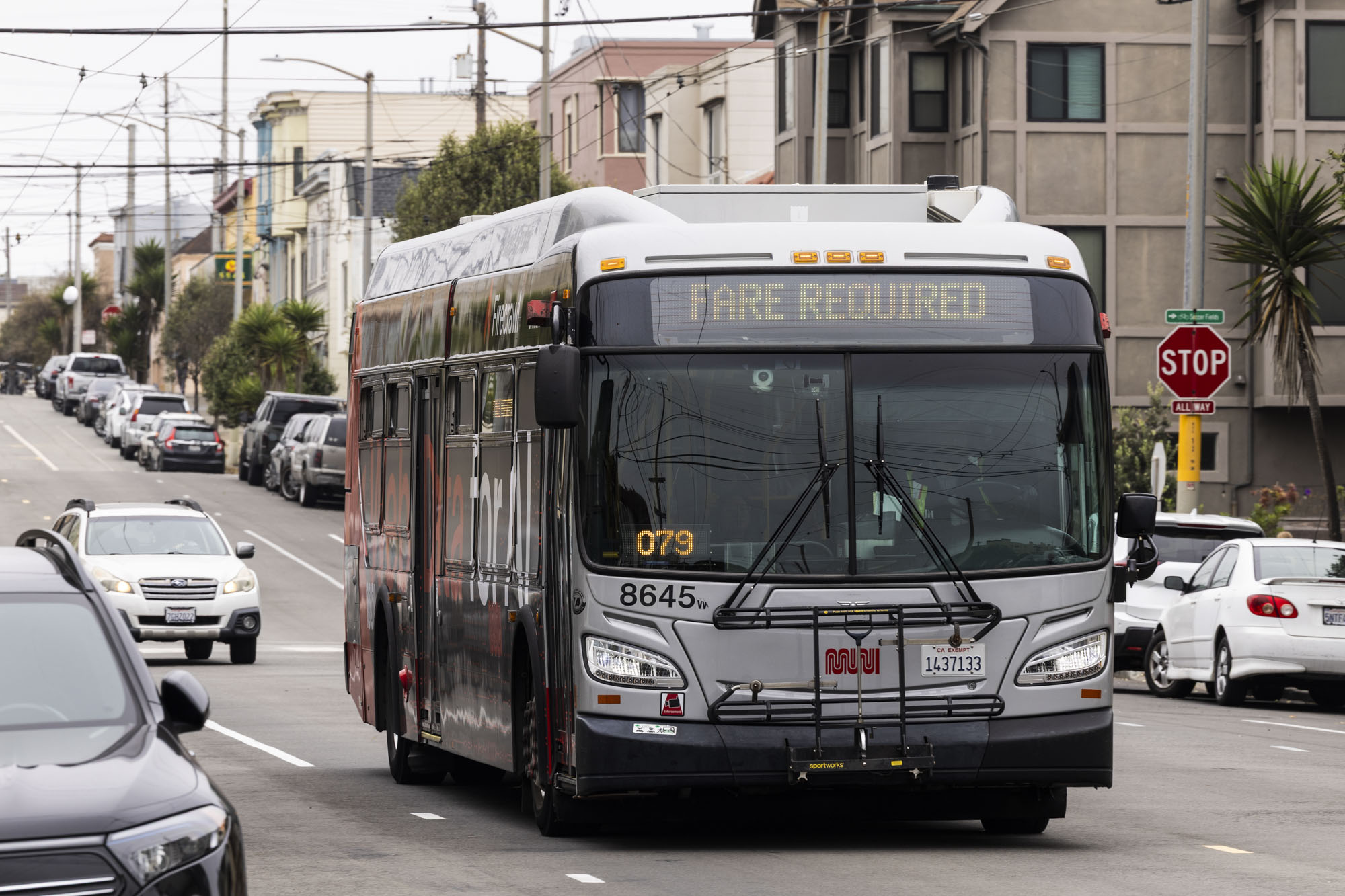
"audio_0": {
"type": "attachments",
"id": "audio_0",
"imgSizes": {
"kqedFullSize": {
"file": "https://ww2.kqed.org/news/wp-content/themes/KQED-unified/img/audio_bgs/background0.jpg"
}
}
},
"audio_1": {
"type": "attachments",
"id": "audio_1",
"imgSizes": {
"kqedFullSize": {
"file": "https://ww2.kqed.org/news/wp-content/themes/KQED-unified/img/audio_bgs/background1.jpg"
}
}
},
"audio_2": {
"type": "attachments",
"id": "audio_2",
"imgSizes": {
"kqedFullSize": {
"file": "https://ww2.kqed.org/news/wp-content/themes/KQED-unified/img/audio_bgs/background2.jpg"
}
}
},
"audio_3": {
"type": "attachments",
"id": "audio_3",
"imgSizes": {
"kqedFullSize": {
"file": "https://ww2.kqed.org/news/wp-content/themes/KQED-unified/img/audio_bgs/background3.jpg"
}
}
},
"audio_4": {
"type": "attachments",
"id": "audio_4",
"imgSizes": {
"kqedFullSize": {
"file": "https://ww2.kqed.org/news/wp-content/themes/KQED-unified/img/audio_bgs/background4.jpg"
}
}
},
"placeholder": {
"type": "attachments",
"id": "placeholder",
"imgSizes": {
"thumbnail": {
"file": "https://cdn.kqed.org/wp-content/uploads/2024/12/KQED-Default-Image-816638274-2000x1333-1-160x107.jpg",
"width": 160,
"height": 107,
"mimeType": "image/jpeg"
},
"medium": {
"file": "https://cdn.kqed.org/wp-content/uploads/2024/12/KQED-Default-Image-816638274-2000x1333-1-800x533.jpg",
"width": 800,
"height": 533,
"mimeType": "image/jpeg"
},
"medium_large": {
"file": "https://cdn.kqed.org/wp-content/uploads/2024/12/KQED-Default-Image-816638274-2000x1333-1-768x512.jpg",
"width": 768,
"height": 512,
"mimeType": "image/jpeg"
},
"large": {
"file": "https://cdn.kqed.org/wp-content/uploads/2024/12/KQED-Default-Image-816638274-2000x1333-1-1020x680.jpg",
"width": 1020,
"height": 680,
"mimeType": "image/jpeg"
},
"1536x1536": {
"file": "https://cdn.kqed.org/wp-content/uploads/2024/12/KQED-Default-Image-816638274-2000x1333-1-1536x1024.jpg",
"width": 1536,
"height": 1024,
"mimeType": "image/jpeg"
},
"fd-lrg": {
"file": "https://cdn.kqed.org/wp-content/uploads/2024/12/KQED-Default-Image-816638274-2000x1333-1-1536x1024.jpg",
"width": 1536,
"height": 1024,
"mimeType": "image/jpeg"
},
"fd-med": {
"file": "https://cdn.kqed.org/wp-content/uploads/2024/12/KQED-Default-Image-816638274-2000x1333-1-1020x680.jpg",
"width": 1020,
"height": 680,
"mimeType": "image/jpeg"
},
"fd-sm": {
"file": "https://cdn.kqed.org/wp-content/uploads/2024/12/KQED-Default-Image-816638274-2000x1333-1-800x533.jpg",
"width": 800,
"height": 533,
"mimeType": "image/jpeg"
},
"post-thumbnail": {
"file": "https://cdn.kqed.org/wp-content/uploads/2024/12/KQED-Default-Image-816638274-2000x1333-1-672x372.jpg",
"width": 672,
"height": 372,
"mimeType": "image/jpeg"
},
"twentyfourteen-full-width": {
"file": "https://cdn.kqed.org/wp-content/uploads/2024/12/KQED-Default-Image-816638274-2000x1333-1-1038x576.jpg",
"width": 1038,
"height": 576,
"mimeType": "image/jpeg"
},
"xxsmall": {
"file": "https://cdn.kqed.org/wp-content/uploads/2024/12/KQED-Default-Image-816638274-2000x1333-1-160x107.jpg",
"width": 160,
"height": 107,
"mimeType": "image/jpeg"
},
"xsmall": {
"file": "https://cdn.kqed.org/wp-content/uploads/2024/12/KQED-Default-Image-816638274-2000x1333-1-672x372.jpg",
"width": 672,
"height": 372,
"mimeType": "image/jpeg"
},
"small": {
"file": "https://cdn.kqed.org/wp-content/uploads/2024/12/KQED-Default-Image-816638274-2000x1333-1-672x372.jpg",
"width": 672,
"height": 372,
"mimeType": "image/jpeg"
},
"xlarge": {
"file": "https://cdn.kqed.org/wp-content/uploads/2024/12/KQED-Default-Image-816638274-2000x1333-1-1020x680.jpg",
"width": 1020,
"height": 680,
"mimeType": "image/jpeg"
},
"full-width": {
"file": "https://cdn.kqed.org/wp-content/uploads/2024/12/KQED-Default-Image-816638274-2000x1333-1-1920x1280.jpg",
"width": 1920,
"height": 1280,
"mimeType": "image/jpeg"
},
"guest-author-32": {
"file": "https://cdn.kqed.org/wp-content/uploads/2025/01/KQED-Default-Image-816638274-1333x1333-1-160x160.jpg",
"width": 32,
"height": 32,
"mimeType": "image/jpeg"
},
"guest-author-50": {
"file": "https://cdn.kqed.org/wp-content/uploads/2025/01/KQED-Default-Image-816638274-1333x1333-1-160x160.jpg",
"width": 50,
"height": 50,
"mimeType": "image/jpeg"
},
"guest-author-64": {
"file": "https://cdn.kqed.org/wp-content/uploads/2025/01/KQED-Default-Image-816638274-1333x1333-1-160x160.jpg",
"width": 64,
"height": 64,
"mimeType": "image/jpeg"
},
"guest-author-96": {
"file": "https://cdn.kqed.org/wp-content/uploads/2025/01/KQED-Default-Image-816638274-1333x1333-1-160x160.jpg",
"width": 96,
"height": 96,
"mimeType": "image/jpeg"
},
"guest-author-128": {
"file": "https://cdn.kqed.org/wp-content/uploads/2025/01/KQED-Default-Image-816638274-1333x1333-1-160x160.jpg",
"width": 128,
"height": 128,
"mimeType": "image/jpeg"
},
"detail": {
"file": "https://cdn.kqed.org/wp-content/uploads/2025/01/KQED-Default-Image-816638274-1333x1333-1-160x160.jpg",
"width": 160,
"height": 160,
"mimeType": "image/jpeg"
},
"kqedFullSize": {
"file": "https://cdn.kqed.org/wp-content/uploads/2024/12/KQED-Default-Image-816638274-2000x1333-1.jpg",
"width": 2000,
"height": 1333
}
}
},
"news_12099240": {
"type": "attachments",
"id": "news_12099240",
"meta": {
"index": "attachments_1716263798",
"site": "news",
"id": "12099240",
"found": true
},
"title": "260911-FareRequired-NG-8",
"publishDate": 1789156962,
"status": "inherit",
"parent": 0,
"modified": 1789157003,
"caption": "A Muni bus marquee says “Fare Required” in San Francisco’s Outer Richmond neighborhood on Sept. 11, 2026. Some riders have complained the new displays are blocking their view of the line and destination.",
"credit": "Nina Glick/KQED",
"altTag": null,
"description": null,
"imgSizes": {
"thumbnail": {
"file": "https://cdn.kqed.org/wp-content/uploads/sites/10/2026/09/260911-FareRequired-NG-8-160x107.jpg",
"width": 160,
"height": 107,
"mimeType": "image/jpeg"
},
"1536x1536": {
"file": "https://cdn.kqed.org/wp-content/uploads/sites/10/2026/09/260911-FareRequired-NG-8-1536x1024.jpg",
"width": 1536,
"height": 1024,
"mimeType": "image/jpeg"
},
"post-thumbnail": {
"file": "https://cdn.kqed.org/wp-content/uploads/sites/10/2026/09/260911-FareRequired-NG-8-672x372.jpg",
"width": 672,
"height": 372,
"mimeType": "image/jpeg"
},
"twentyfourteen-full-width": {
"file": "https://cdn.kqed.org/wp-content/uploads/sites/10/2026/09/260911-FareRequired-NG-8-1038x576.jpg",
"width": 1038,
"height": 576,
"mimeType": "image/jpeg"
},
"npr-cds-wide": {
"file": "https://cdn.kqed.org/wp-content/uploads/sites/10/2026/09/260911-FareRequired-NG-8-1200x675.jpg",
"width": 1200,
"height": 675,
"mimeType": "image/jpeg"
},
"npr-cds-square": {
"file": "https://cdn.kqed.org/wp-content/uploads/sites/10/2026/09/260911-FareRequired-NG-8-600x600.jpg",
"width": 600,
"height": 600,
"mimeType": "image/jpeg"
},
"kqedFullSize": {
"file": "https://cdn.kqed.org/wp-content/uploads/sites/10/2026/09/260911-FareRequired-NG-8.jpg",
"width": 2000,
"height": 1333
}
},
"isLoading": false,
"fetchFailed": false
},
"news_12096915": {
"type": "attachments",
"id": "news_12096915",
"meta": {
"index": "attachments_1716263798",
"site": "news",
"id": "12096915",
"found": true
},
"title": "Highway101Getty",
"publishDate": 1787770715,
"status": "inherit",
"parent": 12096905,
"modified": 1787770742,
"caption": "Directional sign for Highway 101 and Interstate 280 in San Francisco, California, Feb. 25, 2026. ",
"credit": "Smith Collection/Gado via Getty Images",
"altTag": null,
"description": null,
"imgSizes": {
"thumbnail": {
"file": "https://cdn.kqed.org/wp-content/uploads/sites/10/2026/08/Highway101Getty-160x107.jpg",
"width": 160,
"height": 107,
"mimeType": "image/jpeg"
},
"1536x1536": {
"file": "https://cdn.kqed.org/wp-content/uploads/sites/10/2026/08/Highway101Getty-1536x1023.jpg",
"width": 1536,
"height": 1023,
"mimeType": "image/jpeg"
},
"post-thumbnail": {
"file": "https://cdn.kqed.org/wp-content/uploads/sites/10/2026/08/Highway101Getty-672x372.jpg",
"width": 672,
"height": 372,
"mimeType": "image/jpeg"
},
"twentyfourteen-full-width": {
"file": "https://cdn.kqed.org/wp-content/uploads/sites/10/2026/08/Highway101Getty-1038x576.jpg",
"width": 1038,
"height": 576,
"mimeType": "image/jpeg"
},
"npr-cds-wide": {
"file": "https://cdn.kqed.org/wp-content/uploads/sites/10/2026/08/Highway101Getty-1200x675.jpg",
"width": 1200,
"height": 675,
"mimeType": "image/jpeg"
},
"npr-cds-square": {
"file": "https://cdn.kqed.org/wp-content/uploads/sites/10/2026/08/Highway101Getty-600x600.jpg",
"width": 600,
"height": 600,
"mimeType": "image/jpeg"
},
"kqedFullSize": {
"file": "https://cdn.kqed.org/wp-content/uploads/sites/10/2026/08/Highway101Getty.jpg",
"width": 2000,
"height": 1332
}
},
"isLoading": false,
"fetchFailed": false
},
"news_12095528": {
"type": "attachments",
"id": "news_12095528",
"meta": {
"index": "attachments_1716263798",
"site": "news",
"id": "12095528",
"found": true
},
"title": "081426-RENTALSCAM-13-MC-KQED",
"publishDate": 1786983269,
"status": "inherit",
"parent": 0,
"modified": 1786983299,
"caption": "Alvin Tran walks the streets of the Duboce Triangle on August 14, 2026, in San Francisco.",
"credit": "Miles Cull/KQED",
"altTag": null,
"description": null,
"imgSizes": {
"thumbnail": {
"file": "https://cdn.kqed.org/wp-content/uploads/sites/10/2026/08/081426-RENTALSCAM-13-MC-KQED-160x107.jpg",
"width": 160,
"height": 107,
"mimeType": "image/jpeg"
},
"1536x1536": {
"file": "https://cdn.kqed.org/wp-content/uploads/sites/10/2026/08/081426-RENTALSCAM-13-MC-KQED-1536x1025.jpg",
"width": 1536,
"height": 1025,
"mimeType": "image/jpeg"
},
"post-thumbnail": {
"file": "https://cdn.kqed.org/wp-content/uploads/sites/10/2026/08/081426-RENTALSCAM-13-MC-KQED-672x372.jpg",
"width": 672,
"height": 372,
"mimeType": "image/jpeg"
},
"twentyfourteen-full-width": {
"file": "https://cdn.kqed.org/wp-content/uploads/sites/10/2026/08/081426-RENTALSCAM-13-MC-KQED-1038x576.jpg",
"width": 1038,
"height": 576,
"mimeType": "image/jpeg"
},
"npr-cds-wide": {
"file": "https://cdn.kqed.org/wp-content/uploads/sites/10/2026/08/081426-RENTALSCAM-13-MC-KQED-1200x675.jpg",
"width": 1200,
"height": 675,
"mimeType": "image/jpeg"
},
"npr-cds-square": {
"file": "https://cdn.kqed.org/wp-content/uploads/sites/10/2026/08/081426-RENTALSCAM-13-MC-KQED-600x600.jpg",
"width": 600,
"height": 600,
"mimeType": "image/jpeg"
},
"kqedFullSize": {
"file": "https://cdn.kqed.org/wp-content/uploads/sites/10/2026/08/081426-RENTALSCAM-13-MC-KQED.jpg",
"width": 2000,
"height": 1334
}
},
"isLoading": false,
"fetchFailed": false
},
"news_12098630": {
"type": "attachments",
"id": "news_12098630",
"meta": {
"index": "attachments_1716263798",
"site": "news",
"id": "12098630",
"found": true
},
"title": "TheSpeaker_Horizontal_Episode 1-13",
"publishDate": 1788888970,
"status": "inherit",
"parent": 12098628,
"modified": 1789515833,
"caption": "Photo courtesy of the Office of Speaker Emerita Nancy Pelosi.",
"credit": null,
"altTag": "A smiling young Nancy Pelosi wears a red shirt and gestures with her arm out to the side in front of a large poster for her congressional campaign.",
"description": null,
"imgSizes": {
"medium": {
"file": "https://cdn.kqed.org/wp-content/uploads/sites/10/2026/09/TheSpeaker_Horizontal_Episode-1-13-2000x1125.jpg",
"width": 2000,
"height": 1125,
"mimeType": "image/jpeg"
},
"large": {
"file": "https://cdn.kqed.org/wp-content/uploads/sites/10/2026/09/TheSpeaker_Horizontal_Episode-1-13-2000x1125.jpg",
"width": 2000,
"height": 1125,
"mimeType": "image/jpeg"
},
"thumbnail": {
"file": "https://cdn.kqed.org/wp-content/uploads/sites/10/2026/09/TheSpeaker_Horizontal_Episode-1-13-160x90.jpg",
"width": 160,
"height": 90,
"mimeType": "image/jpeg"
},
"1536x1536": {
"file": "https://cdn.kqed.org/wp-content/uploads/sites/10/2026/09/TheSpeaker_Horizontal_Episode-1-13-1536x864.jpg",
"width": 1536,
"height": 864,
"mimeType": "image/jpeg"
},
"2048x2048": {
"file": "https://cdn.kqed.org/wp-content/uploads/sites/10/2026/09/TheSpeaker_Horizontal_Episode-1-13-2048x1152.jpg",
"width": 2048,
"height": 1152,
"mimeType": "image/jpeg"
},
"post-thumbnail": {
"file": "https://cdn.kqed.org/wp-content/uploads/sites/10/2026/09/TheSpeaker_Horizontal_Episode-1-13-672x372.jpg",
"width": 672,
"height": 372,
"mimeType": "image/jpeg"
},
"twentyfourteen-full-width": {
"file": "https://cdn.kqed.org/wp-content/uploads/sites/10/2026/09/TheSpeaker_Horizontal_Episode-1-13-1038x576.jpg",
"width": 1038,
"height": 576,
"mimeType": "image/jpeg"
},
"full-width": {
"file": "https://cdn.kqed.org/wp-content/uploads/sites/10/2026/09/TheSpeaker_Horizontal_Episode-1-13-2000x1125.jpg",
"width": 2000,
"height": 1125,
"mimeType": "image/jpeg"
},
"npr-cds-wide": {
"file": "https://cdn.kqed.org/wp-content/uploads/sites/10/2026/09/TheSpeaker_Horizontal_Episode-1-13-1200x675.jpg",
"width": 1200,
"height": 675,
"mimeType": "image/jpeg"
},
"npr-cds-square": {
"file": "https://cdn.kqed.org/wp-content/uploads/sites/10/2026/09/TheSpeaker_Horizontal_Episode-1-13-600x600.jpg",
"width": 600,
"height": 600,
"mimeType": "image/jpeg"
},
"kqedFullSize": {
"file": "https://cdn.kqed.org/wp-content/uploads/sites/10/2026/09/TheSpeaker_Horizontal_Episode-1-13-scaled.jpg",
"width": 2560,
"height": 1440
}
},
"isLoading": false,
"fetchFailed": false
},
"news_12098186": {
"type": "attachments",
"id": "news_12098186",
"meta": {
"index": "attachments_1716263798",
"site": "news",
"id": "12098186",
"found": true
},
"title": "260902-SecurityStrike-NG-6_qed",
"publishDate": 1788383063,
"status": "inherit",
"parent": 0,
"modified": 1788383103,
"caption": "Advocates chant at a press conference announcing that union security officers from across San Francisco and Silicon Valley voted in favor of an Unfair Labor Practice (ULP) strike authorization at Mechanics Monument Plaza in San Francisco’s Financial District on Sept. 2, 2026.",
"credit": "Nina Glick/KQED",
"altTag": null,
"description": null,
"imgSizes": {
"thumbnail": {
"file": "https://cdn.kqed.org/wp-content/uploads/sites/10/2026/09/260902-SecurityStrike-NG-6_qed-160x107.jpg",
"width": 160,
"height": 107,
"mimeType": "image/jpeg"
},
"1536x1536": {
"file": "https://cdn.kqed.org/wp-content/uploads/sites/10/2026/09/260902-SecurityStrike-NG-6_qed-1536x1024.jpg",
"width": 1536,
"height": 1024,
"mimeType": "image/jpeg"
},
"post-thumbnail": {
"file": "https://cdn.kqed.org/wp-content/uploads/sites/10/2026/09/260902-SecurityStrike-NG-6_qed-672x372.jpg",
"width": 672,
"height": 372,
"mimeType": "image/jpeg"
},
"twentyfourteen-full-width": {
"file": "https://cdn.kqed.org/wp-content/uploads/sites/10/2026/09/260902-SecurityStrike-NG-6_qed-1038x576.jpg",
"width": 1038,
"height": 576,
"mimeType": "image/jpeg"
},
"npr-cds-wide": {
"file": "https://cdn.kqed.org/wp-content/uploads/sites/10/2026/09/260902-SecurityStrike-NG-6_qed-1200x675.jpg",
"width": 1200,
"height": 675,
"mimeType": "image/jpeg"
},
"npr-cds-square": {
"file": "https://cdn.kqed.org/wp-content/uploads/sites/10/2026/09/260902-SecurityStrike-NG-6_qed-600x600.jpg",
"width": 600,
"height": 600,
"mimeType": "image/jpeg"
},
"kqedFullSize": {
"file": "https://cdn.kqed.org/wp-content/uploads/sites/10/2026/09/260902-SecurityStrike-NG-6_qed.jpg",
"width": 2000,
"height": 1333
}
},
"isLoading": false,
"fetchFailed": false
},
"news_12099747": {
"type": "attachments",
"id": "news_12099747",
"meta": {
"index": "attachments_1716263798",
"site": "news",
"id": "12099747",
"found": true
},
"title": "_M6A0677_qed",
"publishDate": 1789495239,
"status": "inherit",
"parent": 12099744,
"modified": 1789495279,
"caption": "The Hall of Justice in San Francisco on Oct. 17, 2019.\n\n",
"credit": "Stephanie Lister/KQED",
"altTag": null,
"description": null,
"imgSizes": {
"thumbnail": {
"file": "https://cdn.kqed.org/wp-content/uploads/sites/10/2026/09/M6A0677_qed-160x107.jpg",
"width": 160,
"height": 107,
"mimeType": "image/jpeg"
},
"1536x1536": {
"file": "https://cdn.kqed.org/wp-content/uploads/sites/10/2026/09/M6A0677_qed-1536x1024.jpg",
"width": 1536,
"height": 1024,
"mimeType": "image/jpeg"
},
"post-thumbnail": {
"file": "https://cdn.kqed.org/wp-content/uploads/sites/10/2026/09/M6A0677_qed-672x372.jpg",
"width": 672,
"height": 372,
"mimeType": "image/jpeg"
},
"twentyfourteen-full-width": {
"file": "https://cdn.kqed.org/wp-content/uploads/sites/10/2026/09/M6A0677_qed-1038x576.jpg",
"width": 1038,
"height": 576,
"mimeType": "image/jpeg"
},
"npr-cds-wide": {
"file": "https://cdn.kqed.org/wp-content/uploads/sites/10/2026/09/M6A0677_qed-1200x675.jpg",
"width": 1200,
"height": 675,
"mimeType": "image/jpeg"
},
"npr-cds-square": {
"file": "https://cdn.kqed.org/wp-content/uploads/sites/10/2026/09/M6A0677_qed-600x600.jpg",
"width": 600,
"height": 600,
"mimeType": "image/jpeg"
},
"kqedFullSize": {
"file": "https://cdn.kqed.org/wp-content/uploads/sites/10/2026/09/M6A0677_qed.jpg",
"width": 2000,
"height": 1333
}
},
"isLoading": false,
"fetchFailed": false
},
"news_12099650": {
"type": "attachments",
"id": "news_12099650",
"meta": {
"index": "attachments_1716263798",
"site": "news",
"id": "12099650",
"found": true
},
"title": "091426-SFDataCenterBan-30-MC-KQED",
"publishDate": 1789417785,
"status": "inherit",
"parent": 0,
"modified": 1789417917,
"caption": "San Francisco District 1 Supervisor, Connie Chan, announces that she will vote for a 45 day moratorium on approving new data center construction in the city outside of San Francisco City Hall on Sept. 14, 2026.",
"credit": "Miles Cull/KQED",
"altTag": null,
"description": null,
"imgSizes": {
"thumbnail": {
"file": "https://cdn.kqed.org/wp-content/uploads/sites/10/2026/09/091426-SFDataCenterBan-30-MC-KQED-160x107.jpg",
"width": 160,
"height": 107,
"mimeType": "image/jpeg"
},
"1536x1536": {
"file": "https://cdn.kqed.org/wp-content/uploads/sites/10/2026/09/091426-SFDataCenterBan-30-MC-KQED-1536x1024.jpg",
"width": 1536,
"height": 1024,
"mimeType": "image/jpeg"
},
"post-thumbnail": {
"file": "https://cdn.kqed.org/wp-content/uploads/sites/10/2026/09/091426-SFDataCenterBan-30-MC-KQED-672x372.jpg",
"width": 672,
"height": 372,
"mimeType": "image/jpeg"
},
"twentyfourteen-full-width": {
"file": "https://cdn.kqed.org/wp-content/uploads/sites/10/2026/09/091426-SFDataCenterBan-30-MC-KQED-1038x576.jpg",
"width": 1038,
"height": 576,
"mimeType": "image/jpeg"
},
"npr-cds-wide": {
"file": "https://cdn.kqed.org/wp-content/uploads/sites/10/2026/09/091426-SFDataCenterBan-30-MC-KQED-1200x675.jpg",
"width": 1200,
"height": 675,
"mimeType": "image/jpeg"
},
"npr-cds-square": {
"file": "https://cdn.kqed.org/wp-content/uploads/sites/10/2026/09/091426-SFDataCenterBan-30-MC-KQED-600x600.jpg",
"width": 600,
"height": 600,
"mimeType": "image/jpeg"
},
"kqedFullSize": {
"file": "https://cdn.kqed.org/wp-content/uploads/sites/10/2026/09/091426-SFDataCenterBan-30-MC-KQED.jpg",
"width": 2000,
"height": 1333
}
},
"isLoading": false,
"fetchFailed": false
},
"news_12088408": {
"type": "attachments",
"id": "news_12088408",
"meta": {
"index": "attachments_1716263798",
"site": "news",
"id": "12088408",
"found": true
},
"title": "260622-SF CHINATOWN TENANT RALLY-MD-08-KQED",
"publishDate": 1782166395,
"status": "inherit",
"parent": 12088339,
"modified": 1789077896,
"caption": "People rally in front of 1120 Jackson St. in San Francisco to protest evictions and rent hikes proposed by the property's new owner, on June 22, 2026.",
"credit": "Martin do Nascimento/KQED",
"altTag": null,
"description": null,
"imgSizes": {
"thumbnail": {
"file": "https://cdn.kqed.org/wp-content/uploads/sites/10/2026/06/260622-SF-CHINATOWN-TENANT-RALLY-MD-08-KQED-160x107.jpg",
"width": 160,
"height": 107,
"mimeType": "image/jpeg"
},
"1536x1536": {
"file": "https://cdn.kqed.org/wp-content/uploads/sites/10/2026/06/260622-SF-CHINATOWN-TENANT-RALLY-MD-08-KQED-1536x1025.jpg",
"width": 1536,
"height": 1025,
"mimeType": "image/jpeg"
},
"post-thumbnail": {
"file": "https://cdn.kqed.org/wp-content/uploads/sites/10/2026/06/260622-SF-CHINATOWN-TENANT-RALLY-MD-08-KQED-672x372.jpg",
"width": 672,
"height": 372,
"mimeType": "image/jpeg"
},
"twentyfourteen-full-width": {
"file": "https://cdn.kqed.org/wp-content/uploads/sites/10/2026/06/260622-SF-CHINATOWN-TENANT-RALLY-MD-08-KQED-1038x576.jpg",
"width": 1038,
"height": 576,
"mimeType": "image/jpeg"
},
"npr-cds-wide": {
"file": "https://cdn.kqed.org/wp-content/uploads/sites/10/2026/06/260622-SF-CHINATOWN-TENANT-RALLY-MD-08-KQED-1200x675.jpg",
"width": 1200,
"height": 675,
"mimeType": "image/jpeg"
},
"npr-cds-square": {
"file": "https://cdn.kqed.org/wp-content/uploads/sites/10/2026/06/260622-SF-CHINATOWN-TENANT-RALLY-MD-08-KQED-600x600.jpg",
"width": 600,
"height": 600,
"mimeType": "image/jpeg"
},
"kqedFullSize": {
"file": "https://cdn.kqed.org/wp-content/uploads/sites/10/2026/06/260622-SF-CHINATOWN-TENANT-RALLY-MD-08-KQED.jpg",
"width": 2000,
"height": 1334
}
},
"isLoading": false,
"fetchFailed": false
},
"news_12097361": {
"type": "attachments",
"id": "news_12097361",
"meta": {
"index": "attachments_1716263798",
"site": "news",
"id": "12097361",
"found": true
},
"title": "20260826_UCSFStudy_GC-3-KQED",
"publishDate": 1787947701,
"status": "inherit",
"parent": 0,
"modified": 1789159916,
"caption": "Alicia Fernandez, a professor of medicine at UCSF and general internist at the Zuckerberg San Francisco General Hospital, poses for a portrait at the hospital on Aug. 26, 2026. She is one of the study authors of “Moral Injury Among Physicians Caring for Immigrant Patients Amid Anti-Immigrant Policies,” which explores how anti-immigrant policies are affecting physicians treating immigrant patients.",
"credit": "Gina Castro for KQED",
"altTag": null,
"description": null,
"imgSizes": {
"thumbnail": {
"file": "https://cdn.kqed.org/wp-content/uploads/sites/10/2026/08/20260826_UCSFStudy_GC-3-KQED-160x107.jpg",
"width": 160,
"height": 107,
"mimeType": "image/jpeg"
},
"1536x1536": {
"file": "https://cdn.kqed.org/wp-content/uploads/sites/10/2026/08/20260826_UCSFStudy_GC-3-KQED-1536x1024.jpg",
"width": 1536,
"height": 1024,
"mimeType": "image/jpeg"
},
"post-thumbnail": {
"file": "https://cdn.kqed.org/wp-content/uploads/sites/10/2026/08/20260826_UCSFStudy_GC-3-KQED-672x372.jpg",
"width": 672,
"height": 372,
"mimeType": "image/jpeg"
},
"twentyfourteen-full-width": {
"file": "https://cdn.kqed.org/wp-content/uploads/sites/10/2026/08/20260826_UCSFStudy_GC-3-KQED-1038x576.jpg",
"width": 1038,
"height": 576,
"mimeType": "image/jpeg"
},
"npr-cds-wide": {
"file": "https://cdn.kqed.org/wp-content/uploads/sites/10/2026/08/20260826_UCSFStudy_GC-3-KQED-1200x675.jpg",
"width": 1200,
"height": 675,
"mimeType": "image/jpeg"
},
"npr-cds-square": {
"file": "https://cdn.kqed.org/wp-content/uploads/sites/10/2026/08/20260826_UCSFStudy_GC-3-KQED-600x600.jpg",
"width": 600,
"height": 600,
"mimeType": "image/jpeg"
},
"kqedFullSize": {
"file": "https://cdn.kqed.org/wp-content/uploads/sites/10/2026/08/20260826_UCSFStudy_GC-3-KQED.jpg",
"width": 2000,
"height": 1333
}
},
"isLoading": false,
"fetchFailed": false
},
"news_12099244": {
"type": "attachments",
"id": "news_12099244",
"meta": {
"index": "attachments_1716263798",
"site": "news",
"id": "12099244",
"found": true
},
"title": "091126_911_25YearsOn_GH_006",
"publishDate": 1789159453,
"status": "inherit",
"parent": 0,
"modified": 1789159508,
"caption": "From left, Mayor Daniel Lurie, San Francisco Fire Chief Dean Crispen, U.S. Marine Corps veteran Matthew Smith, YMCA of Greater San Francisco President and CEO Jamie Bruning-Miles, a U.S. Navy and Navy Reserve veteran, and U.S. Army veteran and law student Leslie Ortega stand onstage during a ceremony marking the 25th anniversary of the Sept. 11 attacks at the Presidio’s Main Post in San Francisco on Sept. 11, 2026.",
"credit": "Gustavo Hernandez/KQED",
"altTag": null,
"description": null,
"imgSizes": {
"thumbnail": {
"file": "https://cdn.kqed.org/wp-content/uploads/sites/10/2026/09/091126_911_25YearsOn_GH_006-160x107.jpg",
"width": 160,
"height": 107,
"mimeType": "image/jpeg"
},
"1536x1536": {
"file": "https://cdn.kqed.org/wp-content/uploads/sites/10/2026/09/091126_911_25YearsOn_GH_006-1536x1025.jpg",
"width": 1536,
"height": 1025,
"mimeType": "image/jpeg"
},
"post-thumbnail": {
"file": "https://cdn.kqed.org/wp-content/uploads/sites/10/2026/09/091126_911_25YearsOn_GH_006-672x372.jpg",
"width": 672,
"height": 372,
"mimeType": "image/jpeg"
},
"twentyfourteen-full-width": {
"file": "https://cdn.kqed.org/wp-content/uploads/sites/10/2026/09/091126_911_25YearsOn_GH_006-1038x576.jpg",
"width": 1038,
"height": 576,
"mimeType": "image/jpeg"
},
"npr-cds-wide": {
"file": "https://cdn.kqed.org/wp-content/uploads/sites/10/2026/09/091126_911_25YearsOn_GH_006-1200x675.jpg",
"width": 1200,
"height": 675,
"mimeType": "image/jpeg"
},
"npr-cds-square": {
"file": "https://cdn.kqed.org/wp-content/uploads/sites/10/2026/09/091126_911_25YearsOn_GH_006-600x600.jpg",
"width": 600,
"height": 600,
"mimeType": "image/jpeg"
},
"kqedFullSize": {
"file": "https://cdn.kqed.org/wp-content/uploads/sites/10/2026/09/091126_911_25YearsOn_GH_006.jpg",
"width": 2000,
"height": 1334
}
},
"isLoading": false,
"fetchFailed": false
},
"news_12099212": {
"type": "attachments",
"id": "news_12099212",
"meta": {
"index": "attachments_1716263798",
"site": "news",
"id": "12099212",
"found": true
},
"title": "260910-25 Years 9_11-MD-03_KQED",
"publishDate": 1789150589,
"status": "inherit",
"parent": 0,
"modified": 1789150625,
"caption": "San Francisco Fire Chief Dean Crispen at KQED in San Francisco on Sept. 10, 2026.",
"credit": "Martin do Nascimento/KQED",
"altTag": null,
"description": null,
"imgSizes": {
"thumbnail": {
"file": "https://cdn.kqed.org/wp-content/uploads/sites/10/2026/09/260910-25-Years-9_11-MD-03_KQED-160x107.jpg",
"width": 160,
"height": 107,
"mimeType": "image/jpeg"
},
"1536x1536": {
"file": "https://cdn.kqed.org/wp-content/uploads/sites/10/2026/09/260910-25-Years-9_11-MD-03_KQED-1536x1025.jpg",
"width": 1536,
"height": 1025,
"mimeType": "image/jpeg"
},
"post-thumbnail": {
"file": "https://cdn.kqed.org/wp-content/uploads/sites/10/2026/09/260910-25-Years-9_11-MD-03_KQED-672x372.jpg",
"width": 672,
"height": 372,
"mimeType": "image/jpeg"
},
"twentyfourteen-full-width": {
"file": "https://cdn.kqed.org/wp-content/uploads/sites/10/2026/09/260910-25-Years-9_11-MD-03_KQED-1038x576.jpg",
"width": 1038,
"height": 576,
"mimeType": "image/jpeg"
},
"npr-cds-wide": {
"file": "https://cdn.kqed.org/wp-content/uploads/sites/10/2026/09/260910-25-Years-9_11-MD-03_KQED-1200x675.jpg",
"width": 1200,
"height": 675,
"mimeType": "image/jpeg"
},
"npr-cds-square": {
"file": "https://cdn.kqed.org/wp-content/uploads/sites/10/2026/09/260910-25-Years-9_11-MD-03_KQED-600x600.jpg",
"width": 600,
"height": 600,
"mimeType": "image/jpeg"
},
"kqedFullSize": {
"file": "https://cdn.kqed.org/wp-content/uploads/sites/10/2026/09/260910-25-Years-9_11-MD-03_KQED.jpg",
"width": 2000,
"height": 1334
}
},
"isLoading": false,
"fetchFailed": false
},
"news_12086413": {
"type": "attachments",
"id": "news_12086413",
"meta": {
"index": "attachments_1716263798",
"site": "news",
"id": "12086413",
"found": true
},
"title": "Mayor Daniel Lurie",
"publishDate": 1780685015,
"status": "inherit",
"parent": 12086409,
"modified": 1782502887,
"caption": "Mayor Daniel Lurie during a news conference on his budget proposal in San Francisco on June 1, 2026.",
"credit": "Santiago Mejia/San Francisco Chronicle via Getty Images",
"altTag": null,
"description": null,
"imgSizes": {
"medium": {
"file": "https://cdn.kqed.org/wp-content/uploads/sites/10/2026/06/GettyImages-2278646743-2000x1334.jpg",
"width": 2000,
"height": 1334,
"mimeType": "image/jpeg"
},
"large": {
"file": "https://cdn.kqed.org/wp-content/uploads/sites/10/2026/06/GettyImages-2278646743-2000x1334.jpg",
"width": 2000,
"height": 1334,
"mimeType": "image/jpeg"
},
"thumbnail": {
"file": "https://cdn.kqed.org/wp-content/uploads/sites/10/2026/06/GettyImages-2278646743-160x107.jpg",
"width": 160,
"height": 107,
"mimeType": "image/jpeg"
},
"1536x1536": {
"file": "https://cdn.kqed.org/wp-content/uploads/sites/10/2026/06/GettyImages-2278646743-1536x1024.jpg",
"width": 1536,
"height": 1024,
"mimeType": "image/jpeg"
},
"2048x2048": {
"file": "https://cdn.kqed.org/wp-content/uploads/sites/10/2026/06/GettyImages-2278646743-2048x1366.jpg",
"width": 2048,
"height": 1366,
"mimeType": "image/jpeg"
},
"post-thumbnail": {
"file": "https://cdn.kqed.org/wp-content/uploads/sites/10/2026/06/GettyImages-2278646743-672x372.jpg",
"width": 672,
"height": 372,
"mimeType": "image/jpeg"
},
"twentyfourteen-full-width": {
"file": "https://cdn.kqed.org/wp-content/uploads/sites/10/2026/06/GettyImages-2278646743-1038x576.jpg",
"width": 1038,
"height": 576,
"mimeType": "image/jpeg"
},
"full-width": {
"file": "https://cdn.kqed.org/wp-content/uploads/sites/10/2026/06/GettyImages-2278646743-2000x1334.jpg",
"width": 2000,
"height": 1334,
"mimeType": "image/jpeg"
},
"npr-cds-wide": {
"file": "https://cdn.kqed.org/wp-content/uploads/sites/10/2026/06/GettyImages-2278646743-1200x675.jpg",
"width": 1200,
"height": 675,
"mimeType": "image/jpeg"
},
"npr-cds-square": {
"file": "https://cdn.kqed.org/wp-content/uploads/sites/10/2026/06/GettyImages-2278646743-600x600.jpg",
"width": 600,
"height": 600,
"mimeType": "image/jpeg"
},
"kqedFullSize": {
"file": "https://cdn.kqed.org/wp-content/uploads/sites/10/2026/06/GettyImages-2278646743-scaled-e1782502896455.jpg",
"width": 2000,
"height": 1334
}
},
"isLoading": false,
"fetchFailed": false
}
},
"audioPlayerReducer": {
"postId": "stream_live",
"isPaused": true,
"isPlaying": false,
"pfsActive": false,
"pledgeModalIsOpen": true,
"playerDrawerIsOpen": false,
"liveAudioPlayStartedAt": 0,
"liveAudioPlayContext": ""
},
"authorsReducer": {
"byline_news_12098628": {
"type": "authors",
"id": "byline_news_12098628",
"meta": {
"override": true
},
"slug": "byline_news_12098628",
"name": "Scott Shafer, Ariella Markowitz, Padmini Raghunath",
"isLoading": false
},
"byline_news_12099583": {
"type": "authors",
"id": "byline_news_12099583",
"meta": {
"override": true
},
"slug": "byline_news_12099583",
"name": "Jose Velazquez",
"isLoading": false
},
"shossaini": {
"type": "authors",
"id": "3214",
"meta": {
"index": "authors_1716337520",
"id": "3214",
"found": true
},
"name": "Sara Hossaini",
"firstName": "Sara",
"lastName": "Hossaini",
"slug": "shossaini",
"email": "shossaini@kqed.org",
"display_author_email": true,
"staff_mastheads": [
"news"
],
"title": "KQED Reporter",
"bio": "Sara Hossaini came to general assignment reporting at KQED in 2013 after two winters reporting at Wyoming Public Radio. She holds a bachelor's degree in broadcast journalism from the University of Nebraska-Lincoln. Her radio romance began after a bitter breakup with documentary film (Ok, maybe it's still complicated). Her first simultaneous jobs in San Francisco were as Associate Producer on a PBS film series through the Center for Asian American Media and as a butler. She likes to trot, plot and make things with her hands.",
"avatar": "https://secure.gravatar.com/avatar/060e9f56b9554e17942e89f413242774?s=600&d=blank&r=g",
"twitter": "mshossaini",
"facebook": null,
"instagram": null,
"linkedin": null,
"sites": [
{
"site": "news",
"roles": [
"author"
]
},
{
"site": "stateofhealth",
"roles": [
"author"
]
}
],
"headData": {
"title": "Sara Hossaini | KQED",
"description": "KQED Reporter",
"ogImgSrc": "https://secure.gravatar.com/avatar/060e9f56b9554e17942e89f413242774?s=600&d=blank&r=g",
"twImgSrc": "https://secure.gravatar.com/avatar/060e9f56b9554e17942e89f413242774?s=600&d=blank&r=g"
},
"isLoading": false,
"link": "/author/shossaini"
},
"carlysevern": {
"type": "authors",
"id": "3243",
"meta": {
"index": "authors_1716337520",
"id": "3243",
"found": true
},
"name": "Carly Severn",
"firstName": "Carly",
"lastName": "Severn",
"slug": "carlysevern",
"email": "csevern@kqed.org",
"display_author_email": false,
"staff_mastheads": [
"news"
],
"title": "Senior Editor, Audience News ",
"bio": "Carly is KQED's Senior Editor of Audience News on the Digital News team, and has reported for the California Report Magazine, Bay Curious and KQED Arts. She's formerly the host of \u003ca href=\"http://ww2.kqed.org/pop/category/the-cooler/\" rel=\"noopener noreferrer\">The Cooler\u003c/a> podcast.",
"avatar": "https://secure.gravatar.com/avatar/54037bf5c128fe678f0ef26cec97a93f2e7f220a22d7285703328f12c42c1b1d?s=600&d=blank&r=g",
"twitter": "teacupinthebay",
"bluesky": null,
"facebook": null,
"instagram": null,
"linkedin": null,
"sites": [
{
"site": "",
"roles": [
"editor"
]
},
{
"site": "arts",
"roles": [
"editor"
]
},
{
"site": "news",
"roles": [
"administrator"
]
},
{
"site": "pop",
"roles": [
"editor"
]
},
{
"site": "futureofyou",
"roles": [
"editor"
]
},
{
"site": "about",
"roles": [
"administrator"
]
},
{
"site": "mindshift",
"roles": [
"editor"
]
},
{
"site": "bayareabites",
"roles": [
"editor"
]
},
{
"site": "stateofhealth",
"roles": [
"editor"
]
},
{
"site": "science",
"roles": [
"editor"
]
},
{
"site": "food",
"roles": [
"contributor"
]
},
{
"site": "forum",
"roles": [
"editor"
]
},
{
"site": "perspectives",
"roles": [
"administrator"
]
},
{
"site": "liveblog",
"roles": [
"editor"
]
}
],
"headData": {
"title": "Carly Severn | KQED",
"description": "Senior Editor, Audience News ",
"ogImgSrc": "https://secure.gravatar.com/avatar/54037bf5c128fe678f0ef26cec97a93f2e7f220a22d7285703328f12c42c1b1d?s=600&d=blank&r=g",
"twImgSrc": "https://secure.gravatar.com/avatar/54037bf5c128fe678f0ef26cec97a93f2e7f220a22d7285703328f12c42c1b1d?s=600&d=blank&r=g"
},
"isLoading": false,
"link": "/author/carlysevern"
},
"ecruzguevarra": {
"type": "authors",
"id": "8654",
"meta": {
"index": "authors_1716337520",
"id": "8654",
"found": true
},
"name": "Ericka Cruz Guevarra",
"firstName": "Ericka",
"lastName": "Cruz Guevarra",
"slug": "ecruzguevarra",
"email": "ecruzguevarra@kqed.org",
"display_author_email": true,
"staff_mastheads": [
"news"
],
"title": "Producer, The Bay Podcast",
"bio": "Ericka Cruz Guevarra is host of \u003ca href=\"https://www.kqed.org/podcasts/thebay\">\u003cem>The Bay\u003c/em>\u003c/a> podcast at KQED. Before host, she was the show’s producer. Her work in that capacity includes a three-part reported series on policing in Vallejo, which won a 2020 excellence in journalism award from the Society of Professional Journalists. Ericka has worked as a breaking news reporter at Oregon Public Broadcasting, helped produce the Code Switch podcast, and was KQED’s inaugural Raul Ramirez Diversity Fund intern. She’s also an alumna of NPR’s Next Generation Radio program. Send her an email if you have strong feelings about whether Fairfield and Suisun City are the Bay. Ericka is represented by SAG-AFTRA.",
"avatar": "https://secure.gravatar.com/avatar/accefc1de4bafc7e234b69bcb9b6f6536c130fd84709bc3069ef11a78787e1bb?s=600&d=blank&r=g",
"twitter": "NotoriousECG",
"bluesky": null,
"facebook": null,
"instagram": null,
"linkedin": null,
"sites": [
{
"site": "arts",
"roles": [
"subscriber"
]
},
{
"site": "news",
"roles": [
"editor",
"manage_categories"
]
},
{
"site": "futureofyou",
"roles": [
"subscriber"
]
},
{
"site": "stateofhealth",
"roles": [
"subscriber"
]
},
{
"site": "science",
"roles": [
"editor"
]
},
{
"site": "forum",
"roles": [
"subscriber"
]
}
],
"headData": {
"title": "Ericka Cruz Guevarra | KQED",
"description": "Producer, The Bay Podcast",
"ogImgSrc": "https://secure.gravatar.com/avatar/accefc1de4bafc7e234b69bcb9b6f6536c130fd84709bc3069ef11a78787e1bb?s=600&d=blank&r=g",
"twImgSrc": "https://secure.gravatar.com/avatar/accefc1de4bafc7e234b69bcb9b6f6536c130fd84709bc3069ef11a78787e1bb?s=600&d=blank&r=g"
},
"isLoading": false,
"link": "/author/ecruzguevarra"
},
"bwatt": {
"type": "authors",
"id": "11238",
"meta": {
"index": "authors_1716337520",
"id": "11238",
"found": true
},
"name": "Brian Watt",
"firstName": "Brian",
"lastName": "Watt",
"slug": "bwatt",
"email": "bwatt@KQED.org",
"display_author_email": false,
"staff_mastheads": [
"news"
],
"title": "Morning News Anchor",
"bio": "Brian Watt is KQED's morning radio news anchor. He joined the KQED News team in April of 2016. Prior to that, he worked as a Reporter for KPCC in Los Angeles and a producer at \u003cem>Marketplace.\u003c/em>\r\n\r\nDuring eight years at KPCC, Brian covered business and economics, and his work won several awards. In 2008, he won the Los Angeles Press Club’s first-place award for Business and Financial Reporting, Broadcast. He’s also received honorable mention and been first runner up for the Press Club’s Radio Journalist of the Year. He won two Golden Mike awards from the Radio and TV News Association of Southern California.\r\n\r\nBrian holds degrees in theater from Yale University and the Sorbonne, and has worked as an actor in France, Italy, Brazil, Hungary and . . . Hollywood. He appeared in a few television shows, including \u003cem>The West Wing, Judging Amy\u003c/em> and \u003cem>The District.\u003c/em>\r\n\r\nEmail: bwatt@KQED.org Twitter: @RadioBWatt",
"avatar": "https://secure.gravatar.com/avatar/55393ff57ed34e2be773ba4789dd6a19?s=600&d=blank&r=g",
"twitter": "@RadioBWatt",
"facebook": null,
"instagram": null,
"linkedin": null,
"sites": [
{
"site": "arts",
"roles": [
"contributor"
]
},
{
"site": "news",
"roles": [
"editor"
]
}
],
"headData": {
"title": "Brian Watt | KQED",
"description": "Morning News Anchor",
"ogImgSrc": "https://secure.gravatar.com/avatar/55393ff57ed34e2be773ba4789dd6a19?s=600&d=blank&r=g",
"twImgSrc": "https://secure.gravatar.com/avatar/55393ff57ed34e2be773ba4789dd6a19?s=600&d=blank&r=g"
},
"isLoading": false,
"link": "/author/bwatt"
},
"vrancano": {
"type": "authors",
"id": "11276",
"meta": {
"index": "authors_1716337520",
"id": "11276",
"found": true
},
"name": "Vanessa Rancaño",
"firstName": "Vanessa",
"lastName": "Rancaño",
"slug": "vrancano",
"email": "vrancano@kqed.org",
"display_author_email": false,
"staff_mastheads": [
"news"
],
"title": "Reporter",
"bio": "Vanessa Rancaño is a features reporter for KQED. She’s also covered homelessness and education for the station and reported from the Central Valley. Her work has aired across public radio, from flagship national news shows to longform narrative podcasts. Before taking up a mic, she worked as a freelance print journalist. She’s been recognized with a number of national and regional awards. Vanessa grew up in California's Central Valley. She's a former NPR Kroc Fellow, and a graduate of the UC Berkeley Graduate School of Journalism.",
"avatar": "https://secure.gravatar.com/avatar/b3a383dfb0e7ee1c17568f2cf067904ab654d6e3de9743fc661f3c788ade1bed?s=600&d=blank&r=g",
"twitter": "vanessarancano",
"bluesky": null,
"facebook": null,
"instagram": null,
"linkedin": null,
"sites": [
{
"site": "arts",
"roles": [
"editor"
]
},
{
"site": "news",
"roles": [
"editor"
]
},
{
"site": "liveblog",
"roles": [
"contributor"
]
}
],
"headData": {
"title": "Vanessa Rancaño | KQED",
"description": "Reporter",
"ogImgSrc": "https://secure.gravatar.com/avatar/b3a383dfb0e7ee1c17568f2cf067904ab654d6e3de9743fc661f3c788ade1bed?s=600&d=blank&r=g",
"twImgSrc": "https://secure.gravatar.com/avatar/b3a383dfb0e7ee1c17568f2cf067904ab654d6e3de9743fc661f3c788ade1bed?s=600&d=blank&r=g"
},
"isLoading": false,
"link": "/author/vrancano"
},
"amontecillo": {
"type": "authors",
"id": "11649",
"meta": {
"index": "authors_1716337520",
"id": "11649",
"found": true
},
"name": "Alan Montecillo",
"firstName": "Alan",
"lastName": "Montecillo",
"slug": "amontecillo",
"email": "amontecillo@kqed.org",
"display_author_email": false,
"staff_mastheads": [
"news"
],
"title": "KQED Contributor",
"bio": "Alan Montecillo is the senior editor of \u003cem>\u003ca href=\"http://kqed.org/thebay\">The Bay\u003c/a>, \u003c/em> KQED's local news podcast. Before moving to the Bay Area, he worked as a senior talk show producer for WILL in Champaign-Urbana, Illinois and at Oregon Public Broadcasting in Portland, Oregon. He has won journalism awards from the Society of Professional Journalists Northern California, the Public Media Journalists Association, The Signal Awards, and has also received a regional Edward R. Murrow award. Alan is a Filipino American from Hong Kong and a graduate of Reed College.",
"avatar": "https://secure.gravatar.com/avatar/268f53a2066899ea9efdd8a5900218b17c822d9862cbc9326cccec53ef41d349?s=600&d=blank&r=g",
"twitter": "alanmontecillo",
"bluesky": null,
"facebook": null,
"instagram": null,
"linkedin": null,
"sites": [
{
"site": "",
"roles": [
"editor"
]
},
{
"site": "news",
"roles": [
"editor",
"manage_categories"
]
}
],
"headData": {
"title": "Alan Montecillo | KQED",
"description": "KQED Contributor",
"ogImgSrc": "https://secure.gravatar.com/avatar/268f53a2066899ea9efdd8a5900218b17c822d9862cbc9326cccec53ef41d349?s=600&d=blank&r=g",
"twImgSrc": "https://secure.gravatar.com/avatar/268f53a2066899ea9efdd8a5900218b17c822d9862cbc9326cccec53ef41d349?s=600&d=blank&r=g"
},
"isLoading": false,
"link": "/author/amontecillo"
},
"ccabreralomeli": {
"type": "authors",
"id": "11708",
"meta": {
"index": "authors_1716337520",
"id": "11708",
"found": true
},
"name": "Carlos Cabrera-Lomelí",
"firstName": "Carlos",
"lastName": "Cabrera-Lomelí",
"slug": "ccabreralomeli",
"email": "ccabreralomeli@KQED.org",
"display_author_email": true,
"staff_mastheads": [
"news"
],
"title": "Community Reporter",
"bio": "Carlos Cabrera-Lomelí is a community reporter with KQED's digital engagement team. He also reports and co-produces for KQED's bilingual news hub KQED en Español. He grew up in San Francisco's Mission District and has previously worked with Univision, 48 Hills and REFORMA in Mexico City.",
"avatar": "https://secure.gravatar.com/avatar/c309be9665e484f887b818c89e273ecc673004f426f36b24d00a4d813a2e0518?s=600&d=blank&r=g",
"twitter": "@LomeliCabrera",
"bluesky": null,
"facebook": null,
"instagram": null,
"linkedin": null,
"sites": [
{
"site": "arts",
"roles": [
"editor"
]
},
{
"site": "news",
"roles": [
"editor"
]
},
{
"site": "about",
"roles": [
"editor"
]
},
{
"site": "science",
"roles": [
"editor"
]
},
{
"site": "perspectives",
"roles": [
"editor"
]
},
{
"site": "elections",
"roles": [
"editor"
]
},
{
"site": "liveblog",
"roles": [
"contributor"
]
}
],
"headData": {
"title": "Carlos Cabrera-Lomelí | KQED",
"description": "Community Reporter",
"ogImgSrc": "https://secure.gravatar.com/avatar/c309be9665e484f887b818c89e273ecc673004f426f36b24d00a4d813a2e0518?s=600&d=blank&r=g",
"twImgSrc": "https://secure.gravatar.com/avatar/c309be9665e484f887b818c89e273ecc673004f426f36b24d00a4d813a2e0518?s=600&d=blank&r=g"
},
"isLoading": false,
"link": "/author/ccabreralomeli"
},
"agonzalez": {
"type": "authors",
"id": "11724",
"meta": {
"index": "authors_1716337520",
"id": "11724",
"found": true
},
"name": "Alexander Gonzalez",
"firstName": "Alexander",
"lastName": "Gonzalez",
"slug": "agonzalez",
"email": "AlexanderGonzalez@KQED.org",
"display_author_email": false,
"staff_mastheads": [
"news"
],
"title": "KQED Contributor",
"bio": null,
"avatar": "https://secure.gravatar.com/avatar/9e291ed34e154df4c662edf858b641d70b4859939bfe40be478408f9dfd057d2?s=600&d=blank&r=g",
"twitter": null,
"bluesky": null,
"facebook": null,
"instagram": null,
"linkedin": null,
"sites": [
{
"site": "arts",
"roles": [
"editor"
]
},
{
"site": "news",
"roles": [
"editor"
]
},
{
"site": "science",
"roles": [
"editor"
]
}
],
"headData": {
"title": "Alexander Gonzalez | KQED",
"description": "KQED Contributor",
"ogImgSrc": "https://secure.gravatar.com/avatar/9e291ed34e154df4c662edf858b641d70b4859939bfe40be478408f9dfd057d2?s=600&d=blank&r=g",
"twImgSrc": "https://secure.gravatar.com/avatar/9e291ed34e154df4c662edf858b641d70b4859939bfe40be478408f9dfd057d2?s=600&d=blank&r=g"
},
"isLoading": false,
"link": "/author/agonzalez"
},
"pbartolone": {
"type": "authors",
"id": "11879",
"meta": {
"index": "authors_1716337520",
"id": "11879",
"found": true
},
"name": "Pauline Bartolone",
"firstName": "Pauline",
"lastName": "Bartolone",
"slug": "pbartolone",
"email": "pbartolone@kqed.org",
"display_author_email": false,
"staff_mastheads": [],
"title": "KQED Contributor",
"bio": "Pauline Bartolone has been a journalist for two decades, specializing in longform audio storytelling. Before editing and producing for podcasts like Bay Curious, she was a health care journalist for public radio and print outlets such as CalMatters and Kaiser Health News. Her reporting has won several regional Edward R. Murrow awards, national recognition from the Society of Professional Journalists and a first-place prize from the Association of Health Care Journalists.\r\n\r\nPauline’s work has aired frequently on National Public Radio, and bylines have appeared in The Los Angeles Times, CNN.com, Washingtonpost.com, USA Today and Scientific American.\r\n\r\nPauline has lived in Northern California for 20 years. Her other passions are crafts (now done in collaboration with her daughter) and the Brazilian martial art of capoeira.",
"avatar": "https://secure.gravatar.com/avatar/95001c30374b0d3878007af9cf1e120a?s=600&d=blank&r=g",
"twitter": "pbartolone",
"facebook": null,
"instagram": null,
"linkedin": null,
"sites": [
{
"site": "news",
"roles": [
"editor"
]
},
{
"site": "podcasts",
"roles": [
"subscriber"
]
}
],
"headData": {
"title": "Pauline Bartolone | KQED",
"description": "KQED Contributor",
"ogImgSrc": "https://secure.gravatar.com/avatar/95001c30374b0d3878007af9cf1e120a?s=600&d=blank&r=g",
"twImgSrc": "https://secure.gravatar.com/avatar/95001c30374b0d3878007af9cf1e120a?s=600&d=blank&r=g"
},
"isLoading": false,
"link": "/author/pbartolone"
},
"kdebenedetti": {
"type": "authors",
"id": "11913",
"meta": {
"index": "authors_1716337520",
"id": "11913",
"found": true
},
"name": "Katie DeBenedetti",
"firstName": "Katie",
"lastName": "DeBenedetti",
"slug": "kdebenedetti",
"email": "kdebenedetti@kqed.org",
"display_author_email": false,
"staff_mastheads": [
"news",
"science"
],
"title": "KQED Contributor",
"bio": "Katie DeBenedetti is a digital reporter covering daily news for the Express Desk. Prior to joining KQED as a culture reporting intern in January 2024, she covered education and city government for the Napa Valley Register.",
"avatar": "https://secure.gravatar.com/avatar/6e31073cb8f7e4214ab03f42771d0f45?s=600&d=blank&r=g",
"twitter": null,
"facebook": null,
"instagram": null,
"linkedin": null,
"sites": [
{
"site": "news",
"roles": [
"author"
]
},
{
"site": "science",
"roles": [
"author"
]
},
{
"site": "liveblog",
"roles": [
"author"
]
}
],
"headData": {
"title": "Katie DeBenedetti | KQED",
"description": "KQED Contributor",
"ogImgSrc": "https://secure.gravatar.com/avatar/6e31073cb8f7e4214ab03f42771d0f45?s=600&d=blank&r=g",
"twImgSrc": "https://secure.gravatar.com/avatar/6e31073cb8f7e4214ab03f42771d0f45?s=600&d=blank&r=g"
},
"isLoading": false,
"link": "/author/kdebenedetti"
},
"gglueck": {
"type": "authors",
"id": "11946",
"meta": {
"index": "authors_1716337520",
"id": "11946",
"found": true
},
"name": "Gabriela Glueck",
"firstName": "Gabriela",
"lastName": "Glueck",
"slug": "gglueck",
"email": "gglueck@kqed.org",
"display_author_email": false,
"staff_mastheads": [
"news"
],
"title": "KQED Contributor",
"bio": null,
"avatar": "https://secure.gravatar.com/avatar/ec62b7e3f7727ce1070cc7046dde80271d1e63cf2178d6194f68bb8d1440f841?s=600&d=blank&r=g",
"twitter": null,
"bluesky": null,
"facebook": null,
"instagram": null,
"linkedin": null,
"sites": [
{
"site": "news",
"roles": [
"editor"
]
}
],
"headData": {
"title": "Gabriela Glueck | KQED",
"description": "KQED Contributor",
"ogImgSrc": "https://secure.gravatar.com/avatar/ec62b7e3f7727ce1070cc7046dde80271d1e63cf2178d6194f68bb8d1440f841?s=600&d=blank&r=g",
"twImgSrc": "https://secure.gravatar.com/avatar/ec62b7e3f7727ce1070cc7046dde80271d1e63cf2178d6194f68bb8d1440f841?s=600&d=blank&r=g"
},
"isLoading": false,
"link": "/author/gglueck"
},
"ejackson": {
"type": "authors",
"id": "12003",
"meta": {
"index": "authors_1716337520",
"id": "12003",
"found": true
},
"name": "Ella Jackson",
"firstName": "Ella",
"lastName": "Jackson",
"slug": "ejackson",
"email": "ejackson@kqed.org",
"display_author_email": false,
"staff_mastheads": [],
"title": "KQED Contributor",
"bio": null,
"avatar": "https://secure.gravatar.com/avatar/3c688edc62aec1dcae096e1475956d245f72bde99cff316455871c9b22a7205b?s=600&d=blank&r=g",
"twitter": null,
"bluesky": null,
"facebook": null,
"instagram": null,
"linkedin": null,
"sites": [
{
"site": "news",
"roles": [
"author"
]
},
{
"site": "science",
"roles": [
"author"
]
}
],
"headData": {
"title": "Ella Jackson | KQED",
"description": "KQED Contributor",
"ogImgSrc": "https://secure.gravatar.com/avatar/3c688edc62aec1dcae096e1475956d245f72bde99cff316455871c9b22a7205b?s=600&d=blank&r=g",
"twImgSrc": "https://secure.gravatar.com/avatar/3c688edc62aec1dcae096e1475956d245f72bde99cff316455871c9b22a7205b?s=600&d=blank&r=g"
},
"isLoading": false,
"link": "/author/ejackson"
},
"barbaraleonard": {
"type": "authors",
"id": "12015",
"meta": {
"index": "authors_1716337520",
"id": "12015",
"found": true
},
"name": "Barbara Leonard",
"firstName": "Barbara",
"lastName": "Leonard",
"slug": "barbaraleonard",
"email": "bleonard@kqed.org",
"display_author_email": false,
"staff_mastheads": [
"news",
"science"
],
"title": "Digital Producer",
"bio": "Barbara Leonard is a Digital Producer on KQED's Express Desk.",
"avatar": "https://secure.gravatar.com/avatar/3ff8735665f58d15fa9da84c4d8d3098581e033ae84fe912784b7611f00ef0a4?s=600&d=blank&r=g",
"twitter": null,
"bluesky": null,
"facebook": null,
"instagram": null,
"linkedin": null,
"sites": [
{
"site": "arts",
"roles": [
"editor"
]
},
{
"site": "news",
"roles": [
"editor",
"author"
]
},
{
"site": "science",
"roles": [
"editor"
]
}
],
"headData": {
"title": "Barbara Leonard | KQED",
"description": "Digital Producer",
"ogImgSrc": "https://secure.gravatar.com/avatar/3ff8735665f58d15fa9da84c4d8d3098581e033ae84fe912784b7611f00ef0a4?s=600&d=blank&r=g",
"twImgSrc": "https://secure.gravatar.com/avatar/3ff8735665f58d15fa9da84c4d8d3098581e033ae84fe912784b7611f00ef0a4?s=600&d=blank&r=g"
},
"isLoading": false,
"link": "/author/barbaraleonard"
}
},
"pagesReducer": {
"news_tag_san-francisco": {
"type": "terms",
"id": "news_38",
"meta": {
"index": "terms_1716263798",
"site": "news",
"id": "38",
"score": 6.726884
},
"featImg": null,
"name": "San Francisco",
"description": null,
"taxonomy": "tag",
"headData": {
"twImgId": null,
"twTitle": null,
"ogTitle": null,
"ogImgId": null,
"twDescription": null,
"description": null,
"title": "San Francisco Archives | KQED News",
"ogDescription": null
},
"ttid": 58,
"slug": "san-francisco",
"isLoading": false,
"title": "San Francisco",
"pageMeta": {
"site": "news",
"WpPageTemplate": "page-topic-editorial",
"currentPage": 9
},
"blocks": [
{
"blockName": "kqed/post-list",
"attrs": {
"layout": "cardArticle2",
"query": "posts/news?tag=san-francisco",
"seeMore": false,
"paginated": true,
"page": 9
}
},
{
"blockName": "kqed/ad"
}
]
}
},
"pfsSessionReducer": {},
"postsReducer": {
"stream_live": {
"type": "live",
"id": "stream_live",
"audioUrl": "https://hls.kqed.org/hls/kqed_app/playlist.m3u8",
"title": "Live Stream",
"excerpt": "Live Stream information currently unavailable.",
"link": "/radio",
"featImg": "",
"label": {
"name": "KQED Live",
"link": "/"
}
},
"stream_kqedNewscast": {
"type": "posts",
"id": "stream_kqedNewscast",
"audioUrl": "https://www.kqed.org/.stream/anon/radio/RDnews/newscast.mp3?_=1",
"title": "KQED Newscast",
"featImg": "",
"label": {
"name": "88.5 FM",
"link": "/"
}
},
"news_12099188": {
"type": "posts",
"id": "news_12099188",
"meta": {
"index": "posts_1716263798",
"site": "news",
"id": "12099188",
"score": null,
"sort": [
1789585107000
]
},
"guestAuthors": [],
"slug": "whats-behind-the-new-muni-message-fare-required",
"title": "Muni’s New ‘Fare Required’ Signs Are Meant to Boost Payment. Some Riders Are Confused",
"publishDate": 1789585107,
"format": "standard",
"headTitle": "Muni’s New ‘Fare Required’ Signs Are Meant to Boost Payment. Some Riders Are Confused | KQED",
"labelTerm": {
"site": "news"
},
"content": "\n\u003cp>We’ve all been there — running down the sidewalk as the \u003ca href=\"https://www.kqed.org/news/tag/san-francisco-muni\">Muni\u003c/a> bus pulls to a stop just across the street. \u003c/p>\n\n\n\n\u003cp>But recently, some \u003ca href=\"https://www.kqed.org/news/tag/san-francisco\">San Francisco\u003c/a> riders have complained that as they weigh whether to break a sweat trying to catch a ride, they aren’t able to tell what line they’re rushing toward.\u003c/p>\n\n\n\n\u003cp>“When you’re picking up a bus on Market [Street], and 20 people are waiting for 5 different buses … ‘Which bus is this’ is the hot topic of conversation,” one Reddit user wrote.\u003c/p>\n\n\n\n\u003cp>In August, buses’ front signs started to alternate displays of “Fare Required” with the usual line information and destination, which San Francisco Municipal Transit Agency spokesperson Erica Kato said is part of the agency’s “Fares For Our Future” campaign, aimed at increasing payment compliance as Muni weathers major funding shortfalls.\u003c/p>\n\n\n\n\u003cfigure class=\"wp-block-image size-full\">\u003cimg loading=\"lazy\" decoding=\"async\" width=\"2000\" height=\"1333\" src=\"https://cdn.kqed.org/wp-content/uploads/sites/10/2026/09/260911-FareRequired-NG-11.jpg\" alt=\"\" class=\"wp-image-12099241\" srcset=\"https://cdn.kqed.org/wp-content/uploads/sites/10/2026/09/260911-FareRequired-NG-11.jpg 2000w, https://cdn.kqed.org/wp-content/uploads/sites/10/2026/09/260911-FareRequired-NG-11-160x107.jpg 160w, https://cdn.kqed.org/wp-content/uploads/sites/10/2026/09/260911-FareRequired-NG-11-1536x1024.jpg 1536w\" sizes=\"auto, (max-width: 2000px) 100vw, 2000px\" />\u003cfigcaption class=\"wp-element-caption\">A Muni bus marquee says “Fare Required” in San Francisco’s Outer Richmond neighborhood on Sept. 11, 2026. (Nina Glick/KQED)\u003c/figcaption>\u003c/figure>\n\n\n\n\u003cp>Some commuters, however, have said that the change has inadvertently led them to board the wrong bus in recent weeks — without the classic orange-LED line numbers plastered on their headsigns.\u003c/p>\n\n\n\n\u003cp>Others said that some of the signs have a different message, reading “Mask Required,” though that variation is likely an accidental holdover from COVID-era policies on some onboard computers.\u003c/p>\n\n\n\n\u003cp>To improve compliance, Muni said it’s hiring additional fare inspectors to issue fines to those who don’t pay and increasing awareness of discounts for seniors, youth and low-income riders. The agency will also continue to modernize its payment collection methods and require SFMTA employees to tap agency-issued Clipper cards instead of showing their staff badges as proof of payment. \u003c/p>\n\n\n\n\n\n\u003cp>“We consistently hear from the public that many people are frustrated when they see other people not paying for their rides,” SFMTA said in a statement last month. “Designed in part to address that feedback, Fares for Our Future includes a comprehensive package of 100-day and 6 month+ actions. We care about the future of Muni and know you do as well.”\u003c/p>\n\n\n\n\u003cp>Kato said the message is displayed on a changeable sign, and only flashes “Fare Required” for a few seconds before returning to the line and destination name.\u003c/p>\n\n\n\n\u003cp>The headsign message is expected to continue through late November, just after San Franciscans cast their votes on a proposed \u003ca href=\"https://www.kqed.org/news/12087755/san-francisco-voters-will-vote-on-munis-future-in-november\">parcel tax to fund Muni\u003c/a>, which the agency has said is necessary to keep buses running. \u003c/p>\n\n\n\n\u003cp>While some riders have been confused or frustrated by the change, others think the messages are a worthy reminder.\u003c/p>\n\n\n\n\u003cp>Regardless, most seem pretty aligned on one thing: “There’s no good reason not to have the route number static on the screen 100% of the time,” Redditor Erik_em wrote.\u003c/p>\n",
"blocks": [
{
"blockName": "core/paragraph",
"attrs": {
"dropCap": false
},
"innerHTML": "\n\u003cp>We’ve all been there — running down the sidewalk as the \u003ca href=\"https://www.kqed.org/news/tag/san-francisco-muni\">Muni\u003c/a> bus pulls to a stop just across the street. \u003c/p>\n",
"innerContent": [
"\n\u003cp>We’ve all been there — running down the sidewalk as the \u003ca href=\"https://www.kqed.org/news/tag/san-francisco-muni\">Muni\u003c/a> bus pulls to a stop just across the street. \u003c/p>\n"
],
"innerBlocks": []
},
{
"blockName": "core/paragraph",
"attrs": {
"dropCap": false
},
"innerHTML": "\n\u003cp>But recently, some \u003ca href=\"https://www.kqed.org/news/tag/san-francisco\">San Francisco\u003c/a> riders have complained that as they weigh whether to break a sweat trying to catch a ride, they aren’t able to tell what line they’re rushing toward.\u003c/p>\n",
"innerContent": [
"\n\u003cp>But recently, some \u003ca href=\"https://www.kqed.org/news/tag/san-francisco\">San Francisco\u003c/a> riders have complained that as they weigh whether to break a sweat trying to catch a ride, they aren’t able to tell what line they’re rushing toward.\u003c/p>\n"
],
"innerBlocks": []
},
{
"blockName": "core/paragraph",
"attrs": {
"dropCap": false
},
"innerHTML": "\n\u003cp>“When you’re picking up a bus on Market [Street], and 20 people are waiting for 5 different buses … ‘Which bus is this’ is the hot topic of conversation,” one Reddit user wrote.\u003c/p>\n",
"innerContent": [
"\n\u003cp>“When you’re picking up a bus on Market [Street], and 20 people are waiting for 5 different buses … ‘Which bus is this’ is the hot topic of conversation,” one Reddit user wrote.\u003c/p>\n"
],
"innerBlocks": []
},
{
"blockName": "core/paragraph",
"attrs": {
"dropCap": false
},
"innerHTML": "\n\u003cp>In August, buses’ front signs started to alternate displays of “Fare Required” with the usual line information and destination, which San Francisco Municipal Transit Agency spokesperson Erica Kato said is part of the agency’s “Fares For Our Future” campaign, aimed at increasing payment compliance as Muni weathers major funding shortfalls.\u003c/p>\n",
"innerContent": [
"\n\u003cp>In August, buses’ front signs started to alternate displays of “Fare Required” with the usual line information and destination, which San Francisco Municipal Transit Agency spokesperson Erica Kato said is part of the agency’s “Fares For Our Future” campaign, aimed at increasing payment compliance as Muni weathers major funding shortfalls.\u003c/p>\n"
],
"innerBlocks": []
},
{
"blockName": "core/image",
"attrs": {
"id": 12099241,
"sizeSlug": "full",
"linkDestination": "none",
"alt": "",
"srcset": "https://cdn.kqed.org/wp-content/uploads/sites/10/2026/09/260911-FareRequired-NG-11.jpg 2000w, https://cdn.kqed.org/wp-content/uploads/sites/10/2026/09/260911-FareRequired-NG-11-160x107.jpg 160w, https://cdn.kqed.org/wp-content/uploads/sites/10/2026/09/260911-FareRequired-NG-11-1536x1024.jpg 1536w",
"sizes": "(min-width: 992px) min(100vw, 1536px), (min-width: 768px) min(100vw, 1280px), min(100vw, 1020px)"
},
"innerHTML": "\n\u003cfigure class=\"wp-block-image size-full\">\u003cimg src=\"https://cdn.kqed.org/wp-content/uploads/sites/10/2026/09/260911-FareRequired-NG-11.jpg\" alt=\"\" class=\"wp-image-12099241\" srcset=\"https://cdn.kqed.org/wp-content/uploads/sites/10/2026/09/260911-FareRequired-NG-11.jpg 2000w, https://cdn.kqed.org/wp-content/uploads/sites/10/2026/09/260911-FareRequired-NG-11-160x107.jpg 160w, https://cdn.kqed.org/wp-content/uploads/sites/10/2026/09/260911-FareRequired-NG-11-1536x1024.jpg 1536w\" sizes=\"(min-width: 992px) min(100vw, 1536px), (min-width: 768px) min(100vw, 1280px), min(100vw, 1020px)\" />\u003cfigcaption class=\"wp-element-caption\">A Muni bus marquee says “Fare Required” in San Francisco’s Outer Richmond neighborhood on Sept. 11, 2026.\u003ccite class=\"wp-inline-image-credit\"> (Nina Glick/KQED)\u003c/cite>\u003c/figcaption>\u003c/figure>\n",
"innerContent": [
"\n\u003cfigure class=\"wp-block-image size-full\">\u003cimg src=\"https://cdn.kqed.org/wp-content/uploads/sites/10/2026/09/260911-FareRequired-NG-11.jpg\" alt=\"\" class=\"wp-image-12099241\" />\u003cfigcaption class=\"wp-element-caption\">A Muni bus marquee says “Fare Required” in San Francisco’s Outer Richmond neighborhood on Sept. 11, 2026.\u003ccite class=\"wp-inline-image-credit\"> (Nina Glick/KQED)\u003c/cite>\u003c/figcaption>\u003c/figure>\n"
],
"innerBlocks": []
},
{
"blockName": "core/paragraph",
"attrs": {
"dropCap": false
},
"innerHTML": "\n\u003cp>Some commuters, however, have said that the change has inadvertently led them to board the wrong bus in recent weeks — without the classic orange-LED line numbers plastered on their headsigns.\u003c/p>\n",
"innerContent": [
"\n\u003cp>Some commuters, however, have said that the change has inadvertently led them to board the wrong bus in recent weeks — without the classic orange-LED line numbers plastered on their headsigns.\u003c/p>\n"
],
"innerBlocks": []
},
{
"blockName": "core/paragraph",
"attrs": {
"dropCap": false
},
"innerHTML": "\n\u003cp>Others said that some of the signs have a different message, reading “Mask Required,” though that variation is likely an accidental holdover from COVID-era policies on some onboard computers.\u003c/p>\n",
"innerContent": [
"\n\u003cp>Others said that some of the signs have a different message, reading “Mask Required,” though that variation is likely an accidental holdover from COVID-era policies on some onboard computers.\u003c/p>\n"
],
"innerBlocks": []
},
{
"blockName": "core/paragraph",
"attrs": {
"dropCap": false
},
"innerHTML": "\n\u003cp>To improve compliance, Muni said it’s hiring additional fare inspectors to issue fines to those who don’t pay and increasing awareness of discounts for seniors, youth and low-income riders. The agency will also continue to modernize its payment collection methods and require SFMTA employees to tap agency-issued Clipper cards instead of showing their staff badges as proof of payment. \u003c/p>\n",
"innerContent": [
"\n\u003cp>To improve compliance, Muni said it’s hiring additional fare inspectors to issue fines to those who don’t pay and increasing awareness of discounts for seniors, youth and low-income riders. The agency will also continue to modernize its payment collection methods and require SFMTA employees to tap agency-issued Clipper cards instead of showing their staff badges as proof of payment. \u003c/p>\n"
],
"innerBlocks": []
},
{
"blockName": "kqed-v2/related-articles",
"attrs": {
"postIds": [
"news_12098917"
],
"label": "Related Articles",
"maxPosts": 1,
"showImages": false,
"heroImage": "https://cdn.kqed.org/wp-content/uploads/sites/10/2026/09/022626_BARTFile_GH_008_qed.jpg",
"query": "",
"labelWasCleared": false,
"heroImageAlt": "",
"heroImageLink": "",
"labelLink": "",
"alignment": "right",
"target": "_self",
"manualLinks": [],
"posts": []
},
"innerHTML": "",
"innerContent": [],
"innerBlocks": []
},
{
"blockName": "core/paragraph",
"attrs": {
"dropCap": false
},
"innerHTML": "\n\u003cp>“We consistently hear from the public that many people are frustrated when they see other people not paying for their rides,” SFMTA said in a statement last month. “Designed in part to address that feedback, Fares for Our Future includes a comprehensive package of 100-day and 6 month+ actions. We care about the future of Muni and know you do as well.”\u003c/p>\n",
"innerContent": [
"\n\u003cp>“We consistently hear from the public that many people are frustrated when they see other people not paying for their rides,” SFMTA said in a statement last month. “Designed in part to address that feedback, Fares for Our Future includes a comprehensive package of 100-day and 6 month+ actions. We care about the future of Muni and know you do as well.”\u003c/p>\n"
],
"innerBlocks": []
},
{
"blockName": "core/paragraph",
"attrs": {
"dropCap": false
},
"innerHTML": "\n\u003cp>Kato said the message is displayed on a changeable sign, and only flashes “Fare Required” for a few seconds before returning to the line and destination name.\u003c/p>\n",
"innerContent": [
"\n\u003cp>Kato said the message is displayed on a changeable sign, and only flashes “Fare Required” for a few seconds before returning to the line and destination name.\u003c/p>\n"
],
"innerBlocks": []
},
{
"blockName": "core/paragraph",
"attrs": {
"dropCap": false
},
"innerHTML": "\n\u003cp>The headsign message is expected to continue through late November, just after San Franciscans cast their votes on a proposed \u003ca href=\"https://www.kqed.org/news/12087755/san-francisco-voters-will-vote-on-munis-future-in-november\">parcel tax to fund Muni\u003c/a>, which the agency has said is necessary to keep buses running. \u003c/p>\n",
"innerContent": [
"\n\u003cp>The headsign message is expected to continue through late November, just after San Franciscans cast their votes on a proposed \u003ca href=\"https://www.kqed.org/news/12087755/san-francisco-voters-will-vote-on-munis-future-in-november\">parcel tax to fund Muni\u003c/a>, which the agency has said is necessary to keep buses running. \u003c/p>\n"
],
"innerBlocks": []
},
{
"blockName": "core/paragraph",
"attrs": {
"dropCap": false
},
"innerHTML": "\n\u003cp>While some riders have been confused or frustrated by the change, others think the messages are a worthy reminder.\u003c/p>\n",
"innerContent": [
"\n\u003cp>While some riders have been confused or frustrated by the change, others think the messages are a worthy reminder.\u003c/p>\n"
],
"innerBlocks": []
},
{
"blockName": "core/paragraph",
"attrs": {
"dropCap": false
},
"innerHTML": "\n\u003cp>Regardless, most seem pretty aligned on one thing: “There’s no good reason not to have the route number static on the screen 100% of the time,” Redditor Erik_em wrote.\u003c/p>\n",
"innerContent": [
"\n\u003cp>Regardless, most seem pretty aligned on one thing: “There’s no good reason not to have the route number static on the screen 100% of the time,” Redditor Erik_em wrote.\u003c/p>\n"
],
"innerBlocks": []
}
],
"excerpt": "Some San Francisco commuters have complained about the new flashing LED announcement on bus signs. Here’s the reason behind the campaign. ",
"status": "publish",
"parent": 0,
"modified": 1789585113,
"stats": {
"hasAudio": false,
"hasVideo": false,
"hasChartOrMap": false,
"iframeSrcs": [],
"hasGoogleForm": false,
"hasGallery": false,
"hasHearkenModule": false,
"hasPolis": false,
"paragraphCount": 12,
"wordCount": 463
},
"headData": {
"title": "Muni’s New ‘Fare Required’ Signs Are Meant to Boost Payment. Some Riders Are Confused | KQED",
"description": "Some San Francisco commuters have complained about the new flashing LED announcement on bus signs. Here’s the reason behind the campaign. ",
"ogTitle": "",
"ogDescription": "",
"ogImgId": "",
"twTitle": "",
"twDescription": "",
"twImgId": "",
"schema": {
"@context": "https://schema.org",
"@type": "NewsArticle",
"headline": "Muni’s New ‘Fare Required’ Signs Are Meant to Boost Payment. Some Riders Are Confused",
"datePublished": "2026-09-16T11:58:27-07:00",
"dateModified": "2026-09-16T11:58:33-07:00",
"image": "https://cdn.kqed.org/wp-content/uploads/2020/02/KQED-OG-Image@1x.png",
"isAccessibleForFree": "True",
"publisher": {
"@type": "NewsMediaOrganization",
"@id": "https://www.kqed.org/#organization",
"name": "KQED",
"logo": "https://cdn.kqed.org/wp-content/uploads/2020/02/KQED-OG-Image@1x.png",
"url": "https://www.kqed.org",
"sameAs": [
"https://www.facebook.com/KQED",
"https://twitter.com/KQED",
"https://www.instagram.com/kqed/",
"https://www.tiktok.com/@kqedofficial",
"https://www.linkedin.com/company/kqed",
"https://www.youtube.com/channel/UCeC0IOo7i1P_61zVUWbJ4nw"
]
}
}
},
"primaryCategory": {
"termId": 1397,
"slug": "transportation",
"name": "Transportation"
},
"sticky": false,
"nprStoryId": "kqed-12099188",
"templateType": "standard",
"featuredImageType": "standard",
"excludeFromSiteSearch": "Include",
"articleAge": "0",
"path": "/news/12099188/whats-behind-the-new-muni-message-fare-required",
"audioTrackLength": null,
"parsedContent": [
{
"type": "contentString",
"content": "\u003cdiv class=\"post-body\">\u003cp>\n\u003cp>We’ve all been there — running down the sidewalk as the \u003ca href=\"https://www.kqed.org/news/tag/san-francisco-muni\">Muni\u003c/a> bus pulls to a stop just across the street. \u003c/p>\n\n\n\n\u003cp>But recently, some \u003ca href=\"https://www.kqed.org/news/tag/san-francisco\">San Francisco\u003c/a> riders have complained that as they weigh whether to break a sweat trying to catch a ride, they aren’t able to tell what line they’re rushing toward.\u003c/p>\n\n\n\n\u003cp>“When you’re picking up a bus on Market [Street], and 20 people are waiting for 5 different buses … ‘Which bus is this’ is the hot topic of conversation,” one Reddit user wrote.\u003c/p>\n\n\n\n\u003cp>In August, buses’ front signs started to alternate displays of “Fare Required” with the usual line information and destination, which San Francisco Municipal Transit Agency spokesperson Erica Kato said is part of the agency’s “Fares For Our Future” campaign, aimed at increasing payment compliance as Muni weathers major funding shortfalls.\u003c/p>\n\n\n\n\u003cfigure class=\"wp-block-image size-full\">\u003cimg loading=\"lazy\" decoding=\"async\" width=\"2000\" height=\"1333\" src=\"https://cdn.kqed.org/wp-content/uploads/sites/10/2026/09/260911-FareRequired-NG-11.jpg\" alt=\"\" class=\"wp-image-12099241\" srcset=\"https://cdn.kqed.org/wp-content/uploads/sites/10/2026/09/260911-FareRequired-NG-11.jpg 2000w, https://cdn.kqed.org/wp-content/uploads/sites/10/2026/09/260911-FareRequired-NG-11-160x107.jpg 160w, https://cdn.kqed.org/wp-content/uploads/sites/10/2026/09/260911-FareRequired-NG-11-1536x1024.jpg 1536w\" sizes=\"auto, (max-width: 2000px) 100vw, 2000px\" />\u003cfigcaption class=\"wp-element-caption\">A Muni bus marquee says “Fare Required” in San Francisco’s Outer Richmond neighborhood on Sept. 11, 2026. (Nina Glick/KQED)\u003c/figcaption>\u003c/figure>\n\n\n\n\u003cp>Some commuters, however, have said that the change has inadvertently led them to board the wrong bus in recent weeks — without the classic orange-LED line numbers plastered on their headsigns.\u003c/p>\n\n\n\n\u003cp>Others said that some of the signs have a different message, reading “Mask Required,” though that variation is likely an accidental holdover from COVID-era policies on some onboard computers.\u003c/p>\n\n\n\n\u003cp>To improve compliance, Muni said it’s hiring additional fare inspectors to issue fines to those who don’t pay and increasing awareness of discounts for seniors, youth and low-income riders. The agency will also continue to modernize its payment collection methods and require SFMTA employees to tap agency-issued Clipper cards instead of showing their staff badges as proof of payment. \u003c/p>\n\n\n\n\n\n\u003cp>“We consistently hear from the public that many people are frustrated when they see other people not paying for their rides,” SFMTA said in a statement last month. “Designed in part to address that feedback, Fares for Our Future includes a comprehensive package of 100-day and 6 month+ actions. We care about the future of Muni and know you do as well.”\u003c/p>\n\n\n\n\u003cp>Kato said the message is displayed on a changeable sign, and only flashes “Fare Required” for a few seconds before returning to the line and destination name.\u003c/p>\n\n\n\n\u003cp>The headsign message is expected to continue through late November, just after San Franciscans cast their votes on a proposed \u003ca href=\"https://www.kqed.org/news/12087755/san-francisco-voters-will-vote-on-munis-future-in-november\">parcel tax to fund Muni\u003c/a>, which the agency has said is necessary to keep buses running. \u003c/p>\n\n\n\n\u003cp>While some riders have been confused or frustrated by the change, others think the messages are a worthy reminder.\u003c/p>\n\n\n\n\u003cp>Regardless, most seem pretty aligned on one thing: “There’s no good reason not to have the route number static on the screen 100% of the time,” Redditor Erik_em wrote.\u003c/p>\n\u003c/div>\u003c/p>",
"attributes": {
"named": {},
"numeric": []
}
}
],
"link": "/news/12099188/whats-behind-the-new-muni-message-fare-required",
"authors": [
"11913"
],
"categories": [
"news_28250",
"news_8",
"news_1397"
],
"tags": [
"news_1386",
"news_17768",
"news_27626",
"news_320",
"news_1764",
"news_1533",
"news_38",
"news_20517"
],
"featImg": "news_12099240",
"label": "news"
},
"news_12096905": {
"type": "posts",
"id": "news_12096905",
"meta": {
"index": "posts_1716263798",
"site": "news",
"id": "12096905",
"score": null,
"sort": [
1789584329000
]
},
"guestAuthors": [],
"slug": "101-closure-san-francisco-labor-day-weekend-sept-4-7-18-21-bay-bridge-detour-traffic-alternative-route-potrero-general-hospital-curve",
"title": "Reminder: Highway 101 Through SF Is Closed (Again) This Weekend",
"publishDate": 1789584329,
"format": "standard",
"headTitle": "Reminder: Highway 101 Through SF Is Closed (Again) This Weekend | KQED",
"labelTerm": {
"site": "news"
},
"content": "\n\u003cp>Remember that stretch of Highway 101 through \u003ca href=\"https://www.kqed.org/news/tag/san-francisco\">San Francisco\u003c/a> that was closed over the Labor Day weekend earlier this month? It’ll be closed again this weekend.\u003c/p>\n\n\n\n\u003cp>Over a mile of 101 near Zuckerberg San Francisco General Hospital will be \u003ca href=\"https://dot.ca.gov/caltrans-near-me/district-4/d4-news/2026-08-19-us101-nb-bayshore-freeway-hospital-curve-upcoming-full-closures\">fully closed to all northbound traffic \u003c/a>starting the night of Friday, Sept. 18 and won’t reopen until early morning on Monday, Sept. 21. \u003c/p>\n\n\n\n\u003cp>These closures on what’s known as the “Hospital Curve” part of 101 will affect not only drivers trying to drive from the South Bay and Peninsula to the East Bay or North Bay — including people arriving at San Francisco International Airport — but also anyone wanting to travel through the city on this weekend.\u003c/p>\n\n\n\u003cdiv class=\"wp-block-image\">\n\u003cfigure class=\"aligncenter size-full\">\u003cimg loading=\"lazy\" decoding=\"async\" width=\"2000\" height=\"1333\" src=\"https://cdn.kqed.org/wp-content/uploads/sites/10/2026/08/260822-zuckerbergsfhospitalfile-00101_TV_qed.jpg\" alt=\"\" class=\"wp-image-12096569\" srcset=\"https://cdn.kqed.org/wp-content/uploads/sites/10/2026/08/260822-zuckerbergsfhospitalfile-00101_TV_qed.jpg 2000w, https://cdn.kqed.org/wp-content/uploads/sites/10/2026/08/260822-zuckerbergsfhospitalfile-00101_TV_qed-160x107.jpg 160w, https://cdn.kqed.org/wp-content/uploads/sites/10/2026/08/260822-zuckerbergsfhospitalfile-00101_TV_qed-1536x1024.jpg 1536w\" sizes=\"auto, (max-width: 2000px) 100vw, 2000px\" />\u003cfigcaption class=\"wp-element-caption\">The Zuckerberg San Francisco General Hospital and Trauma Center is located at 1001 Potrero Avenue in San Francisco on Aug. 22, 2026. (Tâm Vũ for KQED)\u003c/figcaption>\u003c/figure>\n\u003c/div>\n\n\n\u003cp>This weekend closure is part of Caltrans’s ongoing work on what the agency calls “the Fab 4”: 101’s Hospital Curve, I-280, the \u003ca href=\"https://www.kqed.org/news/12080206/whats-the-deal-with-i-80-and-sfs-central-freeway-heres-a-brief-history\">Central Freeway\u003c/a> and 19th Avenue. The work is coming on the heels of\u003ca href=\"https://www.kqed.org/news/12078991/i80-101-closure-san-francisco-weekend-april-17-18-19-bay-bridge-detour-traffic-alternative-route\"> April’s major Interstate 80 closure \u003c/a>through San Francisco and last month’s \u003ca href=\"https://www.kqed.org/news/12093934/carquinez-bridge-closure-update-weekend-i-80-westbound-alfred-zampa-memorial-bridge-crockett-vallejo-detours-august-21-24\">highway shutdown over the Carquinez Bridge\u003c/a>.\u003c/p>\n\n\n\n\u003cp>With the upcoming 101 work, “all of those lanes are going to be completely closed to traffic so that major pavement work can happen,” said Lori Shepherd, Caltrans’ Bay Area public information officer. “Basically, they’re putting on a brand new repaving [on] the whole entire road.”\u003c/p>\n\n\n\n\u003cp>\u003cstrong>Jump straight to:\u003c/strong>\u003c/p>\n\n\n\n\u003cul class=\"wp-block-list\">\n\u003cli>\u003cstrong>\u003ca href=\"#northbound\">When exactly will 101 through San Francisco be closed?\u003c/a>\u003c/strong>\u003c/li>\n\n\n\n\u003cli>\u003cstrong>\u003ca href=\"#detour\">What kind of detour will I have to take?\u003c/a>\u003c/strong>\u003c/li>\n\u003c/ul>\n\n\n\n\u003ch2 class=\"wp-block-heading\">Warning: Delays and detours ahead\u003c/h2>\n\n\n\n\u003cp>Shepherd said that drivers should know that “this is going to be a major, major impact,” and that any travelers planning to drive in San Francisco during the weekend closure should expect sizable delays getting through the city — not just around 101, but on surrounding streets and detours.\u003c/p>\n\n\n\n\u003cp>Shepherd said that the greatest traffic impacts from the closure could be felt around Cesar Chavez and 17th streets, as well as around Potrero Avenue — and also on entrances to I-280.\u003c/p>\n\n\n\n\n\n\u003cp>Caltrans is urging travelers wherever possible to take \u003ca href=\"https://www.sfmta.com/trip-planner\">public \u003c/a>\u003ca href=\"https://www.bart.gov/planner\">transportation \u003c/a>to travel through San Francisco this weekend, instead of using the roads.\u003c/p>\n\n\n\n\u003cp>It “really remains the best option to bypass congestion and work zone delays — because there \u003cem>will \u003c/em>be some major delays getting through the city,” warned Shepherd. Delays from the closures could also have a knock-on effect on other routes through the city.\u003c/p>\n\n\n\n\u003cp>But if you \u003cem>really \u003c/em>have to drive through San Francisco this weekend, what should you know about timings, detours and delays?\u003c/p>\n\n\n\n\u003cp>Keep reading for what we know about navigating the upcoming 101 closure without having your weekend completely hijacked by traffic.\u003c/p>\n\n\n\n\u003cp>(And a heads up that in October, there’ll be \u003ca href=\"https://dot.ca.gov/caltrans-near-me/district-4/d4-news/2026-09-09-us101bayshore-freeway-full-closure\">two more weekend Hwy 101 closures\u003c/a> — this time on the southbound side — between Cesar Chavez Street and 10th Street. These closures will take place Oct. 2-5 and Oct. 16-19.)\u003c/p>\n\n\n\n\u003ch2 class=\"wp-block-heading\" id=\"northbound\">Where will northbound 101 through San Francisco be closed?\u003c/h2>\n\n\n\n\u003cp>All northbound lanes on 101 between Cesar Chavez Street and 10th Street will be closed to traffic — a 1.2-mile stretch of highway.\u003c/p>\n\n\n\n\u003cp>Any drivers on northbound 101 approaching this closure will be forced to take the Cesar Chavez Street/Potrero Avenue off-ramp before the closed area.\u003c/p>\n\n\n\n\u003cp>All southbound lanes on 101 will remain open during the closures of the northbound lanes.\u003c/p>\n\n\n\n\u003ch2 class=\"wp-block-heading\">When will the northbound 101 closures in San Francisco take place?\u003c/h2>\n\n\n\n\u003cp>Closure starts: 11 p.m. on Friday, Sept. 18\u003c/p>\n\n\n\n\u003cp>Closure ends: by 6 a.m. on Monday, Sept. 21\u003c/p>\n\n\n\n\u003ch2 class=\"wp-block-heading\" id=\"detour\">I need to drive north through San Francisco during the closures. What detour should I take?\u003c/h2>\n\n\n\n\u003ch3 class=\"wp-block-heading\">If you’re already on 101 north through San Francisco\u003c/h3>\n\n\n\n\u003cp>Caltrans recommends that \u003ca href=\"https://dot.ca.gov/caltrans-near-me/district-4/d4-news/2026-08-19-us101-nb-bayshore-freeway-hospital-curve-upcoming-full-closures\">motorists use I-280 northbound \u003c/a>to reach downtown areas of the city or the San Francisco-Oakland Bay Bridge.\u003c/p>\n\n\n\n\u003cp>You can merge onto I-280 by staying in the right two lanes of 101 around Silver Avenue. \u003c/p>\n\n\n\u003cdiv class=\"wp-block-image\">\n\u003cfigure class=\"aligncenter size-full\">\u003cimg loading=\"lazy\" decoding=\"async\" width=\"1757\" height=\"2560\" src=\"https://cdn.kqed.org/wp-content/uploads/sites/10/2026/08/1-Detour-101-closure-scaled.jpg\" alt=\"\" class=\"wp-image-12096917\" srcset=\"https://cdn.kqed.org/wp-content/uploads/sites/10/2026/08/1-Detour-101-closure-scaled.jpg 1757w, https://cdn.kqed.org/wp-content/uploads/sites/10/2026/08/1-Detour-101-closure-160x233.jpg 160w, https://cdn.kqed.org/wp-content/uploads/sites/10/2026/08/1-Detour-101-closure-1054x1536.jpg 1054w, https://cdn.kqed.org/wp-content/uploads/sites/10/2026/08/1-Detour-101-closure-1406x2048.jpg 1406w\" sizes=\"auto, (max-width: 1757px) 100vw, 1757px\" />\u003cfigcaption class=\"wp-element-caption\">Caltrans’ suggested detour for drivers on northbound Highway 101 through San Francisco during the two September weekend closures. (Courtesy of Caltrans)\u003c/figcaption>\u003c/figure>\n\u003c/div>\n\n\n\u003cp>If you don’t take the I-280 exit and continue on 101 northbound toward the closure, you’ll be forced to take the last exit before the closed area: the Cesar Chavez Street/Potrero Avenue off-ramp. \u003c/p>\n\n\n\n\u003cp>From here, you can take Potrero Avenue north and either connect back onto northbound 101 to the Golden Gate Bridge or to Bryant Street, where you can take the Ninth Street/Bryant on-ramp to I-80 over the Bay Bridge.\u003c/p>\n\n\n\n\u003ch3 class=\"wp-block-heading\">If you want to drive north through the city from SFO, the Peninsula or South Bay\u003c/h3>\n\n\n\n\u003cp>Caltrans’ detour map suggests drivers on 101 by SFO merge onto I-380 westbound, and then transfer to northbound 280 into San Francisco. \u003c/p>\n\n\n\u003cdiv class=\"wp-block-image\">\n\u003cfigure class=\"aligncenter size-full\">\u003cimg loading=\"lazy\" decoding=\"async\" width=\"1913\" height=\"2560\" src=\"https://cdn.kqed.org/wp-content/uploads/sites/10/2026/08/2-Detour-101-closure-scaled.jpg\" alt=\"\" class=\"wp-image-12096918\" srcset=\"https://cdn.kqed.org/wp-content/uploads/sites/10/2026/08/2-Detour-101-closure-scaled.jpg 1913w, https://cdn.kqed.org/wp-content/uploads/sites/10/2026/08/2-Detour-101-closure-160x214.jpg 160w, https://cdn.kqed.org/wp-content/uploads/sites/10/2026/08/2-Detour-101-closure-1148x1536.jpg 1148w, https://cdn.kqed.org/wp-content/uploads/sites/10/2026/08/2-Detour-101-closure-1531x2048.jpg 1531w\" sizes=\"auto, (max-width: 1913px) 100vw, 1913px\" />\u003cfigcaption class=\"wp-element-caption\">Caltrans’ suggested detour for drivers heading northbound from SFO during the two September weekend closures. (Courtesy of Caltrans)\u003c/figcaption>\u003c/figure>\n\u003c/div>\n\n\n\u003ch2 class=\"wp-block-heading\">Why can’t these 101 closures take place overnight instead?\u003c/h2>\n\n\n\n\u003cp>Shepherd attributed the length of the multiple closures — first Labor Day weekend, now this weekend — to the sheer scope of the “24-7” repaving work being undertaken on 101 at this time.\u003c/p>\n\n\n\n\u003cp>“It’s a major, massive project, if you can imagine, repaving the freeway,” she said, and despite the Labor Day weekend, Caltrans has timed these closures “to do it with the least amount of impact on the public,” Shepherd said.\u003c/p>\n\n\n\n\u003cp>According to the traffic data Caltrans consulted, “holiday weekends actually are [a] lower volume of traffic,” she said. “So we knew that this would be a good weekend to come in and get the work done as quickly as possible.”\u003c/p>\n\n\n\n\u003cp>The concrete used in this kind of repaving work also needs the kind of dry conditions that September brings. “There’s a lot of emphasis on getting work done — as much of it completed in the summer during the dry season as much as possible,” she said.\u003c/p>\n\n\n\n\u003cp>“It’s difficult, yes, for the traveling public to have to find ways around,” Shepherd said. “But in the end, it will produce long-term gains, because the road will be safer and smoother to drive [and] less prone to flooding.”\u003c/p>\n\n\n\n\u003cp>\u003cem>KQED’s \u003c/em>\u003ca href=\"https://www.kqed.org/author/jlara\">\u003cem>Juan Carlos Lara\u003c/em>\u003c/a>\u003cem> contributed to this report.\u003c/em>\u003c/p>\n",
"blocks": [
{
"blockName": "core/paragraph",
"attrs": {
"dropCap": false
},
"innerHTML": "\n\u003cp>Remember that stretch of Highway 101 through \u003ca href=\"https://www.kqed.org/news/tag/san-francisco\">San Francisco\u003c/a> that was closed over the Labor Day weekend earlier this month? It’ll be closed again this weekend.\u003c/p>\n",
"innerContent": [
"\n\u003cp>Remember that stretch of Highway 101 through \u003ca href=\"https://www.kqed.org/news/tag/san-francisco\">San Francisco\u003c/a> that was closed over the Labor Day weekend earlier this month? It’ll be closed again this weekend.\u003c/p>\n"
],
"innerBlocks": []
},
{
"blockName": "core/paragraph",
"attrs": {
"dropCap": false
},
"innerHTML": "\n\u003cp>Over a mile of 101 near Zuckerberg San Francisco General Hospital will be \u003ca href=\"https://dot.ca.gov/caltrans-near-me/district-4/d4-news/2026-08-19-us101-nb-bayshore-freeway-hospital-curve-upcoming-full-closures\">fully closed to all northbound traffic \u003c/a>starting the night of Friday, Sept. 18 and won’t reopen until early morning on Monday, Sept. 21. \u003c/p>\n",
"innerContent": [
"\n\u003cp>Over a mile of 101 near Zuckerberg San Francisco General Hospital will be \u003ca href=\"https://dot.ca.gov/caltrans-near-me/district-4/d4-news/2026-08-19-us101-nb-bayshore-freeway-hospital-curve-upcoming-full-closures\">fully closed to all northbound traffic \u003c/a>starting the night of Friday, Sept. 18 and won’t reopen until early morning on Monday, Sept. 21. \u003c/p>\n"
],
"innerBlocks": []
},
{
"blockName": "core/paragraph",
"attrs": {
"dropCap": false
},
"innerHTML": "\n\u003cp>These closures on what’s known as the “Hospital Curve” part of 101 will affect not only drivers trying to drive from the South Bay and Peninsula to the East Bay or North Bay — including people arriving at San Francisco International Airport — but also anyone wanting to travel through the city on this weekend.\u003c/p>\n",
"innerContent": [
"\n\u003cp>These closures on what’s known as the “Hospital Curve” part of 101 will affect not only drivers trying to drive from the South Bay and Peninsula to the East Bay or North Bay — including people arriving at San Francisco International Airport — but also anyone wanting to travel through the city on this weekend.\u003c/p>\n"
],
"innerBlocks": []
},
{
"blockName": "core/image",
"attrs": {
"id": 12096569,
"sizeSlug": "full",
"linkDestination": "none",
"align": "center",
"alt": "",
"srcset": "https://cdn.kqed.org/wp-content/uploads/sites/10/2026/08/260822-zuckerbergsfhospitalfile-00101_TV_qed.jpg 2000w, https://cdn.kqed.org/wp-content/uploads/sites/10/2026/08/260822-zuckerbergsfhospitalfile-00101_TV_qed-160x107.jpg 160w, https://cdn.kqed.org/wp-content/uploads/sites/10/2026/08/260822-zuckerbergsfhospitalfile-00101_TV_qed-1536x1024.jpg 1536w",
"sizes": "(min-width: 992px) min(100vw, 1536px), (min-width: 768px) min(100vw, 1280px), min(100vw, 1020px)"
},
"innerHTML": "\n\u003cfigure class=\"wp-block-image aligncenter size-full\">\u003cimg src=\"https://cdn.kqed.org/wp-content/uploads/sites/10/2026/08/260822-zuckerbergsfhospitalfile-00101_TV_qed.jpg\" alt=\"\" class=\"wp-image-12096569\" srcset=\"https://cdn.kqed.org/wp-content/uploads/sites/10/2026/08/260822-zuckerbergsfhospitalfile-00101_TV_qed.jpg 2000w, https://cdn.kqed.org/wp-content/uploads/sites/10/2026/08/260822-zuckerbergsfhospitalfile-00101_TV_qed-160x107.jpg 160w, https://cdn.kqed.org/wp-content/uploads/sites/10/2026/08/260822-zuckerbergsfhospitalfile-00101_TV_qed-1536x1024.jpg 1536w\" sizes=\"(min-width: 992px) min(100vw, 1536px), (min-width: 768px) min(100vw, 1280px), min(100vw, 1020px)\" />\u003cfigcaption class=\"wp-element-caption\">The Zuckerberg San Francisco General Hospital and Trauma Center is located at 1001 Potrero Avenue in San Francisco on Aug. 22, 2026.\u003ccite class=\"wp-inline-image-credit\"> (Tâm Vũ for KQED)\u003c/cite>\u003c/figcaption>\u003c/figure>\n",
"innerContent": [
"\n\u003cfigure class=\"wp-block-image aligncenter size-full\">\u003cimg src=\"https://cdn.kqed.org/wp-content/uploads/sites/10/2026/08/260822-zuckerbergsfhospitalfile-00101_TV_qed.jpg\" alt=\"\" class=\"wp-image-12096569\" />\u003cfigcaption class=\"wp-element-caption\">The Zuckerberg San Francisco General Hospital and Trauma Center is located at 1001 Potrero Avenue in San Francisco on Aug. 22, 2026.\u003ccite class=\"wp-inline-image-credit\"> (Tâm Vũ for KQED)\u003c/cite>\u003c/figcaption>\u003c/figure>\n"
],
"innerBlocks": []
},
{
"blockName": "core/paragraph",
"attrs": {
"dropCap": false
},
"innerHTML": "\n\u003cp>This weekend closure is part of Caltrans’s ongoing work on what the agency calls “the Fab 4”: 101’s Hospital Curve, I-280, the \u003ca href=\"https://www.kqed.org/news/12080206/whats-the-deal-with-i-80-and-sfs-central-freeway-heres-a-brief-history\">Central Freeway\u003c/a> and 19th Avenue. The work is coming on the heels of\u003ca href=\"https://www.kqed.org/news/12078991/i80-101-closure-san-francisco-weekend-april-17-18-19-bay-bridge-detour-traffic-alternative-route\"> April’s major Interstate 80 closure \u003c/a>through San Francisco and last month’s \u003ca href=\"https://www.kqed.org/news/12093934/carquinez-bridge-closure-update-weekend-i-80-westbound-alfred-zampa-memorial-bridge-crockett-vallejo-detours-august-21-24\">highway shutdown over the Carquinez Bridge\u003c/a>.\u003c/p>\n",
"innerContent": [
"\n\u003cp>This weekend closure is part of Caltrans’s ongoing work on what the agency calls “the Fab 4”: 101’s Hospital Curve, I-280, the \u003ca href=\"https://www.kqed.org/news/12080206/whats-the-deal-with-i-80-and-sfs-central-freeway-heres-a-brief-history\">Central Freeway\u003c/a> and 19th Avenue. The work is coming on the heels of\u003ca href=\"https://www.kqed.org/news/12078991/i80-101-closure-san-francisco-weekend-april-17-18-19-bay-bridge-detour-traffic-alternative-route\"> April’s major Interstate 80 closure \u003c/a>through San Francisco and last month’s \u003ca href=\"https://www.kqed.org/news/12093934/carquinez-bridge-closure-update-weekend-i-80-westbound-alfred-zampa-memorial-bridge-crockett-vallejo-detours-august-21-24\">highway shutdown over the Carquinez Bridge\u003c/a>.\u003c/p>\n"
],
"innerBlocks": []
},
{
"blockName": "core/paragraph",
"attrs": {
"dropCap": false
},
"innerHTML": "\n\u003cp>With the upcoming 101 work, “all of those lanes are going to be completely closed to traffic so that major pavement work can happen,” said Lori Shepherd, Caltrans’ Bay Area public information officer. “Basically, they’re putting on a brand new repaving [on] the whole entire road.”\u003c/p>\n",
"innerContent": [
"\n\u003cp>With the upcoming 101 work, “all of those lanes are going to be completely closed to traffic so that major pavement work can happen,” said Lori Shepherd, Caltrans’ Bay Area public information officer. “Basically, they’re putting on a brand new repaving [on] the whole entire road.”\u003c/p>\n"
],
"innerBlocks": []
},
{
"blockName": "core/paragraph",
"attrs": {
"dropCap": false
},
"innerHTML": "\n\u003cp>\u003cstrong>Jump straight to:\u003c/strong>\u003c/p>\n",
"innerContent": [
"\n\u003cp>\u003cstrong>Jump straight to:\u003c/strong>\u003c/p>\n"
],
"innerBlocks": []
},
{
"blockName": "core/list",
"attrs": {
"items": [
"When exactly will 101 through San Francisco be closed?",
"What kind of detour will I have to take?"
],
"ordered": false,
"values": ""
},
"innerHTML": "\n\u003cul class=\"wp-block-list\">\n\n\u003c/ul>\n",
"innerContent": [
"\n\u003cul class=\"wp-block-list\">",
null,
"\n\n",
null,
"\u003c/ul>\n"
],
"innerBlocks": [
{
"blockName": "core/list-item",
"attrs": [],
"innerBlocks": [],
"innerHTML": "\n\u003cli>\u003cstrong>\u003ca href=\"#northbound\">When exactly will 101 through San Francisco be closed?\u003c/a>\u003c/strong>\u003c/li>\n",
"innerContent": [
"\n\u003cli>\u003cstrong>\u003ca href=\"#northbound\">When exactly will 101 through San Francisco be closed?\u003c/a>\u003c/strong>\u003c/li>\n"
]
},
{
"blockName": "core/list-item",
"attrs": [],
"innerBlocks": [],
"innerHTML": "\n\u003cli>\u003cstrong>\u003ca href=\"#detour\">What kind of detour will I have to take?\u003c/a>\u003c/strong>\u003c/li>\n",
"innerContent": [
"\n\u003cli>\u003cstrong>\u003ca href=\"#detour\">What kind of detour will I have to take?\u003c/a>\u003c/strong>\u003c/li>\n"
]
}
]
},
{
"blockName": "core/heading",
"attrs": {
"text": "Warning: Delays and detours ahead",
"level": 2
},
"innerHTML": "\n\u003ch2 class=\"wp-block-heading\">Warning: Delays and detours ahead\u003c/h2>\n",
"innerContent": [
"\n\u003ch2 class=\"wp-block-heading\">Warning: Delays and detours ahead\u003c/h2>\n"
],
"innerBlocks": []
},
{
"blockName": "core/paragraph",
"attrs": {
"dropCap": false
},
"innerHTML": "\n\u003cp>Shepherd said that drivers should know that “this is going to be a major, major impact,” and that any travelers planning to drive in San Francisco during the weekend closure should expect sizable delays getting through the city — not just around 101, but on surrounding streets and detours.\u003c/p>\n",
"innerContent": [
"\n\u003cp>Shepherd said that drivers should know that “this is going to be a major, major impact,” and that any travelers planning to drive in San Francisco during the weekend closure should expect sizable delays getting through the city — not just around 101, but on surrounding streets and detours.\u003c/p>\n"
],
"innerBlocks": []
},
{
"blockName": "core/paragraph",
"attrs": {
"dropCap": false
},
"innerHTML": "\n\u003cp>Shepherd said that the greatest traffic impacts from the closure could be felt around Cesar Chavez and 17th streets, as well as around Potrero Avenue — and also on entrances to I-280.\u003c/p>\n",
"innerContent": [
"\n\u003cp>Shepherd said that the greatest traffic impacts from the closure could be felt around Cesar Chavez and 17th streets, as well as around Potrero Avenue — and also on entrances to I-280.\u003c/p>\n"
],
"innerBlocks": []
},
{
"blockName": "kqed-v2/related-articles",
"attrs": {
"postIds": [
"news_12096539"
],
"label": "Related Articles",
"maxPosts": 1,
"showImages": false,
"heroImage": "https://cdn.kqed.org/wp-content/uploads/sites/10/2025/08/GettyImages-2227181433-scaled-e1787762969792.jpg",
"query": "",
"labelWasCleared": false,
"heroImageAlt": "",
"heroImageLink": "",
"labelLink": "",
"alignment": "right",
"target": "_self",
"manualLinks": [],
"posts": []
},
"innerHTML": "",
"innerContent": [],
"innerBlocks": []
},
{
"blockName": "core/paragraph",
"attrs": {
"dropCap": false
},
"innerHTML": "\n\u003cp>Caltrans is urging travelers wherever possible to take \u003ca href=\"https://www.sfmta.com/trip-planner\">public \u003c/a>\u003ca href=\"https://www.bart.gov/planner\">transportation \u003c/a>to travel through San Francisco this weekend, instead of using the roads.\u003c/p>\n",
"innerContent": [
"\n\u003cp>Caltrans is urging travelers wherever possible to take \u003ca href=\"https://www.sfmta.com/trip-planner\">public \u003c/a>\u003ca href=\"https://www.bart.gov/planner\">transportation \u003c/a>to travel through San Francisco this weekend, instead of using the roads.\u003c/p>\n"
],
"innerBlocks": []
},
{
"blockName": "core/paragraph",
"attrs": {
"dropCap": false
},
"innerHTML": "\n\u003cp>It “really remains the best option to bypass congestion and work zone delays — because there \u003cem>will \u003c/em>be some major delays getting through the city,” warned Shepherd. Delays from the closures could also have a knock-on effect on other routes through the city.\u003c/p>\n",
"innerContent": [
"\n\u003cp>It “really remains the best option to bypass congestion and work zone delays — because there \u003cem>will \u003c/em>be some major delays getting through the city,” warned Shepherd. Delays from the closures could also have a knock-on effect on other routes through the city.\u003c/p>\n"
],
"innerBlocks": []
},
{
"blockName": "core/paragraph",
"attrs": {
"dropCap": false
},
"innerHTML": "\n\u003cp>But if you \u003cem>really \u003c/em>have to drive through San Francisco this weekend, what should you know about timings, detours and delays?\u003c/p>\n",
"innerContent": [
"\n\u003cp>But if you \u003cem>really \u003c/em>have to drive through San Francisco this weekend, what should you know about timings, detours and delays?\u003c/p>\n"
],
"innerBlocks": []
},
{
"blockName": "core/paragraph",
"attrs": {
"dropCap": false
},
"innerHTML": "\n\u003cp>Keep reading for what we know about navigating the upcoming 101 closure without having your weekend completely hijacked by traffic.\u003c/p>\n",
"innerContent": [
"\n\u003cp>Keep reading for what we know about navigating the upcoming 101 closure without having your weekend completely hijacked by traffic.\u003c/p>\n"
],
"innerBlocks": []
},
{
"blockName": "core/paragraph",
"attrs": {
"dropCap": false
},
"innerHTML": "\n\u003cp>(And a heads up that in October, there’ll be \u003ca href=\"https://dot.ca.gov/caltrans-near-me/district-4/d4-news/2026-09-09-us101bayshore-freeway-full-closure\">two more weekend Hwy 101 closures\u003c/a> — this time on the southbound side — between Cesar Chavez Street and 10th Street. These closures will take place Oct. 2-5 and Oct. 16-19.)\u003c/p>\n",
"innerContent": [
"\n\u003cp>(And a heads up that in October, there’ll be \u003ca href=\"https://dot.ca.gov/caltrans-near-me/district-4/d4-news/2026-09-09-us101bayshore-freeway-full-closure\">two more weekend Hwy 101 closures\u003c/a> — this time on the southbound side — between Cesar Chavez Street and 10th Street. These closures will take place Oct. 2-5 and Oct. 16-19.)\u003c/p>\n"
],
"innerBlocks": []
},
{
"blockName": "core/heading",
"attrs": {
"text": "Where will northbound 101 through San Francisco be closed?",
"level": 2
},
"innerHTML": "\n\u003ch2 class=\"wp-block-heading\" id=\"northbound\">Where will northbound 101 through San Francisco be closed?\u003c/h2>\n",
"innerContent": [
"\n\u003ch2 class=\"wp-block-heading\" id=\"northbound\">Where will northbound 101 through San Francisco be closed?\u003c/h2>\n"
],
"innerBlocks": []
},
{
"blockName": "core/paragraph",
"attrs": {
"dropCap": false
},
"innerHTML": "\n\u003cp>All northbound lanes on 101 between Cesar Chavez Street and 10th Street will be closed to traffic — a 1.2-mile stretch of highway.\u003c/p>\n",
"innerContent": [
"\n\u003cp>All northbound lanes on 101 between Cesar Chavez Street and 10th Street will be closed to traffic — a 1.2-mile stretch of highway.\u003c/p>\n"
],
"innerBlocks": []
},
{
"blockName": "core/paragraph",
"attrs": {
"dropCap": false
},
"innerHTML": "\n\u003cp>Any drivers on northbound 101 approaching this closure will be forced to take the Cesar Chavez Street/Potrero Avenue off-ramp before the closed area.\u003c/p>\n",
"innerContent": [
"\n\u003cp>Any drivers on northbound 101 approaching this closure will be forced to take the Cesar Chavez Street/Potrero Avenue off-ramp before the closed area.\u003c/p>\n"
],
"innerBlocks": []
},
{
"blockName": "core/paragraph",
"attrs": {
"dropCap": false
},
"innerHTML": "\n\u003cp>All southbound lanes on 101 will remain open during the closures of the northbound lanes.\u003c/p>\n",
"innerContent": [
"\n\u003cp>All southbound lanes on 101 will remain open during the closures of the northbound lanes.\u003c/p>\n"
],
"innerBlocks": []
},
{
"blockName": "core/heading",
"attrs": {
"text": "When will the northbound 101 closures in San Francisco take place?",
"level": 2
},
"innerHTML": "\n\u003ch2 class=\"wp-block-heading\">When will the northbound 101 closures in San Francisco take place?\u003c/h2>\n",
"innerContent": [
"\n\u003ch2 class=\"wp-block-heading\">When will the northbound 101 closures in San Francisco take place?\u003c/h2>\n"
],
"innerBlocks": []
},
{
"blockName": "core/paragraph",
"attrs": {
"dropCap": false
},
"innerHTML": "\n\u003cp>Closure starts: 11 p.m. on Friday, Sept. 18\u003c/p>\n",
"innerContent": [
"\n\u003cp>Closure starts: 11 p.m. on Friday, Sept. 18\u003c/p>\n"
],
"innerBlocks": []
},
{
"blockName": "core/paragraph",
"attrs": {
"dropCap": false
},
"innerHTML": "\n\u003cp>Closure ends: by 6 a.m. on Monday, Sept. 21\u003c/p>\n",
"innerContent": [
"\n\u003cp>Closure ends: by 6 a.m. on Monday, Sept. 21\u003c/p>\n"
],
"innerBlocks": []
},
{
"blockName": "core/heading",
"attrs": {
"text": "I need to drive north through San Francisco during the closures. What detour should I take?",
"level": 2
},
"innerHTML": "\n\u003ch2 class=\"wp-block-heading\" id=\"detour\">I need to drive north through San Francisco during the closures. What detour should I take?\u003c/h2>\n",
"innerContent": [
"\n\u003ch2 class=\"wp-block-heading\" id=\"detour\">I need to drive north through San Francisco during the closures. What detour should I take?\u003c/h2>\n"
],
"innerBlocks": []
},
{
"blockName": "core/heading",
"attrs": {
"level": 3,
"text": "If you’re already on 101 north through San Francisco"
},
"innerHTML": "\n\u003ch3 class=\"wp-block-heading\">If you’re already on 101 north through San Francisco\u003c/h3>\n",
"innerContent": [
"\n\u003ch3 class=\"wp-block-heading\">If you’re already on 101 north through San Francisco\u003c/h3>\n"
],
"innerBlocks": []
},
{
"blockName": "core/paragraph",
"attrs": {
"dropCap": false
},
"innerHTML": "\n\u003cp>Caltrans recommends that \u003ca href=\"https://dot.ca.gov/caltrans-near-me/district-4/d4-news/2026-08-19-us101-nb-bayshore-freeway-hospital-curve-upcoming-full-closures\">motorists use I-280 northbound \u003c/a>to reach downtown areas of the city or the San Francisco-Oakland Bay Bridge.\u003c/p>\n",
"innerContent": [
"\n\u003cp>Caltrans recommends that \u003ca href=\"https://dot.ca.gov/caltrans-near-me/district-4/d4-news/2026-08-19-us101-nb-bayshore-freeway-hospital-curve-upcoming-full-closures\">motorists use I-280 northbound \u003c/a>to reach downtown areas of the city or the San Francisco-Oakland Bay Bridge.\u003c/p>\n"
],
"innerBlocks": []
},
{
"blockName": "core/paragraph",
"attrs": {
"dropCap": false
},
"innerHTML": "\n\u003cp>You can merge onto I-280 by staying in the right two lanes of 101 around Silver Avenue. \u003c/p>\n",
"innerContent": [
"\n\u003cp>You can merge onto I-280 by staying in the right two lanes of 101 around Silver Avenue. \u003c/p>\n"
],
"innerBlocks": []
},
{
"blockName": "core/image",
"attrs": {
"id": 12096917,
"sizeSlug": "full",
"linkDestination": "none",
"align": "center",
"alt": "",
"srcset": "https://cdn.kqed.org/wp-content/uploads/sites/10/2026/08/1-Detour-101-closure-scaled.jpg 1757w, https://cdn.kqed.org/wp-content/uploads/sites/10/2026/08/1-Detour-101-closure-160x233.jpg 160w, https://cdn.kqed.org/wp-content/uploads/sites/10/2026/08/1-Detour-101-closure-1054x1536.jpg 1054w, https://cdn.kqed.org/wp-content/uploads/sites/10/2026/08/1-Detour-101-closure-1406x2048.jpg 1406w",
"sizes": "(min-width: 992px) min(100vw, 1536px), (min-width: 768px) min(100vw, 1280px), min(100vw, 1020px)"
},
"innerHTML": "\n\u003cfigure class=\"wp-block-image aligncenter size-full\">\u003cimg src=\"https://cdn.kqed.org/wp-content/uploads/sites/10/2026/08/1-Detour-101-closure-scaled.jpg\" alt=\"\" class=\"wp-image-12096917\" srcset=\"https://cdn.kqed.org/wp-content/uploads/sites/10/2026/08/1-Detour-101-closure-scaled.jpg 1757w, https://cdn.kqed.org/wp-content/uploads/sites/10/2026/08/1-Detour-101-closure-160x233.jpg 160w, https://cdn.kqed.org/wp-content/uploads/sites/10/2026/08/1-Detour-101-closure-1054x1536.jpg 1054w, https://cdn.kqed.org/wp-content/uploads/sites/10/2026/08/1-Detour-101-closure-1406x2048.jpg 1406w\" sizes=\"(min-width: 992px) min(100vw, 1536px), (min-width: 768px) min(100vw, 1280px), min(100vw, 1020px)\" />\u003cfigcaption class=\"wp-element-caption\">Caltrans’ suggested detour for drivers on northbound Highway 101 through San Francisco during the two September weekend closures.\u003ccite class=\"wp-inline-image-credit\"> (Courtesy of Caltrans)\u003c/cite>\u003c/figcaption>\u003c/figure>\n",
"innerContent": [
"\n\u003cfigure class=\"wp-block-image aligncenter size-full\">\u003cimg src=\"https://cdn.kqed.org/wp-content/uploads/sites/10/2026/08/1-Detour-101-closure-scaled.jpg\" alt=\"\" class=\"wp-image-12096917\" />\u003cfigcaption class=\"wp-element-caption\">Caltrans’ suggested detour for drivers on northbound Highway 101 through San Francisco during the two September weekend closures.\u003ccite class=\"wp-inline-image-credit\"> (Courtesy of Caltrans)\u003c/cite>\u003c/figcaption>\u003c/figure>\n"
],
"innerBlocks": []
},
{
"blockName": "core/paragraph",
"attrs": {
"dropCap": false
},
"innerHTML": "\n\u003cp>If you don’t take the I-280 exit and continue on 101 northbound toward the closure, you’ll be forced to take the last exit before the closed area: the Cesar Chavez Street/Potrero Avenue off-ramp. \u003c/p>\n",
"innerContent": [
"\n\u003cp>If you don’t take the I-280 exit and continue on 101 northbound toward the closure, you’ll be forced to take the last exit before the closed area: the Cesar Chavez Street/Potrero Avenue off-ramp. \u003c/p>\n"
],
"innerBlocks": []
},
{
"blockName": "core/paragraph",
"attrs": {
"dropCap": false
},
"innerHTML": "\n\u003cp>From here, you can take Potrero Avenue north and either connect back onto northbound 101 to the Golden Gate Bridge or to Bryant Street, where you can take the Ninth Street/Bryant on-ramp to I-80 over the Bay Bridge.\u003c/p>\n",
"innerContent": [
"\n\u003cp>From here, you can take Potrero Avenue north and either connect back onto northbound 101 to the Golden Gate Bridge or to Bryant Street, where you can take the Ninth Street/Bryant on-ramp to I-80 over the Bay Bridge.\u003c/p>\n"
],
"innerBlocks": []
},
{
"blockName": "core/heading",
"attrs": {
"level": 3,
"text": "If you want to drive north through the city from SFO, the Peninsula or South Bay"
},
"innerHTML": "\n\u003ch3 class=\"wp-block-heading\">If you want to drive north through the city from SFO, the Peninsula or South Bay\u003c/h3>\n",
"innerContent": [
"\n\u003ch3 class=\"wp-block-heading\">If you want to drive north through the city from SFO, the Peninsula or South Bay\u003c/h3>\n"
],
"innerBlocks": []
},
{
"blockName": "core/paragraph",
"attrs": {
"dropCap": false
},
"innerHTML": "\n\u003cp>Caltrans’ detour map suggests drivers on 101 by SFO merge onto I-380 westbound, and then transfer to northbound 280 into San Francisco. \u003c/p>\n",
"innerContent": [
"\n\u003cp>Caltrans’ detour map suggests drivers on 101 by SFO merge onto I-380 westbound, and then transfer to northbound 280 into San Francisco. \u003c/p>\n"
],
"innerBlocks": []
},
{
"blockName": "core/image",
"attrs": {
"id": 12096918,
"sizeSlug": "full",
"linkDestination": "none",
"align": "center",
"alt": "",
"srcset": "https://cdn.kqed.org/wp-content/uploads/sites/10/2026/08/2-Detour-101-closure-scaled.jpg 1913w, https://cdn.kqed.org/wp-content/uploads/sites/10/2026/08/2-Detour-101-closure-160x214.jpg 160w, https://cdn.kqed.org/wp-content/uploads/sites/10/2026/08/2-Detour-101-closure-1148x1536.jpg 1148w, https://cdn.kqed.org/wp-content/uploads/sites/10/2026/08/2-Detour-101-closure-1531x2048.jpg 1531w",
"sizes": "(min-width: 992px) min(100vw, 1536px), (min-width: 768px) min(100vw, 1280px), min(100vw, 1020px)"
},
"innerHTML": "\n\u003cfigure class=\"wp-block-image aligncenter size-full\">\u003cimg src=\"https://cdn.kqed.org/wp-content/uploads/sites/10/2026/08/2-Detour-101-closure-scaled.jpg\" alt=\"\" class=\"wp-image-12096918\" srcset=\"https://cdn.kqed.org/wp-content/uploads/sites/10/2026/08/2-Detour-101-closure-scaled.jpg 1913w, https://cdn.kqed.org/wp-content/uploads/sites/10/2026/08/2-Detour-101-closure-160x214.jpg 160w, https://cdn.kqed.org/wp-content/uploads/sites/10/2026/08/2-Detour-101-closure-1148x1536.jpg 1148w, https://cdn.kqed.org/wp-content/uploads/sites/10/2026/08/2-Detour-101-closure-1531x2048.jpg 1531w\" sizes=\"(min-width: 992px) min(100vw, 1536px), (min-width: 768px) min(100vw, 1280px), min(100vw, 1020px)\" />\u003cfigcaption class=\"wp-element-caption\">Caltrans’ suggested detour for drivers heading northbound from SFO during the two September weekend closures.\u003ccite class=\"wp-inline-image-credit\"> (Courtesy of Caltrans)\u003c/cite>\u003c/figcaption>\u003c/figure>\n",
"innerContent": [
"\n\u003cfigure class=\"wp-block-image aligncenter size-full\">\u003cimg src=\"https://cdn.kqed.org/wp-content/uploads/sites/10/2026/08/2-Detour-101-closure-scaled.jpg\" alt=\"\" class=\"wp-image-12096918\" />\u003cfigcaption class=\"wp-element-caption\">Caltrans’ suggested detour for drivers heading northbound from SFO during the two September weekend closures.\u003ccite class=\"wp-inline-image-credit\"> (Courtesy of Caltrans)\u003c/cite>\u003c/figcaption>\u003c/figure>\n"
],
"innerBlocks": []
},
{
"blockName": "core/heading",
"attrs": {
"text": "Why can’t these 101 closures take place overnight instead?",
"level": 2
},
"innerHTML": "\n\u003ch2 class=\"wp-block-heading\">Why can’t these 101 closures take place overnight instead?\u003c/h2>\n",
"innerContent": [
"\n\u003ch2 class=\"wp-block-heading\">Why can’t these 101 closures take place overnight instead?\u003c/h2>\n"
],
"innerBlocks": []
},
{
"blockName": "core/paragraph",
"attrs": {
"dropCap": false
},
"innerHTML": "\n\u003cp>Shepherd attributed the length of the multiple closures — first Labor Day weekend, now this weekend — to the sheer scope of the “24-7” repaving work being undertaken on 101 at this time.\u003c/p>\n",
"innerContent": [
"\n\u003cp>Shepherd attributed the length of the multiple closures — first Labor Day weekend, now this weekend — to the sheer scope of the “24-7” repaving work being undertaken on 101 at this time.\u003c/p>\n"
],
"innerBlocks": []
},
{
"blockName": "core/paragraph",
"attrs": {
"dropCap": false
},
"innerHTML": "\n\u003cp>“It’s a major, massive project, if you can imagine, repaving the freeway,” she said, and despite the Labor Day weekend, Caltrans has timed these closures “to do it with the least amount of impact on the public,” Shepherd said.\u003c/p>\n",
"innerContent": [
"\n\u003cp>“It’s a major, massive project, if you can imagine, repaving the freeway,” she said, and despite the Labor Day weekend, Caltrans has timed these closures “to do it with the least amount of impact on the public,” Shepherd said.\u003c/p>\n"
],
"innerBlocks": []
},
{
"blockName": "core/paragraph",
"attrs": {
"dropCap": false
},
"innerHTML": "\n\u003cp>According to the traffic data Caltrans consulted, “holiday weekends actually are [a] lower volume of traffic,” she said. “So we knew that this would be a good weekend to come in and get the work done as quickly as possible.”\u003c/p>\n",
"innerContent": [
"\n\u003cp>According to the traffic data Caltrans consulted, “holiday weekends actually are [a] lower volume of traffic,” she said. “So we knew that this would be a good weekend to come in and get the work done as quickly as possible.”\u003c/p>\n"
],
"innerBlocks": []
},
{
"blockName": "core/paragraph",
"attrs": {
"dropCap": false
},
"innerHTML": "\n\u003cp>The concrete used in this kind of repaving work also needs the kind of dry conditions that September brings. “There’s a lot of emphasis on getting work done — as much of it completed in the summer during the dry season as much as possible,” she said.\u003c/p>\n",
"innerContent": [
"\n\u003cp>The concrete used in this kind of repaving work also needs the kind of dry conditions that September brings. “There’s a lot of emphasis on getting work done — as much of it completed in the summer during the dry season as much as possible,” she said.\u003c/p>\n"
],
"innerBlocks": []
},
{
"blockName": "core/paragraph",
"attrs": {
"dropCap": false
},
"innerHTML": "\n\u003cp>“It’s difficult, yes, for the traveling public to have to find ways around,” Shepherd said. “But in the end, it will produce long-term gains, because the road will be safer and smoother to drive [and] less prone to flooding.”\u003c/p>\n",
"innerContent": [
"\n\u003cp>“It’s difficult, yes, for the traveling public to have to find ways around,” Shepherd said. “But in the end, it will produce long-term gains, because the road will be safer and smoother to drive [and] less prone to flooding.”\u003c/p>\n"
],
"innerBlocks": []
},
{
"blockName": "core/paragraph",
"attrs": {
"dropCap": false
},
"innerHTML": "\n\u003cp>\u003cem>KQED’s \u003c/em>\u003ca href=\"https://www.kqed.org/author/jlara\">\u003cem>Juan Carlos Lara\u003c/em>\u003c/a>\u003cem> contributed to this report.\u003c/em>\u003c/p>\n",
"innerContent": [
"\n\u003cp>\u003cem>KQED’s \u003c/em>\u003ca href=\"https://www.kqed.org/author/jlara\">\u003cem>Juan Carlos Lara\u003c/em>\u003c/a>\u003cem> contributed to this report.\u003c/em>\u003c/p>\n"
],
"innerBlocks": []
}
],
"excerpt": "Here’s what to know about the upcoming Friday-Monday 101 closure, the recommended detours and which travelers will be most affected.\n",
"status": "publish",
"parent": 0,
"modified": 1789584336,
"stats": {
"hasAudio": false,
"hasVideo": false,
"hasChartOrMap": false,
"iframeSrcs": [],
"hasGoogleForm": false,
"hasGallery": false,
"hasHearkenModule": false,
"hasPolis": false,
"paragraphCount": 29,
"wordCount": 1056
},
"headData": {
"title": "Reminder: Highway 101 Through SF Is Closed (Again) This Weekend | KQED",
"description": "Here’s what to know about the upcoming Friday-Monday 101 closure, the recommended detours and which travelers will be most affected.\n",
"ogTitle": "",
"ogDescription": "",
"ogImgId": "",
"twTitle": "",
"twDescription": "",
"twImgId": "",
"schema": {
"@context": "https://schema.org",
"@type": "NewsArticle",
"headline": "Reminder: Highway 101 Through SF Is Closed (Again) This Weekend",
"datePublished": "2026-09-16T11:45:29-07:00",
"dateModified": "2026-09-16T11:45:36-07:00",
"image": "https://cdn.kqed.org/wp-content/uploads/2020/02/KQED-OG-Image@1x.png",
"isAccessibleForFree": "True",
"publisher": {
"@type": "NewsMediaOrganization",
"@id": "https://www.kqed.org/#organization",
"name": "KQED",
"logo": "https://cdn.kqed.org/wp-content/uploads/2020/02/KQED-OG-Image@1x.png",
"url": "https://www.kqed.org",
"sameAs": [
"https://www.facebook.com/KQED",
"https://twitter.com/KQED",
"https://www.instagram.com/kqed/",
"https://www.tiktok.com/@kqedofficial",
"https://www.linkedin.com/company/kqed",
"https://www.youtube.com/channel/UCeC0IOo7i1P_61zVUWbJ4nw"
]
}
}
},
"primaryCategory": {
"termId": 34168,
"slug": "guides-and-explainers",
"name": "Guides and Explainers"
},
"sticky": false,
"nprStoryId": "kqed-12096905",
"templateType": "standard",
"featuredImageType": "standard",
"excludeFromSiteSearch": "Include",
"articleAge": "0",
"path": "/news/12096905/101-closure-san-francisco-labor-day-weekend-sept-4-7-18-21-bay-bridge-detour-traffic-alternative-route-potrero-general-hospital-curve",
"audioTrackLength": null,
"parsedContent": [
{
"type": "contentString",
"content": "\u003cdiv class=\"post-body\">\u003cp>\n\u003cp>Remember that stretch of Highway 101 through \u003ca href=\"https://www.kqed.org/news/tag/san-francisco\">San Francisco\u003c/a> that was closed over the Labor Day weekend earlier this month? It’ll be closed again this weekend.\u003c/p>\n\n\n\n\u003cp>Over a mile of 101 near Zuckerberg San Francisco General Hospital will be \u003ca href=\"https://dot.ca.gov/caltrans-near-me/district-4/d4-news/2026-08-19-us101-nb-bayshore-freeway-hospital-curve-upcoming-full-closures\">fully closed to all northbound traffic \u003c/a>starting the night of Friday, Sept. 18 and won’t reopen until early morning on Monday, Sept. 21. \u003c/p>\n\n\n\n\u003cp>These closures on what’s known as the “Hospital Curve” part of 101 will affect not only drivers trying to drive from the South Bay and Peninsula to the East Bay or North Bay — including people arriving at San Francisco International Airport — but also anyone wanting to travel through the city on this weekend.\u003c/p>\n\n\n\u003cdiv class=\"wp-block-image\">\n\u003cfigure class=\"aligncenter size-full\">\u003cimg loading=\"lazy\" decoding=\"async\" width=\"2000\" height=\"1333\" src=\"https://cdn.kqed.org/wp-content/uploads/sites/10/2026/08/260822-zuckerbergsfhospitalfile-00101_TV_qed.jpg\" alt=\"\" class=\"wp-image-12096569\" srcset=\"https://cdn.kqed.org/wp-content/uploads/sites/10/2026/08/260822-zuckerbergsfhospitalfile-00101_TV_qed.jpg 2000w, https://cdn.kqed.org/wp-content/uploads/sites/10/2026/08/260822-zuckerbergsfhospitalfile-00101_TV_qed-160x107.jpg 160w, https://cdn.kqed.org/wp-content/uploads/sites/10/2026/08/260822-zuckerbergsfhospitalfile-00101_TV_qed-1536x1024.jpg 1536w\" sizes=\"auto, (max-width: 2000px) 100vw, 2000px\" />\u003cfigcaption class=\"wp-element-caption\">The Zuckerberg San Francisco General Hospital and Trauma Center is located at 1001 Potrero Avenue in San Francisco on Aug. 22, 2026. (Tâm Vũ for KQED)\u003c/figcaption>\u003c/figure>\n\u003c/div>\n\n\n\u003cp>This weekend closure is part of Caltrans’s ongoing work on what the agency calls “the Fab 4”: 101’s Hospital Curve, I-280, the \u003ca href=\"https://www.kqed.org/news/12080206/whats-the-deal-with-i-80-and-sfs-central-freeway-heres-a-brief-history\">Central Freeway\u003c/a> and 19th Avenue. The work is coming on the heels of\u003ca href=\"https://www.kqed.org/news/12078991/i80-101-closure-san-francisco-weekend-april-17-18-19-bay-bridge-detour-traffic-alternative-route\"> April’s major Interstate 80 closure \u003c/a>through San Francisco and last month’s \u003ca href=\"https://www.kqed.org/news/12093934/carquinez-bridge-closure-update-weekend-i-80-westbound-alfred-zampa-memorial-bridge-crockett-vallejo-detours-august-21-24\">highway shutdown over the Carquinez Bridge\u003c/a>.\u003c/p>\n\n\n\n\u003cp>With the upcoming 101 work, “all of those lanes are going to be completely closed to traffic so that major pavement work can happen,” said Lori Shepherd, Caltrans’ Bay Area public information officer. “Basically, they’re putting on a brand new repaving [on] the whole entire road.”\u003c/p>\n\n\n\n\u003cp>\u003cstrong>Jump straight to:\u003c/strong>\u003c/p>\n\n\n\n\u003cul class=\"wp-block-list\">\n\u003cli>\u003cstrong>\u003ca href=\"#northbound\">When exactly will 101 through San Francisco be closed?\u003c/a>\u003c/strong>\u003c/li>\n\n\n\n\u003cli>\u003cstrong>\u003ca href=\"#detour\">What kind of detour will I have to take?\u003c/a>\u003c/strong>\u003c/li>\n\u003c/ul>\n\n\n\n\u003ch2 class=\"wp-block-heading\">Warning: Delays and detours ahead\u003c/h2>\n\n\n\n\u003cp>Shepherd said that drivers should know that “this is going to be a major, major impact,” and that any travelers planning to drive in San Francisco during the weekend closure should expect sizable delays getting through the city — not just around 101, but on surrounding streets and detours.\u003c/p>\n\n\n\n\u003cp>Shepherd said that the greatest traffic impacts from the closure could be felt around Cesar Chavez and 17th streets, as well as around Potrero Avenue — and also on entrances to I-280.\u003c/p>\n\n\n\n\n\n\u003cp>Caltrans is urging travelers wherever possible to take \u003ca href=\"https://www.sfmta.com/trip-planner\">public \u003c/a>\u003ca href=\"https://www.bart.gov/planner\">transportation \u003c/a>to travel through San Francisco this weekend, instead of using the roads.\u003c/p>\n\n\n\n\u003cp>It “really remains the best option to bypass congestion and work zone delays — because there \u003cem>will \u003c/em>be some major delays getting through the city,” warned Shepherd. Delays from the closures could also have a knock-on effect on other routes through the city.\u003c/p>\n\n\n\n\u003cp>But if you \u003cem>really \u003c/em>have to drive through San Francisco this weekend, what should you know about timings, detours and delays?\u003c/p>\n\n\n\n\u003cp>Keep reading for what we know about navigating the upcoming 101 closure without having your weekend completely hijacked by traffic.\u003c/p>\n\n\n\n\u003cp>(And a heads up that in October, there’ll be \u003ca href=\"https://dot.ca.gov/caltrans-near-me/district-4/d4-news/2026-09-09-us101bayshore-freeway-full-closure\">two more weekend Hwy 101 closures\u003c/a> — this time on the southbound side — between Cesar Chavez Street and 10th Street. These closures will take place Oct. 2-5 and Oct. 16-19.)\u003c/p>\n\n\n\n\u003ch2 class=\"wp-block-heading\" id=\"northbound\">Where will northbound 101 through San Francisco be closed?\u003c/h2>\n\n\n\n\u003cp>All northbound lanes on 101 between Cesar Chavez Street and 10th Street will be closed to traffic — a 1.2-mile stretch of highway.\u003c/p>\n\n\n\n\u003cp>Any drivers on northbound 101 approaching this closure will be forced to take the Cesar Chavez Street/Potrero Avenue off-ramp before the closed area.\u003c/p>\n\n\n\n\u003cp>All southbound lanes on 101 will remain open during the closures of the northbound lanes.\u003c/p>\n\n\n\n\u003ch2 class=\"wp-block-heading\">When will the northbound 101 closures in San Francisco take place?\u003c/h2>\n\n\n\n\u003cp>Closure starts: 11 p.m. on Friday, Sept. 18\u003c/p>\n\n\n\n\u003cp>Closure ends: by 6 a.m. on Monday, Sept. 21\u003c/p>\n\n\n\n\u003ch2 class=\"wp-block-heading\" id=\"detour\">I need to drive north through San Francisco during the closures. What detour should I take?\u003c/h2>\n\n\n\n\u003ch3 class=\"wp-block-heading\">If you’re already on 101 north through San Francisco\u003c/h3>\n\n\n\n\u003cp>Caltrans recommends that \u003ca href=\"https://dot.ca.gov/caltrans-near-me/district-4/d4-news/2026-08-19-us101-nb-bayshore-freeway-hospital-curve-upcoming-full-closures\">motorists use I-280 northbound \u003c/a>to reach downtown areas of the city or the San Francisco-Oakland Bay Bridge.\u003c/p>\n\n\n\n\u003cp>You can merge onto I-280 by staying in the right two lanes of 101 around Silver Avenue. \u003c/p>\n\n\n\u003cdiv class=\"wp-block-image\">\n\u003cfigure class=\"aligncenter size-full\">\u003cimg loading=\"lazy\" decoding=\"async\" width=\"1757\" height=\"2560\" src=\"https://cdn.kqed.org/wp-content/uploads/sites/10/2026/08/1-Detour-101-closure-scaled.jpg\" alt=\"\" class=\"wp-image-12096917\" srcset=\"https://cdn.kqed.org/wp-content/uploads/sites/10/2026/08/1-Detour-101-closure-scaled.jpg 1757w, https://cdn.kqed.org/wp-content/uploads/sites/10/2026/08/1-Detour-101-closure-160x233.jpg 160w, https://cdn.kqed.org/wp-content/uploads/sites/10/2026/08/1-Detour-101-closure-1054x1536.jpg 1054w, https://cdn.kqed.org/wp-content/uploads/sites/10/2026/08/1-Detour-101-closure-1406x2048.jpg 1406w\" sizes=\"auto, (max-width: 1757px) 100vw, 1757px\" />\u003cfigcaption class=\"wp-element-caption\">Caltrans’ suggested detour for drivers on northbound Highway 101 through San Francisco during the two September weekend closures. (Courtesy of Caltrans)\u003c/figcaption>\u003c/figure>\n\u003c/div>\n\n\n\u003cp>If you don’t take the I-280 exit and continue on 101 northbound toward the closure, you’ll be forced to take the last exit before the closed area: the Cesar Chavez Street/Potrero Avenue off-ramp. \u003c/p>\n\n\n\n\u003cp>From here, you can take Potrero Avenue north and either connect back onto northbound 101 to the Golden Gate Bridge or to Bryant Street, where you can take the Ninth Street/Bryant on-ramp to I-80 over the Bay Bridge.\u003c/p>\n\n\n\n\u003ch3 class=\"wp-block-heading\">If you want to drive north through the city from SFO, the Peninsula or South Bay\u003c/h3>\n\n\n\n\u003cp>Caltrans’ detour map suggests drivers on 101 by SFO merge onto I-380 westbound, and then transfer to northbound 280 into San Francisco. \u003c/p>\n\n\n\u003cdiv class=\"wp-block-image\">\n\u003cfigure class=\"aligncenter size-full\">\u003cimg loading=\"lazy\" decoding=\"async\" width=\"1913\" height=\"2560\" src=\"https://cdn.kqed.org/wp-content/uploads/sites/10/2026/08/2-Detour-101-closure-scaled.jpg\" alt=\"\" class=\"wp-image-12096918\" srcset=\"https://cdn.kqed.org/wp-content/uploads/sites/10/2026/08/2-Detour-101-closure-scaled.jpg 1913w, https://cdn.kqed.org/wp-content/uploads/sites/10/2026/08/2-Detour-101-closure-160x214.jpg 160w, https://cdn.kqed.org/wp-content/uploads/sites/10/2026/08/2-Detour-101-closure-1148x1536.jpg 1148w, https://cdn.kqed.org/wp-content/uploads/sites/10/2026/08/2-Detour-101-closure-1531x2048.jpg 1531w\" sizes=\"auto, (max-width: 1913px) 100vw, 1913px\" />\u003cfigcaption class=\"wp-element-caption\">Caltrans’ suggested detour for drivers heading northbound from SFO during the two September weekend closures. (Courtesy of Caltrans)\u003c/figcaption>\u003c/figure>\n\u003c/div>\n\n\n\u003ch2 class=\"wp-block-heading\">Why can’t these 101 closures take place overnight instead?\u003c/h2>\n\n\n\n\u003cp>Shepherd attributed the length of the multiple closures — first Labor Day weekend, now this weekend — to the sheer scope of the “24-7” repaving work being undertaken on 101 at this time.\u003c/p>\n\n\n\n\u003cp>“It’s a major, massive project, if you can imagine, repaving the freeway,” she said, and despite the Labor Day weekend, Caltrans has timed these closures “to do it with the least amount of impact on the public,” Shepherd said.\u003c/p>\n\n\n\n\u003cp>According to the traffic data Caltrans consulted, “holiday weekends actually are [a] lower volume of traffic,” she said. “So we knew that this would be a good weekend to come in and get the work done as quickly as possible.”\u003c/p>\n\n\n\n\u003cp>The concrete used in this kind of repaving work also needs the kind of dry conditions that September brings. “There’s a lot of emphasis on getting work done — as much of it completed in the summer during the dry season as much as possible,” she said.\u003c/p>\n\n\n\n\u003cp>“It’s difficult, yes, for the traveling public to have to find ways around,” Shepherd said. “But in the end, it will produce long-term gains, because the road will be safer and smoother to drive [and] less prone to flooding.”\u003c/p>\n\n\n\n\u003cp>\u003cem>KQED’s \u003c/em>\u003ca href=\"https://www.kqed.org/author/jlara\">\u003cem>Juan Carlos Lara\u003c/em>\u003c/a>\u003cem> contributed to this report.\u003c/em>\u003c/p>\n\u003c/div>\u003c/p>",
"attributes": {
"named": {},
"numeric": []
}
}
],
"link": "/news/12096905/101-closure-san-francisco-labor-day-weekend-sept-4-7-18-21-bay-bridge-detour-traffic-alternative-route-potrero-general-hospital-curve",
"authors": [
"3243"
],
"categories": [
"news_31795",
"news_34168",
"news_28250",
"news_8",
"news_1397"
],
"tags": [
"news_32707",
"news_1386",
"news_18538",
"news_17768",
"news_22417",
"news_31012",
"news_38",
"news_20220",
"news_92",
"news_20517",
"news_1855"
],
"featImg": "news_12096915",
"label": "news"
},
"news_12099816": {
"type": "posts",
"id": "news_12099816",
"meta": {
"index": "posts_1716263798",
"site": "news",
"id": "12099816",
"score": null,
"sort": [
1789552800000
]
},
"guestAuthors": [],
"slug": "desperate-tenants-in-sf-face-scams-substandard-rentals",
"title": "Desperate Tenants in SF Face Scams, Substandard Rentals",
"publishDate": 1789552800,
"format": "standard",
"headTitle": "Desperate Tenants in SF Face Scams, Substandard Rentals | KQED",
"labelTerm": {},
"content": "\n\u003cp>San Francisco’s AI boom is making the rental market more competitive than ever. Prospective tenants face intense pressure to stand out, leaving them susceptible to substandard living conditions or outright scams. \u003c/p>\n\n\n\n\u003cfigure class=\"wp-block-embed is-type-wp-embed is-provider-megaphone wp-block-embed-megaphone\">\u003cdiv class=\"wp-block-embed__wrapper\">\nhttps://playlist.megaphone.fm/?e=KQINC6264762819\n\u003c/div>\u003c/figure>\n\n\n\n\u003cp>\u003cstrong>Links:\u003c/strong>\u003c/p>\n\n\n\n\u003cul class=\"wp-block-list\">\n\u003cli>Part 1: \u003ca href=\"https://www.kqed.org/news/12099253/as-ai-booms-daniel-lurie-declares-rent-emergency-in-san-francisco\">As AI Booms, Daniel Lurie Declares ‘Rent Emergency’ in San Francisco \u003c/a>\u003c/li>\n\n\n\n\u003cli>\u003ca href=\"https://www.kqed.org/news/12095536/after-the-18000-scam-how-can-bay-area-renters-protect-themselves\">After the $18,000 Scam, How Can Bay Area Renters Protect Themselves? | KQED\u003c/a>\u003c/li>\n\u003c/ul>\n\n\n\n\u003ch2 class=\"wp-block-heading\">\u003cstrong>Episode transcript\u003c/strong>\u003c/h2>\n\n\n\n\u003cp>\u003cem>This transcript is computer-generated. While our team has reviewed it, there may be errors.\u003c/em>\u003c/p>\n\n\n\n\u003cp>\u003cstrong>Ericka Cruz Guevarra: \u003c/strong>I’m Ericka Cruz Guevarra, and welcome to The Bay. Local news to keep you rooted. Beyond Deng is packing up the Mission District apartment he’d been living in for the last few years. He has yet to find his next landing spot, but he’s got a big deadline looming over him. On Friday, he’ll have to be out of this apartment.\u003c/p>\n\n\n\n\u003cp>\u003cstrong>Beyond Deng: \u003c/strong>I wake up every single morning in my bed that’s now on the floor because we did it to sell our bed frame. And I think I’m just, damn, where am I going to be next week?\u003c/p>\n\n\n\n\u003cp>\u003cstrong>Ericka Cruz Guevarra: \u003c/strong>Earlier this summer, Deng’s landlord announced that they were selling the apartment building, throwing Deng and everyone else in the building into San Francisco’s crazy rental market.\u003c/p>\n\n\n\n\u003cp>\u003cstrong>Beyond Deng: \u003c/strong>So the last month and a half, we’ve been through this whole tedious, arduous journey on learning more about how we can project ourselves as tenants to now try to face this brutal landscape of the rental market.\u003c/p>\n\n\n\n\u003cp>\u003cstrong>Ericka Cruz Guevarra: \u003c/strong>The AI boom has injected even more money into an already competitive rental market. So renters like Deng are now facing a desperate situation. Some are willing to pay extra, others are accepting substandard living conditions, and some are even falling for scams.\u003c/p>\n\n\n\n\u003cp>\u003cstrong>Carlos Cabrera-Lomelí: \u003c/strong>People are accepting things that they otherwise wouldn’t, in these circumstances. It’s making renters more vulnerable. This is a landlord’s market right now.\u003c/p>\n\n\n\n\u003cp>\u003cstrong>Speaker 1: \u003c/strong>What makes San Francisco special is being threatened right now. \u003c/p>\n\n\n\n\u003cp>\u003cstrong>Daniel Lurie:\u003c/strong> When San Franciscans sit down at the kitchen table at night, many are asking another question. Can I still afford to live here?\u003c/p>\n\n\n\n\u003cp>\u003cstrong>Speaker 2: \u003c/strong>The listings are pretty sparse to begin with.\u003c/p>\n\n\n\n\u003cp>\u003cstrong>Speaker 3: \u003c/strong>I really hope we’re not being priced out of our move to the city.\u003c/p>\n\n\n\n\u003cp>\u003cstrong>Speaker 4: \u003c/strong>It was so competitive that we’re moving to the East Bay.\u003c/p>\n\n\n\n\u003cp>\u003cstrong>Ericka Cruz Guevarra: \u003c/strong>Today, in part two of the Bay’s series on San Francisco’s AI-fueled rental crisis, KQED’s Carlos Cabrera-Lomelí tells us about how far some renters are willing to go to stay in San Francisco. I wonder if you can just tell me about like the range of crazy things that you’re hearing renters settle for in this rental market right now.\u003c/p>\n\n\n\n\u003cp>\u003cstrong>Carlos Cabrera-Lomelí: \u003c/strong>People are accepting things that they otherwise wouldn’t. It’s not a new thing that you find someone in San Francisco or the Bay Area who has four, five, six roommates. But things start getting a little strange when you start hearing folks having to visit places with no kitchen, no bathroom, no sunlight. On Reddit, one user shared that he went to visit a spot. He walked around the room and then he’s like, where am I supposed to go use the restroom? And the landlord was like, oh, well, there’s a gym down the street. You should get a membership.\u003c/p>\n\n\n\n\u003cp>\u003cstrong>Ericka Cruz Guevarra: \u003c/strong>Oh my god. San Francisco has always been a very expensive place to live, a difficult place to rent in, and we talked in our last episode of The Bay about how this is just a unique moment in the city because of just the sheer wealth that is being injected into the city with the AI boom, but how is this competition and this pressure in the rental market right now changing renters’ behavior?\u003c/p>\n\n\n\n\u003cp>\u003cstrong>Carlos Cabrera-Lomelí: \u003c/strong>We know that in San Francisco, there’s always been a market for living spaces that offer the minimum. But now we’re seeing people who are, you know, have full-time jobs, who are professionals, who let’s say would be in most other places in the country in very comfortable circumstances, having to then also compete for the same exact spaces. As a renter, you don’t have any guarantee that a landlord’s even going to look at message right on Zillow or Craigslist, whatever. One way to stand out is to offer more. You know, if the listing was, hey, this is for 4,000, you’re gonna have some people emailing the landlord being, hey, I’m willing to pay 5,000. If I set my homie up in a closet, they might say, oh, this good, man, I’ll settle here.\u003c/p>\n\n\n\n\u003cp>\u003cstrong>Ora Prochovnick: \u003c/strong>People feel desperate and sometimes just think any four walls and ceiling and a floor is worth it and they’ll put up with a lot of problems.\u003c/p>\n\n\n\n\u003cp>\u003cstrong>Carlos Cabrera-Lomelí: \u003c/strong>As part of my reporting, I spoke to Ora Prochovnick. She is the Director of Litigation at the San Francisco Eviction Defense Collaborative. This is a renter’s rights group. She’s seen how in this tight market, people are making desperate choices to find a home.\u003c/p>\n\n\n\n\u003cp>\u003cstrong>Ora Prochovnick: \u003c/strong>The escalating anxiety around, if you find a place that’s at all desirable and within your ballpark about what you can afford, you know that in one afternoon, at least 20 other tenants are gonna be putting in their applications to compete with yours.\u003c/p>\n\n\n\n\u003cp>\u003cstrong>Ericka Cruz Guevarra: \u003c/strong>I mean, people are desperate. People are desperate to stay here and find a way to make it work here in San Francisco. And so, I mean it sounds like people are kind of not just going through crazy lengths in order to stay there, but are also more vulnerable, as you say. And another part of your reporting too is that folks have been more susceptible to scams.\u003c/p>\n\n\n\n\u003cp>\u003cstrong>Carlos Cabrera-Lomelí: \u003c/strong>When competition is this intense, this is both anecdotal and this is something that I’ve seen again and again, especially on Craigslist, are scams.\u003c/p>\n\n\n\n\u003cp>\u003cstrong>Alvin Tran: \u003c/strong>I was super excited to see the listing because it was a two bed, one and a half bath. And that was exactly what my roommate and I were looking for.\u003c/p>\n\n\n\n\u003cp>\u003cstrong>Carlos Cabrera-Lomelí: \u003c/strong>I spoke to Alvin Tran who lives in San Francisco and he got a 10% rent increase. You know, with his bestie, he starts looking for a new spot and they’re looking everywhere and they find a spot on Craigslist.\u003c/p>\n\n\n\n\u003cp>\u003cstrong>Alvin Tran: \u003c/strong>Photos and the description, the place looks huge. There’s a lot of sunlight and it was in an ideal location. It was within our top three neighborhoods that we were looking for and it within our budget.\u003c/p>\n\n\n\n\u003cp>\u003cstrong>Carlos Cabrera-Lomelí: \u003c/strong>He emails the contact on Craigslist. The person on Craiglist who put up the listing says, fantastic, why don’t you come to the open house?\u003c/p>\n\n\n\n\u003cp>\u003cstrong>Alvin Tran: \u003c/strong>So when I arrived at the open house, I saw that there were around six or seven other parties there and people have already mentioned that they have already applied online on Zillow.\u003c/p>\n\n\n\n\u003cp>\u003cstrong>Carlos Cabrera-Lomelí: \u003c/strong>He sees the competition and he’s like, okay, obviously, you know, he’s proactive as soon as they get home, let me email the person I’ve been talking to on Craigslist, makes his interest very clear. He says, hey, I’m ready to put money down.\u003c/p>\n\n\n\n\u003cp>\u003cstrong>Alvin Tran: \u003c/strong>I was feeling a little bit pressured on how do I make myself stand out? How do I be able to kind of secure this apartment?\u003c/p>\n\n\n\n\u003cp>\u003cstrong>Carlos Cabrera-Lomelí: \u003c/strong>He and his roomie were asked to put down $18,000 together. It was $6,000 for the first month of rent, another $6000 for last month of the rent, and an additional $6k for a deposit.\u003c/p>\n\n\n\n\u003cp>\u003cstrong>Alvin Tran: \u003c/strong>I was super excited to finally get confirmation that we were approved and that lease included a signed signature. So I assumed that everything went well and this is the end.\u003c/p>\n\n\n\n\u003cp>\u003cstrong>Carlos Cabrera-Lomelí: \u003c/strong>Of a journey. And it turns out that the person he sent the money to on Craigslist was not the landlord. What this scammer had done was, you know, he had seen other listings on Zillow and other places and created a fake one on Craigslist and sent Alvin to the open house that the real landlord was doing. So he intercepted what would otherwise been a regular normal interaction between Alvin and the real landlord.\u003c/p>\n\n\n\n\u003cp>\u003cstrong>Alvin Tran: \u003c/strong>I tried texting the number that I had. I tried calling and emailing. I even tried knocking on the door, but never got any response.\u003c/p>\n\n\n\n\u003cp>\u003cstrong>Carlos Cabrera-Lomelí: \u003c/strong>The person he sent the money to just disappeared, blocked Alvin, you know, stop taking his calls, stop responding his emails, but obviously he was able to like keep the money, right? Because it was done through a bank wire, bank transfer.\u003c/p>\n\n\n\n\u003cp>\u003cstrong>Alvin Tran: \u003c/strong>I was just shocked and floored that it turned out to be a scam. And then that sadness turned into frustration and then devastation because I then now realized that I have wired a big chunk of money to the wrong person and to a scammer.\u003c/p>\n\n\n\n\u003cp>\u003cstrong>Ericka Cruz Guevarra: \u003c/strong>So Alvin lost $18,000 through this scam. And I think maybe some people might hear this, Carlos, and have very little empathy for Alvin, because, I mean, Craigslist scams are not new, but also $18000 is a lot of money. I mean what stands out to you about his situation?\u003c/p>\n\n\n\n\u003cp>\u003cstrong>Carlos Cabrera-Lomelí: \u003c/strong>Yeah, yeah. Alvin told me, he’s like, what was his blind spot? And what he shared was like, if he had just, maybe at the open house, talked with the landlord and was like hey, wanna confirm? Is this your email or is this your phone number? This wouldn’t have happened. But his mind was elsewhere. His mind, as he told me was to get this place soon.\u003c/p>\n\n\n\n\u003cp>\u003cstrong>Alvin Tran: \u003c/strong>I know that in my case, when I was there in person, I had already been texting and emailing who I thought was the property owner. So I didn’t think to confirm or ask for his contact information in person. But I think had I just done that and gone the extra mile to verify this whole scam would have fallen apart.\u003c/p>\n\n\n\n\u003cp>\u003cstrong>Carlos Cabrera-Lomelí: \u003c/strong>The incentive for scammers to get involved in the Bay Area rental market is huge. They’re hearing that people in San Francisco are willing to put down 18,000, 20,000 25,000 right? You know, with deposit, everything. Scammers are gonna be so like, they love that. They’re like, what, I can just do this and I get this huge payload. So that’s scary. And then the second thing is that, point out that if folks who are better off are getting this amount of pressure, are getting screwed over by this rental market, That is not good news for everyone else.\u003c/p>\n\n\n\n\u003cp>\u003cstrong>Ericka Cruz Guevarra: \u003c/strong>We’ll have more with KQED’s Carlos Cabrera-Lomelí right after this break. By the way, if you appreciate the local deep dives that we bring you on the bay, consider supporting the work we do by becoming a KQED Sustaining Member. We can’t do this work without you. Just go to donate.kqed.org/podcasts. We’ll be right back.\u003c/p>\n\n\n\n\u003cp>\u003cstrong>Ericka Cruz Guevarra: \u003c/strong>I wanna transition Carlos into what this means for people who are in the rental market right now and how to go about navigating this what feels like an impossible situation. So are your only options basically to pay 4,000 for a one bedroom, accept a bad living situation or get scammed?\u003c/p>\n\n\n\n\u003cp>\u003cstrong>Carlos Cabrera-Lomelí: \u003c/strong>That’s something really important to have in mind right now, that no matter how desperate you have, the state of California guarantees you basic rights as tenants. Any place that you’re paying for, you, ECG, my landlord in this situation, are legally required to provide these things to me as your tenants. \u003c/p>\n\n\n\n\u003cp>\u003cstrong>Ericka Cruz Guevarra:\u003c/strong> What are those things? \u003c/p>\n\n\n\n\u003cp>\u003cstrong>Carlos Cabrera-Lomelí:\u003c/strong> Right, so these are some things that sound incredibly basic, but for example, a sink, a working heating system, a toilet. And as of this year, California also updated the set of rules to include a fridge and a stove. So if I’m paying rent for an apartment for a room, you need to guarantee that that I have access to a fridge and a stove. Something super super important that I think it seems like a you know for some people I mentioned to you know they even laugh when I say this but sunlight, natural sunlight you need access to natural sunlight. And the fact that this is in California’s legal code represents decades and decades of tenant activism. You know, that could be for a later story, but there’s a huge significance to mental health to just basic wellbeing, knowing that you wake up and if you want, you can raise the curtains or you can just open the window and have access to fresh air and sunlight.\u003c/p>\n\n\n\n\u003cp>\u003cstrong>Ericka Cruz Guevarra: \u003c/strong>So landlords owe you basic things as a tenant, but what about how to avoid scams like Alvin’s situation?\u003c/p>\n\n\n\n\u003cp>\u003cstrong>Carlos Cabrera-Lomelí: \u003c/strong>There’s a few small things that you can do to just kind of immediately spot a scam. And in Alvin’s case, the $18,000 that he was asked for, that should have been the first red flag. And Ora had a lot to say about that.\u003c/p>\n\n\n\n\u003cp>\u003cstrong>Ora Prochovnick: \u003c/strong>California limits the amount of money that landlords are allowed to charge at the start of a tenancy.\u003c/p>\n\n\n\n\u003cp>\u003cstrong>Carlos Cabrera-Lomelí: \u003c/strong>Landlords, especially, you know, at the big level where they own multiple properties, they can’t charge you more than one month of rent and then a deposit. And in Alvin’s case, it was $6,000 for first month of rental, $6000 for last month of rent, and then $6K for an additional deposit.\u003c/p>\n\n\n\n\u003cp>\u003cstrong>Ericka Cruz Guevarra: \u003c/strong>So if they ask you for any more than that?\u003c/p>\n\n\n\n\u003cp>\u003cstrong>Carlos Cabrera-Lomelí: \u003c/strong>Red flag because it’s well one it’s illegal so it’s either you have a landlord that doesn’t read the law which is okay that’s already a problem or two a scammer that doesn’ know anything about California rental law and something that everyone I spoke to told me is avoid a wire transfer which is unfortunately what Alvin you know ended up doing he sent the $18,000 via wire transfer.\u003c/p>\n\n\n\n\u003cp>\u003cstrong>Ora Prochovnick: \u003c/strong>It’s never a good idea to do, unfortunately, what was done in this case. Don’t wire money, don’t use crypto, don’t us those digital apps that we’ve all come to love like Venmo and Zelle because you’re not protected when you use those tools.\u003c/p>\n\n\n\n\u003cp>\u003cstrong>Carlos Cabrera-Lomelí: \u003c/strong>Once you send that money out, there’s no way for you to get it back, versus if I sign you a check, or even if I pay you through my credit card, I still have a chance to be able to cancel that and get that money back.\u003c/p>\n\n\n\n\u003cp>\u003cstrong>Ericka Cruz Guevarra: \u003c/strong>I mean, one thing I’m struggling with here, Carlos, is the fact that I think you could be as aware of your rights as a tenant as possible. You could be read up on California state law, but it sounds like there are enough renters in the market right now who are willing to settle for less. I mean what advice would you give to people right now on how to navigate San Francisco’s rental market?\u003c/p>\n\n\n\n\u003cp>\u003cstrong>Carlos Cabrera-Lomelí: \u003c/strong>We’ve been in a landlord’s market before. There’s a lot of circumstances, right, out of our control where the AI boom goes next. But we have to also remember that individual actions add up to a collective result. You know, like we normalize landlords charging $4,000, $5,000. We’re putting ourselves in a position where we as tenants collectively will have less power. You gotta make these rights worth it somehow, right? Like you gotta fight for them if they’re not, you know, rights are only there if you fight for them, if you stand up for them, if you use them, if you work them.\u003c/p>\n\n\n\n\u003cp>\u003cstrong>Ericka Cruz Guevarra: \u003c/strong>Well, Carlos, thank you so much for sharing your reporting. I appreciate it.\u003c/p>\n\n\n\n\u003cp>\u003cstrong>Carlos Cabrera-Lomelí: \u003c/strong>Thank you ECG.\u003c/p>\n\n\n\n\u003cp>\u003cstrong>Ericka Cruz Guevarra: \u003c/strong>That was Carlos Cabrera-Lomelí, a community reporter for KQED. By the way, this episode is the first in a series of stories we’re doing here on the Bay about how AI is affecting the Bay Area’s rental crisis. We’ll leave a link to the first episode in our show notes. This episode was cut down and edited by senior editor Alan Montecillo. Gabriela Glueck is our producer. She scored this episode and added all the tape. Music courtesy of Audio Network. If you wanna get in touch with us here at The Bay, feel free to send us an email. We’re at thebayatkqed.org. Support for The Bay is provided in part by the Osher Production Fund. Some members of the KQED podcast team are represented by the Screen Actors Guild, American Federation of Television and Radio Artists, San Francisco, Northern California Local. And I’m Ericka Cruz Guevarra. Thanks so much for listening. Peace.\u003c/p>\n\n\n\n\u003cp>\u003cem>Some members of the KQED podcast team are represented by The Screen Actors Guild, American Federation of Television and Radio Artists, San Francisco-Northern California Local.\u003c/em>\u003c/p>\n",
"blocks": [
{
"blockName": "core/paragraph",
"attrs": {
"dropCap": false
},
"innerHTML": "\n\u003cp>San Francisco’s AI boom is making the rental market more competitive than ever. Prospective tenants face intense pressure to stand out, leaving them susceptible to substandard living conditions or outright scams. \u003c/p>\n",
"innerContent": [
"\n\u003cp>San Francisco’s AI boom is making the rental market more competitive than ever. Prospective tenants face intense pressure to stand out, leaving them susceptible to substandard living conditions or outright scams. \u003c/p>\n"
],
"innerBlocks": []
},
{
"blockName": "core/embed",
"attrs": {
"url": "https://playlist.megaphone.fm/?e=KQINC6264762819",
"type": "wp-embed",
"providerNameSlug": "megaphone",
"allowResponsive": true,
"responsive": false,
"previewable": true
},
"innerHTML": "\n\u003cfigure class=\"wp-block-embed is-type-wp-embed is-provider-megaphone wp-block-embed-megaphone\">\u003cdiv class=\"wp-block-embed__wrapper\">\nhttps://playlist.megaphone.fm/?e=KQINC6264762819\n\u003c/div>\u003c/figure>\n",
"innerContent": [
"\n\u003cfigure class=\"wp-block-embed is-type-wp-embed is-provider-megaphone wp-block-embed-megaphone\">\u003cdiv class=\"wp-block-embed__wrapper\">\nhttps://playlist.megaphone.fm/?e=KQINC6264762819\n\u003c/div>\u003c/figure>\n"
],
"innerBlocks": []
},
{
"blockName": "core/paragraph",
"attrs": {
"dropCap": false
},
"innerHTML": "\n\u003cp>\u003cstrong>Links:\u003c/strong>\u003c/p>\n",
"innerContent": [
"\n\u003cp>\u003cstrong>Links:\u003c/strong>\u003c/p>\n"
],
"innerBlocks": []
},
{
"blockName": "core/list",
"attrs": {
"items": [
"Part 1: As AI Booms, Daniel Lurie Declares ‘Rent Emergency’ in San Francisco ",
"After the $18,000 Scam, How Can Bay Area Renters Protect Themselves? | KQED"
],
"ordered": false,
"values": ""
},
"innerHTML": "\n\u003cul class=\"wp-block-list\">\n\n\u003c/ul>\n",
"innerContent": [
"\n\u003cul class=\"wp-block-list\">",
null,
"\n\n",
null,
"\u003c/ul>\n"
],
"innerBlocks": [
{
"blockName": "core/list-item",
"attrs": [],
"innerBlocks": [],
"innerHTML": "\n\u003cli>Part 1: \u003ca href=\"https://www.kqed.org/news/12099253/as-ai-booms-daniel-lurie-declares-rent-emergency-in-san-francisco\">As AI Booms, Daniel Lurie Declares ‘Rent Emergency’ in San Francisco \u003c/a>\u003c/li>\n",
"innerContent": [
"\n\u003cli>Part 1: \u003ca href=\"https://www.kqed.org/news/12099253/as-ai-booms-daniel-lurie-declares-rent-emergency-in-san-francisco\">As AI Booms, Daniel Lurie Declares ‘Rent Emergency’ in San Francisco \u003c/a>\u003c/li>\n"
]
},
{
"blockName": "core/list-item",
"attrs": [],
"innerBlocks": [],
"innerHTML": "\n\u003cli>\u003ca href=\"https://www.kqed.org/news/12095536/after-the-18000-scam-how-can-bay-area-renters-protect-themselves\">After the $18,000 Scam, How Can Bay Area Renters Protect Themselves? | KQED\u003c/a>\u003c/li>\n",
"innerContent": [
"\n\u003cli>\u003ca href=\"https://www.kqed.org/news/12095536/after-the-18000-scam-how-can-bay-area-renters-protect-themselves\">After the $18,000 Scam, How Can Bay Area Renters Protect Themselves? | KQED\u003c/a>\u003c/li>\n"
]
}
]
},
{
"blockName": "core/heading",
"attrs": {
"text": "Episode transcript",
"level": 2
},
"innerHTML": "\n\u003ch2 class=\"wp-block-heading\">\u003cstrong>Episode transcript\u003c/strong>\u003c/h2>\n",
"innerContent": [
"\n\u003ch2 class=\"wp-block-heading\">\u003cstrong>Episode transcript\u003c/strong>\u003c/h2>\n"
],
"innerBlocks": []
},
{
"blockName": "core/paragraph",
"attrs": {
"dropCap": false
},
"innerHTML": "\n\u003cp>\u003cem>This transcript is computer-generated. While our team has reviewed it, there may be errors.\u003c/em>\u003c/p>\n",
"innerContent": [
"\n\u003cp>\u003cem>This transcript is computer-generated. While our team has reviewed it, there may be errors.\u003c/em>\u003c/p>\n"
],
"innerBlocks": []
},
{
"blockName": "core/paragraph",
"attrs": {
"dropCap": false
},
"innerHTML": "\n\u003cp>\u003cstrong>Ericka Cruz Guevarra: \u003c/strong>I’m Ericka Cruz Guevarra, and welcome to The Bay. Local news to keep you rooted. Beyond Deng is packing up the Mission District apartment he’d been living in for the last few years. He has yet to find his next landing spot, but he’s got a big deadline looming over him. On Friday, he’ll have to be out of this apartment.\u003c/p>\n",
"innerContent": [
"\n\u003cp>\u003cstrong>Ericka Cruz Guevarra: \u003c/strong>I’m Ericka Cruz Guevarra, and welcome to The Bay. Local news to keep you rooted. Beyond Deng is packing up the Mission District apartment he’d been living in for the last few years. He has yet to find his next landing spot, but he’s got a big deadline looming over him. On Friday, he’ll have to be out of this apartment.\u003c/p>\n"
],
"innerBlocks": []
},
{
"blockName": "core/paragraph",
"attrs": {
"dropCap": false
},
"innerHTML": "\n\u003cp>\u003cstrong>Beyond Deng: \u003c/strong>I wake up every single morning in my bed that’s now on the floor because we did it to sell our bed frame. And I think I’m just, damn, where am I going to be next week?\u003c/p>\n",
"innerContent": [
"\n\u003cp>\u003cstrong>Beyond Deng: \u003c/strong>I wake up every single morning in my bed that’s now on the floor because we did it to sell our bed frame. And I think I’m just, damn, where am I going to be next week?\u003c/p>\n"
],
"innerBlocks": []
},
{
"blockName": "core/paragraph",
"attrs": {
"dropCap": false
},
"innerHTML": "\n\u003cp>\u003cstrong>Ericka Cruz Guevarra: \u003c/strong>Earlier this summer, Deng’s landlord announced that they were selling the apartment building, throwing Deng and everyone else in the building into San Francisco’s crazy rental market.\u003c/p>\n",
"innerContent": [
"\n\u003cp>\u003cstrong>Ericka Cruz Guevarra: \u003c/strong>Earlier this summer, Deng’s landlord announced that they were selling the apartment building, throwing Deng and everyone else in the building into San Francisco’s crazy rental market.\u003c/p>\n"
],
"innerBlocks": []
},
{
"blockName": "core/paragraph",
"attrs": {
"dropCap": false
},
"innerHTML": "\n\u003cp>\u003cstrong>Beyond Deng: \u003c/strong>So the last month and a half, we’ve been through this whole tedious, arduous journey on learning more about how we can project ourselves as tenants to now try to face this brutal landscape of the rental market.\u003c/p>\n",
"innerContent": [
"\n\u003cp>\u003cstrong>Beyond Deng: \u003c/strong>So the last month and a half, we’ve been through this whole tedious, arduous journey on learning more about how we can project ourselves as tenants to now try to face this brutal landscape of the rental market.\u003c/p>\n"
],
"innerBlocks": []
},
{
"blockName": "core/paragraph",
"attrs": {
"dropCap": false
},
"innerHTML": "\n\u003cp>\u003cstrong>Ericka Cruz Guevarra: \u003c/strong>The AI boom has injected even more money into an already competitive rental market. So renters like Deng are now facing a desperate situation. Some are willing to pay extra, others are accepting substandard living conditions, and some are even falling for scams.\u003c/p>\n",
"innerContent": [
"\n\u003cp>\u003cstrong>Ericka Cruz Guevarra: \u003c/strong>The AI boom has injected even more money into an already competitive rental market. So renters like Deng are now facing a desperate situation. Some are willing to pay extra, others are accepting substandard living conditions, and some are even falling for scams.\u003c/p>\n"
],
"innerBlocks": []
},
{
"blockName": "core/paragraph",
"attrs": {
"dropCap": false
},
"innerHTML": "\n\u003cp>\u003cstrong>Carlos Cabrera-Lomelí: \u003c/strong>People are accepting things that they otherwise wouldn’t, in these circumstances. It’s making renters more vulnerable. This is a landlord’s market right now.\u003c/p>\n",
"innerContent": [
"\n\u003cp>\u003cstrong>Carlos Cabrera-Lomelí: \u003c/strong>People are accepting things that they otherwise wouldn’t, in these circumstances. It’s making renters more vulnerable. This is a landlord’s market right now.\u003c/p>\n"
],
"innerBlocks": []
},
{
"blockName": "core/paragraph",
"attrs": {
"dropCap": false
},
"innerHTML": "\n\u003cp>\u003cstrong>Speaker 1: \u003c/strong>What makes San Francisco special is being threatened right now. \u003c/p>\n",
"innerContent": [
"\n\u003cp>\u003cstrong>Speaker 1: \u003c/strong>What makes San Francisco special is being threatened right now. \u003c/p>\n"
],
"innerBlocks": []
},
{
"blockName": "core/paragraph",
"attrs": {
"dropCap": false
},
"innerHTML": "\n\u003cp>\u003cstrong>Daniel Lurie:\u003c/strong> When San Franciscans sit down at the kitchen table at night, many are asking another question. Can I still afford to live here?\u003c/p>\n",
"innerContent": [
"\n\u003cp>\u003cstrong>Daniel Lurie:\u003c/strong> When San Franciscans sit down at the kitchen table at night, many are asking another question. Can I still afford to live here?\u003c/p>\n"
],
"innerBlocks": []
},
{
"blockName": "core/paragraph",
"attrs": {
"dropCap": false
},
"innerHTML": "\n\u003cp>\u003cstrong>Speaker 2: \u003c/strong>The listings are pretty sparse to begin with.\u003c/p>\n",
"innerContent": [
"\n\u003cp>\u003cstrong>Speaker 2: \u003c/strong>The listings are pretty sparse to begin with.\u003c/p>\n"
],
"innerBlocks": []
},
{
"blockName": "core/paragraph",
"attrs": {
"dropCap": false
},
"innerHTML": "\n\u003cp>\u003cstrong>Speaker 3: \u003c/strong>I really hope we’re not being priced out of our move to the city.\u003c/p>\n",
"innerContent": [
"\n\u003cp>\u003cstrong>Speaker 3: \u003c/strong>I really hope we’re not being priced out of our move to the city.\u003c/p>\n"
],
"innerBlocks": []
},
{
"blockName": "core/paragraph",
"attrs": {
"dropCap": false
},
"innerHTML": "\n\u003cp>\u003cstrong>Speaker 4: \u003c/strong>It was so competitive that we’re moving to the East Bay.\u003c/p>\n",
"innerContent": [
"\n\u003cp>\u003cstrong>Speaker 4: \u003c/strong>It was so competitive that we’re moving to the East Bay.\u003c/p>\n"
],
"innerBlocks": []
},
{
"blockName": "core/paragraph",
"attrs": {
"dropCap": false
},
"innerHTML": "\n\u003cp>\u003cstrong>Ericka Cruz Guevarra: \u003c/strong>Today, in part two of the Bay’s series on San Francisco’s AI-fueled rental crisis, KQED’s Carlos Cabrera-Lomelí tells us about how far some renters are willing to go to stay in San Francisco. I wonder if you can just tell me about like the range of crazy things that you’re hearing renters settle for in this rental market right now.\u003c/p>\n",
"innerContent": [
"\n\u003cp>\u003cstrong>Ericka Cruz Guevarra: \u003c/strong>Today, in part two of the Bay’s series on San Francisco’s AI-fueled rental crisis, KQED’s Carlos Cabrera-Lomelí tells us about how far some renters are willing to go to stay in San Francisco. I wonder if you can just tell me about like the range of crazy things that you’re hearing renters settle for in this rental market right now.\u003c/p>\n"
],
"innerBlocks": []
},
{
"blockName": "core/paragraph",
"attrs": {
"dropCap": false
},
"innerHTML": "\n\u003cp>\u003cstrong>Carlos Cabrera-Lomelí: \u003c/strong>People are accepting things that they otherwise wouldn’t. It’s not a new thing that you find someone in San Francisco or the Bay Area who has four, five, six roommates. But things start getting a little strange when you start hearing folks having to visit places with no kitchen, no bathroom, no sunlight. On Reddit, one user shared that he went to visit a spot. He walked around the room and then he’s like, where am I supposed to go use the restroom? And the landlord was like, oh, well, there’s a gym down the street. You should get a membership.\u003c/p>\n",
"innerContent": [
"\n\u003cp>\u003cstrong>Carlos Cabrera-Lomelí: \u003c/strong>People are accepting things that they otherwise wouldn’t. It’s not a new thing that you find someone in San Francisco or the Bay Area who has four, five, six roommates. But things start getting a little strange when you start hearing folks having to visit places with no kitchen, no bathroom, no sunlight. On Reddit, one user shared that he went to visit a spot. He walked around the room and then he’s like, where am I supposed to go use the restroom? And the landlord was like, oh, well, there’s a gym down the street. You should get a membership.\u003c/p>\n"
],
"innerBlocks": []
},
{
"blockName": "core/paragraph",
"attrs": {
"dropCap": false
},
"innerHTML": "\n\u003cp>\u003cstrong>Ericka Cruz Guevarra: \u003c/strong>Oh my god. San Francisco has always been a very expensive place to live, a difficult place to rent in, and we talked in our last episode of The Bay about how this is just a unique moment in the city because of just the sheer wealth that is being injected into the city with the AI boom, but how is this competition and this pressure in the rental market right now changing renters’ behavior?\u003c/p>\n",
"innerContent": [
"\n\u003cp>\u003cstrong>Ericka Cruz Guevarra: \u003c/strong>Oh my god. San Francisco has always been a very expensive place to live, a difficult place to rent in, and we talked in our last episode of The Bay about how this is just a unique moment in the city because of just the sheer wealth that is being injected into the city with the AI boom, but how is this competition and this pressure in the rental market right now changing renters’ behavior?\u003c/p>\n"
],
"innerBlocks": []
},
{
"blockName": "core/paragraph",
"attrs": {
"dropCap": false
},
"innerHTML": "\n\u003cp>\u003cstrong>Carlos Cabrera-Lomelí: \u003c/strong>We know that in San Francisco, there’s always been a market for living spaces that offer the minimum. But now we’re seeing people who are, you know, have full-time jobs, who are professionals, who let’s say would be in most other places in the country in very comfortable circumstances, having to then also compete for the same exact spaces. As a renter, you don’t have any guarantee that a landlord’s even going to look at message right on Zillow or Craigslist, whatever. One way to stand out is to offer more. You know, if the listing was, hey, this is for 4,000, you’re gonna have some people emailing the landlord being, hey, I’m willing to pay 5,000. If I set my homie up in a closet, they might say, oh, this good, man, I’ll settle here.\u003c/p>\n",
"innerContent": [
"\n\u003cp>\u003cstrong>Carlos Cabrera-Lomelí: \u003c/strong>We know that in San Francisco, there’s always been a market for living spaces that offer the minimum. But now we’re seeing people who are, you know, have full-time jobs, who are professionals, who let’s say would be in most other places in the country in very comfortable circumstances, having to then also compete for the same exact spaces. As a renter, you don’t have any guarantee that a landlord’s even going to look at message right on Zillow or Craigslist, whatever. One way to stand out is to offer more. You know, if the listing was, hey, this is for 4,000, you’re gonna have some people emailing the landlord being, hey, I’m willing to pay 5,000. If I set my homie up in a closet, they might say, oh, this good, man, I’ll settle here.\u003c/p>\n"
],
"innerBlocks": []
},
{
"blockName": "core/paragraph",
"attrs": {
"dropCap": false
},
"innerHTML": "\n\u003cp>\u003cstrong>Ora Prochovnick: \u003c/strong>People feel desperate and sometimes just think any four walls and ceiling and a floor is worth it and they’ll put up with a lot of problems.\u003c/p>\n",
"innerContent": [
"\n\u003cp>\u003cstrong>Ora Prochovnick: \u003c/strong>People feel desperate and sometimes just think any four walls and ceiling and a floor is worth it and they’ll put up with a lot of problems.\u003c/p>\n"
],
"innerBlocks": []
},
{
"blockName": "core/paragraph",
"attrs": {
"dropCap": false
},
"innerHTML": "\n\u003cp>\u003cstrong>Carlos Cabrera-Lomelí: \u003c/strong>As part of my reporting, I spoke to Ora Prochovnick. She is the Director of Litigation at the San Francisco Eviction Defense Collaborative. This is a renter’s rights group. She’s seen how in this tight market, people are making desperate choices to find a home.\u003c/p>\n",
"innerContent": [
"\n\u003cp>\u003cstrong>Carlos Cabrera-Lomelí: \u003c/strong>As part of my reporting, I spoke to Ora Prochovnick. She is the Director of Litigation at the San Francisco Eviction Defense Collaborative. This is a renter’s rights group. She’s seen how in this tight market, people are making desperate choices to find a home.\u003c/p>\n"
],
"innerBlocks": []
},
{
"blockName": "core/paragraph",
"attrs": {
"dropCap": false
},
"innerHTML": "\n\u003cp>\u003cstrong>Ora Prochovnick: \u003c/strong>The escalating anxiety around, if you find a place that’s at all desirable and within your ballpark about what you can afford, you know that in one afternoon, at least 20 other tenants are gonna be putting in their applications to compete with yours.\u003c/p>\n",
"innerContent": [
"\n\u003cp>\u003cstrong>Ora Prochovnick: \u003c/strong>The escalating anxiety around, if you find a place that’s at all desirable and within your ballpark about what you can afford, you know that in one afternoon, at least 20 other tenants are gonna be putting in their applications to compete with yours.\u003c/p>\n"
],
"innerBlocks": []
},
{
"blockName": "core/paragraph",
"attrs": {
"dropCap": false
},
"innerHTML": "\n\u003cp>\u003cstrong>Ericka Cruz Guevarra: \u003c/strong>I mean, people are desperate. People are desperate to stay here and find a way to make it work here in San Francisco. And so, I mean it sounds like people are kind of not just going through crazy lengths in order to stay there, but are also more vulnerable, as you say. And another part of your reporting too is that folks have been more susceptible to scams.\u003c/p>\n",
"innerContent": [
"\n\u003cp>\u003cstrong>Ericka Cruz Guevarra: \u003c/strong>I mean, people are desperate. People are desperate to stay here and find a way to make it work here in San Francisco. And so, I mean it sounds like people are kind of not just going through crazy lengths in order to stay there, but are also more vulnerable, as you say. And another part of your reporting too is that folks have been more susceptible to scams.\u003c/p>\n"
],
"innerBlocks": []
},
{
"blockName": "core/paragraph",
"attrs": {
"dropCap": false
},
"innerHTML": "\n\u003cp>\u003cstrong>Carlos Cabrera-Lomelí: \u003c/strong>When competition is this intense, this is both anecdotal and this is something that I’ve seen again and again, especially on Craigslist, are scams.\u003c/p>\n",
"innerContent": [
"\n\u003cp>\u003cstrong>Carlos Cabrera-Lomelí: \u003c/strong>When competition is this intense, this is both anecdotal and this is something that I’ve seen again and again, especially on Craigslist, are scams.\u003c/p>\n"
],
"innerBlocks": []
},
{
"blockName": "core/paragraph",
"attrs": {
"dropCap": false
},
"innerHTML": "\n\u003cp>\u003cstrong>Alvin Tran: \u003c/strong>I was super excited to see the listing because it was a two bed, one and a half bath. And that was exactly what my roommate and I were looking for.\u003c/p>\n",
"innerContent": [
"\n\u003cp>\u003cstrong>Alvin Tran: \u003c/strong>I was super excited to see the listing because it was a two bed, one and a half bath. And that was exactly what my roommate and I were looking for.\u003c/p>\n"
],
"innerBlocks": []
},
{
"blockName": "core/paragraph",
"attrs": {
"dropCap": false
},
"innerHTML": "\n\u003cp>\u003cstrong>Carlos Cabrera-Lomelí: \u003c/strong>I spoke to Alvin Tran who lives in San Francisco and he got a 10% rent increase. You know, with his bestie, he starts looking for a new spot and they’re looking everywhere and they find a spot on Craigslist.\u003c/p>\n",
"innerContent": [
"\n\u003cp>\u003cstrong>Carlos Cabrera-Lomelí: \u003c/strong>I spoke to Alvin Tran who lives in San Francisco and he got a 10% rent increase. You know, with his bestie, he starts looking for a new spot and they’re looking everywhere and they find a spot on Craigslist.\u003c/p>\n"
],
"innerBlocks": []
},
{
"blockName": "core/paragraph",
"attrs": {
"dropCap": false
},
"innerHTML": "\n\u003cp>\u003cstrong>Alvin Tran: \u003c/strong>Photos and the description, the place looks huge. There’s a lot of sunlight and it was in an ideal location. It was within our top three neighborhoods that we were looking for and it within our budget.\u003c/p>\n",
"innerContent": [
"\n\u003cp>\u003cstrong>Alvin Tran: \u003c/strong>Photos and the description, the place looks huge. There’s a lot of sunlight and it was in an ideal location. It was within our top three neighborhoods that we were looking for and it within our budget.\u003c/p>\n"
],
"innerBlocks": []
},
{
"blockName": "core/paragraph",
"attrs": {
"dropCap": false
},
"innerHTML": "\n\u003cp>\u003cstrong>Carlos Cabrera-Lomelí: \u003c/strong>He emails the contact on Craigslist. The person on Craiglist who put up the listing says, fantastic, why don’t you come to the open house?\u003c/p>\n",
"innerContent": [
"\n\u003cp>\u003cstrong>Carlos Cabrera-Lomelí: \u003c/strong>He emails the contact on Craigslist. The person on Craiglist who put up the listing says, fantastic, why don’t you come to the open house?\u003c/p>\n"
],
"innerBlocks": []
},
{
"blockName": "core/paragraph",
"attrs": {
"dropCap": false
},
"innerHTML": "\n\u003cp>\u003cstrong>Alvin Tran: \u003c/strong>So when I arrived at the open house, I saw that there were around six or seven other parties there and people have already mentioned that they have already applied online on Zillow.\u003c/p>\n",
"innerContent": [
"\n\u003cp>\u003cstrong>Alvin Tran: \u003c/strong>So when I arrived at the open house, I saw that there were around six or seven other parties there and people have already mentioned that they have already applied online on Zillow.\u003c/p>\n"
],
"innerBlocks": []
},
{
"blockName": "core/paragraph",
"attrs": {
"dropCap": false
},
"innerHTML": "\n\u003cp>\u003cstrong>Carlos Cabrera-Lomelí: \u003c/strong>He sees the competition and he’s like, okay, obviously, you know, he’s proactive as soon as they get home, let me email the person I’ve been talking to on Craigslist, makes his interest very clear. He says, hey, I’m ready to put money down.\u003c/p>\n",
"innerContent": [
"\n\u003cp>\u003cstrong>Carlos Cabrera-Lomelí: \u003c/strong>He sees the competition and he’s like, okay, obviously, you know, he’s proactive as soon as they get home, let me email the person I’ve been talking to on Craigslist, makes his interest very clear. He says, hey, I’m ready to put money down.\u003c/p>\n"
],
"innerBlocks": []
},
{
"blockName": "core/paragraph",
"attrs": {
"dropCap": false
},
"innerHTML": "\n\u003cp>\u003cstrong>Alvin Tran: \u003c/strong>I was feeling a little bit pressured on how do I make myself stand out? How do I be able to kind of secure this apartment?\u003c/p>\n",
"innerContent": [
"\n\u003cp>\u003cstrong>Alvin Tran: \u003c/strong>I was feeling a little bit pressured on how do I make myself stand out? How do I be able to kind of secure this apartment?\u003c/p>\n"
],
"innerBlocks": []
},
{
"blockName": "core/paragraph",
"attrs": {
"dropCap": false
},
"innerHTML": "\n\u003cp>\u003cstrong>Carlos Cabrera-Lomelí: \u003c/strong>He and his roomie were asked to put down $18,000 together. It was $6,000 for the first month of rent, another $6000 for last month of the rent, and an additional $6k for a deposit.\u003c/p>\n",
"innerContent": [
"\n\u003cp>\u003cstrong>Carlos Cabrera-Lomelí: \u003c/strong>He and his roomie were asked to put down $18,000 together. It was $6,000 for the first month of rent, another $6000 for last month of the rent, and an additional $6k for a deposit.\u003c/p>\n"
],
"innerBlocks": []
},
{
"blockName": "core/paragraph",
"attrs": {
"dropCap": false
},
"innerHTML": "\n\u003cp>\u003cstrong>Alvin Tran: \u003c/strong>I was super excited to finally get confirmation that we were approved and that lease included a signed signature. So I assumed that everything went well and this is the end.\u003c/p>\n",
"innerContent": [
"\n\u003cp>\u003cstrong>Alvin Tran: \u003c/strong>I was super excited to finally get confirmation that we were approved and that lease included a signed signature. So I assumed that everything went well and this is the end.\u003c/p>\n"
],
"innerBlocks": []
},
{
"blockName": "core/paragraph",
"attrs": {
"dropCap": false
},
"innerHTML": "\n\u003cp>\u003cstrong>Carlos Cabrera-Lomelí: \u003c/strong>Of a journey. And it turns out that the person he sent the money to on Craigslist was not the landlord. What this scammer had done was, you know, he had seen other listings on Zillow and other places and created a fake one on Craigslist and sent Alvin to the open house that the real landlord was doing. So he intercepted what would otherwise been a regular normal interaction between Alvin and the real landlord.\u003c/p>\n",
"innerContent": [
"\n\u003cp>\u003cstrong>Carlos Cabrera-Lomelí: \u003c/strong>Of a journey. And it turns out that the person he sent the money to on Craigslist was not the landlord. What this scammer had done was, you know, he had seen other listings on Zillow and other places and created a fake one on Craigslist and sent Alvin to the open house that the real landlord was doing. So he intercepted what would otherwise been a regular normal interaction between Alvin and the real landlord.\u003c/p>\n"
],
"innerBlocks": []
},
{
"blockName": "core/paragraph",
"attrs": {
"dropCap": false
},
"innerHTML": "\n\u003cp>\u003cstrong>Alvin Tran: \u003c/strong>I tried texting the number that I had. I tried calling and emailing. I even tried knocking on the door, but never got any response.\u003c/p>\n",
"innerContent": [
"\n\u003cp>\u003cstrong>Alvin Tran: \u003c/strong>I tried texting the number that I had. I tried calling and emailing. I even tried knocking on the door, but never got any response.\u003c/p>\n"
],
"innerBlocks": []
},
{
"blockName": "core/paragraph",
"attrs": {
"dropCap": false
},
"innerHTML": "\n\u003cp>\u003cstrong>Carlos Cabrera-Lomelí: \u003c/strong>The person he sent the money to just disappeared, blocked Alvin, you know, stop taking his calls, stop responding his emails, but obviously he was able to like keep the money, right? Because it was done through a bank wire, bank transfer.\u003c/p>\n",
"innerContent": [
"\n\u003cp>\u003cstrong>Carlos Cabrera-Lomelí: \u003c/strong>The person he sent the money to just disappeared, blocked Alvin, you know, stop taking his calls, stop responding his emails, but obviously he was able to like keep the money, right? Because it was done through a bank wire, bank transfer.\u003c/p>\n"
],
"innerBlocks": []
},
{
"blockName": "core/paragraph",
"attrs": {
"dropCap": false
},
"innerHTML": "\n\u003cp>\u003cstrong>Alvin Tran: \u003c/strong>I was just shocked and floored that it turned out to be a scam. And then that sadness turned into frustration and then devastation because I then now realized that I have wired a big chunk of money to the wrong person and to a scammer.\u003c/p>\n",
"innerContent": [
"\n\u003cp>\u003cstrong>Alvin Tran: \u003c/strong>I was just shocked and floored that it turned out to be a scam. And then that sadness turned into frustration and then devastation because I then now realized that I have wired a big chunk of money to the wrong person and to a scammer.\u003c/p>\n"
],
"innerBlocks": []
},
{
"blockName": "core/paragraph",
"attrs": {
"dropCap": false
},
"innerHTML": "\n\u003cp>\u003cstrong>Ericka Cruz Guevarra: \u003c/strong>So Alvin lost $18,000 through this scam. And I think maybe some people might hear this, Carlos, and have very little empathy for Alvin, because, I mean, Craigslist scams are not new, but also $18000 is a lot of money. I mean what stands out to you about his situation?\u003c/p>\n",
"innerContent": [
"\n\u003cp>\u003cstrong>Ericka Cruz Guevarra: \u003c/strong>So Alvin lost $18,000 through this scam. And I think maybe some people might hear this, Carlos, and have very little empathy for Alvin, because, I mean, Craigslist scams are not new, but also $18000 is a lot of money. I mean what stands out to you about his situation?\u003c/p>\n"
],
"innerBlocks": []
},
{
"blockName": "core/paragraph",
"attrs": {
"dropCap": false
},
"innerHTML": "\n\u003cp>\u003cstrong>Carlos Cabrera-Lomelí: \u003c/strong>Yeah, yeah. Alvin told me, he’s like, what was his blind spot? And what he shared was like, if he had just, maybe at the open house, talked with the landlord and was like hey, wanna confirm? Is this your email or is this your phone number? This wouldn’t have happened. But his mind was elsewhere. His mind, as he told me was to get this place soon.\u003c/p>\n",
"innerContent": [
"\n\u003cp>\u003cstrong>Carlos Cabrera-Lomelí: \u003c/strong>Yeah, yeah. Alvin told me, he’s like, what was his blind spot? And what he shared was like, if he had just, maybe at the open house, talked with the landlord and was like hey, wanna confirm? Is this your email or is this your phone number? This wouldn’t have happened. But his mind was elsewhere. His mind, as he told me was to get this place soon.\u003c/p>\n"
],
"innerBlocks": []
},
{
"blockName": "core/paragraph",
"attrs": {
"dropCap": false
},
"innerHTML": "\n\u003cp>\u003cstrong>Alvin Tran: \u003c/strong>I know that in my case, when I was there in person, I had already been texting and emailing who I thought was the property owner. So I didn’t think to confirm or ask for his contact information in person. But I think had I just done that and gone the extra mile to verify this whole scam would have fallen apart.\u003c/p>\n",
"innerContent": [
"\n\u003cp>\u003cstrong>Alvin Tran: \u003c/strong>I know that in my case, when I was there in person, I had already been texting and emailing who I thought was the property owner. So I didn’t think to confirm or ask for his contact information in person. But I think had I just done that and gone the extra mile to verify this whole scam would have fallen apart.\u003c/p>\n"
],
"innerBlocks": []
},
{
"blockName": "core/paragraph",
"attrs": {
"dropCap": false
},
"innerHTML": "\n\u003cp>\u003cstrong>Carlos Cabrera-Lomelí: \u003c/strong>The incentive for scammers to get involved in the Bay Area rental market is huge. They’re hearing that people in San Francisco are willing to put down 18,000, 20,000 25,000 right? You know, with deposit, everything. Scammers are gonna be so like, they love that. They’re like, what, I can just do this and I get this huge payload. So that’s scary. And then the second thing is that, point out that if folks who are better off are getting this amount of pressure, are getting screwed over by this rental market, That is not good news for everyone else.\u003c/p>\n",
"innerContent": [
"\n\u003cp>\u003cstrong>Carlos Cabrera-Lomelí: \u003c/strong>The incentive for scammers to get involved in the Bay Area rental market is huge. They’re hearing that people in San Francisco are willing to put down 18,000, 20,000 25,000 right? You know, with deposit, everything. Scammers are gonna be so like, they love that. They’re like, what, I can just do this and I get this huge payload. So that’s scary. And then the second thing is that, point out that if folks who are better off are getting this amount of pressure, are getting screwed over by this rental market, That is not good news for everyone else.\u003c/p>\n"
],
"innerBlocks": []
},
{
"blockName": "core/paragraph",
"attrs": {
"dropCap": false
},
"innerHTML": "\n\u003cp>\u003cstrong>Ericka Cruz Guevarra: \u003c/strong>We’ll have more with KQED’s Carlos Cabrera-Lomelí right after this break. By the way, if you appreciate the local deep dives that we bring you on the bay, consider supporting the work we do by becoming a KQED Sustaining Member. We can’t do this work without you. Just go to donate.kqed.org/podcasts. We’ll be right back.\u003c/p>\n",
"innerContent": [
"\n\u003cp>\u003cstrong>Ericka Cruz Guevarra: \u003c/strong>We’ll have more with KQED’s Carlos Cabrera-Lomelí right after this break. By the way, if you appreciate the local deep dives that we bring you on the bay, consider supporting the work we do by becoming a KQED Sustaining Member. We can’t do this work without you. Just go to donate.kqed.org/podcasts. We’ll be right back.\u003c/p>\n"
],
"innerBlocks": []
},
{
"blockName": "core/paragraph",
"attrs": {
"dropCap": false
},
"innerHTML": "\n\u003cp>\u003cstrong>Ericka Cruz Guevarra: \u003c/strong>I wanna transition Carlos into what this means for people who are in the rental market right now and how to go about navigating this what feels like an impossible situation. So are your only options basically to pay 4,000 for a one bedroom, accept a bad living situation or get scammed?\u003c/p>\n",
"innerContent": [
"\n\u003cp>\u003cstrong>Ericka Cruz Guevarra: \u003c/strong>I wanna transition Carlos into what this means for people who are in the rental market right now and how to go about navigating this what feels like an impossible situation. So are your only options basically to pay 4,000 for a one bedroom, accept a bad living situation or get scammed?\u003c/p>\n"
],
"innerBlocks": []
},
{
"blockName": "core/paragraph",
"attrs": {
"dropCap": false
},
"innerHTML": "\n\u003cp>\u003cstrong>Carlos Cabrera-Lomelí: \u003c/strong>That’s something really important to have in mind right now, that no matter how desperate you have, the state of California guarantees you basic rights as tenants. Any place that you’re paying for, you, ECG, my landlord in this situation, are legally required to provide these things to me as your tenants. \u003c/p>\n",
"innerContent": [
"\n\u003cp>\u003cstrong>Carlos Cabrera-Lomelí: \u003c/strong>That’s something really important to have in mind right now, that no matter how desperate you have, the state of California guarantees you basic rights as tenants. Any place that you’re paying for, you, ECG, my landlord in this situation, are legally required to provide these things to me as your tenants. \u003c/p>\n"
],
"innerBlocks": []
},
{
"blockName": "core/paragraph",
"attrs": {
"dropCap": false
},
"innerHTML": "\n\u003cp>\u003cstrong>Ericka Cruz Guevarra:\u003c/strong> What are those things? \u003c/p>\n",
"innerContent": [
"\n\u003cp>\u003cstrong>Ericka Cruz Guevarra:\u003c/strong> What are those things? \u003c/p>\n"
],
"innerBlocks": []
},
{
"blockName": "core/paragraph",
"attrs": {
"dropCap": false
},
"innerHTML": "\n\u003cp>\u003cstrong>Carlos Cabrera-Lomelí:\u003c/strong> Right, so these are some things that sound incredibly basic, but for example, a sink, a working heating system, a toilet. And as of this year, California also updated the set of rules to include a fridge and a stove. So if I’m paying rent for an apartment for a room, you need to guarantee that that I have access to a fridge and a stove. Something super super important that I think it seems like a you know for some people I mentioned to you know they even laugh when I say this but sunlight, natural sunlight you need access to natural sunlight. And the fact that this is in California’s legal code represents decades and decades of tenant activism. You know, that could be for a later story, but there’s a huge significance to mental health to just basic wellbeing, knowing that you wake up and if you want, you can raise the curtains or you can just open the window and have access to fresh air and sunlight.\u003c/p>\n",
"innerContent": [
"\n\u003cp>\u003cstrong>Carlos Cabrera-Lomelí:\u003c/strong> Right, so these are some things that sound incredibly basic, but for example, a sink, a working heating system, a toilet. And as of this year, California also updated the set of rules to include a fridge and a stove. So if I’m paying rent for an apartment for a room, you need to guarantee that that I have access to a fridge and a stove. Something super super important that I think it seems like a you know for some people I mentioned to you know they even laugh when I say this but sunlight, natural sunlight you need access to natural sunlight. And the fact that this is in California’s legal code represents decades and decades of tenant activism. You know, that could be for a later story, but there’s a huge significance to mental health to just basic wellbeing, knowing that you wake up and if you want, you can raise the curtains or you can just open the window and have access to fresh air and sunlight.\u003c/p>\n"
],
"innerBlocks": []
},
{
"blockName": "core/paragraph",
"attrs": {
"dropCap": false
},
"innerHTML": "\n\u003cp>\u003cstrong>Ericka Cruz Guevarra: \u003c/strong>So landlords owe you basic things as a tenant, but what about how to avoid scams like Alvin’s situation?\u003c/p>\n",
"innerContent": [
"\n\u003cp>\u003cstrong>Ericka Cruz Guevarra: \u003c/strong>So landlords owe you basic things as a tenant, but what about how to avoid scams like Alvin’s situation?\u003c/p>\n"
],
"innerBlocks": []
},
{
"blockName": "core/paragraph",
"attrs": {
"dropCap": false
},
"innerHTML": "\n\u003cp>\u003cstrong>Carlos Cabrera-Lomelí: \u003c/strong>There’s a few small things that you can do to just kind of immediately spot a scam. And in Alvin’s case, the $18,000 that he was asked for, that should have been the first red flag. And Ora had a lot to say about that.\u003c/p>\n",
"innerContent": [
"\n\u003cp>\u003cstrong>Carlos Cabrera-Lomelí: \u003c/strong>There’s a few small things that you can do to just kind of immediately spot a scam. And in Alvin’s case, the $18,000 that he was asked for, that should have been the first red flag. And Ora had a lot to say about that.\u003c/p>\n"
],
"innerBlocks": []
},
{
"blockName": "core/paragraph",
"attrs": {
"dropCap": false
},
"innerHTML": "\n\u003cp>\u003cstrong>Ora Prochovnick: \u003c/strong>California limits the amount of money that landlords are allowed to charge at the start of a tenancy.\u003c/p>\n",
"innerContent": [
"\n\u003cp>\u003cstrong>Ora Prochovnick: \u003c/strong>California limits the amount of money that landlords are allowed to charge at the start of a tenancy.\u003c/p>\n"
],
"innerBlocks": []
},
{
"blockName": "core/paragraph",
"attrs": {
"dropCap": false
},
"innerHTML": "\n\u003cp>\u003cstrong>Carlos Cabrera-Lomelí: \u003c/strong>Landlords, especially, you know, at the big level where they own multiple properties, they can’t charge you more than one month of rent and then a deposit. And in Alvin’s case, it was $6,000 for first month of rental, $6000 for last month of rent, and then $6K for an additional deposit.\u003c/p>\n",
"innerContent": [
"\n\u003cp>\u003cstrong>Carlos Cabrera-Lomelí: \u003c/strong>Landlords, especially, you know, at the big level where they own multiple properties, they can’t charge you more than one month of rent and then a deposit. And in Alvin’s case, it was $6,000 for first month of rental, $6000 for last month of rent, and then $6K for an additional deposit.\u003c/p>\n"
],
"innerBlocks": []
},
{
"blockName": "core/paragraph",
"attrs": {
"dropCap": false
},
"innerHTML": "\n\u003cp>\u003cstrong>Ericka Cruz Guevarra: \u003c/strong>So if they ask you for any more than that?\u003c/p>\n",
"innerContent": [
"\n\u003cp>\u003cstrong>Ericka Cruz Guevarra: \u003c/strong>So if they ask you for any more than that?\u003c/p>\n"
],
"innerBlocks": []
},
{
"blockName": "core/paragraph",
"attrs": {
"dropCap": false
},
"innerHTML": "\n\u003cp>\u003cstrong>Carlos Cabrera-Lomelí: \u003c/strong>Red flag because it’s well one it’s illegal so it’s either you have a landlord that doesn’t read the law which is okay that’s already a problem or two a scammer that doesn’ know anything about California rental law and something that everyone I spoke to told me is avoid a wire transfer which is unfortunately what Alvin you know ended up doing he sent the $18,000 via wire transfer.\u003c/p>\n",
"innerContent": [
"\n\u003cp>\u003cstrong>Carlos Cabrera-Lomelí: \u003c/strong>Red flag because it’s well one it’s illegal so it’s either you have a landlord that doesn’t read the law which is okay that’s already a problem or two a scammer that doesn’ know anything about California rental law and something that everyone I spoke to told me is avoid a wire transfer which is unfortunately what Alvin you know ended up doing he sent the $18,000 via wire transfer.\u003c/p>\n"
],
"innerBlocks": []
},
{
"blockName": "core/paragraph",
"attrs": {
"dropCap": false
},
"innerHTML": "\n\u003cp>\u003cstrong>Ora Prochovnick: \u003c/strong>It’s never a good idea to do, unfortunately, what was done in this case. Don’t wire money, don’t use crypto, don’t us those digital apps that we’ve all come to love like Venmo and Zelle because you’re not protected when you use those tools.\u003c/p>\n",
"innerContent": [
"\n\u003cp>\u003cstrong>Ora Prochovnick: \u003c/strong>It’s never a good idea to do, unfortunately, what was done in this case. Don’t wire money, don’t use crypto, don’t us those digital apps that we’ve all come to love like Venmo and Zelle because you’re not protected when you use those tools.\u003c/p>\n"
],
"innerBlocks": []
},
{
"blockName": "core/paragraph",
"attrs": {
"dropCap": false
},
"innerHTML": "\n\u003cp>\u003cstrong>Carlos Cabrera-Lomelí: \u003c/strong>Once you send that money out, there’s no way for you to get it back, versus if I sign you a check, or even if I pay you through my credit card, I still have a chance to be able to cancel that and get that money back.\u003c/p>\n",
"innerContent": [
"\n\u003cp>\u003cstrong>Carlos Cabrera-Lomelí: \u003c/strong>Once you send that money out, there’s no way for you to get it back, versus if I sign you a check, or even if I pay you through my credit card, I still have a chance to be able to cancel that and get that money back.\u003c/p>\n"
],
"innerBlocks": []
},
{
"blockName": "core/paragraph",
"attrs": {
"dropCap": false
},
"innerHTML": "\n\u003cp>\u003cstrong>Ericka Cruz Guevarra: \u003c/strong>I mean, one thing I’m struggling with here, Carlos, is the fact that I think you could be as aware of your rights as a tenant as possible. You could be read up on California state law, but it sounds like there are enough renters in the market right now who are willing to settle for less. I mean what advice would you give to people right now on how to navigate San Francisco’s rental market?\u003c/p>\n",
"innerContent": [
"\n\u003cp>\u003cstrong>Ericka Cruz Guevarra: \u003c/strong>I mean, one thing I’m struggling with here, Carlos, is the fact that I think you could be as aware of your rights as a tenant as possible. You could be read up on California state law, but it sounds like there are enough renters in the market right now who are willing to settle for less. I mean what advice would you give to people right now on how to navigate San Francisco’s rental market?\u003c/p>\n"
],
"innerBlocks": []
},
{
"blockName": "core/paragraph",
"attrs": {
"dropCap": false
},
"innerHTML": "\n\u003cp>\u003cstrong>Carlos Cabrera-Lomelí: \u003c/strong>We’ve been in a landlord’s market before. There’s a lot of circumstances, right, out of our control where the AI boom goes next. But we have to also remember that individual actions add up to a collective result. You know, like we normalize landlords charging $4,000, $5,000. We’re putting ourselves in a position where we as tenants collectively will have less power. You gotta make these rights worth it somehow, right? Like you gotta fight for them if they’re not, you know, rights are only there if you fight for them, if you stand up for them, if you use them, if you work them.\u003c/p>\n",
"innerContent": [
"\n\u003cp>\u003cstrong>Carlos Cabrera-Lomelí: \u003c/strong>We’ve been in a landlord’s market before. There’s a lot of circumstances, right, out of our control where the AI boom goes next. But we have to also remember that individual actions add up to a collective result. You know, like we normalize landlords charging $4,000, $5,000. We’re putting ourselves in a position where we as tenants collectively will have less power. You gotta make these rights worth it somehow, right? Like you gotta fight for them if they’re not, you know, rights are only there if you fight for them, if you stand up for them, if you use them, if you work them.\u003c/p>\n"
],
"innerBlocks": []
},
{
"blockName": "core/paragraph",
"attrs": {
"dropCap": false
},
"innerHTML": "\n\u003cp>\u003cstrong>Ericka Cruz Guevarra: \u003c/strong>Well, Carlos, thank you so much for sharing your reporting. I appreciate it.\u003c/p>\n",
"innerContent": [
"\n\u003cp>\u003cstrong>Ericka Cruz Guevarra: \u003c/strong>Well, Carlos, thank you so much for sharing your reporting. I appreciate it.\u003c/p>\n"
],
"innerBlocks": []
},
{
"blockName": "core/paragraph",
"attrs": {
"dropCap": false
},
"innerHTML": "\n\u003cp>\u003cstrong>Carlos Cabrera-Lomelí: \u003c/strong>Thank you ECG.\u003c/p>\n",
"innerContent": [
"\n\u003cp>\u003cstrong>Carlos Cabrera-Lomelí: \u003c/strong>Thank you ECG.\u003c/p>\n"
],
"innerBlocks": []
},
{
"blockName": "core/paragraph",
"attrs": {
"dropCap": false
},
"innerHTML": "\n\u003cp>\u003cstrong>Ericka Cruz Guevarra: \u003c/strong>That was Carlos Cabrera-Lomelí, a community reporter for KQED. By the way, this episode is the first in a series of stories we’re doing here on the Bay about how AI is affecting the Bay Area’s rental crisis. We’ll leave a link to the first episode in our show notes. This episode was cut down and edited by senior editor Alan Montecillo. Gabriela Glueck is our producer. She scored this episode and added all the tape. Music courtesy of Audio Network. If you wanna get in touch with us here at The Bay, feel free to send us an email. We’re at thebayatkqed.org. Support for The Bay is provided in part by the Osher Production Fund. Some members of the KQED podcast team are represented by the Screen Actors Guild, American Federation of Television and Radio Artists, San Francisco, Northern California Local. And I’m Ericka Cruz Guevarra. Thanks so much for listening. Peace.\u003c/p>\n",
"innerContent": [
"\n\u003cp>\u003cstrong>Ericka Cruz Guevarra: \u003c/strong>That was Carlos Cabrera-Lomelí, a community reporter for KQED. By the way, this episode is the first in a series of stories we’re doing here on the Bay about how AI is affecting the Bay Area’s rental crisis. We’ll leave a link to the first episode in our show notes. This episode was cut down and edited by senior editor Alan Montecillo. Gabriela Glueck is our producer. She scored this episode and added all the tape. Music courtesy of Audio Network. If you wanna get in touch with us here at The Bay, feel free to send us an email. We’re at thebayatkqed.org. Support for The Bay is provided in part by the Osher Production Fund. Some members of the KQED podcast team are represented by the Screen Actors Guild, American Federation of Television and Radio Artists, San Francisco, Northern California Local. And I’m Ericka Cruz Guevarra. Thanks so much for listening. Peace.\u003c/p>\n"
],
"innerBlocks": []
},
{
"blockName": "core/paragraph",
"attrs": {
"dropCap": false
},
"innerHTML": "\n\u003cp>\u003cem>Some members of the KQED podcast team are represented by The Screen Actors Guild, American Federation of Television and Radio Artists, San Francisco-Northern California Local.\u003c/em>\u003c/p>\n",
"innerContent": [
"\n\u003cp>\u003cem>Some members of the KQED podcast team are represented by The Screen Actors Guild, American Federation of Television and Radio Artists, San Francisco-Northern California Local.\u003c/em>\u003c/p>\n"
],
"innerBlocks": []
}
],
"excerpt": "San Francisco’s AI boom is making the rental market more competitive than ever.",
"status": "publish",
"parent": 0,
"modified": 1790107105,
"stats": {
"hasAudio": false,
"hasVideo": false,
"hasChartOrMap": false,
"iframeSrcs": [],
"hasGoogleForm": false,
"hasGallery": false,
"hasHearkenModule": false,
"hasPolis": false,
"paragraphCount": 59,
"wordCount": 3090
},
"headData": {
"title": "Desperate Tenants in SF Face Scams, Substandard Rentals | KQED",
"description": "San Francisco’s AI boom is making the rental market more competitive than ever.",
"ogTitle": "",
"ogDescription": "",
"ogImgId": "",
"twTitle": "",
"twDescription": "",
"twImgId": "",
"schema": {
"@context": "https://schema.org",
"@type": "NewsArticle",
"headline": "Desperate Tenants in SF Face Scams, Substandard Rentals",
"datePublished": "2026-09-16T03:00:00-07:00",
"dateModified": "2026-09-22T12:58:25-07:00",
"image": "https://cdn.kqed.org/wp-content/uploads/2020/02/KQED-OG-Image@1x.png",
"isAccessibleForFree": "True",
"publisher": {
"@type": "NewsMediaOrganization",
"@id": "https://www.kqed.org/#organization",
"name": "KQED",
"logo": "https://cdn.kqed.org/wp-content/uploads/2020/02/KQED-OG-Image@1x.png",
"url": "https://www.kqed.org",
"sameAs": [
"https://www.facebook.com/KQED",
"https://twitter.com/KQED",
"https://www.instagram.com/kqed/",
"https://www.tiktok.com/@kqedofficial",
"https://www.linkedin.com/company/kqed",
"https://www.youtube.com/channel/UCeC0IOo7i1P_61zVUWbJ4nw"
]
}
}
},
"primaryCategory": {
"termId": 6266,
"slug": "housing",
"name": "Housing"
},
"source": "The Bay",
"sourceUrl": "https://www.kqed.org/podcasts/thebay",
"audioUrl": "https://www.podtrac.com/pts/redirect.mp3/traffic.megaphone.fm/KQINC6264762819.mp3",
"sticky": false,
"nprStoryId": "kqed-12099816",
"templateType": "standard",
"featuredImageType": "standard",
"excludeFromSiteSearch": "Include",
"articleAge": "0",
"path": "/news/12099816/desperate-tenants-in-sf-face-scams-substandard-rentals",
"audioTrackLength": null,
"parsedContent": [
{
"type": "contentString",
"content": "\u003cdiv class=\"post-body\">\u003cp>\n\u003cp>San Francisco’s AI boom is making the rental market more competitive than ever. Prospective tenants face intense pressure to stand out, leaving them susceptible to substandard living conditions or outright scams. \u003c/p>\n\n\n\n\u003cfigure class=\"wp-block-embed is-type-wp-embed is-provider-megaphone wp-block-embed-megaphone\">\u003cdiv class=\"wp-block-embed__wrapper\">\nhttps://playlist.megaphone.fm/?e=KQINC6264762819\n\u003c/div>\u003c/figure>\n\n\n\n\u003cp>\u003cstrong>Links:\u003c/strong>\u003c/p>\n\n\n\n\u003cul class=\"wp-block-list\">\n\u003cli>Part 1: \u003ca href=\"https://www.kqed.org/news/12099253/as-ai-booms-daniel-lurie-declares-rent-emergency-in-san-francisco\">As AI Booms, Daniel Lurie Declares ‘Rent Emergency’ in San Francisco \u003c/a>\u003c/li>\n\n\n\n\u003cli>\u003ca href=\"https://www.kqed.org/news/12095536/after-the-18000-scam-how-can-bay-area-renters-protect-themselves\">After the $18,000 Scam, How Can Bay Area Renters Protect Themselves? | KQED\u003c/a>\u003c/li>\n\u003c/ul>\n\n\n\n\u003ch2 class=\"wp-block-heading\">\u003cstrong>Episode transcript\u003c/strong>\u003c/h2>\n\n\n\n\u003cp>\u003cem>This transcript is computer-generated. While our team has reviewed it, there may be errors.\u003c/em>\u003c/p>\n\n\n\n\u003cp>\u003cstrong>Ericka Cruz Guevarra: \u003c/strong>I’m Ericka Cruz Guevarra, and welcome to The Bay. Local news to keep you rooted. Beyond Deng is packing up the Mission District apartment he’d been living in for the last few years. He has yet to find his next landing spot, but he’s got a big deadline looming over him. On Friday, he’ll have to be out of this apartment.\u003c/p>\n\n\n\n\u003cp>\u003cstrong>Beyond Deng: \u003c/strong>I wake up every single morning in my bed that’s now on the floor because we did it to sell our bed frame. And I think I’m just, damn, where am I going to be next week?\u003c/p>\n\n\n\n\u003cp>\u003cstrong>Ericka Cruz Guevarra: \u003c/strong>Earlier this summer, Deng’s landlord announced that they were selling the apartment building, throwing Deng and everyone else in the building into San Francisco’s crazy rental market.\u003c/p>\n\n\n\n\u003cp>\u003cstrong>Beyond Deng: \u003c/strong>So the last month and a half, we’ve been through this whole tedious, arduous journey on learning more about how we can project ourselves as tenants to now try to face this brutal landscape of the rental market.\u003c/p>\n\n\n\n\u003cp>\u003cstrong>Ericka Cruz Guevarra: \u003c/strong>The AI boom has injected even more money into an already competitive rental market. So renters like Deng are now facing a desperate situation. Some are willing to pay extra, others are accepting substandard living conditions, and some are even falling for scams.\u003c/p>\n\n\n\n\u003cp>\u003cstrong>Carlos Cabrera-Lomelí: \u003c/strong>People are accepting things that they otherwise wouldn’t, in these circumstances. It’s making renters more vulnerable. This is a landlord’s market right now.\u003c/p>\n\n\n\n\u003cp>\u003cstrong>Speaker 1: \u003c/strong>What makes San Francisco special is being threatened right now. \u003c/p>\n\n\n\n\u003cp>\u003cstrong>Daniel Lurie:\u003c/strong> When San Franciscans sit down at the kitchen table at night, many are asking another question. Can I still afford to live here?\u003c/p>\n\n\n\n\u003cp>\u003cstrong>Speaker 2: \u003c/strong>The listings are pretty sparse to begin with.\u003c/p>\n\n\n\n\u003cp>\u003cstrong>Speaker 3: \u003c/strong>I really hope we’re not being priced out of our move to the city.\u003c/p>\n\n\n\n\u003cp>\u003cstrong>Speaker 4: \u003c/strong>It was so competitive that we’re moving to the East Bay.\u003c/p>\n\n\n\n\u003cp>\u003cstrong>Ericka Cruz Guevarra: \u003c/strong>Today, in part two of the Bay’s series on San Francisco’s AI-fueled rental crisis, KQED’s Carlos Cabrera-Lomelí tells us about how far some renters are willing to go to stay in San Francisco. I wonder if you can just tell me about like the range of crazy things that you’re hearing renters settle for in this rental market right now.\u003c/p>\n\n\n\n\u003cp>\u003cstrong>Carlos Cabrera-Lomelí: \u003c/strong>People are accepting things that they otherwise wouldn’t. It’s not a new thing that you find someone in San Francisco or the Bay Area who has four, five, six roommates. But things start getting a little strange when you start hearing folks having to visit places with no kitchen, no bathroom, no sunlight. On Reddit, one user shared that he went to visit a spot. He walked around the room and then he’s like, where am I supposed to go use the restroom? And the landlord was like, oh, well, there’s a gym down the street. You should get a membership.\u003c/p>\n\n\n\n\u003cp>\u003cstrong>Ericka Cruz Guevarra: \u003c/strong>Oh my god. San Francisco has always been a very expensive place to live, a difficult place to rent in, and we talked in our last episode of The Bay about how this is just a unique moment in the city because of just the sheer wealth that is being injected into the city with the AI boom, but how is this competition and this pressure in the rental market right now changing renters’ behavior?\u003c/p>\n\n\n\n\u003cp>\u003cstrong>Carlos Cabrera-Lomelí: \u003c/strong>We know that in San Francisco, there’s always been a market for living spaces that offer the minimum. But now we’re seeing people who are, you know, have full-time jobs, who are professionals, who let’s say would be in most other places in the country in very comfortable circumstances, having to then also compete for the same exact spaces. As a renter, you don’t have any guarantee that a landlord’s even going to look at message right on Zillow or Craigslist, whatever. One way to stand out is to offer more. You know, if the listing was, hey, this is for 4,000, you’re gonna have some people emailing the landlord being, hey, I’m willing to pay 5,000. If I set my homie up in a closet, they might say, oh, this good, man, I’ll settle here.\u003c/p>\n\n\n\n\u003cp>\u003cstrong>Ora Prochovnick: \u003c/strong>People feel desperate and sometimes just think any four walls and ceiling and a floor is worth it and they’ll put up with a lot of problems.\u003c/p>\n\n\n\n\u003cp>\u003cstrong>Carlos Cabrera-Lomelí: \u003c/strong>As part of my reporting, I spoke to Ora Prochovnick. She is the Director of Litigation at the San Francisco Eviction Defense Collaborative. This is a renter’s rights group. She’s seen how in this tight market, people are making desperate choices to find a home.\u003c/p>\n\n\n\n\u003cp>\u003cstrong>Ora Prochovnick: \u003c/strong>The escalating anxiety around, if you find a place that’s at all desirable and within your ballpark about what you can afford, you know that in one afternoon, at least 20 other tenants are gonna be putting in their applications to compete with yours.\u003c/p>\n\n\n\n\u003cp>\u003cstrong>Ericka Cruz Guevarra: \u003c/strong>I mean, people are desperate. People are desperate to stay here and find a way to make it work here in San Francisco. And so, I mean it sounds like people are kind of not just going through crazy lengths in order to stay there, but are also more vulnerable, as you say. And another part of your reporting too is that folks have been more susceptible to scams.\u003c/p>\n\n\n\n\u003cp>\u003cstrong>Carlos Cabrera-Lomelí: \u003c/strong>When competition is this intense, this is both anecdotal and this is something that I’ve seen again and again, especially on Craigslist, are scams.\u003c/p>\n\n\n\n\u003cp>\u003cstrong>Alvin Tran: \u003c/strong>I was super excited to see the listing because it was a two bed, one and a half bath. And that was exactly what my roommate and I were looking for.\u003c/p>\n\n\n\n\u003cp>\u003cstrong>Carlos Cabrera-Lomelí: \u003c/strong>I spoke to Alvin Tran who lives in San Francisco and he got a 10% rent increase. You know, with his bestie, he starts looking for a new spot and they’re looking everywhere and they find a spot on Craigslist.\u003c/p>\n\n\n\n\u003cp>\u003cstrong>Alvin Tran: \u003c/strong>Photos and the description, the place looks huge. There’s a lot of sunlight and it was in an ideal location. It was within our top three neighborhoods that we were looking for and it within our budget.\u003c/p>\n\n\n\n\u003cp>\u003cstrong>Carlos Cabrera-Lomelí: \u003c/strong>He emails the contact on Craigslist. The person on Craiglist who put up the listing says, fantastic, why don’t you come to the open house?\u003c/p>\n\n\n\n\u003cp>\u003cstrong>Alvin Tran: \u003c/strong>So when I arrived at the open house, I saw that there were around six or seven other parties there and people have already mentioned that they have already applied online on Zillow.\u003c/p>\n\n\n\n\u003cp>\u003cstrong>Carlos Cabrera-Lomelí: \u003c/strong>He sees the competition and he’s like, okay, obviously, you know, he’s proactive as soon as they get home, let me email the person I’ve been talking to on Craigslist, makes his interest very clear. He says, hey, I’m ready to put money down.\u003c/p>\n\n\n\n\u003cp>\u003cstrong>Alvin Tran: \u003c/strong>I was feeling a little bit pressured on how do I make myself stand out? How do I be able to kind of secure this apartment?\u003c/p>\n\n\n\n\u003cp>\u003cstrong>Carlos Cabrera-Lomelí: \u003c/strong>He and his roomie were asked to put down $18,000 together. It was $6,000 for the first month of rent, another $6000 for last month of the rent, and an additional $6k for a deposit.\u003c/p>\n\n\n\n\u003cp>\u003cstrong>Alvin Tran: \u003c/strong>I was super excited to finally get confirmation that we were approved and that lease included a signed signature. So I assumed that everything went well and this is the end.\u003c/p>\n\n\n\n\u003cp>\u003cstrong>Carlos Cabrera-Lomelí: \u003c/strong>Of a journey. And it turns out that the person he sent the money to on Craigslist was not the landlord. What this scammer had done was, you know, he had seen other listings on Zillow and other places and created a fake one on Craigslist and sent Alvin to the open house that the real landlord was doing. So he intercepted what would otherwise been a regular normal interaction between Alvin and the real landlord.\u003c/p>\n\n\n\n\u003cp>\u003cstrong>Alvin Tran: \u003c/strong>I tried texting the number that I had. I tried calling and emailing. I even tried knocking on the door, but never got any response.\u003c/p>\n\n\n\n\u003cp>\u003cstrong>Carlos Cabrera-Lomelí: \u003c/strong>The person he sent the money to just disappeared, blocked Alvin, you know, stop taking his calls, stop responding his emails, but obviously he was able to like keep the money, right? Because it was done through a bank wire, bank transfer.\u003c/p>\n\n\n\n\u003cp>\u003cstrong>Alvin Tran: \u003c/strong>I was just shocked and floored that it turned out to be a scam. And then that sadness turned into frustration and then devastation because I then now realized that I have wired a big chunk of money to the wrong person and to a scammer.\u003c/p>\n\n\n\n\u003cp>\u003cstrong>Ericka Cruz Guevarra: \u003c/strong>So Alvin lost $18,000 through this scam. And I think maybe some people might hear this, Carlos, and have very little empathy for Alvin, because, I mean, Craigslist scams are not new, but also $18000 is a lot of money. I mean what stands out to you about his situation?\u003c/p>\n\n\n\n\u003cp>\u003cstrong>Carlos Cabrera-Lomelí: \u003c/strong>Yeah, yeah. Alvin told me, he’s like, what was his blind spot? And what he shared was like, if he had just, maybe at the open house, talked with the landlord and was like hey, wanna confirm? Is this your email or is this your phone number? This wouldn’t have happened. But his mind was elsewhere. His mind, as he told me was to get this place soon.\u003c/p>\n\n\n\n\u003cp>\u003cstrong>Alvin Tran: \u003c/strong>I know that in my case, when I was there in person, I had already been texting and emailing who I thought was the property owner. So I didn’t think to confirm or ask for his contact information in person. But I think had I just done that and gone the extra mile to verify this whole scam would have fallen apart.\u003c/p>\n\n\n\n\u003cp>\u003cstrong>Carlos Cabrera-Lomelí: \u003c/strong>The incentive for scammers to get involved in the Bay Area rental market is huge. They’re hearing that people in San Francisco are willing to put down 18,000, 20,000 25,000 right? You know, with deposit, everything. Scammers are gonna be so like, they love that. They’re like, what, I can just do this and I get this huge payload. So that’s scary. And then the second thing is that, point out that if folks who are better off are getting this amount of pressure, are getting screwed over by this rental market, That is not good news for everyone else.\u003c/p>\n\n\n\n\u003cp>\u003cstrong>Ericka Cruz Guevarra: \u003c/strong>We’ll have more with KQED’s Carlos Cabrera-Lomelí right after this break. By the way, if you appreciate the local deep dives that we bring you on the bay, consider supporting the work we do by becoming a KQED Sustaining Member. We can’t do this work without you. Just go to donate.kqed.org/podcasts. We’ll be right back.\u003c/p>\n\n\n\n\u003cp>\u003cstrong>Ericka Cruz Guevarra: \u003c/strong>I wanna transition Carlos into what this means for people who are in the rental market right now and how to go about navigating this what feels like an impossible situation. So are your only options basically to pay 4,000 for a one bedroom, accept a bad living situation or get scammed?\u003c/p>\n\n\n\n\u003cp>\u003cstrong>Carlos Cabrera-Lomelí: \u003c/strong>That’s something really important to have in mind right now, that no matter how desperate you have, the state of California guarantees you basic rights as tenants. Any place that you’re paying for, you, ECG, my landlord in this situation, are legally required to provide these things to me as your tenants. \u003c/p>\n\n\n\n\u003cp>\u003cstrong>Ericka Cruz Guevarra:\u003c/strong> What are those things? \u003c/p>\n\n\n\n\u003cp>\u003cstrong>Carlos Cabrera-Lomelí:\u003c/strong> Right, so these are some things that sound incredibly basic, but for example, a sink, a working heating system, a toilet. And as of this year, California also updated the set of rules to include a fridge and a stove. So if I’m paying rent for an apartment for a room, you need to guarantee that that I have access to a fridge and a stove. Something super super important that I think it seems like a you know for some people I mentioned to you know they even laugh when I say this but sunlight, natural sunlight you need access to natural sunlight. And the fact that this is in California’s legal code represents decades and decades of tenant activism. You know, that could be for a later story, but there’s a huge significance to mental health to just basic wellbeing, knowing that you wake up and if you want, you can raise the curtains or you can just open the window and have access to fresh air and sunlight.\u003c/p>\n\n\n\n\u003cp>\u003cstrong>Ericka Cruz Guevarra: \u003c/strong>So landlords owe you basic things as a tenant, but what about how to avoid scams like Alvin’s situation?\u003c/p>\n\n\n\n\u003cp>\u003cstrong>Carlos Cabrera-Lomelí: \u003c/strong>There’s a few small things that you can do to just kind of immediately spot a scam. And in Alvin’s case, the $18,000 that he was asked for, that should have been the first red flag. And Ora had a lot to say about that.\u003c/p>\n\n\n\n\u003cp>\u003cstrong>Ora Prochovnick: \u003c/strong>California limits the amount of money that landlords are allowed to charge at the start of a tenancy.\u003c/p>\n\n\n\n\u003cp>\u003cstrong>Carlos Cabrera-Lomelí: \u003c/strong>Landlords, especially, you know, at the big level where they own multiple properties, they can’t charge you more than one month of rent and then a deposit. And in Alvin’s case, it was $6,000 for first month of rental, $6000 for last month of rent, and then $6K for an additional deposit.\u003c/p>\n\n\n\n\u003cp>\u003cstrong>Ericka Cruz Guevarra: \u003c/strong>So if they ask you for any more than that?\u003c/p>\n\n\n\n\u003cp>\u003cstrong>Carlos Cabrera-Lomelí: \u003c/strong>Red flag because it’s well one it’s illegal so it’s either you have a landlord that doesn’t read the law which is okay that’s already a problem or two a scammer that doesn’ know anything about California rental law and something that everyone I spoke to told me is avoid a wire transfer which is unfortunately what Alvin you know ended up doing he sent the $18,000 via wire transfer.\u003c/p>\n\n\n\n\u003cp>\u003cstrong>Ora Prochovnick: \u003c/strong>It’s never a good idea to do, unfortunately, what was done in this case. Don’t wire money, don’t use crypto, don’t us those digital apps that we’ve all come to love like Venmo and Zelle because you’re not protected when you use those tools.\u003c/p>\n\n\n\n\u003cp>\u003cstrong>Carlos Cabrera-Lomelí: \u003c/strong>Once you send that money out, there’s no way for you to get it back, versus if I sign you a check, or even if I pay you through my credit card, I still have a chance to be able to cancel that and get that money back.\u003c/p>\n\n\n\n\u003cp>\u003cstrong>Ericka Cruz Guevarra: \u003c/strong>I mean, one thing I’m struggling with here, Carlos, is the fact that I think you could be as aware of your rights as a tenant as possible. You could be read up on California state law, but it sounds like there are enough renters in the market right now who are willing to settle for less. I mean what advice would you give to people right now on how to navigate San Francisco’s rental market?\u003c/p>\n\n\n\n\u003cp>\u003cstrong>Carlos Cabrera-Lomelí: \u003c/strong>We’ve been in a landlord’s market before. There’s a lot of circumstances, right, out of our control where the AI boom goes next. But we have to also remember that individual actions add up to a collective result. You know, like we normalize landlords charging $4,000, $5,000. We’re putting ourselves in a position where we as tenants collectively will have less power. You gotta make these rights worth it somehow, right? Like you gotta fight for them if they’re not, you know, rights are only there if you fight for them, if you stand up for them, if you use them, if you work them.\u003c/p>\n\n\n\n\u003cp>\u003cstrong>Ericka Cruz Guevarra: \u003c/strong>Well, Carlos, thank you so much for sharing your reporting. I appreciate it.\u003c/p>\n\n\n\n\u003cp>\u003cstrong>Carlos Cabrera-Lomelí: \u003c/strong>Thank you ECG.\u003c/p>\n\n\n\n\u003cp>\u003cstrong>Ericka Cruz Guevarra: \u003c/strong>That was Carlos Cabrera-Lomelí, a community reporter for KQED. By the way, this episode is the first in a series of stories we’re doing here on the Bay about how AI is affecting the Bay Area’s rental crisis. We’ll leave a link to the first episode in our show notes. This episode was cut down and edited by senior editor Alan Montecillo. Gabriela Glueck is our producer. She scored this episode and added all the tape. Music courtesy of Audio Network. If you wanna get in touch with us here at The Bay, feel free to send us an email. We’re at thebayatkqed.org. Support for The Bay is provided in part by the Osher Production Fund. Some members of the KQED podcast team are represented by the Screen Actors Guild, American Federation of Television and Radio Artists, San Francisco, Northern California Local. And I’m Ericka Cruz Guevarra. Thanks so much for listening. Peace.\u003c/p>\n\n\n\n\u003cp>\u003cem>Some members of the KQED podcast team are represented by The Screen Actors Guild, American Federation of Television and Radio Artists, San Francisco-Northern California Local.\u003c/em>\u003c/p>\n\u003c/div>\u003c/p>",
"attributes": {
"named": {},
"numeric": []
}
}
],
"link": "/news/12099816/desperate-tenants-in-sf-face-scams-substandard-rentals",
"authors": [
"8654",
"11708",
"11649",
"11946"
],
"categories": [
"news_6266",
"news_8"
],
"tags": [
"news_26598",
"news_1775",
"news_33812",
"news_28957",
"news_38",
"news_4308",
"news_27707",
"news_22598"
],
"featImg": "news_12095528",
"label": "source_news_12099816"
},
"news_12098628": {
"type": "posts",
"id": "news_12098628",
"meta": {
"index": "posts_1716263798",
"site": "news",
"id": "12098628",
"score": null,
"sort": [
1789552800000
]
},
"guestAuthors": [],
"slug": "the-ultimate-insider",
"title": "The Ultimate Insider",
"publishDate": 1789552800,
"format": "audio",
"headTitle": "The Ultimate Insider | KQED",
"labelTerm": {
"term": 37408,
"site": "news"
},
"content": "\n\u003cp>\u003ca href=\"#Transcript\">View Full Episode Transcript\u003c/a>\u003c/p>\n\n\n\n\u003cp>Before her historic Speakership, even before she got to the House of Representatives, Nancy Pelosi worked for years outside the spotlight as an official in the California Democratic party while she raised her family in San Francisco. That was until 1987, when tragic circumstances led her to do something she hadn’t considered before: run for Congress. Her first hurdle? A city in crisis and a motivated opponent from a community impacted by a deadly epidemic.\u003cbr>\u003c/p>\n\n\n\n\u003ch2 class=\"wp-block-heading\" id=\"Transcript\">Episode Transcript \u003c/h2>\n\n\n\n\u003cp>\u003cem>This is a computer-generated transcript. While our team has reviewed it, there may be errors.\u003c/em>\u003c/p>\n\n\n\n\u003cp>Scott Shafer: Hi, I’m Scott Schafer. I’ve been covering politics for nearly 30 years, especially here in San Francisco. As a reporter, I’ve watched a lot of people rise from San Francisco into the national arena. Gavin Newsom, Kamala Harris, Dianne Feinstein. But no one has fascinated me more than Nancy Pelosi, trailblazer, power broker, lightning rod, first woman ever speaker of the house. \u003c/p>\n\n\n\n\u003cp>KQED 1987 Debate Package: Tonight on Express, the campaigning has been intense. \u003c/p>\n\n\n\n\u003cp>Scott Shafer: I remember watching her way back in 1987. That was the first time she was running for Congress here in San Francisco.\u003c/p>\n\n\n\n\u003cp>KQED 1987 Debate Package: We do have 14 candidates here, so can we keep this discussion on an even scale? \u003c/p>\n\n\n\n\u003cp>Scott Shafer: This is from a televised debate hosted here at KQED, the public media outlet where I work. All the candidates are sitting on risers, lots of poofy, teased hair, wide-framed glasses, and Pelosi is in the front row, perfect blowout, wearing a purple blazer. [00:00:57][15.8]\u003c/p>\n\n\n\n\u003cp>KQED 1987 Debate Package: I think this is the most hilarious thing that a woman can come into this district from outside of it and buy this election. \u003c/p>\n\n\n\n\u003cp>Scott Shafer: [00:01:04] Pelosi’s critics, mostly other Democrats, call her a wealthy socialite. They say she’s the establishment pick. \u003c/p>\n\n\n\n\u003cp>KQED 1987 Debate Package: And what we have is we have, in this election, somebody saying, the machine backs me, I’ve got a million bucks, I don’t live in your district, I have never met many of your slobs, but I’m going to be your new leader because I got bucks and I’m powerful. \u003c/p>\n\n\n\n\u003cp>KQED 1987 Debate Package: How can she relate to people like me a single-parent working mother? \u003c/p>\n\n\n\n\u003cp>KQED 1987 Debate Package: Let’s let Nancy talk. \u003c/p>\n\n\n\n\u003cp>KQED 1987 Debate Package: I don’t think you have to be sick to be a doctor or poor to understand the problems of the poor. I have spent my life committed to the ideals of the Democratic Party. \u003c/p>\n\n\n\n\u003cp>Scott Shafer: It’s an interesting moment, Pelosi turns their argument around, saying that she’s the right candidate precisely because she’s been working behind the scenes. She knows the game inside out. \u003c/p>\n\n\n\n\u003cp>KQED 1987 Debate Package: I believe that I will be the best and most effective representative for San Francisco because I have worked in that arena for 25 years, both at the local, state, and national level. I have work with the members of Congress long before they went to Congress and long since. I have persuaded them on votes, both by one-on-one persuasion and by mobilizing in their districts.\u003c/p>\n\n\n\n\u003cp>Scott Shafer: Last year, Pelosi announced she was retiring. As a journalist, I started thinking about how she went from being relatively unknown to one of the most formidable politicians of her generation, and about the role she’s played leading up to this political moment, a moment where faith in the Democratic Party and public trust in U.S. Institutions are at their lowest in decades. And she agreed to talk, a series of five interviews. Okay, we’re gonna put you right there I wear the red light.\u003c/p>\n\n\n\n\u003cp>Nancy Pelosi: Unfortunately, this is not visual because I got off the plane. \u003c/p>\n\n\n\n\u003cp>Scott Shafer: Our first interview, she had just gotten off a cross-country flight, she was also nursing a cold, but I knew how to get things started on the right foot.\u003c/p>\n\n\n\n\u003cp>Nancy Pelosi: I’m glad I’m seeing that. I’m going to go right into it, okay? I think I should test them.\u003c/p>\n\n\n\n\u003cp>Scott Shafer: Nancy Pelosi is kind of a tough interview. I’ve done it many times before, usually about a political issue. She’s always warm and gracious until you ask something that annoys her and then she lets you know it.\u003c/p>\n\n\n\n\u003cp>Nancy Pelosi: I don’t feel that way at all. I don’t even know why you’re asking that question. \u003c/p>\n\n\n\n\u003cp>Scott Shafer: She can be loyal to her talking points. Frustrating. How do you want people to remember your legacy?\u003c/p>\n\n\n\n\u003cp>KQED 1987 Debate Package: Not so fast on the legacy. We have to win the house, which we will do. \u003c/p>\n\n\n\n\u003cp>Scott Shafer: She’ll completely deny the premise of your question. \u003c/p>\n\n\n\n\u003cp>Nancy Pelosi: No, I didn’t oppose it for many years. I posed it when they suggested it, and then Kalka said they won it and I supported it.\u003c/p>\n\n\n\n\u003cp>Scott Shafer: But I figured this is the time, right now, before she leaves office, to really reckon with the force that is Nancy Pelosi. From KQED, this is The Speaker, how Nancy Pelosi changed the face of power. This is the inside story of her rise and what she did when she got there, as told by the people who were in the rooms where it all happened.\u003c/p>\n\n\n\n\u003cp>Anna Eshoo: Nancy always would talk about winning and how to win. I said, Mr. President, we’re so excited about doing health care, but understand this, it’s going to be carpet bombing, take no prisoners, you name it, total warfare.\u003c/p>\n\n\n\n\u003cp>Rahm Emanuel: She is comfortable with power and exercising it. Nancy exists in the arena. \u003c/p>\n\n\n\n\u003cp>Mick Mulvaney: I’ve often described it with a little bit tongue-in-cheek, because I’m not going to accuse anybody. I want to make clear here that I’m not slandering anybody, I’m not accusing anybody of any criminal activity, but she reminded me of a mafia boss. That’s how she ran the place.\u003c/p>\n\n\n\n\u003cp>Nancy Pelosi: They were going to get a bullet in my effing brain. You know, they used the F word a lot about me throughout the whole thing. They were gonna hang Vice President Gallows for him.\u003c/p>\n\n\n\n\u003cp>Scott Shafer: Today, how Nancy Pelosi got to Congress. She had been the ultimate insider, working for years as a high-up official in the Democratic Party, forged by San Francisco politics. But also an outsider, a woman, a mother of five kids, behind the scenes. Had you not ever considered running with her?\u003c/p>\n\n\n\n\u003cp>Nancy Pelosi: I had zero interest in running for office. Why? It was like, did you not want to go skydiving? I didn’t even think of it. I loved public service, and I was the ultimate volunteer, the chair of the California Democratic Party.\u003c/p>\n\n\n\n\u003cp>Scott Shafer: There she was, diligently working behind the scenes, until a twist of fate tested what she was made of. Nancy Pelosi never planned to run for public office, but in 1987, San Francisco’s congresswoman, Sala Burton, was dying. She was a big woman. She was, like, shrunk up on cancer. That’s John Burton, Sala’s brother-in-law, part of the family’s political operation. Let me set the scene here. The congresswoman is on her deathbed. She hasn’t yet endorsed a successor, but her endorsement is priceless. Her family has held this seat since the \u003c/p>\n\n\n\n\u003cp>John Burton: She calls the group of us back to her hospital bed, where she’s just like, and she tells us, I’m not going to run again. I’d like you to support Nancy Pelosi. She starts going into Nancy Pelosi, she’s operational. She’s right on the issue. She says, she said, he said, and I walk out, she says, is she bullshitting or what?\u003c/p>\n\n\n\n\u003cp>Scott Shafer: John Burton didn’t see Nancy Pelosi as a candidate. She was the Democratic fundraiser, organizer, behind the scenes. But Sawa saw it.\u003c/p>\n\n\n\n\u003cp>John Burton: Something else. She saw in Nancy Pelosi a tough, strong, determined, liberal, caring for people person. I mean, it was just, I walked out and I said, holy my God. \u003c/p>\n\n\n\n\u003cp>Nancy Pelosi: She said to me, I’m going to ask you if you will run for my seat, and I need to know your answer now.\u003c/p>\n\n\n\n\u003cp>Scott Shafer: Pelosi told Salah she had to check with her family first. She had five kids. By 1987, only one was still living at home.\u003c/p>\n\n\n\n\u003cp>Nancy Pelosi: My daughter Alexandra, she says, mother, what teenage girl does not want her mother out of the house three nights of the week? Then she said, get a life.\u003c/p>\n\n\n\n\u003cp>Scott Shafer: Maybe her youngest daughter didn’t really see it, but Pelosi definitely had a life. She moved her family to San Francisco in 1969, just a couple years after the Summer of Love, a time when the city was home to artists like Janis Joplin and the Grateful Dead, Jefferson Airplane. Pelosi was hardly a member of the counterculture, but insists she loves the Gratiful Dead. For those first few years, she had her hands full with the kids.\u003c/p>\n\n\n\n\u003cp>Nancy Pelosi: Especially, I have five and six years to have to understand. Sometimes I didn’t even wash my face. Being a mom is probably the best preparation for anything because you are multitasking all of the time.\u003c/p>\n\n\n\n\u003cp>Scott Shafer: But politics was in her DNA. She’d grown up in a political family. Her dad became the mayor of Baltimore when she was just seven. San Francisco is her husband Paul’s hometown. The year they moved back, his brother Ron was on the board of supervisors. They lived down the street from San Francisco mayor Joe Alioto.\u003c/p>\n\n\n\n\u003cp>Nancy Pelosi: When people came and saw our house, they would say, oh, this is a big house. We’ll have lots of political events here.\u003c/p>\n\n\n\n\u003cp>Scott Shafer: And you did.\u003c/p>\n\n\n\n\u003cp>Nancy Pelosi: And we did. How do you turn people down then? And my kids were so cute as they were getting a little bit bigger, they were making the hors d’oeuvres and serving the hors-d’oeuves and the rest of that.\u003c/p>\n\n\n\n\u003cp>Scott Shafer: She started taking on more political stuff, organizing volunteers, hosting candidates in her home, raising money. She became a prolific fundraiser for Democratic candidates. In 1976, California Governor Jerry Brown decided to run for president. A left coast challenge to Jimmy Carter.\u003c/p>\n\n\n\n\u003cp>Jerry Brown: Ten years of problems in Vietnam and Watergate and all the scandals you read about in the FBI and the CIA. I think people, I think the people are ready for a new generation of leadership.\u003c/p>\n\n\n\n\u003cp>Scott Shafer: Brown entered the race pretty late in the game, but Pelosi used her Baltimore political connections to help him win Maryland’s Democratic primary. Here’s another candidate, Barbara Mikulski. Pelosi helped her win a Senate seat.\u003c/p>\n\n\n\n\u003cp>Barbara Mikulski: [00:09:44] I was out there going earring to earring with Linda Chavez. She had Ronald Reagan, and I had Nancy Pelosi.\u003c/p>\n\n\n\n\u003cp>Scott Shafer: By 1981, Pelosi was chair of the California Democratic Party, in charge of getting Democrats elected all across the state. She had a reputation for being relentless, but she was also known for her personal touch. When Nancy talked to you, you felt like you were the center of the world. That’s Art Agnos, a former mayor of San Francisco and also, by the way, my ex-boss. I worked on his staff from 1986 to 1992. That was before I became a reporter for KQED in 1998. Anyway, Art remembers going over to Pelosi’s house for dinner back in the 70s. He was just a staffer himself back then. She invited us to her home for dinner with Leo, who was the main person. Art’s talking about Leo McCarthy. McCarthy was the speaker of the state assembly. That’s California’s version of the House of Representatives. She made sure that… \u003c/p>\n\n\n\n\u003cp>Art Agnos: I brought my kids? No one ever said bring your kids. Pelosi even had her kids babysitting his kids, taking them upstairs to the bedroom, playing games. Her kids are taking care of my kids. I was the staff guy. She generated a kind of loyalty and love from my family that came from her attentive, thoughtful, sweet interest in us.\u003c/p>\n\n\n\n\u003cp>Scott Shafer: This is what Sala Burton saw in Nancy Pelosi, according to Art.\u003c/p>\n\n\n\n\u003cp>Scott Shafer: Sala Burton anointed Nancy Pelosi to be her successor. After she died on February 1st, there would be a primary just two months later, in April, to pick the top candidate for each party. So now the race was on. Sala’s brother-in-law, John Burton, would run Pelosi’s campaign and they would use the Burton playbook.\u003c/p>\n\n\n\n\u003cp>Phil Burton: No person is an island under themselves. We all need each other and we’ve got each other, I promise you that.\u003c/p>\n\n\n\n\u003cp>Scott Shafer: That’s Phil Burton, John’s older brother, Sal’s husband, a chain-smoking giant in San Francisco politics. The Burton political machine specialized in something that seems pretty standard today — coalition politics. They mobilized groups other politicians overlooked. \u003c/p>\n\n\n\n\u003cp>KQED 1987 Debate Package: Their coalition was gay. It wasn’t LGBT as it is today, but you know, it was, it wasn’t called that. Gay, African-American, labor.\u003c/p>\n\n\n\n\u003cp>Scott Shafer: Phil Burton put it a little differently.\u003c/p>\n\n\n\n\u003cp>Phil Burton: I’ve got the support of the gays and the cops as well, ain’t that a bitch? \u003c/p>\n\n\n\n\u003cp>Willie Brown: We ran everything at that day’s game. We were the most diverse operation politically in this city, period. And Nancy was a part of that.\u003c/p>\n\n\n\n\u003cp>Scott Shafer: That’s another former San Francisco mayor.\u003c/p>\n\n\n\n\u003cp>Willie Brown: I’m Willie Brown, period. I was part of Phil Burton’s operation. What do you remember about her? Well, I just remember that she was a very attractive woman. Oh, very opinionated, I must say.\u003c/p>\n\n\n\n\u003cp>Scott Shafer: She sort of had an unlikely friendship with John, who once accidentally left cocaine in the pocket of a suit he sent to the dry cleaners.\u003c/p>\n\n\n\n\u003cp>Willie Brown: In the drinking world. John was all the things that you wouldn’t even think Nancy would know about. But they had a friendship.\u003c/p>\n\n\n\n\u003cp>Scott Shafer: Close with the Burtons, raised campaign funds for them, but she also helped their rivals within the party.\u003c/p>\n\n\n\n\u003cp>Willie Brown: I’m telling you.\u003c/p>\n\n\n\n\u003cp>Scott Shafer: She had her whole body in both camps.” Her campaign chose the slogan, a voice that will be heard. Her campaign promised all the other candidates could talk, but with her connections and her experience, she would be the most effective at doing things in Congress. \u003c/p>\n\n\n\n\u003cp>Willie Brown: It was not like she was going to be the next Jesse Jackson. No, Nancy was the pro who was going to help orchestrate the process.\u003c/p>\n\n\n\n\u003cp>Scott Shafer: She pulled together a team of field captains who had experience with the United Farm Workers Union to set up her ground game. An army of volunteers knocked on doors, made phone calls, staffed campaign events and signed up other volunteers to get out the vote on election day. At one point, Pelosi’s brother Tommy came to visit campaign headquarters in San Francisco. He’d been the mayor of Baltimore just like their father.\u003c/p>\n\n\n\n\u003cp>Nancy Pelosi: And he said, Daddy sent me to make sure that you had your ground game in place. So I said, well, come see what it is.\u003c/p>\n\n\n\n\u003cp>Scott Shafer: On sheets of butcher paper, Pelosi and her team had mapped out the strategy in true Burton fashion. They had divided up the city into factions and were seeing how they could make a winning coalition, gaming out worst-case scenarios.\u003c/p>\n\n\n\n\u003cp>Nancy Pelosi: Every black vote, Asian, gay vote, the lefties, if we give them every possible vote, not that they would get every possible, Nancy loses by a couple thousand votes. We have sent our troops out to get 5,000 more votes.\u003c/p>\n\n\n\n\u003cp>Scott Shafer: Their team sent targeted mailers to different communities—Italian, African American, gay—and they quietly slipped some to Republicans. John Burton again. \u003c/p>\n\n\n\n\u003cp>John Burton: I’d go to things with her, go to that, and just watch her. One time some group was kind of screwing over her and walked out and she says, don’t worry, we will show them how truly unimportant they are after the election.\u003c/p>\n\n\n\n\u003cp>Scott Shafer: But, she wasn’t going to take a single vote for granted. Before she ran for the House in 1987, Pelosi had run in one other election inside the party for chair of the Democratic National Committee. That’s the group that coordinates strategy, establishes the Democratic Party platform. She lost. And she learned a lesson she never forgot.\u003c/p>\n\n\n\n\u003cp>Nancy Pelosi: I had done everything in the party and worked with many people. People that I had worked with forever were making terrible statements about me.\u003cbr>\u003c/p>\n\n\n\n\u003cp>Scott Shafer: Pelosi said she was the target of all sorts of attacks, including sexist ones. \u003c/p>\n\n\n\n\u003cp>Nancy Pelosi: So when I ran for Congress, and people would call me and say, did you see what someone so said? I said, yeah, don’t bother me with that. If you’re concerned about that, get on the phone and make some calls, walk some precincts, but don’t think I care about what somebody else says. And I would not have realized that had I not seen how Democrats treated Democrats when I run for the other office.\u003c/p>\n\n\n\n\u003cp>Scott Shafer: Democrats against Democrats, a knife fight in a phone booth. That’s what Pelosi was entering in the primary. Against a motivated opponent fighting for a city reeling from a deadly epidemic.\u003c/p>\n\n\n\n\u003cp>KQED 1987 Debate Package: Where did it go?\u003c/p>\n\n\n\n\u003cp>Scott Shafer: This is an old news clip from 1987. A singer charms a crowd with a famous Judy Garland cover.\u003c/p>\n\n\n\n\u003cp>KQED 1987 Debate Package: Politics in San Francisco, a fundraiser in a cabaret that caters to gays. At this event, the candidate is gay as well, Democrat Harry Britt.\u003c/p>\n\n\n\n\u003cp>Scott Shafer: The bar is packed with gay and lesbian supporters. The sign at the door reads, We’re just wild about Harry Britt.\u003c/p>\n\n\n\n\u003cp>KQED 1987 Debate Package: While he would be a political outsider elsewhere in the country with his progressive agenda, he fits in easily in San Francisco. Liberal credentials are essential. \u003c/p>\n\n\n\n\u003cp>Scott Shafer: Harry Britt was a San Francisco supervisor and Nancy Pelosi’s toughest rival. He was soft-spoken, with a serious tone, kind of an intellectual, a little socially awkward. \u003c/p>\n\n\n\n\u003cp>Harry Britt: I’m from Texas and I come from a family of Southerners. I was a Methodist minister for a major part of my life and that was\u003c/p>\n\n\n\n\u003cp>Scott Shafer: That was Britt in a TV interview. He never intended to run for office. Like Pelosi, he was more behind the scenes. In 1977, he volunteered to help elect Harvey Milk to the board of supervisors. Milk was the first openly gay person elected in California.\u003c/p>\n\n\n\n\u003cp>Harvey Milk: There are 15 million lesbian and gay men waiting to hear your voice! We are coming out of the closet! When are you going to come out of yours?\u003c/p>\n\n\n\n\u003cp>Scott Shafer: The next year, Harvey Milk was assassinated, along with the mayor at the time, George Moscone. The killer was Dan White. He had been on the board of supervisors with Milk. A year before he died, Harvey milk made a recording. A list of people he would want to replace him if he were assassinated. And who was on that list?\u003c/p>\n\n\n\n\u003cp>Harvey Milk: The third choice I would have would be Harry Britt, who most people don’t know, but I’ve watched Harry, and Harry’s been involved with three campaigns, and I’ve watched Harry grow and grow and grow, and a very, very dedicated and strong person. One who will not be pushed around. One who understands where the movement is and where it must go. \u003c/p>\n\n\n\n\u003cp>Scott Shafer: Harry Britt again.\u003c/p>\n\n\n\n\u003cp>Harry Britt: Harvey’s gone, but all of us who cared about him and the things that he stood for realize now that it’s our job.\u003c/p>\n\n\n\n\u003cp>Tom Ammiano: The murders unified, made us cohesive, and that translated into political muscle. \u003c/p>\n\n\n\n\u003cp>Scott Shafer: Tom Amiano was active in the gay rights movement, friends with Harvey Milk, and Harry.\u003c/p>\n\n\n\n\u003cp>Tom Ammiano: Harvey was very charismatic and out there, and Harry was just a steady, even presence.\u003c/p>\n\n\n\n\u003cp>Scott Shafer: In the early 80s, the community was still reeling from the assassinations, and then another deadly threat emerged. \u003c/p>\n\n\n\n\u003cp>Tom Ammiano: AIDS was rampant. Every day somebody died. Every day you saw somebody with purple splotches or you’d say, hey, what happened to Michael? He was supposed to show. You didn’t hear, he died.\u003c/p>\n\n\n\n\u003cp>Scott Shafer: I moved to San Francisco in 1981, just as some gay men started coming down with some unusual symptoms. Thrush or yeast infections in the throat that wouldn’t go away, fungal infections in the lungs, lesions on the skin, weight loss. Doctors didn’t know why, but soon they were dying. As the casualties mounted, so did the fear. There was no test for the virus yet. We didn’t even know it was a virus. Many of us were worried, afraid we had this ticking time bomb inside of us. But there was nothing to do but be careful and wait. It escalated quickly. By 1984, it became common to see people with full blown AIDS emaciated, looking old beyond their years, covered with purple splotches, Kaposi sarcoma. We’d see men who looked to be at death’s door, slowly walking or shuffling around the Castro neighborhood. There were funerals, lots of funerals, many for people in their 20s, 30s, and 40s. It was a slow motion disaster. But it seemed no one in Washington cared. Harry Britt again. \u003c/p>\n\n\n\n\u003cp>Harry Britt: So I think it’s legitimate for us to point out that the people who care the most about AIDS and certainly the gay community which cares in a passionate way about AIDS is very united behind my candidacy.\u003c/p>\n\n\n\n\u003cp>Scott Shafer: These were the stakes of the 87th Special Election. In that Congressional race, many saw Harry Britt, not Pelosi, as the champion the gay community needed in Washington. It was also a chance to make history.\u003c/p>\n\n\n\n\u003cp>Gwenn Craig: It was beyond who’s Harry Britt, it was beyond whose Nancy Pelosi. It was that we might get an openly gay member of Congress.\u003c/p>\n\n\n\n\u003cp>Scott Shafer: That’s Gwen Craig. She came to San Francisco in 1975. She worked closely with Milk and would become involved in Harry Britt’s campaign.\u003c/p>\n\n\n\n\u003cp>Gwenn Craig: The nonchalance, it seemed, of Congress and the executive administrations just was maddening.\u003c/p>\n\n\n\n\u003cp>Scott Shafer: The CDC first published an article describing five young gay patients in Los Angeles whose immune systems suddenly failed in 1981. But President Reagan didn’t publicly address the crisis for four years, only then because he was asked about it. By 1987, nearly 2,000 San Franciscans had died of AIDS. I remember a lot of people in the gay community thought that Pelosi, a wealthy, straight, white woman, wasn’t the best person to fight for them in Washington. The Brit campaign didn’t hold back. Here’s one ad they ran.\u003c/p>\n\n\n\n\u003cp>Archival Ad: Inspector Riley, Missing Person Squad. Yeah, we’ve heard that report. No, we haven’t seen Nancy Pelosi. That’s why she’s a missing person. Nobody has seen Nancy. \u003c/p>\n\n\n\n\u003cp>Scott Shafer: Britt’s campaign sent out mailers calling her a dilettante.\u003c/p>\n\n\n\n\u003cp>Nancy Pelosi: Most people didn’t know what that meant.\u003c/p>\n\n\n\n\u003cp>Scott Shafer: Pelosi again. \u003c/p>\n\n\n\n\u003cp>Nancy Pelosi: And they said, does that mean you’re a debut talent? Aren’t you old to be a debut? They did one piece.\u003c/p>\n\n\n\n\u003cp>Gwenn Craig: Call that referred to Nancy Pelosi as party girl because she came from being head of the Democratic Party.\u003c/p>\n\n\n\n\u003cp>Scott Shafer: Gwen Craig again, Lesbian Activist. \u003c/p>\n\n\n\n\u003cp>Gwenn Craig: I didn’t like that piece at all.\u003c/p>\n\n\n\n\u003cp>Scott Shafer: What was it that you didn’t like about it?\u003c/p>\n\n\n\n\u003cp>Gwenn Craig: Well, I thought it was rather misogynist. You know, I though it was sexist. I thought that it belittled her in a way because of her gender. So I became then uncomfortable with my support of Harry for a while after that.\u003c/p>\n\n\n\n\u003cp>KQED 1987 Debate Package: They warned us it would be brutal, and it would a bloodbath, and I’d be sorry I ever got in the race, but I wasn’t frightened by any of that.\u003c/p>\n\n\n\n\u003cp>Scott Shafer: Pelosi did something in 1987 that she rarely does. She agreed to a televised debate a week before the election, right here at KQED. Pelosi was the front-runner. She had a lot to lose.\u003c/p>\n\n\n\n\u003cp>KQED 1987 Debate Package: Nancy Pelosi, a Democratic Party insider, runs ahead in recent polls. \u003c/p>\n\n\n\n\u003cp>Scott Shafer: Harry Britt was close on her heels. In addition to being part of the gay movement, he was a democratic socialist. He believed in challenging corporate power structures, and once tried to rein in wealthy landlords with commercial rent control.\u003c/p>\n\n\n\n\u003cp>KQED 1987 Debate Package: A gay activist who is to the left of his chief opponents. \u003c/p>\n\n\n\n\u003cp>Scott Shafer: Just before the debate, Pelosi’s campaign threatened to pull out. Her staff was worried the other candidates would gang up on her.\u003c/p>\n\n\n\n\u003cp>KQED 1987 Debate Package: Calm down a little bit.\u003c/p>\n\n\n\n\u003cp>Scott Shafer: It was a free for all, with all 14 candidates left, right and center. It made for great live television.\u003c/p>\n\n\n\n\u003cp>KQED 1987 Debate Package: Mr. Zur, this is not a forum for you just to make a speech. At this point in this discussion, we are—you’ve got a lot of words in.\u003c/p>\n\n\n\n\u003cp>Scott Shafer: The moderators asked if her critics were right, that she was out of touch. \u003c/p>\n\n\n\n\u003cp>KQED 1987 Debate Package: But there are a lot of people who seem to be disturbed by, I guess, where you come from. The idea of your wealth and your connections among the well-to-do. \u003c/p>\n\n\n\n\u003cp>Scott Shafer: And Harry Britt questioned whether she could be trusted to fight for everyday people.\u003c/p>\n\n\n\n\u003cp>Harry Britt: How can you be an effective advocate for consumer issues like keeping interest rates low on credit cards when you’ve gotten money from banks and savings and loan associations? How can really fight to get oil companies to clean up toxic waste when you got money from Chevron and Getty and all these people? I challenge Nancy Pelosi who has never had to stand up to that kind of pressure.\u003c/p>\n\n\n\n\u003cp>Scott Shafer: Based on available campaign finance records, we couldn’t verify if Pelosi took money from Chevron for her campaign. But members of the influential Getty family, her family friends who made their fortune in oil, did donate $5,000 to her congressional campaign. But Pelosi pointed her finger and returned fire.\u003c/p>\n\n\n\n\u003cp>KQED 1987 Debate Package: Harry, have you taken any PAC money? Have you taken a PAC money. I have not taken any money. Any PAC money, have any you taken PAC money \u003c/p>\n\n\n\n\u003cp>Scott Shafer: Britt’s campaign was mostly grassroots funded, but Pelosi? Her campaign spent around a million dollars, more than the other 13 candidates combined. Pelosi also self-funded, giving more than $200,000 to her own campaign.\u003c/p>\n\n\n\n\u003cp>KQED 1987 Debate Package: How can she relate to people like me, a single parent, working mother, or somebody else?\u003c/p>\n\n\n\n\u003cp>Scott Shafer: Another candidate, San Francisco City Supervisor Carol Rue Silver, jumped in. \u003c/p>\n\n\n\n\u003cp>KQED 1987 Debate Package: Problems are different. She’s never met a payroll. She has never had to worry about child care. She has not had a kid in a public school. She never worried about the things that worry most of the people in San Francisco.\u003c/p>\n\n\n\n\u003cp>KQED 1987 Debate Package: Let’s let Nancy answer.\u003c/p>\n\n\n\n\u003cp>KQED 1987 Debate Package: First of all, my ability to fund my own campaign to the extent that I can and to raise money over 1,500 contributors to my campaign gives me an independence that none of my candidates, I believe, share, especially the four supervisors who were reported this week to have received $1,000 each from the Embarcadero Center and then voted to give them a street this week. So if you want to talk about independence, let’s talk about Independence.\u003c/p>\n\n\n\n\u003cp>Scott Shafer: Pelosi knew that she needed to do something to neutralize the idea that she was beholden to wealthy interests. So she counterpunched by saying to her opponents, well, you’re not exactly pure either. According to federal campaign fundraising data, each of the four city supervisors did receive a thousand dollar contribution from the CEO of the Embarcadero Center. That’s a set of high-rise office buildings downtown. We couldn’t verify the claim that he got a favor in return. But she’s doing something here by implying that. She’s undercutting them. It’s a classic campaign tactic, pointing out the hypocrisy in your opponent’s charge. After the primary, that same CEO gave $1,000 to Pelosi’s campaign for Congress. That’s politics. Pelosi has always argued that the PAC money she took was from Democratic allies who cared about regular people. \u003c/p>\n\n\n\n\u003cp>KQED 1987 Debate Package: Labor unions, from the Nurses Association, from organizations dedicated to the election of women to Congress.\u003c/p>\n\n\n\n\u003cp>Scott Shafer: To her, raising money was just a means to an end. This was the late 80s. Money was changing politics as we knew it, and Pelosi was going to do everything she needed to do to win. You didn’t take any of that personally.\u003c/p>\n\n\n\n\u003cp>KQED 1987 Debate Package: No, I mean it’s a campaign. What do you expect?\u003c/p>\n\n\n\n\u003cp>Archival: There was a special election here in San Francisco today to fill a congressional seat left empty by the death of congresswoman Sala Burton.\u003c/p>\n\n\n\n\u003cp>Scott Shafer: As the election got close, Pelosi had dropped in the polls, so election day was a nail-biter. Britt needed a big turnout in the predominantly gay Castro neighborhood, and he got that. But in the end, he could not overcome Pelosi’s ground game.\u003c/p>\n\n\n\n\u003cp>Archival: And here in San Francisco, the Democrat Nancy Pelosi defeated Harry Britt, a city supervisor who is gay.\u003c/p>\n\n\n\n\u003cp>Scott Shafer: Under rules for special elections like this one, the top contender from each party would move on to a runoff in June. Britt was out. Gwen Craig and Tom Amiano again. \u003c/p>\n\n\n\n\u003cp>Gwenn Craig: People took it pretty hard. They were really disappointed, because I think a lot of people thought, we’re gonna actually get an openly gay person going to Congress. That’s going to be such a huge step forward.\u003c/p>\n\n\n\n\u003cp>Tom Ammiano: We’re all in a little bit of despair. You know, who is this woman? What does she know?\u003c/p>\n\n\n\n\u003cp>Scott Shafer: After she won the primary, Pelosi called a meeting with AIDS activists. \u003c/p>\n\n\n\n\u003cp>Tom Ammiano: It wasn’t milquetoast ones, you know, it was angry ones. And they met with her. And I’m not saying that the reaction was 100% positive. I know that she shed some tears and I’m sure that they were sincere. But to the hard-bitten, we didn’t want tears.\u003c/p>\n\n\n\n\u003cp>Scott Shafer: Britt wasn’t the only person who understood the magnitude of the crisis. Pelosi also knew people who died of the disease, family friends, political staffers, people in her community.\u003c/p>\n\n\n\n\u003cp>Nancy Pelosi: People were dying and I was visiting people in the hospital that we were close to and they were robust young men out there and then they were like a bag of bones in the hospitals, a bag a bones.\u003c/p>\n\n\n\n\u003cp>Scott Shafer: During the election, Pelosi had also promised action on AIDS.\u003c/p>\n\n\n\n\u003cp>Archival: We want to stop spending money on a big defense budget and instead address it to the most important crisis of our time, the AIDS crisis.\u003c/p>\n\n\n\n\u003cp>Scott Shafer: In the runoff, Pelosi easily defeated the Republican. She was on her way to Congress.\u003c/p>\n\n\n\n\u003cp>Archival of Pelosi’s Swearing In: Without objection, the gentlewoman from California is reckoned.\u003c/p>\n\n\n\n\u003cp>Archival of Pelosi’s Swearing In: Thank you very much for your kind remarks and to all of you. It’s a very sentimental day for me as you can see.\u003c/p>\n\n\n\n\u003cp>Scott Shafer: When a new member of Congress is first sworn in, it’s kind of rare for them to say anything of note, let alone something controversial. But on that day, in June of 1987, Pelosi, sounding a little nervous, surprised everyone.\u003c/p>\n\n\n\n\u003cp>Archival of Pelosi’s Swearing In: And now we must take the leadership, of course, in the crisis of AIDS, and I look forward to working with you on that.\u003c/p>\n\n\n\n\u003cp>Scott Shafer: Now Brit’s supporters would have to put their faith in the person who defeated him. \u003c/p>\n\n\n\n\u003cp>Scott Shafer: On a foggy morning in 1989, protesters unfurled a banner across the Golden Gate Bridge reading AIDS equals genocide, silence equals death, calling out the newly elected president and former Vice President George H.W. Bush.\u003c/p>\n\n\n\n\u003cp>Scott Shafer: They blocked traffic for more than an hour. \u003c/p>\n\n\n\n\u003cp>Mike Shriver: I was one of the persons that sat on the bridge on January 31st, 1989. \u003c/p>\n\n\n\n\u003cp>Mike Shriver: It was so cold.\u003c/p>\n\n\n\n\u003cp>Scott Shafer: Since 1988 Mike Shriver had been organizing with act up a direct action group focused on AIDS.\u003c/p>\n\n\n\n\u003cp>Scott Shafer: During Pelosi’s first full term in Congress, the deaths continued unabated. There was no vaccine, no cure, limited treatment. So people took to the bridge.\u003c/p>\n\n\n\n\u003cp>Mike Shriver: It’s one of the proudest moments of my life, actually. And as we were being pulled one person at a time to being arrested, my mentor, he said to me, if I could feel the way that I feel right now, I will live forever. I will survive the epidemic.\u003c/p>\n\n\n\n\u003cp>Scott Shafer: By 1988, Shriver and his peers had started focusing on how to change policy. \u003c/p>\n\n\n\n\u003cp>Mike Shriver: This whole cadre of ACT UP individuals taught themselves how to become experts in research, experts in policy, experts in drug development. I happened to go down the track of the public health policy stuff.\u003c/p>\n\n\n\n\u003cp>Scott Shafer: He remembers a meeting with Nancy Pelosi. He was there with someone who needed access to an experimental AIDS treatment.\u003c/p>\n\n\n\n\u003cp>Mike Shriver: I got to sit there in the room and he talked to Mrs. Pelosi and he said, I didn’t vote for you, but you’re my representative and I expect that you’ll take care of me. And she looked him deadpan and said, absolutely, that is my job.\u003c/p>\n\n\n\n\u003cp>Nancy Pelosi: It was our purpose. That’s just the way it was. It wasn’t like, I really hope you will do this. This is absolutely urgent that you do this.”\u003c/p>\n\n\n\n\u003cp>Scott Shafer: When I asked Pelosi about her support for AIDS funding, she was very matter of fact about it. To her, it seemed like a no-brainer.\u003c/p>\n\n\n\n\u003cp>Nancy Pelosi: Was not prepared for discrimination. Now these people were not anti-gay, they just thought the rest of the room was.\u003c/p>\n\n\n\n\u003cp>Scott Shafer: For sure, Pelosi had solid allies, like California Congressmembers Barbara Boxer and Henry Waxman from Los Angeles. But they faced opposition because of the stigma of AIDS. And then activists had an idea.\u003c/p>\n\n\n\n\u003cp>Nancy Pelosi: Cleve Jones came to my house with Art Agnos when I’m a newly elected member of Congress and says he has this idea that people will make a quilt for their loved ones. \u003c/p>\n\n\n\n\u003cp>Scott Shafer: Cleve Jones was a young activist who had worked for Harvey Milk. He later went on to mobilize the community to respond to HIV AIDS and co-created what became known as the AIDS Memorial Quilt. Tens of thousands of panels, handcrafted with care, by mothers and fathers, brothers, co-workers, friends, lovers and spouses, sewn into three by six foot panels. Panels for everyone, from musicians like Freddie Mercury of Queen and Sylvester. To political activists and artists like Keith Haring and Robert Mapplethorpe, to others who lived quieter lives but whose death crushed those who loved them. Jones had a vision. He wanted to spread huge sections of the quilt out on the National Mall in Washington.\u003c/p>\n\n\n\n\u003cp>Nancy Pelosi: Enormous quilts, enormous, big as the mall. Pelosi was on board to help bring the quilt to DC, but there was a hitch.\u003c/p>\n\n\n\n\u003cp>KQED 1987 Debate Package: The National Park Service says, we’ll give you a corner where you can have a few patches. Can you imagine? So I said, well, they’re certainly not gonna do that.\u003c/p>\n\n\n\n\u003cp>Scott Shafer: She asked the National Park Service, why can’t we display the full quilt? \u003c/p>\n\n\n\n\u003cp>Nancy Pelosi: It’s gonna kill the grass, but why? Because if you have something on the grass for more than 20 minutes, it kills the grass.\u003c/p>\n\n\n\n\u003cp>Scott Shafer: Pelosi had an idea.\u003c/p>\n\n\n\n\u003cp>Nancy Pelosi: We have hundreds of people, we can pick it up every 20 minutes.\u003c/p>\n\n\n\n\u003cp>Scott Shafer: The National Park Service caved, and on October 11, 1987, the AIDS quilt was first displayed in Washington, D.C.\u003c/p>\n\n\n\n\u003cp>Nancy Pelosi: It was so beautiful.\u003c/p>\n\n\n\n\u003cp>Archival – AIDS memorial quilt: Bill Cathcart. Bob Greenwood.\u003c/p>\n\n\n\n\u003cp>Scott Shafer: Across the National Mall, the names of the fallen echoed as Cleve Jones read some of them. I was there then.\u003c/p>\n\n\n\n\u003cp>Archival – AIDS memorial quilt: Douglas Lowery.\u003c/p>\n\n\n\n\u003cp>Scott Shafer: Pelosi was one of the few members of Congress there. Even then, she was laser-focused. She told a reporter for GayUSA…\u003c/p>\n\n\n\n\u003cp>Nancy Pelosi: Now, the first day I… \u003c/p>\n\n\n\n\u003cp>Nancy Pelosi: Became a member, I became a co-sponsor of the Gay Civil Rights Bill, Ted Weiss’ bill, and we have a few pieces of legislation regarding AIDS, more money for AIDS, confidentiality, non-discrimination.\u003c/p>\n\n\n\n\u003cp>Scott Shafer: At a time when HIV AIDS still felt like a death sentence, Nancy Pelosi helped change the prognosis. Pelosi co-authored the Ryan White Care Act. Ryan White was a teenager from Indiana who had hemophilia. He got AIDS from a medical treatment. After his diagnosis, his school banned him from attending class. To some lawmakers, White was someone they could help without worrying about attacks by religious zealots who thought AIDS was God’s punishment of gay men and IV drug users. Pelosi understood this. Former San Francisco Mayor Art Agnos again.\u003c/p>\n\n\n\n\u003cp>Art Agnos: She looked like the all-American woman. She was, she is beautiful. She had lovely kids, she had a handsome husband. What the hell is she doing with these weird people? When she showed up, she looks like us. How come she’s talking like that? And I think that gave her a entree to discussing AIDS, gay people, all the kinds of issues that are important to us in San Francisco. They listened because she looked like them.\u003c/p>\n\n\n\n\u003cp>Scott Shafer: The Ryan White Care Act passed in 1990. It created a financial safety net for people with HIV who were underinsured. She also helped push through a bill that allocated funds that people with HIV could use for housing.\u003c/p>\n\n\n\n\u003cp>Mike Shriver: I got to go with her, and I’m sitting there watching her work.\u003c/p>\n\n\n\n\u003cp>Scott Shafer: That’s the conference between the House and Senate that divides up government funding. Mike Shriver remembers one instance.\u003c/p>\n\n\n\n\u003cp>Mike Shriver: The very first year that she got the most significant increase for HIV prevention was a year that a senator from Pennsylvania looked for some money for substance abuse treatment that he needed.\u003c/p>\n\n\n\n\u003cp>Scott Shafer: That Senator, Arlen Specter, promised Nancy Pelosi he would restore her funding for HIV programs the next year. \u003c/p>\n\n\n\n\u003cp>Mike Shriver: He made the commitment to her and he did it. For her, you know, you live up to your word. And if you don’t remember your word, I’ll tell you what you told me. And I thought, that’s magic.\u003c/p>\n\n\n\n\u003cp>Scott Shafer: Mike Shriver lives with HIV.\u003c/p>\n\n\n\n\u003cp>Mike Shriver: I relied on Ryan White funding for my care and for my dental care and had I not had that, I would not have had access to the drugs that eventually had become what continue to keep me alive and keep me in remission with my HIV disease.\u003c/p>\n\n\n\n\u003cp>Scott Shafer: So you’re saying she’s the reason you’re still here?\u003c/p>\n\n\n\n\u003cp>Mike Shriver: I absolutely believe that.\u003c/p>\n\n\n\n\u003cp>Scott Shafer: There’s this one thing Mike told me that really stuck with me. He was telling me about a text exchange he had with Nancy after a health emergency in 2022.\u003c/p>\n\n\n\n\u003cp>Mike Shriver: I had just emailed her the day before talking about finishing my IVIG infusion, which took five consecutive days, which just flattened me out. And she wrote back, Michael, loved getting your promising report. Love you, Nancy. A couple of emojis and then thank you. I’m so lucky, I am so privileged. I do not ever underestimate, like I don’t take this for granted. Nancy is not really good about receiving compliments. It’s not her favorite thing to experience and I’ve had to do it a couple of times and realize I know this is gonna piss you off or it’s gonna make you a little bit mad but I need you to hear how important it is of what you’ve done for us. \u003c/p>\n\n\n\n\u003cp>Scott Shafer: When Pelosi ran in 1987, her slogan was a voice that will be heard. And when Nancy Pelosi became the first woman Speaker of the House\u003c/p>\n\n\n\n\u003cp>Nancy Pelosi: San Francisco for giving me the privilege.\u003c/p>\n\n\n\n\u003cp>Scott Shafer: She brought it back home.\u003c/p>\n\n\n\n\u003cp>Nancy Pelosi: When I ran, my slogan was, a voice that will be heard. I think they’ve heard us. \u003c/p>\n\n\n\n\u003cp>Scott Shafer: It took nearly 20 years, but Pelosi was on a path to becoming the first woman ever elected House Speaker. Next time on the speaker.\u003c/p>\n\n\n\n\u003cp>Nancy Pelosi: I don’t see a plan here to win.\u003c/p>\n\n\n\n\u003cp>Rahm Emanuel: If you win, you get to set the table. Nancy Pelosi’s path to the top. \u003c/p>\n\n\n\n\u003cp>Barbara Boxer: One of those days on the plane, we were talking about, what is your dream in politics? And she said, I want to be Speaker of the House.\u003c/p>\n\n\n\n\u003cp>Scott Shafer: You had to have some chutzpah at that point in her career to say I want to be speaker.\u003c/p>\n\n\n\n\u003cp>Barbara Boxer: Chutzpah doesn’t begin to describe it. It was impossible.\u003c/p>\n\n\n\n\u003cp>Scott Shafer: The Speaker is a production of KQED in San Francisco and distributed by NPR. It’s hosted and reported by me, Scott Shafer. Co-reported and produced by Ariella Markowitz. It’s edited by Padmini Raghunath. Final mix and sound design by Christopher Beale. Additional mixing by Brendan Willard. Fact checking by Mark Betancourt. Additional editing from Anna Sussman and Jen Chien, KQED’s director of podcasts. Original theme song composed by Cedric Wilson. Additional music from APM. Maha Sanad is KQED’s podcast engagement producer. Ethan Toven-Lindsey is KQED’s editor-in-chief. Special thanks to our partners from the Oral History Center at the University of California, Berkeley. Some members of the KQED podcast team are represented by the Screen Actors Guild, American Federation of Television, and radio artists, San Francisco, Northern California Local. \u003c/p>\n",
"blocks": [
{
"blockName": "core/paragraph",
"attrs": {
"dropCap": false
},
"innerHTML": "\n\u003cp>\u003ca href=\"#Transcript\">View Full Episode Transcript\u003c/a>\u003c/p>\n",
"innerContent": [
"\n\u003cp>\u003ca href=\"#Transcript\">View Full Episode Transcript\u003c/a>\u003c/p>\n"
],
"innerBlocks": []
},
{
"blockName": "core/paragraph",
"attrs": {
"dropCap": false
},
"innerHTML": "\n\u003cp>Before her historic Speakership, even before she got to the House of Representatives, Nancy Pelosi worked for years outside the spotlight as an official in the California Democratic party while she raised her family in San Francisco. That was until 1987, when tragic circumstances led her to do something she hadn’t considered before: run for Congress. Her first hurdle? A city in crisis and a motivated opponent from a community impacted by a deadly epidemic.\u003cbr>\u003c/p>\n",
"innerContent": [
"\n\u003cp>Before her historic Speakership, even before she got to the House of Representatives, Nancy Pelosi worked for years outside the spotlight as an official in the California Democratic party while she raised her family in San Francisco. That was until 1987, when tragic circumstances led her to do something she hadn’t considered before: run for Congress. Her first hurdle? A city in crisis and a motivated opponent from a community impacted by a deadly epidemic.\u003cbr>\u003c/p>\n"
],
"innerBlocks": []
},
{
"blockName": "core/heading",
"attrs": {
"text": "Episode Transcript",
"level": 2
},
"innerHTML": "\n\u003ch2 class=\"wp-block-heading\" id=\"Transcript\">Episode Transcript \u003c/h2>\n",
"innerContent": [
"\n\u003ch2 class=\"wp-block-heading\" id=\"Transcript\">Episode Transcript \u003c/h2>\n"
],
"innerBlocks": []
},
{
"blockName": "core/paragraph",
"attrs": {
"dropCap": false
},
"innerHTML": "\n\u003cp>\u003cem>This is a computer-generated transcript. While our team has reviewed it, there may be errors.\u003c/em>\u003c/p>\n",
"innerContent": [
"\n\u003cp>\u003cem>This is a computer-generated transcript. While our team has reviewed it, there may be errors.\u003c/em>\u003c/p>\n"
],
"innerBlocks": []
},
{
"blockName": "core/paragraph",
"attrs": {
"dropCap": false
},
"innerHTML": "\n\u003cp>Scott Shafer: Hi, I’m Scott Schafer. I’ve been covering politics for nearly 30 years, especially here in San Francisco. As a reporter, I’ve watched a lot of people rise from San Francisco into the national arena. Gavin Newsom, Kamala Harris, Dianne Feinstein. But no one has fascinated me more than Nancy Pelosi, trailblazer, power broker, lightning rod, first woman ever speaker of the house. \u003c/p>\n",
"innerContent": [
"\n\u003cp>Scott Shafer: Hi, I’m Scott Schafer. I’ve been covering politics for nearly 30 years, especially here in San Francisco. As a reporter, I’ve watched a lot of people rise from San Francisco into the national arena. Gavin Newsom, Kamala Harris, Dianne Feinstein. But no one has fascinated me more than Nancy Pelosi, trailblazer, power broker, lightning rod, first woman ever speaker of the house. \u003c/p>\n"
],
"innerBlocks": []
},
{
"blockName": "core/paragraph",
"attrs": {
"dropCap": false
},
"innerHTML": "\n\u003cp>KQED 1987 Debate Package: Tonight on Express, the campaigning has been intense. \u003c/p>\n",
"innerContent": [
"\n\u003cp>KQED 1987 Debate Package: Tonight on Express, the campaigning has been intense. \u003c/p>\n"
],
"innerBlocks": []
},
{
"blockName": "core/paragraph",
"attrs": {
"dropCap": false
},
"innerHTML": "\n\u003cp>Scott Shafer: I remember watching her way back in 1987. That was the first time she was running for Congress here in San Francisco.\u003c/p>\n",
"innerContent": [
"\n\u003cp>Scott Shafer: I remember watching her way back in 1987. That was the first time she was running for Congress here in San Francisco.\u003c/p>\n"
],
"innerBlocks": []
},
{
"blockName": "core/paragraph",
"attrs": {
"dropCap": false
},
"innerHTML": "\n\u003cp>KQED 1987 Debate Package: We do have 14 candidates here, so can we keep this discussion on an even scale? \u003c/p>\n",
"innerContent": [
"\n\u003cp>KQED 1987 Debate Package: We do have 14 candidates here, so can we keep this discussion on an even scale? \u003c/p>\n"
],
"innerBlocks": []
},
{
"blockName": "core/paragraph",
"attrs": {
"dropCap": false
},
"innerHTML": "\n\u003cp>Scott Shafer: This is from a televised debate hosted here at KQED, the public media outlet where I work. All the candidates are sitting on risers, lots of poofy, teased hair, wide-framed glasses, and Pelosi is in the front row, perfect blowout, wearing a purple blazer. [00:00:57][15.8]\u003c/p>\n",
"innerContent": [
"\n\u003cp>Scott Shafer: This is from a televised debate hosted here at KQED, the public media outlet where I work. All the candidates are sitting on risers, lots of poofy, teased hair, wide-framed glasses, and Pelosi is in the front row, perfect blowout, wearing a purple blazer. [00:00:57][15.8]\u003c/p>\n"
],
"innerBlocks": []
},
{
"blockName": "core/paragraph",
"attrs": {
"dropCap": false
},
"innerHTML": "\n\u003cp>KQED 1987 Debate Package: I think this is the most hilarious thing that a woman can come into this district from outside of it and buy this election. \u003c/p>\n",
"innerContent": [
"\n\u003cp>KQED 1987 Debate Package: I think this is the most hilarious thing that a woman can come into this district from outside of it and buy this election. \u003c/p>\n"
],
"innerBlocks": []
},
{
"blockName": "core/paragraph",
"attrs": {
"dropCap": false
},
"innerHTML": "\n\u003cp>Scott Shafer: [00:01:04] Pelosi’s critics, mostly other Democrats, call her a wealthy socialite. They say she’s the establishment pick. \u003c/p>\n",
"innerContent": [
"\n\u003cp>Scott Shafer: [00:01:04] Pelosi’s critics, mostly other Democrats, call her a wealthy socialite. They say she’s the establishment pick. \u003c/p>\n"
],
"innerBlocks": []
},
{
"blockName": "core/paragraph",
"attrs": {
"dropCap": false
},
"innerHTML": "\n\u003cp>KQED 1987 Debate Package: And what we have is we have, in this election, somebody saying, the machine backs me, I’ve got a million bucks, I don’t live in your district, I have never met many of your slobs, but I’m going to be your new leader because I got bucks and I’m powerful. \u003c/p>\n",
"innerContent": [
"\n\u003cp>KQED 1987 Debate Package: And what we have is we have, in this election, somebody saying, the machine backs me, I’ve got a million bucks, I don’t live in your district, I have never met many of your slobs, but I’m going to be your new leader because I got bucks and I’m powerful. \u003c/p>\n"
],
"innerBlocks": []
},
{
"blockName": "core/paragraph",
"attrs": {
"dropCap": false
},
"innerHTML": "\n\u003cp>KQED 1987 Debate Package: How can she relate to people like me a single-parent working mother? \u003c/p>\n",
"innerContent": [
"\n\u003cp>KQED 1987 Debate Package: How can she relate to people like me a single-parent working mother? \u003c/p>\n"
],
"innerBlocks": []
},
{
"blockName": "core/paragraph",
"attrs": {
"dropCap": false
},
"innerHTML": "\n\u003cp>KQED 1987 Debate Package: Let’s let Nancy talk. \u003c/p>\n",
"innerContent": [
"\n\u003cp>KQED 1987 Debate Package: Let’s let Nancy talk. \u003c/p>\n"
],
"innerBlocks": []
},
{
"blockName": "core/paragraph",
"attrs": {
"dropCap": false
},
"innerHTML": "\n\u003cp>KQED 1987 Debate Package: I don’t think you have to be sick to be a doctor or poor to understand the problems of the poor. I have spent my life committed to the ideals of the Democratic Party. \u003c/p>\n",
"innerContent": [
"\n\u003cp>KQED 1987 Debate Package: I don’t think you have to be sick to be a doctor or poor to understand the problems of the poor. I have spent my life committed to the ideals of the Democratic Party. \u003c/p>\n"
],
"innerBlocks": []
},
{
"blockName": "core/paragraph",
"attrs": {
"dropCap": false
},
"innerHTML": "\n\u003cp>Scott Shafer: It’s an interesting moment, Pelosi turns their argument around, saying that she’s the right candidate precisely because she’s been working behind the scenes. She knows the game inside out. \u003c/p>\n",
"innerContent": [
"\n\u003cp>Scott Shafer: It’s an interesting moment, Pelosi turns their argument around, saying that she’s the right candidate precisely because she’s been working behind the scenes. She knows the game inside out. \u003c/p>\n"
],
"innerBlocks": []
},
{
"blockName": "core/paragraph",
"attrs": {
"dropCap": false
},
"innerHTML": "\n\u003cp>KQED 1987 Debate Package: I believe that I will be the best and most effective representative for San Francisco because I have worked in that arena for 25 years, both at the local, state, and national level. I have work with the members of Congress long before they went to Congress and long since. I have persuaded them on votes, both by one-on-one persuasion and by mobilizing in their districts.\u003c/p>\n",
"innerContent": [
"\n\u003cp>KQED 1987 Debate Package: I believe that I will be the best and most effective representative for San Francisco because I have worked in that arena for 25 years, both at the local, state, and national level. I have work with the members of Congress long before they went to Congress and long since. I have persuaded them on votes, both by one-on-one persuasion and by mobilizing in their districts.\u003c/p>\n"
],
"innerBlocks": []
},
{
"blockName": "core/paragraph",
"attrs": {
"dropCap": false
},
"innerHTML": "\n\u003cp>Scott Shafer: Last year, Pelosi announced she was retiring. As a journalist, I started thinking about how she went from being relatively unknown to one of the most formidable politicians of her generation, and about the role she’s played leading up to this political moment, a moment where faith in the Democratic Party and public trust in U.S. Institutions are at their lowest in decades. And she agreed to talk, a series of five interviews. Okay, we’re gonna put you right there I wear the red light.\u003c/p>\n",
"innerContent": [
"\n\u003cp>Scott Shafer: Last year, Pelosi announced she was retiring. As a journalist, I started thinking about how she went from being relatively unknown to one of the most formidable politicians of her generation, and about the role she’s played leading up to this political moment, a moment where faith in the Democratic Party and public trust in U.S. Institutions are at their lowest in decades. And she agreed to talk, a series of five interviews. Okay, we’re gonna put you right there I wear the red light.\u003c/p>\n"
],
"innerBlocks": []
},
{
"blockName": "core/paragraph",
"attrs": {
"dropCap": false
},
"innerHTML": "\n\u003cp>Nancy Pelosi: Unfortunately, this is not visual because I got off the plane. \u003c/p>\n",
"innerContent": [
"\n\u003cp>Nancy Pelosi: Unfortunately, this is not visual because I got off the plane. \u003c/p>\n"
],
"innerBlocks": []
},
{
"blockName": "core/paragraph",
"attrs": {
"dropCap": false
},
"innerHTML": "\n\u003cp>Scott Shafer: Our first interview, she had just gotten off a cross-country flight, she was also nursing a cold, but I knew how to get things started on the right foot.\u003c/p>\n",
"innerContent": [
"\n\u003cp>Scott Shafer: Our first interview, she had just gotten off a cross-country flight, she was also nursing a cold, but I knew how to get things started on the right foot.\u003c/p>\n"
],
"innerBlocks": []
},
{
"blockName": "core/paragraph",
"attrs": {
"dropCap": false
},
"innerHTML": "\n\u003cp>Nancy Pelosi: I’m glad I’m seeing that. I’m going to go right into it, okay? I think I should test them.\u003c/p>\n",
"innerContent": [
"\n\u003cp>Nancy Pelosi: I’m glad I’m seeing that. I’m going to go right into it, okay? I think I should test them.\u003c/p>\n"
],
"innerBlocks": []
},
{
"blockName": "core/paragraph",
"attrs": {
"dropCap": false
},
"innerHTML": "\n\u003cp>Scott Shafer: Nancy Pelosi is kind of a tough interview. I’ve done it many times before, usually about a political issue. She’s always warm and gracious until you ask something that annoys her and then she lets you know it.\u003c/p>\n",
"innerContent": [
"\n\u003cp>Scott Shafer: Nancy Pelosi is kind of a tough interview. I’ve done it many times before, usually about a political issue. She’s always warm and gracious until you ask something that annoys her and then she lets you know it.\u003c/p>\n"
],
"innerBlocks": []
},
{
"blockName": "core/paragraph",
"attrs": {
"dropCap": false
},
"innerHTML": "\n\u003cp>Nancy Pelosi: I don’t feel that way at all. I don’t even know why you’re asking that question. \u003c/p>\n",
"innerContent": [
"\n\u003cp>Nancy Pelosi: I don’t feel that way at all. I don’t even know why you’re asking that question. \u003c/p>\n"
],
"innerBlocks": []
},
{
"blockName": "core/paragraph",
"attrs": {
"dropCap": false
},
"innerHTML": "\n\u003cp>Scott Shafer: She can be loyal to her talking points. Frustrating. How do you want people to remember your legacy?\u003c/p>\n",
"innerContent": [
"\n\u003cp>Scott Shafer: She can be loyal to her talking points. Frustrating. How do you want people to remember your legacy?\u003c/p>\n"
],
"innerBlocks": []
},
{
"blockName": "core/paragraph",
"attrs": {
"dropCap": false
},
"innerHTML": "\n\u003cp>KQED 1987 Debate Package: Not so fast on the legacy. We have to win the house, which we will do. \u003c/p>\n",
"innerContent": [
"\n\u003cp>KQED 1987 Debate Package: Not so fast on the legacy. We have to win the house, which we will do. \u003c/p>\n"
],
"innerBlocks": []
},
{
"blockName": "core/paragraph",
"attrs": {
"dropCap": false
},
"innerHTML": "\n\u003cp>Scott Shafer: She’ll completely deny the premise of your question. \u003c/p>\n",
"innerContent": [
"\n\u003cp>Scott Shafer: She’ll completely deny the premise of your question. \u003c/p>\n"
],
"innerBlocks": []
},
{
"blockName": "core/paragraph",
"attrs": {
"dropCap": false
},
"innerHTML": "\n\u003cp>Nancy Pelosi: No, I didn’t oppose it for many years. I posed it when they suggested it, and then Kalka said they won it and I supported it.\u003c/p>\n",
"innerContent": [
"\n\u003cp>Nancy Pelosi: No, I didn’t oppose it for many years. I posed it when they suggested it, and then Kalka said they won it and I supported it.\u003c/p>\n"
],
"innerBlocks": []
},
{
"blockName": "core/paragraph",
"attrs": {
"dropCap": false
},
"innerHTML": "\n\u003cp>Scott Shafer: But I figured this is the time, right now, before she leaves office, to really reckon with the force that is Nancy Pelosi. From KQED, this is The Speaker, how Nancy Pelosi changed the face of power. This is the inside story of her rise and what she did when she got there, as told by the people who were in the rooms where it all happened.\u003c/p>\n",
"innerContent": [
"\n\u003cp>Scott Shafer: But I figured this is the time, right now, before she leaves office, to really reckon with the force that is Nancy Pelosi. From KQED, this is The Speaker, how Nancy Pelosi changed the face of power. This is the inside story of her rise and what she did when she got there, as told by the people who were in the rooms where it all happened.\u003c/p>\n"
],
"innerBlocks": []
},
{
"blockName": "core/paragraph",
"attrs": {
"dropCap": false
},
"innerHTML": "\n\u003cp>Anna Eshoo: Nancy always would talk about winning and how to win. I said, Mr. President, we’re so excited about doing health care, but understand this, it’s going to be carpet bombing, take no prisoners, you name it, total warfare.\u003c/p>\n",
"innerContent": [
"\n\u003cp>Anna Eshoo: Nancy always would talk about winning and how to win. I said, Mr. President, we’re so excited about doing health care, but understand this, it’s going to be carpet bombing, take no prisoners, you name it, total warfare.\u003c/p>\n"
],
"innerBlocks": []
},
{
"blockName": "core/paragraph",
"attrs": {
"dropCap": false
},
"innerHTML": "\n\u003cp>Rahm Emanuel: She is comfortable with power and exercising it. Nancy exists in the arena. \u003c/p>\n",
"innerContent": [
"\n\u003cp>Rahm Emanuel: She is comfortable with power and exercising it. Nancy exists in the arena. \u003c/p>\n"
],
"innerBlocks": []
},
{
"blockName": "core/paragraph",
"attrs": {
"dropCap": false
},
"innerHTML": "\n\u003cp>Mick Mulvaney: I’ve often described it with a little bit tongue-in-cheek, because I’m not going to accuse anybody. I want to make clear here that I’m not slandering anybody, I’m not accusing anybody of any criminal activity, but she reminded me of a mafia boss. That’s how she ran the place.\u003c/p>\n",
"innerContent": [
"\n\u003cp>Mick Mulvaney: I’ve often described it with a little bit tongue-in-cheek, because I’m not going to accuse anybody. I want to make clear here that I’m not slandering anybody, I’m not accusing anybody of any criminal activity, but she reminded me of a mafia boss. That’s how she ran the place.\u003c/p>\n"
],
"innerBlocks": []
},
{
"blockName": "core/paragraph",
"attrs": {
"dropCap": false
},
"innerHTML": "\n\u003cp>Nancy Pelosi: They were going to get a bullet in my effing brain. You know, they used the F word a lot about me throughout the whole thing. They were gonna hang Vice President Gallows for him.\u003c/p>\n",
"innerContent": [
"\n\u003cp>Nancy Pelosi: They were going to get a bullet in my effing brain. You know, they used the F word a lot about me throughout the whole thing. They were gonna hang Vice President Gallows for him.\u003c/p>\n"
],
"innerBlocks": []
},
{
"blockName": "core/paragraph",
"attrs": {
"dropCap": false
},
"innerHTML": "\n\u003cp>Scott Shafer: Today, how Nancy Pelosi got to Congress. She had been the ultimate insider, working for years as a high-up official in the Democratic Party, forged by San Francisco politics. But also an outsider, a woman, a mother of five kids, behind the scenes. Had you not ever considered running with her?\u003c/p>\n",
"innerContent": [
"\n\u003cp>Scott Shafer: Today, how Nancy Pelosi got to Congress. She had been the ultimate insider, working for years as a high-up official in the Democratic Party, forged by San Francisco politics. But also an outsider, a woman, a mother of five kids, behind the scenes. Had you not ever considered running with her?\u003c/p>\n"
],
"innerBlocks": []
},
{
"blockName": "core/paragraph",
"attrs": {
"dropCap": false
},
"innerHTML": "\n\u003cp>Nancy Pelosi: I had zero interest in running for office. Why? It was like, did you not want to go skydiving? I didn’t even think of it. I loved public service, and I was the ultimate volunteer, the chair of the California Democratic Party.\u003c/p>\n",
"innerContent": [
"\n\u003cp>Nancy Pelosi: I had zero interest in running for office. Why? It was like, did you not want to go skydiving? I didn’t even think of it. I loved public service, and I was the ultimate volunteer, the chair of the California Democratic Party.\u003c/p>\n"
],
"innerBlocks": []
},
{
"blockName": "core/paragraph",
"attrs": {
"dropCap": false
},
"innerHTML": "\n\u003cp>Scott Shafer: There she was, diligently working behind the scenes, until a twist of fate tested what she was made of. Nancy Pelosi never planned to run for public office, but in 1987, San Francisco’s congresswoman, Sala Burton, was dying. She was a big woman. She was, like, shrunk up on cancer. That’s John Burton, Sala’s brother-in-law, part of the family’s political operation. Let me set the scene here. The congresswoman is on her deathbed. She hasn’t yet endorsed a successor, but her endorsement is priceless. Her family has held this seat since the \u003c/p>\n",
"innerContent": [
"\n\u003cp>Scott Shafer: There she was, diligently working behind the scenes, until a twist of fate tested what she was made of. Nancy Pelosi never planned to run for public office, but in 1987, San Francisco’s congresswoman, Sala Burton, was dying. She was a big woman. She was, like, shrunk up on cancer. That’s John Burton, Sala’s brother-in-law, part of the family’s political operation. Let me set the scene here. The congresswoman is on her deathbed. She hasn’t yet endorsed a successor, but her endorsement is priceless. Her family has held this seat since the \u003c/p>\n"
],
"innerBlocks": []
},
{
"blockName": "core/paragraph",
"attrs": {
"dropCap": false
},
"innerHTML": "\n\u003cp>John Burton: She calls the group of us back to her hospital bed, where she’s just like, and she tells us, I’m not going to run again. I’d like you to support Nancy Pelosi. She starts going into Nancy Pelosi, she’s operational. She’s right on the issue. She says, she said, he said, and I walk out, she says, is she bullshitting or what?\u003c/p>\n",
"innerContent": [
"\n\u003cp>John Burton: She calls the group of us back to her hospital bed, where she’s just like, and she tells us, I’m not going to run again. I’d like you to support Nancy Pelosi. She starts going into Nancy Pelosi, she’s operational. She’s right on the issue. She says, she said, he said, and I walk out, she says, is she bullshitting or what?\u003c/p>\n"
],
"innerBlocks": []
},
{
"blockName": "core/paragraph",
"attrs": {
"dropCap": false
},
"innerHTML": "\n\u003cp>Scott Shafer: John Burton didn’t see Nancy Pelosi as a candidate. She was the Democratic fundraiser, organizer, behind the scenes. But Sawa saw it.\u003c/p>\n",
"innerContent": [
"\n\u003cp>Scott Shafer: John Burton didn’t see Nancy Pelosi as a candidate. She was the Democratic fundraiser, organizer, behind the scenes. But Sawa saw it.\u003c/p>\n"
],
"innerBlocks": []
},
{
"blockName": "core/paragraph",
"attrs": {
"dropCap": false
},
"innerHTML": "\n\u003cp>John Burton: Something else. She saw in Nancy Pelosi a tough, strong, determined, liberal, caring for people person. I mean, it was just, I walked out and I said, holy my God. \u003c/p>\n",
"innerContent": [
"\n\u003cp>John Burton: Something else. She saw in Nancy Pelosi a tough, strong, determined, liberal, caring for people person. I mean, it was just, I walked out and I said, holy my God. \u003c/p>\n"
],
"innerBlocks": []
},
{
"blockName": "core/paragraph",
"attrs": {
"dropCap": false
},
"innerHTML": "\n\u003cp>Nancy Pelosi: She said to me, I’m going to ask you if you will run for my seat, and I need to know your answer now.\u003c/p>\n",
"innerContent": [
"\n\u003cp>Nancy Pelosi: She said to me, I’m going to ask you if you will run for my seat, and I need to know your answer now.\u003c/p>\n"
],
"innerBlocks": []
},
{
"blockName": "core/paragraph",
"attrs": {
"dropCap": false
},
"innerHTML": "\n\u003cp>Scott Shafer: Pelosi told Salah she had to check with her family first. She had five kids. By 1987, only one was still living at home.\u003c/p>\n",
"innerContent": [
"\n\u003cp>Scott Shafer: Pelosi told Salah she had to check with her family first. She had five kids. By 1987, only one was still living at home.\u003c/p>\n"
],
"innerBlocks": []
},
{
"blockName": "core/paragraph",
"attrs": {
"dropCap": false
},
"innerHTML": "\n\u003cp>Nancy Pelosi: My daughter Alexandra, she says, mother, what teenage girl does not want her mother out of the house three nights of the week? Then she said, get a life.\u003c/p>\n",
"innerContent": [
"\n\u003cp>Nancy Pelosi: My daughter Alexandra, she says, mother, what teenage girl does not want her mother out of the house three nights of the week? Then she said, get a life.\u003c/p>\n"
],
"innerBlocks": []
},
{
"blockName": "core/paragraph",
"attrs": {
"dropCap": false
},
"innerHTML": "\n\u003cp>Scott Shafer: Maybe her youngest daughter didn’t really see it, but Pelosi definitely had a life. She moved her family to San Francisco in 1969, just a couple years after the Summer of Love, a time when the city was home to artists like Janis Joplin and the Grateful Dead, Jefferson Airplane. Pelosi was hardly a member of the counterculture, but insists she loves the Gratiful Dead. For those first few years, she had her hands full with the kids.\u003c/p>\n",
"innerContent": [
"\n\u003cp>Scott Shafer: Maybe her youngest daughter didn’t really see it, but Pelosi definitely had a life. She moved her family to San Francisco in 1969, just a couple years after the Summer of Love, a time when the city was home to artists like Janis Joplin and the Grateful Dead, Jefferson Airplane. Pelosi was hardly a member of the counterculture, but insists she loves the Gratiful Dead. For those first few years, she had her hands full with the kids.\u003c/p>\n"
],
"innerBlocks": []
},
{
"blockName": "core/paragraph",
"attrs": {
"dropCap": false
},
"innerHTML": "\n\u003cp>Nancy Pelosi: Especially, I have five and six years to have to understand. Sometimes I didn’t even wash my face. Being a mom is probably the best preparation for anything because you are multitasking all of the time.\u003c/p>\n",
"innerContent": [
"\n\u003cp>Nancy Pelosi: Especially, I have five and six years to have to understand. Sometimes I didn’t even wash my face. Being a mom is probably the best preparation for anything because you are multitasking all of the time.\u003c/p>\n"
],
"innerBlocks": []
},
{
"blockName": "core/paragraph",
"attrs": {
"dropCap": false
},
"innerHTML": "\n\u003cp>Scott Shafer: But politics was in her DNA. She’d grown up in a political family. Her dad became the mayor of Baltimore when she was just seven. San Francisco is her husband Paul’s hometown. The year they moved back, his brother Ron was on the board of supervisors. They lived down the street from San Francisco mayor Joe Alioto.\u003c/p>\n",
"innerContent": [
"\n\u003cp>Scott Shafer: But politics was in her DNA. She’d grown up in a political family. Her dad became the mayor of Baltimore when she was just seven. San Francisco is her husband Paul’s hometown. The year they moved back, his brother Ron was on the board of supervisors. They lived down the street from San Francisco mayor Joe Alioto.\u003c/p>\n"
],
"innerBlocks": []
},
{
"blockName": "core/paragraph",
"attrs": {
"dropCap": false
},
"innerHTML": "\n\u003cp>Nancy Pelosi: When people came and saw our house, they would say, oh, this is a big house. We’ll have lots of political events here.\u003c/p>\n",
"innerContent": [
"\n\u003cp>Nancy Pelosi: When people came and saw our house, they would say, oh, this is a big house. We’ll have lots of political events here.\u003c/p>\n"
],
"innerBlocks": []
},
{
"blockName": "core/paragraph",
"attrs": {
"dropCap": false
},
"innerHTML": "\n\u003cp>Scott Shafer: And you did.\u003c/p>\n",
"innerContent": [
"\n\u003cp>Scott Shafer: And you did.\u003c/p>\n"
],
"innerBlocks": []
},
{
"blockName": "core/paragraph",
"attrs": {
"dropCap": false
},
"innerHTML": "\n\u003cp>Nancy Pelosi: And we did. How do you turn people down then? And my kids were so cute as they were getting a little bit bigger, they were making the hors d’oeuvres and serving the hors-d’oeuves and the rest of that.\u003c/p>\n",
"innerContent": [
"\n\u003cp>Nancy Pelosi: And we did. How do you turn people down then? And my kids were so cute as they were getting a little bit bigger, they were making the hors d’oeuvres and serving the hors-d’oeuves and the rest of that.\u003c/p>\n"
],
"innerBlocks": []
},
{
"blockName": "core/paragraph",
"attrs": {
"dropCap": false
},
"innerHTML": "\n\u003cp>Scott Shafer: She started taking on more political stuff, organizing volunteers, hosting candidates in her home, raising money. She became a prolific fundraiser for Democratic candidates. In 1976, California Governor Jerry Brown decided to run for president. A left coast challenge to Jimmy Carter.\u003c/p>\n",
"innerContent": [
"\n\u003cp>Scott Shafer: She started taking on more political stuff, organizing volunteers, hosting candidates in her home, raising money. She became a prolific fundraiser for Democratic candidates. In 1976, California Governor Jerry Brown decided to run for president. A left coast challenge to Jimmy Carter.\u003c/p>\n"
],
"innerBlocks": []
},
{
"blockName": "core/paragraph",
"attrs": {
"dropCap": false
},
"innerHTML": "\n\u003cp>Jerry Brown: Ten years of problems in Vietnam and Watergate and all the scandals you read about in the FBI and the CIA. I think people, I think the people are ready for a new generation of leadership.\u003c/p>\n",
"innerContent": [
"\n\u003cp>Jerry Brown: Ten years of problems in Vietnam and Watergate and all the scandals you read about in the FBI and the CIA. I think people, I think the people are ready for a new generation of leadership.\u003c/p>\n"
],
"innerBlocks": []
},
{
"blockName": "core/paragraph",
"attrs": {
"dropCap": false
},
"innerHTML": "\n\u003cp>Scott Shafer: Brown entered the race pretty late in the game, but Pelosi used her Baltimore political connections to help him win Maryland’s Democratic primary. Here’s another candidate, Barbara Mikulski. Pelosi helped her win a Senate seat.\u003c/p>\n",
"innerContent": [
"\n\u003cp>Scott Shafer: Brown entered the race pretty late in the game, but Pelosi used her Baltimore political connections to help him win Maryland’s Democratic primary. Here’s another candidate, Barbara Mikulski. Pelosi helped her win a Senate seat.\u003c/p>\n"
],
"innerBlocks": []
},
{
"blockName": "core/paragraph",
"attrs": {
"dropCap": false
},
"innerHTML": "\n\u003cp>Barbara Mikulski: [00:09:44] I was out there going earring to earring with Linda Chavez. She had Ronald Reagan, and I had Nancy Pelosi.\u003c/p>\n",
"innerContent": [
"\n\u003cp>Barbara Mikulski: [00:09:44] I was out there going earring to earring with Linda Chavez. She had Ronald Reagan, and I had Nancy Pelosi.\u003c/p>\n"
],
"innerBlocks": []
},
{
"blockName": "core/paragraph",
"attrs": {
"dropCap": false
},
"innerHTML": "\n\u003cp>Scott Shafer: By 1981, Pelosi was chair of the California Democratic Party, in charge of getting Democrats elected all across the state. She had a reputation for being relentless, but she was also known for her personal touch. When Nancy talked to you, you felt like you were the center of the world. That’s Art Agnos, a former mayor of San Francisco and also, by the way, my ex-boss. I worked on his staff from 1986 to 1992. That was before I became a reporter for KQED in 1998. Anyway, Art remembers going over to Pelosi’s house for dinner back in the 70s. He was just a staffer himself back then. She invited us to her home for dinner with Leo, who was the main person. Art’s talking about Leo McCarthy. McCarthy was the speaker of the state assembly. That’s California’s version of the House of Representatives. She made sure that… \u003c/p>\n",
"innerContent": [
"\n\u003cp>Scott Shafer: By 1981, Pelosi was chair of the California Democratic Party, in charge of getting Democrats elected all across the state. She had a reputation for being relentless, but she was also known for her personal touch. When Nancy talked to you, you felt like you were the center of the world. That’s Art Agnos, a former mayor of San Francisco and also, by the way, my ex-boss. I worked on his staff from 1986 to 1992. That was before I became a reporter for KQED in 1998. Anyway, Art remembers going over to Pelosi’s house for dinner back in the 70s. He was just a staffer himself back then. She invited us to her home for dinner with Leo, who was the main person. Art’s talking about Leo McCarthy. McCarthy was the speaker of the state assembly. That’s California’s version of the House of Representatives. She made sure that… \u003c/p>\n"
],
"innerBlocks": []
},
{
"blockName": "core/paragraph",
"attrs": {
"dropCap": false
},
"innerHTML": "\n\u003cp>Art Agnos: I brought my kids? No one ever said bring your kids. Pelosi even had her kids babysitting his kids, taking them upstairs to the bedroom, playing games. Her kids are taking care of my kids. I was the staff guy. She generated a kind of loyalty and love from my family that came from her attentive, thoughtful, sweet interest in us.\u003c/p>\n",
"innerContent": [
"\n\u003cp>Art Agnos: I brought my kids? No one ever said bring your kids. Pelosi even had her kids babysitting his kids, taking them upstairs to the bedroom, playing games. Her kids are taking care of my kids. I was the staff guy. She generated a kind of loyalty and love from my family that came from her attentive, thoughtful, sweet interest in us.\u003c/p>\n"
],
"innerBlocks": []
},
{
"blockName": "core/paragraph",
"attrs": {
"dropCap": false
},
"innerHTML": "\n\u003cp>Scott Shafer: This is what Sala Burton saw in Nancy Pelosi, according to Art.\u003c/p>\n",
"innerContent": [
"\n\u003cp>Scott Shafer: This is what Sala Burton saw in Nancy Pelosi, according to Art.\u003c/p>\n"
],
"innerBlocks": []
},
{
"blockName": "core/paragraph",
"attrs": {
"dropCap": false
},
"innerHTML": "\n\u003cp>Scott Shafer: Sala Burton anointed Nancy Pelosi to be her successor. After she died on February 1st, there would be a primary just two months later, in April, to pick the top candidate for each party. So now the race was on. Sala’s brother-in-law, John Burton, would run Pelosi’s campaign and they would use the Burton playbook.\u003c/p>\n",
"innerContent": [
"\n\u003cp>Scott Shafer: Sala Burton anointed Nancy Pelosi to be her successor. After she died on February 1st, there would be a primary just two months later, in April, to pick the top candidate for each party. So now the race was on. Sala’s brother-in-law, John Burton, would run Pelosi’s campaign and they would use the Burton playbook.\u003c/p>\n"
],
"innerBlocks": []
},
{
"blockName": "core/paragraph",
"attrs": {
"dropCap": false
},
"innerHTML": "\n\u003cp>Phil Burton: No person is an island under themselves. We all need each other and we’ve got each other, I promise you that.\u003c/p>\n",
"innerContent": [
"\n\u003cp>Phil Burton: No person is an island under themselves. We all need each other and we’ve got each other, I promise you that.\u003c/p>\n"
],
"innerBlocks": []
},
{
"blockName": "core/paragraph",
"attrs": {
"dropCap": false
},
"innerHTML": "\n\u003cp>Scott Shafer: That’s Phil Burton, John’s older brother, Sal’s husband, a chain-smoking giant in San Francisco politics. The Burton political machine specialized in something that seems pretty standard today — coalition politics. They mobilized groups other politicians overlooked. \u003c/p>\n",
"innerContent": [
"\n\u003cp>Scott Shafer: That’s Phil Burton, John’s older brother, Sal’s husband, a chain-smoking giant in San Francisco politics. The Burton political machine specialized in something that seems pretty standard today — coalition politics. They mobilized groups other politicians overlooked. \u003c/p>\n"
],
"innerBlocks": []
},
{
"blockName": "core/paragraph",
"attrs": {
"dropCap": false
},
"innerHTML": "\n\u003cp>KQED 1987 Debate Package: Their coalition was gay. It wasn’t LGBT as it is today, but you know, it was, it wasn’t called that. Gay, African-American, labor.\u003c/p>\n",
"innerContent": [
"\n\u003cp>KQED 1987 Debate Package: Their coalition was gay. It wasn’t LGBT as it is today, but you know, it was, it wasn’t called that. Gay, African-American, labor.\u003c/p>\n"
],
"innerBlocks": []
},
{
"blockName": "core/paragraph",
"attrs": {
"dropCap": false
},
"innerHTML": "\n\u003cp>Scott Shafer: Phil Burton put it a little differently.\u003c/p>\n",
"innerContent": [
"\n\u003cp>Scott Shafer: Phil Burton put it a little differently.\u003c/p>\n"
],
"innerBlocks": []
},
{
"blockName": "core/paragraph",
"attrs": {
"dropCap": false
},
"innerHTML": "\n\u003cp>Phil Burton: I’ve got the support of the gays and the cops as well, ain’t that a bitch? \u003c/p>\n",
"innerContent": [
"\n\u003cp>Phil Burton: I’ve got the support of the gays and the cops as well, ain’t that a bitch? \u003c/p>\n"
],
"innerBlocks": []
},
{
"blockName": "core/paragraph",
"attrs": {
"dropCap": false
},
"innerHTML": "\n\u003cp>Willie Brown: We ran everything at that day’s game. We were the most diverse operation politically in this city, period. And Nancy was a part of that.\u003c/p>\n",
"innerContent": [
"\n\u003cp>Willie Brown: We ran everything at that day’s game. We were the most diverse operation politically in this city, period. And Nancy was a part of that.\u003c/p>\n"
],
"innerBlocks": []
},
{
"blockName": "core/paragraph",
"attrs": {
"dropCap": false
},
"innerHTML": "\n\u003cp>Scott Shafer: That’s another former San Francisco mayor.\u003c/p>\n",
"innerContent": [
"\n\u003cp>Scott Shafer: That’s another former San Francisco mayor.\u003c/p>\n"
],
"innerBlocks": []
},
{
"blockName": "core/paragraph",
"attrs": {
"dropCap": false
},
"innerHTML": "\n\u003cp>Willie Brown: I’m Willie Brown, period. I was part of Phil Burton’s operation. What do you remember about her? Well, I just remember that she was a very attractive woman. Oh, very opinionated, I must say.\u003c/p>\n",
"innerContent": [
"\n\u003cp>Willie Brown: I’m Willie Brown, period. I was part of Phil Burton’s operation. What do you remember about her? Well, I just remember that she was a very attractive woman. Oh, very opinionated, I must say.\u003c/p>\n"
],
"innerBlocks": []
},
{
"blockName": "core/paragraph",
"attrs": {
"dropCap": false
},
"innerHTML": "\n\u003cp>Scott Shafer: She sort of had an unlikely friendship with John, who once accidentally left cocaine in the pocket of a suit he sent to the dry cleaners.\u003c/p>\n",
"innerContent": [
"\n\u003cp>Scott Shafer: She sort of had an unlikely friendship with John, who once accidentally left cocaine in the pocket of a suit he sent to the dry cleaners.\u003c/p>\n"
],
"innerBlocks": []
},
{
"blockName": "core/paragraph",
"attrs": {
"dropCap": false
},
"innerHTML": "\n\u003cp>Willie Brown: In the drinking world. John was all the things that you wouldn’t even think Nancy would know about. But they had a friendship.\u003c/p>\n",
"innerContent": [
"\n\u003cp>Willie Brown: In the drinking world. John was all the things that you wouldn’t even think Nancy would know about. But they had a friendship.\u003c/p>\n"
],
"innerBlocks": []
},
{
"blockName": "core/paragraph",
"attrs": {
"dropCap": false
},
"innerHTML": "\n\u003cp>Scott Shafer: Close with the Burtons, raised campaign funds for them, but she also helped their rivals within the party.\u003c/p>\n",
"innerContent": [
"\n\u003cp>Scott Shafer: Close with the Burtons, raised campaign funds for them, but she also helped their rivals within the party.\u003c/p>\n"
],
"innerBlocks": []
},
{
"blockName": "core/paragraph",
"attrs": {
"dropCap": false
},
"innerHTML": "\n\u003cp>Willie Brown: I’m telling you.\u003c/p>\n",
"innerContent": [
"\n\u003cp>Willie Brown: I’m telling you.\u003c/p>\n"
],
"innerBlocks": []
},
{
"blockName": "core/paragraph",
"attrs": {
"dropCap": false
},
"innerHTML": "\n\u003cp>Scott Shafer: She had her whole body in both camps.” Her campaign chose the slogan, a voice that will be heard. Her campaign promised all the other candidates could talk, but with her connections and her experience, she would be the most effective at doing things in Congress. \u003c/p>\n",
"innerContent": [
"\n\u003cp>Scott Shafer: She had her whole body in both camps.” Her campaign chose the slogan, a voice that will be heard. Her campaign promised all the other candidates could talk, but with her connections and her experience, she would be the most effective at doing things in Congress. \u003c/p>\n"
],
"innerBlocks": []
},
{
"blockName": "core/paragraph",
"attrs": {
"dropCap": false
},
"innerHTML": "\n\u003cp>Willie Brown: It was not like she was going to be the next Jesse Jackson. No, Nancy was the pro who was going to help orchestrate the process.\u003c/p>\n",
"innerContent": [
"\n\u003cp>Willie Brown: It was not like she was going to be the next Jesse Jackson. No, Nancy was the pro who was going to help orchestrate the process.\u003c/p>\n"
],
"innerBlocks": []
},
{
"blockName": "core/paragraph",
"attrs": {
"dropCap": false
},
"innerHTML": "\n\u003cp>Scott Shafer: She pulled together a team of field captains who had experience with the United Farm Workers Union to set up her ground game. An army of volunteers knocked on doors, made phone calls, staffed campaign events and signed up other volunteers to get out the vote on election day. At one point, Pelosi’s brother Tommy came to visit campaign headquarters in San Francisco. He’d been the mayor of Baltimore just like their father.\u003c/p>\n",
"innerContent": [
"\n\u003cp>Scott Shafer: She pulled together a team of field captains who had experience with the United Farm Workers Union to set up her ground game. An army of volunteers knocked on doors, made phone calls, staffed campaign events and signed up other volunteers to get out the vote on election day. At one point, Pelosi’s brother Tommy came to visit campaign headquarters in San Francisco. He’d been the mayor of Baltimore just like their father.\u003c/p>\n"
],
"innerBlocks": []
},
{
"blockName": "core/paragraph",
"attrs": {
"dropCap": false
},
"innerHTML": "\n\u003cp>Nancy Pelosi: And he said, Daddy sent me to make sure that you had your ground game in place. So I said, well, come see what it is.\u003c/p>\n",
"innerContent": [
"\n\u003cp>Nancy Pelosi: And he said, Daddy sent me to make sure that you had your ground game in place. So I said, well, come see what it is.\u003c/p>\n"
],
"innerBlocks": []
},
{
"blockName": "core/paragraph",
"attrs": {
"dropCap": false
},
"innerHTML": "\n\u003cp>Scott Shafer: On sheets of butcher paper, Pelosi and her team had mapped out the strategy in true Burton fashion. They had divided up the city into factions and were seeing how they could make a winning coalition, gaming out worst-case scenarios.\u003c/p>\n",
"innerContent": [
"\n\u003cp>Scott Shafer: On sheets of butcher paper, Pelosi and her team had mapped out the strategy in true Burton fashion. They had divided up the city into factions and were seeing how they could make a winning coalition, gaming out worst-case scenarios.\u003c/p>\n"
],
"innerBlocks": []
},
{
"blockName": "core/paragraph",
"attrs": {
"dropCap": false
},
"innerHTML": "\n\u003cp>Nancy Pelosi: Every black vote, Asian, gay vote, the lefties, if we give them every possible vote, not that they would get every possible, Nancy loses by a couple thousand votes. We have sent our troops out to get 5,000 more votes.\u003c/p>\n",
"innerContent": [
"\n\u003cp>Nancy Pelosi: Every black vote, Asian, gay vote, the lefties, if we give them every possible vote, not that they would get every possible, Nancy loses by a couple thousand votes. We have sent our troops out to get 5,000 more votes.\u003c/p>\n"
],
"innerBlocks": []
},
{
"blockName": "core/paragraph",
"attrs": {
"dropCap": false
},
"innerHTML": "\n\u003cp>Scott Shafer: Their team sent targeted mailers to different communities—Italian, African American, gay—and they quietly slipped some to Republicans. John Burton again. \u003c/p>\n",
"innerContent": [
"\n\u003cp>Scott Shafer: Their team sent targeted mailers to different communities—Italian, African American, gay—and they quietly slipped some to Republicans. John Burton again. \u003c/p>\n"
],
"innerBlocks": []
},
{
"blockName": "core/paragraph",
"attrs": {
"dropCap": false
},
"innerHTML": "\n\u003cp>John Burton: I’d go to things with her, go to that, and just watch her. One time some group was kind of screwing over her and walked out and she says, don’t worry, we will show them how truly unimportant they are after the election.\u003c/p>\n",
"innerContent": [
"\n\u003cp>John Burton: I’d go to things with her, go to that, and just watch her. One time some group was kind of screwing over her and walked out and she says, don’t worry, we will show them how truly unimportant they are after the election.\u003c/p>\n"
],
"innerBlocks": []
},
{
"blockName": "core/paragraph",
"attrs": {
"dropCap": false
},
"innerHTML": "\n\u003cp>Scott Shafer: But, she wasn’t going to take a single vote for granted. Before she ran for the House in 1987, Pelosi had run in one other election inside the party for chair of the Democratic National Committee. That’s the group that coordinates strategy, establishes the Democratic Party platform. She lost. And she learned a lesson she never forgot.\u003c/p>\n",
"innerContent": [
"\n\u003cp>Scott Shafer: But, she wasn’t going to take a single vote for granted. Before she ran for the House in 1987, Pelosi had run in one other election inside the party for chair of the Democratic National Committee. That’s the group that coordinates strategy, establishes the Democratic Party platform. She lost. And she learned a lesson she never forgot.\u003c/p>\n"
],
"innerBlocks": []
},
{
"blockName": "core/paragraph",
"attrs": {
"dropCap": false
},
"innerHTML": "\n\u003cp>Nancy Pelosi: I had done everything in the party and worked with many people. People that I had worked with forever were making terrible statements about me.\u003cbr>\u003c/p>\n",
"innerContent": [
"\n\u003cp>Nancy Pelosi: I had done everything in the party and worked with many people. People that I had worked with forever were making terrible statements about me.\u003cbr>\u003c/p>\n"
],
"innerBlocks": []
},
{
"blockName": "core/paragraph",
"attrs": {
"dropCap": false
},
"innerHTML": "\n\u003cp>Scott Shafer: Pelosi said she was the target of all sorts of attacks, including sexist ones. \u003c/p>\n",
"innerContent": [
"\n\u003cp>Scott Shafer: Pelosi said she was the target of all sorts of attacks, including sexist ones. \u003c/p>\n"
],
"innerBlocks": []
},
{
"blockName": "core/paragraph",
"attrs": {
"dropCap": false
},
"innerHTML": "\n\u003cp>Nancy Pelosi: So when I ran for Congress, and people would call me and say, did you see what someone so said? I said, yeah, don’t bother me with that. If you’re concerned about that, get on the phone and make some calls, walk some precincts, but don’t think I care about what somebody else says. And I would not have realized that had I not seen how Democrats treated Democrats when I run for the other office.\u003c/p>\n",
"innerContent": [
"\n\u003cp>Nancy Pelosi: So when I ran for Congress, and people would call me and say, did you see what someone so said? I said, yeah, don’t bother me with that. If you’re concerned about that, get on the phone and make some calls, walk some precincts, but don’t think I care about what somebody else says. And I would not have realized that had I not seen how Democrats treated Democrats when I run for the other office.\u003c/p>\n"
],
"innerBlocks": []
},
{
"blockName": "core/paragraph",
"attrs": {
"dropCap": false
},
"innerHTML": "\n\u003cp>Scott Shafer: Democrats against Democrats, a knife fight in a phone booth. That’s what Pelosi was entering in the primary. Against a motivated opponent fighting for a city reeling from a deadly epidemic.\u003c/p>\n",
"innerContent": [
"\n\u003cp>Scott Shafer: Democrats against Democrats, a knife fight in a phone booth. That’s what Pelosi was entering in the primary. Against a motivated opponent fighting for a city reeling from a deadly epidemic.\u003c/p>\n"
],
"innerBlocks": []
},
{
"blockName": "core/paragraph",
"attrs": {
"dropCap": false
},
"innerHTML": "\n\u003cp>KQED 1987 Debate Package: Where did it go?\u003c/p>\n",
"innerContent": [
"\n\u003cp>KQED 1987 Debate Package: Where did it go?\u003c/p>\n"
],
"innerBlocks": []
},
{
"blockName": "core/paragraph",
"attrs": {
"dropCap": false
},
"innerHTML": "\n\u003cp>Scott Shafer: This is an old news clip from 1987. A singer charms a crowd with a famous Judy Garland cover.\u003c/p>\n",
"innerContent": [
"\n\u003cp>Scott Shafer: This is an old news clip from 1987. A singer charms a crowd with a famous Judy Garland cover.\u003c/p>\n"
],
"innerBlocks": []
},
{
"blockName": "core/paragraph",
"attrs": {
"dropCap": false
},
"innerHTML": "\n\u003cp>KQED 1987 Debate Package: Politics in San Francisco, a fundraiser in a cabaret that caters to gays. At this event, the candidate is gay as well, Democrat Harry Britt.\u003c/p>\n",
"innerContent": [
"\n\u003cp>KQED 1987 Debate Package: Politics in San Francisco, a fundraiser in a cabaret that caters to gays. At this event, the candidate is gay as well, Democrat Harry Britt.\u003c/p>\n"
],
"innerBlocks": []
},
{
"blockName": "core/paragraph",
"attrs": {
"dropCap": false
},
"innerHTML": "\n\u003cp>Scott Shafer: The bar is packed with gay and lesbian supporters. The sign at the door reads, We’re just wild about Harry Britt.\u003c/p>\n",
"innerContent": [
"\n\u003cp>Scott Shafer: The bar is packed with gay and lesbian supporters. The sign at the door reads, We’re just wild about Harry Britt.\u003c/p>\n"
],
"innerBlocks": []
},
{
"blockName": "core/paragraph",
"attrs": {
"dropCap": false
},
"innerHTML": "\n\u003cp>KQED 1987 Debate Package: While he would be a political outsider elsewhere in the country with his progressive agenda, he fits in easily in San Francisco. Liberal credentials are essential. \u003c/p>\n",
"innerContent": [
"\n\u003cp>KQED 1987 Debate Package: While he would be a political outsider elsewhere in the country with his progressive agenda, he fits in easily in San Francisco. Liberal credentials are essential. \u003c/p>\n"
],
"innerBlocks": []
},
{
"blockName": "core/paragraph",
"attrs": {
"dropCap": false
},
"innerHTML": "\n\u003cp>Scott Shafer: Harry Britt was a San Francisco supervisor and Nancy Pelosi’s toughest rival. He was soft-spoken, with a serious tone, kind of an intellectual, a little socially awkward. \u003c/p>\n",
"innerContent": [
"\n\u003cp>Scott Shafer: Harry Britt was a San Francisco supervisor and Nancy Pelosi’s toughest rival. He was soft-spoken, with a serious tone, kind of an intellectual, a little socially awkward. \u003c/p>\n"
],
"innerBlocks": []
},
{
"blockName": "core/paragraph",
"attrs": {
"dropCap": false
},
"innerHTML": "\n\u003cp>Harry Britt: I’m from Texas and I come from a family of Southerners. I was a Methodist minister for a major part of my life and that was\u003c/p>\n",
"innerContent": [
"\n\u003cp>Harry Britt: I’m from Texas and I come from a family of Southerners. I was a Methodist minister for a major part of my life and that was\u003c/p>\n"
],
"innerBlocks": []
},
{
"blockName": "core/paragraph",
"attrs": {
"dropCap": false
},
"innerHTML": "\n\u003cp>Scott Shafer: That was Britt in a TV interview. He never intended to run for office. Like Pelosi, he was more behind the scenes. In 1977, he volunteered to help elect Harvey Milk to the board of supervisors. Milk was the first openly gay person elected in California.\u003c/p>\n",
"innerContent": [
"\n\u003cp>Scott Shafer: That was Britt in a TV interview. He never intended to run for office. Like Pelosi, he was more behind the scenes. In 1977, he volunteered to help elect Harvey Milk to the board of supervisors. Milk was the first openly gay person elected in California.\u003c/p>\n"
],
"innerBlocks": []
},
{
"blockName": "core/paragraph",
"attrs": {
"dropCap": false
},
"innerHTML": "\n\u003cp>Harvey Milk: There are 15 million lesbian and gay men waiting to hear your voice! We are coming out of the closet! When are you going to come out of yours?\u003c/p>\n",
"innerContent": [
"\n\u003cp>Harvey Milk: There are 15 million lesbian and gay men waiting to hear your voice! We are coming out of the closet! When are you going to come out of yours?\u003c/p>\n"
],
"innerBlocks": []
},
{
"blockName": "core/paragraph",
"attrs": {
"dropCap": false
},
"innerHTML": "\n\u003cp>Scott Shafer: The next year, Harvey Milk was assassinated, along with the mayor at the time, George Moscone. The killer was Dan White. He had been on the board of supervisors with Milk. A year before he died, Harvey milk made a recording. A list of people he would want to replace him if he were assassinated. And who was on that list?\u003c/p>\n",
"innerContent": [
"\n\u003cp>Scott Shafer: The next year, Harvey Milk was assassinated, along with the mayor at the time, George Moscone. The killer was Dan White. He had been on the board of supervisors with Milk. A year before he died, Harvey milk made a recording. A list of people he would want to replace him if he were assassinated. And who was on that list?\u003c/p>\n"
],
"innerBlocks": []
},
{
"blockName": "core/paragraph",
"attrs": {
"dropCap": false
},
"innerHTML": "\n\u003cp>Harvey Milk: The third choice I would have would be Harry Britt, who most people don’t know, but I’ve watched Harry, and Harry’s been involved with three campaigns, and I’ve watched Harry grow and grow and grow, and a very, very dedicated and strong person. One who will not be pushed around. One who understands where the movement is and where it must go. \u003c/p>\n",
"innerContent": [
"\n\u003cp>Harvey Milk: The third choice I would have would be Harry Britt, who most people don’t know, but I’ve watched Harry, and Harry’s been involved with three campaigns, and I’ve watched Harry grow and grow and grow, and a very, very dedicated and strong person. One who will not be pushed around. One who understands where the movement is and where it must go. \u003c/p>\n"
],
"innerBlocks": []
},
{
"blockName": "core/paragraph",
"attrs": {
"dropCap": false
},
"innerHTML": "\n\u003cp>Scott Shafer: Harry Britt again.\u003c/p>\n",
"innerContent": [
"\n\u003cp>Scott Shafer: Harry Britt again.\u003c/p>\n"
],
"innerBlocks": []
},
{
"blockName": "core/paragraph",
"attrs": {
"dropCap": false
},
"innerHTML": "\n\u003cp>Harry Britt: Harvey’s gone, but all of us who cared about him and the things that he stood for realize now that it’s our job.\u003c/p>\n",
"innerContent": [
"\n\u003cp>Harry Britt: Harvey’s gone, but all of us who cared about him and the things that he stood for realize now that it’s our job.\u003c/p>\n"
],
"innerBlocks": []
},
{
"blockName": "core/paragraph",
"attrs": {
"dropCap": false
},
"innerHTML": "\n\u003cp>Tom Ammiano: The murders unified, made us cohesive, and that translated into political muscle. \u003c/p>\n",
"innerContent": [
"\n\u003cp>Tom Ammiano: The murders unified, made us cohesive, and that translated into political muscle. \u003c/p>\n"
],
"innerBlocks": []
},
{
"blockName": "core/paragraph",
"attrs": {
"dropCap": false
},
"innerHTML": "\n\u003cp>Scott Shafer: Tom Amiano was active in the gay rights movement, friends with Harvey Milk, and Harry.\u003c/p>\n",
"innerContent": [
"\n\u003cp>Scott Shafer: Tom Amiano was active in the gay rights movement, friends with Harvey Milk, and Harry.\u003c/p>\n"
],
"innerBlocks": []
},
{
"blockName": "core/paragraph",
"attrs": {
"dropCap": false
},
"innerHTML": "\n\u003cp>Tom Ammiano: Harvey was very charismatic and out there, and Harry was just a steady, even presence.\u003c/p>\n",
"innerContent": [
"\n\u003cp>Tom Ammiano: Harvey was very charismatic and out there, and Harry was just a steady, even presence.\u003c/p>\n"
],
"innerBlocks": []
},
{
"blockName": "core/paragraph",
"attrs": {
"dropCap": false
},
"innerHTML": "\n\u003cp>Scott Shafer: In the early 80s, the community was still reeling from the assassinations, and then another deadly threat emerged. \u003c/p>\n",
"innerContent": [
"\n\u003cp>Scott Shafer: In the early 80s, the community was still reeling from the assassinations, and then another deadly threat emerged. \u003c/p>\n"
],
"innerBlocks": []
},
{
"blockName": "core/paragraph",
"attrs": {
"dropCap": false
},
"innerHTML": "\n\u003cp>Tom Ammiano: AIDS was rampant. Every day somebody died. Every day you saw somebody with purple splotches or you’d say, hey, what happened to Michael? He was supposed to show. You didn’t hear, he died.\u003c/p>\n",
"innerContent": [
"\n\u003cp>Tom Ammiano: AIDS was rampant. Every day somebody died. Every day you saw somebody with purple splotches or you’d say, hey, what happened to Michael? He was supposed to show. You didn’t hear, he died.\u003c/p>\n"
],
"innerBlocks": []
},
{
"blockName": "core/paragraph",
"attrs": {
"dropCap": false
},
"innerHTML": "\n\u003cp>Scott Shafer: I moved to San Francisco in 1981, just as some gay men started coming down with some unusual symptoms. Thrush or yeast infections in the throat that wouldn’t go away, fungal infections in the lungs, lesions on the skin, weight loss. Doctors didn’t know why, but soon they were dying. As the casualties mounted, so did the fear. There was no test for the virus yet. We didn’t even know it was a virus. Many of us were worried, afraid we had this ticking time bomb inside of us. But there was nothing to do but be careful and wait. It escalated quickly. By 1984, it became common to see people with full blown AIDS emaciated, looking old beyond their years, covered with purple splotches, Kaposi sarcoma. We’d see men who looked to be at death’s door, slowly walking or shuffling around the Castro neighborhood. There were funerals, lots of funerals, many for people in their 20s, 30s, and 40s. It was a slow motion disaster. But it seemed no one in Washington cared. Harry Britt again. \u003c/p>\n",
"innerContent": [
"\n\u003cp>Scott Shafer: I moved to San Francisco in 1981, just as some gay men started coming down with some unusual symptoms. Thrush or yeast infections in the throat that wouldn’t go away, fungal infections in the lungs, lesions on the skin, weight loss. Doctors didn’t know why, but soon they were dying. As the casualties mounted, so did the fear. There was no test for the virus yet. We didn’t even know it was a virus. Many of us were worried, afraid we had this ticking time bomb inside of us. But there was nothing to do but be careful and wait. It escalated quickly. By 1984, it became common to see people with full blown AIDS emaciated, looking old beyond their years, covered with purple splotches, Kaposi sarcoma. We’d see men who looked to be at death’s door, slowly walking or shuffling around the Castro neighborhood. There were funerals, lots of funerals, many for people in their 20s, 30s, and 40s. It was a slow motion disaster. But it seemed no one in Washington cared. Harry Britt again. \u003c/p>\n"
],
"innerBlocks": []
},
{
"blockName": "core/paragraph",
"attrs": {
"dropCap": false
},
"innerHTML": "\n\u003cp>Harry Britt: So I think it’s legitimate for us to point out that the people who care the most about AIDS and certainly the gay community which cares in a passionate way about AIDS is very united behind my candidacy.\u003c/p>\n",
"innerContent": [
"\n\u003cp>Harry Britt: So I think it’s legitimate for us to point out that the people who care the most about AIDS and certainly the gay community which cares in a passionate way about AIDS is very united behind my candidacy.\u003c/p>\n"
],
"innerBlocks": []
},
{
"blockName": "core/paragraph",
"attrs": {
"dropCap": false
},
"innerHTML": "\n\u003cp>Scott Shafer: These were the stakes of the 87th Special Election. In that Congressional race, many saw Harry Britt, not Pelosi, as the champion the gay community needed in Washington. It was also a chance to make history.\u003c/p>\n",
"innerContent": [
"\n\u003cp>Scott Shafer: These were the stakes of the 87th Special Election. In that Congressional race, many saw Harry Britt, not Pelosi, as the champion the gay community needed in Washington. It was also a chance to make history.\u003c/p>\n"
],
"innerBlocks": []
},
{
"blockName": "core/paragraph",
"attrs": {
"dropCap": false
},
"innerHTML": "\n\u003cp>Gwenn Craig: It was beyond who’s Harry Britt, it was beyond whose Nancy Pelosi. It was that we might get an openly gay member of Congress.\u003c/p>\n",
"innerContent": [
"\n\u003cp>Gwenn Craig: It was beyond who’s Harry Britt, it was beyond whose Nancy Pelosi. It was that we might get an openly gay member of Congress.\u003c/p>\n"
],
"innerBlocks": []
},
{
"blockName": "core/paragraph",
"attrs": {
"dropCap": false
},
"innerHTML": "\n\u003cp>Scott Shafer: That’s Gwen Craig. She came to San Francisco in 1975. She worked closely with Milk and would become involved in Harry Britt’s campaign.\u003c/p>\n",
"innerContent": [
"\n\u003cp>Scott Shafer: That’s Gwen Craig. She came to San Francisco in 1975. She worked closely with Milk and would become involved in Harry Britt’s campaign.\u003c/p>\n"
],
"innerBlocks": []
},
{
"blockName": "core/paragraph",
"attrs": {
"dropCap": false
},
"innerHTML": "\n\u003cp>Gwenn Craig: The nonchalance, it seemed, of Congress and the executive administrations just was maddening.\u003c/p>\n",
"innerContent": [
"\n\u003cp>Gwenn Craig: The nonchalance, it seemed, of Congress and the executive administrations just was maddening.\u003c/p>\n"
],
"innerBlocks": []
},
{
"blockName": "core/paragraph",
"attrs": {
"dropCap": false
},
"innerHTML": "\n\u003cp>Scott Shafer: The CDC first published an article describing five young gay patients in Los Angeles whose immune systems suddenly failed in 1981. But President Reagan didn’t publicly address the crisis for four years, only then because he was asked about it. By 1987, nearly 2,000 San Franciscans had died of AIDS. I remember a lot of people in the gay community thought that Pelosi, a wealthy, straight, white woman, wasn’t the best person to fight for them in Washington. The Brit campaign didn’t hold back. Here’s one ad they ran.\u003c/p>\n",
"innerContent": [
"\n\u003cp>Scott Shafer: The CDC first published an article describing five young gay patients in Los Angeles whose immune systems suddenly failed in 1981. But President Reagan didn’t publicly address the crisis for four years, only then because he was asked about it. By 1987, nearly 2,000 San Franciscans had died of AIDS. I remember a lot of people in the gay community thought that Pelosi, a wealthy, straight, white woman, wasn’t the best person to fight for them in Washington. The Brit campaign didn’t hold back. Here’s one ad they ran.\u003c/p>\n"
],
"innerBlocks": []
},
{
"blockName": "core/paragraph",
"attrs": {
"dropCap": false
},
"innerHTML": "\n\u003cp>Archival Ad: Inspector Riley, Missing Person Squad. Yeah, we’ve heard that report. No, we haven’t seen Nancy Pelosi. That’s why she’s a missing person. Nobody has seen Nancy. \u003c/p>\n",
"innerContent": [
"\n\u003cp>Archival Ad: Inspector Riley, Missing Person Squad. Yeah, we’ve heard that report. No, we haven’t seen Nancy Pelosi. That’s why she’s a missing person. Nobody has seen Nancy. \u003c/p>\n"
],
"innerBlocks": []
},
{
"blockName": "core/paragraph",
"attrs": {
"dropCap": false
},
"innerHTML": "\n\u003cp>Scott Shafer: Britt’s campaign sent out mailers calling her a dilettante.\u003c/p>\n",
"innerContent": [
"\n\u003cp>Scott Shafer: Britt’s campaign sent out mailers calling her a dilettante.\u003c/p>\n"
],
"innerBlocks": []
},
{
"blockName": "core/paragraph",
"attrs": {
"dropCap": false
},
"innerHTML": "\n\u003cp>Nancy Pelosi: Most people didn’t know what that meant.\u003c/p>\n",
"innerContent": [
"\n\u003cp>Nancy Pelosi: Most people didn’t know what that meant.\u003c/p>\n"
],
"innerBlocks": []
},
{
"blockName": "core/paragraph",
"attrs": {
"dropCap": false
},
"innerHTML": "\n\u003cp>Scott Shafer: Pelosi again. \u003c/p>\n",
"innerContent": [
"\n\u003cp>Scott Shafer: Pelosi again. \u003c/p>\n"
],
"innerBlocks": []
},
{
"blockName": "core/paragraph",
"attrs": {
"dropCap": false
},
"innerHTML": "\n\u003cp>Nancy Pelosi: And they said, does that mean you’re a debut talent? Aren’t you old to be a debut? They did one piece.\u003c/p>\n",
"innerContent": [
"\n\u003cp>Nancy Pelosi: And they said, does that mean you’re a debut talent? Aren’t you old to be a debut? They did one piece.\u003c/p>\n"
],
"innerBlocks": []
},
{
"blockName": "core/paragraph",
"attrs": {
"dropCap": false
},
"innerHTML": "\n\u003cp>Gwenn Craig: Call that referred to Nancy Pelosi as party girl because she came from being head of the Democratic Party.\u003c/p>\n",
"innerContent": [
"\n\u003cp>Gwenn Craig: Call that referred to Nancy Pelosi as party girl because she came from being head of the Democratic Party.\u003c/p>\n"
],
"innerBlocks": []
},
{
"blockName": "core/paragraph",
"attrs": {
"dropCap": false
},
"innerHTML": "\n\u003cp>Scott Shafer: Gwen Craig again, Lesbian Activist. \u003c/p>\n",
"innerContent": [
"\n\u003cp>Scott Shafer: Gwen Craig again, Lesbian Activist. \u003c/p>\n"
],
"innerBlocks": []
},
{
"blockName": "core/paragraph",
"attrs": {
"dropCap": false
},
"innerHTML": "\n\u003cp>Gwenn Craig: I didn’t like that piece at all.\u003c/p>\n",
"innerContent": [
"\n\u003cp>Gwenn Craig: I didn’t like that piece at all.\u003c/p>\n"
],
"innerBlocks": []
},
{
"blockName": "core/paragraph",
"attrs": {
"dropCap": false
},
"innerHTML": "\n\u003cp>Scott Shafer: What was it that you didn’t like about it?\u003c/p>\n",
"innerContent": [
"\n\u003cp>Scott Shafer: What was it that you didn’t like about it?\u003c/p>\n"
],
"innerBlocks": []
},
{
"blockName": "core/paragraph",
"attrs": {
"dropCap": false
},
"innerHTML": "\n\u003cp>Gwenn Craig: Well, I thought it was rather misogynist. You know, I though it was sexist. I thought that it belittled her in a way because of her gender. So I became then uncomfortable with my support of Harry for a while after that.\u003c/p>\n",
"innerContent": [
"\n\u003cp>Gwenn Craig: Well, I thought it was rather misogynist. You know, I though it was sexist. I thought that it belittled her in a way because of her gender. So I became then uncomfortable with my support of Harry for a while after that.\u003c/p>\n"
],
"innerBlocks": []
},
{
"blockName": "core/paragraph",
"attrs": {
"dropCap": false
},
"innerHTML": "\n\u003cp>KQED 1987 Debate Package: They warned us it would be brutal, and it would a bloodbath, and I’d be sorry I ever got in the race, but I wasn’t frightened by any of that.\u003c/p>\n",
"innerContent": [
"\n\u003cp>KQED 1987 Debate Package: They warned us it would be brutal, and it would a bloodbath, and I’d be sorry I ever got in the race, but I wasn’t frightened by any of that.\u003c/p>\n"
],
"innerBlocks": []
},
{
"blockName": "core/paragraph",
"attrs": {
"dropCap": false
},
"innerHTML": "\n\u003cp>Scott Shafer: Pelosi did something in 1987 that she rarely does. She agreed to a televised debate a week before the election, right here at KQED. Pelosi was the front-runner. She had a lot to lose.\u003c/p>\n",
"innerContent": [
"\n\u003cp>Scott Shafer: Pelosi did something in 1987 that she rarely does. She agreed to a televised debate a week before the election, right here at KQED. Pelosi was the front-runner. She had a lot to lose.\u003c/p>\n"
],
"innerBlocks": []
},
{
"blockName": "core/paragraph",
"attrs": {
"dropCap": false
},
"innerHTML": "\n\u003cp>KQED 1987 Debate Package: Nancy Pelosi, a Democratic Party insider, runs ahead in recent polls. \u003c/p>\n",
"innerContent": [
"\n\u003cp>KQED 1987 Debate Package: Nancy Pelosi, a Democratic Party insider, runs ahead in recent polls. \u003c/p>\n"
],
"innerBlocks": []
},
{
"blockName": "core/paragraph",
"attrs": {
"dropCap": false
},
"innerHTML": "\n\u003cp>Scott Shafer: Harry Britt was close on her heels. In addition to being part of the gay movement, he was a democratic socialist. He believed in challenging corporate power structures, and once tried to rein in wealthy landlords with commercial rent control.\u003c/p>\n",
"innerContent": [
"\n\u003cp>Scott Shafer: Harry Britt was close on her heels. In addition to being part of the gay movement, he was a democratic socialist. He believed in challenging corporate power structures, and once tried to rein in wealthy landlords with commercial rent control.\u003c/p>\n"
],
"innerBlocks": []
},
{
"blockName": "core/paragraph",
"attrs": {
"dropCap": false
},
"innerHTML": "\n\u003cp>KQED 1987 Debate Package: A gay activist who is to the left of his chief opponents. \u003c/p>\n",
"innerContent": [
"\n\u003cp>KQED 1987 Debate Package: A gay activist who is to the left of his chief opponents. \u003c/p>\n"
],
"innerBlocks": []
},
{
"blockName": "core/paragraph",
"attrs": {
"dropCap": false
},
"innerHTML": "\n\u003cp>Scott Shafer: Just before the debate, Pelosi’s campaign threatened to pull out. Her staff was worried the other candidates would gang up on her.\u003c/p>\n",
"innerContent": [
"\n\u003cp>Scott Shafer: Just before the debate, Pelosi’s campaign threatened to pull out. Her staff was worried the other candidates would gang up on her.\u003c/p>\n"
],
"innerBlocks": []
},
{
"blockName": "core/paragraph",
"attrs": {
"dropCap": false
},
"innerHTML": "\n\u003cp>KQED 1987 Debate Package: Calm down a little bit.\u003c/p>\n",
"innerContent": [
"\n\u003cp>KQED 1987 Debate Package: Calm down a little bit.\u003c/p>\n"
],
"innerBlocks": []
},
{
"blockName": "core/paragraph",
"attrs": {
"dropCap": false
},
"innerHTML": "\n\u003cp>Scott Shafer: It was a free for all, with all 14 candidates left, right and center. It made for great live television.\u003c/p>\n",
"innerContent": [
"\n\u003cp>Scott Shafer: It was a free for all, with all 14 candidates left, right and center. It made for great live television.\u003c/p>\n"
],
"innerBlocks": []
},
{
"blockName": "core/paragraph",
"attrs": {
"dropCap": false
},
"innerHTML": "\n\u003cp>KQED 1987 Debate Package: Mr. Zur, this is not a forum for you just to make a speech. At this point in this discussion, we are—you’ve got a lot of words in.\u003c/p>\n",
"innerContent": [
"\n\u003cp>KQED 1987 Debate Package: Mr. Zur, this is not a forum for you just to make a speech. At this point in this discussion, we are—you’ve got a lot of words in.\u003c/p>\n"
],
"innerBlocks": []
},
{
"blockName": "core/paragraph",
"attrs": {
"dropCap": false
},
"innerHTML": "\n\u003cp>Scott Shafer: The moderators asked if her critics were right, that she was out of touch. \u003c/p>\n",
"innerContent": [
"\n\u003cp>Scott Shafer: The moderators asked if her critics were right, that she was out of touch. \u003c/p>\n"
],
"innerBlocks": []
},
{
"blockName": "core/paragraph",
"attrs": {
"dropCap": false
},
"innerHTML": "\n\u003cp>KQED 1987 Debate Package: But there are a lot of people who seem to be disturbed by, I guess, where you come from. The idea of your wealth and your connections among the well-to-do. \u003c/p>\n",
"innerContent": [
"\n\u003cp>KQED 1987 Debate Package: But there are a lot of people who seem to be disturbed by, I guess, where you come from. The idea of your wealth and your connections among the well-to-do. \u003c/p>\n"
],
"innerBlocks": []
},
{
"blockName": "core/paragraph",
"attrs": {
"dropCap": false
},
"innerHTML": "\n\u003cp>Scott Shafer: And Harry Britt questioned whether she could be trusted to fight for everyday people.\u003c/p>\n",
"innerContent": [
"\n\u003cp>Scott Shafer: And Harry Britt questioned whether she could be trusted to fight for everyday people.\u003c/p>\n"
],
"innerBlocks": []
},
{
"blockName": "core/paragraph",
"attrs": {
"dropCap": false
},
"innerHTML": "\n\u003cp>Harry Britt: How can you be an effective advocate for consumer issues like keeping interest rates low on credit cards when you’ve gotten money from banks and savings and loan associations? How can really fight to get oil companies to clean up toxic waste when you got money from Chevron and Getty and all these people? I challenge Nancy Pelosi who has never had to stand up to that kind of pressure.\u003c/p>\n",
"innerContent": [
"\n\u003cp>Harry Britt: How can you be an effective advocate for consumer issues like keeping interest rates low on credit cards when you’ve gotten money from banks and savings and loan associations? How can really fight to get oil companies to clean up toxic waste when you got money from Chevron and Getty and all these people? I challenge Nancy Pelosi who has never had to stand up to that kind of pressure.\u003c/p>\n"
],
"innerBlocks": []
},
{
"blockName": "core/paragraph",
"attrs": {
"dropCap": false
},
"innerHTML": "\n\u003cp>Scott Shafer: Based on available campaign finance records, we couldn’t verify if Pelosi took money from Chevron for her campaign. But members of the influential Getty family, her family friends who made their fortune in oil, did donate $5,000 to her congressional campaign. But Pelosi pointed her finger and returned fire.\u003c/p>\n",
"innerContent": [
"\n\u003cp>Scott Shafer: Based on available campaign finance records, we couldn’t verify if Pelosi took money from Chevron for her campaign. But members of the influential Getty family, her family friends who made their fortune in oil, did donate $5,000 to her congressional campaign. But Pelosi pointed her finger and returned fire.\u003c/p>\n"
],
"innerBlocks": []
},
{
"blockName": "core/paragraph",
"attrs": {
"dropCap": false
},
"innerHTML": "\n\u003cp>KQED 1987 Debate Package: Harry, have you taken any PAC money? Have you taken a PAC money. I have not taken any money. Any PAC money, have any you taken PAC money \u003c/p>\n",
"innerContent": [
"\n\u003cp>KQED 1987 Debate Package: Harry, have you taken any PAC money? Have you taken a PAC money. I have not taken any money. Any PAC money, have any you taken PAC money \u003c/p>\n"
],
"innerBlocks": []
},
{
"blockName": "core/paragraph",
"attrs": {
"dropCap": false
},
"innerHTML": "\n\u003cp>Scott Shafer: Britt’s campaign was mostly grassroots funded, but Pelosi? Her campaign spent around a million dollars, more than the other 13 candidates combined. Pelosi also self-funded, giving more than $200,000 to her own campaign.\u003c/p>\n",
"innerContent": [
"\n\u003cp>Scott Shafer: Britt’s campaign was mostly grassroots funded, but Pelosi? Her campaign spent around a million dollars, more than the other 13 candidates combined. Pelosi also self-funded, giving more than $200,000 to her own campaign.\u003c/p>\n"
],
"innerBlocks": []
},
{
"blockName": "core/paragraph",
"attrs": {
"dropCap": false
},
"innerHTML": "\n\u003cp>KQED 1987 Debate Package: How can she relate to people like me, a single parent, working mother, or somebody else?\u003c/p>\n",
"innerContent": [
"\n\u003cp>KQED 1987 Debate Package: How can she relate to people like me, a single parent, working mother, or somebody else?\u003c/p>\n"
],
"innerBlocks": []
},
{
"blockName": "core/paragraph",
"attrs": {
"dropCap": false
},
"innerHTML": "\n\u003cp>Scott Shafer: Another candidate, San Francisco City Supervisor Carol Rue Silver, jumped in. \u003c/p>\n",
"innerContent": [
"\n\u003cp>Scott Shafer: Another candidate, San Francisco City Supervisor Carol Rue Silver, jumped in. \u003c/p>\n"
],
"innerBlocks": []
},
{
"blockName": "core/paragraph",
"attrs": {
"dropCap": false
},
"innerHTML": "\n\u003cp>KQED 1987 Debate Package: Problems are different. She’s never met a payroll. She has never had to worry about child care. She has not had a kid in a public school. She never worried about the things that worry most of the people in San Francisco.\u003c/p>\n",
"innerContent": [
"\n\u003cp>KQED 1987 Debate Package: Problems are different. She’s never met a payroll. She has never had to worry about child care. She has not had a kid in a public school. She never worried about the things that worry most of the people in San Francisco.\u003c/p>\n"
],
"innerBlocks": []
},
{
"blockName": "core/paragraph",
"attrs": {
"dropCap": false
},
"innerHTML": "\n\u003cp>KQED 1987 Debate Package: Let’s let Nancy answer.\u003c/p>\n",
"innerContent": [
"\n\u003cp>KQED 1987 Debate Package: Let’s let Nancy answer.\u003c/p>\n"
],
"innerBlocks": []
},
{
"blockName": "core/paragraph",
"attrs": {
"dropCap": false
},
"innerHTML": "\n\u003cp>KQED 1987 Debate Package: First of all, my ability to fund my own campaign to the extent that I can and to raise money over 1,500 contributors to my campaign gives me an independence that none of my candidates, I believe, share, especially the four supervisors who were reported this week to have received $1,000 each from the Embarcadero Center and then voted to give them a street this week. So if you want to talk about independence, let’s talk about Independence.\u003c/p>\n",
"innerContent": [
"\n\u003cp>KQED 1987 Debate Package: First of all, my ability to fund my own campaign to the extent that I can and to raise money over 1,500 contributors to my campaign gives me an independence that none of my candidates, I believe, share, especially the four supervisors who were reported this week to have received $1,000 each from the Embarcadero Center and then voted to give them a street this week. So if you want to talk about independence, let’s talk about Independence.\u003c/p>\n"
],
"innerBlocks": []
},
{
"blockName": "core/paragraph",
"attrs": {
"dropCap": false
},
"innerHTML": "\n\u003cp>Scott Shafer: Pelosi knew that she needed to do something to neutralize the idea that she was beholden to wealthy interests. So she counterpunched by saying to her opponents, well, you’re not exactly pure either. According to federal campaign fundraising data, each of the four city supervisors did receive a thousand dollar contribution from the CEO of the Embarcadero Center. That’s a set of high-rise office buildings downtown. We couldn’t verify the claim that he got a favor in return. But she’s doing something here by implying that. She’s undercutting them. It’s a classic campaign tactic, pointing out the hypocrisy in your opponent’s charge. After the primary, that same CEO gave $1,000 to Pelosi’s campaign for Congress. That’s politics. Pelosi has always argued that the PAC money she took was from Democratic allies who cared about regular people. \u003c/p>\n",
"innerContent": [
"\n\u003cp>Scott Shafer: Pelosi knew that she needed to do something to neutralize the idea that she was beholden to wealthy interests. So she counterpunched by saying to her opponents, well, you’re not exactly pure either. According to federal campaign fundraising data, each of the four city supervisors did receive a thousand dollar contribution from the CEO of the Embarcadero Center. That’s a set of high-rise office buildings downtown. We couldn’t verify the claim that he got a favor in return. But she’s doing something here by implying that. She’s undercutting them. It’s a classic campaign tactic, pointing out the hypocrisy in your opponent’s charge. After the primary, that same CEO gave $1,000 to Pelosi’s campaign for Congress. That’s politics. Pelosi has always argued that the PAC money she took was from Democratic allies who cared about regular people. \u003c/p>\n"
],
"innerBlocks": []
},
{
"blockName": "core/paragraph",
"attrs": {
"dropCap": false
},
"innerHTML": "\n\u003cp>KQED 1987 Debate Package: Labor unions, from the Nurses Association, from organizations dedicated to the election of women to Congress.\u003c/p>\n",
"innerContent": [
"\n\u003cp>KQED 1987 Debate Package: Labor unions, from the Nurses Association, from organizations dedicated to the election of women to Congress.\u003c/p>\n"
],
"innerBlocks": []
},
{
"blockName": "core/paragraph",
"attrs": {
"dropCap": false
},
"innerHTML": "\n\u003cp>Scott Shafer: To her, raising money was just a means to an end. This was the late 80s. Money was changing politics as we knew it, and Pelosi was going to do everything she needed to do to win. You didn’t take any of that personally.\u003c/p>\n",
"innerContent": [
"\n\u003cp>Scott Shafer: To her, raising money was just a means to an end. This was the late 80s. Money was changing politics as we knew it, and Pelosi was going to do everything she needed to do to win. You didn’t take any of that personally.\u003c/p>\n"
],
"innerBlocks": []
},
{
"blockName": "core/paragraph",
"attrs": {
"dropCap": false
},
"innerHTML": "\n\u003cp>KQED 1987 Debate Package: No, I mean it’s a campaign. What do you expect?\u003c/p>\n",
"innerContent": [
"\n\u003cp>KQED 1987 Debate Package: No, I mean it’s a campaign. What do you expect?\u003c/p>\n"
],
"innerBlocks": []
},
{
"blockName": "core/paragraph",
"attrs": {
"dropCap": false
},
"innerHTML": "\n\u003cp>Archival: There was a special election here in San Francisco today to fill a congressional seat left empty by the death of congresswoman Sala Burton.\u003c/p>\n",
"innerContent": [
"\n\u003cp>Archival: There was a special election here in San Francisco today to fill a congressional seat left empty by the death of congresswoman Sala Burton.\u003c/p>\n"
],
"innerBlocks": []
},
{
"blockName": "core/paragraph",
"attrs": {
"dropCap": false
},
"innerHTML": "\n\u003cp>Scott Shafer: As the election got close, Pelosi had dropped in the polls, so election day was a nail-biter. Britt needed a big turnout in the predominantly gay Castro neighborhood, and he got that. But in the end, he could not overcome Pelosi’s ground game.\u003c/p>\n",
"innerContent": [
"\n\u003cp>Scott Shafer: As the election got close, Pelosi had dropped in the polls, so election day was a nail-biter. Britt needed a big turnout in the predominantly gay Castro neighborhood, and he got that. But in the end, he could not overcome Pelosi’s ground game.\u003c/p>\n"
],
"innerBlocks": []
},
{
"blockName": "core/paragraph",
"attrs": {
"dropCap": false
},
"innerHTML": "\n\u003cp>Archival: And here in San Francisco, the Democrat Nancy Pelosi defeated Harry Britt, a city supervisor who is gay.\u003c/p>\n",
"innerContent": [
"\n\u003cp>Archival: And here in San Francisco, the Democrat Nancy Pelosi defeated Harry Britt, a city supervisor who is gay.\u003c/p>\n"
],
"innerBlocks": []
},
{
"blockName": "core/paragraph",
"attrs": {
"dropCap": false
},
"innerHTML": "\n\u003cp>Scott Shafer: Under rules for special elections like this one, the top contender from each party would move on to a runoff in June. Britt was out. Gwen Craig and Tom Amiano again. \u003c/p>\n",
"innerContent": [
"\n\u003cp>Scott Shafer: Under rules for special elections like this one, the top contender from each party would move on to a runoff in June. Britt was out. Gwen Craig and Tom Amiano again. \u003c/p>\n"
],
"innerBlocks": []
},
{
"blockName": "core/paragraph",
"attrs": {
"dropCap": false
},
"innerHTML": "\n\u003cp>Gwenn Craig: People took it pretty hard. They were really disappointed, because I think a lot of people thought, we’re gonna actually get an openly gay person going to Congress. That’s going to be such a huge step forward.\u003c/p>\n",
"innerContent": [
"\n\u003cp>Gwenn Craig: People took it pretty hard. They were really disappointed, because I think a lot of people thought, we’re gonna actually get an openly gay person going to Congress. That’s going to be such a huge step forward.\u003c/p>\n"
],
"innerBlocks": []
},
{
"blockName": "core/paragraph",
"attrs": {
"dropCap": false
},
"innerHTML": "\n\u003cp>Tom Ammiano: We’re all in a little bit of despair. You know, who is this woman? What does she know?\u003c/p>\n",
"innerContent": [
"\n\u003cp>Tom Ammiano: We’re all in a little bit of despair. You know, who is this woman? What does she know?\u003c/p>\n"
],
"innerBlocks": []
},
{
"blockName": "core/paragraph",
"attrs": {
"dropCap": false
},
"innerHTML": "\n\u003cp>Scott Shafer: After she won the primary, Pelosi called a meeting with AIDS activists. \u003c/p>\n",
"innerContent": [
"\n\u003cp>Scott Shafer: After she won the primary, Pelosi called a meeting with AIDS activists. \u003c/p>\n"
],
"innerBlocks": []
},
{
"blockName": "core/paragraph",
"attrs": {
"dropCap": false
},
"innerHTML": "\n\u003cp>Tom Ammiano: It wasn’t milquetoast ones, you know, it was angry ones. And they met with her. And I’m not saying that the reaction was 100% positive. I know that she shed some tears and I’m sure that they were sincere. But to the hard-bitten, we didn’t want tears.\u003c/p>\n",
"innerContent": [
"\n\u003cp>Tom Ammiano: It wasn’t milquetoast ones, you know, it was angry ones. And they met with her. And I’m not saying that the reaction was 100% positive. I know that she shed some tears and I’m sure that they were sincere. But to the hard-bitten, we didn’t want tears.\u003c/p>\n"
],
"innerBlocks": []
},
{
"blockName": "core/paragraph",
"attrs": {
"dropCap": false
},
"innerHTML": "\n\u003cp>Scott Shafer: Britt wasn’t the only person who understood the magnitude of the crisis. Pelosi also knew people who died of the disease, family friends, political staffers, people in her community.\u003c/p>\n",
"innerContent": [
"\n\u003cp>Scott Shafer: Britt wasn’t the only person who understood the magnitude of the crisis. Pelosi also knew people who died of the disease, family friends, political staffers, people in her community.\u003c/p>\n"
],
"innerBlocks": []
},
{
"blockName": "core/paragraph",
"attrs": {
"dropCap": false
},
"innerHTML": "\n\u003cp>Nancy Pelosi: People were dying and I was visiting people in the hospital that we were close to and they were robust young men out there and then they were like a bag of bones in the hospitals, a bag a bones.\u003c/p>\n",
"innerContent": [
"\n\u003cp>Nancy Pelosi: People were dying and I was visiting people in the hospital that we were close to and they were robust young men out there and then they were like a bag of bones in the hospitals, a bag a bones.\u003c/p>\n"
],
"innerBlocks": []
},
{
"blockName": "core/paragraph",
"attrs": {
"dropCap": false
},
"innerHTML": "\n\u003cp>Scott Shafer: During the election, Pelosi had also promised action on AIDS.\u003c/p>\n",
"innerContent": [
"\n\u003cp>Scott Shafer: During the election, Pelosi had also promised action on AIDS.\u003c/p>\n"
],
"innerBlocks": []
},
{
"blockName": "core/paragraph",
"attrs": {
"dropCap": false
},
"innerHTML": "\n\u003cp>Archival: We want to stop spending money on a big defense budget and instead address it to the most important crisis of our time, the AIDS crisis.\u003c/p>\n",
"innerContent": [
"\n\u003cp>Archival: We want to stop spending money on a big defense budget and instead address it to the most important crisis of our time, the AIDS crisis.\u003c/p>\n"
],
"innerBlocks": []
},
{
"blockName": "core/paragraph",
"attrs": {
"dropCap": false
},
"innerHTML": "\n\u003cp>Scott Shafer: In the runoff, Pelosi easily defeated the Republican. She was on her way to Congress.\u003c/p>\n",
"innerContent": [
"\n\u003cp>Scott Shafer: In the runoff, Pelosi easily defeated the Republican. She was on her way to Congress.\u003c/p>\n"
],
"innerBlocks": []
},
{
"blockName": "core/paragraph",
"attrs": {
"dropCap": false
},
"innerHTML": "\n\u003cp>Archival of Pelosi’s Swearing In: Without objection, the gentlewoman from California is reckoned.\u003c/p>\n",
"innerContent": [
"\n\u003cp>Archival of Pelosi’s Swearing In: Without objection, the gentlewoman from California is reckoned.\u003c/p>\n"
],
"innerBlocks": []
},
{
"blockName": "core/paragraph",
"attrs": {
"dropCap": false
},
"innerHTML": "\n\u003cp>Archival of Pelosi’s Swearing In: Thank you very much for your kind remarks and to all of you. It’s a very sentimental day for me as you can see.\u003c/p>\n",
"innerContent": [
"\n\u003cp>Archival of Pelosi’s Swearing In: Thank you very much for your kind remarks and to all of you. It’s a very sentimental day for me as you can see.\u003c/p>\n"
],
"innerBlocks": []
},
{
"blockName": "core/paragraph",
"attrs": {
"dropCap": false
},
"innerHTML": "\n\u003cp>Scott Shafer: When a new member of Congress is first sworn in, it’s kind of rare for them to say anything of note, let alone something controversial. But on that day, in June of 1987, Pelosi, sounding a little nervous, surprised everyone.\u003c/p>\n",
"innerContent": [
"\n\u003cp>Scott Shafer: When a new member of Congress is first sworn in, it’s kind of rare for them to say anything of note, let alone something controversial. But on that day, in June of 1987, Pelosi, sounding a little nervous, surprised everyone.\u003c/p>\n"
],
"innerBlocks": []
},
{
"blockName": "core/paragraph",
"attrs": {
"dropCap": false
},
"innerHTML": "\n\u003cp>Archival of Pelosi’s Swearing In: And now we must take the leadership, of course, in the crisis of AIDS, and I look forward to working with you on that.\u003c/p>\n",
"innerContent": [
"\n\u003cp>Archival of Pelosi’s Swearing In: And now we must take the leadership, of course, in the crisis of AIDS, and I look forward to working with you on that.\u003c/p>\n"
],
"innerBlocks": []
},
{
"blockName": "core/paragraph",
"attrs": {
"dropCap": false
},
"innerHTML": "\n\u003cp>Scott Shafer: Now Brit’s supporters would have to put their faith in the person who defeated him. \u003c/p>\n",
"innerContent": [
"\n\u003cp>Scott Shafer: Now Brit’s supporters would have to put their faith in the person who defeated him. \u003c/p>\n"
],
"innerBlocks": []
},
{
"blockName": "core/paragraph",
"attrs": {
"dropCap": false
},
"innerHTML": "\n\u003cp>Scott Shafer: On a foggy morning in 1989, protesters unfurled a banner across the Golden Gate Bridge reading AIDS equals genocide, silence equals death, calling out the newly elected president and former Vice President George H.W. Bush.\u003c/p>\n",
"innerContent": [
"\n\u003cp>Scott Shafer: On a foggy morning in 1989, protesters unfurled a banner across the Golden Gate Bridge reading AIDS equals genocide, silence equals death, calling out the newly elected president and former Vice President George H.W. Bush.\u003c/p>\n"
],
"innerBlocks": []
},
{
"blockName": "core/paragraph",
"attrs": {
"dropCap": false
},
"innerHTML": "\n\u003cp>Scott Shafer: They blocked traffic for more than an hour. \u003c/p>\n",
"innerContent": [
"\n\u003cp>Scott Shafer: They blocked traffic for more than an hour. \u003c/p>\n"
],
"innerBlocks": []
},
{
"blockName": "core/paragraph",
"attrs": {
"dropCap": false
},
"innerHTML": "\n\u003cp>Mike Shriver: I was one of the persons that sat on the bridge on January 31st, 1989. \u003c/p>\n",
"innerContent": [
"\n\u003cp>Mike Shriver: I was one of the persons that sat on the bridge on January 31st, 1989. \u003c/p>\n"
],
"innerBlocks": []
},
{
"blockName": "core/paragraph",
"attrs": {
"dropCap": false
},
"innerHTML": "\n\u003cp>Mike Shriver: It was so cold.\u003c/p>\n",
"innerContent": [
"\n\u003cp>Mike Shriver: It was so cold.\u003c/p>\n"
],
"innerBlocks": []
},
{
"blockName": "core/paragraph",
"attrs": {
"dropCap": false
},
"innerHTML": "\n\u003cp>Scott Shafer: Since 1988 Mike Shriver had been organizing with act up a direct action group focused on AIDS.\u003c/p>\n",
"innerContent": [
"\n\u003cp>Scott Shafer: Since 1988 Mike Shriver had been organizing with act up a direct action group focused on AIDS.\u003c/p>\n"
],
"innerBlocks": []
},
{
"blockName": "core/paragraph",
"attrs": {
"dropCap": false
},
"innerHTML": "\n\u003cp>Scott Shafer: During Pelosi’s first full term in Congress, the deaths continued unabated. There was no vaccine, no cure, limited treatment. So people took to the bridge.\u003c/p>\n",
"innerContent": [
"\n\u003cp>Scott Shafer: During Pelosi’s first full term in Congress, the deaths continued unabated. There was no vaccine, no cure, limited treatment. So people took to the bridge.\u003c/p>\n"
],
"innerBlocks": []
},
{
"blockName": "core/paragraph",
"attrs": {
"dropCap": false
},
"innerHTML": "\n\u003cp>Mike Shriver: It’s one of the proudest moments of my life, actually. And as we were being pulled one person at a time to being arrested, my mentor, he said to me, if I could feel the way that I feel right now, I will live forever. I will survive the epidemic.\u003c/p>\n",
"innerContent": [
"\n\u003cp>Mike Shriver: It’s one of the proudest moments of my life, actually. And as we were being pulled one person at a time to being arrested, my mentor, he said to me, if I could feel the way that I feel right now, I will live forever. I will survive the epidemic.\u003c/p>\n"
],
"innerBlocks": []
},
{
"blockName": "core/paragraph",
"attrs": {
"dropCap": false
},
"innerHTML": "\n\u003cp>Scott Shafer: By 1988, Shriver and his peers had started focusing on how to change policy. \u003c/p>\n",
"innerContent": [
"\n\u003cp>Scott Shafer: By 1988, Shriver and his peers had started focusing on how to change policy. \u003c/p>\n"
],
"innerBlocks": []
},
{
"blockName": "core/paragraph",
"attrs": {
"dropCap": false
},
"innerHTML": "\n\u003cp>Mike Shriver: This whole cadre of ACT UP individuals taught themselves how to become experts in research, experts in policy, experts in drug development. I happened to go down the track of the public health policy stuff.\u003c/p>\n",
"innerContent": [
"\n\u003cp>Mike Shriver: This whole cadre of ACT UP individuals taught themselves how to become experts in research, experts in policy, experts in drug development. I happened to go down the track of the public health policy stuff.\u003c/p>\n"
],
"innerBlocks": []
},
{
"blockName": "core/paragraph",
"attrs": {
"dropCap": false
},
"innerHTML": "\n\u003cp>Scott Shafer: He remembers a meeting with Nancy Pelosi. He was there with someone who needed access to an experimental AIDS treatment.\u003c/p>\n",
"innerContent": [
"\n\u003cp>Scott Shafer: He remembers a meeting with Nancy Pelosi. He was there with someone who needed access to an experimental AIDS treatment.\u003c/p>\n"
],
"innerBlocks": []
},
{
"blockName": "core/paragraph",
"attrs": {
"dropCap": false
},
"innerHTML": "\n\u003cp>Mike Shriver: I got to sit there in the room and he talked to Mrs. Pelosi and he said, I didn’t vote for you, but you’re my representative and I expect that you’ll take care of me. And she looked him deadpan and said, absolutely, that is my job.\u003c/p>\n",
"innerContent": [
"\n\u003cp>Mike Shriver: I got to sit there in the room and he talked to Mrs. Pelosi and he said, I didn’t vote for you, but you’re my representative and I expect that you’ll take care of me. And she looked him deadpan and said, absolutely, that is my job.\u003c/p>\n"
],
"innerBlocks": []
},
{
"blockName": "core/paragraph",
"attrs": {
"dropCap": false
},
"innerHTML": "\n\u003cp>Nancy Pelosi: It was our purpose. That’s just the way it was. It wasn’t like, I really hope you will do this. This is absolutely urgent that you do this.”\u003c/p>\n",
"innerContent": [
"\n\u003cp>Nancy Pelosi: It was our purpose. That’s just the way it was. It wasn’t like, I really hope you will do this. This is absolutely urgent that you do this.”\u003c/p>\n"
],
"innerBlocks": []
},
{
"blockName": "core/paragraph",
"attrs": {
"dropCap": false
},
"innerHTML": "\n\u003cp>Scott Shafer: When I asked Pelosi about her support for AIDS funding, she was very matter of fact about it. To her, it seemed like a no-brainer.\u003c/p>\n",
"innerContent": [
"\n\u003cp>Scott Shafer: When I asked Pelosi about her support for AIDS funding, she was very matter of fact about it. To her, it seemed like a no-brainer.\u003c/p>\n"
],
"innerBlocks": []
},
{
"blockName": "core/paragraph",
"attrs": {
"dropCap": false
},
"innerHTML": "\n\u003cp>Nancy Pelosi: Was not prepared for discrimination. Now these people were not anti-gay, they just thought the rest of the room was.\u003c/p>\n",
"innerContent": [
"\n\u003cp>Nancy Pelosi: Was not prepared for discrimination. Now these people were not anti-gay, they just thought the rest of the room was.\u003c/p>\n"
],
"innerBlocks": []
},
{
"blockName": "core/paragraph",
"attrs": {
"dropCap": false
},
"innerHTML": "\n\u003cp>Scott Shafer: For sure, Pelosi had solid allies, like California Congressmembers Barbara Boxer and Henry Waxman from Los Angeles. But they faced opposition because of the stigma of AIDS. And then activists had an idea.\u003c/p>\n",
"innerContent": [
"\n\u003cp>Scott Shafer: For sure, Pelosi had solid allies, like California Congressmembers Barbara Boxer and Henry Waxman from Los Angeles. But they faced opposition because of the stigma of AIDS. And then activists had an idea.\u003c/p>\n"
],
"innerBlocks": []
},
{
"blockName": "core/paragraph",
"attrs": {
"dropCap": false
},
"innerHTML": "\n\u003cp>Nancy Pelosi: Cleve Jones came to my house with Art Agnos when I’m a newly elected member of Congress and says he has this idea that people will make a quilt for their loved ones. \u003c/p>\n",
"innerContent": [
"\n\u003cp>Nancy Pelosi: Cleve Jones came to my house with Art Agnos when I’m a newly elected member of Congress and says he has this idea that people will make a quilt for their loved ones. \u003c/p>\n"
],
"innerBlocks": []
},
{
"blockName": "core/paragraph",
"attrs": {
"dropCap": false
},
"innerHTML": "\n\u003cp>Scott Shafer: Cleve Jones was a young activist who had worked for Harvey Milk. He later went on to mobilize the community to respond to HIV AIDS and co-created what became known as the AIDS Memorial Quilt. Tens of thousands of panels, handcrafted with care, by mothers and fathers, brothers, co-workers, friends, lovers and spouses, sewn into three by six foot panels. Panels for everyone, from musicians like Freddie Mercury of Queen and Sylvester. To political activists and artists like Keith Haring and Robert Mapplethorpe, to others who lived quieter lives but whose death crushed those who loved them. Jones had a vision. He wanted to spread huge sections of the quilt out on the National Mall in Washington.\u003c/p>\n",
"innerContent": [
"\n\u003cp>Scott Shafer: Cleve Jones was a young activist who had worked for Harvey Milk. He later went on to mobilize the community to respond to HIV AIDS and co-created what became known as the AIDS Memorial Quilt. Tens of thousands of panels, handcrafted with care, by mothers and fathers, brothers, co-workers, friends, lovers and spouses, sewn into three by six foot panels. Panels for everyone, from musicians like Freddie Mercury of Queen and Sylvester. To political activists and artists like Keith Haring and Robert Mapplethorpe, to others who lived quieter lives but whose death crushed those who loved them. Jones had a vision. He wanted to spread huge sections of the quilt out on the National Mall in Washington.\u003c/p>\n"
],
"innerBlocks": []
},
{
"blockName": "core/paragraph",
"attrs": {
"dropCap": false
},
"innerHTML": "\n\u003cp>Nancy Pelosi: Enormous quilts, enormous, big as the mall. Pelosi was on board to help bring the quilt to DC, but there was a hitch.\u003c/p>\n",
"innerContent": [
"\n\u003cp>Nancy Pelosi: Enormous quilts, enormous, big as the mall. Pelosi was on board to help bring the quilt to DC, but there was a hitch.\u003c/p>\n"
],
"innerBlocks": []
},
{
"blockName": "core/paragraph",
"attrs": {
"dropCap": false
},
"innerHTML": "\n\u003cp>KQED 1987 Debate Package: The National Park Service says, we’ll give you a corner where you can have a few patches. Can you imagine? So I said, well, they’re certainly not gonna do that.\u003c/p>\n",
"innerContent": [
"\n\u003cp>KQED 1987 Debate Package: The National Park Service says, we’ll give you a corner where you can have a few patches. Can you imagine? So I said, well, they’re certainly not gonna do that.\u003c/p>\n"
],
"innerBlocks": []
},
{
"blockName": "core/paragraph",
"attrs": {
"dropCap": false
},
"innerHTML": "\n\u003cp>Scott Shafer: She asked the National Park Service, why can’t we display the full quilt? \u003c/p>\n",
"innerContent": [
"\n\u003cp>Scott Shafer: She asked the National Park Service, why can’t we display the full quilt? \u003c/p>\n"
],
"innerBlocks": []
},
{
"blockName": "core/paragraph",
"attrs": {
"dropCap": false
},
"innerHTML": "\n\u003cp>Nancy Pelosi: It’s gonna kill the grass, but why? Because if you have something on the grass for more than 20 minutes, it kills the grass.\u003c/p>\n",
"innerContent": [
"\n\u003cp>Nancy Pelosi: It’s gonna kill the grass, but why? Because if you have something on the grass for more than 20 minutes, it kills the grass.\u003c/p>\n"
],
"innerBlocks": []
},
{
"blockName": "core/paragraph",
"attrs": {
"dropCap": false
},
"innerHTML": "\n\u003cp>Scott Shafer: Pelosi had an idea.\u003c/p>\n",
"innerContent": [
"\n\u003cp>Scott Shafer: Pelosi had an idea.\u003c/p>\n"
],
"innerBlocks": []
},
{
"blockName": "core/paragraph",
"attrs": {
"dropCap": false
},
"innerHTML": "\n\u003cp>Nancy Pelosi: We have hundreds of people, we can pick it up every 20 minutes.\u003c/p>\n",
"innerContent": [
"\n\u003cp>Nancy Pelosi: We have hundreds of people, we can pick it up every 20 minutes.\u003c/p>\n"
],
"innerBlocks": []
},
{
"blockName": "core/paragraph",
"attrs": {
"dropCap": false
},
"innerHTML": "\n\u003cp>Scott Shafer: The National Park Service caved, and on October 11, 1987, the AIDS quilt was first displayed in Washington, D.C.\u003c/p>\n",
"innerContent": [
"\n\u003cp>Scott Shafer: The National Park Service caved, and on October 11, 1987, the AIDS quilt was first displayed in Washington, D.C.\u003c/p>\n"
],
"innerBlocks": []
},
{
"blockName": "core/paragraph",
"attrs": {
"dropCap": false
},
"innerHTML": "\n\u003cp>Nancy Pelosi: It was so beautiful.\u003c/p>\n",
"innerContent": [
"\n\u003cp>Nancy Pelosi: It was so beautiful.\u003c/p>\n"
],
"innerBlocks": []
},
{
"blockName": "core/paragraph",
"attrs": {
"dropCap": false
},
"innerHTML": "\n\u003cp>Archival – AIDS memorial quilt: Bill Cathcart. Bob Greenwood.\u003c/p>\n",
"innerContent": [
"\n\u003cp>Archival – AIDS memorial quilt: Bill Cathcart. Bob Greenwood.\u003c/p>\n"
],
"innerBlocks": []
},
{
"blockName": "core/paragraph",
"attrs": {
"dropCap": false
},
"innerHTML": "\n\u003cp>Scott Shafer: Across the National Mall, the names of the fallen echoed as Cleve Jones read some of them. I was there then.\u003c/p>\n",
"innerContent": [
"\n\u003cp>Scott Shafer: Across the National Mall, the names of the fallen echoed as Cleve Jones read some of them. I was there then.\u003c/p>\n"
],
"innerBlocks": []
},
{
"blockName": "core/paragraph",
"attrs": {
"dropCap": false
},
"innerHTML": "\n\u003cp>Archival – AIDS memorial quilt: Douglas Lowery.\u003c/p>\n",
"innerContent": [
"\n\u003cp>Archival – AIDS memorial quilt: Douglas Lowery.\u003c/p>\n"
],
"innerBlocks": []
},
{
"blockName": "core/paragraph",
"attrs": {
"dropCap": false
},
"innerHTML": "\n\u003cp>Scott Shafer: Pelosi was one of the few members of Congress there. Even then, she was laser-focused. She told a reporter for GayUSA…\u003c/p>\n",
"innerContent": [
"\n\u003cp>Scott Shafer: Pelosi was one of the few members of Congress there. Even then, she was laser-focused. She told a reporter for GayUSA…\u003c/p>\n"
],
"innerBlocks": []
},
{
"blockName": "core/paragraph",
"attrs": {
"dropCap": false
},
"innerHTML": "\n\u003cp>Nancy Pelosi: Now, the first day I… \u003c/p>\n",
"innerContent": [
"\n\u003cp>Nancy Pelosi: Now, the first day I… \u003c/p>\n"
],
"innerBlocks": []
},
{
"blockName": "core/paragraph",
"attrs": {
"dropCap": false
},
"innerHTML": "\n\u003cp>Nancy Pelosi: Became a member, I became a co-sponsor of the Gay Civil Rights Bill, Ted Weiss’ bill, and we have a few pieces of legislation regarding AIDS, more money for AIDS, confidentiality, non-discrimination.\u003c/p>\n",
"innerContent": [
"\n\u003cp>Nancy Pelosi: Became a member, I became a co-sponsor of the Gay Civil Rights Bill, Ted Weiss’ bill, and we have a few pieces of legislation regarding AIDS, more money for AIDS, confidentiality, non-discrimination.\u003c/p>\n"
],
"innerBlocks": []
},
{
"blockName": "core/paragraph",
"attrs": {
"dropCap": false
},
"innerHTML": "\n\u003cp>Scott Shafer: At a time when HIV AIDS still felt like a death sentence, Nancy Pelosi helped change the prognosis. Pelosi co-authored the Ryan White Care Act. Ryan White was a teenager from Indiana who had hemophilia. He got AIDS from a medical treatment. After his diagnosis, his school banned him from attending class. To some lawmakers, White was someone they could help without worrying about attacks by religious zealots who thought AIDS was God’s punishment of gay men and IV drug users. Pelosi understood this. Former San Francisco Mayor Art Agnos again.\u003c/p>\n",
"innerContent": [
"\n\u003cp>Scott Shafer: At a time when HIV AIDS still felt like a death sentence, Nancy Pelosi helped change the prognosis. Pelosi co-authored the Ryan White Care Act. Ryan White was a teenager from Indiana who had hemophilia. He got AIDS from a medical treatment. After his diagnosis, his school banned him from attending class. To some lawmakers, White was someone they could help without worrying about attacks by religious zealots who thought AIDS was God’s punishment of gay men and IV drug users. Pelosi understood this. Former San Francisco Mayor Art Agnos again.\u003c/p>\n"
],
"innerBlocks": []
},
{
"blockName": "core/paragraph",
"attrs": {
"dropCap": false
},
"innerHTML": "\n\u003cp>Art Agnos: She looked like the all-American woman. She was, she is beautiful. She had lovely kids, she had a handsome husband. What the hell is she doing with these weird people? When she showed up, she looks like us. How come she’s talking like that? And I think that gave her a entree to discussing AIDS, gay people, all the kinds of issues that are important to us in San Francisco. They listened because she looked like them.\u003c/p>\n",
"innerContent": [
"\n\u003cp>Art Agnos: She looked like the all-American woman. She was, she is beautiful. She had lovely kids, she had a handsome husband. What the hell is she doing with these weird people? When she showed up, she looks like us. How come she’s talking like that? And I think that gave her a entree to discussing AIDS, gay people, all the kinds of issues that are important to us in San Francisco. They listened because she looked like them.\u003c/p>\n"
],
"innerBlocks": []
},
{
"blockName": "core/paragraph",
"attrs": {
"dropCap": false
},
"innerHTML": "\n\u003cp>Scott Shafer: The Ryan White Care Act passed in 1990. It created a financial safety net for people with HIV who were underinsured. She also helped push through a bill that allocated funds that people with HIV could use for housing.\u003c/p>\n",
"innerContent": [
"\n\u003cp>Scott Shafer: The Ryan White Care Act passed in 1990. It created a financial safety net for people with HIV who were underinsured. She also helped push through a bill that allocated funds that people with HIV could use for housing.\u003c/p>\n"
],
"innerBlocks": []
},
{
"blockName": "core/paragraph",
"attrs": {
"dropCap": false
},
"innerHTML": "\n\u003cp>Mike Shriver: I got to go with her, and I’m sitting there watching her work.\u003c/p>\n",
"innerContent": [
"\n\u003cp>Mike Shriver: I got to go with her, and I’m sitting there watching her work.\u003c/p>\n"
],
"innerBlocks": []
},
{
"blockName": "core/paragraph",
"attrs": {
"dropCap": false
},
"innerHTML": "\n\u003cp>Scott Shafer: That’s the conference between the House and Senate that divides up government funding. Mike Shriver remembers one instance.\u003c/p>\n",
"innerContent": [
"\n\u003cp>Scott Shafer: That’s the conference between the House and Senate that divides up government funding. Mike Shriver remembers one instance.\u003c/p>\n"
],
"innerBlocks": []
},
{
"blockName": "core/paragraph",
"attrs": {
"dropCap": false
},
"innerHTML": "\n\u003cp>Mike Shriver: The very first year that she got the most significant increase for HIV prevention was a year that a senator from Pennsylvania looked for some money for substance abuse treatment that he needed.\u003c/p>\n",
"innerContent": [
"\n\u003cp>Mike Shriver: The very first year that she got the most significant increase for HIV prevention was a year that a senator from Pennsylvania looked for some money for substance abuse treatment that he needed.\u003c/p>\n"
],
"innerBlocks": []
},
{
"blockName": "core/paragraph",
"attrs": {
"dropCap": false
},
"innerHTML": "\n\u003cp>Scott Shafer: That Senator, Arlen Specter, promised Nancy Pelosi he would restore her funding for HIV programs the next year. \u003c/p>\n",
"innerContent": [
"\n\u003cp>Scott Shafer: That Senator, Arlen Specter, promised Nancy Pelosi he would restore her funding for HIV programs the next year. \u003c/p>\n"
],
"innerBlocks": []
},
{
"blockName": "core/paragraph",
"attrs": {
"dropCap": false
},
"innerHTML": "\n\u003cp>Mike Shriver: He made the commitment to her and he did it. For her, you know, you live up to your word. And if you don’t remember your word, I’ll tell you what you told me. And I thought, that’s magic.\u003c/p>\n",
"innerContent": [
"\n\u003cp>Mike Shriver: He made the commitment to her and he did it. For her, you know, you live up to your word. And if you don’t remember your word, I’ll tell you what you told me. And I thought, that’s magic.\u003c/p>\n"
],
"innerBlocks": []
},
{
"blockName": "core/paragraph",
"attrs": {
"dropCap": false
},
"innerHTML": "\n\u003cp>Scott Shafer: Mike Shriver lives with HIV.\u003c/p>\n",
"innerContent": [
"\n\u003cp>Scott Shafer: Mike Shriver lives with HIV.\u003c/p>\n"
],
"innerBlocks": []
},
{
"blockName": "core/paragraph",
"attrs": {
"dropCap": false
},
"innerHTML": "\n\u003cp>Mike Shriver: I relied on Ryan White funding for my care and for my dental care and had I not had that, I would not have had access to the drugs that eventually had become what continue to keep me alive and keep me in remission with my HIV disease.\u003c/p>\n",
"innerContent": [
"\n\u003cp>Mike Shriver: I relied on Ryan White funding for my care and for my dental care and had I not had that, I would not have had access to the drugs that eventually had become what continue to keep me alive and keep me in remission with my HIV disease.\u003c/p>\n"
],
"innerBlocks": []
},
{
"blockName": "core/paragraph",
"attrs": {
"dropCap": false
},
"innerHTML": "\n\u003cp>Scott Shafer: So you’re saying she’s the reason you’re still here?\u003c/p>\n",
"innerContent": [
"\n\u003cp>Scott Shafer: So you’re saying she’s the reason you’re still here?\u003c/p>\n"
],
"innerBlocks": []
},
{
"blockName": "core/paragraph",
"attrs": {
"dropCap": false
},
"innerHTML": "\n\u003cp>Mike Shriver: I absolutely believe that.\u003c/p>\n",
"innerContent": [
"\n\u003cp>Mike Shriver: I absolutely believe that.\u003c/p>\n"
],
"innerBlocks": []
},
{
"blockName": "core/paragraph",
"attrs": {
"dropCap": false
},
"innerHTML": "\n\u003cp>Scott Shafer: There’s this one thing Mike told me that really stuck with me. He was telling me about a text exchange he had with Nancy after a health emergency in 2022.\u003c/p>\n",
"innerContent": [
"\n\u003cp>Scott Shafer: There’s this one thing Mike told me that really stuck with me. He was telling me about a text exchange he had with Nancy after a health emergency in 2022.\u003c/p>\n"
],
"innerBlocks": []
},
{
"blockName": "core/paragraph",
"attrs": {
"dropCap": false
},
"innerHTML": "\n\u003cp>Mike Shriver: I had just emailed her the day before talking about finishing my IVIG infusion, which took five consecutive days, which just flattened me out. And she wrote back, Michael, loved getting your promising report. Love you, Nancy. A couple of emojis and then thank you. I’m so lucky, I am so privileged. I do not ever underestimate, like I don’t take this for granted. Nancy is not really good about receiving compliments. It’s not her favorite thing to experience and I’ve had to do it a couple of times and realize I know this is gonna piss you off or it’s gonna make you a little bit mad but I need you to hear how important it is of what you’ve done for us. \u003c/p>\n",
"innerContent": [
"\n\u003cp>Mike Shriver: I had just emailed her the day before talking about finishing my IVIG infusion, which took five consecutive days, which just flattened me out. And she wrote back, Michael, loved getting your promising report. Love you, Nancy. A couple of emojis and then thank you. I’m so lucky, I am so privileged. I do not ever underestimate, like I don’t take this for granted. Nancy is not really good about receiving compliments. It’s not her favorite thing to experience and I’ve had to do it a couple of times and realize I know this is gonna piss you off or it’s gonna make you a little bit mad but I need you to hear how important it is of what you’ve done for us. \u003c/p>\n"
],
"innerBlocks": []
},
{
"blockName": "core/paragraph",
"attrs": {
"dropCap": false
},
"innerHTML": "\n\u003cp>Scott Shafer: When Pelosi ran in 1987, her slogan was a voice that will be heard. And when Nancy Pelosi became the first woman Speaker of the House\u003c/p>\n",
"innerContent": [
"\n\u003cp>Scott Shafer: When Pelosi ran in 1987, her slogan was a voice that will be heard. And when Nancy Pelosi became the first woman Speaker of the House\u003c/p>\n"
],
"innerBlocks": []
},
{
"blockName": "core/paragraph",
"attrs": {
"dropCap": false
},
"innerHTML": "\n\u003cp>Nancy Pelosi: San Francisco for giving me the privilege.\u003c/p>\n",
"innerContent": [
"\n\u003cp>Nancy Pelosi: San Francisco for giving me the privilege.\u003c/p>\n"
],
"innerBlocks": []
},
{
"blockName": "core/paragraph",
"attrs": {
"dropCap": false
},
"innerHTML": "\n\u003cp>Scott Shafer: She brought it back home.\u003c/p>\n",
"innerContent": [
"\n\u003cp>Scott Shafer: She brought it back home.\u003c/p>\n"
],
"innerBlocks": []
},
{
"blockName": "core/paragraph",
"attrs": {
"dropCap": false
},
"innerHTML": "\n\u003cp>Nancy Pelosi: When I ran, my slogan was, a voice that will be heard. I think they’ve heard us. \u003c/p>\n",
"innerContent": [
"\n\u003cp>Nancy Pelosi: When I ran, my slogan was, a voice that will be heard. I think they’ve heard us. \u003c/p>\n"
],
"innerBlocks": []
},
{
"blockName": "core/paragraph",
"attrs": {
"dropCap": false
},
"innerHTML": "\n\u003cp>Scott Shafer: It took nearly 20 years, but Pelosi was on a path to becoming the first woman ever elected House Speaker. Next time on the speaker.\u003c/p>\n",
"innerContent": [
"\n\u003cp>Scott Shafer: It took nearly 20 years, but Pelosi was on a path to becoming the first woman ever elected House Speaker. Next time on the speaker.\u003c/p>\n"
],
"innerBlocks": []
},
{
"blockName": "core/paragraph",
"attrs": {
"dropCap": false
},
"innerHTML": "\n\u003cp>Nancy Pelosi: I don’t see a plan here to win.\u003c/p>\n",
"innerContent": [
"\n\u003cp>Nancy Pelosi: I don’t see a plan here to win.\u003c/p>\n"
],
"innerBlocks": []
},
{
"blockName": "core/paragraph",
"attrs": {
"dropCap": false
},
"innerHTML": "\n\u003cp>Rahm Emanuel: If you win, you get to set the table. Nancy Pelosi’s path to the top. \u003c/p>\n",
"innerContent": [
"\n\u003cp>Rahm Emanuel: If you win, you get to set the table. Nancy Pelosi’s path to the top. \u003c/p>\n"
],
"innerBlocks": []
},
{
"blockName": "core/paragraph",
"attrs": {
"dropCap": false
},
"innerHTML": "\n\u003cp>Barbara Boxer: One of those days on the plane, we were talking about, what is your dream in politics? And she said, I want to be Speaker of the House.\u003c/p>\n",
"innerContent": [
"\n\u003cp>Barbara Boxer: One of those days on the plane, we were talking about, what is your dream in politics? And she said, I want to be Speaker of the House.\u003c/p>\n"
],
"innerBlocks": []
},
{
"blockName": "core/paragraph",
"attrs": {
"dropCap": false
},
"innerHTML": "\n\u003cp>Scott Shafer: You had to have some chutzpah at that point in her career to say I want to be speaker.\u003c/p>\n",
"innerContent": [
"\n\u003cp>Scott Shafer: You had to have some chutzpah at that point in her career to say I want to be speaker.\u003c/p>\n"
],
"innerBlocks": []
},
{
"blockName": "core/paragraph",
"attrs": {
"dropCap": false
},
"innerHTML": "\n\u003cp>Barbara Boxer: Chutzpah doesn’t begin to describe it. It was impossible.\u003c/p>\n",
"innerContent": [
"\n\u003cp>Barbara Boxer: Chutzpah doesn’t begin to describe it. It was impossible.\u003c/p>\n"
],
"innerBlocks": []
},
{
"blockName": "core/paragraph",
"attrs": {
"dropCap": false
},
"innerHTML": "\n\u003cp>Scott Shafer: The Speaker is a production of KQED in San Francisco and distributed by NPR. It’s hosted and reported by me, Scott Shafer. Co-reported and produced by Ariella Markowitz. It’s edited by Padmini Raghunath. Final mix and sound design by Christopher Beale. Additional mixing by Brendan Willard. Fact checking by Mark Betancourt. Additional editing from Anna Sussman and Jen Chien, KQED’s director of podcasts. Original theme song composed by Cedric Wilson. Additional music from APM. Maha Sanad is KQED’s podcast engagement producer. Ethan Toven-Lindsey is KQED’s editor-in-chief. Special thanks to our partners from the Oral History Center at the University of California, Berkeley. Some members of the KQED podcast team are represented by the Screen Actors Guild, American Federation of Television, and radio artists, San Francisco, Northern California Local. \u003c/p>\n",
"innerContent": [
"\n\u003cp>Scott Shafer: The Speaker is a production of KQED in San Francisco and distributed by NPR. It’s hosted and reported by me, Scott Shafer. Co-reported and produced by Ariella Markowitz. It’s edited by Padmini Raghunath. Final mix and sound design by Christopher Beale. Additional mixing by Brendan Willard. Fact checking by Mark Betancourt. Additional editing from Anna Sussman and Jen Chien, KQED’s director of podcasts. Original theme song composed by Cedric Wilson. Additional music from APM. Maha Sanad is KQED’s podcast engagement producer. Ethan Toven-Lindsey is KQED’s editor-in-chief. Special thanks to our partners from the Oral History Center at the University of California, Berkeley. Some members of the KQED podcast team are represented by the Screen Actors Guild, American Federation of Television, and radio artists, San Francisco, Northern California Local. \u003c/p>\n"
],
"innerBlocks": []
}
],
"excerpt": "Nancy Pelosi worked behind the scenes in politics for years until a special election changed everything",
"status": "publish",
"parent": 0,
"modified": 1789674818,
"stats": {
"hasAudio": false,
"hasVideo": false,
"hasChartOrMap": false,
"iframeSrcs": [],
"hasGoogleForm": false,
"hasGallery": false,
"hasHearkenModule": false,
"hasPolis": false,
"paragraphCount": 213,
"wordCount": 7608
},
"headData": {
"title": "The Ultimate Insider | KQED",
"description": "Nancy Pelosi worked behind the scenes in politics for years until a special election changed everything",
"ogTitle": "",
"ogDescription": "",
"ogImgId": "",
"twTitle": "",
"twDescription": "",
"twImgId": "",
"schema": {
"@context": "https://schema.org",
"@type": "NewsArticle",
"headline": "The Ultimate Insider",
"datePublished": "2026-09-16T03:00:00-07:00",
"dateModified": "2026-09-17T12:53:38-07:00",
"image": "https://cdn.kqed.org/wp-content/uploads/2020/02/KQED-OG-Image@1x.png",
"isAccessibleForFree": "True",
"publisher": {
"@type": "NewsMediaOrganization",
"@id": "https://www.kqed.org/#organization",
"name": "KQED",
"logo": "https://cdn.kqed.org/wp-content/uploads/2020/02/KQED-OG-Image@1x.png",
"url": "https://www.kqed.org",
"sameAs": [
"https://www.facebook.com/KQED",
"https://twitter.com/KQED",
"https://www.instagram.com/kqed/",
"https://www.tiktok.com/@kqedofficial",
"https://www.linkedin.com/company/kqed",
"https://www.youtube.com/channel/UCeC0IOo7i1P_61zVUWbJ4nw"
]
}
}
},
"primaryCategory": {
"termId": 33520,
"slug": "podcast",
"name": "Podcast"
},
"audioUrl": "https://dts.podtrac.com/redirect.mp3/prfx.byspotify.com/e/dovetail.prxu.org/18508/3e742f12-088a-4589-834b-ae0e3f372ad9/Speaker_E1_BWv12_FINAL_WEB__1_.mp3",
"sticky": false,
"nprByline": "Scott Shafer, Ariella Markowitz, Padmini Raghunath",
"nprStoryId": "kqed-12098628",
"templateType": "audio",
"featuredImageType": "standard",
"excludeFromSiteSearch": "Include",
"showOnAuthorArchivePages": "No",
"articleAge": "1",
"path": "/news/12098628/the-ultimate-insider",
"audioTrackLength": null,
"parsedContent": [
{
"type": "contentString",
"content": "\u003cdiv class=\"post-body\">\u003cp>\n\u003cp>\u003ca href=\"#Transcript\">View Full Episode Transcript\u003c/a>\u003c/p>\n\n\n\n\u003cp>Before her historic Speakership, even before she got to the House of Representatives, Nancy Pelosi worked for years outside the spotlight as an official in the California Democratic party while she raised her family in San Francisco. That was until 1987, when tragic circumstances led her to do something she hadn’t considered before: run for Congress. Her first hurdle? A city in crisis and a motivated opponent from a community impacted by a deadly epidemic.\u003cbr>\u003c/p>\n\n\n\n\u003ch2 class=\"wp-block-heading\" id=\"Transcript\">Episode Transcript \u003c/h2>\n\n\n\n\u003cp>\u003cem>This is a computer-generated transcript. While our team has reviewed it, there may be errors.\u003c/em>\u003c/p>\n\n\n\n\u003cp>Scott Shafer: Hi, I’m Scott Schafer. I’ve been covering politics for nearly 30 years, especially here in San Francisco. As a reporter, I’ve watched a lot of people rise from San Francisco into the national arena. Gavin Newsom, Kamala Harris, Dianne Feinstein. But no one has fascinated me more than Nancy Pelosi, trailblazer, power broker, lightning rod, first woman ever speaker of the house. \u003c/p>\n\n\n\n\u003cp>KQED 1987 Debate Package: Tonight on Express, the campaigning has been intense. \u003c/p>\n\n\n\n\u003cp>Scott Shafer: I remember watching her way back in 1987. That was the first time she was running for Congress here in San Francisco.\u003c/p>\n\n\n\n\u003cp>KQED 1987 Debate Package: We do have 14 candidates here, so can we keep this discussion on an even scale? \u003c/p>\n\n\n\n\u003cp>Scott Shafer: This is from a televised debate hosted here at KQED, the public media outlet where I work. All the candidates are sitting on risers, lots of poofy, teased hair, wide-framed glasses, and Pelosi is in the front row, perfect blowout, wearing a purple blazer. [00:00:57][15.8]\u003c/p>\n\n\n\n\u003cp>KQED 1987 Debate Package: I think this is the most hilarious thing that a woman can come into this district from outside of it and buy this election. \u003c/p>\n\n\n\n\u003cp>Scott Shafer: [00:01:04] Pelosi’s critics, mostly other Democrats, call her a wealthy socialite. They say she’s the establishment pick. \u003c/p>\n\n\n\n\u003cp>KQED 1987 Debate Package: And what we have is we have, in this election, somebody saying, the machine backs me, I’ve got a million bucks, I don’t live in your district, I have never met many of your slobs, but I’m going to be your new leader because I got bucks and I’m powerful. \u003c/p>\n\n\n\n\u003cp>KQED 1987 Debate Package: How can she relate to people like me a single-parent working mother? \u003c/p>\n\n\n\n\u003cp>KQED 1987 Debate Package: Let’s let Nancy talk. \u003c/p>\n\n\n\n\u003cp>KQED 1987 Debate Package: I don’t think you have to be sick to be a doctor or poor to understand the problems of the poor. I have spent my life committed to the ideals of the Democratic Party. \u003c/p>\n\n\n\n\u003cp>Scott Shafer: It’s an interesting moment, Pelosi turns their argument around, saying that she’s the right candidate precisely because she’s been working behind the scenes. She knows the game inside out. \u003c/p>\n\n\n\n\u003cp>KQED 1987 Debate Package: I believe that I will be the best and most effective representative for San Francisco because I have worked in that arena for 25 years, both at the local, state, and national level. I have work with the members of Congress long before they went to Congress and long since. I have persuaded them on votes, both by one-on-one persuasion and by mobilizing in their districts.\u003c/p>\n\n\n\n\u003cp>Scott Shafer: Last year, Pelosi announced she was retiring. As a journalist, I started thinking about how she went from being relatively unknown to one of the most formidable politicians of her generation, and about the role she’s played leading up to this political moment, a moment where faith in the Democratic Party and public trust in U.S. Institutions are at their lowest in decades. And she agreed to talk, a series of five interviews. Okay, we’re gonna put you right there I wear the red light.\u003c/p>\n\n\n\n\u003cp>Nancy Pelosi: Unfortunately, this is not visual because I got off the plane. \u003c/p>\n\n\n\n\u003cp>Scott Shafer: Our first interview, she had just gotten off a cross-country flight, she was also nursing a cold, but I knew how to get things started on the right foot.\u003c/p>\n\n\n\n\u003cp>Nancy Pelosi: I’m glad I’m seeing that. I’m going to go right into it, okay? I think I should test them.\u003c/p>\n\n\n\n\u003cp>Scott Shafer: Nancy Pelosi is kind of a tough interview. I’ve done it many times before, usually about a political issue. She’s always warm and gracious until you ask something that annoys her and then she lets you know it.\u003c/p>\n\n\n\n\u003cp>Nancy Pelosi: I don’t feel that way at all. I don’t even know why you’re asking that question. \u003c/p>\n\n\n\n\u003cp>Scott Shafer: She can be loyal to her talking points. Frustrating. How do you want people to remember your legacy?\u003c/p>\n\n\n\n\u003cp>KQED 1987 Debate Package: Not so fast on the legacy. We have to win the house, which we will do. \u003c/p>\n\n\n\n\u003cp>Scott Shafer: She’ll completely deny the premise of your question. \u003c/p>\n\n\n\n\u003cp>Nancy Pelosi: No, I didn’t oppose it for many years. I posed it when they suggested it, and then Kalka said they won it and I supported it.\u003c/p>\n\n\n\n\u003cp>Scott Shafer: But I figured this is the time, right now, before she leaves office, to really reckon with the force that is Nancy Pelosi. From KQED, this is The Speaker, how Nancy Pelosi changed the face of power. This is the inside story of her rise and what she did when she got there, as told by the people who were in the rooms where it all happened.\u003c/p>\n\n\n\n\u003cp>Anna Eshoo: Nancy always would talk about winning and how to win. I said, Mr. President, we’re so excited about doing health care, but understand this, it’s going to be carpet bombing, take no prisoners, you name it, total warfare.\u003c/p>\n\n\n\n\u003cp>Rahm Emanuel: She is comfortable with power and exercising it. Nancy exists in the arena. \u003c/p>\n\n\n\n\u003cp>Mick Mulvaney: I’ve often described it with a little bit tongue-in-cheek, because I’m not going to accuse anybody. I want to make clear here that I’m not slandering anybody, I’m not accusing anybody of any criminal activity, but she reminded me of a mafia boss. That’s how she ran the place.\u003c/p>\n\n\n\n\u003cp>Nancy Pelosi: They were going to get a bullet in my effing brain. You know, they used the F word a lot about me throughout the whole thing. They were gonna hang Vice President Gallows for him.\u003c/p>\n\n\n\n\u003cp>Scott Shafer: Today, how Nancy Pelosi got to Congress. She had been the ultimate insider, working for years as a high-up official in the Democratic Party, forged by San Francisco politics. But also an outsider, a woman, a mother of five kids, behind the scenes. Had you not ever considered running with her?\u003c/p>\n\n\n\n\u003cp>Nancy Pelosi: I had zero interest in running for office. Why? It was like, did you not want to go skydiving? I didn’t even think of it. I loved public service, and I was the ultimate volunteer, the chair of the California Democratic Party.\u003c/p>\n\n\n\n\u003cp>Scott Shafer: There she was, diligently working behind the scenes, until a twist of fate tested what she was made of. Nancy Pelosi never planned to run for public office, but in 1987, San Francisco’s congresswoman, Sala Burton, was dying. She was a big woman. She was, like, shrunk up on cancer. That’s John Burton, Sala’s brother-in-law, part of the family’s political operation. Let me set the scene here. The congresswoman is on her deathbed. She hasn’t yet endorsed a successor, but her endorsement is priceless. Her family has held this seat since the \u003c/p>\n\n\n\n\u003cp>John Burton: She calls the group of us back to her hospital bed, where she’s just like, and she tells us, I’m not going to run again. I’d like you to support Nancy Pelosi. She starts going into Nancy Pelosi, she’s operational. She’s right on the issue. She says, she said, he said, and I walk out, she says, is she bullshitting or what?\u003c/p>\n\n\n\n\u003cp>Scott Shafer: John Burton didn’t see Nancy Pelosi as a candidate. She was the Democratic fundraiser, organizer, behind the scenes. But Sawa saw it.\u003c/p>\n\n\n\n\u003cp>John Burton: Something else. She saw in Nancy Pelosi a tough, strong, determined, liberal, caring for people person. I mean, it was just, I walked out and I said, holy my God. \u003c/p>\n\n\n\n\u003cp>Nancy Pelosi: She said to me, I’m going to ask you if you will run for my seat, and I need to know your answer now.\u003c/p>\n\n\n\n\u003cp>Scott Shafer: Pelosi told Salah she had to check with her family first. She had five kids. By 1987, only one was still living at home.\u003c/p>\n\n\n\n\u003cp>Nancy Pelosi: My daughter Alexandra, she says, mother, what teenage girl does not want her mother out of the house three nights of the week? Then she said, get a life.\u003c/p>\n\n\n\n\u003cp>Scott Shafer: Maybe her youngest daughter didn’t really see it, but Pelosi definitely had a life. She moved her family to San Francisco in 1969, just a couple years after the Summer of Love, a time when the city was home to artists like Janis Joplin and the Grateful Dead, Jefferson Airplane. Pelosi was hardly a member of the counterculture, but insists she loves the Gratiful Dead. For those first few years, she had her hands full with the kids.\u003c/p>\n\n\n\n\u003cp>Nancy Pelosi: Especially, I have five and six years to have to understand. Sometimes I didn’t even wash my face. Being a mom is probably the best preparation for anything because you are multitasking all of the time.\u003c/p>\n\n\n\n\u003cp>Scott Shafer: But politics was in her DNA. She’d grown up in a political family. Her dad became the mayor of Baltimore when she was just seven. San Francisco is her husband Paul’s hometown. The year they moved back, his brother Ron was on the board of supervisors. They lived down the street from San Francisco mayor Joe Alioto.\u003c/p>\n\n\n\n\u003cp>Nancy Pelosi: When people came and saw our house, they would say, oh, this is a big house. We’ll have lots of political events here.\u003c/p>\n\n\n\n\u003cp>Scott Shafer: And you did.\u003c/p>\n\n\n\n\u003cp>Nancy Pelosi: And we did. How do you turn people down then? And my kids were so cute as they were getting a little bit bigger, they were making the hors d’oeuvres and serving the hors-d’oeuves and the rest of that.\u003c/p>\n\n\n\n\u003cp>Scott Shafer: She started taking on more political stuff, organizing volunteers, hosting candidates in her home, raising money. She became a prolific fundraiser for Democratic candidates. In 1976, California Governor Jerry Brown decided to run for president. A left coast challenge to Jimmy Carter.\u003c/p>\n\n\n\n\u003cp>Jerry Brown: Ten years of problems in Vietnam and Watergate and all the scandals you read about in the FBI and the CIA. I think people, I think the people are ready for a new generation of leadership.\u003c/p>\n\n\n\n\u003cp>Scott Shafer: Brown entered the race pretty late in the game, but Pelosi used her Baltimore political connections to help him win Maryland’s Democratic primary. Here’s another candidate, Barbara Mikulski. Pelosi helped her win a Senate seat.\u003c/p>\n\n\n\n\u003cp>Barbara Mikulski: [00:09:44] I was out there going earring to earring with Linda Chavez. She had Ronald Reagan, and I had Nancy Pelosi.\u003c/p>\n\n\n\n\u003cp>Scott Shafer: By 1981, Pelosi was chair of the California Democratic Party, in charge of getting Democrats elected all across the state. She had a reputation for being relentless, but she was also known for her personal touch. When Nancy talked to you, you felt like you were the center of the world. That’s Art Agnos, a former mayor of San Francisco and also, by the way, my ex-boss. I worked on his staff from 1986 to 1992. That was before I became a reporter for KQED in 1998. Anyway, Art remembers going over to Pelosi’s house for dinner back in the 70s. He was just a staffer himself back then. She invited us to her home for dinner with Leo, who was the main person. Art’s talking about Leo McCarthy. McCarthy was the speaker of the state assembly. That’s California’s version of the House of Representatives. She made sure that… \u003c/p>\n\n\n\n\u003cp>Art Agnos: I brought my kids? No one ever said bring your kids. Pelosi even had her kids babysitting his kids, taking them upstairs to the bedroom, playing games. Her kids are taking care of my kids. I was the staff guy. She generated a kind of loyalty and love from my family that came from her attentive, thoughtful, sweet interest in us.\u003c/p>\n\n\n\n\u003cp>Scott Shafer: This is what Sala Burton saw in Nancy Pelosi, according to Art.\u003c/p>\n\n\n\n\u003cp>Scott Shafer: Sala Burton anointed Nancy Pelosi to be her successor. After she died on February 1st, there would be a primary just two months later, in April, to pick the top candidate for each party. So now the race was on. Sala’s brother-in-law, John Burton, would run Pelosi’s campaign and they would use the Burton playbook.\u003c/p>\n\n\n\n\u003cp>Phil Burton: No person is an island under themselves. We all need each other and we’ve got each other, I promise you that.\u003c/p>\n\n\n\n\u003cp>Scott Shafer: That’s Phil Burton, John’s older brother, Sal’s husband, a chain-smoking giant in San Francisco politics. The Burton political machine specialized in something that seems pretty standard today — coalition politics. They mobilized groups other politicians overlooked. \u003c/p>\n\n\n\n\u003cp>KQED 1987 Debate Package: Their coalition was gay. It wasn’t LGBT as it is today, but you know, it was, it wasn’t called that. Gay, African-American, labor.\u003c/p>\n\n\n\n\u003cp>Scott Shafer: Phil Burton put it a little differently.\u003c/p>\n\n\n\n\u003cp>Phil Burton: I’ve got the support of the gays and the cops as well, ain’t that a bitch? \u003c/p>\n\n\n\n\u003cp>Willie Brown: We ran everything at that day’s game. We were the most diverse operation politically in this city, period. And Nancy was a part of that.\u003c/p>\n\n\n\n\u003cp>Scott Shafer: That’s another former San Francisco mayor.\u003c/p>\n\n\n\n\u003cp>Willie Brown: I’m Willie Brown, period. I was part of Phil Burton’s operation. What do you remember about her? Well, I just remember that she was a very attractive woman. Oh, very opinionated, I must say.\u003c/p>\n\n\n\n\u003cp>Scott Shafer: She sort of had an unlikely friendship with John, who once accidentally left cocaine in the pocket of a suit he sent to the dry cleaners.\u003c/p>\n\n\n\n\u003cp>Willie Brown: In the drinking world. John was all the things that you wouldn’t even think Nancy would know about. But they had a friendship.\u003c/p>\n\n\n\n\u003cp>Scott Shafer: Close with the Burtons, raised campaign funds for them, but she also helped their rivals within the party.\u003c/p>\n\n\n\n\u003cp>Willie Brown: I’m telling you.\u003c/p>\n\n\n\n\u003cp>Scott Shafer: She had her whole body in both camps.” Her campaign chose the slogan, a voice that will be heard. Her campaign promised all the other candidates could talk, but with her connections and her experience, she would be the most effective at doing things in Congress. \u003c/p>\n\n\n\n\u003cp>Willie Brown: It was not like she was going to be the next Jesse Jackson. No, Nancy was the pro who was going to help orchestrate the process.\u003c/p>\n\n\n\n\u003cp>Scott Shafer: She pulled together a team of field captains who had experience with the United Farm Workers Union to set up her ground game. An army of volunteers knocked on doors, made phone calls, staffed campaign events and signed up other volunteers to get out the vote on election day. At one point, Pelosi’s brother Tommy came to visit campaign headquarters in San Francisco. He’d been the mayor of Baltimore just like their father.\u003c/p>\n\n\n\n\u003cp>Nancy Pelosi: And he said, Daddy sent me to make sure that you had your ground game in place. So I said, well, come see what it is.\u003c/p>\n\n\n\n\u003cp>Scott Shafer: On sheets of butcher paper, Pelosi and her team had mapped out the strategy in true Burton fashion. They had divided up the city into factions and were seeing how they could make a winning coalition, gaming out worst-case scenarios.\u003c/p>\n\n\n\n\u003cp>Nancy Pelosi: Every black vote, Asian, gay vote, the lefties, if we give them every possible vote, not that they would get every possible, Nancy loses by a couple thousand votes. We have sent our troops out to get 5,000 more votes.\u003c/p>\n\n\n\n\u003cp>Scott Shafer: Their team sent targeted mailers to different communities—Italian, African American, gay—and they quietly slipped some to Republicans. John Burton again. \u003c/p>\n\n\n\n\u003cp>John Burton: I’d go to things with her, go to that, and just watch her. One time some group was kind of screwing over her and walked out and she says, don’t worry, we will show them how truly unimportant they are after the election.\u003c/p>\n\n\n\n\u003cp>Scott Shafer: But, she wasn’t going to take a single vote for granted. Before she ran for the House in 1987, Pelosi had run in one other election inside the party for chair of the Democratic National Committee. That’s the group that coordinates strategy, establishes the Democratic Party platform. She lost. And she learned a lesson she never forgot.\u003c/p>\n\n\n\n\u003cp>Nancy Pelosi: I had done everything in the party and worked with many people. People that I had worked with forever were making terrible statements about me.\u003cbr>\u003c/p>\n\n\n\n\u003cp>Scott Shafer: Pelosi said she was the target of all sorts of attacks, including sexist ones. \u003c/p>\n\n\n\n\u003cp>Nancy Pelosi: So when I ran for Congress, and people would call me and say, did you see what someone so said? I said, yeah, don’t bother me with that. If you’re concerned about that, get on the phone and make some calls, walk some precincts, but don’t think I care about what somebody else says. And I would not have realized that had I not seen how Democrats treated Democrats when I run for the other office.\u003c/p>\n\n\n\n\u003cp>Scott Shafer: Democrats against Democrats, a knife fight in a phone booth. That’s what Pelosi was entering in the primary. Against a motivated opponent fighting for a city reeling from a deadly epidemic.\u003c/p>\n\n\n\n\u003cp>KQED 1987 Debate Package: Where did it go?\u003c/p>\n\n\n\n\u003cp>Scott Shafer: This is an old news clip from 1987. A singer charms a crowd with a famous Judy Garland cover.\u003c/p>\n\n\n\n\u003cp>KQED 1987 Debate Package: Politics in San Francisco, a fundraiser in a cabaret that caters to gays. At this event, the candidate is gay as well, Democrat Harry Britt.\u003c/p>\n\n\n\n\u003cp>Scott Shafer: The bar is packed with gay and lesbian supporters. The sign at the door reads, We’re just wild about Harry Britt.\u003c/p>\n\n\n\n\u003cp>KQED 1987 Debate Package: While he would be a political outsider elsewhere in the country with his progressive agenda, he fits in easily in San Francisco. Liberal credentials are essential. \u003c/p>\n\n\n\n\u003cp>Scott Shafer: Harry Britt was a San Francisco supervisor and Nancy Pelosi’s toughest rival. He was soft-spoken, with a serious tone, kind of an intellectual, a little socially awkward. \u003c/p>\n\n\n\n\u003cp>Harry Britt: I’m from Texas and I come from a family of Southerners. I was a Methodist minister for a major part of my life and that was\u003c/p>\n\n\n\n\u003cp>Scott Shafer: That was Britt in a TV interview. He never intended to run for office. Like Pelosi, he was more behind the scenes. In 1977, he volunteered to help elect Harvey Milk to the board of supervisors. Milk was the first openly gay person elected in California.\u003c/p>\n\n\n\n\u003cp>Harvey Milk: There are 15 million lesbian and gay men waiting to hear your voice! We are coming out of the closet! When are you going to come out of yours?\u003c/p>\n\n\n\n\u003cp>Scott Shafer: The next year, Harvey Milk was assassinated, along with the mayor at the time, George Moscone. The killer was Dan White. He had been on the board of supervisors with Milk. A year before he died, Harvey milk made a recording. A list of people he would want to replace him if he were assassinated. And who was on that list?\u003c/p>\n\n\n\n\u003cp>Harvey Milk: The third choice I would have would be Harry Britt, who most people don’t know, but I’ve watched Harry, and Harry’s been involved with three campaigns, and I’ve watched Harry grow and grow and grow, and a very, very dedicated and strong person. One who will not be pushed around. One who understands where the movement is and where it must go. \u003c/p>\n\n\n\n\u003cp>Scott Shafer: Harry Britt again.\u003c/p>\n\n\n\n\u003cp>Harry Britt: Harvey’s gone, but all of us who cared about him and the things that he stood for realize now that it’s our job.\u003c/p>\n\n\n\n\u003cp>Tom Ammiano: The murders unified, made us cohesive, and that translated into political muscle. \u003c/p>\n\n\n\n\u003cp>Scott Shafer: Tom Amiano was active in the gay rights movement, friends with Harvey Milk, and Harry.\u003c/p>\n\n\n\n\u003cp>Tom Ammiano: Harvey was very charismatic and out there, and Harry was just a steady, even presence.\u003c/p>\n\n\n\n\u003cp>Scott Shafer: In the early 80s, the community was still reeling from the assassinations, and then another deadly threat emerged. \u003c/p>\n\n\n\n\u003cp>Tom Ammiano: AIDS was rampant. Every day somebody died. Every day you saw somebody with purple splotches or you’d say, hey, what happened to Michael? He was supposed to show. You didn’t hear, he died.\u003c/p>\n\n\n\n\u003cp>Scott Shafer: I moved to San Francisco in 1981, just as some gay men started coming down with some unusual symptoms. Thrush or yeast infections in the throat that wouldn’t go away, fungal infections in the lungs, lesions on the skin, weight loss. Doctors didn’t know why, but soon they were dying. As the casualties mounted, so did the fear. There was no test for the virus yet. We didn’t even know it was a virus. Many of us were worried, afraid we had this ticking time bomb inside of us. But there was nothing to do but be careful and wait. It escalated quickly. By 1984, it became common to see people with full blown AIDS emaciated, looking old beyond their years, covered with purple splotches, Kaposi sarcoma. We’d see men who looked to be at death’s door, slowly walking or shuffling around the Castro neighborhood. There were funerals, lots of funerals, many for people in their 20s, 30s, and 40s. It was a slow motion disaster. But it seemed no one in Washington cared. Harry Britt again. \u003c/p>\n\n\n\n\u003cp>Harry Britt: So I think it’s legitimate for us to point out that the people who care the most about AIDS and certainly the gay community which cares in a passionate way about AIDS is very united behind my candidacy.\u003c/p>\n\n\n\n\u003cp>Scott Shafer: These were the stakes of the 87th Special Election. In that Congressional race, many saw Harry Britt, not Pelosi, as the champion the gay community needed in Washington. It was also a chance to make history.\u003c/p>\n\n\n\n\u003cp>Gwenn Craig: It was beyond who’s Harry Britt, it was beyond whose Nancy Pelosi. It was that we might get an openly gay member of Congress.\u003c/p>\n\n\n\n\u003cp>Scott Shafer: That’s Gwen Craig. She came to San Francisco in 1975. She worked closely with Milk and would become involved in Harry Britt’s campaign.\u003c/p>\n\n\n\n\u003cp>Gwenn Craig: The nonchalance, it seemed, of Congress and the executive administrations just was maddening.\u003c/p>\n\n\n\n\u003cp>Scott Shafer: The CDC first published an article describing five young gay patients in Los Angeles whose immune systems suddenly failed in 1981. But President Reagan didn’t publicly address the crisis for four years, only then because he was asked about it. By 1987, nearly 2,000 San Franciscans had died of AIDS. I remember a lot of people in the gay community thought that Pelosi, a wealthy, straight, white woman, wasn’t the best person to fight for them in Washington. The Brit campaign didn’t hold back. Here’s one ad they ran.\u003c/p>\n\n\n\n\u003cp>Archival Ad: Inspector Riley, Missing Person Squad. Yeah, we’ve heard that report. No, we haven’t seen Nancy Pelosi. That’s why she’s a missing person. Nobody has seen Nancy. \u003c/p>\n\n\n\n\u003cp>Scott Shafer: Britt’s campaign sent out mailers calling her a dilettante.\u003c/p>\n\n\n\n\u003cp>Nancy Pelosi: Most people didn’t know what that meant.\u003c/p>\n\n\n\n\u003cp>Scott Shafer: Pelosi again. \u003c/p>\n\n\n\n\u003cp>Nancy Pelosi: And they said, does that mean you’re a debut talent? Aren’t you old to be a debut? They did one piece.\u003c/p>\n\n\n\n\u003cp>Gwenn Craig: Call that referred to Nancy Pelosi as party girl because she came from being head of the Democratic Party.\u003c/p>\n\n\n\n\u003cp>Scott Shafer: Gwen Craig again, Lesbian Activist. \u003c/p>\n\n\n\n\u003cp>Gwenn Craig: I didn’t like that piece at all.\u003c/p>\n\n\n\n\u003cp>Scott Shafer: What was it that you didn’t like about it?\u003c/p>\n\n\n\n\u003cp>Gwenn Craig: Well, I thought it was rather misogynist. You know, I though it was sexist. I thought that it belittled her in a way because of her gender. So I became then uncomfortable with my support of Harry for a while after that.\u003c/p>\n\n\n\n\u003cp>KQED 1987 Debate Package: They warned us it would be brutal, and it would a bloodbath, and I’d be sorry I ever got in the race, but I wasn’t frightened by any of that.\u003c/p>\n\n\n\n\u003cp>Scott Shafer: Pelosi did something in 1987 that she rarely does. She agreed to a televised debate a week before the election, right here at KQED. Pelosi was the front-runner. She had a lot to lose.\u003c/p>\n\n\n\n\u003cp>KQED 1987 Debate Package: Nancy Pelosi, a Democratic Party insider, runs ahead in recent polls. \u003c/p>\n\n\n\n\u003cp>Scott Shafer: Harry Britt was close on her heels. In addition to being part of the gay movement, he was a democratic socialist. He believed in challenging corporate power structures, and once tried to rein in wealthy landlords with commercial rent control.\u003c/p>\n\n\n\n\u003cp>KQED 1987 Debate Package: A gay activist who is to the left of his chief opponents. \u003c/p>\n\n\n\n\u003cp>Scott Shafer: Just before the debate, Pelosi’s campaign threatened to pull out. Her staff was worried the other candidates would gang up on her.\u003c/p>\n\n\n\n\u003cp>KQED 1987 Debate Package: Calm down a little bit.\u003c/p>\n\n\n\n\u003cp>Scott Shafer: It was a free for all, with all 14 candidates left, right and center. It made for great live television.\u003c/p>\n\n\n\n\u003cp>KQED 1987 Debate Package: Mr. Zur, this is not a forum for you just to make a speech. At this point in this discussion, we are—you’ve got a lot of words in.\u003c/p>\n\n\n\n\u003cp>Scott Shafer: The moderators asked if her critics were right, that she was out of touch. \u003c/p>\n\n\n\n\u003cp>KQED 1987 Debate Package: But there are a lot of people who seem to be disturbed by, I guess, where you come from. The idea of your wealth and your connections among the well-to-do. \u003c/p>\n\n\n\n\u003cp>Scott Shafer: And Harry Britt questioned whether she could be trusted to fight for everyday people.\u003c/p>\n\n\n\n\u003cp>Harry Britt: How can you be an effective advocate for consumer issues like keeping interest rates low on credit cards when you’ve gotten money from banks and savings and loan associations? How can really fight to get oil companies to clean up toxic waste when you got money from Chevron and Getty and all these people? I challenge Nancy Pelosi who has never had to stand up to that kind of pressure.\u003c/p>\n\n\n\n\u003cp>Scott Shafer: Based on available campaign finance records, we couldn’t verify if Pelosi took money from Chevron for her campaign. But members of the influential Getty family, her family friends who made their fortune in oil, did donate $5,000 to her congressional campaign. But Pelosi pointed her finger and returned fire.\u003c/p>\n\n\n\n\u003cp>KQED 1987 Debate Package: Harry, have you taken any PAC money? Have you taken a PAC money. I have not taken any money. Any PAC money, have any you taken PAC money \u003c/p>\n\n\n\n\u003cp>Scott Shafer: Britt’s campaign was mostly grassroots funded, but Pelosi? Her campaign spent around a million dollars, more than the other 13 candidates combined. Pelosi also self-funded, giving more than $200,000 to her own campaign.\u003c/p>\n\n\n\n\u003cp>KQED 1987 Debate Package: How can she relate to people like me, a single parent, working mother, or somebody else?\u003c/p>\n\n\n\n\u003cp>Scott Shafer: Another candidate, San Francisco City Supervisor Carol Rue Silver, jumped in. \u003c/p>\n\n\n\n\u003cp>KQED 1987 Debate Package: Problems are different. She’s never met a payroll. She has never had to worry about child care. She has not had a kid in a public school. She never worried about the things that worry most of the people in San Francisco.\u003c/p>\n\n\n\n\u003cp>KQED 1987 Debate Package: Let’s let Nancy answer.\u003c/p>\n\n\n\n\u003cp>KQED 1987 Debate Package: First of all, my ability to fund my own campaign to the extent that I can and to raise money over 1,500 contributors to my campaign gives me an independence that none of my candidates, I believe, share, especially the four supervisors who were reported this week to have received $1,000 each from the Embarcadero Center and then voted to give them a street this week. So if you want to talk about independence, let’s talk about Independence.\u003c/p>\n\n\n\n\u003cp>Scott Shafer: Pelosi knew that she needed to do something to neutralize the idea that she was beholden to wealthy interests. So she counterpunched by saying to her opponents, well, you’re not exactly pure either. According to federal campaign fundraising data, each of the four city supervisors did receive a thousand dollar contribution from the CEO of the Embarcadero Center. That’s a set of high-rise office buildings downtown. We couldn’t verify the claim that he got a favor in return. But she’s doing something here by implying that. She’s undercutting them. It’s a classic campaign tactic, pointing out the hypocrisy in your opponent’s charge. After the primary, that same CEO gave $1,000 to Pelosi’s campaign for Congress. That’s politics. Pelosi has always argued that the PAC money she took was from Democratic allies who cared about regular people. \u003c/p>\n\n\n\n\u003cp>KQED 1987 Debate Package: Labor unions, from the Nurses Association, from organizations dedicated to the election of women to Congress.\u003c/p>\n\n\n\n\u003cp>Scott Shafer: To her, raising money was just a means to an end. This was the late 80s. Money was changing politics as we knew it, and Pelosi was going to do everything she needed to do to win. You didn’t take any of that personally.\u003c/p>\n\n\n\n\u003cp>KQED 1987 Debate Package: No, I mean it’s a campaign. What do you expect?\u003c/p>\n\n\n\n\u003cp>Archival: There was a special election here in San Francisco today to fill a congressional seat left empty by the death of congresswoman Sala Burton.\u003c/p>\n\n\n\n\u003cp>Scott Shafer: As the election got close, Pelosi had dropped in the polls, so election day was a nail-biter. Britt needed a big turnout in the predominantly gay Castro neighborhood, and he got that. But in the end, he could not overcome Pelosi’s ground game.\u003c/p>\n\n\n\n\u003cp>Archival: And here in San Francisco, the Democrat Nancy Pelosi defeated Harry Britt, a city supervisor who is gay.\u003c/p>\n\n\n\n\u003cp>Scott Shafer: Under rules for special elections like this one, the top contender from each party would move on to a runoff in June. Britt was out. Gwen Craig and Tom Amiano again. \u003c/p>\n\n\n\n\u003cp>Gwenn Craig: People took it pretty hard. They were really disappointed, because I think a lot of people thought, we’re gonna actually get an openly gay person going to Congress. That’s going to be such a huge step forward.\u003c/p>\n\n\n\n\u003cp>Tom Ammiano: We’re all in a little bit of despair. You know, who is this woman? What does she know?\u003c/p>\n\n\n\n\u003cp>Scott Shafer: After she won the primary, Pelosi called a meeting with AIDS activists. \u003c/p>\n\n\n\n\u003cp>Tom Ammiano: It wasn’t milquetoast ones, you know, it was angry ones. And they met with her. And I’m not saying that the reaction was 100% positive. I know that she shed some tears and I’m sure that they were sincere. But to the hard-bitten, we didn’t want tears.\u003c/p>\n\n\n\n\u003cp>Scott Shafer: Britt wasn’t the only person who understood the magnitude of the crisis. Pelosi also knew people who died of the disease, family friends, political staffers, people in her community.\u003c/p>\n\n\n\n\u003cp>Nancy Pelosi: People were dying and I was visiting people in the hospital that we were close to and they were robust young men out there and then they were like a bag of bones in the hospitals, a bag a bones.\u003c/p>\n\n\n\n\u003cp>Scott Shafer: During the election, Pelosi had also promised action on AIDS.\u003c/p>\n\n\n\n\u003cp>Archival: We want to stop spending money on a big defense budget and instead address it to the most important crisis of our time, the AIDS crisis.\u003c/p>\n\n\n\n\u003cp>Scott Shafer: In the runoff, Pelosi easily defeated the Republican. She was on her way to Congress.\u003c/p>\n\n\n\n\u003cp>Archival of Pelosi’s Swearing In: Without objection, the gentlewoman from California is reckoned.\u003c/p>\n\n\n\n\u003cp>Archival of Pelosi’s Swearing In: Thank you very much for your kind remarks and to all of you. It’s a very sentimental day for me as you can see.\u003c/p>\n\n\n\n\u003cp>Scott Shafer: When a new member of Congress is first sworn in, it’s kind of rare for them to say anything of note, let alone something controversial. But on that day, in June of 1987, Pelosi, sounding a little nervous, surprised everyone.\u003c/p>\n\n\n\n\u003cp>Archival of Pelosi’s Swearing In: And now we must take the leadership, of course, in the crisis of AIDS, and I look forward to working with you on that.\u003c/p>\n\n\n\n\u003cp>Scott Shafer: Now Brit’s supporters would have to put their faith in the person who defeated him. \u003c/p>\n\n\n\n\u003cp>Scott Shafer: On a foggy morning in 1989, protesters unfurled a banner across the Golden Gate Bridge reading AIDS equals genocide, silence equals death, calling out the newly elected president and former Vice President George H.W. Bush.\u003c/p>\n\n\n\n\u003cp>Scott Shafer: They blocked traffic for more than an hour. \u003c/p>\n\n\n\n\u003cp>Mike Shriver: I was one of the persons that sat on the bridge on January 31st, 1989. \u003c/p>\n\n\n\n\u003cp>Mike Shriver: It was so cold.\u003c/p>\n\n\n\n\u003cp>Scott Shafer: Since 1988 Mike Shriver had been organizing with act up a direct action group focused on AIDS.\u003c/p>\n\n\n\n\u003cp>Scott Shafer: During Pelosi’s first full term in Congress, the deaths continued unabated. There was no vaccine, no cure, limited treatment. So people took to the bridge.\u003c/p>\n\n\n\n\u003cp>Mike Shriver: It’s one of the proudest moments of my life, actually. And as we were being pulled one person at a time to being arrested, my mentor, he said to me, if I could feel the way that I feel right now, I will live forever. I will survive the epidemic.\u003c/p>\n\n\n\n\u003cp>Scott Shafer: By 1988, Shriver and his peers had started focusing on how to change policy. \u003c/p>\n\n\n\n\u003cp>Mike Shriver: This whole cadre of ACT UP individuals taught themselves how to become experts in research, experts in policy, experts in drug development. I happened to go down the track of the public health policy stuff.\u003c/p>\n\n\n\n\u003cp>Scott Shafer: He remembers a meeting with Nancy Pelosi. He was there with someone who needed access to an experimental AIDS treatment.\u003c/p>\n\n\n\n\u003cp>Mike Shriver: I got to sit there in the room and he talked to Mrs. Pelosi and he said, I didn’t vote for you, but you’re my representative and I expect that you’ll take care of me. And she looked him deadpan and said, absolutely, that is my job.\u003c/p>\n\n\n\n\u003cp>Nancy Pelosi: It was our purpose. That’s just the way it was. It wasn’t like, I really hope you will do this. This is absolutely urgent that you do this.”\u003c/p>\n\n\n\n\u003cp>Scott Shafer: When I asked Pelosi about her support for AIDS funding, she was very matter of fact about it. To her, it seemed like a no-brainer.\u003c/p>\n\n\n\n\u003cp>Nancy Pelosi: Was not prepared for discrimination. Now these people were not anti-gay, they just thought the rest of the room was.\u003c/p>\n\n\n\n\u003cp>Scott Shafer: For sure, Pelosi had solid allies, like California Congressmembers Barbara Boxer and Henry Waxman from Los Angeles. But they faced opposition because of the stigma of AIDS. And then activists had an idea.\u003c/p>\n\n\n\n\u003cp>Nancy Pelosi: Cleve Jones came to my house with Art Agnos when I’m a newly elected member of Congress and says he has this idea that people will make a quilt for their loved ones. \u003c/p>\n\n\n\n\u003cp>Scott Shafer: Cleve Jones was a young activist who had worked for Harvey Milk. He later went on to mobilize the community to respond to HIV AIDS and co-created what became known as the AIDS Memorial Quilt. Tens of thousands of panels, handcrafted with care, by mothers and fathers, brothers, co-workers, friends, lovers and spouses, sewn into three by six foot panels. Panels for everyone, from musicians like Freddie Mercury of Queen and Sylvester. To political activists and artists like Keith Haring and Robert Mapplethorpe, to others who lived quieter lives but whose death crushed those who loved them. Jones had a vision. He wanted to spread huge sections of the quilt out on the National Mall in Washington.\u003c/p>\n\n\n\n\u003cp>Nancy Pelosi: Enormous quilts, enormous, big as the mall. Pelosi was on board to help bring the quilt to DC, but there was a hitch.\u003c/p>\n\n\n\n\u003cp>KQED 1987 Debate Package: The National Park Service says, we’ll give you a corner where you can have a few patches. Can you imagine? So I said, well, they’re certainly not gonna do that.\u003c/p>\n\n\n\n\u003cp>Scott Shafer: She asked the National Park Service, why can’t we display the full quilt? \u003c/p>\n\n\n\n\u003cp>Nancy Pelosi: It’s gonna kill the grass, but why? Because if you have something on the grass for more than 20 minutes, it kills the grass.\u003c/p>\n\n\n\n\u003cp>Scott Shafer: Pelosi had an idea.\u003c/p>\n\n\n\n\u003cp>Nancy Pelosi: We have hundreds of people, we can pick it up every 20 minutes.\u003c/p>\n\n\n\n\u003cp>Scott Shafer: The National Park Service caved, and on October 11, 1987, the AIDS quilt was first displayed in Washington, D.C.\u003c/p>\n\n\n\n\u003cp>Nancy Pelosi: It was so beautiful.\u003c/p>\n\n\n\n\u003cp>Archival – AIDS memorial quilt: Bill Cathcart. Bob Greenwood.\u003c/p>\n\n\n\n\u003cp>Scott Shafer: Across the National Mall, the names of the fallen echoed as Cleve Jones read some of them. I was there then.\u003c/p>\n\n\n\n\u003cp>Archival – AIDS memorial quilt: Douglas Lowery.\u003c/p>\n\n\n\n\u003cp>Scott Shafer: Pelosi was one of the few members of Congress there. Even then, she was laser-focused. She told a reporter for GayUSA…\u003c/p>\n\n\n\n\u003cp>Nancy Pelosi: Now, the first day I… \u003c/p>\n\n\n\n\u003cp>Nancy Pelosi: Became a member, I became a co-sponsor of the Gay Civil Rights Bill, Ted Weiss’ bill, and we have a few pieces of legislation regarding AIDS, more money for AIDS, confidentiality, non-discrimination.\u003c/p>\n\n\n\n\u003cp>Scott Shafer: At a time when HIV AIDS still felt like a death sentence, Nancy Pelosi helped change the prognosis. Pelosi co-authored the Ryan White Care Act. Ryan White was a teenager from Indiana who had hemophilia. He got AIDS from a medical treatment. After his diagnosis, his school banned him from attending class. To some lawmakers, White was someone they could help without worrying about attacks by religious zealots who thought AIDS was God’s punishment of gay men and IV drug users. Pelosi understood this. Former San Francisco Mayor Art Agnos again.\u003c/p>\n\n\n\n\u003cp>Art Agnos: She looked like the all-American woman. She was, she is beautiful. She had lovely kids, she had a handsome husband. What the hell is she doing with these weird people? When she showed up, she looks like us. How come she’s talking like that? And I think that gave her a entree to discussing AIDS, gay people, all the kinds of issues that are important to us in San Francisco. They listened because she looked like them.\u003c/p>\n\n\n\n\u003cp>Scott Shafer: The Ryan White Care Act passed in 1990. It created a financial safety net for people with HIV who were underinsured. She also helped push through a bill that allocated funds that people with HIV could use for housing.\u003c/p>\n\n\n\n\u003cp>Mike Shriver: I got to go with her, and I’m sitting there watching her work.\u003c/p>\n\n\n\n\u003cp>Scott Shafer: That’s the conference between the House and Senate that divides up government funding. Mike Shriver remembers one instance.\u003c/p>\n\n\n\n\u003cp>Mike Shriver: The very first year that she got the most significant increase for HIV prevention was a year that a senator from Pennsylvania looked for some money for substance abuse treatment that he needed.\u003c/p>\n\n\n\n\u003cp>Scott Shafer: That Senator, Arlen Specter, promised Nancy Pelosi he would restore her funding for HIV programs the next year. \u003c/p>\n\n\n\n\u003cp>Mike Shriver: He made the commitment to her and he did it. For her, you know, you live up to your word. And if you don’t remember your word, I’ll tell you what you told me. And I thought, that’s magic.\u003c/p>\n\n\n\n\u003cp>Scott Shafer: Mike Shriver lives with HIV.\u003c/p>\n\n\n\n\u003cp>Mike Shriver: I relied on Ryan White funding for my care and for my dental care and had I not had that, I would not have had access to the drugs that eventually had become what continue to keep me alive and keep me in remission with my HIV disease.\u003c/p>\n\n\n\n\u003cp>Scott Shafer: So you’re saying she’s the reason you’re still here?\u003c/p>\n\n\n\n\u003cp>Mike Shriver: I absolutely believe that.\u003c/p>\n\n\n\n\u003cp>Scott Shafer: There’s this one thing Mike told me that really stuck with me. He was telling me about a text exchange he had with Nancy after a health emergency in 2022.\u003c/p>\n\n\n\n\u003cp>Mike Shriver: I had just emailed her the day before talking about finishing my IVIG infusion, which took five consecutive days, which just flattened me out. And she wrote back, Michael, loved getting your promising report. Love you, Nancy. A couple of emojis and then thank you. I’m so lucky, I am so privileged. I do not ever underestimate, like I don’t take this for granted. Nancy is not really good about receiving compliments. It’s not her favorite thing to experience and I’ve had to do it a couple of times and realize I know this is gonna piss you off or it’s gonna make you a little bit mad but I need you to hear how important it is of what you’ve done for us. \u003c/p>\n\n\n\n\u003cp>Scott Shafer: When Pelosi ran in 1987, her slogan was a voice that will be heard. And when Nancy Pelosi became the first woman Speaker of the House\u003c/p>\n\n\n\n\u003cp>Nancy Pelosi: San Francisco for giving me the privilege.\u003c/p>\n\n\n\n\u003cp>Scott Shafer: She brought it back home.\u003c/p>\n\n\n\n\u003cp>Nancy Pelosi: When I ran, my slogan was, a voice that will be heard. I think they’ve heard us. \u003c/p>\n\n\n\n\u003cp>Scott Shafer: It took nearly 20 years, but Pelosi was on a path to becoming the first woman ever elected House Speaker. Next time on the speaker.\u003c/p>\n\n\n\n\u003cp>Nancy Pelosi: I don’t see a plan here to win.\u003c/p>\n\n\n\n\u003cp>Rahm Emanuel: If you win, you get to set the table. Nancy Pelosi’s path to the top. \u003c/p>\n\n\n\n\u003cp>Barbara Boxer: One of those days on the plane, we were talking about, what is your dream in politics? And she said, I want to be Speaker of the House.\u003c/p>\n\n\n\n\u003cp>Scott Shafer: You had to have some chutzpah at that point in her career to say I want to be speaker.\u003c/p>\n\n\n\n\u003cp>Barbara Boxer: Chutzpah doesn’t begin to describe it. It was impossible.\u003c/p>\n\n\n\n\u003cp>Scott Shafer: The Speaker is a production of KQED in San Francisco and distributed by NPR. It’s hosted and reported by me, Scott Shafer. Co-reported and produced by Ariella Markowitz. It’s edited by Padmini Raghunath. Final mix and sound design by Christopher Beale. Additional mixing by Brendan Willard. Fact checking by Mark Betancourt. Additional editing from Anna Sussman and Jen Chien, KQED’s director of podcasts. Original theme song composed by Cedric Wilson. Additional music from APM. Maha Sanad is KQED’s podcast engagement producer. Ethan Toven-Lindsey is KQED’s editor-in-chief. Special thanks to our partners from the Oral History Center at the University of California, Berkeley. Some members of the KQED podcast team are represented by the Screen Actors Guild, American Federation of Television, and radio artists, San Francisco, Northern California Local. \u003c/p>\n\u003c/div>\u003c/p>",
"attributes": {
"named": {},
"numeric": []
}
}
],
"link": "/news/12098628/the-ultimate-insider",
"authors": [
"byline_news_12098628"
],
"programs": [
"news_37408"
],
"categories": [
"news_8",
"news_33520",
"news_13"
],
"tags": [
"news_20149",
"news_152",
"news_160",
"news_177",
"news_17968",
"news_38"
],
"featImg": "news_12098630",
"label": "news_37408"
},
"news_12099765": {
"type": "posts",
"id": "news_12099765",
"meta": {
"index": "posts_1716263798",
"site": "news",
"id": "12099765",
"score": null,
"sort": [
1789512432000
]
},
"guestAuthors": [],
"slug": "14000-security-guards-for-major-tech-companies-plan-to-strike",
"title": "14,000 Security Guards for Major Tech Companies Plan to Strike",
"publishDate": 1789512432,
"format": "standard",
"headTitle": "14,000 Security Guards for Major Tech Companies Plan to Strike | KQED",
"labelTerm": {
"site": "news"
},
"content": "\n\u003cp>Security workers guarding some of the biggest names in the tech industry said they will strike starting Friday.\u003c/p>\n\n\n\n\u003cp>The strike comes after months of negotiations over fair wages and improved benefits with 15 private-security contractors and employers, during which the union has called attention to the disparity between compensation for guards and the vast wealth that they protect.\u003c/p>\n\n\n\n\u003cp>A press release for the Service Employees International Union-United Service Workers West, which represents some of the security guards, states they will strike after “bad faith bargaining, surveillance of officers, retaliatory discipline, making unilateral changes, illegally coercing, restraining, and interfering with officers’ right to strike, and other unfair practices on the job as they fight for a fair contract.”\u003c/p>\n\n\n\n\u003cp>Allied Universal said that they “do not comment on ongoing labor negotiations.” Securitas did not respond to KQED’s request for comment.\u003c/p>\n\n\n\n\u003cfigure class=\"wp-block-image size-full\">\u003cimg loading=\"lazy\" decoding=\"async\" width=\"1999\" height=\"1333\" src=\"https://cdn.kqed.org/wp-content/uploads/sites/10/2026/09/260902-SecurityStrike-NG-1_qed.jpg\" alt=\"\" class=\"wp-image-12098181\" srcset=\"https://cdn.kqed.org/wp-content/uploads/sites/10/2026/09/260902-SecurityStrike-NG-1_qed.jpg 1999w, https://cdn.kqed.org/wp-content/uploads/sites/10/2026/09/260902-SecurityStrike-NG-1_qed-160x107.jpg 160w, https://cdn.kqed.org/wp-content/uploads/sites/10/2026/09/260902-SecurityStrike-NG-1_qed-1536x1024.jpg 1536w\" sizes=\"auto, (max-width: 1999px) 100vw, 1999px\" />\u003cfigcaption class=\"wp-element-caption\">A security officer chants during a Sept. 2, 2026, press conference at Mechanics Monument Plaza in San Francisco’s Financial District, where the union representing security officers from across San Francisco and Silicon Valley voted in favor of an Unfair Labor Practice strike authorization. (Nina Glick/KQED)\u003c/figcaption>\u003c/figure>\n\n\n\n\u003cp>The offer on the bargaining table is a 65-cent raise over the next two years, according to the press release — guards currently make a median hourly wage of $20.09, according to a UC Berkeley study.\u003c/p>\n\n\n\n\u003cp>“We’re looking for a path for $30 [an hour] for all officers,” said Stephen Boardman, a spokesperson for the SEIU-USWW.\u003c/p>\n\n\n\n\u003cp>Jerry Longoria, a security guard with Allied Universal, said he has gone through five contract negotiations in his 25 years as a security guard.\u003c/p>\n\n\n\n\n\n\u003cp>“This contract is so bad,” Longoria said. “We are going to fight for what we deserve.”\u003c/p>\n\n\n\n\u003cp>Longaria recalled working as a security guard for jewelry brand Cartier, where he watched a woman walk up to the counter and buy a $1.5 million necklace.\u003c/p>\n\n\n\n\u003cp>“If people got that kind of money, and they wanna pay us pennies, that’s unfair, that’s mistreatment,” Longoria said. “I live in an SRO. I don’t even have a bathroom or a kitchen.”\u003c/p>\n\n\n\n\u003cp>Longoria said that he cannot find a new place to live due to high rents across the city, adding: “I’m ready to go on strike.”\u003c/p>\n\n\n\n\u003cp>The security officers marched through downtown San Francisco on Tuesday, passing by the Dreamforce Conference, an annual tech gathering hosted by software giant Salesforce. Many tech employees, as well as leaders of the companies that the security guards protect, including OpenAI’s Sam Altman, Anthropic’s Dario Amodei and Salesforce’s Marc Benioff, will attend Dreamforce.\u003c/p>\n\n\n\n\u003cp>Jane Martin, an organizer with the activist group Bay Resistance, joined the security workers on Tuesday, holding signs with slogans like “Keep families together,” “Good jobs to security officers” and “No ICE, no fear.”\u003c/p>\n\n\n\n\u003cp>“The Salesforce logo is a cloud, and the name of the conference is Dreamforce, so we wrote our own hopes and dreams into the cloud signs,” Martin said.\u003c/p>\n\n\n\n\u003cp>\u003cem>KQED’s Jose Velazquez contributed to this report.\u003c/em>\u003c/p>\n",
"blocks": [
{
"blockName": "core/paragraph",
"attrs": {
"dropCap": false
},
"innerHTML": "\n\u003cp>Security workers guarding some of the biggest names in the tech industry said they will strike starting Friday.\u003c/p>\n",
"innerContent": [
"\n\u003cp>Security workers guarding some of the biggest names in the tech industry said they will strike starting Friday.\u003c/p>\n"
],
"innerBlocks": []
},
{
"blockName": "core/paragraph",
"attrs": {
"dropCap": false
},
"innerHTML": "\n\u003cp>The strike comes after months of negotiations over fair wages and improved benefits with 15 private-security contractors and employers, during which the union has called attention to the disparity between compensation for guards and the vast wealth that they protect.\u003c/p>\n",
"innerContent": [
"\n\u003cp>The strike comes after months of negotiations over fair wages and improved benefits with 15 private-security contractors and employers, during which the union has called attention to the disparity between compensation for guards and the vast wealth that they protect.\u003c/p>\n"
],
"innerBlocks": []
},
{
"blockName": "core/paragraph",
"attrs": {
"dropCap": false
},
"innerHTML": "\n\u003cp>A press release for the Service Employees International Union-United Service Workers West, which represents some of the security guards, states they will strike after “bad faith bargaining, surveillance of officers, retaliatory discipline, making unilateral changes, illegally coercing, restraining, and interfering with officers’ right to strike, and other unfair practices on the job as they fight for a fair contract.”\u003c/p>\n",
"innerContent": [
"\n\u003cp>A press release for the Service Employees International Union-United Service Workers West, which represents some of the security guards, states they will strike after “bad faith bargaining, surveillance of officers, retaliatory discipline, making unilateral changes, illegally coercing, restraining, and interfering with officers’ right to strike, and other unfair practices on the job as they fight for a fair contract.”\u003c/p>\n"
],
"innerBlocks": []
},
{
"blockName": "core/paragraph",
"attrs": {
"dropCap": false
},
"innerHTML": "\n\u003cp>Allied Universal said that they “do not comment on ongoing labor negotiations.” Securitas did not respond to KQED’s request for comment.\u003c/p>\n",
"innerContent": [
"\n\u003cp>Allied Universal said that they “do not comment on ongoing labor negotiations.” Securitas did not respond to KQED’s request for comment.\u003c/p>\n"
],
"innerBlocks": []
},
{
"blockName": "core/image",
"attrs": {
"id": 12098181,
"sizeSlug": "full",
"linkDestination": "none",
"alt": "",
"srcset": "https://cdn.kqed.org/wp-content/uploads/sites/10/2026/09/260902-SecurityStrike-NG-1_qed.jpg 1999w, https://cdn.kqed.org/wp-content/uploads/sites/10/2026/09/260902-SecurityStrike-NG-1_qed-160x107.jpg 160w, https://cdn.kqed.org/wp-content/uploads/sites/10/2026/09/260902-SecurityStrike-NG-1_qed-1536x1024.jpg 1536w",
"sizes": "(min-width: 992px) min(100vw, 1536px), (min-width: 768px) min(100vw, 1280px), min(100vw, 1020px)"
},
"innerHTML": "\n\u003cfigure class=\"wp-block-image size-full\">\u003cimg src=\"https://cdn.kqed.org/wp-content/uploads/sites/10/2026/09/260902-SecurityStrike-NG-1_qed.jpg\" alt=\"\" class=\"wp-image-12098181\" srcset=\"https://cdn.kqed.org/wp-content/uploads/sites/10/2026/09/260902-SecurityStrike-NG-1_qed.jpg 1999w, https://cdn.kqed.org/wp-content/uploads/sites/10/2026/09/260902-SecurityStrike-NG-1_qed-160x107.jpg 160w, https://cdn.kqed.org/wp-content/uploads/sites/10/2026/09/260902-SecurityStrike-NG-1_qed-1536x1024.jpg 1536w\" sizes=\"(min-width: 992px) min(100vw, 1536px), (min-width: 768px) min(100vw, 1280px), min(100vw, 1020px)\" />\u003cfigcaption class=\"wp-element-caption\">A security officer chants during a Sept. 2, 2026, press conference at Mechanics Monument Plaza in San Francisco’s Financial District, where the union representing security officers from across San Francisco and Silicon Valley voted in favor of an Unfair Labor Practice strike authorization.\u003ccite class=\"wp-inline-image-credit\"> (Nina Glick/KQED)\u003c/cite>\u003c/figcaption>\u003c/figure>\n",
"innerContent": [
"\n\u003cfigure class=\"wp-block-image size-full\">\u003cimg src=\"https://cdn.kqed.org/wp-content/uploads/sites/10/2026/09/260902-SecurityStrike-NG-1_qed.jpg\" alt=\"\" class=\"wp-image-12098181\" />\u003cfigcaption class=\"wp-element-caption\">A security officer chants during a Sept. 2, 2026, press conference at Mechanics Monument Plaza in San Francisco’s Financial District, where the union representing security officers from across San Francisco and Silicon Valley voted in favor of an Unfair Labor Practice strike authorization.\u003ccite class=\"wp-inline-image-credit\"> (Nina Glick/KQED)\u003c/cite>\u003c/figcaption>\u003c/figure>\n"
],
"innerBlocks": []
},
{
"blockName": "core/paragraph",
"attrs": {
"dropCap": false
},
"innerHTML": "\n\u003cp>The offer on the bargaining table is a 65-cent raise over the next two years, according to the press release — guards currently make a median hourly wage of $20.09, according to a UC Berkeley study.\u003c/p>\n",
"innerContent": [
"\n\u003cp>The offer on the bargaining table is a 65-cent raise over the next two years, according to the press release — guards currently make a median hourly wage of $20.09, according to a UC Berkeley study.\u003c/p>\n"
],
"innerBlocks": []
},
{
"blockName": "core/paragraph",
"attrs": {
"dropCap": false
},
"innerHTML": "\n\u003cp>“We’re looking for a path for $30 [an hour] for all officers,” said Stephen Boardman, a spokesperson for the SEIU-USWW.\u003c/p>\n",
"innerContent": [
"\n\u003cp>“We’re looking for a path for $30 [an hour] for all officers,” said Stephen Boardman, a spokesperson for the SEIU-USWW.\u003c/p>\n"
],
"innerBlocks": []
},
{
"blockName": "core/paragraph",
"attrs": {
"dropCap": false
},
"innerHTML": "\n\u003cp>Jerry Longoria, a security guard with Allied Universal, said he has gone through five contract negotiations in his 25 years as a security guard.\u003c/p>\n",
"innerContent": [
"\n\u003cp>Jerry Longoria, a security guard with Allied Universal, said he has gone through five contract negotiations in his 25 years as a security guard.\u003c/p>\n"
],
"innerBlocks": []
},
{
"blockName": "kqed-v2/related-articles",
"attrs": {
"postIds": [
"news_12098063"
],
"label": "Related Articles",
"maxPosts": 1,
"showImages": false,
"heroImage": "https://cdn.kqed.org/wp-content/uploads/sites/10/2026/09/260902-SecurityStrike-NG-11_qed.jpg",
"query": "",
"labelWasCleared": false,
"heroImageAlt": "",
"heroImageLink": "",
"labelLink": "",
"alignment": "right",
"target": "_self",
"manualLinks": [],
"posts": []
},
"innerHTML": "",
"innerContent": [],
"innerBlocks": []
},
{
"blockName": "core/paragraph",
"attrs": {
"dropCap": false
},
"innerHTML": "\n\u003cp>“This contract is so bad,” Longoria said. “We are going to fight for what we deserve.”\u003c/p>\n",
"innerContent": [
"\n\u003cp>“This contract is so bad,” Longoria said. “We are going to fight for what we deserve.”\u003c/p>\n"
],
"innerBlocks": []
},
{
"blockName": "core/paragraph",
"attrs": {
"dropCap": false
},
"innerHTML": "\n\u003cp>Longaria recalled working as a security guard for jewelry brand Cartier, where he watched a woman walk up to the counter and buy a $1.5 million necklace.\u003c/p>\n",
"innerContent": [
"\n\u003cp>Longaria recalled working as a security guard for jewelry brand Cartier, where he watched a woman walk up to the counter and buy a $1.5 million necklace.\u003c/p>\n"
],
"innerBlocks": []
},
{
"blockName": "core/paragraph",
"attrs": {
"dropCap": false
},
"innerHTML": "\n\u003cp>“If people got that kind of money, and they wanna pay us pennies, that’s unfair, that’s mistreatment,” Longoria said. “I live in an SRO. I don’t even have a bathroom or a kitchen.”\u003c/p>\n",
"innerContent": [
"\n\u003cp>“If people got that kind of money, and they wanna pay us pennies, that’s unfair, that’s mistreatment,” Longoria said. “I live in an SRO. I don’t even have a bathroom or a kitchen.”\u003c/p>\n"
],
"innerBlocks": []
},
{
"blockName": "core/paragraph",
"attrs": {
"dropCap": false
},
"innerHTML": "\n\u003cp>Longoria said that he cannot find a new place to live due to high rents across the city, adding: “I’m ready to go on strike.”\u003c/p>\n",
"innerContent": [
"\n\u003cp>Longoria said that he cannot find a new place to live due to high rents across the city, adding: “I’m ready to go on strike.”\u003c/p>\n"
],
"innerBlocks": []
},
{
"blockName": "core/paragraph",
"attrs": {
"dropCap": false
},
"innerHTML": "\n\u003cp>The security officers marched through downtown San Francisco on Tuesday, passing by the Dreamforce Conference, an annual tech gathering hosted by software giant Salesforce. Many tech employees, as well as leaders of the companies that the security guards protect, including OpenAI’s Sam Altman, Anthropic’s Dario Amodei and Salesforce’s Marc Benioff, will attend Dreamforce.\u003c/p>\n",
"innerContent": [
"\n\u003cp>The security officers marched through downtown San Francisco on Tuesday, passing by the Dreamforce Conference, an annual tech gathering hosted by software giant Salesforce. Many tech employees, as well as leaders of the companies that the security guards protect, including OpenAI’s Sam Altman, Anthropic’s Dario Amodei and Salesforce’s Marc Benioff, will attend Dreamforce.\u003c/p>\n"
],
"innerBlocks": []
},
{
"blockName": "core/paragraph",
"attrs": {
"dropCap": false
},
"innerHTML": "\n\u003cp>Jane Martin, an organizer with the activist group Bay Resistance, joined the security workers on Tuesday, holding signs with slogans like “Keep families together,” “Good jobs to security officers” and “No ICE, no fear.”\u003c/p>\n",
"innerContent": [
"\n\u003cp>Jane Martin, an organizer with the activist group Bay Resistance, joined the security workers on Tuesday, holding signs with slogans like “Keep families together,” “Good jobs to security officers” and “No ICE, no fear.”\u003c/p>\n"
],
"innerBlocks": []
},
{
"blockName": "core/paragraph",
"attrs": {
"dropCap": false
},
"innerHTML": "\n\u003cp>“The Salesforce logo is a cloud, and the name of the conference is Dreamforce, so we wrote our own hopes and dreams into the cloud signs,” Martin said.\u003c/p>\n",
"innerContent": [
"\n\u003cp>“The Salesforce logo is a cloud, and the name of the conference is Dreamforce, so we wrote our own hopes and dreams into the cloud signs,” Martin said.\u003c/p>\n"
],
"innerBlocks": []
},
{
"blockName": "core/paragraph",
"attrs": {
"dropCap": false
},
"innerHTML": "\n\u003cp>\u003cem>KQED’s Jose Velazquez contributed to this report.\u003c/em>\u003c/p>\n",
"innerContent": [
"\n\u003cp>\u003cem>KQED’s Jose Velazquez contributed to this report.\u003c/em>\u003c/p>\n"
],
"innerBlocks": []
}
],
"excerpt": "The labor practice strike is set to start Friday, according to the union representing some of the tech industry’s security guards.",
"status": "publish",
"parent": 0,
"modified": 1789519273,
"stats": {
"hasAudio": false,
"hasVideo": false,
"hasChartOrMap": false,
"iframeSrcs": [],
"hasGoogleForm": false,
"hasGallery": false,
"hasHearkenModule": false,
"hasPolis": false,
"paragraphCount": 15,
"wordCount": 505
},
"headData": {
"title": "14,000 Security Guards for Major Tech Companies Plan to Strike | KQED",
"description": "The labor practice strike is set to start Friday, according to the union representing some of the tech industry’s security guards.",
"ogTitle": "",
"ogDescription": "",
"ogImgId": "",
"twTitle": "",
"twDescription": "",
"twImgId": "",
"schema": {
"@context": "https://schema.org",
"@type": "NewsArticle",
"headline": "14,000 Security Guards for Major Tech Companies Plan to Strike",
"datePublished": "2026-09-15T15:47:12-07:00",
"dateModified": "2026-09-15T17:41:13-07:00",
"image": "https://cdn.kqed.org/wp-content/uploads/2020/02/KQED-OG-Image@1x.png",
"isAccessibleForFree": "True",
"publisher": {
"@type": "NewsMediaOrganization",
"@id": "https://www.kqed.org/#organization",
"name": "KQED",
"logo": "https://cdn.kqed.org/wp-content/uploads/2020/02/KQED-OG-Image@1x.png",
"url": "https://www.kqed.org",
"sameAs": [
"https://www.facebook.com/KQED",
"https://twitter.com/KQED",
"https://www.instagram.com/kqed/",
"https://www.tiktok.com/@kqedofficial",
"https://www.linkedin.com/company/kqed",
"https://www.youtube.com/channel/UCeC0IOo7i1P_61zVUWbJ4nw"
]
}
}
},
"primaryCategory": {
"termId": 34551,
"slug": "labor",
"name": "Labor"
},
"sticky": false,
"nprStoryId": "kqed-12099765",
"templateType": "standard",
"featuredImageType": "standard",
"excludeFromSiteSearch": "Include",
"articleAge": "0",
"path": "/news/12099765/14000-security-guards-for-major-tech-companies-plan-to-strike",
"audioTrackLength": null,
"parsedContent": [
{
"type": "contentString",
"content": "\u003cdiv class=\"post-body\">\u003cp>\n\u003cp>Security workers guarding some of the biggest names in the tech industry said they will strike starting Friday.\u003c/p>\n\n\n\n\u003cp>The strike comes after months of negotiations over fair wages and improved benefits with 15 private-security contractors and employers, during which the union has called attention to the disparity between compensation for guards and the vast wealth that they protect.\u003c/p>\n\n\n\n\u003cp>A press release for the Service Employees International Union-United Service Workers West, which represents some of the security guards, states they will strike after “bad faith bargaining, surveillance of officers, retaliatory discipline, making unilateral changes, illegally coercing, restraining, and interfering with officers’ right to strike, and other unfair practices on the job as they fight for a fair contract.”\u003c/p>\n\n\n\n\u003cp>Allied Universal said that they “do not comment on ongoing labor negotiations.” Securitas did not respond to KQED’s request for comment.\u003c/p>\n\n\n\n\u003cfigure class=\"wp-block-image size-full\">\u003cimg loading=\"lazy\" decoding=\"async\" width=\"1999\" height=\"1333\" src=\"https://cdn.kqed.org/wp-content/uploads/sites/10/2026/09/260902-SecurityStrike-NG-1_qed.jpg\" alt=\"\" class=\"wp-image-12098181\" srcset=\"https://cdn.kqed.org/wp-content/uploads/sites/10/2026/09/260902-SecurityStrike-NG-1_qed.jpg 1999w, https://cdn.kqed.org/wp-content/uploads/sites/10/2026/09/260902-SecurityStrike-NG-1_qed-160x107.jpg 160w, https://cdn.kqed.org/wp-content/uploads/sites/10/2026/09/260902-SecurityStrike-NG-1_qed-1536x1024.jpg 1536w\" sizes=\"auto, (max-width: 1999px) 100vw, 1999px\" />\u003cfigcaption class=\"wp-element-caption\">A security officer chants during a Sept. 2, 2026, press conference at Mechanics Monument Plaza in San Francisco’s Financial District, where the union representing security officers from across San Francisco and Silicon Valley voted in favor of an Unfair Labor Practice strike authorization. (Nina Glick/KQED)\u003c/figcaption>\u003c/figure>\n\n\n\n\u003cp>The offer on the bargaining table is a 65-cent raise over the next two years, according to the press release — guards currently make a median hourly wage of $20.09, according to a UC Berkeley study.\u003c/p>\n\n\n\n\u003cp>“We’re looking for a path for $30 [an hour] for all officers,” said Stephen Boardman, a spokesperson for the SEIU-USWW.\u003c/p>\n\n\n\n\u003cp>Jerry Longoria, a security guard with Allied Universal, said he has gone through five contract negotiations in his 25 years as a security guard.\u003c/p>\n\n\n\n\n\n\u003cp>“This contract is so bad,” Longoria said. “We are going to fight for what we deserve.”\u003c/p>\n\n\n\n\u003cp>Longaria recalled working as a security guard for jewelry brand Cartier, where he watched a woman walk up to the counter and buy a $1.5 million necklace.\u003c/p>\n\n\n\n\u003cp>“If people got that kind of money, and they wanna pay us pennies, that’s unfair, that’s mistreatment,” Longoria said. “I live in an SRO. I don’t even have a bathroom or a kitchen.”\u003c/p>\n\n\n\n\u003cp>Longoria said that he cannot find a new place to live due to high rents across the city, adding: “I’m ready to go on strike.”\u003c/p>\n\n\n\n\u003cp>The security officers marched through downtown San Francisco on Tuesday, passing by the Dreamforce Conference, an annual tech gathering hosted by software giant Salesforce. Many tech employees, as well as leaders of the companies that the security guards protect, including OpenAI’s Sam Altman, Anthropic’s Dario Amodei and Salesforce’s Marc Benioff, will attend Dreamforce.\u003c/p>\n\n\n\n\u003cp>Jane Martin, an organizer with the activist group Bay Resistance, joined the security workers on Tuesday, holding signs with slogans like “Keep families together,” “Good jobs to security officers” and “No ICE, no fear.”\u003c/p>\n\n\n\n\u003cp>“The Salesforce logo is a cloud, and the name of the conference is Dreamforce, so we wrote our own hopes and dreams into the cloud signs,” Martin said.\u003c/p>\n\n\n\n\u003cp>\u003cem>KQED’s Jose Velazquez contributed to this report.\u003c/em>\u003c/p>\n\u003c/div>\u003c/p>",
"attributes": {
"named": {},
"numeric": []
}
}
],
"link": "/news/12099765/14000-security-guards-for-major-tech-companies-plan-to-strike",
"authors": [
"12003"
],
"categories": [
"news_34551",
"news_28250",
"news_8",
"news_248"
],
"tags": [
"news_1386",
"news_19904",
"news_24590",
"news_38",
"news_34586",
"news_1631",
"news_3733"
],
"featImg": "news_12098186",
"label": "news"
},
"news_12099744": {
"type": "posts",
"id": "news_12099744",
"meta": {
"index": "posts_1716263798",
"site": "news",
"id": "12099744",
"score": null,
"sort": [
1789496408000
]
},
"guestAuthors": [],
"slug": "judge-in-san-francisco-dismisses-charges-against-18-pride-block-party-protesters",
"title": "Judge in San Francisco Dismisses Charges Against 18 Pride Block Party Protesters",
"publishDate": 1789496408,
"format": "standard",
"headTitle": "Judge in San Francisco Dismisses Charges Against 18 Pride Block Party Protesters | KQED",
"labelTerm": {
"site": "news"
},
"content": "\n\u003cp>A judge in San Francisco dropped charges Monday against \u003ca href=\"https://www.kqed.org/news/12092308/san-francisco-district-attorney-charges-18-arrested-at-pride-block-party\">18 people arrested\u003c/a> after refusing to disperse at a Pride weekend dance party in June. \u003c/p>\n\n\n\n\u003cp>The partygoers and their attorneys celebrated the victory but said that the city’s apparent efforts to crack down on Pride activities this year is “horrifying” for queer people who have long considered San Francisco a safe haven.\u003c/p>\n\n\n\n\u003cp>“It’s honestly just been really shocking to see this kind of attack against queer people. That’s really been sitting with me throughout this case,” said Renee Coe, who filmed police in riot gear breaking up the June block party when she was arrested. “It’s not really about these individual charges against us, but just the fact that the city is choosing to attack queer people during Pride weekend, while [it] advertises itself as a sanctuary.”\u003c/p>\n\n\n\n\u003cp>The San Francisco District Attorney’s Office did not respond to a request for comment Tuesday.\u003c/p>\n\n\n\n\u003cfigure class=\"wp-block-image size-full\">\u003cimg loading=\"lazy\" decoding=\"async\" width=\"1920\" height=\"1303\" src=\"https://cdn.kqed.org/wp-content/uploads/sites/10/2026/09/160719_The-Stud-Bar_bhs05.jpg\" alt=\"\" class=\"wp-image-12099746\" srcset=\"https://cdn.kqed.org/wp-content/uploads/sites/10/2026/09/160719_The-Stud-Bar_bhs05.jpg 1920w, https://cdn.kqed.org/wp-content/uploads/sites/10/2026/09/160719_The-Stud-Bar_bhs05-160x109.jpg 160w, https://cdn.kqed.org/wp-content/uploads/sites/10/2026/09/160719_The-Stud-Bar_bhs05-1536x1042.jpg 1536w\" sizes=\"auto, (max-width: 1920px) 100vw, 1920px\" />\u003cfigcaption class=\"wp-element-caption\">Patrons of The Stud Bar mingle outside. Founded in 1966, it’s one of San Francisco’s oldest gay bars. (Brittany Hosea-Small/KQED)\u003c/figcaption>\u003c/figure>\n\n\n\n\u003cp>In July, DA Brooke Jenkins charged 18 people, including Coe, with unlawful assembly, failure to disperse and resisting or obstructing an officer after police broke up an unofficial block party in the South of Market neighborhood during Pride weekend.\u003c/p>\n\n\n\n\u003cp>The annual unauthorized event held in the alley on Kissling Street between 11th and 12th streets, known as “Stud Alley,” has gone on for six years without major incident. \u003c/p>\n\n\n\n\u003cp>But on June 27, around 11 p.m., dozens of San Francisco Police officers arrived at the scene, where about 300 people were gathered, and told the DJ playing music there to clear the area. \u003c/p>\n\n\n\n\u003cp>While the party on Kissling broke up, a group reassembled nearby on Washburn Street. There, officers declared an unlawful assembly, and arrested 18 people who they said refused to disperse.\u003c/p>\n\n\n\n\u003cp>According to SFPD, two vehicles and barricades were vandalized, and there was graffiti. In total, 20 people were arrested, cited and released during the event.\u003c/p>\n\n\n\n\u003cp>The police response prompted backlash from the queer community, particularly because the day prior, five people were arrested in the Tenderloin after the annual Trans March. Police said the arrests stemmed from vandalism complaints and a report that one person assaulted and sprayed paint on another. \u003c/p>\n\n\n\n\n\n\u003cp>“I’ve never had anything like this happen before,” said Coe, 36, who said she’s gone to San Francisco Pride for decades, and had also been at the Trans March the previous day.\u003c/p>\n\n\n\n\u003cp>“Part of the reason for attending Stud Ally was to be with community, to have that solidarity and joy and experience what Pride should be about for us, because a lot of us, I think, were traumatized by that experience at Trans March,” she told KQED. “So to then be attacked again was honestly horrifying.”\u003c/p>\n\n\n\n\u003cp>While Stud Alley has historically drawn some criticism from neighbors over the late-night noise, attorney Kate Raven, who represented two of the defendants in the case, said that it’s never required police contact.\u003c/p>\n\n\n\n\u003cp>Last year, officers monitored but did not shut down the party.\u003c/p>\n\n\n\n\u003cp>Raven said the police crackdown was like a sudden “blitz attack” that caught attendees off guard after years of the event. She said Judge Brian Hill granted defense attorneys’ motion for dismissal for two of the charges, related to unlawful assembly, based on a lack of evidence that attendees knew they were part of such an event. \u003c/p>\n\n\n\n\u003cp>“How was anyone there to know that they were at an unlawful assembly when they’re just at a dance party during Pride weekend?” she asked.\u003c/p>\n\n\n\n\u003cp>Body camera footage and internal police documents that defense attorneys presented earlier this month, and \u003ca href=\"https://missionlocal.org/2026/09/stud-alley-pride-arrests-sfpd-bodycam/\">\u003cem>Mission Local\u003c/em> reported\u003c/a>, revealed that police did not give a dispersal order until after arrests were made.\u003c/p>\n\n\n\n\u003cp>The third charge, resisting arrest, was dismissed by Hill “in the interest of justice,” he said during the hearing. While he found that the police were acting reasonably and lawfully in their response to the incident, he said there was minimal resistance by the defendants.\u003c/p>\n\n\n\n\u003cp>Coe said Monday that she felt good about the dismissal, and would continue to attend Pride events in the future. But she said that the three-month ordeal has been difficult. \u003c/p>\n\n\n\n\u003cp>During the hearing, attorneys revealed that some of their clients, all but one of whom had no criminal record, had lost employment over the charges, and one person, who is an immigrant, was dealing with potential visa complications.\u003c/p>\n\n\n\n\u003cp>“It’s still sitting with me, even though these charges are gone, what it means for us as queer people in the city,” Coe said.\u003c/p>\n\n\n\n\u003cp>\u003cem>KQED’s \u003c/em>\u003ca href=\"https://www.kqed.org/author/sjohnson\">\u003cem>Sydney Johnson\u003c/em>\u003c/a> \u003cem>contributed to this report. \u003c/em>\u003c/p>\n",
"blocks": [
{
"blockName": "core/paragraph",
"attrs": {
"dropCap": false
},
"innerHTML": "\n\u003cp>A judge in San Francisco dropped charges Monday against \u003ca href=\"https://www.kqed.org/news/12092308/san-francisco-district-attorney-charges-18-arrested-at-pride-block-party\">18 people arrested\u003c/a> after refusing to disperse at a Pride weekend dance party in June. \u003c/p>\n",
"innerContent": [
"\n\u003cp>A judge in San Francisco dropped charges Monday against \u003ca href=\"https://www.kqed.org/news/12092308/san-francisco-district-attorney-charges-18-arrested-at-pride-block-party\">18 people arrested\u003c/a> after refusing to disperse at a Pride weekend dance party in June. \u003c/p>\n"
],
"innerBlocks": []
},
{
"blockName": "core/paragraph",
"attrs": {
"dropCap": false
},
"innerHTML": "\n\u003cp>The partygoers and their attorneys celebrated the victory but said that the city’s apparent efforts to crack down on Pride activities this year is “horrifying” for queer people who have long considered San Francisco a safe haven.\u003c/p>\n",
"innerContent": [
"\n\u003cp>The partygoers and their attorneys celebrated the victory but said that the city’s apparent efforts to crack down on Pride activities this year is “horrifying” for queer people who have long considered San Francisco a safe haven.\u003c/p>\n"
],
"innerBlocks": []
},
{
"blockName": "core/paragraph",
"attrs": {
"dropCap": false
},
"innerHTML": "\n\u003cp>“It’s honestly just been really shocking to see this kind of attack against queer people. That’s really been sitting with me throughout this case,” said Renee Coe, who filmed police in riot gear breaking up the June block party when she was arrested. “It’s not really about these individual charges against us, but just the fact that the city is choosing to attack queer people during Pride weekend, while [it] advertises itself as a sanctuary.”\u003c/p>\n",
"innerContent": [
"\n\u003cp>“It’s honestly just been really shocking to see this kind of attack against queer people. That’s really been sitting with me throughout this case,” said Renee Coe, who filmed police in riot gear breaking up the June block party when she was arrested. “It’s not really about these individual charges against us, but just the fact that the city is choosing to attack queer people during Pride weekend, while [it] advertises itself as a sanctuary.”\u003c/p>\n"
],
"innerBlocks": []
},
{
"blockName": "core/paragraph",
"attrs": {
"dropCap": false
},
"innerHTML": "\n\u003cp>The San Francisco District Attorney’s Office did not respond to a request for comment Tuesday.\u003c/p>\n",
"innerContent": [
"\n\u003cp>The San Francisco District Attorney’s Office did not respond to a request for comment Tuesday.\u003c/p>\n"
],
"innerBlocks": []
},
{
"blockName": "core/image",
"attrs": {
"id": 12099746,
"sizeSlug": "full",
"linkDestination": "none",
"alt": "",
"srcset": "https://cdn.kqed.org/wp-content/uploads/sites/10/2026/09/160719_The-Stud-Bar_bhs05.jpg 1920w, https://cdn.kqed.org/wp-content/uploads/sites/10/2026/09/160719_The-Stud-Bar_bhs05-160x109.jpg 160w, https://cdn.kqed.org/wp-content/uploads/sites/10/2026/09/160719_The-Stud-Bar_bhs05-1536x1042.jpg 1536w",
"sizes": "(min-width: 992px) min(100vw, 1536px), (min-width: 768px) min(100vw, 1280px), min(100vw, 1020px)"
},
"innerHTML": "\n\u003cfigure class=\"wp-block-image size-full\">\u003cimg src=\"https://cdn.kqed.org/wp-content/uploads/sites/10/2026/09/160719_The-Stud-Bar_bhs05.jpg\" alt=\"\" class=\"wp-image-12099746\" srcset=\"https://cdn.kqed.org/wp-content/uploads/sites/10/2026/09/160719_The-Stud-Bar_bhs05.jpg 1920w, https://cdn.kqed.org/wp-content/uploads/sites/10/2026/09/160719_The-Stud-Bar_bhs05-160x109.jpg 160w, https://cdn.kqed.org/wp-content/uploads/sites/10/2026/09/160719_The-Stud-Bar_bhs05-1536x1042.jpg 1536w\" sizes=\"(min-width: 992px) min(100vw, 1536px), (min-width: 768px) min(100vw, 1280px), min(100vw, 1020px)\" />\u003cfigcaption class=\"wp-element-caption\">Patrons of The Stud Bar mingle outside. Founded in 1966, it’s one of San Francisco’s oldest gay bars.\u003ccite class=\"wp-inline-image-credit\"> (Brittany Hosea-Small/KQED)\u003c/cite>\u003c/figcaption>\u003c/figure>\n",
"innerContent": [
"\n\u003cfigure class=\"wp-block-image size-full\">\u003cimg src=\"https://cdn.kqed.org/wp-content/uploads/sites/10/2026/09/160719_The-Stud-Bar_bhs05.jpg\" alt=\"\" class=\"wp-image-12099746\" />\u003cfigcaption class=\"wp-element-caption\">Patrons of The Stud Bar mingle outside. Founded in 1966, it’s one of San Francisco’s oldest gay bars.\u003ccite class=\"wp-inline-image-credit\"> (Brittany Hosea-Small/KQED)\u003c/cite>\u003c/figcaption>\u003c/figure>\n"
],
"innerBlocks": []
},
{
"blockName": "core/paragraph",
"attrs": {
"dropCap": false
},
"innerHTML": "\n\u003cp>In July, DA Brooke Jenkins charged 18 people, including Coe, with unlawful assembly, failure to disperse and resisting or obstructing an officer after police broke up an unofficial block party in the South of Market neighborhood during Pride weekend.\u003c/p>\n",
"innerContent": [
"\n\u003cp>In July, DA Brooke Jenkins charged 18 people, including Coe, with unlawful assembly, failure to disperse and resisting or obstructing an officer after police broke up an unofficial block party in the South of Market neighborhood during Pride weekend.\u003c/p>\n"
],
"innerBlocks": []
},
{
"blockName": "core/paragraph",
"attrs": {
"dropCap": false
},
"innerHTML": "\n\u003cp>The annual unauthorized event held in the alley on Kissling Street between 11th and 12th streets, known as “Stud Alley,” has gone on for six years without major incident. \u003c/p>\n",
"innerContent": [
"\n\u003cp>The annual unauthorized event held in the alley on Kissling Street between 11th and 12th streets, known as “Stud Alley,” has gone on for six years without major incident. \u003c/p>\n"
],
"innerBlocks": []
},
{
"blockName": "core/paragraph",
"attrs": {
"dropCap": false
},
"innerHTML": "\n\u003cp>But on June 27, around 11 p.m., dozens of San Francisco Police officers arrived at the scene, where about 300 people were gathered, and told the DJ playing music there to clear the area. \u003c/p>\n",
"innerContent": [
"\n\u003cp>But on June 27, around 11 p.m., dozens of San Francisco Police officers arrived at the scene, where about 300 people were gathered, and told the DJ playing music there to clear the area. \u003c/p>\n"
],
"innerBlocks": []
},
{
"blockName": "core/paragraph",
"attrs": {
"dropCap": false
},
"innerHTML": "\n\u003cp>While the party on Kissling broke up, a group reassembled nearby on Washburn Street. There, officers declared an unlawful assembly, and arrested 18 people who they said refused to disperse.\u003c/p>\n",
"innerContent": [
"\n\u003cp>While the party on Kissling broke up, a group reassembled nearby on Washburn Street. There, officers declared an unlawful assembly, and arrested 18 people who they said refused to disperse.\u003c/p>\n"
],
"innerBlocks": []
},
{
"blockName": "core/paragraph",
"attrs": {
"dropCap": false
},
"innerHTML": "\n\u003cp>According to SFPD, two vehicles and barricades were vandalized, and there was graffiti. In total, 20 people were arrested, cited and released during the event.\u003c/p>\n",
"innerContent": [
"\n\u003cp>According to SFPD, two vehicles and barricades were vandalized, and there was graffiti. In total, 20 people were arrested, cited and released during the event.\u003c/p>\n"
],
"innerBlocks": []
},
{
"blockName": "core/paragraph",
"attrs": {
"dropCap": false
},
"innerHTML": "\n\u003cp>The police response prompted backlash from the queer community, particularly because the day prior, five people were arrested in the Tenderloin after the annual Trans March. Police said the arrests stemmed from vandalism complaints and a report that one person assaulted and sprayed paint on another. \u003c/p>\n",
"innerContent": [
"\n\u003cp>The police response prompted backlash from the queer community, particularly because the day prior, five people were arrested in the Tenderloin after the annual Trans March. Police said the arrests stemmed from vandalism complaints and a report that one person assaulted and sprayed paint on another. \u003c/p>\n"
],
"innerBlocks": []
},
{
"blockName": "kqed-v2/related-articles",
"attrs": {
"postIds": [
"news_12090380"
],
"label": "Related Articles",
"maxPosts": 1,
"showImages": false,
"heroImage": "https://cdn.kqed.org/wp-content/uploads/sites/10/2026/07/DSC8290-1-2000x1333.jpg",
"query": "",
"labelWasCleared": false,
"heroImageAlt": "",
"heroImageLink": "",
"labelLink": "",
"alignment": "right",
"target": "_self",
"manualLinks": [],
"posts": []
},
"innerHTML": "",
"innerContent": [],
"innerBlocks": []
},
{
"blockName": "core/paragraph",
"attrs": {
"dropCap": false
},
"innerHTML": "\n\u003cp>“I’ve never had anything like this happen before,” said Coe, 36, who said she’s gone to San Francisco Pride for decades, and had also been at the Trans March the previous day.\u003c/p>\n",
"innerContent": [
"\n\u003cp>“I’ve never had anything like this happen before,” said Coe, 36, who said she’s gone to San Francisco Pride for decades, and had also been at the Trans March the previous day.\u003c/p>\n"
],
"innerBlocks": []
},
{
"blockName": "core/paragraph",
"attrs": {
"dropCap": false
},
"innerHTML": "\n\u003cp>“Part of the reason for attending Stud Ally was to be with community, to have that solidarity and joy and experience what Pride should be about for us, because a lot of us, I think, were traumatized by that experience at Trans March,” she told KQED. “So to then be attacked again was honestly horrifying.”\u003c/p>\n",
"innerContent": [
"\n\u003cp>“Part of the reason for attending Stud Ally was to be with community, to have that solidarity and joy and experience what Pride should be about for us, because a lot of us, I think, were traumatized by that experience at Trans March,” she told KQED. “So to then be attacked again was honestly horrifying.”\u003c/p>\n"
],
"innerBlocks": []
},
{
"blockName": "core/paragraph",
"attrs": {
"dropCap": false
},
"innerHTML": "\n\u003cp>While Stud Alley has historically drawn some criticism from neighbors over the late-night noise, attorney Kate Raven, who represented two of the defendants in the case, said that it’s never required police contact.\u003c/p>\n",
"innerContent": [
"\n\u003cp>While Stud Alley has historically drawn some criticism from neighbors over the late-night noise, attorney Kate Raven, who represented two of the defendants in the case, said that it’s never required police contact.\u003c/p>\n"
],
"innerBlocks": []
},
{
"blockName": "core/paragraph",
"attrs": {
"dropCap": false
},
"innerHTML": "\n\u003cp>Last year, officers monitored but did not shut down the party.\u003c/p>\n",
"innerContent": [
"\n\u003cp>Last year, officers monitored but did not shut down the party.\u003c/p>\n"
],
"innerBlocks": []
},
{
"blockName": "core/paragraph",
"attrs": {
"dropCap": false
},
"innerHTML": "\n\u003cp>Raven said the police crackdown was like a sudden “blitz attack” that caught attendees off guard after years of the event. She said Judge Brian Hill granted defense attorneys’ motion for dismissal for two of the charges, related to unlawful assembly, based on a lack of evidence that attendees knew they were part of such an event. \u003c/p>\n",
"innerContent": [
"\n\u003cp>Raven said the police crackdown was like a sudden “blitz attack” that caught attendees off guard after years of the event. She said Judge Brian Hill granted defense attorneys’ motion for dismissal for two of the charges, related to unlawful assembly, based on a lack of evidence that attendees knew they were part of such an event. \u003c/p>\n"
],
"innerBlocks": []
},
{
"blockName": "core/paragraph",
"attrs": {
"dropCap": false
},
"innerHTML": "\n\u003cp>“How was anyone there to know that they were at an unlawful assembly when they’re just at a dance party during Pride weekend?” she asked.\u003c/p>\n",
"innerContent": [
"\n\u003cp>“How was anyone there to know that they were at an unlawful assembly when they’re just at a dance party during Pride weekend?” she asked.\u003c/p>\n"
],
"innerBlocks": []
},
{
"blockName": "core/paragraph",
"attrs": {
"dropCap": false
},
"innerHTML": "\n\u003cp>Body camera footage and internal police documents that defense attorneys presented earlier this month, and \u003ca href=\"https://missionlocal.org/2026/09/stud-alley-pride-arrests-sfpd-bodycam/\">\u003cem>Mission Local\u003c/em> reported\u003c/a>, revealed that police did not give a dispersal order until after arrests were made.\u003c/p>\n",
"innerContent": [
"\n\u003cp>Body camera footage and internal police documents that defense attorneys presented earlier this month, and \u003ca href=\"https://missionlocal.org/2026/09/stud-alley-pride-arrests-sfpd-bodycam/\">\u003cem>Mission Local\u003c/em> reported\u003c/a>, revealed that police did not give a dispersal order until after arrests were made.\u003c/p>\n"
],
"innerBlocks": []
},
{
"blockName": "core/paragraph",
"attrs": {
"dropCap": false
},
"innerHTML": "\n\u003cp>The third charge, resisting arrest, was dismissed by Hill “in the interest of justice,” he said during the hearing. While he found that the police were acting reasonably and lawfully in their response to the incident, he said there was minimal resistance by the defendants.\u003c/p>\n",
"innerContent": [
"\n\u003cp>The third charge, resisting arrest, was dismissed by Hill “in the interest of justice,” he said during the hearing. While he found that the police were acting reasonably and lawfully in their response to the incident, he said there was minimal resistance by the defendants.\u003c/p>\n"
],
"innerBlocks": []
},
{
"blockName": "core/paragraph",
"attrs": {
"dropCap": false
},
"innerHTML": "\n\u003cp>Coe said Monday that she felt good about the dismissal, and would continue to attend Pride events in the future. But she said that the three-month ordeal has been difficult. \u003c/p>\n",
"innerContent": [
"\n\u003cp>Coe said Monday that she felt good about the dismissal, and would continue to attend Pride events in the future. But she said that the three-month ordeal has been difficult. \u003c/p>\n"
],
"innerBlocks": []
},
{
"blockName": "core/paragraph",
"attrs": {
"dropCap": false
},
"innerHTML": "\n\u003cp>During the hearing, attorneys revealed that some of their clients, all but one of whom had no criminal record, had lost employment over the charges, and one person, who is an immigrant, was dealing with potential visa complications.\u003c/p>\n",
"innerContent": [
"\n\u003cp>During the hearing, attorneys revealed that some of their clients, all but one of whom had no criminal record, had lost employment over the charges, and one person, who is an immigrant, was dealing with potential visa complications.\u003c/p>\n"
],
"innerBlocks": []
},
{
"blockName": "core/paragraph",
"attrs": {
"dropCap": false
},
"innerHTML": "\n\u003cp>“It’s still sitting with me, even though these charges are gone, what it means for us as queer people in the city,” Coe said.\u003c/p>\n",
"innerContent": [
"\n\u003cp>“It’s still sitting with me, even though these charges are gone, what it means for us as queer people in the city,” Coe said.\u003c/p>\n"
],
"innerBlocks": []
},
{
"blockName": "core/paragraph",
"attrs": {
"dropCap": false
},
"innerHTML": "\n\u003cp>\u003cem>KQED’s \u003c/em>\u003ca href=\"https://www.kqed.org/author/sjohnson\">\u003cem>Sydney Johnson\u003c/em>\u003c/a> \u003cem>contributed to this report. \u003c/em>\u003c/p>\n",
"innerContent": [
"\n\u003cp>\u003cem>KQED’s \u003c/em>\u003ca href=\"https://www.kqed.org/author/sjohnson\">\u003cem>Sydney Johnson\u003c/em>\u003c/a> \u003cem>contributed to this report. \u003c/em>\u003c/p>\n"
],
"innerBlocks": []
}
],
"excerpt": "The ruling ends a three-month ordeal for defendants who said the arrests were an attack on the city’s queer community.",
"status": "publish",
"parent": 0,
"modified": 1789504453,
"stats": {
"hasAudio": false,
"hasVideo": false,
"hasChartOrMap": false,
"iframeSrcs": [],
"hasGoogleForm": false,
"hasGallery": false,
"hasHearkenModule": false,
"hasPolis": false,
"paragraphCount": 22,
"wordCount": 793
},
"headData": {
"title": "Judge in San Francisco Dismisses Charges Against 18 Pride Block Party Protesters | KQED",
"description": "The ruling ends a three-month ordeal for defendants who said the arrests were an attack on the city’s queer community.",
"ogTitle": "",
"ogDescription": "",
"ogImgId": "",
"twTitle": "",
"twDescription": "",
"twImgId": "",
"schema": {
"@context": "https://schema.org",
"@type": "NewsArticle",
"headline": "Judge in San Francisco Dismisses Charges Against 18 Pride Block Party Protesters",
"datePublished": "2026-09-15T11:20:08-07:00",
"dateModified": "2026-09-15T13:34:13-07:00",
"image": "https://cdn.kqed.org/wp-content/uploads/2020/02/KQED-OG-Image@1x.png",
"isAccessibleForFree": "True",
"publisher": {
"@type": "NewsMediaOrganization",
"@id": "https://www.kqed.org/#organization",
"name": "KQED",
"logo": "https://cdn.kqed.org/wp-content/uploads/2020/02/KQED-OG-Image@1x.png",
"url": "https://www.kqed.org",
"sameAs": [
"https://www.facebook.com/KQED",
"https://twitter.com/KQED",
"https://www.instagram.com/kqed/",
"https://www.tiktok.com/@kqedofficial",
"https://www.linkedin.com/company/kqed",
"https://www.youtube.com/channel/UCeC0IOo7i1P_61zVUWbJ4nw"
]
}
}
},
"primaryCategory": {
"termId": 28250,
"slug": "local",
"name": "Local"
},
"sticky": false,
"nprStoryId": "kqed-12099744",
"templateType": "standard",
"featuredImageType": "standard",
"excludeFromSiteSearch": "Include",
"articleAge": "0",
"path": "/news/12099744/judge-in-san-francisco-dismisses-charges-against-18-pride-block-party-protesters",
"audioTrackLength": null,
"parsedContent": [
{
"type": "contentString",
"content": "\u003cdiv class=\"post-body\">\u003cp>\n\u003cp>A judge in San Francisco dropped charges Monday against \u003ca href=\"https://www.kqed.org/news/12092308/san-francisco-district-attorney-charges-18-arrested-at-pride-block-party\">18 people arrested\u003c/a> after refusing to disperse at a Pride weekend dance party in June. \u003c/p>\n\n\n\n\u003cp>The partygoers and their attorneys celebrated the victory but said that the city’s apparent efforts to crack down on Pride activities this year is “horrifying” for queer people who have long considered San Francisco a safe haven.\u003c/p>\n\n\n\n\u003cp>“It’s honestly just been really shocking to see this kind of attack against queer people. That’s really been sitting with me throughout this case,” said Renee Coe, who filmed police in riot gear breaking up the June block party when she was arrested. “It’s not really about these individual charges against us, but just the fact that the city is choosing to attack queer people during Pride weekend, while [it] advertises itself as a sanctuary.”\u003c/p>\n\n\n\n\u003cp>The San Francisco District Attorney’s Office did not respond to a request for comment Tuesday.\u003c/p>\n\n\n\n\u003cfigure class=\"wp-block-image size-full\">\u003cimg loading=\"lazy\" decoding=\"async\" width=\"1920\" height=\"1303\" src=\"https://cdn.kqed.org/wp-content/uploads/sites/10/2026/09/160719_The-Stud-Bar_bhs05.jpg\" alt=\"\" class=\"wp-image-12099746\" srcset=\"https://cdn.kqed.org/wp-content/uploads/sites/10/2026/09/160719_The-Stud-Bar_bhs05.jpg 1920w, https://cdn.kqed.org/wp-content/uploads/sites/10/2026/09/160719_The-Stud-Bar_bhs05-160x109.jpg 160w, https://cdn.kqed.org/wp-content/uploads/sites/10/2026/09/160719_The-Stud-Bar_bhs05-1536x1042.jpg 1536w\" sizes=\"auto, (max-width: 1920px) 100vw, 1920px\" />\u003cfigcaption class=\"wp-element-caption\">Patrons of The Stud Bar mingle outside. Founded in 1966, it’s one of San Francisco’s oldest gay bars. (Brittany Hosea-Small/KQED)\u003c/figcaption>\u003c/figure>\n\n\n\n\u003cp>In July, DA Brooke Jenkins charged 18 people, including Coe, with unlawful assembly, failure to disperse and resisting or obstructing an officer after police broke up an unofficial block party in the South of Market neighborhood during Pride weekend.\u003c/p>\n\n\n\n\u003cp>The annual unauthorized event held in the alley on Kissling Street between 11th and 12th streets, known as “Stud Alley,” has gone on for six years without major incident. \u003c/p>\n\n\n\n\u003cp>But on June 27, around 11 p.m., dozens of San Francisco Police officers arrived at the scene, where about 300 people were gathered, and told the DJ playing music there to clear the area. \u003c/p>\n\n\n\n\u003cp>While the party on Kissling broke up, a group reassembled nearby on Washburn Street. There, officers declared an unlawful assembly, and arrested 18 people who they said refused to disperse.\u003c/p>\n\n\n\n\u003cp>According to SFPD, two vehicles and barricades were vandalized, and there was graffiti. In total, 20 people were arrested, cited and released during the event.\u003c/p>\n\n\n\n\u003cp>The police response prompted backlash from the queer community, particularly because the day prior, five people were arrested in the Tenderloin after the annual Trans March. Police said the arrests stemmed from vandalism complaints and a report that one person assaulted and sprayed paint on another. \u003c/p>\n\n\n\n\n\n\u003cp>“I’ve never had anything like this happen before,” said Coe, 36, who said she’s gone to San Francisco Pride for decades, and had also been at the Trans March the previous day.\u003c/p>\n\n\n\n\u003cp>“Part of the reason for attending Stud Ally was to be with community, to have that solidarity and joy and experience what Pride should be about for us, because a lot of us, I think, were traumatized by that experience at Trans March,” she told KQED. “So to then be attacked again was honestly horrifying.”\u003c/p>\n\n\n\n\u003cp>While Stud Alley has historically drawn some criticism from neighbors over the late-night noise, attorney Kate Raven, who represented two of the defendants in the case, said that it’s never required police contact.\u003c/p>\n\n\n\n\u003cp>Last year, officers monitored but did not shut down the party.\u003c/p>\n\n\n\n\u003cp>Raven said the police crackdown was like a sudden “blitz attack” that caught attendees off guard after years of the event. She said Judge Brian Hill granted defense attorneys’ motion for dismissal for two of the charges, related to unlawful assembly, based on a lack of evidence that attendees knew they were part of such an event. \u003c/p>\n\n\n\n\u003cp>“How was anyone there to know that they were at an unlawful assembly when they’re just at a dance party during Pride weekend?” she asked.\u003c/p>\n\n\n\n\u003cp>Body camera footage and internal police documents that defense attorneys presented earlier this month, and \u003ca href=\"https://missionlocal.org/2026/09/stud-alley-pride-arrests-sfpd-bodycam/\">\u003cem>Mission Local\u003c/em> reported\u003c/a>, revealed that police did not give a dispersal order until after arrests were made.\u003c/p>\n\n\n\n\u003cp>The third charge, resisting arrest, was dismissed by Hill “in the interest of justice,” he said during the hearing. While he found that the police were acting reasonably and lawfully in their response to the incident, he said there was minimal resistance by the defendants.\u003c/p>\n\n\n\n\u003cp>Coe said Monday that she felt good about the dismissal, and would continue to attend Pride events in the future. But she said that the three-month ordeal has been difficult. \u003c/p>\n\n\n\n\u003cp>During the hearing, attorneys revealed that some of their clients, all but one of whom had no criminal record, had lost employment over the charges, and one person, who is an immigrant, was dealing with potential visa complications.\u003c/p>\n\n\n\n\u003cp>“It’s still sitting with me, even though these charges are gone, what it means for us as queer people in the city,” Coe said.\u003c/p>\n\n\n\n\u003cp>\u003cem>KQED’s \u003c/em>\u003ca href=\"https://www.kqed.org/author/sjohnson\">\u003cem>Sydney Johnson\u003c/em>\u003c/a> \u003cem>contributed to this report. \u003c/em>\u003c/p>\n\u003c/div>\u003c/p>",
"attributes": {
"named": {},
"numeric": []
}
}
],
"link": "/news/12099744/judge-in-san-francisco-dismisses-charges-against-18-pride-block-party-protesters",
"authors": [
"11913",
"3214"
],
"categories": [
"news_6188",
"news_28250",
"news_8"
],
"tags": [
"news_19954",
"news_20004",
"news_19345",
"news_38"
],
"featImg": "news_12099747",
"label": "news"
},
"news_12099583": {
"type": "posts",
"id": "news_12099583",
"meta": {
"index": "posts_1716263798",
"site": "news",
"id": "12099583",
"score": null,
"sort": [
1789470000000
]
},
"guestAuthors": [],
"slug": "san-francisco-supervisors-push-for-moratorium-on-new-data-centers",
"title": "San Francisco Supervisors Push for Moratorium on New Data Centers",
"publishDate": 1789470000,
"format": "standard",
"headTitle": "San Francisco Supervisors Push for Moratorium on New Data Centers | KQED",
"labelTerm": {
"site": "news"
},
"content": "\n\u003cp>\u003ca href=\"https://www.kqed.org/news/tag/san-francisco\">San Francisco\u003c/a> officials want to halt the expansion of any new \u003ca href=\"https://www.kqed.org/news/tag/data-centers\">data centers\u003c/a> in the city for 45 days.\u003c/p>\n\n\n\n\u003cp>Supervisor Shamann Walton plans to introduce a moratorium Tuesday that would pause all city approvals while the planning committee studies potential risks and creates new codes.\u003c/p>\n\n\n\n\u003cp>As the boom in artificial intelligence, largely driven by big Silicon Valley firms, continues to drive demand for data centers, Walton’s proposal reflects \u003ca href=\"https://www.kqed.org/news/12099195/full-on-backlash-against-data-centers-occurring-as-san-jose-courts-them\">growing public opposition\u003c/a> to the infrastructure needed to support the technology. Similar moratoriums are scheduled to be considered in Richmond and Oakland in the coming weeks.\u003c/p>\n\n\n\u003cdiv class=\"wp-block-image\">\n\u003cfigure class=\"aligncenter size-full\">\u003cimg loading=\"lazy\" decoding=\"async\" width=\"2000\" height=\"1333\" src=\"https://cdn.kqed.org/wp-content/uploads/sites/10/2026/09/091426-SFDataCenterBan-14-MC-KQED.jpg\" alt=\"\" class=\"wp-image-12099648\" srcset=\"https://cdn.kqed.org/wp-content/uploads/sites/10/2026/09/091426-SFDataCenterBan-14-MC-KQED.jpg 2000w, https://cdn.kqed.org/wp-content/uploads/sites/10/2026/09/091426-SFDataCenterBan-14-MC-KQED-160x107.jpg 160w, https://cdn.kqed.org/wp-content/uploads/sites/10/2026/09/091426-SFDataCenterBan-14-MC-KQED-1536x1024.jpg 1536w\" sizes=\"auto, (max-width: 2000px) 100vw, 2000px\" />\u003cfigcaption class=\"wp-element-caption\">San Francisco District 10 Supervisor Shamann Walton announces outside of San Francisco City Hall on Sept. 14, 2026, that he will vote for a 45-day moratorium on approving the construction of new data centers in the city. (Miles Cull/KQED)\u003c/figcaption>\u003c/figure>\n\u003c/div>\n\n\n\u003cfigure class=\"wp-block-gallery has-nested-images columns-default is-cropped wp-block-gallery-3 is-layout-flex wp-block-gallery-is-layout-flex\">\n\u003cfigure class=\"wp-block-image size-large\">\u003cimg loading=\"lazy\" decoding=\"async\" width=\"2000\" height=\"1334\" data-id=\"12099651\" src=\"https://cdn.kqed.org/wp-content/uploads/sites/10/2026/09/091426-SFDataCenterBan-35-MC-KQED.jpg\" alt=\"\" class=\"wp-image-12099651\" srcset=\"https://cdn.kqed.org/wp-content/uploads/sites/10/2026/09/091426-SFDataCenterBan-35-MC-KQED.jpg 2000w, https://cdn.kqed.org/wp-content/uploads/sites/10/2026/09/091426-SFDataCenterBan-35-MC-KQED-160x107.jpg 160w, https://cdn.kqed.org/wp-content/uploads/sites/10/2026/09/091426-SFDataCenterBan-35-MC-KQED-1536x1025.jpg 1536w\" sizes=\"auto, (max-width: 2000px) 100vw, 2000px\" />\u003cfigcaption class=\"wp-element-caption\">San Francisco District 11 Supervisor Chyanne Chen announces outside of San Francisco City Hall on Sept. 14, 2026, that she will vote for a 45-day moratorium on approving the construction of new data centers in the city. (Miles Cull/KQED)\u003c/figcaption>\u003c/figure>\n\n\n\n\u003cfigure class=\"wp-block-image size-large\">\u003cimg loading=\"lazy\" decoding=\"async\" width=\"2000\" height=\"1333\" data-id=\"12099649\" src=\"https://cdn.kqed.org/wp-content/uploads/sites/10/2026/09/091426-SFDataCenterBan-23-MC-KQED.jpg\" alt=\"\" class=\"wp-image-12099649\" srcset=\"https://cdn.kqed.org/wp-content/uploads/sites/10/2026/09/091426-SFDataCenterBan-23-MC-KQED.jpg 2000w, https://cdn.kqed.org/wp-content/uploads/sites/10/2026/09/091426-SFDataCenterBan-23-MC-KQED-160x107.jpg 160w, https://cdn.kqed.org/wp-content/uploads/sites/10/2026/09/091426-SFDataCenterBan-23-MC-KQED-1536x1024.jpg 1536w\" sizes=\"auto, (max-width: 2000px) 100vw, 2000px\" />\u003cfigcaption class=\"wp-element-caption\">Geoffrea Morris speaks outside of San Francisco City Hall on Sept. 14, 2026, in support of a 45-day moratorium on approving the construction of new data centers. (Miles Cull/KQED)\u003c/figcaption>\u003c/figure>\n\u003c/figure>\n\n\n\n\u003cp>In a press release, Walton said the city’s current codes governing data centers haven’t been updated since 2001, long before the scale-up of AI.\u003c/p>\n\n\n\n\u003cp>“We should not irresponsibly support technology,” Walton said at San Francisco City Hall on Monday, flanked by supervisors Jackie Fielder, Chyanne Chen and Connie Chan. \u003c/p>\n\n\n\n\u003cp>“Without having the facts or information, that tells us will our communities be protected,” Walton said. \u003c/p>\n\n\n\n\n\n\u003cp>Of the \u003ca href=\"https://www.datacentermap.com/usa/california/san-francisco/\">12 data centers\u003c/a> in San Francisco, two are located in the Bayview neighborhood, which Walton represents. Residents in the area have raised health concerns over environmental issues for decades. \u003c/p>\n\n\n\n\u003cp>The ordinance will be introduced on Sept. 15. If approved, it could impact the planned expansion of an existing data center in the Bayview neighborhood, according to \u003ca href=\"https://missionlocal.org/2026/09/data-center-moratorium-sf-board-of-supervisors/\">\u003cem>Mission Local\u003c/em>.\u003c/a>\u003c/p>\n\n\n\n\u003cp>Walton said the moratorium could be extended up to 220 days, and potentially longer, if approved.\u003c/p>\n\n\n\n\u003cp>A press release says San Francisco was following Southern California’s Monterey Park, which “moved from an interim moratorium to a permanent ban on Data Centers this past May.” \u003c/p>\n\n\n\n\u003cp>“We need to know all the impacts of having a data center in [the] community before we allow another data center to come inside of San Francisco,” Walton said.\u003c/p>\n",
"blocks": [
{
"blockName": "core/paragraph",
"attrs": {
"dropCap": false
},
"innerHTML": "\n\u003cp>\u003ca href=\"https://www.kqed.org/news/tag/san-francisco\">San Francisco\u003c/a> officials want to halt the expansion of any new \u003ca href=\"https://www.kqed.org/news/tag/data-centers\">data centers\u003c/a> in the city for 45 days.\u003c/p>\n",
"innerContent": [
"\n\u003cp>\u003ca href=\"https://www.kqed.org/news/tag/san-francisco\">San Francisco\u003c/a> officials want to halt the expansion of any new \u003ca href=\"https://www.kqed.org/news/tag/data-centers\">data centers\u003c/a> in the city for 45 days.\u003c/p>\n"
],
"innerBlocks": []
},
{
"blockName": "core/paragraph",
"attrs": {
"dropCap": false
},
"innerHTML": "\n\u003cp>Supervisor Shamann Walton plans to introduce a moratorium Tuesday that would pause all city approvals while the planning committee studies potential risks and creates new codes.\u003c/p>\n",
"innerContent": [
"\n\u003cp>Supervisor Shamann Walton plans to introduce a moratorium Tuesday that would pause all city approvals while the planning committee studies potential risks and creates new codes.\u003c/p>\n"
],
"innerBlocks": []
},
{
"blockName": "core/paragraph",
"attrs": {
"dropCap": false
},
"innerHTML": "\n\u003cp>As the boom in artificial intelligence, largely driven by big Silicon Valley firms, continues to drive demand for data centers, Walton’s proposal reflects \u003ca href=\"https://www.kqed.org/news/12099195/full-on-backlash-against-data-centers-occurring-as-san-jose-courts-them\">growing public opposition\u003c/a> to the infrastructure needed to support the technology. Similar moratoriums are scheduled to be considered in Richmond and Oakland in the coming weeks.\u003c/p>\n",
"innerContent": [
"\n\u003cp>As the boom in artificial intelligence, largely driven by big Silicon Valley firms, continues to drive demand for data centers, Walton’s proposal reflects \u003ca href=\"https://www.kqed.org/news/12099195/full-on-backlash-against-data-centers-occurring-as-san-jose-courts-them\">growing public opposition\u003c/a> to the infrastructure needed to support the technology. Similar moratoriums are scheduled to be considered in Richmond and Oakland in the coming weeks.\u003c/p>\n"
],
"innerBlocks": []
},
{
"blockName": "core/image",
"attrs": {
"id": 12099648,
"sizeSlug": "full",
"linkDestination": "none",
"align": "center",
"alt": "",
"srcset": "https://cdn.kqed.org/wp-content/uploads/sites/10/2026/09/091426-SFDataCenterBan-14-MC-KQED.jpg 2000w, https://cdn.kqed.org/wp-content/uploads/sites/10/2026/09/091426-SFDataCenterBan-14-MC-KQED-160x107.jpg 160w, https://cdn.kqed.org/wp-content/uploads/sites/10/2026/09/091426-SFDataCenterBan-14-MC-KQED-1536x1024.jpg 1536w",
"sizes": "(min-width: 992px) min(100vw, 1536px), (min-width: 768px) min(100vw, 1280px), min(100vw, 1020px)"
},
"innerHTML": "\n\u003cfigure class=\"wp-block-image aligncenter size-full\">\u003cimg src=\"https://cdn.kqed.org/wp-content/uploads/sites/10/2026/09/091426-SFDataCenterBan-14-MC-KQED.jpg\" alt=\"\" class=\"wp-image-12099648\" srcset=\"https://cdn.kqed.org/wp-content/uploads/sites/10/2026/09/091426-SFDataCenterBan-14-MC-KQED.jpg 2000w, https://cdn.kqed.org/wp-content/uploads/sites/10/2026/09/091426-SFDataCenterBan-14-MC-KQED-160x107.jpg 160w, https://cdn.kqed.org/wp-content/uploads/sites/10/2026/09/091426-SFDataCenterBan-14-MC-KQED-1536x1024.jpg 1536w\" sizes=\"(min-width: 992px) min(100vw, 1536px), (min-width: 768px) min(100vw, 1280px), min(100vw, 1020px)\" />\u003cfigcaption class=\"wp-element-caption\">San Francisco District 10 Supervisor Shamann Walton announces outside of San Francisco City Hall on Sept. 14, 2026, that he will vote for a 45-day moratorium on approving the construction of new data centers in the city.\u003ccite class=\"wp-inline-image-credit\"> (Miles Cull/KQED)\u003c/cite>\u003c/figcaption>\u003c/figure>\n",
"innerContent": [
"\n\u003cfigure class=\"wp-block-image aligncenter size-full\">\u003cimg src=\"https://cdn.kqed.org/wp-content/uploads/sites/10/2026/09/091426-SFDataCenterBan-14-MC-KQED.jpg\" alt=\"\" class=\"wp-image-12099648\" />\u003cfigcaption class=\"wp-element-caption\">San Francisco District 10 Supervisor Shamann Walton announces outside of San Francisco City Hall on Sept. 14, 2026, that he will vote for a 45-day moratorium on approving the construction of new data centers in the city.\u003ccite class=\"wp-inline-image-credit\"> (Miles Cull/KQED)\u003c/cite>\u003c/figcaption>\u003c/figure>\n"
],
"innerBlocks": []
},
{
"blockName": "core/gallery",
"attrs": {
"linkTo": "none",
"images": [],
"ids": [],
"shortCodeTransforms": [],
"imageCrop": true,
"randomOrder": false,
"fixedHeight": true,
"sizeSlug": "large",
"allowResize": false,
"aspectRatio": "auto"
},
"innerHTML": "\n\u003cfigure class=\"wp-block-gallery has-nested-images columns-default is-cropped\">\n\n\u003c/figure>\n",
"innerContent": [
"\n\u003cfigure class=\"wp-block-gallery has-nested-images columns-default is-cropped\">",
null,
"\n\n",
null,
"\u003c/figure>\n"
],
"innerBlocks": [
{
"blockName": "core/image",
"attrs": {
"id": 12099651,
"sizeSlug": "large",
"linkDestination": "none",
"alt": ""
},
"innerBlocks": [],
"innerHTML": "\n\u003cfigure class=\"wp-block-image size-large\">\u003cimg src=\"https://cdn.kqed.org/wp-content/uploads/sites/10/2026/09/091426-SFDataCenterBan-35-MC-KQED.jpg\" alt=\"\" class=\"wp-image-12099651\" />\u003cfigcaption class=\"wp-element-caption\">San Francisco District 11 Supervisor Chyanne Chen announces outside of San Francisco City Hall on Sept. 14, 2026, that she will vote for a 45-day moratorium on approving the construction of new data centers in the city.\u003c/figcaption>\u003c/figure>\n",
"innerContent": [
"\n\u003cfigure class=\"wp-block-image size-large\">\u003cimg src=\"https://cdn.kqed.org/wp-content/uploads/sites/10/2026/09/091426-SFDataCenterBan-35-MC-KQED.jpg\" alt=\"\" class=\"wp-image-12099651\" />\u003cfigcaption class=\"wp-element-caption\">San Francisco District 11 Supervisor Chyanne Chen announces outside of San Francisco City Hall on Sept. 14, 2026, that she will vote for a 45-day moratorium on approving the construction of new data centers in the city.\u003c/figcaption>\u003c/figure>\n"
]
},
{
"blockName": "core/image",
"attrs": {
"id": 12099649,
"sizeSlug": "large",
"linkDestination": "none",
"alt": ""
},
"innerBlocks": [],
"innerHTML": "\n\u003cfigure class=\"wp-block-image size-large\">\u003cimg src=\"https://cdn.kqed.org/wp-content/uploads/sites/10/2026/09/091426-SFDataCenterBan-23-MC-KQED.jpg\" alt=\"\" class=\"wp-image-12099649\" />\u003cfigcaption class=\"wp-element-caption\">Geoffrea Morris speaks outside of San Francisco City Hall on Sept. 14, 2026, in support of a 45-day moratorium on approving the construction of new data centers.\u003c/figcaption>\u003c/figure>\n",
"innerContent": [
"\n\u003cfigure class=\"wp-block-image size-large\">\u003cimg src=\"https://cdn.kqed.org/wp-content/uploads/sites/10/2026/09/091426-SFDataCenterBan-23-MC-KQED.jpg\" alt=\"\" class=\"wp-image-12099649\" />\u003cfigcaption class=\"wp-element-caption\">Geoffrea Morris speaks outside of San Francisco City Hall on Sept. 14, 2026, in support of a 45-day moratorium on approving the construction of new data centers.\u003c/figcaption>\u003c/figure>\n"
]
}
]
},
{
"blockName": "core/paragraph",
"attrs": {
"dropCap": false
},
"innerHTML": "\n\u003cp>In a press release, Walton said the city’s current codes governing data centers haven’t been updated since 2001, long before the scale-up of AI.\u003c/p>\n",
"innerContent": [
"\n\u003cp>In a press release, Walton said the city’s current codes governing data centers haven’t been updated since 2001, long before the scale-up of AI.\u003c/p>\n"
],
"innerBlocks": []
},
{
"blockName": "core/paragraph",
"attrs": {
"dropCap": false
},
"innerHTML": "\n\u003cp>“We should not irresponsibly support technology,” Walton said at San Francisco City Hall on Monday, flanked by supervisors Jackie Fielder, Chyanne Chen and Connie Chan. \u003c/p>\n",
"innerContent": [
"\n\u003cp>“We should not irresponsibly support technology,” Walton said at San Francisco City Hall on Monday, flanked by supervisors Jackie Fielder, Chyanne Chen and Connie Chan. \u003c/p>\n"
],
"innerBlocks": []
},
{
"blockName": "core/paragraph",
"attrs": {
"dropCap": false
},
"innerHTML": "\n\u003cp>“Without having the facts or information, that tells us will our communities be protected,” Walton said. \u003c/p>\n",
"innerContent": [
"\n\u003cp>“Without having the facts or information, that tells us will our communities be protected,” Walton said. \u003c/p>\n"
],
"innerBlocks": []
},
{
"blockName": "kqed-v2/related-articles",
"attrs": {
"postIds": [
"news_12099195"
],
"label": "Related Articles",
"maxPosts": 1,
"showImages": false,
"heroImage": "https://cdn.kqed.org/wp-content/uploads/sites/10/2026/09/260828-SOUTH-BAY-DATA-CENTERS-MD-01-KQED.jpg",
"query": "",
"labelWasCleared": false,
"heroImageAlt": "",
"heroImageLink": "",
"labelLink": "",
"alignment": "right",
"target": "_self",
"manualLinks": [],
"posts": []
},
"innerHTML": "",
"innerContent": [],
"innerBlocks": []
},
{
"blockName": "core/paragraph",
"attrs": {
"dropCap": false
},
"innerHTML": "\n\u003cp>Of the \u003ca href=\"https://www.datacentermap.com/usa/california/san-francisco/\">12 data centers\u003c/a> in San Francisco, two are located in the Bayview neighborhood, which Walton represents. Residents in the area have raised health concerns over environmental issues for decades. \u003c/p>\n",
"innerContent": [
"\n\u003cp>Of the \u003ca href=\"https://www.datacentermap.com/usa/california/san-francisco/\">12 data centers\u003c/a> in San Francisco, two are located in the Bayview neighborhood, which Walton represents. Residents in the area have raised health concerns over environmental issues for decades. \u003c/p>\n"
],
"innerBlocks": []
},
{
"blockName": "core/paragraph",
"attrs": {
"dropCap": false
},
"innerHTML": "\n\u003cp>The ordinance will be introduced on Sept. 15. If approved, it could impact the planned expansion of an existing data center in the Bayview neighborhood, according to \u003ca href=\"https://missionlocal.org/2026/09/data-center-moratorium-sf-board-of-supervisors/\">\u003cem>Mission Local\u003c/em>.\u003c/a>\u003c/p>\n",
"innerContent": [
"\n\u003cp>The ordinance will be introduced on Sept. 15. If approved, it could impact the planned expansion of an existing data center in the Bayview neighborhood, according to \u003ca href=\"https://missionlocal.org/2026/09/data-center-moratorium-sf-board-of-supervisors/\">\u003cem>Mission Local\u003c/em>.\u003c/a>\u003c/p>\n"
],
"innerBlocks": []
},
{
"blockName": "core/paragraph",
"attrs": {
"dropCap": false
},
"innerHTML": "\n\u003cp>Walton said the moratorium could be extended up to 220 days, and potentially longer, if approved.\u003c/p>\n",
"innerContent": [
"\n\u003cp>Walton said the moratorium could be extended up to 220 days, and potentially longer, if approved.\u003c/p>\n"
],
"innerBlocks": []
},
{
"blockName": "core/paragraph",
"attrs": {
"dropCap": false
},
"innerHTML": "\n\u003cp>A press release says San Francisco was following Southern California’s Monterey Park, which “moved from an interim moratorium to a permanent ban on Data Centers this past May.” \u003c/p>\n",
"innerContent": [
"\n\u003cp>A press release says San Francisco was following Southern California’s Monterey Park, which “moved from an interim moratorium to a permanent ban on Data Centers this past May.” \u003c/p>\n"
],
"innerBlocks": []
},
{
"blockName": "core/paragraph",
"attrs": {
"dropCap": false
},
"innerHTML": "\n\u003cp>“We need to know all the impacts of having a data center in [the] community before we allow another data center to come inside of San Francisco,” Walton said.\u003c/p>\n",
"innerContent": [
"\n\u003cp>“We need to know all the impacts of having a data center in [the] community before we allow another data center to come inside of San Francisco,” Walton said.\u003c/p>\n"
],
"innerBlocks": []
}
],
"excerpt": "The proposal reflects growing public opposition to AI infrastructure. Similar proposals are expected around the Bay Area. ",
"status": "publish",
"parent": 0,
"modified": 1789490575,
"stats": {
"hasAudio": false,
"hasVideo": false,
"hasChartOrMap": false,
"iframeSrcs": [],
"hasGoogleForm": false,
"hasGallery": false,
"hasHearkenModule": false,
"hasPolis": false,
"paragraphCount": 11,
"wordCount": 413
},
"headData": {
"title": "San Francisco Supervisors Push for Moratorium on New Data Centers | KQED",
"description": "The proposal reflects growing public opposition to AI infrastructure. Similar proposals are expected around the Bay Area. ",
"ogTitle": "",
"ogDescription": "",
"ogImgId": "",
"twTitle": "",
"twDescription": "",
"twImgId": "",
"schema": {
"@context": "https://schema.org",
"@type": "NewsArticle",
"headline": "San Francisco Supervisors Push for Moratorium on New Data Centers",
"datePublished": "2026-09-15T04:00:00-07:00",
"dateModified": "2026-09-15T09:42:55-07:00",
"image": "https://cdn.kqed.org/wp-content/uploads/2020/02/KQED-OG-Image@1x.png",
"isAccessibleForFree": "True",
"publisher": {
"@type": "NewsMediaOrganization",
"@id": "https://www.kqed.org/#organization",
"name": "KQED",
"logo": "https://cdn.kqed.org/wp-content/uploads/2020/02/KQED-OG-Image@1x.png",
"url": "https://www.kqed.org",
"sameAs": [
"https://www.facebook.com/KQED",
"https://twitter.com/KQED",
"https://www.instagram.com/kqed/",
"https://www.tiktok.com/@kqedofficial",
"https://www.linkedin.com/company/kqed",
"https://www.youtube.com/channel/UCeC0IOo7i1P_61zVUWbJ4nw"
]
}
}
},
"primaryCategory": {
"termId": 248,
"slug": "technology",
"name": "Technology"
},
"sticky": false,
"nprByline": "Jose Velazquez",
"nprStoryId": "kqed-12099583",
"templateType": "standard",
"featuredImageType": "standard",
"excludeFromSiteSearch": "Include",
"showOnAuthorArchivePages": "No",
"articleAge": "0",
"path": "/news/12099583/san-francisco-supervisors-push-for-moratorium-on-new-data-centers",
"audioTrackLength": null,
"parsedContent": [
{
"type": "contentString",
"content": "\u003cdiv class=\"post-body\">\u003cp>\n\u003cp>\u003ca href=\"https://www.kqed.org/news/tag/san-francisco\">San Francisco\u003c/a> officials want to halt the expansion of any new \u003ca href=\"https://www.kqed.org/news/tag/data-centers\">data centers\u003c/a> in the city for 45 days.\u003c/p>\n\n\n\n\u003cp>Supervisor Shamann Walton plans to introduce a moratorium Tuesday that would pause all city approvals while the planning committee studies potential risks and creates new codes.\u003c/p>\n\n\n\n\u003cp>As the boom in artificial intelligence, largely driven by big Silicon Valley firms, continues to drive demand for data centers, Walton’s proposal reflects \u003ca href=\"https://www.kqed.org/news/12099195/full-on-backlash-against-data-centers-occurring-as-san-jose-courts-them\">growing public opposition\u003c/a> to the infrastructure needed to support the technology. Similar moratoriums are scheduled to be considered in Richmond and Oakland in the coming weeks.\u003c/p>\n\n\n\u003cdiv class=\"wp-block-image\">\n\u003cfigure class=\"aligncenter size-full\">\u003cimg loading=\"lazy\" decoding=\"async\" width=\"2000\" height=\"1333\" src=\"https://cdn.kqed.org/wp-content/uploads/sites/10/2026/09/091426-SFDataCenterBan-14-MC-KQED.jpg\" alt=\"\" class=\"wp-image-12099648\" srcset=\"https://cdn.kqed.org/wp-content/uploads/sites/10/2026/09/091426-SFDataCenterBan-14-MC-KQED.jpg 2000w, https://cdn.kqed.org/wp-content/uploads/sites/10/2026/09/091426-SFDataCenterBan-14-MC-KQED-160x107.jpg 160w, https://cdn.kqed.org/wp-content/uploads/sites/10/2026/09/091426-SFDataCenterBan-14-MC-KQED-1536x1024.jpg 1536w\" sizes=\"auto, (max-width: 2000px) 100vw, 2000px\" />\u003cfigcaption class=\"wp-element-caption\">San Francisco District 10 Supervisor Shamann Walton announces outside of San Francisco City Hall on Sept. 14, 2026, that he will vote for a 45-day moratorium on approving the construction of new data centers in the city. (Miles Cull/KQED)\u003c/figcaption>\u003c/figure>\n\u003c/div>\n\n\n\u003cfigure class=\"wp-block-gallery has-nested-images columns-default is-cropped wp-block-gallery-3 is-layout-flex wp-block-gallery-is-layout-flex\">\n\u003cfigure class=\"wp-block-image size-large\">\u003cimg loading=\"lazy\" decoding=\"async\" width=\"2000\" height=\"1334\" data-id=\"12099651\" src=\"https://cdn.kqed.org/wp-content/uploads/sites/10/2026/09/091426-SFDataCenterBan-35-MC-KQED.jpg\" alt=\"\" class=\"wp-image-12099651\" srcset=\"https://cdn.kqed.org/wp-content/uploads/sites/10/2026/09/091426-SFDataCenterBan-35-MC-KQED.jpg 2000w, https://cdn.kqed.org/wp-content/uploads/sites/10/2026/09/091426-SFDataCenterBan-35-MC-KQED-160x107.jpg 160w, https://cdn.kqed.org/wp-content/uploads/sites/10/2026/09/091426-SFDataCenterBan-35-MC-KQED-1536x1025.jpg 1536w\" sizes=\"auto, (max-width: 2000px) 100vw, 2000px\" />\u003cfigcaption class=\"wp-element-caption\">San Francisco District 11 Supervisor Chyanne Chen announces outside of San Francisco City Hall on Sept. 14, 2026, that she will vote for a 45-day moratorium on approving the construction of new data centers in the city. (Miles Cull/KQED)\u003c/figcaption>\u003c/figure>\n\n\n\n\u003cfigure class=\"wp-block-image size-large\">\u003cimg loading=\"lazy\" decoding=\"async\" width=\"2000\" height=\"1333\" data-id=\"12099649\" src=\"https://cdn.kqed.org/wp-content/uploads/sites/10/2026/09/091426-SFDataCenterBan-23-MC-KQED.jpg\" alt=\"\" class=\"wp-image-12099649\" srcset=\"https://cdn.kqed.org/wp-content/uploads/sites/10/2026/09/091426-SFDataCenterBan-23-MC-KQED.jpg 2000w, https://cdn.kqed.org/wp-content/uploads/sites/10/2026/09/091426-SFDataCenterBan-23-MC-KQED-160x107.jpg 160w, https://cdn.kqed.org/wp-content/uploads/sites/10/2026/09/091426-SFDataCenterBan-23-MC-KQED-1536x1024.jpg 1536w\" sizes=\"auto, (max-width: 2000px) 100vw, 2000px\" />\u003cfigcaption class=\"wp-element-caption\">Geoffrea Morris speaks outside of San Francisco City Hall on Sept. 14, 2026, in support of a 45-day moratorium on approving the construction of new data centers. (Miles Cull/KQED)\u003c/figcaption>\u003c/figure>\n\u003c/figure>\n\n\n\n\u003cp>In a press release, Walton said the city’s current codes governing data centers haven’t been updated since 2001, long before the scale-up of AI.\u003c/p>\n\n\n\n\u003cp>“We should not irresponsibly support technology,” Walton said at San Francisco City Hall on Monday, flanked by supervisors Jackie Fielder, Chyanne Chen and Connie Chan. \u003c/p>\n\n\n\n\u003cp>“Without having the facts or information, that tells us will our communities be protected,” Walton said. \u003c/p>\n\n\n\n\n\n\u003cp>Of the \u003ca href=\"https://www.datacentermap.com/usa/california/san-francisco/\">12 data centers\u003c/a> in San Francisco, two are located in the Bayview neighborhood, which Walton represents. Residents in the area have raised health concerns over environmental issues for decades. \u003c/p>\n\n\n\n\u003cp>The ordinance will be introduced on Sept. 15. If approved, it could impact the planned expansion of an existing data center in the Bayview neighborhood, according to \u003ca href=\"https://missionlocal.org/2026/09/data-center-moratorium-sf-board-of-supervisors/\">\u003cem>Mission Local\u003c/em>.\u003c/a>\u003c/p>\n\n\n\n\u003cp>Walton said the moratorium could be extended up to 220 days, and potentially longer, if approved.\u003c/p>\n\n\n\n\u003cp>A press release says San Francisco was following Southern California’s Monterey Park, which “moved from an interim moratorium to a permanent ban on Data Centers this past May.” \u003c/p>\n\n\n\n\u003cp>“We need to know all the impacts of having a data center in [the] community before we allow another data center to come inside of San Francisco,” Walton said.\u003c/p>\n\u003c/div>\u003c/p>",
"attributes": {
"named": {},
"numeric": []
}
}
],
"link": "/news/12099583/san-francisco-supervisors-push-for-moratorium-on-new-data-centers",
"authors": [
"byline_news_12099583"
],
"categories": [
"news_28250",
"news_8",
"news_248"
],
"tags": [
"news_1386",
"news_36087",
"news_38",
"news_34586",
"news_1631"
],
"featImg": "news_12099650",
"label": "news"
},
"news_12099253": {
"type": "posts",
"id": "news_12099253",
"meta": {
"index": "posts_1716263798",
"site": "news",
"id": "12099253",
"score": null,
"sort": [
1789380000000
]
},
"guestAuthors": [],
"slug": "as-ai-booms-daniel-lurie-declares-rent-emergency-in-san-francisco",
"title": "As AI Booms, Daniel Lurie Declares ‘Rent Emergency’ in San Francisco ",
"publishDate": 1789380000,
"format": "standard",
"headTitle": "As AI Booms, Daniel Lurie Declares ‘Rent Emergency’ in San Francisco | KQED",
"labelTerm": {},
"content": "\n\u003cp>San Francisco Mayor Daniel Lurie has declared a ‘rent emergency’ in San Francisco amid a boom in the AI industry. In the first part of The Bay’s series about the AI-fueled rental crisis, \u003cem>The New York Times\u003c/em> San Francisco Bureau Chief Heather Knight explains how this housing crunch stands out from the past.\u003c/p>\n\n\n\n\u003cp>\u003cstrong>Links:\u003c/strong>\u003c/p>\n\n\n\n\u003cul class=\"wp-block-list\">\n\u003cli>NYT: \u003ca href=\"https://www.nytimes.com/2026/09/10/us/san-francisco-daniel-lurie-rent-emergency.html\">San Francisco Mayor Declares Rent Emergency Amid A.I. Housing Frenzy\u003c/a>\u003c/li>\n\n\n\n\u003cli>KQED: \u003ca href=\"https://www.kqed.org/news/12098973/san-francisco-mayor-lurie-infuses-30-million-in-reforms-to-tackle-rent-emergency\">San Francisco Mayor Lurie Infuses $30 Million in Reforms to Tackle ‘Rent Emergency’\u003c/a>\u003c/li>\n\u003c/ul>\n\n\n\n\u003cfigure class=\"wp-block-embed is-type-wp-embed is-provider-megaphone wp-block-embed-megaphone\">\u003cdiv class=\"wp-block-embed__wrapper\">\nhttps://playlist.megaphone.fm/?e=KQINC6299248314\n\u003c/div>\u003c/figure>\n\n\n\n\u003cp>\u003cem>Some members of the KQED podcast team are represented by The Screen Actors Guild, American Federation of Television and Radio Artists, San Francisco-Northern California Local.\u003c/em>\u003c/p>\n",
"blocks": [
{
"blockName": "core/paragraph",
"attrs": {
"dropCap": false
},
"innerHTML": "\n\u003cp>San Francisco Mayor Daniel Lurie has declared a ‘rent emergency’ in San Francisco amid a boom in the AI industry. In the first part of The Bay’s series about the AI-fueled rental crisis, \u003cem>The New York Times\u003c/em> San Francisco Bureau Chief Heather Knight explains how this housing crunch stands out from the past.\u003c/p>\n",
"innerContent": [
"\n\u003cp>San Francisco Mayor Daniel Lurie has declared a ‘rent emergency’ in San Francisco amid a boom in the AI industry. In the first part of The Bay’s series about the AI-fueled rental crisis, \u003cem>The New York Times\u003c/em> San Francisco Bureau Chief Heather Knight explains how this housing crunch stands out from the past.\u003c/p>\n"
],
"innerBlocks": []
},
{
"blockName": "core/paragraph",
"attrs": {
"dropCap": false
},
"innerHTML": "\n\u003cp>\u003cstrong>Links:\u003c/strong>\u003c/p>\n",
"innerContent": [
"\n\u003cp>\u003cstrong>Links:\u003c/strong>\u003c/p>\n"
],
"innerBlocks": []
},
{
"blockName": "core/list",
"attrs": {
"items": [
"NYT: San Francisco Mayor Declares Rent Emergency Amid A.I. Housing Frenzy",
"KQED: San Francisco Mayor Lurie Infuses $30 Million in Reforms to Tackle ‘Rent Emergency’"
],
"ordered": false,
"values": ""
},
"innerHTML": "\n\u003cul class=\"wp-block-list\">\n\n\u003c/ul>\n",
"innerContent": [
"\n\u003cul class=\"wp-block-list\">",
null,
"\n\n",
null,
"\u003c/ul>\n"
],
"innerBlocks": [
{
"blockName": "core/list-item",
"attrs": [],
"innerBlocks": [],
"innerHTML": "\n\u003cli>NYT: \u003ca href=\"https://www.nytimes.com/2026/09/10/us/san-francisco-daniel-lurie-rent-emergency.html\">San Francisco Mayor Declares Rent Emergency Amid A.I. Housing Frenzy\u003c/a>\u003c/li>\n",
"innerContent": [
"\n\u003cli>NYT: \u003ca href=\"https://www.nytimes.com/2026/09/10/us/san-francisco-daniel-lurie-rent-emergency.html\">San Francisco Mayor Declares Rent Emergency Amid A.I. Housing Frenzy\u003c/a>\u003c/li>\n"
]
},
{
"blockName": "core/list-item",
"attrs": [],
"innerBlocks": [],
"innerHTML": "\n\u003cli>KQED: \u003ca href=\"https://www.kqed.org/news/12098973/san-francisco-mayor-lurie-infuses-30-million-in-reforms-to-tackle-rent-emergency\">San Francisco Mayor Lurie Infuses $30 Million in Reforms to Tackle ‘Rent Emergency’\u003c/a>\u003c/li>\n",
"innerContent": [
"\n\u003cli>KQED: \u003ca href=\"https://www.kqed.org/news/12098973/san-francisco-mayor-lurie-infuses-30-million-in-reforms-to-tackle-rent-emergency\">San Francisco Mayor Lurie Infuses $30 Million in Reforms to Tackle ‘Rent Emergency’\u003c/a>\u003c/li>\n"
]
}
]
},
{
"blockName": "core/embed",
"attrs": {
"url": "https://playlist.megaphone.fm/?e=KQINC6299248314",
"type": "wp-embed",
"providerNameSlug": "megaphone",
"allowResponsive": true,
"responsive": false,
"previewable": true
},
"innerHTML": "\n\u003cfigure class=\"wp-block-embed is-type-wp-embed is-provider-megaphone wp-block-embed-megaphone\">\u003cdiv class=\"wp-block-embed__wrapper\">\nhttps://playlist.megaphone.fm/?e=KQINC6299248314\n\u003c/div>\u003c/figure>\n",
"innerContent": [
"\n\u003cfigure class=\"wp-block-embed is-type-wp-embed is-provider-megaphone wp-block-embed-megaphone\">\u003cdiv class=\"wp-block-embed__wrapper\">\nhttps://playlist.megaphone.fm/?e=KQINC6299248314\n\u003c/div>\u003c/figure>\n"
],
"innerBlocks": []
},
{
"blockName": "core/paragraph",
"attrs": {
"dropCap": false
},
"innerHTML": "\n\u003cp>\u003cem>Some members of the KQED podcast team are represented by The Screen Actors Guild, American Federation of Television and Radio Artists, San Francisco-Northern California Local.\u003c/em>\u003c/p>\n",
"innerContent": [
"\n\u003cp>\u003cem>Some members of the KQED podcast team are represented by The Screen Actors Guild, American Federation of Television and Radio Artists, San Francisco-Northern California Local.\u003c/em>\u003c/p>\n"
],
"innerBlocks": []
}
],
"excerpt": "What's fueling San Francisco's rental crisis?",
"status": "publish",
"parent": 0,
"modified": 1789402877,
"stats": {
"hasAudio": false,
"hasVideo": false,
"hasChartOrMap": false,
"iframeSrcs": [],
"hasGoogleForm": false,
"hasGallery": false,
"hasHearkenModule": false,
"hasPolis": false,
"paragraphCount": 3,
"wordCount": 114
},
"headData": {
"title": "As AI Booms, Daniel Lurie Declares ‘Rent Emergency’ in San Francisco | KQED",
"description": "What's fueling San Francisco's rental crisis?",
"ogTitle": "",
"ogDescription": "",
"ogImgId": "",
"twTitle": "",
"twDescription": "",
"twImgId": "",
"socialDescription": "What's fueling San Francisco's rental crisis?",
"schema": {
"@context": "https://schema.org",
"@type": "NewsArticle",
"headline": "As AI Booms, Daniel Lurie Declares ‘Rent Emergency’ in San Francisco ",
"datePublished": "2026-09-14T03:00:00-07:00",
"dateModified": "2026-09-14T09:21:17-07:00",
"image": "https://cdn.kqed.org/wp-content/uploads/2020/02/KQED-OG-Image@1x.png",
"isAccessibleForFree": "True",
"publisher": {
"@type": "NewsMediaOrganization",
"@id": "https://www.kqed.org/#organization",
"name": "KQED",
"logo": "https://cdn.kqed.org/wp-content/uploads/2020/02/KQED-OG-Image@1x.png",
"url": "https://www.kqed.org",
"sameAs": [
"https://www.facebook.com/KQED",
"https://twitter.com/KQED",
"https://www.instagram.com/kqed/",
"https://www.tiktok.com/@kqedofficial",
"https://www.linkedin.com/company/kqed",
"https://www.youtube.com/channel/UCeC0IOo7i1P_61zVUWbJ4nw"
]
}
}
},
"primaryCategory": {
"termId": 6266,
"slug": "housing",
"name": "Housing"
},
"source": "The Bay",
"sourceUrl": "https://www.kqed.org/podcasts/thebay",
"audioUrl": "https://www.podtrac.com/pts/redirect.mp3/traffic.megaphone.fm/KQINC6299248314.mp3",
"sticky": false,
"nprStoryId": "kqed-12099253",
"templateType": "standard",
"featuredImageType": "standard",
"excludeFromSiteSearch": "Include",
"articleAge": "0",
"path": "/news/12099253/as-ai-booms-daniel-lurie-declares-rent-emergency-in-san-francisco",
"audioTrackLength": null,
"parsedContent": [
{
"type": "contentString",
"content": "\u003cdiv class=\"post-body\">\u003cp>\n\u003cp>San Francisco Mayor Daniel Lurie has declared a ‘rent emergency’ in San Francisco amid a boom in the AI industry. In the first part of The Bay’s series about the AI-fueled rental crisis, \u003cem>The New York Times\u003c/em> San Francisco Bureau Chief Heather Knight explains how this housing crunch stands out from the past.\u003c/p>\n\n\n\n\u003cp>\u003cstrong>Links:\u003c/strong>\u003c/p>\n\n\n\n\u003cul class=\"wp-block-list\">\n\u003cli>NYT: \u003ca href=\"https://www.nytimes.com/2026/09/10/us/san-francisco-daniel-lurie-rent-emergency.html\">San Francisco Mayor Declares Rent Emergency Amid A.I. Housing Frenzy\u003c/a>\u003c/li>\n\n\n\n\u003cli>KQED: \u003ca href=\"https://www.kqed.org/news/12098973/san-francisco-mayor-lurie-infuses-30-million-in-reforms-to-tackle-rent-emergency\">San Francisco Mayor Lurie Infuses $30 Million in Reforms to Tackle ‘Rent Emergency’\u003c/a>\u003c/li>\n\u003c/ul>\n\n\n\n\u003cfigure class=\"wp-block-embed is-type-wp-embed is-provider-megaphone wp-block-embed-megaphone\">\u003cdiv class=\"wp-block-embed__wrapper\">\nhttps://playlist.megaphone.fm/?e=KQINC6299248314\n\u003c/div>\u003c/figure>\n\n\n\n\u003cp>\u003cem>Some members of the KQED podcast team are represented by The Screen Actors Guild, American Federation of Television and Radio Artists, San Francisco-Northern California Local.\u003c/em>\u003c/p>\n\u003c/div>\u003c/p>",
"attributes": {
"named": {},
"numeric": []
}
}
],
"link": "/news/12099253/as-ai-booms-daniel-lurie-declares-rent-emergency-in-san-francisco",
"authors": [
"8654",
"11946",
"11879"
],
"categories": [
"news_6266",
"news_8"
],
"tags": [
"news_25184",
"news_33812",
"news_20967",
"news_38",
"news_22598"
],
"featImg": "news_12088408",
"label": "source_news_12099253"
},
"news_12099177": {
"type": "posts",
"id": "news_12099177",
"meta": {
"index": "posts_1716263798",
"site": "news",
"id": "12099177",
"score": null,
"sort": [
1789297200000
]
},
"guestAuthors": [],
"slug": "how-trumps-immigration-policies-can-leave-doctors-feeling-powerless",
"title": "How Trump’s Immigration Policies Can Leave Doctors Feeling Powerless",
"publishDate": 1789297200,
"format": "standard",
"headTitle": "How Trump’s Immigration Policies Can Leave Doctors Feeling Powerless | KQED",
"labelTerm": {
"site": "news"
},
"content": "\n\u003cp>When a patient comes into Dr. Miguel San Miguel Benavides’ exam room at \u003ca href=\"https://www.kqed.org/news/tag/san-francisco-general-hospital\">San Francisco General Hospital\u003c/a> with a cough, a rash, diabetes or high blood pressure, he knows where to start. \u003c/p>\n\n\n\n\u003cp>But over the past year, people have been bringing him a problem he feels less equipped to tackle as a primary care physician: their fear over immigration enforcement. \u003c/p>\n\n\n\n\u003cp>Among other actions, the Trump administration has rolled back protections keeping immigration agents away from healthcare facilities and sought to \u003ca href=\"https://www.kff.org/immigrant-health/potential-implications-of-the-new-medicaid-data-sharing-agreement-between-cms-and-ice/\">give ICE access to Medicaid data\u003c/a>. Since then, San Miguel and colleagues at SF General who work with immigrant patients say they’ve watched with a sense of powerlessness as people avoid or delay treatment, and as mounting stress exacerbates their underlying conditions.\u003c/p>\n\n\n\n\u003cp>A \u003ca href=\"https://phr.org/news/ice-tactics-and-deportation-fears-limit-access-to-health-care-for-children-of-immigrants-survey/\">2025 survey\u003c/a> of healthcare workers who serve immigrants echoes that experience: Among hundreds of respondents across 30 states, 84% said patient visits were down substantially; many said their ability to provide preventive care and manage chronic conditions suffered.\u003c/p>\n\n\n\n\u003cfigure class=\"wp-block-image size-full\">\u003cimg loading=\"lazy\" decoding=\"async\" width=\"2000\" height=\"1333\" src=\"https://cdn.kqed.org/wp-content/uploads/sites/10/2026/08/20260826_UCSFStudy_GC-5-KQED.jpg\" alt=\"\" class=\"wp-image-12097362\" srcset=\"https://cdn.kqed.org/wp-content/uploads/sites/10/2026/08/20260826_UCSFStudy_GC-5-KQED.jpg 2000w, https://cdn.kqed.org/wp-content/uploads/sites/10/2026/08/20260826_UCSFStudy_GC-5-KQED-160x107.jpg 160w, https://cdn.kqed.org/wp-content/uploads/sites/10/2026/08/20260826_UCSFStudy_GC-5-KQED-1536x1024.jpg 1536w\" sizes=\"auto, (max-width: 2000px) 100vw, 2000px\" />\u003cfigcaption class=\"wp-element-caption\">Miguel San Miguel Benavides, a resident physician at the Zuckerberg San Francisco General Hospital, poses for a portrait at the hospital on Aug. 26, 2026. (Gina Castro for KQED)\u003c/figcaption>\u003c/figure>\n\n\n\n\u003cp>Now, a small study from UCSF suggests that immigration policies can force some doctors to practice in a way that’s at odds with their sense of moral or professional duty, taking a toll on them. \u003c/p>\n\n\n\n\u003cp>The experience has become routine for San Miguel as he finishes his residency.\u003c/p>\n\n\n\n\u003cp>“This is the type of care that I always wanted to give,” he said of working with patients who, like him, immigrated to this country. “But I think part of that has become realizing that the amount of support we can give isn’t necessarily enough.”\u003c/p>\n\n\n\n\u003cp>Researchers call that kind of ethical conflict “\u003ca href=\"https://www.npr.org/2012/11/21/165663154/moral-injury-the-psychological-wounds-of-war\">moral injury\u003c/a>,” a term coined by a Department of Veterans Affairs psychiatrist working with Vietnam War veterans.\u003c/p>\n\n\n\n\n\n\u003cp>Dr. Marlene Martín, a UCSF clinical medicine professor, was inspired to do the study last summer, around the time ICE was \u003ca href=\"https://www.kqed.org/news/12049326/as-ice-operations-expand-how-are-immigrant-allies-responding\">conducting widespread raids\u003c/a> in Los Angeles. A colleague who works with immigrant patients told her no one had shown up to their appointment that day at SF General. If that was happening in San Francisco, where there was relatively little high-profile ICE activity at the time, Martín wondered what doctors elsewhere were seeing. \u003c/p>\n\n\n\n\u003cp>So she and her colleagues interviewed 38 primary care doctors in 13 states about their experiences caring for immigrant patients in this climate. They recently published their findings \u003ca href=\"https://jamanetwork.com/journals/jamainternalmedicine/fullarticle/2851433\">in JAMA Internal Medicine\u003c/a>.\u003c/p>\n\n\n\n\u003cp>The interviews confirmed that doctors across the country were seeing patients miss appointments, with some suffering more from chronic diseases as their treatment lapsed. For instance, Martín said, one interviewee described a patient whose diabetes had spiraled out of control because his son, who’d been driving him to his appointments, had been arrested by ICE. \u003c/p>\n\n\n\n\u003cp>“You can’t fix that,” she said. “You can’t address that in a clinical visit.”\u003c/p>\n\n\n\n\u003cp>Some doctors told the researchers they were afraid to even ask their patients how they were doing, “because it would open this whole topic that they didn’t know how to answer. They didn’t know how to make it better,” Martín said. “In medicine we’re used to being able to address things that patients are talking about and to help them get better.” \u003c/p>\n\n\n\n\u003cp>One doctor described to researchers the kind of dilemmas they face, given fears about encountering immigration agents in hospitals: “Would I rather have [my patient] be at home while they’re having substernal, crushing chest pain vs. what are the costs and benefits of going [to the hospital]?” \u003c/p>\n\n\n\n\u003cfigure class=\"wp-block-image size-full\">\u003cimg loading=\"lazy\" decoding=\"async\" width=\"2000\" height=\"1350\" src=\"https://cdn.kqed.org/wp-content/uploads/sites/10/2026/08/20260826_UCSFStudy_GC-10-KQED.jpg\" alt=\"\" class=\"wp-image-12097364\" srcset=\"https://cdn.kqed.org/wp-content/uploads/sites/10/2026/08/20260826_UCSFStudy_GC-10-KQED.jpg 2000w, https://cdn.kqed.org/wp-content/uploads/sites/10/2026/08/20260826_UCSFStudy_GC-10-KQED-160x108.jpg 160w, https://cdn.kqed.org/wp-content/uploads/sites/10/2026/08/20260826_UCSFStudy_GC-10-KQED-1536x1037.jpg 1536w\" sizes=\"auto, (max-width: 2000px) 100vw, 2000px\" />\u003cfigcaption class=\"wp-element-caption\">The Zuckerberg San Francisco General Hospital and Trauma Center on Aug. 26, 2026. (Gina Castro for KQED)\u003c/figcaption>\u003c/figure>\n\n\n\n\u003cp>In some cases, the interviewees reported their clinics had stopped accepting undocumented patients altogether, for fear of losing federal funding. \u003c/p>\n\n\n\n\u003cp>Those experiences, day after day, are what can lead to moral injury.\u003c/p>\n\n\n\n\u003cp>What surprised study co-author Dr. Alicia Fernandez was how much doctors changed the way they practiced in response to immigration policy changes. “What we saw was many physicians and practices, entire practices, altering their patterns of care,” the UCSF professor and SF General primary care doctor said. \u003c/p>\n\n\n\n\u003cp>Some transitioned to telehealth appointments. Others switched medications so patients didn’t have to go into the clinic or pharmacy as often. \u003c/p>\n\n\n\n\u003cp>But Fernandez said the changes can come at a cost — both for the patients and the doctors who care for them. \u003c/p>\n\n\n\n\u003cfigure class=\"wp-block-image size-full\">\u003cimg loading=\"lazy\" decoding=\"async\" width=\"2000\" height=\"1421\" src=\"https://cdn.kqed.org/wp-content/uploads/sites/10/2026/08/20260826_UCSFStudy_GC-8-KQED.jpg\" alt=\"\" class=\"wp-image-12097363\" srcset=\"https://cdn.kqed.org/wp-content/uploads/sites/10/2026/08/20260826_UCSFStudy_GC-8-KQED.jpg 2000w, https://cdn.kqed.org/wp-content/uploads/sites/10/2026/08/20260826_UCSFStudy_GC-8-KQED-160x114.jpg 160w, https://cdn.kqed.org/wp-content/uploads/sites/10/2026/08/20260826_UCSFStudy_GC-8-KQED-1536x1091.jpg 1536w\" sizes=\"auto, (max-width: 2000px) 100vw, 2000px\" />\u003cfigcaption class=\"wp-element-caption\">Miguel San Miguel Benavides, a resident physician at the Zuckerberg San Francisco General Hospital, and Alicia Fernandez, a UCSF professor and general internist at SF General, talk at the hospital on Aug. 26, 2026. (Gina Castro for KQED)\u003c/figcaption>\u003c/figure>\n\n\n\n\u003cp>“We definitely feel that our patients are getting worse, and we feel that the care that we are giving is an inferior form of care, and that’s why it’s associated with moral distress,” Fernandez said. \u003c/p>\n\n\n\n\u003cp>She points to a recent experience with an undocumented patient who’d avoided being seen out of fear. “He came in already having damage from his diabetes,” she said. “That’s a terrible feeling.” \u003c/p>\n\n\n\n\u003cp>This kind of distress isn’t just bad for individual doctors. \u003c/p>\n\n\n\n\u003cp>“Moral injury can contribute to burnout,” said Dr. Robert Pearl, a physician and Stanford professor who served as CEO of the Permanente Medical Group for nearly two decades. And data show burnout affects doctors’ quality of care.\u003c/p>\n\n\n\n\u003cp>“If the patient before you required all this extra work, has had this added fear, had all these challenges,” he said, referencing the study, “when the clinician sees you, he or she may not be as good and sharp as you would like them to be.”\u003c/p>\n\n\n\n\u003cfigure class=\"wp-block-image size-full\">\u003cimg loading=\"lazy\" decoding=\"async\" width=\"2000\" height=\"1333\" src=\"https://cdn.kqed.org/wp-content/uploads/sites/10/2026/09/20260826_UCSFStudy_GC-11_qed.jpg\" alt=\"\" class=\"wp-image-12099231\" srcset=\"https://cdn.kqed.org/wp-content/uploads/sites/10/2026/09/20260826_UCSFStudy_GC-11_qed.jpg 2000w, https://cdn.kqed.org/wp-content/uploads/sites/10/2026/09/20260826_UCSFStudy_GC-11_qed-160x107.jpg 160w, https://cdn.kqed.org/wp-content/uploads/sites/10/2026/09/20260826_UCSFStudy_GC-11_qed-1536x1024.jpg 1536w\" sizes=\"auto, (max-width: 2000px) 100vw, 2000px\" />\u003cfigcaption class=\"wp-element-caption\">Individuals walk towards the Zuckerberg San Francisco General Hospital and Trauma Center on Aug. 26, 2026. (Gina Castro for KQED)\u003c/figcaption>\u003c/figure>\n\n\n\n\u003cp>Burnout and moral injury can also lead doctors and other healthcare workers to leave their professions, he said, with particularly dire effects in primary care. \u003c/p>\n\n\n\n\u003cp>“We already have a shortage,” he said, so “when you need a primary care doctor, that individual might not be there. And we’re certainly seeing that in many communities across the United States, where it’s almost impossible to find a primary care physician with an open panel.”\u003c/p>\n\n\n\n\u003cp>For doctors in the study who were themselves immigrants, the distress was compounded. That has broad implications given that almost half of the country’s internal medicine doctors are foreign-born, according to \u003ca href=\"https://jamanetwork.com/journals/jama/fullarticle/2852745?guestAccessKey=da3ba888-5ff2-456f-9d94-b301cf5d2884&utm_source=for_the_media&utm_medium=referral&utm_campaign=ftm_links&utm_term=081226\">a study\u003c/a> released last month. \u003c/p>\n\n\n\n\u003cp>While the UCSF study on moral injury is small and qualitative, it points to ways healthcare institutions can support staff in an increasingly difficult environment. Doctors whose clinics protected patients’ immigration-related information and expanded telehealth, for example, described ways those changes helped them care for patients.\u003c/p>\n\n\n\n\n\n\u003cp>A sense of powerlessness contributed to the moral distress doctors in the study felt. Carolyn Dewa, a psychiatry and behavioral medicine professor at the UC Davis School of Medicine, said social support can protect against that. \u003c/p>\n\n\n\n\u003cp>“If you feel supported by colleagues and peers, or you feel supported by supervisors,” she said, “if people are not isolated from one another but feel that they’re part of a group, it also is protective.” \u003c/p>\n\n\n\n\u003cp>The doctors interviewed for the study also described the importance of having a sense of agency. “This paper pointed out that feeling like you could take an active role does help mitigate some of the distress,” said Dr. Anne Rosenthal, who runs the adult primary care clinic at SF General, where Fernandez and San Miguel work. \u003c/p>\n\n\n\n\u003cp>Her clinic has tried to do that in part by training staff on what to do if immigration enforcement shows up and proactively educating patients about what they need to do to keep Medi-Cal coverage as state enrollment rules change.\u003c/p>\n\n\n\n\u003cp>The \u003ca href=\"https://laborcenter.berkeley.edu/over-two-million-more-californians-projected-to-lack-health-insurance-by-2030/\">UC Berkeley Labor Center projects\u003c/a> half of undocumented residents in California under age 65 could be uninsured by 2030, double the rate now.\u003c/p>\n\n\n\n\u003cp>“We live in fear of losing our patients, because we know that their physical health will suffer, the health of their kids will suffer, and the health of the community will suffer,” she said.\u003c/p>\n",
"blocks": [
{
"blockName": "core/paragraph",
"attrs": {
"dropCap": false
},
"innerHTML": "\n\u003cp>When a patient comes into Dr. Miguel San Miguel Benavides’ exam room at \u003ca href=\"https://www.kqed.org/news/tag/san-francisco-general-hospital\">San Francisco General Hospital\u003c/a> with a cough, a rash, diabetes or high blood pressure, he knows where to start. \u003c/p>\n",
"innerContent": [
"\n\u003cp>When a patient comes into Dr. Miguel San Miguel Benavides’ exam room at \u003ca href=\"https://www.kqed.org/news/tag/san-francisco-general-hospital\">San Francisco General Hospital\u003c/a> with a cough, a rash, diabetes or high blood pressure, he knows where to start. \u003c/p>\n"
],
"innerBlocks": []
},
{
"blockName": "core/paragraph",
"attrs": {
"dropCap": false
},
"innerHTML": "\n\u003cp>But over the past year, people have been bringing him a problem he feels less equipped to tackle as a primary care physician: their fear over immigration enforcement. \u003c/p>\n",
"innerContent": [
"\n\u003cp>But over the past year, people have been bringing him a problem he feels less equipped to tackle as a primary care physician: their fear over immigration enforcement. \u003c/p>\n"
],
"innerBlocks": []
},
{
"blockName": "core/paragraph",
"attrs": {
"dropCap": false
},
"innerHTML": "\n\u003cp>Among other actions, the Trump administration has rolled back protections keeping immigration agents away from healthcare facilities and sought to \u003ca href=\"https://www.kff.org/immigrant-health/potential-implications-of-the-new-medicaid-data-sharing-agreement-between-cms-and-ice/\">give ICE access to Medicaid data\u003c/a>. Since then, San Miguel and colleagues at SF General who work with immigrant patients say they’ve watched with a sense of powerlessness as people avoid or delay treatment, and as mounting stress exacerbates their underlying conditions.\u003c/p>\n",
"innerContent": [
"\n\u003cp>Among other actions, the Trump administration has rolled back protections keeping immigration agents away from healthcare facilities and sought to \u003ca href=\"https://www.kff.org/immigrant-health/potential-implications-of-the-new-medicaid-data-sharing-agreement-between-cms-and-ice/\">give ICE access to Medicaid data\u003c/a>. Since then, San Miguel and colleagues at SF General who work with immigrant patients say they’ve watched with a sense of powerlessness as people avoid or delay treatment, and as mounting stress exacerbates their underlying conditions.\u003c/p>\n"
],
"innerBlocks": []
},
{
"blockName": "core/paragraph",
"attrs": {
"dropCap": false
},
"innerHTML": "\n\u003cp>A \u003ca href=\"https://phr.org/news/ice-tactics-and-deportation-fears-limit-access-to-health-care-for-children-of-immigrants-survey/\">2025 survey\u003c/a> of healthcare workers who serve immigrants echoes that experience: Among hundreds of respondents across 30 states, 84% said patient visits were down substantially; many said their ability to provide preventive care and manage chronic conditions suffered.\u003c/p>\n",
"innerContent": [
"\n\u003cp>A \u003ca href=\"https://phr.org/news/ice-tactics-and-deportation-fears-limit-access-to-health-care-for-children-of-immigrants-survey/\">2025 survey\u003c/a> of healthcare workers who serve immigrants echoes that experience: Among hundreds of respondents across 30 states, 84% said patient visits were down substantially; many said their ability to provide preventive care and manage chronic conditions suffered.\u003c/p>\n"
],
"innerBlocks": []
},
{
"blockName": "core/image",
"attrs": {
"id": 12097362,
"sizeSlug": "full",
"linkDestination": "none",
"alt": "",
"srcset": "https://cdn.kqed.org/wp-content/uploads/sites/10/2026/08/20260826_UCSFStudy_GC-5-KQED.jpg 2000w, https://cdn.kqed.org/wp-content/uploads/sites/10/2026/08/20260826_UCSFStudy_GC-5-KQED-160x107.jpg 160w, https://cdn.kqed.org/wp-content/uploads/sites/10/2026/08/20260826_UCSFStudy_GC-5-KQED-1536x1024.jpg 1536w",
"sizes": "(min-width: 992px) min(100vw, 1536px), (min-width: 768px) min(100vw, 1280px), min(100vw, 1020px)"
},
"innerHTML": "\n\u003cfigure class=\"wp-block-image size-full\">\u003cimg src=\"https://cdn.kqed.org/wp-content/uploads/sites/10/2026/08/20260826_UCSFStudy_GC-5-KQED.jpg\" alt=\"\" class=\"wp-image-12097362\" srcset=\"https://cdn.kqed.org/wp-content/uploads/sites/10/2026/08/20260826_UCSFStudy_GC-5-KQED.jpg 2000w, https://cdn.kqed.org/wp-content/uploads/sites/10/2026/08/20260826_UCSFStudy_GC-5-KQED-160x107.jpg 160w, https://cdn.kqed.org/wp-content/uploads/sites/10/2026/08/20260826_UCSFStudy_GC-5-KQED-1536x1024.jpg 1536w\" sizes=\"(min-width: 992px) min(100vw, 1536px), (min-width: 768px) min(100vw, 1280px), min(100vw, 1020px)\" />\u003cfigcaption class=\"wp-element-caption\">Miguel San Miguel Benavides, a resident physician at the Zuckerberg San Francisco General Hospital, poses for a portrait at the hospital on Aug. 26, 2026.\u003ccite class=\"wp-inline-image-credit\"> (Gina Castro for KQED)\u003c/cite>\u003c/figcaption>\u003c/figure>\n",
"innerContent": [
"\n\u003cfigure class=\"wp-block-image size-full\">\u003cimg src=\"https://cdn.kqed.org/wp-content/uploads/sites/10/2026/08/20260826_UCSFStudy_GC-5-KQED.jpg\" alt=\"\" class=\"wp-image-12097362\" />\u003cfigcaption class=\"wp-element-caption\">Miguel San Miguel Benavides, a resident physician at the Zuckerberg San Francisco General Hospital, poses for a portrait at the hospital on Aug. 26, 2026.\u003ccite class=\"wp-inline-image-credit\"> (Gina Castro for KQED)\u003c/cite>\u003c/figcaption>\u003c/figure>\n"
],
"innerBlocks": []
},
{
"blockName": "core/paragraph",
"attrs": {
"dropCap": false
},
"innerHTML": "\n\u003cp>Now, a small study from UCSF suggests that immigration policies can force some doctors to practice in a way that’s at odds with their sense of moral or professional duty, taking a toll on them. \u003c/p>\n",
"innerContent": [
"\n\u003cp>Now, a small study from UCSF suggests that immigration policies can force some doctors to practice in a way that’s at odds with their sense of moral or professional duty, taking a toll on them. \u003c/p>\n"
],
"innerBlocks": []
},
{
"blockName": "core/paragraph",
"attrs": {
"dropCap": false
},
"innerHTML": "\n\u003cp>The experience has become routine for San Miguel as he finishes his residency.\u003c/p>\n",
"innerContent": [
"\n\u003cp>The experience has become routine for San Miguel as he finishes his residency.\u003c/p>\n"
],
"innerBlocks": []
},
{
"blockName": "core/paragraph",
"attrs": {
"dropCap": false
},
"innerHTML": "\n\u003cp>“This is the type of care that I always wanted to give,” he said of working with patients who, like him, immigrated to this country. “But I think part of that has become realizing that the amount of support we can give isn’t necessarily enough.”\u003c/p>\n",
"innerContent": [
"\n\u003cp>“This is the type of care that I always wanted to give,” he said of working with patients who, like him, immigrated to this country. “But I think part of that has become realizing that the amount of support we can give isn’t necessarily enough.”\u003c/p>\n"
],
"innerBlocks": []
},
{
"blockName": "core/paragraph",
"attrs": {
"dropCap": false
},
"innerHTML": "\n\u003cp>Researchers call that kind of ethical conflict “\u003ca href=\"https://www.npr.org/2012/11/21/165663154/moral-injury-the-psychological-wounds-of-war\">moral injury\u003c/a>,” a term coined by a Department of Veterans Affairs psychiatrist working with Vietnam War veterans.\u003c/p>\n",
"innerContent": [
"\n\u003cp>Researchers call that kind of ethical conflict “\u003ca href=\"https://www.npr.org/2012/11/21/165663154/moral-injury-the-psychological-wounds-of-war\">moral injury\u003c/a>,” a term coined by a Department of Veterans Affairs psychiatrist working with Vietnam War veterans.\u003c/p>\n"
],
"innerBlocks": []
},
{
"blockName": "kqed-v2/related-articles",
"attrs": {
"postIds": [
"news_12097644"
],
"label": "Related Articles",
"maxPosts": 1,
"showImages": false,
"heroImage": "https://cdn.kqed.org/wp-content/uploads/sites/10/2026/09/Immigration-ICE-Threat-Illustration_3.jpg",
"query": "",
"labelWasCleared": false,
"heroImageAlt": "",
"heroImageLink": "",
"labelLink": "",
"alignment": "right",
"target": "_self",
"manualLinks": [],
"posts": []
},
"innerHTML": "",
"innerContent": [],
"innerBlocks": []
},
{
"blockName": "core/paragraph",
"attrs": {
"dropCap": false
},
"innerHTML": "\n\u003cp>Dr. Marlene Martín, a UCSF clinical medicine professor, was inspired to do the study last summer, around the time ICE was \u003ca href=\"https://www.kqed.org/news/12049326/as-ice-operations-expand-how-are-immigrant-allies-responding\">conducting widespread raids\u003c/a> in Los Angeles. A colleague who works with immigrant patients told her no one had shown up to their appointment that day at SF General. If that was happening in San Francisco, where there was relatively little high-profile ICE activity at the time, Martín wondered what doctors elsewhere were seeing. \u003c/p>\n",
"innerContent": [
"\n\u003cp>Dr. Marlene Martín, a UCSF clinical medicine professor, was inspired to do the study last summer, around the time ICE was \u003ca href=\"https://www.kqed.org/news/12049326/as-ice-operations-expand-how-are-immigrant-allies-responding\">conducting widespread raids\u003c/a> in Los Angeles. A colleague who works with immigrant patients told her no one had shown up to their appointment that day at SF General. If that was happening in San Francisco, where there was relatively little high-profile ICE activity at the time, Martín wondered what doctors elsewhere were seeing. \u003c/p>\n"
],
"innerBlocks": []
},
{
"blockName": "core/paragraph",
"attrs": {
"dropCap": false
},
"innerHTML": "\n\u003cp>So she and her colleagues interviewed 38 primary care doctors in 13 states about their experiences caring for immigrant patients in this climate. They recently published their findings \u003ca href=\"https://jamanetwork.com/journals/jamainternalmedicine/fullarticle/2851433\">in JAMA Internal Medicine\u003c/a>.\u003c/p>\n",
"innerContent": [
"\n\u003cp>So she and her colleagues interviewed 38 primary care doctors in 13 states about their experiences caring for immigrant patients in this climate. They recently published their findings \u003ca href=\"https://jamanetwork.com/journals/jamainternalmedicine/fullarticle/2851433\">in JAMA Internal Medicine\u003c/a>.\u003c/p>\n"
],
"innerBlocks": []
},
{
"blockName": "core/paragraph",
"attrs": {
"dropCap": false
},
"innerHTML": "\n\u003cp>The interviews confirmed that doctors across the country were seeing patients miss appointments, with some suffering more from chronic diseases as their treatment lapsed. For instance, Martín said, one interviewee described a patient whose diabetes had spiraled out of control because his son, who’d been driving him to his appointments, had been arrested by ICE. \u003c/p>\n",
"innerContent": [
"\n\u003cp>The interviews confirmed that doctors across the country were seeing patients miss appointments, with some suffering more from chronic diseases as their treatment lapsed. For instance, Martín said, one interviewee described a patient whose diabetes had spiraled out of control because his son, who’d been driving him to his appointments, had been arrested by ICE. \u003c/p>\n"
],
"innerBlocks": []
},
{
"blockName": "core/paragraph",
"attrs": {
"dropCap": false
},
"innerHTML": "\n\u003cp>“You can’t fix that,” she said. “You can’t address that in a clinical visit.”\u003c/p>\n",
"innerContent": [
"\n\u003cp>“You can’t fix that,” she said. “You can’t address that in a clinical visit.”\u003c/p>\n"
],
"innerBlocks": []
},
{
"blockName": "core/paragraph",
"attrs": {
"dropCap": false
},
"innerHTML": "\n\u003cp>Some doctors told the researchers they were afraid to even ask their patients how they were doing, “because it would open this whole topic that they didn’t know how to answer. They didn’t know how to make it better,” Martín said. “In medicine we’re used to being able to address things that patients are talking about and to help them get better.” \u003c/p>\n",
"innerContent": [
"\n\u003cp>Some doctors told the researchers they were afraid to even ask their patients how they were doing, “because it would open this whole topic that they didn’t know how to answer. They didn’t know how to make it better,” Martín said. “In medicine we’re used to being able to address things that patients are talking about and to help them get better.” \u003c/p>\n"
],
"innerBlocks": []
},
{
"blockName": "core/paragraph",
"attrs": {
"dropCap": false
},
"innerHTML": "\n\u003cp>One doctor described to researchers the kind of dilemmas they face, given fears about encountering immigration agents in hospitals: “Would I rather have [my patient] be at home while they’re having substernal, crushing chest pain vs. what are the costs and benefits of going [to the hospital]?” \u003c/p>\n",
"innerContent": [
"\n\u003cp>One doctor described to researchers the kind of dilemmas they face, given fears about encountering immigration agents in hospitals: “Would I rather have [my patient] be at home while they’re having substernal, crushing chest pain vs. what are the costs and benefits of going [to the hospital]?” \u003c/p>\n"
],
"innerBlocks": []
},
{
"blockName": "core/image",
"attrs": {
"id": 12097364,
"sizeSlug": "full",
"linkDestination": "none",
"alt": "",
"srcset": "https://cdn.kqed.org/wp-content/uploads/sites/10/2026/08/20260826_UCSFStudy_GC-10-KQED.jpg 2000w, https://cdn.kqed.org/wp-content/uploads/sites/10/2026/08/20260826_UCSFStudy_GC-10-KQED-160x108.jpg 160w, https://cdn.kqed.org/wp-content/uploads/sites/10/2026/08/20260826_UCSFStudy_GC-10-KQED-1536x1037.jpg 1536w",
"sizes": "(min-width: 992px) min(100vw, 1536px), (min-width: 768px) min(100vw, 1280px), min(100vw, 1020px)"
},
"innerHTML": "\n\u003cfigure class=\"wp-block-image size-full\">\u003cimg src=\"https://cdn.kqed.org/wp-content/uploads/sites/10/2026/08/20260826_UCSFStudy_GC-10-KQED.jpg\" alt=\"\" class=\"wp-image-12097364\" srcset=\"https://cdn.kqed.org/wp-content/uploads/sites/10/2026/08/20260826_UCSFStudy_GC-10-KQED.jpg 2000w, https://cdn.kqed.org/wp-content/uploads/sites/10/2026/08/20260826_UCSFStudy_GC-10-KQED-160x108.jpg 160w, https://cdn.kqed.org/wp-content/uploads/sites/10/2026/08/20260826_UCSFStudy_GC-10-KQED-1536x1037.jpg 1536w\" sizes=\"(min-width: 992px) min(100vw, 1536px), (min-width: 768px) min(100vw, 1280px), min(100vw, 1020px)\" />\u003cfigcaption class=\"wp-element-caption\">The Zuckerberg San Francisco General Hospital and Trauma Center on Aug. 26, 2026.\u003ccite class=\"wp-inline-image-credit\"> (Gina Castro for KQED)\u003c/cite>\u003c/figcaption>\u003c/figure>\n",
"innerContent": [
"\n\u003cfigure class=\"wp-block-image size-full\">\u003cimg src=\"https://cdn.kqed.org/wp-content/uploads/sites/10/2026/08/20260826_UCSFStudy_GC-10-KQED.jpg\" alt=\"\" class=\"wp-image-12097364\" />\u003cfigcaption class=\"wp-element-caption\">The Zuckerberg San Francisco General Hospital and Trauma Center on Aug. 26, 2026.\u003ccite class=\"wp-inline-image-credit\"> (Gina Castro for KQED)\u003c/cite>\u003c/figcaption>\u003c/figure>\n"
],
"innerBlocks": []
},
{
"blockName": "core/paragraph",
"attrs": {
"dropCap": false
},
"innerHTML": "\n\u003cp>In some cases, the interviewees reported their clinics had stopped accepting undocumented patients altogether, for fear of losing federal funding. \u003c/p>\n",
"innerContent": [
"\n\u003cp>In some cases, the interviewees reported their clinics had stopped accepting undocumented patients altogether, for fear of losing federal funding. \u003c/p>\n"
],
"innerBlocks": []
},
{
"blockName": "core/paragraph",
"attrs": {
"dropCap": false
},
"innerHTML": "\n\u003cp>Those experiences, day after day, are what can lead to moral injury.\u003c/p>\n",
"innerContent": [
"\n\u003cp>Those experiences, day after day, are what can lead to moral injury.\u003c/p>\n"
],
"innerBlocks": []
},
{
"blockName": "core/paragraph",
"attrs": {
"dropCap": false
},
"innerHTML": "\n\u003cp>What surprised study co-author Dr. Alicia Fernandez was how much doctors changed the way they practiced in response to immigration policy changes. “What we saw was many physicians and practices, entire practices, altering their patterns of care,” the UCSF professor and SF General primary care doctor said. \u003c/p>\n",
"innerContent": [
"\n\u003cp>What surprised study co-author Dr. Alicia Fernandez was how much doctors changed the way they practiced in response to immigration policy changes. “What we saw was many physicians and practices, entire practices, altering their patterns of care,” the UCSF professor and SF General primary care doctor said. \u003c/p>\n"
],
"innerBlocks": []
},
{
"blockName": "core/paragraph",
"attrs": {
"dropCap": false
},
"innerHTML": "\n\u003cp>Some transitioned to telehealth appointments. Others switched medications so patients didn’t have to go into the clinic or pharmacy as often. \u003c/p>\n",
"innerContent": [
"\n\u003cp>Some transitioned to telehealth appointments. Others switched medications so patients didn’t have to go into the clinic or pharmacy as often. \u003c/p>\n"
],
"innerBlocks": []
},
{
"blockName": "core/paragraph",
"attrs": {
"dropCap": false
},
"innerHTML": "\n\u003cp>But Fernandez said the changes can come at a cost — both for the patients and the doctors who care for them. \u003c/p>\n",
"innerContent": [
"\n\u003cp>But Fernandez said the changes can come at a cost — both for the patients and the doctors who care for them. \u003c/p>\n"
],
"innerBlocks": []
},
{
"blockName": "core/image",
"attrs": {
"id": 12097363,
"sizeSlug": "full",
"linkDestination": "none",
"alt": "",
"srcset": "https://cdn.kqed.org/wp-content/uploads/sites/10/2026/08/20260826_UCSFStudy_GC-8-KQED.jpg 2000w, https://cdn.kqed.org/wp-content/uploads/sites/10/2026/08/20260826_UCSFStudy_GC-8-KQED-160x114.jpg 160w, https://cdn.kqed.org/wp-content/uploads/sites/10/2026/08/20260826_UCSFStudy_GC-8-KQED-1536x1091.jpg 1536w",
"sizes": "(min-width: 992px) min(100vw, 1536px), (min-width: 768px) min(100vw, 1280px), min(100vw, 1020px)"
},
"innerHTML": "\n\u003cfigure class=\"wp-block-image size-full\">\u003cimg src=\"https://cdn.kqed.org/wp-content/uploads/sites/10/2026/08/20260826_UCSFStudy_GC-8-KQED.jpg\" alt=\"\" class=\"wp-image-12097363\" srcset=\"https://cdn.kqed.org/wp-content/uploads/sites/10/2026/08/20260826_UCSFStudy_GC-8-KQED.jpg 2000w, https://cdn.kqed.org/wp-content/uploads/sites/10/2026/08/20260826_UCSFStudy_GC-8-KQED-160x114.jpg 160w, https://cdn.kqed.org/wp-content/uploads/sites/10/2026/08/20260826_UCSFStudy_GC-8-KQED-1536x1091.jpg 1536w\" sizes=\"(min-width: 992px) min(100vw, 1536px), (min-width: 768px) min(100vw, 1280px), min(100vw, 1020px)\" />\u003cfigcaption class=\"wp-element-caption\">Miguel San Miguel Benavides, a resident physician at the Zuckerberg San Francisco General Hospital, and Alicia Fernandez, a UCSF professor and general internist at SF General, talk at the hospital on Aug. 26, 2026.\u003ccite class=\"wp-inline-image-credit\"> (Gina Castro for KQED)\u003c/cite>\u003c/figcaption>\u003c/figure>\n",
"innerContent": [
"\n\u003cfigure class=\"wp-block-image size-full\">\u003cimg src=\"https://cdn.kqed.org/wp-content/uploads/sites/10/2026/08/20260826_UCSFStudy_GC-8-KQED.jpg\" alt=\"\" class=\"wp-image-12097363\" />\u003cfigcaption class=\"wp-element-caption\">Miguel San Miguel Benavides, a resident physician at the Zuckerberg San Francisco General Hospital, and Alicia Fernandez, a UCSF professor and general internist at SF General, talk at the hospital on Aug. 26, 2026.\u003ccite class=\"wp-inline-image-credit\"> (Gina Castro for KQED)\u003c/cite>\u003c/figcaption>\u003c/figure>\n"
],
"innerBlocks": []
},
{
"blockName": "core/paragraph",
"attrs": {
"dropCap": false
},
"innerHTML": "\n\u003cp>“We definitely feel that our patients are getting worse, and we feel that the care that we are giving is an inferior form of care, and that’s why it’s associated with moral distress,” Fernandez said. \u003c/p>\n",
"innerContent": [
"\n\u003cp>“We definitely feel that our patients are getting worse, and we feel that the care that we are giving is an inferior form of care, and that’s why it’s associated with moral distress,” Fernandez said. \u003c/p>\n"
],
"innerBlocks": []
},
{
"blockName": "core/paragraph",
"attrs": {
"dropCap": false
},
"innerHTML": "\n\u003cp>She points to a recent experience with an undocumented patient who’d avoided being seen out of fear. “He came in already having damage from his diabetes,” she said. “That’s a terrible feeling.” \u003c/p>\n",
"innerContent": [
"\n\u003cp>She points to a recent experience with an undocumented patient who’d avoided being seen out of fear. “He came in already having damage from his diabetes,” she said. “That’s a terrible feeling.” \u003c/p>\n"
],
"innerBlocks": []
},
{
"blockName": "core/paragraph",
"attrs": {
"dropCap": false
},
"innerHTML": "\n\u003cp>This kind of distress isn’t just bad for individual doctors. \u003c/p>\n",
"innerContent": [
"\n\u003cp>This kind of distress isn’t just bad for individual doctors. \u003c/p>\n"
],
"innerBlocks": []
},
{
"blockName": "core/paragraph",
"attrs": {
"dropCap": false
},
"innerHTML": "\n\u003cp>“Moral injury can contribute to burnout,” said Dr. Robert Pearl, a physician and Stanford professor who served as CEO of the Permanente Medical Group for nearly two decades. And data show burnout affects doctors’ quality of care.\u003c/p>\n",
"innerContent": [
"\n\u003cp>“Moral injury can contribute to burnout,” said Dr. Robert Pearl, a physician and Stanford professor who served as CEO of the Permanente Medical Group for nearly two decades. And data show burnout affects doctors’ quality of care.\u003c/p>\n"
],
"innerBlocks": []
},
{
"blockName": "core/paragraph",
"attrs": {
"dropCap": false
},
"innerHTML": "\n\u003cp>“If the patient before you required all this extra work, has had this added fear, had all these challenges,” he said, referencing the study, “when the clinician sees you, he or she may not be as good and sharp as you would like them to be.”\u003c/p>\n",
"innerContent": [
"\n\u003cp>“If the patient before you required all this extra work, has had this added fear, had all these challenges,” he said, referencing the study, “when the clinician sees you, he or she may not be as good and sharp as you would like them to be.”\u003c/p>\n"
],
"innerBlocks": []
},
{
"blockName": "core/image",
"attrs": {
"id": 12099231,
"sizeSlug": "full",
"linkDestination": "none",
"alt": "",
"srcset": "https://cdn.kqed.org/wp-content/uploads/sites/10/2026/09/20260826_UCSFStudy_GC-11_qed.jpg 2000w, https://cdn.kqed.org/wp-content/uploads/sites/10/2026/09/20260826_UCSFStudy_GC-11_qed-160x107.jpg 160w, https://cdn.kqed.org/wp-content/uploads/sites/10/2026/09/20260826_UCSFStudy_GC-11_qed-1536x1024.jpg 1536w",
"sizes": "(min-width: 992px) min(100vw, 1536px), (min-width: 768px) min(100vw, 1280px), min(100vw, 1020px)"
},
"innerHTML": "\n\u003cfigure class=\"wp-block-image size-full\">\u003cimg src=\"https://cdn.kqed.org/wp-content/uploads/sites/10/2026/09/20260826_UCSFStudy_GC-11_qed.jpg\" alt=\"\" class=\"wp-image-12099231\" srcset=\"https://cdn.kqed.org/wp-content/uploads/sites/10/2026/09/20260826_UCSFStudy_GC-11_qed.jpg 2000w, https://cdn.kqed.org/wp-content/uploads/sites/10/2026/09/20260826_UCSFStudy_GC-11_qed-160x107.jpg 160w, https://cdn.kqed.org/wp-content/uploads/sites/10/2026/09/20260826_UCSFStudy_GC-11_qed-1536x1024.jpg 1536w\" sizes=\"(min-width: 992px) min(100vw, 1536px), (min-width: 768px) min(100vw, 1280px), min(100vw, 1020px)\" />\u003cfigcaption class=\"wp-element-caption\">Individuals walk towards the Zuckerberg San Francisco General Hospital and Trauma Center on Aug. 26, 2026.\u003ccite class=\"wp-inline-image-credit\"> (Gina Castro for KQED)\u003c/cite>\u003c/figcaption>\u003c/figure>\n",
"innerContent": [
"\n\u003cfigure class=\"wp-block-image size-full\">\u003cimg src=\"https://cdn.kqed.org/wp-content/uploads/sites/10/2026/09/20260826_UCSFStudy_GC-11_qed.jpg\" alt=\"\" class=\"wp-image-12099231\" />\u003cfigcaption class=\"wp-element-caption\">Individuals walk towards the Zuckerberg San Francisco General Hospital and Trauma Center on Aug. 26, 2026.\u003ccite class=\"wp-inline-image-credit\"> (Gina Castro for KQED)\u003c/cite>\u003c/figcaption>\u003c/figure>\n"
],
"innerBlocks": []
},
{
"blockName": "core/paragraph",
"attrs": {
"dropCap": false
},
"innerHTML": "\n\u003cp>Burnout and moral injury can also lead doctors and other healthcare workers to leave their professions, he said, with particularly dire effects in primary care. \u003c/p>\n",
"innerContent": [
"\n\u003cp>Burnout and moral injury can also lead doctors and other healthcare workers to leave their professions, he said, with particularly dire effects in primary care. \u003c/p>\n"
],
"innerBlocks": []
},
{
"blockName": "core/paragraph",
"attrs": {
"dropCap": false
},
"innerHTML": "\n\u003cp>“We already have a shortage,” he said, so “when you need a primary care doctor, that individual might not be there. And we’re certainly seeing that in many communities across the United States, where it’s almost impossible to find a primary care physician with an open panel.”\u003c/p>\n",
"innerContent": [
"\n\u003cp>“We already have a shortage,” he said, so “when you need a primary care doctor, that individual might not be there. And we’re certainly seeing that in many communities across the United States, where it’s almost impossible to find a primary care physician with an open panel.”\u003c/p>\n"
],
"innerBlocks": []
},
{
"blockName": "core/paragraph",
"attrs": {
"dropCap": false
},
"innerHTML": "\n\u003cp>For doctors in the study who were themselves immigrants, the distress was compounded. That has broad implications given that almost half of the country’s internal medicine doctors are foreign-born, according to \u003ca href=\"https://jamanetwork.com/journals/jama/fullarticle/2852745?guestAccessKey=da3ba888-5ff2-456f-9d94-b301cf5d2884&utm_source=for_the_media&utm_medium=referral&utm_campaign=ftm_links&utm_term=081226\">a study\u003c/a> released last month. \u003c/p>\n",
"innerContent": [
"\n\u003cp>For doctors in the study who were themselves immigrants, the distress was compounded. That has broad implications given that almost half of the country’s internal medicine doctors are foreign-born, according to \u003ca href=\"https://jamanetwork.com/journals/jama/fullarticle/2852745?guestAccessKey=da3ba888-5ff2-456f-9d94-b301cf5d2884&utm_source=for_the_media&utm_medium=referral&utm_campaign=ftm_links&utm_term=081226\">a study\u003c/a> released last month. \u003c/p>\n"
],
"innerBlocks": []
},
{
"blockName": "core/paragraph",
"attrs": {
"dropCap": false
},
"innerHTML": "\n\u003cp>While the UCSF study on moral injury is small and qualitative, it points to ways healthcare institutions can support staff in an increasingly difficult environment. Doctors whose clinics protected patients’ immigration-related information and expanded telehealth, for example, described ways those changes helped them care for patients.\u003c/p>\n",
"innerContent": [
"\n\u003cp>While the UCSF study on moral injury is small and qualitative, it points to ways healthcare institutions can support staff in an increasingly difficult environment. Doctors whose clinics protected patients’ immigration-related information and expanded telehealth, for example, described ways those changes helped them care for patients.\u003c/p>\n"
],
"innerBlocks": []
},
{
"blockName": "kqed-v2/related-articles",
"attrs": {
"postIds": [
"news_12098424"
],
"label": "Related Articles",
"maxPosts": 1,
"showImages": false,
"heroImage": "https://cdn.kqed.org/wp-content/uploads/sites/10/2026/09/ICE-Arrests-CA-Getty2.jpg",
"query": "",
"labelWasCleared": false,
"heroImageAlt": "",
"heroImageLink": "",
"labelLink": "",
"alignment": "right",
"target": "_self",
"manualLinks": [],
"posts": []
},
"innerHTML": "",
"innerContent": [],
"innerBlocks": []
},
{
"blockName": "core/paragraph",
"attrs": {
"dropCap": false
},
"innerHTML": "\n\u003cp>A sense of powerlessness contributed to the moral distress doctors in the study felt. Carolyn Dewa, a psychiatry and behavioral medicine professor at the UC Davis School of Medicine, said social support can protect against that. \u003c/p>\n",
"innerContent": [
"\n\u003cp>A sense of powerlessness contributed to the moral distress doctors in the study felt. Carolyn Dewa, a psychiatry and behavioral medicine professor at the UC Davis School of Medicine, said social support can protect against that. \u003c/p>\n"
],
"innerBlocks": []
},
{
"blockName": "core/paragraph",
"attrs": {
"dropCap": false
},
"innerHTML": "\n\u003cp>“If you feel supported by colleagues and peers, or you feel supported by supervisors,” she said, “if people are not isolated from one another but feel that they’re part of a group, it also is protective.” \u003c/p>\n",
"innerContent": [
"\n\u003cp>“If you feel supported by colleagues and peers, or you feel supported by supervisors,” she said, “if people are not isolated from one another but feel that they’re part of a group, it also is protective.” \u003c/p>\n"
],
"innerBlocks": []
},
{
"blockName": "core/paragraph",
"attrs": {
"dropCap": false
},
"innerHTML": "\n\u003cp>The doctors interviewed for the study also described the importance of having a sense of agency. “This paper pointed out that feeling like you could take an active role does help mitigate some of the distress,” said Dr. Anne Rosenthal, who runs the adult primary care clinic at SF General, where Fernandez and San Miguel work. \u003c/p>\n",
"innerContent": [
"\n\u003cp>The doctors interviewed for the study also described the importance of having a sense of agency. “This paper pointed out that feeling like you could take an active role does help mitigate some of the distress,” said Dr. Anne Rosenthal, who runs the adult primary care clinic at SF General, where Fernandez and San Miguel work. \u003c/p>\n"
],
"innerBlocks": []
},
{
"blockName": "core/paragraph",
"attrs": {
"dropCap": false
},
"innerHTML": "\n\u003cp>Her clinic has tried to do that in part by training staff on what to do if immigration enforcement shows up and proactively educating patients about what they need to do to keep Medi-Cal coverage as state enrollment rules change.\u003c/p>\n",
"innerContent": [
"\n\u003cp>Her clinic has tried to do that in part by training staff on what to do if immigration enforcement shows up and proactively educating patients about what they need to do to keep Medi-Cal coverage as state enrollment rules change.\u003c/p>\n"
],
"innerBlocks": []
},
{
"blockName": "core/paragraph",
"attrs": {
"dropCap": false
},
"innerHTML": "\n\u003cp>The \u003ca href=\"https://laborcenter.berkeley.edu/over-two-million-more-californians-projected-to-lack-health-insurance-by-2030/\">UC Berkeley Labor Center projects\u003c/a> half of undocumented residents in California under age 65 could be uninsured by 2030, double the rate now.\u003c/p>\n",
"innerContent": [
"\n\u003cp>The \u003ca href=\"https://laborcenter.berkeley.edu/over-two-million-more-californians-projected-to-lack-health-insurance-by-2030/\">UC Berkeley Labor Center projects\u003c/a> half of undocumented residents in California under age 65 could be uninsured by 2030, double the rate now.\u003c/p>\n"
],
"innerBlocks": []
},
{
"blockName": "core/paragraph",
"attrs": {
"dropCap": false
},
"innerHTML": "\n\u003cp>“We live in fear of losing our patients, because we know that their physical health will suffer, the health of their kids will suffer, and the health of the community will suffer,” she said.\u003c/p>\n",
"innerContent": [
"\n\u003cp>“We live in fear of losing our patients, because we know that their physical health will suffer, the health of their kids will suffer, and the health of the community will suffer,” she said.\u003c/p>\n"
],
"innerBlocks": []
}
],
"excerpt": "The Trump administration’s immigration crackdown is making it harder for primary care doctors who work with immigrant patients to do their jobs, a UCSF study finds.",
"status": "publish",
"parent": 0,
"modified": 1789493039,
"stats": {
"hasAudio": false,
"hasVideo": false,
"hasChartOrMap": false,
"iframeSrcs": [],
"hasGoogleForm": false,
"hasGallery": false,
"hasHearkenModule": false,
"hasPolis": false,
"paragraphCount": 34,
"wordCount": 1386
},
"headData": {
"title": "How Trump’s Immigration Policies Can Leave Doctors Feeling Powerless | KQED",
"description": "The Trump administration’s immigration crackdown is making it harder for primary care doctors who work with immigrant patients to do their jobs, a UCSF study finds.",
"ogTitle": "",
"ogDescription": "",
"ogImgId": "",
"twTitle": "",
"twDescription": "",
"twImgId": "",
"schema": {
"@context": "https://schema.org",
"@type": "NewsArticle",
"headline": "How Trump’s Immigration Policies Can Leave Doctors Feeling Powerless",
"datePublished": "2026-09-13T04:00:00-07:00",
"dateModified": "2026-09-15T10:23:59-07:00",
"image": "https://cdn.kqed.org/wp-content/uploads/2020/02/KQED-OG-Image@1x.png",
"isAccessibleForFree": "True",
"publisher": {
"@type": "NewsMediaOrganization",
"@id": "https://www.kqed.org/#organization",
"name": "KQED",
"logo": "https://cdn.kqed.org/wp-content/uploads/2020/02/KQED-OG-Image@1x.png",
"url": "https://www.kqed.org",
"sameAs": [
"https://www.facebook.com/KQED",
"https://twitter.com/KQED",
"https://www.instagram.com/kqed/",
"https://www.tiktok.com/@kqedofficial",
"https://www.linkedin.com/company/kqed",
"https://www.youtube.com/channel/UCeC0IOo7i1P_61zVUWbJ4nw"
]
}
}
},
"primaryCategory": {
"termId": 1169,
"slug": "immigration",
"name": "Immigration"
},
"audioUrl": "https://traffic.omny.fm/d/clips/0af137ef-751e-4b19-a055-aaef00d2d578/ffca7e9f-6831-41c5-bcaf-aaef00f5a073/9d11985a-cf82-456c-a834-b4c6011a8eb9/audio.mp3",
"sticky": false,
"nprStoryId": "kqed-12099177",
"templateType": "standard",
"featuredImageType": "standard",
"excludeFromSiteSearch": "Include",
"articleAge": "0",
"path": "/news/12099177/how-trumps-immigration-policies-can-leave-doctors-feeling-powerless",
"audioTrackLength": null,
"parsedContent": [
{
"type": "contentString",
"content": "\u003cdiv class=\"post-body\">\u003cp>\n\u003cp>When a patient comes into Dr. Miguel San Miguel Benavides’ exam room at \u003ca href=\"https://www.kqed.org/news/tag/san-francisco-general-hospital\">San Francisco General Hospital\u003c/a> with a cough, a rash, diabetes or high blood pressure, he knows where to start. \u003c/p>\n\n\n\n\u003cp>But over the past year, people have been bringing him a problem he feels less equipped to tackle as a primary care physician: their fear over immigration enforcement. \u003c/p>\n\n\n\n\u003cp>Among other actions, the Trump administration has rolled back protections keeping immigration agents away from healthcare facilities and sought to \u003ca href=\"https://www.kff.org/immigrant-health/potential-implications-of-the-new-medicaid-data-sharing-agreement-between-cms-and-ice/\">give ICE access to Medicaid data\u003c/a>. Since then, San Miguel and colleagues at SF General who work with immigrant patients say they’ve watched with a sense of powerlessness as people avoid or delay treatment, and as mounting stress exacerbates their underlying conditions.\u003c/p>\n\n\n\n\u003cp>A \u003ca href=\"https://phr.org/news/ice-tactics-and-deportation-fears-limit-access-to-health-care-for-children-of-immigrants-survey/\">2025 survey\u003c/a> of healthcare workers who serve immigrants echoes that experience: Among hundreds of respondents across 30 states, 84% said patient visits were down substantially; many said their ability to provide preventive care and manage chronic conditions suffered.\u003c/p>\n\n\n\n\u003cfigure class=\"wp-block-image size-full\">\u003cimg loading=\"lazy\" decoding=\"async\" width=\"2000\" height=\"1333\" src=\"https://cdn.kqed.org/wp-content/uploads/sites/10/2026/08/20260826_UCSFStudy_GC-5-KQED.jpg\" alt=\"\" class=\"wp-image-12097362\" srcset=\"https://cdn.kqed.org/wp-content/uploads/sites/10/2026/08/20260826_UCSFStudy_GC-5-KQED.jpg 2000w, https://cdn.kqed.org/wp-content/uploads/sites/10/2026/08/20260826_UCSFStudy_GC-5-KQED-160x107.jpg 160w, https://cdn.kqed.org/wp-content/uploads/sites/10/2026/08/20260826_UCSFStudy_GC-5-KQED-1536x1024.jpg 1536w\" sizes=\"auto, (max-width: 2000px) 100vw, 2000px\" />\u003cfigcaption class=\"wp-element-caption\">Miguel San Miguel Benavides, a resident physician at the Zuckerberg San Francisco General Hospital, poses for a portrait at the hospital on Aug. 26, 2026. (Gina Castro for KQED)\u003c/figcaption>\u003c/figure>\n\n\n\n\u003cp>Now, a small study from UCSF suggests that immigration policies can force some doctors to practice in a way that’s at odds with their sense of moral or professional duty, taking a toll on them. \u003c/p>\n\n\n\n\u003cp>The experience has become routine for San Miguel as he finishes his residency.\u003c/p>\n\n\n\n\u003cp>“This is the type of care that I always wanted to give,” he said of working with patients who, like him, immigrated to this country. “But I think part of that has become realizing that the amount of support we can give isn’t necessarily enough.”\u003c/p>\n\n\n\n\u003cp>Researchers call that kind of ethical conflict “\u003ca href=\"https://www.npr.org/2012/11/21/165663154/moral-injury-the-psychological-wounds-of-war\">moral injury\u003c/a>,” a term coined by a Department of Veterans Affairs psychiatrist working with Vietnam War veterans.\u003c/p>\n\n\n\n\n\n\u003cp>Dr. Marlene Martín, a UCSF clinical medicine professor, was inspired to do the study last summer, around the time ICE was \u003ca href=\"https://www.kqed.org/news/12049326/as-ice-operations-expand-how-are-immigrant-allies-responding\">conducting widespread raids\u003c/a> in Los Angeles. A colleague who works with immigrant patients told her no one had shown up to their appointment that day at SF General. If that was happening in San Francisco, where there was relatively little high-profile ICE activity at the time, Martín wondered what doctors elsewhere were seeing. \u003c/p>\n\n\n\n\u003cp>So she and her colleagues interviewed 38 primary care doctors in 13 states about their experiences caring for immigrant patients in this climate. They recently published their findings \u003ca href=\"https://jamanetwork.com/journals/jamainternalmedicine/fullarticle/2851433\">in JAMA Internal Medicine\u003c/a>.\u003c/p>\n\n\n\n\u003cp>The interviews confirmed that doctors across the country were seeing patients miss appointments, with some suffering more from chronic diseases as their treatment lapsed. For instance, Martín said, one interviewee described a patient whose diabetes had spiraled out of control because his son, who’d been driving him to his appointments, had been arrested by ICE. \u003c/p>\n\n\n\n\u003cp>“You can’t fix that,” she said. “You can’t address that in a clinical visit.”\u003c/p>\n\n\n\n\u003cp>Some doctors told the researchers they were afraid to even ask their patients how they were doing, “because it would open this whole topic that they didn’t know how to answer. They didn’t know how to make it better,” Martín said. “In medicine we’re used to being able to address things that patients are talking about and to help them get better.” \u003c/p>\n\n\n\n\u003cp>One doctor described to researchers the kind of dilemmas they face, given fears about encountering immigration agents in hospitals: “Would I rather have [my patient] be at home while they’re having substernal, crushing chest pain vs. what are the costs and benefits of going [to the hospital]?” \u003c/p>\n\n\n\n\u003cfigure class=\"wp-block-image size-full\">\u003cimg loading=\"lazy\" decoding=\"async\" width=\"2000\" height=\"1350\" src=\"https://cdn.kqed.org/wp-content/uploads/sites/10/2026/08/20260826_UCSFStudy_GC-10-KQED.jpg\" alt=\"\" class=\"wp-image-12097364\" srcset=\"https://cdn.kqed.org/wp-content/uploads/sites/10/2026/08/20260826_UCSFStudy_GC-10-KQED.jpg 2000w, https://cdn.kqed.org/wp-content/uploads/sites/10/2026/08/20260826_UCSFStudy_GC-10-KQED-160x108.jpg 160w, https://cdn.kqed.org/wp-content/uploads/sites/10/2026/08/20260826_UCSFStudy_GC-10-KQED-1536x1037.jpg 1536w\" sizes=\"auto, (max-width: 2000px) 100vw, 2000px\" />\u003cfigcaption class=\"wp-element-caption\">The Zuckerberg San Francisco General Hospital and Trauma Center on Aug. 26, 2026. (Gina Castro for KQED)\u003c/figcaption>\u003c/figure>\n\n\n\n\u003cp>In some cases, the interviewees reported their clinics had stopped accepting undocumented patients altogether, for fear of losing federal funding. \u003c/p>\n\n\n\n\u003cp>Those experiences, day after day, are what can lead to moral injury.\u003c/p>\n\n\n\n\u003cp>What surprised study co-author Dr. Alicia Fernandez was how much doctors changed the way they practiced in response to immigration policy changes. “What we saw was many physicians and practices, entire practices, altering their patterns of care,” the UCSF professor and SF General primary care doctor said. \u003c/p>\n\n\n\n\u003cp>Some transitioned to telehealth appointments. Others switched medications so patients didn’t have to go into the clinic or pharmacy as often. \u003c/p>\n\n\n\n\u003cp>But Fernandez said the changes can come at a cost — both for the patients and the doctors who care for them. \u003c/p>\n\n\n\n\u003cfigure class=\"wp-block-image size-full\">\u003cimg loading=\"lazy\" decoding=\"async\" width=\"2000\" height=\"1421\" src=\"https://cdn.kqed.org/wp-content/uploads/sites/10/2026/08/20260826_UCSFStudy_GC-8-KQED.jpg\" alt=\"\" class=\"wp-image-12097363\" srcset=\"https://cdn.kqed.org/wp-content/uploads/sites/10/2026/08/20260826_UCSFStudy_GC-8-KQED.jpg 2000w, https://cdn.kqed.org/wp-content/uploads/sites/10/2026/08/20260826_UCSFStudy_GC-8-KQED-160x114.jpg 160w, https://cdn.kqed.org/wp-content/uploads/sites/10/2026/08/20260826_UCSFStudy_GC-8-KQED-1536x1091.jpg 1536w\" sizes=\"auto, (max-width: 2000px) 100vw, 2000px\" />\u003cfigcaption class=\"wp-element-caption\">Miguel San Miguel Benavides, a resident physician at the Zuckerberg San Francisco General Hospital, and Alicia Fernandez, a UCSF professor and general internist at SF General, talk at the hospital on Aug. 26, 2026. (Gina Castro for KQED)\u003c/figcaption>\u003c/figure>\n\n\n\n\u003cp>“We definitely feel that our patients are getting worse, and we feel that the care that we are giving is an inferior form of care, and that’s why it’s associated with moral distress,” Fernandez said. \u003c/p>\n\n\n\n\u003cp>She points to a recent experience with an undocumented patient who’d avoided being seen out of fear. “He came in already having damage from his diabetes,” she said. “That’s a terrible feeling.” \u003c/p>\n\n\n\n\u003cp>This kind of distress isn’t just bad for individual doctors. \u003c/p>\n\n\n\n\u003cp>“Moral injury can contribute to burnout,” said Dr. Robert Pearl, a physician and Stanford professor who served as CEO of the Permanente Medical Group for nearly two decades. And data show burnout affects doctors’ quality of care.\u003c/p>\n\n\n\n\u003cp>“If the patient before you required all this extra work, has had this added fear, had all these challenges,” he said, referencing the study, “when the clinician sees you, he or she may not be as good and sharp as you would like them to be.”\u003c/p>\n\n\n\n\u003cfigure class=\"wp-block-image size-full\">\u003cimg loading=\"lazy\" decoding=\"async\" width=\"2000\" height=\"1333\" src=\"https://cdn.kqed.org/wp-content/uploads/sites/10/2026/09/20260826_UCSFStudy_GC-11_qed.jpg\" alt=\"\" class=\"wp-image-12099231\" srcset=\"https://cdn.kqed.org/wp-content/uploads/sites/10/2026/09/20260826_UCSFStudy_GC-11_qed.jpg 2000w, https://cdn.kqed.org/wp-content/uploads/sites/10/2026/09/20260826_UCSFStudy_GC-11_qed-160x107.jpg 160w, https://cdn.kqed.org/wp-content/uploads/sites/10/2026/09/20260826_UCSFStudy_GC-11_qed-1536x1024.jpg 1536w\" sizes=\"auto, (max-width: 2000px) 100vw, 2000px\" />\u003cfigcaption class=\"wp-element-caption\">Individuals walk towards the Zuckerberg San Francisco General Hospital and Trauma Center on Aug. 26, 2026. (Gina Castro for KQED)\u003c/figcaption>\u003c/figure>\n\n\n\n\u003cp>Burnout and moral injury can also lead doctors and other healthcare workers to leave their professions, he said, with particularly dire effects in primary care. \u003c/p>\n\n\n\n\u003cp>“We already have a shortage,” he said, so “when you need a primary care doctor, that individual might not be there. And we’re certainly seeing that in many communities across the United States, where it’s almost impossible to find a primary care physician with an open panel.”\u003c/p>\n\n\n\n\u003cp>For doctors in the study who were themselves immigrants, the distress was compounded. That has broad implications given that almost half of the country’s internal medicine doctors are foreign-born, according to \u003ca href=\"https://jamanetwork.com/journals/jama/fullarticle/2852745?guestAccessKey=da3ba888-5ff2-456f-9d94-b301cf5d2884&utm_source=for_the_media&utm_medium=referral&utm_campaign=ftm_links&utm_term=081226\">a study\u003c/a> released last month. \u003c/p>\n\n\n\n\u003cp>While the UCSF study on moral injury is small and qualitative, it points to ways healthcare institutions can support staff in an increasingly difficult environment. Doctors whose clinics protected patients’ immigration-related information and expanded telehealth, for example, described ways those changes helped them care for patients.\u003c/p>\n\n\n\n\n\n\u003cp>A sense of powerlessness contributed to the moral distress doctors in the study felt. Carolyn Dewa, a psychiatry and behavioral medicine professor at the UC Davis School of Medicine, said social support can protect against that. \u003c/p>\n\n\n\n\u003cp>“If you feel supported by colleagues and peers, or you feel supported by supervisors,” she said, “if people are not isolated from one another but feel that they’re part of a group, it also is protective.” \u003c/p>\n\n\n\n\u003cp>The doctors interviewed for the study also described the importance of having a sense of agency. “This paper pointed out that feeling like you could take an active role does help mitigate some of the distress,” said Dr. Anne Rosenthal, who runs the adult primary care clinic at SF General, where Fernandez and San Miguel work. \u003c/p>\n\n\n\n\u003cp>Her clinic has tried to do that in part by training staff on what to do if immigration enforcement shows up and proactively educating patients about what they need to do to keep Medi-Cal coverage as state enrollment rules change.\u003c/p>\n\n\n\n\u003cp>The \u003ca href=\"https://laborcenter.berkeley.edu/over-two-million-more-californians-projected-to-lack-health-insurance-by-2030/\">UC Berkeley Labor Center projects\u003c/a> half of undocumented residents in California under age 65 could be uninsured by 2030, double the rate now.\u003c/p>\n\n\n\n\u003cp>“We live in fear of losing our patients, because we know that their physical health will suffer, the health of their kids will suffer, and the health of the community will suffer,” she said.\u003c/p>\n\u003c/div>\u003c/p>",
"attributes": {
"named": {},
"numeric": []
}
}
],
"link": "/news/12099177/how-trumps-immigration-policies-can-leave-doctors-feeling-powerless",
"authors": [
"11276"
],
"categories": [
"news_31795",
"news_457",
"news_1169",
"news_8",
"news_13"
],
"tags": [
"news_18538",
"news_32547",
"news_4750",
"news_17606",
"news_1323",
"news_27626",
"news_34377",
"news_18543",
"news_35118",
"news_24939",
"news_20579",
"news_20202",
"news_17968",
"news_38",
"news_922"
],
"featImg": "news_12097361",
"label": "news"
},
"news_12099174": {
"type": "posts",
"id": "news_12099174",
"meta": {
"index": "posts_1716263798",
"site": "news",
"id": "12099174",
"score": null,
"sort": [
1789167350000
]
},
"guestAuthors": [],
"slug": "the-bay-area-remembers-9-11-25-years-later",
"title": "The Bay Area Remembers 9/11, 25 Years Later",
"publishDate": 1789167350,
"format": "standard",
"headTitle": "The Bay Area Remembers 9/11, 25 Years Later | KQED",
"labelTerm": {
"site": "news"
},
"content": "\n\u003cp>Friday marks 25 years since the terrorist attacks on \u003ca href=\"https://www.kqed.org/news/tag/911\">Sept. 11\u003c/a> changed a nation.\u003c/p>\n\n\n\n\u003cp>Nearly 3,000 people were killed. It also changed an untold number of lives. \u003c/p>\n\n\n\n\u003cp>Each year, Masanao Morimoto wears a shirt honoring Mark Bingham, a friend from the UC Berkeley rugby team, who attempted to take back United Airlines Flight 93 from the hijackers before it crashed in Shanksville, Pennsylvania. \u003c/p>\n\n\n\n\u003cp>“There are people in our lives who support us, and maybe we don’t appreciate how much they support us, or how much they impact our lives, until they’re gone,” Morimoto said, describing Bingham as a jokester and a steadfast teammate. \u003c/p>\n\n\n\n\u003cp>On Friday, officials, interfaith leaders and residents across the Bay Area gathered to honor the lives lost on 9/11, the communities forever transformed and the veterans who served in the wars that followed in its wake. \u003c/p>\n\n\n\n\u003cfigure class=\"wp-block-image size-full\">\u003cimg loading=\"lazy\" decoding=\"async\" width=\"2000\" height=\"1334\" src=\"https://cdn.kqed.org/wp-content/uploads/sites/10/2026/09/091126_911_25YearsOn_GH_008.jpg\" alt=\"\" class=\"wp-image-12099245\" srcset=\"https://cdn.kqed.org/wp-content/uploads/sites/10/2026/09/091126_911_25YearsOn_GH_008.jpg 2000w, https://cdn.kqed.org/wp-content/uploads/sites/10/2026/09/091126_911_25YearsOn_GH_008-160x107.jpg 160w, https://cdn.kqed.org/wp-content/uploads/sites/10/2026/09/091126_911_25YearsOn_GH_008-1536x1025.jpg 1536w\" sizes=\"auto, (max-width: 2000px) 100vw, 2000px\" />\u003cfigcaption class=\"wp-element-caption\">A San Francisco officer looks toward the stage during a ceremony marking the 25th anniversary of the Sept. 11 attacks at the Presidio’s Main Post in San Francisco on Sept. 11, 2026. (Gustavo Hernandez/KQED)\u003c/figcaption>\u003c/figure>\n\n\n\n\u003cp>“We remember when the towers fell, and the lives were lost,” said Rev. Staci Current, pastor of Temple United Methodist Church in San Francisco, speaking at an event in the city’s Presidio. “We remember the dust, the despair, the smoke, the grief. We remember this sense of vulnerability and shock. We remember that numbness that overwhelmed us as we watched our screen for hours and hours waiting for explanation or understanding that never came. We remember.” \u003c/p>\n\n\n\n\u003cp>Katie Miller, a veteran and an ambassador for the Heart and Armor Foundation for Veterans Health, was a sophomore in high school when the towers went down. \u003c/p>\n\n\n\n\u003cp>“I remember very specifically walking into my parents’ room, and the news was on, and my dad said, ‘We’re going to war.’I think back to it now and that day changed the entire course of my life,” said Miller, who joined the military as soon as she graduated from college and served in the U.S. Navy for 10 years. \u003c/p>\n\n\n\n\n\n\u003cp>In the aftermath of the attacks, Miller said she felt a sense of “true patriotism.” \u003c/p>\n\n\n\n\u003cp>“It just felt like everyone was together and we all had a common bond,” Miller said. “I think grief does that to people in many different ways.”\u003c/p>\n\n\n\n\u003cp>In the South Bay, residents and officials planned to hold an event on Friday at 6:45 p.m. before the Los Gatos High School varsity football game at Helm Field, 20 High School Court. The event will honor high school alumni Bingham and Todd Beamer, who were also on Flight 93 and took part in the passenger revolt against the hijackers. \u003c/p>\n\n\n\n\u003cp>The event will include a military jet flyover, recognition of their families and a newly relocated 9/11 memorial plaque. Rep. Sam Liccardo, D-San José, and Los Gatos Mayor Rob Moore are scheduled to speak.\u003c/p>\n\n\n\n\u003cp>Bingham, Beamer and Flight 11 flight attendant Betty Ann Ong were among the Bay Area victims of the attacks. But the ripple effects were felt across the region. \u003c/p>\n\n\n\n\u003cp>Army veteran Andre Rogers spoke on Friday about how finding ways to serve his community after leaving the military helped him adjust to civilian life. \u003c/p>\n\n\n\n\u003cp>“Serving as a civilian has been good for my soul. Purpose helps me heal. Even when you are tired, discouraged, doing something for others always makes life feel better,” Rogers said. “It’s better to give blessings than to receive them.” \u003c/p>\n\n\n\n\u003cfigure class=\"wp-block-image size-full\">\u003cimg loading=\"lazy\" decoding=\"async\" width=\"2000\" height=\"1334\" src=\"https://cdn.kqed.org/wp-content/uploads/sites/10/2026/09/091126_911_25YearsOn_GH_012.jpg\" alt=\"\" class=\"wp-image-12099246\" srcset=\"https://cdn.kqed.org/wp-content/uploads/sites/10/2026/09/091126_911_25YearsOn_GH_012.jpg 2000w, https://cdn.kqed.org/wp-content/uploads/sites/10/2026/09/091126_911_25YearsOn_GH_012-160x107.jpg 160w, https://cdn.kqed.org/wp-content/uploads/sites/10/2026/09/091126_911_25YearsOn_GH_012-1536x1025.jpg 1536w\" sizes=\"auto, (max-width: 2000px) 100vw, 2000px\" />\u003cfigcaption class=\"wp-element-caption\">Speaker Emerita Nancy Pelosi poses for a photo with Vietnam War veteran Mickey Kwok during a ceremony marking the 25th anniversary of the Sept. 11 attacks at the Presidio’s Main Post in San Francisco on Sept. 11, 2026. (Gustavo Hernandez/KQED)\u003c/figcaption>\u003c/figure>\n\n\n\n\u003cp>Kashif Abdullah, a veteran and the principal of the San Francisco Islamic School, described the ways that 9/11 changed life in America for Muslims, many of whom experienced a wave of Islamophobia after the attacks and the subsequent “War on Terror.” \u003c/p>\n\n\n\n\u003cp>“As the principal of an Islamic school, the only one in the city, I must also acknowledge that our students inherited a different part of the 911 story,” Abdullah said. “Muslim Americans experienced suspicion, discrimination and hatred after the attacks.” \u003c/p>\n\n\n\n\u003cp>Abdullah emphasized the importance of remembering these events in their entirety, because learning about the attacks and their aftermath “teaches us what can happen when fear becomes stronger than our commitment to one another.” \u003c/p>\n\n\n\n\u003cp>“That may be one of the greatest lessons of Sept. 11,” Abdullah said. “Do not allow fear to decide who your neighbor is. Remember that America that emerged in those first days, the America where strangers embraced strangers, where different faiths prayed together, and where Americans asked not, ‘What religion are you?’ but ‘How can I help you?” \u003c/p>\n\n\n\n\u003cp>\u003cem>KQED’s \u003c/em>\u003ca href=\"https://www.kqed.org/author/bkrans\">\u003cem>Brian Krans\u003c/em>\u003c/a>\u003cem> and \u003c/em>\u003ca href=\"https://www.kqed.org/author/shossaini\">\u003cem>Sara Hossaini\u003c/em>\u003c/a>\u003cem> contributed to this report.\u003c/em>\u003c/p>\n",
"blocks": [
{
"blockName": "core/paragraph",
"attrs": {
"dropCap": false
},
"innerHTML": "\n\u003cp>Friday marks 25 years since the terrorist attacks on \u003ca href=\"https://www.kqed.org/news/tag/911\">Sept. 11\u003c/a> changed a nation.\u003c/p>\n",
"innerContent": [
"\n\u003cp>Friday marks 25 years since the terrorist attacks on \u003ca href=\"https://www.kqed.org/news/tag/911\">Sept. 11\u003c/a> changed a nation.\u003c/p>\n"
],
"innerBlocks": []
},
{
"blockName": "core/paragraph",
"attrs": {
"dropCap": false
},
"innerHTML": "\n\u003cp>Nearly 3,000 people were killed. It also changed an untold number of lives. \u003c/p>\n",
"innerContent": [
"\n\u003cp>Nearly 3,000 people were killed. It also changed an untold number of lives. \u003c/p>\n"
],
"innerBlocks": []
},
{
"blockName": "core/paragraph",
"attrs": {
"dropCap": false
},
"innerHTML": "\n\u003cp>Each year, Masanao Morimoto wears a shirt honoring Mark Bingham, a friend from the UC Berkeley rugby team, who attempted to take back United Airlines Flight 93 from the hijackers before it crashed in Shanksville, Pennsylvania. \u003c/p>\n",
"innerContent": [
"\n\u003cp>Each year, Masanao Morimoto wears a shirt honoring Mark Bingham, a friend from the UC Berkeley rugby team, who attempted to take back United Airlines Flight 93 from the hijackers before it crashed in Shanksville, Pennsylvania. \u003c/p>\n"
],
"innerBlocks": []
},
{
"blockName": "core/paragraph",
"attrs": {
"dropCap": false
},
"innerHTML": "\n\u003cp>“There are people in our lives who support us, and maybe we don’t appreciate how much they support us, or how much they impact our lives, until they’re gone,” Morimoto said, describing Bingham as a jokester and a steadfast teammate. \u003c/p>\n",
"innerContent": [
"\n\u003cp>“There are people in our lives who support us, and maybe we don’t appreciate how much they support us, or how much they impact our lives, until they’re gone,” Morimoto said, describing Bingham as a jokester and a steadfast teammate. \u003c/p>\n"
],
"innerBlocks": []
},
{
"blockName": "core/paragraph",
"attrs": {
"dropCap": false
},
"innerHTML": "\n\u003cp>On Friday, officials, interfaith leaders and residents across the Bay Area gathered to honor the lives lost on 9/11, the communities forever transformed and the veterans who served in the wars that followed in its wake. \u003c/p>\n",
"innerContent": [
"\n\u003cp>On Friday, officials, interfaith leaders and residents across the Bay Area gathered to honor the lives lost on 9/11, the communities forever transformed and the veterans who served in the wars that followed in its wake. \u003c/p>\n"
],
"innerBlocks": []
},
{
"blockName": "core/image",
"attrs": {
"id": 12099245,
"sizeSlug": "full",
"linkDestination": "none",
"alt": "",
"srcset": "https://cdn.kqed.org/wp-content/uploads/sites/10/2026/09/091126_911_25YearsOn_GH_008.jpg 2000w, https://cdn.kqed.org/wp-content/uploads/sites/10/2026/09/091126_911_25YearsOn_GH_008-160x107.jpg 160w, https://cdn.kqed.org/wp-content/uploads/sites/10/2026/09/091126_911_25YearsOn_GH_008-1536x1025.jpg 1536w",
"sizes": "(min-width: 992px) min(100vw, 1536px), (min-width: 768px) min(100vw, 1280px), min(100vw, 1020px)"
},
"innerHTML": "\n\u003cfigure class=\"wp-block-image size-full\">\u003cimg src=\"https://cdn.kqed.org/wp-content/uploads/sites/10/2026/09/091126_911_25YearsOn_GH_008.jpg\" alt=\"\" class=\"wp-image-12099245\" srcset=\"https://cdn.kqed.org/wp-content/uploads/sites/10/2026/09/091126_911_25YearsOn_GH_008.jpg 2000w, https://cdn.kqed.org/wp-content/uploads/sites/10/2026/09/091126_911_25YearsOn_GH_008-160x107.jpg 160w, https://cdn.kqed.org/wp-content/uploads/sites/10/2026/09/091126_911_25YearsOn_GH_008-1536x1025.jpg 1536w\" sizes=\"(min-width: 992px) min(100vw, 1536px), (min-width: 768px) min(100vw, 1280px), min(100vw, 1020px)\" />\u003cfigcaption class=\"wp-element-caption\">A San Francisco officer looks toward the stage during a ceremony marking the 25th anniversary of the Sept. 11 attacks at the Presidio’s Main Post in San Francisco on Sept. 11, 2026.\u003ccite class=\"wp-inline-image-credit\"> (Gustavo Hernandez/KQED)\u003c/cite>\u003c/figcaption>\u003c/figure>\n",
"innerContent": [
"\n\u003cfigure class=\"wp-block-image size-full\">\u003cimg src=\"https://cdn.kqed.org/wp-content/uploads/sites/10/2026/09/091126_911_25YearsOn_GH_008.jpg\" alt=\"\" class=\"wp-image-12099245\" />\u003cfigcaption class=\"wp-element-caption\">A San Francisco officer looks toward the stage during a ceremony marking the 25th anniversary of the Sept. 11 attacks at the Presidio’s Main Post in San Francisco on Sept. 11, 2026.\u003ccite class=\"wp-inline-image-credit\"> (Gustavo Hernandez/KQED)\u003c/cite>\u003c/figcaption>\u003c/figure>\n"
],
"innerBlocks": []
},
{
"blockName": "core/paragraph",
"attrs": {
"dropCap": false
},
"innerHTML": "\n\u003cp>“We remember when the towers fell, and the lives were lost,” said Rev. Staci Current, pastor of Temple United Methodist Church in San Francisco, speaking at an event in the city’s Presidio. “We remember the dust, the despair, the smoke, the grief. We remember this sense of vulnerability and shock. We remember that numbness that overwhelmed us as we watched our screen for hours and hours waiting for explanation or understanding that never came. We remember.” \u003c/p>\n",
"innerContent": [
"\n\u003cp>“We remember when the towers fell, and the lives were lost,” said Rev. Staci Current, pastor of Temple United Methodist Church in San Francisco, speaking at an event in the city’s Presidio. “We remember the dust, the despair, the smoke, the grief. We remember this sense of vulnerability and shock. We remember that numbness that overwhelmed us as we watched our screen for hours and hours waiting for explanation or understanding that never came. We remember.” \u003c/p>\n"
],
"innerBlocks": []
},
{
"blockName": "core/paragraph",
"attrs": {
"dropCap": false
},
"innerHTML": "\n\u003cp>Katie Miller, a veteran and an ambassador for the Heart and Armor Foundation for Veterans Health, was a sophomore in high school when the towers went down. \u003c/p>\n",
"innerContent": [
"\n\u003cp>Katie Miller, a veteran and an ambassador for the Heart and Armor Foundation for Veterans Health, was a sophomore in high school when the towers went down. \u003c/p>\n"
],
"innerBlocks": []
},
{
"blockName": "core/paragraph",
"attrs": {
"dropCap": false
},
"innerHTML": "\n\u003cp>“I remember very specifically walking into my parents’ room, and the news was on, and my dad said, ‘We’re going to war.’I think back to it now and that day changed the entire course of my life,” said Miller, who joined the military as soon as she graduated from college and served in the U.S. Navy for 10 years. \u003c/p>\n",
"innerContent": [
"\n\u003cp>“I remember very specifically walking into my parents’ room, and the news was on, and my dad said, ‘We’re going to war.’I think back to it now and that day changed the entire course of my life,” said Miller, who joined the military as soon as she graduated from college and served in the U.S. Navy for 10 years. \u003c/p>\n"
],
"innerBlocks": []
},
{
"blockName": "kqed-v2/related-articles",
"attrs": {
"postIds": [
"news_12099038"
],
"label": "Related Articles",
"maxPosts": 1,
"showImages": false,
"heroImage": "https://cdn.kqed.org/wp-content/uploads/sites/10/2026/09/260910-25-YEARS-9_11-MD-01-KQED.jpg",
"query": "",
"labelWasCleared": false,
"heroImageAlt": "",
"heroImageLink": "",
"labelLink": "",
"alignment": "right",
"target": "_self",
"manualLinks": [],
"posts": []
},
"innerHTML": "",
"innerContent": [],
"innerBlocks": []
},
{
"blockName": "core/paragraph",
"attrs": {
"dropCap": false
},
"innerHTML": "\n\u003cp>In the aftermath of the attacks, Miller said she felt a sense of “true patriotism.” \u003c/p>\n",
"innerContent": [
"\n\u003cp>In the aftermath of the attacks, Miller said she felt a sense of “true patriotism.” \u003c/p>\n"
],
"innerBlocks": []
},
{
"blockName": "core/paragraph",
"attrs": {
"dropCap": false
},
"innerHTML": "\n\u003cp>“It just felt like everyone was together and we all had a common bond,” Miller said. “I think grief does that to people in many different ways.”\u003c/p>\n",
"innerContent": [
"\n\u003cp>“It just felt like everyone was together and we all had a common bond,” Miller said. “I think grief does that to people in many different ways.”\u003c/p>\n"
],
"innerBlocks": []
},
{
"blockName": "core/paragraph",
"attrs": {
"dropCap": false
},
"innerHTML": "\n\u003cp>In the South Bay, residents and officials planned to hold an event on Friday at 6:45 p.m. before the Los Gatos High School varsity football game at Helm Field, 20 High School Court. The event will honor high school alumni Bingham and Todd Beamer, who were also on Flight 93 and took part in the passenger revolt against the hijackers. \u003c/p>\n",
"innerContent": [
"\n\u003cp>In the South Bay, residents and officials planned to hold an event on Friday at 6:45 p.m. before the Los Gatos High School varsity football game at Helm Field, 20 High School Court. The event will honor high school alumni Bingham and Todd Beamer, who were also on Flight 93 and took part in the passenger revolt against the hijackers. \u003c/p>\n"
],
"innerBlocks": []
},
{
"blockName": "core/paragraph",
"attrs": {
"dropCap": false
},
"innerHTML": "\n\u003cp>The event will include a military jet flyover, recognition of their families and a newly relocated 9/11 memorial plaque. Rep. Sam Liccardo, D-San José, and Los Gatos Mayor Rob Moore are scheduled to speak.\u003c/p>\n",
"innerContent": [
"\n\u003cp>The event will include a military jet flyover, recognition of their families and a newly relocated 9/11 memorial plaque. Rep. Sam Liccardo, D-San José, and Los Gatos Mayor Rob Moore are scheduled to speak.\u003c/p>\n"
],
"innerBlocks": []
},
{
"blockName": "core/paragraph",
"attrs": {
"dropCap": false
},
"innerHTML": "\n\u003cp>Bingham, Beamer and Flight 11 flight attendant Betty Ann Ong were among the Bay Area victims of the attacks. But the ripple effects were felt across the region. \u003c/p>\n",
"innerContent": [
"\n\u003cp>Bingham, Beamer and Flight 11 flight attendant Betty Ann Ong were among the Bay Area victims of the attacks. But the ripple effects were felt across the region. \u003c/p>\n"
],
"innerBlocks": []
},
{
"blockName": "core/paragraph",
"attrs": {
"dropCap": false
},
"innerHTML": "\n\u003cp>Army veteran Andre Rogers spoke on Friday about how finding ways to serve his community after leaving the military helped him adjust to civilian life. \u003c/p>\n",
"innerContent": [
"\n\u003cp>Army veteran Andre Rogers spoke on Friday about how finding ways to serve his community after leaving the military helped him adjust to civilian life. \u003c/p>\n"
],
"innerBlocks": []
},
{
"blockName": "core/paragraph",
"attrs": {
"dropCap": false
},
"innerHTML": "\n\u003cp>“Serving as a civilian has been good for my soul. Purpose helps me heal. Even when you are tired, discouraged, doing something for others always makes life feel better,” Rogers said. “It’s better to give blessings than to receive them.” \u003c/p>\n",
"innerContent": [
"\n\u003cp>“Serving as a civilian has been good for my soul. Purpose helps me heal. Even when you are tired, discouraged, doing something for others always makes life feel better,” Rogers said. “It’s better to give blessings than to receive them.” \u003c/p>\n"
],
"innerBlocks": []
},
{
"blockName": "core/image",
"attrs": {
"id": 12099246,
"sizeSlug": "full",
"linkDestination": "none",
"alt": "",
"srcset": "https://cdn.kqed.org/wp-content/uploads/sites/10/2026/09/091126_911_25YearsOn_GH_012.jpg 2000w, https://cdn.kqed.org/wp-content/uploads/sites/10/2026/09/091126_911_25YearsOn_GH_012-160x107.jpg 160w, https://cdn.kqed.org/wp-content/uploads/sites/10/2026/09/091126_911_25YearsOn_GH_012-1536x1025.jpg 1536w",
"sizes": "(min-width: 992px) min(100vw, 1536px), (min-width: 768px) min(100vw, 1280px), min(100vw, 1020px)"
},
"innerHTML": "\n\u003cfigure class=\"wp-block-image size-full\">\u003cimg src=\"https://cdn.kqed.org/wp-content/uploads/sites/10/2026/09/091126_911_25YearsOn_GH_012.jpg\" alt=\"\" class=\"wp-image-12099246\" srcset=\"https://cdn.kqed.org/wp-content/uploads/sites/10/2026/09/091126_911_25YearsOn_GH_012.jpg 2000w, https://cdn.kqed.org/wp-content/uploads/sites/10/2026/09/091126_911_25YearsOn_GH_012-160x107.jpg 160w, https://cdn.kqed.org/wp-content/uploads/sites/10/2026/09/091126_911_25YearsOn_GH_012-1536x1025.jpg 1536w\" sizes=\"(min-width: 992px) min(100vw, 1536px), (min-width: 768px) min(100vw, 1280px), min(100vw, 1020px)\" />\u003cfigcaption class=\"wp-element-caption\">Speaker Emerita Nancy Pelosi poses for a photo with Vietnam War veteran Mickey Kwok during a ceremony marking the 25th anniversary of the Sept. 11 attacks at the Presidio’s Main Post in San Francisco on Sept. 11, 2026.\u003ccite class=\"wp-inline-image-credit\"> (Gustavo Hernandez/KQED)\u003c/cite>\u003c/figcaption>\u003c/figure>\n",
"innerContent": [
"\n\u003cfigure class=\"wp-block-image size-full\">\u003cimg src=\"https://cdn.kqed.org/wp-content/uploads/sites/10/2026/09/091126_911_25YearsOn_GH_012.jpg\" alt=\"\" class=\"wp-image-12099246\" />\u003cfigcaption class=\"wp-element-caption\">Speaker Emerita Nancy Pelosi poses for a photo with Vietnam War veteran Mickey Kwok during a ceremony marking the 25th anniversary of the Sept. 11 attacks at the Presidio’s Main Post in San Francisco on Sept. 11, 2026.\u003ccite class=\"wp-inline-image-credit\"> (Gustavo Hernandez/KQED)\u003c/cite>\u003c/figcaption>\u003c/figure>\n"
],
"innerBlocks": []
},
{
"blockName": "core/paragraph",
"attrs": {
"dropCap": false
},
"innerHTML": "\n\u003cp>Kashif Abdullah, a veteran and the principal of the San Francisco Islamic School, described the ways that 9/11 changed life in America for Muslims, many of whom experienced a wave of Islamophobia after the attacks and the subsequent “War on Terror.” \u003c/p>\n",
"innerContent": [
"\n\u003cp>Kashif Abdullah, a veteran and the principal of the San Francisco Islamic School, described the ways that 9/11 changed life in America for Muslims, many of whom experienced a wave of Islamophobia after the attacks and the subsequent “War on Terror.” \u003c/p>\n"
],
"innerBlocks": []
},
{
"blockName": "core/paragraph",
"attrs": {
"dropCap": false
},
"innerHTML": "\n\u003cp>“As the principal of an Islamic school, the only one in the city, I must also acknowledge that our students inherited a different part of the 911 story,” Abdullah said. “Muslim Americans experienced suspicion, discrimination and hatred after the attacks.” \u003c/p>\n",
"innerContent": [
"\n\u003cp>“As the principal of an Islamic school, the only one in the city, I must also acknowledge that our students inherited a different part of the 911 story,” Abdullah said. “Muslim Americans experienced suspicion, discrimination and hatred after the attacks.” \u003c/p>\n"
],
"innerBlocks": []
},
{
"blockName": "core/paragraph",
"attrs": {
"dropCap": false
},
"innerHTML": "\n\u003cp>Abdullah emphasized the importance of remembering these events in their entirety, because learning about the attacks and their aftermath “teaches us what can happen when fear becomes stronger than our commitment to one another.” \u003c/p>\n",
"innerContent": [
"\n\u003cp>Abdullah emphasized the importance of remembering these events in their entirety, because learning about the attacks and their aftermath “teaches us what can happen when fear becomes stronger than our commitment to one another.” \u003c/p>\n"
],
"innerBlocks": []
},
{
"blockName": "core/paragraph",
"attrs": {
"dropCap": false
},
"innerHTML": "\n\u003cp>“That may be one of the greatest lessons of Sept. 11,” Abdullah said. “Do not allow fear to decide who your neighbor is. Remember that America that emerged in those first days, the America where strangers embraced strangers, where different faiths prayed together, and where Americans asked not, ‘What religion are you?’ but ‘How can I help you?” \u003c/p>\n",
"innerContent": [
"\n\u003cp>“That may be one of the greatest lessons of Sept. 11,” Abdullah said. “Do not allow fear to decide who your neighbor is. Remember that America that emerged in those first days, the America where strangers embraced strangers, where different faiths prayed together, and where Americans asked not, ‘What religion are you?’ but ‘How can I help you?” \u003c/p>\n"
],
"innerBlocks": []
},
{
"blockName": "core/paragraph",
"attrs": {
"dropCap": false
},
"innerHTML": "\n\u003cp>\u003cem>KQED’s \u003c/em>\u003ca href=\"https://www.kqed.org/author/bkrans\">\u003cem>Brian Krans\u003c/em>\u003c/a>\u003cem> and \u003c/em>\u003ca href=\"https://www.kqed.org/author/shossaini\">\u003cem>Sara Hossaini\u003c/em>\u003c/a>\u003cem> contributed to this report.\u003c/em>\u003c/p>\n",
"innerContent": [
"\n\u003cp>\u003cem>KQED’s \u003c/em>\u003ca href=\"https://www.kqed.org/author/bkrans\">\u003cem>Brian Krans\u003c/em>\u003c/a>\u003cem> and \u003c/em>\u003ca href=\"https://www.kqed.org/author/shossaini\">\u003cem>Sara Hossaini\u003c/em>\u003c/a>\u003cem> contributed to this report.\u003c/em>\u003c/p>\n"
],
"innerBlocks": []
}
],
"excerpt": "Officials gathered with interfaith leaders, veterans and loved ones of those who lost their lives in the attacks and the wars that followed to ensure their memories are never forgotten. ",
"status": "publish",
"parent": 0,
"modified": 1789168700,
"stats": {
"hasAudio": false,
"hasVideo": false,
"hasChartOrMap": false,
"iframeSrcs": [],
"hasGoogleForm": false,
"hasGallery": false,
"hasHearkenModule": false,
"hasPolis": false,
"paragraphCount": 20,
"wordCount": 820
},
"headData": {
"title": "The Bay Area Remembers 9/11, 25 Years Later | KQED",
"description": "Officials gathered with interfaith leaders, veterans and loved ones of those who lost their lives in the attacks and the wars that followed to ensure their memories are never forgotten. ",
"ogTitle": "",
"ogDescription": "",
"ogImgId": "",
"twTitle": "",
"twDescription": "",
"twImgId": "",
"schema": {
"@context": "https://schema.org",
"@type": "NewsArticle",
"headline": "The Bay Area Remembers 9/11, 25 Years Later",
"datePublished": "2026-09-11T15:55:50-07:00",
"dateModified": "2026-09-11T16:18:20-07:00",
"image": "https://cdn.kqed.org/wp-content/uploads/2020/02/KQED-OG-Image@1x.png",
"isAccessibleForFree": "True",
"publisher": {
"@type": "NewsMediaOrganization",
"@id": "https://www.kqed.org/#organization",
"name": "KQED",
"logo": "https://cdn.kqed.org/wp-content/uploads/2020/02/KQED-OG-Image@1x.png",
"url": "https://www.kqed.org",
"sameAs": [
"https://www.facebook.com/KQED",
"https://twitter.com/KQED",
"https://www.instagram.com/kqed/",
"https://www.tiktok.com/@kqedofficial",
"https://www.linkedin.com/company/kqed",
"https://www.youtube.com/channel/UCeC0IOo7i1P_61zVUWbJ4nw"
]
}
}
},
"primaryCategory": {
"termId": 28250,
"slug": "local",
"name": "Local"
},
"sticky": false,
"nprStoryId": "kqed-12099174",
"templateType": "standard",
"featuredImageType": "standard",
"excludeFromSiteSearch": "Include",
"articleAge": "0",
"path": "/news/12099174/the-bay-area-remembers-9-11-25-years-later",
"audioTrackLength": null,
"parsedContent": [
{
"type": "contentString",
"content": "\u003cdiv class=\"post-body\">\u003cp>\n\u003cp>Friday marks 25 years since the terrorist attacks on \u003ca href=\"https://www.kqed.org/news/tag/911\">Sept. 11\u003c/a> changed a nation.\u003c/p>\n\n\n\n\u003cp>Nearly 3,000 people were killed. It also changed an untold number of lives. \u003c/p>\n\n\n\n\u003cp>Each year, Masanao Morimoto wears a shirt honoring Mark Bingham, a friend from the UC Berkeley rugby team, who attempted to take back United Airlines Flight 93 from the hijackers before it crashed in Shanksville, Pennsylvania. \u003c/p>\n\n\n\n\u003cp>“There are people in our lives who support us, and maybe we don’t appreciate how much they support us, or how much they impact our lives, until they’re gone,” Morimoto said, describing Bingham as a jokester and a steadfast teammate. \u003c/p>\n\n\n\n\u003cp>On Friday, officials, interfaith leaders and residents across the Bay Area gathered to honor the lives lost on 9/11, the communities forever transformed and the veterans who served in the wars that followed in its wake. \u003c/p>\n\n\n\n\u003cfigure class=\"wp-block-image size-full\">\u003cimg loading=\"lazy\" decoding=\"async\" width=\"2000\" height=\"1334\" src=\"https://cdn.kqed.org/wp-content/uploads/sites/10/2026/09/091126_911_25YearsOn_GH_008.jpg\" alt=\"\" class=\"wp-image-12099245\" srcset=\"https://cdn.kqed.org/wp-content/uploads/sites/10/2026/09/091126_911_25YearsOn_GH_008.jpg 2000w, https://cdn.kqed.org/wp-content/uploads/sites/10/2026/09/091126_911_25YearsOn_GH_008-160x107.jpg 160w, https://cdn.kqed.org/wp-content/uploads/sites/10/2026/09/091126_911_25YearsOn_GH_008-1536x1025.jpg 1536w\" sizes=\"auto, (max-width: 2000px) 100vw, 2000px\" />\u003cfigcaption class=\"wp-element-caption\">A San Francisco officer looks toward the stage during a ceremony marking the 25th anniversary of the Sept. 11 attacks at the Presidio’s Main Post in San Francisco on Sept. 11, 2026. (Gustavo Hernandez/KQED)\u003c/figcaption>\u003c/figure>\n\n\n\n\u003cp>“We remember when the towers fell, and the lives were lost,” said Rev. Staci Current, pastor of Temple United Methodist Church in San Francisco, speaking at an event in the city’s Presidio. “We remember the dust, the despair, the smoke, the grief. We remember this sense of vulnerability and shock. We remember that numbness that overwhelmed us as we watched our screen for hours and hours waiting for explanation or understanding that never came. We remember.” \u003c/p>\n\n\n\n\u003cp>Katie Miller, a veteran and an ambassador for the Heart and Armor Foundation for Veterans Health, was a sophomore in high school when the towers went down. \u003c/p>\n\n\n\n\u003cp>“I remember very specifically walking into my parents’ room, and the news was on, and my dad said, ‘We’re going to war.’I think back to it now and that day changed the entire course of my life,” said Miller, who joined the military as soon as she graduated from college and served in the U.S. Navy for 10 years. \u003c/p>\n\n\n\n\n\n\u003cp>In the aftermath of the attacks, Miller said she felt a sense of “true patriotism.” \u003c/p>\n\n\n\n\u003cp>“It just felt like everyone was together and we all had a common bond,” Miller said. “I think grief does that to people in many different ways.”\u003c/p>\n\n\n\n\u003cp>In the South Bay, residents and officials planned to hold an event on Friday at 6:45 p.m. before the Los Gatos High School varsity football game at Helm Field, 20 High School Court. The event will honor high school alumni Bingham and Todd Beamer, who were also on Flight 93 and took part in the passenger revolt against the hijackers. \u003c/p>\n\n\n\n\u003cp>The event will include a military jet flyover, recognition of their families and a newly relocated 9/11 memorial plaque. Rep. Sam Liccardo, D-San José, and Los Gatos Mayor Rob Moore are scheduled to speak.\u003c/p>\n\n\n\n\u003cp>Bingham, Beamer and Flight 11 flight attendant Betty Ann Ong were among the Bay Area victims of the attacks. But the ripple effects were felt across the region. \u003c/p>\n\n\n\n\u003cp>Army veteran Andre Rogers spoke on Friday about how finding ways to serve his community after leaving the military helped him adjust to civilian life. \u003c/p>\n\n\n\n\u003cp>“Serving as a civilian has been good for my soul. Purpose helps me heal. Even when you are tired, discouraged, doing something for others always makes life feel better,” Rogers said. “It’s better to give blessings than to receive them.” \u003c/p>\n\n\n\n\u003cfigure class=\"wp-block-image size-full\">\u003cimg loading=\"lazy\" decoding=\"async\" width=\"2000\" height=\"1334\" src=\"https://cdn.kqed.org/wp-content/uploads/sites/10/2026/09/091126_911_25YearsOn_GH_012.jpg\" alt=\"\" class=\"wp-image-12099246\" srcset=\"https://cdn.kqed.org/wp-content/uploads/sites/10/2026/09/091126_911_25YearsOn_GH_012.jpg 2000w, https://cdn.kqed.org/wp-content/uploads/sites/10/2026/09/091126_911_25YearsOn_GH_012-160x107.jpg 160w, https://cdn.kqed.org/wp-content/uploads/sites/10/2026/09/091126_911_25YearsOn_GH_012-1536x1025.jpg 1536w\" sizes=\"auto, (max-width: 2000px) 100vw, 2000px\" />\u003cfigcaption class=\"wp-element-caption\">Speaker Emerita Nancy Pelosi poses for a photo with Vietnam War veteran Mickey Kwok during a ceremony marking the 25th anniversary of the Sept. 11 attacks at the Presidio’s Main Post in San Francisco on Sept. 11, 2026. (Gustavo Hernandez/KQED)\u003c/figcaption>\u003c/figure>\n\n\n\n\u003cp>Kashif Abdullah, a veteran and the principal of the San Francisco Islamic School, described the ways that 9/11 changed life in America for Muslims, many of whom experienced a wave of Islamophobia after the attacks and the subsequent “War on Terror.” \u003c/p>\n\n\n\n\u003cp>“As the principal of an Islamic school, the only one in the city, I must also acknowledge that our students inherited a different part of the 911 story,” Abdullah said. “Muslim Americans experienced suspicion, discrimination and hatred after the attacks.” \u003c/p>\n\n\n\n\u003cp>Abdullah emphasized the importance of remembering these events in their entirety, because learning about the attacks and their aftermath “teaches us what can happen when fear becomes stronger than our commitment to one another.” \u003c/p>\n\n\n\n\u003cp>“That may be one of the greatest lessons of Sept. 11,” Abdullah said. “Do not allow fear to decide who your neighbor is. Remember that America that emerged in those first days, the America where strangers embraced strangers, where different faiths prayed together, and where Americans asked not, ‘What religion are you?’ but ‘How can I help you?” \u003c/p>\n\n\n\n\u003cp>\u003cem>KQED’s \u003c/em>\u003ca href=\"https://www.kqed.org/author/bkrans\">\u003cem>Brian Krans\u003c/em>\u003c/a>\u003cem> and \u003c/em>\u003ca href=\"https://www.kqed.org/author/shossaini\">\u003cem>Sara Hossaini\u003c/em>\u003c/a>\u003cem> contributed to this report.\u003c/em>\u003c/p>\n\u003c/div>\u003c/p>",
"attributes": {
"named": {},
"numeric": []
}
}
],
"link": "/news/12099174/the-bay-area-remembers-9-11-25-years-later",
"authors": [
"12003"
],
"categories": [
"news_28250",
"news_8"
],
"tags": [
"news_1849",
"news_1386",
"news_27626",
"news_38"
],
"featImg": "news_12099244",
"label": "news"
},
"news_12099038": {
"type": "posts",
"id": "news_12099038",
"meta": {
"index": "posts_1716263798",
"site": "news",
"id": "12099038",
"score": null,
"sort": [
1789135200000
]
},
"guestAuthors": [],
"slug": "san-francisco-fire-chief-reflects-on-25-years-since-9-11",
"title": "San Francisco Fire Chief Reflects on 25 Years Since 9/11",
"publishDate": 1789135200,
"format": "standard",
"headTitle": "San Francisco Fire Chief Reflects on 25 Years Since 9/11 | KQED",
"labelTerm": {
"site": "news"
},
"content": "\n\u003cp>Dean Crispen, chief of \u003ca href=\"https://www.kqed.org/news/tag/san-francisco-fire-department\">San Francisco’s Fire Department\u003c/a>, said the smell of gas lingers in his mind 25 years after the \u003ca href=\"https://www.kqed.org/news/tag/911\">9/11\u003c/a> attacks on the World Trade Center.\u003c/p>\n\n\n\n\u003cp>“My most pungent memory of the incident is the smell. I’ll never forget that smell,” Crispen said, as he recalled joining the relief efforts at Ground Zero with a group of San Francisco firefighters.\u003c/p>\n\n\n\n\u003cp>Since then, the attention paid to first responders, especially their well-being, has come into focus. This week, New York City officials \u003ca href=\"https://www.nyc.gov/mayors-office/news/2026/09/25-years-later--mamdani-administration-opens-city-s-9-11-records\">released \u003c/a>previously sealed records documenting air quality concerns after 9/11.\u003c/p>\n\n\n\n\u003cp>Crispen, whose team spent almost a week on the “pile” — the massive heap of scrap metal at Ground Zero — said several of the folks who went with him can’t attend one of San Francisco’s 9/11 memorials on Friday because of lung issues and other health problems.\u003c/p>\n\n\n\n\u003cfigure class=\"wp-block-image size-full\">\u003cimg loading=\"lazy\" decoding=\"async\" width=\"2000\" height=\"1333\" src=\"https://cdn.kqed.org/wp-content/uploads/sites/10/2026/09/WorldTradeCenterNYGetty.jpg\" alt=\"\" class=\"wp-image-12099120\" srcset=\"https://cdn.kqed.org/wp-content/uploads/sites/10/2026/09/WorldTradeCenterNYGetty.jpg 2000w, https://cdn.kqed.org/wp-content/uploads/sites/10/2026/09/WorldTradeCenterNYGetty-160x107.jpg 160w, https://cdn.kqed.org/wp-content/uploads/sites/10/2026/09/WorldTradeCenterNYGetty-1536x1024.jpg 1536w\" sizes=\"auto, (max-width: 2000px) 100vw, 2000px\" />\u003cfigcaption class=\"wp-element-caption\">People walk past One World Trade Center and the Freedom Tower in Lower Manhattan on Sept. 10, 2026, in New York City, ahead of the 25th anniversary of the Sept. 11, 2001, attacks. (Angela Weiss/AFP via Getty Images)\u003c/figcaption>\u003c/figure>\n\n\n\n\u003cp>“The issue with that type of work is you can’t really wear a self-contained breathing apparatus when you’re working for 10 or 12 hours,” he said. “It’s really difficult.”\u003c/p>\n\n\n\n\u003cp>First responders, veterans groups and many organizations around the country mark 9/11 annually, and this year, the 25th anniversary of the attacks, several remembrances are scheduled to take place Friday across the Bay Area. \u003c/p>\n\n\n\n\u003cp>In San Francisco, Crispen is among the officials attending a veteran-led \u003ca href=\"https://www.youtube.com/@MayorDanielLurie\">ceremony\u003c/a> in the Presidio honoring the 343 FDNY firefighters and eight EMS providers who died on 9/11. \u003c/p>\n\n\n\n\u003cp>South Bay Rep. Sam Liccardo’s office has also planned a military flyover for Los Gatos High School to recognize alumni Mark Bingham and Todd Beamer, who died during \u003ca href=\"https://www.kqed.org/education/277671/do-you-think-its-still-important-to-talk-about-the-events-of-911\">a passenger revolt\u003c/a> against the hijackers aboard United Airlines Flight 93.\u003c/p>\n\n\n\n\n\n\u003cp>The remembrance of 9/11 will also take the form of an annual day of service nationwide. In the Bay Area, volunteers are expected to pack meals at San Francisco State University and the Santa Clara Fairgrounds to then donate to the San Francisco-Marin Food Bank and Second Harvest of Silicon Valley.\u003c/p>\n\n\n\n\u003cp>Crispen reflected on 25 years since 9/11, speaking with KQED’s morning host Brian Watt. Their conversation has been edited for brevity and clarity.\u003c/p>\n\n\n\n\u003cp>\u003cstrong>Brian Watt: \u003c/strong>Take us back to the days following the attacks on 9/11. How did you get deployed?\u003c/p>\n\n\n\n\u003cp>\u003cstrong>Dean Crispen:\u003c/strong> Even before the first tower had collapsed, we decided we were going. \u003c/p>\n\n\n\n\u003cp>We had a group of members who had a lot of training in urban search and rescue. We had all just completed some courses on this. We were a little hesitant because we didn’t want to intrude. \u003c/p>\n\n\n\n\u003cp>We weren’t sure we were accepted there, but we received nothing but positive feedback saying, ‘Come here as soon as you can. Bring your turnouts and your dress uniform.’ \u003c/p>\n\n\n\n\u003cp>At first we were taken aback by what the dress uniform piece was. We ended up using that quite a bit because we were the color guard for many of the funerals there — which was incredibly impactful.\u003c/p>\n\n\n\n\u003ch3 class=\"wp-block-heading\">I would not have thought that the scope of your work would have included attending funerals and needing your dress uniforms.\u003c/h3>\n\n\n\n\u003cp>That was a bit of a surprise to us. Although, maybe it shouldn’t have been. \u003c/p>\n\n\n\n\u003cp>We reported to the pile. We were assigned to a battalion chief of the FDNY who put us to work. Essentially just clearing debris, literally with 5-gallon buckets and trying to find either fallen firefighters or find some apparatus that were buried or find victims. And that was what we did. \u003c/p>\n\n\n\n\u003cp>We were given very clear instructions of the dangers. There were flare-ups, some gas leaks. There was potential for additional collapse. But FDNY members took great care of us, and I’m so appreciative.\u003c/p>\n\n\n\n\u003cfigure class=\"wp-block-image size-full\">\u003cimg loading=\"lazy\" decoding=\"async\" width=\"1920\" height=\"1350\" src=\"https://cdn.kqed.org/wp-content/uploads/sites/10/2016/09/GettyImages-72522508-e1473435704196.jpg\" alt=\"\" class=\"wp-image-11080954\" />\u003cfigcaption class=\"wp-element-caption\">A man’s shadow is cast on a flag in 2001 at a 9/11 victims’ memorial near the site of the World Trade Center in New York City. (Spencer Platt/Getty Images)\u003c/figcaption>\u003c/figure>\n\n\n\n\u003ch3 class=\"wp-block-heading\">Have you kept in touch with colleagues or other folks affected by the attacks?\u003c/h3>\n\n\n\n\u003cp>Most of the folks that we connected with there are retired, and some of them have passed away. One thing I remember very clearly was the battalion chief telling us, ‘If you find a firefighter, we pull them out.’ \u003c/p>\n\n\n\n\u003cp>It didn’t happen to us, but it did happen to another group, where they stopped the whole operation. They found somebody, and everybody stopped. We had a ceremonious extraction of the victim, and we all saluted. It was probably the most emotional thing I’ve been through in my life.\u003c/p>\n\n\n\n\u003ch3 class=\"wp-block-heading\">What’s been going through your mind here 25 years later?\u003c/h3>\n\n\n\n\u003cp>It’s given us a sense of brotherhood and sisterhood that I think nobody in the fire department felt before. Fire departments are proud of their individual traditions and customs, and we take a lot of pride in the things we do here in San Francisco that we do very well because they’re very San Francisco-based. \u003c/p>\n\n\n\n\u003cp>But 9/11 put a punctuation mark on the collective sacrifice that is made by firefighters, paramedics and EMTs throughout the country. We’re all in this together, and we need to be supportive of each other.\u003c/p>\n\n\n\n\u003cp>As the chief of a major urban fire department, my thought now has clearly changed into how we can use these events as a fulcrum to make our department more prepared for disaster, large-scale incidents — things that were all wrapped up in the 9/11 incident. Obviously, we’re in earthquake country, so we know that that’s coming and making sure we’re the best version of ourselves when it does happen.\u003c/p>\n",
"blocks": [
{
"blockName": "core/paragraph",
"attrs": {
"dropCap": false
},
"innerHTML": "\n\u003cp>Dean Crispen, chief of \u003ca href=\"https://www.kqed.org/news/tag/san-francisco-fire-department\">San Francisco’s Fire Department\u003c/a>, said the smell of gas lingers in his mind 25 years after the \u003ca href=\"https://www.kqed.org/news/tag/911\">9/11\u003c/a> attacks on the World Trade Center.\u003c/p>\n",
"innerContent": [
"\n\u003cp>Dean Crispen, chief of \u003ca href=\"https://www.kqed.org/news/tag/san-francisco-fire-department\">San Francisco’s Fire Department\u003c/a>, said the smell of gas lingers in his mind 25 years after the \u003ca href=\"https://www.kqed.org/news/tag/911\">9/11\u003c/a> attacks on the World Trade Center.\u003c/p>\n"
],
"innerBlocks": []
},
{
"blockName": "core/paragraph",
"attrs": {
"dropCap": false
},
"innerHTML": "\n\u003cp>“My most pungent memory of the incident is the smell. I’ll never forget that smell,” Crispen said, as he recalled joining the relief efforts at Ground Zero with a group of San Francisco firefighters.\u003c/p>\n",
"innerContent": [
"\n\u003cp>“My most pungent memory of the incident is the smell. I’ll never forget that smell,” Crispen said, as he recalled joining the relief efforts at Ground Zero with a group of San Francisco firefighters.\u003c/p>\n"
],
"innerBlocks": []
},
{
"blockName": "core/paragraph",
"attrs": {
"dropCap": false
},
"innerHTML": "\n\u003cp>Since then, the attention paid to first responders, especially their well-being, has come into focus. This week, New York City officials \u003ca href=\"https://www.nyc.gov/mayors-office/news/2026/09/25-years-later--mamdani-administration-opens-city-s-9-11-records\">released \u003c/a>previously sealed records documenting air quality concerns after 9/11.\u003c/p>\n",
"innerContent": [
"\n\u003cp>Since then, the attention paid to first responders, especially their well-being, has come into focus. This week, New York City officials \u003ca href=\"https://www.nyc.gov/mayors-office/news/2026/09/25-years-later--mamdani-administration-opens-city-s-9-11-records\">released \u003c/a>previously sealed records documenting air quality concerns after 9/11.\u003c/p>\n"
],
"innerBlocks": []
},
{
"blockName": "core/paragraph",
"attrs": {
"dropCap": false
},
"innerHTML": "\n\u003cp>Crispen, whose team spent almost a week on the “pile” — the massive heap of scrap metal at Ground Zero — said several of the folks who went with him can’t attend one of San Francisco’s 9/11 memorials on Friday because of lung issues and other health problems.\u003c/p>\n",
"innerContent": [
"\n\u003cp>Crispen, whose team spent almost a week on the “pile” — the massive heap of scrap metal at Ground Zero — said several of the folks who went with him can’t attend one of San Francisco’s 9/11 memorials on Friday because of lung issues and other health problems.\u003c/p>\n"
],
"innerBlocks": []
},
{
"blockName": "core/image",
"attrs": {
"id": 12099120,
"sizeSlug": "full",
"linkDestination": "none",
"alt": "",
"srcset": "https://cdn.kqed.org/wp-content/uploads/sites/10/2026/09/WorldTradeCenterNYGetty.jpg 2000w, https://cdn.kqed.org/wp-content/uploads/sites/10/2026/09/WorldTradeCenterNYGetty-160x107.jpg 160w, https://cdn.kqed.org/wp-content/uploads/sites/10/2026/09/WorldTradeCenterNYGetty-1536x1024.jpg 1536w",
"sizes": "(min-width: 992px) min(100vw, 1536px), (min-width: 768px) min(100vw, 1280px), min(100vw, 1020px)"
},
"innerHTML": "\n\u003cfigure class=\"wp-block-image size-full\">\u003cimg src=\"https://cdn.kqed.org/wp-content/uploads/sites/10/2026/09/WorldTradeCenterNYGetty.jpg\" alt=\"\" class=\"wp-image-12099120\" srcset=\"https://cdn.kqed.org/wp-content/uploads/sites/10/2026/09/WorldTradeCenterNYGetty.jpg 2000w, https://cdn.kqed.org/wp-content/uploads/sites/10/2026/09/WorldTradeCenterNYGetty-160x107.jpg 160w, https://cdn.kqed.org/wp-content/uploads/sites/10/2026/09/WorldTradeCenterNYGetty-1536x1024.jpg 1536w\" sizes=\"(min-width: 992px) min(100vw, 1536px), (min-width: 768px) min(100vw, 1280px), min(100vw, 1020px)\" />\u003cfigcaption class=\"wp-element-caption\">People walk past One World Trade Center and the Freedom Tower in Lower Manhattan on Sept. 10, 2026, in New York City, ahead of the 25th anniversary of the Sept. 11, 2001, attacks.\u003ccite class=\"wp-inline-image-credit\"> (Angela Weiss/AFP via Getty Images)\u003c/cite>\u003c/figcaption>\u003c/figure>\n",
"innerContent": [
"\n\u003cfigure class=\"wp-block-image size-full\">\u003cimg src=\"https://cdn.kqed.org/wp-content/uploads/sites/10/2026/09/WorldTradeCenterNYGetty.jpg\" alt=\"\" class=\"wp-image-12099120\" />\u003cfigcaption class=\"wp-element-caption\">People walk past One World Trade Center and the Freedom Tower in Lower Manhattan on Sept. 10, 2026, in New York City, ahead of the 25th anniversary of the Sept. 11, 2001, attacks.\u003ccite class=\"wp-inline-image-credit\"> (Angela Weiss/AFP via Getty Images)\u003c/cite>\u003c/figcaption>\u003c/figure>\n"
],
"innerBlocks": []
},
{
"blockName": "core/paragraph",
"attrs": {
"dropCap": false
},
"innerHTML": "\n\u003cp>“The issue with that type of work is you can’t really wear a self-contained breathing apparatus when you’re working for 10 or 12 hours,” he said. “It’s really difficult.”\u003c/p>\n",
"innerContent": [
"\n\u003cp>“The issue with that type of work is you can’t really wear a self-contained breathing apparatus when you’re working for 10 or 12 hours,” he said. “It’s really difficult.”\u003c/p>\n"
],
"innerBlocks": []
},
{
"blockName": "core/paragraph",
"attrs": {
"dropCap": false
},
"innerHTML": "\n\u003cp>First responders, veterans groups and many organizations around the country mark 9/11 annually, and this year, the 25th anniversary of the attacks, several remembrances are scheduled to take place Friday across the Bay Area. \u003c/p>\n",
"innerContent": [
"\n\u003cp>First responders, veterans groups and many organizations around the country mark 9/11 annually, and this year, the 25th anniversary of the attacks, several remembrances are scheduled to take place Friday across the Bay Area. \u003c/p>\n"
],
"innerBlocks": []
},
{
"blockName": "core/paragraph",
"attrs": {
"dropCap": false
},
"innerHTML": "\n\u003cp>In San Francisco, Crispen is among the officials attending a veteran-led \u003ca href=\"https://www.youtube.com/@MayorDanielLurie\">ceremony\u003c/a> in the Presidio honoring the 343 FDNY firefighters and eight EMS providers who died on 9/11. \u003c/p>\n",
"innerContent": [
"\n\u003cp>In San Francisco, Crispen is among the officials attending a veteran-led \u003ca href=\"https://www.youtube.com/@MayorDanielLurie\">ceremony\u003c/a> in the Presidio honoring the 343 FDNY firefighters and eight EMS providers who died on 9/11. \u003c/p>\n"
],
"innerBlocks": []
},
{
"blockName": "core/paragraph",
"attrs": {
"dropCap": false
},
"innerHTML": "\n\u003cp>South Bay Rep. Sam Liccardo’s office has also planned a military flyover for Los Gatos High School to recognize alumni Mark Bingham and Todd Beamer, who died during \u003ca href=\"https://www.kqed.org/education/277671/do-you-think-its-still-important-to-talk-about-the-events-of-911\">a passenger revolt\u003c/a> against the hijackers aboard United Airlines Flight 93.\u003c/p>\n",
"innerContent": [
"\n\u003cp>South Bay Rep. Sam Liccardo’s office has also planned a military flyover for Los Gatos High School to recognize alumni Mark Bingham and Todd Beamer, who died during \u003ca href=\"https://www.kqed.org/education/277671/do-you-think-its-still-important-to-talk-about-the-events-of-911\">a passenger revolt\u003c/a> against the hijackers aboard United Airlines Flight 93.\u003c/p>\n"
],
"innerBlocks": []
},
{
"blockName": "kqed-v2/related-articles",
"attrs": {
"postIds": [
"news_11960606"
],
"label": "Related Articles",
"maxPosts": 1,
"showImages": false,
"heroImage": "https://ww2.kqed.org/app/uploads/sites/10/2021/09/gettyimages-458816860_slide-c13fc972b7009f0d7bb504380b39c86287af7828-1536x1024.jpg",
"query": "",
"labelWasCleared": false,
"heroImageAlt": "",
"heroImageLink": "",
"labelLink": "",
"alignment": "right",
"target": "_self",
"manualLinks": [],
"posts": []
},
"innerHTML": "",
"innerContent": [],
"innerBlocks": []
},
{
"blockName": "core/paragraph",
"attrs": {
"dropCap": false
},
"innerHTML": "\n\u003cp>The remembrance of 9/11 will also take the form of an annual day of service nationwide. In the Bay Area, volunteers are expected to pack meals at San Francisco State University and the Santa Clara Fairgrounds to then donate to the San Francisco-Marin Food Bank and Second Harvest of Silicon Valley.\u003c/p>\n",
"innerContent": [
"\n\u003cp>The remembrance of 9/11 will also take the form of an annual day of service nationwide. In the Bay Area, volunteers are expected to pack meals at San Francisco State University and the Santa Clara Fairgrounds to then donate to the San Francisco-Marin Food Bank and Second Harvest of Silicon Valley.\u003c/p>\n"
],
"innerBlocks": []
},
{
"blockName": "core/paragraph",
"attrs": {
"dropCap": false
},
"innerHTML": "\n\u003cp>Crispen reflected on 25 years since 9/11, speaking with KQED’s morning host Brian Watt. Their conversation has been edited for brevity and clarity.\u003c/p>\n",
"innerContent": [
"\n\u003cp>Crispen reflected on 25 years since 9/11, speaking with KQED’s morning host Brian Watt. Their conversation has been edited for brevity and clarity.\u003c/p>\n"
],
"innerBlocks": []
},
{
"blockName": "core/paragraph",
"attrs": {
"dropCap": false
},
"innerHTML": "\n\u003cp>\u003cstrong>Brian Watt: \u003c/strong>Take us back to the days following the attacks on 9/11. How did you get deployed?\u003c/p>\n",
"innerContent": [
"\n\u003cp>\u003cstrong>Brian Watt: \u003c/strong>Take us back to the days following the attacks on 9/11. How did you get deployed?\u003c/p>\n"
],
"innerBlocks": []
},
{
"blockName": "core/paragraph",
"attrs": {
"dropCap": false
},
"innerHTML": "\n\u003cp>\u003cstrong>Dean Crispen:\u003c/strong> Even before the first tower had collapsed, we decided we were going. \u003c/p>\n",
"innerContent": [
"\n\u003cp>\u003cstrong>Dean Crispen:\u003c/strong> Even before the first tower had collapsed, we decided we were going. \u003c/p>\n"
],
"innerBlocks": []
},
{
"blockName": "core/paragraph",
"attrs": {
"dropCap": false
},
"innerHTML": "\n\u003cp>We had a group of members who had a lot of training in urban search and rescue. We had all just completed some courses on this. We were a little hesitant because we didn’t want to intrude. \u003c/p>\n",
"innerContent": [
"\n\u003cp>We had a group of members who had a lot of training in urban search and rescue. We had all just completed some courses on this. We were a little hesitant because we didn’t want to intrude. \u003c/p>\n"
],
"innerBlocks": []
},
{
"blockName": "core/paragraph",
"attrs": {
"dropCap": false
},
"innerHTML": "\n\u003cp>We weren’t sure we were accepted there, but we received nothing but positive feedback saying, ‘Come here as soon as you can. Bring your turnouts and your dress uniform.’ \u003c/p>\n",
"innerContent": [
"\n\u003cp>We weren’t sure we were accepted there, but we received nothing but positive feedback saying, ‘Come here as soon as you can. Bring your turnouts and your dress uniform.’ \u003c/p>\n"
],
"innerBlocks": []
},
{
"blockName": "core/paragraph",
"attrs": {
"dropCap": false
},
"innerHTML": "\n\u003cp>At first we were taken aback by what the dress uniform piece was. We ended up using that quite a bit because we were the color guard for many of the funerals there — which was incredibly impactful.\u003c/p>\n",
"innerContent": [
"\n\u003cp>At first we were taken aback by what the dress uniform piece was. We ended up using that quite a bit because we were the color guard for many of the funerals there — which was incredibly impactful.\u003c/p>\n"
],
"innerBlocks": []
},
{
"blockName": "core/heading",
"attrs": {
"level": 3,
"text": "I would not have thought that the scope of your work would have included attending funerals and needing your dress uniforms."
},
"innerHTML": "\n\u003ch3 class=\"wp-block-heading\">I would not have thought that the scope of your work would have included attending funerals and needing your dress uniforms.\u003c/h3>\n",
"innerContent": [
"\n\u003ch3 class=\"wp-block-heading\">I would not have thought that the scope of your work would have included attending funerals and needing your dress uniforms.\u003c/h3>\n"
],
"innerBlocks": []
},
{
"blockName": "core/paragraph",
"attrs": {
"dropCap": false
},
"innerHTML": "\n\u003cp>That was a bit of a surprise to us. Although, maybe it shouldn’t have been. \u003c/p>\n",
"innerContent": [
"\n\u003cp>That was a bit of a surprise to us. Although, maybe it shouldn’t have been. \u003c/p>\n"
],
"innerBlocks": []
},
{
"blockName": "core/paragraph",
"attrs": {
"dropCap": false
},
"innerHTML": "\n\u003cp>We reported to the pile. We were assigned to a battalion chief of the FDNY who put us to work. Essentially just clearing debris, literally with 5-gallon buckets and trying to find either fallen firefighters or find some apparatus that were buried or find victims. And that was what we did. \u003c/p>\n",
"innerContent": [
"\n\u003cp>We reported to the pile. We were assigned to a battalion chief of the FDNY who put us to work. Essentially just clearing debris, literally with 5-gallon buckets and trying to find either fallen firefighters or find some apparatus that were buried or find victims. And that was what we did. \u003c/p>\n"
],
"innerBlocks": []
},
{
"blockName": "core/paragraph",
"attrs": {
"dropCap": false
},
"innerHTML": "\n\u003cp>We were given very clear instructions of the dangers. There were flare-ups, some gas leaks. There was potential for additional collapse. But FDNY members took great care of us, and I’m so appreciative.\u003c/p>\n",
"innerContent": [
"\n\u003cp>We were given very clear instructions of the dangers. There were flare-ups, some gas leaks. There was potential for additional collapse. But FDNY members took great care of us, and I’m so appreciative.\u003c/p>\n"
],
"innerBlocks": []
},
{
"blockName": "core/image",
"attrs": {
"id": 11080954,
"sizeSlug": "full",
"linkDestination": "none",
"alt": ""
},
"innerHTML": "\n\u003cfigure class=\"wp-block-image size-full\">\u003cimg src=\"https://cdn.kqed.org/wp-content/uploads/sites/10/2016/09/GettyImages-72522508-e1473435704196.jpg\" alt=\"\" class=\"wp-image-11080954\" />\u003cfigcaption class=\"wp-element-caption\">A man’s shadow is cast on a flag in 2001 at a 9/11 victims’ memorial near the site of the World Trade Center in New York City.\u003ccite class=\"wp-inline-image-credit\"> (Spencer Platt/Getty Images)\u003c/cite>\u003c/figcaption>\u003c/figure>\n",
"innerContent": [
"\n\u003cfigure class=\"wp-block-image size-full\">\u003cimg src=\"https://cdn.kqed.org/wp-content/uploads/sites/10/2016/09/GettyImages-72522508-e1473435704196.jpg\" alt=\"\" class=\"wp-image-11080954\" />\u003cfigcaption class=\"wp-element-caption\">A man’s shadow is cast on a flag in 2001 at a 9/11 victims’ memorial near the site of the World Trade Center in New York City.\u003ccite class=\"wp-inline-image-credit\"> (Spencer Platt/Getty Images)\u003c/cite>\u003c/figcaption>\u003c/figure>\n"
],
"innerBlocks": []
},
{
"blockName": "core/heading",
"attrs": {
"level": 3,
"text": "Have you kept in touch with colleagues or other folks affected by the attacks?"
},
"innerHTML": "\n\u003ch3 class=\"wp-block-heading\">Have you kept in touch with colleagues or other folks affected by the attacks?\u003c/h3>\n",
"innerContent": [
"\n\u003ch3 class=\"wp-block-heading\">Have you kept in touch with colleagues or other folks affected by the attacks?\u003c/h3>\n"
],
"innerBlocks": []
},
{
"blockName": "core/paragraph",
"attrs": {
"dropCap": false
},
"innerHTML": "\n\u003cp>Most of the folks that we connected with there are retired, and some of them have passed away. One thing I remember very clearly was the battalion chief telling us, ‘If you find a firefighter, we pull them out.’ \u003c/p>\n",
"innerContent": [
"\n\u003cp>Most of the folks that we connected with there are retired, and some of them have passed away. One thing I remember very clearly was the battalion chief telling us, ‘If you find a firefighter, we pull them out.’ \u003c/p>\n"
],
"innerBlocks": []
},
{
"blockName": "core/paragraph",
"attrs": {
"dropCap": false
},
"innerHTML": "\n\u003cp>It didn’t happen to us, but it did happen to another group, where they stopped the whole operation. They found somebody, and everybody stopped. We had a ceremonious extraction of the victim, and we all saluted. It was probably the most emotional thing I’ve been through in my life.\u003c/p>\n",
"innerContent": [
"\n\u003cp>It didn’t happen to us, but it did happen to another group, where they stopped the whole operation. They found somebody, and everybody stopped. We had a ceremonious extraction of the victim, and we all saluted. It was probably the most emotional thing I’ve been through in my life.\u003c/p>\n"
],
"innerBlocks": []
},
{
"blockName": "core/heading",
"attrs": {
"level": 3,
"text": "What’s been going through your mind here 25 years later?"
},
"innerHTML": "\n\u003ch3 class=\"wp-block-heading\">What’s been going through your mind here 25 years later?\u003c/h3>\n",
"innerContent": [
"\n\u003ch3 class=\"wp-block-heading\">What’s been going through your mind here 25 years later?\u003c/h3>\n"
],
"innerBlocks": []
},
{
"blockName": "core/paragraph",
"attrs": {
"dropCap": false
},
"innerHTML": "\n\u003cp>It’s given us a sense of brotherhood and sisterhood that I think nobody in the fire department felt before. Fire departments are proud of their individual traditions and customs, and we take a lot of pride in the things we do here in San Francisco that we do very well because they’re very San Francisco-based. \u003c/p>\n",
"innerContent": [
"\n\u003cp>It’s given us a sense of brotherhood and sisterhood that I think nobody in the fire department felt before. Fire departments are proud of their individual traditions and customs, and we take a lot of pride in the things we do here in San Francisco that we do very well because they’re very San Francisco-based. \u003c/p>\n"
],
"innerBlocks": []
},
{
"blockName": "core/paragraph",
"attrs": {
"dropCap": false
},
"innerHTML": "\n\u003cp>But 9/11 put a punctuation mark on the collective sacrifice that is made by firefighters, paramedics and EMTs throughout the country. We’re all in this together, and we need to be supportive of each other.\u003c/p>\n",
"innerContent": [
"\n\u003cp>But 9/11 put a punctuation mark on the collective sacrifice that is made by firefighters, paramedics and EMTs throughout the country. We’re all in this together, and we need to be supportive of each other.\u003c/p>\n"
],
"innerBlocks": []
},
{
"blockName": "core/paragraph",
"attrs": {
"dropCap": false
},
"innerHTML": "\n\u003cp>As the chief of a major urban fire department, my thought now has clearly changed into how we can use these events as a fulcrum to make our department more prepared for disaster, large-scale incidents — things that were all wrapped up in the 9/11 incident. Obviously, we’re in earthquake country, so we know that that’s coming and making sure we’re the best version of ourselves when it does happen.\u003c/p>\n",
"innerContent": [
"\n\u003cp>As the chief of a major urban fire department, my thought now has clearly changed into how we can use these events as a fulcrum to make our department more prepared for disaster, large-scale incidents — things that were all wrapped up in the 9/11 incident. Obviously, we’re in earthquake country, so we know that that’s coming and making sure we’re the best version of ourselves when it does happen.\u003c/p>\n"
],
"innerBlocks": []
}
],
"excerpt": "Dean Crispen was part of the relief efforts at Ground Zero. He said the attacks have changed the way he thinks about emergency preparedness.",
"status": "publish",
"parent": 0,
"modified": 1789160409,
"stats": {
"hasAudio": false,
"hasVideo": false,
"hasChartOrMap": false,
"iframeSrcs": [],
"hasGoogleForm": false,
"hasGallery": false,
"hasHearkenModule": false,
"hasPolis": false,
"paragraphCount": 23,
"wordCount": 992
},
"headData": {
"title": "San Francisco Fire Chief Reflects on 25 Years Since 9/11 | KQED",
"description": "Dean Crispen was part of the relief efforts at Ground Zero. He said the attacks have changed the way he thinks about emergency preparedness.",
"ogTitle": "",
"ogDescription": "",
"ogImgId": "",
"twTitle": "",
"twDescription": "",
"twImgId": "",
"schema": {
"@context": "https://schema.org",
"@type": "NewsArticle",
"headline": "San Francisco Fire Chief Reflects on 25 Years Since 9/11",
"datePublished": "2026-09-11T07:00:00-07:00",
"dateModified": "2026-09-11T14:00:09-07:00",
"image": "https://cdn.kqed.org/wp-content/uploads/2020/02/KQED-OG-Image@1x.png",
"isAccessibleForFree": "True",
"publisher": {
"@type": "NewsMediaOrganization",
"@id": "https://www.kqed.org/#organization",
"name": "KQED",
"logo": "https://cdn.kqed.org/wp-content/uploads/2020/02/KQED-OG-Image@1x.png",
"url": "https://www.kqed.org",
"sameAs": [
"https://www.facebook.com/KQED",
"https://twitter.com/KQED",
"https://www.instagram.com/kqed/",
"https://www.tiktok.com/@kqedofficial",
"https://www.linkedin.com/company/kqed",
"https://www.youtube.com/channel/UCeC0IOo7i1P_61zVUWbJ4nw"
]
}
}
},
"primaryCategory": {
"termId": 28250,
"slug": "local",
"name": "Local"
},
"audioUrl": "https://traffic.omny.fm/d/clips/0af137ef-751e-4b19-a055-aaef00d2d578/ffca7e9f-6831-41c5-bcaf-aaef00f5a073/42bc6597-f92d-4ba4-a19c-b4c2011aae10/audio.mp3",
"sticky": false,
"nprStoryId": "kqed-12099038",
"templateType": "standard",
"featuredImageType": "standard",
"excludeFromSiteSearch": "Include",
"articleAge": "0",
"path": "/news/12099038/san-francisco-fire-chief-reflects-on-25-years-since-9-11",
"audioTrackLength": null,
"parsedContent": [
{
"type": "contentString",
"content": "\u003cdiv class=\"post-body\">\u003cp>\n\u003cp>Dean Crispen, chief of \u003ca href=\"https://www.kqed.org/news/tag/san-francisco-fire-department\">San Francisco’s Fire Department\u003c/a>, said the smell of gas lingers in his mind 25 years after the \u003ca href=\"https://www.kqed.org/news/tag/911\">9/11\u003c/a> attacks on the World Trade Center.\u003c/p>\n\n\n\n\u003cp>“My most pungent memory of the incident is the smell. I’ll never forget that smell,” Crispen said, as he recalled joining the relief efforts at Ground Zero with a group of San Francisco firefighters.\u003c/p>\n\n\n\n\u003cp>Since then, the attention paid to first responders, especially their well-being, has come into focus. This week, New York City officials \u003ca href=\"https://www.nyc.gov/mayors-office/news/2026/09/25-years-later--mamdani-administration-opens-city-s-9-11-records\">released \u003c/a>previously sealed records documenting air quality concerns after 9/11.\u003c/p>\n\n\n\n\u003cp>Crispen, whose team spent almost a week on the “pile” — the massive heap of scrap metal at Ground Zero — said several of the folks who went with him can’t attend one of San Francisco’s 9/11 memorials on Friday because of lung issues and other health problems.\u003c/p>\n\n\n\n\u003cfigure class=\"wp-block-image size-full\">\u003cimg loading=\"lazy\" decoding=\"async\" width=\"2000\" height=\"1333\" src=\"https://cdn.kqed.org/wp-content/uploads/sites/10/2026/09/WorldTradeCenterNYGetty.jpg\" alt=\"\" class=\"wp-image-12099120\" srcset=\"https://cdn.kqed.org/wp-content/uploads/sites/10/2026/09/WorldTradeCenterNYGetty.jpg 2000w, https://cdn.kqed.org/wp-content/uploads/sites/10/2026/09/WorldTradeCenterNYGetty-160x107.jpg 160w, https://cdn.kqed.org/wp-content/uploads/sites/10/2026/09/WorldTradeCenterNYGetty-1536x1024.jpg 1536w\" sizes=\"auto, (max-width: 2000px) 100vw, 2000px\" />\u003cfigcaption class=\"wp-element-caption\">People walk past One World Trade Center and the Freedom Tower in Lower Manhattan on Sept. 10, 2026, in New York City, ahead of the 25th anniversary of the Sept. 11, 2001, attacks. (Angela Weiss/AFP via Getty Images)\u003c/figcaption>\u003c/figure>\n\n\n\n\u003cp>“The issue with that type of work is you can’t really wear a self-contained breathing apparatus when you’re working for 10 or 12 hours,” he said. “It’s really difficult.”\u003c/p>\n\n\n\n\u003cp>First responders, veterans groups and many organizations around the country mark 9/11 annually, and this year, the 25th anniversary of the attacks, several remembrances are scheduled to take place Friday across the Bay Area. \u003c/p>\n\n\n\n\u003cp>In San Francisco, Crispen is among the officials attending a veteran-led \u003ca href=\"https://www.youtube.com/@MayorDanielLurie\">ceremony\u003c/a> in the Presidio honoring the 343 FDNY firefighters and eight EMS providers who died on 9/11. \u003c/p>\n\n\n\n\u003cp>South Bay Rep. Sam Liccardo’s office has also planned a military flyover for Los Gatos High School to recognize alumni Mark Bingham and Todd Beamer, who died during \u003ca href=\"https://www.kqed.org/education/277671/do-you-think-its-still-important-to-talk-about-the-events-of-911\">a passenger revolt\u003c/a> against the hijackers aboard United Airlines Flight 93.\u003c/p>\n\n\n\n\n\n\u003cp>The remembrance of 9/11 will also take the form of an annual day of service nationwide. In the Bay Area, volunteers are expected to pack meals at San Francisco State University and the Santa Clara Fairgrounds to then donate to the San Francisco-Marin Food Bank and Second Harvest of Silicon Valley.\u003c/p>\n\n\n\n\u003cp>Crispen reflected on 25 years since 9/11, speaking with KQED’s morning host Brian Watt. Their conversation has been edited for brevity and clarity.\u003c/p>\n\n\n\n\u003cp>\u003cstrong>Brian Watt: \u003c/strong>Take us back to the days following the attacks on 9/11. How did you get deployed?\u003c/p>\n\n\n\n\u003cp>\u003cstrong>Dean Crispen:\u003c/strong> Even before the first tower had collapsed, we decided we were going. \u003c/p>\n\n\n\n\u003cp>We had a group of members who had a lot of training in urban search and rescue. We had all just completed some courses on this. We were a little hesitant because we didn’t want to intrude. \u003c/p>\n\n\n\n\u003cp>We weren’t sure we were accepted there, but we received nothing but positive feedback saying, ‘Come here as soon as you can. Bring your turnouts and your dress uniform.’ \u003c/p>\n\n\n\n\u003cp>At first we were taken aback by what the dress uniform piece was. We ended up using that quite a bit because we were the color guard for many of the funerals there — which was incredibly impactful.\u003c/p>\n\n\n\n\u003ch3 class=\"wp-block-heading\">I would not have thought that the scope of your work would have included attending funerals and needing your dress uniforms.\u003c/h3>\n\n\n\n\u003cp>That was a bit of a surprise to us. Although, maybe it shouldn’t have been. \u003c/p>\n\n\n\n\u003cp>We reported to the pile. We were assigned to a battalion chief of the FDNY who put us to work. Essentially just clearing debris, literally with 5-gallon buckets and trying to find either fallen firefighters or find some apparatus that were buried or find victims. And that was what we did. \u003c/p>\n\n\n\n\u003cp>We were given very clear instructions of the dangers. There were flare-ups, some gas leaks. There was potential for additional collapse. But FDNY members took great care of us, and I’m so appreciative.\u003c/p>\n\n\n\n\u003cfigure class=\"wp-block-image size-full\">\u003cimg loading=\"lazy\" decoding=\"async\" width=\"1920\" height=\"1350\" src=\"https://cdn.kqed.org/wp-content/uploads/sites/10/2016/09/GettyImages-72522508-e1473435704196.jpg\" alt=\"\" class=\"wp-image-11080954\" />\u003cfigcaption class=\"wp-element-caption\">A man’s shadow is cast on a flag in 2001 at a 9/11 victims’ memorial near the site of the World Trade Center in New York City. (Spencer Platt/Getty Images)\u003c/figcaption>\u003c/figure>\n\n\n\n\u003ch3 class=\"wp-block-heading\">Have you kept in touch with colleagues or other folks affected by the attacks?\u003c/h3>\n\n\n\n\u003cp>Most of the folks that we connected with there are retired, and some of them have passed away. One thing I remember very clearly was the battalion chief telling us, ‘If you find a firefighter, we pull them out.’ \u003c/p>\n\n\n\n\u003cp>It didn’t happen to us, but it did happen to another group, where they stopped the whole operation. They found somebody, and everybody stopped. We had a ceremonious extraction of the victim, and we all saluted. It was probably the most emotional thing I’ve been through in my life.\u003c/p>\n\n\n\n\u003ch3 class=\"wp-block-heading\">What’s been going through your mind here 25 years later?\u003c/h3>\n\n\n\n\u003cp>It’s given us a sense of brotherhood and sisterhood that I think nobody in the fire department felt before. Fire departments are proud of their individual traditions and customs, and we take a lot of pride in the things we do here in San Francisco that we do very well because they’re very San Francisco-based. \u003c/p>\n\n\n\n\u003cp>But 9/11 put a punctuation mark on the collective sacrifice that is made by firefighters, paramedics and EMTs throughout the country. We’re all in this together, and we need to be supportive of each other.\u003c/p>\n\n\n\n\u003cp>As the chief of a major urban fire department, my thought now has clearly changed into how we can use these events as a fulcrum to make our department more prepared for disaster, large-scale incidents — things that were all wrapped up in the 9/11 incident. Obviously, we’re in earthquake country, so we know that that’s coming and making sure we’re the best version of ourselves when it does happen.\u003c/p>\n\u003c/div>\u003c/p>",
"attributes": {
"named": {},
"numeric": []
}
}
],
"link": "/news/12099038/san-francisco-fire-chief-reflects-on-25-years-since-9-11",
"authors": [
"11724",
"11238"
],
"categories": [
"news_28250",
"news_8"
],
"tags": [
"news_1849",
"news_23831",
"news_18512",
"news_38",
"news_1513",
"news_18878"
],
"featImg": "news_12099212",
"label": "news"
},
"news_12098973": {
"type": "posts",
"id": "news_12098973",
"meta": {
"index": "posts_1716263798",
"site": "news",
"id": "12098973",
"score": null,
"sort": [
1789078336000
]
},
"guestAuthors": [],
"slug": "san-francisco-mayor-lurie-infuses-30-million-in-reforms-to-tackle-rent-emergency",
"title": "San Francisco Mayor Lurie Infuses $30 Million in Reforms to Tackle ‘Rent Emergency’",
"publishDate": 1789078336,
"format": "standard",
"headTitle": "San Francisco Mayor Lurie Infuses $30 Million in Reforms to Tackle ‘Rent Emergency’ | KQED",
"labelTerm": {
"site": "news"
},
"content": "\n\u003cp>Blasting the “rent emergency” driving up evictions across \u003ca href=\"https://www.kqed.org/news/tag/san-francisco\">San Francisco\u003c/a>, Mayor Daniel Lurie announced a $30 million package of reforms on Thursday morning to keep families in their homes. \u003c/p>\n\n\n\n\u003cp>“Today, most San Franciscans feel our city is finally moving in the right direction, but many are also asking whether they can still afford to live here,” Lurie said in a \u003ca href=\"https://www.sf.gov/news-mayor-lurie-unveils-sweeping-package-with-immediate-actions-to-address-san-franciscos-rent-emergency\">statement\u003c/a> memorializing the \u003ca href=\"https://www.youtube.com/live/SLkYNFthvlo\">speech\u003c/a> he gave this morning in the city’s Alamo Square Park. \u003c/p>\n\n\n\n\u003cp>Signs of the \u003ca href=\"https://www.kqed.org/news/12098307/the-price-of-raising-kids-in-the-bay\">affordability crisis in San Francisco\u003c/a> are everywhere. According to \u003ca href=\"https://www.apartmentlist.com/research/national-rent-data\">new data\u003c/a> from online rental service Apartment List, the city led the nation in “fastest year-over-year rent growth,” at 11%. San José, it should be noted, is in second place at 7.9% growth.\u003c/p>\n\n\n\n\u003cp>Citing the wave of high-paying tech jobs and ensuing housing frenzy \u003ca href=\"https://www.kqed.org/news/12097632/chatbots-data-centers-and-surveillance-5-silicon-valley-bills-land-on-newsoms-desk\">sparked by the AI boom\u003c/a>, the company said that San Francisco rents are up a \u003ca href=\"https://www.apartmentlist.com/rent-report/ca/san-francisco\">staggering\u003c/a> 25.6% in just the last year — numbers that it said are “far outpacing all other markets in the country.” \u003c/p>\n\n\n\n\u003cp>“It is absolutely an emergency,” Meg Heisler, policy director San Francisco Anti-Displacement Coalition, said in an interview Thursday with KQED, underscoring the need for “enforcement that reflects the gravity of the crisis we’re in.”\u003c/p>\n\n\n\n\u003cfigure class=\"wp-block-image size-full\">\u003cimg loading=\"lazy\" decoding=\"async\" width=\"2000\" height=\"1391\" src=\"https://cdn.kqed.org/wp-content/uploads/sites/10/2026/04/GettyImages-2250030108-scaled-e1789077751622.jpg\" alt=\"\" class=\"wp-image-12078788\" />\u003cfigcaption class=\"wp-element-caption\">An apartment for rent sign hangs outside of an apartment building on Dec. 4, 2025, in San Francisco, California. (Justin Sullivan/Getty Images)\u003c/figcaption>\u003c/figure>\n\n\n\n\u003cp>“But we also know that most tenants are forced out before they ever get to court,” Heisler said, pointing to harassment, eviction threats and illegal rent increases. \u003c/p>\n\n\n\n\u003cp>“That is a whole universe of things that we think need to be addressed in addition to any proposals put forward today,” she added.\u003c/p>\n\n\n\n\u003cp>San Francisco already \u003ca href=\"https://www.kqed.org/news/11971908/as-california-evictions-boom-whether-tenants-get-lawyers-depends-on-where-they-live\">provides an attorney\u003c/a> to all tenants facing eviction, but the reform package that Lurie announced on Thursday earmarks $3 million to expand the right to counsel for 400 San Francisco households who previously would have received only partial representation, according to the city’s announcement.\u003c/p>\n\n\n\n\u003cp>Compared with those who receive “limited-scope representation,” Lurie’s office said tenants who receive “full-scope legal representation were 39% more likely to remain in their homes.” \u003c/p>\n\n\n\n\u003cp>Another tack of the new reforms addresses discriminatory or other illegal renting practices, something City Attorney David Chiu laid out at the press conference with the mayor.\u003c/p>\n\n\n\n\n\n\u003cp>“Everyday San Franciscans cannot afford to live here, and even those paying astronomical rents are getting evicted,” Chiu said in a statement. “This is not sustainable, and renters need help. Our renter protection laws can only help if tenants know about them and they are enforced. My office is bringing a renewed focus on weeding out systemic bad behavior that forces people out of their homes.”\u003c/p>\n\n\n\n\u003cp>To drive awareness for both tenants and owners of what housing laws mandate, primarily about evictions, the Mayor’s Office of Housing and Community Development is launching a $1 million education campaign.\u003c/p>\n\n\n\n\u003cp>District 9 Supervisor Jackie Fielder is behind a new reform aimed at stopping evictions for renters who have fallen only a bit behind on rent. Unless the tenant is one month late or more, the new law would bar their eviction on the basis of nonpayment.\u003c/p>\n\n\n\n\u003cp>Another prong of the reform package gives a 25% bump to payouts for displaced tenants under the \u003ca href=\"https://www.kqed.org/news/117540/the-ellis-act-and-san-francisco-evictions-a-primer\">Ellis Act\u003c/a>, amounting to nearly $3,000 per person.\u003c/p>\n\n\n\n\u003cp>For tenant advocates at the San Francisco Anti-Displacement Coalition, however, they want to see the Ellis Act fully repealed, along with \u003ca href=\"https://www.kqed.org/news/tag/costa-hawkins\">Costa Hawkins\u003c/a>. \u003c/p>\n\n\n\n\u003cp>Speaking on KQED’s \u003ca href=\"https://www.kqed.org/forum/2010101915202/sf-renters-face-buyout-offers-and-evictions-as-ai-boom-sends-prices-soaring\">Forum\u003c/a> this week, eviction defense lawyer Tuesday Thornton said that the Ellis Act “incentivizes landlords to empty out buildings and essentially convert rent-controlled units to housing for the rich.”\u003c/p>\n\n\n\n\u003cfigure class=\"wp-block-image size-full\">\u003cimg loading=\"lazy\" decoding=\"async\" width=\"2000\" height=\"1334\" src=\"https://cdn.kqed.org/wp-content/uploads/sites/10/2026/06/260622-SF-CHINATOWN-TENANT-RALLY-MD-08-KQED.jpg\" alt=\"\" class=\"wp-image-12088408\" srcset=\"https://cdn.kqed.org/wp-content/uploads/sites/10/2026/06/260622-SF-CHINATOWN-TENANT-RALLY-MD-08-KQED.jpg 2000w, https://cdn.kqed.org/wp-content/uploads/sites/10/2026/06/260622-SF-CHINATOWN-TENANT-RALLY-MD-08-KQED-160x107.jpg 160w, https://cdn.kqed.org/wp-content/uploads/sites/10/2026/06/260622-SF-CHINATOWN-TENANT-RALLY-MD-08-KQED-1536x1025.jpg 1536w\" sizes=\"auto, (max-width: 2000px) 100vw, 2000px\" />\u003cfigcaption class=\"wp-element-caption\">People rally in front of 1120 Jackson St. in San Francisco to protest evictions and rent hikes proposed by the property’s new owner, on June 22, 2026. (Martin do Nascimento/KQED)\u003c/figcaption>\u003c/figure>\n\n\n\n\u003cp>“If tenants organize, they can fight,” she said. “They can stay housed for longer, but the Ellis Act does need to be repealed or reformed to stop incentivizing these kinds of evictions.”\u003c/p>\n\n\n\n\u003cp>Lurie billed the tenant-protection package on Thursday as a component of his Family Opportunity Agenda, the two pillars of which are childcare assistance and affordable housing. \u003c/p>\n\n\n\n\u003cp>Most of the $30 million infusion from the city will go toward filling the gap of \u003ca href=\"https://sfha.org/about/news-updates/end-emergency-housing-voucher-ehv-program\">expiring\u003c/a> federal vouchers that have been a lifeline to more than \u003ca href=\"https://www.sf.gov/data--emergency-housing-vouchers\">900 people\u003c/a> in San Francisco since the start of the COVID-19 pandemic. President Donald Trump and his U.S. Department of Housing and Urban Development announced that the $5 billion voucher program would expire at the end of 2026, four years earlier than originally envisioned.\u003c/p>\n\n\n\n\u003cp>Lurie said Thursday that some 650 “extremely low-income households” will benefit now from the $27 million being unlocked by the city’s Department of Homelessness and Supportive Housing. \u003c/p>\n\n\n\n\u003cp>The San Francisco Apartment Association, which advocates for landlords, said it has fought with the city in the past over reforms that encroach illegally on state law, and may do so again here.\u003c/p>\n\n\n\n\u003cfigure class=\"wp-block-image size-full\">\u003cimg loading=\"lazy\" decoding=\"async\" width=\"2000\" height=\"1333\" src=\"https://cdn.kqed.org/wp-content/uploads/sites/10/2026/01/024_SanFrancisco_Housing_07292021_qed.jpg\" alt=\"\" class=\"wp-image-12069627\" srcset=\"https://cdn.kqed.org/wp-content/uploads/sites/10/2026/01/024_SanFrancisco_Housing_07292021_qed.jpg 2000w, https://cdn.kqed.org/wp-content/uploads/sites/10/2026/01/024_SanFrancisco_Housing_07292021_qed-160x107.jpg 160w, https://cdn.kqed.org/wp-content/uploads/sites/10/2026/01/024_SanFrancisco_Housing_07292021_qed-1536x1024.jpg 1536w\" sizes=\"auto, (max-width: 2000px) 100vw, 2000px\" />\u003cfigcaption class=\"wp-element-caption\">A “For Rent” sign hangs in the window of an apartment building in Nob Hill in San Francisco on July 29, 2021. (Beth LaBerge/KQED)\u003c/figcaption>\u003c/figure>\n\n\n\n\u003cp>“SFAA has been in conversation with members of the Board of Supervisors on many aspects of the legislative package, and remains committed to striking the right balance between offering reasonable tenant protections and enhancing awareness about existing laws,” Charley Goss, the group’s government affairs spokesperson, said in a statement. “The city should do so without inappropriately punishing rental property owners for an issue beyond their control — that San Francisco’s housing shortage has created high asking rents.”\u003c/p>\n\n\n\n\u003cp>Landlords frame the lack of housing in the city as the root of the crisis, with San Francisco delivering just 2,000 to 3,000 new units a year, inching toward its goal of \u003ca href=\"https://www.kqed.org/news/11993902/san-francisco-mayoral-candidates-agree-bold-action-is-needed-on-housing-what-are-their-proposals\">82,000 new homes by 2031\u003c/a>.\u003c/p>\n\n\n\n\u003cp>“The city has not been building enough housing that it needs to meet the growing demand,” Joshua Howard, executive vice president of the California Apartment Association, told Forum. \u003c/p>\n\n\n\n\u003cp>Meanwhile, costs from regulatory compliance, rent control, maintenance, insurance and construction “are rising at more than 1.6%, which is the annual allowable rent increase from the Rent Board,” Howard said. \u003c/p>\n\n\n\n\n\n\u003cp>Thornton, the tenant advocate, balked at the claim of landlords not being able to keep up with costs.\u003c/p>\n\n\n\n\u003cp>“Rent-controlled units that are subject to the Rent Board’s jurisdiction in San Francisco — owners of those units are able to pass on operation and maintenance costs to their tenants, but they have to prove that their costs actually exceed the amount of allowable rent increase that year,” she said. “Landlords are able to capture those amounts.”\u003c/p>\n\n\n\n\u003cp>Howard, speaking for the landlord group, meanwhile put an asterisk on that $4,000 monthly rent figure for a one-bedroom apartment.\u003c/p>\n\n\n\n\u003cp>Noting that such averages are skewed by the “larger, newer Class A properties,” Howard quoted U.S. Census Bureau figures that show median rent in San Francisco is about $2,476 a month.\u003c/p>\n\n\n\n\u003cp>“Census Bureau data tells us that, on average, the San Francisco renter household is spending 24% to 25% of its income on rent,” Howard said. “That is far below the HUD standard of 30% and the national average of 30%. So we can talk about affordability. Let’s talk about the data, but let’s also recognize that San Francisco renters, on average, spend a smaller share of their household income on rent than renters nationally.”\u003c/p>\n\n\n\n\u003cp>Thornton said, on the other hand, that those figures underscore the difficulty that service workers and public sector employees face in a city where average incomes are so high. \u003c/p>\n\n\n\n\u003cp>“If you need $160,000 to live in a one-bedroom, who are we building a city for?” she said. “I don’t think that that’s something to celebrate. I think that’s telling a really horrifying story of displacement. And I want to live in a city where everyone can thrive. I don’t think it’s a functional society if people are terrified of losing their housing at any moment.”\u003c/p>\n",
"blocks": [
{
"blockName": "core/paragraph",
"attrs": {
"dropCap": false
},
"innerHTML": "\n\u003cp>Blasting the “rent emergency” driving up evictions across \u003ca href=\"https://www.kqed.org/news/tag/san-francisco\">San Francisco\u003c/a>, Mayor Daniel Lurie announced a $30 million package of reforms on Thursday morning to keep families in their homes. \u003c/p>\n",
"innerContent": [
"\n\u003cp>Blasting the “rent emergency” driving up evictions across \u003ca href=\"https://www.kqed.org/news/tag/san-francisco\">San Francisco\u003c/a>, Mayor Daniel Lurie announced a $30 million package of reforms on Thursday morning to keep families in their homes. \u003c/p>\n"
],
"innerBlocks": []
},
{
"blockName": "core/paragraph",
"attrs": {
"dropCap": false
},
"innerHTML": "\n\u003cp>“Today, most San Franciscans feel our city is finally moving in the right direction, but many are also asking whether they can still afford to live here,” Lurie said in a \u003ca href=\"https://www.sf.gov/news-mayor-lurie-unveils-sweeping-package-with-immediate-actions-to-address-san-franciscos-rent-emergency\">statement\u003c/a> memorializing the \u003ca href=\"https://www.youtube.com/live/SLkYNFthvlo\">speech\u003c/a> he gave this morning in the city’s Alamo Square Park. \u003c/p>\n",
"innerContent": [
"\n\u003cp>“Today, most San Franciscans feel our city is finally moving in the right direction, but many are also asking whether they can still afford to live here,” Lurie said in a \u003ca href=\"https://www.sf.gov/news-mayor-lurie-unveils-sweeping-package-with-immediate-actions-to-address-san-franciscos-rent-emergency\">statement\u003c/a> memorializing the \u003ca href=\"https://www.youtube.com/live/SLkYNFthvlo\">speech\u003c/a> he gave this morning in the city’s Alamo Square Park. \u003c/p>\n"
],
"innerBlocks": []
},
{
"blockName": "core/paragraph",
"attrs": {
"dropCap": false
},
"innerHTML": "\n\u003cp>Signs of the \u003ca href=\"https://www.kqed.org/news/12098307/the-price-of-raising-kids-in-the-bay\">affordability crisis in San Francisco\u003c/a> are everywhere. According to \u003ca href=\"https://www.apartmentlist.com/research/national-rent-data\">new data\u003c/a> from online rental service Apartment List, the city led the nation in “fastest year-over-year rent growth,” at 11%. San José, it should be noted, is in second place at 7.9% growth.\u003c/p>\n",
"innerContent": [
"\n\u003cp>Signs of the \u003ca href=\"https://www.kqed.org/news/12098307/the-price-of-raising-kids-in-the-bay\">affordability crisis in San Francisco\u003c/a> are everywhere. According to \u003ca href=\"https://www.apartmentlist.com/research/national-rent-data\">new data\u003c/a> from online rental service Apartment List, the city led the nation in “fastest year-over-year rent growth,” at 11%. San José, it should be noted, is in second place at 7.9% growth.\u003c/p>\n"
],
"innerBlocks": []
},
{
"blockName": "core/paragraph",
"attrs": {
"dropCap": false
},
"innerHTML": "\n\u003cp>Citing the wave of high-paying tech jobs and ensuing housing frenzy \u003ca href=\"https://www.kqed.org/news/12097632/chatbots-data-centers-and-surveillance-5-silicon-valley-bills-land-on-newsoms-desk\">sparked by the AI boom\u003c/a>, the company said that San Francisco rents are up a \u003ca href=\"https://www.apartmentlist.com/rent-report/ca/san-francisco\">staggering\u003c/a> 25.6% in just the last year — numbers that it said are “far outpacing all other markets in the country.” \u003c/p>\n",
"innerContent": [
"\n\u003cp>Citing the wave of high-paying tech jobs and ensuing housing frenzy \u003ca href=\"https://www.kqed.org/news/12097632/chatbots-data-centers-and-surveillance-5-silicon-valley-bills-land-on-newsoms-desk\">sparked by the AI boom\u003c/a>, the company said that San Francisco rents are up a \u003ca href=\"https://www.apartmentlist.com/rent-report/ca/san-francisco\">staggering\u003c/a> 25.6% in just the last year — numbers that it said are “far outpacing all other markets in the country.” \u003c/p>\n"
],
"innerBlocks": []
},
{
"blockName": "core/paragraph",
"attrs": {
"dropCap": false
},
"innerHTML": "\n\u003cp>“It is absolutely an emergency,” Meg Heisler, policy director San Francisco Anti-Displacement Coalition, said in an interview Thursday with KQED, underscoring the need for “enforcement that reflects the gravity of the crisis we’re in.”\u003c/p>\n",
"innerContent": [
"\n\u003cp>“It is absolutely an emergency,” Meg Heisler, policy director San Francisco Anti-Displacement Coalition, said in an interview Thursday with KQED, underscoring the need for “enforcement that reflects the gravity of the crisis we’re in.”\u003c/p>\n"
],
"innerBlocks": []
},
{
"blockName": "core/image",
"attrs": {
"id": 12078788,
"sizeSlug": "full",
"linkDestination": "none",
"alt": ""
},
"innerHTML": "\n\u003cfigure class=\"wp-block-image size-full\">\u003cimg src=\"https://cdn.kqed.org/wp-content/uploads/sites/10/2026/04/GettyImages-2250030108-scaled-e1789077751622.jpg\" alt=\"\" class=\"wp-image-12078788\" />\u003cfigcaption class=\"wp-element-caption\">An apartment for rent sign hangs outside of an apartment building on Dec. 4, 2025, in San Francisco, California. \u003ccite class=\"wp-inline-image-credit\"> (Justin Sullivan/Getty Images)\u003c/cite>\u003c/figcaption>\u003c/figure>\n",
"innerContent": [
"\n\u003cfigure class=\"wp-block-image size-full\">\u003cimg src=\"https://cdn.kqed.org/wp-content/uploads/sites/10/2026/04/GettyImages-2250030108-scaled-e1789077751622.jpg\" alt=\"\" class=\"wp-image-12078788\" />\u003cfigcaption class=\"wp-element-caption\">An apartment for rent sign hangs outside of an apartment building on Dec. 4, 2025, in San Francisco, California. \u003ccite class=\"wp-inline-image-credit\"> (Justin Sullivan/Getty Images)\u003c/cite>\u003c/figcaption>\u003c/figure>\n"
],
"innerBlocks": []
},
{
"blockName": "core/paragraph",
"attrs": {
"dropCap": false
},
"innerHTML": "\n\u003cp>“But we also know that most tenants are forced out before they ever get to court,” Heisler said, pointing to harassment, eviction threats and illegal rent increases. \u003c/p>\n",
"innerContent": [
"\n\u003cp>“But we also know that most tenants are forced out before they ever get to court,” Heisler said, pointing to harassment, eviction threats and illegal rent increases. \u003c/p>\n"
],
"innerBlocks": []
},
{
"blockName": "core/paragraph",
"attrs": {
"dropCap": false
},
"innerHTML": "\n\u003cp>“That is a whole universe of things that we think need to be addressed in addition to any proposals put forward today,” she added.\u003c/p>\n",
"innerContent": [
"\n\u003cp>“That is a whole universe of things that we think need to be addressed in addition to any proposals put forward today,” she added.\u003c/p>\n"
],
"innerBlocks": []
},
{
"blockName": "core/paragraph",
"attrs": {
"dropCap": false
},
"innerHTML": "\n\u003cp>San Francisco already \u003ca href=\"https://www.kqed.org/news/11971908/as-california-evictions-boom-whether-tenants-get-lawyers-depends-on-where-they-live\">provides an attorney\u003c/a> to all tenants facing eviction, but the reform package that Lurie announced on Thursday earmarks $3 million to expand the right to counsel for 400 San Francisco households who previously would have received only partial representation, according to the city’s announcement.\u003c/p>\n",
"innerContent": [
"\n\u003cp>San Francisco already \u003ca href=\"https://www.kqed.org/news/11971908/as-california-evictions-boom-whether-tenants-get-lawyers-depends-on-where-they-live\">provides an attorney\u003c/a> to all tenants facing eviction, but the reform package that Lurie announced on Thursday earmarks $3 million to expand the right to counsel for 400 San Francisco households who previously would have received only partial representation, according to the city’s announcement.\u003c/p>\n"
],
"innerBlocks": []
},
{
"blockName": "core/paragraph",
"attrs": {
"dropCap": false
},
"innerHTML": "\n\u003cp>Compared with those who receive “limited-scope representation,” Lurie’s office said tenants who receive “full-scope legal representation were 39% more likely to remain in their homes.” \u003c/p>\n",
"innerContent": [
"\n\u003cp>Compared with those who receive “limited-scope representation,” Lurie’s office said tenants who receive “full-scope legal representation were 39% more likely to remain in their homes.” \u003c/p>\n"
],
"innerBlocks": []
},
{
"blockName": "core/paragraph",
"attrs": {
"dropCap": false
},
"innerHTML": "\n\u003cp>Another tack of the new reforms addresses discriminatory or other illegal renting practices, something City Attorney David Chiu laid out at the press conference with the mayor.\u003c/p>\n",
"innerContent": [
"\n\u003cp>Another tack of the new reforms addresses discriminatory or other illegal renting practices, something City Attorney David Chiu laid out at the press conference with the mayor.\u003c/p>\n"
],
"innerBlocks": []
},
{
"blockName": "kqed-v2/related-articles",
"attrs": {
"postIds": [
"news_12096964"
],
"label": "Related Articles",
"maxPosts": 1,
"showImages": false,
"heroImage": "https://cdn.kqed.org/wp-content/uploads/sites/10/2026/08/123143580_qed.jpg",
"query": "",
"labelWasCleared": false,
"heroImageAlt": "",
"heroImageLink": "",
"labelLink": "",
"alignment": "right",
"target": "_self",
"manualLinks": [],
"posts": []
},
"innerHTML": "",
"innerContent": [],
"innerBlocks": []
},
{
"blockName": "core/paragraph",
"attrs": {
"dropCap": false
},
"innerHTML": "\n\u003cp>“Everyday San Franciscans cannot afford to live here, and even those paying astronomical rents are getting evicted,” Chiu said in a statement. “This is not sustainable, and renters need help. Our renter protection laws can only help if tenants know about them and they are enforced. My office is bringing a renewed focus on weeding out systemic bad behavior that forces people out of their homes.”\u003c/p>\n",
"innerContent": [
"\n\u003cp>“Everyday San Franciscans cannot afford to live here, and even those paying astronomical rents are getting evicted,” Chiu said in a statement. “This is not sustainable, and renters need help. Our renter protection laws can only help if tenants know about them and they are enforced. My office is bringing a renewed focus on weeding out systemic bad behavior that forces people out of their homes.”\u003c/p>\n"
],
"innerBlocks": []
},
{
"blockName": "core/paragraph",
"attrs": {
"dropCap": false
},
"innerHTML": "\n\u003cp>To drive awareness for both tenants and owners of what housing laws mandate, primarily about evictions, the Mayor’s Office of Housing and Community Development is launching a $1 million education campaign.\u003c/p>\n",
"innerContent": [
"\n\u003cp>To drive awareness for both tenants and owners of what housing laws mandate, primarily about evictions, the Mayor’s Office of Housing and Community Development is launching a $1 million education campaign.\u003c/p>\n"
],
"innerBlocks": []
},
{
"blockName": "core/paragraph",
"attrs": {
"dropCap": false
},
"innerHTML": "\n\u003cp>District 9 Supervisor Jackie Fielder is behind a new reform aimed at stopping evictions for renters who have fallen only a bit behind on rent. Unless the tenant is one month late or more, the new law would bar their eviction on the basis of nonpayment.\u003c/p>\n",
"innerContent": [
"\n\u003cp>District 9 Supervisor Jackie Fielder is behind a new reform aimed at stopping evictions for renters who have fallen only a bit behind on rent. Unless the tenant is one month late or more, the new law would bar their eviction on the basis of nonpayment.\u003c/p>\n"
],
"innerBlocks": []
},
{
"blockName": "core/paragraph",
"attrs": {
"dropCap": false
},
"innerHTML": "\n\u003cp>Another prong of the reform package gives a 25% bump to payouts for displaced tenants under the \u003ca href=\"https://www.kqed.org/news/117540/the-ellis-act-and-san-francisco-evictions-a-primer\">Ellis Act\u003c/a>, amounting to nearly $3,000 per person.\u003c/p>\n",
"innerContent": [
"\n\u003cp>Another prong of the reform package gives a 25% bump to payouts for displaced tenants under the \u003ca href=\"https://www.kqed.org/news/117540/the-ellis-act-and-san-francisco-evictions-a-primer\">Ellis Act\u003c/a>, amounting to nearly $3,000 per person.\u003c/p>\n"
],
"innerBlocks": []
},
{
"blockName": "core/paragraph",
"attrs": {
"dropCap": false
},
"innerHTML": "\n\u003cp>For tenant advocates at the San Francisco Anti-Displacement Coalition, however, they want to see the Ellis Act fully repealed, along with \u003ca href=\"https://www.kqed.org/news/tag/costa-hawkins\">Costa Hawkins\u003c/a>. \u003c/p>\n",
"innerContent": [
"\n\u003cp>For tenant advocates at the San Francisco Anti-Displacement Coalition, however, they want to see the Ellis Act fully repealed, along with \u003ca href=\"https://www.kqed.org/news/tag/costa-hawkins\">Costa Hawkins\u003c/a>. \u003c/p>\n"
],
"innerBlocks": []
},
{
"blockName": "core/paragraph",
"attrs": {
"dropCap": false
},
"innerHTML": "\n\u003cp>Speaking on KQED’s \u003ca href=\"https://www.kqed.org/forum/2010101915202/sf-renters-face-buyout-offers-and-evictions-as-ai-boom-sends-prices-soaring\">Forum\u003c/a> this week, eviction defense lawyer Tuesday Thornton said that the Ellis Act “incentivizes landlords to empty out buildings and essentially convert rent-controlled units to housing for the rich.”\u003c/p>\n",
"innerContent": [
"\n\u003cp>Speaking on KQED’s \u003ca href=\"https://www.kqed.org/forum/2010101915202/sf-renters-face-buyout-offers-and-evictions-as-ai-boom-sends-prices-soaring\">Forum\u003c/a> this week, eviction defense lawyer Tuesday Thornton said that the Ellis Act “incentivizes landlords to empty out buildings and essentially convert rent-controlled units to housing for the rich.”\u003c/p>\n"
],
"innerBlocks": []
},
{
"blockName": "core/image",
"attrs": {
"id": 12088408,
"sizeSlug": "full",
"linkDestination": "none",
"alt": "",
"srcset": "https://cdn.kqed.org/wp-content/uploads/sites/10/2026/06/260622-SF-CHINATOWN-TENANT-RALLY-MD-08-KQED.jpg 2000w, https://cdn.kqed.org/wp-content/uploads/sites/10/2026/06/260622-SF-CHINATOWN-TENANT-RALLY-MD-08-KQED-160x107.jpg 160w, https://cdn.kqed.org/wp-content/uploads/sites/10/2026/06/260622-SF-CHINATOWN-TENANT-RALLY-MD-08-KQED-1536x1025.jpg 1536w",
"sizes": "(min-width: 992px) min(100vw, 1536px), (min-width: 768px) min(100vw, 1280px), min(100vw, 1020px)"
},
"innerHTML": "\n\u003cfigure class=\"wp-block-image size-full\">\u003cimg src=\"https://cdn.kqed.org/wp-content/uploads/sites/10/2026/06/260622-SF-CHINATOWN-TENANT-RALLY-MD-08-KQED.jpg\" alt=\"\" class=\"wp-image-12088408\" srcset=\"https://cdn.kqed.org/wp-content/uploads/sites/10/2026/06/260622-SF-CHINATOWN-TENANT-RALLY-MD-08-KQED.jpg 2000w, https://cdn.kqed.org/wp-content/uploads/sites/10/2026/06/260622-SF-CHINATOWN-TENANT-RALLY-MD-08-KQED-160x107.jpg 160w, https://cdn.kqed.org/wp-content/uploads/sites/10/2026/06/260622-SF-CHINATOWN-TENANT-RALLY-MD-08-KQED-1536x1025.jpg 1536w\" sizes=\"(min-width: 992px) min(100vw, 1536px), (min-width: 768px) min(100vw, 1280px), min(100vw, 1020px)\" />\u003cfigcaption class=\"wp-element-caption\">People rally in front of 1120 Jackson St. in San Francisco to protest evictions and rent hikes proposed by the property’s new owner, on June 22, 2026.\u003ccite class=\"wp-inline-image-credit\"> (Martin do Nascimento/KQED)\u003c/cite>\u003c/figcaption>\u003c/figure>\n",
"innerContent": [
"\n\u003cfigure class=\"wp-block-image size-full\">\u003cimg src=\"https://cdn.kqed.org/wp-content/uploads/sites/10/2026/06/260622-SF-CHINATOWN-TENANT-RALLY-MD-08-KQED.jpg\" alt=\"\" class=\"wp-image-12088408\" />\u003cfigcaption class=\"wp-element-caption\">People rally in front of 1120 Jackson St. in San Francisco to protest evictions and rent hikes proposed by the property’s new owner, on June 22, 2026.\u003ccite class=\"wp-inline-image-credit\"> (Martin do Nascimento/KQED)\u003c/cite>\u003c/figcaption>\u003c/figure>\n"
],
"innerBlocks": []
},
{
"blockName": "core/paragraph",
"attrs": {
"dropCap": false
},
"innerHTML": "\n\u003cp>“If tenants organize, they can fight,” she said. “They can stay housed for longer, but the Ellis Act does need to be repealed or reformed to stop incentivizing these kinds of evictions.”\u003c/p>\n",
"innerContent": [
"\n\u003cp>“If tenants organize, they can fight,” she said. “They can stay housed for longer, but the Ellis Act does need to be repealed or reformed to stop incentivizing these kinds of evictions.”\u003c/p>\n"
],
"innerBlocks": []
},
{
"blockName": "core/paragraph",
"attrs": {
"dropCap": false
},
"innerHTML": "\n\u003cp>Lurie billed the tenant-protection package on Thursday as a component of his Family Opportunity Agenda, the two pillars of which are childcare assistance and affordable housing. \u003c/p>\n",
"innerContent": [
"\n\u003cp>Lurie billed the tenant-protection package on Thursday as a component of his Family Opportunity Agenda, the two pillars of which are childcare assistance and affordable housing. \u003c/p>\n"
],
"innerBlocks": []
},
{
"blockName": "core/paragraph",
"attrs": {
"dropCap": false
},
"innerHTML": "\n\u003cp>Most of the $30 million infusion from the city will go toward filling the gap of \u003ca href=\"https://sfha.org/about/news-updates/end-emergency-housing-voucher-ehv-program\">expiring\u003c/a> federal vouchers that have been a lifeline to more than \u003ca href=\"https://www.sf.gov/data--emergency-housing-vouchers\">900 people\u003c/a> in San Francisco since the start of the COVID-19 pandemic. President Donald Trump and his U.S. Department of Housing and Urban Development announced that the $5 billion voucher program would expire at the end of 2026, four years earlier than originally envisioned.\u003c/p>\n",
"innerContent": [
"\n\u003cp>Most of the $30 million infusion from the city will go toward filling the gap of \u003ca href=\"https://sfha.org/about/news-updates/end-emergency-housing-voucher-ehv-program\">expiring\u003c/a> federal vouchers that have been a lifeline to more than \u003ca href=\"https://www.sf.gov/data--emergency-housing-vouchers\">900 people\u003c/a> in San Francisco since the start of the COVID-19 pandemic. President Donald Trump and his U.S. Department of Housing and Urban Development announced that the $5 billion voucher program would expire at the end of 2026, four years earlier than originally envisioned.\u003c/p>\n"
],
"innerBlocks": []
},
{
"blockName": "core/paragraph",
"attrs": {
"dropCap": false
},
"innerHTML": "\n\u003cp>Lurie said Thursday that some 650 “extremely low-income households” will benefit now from the $27 million being unlocked by the city’s Department of Homelessness and Supportive Housing. \u003c/p>\n",
"innerContent": [
"\n\u003cp>Lurie said Thursday that some 650 “extremely low-income households” will benefit now from the $27 million being unlocked by the city’s Department of Homelessness and Supportive Housing. \u003c/p>\n"
],
"innerBlocks": []
},
{
"blockName": "core/paragraph",
"attrs": {
"dropCap": false
},
"innerHTML": "\n\u003cp>The San Francisco Apartment Association, which advocates for landlords, said it has fought with the city in the past over reforms that encroach illegally on state law, and may do so again here.\u003c/p>\n",
"innerContent": [
"\n\u003cp>The San Francisco Apartment Association, which advocates for landlords, said it has fought with the city in the past over reforms that encroach illegally on state law, and may do so again here.\u003c/p>\n"
],
"innerBlocks": []
},
{
"blockName": "core/image",
"attrs": {
"id": 12069627,
"sizeSlug": "full",
"linkDestination": "none",
"alt": "",
"srcset": "https://cdn.kqed.org/wp-content/uploads/sites/10/2026/01/024_SanFrancisco_Housing_07292021_qed.jpg 2000w, https://cdn.kqed.org/wp-content/uploads/sites/10/2026/01/024_SanFrancisco_Housing_07292021_qed-160x107.jpg 160w, https://cdn.kqed.org/wp-content/uploads/sites/10/2026/01/024_SanFrancisco_Housing_07292021_qed-1536x1024.jpg 1536w",
"sizes": "(min-width: 992px) min(100vw, 1536px), (min-width: 768px) min(100vw, 1280px), min(100vw, 1020px)"
},
"innerHTML": "\n\u003cfigure class=\"wp-block-image size-full\">\u003cimg src=\"https://cdn.kqed.org/wp-content/uploads/sites/10/2026/01/024_SanFrancisco_Housing_07292021_qed.jpg\" alt=\"\" class=\"wp-image-12069627\" srcset=\"https://cdn.kqed.org/wp-content/uploads/sites/10/2026/01/024_SanFrancisco_Housing_07292021_qed.jpg 2000w, https://cdn.kqed.org/wp-content/uploads/sites/10/2026/01/024_SanFrancisco_Housing_07292021_qed-160x107.jpg 160w, https://cdn.kqed.org/wp-content/uploads/sites/10/2026/01/024_SanFrancisco_Housing_07292021_qed-1536x1024.jpg 1536w\" sizes=\"(min-width: 992px) min(100vw, 1536px), (min-width: 768px) min(100vw, 1280px), min(100vw, 1020px)\" />\u003cfigcaption class=\"wp-element-caption\">A “For Rent” sign hangs in the window of an apartment building in Nob Hill in San Francisco on July 29, 2021.\u003ccite class=\"wp-inline-image-credit\"> (Beth LaBerge/KQED)\u003c/cite>\u003c/figcaption>\u003c/figure>\n",
"innerContent": [
"\n\u003cfigure class=\"wp-block-image size-full\">\u003cimg src=\"https://cdn.kqed.org/wp-content/uploads/sites/10/2026/01/024_SanFrancisco_Housing_07292021_qed.jpg\" alt=\"\" class=\"wp-image-12069627\" />\u003cfigcaption class=\"wp-element-caption\">A “For Rent” sign hangs in the window of an apartment building in Nob Hill in San Francisco on July 29, 2021.\u003ccite class=\"wp-inline-image-credit\"> (Beth LaBerge/KQED)\u003c/cite>\u003c/figcaption>\u003c/figure>\n"
],
"innerBlocks": []
},
{
"blockName": "core/paragraph",
"attrs": {
"dropCap": false
},
"innerHTML": "\n\u003cp>“SFAA has been in conversation with members of the Board of Supervisors on many aspects of the legislative package, and remains committed to striking the right balance between offering reasonable tenant protections and enhancing awareness about existing laws,” Charley Goss, the group’s government affairs spokesperson, said in a statement. “The city should do so without inappropriately punishing rental property owners for an issue beyond their control — that San Francisco’s housing shortage has created high asking rents.”\u003c/p>\n",
"innerContent": [
"\n\u003cp>“SFAA has been in conversation with members of the Board of Supervisors on many aspects of the legislative package, and remains committed to striking the right balance between offering reasonable tenant protections and enhancing awareness about existing laws,” Charley Goss, the group’s government affairs spokesperson, said in a statement. “The city should do so without inappropriately punishing rental property owners for an issue beyond their control — that San Francisco’s housing shortage has created high asking rents.”\u003c/p>\n"
],
"innerBlocks": []
},
{
"blockName": "core/paragraph",
"attrs": {
"dropCap": false
},
"innerHTML": "\n\u003cp>Landlords frame the lack of housing in the city as the root of the crisis, with San Francisco delivering just 2,000 to 3,000 new units a year, inching toward its goal of \u003ca href=\"https://www.kqed.org/news/11993902/san-francisco-mayoral-candidates-agree-bold-action-is-needed-on-housing-what-are-their-proposals\">82,000 new homes by 2031\u003c/a>.\u003c/p>\n",
"innerContent": [
"\n\u003cp>Landlords frame the lack of housing in the city as the root of the crisis, with San Francisco delivering just 2,000 to 3,000 new units a year, inching toward its goal of \u003ca href=\"https://www.kqed.org/news/11993902/san-francisco-mayoral-candidates-agree-bold-action-is-needed-on-housing-what-are-their-proposals\">82,000 new homes by 2031\u003c/a>.\u003c/p>\n"
],
"innerBlocks": []
},
{
"blockName": "core/paragraph",
"attrs": {
"dropCap": false
},
"innerHTML": "\n\u003cp>“The city has not been building enough housing that it needs to meet the growing demand,” Joshua Howard, executive vice president of the California Apartment Association, told Forum. \u003c/p>\n",
"innerContent": [
"\n\u003cp>“The city has not been building enough housing that it needs to meet the growing demand,” Joshua Howard, executive vice president of the California Apartment Association, told Forum. \u003c/p>\n"
],
"innerBlocks": []
},
{
"blockName": "core/paragraph",
"attrs": {
"dropCap": false
},
"innerHTML": "\n\u003cp>Meanwhile, costs from regulatory compliance, rent control, maintenance, insurance and construction “are rising at more than 1.6%, which is the annual allowable rent increase from the Rent Board,” Howard said. \u003c/p>\n",
"innerContent": [
"\n\u003cp>Meanwhile, costs from regulatory compliance, rent control, maintenance, insurance and construction “are rising at more than 1.6%, which is the annual allowable rent increase from the Rent Board,” Howard said. \u003c/p>\n"
],
"innerBlocks": []
},
{
"blockName": "kqed-v2/related-articles",
"attrs": {
"postIds": [
"news_12098307"
],
"label": "Related Articles",
"maxPosts": 1,
"showImages": false,
"heroImage": "https://cdn.kqed.org/wp-content/uploads/sites/10/2026/04/260325-AFFORDIBILTYYOUNGPARENTS00555_TV-KQED.jpg",
"query": "",
"labelWasCleared": false,
"heroImageAlt": "",
"heroImageLink": "",
"labelLink": "",
"alignment": "right",
"target": "_self",
"manualLinks": [],
"posts": []
},
"innerHTML": "",
"innerContent": [],
"innerBlocks": []
},
{
"blockName": "core/paragraph",
"attrs": {
"dropCap": false
},
"innerHTML": "\n\u003cp>Thornton, the tenant advocate, balked at the claim of landlords not being able to keep up with costs.\u003c/p>\n",
"innerContent": [
"\n\u003cp>Thornton, the tenant advocate, balked at the claim of landlords not being able to keep up with costs.\u003c/p>\n"
],
"innerBlocks": []
},
{
"blockName": "core/paragraph",
"attrs": {
"dropCap": false
},
"innerHTML": "\n\u003cp>“Rent-controlled units that are subject to the Rent Board’s jurisdiction in San Francisco — owners of those units are able to pass on operation and maintenance costs to their tenants, but they have to prove that their costs actually exceed the amount of allowable rent increase that year,” she said. “Landlords are able to capture those amounts.”\u003c/p>\n",
"innerContent": [
"\n\u003cp>“Rent-controlled units that are subject to the Rent Board’s jurisdiction in San Francisco — owners of those units are able to pass on operation and maintenance costs to their tenants, but they have to prove that their costs actually exceed the amount of allowable rent increase that year,” she said. “Landlords are able to capture those amounts.”\u003c/p>\n"
],
"innerBlocks": []
},
{
"blockName": "core/paragraph",
"attrs": {
"dropCap": false
},
"innerHTML": "\n\u003cp>Howard, speaking for the landlord group, meanwhile put an asterisk on that $4,000 monthly rent figure for a one-bedroom apartment.\u003c/p>\n",
"innerContent": [
"\n\u003cp>Howard, speaking for the landlord group, meanwhile put an asterisk on that $4,000 monthly rent figure for a one-bedroom apartment.\u003c/p>\n"
],
"innerBlocks": []
},
{
"blockName": "core/paragraph",
"attrs": {
"dropCap": false
},
"innerHTML": "\n\u003cp>Noting that such averages are skewed by the “larger, newer Class A properties,” Howard quoted U.S. Census Bureau figures that show median rent in San Francisco is about $2,476 a month.\u003c/p>\n",
"innerContent": [
"\n\u003cp>Noting that such averages are skewed by the “larger, newer Class A properties,” Howard quoted U.S. Census Bureau figures that show median rent in San Francisco is about $2,476 a month.\u003c/p>\n"
],
"innerBlocks": []
},
{
"blockName": "core/paragraph",
"attrs": {
"dropCap": false
},
"innerHTML": "\n\u003cp>“Census Bureau data tells us that, on average, the San Francisco renter household is spending 24% to 25% of its income on rent,” Howard said. “That is far below the HUD standard of 30% and the national average of 30%. So we can talk about affordability. Let’s talk about the data, but let’s also recognize that San Francisco renters, on average, spend a smaller share of their household income on rent than renters nationally.”\u003c/p>\n",
"innerContent": [
"\n\u003cp>“Census Bureau data tells us that, on average, the San Francisco renter household is spending 24% to 25% of its income on rent,” Howard said. “That is far below the HUD standard of 30% and the national average of 30%. So we can talk about affordability. Let’s talk about the data, but let’s also recognize that San Francisco renters, on average, spend a smaller share of their household income on rent than renters nationally.”\u003c/p>\n"
],
"innerBlocks": []
},
{
"blockName": "core/paragraph",
"attrs": {
"dropCap": false
},
"innerHTML": "\n\u003cp>Thornton said, on the other hand, that those figures underscore the difficulty that service workers and public sector employees face in a city where average incomes are so high. \u003c/p>\n",
"innerContent": [
"\n\u003cp>Thornton said, on the other hand, that those figures underscore the difficulty that service workers and public sector employees face in a city where average incomes are so high. \u003c/p>\n"
],
"innerBlocks": []
},
{
"blockName": "core/paragraph",
"attrs": {
"dropCap": false
},
"innerHTML": "\n\u003cp>“If you need $160,000 to live in a one-bedroom, who are we building a city for?” she said. “I don’t think that that’s something to celebrate. I think that’s telling a really horrifying story of displacement. And I want to live in a city where everyone can thrive. I don’t think it’s a functional society if people are terrified of losing their housing at any moment.”\u003c/p>\n",
"innerContent": [
"\n\u003cp>“If you need $160,000 to live in a one-bedroom, who are we building a city for?” she said. “I don’t think that that’s something to celebrate. I think that’s telling a really horrifying story of displacement. And I want to live in a city where everyone can thrive. I don’t think it’s a functional society if people are terrified of losing their housing at any moment.”\u003c/p>\n"
],
"innerBlocks": []
}
],
"excerpt": "The move is part of a broader affordability push by city officials, even as the tech industry’s AI boom displaces working families. ",
"status": "publish",
"parent": 0,
"modified": 1789156129,
"stats": {
"hasAudio": false,
"hasVideo": false,
"hasChartOrMap": false,
"iframeSrcs": [],
"hasGoogleForm": false,
"hasGallery": false,
"hasHearkenModule": false,
"hasPolis": false,
"paragraphCount": 32,
"wordCount": 1371
},
"headData": {
"title": "San Francisco Mayor Lurie Infuses $30 Million in Reforms to Tackle ‘Rent Emergency’ | KQED",
"description": "The move is part of a broader affordability push by city officials, even as the tech industry’s AI boom displaces working families. ",
"ogTitle": "",
"ogDescription": "",
"ogImgId": "",
"twTitle": "",
"twDescription": "",
"twImgId": "",
"schema": {
"@context": "https://schema.org",
"@type": "NewsArticle",
"headline": "San Francisco Mayor Lurie Infuses $30 Million in Reforms to Tackle ‘Rent Emergency’",
"datePublished": "2026-09-10T15:12:16-07:00",
"dateModified": "2026-09-11T12:48:49-07:00",
"image": "https://cdn.kqed.org/wp-content/uploads/2020/02/KQED-OG-Image@1x.png",
"isAccessibleForFree": "True",
"publisher": {
"@type": "NewsMediaOrganization",
"@id": "https://www.kqed.org/#organization",
"name": "KQED",
"logo": "https://cdn.kqed.org/wp-content/uploads/2020/02/KQED-OG-Image@1x.png",
"url": "https://www.kqed.org",
"sameAs": [
"https://www.facebook.com/KQED",
"https://twitter.com/KQED",
"https://www.instagram.com/kqed/",
"https://www.tiktok.com/@kqedofficial",
"https://www.linkedin.com/company/kqed",
"https://www.youtube.com/channel/UCeC0IOo7i1P_61zVUWbJ4nw"
]
}
}
},
"primaryCategory": {
"termId": 6266,
"slug": "housing",
"name": "Housing"
},
"sticky": false,
"nprStoryId": "kqed-12098973",
"templateType": "standard",
"featuredImageType": "standard",
"excludeFromSiteSearch": "Include",
"articleAge": "0",
"path": "/news/12098973/san-francisco-mayor-lurie-infuses-30-million-in-reforms-to-tackle-rent-emergency",
"audioTrackLength": null,
"parsedContent": [
{
"type": "contentString",
"content": "\u003cdiv class=\"post-body\">\u003cp>\n\u003cp>Blasting the “rent emergency” driving up evictions across \u003ca href=\"https://www.kqed.org/news/tag/san-francisco\">San Francisco\u003c/a>, Mayor Daniel Lurie announced a $30 million package of reforms on Thursday morning to keep families in their homes. \u003c/p>\n\n\n\n\u003cp>“Today, most San Franciscans feel our city is finally moving in the right direction, but many are also asking whether they can still afford to live here,” Lurie said in a \u003ca href=\"https://www.sf.gov/news-mayor-lurie-unveils-sweeping-package-with-immediate-actions-to-address-san-franciscos-rent-emergency\">statement\u003c/a> memorializing the \u003ca href=\"https://www.youtube.com/live/SLkYNFthvlo\">speech\u003c/a> he gave this morning in the city’s Alamo Square Park. \u003c/p>\n\n\n\n\u003cp>Signs of the \u003ca href=\"https://www.kqed.org/news/12098307/the-price-of-raising-kids-in-the-bay\">affordability crisis in San Francisco\u003c/a> are everywhere. According to \u003ca href=\"https://www.apartmentlist.com/research/national-rent-data\">new data\u003c/a> from online rental service Apartment List, the city led the nation in “fastest year-over-year rent growth,” at 11%. San José, it should be noted, is in second place at 7.9% growth.\u003c/p>\n\n\n\n\u003cp>Citing the wave of high-paying tech jobs and ensuing housing frenzy \u003ca href=\"https://www.kqed.org/news/12097632/chatbots-data-centers-and-surveillance-5-silicon-valley-bills-land-on-newsoms-desk\">sparked by the AI boom\u003c/a>, the company said that San Francisco rents are up a \u003ca href=\"https://www.apartmentlist.com/rent-report/ca/san-francisco\">staggering\u003c/a> 25.6% in just the last year — numbers that it said are “far outpacing all other markets in the country.” \u003c/p>\n\n\n\n\u003cp>“It is absolutely an emergency,” Meg Heisler, policy director San Francisco Anti-Displacement Coalition, said in an interview Thursday with KQED, underscoring the need for “enforcement that reflects the gravity of the crisis we’re in.”\u003c/p>\n\n\n\n\u003cfigure class=\"wp-block-image size-full\">\u003cimg loading=\"lazy\" decoding=\"async\" width=\"2000\" height=\"1391\" src=\"https://cdn.kqed.org/wp-content/uploads/sites/10/2026/04/GettyImages-2250030108-scaled-e1789077751622.jpg\" alt=\"\" class=\"wp-image-12078788\" />\u003cfigcaption class=\"wp-element-caption\">An apartment for rent sign hangs outside of an apartment building on Dec. 4, 2025, in San Francisco, California. (Justin Sullivan/Getty Images)\u003c/figcaption>\u003c/figure>\n\n\n\n\u003cp>“But we also know that most tenants are forced out before they ever get to court,” Heisler said, pointing to harassment, eviction threats and illegal rent increases. \u003c/p>\n\n\n\n\u003cp>“That is a whole universe of things that we think need to be addressed in addition to any proposals put forward today,” she added.\u003c/p>\n\n\n\n\u003cp>San Francisco already \u003ca href=\"https://www.kqed.org/news/11971908/as-california-evictions-boom-whether-tenants-get-lawyers-depends-on-where-they-live\">provides an attorney\u003c/a> to all tenants facing eviction, but the reform package that Lurie announced on Thursday earmarks $3 million to expand the right to counsel for 400 San Francisco households who previously would have received only partial representation, according to the city’s announcement.\u003c/p>\n\n\n\n\u003cp>Compared with those who receive “limited-scope representation,” Lurie’s office said tenants who receive “full-scope legal representation were 39% more likely to remain in their homes.” \u003c/p>\n\n\n\n\u003cp>Another tack of the new reforms addresses discriminatory or other illegal renting practices, something City Attorney David Chiu laid out at the press conference with the mayor.\u003c/p>\n\n\n\n\n\n\u003cp>“Everyday San Franciscans cannot afford to live here, and even those paying astronomical rents are getting evicted,” Chiu said in a statement. “This is not sustainable, and renters need help. Our renter protection laws can only help if tenants know about them and they are enforced. My office is bringing a renewed focus on weeding out systemic bad behavior that forces people out of their homes.”\u003c/p>\n\n\n\n\u003cp>To drive awareness for both tenants and owners of what housing laws mandate, primarily about evictions, the Mayor’s Office of Housing and Community Development is launching a $1 million education campaign.\u003c/p>\n\n\n\n\u003cp>District 9 Supervisor Jackie Fielder is behind a new reform aimed at stopping evictions for renters who have fallen only a bit behind on rent. Unless the tenant is one month late or more, the new law would bar their eviction on the basis of nonpayment.\u003c/p>\n\n\n\n\u003cp>Another prong of the reform package gives a 25% bump to payouts for displaced tenants under the \u003ca href=\"https://www.kqed.org/news/117540/the-ellis-act-and-san-francisco-evictions-a-primer\">Ellis Act\u003c/a>, amounting to nearly $3,000 per person.\u003c/p>\n\n\n\n\u003cp>For tenant advocates at the San Francisco Anti-Displacement Coalition, however, they want to see the Ellis Act fully repealed, along with \u003ca href=\"https://www.kqed.org/news/tag/costa-hawkins\">Costa Hawkins\u003c/a>. \u003c/p>\n\n\n\n\u003cp>Speaking on KQED’s \u003ca href=\"https://www.kqed.org/forum/2010101915202/sf-renters-face-buyout-offers-and-evictions-as-ai-boom-sends-prices-soaring\">Forum\u003c/a> this week, eviction defense lawyer Tuesday Thornton said that the Ellis Act “incentivizes landlords to empty out buildings and essentially convert rent-controlled units to housing for the rich.”\u003c/p>\n\n\n\n\u003cfigure class=\"wp-block-image size-full\">\u003cimg loading=\"lazy\" decoding=\"async\" width=\"2000\" height=\"1334\" src=\"https://cdn.kqed.org/wp-content/uploads/sites/10/2026/06/260622-SF-CHINATOWN-TENANT-RALLY-MD-08-KQED.jpg\" alt=\"\" class=\"wp-image-12088408\" srcset=\"https://cdn.kqed.org/wp-content/uploads/sites/10/2026/06/260622-SF-CHINATOWN-TENANT-RALLY-MD-08-KQED.jpg 2000w, https://cdn.kqed.org/wp-content/uploads/sites/10/2026/06/260622-SF-CHINATOWN-TENANT-RALLY-MD-08-KQED-160x107.jpg 160w, https://cdn.kqed.org/wp-content/uploads/sites/10/2026/06/260622-SF-CHINATOWN-TENANT-RALLY-MD-08-KQED-1536x1025.jpg 1536w\" sizes=\"auto, (max-width: 2000px) 100vw, 2000px\" />\u003cfigcaption class=\"wp-element-caption\">People rally in front of 1120 Jackson St. in San Francisco to protest evictions and rent hikes proposed by the property’s new owner, on June 22, 2026. (Martin do Nascimento/KQED)\u003c/figcaption>\u003c/figure>\n\n\n\n\u003cp>“If tenants organize, they can fight,” she said. “They can stay housed for longer, but the Ellis Act does need to be repealed or reformed to stop incentivizing these kinds of evictions.”\u003c/p>\n\n\n\n\u003cp>Lurie billed the tenant-protection package on Thursday as a component of his Family Opportunity Agenda, the two pillars of which are childcare assistance and affordable housing. \u003c/p>\n\n\n\n\u003cp>Most of the $30 million infusion from the city will go toward filling the gap of \u003ca href=\"https://sfha.org/about/news-updates/end-emergency-housing-voucher-ehv-program\">expiring\u003c/a> federal vouchers that have been a lifeline to more than \u003ca href=\"https://www.sf.gov/data--emergency-housing-vouchers\">900 people\u003c/a> in San Francisco since the start of the COVID-19 pandemic. President Donald Trump and his U.S. Department of Housing and Urban Development announced that the $5 billion voucher program would expire at the end of 2026, four years earlier than originally envisioned.\u003c/p>\n\n\n\n\u003cp>Lurie said Thursday that some 650 “extremely low-income households” will benefit now from the $27 million being unlocked by the city’s Department of Homelessness and Supportive Housing. \u003c/p>\n\n\n\n\u003cp>The San Francisco Apartment Association, which advocates for landlords, said it has fought with the city in the past over reforms that encroach illegally on state law, and may do so again here.\u003c/p>\n\n\n\n\u003cfigure class=\"wp-block-image size-full\">\u003cimg loading=\"lazy\" decoding=\"async\" width=\"2000\" height=\"1333\" src=\"https://cdn.kqed.org/wp-content/uploads/sites/10/2026/01/024_SanFrancisco_Housing_07292021_qed.jpg\" alt=\"\" class=\"wp-image-12069627\" srcset=\"https://cdn.kqed.org/wp-content/uploads/sites/10/2026/01/024_SanFrancisco_Housing_07292021_qed.jpg 2000w, https://cdn.kqed.org/wp-content/uploads/sites/10/2026/01/024_SanFrancisco_Housing_07292021_qed-160x107.jpg 160w, https://cdn.kqed.org/wp-content/uploads/sites/10/2026/01/024_SanFrancisco_Housing_07292021_qed-1536x1024.jpg 1536w\" sizes=\"auto, (max-width: 2000px) 100vw, 2000px\" />\u003cfigcaption class=\"wp-element-caption\">A “For Rent” sign hangs in the window of an apartment building in Nob Hill in San Francisco on July 29, 2021. (Beth LaBerge/KQED)\u003c/figcaption>\u003c/figure>\n\n\n\n\u003cp>“SFAA has been in conversation with members of the Board of Supervisors on many aspects of the legislative package, and remains committed to striking the right balance between offering reasonable tenant protections and enhancing awareness about existing laws,” Charley Goss, the group’s government affairs spokesperson, said in a statement. “The city should do so without inappropriately punishing rental property owners for an issue beyond their control — that San Francisco’s housing shortage has created high asking rents.”\u003c/p>\n\n\n\n\u003cp>Landlords frame the lack of housing in the city as the root of the crisis, with San Francisco delivering just 2,000 to 3,000 new units a year, inching toward its goal of \u003ca href=\"https://www.kqed.org/news/11993902/san-francisco-mayoral-candidates-agree-bold-action-is-needed-on-housing-what-are-their-proposals\">82,000 new homes by 2031\u003c/a>.\u003c/p>\n\n\n\n\u003cp>“The city has not been building enough housing that it needs to meet the growing demand,” Joshua Howard, executive vice president of the California Apartment Association, told Forum. \u003c/p>\n\n\n\n\u003cp>Meanwhile, costs from regulatory compliance, rent control, maintenance, insurance and construction “are rising at more than 1.6%, which is the annual allowable rent increase from the Rent Board,” Howard said. \u003c/p>\n\n\n\n\n\n\u003cp>Thornton, the tenant advocate, balked at the claim of landlords not being able to keep up with costs.\u003c/p>\n\n\n\n\u003cp>“Rent-controlled units that are subject to the Rent Board’s jurisdiction in San Francisco — owners of those units are able to pass on operation and maintenance costs to their tenants, but they have to prove that their costs actually exceed the amount of allowable rent increase that year,” she said. “Landlords are able to capture those amounts.”\u003c/p>\n\n\n\n\u003cp>Howard, speaking for the landlord group, meanwhile put an asterisk on that $4,000 monthly rent figure for a one-bedroom apartment.\u003c/p>\n\n\n\n\u003cp>Noting that such averages are skewed by the “larger, newer Class A properties,” Howard quoted U.S. Census Bureau figures that show median rent in San Francisco is about $2,476 a month.\u003c/p>\n\n\n\n\u003cp>“Census Bureau data tells us that, on average, the San Francisco renter household is spending 24% to 25% of its income on rent,” Howard said. “That is far below the HUD standard of 30% and the national average of 30%. So we can talk about affordability. Let’s talk about the data, but let’s also recognize that San Francisco renters, on average, spend a smaller share of their household income on rent than renters nationally.”\u003c/p>\n\n\n\n\u003cp>Thornton said, on the other hand, that those figures underscore the difficulty that service workers and public sector employees face in a city where average incomes are so high. \u003c/p>\n\n\n\n\u003cp>“If you need $160,000 to live in a one-bedroom, who are we building a city for?” she said. “I don’t think that that’s something to celebrate. I think that’s telling a really horrifying story of displacement. And I want to live in a city where everyone can thrive. I don’t think it’s a functional society if people are terrified of losing their housing at any moment.”\u003c/p>\n\u003c/div>\u003c/p>",
"attributes": {
"named": {},
"numeric": []
}
}
],
"link": "/news/12098973/san-francisco-mayor-lurie-infuses-30-million-in-reforms-to-tackle-rent-emergency",
"authors": [
"12015"
],
"categories": [
"news_6266",
"news_28250",
"news_8"
],
"tags": [
"news_3921",
"news_37401",
"news_34055",
"news_23333",
"news_27626",
"news_1775",
"news_20967",
"news_36872",
"news_38"
],
"featImg": "news_12086413",
"label": "news"
}
},
"podcastsReducer": {
"isFetching": false,
"fetchFailed": false,
"hasFetched": false,
"podcasts": {}
},
"radioProgramsReducer": {
"isFetching": false,
"fetchFailed": false,
"hasFetched": false,
"radioPrograms": {}
},
"radioSearchSegmentsReducer": {},
"programsReducer": {
"all-things-considered": {
"id": "all-things-considered",
"title": "All Things Considered",
"info": "Every weekday, \u003cem>All Things Considered\u003c/em> hosts Robert Siegel, Audie Cornish, Ari Shapiro, and Kelly McEvers present the program's trademark mix of news, interviews, commentaries, reviews, and offbeat features. Michel Martin hosts on the weekends.",
"airtime": "MON-FRI 1pm-2pm, 4:30pm-6:30pm\u003cbr />SAT-SUN 5pm-6pm",
"imageSrc": "https://cdn.kqed.org/wp-content/uploads/2024/04/All-Things-Considered-Podcast-Tile-360x360-1.jpg",
"officialWebsiteLink": "https://www.npr.org/programs/all-things-considered/",
"meta": {
"site": "news",
"source": "npr"
},
"link": "/radio/program/all-things-considered"
},
"american-suburb-podcast": {
"id": "american-suburb-podcast",
"title": "American Suburb: The Podcast",
"tagline": "The flip side of gentrification, told through one town",
"info": "Gentrification is changing cities across America, forcing people from neighborhoods they have long called home. Call them the displaced. Now those priced out of the Bay Area are looking for a better life in an unlikely place. American Suburb follows this migration to one California town along the Delta, 45 miles from San Francisco. But is this once sleepy suburb ready for them?",
"imageSrc": "https://cdn.kqed.org/wp-content/uploads/2024/04/American-Suburb-Podcast-Tile-703x703-1.jpg",
"officialWebsiteLink": "/news/series/american-suburb-podcast",
"meta": {
"site": "news",
"source": "kqed",
"order": 19
},
"link": "/news/series/american-suburb-podcast/",
"subscribe": {
"npr": "https://rpb3r.app.goo.gl/RBrW",
"apple": "https://itunes.apple.com/WebObjects/MZStore.woa/wa/viewPodcast?mt=2&id=1287748328",
"tuneIn": "https://tunein.com/radio/American-Suburb-p1086805/",
"rss": "https://ww2.kqed.org/news/series/american-suburb-podcast/feed/podcast",
"google": "https://podcasts.google.com/feed/aHR0cHM6Ly9mZWVkcy5tZWdhcGhvbmUuZm0vS1FJTkMzMDExODgxNjA5"
}
},
"baycurious": {
"id": "baycurious",
"title": "Bay Curious",
"tagline": "Exploring the Bay Area, one question at a time",
"info": "KQED’s new podcast, Bay Curious, gets to the bottom of the mysteries — both profound and peculiar — that give the Bay Area its unique identity. And we’ll do it with your help! You ask the questions. You decide what Bay Curious investigates. And you join us on the journey to find the answers.",
"imageSrc": "https://cdn.kqed.org/wp-content/uploads/2024/04/Bay-Curious-Podcast-Tile-703x703-1.jpg",
"imageAlt": "KQED Bay Curious",
"officialWebsiteLink": "/news/series/baycurious",
"meta": {
"site": "news",
"source": "kqed",
"order": 3
},
"link": "/podcasts/baycurious",
"subscribe": {
"apple": "https://podcasts.apple.com/us/podcast/bay-curious/id1172473406",
"npr": "https://www.npr.org/podcasts/500557090/bay-curious",
"rss": "https://ww2.kqed.org/news/category/bay-curious-podcast/feed/podcast",
"amazon": "https://music.amazon.com/podcasts/9a90d476-aa04-455d-9a4c-0871ed6216d4/bay-curious",
"stitcher": "https://www.stitcher.com/podcast/kqed/bay-curious",
"spotify": "https://open.spotify.com/show/6O76IdmhixfijmhTZLIJ8k"
}
},
"bbc-world-service": {
"id": "bbc-world-service",
"title": "BBC World Service",
"info": "The day's top stories from BBC News compiled twice daily in the week, once at weekends.",
"airtime": "MON-FRI 9pm-10pm, TUE-FRI 1am-2am",
"imageSrc": "https://cdn.kqed.org/wp-content/uploads/2024/04/BBC-World-Service-Podcast-Tile-360x360-1.jpg",
"officialWebsiteLink": "https://www.bbc.co.uk/sounds/play/live:bbc_world_service",
"meta": {
"site": "news",
"source": "BBC World Service"
},
"link": "/radio/program/bbc-world-service",
"subscribe": {
"apple": "https://itunes.apple.com/us/podcast/global-news-podcast/id135067274?mt=2",
"tuneIn": "https://tunein.com/radio/BBC-World-Service-p455581/",
"rss": "https://podcasts.files.bbci.co.uk/p02nq0gn.rss"
}
},
"californiareport": {
"id": "californiareport",
"title": "The California Report",
"tagline": "California, day by day",
"info": "KQED’s statewide radio news program providing daily coverage of issues, trends and public policy decisions.",
"imageSrc": "https://cdn.kqed.org/wp-content/uploads/2024/04/The-California-Report-Podcast-Tile-703x703-1.jpg",
"imageAlt": "KQED The California Report",
"officialWebsiteLink": "/californiareport",
"meta": {
"site": "news",
"source": "kqed",
"order": 8
},
"link": "/californiareport",
"subscribe": {
"apple": "https://podcasts.apple.com/us/podcast/kqeds-the-california-report/id79681292",
"amazon": "https://music.amazon.com/podcasts/26099305-72af-4542-9dde-ac1807fe36d5/kqed-s-the-california-report",
"npr": "https://www.npr.org/podcasts/432285393/the-california-report",
"stitcher": "https://www.stitcher.com/podcast/kqedfm-kqeds-the-california-report-podcast-8838",
"rss": "https://ww2.kqed.org/news/tag/tcram/feed/podcast"
}
},
"californiareportmagazine": {
"id": "californiareportmagazine",
"title": "The California Report Magazine",
"tagline": "Your state, your stories",
"info": "Every week, The California Report Magazine takes you on a road trip for the ears: to visit the places and meet the people who make California unique. The in-depth storytelling podcast from the California Report.",
"airtime": "FRI 4:30pm-5pm, 6:30pm-7pm, 11pm-11:30pm",
"imageSrc": "https://cdn.kqed.org/wp-content/uploads/2024/04/The-California-Report-Magazine-Podcast-Tile-703x703-1.jpg",
"imageAlt": "KQED The California Report Magazine",
"officialWebsiteLink": "/californiareportmagazine",
"meta": {
"site": "news",
"source": "kqed",
"order": 10
},
"link": "/californiareportmagazine",
"subscribe": {
"apple": "https://podcasts.apple.com/us/podcast/the-california-report-magazine/id1314750545",
"google": "https://podcasts.google.com/feed/aHR0cHM6Ly9mZWVkcy5tZWdhcGhvbmUuZm0vS1FJTkM3NjkwNjk1OTAz",
"npr": "https://www.npr.org/podcasts/564733126/the-california-report-magazine",
"stitcher": "https://www.stitcher.com/podcast/kqed/the-california-report-magazine",
"rss": "https://ww2.kqed.org/news/tag/tcrmag/feed/podcast"
}
},
"city-arts": {
"id": "city-arts",
"title": "City Arts & Lectures",
"info": "A one-hour radio program to hear celebrated writers, artists and thinkers address contemporary ideas and values, often discussing the creative process. Please note: tapes or transcripts are not available",
"imageSrc": "https://ww2.kqed.org/radio/wp-content/uploads/sites/50/2018/05/cityartsandlecture-300x300.jpg",
"officialWebsiteLink": "https://www.cityarts.net/",
"airtime": "SUN 1pm-2pm, TUE 10pm, WED 1am",
"meta": {
"site": "news",
"source": "City Arts & Lectures"
},
"link": "https://www.cityarts.net",
"subscribe": {
"tuneIn": "https://tunein.com/radio/City-Arts-and-Lectures-p692/",
"rss": "https://www.cityarts.net/feed/"
}
},
"closealltabs": {
"id": "closealltabs",
"title": "Close All Tabs",
"tagline": "Your irreverent guide to the trends redefining our world",
"info": "Close All Tabs breaks down how digital culture shapes our world through thoughtful insights and irreverent humor.",
"imageSrc": "https://cdn.kqed.org/wp-content/uploads/2025/02/CAT_2_Tile-scaled.jpg",
"imageAlt": "KQED Close All Tabs",
"officialWebsiteLink": "/podcasts/closealltabs",
"meta": {
"site": "news",
"source": "kqed",
"order": 1
},
"link": "/podcasts/closealltabs",
"subscribe": {
"apple": "https://podcasts.apple.com/us/podcast/close-all-tabs/id214663465",
"rss": "https://feeds.megaphone.fm/KQINC6993880386",
"amazon": "https://music.amazon.com/podcasts/92d9d4ac-67a3-4eed-b10a-fb45d45b1ef2/close-all-tabs",
"spotify": "https://open.spotify.com/show/6LAJFHnGK1pYXYzv6SIol6?si=deb0cae19813417c"
}
},
"code-switch-life-kit": {
"id": "code-switch-life-kit",
"title": "Code Switch / Life Kit",
"info": "\u003cem>Code Switch\u003c/em>, which listeners will hear in the first part of the hour, has fearless and much-needed conversations about race. Hosted by journalists of color, the show tackles the subject of race head-on, exploring how it impacts every part of society — from politics and pop culture to history, sports and more.\u003cbr />\u003cbr />\u003cem>Life Kit\u003c/em>, which will be in the second part of the hour, guides you through spaces and feelings no one prepares you for — from finances to mental health, from workplace microaggressions to imposter syndrome, from relationships to parenting. The show features experts with real world experience and shares their knowledge. Because everyone needs a little help being human.\u003cbr />\u003cbr />\u003ca href=\"https://www.npr.org/podcasts/510312/codeswitch\">\u003cem>Code Switch\u003c/em> offical site and podcast\u003c/a>\u003cbr />\u003ca href=\"https://www.npr.org/lifekit\">\u003cem>Life Kit\u003c/em> offical site and podcast\u003c/a>\u003cbr />",
"airtime": "SUN 9pm-10pm",
"imageSrc": "https://cdn.kqed.org/wp-content/uploads/2024/04/Code-Switch-Life-Kit-Podcast-Tile-360x360-1.jpg",
"meta": {
"site": "radio",
"source": "npr"
},
"link": "/radio/program/code-switch-life-kit",
"subscribe": {
"apple": "https://podcasts.apple.com/podcast/1112190608?mt=2&at=11l79Y&ct=nprdirectory",
"google": "https://podcasts.google.com/feed/aHR0cHM6Ly93d3cubnByLm9yZy9yc3MvcG9kY2FzdC5waHA_aWQ9NTEwMzEy",
"spotify": "https://open.spotify.com/show/3bExJ9JQpkwNhoHvaIIuyV",
"rss": "https://feeds.npr.org/510312/podcast.xml"
}
},
"commonwealth-club": {
"id": "commonwealth-club",
"title": "Commonwealth Club of California Podcast",
"info": "The Commonwealth Club of California is the nation's oldest and largest public affairs forum. As a non-partisan forum, The Club brings to the public airwaves diverse viewpoints on important topics. The Club's weekly radio broadcast - the oldest in the U.S., dating back to 1924 - is carried across the nation on public radio stations and is now podcasting. Our website archive features audio of our recent programs, as well as selected speeches from our long and distinguished history. This podcast feed is usually updated twice a week and is always un-edited.",
"airtime": "THU 10pm, FRI 1am",
"imageSrc": "https://cdn.kqed.org/wp-content/uploads/2024/04/Commonwealth-Club-Podcast-Tile-360x360-1.jpg",
"officialWebsiteLink": "https://www.commonwealthclub.org/podcasts",
"meta": {
"site": "news",
"source": "Commonwealth Club of California"
},
"link": "/radio/program/commonwealth-club",
"subscribe": {
"apple": "https://itunes.apple.com/us/podcast/commonwealth-club-of-california-podcast/id976334034?mt=2",
"google": "https://podcasts.google.com/feed/aHR0cDovL3d3dy5jb21tb253ZWFsdGhjbHViLm9yZy9hdWRpby9wb2RjYXN0L3dlZWtseS54bWw",
"tuneIn": "https://tunein.com/radio/Commonwealth-Club-of-California-p1060/"
}
},
"forum": {
"id": "forum",
"title": "Forum",
"tagline": "The conversation starts here",
"info": "KQED’s live call-in program discussing local, state, national and international issues, as well as in-depth interviews.",
"airtime": "MON-FRI 9am-11am, 10pm-11pm",
"imageSrc": "https://cdn.kqed.org/wp-content/uploads/2024/04/Forum-Podcast-Tile-703x703-1.jpg",
"imageAlt": "KQED Forum with Mina Kim and Alexis Madrigal",
"officialWebsiteLink": "/forum",
"meta": {
"site": "news",
"source": "kqed",
"order": 9
},
"link": "/forum",
"subscribe": {
"apple": "https://podcasts.apple.com/us/podcast/kqeds-forum/id73329719",
"google": "https://podcasts.google.com/feed/aHR0cHM6Ly9mZWVkcy5tZWdhcGhvbmUuZm0vS1FJTkM5NTU3MzgxNjMz",
"npr": "https://www.npr.org/podcasts/432307980/forum",
"stitcher": "https://www.stitcher.com/podcast/kqedfm-kqeds-forum-podcast",
"rss": "https://feeds.megaphone.fm/KQINC9557381633"
}
},
"freakonomics-radio": {
"id": "freakonomics-radio",
"title": "Freakonomics Radio",
"info": "Freakonomics Radio is a one-hour award-winning podcast and public-radio project hosted by Stephen Dubner, with co-author Steve Levitt as a regular guest. It is produced in partnership with WNYC.",
"imageSrc": "https://ww2.kqed.org/news/wp-content/uploads/sites/10/2018/05/freakonomicsRadio.png",
"officialWebsiteLink": "http://freakonomics.com/",
"airtime": "SUN 1am-2am, SAT 3pm-4pm",
"meta": {
"site": "radio",
"source": "WNYC"
},
"link": "/radio/program/freakonomics-radio",
"subscribe": {
"npr": "https://rpb3r.app.goo.gl/4s8b",
"apple": "https://itunes.apple.com/us/podcast/freakonomics-radio/id354668519",
"tuneIn": "https://tunein.com/podcasts/WNYC-Podcasts/Freakonomics-Radio-p272293/",
"rss": "https://feeds.feedburner.com/freakonomicsradio"
}
},
"fresh-air": {
"id": "fresh-air",
"title": "Fresh Air",
"info": "Hosted by Terry Gross, \u003cem>Fresh Air from WHYY\u003c/em> is the Peabody Award-winning weekday magazine of contemporary arts and issues. One of public radio's most popular programs, Fresh Air features intimate conversations with today's biggest luminaries.",
"airtime": "MON-FRI 7pm-8pm",
"imageSrc": "https://cdn.kqed.org/wp-content/uploads/2024/04/Fresh-Air-Podcast-Tile-360x360-1.jpg",
"officialWebsiteLink": "https://www.npr.org/programs/fresh-air/",
"meta": {
"site": "radio",
"source": "npr"
},
"link": "/radio/program/fresh-air",
"subscribe": {
"npr": "https://rpb3r.app.goo.gl/4s8b",
"apple": "https://itunes.apple.com/WebObjects/MZStore.woa/wa/viewPodcast?s=143441&mt=2&id=214089682&at=11l79Y&ct=nprdirectory",
"tuneIn": "https://tunein.com/radio/Fresh-Air-p17/",
"rss": "https://feeds.npr.org/381444908/podcast.xml"
}
},
"here-and-now": {
"id": "here-and-now",
"title": "Here & Now",
"info": "A live production of NPR and WBUR Boston, in collaboration with stations across the country, Here & Now reflects the fluid world of news as it's happening in the middle of the day, with timely, in-depth news, interviews and conversation. Hosted by Robin Young, Jeremy Hobson and Tonya Mosley.",
"airtime": "MON-THU 11am-12pm",
"imageSrc": "https://cdn.kqed.org/wp-content/uploads/2024/04/Here-And-Now-Podcast-Tile-360x360-1.jpg",
"officialWebsiteLink": "http://www.wbur.org/hereandnow",
"meta": {
"site": "news",
"source": "npr"
},
"link": "/radio/program/here-and-now",
"subsdcribe": {
"apple": "https://itunes.apple.com/WebObjects/MZStore.woa/wa/viewPodcast?mt=2&id=426698661",
"tuneIn": "https://tunein.com/radio/Here--Now-p211/",
"rss": "https://feeds.npr.org/510051/podcast.xml"
}
},
"hidden-brain": {
"id": "hidden-brain",
"title": "Hidden Brain",
"info": "Shankar Vedantam uses science and storytelling to reveal the unconscious patterns that drive human behavior, shape our choices and direct our relationships.",
"imageSrc": "https://ww2.kqed.org/radio/wp-content/uploads/sites/50/2018/05/hiddenbrain.jpg",
"officialWebsiteLink": "https://www.npr.org/series/423302056/hidden-brain",
"airtime": "SUN 7pm-8pm",
"meta": {
"site": "news",
"source": "NPR"
},
"link": "/radio/program/hidden-brain",
"subscribe": {
"apple": "https://itunes.apple.com/us/podcast/hidden-brain/id1028908750?mt=2",
"tuneIn": "https://tunein.com/podcasts/Science-Podcasts/Hidden-Brain-p787503/",
"rss": "https://feeds.npr.org/510308/podcast.xml"
}
},
"how-i-built-this": {
"id": "how-i-built-this",
"title": "How I Built This with Guy Raz",
"info": "Guy Raz dives into the stories behind some of the world's best known companies. How I Built This weaves a narrative journey about innovators, entrepreneurs and idealists—and the movements they built.",
"imageSrc": "https://ww2.kqed.org/news/wp-content/uploads/sites/10/2018/05/howIBuiltThis.png",
"officialWebsiteLink": "https://www.npr.org/podcasts/510313/how-i-built-this",
"airtime": "SUN 7:30pm-8pm",
"meta": {
"site": "news",
"source": "npr"
},
"link": "/radio/program/how-i-built-this",
"subscribe": {
"npr": "https://rpb3r.app.goo.gl/3zxy",
"apple": "https://itunes.apple.com/us/podcast/how-i-built-this-with-guy-raz/id1150510297?mt=2",
"tuneIn": "https://tunein.com/podcasts/Arts--Culture-Podcasts/How-I-Built-This-p910896/",
"rss": "https://feeds.npr.org/510313/podcast.xml"
}
},
"hyphenacion": {
"id": "hyphenacion",
"title": "Hyphenación",
"tagline": "Where conversation and cultura meet",
"info": "What kind of no sabo word is Hyphenación? For us, it’s about living within a hyphenation. Like being a third-gen Mexican-American from the Texas border now living that Bay Area Chicano life. Like Xorje! Each week we bring together a couple of hyphenated Latinos to talk all about personal life choices: family, careers, relationships, belonging … everything is on the table. ",
"imageSrc": "https://cdn.kqed.org/wp-content/uploads/2025/03/Hyphenacion_FinalAssets_PodcastTile.png",
"imageAlt": "KQED Hyphenación",
"officialWebsiteLink": "/podcasts/hyphenacion",
"meta": {
"site": "news",
"source": "kqed",
"order": 15
},
"link": "/podcasts/hyphenacion",
"subscribe": {
"apple": "https://podcasts.apple.com/us/podcast/hyphenaci%C3%B3n/id1191591838",
"spotify": "https://open.spotify.com/show/2p3Fifq96nw9BPcmFdIq0o?si=39209f7b25774f38",
"youtube": "https://www.youtube.com/c/kqedarts",
"amazon": "https://music.amazon.com/podcasts/6c3dd23c-93fb-4aab-97ba-1725fa6315f1/hyphenaci%C3%B3n",
"rss": "https://feeds.megaphone.fm/KQINC2275451163"
}
},
"jerrybrown": {
"id": "jerrybrown",
"title": "The Political Mind of Jerry Brown",
"tagline": "Lessons from a lifetime in politics",
"info": "The Political Mind of Jerry Brown brings listeners the wisdom of the former Governor, Mayor, and presidential candidate. Scott Shafer interviewed Brown for more than 40 hours, covering the former governor's life and half-century in the political game – and Brown has some lessons he'd like to share. ",
"imageSrc": "https://cdn.kqed.org/wp-content/uploads/2024/04/The-Political-Mind-of-Jerry-Brown-Podcast-Tile-703x703-1.jpg",
"imageAlt": "KQED The Political Mind of Jerry Brown",
"officialWebsiteLink": "/podcasts/jerrybrown",
"meta": {
"site": "news",
"source": "kqed",
"order": 18
},
"link": "/podcasts/jerrybrown",
"subscribe": {
"npr": "https://www.npr.org/podcasts/790253322/the-political-mind-of-jerry-brown",
"apple": "https://itunes.apple.com/us/podcast/id1492194549",
"rss": "https://ww2.kqed.org/news/series/jerrybrown/feed/podcast/",
"tuneIn": "http://tun.in/pjGcK",
"stitcher": "https://www.stitcher.com/podcast/kqed/the-political-mind-of-jerry-brown",
"spotify": "https://open.spotify.com/show/54C1dmuyFyKMFttY6X2j6r?si=K8SgRCoISNK6ZbjpXrX5-w",
"amazon": "https://music.amazon.com/podcasts/44420f75-3b0e-4301-ab3b-16da6b09e543/the-political-mind-of-jerry-brown"
}
},
"latino-usa": {
"id": "latino-usa",
"title": "Latino USA",
"airtime": "MON 1am-2am, SUN 6pm-7pm",
"info": "Latino USA, the radio journal of news and culture, is the only national, English-language radio program produced from a Latino perspective.",
"imageSrc": "https://ww2.kqed.org/radio/wp-content/uploads/sites/50/2018/04/latinoUsa.jpg",
"officialWebsiteLink": "http://latinousa.org/",
"meta": {
"site": "news",
"source": "npr"
},
"link": "/radio/program/latino-usa",
"subscribe": {
"npr": "https://rpb3r.app.goo.gl/xtTd",
"apple": "https://itunes.apple.com/WebObjects/MZStore.woa/wa/viewPodcast?s=143441&mt=2&id=79681317&at=11l79Y&ct=nprdirectory",
"tuneIn": "https://tunein.com/radio/Latino-USA-p621/",
"rss": "https://feeds.npr.org/510016/podcast.xml"
}
},
"marketplace": {
"id": "marketplace",
"title": "Marketplace",
"info": "Our flagship program, helmed by Kai Ryssdal, examines what the day in money delivered, through stories, conversations, newsworthy numbers and more. Updated Monday through Friday at about 3:30 p.m. PT.",
"airtime": "MON-FRI 4pm-4:30pm, MON-WED 6:30pm-7pm",
"imageSrc": "https://cdn.kqed.org/wp-content/uploads/2024/04/Marketplace-Podcast-Tile-360x360-1.jpg",
"officialWebsiteLink": "https://www.marketplace.org/",
"meta": {
"site": "news",
"source": "American Public Media"
},
"link": "/radio/program/marketplace",
"subscribe": {
"apple": "https://itunes.apple.com/WebObjects/MZStore.woa/wa/viewPodcast?s=143441&mt=2&id=201853034&at=11l79Y&ct=nprdirectory",
"tuneIn": "https://tunein.com/radio/APM-Marketplace-p88/",
"rss": "https://feeds.publicradio.org/public_feeds/marketplace-pm/rss/rss"
}
},
"masters-of-scale": {
"id": "masters-of-scale",
"title": "Masters of Scale",
"info": "Masters of Scale is an original podcast in which LinkedIn co-founder and Greylock Partner Reid Hoffman sets out to describe and prove theories that explain how great entrepreneurs take their companies from zero to a gazillion in ingenious fashion.",
"airtime": "Every other Wednesday June 12 through October 16 at 8pm (repeats Thursdays at 2am)",
"imageSrc": "https://cdn.kqed.org/wp-content/uploads/2024/04/Masters-of-Scale-Podcast-Tile-360x360-1.jpg",
"officialWebsiteLink": "https://mastersofscale.com/",
"meta": {
"site": "radio",
"source": "WaitWhat"
},
"link": "/radio/program/masters-of-scale",
"subscribe": {
"apple": "http://mastersofscale.app.link/",
"rss": "https://rss.art19.com/masters-of-scale"
}
},
"mindshift": {
"id": "mindshift",
"title": "MindShift",
"tagline": "A podcast about the future of learning and how we raise our kids",
"info": "The MindShift podcast explores the innovations in education that are shaping how kids learn. Hosts Ki Sung and Katrina Schwartz introduce listeners to educators, researchers, parents and students who are developing effective ways to improve how kids learn. We cover topics like how fed-up administrators are developing surprising tactics to deal with classroom disruptions; how listening to podcasts are helping kids develop reading skills; the consequences of overparenting; and why interdisciplinary learning can engage students on all ends of the traditional achievement spectrum. This podcast is part of the MindShift education site, a division of KQED News. KQED is an NPR/PBS member station based in San Francisco. You can also visit the MindShift website for episodes and supplemental blog posts or tweet us \u003ca href=\"https://twitter.com/MindShiftKQED\">@MindShiftKQED\u003c/a> or visit us at \u003ca href=\"/mindshift\">MindShift.KQED.org\u003c/a>",
"imageSrc": "https://cdn.kqed.org/wp-content/uploads/2024/04/Mindshift-Podcast-Tile-703x703-1.jpg",
"imageAlt": "KQED MindShift: How We Will Learn",
"officialWebsiteLink": "/mindshift/",
"meta": {
"site": "news",
"source": "kqed",
"order": 12
},
"link": "/podcasts/mindshift",
"subscribe": {
"apple": "https://podcasts.apple.com/us/podcast/mindshift-podcast/id1078765985",
"google": "https://podcasts.google.com/feed/aHR0cHM6Ly9mZWVkcy5tZWdhcGhvbmUuZm0vS1FJTkM1NzY0NjAwNDI5",
"npr": "https://www.npr.org/podcasts/464615685/mind-shift-podcast",
"stitcher": "https://www.stitcher.com/podcast/kqed/stories-teachers-share",
"spotify": "https://open.spotify.com/show/0MxSpNYZKNprFLCl7eEtyx"
}
},
"morning-edition": {
"id": "morning-edition",
"title": "Morning Edition",
"info": "\u003cem>Morning Edition\u003c/em> takes listeners around the country and the world with multi-faceted stories and commentaries every weekday. Hosts Steve Inskeep, David Greene and Rachel Martin bring you the latest breaking news and features to prepare you for the day.",
"airtime": "MON-FRI 3am-9am",
"imageSrc": "https://cdn.kqed.org/wp-content/uploads/2024/04/Morning-Edition-Podcast-Tile-360x360-1.jpg",
"officialWebsiteLink": "https://www.npr.org/programs/morning-edition/",
"meta": {
"site": "news",
"source": "npr"
},
"link": "/radio/program/morning-edition"
},
"onourwatch": {
"id": "onourwatch",
"title": "On Our Watch",
"tagline": "Deeply-reported investigative journalism",
"info": "For decades, the process for how police police themselves has been inconsistent – if not opaque. In some states, like California, these proceedings were completely hidden. After a new police transparency law unsealed scores of internal affairs files, our reporters set out to examine these cases and the shadow world of police discipline. On Our Watch brings listeners into the rooms where officers are questioned and witnesses are interrogated to find out who this system is really protecting. Is it the officers, or the public they've sworn to serve?",
"imageSrc": "https://cdn.kqed.org/wp-content/uploads/2024/04/On-Our-Watch-Podcast-Tile-703x703-1.jpg",
"imageAlt": "On Our Watch from NPR and KQED",
"officialWebsiteLink": "/podcasts/onourwatch",
"meta": {
"site": "news",
"source": "kqed",
"order": 11
},
"link": "/podcasts/onourwatch",
"subscribe": {
"apple": "https://podcasts.apple.com/podcast/id1567098962",
"google": "https://podcasts.google.com/feed/aHR0cHM6Ly9mZWVkcy5ucHIub3JnLzUxMDM2MC9wb2RjYXN0LnhtbD9zYz1nb29nbGVwb2RjYXN0cw",
"npr": "https://rpb3r.app.goo.gl/onourwatch",
"spotify": "https://open.spotify.com/show/0OLWoyizopu6tY1XiuX70x",
"tuneIn": "https://tunein.com/radio/On-Our-Watch-p1436229/",
"stitcher": "https://www.stitcher.com/show/on-our-watch",
"rss": "https://feeds.npr.org/510360/podcast.xml"
}
},
"on-the-media": {
"id": "on-the-media",
"title": "On The Media",
"info": "Our weekly podcast explores how the media 'sausage' is made, casts an incisive eye on fluctuations in the marketplace of ideas, and examines threats to the freedom of information and expression in America and abroad. For one hour a week, the show tries to lift the veil from the process of \"making media,\" especially news media, because it's through that lens that we see the world and the world sees us",
"airtime": "SUN 2pm-3pm, MON 12am-1am",
"imageSrc": "https://ww2.kqed.org/radio/wp-content/uploads/sites/50/2018/04/onTheMedia.png",
"officialWebsiteLink": "https://www.wnycstudios.org/shows/otm",
"meta": {
"site": "news",
"source": "wnyc"
},
"link": "/radio/program/on-the-media",
"subscribe": {
"apple": "https://itunes.apple.com/us/podcast/on-the-media/id73330715?mt=2",
"tuneIn": "https://tunein.com/radio/On-the-Media-p69/",
"rss": "http://feeds.wnyc.org/onthemedia"
}
},
"pbs-newshour": {
"id": "pbs-newshour",
"title": "PBS NewsHour",
"info": "Analysis, background reports and updates from the PBS NewsHour putting today's news in context.",
"airtime": "MON-FRI 3pm-4pm",
"imageSrc": "https://cdn.kqed.org/wp-content/uploads/2024/04/PBS-News-Hour-Podcast-Tile-360x360-1.jpg",
"officialWebsiteLink": "https://www.pbs.org/newshour/",
"meta": {
"site": "news",
"source": "pbs"
},
"link": "/radio/program/pbs-newshour",
"subscribe": {
"apple": "https://itunes.apple.com/us/podcast/pbs-newshour-full-show/id394432287?mt=2",
"tuneIn": "https://tunein.com/radio/PBS-NewsHour---Full-Show-p425698/",
"rss": "https://www.pbs.org/newshour/feeds/rss/podcasts/show"
}
},
"perspectives": {
"id": "perspectives",
"title": "Perspectives",
"tagline": "KQED's series of daily listener commentaries since 1991",
"info": "KQED's series of daily listener commentaries since 1991.",
"imageSrc": "https://cdn.kqed.org/wp-content/uploads/2025/01/Perspectives_Tile_Final.jpg",
"imageAlt": "KQED Perspectives",
"officialWebsiteLink": "/perspectives/",
"meta": {
"site": "radio",
"source": "kqed",
"order": 14
},
"link": "/perspectives",
"subscribe": {
"apple": "https://podcasts.apple.com/us/podcast/id73801135",
"npr": "https://www.npr.org/podcasts/432309616/perspectives",
"rss": "https://ww2.kqed.org/perspectives/category/perspectives/feed/",
"google": "https://podcasts.google.com/feed/aHR0cHM6Ly93dzIua3FlZC5vcmcvcGVyc3BlY3RpdmVzL2NhdGVnb3J5L3BlcnNwZWN0aXZlcy9mZWVkLw"
}
},
"planet-money": {
"id": "planet-money",
"title": "Planet Money",
"info": "The economy explained. Imagine you could call up a friend and say, Meet me at the bar and tell me what's going on with the economy. Now imagine that's actually a fun evening.",
"airtime": "SUN 3pm-4pm",
"imageSrc": "https://ww2.kqed.org/radio/wp-content/uploads/sites/50/2018/04/planetmoney.jpg",
"officialWebsiteLink": "https://www.npr.org/sections/money/",
"meta": {
"site": "news",
"source": "npr"
},
"link": "/radio/program/planet-money",
"subscribe": {
"npr": "https://rpb3r.app.goo.gl/M4f5",
"apple": "https://itunes.apple.com/us/podcast/planet-money/id290783428?mt=2",
"tuneIn": "https://tunein.com/podcasts/Business--Economics-Podcasts/Planet-Money-p164680/",
"rss": "https://feeds.npr.org/510289/podcast.xml"
}
},
"politicalbreakdown": {
"id": "politicalbreakdown",
"title": "Political Breakdown",
"tagline": "Politics from a personal perspective",
"info": "Political Breakdown is a new series that explores the political intersection of California and the nation. Each week hosts Scott Shafer and Marisa Lagos are joined with a new special guest to unpack politics -- with personality — and offer an insider’s glimpse at how politics happens.",
"airtime": "THU 6:30pm-7pm",
"imageSrc": "https://cdn.kqed.org/wp-content/uploads/2024/04/Political-Breakdown-2024-Podcast-Tile-703x703-1.jpg",
"imageAlt": "KQED Political Breakdown",
"officialWebsiteLink": "/podcasts/politicalbreakdown",
"meta": {
"site": "radio",
"source": "kqed",
"order": 5
},
"link": "/podcasts/politicalbreakdown",
"subscribe": {
"apple": "https://podcasts.apple.com/us/podcast/political-breakdown/id1327641087",
"amazon": "https://music.amazon.com/podcasts/e0c2d153-ad36-4c8d-901d-f1da6a724824/political-breakdown",
"npr": "https://www.npr.org/podcasts/572155894/political-breakdown",
"stitcher": "https://www.stitcher.com/podcast/kqed/political-breakdown",
"spotify": "https://open.spotify.com/show/07RVyIjIdk2WDuVehvBMoN",
"rss": "https://ww2.kqed.org/news/tag/political-breakdown/feed/podcast"
}
},
"possible": {
"id": "possible",
"title": "Possible",
"info": "Possible is hosted by entrepreneur Reid Hoffman and writer Aria Finger. Together in Possible, Hoffman and Finger lead enlightening discussions about building a brighter collective future. The show features interviews with visionary guests like Trevor Noah, Sam Altman and Janette Sadik-Khan. Possible paints an optimistic portrait of the world we can create through science, policy, business, art and our shared humanity. It asks: What if everything goes right for once? How can we get there? Each episode also includes a short fiction story generated by advanced AI GPT-4, serving as a thought-provoking springboard to speculate how humanity could leverage technology for good.",
"airtime": "SUN 2pm",
"imageSrc": "https://cdn.kqed.org/wp-content/uploads/2024/04/Possible-Podcast-Tile-360x360-1.jpg",
"officialWebsiteLink": "https://www.possible.fm/",
"meta": {
"site": "news",
"source": "Possible"
},
"link": "/radio/program/possible",
"subscribe": {
"apple": "https://podcasts.apple.com/us/podcast/possible/id1677184070",
"spotify": "https://open.spotify.com/show/730YpdUSNlMyPQwNnyjp4k"
}
},
"pri-the-world": {
"id": "pri-the-world",
"title": "PRI's The World: Latest Edition",
"info": "Each weekday, host Marco Werman and his team of producers bring you the world's most interesting stories in an hour of radio that reminds us just how small our planet really is.",
"airtime": "MON-FRI 2pm-3pm",
"imageSrc": "https://cdn.kqed.org/wp-content/uploads/2024/04/The-World-Podcast-Tile-360x360-1.jpg",
"officialWebsiteLink": "https://www.pri.org/programs/the-world",
"meta": {
"site": "news",
"source": "PRI"
},
"link": "/radio/program/pri-the-world",
"subscribe": {
"apple": "https://itunes.apple.com/us/podcast/pris-the-world-latest-edition/id278196007?mt=2",
"tuneIn": "https://tunein.com/podcasts/News--Politics-Podcasts/PRIs-The-World-p24/",
"rss": "http://feeds.feedburner.com/pri/theworld"
}
},
"radiolab": {
"id": "radiolab",
"title": "Radiolab",
"info": "A two-time Peabody Award-winner, Radiolab is an investigation told through sounds and stories, and centered around one big idea. In the Radiolab world, information sounds like music and science and culture collide. Hosted by Jad Abumrad and Robert Krulwich, the show is designed for listeners who demand skepticism, but appreciate wonder. WNYC Studios is the producer of other leading podcasts including Freakonomics Radio, Death, Sex & Money, On the Media and many more.",
"airtime": "SUN 12am-1am, SAT 2pm-3pm",
"imageSrc": "https://ww2.kqed.org/radio/wp-content/uploads/sites/50/2018/04/radiolab1400.png",
"officialWebsiteLink": "https://www.wnycstudios.org/shows/radiolab/",
"meta": {
"site": "science",
"source": "WNYC"
},
"link": "/radio/program/radiolab",
"subscribe": {
"apple": "https://itunes.apple.com/us/podcast/radiolab/id152249110?mt=2",
"tuneIn": "https://tunein.com/radio/RadioLab-p68032/",
"rss": "https://feeds.wnyc.org/radiolab"
}
},
"reveal": {
"id": "reveal",
"title": "Reveal",
"info": "Created by The Center for Investigative Reporting and PRX, Reveal is public radios first one-hour weekly radio show and podcast dedicated to investigative reporting. Credible, fact based and without a partisan agenda, Reveal combines the power and artistry of driveway moment storytelling with data-rich reporting on critically important issues. The result is stories that inform and inspire, arming our listeners with information to right injustices, hold the powerful accountable and improve lives.Reveal is hosted by Al Letson and showcases the award-winning work of CIR and newsrooms large and small across the nation. In a radio and podcast market crowded with choices, Reveal focuses on important and often surprising stories that illuminate the world for our listeners.",
"airtime": "SAT 4pm-5pm",
"imageSrc": "https://ww2.kqed.org/radio/wp-content/uploads/sites/50/2018/04/reveal300px.png",
"officialWebsiteLink": "https://www.revealnews.org/episodes/",
"meta": {
"site": "news",
"source": "npr"
},
"link": "/radio/program/reveal",
"subscribe": {
"apple": "https://itunes.apple.com/us/podcast/reveal/id886009669",
"tuneIn": "https://tunein.com/radio/Reveal-p679597/",
"rss": "http://feeds.revealradio.org/revealpodcast"
}
},
"rightnowish": {
"id": "rightnowish",
"title": "Rightnowish",
"tagline": "Art is where you find it",
"info": "Rightnowish digs into life in the Bay Area right now… ish. Journalist Pendarvis Harshaw takes us to galleries painted on the sides of liquor stores in West Oakland. We'll dance in warehouses in the Bayview, make smoothies with kids in South Berkeley, and listen to classical music in a 1984 Cutlass Supreme in Richmond. Every week, Pen talks to movers and shakers about how the Bay Area shapes what they create, and how they shape the place we call home.",
"imageSrc": "https://cdn.kqed.org/wp-content/uploads/2024/04/Rightnowish-Podcast-Tile-500x500-1.jpg",
"imageAlt": "KQED Rightnowish with Pendarvis Harshaw",
"officialWebsiteLink": "/podcasts/rightnowish",
"meta": {
"site": "arts",
"source": "kqed",
"order": 16
},
"link": "/podcasts/rightnowish",
"subscribe": {
"npr": "https://www.npr.org/podcasts/721590300/rightnowish",
"rss": "https://ww2.kqed.org/arts/programs/rightnowish/feed/podcast",
"apple": "https://podcasts.apple.com/us/podcast/rightnowish/id1482187648",
"stitcher": "https://www.stitcher.com/podcast/kqed/rightnowish",
"google": "https://podcasts.google.com/feed/aHR0cHM6Ly9mZWVkcy5tZWdhcGhvbmUuZm0vS1FJTkMxMjU5MTY3NDc4",
"spotify": "https://open.spotify.com/show/7kEJuafTzTVan7B78ttz1I"
}
},
"science-friday": {
"id": "science-friday",
"title": "Science Friday",
"info": "Science Friday is a weekly science talk show, broadcast live over public radio stations nationwide. Each week, the show focuses on science topics that are in the news and tries to bring an educated, balanced discussion to bear on the scientific issues at hand. Panels of expert guests join host Ira Flatow, a veteran science journalist, to discuss science and to take questions from listeners during the call-in portion of the program.",
"airtime": "FRI 11am-1pm",
"imageSrc": "https://cdn.kqed.org/wp-content/uploads/2024/04/Science-Friday-Podcast-Tile-360x360-1.jpg",
"officialWebsiteLink": "https://www.wnycstudios.org/shows/science-friday",
"meta": {
"site": "news",
"source": "npr"
},
"link": "/radio/program/science-friday",
"subscribe": {
"apple": "https://itunes.apple.com/WebObjects/MZStore.woa/wa/viewPodcast?s=143441&mt=2&id=73329284&at=11l79Y&ct=nprdirectory",
"tuneIn": "https://tunein.com/radio/Science-Friday-p394/",
"rss": "http://feeds.wnyc.org/science-friday"
}
},
"snap-judgment": {
"id": "snap-judgment",
"title": "Snap Judgment",
"tagline": "Real stories with killer beats",
"info": "The Snap Judgment radio show and podcast mixes real stories with killer beats to produce cinematic, dramatic radio. Snap's musical brand of storytelling dares listeners to see the world through the eyes of another. This is storytelling... with a BEAT!! Snap first aired on public radio stations nationwide in July 2010. Today, Snap Judgment airs on over 450 public radio stations and is brought to the airwaves by KQED & PRX.",
"airtime": "SAT 1pm-2pm, 9pm-10pm",
"imageSrc": "https://cdn.kqed.org/wp-content/uploads/2024/05/Snap-Judgment-Podcast-Tile-703x703-1.jpg",
"imageAlt": "KQED Snap Judgment",
"officialWebsiteLink": "https://snapjudgment.org",
"meta": {
"site": "arts",
"source": "kqed",
"order": 4
},
"link": "https://snapjudgment.org",
"subscribe": {
"apple": "https://podcasts.apple.com/us/podcast/snap-judgment/id283657561",
"npr": "https://www.npr.org/podcasts/449018144/snap-judgment",
"stitcher": "https://www.pandora.com/podcast/snap-judgment/PC:241?source=stitcher-sunset",
"spotify": "https://open.spotify.com/show/3Cct7ZWmxHNAtLgBTqjC5v",
"rss": "https://snap.feed.snapjudgment.org/"
}
},
"soldout": {
"id": "soldout",
"title": "SOLD OUT: Rethinking Housing in America",
"tagline": "A new future for housing",
"info": "Sold Out: Rethinking Housing in America",
"imageSrc": "https://cdn.kqed.org/wp-content/uploads/2024/04/Sold-Out-Podcast-Tile-703x703-1.jpg",
"imageAlt": "KQED Sold Out: Rethinking Housing in America",
"officialWebsiteLink": "/podcasts/soldout",
"meta": {
"site": "news",
"source": "kqed",
"order": 13
},
"link": "/podcasts/soldout",
"subscribe": {
"npr": "https://www.npr.org/podcasts/911586047/s-o-l-d-o-u-t-a-new-future-for-housing",
"apple": "https://podcasts.apple.com/us/podcast/introducing-sold-out-rethinking-housing-in-america/id1531354937",
"rss": "https://feeds.megaphone.fm/soldout",
"spotify": "https://open.spotify.com/show/38dTBSk2ISFoPiyYNoKn1X",
"stitcher": "https://www.stitcher.com/podcast/kqed/sold-out-rethinking-housing-in-america",
"tunein": "https://tunein.com/radio/SOLD-OUT-Rethinking-Housing-in-America-p1365871/"
}
},
"spooked": {
"id": "spooked",
"title": "Spooked",
"tagline": "True-life supernatural stories",
"info": "",
"imageSrc": "https://cdn.kqed.org/wp-content/uploads/2024/10/Spooked-Podcast-Tile-703x703-1.jpg",
"imageAlt": "KQED Spooked",
"officialWebsiteLink": "https://spookedpodcast.org/",
"meta": {
"site": "news",
"source": "kqed",
"order": 7
},
"link": "https://spookedpodcast.org/",
"subscribe": {
"apple": "https://podcasts.apple.com/us/podcast/spooked/id1279361017",
"npr": "https://www.npr.org/podcasts/549547848/snap-judgment-presents-spooked",
"spotify": "https://open.spotify.com/show/76571Rfl3m7PLJQZKQIGCT",
"rss": "https://feeds.simplecast.com/TBotaapn"
}
},
"tech-nation": {
"id": "tech-nation",
"title": "Tech Nation Radio Podcast",
"info": "Tech Nation is a weekly public radio program, hosted by Dr. Moira Gunn. Founded in 1993, it has grown from a simple interview show to a multi-faceted production, featuring conversations with noted technology and science leaders, and a weekly science and technology-related commentary.",
"airtime": "FRI 10pm",
"imageSrc": "https://cdn.kqed.org/wp-content/uploads/2024/04/Tech-Nation-Radio-Podcast-Tile-360x360-1.jpg",
"officialWebsiteLink": "http://technation.podomatic.com/",
"meta": {
"site": "science",
"source": "Tech Nation Media"
},
"link": "/radio/program/tech-nation",
"subscribe": {
"rss": "https://technation.podomatic.com/rss2.xml"
}
},
"ted-radio-hour": {
"id": "ted-radio-hour",
"title": "TED Radio Hour",
"info": "The TED Radio Hour is a journey through fascinating ideas, astonishing inventions, fresh approaches to old problems, and new ways to think and create.",
"airtime": "SUN 3pm-4pm, SAT 10pm-11pm",
"imageSrc": "https://ww2.kqed.org/radio/wp-content/uploads/sites/50/2018/04/tedRadioHour.jpg",
"officialWebsiteLink": "https://www.npr.org/programs/ted-radio-hour/?showDate=2018-06-22",
"meta": {
"site": "news",
"source": "npr"
},
"link": "/radio/program/ted-radio-hour",
"subscribe": {
"npr": "https://rpb3r.app.goo.gl/8vsS",
"apple": "https://itunes.apple.com/WebObjects/MZStore.woa/wa/viewPodcast?s=143441&mt=2&id=523121474&at=11l79Y&ct=nprdirectory",
"tuneIn": "https://tunein.com/radio/TED-Radio-Hour-p418021/",
"rss": "https://feeds.npr.org/510298/podcast.xml"
}
},
"thebay": {
"id": "thebay",
"title": "The Bay",
"tagline": "Local news to keep you rooted",
"info": "Host Devin Katayama walks you through the biggest story of the day with reporters and newsmakers.",
"imageSrc": "https://cdn.kqed.org/wp-content/uploads/2024/04/The-Bay-Podcast-Tile-703x703-1.jpg",
"imageAlt": "KQED The Bay",
"officialWebsiteLink": "/podcasts/thebay",
"meta": {
"site": "radio",
"source": "kqed",
"order": 2
},
"link": "/podcasts/thebay",
"subscribe": {
"apple": "https://podcasts.apple.com/us/podcast/the-bay/id1350043452",
"amazon": "https://music.amazon.com/podcasts/d800ea4c-7a2c-42f2-b861-edaf78a5db0b/the-bay",
"npr": "https://www.npr.org/podcasts/586725995/the-bay",
"stitcher": "https://www.stitcher.com/podcast/kqed/the-bay",
"spotify": "https://open.spotify.com/show/4BIKBKIujizLHlIlBNaAqQ",
"rss": "https://feeds.megaphone.fm/KQINC8259786327"
}
},
"thelatest": {
"id": "thelatest",
"title": "The Latest",
"tagline": "Trusted local news in real time",
"info": "",
"imageSrc": "https://cdn.kqed.org/wp-content/uploads/2025/05/The-Latest-2025-Podcast-Tile-703x703-1.jpg",
"imageAlt": "KQED The Latest",
"officialWebsiteLink": "/thelatest",
"meta": {
"site": "news",
"source": "kqed",
"order": 6
},
"link": "/thelatest",
"subscribe": {
"apple": "https://podcasts.apple.com/us/podcast/the-latest-from-kqed/id1197721799",
"npr": "https://www.npr.org/podcasts/1257949365/the-latest-from-k-q-e-d",
"spotify": "https://open.spotify.com/show/5KIIXMgM9GTi5AepwOYvIZ?si=bd3053fec7244dba",
"rss": "https://feeds.megaphone.fm/KQINC9137121918"
}
},
"theleap": {
"id": "theleap",
"title": "The Leap",
"tagline": "What if you closed your eyes, and jumped?",
"info": "Stories about people making dramatic, risky changes, told by award-winning public radio reporter Judy Campbell.",
"imageSrc": "https://cdn.kqed.org/wp-content/uploads/2024/04/The-Leap-Podcast-Tile-703x703-1.jpg",
"imageAlt": "KQED The Leap",
"officialWebsiteLink": "/podcasts/theleap",
"meta": {
"site": "news",
"source": "kqed",
"order": 17
},
"link": "/podcasts/theleap",
"subscribe": {
"apple": "https://podcasts.apple.com/us/podcast/the-leap/id1046668171",
"npr": "https://www.npr.org/podcasts/447248267/the-leap",
"stitcher": "https://www.stitcher.com/podcast/kqed/the-leap",
"spotify": "https://open.spotify.com/show/3sSlVHHzU0ytLwuGs1SD1U",
"rss": "https://ww2.kqed.org/news/programs/the-leap/feed/podcast"
}
},
"the-moth-radio-hour": {
"id": "the-moth-radio-hour",
"title": "The Moth Radio Hour",
"info": "Since its launch in 1997, The Moth has presented thousands of true stories, told live and without notes, to standing-room-only crowds worldwide. Moth storytellers stand alone, under a spotlight, with only a microphone and a roomful of strangers. The storyteller and the audience embark on a high-wire act of shared experience which is both terrifying and exhilarating. Since 2008, The Moth podcast has featured many of our favorite stories told live on Moth stages around the country. For information on all of our programs and live events, visit themoth.org.",
"airtime": "SAT 8pm-9pm and SUN 11am-12pm",
"imageSrc": "https://ww2.kqed.org/radio/wp-content/uploads/sites/50/2018/04/theMoth.jpg",
"officialWebsiteLink": "https://themoth.org/",
"meta": {
"site": "arts",
"source": "prx"
},
"link": "/radio/program/the-moth-radio-hour",
"subscribe": {
"apple": "https://itunes.apple.com/us/podcast/the-moth-podcast/id275699983?mt=2",
"tuneIn": "https://tunein.com/radio/The-Moth-p273888/",
"rss": "http://feeds.themoth.org/themothpodcast"
}
},
"the-new-yorker-radio-hour": {
"id": "the-new-yorker-radio-hour",
"title": "The New Yorker Radio Hour",
"info": "The New Yorker Radio Hour is a weekly program presented by the magazine's editor, David Remnick, and produced by WNYC Studios and The New Yorker. Each episode features a diverse mix of interviews, profiles, storytelling, and an occasional burst of humor inspired by the magazine, and shaped by its writers, artists, and editors. This isn't a radio version of a magazine, but something all its own, reflecting the rich possibilities of audio storytelling and conversation. Theme music for the show was composed and performed by Merrill Garbus of tUnE-YArDs.",
"airtime": "SAT 10am-11am",
"imageSrc": "https://cdn.kqed.org/wp-content/uploads/2024/04/The-New-Yorker-Podcast-Tile-360x360-1.jpg",
"officialWebsiteLink": "https://www.wnycstudios.org/shows/tnyradiohour",
"meta": {
"site": "arts",
"source": "WNYC"
},
"link": "/radio/program/the-new-yorker-radio-hour",
"subscribe": {
"apple": "https://itunes.apple.com/us/podcast/id1050430296",
"tuneIn": "https://tunein.com/podcasts/WNYC-Podcasts/New-Yorker-Radio-Hour-p803804/",
"rss": "https://feeds.feedburner.com/newyorkerradiohour"
}
},
"the-sam-sanders-show": {
"id": "the-sam-sanders-show",
"title": "The Sam Sanders Show",
"info": "One of public radio's most dynamic voices, Sam Sanders helped launch The NPR Politics Podcast and hosted NPR's hit show It's Been A Minute. Now, the award-winning host returns with something brand new, The Sam Sanders Show. Every week, Sam Sanders and friends dig into the culture that shapes our lives: what's driving the biggest trends, how artists really think, and even the memes you can't stop scrolling past. Sam is beloved for his way of unpacking the world and bringing you up close to fresh currents and engaging conversations. The Sam Sanders Show is smart, funny and always a good time.",
"airtime": "FRI 12-1pm AND SAT 11am-12pm",
"imageSrc": "https://cdn.kqed.org/wp-content/uploads/2025/11/The-Sam-Sanders-Show-Podcast-Tile-400x400-1.jpg",
"officialWebsiteLink": "https://www.kcrw.com/shows/the-sam-sanders-show/latest",
"meta": {
"site": "arts",
"source": "KCRW"
},
"link": "https://www.kcrw.com/shows/the-sam-sanders-show/latest",
"subscribe": {
"rss": "https://feed.cdnstream1.com/zjb/feed/download/ac/28/59/ac28594c-e1d0-4231-8728-61865cdc80e8.xml"
}
},
"the-splendid-table": {
"id": "the-splendid-table",
"title": "The Splendid Table",
"info": "\u003cem>The Splendid Table\u003c/em> hosts our nation's conversations about cooking, sustainability and food culture.",
"imageSrc": "https://cdn.kqed.org/wp-content/uploads/2024/04/The-Splendid-Table-Podcast-Tile-360x360-1.jpg",
"officialWebsiteLink": "https://www.splendidtable.org/",
"airtime": "SUN 10-11 pm",
"meta": {
"site": "radio",
"source": "npr"
},
"link": "/radio/program/the-splendid-table"
},
"this-american-life": {
"id": "this-american-life",
"title": "This American Life",
"info": "This American Life is a weekly public radio show, heard by 2.2 million people on more than 500 stations. Another 2.5 million people download the weekly podcast. It is hosted by Ira Glass, produced in collaboration with Chicago Public Media, delivered to stations by PRX The Public Radio Exchange, and has won all of the major broadcasting awards.",
"airtime": "SAT 12pm-1pm, 7pm-8pm",
"imageSrc": "https://ww2.kqed.org/radio/wp-content/uploads/sites/50/2018/04/thisAmericanLife.png",
"officialWebsiteLink": "https://www.thisamericanlife.org/",
"meta": {
"site": "news",
"source": "wbez"
},
"link": "/radio/program/this-american-life",
"subscribe": {
"apple": "https://itunes.apple.com/WebObjects/MZStore.woa/wa/viewPodcast?s=143441&mt=2&id=201671138&at=11l79Y&ct=nprdirectory",
"rss": "https://www.thisamericanlife.org/podcast/rss.xml"
}
},
"tinydeskradio": {
"id": "tinydeskradio",
"title": "Tiny Desk Radio",
"info": "We're bringing the best of Tiny Desk to the airwaves, only on public radio.",
"airtime": "SUN 8pm and SAT 9pm",
"imageSrc": "https://cdn.kqed.org/wp-content/uploads/2025/04/300x300-For-Member-Station-Logo-Tiny-Desk-Radio-@2x.png",
"officialWebsiteLink": "https://www.npr.org/series/g-s1-52030/tiny-desk-radio",
"meta": {
"site": "news",
"source": "npr"
},
"link": "/radio/program/tinydeskradio",
"subscribe": {
"rss": "https://feeds.npr.org/g-s1-52030/rss.xml"
}
},
"wait-wait-dont-tell-me": {
"id": "wait-wait-dont-tell-me",
"title": "Wait Wait... Don't Tell Me!",
"info": "Peter Sagal and Bill Kurtis host the weekly NPR News quiz show alongside some of the best and brightest news and entertainment personalities.",
"airtime": "SUN 10am-11am, SAT 11am-12pm, SAT 6pm-7pm",
"imageSrc": "https://cdn.kqed.org/wp-content/uploads/2024/04/Wait-Wait-Podcast-Tile-300x300-1.jpg",
"officialWebsiteLink": "https://www.npr.org/programs/wait-wait-dont-tell-me/",
"meta": {
"site": "news",
"source": "npr"
},
"link": "/radio/program/wait-wait-dont-tell-me",
"subscribe": {
"npr": "https://rpb3r.app.goo.gl/Xogv",
"apple": "https://itunes.apple.com/WebObjects/MZStore.woa/wa/viewPodcast?s=143441&mt=2&id=121493804&at=11l79Y&ct=nprdirectory",
"tuneIn": "https://tunein.com/radio/Wait-Wait-Dont-Tell-Me-p46/",
"rss": "https://feeds.npr.org/344098539/podcast.xml"
}
},
"weekend-edition-saturday": {
"id": "weekend-edition-saturday",
"title": "Weekend Edition Saturday",
"info": "Weekend Edition Saturday wraps up the week's news and offers a mix of analysis and features on a wide range of topics, including arts, sports, entertainment, and human interest stories. The two-hour program is hosted by NPR's Peabody Award-winning Scott Simon.",
"airtime": "SAT 5am-10am",
"imageSrc": "https://cdn.kqed.org/wp-content/uploads/2024/04/Weekend-Edition-Podcast-Tile-360x360-1.jpg",
"officialWebsiteLink": "https://www.npr.org/programs/weekend-edition-saturday/",
"meta": {
"site": "news",
"source": "npr"
},
"link": "/radio/program/weekend-edition-saturday"
},
"weekend-edition-sunday": {
"id": "weekend-edition-sunday",
"title": "Weekend Edition Sunday",
"info": "Weekend Edition Sunday features interviews with newsmakers, artists, scientists, politicians, musicians, writers, theologians and historians. The program has covered news events from Nelson Mandela's 1990 release from a South African prison to the capture of Saddam Hussein.",
"airtime": "SUN 5am-10am",
"imageSrc": "https://cdn.kqed.org/wp-content/uploads/2024/04/Weekend-Edition-Podcast-Tile-360x360-1.jpg",
"officialWebsiteLink": "https://www.npr.org/programs/weekend-edition-sunday/",
"meta": {
"site": "news",
"source": "npr"
},
"link": "/radio/program/weekend-edition-sunday"
}
},
"racesReducer": {},
"racesGenElectionReducer": {},
"racesGenElection2026Reducer": {},
"racesGeneralEl2026Reducer": {},
"radioSchedulesReducer": {},
"listsReducer": {
"posts/news?tag=san-francisco": {
"isFetching": false,
"latestQuery": {
"from": 96,
"size": 12
},
"vitalsOnly": false,
"totalRequested": 12,
"isLoading": false,
"isLoadingMore": true,
"total": {
"value": 3312,
"relation": "eq"
},
"items": [
"news_12099188",
"news_12096905",
"news_12099816",
"news_12098628",
"news_12099765",
"news_12099744",
"news_12099583",
"news_12099253",
"news_12099177",
"news_12099174",
"news_12099038",
"news_12098973"
],
"complete": true
}
},
"recallGuideReducer": {
"intros": {},
"policy": {},
"candidates": {}
},
"savedArticleReducer": {
"articles": [],
"status": {}
},
"newslettersReducer": {
"isFetching": false,
"fetchFailed": false,
"hasFetched": false,
"newsletters": {},
"isSubscribing": false,
"isUnsubscribing": false,
"subscribedNewsletters": {}
},
"termsReducer": {
"about": {
"name": "About",
"type": "terms",
"id": "about",
"slug": "about",
"link": "/about",
"taxonomy": "site"
},
"arts": {
"name": "Arts & Culture",
"grouping": [
"arts",
"pop",
"trulyca"
],
"description": "KQED Arts provides daily in-depth coverage of the Bay Area's music, art, film, performing arts, literature and arts news, as well as cultural commentary and criticism.",
"type": "terms",
"id": "arts",
"slug": "arts",
"link": "/arts",
"taxonomy": "site"
},
"artschool": {
"name": "Art School",
"parent": "arts",
"type": "terms",
"id": "artschool",
"slug": "artschool",
"link": "/artschool",
"taxonomy": "site"
},
"bayareabites": {
"name": "KQED food",
"grouping": [
"food",
"bayareabites",
"checkplease"
],
"parent": "food",
"type": "terms",
"id": "bayareabites",
"slug": "bayareabites",
"link": "/food",
"taxonomy": "site"
},
"bayareahiphop": {
"name": "Bay Area Hiphop",
"type": "terms",
"id": "bayareahiphop",
"slug": "bayareahiphop",
"link": "/bayareahiphop",
"taxonomy": "site"
},
"campaign21": {
"name": "Campaign 21",
"type": "terms",
"id": "campaign21",
"slug": "campaign21",
"link": "/campaign21",
"taxonomy": "site"
},
"careers": {
"name": "Careers",
"type": "terms",
"id": "careers",
"slug": "careers",
"link": "/careers",
"taxonomy": "site"
},
"checkplease": {
"name": "KQED food",
"grouping": [
"food",
"bayareabites",
"checkplease"
],
"parent": "food",
"type": "terms",
"id": "checkplease",
"slug": "checkplease",
"link": "/food",
"taxonomy": "site"
},
"education": {
"name": "Education",
"grouping": [
"education"
],
"type": "terms",
"id": "education",
"slug": "education",
"link": "/education",
"taxonomy": "site"
},
"elections": {
"name": "Elections",
"type": "terms",
"id": "elections",
"slug": "elections",
"link": "/elections",
"taxonomy": "site"
},
"events": {
"name": "Events",
"type": "terms",
"id": "events",
"slug": "events",
"link": "/events",
"taxonomy": "site"
},
"event": {
"name": "Event",
"alias": "events",
"type": "terms",
"id": "event",
"slug": "event",
"link": "/event",
"taxonomy": "site"
},
"filmschoolshorts": {
"name": "Film School Shorts",
"type": "terms",
"id": "filmschoolshorts",
"slug": "filmschoolshorts",
"link": "/filmschoolshorts",
"taxonomy": "site"
},
"food": {
"name": "KQED food",
"grouping": [
"food",
"bayareabites",
"checkplease"
],
"type": "terms",
"id": "food",
"slug": "food",
"link": "/food",
"taxonomy": "site"
},
"forum": {
"name": "Forum",
"relatedContentQuery": "posts/forum?",
"parent": "news",
"type": "terms",
"id": "forum",
"slug": "forum",
"link": "/forum",
"taxonomy": "site"
},
"futureofyou": {
"name": "Future of You",
"grouping": [
"science",
"futureofyou"
],
"parent": "science",
"type": "terms",
"id": "futureofyou",
"slug": "futureofyou",
"link": "/futureofyou",
"taxonomy": "site"
},
"jpepinheart": {
"name": "KQED food",
"relatedContentQuery": "posts/food,bayareabites,checkplease",
"parent": "food",
"type": "terms",
"id": "jpepinheart",
"slug": "jpepinheart",
"link": "/food",
"taxonomy": "site"
},
"liveblog": {
"name": "Live Blog",
"type": "terms",
"id": "liveblog",
"slug": "liveblog",
"link": "/liveblog",
"taxonomy": "site"
},
"livetv": {
"name": "Live TV",
"parent": "tv",
"type": "terms",
"id": "livetv",
"slug": "livetv",
"link": "/livetv",
"taxonomy": "site"
},
"lowdown": {
"name": "The Lowdown",
"relatedContentQuery": "posts/lowdown?",
"parent": "news",
"type": "terms",
"id": "lowdown",
"slug": "lowdown",
"link": "/lowdown",
"taxonomy": "site"
},
"mindshift": {
"name": "Mindshift",
"parent": "news",
"description": "MindShift explores the future of education by highlighting the innovative – and sometimes counterintuitive – ways educators and parents are helping all children succeed.",
"type": "terms",
"id": "mindshift",
"slug": "mindshift",
"link": "/mindshift",
"taxonomy": "site"
},
"news": {
"name": "News",
"grouping": [
"news",
"forum"
],
"type": "terms",
"id": "news",
"slug": "news",
"link": "/news",
"taxonomy": "site"
},
"newsletters": {
"name": "newsletters",
"type": "terms",
"id": "newsletters",
"slug": "newsletters",
"link": "/newsletters",
"taxonomy": "site"
},
"perspectives": {
"name": "Perspectives",
"parent": "radio",
"type": "terms",
"id": "perspectives",
"slug": "perspectives",
"link": "/perspectives",
"taxonomy": "site"
},
"podcasts": {
"name": "Podcasts",
"type": "terms",
"id": "podcasts",
"slug": "podcasts",
"link": "/podcasts",
"taxonomy": "site"
},
"pop": {
"name": "Pop",
"parent": "arts",
"type": "terms",
"id": "pop",
"slug": "pop",
"link": "/pop",
"taxonomy": "site"
},
"pressroom": {
"name": "Pressroom",
"type": "terms",
"id": "pressroom",
"slug": "pressroom",
"link": "/pressroom",
"taxonomy": "site"
},
"quest": {
"name": "Quest",
"parent": "science",
"type": "terms",
"id": "quest",
"slug": "quest",
"link": "/quest",
"taxonomy": "site"
},
"radio": {
"name": "Radio",
"grouping": [
"forum",
"perspectives"
],
"description": "Listen to KQED Public Radio – home of Forum and The California Report – on 88.5 FM in San Francisco, 89.3 FM in Sacramento, 88.3 FM in Santa Rosa and 88.1 FM in Martinez.",
"type": "terms",
"id": "radio",
"slug": "radio",
"link": "/radio",
"taxonomy": "site"
},
"root": {
"name": "KQED",
"image": "https://ww2.kqed.org/app/uploads/2020/02/KQED-OG-Image@1x.png",
"imageWidth": 1200,
"imageHeight": 630,
"headData": {
"title": "KQED | News, Radio, Podcasts, TV | Public Media for Northern California",
"description": "KQED provides public radio, television, and independent reporting on issues that matter to the Bay Area. We’re the NPR and PBS member station for Northern California."
},
"type": "terms",
"id": "root",
"slug": "root",
"link": "/root",
"taxonomy": "site"
},
"science": {
"name": "Science",
"grouping": [
"science",
"futureofyou"
],
"description": "KQED Science brings you award-winning science and environment coverage from the Bay Area and beyond.",
"type": "terms",
"id": "science",
"slug": "science",
"link": "/science",
"taxonomy": "site"
},
"stateofhealth": {
"name": "State of Health",
"parent": "science",
"type": "terms",
"id": "stateofhealth",
"slug": "stateofhealth",
"link": "/stateofhealth",
"taxonomy": "site"
},
"support": {
"name": "Support",
"type": "terms",
"id": "support",
"slug": "support",
"link": "/support",
"taxonomy": "site"
},
"thedolist": {
"name": "The Do List",
"parent": "arts",
"type": "terms",
"id": "thedolist",
"slug": "thedolist",
"link": "/thedolist",
"taxonomy": "site"
},
"trulyca": {
"name": "Truly CA",
"grouping": [
"arts",
"pop",
"trulyca"
],
"parent": "arts",
"type": "terms",
"id": "trulyca",
"slug": "trulyca",
"link": "/trulyca",
"taxonomy": "site"
},
"tv": {
"name": "TV",
"type": "terms",
"id": "tv",
"slug": "tv",
"link": "/tv",
"taxonomy": "site"
},
"voterguide": {
"name": "Voter Guide",
"parent": "elections",
"alias": "elections",
"type": "terms",
"id": "voterguide",
"slug": "voterguide",
"link": "/voterguide",
"taxonomy": "site"
},
"guiaelectoral": {
"name": "Guia Electoral",
"parent": "elections",
"alias": "elections",
"type": "terms",
"id": "guiaelectoral",
"slug": "guiaelectoral",
"link": "/guiaelectoral",
"taxonomy": "site"
},
"news_tag_san-francisco": {
"isLoading": true
},
"news_38": {
"type": "terms",
"id": "news_38",
"meta": {
"index": "terms_1716263798",
"site": "news",
"id": "38",
"found": true
},
"relationships": {},
"featImg": null,
"name": "San Francisco",
"description": null,
"taxonomy": "tag",
"headData": {
"twImgId": null,
"twTitle": null,
"ogTitle": null,
"ogImgId": null,
"twDescription": null,
"description": null,
"title": "San Francisco Archives | KQED News",
"ogDescription": null
},
"ttid": 58,
"slug": "san-francisco",
"isLoading": false,
"link": "/news/tag/san-francisco"
},
"source_news_12099816": {
"type": "terms",
"id": "source_news_12099816",
"meta": {
"override": true
},
"name": "The Bay",
"link": "https://www.kqed.org/podcasts/thebay",
"isLoading": false
},
"source_news_12099253": {
"type": "terms",
"id": "source_news_12099253",
"meta": {
"override": true
},
"name": "The Bay",
"link": "https://www.kqed.org/podcasts/thebay",
"isLoading": false
},
"news_28250": {
"type": "terms",
"id": "news_28250",
"meta": {
"index": "terms_1716263798",
"site": "news",
"id": "28250",
"found": true
},
"relationships": {},
"featImg": null,
"name": "Local",
"description": null,
"taxonomy": "category",
"headData": {
"twImgId": null,
"twTitle": null,
"ogTitle": null,
"ogImgId": null,
"twDescription": null,
"description": null,
"title": "Local Archives | KQED News",
"ogDescription": null
},
"ttid": 28267,
"slug": "local",
"isLoading": false,
"link": "/news/category/local"
},
"news_8": {
"type": "terms",
"id": "news_8",
"meta": {
"index": "terms_1716263798",
"site": "news",
"id": "8",
"found": true
},
"relationships": {},
"featImg": null,
"name": "News",
"description": null,
"taxonomy": "category",
"headData": {
"twImgId": null,
"twTitle": null,
"ogTitle": null,
"ogImgId": null,
"twDescription": null,
"description": null,
"title": "News Archives | KQED News",
"ogDescription": null
},
"ttid": 8,
"slug": "news",
"isLoading": false,
"link": "/news/category/news"
},
"news_1397": {
"type": "terms",
"id": "news_1397",
"meta": {
"index": "terms_1716263798",
"site": "news",
"id": "1397",
"found": true
},
"relationships": {},
"featImg": null,
"name": "Transportation",
"description": null,
"taxonomy": "category",
"headData": {
"twImgId": null,
"twTitle": null,
"ogTitle": null,
"ogImgId": null,
"twDescription": null,
"description": null,
"title": "Transportation Archives | KQED News",
"ogDescription": null
},
"ttid": 1409,
"slug": "transportation",
"isLoading": false,
"link": "/news/category/transportation"
},
"news_1386": {
"type": "terms",
"id": "news_1386",
"meta": {
"index": "terms_1716263798",
"site": "news",
"id": "1386",
"found": true
},
"relationships": {},
"featImg": null,
"name": "Bay Area",
"description": null,
"taxonomy": "tag",
"headData": {
"twImgId": null,
"twTitle": null,
"ogTitle": null,
"ogImgId": null,
"twDescription": null,
"description": null,
"title": "Bay Area Archives | KQED News",
"ogDescription": null
},
"ttid": 1398,
"slug": "bay-area",
"isLoading": false,
"link": "/news/tag/bay-area"
},
"news_17768": {
"type": "terms",
"id": "news_17768",
"meta": {
"index": "terms_1716263798",
"site": "news",
"id": "17768",
"found": true
},
"relationships": {},
"featImg": null,
"name": "commuting",
"description": null,
"taxonomy": "tag",
"headData": {
"twImgId": null,
"twTitle": null,
"ogTitle": null,
"ogImgId": null,
"twDescription": null,
"description": null,
"title": "commuting Archives | KQED News",
"ogDescription": null
},
"ttid": 17802,
"slug": "commuting",
"isLoading": false,
"link": "/news/tag/commuting"
},
"news_27626": {
"type": "terms",
"id": "news_27626",
"meta": {
"index": "terms_1716263798",
"site": "news",
"id": "27626",
"found": true
},
"relationships": {},
"featImg": null,
"name": "featured-news",
"description": null,
"taxonomy": "tag",
"headData": {
"twImgId": null,
"twTitle": null,
"ogTitle": null,
"ogImgId": null,
"twDescription": null,
"description": null,
"title": "featured-news Archives | KQED News",
"ogDescription": null
},
"ttid": 27643,
"slug": "featured-news",
"isLoading": false,
"link": "/news/tag/featured-news"
},
"news_320": {
"type": "terms",
"id": "news_320",
"meta": {
"index": "terms_1716263798",
"site": "news",
"id": "320",
"found": true
},
"relationships": {},
"featImg": null,
"name": "Muni",
"description": null,
"taxonomy": "tag",
"headData": {
"twImgId": null,
"twTitle": null,
"ogTitle": null,
"ogImgId": null,
"twDescription": null,
"description": null,
"title": "Muni Archives | KQED News",
"ogDescription": null
},
"ttid": 328,
"slug": "muni",
"isLoading": false,
"link": "/news/tag/muni"
},
"news_1764": {
"type": "terms",
"id": "news_1764",
"meta": {
"index": "terms_1716263798",
"site": "news",
"id": "1764",
"found": true
},
"relationships": {},
"featImg": null,
"name": "public transit",
"description": null,
"taxonomy": "tag",
"headData": {
"twImgId": null,
"twTitle": null,
"ogTitle": null,
"ogImgId": null,
"twDescription": null,
"description": null,
"title": "public transit Archives | KQED News",
"ogDescription": null
},
"ttid": 1777,
"slug": "public-transit",
"isLoading": false,
"link": "/news/tag/public-transit"
},
"news_1533": {
"type": "terms",
"id": "news_1533",
"meta": {
"index": "terms_1716263798",
"site": "news",
"id": "1533",
"found": true
},
"relationships": {},
"featImg": null,
"name": "public transportation",
"description": null,
"taxonomy": "tag",
"headData": {
"twImgId": null,
"twTitle": null,
"ogTitle": null,
"ogImgId": null,
"twDescription": null,
"description": null,
"title": "public transportation Archives | KQED News",
"ogDescription": null
},
"ttid": 1545,
"slug": "public-transportation",
"isLoading": false,
"link": "/news/tag/public-transportation"
},
"news_20517": {
"type": "terms",
"id": "news_20517",
"meta": {
"index": "terms_1716263798",
"site": "news",
"id": "20517",
"found": true
},
"relationships": {},
"featImg": null,
"name": "transportation",
"description": null,
"taxonomy": "tag",
"headData": {
"twImgId": null,
"twTitle": null,
"ogTitle": null,
"ogImgId": null,
"twDescription": null,
"description": null,
"title": "transportation Archives | KQED News",
"ogDescription": null
},
"ttid": 20534,
"slug": "transportation",
"isLoading": false,
"link": "/news/tag/transportation"
},
"news_33733": {
"type": "terms",
"id": "news_33733",
"meta": {
"index": "terms_1716263798",
"site": "news",
"id": "33733",
"found": true
},
"relationships": {},
"featImg": null,
"name": "News",
"description": null,
"taxonomy": "interest",
"headData": {
"twImgId": null,
"twTitle": null,
"ogTitle": null,
"ogImgId": null,
"twDescription": null,
"description": null,
"title": "News Archives | KQED News",
"ogDescription": null
},
"ttid": 33750,
"slug": "news",
"isLoading": false,
"link": "/news/interest/news"
},
"news_33729": {
"type": "terms",
"id": "news_33729",
"meta": {
"index": "terms_1716263798",
"site": "news",
"id": "33729",
"found": true
},
"relationships": {},
"featImg": null,
"name": "San Francisco",
"description": null,
"taxonomy": "interest",
"headData": {
"twImgId": null,
"twTitle": null,
"ogTitle": null,
"ogImgId": null,
"twDescription": null,
"description": null,
"title": "San Francisco Archives | KQED News",
"ogDescription": null
},
"ttid": 33746,
"slug": "san-francisco",
"isLoading": false,
"link": "/news/interest/san-francisco"
},
"news_31795": {
"type": "terms",
"id": "news_31795",
"meta": {
"index": "terms_1716263798",
"site": "news",
"id": "31795",
"found": true
},
"relationships": {},
"featImg": null,
"name": "California",
"description": null,
"taxonomy": "category",
"headData": {
"twImgId": null,
"twTitle": null,
"ogTitle": null,
"ogImgId": null,
"twDescription": null,
"description": null,
"title": "California Archives | KQED News",
"ogDescription": null
},
"ttid": 31812,
"slug": "california",
"isLoading": false,
"link": "/news/category/california"
},
"news_34168": {
"type": "terms",
"id": "news_34168",
"meta": {
"index": "terms_1716263798",
"site": "news",
"id": "34168",
"found": true
},
"relationships": {},
"name": "Guides and Explainers",
"slug": "guides-and-explainers",
"taxonomy": "category",
"description": null,
"featImg": null,
"headData": {
"title": "Guides and Explainers Archives | KQED News",
"description": null,
"ogTitle": null,
"ogDescription": null,
"ogImgId": null,
"twTitle": null,
"twDescription": null,
"twImgId": null
},
"ttid": 34185,
"isLoading": false,
"link": "/news/category/guides-and-explainers"
},
"news_32707": {
"type": "terms",
"id": "news_32707",
"meta": {
"index": "terms_1716263798",
"site": "news",
"id": "32707",
"found": true
},
"relationships": {},
"featImg": null,
"name": "audience-news",
"description": null,
"taxonomy": "tag",
"headData": {
"twImgId": null,
"twTitle": null,
"ogTitle": null,
"ogImgId": null,
"twDescription": null,
"description": null,
"title": "audience-news Archives | KQED News",
"ogDescription": null
},
"ttid": 32724,
"slug": "audience-news",
"isLoading": false,
"link": "/news/tag/audience-news"
},
"news_18538": {
"type": "terms",
"id": "news_18538",
"meta": {
"index": "terms_1716263798",
"site": "news",
"id": "18538",
"found": true
},
"relationships": {},
"featImg": null,
"name": "California",
"description": null,
"taxonomy": "tag",
"headData": {
"twImgId": null,
"twTitle": null,
"ogTitle": null,
"ogImgId": null,
"twDescription": null,
"description": null,
"title": "California Archives | KQED News",
"ogDescription": null
},
"ttid": 31,
"slug": "california",
"isLoading": false,
"link": "/news/tag/california"
},
"news_22417": {
"type": "terms",
"id": "news_22417",
"meta": {
"index": "terms_1716263798",
"site": "news",
"id": "22417",
"found": true
},
"relationships": {},
"name": "Highway 101",
"slug": "highway-101",
"taxonomy": "tag",
"description": null,
"featImg": null,
"headData": {
"title": "Highway 101 | KQED News",
"description": null,
"ogTitle": null,
"ogDescription": null,
"ogImgId": null,
"twTitle": null,
"twDescription": null,
"twImgId": null,
"metaRobotsNoIndex": "noindex"
},
"ttid": 22434,
"isLoading": false,
"link": "/news/tag/highway-101"
},
"news_31012": {
"type": "terms",
"id": "news_31012",
"meta": {
"index": "terms_1716263798",
"site": "news",
"id": "31012",
"found": true
},
"relationships": {},
"name": "road closure",
"slug": "road-closure",
"taxonomy": "tag",
"description": null,
"featImg": null,
"headData": {
"title": "road closure | KQED News",
"description": null,
"ogTitle": null,
"ogDescription": null,
"ogImgId": null,
"twTitle": null,
"twDescription": null,
"twImgId": null,
"metaRobotsNoIndex": "noindex"
},
"ttid": 31029,
"isLoading": false,
"link": "/news/tag/road-closure"
},
"news_20220": {
"type": "terms",
"id": "news_20220",
"meta": {
"index": "terms_1716263798",
"site": "news",
"id": "20220",
"found": true
},
"relationships": {},
"featImg": null,
"name": "San Francisco General Hospital",
"description": null,
"taxonomy": "tag",
"headData": {
"twImgId": null,
"twTitle": null,
"ogTitle": null,
"ogImgId": null,
"twDescription": null,
"description": null,
"title": "San Francisco General Hospital Archives | KQED News",
"ogDescription": null
},
"ttid": 20237,
"slug": "san-francisco-general-hospital",
"isLoading": false,
"link": "/news/tag/san-francisco-general-hospital"
},
"news_92": {
"type": "terms",
"id": "news_92",
"meta": {
"index": "terms_1716263798",
"site": "news",
"id": "92",
"found": true
},
"relationships": {},
"featImg": null,
"name": "traffic",
"description": null,
"taxonomy": "tag",
"headData": {
"twImgId": null,
"twTitle": null,
"ogTitle": null,
"ogImgId": null,
"twDescription": null,
"description": null,
"title": "traffic Archives | KQED News",
"ogDescription": null
},
"ttid": 95,
"slug": "traffic",
"isLoading": false,
"link": "/news/tag/traffic"
},
"news_1855": {
"type": "terms",
"id": "news_1855",
"meta": {
"index": "terms_1716263798",
"site": "news",
"id": "1855",
"found": true
},
"relationships": {},
"featImg": null,
"name": "travel",
"description": null,
"taxonomy": "tag",
"headData": {
"twImgId": null,
"twTitle": null,
"ogTitle": null,
"ogImgId": null,
"twDescription": null,
"description": null,
"title": "travel Archives | KQED News",
"ogDescription": null
},
"ttid": 1870,
"slug": "travel",
"isLoading": false,
"link": "/news/tag/travel"
},
"news_33738": {
"type": "terms",
"id": "news_33738",
"meta": {
"index": "terms_1716263798",
"site": "news",
"id": "33738",
"found": true
},
"relationships": {},
"featImg": null,
"name": "California",
"description": null,
"taxonomy": "interest",
"headData": {
"twImgId": null,
"twTitle": null,
"ogTitle": null,
"ogImgId": null,
"twDescription": null,
"description": null,
"title": "California Archives | KQED News",
"ogDescription": null
},
"ttid": 33755,
"slug": "california",
"isLoading": false,
"link": "/news/interest/california"
},
"news_6266": {
"type": "terms",
"id": "news_6266",
"meta": {
"index": "terms_1716263798",
"site": "news",
"id": "6266",
"found": true
},
"relationships": {},
"featImg": null,
"name": "Housing",
"description": null,
"taxonomy": "category",
"headData": {
"twImgId": null,
"twTitle": null,
"ogTitle": null,
"ogImgId": null,
"twDescription": null,
"description": null,
"title": "Housing Archives | KQED News",
"ogDescription": null
},
"ttid": 6290,
"slug": "housing",
"isLoading": false,
"link": "/news/category/housing"
},
"news_26598": {
"type": "terms",
"id": "news_26598",
"meta": {
"index": "terms_1716263798",
"site": "news",
"id": "26598",
"found": true
},
"relationships": {},
"name": "affordability",
"slug": "affordability",
"taxonomy": "tag",
"description": null,
"featImg": null,
"headData": {
"title": "affordability | KQED News",
"description": null,
"ogTitle": null,
"ogDescription": null,
"ogImgId": null,
"twTitle": null,
"twDescription": null,
"twImgId": null,
"metaRobotsNoIndex": "noindex"
},
"ttid": 26615,
"isLoading": false,
"link": "/news/tag/affordability"
},
"news_1775": {
"type": "terms",
"id": "news_1775",
"meta": {
"index": "terms_1716263798",
"site": "news",
"id": "1775",
"found": true
},
"relationships": {},
"featImg": null,
"name": "housing",
"description": null,
"taxonomy": "tag",
"headData": {
"twImgId": null,
"twTitle": null,
"ogTitle": null,
"ogImgId": null,
"twDescription": null,
"description": null,
"title": "housing Archives | KQED News",
"ogDescription": null
},
"ttid": 1790,
"slug": "housing",
"isLoading": false,
"link": "/news/tag/housing"
},
"news_33812": {
"type": "terms",
"id": "news_33812",
"meta": {
"index": "terms_1716263798",
"site": "news",
"id": "33812",
"found": true
},
"relationships": {},
"featImg": null,
"name": "Interests",
"description": null,
"taxonomy": "tag",
"headData": {
"twImgId": null,
"twTitle": null,
"ogTitle": null,
"ogImgId": null,
"twDescription": null,
"description": null,
"title": "Interests Archives | KQED News",
"ogDescription": null
},
"ttid": 33829,
"slug": "interests",
"isLoading": false,
"link": "/news/tag/interests"
},
"news_28957": {
"type": "terms",
"id": "news_28957",
"meta": {
"index": "terms_1716263798",
"site": "news",
"id": "28957",
"found": true
},
"relationships": {},
"featImg": null,
"name": "landlords",
"description": null,
"taxonomy": "tag",
"headData": {
"twImgId": null,
"twTitle": null,
"ogTitle": null,
"ogImgId": null,
"twDescription": null,
"description": null,
"title": "landlords Archives | KQED News",
"ogDescription": null
},
"ttid": 28974,
"slug": "landlords",
"isLoading": false,
"link": "/news/tag/landlords"
},
"news_4308": {
"type": "terms",
"id": "news_4308",
"meta": {
"index": "terms_1716263798",
"site": "news",
"id": "4308",
"found": true
},
"relationships": {},
"featImg": null,
"name": "scam",
"description": null,
"taxonomy": "tag",
"headData": {
"twImgId": null,
"twTitle": null,
"ogTitle": null,
"ogImgId": null,
"twDescription": null,
"description": null,
"title": "scam Archives | KQED News",
"ogDescription": null
},
"ttid": 4327,
"slug": "scam",
"isLoading": false,
"link": "/news/tag/scam"
},
"news_27707": {
"type": "terms",
"id": "news_27707",
"meta": {
"index": "terms_1716263798",
"site": "news",
"id": "27707",
"found": true
},
"relationships": {},
"featImg": null,
"name": "tenants",
"description": null,
"taxonomy": "tag",
"headData": {
"twImgId": null,
"twTitle": null,
"ogTitle": null,
"ogImgId": null,
"twDescription": null,
"description": null,
"title": "tenants Archives | KQED News",
"ogDescription": null
},
"ttid": 27724,
"slug": "tenants",
"isLoading": false,
"link": "/news/tag/tenants"
},
"news_22598": {
"type": "terms",
"id": "news_22598",
"meta": {
"index": "terms_1716263798",
"site": "news",
"id": "22598",
"found": true
},
"relationships": {},
"featImg": null,
"name": "The Bay",
"description": "\u003cimg class=\"alignnone size-medium wp-image-11638190\" src=\"https://ww2.kqed.org/news/wp-content/uploads/sites/10/2018/02/TheBay_1200x6301.png\" alt=\"\" />\r\n\u003cbr/>\r\n\r\nEvery good story starts local. So that’s where we start. \u003ci>The Bay\u003c/i> is storytelling for daily news. KQED host Devin Katayama talks with reporters to help us make sense of what’s happening in the Bay Area. One story. One conversation. One idea.\r\n\r\n\u003cstrong>Subscribe to The Bay:\u003c/strong>\r\n\r\n\u003ca href=\"https://itunes.apple.com/us/podcast/the-bay/id1350043452?mt=2\">\u003cimg src=\"https://ww2.kqed.org/news/wp-content/uploads/sites/10/2018/01/Listen_on_Apple_Podcasts_sRGB_US-e1515635079510.png\" />\u003c/a>",
"taxonomy": "tag",
"headData": {
"twImgId": null,
"twTitle": null,
"ogTitle": null,
"ogImgId": null,
"twDescription": null,
"description": "Every good story starts local. So that’s where we start. The Bay is storytelling for daily news. KQED host Devin Katayama talks with reporters to help us make sense of what’s happening in the Bay Area. One story. One conversation. One idea. Subscribe to The Bay:",
"title": "The Bay Archives | KQED News",
"ogDescription": null
},
"ttid": 22615,
"slug": "the-bay",
"isLoading": false,
"link": "/news/tag/the-bay"
},
"news_37408": {
"type": "terms",
"id": "news_37408",
"meta": {
"index": "terms_1716263798",
"site": "news",
"id": "37408",
"found": true
},
"relationships": {},
"name": "The Speaker",
"slug": "the-speaker",
"taxonomy": "program",
"description": null,
"featImg": null,
"headData": {
"title": "The Speaker | KQED News",
"description": null,
"ogTitle": null,
"ogDescription": null,
"ogImgId": null,
"twTitle": null,
"twDescription": null,
"twImgId": null
},
"ttid": 37425,
"isLoading": false,
"link": "/news/program/the-speaker"
},
"news_33520": {
"type": "terms",
"id": "news_33520",
"meta": {
"index": "terms_1716263798",
"site": "news",
"id": "33520",
"found": true
},
"relationships": {},
"featImg": null,
"name": "Podcast",
"description": null,
"taxonomy": "category",
"headData": {
"twImgId": null,
"twTitle": null,
"ogTitle": null,
"ogImgId": null,
"twDescription": null,
"description": null,
"title": "Podcast Archives | KQED News",
"ogDescription": null
},
"ttid": 33537,
"slug": "podcast",
"isLoading": false,
"link": "/news/category/podcast"
},
"news_13": {
"type": "terms",
"id": "news_13",
"meta": {
"index": "terms_1716263798",
"site": "news",
"id": "13",
"found": true
},
"relationships": {},
"name": "Politics",
"slug": "politics",
"taxonomy": "category",
"description": null,
"featImg": null,
"headData": {
"title": "Politics | KQED News",
"description": null,
"ogTitle": null,
"ogDescription": null,
"ogImgId": null,
"twTitle": null,
"twDescription": null,
"twImgId": null
},
"ttid": 13,
"isLoading": false,
"link": "/news/category/politics"
},
"news_20149": {
"type": "terms",
"id": "news_20149",
"meta": {
"index": "terms_1716263798",
"site": "news",
"id": "20149",
"found": true
},
"relationships": {},
"featImg": null,
"name": "Congress",
"description": null,
"taxonomy": "tag",
"headData": {
"twImgId": null,
"twTitle": null,
"ogTitle": null,
"ogImgId": null,
"twDescription": null,
"description": null,
"title": "Congress Archives | KQED News",
"ogDescription": null
},
"ttid": 20166,
"slug": "congress",
"isLoading": false,
"link": "/news/tag/congress"
},
"news_152": {
"type": "terms",
"id": "news_152",
"meta": {
"index": "terms_1716263798",
"site": "news",
"id": "152",
"found": true
},
"relationships": {},
"featImg": null,
"name": "Government",
"description": null,
"taxonomy": "tag",
"headData": {
"twImgId": null,
"twTitle": null,
"ogTitle": null,
"ogImgId": null,
"twDescription": null,
"description": null,
"title": "Government Archives | KQED News",
"ogDescription": null
},
"ttid": 159,
"slug": "government",
"isLoading": false,
"link": "/news/tag/government"
},
"news_160": {
"type": "terms",
"id": "news_160",
"meta": {
"index": "terms_1716263798",
"site": "news",
"id": "160",
"found": true
},
"relationships": {},
"featImg": null,
"name": "history",
"description": null,
"taxonomy": "tag",
"headData": {
"twImgId": null,
"twTitle": null,
"ogTitle": null,
"ogImgId": null,
"twDescription": null,
"description": null,
"title": "history Archives | KQED News",
"ogDescription": null
},
"ttid": 167,
"slug": "history",
"isLoading": false,
"link": "/news/tag/history"
},
"news_177": {
"type": "terms",
"id": "news_177",
"meta": {
"index": "terms_1716263798",
"site": "news",
"id": "177",
"found": true
},
"relationships": {},
"featImg": null,
"name": "Nancy Pelosi",
"description": null,
"taxonomy": "tag",
"headData": {
"twImgId": null,
"twTitle": null,
"ogTitle": null,
"ogImgId": null,
"twDescription": null,
"description": null,
"title": "Nancy Pelosi Archives | KQED News",
"ogDescription": null
},
"ttid": 184,
"slug": "nancy-pelosi",
"isLoading": false,
"link": "/news/tag/nancy-pelosi"
},
"news_17968": {
"type": "terms",
"id": "news_17968",
"meta": {
"index": "terms_1716263798",
"site": "news",
"id": "17968",
"found": true
},
"relationships": {},
"name": "Politics",
"slug": "politics",
"taxonomy": "tag",
"description": null,
"featImg": null,
"headData": {
"title": "Politics | KQED News",
"description": null,
"ogTitle": null,
"ogDescription": null,
"ogImgId": null,
"twTitle": null,
"twDescription": null,
"twImgId": null
},
"ttid": 18002,
"isLoading": false,
"link": "/news/tag/politics"
},
"news_33734": {
"type": "terms",
"id": "news_33734",
"meta": {
"index": "terms_1716263798",
"site": "news",
"id": "33734",
"found": true
},
"relationships": {},
"featImg": null,
"name": "Local Politics",
"description": null,
"taxonomy": "interest",
"headData": {
"twImgId": null,
"twTitle": null,
"ogTitle": null,
"ogImgId": null,
"twDescription": null,
"description": null,
"title": "Local Politics Archives | KQED News",
"ogDescription": null
},
"ttid": 33751,
"slug": "local-politics",
"isLoading": false,
"link": "/news/interest/local-politics"
},
"news_34551": {
"type": "terms",
"id": "news_34551",
"meta": {
"index": "terms_1716263798",
"site": "news",
"id": "34551",
"found": true
},
"relationships": {},
"name": "Labor",
"slug": "labor",
"taxonomy": "category",
"description": "We examine worker safety, workplace regulation, employment trends and union organizing.",
"featImg": null,
"headData": {
"title": "Labor | KQED News",
"description": "We examine worker safety, workplace regulation, employment trends and union organizing.",
"ogTitle": null,
"ogDescription": null,
"ogImgId": null,
"twTitle": null,
"twDescription": null,
"twImgId": null
},
"ttid": 34568,
"isLoading": false,
"link": "/news/category/labor"
},
"news_248": {
"type": "terms",
"id": "news_248",
"meta": {
"index": "terms_1716263798",
"site": "news",
"id": "248",
"found": true
},
"relationships": {},
"featImg": null,
"name": "Technology",
"description": null,
"taxonomy": "category",
"headData": {
"twImgId": null,
"twTitle": null,
"ogTitle": null,
"ogImgId": null,
"twDescription": null,
"description": null,
"title": "Technology Archives | KQED News",
"ogDescription": null
},
"ttid": 256,
"slug": "technology",
"isLoading": false,
"link": "/news/category/technology"
},
"news_19904": {
"type": "terms",
"id": "news_19904",
"meta": {
"index": "terms_1716263798",
"site": "news",
"id": "19904",
"found": true
},
"relationships": {},
"name": "Labor",
"slug": "labor",
"taxonomy": "tag",
"description": null,
"featImg": null,
"headData": {
"title": "Labor | KQED News",
"description": null,
"ogTitle": null,
"ogDescription": null,
"ogImgId": null,
"twTitle": null,
"twDescription": null,
"twImgId": null
},
"ttid": 19921,
"isLoading": false,
"link": "/news/tag/labor"
},
"news_24590": {
"type": "terms",
"id": "news_24590",
"meta": {
"index": "terms_1716263798",
"site": "news",
"id": "24590",
"found": true
},
"relationships": {},
"featImg": null,
"name": "labor strikes",
"description": null,
"taxonomy": "tag",
"headData": {
"twImgId": null,
"twTitle": null,
"ogTitle": null,
"ogImgId": null,
"twDescription": null,
"description": null,
"title": "labor strikes Archives | KQED News",
"ogDescription": null
},
"ttid": 24607,
"slug": "labor-strikes",
"isLoading": false,
"link": "/news/tag/labor-strikes"
},
"news_34586": {
"type": "terms",
"id": "news_34586",
"meta": {
"index": "terms_1716263798",
"site": "news",
"id": "34586",
"found": true
},
"relationships": {},
"name": "Silicon Valley",
"slug": "silicon-valley",
"taxonomy": "tag",
"description": null,
"featImg": null,
"headData": {
"title": "Silicon Valley | KQED News",
"description": null,
"ogTitle": null,
"ogDescription": null,
"ogImgId": null,
"twTitle": null,
"twDescription": null,
"twImgId": null
},
"ttid": 34603,
"isLoading": false,
"link": "/news/tag/silicon-valley"
},
"news_1631": {
"type": "terms",
"id": "news_1631",
"meta": {
"index": "terms_1716263798",
"site": "news",
"id": "1631",
"found": true
},
"relationships": {},
"name": "Technology",
"slug": "technology",
"taxonomy": "tag",
"description": null,
"featImg": null,
"headData": {
"title": "Technology | KQED News",
"description": null,
"ogTitle": null,
"ogDescription": null,
"ogImgId": null,
"twTitle": null,
"twDescription": null,
"twImgId": null
},
"ttid": 1643,
"isLoading": false,
"link": "/news/tag/technology"
},
"news_3733": {
"type": "terms",
"id": "news_3733",
"meta": {
"index": "terms_1716263798",
"site": "news",
"id": "3733",
"found": true
},
"relationships": {},
"featImg": null,
"name": "wages",
"description": null,
"taxonomy": "tag",
"headData": {
"twImgId": null,
"twTitle": null,
"ogTitle": null,
"ogImgId": null,
"twDescription": null,
"description": null,
"title": "wages Archives | KQED News",
"ogDescription": null
},
"ttid": 3751,
"slug": "wages",
"isLoading": false,
"link": "/news/tag/wages"
},
"news_33732": {
"type": "terms",
"id": "news_33732",
"meta": {
"index": "terms_1716263798",
"site": "news",
"id": "33732",
"found": true
},
"relationships": {},
"featImg": null,
"name": "Technology",
"description": null,
"taxonomy": "interest",
"headData": {
"twImgId": null,
"twTitle": null,
"ogTitle": null,
"ogImgId": null,
"twDescription": null,
"description": null,
"title": "Technology Archives | KQED News",
"ogDescription": null
},
"ttid": 33749,
"slug": "technology",
"isLoading": false,
"link": "/news/interest/technology"
},
"news_6188": {
"type": "terms",
"id": "news_6188",
"meta": {
"index": "terms_1716263798",
"site": "news",
"id": "6188",
"found": true
},
"relationships": {},
"featImg": null,
"name": "Law and Justice",
"description": null,
"taxonomy": "category",
"headData": {
"twImgId": null,
"twTitle": null,
"ogTitle": null,
"ogImgId": null,
"twDescription": null,
"description": null,
"title": "Law and Justice Archives | KQED News",
"ogDescription": null
},
"ttid": 6212,
"slug": "law-and-justice",
"isLoading": false,
"link": "/news/category/law-and-justice"
},
"news_19954": {
"type": "terms",
"id": "news_19954",
"meta": {
"index": "terms_1716263798",
"site": "news",
"id": "19954",
"found": true
},
"relationships": {},
"featImg": null,
"name": "Law and Justice",
"description": null,
"taxonomy": "tag",
"headData": {
"twImgId": null,
"twTitle": null,
"ogTitle": null,
"ogImgId": null,
"twDescription": null,
"description": null,
"title": "Law and Justice Archives | KQED News",
"ogDescription": null
},
"ttid": 19971,
"slug": "law-and-justice",
"isLoading": false,
"link": "/news/tag/law-and-justice"
},
"news_20004": {
"type": "terms",
"id": "news_20004",
"meta": {
"index": "terms_1716263798",
"site": "news",
"id": "20004",
"found": true
},
"relationships": {},
"featImg": null,
"name": "LGBTQ",
"description": null,
"taxonomy": "tag",
"headData": {
"twImgId": null,
"twTitle": null,
"ogTitle": null,
"ogImgId": null,
"twDescription": null,
"description": null,
"title": "LGBTQ Archives | KQED News",
"ogDescription": null
},
"ttid": 20021,
"slug": "lgbtq",
"isLoading": false,
"link": "/news/tag/lgbtq"
},
"news_19345": {
"type": "terms",
"id": "news_19345",
"meta": {
"index": "terms_1716263798",
"site": "news",
"id": "19345",
"found": true
},
"relationships": {},
"featImg": null,
"name": "LGBTQ rights",
"description": null,
"taxonomy": "tag",
"headData": {
"twImgId": null,
"twTitle": null,
"ogTitle": null,
"ogImgId": null,
"twDescription": null,
"description": null,
"title": "LGBTQ rights Archives | KQED News",
"ogDescription": null
},
"ttid": 19362,
"slug": "lgbtq-rights",
"isLoading": false,
"link": "/news/tag/lgbtq-rights"
},
"news_36087": {
"type": "terms",
"id": "news_36087",
"meta": {
"index": "terms_1716263798",
"site": "news",
"id": "36087",
"found": true
},
"relationships": {},
"name": "data centers",
"slug": "data-centers",
"taxonomy": "tag",
"description": null,
"featImg": null,
"headData": {
"title": "data centers | KQED News",
"description": null,
"ogTitle": null,
"ogDescription": null,
"ogImgId": null,
"twTitle": null,
"twDescription": null,
"twImgId": null
},
"ttid": 36104,
"isLoading": false,
"link": "/news/tag/data-centers"
},
"news_25184": {
"type": "terms",
"id": "news_25184",
"meta": {
"index": "terms_1716263798",
"site": "news",
"id": "25184",
"found": true
},
"relationships": {},
"featImg": null,
"name": "AI",
"description": null,
"taxonomy": "tag",
"headData": {
"twImgId": null,
"twTitle": null,
"ogTitle": null,
"ogImgId": null,
"twDescription": null,
"description": null,
"title": "AI Archives | KQED News",
"ogDescription": null
},
"ttid": 25201,
"slug": "ai",
"isLoading": false,
"link": "/news/tag/ai"
},
"news_20967": {
"type": "terms",
"id": "news_20967",
"meta": {
"index": "terms_1716263798",
"site": "news",
"id": "20967",
"found": true
},
"relationships": {},
"featImg": null,
"name": "Rent",
"description": null,
"taxonomy": "tag",
"headData": {
"twImgId": null,
"twTitle": null,
"ogTitle": null,
"ogImgId": null,
"twDescription": null,
"description": null,
"title": "Rent Archives | KQED News",
"ogDescription": null
},
"ttid": 20984,
"slug": "rent",
"isLoading": false,
"link": "/news/tag/rent"
},
"news_457": {
"type": "terms",
"id": "news_457",
"meta": {
"index": "terms_1716263798",
"site": "news",
"id": "457",
"found": true
},
"relationships": {},
"featImg": null,
"name": "Health",
"description": null,
"taxonomy": "category",
"headData": {
"twImgId": null,
"twTitle": null,
"ogTitle": null,
"ogImgId": null,
"twDescription": null,
"description": null,
"title": "Health Archives | KQED News",
"ogDescription": null
},
"ttid": 16998,
"slug": "health",
"isLoading": false,
"link": "/news/category/health"
},
"news_1169": {
"type": "terms",
"id": "news_1169",
"meta": {
"index": "terms_1716263798",
"site": "news",
"id": "1169",
"found": true
},
"relationships": {},
"featImg": null,
"name": "Immigration",
"description": null,
"taxonomy": "category",
"headData": {
"twImgId": null,
"twTitle": null,
"ogTitle": null,
"ogImgId": null,
"twDescription": null,
"description": null,
"title": "Immigration Archives | KQED News",
"ogDescription": null
},
"ttid": 1180,
"slug": "immigration",
"isLoading": false,
"link": "/news/category/immigration"
},
"news_32547": {
"type": "terms",
"id": "news_32547",
"meta": {
"index": "terms_1716263798",
"site": "news",
"id": "32547",
"found": true
},
"relationships": {},
"featImg": null,
"name": "California doctors",
"description": null,
"taxonomy": "tag",
"headData": {
"twImgId": null,
"twTitle": null,
"ogTitle": null,
"ogImgId": null,
"twDescription": null,
"description": null,
"title": "California doctors Archives | KQED News",
"ogDescription": null
},
"ttid": 32564,
"slug": "california-doctors",
"isLoading": false,
"link": "/news/tag/california-doctors"
},
"news_4750": {
"type": "terms",
"id": "news_4750",
"meta": {
"index": "terms_1716263798",
"site": "news",
"id": "4750",
"found": true
},
"relationships": {},
"featImg": null,
"name": "civil rights",
"description": null,
"taxonomy": "tag",
"headData": {
"twImgId": null,
"twTitle": null,
"ogTitle": null,
"ogImgId": null,
"twDescription": null,
"description": null,
"title": "civil rights Archives | KQED News",
"ogDescription": null
},
"ttid": 4769,
"slug": "civil-rights",
"isLoading": false,
"link": "/news/tag/civil-rights"
},
"news_17606": {
"type": "terms",
"id": "news_17606",
"meta": {
"index": "terms_1716263798",
"site": "news",
"id": "17606",
"found": true
},
"relationships": {},
"featImg": null,
"name": "doctors",
"description": null,
"taxonomy": "tag",
"headData": {
"twImgId": null,
"twTitle": null,
"ogTitle": null,
"ogImgId": null,
"twDescription": null,
"description": null,
"title": "doctors Archives | KQED News",
"ogDescription": null
},
"ttid": 17640,
"slug": "doctors",
"isLoading": false,
"link": "/news/tag/doctors"
},
"news_1323": {
"type": "terms",
"id": "news_1323",
"meta": {
"index": "terms_1716263798",
"site": "news",
"id": "1323",
"found": true
},
"relationships": {},
"featImg": null,
"name": "Donald Trump",
"description": null,
"taxonomy": "tag",
"headData": {
"twImgId": null,
"twTitle": null,
"ogTitle": null,
"ogImgId": null,
"twDescription": null,
"description": null,
"title": "Donald Trump Archives | KQED News",
"ogDescription": null
},
"ttid": 1335,
"slug": "donald-trump",
"isLoading": false,
"link": "/news/tag/donald-trump"
},
"news_34377": {
"type": "terms",
"id": "news_34377",
"meta": {
"index": "terms_1716263798",
"site": "news",
"id": "34377",
"found": true
},
"relationships": {},
"name": "featured-politics",
"slug": "featured-politics",
"taxonomy": "tag",
"description": null,
"featImg": null,
"headData": {
"title": "featured-politics Archives | KQED News",
"description": null,
"ogTitle": null,
"ogDescription": null,
"ogImgId": null,
"twTitle": null,
"twDescription": null,
"twImgId": null
},
"ttid": 34394,
"isLoading": false,
"link": "/news/tag/featured-politics"
},
"news_18543": {
"type": "terms",
"id": "news_18543",
"meta": {
"index": "terms_1716263798",
"site": "news",
"id": "18543",
"found": true
},
"relationships": {},
"featImg": null,
"name": "Health",
"description": null,
"taxonomy": "tag",
"headData": {
"twImgId": null,
"twTitle": null,
"ogTitle": null,
"ogImgId": null,
"twDescription": null,
"description": null,
"title": "Health Archives | KQED News",
"ogDescription": null
},
"ttid": 466,
"slug": "health",
"isLoading": false,
"link": "/news/tag/health"
},
"news_35118": {
"type": "terms",
"id": "news_35118",
"meta": {
"index": "terms_1716263798",
"site": "news",
"id": "35118",
"found": true
},
"relationships": {},
"name": "health care",
"slug": "health-care",
"taxonomy": "tag",
"description": null,
"featImg": null,
"headData": {
"title": "health care | KQED News",
"description": null,
"ogTitle": null,
"ogDescription": null,
"ogImgId": null,
"twTitle": null,
"twDescription": null,
"twImgId": null
},
"ttid": 35135,
"isLoading": false,
"link": "/news/tag/health-care"
},
"news_24939": {
"type": "terms",
"id": "news_24939",
"meta": {
"index": "terms_1716263798",
"site": "news",
"id": "24939",
"found": true
},
"relationships": {},
"featImg": null,
"name": "health care workers",
"description": null,
"taxonomy": "tag",
"headData": {
"twImgId": null,
"twTitle": null,
"ogTitle": null,
"ogImgId": null,
"twDescription": null,
"description": null,
"title": "health care workers Archives | KQED News",
"ogDescription": null
},
"ttid": 24956,
"slug": "health-care-workers",
"isLoading": false,
"link": "/news/tag/health-care-workers"
},
"news_20579": {
"type": "terms",
"id": "news_20579",
"meta": {
"index": "terms_1716263798",
"site": "news",
"id": "20579",
"found": true
},
"relationships": {},
"featImg": null,
"name": "immigrant rights",
"description": null,
"taxonomy": "tag",
"headData": {
"twImgId": null,
"twTitle": null,
"ogTitle": null,
"ogImgId": null,
"twDescription": null,
"description": null,
"title": "immigrant rights Archives | KQED News",
"ogDescription": null
},
"ttid": 20596,
"slug": "immigrant-rights",
"isLoading": false,
"link": "/news/tag/immigrant-rights"
},
"news_20202": {
"type": "terms",
"id": "news_20202",
"meta": {
"index": "terms_1716263798",
"site": "news",
"id": "20202",
"found": true
},
"relationships": {},
"featImg": null,
"name": "immigration",
"description": null,
"taxonomy": "tag",
"headData": {
"twImgId": null,
"twTitle": null,
"ogTitle": null,
"ogImgId": null,
"twDescription": null,
"description": null,
"title": "immigration Archives | KQED News",
"ogDescription": null
},
"ttid": 20219,
"slug": "immigration",
"isLoading": false,
"link": "/news/tag/immigration"
},
"news_922": {
"type": "terms",
"id": "news_922",
"meta": {
"index": "terms_1716263798",
"site": "news",
"id": "922",
"found": true
},
"relationships": {},
"featImg": null,
"name": "ucsf",
"description": null,
"taxonomy": "tag",
"headData": {
"twImgId": null,
"twTitle": null,
"ogTitle": null,
"ogImgId": null,
"twDescription": null,
"description": null,
"title": "ucsf Archives | KQED News",
"ogDescription": null
},
"ttid": 932,
"slug": "ucsf",
"isLoading": false,
"link": "/news/tag/ucsf"
},
"news_33747": {
"type": "terms",
"id": "news_33747",
"meta": {
"index": "terms_1716263798",
"site": "news",
"id": "33747",
"found": true
},
"relationships": {},
"featImg": null,
"name": "Health",
"description": null,
"taxonomy": "interest",
"headData": {
"twImgId": null,
"twTitle": null,
"ogTitle": null,
"ogImgId": null,
"twDescription": null,
"description": null,
"title": "Health Archives | KQED News",
"ogDescription": null
},
"ttid": 33764,
"slug": "health",
"isLoading": false,
"link": "/news/interest/health"
},
"news_33748": {
"type": "terms",
"id": "news_33748",
"meta": {
"index": "terms_1716263798",
"site": "news",
"id": "33748",
"found": true
},
"relationships": {},
"featImg": null,
"name": "Immigration",
"description": null,
"taxonomy": "interest",
"headData": {
"twImgId": null,
"twTitle": null,
"ogTitle": null,
"ogImgId": null,
"twDescription": null,
"description": null,
"title": "Immigration Archives | KQED News",
"ogDescription": null
},
"ttid": 33765,
"slug": "immigration",
"isLoading": false,
"link": "/news/interest/immigration"
},
"news_1849": {
"type": "terms",
"id": "news_1849",
"meta": {
"index": "terms_1716263798",
"site": "news",
"id": "1849",
"found": true
},
"relationships": {},
"featImg": null,
"name": "9/11",
"description": null,
"taxonomy": "tag",
"headData": {
"twImgId": null,
"twTitle": null,
"ogTitle": null,
"ogImgId": null,
"twDescription": null,
"description": null,
"title": "9/11 Archives | KQED News",
"ogDescription": null
},
"ttid": 1864,
"slug": "911",
"isLoading": false,
"link": "/news/tag/911"
},
"news_23831": {
"type": "terms",
"id": "news_23831",
"meta": {
"index": "terms_1716263798",
"site": "news",
"id": "23831",
"found": true
},
"relationships": {},
"featImg": null,
"name": "firefighter safety",
"description": null,
"taxonomy": "tag",
"headData": {
"twImgId": null,
"twTitle": null,
"ogTitle": null,
"ogImgId": null,
"twDescription": null,
"description": null,
"title": "firefighter safety Archives | KQED News",
"ogDescription": null
},
"ttid": 23848,
"slug": "firefighter-safety",
"isLoading": false,
"link": "/news/tag/firefighter-safety"
},
"news_18512": {
"type": "terms",
"id": "news_18512",
"meta": {
"index": "terms_1716263798",
"site": "news",
"id": "18512",
"found": true
},
"relationships": {},
"featImg": null,
"name": "firefighters",
"description": null,
"taxonomy": "tag",
"headData": {
"twImgId": null,
"twTitle": null,
"ogTitle": null,
"ogImgId": null,
"twDescription": null,
"description": null,
"title": "firefighters Archives | KQED News",
"ogDescription": null
},
"ttid": 18546,
"slug": "firefighters",
"isLoading": false,
"link": "/news/tag/firefighters"
},
"news_1513": {
"type": "terms",
"id": "news_1513",
"meta": {
"index": "terms_1716263798",
"site": "news",
"id": "1513",
"found": true
},
"relationships": {},
"featImg": null,
"name": "San Francisco Fire Department",
"description": null,
"taxonomy": "tag",
"headData": {
"twImgId": null,
"twTitle": null,
"ogTitle": null,
"ogImgId": null,
"twDescription": null,
"description": null,
"title": "San Francisco Fire Department Archives | KQED News",
"ogDescription": null
},
"ttid": 1525,
"slug": "san-francisco-fire-department",
"isLoading": false,
"link": "/news/tag/san-francisco-fire-department"
},
"news_18878": {
"type": "terms",
"id": "news_18878",
"meta": {
"index": "terms_1716263798",
"site": "news",
"id": "18878",
"found": true
},
"relationships": {},
"featImg": null,
"name": "terrorism",
"description": null,
"taxonomy": "tag",
"headData": {
"twImgId": null,
"twTitle": null,
"ogTitle": null,
"ogImgId": null,
"twDescription": null,
"description": null,
"title": "terrorism Archives | KQED News",
"ogDescription": null
},
"ttid": 18895,
"slug": "terrorism",
"isLoading": false,
"link": "/news/tag/terrorism"
},
"news_3921": {
"type": "terms",
"id": "news_3921",
"meta": {
"index": "terms_1716263798",
"site": "news",
"id": "3921",
"found": true
},
"relationships": {},
"featImg": null,
"name": "affordable housing",
"description": null,
"taxonomy": "tag",
"headData": {
"twImgId": null,
"twTitle": null,
"ogTitle": null,
"ogImgId": null,
"twDescription": null,
"description": null,
"title": "affordable housing Archives | KQED News",
"ogDescription": null
},
"ttid": 3940,
"slug": "affordable-housing",
"isLoading": false,
"link": "/news/tag/affordable-housing"
},
"news_37401": {
"type": "terms",
"id": "news_37401",
"meta": {
"index": "terms_1716263798",
"site": "news",
"id": "37401",
"found": true
},
"relationships": {},
"name": "cost of living",
"slug": "cost-of-living",
"taxonomy": "tag",
"description": null,
"featImg": null,
"headData": {
"title": "cost of living | KQED News",
"description": null,
"ogTitle": null,
"ogDescription": null,
"ogImgId": null,
"twTitle": null,
"twDescription": null,
"twImgId": null
},
"ttid": 37418,
"isLoading": false,
"link": "/news/tag/cost-of-living"
},
"news_34055": {
"type": "terms",
"id": "news_34055",
"meta": {
"index": "terms_1716263798",
"site": "news",
"id": "34055",
"found": true
},
"relationships": {},
"name": "Daniel Lurie",
"slug": "daniel-lurie",
"taxonomy": "tag",
"description": null,
"featImg": null,
"headData": {
"title": "Daniel Lurie | KQED News",
"description": null,
"ogTitle": null,
"ogDescription": null,
"ogImgId": null,
"twTitle": null,
"twDescription": null,
"twImgId": null
},
"ttid": 34072,
"isLoading": false,
"link": "/news/tag/daniel-lurie"
},
"news_23333": {
"type": "terms",
"id": "news_23333",
"meta": {
"index": "terms_1716263798",
"site": "news",
"id": "23333",
"found": true
},
"relationships": {},
"featImg": null,
"name": "families",
"description": null,
"taxonomy": "tag",
"headData": {
"twImgId": null,
"twTitle": null,
"ogTitle": null,
"ogImgId": null,
"twDescription": null,
"description": null,
"title": "families Archives | KQED News",
"ogDescription": null
},
"ttid": 23350,
"slug": "families",
"isLoading": false,
"link": "/news/tag/families"
},
"news_36872": {
"type": "terms",
"id": "news_36872",
"meta": {
"index": "terms_1716263798",
"site": "news",
"id": "36872",
"found": true
},
"relationships": {},
"name": "renters",
"slug": "renters",
"taxonomy": "tag",
"description": null,
"featImg": null,
"headData": {
"title": "renters | KQED News",
"description": null,
"ogTitle": null,
"ogDescription": null,
"ogImgId": null,
"twTitle": null,
"twDescription": null,
"twImgId": null
},
"ttid": 36889,
"isLoading": false,
"link": "/news/tag/renters"
},
"news_33739": {
"type": "terms",
"id": "news_33739",
"meta": {
"index": "terms_1716263798",
"site": "news",
"id": "33739",
"found": true
},
"relationships": {},
"featImg": null,
"name": "Housing",
"description": null,
"taxonomy": "interest",
"headData": {
"twImgId": null,
"twTitle": null,
"ogTitle": null,
"ogImgId": null,
"twDescription": null,
"description": null,
"title": "Housing Archives | KQED News",
"ogDescription": null
},
"ttid": 33756,
"slug": "housing",
"isLoading": false,
"link": "/news/interest/housing"
}
},
"userPermissionsReducer": {
"wpLoggedIn": false
},
"eventsReducer": {},
"fssReducer": {},
"tvDailyScheduleReducer": {},
"tvWeeklyScheduleReducer": {},
"tvPrimetimeScheduleReducer": {},
"tvMonthlyScheduleReducer": {},
"userAccountReducer": {
"user": {
"email": null,
"emailStatus": "EMAIL_UNVALIDATED",
"loggedStatus": "LOGGED_OUT",
"loggingChecked": false,
"articles": [],
"firstName": null,
"lastName": null,
"phoneNumber": null,
"fetchingMembership": false,
"membershipError": false,
"memberships": [
{
"id": null,
"startDate": null,
"firstName": null,
"lastName": null,
"familyNumber": null,
"memberNumber": null,
"memberSince": null,
"expirationDate": null,
"pfsEligible": false,
"isSustaining": false,
"membershipLevel": "Prospect",
"membershipStatus": "Non Member",
"lastGiftDate": null,
"renewalDate": null,
"lastDonationAmount": null
}
]
},
"authModal": {
"isOpen": false,
"view": "LANDING_VIEW"
},
"error": null
},
"youthMediaReducer": {},
"checkPleaseReducer": {
"filterData": {
"region": {
"key": "Restaurant Region",
"filters": [
"Any Region"
]
},
"cuisine": {
"key": "Restaurant Cuisine",
"filters": [
"Any Cuisine"
]
}
},
"restaurantDataById": {},
"restaurantIdsSorted": [],
"error": null
},
"userAgentReducer": {
"userAgent": "Mozilla/5.0 AppleWebKit/537.36 (KHTML, like Gecko; compatible; ClaudeBot/1.0; +claudebot@anthropic.com)",
"isBot": true
},
"requestOutcomesReducer": {
"notFound": []
},
"navPromosReducer": {
"isFetching": false,
"fetchFailed": false,
"hasFetched": true,
"promos": {
"news": {
"name": "2026 Voter Guide",
"link": "/voterguide",
"imageURL": "https://cdn.kqed.org/wp-content/uploads/2026/10/Nav-News-Nov2026ElectionCoverage@2x-7bd4aad4.png",
"description": "Get informed in minutes with our Voter Guide for California’s November 3 election."
},
"podcasts-radio": {},
"video-tv": {},
"events": {},
"support": {}
}
}
}