San Francisco Fire Chief Reflects on 25 Years Since 9/11
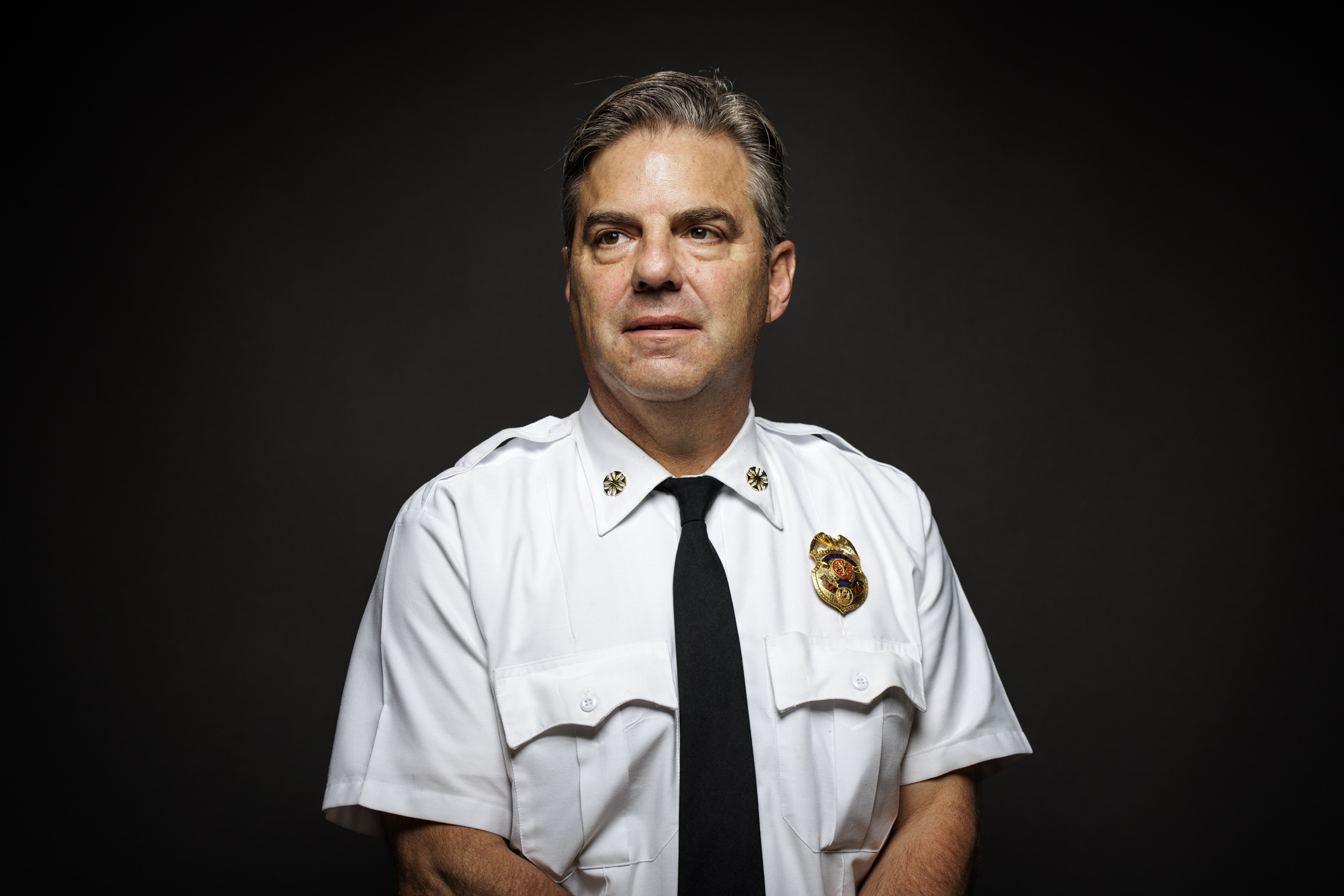
Dean Crispen, chief of San Francisco’s Fire Department, said the smell of gas lingers in his mind 25 years after the 9/11 attacks on the World Trade Center.
“My most pungent memory of the incident is the smell. I’ll never forget that smell,” Crispen said, as he recalled joining the relief efforts at Ground Zero with a group of San Francisco firefighters.
Since then, the attention paid to first responders, especially their well-being, has come into focus. This week, New York City officials released previously sealed records documenting air quality concerns after 9/11.
Crispen, whose team spent almost a week on the “pile” — the massive heap of scrap metal at Ground Zero — said several of the folks who went with him can’t attend one of San Francisco’s 9/11 memorials on Friday because of lung issues and other health problems.
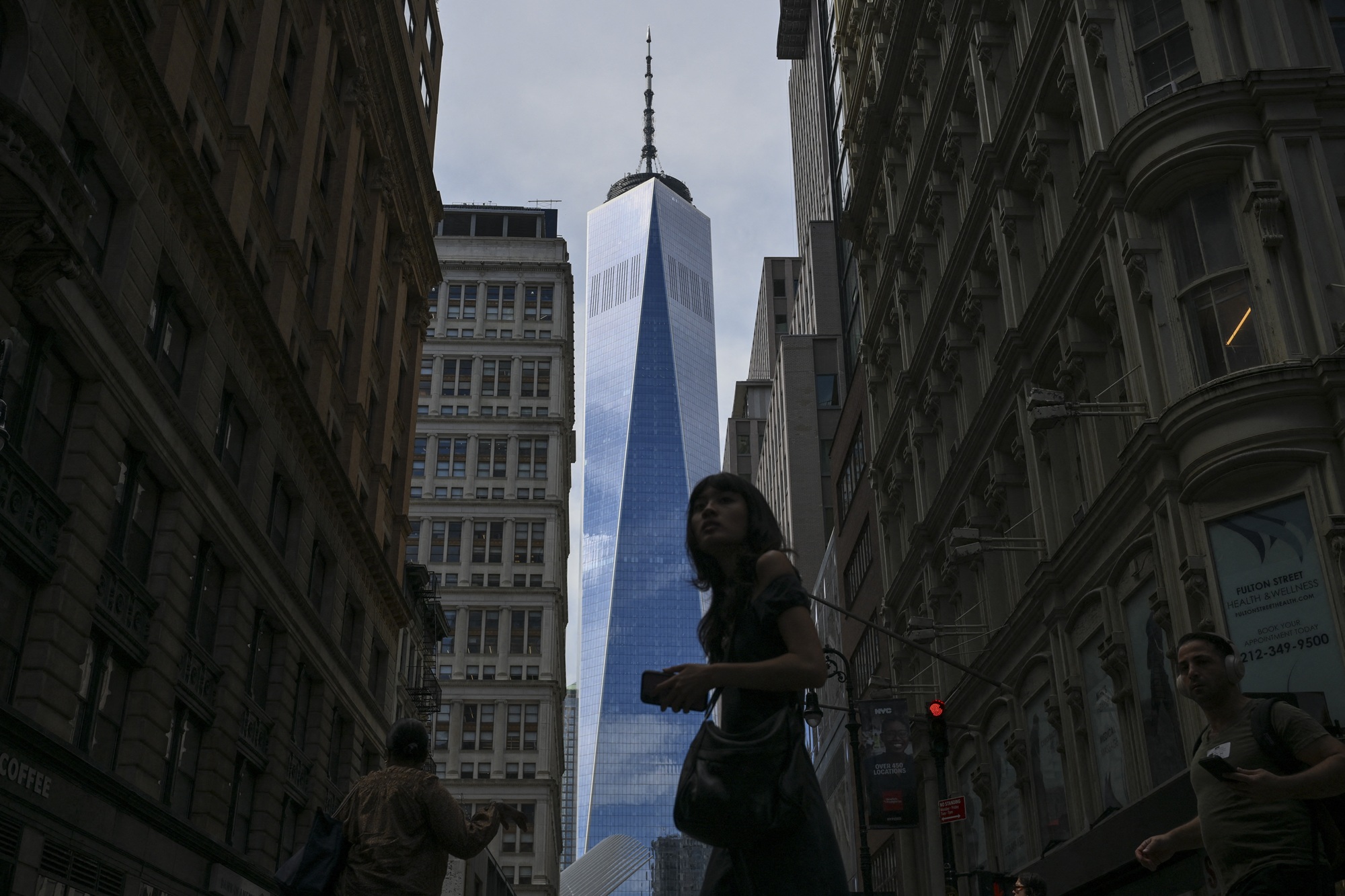
“The issue with that type of work is you can’t really wear a self-contained breathing apparatus when you’re working for 10 or 12 hours,” he said. “It’s really difficult.”
First responders, veterans groups and many organizations around the country mark 9/11 annually, and this year, the 25th anniversary of the attacks, several remembrances are scheduled to take place Friday across the Bay Area.
In San Francisco, Crispen is among the officials attending a veteran-led ceremony in the Presidio honoring the 343 FDNY firefighters and eight EMS providers who died on 9/11.
South Bay Rep. Sam Liccardo’s office has also planned a military flyover for Los Gatos High School to recognize alumni Mark Bingham and Todd Beamer, who died during a passenger revolt against the hijackers aboard United Airlines Flight 93.

The remembrance of 9/11 will also take the form of an annual day of service nationwide. In the Bay Area, volunteers are expected to pack meals at San Francisco State University and the Santa Clara Fairgrounds to then donate to the San Francisco-Marin Food Bank and Second Harvest of Silicon Valley.
Crispen reflected on 25 years since 9/11, speaking with KQED’s morning host Brian Watt. Their conversation has been edited for brevity and clarity.
Brian Watt: Take us back to the days following the attacks on 9/11. How did you get deployed?
Dean Crispen: Even before the first tower had collapsed, we decided we were going.
We had a group of members who had a lot of training in urban search and rescue. We had all just completed some courses on this. We were a little hesitant because we didn’t want to intrude.
We weren’t sure we were accepted there, but we received nothing but positive feedback saying, ‘Come here as soon as you can. Bring your turnouts and your dress uniform.’
At first we were taken aback by what the dress uniform piece was. We ended up using that quite a bit because we were the color guard for many of the funerals there — which was incredibly impactful.
I would not have thought that the scope of your work would have included attending funerals and needing your dress uniforms.
That was a bit of a surprise to us. Although, maybe it shouldn’t have been.
We reported to the pile. We were assigned to a battalion chief of the FDNY who put us to work. Essentially just clearing debris, literally with 5-gallon buckets and trying to find either fallen firefighters or find some apparatus that were buried or find victims. And that was what we did.
We were given very clear instructions of the dangers. There were flare-ups, some gas leaks. There was potential for additional collapse. But FDNY members took great care of us, and I’m so appreciative.
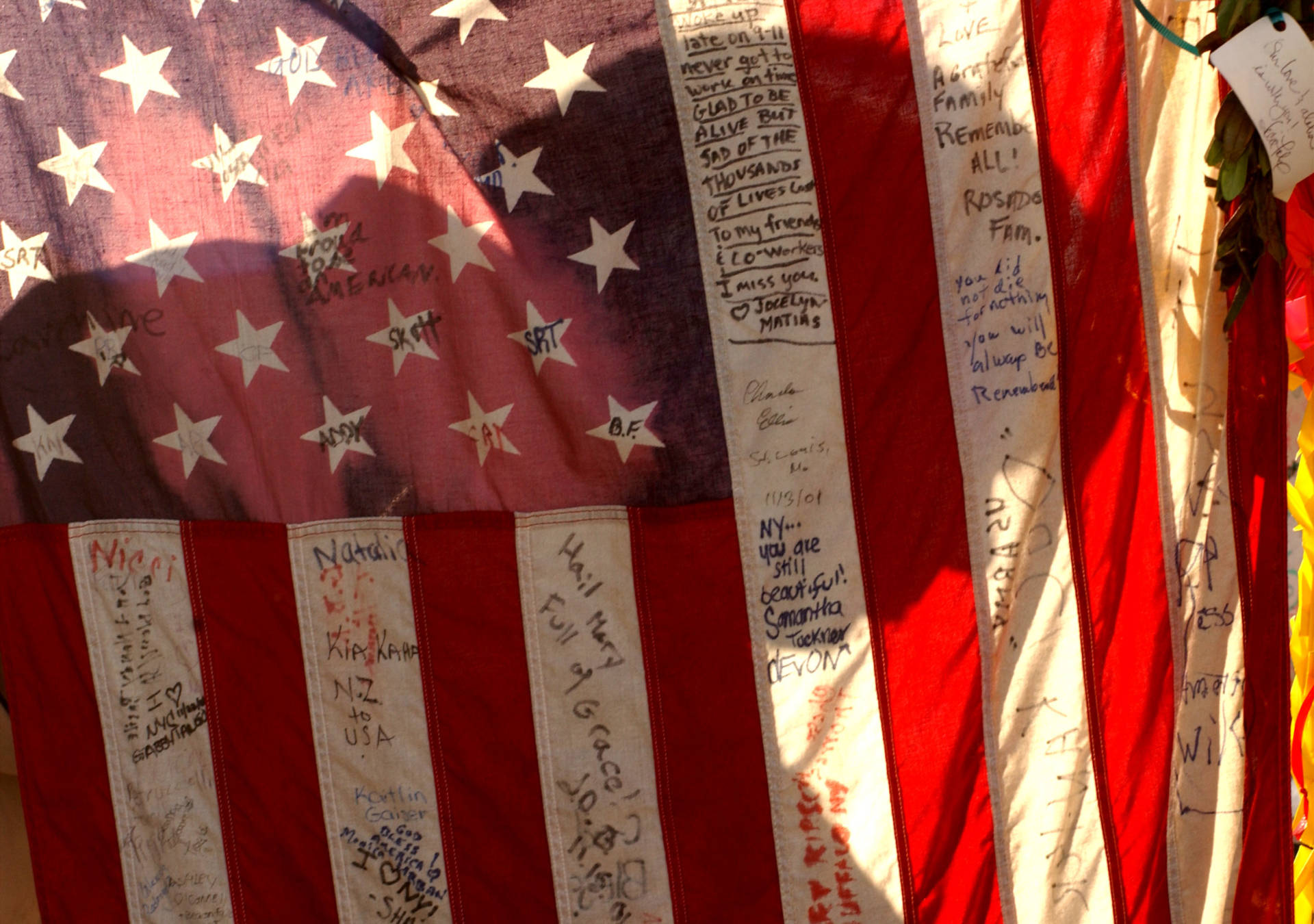
Have you kept in touch with colleagues or other folks affected by the attacks?
Most of the folks that we connected with there are retired, and some of them have passed away. One thing I remember very clearly was the battalion chief telling us, ‘If you find a firefighter, we pull them out.’
It didn’t happen to us, but it did happen to another group, where they stopped the whole operation. They found somebody, and everybody stopped. We had a ceremonious extraction of the victim, and we all saluted. It was probably the most emotional thing I’ve been through in my life.
What’s been going through your mind here 25 years later?
It’s given us a sense of brotherhood and sisterhood that I think nobody in the fire department felt before. Fire departments are proud of their individual traditions and customs, and we take a lot of pride in the things we do here in San Francisco that we do very well because they’re very San Francisco-based.
But 9/11 put a punctuation mark on the collective sacrifice that is made by firefighters, paramedics and EMTs throughout the country. We’re all in this together, and we need to be supportive of each other.
As the chief of a major urban fire department, my thought now has clearly changed into how we can use these events as a fulcrum to make our department more prepared for disaster, large-scale incidents — things that were all wrapped up in the 9/11 incident. Obviously, we’re in earthquake country, so we know that that’s coming and making sure we’re the best version of ourselves when it does happen.