Judge in San Francisco Dismisses Charges Against 18 Pride Block Party Protesters
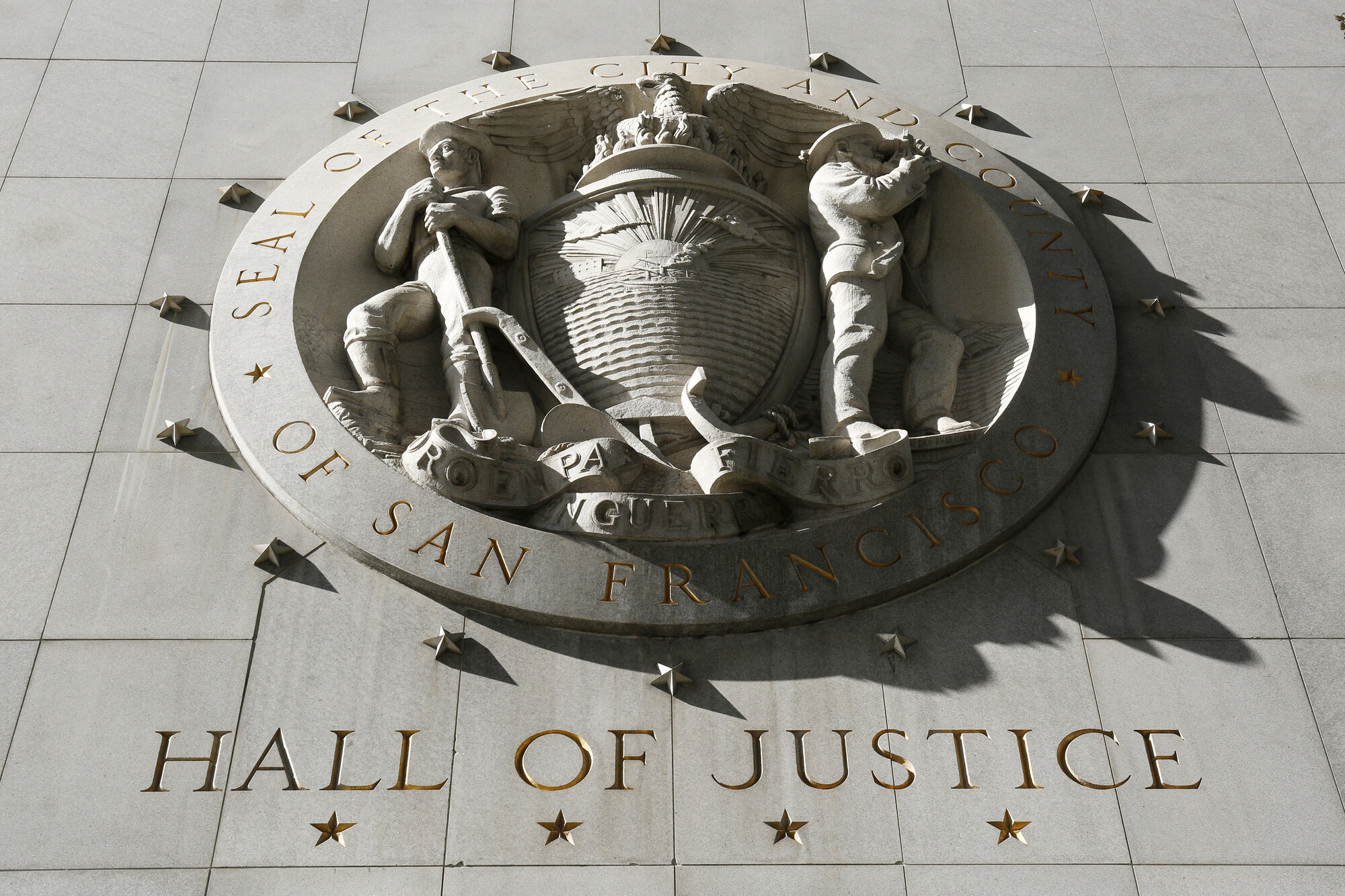
A judge in San Francisco dropped charges Monday against 18 people arrested after refusing to disperse at a Pride weekend dance party in June.
The partygoers and their attorneys celebrated the victory but said that the city’s apparent efforts to crack down on Pride activities this year is “horrifying” for queer people who have long considered San Francisco a safe haven.
“It’s honestly just been really shocking to see this kind of attack against queer people. That’s really been sitting with me throughout this case,” said Renee Coe, who filmed police in riot gear breaking up the June block party when she was arrested. “It’s not really about these individual charges against us, but just the fact that the city is choosing to attack queer people during Pride weekend, while [it] advertises itself as a sanctuary.”
The San Francisco District Attorney’s Office did not respond to a request for comment Tuesday.
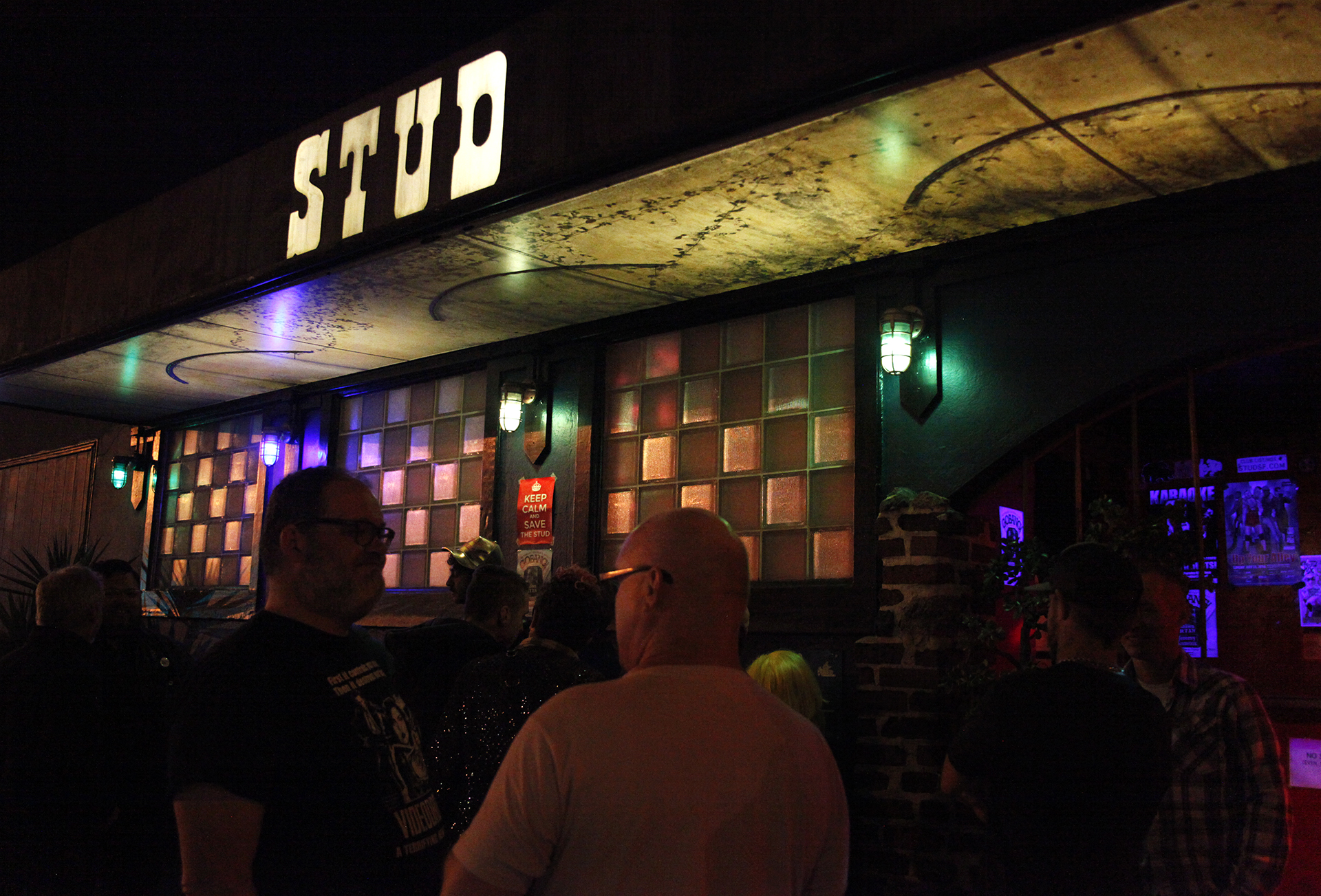
In July, DA Brooke Jenkins charged 18 people, including Coe, with unlawful assembly, failure to disperse and resisting or obstructing an officer after police broke up an unofficial block party in the South of Market neighborhood during Pride weekend.
The annual unauthorized event held in the alley on Kissling Street between 11th and 12th streets, known as “Stud Alley,” has gone on for six years without major incident.
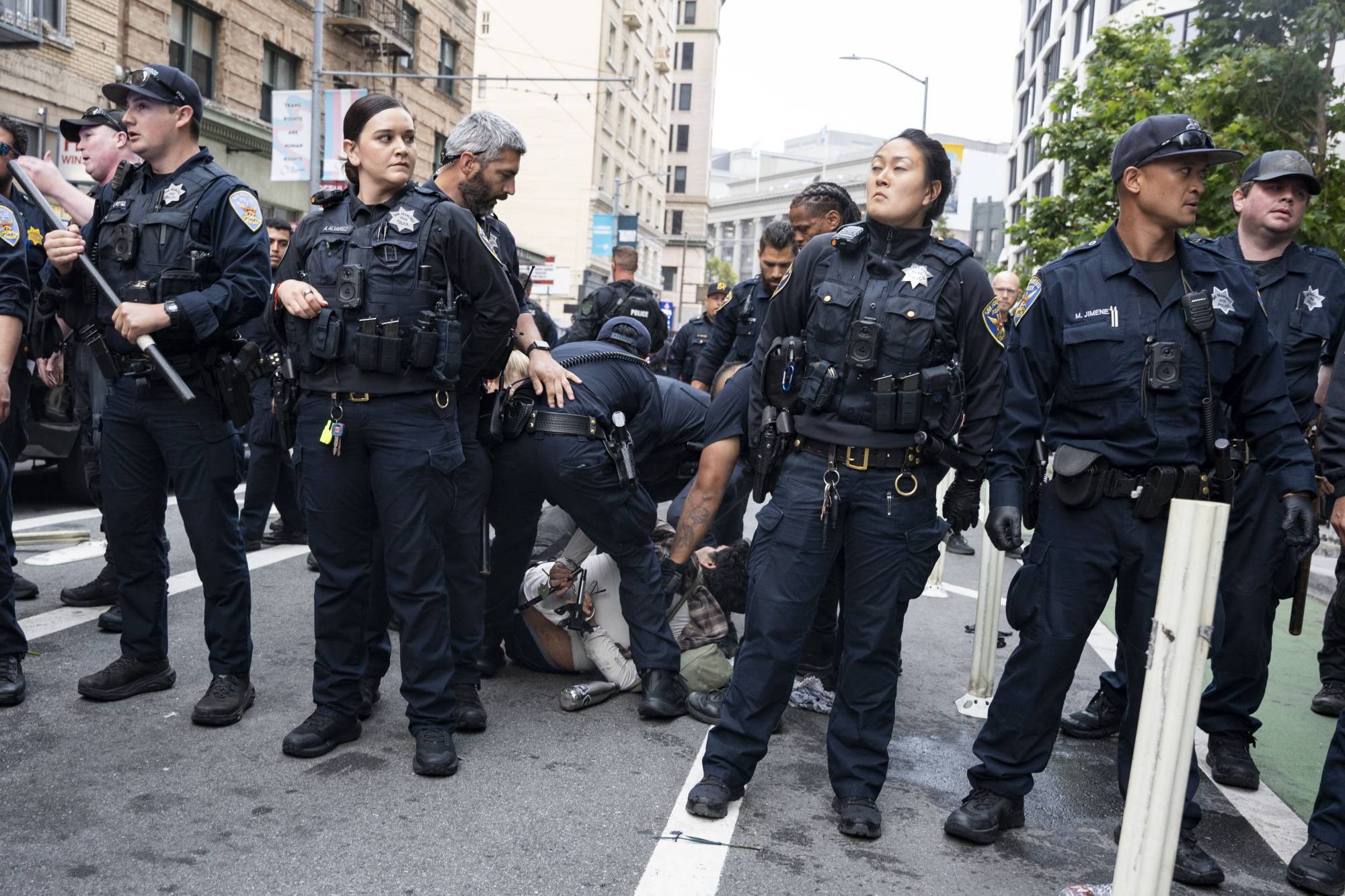
But on June 27, around 11 p.m., dozens of San Francisco Police officers arrived at the scene, where about 300 people were gathered, and told the DJ playing music there to clear the area.
While the party on Kissling broke up, a group reassembled nearby on Washburn Street. There, officers declared an unlawful assembly, and arrested 18 people who they said refused to disperse.
According to SFPD, two vehicles and barricades were vandalized, and there was graffiti. In total, 20 people were arrested, cited and released during the event.
The police response prompted backlash from the queer community, particularly because the day prior, five people were arrested in the Tenderloin after the annual Trans March. Police said the arrests stemmed from vandalism complaints and a report that one person assaulted and sprayed paint on another.
“I’ve never had anything like this happen before,” said Coe, 36, who said she’s gone to San Francisco Pride for decades, and had also been at the Trans March the previous day.
“Part of the reason for attending Stud Ally was to be with community, to have that solidarity and joy and experience what Pride should be about for us, because a lot of us, I think, were traumatized by that experience at Trans March,” she told KQED. “So to then be attacked again was honestly horrifying.”
While Stud Alley has historically drawn some criticism from neighbors over the late-night noise, attorney Kate Raven, who represented two of the defendants in the case, said that it’s never required police contact.
Last year, officers monitored but did not shut down the party.
Raven said the police crackdown was like a sudden “blitz attack” that caught attendees off guard after years of the event. She said Judge Brian Hill granted defense attorneys’ motion for dismissal for two of the charges, related to unlawful assembly, based on a lack of evidence that attendees knew they were part of such an event.
“How was anyone there to know that they were at an unlawful assembly when they’re just at a dance party during Pride weekend?” she asked.
Body camera footage and internal police documents that defense attorneys presented earlier this month, and Mission Local reported, revealed that police did not give a dispersal order until after arrests were made.
The third charge, resisting arrest, was dismissed by Hill “in the interest of justice,” he said during the hearing. While he found that the police were acting reasonably and lawfully in their response to the incident, he said there was minimal resistance by the defendants.
Coe said Monday that she felt good about the dismissal, and would continue to attend Pride events in the future. But she said that the three-month ordeal has been difficult.
During the hearing, attorneys revealed that some of their clients, all but one of whom had no criminal record, had lost employment over the charges, and one person, who is an immigrant, was dealing with potential visa complications.
“It’s still sitting with me, even though these charges are gone, what it means for us as queer people in the city,” Coe said.
KQED’s Sydney Johnson contributed to this report.